window.__IS_SSR__=true
window.__INITIAL_STATE__={
"attachmentsReducer": {
"audio_0": {
"type": "attachments",
"id": "audio_0",
"imgSizes": {
"kqedFullSize": {
"file": "https://ww2.kqed.org/news/wp-content/themes/KQED-unified/img/audio_bgs/background0.jpg"
}
}
},
"audio_1": {
"type": "attachments",
"id": "audio_1",
"imgSizes": {
"kqedFullSize": {
"file": "https://ww2.kqed.org/news/wp-content/themes/KQED-unified/img/audio_bgs/background1.jpg"
}
}
},
"audio_2": {
"type": "attachments",
"id": "audio_2",
"imgSizes": {
"kqedFullSize": {
"file": "https://ww2.kqed.org/news/wp-content/themes/KQED-unified/img/audio_bgs/background2.jpg"
}
}
},
"audio_3": {
"type": "attachments",
"id": "audio_3",
"imgSizes": {
"kqedFullSize": {
"file": "https://ww2.kqed.org/news/wp-content/themes/KQED-unified/img/audio_bgs/background3.jpg"
}
}
},
"audio_4": {
"type": "attachments",
"id": "audio_4",
"imgSizes": {
"kqedFullSize": {
"file": "https://ww2.kqed.org/news/wp-content/themes/KQED-unified/img/audio_bgs/background4.jpg"
}
}
},
"placeholder": {
"type": "attachments",
"id": "placeholder",
"imgSizes": {
"thumbnail": {
"file": "https://cdn.kqed.org/wp-content/uploads/2024/12/KQED-Default-Image-816638274-2000x1333-1-160x107.jpg",
"width": 160,
"height": 107,
"mimeType": "image/jpeg"
},
"medium": {
"file": "https://cdn.kqed.org/wp-content/uploads/2024/12/KQED-Default-Image-816638274-2000x1333-1-800x533.jpg",
"width": 800,
"height": 533,
"mimeType": "image/jpeg"
},
"medium_large": {
"file": "https://cdn.kqed.org/wp-content/uploads/2024/12/KQED-Default-Image-816638274-2000x1333-1-768x512.jpg",
"width": 768,
"height": 512,
"mimeType": "image/jpeg"
},
"large": {
"file": "https://cdn.kqed.org/wp-content/uploads/2024/12/KQED-Default-Image-816638274-2000x1333-1-1020x680.jpg",
"width": 1020,
"height": 680,
"mimeType": "image/jpeg"
},
"1536x1536": {
"file": "https://cdn.kqed.org/wp-content/uploads/2024/12/KQED-Default-Image-816638274-2000x1333-1-1536x1024.jpg",
"width": 1536,
"height": 1024,
"mimeType": "image/jpeg"
},
"fd-lrg": {
"file": "https://cdn.kqed.org/wp-content/uploads/2024/12/KQED-Default-Image-816638274-2000x1333-1-1536x1024.jpg",
"width": 1536,
"height": 1024,
"mimeType": "image/jpeg"
},
"fd-med": {
"file": "https://cdn.kqed.org/wp-content/uploads/2024/12/KQED-Default-Image-816638274-2000x1333-1-1020x680.jpg",
"width": 1020,
"height": 680,
"mimeType": "image/jpeg"
},
"fd-sm": {
"file": "https://cdn.kqed.org/wp-content/uploads/2024/12/KQED-Default-Image-816638274-2000x1333-1-800x533.jpg",
"width": 800,
"height": 533,
"mimeType": "image/jpeg"
},
"post-thumbnail": {
"file": "https://cdn.kqed.org/wp-content/uploads/2024/12/KQED-Default-Image-816638274-2000x1333-1-672x372.jpg",
"width": 672,
"height": 372,
"mimeType": "image/jpeg"
},
"twentyfourteen-full-width": {
"file": "https://cdn.kqed.org/wp-content/uploads/2024/12/KQED-Default-Image-816638274-2000x1333-1-1038x576.jpg",
"width": 1038,
"height": 576,
"mimeType": "image/jpeg"
},
"xxsmall": {
"file": "https://cdn.kqed.org/wp-content/uploads/2024/12/KQED-Default-Image-816638274-2000x1333-1-160x107.jpg",
"width": 160,
"height": 107,
"mimeType": "image/jpeg"
},
"xsmall": {
"file": "https://cdn.kqed.org/wp-content/uploads/2024/12/KQED-Default-Image-816638274-2000x1333-1-672x372.jpg",
"width": 672,
"height": 372,
"mimeType": "image/jpeg"
},
"small": {
"file": "https://cdn.kqed.org/wp-content/uploads/2024/12/KQED-Default-Image-816638274-2000x1333-1-672x372.jpg",
"width": 672,
"height": 372,
"mimeType": "image/jpeg"
},
"xlarge": {
"file": "https://cdn.kqed.org/wp-content/uploads/2024/12/KQED-Default-Image-816638274-2000x1333-1-1020x680.jpg",
"width": 1020,
"height": 680,
"mimeType": "image/jpeg"
},
"full-width": {
"file": "https://cdn.kqed.org/wp-content/uploads/2024/12/KQED-Default-Image-816638274-2000x1333-1-1920x1280.jpg",
"width": 1920,
"height": 1280,
"mimeType": "image/jpeg"
},
"guest-author-32": {
"file": "https://cdn.kqed.org/wp-content/uploads/2025/01/KQED-Default-Image-816638274-1333x1333-1-160x160.jpg",
"width": 32,
"height": 32,
"mimeType": "image/jpeg"
},
"guest-author-50": {
"file": "https://cdn.kqed.org/wp-content/uploads/2025/01/KQED-Default-Image-816638274-1333x1333-1-160x160.jpg",
"width": 50,
"height": 50,
"mimeType": "image/jpeg"
},
"guest-author-64": {
"file": "https://cdn.kqed.org/wp-content/uploads/2025/01/KQED-Default-Image-816638274-1333x1333-1-160x160.jpg",
"width": 64,
"height": 64,
"mimeType": "image/jpeg"
},
"guest-author-96": {
"file": "https://cdn.kqed.org/wp-content/uploads/2025/01/KQED-Default-Image-816638274-1333x1333-1-160x160.jpg",
"width": 96,
"height": 96,
"mimeType": "image/jpeg"
},
"guest-author-128": {
"file": "https://cdn.kqed.org/wp-content/uploads/2025/01/KQED-Default-Image-816638274-1333x1333-1-160x160.jpg",
"width": 128,
"height": 128,
"mimeType": "image/jpeg"
},
"detail": {
"file": "https://cdn.kqed.org/wp-content/uploads/2025/01/KQED-Default-Image-816638274-1333x1333-1-160x160.jpg",
"width": 160,
"height": 160,
"mimeType": "image/jpeg"
},
"kqedFullSize": {
"file": "https://cdn.kqed.org/wp-content/uploads/2024/12/KQED-Default-Image-816638274-2000x1333-1.jpg",
"width": 2000,
"height": 1333
}
}
},
"arts_13994738": {
"type": "attachments",
"id": "arts_13994738",
"meta": {
"index": "attachments_1716263798",
"site": "arts",
"id": "13994738",
"found": true
},
"title": "LivingWageArtists",
"publishDate": 1791943329,
"status": "inherit",
"parent": 0,
"modified": 1791962647,
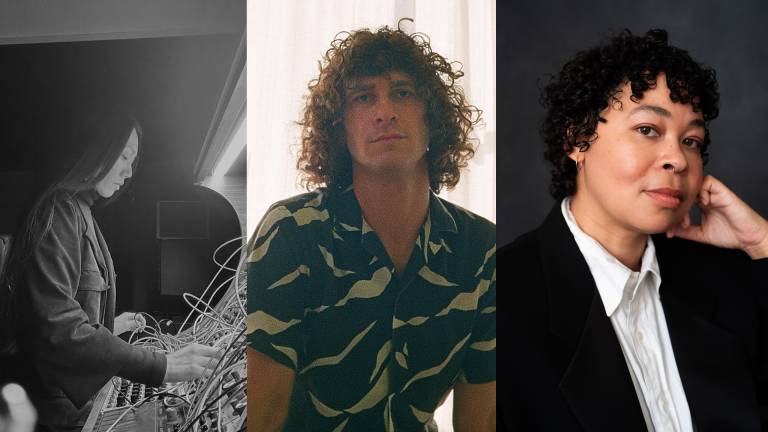
"caption": "From L to R: Amma Ateria, Zachary Epcar and Alexa Burrell are The Lab's Living Wage artists in residence for 2027.",
"credit": "Courtesy The Lab",
"altTag": "three headshots of artists",
"description": null,
"imgSizes": {
"thumbnail": {
"file": "https://cdn.kqed.org/wp-content/uploads/sites/2/2026/10/LivingWageArtists-7ee6ca7c-160x90.jpg",
"width": 160,
"height": 90,
"mimeType": "image/jpeg"
},
"medium_large": {
"file": "https://cdn.kqed.org/wp-content/uploads/sites/2/2026/10/LivingWageArtists-7ee6ca7c-768x432.jpg",
"width": 768,
"height": 432,
"mimeType": "image/jpeg"
},
"1536x1536": {
"file": "https://cdn.kqed.org/wp-content/uploads/sites/2/2026/10/LivingWageArtists-7ee6ca7c-1536x864.jpg",
"width": 1536,
"height": 864,
"mimeType": "image/jpeg"
},
"post-thumbnail": {
"file": "https://cdn.kqed.org/wp-content/uploads/sites/2/2026/10/LivingWageArtists-7ee6ca7c-672x372.jpg",
"width": 672,
"height": 372,
"mimeType": "image/jpeg"
},
"twentyfourteen-full-width": {
"file": "https://cdn.kqed.org/wp-content/uploads/sites/2/2026/10/LivingWageArtists-7ee6ca7c-1038x576.jpg",
"width": 1038,
"height": 576,
"mimeType": "image/jpeg"
},
"npr-cds-wide": {
"file": "https://cdn.kqed.org/wp-content/uploads/sites/2/2026/10/LivingWageArtists-7ee6ca7c-1200x675.jpg",
"width": 1200,
"height": 675,
"mimeType": "image/jpeg"
},
"npr-cds-square": {
"file": "https://cdn.kqed.org/wp-content/uploads/sites/2/2026/10/LivingWageArtists-7ee6ca7c-600x600.jpg",
"width": 600,
"height": 600,
"mimeType": "image/jpeg"
},
"kqedFullSize": {
"file": "https://cdn.kqed.org/wp-content/uploads/sites/2/2026/10/LivingWageArtists-7ee6ca7c.jpg",
"width": 1920,
"height": 1080
}
},
"isLoading": false,
"fetchFailed": false
},
"arts_13994692": {
"type": "attachments",
"id": "arts_13994692",
"meta": {
"index": "attachments_1716263798",
"site": "arts",
"id": "13994692",
"found": true
},
"title": "261012-MCAbdul-09-BL-KQED",
"publishDate": 1791836103,
"status": "inherit",
"parent": 0,
"modified": 1791937360,
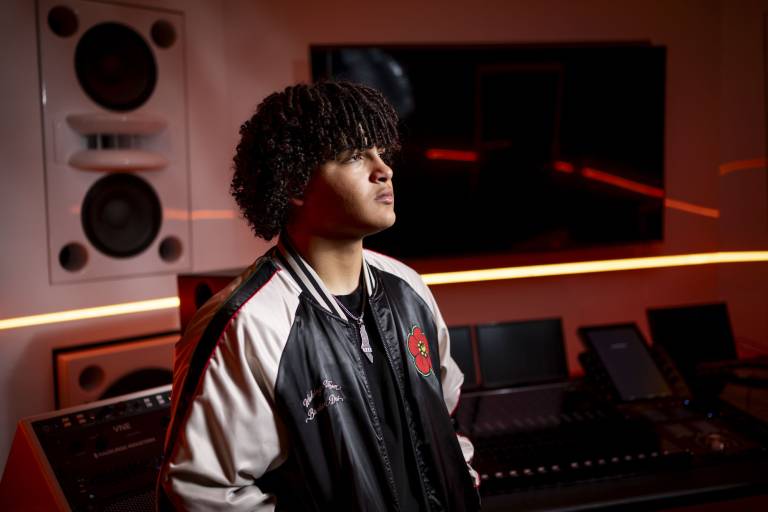
"caption": "MC Abdul poses for a portrait before recording at EMPIRE’s studio in San Francisco on Oct. 6, 2026. The 18-year-old Palestinian rapper, who grew up in Gaza, releases his debut album, ‘Day by Day, Shway Shway’ on Oct. 16.",
"credit": "Beth LaBerge/KQED",
"altTag": "A teenage boy with curly hair looks into the distance at a music studio.",
"description": null,
"imgSizes": {
"thumbnail": {
"file": "https://cdn.kqed.org/wp-content/uploads/sites/2/2026/10/261012-MCAbdul-09-BL-KQED-b6fadb4b-160x107.jpg",
"width": 160,
"height": 107,
"mimeType": "image/jpeg"
},
"medium_large": {
"file": "https://cdn.kqed.org/wp-content/uploads/sites/2/2026/10/261012-MCAbdul-09-BL-KQED-b6fadb4b-768x512.jpg",
"width": 768,
"height": 512,
"mimeType": "image/jpeg"
},
"1536x1536": {
"file": "https://cdn.kqed.org/wp-content/uploads/sites/2/2026/10/261012-MCAbdul-09-BL-KQED-b6fadb4b-1536x1024.jpg",
"width": 1536,
"height": 1024,
"mimeType": "image/jpeg"
},
"post-thumbnail": {
"file": "https://cdn.kqed.org/wp-content/uploads/sites/2/2026/10/261012-MCAbdul-09-BL-KQED-b6fadb4b-672x372.jpg",
"width": 672,
"height": 372,
"mimeType": "image/jpeg"
},
"twentyfourteen-full-width": {
"file": "https://cdn.kqed.org/wp-content/uploads/sites/2/2026/10/261012-MCAbdul-09-BL-KQED-b6fadb4b-1038x576.jpg",
"width": 1038,
"height": 576,
"mimeType": "image/jpeg"
},
"npr-cds-wide": {
"file": "https://cdn.kqed.org/wp-content/uploads/sites/2/2026/10/261012-MCAbdul-09-BL-KQED-b6fadb4b-1200x675.jpg",
"width": 1200,
"height": 675,
"mimeType": "image/jpeg"
},
"npr-cds-square": {
"file": "https://cdn.kqed.org/wp-content/uploads/sites/2/2026/10/261012-MCAbdul-09-BL-KQED-b6fadb4b-600x600.jpg",
"width": 600,
"height": 600,
"mimeType": "image/jpeg"
},
"kqedFullSize": {
"file": "https://cdn.kqed.org/wp-content/uploads/sites/2/2026/10/261012-MCAbdul-09-BL-KQED-b6fadb4b.jpg",
"width": 2000,
"height": 1333
}
},
"isLoading": false,
"fetchFailed": false
},
"arts_13994668": {
"type": "attachments",
"id": "arts_13994668",
"meta": {
"index": "attachments_1716263798",
"site": "arts",
"id": "13994668",
"found": true
},
"title": "Obliterated Power (Pentagon)",
"publishDate": 1791579691,
"status": "inherit",
"parent": 13994663,
"modified": 1791588883,
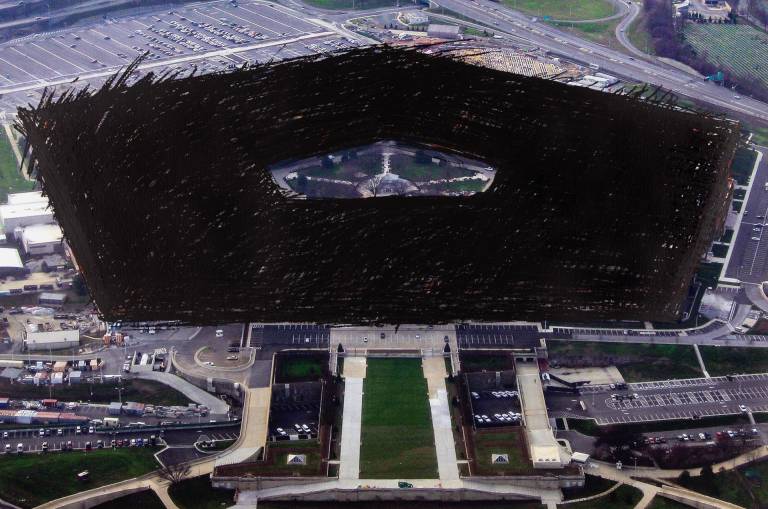
"caption": "Dread Scott, 'Obliterated Power (Pentagon),' 2022; Screen print, archival inkjet print.",
"credit": "Courtesy the artist and YBCAurtesy the artist and YBCA",
"altTag": "photo of pentagon with building masked out in black",
"description": null,
"imgSizes": {
"thumbnail": {
"file": "https://cdn.kqed.org/wp-content/uploads/sites/2/2026/10/Obliterated-Power-Pentagon-no-wall-1920px-e2950341-160x106.jpg",
"width": 160,
"height": 106,
"mimeType": "image/jpeg"
},
"medium_large": {
"file": "https://cdn.kqed.org/wp-content/uploads/sites/2/2026/10/Obliterated-Power-Pentagon-no-wall-1920px-e2950341-768x509.jpg",
"width": 768,
"height": 509,
"mimeType": "image/jpeg"
},
"1536x1536": {
"file": "https://cdn.kqed.org/wp-content/uploads/sites/2/2026/10/Obliterated-Power-Pentagon-no-wall-1920px-e2950341-1536x1018.jpg",
"width": 1536,
"height": 1018,
"mimeType": "image/jpeg"
},
"post-thumbnail": {
"file": "https://cdn.kqed.org/wp-content/uploads/sites/2/2026/10/Obliterated-Power-Pentagon-no-wall-1920px-e2950341-672x372.jpg",
"width": 672,
"height": 372,
"mimeType": "image/jpeg"
},
"twentyfourteen-full-width": {
"file": "https://cdn.kqed.org/wp-content/uploads/sites/2/2026/10/Obliterated-Power-Pentagon-no-wall-1920px-e2950341-1038x576.jpg",
"width": 1038,
"height": 576,
"mimeType": "image/jpeg"
},
"npr-cds-wide": {
"file": "https://cdn.kqed.org/wp-content/uploads/sites/2/2026/10/Obliterated-Power-Pentagon-no-wall-1920px-e2950341-1200x675.jpg",
"width": 1200,
"height": 675,
"mimeType": "image/jpeg"
},
"npr-cds-square": {
"file": "https://cdn.kqed.org/wp-content/uploads/sites/2/2026/10/Obliterated-Power-Pentagon-no-wall-1920px-e2950341-600x600.jpg",
"width": 600,
"height": 600,
"mimeType": "image/jpeg"
},
"kqedFullSize": {
"file": "https://cdn.kqed.org/wp-content/uploads/sites/2/2026/10/Obliterated-Power-Pentagon-no-wall-1920px-e2950341.jpg",
"width": 1920,
"height": 1273
}
},
"isLoading": false,
"fetchFailed": false
},
"arts_13993121": {
"type": "attachments",
"id": "arts_13993121",
"meta": {
"index": "attachments_1716263798",
"site": "arts",
"id": "13993121",
"found": true
},
"title": "web-Crumpler-07-26-125",
"publishDate": 1787334047,
"status": "inherit",
"parent": 13993086,
"modified": 1787334263,
"caption": "Dewey Crumpler, 'Breach,' 2023; Acrylic and metal leaf on canvas.",
"credit": "Courtesy of the artist and Jenkins Johnson Gallery New York and San Francisco",
"altTag": "dynamic painting of containers falling into ocean from cargo ship",
"description": null,
"imgSizes": {
"thumbnail": {
"file": "https://cdn.kqed.org/wp-content/uploads/sites/2/2026/08/web-Crumpler-07-26-125-160x140.jpg",
"width": 160,
"height": 140,
"mimeType": "image/jpeg"
},
"medium_large": {
"file": "https://cdn.kqed.org/wp-content/uploads/sites/2/2026/08/web-Crumpler-07-26-125-768x671.jpg",
"width": 768,
"height": 671,
"mimeType": "image/jpeg"
},
"1536x1536": {
"file": "https://cdn.kqed.org/wp-content/uploads/sites/2/2026/08/web-Crumpler-07-26-125-1536x1342.jpg",
"width": 1536,
"height": 1342,
"mimeType": "image/jpeg"
},
"post-thumbnail": {
"file": "https://cdn.kqed.org/wp-content/uploads/sites/2/2026/08/web-Crumpler-07-26-125-672x372.jpg",
"width": 672,
"height": 372,
"mimeType": "image/jpeg"
},
"twentyfourteen-full-width": {
"file": "https://cdn.kqed.org/wp-content/uploads/sites/2/2026/08/web-Crumpler-07-26-125-1038x576.jpg",
"width": 1038,
"height": 576,
"mimeType": "image/jpeg"
},
"npr-cds-wide": {
"file": "https://cdn.kqed.org/wp-content/uploads/sites/2/2026/08/web-Crumpler-07-26-125-1200x675.jpg",
"width": 1200,
"height": 675,
"mimeType": "image/jpeg"
},
"npr-cds-square": {
"file": "https://cdn.kqed.org/wp-content/uploads/sites/2/2026/08/web-Crumpler-07-26-125-600x600.jpg",
"width": 600,
"height": 600,
"mimeType": "image/jpeg"
},
"kqedFullSize": {
"file": "https://cdn.kqed.org/wp-content/uploads/sites/2/2026/08/web-Crumpler-07-26-125.jpg",
"width": 2000,
"height": 1747
}
},
"isLoading": false,
"fetchFailed": false
},
"arts_13994495": {
"type": "attachments",
"id": "arts_13994495",
"meta": {
"index": "attachments_1716263798",
"site": "arts",
"id": "13994495",
"found": true
},
"title": "Natalie-Baszile-credit-Djerassi-Studio-scaled",
"publishDate": 1791237260,
"status": "inherit",
"parent": 13994487,
"modified": 1791237342,
"caption": "After writing about the South in her bestseller ‘Queen Sugar,’ Bay Area author Natalie Baszile takes her new novel ‘Friends and Family’ to San Francisco. ",
"credit": "Djerassi Studio",
"altTag": null,
"description": null,
"imgSizes": {
"medium": {
"file": "https://cdn.kqed.org/wp-content/uploads/sites/2/2026/10/Natalie-Baszile-credit-Djerassi-Studio-scaled-1-2000x1334.jpg",
"width": 2000,
"height": 1334,
"mimeType": "image/jpeg"
},
"large": {
"file": "https://cdn.kqed.org/wp-content/uploads/sites/2/2026/10/Natalie-Baszile-credit-Djerassi-Studio-scaled-1-2000x1334.jpg",
"width": 2000,
"height": 1334,
"mimeType": "image/jpeg"
},
"thumbnail": {
"file": "https://cdn.kqed.org/wp-content/uploads/sites/2/2026/10/Natalie-Baszile-credit-Djerassi-Studio-scaled-1-160x107.jpg",
"width": 160,
"height": 107,
"mimeType": "image/jpeg"
},
"medium_large": {
"file": "https://cdn.kqed.org/wp-content/uploads/sites/2/2026/10/Natalie-Baszile-credit-Djerassi-Studio-scaled-1-768x512.jpg",
"width": 768,
"height": 512,
"mimeType": "image/jpeg"
},
"1536x1536": {
"file": "https://cdn.kqed.org/wp-content/uploads/sites/2/2026/10/Natalie-Baszile-credit-Djerassi-Studio-scaled-1-1536x1024.jpg",
"width": 1536,
"height": 1024,
"mimeType": "image/jpeg"
},
"2048x2048": {
"file": "https://cdn.kqed.org/wp-content/uploads/sites/2/2026/10/Natalie-Baszile-credit-Djerassi-Studio-scaled-1-2048x1366.jpg",
"width": 2048,
"height": 1366,
"mimeType": "image/jpeg"
},
"post-thumbnail": {
"file": "https://cdn.kqed.org/wp-content/uploads/sites/2/2026/10/Natalie-Baszile-credit-Djerassi-Studio-scaled-1-672x372.jpg",
"width": 672,
"height": 372,
"mimeType": "image/jpeg"
},
"twentyfourteen-full-width": {
"file": "https://cdn.kqed.org/wp-content/uploads/sites/2/2026/10/Natalie-Baszile-credit-Djerassi-Studio-scaled-1-1038x576.jpg",
"width": 1038,
"height": 576,
"mimeType": "image/jpeg"
},
"full-width": {
"file": "https://cdn.kqed.org/wp-content/uploads/sites/2/2026/10/Natalie-Baszile-credit-Djerassi-Studio-scaled-1-2000x1334.jpg",
"width": 2000,
"height": 1334,
"mimeType": "image/jpeg"
},
"npr-cds-wide": {
"file": "https://cdn.kqed.org/wp-content/uploads/sites/2/2026/10/Natalie-Baszile-credit-Djerassi-Studio-scaled-1-1200x675.jpg",
"width": 1200,
"height": 675,
"mimeType": "image/jpeg"
},
"npr-cds-square": {
"file": "https://cdn.kqed.org/wp-content/uploads/sites/2/2026/10/Natalie-Baszile-credit-Djerassi-Studio-scaled-1-600x600.jpg",
"width": 600,
"height": 600,
"mimeType": "image/jpeg"
},
"kqedFullSize": {
"file": "https://cdn.kqed.org/wp-content/uploads/sites/2/2026/10/Natalie-Baszile-credit-Djerassi-Studio-scaled-1.jpg",
"width": 2560,
"height": 1707
}
},
"isLoading": false,
"fetchFailed": false
},
"arts_13994292": {
"type": "attachments",
"id": "arts_13994292",
"meta": {
"index": "attachments_1716263798",
"site": "arts",
"id": "13994292",
"found": true
},
"title": "Malik Seneferu",
"publishDate": 1790618299,
"status": "inherit",
"parent": 0,
"modified": 1790618367,
"caption": "Hunters Point's own, Malik Seneferu. ",
"credit": "Pendarvis Harshaw",
"altTag": null,
"description": null,
"imgSizes": {
"thumbnail": {
"file": "https://cdn.kqed.org/wp-content/uploads/sites/2/2026/09/img_6614-160x213.jpg",
"width": 160,
"height": 213,
"mimeType": "image/jpeg"
},
"medium_large": {
"file": "https://cdn.kqed.org/wp-content/uploads/sites/2/2026/09/img_6614-768x1024.jpg",
"width": 768,
"height": 1024,
"mimeType": "image/jpeg"
},
"1536x1536": {
"file": "https://cdn.kqed.org/wp-content/uploads/sites/2/2026/09/img_6614-1152x1536.jpg",
"width": 1152,
"height": 1536,
"mimeType": "image/jpeg"
},
"2048x2048": {
"file": "https://cdn.kqed.org/wp-content/uploads/sites/2/2026/09/img_6614-1536x2048.jpg",
"width": 1536,
"height": 2048,
"mimeType": "image/jpeg"
},
"post-thumbnail": {
"file": "https://cdn.kqed.org/wp-content/uploads/sites/2/2026/09/img_6614-672x372.jpg",
"width": 672,
"height": 372,
"mimeType": "image/jpeg"
},
"twentyfourteen-full-width": {
"file": "https://cdn.kqed.org/wp-content/uploads/sites/2/2026/09/img_6614-1038x576.jpg",
"width": 1038,
"height": 576,
"mimeType": "image/jpeg"
},
"npr-cds-wide": {
"file": "https://cdn.kqed.org/wp-content/uploads/sites/2/2026/09/img_6614-1200x675.jpg",
"width": 1200,
"height": 675,
"mimeType": "image/jpeg"
},
"npr-cds-square": {
"file": "https://cdn.kqed.org/wp-content/uploads/sites/2/2026/09/img_6614-600x600.jpg",
"width": 600,
"height": 600,
"mimeType": "image/jpeg"
},
"kqedFullSize": {
"file": "https://cdn.kqed.org/wp-content/uploads/sites/2/2026/09/img_6614-scaled.jpg",
"width": 1920,
"height": 2560
}
},
"isLoading": false,
"fetchFailed": false
},
"arts_13994329": {
"type": "attachments",
"id": "arts_13994329",
"meta": {
"index": "attachments_1716263798",
"site": "arts",
"id": "13994329",
"found": true
},
"title": "tubong1001",
"publishDate": 1790620452,
"status": "inherit",
"parent": 0,
"modified": 1790620452,
"caption": "Allison Joy, 32, wears a Powerpuff Girls inspired outfit during day two of Portola on Sunday Sept. 27, 2026. The piece takes inspiration from the characters Buttercup, Him, and Bubbles for the hairstyle.",
"credit": null,
"altTag": null,
"description": null,
"imgSizes": {
"thumbnail": {
"file": "https://cdn.kqed.org/wp-content/uploads/sites/2/2026/09/20260927_PortolaDay2_EG_027-160x107.jpg",
"width": 160,
"height": 107,
"mimeType": "image/jpeg"
},
"medium_large": {
"file": "https://cdn.kqed.org/wp-content/uploads/sites/2/2026/09/20260927_PortolaDay2_EG_027-768x511.jpg",
"width": 768,
"height": 511,
"mimeType": "image/jpeg"
},
"1536x1536": {
"file": "https://cdn.kqed.org/wp-content/uploads/sites/2/2026/09/20260927_PortolaDay2_EG_027-1536x1023.jpg",
"width": 1536,
"height": 1023,
"mimeType": "image/jpeg"
},
"post-thumbnail": {
"file": "https://cdn.kqed.org/wp-content/uploads/sites/2/2026/09/20260927_PortolaDay2_EG_027-672x372.jpg",
"width": 672,
"height": 372,
"mimeType": "image/jpeg"
},
"twentyfourteen-full-width": {
"file": "https://cdn.kqed.org/wp-content/uploads/sites/2/2026/09/20260927_PortolaDay2_EG_027-1038x576.jpg",
"width": 1038,
"height": 576,
"mimeType": "image/jpeg"
},
"npr-cds-wide": {
"file": "https://cdn.kqed.org/wp-content/uploads/sites/2/2026/09/20260927_PortolaDay2_EG_027-1200x675.jpg",
"width": 1200,
"height": 675,
"mimeType": "image/jpeg"
},
"npr-cds-square": {
"file": "https://cdn.kqed.org/wp-content/uploads/sites/2/2026/09/20260927_PortolaDay2_EG_027-600x600.jpg",
"width": 600,
"height": 600,
"mimeType": "image/jpeg"
},
"kqedFullSize": {
"file": "https://cdn.kqed.org/wp-content/uploads/sites/2/2026/09/20260927_PortolaDay2_EG_027.jpg",
"width": 2000,
"height": 1332
}
},
"isLoading": false,
"fetchFailed": false
},
"arts_13994279": {
"type": "attachments",
"id": "arts_13994279",
"meta": {
"index": "attachments_1716263798",
"site": "arts",
"id": "13994279",
"found": true
},
"title": "tubong1001",
"publishDate": 1790616155,
"status": "inherit",
"parent": 0,
"modified": 1790616253,
"caption": "Adéla performs during day two of Portola on Sunday Sept. 27, 2026.",
"credit": "Estefany Gonzalez for KQED",
"altTag": null,
"description": null,
"imgSizes": {
"thumbnail": {
"file": "https://cdn.kqed.org/wp-content/uploads/sites/2/2026/09/20260927_PortolaDay2_EG_007-160x107.jpg",
"width": 160,
"height": 107,
"mimeType": "image/jpeg"
},
"medium_large": {
"file": "https://cdn.kqed.org/wp-content/uploads/sites/2/2026/09/20260927_PortolaDay2_EG_007-768x511.jpg",
"width": 768,
"height": 511,
"mimeType": "image/jpeg"
},
"1536x1536": {
"file": "https://cdn.kqed.org/wp-content/uploads/sites/2/2026/09/20260927_PortolaDay2_EG_007-1536x1023.jpg",
"width": 1536,
"height": 1023,
"mimeType": "image/jpeg"
},
"post-thumbnail": {
"file": "https://cdn.kqed.org/wp-content/uploads/sites/2/2026/09/20260927_PortolaDay2_EG_007-672x372.jpg",
"width": 672,
"height": 372,
"mimeType": "image/jpeg"
},
"twentyfourteen-full-width": {
"file": "https://cdn.kqed.org/wp-content/uploads/sites/2/2026/09/20260927_PortolaDay2_EG_007-1038x576.jpg",
"width": 1038,
"height": 576,
"mimeType": "image/jpeg"
},
"npr-cds-wide": {
"file": "https://cdn.kqed.org/wp-content/uploads/sites/2/2026/09/20260927_PortolaDay2_EG_007-1200x675.jpg",
"width": 1200,
"height": 675,
"mimeType": "image/jpeg"
},
"npr-cds-square": {
"file": "https://cdn.kqed.org/wp-content/uploads/sites/2/2026/09/20260927_PortolaDay2_EG_007-600x600.jpg",
"width": 600,
"height": 600,
"mimeType": "image/jpeg"
},
"kqedFullSize": {
"file": "https://cdn.kqed.org/wp-content/uploads/sites/2/2026/09/20260927_PortolaDay2_EG_007.jpg",
"width": 2000,
"height": 1332
}
},
"isLoading": false,
"fetchFailed": false
},
"arts_13994260": {
"type": "attachments",
"id": "arts_13994260",
"meta": {
"index": "attachments_1716263798",
"site": "arts",
"id": "13994260",
"found": true
},
"title": "20260926_PortolaDay1_EG_047",
"publishDate": 1790534004,
"status": "inherit",
"parent": 0,
"modified": 1790534269,
"caption": "Robyn performs at the Portola Festival in San Francisco on Sept. 26, 2026. ",
"credit": "Estefany Gonzalez for KQED",
"altTag": null,
"description": null,
"imgSizes": {
"thumbnail": {
"file": "https://cdn.kqed.org/wp-content/uploads/sites/2/2026/09/20260926_PortolaDay1_EG_047-160x107.jpg",
"width": 160,
"height": 107,
"mimeType": "image/jpeg"
},
"medium_large": {
"file": "https://cdn.kqed.org/wp-content/uploads/sites/2/2026/09/20260926_PortolaDay1_EG_047-768x512.jpg",
"width": 768,
"height": 512,
"mimeType": "image/jpeg"
},
"1536x1536": {
"file": "https://cdn.kqed.org/wp-content/uploads/sites/2/2026/09/20260926_PortolaDay1_EG_047-1536x1024.jpg",
"width": 1536,
"height": 1024,
"mimeType": "image/jpeg"
},
"post-thumbnail": {
"file": "https://cdn.kqed.org/wp-content/uploads/sites/2/2026/09/20260926_PortolaDay1_EG_047-672x372.jpg",
"width": 672,
"height": 372,
"mimeType": "image/jpeg"
},
"twentyfourteen-full-width": {
"file": "https://cdn.kqed.org/wp-content/uploads/sites/2/2026/09/20260926_PortolaDay1_EG_047-1038x576.jpg",
"width": 1038,
"height": 576,
"mimeType": "image/jpeg"
},
"npr-cds-wide": {
"file": "https://cdn.kqed.org/wp-content/uploads/sites/2/2026/09/20260926_PortolaDay1_EG_047-1200x675.jpg",
"width": 1200,
"height": 675,
"mimeType": "image/jpeg"
},
"npr-cds-square": {
"file": "https://cdn.kqed.org/wp-content/uploads/sites/2/2026/09/20260926_PortolaDay1_EG_047-600x600.jpg",
"width": 600,
"height": 600,
"mimeType": "image/jpeg"
},
"kqedFullSize": {
"file": "https://cdn.kqed.org/wp-content/uploads/sites/2/2026/09/20260926_PortolaDay1_EG_047.jpg",
"width": 2000,
"height": 1333
}
},
"isLoading": false,
"fetchFailed": false
},
"arts_13994168": {
"type": "attachments",
"id": "arts_13994168",
"meta": {
"index": "attachments_1716263798",
"site": "arts",
"id": "13994168",
"found": true
},
"title": "Production+Shot+4+Steve+Tanner",
"publishDate": 1790275609,
"status": "inherit",
"parent": 0,
"modified": 1790275909,
"caption": "Simon Oskarsson, Katy Owen and Ewan Wardrop in ‘North by Northwest.’",
"credit": "Steve Tanner",
"altTag": "Three characters dressed in beige trenchcoats, the center one holding a newspaper reading \"Believe Nothing\"",
"description": null,
"imgSizes": {
"thumbnail": {
"file": "https://cdn.kqed.org/wp-content/uploads/sites/2/2026/09/ProductionShot4SteveTanner-160x98.jpg",
"width": 160,
"height": 98,
"mimeType": "image/jpeg"
},
"medium_large": {
"file": "https://cdn.kqed.org/wp-content/uploads/sites/2/2026/09/ProductionShot4SteveTanner-768x470.jpg",
"width": 768,
"height": 470,
"mimeType": "image/jpeg"
},
"1536x1536": {
"file": "https://cdn.kqed.org/wp-content/uploads/sites/2/2026/09/ProductionShot4SteveTanner-1536x939.jpg",
"width": 1536,
"height": 939,
"mimeType": "image/jpeg"
},
"post-thumbnail": {
"file": "https://cdn.kqed.org/wp-content/uploads/sites/2/2026/09/ProductionShot4SteveTanner-672x372.jpg",
"width": 672,
"height": 372,
"mimeType": "image/jpeg"
},
"twentyfourteen-full-width": {
"file": "https://cdn.kqed.org/wp-content/uploads/sites/2/2026/09/ProductionShot4SteveTanner-1038x576.jpg",
"width": 1038,
"height": 576,
"mimeType": "image/jpeg"
},
"npr-cds-wide": {
"file": "https://cdn.kqed.org/wp-content/uploads/sites/2/2026/09/ProductionShot4SteveTanner-1200x675.jpg",
"width": 1200,
"height": 675,
"mimeType": "image/jpeg"
},
"npr-cds-square": {
"file": "https://cdn.kqed.org/wp-content/uploads/sites/2/2026/09/ProductionShot4SteveTanner-600x600.jpg",
"width": 600,
"height": 600,
"mimeType": "image/jpeg"
},
"kqedFullSize": {
"file": "https://cdn.kqed.org/wp-content/uploads/sites/2/2026/09/ProductionShot4SteveTanner.jpg",
"width": 2000,
"height": 1223
}
},
"isLoading": false,
"fetchFailed": false
},
"arts_13994131": {
"type": "attachments",
"id": "arts_13994131",
"meta": {
"index": "attachments_1716263798",
"site": "arts",
"id": "13994131",
"found": true
},
"title": "DEV 2 Bailey F Krawczyk (1)",
"publishDate": 1790185751,
"status": "inherit",
"parent": 13994097,
"modified": 1790185814,
"caption": "Underscores. ",
"credit": "Bailey F. Krawczyk",
"altTag": null,
"description": null,
"imgSizes": {
"medium": {
"file": "https://cdn.kqed.org/wp-content/uploads/sites/2/2026/09/DEV-2-Bailey-F-Krawczyk-1-2000x1333.png",
"width": 2000,
"height": 1333,
"mimeType": "image/png"
},
"large": {
"file": "https://cdn.kqed.org/wp-content/uploads/sites/2/2026/09/DEV-2-Bailey-F-Krawczyk-1-2000x1333.png",
"width": 2000,
"height": 1333,
"mimeType": "image/png"
},
"thumbnail": {
"file": "https://cdn.kqed.org/wp-content/uploads/sites/2/2026/09/DEV-2-Bailey-F-Krawczyk-1-160x107.png",
"width": 160,
"height": 107,
"mimeType": "image/png"
},
"medium_large": {
"file": "https://cdn.kqed.org/wp-content/uploads/sites/2/2026/09/DEV-2-Bailey-F-Krawczyk-1-768x512.png",
"width": 768,
"height": 512,
"mimeType": "image/png"
},
"1536x1536": {
"file": "https://cdn.kqed.org/wp-content/uploads/sites/2/2026/09/DEV-2-Bailey-F-Krawczyk-1-1536x1024.png",
"width": 1536,
"height": 1024,
"mimeType": "image/png"
},
"2048x2048": {
"file": "https://cdn.kqed.org/wp-content/uploads/sites/2/2026/09/DEV-2-Bailey-F-Krawczyk-1-2048x1365.png",
"width": 2048,
"height": 1365,
"mimeType": "image/png"
},
"post-thumbnail": {
"file": "https://cdn.kqed.org/wp-content/uploads/sites/2/2026/09/DEV-2-Bailey-F-Krawczyk-1-672x372.png",
"width": 672,
"height": 372,
"mimeType": "image/png"
},
"twentyfourteen-full-width": {
"file": "https://cdn.kqed.org/wp-content/uploads/sites/2/2026/09/DEV-2-Bailey-F-Krawczyk-1-1038x576.png",
"width": 1038,
"height": 576,
"mimeType": "image/png"
},
"full-width": {
"file": "https://cdn.kqed.org/wp-content/uploads/sites/2/2026/09/DEV-2-Bailey-F-Krawczyk-1-2000x1333.png",
"width": 2000,
"height": 1333,
"mimeType": "image/png"
},
"npr-cds-wide": {
"file": "https://cdn.kqed.org/wp-content/uploads/sites/2/2026/09/DEV-2-Bailey-F-Krawczyk-1-1200x675.png",
"width": 1200,
"height": 675,
"mimeType": "image/png"
},
"npr-cds-square": {
"file": "https://cdn.kqed.org/wp-content/uploads/sites/2/2026/09/DEV-2-Bailey-F-Krawczyk-1-600x600.png",
"width": 600,
"height": 600,
"mimeType": "image/png"
},
"kqedFullSize": {
"file": "https://cdn.kqed.org/wp-content/uploads/sites/2/2026/09/DEV-2-Bailey-F-Krawczyk-1-scaled.png",
"width": 2560,
"height": 1707
}
},
"isLoading": false,
"fetchFailed": false
},
"arts_13994039": {
"type": "attachments",
"id": "arts_13994039",
"meta": {
"index": "attachments_1716263798",
"site": "arts",
"id": "13994039",
"found": true
},
"title": "IMG_5348",
"publishDate": 1789753131,
"status": "inherit",
"parent": 0,
"modified": 1789753239,
"caption": "(L–R) Mark Hosler and Jon Leidecker of Negativland at the Internet Archive in San Francisco on Sept. 16, 2026. ",
"credit": "Gabe Meline/KQED",
"altTag": null,
"description": null,
"imgSizes": {
"thumbnail": {
"file": "https://cdn.kqed.org/wp-content/uploads/sites/2/2026/09/IMG_5348-160x107.jpg",
"width": 160,
"height": 107,
"mimeType": "image/jpeg"
},
"medium_large": {
"file": "https://cdn.kqed.org/wp-content/uploads/sites/2/2026/09/IMG_5348-768x512.jpg",
"width": 768,
"height": 512,
"mimeType": "image/jpeg"
},
"1536x1536": {
"file": "https://cdn.kqed.org/wp-content/uploads/sites/2/2026/09/IMG_5348-1536x1025.jpg",
"width": 1536,
"height": 1025,
"mimeType": "image/jpeg"
},
"post-thumbnail": {
"file": "https://cdn.kqed.org/wp-content/uploads/sites/2/2026/09/IMG_5348-672x372.jpg",
"width": 672,
"height": 372,
"mimeType": "image/jpeg"
},
"twentyfourteen-full-width": {
"file": "https://cdn.kqed.org/wp-content/uploads/sites/2/2026/09/IMG_5348-1038x576.jpg",
"width": 1038,
"height": 576,
"mimeType": "image/jpeg"
},
"npr-cds-wide": {
"file": "https://cdn.kqed.org/wp-content/uploads/sites/2/2026/09/IMG_5348-1200x675.jpg",
"width": 1200,
"height": 675,
"mimeType": "image/jpeg"
},
"npr-cds-square": {
"file": "https://cdn.kqed.org/wp-content/uploads/sites/2/2026/09/IMG_5348-600x600.jpg",
"width": 600,
"height": 600,
"mimeType": "image/jpeg"
},
"kqedFullSize": {
"file": "https://cdn.kqed.org/wp-content/uploads/sites/2/2026/09/IMG_5348.jpg",
"width": 2000,
"height": 1334
}
},
"isLoading": false,
"fetchFailed": false
}
},
"audioPlayerReducer": {
"postId": "stream_live",
"isPaused": true,
"isPlaying": false,
"pfsActive": false,
"pledgeModalIsOpen": true,
"playerDrawerIsOpen": false,
"liveAudioPlayStartedAt": 0,
"liveAudioPlayContext": ""
},
"authorsReducer": {
"byline_arts_13994097": {
"type": "authors",
"id": "byline_arts_13994097",
"meta": {
"override": true
},
"slug": "byline_arts_13994097",
"name": "Daniel Bromfield",
"isLoading": false
},
"shotchkiss": {
"type": "authors",
"id": "61",
"meta": {
"index": "authors_1716337520",
"id": "61",
"found": true
},
"name": "Sarah Hotchkiss",
"firstName": "Sarah",
"lastName": "Hotchkiss",
"slug": "shotchkiss",
"email": "shotchkiss@kqed.org",
"display_author_email": true,
"staff_mastheads": [
"arts"
],
"title": "Senior Editor",
"bio": "Sarah Hotchkiss is a San Francisco \u003ca href=\"http://www.sarahhotchkiss.com\">artist\u003c/a> and arts writer. In 2019, she received the Dorothea & Leo Rabkin Foundation grant for visual art journalism and in 2020 she received a Society of Professional Journalists, Northern California award for excellence in arts and culture reporting.",
"avatar": "https://secure.gravatar.com/avatar/bc662df144b3d27fd8b1b6f1c2a420d34e91e53154d411bb7ad353cc8b6cea8d?s=600&d=blank&r=g",
"twitter": null,
"bluesky": null,
"facebook": null,
"instagram": null,
"linkedin": null,
"sites": [
{
"site": "",
"roles": [
"editor"
]
},
{
"site": "arts",
"roles": [
"Contributor",
"administrator"
]
},
{
"site": "artschool",
"roles": [
"administrator"
]
},
{
"site": "news",
"roles": [
"editor"
]
},
{
"site": "pop",
"roles": [
"administrator"
]
},
{
"site": "bayareabites",
"roles": [
"editor"
]
},
{
"site": "spark",
"roles": [
"editor"
]
},
{
"site": "checkplease",
"roles": [
"editor"
]
}
],
"headData": {
"title": "Sarah Hotchkiss | KQED",
"description": "Senior Editor",
"ogImgSrc": "https://secure.gravatar.com/avatar/bc662df144b3d27fd8b1b6f1c2a420d34e91e53154d411bb7ad353cc8b6cea8d?s=600&d=blank&r=g",
"twImgSrc": "https://secure.gravatar.com/avatar/bc662df144b3d27fd8b1b6f1c2a420d34e91e53154d411bb7ad353cc8b6cea8d?s=600&d=blank&r=g"
},
"isLoading": false,
"link": "/author/shotchkiss"
},
"gmeline": {
"type": "authors",
"id": "185",
"meta": {
"index": "authors_1716337520",
"id": "185",
"found": true
},
"name": "Gabe Meline",
"firstName": "Gabe",
"lastName": "Meline",
"slug": "gmeline",
"email": "gmeline@kqed.org",
"display_author_email": true,
"staff_mastheads": [
"arts"
],
"title": "Senior Editor, KQED Arts & Culture",
"bio": "Gabe Meline entered journalism at age 15 making photocopied zines, and has since earned awards from the Edward R. Murrow Awards, the Society for Professional Journalists, the Online Journalism Awards, the Association of Alternative Newsweeklies and the California Newspaper Publishers Association. Prior to KQED, he was the editor of the \u003cem>North Bay Bohemian\u003c/em> and a touring musician. He lives with his wife and daughter in his hometown of Santa Rosa, CA.",
"avatar": "https://secure.gravatar.com/avatar/5bebe57be0d8bc2dd318934feb47299e2d2d10cba28d09d8d7afb389a2ce2bdd?s=600&d=blank&r=g",
"twitter": null,
"bluesky": null,
"facebook": null,
"instagram": null,
"linkedin": null,
"sites": [
{
"site": "",
"roles": [
"editor"
]
},
{
"site": "arts",
"roles": [
"administrator"
]
},
{
"site": "artschool",
"roles": [
"editor"
]
},
{
"site": "news",
"roles": [
"author"
]
},
{
"site": "pop",
"roles": [
"editor"
]
},
{
"site": "bayareabites",
"roles": [
"editor"
]
},
{
"site": "food",
"roles": [
"editor"
]
},
{
"site": "forum",
"roles": [
"administrator"
]
},
{
"site": "liveblog",
"roles": [
"editor"
]
},
{
"site": "hiphop",
"roles": [
"editor"
]
}
],
"headData": {
"title": "Gabe Meline | KQED",
"description": "Senior Editor, KQED Arts & Culture",
"ogImgSrc": "https://secure.gravatar.com/avatar/5bebe57be0d8bc2dd318934feb47299e2d2d10cba28d09d8d7afb389a2ce2bdd?s=600&d=blank&r=g",
"twImgSrc": "https://secure.gravatar.com/avatar/5bebe57be0d8bc2dd318934feb47299e2d2d10cba28d09d8d7afb389a2ce2bdd?s=600&d=blank&r=g"
},
"isLoading": false,
"link": "/author/gmeline"
},
"egonzalez": {
"type": "authors",
"id": "11384",
"meta": {
"index": "authors_1716337520",
"id": "11384",
"found": true
},
"name": "Estefany Gonzalez",
"firstName": "Estefany",
"lastName": "Gonzalez",
"slug": "egonzalez",
"email": "estefancy@gmail.com",
"display_author_email": false,
"staff_mastheads": [],
"title": "KQED Contributor",
"bio": "Estefany is a contributing visual journalist at KQED.",
"avatar": "https://secure.gravatar.com/avatar/f4726947ea620f9a1c857ac0de4e908c516908fdb92a29a74ea5cb19cad1765d?s=600&d=blank&r=g",
"twitter": null,
"bluesky": null,
"facebook": null,
"instagram": "https://www.instagram.com/estefancy/",
"linkedin": null,
"sites": [
{
"site": "arts",
"roles": [
"author"
]
},
{
"site": "news",
"roles": [
"author"
]
}
],
"headData": {
"title": "Estefany Gonzalez | KQED",
"description": "KQED Contributor",
"ogImgSrc": "https://secure.gravatar.com/avatar/f4726947ea620f9a1c857ac0de4e908c516908fdb92a29a74ea5cb19cad1765d?s=600&d=blank&r=g",
"twImgSrc": "https://secure.gravatar.com/avatar/f4726947ea620f9a1c857ac0de4e908c516908fdb92a29a74ea5cb19cad1765d?s=600&d=blank&r=g"
},
"isLoading": false,
"link": "/author/egonzalez"
},
"nvoynovskaya": {
"type": "authors",
"id": "11387",
"meta": {
"index": "authors_1716337520",
"id": "11387",
"found": true
},
"name": "Nastia Voynovskaya",
"firstName": "Nastia",
"lastName": "Voynovskaya",
"slug": "nvoynovskaya",
"email": "nvoynovskaya@kqed.org",
"display_author_email": false,
"staff_mastheads": [
"arts"
],
"title": "Editor and reporter",
"bio": "Nastia Voynovskaya is a reporter, editor and host at KQED Arts & Culture. She's been covering the arts in the Bay Area for over a decade, with a focus on music, queer culture, labor issues and grassroots organizing. She has edited KQED story series such as Trans Bay: A History of San Francisco's Gender-Diverse Community, and co-created KQED's Bay Area hip-hop history project, That's My Word. Nastia's work has been recognized by the Society of Professional Journalists and San Francisco Press Club. She regularly appears on podcasts and radio programs, including NPR's All Songs Considered, and hosts live events where music, culture and conversation meet.",
"avatar": "https://secure.gravatar.com/avatar/5025ee460e5a85d69ca20ea6c6f2f80d7e17795c828f61ea3aecfcd924e9042e?s=600&d=blank&r=g",
"twitter": null,
"bluesky": null,
"facebook": null,
"instagram": "https://www.instagram.com/nananastia/",
"linkedin": null,
"sites": [
{
"site": "",
"roles": [
"editor"
]
},
{
"site": "arts",
"roles": [
"administrator"
]
},
{
"site": "news",
"roles": [
"editor"
]
},
{
"site": "pop",
"roles": [
"administrator"
]
},
{
"site": "bayareabites",
"roles": [
"editor"
]
},
{
"site": "podcasts",
"roles": [
"editor"
]
},
{
"site": "hiphop",
"roles": [
"editor"
]
}
],
"headData": {
"title": "Nastia Voynovskaya | KQED",
"description": "Editor and reporter",
"ogImgSrc": "https://secure.gravatar.com/avatar/5025ee460e5a85d69ca20ea6c6f2f80d7e17795c828f61ea3aecfcd924e9042e?s=600&d=blank&r=g",
"twImgSrc": "https://secure.gravatar.com/avatar/5025ee460e5a85d69ca20ea6c6f2f80d7e17795c828f61ea3aecfcd924e9042e?s=600&d=blank&r=g"
},
"isLoading": false,
"link": "/author/nvoynovskaya"
},
"ogpenn": {
"type": "authors",
"id": "11491",
"meta": {
"index": "authors_1716337520",
"id": "11491",
"found": true
},
"name": "Pendarvis Harshaw",
"firstName": "Pendarvis",
"lastName": "Harshaw",
"slug": "ogpenn",
"email": "ogpenn@gmail.com",
"display_author_email": false,
"staff_mastheads": [
"arts"
],
"title": "Community Engagement Reporter",
"bio": "Pendarvis Harshaw is an educator, host and writer with KQED Arts.",
"avatar": "https://secure.gravatar.com/avatar/972b77ee8e3f346ae2b00622661187fbfabd059b5693bbdc1475ea7a722fd4cd?s=600&d=blank&r=g",
"twitter": null,
"bluesky": null,
"facebook": null,
"instagram": "ogpenn",
"linkedin": null,
"sites": [
{
"site": "arts",
"roles": [
"administrator"
]
},
{
"site": "news",
"roles": [
"editor"
]
},
{
"site": "bayareabites",
"roles": [
"author"
]
},
{
"site": "hiphop",
"roles": [
"editor"
]
}
],
"headData": {
"title": "Pendarvis Harshaw | KQED",
"description": "Community Engagement Reporter",
"ogImgSrc": "https://secure.gravatar.com/avatar/972b77ee8e3f346ae2b00622661187fbfabd059b5693bbdc1475ea7a722fd4cd?s=600&d=blank&r=g",
"twImgSrc": "https://secure.gravatar.com/avatar/972b77ee8e3f346ae2b00622661187fbfabd059b5693bbdc1475ea7a722fd4cd?s=600&d=blank&r=g"
},
"isLoading": false,
"link": "/author/ogpenn"
},
"mblue": {
"type": "authors",
"id": "11917",
"meta": {
"index": "authors_1716337520",
"id": "11917",
"found": true
},
"name": "Max Blue",
"firstName": "Max",
"lastName": "Blue",
"slug": "mblue",
"email": "maxbluewriter@gmail.com",
"display_author_email": false,
"staff_mastheads": [],
"title": "KQED Contributor",
"bio": "Max Blue has contributed art criticism and reporting to Artsy, Cultured and Hyperallergic, among others. His short fiction has appeared in The MacGuffin and North Dakota Quarterly, among others. He lives in San Francisco.",
"avatar": "https://secure.gravatar.com/avatar/cf3bc08316ae54aaf34b606edc5721301b3306703234df5bee49a54e69d29843?s=600&d=blank&r=g",
"twitter": null,
"bluesky": null,
"facebook": null,
"instagram": "maxblueofficial",
"linkedin": null,
"sites": [
{
"site": "arts",
"roles": [
"contributor"
]
}
],
"headData": {
"title": "Max Blue | KQED",
"description": "KQED Contributor",
"ogImgSrc": "https://secure.gravatar.com/avatar/cf3bc08316ae54aaf34b606edc5721301b3306703234df5bee49a54e69d29843?s=600&d=blank&r=g",
"twImgSrc": "https://secure.gravatar.com/avatar/cf3bc08316ae54aaf34b606edc5721301b3306703234df5bee49a54e69d29843?s=600&d=blank&r=g"
},
"isLoading": false,
"link": "/author/mblue"
},
"lchien": {
"type": "authors",
"id": "11987",
"meta": {
"index": "authors_1716337520",
"id": "11987",
"found": true
},
"name": "Letha Ch’ien",
"firstName": "Letha",
"lastName": "Ch’ien",
"slug": "lchien",
"email": "lethachien@proton.me",
"display_author_email": false,
"staff_mastheads": [],
"title": "KQED Contributor",
"bio": "Letha Ch'ien is the Deputy Director at Smarthistory: The Center for Public Art History. Before joining Smarthistory, Letha was an associate professor of art history at Sonoma State University. She writes art criticism for a variety of publications.",
"avatar": "https://secure.gravatar.com/avatar/507cde9403bbe1e0193a924218e5d8861471cbc65dc52574c74093fd65bba6d7?s=600&d=blank&r=g",
"twitter": null,
"bluesky": null,
"facebook": null,
"instagram": null,
"linkedin": "https://www.linkedin.com/in/letha-ch-ien-4b603b229/",
"sites": [
{
"site": "arts",
"roles": [
"contributor"
]
}
],
"headData": {
"title": "Letha Ch’ien | KQED",
"description": "KQED Contributor",
"ogImgSrc": "https://secure.gravatar.com/avatar/507cde9403bbe1e0193a924218e5d8861471cbc65dc52574c74093fd65bba6d7?s=600&d=blank&r=g",
"twImgSrc": "https://secure.gravatar.com/avatar/507cde9403bbe1e0193a924218e5d8861471cbc65dc52574c74093fd65bba6d7?s=600&d=blank&r=g"
},
"isLoading": false,
"link": "/author/lchien"
},
"nelias": {
"type": "authors",
"id": "11990",
"meta": {
"index": "authors_1716337520",
"id": "11990",
"found": true
},
"name": "Naomi Elias",
"firstName": "Naomi",
"lastName": "Elias",
"slug": "nelias",
"email": "naomielias09@gmail.com",
"display_author_email": false,
"staff_mastheads": [],
"title": "KQED Contributor",
"bio": null,
"avatar": "https://secure.gravatar.com/avatar/182770e03ab93f0fdf3c264ad3d088daf0198dd3bc8e1ccd1a008b81387410c1?s=600&d=blank&r=g",
"twitter": null,
"bluesky": null,
"facebook": null,
"instagram": null,
"linkedin": null,
"sites": [
{
"site": "arts",
"roles": [
"contributor"
]
}
],
"headData": {
"title": "Naomi Elias | KQED",
"description": "KQED Contributor",
"ogImgSrc": "https://secure.gravatar.com/avatar/182770e03ab93f0fdf3c264ad3d088daf0198dd3bc8e1ccd1a008b81387410c1?s=600&d=blank&r=g",
"twImgSrc": "https://secure.gravatar.com/avatar/182770e03ab93f0fdf3c264ad3d088daf0198dd3bc8e1ccd1a008b81387410c1?s=600&d=blank&r=g"
},
"isLoading": false,
"link": "/author/nelias"
},
"ncoats": {
"type": "authors",
"id": "12013",
"meta": {
"index": "authors_1716337520",
"id": "12013",
"found": true
},
"name": "Nia Coats",
"firstName": "Nia",
"lastName": "Coats",
"slug": "ncoats",
"email": "ncoats@kqed.org",
"display_author_email": false,
"staff_mastheads": [
"arts"
],
"title": "Intern, KQED Arts & Culture",
"bio": "Nia Coats is KQED Arts & Culture's editorial intern. As a recent Berkeley School of Journalism graduate, she has covered arts and culture in the Bay Area and nationwide since 2021. She has a great love for music and the ways it soundtracks our lives. When she isn't reporting or writing, Nia is going to concerts, watching movies and working on her magazine, \u003cem>Lucky 7\u003c/em>.",
"avatar": "https://secure.gravatar.com/avatar/5603dfcf7b25a681fd9fcc1f691ee510bd6a2fdbb37b425d337245b9e330e449?s=600&d=blank&r=g",
"twitter": null,
"bluesky": null,
"facebook": null,
"instagram": null,
"linkedin": null,
"sites": [
{
"site": "arts",
"roles": [
"author"
]
}
],
"headData": {
"title": "Nia Coats | KQED",
"description": "Intern, KQED Arts & Culture",
"ogImgSrc": "https://secure.gravatar.com/avatar/5603dfcf7b25a681fd9fcc1f691ee510bd6a2fdbb37b425d337245b9e330e449?s=600&d=blank&r=g",
"twImgSrc": "https://secure.gravatar.com/avatar/5603dfcf7b25a681fd9fcc1f691ee510bd6a2fdbb37b425d337245b9e330e449?s=600&d=blank&r=g"
},
"isLoading": false,
"link": "/author/ncoats"
}
},
"pagesReducer": {
"arts_tag_san-francisco": {
"type": "terms",
"id": "arts_1146",
"meta": {
"index": "terms_1716263798",
"site": "arts",
"id": "1146",
"score": 6.7272296
},
"featImg": null,
"name": "San Francisco",
"description": null,
"taxonomy": "tag",
"headData": {
"twImgId": null,
"twTitle": null,
"ogTitle": null,
"ogImgId": null,
"twDescription": null,
"description": null,
"title": "San Francisco Archives | KQED Arts",
"ogDescription": null
},
"ttid": 701,
"slug": "san-francisco",
"isLoading": false,
"title": "San Francisco",
"pageMeta": {
"site": "arts",
"WpPageTemplate": "page-topic-editorial",
"currentPage": 2
},
"blocks": [
{
"blockName": "kqed/post-list",
"attrs": {
"layout": "cardArticle2",
"query": "posts/arts?tag=san-francisco",
"seeMore": false,
"paginated": true,
"page": 2
}
},
{
"blockName": "kqed/ad"
}
]
}
},
"pfsSessionReducer": {},
"postsReducer": {
"stream_live": {
"type": "live",
"id": "stream_live",
"audioUrl": "https://hls.kqed.org/hls/kqed_app/playlist.m3u8",
"title": "Live Stream",
"excerpt": "Live Stream information currently unavailable.",
"link": "/radio",
"featImg": "",
"label": {
"name": "KQED Live",
"link": "/"
}
},
"stream_kqedNewscast": {
"type": "posts",
"id": "stream_kqedNewscast",
"audioUrl": "https://www.kqed.org/.stream/anon/radio/RDnews/newscast.mp3?_=1",
"title": "KQED Newscast",
"featImg": "",
"label": {
"name": "88.5 FM",
"link": "/"
}
},
"arts_13994728": {
"type": "posts",
"id": "arts_13994728",
"meta": {
"index": "posts_1716263798",
"site": "arts",
"id": "13994728",
"score": null,
"sort": [
1791998069000
]
},
"guestAuthors": [],
"slug": "the-lab-living-wage-residency-2027-artists-affordability",
"title": "In San Francisco, Artists Get a Little Help With the High Cost of Living",
"publishDate": 1791998069,
"format": "standard",
"headTitle": "In San Francisco, Artists Get a Little Help With the High Cost of Living | KQED",
"labelTerm": {
"site": "arts"
},
"content": "\n\u003cp>How much does it cost to be an artist in San Francisco? \u003c/p>\n\n\n\n\u003cp>It isn’t too hard to calculate. First, there’s the \u003ca href=\"https://www.kqed.org/affordability\">normal expenses\u003c/a> we all rack up: food, housing, healthcare, transportation. Then there’s renting a practice space or studio, purchasing equipment and materials, hiring collaborators and more.\u003c/p>\n\n\n\n\u003cp>The stark reality of this math has shaped the relaunch of a much-needed initiative: \u003ca href=\"https://www.kqed.org/arts/tag/the-lab\">The Lab\u003c/a>’s Living Wage Residency program, which will provide three artists with $17,530 each to develop new work. \u003c/p>\n\n\n\n\n\n\u003cp>As recipients of the residency, \u003ca href=\"https://www.ammaateria.com/\">Amma Ateria\u003c/a>, \u003ca href=\"https://www.zacharyepcar.com/\">Zachary Epcar\u003c/a> and \u003ca href=\"https://www.alexachristineburrell.com/about/\">Alexa Burrell\u003c/a> will also receive curatorial and technical support, plus three months of regular access to The Lab and two weeks of exclusive use of the space for final presentations of their projects.\u003c/p>\n\n\n\n\u003cp>“We’re intending it to be something that really allows the artists to dedicate a full three months of time to their artwork,” Andrew Smith, The Lab’s executive director, told KQED. “And then we also have a very flexible $5,000 stipend for materials, or collaborators, or other expenses that we see as augmenting that base living wage amount.” \u003c/p>\n\n\n\n\u003cp>That rather funny amount of $17,530 comes directly from MIT’s \u003ca href=\"https://livingwage.mit.edu/counties/06075\">living wage calculator\u003c/a>, which estimates that a single adult without children needs to make $32.44/hour (and work full-time) to meet minimum basic needs in San Francisco. (As a point of reference, the current minimum wage in the city is just $19.61/hour.) \u003c/p>\n\n\n\n\u003cp>Keeping those calculations visible is intentional. “Our goal is to actually demonstrate that this is in response to a crisis that’s happening in the Bay Area,” Smith said. \u003c/p>\n\n\n\n\u003cp>The Living Wage Residency program first launched in 2014 under former Lab director Dena Beard, providing nontraditional artists with rare institutional support, along with significant funding, time and space. With this “relaunch” of the program, The Lab held an open call for the first time, and received over 400 applications. Funding for the residencies comes from the San Francisco Arts Commission and the National Endowment for the Arts.\u003c/p>\n\n\n\n\u003cp>The three residents represent the range of experimental practices The Lab supports, including some truly ambitious-sounding projects. Ateria, a composer, will premiere an expansion of her \u003cem>Entropic Arias\u003c/em> at The Lab on a newly installed Meyer Sound spatial audio system in January 2027. Epcar, a filmmaker, will present an expanded cinema project for June 2027 about the “\u003ca href=\"https://www.npr.org/2023/01/25/1151421770/the-curious-case-of-havana-syndrome\">Havana Syndrome\u003c/a>” experienced by U.S. intelligence agents in Cuba. And Burrell, a visual artist, will create an immersive installation scheduled for October 2027 that uses sheets of falling water as screens for projected video work. \u003c/p>\n\n\n\n\u003cfigure class=\"wp-block-image size-full\">\u003cimg loading=\"lazy\" decoding=\"async\" width=\"2000\" height=\"1082\" src=\"https://cdn.kqed.org/wp-content/uploads/sites/2/2026/10/250802_TheLab_Renovation_RDH_031_2000.jpg--cffaed83.jpg\" alt=\"wide empty interior space with wood floors\" class=\"wp-image-13994737\" srcset=\"https://cdn.kqed.org/wp-content/uploads/sites/2/2026/10/250802_TheLab_Renovation_RDH_031_2000.jpg--cffaed83.jpg 2000w, https://cdn.kqed.org/wp-content/uploads/sites/2/2026/10/250802_TheLab_Renovation_RDH_031_2000.jpg--cffaed83-160x87.jpg 160w, https://cdn.kqed.org/wp-content/uploads/sites/2/2026/10/250802_TheLab_Renovation_RDH_031_2000.jpg--cffaed83-768x415.jpg 768w, https://cdn.kqed.org/wp-content/uploads/sites/2/2026/10/250802_TheLab_Renovation_RDH_031_2000.jpg--cffaed83-1536x831.jpg 1536w\" sizes=\"auto, (max-width: 2000px) 100vw, 2000px\" />\u003cfigcaption class=\"wp-element-caption\">The recently expanded space of The Lab, which includes the former ballroom of the San Francisco Labor Temple. (Robert Divers Herrick)\u003c/figcaption>\u003c/figure>\n\n\n\n\u003cp>Key to each of these projects is an expansion of scale and scope that necessitates bringing others into the mix. In that way, the residency fees are designed to ripple outward. “Each of these artists has an established and very high-level practice in a particular discipline,” Smith said, “and they’ve put forward these projects that expand that through a network of collaborators.”\u003c/p>\n\n\n\n\u003cp>Growth is a new watchword at The Lab. The nonprofit recently extended its lease in the historic Redstone Building, where \u003ca href=\"https://www.kqed.org/arts/13937804/the-lab-new-lease-redstone-building-sf-labor-temple\">renovating the neighboring ballroom\u003c/a> has added to the footprint of the venue by about 70%.\u003c/p>\n\n\n\n\u003cp>“I felt like we had to,” Smith said. “Once you lose square footage in the Bay Area, you just never get it back.”\u003c/p>\n",
"blocks": [
{
"blockName": "core/paragraph",
"attrs": {
"dropCap": false
},
"innerHTML": "\n\u003cp>How much does it cost to be an artist in San Francisco? \u003c/p>\n",
"innerContent": [
"\n\u003cp>How much does it cost to be an artist in San Francisco? \u003c/p>\n"
],
"innerBlocks": []
},
{
"blockName": "core/paragraph",
"attrs": {
"dropCap": false
},
"innerHTML": "\n\u003cp>It isn’t too hard to calculate. First, there’s the \u003ca href=\"https://www.kqed.org/affordability\">normal expenses\u003c/a> we all rack up: food, housing, healthcare, transportation. Then there’s renting a practice space or studio, purchasing equipment and materials, hiring collaborators and more.\u003c/p>\n",
"innerContent": [
"\n\u003cp>It isn’t too hard to calculate. First, there’s the \u003ca href=\"https://www.kqed.org/affordability\">normal expenses\u003c/a> we all rack up: food, housing, healthcare, transportation. Then there’s renting a practice space or studio, purchasing equipment and materials, hiring collaborators and more.\u003c/p>\n"
],
"innerBlocks": []
},
{
"blockName": "core/paragraph",
"attrs": {
"dropCap": false
},
"innerHTML": "\n\u003cp>The stark reality of this math has shaped the relaunch of a much-needed initiative: \u003ca href=\"https://www.kqed.org/arts/tag/the-lab\">The Lab\u003c/a>’s Living Wage Residency program, which will provide three artists with $17,530 each to develop new work. \u003c/p>\n",
"innerContent": [
"\n\u003cp>The stark reality of this math has shaped the relaunch of a much-needed initiative: \u003ca href=\"https://www.kqed.org/arts/tag/the-lab\">The Lab\u003c/a>’s Living Wage Residency program, which will provide three artists with $17,530 each to develop new work. \u003c/p>\n"
],
"innerBlocks": []
},
{
"blockName": "kqed-v2/related-articles",
"attrs": {
"postIds": [
"arts_13937804"
],
"labelWasCleared": true,
"query": "",
"label": "",
"maxPosts": 3,
"showImages": true,
"heroImage": "",
"heroImageAlt": "",
"heroImageLink": "",
"labelLink": "",
"alignment": "right",
"target": "_self",
"manualLinks": [],
"posts": []
},
"innerHTML": "",
"innerContent": [],
"innerBlocks": []
},
{
"blockName": "core/paragraph",
"attrs": {
"dropCap": false
},
"innerHTML": "\n\u003cp>As recipients of the residency, \u003ca href=\"https://www.ammaateria.com/\">Amma Ateria\u003c/a>, \u003ca href=\"https://www.zacharyepcar.com/\">Zachary Epcar\u003c/a> and \u003ca href=\"https://www.alexachristineburrell.com/about/\">Alexa Burrell\u003c/a> will also receive curatorial and technical support, plus three months of regular access to The Lab and two weeks of exclusive use of the space for final presentations of their projects.\u003c/p>\n",
"innerContent": [
"\n\u003cp>As recipients of the residency, \u003ca href=\"https://www.ammaateria.com/\">Amma Ateria\u003c/a>, \u003ca href=\"https://www.zacharyepcar.com/\">Zachary Epcar\u003c/a> and \u003ca href=\"https://www.alexachristineburrell.com/about/\">Alexa Burrell\u003c/a> will also receive curatorial and technical support, plus three months of regular access to The Lab and two weeks of exclusive use of the space for final presentations of their projects.\u003c/p>\n"
],
"innerBlocks": []
},
{
"blockName": "core/paragraph",
"attrs": {
"dropCap": false
},
"innerHTML": "\n\u003cp>“We’re intending it to be something that really allows the artists to dedicate a full three months of time to their artwork,” Andrew Smith, The Lab’s executive director, told KQED. “And then we also have a very flexible $5,000 stipend for materials, or collaborators, or other expenses that we see as augmenting that base living wage amount.” \u003c/p>\n",
"innerContent": [
"\n\u003cp>“We’re intending it to be something that really allows the artists to dedicate a full three months of time to their artwork,” Andrew Smith, The Lab’s executive director, told KQED. “And then we also have a very flexible $5,000 stipend for materials, or collaborators, or other expenses that we see as augmenting that base living wage amount.” \u003c/p>\n"
],
"innerBlocks": []
},
{
"blockName": "core/paragraph",
"attrs": {
"dropCap": false
},
"innerHTML": "\n\u003cp>That rather funny amount of $17,530 comes directly from MIT’s \u003ca href=\"https://livingwage.mit.edu/counties/06075\">living wage calculator\u003c/a>, which estimates that a single adult without children needs to make $32.44/hour (and work full-time) to meet minimum basic needs in San Francisco. (As a point of reference, the current minimum wage in the city is just $19.61/hour.) \u003c/p>\n",
"innerContent": [
"\n\u003cp>That rather funny amount of $17,530 comes directly from MIT’s \u003ca href=\"https://livingwage.mit.edu/counties/06075\">living wage calculator\u003c/a>, which estimates that a single adult without children needs to make $32.44/hour (and work full-time) to meet minimum basic needs in San Francisco. (As a point of reference, the current minimum wage in the city is just $19.61/hour.) \u003c/p>\n"
],
"innerBlocks": []
},
{
"blockName": "core/paragraph",
"attrs": {
"dropCap": false
},
"innerHTML": "\n\u003cp>Keeping those calculations visible is intentional. “Our goal is to actually demonstrate that this is in response to a crisis that’s happening in the Bay Area,” Smith said. \u003c/p>\n",
"innerContent": [
"\n\u003cp>Keeping those calculations visible is intentional. “Our goal is to actually demonstrate that this is in response to a crisis that’s happening in the Bay Area,” Smith said. \u003c/p>\n"
],
"innerBlocks": []
},
{
"blockName": "core/paragraph",
"attrs": {
"dropCap": false
},
"innerHTML": "\n\u003cp>The Living Wage Residency program first launched in 2014 under former Lab director Dena Beard, providing nontraditional artists with rare institutional support, along with significant funding, time and space. With this “relaunch” of the program, The Lab held an open call for the first time, and received over 400 applications. Funding for the residencies comes from the San Francisco Arts Commission and the National Endowment for the Arts.\u003c/p>\n",
"innerContent": [
"\n\u003cp>The Living Wage Residency program first launched in 2014 under former Lab director Dena Beard, providing nontraditional artists with rare institutional support, along with significant funding, time and space. With this “relaunch” of the program, The Lab held an open call for the first time, and received over 400 applications. Funding for the residencies comes from the San Francisco Arts Commission and the National Endowment for the Arts.\u003c/p>\n"
],
"innerBlocks": []
},
{
"blockName": "core/paragraph",
"attrs": {
"dropCap": false
},
"innerHTML": "\n\u003cp>The three residents represent the range of experimental practices The Lab supports, including some truly ambitious-sounding projects. Ateria, a composer, will premiere an expansion of her \u003cem>Entropic Arias\u003c/em> at The Lab on a newly installed Meyer Sound spatial audio system in January 2027. Epcar, a filmmaker, will present an expanded cinema project for June 2027 about the “\u003ca href=\"https://www.npr.org/2023/01/25/1151421770/the-curious-case-of-havana-syndrome\">Havana Syndrome\u003c/a>” experienced by U.S. intelligence agents in Cuba. And Burrell, a visual artist, will create an immersive installation scheduled for October 2027 that uses sheets of falling water as screens for projected video work. \u003c/p>\n",
"innerContent": [
"\n\u003cp>The three residents represent the range of experimental practices The Lab supports, including some truly ambitious-sounding projects. Ateria, a composer, will premiere an expansion of her \u003cem>Entropic Arias\u003c/em> at The Lab on a newly installed Meyer Sound spatial audio system in January 2027. Epcar, a filmmaker, will present an expanded cinema project for June 2027 about the “\u003ca href=\"https://www.npr.org/2023/01/25/1151421770/the-curious-case-of-havana-syndrome\">Havana Syndrome\u003c/a>” experienced by U.S. intelligence agents in Cuba. And Burrell, a visual artist, will create an immersive installation scheduled for October 2027 that uses sheets of falling water as screens for projected video work. \u003c/p>\n"
],
"innerBlocks": []
},
{
"blockName": "core/image",
"attrs": {
"id": 13994737,
"sizeSlug": "full",
"linkDestination": "none",
"alt": "wide empty interior space with wood floors",
"srcset": "https://cdn.kqed.org/wp-content/uploads/sites/2/2026/10/250802_TheLab_Renovation_RDH_031_2000.jpg--cffaed83.jpg 2000w, https://cdn.kqed.org/wp-content/uploads/sites/2/2026/10/250802_TheLab_Renovation_RDH_031_2000.jpg--cffaed83-160x87.jpg 160w, https://cdn.kqed.org/wp-content/uploads/sites/2/2026/10/250802_TheLab_Renovation_RDH_031_2000.jpg--cffaed83-768x415.jpg 768w, https://cdn.kqed.org/wp-content/uploads/sites/2/2026/10/250802_TheLab_Renovation_RDH_031_2000.jpg--cffaed83-1536x831.jpg 1536w",
"sizes": "(min-width: 992px) min(100vw, 1536px), (min-width: 768px) min(100vw, 1280px), min(100vw, 1020px)"
},
"innerHTML": "\n\u003cfigure class=\"wp-block-image size-full\">\u003cimg src=\"https://cdn.kqed.org/wp-content/uploads/sites/2/2026/10/250802_TheLab_Renovation_RDH_031_2000.jpg--cffaed83.jpg\" alt=\"wide empty interior space with wood floors\" class=\"wp-image-13994737\" srcset=\"https://cdn.kqed.org/wp-content/uploads/sites/2/2026/10/250802_TheLab_Renovation_RDH_031_2000.jpg--cffaed83.jpg 2000w, https://cdn.kqed.org/wp-content/uploads/sites/2/2026/10/250802_TheLab_Renovation_RDH_031_2000.jpg--cffaed83-160x87.jpg 160w, https://cdn.kqed.org/wp-content/uploads/sites/2/2026/10/250802_TheLab_Renovation_RDH_031_2000.jpg--cffaed83-768x415.jpg 768w, https://cdn.kqed.org/wp-content/uploads/sites/2/2026/10/250802_TheLab_Renovation_RDH_031_2000.jpg--cffaed83-1536x831.jpg 1536w\" sizes=\"(min-width: 992px) min(100vw, 1536px), (min-width: 768px) min(100vw, 1280px), min(100vw, 1020px)\"/>\u003cfigcaption class=\"wp-element-caption\">The recently expanded space of The Lab, which includes the former ballroom of the San Francisco Labor Temple.\u003ccite class=\"wp-inline-image-credit\"> (Robert Divers Herrick)\u003c/cite>\u003c/figcaption>\u003c/figure>\n",
"innerContent": [
"\n\u003cfigure class=\"wp-block-image size-full\">\u003cimg src=\"https://cdn.kqed.org/wp-content/uploads/sites/2/2026/10/250802_TheLab_Renovation_RDH_031_2000.jpg--cffaed83.jpg\" alt=\"wide empty interior space with wood floors\" class=\"wp-image-13994737\"/>\u003cfigcaption class=\"wp-element-caption\">The recently expanded space of The Lab, which includes the former ballroom of the San Francisco Labor Temple.\u003ccite class=\"wp-inline-image-credit\"> (Robert Divers Herrick)\u003c/cite>\u003c/figcaption>\u003c/figure>\n"
],
"innerBlocks": []
},
{
"blockName": "core/paragraph",
"attrs": {
"dropCap": false
},
"innerHTML": "\n\u003cp>Key to each of these projects is an expansion of scale and scope that necessitates bringing others into the mix. In that way, the residency fees are designed to ripple outward. “Each of these artists has an established and very high-level practice in a particular discipline,” Smith said, “and they’ve put forward these projects that expand that through a network of collaborators.”\u003c/p>\n",
"innerContent": [
"\n\u003cp>Key to each of these projects is an expansion of scale and scope that necessitates bringing others into the mix. In that way, the residency fees are designed to ripple outward. “Each of these artists has an established and very high-level practice in a particular discipline,” Smith said, “and they’ve put forward these projects that expand that through a network of collaborators.”\u003c/p>\n"
],
"innerBlocks": []
},
{
"blockName": "core/paragraph",
"attrs": {
"dropCap": false
},
"innerHTML": "\n\u003cp>Growth is a new watchword at The Lab. The nonprofit recently extended its lease in the historic Redstone Building, where \u003ca href=\"https://www.kqed.org/arts/13937804/the-lab-new-lease-redstone-building-sf-labor-temple\">renovating the neighboring ballroom\u003c/a> has added to the footprint of the venue by about 70%.\u003c/p>\n",
"innerContent": [
"\n\u003cp>Growth is a new watchword at The Lab. The nonprofit recently extended its lease in the historic Redstone Building, where \u003ca href=\"https://www.kqed.org/arts/13937804/the-lab-new-lease-redstone-building-sf-labor-temple\">renovating the neighboring ballroom\u003c/a> has added to the footprint of the venue by about 70%.\u003c/p>\n"
],
"innerBlocks": []
},
{
"blockName": "core/paragraph",
"attrs": {
"dropCap": false
},
"innerHTML": "\n\u003cp>“I felt like we had to,” Smith said. “Once you lose square footage in the Bay Area, you just never get it back.”\u003c/p>\n",
"innerContent": [
"\n\u003cp>“I felt like we had to,” Smith said. “Once you lose square footage in the Bay Area, you just never get it back.”\u003c/p>\n"
],
"innerBlocks": []
}
],
"excerpt": "The Lab’s Living Wage Residency program has announced its 2027 recipients.",
"status": "publish",
"parent": 0,
"modified": 1791998697,
"stats": {
"hasAudio": false,
"hasVideo": false,
"hasChartOrMap": false,
"iframeSrcs": [],
"hasGoogleForm": false,
"hasGallery": false,
"hasHearkenModule": false,
"hasPolis": false,
"paragraphCount": 12,
"wordCount": 586
},
"headData": {
"title": "The Lab Awards 3 Artists a Living Wage Residency | KQED",
"description": "The Lab’s Living Wage Residency program has announced its 2027 recipients.",
"ogTitle": "In San Francisco, Artists Get a Little Help With the High Cost of Living",
"ogDescription": "",
"ogImgId": "",
"twTitle": "In San Francisco, Artists Get a Little Help With the High Cost of Living",
"twDescription": "",
"twImgId": "",
"socialTitle": "The Lab Awards 3 Artists a Living Wage Residency %%page%% %%sep%% KQED",
"schema": {
"@context": "https://schema.org",
"@type": "Article",
"headline": "In San Francisco, Artists Get a Little Help With the High Cost of Living",
"datePublished": "2026-10-14T10:14:29-07:00",
"dateModified": "2026-10-14T10:24:57-07:00",
"image": "https://cdn.kqed.org/wp-content/uploads/2020/02/KQED-OG-Image@1x.png"
}
},
"primaryCategory": {
"termId": 1,
"slug": "arts",
"name": "Arts"
},
"sticky": false,
"nprStoryId": "kqed-13994728",
"templateType": "standard",
"featuredImageType": "standard",
"excludeFromSiteSearch": "Include",
"articleAge": "0",
"path": "/arts/13994728/the-lab-living-wage-residency-2027-artists-affordability",
"audioTrackLength": null,
"parsedContent": [
{
"type": "contentString",
"content": "\u003cdiv class=\"post-body\">\u003cp>\n\u003cp>How much does it cost to be an artist in San Francisco? \u003c/p>\n\n\n\n\u003cp>It isn’t too hard to calculate. First, there’s the \u003ca href=\"https://www.kqed.org/affordability\">normal expenses\u003c/a> we all rack up: food, housing, healthcare, transportation. Then there’s renting a practice space or studio, purchasing equipment and materials, hiring collaborators and more.\u003c/p>\n\n\n\n\u003cp>The stark reality of this math has shaped the relaunch of a much-needed initiative: \u003ca href=\"https://www.kqed.org/arts/tag/the-lab\">The Lab\u003c/a>’s Living Wage Residency program, which will provide three artists with $17,530 each to develop new work. \u003c/p>\n\n\n\n\n\n\u003cp>As recipients of the residency, \u003ca href=\"https://www.ammaateria.com/\">Amma Ateria\u003c/a>, \u003ca href=\"https://www.zacharyepcar.com/\">Zachary Epcar\u003c/a> and \u003ca href=\"https://www.alexachristineburrell.com/about/\">Alexa Burrell\u003c/a> will also receive curatorial and technical support, plus three months of regular access to The Lab and two weeks of exclusive use of the space for final presentations of their projects.\u003c/p>\n\n\n\n\u003cp>“We’re intending it to be something that really allows the artists to dedicate a full three months of time to their artwork,” Andrew Smith, The Lab’s executive director, told KQED. “And then we also have a very flexible $5,000 stipend for materials, or collaborators, or other expenses that we see as augmenting that base living wage amount.” \u003c/p>\n\n\n\n\u003cp>That rather funny amount of $17,530 comes directly from MIT’s \u003ca href=\"https://livingwage.mit.edu/counties/06075\">living wage calculator\u003c/a>, which estimates that a single adult without children needs to make $32.44/hour (and work full-time) to meet minimum basic needs in San Francisco. (As a point of reference, the current minimum wage in the city is just $19.61/hour.) \u003c/p>\n\n\n\n\u003cp>Keeping those calculations visible is intentional. “Our goal is to actually demonstrate that this is in response to a crisis that’s happening in the Bay Area,” Smith said. \u003c/p>\n\n\n\n\u003cp>The Living Wage Residency program first launched in 2014 under former Lab director Dena Beard, providing nontraditional artists with rare institutional support, along with significant funding, time and space. With this “relaunch” of the program, The Lab held an open call for the first time, and received over 400 applications. Funding for the residencies comes from the San Francisco Arts Commission and the National Endowment for the Arts.\u003c/p>\n\n\n\n\u003cp>The three residents represent the range of experimental practices The Lab supports, including some truly ambitious-sounding projects. Ateria, a composer, will premiere an expansion of her \u003cem>Entropic Arias\u003c/em> at The Lab on a newly installed Meyer Sound spatial audio system in January 2027. Epcar, a filmmaker, will present an expanded cinema project for June 2027 about the “\u003ca href=\"https://www.npr.org/2023/01/25/1151421770/the-curious-case-of-havana-syndrome\">Havana Syndrome\u003c/a>” experienced by U.S. intelligence agents in Cuba. And Burrell, a visual artist, will create an immersive installation scheduled for October 2027 that uses sheets of falling water as screens for projected video work. \u003c/p>\n\n\n\n\u003cfigure class=\"wp-block-image size-full\">\u003cimg loading=\"lazy\" decoding=\"async\" width=\"2000\" height=\"1082\" src=\"https://cdn.kqed.org/wp-content/uploads/sites/2/2026/10/250802_TheLab_Renovation_RDH_031_2000.jpg--cffaed83.jpg\" alt=\"wide empty interior space with wood floors\" class=\"wp-image-13994737\" srcset=\"https://cdn.kqed.org/wp-content/uploads/sites/2/2026/10/250802_TheLab_Renovation_RDH_031_2000.jpg--cffaed83.jpg 2000w, https://cdn.kqed.org/wp-content/uploads/sites/2/2026/10/250802_TheLab_Renovation_RDH_031_2000.jpg--cffaed83-160x87.jpg 160w, https://cdn.kqed.org/wp-content/uploads/sites/2/2026/10/250802_TheLab_Renovation_RDH_031_2000.jpg--cffaed83-768x415.jpg 768w, https://cdn.kqed.org/wp-content/uploads/sites/2/2026/10/250802_TheLab_Renovation_RDH_031_2000.jpg--cffaed83-1536x831.jpg 1536w\" sizes=\"auto, (max-width: 2000px) 100vw, 2000px\" />\u003cfigcaption class=\"wp-element-caption\">The recently expanded space of The Lab, which includes the former ballroom of the San Francisco Labor Temple. (Robert Divers Herrick)\u003c/figcaption>\u003c/figure>\n\n\n\n\u003cp>Key to each of these projects is an expansion of scale and scope that necessitates bringing others into the mix. In that way, the residency fees are designed to ripple outward. “Each of these artists has an established and very high-level practice in a particular discipline,” Smith said, “and they’ve put forward these projects that expand that through a network of collaborators.”\u003c/p>\n\n\n\n\u003cp>Growth is a new watchword at The Lab. The nonprofit recently extended its lease in the historic Redstone Building, where \u003ca href=\"https://www.kqed.org/arts/13937804/the-lab-new-lease-redstone-building-sf-labor-temple\">renovating the neighboring ballroom\u003c/a> has added to the footprint of the venue by about 70%.\u003c/p>\n\n\n\n\u003cp>“I felt like we had to,” Smith said. “Once you lose square footage in the Bay Area, you just never get it back.”\u003c/p>\n\u003c/div>\u003c/p>",
"attributes": {
"named": {},
"numeric": []
}
}
],
"link": "/arts/13994728/the-lab-living-wage-residency-2027-artists-affordability",
"authors": [
"61"
],
"categories": [
"arts_1",
"arts_74",
"arts_69",
"arts_235",
"arts_70"
],
"tags": [
"arts_22185",
"arts_10278",
"arts_3590",
"arts_1146",
"arts_4109"
],
"featImg": "arts_13994738",
"label": "arts"
},
"arts_13994726": {
"type": "posts",
"id": "arts_13994726",
"meta": {
"index": "posts_1716263798",
"site": "arts",
"id": "13994726",
"score": null,
"sort": [
1791986400000
]
},
"guestAuthors": [],
"slug": "mc-abdul-palestinian-rapper-empire-bay-area-gaza-day-by-day-shway-shway",
"title": "How Palestinian Rapper MC Abdul Rose from Gaza’s Refugee Camps to the World Stage",
"publishDate": 1791986400,
"format": "standard",
"headTitle": "How Palestinian Rapper MC Abdul Rose from Gaza’s Refugee Camps to the World Stage | KQED",
"labelTerm": {
"site": "arts"
},
"content": "\n\u003cp>“Is it real?”\u003c/p>\n\n\n\n\u003cp>That’s the question MC Abdul kept asking himself when he arrived in San Francisco three years ago. \u003c/p>\n\n\n\n\u003cp>His journey began when he was 11 years old, after he uploaded a \u003ca href=\"https://www.facebook.com/mcabdulofficial/videos/mc-abdul-his-friends-at-school/675927073361010/\">video of himself rapping at his school in Gaza\u003c/a>. His verse, in self-taught English and full of hope that even the most dangerous environment couldn’t extinguish, went viral. \u003c/p>\n\n\n\n\u003cp>The baby-faced kid with determination in his eyes soon caught the attention of Ghazi, the Palestinian American founder of powerhouse San Francisco record label EMPIRE. MC Abdul signed a record deal in 2020, and EMPIRE began the process of bringing him to the U.S., where the young prodigy could devote himself to his art — and, more importantly, live somewhere safe. \u003c/p>\n\n\n\n\u003cp>Now 18, MC Abdul has lived one of the wildest tales imaginable of a hip-hop come-up, and he’s ready to share it with the world. Those three words from his first thoughts on U.S. soil — “Is it real?” — open his debut album, \u003cem>Day by Day, Shway Shway\u003c/em>, out Oct. 16.\u003c/p>\n\n\n\n\u003cp>Abdul spent his childhood in a refugee camp on the Mediterranean coast, where Israeli bombs turned neighborhoods into rubble and military drones hovered constantly overhead. In the three years he’s been in California, he’s performed on some of the world’s biggest stages, and received cosigns from hip-hop royalty. Even as he’s reached goals he once could only dream of, at times he’s felt helpless, separated from his family and watching the destruction of his people from thousands of miles away.\u003c/p>\n\n\n\n\u003cp>Amid the pain, MC Abdul has steeled himself with a strong sense of purpose: to tell his story for the more than two million people still living in Gaza. With \u003cem>Day by Day\u003c/em>, \u003cem>Shway Shway,\u003c/em> he continues a Palestinian legacy of using hip-hop to call for peace and build solidarity.\u003c/p>\n\n\n\n\u003cp>“Since the moment I left Gaza, I was like, ‘This has to be an album,’” MC Abdul tells KQED. “This is an insane story, and I want people to know what happened.”\u003c/p>\n\n\n\n\u003cfigure class=\"wp-block-embed is-type-video is-provider-youtube wp-block-embed-youtube wp-embed-aspect-16-9 wp-has-aspect-ratio\">\u003cdiv class=\"wp-block-embed__wrapper\">\nhttps://youtu.be/yvvMB_2EQ4I?si=GAH9MjG7_fpQ5s7x\n\u003c/div>\u003c/figure>\n\n\n\n\u003ch2 class=\"wp-block-heading\">\u003cstrong>A journey out of Gaza\u003c/strong>\u003c/h2>\n\n\n\n\u003cp>These days, it’s difficult to come to the States \u003ca href=\"https://www.npr.org/2025/05/12/g-s1-65451/international-musicians-tours-visa-issues-border-patrol\">as an international artist\u003c/a> no matter where you’re from. But when you’re from Gaza, there’s an enormous amount of additional hurdles. \u003c/p>\n\n\n\n\u003cp>Even before Israel’s increased bombardment of Gaza over the past three years, a land, sea and air blockade made it nearly impossible for Palestinians to leave for any reason, even to seek medical care. Abdul waited for three years to get the proper permits to board a bus for Jerusalem to apply for his U.S. visa. \u003c/p>\n\n\n\n\u003cp>During those years of waiting, Abdul perfected his English by rapping along to songs by Eminem, Tupac and Nas. He kept filming music videos that showed his life as a regular kid, living among war and destruction. “I’ve always shot these videos [in] neighborhoods around me that were getting bombed. AndI would just take my speaker — sometimes I would risk my life. I would go outside and just film it and post it,” MC Abdul says.\u003c/p>\n\n\n\n\u003cfigure class=\"wp-block-embed is-type-video is-provider-youtube wp-block-embed-youtube wp-embed-aspect-16-9 wp-has-aspect-ratio\">\u003cdiv class=\"wp-block-embed__wrapper\">\nhttps://youtu.be/l8qay1Al7Dc?si=t6qFlhlseD_e3onG\n\u003c/div>\u003c/figure>\n\n\n\n\u003cp>His clips caught the attention of hip-hop legends like DJ Premier, Fat Joe and Kool G Rap, and eventually he amassed more than a million followers on Instagram. “And a lot of people liked what I posted,” he says. “That’s when it kind of felt more of a responsibility, basically.”\u003c/p>\n\n\n\n\u003cp>When he was 14, he and his father finally secured the paperwork needed to cross the border into Egypt and board a plane to the Bay Area. \u003c/p>\n\n\n\n\u003cp>MC Abdul thought he’d be here for a month to work on his album and play his first-ever U.S. show: \u003ca href=\"https://www.kqed.org/arts/13934383/palestine-cultural-day-foster-city\">Palestine Day in Foster City\u003c/a>, where he performed in front of tens of thousands of fans from the diaspora. \u003c/p>\n\n\n\n\u003cp>But on Oct. 7 of that year, Hamas militants broke through the border wall into Israel and killed 1,200 Israelis, prompting Israel to unleash a full-scale war on Gaza that has since left an estimated \u003ca href=\"https://www.aljazeera.com/news/2026/10/7/three-years-of-israels-genocide-in-gaza-in-numbers\">74,000 Palestinians dead and 175,000 wounded, with 94% of hospitals and clinics destroyed or damaged\u003c/a>. An \u003ca href=\"https://news.un.org/en/story/2026/06/1167790\">independent United Nations commission\u003c/a>, the human rights organization \u003ca href=\"https://www.amnesty.org/en/latest/news/2024/12/amnesty-international-concludes-israel-is-committing-genocide-against-palestinians-in-gaza/\">Amnesty International\u003c/a> and even some \u003ca href=\"https://www.btselem.org/press_releases/20250728_our_genocide\">Israeli human rights groups\u003c/a> have characterized Israel’s actions as genocide, a charge its government denies. \u003c/p>\n\n\n\n\u003cp>For five months, MC Abdul was separated from his mother and siblings, not knowing if they were alive. After he located them, it was only because of his talent, and his record deal, that he was able to bring his immediate family to the U.S. \u003c/p>\n\n\n\n\u003cp>“It was so many sleepless nights that I had during the process of trying to get [my mom and siblings] out, trying to reach out to them to make sure that they’re still alive,” he says. Dozens of his relatives didn’t survive. “During the process, … I lost 81 people all in one day.”\u003c/p>\n\n\n\n\u003cp>The studios in Gaza where MC Abdul recorded his earliest music, and the friends who filmed his first videos, are also gone. \u003c/p>\n\n\n\u003cdiv class=\"wp-block-image\">\n\u003cfigure class=\"aligncenter size-full\">\u003cimg loading=\"lazy\" decoding=\"async\" width=\"2000\" height=\"1333\" src=\"https://cdn.kqed.org/wp-content/uploads/sites/2/2026/10/261012-MCAbdul-12-BL-KQED-500638b4.jpg\" alt=\"\" class=\"wp-image-13994693\" srcset=\"https://cdn.kqed.org/wp-content/uploads/sites/2/2026/10/261012-MCAbdul-12-BL-KQED-500638b4.jpg 2000w, https://cdn.kqed.org/wp-content/uploads/sites/2/2026/10/261012-MCAbdul-12-BL-KQED-500638b4-160x107.jpg 160w, https://cdn.kqed.org/wp-content/uploads/sites/2/2026/10/261012-MCAbdul-12-BL-KQED-500638b4-768x512.jpg 768w, https://cdn.kqed.org/wp-content/uploads/sites/2/2026/10/261012-MCAbdul-12-BL-KQED-500638b4-1536x1024.jpg 1536w\" sizes=\"auto, (max-width: 2000px) 100vw, 2000px\" />\u003cfigcaption class=\"wp-element-caption\">MC Abdul (left) and Suhel Nafar pose for a photo at EMPIRE’s recording studio in San Francisco on Oct. 6, 2026. Nafar, who heads EMPIRE’s West Asia and North Africa division, served as executive producer of the 18-year-old Palestinian rapper’s debut album, Day By Day, Shway Shway. (Beth LaBerge/KQED)\u003c/figcaption>\u003c/figure>\n\u003c/div>\n\n\n\u003ch2 class=\"wp-block-heading\">\u003cstrong>Turning pain into purpose\u003c/strong>\u003c/h2>\n\n\n\n\u003cp>On a recent afternoon at EMPIRE’s sleek San Francisco studio, it’s all eyes on MC Abdul. \u003c/p>\n\n\n\n\u003cp>A busload of singers has just arrived from Oakland School for the Arts (OSA) to record choral versions of “Shway Shway,” the optimistic title track from his new album, and the more reflective, melancholy “Missing Home.” Abdul is in a good mood, geeking out about seeing Playboy Carti bring out Ye at ComplexCon — “I was like, ‘I’m fine if I leave this earth now.’ … Nah, not yet, we still gotta drop the album” — and excitedly telling the OSA students about the selection of 2K games in the studio upstairs. \u003c/p>\n\n\n\n\u003cp>Then it’s time to lock in. OSA teacher Cava Menzies strikes the opening piano chords of “Missing Home,” and the students’ voices swell, buoying MC Abdul as he rides the beat to deliver melodic bars about the pain of being separated from his family: “Moving with some urgency / Like it’s an emergency / It’s cuttin’ deep like surgery / Hurts like burns to the third degree.” \u003c/p>\n\n\n\u003cdiv class=\"wp-block-image\">\n\u003cfigure class=\"aligncenter size-full\">\u003cimg loading=\"lazy\" decoding=\"async\" width=\"2000\" height=\"1333\" src=\"https://cdn.kqed.org/wp-content/uploads/sites/2/2026/10/261012-MCAbdul-16-BL-KQED-5ccd2aea.jpg\" alt=\"\" class=\"wp-image-13994695\" srcset=\"https://cdn.kqed.org/wp-content/uploads/sites/2/2026/10/261012-MCAbdul-16-BL-KQED-5ccd2aea.jpg 2000w, https://cdn.kqed.org/wp-content/uploads/sites/2/2026/10/261012-MCAbdul-16-BL-KQED-5ccd2aea-160x107.jpg 160w, https://cdn.kqed.org/wp-content/uploads/sites/2/2026/10/261012-MCAbdul-16-BL-KQED-5ccd2aea-768x512.jpg 768w, https://cdn.kqed.org/wp-content/uploads/sites/2/2026/10/261012-MCAbdul-16-BL-KQED-5ccd2aea-1536x1024.jpg 1536w\" sizes=\"auto, (max-width: 2000px) 100vw, 2000px\" />\u003cfigcaption class=\"wp-element-caption\">MC Abdul prepares to record with the Oakland School for the Arts choir at EMPIRE’s recording studio in San Francisco on Oct. 6, 2026. (Beth LaBerge/KQED)\u003c/figcaption>\u003c/figure>\n\u003c/div>\n\n\n\u003cp>When we sit down in the studio’s control room, MC Abdul opens up about the emotional toll of coming to the U.S. with his dad while his mom and four younger siblings stayed behind.\u003c/p>\n\n\n\n\u003cp>“My last memory of being there was saying goodbye to my grandma, who gave me a couple prayer beads that I still have to this day,” he says. “I always keep it on me to keep going, and use it as motivation to never stop.”\u003c/p>\n\n\n\n\u003cp>As he saw report after report of Israeli bombings, he’d sometimes go days without hearing from his family. He’d also lock himself in his hotel room for long periods of time. Survivor’s guilt plagued him. Sometimes he felt like he didn’t deserve to eat, because people back home didn’t have food. \u003c/p>\n\n\n\n\u003cp>He even wondered if he should go back to Gaza.\u003c/p>\n\n\n\n\u003cp>“I had people around me telling me, like, ‘Bro, you came out here a month before [Oct. 7] happened, and it took three years for you to get your visa,’” he remembers. “‘Like, that must be like a sign from God that you’re out here to continue to chase your dreams.’”\u003c/p>\n\n\n\n\u003cp>While he couldn’t focus on writing music, he kept journals that later became the basis for his lyrics on the album. “Shway Shway,” an Arabic saying of patience that means “day by day” or “step by step,” became a mantra. \u003c/p>\n\n\n\n\u003cp>On the album’s title track, he addresses kids in violent circumstances around the world — whether in Gaza or America’s inner cities — who’ve been forced to skip childhood and grow up too fast. \u003c/p>\n\n\n\n\u003cp>“I know it’s easier said than done, but I was just trying to give hope to anybody that’s listening to it, to take things day by day,” MC Abdul reflects. “If you’re stressing about something, try to be as calm as possible. Remember that everything happens for a reason.”\u003c/p>\n\n\n\n\u003cp>There’s a sense of optimism in Abdul’s voice and the Afrobeats-inspired production by Illmind, a legendary beatmaker who’s worked with J. Cole, Drake, KRS-One and other musical greats. He calls Abdul a “rapper’s rapper,” but it’s not just his technical skills Illmind finds impressive.\u003c/p>\n\n\n\n\u003cfigure class=\"wp-block-embed is-type-video is-provider-youtube wp-block-embed-youtube wp-embed-aspect-16-9 wp-has-aspect-ratio\">\u003cdiv class=\"wp-block-embed__wrapper\">\nhttps://youtu.be/tP21mhmpQOQ?si=Y7cNfHebgZzGYG0K\n\u003c/div>\u003c/figure>\n\n\n\n\u003cp>“I love that he approaches music from an emotional place,” Illmind says. “There aren’t too many rappers that actually do that, or actually care.”\u003c/p>\n\n\n\n\u003cp>“And it is very important. It’s very heavy, you know? On top of the responsibility that he has, he’s also still a kid,” Illmind adds. “So I think the best is yet to come.”\u003c/p>\n\n\n\n\u003ch2 class=\"wp-block-heading\">\u003cstrong>Continuing a legacy in Palestinian hip-hop\u003c/strong>\u003c/h2>\n\n\n\n\u003cp>Across \u003cem>Day by Day, Shway Shway\u003c/em>’s nine tracks, MC Abdul undertakes a hero’s journey from the rubble of Gaza to the upper echelons of the music industry, including performing with his heroes at Rolling Loud and taking the stage at the United Nations headquarters in New York. (“Roll in Uncle Fred’s Range / He took me to see Uncle Snoop,” he raps on “Is It Real? (Part 2).”) \u003c/p>\n\n\n\n\n\n\u003cp>It’s a story born from some of the most difficult conditions in the world. The track “Zanana” takes its name from the term Gazans use for the buzzing sound of Israeli drones, hovering above at all hours. Over the somber strum of an oud and tension-filled violins, MC Abdul turns that buzz into a metaphor for the flashbacks and nightmares that still haunt him. He turns that pain into defiance. \u003c/p>\n\n\n\n\u003cp>“This for the ones that never made it / Tunnel vision while we dream chasin’,” he raps. \u003c/p>\n\n\n\n\u003cp>It’s not the first time Palestinian artists have used hip-hop to convey what it’s like to be a young person living under military siege and occupation, and to portray Palestinian people with dignity amid dehumanizing narratives and stereotypes. \u003c/p>\n\n\n\n\u003cp>The executive producer of \u003cem>Day by Day\u003c/em>, \u003cem>Shway Shway\u003c/em>, Suhel Nafar, is in many ways Abdul’s hip-hop predecessor. Before being appointed as the head of the West Asia and North Africa division at EMPIRE, Nafar was a member of DAM, an early Palestinian hip-hop group. In the early 2000s, DAM’s song “\u003ca href=\"https://youtu.be/fR1jCY-i5fc?si=cNief72sx4d1a-dD\">Meen Imhabi?\u003c/a>” (“Who’s the Terrorist?”) became a rallying cry against the Israeli government’s treatment of his people. \u003c/p>\n\n\n\n\u003cp>At the dawn of the social media era, \u003ca href=\"https://www.npr.org/2008/04/10/89521675/rapping-about-land-and-identity\">DAM and other Palestinian groups\u003c/a> used Arabic lyrics to unite Palestinian youth from the occupied territories and the diaspora. Rapping in English, MC Abdul now carries the torch and shares what it’s like to grow up in Gaza with an international audience.\u003c/p>\n\n\n\u003cdiv class=\"wp-block-image\">\n\u003cfigure class=\"aligncenter size-full\">\u003cimg loading=\"lazy\" decoding=\"async\" width=\"2000\" height=\"1333\" src=\"https://cdn.kqed.org/wp-content/uploads/sites/2/2026/10/261012-MCAbdul-05-BL-KQED-c29f15f6.jpg\" alt=\"\" class=\"wp-image-13994691\" srcset=\"https://cdn.kqed.org/wp-content/uploads/sites/2/2026/10/261012-MCAbdul-05-BL-KQED-c29f15f6.jpg 2000w, https://cdn.kqed.org/wp-content/uploads/sites/2/2026/10/261012-MCAbdul-05-BL-KQED-c29f15f6-160x107.jpg 160w, https://cdn.kqed.org/wp-content/uploads/sites/2/2026/10/261012-MCAbdul-05-BL-KQED-c29f15f6-768x512.jpg 768w, https://cdn.kqed.org/wp-content/uploads/sites/2/2026/10/261012-MCAbdul-05-BL-KQED-c29f15f6-1536x1024.jpg 1536w\" sizes=\"auto, (max-width: 2000px) 100vw, 2000px\" />\u003cfigcaption class=\"wp-element-caption\">MC Abdul (left) and Suhel Nafar chat before Abdul records at EMPIRE’s studio in San Francisco on Oct. 6, 2026. (Beth LaBerge/KQED)\u003c/figcaption>\u003c/figure>\n\u003c/div>\n\n\n\u003cp>“Naive me, young me, believed my music and art can change the world, but it hasn’t,” Nafar says. “To keep it realistic, music won’t stand in front of apartheid or in front of a weapon, but it \u003cem>will\u003c/em> create a new generation that will stand against the oppressor.”\u003c/p>\n\n\n\n\u003cp>Nafar, who was the music supervisor on the hit Palestinian American Netflix series \u003cem>Mo\u003c/em>, overcame enormous challenges himself to get to his position. “When I started, Palestine was only in the news. It wasn’t in the streets like it is right now,” he says. “And we had a lot of shows getting canceled. In my touring days, we had people attacking us. We had Israeli police coming and stopping the sound.”\u003c/p>\n\n\n\n\u003cp>He’s taken wisdom from those hardships and channeled it into MC Abdul’s flourishment. \u003c/p>\n\n\n\n\u003cp>As Palestinian artists face barriers to the rest of the world, American artists who’ve expressed solidarity with the people of Gaza have also faced censorship. Just recently, Macklemore — who featured MC Abdul on his song “Hind’s Hall” — was removed from Ed Sheeran’s tour after saying “Free Palestine” on stage because billionaire stadium owner Robert Kraft \u003ca href=\"https://www.bbc.com/news/articles/c64gvqg0k27po\">took issue with his message\u003c/a>. \u003c/p>\n\n\n\n\u003cp>Does this scare MC Abdul? He says no. He doesn’t see what he’s doing as political; he’s a talented young man sharing his experience of a childhood in the shadow of a highly polarizing war, siege and occupation. \u003cem>Day by Day\u003c/em>, \u003cem>Shway Shway \u003c/em>is his story. \u003c/p>\n\n\n\n\u003cp>“Music to me is all about staying true to yourself,” MC Abdul says. “I’m all about authenticity. If I’m afraid to speak about something, I shouldn’t be doing this in the first place.”\u003c/p>\n\n\n\n\u003chr class=\"wp-block-separator has-alpha-channel-opacity\"/>\n\n\n\n\u003cp>\u003cem>MC Abdul’s ‘Day by Day, Shway Shway’ is out on all platforms on Oct. 16. MC Abdul performs at \u003ca href=\"https://www.eventbrite.com/e/47th-palestine-culture-day-tickets-2002313750328\">Palestine Culture Day\u003c/a> in Redwood City on Oct. 17. \u003c/em>\u003c/p>\n\n\n\n\u003cp>\u003cem>UPDATE:\u003c/em> \u003cem>This story has been updated to more accurately reflect the military restrictions on Gaza during Abdul’s childhood.\u003c/em>\u003c/p>\n",
"blocks": [
{
"blockName": "core/paragraph",
"attrs": {
"dropCap": false
},
"innerHTML": "\n\u003cp>“Is it real?”\u003c/p>\n",
"innerContent": [
"\n\u003cp>“Is it real?”\u003c/p>\n"
],
"innerBlocks": []
},
{
"blockName": "core/paragraph",
"attrs": {
"dropCap": false
},
"innerHTML": "\n\u003cp>That’s the question MC Abdul kept asking himself when he arrived in San Francisco three years ago. \u003c/p>\n",
"innerContent": [
"\n\u003cp>That’s the question MC Abdul kept asking himself when he arrived in San Francisco three years ago. \u003c/p>\n"
],
"innerBlocks": []
},
{
"blockName": "core/paragraph",
"attrs": {
"dropCap": false
},
"innerHTML": "\n\u003cp>His journey began when he was 11 years old, after he uploaded a \u003ca href=\"https://www.facebook.com/mcabdulofficial/videos/mc-abdul-his-friends-at-school/675927073361010/\">video of himself rapping at his school in Gaza\u003c/a>. His verse, in self-taught English and full of hope that even the most dangerous environment couldn’t extinguish, went viral. \u003c/p>\n",
"innerContent": [
"\n\u003cp>His journey began when he was 11 years old, after he uploaded a \u003ca href=\"https://www.facebook.com/mcabdulofficial/videos/mc-abdul-his-friends-at-school/675927073361010/\">video of himself rapping at his school in Gaza\u003c/a>. His verse, in self-taught English and full of hope that even the most dangerous environment couldn’t extinguish, went viral. \u003c/p>\n"
],
"innerBlocks": []
},
{
"blockName": "core/paragraph",
"attrs": {
"dropCap": false
},
"innerHTML": "\n\u003cp>The baby-faced kid with determination in his eyes soon caught the attention of Ghazi, the Palestinian American founder of powerhouse San Francisco record label EMPIRE. MC Abdul signed a record deal in 2020, and EMPIRE began the process of bringing him to the U.S., where the young prodigy could devote himself to his art — and, more importantly, live somewhere safe. \u003c/p>\n",
"innerContent": [
"\n\u003cp>The baby-faced kid with determination in his eyes soon caught the attention of Ghazi, the Palestinian American founder of powerhouse San Francisco record label EMPIRE. MC Abdul signed a record deal in 2020, and EMPIRE began the process of bringing him to the U.S., where the young prodigy could devote himself to his art — and, more importantly, live somewhere safe. \u003c/p>\n"
],
"innerBlocks": []
},
{
"blockName": "core/paragraph",
"attrs": {
"dropCap": false
},
"innerHTML": "\n\u003cp>Now 18, MC Abdul has lived one of the wildest tales imaginable of a hip-hop come-up, and he’s ready to share it with the world. Those three words from his first thoughts on U.S. soil — “Is it real?” — open his debut album, \u003cem>Day by Day, Shway Shway\u003c/em>, out Oct. 16.\u003c/p>\n",
"innerContent": [
"\n\u003cp>Now 18, MC Abdul has lived one of the wildest tales imaginable of a hip-hop come-up, and he’s ready to share it with the world. Those three words from his first thoughts on U.S. soil — “Is it real?” — open his debut album, \u003cem>Day by Day, Shway Shway\u003c/em>, out Oct. 16.\u003c/p>\n"
],
"innerBlocks": []
},
{
"blockName": "core/paragraph",
"attrs": {
"dropCap": false
},
"innerHTML": "\n\u003cp>Abdul spent his childhood in a refugee camp on the Mediterranean coast, where Israeli bombs turned neighborhoods into rubble and military drones hovered constantly overhead. In the three years he’s been in California, he’s performed on some of the world’s biggest stages, and received cosigns from hip-hop royalty. Even as he’s reached goals he once could only dream of, at times he’s felt helpless, separated from his family and watching the destruction of his people from thousands of miles away.\u003c/p>\n",
"innerContent": [
"\n\u003cp>Abdul spent his childhood in a refugee camp on the Mediterranean coast, where Israeli bombs turned neighborhoods into rubble and military drones hovered constantly overhead. In the three years he’s been in California, he’s performed on some of the world’s biggest stages, and received cosigns from hip-hop royalty. Even as he’s reached goals he once could only dream of, at times he’s felt helpless, separated from his family and watching the destruction of his people from thousands of miles away.\u003c/p>\n"
],
"innerBlocks": []
},
{
"blockName": "core/paragraph",
"attrs": {
"dropCap": false
},
"innerHTML": "\n\u003cp>Amid the pain, MC Abdul has steeled himself with a strong sense of purpose: to tell his story for the more than two million people still living in Gaza. With \u003cem>Day by Day\u003c/em>, \u003cem>Shway Shway,\u003c/em> he continues a Palestinian legacy of using hip-hop to call for peace and build solidarity.\u003c/p>\n",
"innerContent": [
"\n\u003cp>Amid the pain, MC Abdul has steeled himself with a strong sense of purpose: to tell his story for the more than two million people still living in Gaza. With \u003cem>Day by Day\u003c/em>, \u003cem>Shway Shway,\u003c/em> he continues a Palestinian legacy of using hip-hop to call for peace and build solidarity.\u003c/p>\n"
],
"innerBlocks": []
},
{
"blockName": "core/paragraph",
"attrs": {
"dropCap": false
},
"innerHTML": "\n\u003cp>“Since the moment I left Gaza, I was like, ‘This has to be an album,’” MC Abdul tells KQED. “This is an insane story, and I want people to know what happened.”\u003c/p>\n",
"innerContent": [
"\n\u003cp>“Since the moment I left Gaza, I was like, ‘This has to be an album,’” MC Abdul tells KQED. “This is an insane story, and I want people to know what happened.”\u003c/p>\n"
],
"innerBlocks": []
},
{
"blockName": "core/embed",
"attrs": {
"url": "https://youtu.be/yvvMB_2EQ4I?si=GAH9MjG7_fpQ5s7x",
"type": "video",
"providerNameSlug": "youtube",
"responsive": true,
"className": "wp-embed-aspect-16-9 wp-has-aspect-ratio",
"allowResponsive": true,
"previewable": true
},
"innerHTML": "\n\u003cfigure class=\"wp-block-embed is-type-video is-provider-youtube wp-block-embed-youtube wp-embed-aspect-16-9 wp-has-aspect-ratio\">\u003cdiv class=\"wp-block-embed__wrapper\">\nhttps://youtu.be/yvvMB_2EQ4I?si=GAH9MjG7_fpQ5s7x\n\u003c/div>\u003c/figure>\n",
"innerContent": [
"\n\u003cfigure class=\"wp-block-embed is-type-video is-provider-youtube wp-block-embed-youtube wp-embed-aspect-16-9 wp-has-aspect-ratio\">\u003cdiv class=\"wp-block-embed__wrapper\">\nhttps://youtu.be/yvvMB_2EQ4I?si=GAH9MjG7_fpQ5s7x\n\u003c/div>\u003c/figure>\n"
],
"innerBlocks": []
},
{
"blockName": "core/heading",
"attrs": {
"text": "A journey out of Gaza",
"level": 2
},
"innerHTML": "\n\u003ch2 class=\"wp-block-heading\">\u003cstrong>A journey out of Gaza\u003c/strong>\u003c/h2>\n",
"innerContent": [
"\n\u003ch2 class=\"wp-block-heading\">\u003cstrong>A journey out of Gaza\u003c/strong>\u003c/h2>\n"
],
"innerBlocks": []
},
{
"blockName": "core/paragraph",
"attrs": {
"dropCap": false
},
"innerHTML": "\n\u003cp>These days, it’s difficult to come to the States \u003ca href=\"https://www.npr.org/2025/05/12/g-s1-65451/international-musicians-tours-visa-issues-border-patrol\">as an international artist\u003c/a> no matter where you’re from. But when you’re from Gaza, there’s an enormous amount of additional hurdles. \u003c/p>\n",
"innerContent": [
"\n\u003cp>These days, it’s difficult to come to the States \u003ca href=\"https://www.npr.org/2025/05/12/g-s1-65451/international-musicians-tours-visa-issues-border-patrol\">as an international artist\u003c/a> no matter where you’re from. But when you’re from Gaza, there’s an enormous amount of additional hurdles. \u003c/p>\n"
],
"innerBlocks": []
},
{
"blockName": "core/paragraph",
"attrs": {
"dropCap": false
},
"innerHTML": "\n\u003cp>Even before Israel’s increased bombardment of Gaza over the past three years, a land, sea and air blockade made it nearly impossible for Palestinians to leave for any reason, even to seek medical care. Abdul waited for three years to get the proper permits to board a bus for Jerusalem to apply for his U.S. visa. \u003c/p>\n",
"innerContent": [
"\n\u003cp>Even before Israel’s increased bombardment of Gaza over the past three years, a land, sea and air blockade made it nearly impossible for Palestinians to leave for any reason, even to seek medical care. Abdul waited for three years to get the proper permits to board a bus for Jerusalem to apply for his U.S. visa. \u003c/p>\n"
],
"innerBlocks": []
},
{
"blockName": "core/paragraph",
"attrs": {
"dropCap": false
},
"innerHTML": "\n\u003cp>During those years of waiting, Abdul perfected his English by rapping along to songs by Eminem, Tupac and Nas. He kept filming music videos that showed his life as a regular kid, living among war and destruction. “I’ve always shot these videos [in] neighborhoods around me that were getting bombed. AndI would just take my speaker — sometimes I would risk my life. I would go outside and just film it and post it,” MC Abdul says.\u003c/p>\n",
"innerContent": [
"\n\u003cp>During those years of waiting, Abdul perfected his English by rapping along to songs by Eminem, Tupac and Nas. He kept filming music videos that showed his life as a regular kid, living among war and destruction. “I’ve always shot these videos [in] neighborhoods around me that were getting bombed. AndI would just take my speaker — sometimes I would risk my life. I would go outside and just film it and post it,” MC Abdul says.\u003c/p>\n"
],
"innerBlocks": []
},
{
"blockName": "core/embed",
"attrs": {
"url": "https://youtu.be/l8qay1Al7Dc?si=t6qFlhlseD_e3onG",
"type": "video",
"providerNameSlug": "youtube",
"responsive": true,
"className": "wp-embed-aspect-16-9 wp-has-aspect-ratio",
"allowResponsive": true,
"previewable": true
},
"innerHTML": "\n\u003cfigure class=\"wp-block-embed is-type-video is-provider-youtube wp-block-embed-youtube wp-embed-aspect-16-9 wp-has-aspect-ratio\">\u003cdiv class=\"wp-block-embed__wrapper\">\nhttps://youtu.be/l8qay1Al7Dc?si=t6qFlhlseD_e3onG\n\u003c/div>\u003c/figure>\n",
"innerContent": [
"\n\u003cfigure class=\"wp-block-embed is-type-video is-provider-youtube wp-block-embed-youtube wp-embed-aspect-16-9 wp-has-aspect-ratio\">\u003cdiv class=\"wp-block-embed__wrapper\">\nhttps://youtu.be/l8qay1Al7Dc?si=t6qFlhlseD_e3onG\n\u003c/div>\u003c/figure>\n"
],
"innerBlocks": []
},
{
"blockName": "core/paragraph",
"attrs": {
"dropCap": false
},
"innerHTML": "\n\u003cp>His clips caught the attention of hip-hop legends like DJ Premier, Fat Joe and Kool G Rap, and eventually he amassed more than a million followers on Instagram. “And a lot of people liked what I posted,” he says. “That’s when it kind of felt more of a responsibility, basically.”\u003c/p>\n",
"innerContent": [
"\n\u003cp>His clips caught the attention of hip-hop legends like DJ Premier, Fat Joe and Kool G Rap, and eventually he amassed more than a million followers on Instagram. “And a lot of people liked what I posted,” he says. “That’s when it kind of felt more of a responsibility, basically.”\u003c/p>\n"
],
"innerBlocks": []
},
{
"blockName": "core/paragraph",
"attrs": {
"dropCap": false
},
"innerHTML": "\n\u003cp>When he was 14, he and his father finally secured the paperwork needed to cross the border into Egypt and board a plane to the Bay Area. \u003c/p>\n",
"innerContent": [
"\n\u003cp>When he was 14, he and his father finally secured the paperwork needed to cross the border into Egypt and board a plane to the Bay Area. \u003c/p>\n"
],
"innerBlocks": []
},
{
"blockName": "core/paragraph",
"attrs": {
"dropCap": false
},
"innerHTML": "\n\u003cp>MC Abdul thought he’d be here for a month to work on his album and play his first-ever U.S. show: \u003ca href=\"https://www.kqed.org/arts/13934383/palestine-cultural-day-foster-city\">Palestine Day in Foster City\u003c/a>, where he performed in front of tens of thousands of fans from the diaspora. \u003c/p>\n",
"innerContent": [
"\n\u003cp>MC Abdul thought he’d be here for a month to work on his album and play his first-ever U.S. show: \u003ca href=\"https://www.kqed.org/arts/13934383/palestine-cultural-day-foster-city\">Palestine Day in Foster City\u003c/a>, where he performed in front of tens of thousands of fans from the diaspora. \u003c/p>\n"
],
"innerBlocks": []
},
{
"blockName": "core/paragraph",
"attrs": {
"dropCap": false
},
"innerHTML": "\n\u003cp>But on Oct. 7 of that year, Hamas militants broke through the border wall into Israel and killed 1,200 Israelis, prompting Israel to unleash a full-scale war on Gaza that has since left an estimated \u003ca href=\"https://www.aljazeera.com/news/2026/10/7/three-years-of-israels-genocide-in-gaza-in-numbers\">74,000 Palestinians dead and 175,000 wounded, with 94% of hospitals and clinics destroyed or damaged\u003c/a>. An \u003ca href=\"https://news.un.org/en/story/2026/06/1167790\">independent United Nations commission\u003c/a>, the human rights organization \u003ca href=\"https://www.amnesty.org/en/latest/news/2024/12/amnesty-international-concludes-israel-is-committing-genocide-against-palestinians-in-gaza/\">Amnesty International\u003c/a> and even some \u003ca href=\"https://www.btselem.org/press_releases/20250728_our_genocide\">Israeli human rights groups\u003c/a> have characterized Israel’s actions as genocide, a charge its government denies. \u003c/p>\n",
"innerContent": [
"\n\u003cp>But on Oct. 7 of that year, Hamas militants broke through the border wall into Israel and killed 1,200 Israelis, prompting Israel to unleash a full-scale war on Gaza that has since left an estimated \u003ca href=\"https://www.aljazeera.com/news/2026/10/7/three-years-of-israels-genocide-in-gaza-in-numbers\">74,000 Palestinians dead and 175,000 wounded, with 94% of hospitals and clinics destroyed or damaged\u003c/a>. An \u003ca href=\"https://news.un.org/en/story/2026/06/1167790\">independent United Nations commission\u003c/a>, the human rights organization \u003ca href=\"https://www.amnesty.org/en/latest/news/2024/12/amnesty-international-concludes-israel-is-committing-genocide-against-palestinians-in-gaza/\">Amnesty International\u003c/a> and even some \u003ca href=\"https://www.btselem.org/press_releases/20250728_our_genocide\">Israeli human rights groups\u003c/a> have characterized Israel’s actions as genocide, a charge its government denies. \u003c/p>\n"
],
"innerBlocks": []
},
{
"blockName": "core/paragraph",
"attrs": {
"dropCap": false
},
"innerHTML": "\n\u003cp>For five months, MC Abdul was separated from his mother and siblings, not knowing if they were alive. After he located them, it was only because of his talent, and his record deal, that he was able to bring his immediate family to the U.S. \u003c/p>\n",
"innerContent": [
"\n\u003cp>For five months, MC Abdul was separated from his mother and siblings, not knowing if they were alive. After he located them, it was only because of his talent, and his record deal, that he was able to bring his immediate family to the U.S. \u003c/p>\n"
],
"innerBlocks": []
},
{
"blockName": "core/paragraph",
"attrs": {
"dropCap": false
},
"innerHTML": "\n\u003cp>“It was so many sleepless nights that I had during the process of trying to get [my mom and siblings] out, trying to reach out to them to make sure that they’re still alive,” he says. Dozens of his relatives didn’t survive. “During the process, … I lost 81 people all in one day.”\u003c/p>\n",
"innerContent": [
"\n\u003cp>“It was so many sleepless nights that I had during the process of trying to get [my mom and siblings] out, trying to reach out to them to make sure that they’re still alive,” he says. Dozens of his relatives didn’t survive. “During the process, … I lost 81 people all in one day.”\u003c/p>\n"
],
"innerBlocks": []
},
{
"blockName": "core/paragraph",
"attrs": {
"dropCap": false
},
"innerHTML": "\n\u003cp>The studios in Gaza where MC Abdul recorded his earliest music, and the friends who filmed his first videos, are also gone. \u003c/p>\n",
"innerContent": [
"\n\u003cp>The studios in Gaza where MC Abdul recorded his earliest music, and the friends who filmed his first videos, are also gone. \u003c/p>\n"
],
"innerBlocks": []
},
{
"blockName": "core/image",
"attrs": {
"id": 13994693,
"sizeSlug": "full",
"linkDestination": "none",
"align": "center",
"alt": "",
"srcset": "https://cdn.kqed.org/wp-content/uploads/sites/2/2026/10/261012-MCAbdul-12-BL-KQED-500638b4.jpg 2000w, https://cdn.kqed.org/wp-content/uploads/sites/2/2026/10/261012-MCAbdul-12-BL-KQED-500638b4-160x107.jpg 160w, https://cdn.kqed.org/wp-content/uploads/sites/2/2026/10/261012-MCAbdul-12-BL-KQED-500638b4-768x512.jpg 768w, https://cdn.kqed.org/wp-content/uploads/sites/2/2026/10/261012-MCAbdul-12-BL-KQED-500638b4-1536x1024.jpg 1536w",
"sizes": "(min-width: 992px) min(100vw, 1536px), (min-width: 768px) min(100vw, 1280px), min(100vw, 1020px)"
},
"innerHTML": "\n\u003cfigure class=\"wp-block-image aligncenter size-full\">\u003cimg src=\"https://cdn.kqed.org/wp-content/uploads/sites/2/2026/10/261012-MCAbdul-12-BL-KQED-500638b4.jpg\" alt=\"\" class=\"wp-image-13994693\" srcset=\"https://cdn.kqed.org/wp-content/uploads/sites/2/2026/10/261012-MCAbdul-12-BL-KQED-500638b4.jpg 2000w, https://cdn.kqed.org/wp-content/uploads/sites/2/2026/10/261012-MCAbdul-12-BL-KQED-500638b4-160x107.jpg 160w, https://cdn.kqed.org/wp-content/uploads/sites/2/2026/10/261012-MCAbdul-12-BL-KQED-500638b4-768x512.jpg 768w, https://cdn.kqed.org/wp-content/uploads/sites/2/2026/10/261012-MCAbdul-12-BL-KQED-500638b4-1536x1024.jpg 1536w\" sizes=\"(min-width: 992px) min(100vw, 1536px), (min-width: 768px) min(100vw, 1280px), min(100vw, 1020px)\"/>\u003cfigcaption class=\"wp-element-caption\">MC Abdul (left) and Suhel Nafar pose for a photo at EMPIRE’s recording studio in San Francisco on Oct. 6, 2026. Nafar, who heads EMPIRE’s West Asia and North Africa division, served as executive producer of the 18-year-old Palestinian rapper’s debut album, Day By Day, Shway Shway.\u003ccite class=\"wp-inline-image-credit\"> (Beth LaBerge/KQED)\u003c/cite>\u003c/figcaption>\u003c/figure>\n",
"innerContent": [
"\n\u003cfigure class=\"wp-block-image aligncenter size-full\">\u003cimg src=\"https://cdn.kqed.org/wp-content/uploads/sites/2/2026/10/261012-MCAbdul-12-BL-KQED-500638b4.jpg\" alt=\"\" class=\"wp-image-13994693\"/>\u003cfigcaption class=\"wp-element-caption\">MC Abdul (left) and Suhel Nafar pose for a photo at EMPIRE’s recording studio in San Francisco on Oct. 6, 2026. Nafar, who heads EMPIRE’s West Asia and North Africa division, served as executive producer of the 18-year-old Palestinian rapper’s debut album, Day By Day, Shway Shway.\u003ccite class=\"wp-inline-image-credit\"> (Beth LaBerge/KQED)\u003c/cite>\u003c/figcaption>\u003c/figure>\n"
],
"innerBlocks": []
},
{
"blockName": "core/heading",
"attrs": {
"text": "Turning pain into purpose",
"level": 2
},
"innerHTML": "\n\u003ch2 class=\"wp-block-heading\">\u003cstrong>Turning pain into purpose\u003c/strong>\u003c/h2>\n",
"innerContent": [
"\n\u003ch2 class=\"wp-block-heading\">\u003cstrong>Turning pain into purpose\u003c/strong>\u003c/h2>\n"
],
"innerBlocks": []
},
{
"blockName": "core/paragraph",
"attrs": {
"dropCap": false
},
"innerHTML": "\n\u003cp>On a recent afternoon at EMPIRE’s sleek San Francisco studio, it’s all eyes on MC Abdul. \u003c/p>\n",
"innerContent": [
"\n\u003cp>On a recent afternoon at EMPIRE’s sleek San Francisco studio, it’s all eyes on MC Abdul. \u003c/p>\n"
],
"innerBlocks": []
},
{
"blockName": "core/paragraph",
"attrs": {
"dropCap": false
},
"innerHTML": "\n\u003cp>A busload of singers has just arrived from Oakland School for the Arts (OSA) to record choral versions of “Shway Shway,” the optimistic title track from his new album, and the more reflective, melancholy “Missing Home.” Abdul is in a good mood, geeking out about seeing Playboy Carti bring out Ye at ComplexCon — “I was like, ‘I’m fine if I leave this earth now.’ … Nah, not yet, we still gotta drop the album” — and excitedly telling the OSA students about the selection of 2K games in the studio upstairs. \u003c/p>\n",
"innerContent": [
"\n\u003cp>A busload of singers has just arrived from Oakland School for the Arts (OSA) to record choral versions of “Shway Shway,” the optimistic title track from his new album, and the more reflective, melancholy “Missing Home.” Abdul is in a good mood, geeking out about seeing Playboy Carti bring out Ye at ComplexCon — “I was like, ‘I’m fine if I leave this earth now.’ … Nah, not yet, we still gotta drop the album” — and excitedly telling the OSA students about the selection of 2K games in the studio upstairs. \u003c/p>\n"
],
"innerBlocks": []
},
{
"blockName": "core/paragraph",
"attrs": {
"dropCap": false
},
"innerHTML": "\n\u003cp>Then it’s time to lock in. OSA teacher Cava Menzies strikes the opening piano chords of “Missing Home,” and the students’ voices swell, buoying MC Abdul as he rides the beat to deliver melodic bars about the pain of being separated from his family: “Moving with some urgency / Like it’s an emergency / It’s cuttin’ deep like surgery / Hurts like burns to the third degree.” \u003c/p>\n",
"innerContent": [
"\n\u003cp>Then it’s time to lock in. OSA teacher Cava Menzies strikes the opening piano chords of “Missing Home,” and the students’ voices swell, buoying MC Abdul as he rides the beat to deliver melodic bars about the pain of being separated from his family: “Moving with some urgency / Like it’s an emergency / It’s cuttin’ deep like surgery / Hurts like burns to the third degree.” \u003c/p>\n"
],
"innerBlocks": []
},
{
"blockName": "core/image",
"attrs": {
"id": 13994695,
"sizeSlug": "full",
"linkDestination": "none",
"align": "center",
"alt": "",
"srcset": "https://cdn.kqed.org/wp-content/uploads/sites/2/2026/10/261012-MCAbdul-16-BL-KQED-5ccd2aea.jpg 2000w, https://cdn.kqed.org/wp-content/uploads/sites/2/2026/10/261012-MCAbdul-16-BL-KQED-5ccd2aea-160x107.jpg 160w, https://cdn.kqed.org/wp-content/uploads/sites/2/2026/10/261012-MCAbdul-16-BL-KQED-5ccd2aea-768x512.jpg 768w, https://cdn.kqed.org/wp-content/uploads/sites/2/2026/10/261012-MCAbdul-16-BL-KQED-5ccd2aea-1536x1024.jpg 1536w",
"sizes": "(min-width: 992px) min(100vw, 1536px), (min-width: 768px) min(100vw, 1280px), min(100vw, 1020px)"
},
"innerHTML": "\n\u003cfigure class=\"wp-block-image aligncenter size-full\">\u003cimg src=\"https://cdn.kqed.org/wp-content/uploads/sites/2/2026/10/261012-MCAbdul-16-BL-KQED-5ccd2aea.jpg\" alt=\"\" class=\"wp-image-13994695\" srcset=\"https://cdn.kqed.org/wp-content/uploads/sites/2/2026/10/261012-MCAbdul-16-BL-KQED-5ccd2aea.jpg 2000w, https://cdn.kqed.org/wp-content/uploads/sites/2/2026/10/261012-MCAbdul-16-BL-KQED-5ccd2aea-160x107.jpg 160w, https://cdn.kqed.org/wp-content/uploads/sites/2/2026/10/261012-MCAbdul-16-BL-KQED-5ccd2aea-768x512.jpg 768w, https://cdn.kqed.org/wp-content/uploads/sites/2/2026/10/261012-MCAbdul-16-BL-KQED-5ccd2aea-1536x1024.jpg 1536w\" sizes=\"(min-width: 992px) min(100vw, 1536px), (min-width: 768px) min(100vw, 1280px), min(100vw, 1020px)\"/>\u003cfigcaption class=\"wp-element-caption\">MC Abdul prepares to record with the Oakland School for the Arts choir at EMPIRE’s recording studio in San Francisco on Oct. 6, 2026. \u003ccite class=\"wp-inline-image-credit\"> (Beth LaBerge/KQED)\u003c/cite>\u003c/figcaption>\u003c/figure>\n",
"innerContent": [
"\n\u003cfigure class=\"wp-block-image aligncenter size-full\">\u003cimg src=\"https://cdn.kqed.org/wp-content/uploads/sites/2/2026/10/261012-MCAbdul-16-BL-KQED-5ccd2aea.jpg\" alt=\"\" class=\"wp-image-13994695\"/>\u003cfigcaption class=\"wp-element-caption\">MC Abdul prepares to record with the Oakland School for the Arts choir at EMPIRE’s recording studio in San Francisco on Oct. 6, 2026. \u003ccite class=\"wp-inline-image-credit\"> (Beth LaBerge/KQED)\u003c/cite>\u003c/figcaption>\u003c/figure>\n"
],
"innerBlocks": []
},
{
"blockName": "core/paragraph",
"attrs": {
"dropCap": false
},
"innerHTML": "\n\u003cp>When we sit down in the studio’s control room, MC Abdul opens up about the emotional toll of coming to the U.S. with his dad while his mom and four younger siblings stayed behind.\u003c/p>\n",
"innerContent": [
"\n\u003cp>When we sit down in the studio’s control room, MC Abdul opens up about the emotional toll of coming to the U.S. with his dad while his mom and four younger siblings stayed behind.\u003c/p>\n"
],
"innerBlocks": []
},
{
"blockName": "core/paragraph",
"attrs": {
"dropCap": false
},
"innerHTML": "\n\u003cp>“My last memory of being there was saying goodbye to my grandma, who gave me a couple prayer beads that I still have to this day,” he says. “I always keep it on me to keep going, and use it as motivation to never stop.”\u003c/p>\n",
"innerContent": [
"\n\u003cp>“My last memory of being there was saying goodbye to my grandma, who gave me a couple prayer beads that I still have to this day,” he says. “I always keep it on me to keep going, and use it as motivation to never stop.”\u003c/p>\n"
],
"innerBlocks": []
},
{
"blockName": "core/paragraph",
"attrs": {
"dropCap": false
},
"innerHTML": "\n\u003cp>As he saw report after report of Israeli bombings, he’d sometimes go days without hearing from his family. He’d also lock himself in his hotel room for long periods of time. Survivor’s guilt plagued him. Sometimes he felt like he didn’t deserve to eat, because people back home didn’t have food. \u003c/p>\n",
"innerContent": [
"\n\u003cp>As he saw report after report of Israeli bombings, he’d sometimes go days without hearing from his family. He’d also lock himself in his hotel room for long periods of time. Survivor’s guilt plagued him. Sometimes he felt like he didn’t deserve to eat, because people back home didn’t have food. \u003c/p>\n"
],
"innerBlocks": []
},
{
"blockName": "core/paragraph",
"attrs": {
"dropCap": false
},
"innerHTML": "\n\u003cp>He even wondered if he should go back to Gaza.\u003c/p>\n",
"innerContent": [
"\n\u003cp>He even wondered if he should go back to Gaza.\u003c/p>\n"
],
"innerBlocks": []
},
{
"blockName": "core/paragraph",
"attrs": {
"dropCap": false
},
"innerHTML": "\n\u003cp>“I had people around me telling me, like, ‘Bro, you came out here a month before [Oct. 7] happened, and it took three years for you to get your visa,’” he remembers. “‘Like, that must be like a sign from God that you’re out here to continue to chase your dreams.’”\u003c/p>\n",
"innerContent": [
"\n\u003cp>“I had people around me telling me, like, ‘Bro, you came out here a month before [Oct. 7] happened, and it took three years for you to get your visa,’” he remembers. “‘Like, that must be like a sign from God that you’re out here to continue to chase your dreams.’”\u003c/p>\n"
],
"innerBlocks": []
},
{
"blockName": "core/paragraph",
"attrs": {
"dropCap": false
},
"innerHTML": "\n\u003cp>While he couldn’t focus on writing music, he kept journals that later became the basis for his lyrics on the album. “Shway Shway,” an Arabic saying of patience that means “day by day” or “step by step,” became a mantra. \u003c/p>\n",
"innerContent": [
"\n\u003cp>While he couldn’t focus on writing music, he kept journals that later became the basis for his lyrics on the album. “Shway Shway,” an Arabic saying of patience that means “day by day” or “step by step,” became a mantra. \u003c/p>\n"
],
"innerBlocks": []
},
{
"blockName": "core/paragraph",
"attrs": {
"dropCap": false
},
"innerHTML": "\n\u003cp>On the album’s title track, he addresses kids in violent circumstances around the world — whether in Gaza or America’s inner cities — who’ve been forced to skip childhood and grow up too fast. \u003c/p>\n",
"innerContent": [
"\n\u003cp>On the album’s title track, he addresses kids in violent circumstances around the world — whether in Gaza or America’s inner cities — who’ve been forced to skip childhood and grow up too fast. \u003c/p>\n"
],
"innerBlocks": []
},
{
"blockName": "core/paragraph",
"attrs": {
"dropCap": false
},
"innerHTML": "\n\u003cp>“I know it’s easier said than done, but I was just trying to give hope to anybody that’s listening to it, to take things day by day,” MC Abdul reflects. “If you’re stressing about something, try to be as calm as possible. Remember that everything happens for a reason.”\u003c/p>\n",
"innerContent": [
"\n\u003cp>“I know it’s easier said than done, but I was just trying to give hope to anybody that’s listening to it, to take things day by day,” MC Abdul reflects. “If you’re stressing about something, try to be as calm as possible. Remember that everything happens for a reason.”\u003c/p>\n"
],
"innerBlocks": []
},
{
"blockName": "core/paragraph",
"attrs": {
"dropCap": false
},
"innerHTML": "\n\u003cp>There’s a sense of optimism in Abdul’s voice and the Afrobeats-inspired production by Illmind, a legendary beatmaker who’s worked with J. Cole, Drake, KRS-One and other musical greats. He calls Abdul a “rapper’s rapper,” but it’s not just his technical skills Illmind finds impressive.\u003c/p>\n",
"innerContent": [
"\n\u003cp>There’s a sense of optimism in Abdul’s voice and the Afrobeats-inspired production by Illmind, a legendary beatmaker who’s worked with J. Cole, Drake, KRS-One and other musical greats. He calls Abdul a “rapper’s rapper,” but it’s not just his technical skills Illmind finds impressive.\u003c/p>\n"
],
"innerBlocks": []
},
{
"blockName": "core/embed",
"attrs": {
"url": "https://youtu.be/tP21mhmpQOQ?si=Y7cNfHebgZzGYG0K",
"type": "video",
"providerNameSlug": "youtube",
"responsive": true,
"className": "wp-embed-aspect-16-9 wp-has-aspect-ratio",
"allowResponsive": true,
"previewable": true
},
"innerHTML": "\n\u003cfigure class=\"wp-block-embed is-type-video is-provider-youtube wp-block-embed-youtube wp-embed-aspect-16-9 wp-has-aspect-ratio\">\u003cdiv class=\"wp-block-embed__wrapper\">\nhttps://youtu.be/tP21mhmpQOQ?si=Y7cNfHebgZzGYG0K\n\u003c/div>\u003c/figure>\n",
"innerContent": [
"\n\u003cfigure class=\"wp-block-embed is-type-video is-provider-youtube wp-block-embed-youtube wp-embed-aspect-16-9 wp-has-aspect-ratio\">\u003cdiv class=\"wp-block-embed__wrapper\">\nhttps://youtu.be/tP21mhmpQOQ?si=Y7cNfHebgZzGYG0K\n\u003c/div>\u003c/figure>\n"
],
"innerBlocks": []
},
{
"blockName": "core/paragraph",
"attrs": {
"dropCap": false
},
"innerHTML": "\n\u003cp>“I love that he approaches music from an emotional place,” Illmind says. “There aren’t too many rappers that actually do that, or actually care.”\u003c/p>\n",
"innerContent": [
"\n\u003cp>“I love that he approaches music from an emotional place,” Illmind says. “There aren’t too many rappers that actually do that, or actually care.”\u003c/p>\n"
],
"innerBlocks": []
},
{
"blockName": "core/paragraph",
"attrs": {
"dropCap": false
},
"innerHTML": "\n\u003cp>“And it is very important. It’s very heavy, you know? On top of the responsibility that he has, he’s also still a kid,” Illmind adds. “So I think the best is yet to come.”\u003c/p>\n",
"innerContent": [
"\n\u003cp>“And it is very important. It’s very heavy, you know? On top of the responsibility that he has, he’s also still a kid,” Illmind adds. “So I think the best is yet to come.”\u003c/p>\n"
],
"innerBlocks": []
},
{
"blockName": "core/heading",
"attrs": {
"text": "Continuing a legacy in Palestinian hip-hop",
"level": 2
},
"innerHTML": "\n\u003ch2 class=\"wp-block-heading\">\u003cstrong>Continuing a legacy in Palestinian hip-hop\u003c/strong>\u003c/h2>\n",
"innerContent": [
"\n\u003ch2 class=\"wp-block-heading\">\u003cstrong>Continuing a legacy in Palestinian hip-hop\u003c/strong>\u003c/h2>\n"
],
"innerBlocks": []
},
{
"blockName": "core/paragraph",
"attrs": {
"dropCap": false
},
"innerHTML": "\n\u003cp>Across \u003cem>Day by Day, Shway Shway\u003c/em>’s nine tracks, MC Abdul undertakes a hero’s journey from the rubble of Gaza to the upper echelons of the music industry, including performing with his heroes at Rolling Loud and taking the stage at the United Nations headquarters in New York. (“Roll in Uncle Fred’s Range / He took me to see Uncle Snoop,” he raps on “Is It Real? (Part 2).”) \u003c/p>\n",
"innerContent": [
"\n\u003cp>Across \u003cem>Day by Day, Shway Shway\u003c/em>’s nine tracks, MC Abdul undertakes a hero’s journey from the rubble of Gaza to the upper echelons of the music industry, including performing with his heroes at Rolling Loud and taking the stage at the United Nations headquarters in New York. (“Roll in Uncle Fred’s Range / He took me to see Uncle Snoop,” he raps on “Is It Real? (Part 2).”) \u003c/p>\n"
],
"innerBlocks": []
},
{
"blockName": "kqed-v2/related-articles",
"attrs": {
"postIds": [
"arts_13994493",
"arts_13994388",
"arts_13994447"
],
"label": "More Arts Coverage",
"query": "",
"labelWasCleared": false,
"maxPosts": 3,
"showImages": true,
"heroImage": "",
"heroImageAlt": "",
"heroImageLink": "",
"labelLink": "",
"alignment": "right",
"target": "_self",
"manualLinks": [],
"posts": []
},
"innerHTML": "",
"innerContent": [],
"innerBlocks": []
},
{
"blockName": "core/paragraph",
"attrs": {
"dropCap": false
},
"innerHTML": "\n\u003cp>It’s a story born from some of the most difficult conditions in the world. The track “Zanana” takes its name from the term Gazans use for the buzzing sound of Israeli drones, hovering above at all hours. Over the somber strum of an oud and tension-filled violins, MC Abdul turns that buzz into a metaphor for the flashbacks and nightmares that still haunt him. He turns that pain into defiance. \u003c/p>\n",
"innerContent": [
"\n\u003cp>It’s a story born from some of the most difficult conditions in the world. The track “Zanana” takes its name from the term Gazans use for the buzzing sound of Israeli drones, hovering above at all hours. Over the somber strum of an oud and tension-filled violins, MC Abdul turns that buzz into a metaphor for the flashbacks and nightmares that still haunt him. He turns that pain into defiance. \u003c/p>\n"
],
"innerBlocks": []
},
{
"blockName": "core/paragraph",
"attrs": {
"dropCap": false
},
"innerHTML": "\n\u003cp>“This for the ones that never made it / Tunnel vision while we dream chasin’,” he raps. \u003c/p>\n",
"innerContent": [
"\n\u003cp>“This for the ones that never made it / Tunnel vision while we dream chasin’,” he raps. \u003c/p>\n"
],
"innerBlocks": []
},
{
"blockName": "core/paragraph",
"attrs": {
"dropCap": false
},
"innerHTML": "\n\u003cp>It’s not the first time Palestinian artists have used hip-hop to convey what it’s like to be a young person living under military siege and occupation, and to portray Palestinian people with dignity amid dehumanizing narratives and stereotypes. \u003c/p>\n",
"innerContent": [
"\n\u003cp>It’s not the first time Palestinian artists have used hip-hop to convey what it’s like to be a young person living under military siege and occupation, and to portray Palestinian people with dignity amid dehumanizing narratives and stereotypes. \u003c/p>\n"
],
"innerBlocks": []
},
{
"blockName": "core/paragraph",
"attrs": {
"dropCap": false
},
"innerHTML": "\n\u003cp>The executive producer of \u003cem>Day by Day\u003c/em>, \u003cem>Shway Shway\u003c/em>, Suhel Nafar, is in many ways Abdul’s hip-hop predecessor. Before being appointed as the head of the West Asia and North Africa division at EMPIRE, Nafar was a member of DAM, an early Palestinian hip-hop group. In the early 2000s, DAM’s song “\u003ca href=\"https://youtu.be/fR1jCY-i5fc?si=cNief72sx4d1a-dD\">Meen Imhabi?\u003c/a>” (“Who’s the Terrorist?”) became a rallying cry against the Israeli government’s treatment of his people. \u003c/p>\n",
"innerContent": [
"\n\u003cp>The executive producer of \u003cem>Day by Day\u003c/em>, \u003cem>Shway Shway\u003c/em>, Suhel Nafar, is in many ways Abdul’s hip-hop predecessor. Before being appointed as the head of the West Asia and North Africa division at EMPIRE, Nafar was a member of DAM, an early Palestinian hip-hop group. In the early 2000s, DAM’s song “\u003ca href=\"https://youtu.be/fR1jCY-i5fc?si=cNief72sx4d1a-dD\">Meen Imhabi?\u003c/a>” (“Who’s the Terrorist?”) became a rallying cry against the Israeli government’s treatment of his people. \u003c/p>\n"
],
"innerBlocks": []
},
{
"blockName": "core/paragraph",
"attrs": {
"dropCap": false
},
"innerHTML": "\n\u003cp>At the dawn of the social media era, \u003ca href=\"https://www.npr.org/2008/04/10/89521675/rapping-about-land-and-identity\">DAM and other Palestinian groups\u003c/a> used Arabic lyrics to unite Palestinian youth from the occupied territories and the diaspora. Rapping in English, MC Abdul now carries the torch and shares what it’s like to grow up in Gaza with an international audience.\u003c/p>\n",
"innerContent": [
"\n\u003cp>At the dawn of the social media era, \u003ca href=\"https://www.npr.org/2008/04/10/89521675/rapping-about-land-and-identity\">DAM and other Palestinian groups\u003c/a> used Arabic lyrics to unite Palestinian youth from the occupied territories and the diaspora. Rapping in English, MC Abdul now carries the torch and shares what it’s like to grow up in Gaza with an international audience.\u003c/p>\n"
],
"innerBlocks": []
},
{
"blockName": "core/image",
"attrs": {
"id": 13994691,
"sizeSlug": "full",
"linkDestination": "none",
"align": "center",
"alt": "",
"srcset": "https://cdn.kqed.org/wp-content/uploads/sites/2/2026/10/261012-MCAbdul-05-BL-KQED-c29f15f6.jpg 2000w, https://cdn.kqed.org/wp-content/uploads/sites/2/2026/10/261012-MCAbdul-05-BL-KQED-c29f15f6-160x107.jpg 160w, https://cdn.kqed.org/wp-content/uploads/sites/2/2026/10/261012-MCAbdul-05-BL-KQED-c29f15f6-768x512.jpg 768w, https://cdn.kqed.org/wp-content/uploads/sites/2/2026/10/261012-MCAbdul-05-BL-KQED-c29f15f6-1536x1024.jpg 1536w",
"sizes": "(min-width: 992px) min(100vw, 1536px), (min-width: 768px) min(100vw, 1280px), min(100vw, 1020px)"
},
"innerHTML": "\n\u003cfigure class=\"wp-block-image aligncenter size-full\">\u003cimg src=\"https://cdn.kqed.org/wp-content/uploads/sites/2/2026/10/261012-MCAbdul-05-BL-KQED-c29f15f6.jpg\" alt=\"\" class=\"wp-image-13994691\" srcset=\"https://cdn.kqed.org/wp-content/uploads/sites/2/2026/10/261012-MCAbdul-05-BL-KQED-c29f15f6.jpg 2000w, https://cdn.kqed.org/wp-content/uploads/sites/2/2026/10/261012-MCAbdul-05-BL-KQED-c29f15f6-160x107.jpg 160w, https://cdn.kqed.org/wp-content/uploads/sites/2/2026/10/261012-MCAbdul-05-BL-KQED-c29f15f6-768x512.jpg 768w, https://cdn.kqed.org/wp-content/uploads/sites/2/2026/10/261012-MCAbdul-05-BL-KQED-c29f15f6-1536x1024.jpg 1536w\" sizes=\"(min-width: 992px) min(100vw, 1536px), (min-width: 768px) min(100vw, 1280px), min(100vw, 1020px)\"/>\u003cfigcaption class=\"wp-element-caption\">MC Abdul (left) and Suhel Nafar chat before Abdul records at EMPIRE’s studio in San Francisco on Oct. 6, 2026. \u003ccite class=\"wp-inline-image-credit\"> (Beth LaBerge/KQED)\u003c/cite>\u003c/figcaption>\u003c/figure>\n",
"innerContent": [
"\n\u003cfigure class=\"wp-block-image aligncenter size-full\">\u003cimg src=\"https://cdn.kqed.org/wp-content/uploads/sites/2/2026/10/261012-MCAbdul-05-BL-KQED-c29f15f6.jpg\" alt=\"\" class=\"wp-image-13994691\"/>\u003cfigcaption class=\"wp-element-caption\">MC Abdul (left) and Suhel Nafar chat before Abdul records at EMPIRE’s studio in San Francisco on Oct. 6, 2026. \u003ccite class=\"wp-inline-image-credit\"> (Beth LaBerge/KQED)\u003c/cite>\u003c/figcaption>\u003c/figure>\n"
],
"innerBlocks": []
},
{
"blockName": "core/paragraph",
"attrs": {
"dropCap": false
},
"innerHTML": "\n\u003cp>“Naive me, young me, believed my music and art can change the world, but it hasn’t,” Nafar says. “To keep it realistic, music won’t stand in front of apartheid or in front of a weapon, but it \u003cem>will\u003c/em> create a new generation that will stand against the oppressor.”\u003c/p>\n",
"innerContent": [
"\n\u003cp>“Naive me, young me, believed my music and art can change the world, but it hasn’t,” Nafar says. “To keep it realistic, music won’t stand in front of apartheid or in front of a weapon, but it \u003cem>will\u003c/em> create a new generation that will stand against the oppressor.”\u003c/p>\n"
],
"innerBlocks": []
},
{
"blockName": "core/paragraph",
"attrs": {
"dropCap": false
},
"innerHTML": "\n\u003cp>Nafar, who was the music supervisor on the hit Palestinian American Netflix series \u003cem>Mo\u003c/em>, overcame enormous challenges himself to get to his position. “When I started, Palestine was only in the news. It wasn’t in the streets like it is right now,” he says. “And we had a lot of shows getting canceled. In my touring days, we had people attacking us. We had Israeli police coming and stopping the sound.”\u003c/p>\n",
"innerContent": [
"\n\u003cp>Nafar, who was the music supervisor on the hit Palestinian American Netflix series \u003cem>Mo\u003c/em>, overcame enormous challenges himself to get to his position. “When I started, Palestine was only in the news. It wasn’t in the streets like it is right now,” he says. “And we had a lot of shows getting canceled. In my touring days, we had people attacking us. We had Israeli police coming and stopping the sound.”\u003c/p>\n"
],
"innerBlocks": []
},
{
"blockName": "core/paragraph",
"attrs": {
"dropCap": false
},
"innerHTML": "\n\u003cp>He’s taken wisdom from those hardships and channeled it into MC Abdul’s flourishment. \u003c/p>\n",
"innerContent": [
"\n\u003cp>He’s taken wisdom from those hardships and channeled it into MC Abdul’s flourishment. \u003c/p>\n"
],
"innerBlocks": []
},
{
"blockName": "core/paragraph",
"attrs": {
"dropCap": false
},
"innerHTML": "\n\u003cp>As Palestinian artists face barriers to the rest of the world, American artists who’ve expressed solidarity with the people of Gaza have also faced censorship. Just recently, Macklemore — who featured MC Abdul on his song “Hind’s Hall” — was removed from Ed Sheeran’s tour after saying “Free Palestine” on stage because billionaire stadium owner Robert Kraft \u003ca href=\"https://www.bbc.com/news/articles/c64gvqg0k27po\">took issue with his message\u003c/a>. \u003c/p>\n",
"innerContent": [
"\n\u003cp>As Palestinian artists face barriers to the rest of the world, American artists who’ve expressed solidarity with the people of Gaza have also faced censorship. Just recently, Macklemore — who featured MC Abdul on his song “Hind’s Hall” — was removed from Ed Sheeran’s tour after saying “Free Palestine” on stage because billionaire stadium owner Robert Kraft \u003ca href=\"https://www.bbc.com/news/articles/c64gvqg0k27po\">took issue with his message\u003c/a>. \u003c/p>\n"
],
"innerBlocks": []
},
{
"blockName": "core/paragraph",
"attrs": {
"dropCap": false
},
"innerHTML": "\n\u003cp>Does this scare MC Abdul? He says no. He doesn’t see what he’s doing as political; he’s a talented young man sharing his experience of a childhood in the shadow of a highly polarizing war, siege and occupation. \u003cem>Day by Day\u003c/em>, \u003cem>Shway Shway \u003c/em>is his story. \u003c/p>\n",
"innerContent": [
"\n\u003cp>Does this scare MC Abdul? He says no. He doesn’t see what he’s doing as political; he’s a talented young man sharing his experience of a childhood in the shadow of a highly polarizing war, siege and occupation. \u003cem>Day by Day\u003c/em>, \u003cem>Shway Shway \u003c/em>is his story. \u003c/p>\n"
],
"innerBlocks": []
},
{
"blockName": "core/paragraph",
"attrs": {
"dropCap": false
},
"innerHTML": "\n\u003cp>“Music to me is all about staying true to yourself,” MC Abdul says. “I’m all about authenticity. If I’m afraid to speak about something, I shouldn’t be doing this in the first place.”\u003c/p>\n",
"innerContent": [
"\n\u003cp>“Music to me is all about staying true to yourself,” MC Abdul says. “I’m all about authenticity. If I’m afraid to speak about something, I shouldn’t be doing this in the first place.”\u003c/p>\n"
],
"innerBlocks": []
},
{
"blockName": "core/separator",
"attrs": {
"opacity": "alpha-channel",
"tagName": "hr"
},
"innerHTML": "\n\u003chr class=\"wp-block-separator has-alpha-channel-opacity\"/>\n",
"innerContent": [
"\n\u003chr class=\"wp-block-separator has-alpha-channel-opacity\"/>\n"
],
"innerBlocks": []
},
{
"blockName": "core/paragraph",
"attrs": {
"dropCap": false
},
"innerHTML": "\n\u003cp>\u003cem>MC Abdul’s ‘Day by Day, Shway Shway’ is out on all platforms on Oct. 16. MC Abdul performs at \u003ca href=\"https://www.eventbrite.com/e/47th-palestine-culture-day-tickets-2002313750328\">Palestine Culture Day\u003c/a> in Redwood City on Oct. 17. \u003c/em>\u003c/p>\n",
"innerContent": [
"\n\u003cp>\u003cem>MC Abdul’s ‘Day by Day, Shway Shway’ is out on all platforms on Oct. 16. MC Abdul performs at \u003ca href=\"https://www.eventbrite.com/e/47th-palestine-culture-day-tickets-2002313750328\">Palestine Culture Day\u003c/a> in Redwood City on Oct. 17. \u003c/em>\u003c/p>\n"
],
"innerBlocks": []
},
{
"blockName": "core/paragraph",
"attrs": {
"dropCap": false
},
"innerHTML": "\n\u003cp>\u003cem>UPDATE:\u003c/em> \u003cem>This story has been updated to more accurately reflect the military restrictions on Gaza during Abdul’s childhood.\u003c/em>\u003c/p>\n",
"innerContent": [
"\n\u003cp>\u003cem>UPDATE:\u003c/em> \u003cem>This story has been updated to more accurately reflect the military restrictions on Gaza during Abdul’s childhood.\u003c/em>\u003c/p>\n"
],
"innerBlocks": []
}
],
"excerpt": "The 18-year-old prodigy, now based in the Bay Area, tells stories of growing up under siege on his new album.",
"status": "publish",
"parent": 0,
"modified": 1792182590,
"stats": {
"hasAudio": false,
"hasVideo": false,
"hasChartOrMap": false,
"iframeSrcs": [],
"hasGoogleForm": false,
"hasGallery": false,
"hasHearkenModule": false,
"hasPolis": false,
"paragraphCount": 46,
"wordCount": 2297
},
"headData": {
"title": "How Palestinian Rapper MC Abdul Rose from Gaza’s Refugee Camps to the World Stage | KQED",
"description": "The 18-year-old prodigy, now based in the Bay Area, tells stories of growing up under siege on his new album.",
"ogTitle": "",
"ogDescription": "",
"ogImgId": "",
"twTitle": "",
"twDescription": "",
"twImgId": "",
"schema": {
"@context": "https://schema.org",
"@type": "Article",
"headline": "How Palestinian Rapper MC Abdul Rose from Gaza’s Refugee Camps to the World Stage",
"datePublished": "2026-10-14T07:00:00-07:00",
"dateModified": "2026-10-16T13:29:50-07:00",
"image": "https://cdn.kqed.org/wp-content/uploads/2020/02/KQED-OG-Image@1x.png"
}
},
"primaryCategory": {
"termId": 1,
"slug": "arts",
"name": "Arts"
},
"audioUrl": "https://traffic.omny.fm/d/clips/0af137ef-751e-4b19-a055-aaef00d2d578/ffca7e9f-6831-41c5-bcaf-aaef00f5a073/e38b4b00-a65e-4d00-9c5f-b4e5011ca63f/audio.mp3",
"sticky": false,
"nprStoryId": "kqed-13994726",
"templateType": "standard",
"featuredImageType": "standard",
"excludeFromSiteSearch": "Include",
"articleAge": "0",
"path": "/arts/13994726/mc-abdul-palestinian-rapper-empire-bay-area-gaza-day-by-day-shway-shway",
"audioTrackLength": null,
"parsedContent": [
{
"type": "contentString",
"content": "\u003cdiv class=\"post-body\">\u003cp>\n\u003cp>“Is it real?”\u003c/p>\n\n\n\n\u003cp>That’s the question MC Abdul kept asking himself when he arrived in San Francisco three years ago. \u003c/p>\n\n\n\n\u003cp>His journey began when he was 11 years old, after he uploaded a \u003ca href=\"https://www.facebook.com/mcabdulofficial/videos/mc-abdul-his-friends-at-school/675927073361010/\">video of himself rapping at his school in Gaza\u003c/a>. His verse, in self-taught English and full of hope that even the most dangerous environment couldn’t extinguish, went viral. \u003c/p>\n\n\n\n\u003cp>The baby-faced kid with determination in his eyes soon caught the attention of Ghazi, the Palestinian American founder of powerhouse San Francisco record label EMPIRE. MC Abdul signed a record deal in 2020, and EMPIRE began the process of bringing him to the U.S., where the young prodigy could devote himself to his art — and, more importantly, live somewhere safe. \u003c/p>\n\n\n\n\u003cp>Now 18, MC Abdul has lived one of the wildest tales imaginable of a hip-hop come-up, and he’s ready to share it with the world. Those three words from his first thoughts on U.S. soil — “Is it real?” — open his debut album, \u003cem>Day by Day, Shway Shway\u003c/em>, out Oct. 16.\u003c/p>\n\n\n\n\u003cp>Abdul spent his childhood in a refugee camp on the Mediterranean coast, where Israeli bombs turned neighborhoods into rubble and military drones hovered constantly overhead. In the three years he’s been in California, he’s performed on some of the world’s biggest stages, and received cosigns from hip-hop royalty. Even as he’s reached goals he once could only dream of, at times he’s felt helpless, separated from his family and watching the destruction of his people from thousands of miles away.\u003c/p>\n\n\n\n\u003cp>Amid the pain, MC Abdul has steeled himself with a strong sense of purpose: to tell his story for the more than two million people still living in Gaza. With \u003cem>Day by Day\u003c/em>, \u003cem>Shway Shway,\u003c/em> he continues a Palestinian legacy of using hip-hop to call for peace and build solidarity.\u003c/p>\n\n\n\n\u003cp>“Since the moment I left Gaza, I was like, ‘This has to be an album,’” MC Abdul tells KQED. “This is an insane story, and I want people to know what happened.”\u003c/p>\n\n\n\n\u003cfigure class=\"wp-block-embed is-type-video is-provider-youtube wp-block-embed-youtube wp-embed-aspect-16-9 wp-has-aspect-ratio\">\u003cdiv class=\"wp-block-embed__wrapper\">\u003c/p>\u003cp>\u003cspan class='utils-parseShortcode-shortcodes-__youtubeShortcode__embedYoutube'>\n \u003cspan class='utils-parseShortcode-shortcodes-__youtubeShortcode__embedYoutubeInside'>\n \u003ciframe\n loading='lazy'\n class='utils-parseShortcode-shortcodes-__youtubeShortcode__youtubePlayer'\n type='text/html'\n src='//www.youtube.com/embed/yvvMB_2EQ4I'\n title='//www.youtube.com/embed/yvvMB_2EQ4I'\n allowfullscreen='true'\n style='border:0;'>\u003c/iframe>\n \u003c/span>\n \u003c/span>\u003c/p>\u003cp>\u003c/div>\u003c/figure>\n\n\n\n\u003ch2 class=\"wp-block-heading\">\u003cstrong>A journey out of Gaza\u003c/strong>\u003c/h2>\n\n\n\n\u003cp>These days, it’s difficult to come to the States \u003ca href=\"https://www.npr.org/2025/05/12/g-s1-65451/international-musicians-tours-visa-issues-border-patrol\">as an international artist\u003c/a> no matter where you’re from. But when you’re from Gaza, there’s an enormous amount of additional hurdles. \u003c/p>\n\n\n\n\u003cp>Even before Israel’s increased bombardment of Gaza over the past three years, a land, sea and air blockade made it nearly impossible for Palestinians to leave for any reason, even to seek medical care. Abdul waited for three years to get the proper permits to board a bus for Jerusalem to apply for his U.S. visa. \u003c/p>\n\n\n\n\u003cp>During those years of waiting, Abdul perfected his English by rapping along to songs by Eminem, Tupac and Nas. He kept filming music videos that showed his life as a regular kid, living among war and destruction. “I’ve always shot these videos [in] neighborhoods around me that were getting bombed. AndI would just take my speaker — sometimes I would risk my life. I would go outside and just film it and post it,” MC Abdul says.\u003c/p>\n\n\n\n\u003cfigure class=\"wp-block-embed is-type-video is-provider-youtube wp-block-embed-youtube wp-embed-aspect-16-9 wp-has-aspect-ratio\">\u003cdiv class=\"wp-block-embed__wrapper\">\u003c/p>\u003cp>\u003cspan class='utils-parseShortcode-shortcodes-__youtubeShortcode__embedYoutube'>\n \u003cspan class='utils-parseShortcode-shortcodes-__youtubeShortcode__embedYoutubeInside'>\n \u003ciframe\n loading='lazy'\n class='utils-parseShortcode-shortcodes-__youtubeShortcode__youtubePlayer'\n type='text/html'\n src='//www.youtube.com/embed/l8qay1Al7Dc'\n title='//www.youtube.com/embed/l8qay1Al7Dc'\n allowfullscreen='true'\n style='border:0;'>\u003c/iframe>\n \u003c/span>\n \u003c/span>\u003c/p>\u003cp>\u003c/div>\u003c/figure>\n\n\n\n\u003cp>His clips caught the attention of hip-hop legends like DJ Premier, Fat Joe and Kool G Rap, and eventually he amassed more than a million followers on Instagram. “And a lot of people liked what I posted,” he says. “That’s when it kind of felt more of a responsibility, basically.”\u003c/p>\n\n\n\n\u003cp>When he was 14, he and his father finally secured the paperwork needed to cross the border into Egypt and board a plane to the Bay Area. \u003c/p>\n\n\n\n\u003cp>MC Abdul thought he’d be here for a month to work on his album and play his first-ever U.S. show: \u003ca href=\"https://www.kqed.org/arts/13934383/palestine-cultural-day-foster-city\">Palestine Day in Foster City\u003c/a>, where he performed in front of tens of thousands of fans from the diaspora. \u003c/p>\n\n\n\n\u003cp>But on Oct. 7 of that year, Hamas militants broke through the border wall into Israel and killed 1,200 Israelis, prompting Israel to unleash a full-scale war on Gaza that has since left an estimated \u003ca href=\"https://www.aljazeera.com/news/2026/10/7/three-years-of-israels-genocide-in-gaza-in-numbers\">74,000 Palestinians dead and 175,000 wounded, with 94% of hospitals and clinics destroyed or damaged\u003c/a>. An \u003ca href=\"https://news.un.org/en/story/2026/06/1167790\">independent United Nations commission\u003c/a>, the human rights organization \u003ca href=\"https://www.amnesty.org/en/latest/news/2024/12/amnesty-international-concludes-israel-is-committing-genocide-against-palestinians-in-gaza/\">Amnesty International\u003c/a> and even some \u003ca href=\"https://www.btselem.org/press_releases/20250728_our_genocide\">Israeli human rights groups\u003c/a> have characterized Israel’s actions as genocide, a charge its government denies. \u003c/p>\n\n\n\n\u003cp>For five months, MC Abdul was separated from his mother and siblings, not knowing if they were alive. After he located them, it was only because of his talent, and his record deal, that he was able to bring his immediate family to the U.S. \u003c/p>\n\n\n\n\u003cp>“It was so many sleepless nights that I had during the process of trying to get [my mom and siblings] out, trying to reach out to them to make sure that they’re still alive,” he says. Dozens of his relatives didn’t survive. “During the process, … I lost 81 people all in one day.”\u003c/p>\n\n\n\n\u003cp>The studios in Gaza where MC Abdul recorded his earliest music, and the friends who filmed his first videos, are also gone. \u003c/p>\n\n\n\u003cdiv class=\"wp-block-image\">\n\u003cfigure class=\"aligncenter size-full\">\u003cimg loading=\"lazy\" decoding=\"async\" width=\"2000\" height=\"1333\" src=\"https://cdn.kqed.org/wp-content/uploads/sites/2/2026/10/261012-MCAbdul-12-BL-KQED-500638b4.jpg\" alt=\"\" class=\"wp-image-13994693\" srcset=\"https://cdn.kqed.org/wp-content/uploads/sites/2/2026/10/261012-MCAbdul-12-BL-KQED-500638b4.jpg 2000w, https://cdn.kqed.org/wp-content/uploads/sites/2/2026/10/261012-MCAbdul-12-BL-KQED-500638b4-160x107.jpg 160w, https://cdn.kqed.org/wp-content/uploads/sites/2/2026/10/261012-MCAbdul-12-BL-KQED-500638b4-768x512.jpg 768w, https://cdn.kqed.org/wp-content/uploads/sites/2/2026/10/261012-MCAbdul-12-BL-KQED-500638b4-1536x1024.jpg 1536w\" sizes=\"auto, (max-width: 2000px) 100vw, 2000px\" />\u003cfigcaption class=\"wp-element-caption\">MC Abdul (left) and Suhel Nafar pose for a photo at EMPIRE’s recording studio in San Francisco on Oct. 6, 2026. Nafar, who heads EMPIRE’s West Asia and North Africa division, served as executive producer of the 18-year-old Palestinian rapper’s debut album, Day By Day, Shway Shway. (Beth LaBerge/KQED)\u003c/figcaption>\u003c/figure>\n\u003c/div>\n\n\n\u003ch2 class=\"wp-block-heading\">\u003cstrong>Turning pain into purpose\u003c/strong>\u003c/h2>\n\n\n\n\u003cp>On a recent afternoon at EMPIRE’s sleek San Francisco studio, it’s all eyes on MC Abdul. \u003c/p>\n\n\n\n\u003cp>A busload of singers has just arrived from Oakland School for the Arts (OSA) to record choral versions of “Shway Shway,” the optimistic title track from his new album, and the more reflective, melancholy “Missing Home.” Abdul is in a good mood, geeking out about seeing Playboy Carti bring out Ye at ComplexCon — “I was like, ‘I’m fine if I leave this earth now.’ … Nah, not yet, we still gotta drop the album” — and excitedly telling the OSA students about the selection of 2K games in the studio upstairs. \u003c/p>\n\n\n\n\u003cp>Then it’s time to lock in. OSA teacher Cava Menzies strikes the opening piano chords of “Missing Home,” and the students’ voices swell, buoying MC Abdul as he rides the beat to deliver melodic bars about the pain of being separated from his family: “Moving with some urgency / Like it’s an emergency / It’s cuttin’ deep like surgery / Hurts like burns to the third degree.” \u003c/p>\n\n\n\u003cdiv class=\"wp-block-image\">\n\u003cfigure class=\"aligncenter size-full\">\u003cimg loading=\"lazy\" decoding=\"async\" width=\"2000\" height=\"1333\" src=\"https://cdn.kqed.org/wp-content/uploads/sites/2/2026/10/261012-MCAbdul-16-BL-KQED-5ccd2aea.jpg\" alt=\"\" class=\"wp-image-13994695\" srcset=\"https://cdn.kqed.org/wp-content/uploads/sites/2/2026/10/261012-MCAbdul-16-BL-KQED-5ccd2aea.jpg 2000w, https://cdn.kqed.org/wp-content/uploads/sites/2/2026/10/261012-MCAbdul-16-BL-KQED-5ccd2aea-160x107.jpg 160w, https://cdn.kqed.org/wp-content/uploads/sites/2/2026/10/261012-MCAbdul-16-BL-KQED-5ccd2aea-768x512.jpg 768w, https://cdn.kqed.org/wp-content/uploads/sites/2/2026/10/261012-MCAbdul-16-BL-KQED-5ccd2aea-1536x1024.jpg 1536w\" sizes=\"auto, (max-width: 2000px) 100vw, 2000px\" />\u003cfigcaption class=\"wp-element-caption\">MC Abdul prepares to record with the Oakland School for the Arts choir at EMPIRE’s recording studio in San Francisco on Oct. 6, 2026. (Beth LaBerge/KQED)\u003c/figcaption>\u003c/figure>\n\u003c/div>\n\n\n\u003cp>When we sit down in the studio’s control room, MC Abdul opens up about the emotional toll of coming to the U.S. with his dad while his mom and four younger siblings stayed behind.\u003c/p>\n\n\n\n\u003cp>“My last memory of being there was saying goodbye to my grandma, who gave me a couple prayer beads that I still have to this day,” he says. “I always keep it on me to keep going, and use it as motivation to never stop.”\u003c/p>\n\n\n\n\u003cp>As he saw report after report of Israeli bombings, he’d sometimes go days without hearing from his family. He’d also lock himself in his hotel room for long periods of time. Survivor’s guilt plagued him. Sometimes he felt like he didn’t deserve to eat, because people back home didn’t have food. \u003c/p>\n\n\n\n\u003cp>He even wondered if he should go back to Gaza.\u003c/p>\n\n\n\n\u003cp>“I had people around me telling me, like, ‘Bro, you came out here a month before [Oct. 7] happened, and it took three years for you to get your visa,’” he remembers. “‘Like, that must be like a sign from God that you’re out here to continue to chase your dreams.’”\u003c/p>\n\n\n\n\u003cp>While he couldn’t focus on writing music, he kept journals that later became the basis for his lyrics on the album. “Shway Shway,” an Arabic saying of patience that means “day by day” or “step by step,” became a mantra. \u003c/p>\n\n\n\n\u003cp>On the album’s title track, he addresses kids in violent circumstances around the world — whether in Gaza or America’s inner cities — who’ve been forced to skip childhood and grow up too fast. \u003c/p>\n\n\n\n\u003cp>“I know it’s easier said than done, but I was just trying to give hope to anybody that’s listening to it, to take things day by day,” MC Abdul reflects. “If you’re stressing about something, try to be as calm as possible. Remember that everything happens for a reason.”\u003c/p>\n\n\n\n\u003cp>There’s a sense of optimism in Abdul’s voice and the Afrobeats-inspired production by Illmind, a legendary beatmaker who’s worked with J. Cole, Drake, KRS-One and other musical greats. He calls Abdul a “rapper’s rapper,” but it’s not just his technical skills Illmind finds impressive.\u003c/p>\n\n\n\n\u003cfigure class=\"wp-block-embed is-type-video is-provider-youtube wp-block-embed-youtube wp-embed-aspect-16-9 wp-has-aspect-ratio\">\u003cdiv class=\"wp-block-embed__wrapper\">\u003c/p>\u003cp>\u003cspan class='utils-parseShortcode-shortcodes-__youtubeShortcode__embedYoutube'>\n \u003cspan class='utils-parseShortcode-shortcodes-__youtubeShortcode__embedYoutubeInside'>\n \u003ciframe\n loading='lazy'\n class='utils-parseShortcode-shortcodes-__youtubeShortcode__youtubePlayer'\n type='text/html'\n src='//www.youtube.com/embed/tP21mhmpQOQ'\n title='//www.youtube.com/embed/tP21mhmpQOQ'\n allowfullscreen='true'\n style='border:0;'>\u003c/iframe>\n \u003c/span>\n \u003c/span>\u003c/p>\u003cp>\u003c/div>\u003c/figure>\n\n\n\n\u003cp>“I love that he approaches music from an emotional place,” Illmind says. “There aren’t too many rappers that actually do that, or actually care.”\u003c/p>\n\n\n\n\u003cp>“And it is very important. It’s very heavy, you know? On top of the responsibility that he has, he’s also still a kid,” Illmind adds. “So I think the best is yet to come.”\u003c/p>\n\n\n\n\u003ch2 class=\"wp-block-heading\">\u003cstrong>Continuing a legacy in Palestinian hip-hop\u003c/strong>\u003c/h2>\n\n\n\n\u003cp>Across \u003cem>Day by Day, Shway Shway\u003c/em>’s nine tracks, MC Abdul undertakes a hero’s journey from the rubble of Gaza to the upper echelons of the music industry, including performing with his heroes at Rolling Loud and taking the stage at the United Nations headquarters in New York. (“Roll in Uncle Fred’s Range / He took me to see Uncle Snoop,” he raps on “Is It Real? (Part 2).”) \u003c/p>\n\n\n\n\n\n\u003cp>It’s a story born from some of the most difficult conditions in the world. The track “Zanana” takes its name from the term Gazans use for the buzzing sound of Israeli drones, hovering above at all hours. Over the somber strum of an oud and tension-filled violins, MC Abdul turns that buzz into a metaphor for the flashbacks and nightmares that still haunt him. He turns that pain into defiance. \u003c/p>\n\n\n\n\u003cp>“This for the ones that never made it / Tunnel vision while we dream chasin’,” he raps. \u003c/p>\n\n\n\n\u003cp>It’s not the first time Palestinian artists have used hip-hop to convey what it’s like to be a young person living under military siege and occupation, and to portray Palestinian people with dignity amid dehumanizing narratives and stereotypes. \u003c/p>\n\n\n\n\u003cp>The executive producer of \u003cem>Day by Day\u003c/em>, \u003cem>Shway Shway\u003c/em>, Suhel Nafar, is in many ways Abdul’s hip-hop predecessor. Before being appointed as the head of the West Asia and North Africa division at EMPIRE, Nafar was a member of DAM, an early Palestinian hip-hop group. In the early 2000s, DAM’s song “\u003ca href=\"https://youtu.be/fR1jCY-i5fc?si=cNief72sx4d1a-dD\">Meen Imhabi?\u003c/a>” (“Who’s the Terrorist?”) became a rallying cry against the Israeli government’s treatment of his people. \u003c/p>\n\n\n\n\u003cp>At the dawn of the social media era, \u003ca href=\"https://www.npr.org/2008/04/10/89521675/rapping-about-land-and-identity\">DAM and other Palestinian groups\u003c/a> used Arabic lyrics to unite Palestinian youth from the occupied territories and the diaspora. Rapping in English, MC Abdul now carries the torch and shares what it’s like to grow up in Gaza with an international audience.\u003c/p>\n\n\n\u003cdiv class=\"wp-block-image\">\n\u003cfigure class=\"aligncenter size-full\">\u003cimg loading=\"lazy\" decoding=\"async\" width=\"2000\" height=\"1333\" src=\"https://cdn.kqed.org/wp-content/uploads/sites/2/2026/10/261012-MCAbdul-05-BL-KQED-c29f15f6.jpg\" alt=\"\" class=\"wp-image-13994691\" srcset=\"https://cdn.kqed.org/wp-content/uploads/sites/2/2026/10/261012-MCAbdul-05-BL-KQED-c29f15f6.jpg 2000w, https://cdn.kqed.org/wp-content/uploads/sites/2/2026/10/261012-MCAbdul-05-BL-KQED-c29f15f6-160x107.jpg 160w, https://cdn.kqed.org/wp-content/uploads/sites/2/2026/10/261012-MCAbdul-05-BL-KQED-c29f15f6-768x512.jpg 768w, https://cdn.kqed.org/wp-content/uploads/sites/2/2026/10/261012-MCAbdul-05-BL-KQED-c29f15f6-1536x1024.jpg 1536w\" sizes=\"auto, (max-width: 2000px) 100vw, 2000px\" />\u003cfigcaption class=\"wp-element-caption\">MC Abdul (left) and Suhel Nafar chat before Abdul records at EMPIRE’s studio in San Francisco on Oct. 6, 2026. (Beth LaBerge/KQED)\u003c/figcaption>\u003c/figure>\n\u003c/div>\n\n\n\u003cp>“Naive me, young me, believed my music and art can change the world, but it hasn’t,” Nafar says. “To keep it realistic, music won’t stand in front of apartheid or in front of a weapon, but it \u003cem>will\u003c/em> create a new generation that will stand against the oppressor.”\u003c/p>\n\n\n\n\u003cp>Nafar, who was the music supervisor on the hit Palestinian American Netflix series \u003cem>Mo\u003c/em>, overcame enormous challenges himself to get to his position. “When I started, Palestine was only in the news. It wasn’t in the streets like it is right now,” he says. “And we had a lot of shows getting canceled. In my touring days, we had people attacking us. We had Israeli police coming and stopping the sound.”\u003c/p>\n\n\n\n\u003cp>He’s taken wisdom from those hardships and channeled it into MC Abdul’s flourishment. \u003c/p>\n\n\n\n\u003cp>As Palestinian artists face barriers to the rest of the world, American artists who’ve expressed solidarity with the people of Gaza have also faced censorship. Just recently, Macklemore — who featured MC Abdul on his song “Hind’s Hall” — was removed from Ed Sheeran’s tour after saying “Free Palestine” on stage because billionaire stadium owner Robert Kraft \u003ca href=\"https://www.bbc.com/news/articles/c64gvqg0k27po\">took issue with his message\u003c/a>. \u003c/p>\n\n\n\n\u003cp>Does this scare MC Abdul? He says no. He doesn’t see what he’s doing as political; he’s a talented young man sharing his experience of a childhood in the shadow of a highly polarizing war, siege and occupation. \u003cem>Day by Day\u003c/em>, \u003cem>Shway Shway \u003c/em>is his story. \u003c/p>\n\n\n\n\u003cp>“Music to me is all about staying true to yourself,” MC Abdul says. “I’m all about authenticity. If I’m afraid to speak about something, I shouldn’t be doing this in the first place.”\u003c/p>\n\n\n\n\u003chr class=\"wp-block-separator has-alpha-channel-opacity\"/>\n\n\n\n\u003cp>\u003cem>MC Abdul’s ‘Day by Day, Shway Shway’ is out on all platforms on Oct. 16. MC Abdul performs at \u003ca href=\"https://www.eventbrite.com/e/47th-palestine-culture-day-tickets-2002313750328\">Palestine Culture Day\u003c/a> in Redwood City on Oct. 17. \u003c/em>\u003c/p>\n\n\n\n\u003cp>\u003cem>UPDATE:\u003c/em> \u003cem>This story has been updated to more accurately reflect the military restrictions on Gaza during Abdul’s childhood.\u003c/em>\u003c/p>\n\u003c/div>\u003c/p>",
"attributes": {
"named": {},
"numeric": []
}
}
],
"link": "/arts/13994726/mc-abdul-palestinian-rapper-empire-bay-area-gaza-day-by-day-shway-shway",
"authors": [
"11387"
],
"categories": [
"arts_1",
"arts_69",
"arts_235"
],
"tags": [
"arts_8505",
"arts_10342",
"arts_2457",
"arts_10278",
"arts_8838",
"arts_22428",
"arts_22664",
"arts_21682",
"arts_22422",
"arts_1146"
],
"featImg": "arts_13994692",
"label": "arts"
},
"arts_13994663": {
"type": "posts",
"id": "arts_13994663",
"meta": {
"index": "posts_1716263798",
"site": "arts",
"id": "13994663",
"score": null,
"sort": [
1791589381000
]
},
"guestAuthors": [],
"slug": "dread-scott-the-body-politic-ybca-review",
"title": "Dread Scott Imagines a World Without America",
"publishDate": 1791589381,
"format": "standard",
"headTitle": "Dread Scott Imagines a World Without America | KQED",
"labelTerm": {},
"content": "\n\u003cp>When I stepped inside Brooklyn-based artist Dread Scott’s latest exhibition at \u003ca href=\"https://www.kqed.org/arts/tag/ybca\">Yerba Buena Center for the Arts\u003c/a>, I was terrified.\u003c/p>\n\n\n\n\u003cp>A man in military fatigues armed with an M4 carbine loomed in the corner, guarding an American flag hanging from a short flagpole. When I approached the man, he jerked to life and admonished me, “Halt, stand back from the perimeter. I’m defending the flag. The flag of the U.S. must be respected at all times.” It wasn’t clear when or how I had crossed some invisible boundary, only that he had the power to decide. Artists push back against state power all the time — but it isn’t every day that that role is reversed inside an art gallery.\u003c/p>\n\n\n\n\u003cp>\u003cem>Defending the Flag\u003c/em> is a new commission for the YBCA show \u003cem>\u003ca href=\"https://ybca.org/event/dread-scott-the-body-politic/\">The Body Politic\u003c/a>\u003c/em>, and it’s in direct dialogue with the artwork that put Scott on the map nearly 40 years ago, while he was still a student at the School of the Art Institute of Chicago.\u003c/p>\n\n\n\n\u003cfigure class=\"wp-block-image size-full\">\u003cimg loading=\"lazy\" decoding=\"async\" width=\"1600\" height=\"1200\" src=\"https://cdn.kqed.org/wp-content/uploads/sites/2/2026/10/YBCA-Dread_Scott-Body_Politic-0421-e502d895.jpg\" alt=\"\" class=\"wp-image-13994671\" srcset=\"https://cdn.kqed.org/wp-content/uploads/sites/2/2026/10/YBCA-Dread_Scott-Body_Politic-0421-e502d895.jpg 1600w, https://cdn.kqed.org/wp-content/uploads/sites/2/2026/10/YBCA-Dread_Scott-Body_Politic-0421-e502d895-160x120.jpg 160w, https://cdn.kqed.org/wp-content/uploads/sites/2/2026/10/YBCA-Dread_Scott-Body_Politic-0421-e502d895-768x576.jpg 768w, https://cdn.kqed.org/wp-content/uploads/sites/2/2026/10/YBCA-Dread_Scott-Body_Politic-0421-e502d895-1536x1152.jpg 1536w\" sizes=\"auto, (max-width: 1600px) 100vw, 1600px\" />\u003cfigcaption class=\"wp-element-caption\">Dread Scott, Installation view of ‘The Body Politic’ with ‘Defending the Flag’ at right. (Matthew Millman Photography)\u003c/figcaption>\u003c/figure>\n\n\n\n\u003cp>The 1988 installation \u003cem>\u003ca href=\"https://www.dreadscott.net/portfolio_page/what-is-the-proper-way-to-display-a-us-flag/\">What Is the Proper Way to Display a US Flag?\u003c/a>\u003c/em> consisted of a flag that viewers could step on while writing their reflections of the experience in a guestbook, below a photomontage of the flag desecration. Vietnam veterans, calling themselves “defenders of the flag,” called for Scott’s death. President George Bush Sr. called the piece “disgraceful” and Congress outlawed the work. Then, in 1989, Scott was arrested for burning a U.S. flag on the steps of the Capitol for a photography project, which led to \u003ca href=\"https://supreme.justia.com/cases/federal/us/496/310/\">a landmark decision\u003c/a>, confirming citizens’ rights to desecrate the flag under the First Amendment.\u003c/p>\n\n\n\n\u003cp>In a 2018 \u003ca href=\"https://www.ted.com/talks/dread_scott_how_art_can_shape_america_s_conversation_about_freedom\">TED Talk\u003c/a> detailing the experience, Scott stated that he does not “accept the economic foundation, the social relations or the governing ideas of America.” That holds true today, he tells KQED, but adds that, “Long-term, I look forward to a day when people have gotten beyond America — including the foundation of capitalism America rests on.”\u003c/p>\n\n\n\n\u003cp>The first piece visitors to \u003cem>The Body Politic \u003c/em>encounter hangs both outside YBCA as a vinyl banner and outside the exhibition’s main gallery. It visualizes this fantasy of a decentered United States. The 2025 screen print shows a black and green world map with America moved to the margins, overlaid with the phrase “imagine a world without America,” which also serves as the work’s title.\u003c/p>\n\n\n\n\u003cfigure class=\"wp-block-image size-full\">\u003cimg loading=\"lazy\" decoding=\"async\" width=\"2000\" height=\"2000\" src=\"https://cdn.kqed.org/wp-content/uploads/sites/2/2026/10/Scott_Imagine-a-world_2000-5345d37e.jpg\" alt=\"\" class=\"wp-image-13994667\" srcset=\"https://cdn.kqed.org/wp-content/uploads/sites/2/2026/10/Scott_Imagine-a-world_2000-5345d37e.jpg 2000w, https://cdn.kqed.org/wp-content/uploads/sites/2/2026/10/Scott_Imagine-a-world_2000-5345d37e-160x160.jpg 160w, https://cdn.kqed.org/wp-content/uploads/sites/2/2026/10/Scott_Imagine-a-world_2000-5345d37e-768x768.jpg 768w, https://cdn.kqed.org/wp-content/uploads/sites/2/2026/10/Scott_Imagine-a-world_2000-5345d37e-1536x1536.jpg 1536w, https://cdn.kqed.org/wp-content/uploads/sites/2/2026/10/Scott_Imagine-a-world_2000-5345d37e-600x600.jpg 600w\" sizes=\"auto, (max-width: 2000px) 100vw, 2000px\" />\u003cfigcaption class=\"wp-element-caption\">Dread Scott, ‘Imagine a World Without America (Green Land),’ 2025; Screen print on canvas. (Courtesy the artist and YBCA)\u003c/figcaption>\u003c/figure>\n\n\n\n\u003cp>A similarly straightforward 2022 triptych of altered photographs titled \u003cem>Obliterated Power\u003c/em> shows the Capitol, Pentagon and Supreme Court buildings — three major sites of governmental power in the United States — erased by black ink, manifesting, on a national level, Scott’s ideal of a vanquished America. For now, we can only imagine such erasure. As long as America persists, the power of the state is enacted on the bodies of its citizens — and non-citizens.\u003c/p>\n\n\n\n\u003cp>“America is becoming fascist and nationalist,” Scott says, “and who is and who is not an American can determine if you live or die. Those who can’t claim citizenship basically have no rights whatsoever.”\u003c/p>\n\n\n\n\u003cp>Bodies take center stage in the rest of the show, which consists of several of Scott’s ghostly sepia body prints, at once detailed and abstract, but no less direct in their messaging. In \u003cem>Fight the Power\u003c/em> and \u003cem>Hands Up\u003c/em>, both 2023, clusters of hands take on different meanings: fists clench in gestures of revolution, fingers spread in pleading. The diptych \u003cem>Mugshot\u003c/em> (2023) features Scott posed in profile and face-forward, holding an identification card typical of an arrest photo.\u003c/p>\n\n\n\n\u003cfigure class=\"wp-block-image size-full\">\u003cimg loading=\"lazy\" decoding=\"async\" width=\"1600\" height=\"1200\" src=\"https://cdn.kqed.org/wp-content/uploads/sites/2/2026/10/YBCA-Dread_Scott-Body_Politic-0153-cfbe7a3f.jpg\" alt=\"\" class=\"wp-image-13994670\" srcset=\"https://cdn.kqed.org/wp-content/uploads/sites/2/2026/10/YBCA-Dread_Scott-Body_Politic-0153-cfbe7a3f.jpg 1600w, https://cdn.kqed.org/wp-content/uploads/sites/2/2026/10/YBCA-Dread_Scott-Body_Politic-0153-cfbe7a3f-160x120.jpg 160w, https://cdn.kqed.org/wp-content/uploads/sites/2/2026/10/YBCA-Dread_Scott-Body_Politic-0153-cfbe7a3f-768x576.jpg 768w, https://cdn.kqed.org/wp-content/uploads/sites/2/2026/10/YBCA-Dread_Scott-Body_Politic-0153-cfbe7a3f-1536x1152.jpg 1536w\" sizes=\"auto, (max-width: 1600px) 100vw, 1600px\" />\u003cfigcaption class=\"wp-element-caption\">Dread Scott. (Matthew Millman Photography)\u003c/figcaption>\u003c/figure>\n\n\n\n\u003cp>The method of body printing Scott uses was pioneered, along with Yves Klein and Jasper Johns, by \u003ca href=\"https://drawingcenter.org/exhibitions/david-hammons\">David Hammons\u003c/a> in the 1960s and 70s, who used it to make similarly politically charged work around issues of the Civil Rights movement. By repeating the motif today, Scott draws a clear parallel between the urgencies of that era and current American political pressures, reminding viewers that the struggle for liberation continues.\u003c/p>\n\n\n\n\u003cp>The largest work on view, another commission for the show, is \u003cem>Life/Death/America\u003c/em>, a roughly 14-by-35-foot piece. In it, 32 body prints scatter across four canvas panels as though in free fall. The individuals, friends and friends of friends of the artist, range in age, race, gender and class, highlighting the social range of a democratic society. The way in which they are depicted varies too, and was determined by each participant, some wearing business suits, others keffiyehs. In emphasizing representation and diversity, the piece reminds us of the freedom of identity and expression Scott and many others are fighting for.\u003c/p>\n\n\n\n\u003cfigure class=\"wp-block-image size-full\">\u003cimg loading=\"lazy\" decoding=\"async\" width=\"1600\" height=\"1200\" src=\"https://cdn.kqed.org/wp-content/uploads/sites/2/2026/10/YBCA-Dread_Scott-Body_Politic-0069-d129b5e3.jpg\" alt=\"\" class=\"wp-image-13994669\" srcset=\"https://cdn.kqed.org/wp-content/uploads/sites/2/2026/10/YBCA-Dread_Scott-Body_Politic-0069-d129b5e3.jpg 1600w, https://cdn.kqed.org/wp-content/uploads/sites/2/2026/10/YBCA-Dread_Scott-Body_Politic-0069-d129b5e3-160x120.jpg 160w, https://cdn.kqed.org/wp-content/uploads/sites/2/2026/10/YBCA-Dread_Scott-Body_Politic-0069-d129b5e3-768x576.jpg 768w, https://cdn.kqed.org/wp-content/uploads/sites/2/2026/10/YBCA-Dread_Scott-Body_Politic-0069-d129b5e3-1536x1152.jpg 1536w\" sizes=\"auto, (max-width: 1600px) 100vw, 1600px\" />\u003cfigcaption class=\"wp-element-caption\">Dread Scott, ‘Life/Death/America’ at YBCA. (Matthew Millman Photography)\u003c/figcaption>\u003c/figure>\n\n\n\n\u003cp>Without direct artistic visualizations of both what we stand to lose and what shedding the current power structures might look like, it can be difficult to maintain a clear picture of the collective future Scott puts forward. Sometimes, in the face of censorship and federal defunding of the arts, it feels like the current administration understands the importance of the arts better than its opposition does. Imagination is a powerful weapon in the war against fascism — and one we mustn’t forget. Art like Scott’s reminds us of its potency. \u003c/p>\n\n\n\n\u003cp>“Art itself doesn’t make political change,” Scott says. “But there hasn’t been a progressive movement I know of that hasn’t had art at the foundation of it in some way. It helps people see the world in a new way and stand strong in the face of their oppressors.”\u003c/p>\n\n\n\n\u003chr class=\"wp-block-separator has-alpha-channel-opacity\"/>\n\n\n\n\u003cp>‘\u003cem>\u003ca href=\"https://ybca.org/event/dread-scott-the-body-politic/\">Dread Scott: The Body Politic\u003c/a>’ is on view at Yerba Buena Center for the Arts (701 Mission St., San Francisco) through Jan. 31, 2027.\u003c/em>\u003c/p>\n",
"blocks": [
{
"blockName": "core/paragraph",
"attrs": {
"dropCap": false
},
"innerHTML": "\n\u003cp>When I stepped inside Brooklyn-based artist Dread Scott’s latest exhibition at \u003ca href=\"https://www.kqed.org/arts/tag/ybca\">Yerba Buena Center for the Arts\u003c/a>, I was terrified.\u003c/p>\n",
"innerContent": [
"\n\u003cp>When I stepped inside Brooklyn-based artist Dread Scott’s latest exhibition at \u003ca href=\"https://www.kqed.org/arts/tag/ybca\">Yerba Buena Center for the Arts\u003c/a>, I was terrified.\u003c/p>\n"
],
"innerBlocks": []
},
{
"blockName": "core/paragraph",
"attrs": {
"dropCap": false
},
"innerHTML": "\n\u003cp>A man in military fatigues armed with an M4 carbine loomed in the corner, guarding an American flag hanging from a short flagpole. When I approached the man, he jerked to life and admonished me, “Halt, stand back from the perimeter. I’m defending the flag. The flag of the U.S. must be respected at all times.” It wasn’t clear when or how I had crossed some invisible boundary, only that he had the power to decide. Artists push back against state power all the time — but it isn’t every day that that role is reversed inside an art gallery.\u003c/p>\n",
"innerContent": [
"\n\u003cp>A man in military fatigues armed with an M4 carbine loomed in the corner, guarding an American flag hanging from a short flagpole. When I approached the man, he jerked to life and admonished me, “Halt, stand back from the perimeter. I’m defending the flag. The flag of the U.S. must be respected at all times.” It wasn’t clear when or how I had crossed some invisible boundary, only that he had the power to decide. Artists push back against state power all the time — but it isn’t every day that that role is reversed inside an art gallery.\u003c/p>\n"
],
"innerBlocks": []
},
{
"blockName": "core/paragraph",
"attrs": {
"dropCap": false
},
"innerHTML": "\n\u003cp>\u003cem>Defending the Flag\u003c/em> is a new commission for the YBCA show \u003cem>\u003ca href=\"https://ybca.org/event/dread-scott-the-body-politic/\">The Body Politic\u003c/a>\u003c/em>, and it’s in direct dialogue with the artwork that put Scott on the map nearly 40 years ago, while he was still a student at the School of the Art Institute of Chicago.\u003c/p>\n",
"innerContent": [
"\n\u003cp>\u003cem>Defending the Flag\u003c/em> is a new commission for the YBCA show \u003cem>\u003ca href=\"https://ybca.org/event/dread-scott-the-body-politic/\">The Body Politic\u003c/a>\u003c/em>, and it’s in direct dialogue with the artwork that put Scott on the map nearly 40 years ago, while he was still a student at the School of the Art Institute of Chicago.\u003c/p>\n"
],
"innerBlocks": []
},
{
"blockName": "core/image",
"attrs": {
"id": 13994671,
"sizeSlug": "full",
"linkDestination": "none",
"alt": "",
"srcset": "https://cdn.kqed.org/wp-content/uploads/sites/2/2026/10/YBCA-Dread_Scott-Body_Politic-0421-e502d895.jpg 1600w, https://cdn.kqed.org/wp-content/uploads/sites/2/2026/10/YBCA-Dread_Scott-Body_Politic-0421-e502d895-160x120.jpg 160w, https://cdn.kqed.org/wp-content/uploads/sites/2/2026/10/YBCA-Dread_Scott-Body_Politic-0421-e502d895-768x576.jpg 768w, https://cdn.kqed.org/wp-content/uploads/sites/2/2026/10/YBCA-Dread_Scott-Body_Politic-0421-e502d895-1536x1152.jpg 1536w",
"sizes": "(min-width: 992px) min(100vw, 1536px), (min-width: 768px) min(100vw, 1280px), min(100vw, 1020px)"
},
"innerHTML": "\n\u003cfigure class=\"wp-block-image size-full\">\u003cimg src=\"https://cdn.kqed.org/wp-content/uploads/sites/2/2026/10/YBCA-Dread_Scott-Body_Politic-0421-e502d895.jpg\" alt=\"\" class=\"wp-image-13994671\" srcset=\"https://cdn.kqed.org/wp-content/uploads/sites/2/2026/10/YBCA-Dread_Scott-Body_Politic-0421-e502d895.jpg 1600w, https://cdn.kqed.org/wp-content/uploads/sites/2/2026/10/YBCA-Dread_Scott-Body_Politic-0421-e502d895-160x120.jpg 160w, https://cdn.kqed.org/wp-content/uploads/sites/2/2026/10/YBCA-Dread_Scott-Body_Politic-0421-e502d895-768x576.jpg 768w, https://cdn.kqed.org/wp-content/uploads/sites/2/2026/10/YBCA-Dread_Scott-Body_Politic-0421-e502d895-1536x1152.jpg 1536w\" sizes=\"(min-width: 992px) min(100vw, 1536px), (min-width: 768px) min(100vw, 1280px), min(100vw, 1020px)\"/>\u003cfigcaption class=\"wp-element-caption\">Dread Scott, Installation view of ‘The Body Politic’ with ‘Defending the Flag’ at right.\u003ccite class=\"wp-inline-image-credit\"> (Matthew Millman Photography)\u003c/cite>\u003c/figcaption>\u003c/figure>\n",
"innerContent": [
"\n\u003cfigure class=\"wp-block-image size-full\">\u003cimg src=\"https://cdn.kqed.org/wp-content/uploads/sites/2/2026/10/YBCA-Dread_Scott-Body_Politic-0421-e502d895.jpg\" alt=\"\" class=\"wp-image-13994671\"/>\u003cfigcaption class=\"wp-element-caption\">Dread Scott, Installation view of ‘The Body Politic’ with ‘Defending the Flag’ at right.\u003ccite class=\"wp-inline-image-credit\"> (Matthew Millman Photography)\u003c/cite>\u003c/figcaption>\u003c/figure>\n"
],
"innerBlocks": []
},
{
"blockName": "core/paragraph",
"attrs": {
"dropCap": false
},
"innerHTML": "\n\u003cp>The 1988 installation \u003cem>\u003ca href=\"https://www.dreadscott.net/portfolio_page/what-is-the-proper-way-to-display-a-us-flag/\">What Is the Proper Way to Display a US Flag?\u003c/a>\u003c/em> consisted of a flag that viewers could step on while writing their reflections of the experience in a guestbook, below a photomontage of the flag desecration. Vietnam veterans, calling themselves “defenders of the flag,” called for Scott’s death. President George Bush Sr. called the piece “disgraceful” and Congress outlawed the work. Then, in 1989, Scott was arrested for burning a U.S. flag on the steps of the Capitol for a photography project, which led to \u003ca href=\"https://supreme.justia.com/cases/federal/us/496/310/\">a landmark decision\u003c/a>, confirming citizens’ rights to desecrate the flag under the First Amendment.\u003c/p>\n",
"innerContent": [
"\n\u003cp>The 1988 installation \u003cem>\u003ca href=\"https://www.dreadscott.net/portfolio_page/what-is-the-proper-way-to-display-a-us-flag/\">What Is the Proper Way to Display a US Flag?\u003c/a>\u003c/em> consisted of a flag that viewers could step on while writing their reflections of the experience in a guestbook, below a photomontage of the flag desecration. Vietnam veterans, calling themselves “defenders of the flag,” called for Scott’s death. President George Bush Sr. called the piece “disgraceful” and Congress outlawed the work. Then, in 1989, Scott was arrested for burning a U.S. flag on the steps of the Capitol for a photography project, which led to \u003ca href=\"https://supreme.justia.com/cases/federal/us/496/310/\">a landmark decision\u003c/a>, confirming citizens’ rights to desecrate the flag under the First Amendment.\u003c/p>\n"
],
"innerBlocks": []
},
{
"blockName": "core/paragraph",
"attrs": {
"dropCap": false
},
"innerHTML": "\n\u003cp>In a 2018 \u003ca href=\"https://www.ted.com/talks/dread_scott_how_art_can_shape_america_s_conversation_about_freedom\">TED Talk\u003c/a> detailing the experience, Scott stated that he does not “accept the economic foundation, the social relations or the governing ideas of America.” That holds true today, he tells KQED, but adds that, “Long-term, I look forward to a day when people have gotten beyond America — including the foundation of capitalism America rests on.”\u003c/p>\n",
"innerContent": [
"\n\u003cp>In a 2018 \u003ca href=\"https://www.ted.com/talks/dread_scott_how_art_can_shape_america_s_conversation_about_freedom\">TED Talk\u003c/a> detailing the experience, Scott stated that he does not “accept the economic foundation, the social relations or the governing ideas of America.” That holds true today, he tells KQED, but adds that, “Long-term, I look forward to a day when people have gotten beyond America — including the foundation of capitalism America rests on.”\u003c/p>\n"
],
"innerBlocks": []
},
{
"blockName": "core/paragraph",
"attrs": {
"dropCap": false
},
"innerHTML": "\n\u003cp>The first piece visitors to \u003cem>The Body Politic \u003c/em>encounter hangs both outside YBCA as a vinyl banner and outside the exhibition’s main gallery. It visualizes this fantasy of a decentered United States. The 2025 screen print shows a black and green world map with America moved to the margins, overlaid with the phrase “imagine a world without America,” which also serves as the work’s title.\u003c/p>\n",
"innerContent": [
"\n\u003cp>The first piece visitors to \u003cem>The Body Politic \u003c/em>encounter hangs both outside YBCA as a vinyl banner and outside the exhibition’s main gallery. It visualizes this fantasy of a decentered United States. The 2025 screen print shows a black and green world map with America moved to the margins, overlaid with the phrase “imagine a world without America,” which also serves as the work’s title.\u003c/p>\n"
],
"innerBlocks": []
},
{
"blockName": "core/image",
"attrs": {
"id": 13994667,
"sizeSlug": "full",
"linkDestination": "none",
"alt": "",
"srcset": "https://cdn.kqed.org/wp-content/uploads/sites/2/2026/10/Scott_Imagine-a-world_2000-5345d37e.jpg 2000w, https://cdn.kqed.org/wp-content/uploads/sites/2/2026/10/Scott_Imagine-a-world_2000-5345d37e-160x160.jpg 160w, https://cdn.kqed.org/wp-content/uploads/sites/2/2026/10/Scott_Imagine-a-world_2000-5345d37e-768x768.jpg 768w, https://cdn.kqed.org/wp-content/uploads/sites/2/2026/10/Scott_Imagine-a-world_2000-5345d37e-1536x1536.jpg 1536w, https://cdn.kqed.org/wp-content/uploads/sites/2/2026/10/Scott_Imagine-a-world_2000-5345d37e-600x600.jpg 600w",
"sizes": "(min-width: 992px) min(100vw, 1536px), (min-width: 768px) min(100vw, 1280px), min(100vw, 1020px)"
},
"innerHTML": "\n\u003cfigure class=\"wp-block-image size-full\">\u003cimg src=\"https://cdn.kqed.org/wp-content/uploads/sites/2/2026/10/Scott_Imagine-a-world_2000-5345d37e.jpg\" alt=\"\" class=\"wp-image-13994667\" srcset=\"https://cdn.kqed.org/wp-content/uploads/sites/2/2026/10/Scott_Imagine-a-world_2000-5345d37e.jpg 2000w, https://cdn.kqed.org/wp-content/uploads/sites/2/2026/10/Scott_Imagine-a-world_2000-5345d37e-160x160.jpg 160w, https://cdn.kqed.org/wp-content/uploads/sites/2/2026/10/Scott_Imagine-a-world_2000-5345d37e-768x768.jpg 768w, https://cdn.kqed.org/wp-content/uploads/sites/2/2026/10/Scott_Imagine-a-world_2000-5345d37e-1536x1536.jpg 1536w, https://cdn.kqed.org/wp-content/uploads/sites/2/2026/10/Scott_Imagine-a-world_2000-5345d37e-600x600.jpg 600w\" sizes=\"(min-width: 992px) min(100vw, 1536px), (min-width: 768px) min(100vw, 1280px), min(100vw, 1020px)\"/>\u003cfigcaption class=\"wp-element-caption\">Dread Scott, ‘Imagine a World Without America (Green Land),’ 2025; Screen print on canvas.\u003ccite class=\"wp-inline-image-credit\"> (Courtesy the artist and YBCA)\u003c/cite>\u003c/figcaption>\u003c/figure>\n",
"innerContent": [
"\n\u003cfigure class=\"wp-block-image size-full\">\u003cimg src=\"https://cdn.kqed.org/wp-content/uploads/sites/2/2026/10/Scott_Imagine-a-world_2000-5345d37e.jpg\" alt=\"\" class=\"wp-image-13994667\"/>\u003cfigcaption class=\"wp-element-caption\">Dread Scott, ‘Imagine a World Without America (Green Land),’ 2025; Screen print on canvas.\u003ccite class=\"wp-inline-image-credit\"> (Courtesy the artist and YBCA)\u003c/cite>\u003c/figcaption>\u003c/figure>\n"
],
"innerBlocks": []
},
{
"blockName": "core/paragraph",
"attrs": {
"dropCap": false
},
"innerHTML": "\n\u003cp>A similarly straightforward 2022 triptych of altered photographs titled \u003cem>Obliterated Power\u003c/em> shows the Capitol, Pentagon and Supreme Court buildings — three major sites of governmental power in the United States — erased by black ink, manifesting, on a national level, Scott’s ideal of a vanquished America. For now, we can only imagine such erasure. As long as America persists, the power of the state is enacted on the bodies of its citizens — and non-citizens.\u003c/p>\n",
"innerContent": [
"\n\u003cp>A similarly straightforward 2022 triptych of altered photographs titled \u003cem>Obliterated Power\u003c/em> shows the Capitol, Pentagon and Supreme Court buildings — three major sites of governmental power in the United States — erased by black ink, manifesting, on a national level, Scott’s ideal of a vanquished America. For now, we can only imagine such erasure. As long as America persists, the power of the state is enacted on the bodies of its citizens — and non-citizens.\u003c/p>\n"
],
"innerBlocks": []
},
{
"blockName": "core/paragraph",
"attrs": {
"dropCap": false
},
"innerHTML": "\n\u003cp>“America is becoming fascist and nationalist,” Scott says, “and who is and who is not an American can determine if you live or die. Those who can’t claim citizenship basically have no rights whatsoever.”\u003c/p>\n",
"innerContent": [
"\n\u003cp>“America is becoming fascist and nationalist,” Scott says, “and who is and who is not an American can determine if you live or die. Those who can’t claim citizenship basically have no rights whatsoever.”\u003c/p>\n"
],
"innerBlocks": []
},
{
"blockName": "core/paragraph",
"attrs": {
"dropCap": false
},
"innerHTML": "\n\u003cp>Bodies take center stage in the rest of the show, which consists of several of Scott’s ghostly sepia body prints, at once detailed and abstract, but no less direct in their messaging. In \u003cem>Fight the Power\u003c/em> and \u003cem>Hands Up\u003c/em>, both 2023, clusters of hands take on different meanings: fists clench in gestures of revolution, fingers spread in pleading. The diptych \u003cem>Mugshot\u003c/em> (2023) features Scott posed in profile and face-forward, holding an identification card typical of an arrest photo.\u003c/p>\n",
"innerContent": [
"\n\u003cp>Bodies take center stage in the rest of the show, which consists of several of Scott’s ghostly sepia body prints, at once detailed and abstract, but no less direct in their messaging. In \u003cem>Fight the Power\u003c/em> and \u003cem>Hands Up\u003c/em>, both 2023, clusters of hands take on different meanings: fists clench in gestures of revolution, fingers spread in pleading. The diptych \u003cem>Mugshot\u003c/em> (2023) features Scott posed in profile and face-forward, holding an identification card typical of an arrest photo.\u003c/p>\n"
],
"innerBlocks": []
},
{
"blockName": "core/image",
"attrs": {
"id": 13994670,
"sizeSlug": "full",
"linkDestination": "none",
"alt": "",
"srcset": "https://cdn.kqed.org/wp-content/uploads/sites/2/2026/10/YBCA-Dread_Scott-Body_Politic-0153-cfbe7a3f.jpg 1600w, https://cdn.kqed.org/wp-content/uploads/sites/2/2026/10/YBCA-Dread_Scott-Body_Politic-0153-cfbe7a3f-160x120.jpg 160w, https://cdn.kqed.org/wp-content/uploads/sites/2/2026/10/YBCA-Dread_Scott-Body_Politic-0153-cfbe7a3f-768x576.jpg 768w, https://cdn.kqed.org/wp-content/uploads/sites/2/2026/10/YBCA-Dread_Scott-Body_Politic-0153-cfbe7a3f-1536x1152.jpg 1536w",
"sizes": "(min-width: 992px) min(100vw, 1536px), (min-width: 768px) min(100vw, 1280px), min(100vw, 1020px)"
},
"innerHTML": "\n\u003cfigure class=\"wp-block-image size-full\">\u003cimg src=\"https://cdn.kqed.org/wp-content/uploads/sites/2/2026/10/YBCA-Dread_Scott-Body_Politic-0153-cfbe7a3f.jpg\" alt=\"\" class=\"wp-image-13994670\" srcset=\"https://cdn.kqed.org/wp-content/uploads/sites/2/2026/10/YBCA-Dread_Scott-Body_Politic-0153-cfbe7a3f.jpg 1600w, https://cdn.kqed.org/wp-content/uploads/sites/2/2026/10/YBCA-Dread_Scott-Body_Politic-0153-cfbe7a3f-160x120.jpg 160w, https://cdn.kqed.org/wp-content/uploads/sites/2/2026/10/YBCA-Dread_Scott-Body_Politic-0153-cfbe7a3f-768x576.jpg 768w, https://cdn.kqed.org/wp-content/uploads/sites/2/2026/10/YBCA-Dread_Scott-Body_Politic-0153-cfbe7a3f-1536x1152.jpg 1536w\" sizes=\"(min-width: 992px) min(100vw, 1536px), (min-width: 768px) min(100vw, 1280px), min(100vw, 1020px)\"/>\u003cfigcaption class=\"wp-element-caption\">Dread Scott.\u003ccite class=\"wp-inline-image-credit\"> (Matthew Millman Photography)\u003c/cite>\u003c/figcaption>\u003c/figure>\n",
"innerContent": [
"\n\u003cfigure class=\"wp-block-image size-full\">\u003cimg src=\"https://cdn.kqed.org/wp-content/uploads/sites/2/2026/10/YBCA-Dread_Scott-Body_Politic-0153-cfbe7a3f.jpg\" alt=\"\" class=\"wp-image-13994670\"/>\u003cfigcaption class=\"wp-element-caption\">Dread Scott.\u003ccite class=\"wp-inline-image-credit\"> (Matthew Millman Photography)\u003c/cite>\u003c/figcaption>\u003c/figure>\n"
],
"innerBlocks": []
},
{
"blockName": "core/paragraph",
"attrs": {
"dropCap": false
},
"innerHTML": "\n\u003cp>The method of body printing Scott uses was pioneered, along with Yves Klein and Jasper Johns, by \u003ca href=\"https://drawingcenter.org/exhibitions/david-hammons\">David Hammons\u003c/a> in the 1960s and 70s, who used it to make similarly politically charged work around issues of the Civil Rights movement. By repeating the motif today, Scott draws a clear parallel between the urgencies of that era and current American political pressures, reminding viewers that the struggle for liberation continues.\u003c/p>\n",
"innerContent": [
"\n\u003cp>The method of body printing Scott uses was pioneered, along with Yves Klein and Jasper Johns, by \u003ca href=\"https://drawingcenter.org/exhibitions/david-hammons\">David Hammons\u003c/a> in the 1960s and 70s, who used it to make similarly politically charged work around issues of the Civil Rights movement. By repeating the motif today, Scott draws a clear parallel between the urgencies of that era and current American political pressures, reminding viewers that the struggle for liberation continues.\u003c/p>\n"
],
"innerBlocks": []
},
{
"blockName": "core/paragraph",
"attrs": {
"dropCap": false
},
"innerHTML": "\n\u003cp>The largest work on view, another commission for the show, is \u003cem>Life/Death/America\u003c/em>, a roughly 14-by-35-foot piece. In it, 32 body prints scatter across four canvas panels as though in free fall. The individuals, friends and friends of friends of the artist, range in age, race, gender and class, highlighting the social range of a democratic society. The way in which they are depicted varies too, and was determined by each participant, some wearing business suits, others keffiyehs. In emphasizing representation and diversity, the piece reminds us of the freedom of identity and expression Scott and many others are fighting for.\u003c/p>\n",
"innerContent": [
"\n\u003cp>The largest work on view, another commission for the show, is \u003cem>Life/Death/America\u003c/em>, a roughly 14-by-35-foot piece. In it, 32 body prints scatter across four canvas panels as though in free fall. The individuals, friends and friends of friends of the artist, range in age, race, gender and class, highlighting the social range of a democratic society. The way in which they are depicted varies too, and was determined by each participant, some wearing business suits, others keffiyehs. In emphasizing representation and diversity, the piece reminds us of the freedom of identity and expression Scott and many others are fighting for.\u003c/p>\n"
],
"innerBlocks": []
},
{
"blockName": "core/image",
"attrs": {
"id": 13994669,
"sizeSlug": "full",
"linkDestination": "none",
"alt": "",
"srcset": "https://cdn.kqed.org/wp-content/uploads/sites/2/2026/10/YBCA-Dread_Scott-Body_Politic-0069-d129b5e3.jpg 1600w, https://cdn.kqed.org/wp-content/uploads/sites/2/2026/10/YBCA-Dread_Scott-Body_Politic-0069-d129b5e3-160x120.jpg 160w, https://cdn.kqed.org/wp-content/uploads/sites/2/2026/10/YBCA-Dread_Scott-Body_Politic-0069-d129b5e3-768x576.jpg 768w, https://cdn.kqed.org/wp-content/uploads/sites/2/2026/10/YBCA-Dread_Scott-Body_Politic-0069-d129b5e3-1536x1152.jpg 1536w",
"sizes": "(min-width: 992px) min(100vw, 1536px), (min-width: 768px) min(100vw, 1280px), min(100vw, 1020px)"
},
"innerHTML": "\n\u003cfigure class=\"wp-block-image size-full\">\u003cimg src=\"https://cdn.kqed.org/wp-content/uploads/sites/2/2026/10/YBCA-Dread_Scott-Body_Politic-0069-d129b5e3.jpg\" alt=\"\" class=\"wp-image-13994669\" srcset=\"https://cdn.kqed.org/wp-content/uploads/sites/2/2026/10/YBCA-Dread_Scott-Body_Politic-0069-d129b5e3.jpg 1600w, https://cdn.kqed.org/wp-content/uploads/sites/2/2026/10/YBCA-Dread_Scott-Body_Politic-0069-d129b5e3-160x120.jpg 160w, https://cdn.kqed.org/wp-content/uploads/sites/2/2026/10/YBCA-Dread_Scott-Body_Politic-0069-d129b5e3-768x576.jpg 768w, https://cdn.kqed.org/wp-content/uploads/sites/2/2026/10/YBCA-Dread_Scott-Body_Politic-0069-d129b5e3-1536x1152.jpg 1536w\" sizes=\"(min-width: 992px) min(100vw, 1536px), (min-width: 768px) min(100vw, 1280px), min(100vw, 1020px)\"/>\u003cfigcaption class=\"wp-element-caption\">Dread Scott, ‘Life/Death/America’ at YBCA.\u003ccite class=\"wp-inline-image-credit\"> (Matthew Millman Photography)\u003c/cite>\u003c/figcaption>\u003c/figure>\n",
"innerContent": [
"\n\u003cfigure class=\"wp-block-image size-full\">\u003cimg src=\"https://cdn.kqed.org/wp-content/uploads/sites/2/2026/10/YBCA-Dread_Scott-Body_Politic-0069-d129b5e3.jpg\" alt=\"\" class=\"wp-image-13994669\"/>\u003cfigcaption class=\"wp-element-caption\">Dread Scott, ‘Life/Death/America’ at YBCA.\u003ccite class=\"wp-inline-image-credit\"> (Matthew Millman Photography)\u003c/cite>\u003c/figcaption>\u003c/figure>\n"
],
"innerBlocks": []
},
{
"blockName": "core/paragraph",
"attrs": {
"dropCap": false
},
"innerHTML": "\n\u003cp>Without direct artistic visualizations of both what we stand to lose and what shedding the current power structures might look like, it can be difficult to maintain a clear picture of the collective future Scott puts forward. Sometimes, in the face of censorship and federal defunding of the arts, it feels like the current administration understands the importance of the arts better than its opposition does. Imagination is a powerful weapon in the war against fascism — and one we mustn’t forget. Art like Scott’s reminds us of its potency. \u003c/p>\n",
"innerContent": [
"\n\u003cp>Without direct artistic visualizations of both what we stand to lose and what shedding the current power structures might look like, it can be difficult to maintain a clear picture of the collective future Scott puts forward. Sometimes, in the face of censorship and federal defunding of the arts, it feels like the current administration understands the importance of the arts better than its opposition does. Imagination is a powerful weapon in the war against fascism — and one we mustn’t forget. Art like Scott’s reminds us of its potency. \u003c/p>\n"
],
"innerBlocks": []
},
{
"blockName": "core/paragraph",
"attrs": {
"dropCap": false
},
"innerHTML": "\n\u003cp>“Art itself doesn’t make political change,” Scott says. “But there hasn’t been a progressive movement I know of that hasn’t had art at the foundation of it in some way. It helps people see the world in a new way and stand strong in the face of their oppressors.”\u003c/p>\n",
"innerContent": [
"\n\u003cp>“Art itself doesn’t make political change,” Scott says. “But there hasn’t been a progressive movement I know of that hasn’t had art at the foundation of it in some way. It helps people see the world in a new way and stand strong in the face of their oppressors.”\u003c/p>\n"
],
"innerBlocks": []
},
{
"blockName": "core/separator",
"attrs": {
"opacity": "alpha-channel",
"tagName": "hr"
},
"innerHTML": "\n\u003chr class=\"wp-block-separator has-alpha-channel-opacity\"/>\n",
"innerContent": [
"\n\u003chr class=\"wp-block-separator has-alpha-channel-opacity\"/>\n"
],
"innerBlocks": []
},
{
"blockName": "core/paragraph",
"attrs": {
"dropCap": false
},
"innerHTML": "\n\u003cp>‘\u003cem>\u003ca href=\"https://ybca.org/event/dread-scott-the-body-politic/\">Dread Scott: The Body Politic\u003c/a>’ is on view at Yerba Buena Center for the Arts (701 Mission St., San Francisco) through Jan. 31, 2027.\u003c/em>\u003c/p>\n",
"innerContent": [
"\n\u003cp>‘\u003cem>\u003ca href=\"https://ybca.org/event/dread-scott-the-body-politic/\">Dread Scott: The Body Politic\u003c/a>’ is on view at Yerba Buena Center for the Arts (701 Mission St., San Francisco) through Jan. 31, 2027.\u003c/em>\u003c/p>\n"
],
"innerBlocks": []
}
],
"excerpt": "At Yerba Buena Center for the Arts, ‘The Body Politic’ demonstrates the inherent power of art.",
"status": "publish",
"parent": 0,
"modified": 1792094041,
"stats": {
"hasAudio": false,
"hasVideo": false,
"hasChartOrMap": false,
"iframeSrcs": [],
"hasGoogleForm": false,
"hasGallery": false,
"hasHearkenModule": false,
"hasPolis": false,
"paragraphCount": 14,
"wordCount": 994
},
"headData": {
"title": "Dread Scott Imagines a World Without America | KQED",
"description": "At Yerba Buena Center for the Arts, ‘The Body Politic’ demonstrates the inherent power of art.",
"ogTitle": "",
"ogDescription": "",
"ogImgId": "",
"twTitle": "",
"twDescription": "",
"twImgId": "",
"schema": {
"@context": "https://schema.org",
"@type": "Article",
"headline": "Dread Scott Imagines a World Without America",
"datePublished": "2026-10-09T16:43:01-07:00",
"dateModified": "2026-10-15T12:54:01-07:00",
"image": "https://cdn.kqed.org/wp-content/uploads/2020/02/KQED-OG-Image@1x.png"
}
},
"primaryCategory": {
"termId": 1,
"slug": "arts",
"name": "Arts"
},
"source": "The Do List",
"sourceUrl": "https://www.kqed.org/thedolist",
"sticky": false,
"nprStoryId": "kqed-13994663",
"templateType": "standard",
"featuredImageType": "standard",
"excludeFromSiteSearch": "Include",
"articleAge": "0",
"path": "/arts/13994663/dread-scott-the-body-politic-ybca-review",
"audioTrackLength": null,
"parsedContent": [
{
"type": "contentString",
"content": "\u003cdiv class=\"post-body\">\u003cp>\n\u003cp>When I stepped inside Brooklyn-based artist Dread Scott’s latest exhibition at \u003ca href=\"https://www.kqed.org/arts/tag/ybca\">Yerba Buena Center for the Arts\u003c/a>, I was terrified.\u003c/p>\n\n\n\n\u003cp>A man in military fatigues armed with an M4 carbine loomed in the corner, guarding an American flag hanging from a short flagpole. When I approached the man, he jerked to life and admonished me, “Halt, stand back from the perimeter. I’m defending the flag. The flag of the U.S. must be respected at all times.” It wasn’t clear when or how I had crossed some invisible boundary, only that he had the power to decide. Artists push back against state power all the time — but it isn’t every day that that role is reversed inside an art gallery.\u003c/p>\n\n\n\n\u003cp>\u003cem>Defending the Flag\u003c/em> is a new commission for the YBCA show \u003cem>\u003ca href=\"https://ybca.org/event/dread-scott-the-body-politic/\">The Body Politic\u003c/a>\u003c/em>, and it’s in direct dialogue with the artwork that put Scott on the map nearly 40 years ago, while he was still a student at the School of the Art Institute of Chicago.\u003c/p>\n\n\n\n\u003cfigure class=\"wp-block-image size-full\">\u003cimg loading=\"lazy\" decoding=\"async\" width=\"1600\" height=\"1200\" src=\"https://cdn.kqed.org/wp-content/uploads/sites/2/2026/10/YBCA-Dread_Scott-Body_Politic-0421-e502d895.jpg\" alt=\"\" class=\"wp-image-13994671\" srcset=\"https://cdn.kqed.org/wp-content/uploads/sites/2/2026/10/YBCA-Dread_Scott-Body_Politic-0421-e502d895.jpg 1600w, https://cdn.kqed.org/wp-content/uploads/sites/2/2026/10/YBCA-Dread_Scott-Body_Politic-0421-e502d895-160x120.jpg 160w, https://cdn.kqed.org/wp-content/uploads/sites/2/2026/10/YBCA-Dread_Scott-Body_Politic-0421-e502d895-768x576.jpg 768w, https://cdn.kqed.org/wp-content/uploads/sites/2/2026/10/YBCA-Dread_Scott-Body_Politic-0421-e502d895-1536x1152.jpg 1536w\" sizes=\"auto, (max-width: 1600px) 100vw, 1600px\" />\u003cfigcaption class=\"wp-element-caption\">Dread Scott, Installation view of ‘The Body Politic’ with ‘Defending the Flag’ at right. (Matthew Millman Photography)\u003c/figcaption>\u003c/figure>\n\n\n\n\u003cp>The 1988 installation \u003cem>\u003ca href=\"https://www.dreadscott.net/portfolio_page/what-is-the-proper-way-to-display-a-us-flag/\">What Is the Proper Way to Display a US Flag?\u003c/a>\u003c/em> consisted of a flag that viewers could step on while writing their reflections of the experience in a guestbook, below a photomontage of the flag desecration. Vietnam veterans, calling themselves “defenders of the flag,” called for Scott’s death. President George Bush Sr. called the piece “disgraceful” and Congress outlawed the work. Then, in 1989, Scott was arrested for burning a U.S. flag on the steps of the Capitol for a photography project, which led to \u003ca href=\"https://supreme.justia.com/cases/federal/us/496/310/\">a landmark decision\u003c/a>, confirming citizens’ rights to desecrate the flag under the First Amendment.\u003c/p>\n\n\n\n\u003cp>In a 2018 \u003ca href=\"https://www.ted.com/talks/dread_scott_how_art_can_shape_america_s_conversation_about_freedom\">TED Talk\u003c/a> detailing the experience, Scott stated that he does not “accept the economic foundation, the social relations or the governing ideas of America.” That holds true today, he tells KQED, but adds that, “Long-term, I look forward to a day when people have gotten beyond America — including the foundation of capitalism America rests on.”\u003c/p>\n\n\n\n\u003cp>The first piece visitors to \u003cem>The Body Politic \u003c/em>encounter hangs both outside YBCA as a vinyl banner and outside the exhibition’s main gallery. It visualizes this fantasy of a decentered United States. The 2025 screen print shows a black and green world map with America moved to the margins, overlaid with the phrase “imagine a world without America,” which also serves as the work’s title.\u003c/p>\n\n\n\n\u003cfigure class=\"wp-block-image size-full\">\u003cimg loading=\"lazy\" decoding=\"async\" width=\"2000\" height=\"2000\" src=\"https://cdn.kqed.org/wp-content/uploads/sites/2/2026/10/Scott_Imagine-a-world_2000-5345d37e.jpg\" alt=\"\" class=\"wp-image-13994667\" srcset=\"https://cdn.kqed.org/wp-content/uploads/sites/2/2026/10/Scott_Imagine-a-world_2000-5345d37e.jpg 2000w, https://cdn.kqed.org/wp-content/uploads/sites/2/2026/10/Scott_Imagine-a-world_2000-5345d37e-160x160.jpg 160w, https://cdn.kqed.org/wp-content/uploads/sites/2/2026/10/Scott_Imagine-a-world_2000-5345d37e-768x768.jpg 768w, https://cdn.kqed.org/wp-content/uploads/sites/2/2026/10/Scott_Imagine-a-world_2000-5345d37e-1536x1536.jpg 1536w, https://cdn.kqed.org/wp-content/uploads/sites/2/2026/10/Scott_Imagine-a-world_2000-5345d37e-600x600.jpg 600w\" sizes=\"auto, (max-width: 2000px) 100vw, 2000px\" />\u003cfigcaption class=\"wp-element-caption\">Dread Scott, ‘Imagine a World Without America (Green Land),’ 2025; Screen print on canvas. (Courtesy the artist and YBCA)\u003c/figcaption>\u003c/figure>\n\n\n\n\u003cp>A similarly straightforward 2022 triptych of altered photographs titled \u003cem>Obliterated Power\u003c/em> shows the Capitol, Pentagon and Supreme Court buildings — three major sites of governmental power in the United States — erased by black ink, manifesting, on a national level, Scott’s ideal of a vanquished America. For now, we can only imagine such erasure. As long as America persists, the power of the state is enacted on the bodies of its citizens — and non-citizens.\u003c/p>\n\n\n\n\u003cp>“America is becoming fascist and nationalist,” Scott says, “and who is and who is not an American can determine if you live or die. Those who can’t claim citizenship basically have no rights whatsoever.”\u003c/p>\n\n\n\n\u003cp>Bodies take center stage in the rest of the show, which consists of several of Scott’s ghostly sepia body prints, at once detailed and abstract, but no less direct in their messaging. In \u003cem>Fight the Power\u003c/em> and \u003cem>Hands Up\u003c/em>, both 2023, clusters of hands take on different meanings: fists clench in gestures of revolution, fingers spread in pleading. The diptych \u003cem>Mugshot\u003c/em> (2023) features Scott posed in profile and face-forward, holding an identification card typical of an arrest photo.\u003c/p>\n\n\n\n\u003cfigure class=\"wp-block-image size-full\">\u003cimg loading=\"lazy\" decoding=\"async\" width=\"1600\" height=\"1200\" src=\"https://cdn.kqed.org/wp-content/uploads/sites/2/2026/10/YBCA-Dread_Scott-Body_Politic-0153-cfbe7a3f.jpg\" alt=\"\" class=\"wp-image-13994670\" srcset=\"https://cdn.kqed.org/wp-content/uploads/sites/2/2026/10/YBCA-Dread_Scott-Body_Politic-0153-cfbe7a3f.jpg 1600w, https://cdn.kqed.org/wp-content/uploads/sites/2/2026/10/YBCA-Dread_Scott-Body_Politic-0153-cfbe7a3f-160x120.jpg 160w, https://cdn.kqed.org/wp-content/uploads/sites/2/2026/10/YBCA-Dread_Scott-Body_Politic-0153-cfbe7a3f-768x576.jpg 768w, https://cdn.kqed.org/wp-content/uploads/sites/2/2026/10/YBCA-Dread_Scott-Body_Politic-0153-cfbe7a3f-1536x1152.jpg 1536w\" sizes=\"auto, (max-width: 1600px) 100vw, 1600px\" />\u003cfigcaption class=\"wp-element-caption\">Dread Scott. (Matthew Millman Photography)\u003c/figcaption>\u003c/figure>\n\n\n\n\u003cp>The method of body printing Scott uses was pioneered, along with Yves Klein and Jasper Johns, by \u003ca href=\"https://drawingcenter.org/exhibitions/david-hammons\">David Hammons\u003c/a> in the 1960s and 70s, who used it to make similarly politically charged work around issues of the Civil Rights movement. By repeating the motif today, Scott draws a clear parallel between the urgencies of that era and current American political pressures, reminding viewers that the struggle for liberation continues.\u003c/p>\n\n\n\n\u003cp>The largest work on view, another commission for the show, is \u003cem>Life/Death/America\u003c/em>, a roughly 14-by-35-foot piece. In it, 32 body prints scatter across four canvas panels as though in free fall. The individuals, friends and friends of friends of the artist, range in age, race, gender and class, highlighting the social range of a democratic society. The way in which they are depicted varies too, and was determined by each participant, some wearing business suits, others keffiyehs. In emphasizing representation and diversity, the piece reminds us of the freedom of identity and expression Scott and many others are fighting for.\u003c/p>\n\n\n\n\u003cfigure class=\"wp-block-image size-full\">\u003cimg loading=\"lazy\" decoding=\"async\" width=\"1600\" height=\"1200\" src=\"https://cdn.kqed.org/wp-content/uploads/sites/2/2026/10/YBCA-Dread_Scott-Body_Politic-0069-d129b5e3.jpg\" alt=\"\" class=\"wp-image-13994669\" srcset=\"https://cdn.kqed.org/wp-content/uploads/sites/2/2026/10/YBCA-Dread_Scott-Body_Politic-0069-d129b5e3.jpg 1600w, https://cdn.kqed.org/wp-content/uploads/sites/2/2026/10/YBCA-Dread_Scott-Body_Politic-0069-d129b5e3-160x120.jpg 160w, https://cdn.kqed.org/wp-content/uploads/sites/2/2026/10/YBCA-Dread_Scott-Body_Politic-0069-d129b5e3-768x576.jpg 768w, https://cdn.kqed.org/wp-content/uploads/sites/2/2026/10/YBCA-Dread_Scott-Body_Politic-0069-d129b5e3-1536x1152.jpg 1536w\" sizes=\"auto, (max-width: 1600px) 100vw, 1600px\" />\u003cfigcaption class=\"wp-element-caption\">Dread Scott, ‘Life/Death/America’ at YBCA. (Matthew Millman Photography)\u003c/figcaption>\u003c/figure>\n\n\n\n\u003cp>Without direct artistic visualizations of both what we stand to lose and what shedding the current power structures might look like, it can be difficult to maintain a clear picture of the collective future Scott puts forward. Sometimes, in the face of censorship and federal defunding of the arts, it feels like the current administration understands the importance of the arts better than its opposition does. Imagination is a powerful weapon in the war against fascism — and one we mustn’t forget. Art like Scott’s reminds us of its potency. \u003c/p>\n\n\n\n\u003cp>“Art itself doesn’t make political change,” Scott says. “But there hasn’t been a progressive movement I know of that hasn’t had art at the foundation of it in some way. It helps people see the world in a new way and stand strong in the face of their oppressors.”\u003c/p>\n\n\n\n\u003chr class=\"wp-block-separator has-alpha-channel-opacity\"/>\n\n\n\n\u003cp>‘\u003cem>\u003ca href=\"https://ybca.org/event/dread-scott-the-body-politic/\">Dread Scott: The Body Politic\u003c/a>’ is on view at Yerba Buena Center for the Arts (701 Mission St., San Francisco) through Jan. 31, 2027.\u003c/em>\u003c/p>\n\u003c/div>\u003c/p>",
"attributes": {
"named": {},
"numeric": []
}
}
],
"link": "/arts/13994663/dread-scott-the-body-politic-ybca-review",
"authors": [
"11917"
],
"programs": [
"arts_140"
],
"categories": [
"arts_1",
"arts_22313",
"arts_70"
],
"tags": [
"arts_10278",
"arts_1146",
"arts_585",
"arts_1040"
],
"featImg": "arts_13994668",
"label": "source_arts_13994663"
},
"arts_13994588": {
"type": "posts",
"id": "arts_13994588",
"meta": {
"index": "posts_1716263798",
"site": "arts",
"id": "13994588",
"score": null,
"sort": [
1791491024000
]
},
"guestAuthors": [],
"slug": "dewey-crumpler-sonic-lineages-moad-review",
"title": "Dewey Crumpler Paints ‘Portals to Absolute Autonomy’",
"publishDate": 1791491024,
"format": "standard",
"headTitle": "Dewey Crumpler Paints ‘Portals to Absolute Autonomy’ | KQED",
"labelTerm": {},
"content": "\n\u003cp>If the \u003ca href=\"https://www.kqed.org/arts/tag/museum-of-the-african-diaspora\">Museum of the African Diaspora\u003c/a> were presenting only the single painting \u003cem>Breach\u003c/em>, I would still tell you to go see \u003cem>\u003ca href=\"https://www.moadsf.org/exhibitions/dewey-crumpler-sonic-lineages\">Dewey Crumpler: Sonic Lineages\u003c/a>\u003c/em>. It’s that compelling. \u003c/p>\n\n\n\n\u003cp>Yes, this is the man who taught \u003ca href=\"https://www.deborahrobertsart.com/\">Deborah Roberts\u003c/a>, \u003ca href=\"https://en.wikipedia.org/wiki/Iona_Rozeal_Brown\">Rozeal\u003c/a> and Kehinde Wiley at the \u003ca href=\"https://www.kqed.org/arts/tag/sfai\">San Francisco Art Institute\u003c/a>, but somehow we’ve had to wait two decades since his last major solo museum show. Since there are three floors of artworks covering five decades of the 77-year-old Bay Area legend’s practice, you won’t want to further delay your visit to this show.\u003c/p>\n\n\n\n\u003cp>\u003cem>Breach, \u003c/em>one in a series of shipping container paintings, crashes present and past together, refusing to let us rest in pleasant fictions that modernity has somehow laid historic catastrophes to rest. Please go see the metallic copper leaf in person. It both darkens the sky like a storm and shines like a miracle being born. Copper, a conduit of electricity and a valuable commodity, floods from the sky into the turbulent waters churned by dozens of acid-colored shipping containers. Among them, ghostly figures — so easy to miss in a small digital reproduction — swim. Were they unleashed by the containers falling open or were they preexisting spirits activated by the disorder? \u003c/p>\n\n\n\u003cdiv class=\"wp-block-image\">\n\u003cfigure class=\"aligncenter size-full\">\u003cimg loading=\"lazy\" decoding=\"async\" width=\"2000\" height=\"1767\" src=\"https://cdn.kqed.org/wp-content/uploads/sites/2/2026/10/web-Crumpler-07-26-209-574fc15f.jpg\" alt=\"\" class=\"wp-image-13994589\" srcset=\"https://cdn.kqed.org/wp-content/uploads/sites/2/2026/10/web-Crumpler-07-26-209-574fc15f.jpg 2000w, https://cdn.kqed.org/wp-content/uploads/sites/2/2026/10/web-Crumpler-07-26-209-574fc15f-160x141.jpg 160w, https://cdn.kqed.org/wp-content/uploads/sites/2/2026/10/web-Crumpler-07-26-209-574fc15f-768x679.jpg 768w, https://cdn.kqed.org/wp-content/uploads/sites/2/2026/10/web-Crumpler-07-26-209-574fc15f-1536x1357.jpg 1536w\" sizes=\"auto, (max-width: 2000px) 100vw, 2000px\" />\u003cfigcaption class=\"wp-element-caption\">Dewey Crumpler, ‘Green Bananas,’ 2017; Charcoal, graphite, mixed media on canvas. (Courtesy of the artist and Jenkins Johnson Gallery New York and San Francisco)\u003c/figcaption>\u003c/figure>\n\u003c/div>\n\n\n\u003cp>Crumpler never tells his viewer what they should perceive, but he may have left us a clue in \u003cem>Breach’\u003c/em>s upper left corner, where a historic ship tilts precariously in an obvious reference to J.M.W. Turner’s 19th-century painting \u003cem>\u003ca href=\"https://en.wikipedia.org/wiki/The_Slave_Ship\">The Slave Ship\u003c/a>, \u003c/em>which recounts a notorious episode from the transatlantic slave trade in which a ship captain threw enslaved people overboard to their deaths in order to collect insurance on the ship’s “goods.” \u003c/p>\n\n\n\n\u003cp>“There is this containment that is being endeavored and, simultaneously, there’s always the escape,” curator Key Jo Lee told KQED of Crumpler’s shipping container paintings. “What he’s pointing to is the perpetual connectedness of all of these things.”\u003c/p>\n\n\n\n\u003cp>To Lee, Crumpler’s work exposes the mechanisms of exploitation, from the slave trade to the present day, in which we have become the product. The names of economists \u003ca href=\"https://en.wikipedia.org/wiki/Friedrich_Hayek\">Friedrich Hayek\u003c/a> and \u003ca href=\"https://en.wikipedia.org/wiki/John_Maynard_Keynes\">John Keynes\u003c/a> are spelled out in the waters of another shipping container painting, \u003cem>Collapse\u003c/em>.\u003c/p>\n\n\n\u003cdiv class=\"wp-block-image\">\n\u003cfigure class=\"aligncenter size-full\">\u003cimg loading=\"lazy\" decoding=\"async\" width=\"1955\" height=\"2000\" src=\"https://cdn.kqed.org/wp-content/uploads/sites/2/2026/10/web-Crumpler-07-26-012-f1ab5c0a.jpg\" alt=\"\" class=\"wp-image-13994590\" srcset=\"https://cdn.kqed.org/wp-content/uploads/sites/2/2026/10/web-Crumpler-07-26-012-f1ab5c0a.jpg 1955w, https://cdn.kqed.org/wp-content/uploads/sites/2/2026/10/web-Crumpler-07-26-012-f1ab5c0a-160x164.jpg 160w, https://cdn.kqed.org/wp-content/uploads/sites/2/2026/10/web-Crumpler-07-26-012-f1ab5c0a-768x786.jpg 768w, https://cdn.kqed.org/wp-content/uploads/sites/2/2026/10/web-Crumpler-07-26-012-f1ab5c0a-1501x1536.jpg 1501w\" sizes=\"auto, (max-width: 1955px) 100vw, 1955px\" />\u003cfigcaption class=\"wp-element-caption\">Dewey Crumpler, ‘Quantum #12 (Entanglement series),’ 1998–2026; Spray paint, acrylic, mixed media on canvas. (Courtesy of the artist and Jenkins Johnson Gallery New York and San Francisco)\u003c/figcaption>\u003c/figure>\n\u003c/div>\n\n\n\u003cp>\u003cem>Sonic Lineages\u003c/em> is not quite a retrospective proper, but with works spanning from 1968 to just last year, the exhibit reveals persistent engagement with recurring themes. Beyond the shipping containers lie images of voids and hoodies, each replete with meaning.\u003c/p>\n\n\n\n\u003cp>Early in Crumpler’s practice, he encountered a photograph of a metal slave collar, with a void at the center where a person’s neck was locked. Instead of “that void, which was meant to completely foreclose Black futures or foreclose our imagination, foreclose our agency,” explained Lee, “what he shows is that that void is actually the portal to absolute autonomy.”\u003c/p>\n\n\n\n\u003cp>Voids appear as three-dimensional forms on paintings, on discs that rotate at different speeds, and in the empty spaces of hoodies that dance like a 2000s iPod ad or open to reveal a futuristic cosmos within. Crumpler began the series after noticing his son’s hoodie thrown over the back of a chair. For me, it’s hard to see a hoodie without thinking of Trayvon Martin and all the potential of his life that his assailant removed. \u003c/p>\n\n\n\n\u003cfigure class=\"wp-block-gallery has-nested-images columns-default is-cropped wp-block-gallery-3 is-layout-flex wp-block-gallery-is-layout-flex\">\n\u003cfigure class=\"wp-block-image size-full\">\u003cimg loading=\"lazy\" decoding=\"async\" width=\"1653\" height=\"2000\" data-id=\"13994591\" src=\"https://cdn.kqed.org/wp-content/uploads/sites/2/2026/10/web-Crumpler-07-26-610-29dbcedd.jpg\" alt=\"\" class=\"wp-image-13994591\" srcset=\"https://cdn.kqed.org/wp-content/uploads/sites/2/2026/10/web-Crumpler-07-26-610-29dbcedd.jpg 1653w, https://cdn.kqed.org/wp-content/uploads/sites/2/2026/10/web-Crumpler-07-26-610-29dbcedd-160x194.jpg 160w, https://cdn.kqed.org/wp-content/uploads/sites/2/2026/10/web-Crumpler-07-26-610-29dbcedd-768x929.jpg 768w, https://cdn.kqed.org/wp-content/uploads/sites/2/2026/10/web-Crumpler-07-26-610-29dbcedd-1270x1536.jpg 1270w\" sizes=\"auto, (max-width: 1653px) 100vw, 1653px\" />\u003cfigcaption class=\"wp-element-caption\">Dewey Crumpler, ‘In the Moment,’ 2023; Acrylic, spray paint, mixed media on canvas. (Courtesy of the artist and Jenkins Johnson Gallery New York and San Francisco)\u003c/figcaption>\u003c/figure>\n\n\n\n\u003cfigure class=\"wp-block-image size-full\">\u003cimg loading=\"lazy\" decoding=\"async\" width=\"1464\" height=\"2000\" data-id=\"13994592\" src=\"https://cdn.kqed.org/wp-content/uploads/sites/2/2026/10/web-Crumpler-07-26-339-bb07eae3.jpg\" alt=\"\" class=\"wp-image-13994592\" srcset=\"https://cdn.kqed.org/wp-content/uploads/sites/2/2026/10/web-Crumpler-07-26-339-bb07eae3.jpg 1464w, https://cdn.kqed.org/wp-content/uploads/sites/2/2026/10/web-Crumpler-07-26-339-bb07eae3-160x219.jpg 160w, https://cdn.kqed.org/wp-content/uploads/sites/2/2026/10/web-Crumpler-07-26-339-bb07eae3-768x1049.jpg 768w, https://cdn.kqed.org/wp-content/uploads/sites/2/2026/10/web-Crumpler-07-26-339-bb07eae3-1124x1536.jpg 1124w\" sizes=\"auto, (max-width: 1464px) 100vw, 1464px\" />\u003cfigcaption class=\"wp-element-caption\">Dewey Crumpler, ‘Die For The People,’ 1968–69; Acrylic, gold metal leaf on canvas; gold spray paint on frame. (Courtesy of the artist and Jenkins Johnson Gallery New York and San Francisco)\u003c/figcaption>\u003c/figure>\n\u003c/figure>\n\n\n\n\u003cp>Growing up, Crumpler frequented San Francisco’s de Young, mesmerized by the paintings, but the only time he remembers seeing a Black person at the museum was in the bookstore. “I didn’t see any representations of me anywhere in that environment,” he said. “And I was becoming very conscious of the fact that my identity as an African American had something to do with why there was no possibility of seeing myself echoed back at me.”\u003c/p>\n\n\n\n\u003cp>Years of activism followed: Civil Rights marches, protests outside the Sheridan Palace Hotel against labor discrimination, demands for Black studies courses. When teachers at Crumpler’s college dismissed Black artists as lacking quality or originality, Crumpler brought in Cedric Dover’s book \u003cem>\u003ca href=\"https://archive.org/details/americannegroart0000dove/page/n213/mode/2up\">American Negro Art\u003c/a> \u003c/em>— its illustrations, “a blast from heaven.” Crumpler cited storied Black jazz musicians and challenged his teachers on the idea, as he summarized their position, that “creative genius only lived in one part of the world.”\u003c/p>\n\n\n\n\u003cp>Though Lee proposed mounting this exhibition several years ago, Crumpler insisted they wait until MoAD could produce a book to accompany it. It’s a requirement from an artist who understands how much the present owes the past and who feels a great responsibility to the future. (It’s easy to imagine this written testament will serve another young artist just as Dover’s book did for Crumpler.) For the present — happily — \u003cem>Sonic Lineages\u003c/em> is on view for many months to come.\u003c/p>\n\n\n\n\u003chr class=\"wp-block-separator has-alpha-channel-opacity\"/>\n\n\n\n\u003cp>\u003cem>‘\u003ca href=\"https://www.moadsf.org/exhibitions/dewey-crumpler-sonic-lineages\">Dewey Crumpler: Sonic Lineages\u003c/a>’ is on view at the Museum of the African Diaspora (685 Mission St., San Francisco) through May 30, 2027.\u003c/em>\u003c/p>\n",
"blocks": [
{
"blockName": "core/paragraph",
"attrs": {
"dropCap": false
},
"innerHTML": "\n\u003cp>If the \u003ca href=\"https://www.kqed.org/arts/tag/museum-of-the-african-diaspora\">Museum of the African Diaspora\u003c/a> were presenting only the single painting \u003cem>Breach\u003c/em>, I would still tell you to go see \u003cem>\u003ca href=\"https://www.moadsf.org/exhibitions/dewey-crumpler-sonic-lineages\">Dewey Crumpler: Sonic Lineages\u003c/a>\u003c/em>. It’s that compelling. \u003c/p>\n",
"innerContent": [
"\n\u003cp>If the \u003ca href=\"https://www.kqed.org/arts/tag/museum-of-the-african-diaspora\">Museum of the African Diaspora\u003c/a> were presenting only the single painting \u003cem>Breach\u003c/em>, I would still tell you to go see \u003cem>\u003ca href=\"https://www.moadsf.org/exhibitions/dewey-crumpler-sonic-lineages\">Dewey Crumpler: Sonic Lineages\u003c/a>\u003c/em>. It’s that compelling. \u003c/p>\n"
],
"innerBlocks": []
},
{
"blockName": "core/paragraph",
"attrs": {
"dropCap": false
},
"innerHTML": "\n\u003cp>Yes, this is the man who taught \u003ca href=\"https://www.deborahrobertsart.com/\">Deborah Roberts\u003c/a>, \u003ca href=\"https://en.wikipedia.org/wiki/Iona_Rozeal_Brown\">Rozeal\u003c/a> and Kehinde Wiley at the \u003ca href=\"https://www.kqed.org/arts/tag/sfai\">San Francisco Art Institute\u003c/a>, but somehow we’ve had to wait two decades since his last major solo museum show. Since there are three floors of artworks covering five decades of the 77-year-old Bay Area legend’s practice, you won’t want to further delay your visit to this show.\u003c/p>\n",
"innerContent": [
"\n\u003cp>Yes, this is the man who taught \u003ca href=\"https://www.deborahrobertsart.com/\">Deborah Roberts\u003c/a>, \u003ca href=\"https://en.wikipedia.org/wiki/Iona_Rozeal_Brown\">Rozeal\u003c/a> and Kehinde Wiley at the \u003ca href=\"https://www.kqed.org/arts/tag/sfai\">San Francisco Art Institute\u003c/a>, but somehow we’ve had to wait two decades since his last major solo museum show. Since there are three floors of artworks covering five decades of the 77-year-old Bay Area legend’s practice, you won’t want to further delay your visit to this show.\u003c/p>\n"
],
"innerBlocks": []
},
{
"blockName": "core/paragraph",
"attrs": {
"dropCap": false
},
"innerHTML": "\n\u003cp>\u003cem>Breach, \u003c/em>one in a series of shipping container paintings, crashes present and past together, refusing to let us rest in pleasant fictions that modernity has somehow laid historic catastrophes to rest. Please go see the metallic copper leaf in person. It both darkens the sky like a storm and shines like a miracle being born. Copper, a conduit of electricity and a valuable commodity, floods from the sky into the turbulent waters churned by dozens of acid-colored shipping containers. Among them, ghostly figures — so easy to miss in a small digital reproduction — swim. Were they unleashed by the containers falling open or were they preexisting spirits activated by the disorder? \u003c/p>\n",
"innerContent": [
"\n\u003cp>\u003cem>Breach, \u003c/em>one in a series of shipping container paintings, crashes present and past together, refusing to let us rest in pleasant fictions that modernity has somehow laid historic catastrophes to rest. Please go see the metallic copper leaf in person. It both darkens the sky like a storm and shines like a miracle being born. Copper, a conduit of electricity and a valuable commodity, floods from the sky into the turbulent waters churned by dozens of acid-colored shipping containers. Among them, ghostly figures — so easy to miss in a small digital reproduction — swim. Were they unleashed by the containers falling open or were they preexisting spirits activated by the disorder? \u003c/p>\n"
],
"innerBlocks": []
},
{
"blockName": "core/image",
"attrs": {
"id": 13994589,
"sizeSlug": "full",
"linkDestination": "none",
"align": "center",
"alt": "",
"srcset": "https://cdn.kqed.org/wp-content/uploads/sites/2/2026/10/web-Crumpler-07-26-209-574fc15f.jpg 2000w, https://cdn.kqed.org/wp-content/uploads/sites/2/2026/10/web-Crumpler-07-26-209-574fc15f-160x141.jpg 160w, https://cdn.kqed.org/wp-content/uploads/sites/2/2026/10/web-Crumpler-07-26-209-574fc15f-768x679.jpg 768w, https://cdn.kqed.org/wp-content/uploads/sites/2/2026/10/web-Crumpler-07-26-209-574fc15f-1536x1357.jpg 1536w",
"sizes": "(min-width: 992px) min(100vw, 1536px), (min-width: 768px) min(100vw, 1280px), min(100vw, 1020px)"
},
"innerHTML": "\n\u003cfigure class=\"wp-block-image aligncenter size-full\">\u003cimg src=\"https://cdn.kqed.org/wp-content/uploads/sites/2/2026/10/web-Crumpler-07-26-209-574fc15f.jpg\" alt=\"\" class=\"wp-image-13994589\" srcset=\"https://cdn.kqed.org/wp-content/uploads/sites/2/2026/10/web-Crumpler-07-26-209-574fc15f.jpg 2000w, https://cdn.kqed.org/wp-content/uploads/sites/2/2026/10/web-Crumpler-07-26-209-574fc15f-160x141.jpg 160w, https://cdn.kqed.org/wp-content/uploads/sites/2/2026/10/web-Crumpler-07-26-209-574fc15f-768x679.jpg 768w, https://cdn.kqed.org/wp-content/uploads/sites/2/2026/10/web-Crumpler-07-26-209-574fc15f-1536x1357.jpg 1536w\" sizes=\"(min-width: 992px) min(100vw, 1536px), (min-width: 768px) min(100vw, 1280px), min(100vw, 1020px)\"/>\u003cfigcaption class=\"wp-element-caption\">Dewey Crumpler, ‘Green Bananas,’ 2017; Charcoal, graphite, mixed media on canvas.\u003ccite class=\"wp-inline-image-credit\"> (Courtesy of the artist and Jenkins Johnson Gallery New York and San Francisco)\u003c/cite>\u003c/figcaption>\u003c/figure>\n",
"innerContent": [
"\n\u003cfigure class=\"wp-block-image aligncenter size-full\">\u003cimg src=\"https://cdn.kqed.org/wp-content/uploads/sites/2/2026/10/web-Crumpler-07-26-209-574fc15f.jpg\" alt=\"\" class=\"wp-image-13994589\"/>\u003cfigcaption class=\"wp-element-caption\">Dewey Crumpler, ‘Green Bananas,’ 2017; Charcoal, graphite, mixed media on canvas.\u003ccite class=\"wp-inline-image-credit\"> (Courtesy of the artist and Jenkins Johnson Gallery New York and San Francisco)\u003c/cite>\u003c/figcaption>\u003c/figure>\n"
],
"innerBlocks": []
},
{
"blockName": "core/paragraph",
"attrs": {
"dropCap": false
},
"innerHTML": "\n\u003cp>Crumpler never tells his viewer what they should perceive, but he may have left us a clue in \u003cem>Breach’\u003c/em>s upper left corner, where a historic ship tilts precariously in an obvious reference to J.M.W. Turner’s 19th-century painting \u003cem>\u003ca href=\"https://en.wikipedia.org/wiki/The_Slave_Ship\">The Slave Ship\u003c/a>, \u003c/em>which recounts a notorious episode from the transatlantic slave trade in which a ship captain threw enslaved people overboard to their deaths in order to collect insurance on the ship’s “goods.” \u003c/p>\n",
"innerContent": [
"\n\u003cp>Crumpler never tells his viewer what they should perceive, but he may have left us a clue in \u003cem>Breach’\u003c/em>s upper left corner, where a historic ship tilts precariously in an obvious reference to J.M.W. Turner’s 19th-century painting \u003cem>\u003ca href=\"https://en.wikipedia.org/wiki/The_Slave_Ship\">The Slave Ship\u003c/a>, \u003c/em>which recounts a notorious episode from the transatlantic slave trade in which a ship captain threw enslaved people overboard to their deaths in order to collect insurance on the ship’s “goods.” \u003c/p>\n"
],
"innerBlocks": []
},
{
"blockName": "core/paragraph",
"attrs": {
"dropCap": false
},
"innerHTML": "\n\u003cp>“There is this containment that is being endeavored and, simultaneously, there’s always the escape,” curator Key Jo Lee told KQED of Crumpler’s shipping container paintings. “What he’s pointing to is the perpetual connectedness of all of these things.”\u003c/p>\n",
"innerContent": [
"\n\u003cp>“There is this containment that is being endeavored and, simultaneously, there’s always the escape,” curator Key Jo Lee told KQED of Crumpler’s shipping container paintings. “What he’s pointing to is the perpetual connectedness of all of these things.”\u003c/p>\n"
],
"innerBlocks": []
},
{
"blockName": "core/paragraph",
"attrs": {
"dropCap": false
},
"innerHTML": "\n\u003cp>To Lee, Crumpler’s work exposes the mechanisms of exploitation, from the slave trade to the present day, in which we have become the product. The names of economists \u003ca href=\"https://en.wikipedia.org/wiki/Friedrich_Hayek\">Friedrich Hayek\u003c/a> and \u003ca href=\"https://en.wikipedia.org/wiki/John_Maynard_Keynes\">John Keynes\u003c/a> are spelled out in the waters of another shipping container painting, \u003cem>Collapse\u003c/em>.\u003c/p>\n",
"innerContent": [
"\n\u003cp>To Lee, Crumpler’s work exposes the mechanisms of exploitation, from the slave trade to the present day, in which we have become the product. The names of economists \u003ca href=\"https://en.wikipedia.org/wiki/Friedrich_Hayek\">Friedrich Hayek\u003c/a> and \u003ca href=\"https://en.wikipedia.org/wiki/John_Maynard_Keynes\">John Keynes\u003c/a> are spelled out in the waters of another shipping container painting, \u003cem>Collapse\u003c/em>.\u003c/p>\n"
],
"innerBlocks": []
},
{
"blockName": "core/image",
"attrs": {
"id": 13994590,
"sizeSlug": "full",
"linkDestination": "none",
"align": "center",
"alt": "",
"srcset": "https://cdn.kqed.org/wp-content/uploads/sites/2/2026/10/web-Crumpler-07-26-012-f1ab5c0a.jpg 1955w, https://cdn.kqed.org/wp-content/uploads/sites/2/2026/10/web-Crumpler-07-26-012-f1ab5c0a-160x164.jpg 160w, https://cdn.kqed.org/wp-content/uploads/sites/2/2026/10/web-Crumpler-07-26-012-f1ab5c0a-768x786.jpg 768w, https://cdn.kqed.org/wp-content/uploads/sites/2/2026/10/web-Crumpler-07-26-012-f1ab5c0a-1501x1536.jpg 1501w",
"sizes": "(min-width: 992px) min(100vw, 1536px), (min-width: 768px) min(100vw, 1280px), min(100vw, 1020px)"
},
"innerHTML": "\n\u003cfigure class=\"wp-block-image aligncenter size-full\">\u003cimg src=\"https://cdn.kqed.org/wp-content/uploads/sites/2/2026/10/web-Crumpler-07-26-012-f1ab5c0a.jpg\" alt=\"\" class=\"wp-image-13994590\" srcset=\"https://cdn.kqed.org/wp-content/uploads/sites/2/2026/10/web-Crumpler-07-26-012-f1ab5c0a.jpg 1955w, https://cdn.kqed.org/wp-content/uploads/sites/2/2026/10/web-Crumpler-07-26-012-f1ab5c0a-160x164.jpg 160w, https://cdn.kqed.org/wp-content/uploads/sites/2/2026/10/web-Crumpler-07-26-012-f1ab5c0a-768x786.jpg 768w, https://cdn.kqed.org/wp-content/uploads/sites/2/2026/10/web-Crumpler-07-26-012-f1ab5c0a-1501x1536.jpg 1501w\" sizes=\"(min-width: 992px) min(100vw, 1536px), (min-width: 768px) min(100vw, 1280px), min(100vw, 1020px)\"/>\u003cfigcaption class=\"wp-element-caption\">Dewey Crumpler, ‘Quantum #12 (Entanglement series),’ 1998–2026; Spray paint, acrylic, mixed media on canvas.\u003ccite class=\"wp-inline-image-credit\"> (Courtesy of the artist and Jenkins Johnson Gallery New York and San Francisco)\u003c/cite>\u003c/figcaption>\u003c/figure>\n",
"innerContent": [
"\n\u003cfigure class=\"wp-block-image aligncenter size-full\">\u003cimg src=\"https://cdn.kqed.org/wp-content/uploads/sites/2/2026/10/web-Crumpler-07-26-012-f1ab5c0a.jpg\" alt=\"\" class=\"wp-image-13994590\"/>\u003cfigcaption class=\"wp-element-caption\">Dewey Crumpler, ‘Quantum #12 (Entanglement series),’ 1998–2026; Spray paint, acrylic, mixed media on canvas.\u003ccite class=\"wp-inline-image-credit\"> (Courtesy of the artist and Jenkins Johnson Gallery New York and San Francisco)\u003c/cite>\u003c/figcaption>\u003c/figure>\n"
],
"innerBlocks": []
},
{
"blockName": "core/paragraph",
"attrs": {
"dropCap": false
},
"innerHTML": "\n\u003cp>\u003cem>Sonic Lineages\u003c/em> is not quite a retrospective proper, but with works spanning from 1968 to just last year, the exhibit reveals persistent engagement with recurring themes. Beyond the shipping containers lie images of voids and hoodies, each replete with meaning.\u003c/p>\n",
"innerContent": [
"\n\u003cp>\u003cem>Sonic Lineages\u003c/em> is not quite a retrospective proper, but with works spanning from 1968 to just last year, the exhibit reveals persistent engagement with recurring themes. Beyond the shipping containers lie images of voids and hoodies, each replete with meaning.\u003c/p>\n"
],
"innerBlocks": []
},
{
"blockName": "core/paragraph",
"attrs": {
"dropCap": false
},
"innerHTML": "\n\u003cp>Early in Crumpler’s practice, he encountered a photograph of a metal slave collar, with a void at the center where a person’s neck was locked. Instead of “that void, which was meant to completely foreclose Black futures or foreclose our imagination, foreclose our agency,” explained Lee, “what he shows is that that void is actually the portal to absolute autonomy.”\u003c/p>\n",
"innerContent": [
"\n\u003cp>Early in Crumpler’s practice, he encountered a photograph of a metal slave collar, with a void at the center where a person’s neck was locked. Instead of “that void, which was meant to completely foreclose Black futures or foreclose our imagination, foreclose our agency,” explained Lee, “what he shows is that that void is actually the portal to absolute autonomy.”\u003c/p>\n"
],
"innerBlocks": []
},
{
"blockName": "core/paragraph",
"attrs": {
"dropCap": false
},
"innerHTML": "\n\u003cp>Voids appear as three-dimensional forms on paintings, on discs that rotate at different speeds, and in the empty spaces of hoodies that dance like a 2000s iPod ad or open to reveal a futuristic cosmos within. Crumpler began the series after noticing his son’s hoodie thrown over the back of a chair. For me, it’s hard to see a hoodie without thinking of Trayvon Martin and all the potential of his life that his assailant removed. \u003c/p>\n",
"innerContent": [
"\n\u003cp>Voids appear as three-dimensional forms on paintings, on discs that rotate at different speeds, and in the empty spaces of hoodies that dance like a 2000s iPod ad or open to reveal a futuristic cosmos within. Crumpler began the series after noticing his son’s hoodie thrown over the back of a chair. For me, it’s hard to see a hoodie without thinking of Trayvon Martin and all the potential of his life that his assailant removed. \u003c/p>\n"
],
"innerBlocks": []
},
{
"blockName": "core/gallery",
"attrs": {
"linkTo": "none",
"sizeSlug": "full",
"images": [],
"ids": [],
"shortCodeTransforms": [],
"imageCrop": true,
"randomOrder": false,
"fixedHeight": true,
"allowResize": false,
"aspectRatio": "auto"
},
"innerHTML": "\n\u003cfigure class=\"wp-block-gallery has-nested-images columns-default is-cropped\">\n\n\u003c/figure>\n",
"innerContent": [
"\n\u003cfigure class=\"wp-block-gallery has-nested-images columns-default is-cropped\">",
null,
"\n\n",
null,
"\u003c/figure>\n"
],
"innerBlocks": [
{
"blockName": "core/image",
"attrs": {
"id": 13994591,
"sizeSlug": "full",
"linkDestination": "none",
"alt": ""
},
"innerBlocks": [],
"innerHTML": "\n\u003cfigure class=\"wp-block-image size-full\">\u003cimg src=\"https://cdn.kqed.org/wp-content/uploads/sites/2/2026/10/web-Crumpler-07-26-610-29dbcedd.jpg\" alt=\"\" class=\"wp-image-13994591\"/>\u003cfigcaption class=\"wp-element-caption\">Dewey Crumpler, ‘In the Moment,’ 2023; Acrylic, spray paint, mixed media on canvas.\u003c/figcaption>\u003c/figure>\n",
"innerContent": [
"\n\u003cfigure class=\"wp-block-image size-full\">\u003cimg src=\"https://cdn.kqed.org/wp-content/uploads/sites/2/2026/10/web-Crumpler-07-26-610-29dbcedd.jpg\" alt=\"\" class=\"wp-image-13994591\"/>\u003cfigcaption class=\"wp-element-caption\">Dewey Crumpler, ‘In the Moment,’ 2023; Acrylic, spray paint, mixed media on canvas.\u003c/figcaption>\u003c/figure>\n"
]
},
{
"blockName": "core/image",
"attrs": {
"id": 13994592,
"sizeSlug": "full",
"linkDestination": "none",
"alt": ""
},
"innerBlocks": [],
"innerHTML": "\n\u003cfigure class=\"wp-block-image size-full\">\u003cimg src=\"https://cdn.kqed.org/wp-content/uploads/sites/2/2026/10/web-Crumpler-07-26-339-bb07eae3.jpg\" alt=\"\" class=\"wp-image-13994592\"/>\u003cfigcaption class=\"wp-element-caption\">Dewey Crumpler, ‘Die For The People,’ 1968–69; Acrylic, gold metal leaf on canvas; gold spray paint on frame.\u003c/figcaption>\u003c/figure>\n",
"innerContent": [
"\n\u003cfigure class=\"wp-block-image size-full\">\u003cimg src=\"https://cdn.kqed.org/wp-content/uploads/sites/2/2026/10/web-Crumpler-07-26-339-bb07eae3.jpg\" alt=\"\" class=\"wp-image-13994592\"/>\u003cfigcaption class=\"wp-element-caption\">Dewey Crumpler, ‘Die For The People,’ 1968–69; Acrylic, gold metal leaf on canvas; gold spray paint on frame.\u003c/figcaption>\u003c/figure>\n"
]
}
]
},
{
"blockName": "core/paragraph",
"attrs": {
"dropCap": false
},
"innerHTML": "\n\u003cp>Growing up, Crumpler frequented San Francisco’s de Young, mesmerized by the paintings, but the only time he remembers seeing a Black person at the museum was in the bookstore. “I didn’t see any representations of me anywhere in that environment,” he said. “And I was becoming very conscious of the fact that my identity as an African American had something to do with why there was no possibility of seeing myself echoed back at me.”\u003c/p>\n",
"innerContent": [
"\n\u003cp>Growing up, Crumpler frequented San Francisco’s de Young, mesmerized by the paintings, but the only time he remembers seeing a Black person at the museum was in the bookstore. “I didn’t see any representations of me anywhere in that environment,” he said. “And I was becoming very conscious of the fact that my identity as an African American had something to do with why there was no possibility of seeing myself echoed back at me.”\u003c/p>\n"
],
"innerBlocks": []
},
{
"blockName": "core/paragraph",
"attrs": {
"dropCap": false
},
"innerHTML": "\n\u003cp>Years of activism followed: Civil Rights marches, protests outside the Sheridan Palace Hotel against labor discrimination, demands for Black studies courses. When teachers at Crumpler’s college dismissed Black artists as lacking quality or originality, Crumpler brought in Cedric Dover’s book \u003cem>\u003ca href=\"https://archive.org/details/americannegroart0000dove/page/n213/mode/2up\">American Negro Art\u003c/a> \u003c/em>— its illustrations, “a blast from heaven.” Crumpler cited storied Black jazz musicians and challenged his teachers on the idea, as he summarized their position, that “creative genius only lived in one part of the world.”\u003c/p>\n",
"innerContent": [
"\n\u003cp>Years of activism followed: Civil Rights marches, protests outside the Sheridan Palace Hotel against labor discrimination, demands for Black studies courses. When teachers at Crumpler’s college dismissed Black artists as lacking quality or originality, Crumpler brought in Cedric Dover’s book \u003cem>\u003ca href=\"https://archive.org/details/americannegroart0000dove/page/n213/mode/2up\">American Negro Art\u003c/a> \u003c/em>— its illustrations, “a blast from heaven.” Crumpler cited storied Black jazz musicians and challenged his teachers on the idea, as he summarized their position, that “creative genius only lived in one part of the world.”\u003c/p>\n"
],
"innerBlocks": []
},
{
"blockName": "core/paragraph",
"attrs": {
"dropCap": false
},
"innerHTML": "\n\u003cp>Though Lee proposed mounting this exhibition several years ago, Crumpler insisted they wait until MoAD could produce a book to accompany it. It’s a requirement from an artist who understands how much the present owes the past and who feels a great responsibility to the future. (It’s easy to imagine this written testament will serve another young artist just as Dover’s book did for Crumpler.) For the present — happily — \u003cem>Sonic Lineages\u003c/em> is on view for many months to come.\u003c/p>\n",
"innerContent": [
"\n\u003cp>Though Lee proposed mounting this exhibition several years ago, Crumpler insisted they wait until MoAD could produce a book to accompany it. It’s a requirement from an artist who understands how much the present owes the past and who feels a great responsibility to the future. (It’s easy to imagine this written testament will serve another young artist just as Dover’s book did for Crumpler.) For the present — happily — \u003cem>Sonic Lineages\u003c/em> is on view for many months to come.\u003c/p>\n"
],
"innerBlocks": []
},
{
"blockName": "core/separator",
"attrs": {
"opacity": "alpha-channel",
"tagName": "hr"
},
"innerHTML": "\n\u003chr class=\"wp-block-separator has-alpha-channel-opacity\"/>\n",
"innerContent": [
"\n\u003chr class=\"wp-block-separator has-alpha-channel-opacity\"/>\n"
],
"innerBlocks": []
},
{
"blockName": "core/paragraph",
"attrs": {
"dropCap": false
},
"innerHTML": "\n\u003cp>\u003cem>‘\u003ca href=\"https://www.moadsf.org/exhibitions/dewey-crumpler-sonic-lineages\">Dewey Crumpler: Sonic Lineages\u003c/a>’ is on view at the Museum of the African Diaspora (685 Mission St., San Francisco) through May 30, 2027.\u003c/em>\u003c/p>\n",
"innerContent": [
"\n\u003cp>\u003cem>‘\u003ca href=\"https://www.moadsf.org/exhibitions/dewey-crumpler-sonic-lineages\">Dewey Crumpler: Sonic Lineages\u003c/a>’ is on view at the Museum of the African Diaspora (685 Mission St., San Francisco) through May 30, 2027.\u003c/em>\u003c/p>\n"
],
"innerBlocks": []
}
],
"excerpt": "At the Museum of the African Diaspora, the longtime teacher exhibits five decades of persistent, dynamic work.",
"status": "publish",
"parent": 0,
"modified": 1791822414,
"stats": {
"hasAudio": false,
"hasVideo": false,
"hasChartOrMap": false,
"iframeSrcs": [],
"hasGoogleForm": false,
"hasGallery": false,
"hasHearkenModule": false,
"hasPolis": false,
"paragraphCount": 13,
"wordCount": 938
},
"headData": {
"title": "Dewey Crumpler Paints ‘Portals to Absolute Autonomy’ | KQED",
"description": "At the Museum of the African Diaspora, the longtime teacher exhibits five decades of persistent, dynamic work.",
"ogTitle": "",
"ogDescription": "",
"ogImgId": "",
"twTitle": "",
"twDescription": "",
"twImgId": "",
"schema": {
"@context": "https://schema.org",
"@type": "Article",
"headline": "Dewey Crumpler Paints ‘Portals to Absolute Autonomy’",
"datePublished": "2026-10-08T13:23:44-07:00",
"dateModified": "2026-10-12T09:26:54-07:00",
"image": "https://cdn.kqed.org/wp-content/uploads/2020/02/KQED-OG-Image@1x.png"
}
},
"primaryCategory": {
"termId": 1,
"slug": "arts",
"name": "Arts"
},
"source": "The Do List",
"sourceUrl": "https://www.kqed.org/thedolist",
"sticky": false,
"nprStoryId": "kqed-13994588",
"templateType": "standard",
"featuredImageType": "standard",
"excludeFromSiteSearch": "Include",
"articleAge": "0",
"path": "/arts/13994588/dewey-crumpler-sonic-lineages-moad-review",
"audioTrackLength": null,
"parsedContent": [
{
"type": "contentString",
"content": "\u003cdiv class=\"post-body\">\u003cp>\n\u003cp>If the \u003ca href=\"https://www.kqed.org/arts/tag/museum-of-the-african-diaspora\">Museum of the African Diaspora\u003c/a> were presenting only the single painting \u003cem>Breach\u003c/em>, I would still tell you to go see \u003cem>\u003ca href=\"https://www.moadsf.org/exhibitions/dewey-crumpler-sonic-lineages\">Dewey Crumpler: Sonic Lineages\u003c/a>\u003c/em>. It’s that compelling. \u003c/p>\n\n\n\n\u003cp>Yes, this is the man who taught \u003ca href=\"https://www.deborahrobertsart.com/\">Deborah Roberts\u003c/a>, \u003ca href=\"https://en.wikipedia.org/wiki/Iona_Rozeal_Brown\">Rozeal\u003c/a> and Kehinde Wiley at the \u003ca href=\"https://www.kqed.org/arts/tag/sfai\">San Francisco Art Institute\u003c/a>, but somehow we’ve had to wait two decades since his last major solo museum show. Since there are three floors of artworks covering five decades of the 77-year-old Bay Area legend’s practice, you won’t want to further delay your visit to this show.\u003c/p>\n\n\n\n\u003cp>\u003cem>Breach, \u003c/em>one in a series of shipping container paintings, crashes present and past together, refusing to let us rest in pleasant fictions that modernity has somehow laid historic catastrophes to rest. Please go see the metallic copper leaf in person. It both darkens the sky like a storm and shines like a miracle being born. Copper, a conduit of electricity and a valuable commodity, floods from the sky into the turbulent waters churned by dozens of acid-colored shipping containers. Among them, ghostly figures — so easy to miss in a small digital reproduction — swim. Were they unleashed by the containers falling open or were they preexisting spirits activated by the disorder? \u003c/p>\n\n\n\u003cdiv class=\"wp-block-image\">\n\u003cfigure class=\"aligncenter size-full\">\u003cimg loading=\"lazy\" decoding=\"async\" width=\"2000\" height=\"1767\" src=\"https://cdn.kqed.org/wp-content/uploads/sites/2/2026/10/web-Crumpler-07-26-209-574fc15f.jpg\" alt=\"\" class=\"wp-image-13994589\" srcset=\"https://cdn.kqed.org/wp-content/uploads/sites/2/2026/10/web-Crumpler-07-26-209-574fc15f.jpg 2000w, https://cdn.kqed.org/wp-content/uploads/sites/2/2026/10/web-Crumpler-07-26-209-574fc15f-160x141.jpg 160w, https://cdn.kqed.org/wp-content/uploads/sites/2/2026/10/web-Crumpler-07-26-209-574fc15f-768x679.jpg 768w, https://cdn.kqed.org/wp-content/uploads/sites/2/2026/10/web-Crumpler-07-26-209-574fc15f-1536x1357.jpg 1536w\" sizes=\"auto, (max-width: 2000px) 100vw, 2000px\" />\u003cfigcaption class=\"wp-element-caption\">Dewey Crumpler, ‘Green Bananas,’ 2017; Charcoal, graphite, mixed media on canvas. (Courtesy of the artist and Jenkins Johnson Gallery New York and San Francisco)\u003c/figcaption>\u003c/figure>\n\u003c/div>\n\n\n\u003cp>Crumpler never tells his viewer what they should perceive, but he may have left us a clue in \u003cem>Breach’\u003c/em>s upper left corner, where a historic ship tilts precariously in an obvious reference to J.M.W. Turner’s 19th-century painting \u003cem>\u003ca href=\"https://en.wikipedia.org/wiki/The_Slave_Ship\">The Slave Ship\u003c/a>, \u003c/em>which recounts a notorious episode from the transatlantic slave trade in which a ship captain threw enslaved people overboard to their deaths in order to collect insurance on the ship’s “goods.” \u003c/p>\n\n\n\n\u003cp>“There is this containment that is being endeavored and, simultaneously, there’s always the escape,” curator Key Jo Lee told KQED of Crumpler’s shipping container paintings. “What he’s pointing to is the perpetual connectedness of all of these things.”\u003c/p>\n\n\n\n\u003cp>To Lee, Crumpler’s work exposes the mechanisms of exploitation, from the slave trade to the present day, in which we have become the product. The names of economists \u003ca href=\"https://en.wikipedia.org/wiki/Friedrich_Hayek\">Friedrich Hayek\u003c/a> and \u003ca href=\"https://en.wikipedia.org/wiki/John_Maynard_Keynes\">John Keynes\u003c/a> are spelled out in the waters of another shipping container painting, \u003cem>Collapse\u003c/em>.\u003c/p>\n\n\n\u003cdiv class=\"wp-block-image\">\n\u003cfigure class=\"aligncenter size-full\">\u003cimg loading=\"lazy\" decoding=\"async\" width=\"1955\" height=\"2000\" src=\"https://cdn.kqed.org/wp-content/uploads/sites/2/2026/10/web-Crumpler-07-26-012-f1ab5c0a.jpg\" alt=\"\" class=\"wp-image-13994590\" srcset=\"https://cdn.kqed.org/wp-content/uploads/sites/2/2026/10/web-Crumpler-07-26-012-f1ab5c0a.jpg 1955w, https://cdn.kqed.org/wp-content/uploads/sites/2/2026/10/web-Crumpler-07-26-012-f1ab5c0a-160x164.jpg 160w, https://cdn.kqed.org/wp-content/uploads/sites/2/2026/10/web-Crumpler-07-26-012-f1ab5c0a-768x786.jpg 768w, https://cdn.kqed.org/wp-content/uploads/sites/2/2026/10/web-Crumpler-07-26-012-f1ab5c0a-1501x1536.jpg 1501w\" sizes=\"auto, (max-width: 1955px) 100vw, 1955px\" />\u003cfigcaption class=\"wp-element-caption\">Dewey Crumpler, ‘Quantum #12 (Entanglement series),’ 1998–2026; Spray paint, acrylic, mixed media on canvas. (Courtesy of the artist and Jenkins Johnson Gallery New York and San Francisco)\u003c/figcaption>\u003c/figure>\n\u003c/div>\n\n\n\u003cp>\u003cem>Sonic Lineages\u003c/em> is not quite a retrospective proper, but with works spanning from 1968 to just last year, the exhibit reveals persistent engagement with recurring themes. Beyond the shipping containers lie images of voids and hoodies, each replete with meaning.\u003c/p>\n\n\n\n\u003cp>Early in Crumpler’s practice, he encountered a photograph of a metal slave collar, with a void at the center where a person’s neck was locked. Instead of “that void, which was meant to completely foreclose Black futures or foreclose our imagination, foreclose our agency,” explained Lee, “what he shows is that that void is actually the portal to absolute autonomy.”\u003c/p>\n\n\n\n\u003cp>Voids appear as three-dimensional forms on paintings, on discs that rotate at different speeds, and in the empty spaces of hoodies that dance like a 2000s iPod ad or open to reveal a futuristic cosmos within. Crumpler began the series after noticing his son’s hoodie thrown over the back of a chair. For me, it’s hard to see a hoodie without thinking of Trayvon Martin and all the potential of his life that his assailant removed. \u003c/p>\n\n\n\n\u003cfigure class=\"wp-block-gallery has-nested-images columns-default is-cropped wp-block-gallery-3 is-layout-flex wp-block-gallery-is-layout-flex\">\n\u003cfigure class=\"wp-block-image size-full\">\u003cimg loading=\"lazy\" decoding=\"async\" width=\"1653\" height=\"2000\" data-id=\"13994591\" src=\"https://cdn.kqed.org/wp-content/uploads/sites/2/2026/10/web-Crumpler-07-26-610-29dbcedd.jpg\" alt=\"\" class=\"wp-image-13994591\" srcset=\"https://cdn.kqed.org/wp-content/uploads/sites/2/2026/10/web-Crumpler-07-26-610-29dbcedd.jpg 1653w, https://cdn.kqed.org/wp-content/uploads/sites/2/2026/10/web-Crumpler-07-26-610-29dbcedd-160x194.jpg 160w, https://cdn.kqed.org/wp-content/uploads/sites/2/2026/10/web-Crumpler-07-26-610-29dbcedd-768x929.jpg 768w, https://cdn.kqed.org/wp-content/uploads/sites/2/2026/10/web-Crumpler-07-26-610-29dbcedd-1270x1536.jpg 1270w\" sizes=\"auto, (max-width: 1653px) 100vw, 1653px\" />\u003cfigcaption class=\"wp-element-caption\">Dewey Crumpler, ‘In the Moment,’ 2023; Acrylic, spray paint, mixed media on canvas. (Courtesy of the artist and Jenkins Johnson Gallery New York and San Francisco)\u003c/figcaption>\u003c/figure>\n\n\n\n\u003cfigure class=\"wp-block-image size-full\">\u003cimg loading=\"lazy\" decoding=\"async\" width=\"1464\" height=\"2000\" data-id=\"13994592\" src=\"https://cdn.kqed.org/wp-content/uploads/sites/2/2026/10/web-Crumpler-07-26-339-bb07eae3.jpg\" alt=\"\" class=\"wp-image-13994592\" srcset=\"https://cdn.kqed.org/wp-content/uploads/sites/2/2026/10/web-Crumpler-07-26-339-bb07eae3.jpg 1464w, https://cdn.kqed.org/wp-content/uploads/sites/2/2026/10/web-Crumpler-07-26-339-bb07eae3-160x219.jpg 160w, https://cdn.kqed.org/wp-content/uploads/sites/2/2026/10/web-Crumpler-07-26-339-bb07eae3-768x1049.jpg 768w, https://cdn.kqed.org/wp-content/uploads/sites/2/2026/10/web-Crumpler-07-26-339-bb07eae3-1124x1536.jpg 1124w\" sizes=\"auto, (max-width: 1464px) 100vw, 1464px\" />\u003cfigcaption class=\"wp-element-caption\">Dewey Crumpler, ‘Die For The People,’ 1968–69; Acrylic, gold metal leaf on canvas; gold spray paint on frame. (Courtesy of the artist and Jenkins Johnson Gallery New York and San Francisco)\u003c/figcaption>\u003c/figure>\n\u003c/figure>\n\n\n\n\u003cp>Growing up, Crumpler frequented San Francisco’s de Young, mesmerized by the paintings, but the only time he remembers seeing a Black person at the museum was in the bookstore. “I didn’t see any representations of me anywhere in that environment,” he said. “And I was becoming very conscious of the fact that my identity as an African American had something to do with why there was no possibility of seeing myself echoed back at me.”\u003c/p>\n\n\n\n\u003cp>Years of activism followed: Civil Rights marches, protests outside the Sheridan Palace Hotel against labor discrimination, demands for Black studies courses. When teachers at Crumpler’s college dismissed Black artists as lacking quality or originality, Crumpler brought in Cedric Dover’s book \u003cem>\u003ca href=\"https://archive.org/details/americannegroart0000dove/page/n213/mode/2up\">American Negro Art\u003c/a> \u003c/em>— its illustrations, “a blast from heaven.” Crumpler cited storied Black jazz musicians and challenged his teachers on the idea, as he summarized their position, that “creative genius only lived in one part of the world.”\u003c/p>\n\n\n\n\u003cp>Though Lee proposed mounting this exhibition several years ago, Crumpler insisted they wait until MoAD could produce a book to accompany it. It’s a requirement from an artist who understands how much the present owes the past and who feels a great responsibility to the future. (It’s easy to imagine this written testament will serve another young artist just as Dover’s book did for Crumpler.) For the present — happily — \u003cem>Sonic Lineages\u003c/em> is on view for many months to come.\u003c/p>\n\n\n\n\u003chr class=\"wp-block-separator has-alpha-channel-opacity\"/>\n\n\n\n\u003cp>\u003cem>‘\u003ca href=\"https://www.moadsf.org/exhibitions/dewey-crumpler-sonic-lineages\">Dewey Crumpler: Sonic Lineages\u003c/a>’ is on view at the Museum of the African Diaspora (685 Mission St., San Francisco) through May 30, 2027.\u003c/em>\u003c/p>\n\u003c/div>\u003c/p>",
"attributes": {
"named": {},
"numeric": []
}
}
],
"link": "/arts/13994588/dewey-crumpler-sonic-lineages-moad-review",
"authors": [
"11987"
],
"programs": [
"arts_140"
],
"categories": [
"arts_1",
"arts_22313",
"arts_70"
],
"tags": [
"arts_10278",
"arts_1987",
"arts_1146",
"arts_3992",
"arts_585"
],
"featImg": "arts_13993121",
"label": "source_arts_13994588"
},
"arts_13994487": {
"type": "posts",
"id": "arts_13994487",
"meta": {
"index": "posts_1716263798",
"site": "arts",
"id": "13994487",
"score": null,
"sort": [
1791243756000
]
},
"guestAuthors": [],
"slug": "novelist-natalie-baszile-captures-how-racism-can-tear-friends-and-family-apart",
"title": "Novelist Natalie Baszile Captures How Racism Can Tear ‘Friends and Family’ Apart",
"publishDate": 1791243756,
"format": "standard",
"headTitle": "Novelist Natalie Baszile Captures How Racism Can Tear ‘Friends and Family’ Apart | KQED",
"labelTerm": {
"site": "arts"
},
"content": "\n\u003cp>Natalie Baszile’s new novel, \u003cem>\u003ca href=\"https://www.penguinrandomhouse.com/books/709316/friends-and-family-by-natalie-baszile/\">Friends and Family\u003c/a>\u003c/em>, examines America’s deepest fault line: race. Two progressive \u003ca href=\"https://www.kqed.org/arts/tag/san-francisco\">San Franciscan\u003c/a> mothers, one Black and one white, face the end of a twelve-year, seemingly ironclad friendship after their children have a shocking encounter with the police at one of their homes that inflames one family and causes the other to retreat. \u003c/p>\n\n\n\u003cdiv class=\"wp-block-image\">\n\u003cfigure class=\"alignright size-full\">\u003cimg loading=\"lazy\" decoding=\"async\" width=\"994\" height=\"1500\" src=\"https://cdn.kqed.org/wp-content/uploads/sites/2/2026/10/Friends-and-Family.jpg\" alt=\"\" class=\"wp-image-13994496\" srcset=\"https://cdn.kqed.org/wp-content/uploads/sites/2/2026/10/Friends-and-Family.jpg 994w, https://cdn.kqed.org/wp-content/uploads/sites/2/2026/10/Friends-and-Family-160x241.jpg 160w, https://cdn.kqed.org/wp-content/uploads/sites/2/2026/10/Friends-and-Family-768x1159.jpg 768w\" sizes=\"auto, (max-width: 994px) 100vw, 994px\" />\u003cfigcaption class=\"wp-element-caption\">‘Friends and Family’ by Natalie Baszile. (Penguin Random House)\u003c/figcaption>\u003c/figure>\n\u003c/div>\n\n\n\u003cp>The plot was inspired by a real-life incident at the \u003cem>Queen Sugar\u003c/em> author and filmmaker’s Bay Area home in 2016. With her permission, her daughter had invited friends over ahead of a volunteering stint at their high school the next day. To the family’s shock, a neighbor they didn’t know well called the police on the young people without warning. \u003c/p>\n\n\n\n\u003cp>“We went off on a trip for the weekend only to get a call saying that the police were at our house, squad cars out in the street, and they were questioning the only other Black kid who was at our home,” Baszile recalls. \u003c/p>\n\n\n\n\u003cp>The police, who claimed to be seeking an armed suspect, left after realizing the teenager wasn’t who they were looking for. But the traumatic situation created a connection between Baszile and the boy’s white adoptive parents that mirrors the one the book’s Black protagonist Babbette (Babs) has with her white friend Nora. \u003c/p>\n\n\n\n\u003cp>“In the wake of that police encounter … the dynamics that unfolded between our family and his family were fascinating,” Baszile shares. \u003c/p>\n\n\n\n\u003cp>Baszile had been working on a completely different novel idea after \u003cem>Queen Sugar\u003c/em>, her 2014 book that filmmaker Ava DuVernay adapted into a television series that ran for seven seasons on Oprah’s OWN network. “Then this incident happened to my family,” she explains, “and it felt so urgent and so timely that I put the other novel idea aside just to focus on this book because it really captured the zeitgeist.” \u003c/p>\n\n\n\n\u003cp>In 2016 and ’17, when the idea first germinated, “people were talking about police violence,” she says. “We’d had the Tamir Rices and the Philando Castiles. So it’s not like it was new, but I was not sure how they would resonate with the culture.” \u003c/p>\n\n\n\n\u003cp>Then came 2020. “In the wake of George Floyd, I was still writing the book,” she says, which presented “a whole new opportunity to speak to the moment.” \u003c/p>\n\n\n\n\n\n\u003cp>The incident in the book is a flashpoint for both mothers of Black children because it promptly exposes default settings that people who believe they have “done the work” thought they had overridden. \u003c/p>\n\n\n\n\u003cp>Baszile, like the book’s protagonist Babs, is part of what she calls the “integration generation,” or the first wave of Black adults who grew up in predominantly white spaces. Her experience is a stark contrast, she explains, to that of her parents in the segregated South. \u003c/p>\n\n\n\n\u003cp>“I wanted to write from the point of view of a character who was accustomed to moving in and out of these different spaces, some Black, some white, some integrated, some not,” Baszile says. “[She] still confronts her own expectations, and the assumptions that she has made, about what her relative privilege will allow her to be protected from.” \u003c/p>\n\n\n\n\u003cp>We see the world through Babs’ eyes, her biases, insecurities and pride. She is an artist who has taken on various creative careers — set design, freelance styling, publicity — and is perennially self-conscious about being the only Black family on her well-to-do block. Baszile relays this anxiety in small domestic details, such as Babs worrying about neighbors judging her for not taking the trash bins in quickly enough and validating their beliefs “about how Black folks behaved.” \u003c/p>\n\n\n\n\u003cp>Babs lives a life of ease that has insulated her for so long that the police incident feels like being struck by lightning, a freak occurrence that forever changes her. Her friendship with Nora is facilely written: solid, companionable, but with a hairline crack. Babs, while expressing gratitude for how much she has, can’t help but think of it in relation to how much more Nora has. Nora lives in a “sprawling Queen Anne Victorian” in the ultra-wealthy Pacific Heights neighborhood, while Babs describes her place in the upper-middle-class Inner Richmond as “modest.” There was always an unbreachable gap that subtly colored their relationship, and the police encounter arrives like a bomb thrown into that crevice.\u003c/p>\n\n\n\n\n\n\u003cp>Nora is the kind of white woman who went to workshops (plural) on transracial adoption before taking in her son. She identifies as an ally, seeks out advice on how to cut his hair properly and shows him movies with “positive” Black characters. She has read W. E. B. Du Bois’ \u003cem>The Souls of Black Folk\u003c/em>, and engages in prison reform advocacy. Yet she is also old money, with a great-grandfather who made a fortune in the railroad industry, a housekeeper who prepares her meals and an inherited membership in an elitist white book club made up of women from the city’s “best” families. \u003c/p>\n\n\n\n\u003cp>Nora’s contradictions feel small and bearable to Babs — who proudly thinks of her not as a “White Girl” but a “Girl Who Is White” — until their disparate responses to the police incident make the friction unbearable.\u003c/p>\n\n\n\n\u003cp>Babs describes an “invisible suitcase” of emotional baggage and hurt that every Black person compulsorily carries but Nora never sees. It is a metaphor that prods a question the book explores throughout: Can we ever really know each other? It is painful to be forced to reevaluate a friendship you believed would last a lifetime. “Maybe there was a limit,” she remarks to herself about Nora’s earlier championing of Black issues, “and maybe that limit was anger.”\u003c/p>\n\n\n\n\u003cp>Much of Baszile’s previous work has been set in the South, including \u003cem>Queen Sugar\u003c/em> and \u003cem>Harvest\u003c/em>, her 2026 documentary about fourth-generation farmers in rural Louisiana. This novel represents a regional shift with personalized meaning. \u003c/p>\n\n\n\n\u003cp>“I was excited to write about the Bay Area because it’s my backyard,” Baszile shares. “[It] is flush with wealth, and all of the disparities are playing out right here. Especially in this age of technology and AI, it’s only going to get worse. So to have this conversation, not just about race, but about class and privilege and money and wealth, now seems to be even more important than it was back in 2016 or 2020.” \u003c/p>\n\n\n\n\u003cp>The Bay, she contends, feels “like it’s ground zero.” \u003c/p>\n\n\n\n\n\n\u003cp>\u003cem>Friends and Family\u003c/em> is a strong character study that mines the scary realization that deep intimacy can be undone not just by large betrayals but by small ones: a single word choice, a glance down instead of forward. It is enriched by its penetrating examination of the sinuous emotional arcs of long-term relationships of all stripes: Babs and Nora’s twelve-year interracial friendship; Babs and her husband Galen’s 25-year marriage, which is reeling from the fallout of infidelity; and the teenagers Nathan and Reese’s childhood friendship, which must survive their hormones and a shared trauma. The novel also digs into the children’s relationships with their parents as they mature and have their ideals tested by the realities of the world.\u003c/p>\n\n\n\n\u003cp>Baszile would love for \u003cem>Friends and Family\u003c/em> to receive the screen adaptation treatment \u003cem>Queen Sugar\u003c/em> did. “There’s a lot of potential here to take this book and the conversation that I’m having and expand on it, and for this to reach an even broader audience, just like \u003cem>Queen Sugar\u003c/em>.” \u003c/p>\n\n\n\n\u003cp>Television offers a different kind of flexibility for storytelling, and, she confesses, it would just be nice to see the Bay Area she knows on screen. “My fingers are crossed,” she says hopefully. \u003c/p>\n",
"blocks": [
{
"blockName": "core/paragraph",
"attrs": {
"dropCap": false
},
"innerHTML": "\n\u003cp>Natalie Baszile’s new novel, \u003cem>\u003ca href=\"https://www.penguinrandomhouse.com/books/709316/friends-and-family-by-natalie-baszile/\">Friends and Family\u003c/a>\u003c/em>, examines America’s deepest fault line: race. Two progressive \u003ca href=\"https://www.kqed.org/arts/tag/san-francisco\">San Franciscan\u003c/a> mothers, one Black and one white, face the end of a twelve-year, seemingly ironclad friendship after their children have a shocking encounter with the police at one of their homes that inflames one family and causes the other to retreat. \u003c/p>\n",
"innerContent": [
"\n\u003cp>Natalie Baszile’s new novel, \u003cem>\u003ca href=\"https://www.penguinrandomhouse.com/books/709316/friends-and-family-by-natalie-baszile/\">Friends and Family\u003c/a>\u003c/em>, examines America’s deepest fault line: race. Two progressive \u003ca href=\"https://www.kqed.org/arts/tag/san-francisco\">San Franciscan\u003c/a> mothers, one Black and one white, face the end of a twelve-year, seemingly ironclad friendship after their children have a shocking encounter with the police at one of their homes that inflames one family and causes the other to retreat. \u003c/p>\n"
],
"innerBlocks": []
},
{
"blockName": "core/image",
"attrs": {
"id": 13994496,
"sizeSlug": "full",
"linkDestination": "none",
"align": "right",
"alt": "",
"srcset": "https://cdn.kqed.org/wp-content/uploads/sites/2/2026/10/Friends-and-Family.jpg 994w, https://cdn.kqed.org/wp-content/uploads/sites/2/2026/10/Friends-and-Family-160x241.jpg 160w, https://cdn.kqed.org/wp-content/uploads/sites/2/2026/10/Friends-and-Family-768x1159.jpg 768w",
"sizes": "(min-width: 992px) min(100vw, 1536px), (min-width: 768px) min(100vw, 1280px), min(100vw, 1020px)"
},
"innerHTML": "\n\u003cfigure class=\"wp-block-image alignright size-full\">\u003cimg src=\"https://cdn.kqed.org/wp-content/uploads/sites/2/2026/10/Friends-and-Family.jpg\" alt=\"\" class=\"wp-image-13994496\" srcset=\"https://cdn.kqed.org/wp-content/uploads/sites/2/2026/10/Friends-and-Family.jpg 994w, https://cdn.kqed.org/wp-content/uploads/sites/2/2026/10/Friends-and-Family-160x241.jpg 160w, https://cdn.kqed.org/wp-content/uploads/sites/2/2026/10/Friends-and-Family-768x1159.jpg 768w\" sizes=\"(min-width: 992px) min(100vw, 1536px), (min-width: 768px) min(100vw, 1280px), min(100vw, 1020px)\"/>\u003cfigcaption class=\"wp-element-caption\">‘Friends and Family’ by Natalie Baszile. \u003ccite class=\"wp-inline-image-credit\"> (Penguin Random House)\u003c/cite>\u003c/figcaption>\u003c/figure>\n",
"innerContent": [
"\n\u003cfigure class=\"wp-block-image alignright size-full\">\u003cimg src=\"https://cdn.kqed.org/wp-content/uploads/sites/2/2026/10/Friends-and-Family.jpg\" alt=\"\" class=\"wp-image-13994496\"/>\u003cfigcaption class=\"wp-element-caption\">‘Friends and Family’ by Natalie Baszile. \u003ccite class=\"wp-inline-image-credit\"> (Penguin Random House)\u003c/cite>\u003c/figcaption>\u003c/figure>\n"
],
"innerBlocks": []
},
{
"blockName": "core/paragraph",
"attrs": {
"dropCap": false
},
"innerHTML": "\n\u003cp>The plot was inspired by a real-life incident at the \u003cem>Queen Sugar\u003c/em> author and filmmaker’s Bay Area home in 2016. With her permission, her daughter had invited friends over ahead of a volunteering stint at their high school the next day. To the family’s shock, a neighbor they didn’t know well called the police on the young people without warning. \u003c/p>\n",
"innerContent": [
"\n\u003cp>The plot was inspired by a real-life incident at the \u003cem>Queen Sugar\u003c/em> author and filmmaker’s Bay Area home in 2016. With her permission, her daughter had invited friends over ahead of a volunteering stint at their high school the next day. To the family’s shock, a neighbor they didn’t know well called the police on the young people without warning. \u003c/p>\n"
],
"innerBlocks": []
},
{
"blockName": "core/paragraph",
"attrs": {
"dropCap": false
},
"innerHTML": "\n\u003cp>“We went off on a trip for the weekend only to get a call saying that the police were at our house, squad cars out in the street, and they were questioning the only other Black kid who was at our home,” Baszile recalls. \u003c/p>\n",
"innerContent": [
"\n\u003cp>“We went off on a trip for the weekend only to get a call saying that the police were at our house, squad cars out in the street, and they were questioning the only other Black kid who was at our home,” Baszile recalls. \u003c/p>\n"
],
"innerBlocks": []
},
{
"blockName": "core/paragraph",
"attrs": {
"dropCap": false
},
"innerHTML": "\n\u003cp>The police, who claimed to be seeking an armed suspect, left after realizing the teenager wasn’t who they were looking for. But the traumatic situation created a connection between Baszile and the boy’s white adoptive parents that mirrors the one the book’s Black protagonist Babbette (Babs) has with her white friend Nora. \u003c/p>\n",
"innerContent": [
"\n\u003cp>The police, who claimed to be seeking an armed suspect, left after realizing the teenager wasn’t who they were looking for. But the traumatic situation created a connection between Baszile and the boy’s white adoptive parents that mirrors the one the book’s Black protagonist Babbette (Babs) has with her white friend Nora. \u003c/p>\n"
],
"innerBlocks": []
},
{
"blockName": "core/paragraph",
"attrs": {
"dropCap": false
},
"innerHTML": "\n\u003cp>“In the wake of that police encounter … the dynamics that unfolded between our family and his family were fascinating,” Baszile shares. \u003c/p>\n",
"innerContent": [
"\n\u003cp>“In the wake of that police encounter … the dynamics that unfolded between our family and his family were fascinating,” Baszile shares. \u003c/p>\n"
],
"innerBlocks": []
},
{
"blockName": "core/paragraph",
"attrs": {
"dropCap": false
},
"innerHTML": "\n\u003cp>Baszile had been working on a completely different novel idea after \u003cem>Queen Sugar\u003c/em>, her 2014 book that filmmaker Ava DuVernay adapted into a television series that ran for seven seasons on Oprah’s OWN network. “Then this incident happened to my family,” she explains, “and it felt so urgent and so timely that I put the other novel idea aside just to focus on this book because it really captured the zeitgeist.” \u003c/p>\n",
"innerContent": [
"\n\u003cp>Baszile had been working on a completely different novel idea after \u003cem>Queen Sugar\u003c/em>, her 2014 book that filmmaker Ava DuVernay adapted into a television series that ran for seven seasons on Oprah’s OWN network. “Then this incident happened to my family,” she explains, “and it felt so urgent and so timely that I put the other novel idea aside just to focus on this book because it really captured the zeitgeist.” \u003c/p>\n"
],
"innerBlocks": []
},
{
"blockName": "core/paragraph",
"attrs": {
"dropCap": false
},
"innerHTML": "\n\u003cp>In 2016 and ’17, when the idea first germinated, “people were talking about police violence,” she says. “We’d had the Tamir Rices and the Philando Castiles. So it’s not like it was new, but I was not sure how they would resonate with the culture.” \u003c/p>\n",
"innerContent": [
"\n\u003cp>In 2016 and ’17, when the idea first germinated, “people were talking about police violence,” she says. “We’d had the Tamir Rices and the Philando Castiles. So it’s not like it was new, but I was not sure how they would resonate with the culture.” \u003c/p>\n"
],
"innerBlocks": []
},
{
"blockName": "core/paragraph",
"attrs": {
"dropCap": false
},
"innerHTML": "\n\u003cp>Then came 2020. “In the wake of George Floyd, I was still writing the book,” she says, which presented “a whole new opportunity to speak to the moment.” \u003c/p>\n",
"innerContent": [
"\n\u003cp>Then came 2020. “In the wake of George Floyd, I was still writing the book,” she says, which presented “a whole new opportunity to speak to the moment.” \u003c/p>\n"
],
"innerBlocks": []
},
{
"blockName": "kqed-v2/related-articles",
"attrs": {
"postIds": [
"arts_13994493"
],
"labelWasCleared": true,
"maxPosts": 1,
"query": "",
"label": "",
"showImages": true,
"heroImage": "",
"heroImageAlt": "",
"heroImageLink": "",
"labelLink": "",
"alignment": "right",
"target": "_self",
"manualLinks": [],
"posts": []
},
"innerHTML": "",
"innerContent": [],
"innerBlocks": []
},
{
"blockName": "core/paragraph",
"attrs": {
"dropCap": false
},
"innerHTML": "\n\u003cp>The incident in the book is a flashpoint for both mothers of Black children because it promptly exposes default settings that people who believe they have “done the work” thought they had overridden. \u003c/p>\n",
"innerContent": [
"\n\u003cp>The incident in the book is a flashpoint for both mothers of Black children because it promptly exposes default settings that people who believe they have “done the work” thought they had overridden. \u003c/p>\n"
],
"innerBlocks": []
},
{
"blockName": "core/paragraph",
"attrs": {
"dropCap": false
},
"innerHTML": "\n\u003cp>Baszile, like the book’s protagonist Babs, is part of what she calls the “integration generation,” or the first wave of Black adults who grew up in predominantly white spaces. Her experience is a stark contrast, she explains, to that of her parents in the segregated South. \u003c/p>\n",
"innerContent": [
"\n\u003cp>Baszile, like the book’s protagonist Babs, is part of what she calls the “integration generation,” or the first wave of Black adults who grew up in predominantly white spaces. Her experience is a stark contrast, she explains, to that of her parents in the segregated South. \u003c/p>\n"
],
"innerBlocks": []
},
{
"blockName": "core/paragraph",
"attrs": {
"dropCap": false
},
"innerHTML": "\n\u003cp>“I wanted to write from the point of view of a character who was accustomed to moving in and out of these different spaces, some Black, some white, some integrated, some not,” Baszile says. “[She] still confronts her own expectations, and the assumptions that she has made, about what her relative privilege will allow her to be protected from.” \u003c/p>\n",
"innerContent": [
"\n\u003cp>“I wanted to write from the point of view of a character who was accustomed to moving in and out of these different spaces, some Black, some white, some integrated, some not,” Baszile says. “[She] still confronts her own expectations, and the assumptions that she has made, about what her relative privilege will allow her to be protected from.” \u003c/p>\n"
],
"innerBlocks": []
},
{
"blockName": "core/paragraph",
"attrs": {
"dropCap": false
},
"innerHTML": "\n\u003cp>We see the world through Babs’ eyes, her biases, insecurities and pride. She is an artist who has taken on various creative careers — set design, freelance styling, publicity — and is perennially self-conscious about being the only Black family on her well-to-do block. Baszile relays this anxiety in small domestic details, such as Babs worrying about neighbors judging her for not taking the trash bins in quickly enough and validating their beliefs “about how Black folks behaved.” \u003c/p>\n",
"innerContent": [
"\n\u003cp>We see the world through Babs’ eyes, her biases, insecurities and pride. She is an artist who has taken on various creative careers — set design, freelance styling, publicity — and is perennially self-conscious about being the only Black family on her well-to-do block. Baszile relays this anxiety in small domestic details, such as Babs worrying about neighbors judging her for not taking the trash bins in quickly enough and validating their beliefs “about how Black folks behaved.” \u003c/p>\n"
],
"innerBlocks": []
},
{
"blockName": "core/paragraph",
"attrs": {
"dropCap": false
},
"innerHTML": "\n\u003cp>Babs lives a life of ease that has insulated her for so long that the police incident feels like being struck by lightning, a freak occurrence that forever changes her. Her friendship with Nora is facilely written: solid, companionable, but with a hairline crack. Babs, while expressing gratitude for how much she has, can’t help but think of it in relation to how much more Nora has. Nora lives in a “sprawling Queen Anne Victorian” in the ultra-wealthy Pacific Heights neighborhood, while Babs describes her place in the upper-middle-class Inner Richmond as “modest.” There was always an unbreachable gap that subtly colored their relationship, and the police encounter arrives like a bomb thrown into that crevice.\u003c/p>\n",
"innerContent": [
"\n\u003cp>Babs lives a life of ease that has insulated her for so long that the police incident feels like being struck by lightning, a freak occurrence that forever changes her. Her friendship with Nora is facilely written: solid, companionable, but with a hairline crack. Babs, while expressing gratitude for how much she has, can’t help but think of it in relation to how much more Nora has. Nora lives in a “sprawling Queen Anne Victorian” in the ultra-wealthy Pacific Heights neighborhood, while Babs describes her place in the upper-middle-class Inner Richmond as “modest.” There was always an unbreachable gap that subtly colored their relationship, and the police encounter arrives like a bomb thrown into that crevice.\u003c/p>\n"
],
"innerBlocks": []
},
{
"blockName": "kqed-v2/related-articles",
"attrs": {
"postIds": [
"arts_13993845"
],
"labelWasCleared": true,
"maxPosts": 1,
"query": "",
"label": "",
"showImages": true,
"heroImage": "",
"heroImageAlt": "",
"heroImageLink": "",
"labelLink": "",
"alignment": "right",
"target": "_self",
"manualLinks": [],
"posts": []
},
"innerHTML": "",
"innerContent": [],
"innerBlocks": []
},
{
"blockName": "core/paragraph",
"attrs": {
"dropCap": false
},
"innerHTML": "\n\u003cp>Nora is the kind of white woman who went to workshops (plural) on transracial adoption before taking in her son. She identifies as an ally, seeks out advice on how to cut his hair properly and shows him movies with “positive” Black characters. She has read W. E. B. Du Bois’ \u003cem>The Souls of Black Folk\u003c/em>, and engages in prison reform advocacy. Yet she is also old money, with a great-grandfather who made a fortune in the railroad industry, a housekeeper who prepares her meals and an inherited membership in an elitist white book club made up of women from the city’s “best” families. \u003c/p>\n",
"innerContent": [
"\n\u003cp>Nora is the kind of white woman who went to workshops (plural) on transracial adoption before taking in her son. She identifies as an ally, seeks out advice on how to cut his hair properly and shows him movies with “positive” Black characters. She has read W. E. B. Du Bois’ \u003cem>The Souls of Black Folk\u003c/em>, and engages in prison reform advocacy. Yet she is also old money, with a great-grandfather who made a fortune in the railroad industry, a housekeeper who prepares her meals and an inherited membership in an elitist white book club made up of women from the city’s “best” families. \u003c/p>\n"
],
"innerBlocks": []
},
{
"blockName": "core/paragraph",
"attrs": {
"dropCap": false
},
"innerHTML": "\n\u003cp>Nora’s contradictions feel small and bearable to Babs — who proudly thinks of her not as a “White Girl” but a “Girl Who Is White” — until their disparate responses to the police incident make the friction unbearable.\u003c/p>\n",
"innerContent": [
"\n\u003cp>Nora’s contradictions feel small and bearable to Babs — who proudly thinks of her not as a “White Girl” but a “Girl Who Is White” — until their disparate responses to the police incident make the friction unbearable.\u003c/p>\n"
],
"innerBlocks": []
},
{
"blockName": "core/paragraph",
"attrs": {
"dropCap": false
},
"innerHTML": "\n\u003cp>Babs describes an “invisible suitcase” of emotional baggage and hurt that every Black person compulsorily carries but Nora never sees. It is a metaphor that prods a question the book explores throughout: Can we ever really know each other? It is painful to be forced to reevaluate a friendship you believed would last a lifetime. “Maybe there was a limit,” she remarks to herself about Nora’s earlier championing of Black issues, “and maybe that limit was anger.”\u003c/p>\n",
"innerContent": [
"\n\u003cp>Babs describes an “invisible suitcase” of emotional baggage and hurt that every Black person compulsorily carries but Nora never sees. It is a metaphor that prods a question the book explores throughout: Can we ever really know each other? It is painful to be forced to reevaluate a friendship you believed would last a lifetime. “Maybe there was a limit,” she remarks to herself about Nora’s earlier championing of Black issues, “and maybe that limit was anger.”\u003c/p>\n"
],
"innerBlocks": []
},
{
"blockName": "core/paragraph",
"attrs": {
"dropCap": false
},
"innerHTML": "\n\u003cp>Much of Baszile’s previous work has been set in the South, including \u003cem>Queen Sugar\u003c/em> and \u003cem>Harvest\u003c/em>, her 2026 documentary about fourth-generation farmers in rural Louisiana. This novel represents a regional shift with personalized meaning. \u003c/p>\n",
"innerContent": [
"\n\u003cp>Much of Baszile’s previous work has been set in the South, including \u003cem>Queen Sugar\u003c/em> and \u003cem>Harvest\u003c/em>, her 2026 documentary about fourth-generation farmers in rural Louisiana. This novel represents a regional shift with personalized meaning. \u003c/p>\n"
],
"innerBlocks": []
},
{
"blockName": "core/paragraph",
"attrs": {
"dropCap": false
},
"innerHTML": "\n\u003cp>“I was excited to write about the Bay Area because it’s my backyard,” Baszile shares. “[It] is flush with wealth, and all of the disparities are playing out right here. Especially in this age of technology and AI, it’s only going to get worse. So to have this conversation, not just about race, but about class and privilege and money and wealth, now seems to be even more important than it was back in 2016 or 2020.” \u003c/p>\n",
"innerContent": [
"\n\u003cp>“I was excited to write about the Bay Area because it’s my backyard,” Baszile shares. “[It] is flush with wealth, and all of the disparities are playing out right here. Especially in this age of technology and AI, it’s only going to get worse. So to have this conversation, not just about race, but about class and privilege and money and wealth, now seems to be even more important than it was back in 2016 or 2020.” \u003c/p>\n"
],
"innerBlocks": []
},
{
"blockName": "core/paragraph",
"attrs": {
"dropCap": false
},
"innerHTML": "\n\u003cp>The Bay, she contends, feels “like it’s ground zero.” \u003c/p>\n",
"innerContent": [
"\n\u003cp>The Bay, she contends, feels “like it’s ground zero.” \u003c/p>\n"
],
"innerBlocks": []
},
{
"blockName": "kqed-v2/related-articles",
"attrs": {
"postIds": [
"arts_13994355"
],
"labelWasCleared": true,
"maxPosts": 1,
"query": "",
"label": "",
"showImages": true,
"heroImage": "",
"heroImageAlt": "",
"heroImageLink": "",
"labelLink": "",
"alignment": "right",
"target": "_self",
"manualLinks": [],
"posts": []
},
"innerHTML": "",
"innerContent": [],
"innerBlocks": []
},
{
"blockName": "core/paragraph",
"attrs": {
"dropCap": false
},
"innerHTML": "\n\u003cp>\u003cem>Friends and Family\u003c/em> is a strong character study that mines the scary realization that deep intimacy can be undone not just by large betrayals but by small ones: a single word choice, a glance down instead of forward. It is enriched by its penetrating examination of the sinuous emotional arcs of long-term relationships of all stripes: Babs and Nora’s twelve-year interracial friendship; Babs and her husband Galen’s 25-year marriage, which is reeling from the fallout of infidelity; and the teenagers Nathan and Reese’s childhood friendship, which must survive their hormones and a shared trauma. The novel also digs into the children’s relationships with their parents as they mature and have their ideals tested by the realities of the world.\u003c/p>\n",
"innerContent": [
"\n\u003cp>\u003cem>Friends and Family\u003c/em> is a strong character study that mines the scary realization that deep intimacy can be undone not just by large betrayals but by small ones: a single word choice, a glance down instead of forward. It is enriched by its penetrating examination of the sinuous emotional arcs of long-term relationships of all stripes: Babs and Nora’s twelve-year interracial friendship; Babs and her husband Galen’s 25-year marriage, which is reeling from the fallout of infidelity; and the teenagers Nathan and Reese’s childhood friendship, which must survive their hormones and a shared trauma. The novel also digs into the children’s relationships with their parents as they mature and have their ideals tested by the realities of the world.\u003c/p>\n"
],
"innerBlocks": []
},
{
"blockName": "core/paragraph",
"attrs": {
"dropCap": false
},
"innerHTML": "\n\u003cp>Baszile would love for \u003cem>Friends and Family\u003c/em> to receive the screen adaptation treatment \u003cem>Queen Sugar\u003c/em> did. “There’s a lot of potential here to take this book and the conversation that I’m having and expand on it, and for this to reach an even broader audience, just like \u003cem>Queen Sugar\u003c/em>.” \u003c/p>\n",
"innerContent": [
"\n\u003cp>Baszile would love for \u003cem>Friends and Family\u003c/em> to receive the screen adaptation treatment \u003cem>Queen Sugar\u003c/em> did. “There’s a lot of potential here to take this book and the conversation that I’m having and expand on it, and for this to reach an even broader audience, just like \u003cem>Queen Sugar\u003c/em>.” \u003c/p>\n"
],
"innerBlocks": []
},
{
"blockName": "core/paragraph",
"attrs": {
"dropCap": false
},
"innerHTML": "\n\u003cp>Television offers a different kind of flexibility for storytelling, and, she confesses, it would just be nice to see the Bay Area she knows on screen. “My fingers are crossed,” she says hopefully. \u003c/p>\n",
"innerContent": [
"\n\u003cp>Television offers a different kind of flexibility for storytelling, and, she confesses, it would just be nice to see the Bay Area she knows on screen. “My fingers are crossed,” she says hopefully. \u003c/p>\n"
],
"innerBlocks": []
}
],
"excerpt": "The Bay Area author follows up ‘Queen Sugar’ with a new book based on a real-life traumatic incident her family experienced.",
"status": "publish",
"parent": 0,
"modified": 1791243764,
"stats": {
"hasAudio": false,
"hasVideo": false,
"hasChartOrMap": false,
"iframeSrcs": [],
"hasGoogleForm": false,
"hasGallery": false,
"hasHearkenModule": false,
"hasPolis": false,
"paragraphCount": 22,
"wordCount": 1315
},
"headData": {
"title": "Novelist Natalie Baszile Captures How Racism Can Tear ‘Friends and Family’ Apart | KQED",
"description": "The Bay Area author follows up ‘Queen Sugar’ with a new book based on a real-life traumatic incident her family experienced.",
"ogTitle": "",
"ogDescription": "",
"ogImgId": "",
"twTitle": "",
"twDescription": "",
"twImgId": "",
"socialTitle": "Novelist Natalie Baszile Captures How Racism Can Tear ‘Friends and Family’ Apart%%page%% %%sep%% KQED",
"schema": {
"@context": "https://schema.org",
"@type": "Article",
"headline": "Novelist Natalie Baszile Captures How Racism Can Tear ‘Friends and Family’ Apart",
"datePublished": "2026-10-05T16:42:36-07:00",
"dateModified": "2026-10-05T16:42:44-07:00",
"image": "https://cdn.kqed.org/wp-content/uploads/2020/02/KQED-OG-Image@1x.png"
}
},
"primaryCategory": {
"termId": 1,
"slug": "arts",
"name": "Arts"
},
"sticky": false,
"nprStoryId": "kqed-13994487",
"templateType": "standard",
"featuredImageType": "standard",
"excludeFromSiteSearch": "Include",
"articleAge": "0",
"path": "/arts/13994487/novelist-natalie-baszile-captures-how-racism-can-tear-friends-and-family-apart",
"audioTrackLength": null,
"parsedContent": [
{
"type": "contentString",
"content": "\u003cdiv class=\"post-body\">\u003cp>\n\u003cp>Natalie Baszile’s new novel, \u003cem>\u003ca href=\"https://www.penguinrandomhouse.com/books/709316/friends-and-family-by-natalie-baszile/\">Friends and Family\u003c/a>\u003c/em>, examines America’s deepest fault line: race. Two progressive \u003ca href=\"https://www.kqed.org/arts/tag/san-francisco\">San Franciscan\u003c/a> mothers, one Black and one white, face the end of a twelve-year, seemingly ironclad friendship after their children have a shocking encounter with the police at one of their homes that inflames one family and causes the other to retreat. \u003c/p>\n\n\n\u003cdiv class=\"wp-block-image\">\n\u003cfigure class=\"alignright size-full\">\u003cimg loading=\"lazy\" decoding=\"async\" width=\"994\" height=\"1500\" src=\"https://cdn.kqed.org/wp-content/uploads/sites/2/2026/10/Friends-and-Family.jpg\" alt=\"\" class=\"wp-image-13994496\" srcset=\"https://cdn.kqed.org/wp-content/uploads/sites/2/2026/10/Friends-and-Family.jpg 994w, https://cdn.kqed.org/wp-content/uploads/sites/2/2026/10/Friends-and-Family-160x241.jpg 160w, https://cdn.kqed.org/wp-content/uploads/sites/2/2026/10/Friends-and-Family-768x1159.jpg 768w\" sizes=\"auto, (max-width: 994px) 100vw, 994px\" />\u003cfigcaption class=\"wp-element-caption\">‘Friends and Family’ by Natalie Baszile. (Penguin Random House)\u003c/figcaption>\u003c/figure>\n\u003c/div>\n\n\n\u003cp>The plot was inspired by a real-life incident at the \u003cem>Queen Sugar\u003c/em> author and filmmaker’s Bay Area home in 2016. With her permission, her daughter had invited friends over ahead of a volunteering stint at their high school the next day. To the family’s shock, a neighbor they didn’t know well called the police on the young people without warning. \u003c/p>\n\n\n\n\u003cp>“We went off on a trip for the weekend only to get a call saying that the police were at our house, squad cars out in the street, and they were questioning the only other Black kid who was at our home,” Baszile recalls. \u003c/p>\n\n\n\n\u003cp>The police, who claimed to be seeking an armed suspect, left after realizing the teenager wasn’t who they were looking for. But the traumatic situation created a connection between Baszile and the boy’s white adoptive parents that mirrors the one the book’s Black protagonist Babbette (Babs) has with her white friend Nora. \u003c/p>\n\n\n\n\u003cp>“In the wake of that police encounter … the dynamics that unfolded between our family and his family were fascinating,” Baszile shares. \u003c/p>\n\n\n\n\u003cp>Baszile had been working on a completely different novel idea after \u003cem>Queen Sugar\u003c/em>, her 2014 book that filmmaker Ava DuVernay adapted into a television series that ran for seven seasons on Oprah’s OWN network. “Then this incident happened to my family,” she explains, “and it felt so urgent and so timely that I put the other novel idea aside just to focus on this book because it really captured the zeitgeist.” \u003c/p>\n\n\n\n\u003cp>In 2016 and ’17, when the idea first germinated, “people were talking about police violence,” she says. “We’d had the Tamir Rices and the Philando Castiles. So it’s not like it was new, but I was not sure how they would resonate with the culture.” \u003c/p>\n\n\n\n\u003cp>Then came 2020. “In the wake of George Floyd, I was still writing the book,” she says, which presented “a whole new opportunity to speak to the moment.” \u003c/p>\n\n\n\n\n\n\u003cp>The incident in the book is a flashpoint for both mothers of Black children because it promptly exposes default settings that people who believe they have “done the work” thought they had overridden. \u003c/p>\n\n\n\n\u003cp>Baszile, like the book’s protagonist Babs, is part of what she calls the “integration generation,” or the first wave of Black adults who grew up in predominantly white spaces. Her experience is a stark contrast, she explains, to that of her parents in the segregated South. \u003c/p>\n\n\n\n\u003cp>“I wanted to write from the point of view of a character who was accustomed to moving in and out of these different spaces, some Black, some white, some integrated, some not,” Baszile says. “[She] still confronts her own expectations, and the assumptions that she has made, about what her relative privilege will allow her to be protected from.” \u003c/p>\n\n\n\n\u003cp>We see the world through Babs’ eyes, her biases, insecurities and pride. She is an artist who has taken on various creative careers — set design, freelance styling, publicity — and is perennially self-conscious about being the only Black family on her well-to-do block. Baszile relays this anxiety in small domestic details, such as Babs worrying about neighbors judging her for not taking the trash bins in quickly enough and validating their beliefs “about how Black folks behaved.” \u003c/p>\n\n\n\n\u003cp>Babs lives a life of ease that has insulated her for so long that the police incident feels like being struck by lightning, a freak occurrence that forever changes her. Her friendship with Nora is facilely written: solid, companionable, but with a hairline crack. Babs, while expressing gratitude for how much she has, can’t help but think of it in relation to how much more Nora has. Nora lives in a “sprawling Queen Anne Victorian” in the ultra-wealthy Pacific Heights neighborhood, while Babs describes her place in the upper-middle-class Inner Richmond as “modest.” There was always an unbreachable gap that subtly colored their relationship, and the police encounter arrives like a bomb thrown into that crevice.\u003c/p>\n\n\n\n\n\n\u003cp>Nora is the kind of white woman who went to workshops (plural) on transracial adoption before taking in her son. She identifies as an ally, seeks out advice on how to cut his hair properly and shows him movies with “positive” Black characters. She has read W. E. B. Du Bois’ \u003cem>The Souls of Black Folk\u003c/em>, and engages in prison reform advocacy. Yet she is also old money, with a great-grandfather who made a fortune in the railroad industry, a housekeeper who prepares her meals and an inherited membership in an elitist white book club made up of women from the city’s “best” families. \u003c/p>\n\n\n\n\u003cp>Nora’s contradictions feel small and bearable to Babs — who proudly thinks of her not as a “White Girl” but a “Girl Who Is White” — until their disparate responses to the police incident make the friction unbearable.\u003c/p>\n\n\n\n\u003cp>Babs describes an “invisible suitcase” of emotional baggage and hurt that every Black person compulsorily carries but Nora never sees. It is a metaphor that prods a question the book explores throughout: Can we ever really know each other? It is painful to be forced to reevaluate a friendship you believed would last a lifetime. “Maybe there was a limit,” she remarks to herself about Nora’s earlier championing of Black issues, “and maybe that limit was anger.”\u003c/p>\n\n\n\n\u003cp>Much of Baszile’s previous work has been set in the South, including \u003cem>Queen Sugar\u003c/em> and \u003cem>Harvest\u003c/em>, her 2026 documentary about fourth-generation farmers in rural Louisiana. This novel represents a regional shift with personalized meaning. \u003c/p>\n\n\n\n\u003cp>“I was excited to write about the Bay Area because it’s my backyard,” Baszile shares. “[It] is flush with wealth, and all of the disparities are playing out right here. Especially in this age of technology and AI, it’s only going to get worse. So to have this conversation, not just about race, but about class and privilege and money and wealth, now seems to be even more important than it was back in 2016 or 2020.” \u003c/p>\n\n\n\n\u003cp>The Bay, she contends, feels “like it’s ground zero.” \u003c/p>\n\n\n\n\n\n\u003cp>\u003cem>Friends and Family\u003c/em> is a strong character study that mines the scary realization that deep intimacy can be undone not just by large betrayals but by small ones: a single word choice, a glance down instead of forward. It is enriched by its penetrating examination of the sinuous emotional arcs of long-term relationships of all stripes: Babs and Nora’s twelve-year interracial friendship; Babs and her husband Galen’s 25-year marriage, which is reeling from the fallout of infidelity; and the teenagers Nathan and Reese’s childhood friendship, which must survive their hormones and a shared trauma. The novel also digs into the children’s relationships with their parents as they mature and have their ideals tested by the realities of the world.\u003c/p>\n\n\n\n\u003cp>Baszile would love for \u003cem>Friends and Family\u003c/em> to receive the screen adaptation treatment \u003cem>Queen Sugar\u003c/em> did. “There’s a lot of potential here to take this book and the conversation that I’m having and expand on it, and for this to reach an even broader audience, just like \u003cem>Queen Sugar\u003c/em>.” \u003c/p>\n\n\n\n\u003cp>Television offers a different kind of flexibility for storytelling, and, she confesses, it would just be nice to see the Bay Area she knows on screen. “My fingers are crossed,” she says hopefully. \u003c/p>\n\u003c/div>\u003c/p>",
"attributes": {
"named": {},
"numeric": []
}
}
],
"link": "/arts/13994487/novelist-natalie-baszile-captures-how-racism-can-tear-friends-and-family-apart",
"authors": [
"11990"
],
"categories": [
"arts_1",
"arts_73"
],
"tags": [
"arts_7446",
"arts_928",
"arts_10278",
"arts_1146"
],
"featImg": "arts_13994495",
"label": "arts"
},
"arts_13994088": {
"type": "posts",
"id": "arts_13994088",
"meta": {
"index": "posts_1716263798",
"site": "arts",
"id": "13994088",
"score": null,
"sort": [
1790636963000
]
},
"guestAuthors": [],
"slug": "malik-seneferu-hunters-point-studio-painting-san-francisco",
"title": "In Hunters Point, Black History Comes Alive in Malik Seneferu’s Paintings",
"publishDate": 1790636963,
"format": "standard",
"headTitle": "In Hunters Point, Black History Comes Alive in Malik Seneferu’s Paintings | KQED",
"labelTerm": {
"site": "arts"
},
"content": "\n\u003cp>Inside \u003ca href=\"https://www.instagram.com/maliksart/\">Malik Seneferu’s\u003c/a> arts studio, cultural movements take the form of paintings.\u003c/p>\n\n\n\n\u003cp>Situated on the hallowed grounds of the Hunters Point Shipyard, the eggshell-colored room holds brightly painted canvases that illustrate the artist’s appreciation of history, connection to the soil and love for the people.\u003c/p>\n\n\n\n\u003cp>Seneferu paints portraits that pair elements of the African Diaspora with Bay Area culture under one common philosophy: “Remain creative.”\u003c/p>\n\n\n\n\u003cfigure class=\"wp-block-image size-full\">\u003cimg loading=\"lazy\" decoding=\"async\" width=\"1920\" height=\"2560\" src=\"https://cdn.kqed.org/wp-content/uploads/sites/2/2026/09/IMG_9989-scaled.jpeg\" alt=\"A man faces a colorful canvas as he paints in a studio.\" class=\"wp-image-13994120\" srcset=\"https://cdn.kqed.org/wp-content/uploads/sites/2/2026/09/IMG_9989-scaled.jpeg 1920w, https://cdn.kqed.org/wp-content/uploads/sites/2/2026/09/IMG_9989-160x213.jpeg 160w, https://cdn.kqed.org/wp-content/uploads/sites/2/2026/09/IMG_9989-768x1024.jpeg 768w, https://cdn.kqed.org/wp-content/uploads/sites/2/2026/09/IMG_9989-1152x1536.jpeg 1152w, https://cdn.kqed.org/wp-content/uploads/sites/2/2026/09/IMG_9989-1536x2048.jpeg 1536w\" sizes=\"auto, (max-width: 1920px) 100vw, 1920px\" />\u003cfigcaption class=\"wp-element-caption\">Malik Seneferu, ‘Juneteenth to Black August,’ 2025. (Pendarvis Harshaw)\u003c/figcaption>\u003c/figure>\n\n\n\n\u003cp>Seneferu’s art has been in galleries and museums, but it’s also been out in the community. He worked with \u003ca href=\"https://www.markdoox.com/\">Mark Dukes\u003c/a> on \u003cem>Dancing Saints\u003c/em>, a piece that adorns the walls of St. Gregory’s Church in San Francisco. In 2020, he partnered with community members to paint the words “\u003ca href=\"https://www.kqed.org/news/11832947/housing-black-tenderloin-mural-spotlights-black-san-franciscos-housing-crisis\">HOUSING BLACK\u003c/a>” on the streets of the Tenderloin to shed light on the housing crisis. A year later, he worked with young artists to create a series of pieces on \u003ca href=\"https://www.sfpuc.gov/about-us/news/malik-seneferus-mural-installation-evans-avenue\">Evans Avenue\u003c/a> in Hunters Point to amplify calls for environmental justice.\u003c/p>\n\n\n\n\u003cp>Seneferu is no stranger to working on multiple projects at a time. Currently, that includes a series of paved symbols to be laid as part of the new \u003ca href=\"https://sfrecpark.org/m/newsflash/Home/Detail/3050\">Buchanan Street Mall\u003c/a>’s “memory walk” in the Fillmore District. This week, for \u003ca href=\"https://nexus2026a.sched.com/\">Bay Area Black Arts Week\u003c/a>, he’ll lead \u003ca href=\"https://docs.google.com/forms/d/e/1FAIpQLScoxuNSR-RTUu9BXTciOj1gJWmxt7wNzVsU-_YNDLTA10BLDQ/viewform\">a workshop touring the Third Street area of Bayview-Hunters Point\u003c/a>.\u003c/p>\n\n\n\n\u003cp>But no matter where his work goes, he tells me, it never strays too far from where he started, or why.\u003c/p>\n\n\n\n\u003cp>“I was the youngest [artist], and first artist from Bayview-Hunters Point, to be given the opportunity to have a studio down here in terms of a residency,” Seneferu tells me as we stand at the \u003ca href=\"https://www.thepointart.com/hunters-point-shipyard\">Hunters Point Shipyard studios\u003c/a>. The building is a remnant of the U.S. Navy shipyard and laboratory that was housed at the southeasternmost point of San Francisco for most of the 20th century. The crane off the coast and \u003ca href=\"https://www.kqed.org/news/12088662/toxic-land-protest-targets-sf-housing-plans-at-contaminated-hunters-point-naval-shipyard\">constant reports of toxins in the soil\u003c/a> are lingering ghosts of that history.\u003c/p>\n\n\n\n\u003cp>Seneferu first worked in this studio 30 years ago. In 1996, he was awarded a fellowship and commissioned to do a piece for the film \u003cem>The Panther\u003c/em>, which he debuted at the film’s premiere. Before that, he was just a kid creating at the crib. “I was still doing my work out of my mother’s house when I lived on Harbor Road,” he recalls.\u003c/p>\n\n\n\n\u003cfigure class=\"wp-block-image size-full\">\u003cimg loading=\"lazy\" decoding=\"async\" width=\"1920\" height=\"2560\" src=\"https://cdn.kqed.org/wp-content/uploads/sites/2/2026/09/IMG_9977-scaled.jpeg\" alt=\"\" class=\"wp-image-13994124\" srcset=\"https://cdn.kqed.org/wp-content/uploads/sites/2/2026/09/IMG_9977-scaled.jpeg 1920w, https://cdn.kqed.org/wp-content/uploads/sites/2/2026/09/IMG_9977-160x213.jpeg 160w, https://cdn.kqed.org/wp-content/uploads/sites/2/2026/09/IMG_9977-768x1024.jpeg 768w, https://cdn.kqed.org/wp-content/uploads/sites/2/2026/09/IMG_9977-1152x1536.jpeg 1152w, https://cdn.kqed.org/wp-content/uploads/sites/2/2026/09/IMG_9977-1536x2048.jpeg 1536w\" sizes=\"auto, (max-width: 1920px) 100vw, 1920px\" />\u003cfigcaption class=\"wp-element-caption\">Inside of a studio at Hunters Point Shipyard, Malik Seneferu’s art fills a room with stories of the past and visions of the future. (Pendarvis Harshaw)\u003c/figcaption>\u003c/figure>\n\n\n\n\u003cp>Born and raised in Hunters Point, Seneferu grew up with a mother who was a clandestine artist. But the glimmers of her work that he did see stayed with him. “I saw a doodling on a matchbook,” he recalls, “which inspired a lot of my miniature work that I do.” Similarly, her depictions of the local landscape influence his work to this day, particularly his 2014 \u003ca href=\"https://www.artsy.net/artwork/malik-senefreru-from-the-hill-and-beyond\">\u003cem>From the Hill and Beyond\u003c/em> \u003c/a>series.\u003c/p>\n\n\n\n\u003cp>Seneferu pushed his mother to pursue her art, but she was clear: Creating was \u003cem>his\u003c/em> thing.\u003c/p>\n\n\n\n\u003cp>“I really started out on a mission to prove to my mom that [art] could be something valuable to get into,” Seneferu tells me. As his work grew, so did his goals. “I wanted to use my art to show that I can defy gravity,” he says — metaphorically referencing economic disparities, food deserts, traumatic experiences and “white supremacy across the board.”\u003c/p>\n\n\n\n\u003cp>Self-taught as an artist, the young Seneferu bounced between a dozen elementary schools and a handful of middle schools before graduating high school from McAteer School of the Arts. As a young adult, Seneferu worked with the organizer Ms. \u003ca href=\"https://www.sfgate.com/bayarea/article/Julia-Middleton-leader-of-youth-in-Hunters-2650605.php\">Julia “Aunt Bea” Middleton\u003c/a> and taught art to kids at tenant association meetings around the city.\u003c/p>\n\n\n\n\u003cp>Around that time, he saw a mural that changed his artistic trajectory.\u003c/p>\n\n\n\n\u003cp>“\u003ca href=\"https://deweycrumpler.com/\">Dewey Crumpler\u003c/a> was working on this mural called \u003ca href=\"http://www.sfmuralarts.com/mural/270.html#\">\u003cem>The Fire Next Time\u003c/em>,\u003c/a>” recalls Seneferu. It was based on James Baldwin’s book of the same name, as well as Baldwin’s San Francisco-based documentary film \u003cem>\u003ca href=\"https://www.youtube.com/watch?v=C4sjoomxSa8\">Take This Hammer\u003c/a>\u003c/em>, “When the youngsters were saying ‘Man, you know the issues in San Francisco are even worse than the south,’” says Seneferu.\u003c/p>\n\n\n\n\u003cp>It opened Seneferu’s eyes to what art could achieve. Crumpler, along with the late painter and community pillar \u003ca href=\"https://www.shipyardartists.com/artist/joesam/\">JoeSam\u003c/a>, became a mentor to Seneferu. (For this year’s \u003ca href=\"https://nexus2026a.sched.com/\">Black Arts Week\u003c/a>, Crumpler will open his first major solo museum exhibition in nearly two decades, \u003ca href=\"https://nexus2026a.sched.com/event/2QyY2/dewey-crumpler-sonic-lineages?iframe=no\">\u003cem>Sonic Lineages\u003c/em>\u003c/a> at the Museum of the African Diaspora.) \u003c/p>\n\n\n\n\u003cfigure class=\"wp-block-image size-full\">\u003cimg loading=\"lazy\" decoding=\"async\" width=\"1920\" height=\"2560\" src=\"https://cdn.kqed.org/wp-content/uploads/sites/2/2026/09/IMG_6634-scaled.jpeg\" alt=\"An African American man in a brown outfit panting a giant colorful mural.\" class=\"wp-image-13994148\" srcset=\"https://cdn.kqed.org/wp-content/uploads/sites/2/2026/09/IMG_6634-scaled.jpeg 1920w, https://cdn.kqed.org/wp-content/uploads/sites/2/2026/09/IMG_6634-2000x2667.jpeg 2000w, https://cdn.kqed.org/wp-content/uploads/sites/2/2026/09/IMG_6634-160x213.jpeg 160w, https://cdn.kqed.org/wp-content/uploads/sites/2/2026/09/IMG_6634-768x1024.jpeg 768w, https://cdn.kqed.org/wp-content/uploads/sites/2/2026/09/IMG_6634-1152x1536.jpeg 1152w, https://cdn.kqed.org/wp-content/uploads/sites/2/2026/09/IMG_6634-1536x2048.jpeg 1536w\" sizes=\"auto, (max-width: 1920px) 100vw, 1920px\" />\u003cfigcaption class=\"wp-element-caption\">Artist at work: a glimpse inside of Malik Seneferu’s studio. (Pendarvis Harshaw)\u003c/figcaption>\u003c/figure>\n\n\n\n\u003cp>In his studio, Seneferu walks around the many supplies, splotches of paint and canvases to show me a series in progress called \u003cem>Forever Fourteen\u003c/em>. In his long locs and brown monotone outfit, he explains that the series traces tragic instances, at 11-year intervals, from African-American history.\u003c/p>\n\n\n\n\u003cp>He starts with 1933, when Marcus Garvey stopped publishing his newspaper, \u003cem>The Negro World\u003c/em>. \u003c/p>\n\n\n\n\u003cp>“And in 1944, we got \u003ca href=\"https://deathpenaltyinfo.org/remembering-the-execution-of-14-year-old-george-stinney-80-years-later\">George Stinney\u003c/a>,” Seneferu tells me, referring to the 14 year-old African American boy who was executed after being wrongfully convicted of killing two white girls in South Carolina. “It was really a big deal,” says Seneferu. “They tried to sweep it under the rug. We didn’t allow it to happen.”\u003c/p>\n\n\n\n\u003cfigure class=\"wp-block-image size-full\">\u003cimg loading=\"lazy\" decoding=\"async\" width=\"1920\" height=\"2560\" src=\"https://cdn.kqed.org/wp-content/uploads/sites/2/2026/09/Latasha-Harlins-scaled.jpeg\" alt=\"A painting of a stoic looking Black young woman.\" class=\"wp-image-13994288\" srcset=\"https://cdn.kqed.org/wp-content/uploads/sites/2/2026/09/Latasha-Harlins-scaled.jpeg 1920w, https://cdn.kqed.org/wp-content/uploads/sites/2/2026/09/Latasha-Harlins-160x213.jpeg 160w, https://cdn.kqed.org/wp-content/uploads/sites/2/2026/09/Latasha-Harlins-768x1024.jpeg 768w, https://cdn.kqed.org/wp-content/uploads/sites/2/2026/09/Latasha-Harlins-1152x1536.jpeg 1152w, https://cdn.kqed.org/wp-content/uploads/sites/2/2026/09/Latasha-Harlins-1536x2048.jpeg 1536w\" sizes=\"auto, (max-width: 1920px) 100vw, 1920px\" />\u003cfigcaption class=\"wp-element-caption\">Malik Seneferu, Latasha Harlins, 2022. (Pendarvis Harshaw)\u003c/figcaption>\u003c/figure>\n\n\n\n\u003cp>In 1955, the murder of \u003ca href=\"https://www.loc.gov/collections/civil-rights-history-project/articles-and-essays/murder-of-emmett-till/\">Emmett Till\u003c/a>, a 14 year-old African American boy who was killed by two white men after he allegedly whistled at a white girl, shocked the nation. “And that kicked off the civil rights movement,” says Seneferu. Eleven years later, in 1966, teenaged \u003ca href=\"https://www.foundsf.org/Hunters_Point_Uprising\">Matthew Johnson, Jr\u003c/a>. was killed by San Francisco Police in Hunters Point, inspiring an uprising.\u003c/p>\n\n\n\n\u003cp>In 1977, hip-hop started growing out of inner-city neighborhoods, and 11 years later the crack cocaine epidemic devastated those same Black communities. The series ends with a piece dedicated to 15 year-old \u003ca href=\"https://www.npr.org/2022/04/29/1095444468/storycorps-remembering-15-year-old-latasha-harlins\">Latasha Harlins\u003c/a>, who was shot and killed by a storeowner in 1991.\u003c/p>\n\n\n\n\u003cp>The series encompasses many Seneferu trademarks; it encapsulates key aspects of 20th century Black history while illustrating instances that’ve informed his worldview.\u003c/p>\n\n\n\n\u003cp>Having grown up with an artistic mother and a stepfather who was a gunnery sergeant in the Marines during the Vietnam War, he’s learned to speak through painting as a second artistic language. His first artistic language was hip-hop.\u003c/p>\n\n\n\n\u003cfigure class=\"wp-block-image size-full\">\u003cimg loading=\"lazy\" decoding=\"async\" width=\"1920\" height=\"2560\" src=\"https://cdn.kqed.org/wp-content/uploads/sites/2/2026/09/IMG_6621-scaled.jpeg\" alt=\"A table full of small painted art pieces.\" class=\"wp-image-13994289\" srcset=\"https://cdn.kqed.org/wp-content/uploads/sites/2/2026/09/IMG_6621-scaled.jpeg 1920w, https://cdn.kqed.org/wp-content/uploads/sites/2/2026/09/IMG_6621-160x213.jpeg 160w, https://cdn.kqed.org/wp-content/uploads/sites/2/2026/09/IMG_6621-768x1024.jpeg 768w, https://cdn.kqed.org/wp-content/uploads/sites/2/2026/09/IMG_6621-1152x1536.jpeg 1152w, https://cdn.kqed.org/wp-content/uploads/sites/2/2026/09/IMG_6621-1536x2048.jpeg 1536w\" sizes=\"auto, (max-width: 1920px) 100vw, 1920px\" />\u003cfigcaption class=\"wp-element-caption\">A table full of Malike Seneferu’s work. (Pendarvis Harshaw)\u003c/figcaption>\u003c/figure>\n\n\n\n\u003cp>“In 1988,” he says, “I was about a couple of blocks away from here, I was rapping at the time.” He started as a beatboxer, and soon learned to use his deep voice to deliver his lyrics. “I really had something I wanted to say, and I wanted it to be heard,” Seneferu tells me. “I found that the best way I could do that is in my painting,” he says, and in a way, “I’m still rapping.”\u003c/p>\n\n\n\n\u003cp>The first piece in the \u003cem>Forever Fourteen \u003c/em>series, an image dedicated to George Stinney, is on permanent display at the \u003ca href=\"https://thehubinsf.org/\">Sunnydale Hub\u003c/a>. Seneferu plans on completing the series with a portrait in the spirit of Matthew Johnson, Jr. next year. In the meantime, he’s juggling multiple projects as usual, ranging from environmental advocacy to economic education, all done through the visual arts and an innovative mindset.\u003c/p>\n\n\n\n\u003cp>“A lot of the things I do are strictly from my imagination, because it’s really defiance,” Seneferu tells me. “To be creative is to defy annihilation. That’s why I’ll always remain creative.”\u003c/p>\n\n\n\n\u003chr class=\"wp-block-separator has-alpha-channel-opacity\"/>\n\n\n\n\u003cp>\u003cem>Malik Seneferu will also participate in the Hunters Point Shipyard & Islais Creek Studios open studios event on Oct. 17 and 18 at the Hunters Point Shipyard (451 Galvez Avenue San Francisco, CA 94124).\u003c/em> \u003cem>\u003ca href=\"https://www.eventbrite.com/e/shipyard-open-studios-fall-2026-registration-1992234233221?utm_experiment=test_share_listing&aff=ebdsshios&sg=6ebd4af823122ca2a076762936f3f5be642a0fc6087d942b690ea23370a12f69b0e61ce80cef0a8b67b1b3aba3869b58a11565fb11670033e88d4aa2a62d9df530fbd95445996d453ac082a7\">Check here for tickets and more information\u003c/a>.\u003c/em>\u003c/p>\n",
"blocks": [
{
"blockName": "core/paragraph",
"attrs": {
"dropCap": false
},
"innerHTML": "\n\u003cp>Inside \u003ca href=\"https://www.instagram.com/maliksart/\">Malik Seneferu’s\u003c/a> arts studio, cultural movements take the form of paintings.\u003c/p>\n",
"innerContent": [
"\n\u003cp>Inside \u003ca href=\"https://www.instagram.com/maliksart/\">Malik Seneferu’s\u003c/a> arts studio, cultural movements take the form of paintings.\u003c/p>\n"
],
"innerBlocks": []
},
{
"blockName": "core/paragraph",
"attrs": {
"dropCap": false
},
"innerHTML": "\n\u003cp>Situated on the hallowed grounds of the Hunters Point Shipyard, the eggshell-colored room holds brightly painted canvases that illustrate the artist’s appreciation of history, connection to the soil and love for the people.\u003c/p>\n",
"innerContent": [
"\n\u003cp>Situated on the hallowed grounds of the Hunters Point Shipyard, the eggshell-colored room holds brightly painted canvases that illustrate the artist’s appreciation of history, connection to the soil and love for the people.\u003c/p>\n"
],
"innerBlocks": []
},
{
"blockName": "core/paragraph",
"attrs": {
"dropCap": false
},
"innerHTML": "\n\u003cp>Seneferu paints portraits that pair elements of the African Diaspora with Bay Area culture under one common philosophy: “Remain creative.”\u003c/p>\n",
"innerContent": [
"\n\u003cp>Seneferu paints portraits that pair elements of the African Diaspora with Bay Area culture under one common philosophy: “Remain creative.”\u003c/p>\n"
],
"innerBlocks": []
},
{
"blockName": "core/image",
"attrs": {
"id": 13994120,
"sizeSlug": "full",
"linkDestination": "none",
"alt": "A man faces a colorful canvas as he paints in a studio.",
"srcset": "https://cdn.kqed.org/wp-content/uploads/sites/2/2026/09/IMG_9989-scaled.jpeg 1920w, https://cdn.kqed.org/wp-content/uploads/sites/2/2026/09/IMG_9989-160x213.jpeg 160w, https://cdn.kqed.org/wp-content/uploads/sites/2/2026/09/IMG_9989-768x1024.jpeg 768w, https://cdn.kqed.org/wp-content/uploads/sites/2/2026/09/IMG_9989-1152x1536.jpeg 1152w, https://cdn.kqed.org/wp-content/uploads/sites/2/2026/09/IMG_9989-1536x2048.jpeg 1536w",
"sizes": "(min-width: 992px) min(100vw, 1536px), (min-width: 768px) min(100vw, 1280px), min(100vw, 1020px)"
},
"innerHTML": "\n\u003cfigure class=\"wp-block-image size-full\">\u003cimg src=\"https://cdn.kqed.org/wp-content/uploads/sites/2/2026/09/IMG_9989-scaled.jpeg\" alt=\"A man faces a colorful canvas as he paints in a studio.\" class=\"wp-image-13994120\" srcset=\"https://cdn.kqed.org/wp-content/uploads/sites/2/2026/09/IMG_9989-scaled.jpeg 1920w, https://cdn.kqed.org/wp-content/uploads/sites/2/2026/09/IMG_9989-160x213.jpeg 160w, https://cdn.kqed.org/wp-content/uploads/sites/2/2026/09/IMG_9989-768x1024.jpeg 768w, https://cdn.kqed.org/wp-content/uploads/sites/2/2026/09/IMG_9989-1152x1536.jpeg 1152w, https://cdn.kqed.org/wp-content/uploads/sites/2/2026/09/IMG_9989-1536x2048.jpeg 1536w\" sizes=\"(min-width: 992px) min(100vw, 1536px), (min-width: 768px) min(100vw, 1280px), min(100vw, 1020px)\"/>\u003cfigcaption class=\"wp-element-caption\">Malik Seneferu, ‘Juneteenth to Black August,’ 2025.\u003ccite class=\"wp-inline-image-credit\"> (Pendarvis Harshaw)\u003c/cite>\u003c/figcaption>\u003c/figure>\n",
"innerContent": [
"\n\u003cfigure class=\"wp-block-image size-full\">\u003cimg src=\"https://cdn.kqed.org/wp-content/uploads/sites/2/2026/09/IMG_9989-scaled.jpeg\" alt=\"A man faces a colorful canvas as he paints in a studio.\" class=\"wp-image-13994120\"/>\u003cfigcaption class=\"wp-element-caption\">Malik Seneferu, ‘Juneteenth to Black August,’ 2025.\u003ccite class=\"wp-inline-image-credit\"> (Pendarvis Harshaw)\u003c/cite>\u003c/figcaption>\u003c/figure>\n"
],
"innerBlocks": []
},
{
"blockName": "core/paragraph",
"attrs": {
"dropCap": false
},
"innerHTML": "\n\u003cp>Seneferu’s art has been in galleries and museums, but it’s also been out in the community. He worked with \u003ca href=\"https://www.markdoox.com/\">Mark Dukes\u003c/a> on \u003cem>Dancing Saints\u003c/em>, a piece that adorns the walls of St. Gregory’s Church in San Francisco. In 2020, he partnered with community members to paint the words “\u003ca href=\"https://www.kqed.org/news/11832947/housing-black-tenderloin-mural-spotlights-black-san-franciscos-housing-crisis\">HOUSING BLACK\u003c/a>” on the streets of the Tenderloin to shed light on the housing crisis. A year later, he worked with young artists to create a series of pieces on \u003ca href=\"https://www.sfpuc.gov/about-us/news/malik-seneferus-mural-installation-evans-avenue\">Evans Avenue\u003c/a> in Hunters Point to amplify calls for environmental justice.\u003c/p>\n",
"innerContent": [
"\n\u003cp>Seneferu’s art has been in galleries and museums, but it’s also been out in the community. He worked with \u003ca href=\"https://www.markdoox.com/\">Mark Dukes\u003c/a> on \u003cem>Dancing Saints\u003c/em>, a piece that adorns the walls of St. Gregory’s Church in San Francisco. In 2020, he partnered with community members to paint the words “\u003ca href=\"https://www.kqed.org/news/11832947/housing-black-tenderloin-mural-spotlights-black-san-franciscos-housing-crisis\">HOUSING BLACK\u003c/a>” on the streets of the Tenderloin to shed light on the housing crisis. A year later, he worked with young artists to create a series of pieces on \u003ca href=\"https://www.sfpuc.gov/about-us/news/malik-seneferus-mural-installation-evans-avenue\">Evans Avenue\u003c/a> in Hunters Point to amplify calls for environmental justice.\u003c/p>\n"
],
"innerBlocks": []
},
{
"blockName": "core/paragraph",
"attrs": {
"dropCap": false
},
"innerHTML": "\n\u003cp>Seneferu is no stranger to working on multiple projects at a time. Currently, that includes a series of paved symbols to be laid as part of the new \u003ca href=\"https://sfrecpark.org/m/newsflash/Home/Detail/3050\">Buchanan Street Mall\u003c/a>’s “memory walk” in the Fillmore District. This week, for \u003ca href=\"https://nexus2026a.sched.com/\">Bay Area Black Arts Week\u003c/a>, he’ll lead \u003ca href=\"https://docs.google.com/forms/d/e/1FAIpQLScoxuNSR-RTUu9BXTciOj1gJWmxt7wNzVsU-_YNDLTA10BLDQ/viewform\">a workshop touring the Third Street area of Bayview-Hunters Point\u003c/a>.\u003c/p>\n",
"innerContent": [
"\n\u003cp>Seneferu is no stranger to working on multiple projects at a time. Currently, that includes a series of paved symbols to be laid as part of the new \u003ca href=\"https://sfrecpark.org/m/newsflash/Home/Detail/3050\">Buchanan Street Mall\u003c/a>’s “memory walk” in the Fillmore District. This week, for \u003ca href=\"https://nexus2026a.sched.com/\">Bay Area Black Arts Week\u003c/a>, he’ll lead \u003ca href=\"https://docs.google.com/forms/d/e/1FAIpQLScoxuNSR-RTUu9BXTciOj1gJWmxt7wNzVsU-_YNDLTA10BLDQ/viewform\">a workshop touring the Third Street area of Bayview-Hunters Point\u003c/a>.\u003c/p>\n"
],
"innerBlocks": []
},
{
"blockName": "core/paragraph",
"attrs": {
"dropCap": false
},
"innerHTML": "\n\u003cp>But no matter where his work goes, he tells me, it never strays too far from where he started, or why.\u003c/p>\n",
"innerContent": [
"\n\u003cp>But no matter where his work goes, he tells me, it never strays too far from where he started, or why.\u003c/p>\n"
],
"innerBlocks": []
},
{
"blockName": "core/paragraph",
"attrs": {
"dropCap": false
},
"innerHTML": "\n\u003cp>“I was the youngest [artist], and first artist from Bayview-Hunters Point, to be given the opportunity to have a studio down here in terms of a residency,” Seneferu tells me as we stand at the \u003ca href=\"https://www.thepointart.com/hunters-point-shipyard\">Hunters Point Shipyard studios\u003c/a>. The building is a remnant of the U.S. Navy shipyard and laboratory that was housed at the southeasternmost point of San Francisco for most of the 20th century. The crane off the coast and \u003ca href=\"https://www.kqed.org/news/12088662/toxic-land-protest-targets-sf-housing-plans-at-contaminated-hunters-point-naval-shipyard\">constant reports of toxins in the soil\u003c/a> are lingering ghosts of that history.\u003c/p>\n",
"innerContent": [
"\n\u003cp>“I was the youngest [artist], and first artist from Bayview-Hunters Point, to be given the opportunity to have a studio down here in terms of a residency,” Seneferu tells me as we stand at the \u003ca href=\"https://www.thepointart.com/hunters-point-shipyard\">Hunters Point Shipyard studios\u003c/a>. The building is a remnant of the U.S. Navy shipyard and laboratory that was housed at the southeasternmost point of San Francisco for most of the 20th century. The crane off the coast and \u003ca href=\"https://www.kqed.org/news/12088662/toxic-land-protest-targets-sf-housing-plans-at-contaminated-hunters-point-naval-shipyard\">constant reports of toxins in the soil\u003c/a> are lingering ghosts of that history.\u003c/p>\n"
],
"innerBlocks": []
},
{
"blockName": "core/paragraph",
"attrs": {
"dropCap": false
},
"innerHTML": "\n\u003cp>Seneferu first worked in this studio 30 years ago. In 1996, he was awarded a fellowship and commissioned to do a piece for the film \u003cem>The Panther\u003c/em>, which he debuted at the film’s premiere. Before that, he was just a kid creating at the crib. “I was still doing my work out of my mother’s house when I lived on Harbor Road,” he recalls.\u003c/p>\n",
"innerContent": [
"\n\u003cp>Seneferu first worked in this studio 30 years ago. In 1996, he was awarded a fellowship and commissioned to do a piece for the film \u003cem>The Panther\u003c/em>, which he debuted at the film’s premiere. Before that, he was just a kid creating at the crib. “I was still doing my work out of my mother’s house when I lived on Harbor Road,” he recalls.\u003c/p>\n"
],
"innerBlocks": []
},
{
"blockName": "core/image",
"attrs": {
"id": 13994124,
"sizeSlug": "full",
"linkDestination": "none",
"alt": "",
"srcset": "https://cdn.kqed.org/wp-content/uploads/sites/2/2026/09/IMG_9977-scaled.jpeg 1920w, https://cdn.kqed.org/wp-content/uploads/sites/2/2026/09/IMG_9977-160x213.jpeg 160w, https://cdn.kqed.org/wp-content/uploads/sites/2/2026/09/IMG_9977-768x1024.jpeg 768w, https://cdn.kqed.org/wp-content/uploads/sites/2/2026/09/IMG_9977-1152x1536.jpeg 1152w, https://cdn.kqed.org/wp-content/uploads/sites/2/2026/09/IMG_9977-1536x2048.jpeg 1536w",
"sizes": "(min-width: 992px) min(100vw, 1536px), (min-width: 768px) min(100vw, 1280px), min(100vw, 1020px)"
},
"innerHTML": "\n\u003cfigure class=\"wp-block-image size-full\">\u003cimg src=\"https://cdn.kqed.org/wp-content/uploads/sites/2/2026/09/IMG_9977-scaled.jpeg\" alt=\"\" class=\"wp-image-13994124\" srcset=\"https://cdn.kqed.org/wp-content/uploads/sites/2/2026/09/IMG_9977-scaled.jpeg 1920w, https://cdn.kqed.org/wp-content/uploads/sites/2/2026/09/IMG_9977-160x213.jpeg 160w, https://cdn.kqed.org/wp-content/uploads/sites/2/2026/09/IMG_9977-768x1024.jpeg 768w, https://cdn.kqed.org/wp-content/uploads/sites/2/2026/09/IMG_9977-1152x1536.jpeg 1152w, https://cdn.kqed.org/wp-content/uploads/sites/2/2026/09/IMG_9977-1536x2048.jpeg 1536w\" sizes=\"(min-width: 992px) min(100vw, 1536px), (min-width: 768px) min(100vw, 1280px), min(100vw, 1020px)\"/>\u003cfigcaption class=\"wp-element-caption\">Inside of a studio at Hunters Point Shipyard, Malik Seneferu’s art fills a room with stories of the past and visions of the future. \u003ccite class=\"wp-inline-image-credit\"> (Pendarvis Harshaw)\u003c/cite>\u003c/figcaption>\u003c/figure>\n",
"innerContent": [
"\n\u003cfigure class=\"wp-block-image size-full\">\u003cimg src=\"https://cdn.kqed.org/wp-content/uploads/sites/2/2026/09/IMG_9977-scaled.jpeg\" alt=\"\" class=\"wp-image-13994124\"/>\u003cfigcaption class=\"wp-element-caption\">Inside of a studio at Hunters Point Shipyard, Malik Seneferu’s art fills a room with stories of the past and visions of the future. \u003ccite class=\"wp-inline-image-credit\"> (Pendarvis Harshaw)\u003c/cite>\u003c/figcaption>\u003c/figure>\n"
],
"innerBlocks": []
},
{
"blockName": "core/paragraph",
"attrs": {
"dropCap": false
},
"innerHTML": "\n\u003cp>Born and raised in Hunters Point, Seneferu grew up with a mother who was a clandestine artist. But the glimmers of her work that he did see stayed with him. “I saw a doodling on a matchbook,” he recalls, “which inspired a lot of my miniature work that I do.” Similarly, her depictions of the local landscape influence his work to this day, particularly his 2014 \u003ca href=\"https://www.artsy.net/artwork/malik-senefreru-from-the-hill-and-beyond\">\u003cem>From the Hill and Beyond\u003c/em> \u003c/a>series.\u003c/p>\n",
"innerContent": [
"\n\u003cp>Born and raised in Hunters Point, Seneferu grew up with a mother who was a clandestine artist. But the glimmers of her work that he did see stayed with him. “I saw a doodling on a matchbook,” he recalls, “which inspired a lot of my miniature work that I do.” Similarly, her depictions of the local landscape influence his work to this day, particularly his 2014 \u003ca href=\"https://www.artsy.net/artwork/malik-senefreru-from-the-hill-and-beyond\">\u003cem>From the Hill and Beyond\u003c/em> \u003c/a>series.\u003c/p>\n"
],
"innerBlocks": []
},
{
"blockName": "core/paragraph",
"attrs": {
"dropCap": false
},
"innerHTML": "\n\u003cp>Seneferu pushed his mother to pursue her art, but she was clear: Creating was \u003cem>his\u003c/em> thing.\u003c/p>\n",
"innerContent": [
"\n\u003cp>Seneferu pushed his mother to pursue her art, but she was clear: Creating was \u003cem>his\u003c/em> thing.\u003c/p>\n"
],
"innerBlocks": []
},
{
"blockName": "core/paragraph",
"attrs": {
"dropCap": false
},
"innerHTML": "\n\u003cp>“I really started out on a mission to prove to my mom that [art] could be something valuable to get into,” Seneferu tells me. As his work grew, so did his goals. “I wanted to use my art to show that I can defy gravity,” he says — metaphorically referencing economic disparities, food deserts, traumatic experiences and “white supremacy across the board.”\u003c/p>\n",
"innerContent": [
"\n\u003cp>“I really started out on a mission to prove to my mom that [art] could be something valuable to get into,” Seneferu tells me. As his work grew, so did his goals. “I wanted to use my art to show that I can defy gravity,” he says — metaphorically referencing economic disparities, food deserts, traumatic experiences and “white supremacy across the board.”\u003c/p>\n"
],
"innerBlocks": []
},
{
"blockName": "core/paragraph",
"attrs": {
"dropCap": false
},
"innerHTML": "\n\u003cp>Self-taught as an artist, the young Seneferu bounced between a dozen elementary schools and a handful of middle schools before graduating high school from McAteer School of the Arts. As a young adult, Seneferu worked with the organizer Ms. \u003ca href=\"https://www.sfgate.com/bayarea/article/Julia-Middleton-leader-of-youth-in-Hunters-2650605.php\">Julia “Aunt Bea” Middleton\u003c/a> and taught art to kids at tenant association meetings around the city.\u003c/p>\n",
"innerContent": [
"\n\u003cp>Self-taught as an artist, the young Seneferu bounced between a dozen elementary schools and a handful of middle schools before graduating high school from McAteer School of the Arts. As a young adult, Seneferu worked with the organizer Ms. \u003ca href=\"https://www.sfgate.com/bayarea/article/Julia-Middleton-leader-of-youth-in-Hunters-2650605.php\">Julia “Aunt Bea” Middleton\u003c/a> and taught art to kids at tenant association meetings around the city.\u003c/p>\n"
],
"innerBlocks": []
},
{
"blockName": "core/paragraph",
"attrs": {
"dropCap": false
},
"innerHTML": "\n\u003cp>Around that time, he saw a mural that changed his artistic trajectory.\u003c/p>\n",
"innerContent": [
"\n\u003cp>Around that time, he saw a mural that changed his artistic trajectory.\u003c/p>\n"
],
"innerBlocks": []
},
{
"blockName": "core/paragraph",
"attrs": {
"dropCap": false
},
"innerHTML": "\n\u003cp>“\u003ca href=\"https://deweycrumpler.com/\">Dewey Crumpler\u003c/a> was working on this mural called \u003ca href=\"http://www.sfmuralarts.com/mural/270.html#\">\u003cem>The Fire Next Time\u003c/em>,\u003c/a>” recalls Seneferu. It was based on James Baldwin’s book of the same name, as well as Baldwin’s San Francisco-based documentary film \u003cem>\u003ca href=\"https://www.youtube.com/watch?v=C4sjoomxSa8\">Take This Hammer\u003c/a>\u003c/em>, “When the youngsters were saying ‘Man, you know the issues in San Francisco are even worse than the south,’” says Seneferu.\u003c/p>\n",
"innerContent": [
"\n\u003cp>“\u003ca href=\"https://deweycrumpler.com/\">Dewey Crumpler\u003c/a> was working on this mural called \u003ca href=\"http://www.sfmuralarts.com/mural/270.html#\">\u003cem>The Fire Next Time\u003c/em>,\u003c/a>” recalls Seneferu. It was based on James Baldwin’s book of the same name, as well as Baldwin’s San Francisco-based documentary film \u003cem>\u003ca href=\"https://www.youtube.com/watch?v=C4sjoomxSa8\">Take This Hammer\u003c/a>\u003c/em>, “When the youngsters were saying ‘Man, you know the issues in San Francisco are even worse than the south,’” says Seneferu.\u003c/p>\n"
],
"innerBlocks": []
},
{
"blockName": "core/paragraph",
"attrs": {
"dropCap": false
},
"innerHTML": "\n\u003cp>It opened Seneferu’s eyes to what art could achieve. Crumpler, along with the late painter and community pillar \u003ca href=\"https://www.shipyardartists.com/artist/joesam/\">JoeSam\u003c/a>, became a mentor to Seneferu. (For this year’s \u003ca href=\"https://nexus2026a.sched.com/\">Black Arts Week\u003c/a>, Crumpler will open his first major solo museum exhibition in nearly two decades, \u003ca href=\"https://nexus2026a.sched.com/event/2QyY2/dewey-crumpler-sonic-lineages?iframe=no\">\u003cem>Sonic Lineages\u003c/em>\u003c/a> at the Museum of the African Diaspora.) \u003c/p>\n",
"innerContent": [
"\n\u003cp>It opened Seneferu’s eyes to what art could achieve. Crumpler, along with the late painter and community pillar \u003ca href=\"https://www.shipyardartists.com/artist/joesam/\">JoeSam\u003c/a>, became a mentor to Seneferu. (For this year’s \u003ca href=\"https://nexus2026a.sched.com/\">Black Arts Week\u003c/a>, Crumpler will open his first major solo museum exhibition in nearly two decades, \u003ca href=\"https://nexus2026a.sched.com/event/2QyY2/dewey-crumpler-sonic-lineages?iframe=no\">\u003cem>Sonic Lineages\u003c/em>\u003c/a> at the Museum of the African Diaspora.) \u003c/p>\n"
],
"innerBlocks": []
},
{
"blockName": "core/image",
"attrs": {
"id": 13994148,
"sizeSlug": "full",
"linkDestination": "none",
"alt": "An African American man in a brown outfit panting a giant colorful mural.",
"srcset": "https://cdn.kqed.org/wp-content/uploads/sites/2/2026/09/IMG_6634-scaled.jpeg 1920w, https://cdn.kqed.org/wp-content/uploads/sites/2/2026/09/IMG_6634-2000x2667.jpeg 2000w, https://cdn.kqed.org/wp-content/uploads/sites/2/2026/09/IMG_6634-160x213.jpeg 160w, https://cdn.kqed.org/wp-content/uploads/sites/2/2026/09/IMG_6634-768x1024.jpeg 768w, https://cdn.kqed.org/wp-content/uploads/sites/2/2026/09/IMG_6634-1152x1536.jpeg 1152w, https://cdn.kqed.org/wp-content/uploads/sites/2/2026/09/IMG_6634-1536x2048.jpeg 1536w",
"sizes": "(min-width: 992px) min(100vw, 1536px), (min-width: 768px) min(100vw, 1280px), min(100vw, 1020px)"
},
"innerHTML": "\n\u003cfigure class=\"wp-block-image size-full\">\u003cimg src=\"https://cdn.kqed.org/wp-content/uploads/sites/2/2026/09/IMG_6634-scaled.jpeg\" alt=\"An African American man in a brown outfit panting a giant colorful mural.\" class=\"wp-image-13994148\" srcset=\"https://cdn.kqed.org/wp-content/uploads/sites/2/2026/09/IMG_6634-scaled.jpeg 1920w, https://cdn.kqed.org/wp-content/uploads/sites/2/2026/09/IMG_6634-2000x2667.jpeg 2000w, https://cdn.kqed.org/wp-content/uploads/sites/2/2026/09/IMG_6634-160x213.jpeg 160w, https://cdn.kqed.org/wp-content/uploads/sites/2/2026/09/IMG_6634-768x1024.jpeg 768w, https://cdn.kqed.org/wp-content/uploads/sites/2/2026/09/IMG_6634-1152x1536.jpeg 1152w, https://cdn.kqed.org/wp-content/uploads/sites/2/2026/09/IMG_6634-1536x2048.jpeg 1536w\" sizes=\"(min-width: 992px) min(100vw, 1536px), (min-width: 768px) min(100vw, 1280px), min(100vw, 1020px)\"/>\u003cfigcaption class=\"wp-element-caption\">Artist at work: a glimpse inside of Malik Seneferu’s studio.\u003ccite class=\"wp-inline-image-credit\"> (Pendarvis Harshaw)\u003c/cite>\u003c/figcaption>\u003c/figure>\n",
"innerContent": [
"\n\u003cfigure class=\"wp-block-image size-full\">\u003cimg src=\"https://cdn.kqed.org/wp-content/uploads/sites/2/2026/09/IMG_6634-scaled.jpeg\" alt=\"An African American man in a brown outfit panting a giant colorful mural.\" class=\"wp-image-13994148\"/>\u003cfigcaption class=\"wp-element-caption\">Artist at work: a glimpse inside of Malik Seneferu’s studio.\u003ccite class=\"wp-inline-image-credit\"> (Pendarvis Harshaw)\u003c/cite>\u003c/figcaption>\u003c/figure>\n"
],
"innerBlocks": []
},
{
"blockName": "core/paragraph",
"attrs": {
"dropCap": false
},
"innerHTML": "\n\u003cp>In his studio, Seneferu walks around the many supplies, splotches of paint and canvases to show me a series in progress called \u003cem>Forever Fourteen\u003c/em>. In his long locs and brown monotone outfit, he explains that the series traces tragic instances, at 11-year intervals, from African-American history.\u003c/p>\n",
"innerContent": [
"\n\u003cp>In his studio, Seneferu walks around the many supplies, splotches of paint and canvases to show me a series in progress called \u003cem>Forever Fourteen\u003c/em>. In his long locs and brown monotone outfit, he explains that the series traces tragic instances, at 11-year intervals, from African-American history.\u003c/p>\n"
],
"innerBlocks": []
},
{
"blockName": "core/paragraph",
"attrs": {
"dropCap": false
},
"innerHTML": "\n\u003cp>He starts with 1933, when Marcus Garvey stopped publishing his newspaper, \u003cem>The Negro World\u003c/em>. \u003c/p>\n",
"innerContent": [
"\n\u003cp>He starts with 1933, when Marcus Garvey stopped publishing his newspaper, \u003cem>The Negro World\u003c/em>. \u003c/p>\n"
],
"innerBlocks": []
},
{
"blockName": "core/paragraph",
"attrs": {
"dropCap": false
},
"innerHTML": "\n\u003cp>“And in 1944, we got \u003ca href=\"https://deathpenaltyinfo.org/remembering-the-execution-of-14-year-old-george-stinney-80-years-later\">George Stinney\u003c/a>,” Seneferu tells me, referring to the 14 year-old African American boy who was executed after being wrongfully convicted of killing two white girls in South Carolina. “It was really a big deal,” says Seneferu. “They tried to sweep it under the rug. We didn’t allow it to happen.”\u003c/p>\n",
"innerContent": [
"\n\u003cp>“And in 1944, we got \u003ca href=\"https://deathpenaltyinfo.org/remembering-the-execution-of-14-year-old-george-stinney-80-years-later\">George Stinney\u003c/a>,” Seneferu tells me, referring to the 14 year-old African American boy who was executed after being wrongfully convicted of killing two white girls in South Carolina. “It was really a big deal,” says Seneferu. “They tried to sweep it under the rug. We didn’t allow it to happen.”\u003c/p>\n"
],
"innerBlocks": []
},
{
"blockName": "core/image",
"attrs": {
"id": 13994288,
"sizeSlug": "full",
"linkDestination": "none",
"alt": "A painting of a stoic looking Black young woman.",
"srcset": "https://cdn.kqed.org/wp-content/uploads/sites/2/2026/09/Latasha-Harlins-scaled.jpeg 1920w, https://cdn.kqed.org/wp-content/uploads/sites/2/2026/09/Latasha-Harlins-160x213.jpeg 160w, https://cdn.kqed.org/wp-content/uploads/sites/2/2026/09/Latasha-Harlins-768x1024.jpeg 768w, https://cdn.kqed.org/wp-content/uploads/sites/2/2026/09/Latasha-Harlins-1152x1536.jpeg 1152w, https://cdn.kqed.org/wp-content/uploads/sites/2/2026/09/Latasha-Harlins-1536x2048.jpeg 1536w",
"sizes": "(min-width: 992px) min(100vw, 1536px), (min-width: 768px) min(100vw, 1280px), min(100vw, 1020px)"
},
"innerHTML": "\n\u003cfigure class=\"wp-block-image size-full\">\u003cimg src=\"https://cdn.kqed.org/wp-content/uploads/sites/2/2026/09/Latasha-Harlins-scaled.jpeg\" alt=\"A painting of a stoic looking Black young woman.\" class=\"wp-image-13994288\" srcset=\"https://cdn.kqed.org/wp-content/uploads/sites/2/2026/09/Latasha-Harlins-scaled.jpeg 1920w, https://cdn.kqed.org/wp-content/uploads/sites/2/2026/09/Latasha-Harlins-160x213.jpeg 160w, https://cdn.kqed.org/wp-content/uploads/sites/2/2026/09/Latasha-Harlins-768x1024.jpeg 768w, https://cdn.kqed.org/wp-content/uploads/sites/2/2026/09/Latasha-Harlins-1152x1536.jpeg 1152w, https://cdn.kqed.org/wp-content/uploads/sites/2/2026/09/Latasha-Harlins-1536x2048.jpeg 1536w\" sizes=\"(min-width: 992px) min(100vw, 1536px), (min-width: 768px) min(100vw, 1280px), min(100vw, 1020px)\"/>\u003cfigcaption class=\"wp-element-caption\">Malik Seneferu, Latasha Harlins, 2022. \u003ccite class=\"wp-inline-image-credit\"> (Pendarvis Harshaw)\u003c/cite>\u003c/figcaption>\u003c/figure>\n",
"innerContent": [
"\n\u003cfigure class=\"wp-block-image size-full\">\u003cimg src=\"https://cdn.kqed.org/wp-content/uploads/sites/2/2026/09/Latasha-Harlins-scaled.jpeg\" alt=\"A painting of a stoic looking Black young woman.\" class=\"wp-image-13994288\"/>\u003cfigcaption class=\"wp-element-caption\">Malik Seneferu, Latasha Harlins, 2022. \u003ccite class=\"wp-inline-image-credit\"> (Pendarvis Harshaw)\u003c/cite>\u003c/figcaption>\u003c/figure>\n"
],
"innerBlocks": []
},
{
"blockName": "core/paragraph",
"attrs": {
"dropCap": false
},
"innerHTML": "\n\u003cp>In 1955, the murder of \u003ca href=\"https://www.loc.gov/collections/civil-rights-history-project/articles-and-essays/murder-of-emmett-till/\">Emmett Till\u003c/a>, a 14 year-old African American boy who was killed by two white men after he allegedly whistled at a white girl, shocked the nation. “And that kicked off the civil rights movement,” says Seneferu. Eleven years later, in 1966, teenaged \u003ca href=\"https://www.foundsf.org/Hunters_Point_Uprising\">Matthew Johnson, Jr\u003c/a>. was killed by San Francisco Police in Hunters Point, inspiring an uprising.\u003c/p>\n",
"innerContent": [
"\n\u003cp>In 1955, the murder of \u003ca href=\"https://www.loc.gov/collections/civil-rights-history-project/articles-and-essays/murder-of-emmett-till/\">Emmett Till\u003c/a>, a 14 year-old African American boy who was killed by two white men after he allegedly whistled at a white girl, shocked the nation. “And that kicked off the civil rights movement,” says Seneferu. Eleven years later, in 1966, teenaged \u003ca href=\"https://www.foundsf.org/Hunters_Point_Uprising\">Matthew Johnson, Jr\u003c/a>. was killed by San Francisco Police in Hunters Point, inspiring an uprising.\u003c/p>\n"
],
"innerBlocks": []
},
{
"blockName": "core/paragraph",
"attrs": {
"dropCap": false
},
"innerHTML": "\n\u003cp>In 1977, hip-hop started growing out of inner-city neighborhoods, and 11 years later the crack cocaine epidemic devastated those same Black communities. The series ends with a piece dedicated to 15 year-old \u003ca href=\"https://www.npr.org/2022/04/29/1095444468/storycorps-remembering-15-year-old-latasha-harlins\">Latasha Harlins\u003c/a>, who was shot and killed by a storeowner in 1991.\u003c/p>\n",
"innerContent": [
"\n\u003cp>In 1977, hip-hop started growing out of inner-city neighborhoods, and 11 years later the crack cocaine epidemic devastated those same Black communities. The series ends with a piece dedicated to 15 year-old \u003ca href=\"https://www.npr.org/2022/04/29/1095444468/storycorps-remembering-15-year-old-latasha-harlins\">Latasha Harlins\u003c/a>, who was shot and killed by a storeowner in 1991.\u003c/p>\n"
],
"innerBlocks": []
},
{
"blockName": "core/paragraph",
"attrs": {
"dropCap": false
},
"innerHTML": "\n\u003cp>The series encompasses many Seneferu trademarks; it encapsulates key aspects of 20th century Black history while illustrating instances that’ve informed his worldview.\u003c/p>\n",
"innerContent": [
"\n\u003cp>The series encompasses many Seneferu trademarks; it encapsulates key aspects of 20th century Black history while illustrating instances that’ve informed his worldview.\u003c/p>\n"
],
"innerBlocks": []
},
{
"blockName": "core/paragraph",
"attrs": {
"dropCap": false
},
"innerHTML": "\n\u003cp>Having grown up with an artistic mother and a stepfather who was a gunnery sergeant in the Marines during the Vietnam War, he’s learned to speak through painting as a second artistic language. His first artistic language was hip-hop.\u003c/p>\n",
"innerContent": [
"\n\u003cp>Having grown up with an artistic mother and a stepfather who was a gunnery sergeant in the Marines during the Vietnam War, he’s learned to speak through painting as a second artistic language. His first artistic language was hip-hop.\u003c/p>\n"
],
"innerBlocks": []
},
{
"blockName": "core/image",
"attrs": {
"id": 13994289,
"sizeSlug": "full",
"linkDestination": "none",
"alt": "A table full of small painted art pieces.",
"srcset": "https://cdn.kqed.org/wp-content/uploads/sites/2/2026/09/IMG_6621-scaled.jpeg 1920w, https://cdn.kqed.org/wp-content/uploads/sites/2/2026/09/IMG_6621-160x213.jpeg 160w, https://cdn.kqed.org/wp-content/uploads/sites/2/2026/09/IMG_6621-768x1024.jpeg 768w, https://cdn.kqed.org/wp-content/uploads/sites/2/2026/09/IMG_6621-1152x1536.jpeg 1152w, https://cdn.kqed.org/wp-content/uploads/sites/2/2026/09/IMG_6621-1536x2048.jpeg 1536w",
"sizes": "(min-width: 992px) min(100vw, 1536px), (min-width: 768px) min(100vw, 1280px), min(100vw, 1020px)"
},
"innerHTML": "\n\u003cfigure class=\"wp-block-image size-full\">\u003cimg src=\"https://cdn.kqed.org/wp-content/uploads/sites/2/2026/09/IMG_6621-scaled.jpeg\" alt=\"A table full of small painted art pieces.\" class=\"wp-image-13994289\" srcset=\"https://cdn.kqed.org/wp-content/uploads/sites/2/2026/09/IMG_6621-scaled.jpeg 1920w, https://cdn.kqed.org/wp-content/uploads/sites/2/2026/09/IMG_6621-160x213.jpeg 160w, https://cdn.kqed.org/wp-content/uploads/sites/2/2026/09/IMG_6621-768x1024.jpeg 768w, https://cdn.kqed.org/wp-content/uploads/sites/2/2026/09/IMG_6621-1152x1536.jpeg 1152w, https://cdn.kqed.org/wp-content/uploads/sites/2/2026/09/IMG_6621-1536x2048.jpeg 1536w\" sizes=\"(min-width: 992px) min(100vw, 1536px), (min-width: 768px) min(100vw, 1280px), min(100vw, 1020px)\"/>\u003cfigcaption class=\"wp-element-caption\">A table full of Malike Seneferu’s work. \u003ccite class=\"wp-inline-image-credit\"> (Pendarvis Harshaw)\u003c/cite>\u003c/figcaption>\u003c/figure>\n",
"innerContent": [
"\n\u003cfigure class=\"wp-block-image size-full\">\u003cimg src=\"https://cdn.kqed.org/wp-content/uploads/sites/2/2026/09/IMG_6621-scaled.jpeg\" alt=\"A table full of small painted art pieces.\" class=\"wp-image-13994289\"/>\u003cfigcaption class=\"wp-element-caption\">A table full of Malike Seneferu’s work. \u003ccite class=\"wp-inline-image-credit\"> (Pendarvis Harshaw)\u003c/cite>\u003c/figcaption>\u003c/figure>\n"
],
"innerBlocks": []
},
{
"blockName": "core/paragraph",
"attrs": {
"dropCap": false
},
"innerHTML": "\n\u003cp>“In 1988,” he says, “I was about a couple of blocks away from here, I was rapping at the time.” He started as a beatboxer, and soon learned to use his deep voice to deliver his lyrics. “I really had something I wanted to say, and I wanted it to be heard,” Seneferu tells me. “I found that the best way I could do that is in my painting,” he says, and in a way, “I’m still rapping.”\u003c/p>\n",
"innerContent": [
"\n\u003cp>“In 1988,” he says, “I was about a couple of blocks away from here, I was rapping at the time.” He started as a beatboxer, and soon learned to use his deep voice to deliver his lyrics. “I really had something I wanted to say, and I wanted it to be heard,” Seneferu tells me. “I found that the best way I could do that is in my painting,” he says, and in a way, “I’m still rapping.”\u003c/p>\n"
],
"innerBlocks": []
},
{
"blockName": "core/paragraph",
"attrs": {
"dropCap": false
},
"innerHTML": "\n\u003cp>The first piece in the \u003cem>Forever Fourteen \u003c/em>series, an image dedicated to George Stinney, is on permanent display at the \u003ca href=\"https://thehubinsf.org/\">Sunnydale Hub\u003c/a>. Seneferu plans on completing the series with a portrait in the spirit of Matthew Johnson, Jr. next year. In the meantime, he’s juggling multiple projects as usual, ranging from environmental advocacy to economic education, all done through the visual arts and an innovative mindset.\u003c/p>\n",
"innerContent": [
"\n\u003cp>The first piece in the \u003cem>Forever Fourteen \u003c/em>series, an image dedicated to George Stinney, is on permanent display at the \u003ca href=\"https://thehubinsf.org/\">Sunnydale Hub\u003c/a>. Seneferu plans on completing the series with a portrait in the spirit of Matthew Johnson, Jr. next year. In the meantime, he’s juggling multiple projects as usual, ranging from environmental advocacy to economic education, all done through the visual arts and an innovative mindset.\u003c/p>\n"
],
"innerBlocks": []
},
{
"blockName": "core/paragraph",
"attrs": {
"dropCap": false
},
"innerHTML": "\n\u003cp>“A lot of the things I do are strictly from my imagination, because it’s really defiance,” Seneferu tells me. “To be creative is to defy annihilation. That’s why I’ll always remain creative.”\u003c/p>\n",
"innerContent": [
"\n\u003cp>“A lot of the things I do are strictly from my imagination, because it’s really defiance,” Seneferu tells me. “To be creative is to defy annihilation. That’s why I’ll always remain creative.”\u003c/p>\n"
],
"innerBlocks": []
},
{
"blockName": "core/separator",
"attrs": {
"opacity": "alpha-channel",
"tagName": "hr"
},
"innerHTML": "\n\u003chr class=\"wp-block-separator has-alpha-channel-opacity\"/>\n",
"innerContent": [
"\n\u003chr class=\"wp-block-separator has-alpha-channel-opacity\"/>\n"
],
"innerBlocks": []
},
{
"blockName": "core/paragraph",
"attrs": {
"dropCap": false
},
"innerHTML": "\n\u003cp>\u003cem>Malik Seneferu will also participate in the Hunters Point Shipyard & Islais Creek Studios open studios event on Oct. 17 and 18 at the Hunters Point Shipyard (451 Galvez Avenue San Francisco, CA 94124).\u003c/em> \u003cem>\u003ca href=\"https://www.eventbrite.com/e/shipyard-open-studios-fall-2026-registration-1992234233221?utm_experiment=test_share_listing&aff=ebdsshios&sg=6ebd4af823122ca2a076762936f3f5be642a0fc6087d942b690ea23370a12f69b0e61ce80cef0a8b67b1b3aba3869b58a11565fb11670033e88d4aa2a62d9df530fbd95445996d453ac082a7\">Check here for tickets and more information\u003c/a>.\u003c/em>\u003c/p>\n",
"innerContent": [
"\n\u003cp>\u003cem>Malik Seneferu will also participate in the Hunters Point Shipyard & Islais Creek Studios open studios event on Oct. 17 and 18 at the Hunters Point Shipyard (451 Galvez Avenue San Francisco, CA 94124).\u003c/em> \u003cem>\u003ca href=\"https://www.eventbrite.com/e/shipyard-open-studios-fall-2026-registration-1992234233221?utm_experiment=test_share_listing&aff=ebdsshios&sg=6ebd4af823122ca2a076762936f3f5be642a0fc6087d942b690ea23370a12f69b0e61ce80cef0a8b67b1b3aba3869b58a11565fb11670033e88d4aa2a62d9df530fbd95445996d453ac082a7\">Check here for tickets and more information\u003c/a>.\u003c/em>\u003c/p>\n"
],
"innerBlocks": []
}
],
"excerpt": "Not far from where he grew up, Seneferu’s studio is a cultural lab guided by one motto: ‘Remain creative.’",
"status": "publish",
"parent": 0,
"modified": 1791214425,
"stats": {
"hasAudio": false,
"hasVideo": false,
"hasChartOrMap": false,
"iframeSrcs": [],
"hasGoogleForm": false,
"hasGallery": false,
"hasHearkenModule": false,
"hasPolis": false,
"paragraphCount": 26,
"wordCount": 1375
},
"headData": {
"title": "In Hunters Point, Black History Comes Alive in Malik Seneferu’s Paintings | KQED",
"description": "Not far from where he grew up, Seneferu’s studio is a cultural lab guided by one motto: ‘Remain creative.’",
"ogTitle": "",
"ogDescription": "",
"ogImgId": "",
"twTitle": "",
"twDescription": "",
"twImgId": "",
"schema": {
"@context": "https://schema.org",
"@type": "Article",
"headline": "In Hunters Point, Black History Comes Alive in Malik Seneferu’s Paintings",
"datePublished": "2026-09-28T16:09:23-07:00",
"dateModified": "2026-10-05T08:33:45-07:00",
"image": "https://cdn.kqed.org/wp-content/uploads/2020/02/KQED-OG-Image@1x.png"
}
},
"primaryCategory": {
"termId": 1,
"slug": "arts",
"name": "Arts"
},
"sticky": false,
"nprStoryId": "kqed-13994088",
"templateType": "standard",
"featuredImageType": "standard",
"excludeFromSiteSearch": "Include",
"articleAge": "0",
"path": "/arts/13994088/malik-seneferu-hunters-point-studio-painting-san-francisco",
"audioTrackLength": null,
"parsedContent": [
{
"type": "contentString",
"content": "\u003cdiv class=\"post-body\">\u003cp>\n\u003cp>Inside \u003ca href=\"https://www.instagram.com/maliksart/\">Malik Seneferu’s\u003c/a> arts studio, cultural movements take the form of paintings.\u003c/p>\n\n\n\n\u003cp>Situated on the hallowed grounds of the Hunters Point Shipyard, the eggshell-colored room holds brightly painted canvases that illustrate the artist’s appreciation of history, connection to the soil and love for the people.\u003c/p>\n\n\n\n\u003cp>Seneferu paints portraits that pair elements of the African Diaspora with Bay Area culture under one common philosophy: “Remain creative.”\u003c/p>\n\n\n\n\u003cfigure class=\"wp-block-image size-full\">\u003cimg loading=\"lazy\" decoding=\"async\" width=\"1920\" height=\"2560\" src=\"https://cdn.kqed.org/wp-content/uploads/sites/2/2026/09/IMG_9989-scaled.jpeg\" alt=\"A man faces a colorful canvas as he paints in a studio.\" class=\"wp-image-13994120\" srcset=\"https://cdn.kqed.org/wp-content/uploads/sites/2/2026/09/IMG_9989-scaled.jpeg 1920w, https://cdn.kqed.org/wp-content/uploads/sites/2/2026/09/IMG_9989-160x213.jpeg 160w, https://cdn.kqed.org/wp-content/uploads/sites/2/2026/09/IMG_9989-768x1024.jpeg 768w, https://cdn.kqed.org/wp-content/uploads/sites/2/2026/09/IMG_9989-1152x1536.jpeg 1152w, https://cdn.kqed.org/wp-content/uploads/sites/2/2026/09/IMG_9989-1536x2048.jpeg 1536w\" sizes=\"auto, (max-width: 1920px) 100vw, 1920px\" />\u003cfigcaption class=\"wp-element-caption\">Malik Seneferu, ‘Juneteenth to Black August,’ 2025. (Pendarvis Harshaw)\u003c/figcaption>\u003c/figure>\n\n\n\n\u003cp>Seneferu’s art has been in galleries and museums, but it’s also been out in the community. He worked with \u003ca href=\"https://www.markdoox.com/\">Mark Dukes\u003c/a> on \u003cem>Dancing Saints\u003c/em>, a piece that adorns the walls of St. Gregory’s Church in San Francisco. In 2020, he partnered with community members to paint the words “\u003ca href=\"https://www.kqed.org/news/11832947/housing-black-tenderloin-mural-spotlights-black-san-franciscos-housing-crisis\">HOUSING BLACK\u003c/a>” on the streets of the Tenderloin to shed light on the housing crisis. A year later, he worked with young artists to create a series of pieces on \u003ca href=\"https://www.sfpuc.gov/about-us/news/malik-seneferus-mural-installation-evans-avenue\">Evans Avenue\u003c/a> in Hunters Point to amplify calls for environmental justice.\u003c/p>\n\n\n\n\u003cp>Seneferu is no stranger to working on multiple projects at a time. Currently, that includes a series of paved symbols to be laid as part of the new \u003ca href=\"https://sfrecpark.org/m/newsflash/Home/Detail/3050\">Buchanan Street Mall\u003c/a>’s “memory walk” in the Fillmore District. This week, for \u003ca href=\"https://nexus2026a.sched.com/\">Bay Area Black Arts Week\u003c/a>, he’ll lead \u003ca href=\"https://docs.google.com/forms/d/e/1FAIpQLScoxuNSR-RTUu9BXTciOj1gJWmxt7wNzVsU-_YNDLTA10BLDQ/viewform\">a workshop touring the Third Street area of Bayview-Hunters Point\u003c/a>.\u003c/p>\n\n\n\n\u003cp>But no matter where his work goes, he tells me, it never strays too far from where he started, or why.\u003c/p>\n\n\n\n\u003cp>“I was the youngest [artist], and first artist from Bayview-Hunters Point, to be given the opportunity to have a studio down here in terms of a residency,” Seneferu tells me as we stand at the \u003ca href=\"https://www.thepointart.com/hunters-point-shipyard\">Hunters Point Shipyard studios\u003c/a>. The building is a remnant of the U.S. Navy shipyard and laboratory that was housed at the southeasternmost point of San Francisco for most of the 20th century. The crane off the coast and \u003ca href=\"https://www.kqed.org/news/12088662/toxic-land-protest-targets-sf-housing-plans-at-contaminated-hunters-point-naval-shipyard\">constant reports of toxins in the soil\u003c/a> are lingering ghosts of that history.\u003c/p>\n\n\n\n\u003cp>Seneferu first worked in this studio 30 years ago. In 1996, he was awarded a fellowship and commissioned to do a piece for the film \u003cem>The Panther\u003c/em>, which he debuted at the film’s premiere. Before that, he was just a kid creating at the crib. “I was still doing my work out of my mother’s house when I lived on Harbor Road,” he recalls.\u003c/p>\n\n\n\n\u003cfigure class=\"wp-block-image size-full\">\u003cimg loading=\"lazy\" decoding=\"async\" width=\"1920\" height=\"2560\" src=\"https://cdn.kqed.org/wp-content/uploads/sites/2/2026/09/IMG_9977-scaled.jpeg\" alt=\"\" class=\"wp-image-13994124\" srcset=\"https://cdn.kqed.org/wp-content/uploads/sites/2/2026/09/IMG_9977-scaled.jpeg 1920w, https://cdn.kqed.org/wp-content/uploads/sites/2/2026/09/IMG_9977-160x213.jpeg 160w, https://cdn.kqed.org/wp-content/uploads/sites/2/2026/09/IMG_9977-768x1024.jpeg 768w, https://cdn.kqed.org/wp-content/uploads/sites/2/2026/09/IMG_9977-1152x1536.jpeg 1152w, https://cdn.kqed.org/wp-content/uploads/sites/2/2026/09/IMG_9977-1536x2048.jpeg 1536w\" sizes=\"auto, (max-width: 1920px) 100vw, 1920px\" />\u003cfigcaption class=\"wp-element-caption\">Inside of a studio at Hunters Point Shipyard, Malik Seneferu’s art fills a room with stories of the past and visions of the future. (Pendarvis Harshaw)\u003c/figcaption>\u003c/figure>\n\n\n\n\u003cp>Born and raised in Hunters Point, Seneferu grew up with a mother who was a clandestine artist. But the glimmers of her work that he did see stayed with him. “I saw a doodling on a matchbook,” he recalls, “which inspired a lot of my miniature work that I do.” Similarly, her depictions of the local landscape influence his work to this day, particularly his 2014 \u003ca href=\"https://www.artsy.net/artwork/malik-senefreru-from-the-hill-and-beyond\">\u003cem>From the Hill and Beyond\u003c/em> \u003c/a>series.\u003c/p>\n\n\n\n\u003cp>Seneferu pushed his mother to pursue her art, but she was clear: Creating was \u003cem>his\u003c/em> thing.\u003c/p>\n\n\n\n\u003cp>“I really started out on a mission to prove to my mom that [art] could be something valuable to get into,” Seneferu tells me. As his work grew, so did his goals. “I wanted to use my art to show that I can defy gravity,” he says — metaphorically referencing economic disparities, food deserts, traumatic experiences and “white supremacy across the board.”\u003c/p>\n\n\n\n\u003cp>Self-taught as an artist, the young Seneferu bounced between a dozen elementary schools and a handful of middle schools before graduating high school from McAteer School of the Arts. As a young adult, Seneferu worked with the organizer Ms. \u003ca href=\"https://www.sfgate.com/bayarea/article/Julia-Middleton-leader-of-youth-in-Hunters-2650605.php\">Julia “Aunt Bea” Middleton\u003c/a> and taught art to kids at tenant association meetings around the city.\u003c/p>\n\n\n\n\u003cp>Around that time, he saw a mural that changed his artistic trajectory.\u003c/p>\n\n\n\n\u003cp>“\u003ca href=\"https://deweycrumpler.com/\">Dewey Crumpler\u003c/a> was working on this mural called \u003ca href=\"http://www.sfmuralarts.com/mural/270.html#\">\u003cem>The Fire Next Time\u003c/em>,\u003c/a>” recalls Seneferu. It was based on James Baldwin’s book of the same name, as well as Baldwin’s San Francisco-based documentary film \u003cem>\u003ca href=\"https://www.youtube.com/watch?v=C4sjoomxSa8\">Take This Hammer\u003c/a>\u003c/em>, “When the youngsters were saying ‘Man, you know the issues in San Francisco are even worse than the south,’” says Seneferu.\u003c/p>\n\n\n\n\u003cp>It opened Seneferu’s eyes to what art could achieve. Crumpler, along with the late painter and community pillar \u003ca href=\"https://www.shipyardartists.com/artist/joesam/\">JoeSam\u003c/a>, became a mentor to Seneferu. (For this year’s \u003ca href=\"https://nexus2026a.sched.com/\">Black Arts Week\u003c/a>, Crumpler will open his first major solo museum exhibition in nearly two decades, \u003ca href=\"https://nexus2026a.sched.com/event/2QyY2/dewey-crumpler-sonic-lineages?iframe=no\">\u003cem>Sonic Lineages\u003c/em>\u003c/a> at the Museum of the African Diaspora.) \u003c/p>\n\n\n\n\u003cfigure class=\"wp-block-image size-full\">\u003cimg loading=\"lazy\" decoding=\"async\" width=\"1920\" height=\"2560\" src=\"https://cdn.kqed.org/wp-content/uploads/sites/2/2026/09/IMG_6634-scaled.jpeg\" alt=\"An African American man in a brown outfit panting a giant colorful mural.\" class=\"wp-image-13994148\" srcset=\"https://cdn.kqed.org/wp-content/uploads/sites/2/2026/09/IMG_6634-scaled.jpeg 1920w, https://cdn.kqed.org/wp-content/uploads/sites/2/2026/09/IMG_6634-2000x2667.jpeg 2000w, https://cdn.kqed.org/wp-content/uploads/sites/2/2026/09/IMG_6634-160x213.jpeg 160w, https://cdn.kqed.org/wp-content/uploads/sites/2/2026/09/IMG_6634-768x1024.jpeg 768w, https://cdn.kqed.org/wp-content/uploads/sites/2/2026/09/IMG_6634-1152x1536.jpeg 1152w, https://cdn.kqed.org/wp-content/uploads/sites/2/2026/09/IMG_6634-1536x2048.jpeg 1536w\" sizes=\"auto, (max-width: 1920px) 100vw, 1920px\" />\u003cfigcaption class=\"wp-element-caption\">Artist at work: a glimpse inside of Malik Seneferu’s studio. (Pendarvis Harshaw)\u003c/figcaption>\u003c/figure>\n\n\n\n\u003cp>In his studio, Seneferu walks around the many supplies, splotches of paint and canvases to show me a series in progress called \u003cem>Forever Fourteen\u003c/em>. In his long locs and brown monotone outfit, he explains that the series traces tragic instances, at 11-year intervals, from African-American history.\u003c/p>\n\n\n\n\u003cp>He starts with 1933, when Marcus Garvey stopped publishing his newspaper, \u003cem>The Negro World\u003c/em>. \u003c/p>\n\n\n\n\u003cp>“And in 1944, we got \u003ca href=\"https://deathpenaltyinfo.org/remembering-the-execution-of-14-year-old-george-stinney-80-years-later\">George Stinney\u003c/a>,” Seneferu tells me, referring to the 14 year-old African American boy who was executed after being wrongfully convicted of killing two white girls in South Carolina. “It was really a big deal,” says Seneferu. “They tried to sweep it under the rug. We didn’t allow it to happen.”\u003c/p>\n\n\n\n\u003cfigure class=\"wp-block-image size-full\">\u003cimg loading=\"lazy\" decoding=\"async\" width=\"1920\" height=\"2560\" src=\"https://cdn.kqed.org/wp-content/uploads/sites/2/2026/09/Latasha-Harlins-scaled.jpeg\" alt=\"A painting of a stoic looking Black young woman.\" class=\"wp-image-13994288\" srcset=\"https://cdn.kqed.org/wp-content/uploads/sites/2/2026/09/Latasha-Harlins-scaled.jpeg 1920w, https://cdn.kqed.org/wp-content/uploads/sites/2/2026/09/Latasha-Harlins-160x213.jpeg 160w, https://cdn.kqed.org/wp-content/uploads/sites/2/2026/09/Latasha-Harlins-768x1024.jpeg 768w, https://cdn.kqed.org/wp-content/uploads/sites/2/2026/09/Latasha-Harlins-1152x1536.jpeg 1152w, https://cdn.kqed.org/wp-content/uploads/sites/2/2026/09/Latasha-Harlins-1536x2048.jpeg 1536w\" sizes=\"auto, (max-width: 1920px) 100vw, 1920px\" />\u003cfigcaption class=\"wp-element-caption\">Malik Seneferu, Latasha Harlins, 2022. (Pendarvis Harshaw)\u003c/figcaption>\u003c/figure>\n\n\n\n\u003cp>In 1955, the murder of \u003ca href=\"https://www.loc.gov/collections/civil-rights-history-project/articles-and-essays/murder-of-emmett-till/\">Emmett Till\u003c/a>, a 14 year-old African American boy who was killed by two white men after he allegedly whistled at a white girl, shocked the nation. “And that kicked off the civil rights movement,” says Seneferu. Eleven years later, in 1966, teenaged \u003ca href=\"https://www.foundsf.org/Hunters_Point_Uprising\">Matthew Johnson, Jr\u003c/a>. was killed by San Francisco Police in Hunters Point, inspiring an uprising.\u003c/p>\n\n\n\n\u003cp>In 1977, hip-hop started growing out of inner-city neighborhoods, and 11 years later the crack cocaine epidemic devastated those same Black communities. The series ends with a piece dedicated to 15 year-old \u003ca href=\"https://www.npr.org/2022/04/29/1095444468/storycorps-remembering-15-year-old-latasha-harlins\">Latasha Harlins\u003c/a>, who was shot and killed by a storeowner in 1991.\u003c/p>\n\n\n\n\u003cp>The series encompasses many Seneferu trademarks; it encapsulates key aspects of 20th century Black history while illustrating instances that’ve informed his worldview.\u003c/p>\n\n\n\n\u003cp>Having grown up with an artistic mother and a stepfather who was a gunnery sergeant in the Marines during the Vietnam War, he’s learned to speak through painting as a second artistic language. His first artistic language was hip-hop.\u003c/p>\n\n\n\n\u003cfigure class=\"wp-block-image size-full\">\u003cimg loading=\"lazy\" decoding=\"async\" width=\"1920\" height=\"2560\" src=\"https://cdn.kqed.org/wp-content/uploads/sites/2/2026/09/IMG_6621-scaled.jpeg\" alt=\"A table full of small painted art pieces.\" class=\"wp-image-13994289\" srcset=\"https://cdn.kqed.org/wp-content/uploads/sites/2/2026/09/IMG_6621-scaled.jpeg 1920w, https://cdn.kqed.org/wp-content/uploads/sites/2/2026/09/IMG_6621-160x213.jpeg 160w, https://cdn.kqed.org/wp-content/uploads/sites/2/2026/09/IMG_6621-768x1024.jpeg 768w, https://cdn.kqed.org/wp-content/uploads/sites/2/2026/09/IMG_6621-1152x1536.jpeg 1152w, https://cdn.kqed.org/wp-content/uploads/sites/2/2026/09/IMG_6621-1536x2048.jpeg 1536w\" sizes=\"auto, (max-width: 1920px) 100vw, 1920px\" />\u003cfigcaption class=\"wp-element-caption\">A table full of Malike Seneferu’s work. (Pendarvis Harshaw)\u003c/figcaption>\u003c/figure>\n\n\n\n\u003cp>“In 1988,” he says, “I was about a couple of blocks away from here, I was rapping at the time.” He started as a beatboxer, and soon learned to use his deep voice to deliver his lyrics. “I really had something I wanted to say, and I wanted it to be heard,” Seneferu tells me. “I found that the best way I could do that is in my painting,” he says, and in a way, “I’m still rapping.”\u003c/p>\n\n\n\n\u003cp>The first piece in the \u003cem>Forever Fourteen \u003c/em>series, an image dedicated to George Stinney, is on permanent display at the \u003ca href=\"https://thehubinsf.org/\">Sunnydale Hub\u003c/a>. Seneferu plans on completing the series with a portrait in the spirit of Matthew Johnson, Jr. next year. In the meantime, he’s juggling multiple projects as usual, ranging from environmental advocacy to economic education, all done through the visual arts and an innovative mindset.\u003c/p>\n\n\n\n\u003cp>“A lot of the things I do are strictly from my imagination, because it’s really defiance,” Seneferu tells me. “To be creative is to defy annihilation. That’s why I’ll always remain creative.”\u003c/p>\n\n\n\n\u003chr class=\"wp-block-separator has-alpha-channel-opacity\"/>\n\n\n\n\u003cp>\u003cem>Malik Seneferu will also participate in the Hunters Point Shipyard & Islais Creek Studios open studios event on Oct. 17 and 18 at the Hunters Point Shipyard (451 Galvez Avenue San Francisco, CA 94124).\u003c/em> \u003cem>\u003ca href=\"https://www.eventbrite.com/e/shipyard-open-studios-fall-2026-registration-1992234233221?utm_experiment=test_share_listing&aff=ebdsshios&sg=6ebd4af823122ca2a076762936f3f5be642a0fc6087d942b690ea23370a12f69b0e61ce80cef0a8b67b1b3aba3869b58a11565fb11670033e88d4aa2a62d9df530fbd95445996d453ac082a7\">Check here for tickets and more information\u003c/a>.\u003c/em>\u003c/p>\n\u003c/div>\u003c/p>",
"attributes": {
"named": {},
"numeric": []
}
}
],
"link": "/arts/13994088/malik-seneferu-hunters-point-studio-painting-san-francisco",
"authors": [
"11491"
],
"categories": [
"arts_1",
"arts_70"
],
"tags": [
"arts_4018",
"arts_4097",
"arts_10278",
"arts_4017",
"arts_2636",
"arts_1146"
],
"featImg": "arts_13994292",
"label": "arts"
},
"arts_13994286": {
"type": "posts",
"id": "arts_13994286",
"meta": {
"index": "posts_1716263798",
"site": "arts",
"id": "13994286",
"score": null,
"sort": [
1790623678000
]
},
"guestAuthors": [],
"slug": "the-best-fashion-fan-fits-hot-looks-outfits-portola-festival-2026",
"title": "The Best Fan Fits and Hot Looks at Portola Festival 2026",
"publishDate": 1790623678,
"format": "standard",
"headTitle": "The Best Fan Fits and Hot Looks at Portola Festival 2026 | KQED",
"labelTerm": {
"site": "arts"
},
"content": "\n\u003cp>There’s festival fashion, and then there’s Portola fashion. That much was evident over the weekend, when fans at the electronic music festival brought “ate” to an entirely new level.\u003c/p>\n\n\n\n\u003cp>Photographer Estefany Gonzalez was on the scene for photos of fans’ best fits and hottest looks.\u003c/p>\n\n\n\n\u003cp>\u003cstrong>\u003cem>\u003ca href=\"https://www.kqed.org/arts/13994268/portola-review-sunday-zara-larsson-adela-kelela\">See photos of performances and read more about the weekend here\u003c/a>\u003c/em>\u003c/strong>\u003cem>\u003cstrong> and \u003ca href=\"https://www.kqed.org/arts/13994245/portola-festival-review-robyn-tove-lo-six-sex\">here\u003c/a>.\u003c/strong>\u003c/em>\u003c/p>\n\n\n\n\u003cfigure class=\"wp-block-image size-full\">\u003cimg loading=\"lazy\" decoding=\"async\" width=\"2000\" height=\"1333\" src=\"https://cdn.kqed.org/wp-content/uploads/sites/2/2026/09/20260926_PortolaDay1_EG_032.jpg\" alt=\"\" class=\"wp-image-13994316\" srcset=\"https://cdn.kqed.org/wp-content/uploads/sites/2/2026/09/20260926_PortolaDay1_EG_032.jpg 2000w, https://cdn.kqed.org/wp-content/uploads/sites/2/2026/09/20260926_PortolaDay1_EG_032-160x107.jpg 160w, https://cdn.kqed.org/wp-content/uploads/sites/2/2026/09/20260926_PortolaDay1_EG_032-768x512.jpg 768w, https://cdn.kqed.org/wp-content/uploads/sites/2/2026/09/20260926_PortolaDay1_EG_032-1536x1024.jpg 1536w\" sizes=\"auto, (max-width: 2000px) 100vw, 2000px\" />\u003cfigcaption class=\"wp-element-caption\">Emma Clermont, 24, from Berkeley, wears a silver star outfit during day one of Portola on Saturday, Sept. 26, 2026.\u003c/figcaption>\u003c/figure>\n\n\n\n\u003cfigure class=\"wp-block-image size-full\">\u003cimg loading=\"lazy\" decoding=\"async\" width=\"1332\" height=\"2000\" src=\"https://cdn.kqed.org/wp-content/uploads/sites/2/2026/09/20260927_PortolaDay2_EG_018.jpg\" alt=\"\" class=\"wp-image-13994325\" srcset=\"https://cdn.kqed.org/wp-content/uploads/sites/2/2026/09/20260927_PortolaDay2_EG_018.jpg 1332w, https://cdn.kqed.org/wp-content/uploads/sites/2/2026/09/20260927_PortolaDay2_EG_018-160x240.jpg 160w, https://cdn.kqed.org/wp-content/uploads/sites/2/2026/09/20260927_PortolaDay2_EG_018-768x1153.jpg 768w, https://cdn.kqed.org/wp-content/uploads/sites/2/2026/09/20260927_PortolaDay2_EG_018-1023x1536.jpg 1023w\" sizes=\"auto, (max-width: 1332px) 100vw, 1332px\" />\u003cfigcaption class=\"wp-element-caption\">Jaylon McClure, 31, wears a fur hat to stay warm during day two of Portola on Sunday, Sept. 27, 2026. McClure traveled from Portland for the festival.\u003c/figcaption>\u003c/figure>\n\n\n\n\u003cfigure class=\"wp-block-image size-full\">\u003cimg loading=\"lazy\" decoding=\"async\" width=\"2000\" height=\"1332\" src=\"https://cdn.kqed.org/wp-content/uploads/sites/2/2026/09/20260927_PortolaDay2_EG_019.jpg\" alt=\"\" class=\"wp-image-13994326\" srcset=\"https://cdn.kqed.org/wp-content/uploads/sites/2/2026/09/20260927_PortolaDay2_EG_019.jpg 2000w, https://cdn.kqed.org/wp-content/uploads/sites/2/2026/09/20260927_PortolaDay2_EG_019-160x107.jpg 160w, https://cdn.kqed.org/wp-content/uploads/sites/2/2026/09/20260927_PortolaDay2_EG_019-768x511.jpg 768w, https://cdn.kqed.org/wp-content/uploads/sites/2/2026/09/20260927_PortolaDay2_EG_019-1536x1023.jpg 1536w\" sizes=\"auto, (max-width: 2000px) 100vw, 2000px\" />\u003cfigcaption class=\"wp-element-caption\">Katie Murray, 24, wears a dark futuristic outfit inspired by the artist Rezz during day two of Portola on Sunday, Sept. 27, 2026. Murray loves rave culture and has attended several festivals over the years.\u003c/figcaption>\u003c/figure>\n\n\n\n\u003cfigure class=\"wp-block-image size-full\">\u003cimg loading=\"lazy\" decoding=\"async\" width=\"2000\" height=\"1332\" src=\"https://cdn.kqed.org/wp-content/uploads/sites/2/2026/09/20260927_PortolaDay2_EG_028.jpg\" alt=\"\" class=\"wp-image-13994330\" srcset=\"https://cdn.kqed.org/wp-content/uploads/sites/2/2026/09/20260927_PortolaDay2_EG_028.jpg 2000w, https://cdn.kqed.org/wp-content/uploads/sites/2/2026/09/20260927_PortolaDay2_EG_028-160x107.jpg 160w, https://cdn.kqed.org/wp-content/uploads/sites/2/2026/09/20260927_PortolaDay2_EG_028-768x511.jpg 768w, https://cdn.kqed.org/wp-content/uploads/sites/2/2026/09/20260927_PortolaDay2_EG_028-1536x1023.jpg 1536w\" sizes=\"auto, (max-width: 2000px) 100vw, 2000px\" />\u003cfigcaption class=\"wp-element-caption\">Allison Joy, 32, wears a Powerpuff Girls-inspired outfit during day two of Portola on Sunday, Sept. 27, 2026. The piece takes inspiration from the characters Buttercup, HIM, and Bubbles.\u003c/figcaption>\u003c/figure>\n\n\n\n\u003cfigure class=\"wp-block-image size-full\">\u003cimg loading=\"lazy\" decoding=\"async\" width=\"2000\" height=\"1332\" src=\"https://cdn.kqed.org/wp-content/uploads/sites/2/2026/09/20260927_PortolaDay2_EG_030.jpg\" alt=\"\" class=\"wp-image-13994332\" srcset=\"https://cdn.kqed.org/wp-content/uploads/sites/2/2026/09/20260927_PortolaDay2_EG_030.jpg 2000w, https://cdn.kqed.org/wp-content/uploads/sites/2/2026/09/20260927_PortolaDay2_EG_030-160x107.jpg 160w, https://cdn.kqed.org/wp-content/uploads/sites/2/2026/09/20260927_PortolaDay2_EG_030-768x511.jpg 768w, https://cdn.kqed.org/wp-content/uploads/sites/2/2026/09/20260927_PortolaDay2_EG_030-1536x1023.jpg 1536w\" sizes=\"auto, (max-width: 2000px) 100vw, 2000px\" />\u003cfigcaption class=\"wp-element-caption\">Jessica Carrasco, 26, wears a raccoon hat during day two of Portola on Sunday, Sept. 27, 2026.\u003c/figcaption>\u003c/figure>\n\n\n\n\u003cfigure class=\"wp-block-image size-full\">\u003cimg loading=\"lazy\" decoding=\"async\" width=\"2000\" height=\"1333\" src=\"https://cdn.kqed.org/wp-content/uploads/sites/2/2026/09/20260926_PortolaDay1_EG_033.jpg\" alt=\"\" class=\"wp-image-13994317\" srcset=\"https://cdn.kqed.org/wp-content/uploads/sites/2/2026/09/20260926_PortolaDay1_EG_033.jpg 2000w, https://cdn.kqed.org/wp-content/uploads/sites/2/2026/09/20260926_PortolaDay1_EG_033-160x107.jpg 160w, https://cdn.kqed.org/wp-content/uploads/sites/2/2026/09/20260926_PortolaDay1_EG_033-768x512.jpg 768w, https://cdn.kqed.org/wp-content/uploads/sites/2/2026/09/20260926_PortolaDay1_EG_033-1536x1024.jpg 1536w\" sizes=\"auto, (max-width: 2000px) 100vw, 2000px\" />\u003cfigcaption class=\"wp-element-caption\">Emma Clermont, 24, from Berkeley, wears a silver star outfit during day one of Portola on Saturday, Sept. 26, 2026.\u003c/figcaption>\u003c/figure>\n\n\n\n\u003cfigure class=\"wp-block-image size-full\">\u003cimg loading=\"lazy\" decoding=\"async\" width=\"2000\" height=\"1333\" src=\"https://cdn.kqed.org/wp-content/uploads/sites/2/2026/09/20260926_PortolaDay1_EG_022.jpg\" alt=\"\" class=\"wp-image-13994312\" srcset=\"https://cdn.kqed.org/wp-content/uploads/sites/2/2026/09/20260926_PortolaDay1_EG_022.jpg 2000w, https://cdn.kqed.org/wp-content/uploads/sites/2/2026/09/20260926_PortolaDay1_EG_022-160x107.jpg 160w, https://cdn.kqed.org/wp-content/uploads/sites/2/2026/09/20260926_PortolaDay1_EG_022-768x512.jpg 768w, https://cdn.kqed.org/wp-content/uploads/sites/2/2026/09/20260926_PortolaDay1_EG_022-1536x1024.jpg 1536w\" sizes=\"auto, (max-width: 2000px) 100vw, 2000px\" />\u003cfigcaption class=\"wp-element-caption\">Aly Han, at left, and bestie Derek Song pose for a portrait together during day one of Portola on Saturday, Sept. 26, 2026. The pair regularly attend festivals together, and call each other ‘unofficial sibling.’\u003c/figcaption>\u003c/figure>\n\n\n\n\u003cfigure class=\"wp-block-image size-full\">\u003cimg loading=\"lazy\" decoding=\"async\" width=\"2000\" height=\"1333\" src=\"https://cdn.kqed.org/wp-content/uploads/sites/2/2026/09/20260926_PortolaDay1_EG_019.jpg\" alt=\"\" class=\"wp-image-13994309\" srcset=\"https://cdn.kqed.org/wp-content/uploads/sites/2/2026/09/20260926_PortolaDay1_EG_019.jpg 2000w, https://cdn.kqed.org/wp-content/uploads/sites/2/2026/09/20260926_PortolaDay1_EG_019-160x107.jpg 160w, https://cdn.kqed.org/wp-content/uploads/sites/2/2026/09/20260926_PortolaDay1_EG_019-768x512.jpg 768w, https://cdn.kqed.org/wp-content/uploads/sites/2/2026/09/20260926_PortolaDay1_EG_019-1536x1024.jpg 1536w\" sizes=\"auto, (max-width: 2000px) 100vw, 2000px\" />\u003cfigcaption class=\"wp-element-caption\">Mikala L., 23, wears a pair of leopard print overalls during day one of Portola on Saturday, Sept. 26, 2026.\u003c/figcaption>\u003c/figure>\n\n\n\n\u003cfigure class=\"wp-block-image size-full\">\u003cimg loading=\"lazy\" decoding=\"async\" width=\"2000\" height=\"1333\" src=\"https://cdn.kqed.org/wp-content/uploads/sites/2/2026/09/20260926_PortolaDay1_EG_018.jpg\" alt=\"\" class=\"wp-image-13994308\" srcset=\"https://cdn.kqed.org/wp-content/uploads/sites/2/2026/09/20260926_PortolaDay1_EG_018.jpg 2000w, https://cdn.kqed.org/wp-content/uploads/sites/2/2026/09/20260926_PortolaDay1_EG_018-160x107.jpg 160w, https://cdn.kqed.org/wp-content/uploads/sites/2/2026/09/20260926_PortolaDay1_EG_018-768x512.jpg 768w, https://cdn.kqed.org/wp-content/uploads/sites/2/2026/09/20260926_PortolaDay1_EG_018-1536x1024.jpg 1536w\" sizes=\"auto, (max-width: 2000px) 100vw, 2000px\" />\u003cfigcaption class=\"wp-element-caption\">Julia K., 23, wears a pair of leopard print ruffle shorts during day one of Portola on Saturday, Sept. 26, 2026.\u003c/figcaption>\u003c/figure>\n\n\n\n\u003cfigure class=\"wp-block-image size-full\">\u003cimg loading=\"lazy\" decoding=\"async\" width=\"2000\" height=\"1333\" src=\"https://cdn.kqed.org/wp-content/uploads/sites/2/2026/09/20260926_PortolaDay1_EG_020.jpg\" alt=\"\" class=\"wp-image-13994310\" srcset=\"https://cdn.kqed.org/wp-content/uploads/sites/2/2026/09/20260926_PortolaDay1_EG_020.jpg 2000w, https://cdn.kqed.org/wp-content/uploads/sites/2/2026/09/20260926_PortolaDay1_EG_020-160x107.jpg 160w, https://cdn.kqed.org/wp-content/uploads/sites/2/2026/09/20260926_PortolaDay1_EG_020-768x512.jpg 768w, https://cdn.kqed.org/wp-content/uploads/sites/2/2026/09/20260926_PortolaDay1_EG_020-1536x1024.jpg 1536w\" sizes=\"auto, (max-width: 2000px) 100vw, 2000px\" />\u003cfigcaption class=\"wp-element-caption\">Jake A., 30, wears an open-shoulder top, shorts and silver sunglasses during day one of Portola on Saturday, Sept. 26, 2026. The outfit was put together at the last-minute from pieces Jake found at their family home after moving out of the Bay Area to Wisconsin. They returned to the Bay for the festival.\u003c/figcaption>\u003c/figure>\n\n\n\n\u003cfigure class=\"wp-block-image size-full\">\u003cimg loading=\"lazy\" decoding=\"async\" width=\"2000\" height=\"1333\" src=\"https://cdn.kqed.org/wp-content/uploads/sites/2/2026/09/20260926_PortolaDay1_EG_014.jpg\" alt=\"\" class=\"wp-image-13994304\" srcset=\"https://cdn.kqed.org/wp-content/uploads/sites/2/2026/09/20260926_PortolaDay1_EG_014.jpg 2000w, https://cdn.kqed.org/wp-content/uploads/sites/2/2026/09/20260926_PortolaDay1_EG_014-160x107.jpg 160w, https://cdn.kqed.org/wp-content/uploads/sites/2/2026/09/20260926_PortolaDay1_EG_014-768x512.jpg 768w, https://cdn.kqed.org/wp-content/uploads/sites/2/2026/09/20260926_PortolaDay1_EG_014-1536x1024.jpg 1536w\" sizes=\"auto, (max-width: 2000px) 100vw, 2000px\" />\u003cfigcaption class=\"wp-element-caption\">Rich Liang, 30, wears a “Cape Cod summer”-inspired outfit during day one of Portola on Saturday, Sept. 26, 2026. Liang, who was born and raised in the Bay, moved to Boston for school and made a trip back home to attend the festival.\u003c/figcaption>\u003c/figure>\n\n\n\n\u003cfigure class=\"wp-block-image size-full\">\u003cimg loading=\"lazy\" decoding=\"async\" width=\"2000\" height=\"1333\" src=\"https://cdn.kqed.org/wp-content/uploads/sites/2/2026/09/20260926_PortolaDay1_EG_015.jpg\" alt=\"\" class=\"wp-image-13994305\" srcset=\"https://cdn.kqed.org/wp-content/uploads/sites/2/2026/09/20260926_PortolaDay1_EG_015.jpg 2000w, https://cdn.kqed.org/wp-content/uploads/sites/2/2026/09/20260926_PortolaDay1_EG_015-160x107.jpg 160w, https://cdn.kqed.org/wp-content/uploads/sites/2/2026/09/20260926_PortolaDay1_EG_015-768x512.jpg 768w, https://cdn.kqed.org/wp-content/uploads/sites/2/2026/09/20260926_PortolaDay1_EG_015-1536x1024.jpg 1536w\" sizes=\"auto, (max-width: 2000px) 100vw, 2000px\" />\u003cfigcaption class=\"wp-element-caption\">Rich Liang, 30, holds a handmade necklace he made in honor of his favorite type of butter during day one of Portola on Saturday, Sept. 26, 2026.\u003c/figcaption>\u003c/figure>\n\n\n\n\u003cfigure class=\"wp-block-image size-full\">\u003cimg loading=\"lazy\" decoding=\"async\" width=\"2000\" height=\"1333\" src=\"https://cdn.kqed.org/wp-content/uploads/sites/2/2026/09/20260926_PortolaDay1_EG_007.jpg\" alt=\"\" class=\"wp-image-13994300\" srcset=\"https://cdn.kqed.org/wp-content/uploads/sites/2/2026/09/20260926_PortolaDay1_EG_007.jpg 2000w, https://cdn.kqed.org/wp-content/uploads/sites/2/2026/09/20260926_PortolaDay1_EG_007-160x107.jpg 160w, https://cdn.kqed.org/wp-content/uploads/sites/2/2026/09/20260926_PortolaDay1_EG_007-768x512.jpg 768w, https://cdn.kqed.org/wp-content/uploads/sites/2/2026/09/20260926_PortolaDay1_EG_007-1536x1024.jpg 1536w\" sizes=\"auto, (max-width: 2000px) 100vw, 2000px\" />\u003cfigcaption class=\"wp-element-caption\">Tara Paul, 40, holds a handmade ‘FERAL’ license plate sign during day one of Portola on Saturday, Sept. 26, 2026. Paul, who attended the festival with her fiancé, traveled from Sausalito to attend the festival and was most excited to see Robyn.\u003c/figcaption>\u003c/figure>\n\n\n\n\u003cfigure class=\"wp-block-image size-full\">\u003cimg loading=\"lazy\" decoding=\"async\" width=\"2000\" height=\"1332\" src=\"https://cdn.kqed.org/wp-content/uploads/sites/2/2026/09/20260927_PortolaDay2_EG_020.jpg\" alt=\"\" class=\"wp-image-13994327\" srcset=\"https://cdn.kqed.org/wp-content/uploads/sites/2/2026/09/20260927_PortolaDay2_EG_020.jpg 2000w, https://cdn.kqed.org/wp-content/uploads/sites/2/2026/09/20260927_PortolaDay2_EG_020-160x107.jpg 160w, https://cdn.kqed.org/wp-content/uploads/sites/2/2026/09/20260927_PortolaDay2_EG_020-768x511.jpg 768w, https://cdn.kqed.org/wp-content/uploads/sites/2/2026/09/20260927_PortolaDay2_EG_020-1536x1023.jpg 1536w\" sizes=\"auto, (max-width: 2000px) 100vw, 2000px\" />\u003cfigcaption class=\"wp-element-caption\">Katie Murray, 24, wears a dark futuristic outfit inspired by the artist Rezz during day two of Portola on Sunday, Sept. 27, 2026. Murray spent an hour styling her hair for the occasion.\u003c/figcaption>\u003c/figure>\n\n\n\n\u003cfigure class=\"wp-block-image size-full\">\u003cimg loading=\"lazy\" decoding=\"async\" width=\"1333\" height=\"2000\" src=\"https://cdn.kqed.org/wp-content/uploads/sites/2/2026/09/20260926_PortolaDay1_EG_031.jpg\" alt=\"\" class=\"wp-image-13994315\" srcset=\"https://cdn.kqed.org/wp-content/uploads/sites/2/2026/09/20260926_PortolaDay1_EG_031.jpg 1333w, https://cdn.kqed.org/wp-content/uploads/sites/2/2026/09/20260926_PortolaDay1_EG_031-160x240.jpg 160w, https://cdn.kqed.org/wp-content/uploads/sites/2/2026/09/20260926_PortolaDay1_EG_031-768x1152.jpg 768w, https://cdn.kqed.org/wp-content/uploads/sites/2/2026/09/20260926_PortolaDay1_EG_031-1024x1536.jpg 1024w\" sizes=\"auto, (max-width: 1333px) 100vw, 1333px\" />\u003cfigcaption class=\"wp-element-caption\">Vanessa I, 36, wears a shawl she bought at Sunset Campout , another festival, during day one of Portola on Saturday, Sept. 26, 2026.\u003c/figcaption>\u003c/figure>\n\n\n\n\u003cfigure class=\"wp-block-image size-full\">\u003cimg loading=\"lazy\" decoding=\"async\" width=\"2000\" height=\"1332\" src=\"https://cdn.kqed.org/wp-content/uploads/sites/2/2026/09/20260927_PortolaDay2_EG_017.jpg\" alt=\"\" class=\"wp-image-13994324\" srcset=\"https://cdn.kqed.org/wp-content/uploads/sites/2/2026/09/20260927_PortolaDay2_EG_017.jpg 2000w, https://cdn.kqed.org/wp-content/uploads/sites/2/2026/09/20260927_PortolaDay2_EG_017-160x107.jpg 160w, https://cdn.kqed.org/wp-content/uploads/sites/2/2026/09/20260927_PortolaDay2_EG_017-768x511.jpg 768w, https://cdn.kqed.org/wp-content/uploads/sites/2/2026/09/20260927_PortolaDay2_EG_017-1536x1023.jpg 1536w\" sizes=\"auto, (max-width: 2000px) 100vw, 2000px\" />\u003cfigcaption class=\"wp-element-caption\">Isabella Hernandez, 29, wears cat ears and a leather harness during day two of Portola on Sunday, Sept. 27, 2026. Hernandez traveled from Sacramento for the festival, and has attended nearly every year since it started in 2022.\u003c/figcaption>\u003c/figure>\n\n\n\n\u003cfigure class=\"wp-block-image size-full\">\u003cimg loading=\"lazy\" decoding=\"async\" width=\"2000\" height=\"1333\" src=\"https://cdn.kqed.org/wp-content/uploads/sites/2/2026/09/20260926_PortolaDay1_EG_011.jpg\" alt=\"\" class=\"wp-image-13994301\" srcset=\"https://cdn.kqed.org/wp-content/uploads/sites/2/2026/09/20260926_PortolaDay1_EG_011.jpg 2000w, https://cdn.kqed.org/wp-content/uploads/sites/2/2026/09/20260926_PortolaDay1_EG_011-160x107.jpg 160w, https://cdn.kqed.org/wp-content/uploads/sites/2/2026/09/20260926_PortolaDay1_EG_011-768x512.jpg 768w, https://cdn.kqed.org/wp-content/uploads/sites/2/2026/09/20260926_PortolaDay1_EG_011-1536x1024.jpg 1536w\" sizes=\"auto, (max-width: 2000px) 100vw, 2000px\" />\u003cfigcaption class=\"wp-element-caption\">From left, Michelle Padilla, Amina Allii and Janet Diaz pose for a portrait during day one of Portola on Saturday, Sept. 26, 2026. The three became fast friends when they met at Outside Lands, and sent each other various TikToks to coordinate outfits for Portola.\u003c/figcaption>\u003c/figure>\n\n\n\n\u003cfigure class=\"wp-block-image size-full\">\u003cimg loading=\"lazy\" decoding=\"async\" width=\"1333\" height=\"2000\" src=\"https://cdn.kqed.org/wp-content/uploads/sites/2/2026/09/20260926_PortolaDay1_EG_012.jpg\" alt=\"\" class=\"wp-image-13994302\" srcset=\"https://cdn.kqed.org/wp-content/uploads/sites/2/2026/09/20260926_PortolaDay1_EG_012.jpg 1333w, https://cdn.kqed.org/wp-content/uploads/sites/2/2026/09/20260926_PortolaDay1_EG_012-160x240.jpg 160w, https://cdn.kqed.org/wp-content/uploads/sites/2/2026/09/20260926_PortolaDay1_EG_012-768x1152.jpg 768w, https://cdn.kqed.org/wp-content/uploads/sites/2/2026/09/20260926_PortolaDay1_EG_012-1024x1536.jpg 1024w\" sizes=\"auto, (max-width: 1333px) 100vw, 1333px\" />\u003cfigcaption class=\"wp-element-caption\">Oakland resident Amina Allii wears a butterfly chain and leather pants during day one of Portola on Saturday, Sept. 26, 2026.\u003c/figcaption>\u003c/figure>\n\n\n\n\u003cfigure class=\"wp-block-image size-full\">\u003cimg loading=\"lazy\" decoding=\"async\" width=\"2000\" height=\"1333\" src=\"https://cdn.kqed.org/wp-content/uploads/sites/2/2026/09/20260926_PortolaDay1_EG_016.jpg\" alt=\"\" class=\"wp-image-13994306\" srcset=\"https://cdn.kqed.org/wp-content/uploads/sites/2/2026/09/20260926_PortolaDay1_EG_016.jpg 2000w, https://cdn.kqed.org/wp-content/uploads/sites/2/2026/09/20260926_PortolaDay1_EG_016-160x107.jpg 160w, https://cdn.kqed.org/wp-content/uploads/sites/2/2026/09/20260926_PortolaDay1_EG_016-768x512.jpg 768w, https://cdn.kqed.org/wp-content/uploads/sites/2/2026/09/20260926_PortolaDay1_EG_016-1536x1024.jpg 1536w\" sizes=\"auto, (max-width: 2000px) 100vw, 2000px\" />\u003cfigcaption class=\"wp-element-caption\">Axl Jones, left, and partner Chris Weachock make their way through the festival grounds during day one of Portola on Saturday, Sept. 26, 2026. The pair moved to the Bay Area from Texas eight years ago.\u003c/figcaption>\u003c/figure>\n\n\n\n\u003cfigure class=\"wp-block-image size-full\">\u003cimg loading=\"lazy\" decoding=\"async\" width=\"2000\" height=\"1332\" src=\"https://cdn.kqed.org/wp-content/uploads/sites/2/2026/09/20260927_PortolaDay2_EG_014.jpg\" alt=\"\" class=\"wp-image-13994321\" srcset=\"https://cdn.kqed.org/wp-content/uploads/sites/2/2026/09/20260927_PortolaDay2_EG_014.jpg 2000w, https://cdn.kqed.org/wp-content/uploads/sites/2/2026/09/20260927_PortolaDay2_EG_014-160x107.jpg 160w, https://cdn.kqed.org/wp-content/uploads/sites/2/2026/09/20260927_PortolaDay2_EG_014-768x511.jpg 768w, https://cdn.kqed.org/wp-content/uploads/sites/2/2026/09/20260927_PortolaDay2_EG_014-1536x1023.jpg 1536w\" sizes=\"auto, (max-width: 2000px) 100vw, 2000px\" />\u003cfigcaption class=\"wp-element-caption\">Stella Oh, 31, at center, dances as Adéla performs during day two of Portola on Sunday, Sept. 27, 2026.\u003c/figcaption>\u003c/figure>\n\n\n\n\u003cfigure class=\"wp-block-image size-full\">\u003cimg loading=\"lazy\" decoding=\"async\" width=\"2000\" height=\"1332\" src=\"https://cdn.kqed.org/wp-content/uploads/sites/2/2026/09/20260927_PortolaDay2_EG_015.jpg\" alt=\"\" class=\"wp-image-13994322\" srcset=\"https://cdn.kqed.org/wp-content/uploads/sites/2/2026/09/20260927_PortolaDay2_EG_015.jpg 2000w, https://cdn.kqed.org/wp-content/uploads/sites/2/2026/09/20260927_PortolaDay2_EG_015-160x107.jpg 160w, https://cdn.kqed.org/wp-content/uploads/sites/2/2026/09/20260927_PortolaDay2_EG_015-768x511.jpg 768w, https://cdn.kqed.org/wp-content/uploads/sites/2/2026/09/20260927_PortolaDay2_EG_015-1536x1023.jpg 1536w\" sizes=\"auto, (max-width: 2000px) 100vw, 2000px\" />\u003cfigcaption class=\"wp-element-caption\">Matthew Lindberg, 32, of Oakland wears disco ball earrings and a pink cowboy hat during day two of Portola on Sunday, Sept. 27, 2026.\u003c/figcaption>\u003c/figure>\n\n\n\n\u003cfigure class=\"wp-block-image size-full\">\u003cimg loading=\"lazy\" decoding=\"async\" width=\"2000\" height=\"1333\" src=\"https://cdn.kqed.org/wp-content/uploads/sites/2/2026/09/20260926_PortolaDay1_EG_038.jpg\" alt=\"\" class=\"wp-image-13994318\" srcset=\"https://cdn.kqed.org/wp-content/uploads/sites/2/2026/09/20260926_PortolaDay1_EG_038.jpg 2000w, https://cdn.kqed.org/wp-content/uploads/sites/2/2026/09/20260926_PortolaDay1_EG_038-160x107.jpg 160w, https://cdn.kqed.org/wp-content/uploads/sites/2/2026/09/20260926_PortolaDay1_EG_038-768x512.jpg 768w, https://cdn.kqed.org/wp-content/uploads/sites/2/2026/09/20260926_PortolaDay1_EG_038-1536x1024.jpg 1536w\" sizes=\"auto, (max-width: 2000px) 100vw, 2000px\" />\u003cfigcaption class=\"wp-element-caption\">Nicole Bendana, 29, sports several colorful bracelets as she watches DJ Shadow perform during Portola day 1 on Saturday, Sept. 26, 2026. Bendana was one of several people wearing PLUR bracelets, which stand for Peace, Love, Unity, and Respect and are often exchanged among festivalgoers at EDM festivals.\u003c/figcaption>\u003c/figure>\n\n\n\n\u003cfigure class=\"wp-block-image size-full\">\u003cimg loading=\"lazy\" decoding=\"async\" width=\"2000\" height=\"1333\" src=\"https://cdn.kqed.org/wp-content/uploads/sites/2/2026/09/20260926_PortolaDay1_EG_024.jpg\" alt=\"\" class=\"wp-image-13994314\" srcset=\"https://cdn.kqed.org/wp-content/uploads/sites/2/2026/09/20260926_PortolaDay1_EG_024.jpg 2000w, https://cdn.kqed.org/wp-content/uploads/sites/2/2026/09/20260926_PortolaDay1_EG_024-160x107.jpg 160w, https://cdn.kqed.org/wp-content/uploads/sites/2/2026/09/20260926_PortolaDay1_EG_024-768x512.jpg 768w, https://cdn.kqed.org/wp-content/uploads/sites/2/2026/09/20260926_PortolaDay1_EG_024-1536x1024.jpg 1536w\" sizes=\"auto, (max-width: 2000px) 100vw, 2000px\" />\u003cfigcaption class=\"wp-element-caption\">Derek Song wears several layers of necklaces during day one of Portola on Saturday, Sept. 26, 2026.\u003c/figcaption>\u003c/figure>\n\n\n\n\u003cfigure class=\"wp-block-image size-full\">\u003cimg loading=\"lazy\" decoding=\"async\" width=\"2000\" height=\"1332\" src=\"https://cdn.kqed.org/wp-content/uploads/sites/2/2026/09/20260927_PortolaDay2_EG_013.jpg\" alt=\"\" class=\"wp-image-13994320\" srcset=\"https://cdn.kqed.org/wp-content/uploads/sites/2/2026/09/20260927_PortolaDay2_EG_013.jpg 2000w, https://cdn.kqed.org/wp-content/uploads/sites/2/2026/09/20260927_PortolaDay2_EG_013-160x107.jpg 160w, https://cdn.kqed.org/wp-content/uploads/sites/2/2026/09/20260927_PortolaDay2_EG_013-768x511.jpg 768w, https://cdn.kqed.org/wp-content/uploads/sites/2/2026/09/20260927_PortolaDay2_EG_013-1536x1023.jpg 1536w\" sizes=\"auto, (max-width: 2000px) 100vw, 2000px\" />\u003cfigcaption class=\"wp-element-caption\">Rebecca Seliga watches Adéla perform as she sits on top of Kelly Logachohe’s shoulders during day two of Portola on Sunday, Sept. 27, 2026.\u003c/figcaption>\u003c/figure>\n\n\n\n\u003cfigure class=\"wp-block-image size-full\">\u003cimg loading=\"lazy\" decoding=\"async\" width=\"2000\" height=\"1333\" src=\"https://cdn.kqed.org/wp-content/uploads/sites/2/2026/09/20260926_PortolaDay1_EG_023.jpg\" alt=\"\" class=\"wp-image-13994313\" srcset=\"https://cdn.kqed.org/wp-content/uploads/sites/2/2026/09/20260926_PortolaDay1_EG_023.jpg 2000w, https://cdn.kqed.org/wp-content/uploads/sites/2/2026/09/20260926_PortolaDay1_EG_023-160x107.jpg 160w, https://cdn.kqed.org/wp-content/uploads/sites/2/2026/09/20260926_PortolaDay1_EG_023-768x512.jpg 768w, https://cdn.kqed.org/wp-content/uploads/sites/2/2026/09/20260926_PortolaDay1_EG_023-1536x1024.jpg 1536w\" sizes=\"auto, (max-width: 2000px) 100vw, 2000px\" />\u003cfigcaption class=\"wp-element-caption\">Aly Han, 26, wears a black sweatshirt with fur trim during day one of Portola on Saturday, Sept. 26, 2026.\u003c/figcaption>\u003c/figure>\n\n\n\n\u003cfigure class=\"wp-block-image size-full\">\u003cimg loading=\"lazy\" decoding=\"async\" width=\"2000\" height=\"1333\" src=\"https://cdn.kqed.org/wp-content/uploads/sites/2/2026/09/20260926_PortolaDay1_EG_017.jpg\" alt=\"\" class=\"wp-image-13994307\" srcset=\"https://cdn.kqed.org/wp-content/uploads/sites/2/2026/09/20260926_PortolaDay1_EG_017.jpg 2000w, https://cdn.kqed.org/wp-content/uploads/sites/2/2026/09/20260926_PortolaDay1_EG_017-160x107.jpg 160w, https://cdn.kqed.org/wp-content/uploads/sites/2/2026/09/20260926_PortolaDay1_EG_017-768x512.jpg 768w, https://cdn.kqed.org/wp-content/uploads/sites/2/2026/09/20260926_PortolaDay1_EG_017-1536x1024.jpg 1536w\" sizes=\"auto, (max-width: 2000px) 100vw, 2000px\" />\u003cfigcaption class=\"wp-element-caption\">Mikala L., 23, and Julia K., 23, wear matching leopard print outfits during day one of Portola on Saturday, Sept. 26, 2026. The pair have been friends since their middle school days, and traveled from Reno to attend the festival together.\u003c/figcaption>\u003c/figure>\n\n\n\n\u003cfigure class=\"wp-block-image size-full\">\u003cimg loading=\"lazy\" decoding=\"async\" width=\"2000\" height=\"1332\" src=\"https://cdn.kqed.org/wp-content/uploads/sites/2/2026/09/20260927_PortolaDay2_EG_34.jpg\" alt=\"\" class=\"wp-image-13994333\" srcset=\"https://cdn.kqed.org/wp-content/uploads/sites/2/2026/09/20260927_PortolaDay2_EG_34.jpg 2000w, https://cdn.kqed.org/wp-content/uploads/sites/2/2026/09/20260927_PortolaDay2_EG_34-160x107.jpg 160w, https://cdn.kqed.org/wp-content/uploads/sites/2/2026/09/20260927_PortolaDay2_EG_34-768x511.jpg 768w, https://cdn.kqed.org/wp-content/uploads/sites/2/2026/09/20260927_PortolaDay2_EG_34-1536x1023.jpg 1536w\" sizes=\"auto, (max-width: 2000px) 100vw, 2000px\" />\u003cfigcaption class=\"wp-element-caption\">Mariah Kilgore, 23, and Gloriel Ott, 35, watch Zara Larsson perform from the front row of the Pier Stage during day two of Portola on Sunday, Sept. 27, 2026.\u003c/figcaption>\u003c/figure>\n",
"blocks": [
{
"blockName": "core/paragraph",
"attrs": {
"dropCap": false
},
"innerHTML": "\n\u003cp>There’s festival fashion, and then there’s Portola fashion. That much was evident over the weekend, when fans at the electronic music festival brought “ate” to an entirely new level.\u003c/p>\n",
"innerContent": [
"\n\u003cp>There’s festival fashion, and then there’s Portola fashion. That much was evident over the weekend, when fans at the electronic music festival brought “ate” to an entirely new level.\u003c/p>\n"
],
"innerBlocks": []
},
{
"blockName": "core/paragraph",
"attrs": {
"dropCap": false
},
"innerHTML": "\n\u003cp>Photographer Estefany Gonzalez was on the scene for photos of fans’ best fits and hottest looks.\u003c/p>\n",
"innerContent": [
"\n\u003cp>Photographer Estefany Gonzalez was on the scene for photos of fans’ best fits and hottest looks.\u003c/p>\n"
],
"innerBlocks": []
},
{
"blockName": "core/paragraph",
"attrs": {
"dropCap": false
},
"innerHTML": "\n\u003cp>\u003cstrong>\u003cem>\u003ca href=\"https://www.kqed.org/arts/13994268/portola-review-sunday-zara-larsson-adela-kelela\">See photos of performances and read more about the weekend here\u003c/a>\u003c/em>\u003c/strong>\u003cem>\u003cstrong> and \u003ca href=\"https://www.kqed.org/arts/13994245/portola-festival-review-robyn-tove-lo-six-sex\">here\u003c/a>.\u003c/strong>\u003c/em>\u003c/p>\n",
"innerContent": [
"\n\u003cp>\u003cstrong>\u003cem>\u003ca href=\"https://www.kqed.org/arts/13994268/portola-review-sunday-zara-larsson-adela-kelela\">See photos of performances and read more about the weekend here\u003c/a>\u003c/em>\u003c/strong>\u003cem>\u003cstrong> and \u003ca href=\"https://www.kqed.org/arts/13994245/portola-festival-review-robyn-tove-lo-six-sex\">here\u003c/a>.\u003c/strong>\u003c/em>\u003c/p>\n"
],
"innerBlocks": []
},
{
"blockName": "core/image",
"attrs": {
"id": 13994316,
"sizeSlug": "full",
"linkDestination": "none",
"alt": "",
"srcset": "https://cdn.kqed.org/wp-content/uploads/sites/2/2026/09/20260926_PortolaDay1_EG_032.jpg 2000w, https://cdn.kqed.org/wp-content/uploads/sites/2/2026/09/20260926_PortolaDay1_EG_032-160x107.jpg 160w, https://cdn.kqed.org/wp-content/uploads/sites/2/2026/09/20260926_PortolaDay1_EG_032-768x512.jpg 768w, https://cdn.kqed.org/wp-content/uploads/sites/2/2026/09/20260926_PortolaDay1_EG_032-1536x1024.jpg 1536w",
"sizes": "(min-width: 992px) min(100vw, 1536px), (min-width: 768px) min(100vw, 1280px), min(100vw, 1020px)"
},
"innerHTML": "\n\u003cfigure class=\"wp-block-image size-full\">\u003cimg src=\"https://cdn.kqed.org/wp-content/uploads/sites/2/2026/09/20260926_PortolaDay1_EG_032.jpg\" alt=\"\" class=\"wp-image-13994316\" srcset=\"https://cdn.kqed.org/wp-content/uploads/sites/2/2026/09/20260926_PortolaDay1_EG_032.jpg 2000w, https://cdn.kqed.org/wp-content/uploads/sites/2/2026/09/20260926_PortolaDay1_EG_032-160x107.jpg 160w, https://cdn.kqed.org/wp-content/uploads/sites/2/2026/09/20260926_PortolaDay1_EG_032-768x512.jpg 768w, https://cdn.kqed.org/wp-content/uploads/sites/2/2026/09/20260926_PortolaDay1_EG_032-1536x1024.jpg 1536w\" sizes=\"(min-width: 992px) min(100vw, 1536px), (min-width: 768px) min(100vw, 1280px), min(100vw, 1020px)\"/>\u003cfigcaption class=\"wp-element-caption\">Emma Clermont, 24, from Berkeley, wears a silver star outfit during day one of Portola on Saturday, Sept. 26, 2026.\u003c/figcaption>\u003c/figure>\n",
"innerContent": [
"\n\u003cfigure class=\"wp-block-image size-full\">\u003cimg src=\"https://cdn.kqed.org/wp-content/uploads/sites/2/2026/09/20260926_PortolaDay1_EG_032.jpg\" alt=\"\" class=\"wp-image-13994316\"/>\u003cfigcaption class=\"wp-element-caption\">Emma Clermont, 24, from Berkeley, wears a silver star outfit during day one of Portola on Saturday, Sept. 26, 2026.\u003c/figcaption>\u003c/figure>\n"
],
"innerBlocks": []
},
{
"blockName": "core/image",
"attrs": {
"id": 13994325,
"sizeSlug": "full",
"linkDestination": "none",
"alt": "",
"srcset": "https://cdn.kqed.org/wp-content/uploads/sites/2/2026/09/20260927_PortolaDay2_EG_018.jpg 1332w, https://cdn.kqed.org/wp-content/uploads/sites/2/2026/09/20260927_PortolaDay2_EG_018-160x240.jpg 160w, https://cdn.kqed.org/wp-content/uploads/sites/2/2026/09/20260927_PortolaDay2_EG_018-768x1153.jpg 768w, https://cdn.kqed.org/wp-content/uploads/sites/2/2026/09/20260927_PortolaDay2_EG_018-1023x1536.jpg 1023w",
"sizes": "(min-width: 992px) min(100vw, 1536px), (min-width: 768px) min(100vw, 1280px), min(100vw, 1020px)"
},
"innerHTML": "\n\u003cfigure class=\"wp-block-image size-full\">\u003cimg src=\"https://cdn.kqed.org/wp-content/uploads/sites/2/2026/09/20260927_PortolaDay2_EG_018.jpg\" alt=\"\" class=\"wp-image-13994325\" srcset=\"https://cdn.kqed.org/wp-content/uploads/sites/2/2026/09/20260927_PortolaDay2_EG_018.jpg 1332w, https://cdn.kqed.org/wp-content/uploads/sites/2/2026/09/20260927_PortolaDay2_EG_018-160x240.jpg 160w, https://cdn.kqed.org/wp-content/uploads/sites/2/2026/09/20260927_PortolaDay2_EG_018-768x1153.jpg 768w, https://cdn.kqed.org/wp-content/uploads/sites/2/2026/09/20260927_PortolaDay2_EG_018-1023x1536.jpg 1023w\" sizes=\"(min-width: 992px) min(100vw, 1536px), (min-width: 768px) min(100vw, 1280px), min(100vw, 1020px)\"/>\u003cfigcaption class=\"wp-element-caption\">Jaylon McClure, 31, wears a fur hat to stay warm during day two of Portola on Sunday, Sept. 27, 2026. McClure traveled from Portland for the festival.\u003c/figcaption>\u003c/figure>\n",
"innerContent": [
"\n\u003cfigure class=\"wp-block-image size-full\">\u003cimg src=\"https://cdn.kqed.org/wp-content/uploads/sites/2/2026/09/20260927_PortolaDay2_EG_018.jpg\" alt=\"\" class=\"wp-image-13994325\"/>\u003cfigcaption class=\"wp-element-caption\">Jaylon McClure, 31, wears a fur hat to stay warm during day two of Portola on Sunday, Sept. 27, 2026. McClure traveled from Portland for the festival.\u003c/figcaption>\u003c/figure>\n"
],
"innerBlocks": []
},
{
"blockName": "core/image",
"attrs": {
"id": 13994326,
"sizeSlug": "full",
"linkDestination": "none",
"alt": "",
"srcset": "https://cdn.kqed.org/wp-content/uploads/sites/2/2026/09/20260927_PortolaDay2_EG_019.jpg 2000w, https://cdn.kqed.org/wp-content/uploads/sites/2/2026/09/20260927_PortolaDay2_EG_019-160x107.jpg 160w, https://cdn.kqed.org/wp-content/uploads/sites/2/2026/09/20260927_PortolaDay2_EG_019-768x511.jpg 768w, https://cdn.kqed.org/wp-content/uploads/sites/2/2026/09/20260927_PortolaDay2_EG_019-1536x1023.jpg 1536w",
"sizes": "(min-width: 992px) min(100vw, 1536px), (min-width: 768px) min(100vw, 1280px), min(100vw, 1020px)"
},
"innerHTML": "\n\u003cfigure class=\"wp-block-image size-full\">\u003cimg src=\"https://cdn.kqed.org/wp-content/uploads/sites/2/2026/09/20260927_PortolaDay2_EG_019.jpg\" alt=\"\" class=\"wp-image-13994326\" srcset=\"https://cdn.kqed.org/wp-content/uploads/sites/2/2026/09/20260927_PortolaDay2_EG_019.jpg 2000w, https://cdn.kqed.org/wp-content/uploads/sites/2/2026/09/20260927_PortolaDay2_EG_019-160x107.jpg 160w, https://cdn.kqed.org/wp-content/uploads/sites/2/2026/09/20260927_PortolaDay2_EG_019-768x511.jpg 768w, https://cdn.kqed.org/wp-content/uploads/sites/2/2026/09/20260927_PortolaDay2_EG_019-1536x1023.jpg 1536w\" sizes=\"(min-width: 992px) min(100vw, 1536px), (min-width: 768px) min(100vw, 1280px), min(100vw, 1020px)\"/>\u003cfigcaption class=\"wp-element-caption\">Katie Murray, 24, wears a dark futuristic outfit inspired by the artist Rezz during day two of Portola on Sunday, Sept. 27, 2026. Murray loves rave culture and has attended several festivals over the years.\u003c/figcaption>\u003c/figure>\n",
"innerContent": [
"\n\u003cfigure class=\"wp-block-image size-full\">\u003cimg src=\"https://cdn.kqed.org/wp-content/uploads/sites/2/2026/09/20260927_PortolaDay2_EG_019.jpg\" alt=\"\" class=\"wp-image-13994326\"/>\u003cfigcaption class=\"wp-element-caption\">Katie Murray, 24, wears a dark futuristic outfit inspired by the artist Rezz during day two of Portola on Sunday, Sept. 27, 2026. Murray loves rave culture and has attended several festivals over the years.\u003c/figcaption>\u003c/figure>\n"
],
"innerBlocks": []
},
{
"blockName": "core/image",
"attrs": {
"id": 13994330,
"sizeSlug": "full",
"linkDestination": "none",
"alt": "",
"srcset": "https://cdn.kqed.org/wp-content/uploads/sites/2/2026/09/20260927_PortolaDay2_EG_028.jpg 2000w, https://cdn.kqed.org/wp-content/uploads/sites/2/2026/09/20260927_PortolaDay2_EG_028-160x107.jpg 160w, https://cdn.kqed.org/wp-content/uploads/sites/2/2026/09/20260927_PortolaDay2_EG_028-768x511.jpg 768w, https://cdn.kqed.org/wp-content/uploads/sites/2/2026/09/20260927_PortolaDay2_EG_028-1536x1023.jpg 1536w",
"sizes": "(min-width: 992px) min(100vw, 1536px), (min-width: 768px) min(100vw, 1280px), min(100vw, 1020px)"
},
"innerHTML": "\n\u003cfigure class=\"wp-block-image size-full\">\u003cimg src=\"https://cdn.kqed.org/wp-content/uploads/sites/2/2026/09/20260927_PortolaDay2_EG_028.jpg\" alt=\"\" class=\"wp-image-13994330\" srcset=\"https://cdn.kqed.org/wp-content/uploads/sites/2/2026/09/20260927_PortolaDay2_EG_028.jpg 2000w, https://cdn.kqed.org/wp-content/uploads/sites/2/2026/09/20260927_PortolaDay2_EG_028-160x107.jpg 160w, https://cdn.kqed.org/wp-content/uploads/sites/2/2026/09/20260927_PortolaDay2_EG_028-768x511.jpg 768w, https://cdn.kqed.org/wp-content/uploads/sites/2/2026/09/20260927_PortolaDay2_EG_028-1536x1023.jpg 1536w\" sizes=\"(min-width: 992px) min(100vw, 1536px), (min-width: 768px) min(100vw, 1280px), min(100vw, 1020px)\"/>\u003cfigcaption class=\"wp-element-caption\">Allison Joy, 32, wears a Powerpuff Girls-inspired outfit during day two of Portola on Sunday, Sept. 27, 2026. The piece takes inspiration from the characters Buttercup, HIM, and Bubbles.\u003c/figcaption>\u003c/figure>\n",
"innerContent": [
"\n\u003cfigure class=\"wp-block-image size-full\">\u003cimg src=\"https://cdn.kqed.org/wp-content/uploads/sites/2/2026/09/20260927_PortolaDay2_EG_028.jpg\" alt=\"\" class=\"wp-image-13994330\"/>\u003cfigcaption class=\"wp-element-caption\">Allison Joy, 32, wears a Powerpuff Girls-inspired outfit during day two of Portola on Sunday, Sept. 27, 2026. The piece takes inspiration from the characters Buttercup, HIM, and Bubbles.\u003c/figcaption>\u003c/figure>\n"
],
"innerBlocks": []
},
{
"blockName": "core/image",
"attrs": {
"id": 13994332,
"sizeSlug": "full",
"linkDestination": "none",
"alt": "",
"srcset": "https://cdn.kqed.org/wp-content/uploads/sites/2/2026/09/20260927_PortolaDay2_EG_030.jpg 2000w, https://cdn.kqed.org/wp-content/uploads/sites/2/2026/09/20260927_PortolaDay2_EG_030-160x107.jpg 160w, https://cdn.kqed.org/wp-content/uploads/sites/2/2026/09/20260927_PortolaDay2_EG_030-768x511.jpg 768w, https://cdn.kqed.org/wp-content/uploads/sites/2/2026/09/20260927_PortolaDay2_EG_030-1536x1023.jpg 1536w",
"sizes": "(min-width: 992px) min(100vw, 1536px), (min-width: 768px) min(100vw, 1280px), min(100vw, 1020px)"
},
"innerHTML": "\n\u003cfigure class=\"wp-block-image size-full\">\u003cimg src=\"https://cdn.kqed.org/wp-content/uploads/sites/2/2026/09/20260927_PortolaDay2_EG_030.jpg\" alt=\"\" class=\"wp-image-13994332\" srcset=\"https://cdn.kqed.org/wp-content/uploads/sites/2/2026/09/20260927_PortolaDay2_EG_030.jpg 2000w, https://cdn.kqed.org/wp-content/uploads/sites/2/2026/09/20260927_PortolaDay2_EG_030-160x107.jpg 160w, https://cdn.kqed.org/wp-content/uploads/sites/2/2026/09/20260927_PortolaDay2_EG_030-768x511.jpg 768w, https://cdn.kqed.org/wp-content/uploads/sites/2/2026/09/20260927_PortolaDay2_EG_030-1536x1023.jpg 1536w\" sizes=\"(min-width: 992px) min(100vw, 1536px), (min-width: 768px) min(100vw, 1280px), min(100vw, 1020px)\"/>\u003cfigcaption class=\"wp-element-caption\">Jessica Carrasco, 26, wears a raccoon hat during day two of Portola on Sunday, Sept. 27, 2026.\u003c/figcaption>\u003c/figure>\n",
"innerContent": [
"\n\u003cfigure class=\"wp-block-image size-full\">\u003cimg src=\"https://cdn.kqed.org/wp-content/uploads/sites/2/2026/09/20260927_PortolaDay2_EG_030.jpg\" alt=\"\" class=\"wp-image-13994332\"/>\u003cfigcaption class=\"wp-element-caption\">Jessica Carrasco, 26, wears a raccoon hat during day two of Portola on Sunday, Sept. 27, 2026.\u003c/figcaption>\u003c/figure>\n"
],
"innerBlocks": []
},
{
"blockName": "core/image",
"attrs": {
"id": 13994317,
"sizeSlug": "full",
"linkDestination": "none",
"alt": "",
"srcset": "https://cdn.kqed.org/wp-content/uploads/sites/2/2026/09/20260926_PortolaDay1_EG_033.jpg 2000w, https://cdn.kqed.org/wp-content/uploads/sites/2/2026/09/20260926_PortolaDay1_EG_033-160x107.jpg 160w, https://cdn.kqed.org/wp-content/uploads/sites/2/2026/09/20260926_PortolaDay1_EG_033-768x512.jpg 768w, https://cdn.kqed.org/wp-content/uploads/sites/2/2026/09/20260926_PortolaDay1_EG_033-1536x1024.jpg 1536w",
"sizes": "(min-width: 992px) min(100vw, 1536px), (min-width: 768px) min(100vw, 1280px), min(100vw, 1020px)"
},
"innerHTML": "\n\u003cfigure class=\"wp-block-image size-full\">\u003cimg src=\"https://cdn.kqed.org/wp-content/uploads/sites/2/2026/09/20260926_PortolaDay1_EG_033.jpg\" alt=\"\" class=\"wp-image-13994317\" srcset=\"https://cdn.kqed.org/wp-content/uploads/sites/2/2026/09/20260926_PortolaDay1_EG_033.jpg 2000w, https://cdn.kqed.org/wp-content/uploads/sites/2/2026/09/20260926_PortolaDay1_EG_033-160x107.jpg 160w, https://cdn.kqed.org/wp-content/uploads/sites/2/2026/09/20260926_PortolaDay1_EG_033-768x512.jpg 768w, https://cdn.kqed.org/wp-content/uploads/sites/2/2026/09/20260926_PortolaDay1_EG_033-1536x1024.jpg 1536w\" sizes=\"(min-width: 992px) min(100vw, 1536px), (min-width: 768px) min(100vw, 1280px), min(100vw, 1020px)\"/>\u003cfigcaption class=\"wp-element-caption\">Emma Clermont, 24, from Berkeley, wears a silver star outfit during day one of Portola on Saturday, Sept. 26, 2026.\u003c/figcaption>\u003c/figure>\n",
"innerContent": [
"\n\u003cfigure class=\"wp-block-image size-full\">\u003cimg src=\"https://cdn.kqed.org/wp-content/uploads/sites/2/2026/09/20260926_PortolaDay1_EG_033.jpg\" alt=\"\" class=\"wp-image-13994317\"/>\u003cfigcaption class=\"wp-element-caption\">Emma Clermont, 24, from Berkeley, wears a silver star outfit during day one of Portola on Saturday, Sept. 26, 2026.\u003c/figcaption>\u003c/figure>\n"
],
"innerBlocks": []
},
{
"blockName": "core/image",
"attrs": {
"id": 13994312,
"sizeSlug": "full",
"linkDestination": "none",
"alt": "",
"srcset": "https://cdn.kqed.org/wp-content/uploads/sites/2/2026/09/20260926_PortolaDay1_EG_022.jpg 2000w, https://cdn.kqed.org/wp-content/uploads/sites/2/2026/09/20260926_PortolaDay1_EG_022-160x107.jpg 160w, https://cdn.kqed.org/wp-content/uploads/sites/2/2026/09/20260926_PortolaDay1_EG_022-768x512.jpg 768w, https://cdn.kqed.org/wp-content/uploads/sites/2/2026/09/20260926_PortolaDay1_EG_022-1536x1024.jpg 1536w",
"sizes": "(min-width: 992px) min(100vw, 1536px), (min-width: 768px) min(100vw, 1280px), min(100vw, 1020px)"
},
"innerHTML": "\n\u003cfigure class=\"wp-block-image size-full\">\u003cimg src=\"https://cdn.kqed.org/wp-content/uploads/sites/2/2026/09/20260926_PortolaDay1_EG_022.jpg\" alt=\"\" class=\"wp-image-13994312\" srcset=\"https://cdn.kqed.org/wp-content/uploads/sites/2/2026/09/20260926_PortolaDay1_EG_022.jpg 2000w, https://cdn.kqed.org/wp-content/uploads/sites/2/2026/09/20260926_PortolaDay1_EG_022-160x107.jpg 160w, https://cdn.kqed.org/wp-content/uploads/sites/2/2026/09/20260926_PortolaDay1_EG_022-768x512.jpg 768w, https://cdn.kqed.org/wp-content/uploads/sites/2/2026/09/20260926_PortolaDay1_EG_022-1536x1024.jpg 1536w\" sizes=\"(min-width: 992px) min(100vw, 1536px), (min-width: 768px) min(100vw, 1280px), min(100vw, 1020px)\"/>\u003cfigcaption class=\"wp-element-caption\">Aly Han, at left, and bestie Derek Song pose for a portrait together during day one of Portola on Saturday, Sept. 26, 2026. The pair regularly attend festivals together, and call each other ‘unofficial sibling.’\u003c/figcaption>\u003c/figure>\n",
"innerContent": [
"\n\u003cfigure class=\"wp-block-image size-full\">\u003cimg src=\"https://cdn.kqed.org/wp-content/uploads/sites/2/2026/09/20260926_PortolaDay1_EG_022.jpg\" alt=\"\" class=\"wp-image-13994312\"/>\u003cfigcaption class=\"wp-element-caption\">Aly Han, at left, and bestie Derek Song pose for a portrait together during day one of Portola on Saturday, Sept. 26, 2026. The pair regularly attend festivals together, and call each other ‘unofficial sibling.’\u003c/figcaption>\u003c/figure>\n"
],
"innerBlocks": []
},
{
"blockName": "core/image",
"attrs": {
"id": 13994309,
"sizeSlug": "full",
"linkDestination": "none",
"alt": "",
"srcset": "https://cdn.kqed.org/wp-content/uploads/sites/2/2026/09/20260926_PortolaDay1_EG_019.jpg 2000w, https://cdn.kqed.org/wp-content/uploads/sites/2/2026/09/20260926_PortolaDay1_EG_019-160x107.jpg 160w, https://cdn.kqed.org/wp-content/uploads/sites/2/2026/09/20260926_PortolaDay1_EG_019-768x512.jpg 768w, https://cdn.kqed.org/wp-content/uploads/sites/2/2026/09/20260926_PortolaDay1_EG_019-1536x1024.jpg 1536w",
"sizes": "(min-width: 992px) min(100vw, 1536px), (min-width: 768px) min(100vw, 1280px), min(100vw, 1020px)"
},
"innerHTML": "\n\u003cfigure class=\"wp-block-image size-full\">\u003cimg src=\"https://cdn.kqed.org/wp-content/uploads/sites/2/2026/09/20260926_PortolaDay1_EG_019.jpg\" alt=\"\" class=\"wp-image-13994309\" srcset=\"https://cdn.kqed.org/wp-content/uploads/sites/2/2026/09/20260926_PortolaDay1_EG_019.jpg 2000w, https://cdn.kqed.org/wp-content/uploads/sites/2/2026/09/20260926_PortolaDay1_EG_019-160x107.jpg 160w, https://cdn.kqed.org/wp-content/uploads/sites/2/2026/09/20260926_PortolaDay1_EG_019-768x512.jpg 768w, https://cdn.kqed.org/wp-content/uploads/sites/2/2026/09/20260926_PortolaDay1_EG_019-1536x1024.jpg 1536w\" sizes=\"(min-width: 992px) min(100vw, 1536px), (min-width: 768px) min(100vw, 1280px), min(100vw, 1020px)\"/>\u003cfigcaption class=\"wp-element-caption\">Mikala L., 23, wears a pair of leopard print overalls during day one of Portola on Saturday, Sept. 26, 2026.\u003c/figcaption>\u003c/figure>\n",
"innerContent": [
"\n\u003cfigure class=\"wp-block-image size-full\">\u003cimg src=\"https://cdn.kqed.org/wp-content/uploads/sites/2/2026/09/20260926_PortolaDay1_EG_019.jpg\" alt=\"\" class=\"wp-image-13994309\"/>\u003cfigcaption class=\"wp-element-caption\">Mikala L., 23, wears a pair of leopard print overalls during day one of Portola on Saturday, Sept. 26, 2026.\u003c/figcaption>\u003c/figure>\n"
],
"innerBlocks": []
},
{
"blockName": "core/image",
"attrs": {
"id": 13994308,
"sizeSlug": "full",
"linkDestination": "none",
"alt": "",
"srcset": "https://cdn.kqed.org/wp-content/uploads/sites/2/2026/09/20260926_PortolaDay1_EG_018.jpg 2000w, https://cdn.kqed.org/wp-content/uploads/sites/2/2026/09/20260926_PortolaDay1_EG_018-160x107.jpg 160w, https://cdn.kqed.org/wp-content/uploads/sites/2/2026/09/20260926_PortolaDay1_EG_018-768x512.jpg 768w, https://cdn.kqed.org/wp-content/uploads/sites/2/2026/09/20260926_PortolaDay1_EG_018-1536x1024.jpg 1536w",
"sizes": "(min-width: 992px) min(100vw, 1536px), (min-width: 768px) min(100vw, 1280px), min(100vw, 1020px)"
},
"innerHTML": "\n\u003cfigure class=\"wp-block-image size-full\">\u003cimg src=\"https://cdn.kqed.org/wp-content/uploads/sites/2/2026/09/20260926_PortolaDay1_EG_018.jpg\" alt=\"\" class=\"wp-image-13994308\" srcset=\"https://cdn.kqed.org/wp-content/uploads/sites/2/2026/09/20260926_PortolaDay1_EG_018.jpg 2000w, https://cdn.kqed.org/wp-content/uploads/sites/2/2026/09/20260926_PortolaDay1_EG_018-160x107.jpg 160w, https://cdn.kqed.org/wp-content/uploads/sites/2/2026/09/20260926_PortolaDay1_EG_018-768x512.jpg 768w, https://cdn.kqed.org/wp-content/uploads/sites/2/2026/09/20260926_PortolaDay1_EG_018-1536x1024.jpg 1536w\" sizes=\"(min-width: 992px) min(100vw, 1536px), (min-width: 768px) min(100vw, 1280px), min(100vw, 1020px)\"/>\u003cfigcaption class=\"wp-element-caption\">Julia K., 23, wears a pair of leopard print ruffle shorts during day one of Portola on Saturday, Sept. 26, 2026.\u003c/figcaption>\u003c/figure>\n",
"innerContent": [
"\n\u003cfigure class=\"wp-block-image size-full\">\u003cimg src=\"https://cdn.kqed.org/wp-content/uploads/sites/2/2026/09/20260926_PortolaDay1_EG_018.jpg\" alt=\"\" class=\"wp-image-13994308\"/>\u003cfigcaption class=\"wp-element-caption\">Julia K., 23, wears a pair of leopard print ruffle shorts during day one of Portola on Saturday, Sept. 26, 2026.\u003c/figcaption>\u003c/figure>\n"
],
"innerBlocks": []
},
{
"blockName": "core/image",
"attrs": {
"id": 13994310,
"sizeSlug": "full",
"linkDestination": "none",
"alt": "",
"srcset": "https://cdn.kqed.org/wp-content/uploads/sites/2/2026/09/20260926_PortolaDay1_EG_020.jpg 2000w, https://cdn.kqed.org/wp-content/uploads/sites/2/2026/09/20260926_PortolaDay1_EG_020-160x107.jpg 160w, https://cdn.kqed.org/wp-content/uploads/sites/2/2026/09/20260926_PortolaDay1_EG_020-768x512.jpg 768w, https://cdn.kqed.org/wp-content/uploads/sites/2/2026/09/20260926_PortolaDay1_EG_020-1536x1024.jpg 1536w",
"sizes": "(min-width: 992px) min(100vw, 1536px), (min-width: 768px) min(100vw, 1280px), min(100vw, 1020px)"
},
"innerHTML": "\n\u003cfigure class=\"wp-block-image size-full\">\u003cimg src=\"https://cdn.kqed.org/wp-content/uploads/sites/2/2026/09/20260926_PortolaDay1_EG_020.jpg\" alt=\"\" class=\"wp-image-13994310\" srcset=\"https://cdn.kqed.org/wp-content/uploads/sites/2/2026/09/20260926_PortolaDay1_EG_020.jpg 2000w, https://cdn.kqed.org/wp-content/uploads/sites/2/2026/09/20260926_PortolaDay1_EG_020-160x107.jpg 160w, https://cdn.kqed.org/wp-content/uploads/sites/2/2026/09/20260926_PortolaDay1_EG_020-768x512.jpg 768w, https://cdn.kqed.org/wp-content/uploads/sites/2/2026/09/20260926_PortolaDay1_EG_020-1536x1024.jpg 1536w\" sizes=\"(min-width: 992px) min(100vw, 1536px), (min-width: 768px) min(100vw, 1280px), min(100vw, 1020px)\"/>\u003cfigcaption class=\"wp-element-caption\">Jake A., 30, wears an open-shoulder top, shorts and silver sunglasses during day one of Portola on Saturday, Sept. 26, 2026. The outfit was put together at the last-minute from pieces Jake found at their family home after moving out of the Bay Area to Wisconsin. They returned to the Bay for the festival.\u003c/figcaption>\u003c/figure>\n",
"innerContent": [
"\n\u003cfigure class=\"wp-block-image size-full\">\u003cimg src=\"https://cdn.kqed.org/wp-content/uploads/sites/2/2026/09/20260926_PortolaDay1_EG_020.jpg\" alt=\"\" class=\"wp-image-13994310\"/>\u003cfigcaption class=\"wp-element-caption\">Jake A., 30, wears an open-shoulder top, shorts and silver sunglasses during day one of Portola on Saturday, Sept. 26, 2026. The outfit was put together at the last-minute from pieces Jake found at their family home after moving out of the Bay Area to Wisconsin. They returned to the Bay for the festival.\u003c/figcaption>\u003c/figure>\n"
],
"innerBlocks": []
},
{
"blockName": "core/image",
"attrs": {
"id": 13994304,
"sizeSlug": "full",
"linkDestination": "none",
"alt": "",
"srcset": "https://cdn.kqed.org/wp-content/uploads/sites/2/2026/09/20260926_PortolaDay1_EG_014.jpg 2000w, https://cdn.kqed.org/wp-content/uploads/sites/2/2026/09/20260926_PortolaDay1_EG_014-160x107.jpg 160w, https://cdn.kqed.org/wp-content/uploads/sites/2/2026/09/20260926_PortolaDay1_EG_014-768x512.jpg 768w, https://cdn.kqed.org/wp-content/uploads/sites/2/2026/09/20260926_PortolaDay1_EG_014-1536x1024.jpg 1536w",
"sizes": "(min-width: 992px) min(100vw, 1536px), (min-width: 768px) min(100vw, 1280px), min(100vw, 1020px)"
},
"innerHTML": "\n\u003cfigure class=\"wp-block-image size-full\">\u003cimg src=\"https://cdn.kqed.org/wp-content/uploads/sites/2/2026/09/20260926_PortolaDay1_EG_014.jpg\" alt=\"\" class=\"wp-image-13994304\" srcset=\"https://cdn.kqed.org/wp-content/uploads/sites/2/2026/09/20260926_PortolaDay1_EG_014.jpg 2000w, https://cdn.kqed.org/wp-content/uploads/sites/2/2026/09/20260926_PortolaDay1_EG_014-160x107.jpg 160w, https://cdn.kqed.org/wp-content/uploads/sites/2/2026/09/20260926_PortolaDay1_EG_014-768x512.jpg 768w, https://cdn.kqed.org/wp-content/uploads/sites/2/2026/09/20260926_PortolaDay1_EG_014-1536x1024.jpg 1536w\" sizes=\"(min-width: 992px) min(100vw, 1536px), (min-width: 768px) min(100vw, 1280px), min(100vw, 1020px)\"/>\u003cfigcaption class=\"wp-element-caption\">Rich Liang, 30, wears a “Cape Cod summer”-inspired outfit during day one of Portola on Saturday, Sept. 26, 2026. Liang, who was born and raised in the Bay, moved to Boston for school and made a trip back home to attend the festival.\u003c/figcaption>\u003c/figure>\n",
"innerContent": [
"\n\u003cfigure class=\"wp-block-image size-full\">\u003cimg src=\"https://cdn.kqed.org/wp-content/uploads/sites/2/2026/09/20260926_PortolaDay1_EG_014.jpg\" alt=\"\" class=\"wp-image-13994304\"/>\u003cfigcaption class=\"wp-element-caption\">Rich Liang, 30, wears a “Cape Cod summer”-inspired outfit during day one of Portola on Saturday, Sept. 26, 2026. Liang, who was born and raised in the Bay, moved to Boston for school and made a trip back home to attend the festival.\u003c/figcaption>\u003c/figure>\n"
],
"innerBlocks": []
},
{
"blockName": "core/image",
"attrs": {
"id": 13994305,
"sizeSlug": "full",
"linkDestination": "none",
"alt": "",
"srcset": "https://cdn.kqed.org/wp-content/uploads/sites/2/2026/09/20260926_PortolaDay1_EG_015.jpg 2000w, https://cdn.kqed.org/wp-content/uploads/sites/2/2026/09/20260926_PortolaDay1_EG_015-160x107.jpg 160w, https://cdn.kqed.org/wp-content/uploads/sites/2/2026/09/20260926_PortolaDay1_EG_015-768x512.jpg 768w, https://cdn.kqed.org/wp-content/uploads/sites/2/2026/09/20260926_PortolaDay1_EG_015-1536x1024.jpg 1536w",
"sizes": "(min-width: 992px) min(100vw, 1536px), (min-width: 768px) min(100vw, 1280px), min(100vw, 1020px)"
},
"innerHTML": "\n\u003cfigure class=\"wp-block-image size-full\">\u003cimg src=\"https://cdn.kqed.org/wp-content/uploads/sites/2/2026/09/20260926_PortolaDay1_EG_015.jpg\" alt=\"\" class=\"wp-image-13994305\" srcset=\"https://cdn.kqed.org/wp-content/uploads/sites/2/2026/09/20260926_PortolaDay1_EG_015.jpg 2000w, https://cdn.kqed.org/wp-content/uploads/sites/2/2026/09/20260926_PortolaDay1_EG_015-160x107.jpg 160w, https://cdn.kqed.org/wp-content/uploads/sites/2/2026/09/20260926_PortolaDay1_EG_015-768x512.jpg 768w, https://cdn.kqed.org/wp-content/uploads/sites/2/2026/09/20260926_PortolaDay1_EG_015-1536x1024.jpg 1536w\" sizes=\"(min-width: 992px) min(100vw, 1536px), (min-width: 768px) min(100vw, 1280px), min(100vw, 1020px)\"/>\u003cfigcaption class=\"wp-element-caption\">Rich Liang, 30, holds a handmade necklace he made in honor of his favorite type of butter during day one of Portola on Saturday, Sept. 26, 2026.\u003c/figcaption>\u003c/figure>\n",
"innerContent": [
"\n\u003cfigure class=\"wp-block-image size-full\">\u003cimg src=\"https://cdn.kqed.org/wp-content/uploads/sites/2/2026/09/20260926_PortolaDay1_EG_015.jpg\" alt=\"\" class=\"wp-image-13994305\"/>\u003cfigcaption class=\"wp-element-caption\">Rich Liang, 30, holds a handmade necklace he made in honor of his favorite type of butter during day one of Portola on Saturday, Sept. 26, 2026.\u003c/figcaption>\u003c/figure>\n"
],
"innerBlocks": []
},
{
"blockName": "core/image",
"attrs": {
"id": 13994300,
"sizeSlug": "full",
"linkDestination": "none",
"alt": "",
"srcset": "https://cdn.kqed.org/wp-content/uploads/sites/2/2026/09/20260926_PortolaDay1_EG_007.jpg 2000w, https://cdn.kqed.org/wp-content/uploads/sites/2/2026/09/20260926_PortolaDay1_EG_007-160x107.jpg 160w, https://cdn.kqed.org/wp-content/uploads/sites/2/2026/09/20260926_PortolaDay1_EG_007-768x512.jpg 768w, https://cdn.kqed.org/wp-content/uploads/sites/2/2026/09/20260926_PortolaDay1_EG_007-1536x1024.jpg 1536w",
"sizes": "(min-width: 992px) min(100vw, 1536px), (min-width: 768px) min(100vw, 1280px), min(100vw, 1020px)"
},
"innerHTML": "\n\u003cfigure class=\"wp-block-image size-full\">\u003cimg src=\"https://cdn.kqed.org/wp-content/uploads/sites/2/2026/09/20260926_PortolaDay1_EG_007.jpg\" alt=\"\" class=\"wp-image-13994300\" srcset=\"https://cdn.kqed.org/wp-content/uploads/sites/2/2026/09/20260926_PortolaDay1_EG_007.jpg 2000w, https://cdn.kqed.org/wp-content/uploads/sites/2/2026/09/20260926_PortolaDay1_EG_007-160x107.jpg 160w, https://cdn.kqed.org/wp-content/uploads/sites/2/2026/09/20260926_PortolaDay1_EG_007-768x512.jpg 768w, https://cdn.kqed.org/wp-content/uploads/sites/2/2026/09/20260926_PortolaDay1_EG_007-1536x1024.jpg 1536w\" sizes=\"(min-width: 992px) min(100vw, 1536px), (min-width: 768px) min(100vw, 1280px), min(100vw, 1020px)\"/>\u003cfigcaption class=\"wp-element-caption\">Tara Paul, 40, holds a handmade ‘FERAL’ license plate sign during day one of Portola on Saturday, Sept. 26, 2026. Paul, who attended the festival with her fiancé, traveled from Sausalito to attend the festival and was most excited to see Robyn.\u003c/figcaption>\u003c/figure>\n",
"innerContent": [
"\n\u003cfigure class=\"wp-block-image size-full\">\u003cimg src=\"https://cdn.kqed.org/wp-content/uploads/sites/2/2026/09/20260926_PortolaDay1_EG_007.jpg\" alt=\"\" class=\"wp-image-13994300\"/>\u003cfigcaption class=\"wp-element-caption\">Tara Paul, 40, holds a handmade ‘FERAL’ license plate sign during day one of Portola on Saturday, Sept. 26, 2026. Paul, who attended the festival with her fiancé, traveled from Sausalito to attend the festival and was most excited to see Robyn.\u003c/figcaption>\u003c/figure>\n"
],
"innerBlocks": []
},
{
"blockName": "core/image",
"attrs": {
"id": 13994327,
"sizeSlug": "full",
"linkDestination": "none",
"alt": "",
"srcset": "https://cdn.kqed.org/wp-content/uploads/sites/2/2026/09/20260927_PortolaDay2_EG_020.jpg 2000w, https://cdn.kqed.org/wp-content/uploads/sites/2/2026/09/20260927_PortolaDay2_EG_020-160x107.jpg 160w, https://cdn.kqed.org/wp-content/uploads/sites/2/2026/09/20260927_PortolaDay2_EG_020-768x511.jpg 768w, https://cdn.kqed.org/wp-content/uploads/sites/2/2026/09/20260927_PortolaDay2_EG_020-1536x1023.jpg 1536w",
"sizes": "(min-width: 992px) min(100vw, 1536px), (min-width: 768px) min(100vw, 1280px), min(100vw, 1020px)"
},
"innerHTML": "\n\u003cfigure class=\"wp-block-image size-full\">\u003cimg src=\"https://cdn.kqed.org/wp-content/uploads/sites/2/2026/09/20260927_PortolaDay2_EG_020.jpg\" alt=\"\" class=\"wp-image-13994327\" srcset=\"https://cdn.kqed.org/wp-content/uploads/sites/2/2026/09/20260927_PortolaDay2_EG_020.jpg 2000w, https://cdn.kqed.org/wp-content/uploads/sites/2/2026/09/20260927_PortolaDay2_EG_020-160x107.jpg 160w, https://cdn.kqed.org/wp-content/uploads/sites/2/2026/09/20260927_PortolaDay2_EG_020-768x511.jpg 768w, https://cdn.kqed.org/wp-content/uploads/sites/2/2026/09/20260927_PortolaDay2_EG_020-1536x1023.jpg 1536w\" sizes=\"(min-width: 992px) min(100vw, 1536px), (min-width: 768px) min(100vw, 1280px), min(100vw, 1020px)\"/>\u003cfigcaption class=\"wp-element-caption\">Katie Murray, 24, wears a dark futuristic outfit inspired by the artist Rezz during day two of Portola on Sunday, Sept. 27, 2026. Murray spent an hour styling her hair for the occasion.\u003c/figcaption>\u003c/figure>\n",
"innerContent": [
"\n\u003cfigure class=\"wp-block-image size-full\">\u003cimg src=\"https://cdn.kqed.org/wp-content/uploads/sites/2/2026/09/20260927_PortolaDay2_EG_020.jpg\" alt=\"\" class=\"wp-image-13994327\"/>\u003cfigcaption class=\"wp-element-caption\">Katie Murray, 24, wears a dark futuristic outfit inspired by the artist Rezz during day two of Portola on Sunday, Sept. 27, 2026. Murray spent an hour styling her hair for the occasion.\u003c/figcaption>\u003c/figure>\n"
],
"innerBlocks": []
},
{
"blockName": "core/image",
"attrs": {
"id": 13994315,
"sizeSlug": "full",
"linkDestination": "none",
"alt": "",
"srcset": "https://cdn.kqed.org/wp-content/uploads/sites/2/2026/09/20260926_PortolaDay1_EG_031.jpg 1333w, https://cdn.kqed.org/wp-content/uploads/sites/2/2026/09/20260926_PortolaDay1_EG_031-160x240.jpg 160w, https://cdn.kqed.org/wp-content/uploads/sites/2/2026/09/20260926_PortolaDay1_EG_031-768x1152.jpg 768w, https://cdn.kqed.org/wp-content/uploads/sites/2/2026/09/20260926_PortolaDay1_EG_031-1024x1536.jpg 1024w",
"sizes": "(min-width: 992px) min(100vw, 1536px), (min-width: 768px) min(100vw, 1280px), min(100vw, 1020px)"
},
"innerHTML": "\n\u003cfigure class=\"wp-block-image size-full\">\u003cimg src=\"https://cdn.kqed.org/wp-content/uploads/sites/2/2026/09/20260926_PortolaDay1_EG_031.jpg\" alt=\"\" class=\"wp-image-13994315\" srcset=\"https://cdn.kqed.org/wp-content/uploads/sites/2/2026/09/20260926_PortolaDay1_EG_031.jpg 1333w, https://cdn.kqed.org/wp-content/uploads/sites/2/2026/09/20260926_PortolaDay1_EG_031-160x240.jpg 160w, https://cdn.kqed.org/wp-content/uploads/sites/2/2026/09/20260926_PortolaDay1_EG_031-768x1152.jpg 768w, https://cdn.kqed.org/wp-content/uploads/sites/2/2026/09/20260926_PortolaDay1_EG_031-1024x1536.jpg 1024w\" sizes=\"(min-width: 992px) min(100vw, 1536px), (min-width: 768px) min(100vw, 1280px), min(100vw, 1020px)\"/>\u003cfigcaption class=\"wp-element-caption\">Vanessa I, 36, wears a shawl she bought at Sunset Campout , another festival, during day one of Portola on Saturday, Sept. 26, 2026.\u003c/figcaption>\u003c/figure>\n",
"innerContent": [
"\n\u003cfigure class=\"wp-block-image size-full\">\u003cimg src=\"https://cdn.kqed.org/wp-content/uploads/sites/2/2026/09/20260926_PortolaDay1_EG_031.jpg\" alt=\"\" class=\"wp-image-13994315\"/>\u003cfigcaption class=\"wp-element-caption\">Vanessa I, 36, wears a shawl she bought at Sunset Campout , another festival, during day one of Portola on Saturday, Sept. 26, 2026.\u003c/figcaption>\u003c/figure>\n"
],
"innerBlocks": []
},
{
"blockName": "core/image",
"attrs": {
"id": 13994324,
"sizeSlug": "full",
"linkDestination": "none",
"alt": "",
"srcset": "https://cdn.kqed.org/wp-content/uploads/sites/2/2026/09/20260927_PortolaDay2_EG_017.jpg 2000w, https://cdn.kqed.org/wp-content/uploads/sites/2/2026/09/20260927_PortolaDay2_EG_017-160x107.jpg 160w, https://cdn.kqed.org/wp-content/uploads/sites/2/2026/09/20260927_PortolaDay2_EG_017-768x511.jpg 768w, https://cdn.kqed.org/wp-content/uploads/sites/2/2026/09/20260927_PortolaDay2_EG_017-1536x1023.jpg 1536w",
"sizes": "(min-width: 992px) min(100vw, 1536px), (min-width: 768px) min(100vw, 1280px), min(100vw, 1020px)"
},
"innerHTML": "\n\u003cfigure class=\"wp-block-image size-full\">\u003cimg src=\"https://cdn.kqed.org/wp-content/uploads/sites/2/2026/09/20260927_PortolaDay2_EG_017.jpg\" alt=\"\" class=\"wp-image-13994324\" srcset=\"https://cdn.kqed.org/wp-content/uploads/sites/2/2026/09/20260927_PortolaDay2_EG_017.jpg 2000w, https://cdn.kqed.org/wp-content/uploads/sites/2/2026/09/20260927_PortolaDay2_EG_017-160x107.jpg 160w, https://cdn.kqed.org/wp-content/uploads/sites/2/2026/09/20260927_PortolaDay2_EG_017-768x511.jpg 768w, https://cdn.kqed.org/wp-content/uploads/sites/2/2026/09/20260927_PortolaDay2_EG_017-1536x1023.jpg 1536w\" sizes=\"(min-width: 992px) min(100vw, 1536px), (min-width: 768px) min(100vw, 1280px), min(100vw, 1020px)\"/>\u003cfigcaption class=\"wp-element-caption\">Isabella Hernandez, 29, wears cat ears and a leather harness during day two of Portola on Sunday, Sept. 27, 2026. Hernandez traveled from Sacramento for the festival, and has attended nearly every year since it started in 2022.\u003c/figcaption>\u003c/figure>\n",
"innerContent": [
"\n\u003cfigure class=\"wp-block-image size-full\">\u003cimg src=\"https://cdn.kqed.org/wp-content/uploads/sites/2/2026/09/20260927_PortolaDay2_EG_017.jpg\" alt=\"\" class=\"wp-image-13994324\"/>\u003cfigcaption class=\"wp-element-caption\">Isabella Hernandez, 29, wears cat ears and a leather harness during day two of Portola on Sunday, Sept. 27, 2026. Hernandez traveled from Sacramento for the festival, and has attended nearly every year since it started in 2022.\u003c/figcaption>\u003c/figure>\n"
],
"innerBlocks": []
},
{
"blockName": "core/image",
"attrs": {
"id": 13994301,
"sizeSlug": "full",
"linkDestination": "none",
"alt": "",
"srcset": "https://cdn.kqed.org/wp-content/uploads/sites/2/2026/09/20260926_PortolaDay1_EG_011.jpg 2000w, https://cdn.kqed.org/wp-content/uploads/sites/2/2026/09/20260926_PortolaDay1_EG_011-160x107.jpg 160w, https://cdn.kqed.org/wp-content/uploads/sites/2/2026/09/20260926_PortolaDay1_EG_011-768x512.jpg 768w, https://cdn.kqed.org/wp-content/uploads/sites/2/2026/09/20260926_PortolaDay1_EG_011-1536x1024.jpg 1536w",
"sizes": "(min-width: 992px) min(100vw, 1536px), (min-width: 768px) min(100vw, 1280px), min(100vw, 1020px)"
},
"innerHTML": "\n\u003cfigure class=\"wp-block-image size-full\">\u003cimg src=\"https://cdn.kqed.org/wp-content/uploads/sites/2/2026/09/20260926_PortolaDay1_EG_011.jpg\" alt=\"\" class=\"wp-image-13994301\" srcset=\"https://cdn.kqed.org/wp-content/uploads/sites/2/2026/09/20260926_PortolaDay1_EG_011.jpg 2000w, https://cdn.kqed.org/wp-content/uploads/sites/2/2026/09/20260926_PortolaDay1_EG_011-160x107.jpg 160w, https://cdn.kqed.org/wp-content/uploads/sites/2/2026/09/20260926_PortolaDay1_EG_011-768x512.jpg 768w, https://cdn.kqed.org/wp-content/uploads/sites/2/2026/09/20260926_PortolaDay1_EG_011-1536x1024.jpg 1536w\" sizes=\"(min-width: 992px) min(100vw, 1536px), (min-width: 768px) min(100vw, 1280px), min(100vw, 1020px)\"/>\u003cfigcaption class=\"wp-element-caption\">From left, Michelle Padilla, Amina Allii and Janet Diaz pose for a portrait during day one of Portola on Saturday, Sept. 26, 2026. The three became fast friends when they met at Outside Lands, and sent each other various TikToks to coordinate outfits for Portola.\u003c/figcaption>\u003c/figure>\n",
"innerContent": [
"\n\u003cfigure class=\"wp-block-image size-full\">\u003cimg src=\"https://cdn.kqed.org/wp-content/uploads/sites/2/2026/09/20260926_PortolaDay1_EG_011.jpg\" alt=\"\" class=\"wp-image-13994301\"/>\u003cfigcaption class=\"wp-element-caption\">From left, Michelle Padilla, Amina Allii and Janet Diaz pose for a portrait during day one of Portola on Saturday, Sept. 26, 2026. The three became fast friends when they met at Outside Lands, and sent each other various TikToks to coordinate outfits for Portola.\u003c/figcaption>\u003c/figure>\n"
],
"innerBlocks": []
},
{
"blockName": "core/image",
"attrs": {
"id": 13994302,
"sizeSlug": "full",
"linkDestination": "none",
"alt": "",
"srcset": "https://cdn.kqed.org/wp-content/uploads/sites/2/2026/09/20260926_PortolaDay1_EG_012.jpg 1333w, https://cdn.kqed.org/wp-content/uploads/sites/2/2026/09/20260926_PortolaDay1_EG_012-160x240.jpg 160w, https://cdn.kqed.org/wp-content/uploads/sites/2/2026/09/20260926_PortolaDay1_EG_012-768x1152.jpg 768w, https://cdn.kqed.org/wp-content/uploads/sites/2/2026/09/20260926_PortolaDay1_EG_012-1024x1536.jpg 1024w",
"sizes": "(min-width: 992px) min(100vw, 1536px), (min-width: 768px) min(100vw, 1280px), min(100vw, 1020px)"
},
"innerHTML": "\n\u003cfigure class=\"wp-block-image size-full\">\u003cimg src=\"https://cdn.kqed.org/wp-content/uploads/sites/2/2026/09/20260926_PortolaDay1_EG_012.jpg\" alt=\"\" class=\"wp-image-13994302\" srcset=\"https://cdn.kqed.org/wp-content/uploads/sites/2/2026/09/20260926_PortolaDay1_EG_012.jpg 1333w, https://cdn.kqed.org/wp-content/uploads/sites/2/2026/09/20260926_PortolaDay1_EG_012-160x240.jpg 160w, https://cdn.kqed.org/wp-content/uploads/sites/2/2026/09/20260926_PortolaDay1_EG_012-768x1152.jpg 768w, https://cdn.kqed.org/wp-content/uploads/sites/2/2026/09/20260926_PortolaDay1_EG_012-1024x1536.jpg 1024w\" sizes=\"(min-width: 992px) min(100vw, 1536px), (min-width: 768px) min(100vw, 1280px), min(100vw, 1020px)\"/>\u003cfigcaption class=\"wp-element-caption\">Oakland resident Amina Allii wears a butterfly chain and leather pants during day one of Portola on Saturday, Sept. 26, 2026.\u003c/figcaption>\u003c/figure>\n",
"innerContent": [
"\n\u003cfigure class=\"wp-block-image size-full\">\u003cimg src=\"https://cdn.kqed.org/wp-content/uploads/sites/2/2026/09/20260926_PortolaDay1_EG_012.jpg\" alt=\"\" class=\"wp-image-13994302\"/>\u003cfigcaption class=\"wp-element-caption\">Oakland resident Amina Allii wears a butterfly chain and leather pants during day one of Portola on Saturday, Sept. 26, 2026.\u003c/figcaption>\u003c/figure>\n"
],
"innerBlocks": []
},
{
"blockName": "core/image",
"attrs": {
"id": 13994306,
"sizeSlug": "full",
"linkDestination": "none",
"alt": "",
"srcset": "https://cdn.kqed.org/wp-content/uploads/sites/2/2026/09/20260926_PortolaDay1_EG_016.jpg 2000w, https://cdn.kqed.org/wp-content/uploads/sites/2/2026/09/20260926_PortolaDay1_EG_016-160x107.jpg 160w, https://cdn.kqed.org/wp-content/uploads/sites/2/2026/09/20260926_PortolaDay1_EG_016-768x512.jpg 768w, https://cdn.kqed.org/wp-content/uploads/sites/2/2026/09/20260926_PortolaDay1_EG_016-1536x1024.jpg 1536w",
"sizes": "(min-width: 992px) min(100vw, 1536px), (min-width: 768px) min(100vw, 1280px), min(100vw, 1020px)"
},
"innerHTML": "\n\u003cfigure class=\"wp-block-image size-full\">\u003cimg src=\"https://cdn.kqed.org/wp-content/uploads/sites/2/2026/09/20260926_PortolaDay1_EG_016.jpg\" alt=\"\" class=\"wp-image-13994306\" srcset=\"https://cdn.kqed.org/wp-content/uploads/sites/2/2026/09/20260926_PortolaDay1_EG_016.jpg 2000w, https://cdn.kqed.org/wp-content/uploads/sites/2/2026/09/20260926_PortolaDay1_EG_016-160x107.jpg 160w, https://cdn.kqed.org/wp-content/uploads/sites/2/2026/09/20260926_PortolaDay1_EG_016-768x512.jpg 768w, https://cdn.kqed.org/wp-content/uploads/sites/2/2026/09/20260926_PortolaDay1_EG_016-1536x1024.jpg 1536w\" sizes=\"(min-width: 992px) min(100vw, 1536px), (min-width: 768px) min(100vw, 1280px), min(100vw, 1020px)\"/>\u003cfigcaption class=\"wp-element-caption\">Axl Jones, left, and partner Chris Weachock make their way through the festival grounds during day one of Portola on Saturday, Sept. 26, 2026. The pair moved to the Bay Area from Texas eight years ago.\u003c/figcaption>\u003c/figure>\n",
"innerContent": [
"\n\u003cfigure class=\"wp-block-image size-full\">\u003cimg src=\"https://cdn.kqed.org/wp-content/uploads/sites/2/2026/09/20260926_PortolaDay1_EG_016.jpg\" alt=\"\" class=\"wp-image-13994306\"/>\u003cfigcaption class=\"wp-element-caption\">Axl Jones, left, and partner Chris Weachock make their way through the festival grounds during day one of Portola on Saturday, Sept. 26, 2026. The pair moved to the Bay Area from Texas eight years ago.\u003c/figcaption>\u003c/figure>\n"
],
"innerBlocks": []
},
{
"blockName": "core/image",
"attrs": {
"id": 13994321,
"sizeSlug": "full",
"linkDestination": "none",
"alt": "",
"srcset": "https://cdn.kqed.org/wp-content/uploads/sites/2/2026/09/20260927_PortolaDay2_EG_014.jpg 2000w, https://cdn.kqed.org/wp-content/uploads/sites/2/2026/09/20260927_PortolaDay2_EG_014-160x107.jpg 160w, https://cdn.kqed.org/wp-content/uploads/sites/2/2026/09/20260927_PortolaDay2_EG_014-768x511.jpg 768w, https://cdn.kqed.org/wp-content/uploads/sites/2/2026/09/20260927_PortolaDay2_EG_014-1536x1023.jpg 1536w",
"sizes": "(min-width: 992px) min(100vw, 1536px), (min-width: 768px) min(100vw, 1280px), min(100vw, 1020px)"
},
"innerHTML": "\n\u003cfigure class=\"wp-block-image size-full\">\u003cimg src=\"https://cdn.kqed.org/wp-content/uploads/sites/2/2026/09/20260927_PortolaDay2_EG_014.jpg\" alt=\"\" class=\"wp-image-13994321\" srcset=\"https://cdn.kqed.org/wp-content/uploads/sites/2/2026/09/20260927_PortolaDay2_EG_014.jpg 2000w, https://cdn.kqed.org/wp-content/uploads/sites/2/2026/09/20260927_PortolaDay2_EG_014-160x107.jpg 160w, https://cdn.kqed.org/wp-content/uploads/sites/2/2026/09/20260927_PortolaDay2_EG_014-768x511.jpg 768w, https://cdn.kqed.org/wp-content/uploads/sites/2/2026/09/20260927_PortolaDay2_EG_014-1536x1023.jpg 1536w\" sizes=\"(min-width: 992px) min(100vw, 1536px), (min-width: 768px) min(100vw, 1280px), min(100vw, 1020px)\"/>\u003cfigcaption class=\"wp-element-caption\">Stella Oh, 31, at center, dances as Adéla performs during day two of Portola on Sunday, Sept. 27, 2026.\u003c/figcaption>\u003c/figure>\n",
"innerContent": [
"\n\u003cfigure class=\"wp-block-image size-full\">\u003cimg src=\"https://cdn.kqed.org/wp-content/uploads/sites/2/2026/09/20260927_PortolaDay2_EG_014.jpg\" alt=\"\" class=\"wp-image-13994321\"/>\u003cfigcaption class=\"wp-element-caption\">Stella Oh, 31, at center, dances as Adéla performs during day two of Portola on Sunday, Sept. 27, 2026.\u003c/figcaption>\u003c/figure>\n"
],
"innerBlocks": []
},
{
"blockName": "core/image",
"attrs": {
"id": 13994322,
"sizeSlug": "full",
"linkDestination": "none",
"alt": "",
"srcset": "https://cdn.kqed.org/wp-content/uploads/sites/2/2026/09/20260927_PortolaDay2_EG_015.jpg 2000w, https://cdn.kqed.org/wp-content/uploads/sites/2/2026/09/20260927_PortolaDay2_EG_015-160x107.jpg 160w, https://cdn.kqed.org/wp-content/uploads/sites/2/2026/09/20260927_PortolaDay2_EG_015-768x511.jpg 768w, https://cdn.kqed.org/wp-content/uploads/sites/2/2026/09/20260927_PortolaDay2_EG_015-1536x1023.jpg 1536w",
"sizes": "(min-width: 992px) min(100vw, 1536px), (min-width: 768px) min(100vw, 1280px), min(100vw, 1020px)"
},
"innerHTML": "\n\u003cfigure class=\"wp-block-image size-full\">\u003cimg src=\"https://cdn.kqed.org/wp-content/uploads/sites/2/2026/09/20260927_PortolaDay2_EG_015.jpg\" alt=\"\" class=\"wp-image-13994322\" srcset=\"https://cdn.kqed.org/wp-content/uploads/sites/2/2026/09/20260927_PortolaDay2_EG_015.jpg 2000w, https://cdn.kqed.org/wp-content/uploads/sites/2/2026/09/20260927_PortolaDay2_EG_015-160x107.jpg 160w, https://cdn.kqed.org/wp-content/uploads/sites/2/2026/09/20260927_PortolaDay2_EG_015-768x511.jpg 768w, https://cdn.kqed.org/wp-content/uploads/sites/2/2026/09/20260927_PortolaDay2_EG_015-1536x1023.jpg 1536w\" sizes=\"(min-width: 992px) min(100vw, 1536px), (min-width: 768px) min(100vw, 1280px), min(100vw, 1020px)\"/>\u003cfigcaption class=\"wp-element-caption\">Matthew Lindberg, 32, of Oakland wears disco ball earrings and a pink cowboy hat during day two of Portola on Sunday, Sept. 27, 2026.\u003c/figcaption>\u003c/figure>\n",
"innerContent": [
"\n\u003cfigure class=\"wp-block-image size-full\">\u003cimg src=\"https://cdn.kqed.org/wp-content/uploads/sites/2/2026/09/20260927_PortolaDay2_EG_015.jpg\" alt=\"\" class=\"wp-image-13994322\"/>\u003cfigcaption class=\"wp-element-caption\">Matthew Lindberg, 32, of Oakland wears disco ball earrings and a pink cowboy hat during day two of Portola on Sunday, Sept. 27, 2026.\u003c/figcaption>\u003c/figure>\n"
],
"innerBlocks": []
},
{
"blockName": "core/image",
"attrs": {
"id": 13994318,
"sizeSlug": "full",
"linkDestination": "none",
"alt": "",
"srcset": "https://cdn.kqed.org/wp-content/uploads/sites/2/2026/09/20260926_PortolaDay1_EG_038.jpg 2000w, https://cdn.kqed.org/wp-content/uploads/sites/2/2026/09/20260926_PortolaDay1_EG_038-160x107.jpg 160w, https://cdn.kqed.org/wp-content/uploads/sites/2/2026/09/20260926_PortolaDay1_EG_038-768x512.jpg 768w, https://cdn.kqed.org/wp-content/uploads/sites/2/2026/09/20260926_PortolaDay1_EG_038-1536x1024.jpg 1536w",
"sizes": "(min-width: 992px) min(100vw, 1536px), (min-width: 768px) min(100vw, 1280px), min(100vw, 1020px)"
},
"innerHTML": "\n\u003cfigure class=\"wp-block-image size-full\">\u003cimg src=\"https://cdn.kqed.org/wp-content/uploads/sites/2/2026/09/20260926_PortolaDay1_EG_038.jpg\" alt=\"\" class=\"wp-image-13994318\" srcset=\"https://cdn.kqed.org/wp-content/uploads/sites/2/2026/09/20260926_PortolaDay1_EG_038.jpg 2000w, https://cdn.kqed.org/wp-content/uploads/sites/2/2026/09/20260926_PortolaDay1_EG_038-160x107.jpg 160w, https://cdn.kqed.org/wp-content/uploads/sites/2/2026/09/20260926_PortolaDay1_EG_038-768x512.jpg 768w, https://cdn.kqed.org/wp-content/uploads/sites/2/2026/09/20260926_PortolaDay1_EG_038-1536x1024.jpg 1536w\" sizes=\"(min-width: 992px) min(100vw, 1536px), (min-width: 768px) min(100vw, 1280px), min(100vw, 1020px)\"/>\u003cfigcaption class=\"wp-element-caption\">Nicole Bendana, 29, sports several colorful bracelets as she watches DJ Shadow perform during Portola day 1 on Saturday, Sept. 26, 2026. Bendana was one of several people wearing PLUR bracelets, which stand for Peace, Love, Unity, and Respect and are often exchanged among festivalgoers at EDM festivals.\u003c/figcaption>\u003c/figure>\n",
"innerContent": [
"\n\u003cfigure class=\"wp-block-image size-full\">\u003cimg src=\"https://cdn.kqed.org/wp-content/uploads/sites/2/2026/09/20260926_PortolaDay1_EG_038.jpg\" alt=\"\" class=\"wp-image-13994318\"/>\u003cfigcaption class=\"wp-element-caption\">Nicole Bendana, 29, sports several colorful bracelets as she watches DJ Shadow perform during Portola day 1 on Saturday, Sept. 26, 2026. Bendana was one of several people wearing PLUR bracelets, which stand for Peace, Love, Unity, and Respect and are often exchanged among festivalgoers at EDM festivals.\u003c/figcaption>\u003c/figure>\n"
],
"innerBlocks": []
},
{
"blockName": "core/image",
"attrs": {
"id": 13994314,
"sizeSlug": "full",
"linkDestination": "none",
"alt": "",
"srcset": "https://cdn.kqed.org/wp-content/uploads/sites/2/2026/09/20260926_PortolaDay1_EG_024.jpg 2000w, https://cdn.kqed.org/wp-content/uploads/sites/2/2026/09/20260926_PortolaDay1_EG_024-160x107.jpg 160w, https://cdn.kqed.org/wp-content/uploads/sites/2/2026/09/20260926_PortolaDay1_EG_024-768x512.jpg 768w, https://cdn.kqed.org/wp-content/uploads/sites/2/2026/09/20260926_PortolaDay1_EG_024-1536x1024.jpg 1536w",
"sizes": "(min-width: 992px) min(100vw, 1536px), (min-width: 768px) min(100vw, 1280px), min(100vw, 1020px)"
},
"innerHTML": "\n\u003cfigure class=\"wp-block-image size-full\">\u003cimg src=\"https://cdn.kqed.org/wp-content/uploads/sites/2/2026/09/20260926_PortolaDay1_EG_024.jpg\" alt=\"\" class=\"wp-image-13994314\" srcset=\"https://cdn.kqed.org/wp-content/uploads/sites/2/2026/09/20260926_PortolaDay1_EG_024.jpg 2000w, https://cdn.kqed.org/wp-content/uploads/sites/2/2026/09/20260926_PortolaDay1_EG_024-160x107.jpg 160w, https://cdn.kqed.org/wp-content/uploads/sites/2/2026/09/20260926_PortolaDay1_EG_024-768x512.jpg 768w, https://cdn.kqed.org/wp-content/uploads/sites/2/2026/09/20260926_PortolaDay1_EG_024-1536x1024.jpg 1536w\" sizes=\"(min-width: 992px) min(100vw, 1536px), (min-width: 768px) min(100vw, 1280px), min(100vw, 1020px)\"/>\u003cfigcaption class=\"wp-element-caption\">Derek Song wears several layers of necklaces during day one of Portola on Saturday, Sept. 26, 2026.\u003c/figcaption>\u003c/figure>\n",
"innerContent": [
"\n\u003cfigure class=\"wp-block-image size-full\">\u003cimg src=\"https://cdn.kqed.org/wp-content/uploads/sites/2/2026/09/20260926_PortolaDay1_EG_024.jpg\" alt=\"\" class=\"wp-image-13994314\"/>\u003cfigcaption class=\"wp-element-caption\">Derek Song wears several layers of necklaces during day one of Portola on Saturday, Sept. 26, 2026.\u003c/figcaption>\u003c/figure>\n"
],
"innerBlocks": []
},
{
"blockName": "core/image",
"attrs": {
"id": 13994320,
"sizeSlug": "full",
"linkDestination": "none",
"alt": "",
"srcset": "https://cdn.kqed.org/wp-content/uploads/sites/2/2026/09/20260927_PortolaDay2_EG_013.jpg 2000w, https://cdn.kqed.org/wp-content/uploads/sites/2/2026/09/20260927_PortolaDay2_EG_013-160x107.jpg 160w, https://cdn.kqed.org/wp-content/uploads/sites/2/2026/09/20260927_PortolaDay2_EG_013-768x511.jpg 768w, https://cdn.kqed.org/wp-content/uploads/sites/2/2026/09/20260927_PortolaDay2_EG_013-1536x1023.jpg 1536w",
"sizes": "(min-width: 992px) min(100vw, 1536px), (min-width: 768px) min(100vw, 1280px), min(100vw, 1020px)"
},
"innerHTML": "\n\u003cfigure class=\"wp-block-image size-full\">\u003cimg src=\"https://cdn.kqed.org/wp-content/uploads/sites/2/2026/09/20260927_PortolaDay2_EG_013.jpg\" alt=\"\" class=\"wp-image-13994320\" srcset=\"https://cdn.kqed.org/wp-content/uploads/sites/2/2026/09/20260927_PortolaDay2_EG_013.jpg 2000w, https://cdn.kqed.org/wp-content/uploads/sites/2/2026/09/20260927_PortolaDay2_EG_013-160x107.jpg 160w, https://cdn.kqed.org/wp-content/uploads/sites/2/2026/09/20260927_PortolaDay2_EG_013-768x511.jpg 768w, https://cdn.kqed.org/wp-content/uploads/sites/2/2026/09/20260927_PortolaDay2_EG_013-1536x1023.jpg 1536w\" sizes=\"(min-width: 992px) min(100vw, 1536px), (min-width: 768px) min(100vw, 1280px), min(100vw, 1020px)\"/>\u003cfigcaption class=\"wp-element-caption\">Rebecca Seliga watches Adéla perform as she sits on top of Kelly Logachohe’s shoulders during day two of Portola on Sunday, Sept. 27, 2026.\u003c/figcaption>\u003c/figure>\n",
"innerContent": [
"\n\u003cfigure class=\"wp-block-image size-full\">\u003cimg src=\"https://cdn.kqed.org/wp-content/uploads/sites/2/2026/09/20260927_PortolaDay2_EG_013.jpg\" alt=\"\" class=\"wp-image-13994320\"/>\u003cfigcaption class=\"wp-element-caption\">Rebecca Seliga watches Adéla perform as she sits on top of Kelly Logachohe’s shoulders during day two of Portola on Sunday, Sept. 27, 2026.\u003c/figcaption>\u003c/figure>\n"
],
"innerBlocks": []
},
{
"blockName": "core/image",
"attrs": {
"id": 13994313,
"sizeSlug": "full",
"linkDestination": "none",
"alt": "",
"srcset": "https://cdn.kqed.org/wp-content/uploads/sites/2/2026/09/20260926_PortolaDay1_EG_023.jpg 2000w, https://cdn.kqed.org/wp-content/uploads/sites/2/2026/09/20260926_PortolaDay1_EG_023-160x107.jpg 160w, https://cdn.kqed.org/wp-content/uploads/sites/2/2026/09/20260926_PortolaDay1_EG_023-768x512.jpg 768w, https://cdn.kqed.org/wp-content/uploads/sites/2/2026/09/20260926_PortolaDay1_EG_023-1536x1024.jpg 1536w",
"sizes": "(min-width: 992px) min(100vw, 1536px), (min-width: 768px) min(100vw, 1280px), min(100vw, 1020px)"
},
"innerHTML": "\n\u003cfigure class=\"wp-block-image size-full\">\u003cimg src=\"https://cdn.kqed.org/wp-content/uploads/sites/2/2026/09/20260926_PortolaDay1_EG_023.jpg\" alt=\"\" class=\"wp-image-13994313\" srcset=\"https://cdn.kqed.org/wp-content/uploads/sites/2/2026/09/20260926_PortolaDay1_EG_023.jpg 2000w, https://cdn.kqed.org/wp-content/uploads/sites/2/2026/09/20260926_PortolaDay1_EG_023-160x107.jpg 160w, https://cdn.kqed.org/wp-content/uploads/sites/2/2026/09/20260926_PortolaDay1_EG_023-768x512.jpg 768w, https://cdn.kqed.org/wp-content/uploads/sites/2/2026/09/20260926_PortolaDay1_EG_023-1536x1024.jpg 1536w\" sizes=\"(min-width: 992px) min(100vw, 1536px), (min-width: 768px) min(100vw, 1280px), min(100vw, 1020px)\"/>\u003cfigcaption class=\"wp-element-caption\">Aly Han, 26, wears a black sweatshirt with fur trim during day one of Portola on Saturday, Sept. 26, 2026.\u003c/figcaption>\u003c/figure>\n",
"innerContent": [
"\n\u003cfigure class=\"wp-block-image size-full\">\u003cimg src=\"https://cdn.kqed.org/wp-content/uploads/sites/2/2026/09/20260926_PortolaDay1_EG_023.jpg\" alt=\"\" class=\"wp-image-13994313\"/>\u003cfigcaption class=\"wp-element-caption\">Aly Han, 26, wears a black sweatshirt with fur trim during day one of Portola on Saturday, Sept. 26, 2026.\u003c/figcaption>\u003c/figure>\n"
],
"innerBlocks": []
},
{
"blockName": "core/image",
"attrs": {
"id": 13994307,
"sizeSlug": "full",
"linkDestination": "none",
"alt": "",
"srcset": "https://cdn.kqed.org/wp-content/uploads/sites/2/2026/09/20260926_PortolaDay1_EG_017.jpg 2000w, https://cdn.kqed.org/wp-content/uploads/sites/2/2026/09/20260926_PortolaDay1_EG_017-160x107.jpg 160w, https://cdn.kqed.org/wp-content/uploads/sites/2/2026/09/20260926_PortolaDay1_EG_017-768x512.jpg 768w, https://cdn.kqed.org/wp-content/uploads/sites/2/2026/09/20260926_PortolaDay1_EG_017-1536x1024.jpg 1536w",
"sizes": "(min-width: 992px) min(100vw, 1536px), (min-width: 768px) min(100vw, 1280px), min(100vw, 1020px)"
},
"innerHTML": "\n\u003cfigure class=\"wp-block-image size-full\">\u003cimg src=\"https://cdn.kqed.org/wp-content/uploads/sites/2/2026/09/20260926_PortolaDay1_EG_017.jpg\" alt=\"\" class=\"wp-image-13994307\" srcset=\"https://cdn.kqed.org/wp-content/uploads/sites/2/2026/09/20260926_PortolaDay1_EG_017.jpg 2000w, https://cdn.kqed.org/wp-content/uploads/sites/2/2026/09/20260926_PortolaDay1_EG_017-160x107.jpg 160w, https://cdn.kqed.org/wp-content/uploads/sites/2/2026/09/20260926_PortolaDay1_EG_017-768x512.jpg 768w, https://cdn.kqed.org/wp-content/uploads/sites/2/2026/09/20260926_PortolaDay1_EG_017-1536x1024.jpg 1536w\" sizes=\"(min-width: 992px) min(100vw, 1536px), (min-width: 768px) min(100vw, 1280px), min(100vw, 1020px)\"/>\u003cfigcaption class=\"wp-element-caption\">Mikala L., 23, and Julia K., 23, wear matching leopard print outfits during day one of Portola on Saturday, Sept. 26, 2026. The pair have been friends since their middle school days, and traveled from Reno to attend the festival together.\u003c/figcaption>\u003c/figure>\n",
"innerContent": [
"\n\u003cfigure class=\"wp-block-image size-full\">\u003cimg src=\"https://cdn.kqed.org/wp-content/uploads/sites/2/2026/09/20260926_PortolaDay1_EG_017.jpg\" alt=\"\" class=\"wp-image-13994307\"/>\u003cfigcaption class=\"wp-element-caption\">Mikala L., 23, and Julia K., 23, wear matching leopard print outfits during day one of Portola on Saturday, Sept. 26, 2026. The pair have been friends since their middle school days, and traveled from Reno to attend the festival together.\u003c/figcaption>\u003c/figure>\n"
],
"innerBlocks": []
},
{
"blockName": "core/image",
"attrs": {
"id": 13994333,
"sizeSlug": "full",
"linkDestination": "none",
"alt": "",
"srcset": "https://cdn.kqed.org/wp-content/uploads/sites/2/2026/09/20260927_PortolaDay2_EG_34.jpg 2000w, https://cdn.kqed.org/wp-content/uploads/sites/2/2026/09/20260927_PortolaDay2_EG_34-160x107.jpg 160w, https://cdn.kqed.org/wp-content/uploads/sites/2/2026/09/20260927_PortolaDay2_EG_34-768x511.jpg 768w, https://cdn.kqed.org/wp-content/uploads/sites/2/2026/09/20260927_PortolaDay2_EG_34-1536x1023.jpg 1536w",
"sizes": "(min-width: 992px) min(100vw, 1536px), (min-width: 768px) min(100vw, 1280px), min(100vw, 1020px)"
},
"innerHTML": "\n\u003cfigure class=\"wp-block-image size-full\">\u003cimg src=\"https://cdn.kqed.org/wp-content/uploads/sites/2/2026/09/20260927_PortolaDay2_EG_34.jpg\" alt=\"\" class=\"wp-image-13994333\" srcset=\"https://cdn.kqed.org/wp-content/uploads/sites/2/2026/09/20260927_PortolaDay2_EG_34.jpg 2000w, https://cdn.kqed.org/wp-content/uploads/sites/2/2026/09/20260927_PortolaDay2_EG_34-160x107.jpg 160w, https://cdn.kqed.org/wp-content/uploads/sites/2/2026/09/20260927_PortolaDay2_EG_34-768x511.jpg 768w, https://cdn.kqed.org/wp-content/uploads/sites/2/2026/09/20260927_PortolaDay2_EG_34-1536x1023.jpg 1536w\" sizes=\"(min-width: 992px) min(100vw, 1536px), (min-width: 768px) min(100vw, 1280px), min(100vw, 1020px)\"/>\u003cfigcaption class=\"wp-element-caption\">Mariah Kilgore, 23, and Gloriel Ott, 35, watch Zara Larsson perform from the front row of the Pier Stage during day two of Portola on Sunday, Sept. 27, 2026.\u003c/figcaption>\u003c/figure>\n",
"innerContent": [
"\n\u003cfigure class=\"wp-block-image size-full\">\u003cimg src=\"https://cdn.kqed.org/wp-content/uploads/sites/2/2026/09/20260927_PortolaDay2_EG_34.jpg\" alt=\"\" class=\"wp-image-13994333\"/>\u003cfigcaption class=\"wp-element-caption\">Mariah Kilgore, 23, and Gloriel Ott, 35, watch Zara Larsson perform from the front row of the Pier Stage during day two of Portola on Sunday, Sept. 27, 2026.\u003c/figcaption>\u003c/figure>\n"
],
"innerBlocks": []
}
],
"excerpt": "Attendees of the electronic music festival brought ‘ate’ to an entirely new level.",
"status": "publish",
"parent": 0,
"modified": 1790720715,
"stats": {
"hasAudio": false,
"hasVideo": false,
"hasChartOrMap": false,
"iframeSrcs": [],
"hasGoogleForm": false,
"hasGallery": false,
"hasHearkenModule": false,
"hasPolis": false,
"paragraphCount": 3,
"wordCount": 880
},
"headData": {
"title": "Photos: The Best Fan Fashion and Hot Looks at Portola Festival 2026 | KQED",
"description": "Attendees of the electronic music festival brought ‘ate’ to an entirely new level.",
"ogTitle": "The Best Fan Fits and Hot Looks at Portola Festival 2026",
"ogDescription": "",
"ogImgId": "",
"twTitle": "The Best Fan Fits and Hot Looks at Portola Festival 2026",
"twDescription": "",
"twImgId": "",
"socialTitle": "Photos: The Best Fan Fashion and Hot Looks at Portola Festival 2026 %%page%% %%sep%% KQED",
"schema": {
"@context": "https://schema.org",
"@type": "Article",
"headline": "The Best Fan Fits and Hot Looks at Portola Festival 2026",
"datePublished": "2026-09-28T12:27:58-07:00",
"dateModified": "2026-09-29T15:25:15-07:00",
"image": "https://cdn.kqed.org/wp-content/uploads/2020/02/KQED-OG-Image@1x.png"
}
},
"primaryCategory": {
"termId": 1,
"slug": "arts",
"name": "Arts"
},
"sticky": false,
"nprStoryId": "kqed-13994286",
"templateType": "standard",
"featuredImageType": "standard",
"excludeFromSiteSearch": "Include",
"articleAge": "0",
"path": "/arts/13994286/the-best-fashion-fan-fits-hot-looks-outfits-portola-festival-2026",
"audioTrackLength": null,
"parsedContent": [
{
"type": "contentString",
"content": "\u003cdiv class=\"post-body\">\u003cp>\n\u003cp>There’s festival fashion, and then there’s Portola fashion. That much was evident over the weekend, when fans at the electronic music festival brought “ate” to an entirely new level.\u003c/p>\n\n\n\n\u003cp>Photographer Estefany Gonzalez was on the scene for photos of fans’ best fits and hottest looks.\u003c/p>\n\n\n\n\u003cp>\u003cstrong>\u003cem>\u003ca href=\"https://www.kqed.org/arts/13994268/portola-review-sunday-zara-larsson-adela-kelela\">See photos of performances and read more about the weekend here\u003c/a>\u003c/em>\u003c/strong>\u003cem>\u003cstrong> and \u003ca href=\"https://www.kqed.org/arts/13994245/portola-festival-review-robyn-tove-lo-six-sex\">here\u003c/a>.\u003c/strong>\u003c/em>\u003c/p>\n\n\n\n\u003cfigure class=\"wp-block-image size-full\">\u003cimg loading=\"lazy\" decoding=\"async\" width=\"2000\" height=\"1333\" src=\"https://cdn.kqed.org/wp-content/uploads/sites/2/2026/09/20260926_PortolaDay1_EG_032.jpg\" alt=\"\" class=\"wp-image-13994316\" srcset=\"https://cdn.kqed.org/wp-content/uploads/sites/2/2026/09/20260926_PortolaDay1_EG_032.jpg 2000w, https://cdn.kqed.org/wp-content/uploads/sites/2/2026/09/20260926_PortolaDay1_EG_032-160x107.jpg 160w, https://cdn.kqed.org/wp-content/uploads/sites/2/2026/09/20260926_PortolaDay1_EG_032-768x512.jpg 768w, https://cdn.kqed.org/wp-content/uploads/sites/2/2026/09/20260926_PortolaDay1_EG_032-1536x1024.jpg 1536w\" sizes=\"auto, (max-width: 2000px) 100vw, 2000px\" />\u003cfigcaption class=\"wp-element-caption\">Emma Clermont, 24, from Berkeley, wears a silver star outfit during day one of Portola on Saturday, Sept. 26, 2026.\u003c/figcaption>\u003c/figure>\n\n\n\n\u003cfigure class=\"wp-block-image size-full\">\u003cimg loading=\"lazy\" decoding=\"async\" width=\"1332\" height=\"2000\" src=\"https://cdn.kqed.org/wp-content/uploads/sites/2/2026/09/20260927_PortolaDay2_EG_018.jpg\" alt=\"\" class=\"wp-image-13994325\" srcset=\"https://cdn.kqed.org/wp-content/uploads/sites/2/2026/09/20260927_PortolaDay2_EG_018.jpg 1332w, https://cdn.kqed.org/wp-content/uploads/sites/2/2026/09/20260927_PortolaDay2_EG_018-160x240.jpg 160w, https://cdn.kqed.org/wp-content/uploads/sites/2/2026/09/20260927_PortolaDay2_EG_018-768x1153.jpg 768w, https://cdn.kqed.org/wp-content/uploads/sites/2/2026/09/20260927_PortolaDay2_EG_018-1023x1536.jpg 1023w\" sizes=\"auto, (max-width: 1332px) 100vw, 1332px\" />\u003cfigcaption class=\"wp-element-caption\">Jaylon McClure, 31, wears a fur hat to stay warm during day two of Portola on Sunday, Sept. 27, 2026. McClure traveled from Portland for the festival.\u003c/figcaption>\u003c/figure>\n\n\n\n\u003cfigure class=\"wp-block-image size-full\">\u003cimg loading=\"lazy\" decoding=\"async\" width=\"2000\" height=\"1332\" src=\"https://cdn.kqed.org/wp-content/uploads/sites/2/2026/09/20260927_PortolaDay2_EG_019.jpg\" alt=\"\" class=\"wp-image-13994326\" srcset=\"https://cdn.kqed.org/wp-content/uploads/sites/2/2026/09/20260927_PortolaDay2_EG_019.jpg 2000w, https://cdn.kqed.org/wp-content/uploads/sites/2/2026/09/20260927_PortolaDay2_EG_019-160x107.jpg 160w, https://cdn.kqed.org/wp-content/uploads/sites/2/2026/09/20260927_PortolaDay2_EG_019-768x511.jpg 768w, https://cdn.kqed.org/wp-content/uploads/sites/2/2026/09/20260927_PortolaDay2_EG_019-1536x1023.jpg 1536w\" sizes=\"auto, (max-width: 2000px) 100vw, 2000px\" />\u003cfigcaption class=\"wp-element-caption\">Katie Murray, 24, wears a dark futuristic outfit inspired by the artist Rezz during day two of Portola on Sunday, Sept. 27, 2026. Murray loves rave culture and has attended several festivals over the years.\u003c/figcaption>\u003c/figure>\n\n\n\n\u003cfigure class=\"wp-block-image size-full\">\u003cimg loading=\"lazy\" decoding=\"async\" width=\"2000\" height=\"1332\" src=\"https://cdn.kqed.org/wp-content/uploads/sites/2/2026/09/20260927_PortolaDay2_EG_028.jpg\" alt=\"\" class=\"wp-image-13994330\" srcset=\"https://cdn.kqed.org/wp-content/uploads/sites/2/2026/09/20260927_PortolaDay2_EG_028.jpg 2000w, https://cdn.kqed.org/wp-content/uploads/sites/2/2026/09/20260927_PortolaDay2_EG_028-160x107.jpg 160w, https://cdn.kqed.org/wp-content/uploads/sites/2/2026/09/20260927_PortolaDay2_EG_028-768x511.jpg 768w, https://cdn.kqed.org/wp-content/uploads/sites/2/2026/09/20260927_PortolaDay2_EG_028-1536x1023.jpg 1536w\" sizes=\"auto, (max-width: 2000px) 100vw, 2000px\" />\u003cfigcaption class=\"wp-element-caption\">Allison Joy, 32, wears a Powerpuff Girls-inspired outfit during day two of Portola on Sunday, Sept. 27, 2026. The piece takes inspiration from the characters Buttercup, HIM, and Bubbles.\u003c/figcaption>\u003c/figure>\n\n\n\n\u003cfigure class=\"wp-block-image size-full\">\u003cimg loading=\"lazy\" decoding=\"async\" width=\"2000\" height=\"1332\" src=\"https://cdn.kqed.org/wp-content/uploads/sites/2/2026/09/20260927_PortolaDay2_EG_030.jpg\" alt=\"\" class=\"wp-image-13994332\" srcset=\"https://cdn.kqed.org/wp-content/uploads/sites/2/2026/09/20260927_PortolaDay2_EG_030.jpg 2000w, https://cdn.kqed.org/wp-content/uploads/sites/2/2026/09/20260927_PortolaDay2_EG_030-160x107.jpg 160w, https://cdn.kqed.org/wp-content/uploads/sites/2/2026/09/20260927_PortolaDay2_EG_030-768x511.jpg 768w, https://cdn.kqed.org/wp-content/uploads/sites/2/2026/09/20260927_PortolaDay2_EG_030-1536x1023.jpg 1536w\" sizes=\"auto, (max-width: 2000px) 100vw, 2000px\" />\u003cfigcaption class=\"wp-element-caption\">Jessica Carrasco, 26, wears a raccoon hat during day two of Portola on Sunday, Sept. 27, 2026.\u003c/figcaption>\u003c/figure>\n\n\n\n\u003cfigure class=\"wp-block-image size-full\">\u003cimg loading=\"lazy\" decoding=\"async\" width=\"2000\" height=\"1333\" src=\"https://cdn.kqed.org/wp-content/uploads/sites/2/2026/09/20260926_PortolaDay1_EG_033.jpg\" alt=\"\" class=\"wp-image-13994317\" srcset=\"https://cdn.kqed.org/wp-content/uploads/sites/2/2026/09/20260926_PortolaDay1_EG_033.jpg 2000w, https://cdn.kqed.org/wp-content/uploads/sites/2/2026/09/20260926_PortolaDay1_EG_033-160x107.jpg 160w, https://cdn.kqed.org/wp-content/uploads/sites/2/2026/09/20260926_PortolaDay1_EG_033-768x512.jpg 768w, https://cdn.kqed.org/wp-content/uploads/sites/2/2026/09/20260926_PortolaDay1_EG_033-1536x1024.jpg 1536w\" sizes=\"auto, (max-width: 2000px) 100vw, 2000px\" />\u003cfigcaption class=\"wp-element-caption\">Emma Clermont, 24, from Berkeley, wears a silver star outfit during day one of Portola on Saturday, Sept. 26, 2026.\u003c/figcaption>\u003c/figure>\n\n\n\n\u003cfigure class=\"wp-block-image size-full\">\u003cimg loading=\"lazy\" decoding=\"async\" width=\"2000\" height=\"1333\" src=\"https://cdn.kqed.org/wp-content/uploads/sites/2/2026/09/20260926_PortolaDay1_EG_022.jpg\" alt=\"\" class=\"wp-image-13994312\" srcset=\"https://cdn.kqed.org/wp-content/uploads/sites/2/2026/09/20260926_PortolaDay1_EG_022.jpg 2000w, https://cdn.kqed.org/wp-content/uploads/sites/2/2026/09/20260926_PortolaDay1_EG_022-160x107.jpg 160w, https://cdn.kqed.org/wp-content/uploads/sites/2/2026/09/20260926_PortolaDay1_EG_022-768x512.jpg 768w, https://cdn.kqed.org/wp-content/uploads/sites/2/2026/09/20260926_PortolaDay1_EG_022-1536x1024.jpg 1536w\" sizes=\"auto, (max-width: 2000px) 100vw, 2000px\" />\u003cfigcaption class=\"wp-element-caption\">Aly Han, at left, and bestie Derek Song pose for a portrait together during day one of Portola on Saturday, Sept. 26, 2026. The pair regularly attend festivals together, and call each other ‘unofficial sibling.’\u003c/figcaption>\u003c/figure>\n\n\n\n\u003cfigure class=\"wp-block-image size-full\">\u003cimg loading=\"lazy\" decoding=\"async\" width=\"2000\" height=\"1333\" src=\"https://cdn.kqed.org/wp-content/uploads/sites/2/2026/09/20260926_PortolaDay1_EG_019.jpg\" alt=\"\" class=\"wp-image-13994309\" srcset=\"https://cdn.kqed.org/wp-content/uploads/sites/2/2026/09/20260926_PortolaDay1_EG_019.jpg 2000w, https://cdn.kqed.org/wp-content/uploads/sites/2/2026/09/20260926_PortolaDay1_EG_019-160x107.jpg 160w, https://cdn.kqed.org/wp-content/uploads/sites/2/2026/09/20260926_PortolaDay1_EG_019-768x512.jpg 768w, https://cdn.kqed.org/wp-content/uploads/sites/2/2026/09/20260926_PortolaDay1_EG_019-1536x1024.jpg 1536w\" sizes=\"auto, (max-width: 2000px) 100vw, 2000px\" />\u003cfigcaption class=\"wp-element-caption\">Mikala L., 23, wears a pair of leopard print overalls during day one of Portola on Saturday, Sept. 26, 2026.\u003c/figcaption>\u003c/figure>\n\n\n\n\u003cfigure class=\"wp-block-image size-full\">\u003cimg loading=\"lazy\" decoding=\"async\" width=\"2000\" height=\"1333\" src=\"https://cdn.kqed.org/wp-content/uploads/sites/2/2026/09/20260926_PortolaDay1_EG_018.jpg\" alt=\"\" class=\"wp-image-13994308\" srcset=\"https://cdn.kqed.org/wp-content/uploads/sites/2/2026/09/20260926_PortolaDay1_EG_018.jpg 2000w, https://cdn.kqed.org/wp-content/uploads/sites/2/2026/09/20260926_PortolaDay1_EG_018-160x107.jpg 160w, https://cdn.kqed.org/wp-content/uploads/sites/2/2026/09/20260926_PortolaDay1_EG_018-768x512.jpg 768w, https://cdn.kqed.org/wp-content/uploads/sites/2/2026/09/20260926_PortolaDay1_EG_018-1536x1024.jpg 1536w\" sizes=\"auto, (max-width: 2000px) 100vw, 2000px\" />\u003cfigcaption class=\"wp-element-caption\">Julia K., 23, wears a pair of leopard print ruffle shorts during day one of Portola on Saturday, Sept. 26, 2026.\u003c/figcaption>\u003c/figure>\n\n\n\n\u003cfigure class=\"wp-block-image size-full\">\u003cimg loading=\"lazy\" decoding=\"async\" width=\"2000\" height=\"1333\" src=\"https://cdn.kqed.org/wp-content/uploads/sites/2/2026/09/20260926_PortolaDay1_EG_020.jpg\" alt=\"\" class=\"wp-image-13994310\" srcset=\"https://cdn.kqed.org/wp-content/uploads/sites/2/2026/09/20260926_PortolaDay1_EG_020.jpg 2000w, https://cdn.kqed.org/wp-content/uploads/sites/2/2026/09/20260926_PortolaDay1_EG_020-160x107.jpg 160w, https://cdn.kqed.org/wp-content/uploads/sites/2/2026/09/20260926_PortolaDay1_EG_020-768x512.jpg 768w, https://cdn.kqed.org/wp-content/uploads/sites/2/2026/09/20260926_PortolaDay1_EG_020-1536x1024.jpg 1536w\" sizes=\"auto, (max-width: 2000px) 100vw, 2000px\" />\u003cfigcaption class=\"wp-element-caption\">Jake A., 30, wears an open-shoulder top, shorts and silver sunglasses during day one of Portola on Saturday, Sept. 26, 2026. The outfit was put together at the last-minute from pieces Jake found at their family home after moving out of the Bay Area to Wisconsin. They returned to the Bay for the festival.\u003c/figcaption>\u003c/figure>\n\n\n\n\u003cfigure class=\"wp-block-image size-full\">\u003cimg loading=\"lazy\" decoding=\"async\" width=\"2000\" height=\"1333\" src=\"https://cdn.kqed.org/wp-content/uploads/sites/2/2026/09/20260926_PortolaDay1_EG_014.jpg\" alt=\"\" class=\"wp-image-13994304\" srcset=\"https://cdn.kqed.org/wp-content/uploads/sites/2/2026/09/20260926_PortolaDay1_EG_014.jpg 2000w, https://cdn.kqed.org/wp-content/uploads/sites/2/2026/09/20260926_PortolaDay1_EG_014-160x107.jpg 160w, https://cdn.kqed.org/wp-content/uploads/sites/2/2026/09/20260926_PortolaDay1_EG_014-768x512.jpg 768w, https://cdn.kqed.org/wp-content/uploads/sites/2/2026/09/20260926_PortolaDay1_EG_014-1536x1024.jpg 1536w\" sizes=\"auto, (max-width: 2000px) 100vw, 2000px\" />\u003cfigcaption class=\"wp-element-caption\">Rich Liang, 30, wears a “Cape Cod summer”-inspired outfit during day one of Portola on Saturday, Sept. 26, 2026. Liang, who was born and raised in the Bay, moved to Boston for school and made a trip back home to attend the festival.\u003c/figcaption>\u003c/figure>\n\n\n\n\u003cfigure class=\"wp-block-image size-full\">\u003cimg loading=\"lazy\" decoding=\"async\" width=\"2000\" height=\"1333\" src=\"https://cdn.kqed.org/wp-content/uploads/sites/2/2026/09/20260926_PortolaDay1_EG_015.jpg\" alt=\"\" class=\"wp-image-13994305\" srcset=\"https://cdn.kqed.org/wp-content/uploads/sites/2/2026/09/20260926_PortolaDay1_EG_015.jpg 2000w, https://cdn.kqed.org/wp-content/uploads/sites/2/2026/09/20260926_PortolaDay1_EG_015-160x107.jpg 160w, https://cdn.kqed.org/wp-content/uploads/sites/2/2026/09/20260926_PortolaDay1_EG_015-768x512.jpg 768w, https://cdn.kqed.org/wp-content/uploads/sites/2/2026/09/20260926_PortolaDay1_EG_015-1536x1024.jpg 1536w\" sizes=\"auto, (max-width: 2000px) 100vw, 2000px\" />\u003cfigcaption class=\"wp-element-caption\">Rich Liang, 30, holds a handmade necklace he made in honor of his favorite type of butter during day one of Portola on Saturday, Sept. 26, 2026.\u003c/figcaption>\u003c/figure>\n\n\n\n\u003cfigure class=\"wp-block-image size-full\">\u003cimg loading=\"lazy\" decoding=\"async\" width=\"2000\" height=\"1333\" src=\"https://cdn.kqed.org/wp-content/uploads/sites/2/2026/09/20260926_PortolaDay1_EG_007.jpg\" alt=\"\" class=\"wp-image-13994300\" srcset=\"https://cdn.kqed.org/wp-content/uploads/sites/2/2026/09/20260926_PortolaDay1_EG_007.jpg 2000w, https://cdn.kqed.org/wp-content/uploads/sites/2/2026/09/20260926_PortolaDay1_EG_007-160x107.jpg 160w, https://cdn.kqed.org/wp-content/uploads/sites/2/2026/09/20260926_PortolaDay1_EG_007-768x512.jpg 768w, https://cdn.kqed.org/wp-content/uploads/sites/2/2026/09/20260926_PortolaDay1_EG_007-1536x1024.jpg 1536w\" sizes=\"auto, (max-width: 2000px) 100vw, 2000px\" />\u003cfigcaption class=\"wp-element-caption\">Tara Paul, 40, holds a handmade ‘FERAL’ license plate sign during day one of Portola on Saturday, Sept. 26, 2026. Paul, who attended the festival with her fiancé, traveled from Sausalito to attend the festival and was most excited to see Robyn.\u003c/figcaption>\u003c/figure>\n\n\n\n\u003cfigure class=\"wp-block-image size-full\">\u003cimg loading=\"lazy\" decoding=\"async\" width=\"2000\" height=\"1332\" src=\"https://cdn.kqed.org/wp-content/uploads/sites/2/2026/09/20260927_PortolaDay2_EG_020.jpg\" alt=\"\" class=\"wp-image-13994327\" srcset=\"https://cdn.kqed.org/wp-content/uploads/sites/2/2026/09/20260927_PortolaDay2_EG_020.jpg 2000w, https://cdn.kqed.org/wp-content/uploads/sites/2/2026/09/20260927_PortolaDay2_EG_020-160x107.jpg 160w, https://cdn.kqed.org/wp-content/uploads/sites/2/2026/09/20260927_PortolaDay2_EG_020-768x511.jpg 768w, https://cdn.kqed.org/wp-content/uploads/sites/2/2026/09/20260927_PortolaDay2_EG_020-1536x1023.jpg 1536w\" sizes=\"auto, (max-width: 2000px) 100vw, 2000px\" />\u003cfigcaption class=\"wp-element-caption\">Katie Murray, 24, wears a dark futuristic outfit inspired by the artist Rezz during day two of Portola on Sunday, Sept. 27, 2026. Murray spent an hour styling her hair for the occasion.\u003c/figcaption>\u003c/figure>\n\n\n\n\u003cfigure class=\"wp-block-image size-full\">\u003cimg loading=\"lazy\" decoding=\"async\" width=\"1333\" height=\"2000\" src=\"https://cdn.kqed.org/wp-content/uploads/sites/2/2026/09/20260926_PortolaDay1_EG_031.jpg\" alt=\"\" class=\"wp-image-13994315\" srcset=\"https://cdn.kqed.org/wp-content/uploads/sites/2/2026/09/20260926_PortolaDay1_EG_031.jpg 1333w, https://cdn.kqed.org/wp-content/uploads/sites/2/2026/09/20260926_PortolaDay1_EG_031-160x240.jpg 160w, https://cdn.kqed.org/wp-content/uploads/sites/2/2026/09/20260926_PortolaDay1_EG_031-768x1152.jpg 768w, https://cdn.kqed.org/wp-content/uploads/sites/2/2026/09/20260926_PortolaDay1_EG_031-1024x1536.jpg 1024w\" sizes=\"auto, (max-width: 1333px) 100vw, 1333px\" />\u003cfigcaption class=\"wp-element-caption\">Vanessa I, 36, wears a shawl she bought at Sunset Campout , another festival, during day one of Portola on Saturday, Sept. 26, 2026.\u003c/figcaption>\u003c/figure>\n\n\n\n\u003cfigure class=\"wp-block-image size-full\">\u003cimg loading=\"lazy\" decoding=\"async\" width=\"2000\" height=\"1332\" src=\"https://cdn.kqed.org/wp-content/uploads/sites/2/2026/09/20260927_PortolaDay2_EG_017.jpg\" alt=\"\" class=\"wp-image-13994324\" srcset=\"https://cdn.kqed.org/wp-content/uploads/sites/2/2026/09/20260927_PortolaDay2_EG_017.jpg 2000w, https://cdn.kqed.org/wp-content/uploads/sites/2/2026/09/20260927_PortolaDay2_EG_017-160x107.jpg 160w, https://cdn.kqed.org/wp-content/uploads/sites/2/2026/09/20260927_PortolaDay2_EG_017-768x511.jpg 768w, https://cdn.kqed.org/wp-content/uploads/sites/2/2026/09/20260927_PortolaDay2_EG_017-1536x1023.jpg 1536w\" sizes=\"auto, (max-width: 2000px) 100vw, 2000px\" />\u003cfigcaption class=\"wp-element-caption\">Isabella Hernandez, 29, wears cat ears and a leather harness during day two of Portola on Sunday, Sept. 27, 2026. Hernandez traveled from Sacramento for the festival, and has attended nearly every year since it started in 2022.\u003c/figcaption>\u003c/figure>\n\n\n\n\u003cfigure class=\"wp-block-image size-full\">\u003cimg loading=\"lazy\" decoding=\"async\" width=\"2000\" height=\"1333\" src=\"https://cdn.kqed.org/wp-content/uploads/sites/2/2026/09/20260926_PortolaDay1_EG_011.jpg\" alt=\"\" class=\"wp-image-13994301\" srcset=\"https://cdn.kqed.org/wp-content/uploads/sites/2/2026/09/20260926_PortolaDay1_EG_011.jpg 2000w, https://cdn.kqed.org/wp-content/uploads/sites/2/2026/09/20260926_PortolaDay1_EG_011-160x107.jpg 160w, https://cdn.kqed.org/wp-content/uploads/sites/2/2026/09/20260926_PortolaDay1_EG_011-768x512.jpg 768w, https://cdn.kqed.org/wp-content/uploads/sites/2/2026/09/20260926_PortolaDay1_EG_011-1536x1024.jpg 1536w\" sizes=\"auto, (max-width: 2000px) 100vw, 2000px\" />\u003cfigcaption class=\"wp-element-caption\">From left, Michelle Padilla, Amina Allii and Janet Diaz pose for a portrait during day one of Portola on Saturday, Sept. 26, 2026. The three became fast friends when they met at Outside Lands, and sent each other various TikToks to coordinate outfits for Portola.\u003c/figcaption>\u003c/figure>\n\n\n\n\u003cfigure class=\"wp-block-image size-full\">\u003cimg loading=\"lazy\" decoding=\"async\" width=\"1333\" height=\"2000\" src=\"https://cdn.kqed.org/wp-content/uploads/sites/2/2026/09/20260926_PortolaDay1_EG_012.jpg\" alt=\"\" class=\"wp-image-13994302\" srcset=\"https://cdn.kqed.org/wp-content/uploads/sites/2/2026/09/20260926_PortolaDay1_EG_012.jpg 1333w, https://cdn.kqed.org/wp-content/uploads/sites/2/2026/09/20260926_PortolaDay1_EG_012-160x240.jpg 160w, https://cdn.kqed.org/wp-content/uploads/sites/2/2026/09/20260926_PortolaDay1_EG_012-768x1152.jpg 768w, https://cdn.kqed.org/wp-content/uploads/sites/2/2026/09/20260926_PortolaDay1_EG_012-1024x1536.jpg 1024w\" sizes=\"auto, (max-width: 1333px) 100vw, 1333px\" />\u003cfigcaption class=\"wp-element-caption\">Oakland resident Amina Allii wears a butterfly chain and leather pants during day one of Portola on Saturday, Sept. 26, 2026.\u003c/figcaption>\u003c/figure>\n\n\n\n\u003cfigure class=\"wp-block-image size-full\">\u003cimg loading=\"lazy\" decoding=\"async\" width=\"2000\" height=\"1333\" src=\"https://cdn.kqed.org/wp-content/uploads/sites/2/2026/09/20260926_PortolaDay1_EG_016.jpg\" alt=\"\" class=\"wp-image-13994306\" srcset=\"https://cdn.kqed.org/wp-content/uploads/sites/2/2026/09/20260926_PortolaDay1_EG_016.jpg 2000w, https://cdn.kqed.org/wp-content/uploads/sites/2/2026/09/20260926_PortolaDay1_EG_016-160x107.jpg 160w, https://cdn.kqed.org/wp-content/uploads/sites/2/2026/09/20260926_PortolaDay1_EG_016-768x512.jpg 768w, https://cdn.kqed.org/wp-content/uploads/sites/2/2026/09/20260926_PortolaDay1_EG_016-1536x1024.jpg 1536w\" sizes=\"auto, (max-width: 2000px) 100vw, 2000px\" />\u003cfigcaption class=\"wp-element-caption\">Axl Jones, left, and partner Chris Weachock make their way through the festival grounds during day one of Portola on Saturday, Sept. 26, 2026. The pair moved to the Bay Area from Texas eight years ago.\u003c/figcaption>\u003c/figure>\n\n\n\n\u003cfigure class=\"wp-block-image size-full\">\u003cimg loading=\"lazy\" decoding=\"async\" width=\"2000\" height=\"1332\" src=\"https://cdn.kqed.org/wp-content/uploads/sites/2/2026/09/20260927_PortolaDay2_EG_014.jpg\" alt=\"\" class=\"wp-image-13994321\" srcset=\"https://cdn.kqed.org/wp-content/uploads/sites/2/2026/09/20260927_PortolaDay2_EG_014.jpg 2000w, https://cdn.kqed.org/wp-content/uploads/sites/2/2026/09/20260927_PortolaDay2_EG_014-160x107.jpg 160w, https://cdn.kqed.org/wp-content/uploads/sites/2/2026/09/20260927_PortolaDay2_EG_014-768x511.jpg 768w, https://cdn.kqed.org/wp-content/uploads/sites/2/2026/09/20260927_PortolaDay2_EG_014-1536x1023.jpg 1536w\" sizes=\"auto, (max-width: 2000px) 100vw, 2000px\" />\u003cfigcaption class=\"wp-element-caption\">Stella Oh, 31, at center, dances as Adéla performs during day two of Portola on Sunday, Sept. 27, 2026.\u003c/figcaption>\u003c/figure>\n\n\n\n\u003cfigure class=\"wp-block-image size-full\">\u003cimg loading=\"lazy\" decoding=\"async\" width=\"2000\" height=\"1332\" src=\"https://cdn.kqed.org/wp-content/uploads/sites/2/2026/09/20260927_PortolaDay2_EG_015.jpg\" alt=\"\" class=\"wp-image-13994322\" srcset=\"https://cdn.kqed.org/wp-content/uploads/sites/2/2026/09/20260927_PortolaDay2_EG_015.jpg 2000w, https://cdn.kqed.org/wp-content/uploads/sites/2/2026/09/20260927_PortolaDay2_EG_015-160x107.jpg 160w, https://cdn.kqed.org/wp-content/uploads/sites/2/2026/09/20260927_PortolaDay2_EG_015-768x511.jpg 768w, https://cdn.kqed.org/wp-content/uploads/sites/2/2026/09/20260927_PortolaDay2_EG_015-1536x1023.jpg 1536w\" sizes=\"auto, (max-width: 2000px) 100vw, 2000px\" />\u003cfigcaption class=\"wp-element-caption\">Matthew Lindberg, 32, of Oakland wears disco ball earrings and a pink cowboy hat during day two of Portola on Sunday, Sept. 27, 2026.\u003c/figcaption>\u003c/figure>\n\n\n\n\u003cfigure class=\"wp-block-image size-full\">\u003cimg loading=\"lazy\" decoding=\"async\" width=\"2000\" height=\"1333\" src=\"https://cdn.kqed.org/wp-content/uploads/sites/2/2026/09/20260926_PortolaDay1_EG_038.jpg\" alt=\"\" class=\"wp-image-13994318\" srcset=\"https://cdn.kqed.org/wp-content/uploads/sites/2/2026/09/20260926_PortolaDay1_EG_038.jpg 2000w, https://cdn.kqed.org/wp-content/uploads/sites/2/2026/09/20260926_PortolaDay1_EG_038-160x107.jpg 160w, https://cdn.kqed.org/wp-content/uploads/sites/2/2026/09/20260926_PortolaDay1_EG_038-768x512.jpg 768w, https://cdn.kqed.org/wp-content/uploads/sites/2/2026/09/20260926_PortolaDay1_EG_038-1536x1024.jpg 1536w\" sizes=\"auto, (max-width: 2000px) 100vw, 2000px\" />\u003cfigcaption class=\"wp-element-caption\">Nicole Bendana, 29, sports several colorful bracelets as she watches DJ Shadow perform during Portola day 1 on Saturday, Sept. 26, 2026. Bendana was one of several people wearing PLUR bracelets, which stand for Peace, Love, Unity, and Respect and are often exchanged among festivalgoers at EDM festivals.\u003c/figcaption>\u003c/figure>\n\n\n\n\u003cfigure class=\"wp-block-image size-full\">\u003cimg loading=\"lazy\" decoding=\"async\" width=\"2000\" height=\"1333\" src=\"https://cdn.kqed.org/wp-content/uploads/sites/2/2026/09/20260926_PortolaDay1_EG_024.jpg\" alt=\"\" class=\"wp-image-13994314\" srcset=\"https://cdn.kqed.org/wp-content/uploads/sites/2/2026/09/20260926_PortolaDay1_EG_024.jpg 2000w, https://cdn.kqed.org/wp-content/uploads/sites/2/2026/09/20260926_PortolaDay1_EG_024-160x107.jpg 160w, https://cdn.kqed.org/wp-content/uploads/sites/2/2026/09/20260926_PortolaDay1_EG_024-768x512.jpg 768w, https://cdn.kqed.org/wp-content/uploads/sites/2/2026/09/20260926_PortolaDay1_EG_024-1536x1024.jpg 1536w\" sizes=\"auto, (max-width: 2000px) 100vw, 2000px\" />\u003cfigcaption class=\"wp-element-caption\">Derek Song wears several layers of necklaces during day one of Portola on Saturday, Sept. 26, 2026.\u003c/figcaption>\u003c/figure>\n\n\n\n\u003cfigure class=\"wp-block-image size-full\">\u003cimg loading=\"lazy\" decoding=\"async\" width=\"2000\" height=\"1332\" src=\"https://cdn.kqed.org/wp-content/uploads/sites/2/2026/09/20260927_PortolaDay2_EG_013.jpg\" alt=\"\" class=\"wp-image-13994320\" srcset=\"https://cdn.kqed.org/wp-content/uploads/sites/2/2026/09/20260927_PortolaDay2_EG_013.jpg 2000w, https://cdn.kqed.org/wp-content/uploads/sites/2/2026/09/20260927_PortolaDay2_EG_013-160x107.jpg 160w, https://cdn.kqed.org/wp-content/uploads/sites/2/2026/09/20260927_PortolaDay2_EG_013-768x511.jpg 768w, https://cdn.kqed.org/wp-content/uploads/sites/2/2026/09/20260927_PortolaDay2_EG_013-1536x1023.jpg 1536w\" sizes=\"auto, (max-width: 2000px) 100vw, 2000px\" />\u003cfigcaption class=\"wp-element-caption\">Rebecca Seliga watches Adéla perform as she sits on top of Kelly Logachohe’s shoulders during day two of Portola on Sunday, Sept. 27, 2026.\u003c/figcaption>\u003c/figure>\n\n\n\n\u003cfigure class=\"wp-block-image size-full\">\u003cimg loading=\"lazy\" decoding=\"async\" width=\"2000\" height=\"1333\" src=\"https://cdn.kqed.org/wp-content/uploads/sites/2/2026/09/20260926_PortolaDay1_EG_023.jpg\" alt=\"\" class=\"wp-image-13994313\" srcset=\"https://cdn.kqed.org/wp-content/uploads/sites/2/2026/09/20260926_PortolaDay1_EG_023.jpg 2000w, https://cdn.kqed.org/wp-content/uploads/sites/2/2026/09/20260926_PortolaDay1_EG_023-160x107.jpg 160w, https://cdn.kqed.org/wp-content/uploads/sites/2/2026/09/20260926_PortolaDay1_EG_023-768x512.jpg 768w, https://cdn.kqed.org/wp-content/uploads/sites/2/2026/09/20260926_PortolaDay1_EG_023-1536x1024.jpg 1536w\" sizes=\"auto, (max-width: 2000px) 100vw, 2000px\" />\u003cfigcaption class=\"wp-element-caption\">Aly Han, 26, wears a black sweatshirt with fur trim during day one of Portola on Saturday, Sept. 26, 2026.\u003c/figcaption>\u003c/figure>\n\n\n\n\u003cfigure class=\"wp-block-image size-full\">\u003cimg loading=\"lazy\" decoding=\"async\" width=\"2000\" height=\"1333\" src=\"https://cdn.kqed.org/wp-content/uploads/sites/2/2026/09/20260926_PortolaDay1_EG_017.jpg\" alt=\"\" class=\"wp-image-13994307\" srcset=\"https://cdn.kqed.org/wp-content/uploads/sites/2/2026/09/20260926_PortolaDay1_EG_017.jpg 2000w, https://cdn.kqed.org/wp-content/uploads/sites/2/2026/09/20260926_PortolaDay1_EG_017-160x107.jpg 160w, https://cdn.kqed.org/wp-content/uploads/sites/2/2026/09/20260926_PortolaDay1_EG_017-768x512.jpg 768w, https://cdn.kqed.org/wp-content/uploads/sites/2/2026/09/20260926_PortolaDay1_EG_017-1536x1024.jpg 1536w\" sizes=\"auto, (max-width: 2000px) 100vw, 2000px\" />\u003cfigcaption class=\"wp-element-caption\">Mikala L., 23, and Julia K., 23, wear matching leopard print outfits during day one of Portola on Saturday, Sept. 26, 2026. The pair have been friends since their middle school days, and traveled from Reno to attend the festival together.\u003c/figcaption>\u003c/figure>\n\n\n\n\u003cfigure class=\"wp-block-image size-full\">\u003cimg loading=\"lazy\" decoding=\"async\" width=\"2000\" height=\"1332\" src=\"https://cdn.kqed.org/wp-content/uploads/sites/2/2026/09/20260927_PortolaDay2_EG_34.jpg\" alt=\"\" class=\"wp-image-13994333\" srcset=\"https://cdn.kqed.org/wp-content/uploads/sites/2/2026/09/20260927_PortolaDay2_EG_34.jpg 2000w, https://cdn.kqed.org/wp-content/uploads/sites/2/2026/09/20260927_PortolaDay2_EG_34-160x107.jpg 160w, https://cdn.kqed.org/wp-content/uploads/sites/2/2026/09/20260927_PortolaDay2_EG_34-768x511.jpg 768w, https://cdn.kqed.org/wp-content/uploads/sites/2/2026/09/20260927_PortolaDay2_EG_34-1536x1023.jpg 1536w\" sizes=\"auto, (max-width: 2000px) 100vw, 2000px\" />\u003cfigcaption class=\"wp-element-caption\">Mariah Kilgore, 23, and Gloriel Ott, 35, watch Zara Larsson perform from the front row of the Pier Stage during day two of Portola on Sunday, Sept. 27, 2026.\u003c/figcaption>\u003c/figure>\n\u003c/div>\u003c/p>",
"attributes": {
"named": {},
"numeric": []
}
}
],
"link": "/arts/13994286/the-best-fashion-fan-fits-hot-looks-outfits-portola-festival-2026",
"authors": [
"11384"
],
"categories": [
"arts_1",
"arts_76",
"arts_69"
],
"tags": [
"arts_10342",
"arts_1696",
"arts_10278",
"arts_22068",
"arts_22333",
"arts_1146"
],
"featImg": "arts_13994329",
"label": "arts"
},
"arts_13994268": {
"type": "posts",
"id": "arts_13994268",
"meta": {
"index": "posts_1716263798",
"site": "arts",
"id": "13994268",
"score": null,
"sort": [
1790617332000
]
},
"guestAuthors": [],
"slug": "portola-review-sunday-zara-larsson-adela-kelela",
"title": "Zara Larsson and Adéla Turned Up the Sexy Vibe at Portola on Sunday",
"publishDate": 1790617332,
"format": "standard",
"headTitle": "Zara Larsson and Adéla Turned Up the Sexy Vibe at Portola on Sunday | KQED",
"labelTerm": {
"site": "arts"
},
"content": "\n\u003cp>For five years, San Francisco’s \u003ca href=\"https://www.kqed.org/arts/tag/portola-festival\">Portola Festival\u003c/a> has merged the Bay Area’s electronic music scene with sounds from all over the world. On Sunday, from Adéla’s Central European indie sleaze and Zara Larsson’s Barbie world of sparkly bright colors to Kelela’s world of sexy, electronic R&B, it all came together in one place. \u003c/p>\n\n\n\n\u003cp>In a long lineage of pop stars, Adéla, the 22 year-old singer from Slovakia, is planting her flag. Fresh off the release of her debut album \u003cem>PRIMA\u003c/em>, she had people rushing to her set. With long pink hair and pink ballet barre to match, Adéla opened the set with her song “KGB,” a tale of spending childhood nights staying up late to learn English from watching TV. By the second song, “Go,” the pink wigs once on fans’ heads were flying through the sky. \u003c/p>\n\n\n\n\u003cfigure class=\"wp-block-image size-full\">\u003cimg loading=\"lazy\" decoding=\"async\" width=\"2000\" height=\"1332\" src=\"https://cdn.kqed.org/wp-content/uploads/sites/2/2026/09/20260927_PortolaDay2_EG_006.jpg\" alt=\"\" class=\"wp-image-13994278\" srcset=\"https://cdn.kqed.org/wp-content/uploads/sites/2/2026/09/20260927_PortolaDay2_EG_006.jpg 2000w, https://cdn.kqed.org/wp-content/uploads/sites/2/2026/09/20260927_PortolaDay2_EG_006-160x107.jpg 160w, https://cdn.kqed.org/wp-content/uploads/sites/2/2026/09/20260927_PortolaDay2_EG_006-768x511.jpg 768w, https://cdn.kqed.org/wp-content/uploads/sites/2/2026/09/20260927_PortolaDay2_EG_006-1536x1023.jpg 1536w\" sizes=\"auto, (max-width: 2000px) 100vw, 2000px\" />\u003cfigcaption class=\"wp-element-caption\">Adéla performs during day two of Portola on Sunday Sept. 27, 2026. (Estefany Gonzalez for KQED)\u003c/figcaption>\u003c/figure>\n\n\n\n\u003cp>Performing on the smaller Crane Stage, Adéla got personal for “Ain’t in LA,” inspired by her mother, who once had aspirations of being a pop star. “My mom is the baddest bitch I know, and she never got to make her dreams come true,” she said from the stage. While performing, she put on a black and pink baseball cap and contorted her body into the shape of an S. \u003c/p>\n\n\n\n\u003cp>“She wants it so bad!” was heard in the crowd as Adéla launched into “Nicole Kidman,” her single currently flying up the Billboard charts with more than 1.5 million uses on TikTok. “Every single night, I pray that my tits are sitting right,” she sang as she showed off her body to match her lyrics. With a beat tailor-made for southern rap in the hands of a Slovakian pop princess, it made for a captivating moment. \u003c/p>\n\n\n\n\u003cfigure class=\"wp-block-embed is-type-rich is-provider-instagram wp-block-embed-instagram\">\u003cdiv class=\"wp-block-embed__wrapper\">\nhttps://www.instagram.com/p/Dd0QWRGKUZw/\n\u003c/div>\u003c/figure>\n\n\n\n\u003ch2 class=\"wp-block-heading\">\u003cstrong>Zara Larsson dominated the main stage \u003c/strong>\u003c/h2>\n\n\n\n\u003cp>The fog may have covered the San Francisco sky, but Zara Larsson brought her \u003ca href=\"https://www.youtube.com/watch?v=uvY8fdgezLQ\">neverending midnight sun\u003c/a>. Zara and her dancers coordinated in bright pastel colors while the background conjured her own Barbie dreamland, full of fast cars, short skirts and high heels. \u003c/p>\n\n\n\n\u003cp>During “Hot and Sexy,” Larsson incorporated the Teriyaki Boyz’ “Tokyo Drift” while she sang “PUSSPUSS97 on the number plate.” On its surface, “Hot & Sexy” celebrates women for being beautiful and desirable, but as Zara closed the song, she also expressed the realities of women who walk through the world feeling preyed upon. She posed the question: “Can I just be a girl?” \u003c/p>\n\n\n\n\n\n\u003cp>Larsson performed all the hits: “Midnight Sun,” “She Did it Again” with Tyla, her verse from “Stateside” with PinkPantheress and her iconic dance break to Sexyy Red’s “Looking For the Hoes” in the middle of “It Ain’t My Fault.” In her music and performance, the influences of R&B, hip-hop dance and, of course, pop music are very prevalent. \u003c/p>\n\n\n\n\u003cp>Her Swedish background is always in the forefront as well. “Puss Puss,” the closing song on her \u003cem>Midnight Sun \u003c/em>album, is Swedish for “kiss kiss,” but at Portola, she had a goodnight-kiss surprise to end the set: \u003ca href=\"https://www.instagram.com/p/Dd0QWRGKUZw/?hl=en\">she brought out Robyn\u003c/a>, the iconic Swedish pop star who performed on the same stage Saturday, for a duet of “Talk to Me, Zara.” \u003c/p>\n\n\n\n\u003cfigure class=\"wp-block-image size-full\">\u003cimg loading=\"lazy\" decoding=\"async\" width=\"2000\" height=\"1332\" src=\"https://cdn.kqed.org/wp-content/uploads/sites/2/2026/09/20260927_PortolaDay2_EG_42.jpg\" alt=\"\" class=\"wp-image-13994273\" srcset=\"https://cdn.kqed.org/wp-content/uploads/sites/2/2026/09/20260927_PortolaDay2_EG_42.jpg 2000w, https://cdn.kqed.org/wp-content/uploads/sites/2/2026/09/20260927_PortolaDay2_EG_42-160x107.jpg 160w, https://cdn.kqed.org/wp-content/uploads/sites/2/2026/09/20260927_PortolaDay2_EG_42-768x511.jpg 768w, https://cdn.kqed.org/wp-content/uploads/sites/2/2026/09/20260927_PortolaDay2_EG_42-1536x1023.jpg 1536w\" sizes=\"auto, (max-width: 2000px) 100vw, 2000px\" />\u003cfigcaption class=\"wp-element-caption\">Kelela performs during day two of Portola on Sunday Sept. 27, 2026. (Estefany Gonzalez for KQED)\u003c/figcaption>\u003c/figure>\n\n\n\n\u003ch2 class=\"wp-block-heading\">Under a full moon, Kelela did it all\u003c/h2>\n\n\n\n\u003cp>In the Ship Tent, Washington D.C. native Kelela packed power into her 45-minute set. Touring for her new album, \u003cem>New Avatar\u003c/em>, Kelela brought electronic and R&B sounds to the stage in grey leather pants, a black leather jacket, and dark sunglasses, turning it into \u003cem>The Matrix\u003c/em>. Classic Kelela songs like 2015’s “Rewind” were stripped of their traditional electronic production and played with live guitar and drums, and newer ones like “Contact” were sung over Aaliyah’s “One In A Million” beat. \u003c/p>\n\n\n\n\u003cp>“There’s a lot of compartmentalizing of music, but tonight we’re doing all that shit,” she said, bridging the gaps between R&B music and electronic music. \u003c/p>\n\n\n\n\u003cp>The full moon illuminated the sky, the disco balls continued to spin and the light flashed behind her as she covered Sade’s “No Ordinary Love,” captivating the audience with her airy voice. But the mood didn’t last long. “Y’all ready to rave?” she asked a cheering crowd, and played “linknb,” making the entire crowd move their feet. \u003c/p>\n\n\n\n\u003cp>\u003cem>\u003cstrong>More photos below.\u003c/strong>\u003c/em>\u003c/p>\n\n\n\n\u003cfigure class=\"wp-block-image size-full\">\u003cimg loading=\"lazy\" decoding=\"async\" width=\"2000\" height=\"1332\" src=\"https://cdn.kqed.org/wp-content/uploads/sites/2/2026/09/20260927_PortolaDay2_EG_003.jpg\" alt=\"\" class=\"wp-image-13994274\" srcset=\"https://cdn.kqed.org/wp-content/uploads/sites/2/2026/09/20260927_PortolaDay2_EG_003.jpg 2000w, https://cdn.kqed.org/wp-content/uploads/sites/2/2026/09/20260927_PortolaDay2_EG_003-160x107.jpg 160w, https://cdn.kqed.org/wp-content/uploads/sites/2/2026/09/20260927_PortolaDay2_EG_003-768x511.jpg 768w, https://cdn.kqed.org/wp-content/uploads/sites/2/2026/09/20260927_PortolaDay2_EG_003-1536x1023.jpg 1536w\" sizes=\"auto, (max-width: 2000px) 100vw, 2000px\" />\u003cfigcaption class=\"wp-element-caption\">Channel Tres performs during day two of Portola on Sunday Sept. 27, 2026. (Estefany Gonzalez for KQED)\u003c/figcaption>\u003c/figure>\n\n\n\n\u003cfigure class=\"wp-block-image size-full\">\u003cimg loading=\"lazy\" decoding=\"async\" width=\"2000\" height=\"1332\" src=\"https://cdn.kqed.org/wp-content/uploads/sites/2/2026/09/20260927_PortolaDay2_EG_57.jpg\" alt=\"\" class=\"wp-image-13994272\" srcset=\"https://cdn.kqed.org/wp-content/uploads/sites/2/2026/09/20260927_PortolaDay2_EG_57.jpg 2000w, https://cdn.kqed.org/wp-content/uploads/sites/2/2026/09/20260927_PortolaDay2_EG_57-160x107.jpg 160w, https://cdn.kqed.org/wp-content/uploads/sites/2/2026/09/20260927_PortolaDay2_EG_57-768x511.jpg 768w, https://cdn.kqed.org/wp-content/uploads/sites/2/2026/09/20260927_PortolaDay2_EG_57-1536x1023.jpg 1536w\" sizes=\"auto, (max-width: 2000px) 100vw, 2000px\" />\u003cfigcaption class=\"wp-element-caption\">JT performs during day two of Portola on Sunday Sept. 27, 2026. (Estefany Gonzalez for KQED)\u003c/figcaption>\u003c/figure>\n\n\n\n\u003cfigure class=\"wp-block-image size-full\">\u003cimg loading=\"lazy\" decoding=\"async\" width=\"2000\" height=\"1332\" src=\"https://cdn.kqed.org/wp-content/uploads/sites/2/2026/09/20260927_PortolaDay2_EG_50.jpg\" alt=\"\" class=\"wp-image-13994277\" srcset=\"https://cdn.kqed.org/wp-content/uploads/sites/2/2026/09/20260927_PortolaDay2_EG_50.jpg 2000w, https://cdn.kqed.org/wp-content/uploads/sites/2/2026/09/20260927_PortolaDay2_EG_50-160x107.jpg 160w, https://cdn.kqed.org/wp-content/uploads/sites/2/2026/09/20260927_PortolaDay2_EG_50-768x511.jpg 768w, https://cdn.kqed.org/wp-content/uploads/sites/2/2026/09/20260927_PortolaDay2_EG_50-1536x1023.jpg 1536w\" sizes=\"auto, (max-width: 2000px) 100vw, 2000px\" />\u003cfigcaption class=\"wp-element-caption\">Swedish House Mafia closes out the Pier Stage during day two of Portola on Sunday Sept. 27, 2026. (Estefany Gonzalez for KQED)\u003c/figcaption>\u003c/figure>\n\n\n\n\u003cfigure class=\"wp-block-image size-full\">\u003cimg loading=\"lazy\" decoding=\"async\" width=\"2000\" height=\"1332\" src=\"https://cdn.kqed.org/wp-content/uploads/sites/2/2026/09/20260927_PortolaDay2_EG_002.jpg\" alt=\"\" class=\"wp-image-13994297\" srcset=\"https://cdn.kqed.org/wp-content/uploads/sites/2/2026/09/20260927_PortolaDay2_EG_002.jpg 2000w, https://cdn.kqed.org/wp-content/uploads/sites/2/2026/09/20260927_PortolaDay2_EG_002-160x107.jpg 160w, https://cdn.kqed.org/wp-content/uploads/sites/2/2026/09/20260927_PortolaDay2_EG_002-768x511.jpg 768w, https://cdn.kqed.org/wp-content/uploads/sites/2/2026/09/20260927_PortolaDay2_EG_002-1536x1023.jpg 1536w\" sizes=\"auto, (max-width: 2000px) 100vw, 2000px\" />\u003cfigcaption class=\"wp-element-caption\">Clearcast poses for a portrait back stage during day two of Portola on Sunday Sept. 27, 2026.\u003c/figcaption>\u003c/figure>\n\n\n\n\u003cfigure class=\"wp-block-image size-full\">\u003cimg loading=\"lazy\" decoding=\"async\" width=\"2000\" height=\"1332\" src=\"https://cdn.kqed.org/wp-content/uploads/sites/2/2026/09/20260927_PortolaDay2_EG_45.jpg\" alt=\"\" class=\"wp-image-13994271\" srcset=\"https://cdn.kqed.org/wp-content/uploads/sites/2/2026/09/20260927_PortolaDay2_EG_45.jpg 2000w, https://cdn.kqed.org/wp-content/uploads/sites/2/2026/09/20260927_PortolaDay2_EG_45-160x107.jpg 160w, https://cdn.kqed.org/wp-content/uploads/sites/2/2026/09/20260927_PortolaDay2_EG_45-768x511.jpg 768w, https://cdn.kqed.org/wp-content/uploads/sites/2/2026/09/20260927_PortolaDay2_EG_45-1536x1023.jpg 1536w\" sizes=\"auto, (max-width: 2000px) 100vw, 2000px\" />\u003cfigcaption class=\"wp-element-caption\">Horsegiirl performs during day two of Portola on Sunday Sept. 27, 2026. (Estefany Gonzalez for KQED)\u003c/figcaption>\u003c/figure>\n\n\n\n\u003cfigure class=\"wp-block-image size-full\">\u003cimg loading=\"lazy\" decoding=\"async\" width=\"2000\" height=\"1332\" src=\"https://cdn.kqed.org/wp-content/uploads/sites/2/2026/09/20260927_PortolaDay2_EG_55.jpg\" alt=\"\" class=\"wp-image-13994282\" srcset=\"https://cdn.kqed.org/wp-content/uploads/sites/2/2026/09/20260927_PortolaDay2_EG_55.jpg 2000w, https://cdn.kqed.org/wp-content/uploads/sites/2/2026/09/20260927_PortolaDay2_EG_55-160x107.jpg 160w, https://cdn.kqed.org/wp-content/uploads/sites/2/2026/09/20260927_PortolaDay2_EG_55-768x511.jpg 768w, https://cdn.kqed.org/wp-content/uploads/sites/2/2026/09/20260927_PortolaDay2_EG_55-1536x1023.jpg 1536w\" sizes=\"auto, (max-width: 2000px) 100vw, 2000px\" />\u003cfigcaption class=\"wp-element-caption\">The crowd while JT performs during day two of Portola on Sunday Sept. 27, 2026.\u003c/figcaption>\u003c/figure>\n\n\n\n\u003cfigure class=\"wp-block-image size-full\">\u003cimg loading=\"lazy\" decoding=\"async\" width=\"2000\" height=\"1332\" src=\"https://cdn.kqed.org/wp-content/uploads/sites/2/2026/09/20260927_PortolaDay2_EG_63.jpg\" alt=\"\" class=\"wp-image-13994270\" srcset=\"https://cdn.kqed.org/wp-content/uploads/sites/2/2026/09/20260927_PortolaDay2_EG_63.jpg 2000w, https://cdn.kqed.org/wp-content/uploads/sites/2/2026/09/20260927_PortolaDay2_EG_63-160x107.jpg 160w, https://cdn.kqed.org/wp-content/uploads/sites/2/2026/09/20260927_PortolaDay2_EG_63-768x511.jpg 768w, https://cdn.kqed.org/wp-content/uploads/sites/2/2026/09/20260927_PortolaDay2_EG_63-1536x1023.jpg 1536w\" sizes=\"auto, (max-width: 2000px) 100vw, 2000px\" />\u003cfigcaption class=\"wp-element-caption\">Four Tet performs during day two of Portola on Sunday Sept. 27, 2026. (Estefany Gonzalez for KQED)\u003c/figcaption>\u003c/figure>\n\n\n\n\u003cfigure class=\"wp-block-image size-full\">\u003cimg loading=\"lazy\" decoding=\"async\" width=\"2000\" height=\"1332\" src=\"https://cdn.kqed.org/wp-content/uploads/sites/2/2026/09/20260927_PortolaDay2_EG_022.jpg\" alt=\"\" class=\"wp-image-13994275\" srcset=\"https://cdn.kqed.org/wp-content/uploads/sites/2/2026/09/20260927_PortolaDay2_EG_022.jpg 2000w, https://cdn.kqed.org/wp-content/uploads/sites/2/2026/09/20260927_PortolaDay2_EG_022-160x107.jpg 160w, https://cdn.kqed.org/wp-content/uploads/sites/2/2026/09/20260927_PortolaDay2_EG_022-768x511.jpg 768w, https://cdn.kqed.org/wp-content/uploads/sites/2/2026/09/20260927_PortolaDay2_EG_022-1536x1023.jpg 1536w\" sizes=\"auto, (max-width: 2000px) 100vw, 2000px\" />\u003cfigcaption class=\"wp-element-caption\">SG Lewis performs during day two of Portola on Sunday Sept. 27, 2026. (Estefany Gonzalez for KQED)\u003c/figcaption>\u003c/figure>\n\n\n\n\u003cfigure class=\"wp-block-image size-full\">\u003cimg loading=\"lazy\" decoding=\"async\" width=\"2000\" height=\"1332\" src=\"https://cdn.kqed.org/wp-content/uploads/sites/2/2026/09/20260927_PortolaDay2_EG_38.jpg\" alt=\"\" class=\"wp-image-13994283\" srcset=\"https://cdn.kqed.org/wp-content/uploads/sites/2/2026/09/20260927_PortolaDay2_EG_38.jpg 2000w, https://cdn.kqed.org/wp-content/uploads/sites/2/2026/09/20260927_PortolaDay2_EG_38-160x107.jpg 160w, https://cdn.kqed.org/wp-content/uploads/sites/2/2026/09/20260927_PortolaDay2_EG_38-768x511.jpg 768w, https://cdn.kqed.org/wp-content/uploads/sites/2/2026/09/20260927_PortolaDay2_EG_38-1536x1023.jpg 1536w\" sizes=\"auto, (max-width: 2000px) 100vw, 2000px\" />\u003cfigcaption class=\"wp-element-caption\">Thousands of people gather to watch Zara Larsson perform during day two of Portola on Sunday Sept. 27, 2026.\u003c/figcaption>\u003c/figure>\n",
"blocks": [
{
"blockName": "core/paragraph",
"attrs": {
"dropCap": false
},
"innerHTML": "\n\u003cp>For five years, San Francisco’s \u003ca href=\"https://www.kqed.org/arts/tag/portola-festival\">Portola Festival\u003c/a> has merged the Bay Area’s electronic music scene with sounds from all over the world. On Sunday, from Adéla’s Central European indie sleaze and Zara Larsson’s Barbie world of sparkly bright colors to Kelela’s world of sexy, electronic R&B, it all came together in one place. \u003c/p>\n",
"innerContent": [
"\n\u003cp>For five years, San Francisco’s \u003ca href=\"https://www.kqed.org/arts/tag/portola-festival\">Portola Festival\u003c/a> has merged the Bay Area’s electronic music scene with sounds from all over the world. On Sunday, from Adéla’s Central European indie sleaze and Zara Larsson’s Barbie world of sparkly bright colors to Kelela’s world of sexy, electronic R&B, it all came together in one place. \u003c/p>\n"
],
"innerBlocks": []
},
{
"blockName": "core/paragraph",
"attrs": {
"dropCap": false
},
"innerHTML": "\n\u003cp>In a long lineage of pop stars, Adéla, the 22 year-old singer from Slovakia, is planting her flag. Fresh off the release of her debut album \u003cem>PRIMA\u003c/em>, she had people rushing to her set. With long pink hair and pink ballet barre to match, Adéla opened the set with her song “KGB,” a tale of spending childhood nights staying up late to learn English from watching TV. By the second song, “Go,” the pink wigs once on fans’ heads were flying through the sky. \u003c/p>\n",
"innerContent": [
"\n\u003cp>In a long lineage of pop stars, Adéla, the 22 year-old singer from Slovakia, is planting her flag. Fresh off the release of her debut album \u003cem>PRIMA\u003c/em>, she had people rushing to her set. With long pink hair and pink ballet barre to match, Adéla opened the set with her song “KGB,” a tale of spending childhood nights staying up late to learn English from watching TV. By the second song, “Go,” the pink wigs once on fans’ heads were flying through the sky. \u003c/p>\n"
],
"innerBlocks": []
},
{
"blockName": "core/image",
"attrs": {
"id": 13994278,
"sizeSlug": "full",
"linkDestination": "none",
"alt": "",
"srcset": "https://cdn.kqed.org/wp-content/uploads/sites/2/2026/09/20260927_PortolaDay2_EG_006.jpg 2000w, https://cdn.kqed.org/wp-content/uploads/sites/2/2026/09/20260927_PortolaDay2_EG_006-160x107.jpg 160w, https://cdn.kqed.org/wp-content/uploads/sites/2/2026/09/20260927_PortolaDay2_EG_006-768x511.jpg 768w, https://cdn.kqed.org/wp-content/uploads/sites/2/2026/09/20260927_PortolaDay2_EG_006-1536x1023.jpg 1536w",
"sizes": "(min-width: 992px) min(100vw, 1536px), (min-width: 768px) min(100vw, 1280px), min(100vw, 1020px)"
},
"innerHTML": "\n\u003cfigure class=\"wp-block-image size-full\">\u003cimg src=\"https://cdn.kqed.org/wp-content/uploads/sites/2/2026/09/20260927_PortolaDay2_EG_006.jpg\" alt=\"\" class=\"wp-image-13994278\" srcset=\"https://cdn.kqed.org/wp-content/uploads/sites/2/2026/09/20260927_PortolaDay2_EG_006.jpg 2000w, https://cdn.kqed.org/wp-content/uploads/sites/2/2026/09/20260927_PortolaDay2_EG_006-160x107.jpg 160w, https://cdn.kqed.org/wp-content/uploads/sites/2/2026/09/20260927_PortolaDay2_EG_006-768x511.jpg 768w, https://cdn.kqed.org/wp-content/uploads/sites/2/2026/09/20260927_PortolaDay2_EG_006-1536x1023.jpg 1536w\" sizes=\"(min-width: 992px) min(100vw, 1536px), (min-width: 768px) min(100vw, 1280px), min(100vw, 1020px)\"/>\u003cfigcaption class=\"wp-element-caption\">Adéla performs during day two of Portola on Sunday Sept. 27, 2026.\u003ccite class=\"wp-inline-image-credit\"> (Estefany Gonzalez for KQED)\u003c/cite>\u003c/figcaption>\u003c/figure>\n",
"innerContent": [
"\n\u003cfigure class=\"wp-block-image size-full\">\u003cimg src=\"https://cdn.kqed.org/wp-content/uploads/sites/2/2026/09/20260927_PortolaDay2_EG_006.jpg\" alt=\"\" class=\"wp-image-13994278\"/>\u003cfigcaption class=\"wp-element-caption\">Adéla performs during day two of Portola on Sunday Sept. 27, 2026.\u003ccite class=\"wp-inline-image-credit\"> (Estefany Gonzalez for KQED)\u003c/cite>\u003c/figcaption>\u003c/figure>\n"
],
"innerBlocks": []
},
{
"blockName": "core/paragraph",
"attrs": {
"dropCap": false
},
"innerHTML": "\n\u003cp>Performing on the smaller Crane Stage, Adéla got personal for “Ain’t in LA,” inspired by her mother, who once had aspirations of being a pop star. “My mom is the baddest bitch I know, and she never got to make her dreams come true,” she said from the stage. While performing, she put on a black and pink baseball cap and contorted her body into the shape of an S. \u003c/p>\n",
"innerContent": [
"\n\u003cp>Performing on the smaller Crane Stage, Adéla got personal for “Ain’t in LA,” inspired by her mother, who once had aspirations of being a pop star. “My mom is the baddest bitch I know, and she never got to make her dreams come true,” she said from the stage. While performing, she put on a black and pink baseball cap and contorted her body into the shape of an S. \u003c/p>\n"
],
"innerBlocks": []
},
{
"blockName": "core/paragraph",
"attrs": {
"dropCap": false
},
"innerHTML": "\n\u003cp>“She wants it so bad!” was heard in the crowd as Adéla launched into “Nicole Kidman,” her single currently flying up the Billboard charts with more than 1.5 million uses on TikTok. “Every single night, I pray that my tits are sitting right,” she sang as she showed off her body to match her lyrics. With a beat tailor-made for southern rap in the hands of a Slovakian pop princess, it made for a captivating moment. \u003c/p>\n",
"innerContent": [
"\n\u003cp>“She wants it so bad!” was heard in the crowd as Adéla launched into “Nicole Kidman,” her single currently flying up the Billboard charts with more than 1.5 million uses on TikTok. “Every single night, I pray that my tits are sitting right,” she sang as she showed off her body to match her lyrics. With a beat tailor-made for southern rap in the hands of a Slovakian pop princess, it made for a captivating moment. \u003c/p>\n"
],
"innerBlocks": []
},
{
"blockName": "core/embed",
"attrs": {
"url": "https://www.instagram.com/p/Dd0QWRGKUZw/",
"type": "rich",
"providerNameSlug": "instagram",
"responsive": true,
"allowResponsive": true,
"previewable": true
},
"innerHTML": "\n\u003cfigure class=\"wp-block-embed is-type-rich is-provider-instagram wp-block-embed-instagram\">\u003cdiv class=\"wp-block-embed__wrapper\">\nhttps://www.instagram.com/p/Dd0QWRGKUZw/\n\u003c/div>\u003c/figure>\n",
"innerContent": [
"\n\u003cfigure class=\"wp-block-embed is-type-rich is-provider-instagram wp-block-embed-instagram\">\u003cdiv class=\"wp-block-embed__wrapper\">\nhttps://www.instagram.com/p/Dd0QWRGKUZw/\n\u003c/div>\u003c/figure>\n"
],
"innerBlocks": [],
"resolvedEmbed": "\u003cblockquote class=\"instagram-media\" data-instgrm-captioned data-instgrm-permalink=\"https://www.instagram.com/reel/Dd0QWRGKUZw/?utm_source=ig_embed&utm_campaign=loading\" data-instgrm-version=\"14\" style=\" background:#FFF; border:0; border-radius:3px; box-shadow:0 0 1px 0 rgba(0,0,0,0.5),0 1px 10px 0 rgba(0,0,0,0.15); margin: 1px; max-width:640px; min-width:326px; padding:0; width:99.375%; width:-webkit-calc(100% - 2px); width:calc(100% - 2px);\">\u003cdiv style=\"padding:16px;\"> \u003ca href=\"https://www.instagram.com/reel/Dd0QWRGKUZw/?utm_source=ig_embed&utm_campaign=loading\" style=\" background:#FFFFFF; line-height:0; padding:0 0; text-align:center; text-decoration:none; width:100%;\" target=\"_blank\"> \u003cdiv style=\" display: flex; flex-direction: row; align-items: center;\"> \u003cdiv style=\"background-color: #F4F4F4; border-radius: 50%; flex-grow: 0; height: 40px; margin-right: 14px; width: 40px;\">\u003c/div> \u003cdiv style=\"display: flex; flex-direction: column; flex-grow: 1; justify-content: center;\"> \u003cdiv style=\" background-color: #F4F4F4; border-radius: 4px; flex-grow: 0; height: 14px; margin-bottom: 6px; width: 100px;\">\u003c/div> \u003cdiv style=\" background-color: #F4F4F4; border-radius: 4px; flex-grow: 0; height: 14px; width: 60px;\">\u003c/div>\u003c/div>\u003c/div>\u003cdiv style=\"padding: 19% 0;\">\u003c/div> \u003cdiv style=\"display:block; height:50px; margin:0 auto 12px; width:50px;\">\u003csvg width=\"50px\" height=\"50px\" viewBox=\"0 0 60 60\" version=\"1.1\" xmlns=\"https://www.w3.org/2000/svg\" xmlns:xlink=\"https://www.w3.org/1999/xlink\">\u003cg stroke=\"none\" stroke-width=\"1\" fill=\"none\" fill-rule=\"evenodd\">\u003cg transform=\"translate(-511.000000, -20.000000)\" fill=\"#000000\">\u003cg>\u003cpath d=\"M556.869,30.41 C554.814,30.41 553.148,32.076 553.148,34.131 C553.148,36.186 554.814,37.852 556.869,37.852 C558.924,37.852 560.59,36.186 560.59,34.131 C560.59,32.076 558.924,30.41 556.869,30.41 M541,60.657 C535.114,60.657 530.342,55.887 530.342,50 C530.342,44.114 535.114,39.342 541,39.342 C546.887,39.342 551.658,44.114 551.658,50 C551.658,55.887 546.887,60.657 541,60.657 M541,33.886 C532.1,33.886 524.886,41.1 524.886,50 C524.886,58.899 532.1,66.113 541,66.113 C549.9,66.113 557.115,58.899 557.115,50 C557.115,41.1 549.9,33.886 541,33.886 M565.378,62.101 C565.244,65.022 564.756,66.606 564.346,67.663 C563.803,69.06 563.154,70.057 562.106,71.106 C561.058,72.155 560.06,72.803 558.662,73.347 C557.607,73.757 556.021,74.244 553.102,74.378 C549.944,74.521 548.997,74.552 541,74.552 C533.003,74.552 532.056,74.521 528.898,74.378 C525.979,74.244 524.393,73.757 523.338,73.347 C521.94,72.803 520.942,72.155 519.894,71.106 C518.846,70.057 518.197,69.06 517.654,67.663 C517.244,66.606 516.755,65.022 516.623,62.101 C516.479,58.943 516.448,57.996 516.448,50 C516.448,42.003 516.479,41.056 516.623,37.899 C516.755,34.978 517.244,33.391 517.654,32.338 C518.197,30.938 518.846,29.942 519.894,28.894 C520.942,27.846 521.94,27.196 523.338,26.654 C524.393,26.244 525.979,25.756 528.898,25.623 C532.057,25.479 533.004,25.448 541,25.448 C548.997,25.448 549.943,25.479 553.102,25.623 C556.021,25.756 557.607,26.244 558.662,26.654 C560.06,27.196 561.058,27.846 562.106,28.894 C563.154,29.942 563.803,30.938 564.346,32.338 C564.756,33.391 565.244,34.978 565.378,37.899 C565.522,41.056 565.552,42.003 565.552,50 C565.552,57.996 565.522,58.943 565.378,62.101 M570.82,37.631 C570.674,34.438 570.167,32.258 569.425,30.349 C568.659,28.377 567.633,26.702 565.965,25.035 C564.297,23.368 562.623,22.342 560.652,21.575 C558.743,20.834 556.562,20.326 553.369,20.18 C550.169,20.033 549.148,20 541,20 C532.853,20 531.831,20.033 528.631,20.18 C525.438,20.326 523.257,20.834 521.349,21.575 C519.376,22.342 517.703,23.368 516.035,25.035 C514.368,26.702 513.342,28.377 512.574,30.349 C511.834,32.258 511.326,34.438 511.181,37.631 C511.035,40.831 511,41.851 511,50 C511,58.147 511.035,59.17 511.181,62.369 C511.326,65.562 511.834,67.743 512.574,69.651 C513.342,71.625 514.368,73.296 516.035,74.965 C517.703,76.634 519.376,77.658 521.349,78.425 C523.257,79.167 525.438,79.673 528.631,79.82 C531.831,79.965 532.853,80.001 541,80.001 C549.148,80.001 550.169,79.965 553.369,79.82 C556.562,79.673 558.743,79.167 560.652,78.425 C562.623,77.658 564.297,76.634 565.965,74.965 C567.633,73.296 568.659,71.625 569.425,69.651 C570.167,67.743 570.674,65.562 570.82,62.369 C570.966,59.17 571,58.147 571,50 C571,41.851 570.966,40.831 570.82,37.631\">\u003c/path>\u003c/g>\u003c/g>\u003c/g>\u003c/svg>\u003c/div>\u003cdiv style=\"padding-top: 8px;\"> \u003cdiv style=\" color:#3897f0; font-family:Arial,sans-serif; font-size:14px; font-style:normal; font-weight:550; line-height:18px;\">View this post on Instagram\u003c/div>\u003c/div>\u003cdiv style=\"padding: 12.5% 0;\">\u003c/div> \u003cdiv style=\"display: flex; flex-direction: row; margin-bottom: 14px; align-items: center;\">\u003cdiv> \u003cdiv style=\"background-color: #F4F4F4; border-radius: 50%; height: 12.5px; width: 12.5px; transform: translateX(0px) translateY(7px);\">\u003c/div> \u003cdiv style=\"background-color: #F4F4F4; height: 12.5px; transform: rotate(-45deg) translateX(3px) translateY(1px); width: 12.5px; flex-grow: 0; margin-right: 14px; margin-left: 2px;\">\u003c/div> \u003cdiv style=\"background-color: #F4F4F4; border-radius: 50%; height: 12.5px; width: 12.5px; transform: translateX(9px) translateY(-18px);\">\u003c/div>\u003c/div>\u003cdiv style=\"margin-left: 8px;\"> \u003cdiv style=\" background-color: #F4F4F4; border-radius: 50%; flex-grow: 0; height: 20px; width: 20px;\">\u003c/div> \u003cdiv style=\" width: 0; height: 0; border-top: 2px solid transparent; border-left: 6px solid #f4f4f4; border-bottom: 2px solid transparent; transform: translateX(16px) translateY(-4px) rotate(30deg)\">\u003c/div>\u003c/div>\u003cdiv style=\"margin-left: auto;\"> \u003cdiv style=\" width: 0px; border-top: 8px solid #F4F4F4; border-right: 8px solid transparent; transform: translateY(16px);\">\u003c/div> \u003cdiv style=\" background-color: #F4F4F4; flex-grow: 0; height: 12px; width: 16px; transform: translateY(-4px);\">\u003c/div> \u003cdiv style=\" width: 0; height: 0; border-top: 8px solid #F4F4F4; border-left: 8px solid transparent; transform: translateY(-4px) translateX(8px);\">\u003c/div>\u003c/div>\u003c/div> \u003cdiv style=\"display: flex; flex-direction: column; flex-grow: 1; justify-content: center; margin-bottom: 24px;\"> \u003cdiv style=\" background-color: #F4F4F4; border-radius: 4px; flex-grow: 0; height: 14px; margin-bottom: 6px; width: 224px;\">\u003c/div> \u003cdiv style=\" background-color: #F4F4F4; border-radius: 4px; flex-grow: 0; height: 14px; width: 144px;\">\u003c/div>\u003c/div>\u003c/a>\u003c/div>\u003c/blockquote>\u003cscript async src=\"//platform.instagram.com/en_US/embeds.js\">\u003c/script>"
},
{
"blockName": "core/heading",
"attrs": {
"text": "Zara Larsson dominated the main stage ",
"level": 2
},
"innerHTML": "\n\u003ch2 class=\"wp-block-heading\">\u003cstrong>Zara Larsson dominated the main stage \u003c/strong>\u003c/h2>\n",
"innerContent": [
"\n\u003ch2 class=\"wp-block-heading\">\u003cstrong>Zara Larsson dominated the main stage \u003c/strong>\u003c/h2>\n"
],
"innerBlocks": []
},
{
"blockName": "core/paragraph",
"attrs": {
"dropCap": false
},
"innerHTML": "\n\u003cp>The fog may have covered the San Francisco sky, but Zara Larsson brought her \u003ca href=\"https://www.youtube.com/watch?v=uvY8fdgezLQ\">neverending midnight sun\u003c/a>. Zara and her dancers coordinated in bright pastel colors while the background conjured her own Barbie dreamland, full of fast cars, short skirts and high heels. \u003c/p>\n",
"innerContent": [
"\n\u003cp>The fog may have covered the San Francisco sky, but Zara Larsson brought her \u003ca href=\"https://www.youtube.com/watch?v=uvY8fdgezLQ\">neverending midnight sun\u003c/a>. Zara and her dancers coordinated in bright pastel colors while the background conjured her own Barbie dreamland, full of fast cars, short skirts and high heels. \u003c/p>\n"
],
"innerBlocks": []
},
{
"blockName": "core/paragraph",
"attrs": {
"dropCap": false
},
"innerHTML": "\n\u003cp>During “Hot and Sexy,” Larsson incorporated the Teriyaki Boyz’ “Tokyo Drift” while she sang “PUSSPUSS97 on the number plate.” On its surface, “Hot & Sexy” celebrates women for being beautiful and desirable, but as Zara closed the song, she also expressed the realities of women who walk through the world feeling preyed upon. She posed the question: “Can I just be a girl?” \u003c/p>\n",
"innerContent": [
"\n\u003cp>During “Hot and Sexy,” Larsson incorporated the Teriyaki Boyz’ “Tokyo Drift” while she sang “PUSSPUSS97 on the number plate.” On its surface, “Hot & Sexy” celebrates women for being beautiful and desirable, but as Zara closed the song, she also expressed the realities of women who walk through the world feeling preyed upon. She posed the question: “Can I just be a girl?” \u003c/p>\n"
],
"innerBlocks": []
},
{
"blockName": "kqed-v2/related-articles",
"attrs": {
"postIds": [
"arts_13994245"
],
"labelWasCleared": true,
"query": "",
"label": "",
"maxPosts": 3,
"showImages": true,
"heroImage": "",
"heroImageAlt": "",
"heroImageLink": "",
"labelLink": "",
"alignment": "right",
"target": "_self",
"manualLinks": [],
"posts": []
},
"innerHTML": "",
"innerContent": [],
"innerBlocks": []
},
{
"blockName": "core/paragraph",
"attrs": {
"dropCap": false
},
"innerHTML": "\n\u003cp>Larsson performed all the hits: “Midnight Sun,” “She Did it Again” with Tyla, her verse from “Stateside” with PinkPantheress and her iconic dance break to Sexyy Red’s “Looking For the Hoes” in the middle of “It Ain’t My Fault.” In her music and performance, the influences of R&B, hip-hop dance and, of course, pop music are very prevalent. \u003c/p>\n",
"innerContent": [
"\n\u003cp>Larsson performed all the hits: “Midnight Sun,” “She Did it Again” with Tyla, her verse from “Stateside” with PinkPantheress and her iconic dance break to Sexyy Red’s “Looking For the Hoes” in the middle of “It Ain’t My Fault.” In her music and performance, the influences of R&B, hip-hop dance and, of course, pop music are very prevalent. \u003c/p>\n"
],
"innerBlocks": []
},
{
"blockName": "core/paragraph",
"attrs": {
"dropCap": false
},
"innerHTML": "\n\u003cp>Her Swedish background is always in the forefront as well. “Puss Puss,” the closing song on her \u003cem>Midnight Sun \u003c/em>album, is Swedish for “kiss kiss,” but at Portola, she had a goodnight-kiss surprise to end the set: \u003ca href=\"https://www.instagram.com/p/Dd0QWRGKUZw/?hl=en\">she brought out Robyn\u003c/a>, the iconic Swedish pop star who performed on the same stage Saturday, for a duet of “Talk to Me, Zara.” \u003c/p>\n",
"innerContent": [
"\n\u003cp>Her Swedish background is always in the forefront as well. “Puss Puss,” the closing song on her \u003cem>Midnight Sun \u003c/em>album, is Swedish for “kiss kiss,” but at Portola, she had a goodnight-kiss surprise to end the set: \u003ca href=\"https://www.instagram.com/p/Dd0QWRGKUZw/?hl=en\">she brought out Robyn\u003c/a>, the iconic Swedish pop star who performed on the same stage Saturday, for a duet of “Talk to Me, Zara.” \u003c/p>\n"
],
"innerBlocks": []
},
{
"blockName": "core/image",
"attrs": {
"id": 13994273,
"sizeSlug": "full",
"linkDestination": "none",
"alt": "",
"srcset": "https://cdn.kqed.org/wp-content/uploads/sites/2/2026/09/20260927_PortolaDay2_EG_42.jpg 2000w, https://cdn.kqed.org/wp-content/uploads/sites/2/2026/09/20260927_PortolaDay2_EG_42-160x107.jpg 160w, https://cdn.kqed.org/wp-content/uploads/sites/2/2026/09/20260927_PortolaDay2_EG_42-768x511.jpg 768w, https://cdn.kqed.org/wp-content/uploads/sites/2/2026/09/20260927_PortolaDay2_EG_42-1536x1023.jpg 1536w",
"sizes": "(min-width: 992px) min(100vw, 1536px), (min-width: 768px) min(100vw, 1280px), min(100vw, 1020px)"
},
"innerHTML": "\n\u003cfigure class=\"wp-block-image size-full\">\u003cimg src=\"https://cdn.kqed.org/wp-content/uploads/sites/2/2026/09/20260927_PortolaDay2_EG_42.jpg\" alt=\"\" class=\"wp-image-13994273\" srcset=\"https://cdn.kqed.org/wp-content/uploads/sites/2/2026/09/20260927_PortolaDay2_EG_42.jpg 2000w, https://cdn.kqed.org/wp-content/uploads/sites/2/2026/09/20260927_PortolaDay2_EG_42-160x107.jpg 160w, https://cdn.kqed.org/wp-content/uploads/sites/2/2026/09/20260927_PortolaDay2_EG_42-768x511.jpg 768w, https://cdn.kqed.org/wp-content/uploads/sites/2/2026/09/20260927_PortolaDay2_EG_42-1536x1023.jpg 1536w\" sizes=\"(min-width: 992px) min(100vw, 1536px), (min-width: 768px) min(100vw, 1280px), min(100vw, 1020px)\"/>\u003cfigcaption class=\"wp-element-caption\">Kelela performs during day two of Portola on Sunday Sept. 27, 2026.\u003ccite class=\"wp-inline-image-credit\"> (Estefany Gonzalez for KQED)\u003c/cite>\u003c/figcaption>\u003c/figure>\n",
"innerContent": [
"\n\u003cfigure class=\"wp-block-image size-full\">\u003cimg src=\"https://cdn.kqed.org/wp-content/uploads/sites/2/2026/09/20260927_PortolaDay2_EG_42.jpg\" alt=\"\" class=\"wp-image-13994273\"/>\u003cfigcaption class=\"wp-element-caption\">Kelela performs during day two of Portola on Sunday Sept. 27, 2026.\u003ccite class=\"wp-inline-image-credit\"> (Estefany Gonzalez for KQED)\u003c/cite>\u003c/figcaption>\u003c/figure>\n"
],
"innerBlocks": []
},
{
"blockName": "core/heading",
"attrs": {
"text": "Under a full moon, Kelela did it all",
"level": 2
},
"innerHTML": "\n\u003ch2 class=\"wp-block-heading\">Under a full moon, Kelela did it all\u003c/h2>\n",
"innerContent": [
"\n\u003ch2 class=\"wp-block-heading\">Under a full moon, Kelela did it all\u003c/h2>\n"
],
"innerBlocks": []
},
{
"blockName": "core/paragraph",
"attrs": {
"dropCap": false
},
"innerHTML": "\n\u003cp>In the Ship Tent, Washington D.C. native Kelela packed power into her 45-minute set. Touring for her new album, \u003cem>New Avatar\u003c/em>, Kelela brought electronic and R&B sounds to the stage in grey leather pants, a black leather jacket, and dark sunglasses, turning it into \u003cem>The Matrix\u003c/em>. Classic Kelela songs like 2015’s “Rewind” were stripped of their traditional electronic production and played with live guitar and drums, and newer ones like “Contact” were sung over Aaliyah’s “One In A Million” beat. \u003c/p>\n",
"innerContent": [
"\n\u003cp>In the Ship Tent, Washington D.C. native Kelela packed power into her 45-minute set. Touring for her new album, \u003cem>New Avatar\u003c/em>, Kelela brought electronic and R&B sounds to the stage in grey leather pants, a black leather jacket, and dark sunglasses, turning it into \u003cem>The Matrix\u003c/em>. Classic Kelela songs like 2015’s “Rewind” were stripped of their traditional electronic production and played with live guitar and drums, and newer ones like “Contact” were sung over Aaliyah’s “One In A Million” beat. \u003c/p>\n"
],
"innerBlocks": []
},
{
"blockName": "core/paragraph",
"attrs": {
"dropCap": false
},
"innerHTML": "\n\u003cp>“There’s a lot of compartmentalizing of music, but tonight we’re doing all that shit,” she said, bridging the gaps between R&B music and electronic music. \u003c/p>\n",
"innerContent": [
"\n\u003cp>“There’s a lot of compartmentalizing of music, but tonight we’re doing all that shit,” she said, bridging the gaps between R&B music and electronic music. \u003c/p>\n"
],
"innerBlocks": []
},
{
"blockName": "core/paragraph",
"attrs": {
"dropCap": false
},
"innerHTML": "\n\u003cp>The full moon illuminated the sky, the disco balls continued to spin and the light flashed behind her as she covered Sade’s “No Ordinary Love,” captivating the audience with her airy voice. But the mood didn’t last long. “Y’all ready to rave?” she asked a cheering crowd, and played “linknb,” making the entire crowd move their feet. \u003c/p>\n",
"innerContent": [
"\n\u003cp>The full moon illuminated the sky, the disco balls continued to spin and the light flashed behind her as she covered Sade’s “No Ordinary Love,” captivating the audience with her airy voice. But the mood didn’t last long. “Y’all ready to rave?” she asked a cheering crowd, and played “linknb,” making the entire crowd move their feet. \u003c/p>\n"
],
"innerBlocks": []
},
{
"blockName": "core/paragraph",
"attrs": {
"dropCap": false
},
"innerHTML": "\n\u003cp>\u003cem>\u003cstrong>More photos below.\u003c/strong>\u003c/em>\u003c/p>\n",
"innerContent": [
"\n\u003cp>\u003cem>\u003cstrong>More photos below.\u003c/strong>\u003c/em>\u003c/p>\n"
],
"innerBlocks": []
},
{
"blockName": "core/image",
"attrs": {
"id": 13994274,
"sizeSlug": "full",
"linkDestination": "none",
"alt": "",
"srcset": "https://cdn.kqed.org/wp-content/uploads/sites/2/2026/09/20260927_PortolaDay2_EG_003.jpg 2000w, https://cdn.kqed.org/wp-content/uploads/sites/2/2026/09/20260927_PortolaDay2_EG_003-160x107.jpg 160w, https://cdn.kqed.org/wp-content/uploads/sites/2/2026/09/20260927_PortolaDay2_EG_003-768x511.jpg 768w, https://cdn.kqed.org/wp-content/uploads/sites/2/2026/09/20260927_PortolaDay2_EG_003-1536x1023.jpg 1536w",
"sizes": "(min-width: 992px) min(100vw, 1536px), (min-width: 768px) min(100vw, 1280px), min(100vw, 1020px)"
},
"innerHTML": "\n\u003cfigure class=\"wp-block-image size-full\">\u003cimg src=\"https://cdn.kqed.org/wp-content/uploads/sites/2/2026/09/20260927_PortolaDay2_EG_003.jpg\" alt=\"\" class=\"wp-image-13994274\" srcset=\"https://cdn.kqed.org/wp-content/uploads/sites/2/2026/09/20260927_PortolaDay2_EG_003.jpg 2000w, https://cdn.kqed.org/wp-content/uploads/sites/2/2026/09/20260927_PortolaDay2_EG_003-160x107.jpg 160w, https://cdn.kqed.org/wp-content/uploads/sites/2/2026/09/20260927_PortolaDay2_EG_003-768x511.jpg 768w, https://cdn.kqed.org/wp-content/uploads/sites/2/2026/09/20260927_PortolaDay2_EG_003-1536x1023.jpg 1536w\" sizes=\"(min-width: 992px) min(100vw, 1536px), (min-width: 768px) min(100vw, 1280px), min(100vw, 1020px)\"/>\u003cfigcaption class=\"wp-element-caption\">Channel Tres performs during day two of Portola on Sunday Sept. 27, 2026.\u003ccite class=\"wp-inline-image-credit\"> (Estefany Gonzalez for KQED)\u003c/cite>\u003c/figcaption>\u003c/figure>\n",
"innerContent": [
"\n\u003cfigure class=\"wp-block-image size-full\">\u003cimg src=\"https://cdn.kqed.org/wp-content/uploads/sites/2/2026/09/20260927_PortolaDay2_EG_003.jpg\" alt=\"\" class=\"wp-image-13994274\"/>\u003cfigcaption class=\"wp-element-caption\">Channel Tres performs during day two of Portola on Sunday Sept. 27, 2026.\u003ccite class=\"wp-inline-image-credit\"> (Estefany Gonzalez for KQED)\u003c/cite>\u003c/figcaption>\u003c/figure>\n"
],
"innerBlocks": []
},
{
"blockName": "core/image",
"attrs": {
"id": 13994272,
"sizeSlug": "full",
"linkDestination": "none",
"alt": "",
"srcset": "https://cdn.kqed.org/wp-content/uploads/sites/2/2026/09/20260927_PortolaDay2_EG_57.jpg 2000w, https://cdn.kqed.org/wp-content/uploads/sites/2/2026/09/20260927_PortolaDay2_EG_57-160x107.jpg 160w, https://cdn.kqed.org/wp-content/uploads/sites/2/2026/09/20260927_PortolaDay2_EG_57-768x511.jpg 768w, https://cdn.kqed.org/wp-content/uploads/sites/2/2026/09/20260927_PortolaDay2_EG_57-1536x1023.jpg 1536w",
"sizes": "(min-width: 992px) min(100vw, 1536px), (min-width: 768px) min(100vw, 1280px), min(100vw, 1020px)"
},
"innerHTML": "\n\u003cfigure class=\"wp-block-image size-full\">\u003cimg src=\"https://cdn.kqed.org/wp-content/uploads/sites/2/2026/09/20260927_PortolaDay2_EG_57.jpg\" alt=\"\" class=\"wp-image-13994272\" srcset=\"https://cdn.kqed.org/wp-content/uploads/sites/2/2026/09/20260927_PortolaDay2_EG_57.jpg 2000w, https://cdn.kqed.org/wp-content/uploads/sites/2/2026/09/20260927_PortolaDay2_EG_57-160x107.jpg 160w, https://cdn.kqed.org/wp-content/uploads/sites/2/2026/09/20260927_PortolaDay2_EG_57-768x511.jpg 768w, https://cdn.kqed.org/wp-content/uploads/sites/2/2026/09/20260927_PortolaDay2_EG_57-1536x1023.jpg 1536w\" sizes=\"(min-width: 992px) min(100vw, 1536px), (min-width: 768px) min(100vw, 1280px), min(100vw, 1020px)\"/>\u003cfigcaption class=\"wp-element-caption\">JT performs during day two of Portola on Sunday Sept. 27, 2026.\u003ccite class=\"wp-inline-image-credit\"> (Estefany Gonzalez for KQED)\u003c/cite>\u003c/figcaption>\u003c/figure>\n",
"innerContent": [
"\n\u003cfigure class=\"wp-block-image size-full\">\u003cimg src=\"https://cdn.kqed.org/wp-content/uploads/sites/2/2026/09/20260927_PortolaDay2_EG_57.jpg\" alt=\"\" class=\"wp-image-13994272\"/>\u003cfigcaption class=\"wp-element-caption\">JT performs during day two of Portola on Sunday Sept. 27, 2026.\u003ccite class=\"wp-inline-image-credit\"> (Estefany Gonzalez for KQED)\u003c/cite>\u003c/figcaption>\u003c/figure>\n"
],
"innerBlocks": []
},
{
"blockName": "core/image",
"attrs": {
"id": 13994277,
"sizeSlug": "full",
"linkDestination": "none",
"alt": "",
"srcset": "https://cdn.kqed.org/wp-content/uploads/sites/2/2026/09/20260927_PortolaDay2_EG_50.jpg 2000w, https://cdn.kqed.org/wp-content/uploads/sites/2/2026/09/20260927_PortolaDay2_EG_50-160x107.jpg 160w, https://cdn.kqed.org/wp-content/uploads/sites/2/2026/09/20260927_PortolaDay2_EG_50-768x511.jpg 768w, https://cdn.kqed.org/wp-content/uploads/sites/2/2026/09/20260927_PortolaDay2_EG_50-1536x1023.jpg 1536w",
"sizes": "(min-width: 992px) min(100vw, 1536px), (min-width: 768px) min(100vw, 1280px), min(100vw, 1020px)"
},
"innerHTML": "\n\u003cfigure class=\"wp-block-image size-full\">\u003cimg src=\"https://cdn.kqed.org/wp-content/uploads/sites/2/2026/09/20260927_PortolaDay2_EG_50.jpg\" alt=\"\" class=\"wp-image-13994277\" srcset=\"https://cdn.kqed.org/wp-content/uploads/sites/2/2026/09/20260927_PortolaDay2_EG_50.jpg 2000w, https://cdn.kqed.org/wp-content/uploads/sites/2/2026/09/20260927_PortolaDay2_EG_50-160x107.jpg 160w, https://cdn.kqed.org/wp-content/uploads/sites/2/2026/09/20260927_PortolaDay2_EG_50-768x511.jpg 768w, https://cdn.kqed.org/wp-content/uploads/sites/2/2026/09/20260927_PortolaDay2_EG_50-1536x1023.jpg 1536w\" sizes=\"(min-width: 992px) min(100vw, 1536px), (min-width: 768px) min(100vw, 1280px), min(100vw, 1020px)\"/>\u003cfigcaption class=\"wp-element-caption\">Swedish House Mafia closes out the Pier Stage during day two of Portola on Sunday Sept. 27, 2026.\u003ccite class=\"wp-inline-image-credit\"> (Estefany Gonzalez for KQED)\u003c/cite>\u003c/figcaption>\u003c/figure>\n",
"innerContent": [
"\n\u003cfigure class=\"wp-block-image size-full\">\u003cimg src=\"https://cdn.kqed.org/wp-content/uploads/sites/2/2026/09/20260927_PortolaDay2_EG_50.jpg\" alt=\"\" class=\"wp-image-13994277\"/>\u003cfigcaption class=\"wp-element-caption\">Swedish House Mafia closes out the Pier Stage during day two of Portola on Sunday Sept. 27, 2026.\u003ccite class=\"wp-inline-image-credit\"> (Estefany Gonzalez for KQED)\u003c/cite>\u003c/figcaption>\u003c/figure>\n"
],
"innerBlocks": []
},
{
"blockName": "core/image",
"attrs": {
"id": 13994297,
"sizeSlug": "full",
"linkDestination": "none",
"alt": "",
"srcset": "https://cdn.kqed.org/wp-content/uploads/sites/2/2026/09/20260927_PortolaDay2_EG_002.jpg 2000w, https://cdn.kqed.org/wp-content/uploads/sites/2/2026/09/20260927_PortolaDay2_EG_002-160x107.jpg 160w, https://cdn.kqed.org/wp-content/uploads/sites/2/2026/09/20260927_PortolaDay2_EG_002-768x511.jpg 768w, https://cdn.kqed.org/wp-content/uploads/sites/2/2026/09/20260927_PortolaDay2_EG_002-1536x1023.jpg 1536w",
"sizes": "(min-width: 992px) min(100vw, 1536px), (min-width: 768px) min(100vw, 1280px), min(100vw, 1020px)"
},
"innerHTML": "\n\u003cfigure class=\"wp-block-image size-full\">\u003cimg src=\"https://cdn.kqed.org/wp-content/uploads/sites/2/2026/09/20260927_PortolaDay2_EG_002.jpg\" alt=\"\" class=\"wp-image-13994297\" srcset=\"https://cdn.kqed.org/wp-content/uploads/sites/2/2026/09/20260927_PortolaDay2_EG_002.jpg 2000w, https://cdn.kqed.org/wp-content/uploads/sites/2/2026/09/20260927_PortolaDay2_EG_002-160x107.jpg 160w, https://cdn.kqed.org/wp-content/uploads/sites/2/2026/09/20260927_PortolaDay2_EG_002-768x511.jpg 768w, https://cdn.kqed.org/wp-content/uploads/sites/2/2026/09/20260927_PortolaDay2_EG_002-1536x1023.jpg 1536w\" sizes=\"(min-width: 992px) min(100vw, 1536px), (min-width: 768px) min(100vw, 1280px), min(100vw, 1020px)\"/>\u003cfigcaption class=\"wp-element-caption\">Clearcast poses for a portrait back stage during day two of Portola on Sunday Sept. 27, 2026.\u003c/figcaption>\u003c/figure>\n",
"innerContent": [
"\n\u003cfigure class=\"wp-block-image size-full\">\u003cimg src=\"https://cdn.kqed.org/wp-content/uploads/sites/2/2026/09/20260927_PortolaDay2_EG_002.jpg\" alt=\"\" class=\"wp-image-13994297\"/>\u003cfigcaption class=\"wp-element-caption\">Clearcast poses for a portrait back stage during day two of Portola on Sunday Sept. 27, 2026.\u003c/figcaption>\u003c/figure>\n"
],
"innerBlocks": []
},
{
"blockName": "core/image",
"attrs": {
"id": 13994271,
"sizeSlug": "full",
"linkDestination": "none",
"alt": "",
"srcset": "https://cdn.kqed.org/wp-content/uploads/sites/2/2026/09/20260927_PortolaDay2_EG_45.jpg 2000w, https://cdn.kqed.org/wp-content/uploads/sites/2/2026/09/20260927_PortolaDay2_EG_45-160x107.jpg 160w, https://cdn.kqed.org/wp-content/uploads/sites/2/2026/09/20260927_PortolaDay2_EG_45-768x511.jpg 768w, https://cdn.kqed.org/wp-content/uploads/sites/2/2026/09/20260927_PortolaDay2_EG_45-1536x1023.jpg 1536w",
"sizes": "(min-width: 992px) min(100vw, 1536px), (min-width: 768px) min(100vw, 1280px), min(100vw, 1020px)"
},
"innerHTML": "\n\u003cfigure class=\"wp-block-image size-full\">\u003cimg src=\"https://cdn.kqed.org/wp-content/uploads/sites/2/2026/09/20260927_PortolaDay2_EG_45.jpg\" alt=\"\" class=\"wp-image-13994271\" srcset=\"https://cdn.kqed.org/wp-content/uploads/sites/2/2026/09/20260927_PortolaDay2_EG_45.jpg 2000w, https://cdn.kqed.org/wp-content/uploads/sites/2/2026/09/20260927_PortolaDay2_EG_45-160x107.jpg 160w, https://cdn.kqed.org/wp-content/uploads/sites/2/2026/09/20260927_PortolaDay2_EG_45-768x511.jpg 768w, https://cdn.kqed.org/wp-content/uploads/sites/2/2026/09/20260927_PortolaDay2_EG_45-1536x1023.jpg 1536w\" sizes=\"(min-width: 992px) min(100vw, 1536px), (min-width: 768px) min(100vw, 1280px), min(100vw, 1020px)\"/>\u003cfigcaption class=\"wp-element-caption\">Horsegiirl performs during day two of Portola on Sunday Sept. 27, 2026.\u003ccite class=\"wp-inline-image-credit\"> (Estefany Gonzalez for KQED)\u003c/cite>\u003c/figcaption>\u003c/figure>\n",
"innerContent": [
"\n\u003cfigure class=\"wp-block-image size-full\">\u003cimg src=\"https://cdn.kqed.org/wp-content/uploads/sites/2/2026/09/20260927_PortolaDay2_EG_45.jpg\" alt=\"\" class=\"wp-image-13994271\"/>\u003cfigcaption class=\"wp-element-caption\">Horsegiirl performs during day two of Portola on Sunday Sept. 27, 2026.\u003ccite class=\"wp-inline-image-credit\"> (Estefany Gonzalez for KQED)\u003c/cite>\u003c/figcaption>\u003c/figure>\n"
],
"innerBlocks": []
},
{
"blockName": "core/image",
"attrs": {
"id": 13994282,
"sizeSlug": "full",
"linkDestination": "none",
"alt": "",
"srcset": "https://cdn.kqed.org/wp-content/uploads/sites/2/2026/09/20260927_PortolaDay2_EG_55.jpg 2000w, https://cdn.kqed.org/wp-content/uploads/sites/2/2026/09/20260927_PortolaDay2_EG_55-160x107.jpg 160w, https://cdn.kqed.org/wp-content/uploads/sites/2/2026/09/20260927_PortolaDay2_EG_55-768x511.jpg 768w, https://cdn.kqed.org/wp-content/uploads/sites/2/2026/09/20260927_PortolaDay2_EG_55-1536x1023.jpg 1536w",
"sizes": "(min-width: 992px) min(100vw, 1536px), (min-width: 768px) min(100vw, 1280px), min(100vw, 1020px)"
},
"innerHTML": "\n\u003cfigure class=\"wp-block-image size-full\">\u003cimg src=\"https://cdn.kqed.org/wp-content/uploads/sites/2/2026/09/20260927_PortolaDay2_EG_55.jpg\" alt=\"\" class=\"wp-image-13994282\" srcset=\"https://cdn.kqed.org/wp-content/uploads/sites/2/2026/09/20260927_PortolaDay2_EG_55.jpg 2000w, https://cdn.kqed.org/wp-content/uploads/sites/2/2026/09/20260927_PortolaDay2_EG_55-160x107.jpg 160w, https://cdn.kqed.org/wp-content/uploads/sites/2/2026/09/20260927_PortolaDay2_EG_55-768x511.jpg 768w, https://cdn.kqed.org/wp-content/uploads/sites/2/2026/09/20260927_PortolaDay2_EG_55-1536x1023.jpg 1536w\" sizes=\"(min-width: 992px) min(100vw, 1536px), (min-width: 768px) min(100vw, 1280px), min(100vw, 1020px)\"/>\u003cfigcaption class=\"wp-element-caption\">The crowd while JT performs during day two of Portola on Sunday Sept. 27, 2026.\u003c/figcaption>\u003c/figure>\n",
"innerContent": [
"\n\u003cfigure class=\"wp-block-image size-full\">\u003cimg src=\"https://cdn.kqed.org/wp-content/uploads/sites/2/2026/09/20260927_PortolaDay2_EG_55.jpg\" alt=\"\" class=\"wp-image-13994282\"/>\u003cfigcaption class=\"wp-element-caption\">The crowd while JT performs during day two of Portola on Sunday Sept. 27, 2026.\u003c/figcaption>\u003c/figure>\n"
],
"innerBlocks": []
},
{
"blockName": "core/image",
"attrs": {
"id": 13994270,
"sizeSlug": "full",
"linkDestination": "none",
"alt": "",
"srcset": "https://cdn.kqed.org/wp-content/uploads/sites/2/2026/09/20260927_PortolaDay2_EG_63.jpg 2000w, https://cdn.kqed.org/wp-content/uploads/sites/2/2026/09/20260927_PortolaDay2_EG_63-160x107.jpg 160w, https://cdn.kqed.org/wp-content/uploads/sites/2/2026/09/20260927_PortolaDay2_EG_63-768x511.jpg 768w, https://cdn.kqed.org/wp-content/uploads/sites/2/2026/09/20260927_PortolaDay2_EG_63-1536x1023.jpg 1536w",
"sizes": "(min-width: 992px) min(100vw, 1536px), (min-width: 768px) min(100vw, 1280px), min(100vw, 1020px)"
},
"innerHTML": "\n\u003cfigure class=\"wp-block-image size-full\">\u003cimg src=\"https://cdn.kqed.org/wp-content/uploads/sites/2/2026/09/20260927_PortolaDay2_EG_63.jpg\" alt=\"\" class=\"wp-image-13994270\" srcset=\"https://cdn.kqed.org/wp-content/uploads/sites/2/2026/09/20260927_PortolaDay2_EG_63.jpg 2000w, https://cdn.kqed.org/wp-content/uploads/sites/2/2026/09/20260927_PortolaDay2_EG_63-160x107.jpg 160w, https://cdn.kqed.org/wp-content/uploads/sites/2/2026/09/20260927_PortolaDay2_EG_63-768x511.jpg 768w, https://cdn.kqed.org/wp-content/uploads/sites/2/2026/09/20260927_PortolaDay2_EG_63-1536x1023.jpg 1536w\" sizes=\"(min-width: 992px) min(100vw, 1536px), (min-width: 768px) min(100vw, 1280px), min(100vw, 1020px)\"/>\u003cfigcaption class=\"wp-element-caption\">Four Tet performs during day two of Portola on Sunday Sept. 27, 2026.\u003ccite class=\"wp-inline-image-credit\"> (Estefany Gonzalez for KQED)\u003c/cite>\u003c/figcaption>\u003c/figure>\n",
"innerContent": [
"\n\u003cfigure class=\"wp-block-image size-full\">\u003cimg src=\"https://cdn.kqed.org/wp-content/uploads/sites/2/2026/09/20260927_PortolaDay2_EG_63.jpg\" alt=\"\" class=\"wp-image-13994270\"/>\u003cfigcaption class=\"wp-element-caption\">Four Tet performs during day two of Portola on Sunday Sept. 27, 2026.\u003ccite class=\"wp-inline-image-credit\"> (Estefany Gonzalez for KQED)\u003c/cite>\u003c/figcaption>\u003c/figure>\n"
],
"innerBlocks": []
},
{
"blockName": "core/image",
"attrs": {
"id": 13994275,
"sizeSlug": "full",
"linkDestination": "none",
"alt": "",
"srcset": "https://cdn.kqed.org/wp-content/uploads/sites/2/2026/09/20260927_PortolaDay2_EG_022.jpg 2000w, https://cdn.kqed.org/wp-content/uploads/sites/2/2026/09/20260927_PortolaDay2_EG_022-160x107.jpg 160w, https://cdn.kqed.org/wp-content/uploads/sites/2/2026/09/20260927_PortolaDay2_EG_022-768x511.jpg 768w, https://cdn.kqed.org/wp-content/uploads/sites/2/2026/09/20260927_PortolaDay2_EG_022-1536x1023.jpg 1536w",
"sizes": "(min-width: 992px) min(100vw, 1536px), (min-width: 768px) min(100vw, 1280px), min(100vw, 1020px)"
},
"innerHTML": "\n\u003cfigure class=\"wp-block-image size-full\">\u003cimg src=\"https://cdn.kqed.org/wp-content/uploads/sites/2/2026/09/20260927_PortolaDay2_EG_022.jpg\" alt=\"\" class=\"wp-image-13994275\" srcset=\"https://cdn.kqed.org/wp-content/uploads/sites/2/2026/09/20260927_PortolaDay2_EG_022.jpg 2000w, https://cdn.kqed.org/wp-content/uploads/sites/2/2026/09/20260927_PortolaDay2_EG_022-160x107.jpg 160w, https://cdn.kqed.org/wp-content/uploads/sites/2/2026/09/20260927_PortolaDay2_EG_022-768x511.jpg 768w, https://cdn.kqed.org/wp-content/uploads/sites/2/2026/09/20260927_PortolaDay2_EG_022-1536x1023.jpg 1536w\" sizes=\"(min-width: 992px) min(100vw, 1536px), (min-width: 768px) min(100vw, 1280px), min(100vw, 1020px)\"/>\u003cfigcaption class=\"wp-element-caption\">SG Lewis performs during day two of Portola on Sunday Sept. 27, 2026.\u003ccite class=\"wp-inline-image-credit\"> (Estefany Gonzalez for KQED)\u003c/cite>\u003c/figcaption>\u003c/figure>\n",
"innerContent": [
"\n\u003cfigure class=\"wp-block-image size-full\">\u003cimg src=\"https://cdn.kqed.org/wp-content/uploads/sites/2/2026/09/20260927_PortolaDay2_EG_022.jpg\" alt=\"\" class=\"wp-image-13994275\"/>\u003cfigcaption class=\"wp-element-caption\">SG Lewis performs during day two of Portola on Sunday Sept. 27, 2026.\u003ccite class=\"wp-inline-image-credit\"> (Estefany Gonzalez for KQED)\u003c/cite>\u003c/figcaption>\u003c/figure>\n"
],
"innerBlocks": []
},
{
"blockName": "core/image",
"attrs": {
"id": 13994283,
"sizeSlug": "full",
"linkDestination": "none",
"alt": "",
"srcset": "https://cdn.kqed.org/wp-content/uploads/sites/2/2026/09/20260927_PortolaDay2_EG_38.jpg 2000w, https://cdn.kqed.org/wp-content/uploads/sites/2/2026/09/20260927_PortolaDay2_EG_38-160x107.jpg 160w, https://cdn.kqed.org/wp-content/uploads/sites/2/2026/09/20260927_PortolaDay2_EG_38-768x511.jpg 768w, https://cdn.kqed.org/wp-content/uploads/sites/2/2026/09/20260927_PortolaDay2_EG_38-1536x1023.jpg 1536w",
"sizes": "(min-width: 992px) min(100vw, 1536px), (min-width: 768px) min(100vw, 1280px), min(100vw, 1020px)"
},
"innerHTML": "\n\u003cfigure class=\"wp-block-image size-full\">\u003cimg src=\"https://cdn.kqed.org/wp-content/uploads/sites/2/2026/09/20260927_PortolaDay2_EG_38.jpg\" alt=\"\" class=\"wp-image-13994283\" srcset=\"https://cdn.kqed.org/wp-content/uploads/sites/2/2026/09/20260927_PortolaDay2_EG_38.jpg 2000w, https://cdn.kqed.org/wp-content/uploads/sites/2/2026/09/20260927_PortolaDay2_EG_38-160x107.jpg 160w, https://cdn.kqed.org/wp-content/uploads/sites/2/2026/09/20260927_PortolaDay2_EG_38-768x511.jpg 768w, https://cdn.kqed.org/wp-content/uploads/sites/2/2026/09/20260927_PortolaDay2_EG_38-1536x1023.jpg 1536w\" sizes=\"(min-width: 992px) min(100vw, 1536px), (min-width: 768px) min(100vw, 1280px), min(100vw, 1020px)\"/>\u003cfigcaption class=\"wp-element-caption\">Thousands of people gather to watch Zara Larsson perform during day two of Portola on Sunday Sept. 27, 2026.\u003c/figcaption>\u003c/figure>\n",
"innerContent": [
"\n\u003cfigure class=\"wp-block-image size-full\">\u003cimg src=\"https://cdn.kqed.org/wp-content/uploads/sites/2/2026/09/20260927_PortolaDay2_EG_38.jpg\" alt=\"\" class=\"wp-image-13994283\"/>\u003cfigcaption class=\"wp-element-caption\">Thousands of people gather to watch Zara Larsson perform during day two of Portola on Sunday Sept. 27, 2026.\u003c/figcaption>\u003c/figure>\n"
],
"innerBlocks": []
}
],
"excerpt": "Pop princesses mixed with indie sleaze acts and hot electronic R&B on Portola‘s second day. ",
"status": "publish",
"parent": 0,
"modified": 1790622098,
"stats": {
"hasAudio": false,
"hasVideo": false,
"hasChartOrMap": false,
"iframeSrcs": [],
"hasGoogleForm": false,
"hasGallery": false,
"hasHearkenModule": false,
"hasPolis": false,
"paragraphCount": 12,
"wordCount": 934
},
"headData": {
"title": "Zara Larsson and Adéla Turned Up the Sexy Vibe at Portola on Sunday | KQED",
"description": "Pop princesses mixed with indie sleaze acts and hot electronic R&B on Portola‘s second day. ",
"ogTitle": "",
"ogDescription": "",
"ogImgId": "",
"twTitle": "",
"twDescription": "",
"twImgId": "",
"schema": {
"@context": "https://schema.org",
"@type": "Article",
"headline": "Zara Larsson and Adéla Turned Up the Sexy Vibe at Portola on Sunday",
"datePublished": "2026-09-28T10:42:12-07:00",
"dateModified": "2026-09-28T12:01:38-07:00",
"image": "https://cdn.kqed.org/wp-content/uploads/2020/02/KQED-OG-Image@1x.png"
}
},
"primaryCategory": {
"termId": 1,
"slug": "arts",
"name": "Arts"
},
"sticky": false,
"nprStoryId": "kqed-13994268",
"templateType": "standard",
"featuredImageType": "standard",
"excludeFromSiteSearch": "Include",
"articleAge": "0",
"path": "/arts/13994268/portola-review-sunday-zara-larsson-adela-kelela",
"audioTrackLength": null,
"parsedContent": [
{
"type": "contentString",
"content": "\u003cdiv class=\"post-body\">\u003cp>\n\u003cp>For five years, San Francisco’s \u003ca href=\"https://www.kqed.org/arts/tag/portola-festival\">Portola Festival\u003c/a> has merged the Bay Area’s electronic music scene with sounds from all over the world. On Sunday, from Adéla’s Central European indie sleaze and Zara Larsson’s Barbie world of sparkly bright colors to Kelela’s world of sexy, electronic R&B, it all came together in one place. \u003c/p>\n\n\n\n\u003cp>In a long lineage of pop stars, Adéla, the 22 year-old singer from Slovakia, is planting her flag. Fresh off the release of her debut album \u003cem>PRIMA\u003c/em>, she had people rushing to her set. With long pink hair and pink ballet barre to match, Adéla opened the set with her song “KGB,” a tale of spending childhood nights staying up late to learn English from watching TV. By the second song, “Go,” the pink wigs once on fans’ heads were flying through the sky. \u003c/p>\n\n\n\n\u003cfigure class=\"wp-block-image size-full\">\u003cimg loading=\"lazy\" decoding=\"async\" width=\"2000\" height=\"1332\" src=\"https://cdn.kqed.org/wp-content/uploads/sites/2/2026/09/20260927_PortolaDay2_EG_006.jpg\" alt=\"\" class=\"wp-image-13994278\" srcset=\"https://cdn.kqed.org/wp-content/uploads/sites/2/2026/09/20260927_PortolaDay2_EG_006.jpg 2000w, https://cdn.kqed.org/wp-content/uploads/sites/2/2026/09/20260927_PortolaDay2_EG_006-160x107.jpg 160w, https://cdn.kqed.org/wp-content/uploads/sites/2/2026/09/20260927_PortolaDay2_EG_006-768x511.jpg 768w, https://cdn.kqed.org/wp-content/uploads/sites/2/2026/09/20260927_PortolaDay2_EG_006-1536x1023.jpg 1536w\" sizes=\"auto, (max-width: 2000px) 100vw, 2000px\" />\u003cfigcaption class=\"wp-element-caption\">Adéla performs during day two of Portola on Sunday Sept. 27, 2026. (Estefany Gonzalez for KQED)\u003c/figcaption>\u003c/figure>\n\n\n\n\u003cp>Performing on the smaller Crane Stage, Adéla got personal for “Ain’t in LA,” inspired by her mother, who once had aspirations of being a pop star. “My mom is the baddest bitch I know, and she never got to make her dreams come true,” she said from the stage. While performing, she put on a black and pink baseball cap and contorted her body into the shape of an S. \u003c/p>\n\n\n\n\u003cp>“She wants it so bad!” was heard in the crowd as Adéla launched into “Nicole Kidman,” her single currently flying up the Billboard charts with more than 1.5 million uses on TikTok. “Every single night, I pray that my tits are sitting right,” she sang as she showed off her body to match her lyrics. With a beat tailor-made for southern rap in the hands of a Slovakian pop princess, it made for a captivating moment. \u003c/p>\n\n\n\n\u003cfigure class=\"wp-block-embed is-type-rich is-provider-instagram wp-block-embed-instagram\">\u003cdiv class=\"wp-block-embed__wrapper\">\u003c/p>\u003c/div>",
"attributes": {
"named": {},
"numeric": []
}
},
{
"type": "component",
"content": "",
"name": "instagramLink",
"attributes": {
"named": {
"instagramUrl": "https://www.instagram.com/p/Dd0QWRGKUZw/"
},
"numeric": []
}
},
{
"type": "contentString",
"content": "\u003cdiv class=\"post-body\">\u003cp>\u003c/div>\u003c/figure>\n\n\n\n\u003ch2 class=\"wp-block-heading\">\u003cstrong>Zara Larsson dominated the main stage \u003c/strong>\u003c/h2>\n\n\n\n\u003cp>The fog may have covered the San Francisco sky, but Zara Larsson brought her \u003ca href=\"https://www.youtube.com/watch?v=uvY8fdgezLQ\">neverending midnight sun\u003c/a>. Zara and her dancers coordinated in bright pastel colors while the background conjured her own Barbie dreamland, full of fast cars, short skirts and high heels. \u003c/p>\n\n\n\n\u003cp>During “Hot and Sexy,” Larsson incorporated the Teriyaki Boyz’ “Tokyo Drift” while she sang “PUSSPUSS97 on the number plate.” On its surface, “Hot & Sexy” celebrates women for being beautiful and desirable, but as Zara closed the song, she also expressed the realities of women who walk through the world feeling preyed upon. She posed the question: “Can I just be a girl?” \u003c/p>\n\n\n\n\n\n\u003cp>Larsson performed all the hits: “Midnight Sun,” “She Did it Again” with Tyla, her verse from “Stateside” with PinkPantheress and her iconic dance break to Sexyy Red’s “Looking For the Hoes” in the middle of “It Ain’t My Fault.” In her music and performance, the influences of R&B, hip-hop dance and, of course, pop music are very prevalent. \u003c/p>\n\n\n\n\u003cp>Her Swedish background is always in the forefront as well. “Puss Puss,” the closing song on her \u003cem>Midnight Sun \u003c/em>album, is Swedish for “kiss kiss,” but at Portola, she had a goodnight-kiss surprise to end the set: \u003ca href=\"https://www.instagram.com/p/Dd0QWRGKUZw/?hl=en\">she brought out Robyn\u003c/a>, the iconic Swedish pop star who performed on the same stage Saturday, for a duet of “Talk to Me, Zara.” \u003c/p>\n\n\n\n\u003cfigure class=\"wp-block-image size-full\">\u003cimg loading=\"lazy\" decoding=\"async\" width=\"2000\" height=\"1332\" src=\"https://cdn.kqed.org/wp-content/uploads/sites/2/2026/09/20260927_PortolaDay2_EG_42.jpg\" alt=\"\" class=\"wp-image-13994273\" srcset=\"https://cdn.kqed.org/wp-content/uploads/sites/2/2026/09/20260927_PortolaDay2_EG_42.jpg 2000w, https://cdn.kqed.org/wp-content/uploads/sites/2/2026/09/20260927_PortolaDay2_EG_42-160x107.jpg 160w, https://cdn.kqed.org/wp-content/uploads/sites/2/2026/09/20260927_PortolaDay2_EG_42-768x511.jpg 768w, https://cdn.kqed.org/wp-content/uploads/sites/2/2026/09/20260927_PortolaDay2_EG_42-1536x1023.jpg 1536w\" sizes=\"auto, (max-width: 2000px) 100vw, 2000px\" />\u003cfigcaption class=\"wp-element-caption\">Kelela performs during day two of Portola on Sunday Sept. 27, 2026. (Estefany Gonzalez for KQED)\u003c/figcaption>\u003c/figure>\n\n\n\n\u003ch2 class=\"wp-block-heading\">Under a full moon, Kelela did it all\u003c/h2>\n\n\n\n\u003cp>In the Ship Tent, Washington D.C. native Kelela packed power into her 45-minute set. Touring for her new album, \u003cem>New Avatar\u003c/em>, Kelela brought electronic and R&B sounds to the stage in grey leather pants, a black leather jacket, and dark sunglasses, turning it into \u003cem>The Matrix\u003c/em>. Classic Kelela songs like 2015’s “Rewind” were stripped of their traditional electronic production and played with live guitar and drums, and newer ones like “Contact” were sung over Aaliyah’s “One In A Million” beat. \u003c/p>\n\n\n\n\u003cp>“There’s a lot of compartmentalizing of music, but tonight we’re doing all that shit,” she said, bridging the gaps between R&B music and electronic music. \u003c/p>\n\n\n\n\u003cp>The full moon illuminated the sky, the disco balls continued to spin and the light flashed behind her as she covered Sade’s “No Ordinary Love,” captivating the audience with her airy voice. But the mood didn’t last long. “Y’all ready to rave?” she asked a cheering crowd, and played “linknb,” making the entire crowd move their feet. \u003c/p>\n\n\n\n\u003cp>\u003cem>\u003cstrong>More photos below.\u003c/strong>\u003c/em>\u003c/p>\n\n\n\n\u003cfigure class=\"wp-block-image size-full\">\u003cimg loading=\"lazy\" decoding=\"async\" width=\"2000\" height=\"1332\" src=\"https://cdn.kqed.org/wp-content/uploads/sites/2/2026/09/20260927_PortolaDay2_EG_003.jpg\" alt=\"\" class=\"wp-image-13994274\" srcset=\"https://cdn.kqed.org/wp-content/uploads/sites/2/2026/09/20260927_PortolaDay2_EG_003.jpg 2000w, https://cdn.kqed.org/wp-content/uploads/sites/2/2026/09/20260927_PortolaDay2_EG_003-160x107.jpg 160w, https://cdn.kqed.org/wp-content/uploads/sites/2/2026/09/20260927_PortolaDay2_EG_003-768x511.jpg 768w, https://cdn.kqed.org/wp-content/uploads/sites/2/2026/09/20260927_PortolaDay2_EG_003-1536x1023.jpg 1536w\" sizes=\"auto, (max-width: 2000px) 100vw, 2000px\" />\u003cfigcaption class=\"wp-element-caption\">Channel Tres performs during day two of Portola on Sunday Sept. 27, 2026. (Estefany Gonzalez for KQED)\u003c/figcaption>\u003c/figure>\n\n\n\n\u003cfigure class=\"wp-block-image size-full\">\u003cimg loading=\"lazy\" decoding=\"async\" width=\"2000\" height=\"1332\" src=\"https://cdn.kqed.org/wp-content/uploads/sites/2/2026/09/20260927_PortolaDay2_EG_57.jpg\" alt=\"\" class=\"wp-image-13994272\" srcset=\"https://cdn.kqed.org/wp-content/uploads/sites/2/2026/09/20260927_PortolaDay2_EG_57.jpg 2000w, https://cdn.kqed.org/wp-content/uploads/sites/2/2026/09/20260927_PortolaDay2_EG_57-160x107.jpg 160w, https://cdn.kqed.org/wp-content/uploads/sites/2/2026/09/20260927_PortolaDay2_EG_57-768x511.jpg 768w, https://cdn.kqed.org/wp-content/uploads/sites/2/2026/09/20260927_PortolaDay2_EG_57-1536x1023.jpg 1536w\" sizes=\"auto, (max-width: 2000px) 100vw, 2000px\" />\u003cfigcaption class=\"wp-element-caption\">JT performs during day two of Portola on Sunday Sept. 27, 2026. (Estefany Gonzalez for KQED)\u003c/figcaption>\u003c/figure>\n\n\n\n\u003cfigure class=\"wp-block-image size-full\">\u003cimg loading=\"lazy\" decoding=\"async\" width=\"2000\" height=\"1332\" src=\"https://cdn.kqed.org/wp-content/uploads/sites/2/2026/09/20260927_PortolaDay2_EG_50.jpg\" alt=\"\" class=\"wp-image-13994277\" srcset=\"https://cdn.kqed.org/wp-content/uploads/sites/2/2026/09/20260927_PortolaDay2_EG_50.jpg 2000w, https://cdn.kqed.org/wp-content/uploads/sites/2/2026/09/20260927_PortolaDay2_EG_50-160x107.jpg 160w, https://cdn.kqed.org/wp-content/uploads/sites/2/2026/09/20260927_PortolaDay2_EG_50-768x511.jpg 768w, https://cdn.kqed.org/wp-content/uploads/sites/2/2026/09/20260927_PortolaDay2_EG_50-1536x1023.jpg 1536w\" sizes=\"auto, (max-width: 2000px) 100vw, 2000px\" />\u003cfigcaption class=\"wp-element-caption\">Swedish House Mafia closes out the Pier Stage during day two of Portola on Sunday Sept. 27, 2026. (Estefany Gonzalez for KQED)\u003c/figcaption>\u003c/figure>\n\n\n\n\u003cfigure class=\"wp-block-image size-full\">\u003cimg loading=\"lazy\" decoding=\"async\" width=\"2000\" height=\"1332\" src=\"https://cdn.kqed.org/wp-content/uploads/sites/2/2026/09/20260927_PortolaDay2_EG_002.jpg\" alt=\"\" class=\"wp-image-13994297\" srcset=\"https://cdn.kqed.org/wp-content/uploads/sites/2/2026/09/20260927_PortolaDay2_EG_002.jpg 2000w, https://cdn.kqed.org/wp-content/uploads/sites/2/2026/09/20260927_PortolaDay2_EG_002-160x107.jpg 160w, https://cdn.kqed.org/wp-content/uploads/sites/2/2026/09/20260927_PortolaDay2_EG_002-768x511.jpg 768w, https://cdn.kqed.org/wp-content/uploads/sites/2/2026/09/20260927_PortolaDay2_EG_002-1536x1023.jpg 1536w\" sizes=\"auto, (max-width: 2000px) 100vw, 2000px\" />\u003cfigcaption class=\"wp-element-caption\">Clearcast poses for a portrait back stage during day two of Portola on Sunday Sept. 27, 2026.\u003c/figcaption>\u003c/figure>\n\n\n\n\u003cfigure class=\"wp-block-image size-full\">\u003cimg loading=\"lazy\" decoding=\"async\" width=\"2000\" height=\"1332\" src=\"https://cdn.kqed.org/wp-content/uploads/sites/2/2026/09/20260927_PortolaDay2_EG_45.jpg\" alt=\"\" class=\"wp-image-13994271\" srcset=\"https://cdn.kqed.org/wp-content/uploads/sites/2/2026/09/20260927_PortolaDay2_EG_45.jpg 2000w, https://cdn.kqed.org/wp-content/uploads/sites/2/2026/09/20260927_PortolaDay2_EG_45-160x107.jpg 160w, https://cdn.kqed.org/wp-content/uploads/sites/2/2026/09/20260927_PortolaDay2_EG_45-768x511.jpg 768w, https://cdn.kqed.org/wp-content/uploads/sites/2/2026/09/20260927_PortolaDay2_EG_45-1536x1023.jpg 1536w\" sizes=\"auto, (max-width: 2000px) 100vw, 2000px\" />\u003cfigcaption class=\"wp-element-caption\">Horsegiirl performs during day two of Portola on Sunday Sept. 27, 2026. (Estefany Gonzalez for KQED)\u003c/figcaption>\u003c/figure>\n\n\n\n\u003cfigure class=\"wp-block-image size-full\">\u003cimg loading=\"lazy\" decoding=\"async\" width=\"2000\" height=\"1332\" src=\"https://cdn.kqed.org/wp-content/uploads/sites/2/2026/09/20260927_PortolaDay2_EG_55.jpg\" alt=\"\" class=\"wp-image-13994282\" srcset=\"https://cdn.kqed.org/wp-content/uploads/sites/2/2026/09/20260927_PortolaDay2_EG_55.jpg 2000w, https://cdn.kqed.org/wp-content/uploads/sites/2/2026/09/20260927_PortolaDay2_EG_55-160x107.jpg 160w, https://cdn.kqed.org/wp-content/uploads/sites/2/2026/09/20260927_PortolaDay2_EG_55-768x511.jpg 768w, https://cdn.kqed.org/wp-content/uploads/sites/2/2026/09/20260927_PortolaDay2_EG_55-1536x1023.jpg 1536w\" sizes=\"auto, (max-width: 2000px) 100vw, 2000px\" />\u003cfigcaption class=\"wp-element-caption\">The crowd while JT performs during day two of Portola on Sunday Sept. 27, 2026.\u003c/figcaption>\u003c/figure>\n\n\n\n\u003cfigure class=\"wp-block-image size-full\">\u003cimg loading=\"lazy\" decoding=\"async\" width=\"2000\" height=\"1332\" src=\"https://cdn.kqed.org/wp-content/uploads/sites/2/2026/09/20260927_PortolaDay2_EG_63.jpg\" alt=\"\" class=\"wp-image-13994270\" srcset=\"https://cdn.kqed.org/wp-content/uploads/sites/2/2026/09/20260927_PortolaDay2_EG_63.jpg 2000w, https://cdn.kqed.org/wp-content/uploads/sites/2/2026/09/20260927_PortolaDay2_EG_63-160x107.jpg 160w, https://cdn.kqed.org/wp-content/uploads/sites/2/2026/09/20260927_PortolaDay2_EG_63-768x511.jpg 768w, https://cdn.kqed.org/wp-content/uploads/sites/2/2026/09/20260927_PortolaDay2_EG_63-1536x1023.jpg 1536w\" sizes=\"auto, (max-width: 2000px) 100vw, 2000px\" />\u003cfigcaption class=\"wp-element-caption\">Four Tet performs during day two of Portola on Sunday Sept. 27, 2026. (Estefany Gonzalez for KQED)\u003c/figcaption>\u003c/figure>\n\n\n\n\u003cfigure class=\"wp-block-image size-full\">\u003cimg loading=\"lazy\" decoding=\"async\" width=\"2000\" height=\"1332\" src=\"https://cdn.kqed.org/wp-content/uploads/sites/2/2026/09/20260927_PortolaDay2_EG_022.jpg\" alt=\"\" class=\"wp-image-13994275\" srcset=\"https://cdn.kqed.org/wp-content/uploads/sites/2/2026/09/20260927_PortolaDay2_EG_022.jpg 2000w, https://cdn.kqed.org/wp-content/uploads/sites/2/2026/09/20260927_PortolaDay2_EG_022-160x107.jpg 160w, https://cdn.kqed.org/wp-content/uploads/sites/2/2026/09/20260927_PortolaDay2_EG_022-768x511.jpg 768w, https://cdn.kqed.org/wp-content/uploads/sites/2/2026/09/20260927_PortolaDay2_EG_022-1536x1023.jpg 1536w\" sizes=\"auto, (max-width: 2000px) 100vw, 2000px\" />\u003cfigcaption class=\"wp-element-caption\">SG Lewis performs during day two of Portola on Sunday Sept. 27, 2026. (Estefany Gonzalez for KQED)\u003c/figcaption>\u003c/figure>\n\n\n\n\u003cfigure class=\"wp-block-image size-full\">\u003cimg loading=\"lazy\" decoding=\"async\" width=\"2000\" height=\"1332\" src=\"https://cdn.kqed.org/wp-content/uploads/sites/2/2026/09/20260927_PortolaDay2_EG_38.jpg\" alt=\"\" class=\"wp-image-13994283\" srcset=\"https://cdn.kqed.org/wp-content/uploads/sites/2/2026/09/20260927_PortolaDay2_EG_38.jpg 2000w, https://cdn.kqed.org/wp-content/uploads/sites/2/2026/09/20260927_PortolaDay2_EG_38-160x107.jpg 160w, https://cdn.kqed.org/wp-content/uploads/sites/2/2026/09/20260927_PortolaDay2_EG_38-768x511.jpg 768w, https://cdn.kqed.org/wp-content/uploads/sites/2/2026/09/20260927_PortolaDay2_EG_38-1536x1023.jpg 1536w\" sizes=\"auto, (max-width: 2000px) 100vw, 2000px\" />\u003cfigcaption class=\"wp-element-caption\">Thousands of people gather to watch Zara Larsson perform during day two of Portola on Sunday Sept. 27, 2026.\u003c/figcaption>\u003c/figure>\n\u003c/div>\u003c/p>",
"attributes": {
"named": {},
"numeric": []
}
}
],
"link": "/arts/13994268/portola-review-sunday-zara-larsson-adela-kelela",
"authors": [
"12013"
],
"categories": [
"arts_1",
"arts_69"
],
"tags": [
"arts_1501",
"arts_10278",
"arts_22068",
"arts_6012",
"arts_22333",
"arts_1146"
],
"featImg": "arts_13994279",
"label": "arts"
},
"arts_13994245": {
"type": "posts",
"id": "arts_13994245",
"meta": {
"index": "posts_1716263798",
"site": "arts",
"id": "13994245",
"score": null,
"sort": [
1790535077000
]
},
"guestAuthors": [],
"slug": "portola-festival-review-robyn-tove-lo-six-sex",
"title": "Robyn Proved Saturday at Portola Was for the Girls",
"publishDate": 1790535077,
"format": "standard",
"headTitle": "Robyn Proved Saturday at Portola Was for the Girls | KQED",
"labelTerm": {
"site": "arts"
},
"content": "\n\u003cp>When it comes to expressing yearning in all its emotional hues, few artists have it as dialed in as Robyn.\u003c/p>\n\n\n\n\u003cp>“I used to be embarrassed that I could only write sad love songs. Like, get over it, get a life,” she told her massive crowd during her headlining set Saturday night at the \u003ca href=\"https://www.kqed.org/arts/tag/portola-festival\">Portola Festival\u003c/a> in San Francisco. “But then I realized life is embarrassing, and I leaned into it.”\u003c/p>\n\n\n\n\n\n\u003cp>Robyn opened the set with the retro-futuristic synth pulse of her 2010 song “Fembot,” which flowed seamlessly into “Talk to Me,” her 2026 paean to phone sex. During “Hang With Me,” she turned reverent and prayerful, as if kneeling at the altar of the erotic, while she rolled on the ground and made love to the camera for tens of thousands of fans to see. \u003c/p>\n\n\n\n\u003cp>And the crowd ate it up. For the fifth year of this annual electronic music festival, amid the hard techno and grimy dubstep, there was clearly a contingent who wanted to connect to storytelling and lyrics.\u003c/p>\n\n\n\n\u003cfigure class=\"wp-block-image size-full\">\u003cimg loading=\"lazy\" decoding=\"async\" width=\"2000\" height=\"1333\" src=\"https://cdn.kqed.org/wp-content/uploads/sites/2/2026/09/20260926_PortolaDay1_EG_046.jpg\" alt=\"\" class=\"wp-image-13994259\" srcset=\"https://cdn.kqed.org/wp-content/uploads/sites/2/2026/09/20260926_PortolaDay1_EG_046.jpg 2000w, https://cdn.kqed.org/wp-content/uploads/sites/2/2026/09/20260926_PortolaDay1_EG_046-160x107.jpg 160w, https://cdn.kqed.org/wp-content/uploads/sites/2/2026/09/20260926_PortolaDay1_EG_046-768x512.jpg 768w, https://cdn.kqed.org/wp-content/uploads/sites/2/2026/09/20260926_PortolaDay1_EG_046-1536x1024.jpg 1536w\" sizes=\"auto, (max-width: 2000px) 100vw, 2000px\" />\u003cfigcaption class=\"wp-element-caption\">Robyn performs at the Portola Festival in San Francisco on Sept. 26, 2026. (Estefany Gonzalez for KQED)\u003c/figcaption>\u003c/figure>\n\n\n\n\u003cp>People stood entranced as Robyn delivered a more stripped-down, melancholy version of “Honey,” her vocals confident and powerful, before changing out of her white mini-dress and into an oversized sequined T-shirt with bejeweled panties that gleamed beneath the lights. Exuding mature-woman sensuality, she sang about going out to clubs and feeling herself during a time in her life when she was trying to get pregnant on “Sexistential.”\u003c/p>\n\n\n\n\u003cp>At the end of the set, Robyn gave the audience what they were clearly waiting for. When the disco beat of “Call Your Girlfriend” filled the air, people looked on rapturously, maybe even a little misty-eyed, and belted their hearts out. They kept swaying — and \u003ca href=\"https://www.instagram.com/p/DdxtadMKQcP/\">singing\u003c/a> — as she gave it her all for “Dancing On My Own.”\u003c/p>\n\n\n\n\u003cfigure class=\"wp-block-image size-full\">\u003cimg loading=\"lazy\" decoding=\"async\" width=\"2000\" height=\"1333\" src=\"https://cdn.kqed.org/wp-content/uploads/sites/2/2026/09/20260926_PortolaDay1_EG_006.jpg\" alt=\"\" class=\"wp-image-13994249\" srcset=\"https://cdn.kqed.org/wp-content/uploads/sites/2/2026/09/20260926_PortolaDay1_EG_006.jpg 2000w, https://cdn.kqed.org/wp-content/uploads/sites/2/2026/09/20260926_PortolaDay1_EG_006-160x107.jpg 160w, https://cdn.kqed.org/wp-content/uploads/sites/2/2026/09/20260926_PortolaDay1_EG_006-768x512.jpg 768w, https://cdn.kqed.org/wp-content/uploads/sites/2/2026/09/20260926_PortolaDay1_EG_006-1536x1024.jpg 1536w\" sizes=\"auto, (max-width: 2000px) 100vw, 2000px\" />\u003cfigcaption class=\"wp-element-caption\">Six Sex performs at the Portola Festival in San Francisco on Sept. 26, 2026. (Estefany Gonzalez for KQED)\u003c/figcaption>\u003c/figure>\n\n\n\n\u003ch2 class=\"wp-block-heading\">\u003cstrong>Six Sex, the Perreo-Rave Princess, Brought Campy Queer Joy\u003c/strong>\u003c/h2>\n\n\n\n\u003cp>All the way from Buenos Aires, Six Sex transformed the smaller Ship Tent at the harbor’s edge into a horny fever dream, with strobes flashing as the perreo-rave princess commanded a fist-pumping queer crowd with every gyration of her hips. While the opening kicks of “Ultra Terrorific Fantasy” vibrated the small but enthusiastic audience’s eardrums, she took the stage in a hentai-esque outfit, with cleavage, micro shorts, platform rave boots and pigtails with dramatically long extensions. \u003c/p>\n\n\n\n\u003cp>The bass and hard dance beats shook the crowd’s internal organs while Six Sex delivered cartoonishly coquettish X-rated lyrics with a bratty pout. (The two male ASL interpreters also deserve props for their particularly cunty enactments of her lyrics about group sex and gay boyfriends). As the set progressed, Six Sex had the audience wrapped around her finger, fist-pumping and jumping in ecstasy. \u003c/p>\n\n\n\n\u003cfigure class=\"wp-block-image size-full\">\u003cimg loading=\"lazy\" decoding=\"async\" width=\"2000\" height=\"1333\" src=\"https://cdn.kqed.org/wp-content/uploads/sites/2/2026/09/20260926_PortolaDay1_EG_028.jpg\" alt=\"\" class=\"wp-image-13994251\" srcset=\"https://cdn.kqed.org/wp-content/uploads/sites/2/2026/09/20260926_PortolaDay1_EG_028.jpg 2000w, https://cdn.kqed.org/wp-content/uploads/sites/2/2026/09/20260926_PortolaDay1_EG_028-160x107.jpg 160w, https://cdn.kqed.org/wp-content/uploads/sites/2/2026/09/20260926_PortolaDay1_EG_028-768x512.jpg 768w, https://cdn.kqed.org/wp-content/uploads/sites/2/2026/09/20260926_PortolaDay1_EG_028-1536x1024.jpg 1536w\" sizes=\"auto, (max-width: 2000px) 100vw, 2000px\" />\u003cfigcaption class=\"wp-element-caption\">Tove Lo performs at the Portola Festival in San Francisco on Sept. 26, 2026. (Estefany Gonzalez for KQED)\u003c/figcaption>\u003c/figure>\n\n\n\n\u003ch2 class=\"wp-block-heading\">\u003cstrong>Tove Lo Invited Everyone to Dance Out Their Heartbreak \u003c/strong>\u003c/h2>\n\n\n\n\u003cp>Tove Lo gave fans a solid, hour-long set of heartbreak bangers, mostly from her brand-new album \u003cem>Estrus \u003c/em>but also drawn from her catalog of 2010s hits. She set a mercurial tone for the show with the song “a lot of feelings, no solutions,” emerging in an all-black look with puffy feathered sleeves that looked like angel wings. With “I’m the cake,” she served snarky attitude with a kiss-off to a long-term lover who’s taking her for granted. She pulled the melancholy notes out of “des fleurs x stromae,” her duet with the deep-voiced French hitmaker Stromae. \u003c/p>\n\n\n\n\u003cp>There were moments of levity, too, when she introduced “source of life” with a gleeful proclamation: “It’s about pussy!” When she belted “Habits (Stay High),” her ubiquitous 2014 hit about drunkenly stumbling her way through post-breakup grief, the audience’s eyes shimmered with nostalgia as they screamed the lyrics and got their life. \u003c/p>\n\n\n\n\u003cp>\u003cem>More photos below.\u003c/em>\u003c/p>\n\n\n\n\u003cfigure class=\"wp-block-image size-full\">\u003cimg loading=\"lazy\" decoding=\"async\" width=\"2000\" height=\"1333\" src=\"https://cdn.kqed.org/wp-content/uploads/sites/2/2026/09/20260926_PortolaDay1_EG_065.jpg\" alt=\"\" class=\"wp-image-13994258\" srcset=\"https://cdn.kqed.org/wp-content/uploads/sites/2/2026/09/20260926_PortolaDay1_EG_065.jpg 2000w, https://cdn.kqed.org/wp-content/uploads/sites/2/2026/09/20260926_PortolaDay1_EG_065-160x107.jpg 160w, https://cdn.kqed.org/wp-content/uploads/sites/2/2026/09/20260926_PortolaDay1_EG_065-768x512.jpg 768w, https://cdn.kqed.org/wp-content/uploads/sites/2/2026/09/20260926_PortolaDay1_EG_065-1536x1024.jpg 1536w\" sizes=\"auto, (max-width: 2000px) 100vw, 2000px\" />\u003cfigcaption class=\"wp-element-caption\">Melanie C performs at the Portola Festival in San Francisco on Sept. 26, 2026. (Estefany Gonzalez for KQED)\u003c/figcaption>\u003c/figure>\n\n\n\n\u003cfigure class=\"wp-block-image size-full\">\u003cimg loading=\"lazy\" decoding=\"async\" width=\"2000\" height=\"1333\" src=\"https://cdn.kqed.org/wp-content/uploads/sites/2/2026/09/20260926_PortolaDay1_EG_070.jpg\" alt=\"\" class=\"wp-image-13994248\" srcset=\"https://cdn.kqed.org/wp-content/uploads/sites/2/2026/09/20260926_PortolaDay1_EG_070.jpg 2000w, https://cdn.kqed.org/wp-content/uploads/sites/2/2026/09/20260926_PortolaDay1_EG_070-160x107.jpg 160w, https://cdn.kqed.org/wp-content/uploads/sites/2/2026/09/20260926_PortolaDay1_EG_070-768x512.jpg 768w, https://cdn.kqed.org/wp-content/uploads/sites/2/2026/09/20260926_PortolaDay1_EG_070-1536x1024.jpg 1536w\" sizes=\"auto, (max-width: 2000px) 100vw, 2000px\" />\u003cfigcaption class=\"wp-element-caption\">Soulwax performs at the Portola Festival in San Francisco on Sept. 26, 2026. (Estefany Gonzalez for KQED)\u003c/figcaption>\u003c/figure>\n\n\n\n\u003cfigure class=\"wp-block-image size-full\">\u003cimg loading=\"lazy\" decoding=\"async\" width=\"2000\" height=\"1333\" src=\"https://cdn.kqed.org/wp-content/uploads/sites/2/2026/09/20260926_PortolaDay1_EG_008.jpg\" alt=\"\" class=\"wp-image-13994255\" srcset=\"https://cdn.kqed.org/wp-content/uploads/sites/2/2026/09/20260926_PortolaDay1_EG_008.jpg 2000w, https://cdn.kqed.org/wp-content/uploads/sites/2/2026/09/20260926_PortolaDay1_EG_008-160x107.jpg 160w, https://cdn.kqed.org/wp-content/uploads/sites/2/2026/09/20260926_PortolaDay1_EG_008-768x512.jpg 768w, https://cdn.kqed.org/wp-content/uploads/sites/2/2026/09/20260926_PortolaDay1_EG_008-1536x1024.jpg 1536w\" sizes=\"auto, (max-width: 2000px) 100vw, 2000px\" />\u003cfigcaption class=\"wp-element-caption\">Fcukers perform at the Portola Festival in San Francisco on Sept. 26, 2026. (Estefany Gonzalez for KQED)\u003c/figcaption>\u003c/figure>\n\n\n\n\u003cfigure class=\"wp-block-image size-full\">\u003cimg loading=\"lazy\" decoding=\"async\" width=\"2000\" height=\"1333\" src=\"https://cdn.kqed.org/wp-content/uploads/sites/2/2026/09/20260926_PortolaDay1_EG_035.jpg\" alt=\"\" class=\"wp-image-13994252\" srcset=\"https://cdn.kqed.org/wp-content/uploads/sites/2/2026/09/20260926_PortolaDay1_EG_035.jpg 2000w, https://cdn.kqed.org/wp-content/uploads/sites/2/2026/09/20260926_PortolaDay1_EG_035-160x107.jpg 160w, https://cdn.kqed.org/wp-content/uploads/sites/2/2026/09/20260926_PortolaDay1_EG_035-768x512.jpg 768w, https://cdn.kqed.org/wp-content/uploads/sites/2/2026/09/20260926_PortolaDay1_EG_035-1536x1024.jpg 1536w\" sizes=\"auto, (max-width: 2000px) 100vw, 2000px\" />\u003cfigcaption class=\"wp-element-caption\">DJ Shadow performs at the Portola Festival in San Francisco on Sept. 26, 2026. (Estefany Gonzalez for KQED)\u003c/figcaption>\u003c/figure>\n\n\n\n\u003cfigure class=\"wp-block-image size-full\">\u003cimg loading=\"lazy\" decoding=\"async\" width=\"2000\" height=\"1333\" src=\"https://cdn.kqed.org/wp-content/uploads/sites/2/2026/09/20260926_PortolaDay1_EG_055.jpg\" alt=\"\" class=\"wp-image-13994254\" srcset=\"https://cdn.kqed.org/wp-content/uploads/sites/2/2026/09/20260926_PortolaDay1_EG_055.jpg 2000w, https://cdn.kqed.org/wp-content/uploads/sites/2/2026/09/20260926_PortolaDay1_EG_055-160x107.jpg 160w, https://cdn.kqed.org/wp-content/uploads/sites/2/2026/09/20260926_PortolaDay1_EG_055-768x512.jpg 768w, https://cdn.kqed.org/wp-content/uploads/sites/2/2026/09/20260926_PortolaDay1_EG_055-1536x1024.jpg 1536w\" sizes=\"auto, (max-width: 2000px) 100vw, 2000px\" />\u003cfigcaption class=\"wp-element-caption\">The crowd at the Portola Festival in San Francisco on Sept. 26, 2026. (Estefany Gonzalez for KQED)\u003c/figcaption>\u003c/figure>\n\n\n\n\u003cfigure class=\"wp-block-image size-full\">\u003cimg loading=\"lazy\" decoding=\"async\" width=\"2000\" height=\"1333\" src=\"https://cdn.kqed.org/wp-content/uploads/sites/2/2026/09/20260926_PortolaDay1_EG_053.jpg\" alt=\"\" class=\"wp-image-13994250\" srcset=\"https://cdn.kqed.org/wp-content/uploads/sites/2/2026/09/20260926_PortolaDay1_EG_053.jpg 2000w, https://cdn.kqed.org/wp-content/uploads/sites/2/2026/09/20260926_PortolaDay1_EG_053-160x107.jpg 160w, https://cdn.kqed.org/wp-content/uploads/sites/2/2026/09/20260926_PortolaDay1_EG_053-768x512.jpg 768w, https://cdn.kqed.org/wp-content/uploads/sites/2/2026/09/20260926_PortolaDay1_EG_053-1536x1024.jpg 1536w\" sizes=\"auto, (max-width: 2000px) 100vw, 2000px\" />\u003cfigcaption class=\"wp-element-caption\">The Portola Festival in San Francisco on Sept. 26, 2026. (Estefany Gonzalez for KQED)\u003c/figcaption>\u003c/figure>\n\n\n\n\u003cfigure class=\"wp-block-image size-full\">\u003cimg loading=\"lazy\" decoding=\"async\" width=\"2000\" height=\"1333\" src=\"https://cdn.kqed.org/wp-content/uploads/sites/2/2026/09/20260926_PortolaDay1_EG_056.jpg\" alt=\"\" class=\"wp-image-13994262\" srcset=\"https://cdn.kqed.org/wp-content/uploads/sites/2/2026/09/20260926_PortolaDay1_EG_056.jpg 2000w, https://cdn.kqed.org/wp-content/uploads/sites/2/2026/09/20260926_PortolaDay1_EG_056-160x107.jpg 160w, https://cdn.kqed.org/wp-content/uploads/sites/2/2026/09/20260926_PortolaDay1_EG_056-768x512.jpg 768w, https://cdn.kqed.org/wp-content/uploads/sites/2/2026/09/20260926_PortolaDay1_EG_056-1536x1024.jpg 1536w\" sizes=\"auto, (max-width: 2000px) 100vw, 2000px\" />\u003cfigcaption class=\"wp-element-caption\">The crowd at the Portola Festival in San Francisco on Sept. 26, 2026. (Estefany Gonzalez for KQED)\u003c/figcaption>\u003c/figure>\n",
"blocks": [
{
"blockName": "core/paragraph",
"attrs": {
"dropCap": false
},
"innerHTML": "\n\u003cp>When it comes to expressing yearning in all its emotional hues, few artists have it as dialed in as Robyn.\u003c/p>\n",
"innerContent": [
"\n\u003cp>When it comes to expressing yearning in all its emotional hues, few artists have it as dialed in as Robyn.\u003c/p>\n"
],
"innerBlocks": []
},
{
"blockName": "core/paragraph",
"attrs": {
"dropCap": false
},
"innerHTML": "\n\u003cp>“I used to be embarrassed that I could only write sad love songs. Like, get over it, get a life,” she told her massive crowd during her headlining set Saturday night at the \u003ca href=\"https://www.kqed.org/arts/tag/portola-festival\">Portola Festival\u003c/a> in San Francisco. “But then I realized life is embarrassing, and I leaned into it.”\u003c/p>\n",
"innerContent": [
"\n\u003cp>“I used to be embarrassed that I could only write sad love songs. Like, get over it, get a life,” she told her massive crowd during her headlining set Saturday night at the \u003ca href=\"https://www.kqed.org/arts/tag/portola-festival\">Portola Festival\u003c/a> in San Francisco. “But then I realized life is embarrassing, and I leaned into it.”\u003c/p>\n"
],
"innerBlocks": []
},
{
"blockName": "kqed-v2/related-articles",
"attrs": {
"postIds": [
"arts_13994097"
],
"labelWasCleared": true,
"query": "",
"label": "",
"maxPosts": 3,
"showImages": true,
"heroImage": "",
"heroImageAlt": "",
"heroImageLink": "",
"labelLink": "",
"alignment": "right",
"target": "_self",
"manualLinks": [],
"posts": []
},
"innerHTML": "",
"innerContent": [],
"innerBlocks": []
},
{
"blockName": "core/paragraph",
"attrs": {
"dropCap": false
},
"innerHTML": "\n\u003cp>Robyn opened the set with the retro-futuristic synth pulse of her 2010 song “Fembot,” which flowed seamlessly into “Talk to Me,” her 2026 paean to phone sex. During “Hang With Me,” she turned reverent and prayerful, as if kneeling at the altar of the erotic, while she rolled on the ground and made love to the camera for tens of thousands of fans to see. \u003c/p>\n",
"innerContent": [
"\n\u003cp>Robyn opened the set with the retro-futuristic synth pulse of her 2010 song “Fembot,” which flowed seamlessly into “Talk to Me,” her 2026 paean to phone sex. During “Hang With Me,” she turned reverent and prayerful, as if kneeling at the altar of the erotic, while she rolled on the ground and made love to the camera for tens of thousands of fans to see. \u003c/p>\n"
],
"innerBlocks": []
},
{
"blockName": "core/paragraph",
"attrs": {
"dropCap": false
},
"innerHTML": "\n\u003cp>And the crowd ate it up. For the fifth year of this annual electronic music festival, amid the hard techno and grimy dubstep, there was clearly a contingent who wanted to connect to storytelling and lyrics.\u003c/p>\n",
"innerContent": [
"\n\u003cp>And the crowd ate it up. For the fifth year of this annual electronic music festival, amid the hard techno and grimy dubstep, there was clearly a contingent who wanted to connect to storytelling and lyrics.\u003c/p>\n"
],
"innerBlocks": []
},
{
"blockName": "core/image",
"attrs": {
"id": 13994259,
"sizeSlug": "full",
"linkDestination": "none",
"alt": "",
"srcset": "https://cdn.kqed.org/wp-content/uploads/sites/2/2026/09/20260926_PortolaDay1_EG_046.jpg 2000w, https://cdn.kqed.org/wp-content/uploads/sites/2/2026/09/20260926_PortolaDay1_EG_046-160x107.jpg 160w, https://cdn.kqed.org/wp-content/uploads/sites/2/2026/09/20260926_PortolaDay1_EG_046-768x512.jpg 768w, https://cdn.kqed.org/wp-content/uploads/sites/2/2026/09/20260926_PortolaDay1_EG_046-1536x1024.jpg 1536w",
"sizes": "(min-width: 992px) min(100vw, 1536px), (min-width: 768px) min(100vw, 1280px), min(100vw, 1020px)"
},
"innerHTML": "\n\u003cfigure class=\"wp-block-image size-full\">\u003cimg src=\"https://cdn.kqed.org/wp-content/uploads/sites/2/2026/09/20260926_PortolaDay1_EG_046.jpg\" alt=\"\" class=\"wp-image-13994259\" srcset=\"https://cdn.kqed.org/wp-content/uploads/sites/2/2026/09/20260926_PortolaDay1_EG_046.jpg 2000w, https://cdn.kqed.org/wp-content/uploads/sites/2/2026/09/20260926_PortolaDay1_EG_046-160x107.jpg 160w, https://cdn.kqed.org/wp-content/uploads/sites/2/2026/09/20260926_PortolaDay1_EG_046-768x512.jpg 768w, https://cdn.kqed.org/wp-content/uploads/sites/2/2026/09/20260926_PortolaDay1_EG_046-1536x1024.jpg 1536w\" sizes=\"(min-width: 992px) min(100vw, 1536px), (min-width: 768px) min(100vw, 1280px), min(100vw, 1020px)\"/>\u003cfigcaption class=\"wp-element-caption\">Robyn performs at the Portola Festival in San Francisco on Sept. 26, 2026. \u003ccite class=\"wp-inline-image-credit\"> (Estefany Gonzalez for KQED)\u003c/cite>\u003c/figcaption>\u003c/figure>\n",
"innerContent": [
"\n\u003cfigure class=\"wp-block-image size-full\">\u003cimg src=\"https://cdn.kqed.org/wp-content/uploads/sites/2/2026/09/20260926_PortolaDay1_EG_046.jpg\" alt=\"\" class=\"wp-image-13994259\"/>\u003cfigcaption class=\"wp-element-caption\">Robyn performs at the Portola Festival in San Francisco on Sept. 26, 2026. \u003ccite class=\"wp-inline-image-credit\"> (Estefany Gonzalez for KQED)\u003c/cite>\u003c/figcaption>\u003c/figure>\n"
],
"innerBlocks": []
},
{
"blockName": "core/paragraph",
"attrs": {
"dropCap": false
},
"innerHTML": "\n\u003cp>People stood entranced as Robyn delivered a more stripped-down, melancholy version of “Honey,” her vocals confident and powerful, before changing out of her white mini-dress and into an oversized sequined T-shirt with bejeweled panties that gleamed beneath the lights. Exuding mature-woman sensuality, she sang about going out to clubs and feeling herself during a time in her life when she was trying to get pregnant on “Sexistential.”\u003c/p>\n",
"innerContent": [
"\n\u003cp>People stood entranced as Robyn delivered a more stripped-down, melancholy version of “Honey,” her vocals confident and powerful, before changing out of her white mini-dress and into an oversized sequined T-shirt with bejeweled panties that gleamed beneath the lights. Exuding mature-woman sensuality, she sang about going out to clubs and feeling herself during a time in her life when she was trying to get pregnant on “Sexistential.”\u003c/p>\n"
],
"innerBlocks": []
},
{
"blockName": "core/paragraph",
"attrs": {
"dropCap": false
},
"innerHTML": "\n\u003cp>At the end of the set, Robyn gave the audience what they were clearly waiting for. When the disco beat of “Call Your Girlfriend” filled the air, people looked on rapturously, maybe even a little misty-eyed, and belted their hearts out. They kept swaying — and \u003ca href=\"https://www.instagram.com/p/DdxtadMKQcP/\">singing\u003c/a> — as she gave it her all for “Dancing On My Own.”\u003c/p>\n",
"innerContent": [
"\n\u003cp>At the end of the set, Robyn gave the audience what they were clearly waiting for. When the disco beat of “Call Your Girlfriend” filled the air, people looked on rapturously, maybe even a little misty-eyed, and belted their hearts out. They kept swaying — and \u003ca href=\"https://www.instagram.com/p/DdxtadMKQcP/\">singing\u003c/a> — as she gave it her all for “Dancing On My Own.”\u003c/p>\n"
],
"innerBlocks": []
},
{
"blockName": "core/image",
"attrs": {
"id": 13994249,
"sizeSlug": "full",
"linkDestination": "none",
"alt": "",
"srcset": "https://cdn.kqed.org/wp-content/uploads/sites/2/2026/09/20260926_PortolaDay1_EG_006.jpg 2000w, https://cdn.kqed.org/wp-content/uploads/sites/2/2026/09/20260926_PortolaDay1_EG_006-160x107.jpg 160w, https://cdn.kqed.org/wp-content/uploads/sites/2/2026/09/20260926_PortolaDay1_EG_006-768x512.jpg 768w, https://cdn.kqed.org/wp-content/uploads/sites/2/2026/09/20260926_PortolaDay1_EG_006-1536x1024.jpg 1536w",
"sizes": "(min-width: 992px) min(100vw, 1536px), (min-width: 768px) min(100vw, 1280px), min(100vw, 1020px)"
},
"innerHTML": "\n\u003cfigure class=\"wp-block-image size-full\">\u003cimg src=\"https://cdn.kqed.org/wp-content/uploads/sites/2/2026/09/20260926_PortolaDay1_EG_006.jpg\" alt=\"\" class=\"wp-image-13994249\" srcset=\"https://cdn.kqed.org/wp-content/uploads/sites/2/2026/09/20260926_PortolaDay1_EG_006.jpg 2000w, https://cdn.kqed.org/wp-content/uploads/sites/2/2026/09/20260926_PortolaDay1_EG_006-160x107.jpg 160w, https://cdn.kqed.org/wp-content/uploads/sites/2/2026/09/20260926_PortolaDay1_EG_006-768x512.jpg 768w, https://cdn.kqed.org/wp-content/uploads/sites/2/2026/09/20260926_PortolaDay1_EG_006-1536x1024.jpg 1536w\" sizes=\"(min-width: 992px) min(100vw, 1536px), (min-width: 768px) min(100vw, 1280px), min(100vw, 1020px)\"/>\u003cfigcaption class=\"wp-element-caption\">Six Sex performs at the Portola Festival in San Francisco on Sept. 26, 2026. \u003ccite class=\"wp-inline-image-credit\"> (Estefany Gonzalez for KQED)\u003c/cite>\u003c/figcaption>\u003c/figure>\n",
"innerContent": [
"\n\u003cfigure class=\"wp-block-image size-full\">\u003cimg src=\"https://cdn.kqed.org/wp-content/uploads/sites/2/2026/09/20260926_PortolaDay1_EG_006.jpg\" alt=\"\" class=\"wp-image-13994249\"/>\u003cfigcaption class=\"wp-element-caption\">Six Sex performs at the Portola Festival in San Francisco on Sept. 26, 2026. \u003ccite class=\"wp-inline-image-credit\"> (Estefany Gonzalez for KQED)\u003c/cite>\u003c/figcaption>\u003c/figure>\n"
],
"innerBlocks": []
},
{
"blockName": "core/heading",
"attrs": {
"text": "Six Sex, the Perreo-Rave Princess, Brought Campy Queer Joy",
"level": 2
},
"innerHTML": "\n\u003ch2 class=\"wp-block-heading\">\u003cstrong>Six Sex, the Perreo-Rave Princess, Brought Campy Queer Joy\u003c/strong>\u003c/h2>\n",
"innerContent": [
"\n\u003ch2 class=\"wp-block-heading\">\u003cstrong>Six Sex, the Perreo-Rave Princess, Brought Campy Queer Joy\u003c/strong>\u003c/h2>\n"
],
"innerBlocks": []
},
{
"blockName": "core/paragraph",
"attrs": {
"dropCap": false
},
"innerHTML": "\n\u003cp>All the way from Buenos Aires, Six Sex transformed the smaller Ship Tent at the harbor’s edge into a horny fever dream, with strobes flashing as the perreo-rave princess commanded a fist-pumping queer crowd with every gyration of her hips. While the opening kicks of “Ultra Terrorific Fantasy” vibrated the small but enthusiastic audience’s eardrums, she took the stage in a hentai-esque outfit, with cleavage, micro shorts, platform rave boots and pigtails with dramatically long extensions. \u003c/p>\n",
"innerContent": [
"\n\u003cp>All the way from Buenos Aires, Six Sex transformed the smaller Ship Tent at the harbor’s edge into a horny fever dream, with strobes flashing as the perreo-rave princess commanded a fist-pumping queer crowd with every gyration of her hips. While the opening kicks of “Ultra Terrorific Fantasy” vibrated the small but enthusiastic audience’s eardrums, she took the stage in a hentai-esque outfit, with cleavage, micro shorts, platform rave boots and pigtails with dramatically long extensions. \u003c/p>\n"
],
"innerBlocks": []
},
{
"blockName": "core/paragraph",
"attrs": {
"dropCap": false
},
"innerHTML": "\n\u003cp>The bass and hard dance beats shook the crowd’s internal organs while Six Sex delivered cartoonishly coquettish X-rated lyrics with a bratty pout. (The two male ASL interpreters also deserve props for their particularly cunty enactments of her lyrics about group sex and gay boyfriends). As the set progressed, Six Sex had the audience wrapped around her finger, fist-pumping and jumping in ecstasy. \u003c/p>\n",
"innerContent": [
"\n\u003cp>The bass and hard dance beats shook the crowd’s internal organs while Six Sex delivered cartoonishly coquettish X-rated lyrics with a bratty pout. (The two male ASL interpreters also deserve props for their particularly cunty enactments of her lyrics about group sex and gay boyfriends). As the set progressed, Six Sex had the audience wrapped around her finger, fist-pumping and jumping in ecstasy. \u003c/p>\n"
],
"innerBlocks": []
},
{
"blockName": "core/image",
"attrs": {
"id": 13994251,
"sizeSlug": "full",
"linkDestination": "none",
"alt": "",
"srcset": "https://cdn.kqed.org/wp-content/uploads/sites/2/2026/09/20260926_PortolaDay1_EG_028.jpg 2000w, https://cdn.kqed.org/wp-content/uploads/sites/2/2026/09/20260926_PortolaDay1_EG_028-160x107.jpg 160w, https://cdn.kqed.org/wp-content/uploads/sites/2/2026/09/20260926_PortolaDay1_EG_028-768x512.jpg 768w, https://cdn.kqed.org/wp-content/uploads/sites/2/2026/09/20260926_PortolaDay1_EG_028-1536x1024.jpg 1536w",
"sizes": "(min-width: 992px) min(100vw, 1536px), (min-width: 768px) min(100vw, 1280px), min(100vw, 1020px)"
},
"innerHTML": "\n\u003cfigure class=\"wp-block-image size-full\">\u003cimg src=\"https://cdn.kqed.org/wp-content/uploads/sites/2/2026/09/20260926_PortolaDay1_EG_028.jpg\" alt=\"\" class=\"wp-image-13994251\" srcset=\"https://cdn.kqed.org/wp-content/uploads/sites/2/2026/09/20260926_PortolaDay1_EG_028.jpg 2000w, https://cdn.kqed.org/wp-content/uploads/sites/2/2026/09/20260926_PortolaDay1_EG_028-160x107.jpg 160w, https://cdn.kqed.org/wp-content/uploads/sites/2/2026/09/20260926_PortolaDay1_EG_028-768x512.jpg 768w, https://cdn.kqed.org/wp-content/uploads/sites/2/2026/09/20260926_PortolaDay1_EG_028-1536x1024.jpg 1536w\" sizes=\"(min-width: 992px) min(100vw, 1536px), (min-width: 768px) min(100vw, 1280px), min(100vw, 1020px)\"/>\u003cfigcaption class=\"wp-element-caption\">Tove Lo performs at the Portola Festival in San Francisco on Sept. 26, 2026. \u003ccite class=\"wp-inline-image-credit\"> (Estefany Gonzalez for KQED)\u003c/cite>\u003c/figcaption>\u003c/figure>\n",
"innerContent": [
"\n\u003cfigure class=\"wp-block-image size-full\">\u003cimg src=\"https://cdn.kqed.org/wp-content/uploads/sites/2/2026/09/20260926_PortolaDay1_EG_028.jpg\" alt=\"\" class=\"wp-image-13994251\"/>\u003cfigcaption class=\"wp-element-caption\">Tove Lo performs at the Portola Festival in San Francisco on Sept. 26, 2026. \u003ccite class=\"wp-inline-image-credit\"> (Estefany Gonzalez for KQED)\u003c/cite>\u003c/figcaption>\u003c/figure>\n"
],
"innerBlocks": []
},
{
"blockName": "core/heading",
"attrs": {
"text": "Tove Lo Invited Everyone to Dance Out Their Heartbreak ",
"level": 2
},
"innerHTML": "\n\u003ch2 class=\"wp-block-heading\">\u003cstrong>Tove Lo Invited Everyone to Dance Out Their Heartbreak \u003c/strong>\u003c/h2>\n",
"innerContent": [
"\n\u003ch2 class=\"wp-block-heading\">\u003cstrong>Tove Lo Invited Everyone to Dance Out Their Heartbreak \u003c/strong>\u003c/h2>\n"
],
"innerBlocks": []
},
{
"blockName": "core/paragraph",
"attrs": {
"dropCap": false
},
"innerHTML": "\n\u003cp>Tove Lo gave fans a solid, hour-long set of heartbreak bangers, mostly from her brand-new album \u003cem>Estrus \u003c/em>but also drawn from her catalog of 2010s hits. She set a mercurial tone for the show with the song “a lot of feelings, no solutions,” emerging in an all-black look with puffy feathered sleeves that looked like angel wings. With “I’m the cake,” she served snarky attitude with a kiss-off to a long-term lover who’s taking her for granted. She pulled the melancholy notes out of “des fleurs x stromae,” her duet with the deep-voiced French hitmaker Stromae. \u003c/p>\n",
"innerContent": [
"\n\u003cp>Tove Lo gave fans a solid, hour-long set of heartbreak bangers, mostly from her brand-new album \u003cem>Estrus \u003c/em>but also drawn from her catalog of 2010s hits. She set a mercurial tone for the show with the song “a lot of feelings, no solutions,” emerging in an all-black look with puffy feathered sleeves that looked like angel wings. With “I’m the cake,” she served snarky attitude with a kiss-off to a long-term lover who’s taking her for granted. She pulled the melancholy notes out of “des fleurs x stromae,” her duet with the deep-voiced French hitmaker Stromae. \u003c/p>\n"
],
"innerBlocks": []
},
{
"blockName": "core/paragraph",
"attrs": {
"dropCap": false
},
"innerHTML": "\n\u003cp>There were moments of levity, too, when she introduced “source of life” with a gleeful proclamation: “It’s about pussy!” When she belted “Habits (Stay High),” her ubiquitous 2014 hit about drunkenly stumbling her way through post-breakup grief, the audience’s eyes shimmered with nostalgia as they screamed the lyrics and got their life. \u003c/p>\n",
"innerContent": [
"\n\u003cp>There were moments of levity, too, when she introduced “source of life” with a gleeful proclamation: “It’s about pussy!” When she belted “Habits (Stay High),” her ubiquitous 2014 hit about drunkenly stumbling her way through post-breakup grief, the audience’s eyes shimmered with nostalgia as they screamed the lyrics and got their life. \u003c/p>\n"
],
"innerBlocks": []
},
{
"blockName": "core/paragraph",
"attrs": {
"dropCap": false
},
"innerHTML": "\n\u003cp>\u003cem>More photos below.\u003c/em>\u003c/p>\n",
"innerContent": [
"\n\u003cp>\u003cem>More photos below.\u003c/em>\u003c/p>\n"
],
"innerBlocks": []
},
{
"blockName": "core/image",
"attrs": {
"id": 13994258,
"sizeSlug": "full",
"linkDestination": "none",
"alt": "",
"srcset": "https://cdn.kqed.org/wp-content/uploads/sites/2/2026/09/20260926_PortolaDay1_EG_065.jpg 2000w, https://cdn.kqed.org/wp-content/uploads/sites/2/2026/09/20260926_PortolaDay1_EG_065-160x107.jpg 160w, https://cdn.kqed.org/wp-content/uploads/sites/2/2026/09/20260926_PortolaDay1_EG_065-768x512.jpg 768w, https://cdn.kqed.org/wp-content/uploads/sites/2/2026/09/20260926_PortolaDay1_EG_065-1536x1024.jpg 1536w",
"sizes": "(min-width: 992px) min(100vw, 1536px), (min-width: 768px) min(100vw, 1280px), min(100vw, 1020px)"
},
"innerHTML": "\n\u003cfigure class=\"wp-block-image size-full\">\u003cimg src=\"https://cdn.kqed.org/wp-content/uploads/sites/2/2026/09/20260926_PortolaDay1_EG_065.jpg\" alt=\"\" class=\"wp-image-13994258\" srcset=\"https://cdn.kqed.org/wp-content/uploads/sites/2/2026/09/20260926_PortolaDay1_EG_065.jpg 2000w, https://cdn.kqed.org/wp-content/uploads/sites/2/2026/09/20260926_PortolaDay1_EG_065-160x107.jpg 160w, https://cdn.kqed.org/wp-content/uploads/sites/2/2026/09/20260926_PortolaDay1_EG_065-768x512.jpg 768w, https://cdn.kqed.org/wp-content/uploads/sites/2/2026/09/20260926_PortolaDay1_EG_065-1536x1024.jpg 1536w\" sizes=\"(min-width: 992px) min(100vw, 1536px), (min-width: 768px) min(100vw, 1280px), min(100vw, 1020px)\"/>\u003cfigcaption class=\"wp-element-caption\">Melanie C performs at the Portola Festival in San Francisco on Sept. 26, 2026. \u003ccite class=\"wp-inline-image-credit\"> (Estefany Gonzalez for KQED)\u003c/cite>\u003c/figcaption>\u003c/figure>\n",
"innerContent": [
"\n\u003cfigure class=\"wp-block-image size-full\">\u003cimg src=\"https://cdn.kqed.org/wp-content/uploads/sites/2/2026/09/20260926_PortolaDay1_EG_065.jpg\" alt=\"\" class=\"wp-image-13994258\"/>\u003cfigcaption class=\"wp-element-caption\">Melanie C performs at the Portola Festival in San Francisco on Sept. 26, 2026. \u003ccite class=\"wp-inline-image-credit\"> (Estefany Gonzalez for KQED)\u003c/cite>\u003c/figcaption>\u003c/figure>\n"
],
"innerBlocks": []
},
{
"blockName": "core/image",
"attrs": {
"id": 13994248,
"sizeSlug": "full",
"linkDestination": "none",
"alt": "",
"srcset": "https://cdn.kqed.org/wp-content/uploads/sites/2/2026/09/20260926_PortolaDay1_EG_070.jpg 2000w, https://cdn.kqed.org/wp-content/uploads/sites/2/2026/09/20260926_PortolaDay1_EG_070-160x107.jpg 160w, https://cdn.kqed.org/wp-content/uploads/sites/2/2026/09/20260926_PortolaDay1_EG_070-768x512.jpg 768w, https://cdn.kqed.org/wp-content/uploads/sites/2/2026/09/20260926_PortolaDay1_EG_070-1536x1024.jpg 1536w",
"sizes": "(min-width: 992px) min(100vw, 1536px), (min-width: 768px) min(100vw, 1280px), min(100vw, 1020px)"
},
"innerHTML": "\n\u003cfigure class=\"wp-block-image size-full\">\u003cimg src=\"https://cdn.kqed.org/wp-content/uploads/sites/2/2026/09/20260926_PortolaDay1_EG_070.jpg\" alt=\"\" class=\"wp-image-13994248\" srcset=\"https://cdn.kqed.org/wp-content/uploads/sites/2/2026/09/20260926_PortolaDay1_EG_070.jpg 2000w, https://cdn.kqed.org/wp-content/uploads/sites/2/2026/09/20260926_PortolaDay1_EG_070-160x107.jpg 160w, https://cdn.kqed.org/wp-content/uploads/sites/2/2026/09/20260926_PortolaDay1_EG_070-768x512.jpg 768w, https://cdn.kqed.org/wp-content/uploads/sites/2/2026/09/20260926_PortolaDay1_EG_070-1536x1024.jpg 1536w\" sizes=\"(min-width: 992px) min(100vw, 1536px), (min-width: 768px) min(100vw, 1280px), min(100vw, 1020px)\"/>\u003cfigcaption class=\"wp-element-caption\">Soulwax performs at the Portola Festival in San Francisco on Sept. 26, 2026. \u003ccite class=\"wp-inline-image-credit\"> (Estefany Gonzalez for KQED)\u003c/cite>\u003c/figcaption>\u003c/figure>\n",
"innerContent": [
"\n\u003cfigure class=\"wp-block-image size-full\">\u003cimg src=\"https://cdn.kqed.org/wp-content/uploads/sites/2/2026/09/20260926_PortolaDay1_EG_070.jpg\" alt=\"\" class=\"wp-image-13994248\"/>\u003cfigcaption class=\"wp-element-caption\">Soulwax performs at the Portola Festival in San Francisco on Sept. 26, 2026. \u003ccite class=\"wp-inline-image-credit\"> (Estefany Gonzalez for KQED)\u003c/cite>\u003c/figcaption>\u003c/figure>\n"
],
"innerBlocks": []
},
{
"blockName": "core/image",
"attrs": {
"id": 13994255,
"sizeSlug": "full",
"linkDestination": "none",
"alt": "",
"srcset": "https://cdn.kqed.org/wp-content/uploads/sites/2/2026/09/20260926_PortolaDay1_EG_008.jpg 2000w, https://cdn.kqed.org/wp-content/uploads/sites/2/2026/09/20260926_PortolaDay1_EG_008-160x107.jpg 160w, https://cdn.kqed.org/wp-content/uploads/sites/2/2026/09/20260926_PortolaDay1_EG_008-768x512.jpg 768w, https://cdn.kqed.org/wp-content/uploads/sites/2/2026/09/20260926_PortolaDay1_EG_008-1536x1024.jpg 1536w",
"sizes": "(min-width: 992px) min(100vw, 1536px), (min-width: 768px) min(100vw, 1280px), min(100vw, 1020px)"
},
"innerHTML": "\n\u003cfigure class=\"wp-block-image size-full\">\u003cimg src=\"https://cdn.kqed.org/wp-content/uploads/sites/2/2026/09/20260926_PortolaDay1_EG_008.jpg\" alt=\"\" class=\"wp-image-13994255\" srcset=\"https://cdn.kqed.org/wp-content/uploads/sites/2/2026/09/20260926_PortolaDay1_EG_008.jpg 2000w, https://cdn.kqed.org/wp-content/uploads/sites/2/2026/09/20260926_PortolaDay1_EG_008-160x107.jpg 160w, https://cdn.kqed.org/wp-content/uploads/sites/2/2026/09/20260926_PortolaDay1_EG_008-768x512.jpg 768w, https://cdn.kqed.org/wp-content/uploads/sites/2/2026/09/20260926_PortolaDay1_EG_008-1536x1024.jpg 1536w\" sizes=\"(min-width: 992px) min(100vw, 1536px), (min-width: 768px) min(100vw, 1280px), min(100vw, 1020px)\"/>\u003cfigcaption class=\"wp-element-caption\">Fcukers perform at the Portola Festival in San Francisco on Sept. 26, 2026. \u003ccite class=\"wp-inline-image-credit\"> (Estefany Gonzalez for KQED)\u003c/cite>\u003c/figcaption>\u003c/figure>\n",
"innerContent": [
"\n\u003cfigure class=\"wp-block-image size-full\">\u003cimg src=\"https://cdn.kqed.org/wp-content/uploads/sites/2/2026/09/20260926_PortolaDay1_EG_008.jpg\" alt=\"\" class=\"wp-image-13994255\"/>\u003cfigcaption class=\"wp-element-caption\">Fcukers perform at the Portola Festival in San Francisco on Sept. 26, 2026. \u003ccite class=\"wp-inline-image-credit\"> (Estefany Gonzalez for KQED)\u003c/cite>\u003c/figcaption>\u003c/figure>\n"
],
"innerBlocks": []
},
{
"blockName": "core/image",
"attrs": {
"id": 13994252,
"sizeSlug": "full",
"linkDestination": "none",
"alt": "",
"srcset": "https://cdn.kqed.org/wp-content/uploads/sites/2/2026/09/20260926_PortolaDay1_EG_035.jpg 2000w, https://cdn.kqed.org/wp-content/uploads/sites/2/2026/09/20260926_PortolaDay1_EG_035-160x107.jpg 160w, https://cdn.kqed.org/wp-content/uploads/sites/2/2026/09/20260926_PortolaDay1_EG_035-768x512.jpg 768w, https://cdn.kqed.org/wp-content/uploads/sites/2/2026/09/20260926_PortolaDay1_EG_035-1536x1024.jpg 1536w",
"sizes": "(min-width: 992px) min(100vw, 1536px), (min-width: 768px) min(100vw, 1280px), min(100vw, 1020px)"
},
"innerHTML": "\n\u003cfigure class=\"wp-block-image size-full\">\u003cimg src=\"https://cdn.kqed.org/wp-content/uploads/sites/2/2026/09/20260926_PortolaDay1_EG_035.jpg\" alt=\"\" class=\"wp-image-13994252\" srcset=\"https://cdn.kqed.org/wp-content/uploads/sites/2/2026/09/20260926_PortolaDay1_EG_035.jpg 2000w, https://cdn.kqed.org/wp-content/uploads/sites/2/2026/09/20260926_PortolaDay1_EG_035-160x107.jpg 160w, https://cdn.kqed.org/wp-content/uploads/sites/2/2026/09/20260926_PortolaDay1_EG_035-768x512.jpg 768w, https://cdn.kqed.org/wp-content/uploads/sites/2/2026/09/20260926_PortolaDay1_EG_035-1536x1024.jpg 1536w\" sizes=\"(min-width: 992px) min(100vw, 1536px), (min-width: 768px) min(100vw, 1280px), min(100vw, 1020px)\"/>\u003cfigcaption class=\"wp-element-caption\">DJ Shadow performs at the Portola Festival in San Francisco on Sept. 26, 2026. \u003ccite class=\"wp-inline-image-credit\"> (Estefany Gonzalez for KQED)\u003c/cite>\u003c/figcaption>\u003c/figure>\n",
"innerContent": [
"\n\u003cfigure class=\"wp-block-image size-full\">\u003cimg src=\"https://cdn.kqed.org/wp-content/uploads/sites/2/2026/09/20260926_PortolaDay1_EG_035.jpg\" alt=\"\" class=\"wp-image-13994252\"/>\u003cfigcaption class=\"wp-element-caption\">DJ Shadow performs at the Portola Festival in San Francisco on Sept. 26, 2026. \u003ccite class=\"wp-inline-image-credit\"> (Estefany Gonzalez for KQED)\u003c/cite>\u003c/figcaption>\u003c/figure>\n"
],
"innerBlocks": []
},
{
"blockName": "core/image",
"attrs": {
"id": 13994254,
"sizeSlug": "full",
"linkDestination": "none",
"alt": "",
"srcset": "https://cdn.kqed.org/wp-content/uploads/sites/2/2026/09/20260926_PortolaDay1_EG_055.jpg 2000w, https://cdn.kqed.org/wp-content/uploads/sites/2/2026/09/20260926_PortolaDay1_EG_055-160x107.jpg 160w, https://cdn.kqed.org/wp-content/uploads/sites/2/2026/09/20260926_PortolaDay1_EG_055-768x512.jpg 768w, https://cdn.kqed.org/wp-content/uploads/sites/2/2026/09/20260926_PortolaDay1_EG_055-1536x1024.jpg 1536w",
"sizes": "(min-width: 992px) min(100vw, 1536px), (min-width: 768px) min(100vw, 1280px), min(100vw, 1020px)"
},
"innerHTML": "\n\u003cfigure class=\"wp-block-image size-full\">\u003cimg src=\"https://cdn.kqed.org/wp-content/uploads/sites/2/2026/09/20260926_PortolaDay1_EG_055.jpg\" alt=\"\" class=\"wp-image-13994254\" srcset=\"https://cdn.kqed.org/wp-content/uploads/sites/2/2026/09/20260926_PortolaDay1_EG_055.jpg 2000w, https://cdn.kqed.org/wp-content/uploads/sites/2/2026/09/20260926_PortolaDay1_EG_055-160x107.jpg 160w, https://cdn.kqed.org/wp-content/uploads/sites/2/2026/09/20260926_PortolaDay1_EG_055-768x512.jpg 768w, https://cdn.kqed.org/wp-content/uploads/sites/2/2026/09/20260926_PortolaDay1_EG_055-1536x1024.jpg 1536w\" sizes=\"(min-width: 992px) min(100vw, 1536px), (min-width: 768px) min(100vw, 1280px), min(100vw, 1020px)\"/>\u003cfigcaption class=\"wp-element-caption\">The crowd at the Portola Festival in San Francisco on Sept. 26, 2026. \u003ccite class=\"wp-inline-image-credit\"> (Estefany Gonzalez for KQED)\u003c/cite>\u003c/figcaption>\u003c/figure>\n",
"innerContent": [
"\n\u003cfigure class=\"wp-block-image size-full\">\u003cimg src=\"https://cdn.kqed.org/wp-content/uploads/sites/2/2026/09/20260926_PortolaDay1_EG_055.jpg\" alt=\"\" class=\"wp-image-13994254\"/>\u003cfigcaption class=\"wp-element-caption\">The crowd at the Portola Festival in San Francisco on Sept. 26, 2026. \u003ccite class=\"wp-inline-image-credit\"> (Estefany Gonzalez for KQED)\u003c/cite>\u003c/figcaption>\u003c/figure>\n"
],
"innerBlocks": []
},
{
"blockName": "core/image",
"attrs": {
"id": 13994250,
"sizeSlug": "full",
"linkDestination": "none",
"alt": "",
"srcset": "https://cdn.kqed.org/wp-content/uploads/sites/2/2026/09/20260926_PortolaDay1_EG_053.jpg 2000w, https://cdn.kqed.org/wp-content/uploads/sites/2/2026/09/20260926_PortolaDay1_EG_053-160x107.jpg 160w, https://cdn.kqed.org/wp-content/uploads/sites/2/2026/09/20260926_PortolaDay1_EG_053-768x512.jpg 768w, https://cdn.kqed.org/wp-content/uploads/sites/2/2026/09/20260926_PortolaDay1_EG_053-1536x1024.jpg 1536w",
"sizes": "(min-width: 992px) min(100vw, 1536px), (min-width: 768px) min(100vw, 1280px), min(100vw, 1020px)"
},
"innerHTML": "\n\u003cfigure class=\"wp-block-image size-full\">\u003cimg src=\"https://cdn.kqed.org/wp-content/uploads/sites/2/2026/09/20260926_PortolaDay1_EG_053.jpg\" alt=\"\" class=\"wp-image-13994250\" srcset=\"https://cdn.kqed.org/wp-content/uploads/sites/2/2026/09/20260926_PortolaDay1_EG_053.jpg 2000w, https://cdn.kqed.org/wp-content/uploads/sites/2/2026/09/20260926_PortolaDay1_EG_053-160x107.jpg 160w, https://cdn.kqed.org/wp-content/uploads/sites/2/2026/09/20260926_PortolaDay1_EG_053-768x512.jpg 768w, https://cdn.kqed.org/wp-content/uploads/sites/2/2026/09/20260926_PortolaDay1_EG_053-1536x1024.jpg 1536w\" sizes=\"(min-width: 992px) min(100vw, 1536px), (min-width: 768px) min(100vw, 1280px), min(100vw, 1020px)\"/>\u003cfigcaption class=\"wp-element-caption\">The Portola Festival in San Francisco on Sept. 26, 2026. \u003ccite class=\"wp-inline-image-credit\"> (Estefany Gonzalez for KQED)\u003c/cite>\u003c/figcaption>\u003c/figure>\n",
"innerContent": [
"\n\u003cfigure class=\"wp-block-image size-full\">\u003cimg src=\"https://cdn.kqed.org/wp-content/uploads/sites/2/2026/09/20260926_PortolaDay1_EG_053.jpg\" alt=\"\" class=\"wp-image-13994250\"/>\u003cfigcaption class=\"wp-element-caption\">The Portola Festival in San Francisco on Sept. 26, 2026. \u003ccite class=\"wp-inline-image-credit\"> (Estefany Gonzalez for KQED)\u003c/cite>\u003c/figcaption>\u003c/figure>\n"
],
"innerBlocks": []
},
{
"blockName": "core/image",
"attrs": {
"id": 13994262,
"sizeSlug": "full",
"linkDestination": "none",
"alt": "",
"srcset": "https://cdn.kqed.org/wp-content/uploads/sites/2/2026/09/20260926_PortolaDay1_EG_056.jpg 2000w, https://cdn.kqed.org/wp-content/uploads/sites/2/2026/09/20260926_PortolaDay1_EG_056-160x107.jpg 160w, https://cdn.kqed.org/wp-content/uploads/sites/2/2026/09/20260926_PortolaDay1_EG_056-768x512.jpg 768w, https://cdn.kqed.org/wp-content/uploads/sites/2/2026/09/20260926_PortolaDay1_EG_056-1536x1024.jpg 1536w",
"sizes": "(min-width: 992px) min(100vw, 1536px), (min-width: 768px) min(100vw, 1280px), min(100vw, 1020px)"
},
"innerHTML": "\n\u003cfigure class=\"wp-block-image size-full\">\u003cimg src=\"https://cdn.kqed.org/wp-content/uploads/sites/2/2026/09/20260926_PortolaDay1_EG_056.jpg\" alt=\"\" class=\"wp-image-13994262\" srcset=\"https://cdn.kqed.org/wp-content/uploads/sites/2/2026/09/20260926_PortolaDay1_EG_056.jpg 2000w, https://cdn.kqed.org/wp-content/uploads/sites/2/2026/09/20260926_PortolaDay1_EG_056-160x107.jpg 160w, https://cdn.kqed.org/wp-content/uploads/sites/2/2026/09/20260926_PortolaDay1_EG_056-768x512.jpg 768w, https://cdn.kqed.org/wp-content/uploads/sites/2/2026/09/20260926_PortolaDay1_EG_056-1536x1024.jpg 1536w\" sizes=\"(min-width: 992px) min(100vw, 1536px), (min-width: 768px) min(100vw, 1280px), min(100vw, 1020px)\"/>\u003cfigcaption class=\"wp-element-caption\">The crowd at the Portola Festival in San Francisco on Sept. 26, 2026. \u003ccite class=\"wp-inline-image-credit\"> (Estefany Gonzalez for KQED)\u003c/cite>\u003c/figcaption>\u003c/figure>\n",
"innerContent": [
"\n\u003cfigure class=\"wp-block-image size-full\">\u003cimg src=\"https://cdn.kqed.org/wp-content/uploads/sites/2/2026/09/20260926_PortolaDay1_EG_056.jpg\" alt=\"\" class=\"wp-image-13994262\"/>\u003cfigcaption class=\"wp-element-caption\">The crowd at the Portola Festival in San Francisco on Sept. 26, 2026. \u003ccite class=\"wp-inline-image-credit\"> (Estefany Gonzalez for KQED)\u003c/cite>\u003c/figcaption>\u003c/figure>\n"
],
"innerBlocks": []
}
],
"excerpt": "With strong sets by Tove Lo and Six Sex, the electronic music festival honed in on cult pop acts. ",
"status": "publish",
"parent": 0,
"modified": 1790618604,
"stats": {
"hasAudio": false,
"hasVideo": false,
"hasChartOrMap": false,
"iframeSrcs": [],
"hasGoogleForm": false,
"hasGallery": false,
"hasHearkenModule": false,
"hasPolis": false,
"paragraphCount": 11,
"wordCount": 805
},
"headData": {
"title": "Portola Festival Review: Robyn Proved Saturday Was for the Girls | KQED",
"description": "With strong sets by Tove Lo and Six Sex, the electronic music festival honed in on cult pop acts. ",
"ogTitle": "Robyn Proved Saturday at Portola Was for the Girls",
"ogDescription": "",
"ogImgId": "",
"twTitle": "Robyn Proved Saturday at Portola Was for the Girls",
"twDescription": "",
"twImgId": "",
"socialTitle": "Portola Festival Review: Robyn Proved Saturday Was for the Girls %%page%% %%sep%% KQED",
"schema": {
"@context": "https://schema.org",
"@type": "Article",
"headline": "Robyn Proved Saturday at Portola Was for the Girls",
"datePublished": "2026-09-27T11:51:17-07:00",
"dateModified": "2026-09-28T11:03:24-07:00",
"image": "https://cdn.kqed.org/wp-content/uploads/2020/02/KQED-OG-Image@1x.png"
}
},
"primaryCategory": {
"termId": 1,
"slug": "arts",
"name": "Arts"
},
"sticky": false,
"nprStoryId": "kqed-13994245",
"templateType": "standard",
"featuredImageType": "standard",
"excludeFromSiteSearch": "Include",
"articleAge": "0",
"path": "/arts/13994245/portola-festival-review-robyn-tove-lo-six-sex",
"audioTrackLength": null,
"parsedContent": [
{
"type": "contentString",
"content": "\u003cdiv class=\"post-body\">\u003cp>\n\u003cp>When it comes to expressing yearning in all its emotional hues, few artists have it as dialed in as Robyn.\u003c/p>\n\n\n\n\u003cp>“I used to be embarrassed that I could only write sad love songs. Like, get over it, get a life,” she told her massive crowd during her headlining set Saturday night at the \u003ca href=\"https://www.kqed.org/arts/tag/portola-festival\">Portola Festival\u003c/a> in San Francisco. “But then I realized life is embarrassing, and I leaned into it.”\u003c/p>\n\n\n\n\n\n\u003cp>Robyn opened the set with the retro-futuristic synth pulse of her 2010 song “Fembot,” which flowed seamlessly into “Talk to Me,” her 2026 paean to phone sex. During “Hang With Me,” she turned reverent and prayerful, as if kneeling at the altar of the erotic, while she rolled on the ground and made love to the camera for tens of thousands of fans to see. \u003c/p>\n\n\n\n\u003cp>And the crowd ate it up. For the fifth year of this annual electronic music festival, amid the hard techno and grimy dubstep, there was clearly a contingent who wanted to connect to storytelling and lyrics.\u003c/p>\n\n\n\n\u003cfigure class=\"wp-block-image size-full\">\u003cimg loading=\"lazy\" decoding=\"async\" width=\"2000\" height=\"1333\" src=\"https://cdn.kqed.org/wp-content/uploads/sites/2/2026/09/20260926_PortolaDay1_EG_046.jpg\" alt=\"\" class=\"wp-image-13994259\" srcset=\"https://cdn.kqed.org/wp-content/uploads/sites/2/2026/09/20260926_PortolaDay1_EG_046.jpg 2000w, https://cdn.kqed.org/wp-content/uploads/sites/2/2026/09/20260926_PortolaDay1_EG_046-160x107.jpg 160w, https://cdn.kqed.org/wp-content/uploads/sites/2/2026/09/20260926_PortolaDay1_EG_046-768x512.jpg 768w, https://cdn.kqed.org/wp-content/uploads/sites/2/2026/09/20260926_PortolaDay1_EG_046-1536x1024.jpg 1536w\" sizes=\"auto, (max-width: 2000px) 100vw, 2000px\" />\u003cfigcaption class=\"wp-element-caption\">Robyn performs at the Portola Festival in San Francisco on Sept. 26, 2026. (Estefany Gonzalez for KQED)\u003c/figcaption>\u003c/figure>\n\n\n\n\u003cp>People stood entranced as Robyn delivered a more stripped-down, melancholy version of “Honey,” her vocals confident and powerful, before changing out of her white mini-dress and into an oversized sequined T-shirt with bejeweled panties that gleamed beneath the lights. Exuding mature-woman sensuality, she sang about going out to clubs and feeling herself during a time in her life when she was trying to get pregnant on “Sexistential.”\u003c/p>\n\n\n\n\u003cp>At the end of the set, Robyn gave the audience what they were clearly waiting for. When the disco beat of “Call Your Girlfriend” filled the air, people looked on rapturously, maybe even a little misty-eyed, and belted their hearts out. They kept swaying — and \u003ca href=\"https://www.instagram.com/p/DdxtadMKQcP/\">singing\u003c/a> — as she gave it her all for “Dancing On My Own.”\u003c/p>\n\n\n\n\u003cfigure class=\"wp-block-image size-full\">\u003cimg loading=\"lazy\" decoding=\"async\" width=\"2000\" height=\"1333\" src=\"https://cdn.kqed.org/wp-content/uploads/sites/2/2026/09/20260926_PortolaDay1_EG_006.jpg\" alt=\"\" class=\"wp-image-13994249\" srcset=\"https://cdn.kqed.org/wp-content/uploads/sites/2/2026/09/20260926_PortolaDay1_EG_006.jpg 2000w, https://cdn.kqed.org/wp-content/uploads/sites/2/2026/09/20260926_PortolaDay1_EG_006-160x107.jpg 160w, https://cdn.kqed.org/wp-content/uploads/sites/2/2026/09/20260926_PortolaDay1_EG_006-768x512.jpg 768w, https://cdn.kqed.org/wp-content/uploads/sites/2/2026/09/20260926_PortolaDay1_EG_006-1536x1024.jpg 1536w\" sizes=\"auto, (max-width: 2000px) 100vw, 2000px\" />\u003cfigcaption class=\"wp-element-caption\">Six Sex performs at the Portola Festival in San Francisco on Sept. 26, 2026. (Estefany Gonzalez for KQED)\u003c/figcaption>\u003c/figure>\n\n\n\n\u003ch2 class=\"wp-block-heading\">\u003cstrong>Six Sex, the Perreo-Rave Princess, Brought Campy Queer Joy\u003c/strong>\u003c/h2>\n\n\n\n\u003cp>All the way from Buenos Aires, Six Sex transformed the smaller Ship Tent at the harbor’s edge into a horny fever dream, with strobes flashing as the perreo-rave princess commanded a fist-pumping queer crowd with every gyration of her hips. While the opening kicks of “Ultra Terrorific Fantasy” vibrated the small but enthusiastic audience’s eardrums, she took the stage in a hentai-esque outfit, with cleavage, micro shorts, platform rave boots and pigtails with dramatically long extensions. \u003c/p>\n\n\n\n\u003cp>The bass and hard dance beats shook the crowd’s internal organs while Six Sex delivered cartoonishly coquettish X-rated lyrics with a bratty pout. (The two male ASL interpreters also deserve props for their particularly cunty enactments of her lyrics about group sex and gay boyfriends). As the set progressed, Six Sex had the audience wrapped around her finger, fist-pumping and jumping in ecstasy. \u003c/p>\n\n\n\n\u003cfigure class=\"wp-block-image size-full\">\u003cimg loading=\"lazy\" decoding=\"async\" width=\"2000\" height=\"1333\" src=\"https://cdn.kqed.org/wp-content/uploads/sites/2/2026/09/20260926_PortolaDay1_EG_028.jpg\" alt=\"\" class=\"wp-image-13994251\" srcset=\"https://cdn.kqed.org/wp-content/uploads/sites/2/2026/09/20260926_PortolaDay1_EG_028.jpg 2000w, https://cdn.kqed.org/wp-content/uploads/sites/2/2026/09/20260926_PortolaDay1_EG_028-160x107.jpg 160w, https://cdn.kqed.org/wp-content/uploads/sites/2/2026/09/20260926_PortolaDay1_EG_028-768x512.jpg 768w, https://cdn.kqed.org/wp-content/uploads/sites/2/2026/09/20260926_PortolaDay1_EG_028-1536x1024.jpg 1536w\" sizes=\"auto, (max-width: 2000px) 100vw, 2000px\" />\u003cfigcaption class=\"wp-element-caption\">Tove Lo performs at the Portola Festival in San Francisco on Sept. 26, 2026. (Estefany Gonzalez for KQED)\u003c/figcaption>\u003c/figure>\n\n\n\n\u003ch2 class=\"wp-block-heading\">\u003cstrong>Tove Lo Invited Everyone to Dance Out Their Heartbreak \u003c/strong>\u003c/h2>\n\n\n\n\u003cp>Tove Lo gave fans a solid, hour-long set of heartbreak bangers, mostly from her brand-new album \u003cem>Estrus \u003c/em>but also drawn from her catalog of 2010s hits. She set a mercurial tone for the show with the song “a lot of feelings, no solutions,” emerging in an all-black look with puffy feathered sleeves that looked like angel wings. With “I’m the cake,” she served snarky attitude with a kiss-off to a long-term lover who’s taking her for granted. She pulled the melancholy notes out of “des fleurs x stromae,” her duet with the deep-voiced French hitmaker Stromae. \u003c/p>\n\n\n\n\u003cp>There were moments of levity, too, when she introduced “source of life” with a gleeful proclamation: “It’s about pussy!” When she belted “Habits (Stay High),” her ubiquitous 2014 hit about drunkenly stumbling her way through post-breakup grief, the audience’s eyes shimmered with nostalgia as they screamed the lyrics and got their life. \u003c/p>\n\n\n\n\u003cp>\u003cem>More photos below.\u003c/em>\u003c/p>\n\n\n\n\u003cfigure class=\"wp-block-image size-full\">\u003cimg loading=\"lazy\" decoding=\"async\" width=\"2000\" height=\"1333\" src=\"https://cdn.kqed.org/wp-content/uploads/sites/2/2026/09/20260926_PortolaDay1_EG_065.jpg\" alt=\"\" class=\"wp-image-13994258\" srcset=\"https://cdn.kqed.org/wp-content/uploads/sites/2/2026/09/20260926_PortolaDay1_EG_065.jpg 2000w, https://cdn.kqed.org/wp-content/uploads/sites/2/2026/09/20260926_PortolaDay1_EG_065-160x107.jpg 160w, https://cdn.kqed.org/wp-content/uploads/sites/2/2026/09/20260926_PortolaDay1_EG_065-768x512.jpg 768w, https://cdn.kqed.org/wp-content/uploads/sites/2/2026/09/20260926_PortolaDay1_EG_065-1536x1024.jpg 1536w\" sizes=\"auto, (max-width: 2000px) 100vw, 2000px\" />\u003cfigcaption class=\"wp-element-caption\">Melanie C performs at the Portola Festival in San Francisco on Sept. 26, 2026. (Estefany Gonzalez for KQED)\u003c/figcaption>\u003c/figure>\n\n\n\n\u003cfigure class=\"wp-block-image size-full\">\u003cimg loading=\"lazy\" decoding=\"async\" width=\"2000\" height=\"1333\" src=\"https://cdn.kqed.org/wp-content/uploads/sites/2/2026/09/20260926_PortolaDay1_EG_070.jpg\" alt=\"\" class=\"wp-image-13994248\" srcset=\"https://cdn.kqed.org/wp-content/uploads/sites/2/2026/09/20260926_PortolaDay1_EG_070.jpg 2000w, https://cdn.kqed.org/wp-content/uploads/sites/2/2026/09/20260926_PortolaDay1_EG_070-160x107.jpg 160w, https://cdn.kqed.org/wp-content/uploads/sites/2/2026/09/20260926_PortolaDay1_EG_070-768x512.jpg 768w, https://cdn.kqed.org/wp-content/uploads/sites/2/2026/09/20260926_PortolaDay1_EG_070-1536x1024.jpg 1536w\" sizes=\"auto, (max-width: 2000px) 100vw, 2000px\" />\u003cfigcaption class=\"wp-element-caption\">Soulwax performs at the Portola Festival in San Francisco on Sept. 26, 2026. (Estefany Gonzalez for KQED)\u003c/figcaption>\u003c/figure>\n\n\n\n\u003cfigure class=\"wp-block-image size-full\">\u003cimg loading=\"lazy\" decoding=\"async\" width=\"2000\" height=\"1333\" src=\"https://cdn.kqed.org/wp-content/uploads/sites/2/2026/09/20260926_PortolaDay1_EG_008.jpg\" alt=\"\" class=\"wp-image-13994255\" srcset=\"https://cdn.kqed.org/wp-content/uploads/sites/2/2026/09/20260926_PortolaDay1_EG_008.jpg 2000w, https://cdn.kqed.org/wp-content/uploads/sites/2/2026/09/20260926_PortolaDay1_EG_008-160x107.jpg 160w, https://cdn.kqed.org/wp-content/uploads/sites/2/2026/09/20260926_PortolaDay1_EG_008-768x512.jpg 768w, https://cdn.kqed.org/wp-content/uploads/sites/2/2026/09/20260926_PortolaDay1_EG_008-1536x1024.jpg 1536w\" sizes=\"auto, (max-width: 2000px) 100vw, 2000px\" />\u003cfigcaption class=\"wp-element-caption\">Fcukers perform at the Portola Festival in San Francisco on Sept. 26, 2026. (Estefany Gonzalez for KQED)\u003c/figcaption>\u003c/figure>\n\n\n\n\u003cfigure class=\"wp-block-image size-full\">\u003cimg loading=\"lazy\" decoding=\"async\" width=\"2000\" height=\"1333\" src=\"https://cdn.kqed.org/wp-content/uploads/sites/2/2026/09/20260926_PortolaDay1_EG_035.jpg\" alt=\"\" class=\"wp-image-13994252\" srcset=\"https://cdn.kqed.org/wp-content/uploads/sites/2/2026/09/20260926_PortolaDay1_EG_035.jpg 2000w, https://cdn.kqed.org/wp-content/uploads/sites/2/2026/09/20260926_PortolaDay1_EG_035-160x107.jpg 160w, https://cdn.kqed.org/wp-content/uploads/sites/2/2026/09/20260926_PortolaDay1_EG_035-768x512.jpg 768w, https://cdn.kqed.org/wp-content/uploads/sites/2/2026/09/20260926_PortolaDay1_EG_035-1536x1024.jpg 1536w\" sizes=\"auto, (max-width: 2000px) 100vw, 2000px\" />\u003cfigcaption class=\"wp-element-caption\">DJ Shadow performs at the Portola Festival in San Francisco on Sept. 26, 2026. (Estefany Gonzalez for KQED)\u003c/figcaption>\u003c/figure>\n\n\n\n\u003cfigure class=\"wp-block-image size-full\">\u003cimg loading=\"lazy\" decoding=\"async\" width=\"2000\" height=\"1333\" src=\"https://cdn.kqed.org/wp-content/uploads/sites/2/2026/09/20260926_PortolaDay1_EG_055.jpg\" alt=\"\" class=\"wp-image-13994254\" srcset=\"https://cdn.kqed.org/wp-content/uploads/sites/2/2026/09/20260926_PortolaDay1_EG_055.jpg 2000w, https://cdn.kqed.org/wp-content/uploads/sites/2/2026/09/20260926_PortolaDay1_EG_055-160x107.jpg 160w, https://cdn.kqed.org/wp-content/uploads/sites/2/2026/09/20260926_PortolaDay1_EG_055-768x512.jpg 768w, https://cdn.kqed.org/wp-content/uploads/sites/2/2026/09/20260926_PortolaDay1_EG_055-1536x1024.jpg 1536w\" sizes=\"auto, (max-width: 2000px) 100vw, 2000px\" />\u003cfigcaption class=\"wp-element-caption\">The crowd at the Portola Festival in San Francisco on Sept. 26, 2026. (Estefany Gonzalez for KQED)\u003c/figcaption>\u003c/figure>\n\n\n\n\u003cfigure class=\"wp-block-image size-full\">\u003cimg loading=\"lazy\" decoding=\"async\" width=\"2000\" height=\"1333\" src=\"https://cdn.kqed.org/wp-content/uploads/sites/2/2026/09/20260926_PortolaDay1_EG_053.jpg\" alt=\"\" class=\"wp-image-13994250\" srcset=\"https://cdn.kqed.org/wp-content/uploads/sites/2/2026/09/20260926_PortolaDay1_EG_053.jpg 2000w, https://cdn.kqed.org/wp-content/uploads/sites/2/2026/09/20260926_PortolaDay1_EG_053-160x107.jpg 160w, https://cdn.kqed.org/wp-content/uploads/sites/2/2026/09/20260926_PortolaDay1_EG_053-768x512.jpg 768w, https://cdn.kqed.org/wp-content/uploads/sites/2/2026/09/20260926_PortolaDay1_EG_053-1536x1024.jpg 1536w\" sizes=\"auto, (max-width: 2000px) 100vw, 2000px\" />\u003cfigcaption class=\"wp-element-caption\">The Portola Festival in San Francisco on Sept. 26, 2026. (Estefany Gonzalez for KQED)\u003c/figcaption>\u003c/figure>\n\n\n\n\u003cfigure class=\"wp-block-image size-full\">\u003cimg loading=\"lazy\" decoding=\"async\" width=\"2000\" height=\"1333\" src=\"https://cdn.kqed.org/wp-content/uploads/sites/2/2026/09/20260926_PortolaDay1_EG_056.jpg\" alt=\"\" class=\"wp-image-13994262\" srcset=\"https://cdn.kqed.org/wp-content/uploads/sites/2/2026/09/20260926_PortolaDay1_EG_056.jpg 2000w, https://cdn.kqed.org/wp-content/uploads/sites/2/2026/09/20260926_PortolaDay1_EG_056-160x107.jpg 160w, https://cdn.kqed.org/wp-content/uploads/sites/2/2026/09/20260926_PortolaDay1_EG_056-768x512.jpg 768w, https://cdn.kqed.org/wp-content/uploads/sites/2/2026/09/20260926_PortolaDay1_EG_056-1536x1024.jpg 1536w\" sizes=\"auto, (max-width: 2000px) 100vw, 2000px\" />\u003cfigcaption class=\"wp-element-caption\">The crowd at the Portola Festival in San Francisco on Sept. 26, 2026. (Estefany Gonzalez for KQED)\u003c/figcaption>\u003c/figure>\n\u003c/div>\u003c/p>",
"attributes": {
"named": {},
"numeric": []
}
}
],
"link": "/arts/13994245/portola-festival-review-robyn-tove-lo-six-sex",
"authors": [
"11387"
],
"categories": [
"arts_1",
"arts_69"
],
"tags": [
"arts_1501",
"arts_10278",
"arts_22068",
"arts_6012",
"arts_22333",
"arts_769",
"arts_1146"
],
"featImg": "arts_13994260",
"label": "arts"
},
"arts_13994153": {
"type": "posts",
"id": "arts_13994153",
"meta": {
"index": "posts_1716263798",
"site": "arts",
"id": "13994153",
"score": null,
"sort": [
1790283214000
]
},
"guestAuthors": [],
"slug": "north-by-northwest-review-act-san-francisco-insult-to-source-material-hitchcock",
"title": "At ACT, ‘North By Northwest’ Is an Insult to Hitchcock",
"publishDate": 1790283214,
"format": "standard",
"headTitle": "At ACT, ‘North By Northwest’ Is an Insult to Hitchcock | KQED",
"labelTerm": {
"site": "arts"
},
"content": "\n\u003cp>I cannot tell you how much I hated \u003cem>North By Northwest\u003c/em>, which opened this week at \u003ca href=\"https://www.kqed.org/arts/tag/act\">ACT\u003c/a> in \u003ca href=\"https://www.kqed.org/arts/tag/san-francisco\">San Francisco\u003c/a>. It is an insult to the source material of Alfred Hitchcock’s 1959 film, and an insult to the audience’s intelligence. I ran from it as soon as I could, muttering obscenities to anyone within earshot.\u003c/p>\n\n\n\n\u003cp>This production’s first abomination is a shift in tone from a sophisticated, understated thriller to an over-the-top comedy, rife with insipid stereotypes and cheap gags. The second is the near-constant presence onstage of a narrator, who sucks the life out of any scene by overexplaining the action. The third is regular interruptions from songs by 1950s female pop vocalists like Peggy Lee and Betty Hutton, which turn into lip-synced dance numbers by whichever actor has the misfortune to be on stage.\u003c/p>\n\n\n\n\u003cp>The fourth is the production’s reliance on a surface-level 1950s nostalgia. The fifth is a finger-wagging for anyone who might problematically harbor any similar nostalgia. The sixth is the absurd plot coda and forced social commentary it tacks on at the end, in a sudden and jarring switch from slapstick to earnestness, with an entreaty to the audience that we “never again” return to the tactics of the Cold War, and have hope, or something.\u003c/p>\n\n\n\n\u003cp>You get the idea. \u003c/p>\n\n\n\n\u003cfigure class=\"wp-block-image size-full\">\u003cimg loading=\"lazy\" decoding=\"async\" width=\"1333\" height=\"2000\" src=\"https://cdn.kqed.org/wp-content/uploads/sites/2/2026/09/ProductionShot9RichSoubletII.jpg\" alt=\"\" class=\"wp-image-13994167\" srcset=\"https://cdn.kqed.org/wp-content/uploads/sites/2/2026/09/ProductionShot9RichSoubletII.jpg 1333w, https://cdn.kqed.org/wp-content/uploads/sites/2/2026/09/ProductionShot9RichSoubletII-160x240.jpg 160w, https://cdn.kqed.org/wp-content/uploads/sites/2/2026/09/ProductionShot9RichSoubletII-768x1152.jpg 768w, https://cdn.kqed.org/wp-content/uploads/sites/2/2026/09/ProductionShot9RichSoubletII-1024x1536.jpg 1024w\" sizes=\"auto, (max-width: 1333px) 100vw, 1333px\" />\u003cfigcaption class=\"wp-element-caption\">(L–R) Bryony Pennington, Simon Oskarsson, Katy Owen, Danny Collins, Karl Queensborough and Patrycja Kujawska in ‘North by Northwest.’ (Rich Soublet II)\u003c/figcaption>\u003c/figure>\n\n\n\n\u003cp>Adapted and directed by Emma Rice, the play is a complete misreading of Hitchcock’s original film, and its central theme of a mistaken identity that compounds upon itself. Roger Thornhill, who works in advertising, is misapprehended as a CIA operative and abducted by foreign agents. He soon finds that nobody trusts or believes him — not his captors, nor the police, the courts and even his own mother. In Hitchcock’s version, this is illustrated by a disturbing moment as an elevator of strangers breaks into laughter at Thornhill’s notion that someone could be out to murder him. Onstage at ACT, the scene is played as a joke, the punchline of which is Ella Fitzgerald singing “Get Happy” over the P.A. and everyone breaking into a hip-wagging go-go dance party.\u003c/p>\n\n\n\n\u003cp>What is this play trying to do? Why does it turn Cary Grant’s distinguished Thornhill into an uber-\u003ca href=\"https://x.com/JillFilipovic/status/2054240710795370892\">chalant\u003c/a> bro? Why does it expect we’ll think a man in women’s clothing is funny? Why do Thornhill (Danny Collins) and love interest Eve Kendall (Patrycja Kujawska), who in Ernest Lehman’s original screenplay bounce beautifully around each other, have such little chemistry onstage despite reciting the same lines? Why is the play obsessed with the phrase “global security,” mocking it repeatedly, as if staving off World War III was not a worthy goal? Why is a play set in 1959 using so many songs — Wayne Newton’s “Heart,” Nina Simone’s “Don’t Let Me Be Misunderstood,” a knockoff of Isaac Hayes’ “Shaft” — from the 1960s and ’70s? Why does it treat the plot like fluff but then have the narrator turn somber and wonder, out loud, “When will the killings stop?”\u003c/p>\n\n\n\n\u003cfigure class=\"wp-block-image size-full\">\u003cimg loading=\"lazy\" decoding=\"async\" width=\"2000\" height=\"1333\" src=\"https://cdn.kqed.org/wp-content/uploads/sites/2/2026/09/ProductionShot8RichSoubletII.jpg\" alt=\"\" class=\"wp-image-13994166\" srcset=\"https://cdn.kqed.org/wp-content/uploads/sites/2/2026/09/ProductionShot8RichSoubletII.jpg 2000w, https://cdn.kqed.org/wp-content/uploads/sites/2/2026/09/ProductionShot8RichSoubletII-160x107.jpg 160w, https://cdn.kqed.org/wp-content/uploads/sites/2/2026/09/ProductionShot8RichSoubletII-768x512.jpg 768w, https://cdn.kqed.org/wp-content/uploads/sites/2/2026/09/ProductionShot8RichSoubletII-1536x1024.jpg 1536w\" sizes=\"auto, (max-width: 2000px) 100vw, 2000px\" />\u003cfigcaption class=\"wp-element-caption\">Simon Oskarsson, Danny Collins and Bryony Pennington in ‘North by Northwest.’ (Rich Soublet II)\u003c/figcaption>\u003c/figure>\n\n\n\n\u003cp>I have a guess for some of this, and that’s the successful nine-year run in London of \u003cem>The 39 Steps\u003c/em>, a stage play adapted from the Hitchcock film that’s closest, thematically, to \u003cem>North By Northwest\u003c/em>. Like this production, \u003cem>The 39 Steps\u003c/em> utilized a small cast playing many characters, and a sparse but modular set, with quick pacing. But \u003cem>The 39 Steps\u003c/em>, on stage, was well-crafted and trusted the audience. This \u003cem>North By Northwest\u003c/em> assumes the audience isn’t smart enough to follow the plot, so the narrator (Katy Owen) leads call-and-response sessions with us to remember who’s who.\u003c/p>\n\n\n\n\u003cp>It’s also just focused on the wrong thing. The core of \u003cem>North By Northwest\u003c/em> is one man’s need for identity and trust after he’s been stripped of it. At ACT, it’s spies, both onstage and off. A prompt in the lobby asks patrons for their favorite conspiracy. Walking tours associated with the production visit sites of “Cold War paranoia and espionage” near Union Square. Even Hitchcock himself, speaking with François Truffaut, called the inclusion of government secrets in the film “my best MacGuffin, and by that I mean the emptiest, the most nonexistent, and the most absurd.”\u003c/p>\n\n\n\n\u003cp>As for the play’s awkward new ending, and retconning the sexism of the 1950s: why pick on \u003cem>North By Northwest\u003c/em>? Why not undertake that with dim-witted pap like \u003cem>Kiss Me Stupid\u003c/em>, or \u003cem>Under the Yum-Yum Tree\u003c/em>? Or why not adapt a Hitchcock screenplay with more complex gender dynamics to explore, like \u003cem>Marnie\u003c/em>?\u003c/p>\n\n\n\n\u003cfigure class=\"wp-block-image size-full\">\u003cimg loading=\"lazy\" decoding=\"async\" width=\"2000\" height=\"1334\" src=\"https://cdn.kqed.org/wp-content/uploads/sites/2/2026/09/ProductionShot11RichSoubletII.jpg\" alt=\"\" class=\"wp-image-13994169\" srcset=\"https://cdn.kqed.org/wp-content/uploads/sites/2/2026/09/ProductionShot11RichSoubletII.jpg 2000w, https://cdn.kqed.org/wp-content/uploads/sites/2/2026/09/ProductionShot11RichSoubletII-160x107.jpg 160w, https://cdn.kqed.org/wp-content/uploads/sites/2/2026/09/ProductionShot11RichSoubletII-768x512.jpg 768w, https://cdn.kqed.org/wp-content/uploads/sites/2/2026/09/ProductionShot11RichSoubletII-1536x1025.jpg 1536w\" sizes=\"auto, (max-width: 2000px) 100vw, 2000px\" />\u003cfigcaption class=\"wp-element-caption\">Danny Collins as Roger Thornhill in ‘North by Northwest.’ (Rich Soublet II)\u003c/figcaption>\u003c/figure>\n\n\n\n\u003cp>I feel compelled here to note some of the good. The set — a rack of suits, four revolving doors and a parade of suitcases — gets repurposed in semi-interesting ways. The actors’ quick changes and choreography can be impressive. The famous cropduster and Mount Rushmore scenes have some inventive stage adaptation. Bryony Pennington (as Anna and others) is a standout, and an effervescent Owen makes the best with what she’s given.\u003c/p>\n\n\n\n\u003cp>But these are crowded out by the rest of it all, which is just plain disrespectful to one of history’s best films. If, five years from now, we see a zany \u003cem>Gong Show\u003c/em>-style staging of \u003cem>On the Waterfront\u003c/em> with disco interludes, I’ll know which play to blame.\u003c/p>\n\n\n\n\u003chr class=\"wp-block-separator has-alpha-channel-opacity\"/>\n\n\n\n\u003cp>\u003cem>‘North By Northwest’ runs through Oct. 18 at the Toni Rembe Theater (415 Geary St.) in San Francisco. \u003ca href=\"https://www.act-sf.org/whats-on/2026-27-season/north-by-northwest\">Tickets and more information here\u003c/a>. \u003c/em>\u003c/p>\n",
"blocks": [
{
"blockName": "core/paragraph",
"attrs": {
"dropCap": false
},
"innerHTML": "\n\u003cp>I cannot tell you how much I hated \u003cem>North By Northwest\u003c/em>, which opened this week at \u003ca href=\"https://www.kqed.org/arts/tag/act\">ACT\u003c/a> in \u003ca href=\"https://www.kqed.org/arts/tag/san-francisco\">San Francisco\u003c/a>. It is an insult to the source material of Alfred Hitchcock’s 1959 film, and an insult to the audience’s intelligence. I ran from it as soon as I could, muttering obscenities to anyone within earshot.\u003c/p>\n",
"innerContent": [
"\n\u003cp>I cannot tell you how much I hated \u003cem>North By Northwest\u003c/em>, which opened this week at \u003ca href=\"https://www.kqed.org/arts/tag/act\">ACT\u003c/a> in \u003ca href=\"https://www.kqed.org/arts/tag/san-francisco\">San Francisco\u003c/a>. It is an insult to the source material of Alfred Hitchcock’s 1959 film, and an insult to the audience’s intelligence. I ran from it as soon as I could, muttering obscenities to anyone within earshot.\u003c/p>\n"
],
"innerBlocks": []
},
{
"blockName": "core/paragraph",
"attrs": {
"dropCap": false
},
"innerHTML": "\n\u003cp>This production’s first abomination is a shift in tone from a sophisticated, understated thriller to an over-the-top comedy, rife with insipid stereotypes and cheap gags. The second is the near-constant presence onstage of a narrator, who sucks the life out of any scene by overexplaining the action. The third is regular interruptions from songs by 1950s female pop vocalists like Peggy Lee and Betty Hutton, which turn into lip-synced dance numbers by whichever actor has the misfortune to be on stage.\u003c/p>\n",
"innerContent": [
"\n\u003cp>This production’s first abomination is a shift in tone from a sophisticated, understated thriller to an over-the-top comedy, rife with insipid stereotypes and cheap gags. The second is the near-constant presence onstage of a narrator, who sucks the life out of any scene by overexplaining the action. The third is regular interruptions from songs by 1950s female pop vocalists like Peggy Lee and Betty Hutton, which turn into lip-synced dance numbers by whichever actor has the misfortune to be on stage.\u003c/p>\n"
],
"innerBlocks": []
},
{
"blockName": "core/paragraph",
"attrs": {
"dropCap": false
},
"innerHTML": "\n\u003cp>The fourth is the production’s reliance on a surface-level 1950s nostalgia. The fifth is a finger-wagging for anyone who might problematically harbor any similar nostalgia. The sixth is the absurd plot coda and forced social commentary it tacks on at the end, in a sudden and jarring switch from slapstick to earnestness, with an entreaty to the audience that we “never again” return to the tactics of the Cold War, and have hope, or something.\u003c/p>\n",
"innerContent": [
"\n\u003cp>The fourth is the production’s reliance on a surface-level 1950s nostalgia. The fifth is a finger-wagging for anyone who might problematically harbor any similar nostalgia. The sixth is the absurd plot coda and forced social commentary it tacks on at the end, in a sudden and jarring switch from slapstick to earnestness, with an entreaty to the audience that we “never again” return to the tactics of the Cold War, and have hope, or something.\u003c/p>\n"
],
"innerBlocks": []
},
{
"blockName": "core/paragraph",
"attrs": {
"dropCap": false
},
"innerHTML": "\n\u003cp>You get the idea. \u003c/p>\n",
"innerContent": [
"\n\u003cp>You get the idea. \u003c/p>\n"
],
"innerBlocks": []
},
{
"blockName": "core/image",
"attrs": {
"id": 13994167,
"sizeSlug": "full",
"linkDestination": "none",
"alt": "",
"srcset": "https://cdn.kqed.org/wp-content/uploads/sites/2/2026/09/ProductionShot9RichSoubletII.jpg 1333w, https://cdn.kqed.org/wp-content/uploads/sites/2/2026/09/ProductionShot9RichSoubletII-160x240.jpg 160w, https://cdn.kqed.org/wp-content/uploads/sites/2/2026/09/ProductionShot9RichSoubletII-768x1152.jpg 768w, https://cdn.kqed.org/wp-content/uploads/sites/2/2026/09/ProductionShot9RichSoubletII-1024x1536.jpg 1024w",
"sizes": "(min-width: 992px) min(100vw, 1536px), (min-width: 768px) min(100vw, 1280px), min(100vw, 1020px)"
},
"innerHTML": "\n\u003cfigure class=\"wp-block-image size-full\">\u003cimg src=\"https://cdn.kqed.org/wp-content/uploads/sites/2/2026/09/ProductionShot9RichSoubletII.jpg\" alt=\"\" class=\"wp-image-13994167\" srcset=\"https://cdn.kqed.org/wp-content/uploads/sites/2/2026/09/ProductionShot9RichSoubletII.jpg 1333w, https://cdn.kqed.org/wp-content/uploads/sites/2/2026/09/ProductionShot9RichSoubletII-160x240.jpg 160w, https://cdn.kqed.org/wp-content/uploads/sites/2/2026/09/ProductionShot9RichSoubletII-768x1152.jpg 768w, https://cdn.kqed.org/wp-content/uploads/sites/2/2026/09/ProductionShot9RichSoubletII-1024x1536.jpg 1024w\" sizes=\"(min-width: 992px) min(100vw, 1536px), (min-width: 768px) min(100vw, 1280px), min(100vw, 1020px)\"/>\u003cfigcaption class=\"wp-element-caption\">(L–R) Bryony Pennington, Simon Oskarsson, Katy Owen, Danny Collins, Karl Queensborough and Patrycja Kujawska in ‘North by Northwest.’\u003ccite class=\"wp-inline-image-credit\"> (Rich Soublet II)\u003c/cite>\u003c/figcaption>\u003c/figure>\n",
"innerContent": [
"\n\u003cfigure class=\"wp-block-image size-full\">\u003cimg src=\"https://cdn.kqed.org/wp-content/uploads/sites/2/2026/09/ProductionShot9RichSoubletII.jpg\" alt=\"\" class=\"wp-image-13994167\"/>\u003cfigcaption class=\"wp-element-caption\">(L–R) Bryony Pennington, Simon Oskarsson, Katy Owen, Danny Collins, Karl Queensborough and Patrycja Kujawska in ‘North by Northwest.’\u003ccite class=\"wp-inline-image-credit\"> (Rich Soublet II)\u003c/cite>\u003c/figcaption>\u003c/figure>\n"
],
"innerBlocks": []
},
{
"blockName": "core/paragraph",
"attrs": {
"dropCap": false
},
"innerHTML": "\n\u003cp>Adapted and directed by Emma Rice, the play is a complete misreading of Hitchcock’s original film, and its central theme of a mistaken identity that compounds upon itself. Roger Thornhill, who works in advertising, is misapprehended as a CIA operative and abducted by foreign agents. He soon finds that nobody trusts or believes him — not his captors, nor the police, the courts and even his own mother. In Hitchcock’s version, this is illustrated by a disturbing moment as an elevator of strangers breaks into laughter at Thornhill’s notion that someone could be out to murder him. Onstage at ACT, the scene is played as a joke, the punchline of which is Ella Fitzgerald singing “Get Happy” over the P.A. and everyone breaking into a hip-wagging go-go dance party.\u003c/p>\n",
"innerContent": [
"\n\u003cp>Adapted and directed by Emma Rice, the play is a complete misreading of Hitchcock’s original film, and its central theme of a mistaken identity that compounds upon itself. Roger Thornhill, who works in advertising, is misapprehended as a CIA operative and abducted by foreign agents. He soon finds that nobody trusts or believes him — not his captors, nor the police, the courts and even his own mother. In Hitchcock’s version, this is illustrated by a disturbing moment as an elevator of strangers breaks into laughter at Thornhill’s notion that someone could be out to murder him. Onstage at ACT, the scene is played as a joke, the punchline of which is Ella Fitzgerald singing “Get Happy” over the P.A. and everyone breaking into a hip-wagging go-go dance party.\u003c/p>\n"
],
"innerBlocks": []
},
{
"blockName": "core/paragraph",
"attrs": {
"dropCap": false
},
"innerHTML": "\n\u003cp>What is this play trying to do? Why does it turn Cary Grant’s distinguished Thornhill into an uber-\u003ca href=\"https://x.com/JillFilipovic/status/2054240710795370892\">chalant\u003c/a> bro? Why does it expect we’ll think a man in women’s clothing is funny? Why do Thornhill (Danny Collins) and love interest Eve Kendall (Patrycja Kujawska), who in Ernest Lehman’s original screenplay bounce beautifully around each other, have such little chemistry onstage despite reciting the same lines? Why is the play obsessed with the phrase “global security,” mocking it repeatedly, as if staving off World War III was not a worthy goal? Why is a play set in 1959 using so many songs — Wayne Newton’s “Heart,” Nina Simone’s “Don’t Let Me Be Misunderstood,” a knockoff of Isaac Hayes’ “Shaft” — from the 1960s and ’70s? Why does it treat the plot like fluff but then have the narrator turn somber and wonder, out loud, “When will the killings stop?”\u003c/p>\n",
"innerContent": [
"\n\u003cp>What is this play trying to do? Why does it turn Cary Grant’s distinguished Thornhill into an uber-\u003ca href=\"https://x.com/JillFilipovic/status/2054240710795370892\">chalant\u003c/a> bro? Why does it expect we’ll think a man in women’s clothing is funny? Why do Thornhill (Danny Collins) and love interest Eve Kendall (Patrycja Kujawska), who in Ernest Lehman’s original screenplay bounce beautifully around each other, have such little chemistry onstage despite reciting the same lines? Why is the play obsessed with the phrase “global security,” mocking it repeatedly, as if staving off World War III was not a worthy goal? Why is a play set in 1959 using so many songs — Wayne Newton’s “Heart,” Nina Simone’s “Don’t Let Me Be Misunderstood,” a knockoff of Isaac Hayes’ “Shaft” — from the 1960s and ’70s? Why does it treat the plot like fluff but then have the narrator turn somber and wonder, out loud, “When will the killings stop?”\u003c/p>\n"
],
"innerBlocks": []
},
{
"blockName": "core/image",
"attrs": {
"id": 13994166,
"sizeSlug": "full",
"linkDestination": "none",
"alt": "",
"srcset": "https://cdn.kqed.org/wp-content/uploads/sites/2/2026/09/ProductionShot8RichSoubletII.jpg 2000w, https://cdn.kqed.org/wp-content/uploads/sites/2/2026/09/ProductionShot8RichSoubletII-160x107.jpg 160w, https://cdn.kqed.org/wp-content/uploads/sites/2/2026/09/ProductionShot8RichSoubletII-768x512.jpg 768w, https://cdn.kqed.org/wp-content/uploads/sites/2/2026/09/ProductionShot8RichSoubletII-1536x1024.jpg 1536w",
"sizes": "(min-width: 992px) min(100vw, 1536px), (min-width: 768px) min(100vw, 1280px), min(100vw, 1020px)"
},
"innerHTML": "\n\u003cfigure class=\"wp-block-image size-full\">\u003cimg src=\"https://cdn.kqed.org/wp-content/uploads/sites/2/2026/09/ProductionShot8RichSoubletII.jpg\" alt=\"\" class=\"wp-image-13994166\" srcset=\"https://cdn.kqed.org/wp-content/uploads/sites/2/2026/09/ProductionShot8RichSoubletII.jpg 2000w, https://cdn.kqed.org/wp-content/uploads/sites/2/2026/09/ProductionShot8RichSoubletII-160x107.jpg 160w, https://cdn.kqed.org/wp-content/uploads/sites/2/2026/09/ProductionShot8RichSoubletII-768x512.jpg 768w, https://cdn.kqed.org/wp-content/uploads/sites/2/2026/09/ProductionShot8RichSoubletII-1536x1024.jpg 1536w\" sizes=\"(min-width: 992px) min(100vw, 1536px), (min-width: 768px) min(100vw, 1280px), min(100vw, 1020px)\"/>\u003cfigcaption class=\"wp-element-caption\">Simon Oskarsson, Danny Collins and Bryony Pennington in ‘North by Northwest.’\u003ccite class=\"wp-inline-image-credit\"> (Rich Soublet II)\u003c/cite>\u003c/figcaption>\u003c/figure>\n",
"innerContent": [
"\n\u003cfigure class=\"wp-block-image size-full\">\u003cimg src=\"https://cdn.kqed.org/wp-content/uploads/sites/2/2026/09/ProductionShot8RichSoubletII.jpg\" alt=\"\" class=\"wp-image-13994166\"/>\u003cfigcaption class=\"wp-element-caption\">Simon Oskarsson, Danny Collins and Bryony Pennington in ‘North by Northwest.’\u003ccite class=\"wp-inline-image-credit\"> (Rich Soublet II)\u003c/cite>\u003c/figcaption>\u003c/figure>\n"
],
"innerBlocks": []
},
{
"blockName": "core/paragraph",
"attrs": {
"dropCap": false
},
"innerHTML": "\n\u003cp>I have a guess for some of this, and that’s the successful nine-year run in London of \u003cem>The 39 Steps\u003c/em>, a stage play adapted from the Hitchcock film that’s closest, thematically, to \u003cem>North By Northwest\u003c/em>. Like this production, \u003cem>The 39 Steps\u003c/em> utilized a small cast playing many characters, and a sparse but modular set, with quick pacing. But \u003cem>The 39 Steps\u003c/em>, on stage, was well-crafted and trusted the audience. This \u003cem>North By Northwest\u003c/em> assumes the audience isn’t smart enough to follow the plot, so the narrator (Katy Owen) leads call-and-response sessions with us to remember who’s who.\u003c/p>\n",
"innerContent": [
"\n\u003cp>I have a guess for some of this, and that’s the successful nine-year run in London of \u003cem>The 39 Steps\u003c/em>, a stage play adapted from the Hitchcock film that’s closest, thematically, to \u003cem>North By Northwest\u003c/em>. Like this production, \u003cem>The 39 Steps\u003c/em> utilized a small cast playing many characters, and a sparse but modular set, with quick pacing. But \u003cem>The 39 Steps\u003c/em>, on stage, was well-crafted and trusted the audience. This \u003cem>North By Northwest\u003c/em> assumes the audience isn’t smart enough to follow the plot, so the narrator (Katy Owen) leads call-and-response sessions with us to remember who’s who.\u003c/p>\n"
],
"innerBlocks": []
},
{
"blockName": "core/paragraph",
"attrs": {
"dropCap": false
},
"innerHTML": "\n\u003cp>It’s also just focused on the wrong thing. The core of \u003cem>North By Northwest\u003c/em> is one man’s need for identity and trust after he’s been stripped of it. At ACT, it’s spies, both onstage and off. A prompt in the lobby asks patrons for their favorite conspiracy. Walking tours associated with the production visit sites of “Cold War paranoia and espionage” near Union Square. Even Hitchcock himself, speaking with François Truffaut, called the inclusion of government secrets in the film “my best MacGuffin, and by that I mean the emptiest, the most nonexistent, and the most absurd.”\u003c/p>\n",
"innerContent": [
"\n\u003cp>It’s also just focused on the wrong thing. The core of \u003cem>North By Northwest\u003c/em> is one man’s need for identity and trust after he’s been stripped of it. At ACT, it’s spies, both onstage and off. A prompt in the lobby asks patrons for their favorite conspiracy. Walking tours associated with the production visit sites of “Cold War paranoia and espionage” near Union Square. Even Hitchcock himself, speaking with François Truffaut, called the inclusion of government secrets in the film “my best MacGuffin, and by that I mean the emptiest, the most nonexistent, and the most absurd.”\u003c/p>\n"
],
"innerBlocks": []
},
{
"blockName": "core/paragraph",
"attrs": {
"dropCap": false
},
"innerHTML": "\n\u003cp>As for the play’s awkward new ending, and retconning the sexism of the 1950s: why pick on \u003cem>North By Northwest\u003c/em>? Why not undertake that with dim-witted pap like \u003cem>Kiss Me Stupid\u003c/em>, or \u003cem>Under the Yum-Yum Tree\u003c/em>? Or why not adapt a Hitchcock screenplay with more complex gender dynamics to explore, like \u003cem>Marnie\u003c/em>?\u003c/p>\n",
"innerContent": [
"\n\u003cp>As for the play’s awkward new ending, and retconning the sexism of the 1950s: why pick on \u003cem>North By Northwest\u003c/em>? Why not undertake that with dim-witted pap like \u003cem>Kiss Me Stupid\u003c/em>, or \u003cem>Under the Yum-Yum Tree\u003c/em>? Or why not adapt a Hitchcock screenplay with more complex gender dynamics to explore, like \u003cem>Marnie\u003c/em>?\u003c/p>\n"
],
"innerBlocks": []
},
{
"blockName": "core/image",
"attrs": {
"id": 13994169,
"sizeSlug": "full",
"linkDestination": "none",
"alt": "",
"srcset": "https://cdn.kqed.org/wp-content/uploads/sites/2/2026/09/ProductionShot11RichSoubletII.jpg 2000w, https://cdn.kqed.org/wp-content/uploads/sites/2/2026/09/ProductionShot11RichSoubletII-160x107.jpg 160w, https://cdn.kqed.org/wp-content/uploads/sites/2/2026/09/ProductionShot11RichSoubletII-768x512.jpg 768w, https://cdn.kqed.org/wp-content/uploads/sites/2/2026/09/ProductionShot11RichSoubletII-1536x1025.jpg 1536w",
"sizes": "(min-width: 992px) min(100vw, 1536px), (min-width: 768px) min(100vw, 1280px), min(100vw, 1020px)"
},
"innerHTML": "\n\u003cfigure class=\"wp-block-image size-full\">\u003cimg src=\"https://cdn.kqed.org/wp-content/uploads/sites/2/2026/09/ProductionShot11RichSoubletII.jpg\" alt=\"\" class=\"wp-image-13994169\" srcset=\"https://cdn.kqed.org/wp-content/uploads/sites/2/2026/09/ProductionShot11RichSoubletII.jpg 2000w, https://cdn.kqed.org/wp-content/uploads/sites/2/2026/09/ProductionShot11RichSoubletII-160x107.jpg 160w, https://cdn.kqed.org/wp-content/uploads/sites/2/2026/09/ProductionShot11RichSoubletII-768x512.jpg 768w, https://cdn.kqed.org/wp-content/uploads/sites/2/2026/09/ProductionShot11RichSoubletII-1536x1025.jpg 1536w\" sizes=\"(min-width: 992px) min(100vw, 1536px), (min-width: 768px) min(100vw, 1280px), min(100vw, 1020px)\"/>\u003cfigcaption class=\"wp-element-caption\">Danny Collins as Roger Thornhill in ‘North by Northwest.’\u003ccite class=\"wp-inline-image-credit\"> (Rich Soublet II)\u003c/cite>\u003c/figcaption>\u003c/figure>\n",
"innerContent": [
"\n\u003cfigure class=\"wp-block-image size-full\">\u003cimg src=\"https://cdn.kqed.org/wp-content/uploads/sites/2/2026/09/ProductionShot11RichSoubletII.jpg\" alt=\"\" class=\"wp-image-13994169\"/>\u003cfigcaption class=\"wp-element-caption\">Danny Collins as Roger Thornhill in ‘North by Northwest.’\u003ccite class=\"wp-inline-image-credit\"> (Rich Soublet II)\u003c/cite>\u003c/figcaption>\u003c/figure>\n"
],
"innerBlocks": []
},
{
"blockName": "core/paragraph",
"attrs": {
"dropCap": false
},
"innerHTML": "\n\u003cp>I feel compelled here to note some of the good. The set — a rack of suits, four revolving doors and a parade of suitcases — gets repurposed in semi-interesting ways. The actors’ quick changes and choreography can be impressive. The famous cropduster and Mount Rushmore scenes have some inventive stage adaptation. Bryony Pennington (as Anna and others) is a standout, and an effervescent Owen makes the best with what she’s given.\u003c/p>\n",
"innerContent": [
"\n\u003cp>I feel compelled here to note some of the good. The set — a rack of suits, four revolving doors and a parade of suitcases — gets repurposed in semi-interesting ways. The actors’ quick changes and choreography can be impressive. The famous cropduster and Mount Rushmore scenes have some inventive stage adaptation. Bryony Pennington (as Anna and others) is a standout, and an effervescent Owen makes the best with what she’s given.\u003c/p>\n"
],
"innerBlocks": []
},
{
"blockName": "core/paragraph",
"attrs": {
"dropCap": false
},
"innerHTML": "\n\u003cp>But these are crowded out by the rest of it all, which is just plain disrespectful to one of history’s best films. If, five years from now, we see a zany \u003cem>Gong Show\u003c/em>-style staging of \u003cem>On the Waterfront\u003c/em> with disco interludes, I’ll know which play to blame.\u003c/p>\n",
"innerContent": [
"\n\u003cp>But these are crowded out by the rest of it all, which is just plain disrespectful to one of history’s best films. If, five years from now, we see a zany \u003cem>Gong Show\u003c/em>-style staging of \u003cem>On the Waterfront\u003c/em> with disco interludes, I’ll know which play to blame.\u003c/p>\n"
],
"innerBlocks": []
},
{
"blockName": "core/separator",
"attrs": {
"opacity": "alpha-channel",
"tagName": "hr"
},
"innerHTML": "\n\u003chr class=\"wp-block-separator has-alpha-channel-opacity\"/>\n",
"innerContent": [
"\n\u003chr class=\"wp-block-separator has-alpha-channel-opacity\"/>\n"
],
"innerBlocks": []
},
{
"blockName": "core/paragraph",
"attrs": {
"dropCap": false
},
"innerHTML": "\n\u003cp>\u003cem>‘North By Northwest’ runs through Oct. 18 at the Toni Rembe Theater (415 Geary St.) in San Francisco. \u003ca href=\"https://www.act-sf.org/whats-on/2026-27-season/north-by-northwest\">Tickets and more information here\u003c/a>. \u003c/em>\u003c/p>\n",
"innerContent": [
"\n\u003cp>\u003cem>‘North By Northwest’ runs through Oct. 18 at the Toni Rembe Theater (415 Geary St.) in San Francisco. \u003ca href=\"https://www.act-sf.org/whats-on/2026-27-season/north-by-northwest\">Tickets and more information here\u003c/a>. \u003c/em>\u003c/p>\n"
],
"innerBlocks": []
}
],
"excerpt": "With insipid stereotypes and cheap gags, the play makes a zany comedy out of the sophisticated film.",
"status": "publish",
"parent": 0,
"modified": 1790530409,
"stats": {
"hasAudio": false,
"hasVideo": false,
"hasChartOrMap": false,
"iframeSrcs": [],
"hasGoogleForm": false,
"hasGallery": false,
"hasHearkenModule": false,
"hasPolis": false,
"paragraphCount": 12,
"wordCount": 1015
},
"headData": {
"title": "Review: ‘North By Northwest’ Is an Insult to Hitchcock at ACT in San Francisco | KQED",
"description": "With insipid stereotypes and cheap gags, the play makes a zany comedy out of the sophisticated film.",
"ogTitle": "At ACT, ‘North By Northwest’ Is an Insult to Hitchcock",
"ogDescription": "",
"ogImgId": "",
"twTitle": "At ACT, ‘North By Northwest’ Is an Insult to Hitchcock",
"twDescription": "",
"twImgId": "",
"socialTitle": "Review: ‘North By Northwest’ Is an Insult to Hitchcock at ACT in San Francisco %%page%% %%sep%% KQED",
"schema": {
"@context": "https://schema.org",
"@type": "Article",
"headline": "At ACT, ‘North By Northwest’ Is an Insult to Hitchcock",
"datePublished": "2026-09-24T13:53:34-07:00",
"dateModified": "2026-09-27T10:33:29-07:00",
"image": "https://cdn.kqed.org/wp-content/uploads/2020/02/KQED-OG-Image@1x.png"
}
},
"primaryCategory": {
"termId": 1,
"slug": "arts",
"name": "Arts"
},
"sticky": false,
"nprStoryId": "kqed-13994153",
"templateType": "standard",
"featuredImageType": "standard",
"excludeFromSiteSearch": "Include",
"articleAge": "0",
"path": "/arts/13994153/north-by-northwest-review-act-san-francisco-insult-to-source-material-hitchcock",
"audioTrackLength": null,
"parsedContent": [
{
"type": "contentString",
"content": "\u003cdiv class=\"post-body\">\u003cp>\n\u003cp>I cannot tell you how much I hated \u003cem>North By Northwest\u003c/em>, which opened this week at \u003ca href=\"https://www.kqed.org/arts/tag/act\">ACT\u003c/a> in \u003ca href=\"https://www.kqed.org/arts/tag/san-francisco\">San Francisco\u003c/a>. It is an insult to the source material of Alfred Hitchcock’s 1959 film, and an insult to the audience’s intelligence. I ran from it as soon as I could, muttering obscenities to anyone within earshot.\u003c/p>\n\n\n\n\u003cp>This production’s first abomination is a shift in tone from a sophisticated, understated thriller to an over-the-top comedy, rife with insipid stereotypes and cheap gags. The second is the near-constant presence onstage of a narrator, who sucks the life out of any scene by overexplaining the action. The third is regular interruptions from songs by 1950s female pop vocalists like Peggy Lee and Betty Hutton, which turn into lip-synced dance numbers by whichever actor has the misfortune to be on stage.\u003c/p>\n\n\n\n\u003cp>The fourth is the production’s reliance on a surface-level 1950s nostalgia. The fifth is a finger-wagging for anyone who might problematically harbor any similar nostalgia. The sixth is the absurd plot coda and forced social commentary it tacks on at the end, in a sudden and jarring switch from slapstick to earnestness, with an entreaty to the audience that we “never again” return to the tactics of the Cold War, and have hope, or something.\u003c/p>\n\n\n\n\u003cp>You get the idea. \u003c/p>\n\n\n\n\u003cfigure class=\"wp-block-image size-full\">\u003cimg loading=\"lazy\" decoding=\"async\" width=\"1333\" height=\"2000\" src=\"https://cdn.kqed.org/wp-content/uploads/sites/2/2026/09/ProductionShot9RichSoubletII.jpg\" alt=\"\" class=\"wp-image-13994167\" srcset=\"https://cdn.kqed.org/wp-content/uploads/sites/2/2026/09/ProductionShot9RichSoubletII.jpg 1333w, https://cdn.kqed.org/wp-content/uploads/sites/2/2026/09/ProductionShot9RichSoubletII-160x240.jpg 160w, https://cdn.kqed.org/wp-content/uploads/sites/2/2026/09/ProductionShot9RichSoubletII-768x1152.jpg 768w, https://cdn.kqed.org/wp-content/uploads/sites/2/2026/09/ProductionShot9RichSoubletII-1024x1536.jpg 1024w\" sizes=\"auto, (max-width: 1333px) 100vw, 1333px\" />\u003cfigcaption class=\"wp-element-caption\">(L–R) Bryony Pennington, Simon Oskarsson, Katy Owen, Danny Collins, Karl Queensborough and Patrycja Kujawska in ‘North by Northwest.’ (Rich Soublet II)\u003c/figcaption>\u003c/figure>\n\n\n\n\u003cp>Adapted and directed by Emma Rice, the play is a complete misreading of Hitchcock’s original film, and its central theme of a mistaken identity that compounds upon itself. Roger Thornhill, who works in advertising, is misapprehended as a CIA operative and abducted by foreign agents. He soon finds that nobody trusts or believes him — not his captors, nor the police, the courts and even his own mother. In Hitchcock’s version, this is illustrated by a disturbing moment as an elevator of strangers breaks into laughter at Thornhill’s notion that someone could be out to murder him. Onstage at ACT, the scene is played as a joke, the punchline of which is Ella Fitzgerald singing “Get Happy” over the P.A. and everyone breaking into a hip-wagging go-go dance party.\u003c/p>\n\n\n\n\u003cp>What is this play trying to do? Why does it turn Cary Grant’s distinguished Thornhill into an uber-\u003ca href=\"https://x.com/JillFilipovic/status/2054240710795370892\">chalant\u003c/a> bro? Why does it expect we’ll think a man in women’s clothing is funny? Why do Thornhill (Danny Collins) and love interest Eve Kendall (Patrycja Kujawska), who in Ernest Lehman’s original screenplay bounce beautifully around each other, have such little chemistry onstage despite reciting the same lines? Why is the play obsessed with the phrase “global security,” mocking it repeatedly, as if staving off World War III was not a worthy goal? Why is a play set in 1959 using so many songs — Wayne Newton’s “Heart,” Nina Simone’s “Don’t Let Me Be Misunderstood,” a knockoff of Isaac Hayes’ “Shaft” — from the 1960s and ’70s? Why does it treat the plot like fluff but then have the narrator turn somber and wonder, out loud, “When will the killings stop?”\u003c/p>\n\n\n\n\u003cfigure class=\"wp-block-image size-full\">\u003cimg loading=\"lazy\" decoding=\"async\" width=\"2000\" height=\"1333\" src=\"https://cdn.kqed.org/wp-content/uploads/sites/2/2026/09/ProductionShot8RichSoubletII.jpg\" alt=\"\" class=\"wp-image-13994166\" srcset=\"https://cdn.kqed.org/wp-content/uploads/sites/2/2026/09/ProductionShot8RichSoubletII.jpg 2000w, https://cdn.kqed.org/wp-content/uploads/sites/2/2026/09/ProductionShot8RichSoubletII-160x107.jpg 160w, https://cdn.kqed.org/wp-content/uploads/sites/2/2026/09/ProductionShot8RichSoubletII-768x512.jpg 768w, https://cdn.kqed.org/wp-content/uploads/sites/2/2026/09/ProductionShot8RichSoubletII-1536x1024.jpg 1536w\" sizes=\"auto, (max-width: 2000px) 100vw, 2000px\" />\u003cfigcaption class=\"wp-element-caption\">Simon Oskarsson, Danny Collins and Bryony Pennington in ‘North by Northwest.’ (Rich Soublet II)\u003c/figcaption>\u003c/figure>\n\n\n\n\u003cp>I have a guess for some of this, and that’s the successful nine-year run in London of \u003cem>The 39 Steps\u003c/em>, a stage play adapted from the Hitchcock film that’s closest, thematically, to \u003cem>North By Northwest\u003c/em>. Like this production, \u003cem>The 39 Steps\u003c/em> utilized a small cast playing many characters, and a sparse but modular set, with quick pacing. But \u003cem>The 39 Steps\u003c/em>, on stage, was well-crafted and trusted the audience. This \u003cem>North By Northwest\u003c/em> assumes the audience isn’t smart enough to follow the plot, so the narrator (Katy Owen) leads call-and-response sessions with us to remember who’s who.\u003c/p>\n\n\n\n\u003cp>It’s also just focused on the wrong thing. The core of \u003cem>North By Northwest\u003c/em> is one man’s need for identity and trust after he’s been stripped of it. At ACT, it’s spies, both onstage and off. A prompt in the lobby asks patrons for their favorite conspiracy. Walking tours associated with the production visit sites of “Cold War paranoia and espionage” near Union Square. Even Hitchcock himself, speaking with François Truffaut, called the inclusion of government secrets in the film “my best MacGuffin, and by that I mean the emptiest, the most nonexistent, and the most absurd.”\u003c/p>\n\n\n\n\u003cp>As for the play’s awkward new ending, and retconning the sexism of the 1950s: why pick on \u003cem>North By Northwest\u003c/em>? Why not undertake that with dim-witted pap like \u003cem>Kiss Me Stupid\u003c/em>, or \u003cem>Under the Yum-Yum Tree\u003c/em>? Or why not adapt a Hitchcock screenplay with more complex gender dynamics to explore, like \u003cem>Marnie\u003c/em>?\u003c/p>\n\n\n\n\u003cfigure class=\"wp-block-image size-full\">\u003cimg loading=\"lazy\" decoding=\"async\" width=\"2000\" height=\"1334\" src=\"https://cdn.kqed.org/wp-content/uploads/sites/2/2026/09/ProductionShot11RichSoubletII.jpg\" alt=\"\" class=\"wp-image-13994169\" srcset=\"https://cdn.kqed.org/wp-content/uploads/sites/2/2026/09/ProductionShot11RichSoubletII.jpg 2000w, https://cdn.kqed.org/wp-content/uploads/sites/2/2026/09/ProductionShot11RichSoubletII-160x107.jpg 160w, https://cdn.kqed.org/wp-content/uploads/sites/2/2026/09/ProductionShot11RichSoubletII-768x512.jpg 768w, https://cdn.kqed.org/wp-content/uploads/sites/2/2026/09/ProductionShot11RichSoubletII-1536x1025.jpg 1536w\" sizes=\"auto, (max-width: 2000px) 100vw, 2000px\" />\u003cfigcaption class=\"wp-element-caption\">Danny Collins as Roger Thornhill in ‘North by Northwest.’ (Rich Soublet II)\u003c/figcaption>\u003c/figure>\n\n\n\n\u003cp>I feel compelled here to note some of the good. The set — a rack of suits, four revolving doors and a parade of suitcases — gets repurposed in semi-interesting ways. The actors’ quick changes and choreography can be impressive. The famous cropduster and Mount Rushmore scenes have some inventive stage adaptation. Bryony Pennington (as Anna and others) is a standout, and an effervescent Owen makes the best with what she’s given.\u003c/p>\n\n\n\n\u003cp>But these are crowded out by the rest of it all, which is just plain disrespectful to one of history’s best films. If, five years from now, we see a zany \u003cem>Gong Show\u003c/em>-style staging of \u003cem>On the Waterfront\u003c/em> with disco interludes, I’ll know which play to blame.\u003c/p>\n\n\n\n\u003chr class=\"wp-block-separator has-alpha-channel-opacity\"/>\n\n\n\n\u003cp>\u003cem>‘North By Northwest’ runs through Oct. 18 at the Toni Rembe Theater (415 Geary St.) in San Francisco. \u003ca href=\"https://www.act-sf.org/whats-on/2026-27-season/north-by-northwest\">Tickets and more information here\u003c/a>. \u003c/em>\u003c/p>\n\u003c/div>\u003c/p>",
"attributes": {
"named": {},
"numeric": []
}
}
],
"link": "/arts/13994153/north-by-northwest-review-act-san-francisco-insult-to-source-material-hitchcock",
"authors": [
"185"
],
"categories": [
"arts_1",
"arts_967"
],
"tags": [
"arts_1238",
"arts_1175",
"arts_10278",
"arts_769",
"arts_1146"
],
"featImg": "arts_13994168",
"label": "arts"
},
"arts_13994097": {
"type": "posts",
"id": "arts_13994097",
"meta": {
"index": "posts_1716263798",
"site": "arts",
"id": "13994097",
"score": null,
"sort": [
1790187967000
]
},
"guestAuthors": [],
"slug": "san-francisco-underscores-portola-charli-xcx",
"title": "How San Francisco’s Underscores Ascended to Portola and Charli xcx’s Tour",
"publishDate": 1790187967,
"format": "standard",
"headTitle": "How San Francisco’s Underscores Ascended to Portola and Charli xcx’s Tour | KQED",
"labelTerm": {},
"content": "\n\u003cp>If you grew up in \u003ca href=\"https://www.kqed.org/arts/tag/san-francisco\">San Francisco\u003c/a> and are attuned to recent developments in left-field pop music, you might’ve done a double take when looking at the cover of rising artist \u003ca href=\"https://underscores.bandcamp.com/album/u\">Underscores\u003c/a>’ third album, \u003cem>U. \u003c/em>\u003c/p>\n\n\n\n\u003cp>Yes, it’s an illustration of Stonestown Galleria, the mall deep in southwestern San Francisco that 26-year-old Underscores mastermind April Harper Grey visited as a kid, along with untold millions of past and present San Franciscans. Born and raised just a short jaunt from the mall, Grey commissioned Japanese artist Ochiai Shohei to draw Stonestown as an organic wonderland, a vast cavern of crystal arches and hidden pathways. Signs for real-life businesses are blurred into incomprehensible symbols, stripping the mall of its commercial purpose and treating it purely as a work of awe-inspiring architecture, the kind of space that might feel a little numinous when you’re a kid.\u003c/p>\n\n\n\n\u003cfigure class=\"wp-block-embed aligncenter is-type-rich is-provider-bandcamp wp-block-embed-bandcamp\">\u003cdiv class=\"wp-block-embed__wrapper\">\nhttps://underscores.bandcamp.com/album/u\n\u003c/div>\u003c/figure>\n\n\n\n\u003cp>It’s a rare regional perspective in hyperpop, a genre whose home is clearly the internet, and which emerged at the end of last decade as a catch-all term for various strains of pop influenced by electronic dance music and intent on cranking the production to cartoonish extremes. \u003c/p>\n\n\n\n\u003cp>Underscores just joined \u003ca href=\"https://www.kqed.org/arts/13992518/outside-lands-charli-xcx-panties-glorilla-wet-leg\">Charli xcx\u003c/a>, arguably the most prominent figure in this scene, as an opener on the tour for her new album \u003cem>Music, Fashion, Film. \u003c/em>It’s easy to see why Grey would be a good fit for Charli; both artists write pop songs and render the sonics underneath them in eye-popping detail, and Grey’s roots as a dubstep producer during the 2010s dance-music boom clearly had an influence on the supple and undulating beats beneath her bubblegum melodies.\u003c/p>\n\n\n\n\u003cp>As Underscores emerges from cult fandom into the arena universe, Grey has been shouting out her hometown to bigger and bigger audiences, not least during the emotional video tribute to Stonestown that sometimes screens as she sings her \u003cem>U \u003c/em>song “Wish U Well.” Anyone who has a cherished space from their childhood still lingering in their aesthetic consciousness can appreciate Grey’s attachment to the mall, through whose deserted halls she danced during a livestream concurrent with the release of the record in March. \u003c/p>\n\n\n\n\u003cp>KQED\u003cem> \u003c/em>talked to Grey about the role of place in her work ahead of her upcoming performance at San Francisco’s \u003ca href=\"https://www.kqed.org/news/12097837/going-to-portola-music-festival-2026-what-to-know-from-bag-policy-to-parking\">Portola Music Festival\u003c/a> on Sept. 27.\u003c/p>\n\n\n\n\u003cp>\u003cem>This interview has been edited for length and clarity. \u003c/em>\u003c/p>\n\n\n\n\u003cfigure class=\"wp-block-embed aligncenter is-type-video is-provider-youtube wp-block-embed-youtube wp-embed-aspect-4-3 wp-has-aspect-ratio\">\u003cdiv class=\"wp-block-embed__wrapper\">\nhttps://youtu.be/UNYqwpx7Cys?si=yuJ68UyVU0VrjX6P\n\u003c/div>\u003c/figure>\n\n\n\n\u003cp>\u003cstrong>Daniel Bromfield: You were born and raised in San Francisco. Tell me about how growing up here influenced your work.\u003c/strong>\u003c/p>\n\n\n\n\u003cp>\u003cstrong>Underscores:\u003c/strong> This is my third album. The previous two albums have had some sort of geographical location to tether it. The first one [2021’s \u003cem>Fishmonger\u003c/em>] was in New Jersey, the second one [2023’s \u003cem>Wallsocket\u003c/em>] was in Michigan. As the idea of tethering an album to a location became something I was more interested in pursuing with further work, the more obvious it became that I would have to do something in San Francisco, where I was born and raised.\u003c/p>\n\n\n\n\u003cp>I grew up in Miraloma Park. Stonestown is a 35-minute walk from where I was. I had this ritual in high school and during COVID where I would listen to this one album and try to follow the exact same route and get to the mall once the album was done. I kind of liked the idea of replacing that album, almost, and seeing if I could soundtrack the way from my house to the mall. \u003c/p>\n\n\n\n\u003cp>\u003cstrong>Which album was it?\u003c/strong>\u003c/p>\n\n\n\n\u003cp>It was this K-pop album called \u003cem>Melting \u003c/em>by the band Mamamoo. I did that walk once when I was 16 and everything synced up really well. I just got the urge that I should repeat this. During COVID, when I was really going through it, it helped calm me down and ground me to do that walk. My album is around the same length, which was sort of the intention, making a record you could listen to on a short walk or in transit somewhere in the city. \u003c/p>\n\n\n\n\u003cp>\u003cstrong>K-pop has been a major influence on your work. You had a YouTube channel, 2ndgenbias,\u003c/strong>\u003cstrong>\u003cem> \u003c/em>\u003c/strong>\u003cstrong>analyzing K-pop songs, and your use of light sticks on your recent tour was also inspired by K-pop concerts. What have you learned from K-pop?\u003c/strong>\u003c/p>\n\n\n\n\u003cp>There’s a lot of care put into the visuals in K-pop. That’s not to say that’s not the case here, but there’s a sort of hierarchy where music is priority number one, and stuff like music videos falls to the side a little bit in the West sometimes. I love the idea of the light stick as a token of someone’s adoration for an artist. I’ve always wanted to do a light stick based on the emblem of my first album, which is this water tower in New Jersey. I thought it made a lot of sense as a light stick. It was a pretty big financial risk for me to take, and it really ended up paying off seeing all these light sticks in the crowd.\u003c/p>\n\n\n\n\u003cfigure class=\"wp-block-embed is-type-rich is-provider-instagram wp-block-embed-instagram\">\u003cdiv class=\"wp-block-embed__wrapper\">\nhttps://www.instagram.com/p/DdMdTG7Ef1v/?stkn=NjZiM2M3MzIxNA==\n\u003c/div>\u003c/figure>\n\n\n\n\u003cp>\u003cstrong>You recently joined Charli xcx on her \u003cem>Music, Fashion, Film \u003c/em>tour. How is preparing for a tour of that scale different from preparing for something like your Galleria tour, which took place in smaller venues like the Regency Ballroom?\u003c/strong>\u003c/p>\n\n\n\n\u003cp>It’s been interesting. Their team has been really accommodating and helpful, and this is obviously something I wasn’t expecting to do anytime soon. I do think it’ll be a version of the show we put on for the Galleria tour, but with different architecture and trying to pay a lot more attention to my presence. Opening for people can be nerve-wracking and feel humiliating when you don’t get the crowd to do what you want them to do, but I’m trying to find ways to occupy that space and be a little more confident. \u003c/p>\n\n\n\n\u003cp>\u003cstrong>One of the things that struck me at your Regency Ballroom show in June was your physical presence. How do you manage performing at that level of intensity night after night?\u003c/strong>\u003c/p>\n\n\n\n\u003cp>I do my stretches. I was doing yoga on tour a lot, like every day. My movement for that tour was so sporadic and flaily, and I was constantly in motion. Sometimes it can be more confident to know when to not move at all, and that’s what I’m trying to work on, conserving my energy and putting it towards singing and hitting the right notes. But I have a great time on stage. I have this ring that tracks my steps, and I’m very passionate about getting my steps.\u003c/p>\n\n\n\n\n\n\u003cp>\u003cstrong>Your work has a strong sense of place, which isn’t something I think most people would associate with pop music. What is the role of specific places in your music?\u003c/strong>\u003c/p>\n\n\n\n\u003cp>I think tethering an album to a real-world place helps sell the inspiration to other people a little easier. It’s hard to get across, whether it’s to the audience or even someone who’s helping me with music videos or visuals. Having real-world examples of what something looks like is important.\u003c/p>\n\n\n\n\u003cp>I’m not much of an architecture nerd, but I do get inspired by certain kinds of architecture. The first thing I think about when I start a new project is what spaces I would listen to this music in, where it would feel the most at home. My first album was more of a seaside nautical town sort of thing, the second one was Midwest suburbia, and this one is obviously big cities — skyscrapers, hotels, airports, all these very modern and contemporary forms of architecture.\u003c/p>\n\n\n\n\u003cp>\u003cstrong>Tell me about the cover design for \u003c/strong>\u003cstrong>\u003cem>U. \u003c/em>\u003c/strong>\u003c/p>\n\n\n\n\u003cp>I’ve been a fan of Ochiai Shohei since the last record. At the time I didn’t have a lot of money to work with, and it didn’t really fit with the general aesthetic of \u003cem>Wallsocket, \u003c/em>but with this album, I knew this was the time to see if I can push to work with him. I love his style because it’s so waggly, there’s no straight lines at any point. It feels almost like a childlike interpretation of trying to draw a memory from scratch. I felt his art style would perfectly complement the vibe I was going for and hopefully get across how I feel about spaces like these when I’m really passionate. \u003c/p>\n\n\n\n\u003cp>I’ll have a lot of dreams where there’s a lot of connecting architecture that makes no sense. Malls connected to supermarkets connected to churches or something. I think I wanted to show a space that’s really commercial and consumerist in this almost dreamlike, romantic way, and he’s the perfect artist for that.\u003c/p>\n\n\n\n\u003cfigure class=\"wp-block-embed is-type-video is-provider-youtube wp-block-embed-youtube wp-embed-aspect-16-9 wp-has-aspect-ratio\">\u003cdiv class=\"wp-block-embed__wrapper\">\nhttps://www.youtube.com/live/yzwzkhNQcsM?si=gJZc1QRqg7SyCzJ3\n\u003c/div>\u003c/figure>\n\n\n\n\u003cp>\u003cstrong>Tell me about how your livestream at Stonestown for the album release came to be. \u003c/strong>\u003c/p>\n\n\n\n\u003cp>It was my first time livestreaming anything in real life, not just tied to a desk. We just reached out to the mall and they were down to let me traipse around the mall for a couple hours after closing, which works perfectly because with a midnight release in the States, that’s 9 p.m. Pacific. I had the idea of doing this stream around the mall where I just kind of dance and move around and then have these little awkward moments or happy accidents happen. The camera rig came loose towards the last couple songs. \u003c/p>\n\n\n\n\u003cp>A few kids from SF State came to meet us right after. They had seen we were streaming in Stonestown at the time. I haven’t had anything like that happen before. I’m very grateful that Stonestown was down to let us do that. I think it was a really cool artifact to have.\u003c/p>\n\n\n\n\u003chr class=\"wp-block-separator has-alpha-channel-opacity\"/>\n\n\n\n\u003cp>\u003cem>Underscores performs at \u003ca href=\"https://www.kqed.org/arts/13992518/outside-lands-charli-xcx-panties-glorilla-wet-leg\">Portola Music Festival\u003c/a> at Pier 80 in San Francisco on Sept. 27.\u003c/em>\u003c/p>\n",
"blocks": [
{
"blockName": "core/paragraph",
"attrs": {
"dropCap": false
},
"innerHTML": "\n\u003cp>If you grew up in \u003ca href=\"https://www.kqed.org/arts/tag/san-francisco\">San Francisco\u003c/a> and are attuned to recent developments in left-field pop music, you might’ve done a double take when looking at the cover of rising artist \u003ca href=\"https://underscores.bandcamp.com/album/u\">Underscores\u003c/a>’ third album, \u003cem>U. \u003c/em>\u003c/p>\n",
"innerContent": [
"\n\u003cp>If you grew up in \u003ca href=\"https://www.kqed.org/arts/tag/san-francisco\">San Francisco\u003c/a> and are attuned to recent developments in left-field pop music, you might’ve done a double take when looking at the cover of rising artist \u003ca href=\"https://underscores.bandcamp.com/album/u\">Underscores\u003c/a>’ third album, \u003cem>U. \u003c/em>\u003c/p>\n"
],
"innerBlocks": []
},
{
"blockName": "core/paragraph",
"attrs": {
"dropCap": false
},
"innerHTML": "\n\u003cp>Yes, it’s an illustration of Stonestown Galleria, the mall deep in southwestern San Francisco that 26-year-old Underscores mastermind April Harper Grey visited as a kid, along with untold millions of past and present San Franciscans. Born and raised just a short jaunt from the mall, Grey commissioned Japanese artist Ochiai Shohei to draw Stonestown as an organic wonderland, a vast cavern of crystal arches and hidden pathways. Signs for real-life businesses are blurred into incomprehensible symbols, stripping the mall of its commercial purpose and treating it purely as a work of awe-inspiring architecture, the kind of space that might feel a little numinous when you’re a kid.\u003c/p>\n",
"innerContent": [
"\n\u003cp>Yes, it’s an illustration of Stonestown Galleria, the mall deep in southwestern San Francisco that 26-year-old Underscores mastermind April Harper Grey visited as a kid, along with untold millions of past and present San Franciscans. Born and raised just a short jaunt from the mall, Grey commissioned Japanese artist Ochiai Shohei to draw Stonestown as an organic wonderland, a vast cavern of crystal arches and hidden pathways. Signs for real-life businesses are blurred into incomprehensible symbols, stripping the mall of its commercial purpose and treating it purely as a work of awe-inspiring architecture, the kind of space that might feel a little numinous when you’re a kid.\u003c/p>\n"
],
"innerBlocks": []
},
{
"blockName": "core/embed",
"attrs": {
"url": "https://underscores.bandcamp.com/album/u",
"type": "rich",
"providerNameSlug": "bandcamp",
"align": "center",
"allowResponsive": true,
"responsive": false,
"previewable": true
},
"innerHTML": "\n\u003cfigure class=\"wp-block-embed aligncenter is-type-rich is-provider-bandcamp wp-block-embed-bandcamp\">\u003cdiv class=\"wp-block-embed__wrapper\">\nhttps://underscores.bandcamp.com/album/u\n\u003c/div>\u003c/figure>\n",
"innerContent": [
"\n\u003cfigure class=\"wp-block-embed aligncenter is-type-rich is-provider-bandcamp wp-block-embed-bandcamp\">\u003cdiv class=\"wp-block-embed__wrapper\">\nhttps://underscores.bandcamp.com/album/u\n\u003c/div>\u003c/figure>\n"
],
"innerBlocks": [],
"resolvedEmbed": "\u003ciframe style=\"border: 0; width: 100%; height: 120px;\" src=\"https://bandcamp.com/EmbeddedPlayer/v=2/album=3838024126/size=large/tracklist=false/artwork=small/\" seamless loading=\"lazy\" title=\"U, by underscores\">\u003c/iframe>"
},
{
"blockName": "core/paragraph",
"attrs": {
"dropCap": false
},
"innerHTML": "\n\u003cp>It’s a rare regional perspective in hyperpop, a genre whose home is clearly the internet, and which emerged at the end of last decade as a catch-all term for various strains of pop influenced by electronic dance music and intent on cranking the production to cartoonish extremes. \u003c/p>\n",
"innerContent": [
"\n\u003cp>It’s a rare regional perspective in hyperpop, a genre whose home is clearly the internet, and which emerged at the end of last decade as a catch-all term for various strains of pop influenced by electronic dance music and intent on cranking the production to cartoonish extremes. \u003c/p>\n"
],
"innerBlocks": []
},
{
"blockName": "core/paragraph",
"attrs": {
"dropCap": false
},
"innerHTML": "\n\u003cp>Underscores just joined \u003ca href=\"https://www.kqed.org/arts/13992518/outside-lands-charli-xcx-panties-glorilla-wet-leg\">Charli xcx\u003c/a>, arguably the most prominent figure in this scene, as an opener on the tour for her new album \u003cem>Music, Fashion, Film. \u003c/em>It’s easy to see why Grey would be a good fit for Charli; both artists write pop songs and render the sonics underneath them in eye-popping detail, and Grey’s roots as a dubstep producer during the 2010s dance-music boom clearly had an influence on the supple and undulating beats beneath her bubblegum melodies.\u003c/p>\n",
"innerContent": [
"\n\u003cp>Underscores just joined \u003ca href=\"https://www.kqed.org/arts/13992518/outside-lands-charli-xcx-panties-glorilla-wet-leg\">Charli xcx\u003c/a>, arguably the most prominent figure in this scene, as an opener on the tour for her new album \u003cem>Music, Fashion, Film. \u003c/em>It’s easy to see why Grey would be a good fit for Charli; both artists write pop songs and render the sonics underneath them in eye-popping detail, and Grey’s roots as a dubstep producer during the 2010s dance-music boom clearly had an influence on the supple and undulating beats beneath her bubblegum melodies.\u003c/p>\n"
],
"innerBlocks": []
},
{
"blockName": "core/paragraph",
"attrs": {
"dropCap": false
},
"innerHTML": "\n\u003cp>As Underscores emerges from cult fandom into the arena universe, Grey has been shouting out her hometown to bigger and bigger audiences, not least during the emotional video tribute to Stonestown that sometimes screens as she sings her \u003cem>U \u003c/em>song “Wish U Well.” Anyone who has a cherished space from their childhood still lingering in their aesthetic consciousness can appreciate Grey’s attachment to the mall, through whose deserted halls she danced during a livestream concurrent with the release of the record in March. \u003c/p>\n",
"innerContent": [
"\n\u003cp>As Underscores emerges from cult fandom into the arena universe, Grey has been shouting out her hometown to bigger and bigger audiences, not least during the emotional video tribute to Stonestown that sometimes screens as she sings her \u003cem>U \u003c/em>song “Wish U Well.” Anyone who has a cherished space from their childhood still lingering in their aesthetic consciousness can appreciate Grey’s attachment to the mall, through whose deserted halls she danced during a livestream concurrent with the release of the record in March. \u003c/p>\n"
],
"innerBlocks": []
},
{
"blockName": "core/paragraph",
"attrs": {
"dropCap": false
},
"innerHTML": "\n\u003cp>KQED\u003cem> \u003c/em>talked to Grey about the role of place in her work ahead of her upcoming performance at San Francisco’s \u003ca href=\"https://www.kqed.org/news/12097837/going-to-portola-music-festival-2026-what-to-know-from-bag-policy-to-parking\">Portola Music Festival\u003c/a> on Sept. 27.\u003c/p>\n",
"innerContent": [
"\n\u003cp>KQED\u003cem> \u003c/em>talked to Grey about the role of place in her work ahead of her upcoming performance at San Francisco’s \u003ca href=\"https://www.kqed.org/news/12097837/going-to-portola-music-festival-2026-what-to-know-from-bag-policy-to-parking\">Portola Music Festival\u003c/a> on Sept. 27.\u003c/p>\n"
],
"innerBlocks": []
},
{
"blockName": "core/paragraph",
"attrs": {
"dropCap": false
},
"innerHTML": "\n\u003cp>\u003cem>This interview has been edited for length and clarity. \u003c/em>\u003c/p>\n",
"innerContent": [
"\n\u003cp>\u003cem>This interview has been edited for length and clarity. \u003c/em>\u003c/p>\n"
],
"innerBlocks": []
},
{
"blockName": "core/embed",
"attrs": {
"url": "https://youtu.be/UNYqwpx7Cys?si=yuJ68UyVU0VrjX6P",
"type": "video",
"providerNameSlug": "youtube",
"responsive": true,
"align": "center",
"className": "wp-embed-aspect-4-3 wp-has-aspect-ratio",
"allowResponsive": true,
"previewable": true
},
"innerHTML": "\n\u003cfigure class=\"wp-block-embed aligncenter is-type-video is-provider-youtube wp-block-embed-youtube wp-embed-aspect-4-3 wp-has-aspect-ratio\">\u003cdiv class=\"wp-block-embed__wrapper\">\nhttps://youtu.be/UNYqwpx7Cys?si=yuJ68UyVU0VrjX6P\n\u003c/div>\u003c/figure>\n",
"innerContent": [
"\n\u003cfigure class=\"wp-block-embed aligncenter is-type-video is-provider-youtube wp-block-embed-youtube wp-embed-aspect-4-3 wp-has-aspect-ratio\">\u003cdiv class=\"wp-block-embed__wrapper\">\nhttps://youtu.be/UNYqwpx7Cys?si=yuJ68UyVU0VrjX6P\n\u003c/div>\u003c/figure>\n"
],
"innerBlocks": []
},
{
"blockName": "core/paragraph",
"attrs": {
"dropCap": false
},
"innerHTML": "\n\u003cp>\u003cstrong>Daniel Bromfield: You were born and raised in San Francisco. Tell me about how growing up here influenced your work.\u003c/strong>\u003c/p>\n",
"innerContent": [
"\n\u003cp>\u003cstrong>Daniel Bromfield: You were born and raised in San Francisco. Tell me about how growing up here influenced your work.\u003c/strong>\u003c/p>\n"
],
"innerBlocks": []
},
{
"blockName": "core/paragraph",
"attrs": {
"dropCap": false
},
"innerHTML": "\n\u003cp>\u003cstrong>Underscores:\u003c/strong> This is my third album. The previous two albums have had some sort of geographical location to tether it. The first one [2021’s \u003cem>Fishmonger\u003c/em>] was in New Jersey, the second one [2023’s \u003cem>Wallsocket\u003c/em>] was in Michigan. As the idea of tethering an album to a location became something I was more interested in pursuing with further work, the more obvious it became that I would have to do something in San Francisco, where I was born and raised.\u003c/p>\n",
"innerContent": [
"\n\u003cp>\u003cstrong>Underscores:\u003c/strong> This is my third album. The previous two albums have had some sort of geographical location to tether it. The first one [2021’s \u003cem>Fishmonger\u003c/em>] was in New Jersey, the second one [2023’s \u003cem>Wallsocket\u003c/em>] was in Michigan. As the idea of tethering an album to a location became something I was more interested in pursuing with further work, the more obvious it became that I would have to do something in San Francisco, where I was born and raised.\u003c/p>\n"
],
"innerBlocks": []
},
{
"blockName": "core/paragraph",
"attrs": {
"dropCap": false
},
"innerHTML": "\n\u003cp>I grew up in Miraloma Park. Stonestown is a 35-minute walk from where I was. I had this ritual in high school and during COVID where I would listen to this one album and try to follow the exact same route and get to the mall once the album was done. I kind of liked the idea of replacing that album, almost, and seeing if I could soundtrack the way from my house to the mall. \u003c/p>\n",
"innerContent": [
"\n\u003cp>I grew up in Miraloma Park. Stonestown is a 35-minute walk from where I was. I had this ritual in high school and during COVID where I would listen to this one album and try to follow the exact same route and get to the mall once the album was done. I kind of liked the idea of replacing that album, almost, and seeing if I could soundtrack the way from my house to the mall. \u003c/p>\n"
],
"innerBlocks": []
},
{
"blockName": "core/paragraph",
"attrs": {
"dropCap": false
},
"innerHTML": "\n\u003cp>\u003cstrong>Which album was it?\u003c/strong>\u003c/p>\n",
"innerContent": [
"\n\u003cp>\u003cstrong>Which album was it?\u003c/strong>\u003c/p>\n"
],
"innerBlocks": []
},
{
"blockName": "core/paragraph",
"attrs": {
"dropCap": false
},
"innerHTML": "\n\u003cp>It was this K-pop album called \u003cem>Melting \u003c/em>by the band Mamamoo. I did that walk once when I was 16 and everything synced up really well. I just got the urge that I should repeat this. During COVID, when I was really going through it, it helped calm me down and ground me to do that walk. My album is around the same length, which was sort of the intention, making a record you could listen to on a short walk or in transit somewhere in the city. \u003c/p>\n",
"innerContent": [
"\n\u003cp>It was this K-pop album called \u003cem>Melting \u003c/em>by the band Mamamoo. I did that walk once when I was 16 and everything synced up really well. I just got the urge that I should repeat this. During COVID, when I was really going through it, it helped calm me down and ground me to do that walk. My album is around the same length, which was sort of the intention, making a record you could listen to on a short walk or in transit somewhere in the city. \u003c/p>\n"
],
"innerBlocks": []
},
{
"blockName": "core/paragraph",
"attrs": {
"dropCap": false
},
"innerHTML": "\n\u003cp>\u003cstrong>K-pop has been a major influence on your work. You had a YouTube channel, 2ndgenbias,\u003c/strong>\u003cstrong>\u003cem> \u003c/em>\u003c/strong>\u003cstrong>analyzing K-pop songs, and your use of light sticks on your recent tour was also inspired by K-pop concerts. What have you learned from K-pop?\u003c/strong>\u003c/p>\n",
"innerContent": [
"\n\u003cp>\u003cstrong>K-pop has been a major influence on your work. You had a YouTube channel, 2ndgenbias,\u003c/strong>\u003cstrong>\u003cem> \u003c/em>\u003c/strong>\u003cstrong>analyzing K-pop songs, and your use of light sticks on your recent tour was also inspired by K-pop concerts. What have you learned from K-pop?\u003c/strong>\u003c/p>\n"
],
"innerBlocks": []
},
{
"blockName": "core/paragraph",
"attrs": {
"dropCap": false
},
"innerHTML": "\n\u003cp>There’s a lot of care put into the visuals in K-pop. That’s not to say that’s not the case here, but there’s a sort of hierarchy where music is priority number one, and stuff like music videos falls to the side a little bit in the West sometimes. I love the idea of the light stick as a token of someone’s adoration for an artist. I’ve always wanted to do a light stick based on the emblem of my first album, which is this water tower in New Jersey. I thought it made a lot of sense as a light stick. It was a pretty big financial risk for me to take, and it really ended up paying off seeing all these light sticks in the crowd.\u003c/p>\n",
"innerContent": [
"\n\u003cp>There’s a lot of care put into the visuals in K-pop. That’s not to say that’s not the case here, but there’s a sort of hierarchy where music is priority number one, and stuff like music videos falls to the side a little bit in the West sometimes. I love the idea of the light stick as a token of someone’s adoration for an artist. I’ve always wanted to do a light stick based on the emblem of my first album, which is this water tower in New Jersey. I thought it made a lot of sense as a light stick. It was a pretty big financial risk for me to take, and it really ended up paying off seeing all these light sticks in the crowd.\u003c/p>\n"
],
"innerBlocks": []
},
{
"blockName": "core/embed",
"attrs": {
"url": "https://www.instagram.com/p/DdMdTG7Ef1v/?stkn=NjZiM2M3MzIxNA==",
"type": "rich",
"providerNameSlug": "instagram",
"responsive": true,
"allowResponsive": true,
"previewable": true
},
"innerHTML": "\n\u003cfigure class=\"wp-block-embed is-type-rich is-provider-instagram wp-block-embed-instagram\">\u003cdiv class=\"wp-block-embed__wrapper\">\nhttps://www.instagram.com/p/DdMdTG7Ef1v/?stkn=NjZiM2M3MzIxNA==\n\u003c/div>\u003c/figure>\n",
"innerContent": [
"\n\u003cfigure class=\"wp-block-embed is-type-rich is-provider-instagram wp-block-embed-instagram\">\u003cdiv class=\"wp-block-embed__wrapper\">\nhttps://www.instagram.com/p/DdMdTG7Ef1v/?stkn=NjZiM2M3MzIxNA==\n\u003c/div>\u003c/figure>\n"
],
"innerBlocks": [],
"resolvedEmbed": "\u003cblockquote class=\"instagram-media\" data-instgrm-captioned data-instgrm-permalink=\"https://www.instagram.com/p/DdMdTG7Ef1v/?utm_source=ig_embed&utm_campaign=loading\" data-instgrm-version=\"14\" style=\" background:#FFF; border:0; border-radius:3px; box-shadow:0 0 1px 0 rgba(0,0,0,0.5),0 1px 10px 0 rgba(0,0,0,0.15); margin: 1px; max-width:640px; min-width:326px; padding:0; width:99.375%; width:-webkit-calc(100% - 2px); width:calc(100% - 2px);\">\u003cdiv style=\"padding:16px;\"> \u003ca href=\"https://www.instagram.com/p/DdMdTG7Ef1v/?utm_source=ig_embed&utm_campaign=loading\" style=\" background:#FFFFFF; line-height:0; padding:0 0; text-align:center; text-decoration:none; width:100%;\" target=\"_blank\"> \u003cdiv style=\" display: flex; flex-direction: row; align-items: center;\"> \u003cdiv style=\"background-color: #F4F4F4; border-radius: 50%; flex-grow: 0; height: 40px; margin-right: 14px; width: 40px;\">\u003c/div> \u003cdiv style=\"display: flex; flex-direction: column; flex-grow: 1; justify-content: center;\"> \u003cdiv style=\" background-color: #F4F4F4; border-radius: 4px; flex-grow: 0; height: 14px; margin-bottom: 6px; width: 100px;\">\u003c/div> \u003cdiv style=\" background-color: #F4F4F4; border-radius: 4px; flex-grow: 0; height: 14px; width: 60px;\">\u003c/div>\u003c/div>\u003c/div>\u003cdiv style=\"padding: 19% 0;\">\u003c/div> \u003cdiv style=\"display:block; height:50px; margin:0 auto 12px; width:50px;\">\u003csvg width=\"50px\" height=\"50px\" viewBox=\"0 0 60 60\" version=\"1.1\" xmlns=\"https://www.w3.org/2000/svg\" xmlns:xlink=\"https://www.w3.org/1999/xlink\">\u003cg stroke=\"none\" stroke-width=\"1\" fill=\"none\" fill-rule=\"evenodd\">\u003cg transform=\"translate(-511.000000, -20.000000)\" fill=\"#000000\">\u003cg>\u003cpath d=\"M556.869,30.41 C554.814,30.41 553.148,32.076 553.148,34.131 C553.148,36.186 554.814,37.852 556.869,37.852 C558.924,37.852 560.59,36.186 560.59,34.131 C560.59,32.076 558.924,30.41 556.869,30.41 M541,60.657 C535.114,60.657 530.342,55.887 530.342,50 C530.342,44.114 535.114,39.342 541,39.342 C546.887,39.342 551.658,44.114 551.658,50 C551.658,55.887 546.887,60.657 541,60.657 M541,33.886 C532.1,33.886 524.886,41.1 524.886,50 C524.886,58.899 532.1,66.113 541,66.113 C549.9,66.113 557.115,58.899 557.115,50 C557.115,41.1 549.9,33.886 541,33.886 M565.378,62.101 C565.244,65.022 564.756,66.606 564.346,67.663 C563.803,69.06 563.154,70.057 562.106,71.106 C561.058,72.155 560.06,72.803 558.662,73.347 C557.607,73.757 556.021,74.244 553.102,74.378 C549.944,74.521 548.997,74.552 541,74.552 C533.003,74.552 532.056,74.521 528.898,74.378 C525.979,74.244 524.393,73.757 523.338,73.347 C521.94,72.803 520.942,72.155 519.894,71.106 C518.846,70.057 518.197,69.06 517.654,67.663 C517.244,66.606 516.755,65.022 516.623,62.101 C516.479,58.943 516.448,57.996 516.448,50 C516.448,42.003 516.479,41.056 516.623,37.899 C516.755,34.978 517.244,33.391 517.654,32.338 C518.197,30.938 518.846,29.942 519.894,28.894 C520.942,27.846 521.94,27.196 523.338,26.654 C524.393,26.244 525.979,25.756 528.898,25.623 C532.057,25.479 533.004,25.448 541,25.448 C548.997,25.448 549.943,25.479 553.102,25.623 C556.021,25.756 557.607,26.244 558.662,26.654 C560.06,27.196 561.058,27.846 562.106,28.894 C563.154,29.942 563.803,30.938 564.346,32.338 C564.756,33.391 565.244,34.978 565.378,37.899 C565.522,41.056 565.552,42.003 565.552,50 C565.552,57.996 565.522,58.943 565.378,62.101 M570.82,37.631 C570.674,34.438 570.167,32.258 569.425,30.349 C568.659,28.377 567.633,26.702 565.965,25.035 C564.297,23.368 562.623,22.342 560.652,21.575 C558.743,20.834 556.562,20.326 553.369,20.18 C550.169,20.033 549.148,20 541,20 C532.853,20 531.831,20.033 528.631,20.18 C525.438,20.326 523.257,20.834 521.349,21.575 C519.376,22.342 517.703,23.368 516.035,25.035 C514.368,26.702 513.342,28.377 512.574,30.349 C511.834,32.258 511.326,34.438 511.181,37.631 C511.035,40.831 511,41.851 511,50 C511,58.147 511.035,59.17 511.181,62.369 C511.326,65.562 511.834,67.743 512.574,69.651 C513.342,71.625 514.368,73.296 516.035,74.965 C517.703,76.634 519.376,77.658 521.349,78.425 C523.257,79.167 525.438,79.673 528.631,79.82 C531.831,79.965 532.853,80.001 541,80.001 C549.148,80.001 550.169,79.965 553.369,79.82 C556.562,79.673 558.743,79.167 560.652,78.425 C562.623,77.658 564.297,76.634 565.965,74.965 C567.633,73.296 568.659,71.625 569.425,69.651 C570.167,67.743 570.674,65.562 570.82,62.369 C570.966,59.17 571,58.147 571,50 C571,41.851 570.966,40.831 570.82,37.631\">\u003c/path>\u003c/g>\u003c/g>\u003c/g>\u003c/svg>\u003c/div>\u003cdiv style=\"padding-top: 8px;\"> \u003cdiv style=\" color:#3897f0; font-family:Arial,sans-serif; font-size:14px; font-style:normal; font-weight:550; line-height:18px;\">View this post on Instagram\u003c/div>\u003c/div>\u003cdiv style=\"padding: 12.5% 0;\">\u003c/div> \u003cdiv style=\"display: flex; flex-direction: row; margin-bottom: 14px; align-items: center;\">\u003cdiv> \u003cdiv style=\"background-color: #F4F4F4; border-radius: 50%; height: 12.5px; width: 12.5px; transform: translateX(0px) translateY(7px);\">\u003c/div> \u003cdiv style=\"background-color: #F4F4F4; height: 12.5px; transform: rotate(-45deg) translateX(3px) translateY(1px); width: 12.5px; flex-grow: 0; margin-right: 14px; margin-left: 2px;\">\u003c/div> \u003cdiv style=\"background-color: #F4F4F4; border-radius: 50%; height: 12.5px; width: 12.5px; transform: translateX(9px) translateY(-18px);\">\u003c/div>\u003c/div>\u003cdiv style=\"margin-left: 8px;\"> \u003cdiv style=\" background-color: #F4F4F4; border-radius: 50%; flex-grow: 0; height: 20px; width: 20px;\">\u003c/div> \u003cdiv style=\" width: 0; height: 0; border-top: 2px solid transparent; border-left: 6px solid #f4f4f4; border-bottom: 2px solid transparent; transform: translateX(16px) translateY(-4px) rotate(30deg)\">\u003c/div>\u003c/div>\u003cdiv style=\"margin-left: auto;\"> \u003cdiv style=\" width: 0px; border-top: 8px solid #F4F4F4; border-right: 8px solid transparent; transform: translateY(16px);\">\u003c/div> \u003cdiv style=\" background-color: #F4F4F4; flex-grow: 0; height: 12px; width: 16px; transform: translateY(-4px);\">\u003c/div> \u003cdiv style=\" width: 0; height: 0; border-top: 8px solid #F4F4F4; border-left: 8px solid transparent; transform: translateY(-4px) translateX(8px);\">\u003c/div>\u003c/div>\u003c/div> \u003cdiv style=\"display: flex; flex-direction: column; flex-grow: 1; justify-content: center; margin-bottom: 24px;\"> \u003cdiv style=\" background-color: #F4F4F4; border-radius: 4px; flex-grow: 0; height: 14px; margin-bottom: 6px; width: 224px;\">\u003c/div> \u003cdiv style=\" background-color: #F4F4F4; border-radius: 4px; flex-grow: 0; height: 14px; width: 144px;\">\u003c/div>\u003c/div>\u003c/a>\u003c/div>\u003c/blockquote>\u003cscript async src=\"//platform.instagram.com/en_US/embeds.js\">\u003c/script>"
},
{
"blockName": "core/paragraph",
"attrs": {
"dropCap": false
},
"innerHTML": "\n\u003cp>\u003cstrong>You recently joined Charli xcx on her \u003cem>Music, Fashion, Film \u003c/em>tour. How is preparing for a tour of that scale different from preparing for something like your Galleria tour, which took place in smaller venues like the Regency Ballroom?\u003c/strong>\u003c/p>\n",
"innerContent": [
"\n\u003cp>\u003cstrong>You recently joined Charli xcx on her \u003cem>Music, Fashion, Film \u003c/em>tour. How is preparing for a tour of that scale different from preparing for something like your Galleria tour, which took place in smaller venues like the Regency Ballroom?\u003c/strong>\u003c/p>\n"
],
"innerBlocks": []
},
{
"blockName": "core/paragraph",
"attrs": {
"dropCap": false
},
"innerHTML": "\n\u003cp>It’s been interesting. Their team has been really accommodating and helpful, and this is obviously something I wasn’t expecting to do anytime soon. I do think it’ll be a version of the show we put on for the Galleria tour, but with different architecture and trying to pay a lot more attention to my presence. Opening for people can be nerve-wracking and feel humiliating when you don’t get the crowd to do what you want them to do, but I’m trying to find ways to occupy that space and be a little more confident. \u003c/p>\n",
"innerContent": [
"\n\u003cp>It’s been interesting. Their team has been really accommodating and helpful, and this is obviously something I wasn’t expecting to do anytime soon. I do think it’ll be a version of the show we put on for the Galleria tour, but with different architecture and trying to pay a lot more attention to my presence. Opening for people can be nerve-wracking and feel humiliating when you don’t get the crowd to do what you want them to do, but I’m trying to find ways to occupy that space and be a little more confident. \u003c/p>\n"
],
"innerBlocks": []
},
{
"blockName": "core/paragraph",
"attrs": {
"dropCap": false
},
"innerHTML": "\n\u003cp>\u003cstrong>One of the things that struck me at your Regency Ballroom show in June was your physical presence. How do you manage performing at that level of intensity night after night?\u003c/strong>\u003c/p>\n",
"innerContent": [
"\n\u003cp>\u003cstrong>One of the things that struck me at your Regency Ballroom show in June was your physical presence. How do you manage performing at that level of intensity night after night?\u003c/strong>\u003c/p>\n"
],
"innerBlocks": []
},
{
"blockName": "core/paragraph",
"attrs": {
"dropCap": false
},
"innerHTML": "\n\u003cp>I do my stretches. I was doing yoga on tour a lot, like every day. My movement for that tour was so sporadic and flaily, and I was constantly in motion. Sometimes it can be more confident to know when to not move at all, and that’s what I’m trying to work on, conserving my energy and putting it towards singing and hitting the right notes. But I have a great time on stage. I have this ring that tracks my steps, and I’m very passionate about getting my steps.\u003c/p>\n",
"innerContent": [
"\n\u003cp>I do my stretches. I was doing yoga on tour a lot, like every day. My movement for that tour was so sporadic and flaily, and I was constantly in motion. Sometimes it can be more confident to know when to not move at all, and that’s what I’m trying to work on, conserving my energy and putting it towards singing and hitting the right notes. But I have a great time on stage. I have this ring that tracks my steps, and I’m very passionate about getting my steps.\u003c/p>\n"
],
"innerBlocks": []
},
{
"blockName": "kqed-v2/related-articles",
"attrs": {
"postIds": [
"news_12097837",
"arts_13994089",
"arts_13993917"
],
"label": "More Music Coverage",
"query": "",
"labelWasCleared": false,
"maxPosts": 3,
"showImages": true,
"heroImage": "",
"heroImageAlt": "",
"heroImageLink": "",
"labelLink": "",
"alignment": "right",
"target": "_self",
"manualLinks": [],
"posts": []
},
"innerHTML": "",
"innerContent": [],
"innerBlocks": []
},
{
"blockName": "core/paragraph",
"attrs": {
"dropCap": false
},
"innerHTML": "\n\u003cp>\u003cstrong>Your work has a strong sense of place, which isn’t something I think most people would associate with pop music. What is the role of specific places in your music?\u003c/strong>\u003c/p>\n",
"innerContent": [
"\n\u003cp>\u003cstrong>Your work has a strong sense of place, which isn’t something I think most people would associate with pop music. What is the role of specific places in your music?\u003c/strong>\u003c/p>\n"
],
"innerBlocks": []
},
{
"blockName": "core/paragraph",
"attrs": {
"dropCap": false
},
"innerHTML": "\n\u003cp>I think tethering an album to a real-world place helps sell the inspiration to other people a little easier. It’s hard to get across, whether it’s to the audience or even someone who’s helping me with music videos or visuals. Having real-world examples of what something looks like is important.\u003c/p>\n",
"innerContent": [
"\n\u003cp>I think tethering an album to a real-world place helps sell the inspiration to other people a little easier. It’s hard to get across, whether it’s to the audience or even someone who’s helping me with music videos or visuals. Having real-world examples of what something looks like is important.\u003c/p>\n"
],
"innerBlocks": []
},
{
"blockName": "core/paragraph",
"attrs": {
"dropCap": false
},
"innerHTML": "\n\u003cp>I’m not much of an architecture nerd, but I do get inspired by certain kinds of architecture. The first thing I think about when I start a new project is what spaces I would listen to this music in, where it would feel the most at home. My first album was more of a seaside nautical town sort of thing, the second one was Midwest suburbia, and this one is obviously big cities — skyscrapers, hotels, airports, all these very modern and contemporary forms of architecture.\u003c/p>\n",
"innerContent": [
"\n\u003cp>I’m not much of an architecture nerd, but I do get inspired by certain kinds of architecture. The first thing I think about when I start a new project is what spaces I would listen to this music in, where it would feel the most at home. My first album was more of a seaside nautical town sort of thing, the second one was Midwest suburbia, and this one is obviously big cities — skyscrapers, hotels, airports, all these very modern and contemporary forms of architecture.\u003c/p>\n"
],
"innerBlocks": []
},
{
"blockName": "core/paragraph",
"attrs": {
"dropCap": false
},
"innerHTML": "\n\u003cp>\u003cstrong>Tell me about the cover design for \u003c/strong>\u003cstrong>\u003cem>U. \u003c/em>\u003c/strong>\u003c/p>\n",
"innerContent": [
"\n\u003cp>\u003cstrong>Tell me about the cover design for \u003c/strong>\u003cstrong>\u003cem>U. \u003c/em>\u003c/strong>\u003c/p>\n"
],
"innerBlocks": []
},
{
"blockName": "core/paragraph",
"attrs": {
"dropCap": false
},
"innerHTML": "\n\u003cp>I’ve been a fan of Ochiai Shohei since the last record. At the time I didn’t have a lot of money to work with, and it didn’t really fit with the general aesthetic of \u003cem>Wallsocket, \u003c/em>but with this album, I knew this was the time to see if I can push to work with him. I love his style because it’s so waggly, there’s no straight lines at any point. It feels almost like a childlike interpretation of trying to draw a memory from scratch. I felt his art style would perfectly complement the vibe I was going for and hopefully get across how I feel about spaces like these when I’m really passionate. \u003c/p>\n",
"innerContent": [
"\n\u003cp>I’ve been a fan of Ochiai Shohei since the last record. At the time I didn’t have a lot of money to work with, and it didn’t really fit with the general aesthetic of \u003cem>Wallsocket, \u003c/em>but with this album, I knew this was the time to see if I can push to work with him. I love his style because it’s so waggly, there’s no straight lines at any point. It feels almost like a childlike interpretation of trying to draw a memory from scratch. I felt his art style would perfectly complement the vibe I was going for and hopefully get across how I feel about spaces like these when I’m really passionate. \u003c/p>\n"
],
"innerBlocks": []
},
{
"blockName": "core/paragraph",
"attrs": {
"dropCap": false
},
"innerHTML": "\n\u003cp>I’ll have a lot of dreams where there’s a lot of connecting architecture that makes no sense. Malls connected to supermarkets connected to churches or something. I think I wanted to show a space that’s really commercial and consumerist in this almost dreamlike, romantic way, and he’s the perfect artist for that.\u003c/p>\n",
"innerContent": [
"\n\u003cp>I’ll have a lot of dreams where there’s a lot of connecting architecture that makes no sense. Malls connected to supermarkets connected to churches or something. I think I wanted to show a space that’s really commercial and consumerist in this almost dreamlike, romantic way, and he’s the perfect artist for that.\u003c/p>\n"
],
"innerBlocks": []
},
{
"blockName": "core/embed",
"attrs": {
"url": "https://www.youtube.com/live/yzwzkhNQcsM?si=gJZc1QRqg7SyCzJ3",
"type": "video",
"providerNameSlug": "youtube",
"responsive": true,
"className": "wp-embed-aspect-16-9 wp-has-aspect-ratio",
"allowResponsive": true,
"previewable": true
},
"innerHTML": "\n\u003cfigure class=\"wp-block-embed is-type-video is-provider-youtube wp-block-embed-youtube wp-embed-aspect-16-9 wp-has-aspect-ratio\">\u003cdiv class=\"wp-block-embed__wrapper\">\nhttps://www.youtube.com/live/yzwzkhNQcsM?si=gJZc1QRqg7SyCzJ3\n\u003c/div>\u003c/figure>\n",
"innerContent": [
"\n\u003cfigure class=\"wp-block-embed is-type-video is-provider-youtube wp-block-embed-youtube wp-embed-aspect-16-9 wp-has-aspect-ratio\">\u003cdiv class=\"wp-block-embed__wrapper\">\nhttps://www.youtube.com/live/yzwzkhNQcsM?si=gJZc1QRqg7SyCzJ3\n\u003c/div>\u003c/figure>\n"
],
"innerBlocks": []
},
{
"blockName": "core/paragraph",
"attrs": {
"dropCap": false
},
"innerHTML": "\n\u003cp>\u003cstrong>Tell me about how your livestream at Stonestown for the album release came to be. \u003c/strong>\u003c/p>\n",
"innerContent": [
"\n\u003cp>\u003cstrong>Tell me about how your livestream at Stonestown for the album release came to be. \u003c/strong>\u003c/p>\n"
],
"innerBlocks": []
},
{
"blockName": "core/paragraph",
"attrs": {
"dropCap": false
},
"innerHTML": "\n\u003cp>It was my first time livestreaming anything in real life, not just tied to a desk. We just reached out to the mall and they were down to let me traipse around the mall for a couple hours after closing, which works perfectly because with a midnight release in the States, that’s 9 p.m. Pacific. I had the idea of doing this stream around the mall where I just kind of dance and move around and then have these little awkward moments or happy accidents happen. The camera rig came loose towards the last couple songs. \u003c/p>\n",
"innerContent": [
"\n\u003cp>It was my first time livestreaming anything in real life, not just tied to a desk. We just reached out to the mall and they were down to let me traipse around the mall for a couple hours after closing, which works perfectly because with a midnight release in the States, that’s 9 p.m. Pacific. I had the idea of doing this stream around the mall where I just kind of dance and move around and then have these little awkward moments or happy accidents happen. The camera rig came loose towards the last couple songs. \u003c/p>\n"
],
"innerBlocks": []
},
{
"blockName": "core/paragraph",
"attrs": {
"dropCap": false
},
"innerHTML": "\n\u003cp>A few kids from SF State came to meet us right after. They had seen we were streaming in Stonestown at the time. I haven’t had anything like that happen before. I’m very grateful that Stonestown was down to let us do that. I think it was a really cool artifact to have.\u003c/p>\n",
"innerContent": [
"\n\u003cp>A few kids from SF State came to meet us right after. They had seen we were streaming in Stonestown at the time. I haven’t had anything like that happen before. I’m very grateful that Stonestown was down to let us do that. I think it was a really cool artifact to have.\u003c/p>\n"
],
"innerBlocks": []
},
{
"blockName": "core/separator",
"attrs": {
"opacity": "alpha-channel",
"tagName": "hr"
},
"innerHTML": "\n\u003chr class=\"wp-block-separator has-alpha-channel-opacity\"/>\n",
"innerContent": [
"\n\u003chr class=\"wp-block-separator has-alpha-channel-opacity\"/>\n"
],
"innerBlocks": []
},
{
"blockName": "core/paragraph",
"attrs": {
"dropCap": false
},
"innerHTML": "\n\u003cp>\u003cem>Underscores performs at \u003ca href=\"https://www.kqed.org/arts/13992518/outside-lands-charli-xcx-panties-glorilla-wet-leg\">Portola Music Festival\u003c/a> at Pier 80 in San Francisco on Sept. 27.\u003c/em>\u003c/p>\n",
"innerContent": [
"\n\u003cp>\u003cem>Underscores performs at \u003ca href=\"https://www.kqed.org/arts/13992518/outside-lands-charli-xcx-panties-glorilla-wet-leg\">Portola Music Festival\u003c/a> at Pier 80 in San Francisco on Sept. 27.\u003c/em>\u003c/p>\n"
],
"innerBlocks": []
}
],
"excerpt": "The hyperpop artist blew up this year with an album inspired by the Stonestown Galleria. ",
"status": "publish",
"parent": 0,
"modified": 1790187977,
"stats": {
"hasAudio": false,
"hasVideo": false,
"hasChartOrMap": false,
"iframeSrcs": [],
"hasGoogleForm": false,
"hasGallery": false,
"hasHearkenModule": false,
"hasPolis": false,
"paragraphCount": 28,
"wordCount": 1690
},
"headData": {
"title": "How San Francisco’s Underscores Ascended to Portola and Charli xcx’s Tour | KQED",
"description": "The hyperpop artist blew up this year with an album inspired by the Stonestown Galleria. ",
"ogTitle": "",
"ogDescription": "",
"ogImgId": "",
"twTitle": "",
"twDescription": "",
"twImgId": "",
"schema": {
"@context": "https://schema.org",
"@type": "Article",
"headline": "How San Francisco’s Underscores Ascended to Portola and Charli xcx’s Tour",
"datePublished": "2026-09-23T11:26:07-07:00",
"dateModified": "2026-09-23T11:26:17-07:00",
"image": "https://cdn.kqed.org/wp-content/uploads/2020/02/KQED-OG-Image@1x.png"
}
},
"primaryCategory": {
"termId": 1,
"slug": "arts",
"name": "Arts"
},
"source": "The Do List",
"sourceUrl": "https://www.kqed.org/thedolist",
"sticky": false,
"nprByline": "Daniel Bromfield",
"nprStoryId": "kqed-13994097",
"templateType": "standard",
"featuredImageType": "standard",
"excludeFromSiteSearch": "Include",
"showOnAuthorArchivePages": "No",
"articleAge": "0",
"path": "/arts/13994097/san-francisco-underscores-portola-charli-xcx",
"audioTrackLength": null,
"parsedContent": [
{
"type": "contentString",
"content": "\u003cdiv class=\"post-body\">\u003cp>\n\u003cp>If you grew up in \u003ca href=\"https://www.kqed.org/arts/tag/san-francisco\">San Francisco\u003c/a> and are attuned to recent developments in left-field pop music, you might’ve done a double take when looking at the cover of rising artist \u003ca href=\"https://underscores.bandcamp.com/album/u\">Underscores\u003c/a>’ third album, \u003cem>U. \u003c/em>\u003c/p>\n\n\n\n\u003cp>Yes, it’s an illustration of Stonestown Galleria, the mall deep in southwestern San Francisco that 26-year-old Underscores mastermind April Harper Grey visited as a kid, along with untold millions of past and present San Franciscans. Born and raised just a short jaunt from the mall, Grey commissioned Japanese artist Ochiai Shohei to draw Stonestown as an organic wonderland, a vast cavern of crystal arches and hidden pathways. Signs for real-life businesses are blurred into incomprehensible symbols, stripping the mall of its commercial purpose and treating it purely as a work of awe-inspiring architecture, the kind of space that might feel a little numinous when you’re a kid.\u003c/p>\n\n\n\n\u003cfigure class=\"wp-block-embed aligncenter is-type-rich is-provider-bandcamp wp-block-embed-bandcamp\">\u003cdiv class=\"wp-block-embed__wrapper\">\nhttps://underscores.bandcamp.com/album/u\n\u003c/div>\u003c/figure>\n\n\n\n\u003cp>It’s a rare regional perspective in hyperpop, a genre whose home is clearly the internet, and which emerged at the end of last decade as a catch-all term for various strains of pop influenced by electronic dance music and intent on cranking the production to cartoonish extremes. \u003c/p>\n\n\n\n\u003cp>Underscores just joined \u003ca href=\"https://www.kqed.org/arts/13992518/outside-lands-charli-xcx-panties-glorilla-wet-leg\">Charli xcx\u003c/a>, arguably the most prominent figure in this scene, as an opener on the tour for her new album \u003cem>Music, Fashion, Film. \u003c/em>It’s easy to see why Grey would be a good fit for Charli; both artists write pop songs and render the sonics underneath them in eye-popping detail, and Grey’s roots as a dubstep producer during the 2010s dance-music boom clearly had an influence on the supple and undulating beats beneath her bubblegum melodies.\u003c/p>\n\n\n\n\u003cp>As Underscores emerges from cult fandom into the arena universe, Grey has been shouting out her hometown to bigger and bigger audiences, not least during the emotional video tribute to Stonestown that sometimes screens as she sings her \u003cem>U \u003c/em>song “Wish U Well.” Anyone who has a cherished space from their childhood still lingering in their aesthetic consciousness can appreciate Grey’s attachment to the mall, through whose deserted halls she danced during a livestream concurrent with the release of the record in March. \u003c/p>\n\n\n\n\u003cp>KQED\u003cem> \u003c/em>talked to Grey about the role of place in her work ahead of her upcoming performance at San Francisco’s \u003ca href=\"https://www.kqed.org/news/12097837/going-to-portola-music-festival-2026-what-to-know-from-bag-policy-to-parking\">Portola Music Festival\u003c/a> on Sept. 27.\u003c/p>\n\n\n\n\u003cp>\u003cem>This interview has been edited for length and clarity. \u003c/em>\u003c/p>\n\n\n\n\u003cfigure class=\"wp-block-embed aligncenter is-type-video is-provider-youtube wp-block-embed-youtube wp-embed-aspect-4-3 wp-has-aspect-ratio\">\u003cdiv class=\"wp-block-embed__wrapper\">\u003c/p>\u003cp>\u003cspan class='utils-parseShortcode-shortcodes-__youtubeShortcode__embedYoutube'>\n \u003cspan class='utils-parseShortcode-shortcodes-__youtubeShortcode__embedYoutubeInside'>\n \u003ciframe\n loading='lazy'\n class='utils-parseShortcode-shortcodes-__youtubeShortcode__youtubePlayer'\n type='text/html'\n src='//www.youtube.com/embed/UNYqwpx7Cys'\n title='//www.youtube.com/embed/UNYqwpx7Cys'\n allowfullscreen='true'\n style='border:0;'>\u003c/iframe>\n \u003c/span>\n \u003c/span>\u003c/p>\u003cp>\u003c/div>\u003c/figure>\n\n\n\n\u003cp>\u003cstrong>Daniel Bromfield: You were born and raised in San Francisco. Tell me about how growing up here influenced your work.\u003c/strong>\u003c/p>\n\n\n\n\u003cp>\u003cstrong>Underscores:\u003c/strong> This is my third album. The previous two albums have had some sort of geographical location to tether it. The first one [2021’s \u003cem>Fishmonger\u003c/em>] was in New Jersey, the second one [2023’s \u003cem>Wallsocket\u003c/em>] was in Michigan. As the idea of tethering an album to a location became something I was more interested in pursuing with further work, the more obvious it became that I would have to do something in San Francisco, where I was born and raised.\u003c/p>\n\n\n\n\u003cp>I grew up in Miraloma Park. Stonestown is a 35-minute walk from where I was. I had this ritual in high school and during COVID where I would listen to this one album and try to follow the exact same route and get to the mall once the album was done. I kind of liked the idea of replacing that album, almost, and seeing if I could soundtrack the way from my house to the mall. \u003c/p>\n\n\n\n\u003cp>\u003cstrong>Which album was it?\u003c/strong>\u003c/p>\n\n\n\n\u003cp>It was this K-pop album called \u003cem>Melting \u003c/em>by the band Mamamoo. I did that walk once when I was 16 and everything synced up really well. I just got the urge that I should repeat this. During COVID, when I was really going through it, it helped calm me down and ground me to do that walk. My album is around the same length, which was sort of the intention, making a record you could listen to on a short walk or in transit somewhere in the city. \u003c/p>\n\n\n\n\u003cp>\u003cstrong>K-pop has been a major influence on your work. You had a YouTube channel, 2ndgenbias,\u003c/strong>\u003cstrong>\u003cem> \u003c/em>\u003c/strong>\u003cstrong>analyzing K-pop songs, and your use of light sticks on your recent tour was also inspired by K-pop concerts. What have you learned from K-pop?\u003c/strong>\u003c/p>\n\n\n\n\u003cp>There’s a lot of care put into the visuals in K-pop. That’s not to say that’s not the case here, but there’s a sort of hierarchy where music is priority number one, and stuff like music videos falls to the side a little bit in the West sometimes. I love the idea of the light stick as a token of someone’s adoration for an artist. I’ve always wanted to do a light stick based on the emblem of my first album, which is this water tower in New Jersey. I thought it made a lot of sense as a light stick. It was a pretty big financial risk for me to take, and it really ended up paying off seeing all these light sticks in the crowd.\u003c/p>\n\n\n\n\u003cfigure class=\"wp-block-embed is-type-rich is-provider-instagram wp-block-embed-instagram\">\u003cdiv class=\"wp-block-embed__wrapper\">\u003c/p>\u003c/div>",
"attributes": {
"named": {},
"numeric": []
}
},
{
"type": "component",
"content": "",
"name": "instagramLink",
"attributes": {
"named": {
"instagramUrl": "https://www.instagram.com/p/DdMdTG7Ef1v/?stkn=NjZiM2M3MzIxNA=="
},
"numeric": []
}
},
{
"type": "contentString",
"content": "\u003cdiv class=\"post-body\">\u003cp>\u003c/div>\u003c/figure>\n\n\n\n\u003cp>\u003cstrong>You recently joined Charli xcx on her \u003cem>Music, Fashion, Film \u003c/em>tour. How is preparing for a tour of that scale different from preparing for something like your Galleria tour, which took place in smaller venues like the Regency Ballroom?\u003c/strong>\u003c/p>\n\n\n\n\u003cp>It’s been interesting. Their team has been really accommodating and helpful, and this is obviously something I wasn’t expecting to do anytime soon. I do think it’ll be a version of the show we put on for the Galleria tour, but with different architecture and trying to pay a lot more attention to my presence. Opening for people can be nerve-wracking and feel humiliating when you don’t get the crowd to do what you want them to do, but I’m trying to find ways to occupy that space and be a little more confident. \u003c/p>\n\n\n\n\u003cp>\u003cstrong>One of the things that struck me at your Regency Ballroom show in June was your physical presence. How do you manage performing at that level of intensity night after night?\u003c/strong>\u003c/p>\n\n\n\n\u003cp>I do my stretches. I was doing yoga on tour a lot, like every day. My movement for that tour was so sporadic and flaily, and I was constantly in motion. Sometimes it can be more confident to know when to not move at all, and that’s what I’m trying to work on, conserving my energy and putting it towards singing and hitting the right notes. But I have a great time on stage. I have this ring that tracks my steps, and I’m very passionate about getting my steps.\u003c/p>\n\n\n\n\n\n\u003cp>\u003cstrong>Your work has a strong sense of place, which isn’t something I think most people would associate with pop music. What is the role of specific places in your music?\u003c/strong>\u003c/p>\n\n\n\n\u003cp>I think tethering an album to a real-world place helps sell the inspiration to other people a little easier. It’s hard to get across, whether it’s to the audience or even someone who’s helping me with music videos or visuals. Having real-world examples of what something looks like is important.\u003c/p>\n\n\n\n\u003cp>I’m not much of an architecture nerd, but I do get inspired by certain kinds of architecture. The first thing I think about when I start a new project is what spaces I would listen to this music in, where it would feel the most at home. My first album was more of a seaside nautical town sort of thing, the second one was Midwest suburbia, and this one is obviously big cities — skyscrapers, hotels, airports, all these very modern and contemporary forms of architecture.\u003c/p>\n\n\n\n\u003cp>\u003cstrong>Tell me about the cover design for \u003c/strong>\u003cstrong>\u003cem>U. \u003c/em>\u003c/strong>\u003c/p>\n\n\n\n\u003cp>I’ve been a fan of Ochiai Shohei since the last record. At the time I didn’t have a lot of money to work with, and it didn’t really fit with the general aesthetic of \u003cem>Wallsocket, \u003c/em>but with this album, I knew this was the time to see if I can push to work with him. I love his style because it’s so waggly, there’s no straight lines at any point. It feels almost like a childlike interpretation of trying to draw a memory from scratch. I felt his art style would perfectly complement the vibe I was going for and hopefully get across how I feel about spaces like these when I’m really passionate. \u003c/p>\n\n\n\n\u003cp>I’ll have a lot of dreams where there’s a lot of connecting architecture that makes no sense. Malls connected to supermarkets connected to churches or something. I think I wanted to show a space that’s really commercial and consumerist in this almost dreamlike, romantic way, and he’s the perfect artist for that.\u003c/p>\n\n\n\n\u003cfigure class=\"wp-block-embed is-type-video is-provider-youtube wp-block-embed-youtube wp-embed-aspect-16-9 wp-has-aspect-ratio\">\u003cdiv class=\"wp-block-embed__wrapper\">\nhttps://www.youtube.com/live/yzwzkhNQcsM?si=gJZc1QRqg7SyCzJ3\n\u003c/div>\u003c/figure>\n\n\n\n\u003cp>\u003cstrong>Tell me about how your livestream at Stonestown for the album release came to be. \u003c/strong>\u003c/p>\n\n\n\n\u003cp>It was my first time livestreaming anything in real life, not just tied to a desk. We just reached out to the mall and they were down to let me traipse around the mall for a couple hours after closing, which works perfectly because with a midnight release in the States, that’s 9 p.m. Pacific. I had the idea of doing this stream around the mall where I just kind of dance and move around and then have these little awkward moments or happy accidents happen. The camera rig came loose towards the last couple songs. \u003c/p>\n\n\n\n\u003cp>A few kids from SF State came to meet us right after. They had seen we were streaming in Stonestown at the time. I haven’t had anything like that happen before. I’m very grateful that Stonestown was down to let us do that. I think it was a really cool artifact to have.\u003c/p>\n\n\n\n\u003chr class=\"wp-block-separator has-alpha-channel-opacity\"/>\n\n\n\n\u003cp>\u003cem>Underscores performs at \u003ca href=\"https://www.kqed.org/arts/13992518/outside-lands-charli-xcx-panties-glorilla-wet-leg\">Portola Music Festival\u003c/a> at Pier 80 in San Francisco on Sept. 27.\u003c/em>\u003c/p>\n\u003c/div>\u003c/p>",
"attributes": {
"named": {},
"numeric": []
}
}
],
"link": "/arts/13994097/san-francisco-underscores-portola-charli-xcx",
"authors": [
"byline_arts_13994097"
],
"programs": [
"arts_140"
],
"categories": [
"arts_1",
"arts_69",
"arts_22313"
],
"tags": [
"arts_1501",
"arts_10278",
"arts_22333",
"arts_1146"
],
"featImg": "arts_13994131",
"label": "source_arts_13994097"
},
"arts_13993971": {
"type": "posts",
"id": "arts_13993971",
"meta": {
"index": "posts_1716263798",
"site": "arts",
"id": "13993971",
"score": null,
"sort": [
1789757574000
]
},
"guestAuthors": [],
"slug": "review-negativland-internet-archive-san-francisco",
"title": "At the Internet Archive, Negativland Reminds the World Why They Matter",
"publishDate": 1789757574,
"format": "standard",
"headTitle": "At the Internet Archive, Negativland Reminds the World Why They Matter | KQED",
"labelTerm": {
"site": "arts"
},
"content": "\n\u003cp>The American music industry has a long history of exploitation, but Negativland really got fleeced. With their long, expensive legal fight over fair use, the Contra Costa County collective changed the trajectory of art, culture and mass media in America. Now, the very principles Negativland defended have been commandeered by full-speed-ahead AI companies to invade, steal and poorly regurgitate the world’s body of knowledge and information.\u003c/p>\n\n\n\n\u003cp>Or, as they put it during their sold-out show Wednesday night at the San Francisco headquarters of the \u003ca href=\"https://www.kqed.org/arts/tag/internet-archive\">Internet Archive\u003c/a>, “The AI people are using the Negativland model to justify their business model. Fuck them.”\u003c/p>\n\n\n\n\u003cfigure class=\"wp-block-image size-full\">\u003cimg loading=\"lazy\" decoding=\"async\" width=\"2000\" height=\"1500\" src=\"https://cdn.kqed.org/wp-content/uploads/sites/2/2026/09/IMG_5319.jpg\" alt=\"\" class=\"wp-image-13994041\" srcset=\"https://cdn.kqed.org/wp-content/uploads/sites/2/2026/09/IMG_5319.jpg 2000w, https://cdn.kqed.org/wp-content/uploads/sites/2/2026/09/IMG_5319-160x120.jpg 160w, https://cdn.kqed.org/wp-content/uploads/sites/2/2026/09/IMG_5319-768x576.jpg 768w, https://cdn.kqed.org/wp-content/uploads/sites/2/2026/09/IMG_5319-1536x1152.jpg 1536w\" sizes=\"auto, (max-width: 2000px) 100vw, 2000px\" />\u003cfigcaption class=\"wp-element-caption\">Internet Archive founder Brewster Kahle introduces Negativland on Sept. 16, 2026. (Gabe Meline/KQED)\u003c/figcaption>\u003c/figure>\n\n\n\n\u003cp>The Internet Archive and Negativland make a perfect pair. The Internet Archive is dedicated to preserving knowledge and culture, no matter how mundane or fleeting. Since 1979, Negativland has resurfaced and remixed the world’s culture into entirely new works of art. (In fact, while driving to the show, I stumbled upon an accidental opening act by tuning in to 89.9 KDFC, where a Schumann symphony clashed with broadcast static and snippets of news announcers’ voices — “glass bottles” … “West Marin” … “a Russian envoy” — from a competing radio station.)\u003c/p>\n\n\n\n\u003cp>Before the set, Internet Archive founder Brewster Kahle held up a copy of the group’s best-known release, \u003cem>U2\u003c/em>, and said that, a decade ago, the Internet Archive began hosting more than 4,000 hours of the Negativland radio show \u003cem>\u003ca href=\"https://kpfa.org/program/over-the-edge/\">Over the Edge\u003c/a>\u003c/em>. “I can’t tell you how meaningful it was to us,” Kahle said. \u003c/p>\n\n\n\n\u003cp>Negativland fans are a lovable bunch. Inside the Internet Archive’s giant hall — a former church, with wooden pews and hymn numbers sharing space with giant servers — strangers struck up conversations that I did not understand. (“We’re big fans of the MX204 and 2100 switch,” for one.) People took photos of the band’s onstage pile of electronic gear. Someone near me reeked of stale weed. Few attendees appeared under the age of 40. \u003c/p>\n\n\n\n\u003cfigure class=\"wp-block-image size-full\">\u003cimg loading=\"lazy\" decoding=\"async\" width=\"2000\" height=\"1500\" src=\"https://cdn.kqed.org/wp-content/uploads/sites/2/2026/09/IMG_5305.jpg\" alt=\"\" class=\"wp-image-13994037\" srcset=\"https://cdn.kqed.org/wp-content/uploads/sites/2/2026/09/IMG_5305.jpg 2000w, https://cdn.kqed.org/wp-content/uploads/sites/2/2026/09/IMG_5305-160x120.jpg 160w, https://cdn.kqed.org/wp-content/uploads/sites/2/2026/09/IMG_5305-768x576.jpg 768w, https://cdn.kqed.org/wp-content/uploads/sites/2/2026/09/IMG_5305-1536x1152.jpg 1536w\" sizes=\"auto, (max-width: 2000px) 100vw, 2000px\" />\u003cfigcaption class=\"wp-element-caption\">The crowd before Negativland’s performance at the Internet Archive in San Francisco on Sept. 16, 2026. (Gabe Meline/KQED)\u003c/figcaption>\u003c/figure>\n\n\n\n\u003cp>And then, with members Mark Hosler and Jon Leidecker at a long table covered in mixing boards, cables, wires, homemade electronic units and hand-scrawled notes, the show began. \u003c/p>\n\n\n\n\u003cp>\u003cem>“The point is this … we’re getting a little off-course.”\u003c/em>\u003c/p>\n\n\n\n\u003cp>So repeated an NPR-style voice over new-age synths and oscillations hard-panned across the room’s speakers. For over an hour, gurgling sounds, or the sound of raindrops, or strange tympani, bells or drones programmed by Hosler shared space with Leidecker’s vocal samples: \u003cem>“Is the universe just one big brain?” “Please just tell me what is illegal, and I’ll stop doing it.” “Is this real, and do we care?”\u003c/em>\u003c/p>\n\n\n\n\u003cp>This being Negativland, plenty of subversive humor ran through the set. The audience laughed at the more absurd moments, like a man’s voice suggesting that we melt the North Pole, or another’s declaring that “pretty much everything David Lynch does is right-wing coded.”\u003c/p>\n\n\n\n\u003cfigure class=\"wp-block-image size-full\">\u003cimg loading=\"lazy\" decoding=\"async\" width=\"2000\" height=\"1333\" src=\"https://cdn.kqed.org/wp-content/uploads/sites/2/2026/09/IMG_5340.jpg\" alt=\"\" class=\"wp-image-13994042\" srcset=\"https://cdn.kqed.org/wp-content/uploads/sites/2/2026/09/IMG_5340.jpg 2000w, https://cdn.kqed.org/wp-content/uploads/sites/2/2026/09/IMG_5340-160x107.jpg 160w, https://cdn.kqed.org/wp-content/uploads/sites/2/2026/09/IMG_5340-768x512.jpg 768w, https://cdn.kqed.org/wp-content/uploads/sites/2/2026/09/IMG_5340-1536x1024.jpg 1536w\" sizes=\"auto, (max-width: 2000px) 100vw, 2000px\" />\u003cfigcaption class=\"wp-element-caption\">(L–R) Mark Hosler and Jon Leidecker of Negativland perform at the Internet Archive in San Francisco on Sept. 16, 2026. (Gabe Meline/KQED)\u003c/figcaption>\u003c/figure>\n\n\n\n\u003cp>But the night’s jest blurred with reality. One man’s voice declared that achieving AI goals, despite its ruinous effects on the planet, is more important than achieving climate goals. How many AI zealots think this way? On a similar note, I was plucked from my sound-collage reverie when I actually recognized a sample, of Suno CEO Mike Shulman, claiming that “\u003ca href=\"https://youtu.be/E0YL83U5VWk?si=06719ePx3XfGvAAP&t=1400\">It’s not really enjoyable to make music now\u003c/a>.” (I wrote in my notebook: “Idiots Talking About Art & Technology” ← Theme of the set??”)\u003c/p>\n\n\n\n\u003cp>This overlap of humor and doom came to a head when men’s voices discussed the need for technology to be violent, and Leidecker, expressionless, introduced an exasperated, terrified woman’s voice into their dialogue, repeating, “Friend?! Friend?! \u003cem>FRIEND\u003c/em>?!”\u003c/p>\n\n\n\n\u003cp>Throughout, Hosler manned the giant board, sometimes spanning his fingers across something that looked like a flux capacitor, sometimes picking up a Fender bass and playing it with an electric toothbrush, sometimes wincing as if he were playing a heavy metal guitar solo. And just when it was needed most, levity came over the phone lines: David “The Weatherman” Wills, calling in from his home in Seattle, providing a running monologue about refrigerator lights, Kaopectate, short-wave radios and eating Speed Stick deodorant.\u003c/p>\n\n\n\n\u003cp>Afterward, the band announced that they rarely if ever played songs from their albums live, but for an encore, the beat dropped to their 1987 track (and \u003ca href=\"https://en.wikipedia.org/wiki/Christianity_Is_Stupid\">media hoax material\u003c/a>) “\u003ca href=\"https://youtu.be/Vrt6o81ku5o?si=Zhn9STORm6TZR3sN\">Christianity is Stupid\u003c/a>.” The crowd audibly whooped. \u003c/p>\n\n\n\n\u003cfigure class=\"wp-block-image size-full\">\u003cimg loading=\"lazy\" decoding=\"async\" width=\"2000\" height=\"1333\" src=\"https://cdn.kqed.org/wp-content/uploads/sites/2/2026/09/IMG_5363.jpg\" alt=\"\" class=\"wp-image-13994038\" srcset=\"https://cdn.kqed.org/wp-content/uploads/sites/2/2026/09/IMG_5363.jpg 2000w, https://cdn.kqed.org/wp-content/uploads/sites/2/2026/09/IMG_5363-160x107.jpg 160w, https://cdn.kqed.org/wp-content/uploads/sites/2/2026/09/IMG_5363-768x512.jpg 768w, https://cdn.kqed.org/wp-content/uploads/sites/2/2026/09/IMG_5363-1536x1024.jpg 1536w\" sizes=\"auto, (max-width: 2000px) 100vw, 2000px\" />\u003cfigcaption class=\"wp-element-caption\">(L–R) Mark Hosler and Jon Leidecker of Negativland at the Internet Archive in San Francisco on Sept. 16, 2026. (Gabe Meline/KQED)\u003c/figcaption>\u003c/figure>\n\n\n\n\u003cp>A Q&A followed, during which Trump was declared “the evil culture-jammer.” Leidecker asked out loud, “How do you have a functioning democracy when there’s no reality?” and advised that while the ideals Negativland worked for have spread wider than they could have imagined, it was important to “make sure you’re pranking \u003cem>upwards\u003c/em>, instead of deceiving everybody.”\u003c/p>\n\n\n\n\u003cp>A confession: the main reason I like Negativland isn’t their agitating, or the ways they’ve undeniably made the music industry and creativity at large better. I like them for their sound output. That may seem like a superficial way of interacting with one of the world’s most important experimental groups, and one could surely argue that their aesthetics are inseparable from their advocacy. But what can I say? I fell in love with them because of their records, not their lawsuits.\u003c/p>\n\n\n\n\u003cp>Or, as a twisted, effects-laden voice said, and burbled, and sung, at the end of their set on Wednesday: \u003cem>If you don’t understand, the least you can do is enjoy the beautiful music.\u003c/em>\u003c/p>\n\n\n\n\u003cfigure class=\"wp-block-image size-full\">\u003cimg loading=\"lazy\" decoding=\"async\" width=\"1500\" height=\"2000\" src=\"https://cdn.kqed.org/wp-content/uploads/sites/2/2026/09/IMG_5388.jpg\" alt=\"\" class=\"wp-image-13994040\" srcset=\"https://cdn.kqed.org/wp-content/uploads/sites/2/2026/09/IMG_5388.jpg 1500w, https://cdn.kqed.org/wp-content/uploads/sites/2/2026/09/IMG_5388-160x213.jpg 160w, https://cdn.kqed.org/wp-content/uploads/sites/2/2026/09/IMG_5388-768x1024.jpg 768w, https://cdn.kqed.org/wp-content/uploads/sites/2/2026/09/IMG_5388-1152x1536.jpg 1152w\" sizes=\"auto, (max-width: 1500px) 100vw, 1500px\" />\u003cfigcaption class=\"wp-element-caption\">The Internet Archive in San Francisco, pictured on Sept. 16, 2026. (Gabe Meline/KQED)\u003c/figcaption>\u003c/figure>\n",
"blocks": [
{
"blockName": "core/paragraph",
"attrs": {
"dropCap": false
},
"innerHTML": "\n\u003cp>The American music industry has a long history of exploitation, but Negativland really got fleeced. With their long, expensive legal fight over fair use, the Contra Costa County collective changed the trajectory of art, culture and mass media in America. Now, the very principles Negativland defended have been commandeered by full-speed-ahead AI companies to invade, steal and poorly regurgitate the world’s body of knowledge and information.\u003c/p>\n",
"innerContent": [
"\n\u003cp>The American music industry has a long history of exploitation, but Negativland really got fleeced. With their long, expensive legal fight over fair use, the Contra Costa County collective changed the trajectory of art, culture and mass media in America. Now, the very principles Negativland defended have been commandeered by full-speed-ahead AI companies to invade, steal and poorly regurgitate the world’s body of knowledge and information.\u003c/p>\n"
],
"innerBlocks": []
},
{
"blockName": "core/paragraph",
"attrs": {
"dropCap": false
},
"innerHTML": "\n\u003cp>Or, as they put it during their sold-out show Wednesday night at the San Francisco headquarters of the \u003ca href=\"https://www.kqed.org/arts/tag/internet-archive\">Internet Archive\u003c/a>, “The AI people are using the Negativland model to justify their business model. Fuck them.”\u003c/p>\n",
"innerContent": [
"\n\u003cp>Or, as they put it during their sold-out show Wednesday night at the San Francisco headquarters of the \u003ca href=\"https://www.kqed.org/arts/tag/internet-archive\">Internet Archive\u003c/a>, “The AI people are using the Negativland model to justify their business model. Fuck them.”\u003c/p>\n"
],
"innerBlocks": []
},
{
"blockName": "core/image",
"attrs": {
"id": 13994041,
"sizeSlug": "full",
"linkDestination": "none",
"alt": "",
"srcset": "https://cdn.kqed.org/wp-content/uploads/sites/2/2026/09/IMG_5319.jpg 2000w, https://cdn.kqed.org/wp-content/uploads/sites/2/2026/09/IMG_5319-160x120.jpg 160w, https://cdn.kqed.org/wp-content/uploads/sites/2/2026/09/IMG_5319-768x576.jpg 768w, https://cdn.kqed.org/wp-content/uploads/sites/2/2026/09/IMG_5319-1536x1152.jpg 1536w",
"sizes": "(min-width: 992px) min(100vw, 1536px), (min-width: 768px) min(100vw, 1280px), min(100vw, 1020px)"
},
"innerHTML": "\n\u003cfigure class=\"wp-block-image size-full\">\u003cimg src=\"https://cdn.kqed.org/wp-content/uploads/sites/2/2026/09/IMG_5319.jpg\" alt=\"\" class=\"wp-image-13994041\" srcset=\"https://cdn.kqed.org/wp-content/uploads/sites/2/2026/09/IMG_5319.jpg 2000w, https://cdn.kqed.org/wp-content/uploads/sites/2/2026/09/IMG_5319-160x120.jpg 160w, https://cdn.kqed.org/wp-content/uploads/sites/2/2026/09/IMG_5319-768x576.jpg 768w, https://cdn.kqed.org/wp-content/uploads/sites/2/2026/09/IMG_5319-1536x1152.jpg 1536w\" sizes=\"(min-width: 992px) min(100vw, 1536px), (min-width: 768px) min(100vw, 1280px), min(100vw, 1020px)\"/>\u003cfigcaption class=\"wp-element-caption\">Internet Archive founder Brewster Kahle introduces Negativland on Sept. 16, 2026.\u003ccite class=\"wp-inline-image-credit\"> (Gabe Meline/KQED)\u003c/cite>\u003c/figcaption>\u003c/figure>\n",
"innerContent": [
"\n\u003cfigure class=\"wp-block-image size-full\">\u003cimg src=\"https://cdn.kqed.org/wp-content/uploads/sites/2/2026/09/IMG_5319.jpg\" alt=\"\" class=\"wp-image-13994041\"/>\u003cfigcaption class=\"wp-element-caption\">Internet Archive founder Brewster Kahle introduces Negativland on Sept. 16, 2026.\u003ccite class=\"wp-inline-image-credit\"> (Gabe Meline/KQED)\u003c/cite>\u003c/figcaption>\u003c/figure>\n"
],
"innerBlocks": []
},
{
"blockName": "core/paragraph",
"attrs": {
"dropCap": false
},
"innerHTML": "\n\u003cp>The Internet Archive and Negativland make a perfect pair. The Internet Archive is dedicated to preserving knowledge and culture, no matter how mundane or fleeting. Since 1979, Negativland has resurfaced and remixed the world’s culture into entirely new works of art. (In fact, while driving to the show, I stumbled upon an accidental opening act by tuning in to 89.9 KDFC, where a Schumann symphony clashed with broadcast static and snippets of news announcers’ voices — “glass bottles” … “West Marin” … “a Russian envoy” — from a competing radio station.)\u003c/p>\n",
"innerContent": [
"\n\u003cp>The Internet Archive and Negativland make a perfect pair. The Internet Archive is dedicated to preserving knowledge and culture, no matter how mundane or fleeting. Since 1979, Negativland has resurfaced and remixed the world’s culture into entirely new works of art. (In fact, while driving to the show, I stumbled upon an accidental opening act by tuning in to 89.9 KDFC, where a Schumann symphony clashed with broadcast static and snippets of news announcers’ voices — “glass bottles” … “West Marin” … “a Russian envoy” — from a competing radio station.)\u003c/p>\n"
],
"innerBlocks": []
},
{
"blockName": "core/paragraph",
"attrs": {
"dropCap": false
},
"innerHTML": "\n\u003cp>Before the set, Internet Archive founder Brewster Kahle held up a copy of the group’s best-known release, \u003cem>U2\u003c/em>, and said that, a decade ago, the Internet Archive began hosting more than 4,000 hours of the Negativland radio show \u003cem>\u003ca href=\"https://kpfa.org/program/over-the-edge/\">Over the Edge\u003c/a>\u003c/em>. “I can’t tell you how meaningful it was to us,” Kahle said. \u003c/p>\n",
"innerContent": [
"\n\u003cp>Before the set, Internet Archive founder Brewster Kahle held up a copy of the group’s best-known release, \u003cem>U2\u003c/em>, and said that, a decade ago, the Internet Archive began hosting more than 4,000 hours of the Negativland radio show \u003cem>\u003ca href=\"https://kpfa.org/program/over-the-edge/\">Over the Edge\u003c/a>\u003c/em>. “I can’t tell you how meaningful it was to us,” Kahle said. \u003c/p>\n"
],
"innerBlocks": []
},
{
"blockName": "core/paragraph",
"attrs": {
"dropCap": false
},
"innerHTML": "\n\u003cp>Negativland fans are a lovable bunch. Inside the Internet Archive’s giant hall — a former church, with wooden pews and hymn numbers sharing space with giant servers — strangers struck up conversations that I did not understand. (“We’re big fans of the MX204 and 2100 switch,” for one.) People took photos of the band’s onstage pile of electronic gear. Someone near me reeked of stale weed. Few attendees appeared under the age of 40. \u003c/p>\n",
"innerContent": [
"\n\u003cp>Negativland fans are a lovable bunch. Inside the Internet Archive’s giant hall — a former church, with wooden pews and hymn numbers sharing space with giant servers — strangers struck up conversations that I did not understand. (“We’re big fans of the MX204 and 2100 switch,” for one.) People took photos of the band’s onstage pile of electronic gear. Someone near me reeked of stale weed. Few attendees appeared under the age of 40. \u003c/p>\n"
],
"innerBlocks": []
},
{
"blockName": "core/image",
"attrs": {
"id": 13994037,
"sizeSlug": "full",
"linkDestination": "none",
"alt": "",
"srcset": "https://cdn.kqed.org/wp-content/uploads/sites/2/2026/09/IMG_5305.jpg 2000w, https://cdn.kqed.org/wp-content/uploads/sites/2/2026/09/IMG_5305-160x120.jpg 160w, https://cdn.kqed.org/wp-content/uploads/sites/2/2026/09/IMG_5305-768x576.jpg 768w, https://cdn.kqed.org/wp-content/uploads/sites/2/2026/09/IMG_5305-1536x1152.jpg 1536w",
"sizes": "(min-width: 992px) min(100vw, 1536px), (min-width: 768px) min(100vw, 1280px), min(100vw, 1020px)"
},
"innerHTML": "\n\u003cfigure class=\"wp-block-image size-full\">\u003cimg src=\"https://cdn.kqed.org/wp-content/uploads/sites/2/2026/09/IMG_5305.jpg\" alt=\"\" class=\"wp-image-13994037\" srcset=\"https://cdn.kqed.org/wp-content/uploads/sites/2/2026/09/IMG_5305.jpg 2000w, https://cdn.kqed.org/wp-content/uploads/sites/2/2026/09/IMG_5305-160x120.jpg 160w, https://cdn.kqed.org/wp-content/uploads/sites/2/2026/09/IMG_5305-768x576.jpg 768w, https://cdn.kqed.org/wp-content/uploads/sites/2/2026/09/IMG_5305-1536x1152.jpg 1536w\" sizes=\"(min-width: 992px) min(100vw, 1536px), (min-width: 768px) min(100vw, 1280px), min(100vw, 1020px)\"/>\u003cfigcaption class=\"wp-element-caption\">The crowd before Negativland’s performance at the Internet Archive in San Francisco on Sept. 16, 2026. \u003ccite class=\"wp-inline-image-credit\"> (Gabe Meline/KQED)\u003c/cite>\u003c/figcaption>\u003c/figure>\n",
"innerContent": [
"\n\u003cfigure class=\"wp-block-image size-full\">\u003cimg src=\"https://cdn.kqed.org/wp-content/uploads/sites/2/2026/09/IMG_5305.jpg\" alt=\"\" class=\"wp-image-13994037\"/>\u003cfigcaption class=\"wp-element-caption\">The crowd before Negativland’s performance at the Internet Archive in San Francisco on Sept. 16, 2026. \u003ccite class=\"wp-inline-image-credit\"> (Gabe Meline/KQED)\u003c/cite>\u003c/figcaption>\u003c/figure>\n"
],
"innerBlocks": []
},
{
"blockName": "core/paragraph",
"attrs": {
"dropCap": false
},
"innerHTML": "\n\u003cp>And then, with members Mark Hosler and Jon Leidecker at a long table covered in mixing boards, cables, wires, homemade electronic units and hand-scrawled notes, the show began. \u003c/p>\n",
"innerContent": [
"\n\u003cp>And then, with members Mark Hosler and Jon Leidecker at a long table covered in mixing boards, cables, wires, homemade electronic units and hand-scrawled notes, the show began. \u003c/p>\n"
],
"innerBlocks": []
},
{
"blockName": "core/paragraph",
"attrs": {
"dropCap": false
},
"innerHTML": "\n\u003cp>\u003cem>“The point is this … we’re getting a little off-course.”\u003c/em>\u003c/p>\n",
"innerContent": [
"\n\u003cp>\u003cem>“The point is this … we’re getting a little off-course.”\u003c/em>\u003c/p>\n"
],
"innerBlocks": []
},
{
"blockName": "core/paragraph",
"attrs": {
"dropCap": false
},
"innerHTML": "\n\u003cp>So repeated an NPR-style voice over new-age synths and oscillations hard-panned across the room’s speakers. For over an hour, gurgling sounds, or the sound of raindrops, or strange tympani, bells or drones programmed by Hosler shared space with Leidecker’s vocal samples: \u003cem>“Is the universe just one big brain?” “Please just tell me what is illegal, and I’ll stop doing it.” “Is this real, and do we care?”\u003c/em>\u003c/p>\n",
"innerContent": [
"\n\u003cp>So repeated an NPR-style voice over new-age synths and oscillations hard-panned across the room’s speakers. For over an hour, gurgling sounds, or the sound of raindrops, or strange tympani, bells or drones programmed by Hosler shared space with Leidecker’s vocal samples: \u003cem>“Is the universe just one big brain?” “Please just tell me what is illegal, and I’ll stop doing it.” “Is this real, and do we care?”\u003c/em>\u003c/p>\n"
],
"innerBlocks": []
},
{
"blockName": "core/paragraph",
"attrs": {
"dropCap": false
},
"innerHTML": "\n\u003cp>This being Negativland, plenty of subversive humor ran through the set. The audience laughed at the more absurd moments, like a man’s voice suggesting that we melt the North Pole, or another’s declaring that “pretty much everything David Lynch does is right-wing coded.”\u003c/p>\n",
"innerContent": [
"\n\u003cp>This being Negativland, plenty of subversive humor ran through the set. The audience laughed at the more absurd moments, like a man’s voice suggesting that we melt the North Pole, or another’s declaring that “pretty much everything David Lynch does is right-wing coded.”\u003c/p>\n"
],
"innerBlocks": []
},
{
"blockName": "core/image",
"attrs": {
"id": 13994042,
"sizeSlug": "full",
"linkDestination": "none",
"alt": "",
"srcset": "https://cdn.kqed.org/wp-content/uploads/sites/2/2026/09/IMG_5340.jpg 2000w, https://cdn.kqed.org/wp-content/uploads/sites/2/2026/09/IMG_5340-160x107.jpg 160w, https://cdn.kqed.org/wp-content/uploads/sites/2/2026/09/IMG_5340-768x512.jpg 768w, https://cdn.kqed.org/wp-content/uploads/sites/2/2026/09/IMG_5340-1536x1024.jpg 1536w",
"sizes": "(min-width: 992px) min(100vw, 1536px), (min-width: 768px) min(100vw, 1280px), min(100vw, 1020px)"
},
"innerHTML": "\n\u003cfigure class=\"wp-block-image size-full\">\u003cimg src=\"https://cdn.kqed.org/wp-content/uploads/sites/2/2026/09/IMG_5340.jpg\" alt=\"\" class=\"wp-image-13994042\" srcset=\"https://cdn.kqed.org/wp-content/uploads/sites/2/2026/09/IMG_5340.jpg 2000w, https://cdn.kqed.org/wp-content/uploads/sites/2/2026/09/IMG_5340-160x107.jpg 160w, https://cdn.kqed.org/wp-content/uploads/sites/2/2026/09/IMG_5340-768x512.jpg 768w, https://cdn.kqed.org/wp-content/uploads/sites/2/2026/09/IMG_5340-1536x1024.jpg 1536w\" sizes=\"(min-width: 992px) min(100vw, 1536px), (min-width: 768px) min(100vw, 1280px), min(100vw, 1020px)\"/>\u003cfigcaption class=\"wp-element-caption\">(L–R) Mark Hosler and Jon Leidecker of Negativland perform at the Internet Archive in San Francisco on Sept. 16, 2026. \u003ccite class=\"wp-inline-image-credit\"> (Gabe Meline/KQED)\u003c/cite>\u003c/figcaption>\u003c/figure>\n",
"innerContent": [
"\n\u003cfigure class=\"wp-block-image size-full\">\u003cimg src=\"https://cdn.kqed.org/wp-content/uploads/sites/2/2026/09/IMG_5340.jpg\" alt=\"\" class=\"wp-image-13994042\"/>\u003cfigcaption class=\"wp-element-caption\">(L–R) Mark Hosler and Jon Leidecker of Negativland perform at the Internet Archive in San Francisco on Sept. 16, 2026. \u003ccite class=\"wp-inline-image-credit\"> (Gabe Meline/KQED)\u003c/cite>\u003c/figcaption>\u003c/figure>\n"
],
"innerBlocks": []
},
{
"blockName": "core/paragraph",
"attrs": {
"dropCap": false
},
"innerHTML": "\n\u003cp>But the night’s jest blurred with reality. One man’s voice declared that achieving AI goals, despite its ruinous effects on the planet, is more important than achieving climate goals. How many AI zealots think this way? On a similar note, I was plucked from my sound-collage reverie when I actually recognized a sample, of Suno CEO Mike Shulman, claiming that “\u003ca href=\"https://youtu.be/E0YL83U5VWk?si=06719ePx3XfGvAAP&t=1400\">It’s not really enjoyable to make music now\u003c/a>.” (I wrote in my notebook: “Idiots Talking About Art & Technology” ← Theme of the set??”)\u003c/p>\n",
"innerContent": [
"\n\u003cp>But the night’s jest blurred with reality. One man’s voice declared that achieving AI goals, despite its ruinous effects on the planet, is more important than achieving climate goals. How many AI zealots think this way? On a similar note, I was plucked from my sound-collage reverie when I actually recognized a sample, of Suno CEO Mike Shulman, claiming that “\u003ca href=\"https://youtu.be/E0YL83U5VWk?si=06719ePx3XfGvAAP&t=1400\">It’s not really enjoyable to make music now\u003c/a>.” (I wrote in my notebook: “Idiots Talking About Art & Technology” ← Theme of the set??”)\u003c/p>\n"
],
"innerBlocks": []
},
{
"blockName": "core/paragraph",
"attrs": {
"dropCap": false
},
"innerHTML": "\n\u003cp>This overlap of humor and doom came to a head when men’s voices discussed the need for technology to be violent, and Leidecker, expressionless, introduced an exasperated, terrified woman’s voice into their dialogue, repeating, “Friend?! Friend?! \u003cem>FRIEND\u003c/em>?!”\u003c/p>\n",
"innerContent": [
"\n\u003cp>This overlap of humor and doom came to a head when men’s voices discussed the need for technology to be violent, and Leidecker, expressionless, introduced an exasperated, terrified woman’s voice into their dialogue, repeating, “Friend?! Friend?! \u003cem>FRIEND\u003c/em>?!”\u003c/p>\n"
],
"innerBlocks": []
},
{
"blockName": "core/paragraph",
"attrs": {
"dropCap": false
},
"innerHTML": "\n\u003cp>Throughout, Hosler manned the giant board, sometimes spanning his fingers across something that looked like a flux capacitor, sometimes picking up a Fender bass and playing it with an electric toothbrush, sometimes wincing as if he were playing a heavy metal guitar solo. And just when it was needed most, levity came over the phone lines: David “The Weatherman” Wills, calling in from his home in Seattle, providing a running monologue about refrigerator lights, Kaopectate, short-wave radios and eating Speed Stick deodorant.\u003c/p>\n",
"innerContent": [
"\n\u003cp>Throughout, Hosler manned the giant board, sometimes spanning his fingers across something that looked like a flux capacitor, sometimes picking up a Fender bass and playing it with an electric toothbrush, sometimes wincing as if he were playing a heavy metal guitar solo. And just when it was needed most, levity came over the phone lines: David “The Weatherman” Wills, calling in from his home in Seattle, providing a running monologue about refrigerator lights, Kaopectate, short-wave radios and eating Speed Stick deodorant.\u003c/p>\n"
],
"innerBlocks": []
},
{
"blockName": "core/paragraph",
"attrs": {
"dropCap": false
},
"innerHTML": "\n\u003cp>Afterward, the band announced that they rarely if ever played songs from their albums live, but for an encore, the beat dropped to their 1987 track (and \u003ca href=\"https://en.wikipedia.org/wiki/Christianity_Is_Stupid\">media hoax material\u003c/a>) “\u003ca href=\"https://youtu.be/Vrt6o81ku5o?si=Zhn9STORm6TZR3sN\">Christianity is Stupid\u003c/a>.” The crowd audibly whooped. \u003c/p>\n",
"innerContent": [
"\n\u003cp>Afterward, the band announced that they rarely if ever played songs from their albums live, but for an encore, the beat dropped to their 1987 track (and \u003ca href=\"https://en.wikipedia.org/wiki/Christianity_Is_Stupid\">media hoax material\u003c/a>) “\u003ca href=\"https://youtu.be/Vrt6o81ku5o?si=Zhn9STORm6TZR3sN\">Christianity is Stupid\u003c/a>.” The crowd audibly whooped. \u003c/p>\n"
],
"innerBlocks": []
},
{
"blockName": "core/image",
"attrs": {
"id": 13994038,
"sizeSlug": "full",
"linkDestination": "none",
"alt": "",
"srcset": "https://cdn.kqed.org/wp-content/uploads/sites/2/2026/09/IMG_5363.jpg 2000w, https://cdn.kqed.org/wp-content/uploads/sites/2/2026/09/IMG_5363-160x107.jpg 160w, https://cdn.kqed.org/wp-content/uploads/sites/2/2026/09/IMG_5363-768x512.jpg 768w, https://cdn.kqed.org/wp-content/uploads/sites/2/2026/09/IMG_5363-1536x1024.jpg 1536w",
"sizes": "(min-width: 992px) min(100vw, 1536px), (min-width: 768px) min(100vw, 1280px), min(100vw, 1020px)"
},
"innerHTML": "\n\u003cfigure class=\"wp-block-image size-full\">\u003cimg src=\"https://cdn.kqed.org/wp-content/uploads/sites/2/2026/09/IMG_5363.jpg\" alt=\"\" class=\"wp-image-13994038\" srcset=\"https://cdn.kqed.org/wp-content/uploads/sites/2/2026/09/IMG_5363.jpg 2000w, https://cdn.kqed.org/wp-content/uploads/sites/2/2026/09/IMG_5363-160x107.jpg 160w, https://cdn.kqed.org/wp-content/uploads/sites/2/2026/09/IMG_5363-768x512.jpg 768w, https://cdn.kqed.org/wp-content/uploads/sites/2/2026/09/IMG_5363-1536x1024.jpg 1536w\" sizes=\"(min-width: 992px) min(100vw, 1536px), (min-width: 768px) min(100vw, 1280px), min(100vw, 1020px)\"/>\u003cfigcaption class=\"wp-element-caption\">(L–R) Mark Hosler and Jon Leidecker of Negativland at the Internet Archive in San Francisco on Sept. 16, 2026. \u003ccite class=\"wp-inline-image-credit\"> (Gabe Meline/KQED)\u003c/cite>\u003c/figcaption>\u003c/figure>\n",
"innerContent": [
"\n\u003cfigure class=\"wp-block-image size-full\">\u003cimg src=\"https://cdn.kqed.org/wp-content/uploads/sites/2/2026/09/IMG_5363.jpg\" alt=\"\" class=\"wp-image-13994038\"/>\u003cfigcaption class=\"wp-element-caption\">(L–R) Mark Hosler and Jon Leidecker of Negativland at the Internet Archive in San Francisco on Sept. 16, 2026. \u003ccite class=\"wp-inline-image-credit\"> (Gabe Meline/KQED)\u003c/cite>\u003c/figcaption>\u003c/figure>\n"
],
"innerBlocks": []
},
{
"blockName": "core/paragraph",
"attrs": {
"dropCap": false
},
"innerHTML": "\n\u003cp>A Q&A followed, during which Trump was declared “the evil culture-jammer.” Leidecker asked out loud, “How do you have a functioning democracy when there’s no reality?” and advised that while the ideals Negativland worked for have spread wider than they could have imagined, it was important to “make sure you’re pranking \u003cem>upwards\u003c/em>, instead of deceiving everybody.”\u003c/p>\n",
"innerContent": [
"\n\u003cp>A Q&A followed, during which Trump was declared “the evil culture-jammer.” Leidecker asked out loud, “How do you have a functioning democracy when there’s no reality?” and advised that while the ideals Negativland worked for have spread wider than they could have imagined, it was important to “make sure you’re pranking \u003cem>upwards\u003c/em>, instead of deceiving everybody.”\u003c/p>\n"
],
"innerBlocks": []
},
{
"blockName": "core/paragraph",
"attrs": {
"dropCap": false
},
"innerHTML": "\n\u003cp>A confession: the main reason I like Negativland isn’t their agitating, or the ways they’ve undeniably made the music industry and creativity at large better. I like them for their sound output. That may seem like a superficial way of interacting with one of the world’s most important experimental groups, and one could surely argue that their aesthetics are inseparable from their advocacy. But what can I say? I fell in love with them because of their records, not their lawsuits.\u003c/p>\n",
"innerContent": [
"\n\u003cp>A confession: the main reason I like Negativland isn’t their agitating, or the ways they’ve undeniably made the music industry and creativity at large better. I like them for their sound output. That may seem like a superficial way of interacting with one of the world’s most important experimental groups, and one could surely argue that their aesthetics are inseparable from their advocacy. But what can I say? I fell in love with them because of their records, not their lawsuits.\u003c/p>\n"
],
"innerBlocks": []
},
{
"blockName": "core/paragraph",
"attrs": {
"dropCap": false
},
"innerHTML": "\n\u003cp>Or, as a twisted, effects-laden voice said, and burbled, and sung, at the end of their set on Wednesday: \u003cem>If you don’t understand, the least you can do is enjoy the beautiful music.\u003c/em>\u003c/p>\n",
"innerContent": [
"\n\u003cp>Or, as a twisted, effects-laden voice said, and burbled, and sung, at the end of their set on Wednesday: \u003cem>If you don’t understand, the least you can do is enjoy the beautiful music.\u003c/em>\u003c/p>\n"
],
"innerBlocks": []
},
{
"blockName": "core/image",
"attrs": {
"id": 13994040,
"sizeSlug": "full",
"linkDestination": "none",
"alt": "",
"srcset": "https://cdn.kqed.org/wp-content/uploads/sites/2/2026/09/IMG_5388.jpg 1500w, https://cdn.kqed.org/wp-content/uploads/sites/2/2026/09/IMG_5388-160x213.jpg 160w, https://cdn.kqed.org/wp-content/uploads/sites/2/2026/09/IMG_5388-768x1024.jpg 768w, https://cdn.kqed.org/wp-content/uploads/sites/2/2026/09/IMG_5388-1152x1536.jpg 1152w",
"sizes": "(min-width: 992px) min(100vw, 1536px), (min-width: 768px) min(100vw, 1280px), min(100vw, 1020px)"
},
"innerHTML": "\n\u003cfigure class=\"wp-block-image size-full\">\u003cimg src=\"https://cdn.kqed.org/wp-content/uploads/sites/2/2026/09/IMG_5388.jpg\" alt=\"\" class=\"wp-image-13994040\" srcset=\"https://cdn.kqed.org/wp-content/uploads/sites/2/2026/09/IMG_5388.jpg 1500w, https://cdn.kqed.org/wp-content/uploads/sites/2/2026/09/IMG_5388-160x213.jpg 160w, https://cdn.kqed.org/wp-content/uploads/sites/2/2026/09/IMG_5388-768x1024.jpg 768w, https://cdn.kqed.org/wp-content/uploads/sites/2/2026/09/IMG_5388-1152x1536.jpg 1152w\" sizes=\"(min-width: 992px) min(100vw, 1536px), (min-width: 768px) min(100vw, 1280px), min(100vw, 1020px)\"/>\u003cfigcaption class=\"wp-element-caption\">The Internet Archive in San Francisco, pictured on Sept. 16, 2026.\u003ccite class=\"wp-inline-image-credit\"> (Gabe Meline/KQED)\u003c/cite>\u003c/figcaption>\u003c/figure>\n",
"innerContent": [
"\n\u003cfigure class=\"wp-block-image size-full\">\u003cimg src=\"https://cdn.kqed.org/wp-content/uploads/sites/2/2026/09/IMG_5388.jpg\" alt=\"\" class=\"wp-image-13994040\"/>\u003cfigcaption class=\"wp-element-caption\">The Internet Archive in San Francisco, pictured on Sept. 16, 2026.\u003ccite class=\"wp-inline-image-credit\"> (Gabe Meline/KQED)\u003c/cite>\u003c/figcaption>\u003c/figure>\n"
],
"innerBlocks": []
}
],
"excerpt": "Two Bay Area institutions came together for a night of soundscapes, sampling and discussion about art.",
"status": "publish",
"parent": 0,
"modified": 1789757584,
"stats": {
"hasAudio": false,
"hasVideo": false,
"hasChartOrMap": false,
"iframeSrcs": [],
"hasGoogleForm": false,
"hasGallery": false,
"hasHearkenModule": false,
"hasPolis": false,
"paragraphCount": 16,
"wordCount": 1070
},
"headData": {
"title": "At the Internet Archive, Negativland Reminds the World Why They Matter | KQED",
"description": "Two Bay Area institutions came together for a night of soundscapes, sampling and discussion about art.",
"ogTitle": "",
"ogDescription": "",
"ogImgId": "",
"twTitle": "",
"twDescription": "",
"twImgId": "",
"schema": {
"@context": "https://schema.org",
"@type": "Article",
"headline": "At the Internet Archive, Negativland Reminds the World Why They Matter",
"datePublished": "2026-09-18T11:52:54-07:00",
"dateModified": "2026-09-18T11:53:04-07:00",
"image": "https://cdn.kqed.org/wp-content/uploads/2020/02/KQED-OG-Image@1x.png"
}
},
"primaryCategory": {
"termId": 1,
"slug": "arts",
"name": "Arts"
},
"sticky": false,
"nprStoryId": "kqed-13993971",
"templateType": "standard",
"featuredImageType": "standard",
"excludeFromSiteSearch": "Include",
"articleAge": "0",
"path": "/arts/13993971/review-negativland-internet-archive-san-francisco",
"audioTrackLength": null,
"parsedContent": [
{
"type": "contentString",
"content": "\u003cdiv class=\"post-body\">\u003cp>\n\u003cp>The American music industry has a long history of exploitation, but Negativland really got fleeced. With their long, expensive legal fight over fair use, the Contra Costa County collective changed the trajectory of art, culture and mass media in America. Now, the very principles Negativland defended have been commandeered by full-speed-ahead AI companies to invade, steal and poorly regurgitate the world’s body of knowledge and information.\u003c/p>\n\n\n\n\u003cp>Or, as they put it during their sold-out show Wednesday night at the San Francisco headquarters of the \u003ca href=\"https://www.kqed.org/arts/tag/internet-archive\">Internet Archive\u003c/a>, “The AI people are using the Negativland model to justify their business model. Fuck them.”\u003c/p>\n\n\n\n\u003cfigure class=\"wp-block-image size-full\">\u003cimg loading=\"lazy\" decoding=\"async\" width=\"2000\" height=\"1500\" src=\"https://cdn.kqed.org/wp-content/uploads/sites/2/2026/09/IMG_5319.jpg\" alt=\"\" class=\"wp-image-13994041\" srcset=\"https://cdn.kqed.org/wp-content/uploads/sites/2/2026/09/IMG_5319.jpg 2000w, https://cdn.kqed.org/wp-content/uploads/sites/2/2026/09/IMG_5319-160x120.jpg 160w, https://cdn.kqed.org/wp-content/uploads/sites/2/2026/09/IMG_5319-768x576.jpg 768w, https://cdn.kqed.org/wp-content/uploads/sites/2/2026/09/IMG_5319-1536x1152.jpg 1536w\" sizes=\"auto, (max-width: 2000px) 100vw, 2000px\" />\u003cfigcaption class=\"wp-element-caption\">Internet Archive founder Brewster Kahle introduces Negativland on Sept. 16, 2026. (Gabe Meline/KQED)\u003c/figcaption>\u003c/figure>\n\n\n\n\u003cp>The Internet Archive and Negativland make a perfect pair. The Internet Archive is dedicated to preserving knowledge and culture, no matter how mundane or fleeting. Since 1979, Negativland has resurfaced and remixed the world’s culture into entirely new works of art. (In fact, while driving to the show, I stumbled upon an accidental opening act by tuning in to 89.9 KDFC, where a Schumann symphony clashed with broadcast static and snippets of news announcers’ voices — “glass bottles” … “West Marin” … “a Russian envoy” — from a competing radio station.)\u003c/p>\n\n\n\n\u003cp>Before the set, Internet Archive founder Brewster Kahle held up a copy of the group’s best-known release, \u003cem>U2\u003c/em>, and said that, a decade ago, the Internet Archive began hosting more than 4,000 hours of the Negativland radio show \u003cem>\u003ca href=\"https://kpfa.org/program/over-the-edge/\">Over the Edge\u003c/a>\u003c/em>. “I can’t tell you how meaningful it was to us,” Kahle said. \u003c/p>\n\n\n\n\u003cp>Negativland fans are a lovable bunch. Inside the Internet Archive’s giant hall — a former church, with wooden pews and hymn numbers sharing space with giant servers — strangers struck up conversations that I did not understand. (“We’re big fans of the MX204 and 2100 switch,” for one.) People took photos of the band’s onstage pile of electronic gear. Someone near me reeked of stale weed. Few attendees appeared under the age of 40. \u003c/p>\n\n\n\n\u003cfigure class=\"wp-block-image size-full\">\u003cimg loading=\"lazy\" decoding=\"async\" width=\"2000\" height=\"1500\" src=\"https://cdn.kqed.org/wp-content/uploads/sites/2/2026/09/IMG_5305.jpg\" alt=\"\" class=\"wp-image-13994037\" srcset=\"https://cdn.kqed.org/wp-content/uploads/sites/2/2026/09/IMG_5305.jpg 2000w, https://cdn.kqed.org/wp-content/uploads/sites/2/2026/09/IMG_5305-160x120.jpg 160w, https://cdn.kqed.org/wp-content/uploads/sites/2/2026/09/IMG_5305-768x576.jpg 768w, https://cdn.kqed.org/wp-content/uploads/sites/2/2026/09/IMG_5305-1536x1152.jpg 1536w\" sizes=\"auto, (max-width: 2000px) 100vw, 2000px\" />\u003cfigcaption class=\"wp-element-caption\">The crowd before Negativland’s performance at the Internet Archive in San Francisco on Sept. 16, 2026. (Gabe Meline/KQED)\u003c/figcaption>\u003c/figure>\n\n\n\n\u003cp>And then, with members Mark Hosler and Jon Leidecker at a long table covered in mixing boards, cables, wires, homemade electronic units and hand-scrawled notes, the show began. \u003c/p>\n\n\n\n\u003cp>\u003cem>“The point is this … we’re getting a little off-course.”\u003c/em>\u003c/p>\n\n\n\n\u003cp>So repeated an NPR-style voice over new-age synths and oscillations hard-panned across the room’s speakers. For over an hour, gurgling sounds, or the sound of raindrops, or strange tympani, bells or drones programmed by Hosler shared space with Leidecker’s vocal samples: \u003cem>“Is the universe just one big brain?” “Please just tell me what is illegal, and I’ll stop doing it.” “Is this real, and do we care?”\u003c/em>\u003c/p>\n\n\n\n\u003cp>This being Negativland, plenty of subversive humor ran through the set. The audience laughed at the more absurd moments, like a man’s voice suggesting that we melt the North Pole, or another’s declaring that “pretty much everything David Lynch does is right-wing coded.”\u003c/p>\n\n\n\n\u003cfigure class=\"wp-block-image size-full\">\u003cimg loading=\"lazy\" decoding=\"async\" width=\"2000\" height=\"1333\" src=\"https://cdn.kqed.org/wp-content/uploads/sites/2/2026/09/IMG_5340.jpg\" alt=\"\" class=\"wp-image-13994042\" srcset=\"https://cdn.kqed.org/wp-content/uploads/sites/2/2026/09/IMG_5340.jpg 2000w, https://cdn.kqed.org/wp-content/uploads/sites/2/2026/09/IMG_5340-160x107.jpg 160w, https://cdn.kqed.org/wp-content/uploads/sites/2/2026/09/IMG_5340-768x512.jpg 768w, https://cdn.kqed.org/wp-content/uploads/sites/2/2026/09/IMG_5340-1536x1024.jpg 1536w\" sizes=\"auto, (max-width: 2000px) 100vw, 2000px\" />\u003cfigcaption class=\"wp-element-caption\">(L–R) Mark Hosler and Jon Leidecker of Negativland perform at the Internet Archive in San Francisco on Sept. 16, 2026. (Gabe Meline/KQED)\u003c/figcaption>\u003c/figure>\n\n\n\n\u003cp>But the night’s jest blurred with reality. One man’s voice declared that achieving AI goals, despite its ruinous effects on the planet, is more important than achieving climate goals. How many AI zealots think this way? On a similar note, I was plucked from my sound-collage reverie when I actually recognized a sample, of Suno CEO Mike Shulman, claiming that “\u003ca href=\"https://youtu.be/E0YL83U5VWk?si=06719ePx3XfGvAAP&t=1400\">It’s not really enjoyable to make music now\u003c/a>.” (I wrote in my notebook: “Idiots Talking About Art & Technology” ← Theme of the set??”)\u003c/p>\n\n\n\n\u003cp>This overlap of humor and doom came to a head when men’s voices discussed the need for technology to be violent, and Leidecker, expressionless, introduced an exasperated, terrified woman’s voice into their dialogue, repeating, “Friend?! Friend?! \u003cem>FRIEND\u003c/em>?!”\u003c/p>\n\n\n\n\u003cp>Throughout, Hosler manned the giant board, sometimes spanning his fingers across something that looked like a flux capacitor, sometimes picking up a Fender bass and playing it with an electric toothbrush, sometimes wincing as if he were playing a heavy metal guitar solo. And just when it was needed most, levity came over the phone lines: David “The Weatherman” Wills, calling in from his home in Seattle, providing a running monologue about refrigerator lights, Kaopectate, short-wave radios and eating Speed Stick deodorant.\u003c/p>\n\n\n\n\u003cp>Afterward, the band announced that they rarely if ever played songs from their albums live, but for an encore, the beat dropped to their 1987 track (and \u003ca href=\"https://en.wikipedia.org/wiki/Christianity_Is_Stupid\">media hoax material\u003c/a>) “\u003ca href=\"https://youtu.be/Vrt6o81ku5o?si=Zhn9STORm6TZR3sN\">Christianity is Stupid\u003c/a>.” The crowd audibly whooped. \u003c/p>\n\n\n\n\u003cfigure class=\"wp-block-image size-full\">\u003cimg loading=\"lazy\" decoding=\"async\" width=\"2000\" height=\"1333\" src=\"https://cdn.kqed.org/wp-content/uploads/sites/2/2026/09/IMG_5363.jpg\" alt=\"\" class=\"wp-image-13994038\" srcset=\"https://cdn.kqed.org/wp-content/uploads/sites/2/2026/09/IMG_5363.jpg 2000w, https://cdn.kqed.org/wp-content/uploads/sites/2/2026/09/IMG_5363-160x107.jpg 160w, https://cdn.kqed.org/wp-content/uploads/sites/2/2026/09/IMG_5363-768x512.jpg 768w, https://cdn.kqed.org/wp-content/uploads/sites/2/2026/09/IMG_5363-1536x1024.jpg 1536w\" sizes=\"auto, (max-width: 2000px) 100vw, 2000px\" />\u003cfigcaption class=\"wp-element-caption\">(L–R) Mark Hosler and Jon Leidecker of Negativland at the Internet Archive in San Francisco on Sept. 16, 2026. (Gabe Meline/KQED)\u003c/figcaption>\u003c/figure>\n\n\n\n\u003cp>A Q&A followed, during which Trump was declared “the evil culture-jammer.” Leidecker asked out loud, “How do you have a functioning democracy when there’s no reality?” and advised that while the ideals Negativland worked for have spread wider than they could have imagined, it was important to “make sure you’re pranking \u003cem>upwards\u003c/em>, instead of deceiving everybody.”\u003c/p>\n\n\n\n\u003cp>A confession: the main reason I like Negativland isn’t their agitating, or the ways they’ve undeniably made the music industry and creativity at large better. I like them for their sound output. That may seem like a superficial way of interacting with one of the world’s most important experimental groups, and one could surely argue that their aesthetics are inseparable from their advocacy. But what can I say? I fell in love with them because of their records, not their lawsuits.\u003c/p>\n\n\n\n\u003cp>Or, as a twisted, effects-laden voice said, and burbled, and sung, at the end of their set on Wednesday: \u003cem>If you don’t understand, the least you can do is enjoy the beautiful music.\u003c/em>\u003c/p>\n\n\n\n\u003cfigure class=\"wp-block-image size-full\">\u003cimg loading=\"lazy\" decoding=\"async\" width=\"1500\" height=\"2000\" src=\"https://cdn.kqed.org/wp-content/uploads/sites/2/2026/09/IMG_5388.jpg\" alt=\"\" class=\"wp-image-13994040\" srcset=\"https://cdn.kqed.org/wp-content/uploads/sites/2/2026/09/IMG_5388.jpg 1500w, https://cdn.kqed.org/wp-content/uploads/sites/2/2026/09/IMG_5388-160x213.jpg 160w, https://cdn.kqed.org/wp-content/uploads/sites/2/2026/09/IMG_5388-768x1024.jpg 768w, https://cdn.kqed.org/wp-content/uploads/sites/2/2026/09/IMG_5388-1152x1536.jpg 1152w\" sizes=\"auto, (max-width: 1500px) 100vw, 1500px\" />\u003cfigcaption class=\"wp-element-caption\">The Internet Archive in San Francisco, pictured on Sept. 16, 2026. (Gabe Meline/KQED)\u003c/figcaption>\u003c/figure>\n\u003c/div>\u003c/p>",
"attributes": {
"named": {},
"numeric": []
}
}
],
"link": "/arts/13993971/review-negativland-internet-archive-san-francisco",
"authors": [
"185"
],
"categories": [
"arts_1",
"arts_69"
],
"tags": [
"arts_21891",
"arts_3607",
"arts_10278",
"arts_4140",
"arts_769",
"arts_1146",
"arts_22572"
],
"featImg": "arts_13994039",
"label": "arts"
}
},
"podcastsReducer": {
"isFetching": false,
"fetchFailed": false,
"hasFetched": false,
"podcasts": {}
},
"radioProgramsReducer": {
"isFetching": false,
"fetchFailed": false,
"hasFetched": false,
"radioPrograms": {}
},
"radioSearchSegmentsReducer": {},
"programsReducer": {
"all-things-considered": {
"id": "all-things-considered",
"title": "All Things Considered",
"info": "Every weekday, \u003cem>All Things Considered\u003c/em> hosts Robert Siegel, Audie Cornish, Ari Shapiro, and Kelly McEvers present the program's trademark mix of news, interviews, commentaries, reviews, and offbeat features. Michel Martin hosts on the weekends.",
"airtime": "MON-FRI 1pm-2pm, 4:30pm-6:30pm\u003cbr />SAT-SUN 5pm-6pm",
"imageSrc": "https://cdn.kqed.org/wp-content/uploads/2024/04/All-Things-Considered-Podcast-Tile-360x360-1.jpg",
"officialWebsiteLink": "https://www.npr.org/programs/all-things-considered/",
"meta": {
"site": "news",
"source": "npr"
},
"link": "/radio/program/all-things-considered"
},
"american-suburb-podcast": {
"id": "american-suburb-podcast",
"title": "American Suburb: The Podcast",
"tagline": "The flip side of gentrification, told through one town",
"info": "Gentrification is changing cities across America, forcing people from neighborhoods they have long called home. Call them the displaced. Now those priced out of the Bay Area are looking for a better life in an unlikely place. American Suburb follows this migration to one California town along the Delta, 45 miles from San Francisco. But is this once sleepy suburb ready for them?",
"imageSrc": "https://cdn.kqed.org/wp-content/uploads/2024/04/American-Suburb-Podcast-Tile-703x703-1.jpg",
"officialWebsiteLink": "/news/series/american-suburb-podcast",
"meta": {
"site": "news",
"source": "kqed",
"order": 19
},
"link": "/news/series/american-suburb-podcast/",
"subscribe": {
"npr": "https://rpb3r.app.goo.gl/RBrW",
"apple": "https://itunes.apple.com/WebObjects/MZStore.woa/wa/viewPodcast?mt=2&id=1287748328",
"tuneIn": "https://tunein.com/radio/American-Suburb-p1086805/",
"rss": "https://ww2.kqed.org/news/series/american-suburb-podcast/feed/podcast",
"google": "https://podcasts.google.com/feed/aHR0cHM6Ly9mZWVkcy5tZWdhcGhvbmUuZm0vS1FJTkMzMDExODgxNjA5"
}
},
"baycurious": {
"id": "baycurious",
"title": "Bay Curious",
"tagline": "Exploring the Bay Area, one question at a time",
"info": "KQED’s new podcast, Bay Curious, gets to the bottom of the mysteries — both profound and peculiar — that give the Bay Area its unique identity. And we’ll do it with your help! You ask the questions. You decide what Bay Curious investigates. And you join us on the journey to find the answers.",
"imageSrc": "https://cdn.kqed.org/wp-content/uploads/2024/04/Bay-Curious-Podcast-Tile-703x703-1.jpg",
"imageAlt": "KQED Bay Curious",
"officialWebsiteLink": "/news/series/baycurious",
"meta": {
"site": "news",
"source": "kqed",
"order": 3
},
"link": "/podcasts/baycurious",
"subscribe": {
"apple": "https://podcasts.apple.com/us/podcast/bay-curious/id1172473406",
"npr": "https://www.npr.org/podcasts/500557090/bay-curious",
"rss": "https://ww2.kqed.org/news/category/bay-curious-podcast/feed/podcast",
"amazon": "https://music.amazon.com/podcasts/9a90d476-aa04-455d-9a4c-0871ed6216d4/bay-curious",
"stitcher": "https://www.stitcher.com/podcast/kqed/bay-curious",
"spotify": "https://open.spotify.com/show/6O76IdmhixfijmhTZLIJ8k"
}
},
"bbc-world-service": {
"id": "bbc-world-service",
"title": "BBC World Service",
"info": "The day's top stories from BBC News compiled twice daily in the week, once at weekends.",
"airtime": "MON-FRI 9pm-10pm, TUE-FRI 1am-2am",
"imageSrc": "https://cdn.kqed.org/wp-content/uploads/2024/04/BBC-World-Service-Podcast-Tile-360x360-1.jpg",
"officialWebsiteLink": "https://www.bbc.co.uk/sounds/play/live:bbc_world_service",
"meta": {
"site": "news",
"source": "BBC World Service"
},
"link": "/radio/program/bbc-world-service",
"subscribe": {
"apple": "https://itunes.apple.com/us/podcast/global-news-podcast/id135067274?mt=2",
"tuneIn": "https://tunein.com/radio/BBC-World-Service-p455581/",
"rss": "https://podcasts.files.bbci.co.uk/p02nq0gn.rss"
}
},
"californiareport": {
"id": "californiareport",
"title": "The California Report",
"tagline": "California, day by day",
"info": "KQED’s statewide radio news program providing daily coverage of issues, trends and public policy decisions.",
"imageSrc": "https://cdn.kqed.org/wp-content/uploads/2024/04/The-California-Report-Podcast-Tile-703x703-1.jpg",
"imageAlt": "KQED The California Report",
"officialWebsiteLink": "/californiareport",
"meta": {
"site": "news",
"source": "kqed",
"order": 8
},
"link": "/californiareport",
"subscribe": {
"apple": "https://podcasts.apple.com/us/podcast/kqeds-the-california-report/id79681292",
"amazon": "https://music.amazon.com/podcasts/26099305-72af-4542-9dde-ac1807fe36d5/kqed-s-the-california-report",
"npr": "https://www.npr.org/podcasts/432285393/the-california-report",
"stitcher": "https://www.stitcher.com/podcast/kqedfm-kqeds-the-california-report-podcast-8838",
"rss": "https://ww2.kqed.org/news/tag/tcram/feed/podcast"
}
},
"californiareportmagazine": {
"id": "californiareportmagazine",
"title": "The California Report Magazine",
"tagline": "Your state, your stories",
"info": "Every week, The California Report Magazine takes you on a road trip for the ears: to visit the places and meet the people who make California unique. The in-depth storytelling podcast from the California Report.",
"airtime": "FRI 4:30pm-5pm, 6:30pm-7pm, 11pm-11:30pm",
"imageSrc": "https://cdn.kqed.org/wp-content/uploads/2024/04/The-California-Report-Magazine-Podcast-Tile-703x703-1.jpg",
"imageAlt": "KQED The California Report Magazine",
"officialWebsiteLink": "/californiareportmagazine",
"meta": {
"site": "news",
"source": "kqed",
"order": 10
},
"link": "/californiareportmagazine",
"subscribe": {
"apple": "https://podcasts.apple.com/us/podcast/the-california-report-magazine/id1314750545",
"google": "https://podcasts.google.com/feed/aHR0cHM6Ly9mZWVkcy5tZWdhcGhvbmUuZm0vS1FJTkM3NjkwNjk1OTAz",
"npr": "https://www.npr.org/podcasts/564733126/the-california-report-magazine",
"stitcher": "https://www.stitcher.com/podcast/kqed/the-california-report-magazine",
"rss": "https://ww2.kqed.org/news/tag/tcrmag/feed/podcast"
}
},
"city-arts": {
"id": "city-arts",
"title": "City Arts & Lectures",
"info": "A one-hour radio program to hear celebrated writers, artists and thinkers address contemporary ideas and values, often discussing the creative process. Please note: tapes or transcripts are not available",
"imageSrc": "https://ww2.kqed.org/radio/wp-content/uploads/sites/50/2018/05/cityartsandlecture-300x300.jpg",
"officialWebsiteLink": "https://www.cityarts.net/",
"airtime": "SUN 1pm-2pm, TUE 10pm, WED 1am",
"meta": {
"site": "news",
"source": "City Arts & Lectures"
},
"link": "https://www.cityarts.net",
"subscribe": {
"tuneIn": "https://tunein.com/radio/City-Arts-and-Lectures-p692/",
"rss": "https://www.cityarts.net/feed/"
}
},
"closealltabs": {
"id": "closealltabs",
"title": "Close All Tabs",
"tagline": "Your irreverent guide to the trends redefining our world",
"info": "Close All Tabs breaks down how digital culture shapes our world through thoughtful insights and irreverent humor.",
"imageSrc": "https://cdn.kqed.org/wp-content/uploads/2025/02/CAT_2_Tile-scaled.jpg",
"imageAlt": "KQED Close All Tabs",
"officialWebsiteLink": "/podcasts/closealltabs",
"meta": {
"site": "news",
"source": "kqed",
"order": 1
},
"link": "/podcasts/closealltabs",
"subscribe": {
"apple": "https://podcasts.apple.com/us/podcast/close-all-tabs/id214663465",
"rss": "https://feeds.megaphone.fm/KQINC6993880386",
"amazon": "https://music.amazon.com/podcasts/92d9d4ac-67a3-4eed-b10a-fb45d45b1ef2/close-all-tabs",
"spotify": "https://open.spotify.com/show/6LAJFHnGK1pYXYzv6SIol6?si=deb0cae19813417c"
}
},
"code-switch-life-kit": {
"id": "code-switch-life-kit",
"title": "Code Switch / Life Kit",
"info": "\u003cem>Code Switch\u003c/em>, which listeners will hear in the first part of the hour, has fearless and much-needed conversations about race. Hosted by journalists of color, the show tackles the subject of race head-on, exploring how it impacts every part of society — from politics and pop culture to history, sports and more.\u003cbr />\u003cbr />\u003cem>Life Kit\u003c/em>, which will be in the second part of the hour, guides you through spaces and feelings no one prepares you for — from finances to mental health, from workplace microaggressions to imposter syndrome, from relationships to parenting. The show features experts with real world experience and shares their knowledge. Because everyone needs a little help being human.\u003cbr />\u003cbr />\u003ca href=\"https://www.npr.org/podcasts/510312/codeswitch\">\u003cem>Code Switch\u003c/em> offical site and podcast\u003c/a>\u003cbr />\u003ca href=\"https://www.npr.org/lifekit\">\u003cem>Life Kit\u003c/em> offical site and podcast\u003c/a>\u003cbr />",
"airtime": "SUN 9pm-10pm",
"imageSrc": "https://cdn.kqed.org/wp-content/uploads/2024/04/Code-Switch-Life-Kit-Podcast-Tile-360x360-1.jpg",
"meta": {
"site": "radio",
"source": "npr"
},
"link": "/radio/program/code-switch-life-kit",
"subscribe": {
"apple": "https://podcasts.apple.com/podcast/1112190608?mt=2&at=11l79Y&ct=nprdirectory",
"google": "https://podcasts.google.com/feed/aHR0cHM6Ly93d3cubnByLm9yZy9yc3MvcG9kY2FzdC5waHA_aWQ9NTEwMzEy",
"spotify": "https://open.spotify.com/show/3bExJ9JQpkwNhoHvaIIuyV",
"rss": "https://feeds.npr.org/510312/podcast.xml"
}
},
"commonwealth-club": {
"id": "commonwealth-club",
"title": "Commonwealth Club of California Podcast",
"info": "The Commonwealth Club of California is the nation's oldest and largest public affairs forum. As a non-partisan forum, The Club brings to the public airwaves diverse viewpoints on important topics. The Club's weekly radio broadcast - the oldest in the U.S., dating back to 1924 - is carried across the nation on public radio stations and is now podcasting. Our website archive features audio of our recent programs, as well as selected speeches from our long and distinguished history. This podcast feed is usually updated twice a week and is always un-edited.",
"airtime": "THU 10pm, FRI 1am",
"imageSrc": "https://cdn.kqed.org/wp-content/uploads/2024/04/Commonwealth-Club-Podcast-Tile-360x360-1.jpg",
"officialWebsiteLink": "https://www.commonwealthclub.org/podcasts",
"meta": {
"site": "news",
"source": "Commonwealth Club of California"
},
"link": "/radio/program/commonwealth-club",
"subscribe": {
"apple": "https://itunes.apple.com/us/podcast/commonwealth-club-of-california-podcast/id976334034?mt=2",
"google": "https://podcasts.google.com/feed/aHR0cDovL3d3dy5jb21tb253ZWFsdGhjbHViLm9yZy9hdWRpby9wb2RjYXN0L3dlZWtseS54bWw",
"tuneIn": "https://tunein.com/radio/Commonwealth-Club-of-California-p1060/"
}
},
"forum": {
"id": "forum",
"title": "Forum",
"tagline": "The conversation starts here",
"info": "KQED’s live call-in program discussing local, state, national and international issues, as well as in-depth interviews.",
"airtime": "MON-FRI 9am-11am, 10pm-11pm",
"imageSrc": "https://cdn.kqed.org/wp-content/uploads/2024/04/Forum-Podcast-Tile-703x703-1.jpg",
"imageAlt": "KQED Forum with Mina Kim and Alexis Madrigal",
"officialWebsiteLink": "/forum",
"meta": {
"site": "news",
"source": "kqed",
"order": 9
},
"link": "/forum",
"subscribe": {
"apple": "https://podcasts.apple.com/us/podcast/kqeds-forum/id73329719",
"google": "https://podcasts.google.com/feed/aHR0cHM6Ly9mZWVkcy5tZWdhcGhvbmUuZm0vS1FJTkM5NTU3MzgxNjMz",
"npr": "https://www.npr.org/podcasts/432307980/forum",
"stitcher": "https://www.stitcher.com/podcast/kqedfm-kqeds-forum-podcast",
"rss": "https://feeds.megaphone.fm/KQINC9557381633"
}
},
"freakonomics-radio": {
"id": "freakonomics-radio",
"title": "Freakonomics Radio",
"info": "Freakonomics Radio is a one-hour award-winning podcast and public-radio project hosted by Stephen Dubner, with co-author Steve Levitt as a regular guest. It is produced in partnership with WNYC.",
"imageSrc": "https://ww2.kqed.org/news/wp-content/uploads/sites/10/2018/05/freakonomicsRadio.png",
"officialWebsiteLink": "http://freakonomics.com/",
"airtime": "SUN 1am-2am, SAT 3pm-4pm",
"meta": {
"site": "radio",
"source": "WNYC"
},
"link": "/radio/program/freakonomics-radio",
"subscribe": {
"npr": "https://rpb3r.app.goo.gl/4s8b",
"apple": "https://itunes.apple.com/us/podcast/freakonomics-radio/id354668519",
"tuneIn": "https://tunein.com/podcasts/WNYC-Podcasts/Freakonomics-Radio-p272293/",
"rss": "https://feeds.feedburner.com/freakonomicsradio"
}
},
"fresh-air": {
"id": "fresh-air",
"title": "Fresh Air",
"info": "Hosted by Terry Gross, \u003cem>Fresh Air from WHYY\u003c/em> is the Peabody Award-winning weekday magazine of contemporary arts and issues. One of public radio's most popular programs, Fresh Air features intimate conversations with today's biggest luminaries.",
"airtime": "MON-FRI 7pm-8pm",
"imageSrc": "https://cdn.kqed.org/wp-content/uploads/2024/04/Fresh-Air-Podcast-Tile-360x360-1.jpg",
"officialWebsiteLink": "https://www.npr.org/programs/fresh-air/",
"meta": {
"site": "radio",
"source": "npr"
},
"link": "/radio/program/fresh-air",
"subscribe": {
"npr": "https://rpb3r.app.goo.gl/4s8b",
"apple": "https://itunes.apple.com/WebObjects/MZStore.woa/wa/viewPodcast?s=143441&mt=2&id=214089682&at=11l79Y&ct=nprdirectory",
"tuneIn": "https://tunein.com/radio/Fresh-Air-p17/",
"rss": "https://feeds.npr.org/381444908/podcast.xml"
}
},
"here-and-now": {
"id": "here-and-now",
"title": "Here & Now",
"info": "A live production of NPR and WBUR Boston, in collaboration with stations across the country, Here & Now reflects the fluid world of news as it's happening in the middle of the day, with timely, in-depth news, interviews and conversation. Hosted by Robin Young, Jeremy Hobson and Tonya Mosley.",
"airtime": "MON-THU 11am-12pm",
"imageSrc": "https://cdn.kqed.org/wp-content/uploads/2024/04/Here-And-Now-Podcast-Tile-360x360-1.jpg",
"officialWebsiteLink": "http://www.wbur.org/hereandnow",
"meta": {
"site": "news",
"source": "npr"
},
"link": "/radio/program/here-and-now",
"subsdcribe": {
"apple": "https://itunes.apple.com/WebObjects/MZStore.woa/wa/viewPodcast?mt=2&id=426698661",
"tuneIn": "https://tunein.com/radio/Here--Now-p211/",
"rss": "https://feeds.npr.org/510051/podcast.xml"
}
},
"hidden-brain": {
"id": "hidden-brain",
"title": "Hidden Brain",
"info": "Shankar Vedantam uses science and storytelling to reveal the unconscious patterns that drive human behavior, shape our choices and direct our relationships.",
"imageSrc": "https://ww2.kqed.org/radio/wp-content/uploads/sites/50/2018/05/hiddenbrain.jpg",
"officialWebsiteLink": "https://www.npr.org/series/423302056/hidden-brain",
"airtime": "SUN 7pm-8pm",
"meta": {
"site": "news",
"source": "NPR"
},
"link": "/radio/program/hidden-brain",
"subscribe": {
"apple": "https://itunes.apple.com/us/podcast/hidden-brain/id1028908750?mt=2",
"tuneIn": "https://tunein.com/podcasts/Science-Podcasts/Hidden-Brain-p787503/",
"rss": "https://feeds.npr.org/510308/podcast.xml"
}
},
"how-i-built-this": {
"id": "how-i-built-this",
"title": "How I Built This with Guy Raz",
"info": "Guy Raz dives into the stories behind some of the world's best known companies. How I Built This weaves a narrative journey about innovators, entrepreneurs and idealists—and the movements they built.",
"imageSrc": "https://ww2.kqed.org/news/wp-content/uploads/sites/10/2018/05/howIBuiltThis.png",
"officialWebsiteLink": "https://www.npr.org/podcasts/510313/how-i-built-this",
"airtime": "SUN 7:30pm-8pm",
"meta": {
"site": "news",
"source": "npr"
},
"link": "/radio/program/how-i-built-this",
"subscribe": {
"npr": "https://rpb3r.app.goo.gl/3zxy",
"apple": "https://itunes.apple.com/us/podcast/how-i-built-this-with-guy-raz/id1150510297?mt=2",
"tuneIn": "https://tunein.com/podcasts/Arts--Culture-Podcasts/How-I-Built-This-p910896/",
"rss": "https://feeds.npr.org/510313/podcast.xml"
}
},
"hyphenacion": {
"id": "hyphenacion",
"title": "Hyphenación",
"tagline": "Where conversation and cultura meet",
"info": "What kind of no sabo word is Hyphenación? For us, it’s about living within a hyphenation. Like being a third-gen Mexican-American from the Texas border now living that Bay Area Chicano life. Like Xorje! Each week we bring together a couple of hyphenated Latinos to talk all about personal life choices: family, careers, relationships, belonging … everything is on the table. ",
"imageSrc": "https://cdn.kqed.org/wp-content/uploads/2025/03/Hyphenacion_FinalAssets_PodcastTile.png",
"imageAlt": "KQED Hyphenación",
"officialWebsiteLink": "/podcasts/hyphenacion",
"meta": {
"site": "news",
"source": "kqed",
"order": 15
},
"link": "/podcasts/hyphenacion",
"subscribe": {
"apple": "https://podcasts.apple.com/us/podcast/hyphenaci%C3%B3n/id1191591838",
"spotify": "https://open.spotify.com/show/2p3Fifq96nw9BPcmFdIq0o?si=39209f7b25774f38",
"youtube": "https://www.youtube.com/c/kqedarts",
"amazon": "https://music.amazon.com/podcasts/6c3dd23c-93fb-4aab-97ba-1725fa6315f1/hyphenaci%C3%B3n",
"rss": "https://feeds.megaphone.fm/KQINC2275451163"
}
},
"jerrybrown": {
"id": "jerrybrown",
"title": "The Political Mind of Jerry Brown",
"tagline": "Lessons from a lifetime in politics",
"info": "The Political Mind of Jerry Brown brings listeners the wisdom of the former Governor, Mayor, and presidential candidate. Scott Shafer interviewed Brown for more than 40 hours, covering the former governor's life and half-century in the political game – and Brown has some lessons he'd like to share. ",
"imageSrc": "https://cdn.kqed.org/wp-content/uploads/2024/04/The-Political-Mind-of-Jerry-Brown-Podcast-Tile-703x703-1.jpg",
"imageAlt": "KQED The Political Mind of Jerry Brown",
"officialWebsiteLink": "/podcasts/jerrybrown",
"meta": {
"site": "news",
"source": "kqed",
"order": 18
},
"link": "/podcasts/jerrybrown",
"subscribe": {
"npr": "https://www.npr.org/podcasts/790253322/the-political-mind-of-jerry-brown",
"apple": "https://itunes.apple.com/us/podcast/id1492194549",
"rss": "https://ww2.kqed.org/news/series/jerrybrown/feed/podcast/",
"tuneIn": "http://tun.in/pjGcK",
"stitcher": "https://www.stitcher.com/podcast/kqed/the-political-mind-of-jerry-brown",
"spotify": "https://open.spotify.com/show/54C1dmuyFyKMFttY6X2j6r?si=K8SgRCoISNK6ZbjpXrX5-w",
"amazon": "https://music.amazon.com/podcasts/44420f75-3b0e-4301-ab3b-16da6b09e543/the-political-mind-of-jerry-brown"
}
},
"latino-usa": {
"id": "latino-usa",
"title": "Latino USA",
"airtime": "MON 1am-2am, SUN 6pm-7pm",
"info": "Latino USA, the radio journal of news and culture, is the only national, English-language radio program produced from a Latino perspective.",
"imageSrc": "https://ww2.kqed.org/radio/wp-content/uploads/sites/50/2018/04/latinoUsa.jpg",
"officialWebsiteLink": "http://latinousa.org/",
"meta": {
"site": "news",
"source": "npr"
},
"link": "/radio/program/latino-usa",
"subscribe": {
"npr": "https://rpb3r.app.goo.gl/xtTd",
"apple": "https://itunes.apple.com/WebObjects/MZStore.woa/wa/viewPodcast?s=143441&mt=2&id=79681317&at=11l79Y&ct=nprdirectory",
"tuneIn": "https://tunein.com/radio/Latino-USA-p621/",
"rss": "https://feeds.npr.org/510016/podcast.xml"
}
},
"marketplace": {
"id": "marketplace",
"title": "Marketplace",
"info": "Our flagship program, helmed by Kai Ryssdal, examines what the day in money delivered, through stories, conversations, newsworthy numbers and more. Updated Monday through Friday at about 3:30 p.m. PT.",
"airtime": "MON-FRI 4pm-4:30pm, MON-WED 6:30pm-7pm",
"imageSrc": "https://cdn.kqed.org/wp-content/uploads/2024/04/Marketplace-Podcast-Tile-360x360-1.jpg",
"officialWebsiteLink": "https://www.marketplace.org/",
"meta": {
"site": "news",
"source": "American Public Media"
},
"link": "/radio/program/marketplace",
"subscribe": {
"apple": "https://itunes.apple.com/WebObjects/MZStore.woa/wa/viewPodcast?s=143441&mt=2&id=201853034&at=11l79Y&ct=nprdirectory",
"tuneIn": "https://tunein.com/radio/APM-Marketplace-p88/",
"rss": "https://feeds.publicradio.org/public_feeds/marketplace-pm/rss/rss"
}
},
"masters-of-scale": {
"id": "masters-of-scale",
"title": "Masters of Scale",
"info": "Masters of Scale is an original podcast in which LinkedIn co-founder and Greylock Partner Reid Hoffman sets out to describe and prove theories that explain how great entrepreneurs take their companies from zero to a gazillion in ingenious fashion.",
"airtime": "Every other Wednesday June 12 through October 16 at 8pm (repeats Thursdays at 2am)",
"imageSrc": "https://cdn.kqed.org/wp-content/uploads/2024/04/Masters-of-Scale-Podcast-Tile-360x360-1.jpg",
"officialWebsiteLink": "https://mastersofscale.com/",
"meta": {
"site": "radio",
"source": "WaitWhat"
},
"link": "/radio/program/masters-of-scale",
"subscribe": {
"apple": "http://mastersofscale.app.link/",
"rss": "https://rss.art19.com/masters-of-scale"
}
},
"mindshift": {
"id": "mindshift",
"title": "MindShift",
"tagline": "A podcast about the future of learning and how we raise our kids",
"info": "The MindShift podcast explores the innovations in education that are shaping how kids learn. Hosts Ki Sung and Katrina Schwartz introduce listeners to educators, researchers, parents and students who are developing effective ways to improve how kids learn. We cover topics like how fed-up administrators are developing surprising tactics to deal with classroom disruptions; how listening to podcasts are helping kids develop reading skills; the consequences of overparenting; and why interdisciplinary learning can engage students on all ends of the traditional achievement spectrum. This podcast is part of the MindShift education site, a division of KQED News. KQED is an NPR/PBS member station based in San Francisco. You can also visit the MindShift website for episodes and supplemental blog posts or tweet us \u003ca href=\"https://twitter.com/MindShiftKQED\">@MindShiftKQED\u003c/a> or visit us at \u003ca href=\"/mindshift\">MindShift.KQED.org\u003c/a>",
"imageSrc": "https://cdn.kqed.org/wp-content/uploads/2024/04/Mindshift-Podcast-Tile-703x703-1.jpg",
"imageAlt": "KQED MindShift: How We Will Learn",
"officialWebsiteLink": "/mindshift/",
"meta": {
"site": "news",
"source": "kqed",
"order": 12
},
"link": "/podcasts/mindshift",
"subscribe": {
"apple": "https://podcasts.apple.com/us/podcast/mindshift-podcast/id1078765985",
"google": "https://podcasts.google.com/feed/aHR0cHM6Ly9mZWVkcy5tZWdhcGhvbmUuZm0vS1FJTkM1NzY0NjAwNDI5",
"npr": "https://www.npr.org/podcasts/464615685/mind-shift-podcast",
"stitcher": "https://www.stitcher.com/podcast/kqed/stories-teachers-share",
"spotify": "https://open.spotify.com/show/0MxSpNYZKNprFLCl7eEtyx"
}
},
"morning-edition": {
"id": "morning-edition",
"title": "Morning Edition",
"info": "\u003cem>Morning Edition\u003c/em> takes listeners around the country and the world with multi-faceted stories and commentaries every weekday. Hosts Steve Inskeep, David Greene and Rachel Martin bring you the latest breaking news and features to prepare you for the day.",
"airtime": "MON-FRI 3am-9am",
"imageSrc": "https://cdn.kqed.org/wp-content/uploads/2024/04/Morning-Edition-Podcast-Tile-360x360-1.jpg",
"officialWebsiteLink": "https://www.npr.org/programs/morning-edition/",
"meta": {
"site": "news",
"source": "npr"
},
"link": "/radio/program/morning-edition"
},
"onourwatch": {
"id": "onourwatch",
"title": "On Our Watch",
"tagline": "Deeply-reported investigative journalism",
"info": "For decades, the process for how police police themselves has been inconsistent – if not opaque. In some states, like California, these proceedings were completely hidden. After a new police transparency law unsealed scores of internal affairs files, our reporters set out to examine these cases and the shadow world of police discipline. On Our Watch brings listeners into the rooms where officers are questioned and witnesses are interrogated to find out who this system is really protecting. Is it the officers, or the public they've sworn to serve?",
"imageSrc": "https://cdn.kqed.org/wp-content/uploads/2024/04/On-Our-Watch-Podcast-Tile-703x703-1.jpg",
"imageAlt": "On Our Watch from NPR and KQED",
"officialWebsiteLink": "/podcasts/onourwatch",
"meta": {
"site": "news",
"source": "kqed",
"order": 11
},
"link": "/podcasts/onourwatch",
"subscribe": {
"apple": "https://podcasts.apple.com/podcast/id1567098962",
"google": "https://podcasts.google.com/feed/aHR0cHM6Ly9mZWVkcy5ucHIub3JnLzUxMDM2MC9wb2RjYXN0LnhtbD9zYz1nb29nbGVwb2RjYXN0cw",
"npr": "https://rpb3r.app.goo.gl/onourwatch",
"spotify": "https://open.spotify.com/show/0OLWoyizopu6tY1XiuX70x",
"tuneIn": "https://tunein.com/radio/On-Our-Watch-p1436229/",
"stitcher": "https://www.stitcher.com/show/on-our-watch",
"rss": "https://feeds.npr.org/510360/podcast.xml"
}
},
"on-the-media": {
"id": "on-the-media",
"title": "On The Media",
"info": "Our weekly podcast explores how the media 'sausage' is made, casts an incisive eye on fluctuations in the marketplace of ideas, and examines threats to the freedom of information and expression in America and abroad. For one hour a week, the show tries to lift the veil from the process of \"making media,\" especially news media, because it's through that lens that we see the world and the world sees us",
"airtime": "SUN 2pm-3pm, MON 12am-1am",
"imageSrc": "https://ww2.kqed.org/radio/wp-content/uploads/sites/50/2018/04/onTheMedia.png",
"officialWebsiteLink": "https://www.wnycstudios.org/shows/otm",
"meta": {
"site": "news",
"source": "wnyc"
},
"link": "/radio/program/on-the-media",
"subscribe": {
"apple": "https://itunes.apple.com/us/podcast/on-the-media/id73330715?mt=2",
"tuneIn": "https://tunein.com/radio/On-the-Media-p69/",
"rss": "http://feeds.wnyc.org/onthemedia"
}
},
"pbs-newshour": {
"id": "pbs-newshour",
"title": "PBS NewsHour",
"info": "Analysis, background reports and updates from the PBS NewsHour putting today's news in context.",
"airtime": "MON-FRI 3pm-4pm",
"imageSrc": "https://cdn.kqed.org/wp-content/uploads/2024/04/PBS-News-Hour-Podcast-Tile-360x360-1.jpg",
"officialWebsiteLink": "https://www.pbs.org/newshour/",
"meta": {
"site": "news",
"source": "pbs"
},
"link": "/radio/program/pbs-newshour",
"subscribe": {
"apple": "https://itunes.apple.com/us/podcast/pbs-newshour-full-show/id394432287?mt=2",
"tuneIn": "https://tunein.com/radio/PBS-NewsHour---Full-Show-p425698/",
"rss": "https://www.pbs.org/newshour/feeds/rss/podcasts/show"
}
},
"perspectives": {
"id": "perspectives",
"title": "Perspectives",
"tagline": "KQED's series of daily listener commentaries since 1991",
"info": "KQED's series of daily listener commentaries since 1991.",
"imageSrc": "https://cdn.kqed.org/wp-content/uploads/2025/01/Perspectives_Tile_Final.jpg",
"imageAlt": "KQED Perspectives",
"officialWebsiteLink": "/perspectives/",
"meta": {
"site": "radio",
"source": "kqed",
"order": 14
},
"link": "/perspectives",
"subscribe": {
"apple": "https://podcasts.apple.com/us/podcast/id73801135",
"npr": "https://www.npr.org/podcasts/432309616/perspectives",
"rss": "https://ww2.kqed.org/perspectives/category/perspectives/feed/",
"google": "https://podcasts.google.com/feed/aHR0cHM6Ly93dzIua3FlZC5vcmcvcGVyc3BlY3RpdmVzL2NhdGVnb3J5L3BlcnNwZWN0aXZlcy9mZWVkLw"
}
},
"planet-money": {
"id": "planet-money",
"title": "Planet Money",
"info": "The economy explained. Imagine you could call up a friend and say, Meet me at the bar and tell me what's going on with the economy. Now imagine that's actually a fun evening.",
"airtime": "SUN 3pm-4pm",
"imageSrc": "https://ww2.kqed.org/radio/wp-content/uploads/sites/50/2018/04/planetmoney.jpg",
"officialWebsiteLink": "https://www.npr.org/sections/money/",
"meta": {
"site": "news",
"source": "npr"
},
"link": "/radio/program/planet-money",
"subscribe": {
"npr": "https://rpb3r.app.goo.gl/M4f5",
"apple": "https://itunes.apple.com/us/podcast/planet-money/id290783428?mt=2",
"tuneIn": "https://tunein.com/podcasts/Business--Economics-Podcasts/Planet-Money-p164680/",
"rss": "https://feeds.npr.org/510289/podcast.xml"
}
},
"politicalbreakdown": {
"id": "politicalbreakdown",
"title": "Political Breakdown",
"tagline": "Politics from a personal perspective",
"info": "Political Breakdown is a new series that explores the political intersection of California and the nation. Each week hosts Scott Shafer and Marisa Lagos are joined with a new special guest to unpack politics -- with personality — and offer an insider’s glimpse at how politics happens.",
"airtime": "THU 6:30pm-7pm",
"imageSrc": "https://cdn.kqed.org/wp-content/uploads/2024/04/Political-Breakdown-2024-Podcast-Tile-703x703-1.jpg",
"imageAlt": "KQED Political Breakdown",
"officialWebsiteLink": "/podcasts/politicalbreakdown",
"meta": {
"site": "radio",
"source": "kqed",
"order": 5
},
"link": "/podcasts/politicalbreakdown",
"subscribe": {
"apple": "https://podcasts.apple.com/us/podcast/political-breakdown/id1327641087",
"amazon": "https://music.amazon.com/podcasts/e0c2d153-ad36-4c8d-901d-f1da6a724824/political-breakdown",
"npr": "https://www.npr.org/podcasts/572155894/political-breakdown",
"stitcher": "https://www.stitcher.com/podcast/kqed/political-breakdown",
"spotify": "https://open.spotify.com/show/07RVyIjIdk2WDuVehvBMoN",
"rss": "https://ww2.kqed.org/news/tag/political-breakdown/feed/podcast"
}
},
"possible": {
"id": "possible",
"title": "Possible",
"info": "Possible is hosted by entrepreneur Reid Hoffman and writer Aria Finger. Together in Possible, Hoffman and Finger lead enlightening discussions about building a brighter collective future. The show features interviews with visionary guests like Trevor Noah, Sam Altman and Janette Sadik-Khan. Possible paints an optimistic portrait of the world we can create through science, policy, business, art and our shared humanity. It asks: What if everything goes right for once? How can we get there? Each episode also includes a short fiction story generated by advanced AI GPT-4, serving as a thought-provoking springboard to speculate how humanity could leverage technology for good.",
"airtime": "SUN 2pm",
"imageSrc": "https://cdn.kqed.org/wp-content/uploads/2024/04/Possible-Podcast-Tile-360x360-1.jpg",
"officialWebsiteLink": "https://www.possible.fm/",
"meta": {
"site": "news",
"source": "Possible"
},
"link": "/radio/program/possible",
"subscribe": {
"apple": "https://podcasts.apple.com/us/podcast/possible/id1677184070",
"spotify": "https://open.spotify.com/show/730YpdUSNlMyPQwNnyjp4k"
}
},
"pri-the-world": {
"id": "pri-the-world",
"title": "PRI's The World: Latest Edition",
"info": "Each weekday, host Marco Werman and his team of producers bring you the world's most interesting stories in an hour of radio that reminds us just how small our planet really is.",
"airtime": "MON-FRI 2pm-3pm",
"imageSrc": "https://cdn.kqed.org/wp-content/uploads/2024/04/The-World-Podcast-Tile-360x360-1.jpg",
"officialWebsiteLink": "https://www.pri.org/programs/the-world",
"meta": {
"site": "news",
"source": "PRI"
},
"link": "/radio/program/pri-the-world",
"subscribe": {
"apple": "https://itunes.apple.com/us/podcast/pris-the-world-latest-edition/id278196007?mt=2",
"tuneIn": "https://tunein.com/podcasts/News--Politics-Podcasts/PRIs-The-World-p24/",
"rss": "http://feeds.feedburner.com/pri/theworld"
}
},
"radiolab": {
"id": "radiolab",
"title": "Radiolab",
"info": "A two-time Peabody Award-winner, Radiolab is an investigation told through sounds and stories, and centered around one big idea. In the Radiolab world, information sounds like music and science and culture collide. Hosted by Jad Abumrad and Robert Krulwich, the show is designed for listeners who demand skepticism, but appreciate wonder. WNYC Studios is the producer of other leading podcasts including Freakonomics Radio, Death, Sex & Money, On the Media and many more.",
"airtime": "SUN 12am-1am, SAT 2pm-3pm",
"imageSrc": "https://ww2.kqed.org/radio/wp-content/uploads/sites/50/2018/04/radiolab1400.png",
"officialWebsiteLink": "https://www.wnycstudios.org/shows/radiolab/",
"meta": {
"site": "science",
"source": "WNYC"
},
"link": "/radio/program/radiolab",
"subscribe": {
"apple": "https://itunes.apple.com/us/podcast/radiolab/id152249110?mt=2",
"tuneIn": "https://tunein.com/radio/RadioLab-p68032/",
"rss": "https://feeds.wnyc.org/radiolab"
}
},
"reveal": {
"id": "reveal",
"title": "Reveal",
"info": "Created by The Center for Investigative Reporting and PRX, Reveal is public radios first one-hour weekly radio show and podcast dedicated to investigative reporting. Credible, fact based and without a partisan agenda, Reveal combines the power and artistry of driveway moment storytelling with data-rich reporting on critically important issues. The result is stories that inform and inspire, arming our listeners with information to right injustices, hold the powerful accountable and improve lives.Reveal is hosted by Al Letson and showcases the award-winning work of CIR and newsrooms large and small across the nation. In a radio and podcast market crowded with choices, Reveal focuses on important and often surprising stories that illuminate the world for our listeners.",
"airtime": "SAT 4pm-5pm",
"imageSrc": "https://ww2.kqed.org/radio/wp-content/uploads/sites/50/2018/04/reveal300px.png",
"officialWebsiteLink": "https://www.revealnews.org/episodes/",
"meta": {
"site": "news",
"source": "npr"
},
"link": "/radio/program/reveal",
"subscribe": {
"apple": "https://itunes.apple.com/us/podcast/reveal/id886009669",
"tuneIn": "https://tunein.com/radio/Reveal-p679597/",
"rss": "http://feeds.revealradio.org/revealpodcast"
}
},
"rightnowish": {
"id": "rightnowish",
"title": "Rightnowish",
"tagline": "Art is where you find it",
"info": "Rightnowish digs into life in the Bay Area right now… ish. Journalist Pendarvis Harshaw takes us to galleries painted on the sides of liquor stores in West Oakland. We'll dance in warehouses in the Bayview, make smoothies with kids in South Berkeley, and listen to classical music in a 1984 Cutlass Supreme in Richmond. Every week, Pen talks to movers and shakers about how the Bay Area shapes what they create, and how they shape the place we call home.",
"imageSrc": "https://cdn.kqed.org/wp-content/uploads/2024/04/Rightnowish-Podcast-Tile-500x500-1.jpg",
"imageAlt": "KQED Rightnowish with Pendarvis Harshaw",
"officialWebsiteLink": "/podcasts/rightnowish",
"meta": {
"site": "arts",
"source": "kqed",
"order": 16
},
"link": "/podcasts/rightnowish",
"subscribe": {
"npr": "https://www.npr.org/podcasts/721590300/rightnowish",
"rss": "https://ww2.kqed.org/arts/programs/rightnowish/feed/podcast",
"apple": "https://podcasts.apple.com/us/podcast/rightnowish/id1482187648",
"stitcher": "https://www.stitcher.com/podcast/kqed/rightnowish",
"google": "https://podcasts.google.com/feed/aHR0cHM6Ly9mZWVkcy5tZWdhcGhvbmUuZm0vS1FJTkMxMjU5MTY3NDc4",
"spotify": "https://open.spotify.com/show/7kEJuafTzTVan7B78ttz1I"
}
},
"science-friday": {
"id": "science-friday",
"title": "Science Friday",
"info": "Science Friday is a weekly science talk show, broadcast live over public radio stations nationwide. Each week, the show focuses on science topics that are in the news and tries to bring an educated, balanced discussion to bear on the scientific issues at hand. Panels of expert guests join host Ira Flatow, a veteran science journalist, to discuss science and to take questions from listeners during the call-in portion of the program.",
"airtime": "FRI 11am-1pm",
"imageSrc": "https://cdn.kqed.org/wp-content/uploads/2024/04/Science-Friday-Podcast-Tile-360x360-1.jpg",
"officialWebsiteLink": "https://www.wnycstudios.org/shows/science-friday",
"meta": {
"site": "news",
"source": "npr"
},
"link": "/radio/program/science-friday",
"subscribe": {
"apple": "https://itunes.apple.com/WebObjects/MZStore.woa/wa/viewPodcast?s=143441&mt=2&id=73329284&at=11l79Y&ct=nprdirectory",
"tuneIn": "https://tunein.com/radio/Science-Friday-p394/",
"rss": "http://feeds.wnyc.org/science-friday"
}
},
"snap-judgment": {
"id": "snap-judgment",
"title": "Snap Judgment",
"tagline": "Real stories with killer beats",
"info": "The Snap Judgment radio show and podcast mixes real stories with killer beats to produce cinematic, dramatic radio. Snap's musical brand of storytelling dares listeners to see the world through the eyes of another. This is storytelling... with a BEAT!! Snap first aired on public radio stations nationwide in July 2010. Today, Snap Judgment airs on over 450 public radio stations and is brought to the airwaves by KQED & PRX.",
"airtime": "SAT 1pm-2pm, 9pm-10pm",
"imageSrc": "https://cdn.kqed.org/wp-content/uploads/2024/05/Snap-Judgment-Podcast-Tile-703x703-1.jpg",
"imageAlt": "KQED Snap Judgment",
"officialWebsiteLink": "https://snapjudgment.org",
"meta": {
"site": "arts",
"source": "kqed",
"order": 4
},
"link": "https://snapjudgment.org",
"subscribe": {
"apple": "https://podcasts.apple.com/us/podcast/snap-judgment/id283657561",
"npr": "https://www.npr.org/podcasts/449018144/snap-judgment",
"stitcher": "https://www.pandora.com/podcast/snap-judgment/PC:241?source=stitcher-sunset",
"spotify": "https://open.spotify.com/show/3Cct7ZWmxHNAtLgBTqjC5v",
"rss": "https://snap.feed.snapjudgment.org/"
}
},
"soldout": {
"id": "soldout",
"title": "SOLD OUT: Rethinking Housing in America",
"tagline": "A new future for housing",
"info": "Sold Out: Rethinking Housing in America",
"imageSrc": "https://cdn.kqed.org/wp-content/uploads/2024/04/Sold-Out-Podcast-Tile-703x703-1.jpg",
"imageAlt": "KQED Sold Out: Rethinking Housing in America",
"officialWebsiteLink": "/podcasts/soldout",
"meta": {
"site": "news",
"source": "kqed",
"order": 13
},
"link": "/podcasts/soldout",
"subscribe": {
"npr": "https://www.npr.org/podcasts/911586047/s-o-l-d-o-u-t-a-new-future-for-housing",
"apple": "https://podcasts.apple.com/us/podcast/introducing-sold-out-rethinking-housing-in-america/id1531354937",
"rss": "https://feeds.megaphone.fm/soldout",
"spotify": "https://open.spotify.com/show/38dTBSk2ISFoPiyYNoKn1X",
"stitcher": "https://www.stitcher.com/podcast/kqed/sold-out-rethinking-housing-in-america",
"tunein": "https://tunein.com/radio/SOLD-OUT-Rethinking-Housing-in-America-p1365871/"
}
},
"spooked": {
"id": "spooked",
"title": "Spooked",
"tagline": "True-life supernatural stories",
"info": "",
"imageSrc": "https://cdn.kqed.org/wp-content/uploads/2024/10/Spooked-Podcast-Tile-703x703-1.jpg",
"imageAlt": "KQED Spooked",
"officialWebsiteLink": "https://spookedpodcast.org/",
"meta": {
"site": "news",
"source": "kqed",
"order": 7
},
"link": "https://spookedpodcast.org/",
"subscribe": {
"apple": "https://podcasts.apple.com/us/podcast/spooked/id1279361017",
"npr": "https://www.npr.org/podcasts/549547848/snap-judgment-presents-spooked",
"spotify": "https://open.spotify.com/show/76571Rfl3m7PLJQZKQIGCT",
"rss": "https://feeds.simplecast.com/TBotaapn"
}
},
"tech-nation": {
"id": "tech-nation",
"title": "Tech Nation Radio Podcast",
"info": "Tech Nation is a weekly public radio program, hosted by Dr. Moira Gunn. Founded in 1993, it has grown from a simple interview show to a multi-faceted production, featuring conversations with noted technology and science leaders, and a weekly science and technology-related commentary.",
"airtime": "FRI 10pm",
"imageSrc": "https://cdn.kqed.org/wp-content/uploads/2024/04/Tech-Nation-Radio-Podcast-Tile-360x360-1.jpg",
"officialWebsiteLink": "http://technation.podomatic.com/",
"meta": {
"site": "science",
"source": "Tech Nation Media"
},
"link": "/radio/program/tech-nation",
"subscribe": {
"rss": "https://technation.podomatic.com/rss2.xml"
}
},
"ted-radio-hour": {
"id": "ted-radio-hour",
"title": "TED Radio Hour",
"info": "The TED Radio Hour is a journey through fascinating ideas, astonishing inventions, fresh approaches to old problems, and new ways to think and create.",
"airtime": "SUN 3pm-4pm, SAT 10pm-11pm",
"imageSrc": "https://ww2.kqed.org/radio/wp-content/uploads/sites/50/2018/04/tedRadioHour.jpg",
"officialWebsiteLink": "https://www.npr.org/programs/ted-radio-hour/?showDate=2018-06-22",
"meta": {
"site": "news",
"source": "npr"
},
"link": "/radio/program/ted-radio-hour",
"subscribe": {
"npr": "https://rpb3r.app.goo.gl/8vsS",
"apple": "https://itunes.apple.com/WebObjects/MZStore.woa/wa/viewPodcast?s=143441&mt=2&id=523121474&at=11l79Y&ct=nprdirectory",
"tuneIn": "https://tunein.com/radio/TED-Radio-Hour-p418021/",
"rss": "https://feeds.npr.org/510298/podcast.xml"
}
},
"thebay": {
"id": "thebay",
"title": "The Bay",
"tagline": "Local news to keep you rooted",
"info": "Host Devin Katayama walks you through the biggest story of the day with reporters and newsmakers.",
"imageSrc": "https://cdn.kqed.org/wp-content/uploads/2024/04/The-Bay-Podcast-Tile-703x703-1.jpg",
"imageAlt": "KQED The Bay",
"officialWebsiteLink": "/podcasts/thebay",
"meta": {
"site": "radio",
"source": "kqed",
"order": 2
},
"link": "/podcasts/thebay",
"subscribe": {
"apple": "https://podcasts.apple.com/us/podcast/the-bay/id1350043452",
"amazon": "https://music.amazon.com/podcasts/d800ea4c-7a2c-42f2-b861-edaf78a5db0b/the-bay",
"npr": "https://www.npr.org/podcasts/586725995/the-bay",
"stitcher": "https://www.stitcher.com/podcast/kqed/the-bay",
"spotify": "https://open.spotify.com/show/4BIKBKIujizLHlIlBNaAqQ",
"rss": "https://feeds.megaphone.fm/KQINC8259786327"
}
},
"thelatest": {
"id": "thelatest",
"title": "The Latest",
"tagline": "Trusted local news in real time",
"info": "",
"imageSrc": "https://cdn.kqed.org/wp-content/uploads/2025/05/The-Latest-2025-Podcast-Tile-703x703-1.jpg",
"imageAlt": "KQED The Latest",
"officialWebsiteLink": "/thelatest",
"meta": {
"site": "news",
"source": "kqed",
"order": 6
},
"link": "/thelatest",
"subscribe": {
"apple": "https://podcasts.apple.com/us/podcast/the-latest-from-kqed/id1197721799",
"npr": "https://www.npr.org/podcasts/1257949365/the-latest-from-k-q-e-d",
"spotify": "https://open.spotify.com/show/5KIIXMgM9GTi5AepwOYvIZ?si=bd3053fec7244dba",
"rss": "https://feeds.megaphone.fm/KQINC9137121918"
}
},
"theleap": {
"id": "theleap",
"title": "The Leap",
"tagline": "What if you closed your eyes, and jumped?",
"info": "Stories about people making dramatic, risky changes, told by award-winning public radio reporter Judy Campbell.",
"imageSrc": "https://cdn.kqed.org/wp-content/uploads/2024/04/The-Leap-Podcast-Tile-703x703-1.jpg",
"imageAlt": "KQED The Leap",
"officialWebsiteLink": "/podcasts/theleap",
"meta": {
"site": "news",
"source": "kqed",
"order": 17
},
"link": "/podcasts/theleap",
"subscribe": {
"apple": "https://podcasts.apple.com/us/podcast/the-leap/id1046668171",
"npr": "https://www.npr.org/podcasts/447248267/the-leap",
"stitcher": "https://www.stitcher.com/podcast/kqed/the-leap",
"spotify": "https://open.spotify.com/show/3sSlVHHzU0ytLwuGs1SD1U",
"rss": "https://ww2.kqed.org/news/programs/the-leap/feed/podcast"
}
},
"the-moth-radio-hour": {
"id": "the-moth-radio-hour",
"title": "The Moth Radio Hour",
"info": "Since its launch in 1997, The Moth has presented thousands of true stories, told live and without notes, to standing-room-only crowds worldwide. Moth storytellers stand alone, under a spotlight, with only a microphone and a roomful of strangers. The storyteller and the audience embark on a high-wire act of shared experience which is both terrifying and exhilarating. Since 2008, The Moth podcast has featured many of our favorite stories told live on Moth stages around the country. For information on all of our programs and live events, visit themoth.org.",
"airtime": "SAT 8pm-9pm and SUN 11am-12pm",
"imageSrc": "https://ww2.kqed.org/radio/wp-content/uploads/sites/50/2018/04/theMoth.jpg",
"officialWebsiteLink": "https://themoth.org/",
"meta": {
"site": "arts",
"source": "prx"
},
"link": "/radio/program/the-moth-radio-hour",
"subscribe": {
"apple": "https://itunes.apple.com/us/podcast/the-moth-podcast/id275699983?mt=2",
"tuneIn": "https://tunein.com/radio/The-Moth-p273888/",
"rss": "http://feeds.themoth.org/themothpodcast"
}
},
"the-new-yorker-radio-hour": {
"id": "the-new-yorker-radio-hour",
"title": "The New Yorker Radio Hour",
"info": "The New Yorker Radio Hour is a weekly program presented by the magazine's editor, David Remnick, and produced by WNYC Studios and The New Yorker. Each episode features a diverse mix of interviews, profiles, storytelling, and an occasional burst of humor inspired by the magazine, and shaped by its writers, artists, and editors. This isn't a radio version of a magazine, but something all its own, reflecting the rich possibilities of audio storytelling and conversation. Theme music for the show was composed and performed by Merrill Garbus of tUnE-YArDs.",
"airtime": "SAT 10am-11am",
"imageSrc": "https://cdn.kqed.org/wp-content/uploads/2024/04/The-New-Yorker-Podcast-Tile-360x360-1.jpg",
"officialWebsiteLink": "https://www.wnycstudios.org/shows/tnyradiohour",
"meta": {
"site": "arts",
"source": "WNYC"
},
"link": "/radio/program/the-new-yorker-radio-hour",
"subscribe": {
"apple": "https://itunes.apple.com/us/podcast/id1050430296",
"tuneIn": "https://tunein.com/podcasts/WNYC-Podcasts/New-Yorker-Radio-Hour-p803804/",
"rss": "https://feeds.feedburner.com/newyorkerradiohour"
}
},
"the-sam-sanders-show": {
"id": "the-sam-sanders-show",
"title": "The Sam Sanders Show",
"info": "One of public radio's most dynamic voices, Sam Sanders helped launch The NPR Politics Podcast and hosted NPR's hit show It's Been A Minute. Now, the award-winning host returns with something brand new, The Sam Sanders Show. Every week, Sam Sanders and friends dig into the culture that shapes our lives: what's driving the biggest trends, how artists really think, and even the memes you can't stop scrolling past. Sam is beloved for his way of unpacking the world and bringing you up close to fresh currents and engaging conversations. The Sam Sanders Show is smart, funny and always a good time.",
"airtime": "FRI 12-1pm AND SAT 11am-12pm",
"imageSrc": "https://cdn.kqed.org/wp-content/uploads/2025/11/The-Sam-Sanders-Show-Podcast-Tile-400x400-1.jpg",
"officialWebsiteLink": "https://www.kcrw.com/shows/the-sam-sanders-show/latest",
"meta": {
"site": "arts",
"source": "KCRW"
},
"link": "https://www.kcrw.com/shows/the-sam-sanders-show/latest",
"subscribe": {
"rss": "https://feed.cdnstream1.com/zjb/feed/download/ac/28/59/ac28594c-e1d0-4231-8728-61865cdc80e8.xml"
}
},
"the-splendid-table": {
"id": "the-splendid-table",
"title": "The Splendid Table",
"info": "\u003cem>The Splendid Table\u003c/em> hosts our nation's conversations about cooking, sustainability and food culture.",
"imageSrc": "https://cdn.kqed.org/wp-content/uploads/2024/04/The-Splendid-Table-Podcast-Tile-360x360-1.jpg",
"officialWebsiteLink": "https://www.splendidtable.org/",
"airtime": "SUN 10-11 pm",
"meta": {
"site": "radio",
"source": "npr"
},
"link": "/radio/program/the-splendid-table"
},
"this-american-life": {
"id": "this-american-life",
"title": "This American Life",
"info": "This American Life is a weekly public radio show, heard by 2.2 million people on more than 500 stations. Another 2.5 million people download the weekly podcast. It is hosted by Ira Glass, produced in collaboration with Chicago Public Media, delivered to stations by PRX The Public Radio Exchange, and has won all of the major broadcasting awards.",
"airtime": "SAT 12pm-1pm, 7pm-8pm",
"imageSrc": "https://ww2.kqed.org/radio/wp-content/uploads/sites/50/2018/04/thisAmericanLife.png",
"officialWebsiteLink": "https://www.thisamericanlife.org/",
"meta": {
"site": "news",
"source": "wbez"
},
"link": "/radio/program/this-american-life",
"subscribe": {
"apple": "https://itunes.apple.com/WebObjects/MZStore.woa/wa/viewPodcast?s=143441&mt=2&id=201671138&at=11l79Y&ct=nprdirectory",
"rss": "https://www.thisamericanlife.org/podcast/rss.xml"
}
},
"tinydeskradio": {
"id": "tinydeskradio",
"title": "Tiny Desk Radio",
"info": "We're bringing the best of Tiny Desk to the airwaves, only on public radio.",
"airtime": "SUN 8pm and SAT 9pm",
"imageSrc": "https://cdn.kqed.org/wp-content/uploads/2025/04/300x300-For-Member-Station-Logo-Tiny-Desk-Radio-@2x.png",
"officialWebsiteLink": "https://www.npr.org/series/g-s1-52030/tiny-desk-radio",
"meta": {
"site": "news",
"source": "npr"
},
"link": "/radio/program/tinydeskradio",
"subscribe": {
"rss": "https://feeds.npr.org/g-s1-52030/rss.xml"
}
},
"wait-wait-dont-tell-me": {
"id": "wait-wait-dont-tell-me",
"title": "Wait Wait... Don't Tell Me!",
"info": "Peter Sagal and Bill Kurtis host the weekly NPR News quiz show alongside some of the best and brightest news and entertainment personalities.",
"airtime": "SUN 10am-11am, SAT 11am-12pm, SAT 6pm-7pm",
"imageSrc": "https://cdn.kqed.org/wp-content/uploads/2024/04/Wait-Wait-Podcast-Tile-300x300-1.jpg",
"officialWebsiteLink": "https://www.npr.org/programs/wait-wait-dont-tell-me/",
"meta": {
"site": "news",
"source": "npr"
},
"link": "/radio/program/wait-wait-dont-tell-me",
"subscribe": {
"npr": "https://rpb3r.app.goo.gl/Xogv",
"apple": "https://itunes.apple.com/WebObjects/MZStore.woa/wa/viewPodcast?s=143441&mt=2&id=121493804&at=11l79Y&ct=nprdirectory",
"tuneIn": "https://tunein.com/radio/Wait-Wait-Dont-Tell-Me-p46/",
"rss": "https://feeds.npr.org/344098539/podcast.xml"
}
},
"weekend-edition-saturday": {
"id": "weekend-edition-saturday",
"title": "Weekend Edition Saturday",
"info": "Weekend Edition Saturday wraps up the week's news and offers a mix of analysis and features on a wide range of topics, including arts, sports, entertainment, and human interest stories. The two-hour program is hosted by NPR's Peabody Award-winning Scott Simon.",
"airtime": "SAT 5am-10am",
"imageSrc": "https://cdn.kqed.org/wp-content/uploads/2024/04/Weekend-Edition-Podcast-Tile-360x360-1.jpg",
"officialWebsiteLink": "https://www.npr.org/programs/weekend-edition-saturday/",
"meta": {
"site": "news",
"source": "npr"
},
"link": "/radio/program/weekend-edition-saturday"
},
"weekend-edition-sunday": {
"id": "weekend-edition-sunday",
"title": "Weekend Edition Sunday",
"info": "Weekend Edition Sunday features interviews with newsmakers, artists, scientists, politicians, musicians, writers, theologians and historians. The program has covered news events from Nelson Mandela's 1990 release from a South African prison to the capture of Saddam Hussein.",
"airtime": "SUN 5am-10am",
"imageSrc": "https://cdn.kqed.org/wp-content/uploads/2024/04/Weekend-Edition-Podcast-Tile-360x360-1.jpg",
"officialWebsiteLink": "https://www.npr.org/programs/weekend-edition-sunday/",
"meta": {
"site": "news",
"source": "npr"
},
"link": "/radio/program/weekend-edition-sunday"
}
},
"racesReducer": {},
"racesGenElectionReducer": {},
"racesGenElection2026Reducer": {},
"racesGeneralEl2026Reducer": {},
"radioSchedulesReducer": {},
"listsReducer": {
"posts/arts?tag=san-francisco": {
"isFetching": false,
"latestQuery": {
"from": 12,
"size": 12
},
"vitalsOnly": false,
"totalRequested": 12,
"isLoading": false,
"isLoadingMore": true,
"total": {
"value": 640,
"relation": "eq"
},
"items": [
"arts_13994728",
"arts_13994726",
"arts_13994663",
"arts_13994588",
"arts_13994487",
"arts_13994088",
"arts_13994286",
"arts_13994268",
"arts_13994245",
"arts_13994153",
"arts_13994097",
"arts_13993971"
],
"complete": true
}
},
"recallGuideReducer": {
"intros": {},
"policy": {},
"candidates": {}
},
"savedArticleReducer": {
"articles": [],
"status": {}
},
"newslettersReducer": {
"isFetching": false,
"fetchFailed": false,
"hasFetched": false,
"newsletters": {},
"isSubscribing": false,
"isUnsubscribing": false,
"subscribedNewsletters": {}
},
"termsReducer": {
"about": {
"name": "About",
"type": "terms",
"id": "about",
"slug": "about",
"link": "/about",
"taxonomy": "site"
},
"arts": {
"name": "Arts & Culture",
"grouping": [
"arts",
"pop",
"trulyca"
],
"description": "KQED Arts provides daily in-depth coverage of the Bay Area's music, art, film, performing arts, literature and arts news, as well as cultural commentary and criticism.",
"type": "terms",
"id": "arts",
"slug": "arts",
"link": "/arts",
"taxonomy": "site"
},
"artschool": {
"name": "Art School",
"parent": "arts",
"type": "terms",
"id": "artschool",
"slug": "artschool",
"link": "/artschool",
"taxonomy": "site"
},
"bayareabites": {
"name": "KQED food",
"grouping": [
"food",
"bayareabites",
"checkplease"
],
"parent": "food",
"type": "terms",
"id": "bayareabites",
"slug": "bayareabites",
"link": "/food",
"taxonomy": "site"
},
"bayareahiphop": {
"name": "Bay Area Hiphop",
"type": "terms",
"id": "bayareahiphop",
"slug": "bayareahiphop",
"link": "/bayareahiphop",
"taxonomy": "site"
},
"campaign21": {
"name": "Campaign 21",
"type": "terms",
"id": "campaign21",
"slug": "campaign21",
"link": "/campaign21",
"taxonomy": "site"
},
"careers": {
"name": "Careers",
"type": "terms",
"id": "careers",
"slug": "careers",
"link": "/careers",
"taxonomy": "site"
},
"checkplease": {
"name": "KQED food",
"grouping": [
"food",
"bayareabites",
"checkplease"
],
"parent": "food",
"type": "terms",
"id": "checkplease",
"slug": "checkplease",
"link": "/food",
"taxonomy": "site"
},
"education": {
"name": "Education",
"grouping": [
"education"
],
"type": "terms",
"id": "education",
"slug": "education",
"link": "/education",
"taxonomy": "site"
},
"elections": {
"name": "Elections",
"type": "terms",
"id": "elections",
"slug": "elections",
"link": "/elections",
"taxonomy": "site"
},
"events": {
"name": "Events",
"type": "terms",
"id": "events",
"slug": "events",
"link": "/events",
"taxonomy": "site"
},
"event": {
"name": "Event",
"alias": "events",
"type": "terms",
"id": "event",
"slug": "event",
"link": "/event",
"taxonomy": "site"
},
"filmschoolshorts": {
"name": "Film School Shorts",
"type": "terms",
"id": "filmschoolshorts",
"slug": "filmschoolshorts",
"link": "/filmschoolshorts",
"taxonomy": "site"
},
"food": {
"name": "KQED food",
"grouping": [
"food",
"bayareabites",
"checkplease"
],
"type": "terms",
"id": "food",
"slug": "food",
"link": "/food",
"taxonomy": "site"
},
"forum": {
"name": "Forum",
"relatedContentQuery": "posts/forum?",
"parent": "news",
"type": "terms",
"id": "forum",
"slug": "forum",
"link": "/forum",
"taxonomy": "site"
},
"futureofyou": {
"name": "Future of You",
"grouping": [
"science",
"futureofyou"
],
"parent": "science",
"type": "terms",
"id": "futureofyou",
"slug": "futureofyou",
"link": "/futureofyou",
"taxonomy": "site"
},
"jpepinheart": {
"name": "KQED food",
"relatedContentQuery": "posts/food,bayareabites,checkplease",
"parent": "food",
"type": "terms",
"id": "jpepinheart",
"slug": "jpepinheart",
"link": "/food",
"taxonomy": "site"
},
"liveblog": {
"name": "Live Blog",
"type": "terms",
"id": "liveblog",
"slug": "liveblog",
"link": "/liveblog",
"taxonomy": "site"
},
"livetv": {
"name": "Live TV",
"parent": "tv",
"type": "terms",
"id": "livetv",
"slug": "livetv",
"link": "/livetv",
"taxonomy": "site"
},
"lowdown": {
"name": "The Lowdown",
"relatedContentQuery": "posts/lowdown?",
"parent": "news",
"type": "terms",
"id": "lowdown",
"slug": "lowdown",
"link": "/lowdown",
"taxonomy": "site"
},
"mindshift": {
"name": "Mindshift",
"parent": "news",
"description": "MindShift explores the future of education by highlighting the innovative – and sometimes counterintuitive – ways educators and parents are helping all children succeed.",
"type": "terms",
"id": "mindshift",
"slug": "mindshift",
"link": "/mindshift",
"taxonomy": "site"
},
"news": {
"name": "News",
"grouping": [
"news",
"forum"
],
"type": "terms",
"id": "news",
"slug": "news",
"link": "/news",
"taxonomy": "site"
},
"newsletters": {
"name": "newsletters",
"type": "terms",
"id": "newsletters",
"slug": "newsletters",
"link": "/newsletters",
"taxonomy": "site"
},
"perspectives": {
"name": "Perspectives",
"parent": "radio",
"type": "terms",
"id": "perspectives",
"slug": "perspectives",
"link": "/perspectives",
"taxonomy": "site"
},
"podcasts": {
"name": "Podcasts",
"type": "terms",
"id": "podcasts",
"slug": "podcasts",
"link": "/podcasts",
"taxonomy": "site"
},
"pop": {
"name": "Pop",
"parent": "arts",
"type": "terms",
"id": "pop",
"slug": "pop",
"link": "/pop",
"taxonomy": "site"
},
"pressroom": {
"name": "Pressroom",
"type": "terms",
"id": "pressroom",
"slug": "pressroom",
"link": "/pressroom",
"taxonomy": "site"
},
"quest": {
"name": "Quest",
"parent": "science",
"type": "terms",
"id": "quest",
"slug": "quest",
"link": "/quest",
"taxonomy": "site"
},
"radio": {
"name": "Radio",
"grouping": [
"forum",
"perspectives"
],
"description": "Listen to KQED Public Radio – home of Forum and The California Report – on 88.5 FM in San Francisco, 89.3 FM in Sacramento, 88.3 FM in Santa Rosa and 88.1 FM in Martinez.",
"type": "terms",
"id": "radio",
"slug": "radio",
"link": "/radio",
"taxonomy": "site"
},
"root": {
"name": "KQED",
"image": "https://ww2.kqed.org/app/uploads/2020/02/KQED-OG-Image@1x.png",
"imageWidth": 1200,
"imageHeight": 630,
"headData": {
"title": "KQED | News, Radio, Podcasts, TV | Public Media for Northern California",
"description": "KQED provides public radio, television, and independent reporting on issues that matter to the Bay Area. We’re the NPR and PBS member station for Northern California."
},
"type": "terms",
"id": "root",
"slug": "root",
"link": "/root",
"taxonomy": "site"
},
"science": {
"name": "Science",
"grouping": [
"science",
"futureofyou"
],
"description": "KQED Science brings you award-winning science and environment coverage from the Bay Area and beyond.",
"type": "terms",
"id": "science",
"slug": "science",
"link": "/science",
"taxonomy": "site"
},
"stateofhealth": {
"name": "State of Health",
"parent": "science",
"type": "terms",
"id": "stateofhealth",
"slug": "stateofhealth",
"link": "/stateofhealth",
"taxonomy": "site"
},
"support": {
"name": "Support",
"type": "terms",
"id": "support",
"slug": "support",
"link": "/support",
"taxonomy": "site"
},
"thedolist": {
"name": "The Do List",
"parent": "arts",
"type": "terms",
"id": "thedolist",
"slug": "thedolist",
"link": "/thedolist",
"taxonomy": "site"
},
"trulyca": {
"name": "Truly CA",
"grouping": [
"arts",
"pop",
"trulyca"
],
"parent": "arts",
"type": "terms",
"id": "trulyca",
"slug": "trulyca",
"link": "/trulyca",
"taxonomy": "site"
},
"tv": {
"name": "TV",
"type": "terms",
"id": "tv",
"slug": "tv",
"link": "/tv",
"taxonomy": "site"
},
"voterguide": {
"name": "Voter Guide",
"parent": "elections",
"alias": "elections",
"type": "terms",
"id": "voterguide",
"slug": "voterguide",
"link": "/voterguide",
"taxonomy": "site"
},
"guiaelectoral": {
"name": "Guia Electoral",
"parent": "elections",
"alias": "elections",
"type": "terms",
"id": "guiaelectoral",
"slug": "guiaelectoral",
"link": "/guiaelectoral",
"taxonomy": "site"
},
"arts_tag_san-francisco": {
"isLoading": true
},
"arts_1146": {
"type": "terms",
"id": "arts_1146",
"meta": {
"index": "terms_1716263798",
"site": "arts",
"id": "1146",
"found": true
},
"relationships": {},
"featImg": null,
"name": "San Francisco",
"description": null,
"taxonomy": "tag",
"headData": {
"twImgId": null,
"twTitle": null,
"ogTitle": null,
"ogImgId": null,
"twDescription": null,
"description": null,
"title": "San Francisco Archives | KQED Arts",
"ogDescription": null
},
"ttid": 701,
"slug": "san-francisco",
"isLoading": false,
"link": "/arts/tag/san-francisco"
},
"source_arts_13994663": {
"type": "terms",
"id": "source_arts_13994663",
"meta": {
"override": true
},
"name": "The Do List",
"link": "https://www.kqed.org/thedolist",
"isLoading": false
},
"source_arts_13994588": {
"type": "terms",
"id": "source_arts_13994588",
"meta": {
"override": true
},
"name": "The Do List",
"link": "https://www.kqed.org/thedolist",
"isLoading": false
},
"source_arts_13994097": {
"type": "terms",
"id": "source_arts_13994097",
"meta": {
"override": true
},
"name": "The Do List",
"link": "https://www.kqed.org/thedolist",
"isLoading": false
},
"arts_1": {
"type": "terms",
"id": "arts_1",
"meta": {
"index": "terms_1716263798",
"site": "arts",
"id": "1",
"found": true
},
"relationships": {},
"featImg": null,
"name": "Arts",
"description": null,
"taxonomy": "category",
"headData": {
"twImgId": null,
"twTitle": null,
"ogTitle": null,
"ogImgId": null,
"twDescription": null,
"description": null,
"title": "Arts Archives | KQED Arts",
"ogDescription": null
},
"ttid": 1,
"slug": "arts",
"isLoading": false,
"link": "/arts/category/arts"
},
"arts_74": {
"type": "terms",
"id": "arts_74",
"meta": {
"index": "terms_1716263798",
"site": "arts",
"id": "74",
"found": true
},
"relationships": {},
"featImg": null,
"name": "Movies",
"description": null,
"taxonomy": "category",
"headData": {
"twImgId": null,
"twTitle": null,
"ogTitle": null,
"ogImgId": null,
"twDescription": null,
"description": null,
"title": "Movies Archives | KQED Arts",
"ogDescription": null
},
"ttid": 75,
"slug": "movies",
"isLoading": false,
"link": "/arts/category/movies"
},
"arts_69": {
"type": "terms",
"id": "arts_69",
"meta": {
"index": "terms_1716263798",
"site": "arts",
"id": "69",
"found": true
},
"relationships": {},
"featImg": null,
"name": "Music",
"description": null,
"taxonomy": "category",
"headData": {
"twImgId": null,
"twTitle": null,
"ogTitle": null,
"ogImgId": null,
"twDescription": null,
"description": null,
"title": "Music Archives | KQED Arts",
"ogDescription": null
},
"ttid": 70,
"slug": "music",
"isLoading": false,
"link": "/arts/category/music"
},
"arts_235": {
"type": "terms",
"id": "arts_235",
"meta": {
"index": "terms_1716263798",
"site": "arts",
"id": "235",
"found": true
},
"relationships": {},
"featImg": null,
"name": "News",
"description": null,
"taxonomy": "category",
"headData": {
"twImgId": null,
"twTitle": null,
"ogTitle": null,
"ogImgId": null,
"twDescription": null,
"description": null,
"title": "News Archives | KQED Arts",
"ogDescription": null
},
"ttid": 236,
"slug": "news",
"isLoading": false,
"link": "/arts/category/news"
},
"arts_70": {
"type": "terms",
"id": "arts_70",
"meta": {
"index": "terms_1716263798",
"site": "arts",
"id": "70",
"found": true
},
"relationships": {},
"featImg": null,
"name": "Visual Arts",
"description": null,
"taxonomy": "category",
"headData": {
"twImgId": null,
"twTitle": null,
"ogTitle": null,
"ogImgId": null,
"twDescription": null,
"description": null,
"title": "Visual Arts Archives | KQED Arts",
"ogDescription": null
},
"ttid": 71,
"slug": "visualarts",
"isLoading": false,
"link": "/arts/category/visualarts"
},
"arts_22185": {
"type": "terms",
"id": "arts_22185",
"meta": {
"index": "terms_1716263798",
"site": "arts",
"id": "22185",
"found": true
},
"relationships": {},
"name": "affordability",
"slug": "affordability",
"taxonomy": "tag",
"description": null,
"featImg": null,
"headData": {
"title": "affordability Archives | KQED Arts",
"description": null,
"ogTitle": null,
"ogDescription": null,
"ogImgId": null,
"twTitle": null,
"twDescription": null,
"twImgId": null
},
"ttid": 22197,
"isLoading": false,
"link": "/arts/tag/affordability"
},
"arts_10278": {
"type": "terms",
"id": "arts_10278",
"meta": {
"index": "terms_1716263798",
"site": "arts",
"id": "10278",
"found": true
},
"relationships": {},
"featImg": null,
"name": "featured-arts",
"description": null,
"taxonomy": "tag",
"headData": {
"twImgId": null,
"twTitle": null,
"ogTitle": null,
"ogImgId": null,
"twDescription": null,
"description": null,
"title": "featured-arts Archives | KQED Arts",
"ogDescription": null
},
"ttid": 10290,
"slug": "featured-arts",
"isLoading": false,
"link": "/arts/tag/featured-arts"
},
"arts_3590": {
"type": "terms",
"id": "arts_3590",
"meta": {
"index": "terms_1716263798",
"site": "arts",
"id": "3590",
"found": true
},
"relationships": {},
"featImg": null,
"name": "grants",
"description": null,
"taxonomy": "tag",
"headData": {
"twImgId": null,
"twTitle": null,
"ogTitle": null,
"ogImgId": null,
"twDescription": null,
"description": null,
"title": "grants Archives | KQED Arts",
"ogDescription": null
},
"ttid": 3602,
"slug": "grants",
"isLoading": false,
"link": "/arts/tag/grants"
},
"arts_4109": {
"type": "terms",
"id": "arts_4109",
"meta": {
"index": "terms_1716263798",
"site": "arts",
"id": "4109",
"found": true
},
"relationships": {},
"featImg": null,
"name": "The Lab",
"description": null,
"taxonomy": "tag",
"headData": {
"twImgId": null,
"twTitle": null,
"ogTitle": null,
"ogImgId": null,
"twDescription": null,
"description": null,
"title": "The Lab Archives | KQED Arts",
"ogDescription": null
},
"ttid": 4121,
"slug": "the-lab",
"isLoading": false,
"link": "/arts/tag/the-lab"
},
"arts_21866": {
"type": "terms",
"id": "arts_21866",
"meta": {
"index": "terms_1716263798",
"site": "arts",
"id": "21866",
"found": true
},
"relationships": {},
"featImg": null,
"name": "Arts and Culture",
"description": null,
"taxonomy": "interest",
"headData": {
"twImgId": null,
"twTitle": null,
"ogTitle": null,
"ogImgId": null,
"twDescription": null,
"description": null,
"title": "Arts and Culture Archives | KQED Arts",
"ogDescription": null
},
"ttid": 21878,
"slug": "arts-and-culture",
"isLoading": false,
"link": "/arts/interest/arts-and-culture"
},
"arts_21859": {
"type": "terms",
"id": "arts_21859",
"meta": {
"index": "terms_1716263798",
"site": "arts",
"id": "21859",
"found": true
},
"relationships": {},
"featImg": null,
"name": "San Francisco",
"description": null,
"taxonomy": "interest",
"headData": {
"twImgId": null,
"twTitle": null,
"ogTitle": null,
"ogImgId": null,
"twDescription": null,
"description": null,
"title": "San Francisco Archives | KQED Arts",
"ogDescription": null
},
"ttid": 21871,
"slug": "san-francisco",
"isLoading": false,
"link": "/arts/interest/san-francisco"
},
"arts_8505": {
"type": "terms",
"id": "arts_8505",
"meta": {
"index": "terms_1716263798",
"site": "arts",
"id": "8505",
"found": true
},
"relationships": {},
"featImg": null,
"name": "bay area hip-hop",
"description": null,
"taxonomy": "tag",
"headData": {
"twImgId": null,
"twTitle": null,
"ogTitle": null,
"ogImgId": null,
"twDescription": null,
"description": null,
"title": "bay area hip-hop Archives | KQED Arts",
"ogDescription": null
},
"ttid": 8517,
"slug": "bay-area-hip-hop",
"isLoading": false,
"link": "/arts/tag/bay-area-hip-hop"
},
"arts_10342": {
"type": "terms",
"id": "arts_10342",
"meta": {
"index": "terms_1716263798",
"site": "arts",
"id": "10342",
"found": true
},
"relationships": {},
"featImg": null,
"name": "editorspick",
"description": null,
"taxonomy": "tag",
"headData": {
"twImgId": null,
"twTitle": null,
"ogTitle": null,
"ogImgId": null,
"twDescription": null,
"description": null,
"title": "editorspick Archives | KQED Arts",
"ogDescription": null
},
"ttid": 10354,
"slug": "editorspick",
"isLoading": false,
"link": "/arts/tag/editorspick"
},
"arts_2457": {
"type": "terms",
"id": "arts_2457",
"meta": {
"index": "terms_1716263798",
"site": "arts",
"id": "2457",
"found": true
},
"relationships": {},
"featImg": null,
"name": "Empire",
"description": null,
"taxonomy": "tag",
"headData": {
"twImgId": null,
"twTitle": null,
"ogTitle": null,
"ogImgId": null,
"twDescription": null,
"description": null,
"title": "Empire Archives | KQED Arts",
"ogDescription": null
},
"ttid": 2469,
"slug": "empire",
"isLoading": false,
"link": "/arts/tag/empire"
},
"arts_8838": {
"type": "terms",
"id": "arts_8838",
"meta": {
"index": "terms_1716263798",
"site": "arts",
"id": "8838",
"found": true
},
"relationships": {},
"featImg": null,
"name": "gaza",
"description": null,
"taxonomy": "tag",
"headData": {
"twImgId": null,
"twTitle": null,
"ogTitle": null,
"ogImgId": null,
"twDescription": null,
"description": null,
"title": "gaza Archives | KQED Arts",
"ogDescription": null
},
"ttid": 8850,
"slug": "gaza",
"isLoading": false,
"link": "/arts/tag/gaza"
},
"arts_22428": {
"type": "terms",
"id": "arts_22428",
"meta": {
"index": "terms_1716263798",
"site": "arts",
"id": "22428",
"found": true
},
"relationships": {},
"name": "Gaza Strip",
"slug": "gaza-strip",
"taxonomy": "tag",
"description": null,
"featImg": null,
"headData": {
"title": "Gaza Strip | KQED Arts",
"description": null,
"ogTitle": null,
"ogDescription": null,
"ogImgId": null,
"twTitle": null,
"twDescription": null,
"twImgId": null
},
"ttid": 22440,
"isLoading": false,
"link": "/arts/tag/gaza-strip"
},
"arts_22664": {
"type": "terms",
"id": "arts_22664",
"meta": {
"index": "terms_1716263798",
"site": "arts",
"id": "22664",
"found": true
},
"relationships": {},
"name": "hip-hop",
"slug": "hip-hop-2",
"taxonomy": "tag",
"description": null,
"featImg": null,
"headData": {
"title": "hip-hop | KQED Arts",
"description": null,
"ogTitle": null,
"ogDescription": null,
"ogImgId": null,
"twTitle": null,
"twDescription": null,
"twImgId": null
},
"ttid": 22676,
"isLoading": false,
"link": "/arts/tag/hip-hop-2"
},
"arts_21682": {
"type": "terms",
"id": "arts_21682",
"meta": {
"index": "terms_1716263798",
"site": "arts",
"id": "21682",
"found": true
},
"relationships": {},
"featImg": null,
"name": "palestine",
"description": null,
"taxonomy": "tag",
"headData": {
"twImgId": null,
"twTitle": null,
"ogTitle": null,
"ogImgId": null,
"twDescription": null,
"description": null,
"title": "palestine Archives | KQED Arts",
"ogDescription": null
},
"ttid": 21694,
"slug": "palestine",
"isLoading": false,
"link": "/arts/tag/palestine"
},
"arts_22422": {
"type": "terms",
"id": "arts_22422",
"meta": {
"index": "terms_1716263798",
"site": "arts",
"id": "22422",
"found": true
},
"relationships": {},
"name": "Palestinians",
"slug": "palestinians",
"taxonomy": "tag",
"description": null,
"featImg": null,
"headData": {
"title": "Palestinians | KQED Arts",
"description": null,
"ogTitle": null,
"ogDescription": null,
"ogImgId": null,
"twTitle": null,
"twDescription": null,
"twImgId": null
},
"ttid": 22434,
"isLoading": false,
"link": "/arts/tag/palestinians"
},
"arts_21879": {
"type": "terms",
"id": "arts_21879",
"meta": {
"index": "terms_1716263798",
"site": "arts",
"id": "21879",
"found": true
},
"relationships": {},
"featImg": null,
"name": "Entertainment",
"description": null,
"taxonomy": "interest",
"headData": {
"twImgId": null,
"twTitle": null,
"ogTitle": null,
"ogImgId": null,
"twDescription": null,
"description": null,
"title": "Entertainment Archives | KQED Arts",
"ogDescription": null
},
"ttid": 21891,
"slug": "entertainment",
"isLoading": false,
"link": "/arts/interest/entertainment"
},
"arts_21878": {
"type": "terms",
"id": "arts_21878",
"meta": {
"index": "terms_1716263798",
"site": "arts",
"id": "21878",
"found": true
},
"relationships": {},
"featImg": null,
"name": "Immigration",
"description": null,
"taxonomy": "interest",
"headData": {
"twImgId": null,
"twTitle": null,
"ogTitle": null,
"ogImgId": null,
"twDescription": null,
"description": null,
"title": "Immigration Archives | KQED Arts",
"ogDescription": null
},
"ttid": 21890,
"slug": "immigration",
"isLoading": false,
"link": "/arts/interest/immigration"
},
"arts_140": {
"type": "terms",
"id": "arts_140",
"meta": {
"index": "terms_1716263798",
"site": "arts",
"id": "140",
"found": true
},
"relationships": {},
"name": "The Do List",
"slug": "the-do-list",
"taxonomy": "program",
"description": null,
"featImg": "https://cdn.kqed.org/wp-content/uploads/sites/2/2015/11/The-Do-LIst-logo-2014-horizontal-015.png",
"headData": {
"title": "The Do List Archives | KQED Arts",
"description": null,
"ogTitle": null,
"ogDescription": null,
"ogImgId": null,
"twTitle": null,
"twDescription": null,
"twImgId": null
},
"ttid": 141,
"isLoading": false,
"link": "/arts/program/the-do-list"
},
"arts_22313": {
"type": "terms",
"id": "arts_22313",
"meta": {
"index": "terms_1716263798",
"site": "arts",
"id": "22313",
"found": true
},
"relationships": {},
"name": "The Do List",
"slug": "the-do-list",
"taxonomy": "category",
"description": null,
"featImg": null,
"headData": {
"title": "The Do List | KQED Arts",
"description": null,
"ogTitle": null,
"ogDescription": null,
"ogImgId": null,
"twTitle": null,
"twDescription": null,
"twImgId": null
},
"ttid": 22325,
"isLoading": false,
"link": "/arts/category/the-do-list"
},
"arts_585": {
"type": "terms",
"id": "arts_585",
"meta": {
"index": "terms_1716263798",
"site": "arts",
"id": "585",
"found": true
},
"relationships": {},
"featImg": null,
"name": "thedolist",
"description": null,
"taxonomy": "tag",
"headData": {
"twImgId": null,
"twTitle": null,
"ogTitle": null,
"ogImgId": null,
"twDescription": null,
"description": null,
"title": "thedolist Archives | KQED Arts",
"ogDescription": null
},
"ttid": 590,
"slug": "thedolist",
"isLoading": false,
"link": "/arts/tag/thedolist"
},
"arts_1040": {
"type": "terms",
"id": "arts_1040",
"meta": {
"index": "terms_1716263798",
"site": "arts",
"id": "1040",
"found": true
},
"relationships": {},
"featImg": null,
"name": "YBCA",
"description": null,
"taxonomy": "tag",
"headData": {
"twImgId": null,
"twTitle": null,
"ogTitle": null,
"ogImgId": null,
"twDescription": null,
"description": null,
"title": "YBCA Archives | KQED Arts",
"ogDescription": null
},
"ttid": 1057,
"slug": "ybca",
"isLoading": false,
"link": "/arts/tag/ybca"
},
"arts_1987": {
"type": "terms",
"id": "arts_1987",
"meta": {
"index": "terms_1716263798",
"site": "arts",
"id": "1987",
"found": true
},
"relationships": {},
"featImg": null,
"name": "Museum of the African Diaspora",
"description": null,
"taxonomy": "tag",
"headData": {
"twImgId": null,
"twTitle": null,
"ogTitle": null,
"ogImgId": null,
"twDescription": null,
"description": null,
"title": "Museum of the African Diaspora Archives | KQED Arts",
"ogDescription": null
},
"ttid": 1999,
"slug": "museum-of-the-african-diaspora",
"isLoading": false,
"link": "/arts/tag/museum-of-the-african-diaspora"
},
"arts_3992": {
"type": "terms",
"id": "arts_3992",
"meta": {
"index": "terms_1716263798",
"site": "arts",
"id": "3992",
"found": true
},
"relationships": {},
"featImg": null,
"name": "SFAI",
"description": null,
"taxonomy": "tag",
"headData": {
"twImgId": null,
"twTitle": null,
"ogTitle": null,
"ogImgId": null,
"twDescription": null,
"description": null,
"title": "SFAI Archives | KQED Arts",
"ogDescription": null
},
"ttid": 4004,
"slug": "sfai",
"isLoading": false,
"link": "/arts/tag/sfai"
},
"arts_73": {
"type": "terms",
"id": "arts_73",
"meta": {
"index": "terms_1716263798",
"site": "arts",
"id": "73",
"found": true
},
"relationships": {},
"featImg": null,
"name": "Books",
"description": null,
"taxonomy": "category",
"headData": {
"twImgId": null,
"twTitle": null,
"ogTitle": null,
"ogImgId": null,
"twDescription": null,
"description": null,
"title": "Books Archives | KQED Arts",
"ogDescription": null
},
"ttid": 74,
"slug": "literature",
"isLoading": false,
"link": "/arts/category/literature"
},
"arts_7446": {
"type": "terms",
"id": "arts_7446",
"meta": {
"index": "terms_1716263798",
"site": "arts",
"id": "7446",
"found": true
},
"relationships": {},
"featImg": null,
"name": "book review",
"description": null,
"taxonomy": "tag",
"headData": {
"twImgId": null,
"twTitle": null,
"socialTitle": "Bay Area's Literary Lens: KQED Unpacks Top Reads & Hidden Gems",
"ogTitle": null,
"ogImgId": null,
"twDescription": null,
"description": "Bay Area's literary scene comes alive on KQED! Dive into reviews of local authors, uncover regional voices, and explore themes that resonate with the Bay Area.",
"metaRobotsNoIndex": "index",
"title": "Bay Area's Literary Lens: KQED Unpacks Top Reads & Hidden Gems",
"ogDescription": null
},
"ttid": 7458,
"slug": "book-review",
"isLoading": false,
"link": "/arts/tag/book-review"
},
"arts_928": {
"type": "terms",
"id": "arts_928",
"meta": {
"index": "terms_1716263798",
"site": "arts",
"id": "928",
"found": true
},
"relationships": {},
"featImg": null,
"name": "books",
"description": null,
"taxonomy": "tag",
"headData": {
"twImgId": null,
"twTitle": null,
"ogTitle": null,
"ogImgId": null,
"twDescription": null,
"description": null,
"title": "books Archives | KQED Arts",
"ogDescription": null
},
"ttid": 946,
"slug": "books",
"isLoading": false,
"link": "/arts/tag/books"
},
"arts_4018": {
"type": "terms",
"id": "arts_4018",
"meta": {
"index": "terms_1716263798",
"site": "arts",
"id": "4018",
"found": true
},
"relationships": {},
"featImg": null,
"name": "bayview",
"description": null,
"taxonomy": "tag",
"headData": {
"twImgId": null,
"twTitle": null,
"ogTitle": null,
"ogImgId": null,
"twDescription": null,
"description": null,
"title": "bayview Archives | KQED Arts",
"ogDescription": null
},
"ttid": 4030,
"slug": "bayview",
"isLoading": false,
"link": "/arts/tag/bayview"
},
"arts_4097": {
"type": "terms",
"id": "arts_4097",
"meta": {
"index": "terms_1716263798",
"site": "arts",
"id": "4097",
"found": true
},
"relationships": {},
"featImg": null,
"name": "black history",
"description": null,
"taxonomy": "tag",
"headData": {
"twImgId": null,
"twTitle": null,
"ogTitle": null,
"ogImgId": null,
"twDescription": null,
"description": null,
"title": "black history Archives | KQED Arts",
"ogDescription": null
},
"ttid": 4109,
"slug": "black-history",
"isLoading": false,
"link": "/arts/tag/black-history"
},
"arts_4017": {
"type": "terms",
"id": "arts_4017",
"meta": {
"index": "terms_1716263798",
"site": "arts",
"id": "4017",
"found": true
},
"relationships": {},
"featImg": null,
"name": "hunters point",
"description": null,
"taxonomy": "tag",
"headData": {
"twImgId": null,
"twTitle": null,
"ogTitle": null,
"ogImgId": null,
"twDescription": null,
"description": null,
"title": "hunters point Archives | KQED Arts",
"ogDescription": null
},
"ttid": 4029,
"slug": "hunters-point",
"isLoading": false,
"link": "/arts/tag/hunters-point"
},
"arts_2636": {
"type": "terms",
"id": "arts_2636",
"meta": {
"index": "terms_1716263798",
"site": "arts",
"id": "2636",
"found": true
},
"relationships": {},
"featImg": null,
"name": "painting",
"description": null,
"taxonomy": "tag",
"headData": {
"twImgId": null,
"twTitle": null,
"ogTitle": null,
"ogImgId": null,
"twDescription": null,
"description": null,
"title": "painting Archives | KQED Arts",
"ogDescription": null
},
"ttid": 2648,
"slug": "painting",
"isLoading": false,
"link": "/arts/tag/painting"
},
"arts_76": {
"type": "terms",
"id": "arts_76",
"meta": {
"index": "terms_1716263798",
"site": "arts",
"id": "76",
"found": true
},
"relationships": {},
"featImg": null,
"name": "Fashion/Design",
"description": null,
"taxonomy": "category",
"headData": {
"twImgId": null,
"twTitle": null,
"ogTitle": null,
"ogImgId": null,
"twDescription": null,
"description": null,
"title": "Fashion/Design Archives | KQED Arts",
"ogDescription": null
},
"ttid": 77,
"slug": "design",
"isLoading": false,
"link": "/arts/category/design"
},
"arts_1696": {
"type": "terms",
"id": "arts_1696",
"meta": {
"index": "terms_1716263798",
"site": "arts",
"id": "1696",
"found": true
},
"relationships": {},
"featImg": null,
"name": "fashion",
"description": null,
"taxonomy": "tag",
"headData": {
"twImgId": null,
"twTitle": null,
"ogTitle": null,
"ogImgId": null,
"twDescription": null,
"description": null,
"title": "fashion Archives | KQED Arts",
"ogDescription": null
},
"ttid": 1708,
"slug": "fashion",
"isLoading": false,
"link": "/arts/tag/fashion"
},
"arts_22068": {
"type": "terms",
"id": "arts_22068",
"meta": {
"index": "terms_1716263798",
"site": "arts",
"id": "22068",
"found": true
},
"relationships": {},
"featImg": null,
"name": "festivals",
"description": null,
"taxonomy": "tag",
"headData": {
"twImgId": null,
"twTitle": null,
"ogTitle": null,
"ogImgId": null,
"twDescription": null,
"description": null,
"title": "festivals Archives | KQED Arts",
"ogDescription": null
},
"ttid": 22080,
"slug": "festivals",
"isLoading": false,
"link": "/arts/tag/festivals"
},
"arts_22333": {
"type": "terms",
"id": "arts_22333",
"meta": {
"index": "terms_1716263798",
"site": "arts",
"id": "22333",
"found": true
},
"relationships": {},
"name": "Portola Festival",
"slug": "portola-festival",
"taxonomy": "tag",
"description": null,
"featImg": null,
"headData": {
"title": "Portola Festival | KQED Arts",
"description": null,
"ogTitle": null,
"ogDescription": null,
"ogImgId": null,
"twTitle": null,
"twDescription": null,
"twImgId": null
},
"ttid": 22345,
"isLoading": false,
"link": "/arts/tag/portola-festival"
},
"arts_22662": {
"type": "terms",
"id": "arts_22662",
"meta": {
"index": "terms_1716263798",
"site": "arts",
"id": "22662",
"found": true
},
"relationships": {},
"name": "Music",
"slug": "music",
"taxonomy": "interest",
"description": null,
"featImg": null,
"headData": {
"title": "Music | KQED Arts",
"description": null,
"ogTitle": null,
"ogDescription": null,
"ogImgId": null,
"twTitle": null,
"twDescription": null,
"twImgId": null
},
"ttid": 22674,
"isLoading": false,
"link": "/arts/interest/music"
},
"arts_1501": {
"type": "terms",
"id": "arts_1501",
"meta": {
"index": "terms_1716263798",
"site": "arts",
"id": "1501",
"found": true
},
"relationships": {},
"featImg": null,
"name": "electronic music",
"description": null,
"taxonomy": "tag",
"headData": {
"twImgId": null,
"twTitle": null,
"ogTitle": null,
"ogImgId": null,
"twDescription": null,
"description": null,
"title": "electronic music Archives | KQED Arts",
"ogDescription": null
},
"ttid": 1513,
"slug": "electronic-music",
"isLoading": false,
"link": "/arts/tag/electronic-music"
},
"arts_6012": {
"type": "terms",
"id": "arts_6012",
"meta": {
"index": "terms_1716263798",
"site": "arts",
"id": "6012",
"found": true
},
"relationships": {},
"featImg": null,
"name": "pop music",
"description": null,
"taxonomy": "tag",
"headData": {
"twImgId": null,
"twTitle": null,
"ogTitle": null,
"ogImgId": null,
"twDescription": null,
"description": null,
"title": "pop music Archives | KQED Arts",
"ogDescription": null
},
"ttid": 6024,
"slug": "pop-music",
"isLoading": false,
"link": "/arts/tag/pop-music"
},
"arts_769": {
"type": "terms",
"id": "arts_769",
"meta": {
"index": "terms_1716263798",
"site": "arts",
"id": "769",
"found": true
},
"relationships": {},
"featImg": null,
"name": "review",
"description": null,
"taxonomy": "tag",
"headData": {
"twImgId": null,
"twTitle": null,
"ogTitle": null,
"ogImgId": null,
"twDescription": null,
"description": null,
"title": "review Archives | KQED Arts",
"ogDescription": null
},
"ttid": 787,
"slug": "review",
"isLoading": false,
"link": "/arts/tag/review"
},
"arts_967": {
"type": "terms",
"id": "arts_967",
"meta": {
"index": "terms_1716263798",
"site": "arts",
"id": "967",
"found": true
},
"relationships": {},
"featImg": null,
"name": "Theater",
"description": null,
"taxonomy": "category",
"headData": {
"twImgId": null,
"twTitle": null,
"ogTitle": null,
"ogImgId": null,
"twDescription": null,
"description": null,
"title": "Theater Archives | KQED Arts",
"ogDescription": null
},
"ttid": 985,
"slug": "theater",
"isLoading": false,
"link": "/arts/category/theater"
},
"arts_1238": {
"type": "terms",
"id": "arts_1238",
"meta": {
"index": "terms_1716263798",
"site": "arts",
"id": "1238",
"found": true
},
"relationships": {},
"featImg": null,
"name": "ACT",
"description": null,
"taxonomy": "tag",
"headData": {
"twImgId": null,
"twTitle": null,
"ogTitle": null,
"ogImgId": null,
"twDescription": null,
"description": null,
"title": "ACT Archives | KQED Arts",
"ogDescription": null
},
"ttid": 1250,
"slug": "act",
"isLoading": false,
"link": "/arts/tag/act"
},
"arts_1175": {
"type": "terms",
"id": "arts_1175",
"meta": {
"index": "terms_1716263798",
"site": "arts",
"id": "1175",
"found": true
},
"relationships": {},
"featImg": null,
"name": "American Conservatory Theater",
"description": null,
"taxonomy": "tag",
"headData": {
"twImgId": null,
"twTitle": null,
"ogTitle": null,
"ogImgId": null,
"twDescription": null,
"description": null,
"title": "American Conservatory Theater Archives | KQED Arts",
"ogDescription": null
},
"ttid": 1187,
"slug": "american-conservatory-theater",
"isLoading": false,
"link": "/arts/tag/american-conservatory-theater"
},
"arts_21870": {
"type": "terms",
"id": "arts_21870",
"meta": {
"index": "terms_1716263798",
"site": "arts",
"id": "21870",
"found": true
},
"relationships": {},
"featImg": null,
"name": "Events",
"description": null,
"taxonomy": "interest",
"headData": {
"twImgId": null,
"twTitle": null,
"ogTitle": null,
"ogImgId": null,
"twDescription": null,
"description": null,
"title": "Events Archives | KQED Arts",
"ogDescription": null
},
"ttid": 21882,
"slug": "events",
"isLoading": false,
"link": "/arts/interest/events"
},
"arts_21891": {
"type": "terms",
"id": "arts_21891",
"meta": {
"index": "terms_1716263798",
"site": "arts",
"id": "21891",
"found": true
},
"relationships": {},
"featImg": null,
"name": "ai",
"description": null,
"taxonomy": "tag",
"headData": {
"twImgId": null,
"twTitle": null,
"ogTitle": null,
"ogImgId": null,
"twDescription": null,
"description": null,
"title": "ai Archives | KQED Arts",
"ogDescription": null
},
"ttid": 21903,
"slug": "ai",
"isLoading": false,
"link": "/arts/tag/ai"
},
"arts_3607": {
"type": "terms",
"id": "arts_3607",
"meta": {
"index": "terms_1716263798",
"site": "arts",
"id": "3607",
"found": true
},
"relationships": {},
"featImg": null,
"name": "experimental music",
"description": null,
"taxonomy": "tag",
"headData": {
"twImgId": null,
"twTitle": null,
"ogTitle": null,
"ogImgId": null,
"twDescription": null,
"description": null,
"title": "experimental music Archives | KQED Arts",
"ogDescription": null
},
"ttid": 3619,
"slug": "experimental-music",
"isLoading": false,
"link": "/arts/tag/experimental-music"
},
"arts_4140": {
"type": "terms",
"id": "arts_4140",
"meta": {
"index": "terms_1716263798",
"site": "arts",
"id": "4140",
"found": true
},
"relationships": {},
"featImg": null,
"name": "internet archive",
"description": null,
"taxonomy": "tag",
"headData": {
"twImgId": null,
"twTitle": null,
"ogTitle": null,
"ogImgId": null,
"twDescription": null,
"description": null,
"title": "internet archive Archives | KQED Arts",
"ogDescription": null
},
"ttid": 4152,
"slug": "internet-archive",
"isLoading": false,
"link": "/arts/tag/internet-archive"
},
"arts_22572": {
"type": "terms",
"id": "arts_22572",
"meta": {
"index": "terms_1716263798",
"site": "arts",
"id": "22572",
"found": true
},
"relationships": {},
"name": "technology",
"slug": "technology",
"taxonomy": "tag",
"description": null,
"featImg": null,
"headData": {
"title": "technology | KQED Arts",
"description": null,
"ogTitle": null,
"ogDescription": null,
"ogImgId": null,
"twTitle": null,
"twDescription": null,
"twImgId": null
},
"ttid": 22584,
"isLoading": false,
"link": "/arts/tag/technology"
},
"arts_21862": {
"type": "terms",
"id": "arts_21862",
"meta": {
"index": "terms_1716263798",
"site": "arts",
"id": "21862",
"found": true
},
"relationships": {},
"featImg": null,
"name": "Technology",
"description": null,
"taxonomy": "interest",
"headData": {
"twImgId": null,
"twTitle": null,
"ogTitle": null,
"ogImgId": null,
"twDescription": null,
"description": null,
"title": "Technology Archives | KQED Arts",
"ogDescription": null
},
"ttid": 21874,
"slug": "technology",
"isLoading": false,
"link": "/arts/interest/technology"
}
},
"userPermissionsReducer": {
"wpLoggedIn": false
},
"eventsReducer": {},
"fssReducer": {},
"tvDailyScheduleReducer": {},
"tvWeeklyScheduleReducer": {},
"tvPrimetimeScheduleReducer": {},
"tvMonthlyScheduleReducer": {},
"userAccountReducer": {
"user": {
"email": null,
"emailStatus": "EMAIL_UNVALIDATED",
"loggedStatus": "LOGGED_OUT",
"loggingChecked": false,
"articles": [],
"firstName": null,
"lastName": null,
"phoneNumber": null,
"fetchingMembership": false,
"membershipError": false,
"memberships": [
{
"id": null,
"startDate": null,
"firstName": null,
"lastName": null,
"familyNumber": null,
"memberNumber": null,
"memberSince": null,
"expirationDate": null,
"pfsEligible": false,
"isSustaining": false,
"membershipLevel": "Prospect",
"membershipStatus": "Non Member",
"lastGiftDate": null,
"renewalDate": null,
"lastDonationAmount": null
}
]
},
"authModal": {
"isOpen": false,
"view": "LANDING_VIEW"
},
"error": null
},
"youthMediaReducer": {},
"checkPleaseReducer": {
"filterData": {
"region": {
"key": "Restaurant Region",
"filters": [
"Any Region"
]
},
"cuisine": {
"key": "Restaurant Cuisine",
"filters": [
"Any Cuisine"
]
}
},
"restaurantDataById": {},
"restaurantIdsSorted": [],
"error": null
},
"userAgentReducer": {
"userAgent": "Mozilla/5.0 AppleWebKit/537.36 (KHTML, like Gecko; compatible; ClaudeBot/1.0; +claudebot@anthropic.com)",
"isBot": true
},
"requestOutcomesReducer": {
"notFound": []
},
"navPromosReducer": {
"isFetching": false,
"fetchFailed": false,
"hasFetched": true,
"promos": {
"news": {},
"podcasts-radio": {},
"video-tv": {},
"events": {},
"support": {
"name": "Shop exclusive Bay Area offers",
"link": "https://shop.kqed.org/",
"imageURL": "https://cdn.kqed.org/wp-content/uploads/2026/11/Nav-Support-KQED-Marketplace@2x-e29b8111.png",
"description": "100% of net proceeds go to support KQED’s mission."
}
}
}
}