In San Francisco, Artists Get a Little Help With the High Cost of Living
How much does it cost to be an artist in San Francisco?
It isn’t too hard to calculate. First, there’s the normal expenses we all rack up: food, housing, healthcare, transportation. Then there’s renting a practice space or studio, purchasing equipment and materials, hiring collaborators and more.
The stark reality of this math has shaped the relaunch of a much-needed initiative: The Lab’s Living Wage Residency program, which will provide three artists with $17,530 each to develop new work.
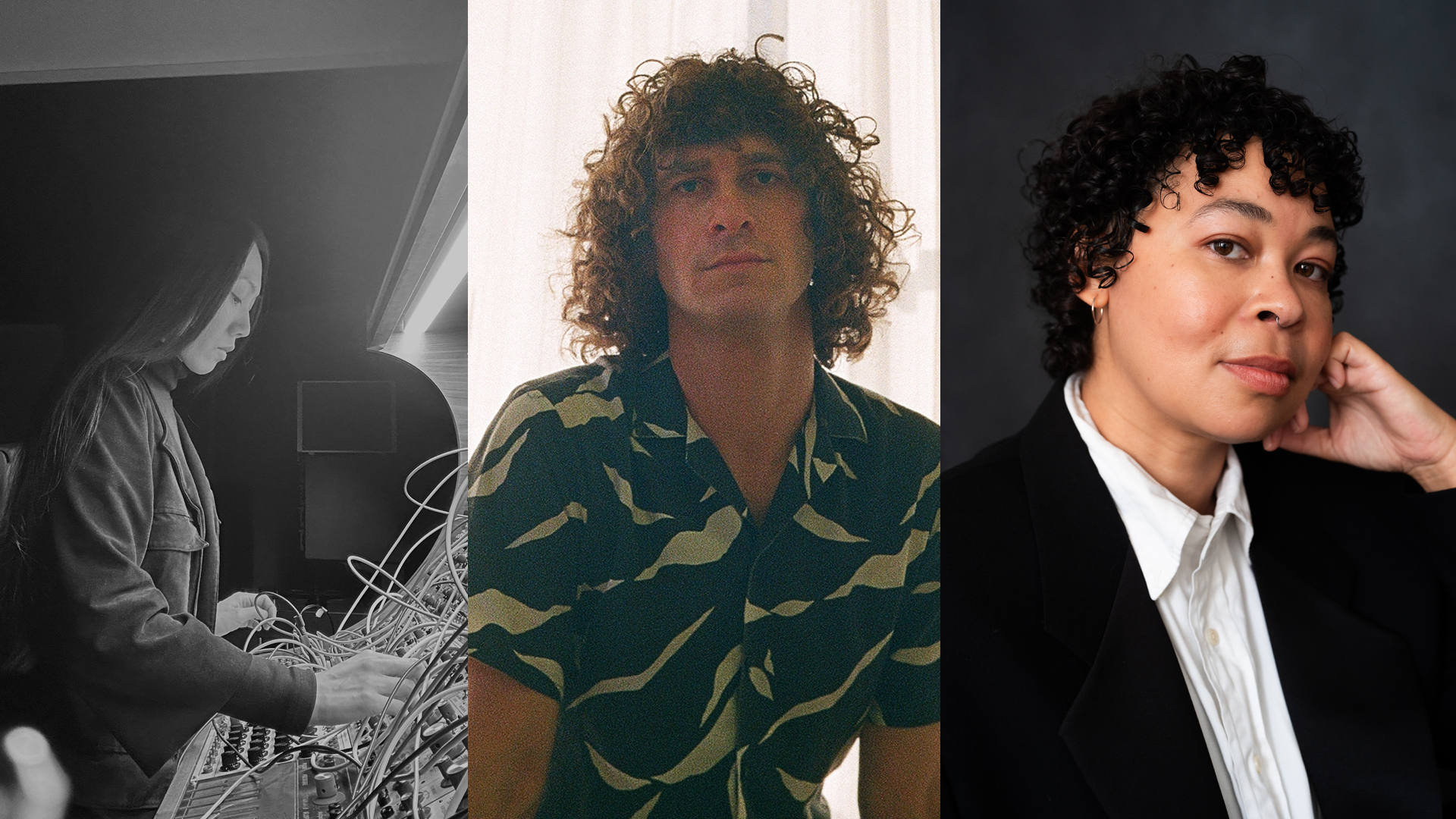
As recipients of the residency, Amma Ateria, Zachary Epcar and Alexa Burrell will also receive curatorial and technical support, plus three months of regular access to The Lab and two weeks of exclusive use of the space for final presentations of their projects.
“We’re intending it to be something that really allows the artists to dedicate a full three months of time to their artwork,” Andrew Smith, The Lab’s executive director, told KQED. “And then we also have a very flexible $5,000 stipend for materials, or collaborators, or other expenses that we see as augmenting that base living wage amount.”
That rather funny amount of $17,530 comes directly from MIT’s living wage calculator, which estimates that a single adult without children needs to make $32.44/hour (and work full-time) to meet minimum basic needs in San Francisco. (As a point of reference, the current minimum wage in the city is just $19.61/hour.)
Keeping those calculations visible is intentional. “Our goal is to actually demonstrate that this is in response to a crisis that’s happening in the Bay Area,” Smith said.
The Living Wage Residency program first launched in 2014 under former Lab director Dena Beard, providing nontraditional artists with rare institutional support, along with significant funding, time and space. With this “relaunch” of the program, The Lab held an open call for the first time, and received over 400 applications. Funding for the residencies comes from the San Francisco Arts Commission and the National Endowment for the Arts.
The three residents represent the range of experimental practices The Lab supports, including some truly ambitious-sounding projects. Ateria, a composer, will premiere an expansion of her Entropic Arias at The Lab on a newly installed Meyer Sound spatial audio system in January 2027. Epcar, a filmmaker, will present an expanded cinema project for June 2027 about the “Havana Syndrome” experienced by U.S. intelligence agents in Cuba. And Burrell, a visual artist, will create an immersive installation scheduled for October 2027 that uses sheets of falling water as screens for projected video work.
Key to each of these projects is an expansion of scale and scope that necessitates bringing others into the mix. In that way, the residency fees are designed to ripple outward. “Each of these artists has an established and very high-level practice in a particular discipline,” Smith said, “and they’ve put forward these projects that expand that through a network of collaborators.”
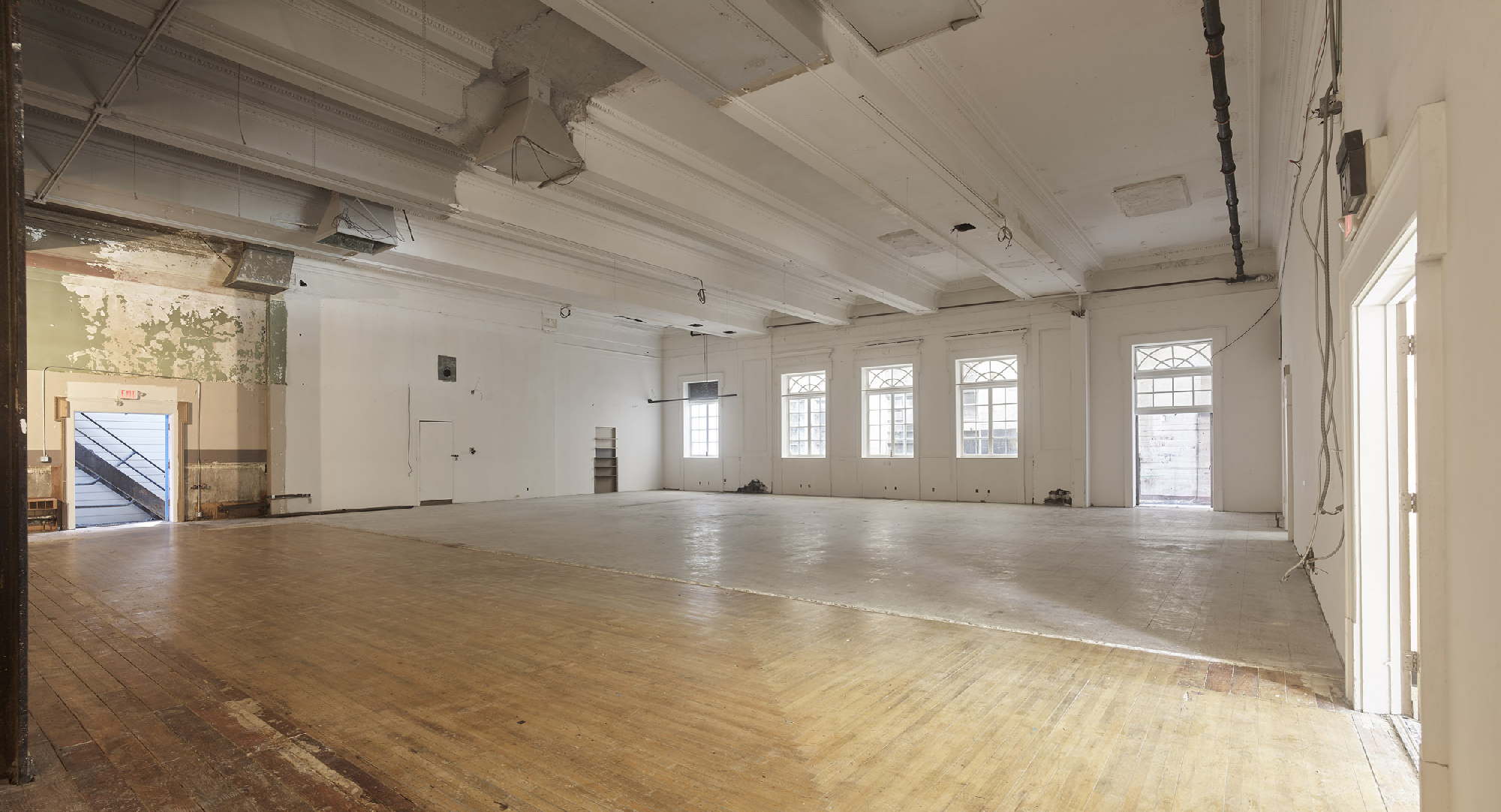
Growth is a new watchword at The Lab. The nonprofit recently extended its lease in the historic Redstone Building, where renovating the neighboring ballroom has added to the footprint of the venue by about 70%.
“I felt like we had to,” Smith said. “Once you lose square footage in the Bay Area, you just never get it back.”