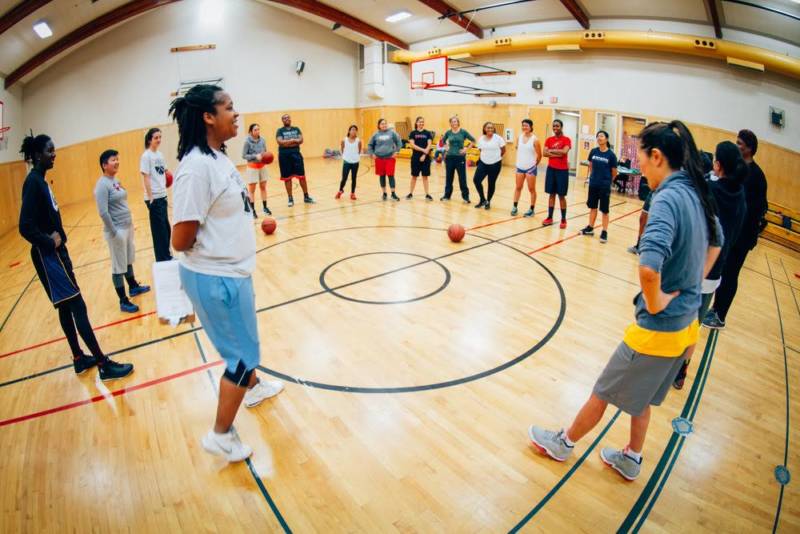
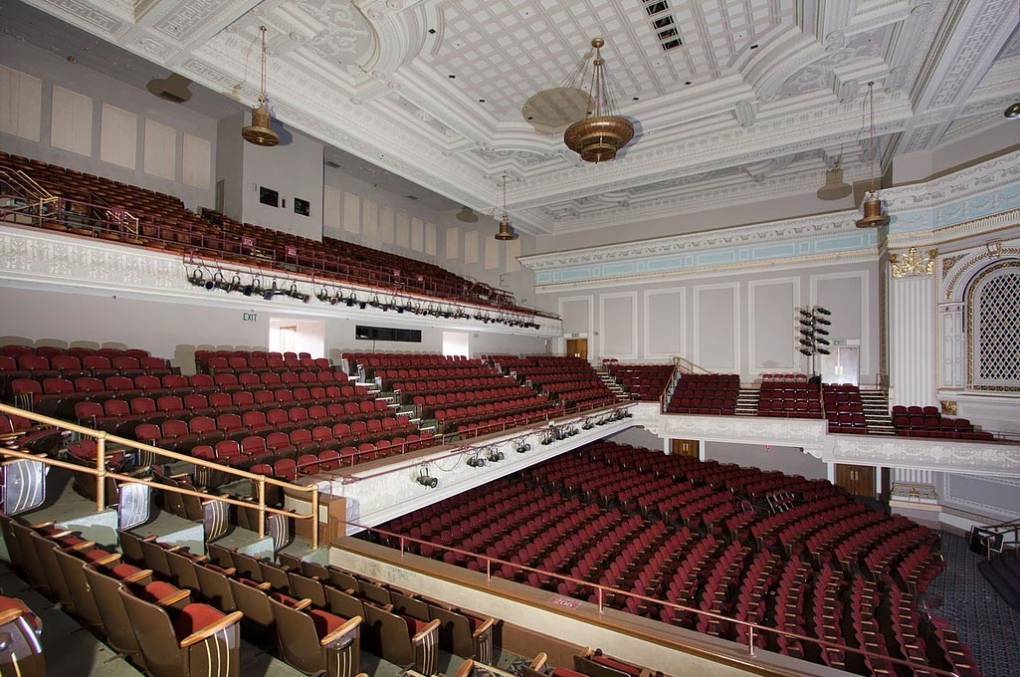
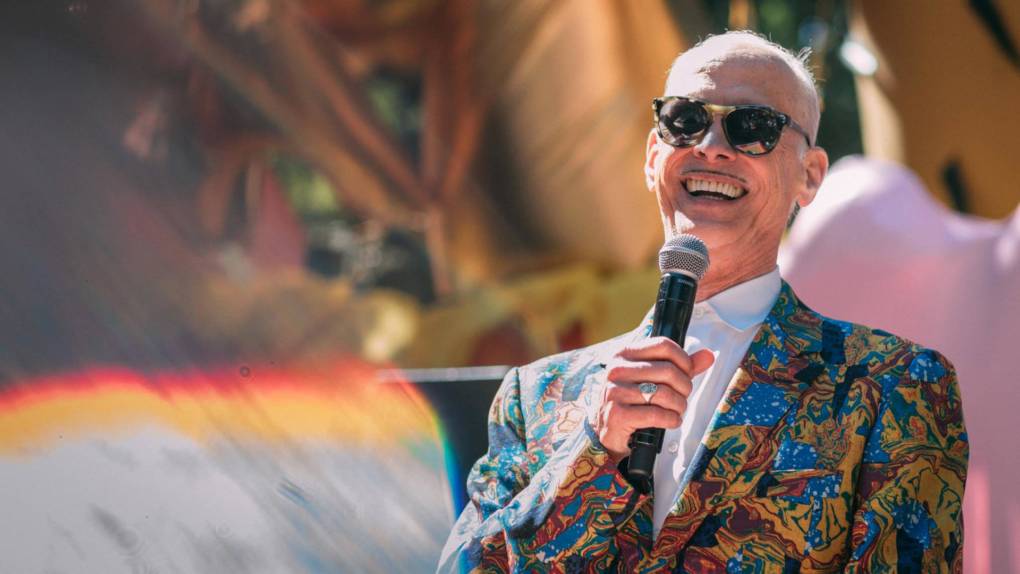
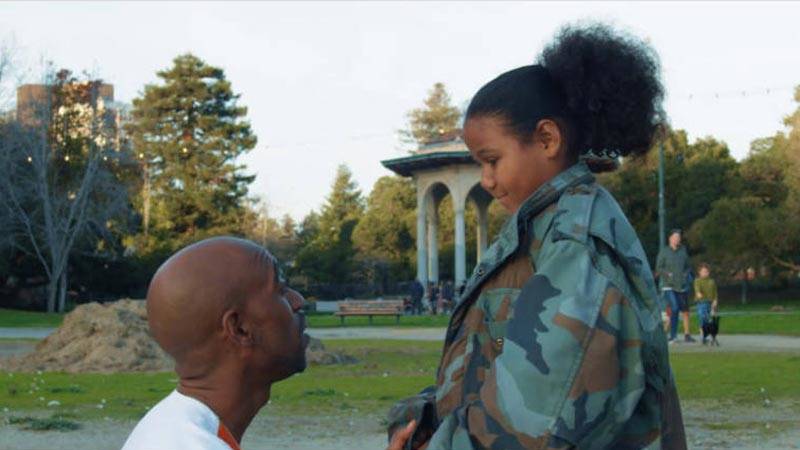
window.__IS_SSR__=true
window.__INITIAL_STATE__={
"attachmentsReducer": {
"audio_0": {
"type": "attachments",
"id": "audio_0",
"imgSizes": {
"kqedFullSize": {
"file": "https://ww2.kqed.org/news/wp-content/themes/KQED-unified/img/audio_bgs/background0.jpg"
}
}
},
"audio_1": {
"type": "attachments",
"id": "audio_1",
"imgSizes": {
"kqedFullSize": {
"file": "https://ww2.kqed.org/news/wp-content/themes/KQED-unified/img/audio_bgs/background1.jpg"
}
}
},
"audio_2": {
"type": "attachments",
"id": "audio_2",
"imgSizes": {
"kqedFullSize": {
"file": "https://ww2.kqed.org/news/wp-content/themes/KQED-unified/img/audio_bgs/background2.jpg"
}
}
},
"audio_3": {
"type": "attachments",
"id": "audio_3",
"imgSizes": {
"kqedFullSize": {
"file": "https://ww2.kqed.org/news/wp-content/themes/KQED-unified/img/audio_bgs/background3.jpg"
}
}
},
"audio_4": {
"type": "attachments",
"id": "audio_4",
"imgSizes": {
"kqedFullSize": {
"file": "https://ww2.kqed.org/news/wp-content/themes/KQED-unified/img/audio_bgs/background4.jpg"
}
}
},
"placeholder": {
"type": "attachments",
"id": "placeholder",
"imgSizes": {
"thumbnail": {
"file": "https://cdn.kqed.org/wp-content/uploads/2024/12/KQED-Default-Image-816638274-2000x1333-1-160x107.jpg",
"width": 160,
"height": 107,
"mimeType": "image/jpeg"
},
"medium": {
"file": "https://cdn.kqed.org/wp-content/uploads/2024/12/KQED-Default-Image-816638274-2000x1333-1-800x533.jpg",
"width": 800,
"height": 533,
"mimeType": "image/jpeg"
},
"medium_large": {
"file": "https://cdn.kqed.org/wp-content/uploads/2024/12/KQED-Default-Image-816638274-2000x1333-1-768x512.jpg",
"width": 768,
"height": 512,
"mimeType": "image/jpeg"
},
"large": {
"file": "https://cdn.kqed.org/wp-content/uploads/2024/12/KQED-Default-Image-816638274-2000x1333-1-1020x680.jpg",
"width": 1020,
"height": 680,
"mimeType": "image/jpeg"
},
"1536x1536": {
"file": "https://cdn.kqed.org/wp-content/uploads/2024/12/KQED-Default-Image-816638274-2000x1333-1-1536x1024.jpg",
"width": 1536,
"height": 1024,
"mimeType": "image/jpeg"
},
"fd-lrg": {
"file": "https://cdn.kqed.org/wp-content/uploads/2024/12/KQED-Default-Image-816638274-2000x1333-1-1536x1024.jpg",
"width": 1536,
"height": 1024,
"mimeType": "image/jpeg"
},
"fd-med": {
"file": "https://cdn.kqed.org/wp-content/uploads/2024/12/KQED-Default-Image-816638274-2000x1333-1-1020x680.jpg",
"width": 1020,
"height": 680,
"mimeType": "image/jpeg"
},
"fd-sm": {
"file": "https://cdn.kqed.org/wp-content/uploads/2024/12/KQED-Default-Image-816638274-2000x1333-1-800x533.jpg",
"width": 800,
"height": 533,
"mimeType": "image/jpeg"
},
"post-thumbnail": {
"file": "https://cdn.kqed.org/wp-content/uploads/2024/12/KQED-Default-Image-816638274-2000x1333-1-672x372.jpg",
"width": 672,
"height": 372,
"mimeType": "image/jpeg"
},
"twentyfourteen-full-width": {
"file": "https://cdn.kqed.org/wp-content/uploads/2024/12/KQED-Default-Image-816638274-2000x1333-1-1038x576.jpg",
"width": 1038,
"height": 576,
"mimeType": "image/jpeg"
},
"xxsmall": {
"file": "https://cdn.kqed.org/wp-content/uploads/2024/12/KQED-Default-Image-816638274-2000x1333-1-160x107.jpg",
"width": 160,
"height": 107,
"mimeType": "image/jpeg"
},
"xsmall": {
"file": "https://cdn.kqed.org/wp-content/uploads/2024/12/KQED-Default-Image-816638274-2000x1333-1-672x372.jpg",
"width": 672,
"height": 372,
"mimeType": "image/jpeg"
},
"small": {
"file": "https://cdn.kqed.org/wp-content/uploads/2024/12/KQED-Default-Image-816638274-2000x1333-1-672x372.jpg",
"width": 672,
"height": 372,
"mimeType": "image/jpeg"
},
"xlarge": {
"file": "https://cdn.kqed.org/wp-content/uploads/2024/12/KQED-Default-Image-816638274-2000x1333-1-1020x680.jpg",
"width": 1020,
"height": 680,
"mimeType": "image/jpeg"
},
"full-width": {
"file": "https://cdn.kqed.org/wp-content/uploads/2024/12/KQED-Default-Image-816638274-2000x1333-1-1920x1280.jpg",
"width": 1920,
"height": 1280,
"mimeType": "image/jpeg"
},
"guest-author-32": {
"file": "https://cdn.kqed.org/wp-content/uploads/2025/01/KQED-Default-Image-816638274-1333x1333-1-160x160.jpg",
"width": 32,
"height": 32,
"mimeType": "image/jpeg"
},
"guest-author-50": {
"file": "https://cdn.kqed.org/wp-content/uploads/2025/01/KQED-Default-Image-816638274-1333x1333-1-160x160.jpg",
"width": 50,
"height": 50,
"mimeType": "image/jpeg"
},
"guest-author-64": {
"file": "https://cdn.kqed.org/wp-content/uploads/2025/01/KQED-Default-Image-816638274-1333x1333-1-160x160.jpg",
"width": 64,
"height": 64,
"mimeType": "image/jpeg"
},
"guest-author-96": {
"file": "https://cdn.kqed.org/wp-content/uploads/2025/01/KQED-Default-Image-816638274-1333x1333-1-160x160.jpg",
"width": 96,
"height": 96,
"mimeType": "image/jpeg"
},
"guest-author-128": {
"file": "https://cdn.kqed.org/wp-content/uploads/2025/01/KQED-Default-Image-816638274-1333x1333-1-160x160.jpg",
"width": 128,
"height": 128,
"mimeType": "image/jpeg"
},
"detail": {
"file": "https://cdn.kqed.org/wp-content/uploads/2025/01/KQED-Default-Image-816638274-1333x1333-1-160x160.jpg",
"width": 160,
"height": 160,
"mimeType": "image/jpeg"
},
"kqedFullSize": {
"file": "https://cdn.kqed.org/wp-content/uploads/2024/12/KQED-Default-Image-816638274-2000x1333-1.jpg",
"width": 2000,
"height": 1333
}
}
},
"arts_13861741": {
"type": "attachments",
"id": "arts_13861741",
"meta": {
"index": "attachments_1716263798",
"site": "arts",
"id": "13861741",
"found": true
},
"parent": 13861739,
"imgSizes": {
"twentyfourteen-full-width": {
"file": "https://ww2.kqed.org/app/uploads/sites/2/2019/07/0-1-1000x576.jpg",
"width": 1000,
"mimeType": "image/jpeg",
"height": 576
},
"thumbnail": {
"file": "https://ww2.kqed.org/app/uploads/sites/2/2019/07/0-1-160x107.jpg",
"width": 160,
"mimeType": "image/jpeg",
"height": 107
},
"post-thumbnail": {
"file": "https://ww2.kqed.org/app/uploads/sites/2/2019/07/0-1-672x372.jpg",
"width": 672,
"mimeType": "image/jpeg",
"height": 372
},
"kqedFullSize": {
"file": "https://ww2.kqed.org/app/uploads/sites/2/2019/07/0-1.jpg",
"width": 1000,
"height": 667
},
"medium": {
"file": "https://ww2.kqed.org/app/uploads/sites/2/2019/07/0-1-800x534.jpg",
"width": 800,
"mimeType": "image/jpeg",
"height": 534
},
"medium_large": {
"file": "https://ww2.kqed.org/app/uploads/sites/2/2019/07/0-1-768x512.jpg",
"width": 768,
"mimeType": "image/jpeg",
"height": 512
}
},
"publishDate": 1563550841,
"modified": 1563550874,
"caption": "Women's ALL B-Ball",
"description": "Women's ALL B-Ball",
"title": "Women's ALL B-Ball",
"credit": "Rita Forte",
"status": "inherit",
"isLoading": false,
"fetchFailed": false
},
"arts_13861790": {
"type": "attachments",
"id": "arts_13861790",
"meta": {
"index": "attachments_1716263798",
"site": "arts",
"id": "13861790",
"found": true
},
"parent": 13861759,
"imgSizes": {
"twentyfourteen-full-width": {
"file": "https://ww2.kqed.org/app/uploads/sites/2/2019/07/MujerMuralista-1038x576.jpg",
"width": 1038,
"mimeType": "image/jpeg",
"height": 576
},
"thumbnail": {
"file": "https://ww2.kqed.org/app/uploads/sites/2/2019/07/MujerMuralista-160x90.jpg",
"width": 160,
"mimeType": "image/jpeg",
"height": 90
},
"post-thumbnail": {
"file": "https://ww2.kqed.org/app/uploads/sites/2/2019/07/MujerMuralista-672x372.jpg",
"width": 672,
"mimeType": "image/jpeg",
"height": 372
},
"kqedFullSize": {
"file": "https://ww2.kqed.org/app/uploads/sites/2/2019/07/MujerMuralista.jpg",
"width": 1616,
"height": 909
},
"large": {
"file": "https://ww2.kqed.org/app/uploads/sites/2/2019/07/MujerMuralista-1020x574.jpg",
"width": 1020,
"mimeType": "image/jpeg",
"height": 574
},
"complete_open_graph": {
"file": "https://ww2.kqed.org/app/uploads/sites/2/2019/07/MujerMuralista-1200x675.jpg",
"width": 1200,
"mimeType": "image/jpeg",
"height": 675
},
"medium": {
"file": "https://ww2.kqed.org/app/uploads/sites/2/2019/07/MujerMuralista-800x450.jpg",
"width": 800,
"mimeType": "image/jpeg",
"height": 450
},
"medium_large": {
"file": "https://ww2.kqed.org/app/uploads/sites/2/2019/07/MujerMuralista-768x432.jpg",
"width": 768,
"mimeType": "image/jpeg",
"height": 432
}
},
"publishDate": 1563563115,
"modified": 1563563159,
"caption": "Mujer Muralista outside of La Casita restaurant in East Oakland.",
"description": "Mujer Muralista outside of La Casita restaurant in East Oakland.",
"title": "MujerMuralista",
"credit": "Pendarvis Harshaw",
"status": "inherit",
"isLoading": false,
"fetchFailed": false
},
"arts_13861257": {
"type": "attachments",
"id": "arts_13861257",
"meta": {
"index": "attachments_1716263798",
"site": "arts",
"id": "13861257",
"found": true
},
"parent": 13861253,
"imgSizes": {
"twentyfourteen-full-width": {
"file": "https://ww2.kqed.org/app/uploads/sites/2/2019/07/LRG__DSC5730-1038x576.jpg",
"width": 1038,
"mimeType": "image/jpeg",
"height": 576
},
"thumbnail": {
"file": "https://ww2.kqed.org/app/uploads/sites/2/2019/07/LRG__DSC5730-160x107.jpg",
"width": 160,
"mimeType": "image/jpeg",
"height": 107
},
"post-thumbnail": {
"file": "https://ww2.kqed.org/app/uploads/sites/2/2019/07/LRG__DSC5730-672x372.jpg",
"width": 672,
"mimeType": "image/jpeg",
"height": 372
},
"kqedFullSize": {
"file": "https://ww2.kqed.org/app/uploads/sites/2/2019/07/LRG__DSC5730.jpg",
"width": 1616,
"height": 1080
},
"large": {
"file": "https://ww2.kqed.org/app/uploads/sites/2/2019/07/LRG__DSC5730-1020x682.jpg",
"width": 1020,
"mimeType": "image/jpeg",
"height": 682
},
"complete_open_graph": {
"file": "https://ww2.kqed.org/app/uploads/sites/2/2019/07/LRG__DSC5730-1200x802.jpg",
"width": 1200,
"mimeType": "image/jpeg",
"height": 802
},
"medium": {
"file": "https://ww2.kqed.org/app/uploads/sites/2/2019/07/LRG__DSC5730-800x535.jpg",
"width": 800,
"mimeType": "image/jpeg",
"height": 535
},
"medium_large": {
"file": "https://ww2.kqed.org/app/uploads/sites/2/2019/07/LRG__DSC5730-768x513.jpg",
"width": 768,
"mimeType": "image/jpeg",
"height": 513
}
},
"publishDate": 1562923141,
"modified": 1562923163,
"caption": "Mike Nicholls",
"description": "Mike Nicholls",
"title": "Mike Nicholls",
"credit": "Pendarvis Harshaw",
"status": "inherit",
"isLoading": false,
"fetchFailed": false
},
"arts_13861245": {
"type": "attachments",
"id": "arts_13861245",
"meta": {
"index": "attachments_1716263798",
"site": "arts",
"id": "13861245",
"found": true
},
"parent": 13861243,
"imgSizes": {
"twentyfourteen-full-width": {
"file": "https://ww2.kqed.org/app/uploads/sites/2/2019/07/SunRa.SpaceisthePlace-1038x576.jpg",
"width": 1038,
"mimeType": "image/jpeg",
"height": 576
},
"thumbnail": {
"file": "https://ww2.kqed.org/app/uploads/sites/2/2019/07/SunRa.SpaceisthePlace-160x90.jpg",
"width": 160,
"mimeType": "image/jpeg",
"height": 90
},
"post-thumbnail": {
"file": "https://ww2.kqed.org/app/uploads/sites/2/2019/07/SunRa.SpaceisthePlace-672x372.jpg",
"width": 672,
"mimeType": "image/jpeg",
"height": 372
},
"kqedFullSize": {
"file": "https://ww2.kqed.org/app/uploads/sites/2/2019/07/SunRa.SpaceisthePlace.jpg",
"width": 1400,
"height": 788
},
"large": {
"file": "https://ww2.kqed.org/app/uploads/sites/2/2019/07/SunRa.SpaceisthePlace-1020x574.jpg",
"width": 1020,
"mimeType": "image/jpeg",
"height": 574
},
"complete_open_graph": {
"file": "https://ww2.kqed.org/app/uploads/sites/2/2019/07/SunRa.SpaceisthePlace-1200x675.jpg",
"width": 1200,
"mimeType": "image/jpeg",
"height": 675
},
"medium": {
"file": "https://ww2.kqed.org/app/uploads/sites/2/2019/07/SunRa.SpaceisthePlace-800x450.jpg",
"width": 800,
"mimeType": "image/jpeg",
"height": 450
},
"medium_large": {
"file": "https://ww2.kqed.org/app/uploads/sites/2/2019/07/SunRa.SpaceisthePlace-768x432.jpg",
"width": 768,
"mimeType": "image/jpeg",
"height": 432
}
},
"publishDate": 1562885717,
"modified": 1562885742,
"caption": "A still from 'Sun Ra: Space is the Place.'",
"description": "A still from 'Sun Ra: Space is the Place.'",
"title": "SunRa.SpaceisthePlace",
"credit": null,
"status": "inherit",
"isLoading": false,
"fetchFailed": false
},
"arts_13861185": {
"type": "attachments",
"id": "arts_13861185",
"meta": {
"index": "attachments_1716263798",
"site": "arts",
"id": "13861185",
"found": true
},
"parent": 0,
"imgSizes": {
"twentyfourteen-full-width": {
"file": "https://ww2.kqed.org/app/uploads/sites/2/2019/07/Theo-Aytchan-Williams-of-Sambafunk-1038x576.jpg",
"width": 1038,
"mimeType": "image/jpeg",
"height": 576
},
"thumbnail": {
"file": "https://ww2.kqed.org/app/uploads/sites/2/2019/07/Theo-Aytchan-Williams-of-Sambafunk-160x90.jpg",
"width": 160,
"mimeType": "image/jpeg",
"height": 90
},
"post-thumbnail": {
"file": "https://ww2.kqed.org/app/uploads/sites/2/2019/07/Theo-Aytchan-Williams-of-Sambafunk-672x372.jpg",
"width": 672,
"mimeType": "image/jpeg",
"height": 372
},
"kqedFullSize": {
"file": "https://ww2.kqed.org/app/uploads/sites/2/2019/07/Theo-Aytchan-Williams-of-Sambafunk.jpg",
"width": 1920,
"height": 1080
},
"large": {
"file": "https://ww2.kqed.org/app/uploads/sites/2/2019/07/Theo-Aytchan-Williams-of-Sambafunk-1020x574.jpg",
"width": 1020,
"mimeType": "image/jpeg",
"height": 574
},
"complete_open_graph": {
"file": "https://ww2.kqed.org/app/uploads/sites/2/2019/07/Theo-Aytchan-Williams-of-Sambafunk-1200x675.jpg",
"width": 1200,
"mimeType": "image/jpeg",
"height": 675
},
"full-width": {
"file": "https://ww2.kqed.org/app/uploads/sites/2/2019/07/Theo-Aytchan-Williams-of-Sambafunk-1920x1080.jpg",
"width": 1920,
"mimeType": "image/jpeg",
"height": 1080
},
"medium": {
"file": "https://ww2.kqed.org/app/uploads/sites/2/2019/07/Theo-Aytchan-Williams-of-Sambafunk-800x450.jpg",
"width": 800,
"mimeType": "image/jpeg",
"height": 450
},
"medium_large": {
"file": "https://ww2.kqed.org/app/uploads/sites/2/2019/07/Theo-Aytchan-Williams-of-Sambafunk-768x432.jpg",
"width": 768,
"mimeType": "image/jpeg",
"height": 432
}
},
"publishDate": 1562869467,
"modified": 1562869841,
"caption": "Theo Aytchan Williams, the founding director of SambaFunk!, stands outside the Malonga Casquelourd Center for the Arts in downtown Oakland. ",
"description": "Theo Aytchan Williams, the founding director of SambaFunk!, stands outside the Malonga Casquelourd Center for the Arts in downtown Oakland. ",
"title": "Theo-Aytchan-Williams-of-Sambafunk",
"credit": "Sam Lefebvre/KQED",
"status": "inherit",
"isLoading": false,
"fetchFailed": false
},
"arts_13852549": {
"type": "attachments",
"id": "arts_13852549",
"meta": {
"index": "attachments_1716263798",
"site": "arts",
"id": "13852549",
"found": true
},
"parent": 13852472,
"imgSizes": {
"twentyfourteen-full-width": {
"file": "https://ww2.kqed.org/app/uploads/sites/2/2019/03/k10-1025x576.jpg",
"width": 1025,
"mimeType": "image/jpeg",
"height": 576
},
"thumbnail": {
"file": "https://ww2.kqed.org/app/uploads/sites/2/2019/03/k10-160x106.jpg",
"width": 160,
"mimeType": "image/jpeg",
"height": 106
},
"post-thumbnail": {
"file": "https://ww2.kqed.org/app/uploads/sites/2/2019/03/k10-672x372.jpg",
"width": 672,
"mimeType": "image/jpeg",
"height": 372
},
"kqedFullSize": {
"file": "https://ww2.kqed.org/app/uploads/sites/2/2019/03/k10.jpg",
"width": 1025,
"height": 680
},
"large": {
"file": "https://ww2.kqed.org/app/uploads/sites/2/2019/03/k10-1020x677.jpg",
"width": 1020,
"mimeType": "image/jpeg",
"height": 677
},
"guest-author-50": {
"file": "https://ww2.kqed.org/app/uploads/sites/2/2019/03/k10-50x50.jpg",
"width": 50,
"mimeType": "image/jpeg",
"height": 50
},
"guest-author-96": {
"file": "https://ww2.kqed.org/app/uploads/sites/2/2019/03/k10-96x96.jpg",
"width": 96,
"mimeType": "image/jpeg",
"height": 96
},
"medium": {
"file": "https://ww2.kqed.org/app/uploads/sites/2/2019/03/k10-800x531.jpg",
"width": 800,
"mimeType": "image/jpeg",
"height": 531
},
"guest-author-64": {
"file": "https://ww2.kqed.org/app/uploads/sites/2/2019/03/k10-64x64.jpg",
"width": 64,
"mimeType": "image/jpeg",
"height": 64
},
"guest-author-32": {
"file": "https://ww2.kqed.org/app/uploads/sites/2/2019/03/k10-32x32.jpg",
"width": 32,
"mimeType": "image/jpeg",
"height": 32
},
"medium_large": {
"file": "https://ww2.kqed.org/app/uploads/sites/2/2019/03/k10-768x510.jpg",
"width": 768,
"mimeType": "image/jpeg",
"height": 510
},
"guest-author-128": {
"file": "https://ww2.kqed.org/app/uploads/sites/2/2019/03/k10-128x128.jpg",
"width": 128,
"mimeType": "image/jpeg",
"height": 128
}
},
"publishDate": 1552010030,
"modified": 1552028243,
"caption": "The 1,900-seat Calvin Simmons theatre at the Oakland Civic Auditorium.",
"description": "The 1,900-seat Calvin Simmons theatre at the Oakland Civic Auditorium.",
"title": "k10",
"credit": "Frank Deras Photography/Courtesy Orton Development",
"status": "inherit",
"isLoading": false,
"fetchFailed": false
},
"arts_13860899": {
"type": "attachments",
"id": "arts_13860899",
"meta": {
"index": "attachments_1716263798",
"site": "arts",
"id": "13860899",
"found": true
},
"parent": 13860602,
"imgSizes": {
"thumbnail": {
"file": "https://ww2.kqed.org/app/uploads/sites/2/2019/07/Marshawn.Fam1st-160x90.jpg",
"width": 160,
"mimeType": "image/jpeg",
"height": 90
},
"post-thumbnail": {
"file": "https://ww2.kqed.org/app/uploads/sites/2/2019/07/Marshawn.Fam1st-672x372.jpg",
"width": 672,
"mimeType": "image/jpeg",
"height": 372
},
"kqedFullSize": {
"file": "https://ww2.kqed.org/app/uploads/sites/2/2019/07/Marshawn.Fam1st.jpg",
"width": 800,
"height": 450
},
"medium": {
"file": "https://ww2.kqed.org/app/uploads/sites/2/2019/07/Marshawn.Fam1st-800x450.jpg",
"width": 800,
"mimeType": "image/jpeg",
"height": 450
},
"medium_large": {
"file": "https://ww2.kqed.org/app/uploads/sites/2/2019/07/Marshawn.Fam1st-768x432.jpg",
"width": 768,
"mimeType": "image/jpeg",
"height": 432
}
},
"publishDate": 1562617513,
"modified": 1562617591,
"caption": "Marshawn Lynch mentors a young athlete at Fam 1st's annual football camp, running in July.",
"description": "Marshawn Lynch mentors a young athlete at Fam 1st's annual football camp, running in July.",
"title": "Marshawn.Fam1st",
"credit": "Courtesy Fam 1st Foundation",
"status": "inherit",
"isLoading": false,
"fetchFailed": false
},
"arts_13860397": {
"type": "attachments",
"id": "arts_13860397",
"meta": {
"index": "attachments_1716263798",
"site": "arts",
"id": "13860397",
"found": true
},
"title": "John-Waters-by-Tiger-Lily-1",
"publishDate": 1561661019,
"status": "inherit",
"parent": 13860384,
"modified": 1752687134,
"caption": "John Waters has hosted the Burger Boogaloo music festival in Oakland every year since 2015. ",
"credit": "Tiger Lily",
"altTag": "John Waters has hosted the Burger Boogaloo music festival in Oakland every year since 2015.",
"description": "John Waters has hosted the Burger Boogaloo music festival in Oakland every year since 2015. ",
"imgSizes": {
"thumbnail": {
"file": "https://cdn.kqed.org/wp-content/uploads/sites/2/2019/06/John-Waters-by-Tiger-Lily-1-160x90.jpg",
"width": 160,
"height": 90,
"mimeType": "image/jpeg"
},
"medium": {
"file": "https://cdn.kqed.org/wp-content/uploads/sites/2/2019/06/John-Waters-by-Tiger-Lily-1-800x450.jpg",
"width": 800,
"height": 450,
"mimeType": "image/jpeg"
},
"medium_large": {
"file": "https://cdn.kqed.org/wp-content/uploads/sites/2/2019/06/John-Waters-by-Tiger-Lily-1-768x432.jpg",
"width": 768,
"height": 432,
"mimeType": "image/jpeg"
},
"large": {
"file": "https://cdn.kqed.org/wp-content/uploads/sites/2/2019/06/John-Waters-by-Tiger-Lily-1-1020x574.jpg",
"width": 1020,
"height": 574,
"mimeType": "image/jpeg"
},
"complete_open_graph": {
"file": "https://cdn.kqed.org/wp-content/uploads/sites/2/2019/06/John-Waters-by-Tiger-Lily-1-1200x675.jpg",
"width": 1200,
"height": 675,
"mimeType": "image/jpeg"
},
"post-thumbnail": {
"file": "https://cdn.kqed.org/wp-content/uploads/sites/2/2019/06/John-Waters-by-Tiger-Lily-1-672x372.jpg",
"width": 672,
"height": 372,
"mimeType": "image/jpeg"
},
"twentyfourteen-full-width": {
"file": "https://cdn.kqed.org/wp-content/uploads/sites/2/2019/06/John-Waters-by-Tiger-Lily-1-1038x576.jpg",
"width": 1038,
"height": 576,
"mimeType": "image/jpeg"
},
"full-width": {
"file": "https://cdn.kqed.org/wp-content/uploads/sites/2/2019/06/John-Waters-by-Tiger-Lily-1-1920x1080.jpg",
"width": 1920,
"height": 1080,
"mimeType": "image/jpeg"
},
"kqedFullSize": {
"file": "https://cdn.kqed.org/wp-content/uploads/sites/2/2019/06/John-Waters-by-Tiger-Lily-1.jpg",
"width": 1920,
"height": 1080
}
},
"isLoading": false,
"fetchFailed": false
},
"arts_13860145": {
"type": "attachments",
"id": "arts_13860145",
"meta": {
"index": "attachments_1716263798",
"site": "arts",
"id": "13860145",
"found": true
},
"parent": 13860107,
"imgSizes": {
"thumbnail": {
"file": "https://ww2.kqed.org/app/uploads/sites/2/2019/06/TentCity-160x90.jpg",
"width": 160,
"mimeType": "image/jpeg",
"height": 90
},
"post-thumbnail": {
"file": "https://ww2.kqed.org/app/uploads/sites/2/2019/06/TentCity-672x372.jpg",
"width": 672,
"mimeType": "image/jpeg",
"height": 372
},
"kqedFullSize": {
"file": "https://ww2.kqed.org/app/uploads/sites/2/2019/06/TentCity.jpg",
"width": 800,
"height": 450
},
"medium": {
"file": "https://ww2.kqed.org/app/uploads/sites/2/2019/06/TentCity-800x450.jpg",
"width": 800,
"mimeType": "image/jpeg",
"height": 450
},
"medium_large": {
"file": "https://ww2.kqed.org/app/uploads/sites/2/2019/06/TentCity-768x432.jpg",
"width": 768,
"mimeType": "image/jpeg",
"height": 432
}
},
"publishDate": 1561418177,
"modified": 1561418211,
"caption": "Cicero and daughter Siriyah are reunited momentarily in a scene from 'Tent City.'",
"description": "Cicero and daughter Siriyah are reunited momentarily in a scene from 'Tent City.'",
"title": "TentCity",
"credit": "via Tent City film",
"status": "inherit",
"isLoading": false,
"fetchFailed": false
},
"arts_13859576": {
"type": "attachments",
"id": "arts_13859576",
"meta": {
"index": "attachments_1716263798",
"site": "arts",
"id": "13859576",
"found": true
},
"parent": 0,
"imgSizes": {
"twentyfourteen-full-width": {
"file": "https://ww2.kqed.org/app/uploads/sites/2/2019/06/Kaiser-Auditorium-Henry-J-KAiser-Convention-Center-Sign-1038x576.jpg",
"width": 1038,
"mimeType": "image/jpeg",
"height": 576
},
"thumbnail": {
"file": "https://ww2.kqed.org/app/uploads/sites/2/2019/06/Kaiser-Auditorium-Henry-J-KAiser-Convention-Center-Sign-160x90.jpg",
"width": 160,
"mimeType": "image/jpeg",
"height": 90
},
"post-thumbnail": {
"file": "https://ww2.kqed.org/app/uploads/sites/2/2019/06/Kaiser-Auditorium-Henry-J-KAiser-Convention-Center-Sign-672x372.jpg",
"width": 672,
"mimeType": "image/jpeg",
"height": 372
},
"kqedFullSize": {
"file": "https://ww2.kqed.org/app/uploads/sites/2/2019/06/Kaiser-Auditorium-Henry-J-KAiser-Convention-Center-Sign.jpg",
"width": 1915,
"height": 1082
},
"large": {
"file": "https://ww2.kqed.org/app/uploads/sites/2/2019/06/Kaiser-Auditorium-Henry-J-KAiser-Convention-Center-Sign-1020x576.jpg",
"width": 1020,
"mimeType": "image/jpeg",
"height": 576
},
"complete_open_graph": {
"file": "https://ww2.kqed.org/app/uploads/sites/2/2019/06/Kaiser-Auditorium-Henry-J-KAiser-Convention-Center-Sign-1200x678.jpg",
"width": 1200,
"mimeType": "image/jpeg",
"height": 678
},
"medium": {
"file": "https://ww2.kqed.org/app/uploads/sites/2/2019/06/Kaiser-Auditorium-Henry-J-KAiser-Convention-Center-Sign-800x452.jpg",
"width": 800,
"mimeType": "image/jpeg",
"height": 452
},
"medium_large": {
"file": "https://ww2.kqed.org/app/uploads/sites/2/2019/06/Kaiser-Auditorium-Henry-J-KAiser-Convention-Center-Sign-768x434.jpg",
"width": 768,
"mimeType": "image/jpeg",
"height": 434
}
},
"publishDate": 1560470932,
"modified": 1560471505,
"caption": "The Henry J. Kaiser Convention Center, for decades the center of civic life in Oakland, has been empty since 2006. ",
"description": "The Henry J. Kaiser Convention Center, for decades the center of civic life in Oakland, has been empty since 2006. ",
"title": "The Henry J. Kaiser Convention Center, for decades the center of civic life in Oakland, has been empty since 2006.",
"credit": "Sam Lefebvre/KQED",
"status": "inherit",
"isLoading": false,
"fetchFailed": false
},
"arts_13858090": {
"type": "attachments",
"id": "arts_13858090",
"meta": {
"index": "attachments_1716263798",
"site": "arts",
"id": "13858090",
"found": true
},
"parent": 13858037,
"imgSizes": {
"thumbnail": {
"file": "https://ww2.kqed.org/app/uploads/sites/2/2019/05/LastBlackManinSF-160x90.jpg",
"width": 160,
"mimeType": "image/jpeg",
"height": 90
},
"post-thumbnail": {
"file": "https://ww2.kqed.org/app/uploads/sites/2/2019/05/LastBlackManinSF-672x372.jpg",
"width": 672,
"mimeType": "image/jpeg",
"height": 372
},
"kqedFullSize": {
"file": "https://ww2.kqed.org/app/uploads/sites/2/2019/05/LastBlackManinSF.jpg",
"width": 800,
"height": 450
},
"medium": {
"file": "https://ww2.kqed.org/app/uploads/sites/2/2019/05/LastBlackManinSF-800x450.jpg",
"width": 800,
"mimeType": "image/jpeg",
"height": 450
},
"medium_large": {
"file": "https://ww2.kqed.org/app/uploads/sites/2/2019/05/LastBlackManinSF-768x432.jpg",
"width": 768,
"mimeType": "image/jpeg",
"height": 432
}
},
"publishDate": 1558630738,
"modified": 1558630809,
"caption": "Last year brought the summer of Oakland film; now, with 'The Last Black Man in San Francisco,' the attention crosses back over the Bay.",
"description": "Last year brought the summer of Oakland film; now, with 'The Last Black Man in San Francisco,' the attention crosses back over the Bay.",
"title": "LastBlackManinSF",
"credit": "A24",
"status": "inherit",
"isLoading": false,
"fetchFailed": false
},
"arts_13812089": {
"type": "attachments",
"id": "arts_13812089",
"meta": {
"index": "attachments_1716263798",
"site": "arts",
"id": "13812089",
"found": true
},
"parent": 13812043,
"imgSizes": {
"small": {
"file": "https://ww2.kqed.org/app/uploads/sites/2/2017/10/new-press-made-by-donny-520x301.jpg",
"width": 520,
"mimeType": "image/jpeg",
"height": 301
},
"twentyfourteen-full-width": {
"file": "https://ww2.kqed.org/app/uploads/sites/2/2017/10/new-press-made-by-donny-1038x576.jpg",
"width": 1038,
"mimeType": "image/jpeg",
"height": 576
},
"thumbnail": {
"file": "https://ww2.kqed.org/app/uploads/sites/2/2017/10/new-press-made-by-donny-160x93.jpg",
"width": 160,
"mimeType": "image/jpeg",
"height": 93
},
"fd-sm": {
"file": "https://ww2.kqed.org/app/uploads/sites/2/2017/10/new-press-made-by-donny-960x556.jpg",
"width": 960,
"mimeType": "image/jpeg",
"height": 556
},
"post-thumbnail": {
"file": "https://ww2.kqed.org/app/uploads/sites/2/2017/10/new-press-made-by-donny-672x372.jpg",
"width": 672,
"mimeType": "image/jpeg",
"height": 372
},
"xsmall": {
"file": "https://ww2.kqed.org/app/uploads/sites/2/2017/10/new-press-made-by-donny-375x217.jpg",
"width": 375,
"mimeType": "image/jpeg",
"height": 217
},
"kqedFullSize": {
"file": "https://ww2.kqed.org/app/uploads/sites/2/2017/10/new-press-made-by-donny.jpg",
"width": 1920,
"height": 1112
},
"large": {
"file": "https://ww2.kqed.org/app/uploads/sites/2/2017/10/new-press-made-by-donny-1020x591.jpg",
"width": 1020,
"mimeType": "image/jpeg",
"height": 591
},
"xlarge": {
"file": "https://ww2.kqed.org/app/uploads/sites/2/2017/10/new-press-made-by-donny-1180x683.jpg",
"width": 1180,
"mimeType": "image/jpeg",
"height": 683
},
"guest-author-50": {
"file": "https://ww2.kqed.org/app/uploads/sites/2/2017/10/new-press-made-by-donny-50x50.jpg",
"width": 50,
"mimeType": "image/jpeg",
"height": 50
},
"guest-author-96": {
"file": "https://ww2.kqed.org/app/uploads/sites/2/2017/10/new-press-made-by-donny-96x96.jpg",
"width": 96,
"mimeType": "image/jpeg",
"height": 96
},
"medium": {
"file": "https://ww2.kqed.org/app/uploads/sites/2/2017/10/new-press-made-by-donny-800x463.jpg",
"width": 800,
"mimeType": "image/jpeg",
"height": 463
},
"guest-author-64": {
"file": "https://ww2.kqed.org/app/uploads/sites/2/2017/10/new-press-made-by-donny-64x64.jpg",
"width": 64,
"mimeType": "image/jpeg",
"height": 64
},
"guest-author-32": {
"file": "https://ww2.kqed.org/app/uploads/sites/2/2017/10/new-press-made-by-donny-32x32.jpg",
"width": 32,
"mimeType": "image/jpeg",
"height": 32
},
"fd-lrg": {
"file": "https://ww2.kqed.org/app/uploads/sites/2/2017/10/new-press-made-by-donny-1920x1112.jpg",
"width": 1920,
"mimeType": "image/jpeg",
"height": 1112
},
"fd-med": {
"file": "https://ww2.kqed.org/app/uploads/sites/2/2017/10/new-press-made-by-donny-1180x683.jpg",
"width": 1180,
"mimeType": "image/jpeg",
"height": 683
},
"full-width": {
"file": "https://ww2.kqed.org/app/uploads/sites/2/2017/10/new-press-made-by-donny-1920x1112.jpg",
"width": 1920,
"mimeType": "image/jpeg",
"height": 1112
},
"detail": {
"file": "https://ww2.kqed.org/app/uploads/sites/2/2017/10/new-press-made-by-donny-150x150.jpg",
"width": 150,
"mimeType": "image/jpeg",
"height": 150
},
"medium_large": {
"file": "https://ww2.kqed.org/app/uploads/sites/2/2017/10/new-press-made-by-donny-768x445.jpg",
"width": 768,
"mimeType": "image/jpeg",
"height": 445
},
"guest-author-128": {
"file": "https://ww2.kqed.org/app/uploads/sites/2/2017/10/new-press-made-by-donny-128x128.jpg",
"width": 128,
"mimeType": "image/jpeg",
"height": 128
},
"xxsmall": {
"file": "https://ww2.kqed.org/app/uploads/sites/2/2017/10/new-press-made-by-donny-240x139.jpg",
"width": 240,
"mimeType": "image/jpeg",
"height": 139
}
},
"publishDate": 1508436387,
"modified": 1559079121,
"caption": "A new press being built for Second Line Vinyl. ",
"description": "A new press being built for Second Line Vinyl. ",
"title": "new press made by donny",
"credit": "Courtesy of Zane Howard",
"status": "inherit",
"isLoading": false,
"fetchFailed": false
}
},
"audioPlayerReducer": {
"postId": "stream_live",
"isPaused": true,
"isPlaying": false,
"pfsActive": false,
"pledgeModalIsOpen": true,
"playerDrawerIsOpen": false,
"liveAudioPlayStartedAt": 0,
"liveAudioPlayContext": ""
},
"authorsReducer": {
"gmeline": {
"type": "authors",
"id": "185",
"meta": {
"index": "authors_1716337520",
"id": "185",
"found": true
},
"name": "Gabe Meline",
"firstName": "Gabe",
"lastName": "Meline",
"slug": "gmeline",
"email": "gmeline@kqed.org",
"display_author_email": true,
"staff_mastheads": [
"arts"
],
"title": "Senior Editor, KQED Arts & Culture",
"bio": "Gabe Meline entered journalism at age 15 making photocopied zines, and has since earned awards from the Edward R. Murrow Awards, the Society for Professional Journalists, the Online Journalism Awards, the Association of Alternative Newsweeklies and the California Newspaper Publishers Association. Prior to KQED, he was the editor of the \u003cem>North Bay Bohemian\u003c/em> and a touring musician. He lives with his wife and daughter in his hometown of Santa Rosa, CA.",
"avatar": "https://secure.gravatar.com/avatar/5bebe57be0d8bc2dd318934feb47299e2d2d10cba28d09d8d7afb389a2ce2bdd?s=600&d=blank&r=g",
"twitter": null,
"bluesky": null,
"facebook": null,
"instagram": null,
"linkedin": null,
"sites": [
{
"site": "",
"roles": [
"editor"
]
},
{
"site": "arts",
"roles": [
"administrator"
]
},
{
"site": "artschool",
"roles": [
"editor"
]
},
{
"site": "news",
"roles": [
"author"
]
},
{
"site": "pop",
"roles": [
"editor"
]
},
{
"site": "bayareabites",
"roles": [
"editor"
]
},
{
"site": "food",
"roles": [
"editor"
]
},
{
"site": "liveblog",
"roles": [
"editor"
]
},
{
"site": "hiphop",
"roles": [
"editor"
]
}
],
"headData": {
"title": "Gabe Meline | KQED",
"description": "Senior Editor, KQED Arts & Culture",
"ogImgSrc": "https://secure.gravatar.com/avatar/5bebe57be0d8bc2dd318934feb47299e2d2d10cba28d09d8d7afb389a2ce2bdd?s=600&d=blank&r=g",
"twImgSrc": "https://secure.gravatar.com/avatar/5bebe57be0d8bc2dd318934feb47299e2d2d10cba28d09d8d7afb389a2ce2bdd?s=600&d=blank&r=g"
},
"isLoading": false,
"link": "/author/gmeline"
},
"slefebvre": {
"type": "authors",
"id": "11091",
"meta": {
"index": "authors_1716337520",
"id": "11091",
"found": true
},
"name": "Sam Lefebvre",
"firstName": "Sam",
"lastName": "Lefebvre",
"slug": "slefebvre",
"email": "sdlefebvre@gmail.com",
"display_author_email": false,
"staff_mastheads": [],
"title": null,
"bio": "Sam Lefebvre is an award-winning reporter at KQED Arts. He has worked as an editor and columnist at the \u003cem>East Bay Express\u003c/em>, \u003cem>SF Weekly \u003c/em>and Impose Magazine, and his journalism and criticism has appeared in \u003cem>The New York Times\u003c/em>, the Guardian and Pitchfork.",
"avatar": "https://secure.gravatar.com/avatar/143b570c3dec13ae74c6aa2369b04fc8?s=600&d=blank&r=g",
"twitter": "Lefebvre_Sam",
"facebook": null,
"instagram": null,
"linkedin": null,
"sites": [
{
"site": "arts",
"roles": [
"editor"
]
},
{
"site": "news",
"roles": [
"author"
]
}
],
"headData": {
"title": "Sam Lefebvre | KQED",
"description": null,
"ogImgSrc": "https://secure.gravatar.com/avatar/143b570c3dec13ae74c6aa2369b04fc8?s=600&d=blank&r=g",
"twImgSrc": "https://secure.gravatar.com/avatar/143b570c3dec13ae74c6aa2369b04fc8?s=600&d=blank&r=g"
},
"isLoading": false,
"link": "/author/slefebvre"
},
"ogpenn": {
"type": "authors",
"id": "11491",
"meta": {
"index": "authors_1716337520",
"id": "11491",
"found": true
},
"name": "Pendarvis Harshaw",
"firstName": "Pendarvis",
"lastName": "Harshaw",
"slug": "ogpenn",
"email": "ogpenn@gmail.com",
"display_author_email": false,
"staff_mastheads": [
"arts"
],
"title": "Community Engagement Reporter",
"bio": "Pendarvis Harshaw is an educator, host and writer with KQED Arts.",
"avatar": "https://secure.gravatar.com/avatar/972b77ee8e3f346ae2b00622661187fbfabd059b5693bbdc1475ea7a722fd4cd?s=600&d=blank&r=g",
"twitter": null,
"bluesky": null,
"facebook": null,
"instagram": "ogpenn",
"linkedin": null,
"sites": [
{
"site": "arts",
"roles": [
"administrator"
]
},
{
"site": "news",
"roles": [
"editor"
]
},
{
"site": "bayareabites",
"roles": [
"author"
]
},
{
"site": "hiphop",
"roles": [
"editor"
]
}
],
"headData": {
"title": "Pendarvis Harshaw | KQED",
"description": "Community Engagement Reporter",
"ogImgSrc": "https://secure.gravatar.com/avatar/972b77ee8e3f346ae2b00622661187fbfabd059b5693bbdc1475ea7a722fd4cd?s=600&d=blank&r=g",
"twImgSrc": "https://secure.gravatar.com/avatar/972b77ee8e3f346ae2b00622661187fbfabd059b5693bbdc1475ea7a722fd4cd?s=600&d=blank&r=g"
},
"isLoading": false,
"link": "/author/ogpenn"
}
},
"pagesReducer": {
"arts_tag_oakland": {
"type": "terms",
"id": "arts_1143",
"meta": {
"index": "terms_1716263798",
"site": "arts",
"id": "1143",
"score": 6.883923
},
"featImg": null,
"name": "Oakland",
"description": null,
"taxonomy": "tag",
"headData": {
"twImgId": null,
"twTitle": null,
"ogTitle": null,
"ogImgId": null,
"twDescription": null,
"description": null,
"title": "Oakland Archives | KQED Arts",
"ogDescription": null
},
"ttid": 692,
"slug": "oakland",
"isLoading": false,
"title": "Oakland",
"pageMeta": {
"site": "arts",
"WpPageTemplate": "page-topic-editorial",
"currentPage": 53
},
"blocks": [
{
"blockName": "kqed/post-list",
"attrs": {
"layout": "cardArticle2",
"query": "posts/arts?tag=oakland",
"seeMore": false,
"paginated": true,
"page": 53
}
},
{
"blockName": "kqed/ad"
}
]
}
},
"pfsSessionReducer": {},
"postsReducer": {
"stream_live": {
"type": "live",
"id": "stream_live",
"audioUrl": "https://streams.kqed.org/kqedradio",
"title": "Live Stream",
"excerpt": "Live Stream information currently unavailable.",
"link": "/radio",
"featImg": "",
"label": {
"name": "KQED Live",
"link": "/"
}
},
"stream_kqedNewscast": {
"type": "posts",
"id": "stream_kqedNewscast",
"audioUrl": "https://www.kqed.org/.stream/anon/radio/RDnews/newscast.mp3?_=1",
"title": "KQED Newscast",
"featImg": "",
"label": {
"name": "88.5 FM",
"link": "/"
}
},
"arts_13861739": {
"type": "posts",
"id": "arts_13861739",
"meta": {
"index": "posts_1716263798",
"site": "arts",
"id": "13861739",
"score": null,
"sort": [
1563832815000
]
},
"guestAuthors": [],
"slug": "rita-forte-womens-hoops-and-america",
"title": "Rita Forte, Women's Hoops and America",
"publishDate": 1563832815,
"format": "standard",
"headTitle": "Rita Forte, Women’s Hoops and America | KQED",
"labelTerm": {
"site": "arts"
},
"content": "\u003cp>\u003cspan style=\"font-size: 4.6875em;float: left;line-height: 0.733em;padding: 0.05em 0.1em 0 0;font-family: times, serif, georgia\">R\u003c/span>ita Forte simply wants funding for a recreational basketball league for women.\u003c/p>\n\u003cp>I’m talking about 5-on-5, 12-minute games, for a block of two hours, once a week. Seems easy enough, right?\u003c/p>\n\u003cp>\u003cimg loading=\"lazy\" decoding=\"async\" class=\"alignright size-thumbnail wp-image-13833985\" src=\"https://ww2.kqed.org/arts/wp-content/uploads/sites/2/2018/05/OGPenn.Cap_-160x184.jpg\" alt=\"\" width=\"160\" height=\"184\" srcset=\"https://cdn.kqed.org/wp-content/uploads/sites/2/2018/05/OGPenn.Cap_-160x184.jpg 160w, https://cdn.kqed.org/wp-content/uploads/sites/2/2018/05/OGPenn.Cap_.jpg 180w\" sizes=\"(max-width: 160px) 100vw, 160px\">\u003c/p>\n\u003cp>You’d especially think people would be behind the idea after the U.S. women’s national soccer team captured the World Cup for the fourth time, raising visibility for women’s sports and obviating the need for equal pay (highlighted by pieces such as this financial comparison between professional soccer-playing men and women, published by \u003ca href=\"https://www.forbes.com/sites/tomspiggle/2019/07/19/what-the-u-s-womens-soccer-controversy-says-about-equal-pay/#3faa05866b50\" target=\"_blank\" rel=\"noopener noreferrer\">Forbes\u003c/a>).\u003c/p>\n\u003cp>Well, after shooting hoops with Forte, I see how it’s not that simple. Convincing folks to put a couple thousand dollars behind a women’s pickup league seems to be a bit lower on the totem pole of common concerns in this current climate. I mean, have you seen the news lately?\u003c/p>\n\u003cp>[ad fullwidth]\u003c/p>\n\u003cp>President Trump’s racist \u003ca href=\"https://twitter.com/realDonaldTrump/status/1150381395078000643\" target=\"_blank\" rel=\"noopener noreferrer\">tweets\u003c/a> toward four Democratic congresswomen—representatives Ayanna S. Pressley, Rashida Tlaib, Alexandria Ocasio-Cortez and Ilhan Omar—is up there with some of the wildest rhetoric I’ve ever heard from an elected official. And then you’ve got old heads in the rap game making blatantly erroneous comments, like \u003ca href=\"https://www.youtube.com/watch?v=6VplqglPYGU\" target=\"_blank\" rel=\"noopener noreferrer\">Jermaine Dupri\u003c/a> claiming that all female rappers rap about the same subjects and then trying to cover his ass by creating some \u003ca href=\"https://twitter.com/jermainedupri/status/1149775719750238209?ref_src=twsrc%5Etfw%7Ctwcamp%5Etweetembed%7Ctwterm%5E1149775719750238209&ref_url=https%3A%2F%2Fthegrio.com%2F2019%2F07%2F15%2Fjermaine-dupri-women-rap-backlash-response%2F\" target=\"_blank\" rel=\"noopener noreferrer\">So So Def Female Cypher\u003c/a> thingy. Clearly pandering.\u003c/p>\n\u003cp>And that’s just a couple outrageous headlines from this month. But there’s a common thread that ties together these issues, from unequal pay to unequal resources. It’s a matter of unequal respect… even here in the Bay Area.\u003c/p>\n\u003cfigure id=\"attachment_13861745\" class=\"wp-caption alignnone\" style=\"max-width: 800px\">\u003cimg loading=\"lazy\" decoding=\"async\" class=\"size-medium wp-image-13861745\" src=\"https://ww2.kqed.org/arts/wp-content/uploads/sites/2/2019/07/0-1-1-800x533.jpg\" alt=\"The Women's All-Ball squad!\" width=\"800\" height=\"533\" srcset=\"https://cdn.kqed.org/wp-content/uploads/sites/2/2019/07/0-1-1-800x533.jpg 800w, https://cdn.kqed.org/wp-content/uploads/sites/2/2019/07/0-1-1-160x107.jpg 160w, https://cdn.kqed.org/wp-content/uploads/sites/2/2019/07/0-1-1-768x512.jpg 768w, https://cdn.kqed.org/wp-content/uploads/sites/2/2019/07/0-1-1-1020x680.jpg 1020w, https://cdn.kqed.org/wp-content/uploads/sites/2/2019/07/0-1-1.jpg 1200w\" sizes=\"(max-width: 800px) 100vw, 800px\">\u003cfigcaption class=\"wp-caption-text\">The Women’s All B-Ball squad. Photo by Kim Woozy. \u003ccite>(Rita Forte)\u003c/cite>\u003c/figcaption>\u003c/figure>\n\u003cp>\u003cspan style=\"font-size: 4.6875em;float: left;line-height: 0.733em;padding: 0.05em 0.1em 0 0;font-family: times, serif, georgia\">R\u003c/span>ita and I met up recently at Strawberry Creek Park in West Berkeley, shot some hoops and talked.\u003c/p>\n\u003cp>The ball was slightly overinflated, the rim was bouncy, and I made more excuses than buckets as I tried to clear my jump shot of cobwebs. Meanwhile, Rita worked on her footwork in the key and knocked down some mid-range jumpers while explaining the women’s hoops landscape, and how it ties into a larger story of women in America.\u003c/p>\n\u003cp>“There’s not enough opportunities for women to come on the basketball court and expect there to be other women out there playing,” Rita said as she dribbled and shot.\u003c/p>\n\u003cp>I grabbed the ball as it went through the net and tossed Rita her change, as she continued. “When you walk by the park, and you don’t see [groups of women], that means we have to organize. It doesn’t mean that we don’t want to play—because I was there. I wanted to play after high school and college, and there were others like me. But we had to organize.”\u003c/p>\n\u003cp>Rita, an Oakland native, says she came up playing ball, but a horrible knee injury in high school derailed her pro hoop dreams. Even still, she attended Williams College on a track scholarship, and along the way fell in love with DJing—that’s how I met her, on the ones and twos during the hyphy movement.\u003c/p>\n\u003cp>It was around that same time, back in 2003, when she was looking for pickup games but couldn’t find any. The seed was planted, and some years later, she teamed up with Amanda Lesky and started \u003ca href=\"https://www.facebook.com/WomensAllBBall/\" target=\"_blank\" rel=\"noopener noreferrer\">Women’s All B-Ball\u003c/a>. Over the past five years, they’ve run the league mostly out of pocket, with additional support from players and local businesses, including donated balls from Decathlon in Emeryville.\u003c/p>\n\u003cp>Their efforts have sometimes been scrappy, playing in gyms with unfavorable conditions or on courts where someone involved in the game is also an employee at the facility, allowing them access.\u003c/p>\n\u003cp>“From about 2015-2016, we played at Berkeley Youth Alternatives. And one of the players used to work there,” Rita said. “The ceilings are low and it’s shorter than the regular court.”\u003c/p>\n\u003cp>But that’s where they had their best turnout. At one point, Rita says, they had about 40 women show up for the three-hour hoop sessions, despite playing in a lackluster gym.\u003c/p>\n\u003cp>Now, Rita and her cohorts have turned to \u003ca href=\"https://ifundwomen.com/projects/womens-basketball-for-all\" target=\"_blank\" rel=\"noopener noreferrer\">crowdfunding, via Ifundwomen.com\u003c/a>. The campaign has run about a month, but they’ve currently met just over 12% of their $15,000 fundraising goal with about a week left in the campaign.\u003c/p>\n\u003cp>“You can’t do a tournament for free,” explained Rita, as I practiced my crossover and pulled up for a shot. “You have to pay for food, referees, jerseys—we give trophies and cash prizes too,” Rita said, grabbing a rebound off my missed shot. She told me these hoopers are in their 20s and 30s, “but we want to do something for them.”\u003c/p>\n\u003cp>And it’s not just about the money, it’s about the resources, like access to gyms. Last week, Rita and I tried to meet at a YMCA in San Francisco during a scheduled women’s game, but it was canceled hours before tipoff. Rita also invited me to an Oakland Rise game, a local women’s semi-pro team. But it would’ve been hard for me to get to their home court, which is way out in Concord.\u003c/p>\n\u003cp>There are a few other pick-up leagues around the Bay Area, like \u003ca href=\"https://www.instagram.com/pickherupball/\" target=\"_blank\" rel=\"noopener noreferrer\">Pick Her Up Ball\u003c/a> at Head-Royce—but even their founder got some inspiration from Women’s All B-Ball. I wouldn’t have even known about the Head-Royce gym if it weren’t for my experience playing hoops for a rival college prep school here in the Bay Area. It turns out that Rita also went to a college prep school through the same program I did, A Better Chance, which takes kids out of the hood and puts them in private school settings.\u003c/p>\n\u003cp>Rita attended an all-girls boarding school in Southern California, and because there was a neighboring all-boys school, teenaged Rita got to compare and contrast the different institutions. She saw that with equal resources, there’s equal performance from all parties.\u003c/p>\n\u003cp>Damn, imagine a world in which everyone had equal access to resources… I… I actually can’t even imagine it.\u003c/p>\n\u003cfigure id=\"attachment_13861746\" class=\"wp-caption alignnone\" style=\"max-width: 800px\">\u003cimg loading=\"lazy\" decoding=\"async\" class=\"size-medium wp-image-13861746\" src=\"https://ww2.kqed.org/arts/wp-content/uploads/sites/2/2019/07/0-2-800x600.jpg\" alt=\"A few participants of the Women's All B-Ball League\" width=\"800\" height=\"600\" srcset=\"https://cdn.kqed.org/wp-content/uploads/sites/2/2019/07/0-2-800x600.jpg 800w, https://cdn.kqed.org/wp-content/uploads/sites/2/2019/07/0-2-160x120.jpg 160w, https://cdn.kqed.org/wp-content/uploads/sites/2/2019/07/0-2-768x576.jpg 768w, https://cdn.kqed.org/wp-content/uploads/sites/2/2019/07/0-2-1020x765.jpg 1020w, https://cdn.kqed.org/wp-content/uploads/sites/2/2019/07/0-2-1200x900.jpg 1200w, https://cdn.kqed.org/wp-content/uploads/sites/2/2019/07/0-2-1920x1440.jpg 1920w, https://cdn.kqed.org/wp-content/uploads/sites/2/2019/07/0-2.jpg 1979w\" sizes=\"(max-width: 800px) 100vw, 800px\">\u003cfigcaption class=\"wp-caption-text\">A few participants of the Women’s All B-Ball League. Photo by Kim Woozy \u003ccite>(Rita Forte)\u003c/cite>\u003c/figcaption>\u003c/figure>\n\u003cp>\u003cspan style=\"font-size: 4.6875em;float: left;line-height: 0.733em;padding: 0.05em 0.1em 0 0;font-family: times, serif, georgia\">B\u003c/span>ut that’s where Rita’s head is. She long ago threw her hoop shoes over the proverbial power line, and retired her dreams of balling in the big leagues, and now she gets her competitive edge off by organizing to fill voids in society.\u003c/p>\n\u003cp>“Ya’ll have the gyms, we have the formula, we can create a system,” Rita says, talking about the success her league has had in the past.\u003c/p>\n\u003cp>She took a few dribbles and continued, “People hit us up all the time: when are you going to do this in Vallejo? When are you going to do this in San Rafael?”\u003c/p>\n\u003cp>She sees the need, and isn’t bashful about taking her idea of institutionalizing support for women’s basketball on all levels.\u003c/p>\n\u003cp>“Just imagine, I mean, just remember I said it here first: who said Oakland can’t have the WNBA? The Oakland fans would love it. It could bring back all of the Oakland fans who haven’t seen a basketball game in years because of being priced out.”\u003c/p>\n\u003cp>Yeah, that would be tight. I can imagine Oakland showing up to watch hoops again at the arena, to hear Kehlani sing the National Anthem and enjoy Kamaiyah performing at the halftime show. I can see Congresswoman Barbara Lee and Oakland’s Mayor Libby Schaaf sitting courtside like Spike Lee and Jay-Z do at NBA games.\u003c/p>\n\u003cp>But I can also see that the WNBA has been overshadowed this summer by news of NBA free agents signing contracts, summer league highlights and Ice Cube’s Big3 league. Pro women hoopers don’t even get the respect they deserve.\u003c/p>\n\u003cp>[ad floatright]\u003c/p>\n\u003cp>So I see why Rita’s efforts to get support haven’t won… yet.\u003c/p>\n\n",
"blocks": [],
"excerpt": "Rita Forte simply wants funding for a recreational basketball league for women. Seems easy enough, right?",
"status": "publish",
"parent": 0,
"modified": 1726766619,
"stats": {
"hasAudio": false,
"hasVideo": false,
"hasChartOrMap": false,
"iframeSrcs": [],
"hasGoogleForm": false,
"hasGallery": false,
"hasHearkenModule": false,
"hasPolis": false,
"paragraphCount": 32,
"wordCount": 1429
},
"headData": {
"title": "Rita Forte, Women's Hoops and America | KQED",
"description": "Rita Forte simply wants funding for a recreational basketball league for women. Seems easy enough, right?",
"ogTitle": "",
"ogDescription": "",
"ogImgId": "",
"twTitle": "",
"twDescription": "",
"twImgId": "",
"schema": {
"@context": "https://schema.org",
"@type": "Article",
"headline": "Rita Forte, Women's Hoops and America",
"datePublished": "2019-07-22T15:00:15-07:00",
"dateModified": "2024-09-19T10:23:39-07:00",
"image": "https://cdn.kqed.org/wp-content/uploads/2020/02/KQED-OG-Image@1x.png"
}
},
"sticky": false,
"templateType": "standard",
"featuredImageType": "standard",
"excludeFromSiteSearch": "Include",
"articleAge": "0",
"path": "/arts/13861739/rita-forte-womens-hoops-and-america",
"audioTrackLength": null,
"parsedContent": [
{
"type": "contentString",
"content": "\u003cdiv class=\"post-body\">\u003cp>\u003cp>\u003cspan style=\"font-size: 4.6875em;float: left;line-height: 0.733em;padding: 0.05em 0.1em 0 0;font-family: times, serif, georgia\">R\u003c/span>ita Forte simply wants funding for a recreational basketball league for women.\u003c/p>\n\u003cp>I’m talking about 5-on-5, 12-minute games, for a block of two hours, once a week. Seems easy enough, right?\u003c/p>\n\u003cp>\u003cimg loading=\"lazy\" decoding=\"async\" class=\"alignright size-thumbnail wp-image-13833985\" src=\"https://ww2.kqed.org/arts/wp-content/uploads/sites/2/2018/05/OGPenn.Cap_-160x184.jpg\" alt=\"\" width=\"160\" height=\"184\" srcset=\"https://cdn.kqed.org/wp-content/uploads/sites/2/2018/05/OGPenn.Cap_-160x184.jpg 160w, https://cdn.kqed.org/wp-content/uploads/sites/2/2018/05/OGPenn.Cap_.jpg 180w\" sizes=\"(max-width: 160px) 100vw, 160px\">\u003c/p>\n\u003cp>You’d especially think people would be behind the idea after the U.S. women’s national soccer team captured the World Cup for the fourth time, raising visibility for women’s sports and obviating the need for equal pay (highlighted by pieces such as this financial comparison between professional soccer-playing men and women, published by \u003ca href=\"https://www.forbes.com/sites/tomspiggle/2019/07/19/what-the-u-s-womens-soccer-controversy-says-about-equal-pay/#3faa05866b50\" target=\"_blank\" rel=\"noopener noreferrer\">Forbes\u003c/a>).\u003c/p>\n\u003cp>Well, after shooting hoops with Forte, I see how it’s not that simple. Convincing folks to put a couple thousand dollars behind a women’s pickup league seems to be a bit lower on the totem pole of common concerns in this current climate. I mean, have you seen the news lately?\u003c/p>\n\u003cp>\u003c/p>\u003c/div>",
"attributes": {
"named": {},
"numeric": []
}
},
{
"type": "component",
"content": "",
"name": "ad",
"attributes": {
"named": {
"label": "fullwidth"
},
"numeric": [
"fullwidth"
]
}
},
{
"type": "contentString",
"content": "\u003cdiv class=\"post-body\">\u003cp>\u003c/p>\n\u003cp>President Trump’s racist \u003ca href=\"https://twitter.com/realDonaldTrump/status/1150381395078000643\" target=\"_blank\" rel=\"noopener noreferrer\">tweets\u003c/a> toward four Democratic congresswomen—representatives Ayanna S. Pressley, Rashida Tlaib, Alexandria Ocasio-Cortez and Ilhan Omar—is up there with some of the wildest rhetoric I’ve ever heard from an elected official. And then you’ve got old heads in the rap game making blatantly erroneous comments, like \u003ca href=\"https://www.youtube.com/watch?v=6VplqglPYGU\" target=\"_blank\" rel=\"noopener noreferrer\">Jermaine Dupri\u003c/a> claiming that all female rappers rap about the same subjects and then trying to cover his ass by creating some \u003ca href=\"https://twitter.com/jermainedupri/status/1149775719750238209?ref_src=twsrc%5Etfw%7Ctwcamp%5Etweetembed%7Ctwterm%5E1149775719750238209&ref_url=https%3A%2F%2Fthegrio.com%2F2019%2F07%2F15%2Fjermaine-dupri-women-rap-backlash-response%2F\" target=\"_blank\" rel=\"noopener noreferrer\">So So Def Female Cypher\u003c/a> thingy. Clearly pandering.\u003c/p>\n\u003cp>And that’s just a couple outrageous headlines from this month. But there’s a common thread that ties together these issues, from unequal pay to unequal resources. It’s a matter of unequal respect… even here in the Bay Area.\u003c/p>\n\u003cfigure id=\"attachment_13861745\" class=\"wp-caption alignnone\" style=\"max-width: 800px\">\u003cimg loading=\"lazy\" decoding=\"async\" class=\"size-medium wp-image-13861745\" src=\"https://ww2.kqed.org/arts/wp-content/uploads/sites/2/2019/07/0-1-1-800x533.jpg\" alt=\"The Women's All-Ball squad!\" width=\"800\" height=\"533\" srcset=\"https://cdn.kqed.org/wp-content/uploads/sites/2/2019/07/0-1-1-800x533.jpg 800w, https://cdn.kqed.org/wp-content/uploads/sites/2/2019/07/0-1-1-160x107.jpg 160w, https://cdn.kqed.org/wp-content/uploads/sites/2/2019/07/0-1-1-768x512.jpg 768w, https://cdn.kqed.org/wp-content/uploads/sites/2/2019/07/0-1-1-1020x680.jpg 1020w, https://cdn.kqed.org/wp-content/uploads/sites/2/2019/07/0-1-1.jpg 1200w\" sizes=\"(max-width: 800px) 100vw, 800px\">\u003cfigcaption class=\"wp-caption-text\">The Women’s All B-Ball squad. Photo by Kim Woozy. \u003ccite>(Rita Forte)\u003c/cite>\u003c/figcaption>\u003c/figure>\n\u003cp>\u003cspan style=\"font-size: 4.6875em;float: left;line-height: 0.733em;padding: 0.05em 0.1em 0 0;font-family: times, serif, georgia\">R\u003c/span>ita and I met up recently at Strawberry Creek Park in West Berkeley, shot some hoops and talked.\u003c/p>\n\u003cp>The ball was slightly overinflated, the rim was bouncy, and I made more excuses than buckets as I tried to clear my jump shot of cobwebs. Meanwhile, Rita worked on her footwork in the key and knocked down some mid-range jumpers while explaining the women’s hoops landscape, and how it ties into a larger story of women in America.\u003c/p>\n\u003cp>“There’s not enough opportunities for women to come on the basketball court and expect there to be other women out there playing,” Rita said as she dribbled and shot.\u003c/p>\n\u003cp>I grabbed the ball as it went through the net and tossed Rita her change, as she continued. “When you walk by the park, and you don’t see [groups of women], that means we have to organize. It doesn’t mean that we don’t want to play—because I was there. I wanted to play after high school and college, and there were others like me. But we had to organize.”\u003c/p>\n\u003cp>Rita, an Oakland native, says she came up playing ball, but a horrible knee injury in high school derailed her pro hoop dreams. Even still, she attended Williams College on a track scholarship, and along the way fell in love with DJing—that’s how I met her, on the ones and twos during the hyphy movement.\u003c/p>\n\u003cp>It was around that same time, back in 2003, when she was looking for pickup games but couldn’t find any. The seed was planted, and some years later, she teamed up with Amanda Lesky and started \u003ca href=\"https://www.facebook.com/WomensAllBBall/\" target=\"_blank\" rel=\"noopener noreferrer\">Women’s All B-Ball\u003c/a>. Over the past five years, they’ve run the league mostly out of pocket, with additional support from players and local businesses, including donated balls from Decathlon in Emeryville.\u003c/p>\n\u003cp>Their efforts have sometimes been scrappy, playing in gyms with unfavorable conditions or on courts where someone involved in the game is also an employee at the facility, allowing them access.\u003c/p>\n\u003cp>“From about 2015-2016, we played at Berkeley Youth Alternatives. And one of the players used to work there,” Rita said. “The ceilings are low and it’s shorter than the regular court.”\u003c/p>\n\u003cp>But that’s where they had their best turnout. At one point, Rita says, they had about 40 women show up for the three-hour hoop sessions, despite playing in a lackluster gym.\u003c/p>\n\u003cp>Now, Rita and her cohorts have turned to \u003ca href=\"https://ifundwomen.com/projects/womens-basketball-for-all\" target=\"_blank\" rel=\"noopener noreferrer\">crowdfunding, via Ifundwomen.com\u003c/a>. The campaign has run about a month, but they’ve currently met just over 12% of their $15,000 fundraising goal with about a week left in the campaign.\u003c/p>\n\u003cp>“You can’t do a tournament for free,” explained Rita, as I practiced my crossover and pulled up for a shot. “You have to pay for food, referees, jerseys—we give trophies and cash prizes too,” Rita said, grabbing a rebound off my missed shot. She told me these hoopers are in their 20s and 30s, “but we want to do something for them.”\u003c/p>\n\u003cp>And it’s not just about the money, it’s about the resources, like access to gyms. Last week, Rita and I tried to meet at a YMCA in San Francisco during a scheduled women’s game, but it was canceled hours before tipoff. Rita also invited me to an Oakland Rise game, a local women’s semi-pro team. But it would’ve been hard for me to get to their home court, which is way out in Concord.\u003c/p>\n\u003cp>There are a few other pick-up leagues around the Bay Area, like \u003ca href=\"https://www.instagram.com/pickherupball/\" target=\"_blank\" rel=\"noopener noreferrer\">Pick Her Up Ball\u003c/a> at Head-Royce—but even their founder got some inspiration from Women’s All B-Ball. I wouldn’t have even known about the Head-Royce gym if it weren’t for my experience playing hoops for a rival college prep school here in the Bay Area. It turns out that Rita also went to a college prep school through the same program I did, A Better Chance, which takes kids out of the hood and puts them in private school settings.\u003c/p>\n\u003cp>Rita attended an all-girls boarding school in Southern California, and because there was a neighboring all-boys school, teenaged Rita got to compare and contrast the different institutions. She saw that with equal resources, there’s equal performance from all parties.\u003c/p>\n\u003cp>Damn, imagine a world in which everyone had equal access to resources… I… I actually can’t even imagine it.\u003c/p>\n\u003cfigure id=\"attachment_13861746\" class=\"wp-caption alignnone\" style=\"max-width: 800px\">\u003cimg loading=\"lazy\" decoding=\"async\" class=\"size-medium wp-image-13861746\" src=\"https://ww2.kqed.org/arts/wp-content/uploads/sites/2/2019/07/0-2-800x600.jpg\" alt=\"A few participants of the Women's All B-Ball League\" width=\"800\" height=\"600\" srcset=\"https://cdn.kqed.org/wp-content/uploads/sites/2/2019/07/0-2-800x600.jpg 800w, https://cdn.kqed.org/wp-content/uploads/sites/2/2019/07/0-2-160x120.jpg 160w, https://cdn.kqed.org/wp-content/uploads/sites/2/2019/07/0-2-768x576.jpg 768w, https://cdn.kqed.org/wp-content/uploads/sites/2/2019/07/0-2-1020x765.jpg 1020w, https://cdn.kqed.org/wp-content/uploads/sites/2/2019/07/0-2-1200x900.jpg 1200w, https://cdn.kqed.org/wp-content/uploads/sites/2/2019/07/0-2-1920x1440.jpg 1920w, https://cdn.kqed.org/wp-content/uploads/sites/2/2019/07/0-2.jpg 1979w\" sizes=\"(max-width: 800px) 100vw, 800px\">\u003cfigcaption class=\"wp-caption-text\">A few participants of the Women’s All B-Ball League. Photo by Kim Woozy \u003ccite>(Rita Forte)\u003c/cite>\u003c/figcaption>\u003c/figure>\n\u003cp>\u003cspan style=\"font-size: 4.6875em;float: left;line-height: 0.733em;padding: 0.05em 0.1em 0 0;font-family: times, serif, georgia\">B\u003c/span>ut that’s where Rita’s head is. She long ago threw her hoop shoes over the proverbial power line, and retired her dreams of balling in the big leagues, and now she gets her competitive edge off by organizing to fill voids in society.\u003c/p>\n\u003cp>“Ya’ll have the gyms, we have the formula, we can create a system,” Rita says, talking about the success her league has had in the past.\u003c/p>\n\u003cp>She took a few dribbles and continued, “People hit us up all the time: when are you going to do this in Vallejo? When are you going to do this in San Rafael?”\u003c/p>\n\u003cp>She sees the need, and isn’t bashful about taking her idea of institutionalizing support for women’s basketball on all levels.\u003c/p>\n\u003cp>“Just imagine, I mean, just remember I said it here first: who said Oakland can’t have the WNBA? The Oakland fans would love it. It could bring back all of the Oakland fans who haven’t seen a basketball game in years because of being priced out.”\u003c/p>\n\u003cp>Yeah, that would be tight. I can imagine Oakland showing up to watch hoops again at the arena, to hear Kehlani sing the National Anthem and enjoy Kamaiyah performing at the halftime show. I can see Congresswoman Barbara Lee and Oakland’s Mayor Libby Schaaf sitting courtside like Spike Lee and Jay-Z do at NBA games.\u003c/p>\n\u003cp>But I can also see that the WNBA has been overshadowed this summer by news of NBA free agents signing contracts, summer league highlights and Ice Cube’s Big3 league. Pro women hoopers don’t even get the respect they deserve.\u003c/p>\n\u003cp>\u003c/p>\u003c/div>",
"attributes": {
"named": {},
"numeric": []
}
},
{
"type": "component",
"content": "",
"name": "ad",
"attributes": {
"named": {
"label": "floatright"
},
"numeric": [
"floatright"
]
}
},
{
"type": "contentString",
"content": "\u003cdiv class=\"post-body\">\u003cp>\u003c/p>\n\u003cp>So I see why Rita’s efforts to get support haven’t won… yet.\u003c/p>\n\n\u003c/div>\u003c/p>",
"attributes": {
"named": {},
"numeric": []
}
}
],
"link": "/arts/13861739/rita-forte-womens-hoops-and-america",
"authors": [
"11491"
],
"categories": [
"arts_2303"
],
"tags": [
"arts_2767",
"arts_1143",
"arts_2356",
"arts_7899",
"arts_5939",
"arts_4506"
],
"featImg": "arts_13861741",
"label": "arts"
},
"arts_13861759": {
"type": "posts",
"id": "arts_13861759",
"meta": {
"index": "posts_1716263798",
"site": "arts",
"id": "13861759",
"score": null,
"sort": [
1563565796000
]
},
"guestAuthors": [],
"slug": "rightnowish-intergenerational-painting-with-mujer-muralista",
"title": "Rightnowish: Intergenerational Painting with Mujer Muralista",
"publishDate": 1563565796,
"format": "audio",
"headTitle": "Rightnowish: Intergenerational Painting with Mujer Muralista | KQED",
"labelTerm": {
"term": 8720,
"site": "arts"
},
"content": "\u003cp>Over on Foothill Boulevard in East Oakland, right next to Cesar Chavez park, there’s a small restaurant called La Casita. On the gate to an adjacent alleyway, there’s a painting that reads “\u003ca href=\"https://twitter.com/OGpenn/status/1136415321961652224?s=20\" target=\"_blank\" rel=\"noopener\">Oakland Over Everything\u003c/a>“—the creed that \u003ca href=\"https://www.mujermuralista.com/\" target=\"_blank\" rel=\"noopener\">Mujer Muralista\u003c/a> lives by.\u003c/p>\n\u003cp>And even though Mujer Muralista (the \u003cem>nom de plume\u003c/em> of Laura Salazar) didn’t paint that particular image, she’s painted nearly every other inch of space in and around La Casita, including a new mural she was working on in the alley when I met up with her recently.\u003c/p>\n\u003cp>Her latest creation depicts freedom fighters, like Dr. Martin Luther King Jr. and Dolores Huerta, as well as images of young folks from Oakland—former students of Mujer Muralista. At the top of the painting are words “Oakland Is Proud,” an homage to \u003ca href=\"https://www.facebook.com/TDKCollective85/photos/a.199940036862223/245580818964811/?type=1&theater\" target=\"_blank\" rel=\"noopener\">the classic wall piece by Del Phresh\u003c/a>.\u003c/p>\n\u003cp>\u003cimg loading=\"lazy\" decoding=\"async\" class=\"alignnone size-medium wp-image-13861786\" src=\"https://ww2.kqed.org/arts/wp-content/uploads/sites/2/2019/07/LRG__DSC5677-800x535.jpg\" alt=\"Mujer Muralista admiring her work.\" width=\"800\" height=\"535\" srcset=\"https://cdn.kqed.org/wp-content/uploads/sites/2/2019/07/LRG__DSC5677-800x535.jpg 800w, https://cdn.kqed.org/wp-content/uploads/sites/2/2019/07/LRG__DSC5677-160x107.jpg 160w, https://cdn.kqed.org/wp-content/uploads/sites/2/2019/07/LRG__DSC5677-768x513.jpg 768w, https://cdn.kqed.org/wp-content/uploads/sites/2/2019/07/LRG__DSC5677-1020x682.jpg 1020w, https://cdn.kqed.org/wp-content/uploads/sites/2/2019/07/LRG__DSC5677-1200x802.jpg 1200w, https://cdn.kqed.org/wp-content/uploads/sites/2/2019/07/LRG__DSC5677.jpg 1616w\" sizes=\"(max-width: 800px) 100vw, 800px\">\u003c/p>\n\u003cp>On a summer day that was so hot, we had to sit inside of La Casita with the lights off to trick ourselves into thinking it made the day cooler, Mujer Muralista sat in the back of the empty restaurant and discussed the origins of her name, the importance of community space, and how she uses art to take control of her changing hometown.\u003c/p>\n\u003cp>[ad fullwidth]\u003c/p>\n\u003cp>To hear this conversation, click the link above.\u003c/p>\n\u003cp>\u003cimg loading=\"lazy\" decoding=\"async\" class=\"aligncenter size-medium wp-image-12127869\" src=\"https://ww2.kqed.org/arts/wp-content/uploads/sites/2/2016/09/Q.Logo_.Break_-800x78.jpg\" alt=\"\" width=\"800\" height=\"78\" srcset=\"https://cdn.kqed.org/wp-content/uploads/sites/2/2016/09/Q.Logo_.Break_.jpg 800w, https://cdn.kqed.org/wp-content/uploads/sites/2/2016/09/Q.Logo_.Break_-400x39.jpg 400w, https://cdn.kqed.org/wp-content/uploads/sites/2/2016/09/Q.Logo_.Break_-768x75.jpg 768w\" sizes=\"(max-width: 800px) 100vw, 800px\">\u003c/p>\n\u003cp>\u003cem>From July 22–July 26, Mujer Muralista leads art workshops as a part of Mundos Musicales Summer Camp at La Peña Cultural Center in Berkeley. \u003ca href=\"https://www.instagram.com/p/Bz-_8qMhlze/\" target=\"_blank\" rel=\"noopener\">Details here\u003c/a>.\u003c/em>\u003c/p>\n\u003cp>\u003c/p>\n\u003cp>[ad=fullwidth]\u003c/p>\n\n",
"blocks": [],
"excerpt": "The Oakland muralist, painter and educator uses art to take control of her changing hometown.",
"status": "publish",
"parent": 0,
"modified": 1726766635,
"stats": {
"hasAudio": false,
"hasVideo": false,
"hasChartOrMap": false,
"iframeSrcs": [],
"hasGoogleForm": false,
"hasGallery": false,
"hasHearkenModule": false,
"hasPolis": false,
"paragraphCount": 11,
"wordCount": 262
},
"headData": {
"title": "Rightnowish: Intergenerational Painting with Mujer Muralista | KQED",
"description": "The Oakland muralist, painter and educator uses art to take control of her changing hometown.",
"ogTitle": "",
"ogDescription": "",
"ogImgId": "",
"twTitle": "",
"twDescription": "",
"twImgId": "",
"schema": {
"@context": "https://schema.org",
"@type": "Article",
"headline": "Rightnowish: Intergenerational Painting with Mujer Muralista",
"datePublished": "2019-07-19T12:49:56-07:00",
"dateModified": "2024-09-19T10:23:55-07:00",
"image": "https://cdn.kqed.org/wp-content/uploads/2020/02/KQED-OG-Image@1x.png"
}
},
"audioUrl": "https://www.kqed.org/.stream/anon/radio/rightnowish/2019/07/RightnowishEp22MujerMuralistaWeb.mp3",
"sticky": false,
"audioTrackLength": 222,
"templateType": "standard",
"featuredImageType": "standard",
"path": "/arts/13861759/rightnowish-intergenerational-painting-with-mujer-muralista",
"parsedContent": [
{
"type": "contentString",
"content": "\u003cdiv class=\"post-body\">\u003cp>\u003cp>Over on Foothill Boulevard in East Oakland, right next to Cesar Chavez park, there’s a small restaurant called La Casita. On the gate to an adjacent alleyway, there’s a painting that reads “\u003ca href=\"https://twitter.com/OGpenn/status/1136415321961652224?s=20\" target=\"_blank\" rel=\"noopener\">Oakland Over Everything\u003c/a>“—the creed that \u003ca href=\"https://www.mujermuralista.com/\" target=\"_blank\" rel=\"noopener\">Mujer Muralista\u003c/a> lives by.\u003c/p>\n\u003cp>And even though Mujer Muralista (the \u003cem>nom de plume\u003c/em> of Laura Salazar) didn’t paint that particular image, she’s painted nearly every other inch of space in and around La Casita, including a new mural she was working on in the alley when I met up with her recently.\u003c/p>\n\u003cp>Her latest creation depicts freedom fighters, like Dr. Martin Luther King Jr. and Dolores Huerta, as well as images of young folks from Oakland—former students of Mujer Muralista. At the top of the painting are words “Oakland Is Proud,” an homage to \u003ca href=\"https://www.facebook.com/TDKCollective85/photos/a.199940036862223/245580818964811/?type=1&theater\" target=\"_blank\" rel=\"noopener\">the classic wall piece by Del Phresh\u003c/a>.\u003c/p>\n\u003cp>\u003cimg loading=\"lazy\" decoding=\"async\" class=\"alignnone size-medium wp-image-13861786\" src=\"https://ww2.kqed.org/arts/wp-content/uploads/sites/2/2019/07/LRG__DSC5677-800x535.jpg\" alt=\"Mujer Muralista admiring her work.\" width=\"800\" height=\"535\" srcset=\"https://cdn.kqed.org/wp-content/uploads/sites/2/2019/07/LRG__DSC5677-800x535.jpg 800w, https://cdn.kqed.org/wp-content/uploads/sites/2/2019/07/LRG__DSC5677-160x107.jpg 160w, https://cdn.kqed.org/wp-content/uploads/sites/2/2019/07/LRG__DSC5677-768x513.jpg 768w, https://cdn.kqed.org/wp-content/uploads/sites/2/2019/07/LRG__DSC5677-1020x682.jpg 1020w, https://cdn.kqed.org/wp-content/uploads/sites/2/2019/07/LRG__DSC5677-1200x802.jpg 1200w, https://cdn.kqed.org/wp-content/uploads/sites/2/2019/07/LRG__DSC5677.jpg 1616w\" sizes=\"(max-width: 800px) 100vw, 800px\">\u003c/p>\n\u003cp>On a summer day that was so hot, we had to sit inside of La Casita with the lights off to trick ourselves into thinking it made the day cooler, Mujer Muralista sat in the back of the empty restaurant and discussed the origins of her name, the importance of community space, and how she uses art to take control of her changing hometown.\u003c/p>\n\u003cp>\u003c/p>\u003c/div>",
"attributes": {
"named": {},
"numeric": []
}
},
{
"type": "component",
"content": "",
"name": "ad",
"attributes": {
"named": {
"label": "fullwidth"
},
"numeric": [
"fullwidth"
]
}
},
{
"type": "contentString",
"content": "\u003cdiv class=\"post-body\">\u003cp>\u003c/p>\n\u003cp>To hear this conversation, click the link above.\u003c/p>\n\u003cp>\u003cimg loading=\"lazy\" decoding=\"async\" class=\"aligncenter size-medium wp-image-12127869\" src=\"https://ww2.kqed.org/arts/wp-content/uploads/sites/2/2016/09/Q.Logo_.Break_-800x78.jpg\" alt=\"\" width=\"800\" height=\"78\" srcset=\"https://cdn.kqed.org/wp-content/uploads/sites/2/2016/09/Q.Logo_.Break_.jpg 800w, https://cdn.kqed.org/wp-content/uploads/sites/2/2016/09/Q.Logo_.Break_-400x39.jpg 400w, https://cdn.kqed.org/wp-content/uploads/sites/2/2016/09/Q.Logo_.Break_-768x75.jpg 768w\" sizes=\"(max-width: 800px) 100vw, 800px\">\u003c/p>\n\u003cp>\u003cem>From July 22–July 26, Mujer Muralista leads art workshops as a part of Mundos Musicales Summer Camp at La Peña Cultural Center in Berkeley. \u003ca href=\"https://www.instagram.com/p/Bz-_8qMhlze/\" target=\"_blank\" rel=\"noopener\">Details here\u003c/a>.\u003c/em>\u003c/p>\n\u003cp>\u003c/p>\n\u003cp>\u003c/p>\u003c/div>",
"attributes": {
"named": {},
"numeric": []
}
},
{
"type": "component",
"content": "",
"name": "ad",
"attributes": {
"named": {
"label": "=fullwidth"
},
"numeric": [
"=fullwidth"
]
}
},
{
"type": "contentString",
"content": "\u003cdiv class=\"post-body\">\u003cp>\u003c/p>\n\n\u003c/div>\u003c/p>",
"attributes": {
"named": {},
"numeric": []
}
}
],
"link": "/arts/13861759/rightnowish-intergenerational-painting-with-mujer-muralista",
"authors": [
"11491"
],
"programs": [
"arts_8720"
],
"categories": [
"arts_21759",
"arts_70"
],
"tags": [
"arts_1143",
"arts_6764"
],
"featImg": "arts_13861790",
"label": "arts_8720"
},
"arts_13861253": {
"type": "posts",
"id": "arts_13861253",
"meta": {
"index": "posts_1716263798",
"site": "arts",
"id": "13861253",
"score": null,
"sort": [
1562958340000
]
},
"guestAuthors": [],
"slug": "rightnowish-mike-nicholls-and-umber-magazine",
"title": "Rightnowish: Mike Nicholls and Umber Magazine",
"publishDate": 1562958340,
"format": "standard",
"headTitle": "Rightnowish: Mike Nicholls and Umber Magazine | KQED",
"labelTerm": {
"term": 8720,
"site": "arts"
},
"content": "\u003cp>Mike Nicholls is the founder of \u003ca href=\"https://www.umbermagazine.net/\">\u003cem>Umber\u003c/em>\u003c/a> magazine, and my conversation with him covered much more than we can fit into this show: it went from Porky Pig being an inspiration to stuttering kids to the fact that there’s an “Oakland” font. My mind was blown.\u003c/p>\n\u003cp>But the central focus of our conversation was \u003cem>Umber\u003c/em>. Nicholls’ Oakland-based publication toes the line between magazine and coffee table book: you can only find it in print, it’s printed with intention entirely in black and brown ink, and its features on artists of color from around the nation can’t be found anywhere online. \u003c/p>\n\u003cp>Each issue of \u003cem>Umber\u003c/em> has a theme. For the magazine’s third issue, released just a few weeks ago, that theme is Sound. \u003ca href=\"https://thisismikenicholls.com/\">Nicholls\u003c/a>, who grew up with an intense stutter, says he’s always found it easier to express himself through written word—hence his passion for graffiti and typography. But he’s always been interested in digging into sound, especially as a method for overcoming stuttering.\u003c/p>\n\u003cp>The current issue’s pages cover the likes of East Bay drummer \u003ca href=\"https://www.instagram.com/badassthomaspridgen/?hl=en\">Thomas Pridgen\u003c/a>, and a very talented vocalist named \u003ca href=\"https://www.yasmeena.me/\">Yasmeena\u003c/a>. And Nicholls himself opens up in the magazine’s pages to write about overcoming stuttering. As Mike told me, “It’s like there’s a million words in my head, and I just want one!” He laughed, and continued by saying, “You know, I don’t stutter when I’m by myself.”\u003c/p>\n\u003cp>A release party for the latest issue of \u003cem>Umber\u003c/em> gets underway Monday, July 19, at Bandcamp in Oakland. The show runs from 6pm-9pm and features live performances from Mani Draper, Nina Sol and Yasmeena. \u003ca href=\"https://www.eventbrite.com/e/umbers-the-sound-issue-release-party-at-bandcamp-tickets-63282958031?utm-medium=discovery&utm-campaign=social&utm-content=attendeeshare&aff=escb&utm-source=cp&utm-term=listing\" target=\"_blank\" rel=\"noopener\">Details here\u003c/a>.\u003c/p>\n\u003cp>[ad fullwidth]\u003c/p>\n\u003cp>\u003c/p>\n\u003cp>Click on the audio link above hear the full story.\u003c/p>\n\n",
"blocks": [],
"excerpt": "Nicholls' magazine is printed entirely in black and brown ink, and that's intentional.",
"status": "publish",
"parent": 0,
"modified": 1726766676,
"stats": {
"hasAudio": false,
"hasVideo": false,
"hasChartOrMap": false,
"iframeSrcs": [],
"hasGoogleForm": false,
"hasGallery": false,
"hasHearkenModule": false,
"hasPolis": false,
"paragraphCount": 8,
"wordCount": 315
},
"headData": {
"title": "Rightnowish: Mike Nicholls and Umber Magazine | KQED",
"description": "Nicholls' magazine is printed entirely in black and brown ink, and that's intentional.",
"ogTitle": "",
"ogDescription": "",
"ogImgId": "",
"twTitle": "",
"twDescription": "",
"twImgId": "",
"schema": {
"@context": "https://schema.org",
"@type": "Article",
"headline": "Rightnowish: Mike Nicholls and Umber Magazine",
"datePublished": "2019-07-12T12:05:40-07:00",
"dateModified": "2024-09-19T10:24:36-07:00",
"image": "https://cdn.kqed.org/wp-content/uploads/2020/02/KQED-OG-Image@1x.png"
}
},
"audioUrl": "https://www.kqed.org/.stream/anon/radio/rightnowish/2019/07/RightnowishEp21MikeNichollsWeb.mp3",
"sticky": false,
"audioTrackLength": 250,
"templateType": "standard",
"featuredImageType": "standard",
"path": "/arts/13861253/rightnowish-mike-nicholls-and-umber-magazine",
"parsedContent": [
{
"type": "contentString",
"content": "\u003cdiv class=\"post-body\">\u003cp>\u003cp>Mike Nicholls is the founder of \u003ca href=\"https://www.umbermagazine.net/\">\u003cem>Umber\u003c/em>\u003c/a> magazine, and my conversation with him covered much more than we can fit into this show: it went from Porky Pig being an inspiration to stuttering kids to the fact that there’s an “Oakland” font. My mind was blown.\u003c/p>\n\u003cp>But the central focus of our conversation was \u003cem>Umber\u003c/em>. Nicholls’ Oakland-based publication toes the line between magazine and coffee table book: you can only find it in print, it’s printed with intention entirely in black and brown ink, and its features on artists of color from around the nation can’t be found anywhere online. \u003c/p>\n\u003cp>Each issue of \u003cem>Umber\u003c/em> has a theme. For the magazine’s third issue, released just a few weeks ago, that theme is Sound. \u003ca href=\"https://thisismikenicholls.com/\">Nicholls\u003c/a>, who grew up with an intense stutter, says he’s always found it easier to express himself through written word—hence his passion for graffiti and typography. But he’s always been interested in digging into sound, especially as a method for overcoming stuttering.\u003c/p>\n\u003cp>The current issue’s pages cover the likes of East Bay drummer \u003ca href=\"https://www.instagram.com/badassthomaspridgen/?hl=en\">Thomas Pridgen\u003c/a>, and a very talented vocalist named \u003ca href=\"https://www.yasmeena.me/\">Yasmeena\u003c/a>. And Nicholls himself opens up in the magazine’s pages to write about overcoming stuttering. As Mike told me, “It’s like there’s a million words in my head, and I just want one!” He laughed, and continued by saying, “You know, I don’t stutter when I’m by myself.”\u003c/p>\n\u003cp>A release party for the latest issue of \u003cem>Umber\u003c/em> gets underway Monday, July 19, at Bandcamp in Oakland. The show runs from 6pm-9pm and features live performances from Mani Draper, Nina Sol and Yasmeena. \u003ca href=\"https://www.eventbrite.com/e/umbers-the-sound-issue-release-party-at-bandcamp-tickets-63282958031?utm-medium=discovery&utm-campaign=social&utm-content=attendeeshare&aff=escb&utm-source=cp&utm-term=listing\" target=\"_blank\" rel=\"noopener\">Details here\u003c/a>.\u003c/p>\n\u003cp>\u003c/p>\u003c/div>",
"attributes": {
"named": {},
"numeric": []
}
},
{
"type": "component",
"content": "",
"name": "ad",
"attributes": {
"named": {
"label": "fullwidth"
},
"numeric": [
"fullwidth"
]
}
},
{
"type": "contentString",
"content": "\u003cdiv class=\"post-body\">\u003cp>\u003c/p>\n\u003cp>\u003c/p>\n\u003cp>Click on the audio link above hear the full story.\u003c/p>\n\n\u003c/div>\u003c/p>",
"attributes": {
"named": {},
"numeric": []
}
}
],
"link": "/arts/13861253/rightnowish-mike-nicholls-and-umber-magazine",
"authors": [
"11491"
],
"programs": [
"arts_8720"
],
"categories": [
"arts_73",
"arts_76",
"arts_21759"
],
"tags": [
"arts_6425",
"arts_1143",
"arts_6764"
],
"featImg": "arts_13861257",
"label": "arts_8720"
},
"arts_13861243": {
"type": "posts",
"id": "arts_13861243",
"meta": {
"index": "posts_1716263798",
"site": "arts",
"id": "13861243",
"score": null,
"sort": [
1562886940000
]
},
"parent": 0,
"labelTerm": {
"site": "arts",
"term": 140
},
"blocks": [],
"publishDate": 1562886940,
"format": "standard",
"title": "An Afrofuturist Classic from 1974, With Sun Ra in Oakland",
"headTitle": "An Afrofuturist Classic from 1974, With Sun Ra in Oakland | KQED",
"content": "\u003cp>Every once in a while, we discover a KQED connection that blows our minds. The famous \u003ca href=\"https://www.youtube.com/watch?v=OMp8x4SYREI\" rel=\"noopener\" target=\"_blank\">awkward Bob Dylan press conference from \u003cem>Don’t Look Back\u003c/em>\u003c/a>? That was filmed by KQED’s cameras. Pink Floyd’s \u003ca href=\"https://www.kqed.org/arts/12191567/pink-floyd-kqed-1970\" rel=\"noopener\" target=\"_blank\">widely bootlegged 1970 session\u003c/a>? Also filmed by KQED.\u003c/p>\n\u003cp>In 1974, a producer from KQED named \u003ca href=\"https://www.sfchronicle.com/news/article/Jim-Newman-seeking-the-new-in-art-and-music-for-12476573.php\" rel=\"noopener\" target=\"_blank\">Jim Newman\u003c/a> spent time on the streets of Oakland following around a jazz musician who believed he was from Saturn. The result, \u003cem>Sun Ra: Space is the Place\u003c/em>, is an afrofuturist classic and a touchstone of the jazz giant’s career. The ideas put forth about a utopia for black people in outer space are ahead of their time, the music is a hybrid of big-band tradition and propulsive avant-garde discovery—and of course, the outfits are incredible.\u003c/p>\n\u003cp>Sun Ra himself left the planet in 1993. But this week, the Sun Ra Arkestra led by longtime saxophonist Marshall Allen performs live along with a screening of \u003cem>Sun Ra: Space is the Place\u003c/em> at the SFJAZZ Center in San Francisco. That’s on July 18 and 20. After two nights with the film, the floor seats are removed for a dance party with the Arkestra on July 20 and 21.\u003c/p>\n\u003cp>No matter how you experience this music, you won’t be the same afterward.\u003c/p>\n\u003cp>[ad fullwidth]\u003c/p>\u003cp>\u003c/p>\n",
"stats": {
"hasVideo": false,
"hasChartOrMap": false,
"hasAudio": false,
"hasPolis": false,
"wordCount": 225,
"hasGoogleForm": false,
"hasGallery": false,
"hasHearkenModule": false,
"iframeSrcs": [],
"paragraphCount": 6
},
"modified": 1705022550,
"excerpt": "There is nothing like seeing the Sun Ra film 'Space is the Place'—except, of course, seeing it with the live band. ",
"headData": {
"twImgId": "",
"twTitle": "",
"ogTitle": "",
"ogImgId": "",
"twDescription": "",
"description": "There is nothing like seeing the Sun Ra film 'Space is the Place'—except, of course, seeing it with the live band. ",
"title": "An Afrofuturist Classic from 1974, With Sun Ra in Oakland | KQED",
"ogDescription": "",
"schema": {
"@context": "https://schema.org",
"@type": "Article",
"headline": "An Afrofuturist Classic from 1974, With Sun Ra in Oakland",
"datePublished": "2019-07-11T16:15:40-07:00",
"dateModified": "2024-01-11T17:22:30-08:00",
"image": "https://cdn.kqed.org/wp-content/uploads/2020/02/KQED-OG-Image@1x.png"
}
},
"guestAuthors": [],
"slug": "an-afrofuturist-classic-from-1974-with-sun-ra-in-oakland",
"status": "publish",
"templateType": "event",
"venueName": "SFJAZZ Center",
"featuredImageType": "standard",
"sticky": false,
"startTime": 1563501600,
"endTime": 1563775200,
"startTimeString": "July 18–21",
"venueAddress": "Franklin and Fell, San Francisco",
"eventLink": "https://www.sfjazz.org/",
"path": "/arts/13861243/an-afrofuturist-classic-from-1974-with-sun-ra-in-oakland",
"audioTrackLength": null,
"parsedContent": [
{
"type": "contentString",
"content": "\u003cdiv class=\"post-body\">\u003cp>\u003cp>Every once in a while, we discover a KQED connection that blows our minds. The famous \u003ca href=\"https://www.youtube.com/watch?v=OMp8x4SYREI\" rel=\"noopener\" target=\"_blank\">awkward Bob Dylan press conference from \u003cem>Don’t Look Back\u003c/em>\u003c/a>? That was filmed by KQED’s cameras. Pink Floyd’s \u003ca href=\"https://www.kqed.org/arts/12191567/pink-floyd-kqed-1970\" rel=\"noopener\" target=\"_blank\">widely bootlegged 1970 session\u003c/a>? Also filmed by KQED.\u003c/p>\n\u003cp>In 1974, a producer from KQED named \u003ca href=\"https://www.sfchronicle.com/news/article/Jim-Newman-seeking-the-new-in-art-and-music-for-12476573.php\" rel=\"noopener\" target=\"_blank\">Jim Newman\u003c/a> spent time on the streets of Oakland following around a jazz musician who believed he was from Saturn. The result, \u003cem>Sun Ra: Space is the Place\u003c/em>, is an afrofuturist classic and a touchstone of the jazz giant’s career. The ideas put forth about a utopia for black people in outer space are ahead of their time, the music is a hybrid of big-band tradition and propulsive avant-garde discovery—and of course, the outfits are incredible.\u003c/p>\n\u003cp>Sun Ra himself left the planet in 1993. But this week, the Sun Ra Arkestra led by longtime saxophonist Marshall Allen performs live along with a screening of \u003cem>Sun Ra: Space is the Place\u003c/em> at the SFJAZZ Center in San Francisco. That’s on July 18 and 20. After two nights with the film, the floor seats are removed for a dance party with the Arkestra on July 20 and 21.\u003c/p>\n\u003cp>No matter how you experience this music, you won’t be the same afterward.\u003c/p>\n\u003cp>\u003c/p>\u003c/div>",
"attributes": {
"named": {},
"numeric": []
}
},
{
"type": "component",
"content": "",
"name": "ad",
"attributes": {
"named": {
"label": "fullwidth"
},
"numeric": [
"fullwidth"
]
}
},
{
"type": "contentString",
"content": "\u003cdiv class=\"post-body\">\u003cp>\u003c/p>\u003cp>\u003c/p>\n\u003c/div>\u003c/p>",
"attributes": {
"named": {},
"numeric": []
}
}
],
"link": "/arts/13861243/an-afrofuturist-classic-from-1974-with-sun-ra-in-oakland",
"authors": [
"185"
],
"programs": [
"arts_140"
],
"categories": [
"arts_69"
],
"tags": [
"arts_1420",
"arts_7833",
"arts_1143",
"arts_2048"
],
"featImg": "arts_13861245",
"label": "arts_140"
},
"arts_13861153": {
"type": "posts",
"id": "arts_13861153",
"meta": {
"index": "posts_1716263798",
"site": "arts",
"id": "13861153",
"score": null,
"sort": [
1562871417000
]
},
"guestAuthors": [],
"slug": "its-criminal-cultural-funding-cuts-frustrate-oakland-artists",
"title": "'It’s Criminal': Cultural Funding Cuts Frustrate Oakland Artists",
"publishDate": 1562871417,
"format": "standard",
"headTitle": "‘It’s Criminal’: Cultural Funding Cuts Frustrate Oakland Artists | KQED",
"labelTerm": {
"site": "arts"
},
"content": "\u003cp>At 14th and Alice Streets in downtown Oakland, the “Universal Language” mural traces the city’s black performing arts heritage. The late dancer Ruth Beckford, an influential promoter of Afro-Haitian styles, looms above performers with her mentee Deborah Vaughan’s Dimensions Dance Theater, which operates nearby at the \u003ca href=\"http://mccatheater.com/\">Malonga Casquelourd Center for the Arts\u003c/a>. The center’s namesake, Congolese artist and teacher Malonga Casquelourd, beats a drum at the center of another wall.\u003c/p>\n\u003cp>The arts are but one theme of the 2,500 square foot mural, which also references organized labor and grassroots activism in Oakland’s black and Asian neighborhoods. Lead artists Desi Mundo and Pancho Peskador worked with the nonprofit Community Rejuvenation Project to conduct research and community outreach for six months before beginning to paint—an undertaking significantly buoyed a $40,000 grant from the City of Oakland’s Cultural Funding Program.\u003c/p>\n\u003cp>Fewer than five years after its completion in 2014, though, the mural is disappearing behind a housing development on what was previously a parking lot. At the same time, the city program that supported the mural, plus many individual artists and Malonga tenants, recently had its grant-making budget reduced by 17 percent. “It’s criminal,” said Theo Aytchan Williams, director of Malonga tenant \u003ca href=\"https://sambafunk.com/\">SambaFunk\u003c/a>. “How can that happen while the city is beginning to prosper?”\u003c/p>\n\u003cfigure id=\"attachment_13861188\" class=\"wp-caption aligncenter\" style=\"max-width: 800px\">\u003cimg loading=\"lazy\" decoding=\"async\" class=\"size-medium wp-image-13861188\" src=\"https://ww2.kqed.org/arts/wp-content/uploads/sites/2/2019/07/Universal-Language-Mural-Obscured-by-Development-2-800x450.jpg\" alt=\""Universal Language," a mural depicting Oakland's black performing arts heritage, will soon be completely obscured.\" width=\"800\" height=\"450\" srcset=\"https://cdn.kqed.org/wp-content/uploads/sites/2/2019/07/Universal-Language-Mural-Obscured-by-Development-2-800x450.jpg 800w, https://cdn.kqed.org/wp-content/uploads/sites/2/2019/07/Universal-Language-Mural-Obscured-by-Development-2-160x90.jpg 160w, https://cdn.kqed.org/wp-content/uploads/sites/2/2019/07/Universal-Language-Mural-Obscured-by-Development-2-768x432.jpg 768w, https://cdn.kqed.org/wp-content/uploads/sites/2/2019/07/Universal-Language-Mural-Obscured-by-Development-2-1020x574.jpg 1020w, https://cdn.kqed.org/wp-content/uploads/sites/2/2019/07/Universal-Language-Mural-Obscured-by-Development-2-1200x675.jpg 1200w, https://cdn.kqed.org/wp-content/uploads/sites/2/2019/07/Universal-Language-Mural-Obscured-by-Development-2.jpg 1920w\" sizes=\"(max-width: 800px) 100vw, 800px\">\u003cfigcaption class=\"wp-caption-text\">“Universal Language,” a mural depicting Oakland’s black performing arts heritage, will soon be completely obscured. \u003ccite>(Sam Lefebvre/KQED)\u003c/cite>\u003c/figcaption>\u003c/figure>\n\u003cp>Oakland artists and activists have long agitated for boosting the Cultural Funding Program’s budget and infrastructure, holding it up as an important front in the fight against displacement. The grant-making operation rates applicants with an equity lens, supporting work that lifts up communities at risk of cultural erasure as the affordability crisis reshapes the city. “The roster of those top-ranked organizations is the backbone of the Oakland arts community,” said Mundo.\u003c/p>\n\u003cp>In 2018, the Cultural Funding Program supported individual artist projects such as murals, performance series and documentaries; art-in-schools programs run by nonprofits including Destiny Arts Center and Women’s Audio Mission; and general operating subsidies for Creative Growth Art Center, Eastside Arts Alliance and the Oakland Ballet, among other institutions.\u003c/p>\n\u003cp>[ad fullwidth]\u003c/p>\n\u003cp>In some ways, the program has lately grown: Roberto Bedoya became the first Cultural Affairs Director in 2016, announcing an agenda of redressing historical injustice in the Cultural Plan last year. He also secured funding for a staffer to help reestablish an Art Commission; Oakland City Council approved related legislation Tuesday. And soon Bedoya will announce the first “cultural strategists in government”—artists embedded as “thought partners” in city departments.\u003c/p>\n\u003cfigure id=\"attachment_13861187\" class=\"wp-caption aligncenter\" style=\"max-width: 800px\">\u003cimg loading=\"lazy\" decoding=\"async\" class=\"size-medium wp-image-13861187\" src=\"https://ww2.kqed.org/arts/wp-content/uploads/sites/2/2019/07/Universal-Language-Mural-Obscured-by-Development-800x481.jpg\" alt=\"Another panel of "Universal Language," showing the Congolese artist Malonga Casquelourd, in front of Oakland's changing skyline.\" width=\"800\" height=\"481\" srcset=\"https://cdn.kqed.org/wp-content/uploads/sites/2/2019/07/Universal-Language-Mural-Obscured-by-Development-800x481.jpg 800w, https://cdn.kqed.org/wp-content/uploads/sites/2/2019/07/Universal-Language-Mural-Obscured-by-Development-160x96.jpg 160w, https://cdn.kqed.org/wp-content/uploads/sites/2/2019/07/Universal-Language-Mural-Obscured-by-Development-768x462.jpg 768w, https://cdn.kqed.org/wp-content/uploads/sites/2/2019/07/Universal-Language-Mural-Obscured-by-Development-1020x614.jpg 1020w, https://cdn.kqed.org/wp-content/uploads/sites/2/2019/07/Universal-Language-Mural-Obscured-by-Development-1200x722.jpg 1200w, https://cdn.kqed.org/wp-content/uploads/sites/2/2019/07/Universal-Language-Mural-Obscured-by-Development.jpg 1920w\" sizes=\"(max-width: 800px) 100vw, 800px\">\u003cfigcaption class=\"wp-caption-text\">Another panel of “Universal Language,” showing the Congolese artist Malonga Casquelourd, in front of Oakland’s changing skyline. \u003ccite>(Sam Lefebvre/KQED)\u003c/cite>\u003c/figcaption>\u003c/figure>\n\u003cp>As KQED \u003ca href=\"https://www.kqed.org/arts/13840996/oakland-introduces-expanded-art-grants-program-announces-2018-awardees\">previously reported\u003c/a>, Oakland Mayor Libby Schaaf has described Bedoya’s initiatives as part of the Cultural Affairs Unit’s rebound from the “devastating cuts of the recession,” but the budget City Council approved last month leaves his agency with more plans and less money: The annual grants budget is approximately 1,030,000, comprised of $730,000 from the general purpose fund and an anticipated $300,000 from hotel tax revenue, compared to $1,243,120 earmarked in 2017.\u003c/p>\n\u003cp>“Organizational support and arts in schools are the cornerstones of the creation of a future for the arts in our beloved city, and given the rapid, dizzying gentrification we’re experiencing it’s fundamental that you remove not one dollar from our cultural funding program,” said Angela Wellman, director of the Oakland Public Conservatory of Music, at the June 24 meeting.\u003c/p>\n\u003cp>The councilmembers included a policy directive in their budget urging city staff to “identify ways to restore and make permanent additional funding for cultural affairs” by May of next year.\u003c/p>\n\u003cp>According to the Cultural Plan, Oakland’s inflation-adjusted grant-making budget is nearly half of what was in 2001, and in recent years the number of applications has dramatically increased. This year, according to Bedoya, there were 25 percent more grant applicants than in 2018. “People are asking for support,” he said. “We’re still hoping the budget will increase along with the need.”\u003c/p>\n\u003cfigure id=\"attachment_13861183\" class=\"wp-caption aligncenter\" style=\"max-width: 800px\">\u003cimg loading=\"lazy\" decoding=\"async\" class=\"size-medium wp-image-13861183\" src=\"https://ww2.kqed.org/arts/wp-content/uploads/sites/2/2019/07/Malonga-Casquelourd-Center-for-the-Arts-800x450.jpg\" alt=\"The Cultural Funding Program supports many tenants of the city-owned Malonga Casquelourd Center for the Arts.\" width=\"800\" height=\"450\" srcset=\"https://cdn.kqed.org/wp-content/uploads/sites/2/2019/07/Malonga-Casquelourd-Center-for-the-Arts-800x450.jpg 800w, https://cdn.kqed.org/wp-content/uploads/sites/2/2019/07/Malonga-Casquelourd-Center-for-the-Arts-160x90.jpg 160w, https://cdn.kqed.org/wp-content/uploads/sites/2/2019/07/Malonga-Casquelourd-Center-for-the-Arts-768x432.jpg 768w, https://cdn.kqed.org/wp-content/uploads/sites/2/2019/07/Malonga-Casquelourd-Center-for-the-Arts-1020x574.jpg 1020w, https://cdn.kqed.org/wp-content/uploads/sites/2/2019/07/Malonga-Casquelourd-Center-for-the-Arts-1200x675.jpg 1200w, https://cdn.kqed.org/wp-content/uploads/sites/2/2019/07/Malonga-Casquelourd-Center-for-the-Arts.jpg 1920w\" sizes=\"(max-width: 800px) 100vw, 800px\">\u003cfigcaption class=\"wp-caption-text\">The Cultural Funding Program supports many tenants of the city-owned Malonga Casquelourd Center for the Arts. \u003ccite>(Sam Lefebvre/KQED)\u003c/cite>\u003c/figcaption>\u003c/figure>\n\u003cp>Mundo, head of the Community Rejuvenation Project, believes declining grant dollars reflects the “privatization of public artwork.” In downtown Oakland, there are more murals than ever; housing developers tout them as amenities, and sports teams sponsor them for promotion in the guise of grassroots fandom. Instead of the deeply-researched “Universal Language” mural, Mundo said, public artwork is increasingly advertisements or corporate commissions.\u003c/p>\n\u003cp>Mundo noted the bureaucracy of the Cultural Funding Program is its own frustration: Artists shouldn’t have to also be lobbyists and nonprofit administrators. Still, he called it a reliable supporter of projects with a point of view and rich cultural texture. The CFP’s support of “Universal Language,” for example, offset the cost of a Cantonese translator to interview neighbors, and to study performances to capture dancers’ expressive gestures on the wall.\u003c/p>\n\u003cp>“Universal Language” also depicts artists at a City Council meeting in 2003 to protest then-Mayor Jerry Brown’s attempt to shutter the Malonga Casquelourd Center for the Arts (then the Alice Arts Center)—content that isn’t likely to appear in public artwork sponsored by the city’s tourism bureau, Visit Oakland. “But now we’re moving towards a patronage system,” Mundo said. “Less cultural stories, less of the struggle, more of the commercial and abstract.”\u003c/p>\n\u003cfigure id=\"attachment_13861182\" class=\"wp-caption aligncenter\" style=\"max-width: 800px\">\u003cimg loading=\"lazy\" decoding=\"async\" class=\"size-medium wp-image-13861182\" src=\"https://ww2.kqed.org/arts/wp-content/uploads/sites/2/2019/07/CRP-Mural-on-Grand-Showing-Garvey-Community-Rejuvenation-Project-800x450.jpg\" alt=\"A Community Rejuvenation Project on Grand Ave in Oakland depicts the Pan-Africanist Marcus Garvey.\" width=\"800\" height=\"450\" srcset=\"https://cdn.kqed.org/wp-content/uploads/sites/2/2019/07/CRP-Mural-on-Grand-Showing-Garvey-Community-Rejuvenation-Project-800x450.jpg 800w, https://cdn.kqed.org/wp-content/uploads/sites/2/2019/07/CRP-Mural-on-Grand-Showing-Garvey-Community-Rejuvenation-Project-160x90.jpg 160w, https://cdn.kqed.org/wp-content/uploads/sites/2/2019/07/CRP-Mural-on-Grand-Showing-Garvey-Community-Rejuvenation-Project-768x432.jpg 768w, https://cdn.kqed.org/wp-content/uploads/sites/2/2019/07/CRP-Mural-on-Grand-Showing-Garvey-Community-Rejuvenation-Project-1020x574.jpg 1020w, https://cdn.kqed.org/wp-content/uploads/sites/2/2019/07/CRP-Mural-on-Grand-Showing-Garvey-Community-Rejuvenation-Project-1200x675.jpg 1200w, https://cdn.kqed.org/wp-content/uploads/sites/2/2019/07/CRP-Mural-on-Grand-Showing-Garvey-Community-Rejuvenation-Project.jpg 1920w\" sizes=\"(max-width: 800px) 100vw, 800px\">\u003cfigcaption class=\"wp-caption-text\">A Community Rejuvenation Project on Grand Ave in Oakland depicts the Pan-Africanist Marcus Garvey. \u003ccite>(Sam Lefebvre/KQED)\u003c/cite>\u003c/figcaption>\u003c/figure>\n\u003cp>The budget passed last month does include a $100,000 “community murals” fund, but it mostly continues a preexisting “graffiti abatement” fund by another name. Mundo’s organization tracked the abatement dollars, finding some councilmembers didn’t use them for public artwork at all. “It’s really a slush fund,” he said. “They’re almost appropriating money from cultural funding.”\u003c/p>\n\u003cp>Bedoya acknowledged the new fund is similarly aimed at deterring graffiti, but said his department will more closely oversee councilmembers’ projects. And Councilmember Dan Kalb said at the June 24 meeting that he welcomes the greater involvement from Bedoya’s department. “It’s better government to do this through cultural affairs,” Kalb said.\u003c/p>\n\u003cp>Also new in the city’s budget is $75,000 for signage and “capacity building” in the Black Arts Movement Business District, which Oakland established downtown in 2016. Ayodele Nzinga, founding director of Lower Bottom Playaz, said it’s the first time the city has funded the district at all. “The point is they created a district three years ago without so much as a plan or budget for a banner,” she said, adding that district stakeholders will use the money to seek private grants.\u003c/p>\n\u003cfigure id=\"attachment_10139725\" class=\"wp-caption alignright\" style=\"max-width: 300px\">\u003cimg loading=\"lazy\" decoding=\"async\" src=\"https://ww2.kqed.org/arts/wp-content/uploads/sites/2/2014/07/Mural-Wide-300x199.jpg\" alt='The \"Universal Language\" mural on Alice Street in downtown Oakland in 2014. ' width=\"300\" height=\"199\" class=\"size-medium wp-image-10139725\" srcset=\"https://cdn.kqed.org/wp-content/uploads/sites/2/2014/07/Mural-Wide-300x199.jpg 300w, https://cdn.kqed.org/wp-content/uploads/sites/2/2014/07/Mural-Wide-400x266.jpg 400w, https://cdn.kqed.org/wp-content/uploads/sites/2/2014/07/Mural-Wide.jpg 800w\" sizes=\"(max-width: 300px) 100vw, 300px\">\u003cfigcaption class=\"wp-caption-text\">The “Universal Language” mural on Alice Street in downtown Oakland in 2014. \u003ccite>(Courtesy Community Rejuvenation Project)\u003c/cite>\u003c/figcaption>\u003c/figure>\n\u003cp>As much as the “Universal Language” mural shows what Oakland stands to lose by reducing its investment in the arts, it also illustrates the power of cultural groups united by a common grievance. In 2016, when the project set to block “Universal Language” was first approved, the mural’s creators joined with neighborhood activists and Malonga tenants to appeal the development, citing concerns that it would further destabilize the scrappy cultural center.\u003c/p>\n\u003cp>They won a community benefits agreement—and modeled a negotiating tactic \u003ca href=\"https://www.kqed.org/arts/13861121/kaiser-auditorium-redevelopment-proceeds-with-permanent-affordability-for-arts-groups\">recently used\u003c/a> by critics of Orton Development’s plan to renovate the Henry J. Kaiser Convention Center—that required the developer to donate money to the Malonga, and also to help pay for a replacement mural nearby. Eric Arnold, who helped negotiate the deal, said the replacement mural will deal with similar themes, and that it will be on the wall of the Greenlining Institute two blocks away.\u003c/p>\n\u003cp>[ad floatright]\u003c/p>\n\u003cp>To Arnold, the way the mural’s removal spurred a powerful coalition of arts and neighborhood groups is a heartening example of frustrated community members taking matters into their own hands. “Whatever you think is against you, developers, city hall—there’s a way to change the narrative,” he said. The new mural, he added, might incorporate the tale of the old one.\u003c/p>\n\n",
"blocks": [],
"excerpt": "Oakland City Council’s recently approved budget leaves the Cultural Funding Program with more plans and less money. ",
"status": "publish",
"parent": 0,
"modified": 1726766680,
"stats": {
"hasAudio": false,
"hasVideo": false,
"hasChartOrMap": false,
"iframeSrcs": [],
"hasGoogleForm": false,
"hasGallery": false,
"hasHearkenModule": false,
"hasPolis": false,
"paragraphCount": 21,
"wordCount": 1480
},
"headData": {
"title": "'It’s Criminal': Cultural Funding Cuts Frustrate Oakland Artists | KQED",
"description": "Oakland City Council’s recently approved budget leaves the Cultural Funding Program with more plans and less money. ",
"ogTitle": "",
"ogDescription": "",
"ogImgId": "",
"twTitle": "",
"twDescription": "",
"twImgId": "",
"schema": {
"@context": "https://schema.org",
"@type": "Article",
"headline": "'It’s Criminal': Cultural Funding Cuts Frustrate Oakland Artists",
"datePublished": "2019-07-11T11:56:57-07:00",
"dateModified": "2024-09-19T10:24:40-07:00",
"image": "https://cdn.kqed.org/wp-content/uploads/2020/02/KQED-OG-Image@1x.png"
}
},
"sticky": false,
"templateType": "standard",
"featuredImageType": "standard",
"path": "/arts/13861153/its-criminal-cultural-funding-cuts-frustrate-oakland-artists",
"audioTrackLength": null,
"parsedContent": [
{
"type": "contentString",
"content": "\u003cdiv class=\"post-body\">\u003cp>\u003cp>At 14th and Alice Streets in downtown Oakland, the “Universal Language” mural traces the city’s black performing arts heritage. The late dancer Ruth Beckford, an influential promoter of Afro-Haitian styles, looms above performers with her mentee Deborah Vaughan’s Dimensions Dance Theater, which operates nearby at the \u003ca href=\"http://mccatheater.com/\">Malonga Casquelourd Center for the Arts\u003c/a>. The center’s namesake, Congolese artist and teacher Malonga Casquelourd, beats a drum at the center of another wall.\u003c/p>\n\u003cp>The arts are but one theme of the 2,500 square foot mural, which also references organized labor and grassroots activism in Oakland’s black and Asian neighborhoods. Lead artists Desi Mundo and Pancho Peskador worked with the nonprofit Community Rejuvenation Project to conduct research and community outreach for six months before beginning to paint—an undertaking significantly buoyed a $40,000 grant from the City of Oakland’s Cultural Funding Program.\u003c/p>\n\u003cp>Fewer than five years after its completion in 2014, though, the mural is disappearing behind a housing development on what was previously a parking lot. At the same time, the city program that supported the mural, plus many individual artists and Malonga tenants, recently had its grant-making budget reduced by 17 percent. “It’s criminal,” said Theo Aytchan Williams, director of Malonga tenant \u003ca href=\"https://sambafunk.com/\">SambaFunk\u003c/a>. “How can that happen while the city is beginning to prosper?”\u003c/p>\n\u003cfigure id=\"attachment_13861188\" class=\"wp-caption aligncenter\" style=\"max-width: 800px\">\u003cimg loading=\"lazy\" decoding=\"async\" class=\"size-medium wp-image-13861188\" src=\"https://ww2.kqed.org/arts/wp-content/uploads/sites/2/2019/07/Universal-Language-Mural-Obscured-by-Development-2-800x450.jpg\" alt=\""Universal Language," a mural depicting Oakland's black performing arts heritage, will soon be completely obscured.\" width=\"800\" height=\"450\" srcset=\"https://cdn.kqed.org/wp-content/uploads/sites/2/2019/07/Universal-Language-Mural-Obscured-by-Development-2-800x450.jpg 800w, https://cdn.kqed.org/wp-content/uploads/sites/2/2019/07/Universal-Language-Mural-Obscured-by-Development-2-160x90.jpg 160w, https://cdn.kqed.org/wp-content/uploads/sites/2/2019/07/Universal-Language-Mural-Obscured-by-Development-2-768x432.jpg 768w, https://cdn.kqed.org/wp-content/uploads/sites/2/2019/07/Universal-Language-Mural-Obscured-by-Development-2-1020x574.jpg 1020w, https://cdn.kqed.org/wp-content/uploads/sites/2/2019/07/Universal-Language-Mural-Obscured-by-Development-2-1200x675.jpg 1200w, https://cdn.kqed.org/wp-content/uploads/sites/2/2019/07/Universal-Language-Mural-Obscured-by-Development-2.jpg 1920w\" sizes=\"(max-width: 800px) 100vw, 800px\">\u003cfigcaption class=\"wp-caption-text\">“Universal Language,” a mural depicting Oakland’s black performing arts heritage, will soon be completely obscured. \u003ccite>(Sam Lefebvre/KQED)\u003c/cite>\u003c/figcaption>\u003c/figure>\n\u003cp>Oakland artists and activists have long agitated for boosting the Cultural Funding Program’s budget and infrastructure, holding it up as an important front in the fight against displacement. The grant-making operation rates applicants with an equity lens, supporting work that lifts up communities at risk of cultural erasure as the affordability crisis reshapes the city. “The roster of those top-ranked organizations is the backbone of the Oakland arts community,” said Mundo.\u003c/p>\n\u003cp>In 2018, the Cultural Funding Program supported individual artist projects such as murals, performance series and documentaries; art-in-schools programs run by nonprofits including Destiny Arts Center and Women’s Audio Mission; and general operating subsidies for Creative Growth Art Center, Eastside Arts Alliance and the Oakland Ballet, among other institutions.\u003c/p>\n\u003cp>\u003c/p>\u003c/div>",
"attributes": {
"named": {},
"numeric": []
}
},
{
"type": "component",
"content": "",
"name": "ad",
"attributes": {
"named": {
"label": "fullwidth"
},
"numeric": [
"fullwidth"
]
}
},
{
"type": "contentString",
"content": "\u003cdiv class=\"post-body\">\u003cp>\u003c/p>\n\u003cp>In some ways, the program has lately grown: Roberto Bedoya became the first Cultural Affairs Director in 2016, announcing an agenda of redressing historical injustice in the Cultural Plan last year. He also secured funding for a staffer to help reestablish an Art Commission; Oakland City Council approved related legislation Tuesday. And soon Bedoya will announce the first “cultural strategists in government”—artists embedded as “thought partners” in city departments.\u003c/p>\n\u003cfigure id=\"attachment_13861187\" class=\"wp-caption aligncenter\" style=\"max-width: 800px\">\u003cimg loading=\"lazy\" decoding=\"async\" class=\"size-medium wp-image-13861187\" src=\"https://ww2.kqed.org/arts/wp-content/uploads/sites/2/2019/07/Universal-Language-Mural-Obscured-by-Development-800x481.jpg\" alt=\"Another panel of "Universal Language," showing the Congolese artist Malonga Casquelourd, in front of Oakland's changing skyline.\" width=\"800\" height=\"481\" srcset=\"https://cdn.kqed.org/wp-content/uploads/sites/2/2019/07/Universal-Language-Mural-Obscured-by-Development-800x481.jpg 800w, https://cdn.kqed.org/wp-content/uploads/sites/2/2019/07/Universal-Language-Mural-Obscured-by-Development-160x96.jpg 160w, https://cdn.kqed.org/wp-content/uploads/sites/2/2019/07/Universal-Language-Mural-Obscured-by-Development-768x462.jpg 768w, https://cdn.kqed.org/wp-content/uploads/sites/2/2019/07/Universal-Language-Mural-Obscured-by-Development-1020x614.jpg 1020w, https://cdn.kqed.org/wp-content/uploads/sites/2/2019/07/Universal-Language-Mural-Obscured-by-Development-1200x722.jpg 1200w, https://cdn.kqed.org/wp-content/uploads/sites/2/2019/07/Universal-Language-Mural-Obscured-by-Development.jpg 1920w\" sizes=\"(max-width: 800px) 100vw, 800px\">\u003cfigcaption class=\"wp-caption-text\">Another panel of “Universal Language,” showing the Congolese artist Malonga Casquelourd, in front of Oakland’s changing skyline. \u003ccite>(Sam Lefebvre/KQED)\u003c/cite>\u003c/figcaption>\u003c/figure>\n\u003cp>As KQED \u003ca href=\"https://www.kqed.org/arts/13840996/oakland-introduces-expanded-art-grants-program-announces-2018-awardees\">previously reported\u003c/a>, Oakland Mayor Libby Schaaf has described Bedoya’s initiatives as part of the Cultural Affairs Unit’s rebound from the “devastating cuts of the recession,” but the budget City Council approved last month leaves his agency with more plans and less money: The annual grants budget is approximately 1,030,000, comprised of $730,000 from the general purpose fund and an anticipated $300,000 from hotel tax revenue, compared to $1,243,120 earmarked in 2017.\u003c/p>\n\u003cp>“Organizational support and arts in schools are the cornerstones of the creation of a future for the arts in our beloved city, and given the rapid, dizzying gentrification we’re experiencing it’s fundamental that you remove not one dollar from our cultural funding program,” said Angela Wellman, director of the Oakland Public Conservatory of Music, at the June 24 meeting.\u003c/p>\n\u003cp>The councilmembers included a policy directive in their budget urging city staff to “identify ways to restore and make permanent additional funding for cultural affairs” by May of next year.\u003c/p>\n\u003cp>According to the Cultural Plan, Oakland’s inflation-adjusted grant-making budget is nearly half of what was in 2001, and in recent years the number of applications has dramatically increased. This year, according to Bedoya, there were 25 percent more grant applicants than in 2018. “People are asking for support,” he said. “We’re still hoping the budget will increase along with the need.”\u003c/p>\n\u003cfigure id=\"attachment_13861183\" class=\"wp-caption aligncenter\" style=\"max-width: 800px\">\u003cimg loading=\"lazy\" decoding=\"async\" class=\"size-medium wp-image-13861183\" src=\"https://ww2.kqed.org/arts/wp-content/uploads/sites/2/2019/07/Malonga-Casquelourd-Center-for-the-Arts-800x450.jpg\" alt=\"The Cultural Funding Program supports many tenants of the city-owned Malonga Casquelourd Center for the Arts.\" width=\"800\" height=\"450\" srcset=\"https://cdn.kqed.org/wp-content/uploads/sites/2/2019/07/Malonga-Casquelourd-Center-for-the-Arts-800x450.jpg 800w, https://cdn.kqed.org/wp-content/uploads/sites/2/2019/07/Malonga-Casquelourd-Center-for-the-Arts-160x90.jpg 160w, https://cdn.kqed.org/wp-content/uploads/sites/2/2019/07/Malonga-Casquelourd-Center-for-the-Arts-768x432.jpg 768w, https://cdn.kqed.org/wp-content/uploads/sites/2/2019/07/Malonga-Casquelourd-Center-for-the-Arts-1020x574.jpg 1020w, https://cdn.kqed.org/wp-content/uploads/sites/2/2019/07/Malonga-Casquelourd-Center-for-the-Arts-1200x675.jpg 1200w, https://cdn.kqed.org/wp-content/uploads/sites/2/2019/07/Malonga-Casquelourd-Center-for-the-Arts.jpg 1920w\" sizes=\"(max-width: 800px) 100vw, 800px\">\u003cfigcaption class=\"wp-caption-text\">The Cultural Funding Program supports many tenants of the city-owned Malonga Casquelourd Center for the Arts. \u003ccite>(Sam Lefebvre/KQED)\u003c/cite>\u003c/figcaption>\u003c/figure>\n\u003cp>Mundo, head of the Community Rejuvenation Project, believes declining grant dollars reflects the “privatization of public artwork.” In downtown Oakland, there are more murals than ever; housing developers tout them as amenities, and sports teams sponsor them for promotion in the guise of grassroots fandom. Instead of the deeply-researched “Universal Language” mural, Mundo said, public artwork is increasingly advertisements or corporate commissions.\u003c/p>\n\u003cp>Mundo noted the bureaucracy of the Cultural Funding Program is its own frustration: Artists shouldn’t have to also be lobbyists and nonprofit administrators. Still, he called it a reliable supporter of projects with a point of view and rich cultural texture. The CFP’s support of “Universal Language,” for example, offset the cost of a Cantonese translator to interview neighbors, and to study performances to capture dancers’ expressive gestures on the wall.\u003c/p>\n\u003cp>“Universal Language” also depicts artists at a City Council meeting in 2003 to protest then-Mayor Jerry Brown’s attempt to shutter the Malonga Casquelourd Center for the Arts (then the Alice Arts Center)—content that isn’t likely to appear in public artwork sponsored by the city’s tourism bureau, Visit Oakland. “But now we’re moving towards a patronage system,” Mundo said. “Less cultural stories, less of the struggle, more of the commercial and abstract.”\u003c/p>\n\u003cfigure id=\"attachment_13861182\" class=\"wp-caption aligncenter\" style=\"max-width: 800px\">\u003cimg loading=\"lazy\" decoding=\"async\" class=\"size-medium wp-image-13861182\" src=\"https://ww2.kqed.org/arts/wp-content/uploads/sites/2/2019/07/CRP-Mural-on-Grand-Showing-Garvey-Community-Rejuvenation-Project-800x450.jpg\" alt=\"A Community Rejuvenation Project on Grand Ave in Oakland depicts the Pan-Africanist Marcus Garvey.\" width=\"800\" height=\"450\" srcset=\"https://cdn.kqed.org/wp-content/uploads/sites/2/2019/07/CRP-Mural-on-Grand-Showing-Garvey-Community-Rejuvenation-Project-800x450.jpg 800w, https://cdn.kqed.org/wp-content/uploads/sites/2/2019/07/CRP-Mural-on-Grand-Showing-Garvey-Community-Rejuvenation-Project-160x90.jpg 160w, https://cdn.kqed.org/wp-content/uploads/sites/2/2019/07/CRP-Mural-on-Grand-Showing-Garvey-Community-Rejuvenation-Project-768x432.jpg 768w, https://cdn.kqed.org/wp-content/uploads/sites/2/2019/07/CRP-Mural-on-Grand-Showing-Garvey-Community-Rejuvenation-Project-1020x574.jpg 1020w, https://cdn.kqed.org/wp-content/uploads/sites/2/2019/07/CRP-Mural-on-Grand-Showing-Garvey-Community-Rejuvenation-Project-1200x675.jpg 1200w, https://cdn.kqed.org/wp-content/uploads/sites/2/2019/07/CRP-Mural-on-Grand-Showing-Garvey-Community-Rejuvenation-Project.jpg 1920w\" sizes=\"(max-width: 800px) 100vw, 800px\">\u003cfigcaption class=\"wp-caption-text\">A Community Rejuvenation Project on Grand Ave in Oakland depicts the Pan-Africanist Marcus Garvey. \u003ccite>(Sam Lefebvre/KQED)\u003c/cite>\u003c/figcaption>\u003c/figure>\n\u003cp>The budget passed last month does include a $100,000 “community murals” fund, but it mostly continues a preexisting “graffiti abatement” fund by another name. Mundo’s organization tracked the abatement dollars, finding some councilmembers didn’t use them for public artwork at all. “It’s really a slush fund,” he said. “They’re almost appropriating money from cultural funding.”\u003c/p>\n\u003cp>Bedoya acknowledged the new fund is similarly aimed at deterring graffiti, but said his department will more closely oversee councilmembers’ projects. And Councilmember Dan Kalb said at the June 24 meeting that he welcomes the greater involvement from Bedoya’s department. “It’s better government to do this through cultural affairs,” Kalb said.\u003c/p>\n\u003cp>Also new in the city’s budget is $75,000 for signage and “capacity building” in the Black Arts Movement Business District, which Oakland established downtown in 2016. Ayodele Nzinga, founding director of Lower Bottom Playaz, said it’s the first time the city has funded the district at all. “The point is they created a district three years ago without so much as a plan or budget for a banner,” she said, adding that district stakeholders will use the money to seek private grants.\u003c/p>\n\u003cfigure id=\"attachment_10139725\" class=\"wp-caption alignright\" style=\"max-width: 300px\">\u003cimg loading=\"lazy\" decoding=\"async\" src=\"https://ww2.kqed.org/arts/wp-content/uploads/sites/2/2014/07/Mural-Wide-300x199.jpg\" alt='The \"Universal Language\" mural on Alice Street in downtown Oakland in 2014. ' width=\"300\" height=\"199\" class=\"size-medium wp-image-10139725\" srcset=\"https://cdn.kqed.org/wp-content/uploads/sites/2/2014/07/Mural-Wide-300x199.jpg 300w, https://cdn.kqed.org/wp-content/uploads/sites/2/2014/07/Mural-Wide-400x266.jpg 400w, https://cdn.kqed.org/wp-content/uploads/sites/2/2014/07/Mural-Wide.jpg 800w\" sizes=\"(max-width: 300px) 100vw, 300px\">\u003cfigcaption class=\"wp-caption-text\">The “Universal Language” mural on Alice Street in downtown Oakland in 2014. \u003ccite>(Courtesy Community Rejuvenation Project)\u003c/cite>\u003c/figcaption>\u003c/figure>\n\u003cp>As much as the “Universal Language” mural shows what Oakland stands to lose by reducing its investment in the arts, it also illustrates the power of cultural groups united by a common grievance. In 2016, when the project set to block “Universal Language” was first approved, the mural’s creators joined with neighborhood activists and Malonga tenants to appeal the development, citing concerns that it would further destabilize the scrappy cultural center.\u003c/p>\n\u003cp>They won a community benefits agreement—and modeled a negotiating tactic \u003ca href=\"https://www.kqed.org/arts/13861121/kaiser-auditorium-redevelopment-proceeds-with-permanent-affordability-for-arts-groups\">recently used\u003c/a> by critics of Orton Development’s plan to renovate the Henry J. Kaiser Convention Center—that required the developer to donate money to the Malonga, and also to help pay for a replacement mural nearby. Eric Arnold, who helped negotiate the deal, said the replacement mural will deal with similar themes, and that it will be on the wall of the Greenlining Institute two blocks away.\u003c/p>\n\u003cp>\u003c/p>\u003c/div>",
"attributes": {
"named": {},
"numeric": []
}
},
{
"type": "component",
"content": "",
"name": "ad",
"attributes": {
"named": {
"label": "floatright"
},
"numeric": [
"floatright"
]
}
},
{
"type": "contentString",
"content": "\u003cdiv class=\"post-body\">\u003cp>\u003c/p>\n\u003cp>To Arnold, the way the mural’s removal spurred a powerful coalition of arts and neighborhood groups is a heartening example of frustrated community members taking matters into their own hands. “Whatever you think is against you, developers, city hall—there’s a way to change the narrative,” he said. The new mural, he added, might incorporate the tale of the old one.\u003c/p>\n\n\u003c/div>\u003c/p>",
"attributes": {
"named": {},
"numeric": []
}
}
],
"link": "/arts/13861153/its-criminal-cultural-funding-cuts-frustrate-oakland-artists",
"authors": [
"11091"
],
"categories": [
"arts_1",
"arts_966",
"arts_235"
],
"tags": [
"arts_3560",
"arts_7624",
"arts_7821",
"arts_5914",
"arts_7819",
"arts_1118",
"arts_2819",
"arts_1737",
"arts_746",
"arts_596",
"arts_1143",
"arts_2628",
"arts_5637"
],
"featImg": "arts_13861185",
"label": "arts"
},
"arts_13861121": {
"type": "posts",
"id": "arts_13861121",
"meta": {
"index": "posts_1716263798",
"site": "arts",
"id": "13861121",
"score": null,
"sort": [
1562804546000
]
},
"guestAuthors": [],
"slug": "kaiser-auditorium-redevelopment-proceeds-with-permanent-affordability-for-arts-groups",
"title": "Kaiser Auditorium Redevelopment Proceeds With ‘Permanent Affordability’ for Arts Groups",
"publishDate": 1562804546,
"format": "standard",
"headTitle": "Kaiser Auditorium Redevelopment Proceeds With ‘Permanent Affordability’ for Arts Groups | KQED",
"labelTerm": {
"site": "arts"
},
"content": "\u003cp>\u003cem>Updated Thursday, 12:30 p.m.\u003c/em>\u003c/p>\n\u003cp>Well past midnight in Oakland City Hall, the revival of a long-dormant landmark came one step closer to reality.\u003c/p>\n\u003cp>In the 11th hour of a meeting that started Tuesday afternoon, Oakland City Council cleared the way for Orton Development to renovate and run the Henry J. Kaiser Convention Center as a vast complex of office and performance space after the developer agreed to a raft of subsidies and benefits for nonprofit and arts groups.\u003c/p>\n\u003cp>A coalition of arts and neighborhood groups had formally appealed the project on the grounds that it lacked sufficient commitments to affordability and accessibility. On Tuesday night, though, the coalition withdrew its challenge after striking an agreement providing what spokesperson Eric Arnold called “permanent affordability” for organizations struggling to remain in Oakland. [aside postID=arts_13859506,arts_13852472]\u003c/p>\n\u003cp>“Our arts and culture scene is under the imminent threat of displacement,” Arnold said. “This agreement doesn’t reverse the tide, but it does offer some mitigation for the foreseeable future.” \u003c/p>\n\u003cp>[ad fullwidth]\u003c/p>\n\u003cp>The 215,000-square-foot building, which Orton intends to rechristen the “Oakland Civic,” was completed in 1914 and for the rest of the 20th century provided an important gathering space beside Lake Merritt. But it’s been empty since 2006, a conspicuous monument to disinvestment. \u003c/p>\n\u003cp>Now, four years after Orton first won redevelopment rights, the $64.5 million project is expected to break ground early 2020. Oakland is contributing $3.1 million in grants and as much as $20 million in New Markets Tax Credits, a federal program for spurring investment in poor areas. \u003c/p>\n\u003cp>“We have found our conversations with the coalition very fruitful,” said Orton project manager David Dial. “We look forward to partnering with them as we develop a cultural equity framework for access and find ways to provide additional community benefits through the life of the project.”\u003c/p>\n\u003cp>Orton plans to convert the Kaiser’s cavernous arena into offices, restore the Calvin Simmons Theater as a 1,500-seat performance venue, and provide smaller ballrooms for flexible uses. Part of the idea is to centralize administration, rehearsal and performance for arts outfits including the Oakland Symphony and Oakland Ballet, which currently lack consistent facilities.\u003c/p>\n\u003cp>Graham Lustig, artistic director of the Oakland Ballet, said at the meeting that he’s excited by the potential for collaboration between tenants of the building, which years ago housed the ballet and symphony. He also said the ballet’s rent has increased sixfold in the past four years. \u003c/p>\n\u003cp>The community-benefits agreement, which Councilmember Nikki Fortunato-Bas attached to Orton’s lease, includes subsidies for struggling organizations, particularly in the nearby Chinatown, Eastlake and downtown neighborhoods; various onetime and ongoing payments; and a community oversight structure that empowers members of the appellant coalition. \u003c/p>\n\u003cfigure id=\"attachment_13852543\" class=\"wp-caption aligncenter\" style=\"max-width: 800px\">\u003cimg loading=\"lazy\" decoding=\"async\" src=\"https://ww2.kqed.org/arts/wp-content/uploads/sites/2/2019/03/k1-800x449.jpg\" alt=\"A rendering of Orton Development's proposed north facade of the rechristened "Oakland Civic."\" width=\"800\" height=\"449\" class=\"size-medium wp-image-13852543\" srcset=\"https://cdn.kqed.org/wp-content/uploads/sites/2/2019/03/k1-800x449.jpg 800w, https://cdn.kqed.org/wp-content/uploads/sites/2/2019/03/k1-160x90.jpg 160w, https://cdn.kqed.org/wp-content/uploads/sites/2/2019/03/k1-768x431.jpg 768w, https://cdn.kqed.org/wp-content/uploads/sites/2/2019/03/k1-1020x572.jpg 1020w, https://cdn.kqed.org/wp-content/uploads/sites/2/2019/03/k1.jpg 1182w\" sizes=\"(max-width: 800px) 100vw, 800px\">\u003cfigcaption class=\"wp-caption-text\">A rendering of Orton Development’s proposed north facade of the rechristened “Oakland Civic.” \u003ccite>(Courtesy Orton Development)\u003c/cite>\u003c/figcaption>\u003c/figure>\n\u003cp>Bas, who mediated the appellant coalition’s intense negotiations with Orton in recent weeks, called the deal equitable, accessible and inclusive in a statement. “The Oakland-based artists and people of color living around the project should not have to be afraid of this development, on public land, perpetuating the record rates of displacement happening in Oakland,” she said. \u003c/p>\n\u003cp>Orton must offer up to 10,000 square feet of office space at between $2.00-$2.80 per square foot to what the agreement calls “equity targets,” broadly meaning small area nonprofits, as well as theater and ballroom usage to the qualifying organizations at the “lowest published” rates. Orton will also maintain an $80,000 endowment, replenished annually with operating revenue, to further offset those groups’ production costs incurred by programming. \u003c/p>\n\u003cp>Because these terms are for the duration of a lease of up to 99 years, Arnold described the agreement as a form of commercial rent control that reflects cultural stabilization strategies recommended by Oakland Mayor Libby Schaaf’s Artist Housing and Workspace Task Force. \u003c/p>\n\u003cfigure id=\"attachment_13859575\" class=\"wp-caption aligncenter\" style=\"max-width: 800px\">\u003cimg loading=\"lazy\" decoding=\"async\" src=\"https://ww2.kqed.org/arts/wp-content/uploads/sites/2/2019/06/Kaiser-Auditorium-Calvin-Simmons-Theater-Sign-800x451.jpg\" alt=\"Orton Development plans to restore the Calvin Simmons Theater as a 1,500-seat performance space.\" width=\"800\" height=\"451\" class=\"size-medium wp-image-13859575\" srcset=\"https://cdn.kqed.org/wp-content/uploads/sites/2/2019/06/Kaiser-Auditorium-Calvin-Simmons-Theater-Sign-800x451.jpg 800w, https://cdn.kqed.org/wp-content/uploads/sites/2/2019/06/Kaiser-Auditorium-Calvin-Simmons-Theater-Sign-160x90.jpg 160w, https://cdn.kqed.org/wp-content/uploads/sites/2/2019/06/Kaiser-Auditorium-Calvin-Simmons-Theater-Sign-768x433.jpg 768w, https://cdn.kqed.org/wp-content/uploads/sites/2/2019/06/Kaiser-Auditorium-Calvin-Simmons-Theater-Sign-1020x576.jpg 1020w, https://cdn.kqed.org/wp-content/uploads/sites/2/2019/06/Kaiser-Auditorium-Calvin-Simmons-Theater-Sign-1200x677.jpg 1200w, https://cdn.kqed.org/wp-content/uploads/sites/2/2019/06/Kaiser-Auditorium-Calvin-Simmons-Theater-Sign.jpg 1914w\" sizes=\"(max-width: 800px) 100vw, 800px\">\u003cfigcaption class=\"wp-caption-text\">Orton Development plans to restore the Calvin Simmons Theater as a 1,500-seat performance space. \u003ccite>(Sam Lefebvre/KQED)\u003c/cite>\u003c/figcaption>\u003c/figure>\n\u003cp>To ensure community access to the programmatic space, the agreement also establishes an elaborate oversight structure: Orton will create a nonprofit to manage the Calvin Simmons Theater and administer the endowment in collaboration with a community advisory board. The coalition will create a separate entity, Friends of the Calvin Simmons Theatre, to develop a community access program for educational institutions and recommend on-site artwork. \u003c/p>\n\u003cp>Orton is also required to give $100,000 to Friends of the Calvin Simmons Theatre and $75,000 to the coalition’s anti-displacement fund, which is administered by the East Bay Community Fund. The coalition will soon announce a grant application process for the anti-displacement fund, which was created to mitigate gentrification pressures on local businesses. \u003c/p>\n\u003cfigure id=\"attachment_13859580\" class=\"wp-caption alignright\" style=\"max-width: 800px\">\u003cimg loading=\"lazy\" decoding=\"async\" src=\"https://ww2.kqed.org/arts/wp-content/uploads/sites/2/2019/06/Kaiser-Auditorium-with-Tuff-Shed-Homeless-Encampment-800x479.jpg\" alt='A city-sanctioned \"Tuff Shed\" homeless encampment occupies part of the Henry J. Kaiser Convention Center parking lot in Oakland.' width=\"800\" height=\"479\" class=\"size-medium wp-image-13859580\" srcset=\"https://cdn.kqed.org/wp-content/uploads/sites/2/2019/06/Kaiser-Auditorium-with-Tuff-Shed-Homeless-Encampment-800x479.jpg 800w, https://cdn.kqed.org/wp-content/uploads/sites/2/2019/06/Kaiser-Auditorium-with-Tuff-Shed-Homeless-Encampment-160x96.jpg 160w, https://cdn.kqed.org/wp-content/uploads/sites/2/2019/06/Kaiser-Auditorium-with-Tuff-Shed-Homeless-Encampment-768x460.jpg 768w, https://cdn.kqed.org/wp-content/uploads/sites/2/2019/06/Kaiser-Auditorium-with-Tuff-Shed-Homeless-Encampment-1020x611.jpg 1020w, https://cdn.kqed.org/wp-content/uploads/sites/2/2019/06/Kaiser-Auditorium-with-Tuff-Shed-Homeless-Encampment-1200x719.jpg 1200w, https://cdn.kqed.org/wp-content/uploads/sites/2/2019/06/Kaiser-Auditorium-with-Tuff-Shed-Homeless-Encampment.jpg 1920w\" sizes=\"(max-width: 800px) 100vw, 800px\">\u003cfigcaption class=\"wp-caption-text\">A city-sanctioned “Tuff Shed” homeless encampment occupies part of the Henry J. Kaiser Convention Center parking lot in Oakland. \u003ccite>(Sam Lefebvre/KQED)\u003c/cite>\u003c/figcaption>\u003c/figure>\n\u003cp>The Community Coalition for Equitable Development includes neighborhood stakeholders such as the Black Arts Movement and Business District, Eastside Arts Alliance, Eastlake United for Justice, Asian Pacific Environmental Network and the Malonga Arts Residents Association. \u003c/p>\n\u003cp>Orton is also required by the agreement to make a donation to the Sogorea Te’ Land Trust, which works to return Chochenyo and Karkin Ohlone land to indigenous stewardship, and acknowledge the location of the building on Ohlone land through a plaque or announcement. \u003c/p>\n\u003cp>\u003c/p>\n\u003cp>As KQED \u003ca href=\"https://www.kqed.org/arts/13859506/no-public-benefit-arts-groups-challenge-kaiser-auditorium-redevelopment-plan\">previously reported\u003c/a>, the project has attracted criticism for the underlying public-private partnership model, which outsources a civic treasure to a for-profit entity, and from people who’d rather see the arena space restored for performances or more public-facing uses. The offices will serve hundreds of people in a space that for decades served thousands.\u003c/p>\n\n",
"blocks": [],
"excerpt": "Oakland City Council approved Orton Development’s lease on the lakeside landmark after the developer finalized a last-minute community-benefits agreement.",
"status": "publish",
"parent": 0,
"modified": 1726704593,
"stats": {
"hasAudio": false,
"hasVideo": false,
"hasChartOrMap": false,
"iframeSrcs": [],
"hasGoogleForm": false,
"hasGallery": false,
"hasHearkenModule": false,
"hasPolis": false,
"paragraphCount": 21,
"wordCount": 991
},
"headData": {
"title": "Kaiser Auditorium Redevelopment Proceeds With ‘Permanent Affordability’ for Arts Groups | KQED",
"description": "Oakland City Council approved Orton Development’s lease on the lakeside landmark after the developer finalized a last-minute community-benefits agreement.",
"ogTitle": "",
"ogDescription": "",
"ogImgId": "",
"twTitle": "",
"twDescription": "",
"twImgId": "",
"schema": {
"@context": "https://schema.org",
"@type": "Article",
"headline": "Kaiser Auditorium Redevelopment Proceeds With ‘Permanent Affordability’ for Arts Groups",
"datePublished": "2019-07-10T17:22:26-07:00",
"dateModified": "2024-09-18T17:09:53-07:00",
"image": "https://cdn.kqed.org/wp-content/uploads/2020/02/KQED-OG-Image@1x.png"
}
},
"sticky": false,
"templateType": "standard",
"featuredImageType": "standard",
"path": "/arts/13861121/kaiser-auditorium-redevelopment-proceeds-with-permanent-affordability-for-arts-groups",
"audioTrackLength": null,
"parsedContent": [
{
"type": "contentString",
"content": "\u003cdiv class=\"post-body\">\u003cp>\u003cp>\u003cem>Updated Thursday, 12:30 p.m.\u003c/em>\u003c/p>\n\u003cp>Well past midnight in Oakland City Hall, the revival of a long-dormant landmark came one step closer to reality.\u003c/p>\n\u003cp>In the 11th hour of a meeting that started Tuesday afternoon, Oakland City Council cleared the way for Orton Development to renovate and run the Henry J. Kaiser Convention Center as a vast complex of office and performance space after the developer agreed to a raft of subsidies and benefits for nonprofit and arts groups.\u003c/p>\n\u003cp>A coalition of arts and neighborhood groups had formally appealed the project on the grounds that it lacked sufficient commitments to affordability and accessibility. On Tuesday night, though, the coalition withdrew its challenge after striking an agreement providing what spokesperson Eric Arnold called “permanent affordability” for organizations struggling to remain in Oakland. \u003c/p>\u003c/div>",
"attributes": {
"named": {},
"numeric": []
}
},
{
"type": "component",
"content": "",
"name": "aside",
"attributes": {
"named": {
"postid": "arts_13859506,arts_13852472",
"label": ""
},
"numeric": []
}
},
{
"type": "contentString",
"content": "\u003cdiv class=\"post-body\">\u003cp>\u003c/p>\n\u003cp>“Our arts and culture scene is under the imminent threat of displacement,” Arnold said. “This agreement doesn’t reverse the tide, but it does offer some mitigation for the foreseeable future.” \u003c/p>\n\u003cp>\u003c/p>\u003c/div>",
"attributes": {
"named": {},
"numeric": []
}
},
{
"type": "component",
"content": "",
"name": "ad",
"attributes": {
"named": {
"label": "fullwidth"
},
"numeric": [
"fullwidth"
]
}
},
{
"type": "contentString",
"content": "\u003cdiv class=\"post-body\">\u003cp>\u003c/p>\n\u003cp>The 215,000-square-foot building, which Orton intends to rechristen the “Oakland Civic,” was completed in 1914 and for the rest of the 20th century provided an important gathering space beside Lake Merritt. But it’s been empty since 2006, a conspicuous monument to disinvestment. \u003c/p>\n\u003cp>Now, four years after Orton first won redevelopment rights, the $64.5 million project is expected to break ground early 2020. Oakland is contributing $3.1 million in grants and as much as $20 million in New Markets Tax Credits, a federal program for spurring investment in poor areas. \u003c/p>\n\u003cp>“We have found our conversations with the coalition very fruitful,” said Orton project manager David Dial. “We look forward to partnering with them as we develop a cultural equity framework for access and find ways to provide additional community benefits through the life of the project.”\u003c/p>\n\u003cp>Orton plans to convert the Kaiser’s cavernous arena into offices, restore the Calvin Simmons Theater as a 1,500-seat performance venue, and provide smaller ballrooms for flexible uses. Part of the idea is to centralize administration, rehearsal and performance for arts outfits including the Oakland Symphony and Oakland Ballet, which currently lack consistent facilities.\u003c/p>\n\u003cp>Graham Lustig, artistic director of the Oakland Ballet, said at the meeting that he’s excited by the potential for collaboration between tenants of the building, which years ago housed the ballet and symphony. He also said the ballet’s rent has increased sixfold in the past four years. \u003c/p>\n\u003cp>The community-benefits agreement, which Councilmember Nikki Fortunato-Bas attached to Orton’s lease, includes subsidies for struggling organizations, particularly in the nearby Chinatown, Eastlake and downtown neighborhoods; various onetime and ongoing payments; and a community oversight structure that empowers members of the appellant coalition. \u003c/p>\n\u003cfigure id=\"attachment_13852543\" class=\"wp-caption aligncenter\" style=\"max-width: 800px\">\u003cimg loading=\"lazy\" decoding=\"async\" src=\"https://ww2.kqed.org/arts/wp-content/uploads/sites/2/2019/03/k1-800x449.jpg\" alt=\"A rendering of Orton Development's proposed north facade of the rechristened "Oakland Civic."\" width=\"800\" height=\"449\" class=\"size-medium wp-image-13852543\" srcset=\"https://cdn.kqed.org/wp-content/uploads/sites/2/2019/03/k1-800x449.jpg 800w, https://cdn.kqed.org/wp-content/uploads/sites/2/2019/03/k1-160x90.jpg 160w, https://cdn.kqed.org/wp-content/uploads/sites/2/2019/03/k1-768x431.jpg 768w, https://cdn.kqed.org/wp-content/uploads/sites/2/2019/03/k1-1020x572.jpg 1020w, https://cdn.kqed.org/wp-content/uploads/sites/2/2019/03/k1.jpg 1182w\" sizes=\"(max-width: 800px) 100vw, 800px\">\u003cfigcaption class=\"wp-caption-text\">A rendering of Orton Development’s proposed north facade of the rechristened “Oakland Civic.” \u003ccite>(Courtesy Orton Development)\u003c/cite>\u003c/figcaption>\u003c/figure>\n\u003cp>Bas, who mediated the appellant coalition’s intense negotiations with Orton in recent weeks, called the deal equitable, accessible and inclusive in a statement. “The Oakland-based artists and people of color living around the project should not have to be afraid of this development, on public land, perpetuating the record rates of displacement happening in Oakland,” she said. \u003c/p>\n\u003cp>Orton must offer up to 10,000 square feet of office space at between $2.00-$2.80 per square foot to what the agreement calls “equity targets,” broadly meaning small area nonprofits, as well as theater and ballroom usage to the qualifying organizations at the “lowest published” rates. Orton will also maintain an $80,000 endowment, replenished annually with operating revenue, to further offset those groups’ production costs incurred by programming. \u003c/p>\n\u003cp>Because these terms are for the duration of a lease of up to 99 years, Arnold described the agreement as a form of commercial rent control that reflects cultural stabilization strategies recommended by Oakland Mayor Libby Schaaf’s Artist Housing and Workspace Task Force. \u003c/p>\n\u003cfigure id=\"attachment_13859575\" class=\"wp-caption aligncenter\" style=\"max-width: 800px\">\u003cimg loading=\"lazy\" decoding=\"async\" src=\"https://ww2.kqed.org/arts/wp-content/uploads/sites/2/2019/06/Kaiser-Auditorium-Calvin-Simmons-Theater-Sign-800x451.jpg\" alt=\"Orton Development plans to restore the Calvin Simmons Theater as a 1,500-seat performance space.\" width=\"800\" height=\"451\" class=\"size-medium wp-image-13859575\" srcset=\"https://cdn.kqed.org/wp-content/uploads/sites/2/2019/06/Kaiser-Auditorium-Calvin-Simmons-Theater-Sign-800x451.jpg 800w, https://cdn.kqed.org/wp-content/uploads/sites/2/2019/06/Kaiser-Auditorium-Calvin-Simmons-Theater-Sign-160x90.jpg 160w, https://cdn.kqed.org/wp-content/uploads/sites/2/2019/06/Kaiser-Auditorium-Calvin-Simmons-Theater-Sign-768x433.jpg 768w, https://cdn.kqed.org/wp-content/uploads/sites/2/2019/06/Kaiser-Auditorium-Calvin-Simmons-Theater-Sign-1020x576.jpg 1020w, https://cdn.kqed.org/wp-content/uploads/sites/2/2019/06/Kaiser-Auditorium-Calvin-Simmons-Theater-Sign-1200x677.jpg 1200w, https://cdn.kqed.org/wp-content/uploads/sites/2/2019/06/Kaiser-Auditorium-Calvin-Simmons-Theater-Sign.jpg 1914w\" sizes=\"(max-width: 800px) 100vw, 800px\">\u003cfigcaption class=\"wp-caption-text\">Orton Development plans to restore the Calvin Simmons Theater as a 1,500-seat performance space. \u003ccite>(Sam Lefebvre/KQED)\u003c/cite>\u003c/figcaption>\u003c/figure>\n\u003cp>To ensure community access to the programmatic space, the agreement also establishes an elaborate oversight structure: Orton will create a nonprofit to manage the Calvin Simmons Theater and administer the endowment in collaboration with a community advisory board. The coalition will create a separate entity, Friends of the Calvin Simmons Theatre, to develop a community access program for educational institutions and recommend on-site artwork. \u003c/p>\n\u003cp>Orton is also required to give $100,000 to Friends of the Calvin Simmons Theatre and $75,000 to the coalition’s anti-displacement fund, which is administered by the East Bay Community Fund. The coalition will soon announce a grant application process for the anti-displacement fund, which was created to mitigate gentrification pressures on local businesses. \u003c/p>\n\u003cfigure id=\"attachment_13859580\" class=\"wp-caption alignright\" style=\"max-width: 800px\">\u003cimg loading=\"lazy\" decoding=\"async\" src=\"https://ww2.kqed.org/arts/wp-content/uploads/sites/2/2019/06/Kaiser-Auditorium-with-Tuff-Shed-Homeless-Encampment-800x479.jpg\" alt='A city-sanctioned \"Tuff Shed\" homeless encampment occupies part of the Henry J. Kaiser Convention Center parking lot in Oakland.' width=\"800\" height=\"479\" class=\"size-medium wp-image-13859580\" srcset=\"https://cdn.kqed.org/wp-content/uploads/sites/2/2019/06/Kaiser-Auditorium-with-Tuff-Shed-Homeless-Encampment-800x479.jpg 800w, https://cdn.kqed.org/wp-content/uploads/sites/2/2019/06/Kaiser-Auditorium-with-Tuff-Shed-Homeless-Encampment-160x96.jpg 160w, https://cdn.kqed.org/wp-content/uploads/sites/2/2019/06/Kaiser-Auditorium-with-Tuff-Shed-Homeless-Encampment-768x460.jpg 768w, https://cdn.kqed.org/wp-content/uploads/sites/2/2019/06/Kaiser-Auditorium-with-Tuff-Shed-Homeless-Encampment-1020x611.jpg 1020w, https://cdn.kqed.org/wp-content/uploads/sites/2/2019/06/Kaiser-Auditorium-with-Tuff-Shed-Homeless-Encampment-1200x719.jpg 1200w, https://cdn.kqed.org/wp-content/uploads/sites/2/2019/06/Kaiser-Auditorium-with-Tuff-Shed-Homeless-Encampment.jpg 1920w\" sizes=\"(max-width: 800px) 100vw, 800px\">\u003cfigcaption class=\"wp-caption-text\">A city-sanctioned “Tuff Shed” homeless encampment occupies part of the Henry J. Kaiser Convention Center parking lot in Oakland. \u003ccite>(Sam Lefebvre/KQED)\u003c/cite>\u003c/figcaption>\u003c/figure>\n\u003cp>The Community Coalition for Equitable Development includes neighborhood stakeholders such as the Black Arts Movement and Business District, Eastside Arts Alliance, Eastlake United for Justice, Asian Pacific Environmental Network and the Malonga Arts Residents Association. \u003c/p>\n\u003cp>Orton is also required by the agreement to make a donation to the Sogorea Te’ Land Trust, which works to return Chochenyo and Karkin Ohlone land to indigenous stewardship, and acknowledge the location of the building on Ohlone land through a plaque or announcement. \u003c/p>\n\u003cp>\u003c/p>\n\u003cp>As KQED \u003ca href=\"https://www.kqed.org/arts/13859506/no-public-benefit-arts-groups-challenge-kaiser-auditorium-redevelopment-plan\">previously reported\u003c/a>, the project has attracted criticism for the underlying public-private partnership model, which outsources a civic treasure to a for-profit entity, and from people who’d rather see the arena space restored for performances or more public-facing uses. The offices will serve hundreds of people in a space that for decades served thousands.\u003c/p>\n\n\u003c/div>\u003c/p>",
"attributes": {
"named": {},
"numeric": []
}
}
],
"link": "/arts/13861121/kaiser-auditorium-redevelopment-proceeds-with-permanent-affordability-for-arts-groups",
"authors": [
"11091"
],
"categories": [
"arts_1",
"arts_235"
],
"tags": [
"arts_5914",
"arts_7819",
"arts_1118",
"arts_7623",
"arts_746",
"arts_596",
"arts_1143",
"arts_3281",
"arts_5826"
],
"featImg": "arts_13852549",
"label": "arts"
},
"arts_13860602": {
"type": "posts",
"id": "arts_13860602",
"meta": {
"index": "posts_1716263798",
"site": "arts",
"id": "13860602",
"score": null,
"sort": [
1562618861000
]
},
"guestAuthors": [],
"slug": "star-power-youth-empowerment-at-fam-1st-family-celebrity-week",
"title": "Star Power, Youth Empowerment at Fam 1st Family Celebrity Week",
"publishDate": 1562618861,
"format": "standard",
"headTitle": "Star Power, Youth Empowerment at Fam 1st Family Celebrity Week | KQED",
"labelTerm": {
"term": 140,
"site": "arts"
},
"content": "\u003cp>The Fam 1st Family Foundation isn’t your usual nonprofit—it’s led by famed professional football players Marshawn Lynch, Marcus Peters and Josh Johnson. And this week, they’re throwing a week’s worth of events for kids and families.\u003c/p>\n\u003cp>I recently talked to the foundation’s Executive Director, Brije Gammage, who says that Fam 1st’s \u003ca href=\"http://www.fam1stfamilyfoundation.org/\" rel=\"noopener\" target=\"_blank\">Family Celebrity Week\u003c/a> has been going on for about a dozen years. After its inaugural year as a football camp and barbecue, it’s evolved to be much more. \u003c/p>\n\u003cp>But even with its growth and success, it hasn’t lost its purpose. “It’s about having a week of community coming together,” says Gammage. “And it’s also a chance to have the people who are a part of the foundation give back, and also bring out celebrities and players, and have them give something back.”\u003c/p>\n\u003cp>Looking at the schedule, it seems like the stars and the community will be aligned.\u003c/p>\n\u003cp>On Monday and Tuesday, July 8 and 9, the foundation gives away free tickets to Six Flags Hurricane Harbor in Concord for folks under 18. The passes can be claimed at the \u003ca href=\"https://www.beastmodeonline.com/pages/locations\" rel=\"noopener\" target=\"_blank\">Beast Mode store in downtown Oakland\u003c/a>, or at the front desk of the \u003ca href=\"http://www.westoaklandyouthcenter.org/\" rel=\"noopener\" target=\"_blank\">West Oakland Youth Center\u003c/a>. Tickets are good for admission to the park on Wednesday, July 10, and are limited to the first 2,000 kids to claim them.\u003c/p>\n\u003cp>[ad fullwidth]\u003c/p>\n\u003cp>On Tuesday, July 9, Los Angeles Rams star cornerback Marcus Peters hosts his 4th annual “It Take A Village” carnival at his alma mater, \u003ca href=\"https://www.ousd.org/mcclymonds\" rel=\"noopener\" target=\"_blank\">McClymonds High School\u003c/a> in West Oakland, from 2pm-8pm. There’ll be food, games and music; everything is free.\u003c/p>\n\u003cp>On Thursday, July 11, a talent show gets underway at \u003ca href=\"https://oaklandtech.com/staff/about/overview/\" rel=\"noopener\" target=\"_blank\">Oakland Tech\u003c/a> for ages 4-18. The event runs 5pm-9pm, and costs $5 to attend. This first-place winner of the talent show pockets $1,500, with second- and third-place cash prizes as well.\u003c/p>\n\u003cp>Friday night, July 12, is bowling night at \u003ca href=\"http://www.thealbanybowl.com/\" rel=\"noopener\" target=\"_blank\">Albany Bowl\u003c/a>. General tickets are $10–$35, with presale tickets available \u003ca href=\"http://www.fam1stfamilyfoundation.org/\" rel=\"noopener\" target=\"_blank\">online\u003c/a>.\u003c/p>\n\u003cp>On Saturday, July 13, a dance camp for youth runs from 8am–noon for youth ages 6-12, and 1pm–4pm for ages 13-18. The free event is held at the Oakland Raiders Headquarters at \u003ca href=\"https://www.google.com/maps/place/1220+Harbor+Bay+Pkwy,+Alameda,+CA+94502/@37.7658055,-122.3061658,13z/data=!4m5!3m4!1s0x808f84453943be59:0x975160d8992a8afe!8m2!3d37.7250838!4d-122.2330381\" rel=\"noopener\" target=\"_blank\">1220 Harbor Bay Parkway in Alameda\u003c/a>.\u003c/p>\n\u003cp>At the same time and in the same place as the dance event, there’s a free youth football camp. For young people ages 6–12, the event runs from 8am–noon. And for folks ages 13–18, the event goes from 1pm–4pm.\u003c/p>\n\u003cp>\u003c/p>\n\u003cp>For more information on the week’s events, check the \u003ca href=\"http://www.fam1stfamilyfoundation.org/\" target=\"_blank\" rel=\"noopener\">Fam 1st Foundation’s website\u003c/a>.\u003c/p>\n\n",
"blocks": [],
"excerpt": "Marshawn Lynch, Marcus Peters and Josh Johnson lead the annual activities, including waterslides, football camp, a talent show, bowling, a dance camp and more.",
"status": "publish",
"parent": 0,
"modified": 1726766694,
"stats": {
"hasAudio": false,
"hasVideo": false,
"hasChartOrMap": false,
"iframeSrcs": [],
"hasGoogleForm": false,
"hasGallery": false,
"hasHearkenModule": false,
"hasPolis": false,
"paragraphCount": 13,
"wordCount": 476
},
"headData": {
"title": "Star Power, Youth Empowerment at Fam 1st Family Celebrity Week | KQED",
"description": "Marshawn Lynch, Marcus Peters and Josh Johnson lead the annual activities, including waterslides, football camp, a talent show, bowling, a dance camp and more.",
"ogTitle": "",
"ogDescription": "",
"ogImgId": "",
"twTitle": "",
"twDescription": "",
"twImgId": "",
"schema": {
"@context": "https://schema.org",
"@type": "Article",
"headline": "Star Power, Youth Empowerment at Fam 1st Family Celebrity Week",
"datePublished": "2019-07-08T13:47:41-07:00",
"dateModified": "2024-09-19T10:24:54-07:00",
"image": "https://cdn.kqed.org/wp-content/uploads/2020/02/KQED-OG-Image@1x.png"
}
},
"sticky": false,
"templateType": "event",
"featuredImageType": "standard",
"startTime": 1562688000,
"endTime": 1563170400,
"startTimeString": "July 9–July 13",
"venueName": "East Bay",
"eventLink": "http://www.fam1stfamilyfoundation.org/",
"path": "/arts/13860602/star-power-youth-empowerment-at-fam-1st-family-celebrity-week",
"audioTrackLength": null,
"parsedContent": [
{
"type": "contentString",
"content": "\u003cdiv class=\"post-body\">\u003cp>\u003cp>The Fam 1st Family Foundation isn’t your usual nonprofit—it’s led by famed professional football players Marshawn Lynch, Marcus Peters and Josh Johnson. And this week, they’re throwing a week’s worth of events for kids and families.\u003c/p>\n\u003cp>I recently talked to the foundation’s Executive Director, Brije Gammage, who says that Fam 1st’s \u003ca href=\"http://www.fam1stfamilyfoundation.org/\" rel=\"noopener\" target=\"_blank\">Family Celebrity Week\u003c/a> has been going on for about a dozen years. After its inaugural year as a football camp and barbecue, it’s evolved to be much more. \u003c/p>\n\u003cp>But even with its growth and success, it hasn’t lost its purpose. “It’s about having a week of community coming together,” says Gammage. “And it’s also a chance to have the people who are a part of the foundation give back, and also bring out celebrities and players, and have them give something back.”\u003c/p>\n\u003cp>Looking at the schedule, it seems like the stars and the community will be aligned.\u003c/p>\n\u003cp>On Monday and Tuesday, July 8 and 9, the foundation gives away free tickets to Six Flags Hurricane Harbor in Concord for folks under 18. The passes can be claimed at the \u003ca href=\"https://www.beastmodeonline.com/pages/locations\" rel=\"noopener\" target=\"_blank\">Beast Mode store in downtown Oakland\u003c/a>, or at the front desk of the \u003ca href=\"http://www.westoaklandyouthcenter.org/\" rel=\"noopener\" target=\"_blank\">West Oakland Youth Center\u003c/a>. Tickets are good for admission to the park on Wednesday, July 10, and are limited to the first 2,000 kids to claim them.\u003c/p>\n\u003cp>\u003c/p>\u003c/div>",
"attributes": {
"named": {},
"numeric": []
}
},
{
"type": "component",
"content": "",
"name": "ad",
"attributes": {
"named": {
"label": "fullwidth"
},
"numeric": [
"fullwidth"
]
}
},
{
"type": "contentString",
"content": "\u003cdiv class=\"post-body\">\u003cp>\u003c/p>\n\u003cp>On Tuesday, July 9, Los Angeles Rams star cornerback Marcus Peters hosts his 4th annual “It Take A Village” carnival at his alma mater, \u003ca href=\"https://www.ousd.org/mcclymonds\" rel=\"noopener\" target=\"_blank\">McClymonds High School\u003c/a> in West Oakland, from 2pm-8pm. There’ll be food, games and music; everything is free.\u003c/p>\n\u003cp>On Thursday, July 11, a talent show gets underway at \u003ca href=\"https://oaklandtech.com/staff/about/overview/\" rel=\"noopener\" target=\"_blank\">Oakland Tech\u003c/a> for ages 4-18. The event runs 5pm-9pm, and costs $5 to attend. This first-place winner of the talent show pockets $1,500, with second- and third-place cash prizes as well.\u003c/p>\n\u003cp>Friday night, July 12, is bowling night at \u003ca href=\"http://www.thealbanybowl.com/\" rel=\"noopener\" target=\"_blank\">Albany Bowl\u003c/a>. General tickets are $10–$35, with presale tickets available \u003ca href=\"http://www.fam1stfamilyfoundation.org/\" rel=\"noopener\" target=\"_blank\">online\u003c/a>.\u003c/p>\n\u003cp>On Saturday, July 13, a dance camp for youth runs from 8am–noon for youth ages 6-12, and 1pm–4pm for ages 13-18. The free event is held at the Oakland Raiders Headquarters at \u003ca href=\"https://www.google.com/maps/place/1220+Harbor+Bay+Pkwy,+Alameda,+CA+94502/@37.7658055,-122.3061658,13z/data=!4m5!3m4!1s0x808f84453943be59:0x975160d8992a8afe!8m2!3d37.7250838!4d-122.2330381\" rel=\"noopener\" target=\"_blank\">1220 Harbor Bay Parkway in Alameda\u003c/a>.\u003c/p>\n\u003cp>At the same time and in the same place as the dance event, there’s a free youth football camp. For young people ages 6–12, the event runs from 8am–noon. And for folks ages 13–18, the event goes from 1pm–4pm.\u003c/p>\n\u003cp>\u003c/p>\n\u003cp>For more information on the week’s events, check the \u003ca href=\"http://www.fam1stfamilyfoundation.org/\" target=\"_blank\" rel=\"noopener\">Fam 1st Foundation’s website\u003c/a>.\u003c/p>\n\n\u003c/div>\u003c/p>",
"attributes": {
"named": {},
"numeric": []
}
}
],
"link": "/arts/13860602/star-power-youth-empowerment-at-fam-1st-family-celebrity-week",
"authors": [
"11491"
],
"programs": [
"arts_140"
],
"categories": [
"arts_966",
"arts_69"
],
"tags": [
"arts_1143",
"arts_4506"
],
"featImg": "arts_13860899",
"label": "arts_140"
},
"arts_13860384": {
"type": "posts",
"id": "arts_13860384",
"meta": {
"index": "posts_1716263798",
"site": "arts",
"id": "13860384",
"score": null,
"sort": [
1561662868000
]
},
"parent": 0,
"labelTerm": {
"site": "arts"
},
"blocks": [],
"publishDate": 1561662868,
"format": "standard",
"title": "John Waters Talks Microdosing, Homelessness, and Cops in Pride Before Burger Boogaloo",
"headTitle": "John Waters Talks Microdosing, Homelessness, and Cops in Pride Before Burger Boogaloo | KQED",
"content": "\u003cp>The filmmaker and writer John Waters has since 2008 kept a home in San Francisco, but he reserves comparisons to his beloved Baltimore for the city that calls itself the town—Oakland. \u003c/p>\n\u003cp>Every year since 2015, Waters has hosted \u003ca href=\"http://burgerboogaloo.com/\">Burger Boogaloo\u003c/a>, an Oakland punk and garage rock festival serving a scene that regards him, the sultan of sleaze, as a sort of patron saint. His cult filmography with “Dreamlanders” Divine, Mink Stole and Edith Massey brought the delectable camp of the \u003ca href=\"https://youtu.be/TDHmgGHzDW0\" rel=\"noopener\" target=\"_blank\">Cockettes\u003c/a> into settings and storylines worthy of the most sordid paperback pulp, modeling a style of queer provocation with abiding underground and pop culture resonance. [aside postID=arts_13848767]\u003c/p>\n\u003cp>Waters, with his impish smile and pencil moustache, is as much a draw of the Boogaloo as this year’s headliners Jesus & Mary Chain, Scientists and the Dead Boys. Rounding out the festival, running Saturday, July 6 and Sunday, July 7 in Mosswood Park, are budget-rock legends Phantom Surfers and contemporary acts including Shannon & the Clams and Sheer Mag. \u003c/p>\n\u003cp>In the interview below, edited for clarity and concision, Waters discusses dropping acid as a senior citizen—an experience described in his most recent book, \u003cem>Mr. Know-It-All: The Tarnished Wisdom of a Filth Elder\u003c/em>—as well as his impressions of homelessness in the Bay Area and controversy surrounding cops in San Francisco Pride. \u003c/p>\n\u003cp>\u003cem>[\u003cstrong>Ed. Note\u003c/strong>: This is John Waters, y’all—you know what you’re getting. Obscenity, drugs, and references to sex acts follow.]\u003c/em>\u003c/p>\n\u003cp>[ad fullwidth]\u003c/p>\n\u003cp>\u003cstrong>Acid is big in Silicon Valley among the tech set. Are they doing it right? \u003c/strong>\u003c/p>\n\u003cp>Oh, but you’re talking about pussy little microdoses. I think that’s cowardly. If you’re going to trip, let’s trip. I wanted a full blown trip like I remember from 50 years ago, and I got one. But I’m not telling young people what to do. I’m telling old people that had good experiences with it to do it with some old friends you did it with back then as like a sort of high school reunion.\u003c/p>\n\u003cp>\u003cstrong>So you’re not recommending anyone dose at Burger Boogaloo?\u003c/strong>\u003c/p>\n\u003cp>No, I’m not telling anyone to take it at Burger Boogaloo, but God knows, I don’t have to tell anybody what to do at Burger Boogaloo. I’m their host, not their moral guardian. I was a drug enthusiast, I never had a drug problem. Each person has a different experience with drugs—some people instantly become junkies. But I haven’t had a bad trip in my life! \u003c/p>\n\u003cp>\u003cstrong>Would you say punk or garage rock lends itself to the psychedelic experience? \u003c/strong>\u003c/p>\n\u003cp>Not especially. When I tripped, I listed to Dionne Warwick and the soundtrack to \u003cem>Born Free\u003c/em>, and Fellini albums, so not exactly new wave.\u003c/p>\n\u003cp>\u003cstrong>In your previous book you hitchhiked across the country, and in this book you dropped acid. What’s next, joining a cult? Hare Krishna? \u003c/strong>\u003c/p>\n\u003cp>God no, I had enough experiences with a friend in a cult to make me never, ever want to join one. Hare Krishna, I did that material in \u003cem>Female Trouble\u003c/em>: Divine’s daughter goes Hare Krishna, so she kills her. Are there still Hare Krishnas? I don’t see them bothering people in airports.\u003c/p>\n\u003cfigure id=\"attachment_13860389\" class=\"wp-caption aligncenter\" style=\"max-width: 800px\">\u003cimg loading=\"lazy\" decoding=\"async\" src=\"https://ww2.kqed.org/arts/wp-content/uploads/sites/2/2019/06/John-Waters-by-Lily-Chou-800x533.jpg\" alt=\"John Waters is patron saint of the scenes represented at Burger Boogaloo\" width=\"800\" height=\"533\" class=\"size-medium wp-image-13860389\" srcset=\"https://cdn.kqed.org/wp-content/uploads/sites/2/2019/06/John-Waters-by-Lily-Chou-800x533.jpg 800w, https://cdn.kqed.org/wp-content/uploads/sites/2/2019/06/John-Waters-by-Lily-Chou-160x107.jpg 160w, https://cdn.kqed.org/wp-content/uploads/sites/2/2019/06/John-Waters-by-Lily-Chou-768x512.jpg 768w, https://cdn.kqed.org/wp-content/uploads/sites/2/2019/06/John-Waters-by-Lily-Chou-1020x680.jpg 1020w, https://cdn.kqed.org/wp-content/uploads/sites/2/2019/06/John-Waters-by-Lily-Chou-1200x800.jpg 1200w, https://cdn.kqed.org/wp-content/uploads/sites/2/2019/06/John-Waters-by-Lily-Chou-1920x1280.jpg 1920w, https://cdn.kqed.org/wp-content/uploads/sites/2/2019/06/John-Waters-by-Lily-Chou.jpg 2048w\" sizes=\"(max-width: 800px) 100vw, 800px\">\u003cfigcaption class=\"wp-caption-text\">John Waters is patron saint of the scenes represented at Burger Boogaloo. \u003ccite>(Lily Chou/Courtesy Burger Boogaloo)\u003c/cite>\u003c/figcaption>\u003c/figure>\n\u003cp>\u003cstrong>It’s 2019 and you’re hosting a festival with the Dead Boys.\u003c/strong>\u003c/p>\n\u003cp>I know, it’s very strange—the only Dead Boy I really knew is dead. Stiv [Bators] was a friend, and he was \u003ca href=\"https://www.youtube.com/watch?v=fZpxb5BIiig\">great in \u003cem>Polyester\u003c/em>\u003c/a>, which is being re-released again, by Criterion. I just saw the cover. I haven’t seen Cheetah [Chrome] since CBGB in the ’70s. I’m looking forward to it. I love meeting all of the bands. One I’m really interested in seeing is Amyl and the Sniffers. \u003c/p>\n\u003cp>\u003cstrong>We have Pride right now in San Francisco, and there’s some \u003ca href=\"https://www.kqed.org/arts/13857994/activists-demand-a-police-free-pride-as-sfpd-ramps-up-its-gay-friendly-image\">controversy\u003c/a> about whether or not cops should have floats and march in the parade. What do you think? \u003c/strong>\u003c/p>\n\u003cp>Yes, of course they should. First of all, I haven’t been to the gay parade in San Francisco for a while, but the one in New York feels like it’s mostly straight people. I don’t mind the cops in parades. Why wouldn’t they be? I mean, not all cops are homophobic. \u003c/p>\n\u003cp>\u003cstrong>I think it’s because of the legacy of cops repressing queer and transgender people.\u003c/strong>\u003c/p>\n\u003cp>I don’t know. I’m sure there are incidents of homophobic cops. I’m not saying that doesn’t happen, but I’ve also seen police guarding people fist-fucking at the Folsom Street Fair! \u003c/p>\n\u003cfigure id=\"attachment_13860390\" class=\"wp-caption alignright\" style=\"max-width: 219px\">\u003cimg loading=\"lazy\" decoding=\"async\" src=\"https://ww2.kqed.org/arts/wp-content/uploads/sites/2/2019/06/John-Waters.jpg\" alt=\"John Waters has kept a home in San Francisco since 2008, but Oakland reminds him of his beloved Baltimore.\" width=\"219\" height=\"300\" class=\"size-full wp-image-13860390\" srcset=\"https://cdn.kqed.org/wp-content/uploads/sites/2/2019/06/John-Waters.jpg 219w, https://cdn.kqed.org/wp-content/uploads/sites/2/2019/06/John-Waters-160x219.jpg 160w\" sizes=\"(max-width: 219px) 100vw, 219px\">\u003cfigcaption class=\"wp-caption-text\">John Waters has kept a home in San Francisco since 2008, but Oakland reminds him of his beloved Baltimore. \u003ccite>(Courtesy Burger Boogaloo)\u003c/cite>\u003c/figcaption>\u003c/figure>\n\u003cp>\u003cstrong>Speaking of controversies, last year Burger Boogaloo was \u003ca href=\"https://www.kqed.org/arts/13836097/homeless-cleared-from-mosswood-park-ahead-of-burger-boogaloo\">criticized\u003c/a> after Oakland cops had cleared the park of homeless people. Do you think the festival could have handled that better?\u003c/strong>\u003c/p>\n\u003cp>Well, I think [festival organizer] Marc [Ribak] has been very sensitive to people’s opinions. This year I know we have one stage, because we’re actually sharing the park with the homeless. \u003c/p>\n\u003cp>\u003cstrong>You’ve had a place in San Francisco for years, so you’ve noticed the uptick in people living on the streets. What does it say about the Bay Area?\u003c/strong>\u003c/p>\n\u003cp>Every city now is just rich people and very poor people. There’s no middle left, except Baltimore. What’s different about San Francisco is it’s so visible. In L.A., it’s worse, but most people never see. I was shocked the first time I saw Skid Row. Here you see someone nude in the street, shooting up in the middle of the day and think, wow, it’s so liberal here. They allow that? \u003c/p>\n\u003cp>\u003cstrong>What do you say to people who want these folks swept up and shipped off or in jail? \u003c/strong>\u003c/p>\n\u003cp>Does anybody in San Francisco want to put the homeless in jail? I never heard anybody be that right-wing.\u003c/p>\n\u003cp>\u003cstrong>I’m thinking about the controversy around navigation centers—a lot of people don’t want the homeless shelters and services in their neighborhoods. \u003c/strong>\u003c/p>\n\u003cp>Well I’m not going to be a hypocrite, if they opened one next to my house, I wouldn’t be happy about it either. It’s becoming like Mortville. That’s what I think it’s going to be like at Mosswood Park this year, kind of like Mortville in my movie \u003cem>Desperate Living\u003c/em>.\u003c/p>\n\u003cp>\u003cem>Burger Boogaloo takes place June 6–7, 2019, at Mosswood Park in Oakland. \u003ca href=\"http://burgerboogaloo.com/\" rel=\"noopener\" target=\"_blank\">Details here\u003c/a>.\u003c/em>\u003c/p>\n\u003cp>[ad floatright]\u003c/p>\n",
"stats": {
"hasVideo": false,
"hasChartOrMap": false,
"hasAudio": false,
"hasPolis": false,
"wordCount": 1170,
"hasGoogleForm": false,
"hasGallery": false,
"hasHearkenModule": false,
"iframeSrcs": [],
"paragraphCount": 30
},
"modified": 1705022602,
"excerpt": "The filmmaker and writer this year hosts Burger Boogaloo music festival in Oakland’s Mosswood Park. ",
"headData": {
"twImgId": "",
"twTitle": "",
"ogTitle": "",
"ogImgId": "",
"twDescription": "",
"description": "The filmmaker and writer this year hosts Burger Boogaloo music festival in Oakland’s Mosswood Park. ",
"title": "John Waters Talks Microdosing, Homelessness, and Cops in Pride Before Burger Boogaloo | KQED",
"ogDescription": "",
"schema": {
"@context": "https://schema.org",
"@type": "Article",
"headline": "John Waters Talks Microdosing, Homelessness, and Cops in Pride Before Burger Boogaloo",
"datePublished": "2019-06-27T12:14:28-07:00",
"dateModified": "2024-01-11T17:23:22-08:00",
"image": "https://cdn.kqed.org/wp-content/uploads/2020/02/KQED-OG-Image@1x.png"
}
},
"guestAuthors": [],
"slug": "john-waters-talks-microdosing-homelessness-and-cops-in-pride-before-burger-boogaloo",
"status": "publish",
"sticky": false,
"path": "/arts/13860384/john-waters-talks-microdosing-homelessness-and-cops-in-pride-before-burger-boogaloo",
"audioTrackLength": null,
"parsedContent": [
{
"type": "contentString",
"content": "\u003cdiv class=\"post-body\">\u003cp>\u003cp>The filmmaker and writer John Waters has since 2008 kept a home in San Francisco, but he reserves comparisons to his beloved Baltimore for the city that calls itself the town—Oakland. \u003c/p>\n\u003cp>Every year since 2015, Waters has hosted \u003ca href=\"http://burgerboogaloo.com/\">Burger Boogaloo\u003c/a>, an Oakland punk and garage rock festival serving a scene that regards him, the sultan of sleaze, as a sort of patron saint. His cult filmography with “Dreamlanders” Divine, Mink Stole and Edith Massey brought the delectable camp of the \u003ca href=\"https://youtu.be/TDHmgGHzDW0\" rel=\"noopener\" target=\"_blank\">Cockettes\u003c/a> into settings and storylines worthy of the most sordid paperback pulp, modeling a style of queer provocation with abiding underground and pop culture resonance. \u003c/p>\u003c/div>",
"attributes": {
"named": {},
"numeric": []
}
},
{
"type": "component",
"content": "",
"name": "aside",
"attributes": {
"named": {
"postid": "arts_13848767",
"label": ""
},
"numeric": []
}
},
{
"type": "contentString",
"content": "\u003cdiv class=\"post-body\">\u003cp>\u003c/p>\n\u003cp>Waters, with his impish smile and pencil moustache, is as much a draw of the Boogaloo as this year’s headliners Jesus & Mary Chain, Scientists and the Dead Boys. Rounding out the festival, running Saturday, July 6 and Sunday, July 7 in Mosswood Park, are budget-rock legends Phantom Surfers and contemporary acts including Shannon & the Clams and Sheer Mag. \u003c/p>\n\u003cp>In the interview below, edited for clarity and concision, Waters discusses dropping acid as a senior citizen—an experience described in his most recent book, \u003cem>Mr. Know-It-All: The Tarnished Wisdom of a Filth Elder\u003c/em>—as well as his impressions of homelessness in the Bay Area and controversy surrounding cops in San Francisco Pride. \u003c/p>\n\u003cp>\u003cem>[\u003cstrong>Ed. Note\u003c/strong>: This is John Waters, y’all—you know what you’re getting. Obscenity, drugs, and references to sex acts follow.]\u003c/em>\u003c/p>\n\u003cp>\u003c/p>\u003c/div>",
"attributes": {
"named": {},
"numeric": []
}
},
{
"type": "component",
"content": "",
"name": "ad",
"attributes": {
"named": {
"label": "fullwidth"
},
"numeric": [
"fullwidth"
]
}
},
{
"type": "contentString",
"content": "\u003cdiv class=\"post-body\">\u003cp>\u003c/p>\n\u003cp>\u003cstrong>Acid is big in Silicon Valley among the tech set. Are they doing it right? \u003c/strong>\u003c/p>\n\u003cp>Oh, but you’re talking about pussy little microdoses. I think that’s cowardly. If you’re going to trip, let’s trip. I wanted a full blown trip like I remember from 50 years ago, and I got one. But I’m not telling young people what to do. I’m telling old people that had good experiences with it to do it with some old friends you did it with back then as like a sort of high school reunion.\u003c/p>\n\u003cp>\u003cstrong>So you’re not recommending anyone dose at Burger Boogaloo?\u003c/strong>\u003c/p>\n\u003cp>No, I’m not telling anyone to take it at Burger Boogaloo, but God knows, I don’t have to tell anybody what to do at Burger Boogaloo. I’m their host, not their moral guardian. I was a drug enthusiast, I never had a drug problem. Each person has a different experience with drugs—some people instantly become junkies. But I haven’t had a bad trip in my life! \u003c/p>\n\u003cp>\u003cstrong>Would you say punk or garage rock lends itself to the psychedelic experience? \u003c/strong>\u003c/p>\n\u003cp>Not especially. When I tripped, I listed to Dionne Warwick and the soundtrack to \u003cem>Born Free\u003c/em>, and Fellini albums, so not exactly new wave.\u003c/p>\n\u003cp>\u003cstrong>In your previous book you hitchhiked across the country, and in this book you dropped acid. What’s next, joining a cult? Hare Krishna? \u003c/strong>\u003c/p>\n\u003cp>God no, I had enough experiences with a friend in a cult to make me never, ever want to join one. Hare Krishna, I did that material in \u003cem>Female Trouble\u003c/em>: Divine’s daughter goes Hare Krishna, so she kills her. Are there still Hare Krishnas? I don’t see them bothering people in airports.\u003c/p>\n\u003cfigure id=\"attachment_13860389\" class=\"wp-caption aligncenter\" style=\"max-width: 800px\">\u003cimg loading=\"lazy\" decoding=\"async\" src=\"https://ww2.kqed.org/arts/wp-content/uploads/sites/2/2019/06/John-Waters-by-Lily-Chou-800x533.jpg\" alt=\"John Waters is patron saint of the scenes represented at Burger Boogaloo\" width=\"800\" height=\"533\" class=\"size-medium wp-image-13860389\" srcset=\"https://cdn.kqed.org/wp-content/uploads/sites/2/2019/06/John-Waters-by-Lily-Chou-800x533.jpg 800w, https://cdn.kqed.org/wp-content/uploads/sites/2/2019/06/John-Waters-by-Lily-Chou-160x107.jpg 160w, https://cdn.kqed.org/wp-content/uploads/sites/2/2019/06/John-Waters-by-Lily-Chou-768x512.jpg 768w, https://cdn.kqed.org/wp-content/uploads/sites/2/2019/06/John-Waters-by-Lily-Chou-1020x680.jpg 1020w, https://cdn.kqed.org/wp-content/uploads/sites/2/2019/06/John-Waters-by-Lily-Chou-1200x800.jpg 1200w, https://cdn.kqed.org/wp-content/uploads/sites/2/2019/06/John-Waters-by-Lily-Chou-1920x1280.jpg 1920w, https://cdn.kqed.org/wp-content/uploads/sites/2/2019/06/John-Waters-by-Lily-Chou.jpg 2048w\" sizes=\"(max-width: 800px) 100vw, 800px\">\u003cfigcaption class=\"wp-caption-text\">John Waters is patron saint of the scenes represented at Burger Boogaloo. \u003ccite>(Lily Chou/Courtesy Burger Boogaloo)\u003c/cite>\u003c/figcaption>\u003c/figure>\n\u003cp>\u003cstrong>It’s 2019 and you’re hosting a festival with the Dead Boys.\u003c/strong>\u003c/p>\n\u003cp>I know, it’s very strange—the only Dead Boy I really knew is dead. Stiv [Bators] was a friend, and he was \u003ca href=\"https://www.youtube.com/watch?v=fZpxb5BIiig\">great in \u003cem>Polyester\u003c/em>\u003c/a>, which is being re-released again, by Criterion. I just saw the cover. I haven’t seen Cheetah [Chrome] since CBGB in the ’70s. I’m looking forward to it. I love meeting all of the bands. One I’m really interested in seeing is Amyl and the Sniffers. \u003c/p>\n\u003cp>\u003cstrong>We have Pride right now in San Francisco, and there’s some \u003ca href=\"https://www.kqed.org/arts/13857994/activists-demand-a-police-free-pride-as-sfpd-ramps-up-its-gay-friendly-image\">controversy\u003c/a> about whether or not cops should have floats and march in the parade. What do you think? \u003c/strong>\u003c/p>\n\u003cp>Yes, of course they should. First of all, I haven’t been to the gay parade in San Francisco for a while, but the one in New York feels like it’s mostly straight people. I don’t mind the cops in parades. Why wouldn’t they be? I mean, not all cops are homophobic. \u003c/p>\n\u003cp>\u003cstrong>I think it’s because of the legacy of cops repressing queer and transgender people.\u003c/strong>\u003c/p>\n\u003cp>I don’t know. I’m sure there are incidents of homophobic cops. I’m not saying that doesn’t happen, but I’ve also seen police guarding people fist-fucking at the Folsom Street Fair! \u003c/p>\n\u003cfigure id=\"attachment_13860390\" class=\"wp-caption alignright\" style=\"max-width: 219px\">\u003cimg loading=\"lazy\" decoding=\"async\" src=\"https://ww2.kqed.org/arts/wp-content/uploads/sites/2/2019/06/John-Waters.jpg\" alt=\"John Waters has kept a home in San Francisco since 2008, but Oakland reminds him of his beloved Baltimore.\" width=\"219\" height=\"300\" class=\"size-full wp-image-13860390\" srcset=\"https://cdn.kqed.org/wp-content/uploads/sites/2/2019/06/John-Waters.jpg 219w, https://cdn.kqed.org/wp-content/uploads/sites/2/2019/06/John-Waters-160x219.jpg 160w\" sizes=\"(max-width: 219px) 100vw, 219px\">\u003cfigcaption class=\"wp-caption-text\">John Waters has kept a home in San Francisco since 2008, but Oakland reminds him of his beloved Baltimore. \u003ccite>(Courtesy Burger Boogaloo)\u003c/cite>\u003c/figcaption>\u003c/figure>\n\u003cp>\u003cstrong>Speaking of controversies, last year Burger Boogaloo was \u003ca href=\"https://www.kqed.org/arts/13836097/homeless-cleared-from-mosswood-park-ahead-of-burger-boogaloo\">criticized\u003c/a> after Oakland cops had cleared the park of homeless people. Do you think the festival could have handled that better?\u003c/strong>\u003c/p>\n\u003cp>Well, I think [festival organizer] Marc [Ribak] has been very sensitive to people’s opinions. This year I know we have one stage, because we’re actually sharing the park with the homeless. \u003c/p>\n\u003cp>\u003cstrong>You’ve had a place in San Francisco for years, so you’ve noticed the uptick in people living on the streets. What does it say about the Bay Area?\u003c/strong>\u003c/p>\n\u003cp>Every city now is just rich people and very poor people. There’s no middle left, except Baltimore. What’s different about San Francisco is it’s so visible. In L.A., it’s worse, but most people never see. I was shocked the first time I saw Skid Row. Here you see someone nude in the street, shooting up in the middle of the day and think, wow, it’s so liberal here. They allow that? \u003c/p>\n\u003cp>\u003cstrong>What do you say to people who want these folks swept up and shipped off or in jail? \u003c/strong>\u003c/p>\n\u003cp>Does anybody in San Francisco want to put the homeless in jail? I never heard anybody be that right-wing.\u003c/p>\n\u003cp>\u003cstrong>I’m thinking about the controversy around navigation centers—a lot of people don’t want the homeless shelters and services in their neighborhoods. \u003c/strong>\u003c/p>\n\u003cp>Well I’m not going to be a hypocrite, if they opened one next to my house, I wouldn’t be happy about it either. It’s becoming like Mortville. That’s what I think it’s going to be like at Mosswood Park this year, kind of like Mortville in my movie \u003cem>Desperate Living\u003c/em>.\u003c/p>\n\u003cp>\u003cem>Burger Boogaloo takes place June 6–7, 2019, at Mosswood Park in Oakland. \u003ca href=\"http://burgerboogaloo.com/\" rel=\"noopener\" target=\"_blank\">Details here\u003c/a>.\u003c/em>\u003c/p>\n\u003cp>\u003c/p>\u003c/div>",
"attributes": {
"named": {},
"numeric": []
}
},
{
"type": "component",
"content": "",
"name": "ad",
"attributes": {
"named": {
"label": "floatright"
},
"numeric": [
"floatright"
]
}
},
{
"type": "contentString",
"content": "\u003cdiv class=\"post-body\">\u003cp>\u003c/p>\n\u003c/div>\u003c/p>",
"attributes": {
"named": {},
"numeric": []
}
}
],
"link": "/arts/13860384/john-waters-talks-microdosing-homelessness-and-cops-in-pride-before-burger-boogaloo",
"authors": [
"11091"
],
"categories": [
"arts_69"
],
"tags": [
"arts_1693",
"arts_1118",
"arts_977",
"arts_1355",
"arts_4165",
"arts_596",
"arts_1143",
"arts_5158"
],
"featImg": "arts_13860397",
"label": "arts"
},
"arts_13860107": {
"type": "posts",
"id": "arts_13860107",
"meta": {
"index": "posts_1716263798",
"site": "arts",
"id": "13860107",
"score": null,
"sort": [
1561420858000
]
},
"guestAuthors": [],
"slug": "tent-city-a-probing-story-of-oaklands-homelessness",
"title": "'Tent City' a Probing Story of Oakland's Homelessness",
"publishDate": 1561420858,
"format": "standard",
"headTitle": "‘Tent City’ a Probing Story of Oakland’s Homelessness | KQED",
"labelTerm": {
"term": 140,
"site": "arts"
},
"content": "\u003cp>A simple drive from one side of Oakland to the other will reveal to anyone just how serious homelessness is in the city. In a new film, \u003cem>Tent City\u003c/em>, the compelling story of a search for a homeless family member covers the same geographic ground.\u003c/p>\n\u003cp>The film (directed by Adimu “WolfHawkJaguar” Madyun) stars Sizwe Andrews-Abakah as Cicero Jacobs, a man who has fallen into a deep depression after the unexpected death of his wife. The collapse of the family leaves Cicero’s daughter Siriyah (played by Sizwe’s real-life daughter, Saba Andrews-Abakah) to search for her father, who is lost in the sea of homelessness that is Oakland—tent city.\u003c/p>\n\u003cp>What transpires is a quest many can relate to: the pursuit of a loved one, and the effort to restore them to the person they once were.\u003c/p>\n\u003cp>In the process of creating a scripted film about homelessness in Oakland, the film crew created archival footage of housing encampments that are no longer standing, as people have been ushered into city-ordained encampments. The combination of heavy content based in reality and dramatic screenplay also open the gates to conversation around a topic with which many in Oakland have experience. After a screening on Friday, June 28, to ensure that conversation is held in a safe and respectful manner, journalist Davey D leads a Q&A with filmmakers and cast.\u003c/p>\n\u003cp>The June 28 screening of ‘Tent City,’ at the East Bay Church of Religious Science, doors open at 6pm, the screening starts at 7pm and is free to all. (Donations of bottled water, socks, tarps, large Ziploc bags and baby wipes accepted for distribution to the homeless.) \u003ca href=\"https://www.tentcitythemovie.com/\" target=\"_blank\" rel=\"noopener\">More details here\u003c/a>.\u003c/p>\n\u003cp>[ad fullwidth]\u003c/p>\u003cp>\u003c/p>\n",
"blocks": [],
"excerpt": "The film's story is a quest many can relate to: the pursuit of a loved one, and the effort to restore them to the person they once were.\r\n",
"status": "publish",
"parent": 0,
"modified": 1726766735,
"stats": {
"hasAudio": false,
"hasVideo": false,
"hasChartOrMap": false,
"iframeSrcs": [],
"hasGoogleForm": false,
"hasGallery": false,
"hasHearkenModule": false,
"hasPolis": false,
"paragraphCount": 7,
"wordCount": 293
},
"headData": {
"title": "'Tent City' a Probing Story of Oakland's Homelessness | KQED",
"description": "The film's story is a quest many can relate to: the pursuit of a loved one, and the effort to restore them to the person they once were.\r\n",
"ogTitle": "",
"ogDescription": "",
"ogImgId": "",
"twTitle": "",
"twDescription": "",
"twImgId": "",
"schema": {
"@context": "https://schema.org",
"@type": "Article",
"headline": "'Tent City' a Probing Story of Oakland's Homelessness",
"datePublished": "2019-06-24T17:00:58-07:00",
"dateModified": "2024-09-19T10:25:35-07:00",
"image": "https://cdn.kqed.org/wp-content/uploads/2020/02/KQED-OG-Image@1x.png"
}
},
"sticky": false,
"path": "/arts/13860107/tent-city-a-probing-story-of-oaklands-homelessness",
"audioTrackLength": null,
"parsedContent": [
{
"type": "contentString",
"content": "\u003cdiv class=\"post-body\">\u003cp>\u003cp>A simple drive from one side of Oakland to the other will reveal to anyone just how serious homelessness is in the city. In a new film, \u003cem>Tent City\u003c/em>, the compelling story of a search for a homeless family member covers the same geographic ground.\u003c/p>\n\u003cp>The film (directed by Adimu “WolfHawkJaguar” Madyun) stars Sizwe Andrews-Abakah as Cicero Jacobs, a man who has fallen into a deep depression after the unexpected death of his wife. The collapse of the family leaves Cicero’s daughter Siriyah (played by Sizwe’s real-life daughter, Saba Andrews-Abakah) to search for her father, who is lost in the sea of homelessness that is Oakland—tent city.\u003c/p>\n\u003cp>What transpires is a quest many can relate to: the pursuit of a loved one, and the effort to restore them to the person they once were.\u003c/p>\n\u003cp>In the process of creating a scripted film about homelessness in Oakland, the film crew created archival footage of housing encampments that are no longer standing, as people have been ushered into city-ordained encampments. The combination of heavy content based in reality and dramatic screenplay also open the gates to conversation around a topic with which many in Oakland have experience. After a screening on Friday, June 28, to ensure that conversation is held in a safe and respectful manner, journalist Davey D leads a Q&A with filmmakers and cast.\u003c/p>\n\u003cp>The June 28 screening of ‘Tent City,’ at the East Bay Church of Religious Science, doors open at 6pm, the screening starts at 7pm and is free to all. (Donations of bottled water, socks, tarps, large Ziploc bags and baby wipes accepted for distribution to the homeless.) \u003ca href=\"https://www.tentcitythemovie.com/\" target=\"_blank\" rel=\"noopener\">More details here\u003c/a>.\u003c/p>\n\u003cp>\u003c/p>\u003c/div>",
"attributes": {
"named": {},
"numeric": []
}
},
{
"type": "component",
"content": "",
"name": "ad",
"attributes": {
"named": {
"label": "fullwidth"
},
"numeric": [
"fullwidth"
]
}
},
{
"type": "contentString",
"content": "\u003cdiv class=\"post-body\">\u003cp>\u003c/p>\u003cp>\u003c/p>\n\u003c/div>\u003c/p>",
"attributes": {
"named": {},
"numeric": []
}
}
],
"link": "/arts/13860107/tent-city-a-probing-story-of-oaklands-homelessness",
"authors": [
"11491"
],
"programs": [
"arts_140"
],
"categories": [
"arts_74"
],
"tags": [
"arts_7711",
"arts_1118",
"arts_1143"
],
"featImg": "arts_13860145",
"label": "arts_140"
},
"arts_13859506": {
"type": "posts",
"id": "arts_13859506",
"meta": {
"index": "posts_1716263798",
"site": "arts",
"id": "13859506",
"score": null,
"sort": [
1560549659000
]
},
"guestAuthors": [],
"slug": "no-public-benefit-arts-groups-challenge-kaiser-auditorium-redevelopment-plan",
"title": "'No Public Benefit': Arts Groups Challenge Kaiser Auditorium Redevelopment Plan",
"publishDate": 1560549659,
"format": "standard",
"headTitle": "‘No Public Benefit’: Arts Groups Challenge Kaiser Auditorium Redevelopment Plan | KQED",
"labelTerm": {
"site": "arts"
},
"content": "\u003cp>\u003cem>Updated Tuesday, 3:45 p.m. \u003c/em>\u003c/p>\n\u003cp>A coalition of Oakland arts and culture groups have appealed Orton Development’s plan to renovate and manage the city-owned Henry J. Kaiser Convention Center, showing intensified scrutiny of the derelict civic landmark’s expected return as office and performance space.\u003c/p>\n\u003cp>The coalition, which includes organizations such as the Black Arts Movement Business District Community Development Corporation, East Side Arts Alliance, Asian Pacific-Islander Environmental Network and the Malonga Arts Residents Association, wants the City of Oakland to halt Orton’s $50 million plan until ensuring stronger commitments to affordability and accessibility, or else solicit new redevelopment proposals altogether. \u003c/p>\n\u003cp>It’s a proposal to serve several hundred in a space that, critics point out, for decades served several thousand. Some stakeholders would still prefer to see the main arena space restored as an arena or for more public-facing uses, making the thought of private offices doubly offensive. [aside postID='arts_13852472']\u003c/p>\n\u003cp>The appeal, which aims to reverse a planning commission approval from April, says Orton has neglected its public access obligations and failed to offer enough office and performance space at rates affordable to the Oakland arts and nonprofit organizations the developer says it wants to attract. In other words, it’s a challenge from the very groups the project purports to serve.\u003c/p>\n\u003cp>[ad fullwidth]\u003c/p>\n\u003cp>At issue for the activists and arts and neighborhood groups represented by the appellant coalition is whether or not Orton is offering sufficient community benefits in light of the building’s cultural significance and the pending terms of its claim on the former convention center. If approved, Orton would have a 99-year lease with the City of Oakland. \u003c/p>\n\u003cp>The appellants also argue that officials have disregarded the city’s equity goals—in particular, a mandate to redress historic injustices by ensuring people of color share in the benefits of the city’s economic upswing. These goals are articulated in deeply-researched city documents such as the \u003ca href=\"https://www.kqed.org/arts/13827589/oakland-releases-draft-of-citys-cultural-plan-its-first-in-30-years\" target=\"_blank\" rel=\"noopener\">Cultural Plan\u003c/a> and Strategies for Protecting Arts & Culture Space in Oakland.\u003c/p>\n\u003cp>“Having these policies and not enacting them is called benign neglect,” said coalition member Ayodele Nzinga, founding director of Lower Bottom Playaz and a key part of the Black Arts Movement Business District. “From what we know of this deal, there’s no public benefit.”\u003c/p>\n\u003cfigure id=\"attachment_13859578\" class=\"wp-caption aligncenter\" style=\"max-width: 800px\">\u003cimg loading=\"lazy\" decoding=\"async\" src=\"https://ww2.kqed.org/arts/wp-content/uploads/sites/2/2019/06/Kaiser-Auditorium-Sculptural-niche-3-800x450.jpg\" alt=\"A sculptural niche on the north side of the Henry J. Kaiser Convention Center.\" width=\"800\" height=\"450\" class=\"size-medium wp-image-13859578\" srcset=\"https://cdn.kqed.org/wp-content/uploads/sites/2/2019/06/Kaiser-Auditorium-Sculptural-niche-3-800x450.jpg 800w, https://cdn.kqed.org/wp-content/uploads/sites/2/2019/06/Kaiser-Auditorium-Sculptural-niche-3-160x90.jpg 160w, https://cdn.kqed.org/wp-content/uploads/sites/2/2019/06/Kaiser-Auditorium-Sculptural-niche-3-768x432.jpg 768w, https://cdn.kqed.org/wp-content/uploads/sites/2/2019/06/Kaiser-Auditorium-Sculptural-niche-3-1020x574.jpg 1020w, https://cdn.kqed.org/wp-content/uploads/sites/2/2019/06/Kaiser-Auditorium-Sculptural-niche-3-1200x676.jpg 1200w, https://cdn.kqed.org/wp-content/uploads/sites/2/2019/06/Kaiser-Auditorium-Sculptural-niche-3.jpg 1920w\" sizes=\"(max-width: 800px) 100vw, 800px\">\u003cfigcaption class=\"wp-caption-text\">A sculptural niche on the north side of the Henry J. Kaiser Convention Center. \u003ccite>(Sam Lefebvre/KQED)\u003c/cite>\u003c/figcaption>\u003c/figure>\n\u003cp>Underlying the conflict is a deeper anxiety about outsourcing the revival of a public asset to a private entity. Mitchell Schwarzer, an architecture and urbanism historian who teaches at California College of the Arts, believes it reflects the city favoring professionals at the expense of the commons, a trend he described recently in an \u003ca href=\"https://placesjournal.org/article/privatizing-the-public-city/\" target=\"_blank\" rel=\"noopener\">article\u003c/a> for \u003cem>Places Journal\u003c/em>. \u003c/p>\n\u003cp>“To take what was the most important civic gathering space and turn it into privatized offices, even for nonprofits, that’s terribly symptomatic of where Oakland is going,” he said, calling the 1914 building the centerpiece of Oakland’s “City Beautiful” push for regal public amenities. \u003c/p>\n\u003cp>The 215,000-square-foot Beaux Arts building hosted presidents, sports and performers for most of the 20th century, but it’s stood empty since 2006—a conspicuous monument to disinvestment beside Laney College and Oakland Museum of California on the southern edge of Lake Merritt. A city-sanctioned “Tuff Shed” homeless encampment occupies part of the parking lot. \u003c/p>\n\u003cfigure id=\"attachment_13859580\" class=\"wp-caption aligncenter\" style=\"max-width: 800px\">\u003cimg loading=\"lazy\" decoding=\"async\" src=\"https://ww2.kqed.org/arts/wp-content/uploads/sites/2/2019/06/Kaiser-Auditorium-with-Tuff-Shed-Homeless-Encampment-800x479.jpg\" alt='A city-sanctioned \"Tuff Shed\" homeless encampment occupies part of the Henry J. Kaiser Convention Center parking lot in Oakland.' width=\"800\" height=\"479\" class=\"size-medium wp-image-13859580\" srcset=\"https://cdn.kqed.org/wp-content/uploads/sites/2/2019/06/Kaiser-Auditorium-with-Tuff-Shed-Homeless-Encampment-800x479.jpg 800w, https://cdn.kqed.org/wp-content/uploads/sites/2/2019/06/Kaiser-Auditorium-with-Tuff-Shed-Homeless-Encampment-160x96.jpg 160w, https://cdn.kqed.org/wp-content/uploads/sites/2/2019/06/Kaiser-Auditorium-with-Tuff-Shed-Homeless-Encampment-768x460.jpg 768w, https://cdn.kqed.org/wp-content/uploads/sites/2/2019/06/Kaiser-Auditorium-with-Tuff-Shed-Homeless-Encampment-1020x611.jpg 1020w, https://cdn.kqed.org/wp-content/uploads/sites/2/2019/06/Kaiser-Auditorium-with-Tuff-Shed-Homeless-Encampment-1200x719.jpg 1200w, https://cdn.kqed.org/wp-content/uploads/sites/2/2019/06/Kaiser-Auditorium-with-Tuff-Shed-Homeless-Encampment.jpg 1920w\" sizes=\"(max-width: 800px) 100vw, 800px\">\u003cfigcaption class=\"wp-caption-text\">A city-sanctioned “Tuff Shed” homeless encampment occupies part of the Henry J. Kaiser Convention Center parking lot in Oakland. \u003ccite>(Sam Lefebvre/KQED)\u003c/cite>\u003c/figcaption>\u003c/figure>\n\u003cp>Orton won redevelopment rights in 2015, and now intends to turn the main arena into offices, with workspace reserved for nonprofits and arts groups struggling to afford commercial rent in Oakland. Their plan also includes restoring the smaller Calvin Simmons Theater as a 1,500-seat performance space. Part of the idea is to centralize administration, storage, rehearsal and programmatic facilities for performing arts outfits such as the Oakland Ballet and the Oakland Symphony. \u003c/p>\n\u003cp>(The Calvin Simmons Theater hosted the Oakland Symphony, whose former leader it’s named after, until the 1970s, and current music director Michael Morgan has lauded its acoustics.)\u003c/p>\n\u003cp>Orton expects the rechristened “Oakland Civic” project to cost $64.5 million. Financing, pending council approval, involves a large subsidy from the city: $3.1 million in grants and up to $20 million in New Markets Tax Credits, a federal program for spurring investment in poor areas, with the developer covering the remainder. \u003c/p>\n\u003cp>Orton project manager David Dial didn’t respond to an interview request, but this week the developer provided the appellant coalition its first discussion draft of a community benefits agreement. The document proposes 17 percent of office space for nonprofit arts and education groups, much of it at $2-$2.80 per square foot for “small organizations led by people of color.” Orton plans to offer long-term leases, and create an endowment to subsidize theater rentals.\u003c/p>\n\u003cfigure id=\"attachment_13859575\" class=\"wp-caption aligncenter\" style=\"max-width: 800px\">\u003cimg loading=\"lazy\" decoding=\"async\" src=\"https://ww2.kqed.org/arts/wp-content/uploads/sites/2/2019/06/Kaiser-Auditorium-Calvin-Simmons-Theater-Sign-800x451.jpg\" alt=\"Orton Development plans to restore the Calvin Simmons Theater as a 1,500-seat performance space.\" width=\"800\" height=\"451\" class=\"size-medium wp-image-13859575\" srcset=\"https://cdn.kqed.org/wp-content/uploads/sites/2/2019/06/Kaiser-Auditorium-Calvin-Simmons-Theater-Sign-800x451.jpg 800w, https://cdn.kqed.org/wp-content/uploads/sites/2/2019/06/Kaiser-Auditorium-Calvin-Simmons-Theater-Sign-160x90.jpg 160w, https://cdn.kqed.org/wp-content/uploads/sites/2/2019/06/Kaiser-Auditorium-Calvin-Simmons-Theater-Sign-768x433.jpg 768w, https://cdn.kqed.org/wp-content/uploads/sites/2/2019/06/Kaiser-Auditorium-Calvin-Simmons-Theater-Sign-1020x576.jpg 1020w, https://cdn.kqed.org/wp-content/uploads/sites/2/2019/06/Kaiser-Auditorium-Calvin-Simmons-Theater-Sign-1200x677.jpg 1200w, https://cdn.kqed.org/wp-content/uploads/sites/2/2019/06/Kaiser-Auditorium-Calvin-Simmons-Theater-Sign.jpg 1914w\" sizes=\"(max-width: 800px) 100vw, 800px\">\u003cfigcaption class=\"wp-caption-text\">Orton Development plans to restore the Calvin Simmons Theater as a 1,500-seat performance space. \u003ccite>(Sam Lefebvre/KQED)\u003c/cite>\u003c/figcaption>\u003c/figure>\n\u003cp>Appellant coalition member Eric Arnold, a former City of Oakland equity consultant who’s helped negotiate several community benefits agreements, said the proposal shows good faith from Orton. “But it does not reflect a thorough community engagement process—it’s taken four years to get to this point,” he said.\u003c/p>\n\u003cp>Arnold wants firmer commitments to Calvin Simmons Theater accessibility, lest it become as cost-prohibitive to use as the Paramount and Fox theaters. “They’re exclusionary—exactly the model we don’t want to repeat,” he said, adding that the Kaiser redevelopment overall is a key opportunity for the City of Oakland to implement its own strategies for cultural preservation.\u003c/p>\n\u003cp>Without the terms of Orton’s own lease with the City of Oakland, though, Nzinga said it’s difficult for stakeholders to actually assess the agreement. “This project is not only typical of the city’s failure to develop a public lands use policy, it’s indicative of how their public engagement strategy fails,” Nzinga said. “It doesn’t allow for community input until after the ship has sailed.” \u003c/p>\n\u003cfigure id=\"attachment_13852543\" class=\"wp-caption aligncenter\" style=\"max-width: 800px\">\u003cimg loading=\"lazy\" decoding=\"async\" src=\"https://ww2.kqed.org/arts/wp-content/uploads/sites/2/2019/03/k1-800x449.jpg\" alt=\"A rendering of Orton Development's proposed north facade of the rechristened "Oakland Civic."\" width=\"800\" height=\"449\" class=\"size-medium wp-image-13852543\" srcset=\"https://cdn.kqed.org/wp-content/uploads/sites/2/2019/03/k1-800x449.jpg 800w, https://cdn.kqed.org/wp-content/uploads/sites/2/2019/03/k1-160x90.jpg 160w, https://cdn.kqed.org/wp-content/uploads/sites/2/2019/03/k1-768x431.jpg 768w, https://cdn.kqed.org/wp-content/uploads/sites/2/2019/03/k1-1020x572.jpg 1020w, https://cdn.kqed.org/wp-content/uploads/sites/2/2019/03/k1.jpg 1182w\" sizes=\"(max-width: 800px) 100vw, 800px\">\u003cfigcaption class=\"wp-caption-text\">A rendering of Orton Development’s proposed north facade of the rechristened “Oakland Civic.” \u003ccite>(Courtesy Orton Development)\u003c/cite>\u003c/figcaption>\u003c/figure>\n\u003cp>Nzinga similarly believes the city is avoiding giving the appeal a public airing. Oakland councilmember Nikki Fortunato Bas, whose district includes the Kaiser Convention Center, said at a May committee hearing that she hadn’t received the appeal until days prior, prompting her colleagues to criticize city administration for poor communication with elected officials. \u003c/p>\n\u003cp>(Bas did not provide a statement for this article.) \u003c/p>\n\u003cp>Mark Sawicki, Oakland’s director of economic and workforce development, said at the meeting that the council’s vote on the appeal, assuming it’s denied, needs to be fast-tracked in order for the city to help Orton take advantage of the tax credits—which expire at the end of the year. \u003c/p>\n\u003cp>City council is scheduled to vote on the appeal Tuesday, and a report from the department of building and planning recommends denial, saying the challenge is addressed to the wrong entity. “The Planning Commission does not have authority to legislate the terms of disposition or use of public land—only the City Council does,” it reads.\u003c/p>\n\u003cp>[ad floatright]\u003c/p>\n\u003cp>Arnold called the Kaiser redevelopment the “perfect storm,” a high-stakes test of officials’ ability to strike a good deal for their constituents. “This is one of the city’s last big public assets,” he said. “So it’s imperative to derive maximum public benefits.”\u003c/p>\n\n",
"blocks": [],
"excerpt": "The landmark’s anticipated redevelopment is encountering resistance from the very groups it purports to serve.",
"status": "publish",
"parent": 0,
"modified": 1726766768,
"stats": {
"hasAudio": false,
"hasVideo": false,
"hasChartOrMap": false,
"iframeSrcs": [],
"hasGoogleForm": false,
"hasGallery": false,
"hasHearkenModule": false,
"hasPolis": false,
"paragraphCount": 25,
"wordCount": 1326
},
"headData": {
"title": "'No Public Benefit': Arts Groups Challenge Kaiser Auditorium Redevelopment Plan | KQED",
"description": "The landmark’s anticipated redevelopment is encountering resistance from the very groups it purports to serve.",
"ogTitle": "",
"ogDescription": "",
"ogImgId": "",
"twTitle": "",
"twDescription": "",
"twImgId": "",
"schema": {
"@context": "https://schema.org",
"@type": "Article",
"headline": "'No Public Benefit': Arts Groups Challenge Kaiser Auditorium Redevelopment Plan",
"datePublished": "2019-06-14T15:00:59-07:00",
"dateModified": "2024-09-19T10:26:08-07:00",
"image": "https://cdn.kqed.org/wp-content/uploads/2020/02/KQED-OG-Image@1x.png"
}
},
"sticky": false,
"path": "/arts/13859506/no-public-benefit-arts-groups-challenge-kaiser-auditorium-redevelopment-plan",
"audioTrackLength": null,
"parsedContent": [
{
"type": "contentString",
"content": "\u003cdiv class=\"post-body\">\u003cp>\u003cp>\u003cem>Updated Tuesday, 3:45 p.m. \u003c/em>\u003c/p>\n\u003cp>A coalition of Oakland arts and culture groups have appealed Orton Development’s plan to renovate and manage the city-owned Henry J. Kaiser Convention Center, showing intensified scrutiny of the derelict civic landmark’s expected return as office and performance space.\u003c/p>\n\u003cp>The coalition, which includes organizations such as the Black Arts Movement Business District Community Development Corporation, East Side Arts Alliance, Asian Pacific-Islander Environmental Network and the Malonga Arts Residents Association, wants the City of Oakland to halt Orton’s $50 million plan until ensuring stronger commitments to affordability and accessibility, or else solicit new redevelopment proposals altogether. \u003c/p>\n\u003cp>It’s a proposal to serve several hundred in a space that, critics point out, for decades served several thousand. Some stakeholders would still prefer to see the main arena space restored as an arena or for more public-facing uses, making the thought of private offices doubly offensive. \u003c/p>\u003c/div>",
"attributes": {
"named": {},
"numeric": []
}
},
{
"type": "component",
"content": "",
"name": "aside",
"attributes": {
"named": {
"postid": "arts_13852472",
"label": ""
},
"numeric": []
}
},
{
"type": "contentString",
"content": "\u003cdiv class=\"post-body\">\u003cp>\u003c/p>\n\u003cp>The appeal, which aims to reverse a planning commission approval from April, says Orton has neglected its public access obligations and failed to offer enough office and performance space at rates affordable to the Oakland arts and nonprofit organizations the developer says it wants to attract. In other words, it’s a challenge from the very groups the project purports to serve.\u003c/p>\n\u003cp>\u003c/p>\u003c/div>",
"attributes": {
"named": {},
"numeric": []
}
},
{
"type": "component",
"content": "",
"name": "ad",
"attributes": {
"named": {
"label": "fullwidth"
},
"numeric": [
"fullwidth"
]
}
},
{
"type": "contentString",
"content": "\u003cdiv class=\"post-body\">\u003cp>\u003c/p>\n\u003cp>At issue for the activists and arts and neighborhood groups represented by the appellant coalition is whether or not Orton is offering sufficient community benefits in light of the building’s cultural significance and the pending terms of its claim on the former convention center. If approved, Orton would have a 99-year lease with the City of Oakland. \u003c/p>\n\u003cp>The appellants also argue that officials have disregarded the city’s equity goals—in particular, a mandate to redress historic injustices by ensuring people of color share in the benefits of the city’s economic upswing. These goals are articulated in deeply-researched city documents such as the \u003ca href=\"https://www.kqed.org/arts/13827589/oakland-releases-draft-of-citys-cultural-plan-its-first-in-30-years\" target=\"_blank\" rel=\"noopener\">Cultural Plan\u003c/a> and Strategies for Protecting Arts & Culture Space in Oakland.\u003c/p>\n\u003cp>“Having these policies and not enacting them is called benign neglect,” said coalition member Ayodele Nzinga, founding director of Lower Bottom Playaz and a key part of the Black Arts Movement Business District. “From what we know of this deal, there’s no public benefit.”\u003c/p>\n\u003cfigure id=\"attachment_13859578\" class=\"wp-caption aligncenter\" style=\"max-width: 800px\">\u003cimg loading=\"lazy\" decoding=\"async\" src=\"https://ww2.kqed.org/arts/wp-content/uploads/sites/2/2019/06/Kaiser-Auditorium-Sculptural-niche-3-800x450.jpg\" alt=\"A sculptural niche on the north side of the Henry J. Kaiser Convention Center.\" width=\"800\" height=\"450\" class=\"size-medium wp-image-13859578\" srcset=\"https://cdn.kqed.org/wp-content/uploads/sites/2/2019/06/Kaiser-Auditorium-Sculptural-niche-3-800x450.jpg 800w, https://cdn.kqed.org/wp-content/uploads/sites/2/2019/06/Kaiser-Auditorium-Sculptural-niche-3-160x90.jpg 160w, https://cdn.kqed.org/wp-content/uploads/sites/2/2019/06/Kaiser-Auditorium-Sculptural-niche-3-768x432.jpg 768w, https://cdn.kqed.org/wp-content/uploads/sites/2/2019/06/Kaiser-Auditorium-Sculptural-niche-3-1020x574.jpg 1020w, https://cdn.kqed.org/wp-content/uploads/sites/2/2019/06/Kaiser-Auditorium-Sculptural-niche-3-1200x676.jpg 1200w, https://cdn.kqed.org/wp-content/uploads/sites/2/2019/06/Kaiser-Auditorium-Sculptural-niche-3.jpg 1920w\" sizes=\"(max-width: 800px) 100vw, 800px\">\u003cfigcaption class=\"wp-caption-text\">A sculptural niche on the north side of the Henry J. Kaiser Convention Center. \u003ccite>(Sam Lefebvre/KQED)\u003c/cite>\u003c/figcaption>\u003c/figure>\n\u003cp>Underlying the conflict is a deeper anxiety about outsourcing the revival of a public asset to a private entity. Mitchell Schwarzer, an architecture and urbanism historian who teaches at California College of the Arts, believes it reflects the city favoring professionals at the expense of the commons, a trend he described recently in an \u003ca href=\"https://placesjournal.org/article/privatizing-the-public-city/\" target=\"_blank\" rel=\"noopener\">article\u003c/a> for \u003cem>Places Journal\u003c/em>. \u003c/p>\n\u003cp>“To take what was the most important civic gathering space and turn it into privatized offices, even for nonprofits, that’s terribly symptomatic of where Oakland is going,” he said, calling the 1914 building the centerpiece of Oakland’s “City Beautiful” push for regal public amenities. \u003c/p>\n\u003cp>The 215,000-square-foot Beaux Arts building hosted presidents, sports and performers for most of the 20th century, but it’s stood empty since 2006—a conspicuous monument to disinvestment beside Laney College and Oakland Museum of California on the southern edge of Lake Merritt. A city-sanctioned “Tuff Shed” homeless encampment occupies part of the parking lot. \u003c/p>\n\u003cfigure id=\"attachment_13859580\" class=\"wp-caption aligncenter\" style=\"max-width: 800px\">\u003cimg loading=\"lazy\" decoding=\"async\" src=\"https://ww2.kqed.org/arts/wp-content/uploads/sites/2/2019/06/Kaiser-Auditorium-with-Tuff-Shed-Homeless-Encampment-800x479.jpg\" alt='A city-sanctioned \"Tuff Shed\" homeless encampment occupies part of the Henry J. Kaiser Convention Center parking lot in Oakland.' width=\"800\" height=\"479\" class=\"size-medium wp-image-13859580\" srcset=\"https://cdn.kqed.org/wp-content/uploads/sites/2/2019/06/Kaiser-Auditorium-with-Tuff-Shed-Homeless-Encampment-800x479.jpg 800w, https://cdn.kqed.org/wp-content/uploads/sites/2/2019/06/Kaiser-Auditorium-with-Tuff-Shed-Homeless-Encampment-160x96.jpg 160w, https://cdn.kqed.org/wp-content/uploads/sites/2/2019/06/Kaiser-Auditorium-with-Tuff-Shed-Homeless-Encampment-768x460.jpg 768w, https://cdn.kqed.org/wp-content/uploads/sites/2/2019/06/Kaiser-Auditorium-with-Tuff-Shed-Homeless-Encampment-1020x611.jpg 1020w, https://cdn.kqed.org/wp-content/uploads/sites/2/2019/06/Kaiser-Auditorium-with-Tuff-Shed-Homeless-Encampment-1200x719.jpg 1200w, https://cdn.kqed.org/wp-content/uploads/sites/2/2019/06/Kaiser-Auditorium-with-Tuff-Shed-Homeless-Encampment.jpg 1920w\" sizes=\"(max-width: 800px) 100vw, 800px\">\u003cfigcaption class=\"wp-caption-text\">A city-sanctioned “Tuff Shed” homeless encampment occupies part of the Henry J. Kaiser Convention Center parking lot in Oakland. \u003ccite>(Sam Lefebvre/KQED)\u003c/cite>\u003c/figcaption>\u003c/figure>\n\u003cp>Orton won redevelopment rights in 2015, and now intends to turn the main arena into offices, with workspace reserved for nonprofits and arts groups struggling to afford commercial rent in Oakland. Their plan also includes restoring the smaller Calvin Simmons Theater as a 1,500-seat performance space. Part of the idea is to centralize administration, storage, rehearsal and programmatic facilities for performing arts outfits such as the Oakland Ballet and the Oakland Symphony. \u003c/p>\n\u003cp>(The Calvin Simmons Theater hosted the Oakland Symphony, whose former leader it’s named after, until the 1970s, and current music director Michael Morgan has lauded its acoustics.)\u003c/p>\n\u003cp>Orton expects the rechristened “Oakland Civic” project to cost $64.5 million. Financing, pending council approval, involves a large subsidy from the city: $3.1 million in grants and up to $20 million in New Markets Tax Credits, a federal program for spurring investment in poor areas, with the developer covering the remainder. \u003c/p>\n\u003cp>Orton project manager David Dial didn’t respond to an interview request, but this week the developer provided the appellant coalition its first discussion draft of a community benefits agreement. The document proposes 17 percent of office space for nonprofit arts and education groups, much of it at $2-$2.80 per square foot for “small organizations led by people of color.” Orton plans to offer long-term leases, and create an endowment to subsidize theater rentals.\u003c/p>\n\u003cfigure id=\"attachment_13859575\" class=\"wp-caption aligncenter\" style=\"max-width: 800px\">\u003cimg loading=\"lazy\" decoding=\"async\" src=\"https://ww2.kqed.org/arts/wp-content/uploads/sites/2/2019/06/Kaiser-Auditorium-Calvin-Simmons-Theater-Sign-800x451.jpg\" alt=\"Orton Development plans to restore the Calvin Simmons Theater as a 1,500-seat performance space.\" width=\"800\" height=\"451\" class=\"size-medium wp-image-13859575\" srcset=\"https://cdn.kqed.org/wp-content/uploads/sites/2/2019/06/Kaiser-Auditorium-Calvin-Simmons-Theater-Sign-800x451.jpg 800w, https://cdn.kqed.org/wp-content/uploads/sites/2/2019/06/Kaiser-Auditorium-Calvin-Simmons-Theater-Sign-160x90.jpg 160w, https://cdn.kqed.org/wp-content/uploads/sites/2/2019/06/Kaiser-Auditorium-Calvin-Simmons-Theater-Sign-768x433.jpg 768w, https://cdn.kqed.org/wp-content/uploads/sites/2/2019/06/Kaiser-Auditorium-Calvin-Simmons-Theater-Sign-1020x576.jpg 1020w, https://cdn.kqed.org/wp-content/uploads/sites/2/2019/06/Kaiser-Auditorium-Calvin-Simmons-Theater-Sign-1200x677.jpg 1200w, https://cdn.kqed.org/wp-content/uploads/sites/2/2019/06/Kaiser-Auditorium-Calvin-Simmons-Theater-Sign.jpg 1914w\" sizes=\"(max-width: 800px) 100vw, 800px\">\u003cfigcaption class=\"wp-caption-text\">Orton Development plans to restore the Calvin Simmons Theater as a 1,500-seat performance space. \u003ccite>(Sam Lefebvre/KQED)\u003c/cite>\u003c/figcaption>\u003c/figure>\n\u003cp>Appellant coalition member Eric Arnold, a former City of Oakland equity consultant who’s helped negotiate several community benefits agreements, said the proposal shows good faith from Orton. “But it does not reflect a thorough community engagement process—it’s taken four years to get to this point,” he said.\u003c/p>\n\u003cp>Arnold wants firmer commitments to Calvin Simmons Theater accessibility, lest it become as cost-prohibitive to use as the Paramount and Fox theaters. “They’re exclusionary—exactly the model we don’t want to repeat,” he said, adding that the Kaiser redevelopment overall is a key opportunity for the City of Oakland to implement its own strategies for cultural preservation.\u003c/p>\n\u003cp>Without the terms of Orton’s own lease with the City of Oakland, though, Nzinga said it’s difficult for stakeholders to actually assess the agreement. “This project is not only typical of the city’s failure to develop a public lands use policy, it’s indicative of how their public engagement strategy fails,” Nzinga said. “It doesn’t allow for community input until after the ship has sailed.” \u003c/p>\n\u003cfigure id=\"attachment_13852543\" class=\"wp-caption aligncenter\" style=\"max-width: 800px\">\u003cimg loading=\"lazy\" decoding=\"async\" src=\"https://ww2.kqed.org/arts/wp-content/uploads/sites/2/2019/03/k1-800x449.jpg\" alt=\"A rendering of Orton Development's proposed north facade of the rechristened "Oakland Civic."\" width=\"800\" height=\"449\" class=\"size-medium wp-image-13852543\" srcset=\"https://cdn.kqed.org/wp-content/uploads/sites/2/2019/03/k1-800x449.jpg 800w, https://cdn.kqed.org/wp-content/uploads/sites/2/2019/03/k1-160x90.jpg 160w, https://cdn.kqed.org/wp-content/uploads/sites/2/2019/03/k1-768x431.jpg 768w, https://cdn.kqed.org/wp-content/uploads/sites/2/2019/03/k1-1020x572.jpg 1020w, https://cdn.kqed.org/wp-content/uploads/sites/2/2019/03/k1.jpg 1182w\" sizes=\"(max-width: 800px) 100vw, 800px\">\u003cfigcaption class=\"wp-caption-text\">A rendering of Orton Development’s proposed north facade of the rechristened “Oakland Civic.” \u003ccite>(Courtesy Orton Development)\u003c/cite>\u003c/figcaption>\u003c/figure>\n\u003cp>Nzinga similarly believes the city is avoiding giving the appeal a public airing. Oakland councilmember Nikki Fortunato Bas, whose district includes the Kaiser Convention Center, said at a May committee hearing that she hadn’t received the appeal until days prior, prompting her colleagues to criticize city administration for poor communication with elected officials. \u003c/p>\n\u003cp>(Bas did not provide a statement for this article.) \u003c/p>\n\u003cp>Mark Sawicki, Oakland’s director of economic and workforce development, said at the meeting that the council’s vote on the appeal, assuming it’s denied, needs to be fast-tracked in order for the city to help Orton take advantage of the tax credits—which expire at the end of the year. \u003c/p>\n\u003cp>City council is scheduled to vote on the appeal Tuesday, and a report from the department of building and planning recommends denial, saying the challenge is addressed to the wrong entity. “The Planning Commission does not have authority to legislate the terms of disposition or use of public land—only the City Council does,” it reads.\u003c/p>\n\u003cp>\u003c/p>\u003c/div>",
"attributes": {
"named": {},
"numeric": []
}
},
{
"type": "component",
"content": "",
"name": "ad",
"attributes": {
"named": {
"label": "floatright"
},
"numeric": [
"floatright"
]
}
},
{
"type": "contentString",
"content": "\u003cdiv class=\"post-body\">\u003cp>\u003c/p>\n\u003cp>Arnold called the Kaiser redevelopment the “perfect storm,” a high-stakes test of officials’ ability to strike a good deal for their constituents. “This is one of the city’s last big public assets,” he said. “So it’s imperative to derive maximum public benefits.”\u003c/p>\n\n\u003c/div>\u003c/p>",
"attributes": {
"named": {},
"numeric": []
}
}
],
"link": "/arts/13859506/no-public-benefit-arts-groups-challenge-kaiser-auditorium-redevelopment-plan",
"authors": [
"11091"
],
"categories": [
"arts_1",
"arts_235"
],
"tags": [
"arts_7624",
"arts_1118",
"arts_7623",
"arts_746",
"arts_596",
"arts_1143",
"arts_3281",
"arts_5826"
],
"featImg": "arts_13859576",
"label": "arts"
},
"arts_13858829": {
"type": "posts",
"id": "arts_13858829",
"meta": {
"index": "posts_1716263798",
"site": "arts",
"id": "13858829",
"score": null,
"sort": [
1559606402000
]
},
"parent": 0,
"labelTerm": {
"site": "arts"
},
"blocks": [],
"publishDate": 1559606402,
"format": "standard",
"title": "'The Last Black Man in San Francisco' Hits Home in Oakland",
"headTitle": "‘The Last Black Man in San Francisco’ Hits Home in Oakland | KQED",
"content": "\u003cp>\u003cspan style=\"font-size: 4.6875em;float: left;line-height: 0.733em;padding: 0.05em 0.1em 0 0;font-family: times, serif, georgia\">A\u003c/span>ight, so boom: Last Thursday I’m on stage at the Grand Lake Theatre, hosting a panel discussion after a screening of \u003cem>The Last Black Man in San Francisco\u003c/em>.\u003c/p>\n\u003cp>\u003cimg loading=\"lazy\" decoding=\"async\" class=\"alignright size-thumbnail wp-image-13833985\" src=\"https://ww2.kqed.org/arts/wp-content/uploads/sites/2/2018/05/OGPenn.Cap_-160x184.jpg\" alt=\"\" width=\"160\" height=\"184\" srcset=\"https://cdn.kqed.org/wp-content/uploads/sites/2/2018/05/OGPenn.Cap_-160x184.jpg 160w, https://cdn.kqed.org/wp-content/uploads/sites/2/2018/05/OGPenn.Cap_.jpg 180w\" sizes=\"(max-width: 160px) 100vw, 160px\">\u003c/p>\n\u003cp>I’m underdressed: a black T-shirt, jean jacket and a Warriors hat. I mean, the event was happening at the same time as the first game of the NBA finals, so I’m rocking the hat for a reason. But I’m missing the game because—well, I told you: I’m hosting a panel. And it’s not just any panel, but one that pushed me to look at my personal experiences inside of those same theater walls in a way that made me realize: the doorways of the Grand Lake Theatre could tell the story of my maturation into manhood.\u003c/p>\n\u003cp>But we weren’t there to talk about me, we were there to talk about the film. And I had some heavyweights on the set.\u003c/p>\n\u003cp>To my left was director Joe Talbot. Next to him sat lead actor Jimmie Fails IV and legendary actor, activist and Bay Area native Danny Glover. And on the side of Glover was actor Rob Morgan, who you might know from his role in \u003cem>Stranger Things\u003c/em> or \u003cem>Mudbound\u003c/em>. And at the end of the stage was film and TV star Tichina Arnold.\u003c/p>\n\u003cfigure id=\"attachment_13858841\" class=\"wp-caption aligncenter\" style=\"max-width: 750px\">\u003cimg loading=\"lazy\" decoding=\"async\" class=\"size-full wp-image-13858841\" src=\"https://ww2.kqed.org/arts/wp-content/uploads/sites/2/2019/06/IMG_5336.jpg\" alt=\"The cast of 'The Last Black Man in San Francisco.'\" width=\"750\" height=\"560\" srcset=\"https://cdn.kqed.org/wp-content/uploads/sites/2/2019/06/IMG_5336.jpg 750w, https://cdn.kqed.org/wp-content/uploads/sites/2/2019/06/IMG_5336-160x119.jpg 160w\" sizes=\"(max-width: 750px) 100vw, 750px\">\u003cfigcaption class=\"wp-caption-text\">The cast of ‘The Last Black Man in San Francisco.’ \u003ccite>(Pendarvis Harshaw)\u003c/cite>\u003c/figcaption>\u003c/figure>\n\u003cp>In the audience sat congresswoman Barbara Lee, former Oakland council member Desley Brooks and former Berkeley mayor Gus Newport. Actor Delroy Lindo was there, as well as rapper and \u003cem>Sorry To Bother You\u003c/em> director Boots Riley and his father, the labor attorney Walter Riley. In fact, I was sitting right in front of the older Riley during the screening.\u003c/p>\n\u003cp>[ad fullwidth]\u003c/p>\n\u003cp>\u003cspan style=\"font-size: 4.6875em;float: left;line-height: 0.733em;padding: 0.05em 0.1em 0 0;font-family: times, serif, georgia\">I\u003c/span> took as many notes as I could in the dimly lit, fancy, Art Deco-style movie house.\u003c/p>\n\u003cp>\u003cem>The Last Black Man in San Francisco\u003c/em> is based on the real life experiences of Jimmie Fails IV (who plays the character of the same name), a native San Franciscan who wants nothing more than to regain this beautiful mammoth of a house in the Fillmore District. In the movie, the story goes that Jimmie’s father’s father was no carpenter, but managed to buy the lot and construct the building with his own hands. Due to Jimmie’s father’s mismanagement, the family lost the house when Jimmie was young, but he never lost his affection for the place.\u003c/p>\n\u003cp>Through this tale of Jimmie’s efforts to preserve family legacy, you not only get a look at a rapidly changing San Francisco, but a perspective on how the concept of home is intertwined with identity and masculinity—especially for a black man who grew up as a have-not.\u003c/p>\n\u003cp>Jimmie’s best friend Montgomery Allen, played by Jonathan Majors, is a quirky creative who has a front row seat to the play that is Jimmie’s life. He sees Jimmie’s broken family, the hood cats that Jimmie grew up with and Jimmie’s escape mechanism and top mode of transportation—his skateboard. [aside postid='arts_13858037']\u003c/p>\n\u003cp>It’s Monty, as they call him, who portrays Jimmie’s experiences in his art in an effort to tell his friend: he’s much more than four walls—he’s a nuanced human being in a rapidly changing world, and that’s OK.\u003c/p>\n\u003cp>Does Jimmie hear that? I don’t think so. I wouldn’t have heard it either.\u003c/p>\n\u003cp>I grew up moving every few years. Never owned property or had a family home. But Oakland is my home, much in the same way that building is Jimmie’s. I don’t own anything in Oakland, but, like Jimmie, I do my best to make sure the trim is painted and the perennials are pruned.\u003c/p>\n\u003cp>It’s more than home, it’s intertwined with my concept of identity, manhood, ego, id—me. Whatever you want to call it. And I shudder at the thought of having to leave here because I can’t afford a place to live.\u003c/p>\n\u003cp>(Now we’re not talking about the film, we’re talking about me.)\u003c/p>\n\u003cp>To watch this film in the Grand Lake Theatre meant something. It’s the place where I ran out of\u003cem> Jurassic Park\u003c/em> crying because I was a scared elementary school kid. It’s where I got to third base with my middle school girlfriend while we watched \u003cem>Shallow Hal\u003c/em>.\u003c/p>\n\u003cp>I’ve brought in whole meals from the nearby KFC and propped open the back door to let friends in to films they couldn’t afford.\u003c/p>\n\u003cp>I have memories of shedding tears while watching \u003cem>Selma\u003c/em> with my mom on one side of the theatre, and memories of the whole audience seemingly crying in unison as we all watched \u003cem>Fruitvale Station \u003c/em>on the other side\u003cem>—\u003c/em>with Oscar Grant’s mom not too far from me.\u003c/p>\n\u003cp>So we we talked about this idea of manhood and place on the panel. The plan was to discuss more, but this concept took over the discussion.\u003c/p>\n\u003cfigure id=\"attachment_13858094\" class=\"wp-caption aligncenter\" style=\"max-width: 800px\">\u003cimg loading=\"lazy\" decoding=\"async\" class=\"size-medium wp-image-13858094\" src=\"https://ww2.kqed.org/arts/wp-content/uploads/sites/2/2019/05/LBMISF_COVER-800x450.jpg\" alt=\"Still from Joe Talbot's 'The Last Black Man in San Francisco,' with Jonathan Majors and Jimmie Fails.\" width=\"800\" height=\"450\" srcset=\"https://cdn.kqed.org/wp-content/uploads/sites/2/2019/05/LBMISF_COVER-800x450.jpg 800w, https://cdn.kqed.org/wp-content/uploads/sites/2/2019/05/LBMISF_COVER-160x90.jpg 160w, https://cdn.kqed.org/wp-content/uploads/sites/2/2019/05/LBMISF_COVER-768x432.jpg 768w, https://cdn.kqed.org/wp-content/uploads/sites/2/2019/05/LBMISF_COVER-1020x574.jpg 1020w, https://cdn.kqed.org/wp-content/uploads/sites/2/2019/05/LBMISF_COVER-1200x675.jpg 1200w, https://cdn.kqed.org/wp-content/uploads/sites/2/2019/05/LBMISF_COVER.jpg 1920w\" sizes=\"(max-width: 800px) 100vw, 800px\">\u003cfigcaption class=\"wp-caption-text\">Still from Joe Talbot’s ‘The Last Black Man in San Francisco,’ with Jonathan Majors and Jimmie Fails. \u003ccite>(Photo by Peter Prato; Courtesy of A24)\u003c/cite>\u003c/figcaption>\u003c/figure>\n\u003cp>I wanted to ask Joe Talbot, a white man, about his thought process while writing about himself as Jimmie’s good friend—a role that was portrayed by a black man. I wanted to know more about the soundtrack, how live instruments and Joni Mitchell samples were chosen. And who was the genius who made sure San Francisco rap greats like Willie Hen and San Quinn had cameos?\u003c/p>\n\u003cp>What significance did doorways play in the film, as they seemed to serve as a mechanism to stepping into someone’s world?\u003c/p>\n\u003cp>I wanted to ask Tichina Arnold about her outpouring of appreciation for film producer and Oakland native Khaliah Neal—who Arnold pulled to the center of the stage prior to the screening to give her the spotlight. When I saw Neal, wearing an ‘East Side of Oakland’ shirt, I noted that identity, place and home aren’t just concepts impacting black men.\u003c/p>\n\u003cp>I wanted to ask Jimmie Fails IV about skating down those San Francisco hills without a stunt double.\u003c/p>\n\u003cp>But instead of going as I planned, the conversation went the way it was supposed to go.\u003c/p>\n\u003cp>\u003cspan style=\"font-size: 4.6875em;float: left;line-height: 0.733em;padding: 0.05em 0.1em 0 0;font-family: times, serif, georgia\">J\u003c/span>immie and Joe talked about how the film concept evolved from a joke, to a trailer and then a Kickstarter campaign before becoming a full-length film.\u003c/p>\n\u003cp>I asked Danny Glover his initial reaction when he saw the premise of the film, and he opened up his personal history book—noting nearly a century of family history in the City, and how major events, like the longshoreman strike of 1934 and WWII, are intertwined with his own tale.\u003c/p>\n\u003cp>The next day I was conversing with \u003ca href=\"https://twitter.com/isanaka\">Isanaka\u003c/a> on Twitter, letting her know I had never experienced a lesson like the one Glover offered by merging his lived experience with the seldom-told story of San Francisco’s African-American history. I tagged Glover in the tweet, Glover responded with this:\u003c/p>\n\u003cfigure id=\"attachment_13858844\" class=\"wp-caption alignnone\" style=\"max-width: 750px\">\u003cimg loading=\"lazy\" decoding=\"async\" class=\"size-full wp-image-13858844\" src=\"https://ww2.kqed.org/arts/wp-content/uploads/sites/2/2019/06/IMG_5301.jpg\" alt=\"Danny Glover's Tweet to me\" width=\"750\" height=\"716\" srcset=\"https://cdn.kqed.org/wp-content/uploads/sites/2/2019/06/IMG_5301.jpg 750w, https://cdn.kqed.org/wp-content/uploads/sites/2/2019/06/IMG_5301-160x153.jpg 160w\" sizes=\"(max-width: 750px) 100vw, 750px\">\u003cfigcaption class=\"wp-caption-text\">Danny Glover’s Tweet to me \u003ccite>(Pendarvis Harshaw)\u003c/cite>\u003c/figcaption>\u003c/figure>\n\u003cp>But it was Tichina Arnold’s words that resonated the most. “I always say, ‘Black men are everything,’” Arnold said on the topic of how important it is to show the complexities of African-American men in film.\u003c/p>\n\u003cfigure id=\"attachment_13858842\" class=\"wp-caption alignnone\" style=\"max-width: 750px\">\u003cimg loading=\"lazy\" decoding=\"async\" class=\"size-full wp-image-13858842\" src=\"https://ww2.kqed.org/arts/wp-content/uploads/sites/2/2019/06/IMG_5337.jpg\" alt=\"Panel discussion after screen The Last Black Man in San Francisco\" width=\"750\" height=\"750\" srcset=\"https://cdn.kqed.org/wp-content/uploads/sites/2/2019/06/IMG_5337.jpg 750w, https://cdn.kqed.org/wp-content/uploads/sites/2/2019/06/IMG_5337-160x160.jpg 160w\" sizes=\"(max-width: 750px) 100vw, 750px\">\u003cfigcaption class=\"wp-caption-text\">Panel discussion after screen The Last Black Man in San Francisco \u003ccite>(Pendarvis Harshaw)\u003c/cite>\u003c/figcaption>\u003c/figure>\n\u003cp>And by everything, she meant that they—we—should be shown in totality. And that’s what the film did.\u003c/p>\n\u003cp>\u003cem>The Last Black Man in San Francisco\u003c/em> made me think about Kehinde Wiley paintings. It brought to mind \u003cem>Moonlight\u003c/em>, \u003cem>Boyz n the Hood\u003c/em> and \u003cem>Blindspotting\u003c/em>. Flashes of photos from Gordon Parks or Devin Allen. It was the visual equivalent of a verse from Common or a James Baldwin poem.\u003c/p>\n\u003cp>It’s a damn good film about San Francisco, and a cold depiction of black manhood. It hit home for me, even if Oakland wasn’t mentioned.\u003c/p>\n\u003cp>There were images that I recognized: like the joy Jimmie exuded when he finally got into the house—running around wildly until he slipped and busted his lip. And there were depictions of tense moments, like after Kofi (played by \u003ca href=\"https://www.npr.org/2019/03/20/705019611/san-francisco-to-pay-13-1-million-to-man-framed-by-police-for-murder\" target=\"_blank\" rel=\"noopener noreferrer\">Jamal Trulove\u003c/a>) was killed and his crew members came toe-to-toe with Jimmie for asking questions regarding the homicide, only to open up for a hug.\u003c/p>\n\u003cp>There weren’t any images of Pier 39 or Alcatraz. I can’t recall if they even showed the Golden Gate. Instead, \u003cem>The Last Black Man in San Francisco\u003c/em> reminded us that the Fillmore was “the Harlem of the West,” and made mention of the toxic water and soil due to the Navy’s presence in the Bayview–Hunters Point neighborhood.\u003c/p>\n\u003cp>Cable cars were there, but that was only when we saw main character barreling down those massive SF hills on a skateboard like he runs the joint—I still want to know how he mastered that craft of navigating the City like that.\u003c/p>\n\u003cp>[ad floatright]\u003c/p>\n\u003cp>But I guess when a place is home, you just own it.\u003c/p>\n\n",
"stats": {
"hasVideo": false,
"hasChartOrMap": false,
"hasAudio": false,
"hasPolis": false,
"wordCount": 1603,
"hasGoogleForm": false,
"hasGallery": false,
"hasHearkenModule": false,
"iframeSrcs": [],
"paragraphCount": 37
},
"modified": 1705026102,
"excerpt": "Joe Talbot and Jimmie Fails IV's new film explores black masculinity amid displacement. ",
"headData": {
"twImgId": "",
"twTitle": "",
"ogTitle": "",
"ogImgId": "",
"twDescription": "",
"description": "Joe Talbot and Jimmie Fails IV's new film explores black masculinity amid displacement. ",
"title": "'The Last Black Man in San Francisco' Hits Home in Oakland | KQED",
"ogDescription": "",
"schema": {
"@context": "https://schema.org",
"@type": "Article",
"headline": "'The Last Black Man in San Francisco' Hits Home in Oakland",
"datePublished": "2019-06-03T17:00:02-07:00",
"dateModified": "2024-01-11T18:21:42-08:00",
"image": "https://cdn.kqed.org/wp-content/uploads/2020/02/KQED-OG-Image@1x.png"
}
},
"guestAuthors": [],
"slug": "the-last-black-man-in-san-francisco-hits-home-in-oakland",
"status": "publish",
"excludeFromSiteSearch": "Include",
"sticky": false,
"articleAge": "0",
"path": "/arts/13858829/the-last-black-man-in-san-francisco-hits-home-in-oakland",
"audioTrackLength": null,
"parsedContent": [
{
"type": "contentString",
"content": "\u003cdiv class=\"post-body\">\u003cp>\u003cp>\u003cspan style=\"font-size: 4.6875em;float: left;line-height: 0.733em;padding: 0.05em 0.1em 0 0;font-family: times, serif, georgia\">A\u003c/span>ight, so boom: Last Thursday I’m on stage at the Grand Lake Theatre, hosting a panel discussion after a screening of \u003cem>The Last Black Man in San Francisco\u003c/em>.\u003c/p>\n\u003cp>\u003cimg loading=\"lazy\" decoding=\"async\" class=\"alignright size-thumbnail wp-image-13833985\" src=\"https://ww2.kqed.org/arts/wp-content/uploads/sites/2/2018/05/OGPenn.Cap_-160x184.jpg\" alt=\"\" width=\"160\" height=\"184\" srcset=\"https://cdn.kqed.org/wp-content/uploads/sites/2/2018/05/OGPenn.Cap_-160x184.jpg 160w, https://cdn.kqed.org/wp-content/uploads/sites/2/2018/05/OGPenn.Cap_.jpg 180w\" sizes=\"(max-width: 160px) 100vw, 160px\">\u003c/p>\n\u003cp>I’m underdressed: a black T-shirt, jean jacket and a Warriors hat. I mean, the event was happening at the same time as the first game of the NBA finals, so I’m rocking the hat for a reason. But I’m missing the game because—well, I told you: I’m hosting a panel. And it’s not just any panel, but one that pushed me to look at my personal experiences inside of those same theater walls in a way that made me realize: the doorways of the Grand Lake Theatre could tell the story of my maturation into manhood.\u003c/p>\n\u003cp>But we weren’t there to talk about me, we were there to talk about the film. And I had some heavyweights on the set.\u003c/p>\n\u003cp>To my left was director Joe Talbot. Next to him sat lead actor Jimmie Fails IV and legendary actor, activist and Bay Area native Danny Glover. And on the side of Glover was actor Rob Morgan, who you might know from his role in \u003cem>Stranger Things\u003c/em> or \u003cem>Mudbound\u003c/em>. And at the end of the stage was film and TV star Tichina Arnold.\u003c/p>\n\u003cfigure id=\"attachment_13858841\" class=\"wp-caption aligncenter\" style=\"max-width: 750px\">\u003cimg loading=\"lazy\" decoding=\"async\" class=\"size-full wp-image-13858841\" src=\"https://ww2.kqed.org/arts/wp-content/uploads/sites/2/2019/06/IMG_5336.jpg\" alt=\"The cast of 'The Last Black Man in San Francisco.'\" width=\"750\" height=\"560\" srcset=\"https://cdn.kqed.org/wp-content/uploads/sites/2/2019/06/IMG_5336.jpg 750w, https://cdn.kqed.org/wp-content/uploads/sites/2/2019/06/IMG_5336-160x119.jpg 160w\" sizes=\"(max-width: 750px) 100vw, 750px\">\u003cfigcaption class=\"wp-caption-text\">The cast of ‘The Last Black Man in San Francisco.’ \u003ccite>(Pendarvis Harshaw)\u003c/cite>\u003c/figcaption>\u003c/figure>\n\u003cp>In the audience sat congresswoman Barbara Lee, former Oakland council member Desley Brooks and former Berkeley mayor Gus Newport. Actor Delroy Lindo was there, as well as rapper and \u003cem>Sorry To Bother You\u003c/em> director Boots Riley and his father, the labor attorney Walter Riley. In fact, I was sitting right in front of the older Riley during the screening.\u003c/p>\n\u003cp>\u003c/p>\u003c/div>",
"attributes": {
"named": {},
"numeric": []
}
},
{
"type": "component",
"content": "",
"name": "ad",
"attributes": {
"named": {
"label": "fullwidth"
},
"numeric": [
"fullwidth"
]
}
},
{
"type": "contentString",
"content": "\u003cdiv class=\"post-body\">\u003cp>\u003c/p>\n\u003cp>\u003cspan style=\"font-size: 4.6875em;float: left;line-height: 0.733em;padding: 0.05em 0.1em 0 0;font-family: times, serif, georgia\">I\u003c/span> took as many notes as I could in the dimly lit, fancy, Art Deco-style movie house.\u003c/p>\n\u003cp>\u003cem>The Last Black Man in San Francisco\u003c/em> is based on the real life experiences of Jimmie Fails IV (who plays the character of the same name), a native San Franciscan who wants nothing more than to regain this beautiful mammoth of a house in the Fillmore District. In the movie, the story goes that Jimmie’s father’s father was no carpenter, but managed to buy the lot and construct the building with his own hands. Due to Jimmie’s father’s mismanagement, the family lost the house when Jimmie was young, but he never lost his affection for the place.\u003c/p>\n\u003cp>Through this tale of Jimmie’s efforts to preserve family legacy, you not only get a look at a rapidly changing San Francisco, but a perspective on how the concept of home is intertwined with identity and masculinity—especially for a black man who grew up as a have-not.\u003c/p>\n\u003cp>Jimmie’s best friend Montgomery Allen, played by Jonathan Majors, is a quirky creative who has a front row seat to the play that is Jimmie’s life. He sees Jimmie’s broken family, the hood cats that Jimmie grew up with and Jimmie’s escape mechanism and top mode of transportation—his skateboard. \u003c/p>\u003c/div>",
"attributes": {
"named": {},
"numeric": []
}
},
{
"type": "component",
"content": "",
"name": "aside",
"attributes": {
"named": {
"postid": "arts_13858037",
"label": ""
},
"numeric": []
}
},
{
"type": "contentString",
"content": "\u003cdiv class=\"post-body\">\u003cp>\u003c/p>\n\u003cp>It’s Monty, as they call him, who portrays Jimmie’s experiences in his art in an effort to tell his friend: he’s much more than four walls—he’s a nuanced human being in a rapidly changing world, and that’s OK.\u003c/p>\n\u003cp>Does Jimmie hear that? I don’t think so. I wouldn’t have heard it either.\u003c/p>\n\u003cp>I grew up moving every few years. Never owned property or had a family home. But Oakland is my home, much in the same way that building is Jimmie’s. I don’t own anything in Oakland, but, like Jimmie, I do my best to make sure the trim is painted and the perennials are pruned.\u003c/p>\n\u003cp>It’s more than home, it’s intertwined with my concept of identity, manhood, ego, id—me. Whatever you want to call it. And I shudder at the thought of having to leave here because I can’t afford a place to live.\u003c/p>\n\u003cp>(Now we’re not talking about the film, we’re talking about me.)\u003c/p>\n\u003cp>To watch this film in the Grand Lake Theatre meant something. It’s the place where I ran out of\u003cem> Jurassic Park\u003c/em> crying because I was a scared elementary school kid. It’s where I got to third base with my middle school girlfriend while we watched \u003cem>Shallow Hal\u003c/em>.\u003c/p>\n\u003cp>I’ve brought in whole meals from the nearby KFC and propped open the back door to let friends in to films they couldn’t afford.\u003c/p>\n\u003cp>I have memories of shedding tears while watching \u003cem>Selma\u003c/em> with my mom on one side of the theatre, and memories of the whole audience seemingly crying in unison as we all watched \u003cem>Fruitvale Station \u003c/em>on the other side\u003cem>—\u003c/em>with Oscar Grant’s mom not too far from me.\u003c/p>\n\u003cp>So we we talked about this idea of manhood and place on the panel. The plan was to discuss more, but this concept took over the discussion.\u003c/p>\n\u003cfigure id=\"attachment_13858094\" class=\"wp-caption aligncenter\" style=\"max-width: 800px\">\u003cimg loading=\"lazy\" decoding=\"async\" class=\"size-medium wp-image-13858094\" src=\"https://ww2.kqed.org/arts/wp-content/uploads/sites/2/2019/05/LBMISF_COVER-800x450.jpg\" alt=\"Still from Joe Talbot's 'The Last Black Man in San Francisco,' with Jonathan Majors and Jimmie Fails.\" width=\"800\" height=\"450\" srcset=\"https://cdn.kqed.org/wp-content/uploads/sites/2/2019/05/LBMISF_COVER-800x450.jpg 800w, https://cdn.kqed.org/wp-content/uploads/sites/2/2019/05/LBMISF_COVER-160x90.jpg 160w, https://cdn.kqed.org/wp-content/uploads/sites/2/2019/05/LBMISF_COVER-768x432.jpg 768w, https://cdn.kqed.org/wp-content/uploads/sites/2/2019/05/LBMISF_COVER-1020x574.jpg 1020w, https://cdn.kqed.org/wp-content/uploads/sites/2/2019/05/LBMISF_COVER-1200x675.jpg 1200w, https://cdn.kqed.org/wp-content/uploads/sites/2/2019/05/LBMISF_COVER.jpg 1920w\" sizes=\"(max-width: 800px) 100vw, 800px\">\u003cfigcaption class=\"wp-caption-text\">Still from Joe Talbot’s ‘The Last Black Man in San Francisco,’ with Jonathan Majors and Jimmie Fails. \u003ccite>(Photo by Peter Prato; Courtesy of A24)\u003c/cite>\u003c/figcaption>\u003c/figure>\n\u003cp>I wanted to ask Joe Talbot, a white man, about his thought process while writing about himself as Jimmie’s good friend—a role that was portrayed by a black man. I wanted to know more about the soundtrack, how live instruments and Joni Mitchell samples were chosen. And who was the genius who made sure San Francisco rap greats like Willie Hen and San Quinn had cameos?\u003c/p>\n\u003cp>What significance did doorways play in the film, as they seemed to serve as a mechanism to stepping into someone’s world?\u003c/p>\n\u003cp>I wanted to ask Tichina Arnold about her outpouring of appreciation for film producer and Oakland native Khaliah Neal—who Arnold pulled to the center of the stage prior to the screening to give her the spotlight. When I saw Neal, wearing an ‘East Side of Oakland’ shirt, I noted that identity, place and home aren’t just concepts impacting black men.\u003c/p>\n\u003cp>I wanted to ask Jimmie Fails IV about skating down those San Francisco hills without a stunt double.\u003c/p>\n\u003cp>But instead of going as I planned, the conversation went the way it was supposed to go.\u003c/p>\n\u003cp>\u003cspan style=\"font-size: 4.6875em;float: left;line-height: 0.733em;padding: 0.05em 0.1em 0 0;font-family: times, serif, georgia\">J\u003c/span>immie and Joe talked about how the film concept evolved from a joke, to a trailer and then a Kickstarter campaign before becoming a full-length film.\u003c/p>\n\u003cp>I asked Danny Glover his initial reaction when he saw the premise of the film, and he opened up his personal history book—noting nearly a century of family history in the City, and how major events, like the longshoreman strike of 1934 and WWII, are intertwined with his own tale.\u003c/p>\n\u003cp>The next day I was conversing with \u003ca href=\"https://twitter.com/isanaka\">Isanaka\u003c/a> on Twitter, letting her know I had never experienced a lesson like the one Glover offered by merging his lived experience with the seldom-told story of San Francisco’s African-American history. I tagged Glover in the tweet, Glover responded with this:\u003c/p>\n\u003cfigure id=\"attachment_13858844\" class=\"wp-caption alignnone\" style=\"max-width: 750px\">\u003cimg loading=\"lazy\" decoding=\"async\" class=\"size-full wp-image-13858844\" src=\"https://ww2.kqed.org/arts/wp-content/uploads/sites/2/2019/06/IMG_5301.jpg\" alt=\"Danny Glover's Tweet to me\" width=\"750\" height=\"716\" srcset=\"https://cdn.kqed.org/wp-content/uploads/sites/2/2019/06/IMG_5301.jpg 750w, https://cdn.kqed.org/wp-content/uploads/sites/2/2019/06/IMG_5301-160x153.jpg 160w\" sizes=\"(max-width: 750px) 100vw, 750px\">\u003cfigcaption class=\"wp-caption-text\">Danny Glover’s Tweet to me \u003ccite>(Pendarvis Harshaw)\u003c/cite>\u003c/figcaption>\u003c/figure>\n\u003cp>But it was Tichina Arnold’s words that resonated the most. “I always say, ‘Black men are everything,’” Arnold said on the topic of how important it is to show the complexities of African-American men in film.\u003c/p>\n\u003cfigure id=\"attachment_13858842\" class=\"wp-caption alignnone\" style=\"max-width: 750px\">\u003cimg loading=\"lazy\" decoding=\"async\" class=\"size-full wp-image-13858842\" src=\"https://ww2.kqed.org/arts/wp-content/uploads/sites/2/2019/06/IMG_5337.jpg\" alt=\"Panel discussion after screen The Last Black Man in San Francisco\" width=\"750\" height=\"750\" srcset=\"https://cdn.kqed.org/wp-content/uploads/sites/2/2019/06/IMG_5337.jpg 750w, https://cdn.kqed.org/wp-content/uploads/sites/2/2019/06/IMG_5337-160x160.jpg 160w\" sizes=\"(max-width: 750px) 100vw, 750px\">\u003cfigcaption class=\"wp-caption-text\">Panel discussion after screen The Last Black Man in San Francisco \u003ccite>(Pendarvis Harshaw)\u003c/cite>\u003c/figcaption>\u003c/figure>\n\u003cp>And by everything, she meant that they—we—should be shown in totality. And that’s what the film did.\u003c/p>\n\u003cp>\u003cem>The Last Black Man in San Francisco\u003c/em> made me think about Kehinde Wiley paintings. It brought to mind \u003cem>Moonlight\u003c/em>, \u003cem>Boyz n the Hood\u003c/em> and \u003cem>Blindspotting\u003c/em>. Flashes of photos from Gordon Parks or Devin Allen. It was the visual equivalent of a verse from Common or a James Baldwin poem.\u003c/p>\n\u003cp>It’s a damn good film about San Francisco, and a cold depiction of black manhood. It hit home for me, even if Oakland wasn’t mentioned.\u003c/p>\n\u003cp>There were images that I recognized: like the joy Jimmie exuded when he finally got into the house—running around wildly until he slipped and busted his lip. And there were depictions of tense moments, like after Kofi (played by \u003ca href=\"https://www.npr.org/2019/03/20/705019611/san-francisco-to-pay-13-1-million-to-man-framed-by-police-for-murder\" target=\"_blank\" rel=\"noopener noreferrer\">Jamal Trulove\u003c/a>) was killed and his crew members came toe-to-toe with Jimmie for asking questions regarding the homicide, only to open up for a hug.\u003c/p>\n\u003cp>There weren’t any images of Pier 39 or Alcatraz. I can’t recall if they even showed the Golden Gate. Instead, \u003cem>The Last Black Man in San Francisco\u003c/em> reminded us that the Fillmore was “the Harlem of the West,” and made mention of the toxic water and soil due to the Navy’s presence in the Bayview–Hunters Point neighborhood.\u003c/p>\n\u003cp>Cable cars were there, but that was only when we saw main character barreling down those massive SF hills on a skateboard like he runs the joint—I still want to know how he mastered that craft of navigating the City like that.\u003c/p>\n\u003cp>\u003c/p>\u003c/div>",
"attributes": {
"named": {},
"numeric": []
}
},
{
"type": "component",
"content": "",
"name": "ad",
"attributes": {
"named": {
"label": "floatright"
},
"numeric": [
"floatright"
]
}
},
{
"type": "contentString",
"content": "\u003cdiv class=\"post-body\">\u003cp>\u003c/p>\n\u003cp>But I guess when a place is home, you just own it.\u003c/p>\n\n\u003c/div>\u003c/p>",
"attributes": {
"named": {},
"numeric": []
}
}
],
"link": "/arts/13858829/the-last-black-man-in-san-francisco-hits-home-in-oakland",
"authors": [
"11491"
],
"categories": [
"arts_2303",
"arts_74"
],
"tags": [
"arts_2767",
"arts_1118",
"arts_831",
"arts_1143",
"arts_4814",
"arts_7478"
],
"featImg": "arts_13858090",
"label": "arts"
},
"arts_13858386": {
"type": "posts",
"id": "arts_13858386",
"meta": {
"index": "posts_1716263798",
"site": "arts",
"id": "13858386",
"score": null,
"sort": [
1559156457000
]
},
"parent": 0,
"labelTerm": {
"site": "arts"
},
"blocks": [],
"publishDate": 1559156457,
"format": "standard",
"title": "Record Scratch: Upstart Oakland Vinyl Manufacturer Going Out of Business",
"headTitle": "Record Scratch: Upstart Oakland Vinyl Manufacturer Going Out of Business | KQED",
"content": "\u003cp>Eagerly-anticipated West Oakland record manufacturer Second Line Vinyl is at risk of losing all of its equipment to a creditor less than two years after announcing ambitious goals to build a venue and recording studio alongside the city’s first vinyl pressing plant since the 1930s, KQED has learned.\u003c/p>\n\u003cp>\u003ca href=\"https://www.secondlinevinyl.com/\">Second Line Vinyl\u003c/a> founder and chief executive Zane Howard confirmed that he’s struggled to attract enough investment to bring the facility into action. “We’re having to wind down,” he said. “I would say the business is in jeopardy just as it was ready to begin pressing.”\u003c/p>\n\u003cp>Lyz Luke, Second Line’s community affairs director, used starker language in an email Saturday to industry contacts. “Our funding has run out and we are going to have to shut down,” she wrote.\u003c/p>\n\u003cp>The business’ main lender, Stockton pencil manufacturer California Cedar Products, has moved to recover the specialized pressing machinery used as collateral. Howard said an auction of the assets, publicly noticed in a local newspaper Monday, has been postponed until next week while he attempts to negotiate with the lender. [aside postID=arts_13812043,arts_13855266]\u003c/p>\n\u003cp>Howard valued the equipment at around $300,000, with an additional $100,000 in installation costs.\u003c/p>\n\u003cp>“We don’t know what will happen to the equipment,” he said, adding that he hopes to strike a new deal with California Cedar Products.\u003c/p>\n\u003cp>(KQED has contacted California Cedar Products for comment.)\u003c/p>\n\u003cp>In late 2017, Howard invited media, investors and music industry figures to the 40,000 square foot Mandela Parkway facility and said that, by the end of the next year, six newly built presses capable of producing a million units annually would be up and running.\u003c/p>\n\u003cp>The auction notice lists one combination press, extruder and cutter, and related equipment such as a steam boiler and water cooling tower. But the system isn’t operational. (One problem is difficulties working with Pacific Gas & Electric, which is in bankruptcy proceedings, to upgrade the gas line.) Meanwhile, Second Line has been brokering manufacturing deals with other plants.\u003c/p>\n\u003cp>[ad fullwidth]\u003c/p>\n\u003cp>According to Howard, there’s ample demand. Second Line’s brokering revenue for the past 12 months is approximately $500,000, and the company has fielded inquiries from major labels as well as local clients. Still, the business hasn’t raised enough capital, leaving Howard and his team without pay for several months now.\u003c/p>\n\u003cp>“There still needs to be a pressing operation in the Bay Area, and I think it’s going to happen one way or another,” Howard said.\u003c/p>\n\u003cfigure id=\"attachment_13812087\" class=\"wp-caption aligncenter\" style=\"max-width: 800px\">\u003cimg loading=\"lazy\" decoding=\"async\" class=\"size-medium wp-image-13812087\" src=\"https://ww2.kqed.org/arts/wp-content/uploads/sites/2/2017/10/MPR_Night2-800x450.jpg\" alt=\"Artist rendering of the live music venue attached to Second Line Vinyl.\" width=\"800\" height=\"450\" srcset=\"https://cdn.kqed.org/wp-content/uploads/sites/2/2017/10/MPR_Night2-800x450.jpg 800w, https://cdn.kqed.org/wp-content/uploads/sites/2/2017/10/MPR_Night2-160x90.jpg 160w, https://cdn.kqed.org/wp-content/uploads/sites/2/2017/10/MPR_Night2-768x432.jpg 768w, https://cdn.kqed.org/wp-content/uploads/sites/2/2017/10/MPR_Night2-1020x574.jpg 1020w, https://cdn.kqed.org/wp-content/uploads/sites/2/2017/10/MPR_Night2.jpg 1920w, https://cdn.kqed.org/wp-content/uploads/sites/2/2017/10/MPR_Night2-1180x664.jpg 1180w, https://cdn.kqed.org/wp-content/uploads/sites/2/2017/10/MPR_Night2-960x540.jpg 960w, https://cdn.kqed.org/wp-content/uploads/sites/2/2017/10/MPR_Night2-240x135.jpg 240w, https://cdn.kqed.org/wp-content/uploads/sites/2/2017/10/MPR_Night2-375x211.jpg 375w, https://cdn.kqed.org/wp-content/uploads/sites/2/2017/10/MPR_Night2-520x293.jpg 520w\" sizes=\"(max-width: 800px) 100vw, 800px\">\u003cfigcaption class=\"wp-caption-text\">Artist rendering of the live music venue attached to Second Line Vinyl. \u003ccite>(Courtesy of Second Line Vinyl)\u003c/cite>\u003c/figcaption>\u003c/figure>\n\u003cp>Michael Thomas said Second Line’s brokerage operation is separate from the struggling manufacturing side, and that outstanding orders will be fulfilled. Thomas and Mark Calabro will effectively continue Second Line’s brokerage business with their own company, 16kHz.\u003c/p>\n\u003cp>“For all intents and purposes the orders taken by Second Line are now being managed by Mark and myself,” he said.\u003c/p>\n\u003cp>Also planned were facilities for recording, mixing, mastering and performance, plus an apprenticeship program connected to public schools. Second Line excited Bay Area artists and label operators eager to have a local partner in vinyl manufacturing, an expensive and complicated process often involving lengthy delays as demand for the format continues to grow.\u003c/p>\n\u003cp>Recording Industry Association of America statistics show steady year-over-year vinyl sales growth, which has led to long backlogs at pressing plants. Second Line, which planned to acquire newly-built instead of refurbished presses, promised to prioritize independent artists and short-run clients whose orders are often sidelined by major label projects at larger plants.\u003c/p>\n\u003cp>Second Line would’ve been Oakland’s first large-scale vinyl manufacturer since a Victor factory closed in 1937, and the only such plant in the Bay Area. Pirates Press in Emeryville, the best-known local vinyl business, works with a plant in the Czech Republic.\u003c/p>\n\u003cp>\u003c/p>\n",
"stats": {
"hasVideo": false,
"hasChartOrMap": false,
"hasAudio": false,
"hasPolis": false,
"wordCount": 683,
"hasGoogleForm": false,
"hasGallery": false,
"hasHearkenModule": false,
"iframeSrcs": [],
"paragraphCount": 18
},
"modified": 1705026121,
"excerpt": "Second Line Vinyl launched less than two years ago with lofty goals. ",
"headData": {
"twImgId": "",
"twTitle": "",
"ogTitle": "",
"ogImgId": "",
"twDescription": "",
"description": "Second Line Vinyl launched less than two years ago with lofty goals. ",
"title": "Record Scratch: Upstart Oakland Vinyl Manufacturer Going Out of Business | KQED",
"ogDescription": "",
"schema": {
"@context": "https://schema.org",
"@type": "Article",
"headline": "Record Scratch: Upstart Oakland Vinyl Manufacturer Going Out of Business",
"datePublished": "2019-05-29T12:00:57-07:00",
"dateModified": "2024-01-11T18:22:01-08:00",
"image": "https://cdn.kqed.org/wp-content/uploads/2020/02/KQED-OG-Image@1x.png"
}
},
"guestAuthors": [],
"slug": "record-scratch-upstart-oakland-vinyl-manufacturer-going-out-of-business",
"status": "publish",
"sticky": false,
"path": "/arts/13858386/record-scratch-upstart-oakland-vinyl-manufacturer-going-out-of-business",
"audioTrackLength": null,
"parsedContent": [
{
"type": "contentString",
"content": "\u003cdiv class=\"post-body\">\u003cp>\u003cp>Eagerly-anticipated West Oakland record manufacturer Second Line Vinyl is at risk of losing all of its equipment to a creditor less than two years after announcing ambitious goals to build a venue and recording studio alongside the city’s first vinyl pressing plant since the 1930s, KQED has learned.\u003c/p>\n\u003cp>\u003ca href=\"https://www.secondlinevinyl.com/\">Second Line Vinyl\u003c/a> founder and chief executive Zane Howard confirmed that he’s struggled to attract enough investment to bring the facility into action. “We’re having to wind down,” he said. “I would say the business is in jeopardy just as it was ready to begin pressing.”\u003c/p>\n\u003cp>Lyz Luke, Second Line’s community affairs director, used starker language in an email Saturday to industry contacts. “Our funding has run out and we are going to have to shut down,” she wrote.\u003c/p>\n\u003cp>The business’ main lender, Stockton pencil manufacturer California Cedar Products, has moved to recover the specialized pressing machinery used as collateral. Howard said an auction of the assets, publicly noticed in a local newspaper Monday, has been postponed until next week while he attempts to negotiate with the lender. \u003c/p>\u003c/div>",
"attributes": {
"named": {},
"numeric": []
}
},
{
"type": "component",
"content": "",
"name": "aside",
"attributes": {
"named": {
"postid": "arts_13812043,arts_13855266",
"label": ""
},
"numeric": []
}
},
{
"type": "contentString",
"content": "\u003cdiv class=\"post-body\">\u003cp>\u003c/p>\n\u003cp>Howard valued the equipment at around $300,000, with an additional $100,000 in installation costs.\u003c/p>\n\u003cp>“We don’t know what will happen to the equipment,” he said, adding that he hopes to strike a new deal with California Cedar Products.\u003c/p>\n\u003cp>(KQED has contacted California Cedar Products for comment.)\u003c/p>\n\u003cp>In late 2017, Howard invited media, investors and music industry figures to the 40,000 square foot Mandela Parkway facility and said that, by the end of the next year, six newly built presses capable of producing a million units annually would be up and running.\u003c/p>\n\u003cp>The auction notice lists one combination press, extruder and cutter, and related equipment such as a steam boiler and water cooling tower. But the system isn’t operational. (One problem is difficulties working with Pacific Gas & Electric, which is in bankruptcy proceedings, to upgrade the gas line.) Meanwhile, Second Line has been brokering manufacturing deals with other plants.\u003c/p>\n\u003cp>\u003c/p>\u003c/div>",
"attributes": {
"named": {},
"numeric": []
}
},
{
"type": "component",
"content": "",
"name": "ad",
"attributes": {
"named": {
"label": "fullwidth"
},
"numeric": [
"fullwidth"
]
}
},
{
"type": "contentString",
"content": "\u003cdiv class=\"post-body\">\u003cp>\u003c/p>\n\u003cp>According to Howard, there’s ample demand. Second Line’s brokering revenue for the past 12 months is approximately $500,000, and the company has fielded inquiries from major labels as well as local clients. Still, the business hasn’t raised enough capital, leaving Howard and his team without pay for several months now.\u003c/p>\n\u003cp>“There still needs to be a pressing operation in the Bay Area, and I think it’s going to happen one way or another,” Howard said.\u003c/p>\n\u003cfigure id=\"attachment_13812087\" class=\"wp-caption aligncenter\" style=\"max-width: 800px\">\u003cimg loading=\"lazy\" decoding=\"async\" class=\"size-medium wp-image-13812087\" src=\"https://ww2.kqed.org/arts/wp-content/uploads/sites/2/2017/10/MPR_Night2-800x450.jpg\" alt=\"Artist rendering of the live music venue attached to Second Line Vinyl.\" width=\"800\" height=\"450\" srcset=\"https://cdn.kqed.org/wp-content/uploads/sites/2/2017/10/MPR_Night2-800x450.jpg 800w, https://cdn.kqed.org/wp-content/uploads/sites/2/2017/10/MPR_Night2-160x90.jpg 160w, https://cdn.kqed.org/wp-content/uploads/sites/2/2017/10/MPR_Night2-768x432.jpg 768w, https://cdn.kqed.org/wp-content/uploads/sites/2/2017/10/MPR_Night2-1020x574.jpg 1020w, https://cdn.kqed.org/wp-content/uploads/sites/2/2017/10/MPR_Night2.jpg 1920w, https://cdn.kqed.org/wp-content/uploads/sites/2/2017/10/MPR_Night2-1180x664.jpg 1180w, https://cdn.kqed.org/wp-content/uploads/sites/2/2017/10/MPR_Night2-960x540.jpg 960w, https://cdn.kqed.org/wp-content/uploads/sites/2/2017/10/MPR_Night2-240x135.jpg 240w, https://cdn.kqed.org/wp-content/uploads/sites/2/2017/10/MPR_Night2-375x211.jpg 375w, https://cdn.kqed.org/wp-content/uploads/sites/2/2017/10/MPR_Night2-520x293.jpg 520w\" sizes=\"(max-width: 800px) 100vw, 800px\">\u003cfigcaption class=\"wp-caption-text\">Artist rendering of the live music venue attached to Second Line Vinyl. \u003ccite>(Courtesy of Second Line Vinyl)\u003c/cite>\u003c/figcaption>\u003c/figure>\n\u003cp>Michael Thomas said Second Line’s brokerage operation is separate from the struggling manufacturing side, and that outstanding orders will be fulfilled. Thomas and Mark Calabro will effectively continue Second Line’s brokerage business with their own company, 16kHz.\u003c/p>\n\u003cp>“For all intents and purposes the orders taken by Second Line are now being managed by Mark and myself,” he said.\u003c/p>\n\u003cp>Also planned were facilities for recording, mixing, mastering and performance, plus an apprenticeship program connected to public schools. Second Line excited Bay Area artists and label operators eager to have a local partner in vinyl manufacturing, an expensive and complicated process often involving lengthy delays as demand for the format continues to grow.\u003c/p>\n\u003cp>Recording Industry Association of America statistics show steady year-over-year vinyl sales growth, which has led to long backlogs at pressing plants. Second Line, which planned to acquire newly-built instead of refurbished presses, promised to prioritize independent artists and short-run clients whose orders are often sidelined by major label projects at larger plants.\u003c/p>\n\u003cp>Second Line would’ve been Oakland’s first large-scale vinyl manufacturer since a Victor factory closed in 1937, and the only such plant in the Bay Area. Pirates Press in Emeryville, the best-known local vinyl business, works with a plant in the Czech Republic.\u003c/p>\n\u003cp>\u003c/p>\n\u003c/div>\u003c/p>",
"attributes": {
"named": {},
"numeric": []
}
}
],
"link": "/arts/13858386/record-scratch-upstart-oakland-vinyl-manufacturer-going-out-of-business",
"authors": [
"11091"
],
"categories": [
"arts_69",
"arts_235"
],
"tags": [
"arts_1118",
"arts_746",
"arts_596",
"arts_1143",
"arts_3741"
],
"featImg": "arts_13812089",
"label": "arts"
}
},
"podcastsReducer": {
"isFetching": false,
"fetchFailed": false,
"hasFetched": false,
"podcasts": {}
},
"radioProgramsReducer": {
"isFetching": false,
"fetchFailed": false,
"hasFetched": false,
"radioPrograms": {}
},
"programsReducer": {
"all-things-considered": {
"id": "all-things-considered",
"title": "All Things Considered",
"info": "Every weekday, \u003cem>All Things Considered\u003c/em> hosts Robert Siegel, Audie Cornish, Ari Shapiro, and Kelly McEvers present the program's trademark mix of news, interviews, commentaries, reviews, and offbeat features. Michel Martin hosts on the weekends.",
"airtime": "MON-FRI 1pm-2pm, 4:30pm-6:30pm\u003cbr />SAT-SUN 5pm-6pm",
"imageSrc": "https://cdn.kqed.org/wp-content/uploads/2024/04/All-Things-Considered-Podcast-Tile-360x360-1.jpg",
"officialWebsiteLink": "https://www.npr.org/programs/all-things-considered/",
"meta": {
"site": "news",
"source": "npr"
},
"link": "/radio/program/all-things-considered"
},
"american-suburb-podcast": {
"id": "american-suburb-podcast",
"title": "American Suburb: The Podcast",
"tagline": "The flip side of gentrification, told through one town",
"info": "Gentrification is changing cities across America, forcing people from neighborhoods they have long called home. Call them the displaced. Now those priced out of the Bay Area are looking for a better life in an unlikely place. American Suburb follows this migration to one California town along the Delta, 45 miles from San Francisco. But is this once sleepy suburb ready for them?",
"imageSrc": "https://cdn.kqed.org/wp-content/uploads/2024/04/American-Suburb-Podcast-Tile-703x703-1.jpg",
"officialWebsiteLink": "/news/series/american-suburb-podcast",
"meta": {
"site": "news",
"source": "kqed",
"order": 19
},
"link": "/news/series/american-suburb-podcast/",
"subscribe": {
"npr": "https://rpb3r.app.goo.gl/RBrW",
"apple": "https://itunes.apple.com/WebObjects/MZStore.woa/wa/viewPodcast?mt=2&id=1287748328",
"tuneIn": "https://tunein.com/radio/American-Suburb-p1086805/",
"rss": "https://ww2.kqed.org/news/series/american-suburb-podcast/feed/podcast",
"google": "https://podcasts.google.com/feed/aHR0cHM6Ly9mZWVkcy5tZWdhcGhvbmUuZm0vS1FJTkMzMDExODgxNjA5"
}
},
"baycurious": {
"id": "baycurious",
"title": "Bay Curious",
"tagline": "Exploring the Bay Area, one question at a time",
"info": "KQED’s new podcast, Bay Curious, gets to the bottom of the mysteries — both profound and peculiar — that give the Bay Area its unique identity. And we’ll do it with your help! You ask the questions. You decide what Bay Curious investigates. And you join us on the journey to find the answers.",
"imageSrc": "https://cdn.kqed.org/wp-content/uploads/2024/04/Bay-Curious-Podcast-Tile-703x703-1.jpg",
"imageAlt": "KQED Bay Curious",
"officialWebsiteLink": "/news/series/baycurious",
"meta": {
"site": "news",
"source": "kqed",
"order": 3
},
"link": "/podcasts/baycurious",
"subscribe": {
"apple": "https://podcasts.apple.com/us/podcast/bay-curious/id1172473406",
"npr": "https://www.npr.org/podcasts/500557090/bay-curious",
"rss": "https://ww2.kqed.org/news/category/bay-curious-podcast/feed/podcast",
"amazon": "https://music.amazon.com/podcasts/9a90d476-aa04-455d-9a4c-0871ed6216d4/bay-curious",
"stitcher": "https://www.stitcher.com/podcast/kqed/bay-curious",
"spotify": "https://open.spotify.com/show/6O76IdmhixfijmhTZLIJ8k"
}
},
"bbc-world-service": {
"id": "bbc-world-service",
"title": "BBC World Service",
"info": "The day's top stories from BBC News compiled twice daily in the week, once at weekends.",
"airtime": "MON-FRI 9pm-10pm, TUE-FRI 1am-2am",
"imageSrc": "https://cdn.kqed.org/wp-content/uploads/2024/04/BBC-World-Service-Podcast-Tile-360x360-1.jpg",
"officialWebsiteLink": "https://www.bbc.co.uk/sounds/play/live:bbc_world_service",
"meta": {
"site": "news",
"source": "BBC World Service"
},
"link": "/radio/program/bbc-world-service",
"subscribe": {
"apple": "https://itunes.apple.com/us/podcast/global-news-podcast/id135067274?mt=2",
"tuneIn": "https://tunein.com/radio/BBC-World-Service-p455581/",
"rss": "https://podcasts.files.bbci.co.uk/p02nq0gn.rss"
}
},
"californiareport": {
"id": "californiareport",
"title": "The California Report",
"tagline": "California, day by day",
"info": "KQED’s statewide radio news program providing daily coverage of issues, trends and public policy decisions.",
"imageSrc": "https://cdn.kqed.org/wp-content/uploads/2024/04/The-California-Report-Podcast-Tile-703x703-1.jpg",
"imageAlt": "KQED The California Report",
"officialWebsiteLink": "/californiareport",
"meta": {
"site": "news",
"source": "kqed",
"order": 8
},
"link": "/californiareport",
"subscribe": {
"apple": "https://podcasts.apple.com/us/podcast/kqeds-the-california-report/id79681292",
"amazon": "https://music.amazon.com/podcasts/26099305-72af-4542-9dde-ac1807fe36d5/kqed-s-the-california-report",
"npr": "https://www.npr.org/podcasts/432285393/the-california-report",
"stitcher": "https://www.stitcher.com/podcast/kqedfm-kqeds-the-california-report-podcast-8838",
"rss": "https://ww2.kqed.org/news/tag/tcram/feed/podcast"
}
},
"californiareportmagazine": {
"id": "californiareportmagazine",
"title": "The California Report Magazine",
"tagline": "Your state, your stories",
"info": "Every week, The California Report Magazine takes you on a road trip for the ears: to visit the places and meet the people who make California unique. The in-depth storytelling podcast from the California Report.",
"airtime": "FRI 4:30pm-5pm, 6:30pm-7pm, 11pm-11:30pm",
"imageSrc": "https://cdn.kqed.org/wp-content/uploads/2024/04/The-California-Report-Magazine-Podcast-Tile-703x703-1.jpg",
"imageAlt": "KQED The California Report Magazine",
"officialWebsiteLink": "/californiareportmagazine",
"meta": {
"site": "news",
"source": "kqed",
"order": 10
},
"link": "/californiareportmagazine",
"subscribe": {
"apple": "https://podcasts.apple.com/us/podcast/the-california-report-magazine/id1314750545",
"google": "https://podcasts.google.com/feed/aHR0cHM6Ly9mZWVkcy5tZWdhcGhvbmUuZm0vS1FJTkM3NjkwNjk1OTAz",
"npr": "https://www.npr.org/podcasts/564733126/the-california-report-magazine",
"stitcher": "https://www.stitcher.com/podcast/kqed/the-california-report-magazine",
"rss": "https://ww2.kqed.org/news/tag/tcrmag/feed/podcast"
}
},
"city-arts": {
"id": "city-arts",
"title": "City Arts & Lectures",
"info": "A one-hour radio program to hear celebrated writers, artists and thinkers address contemporary ideas and values, often discussing the creative process. Please note: tapes or transcripts are not available",
"imageSrc": "https://ww2.kqed.org/radio/wp-content/uploads/sites/50/2018/05/cityartsandlecture-300x300.jpg",
"officialWebsiteLink": "https://www.cityarts.net/",
"airtime": "SUN 1pm-2pm, TUE 10pm, WED 1am",
"meta": {
"site": "news",
"source": "City Arts & Lectures"
},
"link": "https://www.cityarts.net",
"subscribe": {
"tuneIn": "https://tunein.com/radio/City-Arts-and-Lectures-p692/",
"rss": "https://www.cityarts.net/feed/"
}
},
"closealltabs": {
"id": "closealltabs",
"title": "Close All Tabs",
"tagline": "Your irreverent guide to the trends redefining our world",
"info": "Close All Tabs breaks down how digital culture shapes our world through thoughtful insights and irreverent humor.",
"imageSrc": "https://cdn.kqed.org/wp-content/uploads/2025/02/CAT_2_Tile-scaled.jpg",
"imageAlt": "KQED Close All Tabs",
"officialWebsiteLink": "/podcasts/closealltabs",
"meta": {
"site": "news",
"source": "kqed",
"order": 1
},
"link": "/podcasts/closealltabs",
"subscribe": {
"apple": "https://podcasts.apple.com/us/podcast/close-all-tabs/id214663465",
"rss": "https://feeds.megaphone.fm/KQINC6993880386",
"amazon": "https://music.amazon.com/podcasts/92d9d4ac-67a3-4eed-b10a-fb45d45b1ef2/close-all-tabs",
"spotify": "https://open.spotify.com/show/6LAJFHnGK1pYXYzv6SIol6?si=deb0cae19813417c"
}
},
"code-switch-life-kit": {
"id": "code-switch-life-kit",
"title": "Code Switch / Life Kit",
"info": "\u003cem>Code Switch\u003c/em>, which listeners will hear in the first part of the hour, has fearless and much-needed conversations about race. Hosted by journalists of color, the show tackles the subject of race head-on, exploring how it impacts every part of society — from politics and pop culture to history, sports and more.\u003cbr />\u003cbr />\u003cem>Life Kit\u003c/em>, which will be in the second part of the hour, guides you through spaces and feelings no one prepares you for — from finances to mental health, from workplace microaggressions to imposter syndrome, from relationships to parenting. The show features experts with real world experience and shares their knowledge. Because everyone needs a little help being human.\u003cbr />\u003cbr />\u003ca href=\"https://www.npr.org/podcasts/510312/codeswitch\">\u003cem>Code Switch\u003c/em> offical site and podcast\u003c/a>\u003cbr />\u003ca href=\"https://www.npr.org/lifekit\">\u003cem>Life Kit\u003c/em> offical site and podcast\u003c/a>\u003cbr />",
"airtime": "SUN 9pm-10pm",
"imageSrc": "https://cdn.kqed.org/wp-content/uploads/2024/04/Code-Switch-Life-Kit-Podcast-Tile-360x360-1.jpg",
"meta": {
"site": "radio",
"source": "npr"
},
"link": "/radio/program/code-switch-life-kit",
"subscribe": {
"apple": "https://podcasts.apple.com/podcast/1112190608?mt=2&at=11l79Y&ct=nprdirectory",
"google": "https://podcasts.google.com/feed/aHR0cHM6Ly93d3cubnByLm9yZy9yc3MvcG9kY2FzdC5waHA_aWQ9NTEwMzEy",
"spotify": "https://open.spotify.com/show/3bExJ9JQpkwNhoHvaIIuyV",
"rss": "https://feeds.npr.org/510312/podcast.xml"
}
},
"commonwealth-club": {
"id": "commonwealth-club",
"title": "Commonwealth Club of California Podcast",
"info": "The Commonwealth Club of California is the nation's oldest and largest public affairs forum. As a non-partisan forum, The Club brings to the public airwaves diverse viewpoints on important topics. The Club's weekly radio broadcast - the oldest in the U.S., dating back to 1924 - is carried across the nation on public radio stations and is now podcasting. Our website archive features audio of our recent programs, as well as selected speeches from our long and distinguished history. This podcast feed is usually updated twice a week and is always un-edited.",
"airtime": "THU 10pm, FRI 1am",
"imageSrc": "https://cdn.kqed.org/wp-content/uploads/2024/04/Commonwealth-Club-Podcast-Tile-360x360-1.jpg",
"officialWebsiteLink": "https://www.commonwealthclub.org/podcasts",
"meta": {
"site": "news",
"source": "Commonwealth Club of California"
},
"link": "/radio/program/commonwealth-club",
"subscribe": {
"apple": "https://itunes.apple.com/us/podcast/commonwealth-club-of-california-podcast/id976334034?mt=2",
"google": "https://podcasts.google.com/feed/aHR0cDovL3d3dy5jb21tb253ZWFsdGhjbHViLm9yZy9hdWRpby9wb2RjYXN0L3dlZWtseS54bWw",
"tuneIn": "https://tunein.com/radio/Commonwealth-Club-of-California-p1060/"
}
},
"forum": {
"id": "forum",
"title": "Forum",
"tagline": "The conversation starts here",
"info": "KQED’s live call-in program discussing local, state, national and international issues, as well as in-depth interviews.",
"airtime": "MON-FRI 9am-11am, 10pm-11pm",
"imageSrc": "https://cdn.kqed.org/wp-content/uploads/2024/04/Forum-Podcast-Tile-703x703-1.jpg",
"imageAlt": "KQED Forum with Mina Kim and Alexis Madrigal",
"officialWebsiteLink": "/forum",
"meta": {
"site": "news",
"source": "kqed",
"order": 9
},
"link": "/forum",
"subscribe": {
"apple": "https://podcasts.apple.com/us/podcast/kqeds-forum/id73329719",
"google": "https://podcasts.google.com/feed/aHR0cHM6Ly9mZWVkcy5tZWdhcGhvbmUuZm0vS1FJTkM5NTU3MzgxNjMz",
"npr": "https://www.npr.org/podcasts/432307980/forum",
"stitcher": "https://www.stitcher.com/podcast/kqedfm-kqeds-forum-podcast",
"rss": "https://feeds.megaphone.fm/KQINC9557381633"
}
},
"freakonomics-radio": {
"id": "freakonomics-radio",
"title": "Freakonomics Radio",
"info": "Freakonomics Radio is a one-hour award-winning podcast and public-radio project hosted by Stephen Dubner, with co-author Steve Levitt as a regular guest. It is produced in partnership with WNYC.",
"imageSrc": "https://ww2.kqed.org/news/wp-content/uploads/sites/10/2018/05/freakonomicsRadio.png",
"officialWebsiteLink": "http://freakonomics.com/",
"airtime": "SUN 1am-2am, SAT 3pm-4pm",
"meta": {
"site": "radio",
"source": "WNYC"
},
"link": "/radio/program/freakonomics-radio",
"subscribe": {
"npr": "https://rpb3r.app.goo.gl/4s8b",
"apple": "https://itunes.apple.com/us/podcast/freakonomics-radio/id354668519",
"tuneIn": "https://tunein.com/podcasts/WNYC-Podcasts/Freakonomics-Radio-p272293/",
"rss": "https://feeds.feedburner.com/freakonomicsradio"
}
},
"fresh-air": {
"id": "fresh-air",
"title": "Fresh Air",
"info": "Hosted by Terry Gross, \u003cem>Fresh Air from WHYY\u003c/em> is the Peabody Award-winning weekday magazine of contemporary arts and issues. One of public radio's most popular programs, Fresh Air features intimate conversations with today's biggest luminaries.",
"airtime": "MON-FRI 7pm-8pm",
"imageSrc": "https://cdn.kqed.org/wp-content/uploads/2024/04/Fresh-Air-Podcast-Tile-360x360-1.jpg",
"officialWebsiteLink": "https://www.npr.org/programs/fresh-air/",
"meta": {
"site": "radio",
"source": "npr"
},
"link": "/radio/program/fresh-air",
"subscribe": {
"npr": "https://rpb3r.app.goo.gl/4s8b",
"apple": "https://itunes.apple.com/WebObjects/MZStore.woa/wa/viewPodcast?s=143441&mt=2&id=214089682&at=11l79Y&ct=nprdirectory",
"tuneIn": "https://tunein.com/radio/Fresh-Air-p17/",
"rss": "https://feeds.npr.org/381444908/podcast.xml"
}
},
"here-and-now": {
"id": "here-and-now",
"title": "Here & Now",
"info": "A live production of NPR and WBUR Boston, in collaboration with stations across the country, Here & Now reflects the fluid world of news as it's happening in the middle of the day, with timely, in-depth news, interviews and conversation. Hosted by Robin Young, Jeremy Hobson and Tonya Mosley.",
"airtime": "MON-THU 11am-12pm",
"imageSrc": "https://cdn.kqed.org/wp-content/uploads/2024/04/Here-And-Now-Podcast-Tile-360x360-1.jpg",
"officialWebsiteLink": "http://www.wbur.org/hereandnow",
"meta": {
"site": "news",
"source": "npr"
},
"link": "/radio/program/here-and-now",
"subsdcribe": {
"apple": "https://itunes.apple.com/WebObjects/MZStore.woa/wa/viewPodcast?mt=2&id=426698661",
"tuneIn": "https://tunein.com/radio/Here--Now-p211/",
"rss": "https://feeds.npr.org/510051/podcast.xml"
}
},
"hidden-brain": {
"id": "hidden-brain",
"title": "Hidden Brain",
"info": "Shankar Vedantam uses science and storytelling to reveal the unconscious patterns that drive human behavior, shape our choices and direct our relationships.",
"imageSrc": "https://ww2.kqed.org/radio/wp-content/uploads/sites/50/2018/05/hiddenbrain.jpg",
"officialWebsiteLink": "https://www.npr.org/series/423302056/hidden-brain",
"airtime": "SUN 7pm-8pm",
"meta": {
"site": "news",
"source": "NPR"
},
"link": "/radio/program/hidden-brain",
"subscribe": {
"apple": "https://itunes.apple.com/us/podcast/hidden-brain/id1028908750?mt=2",
"tuneIn": "https://tunein.com/podcasts/Science-Podcasts/Hidden-Brain-p787503/",
"rss": "https://feeds.npr.org/510308/podcast.xml"
}
},
"how-i-built-this": {
"id": "how-i-built-this",
"title": "How I Built This with Guy Raz",
"info": "Guy Raz dives into the stories behind some of the world's best known companies. How I Built This weaves a narrative journey about innovators, entrepreneurs and idealists—and the movements they built.",
"imageSrc": "https://ww2.kqed.org/news/wp-content/uploads/sites/10/2018/05/howIBuiltThis.png",
"officialWebsiteLink": "https://www.npr.org/podcasts/510313/how-i-built-this",
"airtime": "SUN 7:30pm-8pm",
"meta": {
"site": "news",
"source": "npr"
},
"link": "/radio/program/how-i-built-this",
"subscribe": {
"npr": "https://rpb3r.app.goo.gl/3zxy",
"apple": "https://itunes.apple.com/us/podcast/how-i-built-this-with-guy-raz/id1150510297?mt=2",
"tuneIn": "https://tunein.com/podcasts/Arts--Culture-Podcasts/How-I-Built-This-p910896/",
"rss": "https://feeds.npr.org/510313/podcast.xml"
}
},
"hyphenacion": {
"id": "hyphenacion",
"title": "Hyphenación",
"tagline": "Where conversation and cultura meet",
"info": "What kind of no sabo word is Hyphenación? For us, it’s about living within a hyphenation. Like being a third-gen Mexican-American from the Texas border now living that Bay Area Chicano life. Like Xorje! Each week we bring together a couple of hyphenated Latinos to talk all about personal life choices: family, careers, relationships, belonging … everything is on the table. ",
"imageSrc": "https://cdn.kqed.org/wp-content/uploads/2025/03/Hyphenacion_FinalAssets_PodcastTile.png",
"imageAlt": "KQED Hyphenación",
"officialWebsiteLink": "/podcasts/hyphenacion",
"meta": {
"site": "news",
"source": "kqed",
"order": 15
},
"link": "/podcasts/hyphenacion",
"subscribe": {
"apple": "https://podcasts.apple.com/us/podcast/hyphenaci%C3%B3n/id1191591838",
"spotify": "https://open.spotify.com/show/2p3Fifq96nw9BPcmFdIq0o?si=39209f7b25774f38",
"youtube": "https://www.youtube.com/c/kqedarts",
"amazon": "https://music.amazon.com/podcasts/6c3dd23c-93fb-4aab-97ba-1725fa6315f1/hyphenaci%C3%B3n",
"rss": "https://feeds.megaphone.fm/KQINC2275451163"
}
},
"jerrybrown": {
"id": "jerrybrown",
"title": "The Political Mind of Jerry Brown",
"tagline": "Lessons from a lifetime in politics",
"info": "The Political Mind of Jerry Brown brings listeners the wisdom of the former Governor, Mayor, and presidential candidate. Scott Shafer interviewed Brown for more than 40 hours, covering the former governor's life and half-century in the political game – and Brown has some lessons he'd like to share. ",
"imageSrc": "https://cdn.kqed.org/wp-content/uploads/2024/04/The-Political-Mind-of-Jerry-Brown-Podcast-Tile-703x703-1.jpg",
"imageAlt": "KQED The Political Mind of Jerry Brown",
"officialWebsiteLink": "/podcasts/jerrybrown",
"meta": {
"site": "news",
"source": "kqed",
"order": 18
},
"link": "/podcasts/jerrybrown",
"subscribe": {
"npr": "https://www.npr.org/podcasts/790253322/the-political-mind-of-jerry-brown",
"apple": "https://itunes.apple.com/us/podcast/id1492194549",
"rss": "https://ww2.kqed.org/news/series/jerrybrown/feed/podcast/",
"tuneIn": "http://tun.in/pjGcK",
"stitcher": "https://www.stitcher.com/podcast/kqed/the-political-mind-of-jerry-brown",
"spotify": "https://open.spotify.com/show/54C1dmuyFyKMFttY6X2j6r?si=K8SgRCoISNK6ZbjpXrX5-w",
"amazon": "https://music.amazon.com/podcasts/44420f75-3b0e-4301-ab3b-16da6b09e543/the-political-mind-of-jerry-brown"
}
},
"latino-usa": {
"id": "latino-usa",
"title": "Latino USA",
"airtime": "MON 1am-2am, SUN 6pm-7pm",
"info": "Latino USA, the radio journal of news and culture, is the only national, English-language radio program produced from a Latino perspective.",
"imageSrc": "https://ww2.kqed.org/radio/wp-content/uploads/sites/50/2018/04/latinoUsa.jpg",
"officialWebsiteLink": "http://latinousa.org/",
"meta": {
"site": "news",
"source": "npr"
},
"link": "/radio/program/latino-usa",
"subscribe": {
"npr": "https://rpb3r.app.goo.gl/xtTd",
"apple": "https://itunes.apple.com/WebObjects/MZStore.woa/wa/viewPodcast?s=143441&mt=2&id=79681317&at=11l79Y&ct=nprdirectory",
"tuneIn": "https://tunein.com/radio/Latino-USA-p621/",
"rss": "https://feeds.npr.org/510016/podcast.xml"
}
},
"marketplace": {
"id": "marketplace",
"title": "Marketplace",
"info": "Our flagship program, helmed by Kai Ryssdal, examines what the day in money delivered, through stories, conversations, newsworthy numbers and more. Updated Monday through Friday at about 3:30 p.m. PT.",
"airtime": "MON-FRI 4pm-4:30pm, MON-WED 6:30pm-7pm",
"imageSrc": "https://cdn.kqed.org/wp-content/uploads/2024/04/Marketplace-Podcast-Tile-360x360-1.jpg",
"officialWebsiteLink": "https://www.marketplace.org/",
"meta": {
"site": "news",
"source": "American Public Media"
},
"link": "/radio/program/marketplace",
"subscribe": {
"apple": "https://itunes.apple.com/WebObjects/MZStore.woa/wa/viewPodcast?s=143441&mt=2&id=201853034&at=11l79Y&ct=nprdirectory",
"tuneIn": "https://tunein.com/radio/APM-Marketplace-p88/",
"rss": "https://feeds.publicradio.org/public_feeds/marketplace-pm/rss/rss"
}
},
"masters-of-scale": {
"id": "masters-of-scale",
"title": "Masters of Scale",
"info": "Masters of Scale is an original podcast in which LinkedIn co-founder and Greylock Partner Reid Hoffman sets out to describe and prove theories that explain how great entrepreneurs take their companies from zero to a gazillion in ingenious fashion.",
"airtime": "Every other Wednesday June 12 through October 16 at 8pm (repeats Thursdays at 2am)",
"imageSrc": "https://cdn.kqed.org/wp-content/uploads/2024/04/Masters-of-Scale-Podcast-Tile-360x360-1.jpg",
"officialWebsiteLink": "https://mastersofscale.com/",
"meta": {
"site": "radio",
"source": "WaitWhat"
},
"link": "/radio/program/masters-of-scale",
"subscribe": {
"apple": "http://mastersofscale.app.link/",
"rss": "https://rss.art19.com/masters-of-scale"
}
},
"mindshift": {
"id": "mindshift",
"title": "MindShift",
"tagline": "A podcast about the future of learning and how we raise our kids",
"info": "The MindShift podcast explores the innovations in education that are shaping how kids learn. Hosts Ki Sung and Katrina Schwartz introduce listeners to educators, researchers, parents and students who are developing effective ways to improve how kids learn. We cover topics like how fed-up administrators are developing surprising tactics to deal with classroom disruptions; how listening to podcasts are helping kids develop reading skills; the consequences of overparenting; and why interdisciplinary learning can engage students on all ends of the traditional achievement spectrum. This podcast is part of the MindShift education site, a division of KQED News. KQED is an NPR/PBS member station based in San Francisco. You can also visit the MindShift website for episodes and supplemental blog posts or tweet us \u003ca href=\"https://twitter.com/MindShiftKQED\">@MindShiftKQED\u003c/a> or visit us at \u003ca href=\"/mindshift\">MindShift.KQED.org\u003c/a>",
"imageSrc": "https://cdn.kqed.org/wp-content/uploads/2024/04/Mindshift-Podcast-Tile-703x703-1.jpg",
"imageAlt": "KQED MindShift: How We Will Learn",
"officialWebsiteLink": "/mindshift/",
"meta": {
"site": "news",
"source": "kqed",
"order": 12
},
"link": "/podcasts/mindshift",
"subscribe": {
"apple": "https://podcasts.apple.com/us/podcast/mindshift-podcast/id1078765985",
"google": "https://podcasts.google.com/feed/aHR0cHM6Ly9mZWVkcy5tZWdhcGhvbmUuZm0vS1FJTkM1NzY0NjAwNDI5",
"npr": "https://www.npr.org/podcasts/464615685/mind-shift-podcast",
"stitcher": "https://www.stitcher.com/podcast/kqed/stories-teachers-share",
"spotify": "https://open.spotify.com/show/0MxSpNYZKNprFLCl7eEtyx"
}
},
"morning-edition": {
"id": "morning-edition",
"title": "Morning Edition",
"info": "\u003cem>Morning Edition\u003c/em> takes listeners around the country and the world with multi-faceted stories and commentaries every weekday. Hosts Steve Inskeep, David Greene and Rachel Martin bring you the latest breaking news and features to prepare you for the day.",
"airtime": "MON-FRI 3am-9am",
"imageSrc": "https://cdn.kqed.org/wp-content/uploads/2024/04/Morning-Edition-Podcast-Tile-360x360-1.jpg",
"officialWebsiteLink": "https://www.npr.org/programs/morning-edition/",
"meta": {
"site": "news",
"source": "npr"
},
"link": "/radio/program/morning-edition"
},
"onourwatch": {
"id": "onourwatch",
"title": "On Our Watch",
"tagline": "Deeply-reported investigative journalism",
"info": "For decades, the process for how police police themselves has been inconsistent – if not opaque. In some states, like California, these proceedings were completely hidden. After a new police transparency law unsealed scores of internal affairs files, our reporters set out to examine these cases and the shadow world of police discipline. On Our Watch brings listeners into the rooms where officers are questioned and witnesses are interrogated to find out who this system is really protecting. Is it the officers, or the public they've sworn to serve?",
"imageSrc": "https://cdn.kqed.org/wp-content/uploads/2024/04/On-Our-Watch-Podcast-Tile-703x703-1.jpg",
"imageAlt": "On Our Watch from NPR and KQED",
"officialWebsiteLink": "/podcasts/onourwatch",
"meta": {
"site": "news",
"source": "kqed",
"order": 11
},
"link": "/podcasts/onourwatch",
"subscribe": {
"apple": "https://podcasts.apple.com/podcast/id1567098962",
"google": "https://podcasts.google.com/feed/aHR0cHM6Ly9mZWVkcy5ucHIub3JnLzUxMDM2MC9wb2RjYXN0LnhtbD9zYz1nb29nbGVwb2RjYXN0cw",
"npr": "https://rpb3r.app.goo.gl/onourwatch",
"spotify": "https://open.spotify.com/show/0OLWoyizopu6tY1XiuX70x",
"tuneIn": "https://tunein.com/radio/On-Our-Watch-p1436229/",
"stitcher": "https://www.stitcher.com/show/on-our-watch",
"rss": "https://feeds.npr.org/510360/podcast.xml"
}
},
"on-the-media": {
"id": "on-the-media",
"title": "On The Media",
"info": "Our weekly podcast explores how the media 'sausage' is made, casts an incisive eye on fluctuations in the marketplace of ideas, and examines threats to the freedom of information and expression in America and abroad. For one hour a week, the show tries to lift the veil from the process of \"making media,\" especially news media, because it's through that lens that we see the world and the world sees us",
"airtime": "SUN 2pm-3pm, MON 12am-1am",
"imageSrc": "https://ww2.kqed.org/radio/wp-content/uploads/sites/50/2018/04/onTheMedia.png",
"officialWebsiteLink": "https://www.wnycstudios.org/shows/otm",
"meta": {
"site": "news",
"source": "wnyc"
},
"link": "/radio/program/on-the-media",
"subscribe": {
"apple": "https://itunes.apple.com/us/podcast/on-the-media/id73330715?mt=2",
"tuneIn": "https://tunein.com/radio/On-the-Media-p69/",
"rss": "http://feeds.wnyc.org/onthemedia"
}
},
"pbs-newshour": {
"id": "pbs-newshour",
"title": "PBS NewsHour",
"info": "Analysis, background reports and updates from the PBS NewsHour putting today's news in context.",
"airtime": "MON-FRI 3pm-4pm",
"imageSrc": "https://cdn.kqed.org/wp-content/uploads/2024/04/PBS-News-Hour-Podcast-Tile-360x360-1.jpg",
"officialWebsiteLink": "https://www.pbs.org/newshour/",
"meta": {
"site": "news",
"source": "pbs"
},
"link": "/radio/program/pbs-newshour",
"subscribe": {
"apple": "https://itunes.apple.com/us/podcast/pbs-newshour-full-show/id394432287?mt=2",
"tuneIn": "https://tunein.com/radio/PBS-NewsHour---Full-Show-p425698/",
"rss": "https://www.pbs.org/newshour/feeds/rss/podcasts/show"
}
},
"perspectives": {
"id": "perspectives",
"title": "Perspectives",
"tagline": "KQED's series of daily listener commentaries since 1991",
"info": "KQED's series of daily listener commentaries since 1991.",
"imageSrc": "https://cdn.kqed.org/wp-content/uploads/2025/01/Perspectives_Tile_Final.jpg",
"imageAlt": "KQED Perspectives",
"officialWebsiteLink": "/perspectives/",
"meta": {
"site": "radio",
"source": "kqed",
"order": 14
},
"link": "/perspectives",
"subscribe": {
"apple": "https://podcasts.apple.com/us/podcast/id73801135",
"npr": "https://www.npr.org/podcasts/432309616/perspectives",
"rss": "https://ww2.kqed.org/perspectives/category/perspectives/feed/",
"google": "https://podcasts.google.com/feed/aHR0cHM6Ly93dzIua3FlZC5vcmcvcGVyc3BlY3RpdmVzL2NhdGVnb3J5L3BlcnNwZWN0aXZlcy9mZWVkLw"
}
},
"planet-money": {
"id": "planet-money",
"title": "Planet Money",
"info": "The economy explained. Imagine you could call up a friend and say, Meet me at the bar and tell me what's going on with the economy. Now imagine that's actually a fun evening.",
"airtime": "SUN 3pm-4pm",
"imageSrc": "https://ww2.kqed.org/radio/wp-content/uploads/sites/50/2018/04/planetmoney.jpg",
"officialWebsiteLink": "https://www.npr.org/sections/money/",
"meta": {
"site": "news",
"source": "npr"
},
"link": "/radio/program/planet-money",
"subscribe": {
"npr": "https://rpb3r.app.goo.gl/M4f5",
"apple": "https://itunes.apple.com/us/podcast/planet-money/id290783428?mt=2",
"tuneIn": "https://tunein.com/podcasts/Business--Economics-Podcasts/Planet-Money-p164680/",
"rss": "https://feeds.npr.org/510289/podcast.xml"
}
},
"politicalbreakdown": {
"id": "politicalbreakdown",
"title": "Political Breakdown",
"tagline": "Politics from a personal perspective",
"info": "Political Breakdown is a new series that explores the political intersection of California and the nation. Each week hosts Scott Shafer and Marisa Lagos are joined with a new special guest to unpack politics -- with personality — and offer an insider’s glimpse at how politics happens.",
"airtime": "THU 6:30pm-7pm",
"imageSrc": "https://cdn.kqed.org/wp-content/uploads/2024/04/Political-Breakdown-2024-Podcast-Tile-703x703-1.jpg",
"imageAlt": "KQED Political Breakdown",
"officialWebsiteLink": "/podcasts/politicalbreakdown",
"meta": {
"site": "radio",
"source": "kqed",
"order": 5
},
"link": "/podcasts/politicalbreakdown",
"subscribe": {
"apple": "https://podcasts.apple.com/us/podcast/political-breakdown/id1327641087",
"amazon": "https://music.amazon.com/podcasts/e0c2d153-ad36-4c8d-901d-f1da6a724824/political-breakdown",
"npr": "https://www.npr.org/podcasts/572155894/political-breakdown",
"stitcher": "https://www.stitcher.com/podcast/kqed/political-breakdown",
"spotify": "https://open.spotify.com/show/07RVyIjIdk2WDuVehvBMoN",
"rss": "https://ww2.kqed.org/news/tag/political-breakdown/feed/podcast"
}
},
"possible": {
"id": "possible",
"title": "Possible",
"info": "Possible is hosted by entrepreneur Reid Hoffman and writer Aria Finger. Together in Possible, Hoffman and Finger lead enlightening discussions about building a brighter collective future. The show features interviews with visionary guests like Trevor Noah, Sam Altman and Janette Sadik-Khan. Possible paints an optimistic portrait of the world we can create through science, policy, business, art and our shared humanity. It asks: What if everything goes right for once? How can we get there? Each episode also includes a short fiction story generated by advanced AI GPT-4, serving as a thought-provoking springboard to speculate how humanity could leverage technology for good.",
"airtime": "SUN 2pm",
"imageSrc": "https://cdn.kqed.org/wp-content/uploads/2024/04/Possible-Podcast-Tile-360x360-1.jpg",
"officialWebsiteLink": "https://www.possible.fm/",
"meta": {
"site": "news",
"source": "Possible"
},
"link": "/radio/program/possible",
"subscribe": {
"apple": "https://podcasts.apple.com/us/podcast/possible/id1677184070",
"spotify": "https://open.spotify.com/show/730YpdUSNlMyPQwNnyjp4k"
}
},
"pri-the-world": {
"id": "pri-the-world",
"title": "PRI's The World: Latest Edition",
"info": "Each weekday, host Marco Werman and his team of producers bring you the world's most interesting stories in an hour of radio that reminds us just how small our planet really is.",
"airtime": "MON-FRI 2pm-3pm",
"imageSrc": "https://cdn.kqed.org/wp-content/uploads/2024/04/The-World-Podcast-Tile-360x360-1.jpg",
"officialWebsiteLink": "https://www.pri.org/programs/the-world",
"meta": {
"site": "news",
"source": "PRI"
},
"link": "/radio/program/pri-the-world",
"subscribe": {
"apple": "https://itunes.apple.com/us/podcast/pris-the-world-latest-edition/id278196007?mt=2",
"tuneIn": "https://tunein.com/podcasts/News--Politics-Podcasts/PRIs-The-World-p24/",
"rss": "http://feeds.feedburner.com/pri/theworld"
}
},
"radiolab": {
"id": "radiolab",
"title": "Radiolab",
"info": "A two-time Peabody Award-winner, Radiolab is an investigation told through sounds and stories, and centered around one big idea. In the Radiolab world, information sounds like music and science and culture collide. Hosted by Jad Abumrad and Robert Krulwich, the show is designed for listeners who demand skepticism, but appreciate wonder. WNYC Studios is the producer of other leading podcasts including Freakonomics Radio, Death, Sex & Money, On the Media and many more.",
"airtime": "SUN 12am-1am, SAT 2pm-3pm",
"imageSrc": "https://ww2.kqed.org/radio/wp-content/uploads/sites/50/2018/04/radiolab1400.png",
"officialWebsiteLink": "https://www.wnycstudios.org/shows/radiolab/",
"meta": {
"site": "science",
"source": "WNYC"
},
"link": "/radio/program/radiolab",
"subscribe": {
"apple": "https://itunes.apple.com/us/podcast/radiolab/id152249110?mt=2",
"tuneIn": "https://tunein.com/radio/RadioLab-p68032/",
"rss": "https://feeds.wnyc.org/radiolab"
}
},
"reveal": {
"id": "reveal",
"title": "Reveal",
"info": "Created by The Center for Investigative Reporting and PRX, Reveal is public radios first one-hour weekly radio show and podcast dedicated to investigative reporting. Credible, fact based and without a partisan agenda, Reveal combines the power and artistry of driveway moment storytelling with data-rich reporting on critically important issues. The result is stories that inform and inspire, arming our listeners with information to right injustices, hold the powerful accountable and improve lives.Reveal is hosted by Al Letson and showcases the award-winning work of CIR and newsrooms large and small across the nation. In a radio and podcast market crowded with choices, Reveal focuses on important and often surprising stories that illuminate the world for our listeners.",
"airtime": "SAT 4pm-5pm",
"imageSrc": "https://ww2.kqed.org/radio/wp-content/uploads/sites/50/2018/04/reveal300px.png",
"officialWebsiteLink": "https://www.revealnews.org/episodes/",
"meta": {
"site": "news",
"source": "npr"
},
"link": "/radio/program/reveal",
"subscribe": {
"apple": "https://itunes.apple.com/us/podcast/reveal/id886009669",
"tuneIn": "https://tunein.com/radio/Reveal-p679597/",
"rss": "http://feeds.revealradio.org/revealpodcast"
}
},
"rightnowish": {
"id": "rightnowish",
"title": "Rightnowish",
"tagline": "Art is where you find it",
"info": "Rightnowish digs into life in the Bay Area right now… ish. Journalist Pendarvis Harshaw takes us to galleries painted on the sides of liquor stores in West Oakland. We'll dance in warehouses in the Bayview, make smoothies with kids in South Berkeley, and listen to classical music in a 1984 Cutlass Supreme in Richmond. Every week, Pen talks to movers and shakers about how the Bay Area shapes what they create, and how they shape the place we call home.",
"imageSrc": "https://cdn.kqed.org/wp-content/uploads/2024/04/Rightnowish-Podcast-Tile-500x500-1.jpg",
"imageAlt": "KQED Rightnowish with Pendarvis Harshaw",
"officialWebsiteLink": "/podcasts/rightnowish",
"meta": {
"site": "arts",
"source": "kqed",
"order": 16
},
"link": "/podcasts/rightnowish",
"subscribe": {
"npr": "https://www.npr.org/podcasts/721590300/rightnowish",
"rss": "https://ww2.kqed.org/arts/programs/rightnowish/feed/podcast",
"apple": "https://podcasts.apple.com/us/podcast/rightnowish/id1482187648",
"stitcher": "https://www.stitcher.com/podcast/kqed/rightnowish",
"google": "https://podcasts.google.com/feed/aHR0cHM6Ly9mZWVkcy5tZWdhcGhvbmUuZm0vS1FJTkMxMjU5MTY3NDc4",
"spotify": "https://open.spotify.com/show/7kEJuafTzTVan7B78ttz1I"
}
},
"science-friday": {
"id": "science-friday",
"title": "Science Friday",
"info": "Science Friday is a weekly science talk show, broadcast live over public radio stations nationwide. Each week, the show focuses on science topics that are in the news and tries to bring an educated, balanced discussion to bear on the scientific issues at hand. Panels of expert guests join host Ira Flatow, a veteran science journalist, to discuss science and to take questions from listeners during the call-in portion of the program.",
"airtime": "FRI 11am-1pm",
"imageSrc": "https://cdn.kqed.org/wp-content/uploads/2024/04/Science-Friday-Podcast-Tile-360x360-1.jpg",
"officialWebsiteLink": "https://www.wnycstudios.org/shows/science-friday",
"meta": {
"site": "news",
"source": "npr"
},
"link": "/radio/program/science-friday",
"subscribe": {
"apple": "https://itunes.apple.com/WebObjects/MZStore.woa/wa/viewPodcast?s=143441&mt=2&id=73329284&at=11l79Y&ct=nprdirectory",
"tuneIn": "https://tunein.com/radio/Science-Friday-p394/",
"rss": "http://feeds.wnyc.org/science-friday"
}
},
"snap-judgment": {
"id": "snap-judgment",
"title": "Snap Judgment",
"tagline": "Real stories with killer beats",
"info": "The Snap Judgment radio show and podcast mixes real stories with killer beats to produce cinematic, dramatic radio. Snap's musical brand of storytelling dares listeners to see the world through the eyes of another. This is storytelling... with a BEAT!! Snap first aired on public radio stations nationwide in July 2010. Today, Snap Judgment airs on over 450 public radio stations and is brought to the airwaves by KQED & PRX.",
"airtime": "SAT 1pm-2pm, 9pm-10pm",
"imageSrc": "https://cdn.kqed.org/wp-content/uploads/2024/05/Snap-Judgment-Podcast-Tile-703x703-1.jpg",
"imageAlt": "KQED Snap Judgment",
"officialWebsiteLink": "https://snapjudgment.org",
"meta": {
"site": "arts",
"source": "kqed",
"order": 4
},
"link": "https://snapjudgment.org",
"subscribe": {
"apple": "https://podcasts.apple.com/us/podcast/snap-judgment/id283657561",
"npr": "https://www.npr.org/podcasts/449018144/snap-judgment",
"stitcher": "https://www.pandora.com/podcast/snap-judgment/PC:241?source=stitcher-sunset",
"spotify": "https://open.spotify.com/show/3Cct7ZWmxHNAtLgBTqjC5v",
"rss": "https://snap.feed.snapjudgment.org/"
}
},
"soldout": {
"id": "soldout",
"title": "SOLD OUT: Rethinking Housing in America",
"tagline": "A new future for housing",
"info": "Sold Out: Rethinking Housing in America",
"imageSrc": "https://cdn.kqed.org/wp-content/uploads/2024/04/Sold-Out-Podcast-Tile-703x703-1.jpg",
"imageAlt": "KQED Sold Out: Rethinking Housing in America",
"officialWebsiteLink": "/podcasts/soldout",
"meta": {
"site": "news",
"source": "kqed",
"order": 13
},
"link": "/podcasts/soldout",
"subscribe": {
"npr": "https://www.npr.org/podcasts/911586047/s-o-l-d-o-u-t-a-new-future-for-housing",
"apple": "https://podcasts.apple.com/us/podcast/introducing-sold-out-rethinking-housing-in-america/id1531354937",
"rss": "https://feeds.megaphone.fm/soldout",
"spotify": "https://open.spotify.com/show/38dTBSk2ISFoPiyYNoKn1X",
"stitcher": "https://www.stitcher.com/podcast/kqed/sold-out-rethinking-housing-in-america",
"tunein": "https://tunein.com/radio/SOLD-OUT-Rethinking-Housing-in-America-p1365871/"
}
},
"spooked": {
"id": "spooked",
"title": "Spooked",
"tagline": "True-life supernatural stories",
"info": "",
"imageSrc": "https://cdn.kqed.org/wp-content/uploads/2024/10/Spooked-Podcast-Tile-703x703-1.jpg",
"imageAlt": "KQED Spooked",
"officialWebsiteLink": "https://spookedpodcast.org/",
"meta": {
"site": "news",
"source": "kqed",
"order": 7
},
"link": "https://spookedpodcast.org/",
"subscribe": {
"apple": "https://podcasts.apple.com/us/podcast/spooked/id1279361017",
"npr": "https://www.npr.org/podcasts/549547848/snap-judgment-presents-spooked",
"spotify": "https://open.spotify.com/show/76571Rfl3m7PLJQZKQIGCT",
"rss": "https://feeds.simplecast.com/TBotaapn"
}
},
"tech-nation": {
"id": "tech-nation",
"title": "Tech Nation Radio Podcast",
"info": "Tech Nation is a weekly public radio program, hosted by Dr. Moira Gunn. Founded in 1993, it has grown from a simple interview show to a multi-faceted production, featuring conversations with noted technology and science leaders, and a weekly science and technology-related commentary.",
"airtime": "FRI 10pm",
"imageSrc": "https://cdn.kqed.org/wp-content/uploads/2024/04/Tech-Nation-Radio-Podcast-Tile-360x360-1.jpg",
"officialWebsiteLink": "http://technation.podomatic.com/",
"meta": {
"site": "science",
"source": "Tech Nation Media"
},
"link": "/radio/program/tech-nation",
"subscribe": {
"rss": "https://technation.podomatic.com/rss2.xml"
}
},
"ted-radio-hour": {
"id": "ted-radio-hour",
"title": "TED Radio Hour",
"info": "The TED Radio Hour is a journey through fascinating ideas, astonishing inventions, fresh approaches to old problems, and new ways to think and create.",
"airtime": "SUN 3pm-4pm, SAT 10pm-11pm",
"imageSrc": "https://ww2.kqed.org/radio/wp-content/uploads/sites/50/2018/04/tedRadioHour.jpg",
"officialWebsiteLink": "https://www.npr.org/programs/ted-radio-hour/?showDate=2018-06-22",
"meta": {
"site": "news",
"source": "npr"
},
"link": "/radio/program/ted-radio-hour",
"subscribe": {
"npr": "https://rpb3r.app.goo.gl/8vsS",
"apple": "https://itunes.apple.com/WebObjects/MZStore.woa/wa/viewPodcast?s=143441&mt=2&id=523121474&at=11l79Y&ct=nprdirectory",
"tuneIn": "https://tunein.com/radio/TED-Radio-Hour-p418021/",
"rss": "https://feeds.npr.org/510298/podcast.xml"
}
},
"thebay": {
"id": "thebay",
"title": "The Bay",
"tagline": "Local news to keep you rooted",
"info": "Host Devin Katayama walks you through the biggest story of the day with reporters and newsmakers.",
"imageSrc": "https://cdn.kqed.org/wp-content/uploads/2024/04/The-Bay-Podcast-Tile-703x703-1.jpg",
"imageAlt": "KQED The Bay",
"officialWebsiteLink": "/podcasts/thebay",
"meta": {
"site": "radio",
"source": "kqed",
"order": 2
},
"link": "/podcasts/thebay",
"subscribe": {
"apple": "https://podcasts.apple.com/us/podcast/the-bay/id1350043452",
"amazon": "https://music.amazon.com/podcasts/d800ea4c-7a2c-42f2-b861-edaf78a5db0b/the-bay",
"npr": "https://www.npr.org/podcasts/586725995/the-bay",
"stitcher": "https://www.stitcher.com/podcast/kqed/the-bay",
"spotify": "https://open.spotify.com/show/4BIKBKIujizLHlIlBNaAqQ",
"rss": "https://feeds.megaphone.fm/KQINC8259786327"
}
},
"thelatest": {
"id": "thelatest",
"title": "The Latest",
"tagline": "Trusted local news in real time",
"info": "",
"imageSrc": "https://cdn.kqed.org/wp-content/uploads/2025/05/The-Latest-2025-Podcast-Tile-703x703-1.jpg",
"imageAlt": "KQED The Latest",
"officialWebsiteLink": "/thelatest",
"meta": {
"site": "news",
"source": "kqed",
"order": 6
},
"link": "/thelatest",
"subscribe": {
"apple": "https://podcasts.apple.com/us/podcast/the-latest-from-kqed/id1197721799",
"npr": "https://www.npr.org/podcasts/1257949365/the-latest-from-k-q-e-d",
"spotify": "https://open.spotify.com/show/5KIIXMgM9GTi5AepwOYvIZ?si=bd3053fec7244dba",
"rss": "https://feeds.megaphone.fm/KQINC9137121918"
}
},
"theleap": {
"id": "theleap",
"title": "The Leap",
"tagline": "What if you closed your eyes, and jumped?",
"info": "Stories about people making dramatic, risky changes, told by award-winning public radio reporter Judy Campbell.",
"imageSrc": "https://cdn.kqed.org/wp-content/uploads/2024/04/The-Leap-Podcast-Tile-703x703-1.jpg",
"imageAlt": "KQED The Leap",
"officialWebsiteLink": "/podcasts/theleap",
"meta": {
"site": "news",
"source": "kqed",
"order": 17
},
"link": "/podcasts/theleap",
"subscribe": {
"apple": "https://podcasts.apple.com/us/podcast/the-leap/id1046668171",
"npr": "https://www.npr.org/podcasts/447248267/the-leap",
"stitcher": "https://www.stitcher.com/podcast/kqed/the-leap",
"spotify": "https://open.spotify.com/show/3sSlVHHzU0ytLwuGs1SD1U",
"rss": "https://ww2.kqed.org/news/programs/the-leap/feed/podcast"
}
},
"the-moth-radio-hour": {
"id": "the-moth-radio-hour",
"title": "The Moth Radio Hour",
"info": "Since its launch in 1997, The Moth has presented thousands of true stories, told live and without notes, to standing-room-only crowds worldwide. Moth storytellers stand alone, under a spotlight, with only a microphone and a roomful of strangers. The storyteller and the audience embark on a high-wire act of shared experience which is both terrifying and exhilarating. Since 2008, The Moth podcast has featured many of our favorite stories told live on Moth stages around the country. For information on all of our programs and live events, visit themoth.org.",
"airtime": "SAT 8pm-9pm and SUN 11am-12pm",
"imageSrc": "https://ww2.kqed.org/radio/wp-content/uploads/sites/50/2018/04/theMoth.jpg",
"officialWebsiteLink": "https://themoth.org/",
"meta": {
"site": "arts",
"source": "prx"
},
"link": "/radio/program/the-moth-radio-hour",
"subscribe": {
"apple": "https://itunes.apple.com/us/podcast/the-moth-podcast/id275699983?mt=2",
"tuneIn": "https://tunein.com/radio/The-Moth-p273888/",
"rss": "http://feeds.themoth.org/themothpodcast"
}
},
"the-new-yorker-radio-hour": {
"id": "the-new-yorker-radio-hour",
"title": "The New Yorker Radio Hour",
"info": "The New Yorker Radio Hour is a weekly program presented by the magazine's editor, David Remnick, and produced by WNYC Studios and The New Yorker. Each episode features a diverse mix of interviews, profiles, storytelling, and an occasional burst of humor inspired by the magazine, and shaped by its writers, artists, and editors. This isn't a radio version of a magazine, but something all its own, reflecting the rich possibilities of audio storytelling and conversation. Theme music for the show was composed and performed by Merrill Garbus of tUnE-YArDs.",
"airtime": "SAT 10am-11am",
"imageSrc": "https://cdn.kqed.org/wp-content/uploads/2024/04/The-New-Yorker-Podcast-Tile-360x360-1.jpg",
"officialWebsiteLink": "https://www.wnycstudios.org/shows/tnyradiohour",
"meta": {
"site": "arts",
"source": "WNYC"
},
"link": "/radio/program/the-new-yorker-radio-hour",
"subscribe": {
"apple": "https://itunes.apple.com/us/podcast/id1050430296",
"tuneIn": "https://tunein.com/podcasts/WNYC-Podcasts/New-Yorker-Radio-Hour-p803804/",
"rss": "https://feeds.feedburner.com/newyorkerradiohour"
}
},
"the-sam-sanders-show": {
"id": "the-sam-sanders-show",
"title": "The Sam Sanders Show",
"info": "One of public radio's most dynamic voices, Sam Sanders helped launch The NPR Politics Podcast and hosted NPR's hit show It's Been A Minute. Now, the award-winning host returns with something brand new, The Sam Sanders Show. Every week, Sam Sanders and friends dig into the culture that shapes our lives: what's driving the biggest trends, how artists really think, and even the memes you can't stop scrolling past. Sam is beloved for his way of unpacking the world and bringing you up close to fresh currents and engaging conversations. The Sam Sanders Show is smart, funny and always a good time.",
"airtime": "FRI 12-1pm AND SAT 11am-12pm",
"imageSrc": "https://cdn.kqed.org/wp-content/uploads/2025/11/The-Sam-Sanders-Show-Podcast-Tile-400x400-1.jpg",
"officialWebsiteLink": "https://www.kcrw.com/shows/the-sam-sanders-show/latest",
"meta": {
"site": "arts",
"source": "KCRW"
},
"link": "https://www.kcrw.com/shows/the-sam-sanders-show/latest",
"subscribe": {
"rss": "https://feed.cdnstream1.com/zjb/feed/download/ac/28/59/ac28594c-e1d0-4231-8728-61865cdc80e8.xml"
}
},
"the-splendid-table": {
"id": "the-splendid-table",
"title": "The Splendid Table",
"info": "\u003cem>The Splendid Table\u003c/em> hosts our nation's conversations about cooking, sustainability and food culture.",
"imageSrc": "https://cdn.kqed.org/wp-content/uploads/2024/04/The-Splendid-Table-Podcast-Tile-360x360-1.jpg",
"officialWebsiteLink": "https://www.splendidtable.org/",
"airtime": "SUN 10-11 pm",
"meta": {
"site": "radio",
"source": "npr"
},
"link": "/radio/program/the-splendid-table"
},
"this-american-life": {
"id": "this-american-life",
"title": "This American Life",
"info": "This American Life is a weekly public radio show, heard by 2.2 million people on more than 500 stations. Another 2.5 million people download the weekly podcast. It is hosted by Ira Glass, produced in collaboration with Chicago Public Media, delivered to stations by PRX The Public Radio Exchange, and has won all of the major broadcasting awards.",
"airtime": "SAT 12pm-1pm, 7pm-8pm",
"imageSrc": "https://ww2.kqed.org/radio/wp-content/uploads/sites/50/2018/04/thisAmericanLife.png",
"officialWebsiteLink": "https://www.thisamericanlife.org/",
"meta": {
"site": "news",
"source": "wbez"
},
"link": "/radio/program/this-american-life",
"subscribe": {
"apple": "https://itunes.apple.com/WebObjects/MZStore.woa/wa/viewPodcast?s=143441&mt=2&id=201671138&at=11l79Y&ct=nprdirectory",
"rss": "https://www.thisamericanlife.org/podcast/rss.xml"
}
},
"tinydeskradio": {
"id": "tinydeskradio",
"title": "Tiny Desk Radio",
"info": "We're bringing the best of Tiny Desk to the airwaves, only on public radio.",
"airtime": "SUN 8pm and SAT 9pm",
"imageSrc": "https://cdn.kqed.org/wp-content/uploads/2025/04/300x300-For-Member-Station-Logo-Tiny-Desk-Radio-@2x.png",
"officialWebsiteLink": "https://www.npr.org/series/g-s1-52030/tiny-desk-radio",
"meta": {
"site": "news",
"source": "npr"
},
"link": "/radio/program/tinydeskradio",
"subscribe": {
"rss": "https://feeds.npr.org/g-s1-52030/rss.xml"
}
},
"wait-wait-dont-tell-me": {
"id": "wait-wait-dont-tell-me",
"title": "Wait Wait... Don't Tell Me!",
"info": "Peter Sagal and Bill Kurtis host the weekly NPR News quiz show alongside some of the best and brightest news and entertainment personalities.",
"airtime": "SUN 10am-11am, SAT 11am-12pm, SAT 6pm-7pm",
"imageSrc": "https://cdn.kqed.org/wp-content/uploads/2024/04/Wait-Wait-Podcast-Tile-300x300-1.jpg",
"officialWebsiteLink": "https://www.npr.org/programs/wait-wait-dont-tell-me/",
"meta": {
"site": "news",
"source": "npr"
},
"link": "/radio/program/wait-wait-dont-tell-me",
"subscribe": {
"npr": "https://rpb3r.app.goo.gl/Xogv",
"apple": "https://itunes.apple.com/WebObjects/MZStore.woa/wa/viewPodcast?s=143441&mt=2&id=121493804&at=11l79Y&ct=nprdirectory",
"tuneIn": "https://tunein.com/radio/Wait-Wait-Dont-Tell-Me-p46/",
"rss": "https://feeds.npr.org/344098539/podcast.xml"
}
},
"weekend-edition-saturday": {
"id": "weekend-edition-saturday",
"title": "Weekend Edition Saturday",
"info": "Weekend Edition Saturday wraps up the week's news and offers a mix of analysis and features on a wide range of topics, including arts, sports, entertainment, and human interest stories. The two-hour program is hosted by NPR's Peabody Award-winning Scott Simon.",
"airtime": "SAT 5am-10am",
"imageSrc": "https://cdn.kqed.org/wp-content/uploads/2024/04/Weekend-Edition-Podcast-Tile-360x360-1.jpg",
"officialWebsiteLink": "https://www.npr.org/programs/weekend-edition-saturday/",
"meta": {
"site": "news",
"source": "npr"
},
"link": "/radio/program/weekend-edition-saturday"
},
"weekend-edition-sunday": {
"id": "weekend-edition-sunday",
"title": "Weekend Edition Sunday",
"info": "Weekend Edition Sunday features interviews with newsmakers, artists, scientists, politicians, musicians, writers, theologians and historians. The program has covered news events from Nelson Mandela's 1990 release from a South African prison to the capture of Saddam Hussein.",
"airtime": "SUN 5am-10am",
"imageSrc": "https://cdn.kqed.org/wp-content/uploads/2024/04/Weekend-Edition-Podcast-Tile-360x360-1.jpg",
"officialWebsiteLink": "https://www.npr.org/programs/weekend-edition-sunday/",
"meta": {
"site": "news",
"source": "npr"
},
"link": "/radio/program/weekend-edition-sunday"
}
},
"racesReducer": {},
"racesGenElectionReducer": {},
"racesGenElection2026Reducer": {},
"radioSchedulesReducer": {},
"listsReducer": {
"posts/arts?tag=oakland": {
"isFetching": false,
"latestQuery": {
"from": 624,
"size": 12
},
"vitalsOnly": false,
"totalRequested": 12,
"isLoading": false,
"isLoadingMore": true,
"total": {
"value": 791,
"relation": "eq"
},
"items": [
"arts_13861739",
"arts_13861759",
"arts_13861253",
"arts_13861243",
"arts_13861153",
"arts_13861121",
"arts_13860602",
"arts_13860384",
"arts_13860107",
"arts_13859506",
"arts_13858829",
"arts_13858386"
],
"complete": true
}
},
"recallGuideReducer": {
"intros": {},
"policy": {},
"candidates": {}
},
"savedArticleReducer": {
"articles": [],
"status": {}
},
"newslettersReducer": {
"isFetching": false,
"fetchFailed": false,
"hasFetched": false,
"newsletters": {},
"isSubscribing": false,
"isUnsubscribing": false,
"subscribedNewsletters": {}
},
"termsReducer": {
"about": {
"name": "About",
"type": "terms",
"id": "about",
"slug": "about",
"link": "/about",
"taxonomy": "site"
},
"arts": {
"name": "Arts & Culture",
"grouping": [
"arts",
"pop",
"trulyca"
],
"description": "KQED Arts provides daily in-depth coverage of the Bay Area's music, art, film, performing arts, literature and arts news, as well as cultural commentary and criticism.",
"type": "terms",
"id": "arts",
"slug": "arts",
"link": "/arts",
"taxonomy": "site"
},
"artschool": {
"name": "Art School",
"parent": "arts",
"type": "terms",
"id": "artschool",
"slug": "artschool",
"link": "/artschool",
"taxonomy": "site"
},
"bayareabites": {
"name": "KQED food",
"grouping": [
"food",
"bayareabites",
"checkplease"
],
"parent": "food",
"type": "terms",
"id": "bayareabites",
"slug": "bayareabites",
"link": "/food",
"taxonomy": "site"
},
"bayareahiphop": {
"name": "Bay Area Hiphop",
"type": "terms",
"id": "bayareahiphop",
"slug": "bayareahiphop",
"link": "/bayareahiphop",
"taxonomy": "site"
},
"campaign21": {
"name": "Campaign 21",
"type": "terms",
"id": "campaign21",
"slug": "campaign21",
"link": "/campaign21",
"taxonomy": "site"
},
"careers": {
"name": "Careers",
"type": "terms",
"id": "careers",
"slug": "careers",
"link": "/careers",
"taxonomy": "site"
},
"checkplease": {
"name": "KQED food",
"grouping": [
"food",
"bayareabites",
"checkplease"
],
"parent": "food",
"type": "terms",
"id": "checkplease",
"slug": "checkplease",
"link": "/food",
"taxonomy": "site"
},
"education": {
"name": "Education",
"grouping": [
"education"
],
"type": "terms",
"id": "education",
"slug": "education",
"link": "/education",
"taxonomy": "site"
},
"elections": {
"name": "Elections",
"type": "terms",
"id": "elections",
"slug": "elections",
"link": "/elections",
"taxonomy": "site"
},
"events": {
"name": "Events",
"type": "terms",
"id": "events",
"slug": "events",
"link": "/events",
"taxonomy": "site"
},
"event": {
"name": "Event",
"alias": "events",
"type": "terms",
"id": "event",
"slug": "event",
"link": "/event",
"taxonomy": "site"
},
"filmschoolshorts": {
"name": "Film School Shorts",
"type": "terms",
"id": "filmschoolshorts",
"slug": "filmschoolshorts",
"link": "/filmschoolshorts",
"taxonomy": "site"
},
"food": {
"name": "KQED food",
"grouping": [
"food",
"bayareabites",
"checkplease"
],
"type": "terms",
"id": "food",
"slug": "food",
"link": "/food",
"taxonomy": "site"
},
"forum": {
"name": "Forum",
"relatedContentQuery": "posts/forum?",
"parent": "news",
"type": "terms",
"id": "forum",
"slug": "forum",
"link": "/forum",
"taxonomy": "site"
},
"futureofyou": {
"name": "Future of You",
"grouping": [
"science",
"futureofyou"
],
"parent": "science",
"type": "terms",
"id": "futureofyou",
"slug": "futureofyou",
"link": "/futureofyou",
"taxonomy": "site"
},
"jpepinheart": {
"name": "KQED food",
"relatedContentQuery": "posts/food,bayareabites,checkplease",
"parent": "food",
"type": "terms",
"id": "jpepinheart",
"slug": "jpepinheart",
"link": "/food",
"taxonomy": "site"
},
"liveblog": {
"name": "Live Blog",
"type": "terms",
"id": "liveblog",
"slug": "liveblog",
"link": "/liveblog",
"taxonomy": "site"
},
"livetv": {
"name": "Live TV",
"parent": "tv",
"type": "terms",
"id": "livetv",
"slug": "livetv",
"link": "/livetv",
"taxonomy": "site"
},
"lowdown": {
"name": "The Lowdown",
"relatedContentQuery": "posts/lowdown?",
"parent": "news",
"type": "terms",
"id": "lowdown",
"slug": "lowdown",
"link": "/lowdown",
"taxonomy": "site"
},
"mindshift": {
"name": "Mindshift",
"parent": "news",
"description": "MindShift explores the future of education by highlighting the innovative – and sometimes counterintuitive – ways educators and parents are helping all children succeed.",
"type": "terms",
"id": "mindshift",
"slug": "mindshift",
"link": "/mindshift",
"taxonomy": "site"
},
"news": {
"name": "News",
"grouping": [
"news",
"forum"
],
"type": "terms",
"id": "news",
"slug": "news",
"link": "/news",
"taxonomy": "site"
},
"newsletters": {
"name": "newsletters",
"type": "terms",
"id": "newsletters",
"slug": "newsletters",
"link": "/newsletters",
"taxonomy": "site"
},
"perspectives": {
"name": "Perspectives",
"parent": "radio",
"type": "terms",
"id": "perspectives",
"slug": "perspectives",
"link": "/perspectives",
"taxonomy": "site"
},
"podcasts": {
"name": "Podcasts",
"type": "terms",
"id": "podcasts",
"slug": "podcasts",
"link": "/podcasts",
"taxonomy": "site"
},
"pop": {
"name": "Pop",
"parent": "arts",
"type": "terms",
"id": "pop",
"slug": "pop",
"link": "/pop",
"taxonomy": "site"
},
"pressroom": {
"name": "Pressroom",
"type": "terms",
"id": "pressroom",
"slug": "pressroom",
"link": "/pressroom",
"taxonomy": "site"
},
"quest": {
"name": "Quest",
"parent": "science",
"type": "terms",
"id": "quest",
"slug": "quest",
"link": "/quest",
"taxonomy": "site"
},
"radio": {
"name": "Radio",
"grouping": [
"forum",
"perspectives"
],
"description": "Listen to KQED Public Radio – home of Forum and The California Report – on 88.5 FM in San Francisco, 89.3 FM in Sacramento, 88.3 FM in Santa Rosa and 88.1 FM in Martinez.",
"type": "terms",
"id": "radio",
"slug": "radio",
"link": "/radio",
"taxonomy": "site"
},
"root": {
"name": "KQED",
"image": "https://ww2.kqed.org/app/uploads/2020/02/KQED-OG-Image@1x.png",
"imageWidth": 1200,
"imageHeight": 630,
"headData": {
"title": "KQED | News, Radio, Podcasts, TV | Public Media for Northern California",
"description": "KQED provides public radio, television, and independent reporting on issues that matter to the Bay Area. We’re the NPR and PBS member station for Northern California."
},
"type": "terms",
"id": "root",
"slug": "root",
"link": "/root",
"taxonomy": "site"
},
"science": {
"name": "Science",
"grouping": [
"science",
"futureofyou"
],
"description": "KQED Science brings you award-winning science and environment coverage from the Bay Area and beyond.",
"type": "terms",
"id": "science",
"slug": "science",
"link": "/science",
"taxonomy": "site"
},
"stateofhealth": {
"name": "State of Health",
"parent": "science",
"type": "terms",
"id": "stateofhealth",
"slug": "stateofhealth",
"link": "/stateofhealth",
"taxonomy": "site"
},
"support": {
"name": "Support",
"type": "terms",
"id": "support",
"slug": "support",
"link": "/support",
"taxonomy": "site"
},
"thedolist": {
"name": "The Do List",
"parent": "arts",
"type": "terms",
"id": "thedolist",
"slug": "thedolist",
"link": "/thedolist",
"taxonomy": "site"
},
"trulyca": {
"name": "Truly CA",
"grouping": [
"arts",
"pop",
"trulyca"
],
"parent": "arts",
"type": "terms",
"id": "trulyca",
"slug": "trulyca",
"link": "/trulyca",
"taxonomy": "site"
},
"tv": {
"name": "TV",
"type": "terms",
"id": "tv",
"slug": "tv",
"link": "/tv",
"taxonomy": "site"
},
"voterguide": {
"name": "Voter Guide",
"parent": "elections",
"alias": "elections",
"type": "terms",
"id": "voterguide",
"slug": "voterguide",
"link": "/voterguide",
"taxonomy": "site"
},
"guiaelectoral": {
"name": "Guia Electoral",
"parent": "elections",
"alias": "elections",
"type": "terms",
"id": "guiaelectoral",
"slug": "guiaelectoral",
"link": "/guiaelectoral",
"taxonomy": "site"
},
"arts_tag_oakland": {
"isLoading": true
},
"arts_1143": {
"type": "terms",
"id": "arts_1143",
"meta": {
"index": "terms_1716263798",
"site": "arts",
"id": "1143",
"found": true
},
"relationships": {},
"featImg": null,
"name": "Oakland",
"description": null,
"taxonomy": "tag",
"headData": {
"twImgId": null,
"twTitle": null,
"ogTitle": null,
"ogImgId": null,
"twDescription": null,
"description": null,
"title": "Oakland Archives | KQED Arts",
"ogDescription": null
},
"ttid": 692,
"slug": "oakland",
"isLoading": false,
"link": "/arts/tag/oakland"
},
"arts_2303": {
"type": "terms",
"id": "arts_2303",
"meta": {
"index": "terms_1716263798",
"site": "arts",
"id": "2303",
"found": true
},
"relationships": {},
"featImg": null,
"name": "Commentary",
"description": null,
"taxonomy": "category",
"headData": {
"twImgId": null,
"twTitle": null,
"ogTitle": null,
"ogImgId": null,
"twDescription": null,
"description": null,
"title": "Commentary Archives | KQED Arts",
"ogDescription": null
},
"ttid": 2315,
"slug": "commentary",
"isLoading": false,
"link": "/arts/category/commentary"
},
"arts_2767": {
"type": "terms",
"id": "arts_2767",
"meta": {
"index": "terms_1716263798",
"site": "arts",
"id": "2767",
"found": true
},
"relationships": {},
"featImg": null,
"name": "commentary",
"description": null,
"taxonomy": "tag",
"headData": {
"twImgId": null,
"twTitle": null,
"ogTitle": null,
"ogImgId": null,
"twDescription": null,
"description": null,
"title": "commentary Archives | KQED Arts",
"ogDescription": null
},
"ttid": 2779,
"slug": "commentary",
"isLoading": false,
"link": "/arts/tag/commentary"
},
"arts_2356": {
"type": "terms",
"id": "arts_2356",
"meta": {
"index": "terms_1716263798",
"site": "arts",
"id": "2356",
"found": true
},
"relationships": {},
"featImg": null,
"name": "ogpenn",
"description": null,
"taxonomy": "tag",
"headData": {
"twImgId": null,
"twTitle": null,
"ogTitle": null,
"ogImgId": null,
"twDescription": null,
"description": null,
"title": "ogpenn Archives | KQED Arts",
"ogDescription": null
},
"ttid": 2368,
"slug": "ogpenn",
"isLoading": false,
"link": "/arts/tag/ogpenn"
},
"arts_7899": {
"type": "terms",
"id": "arts_7899",
"meta": {
"index": "terms_1716263798",
"site": "arts",
"id": "7899",
"found": true
},
"relationships": {},
"featImg": null,
"name": "Rita Forte",
"description": null,
"taxonomy": "tag",
"headData": {
"twImgId": null,
"twTitle": null,
"ogTitle": null,
"ogImgId": null,
"twDescription": null,
"description": null,
"title": "Rita Forte Archives | KQED Arts",
"ogDescription": null
},
"ttid": 7911,
"slug": "rita-forte",
"isLoading": false,
"link": "/arts/tag/rita-forte"
},
"arts_5939": {
"type": "terms",
"id": "arts_5939",
"meta": {
"index": "terms_1716263798",
"site": "arts",
"id": "5939",
"found": true
},
"relationships": {},
"featImg": null,
"name": "SF",
"description": null,
"taxonomy": "tag",
"headData": {
"twImgId": null,
"twTitle": null,
"ogTitle": null,
"ogImgId": null,
"twDescription": null,
"description": null,
"title": "SF Archives | KQED Arts",
"ogDescription": null
},
"ttid": 5951,
"slug": "sf",
"isLoading": false,
"link": "/arts/tag/sf"
},
"arts_4506": {
"type": "terms",
"id": "arts_4506",
"meta": {
"index": "terms_1716263798",
"site": "arts",
"id": "4506",
"found": true
},
"relationships": {},
"featImg": null,
"name": "Sports",
"description": null,
"taxonomy": "tag",
"headData": {
"twImgId": null,
"twTitle": null,
"ogTitle": null,
"ogImgId": null,
"twDescription": null,
"description": null,
"title": "Sports Archives | KQED Arts",
"ogDescription": null
},
"ttid": 4518,
"slug": "sports",
"isLoading": false,
"link": "/arts/tag/sports"
},
"arts_8720": {
"type": "terms",
"id": "arts_8720",
"meta": {
"index": "terms_1716263798",
"site": "arts",
"id": "8720",
"found": true
},
"relationships": {},
"featImg": null,
"name": "Rightnowish",
"description": null,
"taxonomy": "program",
"headData": {
"twImgId": null,
"twTitle": null,
"ogTitle": null,
"ogImgId": null,
"twDescription": null,
"description": null,
"title": "Rightnowish Archives | KQED Arts",
"ogDescription": null
},
"ttid": 8732,
"slug": "rightnowish",
"isLoading": false,
"link": "/arts/program/rightnowish"
},
"arts_21759": {
"type": "terms",
"id": "arts_21759",
"meta": {
"index": "terms_1716263798",
"site": "arts",
"id": "21759",
"found": true
},
"relationships": {},
"featImg": null,
"name": "Podcast",
"description": null,
"taxonomy": "category",
"headData": {
"twImgId": null,
"twTitle": null,
"ogTitle": null,
"ogImgId": null,
"twDescription": null,
"description": null,
"title": "Podcast Archives | KQED Arts",
"ogDescription": null
},
"ttid": 21771,
"slug": "podcast",
"isLoading": false,
"link": "/arts/category/podcast"
},
"arts_70": {
"type": "terms",
"id": "arts_70",
"meta": {
"index": "terms_1716263798",
"site": "arts",
"id": "70",
"found": true
},
"relationships": {},
"featImg": null,
"name": "Visual Arts",
"description": null,
"taxonomy": "category",
"headData": {
"twImgId": null,
"twTitle": null,
"ogTitle": null,
"ogImgId": null,
"twDescription": null,
"description": null,
"title": "Visual Arts Archives | KQED Arts",
"ogDescription": null
},
"ttid": 71,
"slug": "visualarts",
"isLoading": false,
"link": "/arts/category/visualarts"
},
"arts_6764": {
"type": "terms",
"id": "arts_6764",
"meta": {
"index": "terms_1716263798",
"site": "arts",
"id": "6764",
"found": true
},
"relationships": {},
"featImg": "https://ww2.kqed.org/app/uploads/sites/2/2019/02/Rightnowish-Link-for-Social.jpg",
"name": "Rightnowish",
"description": "Art is where you find it. Each week, follow lifelong Oaklander, Pendarvis Harshaw, on a brief but memorable trip through the Bay Area’s creative hubs. ",
"taxonomy": "tag",
"headData": {
"twImgId": null,
"twTitle": null,
"ogTitle": null,
"ogImgId": null,
"twDescription": null,
"description": "Art is where you find it. Each week, follow lifelong Oaklander, Pendarvis Harshaw, on a brief but memorable trip through the Bay Area’s creative hubs.",
"title": "Rightnowish Archives | KQED Arts",
"ogDescription": null
},
"ttid": 6776,
"slug": "rightnowish",
"isLoading": false,
"link": "/arts/tag/rightnowish"
},
"arts_73": {
"type": "terms",
"id": "arts_73",
"meta": {
"index": "terms_1716263798",
"site": "arts",
"id": "73",
"found": true
},
"relationships": {},
"featImg": null,
"name": "Books",
"description": null,
"taxonomy": "category",
"headData": {
"twImgId": null,
"twTitle": null,
"ogTitle": null,
"ogImgId": null,
"twDescription": null,
"description": null,
"title": "Books Archives | KQED Arts",
"ogDescription": null
},
"ttid": 74,
"slug": "literature",
"isLoading": false,
"link": "/arts/category/literature"
},
"arts_76": {
"type": "terms",
"id": "arts_76",
"meta": {
"index": "terms_1716263798",
"site": "arts",
"id": "76",
"found": true
},
"relationships": {},
"featImg": null,
"name": "Fashion/Design",
"description": null,
"taxonomy": "category",
"headData": {
"twImgId": null,
"twTitle": null,
"ogTitle": null,
"ogImgId": null,
"twDescription": null,
"description": null,
"title": "Fashion/Design Archives | KQED Arts",
"ogDescription": null
},
"ttid": 77,
"slug": "design",
"isLoading": false,
"link": "/arts/category/design"
},
"arts_6425": {
"type": "terms",
"id": "arts_6425",
"meta": {
"index": "terms_1716263798",
"site": "arts",
"id": "6425",
"found": true
},
"relationships": {},
"featImg": null,
"name": "bandcamp",
"description": null,
"taxonomy": "tag",
"headData": {
"twImgId": null,
"twTitle": null,
"ogTitle": null,
"ogImgId": null,
"twDescription": null,
"description": null,
"title": "bandcamp Archives | KQED Arts",
"ogDescription": null
},
"ttid": 6437,
"slug": "bandcamp",
"isLoading": false,
"link": "/arts/tag/bandcamp"
},
"arts_140": {
"type": "terms",
"id": "arts_140",
"meta": {
"index": "terms_1716263798",
"site": "arts",
"id": "140",
"found": true
},
"relationships": {},
"name": "The Do List",
"slug": "the-do-list",
"taxonomy": "program",
"description": null,
"featImg": "https://cdn.kqed.org/wp-content/uploads/sites/2/2015/11/The-Do-LIst-logo-2014-horizontal-015.png",
"headData": {
"title": "The Do List Archives | KQED Arts",
"description": null,
"ogTitle": null,
"ogDescription": null,
"ogImgId": null,
"twTitle": null,
"twDescription": null,
"twImgId": null
},
"ttid": 141,
"isLoading": false,
"link": "/arts/program/the-do-list"
},
"arts_69": {
"type": "terms",
"id": "arts_69",
"meta": {
"index": "terms_1716263798",
"site": "arts",
"id": "69",
"found": true
},
"relationships": {},
"featImg": null,
"name": "Music",
"description": null,
"taxonomy": "category",
"headData": {
"twImgId": null,
"twTitle": null,
"ogTitle": null,
"ogImgId": null,
"twDescription": null,
"description": null,
"title": "Music Archives | KQED Arts",
"ogDescription": null
},
"ttid": 70,
"slug": "music",
"isLoading": false,
"link": "/arts/category/music"
},
"arts_1420": {
"type": "terms",
"id": "arts_1420",
"meta": {
"index": "terms_1716263798",
"site": "arts",
"id": "1420",
"found": true
},
"relationships": {},
"featImg": null,
"name": "jazz",
"description": null,
"taxonomy": "tag",
"headData": {
"twImgId": null,
"twTitle": null,
"ogTitle": null,
"ogImgId": null,
"twDescription": null,
"description": null,
"title": "jazz Archives | KQED Arts",
"ogDescription": null
},
"ttid": 1432,
"slug": "jazz",
"isLoading": false,
"link": "/arts/tag/jazz"
},
"arts_7833": {
"type": "terms",
"id": "arts_7833",
"meta": {
"index": "terms_1716263798",
"site": "arts",
"id": "7833",
"found": true
},
"relationships": {},
"featImg": null,
"name": "marshall allen",
"description": null,
"taxonomy": "tag",
"headData": {
"twImgId": null,
"twTitle": null,
"ogTitle": null,
"ogImgId": null,
"twDescription": null,
"description": null,
"title": "marshall allen Archives | KQED Arts",
"ogDescription": null
},
"ttid": 7845,
"slug": "marshall-allen",
"isLoading": false,
"link": "/arts/tag/marshall-allen"
},
"arts_2048": {
"type": "terms",
"id": "arts_2048",
"meta": {
"index": "terms_1716263798",
"site": "arts",
"id": "2048",
"found": true
},
"relationships": {},
"featImg": null,
"name": "SFJAZZ",
"description": null,
"taxonomy": "tag",
"headData": {
"twImgId": null,
"twTitle": null,
"ogTitle": null,
"ogImgId": null,
"twDescription": null,
"description": null,
"title": "SFJAZZ Archives | KQED Arts",
"ogDescription": null
},
"ttid": 2060,
"slug": "sfjazz",
"isLoading": false,
"link": "/arts/tag/sfjazz"
},
"arts_1": {
"type": "terms",
"id": "arts_1",
"meta": {
"index": "terms_1716263798",
"site": "arts",
"id": "1",
"found": true
},
"relationships": {},
"featImg": null,
"name": "Arts",
"description": null,
"taxonomy": "category",
"headData": {
"twImgId": null,
"twTitle": null,
"ogTitle": null,
"ogImgId": null,
"twDescription": null,
"description": null,
"title": "Arts Archives | KQED Arts",
"ogDescription": null
},
"ttid": 1,
"slug": "arts",
"isLoading": false,
"link": "/arts/category/arts"
},
"arts_966": {
"type": "terms",
"id": "arts_966",
"meta": {
"index": "terms_1716263798",
"site": "arts",
"id": "966",
"found": true
},
"relationships": {},
"featImg": null,
"name": "Dance",
"description": null,
"taxonomy": "category",
"headData": {
"twImgId": null,
"twTitle": null,
"ogTitle": null,
"ogImgId": null,
"twDescription": null,
"description": null,
"title": "Dance Archives | KQED Arts",
"ogDescription": null
},
"ttid": 984,
"slug": "dance",
"isLoading": false,
"link": "/arts/category/dance"
},
"arts_235": {
"type": "terms",
"id": "arts_235",
"meta": {
"index": "terms_1716263798",
"site": "arts",
"id": "235",
"found": true
},
"relationships": {},
"featImg": null,
"name": "News",
"description": null,
"taxonomy": "category",
"headData": {
"twImgId": null,
"twTitle": null,
"ogTitle": null,
"ogImgId": null,
"twDescription": null,
"description": null,
"title": "News Archives | KQED Arts",
"ogDescription": null
},
"ttid": 236,
"slug": "news",
"isLoading": false,
"link": "/arts/category/news"
},
"arts_3560": {
"type": "terms",
"id": "arts_3560",
"meta": {
"index": "terms_1716263798",
"site": "arts",
"id": "3560",
"found": true
},
"relationships": {},
"featImg": null,
"name": "art grants",
"description": null,
"taxonomy": "tag",
"headData": {
"twImgId": null,
"twTitle": null,
"ogTitle": null,
"ogImgId": null,
"twDescription": null,
"description": null,
"title": "art grants Archives | KQED Arts",
"ogDescription": null
},
"ttid": 3572,
"slug": "art-grants",
"isLoading": false,
"link": "/arts/tag/art-grants"
},
"arts_7624": {
"type": "terms",
"id": "arts_7624",
"meta": {
"index": "terms_1716263798",
"site": "arts",
"id": "7624",
"found": true
},
"relationships": {},
"featImg": null,
"name": "ayodele nzinga",
"description": null,
"taxonomy": "tag",
"headData": {
"twImgId": null,
"twTitle": null,
"ogTitle": null,
"ogImgId": null,
"twDescription": null,
"description": null,
"title": "ayodele nzinga Archives | KQED Arts",
"ogDescription": null
},
"ttid": 7636,
"slug": "ayodele-nzinga",
"isLoading": false,
"link": "/arts/tag/ayodele-nzinga"
},
"arts_7821": {
"type": "terms",
"id": "arts_7821",
"meta": {
"index": "terms_1716263798",
"site": "arts",
"id": "7821",
"found": true
},
"relationships": {},
"featImg": null,
"name": "desi mundo",
"description": null,
"taxonomy": "tag",
"headData": {
"twImgId": null,
"twTitle": null,
"ogTitle": null,
"ogImgId": null,
"twDescription": null,
"description": null,
"title": "desi mundo Archives | KQED Arts",
"ogDescription": null
},
"ttid": 7833,
"slug": "desi-mundo",
"isLoading": false,
"link": "/arts/tag/desi-mundo"
},
"arts_5914": {
"type": "terms",
"id": "arts_5914",
"meta": {
"index": "terms_1716263798",
"site": "arts",
"id": "5914",
"found": true
},
"relationships": {},
"featImg": null,
"name": "displacement",
"description": null,
"taxonomy": "tag",
"headData": {
"twImgId": null,
"twTitle": null,
"ogTitle": null,
"ogImgId": null,
"twDescription": null,
"description": null,
"title": "displacement Archives | KQED Arts",
"ogDescription": null
},
"ttid": 5926,
"slug": "displacement",
"isLoading": false,
"link": "/arts/tag/displacement"
},
"arts_7819": {
"type": "terms",
"id": "arts_7819",
"meta": {
"index": "terms_1716263798",
"site": "arts",
"id": "7819",
"found": true
},
"relationships": {},
"featImg": null,
"name": "eric arnold",
"description": null,
"taxonomy": "tag",
"headData": {
"twImgId": null,
"twTitle": null,
"ogTitle": null,
"ogImgId": null,
"twDescription": null,
"description": null,
"title": "eric arnold Archives | KQED Arts",
"ogDescription": null
},
"ttid": 7831,
"slug": "eric-arnold",
"isLoading": false,
"link": "/arts/tag/eric-arnold"
},
"arts_1118": {
"type": "terms",
"id": "arts_1118",
"meta": {
"index": "terms_1716263798",
"site": "arts",
"id": "1118",
"found": true
},
"relationships": {},
"featImg": null,
"name": "featured",
"description": null,
"taxonomy": "tag",
"headData": {
"twImgId": null,
"twTitle": null,
"ogTitle": null,
"ogImgId": null,
"twDescription": null,
"description": null,
"title": "featured Archives | KQED Arts",
"ogDescription": null
},
"ttid": 1135,
"slug": "featured",
"isLoading": false,
"link": "/arts/tag/featured"
},
"arts_2819": {
"type": "terms",
"id": "arts_2819",
"meta": {
"index": "terms_1716263798",
"site": "arts",
"id": "2819",
"found": true
},
"relationships": {},
"featImg": null,
"name": "Malonga Casquelourd Center for the Arts",
"description": null,
"taxonomy": "tag",
"headData": {
"twImgId": null,
"twTitle": null,
"ogTitle": null,
"ogImgId": null,
"twDescription": null,
"description": null,
"title": "Malonga Casquelourd Center for the Arts Archives | KQED Arts",
"ogDescription": null
},
"ttid": 2831,
"slug": "malonga-casquelourd-center-for-the-arts",
"isLoading": false,
"link": "/arts/tag/malonga-casquelourd-center-for-the-arts"
},
"arts_1737": {
"type": "terms",
"id": "arts_1737",
"meta": {
"index": "terms_1716263798",
"site": "arts",
"id": "1737",
"found": true
},
"relationships": {},
"featImg": null,
"name": "murals",
"description": null,
"taxonomy": "tag",
"headData": {
"twImgId": null,
"twTitle": null,
"ogTitle": null,
"ogImgId": null,
"twDescription": null,
"description": null,
"title": "murals Archives | KQED Arts",
"ogDescription": null
},
"ttid": 1749,
"slug": "murals",
"isLoading": false,
"link": "/arts/tag/murals"
},
"arts_746": {
"type": "terms",
"id": "arts_746",
"meta": {
"index": "terms_1716263798",
"site": "arts",
"id": "746",
"found": true
},
"relationships": {},
"featImg": null,
"name": "news",
"description": null,
"taxonomy": "tag",
"headData": {
"twImgId": null,
"twTitle": null,
"ogTitle": null,
"ogImgId": null,
"twDescription": null,
"description": null,
"title": "news Archives | KQED Arts",
"ogDescription": null
},
"ttid": 764,
"slug": "news-2",
"isLoading": false,
"link": "/arts/tag/news-2"
},
"arts_596": {
"type": "terms",
"id": "arts_596",
"meta": {
"index": "terms_1716263798",
"site": "arts",
"id": "596",
"found": true
},
"relationships": {},
"featImg": null,
"name": "ntv",
"description": null,
"taxonomy": "tag",
"headData": {
"twImgId": null,
"twTitle": null,
"ogTitle": null,
"ogImgId": null,
"twDescription": null,
"description": null,
"title": "ntv Archives | KQED Arts",
"ogDescription": null
},
"ttid": 602,
"slug": "ntv",
"isLoading": false,
"link": "/arts/tag/ntv"
},
"arts_2628": {
"type": "terms",
"id": "arts_2628",
"meta": {
"index": "terms_1716263798",
"site": "arts",
"id": "2628",
"found": true
},
"relationships": {},
"name": "Public Art",
"slug": "public-art",
"taxonomy": "tag",
"description": null,
"featImg": null,
"headData": {
"title": "Public Art | KQED Arts",
"description": null,
"ogTitle": null,
"ogDescription": null,
"ogImgId": null,
"twTitle": null,
"twDescription": null,
"twImgId": null
},
"ttid": 2640,
"isLoading": false,
"link": "/arts/tag/public-art"
},
"arts_5637": {
"type": "terms",
"id": "arts_5637",
"meta": {
"index": "terms_1716263798",
"site": "arts",
"id": "5637",
"found": true
},
"relationships": {},
"featImg": null,
"name": "roberto bedoya",
"description": null,
"taxonomy": "tag",
"headData": {
"twImgId": null,
"twTitle": null,
"ogTitle": null,
"ogImgId": null,
"twDescription": null,
"description": null,
"title": "roberto bedoya Archives | KQED Arts",
"ogDescription": null
},
"ttid": 5649,
"slug": "roberto-bedoya",
"isLoading": false,
"link": "/arts/tag/roberto-bedoya"
},
"arts_7623": {
"type": "terms",
"id": "arts_7623",
"meta": {
"index": "terms_1716263798",
"site": "arts",
"id": "7623",
"found": true
},
"relationships": {},
"featImg": null,
"name": "henry j. kaiser convention center",
"description": null,
"taxonomy": "tag",
"headData": {
"twImgId": null,
"twTitle": null,
"ogTitle": null,
"ogImgId": null,
"twDescription": null,
"description": null,
"title": "henry j. kaiser convention center Archives | KQED Arts",
"ogDescription": null
},
"ttid": 7635,
"slug": "henry-j-kaiser-convention-center",
"isLoading": false,
"link": "/arts/tag/henry-j-kaiser-convention-center"
},
"arts_3281": {
"type": "terms",
"id": "arts_3281",
"meta": {
"index": "terms_1716263798",
"site": "arts",
"id": "3281",
"found": true
},
"relationships": {},
"featImg": null,
"name": "Oakland Symphony",
"description": null,
"taxonomy": "tag",
"headData": {
"twImgId": null,
"twTitle": null,
"ogTitle": null,
"ogImgId": null,
"twDescription": null,
"description": null,
"title": "Oakland Symphony Archives | KQED Arts",
"ogDescription": null
},
"ttid": 3293,
"slug": "oakland-symphony",
"isLoading": false,
"link": "/arts/tag/oakland-symphony"
},
"arts_5826": {
"type": "terms",
"id": "arts_5826",
"meta": {
"index": "terms_1716263798",
"site": "arts",
"id": "5826",
"found": true
},
"relationships": {},
"featImg": null,
"name": "politics",
"description": null,
"taxonomy": "tag",
"headData": {
"twImgId": null,
"twTitle": null,
"ogTitle": null,
"ogImgId": null,
"twDescription": null,
"description": null,
"title": "politics Archives | KQED Arts",
"ogDescription": null
},
"ttid": 5838,
"slug": "politics",
"isLoading": false,
"link": "/arts/tag/politics"
},
"arts_1693": {
"type": "terms",
"id": "arts_1693",
"meta": {
"index": "terms_1716263798",
"site": "arts",
"id": "1693",
"found": true
},
"relationships": {},
"featImg": null,
"name": "burger boogaloo",
"description": null,
"taxonomy": "tag",
"headData": {
"twImgId": null,
"twTitle": null,
"ogTitle": null,
"ogImgId": null,
"twDescription": null,
"description": null,
"title": "burger boogaloo Archives | KQED Arts",
"ogDescription": null
},
"ttid": 1705,
"slug": "burger-boogaloo",
"isLoading": false,
"link": "/arts/tag/burger-boogaloo"
},
"arts_977": {
"type": "terms",
"id": "arts_977",
"meta": {
"index": "terms_1716263798",
"site": "arts",
"id": "977",
"found": true
},
"relationships": {},
"name": "Film",
"slug": "film",
"taxonomy": "tag",
"description": null,
"featImg": null,
"headData": {
"title": "Film Archives | KQED Arts",
"description": null,
"ogTitle": null,
"ogDescription": null,
"ogImgId": null,
"twTitle": null,
"twDescription": null,
"twImgId": null
},
"ttid": 995,
"isLoading": false,
"link": "/arts/tag/film"
},
"arts_1355": {
"type": "terms",
"id": "arts_1355",
"meta": {
"index": "terms_1716263798",
"site": "arts",
"id": "1355",
"found": true
},
"relationships": {},
"featImg": null,
"name": "homelessness",
"description": null,
"taxonomy": "tag",
"headData": {
"twImgId": null,
"twTitle": null,
"ogTitle": null,
"ogImgId": null,
"twDescription": null,
"description": null,
"title": "homelessness Archives | KQED Arts",
"ogDescription": null
},
"ttid": 1367,
"slug": "homelessness",
"isLoading": false,
"link": "/arts/tag/homelessness"
},
"arts_4165": {
"type": "terms",
"id": "arts_4165",
"meta": {
"index": "terms_1716263798",
"site": "arts",
"id": "4165",
"found": true
},
"relationships": {},
"featImg": null,
"name": "mosswood park",
"description": null,
"taxonomy": "tag",
"headData": {
"twImgId": null,
"twTitle": null,
"ogTitle": null,
"ogImgId": null,
"twDescription": null,
"description": null,
"title": "mosswood park Archives | KQED Arts",
"ogDescription": null
},
"ttid": 4177,
"slug": "mosswood-park",
"isLoading": false,
"link": "/arts/tag/mosswood-park"
},
"arts_5158": {
"type": "terms",
"id": "arts_5158",
"meta": {
"index": "terms_1716263798",
"site": "arts",
"id": "5158",
"found": true
},
"relationships": {},
"name": "Pride",
"slug": "pride",
"taxonomy": "tag",
"description": null,
"featImg": null,
"headData": {
"title": "Pride | KQED Arts",
"description": null,
"ogTitle": null,
"ogDescription": null,
"ogImgId": null,
"twTitle": null,
"twDescription": null,
"twImgId": null
},
"ttid": 5170,
"isLoading": false,
"link": "/arts/tag/pride"
},
"arts_74": {
"type": "terms",
"id": "arts_74",
"meta": {
"index": "terms_1716263798",
"site": "arts",
"id": "74",
"found": true
},
"relationships": {},
"featImg": null,
"name": "Movies",
"description": null,
"taxonomy": "category",
"headData": {
"twImgId": null,
"twTitle": null,
"ogTitle": null,
"ogImgId": null,
"twDescription": null,
"description": null,
"title": "Movies Archives | KQED Arts",
"ogDescription": null
},
"ttid": 75,
"slug": "movies",
"isLoading": false,
"link": "/arts/category/movies"
},
"arts_7711": {
"type": "terms",
"id": "arts_7711",
"meta": {
"index": "terms_1716263798",
"site": "arts",
"id": "7711",
"found": true
},
"relationships": {},
"featImg": null,
"name": "Davey D",
"description": null,
"taxonomy": "tag",
"headData": {
"twImgId": null,
"twTitle": null,
"ogTitle": null,
"ogImgId": null,
"twDescription": null,
"description": null,
"title": "Davey D Archives | KQED Arts",
"ogDescription": null
},
"ttid": 7723,
"slug": "davey-d",
"isLoading": false,
"link": "/arts/tag/davey-d"
},
"arts_831": {
"type": "terms",
"id": "arts_831",
"meta": {
"index": "terms_1716263798",
"site": "arts",
"id": "831",
"found": true
},
"relationships": {},
"featImg": null,
"name": "Hip Hop",
"description": null,
"taxonomy": "tag",
"headData": {
"twImgId": null,
"twTitle": null,
"socialTitle": "Fresh Off the Streets: Get Amped by the Bay's Hottest Hip-Hop Stories",
"ogTitle": null,
"ogImgId": null,
"twDescription": null,
"description": "Discover rising stars, hidden gems, and live events that'll keep your head nodding. Find your next favorite local hip hop artist right here.",
"metaRobotsNoIndex": "index",
"title": "Fresh Off the Streets: Get Amped by the Bay's Hottest Hip-Hop Stories",
"ogDescription": null
},
"ttid": 849,
"slug": "hip-hop",
"isLoading": false,
"link": "/arts/tag/hip-hop"
},
"arts_4814": {
"type": "terms",
"id": "arts_4814",
"meta": {
"index": "terms_1716263798",
"site": "arts",
"id": "4814",
"found": true
},
"relationships": {},
"featImg": null,
"name": "pendarvis harshaw",
"description": null,
"taxonomy": "tag",
"headData": {
"twImgId": null,
"twTitle": null,
"ogTitle": null,
"ogImgId": null,
"twDescription": null,
"description": null,
"title": "pendarvis harshaw Archives | KQED Arts",
"ogDescription": null
},
"ttid": 4826,
"slug": "pendarvis-harshaw",
"isLoading": false,
"link": "/arts/tag/pendarvis-harshaw"
},
"arts_7478": {
"type": "terms",
"id": "arts_7478",
"meta": {
"index": "terms_1716263798",
"site": "arts",
"id": "7478",
"found": true
},
"relationships": {},
"featImg": null,
"name": "the last black man in san francisco",
"description": null,
"taxonomy": "tag",
"headData": {
"twImgId": null,
"twTitle": null,
"ogTitle": null,
"ogImgId": null,
"twDescription": null,
"description": null,
"title": "the last black man in san francisco Archives | KQED Arts",
"ogDescription": null
},
"ttid": 7490,
"slug": "the-last-black-man-in-san-francisco",
"isLoading": false,
"link": "/arts/tag/the-last-black-man-in-san-francisco"
},
"arts_3741": {
"type": "terms",
"id": "arts_3741",
"meta": {
"index": "terms_1716263798",
"site": "arts",
"id": "3741",
"found": true
},
"relationships": {},
"featImg": null,
"name": "Vinyl",
"description": null,
"taxonomy": "tag",
"headData": {
"twImgId": null,
"twTitle": null,
"ogTitle": null,
"ogImgId": null,
"twDescription": null,
"description": null,
"title": "Vinyl Archives | KQED Arts",
"ogDescription": null
},
"ttid": 3753,
"slug": "vinyl",
"isLoading": false,
"link": "/arts/tag/vinyl"
}
},
"userPermissionsReducer": {
"wpLoggedIn": false
},
"eventsReducer": {},
"fssReducer": {},
"tvDailyScheduleReducer": {},
"tvWeeklyScheduleReducer": {},
"tvPrimetimeScheduleReducer": {},
"tvMonthlyScheduleReducer": {},
"userAccountReducer": {
"user": {
"email": null,
"emailStatus": "EMAIL_UNVALIDATED",
"loggedStatus": "LOGGED_OUT",
"loggingChecked": false,
"articles": [],
"firstName": null,
"lastName": null,
"phoneNumber": null,
"fetchingMembership": false,
"membershipError": false,
"memberships": [
{
"id": null,
"startDate": null,
"firstName": null,
"lastName": null,
"familyNumber": null,
"memberNumber": null,
"memberSince": null,
"expirationDate": null,
"pfsEligible": false,
"isSustaining": false,
"membershipLevel": "Prospect",
"membershipStatus": "Non Member",
"lastGiftDate": null,
"renewalDate": null,
"lastDonationAmount": null
}
]
},
"authModal": {
"isOpen": false,
"view": "LANDING_VIEW"
},
"error": null
},
"youthMediaReducer": {},
"checkPleaseReducer": {
"filterData": {
"region": {
"key": "Restaurant Region",
"filters": [
"Any Region"
]
},
"cuisine": {
"key": "Restaurant Cuisine",
"filters": [
"Any Cuisine"
]
}
},
"restaurantDataById": {},
"restaurantIdsSorted": [],
"error": null
},
"userAgentReducer": {
"userAgent": "Mozilla/5.0 AppleWebKit/537.36 (KHTML, like Gecko; compatible; ClaudeBot/1.0; +claudebot@anthropic.com)",
"isBot": true
}
}