window.__IS_SSR__=true
window.__INITIAL_STATE__={
"attachmentsReducer": {
"audio_0": {
"type": "attachments",
"id": "audio_0",
"imgSizes": {
"kqedFullSize": {
"file": "https://ww2.kqed.org/news/wp-content/themes/KQED-unified/img/audio_bgs/background0.jpg"
}
}
},
"audio_1": {
"type": "attachments",
"id": "audio_1",
"imgSizes": {
"kqedFullSize": {
"file": "https://ww2.kqed.org/news/wp-content/themes/KQED-unified/img/audio_bgs/background1.jpg"
}
}
},
"audio_2": {
"type": "attachments",
"id": "audio_2",
"imgSizes": {
"kqedFullSize": {
"file": "https://ww2.kqed.org/news/wp-content/themes/KQED-unified/img/audio_bgs/background2.jpg"
}
}
},
"audio_3": {
"type": "attachments",
"id": "audio_3",
"imgSizes": {
"kqedFullSize": {
"file": "https://ww2.kqed.org/news/wp-content/themes/KQED-unified/img/audio_bgs/background3.jpg"
}
}
},
"audio_4": {
"type": "attachments",
"id": "audio_4",
"imgSizes": {
"kqedFullSize": {
"file": "https://ww2.kqed.org/news/wp-content/themes/KQED-unified/img/audio_bgs/background4.jpg"
}
}
},
"placeholder": {
"type": "attachments",
"id": "placeholder",
"imgSizes": {
"thumbnail": {
"file": "https://cdn.kqed.org/wp-content/uploads/2024/12/KQED-Default-Image-816638274-2000x1333-1-160x107.jpg",
"width": 160,
"height": 107,
"mimeType": "image/jpeg"
},
"medium": {
"file": "https://cdn.kqed.org/wp-content/uploads/2024/12/KQED-Default-Image-816638274-2000x1333-1-800x533.jpg",
"width": 800,
"height": 533,
"mimeType": "image/jpeg"
},
"medium_large": {
"file": "https://cdn.kqed.org/wp-content/uploads/2024/12/KQED-Default-Image-816638274-2000x1333-1-768x512.jpg",
"width": 768,
"height": 512,
"mimeType": "image/jpeg"
},
"large": {
"file": "https://cdn.kqed.org/wp-content/uploads/2024/12/KQED-Default-Image-816638274-2000x1333-1-1020x680.jpg",
"width": 1020,
"height": 680,
"mimeType": "image/jpeg"
},
"1536x1536": {
"file": "https://cdn.kqed.org/wp-content/uploads/2024/12/KQED-Default-Image-816638274-2000x1333-1-1536x1024.jpg",
"width": 1536,
"height": 1024,
"mimeType": "image/jpeg"
},
"fd-lrg": {
"file": "https://cdn.kqed.org/wp-content/uploads/2024/12/KQED-Default-Image-816638274-2000x1333-1-1536x1024.jpg",
"width": 1536,
"height": 1024,
"mimeType": "image/jpeg"
},
"fd-med": {
"file": "https://cdn.kqed.org/wp-content/uploads/2024/12/KQED-Default-Image-816638274-2000x1333-1-1020x680.jpg",
"width": 1020,
"height": 680,
"mimeType": "image/jpeg"
},
"fd-sm": {
"file": "https://cdn.kqed.org/wp-content/uploads/2024/12/KQED-Default-Image-816638274-2000x1333-1-800x533.jpg",
"width": 800,
"height": 533,
"mimeType": "image/jpeg"
},
"post-thumbnail": {
"file": "https://cdn.kqed.org/wp-content/uploads/2024/12/KQED-Default-Image-816638274-2000x1333-1-672x372.jpg",
"width": 672,
"height": 372,
"mimeType": "image/jpeg"
},
"twentyfourteen-full-width": {
"file": "https://cdn.kqed.org/wp-content/uploads/2024/12/KQED-Default-Image-816638274-2000x1333-1-1038x576.jpg",
"width": 1038,
"height": 576,
"mimeType": "image/jpeg"
},
"xxsmall": {
"file": "https://cdn.kqed.org/wp-content/uploads/2024/12/KQED-Default-Image-816638274-2000x1333-1-160x107.jpg",
"width": 160,
"height": 107,
"mimeType": "image/jpeg"
},
"xsmall": {
"file": "https://cdn.kqed.org/wp-content/uploads/2024/12/KQED-Default-Image-816638274-2000x1333-1-672x372.jpg",
"width": 672,
"height": 372,
"mimeType": "image/jpeg"
},
"small": {
"file": "https://cdn.kqed.org/wp-content/uploads/2024/12/KQED-Default-Image-816638274-2000x1333-1-672x372.jpg",
"width": 672,
"height": 372,
"mimeType": "image/jpeg"
},
"xlarge": {
"file": "https://cdn.kqed.org/wp-content/uploads/2024/12/KQED-Default-Image-816638274-2000x1333-1-1020x680.jpg",
"width": 1020,
"height": 680,
"mimeType": "image/jpeg"
},
"full-width": {
"file": "https://cdn.kqed.org/wp-content/uploads/2024/12/KQED-Default-Image-816638274-2000x1333-1-1920x1280.jpg",
"width": 1920,
"height": 1280,
"mimeType": "image/jpeg"
},
"guest-author-32": {
"file": "https://cdn.kqed.org/wp-content/uploads/2025/01/KQED-Default-Image-816638274-1333x1333-1-160x160.jpg",
"width": 32,
"height": 32,
"mimeType": "image/jpeg"
},
"guest-author-50": {
"file": "https://cdn.kqed.org/wp-content/uploads/2025/01/KQED-Default-Image-816638274-1333x1333-1-160x160.jpg",
"width": 50,
"height": 50,
"mimeType": "image/jpeg"
},
"guest-author-64": {
"file": "https://cdn.kqed.org/wp-content/uploads/2025/01/KQED-Default-Image-816638274-1333x1333-1-160x160.jpg",
"width": 64,
"height": 64,
"mimeType": "image/jpeg"
},
"guest-author-96": {
"file": "https://cdn.kqed.org/wp-content/uploads/2025/01/KQED-Default-Image-816638274-1333x1333-1-160x160.jpg",
"width": 96,
"height": 96,
"mimeType": "image/jpeg"
},
"guest-author-128": {
"file": "https://cdn.kqed.org/wp-content/uploads/2025/01/KQED-Default-Image-816638274-1333x1333-1-160x160.jpg",
"width": 128,
"height": 128,
"mimeType": "image/jpeg"
},
"detail": {
"file": "https://cdn.kqed.org/wp-content/uploads/2025/01/KQED-Default-Image-816638274-1333x1333-1-160x160.jpg",
"width": 160,
"height": 160,
"mimeType": "image/jpeg"
},
"kqedFullSize": {
"file": "https://cdn.kqed.org/wp-content/uploads/2024/12/KQED-Default-Image-816638274-2000x1333-1.jpg",
"width": 2000,
"height": 1333
}
}
},
"arts_13832899": {
"type": "attachments",
"id": "arts_13832899",
"meta": {
"index": "attachments_1716263798",
"site": "arts",
"id": "13832899",
"found": true
},
"parent": 13832886,
"imgSizes": {
"small": {
"file": "https://ww2.kqed.org/app/uploads/sites/2/2018/05/cover-520x293.jpg",
"width": 520,
"mimeType": "image/jpeg",
"height": 293
},
"twentyfourteen-full-width": {
"file": "https://ww2.kqed.org/app/uploads/sites/2/2018/05/cover-1038x576.jpg",
"width": 1038,
"mimeType": "image/jpeg",
"height": 576
},
"thumbnail": {
"file": "https://ww2.kqed.org/app/uploads/sites/2/2018/05/cover-160x90.jpg",
"width": 160,
"mimeType": "image/jpeg",
"height": 90
},
"fd-sm": {
"file": "https://ww2.kqed.org/app/uploads/sites/2/2018/05/cover-960x540.jpg",
"width": 960,
"mimeType": "image/jpeg",
"height": 540
},
"post-thumbnail": {
"file": "https://ww2.kqed.org/app/uploads/sites/2/2018/05/cover-672x372.jpg",
"width": 672,
"mimeType": "image/jpeg",
"height": 372
},
"xsmall": {
"file": "https://ww2.kqed.org/app/uploads/sites/2/2018/05/cover-375x211.jpg",
"width": 375,
"mimeType": "image/jpeg",
"height": 211
},
"kqedFullSize": {
"file": "https://ww2.kqed.org/app/uploads/sites/2/2018/05/cover.jpg",
"width": 1920,
"height": 1080
},
"large": {
"file": "https://ww2.kqed.org/app/uploads/sites/2/2018/05/cover-1020x574.jpg",
"width": 1020,
"mimeType": "image/jpeg",
"height": 574
},
"xlarge": {
"file": "https://ww2.kqed.org/app/uploads/sites/2/2018/05/cover-1180x664.jpg",
"width": 1180,
"mimeType": "image/jpeg",
"height": 664
},
"complete_open_graph": {
"file": "https://ww2.kqed.org/app/uploads/sites/2/2018/05/cover-1200x675.jpg",
"width": 1200,
"mimeType": "image/jpeg",
"height": 675
},
"guest-author-50": {
"file": "https://ww2.kqed.org/app/uploads/sites/2/2018/05/cover-50x50.jpg",
"width": 50,
"mimeType": "image/jpeg",
"height": 50
},
"guest-author-96": {
"file": "https://ww2.kqed.org/app/uploads/sites/2/2018/05/cover-96x96.jpg",
"width": 96,
"mimeType": "image/jpeg",
"height": 96
},
"medium": {
"file": "https://ww2.kqed.org/app/uploads/sites/2/2018/05/cover-800x450.jpg",
"width": 800,
"mimeType": "image/jpeg",
"height": 450
},
"guest-author-64": {
"file": "https://ww2.kqed.org/app/uploads/sites/2/2018/05/cover-64x64.jpg",
"width": 64,
"mimeType": "image/jpeg",
"height": 64
},
"guest-author-32": {
"file": "https://ww2.kqed.org/app/uploads/sites/2/2018/05/cover-32x32.jpg",
"width": 32,
"mimeType": "image/jpeg",
"height": 32
},
"fd-lrg": {
"file": "https://ww2.kqed.org/app/uploads/sites/2/2018/05/cover-1920x1080.jpg",
"width": 1920,
"mimeType": "image/jpeg",
"height": 1080
},
"fd-med": {
"file": "https://ww2.kqed.org/app/uploads/sites/2/2018/05/cover-1180x664.jpg",
"width": 1180,
"mimeType": "image/jpeg",
"height": 664
},
"full-width": {
"file": "https://ww2.kqed.org/app/uploads/sites/2/2018/05/cover-1920x1080.jpg",
"width": 1920,
"mimeType": "image/jpeg",
"height": 1080
},
"detail": {
"file": "https://ww2.kqed.org/app/uploads/sites/2/2018/05/cover-150x150.jpg",
"width": 150,
"mimeType": "image/jpeg",
"height": 150
},
"medium_large": {
"file": "https://ww2.kqed.org/app/uploads/sites/2/2018/05/cover-768x432.jpg",
"width": 768,
"mimeType": "image/jpeg",
"height": 432
},
"guest-author-128": {
"file": "https://ww2.kqed.org/app/uploads/sites/2/2018/05/cover-128x128.jpg",
"width": 128,
"mimeType": "image/jpeg",
"height": 128
},
"xxsmall": {
"file": "https://ww2.kqed.org/app/uploads/sites/2/2018/05/cover-240x135.jpg",
"width": 240,
"mimeType": "image/jpeg",
"height": 135
}
},
"publishDate": 1526932428,
"modified": 1526935431,
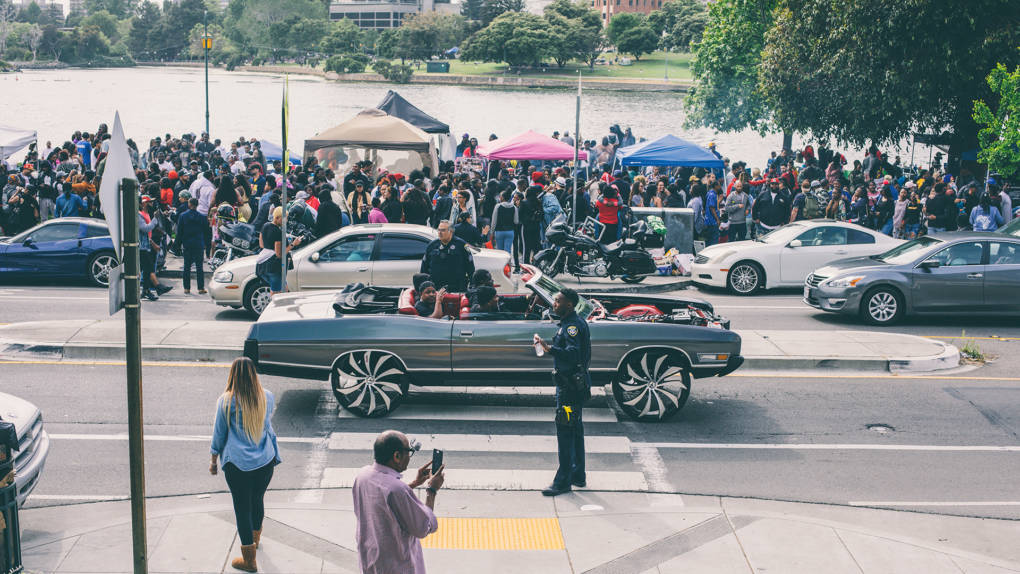
"caption": "Hundreds of black Oaklanders and their supporters came to \"BBQ'n While Black\" at Lake Merritt on May 20 following a white woman's racially charged police complaint.",
"description": "Hundreds of black Oaklanders and their supporters came to BBQ'n While Black at Lake Merritt on May 20 following a white woman's racially charged police complaint.",
"title": "cover",
"credit": "Kevin Allen",
"status": "inherit",
"isLoading": false,
"fetchFailed": false
},
"arts_13856933": {
"type": "attachments",
"id": "arts_13856933",
"meta": {
"index": "attachments_1716263798",
"site": "arts",
"id": "13856933",
"found": true
},
"parent": 13856920,
"imgSizes": {
"twentyfourteen-full-width": {
"file": "https://ww2.kqed.org/app/uploads/sites/2/2019/05/8587826505_6377441764_o-1440x933-1038x576.jpg",
"width": 1038,
"mimeType": "image/jpeg",
"height": 576
},
"thumbnail": {
"file": "https://ww2.kqed.org/app/uploads/sites/2/2019/05/8587826505_6377441764_o-1440x933-160x104.jpg",
"width": 160,
"mimeType": "image/jpeg",
"height": 104
},
"post-thumbnail": {
"file": "https://ww2.kqed.org/app/uploads/sites/2/2019/05/8587826505_6377441764_o-1440x933-672x372.jpg",
"width": 672,
"mimeType": "image/jpeg",
"height": 372
},
"kqedFullSize": {
"file": "https://ww2.kqed.org/app/uploads/sites/2/2019/05/8587826505_6377441764_o-1440x933.jpg",
"width": 1440,
"height": 933
},
"large": {
"file": "https://ww2.kqed.org/app/uploads/sites/2/2019/05/8587826505_6377441764_o-1440x933-1020x661.jpg",
"width": 1020,
"mimeType": "image/jpeg",
"height": 661
},
"complete_open_graph": {
"file": "https://ww2.kqed.org/app/uploads/sites/2/2019/05/8587826505_6377441764_o-1440x933-1200x778.jpg",
"width": 1200,
"mimeType": "image/jpeg",
"height": 778
},
"medium": {
"file": "https://ww2.kqed.org/app/uploads/sites/2/2019/05/8587826505_6377441764_o-1440x933-800x518.jpg",
"width": 800,
"mimeType": "image/jpeg",
"height": 518
},
"medium_large": {
"file": "https://ww2.kqed.org/app/uploads/sites/2/2019/05/8587826505_6377441764_o-1440x933-768x498.jpg",
"width": 768,
"mimeType": "image/jpeg",
"height": 498
}
},
"publishDate": 1557421845,
"modified": 1557421870,
"caption": "Port of Oakland, from the Oakland estuary.",
"description": "Port of Oakland, from the Oakland estuary.",
"title": "Port of Oakland, from the Oakland estuary.",
"credit": "Dan Brekke/KQED",
"status": "inherit",
"isLoading": false,
"fetchFailed": false
},
"arts_10563300": {
"type": "attachments",
"id": "arts_10563300",
"meta": {
"index": "attachments_1716263798",
"site": "arts",
"id": "10563300",
"found": true
},
"parent": 10563032,
"imgSizes": {
"thumbnail": {
"file": "https://ww2.kqed.org/app/uploads/sites/2/2015/04/fantastic-negritothumb-400x225.jpg",
"width": 400,
"mimeType": "image/jpeg",
"height": 225
},
"fd-sm": {
"file": "https://ww2.kqed.org/app/uploads/sites/2/2015/04/fantastic-negritothumb-320x180.jpg",
"width": 320,
"mimeType": "image/jpeg",
"height": 180
},
"kqedFullSize": {
"file": "https://ww2.kqed.org/app/uploads/sites/2/2015/04/fantastic-negritothumb.jpg",
"width": 400,
"height": 225
},
"guest-author-96": {
"file": "https://ww2.kqed.org/app/uploads/sites/2/2015/04/fantastic-negritothumb-96x96.jpg",
"width": 96,
"mimeType": "image/jpeg",
"height": 96
},
"guest-author-64": {
"file": "https://ww2.kqed.org/app/uploads/sites/2/2015/04/fantastic-negritothumb-64x64.jpg",
"width": 64,
"mimeType": "image/jpeg",
"height": 64
},
"detail": {
"file": "https://ww2.kqed.org/app/uploads/sites/2/2015/04/fantastic-negritothumb-75x75.jpg",
"width": 75,
"mimeType": "image/jpeg",
"height": 75
},
"guest-author-32": {
"file": "https://ww2.kqed.org/app/uploads/sites/2/2015/04/fantastic-negritothumb-32x32.jpg",
"width": 32,
"mimeType": "image/jpeg",
"height": 32
},
"guest-author-128": {
"file": "https://ww2.kqed.org/app/uploads/sites/2/2015/04/fantastic-negritothumb-128x128.jpg",
"width": 128,
"mimeType": "image/jpeg",
"height": 128
}
},
"publishDate": 1429149278,
"modified": 1562183869,
"caption": "Fantastic Negrito headlines the 2019 edition of Art + Soul in downtown Oakland.",
"description": "Fantastic Negrito headlines the 2019 edition of Art + Soul in downtown Oakland.",
"title": "fantastic-negritothumb",
"credit": "Eric Taylor/Courtesy Fantastic Negrito",
"status": "inherit",
"isLoading": false,
"fetchFailed": false
},
"arts_13857932": {
"type": "attachments",
"id": "arts_13857932",
"meta": {
"index": "attachments_1716263798",
"site": "arts",
"id": "13857932",
"found": true
},
"parent": 13857308,
"imgSizes": {
"thumbnail": {
"file": "https://ww2.kqed.org/app/uploads/sites/2/2019/05/DarrenPowell-160x90.jpg",
"width": 160,
"mimeType": "image/jpeg",
"height": 90
},
"post-thumbnail": {
"file": "https://ww2.kqed.org/app/uploads/sites/2/2019/05/DarrenPowell-672x372.jpg",
"width": 672,
"mimeType": "image/jpeg",
"height": 372
},
"kqedFullSize": {
"file": "https://ww2.kqed.org/app/uploads/sites/2/2019/05/DarrenPowell.jpg",
"width": 1020,
"height": 574
},
"large": {
"file": "https://ww2.kqed.org/app/uploads/sites/2/2019/05/DarrenPowell-1020x574.jpg",
"width": 1020,
"mimeType": "image/jpeg",
"height": 574
},
"medium": {
"file": "https://ww2.kqed.org/app/uploads/sites/2/2019/05/DarrenPowell-800x450.jpg",
"width": 800,
"mimeType": "image/jpeg",
"height": 450
},
"medium_large": {
"file": "https://ww2.kqed.org/app/uploads/sites/2/2019/05/DarrenPowell-768x432.jpg",
"width": 768,
"mimeType": "image/jpeg",
"height": 432
}
},
"publishDate": 1558477189,
"modified": 1558477221,
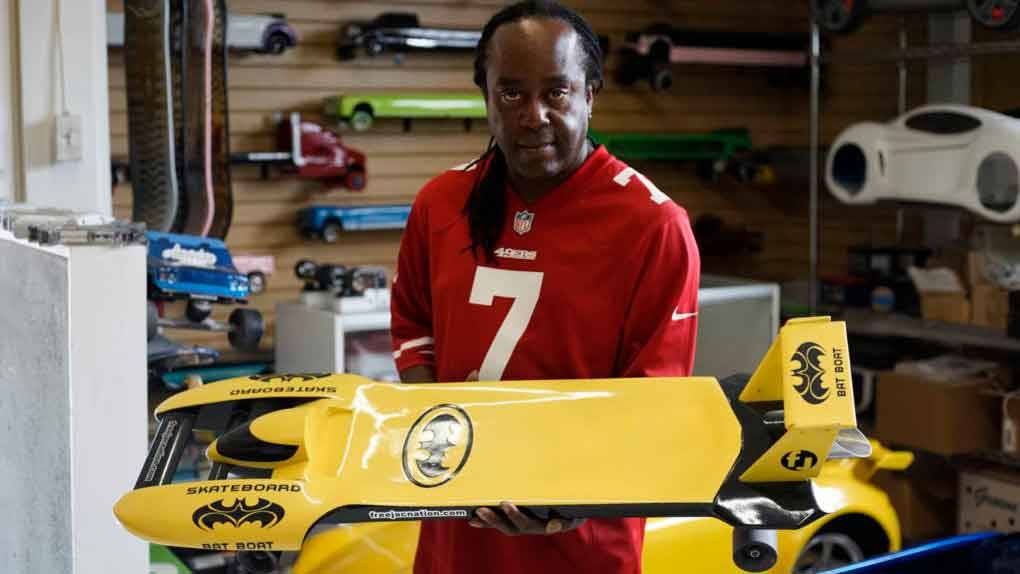
"caption": "Darren Powell of Freejack Nation showing off one of his creations.",
"description": "Darren Powell of Freejack Nation showing off one of his creations.",
"title": "DarrenPowell",
"credit": "Pendarvis Harshaw",
"status": "inherit",
"isLoading": false,
"fetchFailed": false
},
"arts_13857385": {
"type": "attachments",
"id": "arts_13857385",
"meta": {
"index": "attachments_1716263798",
"site": "arts",
"id": "13857385",
"found": true
},
"parent": 0,
"imgSizes": {
"twentyfourteen-full-width": {
"file": "https://ww2.kqed.org/app/uploads/sites/2/2019/05/Creative-Growth-exterior-during-construction-1038x576.jpg",
"width": 1038,
"mimeType": "image/jpeg",
"height": 576
},
"thumbnail": {
"file": "https://ww2.kqed.org/app/uploads/sites/2/2019/05/Creative-Growth-exterior-during-construction-160x90.jpg",
"width": 160,
"mimeType": "image/jpeg",
"height": 90
},
"post-thumbnail": {
"file": "https://ww2.kqed.org/app/uploads/sites/2/2019/05/Creative-Growth-exterior-during-construction-672x372.jpg",
"width": 672,
"mimeType": "image/jpeg",
"height": 372
},
"kqedFullSize": {
"file": "https://ww2.kqed.org/app/uploads/sites/2/2019/05/Creative-Growth-exterior-during-construction.jpg",
"width": 1920,
"height": 1080
},
"large": {
"file": "https://ww2.kqed.org/app/uploads/sites/2/2019/05/Creative-Growth-exterior-during-construction-1020x574.jpg",
"width": 1020,
"mimeType": "image/jpeg",
"height": 574
},
"complete_open_graph": {
"file": "https://ww2.kqed.org/app/uploads/sites/2/2019/05/Creative-Growth-exterior-during-construction-1200x675.jpg",
"width": 1200,
"mimeType": "image/jpeg",
"height": 675
},
"full-width": {
"file": "https://ww2.kqed.org/app/uploads/sites/2/2019/05/Creative-Growth-exterior-during-construction-1920x1080.jpg",
"width": 1920,
"mimeType": "image/jpeg",
"height": 1080
},
"medium": {
"file": "https://ww2.kqed.org/app/uploads/sites/2/2019/05/Creative-Growth-exterior-during-construction-800x450.jpg",
"width": 800,
"mimeType": "image/jpeg",
"height": 450
},
"medium_large": {
"file": "https://ww2.kqed.org/app/uploads/sites/2/2019/05/Creative-Growth-exterior-during-construction-768x432.jpg",
"width": 768,
"mimeType": "image/jpeg",
"height": 432
}
},
"publishDate": 1557966685,
"modified": 1557983170,
"caption": "The exterior or Creative Growth in Oakland, which has been adversely impacted by ongoing construction.",
"description": "The exterior or Creative Growth in Oakland, which has been adversely impacted by ongoing construction.",
"title": "Creative-Growth-exterior-during-construction",
"credit": "Sam Lefebvre/KQED",
"status": "inherit",
"isLoading": false,
"fetchFailed": false
},
"arts_13857522": {
"type": "attachments",
"id": "arts_13857522",
"meta": {
"index": "attachments_1716263798",
"site": "arts",
"id": "13857522",
"found": true
},
"parent": 13857503,
"imgSizes": {
"twentyfourteen-full-width": {
"file": "https://ww2.kqed.org/app/uploads/sites/2/2019/05/DariusGomez-1038x576.jpg",
"width": 1038,
"mimeType": "image/jpeg",
"height": 576
},
"thumbnail": {
"file": "https://ww2.kqed.org/app/uploads/sites/2/2019/05/DariusGomez-160x95.jpg",
"width": 160,
"mimeType": "image/jpeg",
"height": 95
},
"post-thumbnail": {
"file": "https://ww2.kqed.org/app/uploads/sites/2/2019/05/DariusGomez-672x372.jpg",
"width": 672,
"mimeType": "image/jpeg",
"height": 372
},
"kqedFullSize": {
"file": "https://ww2.kqed.org/app/uploads/sites/2/2019/05/DariusGomez.jpg",
"width": 1920,
"height": 1140
},
"large": {
"file": "https://ww2.kqed.org/app/uploads/sites/2/2019/05/DariusGomez-1020x606.jpg",
"width": 1020,
"mimeType": "image/jpeg",
"height": 606
},
"complete_open_graph": {
"file": "https://ww2.kqed.org/app/uploads/sites/2/2019/05/DariusGomez-1200x713.jpg",
"width": 1200,
"mimeType": "image/jpeg",
"height": 713
},
"full-width": {
"file": "https://ww2.kqed.org/app/uploads/sites/2/2019/05/DariusGomez-1920x1140.jpg",
"width": 1920,
"mimeType": "image/jpeg",
"height": 1140
},
"medium": {
"file": "https://ww2.kqed.org/app/uploads/sites/2/2019/05/DariusGomez-800x475.jpg",
"width": 800,
"mimeType": "image/jpeg",
"height": 475
},
"medium_large": {
"file": "https://ww2.kqed.org/app/uploads/sites/2/2019/05/DariusGomez-768x456.jpg",
"width": 768,
"mimeType": "image/jpeg",
"height": 456
}
},
"publishDate": 1558114166,
"modified": 1558114201,
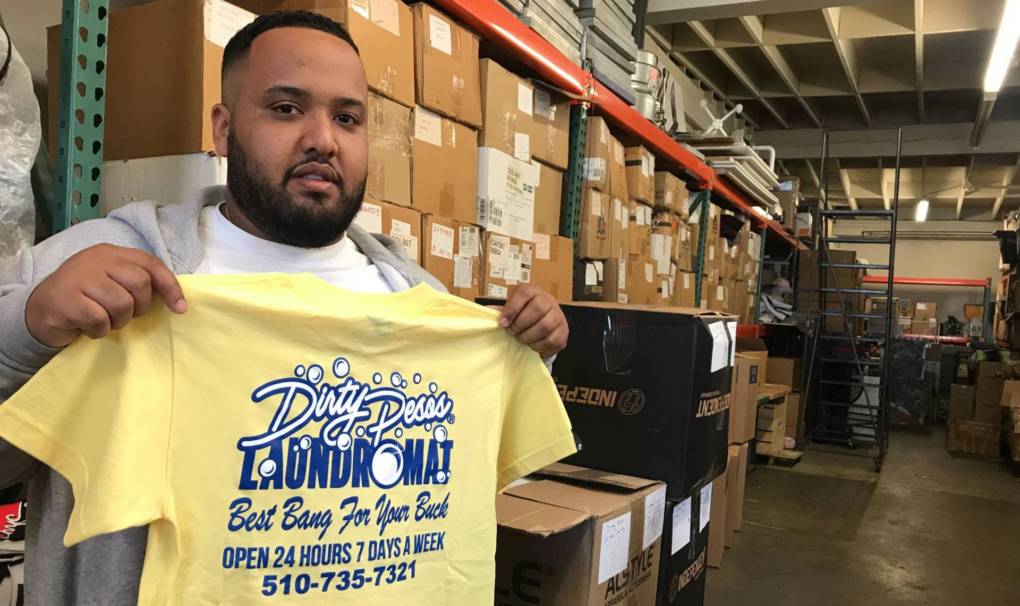
"caption": "Darius Gomez at the Dirty Pesos warehouse, with one of his designs.",
"description": "Darius Gomez at the Dirty Pesos warehouse, with one of his designs.",
"title": "DariusGomez",
"credit": "Pendarvis Harshaw",
"status": "inherit",
"isLoading": false,
"fetchFailed": false
},
"arts_13856843": {
"type": "attachments",
"id": "arts_13856843",
"meta": {
"index": "attachments_1716263798",
"site": "arts",
"id": "13856843",
"found": true
},
"parent": 13856748,
"imgSizes": {
"twentyfourteen-full-width": {
"file": "https://ww2.kqed.org/app/uploads/sites/2/2019/05/BARTDancingMAIN-1038x576.jpg",
"width": 1038,
"mimeType": "image/jpeg",
"height": 576
},
"thumbnail": {
"file": "https://ww2.kqed.org/app/uploads/sites/2/2019/05/BARTDancingMAIN-160x100.jpg",
"width": 160,
"mimeType": "image/jpeg",
"height": 100
},
"post-thumbnail": {
"file": "https://ww2.kqed.org/app/uploads/sites/2/2019/05/BARTDancingMAIN-672x372.jpg",
"width": 672,
"mimeType": "image/jpeg",
"height": 372
},
"kqedFullSize": {
"file": "https://ww2.kqed.org/app/uploads/sites/2/2019/05/BARTDancingMAIN.jpg",
"width": 1340,
"height": 838
},
"large": {
"file": "https://ww2.kqed.org/app/uploads/sites/2/2019/05/BARTDancingMAIN-1020x638.jpg",
"width": 1020,
"mimeType": "image/jpeg",
"height": 638
},
"complete_open_graph": {
"file": "https://ww2.kqed.org/app/uploads/sites/2/2019/05/BARTDancingMAIN-1200x750.jpg",
"width": 1200,
"mimeType": "image/jpeg",
"height": 750
},
"medium": {
"file": "https://ww2.kqed.org/app/uploads/sites/2/2019/05/BARTDancingMAIN-800x500.jpg",
"width": 800,
"mimeType": "image/jpeg",
"height": 500
},
"medium_large": {
"file": "https://ww2.kqed.org/app/uploads/sites/2/2019/05/BARTDancingMAIN-768x480.jpg",
"width": 768,
"mimeType": "image/jpeg",
"height": 480
}
},
"publishDate": 1557335240,
"modified": 1557335257,
"caption": "East Bay hip-hop group Trey Coastal at BART in downtown Oakland.",
"description": "East Bay hip-hop group Trey Coastal at BART in downtown Oakland.",
"title": "BARTDancingMAIN",
"credit": "Photo by Shawn Washington",
"status": "inherit",
"isLoading": false,
"fetchFailed": false
},
"arts_13856387": {
"type": "attachments",
"id": "arts_13856387",
"meta": {
"index": "attachments_1716263798",
"site": "arts",
"id": "13856387",
"found": true
},
"parent": 13856296,
"imgSizes": {
"twentyfourteen-full-width": {
"file": "https://ww2.kqed.org/app/uploads/sites/2/2019/05/DomFines.MAIN_-1038x576.jpg",
"width": 1038,
"mimeType": "image/jpeg",
"height": 576
},
"thumbnail": {
"file": "https://ww2.kqed.org/app/uploads/sites/2/2019/05/DomFines.MAIN_-160x90.jpg",
"width": 160,
"mimeType": "image/jpeg",
"height": 90
},
"post-thumbnail": {
"file": "https://ww2.kqed.org/app/uploads/sites/2/2019/05/DomFines.MAIN_-672x372.jpg",
"width": 672,
"mimeType": "image/jpeg",
"height": 372
},
"kqedFullSize": {
"file": "https://ww2.kqed.org/app/uploads/sites/2/2019/05/DomFines.MAIN_.jpg",
"width": 1920,
"height": 1080
},
"large": {
"file": "https://ww2.kqed.org/app/uploads/sites/2/2019/05/DomFines.MAIN_-1020x574.jpg",
"width": 1020,
"mimeType": "image/jpeg",
"height": 574
},
"complete_open_graph": {
"file": "https://ww2.kqed.org/app/uploads/sites/2/2019/05/DomFines.MAIN_-1200x675.jpg",
"width": 1200,
"mimeType": "image/jpeg",
"height": 675
},
"full-width": {
"file": "https://ww2.kqed.org/app/uploads/sites/2/2019/05/DomFines.MAIN_-1920x1080.jpg",
"width": 1920,
"mimeType": "image/jpeg",
"height": 1080
},
"medium": {
"file": "https://ww2.kqed.org/app/uploads/sites/2/2019/05/DomFines.MAIN_-800x450.jpg",
"width": 800,
"mimeType": "image/jpeg",
"height": 450
},
"medium_large": {
"file": "https://ww2.kqed.org/app/uploads/sites/2/2019/05/DomFines.MAIN_-768x432.jpg",
"width": 768,
"mimeType": "image/jpeg",
"height": 432
}
},
"publishDate": 1556745949,
"modified": 1556745975,
"caption": "Dominique Fines in San Francisco.",
"description": "Dominique Fines in San Francisco.",
"title": "DomFines.MAIN",
"credit": "Albert Law / Pork Belly Studio",
"status": "inherit",
"isLoading": false,
"fetchFailed": false
},
"arts_13856345": {
"type": "attachments",
"id": "arts_13856345",
"meta": {
"index": "attachments_1716263798",
"site": "arts",
"id": "13856345",
"found": true
},
"parent": 13856335,
"imgSizes": {
"twentyfourteen-full-width": {
"file": "https://ww2.kqed.org/app/uploads/sites/2/2019/04/ICCD_Oakland-1-1038x576.jpg",
"width": 1038,
"mimeType": "image/jpeg",
"height": 576
},
"thumbnail": {
"file": "https://ww2.kqed.org/app/uploads/sites/2/2019/04/ICCD_Oakland-1-160x90.jpg",
"width": 160,
"mimeType": "image/jpeg",
"height": 90
},
"post-thumbnail": {
"file": "https://ww2.kqed.org/app/uploads/sites/2/2019/04/ICCD_Oakland-1-672x372.jpg",
"width": 672,
"mimeType": "image/jpeg",
"height": 372
},
"kqedFullSize": {
"file": "https://ww2.kqed.org/app/uploads/sites/2/2019/04/ICCD_Oakland-1.jpg",
"width": 1920,
"height": 1079
},
"large": {
"file": "https://ww2.kqed.org/app/uploads/sites/2/2019/04/ICCD_Oakland-1-1020x573.jpg",
"width": 1020,
"mimeType": "image/jpeg",
"height": 573
},
"complete_open_graph": {
"file": "https://ww2.kqed.org/app/uploads/sites/2/2019/04/ICCD_Oakland-1-1200x674.jpg",
"width": 1200,
"mimeType": "image/jpeg",
"height": 674
},
"full-width": {
"file": "https://ww2.kqed.org/app/uploads/sites/2/2019/04/ICCD_Oakland-1-1920x1079.jpg",
"width": 1920,
"mimeType": "image/jpeg",
"height": 1079
},
"medium": {
"file": "https://ww2.kqed.org/app/uploads/sites/2/2019/04/ICCD_Oakland-1-800x450.jpg",
"width": 800,
"mimeType": "image/jpeg",
"height": 450
},
"medium_large": {
"file": "https://ww2.kqed.org/app/uploads/sites/2/2019/04/ICCD_Oakland-1-768x432.jpg",
"width": 768,
"mimeType": "image/jpeg",
"height": 432
}
},
"publishDate": 1556664310,
"modified": 1558567142,
"caption": "Turf Feinz member Garion \"Icecold3000\" Morgan in Oakland",
"description": "Turf Feinz member Garion \"Icecold3000\" Morgan in Oakland",
"title": "ICCD_Oakland",
"credit": null,
"status": "inherit",
"isLoading": false,
"fetchFailed": false
},
"arts_13855766": {
"type": "attachments",
"id": "arts_13855766",
"meta": {
"index": "attachments_1716263798",
"site": "arts",
"id": "13855766",
"found": true
},
"parent": 13855641,
"imgSizes": {
"twentyfourteen-full-width": {
"file": "https://ww2.kqed.org/app/uploads/sites/2/2019/04/Sideshow.2-1038x576.jpg",
"width": 1038,
"mimeType": "image/jpeg",
"height": 576
},
"thumbnail": {
"file": "https://ww2.kqed.org/app/uploads/sites/2/2019/04/Sideshow.2-160x90.jpg",
"width": 160,
"mimeType": "image/jpeg",
"height": 90
},
"post-thumbnail": {
"file": "https://ww2.kqed.org/app/uploads/sites/2/2019/04/Sideshow.2-672x372.jpg",
"width": 672,
"mimeType": "image/jpeg",
"height": 372
},
"kqedFullSize": {
"file": "https://ww2.kqed.org/app/uploads/sites/2/2019/04/Sideshow.2.jpg",
"width": 2135,
"height": 1201
},
"large": {
"file": "https://ww2.kqed.org/app/uploads/sites/2/2019/04/Sideshow.2-1020x574.jpg",
"width": 1020,
"mimeType": "image/jpeg",
"height": 574
},
"complete_open_graph": {
"file": "https://ww2.kqed.org/app/uploads/sites/2/2019/04/Sideshow.2-1200x675.jpg",
"width": 1200,
"mimeType": "image/jpeg",
"height": 675
},
"full-width": {
"file": "https://ww2.kqed.org/app/uploads/sites/2/2019/04/Sideshow.2-1920x1080.jpg",
"width": 1920,
"mimeType": "image/jpeg",
"height": 1080
},
"medium": {
"file": "https://ww2.kqed.org/app/uploads/sites/2/2019/04/Sideshow.2-800x450.jpg",
"width": 800,
"mimeType": "image/jpeg",
"height": 450
},
"medium_large": {
"file": "https://ww2.kqed.org/app/uploads/sites/2/2019/04/Sideshow.2-768x432.jpg",
"width": 768,
"mimeType": "image/jpeg",
"height": 432
}
},
"publishDate": 1556139040,
"modified": 1556139121,
"caption": "A still from Clyde Carson's 'More of That' video, showing squealing Maseratis and Harleys.",
"description": "A still from Clyde Carson's 'More of That' video, showing squealing Maseratis and Harleys.",
"title": "Sideshow.2",
"credit": "Director: Jeff Klevins",
"status": "inherit",
"isLoading": false,
"fetchFailed": false
},
"arts_13855456": {
"type": "attachments",
"id": "arts_13855456",
"meta": {
"index": "attachments_1716263798",
"site": "arts",
"id": "13855456",
"found": true
},
"parent": 0,
"imgSizes": {
"twentyfourteen-full-width": {
"file": "https://ww2.kqed.org/app/uploads/sites/2/2019/04/DonteClark.MAIN_-1038x576.jpg",
"width": 1038,
"mimeType": "image/jpeg",
"height": 576
},
"thumbnail": {
"file": "https://ww2.kqed.org/app/uploads/sites/2/2019/04/DonteClark.MAIN_-160x90.jpg",
"width": 160,
"mimeType": "image/jpeg",
"height": 90
},
"post-thumbnail": {
"file": "https://ww2.kqed.org/app/uploads/sites/2/2019/04/DonteClark.MAIN_-672x372.jpg",
"width": 672,
"mimeType": "image/jpeg",
"height": 372
},
"kqedFullSize": {
"file": "https://ww2.kqed.org/app/uploads/sites/2/2019/04/DonteClark.MAIN_.jpg",
"width": 1616,
"height": 909
},
"large": {
"file": "https://ww2.kqed.org/app/uploads/sites/2/2019/04/DonteClark.MAIN_-1020x574.jpg",
"width": 1020,
"mimeType": "image/jpeg",
"height": 574
},
"complete_open_graph": {
"file": "https://ww2.kqed.org/app/uploads/sites/2/2019/04/DonteClark.MAIN_-1200x675.jpg",
"width": 1200,
"mimeType": "image/jpeg",
"height": 675
},
"medium": {
"file": "https://ww2.kqed.org/app/uploads/sites/2/2019/04/DonteClark.MAIN_-800x450.jpg",
"width": 800,
"mimeType": "image/jpeg",
"height": 450
},
"medium_large": {
"file": "https://ww2.kqed.org/app/uploads/sites/2/2019/04/DonteClark.MAIN_-768x432.jpg",
"width": 768,
"mimeType": "image/jpeg",
"height": 432
}
},
"publishDate": 1555700727,
"modified": 1555700811,
"caption": "Donté Clark in Richmond's Nichol Park. ",
"description": "Donté Clark in Richmond's Nichol Park. ",
"title": "DonteClark.MAIN",
"credit": "Pendarvis Harshaw/KQED",
"status": "inherit",
"isLoading": false,
"fetchFailed": false
},
"arts_13848951": {
"type": "attachments",
"id": "arts_13848951",
"meta": {
"index": "attachments_1716263798",
"site": "arts",
"id": "13848951",
"found": true
},
"parent": 13848866,
"imgSizes": {
"twentyfourteen-full-width": {
"file": "https://ww2.kqed.org/app/uploads/sites/2/2019/01/Bandcamp.Sign_-1038x576.jpg",
"width": 1038,
"mimeType": "image/jpeg",
"height": 576
},
"thumbnail": {
"file": "https://ww2.kqed.org/app/uploads/sites/2/2019/01/Bandcamp.Sign_-160x109.jpg",
"width": 160,
"mimeType": "image/jpeg",
"height": 109
},
"post-thumbnail": {
"file": "https://ww2.kqed.org/app/uploads/sites/2/2019/01/Bandcamp.Sign_-672x372.jpg",
"width": 672,
"mimeType": "image/jpeg",
"height": 372
},
"kqedFullSize": {
"file": "https://ww2.kqed.org/app/uploads/sites/2/2019/01/Bandcamp.Sign_.jpg",
"width": 1100,
"height": 751
},
"large": {
"file": "https://ww2.kqed.org/app/uploads/sites/2/2019/01/Bandcamp.Sign_-1020x696.jpg",
"width": 1020,
"mimeType": "image/jpeg",
"height": 696
},
"guest-author-50": {
"file": "https://ww2.kqed.org/app/uploads/sites/2/2019/01/Bandcamp.Sign_-50x50.jpg",
"width": 50,
"mimeType": "image/jpeg",
"height": 50
},
"guest-author-96": {
"file": "https://ww2.kqed.org/app/uploads/sites/2/2019/01/Bandcamp.Sign_-96x96.jpg",
"width": 96,
"mimeType": "image/jpeg",
"height": 96
},
"medium": {
"file": "https://ww2.kqed.org/app/uploads/sites/2/2019/01/Bandcamp.Sign_-800x546.jpg",
"width": 800,
"mimeType": "image/jpeg",
"height": 546
},
"guest-author-64": {
"file": "https://ww2.kqed.org/app/uploads/sites/2/2019/01/Bandcamp.Sign_-64x64.jpg",
"width": 64,
"mimeType": "image/jpeg",
"height": 64
},
"guest-author-32": {
"file": "https://ww2.kqed.org/app/uploads/sites/2/2019/01/Bandcamp.Sign_-32x32.jpg",
"width": 32,
"mimeType": "image/jpeg",
"height": 32
},
"detail": {
"file": "https://ww2.kqed.org/app/uploads/sites/2/2019/01/Bandcamp.Sign_-150x150.jpg",
"width": 150,
"mimeType": "image/jpeg",
"height": 150
},
"medium_large": {
"file": "https://ww2.kqed.org/app/uploads/sites/2/2019/01/Bandcamp.Sign_-768x524.jpg",
"width": 768,
"mimeType": "image/jpeg",
"height": 524
},
"guest-author-128": {
"file": "https://ww2.kqed.org/app/uploads/sites/2/2019/01/Bandcamp.Sign_-128x128.jpg",
"width": 128,
"mimeType": "image/jpeg",
"height": 128
}
},
"publishDate": 1547771282,
"modified": 1547771379,
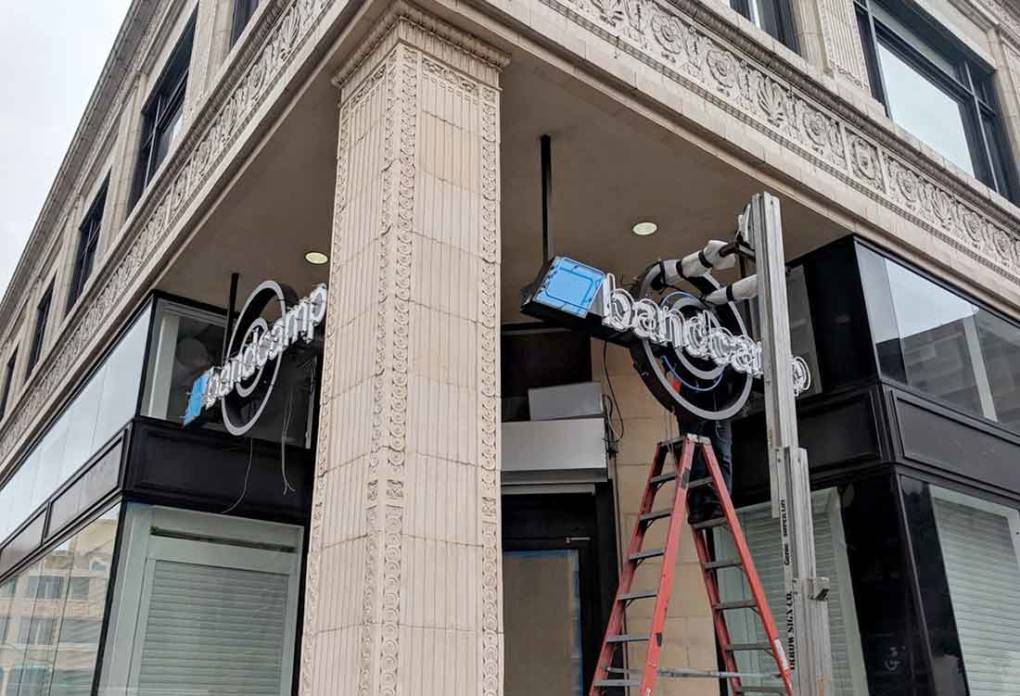
"caption": "Signage at Bandcamp's new Oakland offices goes up on Jan. 17, 2019.",
"description": "Signage at Bandcamp's new Oakland offices goes up on Jan. 17, 2019.",
"title": "Bandcamp.Sign",
"credit": "Sam Lefebvre/KQED",
"status": "inherit",
"isLoading": false,
"fetchFailed": false
}
},
"audioPlayerReducer": {
"postId": "stream_live",
"isPaused": true,
"isPlaying": false,
"pfsActive": false,
"pledgeModalIsOpen": true,
"playerDrawerIsOpen": false,
"liveAudioPlayStartedAt": 0,
"liveAudioPlayContext": ""
},
"authorsReducer": {
"byline_arts_13856335": {
"type": "authors",
"id": "byline_arts_13856335",
"meta": {
"override": true
},
"slug": "byline_arts_13856335",
"name": "Yoram Savion, Elie Khadra and Kelly Whalen",
"isLoading": false
},
"slefebvre": {
"type": "authors",
"id": "11091",
"meta": {
"index": "authors_1716337520",
"id": "11091",
"found": true
},
"name": "Sam Lefebvre",
"firstName": "Sam",
"lastName": "Lefebvre",
"slug": "slefebvre",
"email": "sdlefebvre@gmail.com",
"display_author_email": false,
"staff_mastheads": [],
"title": null,
"bio": "Sam Lefebvre is an award-winning reporter at KQED Arts. He has worked as an editor and columnist at the \u003cem>East Bay Express\u003c/em>, \u003cem>SF Weekly \u003c/em>and Impose Magazine, and his journalism and criticism has appeared in \u003cem>The New York Times\u003c/em>, the Guardian and Pitchfork.",
"avatar": "https://secure.gravatar.com/avatar/143b570c3dec13ae74c6aa2369b04fc8?s=600&d=blank&r=g",
"twitter": "Lefebvre_Sam",
"facebook": null,
"instagram": null,
"linkedin": null,
"sites": [
{
"site": "arts",
"roles": [
"editor"
]
},
{
"site": "news",
"roles": [
"author"
]
}
],
"headData": {
"title": "Sam Lefebvre | KQED",
"description": null,
"ogImgSrc": "https://secure.gravatar.com/avatar/143b570c3dec13ae74c6aa2369b04fc8?s=600&d=blank&r=g",
"twImgSrc": "https://secure.gravatar.com/avatar/143b570c3dec13ae74c6aa2369b04fc8?s=600&d=blank&r=g"
},
"isLoading": false,
"link": "/author/slefebvre"
},
"ogpenn": {
"type": "authors",
"id": "11491",
"meta": {
"index": "authors_1716337520",
"id": "11491",
"found": true
},
"name": "Pendarvis Harshaw",
"firstName": "Pendarvis",
"lastName": "Harshaw",
"slug": "ogpenn",
"email": "ogpenn@gmail.com",
"display_author_email": false,
"staff_mastheads": [
"arts"
],
"title": "Community Engagement Reporter",
"bio": "Pendarvis Harshaw is an educator, host and writer with KQED Arts.",
"avatar": "https://secure.gravatar.com/avatar/972b77ee8e3f346ae2b00622661187fbfabd059b5693bbdc1475ea7a722fd4cd?s=600&d=blank&r=g",
"twitter": null,
"bluesky": null,
"facebook": null,
"instagram": "ogpenn",
"linkedin": null,
"sites": [
{
"site": "arts",
"roles": [
"administrator"
]
},
{
"site": "news",
"roles": [
"editor"
]
},
{
"site": "bayareabites",
"roles": [
"author"
]
},
{
"site": "hiphop",
"roles": [
"editor"
]
}
],
"headData": {
"title": "Pendarvis Harshaw | KQED",
"description": "Community Engagement Reporter",
"ogImgSrc": "https://secure.gravatar.com/avatar/972b77ee8e3f346ae2b00622661187fbfabd059b5693bbdc1475ea7a722fd4cd?s=600&d=blank&r=g",
"twImgSrc": "https://secure.gravatar.com/avatar/972b77ee8e3f346ae2b00622661187fbfabd059b5693bbdc1475ea7a722fd4cd?s=600&d=blank&r=g"
},
"isLoading": false,
"link": "/author/ogpenn"
}
},
"pagesReducer": {
"arts_tag_oakland": {
"type": "terms",
"id": "arts_1143",
"meta": {
"index": "terms_1716263798",
"site": "arts",
"id": "1143",
"score": 6.883923
},
"featImg": null,
"name": "Oakland",
"description": null,
"taxonomy": "tag",
"headData": {
"twImgId": null,
"twTitle": null,
"ogTitle": null,
"ogImgId": null,
"twDescription": null,
"description": null,
"title": "Oakland Archives | KQED Arts",
"ogDescription": null
},
"ttid": 692,
"slug": "oakland",
"isLoading": false,
"title": "Oakland",
"pageMeta": {
"site": "arts",
"WpPageTemplate": "page-topic-editorial",
"currentPage": 54
},
"blocks": [
{
"blockName": "kqed/post-list",
"attrs": {
"layout": "cardArticle2",
"query": "posts/arts?tag=oakland",
"seeMore": false,
"paginated": true,
"page": 54
}
},
{
"blockName": "kqed/ad"
}
]
}
},
"pfsSessionReducer": {},
"postsReducer": {
"stream_live": {
"type": "live",
"id": "stream_live",
"audioUrl": "https://streams.kqed.org/kqedradio",
"title": "Live Stream",
"excerpt": "Live Stream information currently unavailable.",
"link": "/radio",
"featImg": "",
"label": {
"name": "KQED Live",
"link": "/"
}
},
"stream_kqedNewscast": {
"type": "posts",
"id": "stream_kqedNewscast",
"audioUrl": "https://www.kqed.org/.stream/anon/radio/RDnews/newscast.mp3?_=1",
"title": "KQED Newscast",
"featImg": "",
"label": {
"name": "88.5 FM",
"link": "/"
}
},
"arts_13856920": {
"type": "posts",
"id": "arts_13856920",
"meta": {
"index": "posts_1716263798",
"site": "arts",
"id": "13856920",
"score": null,
"sort": [
1558562460000
]
},
"guestAuthors": [],
"slug": "hot-summer-guide-2019-get-outside-in-the-east-bay-this-summer",
"title": "Hot Summer Guide 2019: Get Outside in the East Bay this Summer",
"publishDate": 1558562460,
"format": "standard",
"headTitle": "Hot Summer Guide 2019: Get Outside in the East Bay this Summer | KQED",
"labelTerm": {
"term": 140,
"site": "arts"
},
"content": "\u003cp>East Bay residents seize the summertime to bring culture into the streets and parks, showcasing music, dance and film outdoors in city centers and outlying neighborhoods alike. The events below offer opportunities for entertainment and education rooted in the cultural and even ecological history of the region. Many of these picks are free and family-friendly, and all but one take place outdoors. \u003c/p>\n\u003cfigure id=\"attachment_13856930\" class=\"wp-caption aligncenter\" style=\"max-width: 800px\">\u003cimg loading=\"lazy\" decoding=\"async\" src=\"https://ww2.kqed.org/arts/wp-content/uploads/sites/2/2019/05/ruthissasadako-800x468.jpg\" alt=\"The Pointer Sisters headline the 2018 edition of Art + Soul.\" width=\"800\" height=\"468\" class=\"size-medium wp-image-13856930\" srcset=\"https://cdn.kqed.org/wp-content/uploads/sites/2/2019/05/ruthissasadako-800x468.jpg 800w, https://cdn.kqed.org/wp-content/uploads/sites/2/2019/05/ruthissasadako-160x94.jpg 160w, https://cdn.kqed.org/wp-content/uploads/sites/2/2019/05/ruthissasadako-768x449.jpg 768w, https://cdn.kqed.org/wp-content/uploads/sites/2/2019/05/ruthissasadako.jpg 900w\" sizes=\"(max-width: 800px) 100vw, 800px\">\u003cfigcaption class=\"wp-caption-text\">The Pointer Sisters headline the 2018 edition of Art + Soul. \u003ccite>(Courtesy Pointer Sisters)\u003c/cite>\u003c/figcaption>\u003c/figure>\n\u003ch2>Art + Soul\u003c/h2>\n\u003cp>\u003cem>July 27—28\u003cbr>\nDowntown Oakland\u003cbr>\n\u003ca href=\"https://www.artandsouloakland.com/\">More information\u003c/a>\u003c/em> \u003c/p>\n\u003cp>Art + Soul brings the spirit of Oakland to the heart of the city, with vendors, dancers and musicians sprawling throughout downtown. This year, the city-sponsored festival is headlined by artists yet to be announced. Other stages feature lineups themed around blues, gospel, salsa music and the kinetic or circus arts. As usual, there’s ample family-friendly programming in store, and tickets start at a modest $12 for adults. \u003c/p>\n\u003cfigure id=\"attachment_11722121\" class=\"wp-caption aligncenter\" style=\"max-width: 800px\">\u003cimg loading=\"lazy\" decoding=\"async\" src=\"https://ww2.kqed.org/arts/wp-content/uploads/sites/2/2016/06/Garden.JohnBenson.MAIN_-800x450.jpg\" alt=\"John Benson performs with his milk-covered drum at Garden of Memory in 2016.\" width=\"800\" height=\"450\" class=\"size-medium wp-image-11722121\" srcset=\"https://cdn.kqed.org/wp-content/uploads/sites/2/2016/06/Garden.JohnBenson.MAIN_-800x450.jpg 800w, https://cdn.kqed.org/wp-content/uploads/sites/2/2016/06/Garden.JohnBenson.MAIN_-400x225.jpg 400w, https://cdn.kqed.org/wp-content/uploads/sites/2/2016/06/Garden.JohnBenson.MAIN_-768x432.jpg 768w, https://cdn.kqed.org/wp-content/uploads/sites/2/2016/06/Garden.JohnBenson.MAIN_-1180x664.jpg 1180w, https://cdn.kqed.org/wp-content/uploads/sites/2/2016/06/Garden.JohnBenson.MAIN_.jpg 1920w, https://cdn.kqed.org/wp-content/uploads/sites/2/2016/06/Garden.JohnBenson.MAIN_-960x540.jpg 960w\" sizes=\"(max-width: 800px) 100vw, 800px\">\u003cfigcaption class=\"wp-caption-text\">John Benson performs with his milk-covered drum at Garden of Memory in 2016. \u003ccite>(Kristin Shaw)\u003c/cite>\u003c/figcaption>\u003c/figure>\n\u003ch2>Garden of Memory\u003c/h2>\n\u003cp>\u003cem>June 21\u003cbr>\nChapel of the Chimes, Oakland\u003cbr>\n\u003ca href=\"http://www.gardenofmemory.com/\">More information \u003c/a>\u003c/em>\u003c/p>\n\u003cp>This one’s indoors, but there’s plenty of greenery and natural light. On the longest day of the year, the regal, naturally-lit Chapel of the Chimes columbarium erupts with sound as dozens of musicians perform simultaneously for a roaming audience at Garden of Memory. The annual event, which started in 1996, features small chamber groups, solo experimentalists and other ensembles expertly drawn from the local music scene, and culminates with a participatory bell-ringing ceremony to mark the solstice at sunset. \u003c/p>\n\u003cfigure id=\"attachment_13843026\" class=\"wp-caption aligncenter\" style=\"max-width: 800px\">\u003cimg loading=\"lazy\" decoding=\"async\" src=\"https://ww2.kqed.org/arts/wp-content/uploads/sites/2/2018/10/mistah-fab-kenzie-hiero-day-2018-800x450.jpg\" alt=\"Mistah F.A.B. and Kenzie Smith at Hiero Day 2018.\" width=\"800\" height=\"450\" class=\"size-medium wp-image-13843026\" srcset=\"https://cdn.kqed.org/wp-content/uploads/sites/2/2018/10/mistah-fab-kenzie-hiero-day-2018.jpg 800w, https://cdn.kqed.org/wp-content/uploads/sites/2/2018/10/mistah-fab-kenzie-hiero-day-2018-160x90.jpg 160w, https://cdn.kqed.org/wp-content/uploads/sites/2/2018/10/mistah-fab-kenzie-hiero-day-2018-768x432.jpg 768w, https://cdn.kqed.org/wp-content/uploads/sites/2/2018/10/mistah-fab-kenzie-hiero-day-2018-240x135.jpg 240w, https://cdn.kqed.org/wp-content/uploads/sites/2/2018/10/mistah-fab-kenzie-hiero-day-2018-375x211.jpg 375w, https://cdn.kqed.org/wp-content/uploads/sites/2/2018/10/mistah-fab-kenzie-hiero-day-2018-520x293.jpg 520w\" sizes=\"(max-width: 800px) 100vw, 800px\">\u003cfigcaption class=\"wp-caption-text\">Mistah F.A.B. and Kenzie Smith at Hiero Day 2018. \u003ccite>(Estefany Gonzalez)\u003c/cite>\u003c/figcaption>\u003c/figure>\n\u003ch2>Hiero Day\u003c/h2>\n\u003cp>\u003cem>Sept. 2\u003cbr>\nJack London District, Oakland\u003cbr>\n\u003ca href=\"https://www.hieroday.com/\">More information\u003c/a>\u003c/em>\u003c/p>\n\u003cp>The lineup and exact location of this year’s Hiero Day is still to be determined, but the annual Labor Day music festival has become one of the foremost hip-hop events in Oakland. Local rap group Hieroglyphics founded the festival (tickets cost $19.93, a nod to Souls of Mischief’s “‘93 Til Infinity”), and it reliably boasts an impressive lineup of golden-age headliners and emerging locals. Last year featured artists including The Roots’ Black Thought, Mannie Fresh, Guapdad4000, DJ Fresh and Traxamillion, and the festival spread across several blocks in the Jack London District of Oakland. Tickets generally sell out long before the lineup is confirmed. \u003c/p>\n\u003cp>[ad fullwidth]\u003c/p>\n\u003cfigure id=\"attachment_11316316\" class=\"wp-caption aligncenter\" style=\"max-width: 800px\">\u003cimg loading=\"lazy\" decoding=\"async\" src=\"https://ww2.kqed.org/arts/wp-content/uploads/sites/2/2016/02/JW.MAIN_-800x450.jpg\" alt=\"John Waters at Burger Boogaloo 2015.\" width=\"800\" height=\"450\" class=\"size-medium wp-image-11316316\" srcset=\"https://cdn.kqed.org/wp-content/uploads/sites/2/2016/02/JW.MAIN_-800x450.jpg 800w, https://cdn.kqed.org/wp-content/uploads/sites/2/2016/02/JW.MAIN_-400x225.jpg 400w, https://cdn.kqed.org/wp-content/uploads/sites/2/2016/02/JW.MAIN_-768x432.jpg 768w, https://cdn.kqed.org/wp-content/uploads/sites/2/2016/02/JW.MAIN_.jpg 913w\" sizes=\"(max-width: 800px) 100vw, 800px\">\u003cfigcaption class=\"wp-caption-text\">John Waters at Burger Boogaloo 2015. \u003ccite>(Wild About You Photography)\u003c/cite>\u003c/figcaption>\u003c/figure>\n\u003ch2>Burger Boogaloo\u003c/h2>\n\u003cp>\u003cem>July 6—7\u003cbr>\nMosswood Park, Oakland\u003cbr>\n\u003ca href=\"http://burgerboogaloo.com/\">More Information\u003c/a>\u003c/em>\u003c/p>\n\u003cp>During the first weekend of July, the Burger Boogaloo turns a disused concrete amphitheater in the corner of Mosswood Park into a riot of color of sound. The music festival, a partnership between Total Trash Productions and Southern California label Burger Records, celebrates the campiness of punk and garage rock, and it’s fittingly hosted by the filmmaker John Waters—a sort of spiritual advisor and patron saint to the scene. Its tenth annual edition will draw thousands to Oakland’s Temescal district for first-wave punk acts such as the Dead Boys, newer groups Sheer Mag and Shannon & the Clams and headliner the Jesus & Mary Chain. \u003c/p>\n\u003cfigure id=\"attachment_13832897\" class=\"wp-caption aligncenter\" style=\"max-width: 800px\">\u003cimg loading=\"lazy\" decoding=\"async\" src=\"https://ww2.kqed.org/arts/wp-content/uploads/sites/2/2018/05/703A5122-800x533.jpg\" alt=\"DJ Twelvz spins at Lake Merrit for "BBQ'n While Black," a celebration of African-American culture sparked by a white woman's widely lampooned police complaint.\" width=\"800\" height=\"533\" class=\"size-medium wp-image-13832897\" srcset=\"https://cdn.kqed.org/wp-content/uploads/sites/2/2018/05/703A5122-800x533.jpg 800w, https://cdn.kqed.org/wp-content/uploads/sites/2/2018/05/703A5122-160x107.jpg 160w, https://cdn.kqed.org/wp-content/uploads/sites/2/2018/05/703A5122-768x512.jpg 768w, https://cdn.kqed.org/wp-content/uploads/sites/2/2018/05/703A5122-1020x680.jpg 1020w, https://cdn.kqed.org/wp-content/uploads/sites/2/2018/05/703A5122-1200x800.jpg 1200w, https://cdn.kqed.org/wp-content/uploads/sites/2/2018/05/703A5122.jpg 1920w, https://cdn.kqed.org/wp-content/uploads/sites/2/2018/05/703A5122-1180x787.jpg 1180w, https://cdn.kqed.org/wp-content/uploads/sites/2/2018/05/703A5122-960x640.jpg 960w, https://cdn.kqed.org/wp-content/uploads/sites/2/2018/05/703A5122-240x160.jpg 240w, https://cdn.kqed.org/wp-content/uploads/sites/2/2018/05/703A5122-375x250.jpg 375w, https://cdn.kqed.org/wp-content/uploads/sites/2/2018/05/703A5122-520x347.jpg 520w\" sizes=\"(max-width: 800px) 100vw, 800px\">\u003cfigcaption class=\"wp-caption-text\">DJ Twelvz spins at Lake Merrit for “BBQ’n While Black,” a celebration of African-American culture sparked by a white woman’s widely lampooned police complaint.\u003c/figcaption>\u003c/figure>\n\u003ch2>BBQin’ While Black at Lake Merritt\u003c/h2>\n\u003cp>\u003cem>July 21\u003cbr>\nLake Merritt, Oakland\u003cbr>\n\u003ca href=\"https://www.gofundme.com/f/BBQnWhileBlack\">More information\u003c/a>\u003c/em> \u003c/p>\n\u003cp>One afternoon last April, a white woman harassed two black men for grilling at Lake Merritt, and proceeded to call the Oakland Police Department. Cell-phone footage of the incident immortalized the woman online as “#BBQBecky,” and prompted a discussion about race and access to public space amid gentrification in Oakland. It also prompted black Oaklanders to double down on the perceived offense by continuing to grill, week in and week out, at Lake Merritt. This year there’s a fundraiser to support more of the same, on an even grander scale.\u003c/p>\n\u003cfigure id=\"attachment_13856933\" class=\"wp-caption aligncenter\" style=\"max-width: 800px\">\u003cimg loading=\"lazy\" decoding=\"async\" src=\"https://ww2.kqed.org/arts/wp-content/uploads/sites/2/2019/05/8587826505_6377441764_o-1440x933-800x518.jpg\" alt=\"Port of Oakland, from the Oakland estuary.\" width=\"800\" height=\"518\" class=\"size-medium wp-image-13856933\" srcset=\"https://cdn.kqed.org/wp-content/uploads/sites/2/2019/05/8587826505_6377441764_o-1440x933-800x518.jpg 800w, https://cdn.kqed.org/wp-content/uploads/sites/2/2019/05/8587826505_6377441764_o-1440x933-160x104.jpg 160w, https://cdn.kqed.org/wp-content/uploads/sites/2/2019/05/8587826505_6377441764_o-1440x933-768x498.jpg 768w, https://cdn.kqed.org/wp-content/uploads/sites/2/2019/05/8587826505_6377441764_o-1440x933-1020x661.jpg 1020w, https://cdn.kqed.org/wp-content/uploads/sites/2/2019/05/8587826505_6377441764_o-1440x933-1200x778.jpg 1200w, https://cdn.kqed.org/wp-content/uploads/sites/2/2019/05/8587826505_6377441764_o-1440x933.jpg 1440w\" sizes=\"(max-width: 800px) 100vw, 800px\">\u003cfigcaption class=\"wp-caption-text\">Port of Oakland, from the Oakland estuary. \u003ccite>(Dan Brekke/KQED)\u003c/cite>\u003c/figcaption>\u003c/figure>\n\u003ch2>Waterfront Tours\u003c/h2>\n\u003cp>\u003cem>May 17—August 10\u003c/em> \u003c/p>\n\u003cp>The story of the Oakland waterfront is one of environmental degradation, intercontinental commerce, real-estate squabbles and even armed conflict. Soon, the waterfront will also be a part of the story of the Oakland A’s, when the baseball team erects a new stadium at Howard Terminal. This summer there are two ways to explore the waterfront by boat: Free harbor tours sponsored by the \u003ca href=\"https://jacklondonsquare.com/event/Free-Harbor-Tours/2145525184/\">Port of Oakland\u003c/a> on a Blue & Gold Fleet vessel, and $45 tours organized by local historian Liam O’Donoghue of the \u003ca href=\"https://eastbayyesterday.com/journey-through-centuries-of-waterfront-history/\">East Bay Yesterday\u003c/a> podcast. Tickets for the latter tour, which launches on an Emeryville fishing boat, are mostly sold out, so check for additional dates.\u003c/p>\n\u003cfigure id=\"attachment_11283312\" class=\"wp-caption aligncenter\" style=\"max-width: 800px\">\u003cimg loading=\"lazy\" decoding=\"async\" src=\"https://ww2.kqed.org/arts/wp-content/uploads/sites/2/2016/01/BAMPFA-DSR-16-01-4786_A-800x533.jpg\" alt=\"Diller Scofidio + Renfro, UC Berkeley Art Museum and Pacific Film Archive, 2016; Aerial view from the UC Berkeley Campus.\" width=\"800\" height=\"533\" class=\"size-medium wp-image-11283312\" srcset=\"https://cdn.kqed.org/wp-content/uploads/sites/2/2016/01/BAMPFA-DSR-16-01-4786_A-800x533.jpg 800w, https://cdn.kqed.org/wp-content/uploads/sites/2/2016/01/BAMPFA-DSR-16-01-4786_A-400x267.jpg 400w, https://cdn.kqed.org/wp-content/uploads/sites/2/2016/01/BAMPFA-DSR-16-01-4786_A-768x512.jpg 768w, https://cdn.kqed.org/wp-content/uploads/sites/2/2016/01/BAMPFA-DSR-16-01-4786_A-1180x787.jpg 1180w, https://cdn.kqed.org/wp-content/uploads/sites/2/2016/01/BAMPFA-DSR-16-01-4786_A-960x640.jpg 960w, https://cdn.kqed.org/wp-content/uploads/sites/2/2016/01/BAMPFA-DSR-16-01-4786_A.jpg 1200w\" sizes=\"(max-width: 800px) 100vw, 800px\">\u003cfigcaption class=\"wp-caption-text\">Diller Scofidio + Renfro, UC Berkeley Art Museum and Pacific Film Archive, 2016; Aerial view from the UC Berkeley Campus. \u003ccite>(Courtesy Diller Scofidio + Renfro)\u003c/cite>\u003c/figcaption>\u003c/figure>\n\u003ch2>Outdoor Rock ‘n’ Roll Film Screenings at Berkeley Art Museum\u003c/h2>\n\u003cp>\u003cem>June 13—August 8\u003cbr>\nBerkeley Art Museum and Pacific Film Archives, Berkeley\u003cbr>\nMore information \u003c/em>\u003c/p>\n\u003cp>Since reopening in downtown Berkeley, the Berkeley Art Museum and Pacific Film Archive has organized a free, outdoor summer cinema series on its massive LED screen at the corner of Addison and Oxford streets. This year, as part of a broader rock ‘n’ roll-themed film program, the museum is screening several classics: \u003cem>Stop Making Sense\u003c/em>, the 1984 Talking Heads concert film by Jonathan Demme; a British Invasion double-feature of \u003cem>A Hard Day’s Night\u003c/em> and \u003cem>Charlie is My Darling\u003c/em>; and a Bay Area counterculture pairing of \u003cem>Monterey Pop\u003c/em> and \u003cem>Jimi Plays Berkeley\u003c/em>. A pop-up stand operated by Babette, the BAMPFA cafe, will offer moviegoers refreshments. \u003c/p>\n\u003cfigure id=\"attachment_13825652\" class=\"wp-caption aligncenter\" style=\"max-width: 800px\">\u003cimg loading=\"lazy\" decoding=\"async\" src=\"https://ww2.kqed.org/arts/wp-content/uploads/sites/2/2018/02/1-800x533.jpg\" alt=\"A young lady rides a horse, as a member of the Black Cowboys chaperones her, at a Juneteenth festival in East Oakland.\" width=\"800\" height=\"533\" class=\"size-medium wp-image-13825652\" srcset=\"https://cdn.kqed.org/wp-content/uploads/sites/2/2018/02/1-800x533.jpg 800w, https://cdn.kqed.org/wp-content/uploads/sites/2/2018/02/1-160x107.jpg 160w, https://cdn.kqed.org/wp-content/uploads/sites/2/2018/02/1-768x512.jpg 768w, https://cdn.kqed.org/wp-content/uploads/sites/2/2018/02/1-1020x680.jpg 1020w, https://cdn.kqed.org/wp-content/uploads/sites/2/2018/02/1.jpg 1920w, https://cdn.kqed.org/wp-content/uploads/sites/2/2018/02/1-1180x787.jpg 1180w, https://cdn.kqed.org/wp-content/uploads/sites/2/2018/02/1-960x640.jpg 960w, https://cdn.kqed.org/wp-content/uploads/sites/2/2018/02/1-240x160.jpg 240w, https://cdn.kqed.org/wp-content/uploads/sites/2/2018/02/1-375x250.jpg 375w, https://cdn.kqed.org/wp-content/uploads/sites/2/2018/02/1-520x347.jpg 520w\" sizes=\"(max-width: 800px) 100vw, 800px\">\u003cfigcaption class=\"wp-caption-text\">A young lady rides a horse, as a member of the Black Cowboys chaperones her, at a Juneteenth festival in East Oakland. \u003ccite>(Pendarvis Harshaw)\u003c/cite>\u003c/figcaption>\u003c/figure>\n\u003ch2>Juneteenth in Berkeley and Richmond\u003c/h2>\n\u003cp>\u003cem>June 15—16\u003cbr>\nAlcatraz-Adeline corridor in \u003ca href=\"http://www.berkeleyjuneteenth.org/\">Berkeley\u003c/a> and Nicholl Park in \u003ca href=\"https://www.ci.richmond.ca.us/427/Festivals\">Richmond\u003c/a>\u003c/em>\u003c/p>\n\u003cp>On June 19, 1865, a regiment of Union soldiers arrived in Galveston, Texas with news that the Civil War was over, and slavery was officially abolished in the United States. Today the event is marked in cities nationwide by Juneteenth, a celebration of black culture and heritage. Berkeley’s festival, which launched in 1987, brings first-rate performers and food, along with historical exhibits and health screenings, to the Alcatraz-Adeline corridor for free. One day earlier in Richmond, meanwhile, a parade orbits the family-friendly festival in Nicholl Park. \u003c/p>\n\u003cp>[ad floatright]\u003c/p>\n",
"blocks": [],
"excerpt": "Our picks for music, dance, film and more outdoors and in the streets this summer in the East Bay.",
"status": "publish",
"parent": 0,
"modified": 1726766941,
"stats": {
"hasAudio": false,
"hasVideo": false,
"hasChartOrMap": false,
"iframeSrcs": [],
"hasGoogleForm": false,
"hasGallery": false,
"hasHearkenModule": false,
"hasPolis": false,
"paragraphCount": 19,
"wordCount": 1111
},
"headData": {
"title": "Hot Summer Guide 2019: Get Outside in the East Bay this Summer | KQED",
"description": "Our picks for music, dance, film and more outdoors and in the streets this summer in the East Bay.",
"ogTitle": "",
"ogDescription": "",
"ogImgId": "",
"twTitle": "",
"twDescription": "",
"twImgId": "",
"schema": {
"@context": "https://schema.org",
"@type": "Article",
"headline": "Hot Summer Guide 2019: Get Outside in the East Bay this Summer",
"datePublished": "2019-05-22T15:01:00-07:00",
"dateModified": "2024-09-19T10:29:01-07:00",
"image": "https://cdn.kqed.org/wp-content/uploads/2020/02/KQED-OG-Image@1x.png"
}
},
"sticky": false,
"path": "/arts/13856920/hot-summer-guide-2019-get-outside-in-the-east-bay-this-summer",
"audioTrackLength": null,
"parsedContent": [
{
"type": "contentString",
"content": "\u003cdiv class=\"post-body\">\u003cp>\u003cp>East Bay residents seize the summertime to bring culture into the streets and parks, showcasing music, dance and film outdoors in city centers and outlying neighborhoods alike. The events below offer opportunities for entertainment and education rooted in the cultural and even ecological history of the region. Many of these picks are free and family-friendly, and all but one take place outdoors. \u003c/p>\n\u003cfigure id=\"attachment_13856930\" class=\"wp-caption aligncenter\" style=\"max-width: 800px\">\u003cimg loading=\"lazy\" decoding=\"async\" src=\"https://ww2.kqed.org/arts/wp-content/uploads/sites/2/2019/05/ruthissasadako-800x468.jpg\" alt=\"The Pointer Sisters headline the 2018 edition of Art + Soul.\" width=\"800\" height=\"468\" class=\"size-medium wp-image-13856930\" srcset=\"https://cdn.kqed.org/wp-content/uploads/sites/2/2019/05/ruthissasadako-800x468.jpg 800w, https://cdn.kqed.org/wp-content/uploads/sites/2/2019/05/ruthissasadako-160x94.jpg 160w, https://cdn.kqed.org/wp-content/uploads/sites/2/2019/05/ruthissasadako-768x449.jpg 768w, https://cdn.kqed.org/wp-content/uploads/sites/2/2019/05/ruthissasadako.jpg 900w\" sizes=\"(max-width: 800px) 100vw, 800px\">\u003cfigcaption class=\"wp-caption-text\">The Pointer Sisters headline the 2018 edition of Art + Soul. \u003ccite>(Courtesy Pointer Sisters)\u003c/cite>\u003c/figcaption>\u003c/figure>\n\u003ch2>Art + Soul\u003c/h2>\n\u003cp>\u003cem>July 27—28\u003cbr>\nDowntown Oakland\u003cbr>\n\u003ca href=\"https://www.artandsouloakland.com/\">More information\u003c/a>\u003c/em> \u003c/p>\n\u003cp>Art + Soul brings the spirit of Oakland to the heart of the city, with vendors, dancers and musicians sprawling throughout downtown. This year, the city-sponsored festival is headlined by artists yet to be announced. Other stages feature lineups themed around blues, gospel, salsa music and the kinetic or circus arts. As usual, there’s ample family-friendly programming in store, and tickets start at a modest $12 for adults. \u003c/p>\n\u003cfigure id=\"attachment_11722121\" class=\"wp-caption aligncenter\" style=\"max-width: 800px\">\u003cimg loading=\"lazy\" decoding=\"async\" src=\"https://ww2.kqed.org/arts/wp-content/uploads/sites/2/2016/06/Garden.JohnBenson.MAIN_-800x450.jpg\" alt=\"John Benson performs with his milk-covered drum at Garden of Memory in 2016.\" width=\"800\" height=\"450\" class=\"size-medium wp-image-11722121\" srcset=\"https://cdn.kqed.org/wp-content/uploads/sites/2/2016/06/Garden.JohnBenson.MAIN_-800x450.jpg 800w, https://cdn.kqed.org/wp-content/uploads/sites/2/2016/06/Garden.JohnBenson.MAIN_-400x225.jpg 400w, https://cdn.kqed.org/wp-content/uploads/sites/2/2016/06/Garden.JohnBenson.MAIN_-768x432.jpg 768w, https://cdn.kqed.org/wp-content/uploads/sites/2/2016/06/Garden.JohnBenson.MAIN_-1180x664.jpg 1180w, https://cdn.kqed.org/wp-content/uploads/sites/2/2016/06/Garden.JohnBenson.MAIN_.jpg 1920w, https://cdn.kqed.org/wp-content/uploads/sites/2/2016/06/Garden.JohnBenson.MAIN_-960x540.jpg 960w\" sizes=\"(max-width: 800px) 100vw, 800px\">\u003cfigcaption class=\"wp-caption-text\">John Benson performs with his milk-covered drum at Garden of Memory in 2016. \u003ccite>(Kristin Shaw)\u003c/cite>\u003c/figcaption>\u003c/figure>\n\u003ch2>Garden of Memory\u003c/h2>\n\u003cp>\u003cem>June 21\u003cbr>\nChapel of the Chimes, Oakland\u003cbr>\n\u003ca href=\"http://www.gardenofmemory.com/\">More information \u003c/a>\u003c/em>\u003c/p>\n\u003cp>This one’s indoors, but there’s plenty of greenery and natural light. On the longest day of the year, the regal, naturally-lit Chapel of the Chimes columbarium erupts with sound as dozens of musicians perform simultaneously for a roaming audience at Garden of Memory. The annual event, which started in 1996, features small chamber groups, solo experimentalists and other ensembles expertly drawn from the local music scene, and culminates with a participatory bell-ringing ceremony to mark the solstice at sunset. \u003c/p>\n\u003cfigure id=\"attachment_13843026\" class=\"wp-caption aligncenter\" style=\"max-width: 800px\">\u003cimg loading=\"lazy\" decoding=\"async\" src=\"https://ww2.kqed.org/arts/wp-content/uploads/sites/2/2018/10/mistah-fab-kenzie-hiero-day-2018-800x450.jpg\" alt=\"Mistah F.A.B. and Kenzie Smith at Hiero Day 2018.\" width=\"800\" height=\"450\" class=\"size-medium wp-image-13843026\" srcset=\"https://cdn.kqed.org/wp-content/uploads/sites/2/2018/10/mistah-fab-kenzie-hiero-day-2018.jpg 800w, https://cdn.kqed.org/wp-content/uploads/sites/2/2018/10/mistah-fab-kenzie-hiero-day-2018-160x90.jpg 160w, https://cdn.kqed.org/wp-content/uploads/sites/2/2018/10/mistah-fab-kenzie-hiero-day-2018-768x432.jpg 768w, https://cdn.kqed.org/wp-content/uploads/sites/2/2018/10/mistah-fab-kenzie-hiero-day-2018-240x135.jpg 240w, https://cdn.kqed.org/wp-content/uploads/sites/2/2018/10/mistah-fab-kenzie-hiero-day-2018-375x211.jpg 375w, https://cdn.kqed.org/wp-content/uploads/sites/2/2018/10/mistah-fab-kenzie-hiero-day-2018-520x293.jpg 520w\" sizes=\"(max-width: 800px) 100vw, 800px\">\u003cfigcaption class=\"wp-caption-text\">Mistah F.A.B. and Kenzie Smith at Hiero Day 2018. \u003ccite>(Estefany Gonzalez)\u003c/cite>\u003c/figcaption>\u003c/figure>\n\u003ch2>Hiero Day\u003c/h2>\n\u003cp>\u003cem>Sept. 2\u003cbr>\nJack London District, Oakland\u003cbr>\n\u003ca href=\"https://www.hieroday.com/\">More information\u003c/a>\u003c/em>\u003c/p>\n\u003cp>The lineup and exact location of this year’s Hiero Day is still to be determined, but the annual Labor Day music festival has become one of the foremost hip-hop events in Oakland. Local rap group Hieroglyphics founded the festival (tickets cost $19.93, a nod to Souls of Mischief’s “‘93 Til Infinity”), and it reliably boasts an impressive lineup of golden-age headliners and emerging locals. Last year featured artists including The Roots’ Black Thought, Mannie Fresh, Guapdad4000, DJ Fresh and Traxamillion, and the festival spread across several blocks in the Jack London District of Oakland. Tickets generally sell out long before the lineup is confirmed. \u003c/p>\n\u003cp>\u003c/p>\u003c/div>",
"attributes": {
"named": {},
"numeric": []
}
},
{
"type": "component",
"content": "",
"name": "ad",
"attributes": {
"named": {
"label": "fullwidth"
},
"numeric": [
"fullwidth"
]
}
},
{
"type": "contentString",
"content": "\u003cdiv class=\"post-body\">\u003cp>\u003c/p>\n\u003cfigure id=\"attachment_11316316\" class=\"wp-caption aligncenter\" style=\"max-width: 800px\">\u003cimg loading=\"lazy\" decoding=\"async\" src=\"https://ww2.kqed.org/arts/wp-content/uploads/sites/2/2016/02/JW.MAIN_-800x450.jpg\" alt=\"John Waters at Burger Boogaloo 2015.\" width=\"800\" height=\"450\" class=\"size-medium wp-image-11316316\" srcset=\"https://cdn.kqed.org/wp-content/uploads/sites/2/2016/02/JW.MAIN_-800x450.jpg 800w, https://cdn.kqed.org/wp-content/uploads/sites/2/2016/02/JW.MAIN_-400x225.jpg 400w, https://cdn.kqed.org/wp-content/uploads/sites/2/2016/02/JW.MAIN_-768x432.jpg 768w, https://cdn.kqed.org/wp-content/uploads/sites/2/2016/02/JW.MAIN_.jpg 913w\" sizes=\"(max-width: 800px) 100vw, 800px\">\u003cfigcaption class=\"wp-caption-text\">John Waters at Burger Boogaloo 2015. \u003ccite>(Wild About You Photography)\u003c/cite>\u003c/figcaption>\u003c/figure>\n\u003ch2>Burger Boogaloo\u003c/h2>\n\u003cp>\u003cem>July 6—7\u003cbr>\nMosswood Park, Oakland\u003cbr>\n\u003ca href=\"http://burgerboogaloo.com/\">More Information\u003c/a>\u003c/em>\u003c/p>\n\u003cp>During the first weekend of July, the Burger Boogaloo turns a disused concrete amphitheater in the corner of Mosswood Park into a riot of color of sound. The music festival, a partnership between Total Trash Productions and Southern California label Burger Records, celebrates the campiness of punk and garage rock, and it’s fittingly hosted by the filmmaker John Waters—a sort of spiritual advisor and patron saint to the scene. Its tenth annual edition will draw thousands to Oakland’s Temescal district for first-wave punk acts such as the Dead Boys, newer groups Sheer Mag and Shannon & the Clams and headliner the Jesus & Mary Chain. \u003c/p>\n\u003cfigure id=\"attachment_13832897\" class=\"wp-caption aligncenter\" style=\"max-width: 800px\">\u003cimg loading=\"lazy\" decoding=\"async\" src=\"https://ww2.kqed.org/arts/wp-content/uploads/sites/2/2018/05/703A5122-800x533.jpg\" alt=\"DJ Twelvz spins at Lake Merrit for "BBQ'n While Black," a celebration of African-American culture sparked by a white woman's widely lampooned police complaint.\" width=\"800\" height=\"533\" class=\"size-medium wp-image-13832897\" srcset=\"https://cdn.kqed.org/wp-content/uploads/sites/2/2018/05/703A5122-800x533.jpg 800w, https://cdn.kqed.org/wp-content/uploads/sites/2/2018/05/703A5122-160x107.jpg 160w, https://cdn.kqed.org/wp-content/uploads/sites/2/2018/05/703A5122-768x512.jpg 768w, https://cdn.kqed.org/wp-content/uploads/sites/2/2018/05/703A5122-1020x680.jpg 1020w, https://cdn.kqed.org/wp-content/uploads/sites/2/2018/05/703A5122-1200x800.jpg 1200w, https://cdn.kqed.org/wp-content/uploads/sites/2/2018/05/703A5122.jpg 1920w, https://cdn.kqed.org/wp-content/uploads/sites/2/2018/05/703A5122-1180x787.jpg 1180w, https://cdn.kqed.org/wp-content/uploads/sites/2/2018/05/703A5122-960x640.jpg 960w, https://cdn.kqed.org/wp-content/uploads/sites/2/2018/05/703A5122-240x160.jpg 240w, https://cdn.kqed.org/wp-content/uploads/sites/2/2018/05/703A5122-375x250.jpg 375w, https://cdn.kqed.org/wp-content/uploads/sites/2/2018/05/703A5122-520x347.jpg 520w\" sizes=\"(max-width: 800px) 100vw, 800px\">\u003cfigcaption class=\"wp-caption-text\">DJ Twelvz spins at Lake Merrit for “BBQ’n While Black,” a celebration of African-American culture sparked by a white woman’s widely lampooned police complaint.\u003c/figcaption>\u003c/figure>\n\u003ch2>BBQin’ While Black at Lake Merritt\u003c/h2>\n\u003cp>\u003cem>July 21\u003cbr>\nLake Merritt, Oakland\u003cbr>\n\u003ca href=\"https://www.gofundme.com/f/BBQnWhileBlack\">More information\u003c/a>\u003c/em> \u003c/p>\n\u003cp>One afternoon last April, a white woman harassed two black men for grilling at Lake Merritt, and proceeded to call the Oakland Police Department. Cell-phone footage of the incident immortalized the woman online as “#BBQBecky,” and prompted a discussion about race and access to public space amid gentrification in Oakland. It also prompted black Oaklanders to double down on the perceived offense by continuing to grill, week in and week out, at Lake Merritt. This year there’s a fundraiser to support more of the same, on an even grander scale.\u003c/p>\n\u003cfigure id=\"attachment_13856933\" class=\"wp-caption aligncenter\" style=\"max-width: 800px\">\u003cimg loading=\"lazy\" decoding=\"async\" src=\"https://ww2.kqed.org/arts/wp-content/uploads/sites/2/2019/05/8587826505_6377441764_o-1440x933-800x518.jpg\" alt=\"Port of Oakland, from the Oakland estuary.\" width=\"800\" height=\"518\" class=\"size-medium wp-image-13856933\" srcset=\"https://cdn.kqed.org/wp-content/uploads/sites/2/2019/05/8587826505_6377441764_o-1440x933-800x518.jpg 800w, https://cdn.kqed.org/wp-content/uploads/sites/2/2019/05/8587826505_6377441764_o-1440x933-160x104.jpg 160w, https://cdn.kqed.org/wp-content/uploads/sites/2/2019/05/8587826505_6377441764_o-1440x933-768x498.jpg 768w, https://cdn.kqed.org/wp-content/uploads/sites/2/2019/05/8587826505_6377441764_o-1440x933-1020x661.jpg 1020w, https://cdn.kqed.org/wp-content/uploads/sites/2/2019/05/8587826505_6377441764_o-1440x933-1200x778.jpg 1200w, https://cdn.kqed.org/wp-content/uploads/sites/2/2019/05/8587826505_6377441764_o-1440x933.jpg 1440w\" sizes=\"(max-width: 800px) 100vw, 800px\">\u003cfigcaption class=\"wp-caption-text\">Port of Oakland, from the Oakland estuary. \u003ccite>(Dan Brekke/KQED)\u003c/cite>\u003c/figcaption>\u003c/figure>\n\u003ch2>Waterfront Tours\u003c/h2>\n\u003cp>\u003cem>May 17—August 10\u003c/em> \u003c/p>\n\u003cp>The story of the Oakland waterfront is one of environmental degradation, intercontinental commerce, real-estate squabbles and even armed conflict. Soon, the waterfront will also be a part of the story of the Oakland A’s, when the baseball team erects a new stadium at Howard Terminal. This summer there are two ways to explore the waterfront by boat: Free harbor tours sponsored by the \u003ca href=\"https://jacklondonsquare.com/event/Free-Harbor-Tours/2145525184/\">Port of Oakland\u003c/a> on a Blue & Gold Fleet vessel, and $45 tours organized by local historian Liam O’Donoghue of the \u003ca href=\"https://eastbayyesterday.com/journey-through-centuries-of-waterfront-history/\">East Bay Yesterday\u003c/a> podcast. Tickets for the latter tour, which launches on an Emeryville fishing boat, are mostly sold out, so check for additional dates.\u003c/p>\n\u003cfigure id=\"attachment_11283312\" class=\"wp-caption aligncenter\" style=\"max-width: 800px\">\u003cimg loading=\"lazy\" decoding=\"async\" src=\"https://ww2.kqed.org/arts/wp-content/uploads/sites/2/2016/01/BAMPFA-DSR-16-01-4786_A-800x533.jpg\" alt=\"Diller Scofidio + Renfro, UC Berkeley Art Museum and Pacific Film Archive, 2016; Aerial view from the UC Berkeley Campus.\" width=\"800\" height=\"533\" class=\"size-medium wp-image-11283312\" srcset=\"https://cdn.kqed.org/wp-content/uploads/sites/2/2016/01/BAMPFA-DSR-16-01-4786_A-800x533.jpg 800w, https://cdn.kqed.org/wp-content/uploads/sites/2/2016/01/BAMPFA-DSR-16-01-4786_A-400x267.jpg 400w, https://cdn.kqed.org/wp-content/uploads/sites/2/2016/01/BAMPFA-DSR-16-01-4786_A-768x512.jpg 768w, https://cdn.kqed.org/wp-content/uploads/sites/2/2016/01/BAMPFA-DSR-16-01-4786_A-1180x787.jpg 1180w, https://cdn.kqed.org/wp-content/uploads/sites/2/2016/01/BAMPFA-DSR-16-01-4786_A-960x640.jpg 960w, https://cdn.kqed.org/wp-content/uploads/sites/2/2016/01/BAMPFA-DSR-16-01-4786_A.jpg 1200w\" sizes=\"(max-width: 800px) 100vw, 800px\">\u003cfigcaption class=\"wp-caption-text\">Diller Scofidio + Renfro, UC Berkeley Art Museum and Pacific Film Archive, 2016; Aerial view from the UC Berkeley Campus. \u003ccite>(Courtesy Diller Scofidio + Renfro)\u003c/cite>\u003c/figcaption>\u003c/figure>\n\u003ch2>Outdoor Rock ‘n’ Roll Film Screenings at Berkeley Art Museum\u003c/h2>\n\u003cp>\u003cem>June 13—August 8\u003cbr>\nBerkeley Art Museum and Pacific Film Archives, Berkeley\u003cbr>\nMore information \u003c/em>\u003c/p>\n\u003cp>Since reopening in downtown Berkeley, the Berkeley Art Museum and Pacific Film Archive has organized a free, outdoor summer cinema series on its massive LED screen at the corner of Addison and Oxford streets. This year, as part of a broader rock ‘n’ roll-themed film program, the museum is screening several classics: \u003cem>Stop Making Sense\u003c/em>, the 1984 Talking Heads concert film by Jonathan Demme; a British Invasion double-feature of \u003cem>A Hard Day’s Night\u003c/em> and \u003cem>Charlie is My Darling\u003c/em>; and a Bay Area counterculture pairing of \u003cem>Monterey Pop\u003c/em> and \u003cem>Jimi Plays Berkeley\u003c/em>. A pop-up stand operated by Babette, the BAMPFA cafe, will offer moviegoers refreshments. \u003c/p>\n\u003cfigure id=\"attachment_13825652\" class=\"wp-caption aligncenter\" style=\"max-width: 800px\">\u003cimg loading=\"lazy\" decoding=\"async\" src=\"https://ww2.kqed.org/arts/wp-content/uploads/sites/2/2018/02/1-800x533.jpg\" alt=\"A young lady rides a horse, as a member of the Black Cowboys chaperones her, at a Juneteenth festival in East Oakland.\" width=\"800\" height=\"533\" class=\"size-medium wp-image-13825652\" srcset=\"https://cdn.kqed.org/wp-content/uploads/sites/2/2018/02/1-800x533.jpg 800w, https://cdn.kqed.org/wp-content/uploads/sites/2/2018/02/1-160x107.jpg 160w, https://cdn.kqed.org/wp-content/uploads/sites/2/2018/02/1-768x512.jpg 768w, https://cdn.kqed.org/wp-content/uploads/sites/2/2018/02/1-1020x680.jpg 1020w, https://cdn.kqed.org/wp-content/uploads/sites/2/2018/02/1.jpg 1920w, https://cdn.kqed.org/wp-content/uploads/sites/2/2018/02/1-1180x787.jpg 1180w, https://cdn.kqed.org/wp-content/uploads/sites/2/2018/02/1-960x640.jpg 960w, https://cdn.kqed.org/wp-content/uploads/sites/2/2018/02/1-240x160.jpg 240w, https://cdn.kqed.org/wp-content/uploads/sites/2/2018/02/1-375x250.jpg 375w, https://cdn.kqed.org/wp-content/uploads/sites/2/2018/02/1-520x347.jpg 520w\" sizes=\"(max-width: 800px) 100vw, 800px\">\u003cfigcaption class=\"wp-caption-text\">A young lady rides a horse, as a member of the Black Cowboys chaperones her, at a Juneteenth festival in East Oakland. \u003ccite>(Pendarvis Harshaw)\u003c/cite>\u003c/figcaption>\u003c/figure>\n\u003ch2>Juneteenth in Berkeley and Richmond\u003c/h2>\n\u003cp>\u003cem>June 15—16\u003cbr>\nAlcatraz-Adeline corridor in \u003ca href=\"http://www.berkeleyjuneteenth.org/\">Berkeley\u003c/a> and Nicholl Park in \u003ca href=\"https://www.ci.richmond.ca.us/427/Festivals\">Richmond\u003c/a>\u003c/em>\u003c/p>\n\u003cp>On June 19, 1865, a regiment of Union soldiers arrived in Galveston, Texas with news that the Civil War was over, and slavery was officially abolished in the United States. Today the event is marked in cities nationwide by Juneteenth, a celebration of black culture and heritage. Berkeley’s festival, which launched in 1987, brings first-rate performers and food, along with historical exhibits and health screenings, to the Alcatraz-Adeline corridor for free. One day earlier in Richmond, meanwhile, a parade orbits the family-friendly festival in Nicholl Park. \u003c/p>\n\u003cp>\u003c/p>\u003c/div>",
"attributes": {
"named": {},
"numeric": []
}
},
{
"type": "component",
"content": "",
"name": "ad",
"attributes": {
"named": {
"label": "floatright"
},
"numeric": [
"floatright"
]
}
},
{
"type": "contentString",
"content": "\u003cdiv class=\"post-body\">\u003cp>\u003c/p>\n\u003c/div>\u003c/p>",
"attributes": {
"named": {},
"numeric": []
}
}
],
"link": "/arts/13856920/hot-summer-guide-2019-get-outside-in-the-east-bay-this-summer",
"authors": [
"11091"
],
"programs": [
"arts_140"
],
"categories": [
"arts_1",
"arts_74",
"arts_69"
],
"tags": [
"arts_1693",
"arts_5569",
"arts_1118",
"arts_1006",
"arts_1088",
"arts_7455",
"arts_7465",
"arts_596",
"arts_1143"
],
"featImg": "arts_13832899",
"label": "arts_140"
},
"arts_13861234": {
"type": "posts",
"id": "arts_13861234",
"meta": {
"index": "posts_1716263798",
"site": "arts",
"id": "13861234",
"score": null,
"sort": [
1558562084000
]
},
"guestAuthors": [],
"slug": "learn-local-history-on-waterfront-tours",
"title": "Learn Local History on Waterfront Tours",
"publishDate": 1558562084,
"format": "standard",
"headTitle": "Learn Local History on Waterfront Tours | KQED",
"labelTerm": {
"term": 140,
"site": "arts"
},
"content": "\u003cp>The story of the Oakland waterfront is one of environmental degradation, intercontinental commerce, real-estate squabbles and even armed conflict. Soon, the waterfront will also be a part of the story of the Oakland A’s, when the baseball team erects a new stadium at Howard Terminal. This summer there are two ways to explore the waterfront by boat: Free harbor tours sponsored by the \u003ca href=\"https://jacklondonsquare.com/event/Free-Harbor-Tours/2145525184/\">Port of Oakland\u003c/a> on a Blue & Gold Fleet vessel, and $45 tours organized by local historian Liam O’Donoghue of the East Bay Yesterday podcast. Tickets for the latter tour, which launches on an Emeryville fishing boat, are mostly sold out, so check for additional dates.\u003c/p>\n\u003cp>[ad fullwidth]\u003c/p>\u003cp>\u003c/p>\n",
"blocks": [],
"excerpt": "This summer there are two ways to learn waterfront history on a boat. ",
"status": "publish",
"parent": 0,
"modified": 1726766952,
"stats": {
"hasAudio": false,
"hasVideo": false,
"hasChartOrMap": false,
"iframeSrcs": [],
"hasGoogleForm": false,
"hasGallery": false,
"hasHearkenModule": false,
"hasPolis": false,
"paragraphCount": 3,
"wordCount": 116
},
"headData": {
"title": "Learn Local History on Waterfront Tours | KQED",
"description": "This summer there are two ways to learn waterfront history on a boat. ",
"ogTitle": "",
"ogDescription": "",
"ogImgId": "",
"twTitle": "",
"twDescription": "",
"twImgId": "",
"schema": {
"@context": "https://schema.org",
"@type": "Article",
"headline": "Learn Local History on Waterfront Tours",
"datePublished": "2019-05-22T14:54:44-07:00",
"dateModified": "2024-09-19T10:29:12-07:00",
"image": "https://cdn.kqed.org/wp-content/uploads/2020/02/KQED-OG-Image@1x.png"
}
},
"sticky": false,
"templateType": "event",
"featuredImageType": "standard",
"startTime": 1558080000,
"endTime": 1565503200,
"eventLink": "https://eastbayyesterday.com/journey-through-centuries-of-waterfront-history/",
"path": "/arts/13861234/learn-local-history-on-waterfront-tours",
"audioTrackLength": null,
"parsedContent": [
{
"type": "contentString",
"content": "\u003cdiv class=\"post-body\">\u003cp>\u003cp>The story of the Oakland waterfront is one of environmental degradation, intercontinental commerce, real-estate squabbles and even armed conflict. Soon, the waterfront will also be a part of the story of the Oakland A’s, when the baseball team erects a new stadium at Howard Terminal. This summer there are two ways to explore the waterfront by boat: Free harbor tours sponsored by the \u003ca href=\"https://jacklondonsquare.com/event/Free-Harbor-Tours/2145525184/\">Port of Oakland\u003c/a> on a Blue & Gold Fleet vessel, and $45 tours organized by local historian Liam O’Donoghue of the East Bay Yesterday podcast. Tickets for the latter tour, which launches on an Emeryville fishing boat, are mostly sold out, so check for additional dates.\u003c/p>\n\u003cp>\u003c/p>\u003c/div>",
"attributes": {
"named": {},
"numeric": []
}
},
{
"type": "component",
"content": "",
"name": "ad",
"attributes": {
"named": {
"label": "fullwidth"
},
"numeric": [
"fullwidth"
]
}
},
{
"type": "contentString",
"content": "\u003cdiv class=\"post-body\">\u003cp>\u003c/p>\u003cp>\u003c/p>\n\u003c/div>\u003c/p>",
"attributes": {
"named": {},
"numeric": []
}
}
],
"link": "/arts/13861234/learn-local-history-on-waterfront-tours",
"authors": [
"11091"
],
"programs": [
"arts_140"
],
"categories": [
"arts_1"
],
"tags": [
"arts_2640",
"arts_7829",
"arts_1143"
],
"featImg": "arts_13856933",
"label": "arts_140"
},
"arts_13860719": {
"type": "posts",
"id": "arts_13860719",
"meta": {
"index": "posts_1716263798",
"site": "arts",
"id": "13860719",
"score": null,
"sort": [
1558551652000
]
},
"parent": 0,
"labelTerm": {
"site": "arts",
"term": 140
},
"blocks": [],
"publishDate": 1558551652,
"format": "standard",
"title": "Art + Soul: The Spirit of Oakland in the Heart of the City",
"headTitle": "Art + Soul: The Spirit of Oakland in the Heart of the City | KQED",
"content": "\u003cp>Art + Soul brings the spirit of Oakland to the heart of the city, with vendors, dancers and musicians sprawling throughout downtown. This year, the city-sponsored festival is headlined by Grammy Award winners Fantastic Negrito and Estelle. Other stages feature lineups themed around blues, gospel, salsa music and the kinetic or circus arts. As usual, there’s ample family-friendly programming in store, and tickets start at a modest $12 for adults.\u003c/p>\n\u003cp>[ad fullwidth]\u003c/p>\u003cp>\u003c/p>\n",
"stats": {
"hasVideo": false,
"hasChartOrMap": false,
"hasAudio": false,
"hasPolis": false,
"wordCount": 75,
"hasGoogleForm": false,
"hasGallery": false,
"hasHearkenModule": false,
"iframeSrcs": [],
"paragraphCount": 3
},
"modified": 1705026164,
"excerpt": "Fantastic Negrito and Estelle headline this year's event. ",
"headData": {
"twImgId": "",
"twTitle": "",
"ogTitle": "",
"ogImgId": "",
"twDescription": "",
"description": "Fantastic Negrito and Estelle headline this year's event. ",
"title": "Art + Soul: The Spirit of Oakland in the Heart of the City | KQED",
"ogDescription": "",
"schema": {
"@context": "https://schema.org",
"@type": "Article",
"headline": "Art + Soul: The Spirit of Oakland in the Heart of the City",
"datePublished": "2019-05-22T12:00:52-07:00",
"dateModified": "2024-01-11T18:22:44-08:00",
"image": "https://cdn.kqed.org/wp-content/uploads/2020/02/KQED-OG-Image@1x.png"
}
},
"guestAuthors": [],
"slug": "art-soul-the-spirit-of-oakland-in-the-heart-of-the-city",
"status": "publish",
"templateType": "event",
"venueName": "Downtown Oakland",
"featuredImageType": "standard",
"sticky": false,
"startTime": 1564214400,
"endTime": 1564380000,
"startTimeString": "July 27-28, 2019, 12-6pm",
"eventLink": "https://www.artandsouloakland.com/",
"path": "/arts/13860719/art-soul-the-spirit-of-oakland-in-the-heart-of-the-city",
"audioTrackLength": null,
"parsedContent": [
{
"type": "contentString",
"content": "\u003cdiv class=\"post-body\">\u003cp>\u003cp>Art + Soul brings the spirit of Oakland to the heart of the city, with vendors, dancers and musicians sprawling throughout downtown. This year, the city-sponsored festival is headlined by Grammy Award winners Fantastic Negrito and Estelle. Other stages feature lineups themed around blues, gospel, salsa music and the kinetic or circus arts. As usual, there’s ample family-friendly programming in store, and tickets start at a modest $12 for adults.\u003c/p>\n\u003cp>\u003c/p>\u003c/div>",
"attributes": {
"named": {},
"numeric": []
}
},
{
"type": "component",
"content": "",
"name": "ad",
"attributes": {
"named": {
"label": "fullwidth"
},
"numeric": [
"fullwidth"
]
}
},
{
"type": "contentString",
"content": "\u003cdiv class=\"post-body\">\u003cp>\u003c/p>\u003cp>\u003c/p>\n\u003c/div>\u003c/p>",
"attributes": {
"named": {},
"numeric": []
}
}
],
"link": "/arts/13860719/art-soul-the-spirit-of-oakland-in-the-heart-of-the-city",
"authors": [
"11091"
],
"programs": [
"arts_140"
],
"categories": [
"arts_69"
],
"tags": [
"arts_7774",
"arts_1694",
"arts_596",
"arts_1143",
"arts_1334"
],
"featImg": "arts_10563300",
"label": "arts_140"
},
"arts_13857308": {
"type": "posts",
"id": "arts_13857308",
"meta": {
"index": "posts_1716263798",
"site": "arts",
"id": "13857308",
"score": null,
"sort": [
1558483234000
]
},
"guestAuthors": [],
"slug": "meet-darren-powell-the-skateboard-re-innovator-of-east-oakland",
"title": "Meet Darren Powell, the Skateboard Re-Innovator of East Oakland",
"publishDate": 1558483234,
"format": "standard",
"headTitle": "Meet Darren Powell, the Skateboard Re-Innovator of East Oakland | KQED",
"labelTerm": {
"site": "arts"
},
"content": "\u003cp>\u003cspan style=\"font-size: 4.6875em;float: left;line-height: 0.733em;padding: 0.05em 0.1em 0 0;font-family: times, serif, georgia\">I\u003c/span> get it: tech companies are moving to Oakland. But you can’t tell me “innovation” is coming to town. It’s been here. Man, I grew up watching folks make backpacks out of shoestrings and cereal boxes. On top of being functional, they made it look cool.\u003c/p>\n\u003cp>\u003cimg loading=\"lazy\" decoding=\"async\" class=\"alignright size-thumbnail wp-image-13833985\" src=\"https://ww2.kqed.org/arts/wp-content/uploads/sites/2/2018/05/OGPenn.Cap_-160x184.jpg\" alt=\"\" width=\"160\" height=\"184\" srcset=\"https://cdn.kqed.org/wp-content/uploads/sites/2/2018/05/OGPenn.Cap_-160x184.jpg 160w, https://cdn.kqed.org/wp-content/uploads/sites/2/2018/05/OGPenn.Cap_.jpg 180w\" sizes=\"(max-width: 160px) 100vw, 160px\">\u003c/p>\n\u003cp>Sure, having backing from a big venture capital firm is respectable and all, but you ever have nothing and needed something? And then use that need to fuel your creative process? And then have your invention turn heads?\u003c/p>\n\u003cp>While there are studies that say \u003ca href=\"https://qz.com/1120131/as-cities-become-more-innovative-they-also-become-more-unequal/\">innovation accelerates inequality\u003c/a>, I’m a firm believer of the inverse: that non-traditional forms of creativity are innate within lower- and working-class folks, especially black folks.\u003c/p>\n\u003cp>Every post-industrial urban American city currently being gutted and refurbished has been home to innovative people. But Oakland, in particular, has a thing about modifying its transportation: from \u003ca href=\"https://www.youtube.com/watch?v=C4QMffMAwAU\" rel=\"noopener\" target=\"_blank\">whistle tips\u003c/a> on car exhaust pipes to shiny wheels on \u003ca href=\"https://www.kqed.org/arts/11447684/video-meet-east-oaklands-scraper-bike-team\" rel=\"noopener\" target=\"_blank\">scraper bikes\u003c/a>, this town has a knack for recreating the wheel.\u003c/p>\n\u003cp>[ad fullwidth]\u003c/p>\n\u003cp>\u003cimg loading=\"lazy\" decoding=\"async\" class=\"alignnone size-medium wp-image-13857315\" src=\"https://ww2.kqed.org/arts/wp-content/uploads/sites/2/2019/05/LRG__DSC4511-800x535.jpg\" alt=\"\" width=\"800\" height=\"535\" srcset=\"https://cdn.kqed.org/wp-content/uploads/sites/2/2019/05/LRG__DSC4511-800x535.jpg 800w, https://cdn.kqed.org/wp-content/uploads/sites/2/2019/05/LRG__DSC4511-160x107.jpg 160w, https://cdn.kqed.org/wp-content/uploads/sites/2/2019/05/LRG__DSC4511-768x513.jpg 768w, https://cdn.kqed.org/wp-content/uploads/sites/2/2019/05/LRG__DSC4511-1020x682.jpg 1020w, https://cdn.kqed.org/wp-content/uploads/sites/2/2019/05/LRG__DSC4511-1200x802.jpg 1200w, https://cdn.kqed.org/wp-content/uploads/sites/2/2019/05/LRG__DSC4511.jpg 1616w\" sizes=\"(max-width: 800px) 100vw, 800px\">\u003c/p>\n\u003cp>\u003cspan style=\"font-size: 4.6875em;float: left;line-height: 0.733em;padding: 0.05em 0.1em 0 0;font-family: times, serif, georgia\">W\u003c/span>hen Larry Stevenson invented the skateboard in 1963, he could never have foreseen someone taking his piece of wood attached to four wheels and remixing it to look like a mini Mercedes Maybach automobile—complete with a slappin’-ass sound system and fully functioning pop-up TV screens. But Darren Powell has done that.\u003c/p>\n\u003cp>You might’ve seen one of his creations around town or in Droop-E & E40’s \u003ca href=\"https://youtu.be/fDUTa_Pi5Cc?t=103\">“Give Me a Light” music video.\u003c/a> Or maybe you’ve seen him on social media, where there’s plenty videos of Powell floating around town on his futuristic skateboards. “\u003ca href=\"https://twitter.com/AlexinOak/status/1032607756086206466\">There is no place like Oakland\u003c/a>,” one post says.\u003c/p>\n\u003cp>https://twitter.com/AlexinOak/status/1032607756086206466\u003c/p>\n\u003cp>Beyond their cool-looking exterior, Powell’s creation caught my eye for crisscrossing some significant storylines of the day: the current price of gas, complaints about \u003ca href=\"https://thebolditalic.com/oaklands-potholes-a-symbol-of-the-town-s-neighborhood-disparity-4de61413908a\">potholes in Oakland\u003c/a>, the development of \u003ca href=\"https://sf.streetsblog.org/2018/10/09/eyes-on-the-street-oaklands-new-dot-builds-some-sweet-protected-bikeways/\">citywide bike lanes\u003c/a> and, of course, the discussion about tech coming to town.\u003c/p>\n\u003cp>It also reaffirmed what I already knew: that in the shadow of whatever Silicon Valley has going on, the application of technology and innovation is something that’s been in the hood since day one.\u003c/p>\n\u003cp>\u003cimg loading=\"lazy\" decoding=\"async\" class=\"alignnone size-medium wp-image-13857314\" src=\"https://ww2.kqed.org/arts/wp-content/uploads/sites/2/2019/05/LRG__DSC4510-800x535.jpg\" alt=\"\" width=\"800\" height=\"535\" srcset=\"https://cdn.kqed.org/wp-content/uploads/sites/2/2019/05/LRG__DSC4510-800x535.jpg 800w, https://cdn.kqed.org/wp-content/uploads/sites/2/2019/05/LRG__DSC4510-160x107.jpg 160w, https://cdn.kqed.org/wp-content/uploads/sites/2/2019/05/LRG__DSC4510-768x513.jpg 768w, https://cdn.kqed.org/wp-content/uploads/sites/2/2019/05/LRG__DSC4510-1020x682.jpg 1020w, https://cdn.kqed.org/wp-content/uploads/sites/2/2019/05/LRG__DSC4510-1200x802.jpg 1200w, https://cdn.kqed.org/wp-content/uploads/sites/2/2019/05/LRG__DSC4510.jpg 1616w\" sizes=\"(max-width: 800px) 100vw, 800px\">\u003c/p>\n\u003cp>Powell is a middle-aged African American man with cornrows who lives in East Oakland. When he welcomed me into his home, wearing a Kaepernick jersey, he walked me past a showroom-slash-storage room of perfectly lined up skateboards, some battery-powered and some manual. All colorful. A Batman logo on a Batmobile looking board, and the wrapping from \u003cem>Soul Plane\u003c/em> on another. Powell handed me a ginger root beer, gutted a cigarillo and started with his origin story.\u003c/p>\n\u003cp>Professionally, Powell does architectural design. He says he’s always been a do-it-yourselfer. And his earliest memories of creating come from his brother.\u003c/p>\n\u003cp>“My older brother Quincy, he was the inventor as a kid,” Powell said, leaning up against the kitchen counter and using scissors to break down some weed. “I ended up being the inventor and he ended up going to the pen.”\u003c/p>\n\u003cp>Powell, who was raised in East Palo Alto (or “Scrilla-Con Valley,” as he calls it), said his older brother could make anything out of anything. “He’d gut my sister’s dolls and put a motor in them,” he said. But the real inspiration for Powell’s work came from the 1992 movie \u003cem>Freejack,\u003c/em> starring Emilio Estevez, Rene Russo and Mick Jagger.\u003c/p>\n\u003cp>In the movie, Mick Jagger’s character time-travels to kidnap Emilio Estevez’s character, and brings him to an old dude played by Anthony Hopkins who wants his consciousness downloaded onto a much younger and healthy body.\u003c/p>\n\u003cp>This idea inspired the name of Powell’s company, Free Jac Nation.\u003c/p>\n\u003cp>“Freejacking is when you take something and flip it, and take it to the next level,” said Powell.\u003c/p>\n\u003cp>“So, with skateboards, I freejacked it.”\u003c/p>\n\u003cp>\u003cimg loading=\"lazy\" decoding=\"async\" class=\"alignnone size-medium wp-image-13857312\" src=\"https://ww2.kqed.org/arts/wp-content/uploads/sites/2/2019/05/LRG__DSC4499-800x535.jpg\" alt=\"\" width=\"800\" height=\"535\" srcset=\"https://cdn.kqed.org/wp-content/uploads/sites/2/2019/05/LRG__DSC4499-800x535.jpg 800w, https://cdn.kqed.org/wp-content/uploads/sites/2/2019/05/LRG__DSC4499-160x107.jpg 160w, https://cdn.kqed.org/wp-content/uploads/sites/2/2019/05/LRG__DSC4499-768x513.jpg 768w, https://cdn.kqed.org/wp-content/uploads/sites/2/2019/05/LRG__DSC4499-1020x682.jpg 1020w, https://cdn.kqed.org/wp-content/uploads/sites/2/2019/05/LRG__DSC4499-1200x802.jpg 1200w, https://cdn.kqed.org/wp-content/uploads/sites/2/2019/05/LRG__DSC4499.jpg 1616w\" sizes=\"(max-width: 800px) 100vw, 800px\">\u003c/p>\n\u003cp>\u003cspan style=\"font-size: 4.6875em;float: left;line-height: 0.733em;padding: 0.05em 0.1em 0 0;font-family: times, serif, georgia\">P\u003c/span>owell first freejacked a vest with translucent pockets, tailored to hold cell phones in the front and tablets on the back. His next invention was a Bluetooth-enabled skateboard.\u003c/p>\n\u003cp>“And then I said, I want to make this skateboard that’s shaped like a car,” said Powell, taking a pull from his blunt has he talked.\u003c/p>\n\u003cp>To make his boards, Powell uses PVC, some plastic and an original mold that he made and patented. He then sends it to a company that stretches the PVC material, and the individual boards are made.\u003c/p>\n\u003cp>“It’s like Build-a-Bear workshop,” said Powell, passing me the herb. “You can order whatever color stickers, and I’ll custom make it, regular or electric…the other part is this: it comes in a kit.”\u003c/p>\n\u003cp>I exhaled and then asked: does that mean people can make their own skateboards?\u003c/p>\n\u003cp>“Yeah,” Powell exclaimed. “The hobby shops are going to love me!”\u003c/p>\n\u003cp>The DIY boards are the lower-end skateboards; he has some that are fully custom made and cost a bit more. Powell told me his skateboards go from $99 to $19,000.\u003c/p>\n\u003cp>Of the pricier skateboards, Powell said, “those are custom, there’s a lot of work that goes into them. I call myself the Chanel bag of skateboards. If you buy Jordans, you’ll buy my skateboards. If you buy a Gucci backpack, you’ll buy my skateboards—and you’ll take care of them.”\u003c/p>\n\u003cp>\u003cimg loading=\"lazy\" decoding=\"async\" class=\"alignnone size-medium wp-image-13857313\" src=\"https://ww2.kqed.org/arts/wp-content/uploads/sites/2/2019/05/LRG__DSC4495-800x535.jpg\" alt=\"\" width=\"800\" height=\"535\" srcset=\"https://cdn.kqed.org/wp-content/uploads/sites/2/2019/05/LRG__DSC4495-800x535.jpg 800w, https://cdn.kqed.org/wp-content/uploads/sites/2/2019/05/LRG__DSC4495-160x107.jpg 160w, https://cdn.kqed.org/wp-content/uploads/sites/2/2019/05/LRG__DSC4495-768x513.jpg 768w, https://cdn.kqed.org/wp-content/uploads/sites/2/2019/05/LRG__DSC4495-1020x682.jpg 1020w, https://cdn.kqed.org/wp-content/uploads/sites/2/2019/05/LRG__DSC4495-1200x802.jpg 1200w, https://cdn.kqed.org/wp-content/uploads/sites/2/2019/05/LRG__DSC4495.jpg 1616w\" sizes=\"(max-width: 800px) 100vw, 800px\">\u003c/p>\n\u003cp>\u003cspan style=\"font-size: 4.6875em;float: left;line-height: 0.733em;padding: 0.05em 0.1em 0 0;font-family: times, serif, georgia\">P\u003c/span>owell has yet to sell any of the high-end boards, but that may change soon. He’s been in contact with Lil Wayne about them, Snoop Dogg has posted one on social media, and he has E-40’s signature on a Slurricane-themed board. He’s working to get Rick Ross to sign his Maybach one.\u003c/p>\n\u003cp>Meanwhile, he’s sold over a dozen lower-end models and counting. Some of his battery-powered skateboards, which are controlled by handheld remotes, have dual battery packs. He told me the top speed he’s hit is around 25 mph, on his Volkswagen Bus modeled board, which has two motors.\u003c/p>\n\u003cp>I damn near blew his high when I asked if he’s fallen off of his board before. “Potholes!” Powell said, as if identifying the enemy. “You’ve got to really look out, my eyes are always on the move: potholes, doors, everyone else,” said Powell. (One time he fell, “I just popped off the goddamn skateboard and was cussing at these damn Oakland streets. Man, these are some raggedy-ass streets. But they’re starting to get better.”)\u003c/p>\n\u003cp>Powell’s a fan of the developing system of citywide bike lanes, and sees the need for changes to the traffic system in Oakland. He lives just blocks from where Alma Soraya Vasquez, and her 6 year-old son Angel Garcia-Vasquez were killed during a \u003ca href=\"https://www.nbcbayarea.com/news/local/Mother-and-7-Year-Old-Son-Dead-After-Hit-and-Run-Collision-508557251.html\">hit-and-run\u003c/a> accident last month.\u003c/p>\n\u003cp>Powell’s creations are just another push for alternative modes of transportation in the urban arena, an addition to the \u003ca href=\"https://www.kqed.org/pop/103762/electric-scooters-are-changing-the-fabric-of-society-says-twitter\" rel=\"noopener\" target=\"_blank\">flood of electric scooters\u003c/a> and the forthcoming \u003ca href=\"http://www.actransit.org/brt/\" rel=\"noopener\" target=\"_blank\">high-speed bus lines\u003c/a>. Those are clear signs that “technology” is coming to Oakland. Powell’s creations are a sign that innovation has been here.\u003c/p>\n\u003cp>Powell’s just getting started—again, he hasn’t sold a single high-end board. But that doesn’t phase him. “If there’s ever a skateboard hall of fame, I might just donate them,” Powell told me.\u003c/p>\n\u003cp>[ad floatright]\u003c/p>\n\u003cp>I looked it up, and there is a \u003ca href=\"http://www.skateboardinghalloffame.org/\" rel=\"noopener\" target=\"_blank\">Skateboarding Hall of Fame and Museum\u003c/a> in Southern California. But I hope he doesn’t donate his creations. I’d much rather see Rick Ross riding one in a video.\u003c/p>\n\n",
"blocks": [],
"excerpt": "If you've ever seen someone cruising the streets on a Maybach-shaped skateboard, you've seen the work of Darren Powell.",
"status": "publish",
"parent": 0,
"modified": 1726766964,
"stats": {
"hasAudio": false,
"hasVideo": false,
"hasChartOrMap": false,
"iframeSrcs": [],
"hasGoogleForm": false,
"hasGallery": false,
"hasHearkenModule": false,
"hasPolis": false,
"paragraphCount": 38,
"wordCount": 1352
},
"headData": {
"title": "Meet Darren Powell, the Skateboard Re-Innovator of East Oakland | KQED",
"description": "If you've ever seen someone cruising the streets on a Maybach-shaped skateboard, you've seen the work of Darren Powell.",
"ogTitle": "",
"ogDescription": "",
"ogImgId": "",
"twTitle": "",
"twDescription": "",
"twImgId": "",
"schema": {
"@context": "https://schema.org",
"@type": "Article",
"headline": "Meet Darren Powell, the Skateboard Re-Innovator of East Oakland",
"datePublished": "2019-05-21T17:00:34-07:00",
"dateModified": "2024-09-19T10:29:24-07:00",
"image": "https://cdn.kqed.org/wp-content/uploads/2020/02/KQED-OG-Image@1x.png"
}
},
"sticky": false,
"path": "/arts/13857308/meet-darren-powell-the-skateboard-re-innovator-of-east-oakland",
"audioTrackLength": null,
"parsedContent": [
{
"type": "contentString",
"content": "\u003cdiv class=\"post-body\">\u003cp>\u003cp>\u003cspan style=\"font-size: 4.6875em;float: left;line-height: 0.733em;padding: 0.05em 0.1em 0 0;font-family: times, serif, georgia\">I\u003c/span> get it: tech companies are moving to Oakland. But you can’t tell me “innovation” is coming to town. It’s been here. Man, I grew up watching folks make backpacks out of shoestrings and cereal boxes. On top of being functional, they made it look cool.\u003c/p>\n\u003cp>\u003cimg loading=\"lazy\" decoding=\"async\" class=\"alignright size-thumbnail wp-image-13833985\" src=\"https://ww2.kqed.org/arts/wp-content/uploads/sites/2/2018/05/OGPenn.Cap_-160x184.jpg\" alt=\"\" width=\"160\" height=\"184\" srcset=\"https://cdn.kqed.org/wp-content/uploads/sites/2/2018/05/OGPenn.Cap_-160x184.jpg 160w, https://cdn.kqed.org/wp-content/uploads/sites/2/2018/05/OGPenn.Cap_.jpg 180w\" sizes=\"(max-width: 160px) 100vw, 160px\">\u003c/p>\n\u003cp>Sure, having backing from a big venture capital firm is respectable and all, but you ever have nothing and needed something? And then use that need to fuel your creative process? And then have your invention turn heads?\u003c/p>\n\u003cp>While there are studies that say \u003ca href=\"https://qz.com/1120131/as-cities-become-more-innovative-they-also-become-more-unequal/\">innovation accelerates inequality\u003c/a>, I’m a firm believer of the inverse: that non-traditional forms of creativity are innate within lower- and working-class folks, especially black folks.\u003c/p>\n\u003cp>Every post-industrial urban American city currently being gutted and refurbished has been home to innovative people. But Oakland, in particular, has a thing about modifying its transportation: from \u003ca href=\"https://www.youtube.com/watch?v=C4QMffMAwAU\" rel=\"noopener\" target=\"_blank\">whistle tips\u003c/a> on car exhaust pipes to shiny wheels on \u003ca href=\"https://www.kqed.org/arts/11447684/video-meet-east-oaklands-scraper-bike-team\" rel=\"noopener\" target=\"_blank\">scraper bikes\u003c/a>, this town has a knack for recreating the wheel.\u003c/p>\n\u003cp>\u003c/p>\u003c/div>",
"attributes": {
"named": {},
"numeric": []
}
},
{
"type": "component",
"content": "",
"name": "ad",
"attributes": {
"named": {
"label": "fullwidth"
},
"numeric": [
"fullwidth"
]
}
},
{
"type": "contentString",
"content": "\u003cdiv class=\"post-body\">\u003cp>\u003c/p>\n\u003cp>\u003cimg loading=\"lazy\" decoding=\"async\" class=\"alignnone size-medium wp-image-13857315\" src=\"https://ww2.kqed.org/arts/wp-content/uploads/sites/2/2019/05/LRG__DSC4511-800x535.jpg\" alt=\"\" width=\"800\" height=\"535\" srcset=\"https://cdn.kqed.org/wp-content/uploads/sites/2/2019/05/LRG__DSC4511-800x535.jpg 800w, https://cdn.kqed.org/wp-content/uploads/sites/2/2019/05/LRG__DSC4511-160x107.jpg 160w, https://cdn.kqed.org/wp-content/uploads/sites/2/2019/05/LRG__DSC4511-768x513.jpg 768w, https://cdn.kqed.org/wp-content/uploads/sites/2/2019/05/LRG__DSC4511-1020x682.jpg 1020w, https://cdn.kqed.org/wp-content/uploads/sites/2/2019/05/LRG__DSC4511-1200x802.jpg 1200w, https://cdn.kqed.org/wp-content/uploads/sites/2/2019/05/LRG__DSC4511.jpg 1616w\" sizes=\"(max-width: 800px) 100vw, 800px\">\u003c/p>\n\u003cp>\u003cspan style=\"font-size: 4.6875em;float: left;line-height: 0.733em;padding: 0.05em 0.1em 0 0;font-family: times, serif, georgia\">W\u003c/span>hen Larry Stevenson invented the skateboard in 1963, he could never have foreseen someone taking his piece of wood attached to four wheels and remixing it to look like a mini Mercedes Maybach automobile—complete with a slappin’-ass sound system and fully functioning pop-up TV screens. But Darren Powell has done that.\u003c/p>\n\u003cp>You might’ve seen one of his creations around town or in Droop-E & E40’s \u003ca href=\"https://youtu.be/fDUTa_Pi5Cc?t=103\">“Give Me a Light” music video.\u003c/a> Or maybe you’ve seen him on social media, where there’s plenty videos of Powell floating around town on his futuristic skateboards. “\u003ca href=\"https://twitter.com/AlexinOak/status/1032607756086206466\">There is no place like Oakland\u003c/a>,” one post says.\u003c/p>\u003c/p>\u003c/div>",
"attributes": {
"named": {},
"numeric": []
}
},
{
"type": "component",
"content": "",
"name": "singleTwitterStatus",
"attributes": {
"named": {
"id": "1032607756086206466"
},
"numeric": []
}
},
{
"type": "contentString",
"content": "\u003cdiv class=\"post-body\">\u003cp>\n\u003cp>Beyond their cool-looking exterior, Powell’s creation caught my eye for crisscrossing some significant storylines of the day: the current price of gas, complaints about \u003ca href=\"https://thebolditalic.com/oaklands-potholes-a-symbol-of-the-town-s-neighborhood-disparity-4de61413908a\">potholes in Oakland\u003c/a>, the development of \u003ca href=\"https://sf.streetsblog.org/2018/10/09/eyes-on-the-street-oaklands-new-dot-builds-some-sweet-protected-bikeways/\">citywide bike lanes\u003c/a> and, of course, the discussion about tech coming to town.\u003c/p>\n\u003cp>It also reaffirmed what I already knew: that in the shadow of whatever Silicon Valley has going on, the application of technology and innovation is something that’s been in the hood since day one.\u003c/p>\n\u003cp>\u003cimg loading=\"lazy\" decoding=\"async\" class=\"alignnone size-medium wp-image-13857314\" src=\"https://ww2.kqed.org/arts/wp-content/uploads/sites/2/2019/05/LRG__DSC4510-800x535.jpg\" alt=\"\" width=\"800\" height=\"535\" srcset=\"https://cdn.kqed.org/wp-content/uploads/sites/2/2019/05/LRG__DSC4510-800x535.jpg 800w, https://cdn.kqed.org/wp-content/uploads/sites/2/2019/05/LRG__DSC4510-160x107.jpg 160w, https://cdn.kqed.org/wp-content/uploads/sites/2/2019/05/LRG__DSC4510-768x513.jpg 768w, https://cdn.kqed.org/wp-content/uploads/sites/2/2019/05/LRG__DSC4510-1020x682.jpg 1020w, https://cdn.kqed.org/wp-content/uploads/sites/2/2019/05/LRG__DSC4510-1200x802.jpg 1200w, https://cdn.kqed.org/wp-content/uploads/sites/2/2019/05/LRG__DSC4510.jpg 1616w\" sizes=\"(max-width: 800px) 100vw, 800px\">\u003c/p>\n\u003cp>Powell is a middle-aged African American man with cornrows who lives in East Oakland. When he welcomed me into his home, wearing a Kaepernick jersey, he walked me past a showroom-slash-storage room of perfectly lined up skateboards, some battery-powered and some manual. All colorful. A Batman logo on a Batmobile looking board, and the wrapping from \u003cem>Soul Plane\u003c/em> on another. Powell handed me a ginger root beer, gutted a cigarillo and started with his origin story.\u003c/p>\n\u003cp>Professionally, Powell does architectural design. He says he’s always been a do-it-yourselfer. And his earliest memories of creating come from his brother.\u003c/p>\n\u003cp>“My older brother Quincy, he was the inventor as a kid,” Powell said, leaning up against the kitchen counter and using scissors to break down some weed. “I ended up being the inventor and he ended up going to the pen.”\u003c/p>\n\u003cp>Powell, who was raised in East Palo Alto (or “Scrilla-Con Valley,” as he calls it), said his older brother could make anything out of anything. “He’d gut my sister’s dolls and put a motor in them,” he said. But the real inspiration for Powell’s work came from the 1992 movie \u003cem>Freejack,\u003c/em> starring Emilio Estevez, Rene Russo and Mick Jagger.\u003c/p>\n\u003cp>In the movie, Mick Jagger’s character time-travels to kidnap Emilio Estevez’s character, and brings him to an old dude played by Anthony Hopkins who wants his consciousness downloaded onto a much younger and healthy body.\u003c/p>\n\u003cp>This idea inspired the name of Powell’s company, Free Jac Nation.\u003c/p>\n\u003cp>“Freejacking is when you take something and flip it, and take it to the next level,” said Powell.\u003c/p>\n\u003cp>“So, with skateboards, I freejacked it.”\u003c/p>\n\u003cp>\u003cimg loading=\"lazy\" decoding=\"async\" class=\"alignnone size-medium wp-image-13857312\" src=\"https://ww2.kqed.org/arts/wp-content/uploads/sites/2/2019/05/LRG__DSC4499-800x535.jpg\" alt=\"\" width=\"800\" height=\"535\" srcset=\"https://cdn.kqed.org/wp-content/uploads/sites/2/2019/05/LRG__DSC4499-800x535.jpg 800w, https://cdn.kqed.org/wp-content/uploads/sites/2/2019/05/LRG__DSC4499-160x107.jpg 160w, https://cdn.kqed.org/wp-content/uploads/sites/2/2019/05/LRG__DSC4499-768x513.jpg 768w, https://cdn.kqed.org/wp-content/uploads/sites/2/2019/05/LRG__DSC4499-1020x682.jpg 1020w, https://cdn.kqed.org/wp-content/uploads/sites/2/2019/05/LRG__DSC4499-1200x802.jpg 1200w, https://cdn.kqed.org/wp-content/uploads/sites/2/2019/05/LRG__DSC4499.jpg 1616w\" sizes=\"(max-width: 800px) 100vw, 800px\">\u003c/p>\n\u003cp>\u003cspan style=\"font-size: 4.6875em;float: left;line-height: 0.733em;padding: 0.05em 0.1em 0 0;font-family: times, serif, georgia\">P\u003c/span>owell first freejacked a vest with translucent pockets, tailored to hold cell phones in the front and tablets on the back. His next invention was a Bluetooth-enabled skateboard.\u003c/p>\n\u003cp>“And then I said, I want to make this skateboard that’s shaped like a car,” said Powell, taking a pull from his blunt has he talked.\u003c/p>\n\u003cp>To make his boards, Powell uses PVC, some plastic and an original mold that he made and patented. He then sends it to a company that stretches the PVC material, and the individual boards are made.\u003c/p>\n\u003cp>“It’s like Build-a-Bear workshop,” said Powell, passing me the herb. “You can order whatever color stickers, and I’ll custom make it, regular or electric…the other part is this: it comes in a kit.”\u003c/p>\n\u003cp>I exhaled and then asked: does that mean people can make their own skateboards?\u003c/p>\n\u003cp>“Yeah,” Powell exclaimed. “The hobby shops are going to love me!”\u003c/p>\n\u003cp>The DIY boards are the lower-end skateboards; he has some that are fully custom made and cost a bit more. Powell told me his skateboards go from $99 to $19,000.\u003c/p>\n\u003cp>Of the pricier skateboards, Powell said, “those are custom, there’s a lot of work that goes into them. I call myself the Chanel bag of skateboards. If you buy Jordans, you’ll buy my skateboards. If you buy a Gucci backpack, you’ll buy my skateboards—and you’ll take care of them.”\u003c/p>\n\u003cp>\u003cimg loading=\"lazy\" decoding=\"async\" class=\"alignnone size-medium wp-image-13857313\" src=\"https://ww2.kqed.org/arts/wp-content/uploads/sites/2/2019/05/LRG__DSC4495-800x535.jpg\" alt=\"\" width=\"800\" height=\"535\" srcset=\"https://cdn.kqed.org/wp-content/uploads/sites/2/2019/05/LRG__DSC4495-800x535.jpg 800w, https://cdn.kqed.org/wp-content/uploads/sites/2/2019/05/LRG__DSC4495-160x107.jpg 160w, https://cdn.kqed.org/wp-content/uploads/sites/2/2019/05/LRG__DSC4495-768x513.jpg 768w, https://cdn.kqed.org/wp-content/uploads/sites/2/2019/05/LRG__DSC4495-1020x682.jpg 1020w, https://cdn.kqed.org/wp-content/uploads/sites/2/2019/05/LRG__DSC4495-1200x802.jpg 1200w, https://cdn.kqed.org/wp-content/uploads/sites/2/2019/05/LRG__DSC4495.jpg 1616w\" sizes=\"(max-width: 800px) 100vw, 800px\">\u003c/p>\n\u003cp>\u003cspan style=\"font-size: 4.6875em;float: left;line-height: 0.733em;padding: 0.05em 0.1em 0 0;font-family: times, serif, georgia\">P\u003c/span>owell has yet to sell any of the high-end boards, but that may change soon. He’s been in contact with Lil Wayne about them, Snoop Dogg has posted one on social media, and he has E-40’s signature on a Slurricane-themed board. He’s working to get Rick Ross to sign his Maybach one.\u003c/p>\n\u003cp>Meanwhile, he’s sold over a dozen lower-end models and counting. Some of his battery-powered skateboards, which are controlled by handheld remotes, have dual battery packs. He told me the top speed he’s hit is around 25 mph, on his Volkswagen Bus modeled board, which has two motors.\u003c/p>\n\u003cp>I damn near blew his high when I asked if he’s fallen off of his board before. “Potholes!” Powell said, as if identifying the enemy. “You’ve got to really look out, my eyes are always on the move: potholes, doors, everyone else,” said Powell. (One time he fell, “I just popped off the goddamn skateboard and was cussing at these damn Oakland streets. Man, these are some raggedy-ass streets. But they’re starting to get better.”)\u003c/p>\n\u003cp>Powell’s a fan of the developing system of citywide bike lanes, and sees the need for changes to the traffic system in Oakland. He lives just blocks from where Alma Soraya Vasquez, and her 6 year-old son Angel Garcia-Vasquez were killed during a \u003ca href=\"https://www.nbcbayarea.com/news/local/Mother-and-7-Year-Old-Son-Dead-After-Hit-and-Run-Collision-508557251.html\">hit-and-run\u003c/a> accident last month.\u003c/p>\n\u003cp>Powell’s creations are just another push for alternative modes of transportation in the urban arena, an addition to the \u003ca href=\"https://www.kqed.org/pop/103762/electric-scooters-are-changing-the-fabric-of-society-says-twitter\" rel=\"noopener\" target=\"_blank\">flood of electric scooters\u003c/a> and the forthcoming \u003ca href=\"http://www.actransit.org/brt/\" rel=\"noopener\" target=\"_blank\">high-speed bus lines\u003c/a>. Those are clear signs that “technology” is coming to Oakland. Powell’s creations are a sign that innovation has been here.\u003c/p>\n\u003cp>Powell’s just getting started—again, he hasn’t sold a single high-end board. But that doesn’t phase him. “If there’s ever a skateboard hall of fame, I might just donate them,” Powell told me.\u003c/p>\n\u003cp>\u003c/p>\u003c/div>",
"attributes": {
"named": {},
"numeric": []
}
},
{
"type": "component",
"content": "",
"name": "ad",
"attributes": {
"named": {
"label": "floatright"
},
"numeric": [
"floatright"
]
}
},
{
"type": "contentString",
"content": "\u003cdiv class=\"post-body\">\u003cp>\u003c/p>\n\u003cp>I looked it up, and there is a \u003ca href=\"http://www.skateboardinghalloffame.org/\" rel=\"noopener\" target=\"_blank\">Skateboarding Hall of Fame and Museum\u003c/a> in Southern California. But I hope he doesn’t donate his creations. I’d much rather see Rick Ross riding one in a video.\u003c/p>\n\n\u003c/div>\u003c/p>",
"attributes": {
"named": {},
"numeric": []
}
}
],
"link": "/arts/13857308/meet-darren-powell-the-skateboard-re-innovator-of-east-oakland",
"authors": [
"11491"
],
"categories": [
"arts_1",
"arts_70"
],
"tags": [
"arts_1601",
"arts_3315",
"arts_831",
"arts_1143",
"arts_3001",
"arts_1442",
"arts_1935"
],
"featImg": "arts_13857932",
"label": "arts"
},
"arts_13857372": {
"type": "posts",
"id": "arts_13857372",
"meta": {
"index": "posts_1716263798",
"site": "arts",
"id": "13857372",
"score": null,
"sort": [
1558396838000
]
},
"guestAuthors": [],
"slug": "theyre-walking-all-over-us-construction-disrupts-artists-with-disabilities-in-oakland",
"title": "'They're Walking All Over Us': Construction Disrupts Artists with Disabilities in Oakland",
"publishDate": 1558396838,
"format": "standard",
"headTitle": "‘They’re Walking All Over Us’: Construction Disrupts Artists with Disabilities in Oakland | KQED",
"labelTerm": {
"site": "arts"
},
"content": "\u003cp>On Wednesday, April 24, Matt Dostal was working at Creative Growth, the Oakland art studio and gallery for people with disabilities, when a supervisor from the adjacent construction site visited to say the sidewalk and planters alongside the building would be demolished on Monday.\u003c/p>\n\u003cp>Dostal, the nonprofit’s studio manager, was incensed. He helped hand-lay the brick planters six years ago, and said the succulent garden provides therapeutic respite for Creative Growth artist-clients, many of whom sweep or relax in the rustic outcrop. Suddenly, it was to be destroyed within days.\u003c/p>\n\u003cp>“This was put to me as if they’re doing us a favor with the new sidewalk,” Dostal said.\u003c/p>\n\u003cp>The news prompted Creative Growth’s executive director, Elizabeth Brodersen, to write the contractor for Trammell Crow Residential, which is developing the six-story, 234-unit Alexan Webster apartment building next door, and say that the organization was prepared to take legal action.\u003c/p>\n\u003cfigure id=\"attachment_13857382\" class=\"wp-caption aligncenter\" style=\"max-width: 800px\">\u003cimg loading=\"lazy\" decoding=\"async\" class=\"size-medium wp-image-13857382\" src=\"https://ww2.kqed.org/arts/wp-content/uploads/sites/2/2019/05/A-Creative-Crowth-client-boards-an-East-Bay-Paratransit-bus.-800x450.jpg\" alt=\"Dozens of East Bay Paratransit buses service Creative Growth daily.\" width=\"800\" height=\"450\" srcset=\"https://cdn.kqed.org/wp-content/uploads/sites/2/2019/05/A-Creative-Crowth-client-boards-an-East-Bay-Paratransit-bus.-800x450.jpg 800w, https://cdn.kqed.org/wp-content/uploads/sites/2/2019/05/A-Creative-Crowth-client-boards-an-East-Bay-Paratransit-bus.-160x90.jpg 160w, https://cdn.kqed.org/wp-content/uploads/sites/2/2019/05/A-Creative-Crowth-client-boards-an-East-Bay-Paratransit-bus.-768x432.jpg 768w, https://cdn.kqed.org/wp-content/uploads/sites/2/2019/05/A-Creative-Crowth-client-boards-an-East-Bay-Paratransit-bus.-1020x574.jpg 1020w, https://cdn.kqed.org/wp-content/uploads/sites/2/2019/05/A-Creative-Crowth-client-boards-an-East-Bay-Paratransit-bus.-1200x675.jpg 1200w, https://cdn.kqed.org/wp-content/uploads/sites/2/2019/05/A-Creative-Crowth-client-boards-an-East-Bay-Paratransit-bus..jpg 1920w\" sizes=\"(max-width: 800px) 100vw, 800px\" />\u003cfigcaption class=\"wp-caption-text\">Dozens of East Bay Paratransit buses service Creative Growth daily. \u003ccite>(KQED/Sam Lefebvre)\u003c/cite>\u003c/figcaption>\u003c/figure>\n\u003cp>The builder’s superintendent replied to Brodersen that the planter was actually slated to remain, saying in an email that there “must be some confusion” and apologizing for knowing “very little about Creative Growth other than it is an art studio[.]”\u003c/p>\n\u003cp>To Dostal and Creative Growth leadership, it was only the latest example of developers so eager to remake the neighborhood that they’re trampling what’s already there. They say construction has damaged the building, caused interior flooding, disrupted public programming and reduced accessibility for disabled clients.\u003c/p>\n\u003cp>“We serve a vulnerable population whose voices and needs are often marginalized,” said Brodersen, the organization’s executive director since February. “We want respect and communication for the sake of the people who come to make art in a safe haven.”\u003c/p>\n\u003cp>“Of course there’s been the building damage, the wear and tear,” said Jane Timberlake, president of the board of directors. “But now that it’s affecting our artists, we really need to draw the line.”\u003c/p>\n\u003cfigure id=\"attachment_13857388\" class=\"wp-caption aligncenter\" style=\"max-width: 800px\">\u003cimg loading=\"lazy\" decoding=\"async\" class=\"size-medium wp-image-13857388\" src=\"https://ww2.kqed.org/arts/wp-content/uploads/sites/2/2019/05/Matt-Dostal-Creative-Growth-Studio-Manager-800x450.jpg\" alt=\"Creative Growth studio manager Matt Dostal complained of unexpected street closures reducing accessibility for Creative Growth clients.\" width=\"800\" height=\"450\" srcset=\"https://cdn.kqed.org/wp-content/uploads/sites/2/2019/05/Matt-Dostal-Creative-Growth-Studio-Manager-800x450.jpg 800w, https://cdn.kqed.org/wp-content/uploads/sites/2/2019/05/Matt-Dostal-Creative-Growth-Studio-Manager-160x90.jpg 160w, https://cdn.kqed.org/wp-content/uploads/sites/2/2019/05/Matt-Dostal-Creative-Growth-Studio-Manager-768x432.jpg 768w, https://cdn.kqed.org/wp-content/uploads/sites/2/2019/05/Matt-Dostal-Creative-Growth-Studio-Manager-1020x574.jpg 1020w, https://cdn.kqed.org/wp-content/uploads/sites/2/2019/05/Matt-Dostal-Creative-Growth-Studio-Manager-1200x675.jpg 1200w, https://cdn.kqed.org/wp-content/uploads/sites/2/2019/05/Matt-Dostal-Creative-Growth-Studio-Manager.jpg 1920w\" sizes=\"(max-width: 800px) 100vw, 800px\" />\u003cfigcaption class=\"wp-caption-text\">Creative Growth studio manager Matt Dostal complained of unexpected street closures reducing accessibility for Creative Growth clients. \u003ccite>(Sam Lefebvre/KQED)\u003c/cite>\u003c/figcaption>\u003c/figure>\n\u003ch2>Noise, Flooding and Closures\u003c/h2>\n\u003cp>Founded in 1974 and in its current location since 1980, \u003ca href=\"http://www.creativegrowth.org/category/news/\">Creative Growth\u003c/a> has played a critical role in promoting artwork by people with disabilities, courting collectors and acclaim for artists such as \u003ca href=\"http://www.creativegrowth.org/artists/william-tyler/\" rel=\"noopener\" target=\"_blank\">William Tyler\u003c/a> and \u003ca href=\"https://www.newyorker.com/magazine/2014/12/01/wrap-star\" rel=\"noopener\" target=\"_blank\">Judith Scott\u003c/a>. (In \u003ca href=\"https://www.nytimes.com/2015/12/20/magazine/a-training-ground-for-untrained-artists.html\" rel=\"noopener\" target=\"_blank\">a 2015 feature story\u003c/a>, the \u003cem>New York Times\u003c/em> reported on the center’s “startling track record.”) The nonprofit has repeatedly rejected offers to buy its two-story building, and today stands as one of the largest arts organizations in Oakland.\u003c/p>\n\u003cp>Now, within a square block of the center at \u003ca href=\"https://www.google.com/maps/place/24th+St+%26+Valdez+St,+Oakland,+CA+94612/@37.8131511,-122.263988,3a,75y,242.01h,96.95t/data=!3m6!1e1!3m4!1s1jFtiU5v9wuOZTnD-pLG5Q!2e0!7i16384!8i8192!4m5!3m4!1s0x808f875318584e3d:0x31ab37087a661d5b!8m2!3d37.8131231!4d-122.2638258\" rel=\"noopener\" target=\"_blank\">24th & Valdez streets\u003c/a>, which serves roughly 100 people daily, more than 1,000 housing units are under construction in the newly dubbed “Broadway-Valdez District.” As a result, according to leadership, building damage has caused flooding, and its roof is being used for construction staging without permission.\u003c/p>\n\u003cp>Unexpected street closures also impact the dozens of East Bay Paratransit buses bringing developmentally and physically disabled artists to Creative Growth, and construction and utilities vehicles often block the loading zone. Due to the obstacles, the gallery ceased public openings during First Friday, the popular art walk and street fair, and foot traffic has declined overall.\u003c/p>\n\u003cp>Pete Salsman, a multimedia artist who comes to Creative Growth five days a week via East Bay Paratransit, said he’s noticed the construction disturb his peers. “The smell, the dust, the noise—I take these things out,” he said, pointing to his hearing aids, “and I can still feel the vibrations.”\u003c/p>\n\u003cp>Salsman added of the nearby construction, “I’d like to move into one of the apartments, but $2,700 is out of my price range.”\u003c/p>\n\u003cfigure id=\"attachment_13857381\" class=\"wp-caption aligncenter\" style=\"max-width: 800px\">\u003cimg loading=\"lazy\" decoding=\"async\" class=\"size-medium wp-image-13857381\" src=\"https://ww2.kqed.org/arts/wp-content/uploads/sites/2/2019/05/Valdez-Street-from-the-roof-of-Creative-Growth-800x450.jpg\" alt=\"Valdez Street seen from the rooftop of Creative Growth.\" width=\"800\" height=\"450\" srcset=\"https://cdn.kqed.org/wp-content/uploads/sites/2/2019/05/Valdez-Street-from-the-roof-of-Creative-Growth-800x450.jpg 800w, https://cdn.kqed.org/wp-content/uploads/sites/2/2019/05/Valdez-Street-from-the-roof-of-Creative-Growth-160x90.jpg 160w, https://cdn.kqed.org/wp-content/uploads/sites/2/2019/05/Valdez-Street-from-the-roof-of-Creative-Growth-768x432.jpg 768w, https://cdn.kqed.org/wp-content/uploads/sites/2/2019/05/Valdez-Street-from-the-roof-of-Creative-Growth-1020x574.jpg 1020w, https://cdn.kqed.org/wp-content/uploads/sites/2/2019/05/Valdez-Street-from-the-roof-of-Creative-Growth-1200x675.jpg 1200w, https://cdn.kqed.org/wp-content/uploads/sites/2/2019/05/Valdez-Street-from-the-roof-of-Creative-Growth.jpg 1920w\" sizes=\"(max-width: 800px) 100vw, 800px\" />\u003cfigcaption class=\"wp-caption-text\">Valdez Street seen from the rooftop of Creative Growth. \u003ccite>(Sam Lefebvre/KQED)\u003c/cite>\u003c/figcaption>\u003c/figure>\n\u003ch2>Interrupting Routine\u003c/h2>\n\u003cp>According to Dostal, the developers and contractors operating nearby don’t appreciate the sensitivity of Creative Growth’s clientele. People with developmental disabilities thrive on structure and support. Lately, though, there’s less consistency to paratransit comings and goings, let alone whether or not a sidewalk will be navigable by someone in a wheelchair.\u003c/p>\n\u003cp>Dostal said that for someone with a seizure disorder, for example, the frequent jackhammering is more than a nuisance—it’s dangerous. (Staff often hand out earplugs.) And he’s rarely notified of construction activity. “If you’re stressed out, you’re more likely to lash out at the artist next to you, and it starts to erode the really important sense of community here,” he added.\u003c/p>\n\u003cp>One afternoon recently, Valdez Street was closed entirely, and 24th Street was closed to eastbound traffic. The day before, Dostal recalled, the driver of a construction vehicle idling in Creative Growth’s loading zone wouldn’t say what job site he was servicing. Once again, Dostal didn’t know where to complain. “I’m supposed to be managing the studio, not the curb,” he said.\u003c/p>\n\u003cfigure id=\"attachment_13857383\" class=\"wp-caption aligncenter\" style=\"max-width: 800px\">\u003cimg loading=\"lazy\" decoding=\"async\" class=\"size-medium wp-image-13857383\" src=\"https://ww2.kqed.org/arts/wp-content/uploads/sites/2/2019/05/Contractors-tried-to-remove-Creative-Growths-garden-800x450.jpg\" alt=\"Underlying the conflict between Creative Growth and the developers is an aesthetic and cultural rift.\" width=\"800\" height=\"450\" srcset=\"https://cdn.kqed.org/wp-content/uploads/sites/2/2019/05/Contractors-tried-to-remove-Creative-Growths-garden-800x450.jpg 800w, https://cdn.kqed.org/wp-content/uploads/sites/2/2019/05/Contractors-tried-to-remove-Creative-Growths-garden-160x90.jpg 160w, https://cdn.kqed.org/wp-content/uploads/sites/2/2019/05/Contractors-tried-to-remove-Creative-Growths-garden-768x432.jpg 768w, https://cdn.kqed.org/wp-content/uploads/sites/2/2019/05/Contractors-tried-to-remove-Creative-Growths-garden-1020x574.jpg 1020w, https://cdn.kqed.org/wp-content/uploads/sites/2/2019/05/Contractors-tried-to-remove-Creative-Growths-garden-1200x675.jpg 1200w, https://cdn.kqed.org/wp-content/uploads/sites/2/2019/05/Contractors-tried-to-remove-Creative-Growths-garden.jpg 1920w\" sizes=\"(max-width: 800px) 100vw, 800px\" />\u003cfigcaption class=\"wp-caption-text\">Underlying the conflict between Creative Growth and the developers is an aesthetic and cultural rift. \u003ccite>(Sam Lefebvre/KQED)\u003c/cite>\u003c/figcaption>\u003c/figure>\n\u003cp>Diagonally across the intersection from Creative Growth is the seven-story, 255-unit Hanover Northgate, a nearly complete “luxury apartments” complex; and on the other side of Valdez St. is the six-story, 196-unit Alta Waverly, another nearly complete, self-described “luxury apartments” development. But the most disruptive project for Creative Growth has been the Alexan Webster.\u003c/p>\n\u003cp>During the excavation phase of construction for the Alexan Webster in 2017, cracks in the walls and concrete floors at Creative Growth spanned the length of the building. And then there was flooding so intense, the organization was forced to close for a day. Becki Couch-Alvarado, Creative Growth’s previous executive director, said Trammell Crow paid for the repairs and lost revenue, and credited the developer for its responsiveness.\u003c/p>\n\u003cp>But as the frame of the building rose, problems persisted. Debris from the job site clogged the rooftop gutters, resulting in more seepage. As recently as Wednesday, Creative Growth’s roof was being used to support construction materials, which Timberlake said the organization did not permit. Staff in the upstairs offices said they’ve heard contractors’ footsteps.\u003c/p>\n\u003cp>“So they’re basically walking all over us,” Timberlake said.\u003c/p>\n\u003cfigure id=\"attachment_13857389\" class=\"wp-caption aligncenter\" style=\"max-width: 800px\">\u003cimg loading=\"lazy\" decoding=\"async\" class=\"size-medium wp-image-13857389\" src=\"https://ww2.kqed.org/arts/wp-content/uploads/sites/2/2019/05/Scaffolding-and-debris-on-Creative-Growth-roof-800x450.jpg\" alt=\"Scaffolding and debris rest on Creative Growth's roof.\" width=\"800\" height=\"450\" srcset=\"https://cdn.kqed.org/wp-content/uploads/sites/2/2019/05/Scaffolding-and-debris-on-Creative-Growth-roof-800x450.jpg 800w, https://cdn.kqed.org/wp-content/uploads/sites/2/2019/05/Scaffolding-and-debris-on-Creative-Growth-roof-160x90.jpg 160w, https://cdn.kqed.org/wp-content/uploads/sites/2/2019/05/Scaffolding-and-debris-on-Creative-Growth-roof-768x432.jpg 768w, https://cdn.kqed.org/wp-content/uploads/sites/2/2019/05/Scaffolding-and-debris-on-Creative-Growth-roof-1020x574.jpg 1020w, https://cdn.kqed.org/wp-content/uploads/sites/2/2019/05/Scaffolding-and-debris-on-Creative-Growth-roof-1200x675.jpg 1200w, https://cdn.kqed.org/wp-content/uploads/sites/2/2019/05/Scaffolding-and-debris-on-Creative-Growth-roof.jpg 1920w\" sizes=\"(max-width: 800px) 100vw, 800px\" />\u003cfigcaption class=\"wp-caption-text\">Plywood and debris rest on Creative Growth’s roof. \u003ccite>(Sam Lefebvre/KQED)\u003c/cite>\u003c/figcaption>\u003c/figure>\n\u003ch2>Acknowledging Disruption\u003c/h2>\n\u003cp>In a statement, Trammell Crow contractor Suffolk Construction said workers are not authorized or instructed to use the roof, and that the plywood is protective. The developer also said it earlier discussed the scaffolding with Creative Growth leadership.\u003c/p>\n\u003cp>Bruce Dorfman, senior managing director with Trammell Crow, said in a statement that the developer has worked closely with Creative Growth, for example by acquiring artwork for the incoming apartments and taking responsibility for earlier building damage.\u003c/p>\n\u003cp>[ad fullwidth]\u003c/p>\n\u003cp>“We readily acknowledge that construction activities can be disruptive and we try to minimize their impact,” Dorfman said. “However, there are several other adjacent projects that likely have had a greater impact on Creative Growth’s access as we have not been using 24th Street for staging and have had no off-site work in front of their building (other than the mandated sidewalk work).”\u003c/p>\n\u003cp>Creative Growth leadership wants communication and reliable access to its designated loading zone, but it isn’t clear what will resolve the underlying conflict—an aesthetic and cultural rift between Creative Growth, with its asymmetrical succulents and hand-laid masonry, and the neatly landscaped apartments marketed to affluent commuters, which staff likened to an airport.\u003c/p>\n\u003cp>Part of the reason Creative Growth built the garden, recalled Couch-Alvarado, was to discourage drug use on the block.\u003c/p>\n\u003cp>“It’s funny,” she said. “Now our improvements are problems.”\u003c/p>\n\u003cp>[ad floatright]\u003c/p>\n",
"blocks": [],
"excerpt": "Leadership at Creative Growth say developers are impacting access, causing flooding and other building damage.",
"status": "publish",
"parent": 0,
"modified": 1726766972,
"stats": {
"hasAudio": false,
"hasVideo": false,
"hasChartOrMap": false,
"iframeSrcs": [],
"hasGoogleForm": false,
"hasGallery": false,
"hasHearkenModule": false,
"hasPolis": false,
"paragraphCount": 28,
"wordCount": 1296
},
"headData": {
"title": "'They're Walking All Over Us': Construction Disrupts Artists with Disabilities in Oakland | KQED",
"description": "Leadership at Creative Growth say developers are impacting access, causing flooding and other building damage.",
"ogTitle": "",
"ogDescription": "",
"ogImgId": "",
"twTitle": "",
"twDescription": "",
"twImgId": "",
"schema": {
"@context": "https://schema.org",
"@type": "Article",
"headline": "'They're Walking All Over Us': Construction Disrupts Artists with Disabilities in Oakland",
"datePublished": "2019-05-20T17:00:38-07:00",
"dateModified": "2024-09-19T10:29:32-07:00",
"image": "https://cdn.kqed.org/wp-content/uploads/2020/02/KQED-OG-Image@1x.png"
}
},
"sticky": false,
"path": "/arts/13857372/theyre-walking-all-over-us-construction-disrupts-artists-with-disabilities-in-oakland",
"audioTrackLength": null,
"parsedContent": [
{
"type": "contentString",
"content": "\u003cdiv class=\"post-body\">\u003cp>\u003cp>On Wednesday, April 24, Matt Dostal was working at Creative Growth, the Oakland art studio and gallery for people with disabilities, when a supervisor from the adjacent construction site visited to say the sidewalk and planters alongside the building would be demolished on Monday.\u003c/p>\n\u003cp>Dostal, the nonprofit’s studio manager, was incensed. He helped hand-lay the brick planters six years ago, and said the succulent garden provides therapeutic respite for Creative Growth artist-clients, many of whom sweep or relax in the rustic outcrop. Suddenly, it was to be destroyed within days.\u003c/p>\n\u003cp>“This was put to me as if they’re doing us a favor with the new sidewalk,” Dostal said.\u003c/p>\n\u003cp>The news prompted Creative Growth’s executive director, Elizabeth Brodersen, to write the contractor for Trammell Crow Residential, which is developing the six-story, 234-unit Alexan Webster apartment building next door, and say that the organization was prepared to take legal action.\u003c/p>\n\u003cfigure id=\"attachment_13857382\" class=\"wp-caption aligncenter\" style=\"max-width: 800px\">\u003cimg loading=\"lazy\" decoding=\"async\" class=\"size-medium wp-image-13857382\" src=\"https://ww2.kqed.org/arts/wp-content/uploads/sites/2/2019/05/A-Creative-Crowth-client-boards-an-East-Bay-Paratransit-bus.-800x450.jpg\" alt=\"Dozens of East Bay Paratransit buses service Creative Growth daily.\" width=\"800\" height=\"450\" srcset=\"https://cdn.kqed.org/wp-content/uploads/sites/2/2019/05/A-Creative-Crowth-client-boards-an-East-Bay-Paratransit-bus.-800x450.jpg 800w, https://cdn.kqed.org/wp-content/uploads/sites/2/2019/05/A-Creative-Crowth-client-boards-an-East-Bay-Paratransit-bus.-160x90.jpg 160w, https://cdn.kqed.org/wp-content/uploads/sites/2/2019/05/A-Creative-Crowth-client-boards-an-East-Bay-Paratransit-bus.-768x432.jpg 768w, https://cdn.kqed.org/wp-content/uploads/sites/2/2019/05/A-Creative-Crowth-client-boards-an-East-Bay-Paratransit-bus.-1020x574.jpg 1020w, https://cdn.kqed.org/wp-content/uploads/sites/2/2019/05/A-Creative-Crowth-client-boards-an-East-Bay-Paratransit-bus.-1200x675.jpg 1200w, https://cdn.kqed.org/wp-content/uploads/sites/2/2019/05/A-Creative-Crowth-client-boards-an-East-Bay-Paratransit-bus..jpg 1920w\" sizes=\"(max-width: 800px) 100vw, 800px\" />\u003cfigcaption class=\"wp-caption-text\">Dozens of East Bay Paratransit buses service Creative Growth daily. \u003ccite>(KQED/Sam Lefebvre)\u003c/cite>\u003c/figcaption>\u003c/figure>\n\u003cp>The builder’s superintendent replied to Brodersen that the planter was actually slated to remain, saying in an email that there “must be some confusion” and apologizing for knowing “very little about Creative Growth other than it is an art studio[.]”\u003c/p>\n\u003cp>To Dostal and Creative Growth leadership, it was only the latest example of developers so eager to remake the neighborhood that they’re trampling what’s already there. They say construction has damaged the building, caused interior flooding, disrupted public programming and reduced accessibility for disabled clients.\u003c/p>\n\u003cp>“We serve a vulnerable population whose voices and needs are often marginalized,” said Brodersen, the organization’s executive director since February. “We want respect and communication for the sake of the people who come to make art in a safe haven.”\u003c/p>\n\u003cp>“Of course there’s been the building damage, the wear and tear,” said Jane Timberlake, president of the board of directors. “But now that it’s affecting our artists, we really need to draw the line.”\u003c/p>\n\u003cfigure id=\"attachment_13857388\" class=\"wp-caption aligncenter\" style=\"max-width: 800px\">\u003cimg loading=\"lazy\" decoding=\"async\" class=\"size-medium wp-image-13857388\" src=\"https://ww2.kqed.org/arts/wp-content/uploads/sites/2/2019/05/Matt-Dostal-Creative-Growth-Studio-Manager-800x450.jpg\" alt=\"Creative Growth studio manager Matt Dostal complained of unexpected street closures reducing accessibility for Creative Growth clients.\" width=\"800\" height=\"450\" srcset=\"https://cdn.kqed.org/wp-content/uploads/sites/2/2019/05/Matt-Dostal-Creative-Growth-Studio-Manager-800x450.jpg 800w, https://cdn.kqed.org/wp-content/uploads/sites/2/2019/05/Matt-Dostal-Creative-Growth-Studio-Manager-160x90.jpg 160w, https://cdn.kqed.org/wp-content/uploads/sites/2/2019/05/Matt-Dostal-Creative-Growth-Studio-Manager-768x432.jpg 768w, https://cdn.kqed.org/wp-content/uploads/sites/2/2019/05/Matt-Dostal-Creative-Growth-Studio-Manager-1020x574.jpg 1020w, https://cdn.kqed.org/wp-content/uploads/sites/2/2019/05/Matt-Dostal-Creative-Growth-Studio-Manager-1200x675.jpg 1200w, https://cdn.kqed.org/wp-content/uploads/sites/2/2019/05/Matt-Dostal-Creative-Growth-Studio-Manager.jpg 1920w\" sizes=\"(max-width: 800px) 100vw, 800px\" />\u003cfigcaption class=\"wp-caption-text\">Creative Growth studio manager Matt Dostal complained of unexpected street closures reducing accessibility for Creative Growth clients. \u003ccite>(Sam Lefebvre/KQED)\u003c/cite>\u003c/figcaption>\u003c/figure>\n\u003ch2>Noise, Flooding and Closures\u003c/h2>\n\u003cp>Founded in 1974 and in its current location since 1980, \u003ca href=\"http://www.creativegrowth.org/category/news/\">Creative Growth\u003c/a> has played a critical role in promoting artwork by people with disabilities, courting collectors and acclaim for artists such as \u003ca href=\"http://www.creativegrowth.org/artists/william-tyler/\" rel=\"noopener\" target=\"_blank\">William Tyler\u003c/a> and \u003ca href=\"https://www.newyorker.com/magazine/2014/12/01/wrap-star\" rel=\"noopener\" target=\"_blank\">Judith Scott\u003c/a>. (In \u003ca href=\"https://www.nytimes.com/2015/12/20/magazine/a-training-ground-for-untrained-artists.html\" rel=\"noopener\" target=\"_blank\">a 2015 feature story\u003c/a>, the \u003cem>New York Times\u003c/em> reported on the center’s “startling track record.”) The nonprofit has repeatedly rejected offers to buy its two-story building, and today stands as one of the largest arts organizations in Oakland.\u003c/p>\n\u003cp>Now, within a square block of the center at \u003ca href=\"https://www.google.com/maps/place/24th+St+%26+Valdez+St,+Oakland,+CA+94612/@37.8131511,-122.263988,3a,75y,242.01h,96.95t/data=!3m6!1e1!3m4!1s1jFtiU5v9wuOZTnD-pLG5Q!2e0!7i16384!8i8192!4m5!3m4!1s0x808f875318584e3d:0x31ab37087a661d5b!8m2!3d37.8131231!4d-122.2638258\" rel=\"noopener\" target=\"_blank\">24th & Valdez streets\u003c/a>, which serves roughly 100 people daily, more than 1,000 housing units are under construction in the newly dubbed “Broadway-Valdez District.” As a result, according to leadership, building damage has caused flooding, and its roof is being used for construction staging without permission.\u003c/p>\n\u003cp>Unexpected street closures also impact the dozens of East Bay Paratransit buses bringing developmentally and physically disabled artists to Creative Growth, and construction and utilities vehicles often block the loading zone. Due to the obstacles, the gallery ceased public openings during First Friday, the popular art walk and street fair, and foot traffic has declined overall.\u003c/p>\n\u003cp>Pete Salsman, a multimedia artist who comes to Creative Growth five days a week via East Bay Paratransit, said he’s noticed the construction disturb his peers. “The smell, the dust, the noise—I take these things out,” he said, pointing to his hearing aids, “and I can still feel the vibrations.”\u003c/p>\n\u003cp>Salsman added of the nearby construction, “I’d like to move into one of the apartments, but $2,700 is out of my price range.”\u003c/p>\n\u003cfigure id=\"attachment_13857381\" class=\"wp-caption aligncenter\" style=\"max-width: 800px\">\u003cimg loading=\"lazy\" decoding=\"async\" class=\"size-medium wp-image-13857381\" src=\"https://ww2.kqed.org/arts/wp-content/uploads/sites/2/2019/05/Valdez-Street-from-the-roof-of-Creative-Growth-800x450.jpg\" alt=\"Valdez Street seen from the rooftop of Creative Growth.\" width=\"800\" height=\"450\" srcset=\"https://cdn.kqed.org/wp-content/uploads/sites/2/2019/05/Valdez-Street-from-the-roof-of-Creative-Growth-800x450.jpg 800w, https://cdn.kqed.org/wp-content/uploads/sites/2/2019/05/Valdez-Street-from-the-roof-of-Creative-Growth-160x90.jpg 160w, https://cdn.kqed.org/wp-content/uploads/sites/2/2019/05/Valdez-Street-from-the-roof-of-Creative-Growth-768x432.jpg 768w, https://cdn.kqed.org/wp-content/uploads/sites/2/2019/05/Valdez-Street-from-the-roof-of-Creative-Growth-1020x574.jpg 1020w, https://cdn.kqed.org/wp-content/uploads/sites/2/2019/05/Valdez-Street-from-the-roof-of-Creative-Growth-1200x675.jpg 1200w, https://cdn.kqed.org/wp-content/uploads/sites/2/2019/05/Valdez-Street-from-the-roof-of-Creative-Growth.jpg 1920w\" sizes=\"(max-width: 800px) 100vw, 800px\" />\u003cfigcaption class=\"wp-caption-text\">Valdez Street seen from the rooftop of Creative Growth. \u003ccite>(Sam Lefebvre/KQED)\u003c/cite>\u003c/figcaption>\u003c/figure>\n\u003ch2>Interrupting Routine\u003c/h2>\n\u003cp>According to Dostal, the developers and contractors operating nearby don’t appreciate the sensitivity of Creative Growth’s clientele. People with developmental disabilities thrive on structure and support. Lately, though, there’s less consistency to paratransit comings and goings, let alone whether or not a sidewalk will be navigable by someone in a wheelchair.\u003c/p>\n\u003cp>Dostal said that for someone with a seizure disorder, for example, the frequent jackhammering is more than a nuisance—it’s dangerous. (Staff often hand out earplugs.) And he’s rarely notified of construction activity. “If you’re stressed out, you’re more likely to lash out at the artist next to you, and it starts to erode the really important sense of community here,” he added.\u003c/p>\n\u003cp>One afternoon recently, Valdez Street was closed entirely, and 24th Street was closed to eastbound traffic. The day before, Dostal recalled, the driver of a construction vehicle idling in Creative Growth’s loading zone wouldn’t say what job site he was servicing. Once again, Dostal didn’t know where to complain. “I’m supposed to be managing the studio, not the curb,” he said.\u003c/p>\n\u003cfigure id=\"attachment_13857383\" class=\"wp-caption aligncenter\" style=\"max-width: 800px\">\u003cimg loading=\"lazy\" decoding=\"async\" class=\"size-medium wp-image-13857383\" src=\"https://ww2.kqed.org/arts/wp-content/uploads/sites/2/2019/05/Contractors-tried-to-remove-Creative-Growths-garden-800x450.jpg\" alt=\"Underlying the conflict between Creative Growth and the developers is an aesthetic and cultural rift.\" width=\"800\" height=\"450\" srcset=\"https://cdn.kqed.org/wp-content/uploads/sites/2/2019/05/Contractors-tried-to-remove-Creative-Growths-garden-800x450.jpg 800w, https://cdn.kqed.org/wp-content/uploads/sites/2/2019/05/Contractors-tried-to-remove-Creative-Growths-garden-160x90.jpg 160w, https://cdn.kqed.org/wp-content/uploads/sites/2/2019/05/Contractors-tried-to-remove-Creative-Growths-garden-768x432.jpg 768w, https://cdn.kqed.org/wp-content/uploads/sites/2/2019/05/Contractors-tried-to-remove-Creative-Growths-garden-1020x574.jpg 1020w, https://cdn.kqed.org/wp-content/uploads/sites/2/2019/05/Contractors-tried-to-remove-Creative-Growths-garden-1200x675.jpg 1200w, https://cdn.kqed.org/wp-content/uploads/sites/2/2019/05/Contractors-tried-to-remove-Creative-Growths-garden.jpg 1920w\" sizes=\"(max-width: 800px) 100vw, 800px\" />\u003cfigcaption class=\"wp-caption-text\">Underlying the conflict between Creative Growth and the developers is an aesthetic and cultural rift. \u003ccite>(Sam Lefebvre/KQED)\u003c/cite>\u003c/figcaption>\u003c/figure>\n\u003cp>Diagonally across the intersection from Creative Growth is the seven-story, 255-unit Hanover Northgate, a nearly complete “luxury apartments” complex; and on the other side of Valdez St. is the six-story, 196-unit Alta Waverly, another nearly complete, self-described “luxury apartments” development. But the most disruptive project for Creative Growth has been the Alexan Webster.\u003c/p>\n\u003cp>During the excavation phase of construction for the Alexan Webster in 2017, cracks in the walls and concrete floors at Creative Growth spanned the length of the building. And then there was flooding so intense, the organization was forced to close for a day. Becki Couch-Alvarado, Creative Growth’s previous executive director, said Trammell Crow paid for the repairs and lost revenue, and credited the developer for its responsiveness.\u003c/p>\n\u003cp>But as the frame of the building rose, problems persisted. Debris from the job site clogged the rooftop gutters, resulting in more seepage. As recently as Wednesday, Creative Growth’s roof was being used to support construction materials, which Timberlake said the organization did not permit. Staff in the upstairs offices said they’ve heard contractors’ footsteps.\u003c/p>\n\u003cp>“So they’re basically walking all over us,” Timberlake said.\u003c/p>\n\u003cfigure id=\"attachment_13857389\" class=\"wp-caption aligncenter\" style=\"max-width: 800px\">\u003cimg loading=\"lazy\" decoding=\"async\" class=\"size-medium wp-image-13857389\" src=\"https://ww2.kqed.org/arts/wp-content/uploads/sites/2/2019/05/Scaffolding-and-debris-on-Creative-Growth-roof-800x450.jpg\" alt=\"Scaffolding and debris rest on Creative Growth's roof.\" width=\"800\" height=\"450\" srcset=\"https://cdn.kqed.org/wp-content/uploads/sites/2/2019/05/Scaffolding-and-debris-on-Creative-Growth-roof-800x450.jpg 800w, https://cdn.kqed.org/wp-content/uploads/sites/2/2019/05/Scaffolding-and-debris-on-Creative-Growth-roof-160x90.jpg 160w, https://cdn.kqed.org/wp-content/uploads/sites/2/2019/05/Scaffolding-and-debris-on-Creative-Growth-roof-768x432.jpg 768w, https://cdn.kqed.org/wp-content/uploads/sites/2/2019/05/Scaffolding-and-debris-on-Creative-Growth-roof-1020x574.jpg 1020w, https://cdn.kqed.org/wp-content/uploads/sites/2/2019/05/Scaffolding-and-debris-on-Creative-Growth-roof-1200x675.jpg 1200w, https://cdn.kqed.org/wp-content/uploads/sites/2/2019/05/Scaffolding-and-debris-on-Creative-Growth-roof.jpg 1920w\" sizes=\"(max-width: 800px) 100vw, 800px\" />\u003cfigcaption class=\"wp-caption-text\">Plywood and debris rest on Creative Growth’s roof. \u003ccite>(Sam Lefebvre/KQED)\u003c/cite>\u003c/figcaption>\u003c/figure>\n\u003ch2>Acknowledging Disruption\u003c/h2>\n\u003cp>In a statement, Trammell Crow contractor Suffolk Construction said workers are not authorized or instructed to use the roof, and that the plywood is protective. The developer also said it earlier discussed the scaffolding with Creative Growth leadership.\u003c/p>\n\u003cp>Bruce Dorfman, senior managing director with Trammell Crow, said in a statement that the developer has worked closely with Creative Growth, for example by acquiring artwork for the incoming apartments and taking responsibility for earlier building damage.\u003c/p>\n\u003cp>\u003c/p>\u003c/div>",
"attributes": {
"named": {},
"numeric": []
}
},
{
"type": "component",
"content": "",
"name": "ad",
"attributes": {
"named": {
"label": "fullwidth"
},
"numeric": [
"fullwidth"
]
}
},
{
"type": "contentString",
"content": "\u003cdiv class=\"post-body\">\u003cp>\u003c/p>\n\u003cp>“We readily acknowledge that construction activities can be disruptive and we try to minimize their impact,” Dorfman said. “However, there are several other adjacent projects that likely have had a greater impact on Creative Growth’s access as we have not been using 24th Street for staging and have had no off-site work in front of their building (other than the mandated sidewalk work).”\u003c/p>\n\u003cp>Creative Growth leadership wants communication and reliable access to its designated loading zone, but it isn’t clear what will resolve the underlying conflict—an aesthetic and cultural rift between Creative Growth, with its asymmetrical succulents and hand-laid masonry, and the neatly landscaped apartments marketed to affluent commuters, which staff likened to an airport.\u003c/p>\n\u003cp>Part of the reason Creative Growth built the garden, recalled Couch-Alvarado, was to discourage drug use on the block.\u003c/p>\n\u003cp>“It’s funny,” she said. “Now our improvements are problems.”\u003c/p>\n\u003cp>\u003c/p>\u003c/div>",
"attributes": {
"named": {},
"numeric": []
}
},
{
"type": "component",
"content": "",
"name": "ad",
"attributes": {
"named": {
"label": "floatright"
},
"numeric": [
"floatright"
]
}
},
{
"type": "contentString",
"content": "\u003cdiv class=\"post-body\">\u003cp>\u003c/p>\n\u003c/div>\u003c/p>",
"attributes": {
"named": {},
"numeric": []
}
}
],
"link": "/arts/13857372/theyre-walking-all-over-us-construction-disrupts-artists-with-disabilities-in-oakland",
"authors": [
"11091"
],
"categories": [
"arts_1",
"arts_235",
"arts_70"
],
"tags": [
"arts_9693",
"arts_1118",
"arts_746",
"arts_596",
"arts_1143"
],
"featImg": "arts_13857385",
"label": "arts"
},
"arts_13857503": {
"type": "posts",
"id": "arts_13857503",
"meta": {
"index": "posts_1716263798",
"site": "arts",
"id": "13857503",
"score": null,
"sort": [
1558119615000
]
},
"guestAuthors": [],
"slug": "rightnowish-darius-gomez-and-dirty-pesos-clothing",
"title": "Rightnowish: Darius Gomez and Dirty Pesos Clothing",
"publishDate": 1558119615,
"format": "audio",
"headTitle": "Rightnowish: Darius Gomez and Dirty Pesos Clothing | KQED",
"labelTerm": {
"term": 8720,
"site": "arts"
},
"content": "\u003cp>I’ve seen Dirty Pesos hoodies and shirts all around town, as well as in music videos. But it took me a while before I realized who the designer was.\u003c/p>\n\u003cp>I don’t recall when it all clicked, but when it did, I was like: \u003cem>Oh! I know Darius Gomez!\u003c/em>\u003c/p>\n\u003cp>I mean, it feels like everyone in the Bay knows Darius Gomez. He’s the son of longtime radio personality and community culture keeper Chuy Gomez. Back in the day, his pops used to bring him on the \u003ca href=\"https://www.youtube.com/watch?v=P50nSukq4jc\" target=\"_blank\" rel=\"noopener\">California Music Channel\u003c/a>, which I used to watch after middle school; I feel like I grew up with Darius.\u003c/p>\n\u003cfigure id=\"attachment_13857506\" class=\"wp-caption alignnone\" style=\"max-width: 800px\">\u003cimg loading=\"lazy\" decoding=\"async\" class=\"size-medium wp-image-13857506\" src=\"https://ww2.kqed.org/arts/wp-content/uploads/sites/2/2019/05/image_from_ios-1-1-800x600.jpg\" alt=\"Darius Gomez showing his Dirty Pesos patches.\" width=\"800\" height=\"600\" srcset=\"https://cdn.kqed.org/wp-content/uploads/sites/2/2019/05/image_from_ios-1-1-800x600.jpg 800w, https://cdn.kqed.org/wp-content/uploads/sites/2/2019/05/image_from_ios-1-1-160x120.jpg 160w, https://cdn.kqed.org/wp-content/uploads/sites/2/2019/05/image_from_ios-1-1-768x576.jpg 768w, https://cdn.kqed.org/wp-content/uploads/sites/2/2019/05/image_from_ios-1-1-1020x765.jpg 1020w, https://cdn.kqed.org/wp-content/uploads/sites/2/2019/05/image_from_ios-1-1-1200x900.jpg 1200w, https://cdn.kqed.org/wp-content/uploads/sites/2/2019/05/image_from_ios-1-1-1920x1440.jpg 1920w, https://cdn.kqed.org/wp-content/uploads/sites/2/2019/05/image_from_ios-1-1.jpg 2048w\" sizes=\"(max-width: 800px) 100vw, 800px\">\u003cfigcaption class=\"wp-caption-text\">Darius Gomez showing his Dirty Pesos patches. \u003ccite>(Pendarvis Harshaw)\u003c/cite>\u003c/figcaption>\u003c/figure>\n\u003cp>Far removed from the kid some might remember from the TV screen, Darius’ latest move is evidence of his maturation. After starting as an intern at \u003ca href=\"http://agwscreenworks.com/?page_id=29\">AGW Screen works\u003c/a> in San Leandro when he was 19, Darius launched his own clothing brand \u003ca href=\"https://dirtypesosworldwide.com/\">Dirty Pesos Worldwide\u003c/a> just about four years ago. Inspired by other Bay Area brands like \u003ca href=\"https://shmoplife.com/\">Shmoplife\u003c/a> and \u003ca href=\"https://cookiessf.com/\">Cookies SF\u003c/a>, Darius decided to put his ideas to work.\u003c/p>\n\u003cp>“The first two years were slow,” Darius told me when I met up with him in his warehouse, but “as soon as I dropped these hoodies, that’s when things just started flying off the shelf.”\u003c/p>\n\u003cp>[ad fullwidth]\u003c/p>\n\u003cp>Now 26, Darius has seen his clothes land on the backs of some the Bay’s top athletes and artists, including L.A. Rams player Marcus Peters and East Oakland rapper ALLBLACK.\u003c/p>\n\u003cp>\u003c/p>\n\u003cp>For this week’s episode of \u003ca href=\"https://www.kqed.org/arts/tag/rightnowish\" target=\"_blank\" rel=\"noopener\">Rightnowish\u003c/a>, I talked to Darius about his clothing line, what his family thinks about his success and how it feels to have his clothes worn by some of the tightest and brightest out of the Bay Area. To hear our convo, click the link above!\u003c/p>\n\n",
"blocks": [],
"excerpt": null,
"status": "publish",
"parent": 0,
"modified": 1726766985,
"stats": {
"hasAudio": false,
"hasVideo": false,
"hasChartOrMap": false,
"iframeSrcs": [],
"hasGoogleForm": false,
"hasGallery": false,
"hasHearkenModule": false,
"hasPolis": false,
"paragraphCount": 9,
"wordCount": 318
},
"headData": {
"title": "Rightnowish: Darius Gomez and Dirty Pesos Clothing | KQED",
"description": "I've seen Dirty Pesos hoodies and shirts all around town, as well as in music videos. But it took me a while before I realized who the designer was. I don't recall when it all clicked, but when it did, I was like: Oh! I know Darius Gomez! I mean, it feels like everyone in the Bay knows Darius Gomez. He's the son of longtime radio personality and community culture keeper Chuy Gomez. Back in the day, his pops used to bring him on the California Music Channel, which I used to watch after middle school; I feel like I",
"ogTitle": "",
"ogDescription": "",
"ogImgId": "",
"twTitle": "",
"twDescription": "",
"twImgId": "",
"schema": {
"@context": "https://schema.org",
"@type": "Article",
"headline": "Rightnowish: Darius Gomez and Dirty Pesos Clothing",
"datePublished": "2019-05-17T12:00:15-07:00",
"dateModified": "2024-09-19T10:29:45-07:00",
"image": "https://cdn.kqed.org/wp-content/uploads/2020/02/KQED-OG-Image@1x.png"
}
},
"audioUrl": "https://www.kqed.org/.stream/anon/radio/rightnowish/2019/06/RightnowishEp13DariusGomezWeb.mp3",
"sticky": false,
"audioTrackLength": 238,
"path": "/arts/13857503/rightnowish-darius-gomez-and-dirty-pesos-clothing",
"parsedContent": [
{
"type": "contentString",
"content": "\u003cdiv class=\"post-body\">\u003cp>\u003cp>I’ve seen Dirty Pesos hoodies and shirts all around town, as well as in music videos. But it took me a while before I realized who the designer was.\u003c/p>\n\u003cp>I don’t recall when it all clicked, but when it did, I was like: \u003cem>Oh! I know Darius Gomez!\u003c/em>\u003c/p>\n\u003cp>I mean, it feels like everyone in the Bay knows Darius Gomez. He’s the son of longtime radio personality and community culture keeper Chuy Gomez. Back in the day, his pops used to bring him on the \u003ca href=\"https://www.youtube.com/watch?v=P50nSukq4jc\" target=\"_blank\" rel=\"noopener\">California Music Channel\u003c/a>, which I used to watch after middle school; I feel like I grew up with Darius.\u003c/p>\n\u003cfigure id=\"attachment_13857506\" class=\"wp-caption alignnone\" style=\"max-width: 800px\">\u003cimg loading=\"lazy\" decoding=\"async\" class=\"size-medium wp-image-13857506\" src=\"https://ww2.kqed.org/arts/wp-content/uploads/sites/2/2019/05/image_from_ios-1-1-800x600.jpg\" alt=\"Darius Gomez showing his Dirty Pesos patches.\" width=\"800\" height=\"600\" srcset=\"https://cdn.kqed.org/wp-content/uploads/sites/2/2019/05/image_from_ios-1-1-800x600.jpg 800w, https://cdn.kqed.org/wp-content/uploads/sites/2/2019/05/image_from_ios-1-1-160x120.jpg 160w, https://cdn.kqed.org/wp-content/uploads/sites/2/2019/05/image_from_ios-1-1-768x576.jpg 768w, https://cdn.kqed.org/wp-content/uploads/sites/2/2019/05/image_from_ios-1-1-1020x765.jpg 1020w, https://cdn.kqed.org/wp-content/uploads/sites/2/2019/05/image_from_ios-1-1-1200x900.jpg 1200w, https://cdn.kqed.org/wp-content/uploads/sites/2/2019/05/image_from_ios-1-1-1920x1440.jpg 1920w, https://cdn.kqed.org/wp-content/uploads/sites/2/2019/05/image_from_ios-1-1.jpg 2048w\" sizes=\"(max-width: 800px) 100vw, 800px\">\u003cfigcaption class=\"wp-caption-text\">Darius Gomez showing his Dirty Pesos patches. \u003ccite>(Pendarvis Harshaw)\u003c/cite>\u003c/figcaption>\u003c/figure>\n\u003cp>Far removed from the kid some might remember from the TV screen, Darius’ latest move is evidence of his maturation. After starting as an intern at \u003ca href=\"http://agwscreenworks.com/?page_id=29\">AGW Screen works\u003c/a> in San Leandro when he was 19, Darius launched his own clothing brand \u003ca href=\"https://dirtypesosworldwide.com/\">Dirty Pesos Worldwide\u003c/a> just about four years ago. Inspired by other Bay Area brands like \u003ca href=\"https://shmoplife.com/\">Shmoplife\u003c/a> and \u003ca href=\"https://cookiessf.com/\">Cookies SF\u003c/a>, Darius decided to put his ideas to work.\u003c/p>\n\u003cp>“The first two years were slow,” Darius told me when I met up with him in his warehouse, but “as soon as I dropped these hoodies, that’s when things just started flying off the shelf.”\u003c/p>\n\u003cp>\u003c/p>\u003c/div>",
"attributes": {
"named": {},
"numeric": []
}
},
{
"type": "component",
"content": "",
"name": "ad",
"attributes": {
"named": {
"label": "fullwidth"
},
"numeric": [
"fullwidth"
]
}
},
{
"type": "contentString",
"content": "\u003cdiv class=\"post-body\">\u003cp>\u003c/p>\n\u003cp>Now 26, Darius has seen his clothes land on the backs of some the Bay’s top athletes and artists, including L.A. Rams player Marcus Peters and East Oakland rapper ALLBLACK.\u003c/p>\n\u003cp>\u003c/p>\n\u003cp>For this week’s episode of \u003ca href=\"https://www.kqed.org/arts/tag/rightnowish\" target=\"_blank\" rel=\"noopener\">Rightnowish\u003c/a>, I talked to Darius about his clothing line, what his family thinks about his success and how it feels to have his clothes worn by some of the tightest and brightest out of the Bay Area. To hear our convo, click the link above!\u003c/p>\n\n\u003c/div>\u003c/p>",
"attributes": {
"named": {},
"numeric": []
}
}
],
"link": "/arts/13857503/rightnowish-darius-gomez-and-dirty-pesos-clothing",
"authors": [
"11491"
],
"programs": [
"arts_8720"
],
"categories": [
"arts_69",
"arts_21759"
],
"tags": [
"arts_1696",
"arts_1118",
"arts_1143",
"arts_6764",
"arts_1635",
"arts_5422"
],
"featImg": "arts_13857522",
"label": "arts_8720"
},
"arts_13856748": {
"type": "posts",
"id": "arts_13856748",
"meta": {
"index": "posts_1716263798",
"site": "arts",
"id": "13856748",
"score": null,
"sort": [
1557335827000
]
},
"guestAuthors": [],
"slug": "bart-turf-dancers-oakland",
"title": "Where BART Goes, the Bay Goes",
"publishDate": 1557335827,
"format": "standard",
"headTitle": "Where BART Goes, the Bay Goes | KQED",
"labelTerm": {
"site": "arts"
},
"content": "\u003cp>\u003cspan style=\"font-size: 4.6875em;float: left;line-height: 0.733em;padding: 0.05em 0.1em 0 0;font-family: times, serif, georgia\">L\u003c/span>ast week, BART was under fire again, as an \u003ca href=\"https://www.kqed.org/news/11744106/bart-releases-report-with-new-details-of-officers-roles-in-oscar-grant-killing\">investigation into what truly occurred\u003c/a> leading up to the shooting of Oscar Grant by former BART officer Johannes Mehserle on the morning of Jan. 1, 2009 was made public.\u003c/p>\n\u003cp>\u003cimg loading=\"lazy\" decoding=\"async\" class=\"alignright size-thumbnail wp-image-13833985\" src=\"https://ww2.kqed.org/arts/wp-content/uploads/sites/2/2018/05/OGPenn.Cap_-160x184.jpg\" alt=\"\" width=\"160\" height=\"184\" srcset=\"https://cdn.kqed.org/wp-content/uploads/sites/2/2018/05/OGPenn.Cap_-160x184.jpg 160w, https://cdn.kqed.org/wp-content/uploads/sites/2/2018/05/OGPenn.Cap_.jpg 180w\" sizes=\"(max-width: 160px) 100vw, 160px\">\u003c/p>\n\u003cp>Meanwhile, in the same week, the culture within BART’s car doors got some shine by Oakland-based rap trio \u003ca href=\"https://www.treycoastal.com/\" target=\"_blank\" rel=\"noopener noreferrer\">Trey Coastal\u003c/a> as they dropped their single “\u003ca href=\"https://www.youtube.com/watch?v=G_nN5O2EZcE&feature=youtu.be\">End Of The Line\u003c/a>“—an ode to the folks who dance on BART.\u003c/p>\n\u003cp>Granted, the revelations around Grant’s killing and the music video are mostly unrelated. But after reading the news report and then watching the music video, it hit me: BART is essentially one big 121-mile, 1000-volt barometer of the Bay Area’s culture.\u003c/p>\n\u003cp>BART is \u003ca href=\"//www.bart.gov/sites/default/files/docs/2018_BART%20Factsheet.pdf\">a big deal\u003c/a>: 679 trains that take riders from 48 different stations on over 126 million trips annually. Just last year, \u003ca href=\"https://www.kqed.org/news/11689230/assembly-votes-to-send-bart-development-bill-to-governor\">Governor Brown approved a bill\u003c/a> allowing BART to develop land around their stations for higher-density housing. And in 2016, BART got a \u003ca href=\"https://www.bart.gov/news/articles/2016/news20161013\">$3.5 billion bond\u003c/a> through the voter-passed Measure RR, aimed at rebuilding and maintaining key aspects of the system’s infrastructure.\u003c/p>\n\u003cp>[ad fullwidth]\u003c/p>\n\u003cp>Around that same time, BART was found to have an overwhelming amount of \u003ca href=\"https://www.sfgate.com/crime/article/BART-admits-77-percent-of-train-cameras-are-fake-6818459.php\">non-functioning cameras\u003c/a>, which adds to the fear some riders have around safety, especially considering the amount of crime on BART property. Two months ago, a teenage girl was \u003ca href=\"https://www.sfchronicle.com/crime/article/Woman-killed-in-shooting-at-West-Oakland-BART-13726137.php\">shot at West Oakland BART\u003c/a>; in July of last year, a woman was \u003ca href=\"https://www.eastbaytimes.com/2018/07/28/woman-recently-released-from-santa-rita-jail-found-dead-in-dublin-bart/\">killed at Pleasanton BART\u003c/a>; and of course, last year, the heinous \u003ca href=\"https://www.kqed.org/arts/13837639/nia-wilson-and-the-war-on-black-women\">murder of Nia Wilson\u003c/a> occurred on a platform at MacArthur BART.\u003c/p>\n\u003cp>Add that to the somewhat comical but obviously classist \u003ca href=\"https://www.youtube.com/watch?v=W2cQlejay3M\">video\u003c/a> of the guy calling the cops on someone for eating on the train, plus news reports about “\u003ca href=\"https://www.youtube.com/watch?v=5gT5NULvRSk\">junkies taking over the Civic Center station\u003c/a>,” and rumors about \u003ca href=\"http://cbslocal.com/2018/02/22/bart-considers-constructing-second-transbay-tube/\">burrowing another Transbay Tube\u003c/a> because the current system is at capacity, and you can see why I say: where BART goes, the Bay goes.\u003c/p>\n\u003cfigure id=\"attachment_13856838\" class=\"wp-caption aligncenter\" style=\"max-width: 800px\">\u003cimg loading=\"lazy\" decoding=\"async\" class=\"size-medium wp-image-13856838\" src=\"https://ww2.kqed.org/arts/wp-content/uploads/sites/2/2019/05/BARTDancers1-800x409.jpg\" alt=\"A still from Trey Coastal's 'End of the Line' video.\" width=\"800\" height=\"409\" srcset=\"https://cdn.kqed.org/wp-content/uploads/sites/2/2019/05/BARTDancers1-800x409.jpg 800w, https://cdn.kqed.org/wp-content/uploads/sites/2/2019/05/BARTDancers1-160x82.jpg 160w, https://cdn.kqed.org/wp-content/uploads/sites/2/2019/05/BARTDancers1-768x393.jpg 768w, https://cdn.kqed.org/wp-content/uploads/sites/2/2019/05/BARTDancers1-1020x522.jpg 1020w, https://cdn.kqed.org/wp-content/uploads/sites/2/2019/05/BARTDancers1.jpg 1065w\" sizes=\"(max-width: 800px) 100vw, 800px\">\u003cfigcaption class=\"wp-caption-text\">A still from Trey Coastal’s ‘End of the Line’ video. \u003ccite>(Director: Noah Coogler)\u003c/cite>\u003c/figcaption>\u003c/figure>\n\u003cp>\u003cspan style=\"font-size: 4.6875em;float: left;line-height: 0.733em;padding: 0.05em 0.1em 0 0;font-family: times, serif, georgia\">B\u003c/span>ut before last week, I don’t think I’ve ever taken a moment to really appreciate how much BART reflects the Bay as a whole. From the \u003ca href=\"https://eastbaysol.files.wordpress.com/2014/01/evict-this1.pdf\" target=\"_blank\" rel=\"noopener noreferrer\">1950s photos\u003c/a> of the state taking people’s property under eminent domain to construct West Oakland BART to the \u003ca href=\"https://www.sfchronicle.com/oursf/article/Nixon-s-futuristic-BART-ride-It-does-look-7025172.php#photo-9691143\">photos of President Nixon\u003c/a> riding the newly opened BART in 1972, it’s all a sign of the times. Even BART’s recent expansion into Antioch and Silicon Valley reflects the population growth and lack of affordable housing in traditional city centers.\u003c/p>\n\u003cp>People dressed in wild costumes headed to Bay To Breakers show the Bay Area’s kooky-creative side. The \u003ca href=\"https://www.youtube.com/watch?v=j_2RRapKxeg\">protests that blocked the trains on Black Friday in 2014\u003c/a> show the Bay Area’s strong political will. And although the shooting of Oscar Grant was over 10 years ago, the new revelations around that case illustrate the importance of AB 1421, the police transparency bill.\u003c/p>\n\u003cp>So when I see Trey Coastal’s song dedicated to the dancers who use BART as their stage, I can’t help but also see the significance in something some see as mundane.\u003c/p>\n\u003cp>“That’s what makes it so special,” says Anshil Popli, the director of photography on Trey Coastal’s video. “BART is something that we take every day… dancing is a huge part of that. It’s one of those things we look past every day, but to have that on video makes it special to me.”\u003c/p>\n\u003cp>https://www.youtube.com/watch?v=G_nN5O2EZcE\u003c/p>\n\u003cp>Popli tells me he was blown away at some of the responses he got at certain stops while filming. “I call them ‘white stops’—places where you know you’re going to see an upscale crowd in a changing Oakland. To bring back something that’s so simple, art in its rarest form, is what it’s about,” says Popli. “And the people I thought wouldn’t appreciate the dancing and the music actually did. Man, we live in a strange time. It’s good to see that art alleviates the pain.”\u003c/p>\n\u003cp>For some, BART dancers are artwork. For others, they’re annoying. And to BART officers, dancing for money on BART is illegal.\u003c/p>\n\u003cp>The issues around BART dancers aren’t new. Five years ago, \u003ca href=\"https://postnewsgroup.com/2014/04/25/girl-suspected-dancing-bart-arrested-assaulted-officer/\">Nubia Bowe\u003c/a> was abused and aggressively arrested for reportedly dancing on BART and soliciting money. I’ve personally seen people dancing on BART since the years when base fare was $1.10. It’s part of a long tradition, and part of the larger picture of artists navigating the Bay’s high cost of living.\u003c/p>\n\u003cp>“Dancing on BART been poppin’ since I was in high school,” says “End of the Line” director Noah Coogler. “Every time I look at the video, I think we captured a piece of history.”\u003c/p>\n\u003cp>Coogler, the brother of director Ryan Coogler, says they shot the dance routines in about three hours. “While we were there, I felt like nobody felt off-put… I even saw a couple of white folks give out dubs,” Coogler tells me.\u003c/p>\n\u003cfigure id=\"attachment_13856839\" class=\"wp-caption aligncenter\" style=\"max-width: 800px\">\u003cimg loading=\"lazy\" decoding=\"async\" class=\"size-medium wp-image-13856839\" src=\"https://ww2.kqed.org/arts/wp-content/uploads/sites/2/2019/05/BARTDancers2-800x408.jpg\" alt=\"A still from Trey Coastal's 'End of the Line' video.\" width=\"800\" height=\"408\" srcset=\"https://cdn.kqed.org/wp-content/uploads/sites/2/2019/05/BARTDancers2-800x408.jpg 800w, https://cdn.kqed.org/wp-content/uploads/sites/2/2019/05/BARTDancers2-160x82.jpg 160w, https://cdn.kqed.org/wp-content/uploads/sites/2/2019/05/BARTDancers2-768x392.jpg 768w, https://cdn.kqed.org/wp-content/uploads/sites/2/2019/05/BARTDancers2-1020x520.jpg 1020w, https://cdn.kqed.org/wp-content/uploads/sites/2/2019/05/BARTDancers2.jpg 1069w\" sizes=\"(max-width: 800px) 100vw, 800px\">\u003cfigcaption class=\"wp-caption-text\">A still from Trey Coastal’s ‘End of the Line’ video. \u003ccite>(Director: Noah Coogler)\u003c/cite>\u003c/figcaption>\u003c/figure>\n\u003cp>Yung Phil, one of the dancers in Trey Coastal’s video (as well as several other Bay Area music videos, including KQED’s recently released \u003ca href=\"https://vimeo.com/333239269\">\u003cem>If Cities Could Dance: Oakland\u003c/em>\u003c/a>), tells me the reception on BART is about 50/50. And even with his success in videos, he still regularly gets on trains and performs. “It’s like representing the culture, the underground culture that the Bay has,” he says.\u003c/p>\n\u003cp>Yung Phil also explains that there’s a safety aspect to dancers on BART. “The fact that we dance, it takes people’s minds off of being so tense, or thinking that someone is going to run up and rob them,” he says. (I hadn’t thought about it before, but as people film the dancers, it doubles as a surveillance mechanism.)\u003c/p>\n\u003cp>You can look into a train car on any given day and see the nationalities of the local population, the fashion of the time and even the technology of the age. BART is a microcosm of us, a crystal ball of change: in 2019, AirPods show our attachment to detachment, and cashless tickets show our momentum toward digital currency.\u003c/p>\n\u003cp>That said, there’s also things like Marshawn Lynch and Marcus Peters \u003ca href=\"https://www.youtube.com/watch?v=R_vv7IufrnU\" target=\"_blank\" rel=\"noopener noreferrer\">riding BART back from the Coliseum\u003c/a> after a Thursday night Raiders game. A prime example that it’s possible to keep it lit for the Town, even when the Town is changing.\u003c/p>\n\u003cfigure id=\"attachment_13856841\" class=\"wp-caption aligncenter\" style=\"max-width: 800px\">\u003cimg loading=\"lazy\" decoding=\"async\" class=\"size-medium wp-image-13856841\" src=\"https://ww2.kqed.org/arts/wp-content/uploads/sites/2/2019/05/BARTDancers4-800x411.jpg\" alt=\"A still from Trey Coastal's 'End of the Line' video.\" width=\"800\" height=\"411\" srcset=\"https://cdn.kqed.org/wp-content/uploads/sites/2/2019/05/BARTDancers4-800x411.jpg 800w, https://cdn.kqed.org/wp-content/uploads/sites/2/2019/05/BARTDancers4-160x82.jpg 160w, https://cdn.kqed.org/wp-content/uploads/sites/2/2019/05/BARTDancers4-768x395.jpg 768w, https://cdn.kqed.org/wp-content/uploads/sites/2/2019/05/BARTDancers4-1020x524.jpg 1020w, https://cdn.kqed.org/wp-content/uploads/sites/2/2019/05/BARTDancers4.jpg 1064w\" sizes=\"(max-width: 800px) 100vw, 800px\">\u003cfigcaption class=\"wp-caption-text\">A still from Trey Coastal’s ‘End of the Line’ video. \u003ccite>(Director: Noah Coogler)\u003c/cite>\u003c/figcaption>\u003c/figure>\n\u003cp>\u003cspan style=\"font-size: 4.6875em;float: left;line-height: 0.733em;padding: 0.05em 0.1em 0 0;font-family: times, serif, georgia\">T\u003c/span>here’s \u003ca href=\"https://ww2.kqed.org/arts/wp-content/uploads/sites/2/2019/05/IMG_0640.jpg\" target=\"_blank\" rel=\"noopener noreferrer\">a photo\u003c/a> of Trey Coastal in Oakland, sitting on a BART platform. The image has become a special one: it was captured by \u003ca href=\"https://www.mercedsunstar.com/sports/article229958344.html\">Shawn Washington\u003c/a>, a friend of the crew and talented photographer from the Bay. Washington \u003ca href=\"https://www.mercedsunstar.com/sports/article229958344.html\" target=\"_blank\" rel=\"noopener noreferrer\">recently passed\u003c/a>, and now the photo is a snapshot of the group’s moment in time with their friend.\u003c/p>\n\u003cp>Cam Moss, one-third of the Trey Coastal crew, tells me that the intention behind “End Of The Line” is to exude Bay Area pride. When asked about BART dancing seen a nuisance, Moss says that the dancers are “young cats that are out here, expressing themselves and not harming you in any way. This art. This is the same thing as going to museum and seeing a painting.”\u003c/p>\n\u003cp>[ad floatright]\u003c/p>\n\u003cp>Adds Moss: “Some people may look down on public transportation, but that’s really where it all starts.”\u003c/p>\n\n",
"blocks": [],
"excerpt": "A tribute to BART dancers by hip-hop group Trey Coastal evokes BART's status as a barometer of Bay Area culture.",
"status": "publish",
"parent": 0,
"modified": 1726767009,
"stats": {
"hasAudio": false,
"hasVideo": true,
"hasChartOrMap": false,
"iframeSrcs": [],
"hasGoogleForm": false,
"hasGallery": false,
"hasHearkenModule": false,
"hasPolis": false,
"paragraphCount": 25,
"wordCount": 1347
},
"headData": {
"title": "Where BART Goes, the Bay Goes | KQED",
"description": "A tribute to BART dancers by hip-hop group Trey Coastal evokes BART's status as a barometer of Bay Area culture.",
"ogTitle": "",
"ogDescription": "",
"ogImgId": "",
"twTitle": "",
"twDescription": "",
"twImgId": "",
"schema": {
"@context": "https://schema.org",
"@type": "Article",
"headline": "Where BART Goes, the Bay Goes",
"datePublished": "2019-05-08T10:17:07-07:00",
"dateModified": "2024-09-19T10:30:09-07:00",
"image": "https://cdn.kqed.org/wp-content/uploads/2020/02/KQED-OG-Image@1x.png"
}
},
"sticky": false,
"excludeFromSiteSearch": "Include",
"articleAge": "0",
"path": "/arts/13856748/bart-turf-dancers-oakland",
"audioTrackLength": null,
"parsedContent": [
{
"type": "contentString",
"content": "\u003cdiv class=\"post-body\">\u003cp>\u003cp>\u003cspan style=\"font-size: 4.6875em;float: left;line-height: 0.733em;padding: 0.05em 0.1em 0 0;font-family: times, serif, georgia\">L\u003c/span>ast week, BART was under fire again, as an \u003ca href=\"https://www.kqed.org/news/11744106/bart-releases-report-with-new-details-of-officers-roles-in-oscar-grant-killing\">investigation into what truly occurred\u003c/a> leading up to the shooting of Oscar Grant by former BART officer Johannes Mehserle on the morning of Jan. 1, 2009 was made public.\u003c/p>\n\u003cp>\u003cimg loading=\"lazy\" decoding=\"async\" class=\"alignright size-thumbnail wp-image-13833985\" src=\"https://ww2.kqed.org/arts/wp-content/uploads/sites/2/2018/05/OGPenn.Cap_-160x184.jpg\" alt=\"\" width=\"160\" height=\"184\" srcset=\"https://cdn.kqed.org/wp-content/uploads/sites/2/2018/05/OGPenn.Cap_-160x184.jpg 160w, https://cdn.kqed.org/wp-content/uploads/sites/2/2018/05/OGPenn.Cap_.jpg 180w\" sizes=\"(max-width: 160px) 100vw, 160px\">\u003c/p>\n\u003cp>Meanwhile, in the same week, the culture within BART’s car doors got some shine by Oakland-based rap trio \u003ca href=\"https://www.treycoastal.com/\" target=\"_blank\" rel=\"noopener noreferrer\">Trey Coastal\u003c/a> as they dropped their single “\u003ca href=\"https://www.youtube.com/watch?v=G_nN5O2EZcE&feature=youtu.be\">End Of The Line\u003c/a>“—an ode to the folks who dance on BART.\u003c/p>\n\u003cp>Granted, the revelations around Grant’s killing and the music video are mostly unrelated. But after reading the news report and then watching the music video, it hit me: BART is essentially one big 121-mile, 1000-volt barometer of the Bay Area’s culture.\u003c/p>\n\u003cp>BART is \u003ca href=\"//www.bart.gov/sites/default/files/docs/2018_BART%20Factsheet.pdf\">a big deal\u003c/a>: 679 trains that take riders from 48 different stations on over 126 million trips annually. Just last year, \u003ca href=\"https://www.kqed.org/news/11689230/assembly-votes-to-send-bart-development-bill-to-governor\">Governor Brown approved a bill\u003c/a> allowing BART to develop land around their stations for higher-density housing. And in 2016, BART got a \u003ca href=\"https://www.bart.gov/news/articles/2016/news20161013\">$3.5 billion bond\u003c/a> through the voter-passed Measure RR, aimed at rebuilding and maintaining key aspects of the system’s infrastructure.\u003c/p>\n\u003cp>\u003c/p>\u003c/div>",
"attributes": {
"named": {},
"numeric": []
}
},
{
"type": "component",
"content": "",
"name": "ad",
"attributes": {
"named": {
"label": "fullwidth"
},
"numeric": [
"fullwidth"
]
}
},
{
"type": "contentString",
"content": "\u003cdiv class=\"post-body\">\u003cp>\u003c/p>\n\u003cp>Around that same time, BART was found to have an overwhelming amount of \u003ca href=\"https://www.sfgate.com/crime/article/BART-admits-77-percent-of-train-cameras-are-fake-6818459.php\">non-functioning cameras\u003c/a>, which adds to the fear some riders have around safety, especially considering the amount of crime on BART property. Two months ago, a teenage girl was \u003ca href=\"https://www.sfchronicle.com/crime/article/Woman-killed-in-shooting-at-West-Oakland-BART-13726137.php\">shot at West Oakland BART\u003c/a>; in July of last year, a woman was \u003ca href=\"https://www.eastbaytimes.com/2018/07/28/woman-recently-released-from-santa-rita-jail-found-dead-in-dublin-bart/\">killed at Pleasanton BART\u003c/a>; and of course, last year, the heinous \u003ca href=\"https://www.kqed.org/arts/13837639/nia-wilson-and-the-war-on-black-women\">murder of Nia Wilson\u003c/a> occurred on a platform at MacArthur BART.\u003c/p>\n\u003cp>Add that to the somewhat comical but obviously classist \u003ca href=\"https://www.youtube.com/watch?v=W2cQlejay3M\">video\u003c/a> of the guy calling the cops on someone for eating on the train, plus news reports about “\u003ca href=\"https://www.youtube.com/watch?v=5gT5NULvRSk\">junkies taking over the Civic Center station\u003c/a>,” and rumors about \u003ca href=\"http://cbslocal.com/2018/02/22/bart-considers-constructing-second-transbay-tube/\">burrowing another Transbay Tube\u003c/a> because the current system is at capacity, and you can see why I say: where BART goes, the Bay goes.\u003c/p>\n\u003cfigure id=\"attachment_13856838\" class=\"wp-caption aligncenter\" style=\"max-width: 800px\">\u003cimg loading=\"lazy\" decoding=\"async\" class=\"size-medium wp-image-13856838\" src=\"https://ww2.kqed.org/arts/wp-content/uploads/sites/2/2019/05/BARTDancers1-800x409.jpg\" alt=\"A still from Trey Coastal's 'End of the Line' video.\" width=\"800\" height=\"409\" srcset=\"https://cdn.kqed.org/wp-content/uploads/sites/2/2019/05/BARTDancers1-800x409.jpg 800w, https://cdn.kqed.org/wp-content/uploads/sites/2/2019/05/BARTDancers1-160x82.jpg 160w, https://cdn.kqed.org/wp-content/uploads/sites/2/2019/05/BARTDancers1-768x393.jpg 768w, https://cdn.kqed.org/wp-content/uploads/sites/2/2019/05/BARTDancers1-1020x522.jpg 1020w, https://cdn.kqed.org/wp-content/uploads/sites/2/2019/05/BARTDancers1.jpg 1065w\" sizes=\"(max-width: 800px) 100vw, 800px\">\u003cfigcaption class=\"wp-caption-text\">A still from Trey Coastal’s ‘End of the Line’ video. \u003ccite>(Director: Noah Coogler)\u003c/cite>\u003c/figcaption>\u003c/figure>\n\u003cp>\u003cspan style=\"font-size: 4.6875em;float: left;line-height: 0.733em;padding: 0.05em 0.1em 0 0;font-family: times, serif, georgia\">B\u003c/span>ut before last week, I don’t think I’ve ever taken a moment to really appreciate how much BART reflects the Bay as a whole. From the \u003ca href=\"https://eastbaysol.files.wordpress.com/2014/01/evict-this1.pdf\" target=\"_blank\" rel=\"noopener noreferrer\">1950s photos\u003c/a> of the state taking people’s property under eminent domain to construct West Oakland BART to the \u003ca href=\"https://www.sfchronicle.com/oursf/article/Nixon-s-futuristic-BART-ride-It-does-look-7025172.php#photo-9691143\">photos of President Nixon\u003c/a> riding the newly opened BART in 1972, it’s all a sign of the times. Even BART’s recent expansion into Antioch and Silicon Valley reflects the population growth and lack of affordable housing in traditional city centers.\u003c/p>\n\u003cp>People dressed in wild costumes headed to Bay To Breakers show the Bay Area’s kooky-creative side. The \u003ca href=\"https://www.youtube.com/watch?v=j_2RRapKxeg\">protests that blocked the trains on Black Friday in 2014\u003c/a> show the Bay Area’s strong political will. And although the shooting of Oscar Grant was over 10 years ago, the new revelations around that case illustrate the importance of AB 1421, the police transparency bill.\u003c/p>\n\u003cp>So when I see Trey Coastal’s song dedicated to the dancers who use BART as their stage, I can’t help but also see the significance in something some see as mundane.\u003c/p>\n\u003cp>“That’s what makes it so special,” says Anshil Popli, the director of photography on Trey Coastal’s video. “BART is something that we take every day… dancing is a huge part of that. It’s one of those things we look past every day, but to have that on video makes it special to me.”\u003c/p>\u003c/p>\u003cp>\u003cspan class='utils-parseShortcode-shortcodes-__youtubeShortcode__embedYoutube'>\n \u003cspan class='utils-parseShortcode-shortcodes-__youtubeShortcode__embedYoutubeInside'>\n \u003ciframe\n loading='lazy'\n class='utils-parseShortcode-shortcodes-__youtubeShortcode__youtubePlayer'\n type='text/html'\n src='//www.youtube.com/embed/G_nN5O2EZcE'\n title='//www.youtube.com/embed/G_nN5O2EZcE'\n allowfullscreen='true'\n style='border:0;'>\u003c/iframe>\n \u003c/span>\n \u003c/span>\u003c/p>\u003cp>\u003cp>Popli tells me he was blown away at some of the responses he got at certain stops while filming. “I call them ‘white stops’—places where you know you’re going to see an upscale crowd in a changing Oakland. To bring back something that’s so simple, art in its rarest form, is what it’s about,” says Popli. “And the people I thought wouldn’t appreciate the dancing and the music actually did. Man, we live in a strange time. It’s good to see that art alleviates the pain.”\u003c/p>\n\u003cp>For some, BART dancers are artwork. For others, they’re annoying. And to BART officers, dancing for money on BART is illegal.\u003c/p>\n\u003cp>The issues around BART dancers aren’t new. Five years ago, \u003ca href=\"https://postnewsgroup.com/2014/04/25/girl-suspected-dancing-bart-arrested-assaulted-officer/\">Nubia Bowe\u003c/a> was abused and aggressively arrested for reportedly dancing on BART and soliciting money. I’ve personally seen people dancing on BART since the years when base fare was $1.10. It’s part of a long tradition, and part of the larger picture of artists navigating the Bay’s high cost of living.\u003c/p>\n\u003cp>“Dancing on BART been poppin’ since I was in high school,” says “End of the Line” director Noah Coogler. “Every time I look at the video, I think we captured a piece of history.”\u003c/p>\n\u003cp>Coogler, the brother of director Ryan Coogler, says they shot the dance routines in about three hours. “While we were there, I felt like nobody felt off-put… I even saw a couple of white folks give out dubs,” Coogler tells me.\u003c/p>\n\u003cfigure id=\"attachment_13856839\" class=\"wp-caption aligncenter\" style=\"max-width: 800px\">\u003cimg loading=\"lazy\" decoding=\"async\" class=\"size-medium wp-image-13856839\" src=\"https://ww2.kqed.org/arts/wp-content/uploads/sites/2/2019/05/BARTDancers2-800x408.jpg\" alt=\"A still from Trey Coastal's 'End of the Line' video.\" width=\"800\" height=\"408\" srcset=\"https://cdn.kqed.org/wp-content/uploads/sites/2/2019/05/BARTDancers2-800x408.jpg 800w, https://cdn.kqed.org/wp-content/uploads/sites/2/2019/05/BARTDancers2-160x82.jpg 160w, https://cdn.kqed.org/wp-content/uploads/sites/2/2019/05/BARTDancers2-768x392.jpg 768w, https://cdn.kqed.org/wp-content/uploads/sites/2/2019/05/BARTDancers2-1020x520.jpg 1020w, https://cdn.kqed.org/wp-content/uploads/sites/2/2019/05/BARTDancers2.jpg 1069w\" sizes=\"(max-width: 800px) 100vw, 800px\">\u003cfigcaption class=\"wp-caption-text\">A still from Trey Coastal’s ‘End of the Line’ video. \u003ccite>(Director: Noah Coogler)\u003c/cite>\u003c/figcaption>\u003c/figure>\n\u003cp>Yung Phil, one of the dancers in Trey Coastal’s video (as well as several other Bay Area music videos, including KQED’s recently released \u003ca href=\"https://vimeo.com/333239269\">\u003cem>If Cities Could Dance: Oakland\u003c/em>\u003c/a>), tells me the reception on BART is about 50/50. And even with his success in videos, he still regularly gets on trains and performs. “It’s like representing the culture, the underground culture that the Bay has,” he says.\u003c/p>\n\u003cp>Yung Phil also explains that there’s a safety aspect to dancers on BART. “The fact that we dance, it takes people’s minds off of being so tense, or thinking that someone is going to run up and rob them,” he says. (I hadn’t thought about it before, but as people film the dancers, it doubles as a surveillance mechanism.)\u003c/p>\n\u003cp>You can look into a train car on any given day and see the nationalities of the local population, the fashion of the time and even the technology of the age. BART is a microcosm of us, a crystal ball of change: in 2019, AirPods show our attachment to detachment, and cashless tickets show our momentum toward digital currency.\u003c/p>\n\u003cp>That said, there’s also things like Marshawn Lynch and Marcus Peters \u003ca href=\"https://www.youtube.com/watch?v=R_vv7IufrnU\" target=\"_blank\" rel=\"noopener noreferrer\">riding BART back from the Coliseum\u003c/a> after a Thursday night Raiders game. A prime example that it’s possible to keep it lit for the Town, even when the Town is changing.\u003c/p>\n\u003cfigure id=\"attachment_13856841\" class=\"wp-caption aligncenter\" style=\"max-width: 800px\">\u003cimg loading=\"lazy\" decoding=\"async\" class=\"size-medium wp-image-13856841\" src=\"https://ww2.kqed.org/arts/wp-content/uploads/sites/2/2019/05/BARTDancers4-800x411.jpg\" alt=\"A still from Trey Coastal's 'End of the Line' video.\" width=\"800\" height=\"411\" srcset=\"https://cdn.kqed.org/wp-content/uploads/sites/2/2019/05/BARTDancers4-800x411.jpg 800w, https://cdn.kqed.org/wp-content/uploads/sites/2/2019/05/BARTDancers4-160x82.jpg 160w, https://cdn.kqed.org/wp-content/uploads/sites/2/2019/05/BARTDancers4-768x395.jpg 768w, https://cdn.kqed.org/wp-content/uploads/sites/2/2019/05/BARTDancers4-1020x524.jpg 1020w, https://cdn.kqed.org/wp-content/uploads/sites/2/2019/05/BARTDancers4.jpg 1064w\" sizes=\"(max-width: 800px) 100vw, 800px\">\u003cfigcaption class=\"wp-caption-text\">A still from Trey Coastal’s ‘End of the Line’ video. \u003ccite>(Director: Noah Coogler)\u003c/cite>\u003c/figcaption>\u003c/figure>\n\u003cp>\u003cspan style=\"font-size: 4.6875em;float: left;line-height: 0.733em;padding: 0.05em 0.1em 0 0;font-family: times, serif, georgia\">T\u003c/span>here’s \u003ca href=\"https://ww2.kqed.org/arts/wp-content/uploads/sites/2/2019/05/IMG_0640.jpg\" target=\"_blank\" rel=\"noopener noreferrer\">a photo\u003c/a> of Trey Coastal in Oakland, sitting on a BART platform. The image has become a special one: it was captured by \u003ca href=\"https://www.mercedsunstar.com/sports/article229958344.html\">Shawn Washington\u003c/a>, a friend of the crew and talented photographer from the Bay. Washington \u003ca href=\"https://www.mercedsunstar.com/sports/article229958344.html\" target=\"_blank\" rel=\"noopener noreferrer\">recently passed\u003c/a>, and now the photo is a snapshot of the group’s moment in time with their friend.\u003c/p>\n\u003cp>Cam Moss, one-third of the Trey Coastal crew, tells me that the intention behind “End Of The Line” is to exude Bay Area pride. When asked about BART dancing seen a nuisance, Moss says that the dancers are “young cats that are out here, expressing themselves and not harming you in any way. This art. This is the same thing as going to museum and seeing a painting.”\u003c/p>\n\u003cp>\u003c/p>\u003c/div>",
"attributes": {
"named": {},
"numeric": []
}
},
{
"type": "component",
"content": "",
"name": "ad",
"attributes": {
"named": {
"label": "floatright"
},
"numeric": [
"floatright"
]
}
},
{
"type": "contentString",
"content": "\u003cdiv class=\"post-body\">\u003cp>\u003c/p>\n\u003cp>Adds Moss: “Some people may look down on public transportation, but that’s really where it all starts.”\u003c/p>\n\n\u003c/div>\u003c/p>",
"attributes": {
"named": {},
"numeric": []
}
}
],
"link": "/arts/13856748/bart-turf-dancers-oakland",
"authors": [
"11491"
],
"categories": [
"arts_2303",
"arts_966",
"arts_69"
],
"tags": [
"arts_5814",
"arts_2767",
"arts_879",
"arts_1118",
"arts_5355",
"arts_1143",
"arts_6252",
"arts_5939"
],
"featImg": "arts_13856843",
"label": "arts"
},
"arts_13856296": {
"type": "posts",
"id": "arts_13856296",
"meta": {
"index": "posts_1716263798",
"site": "arts",
"id": "13856296",
"score": null,
"sort": [
1556755229000
]
},
"guestAuthors": [],
"slug": "from-oakland-high-to-silicon-valley-y-combinators-dominique-fines",
"title": "From Oakland High to Silicon Valley: Y Combinator's Domonique Fines",
"publishDate": 1556755229,
"format": "image",
"headTitle": "From Oakland High to Silicon Valley: Y Combinator’s Domonique Fines | KQED",
"labelTerm": {
"site": "arts"
},
"content": "\u003cp>\u003cspan style=\"font-size: 4.6875em;float: left;line-height: 0.733em;padding: 0.05em 0.1em 0 0;font-family: times, serif, georgia\">A\u003c/span>s I write this, Domonique Fines is concluding a month’s worth of vacation time. She’s earned it. Fines is the Director of Events at Y Combinator, which means she coordinates gatherings all around the world for one of the top startup accelerators behind some well-known tech companies. Not too bad for a woman who graduated from Oakland High School.\u003c/p>\n\u003cp>\u003cimg loading=\"lazy\" decoding=\"async\" class=\"alignright size-thumbnail wp-image-13833985\" src=\"https://ww2.kqed.org/arts/wp-content/uploads/sites/2/2018/05/OGPenn.Cap_-160x184.jpg\" alt=\"\" width=\"160\" height=\"184\" srcset=\"https://cdn.kqed.org/wp-content/uploads/sites/2/2018/05/OGPenn.Cap_-160x184.jpg 160w, https://cdn.kqed.org/wp-content/uploads/sites/2/2018/05/OGPenn.Cap_.jpg 180w\" sizes=\"(max-width: 160px) 100vw, 160px\">\u003c/p>\n\u003cp>About a month ago, I talked to Fines in a fully furnished futuristic-looking trailer parked just outside of Y Combinator’s Demo Day, where people presented startup ideas of all sorts to try and secure seed funding.\u003c/p>\n\u003cp>The trailer, which Fines had ordered as a place for women to breastfeed, was vacant at the time; it served as the perfect place to talk with her and her mentee, Maada Thomas. “I don’t think he had any clue the level of events that I do,” Fines said, looking at Thomas and discussing the first time they met, during a recruitment tour Fines headed near her alma mater of Clark Atlanta University.\u003c/p>\n\u003cp>“I had no clue who she was,” said Thomas. “Bro, you’re really not understanding. My mind was just blown. Like, you know that moment where an angel comes and swoops down on you, and is like, ‘Yep, you’re the chosen one. Let’s go!'”\u003c/p>\n\u003cp>[ad fullwidth]\u003c/p>\n\u003cp>I laughed and asked Thomas, “Did you expect your angel to look like Dom?” Thomas’ eyes bulged, his smile widened and his voice got loud. “What? It’s lit! It’s lit. Are you serious?”\u003c/p>\n\u003cfigure id=\"attachment_13856298\" class=\"wp-caption alignnone\" style=\"max-width: 800px\">\u003cimg loading=\"lazy\" decoding=\"async\" class=\"wp-image-13856298 size-medium\" src=\"https://ww2.kqed.org/arts/wp-content/uploads/sites/2/2019/04/IMG_5395-800x535.jpg\" alt=\"Dom Fines and Maada Thomas\" width=\"800\" height=\"535\" srcset=\"https://cdn.kqed.org/wp-content/uploads/sites/2/2019/04/IMG_5395-800x535.jpg 800w, https://cdn.kqed.org/wp-content/uploads/sites/2/2019/04/IMG_5395-160x107.jpg 160w, https://cdn.kqed.org/wp-content/uploads/sites/2/2019/04/IMG_5395-768x513.jpg 768w, https://cdn.kqed.org/wp-content/uploads/sites/2/2019/04/IMG_5395-1020x682.jpg 1020w, https://cdn.kqed.org/wp-content/uploads/sites/2/2019/04/IMG_5395-1200x802.jpg 1200w, https://cdn.kqed.org/wp-content/uploads/sites/2/2019/04/IMG_5395.jpg 1616w\" sizes=\"(max-width: 800px) 100vw, 800px\">\u003cfigcaption class=\"wp-caption-text\">Dom Fines and Maada Thomas. \u003ccite>(Pendarvis Harshaw)\u003c/cite>\u003c/figcaption>\u003c/figure>\n\u003cp>\u003cspan style=\"font-size: 4.6875em;float: left;line-height: 0.733em;padding: 0.05em 0.1em 0 0;font-family: times, serif, georgia\">F\u003c/span>ines, an African American woman in her 30s, is a lover of fly shoes, sports and music. A Taurus, she’s a self-described balanced thinker—meaning she uses both her left brain and right brain equally. Add to that the fact she’s an Oakland public school grad and an HBCU alum, and she isn’t your typical “techie.”\u003c/p>\n\u003cp>Beyond race, gender and education, she’s evidently really good at her job, based on the immediate fruits of her labor: a major event in San Francisco, where amongst many other notables, Joe Montana was casually walking around. But the kicker came when we stepped out of the trailer, and I saw Fines interact with folks; she was quarterbacking the whole show.\u003c/p>\n\u003cp>In the collage of people sporting crushed Khakis, AirPods and Patagonia vests, Fines moved without a problem among the 1,500–2,000 people on hand at Demo Day, an annual event that she’s done six times over. Fines never planned on becoming a “tech worker”; she initially went to school to be a lawyer, but dropped out one week before starting law school at Emory University.\u003c/p>\n\u003cp>She returned to the Bay Area to manage the family business, the Me Lounge in Hayward. “Then I used that experience to apply for event jobs,” said Fines. “But I got denied, I counted: 486 times.”\u003c/p>\n\u003cp>Through those numerous applications, her name began to circulate. She told me how she finally got a job offer, but for a mediocre role, so she turned it down.\u003c/p>\n\u003cp>Weeks later, when she got a call from Y Combinator, she didn’t think it was real. “Who? What? Huh? How’d you get my number?” Fines recalled asking herself, during the call. She put two and two together: Y Combinator had been referred to her by the company that she turned down.\u003c/p>\n\u003cp>“So yeah, that’s how it happened,” said Fines. “I would’ve never known. They don’t even post roles like this. You can’t apply for this.”\u003c/p>\n\u003cp>I asked about her mentors. “Did you have that angel who looked like you?” I wondered.\u003c/p>\n\u003cp>“No. I just knew that I wanted to do this,” Fines replied.\u003c/p>\n\u003cfigure id=\"attachment_13856299\" class=\"wp-caption alignnone\" style=\"max-width: 800px\">\u003cimg loading=\"lazy\" decoding=\"async\" class=\"wp-image-13856299 size-medium\" src=\"https://ww2.kqed.org/arts/wp-content/uploads/sites/2/2019/04/IMG_5396-800x535.jpg\" alt=\"Dominique Fines and Y Combinator CEO Michael Siebel\" width=\"800\" height=\"535\" srcset=\"https://cdn.kqed.org/wp-content/uploads/sites/2/2019/04/IMG_5396-800x535.jpg 800w, https://cdn.kqed.org/wp-content/uploads/sites/2/2019/04/IMG_5396-160x107.jpg 160w, https://cdn.kqed.org/wp-content/uploads/sites/2/2019/04/IMG_5396-768x513.jpg 768w, https://cdn.kqed.org/wp-content/uploads/sites/2/2019/04/IMG_5396-1020x682.jpg 1020w, https://cdn.kqed.org/wp-content/uploads/sites/2/2019/04/IMG_5396-1200x802.jpg 1200w, https://cdn.kqed.org/wp-content/uploads/sites/2/2019/04/IMG_5396.jpg 1616w\" sizes=\"(max-width: 800px) 100vw, 800px\">\u003cfigcaption class=\"wp-caption-text\">Domonique Fines and Y Combinator CEO Michael Siebel. \u003ccite>(Pendarvis Harshaw)\u003c/cite>\u003c/figcaption>\u003c/figure>\n\u003cp>\u003cspan style=\"font-size: 4.6875em;float: left;line-height: 0.733em;padding: 0.05em 0.1em 0 0;font-family: times, serif, georgia\">E\u003c/span>ven if you have a flip phone and still communicate via fax, you’ve probably heard about the gender and racial disparities in the tech industry. Reports show that only \u003ca href=\"https://smallbiztrends.com/2018/03/women-in-technology-statistics.html\">20% of the workforce\u003c/a> is comprised of women, and when they are hired, \u003ca href=\"https://www.vox.com/2019/4/2/18290482/gender-wage-tech-economy-hired\" target=\"_blank\" rel=\"noopener\">they’re offered less money\u003c/a>. The disparities grow in leadership positions, especially within venture capital firms. For black women, the numbers only get worse: according to \u003ca href=\"https://www.cnet.com/news/tech-leaving-behind-women-of-color/\">a 2018 study by the Kapor Center\u003c/a>, “When it comes to tech leadership positions… black women make up less than 0.5 percent.”\u003c/p>\n\u003cp>Y Combinator is continually striving to do something about that disparity. Of their \u003ca href=\"https://blog.ycombinator.com/yc-winter-2019-batch-stats/\">2019 cadre of applicants\u003c/a> for funding, 13% of the companies’ founders are individual women, and 6% of the founders are individual African Americans (individual as opposed to one member of a team identifying as either female or black). It’s a small shift, but it gives context to the importance of Fines’ position.\u003c/p>\n\u003cp>There’s some who might argue Fines isn’t a coder or engineer, so she’s not really “in tech.” But Fines’ job, orchestrating events, provides a platform for purposeful interactions that lead to the production of the next big idea; she’s a gatekeeper to the tech world. With that position, unfortunately, comes the institutional racism and sexism that’s present in the rest of the world, but only more concentrated.\u003c/p>\n\u003cp>When I asked how she deals with the double-whammy of being a woman and African American, I saw boardroom Domonique Fines come out. “Good question,” Fines said before locking in. “I don’t deal with it. I chase it.” Fines continued, “It’s not something I have to do. I think there’s a lot of things I had to \u003cem>deal\u003c/em> with before I got here. But now I’m in the role that I want to be in, I don’t have to \u003cem>deal\u003c/em> with anything.”\u003c/p>\n\u003cp>This mindset isn’t anything new: Fines tells me that, as an elementary school student at St. Jarlath, she once got in trouble for being too assertive. Now, far removed from that prepubescent experience, she’s in a position to call shots.\u003c/p>\n\u003cp>Fines told me that Y Combinator CEO Michael Seibel recently asked her about her next career step. “I told Michael, ‘Yeah I want to work with Beyoncé,'” she said.\u003c/p>\n\u003cp>Fines says Seibel replied, “How do you know Beyoncé shouldn’t be working for you?”\u003c/p>\n\u003cfigure id=\"attachment_13856314\" class=\"wp-caption alignnone\" style=\"max-width: 800px\">\u003cimg loading=\"lazy\" decoding=\"async\" class=\"size-medium wp-image-13856314\" src=\"https://ww2.kqed.org/arts/wp-content/uploads/sites/2/2019/04/Screen-Shot-2019-04-30-at-1.44.04-PM-800x532.png\" alt=\"The Y Combinator Demo Day 2019 team\" width=\"800\" height=\"532\" srcset=\"https://cdn.kqed.org/wp-content/uploads/sites/2/2019/04/Screen-Shot-2019-04-30-at-1.44.04-PM-800x532.png 800w, https://cdn.kqed.org/wp-content/uploads/sites/2/2019/04/Screen-Shot-2019-04-30-at-1.44.04-PM-160x106.png 160w, https://cdn.kqed.org/wp-content/uploads/sites/2/2019/04/Screen-Shot-2019-04-30-at-1.44.04-PM-768x511.png 768w, https://cdn.kqed.org/wp-content/uploads/sites/2/2019/04/Screen-Shot-2019-04-30-at-1.44.04-PM-1020x678.png 1020w, https://cdn.kqed.org/wp-content/uploads/sites/2/2019/04/Screen-Shot-2019-04-30-at-1.44.04-PM-1200x798.png 1200w, https://cdn.kqed.org/wp-content/uploads/sites/2/2019/04/Screen-Shot-2019-04-30-at-1.44.04-PM.png 1826w\" sizes=\"(max-width: 800px) 100vw, 800px\">\u003cfigcaption class=\"wp-caption-text\">The Y Combinator Demo Day 2019 team. \u003ccite>(Pendarvis Harshaw)\u003c/cite>\u003c/figcaption>\u003c/figure>\n\u003cp>Fines represents a story that needs to be told, about overcoming an archaic system that wasn’t set up for her to win. A public school student who found her way into the tech world after over 400 attempts. An African American woman who created her own lane in an industry where it’s rare to see people like her behind the wheel, organizing tech events around the world, putting on for younger HBCU students and taking month-long vacations in celebration.\u003c/p>\n\u003cp>[ad floatright]\u003c/p>\n\u003cp>As Jared Friedman, a partner at Y Combinator, told me outside the trailer at Demo Day: “If Dom was a religion, I would convert.”\u003c/p>\n\n",
"blocks": [],
"excerpt": "As Events Director for Y Combinator, Fines plays a firsthand role in addressing tech's disparity.",
"status": "publish",
"parent": 0,
"modified": 1726767054,
"stats": {
"hasAudio": false,
"hasVideo": false,
"hasChartOrMap": false,
"iframeSrcs": [],
"hasGoogleForm": false,
"hasGallery": false,
"hasHearkenModule": false,
"hasPolis": false,
"paragraphCount": 26,
"wordCount": 1260
},
"headData": {
"title": "From Oakland High to Silicon Valley: Y Combinator's Domonique Fines | KQED",
"description": "As Events Director for Y Combinator, Fines plays a firsthand role in addressing tech's disparity.",
"ogTitle": "",
"ogDescription": "",
"ogImgId": "",
"twTitle": "",
"twDescription": "",
"twImgId": "",
"schema": {
"@context": "https://schema.org",
"@type": "Article",
"headline": "From Oakland High to Silicon Valley: Y Combinator's Domonique Fines",
"datePublished": "2019-05-01T17:00:29-07:00",
"dateModified": "2024-09-19T10:30:54-07:00",
"image": "https://cdn.kqed.org/wp-content/uploads/2020/02/KQED-OG-Image@1x.png"
}
},
"sticky": false,
"path": "/arts/13856296/from-oakland-high-to-silicon-valley-y-combinators-dominique-fines",
"audioTrackLength": null,
"parsedContent": [
{
"type": "contentString",
"content": "\u003cdiv class=\"post-body\">\u003cp>\u003cp>\u003cspan style=\"font-size: 4.6875em;float: left;line-height: 0.733em;padding: 0.05em 0.1em 0 0;font-family: times, serif, georgia\">A\u003c/span>s I write this, Domonique Fines is concluding a month’s worth of vacation time. She’s earned it. Fines is the Director of Events at Y Combinator, which means she coordinates gatherings all around the world for one of the top startup accelerators behind some well-known tech companies. Not too bad for a woman who graduated from Oakland High School.\u003c/p>\n\u003cp>\u003cimg loading=\"lazy\" decoding=\"async\" class=\"alignright size-thumbnail wp-image-13833985\" src=\"https://ww2.kqed.org/arts/wp-content/uploads/sites/2/2018/05/OGPenn.Cap_-160x184.jpg\" alt=\"\" width=\"160\" height=\"184\" srcset=\"https://cdn.kqed.org/wp-content/uploads/sites/2/2018/05/OGPenn.Cap_-160x184.jpg 160w, https://cdn.kqed.org/wp-content/uploads/sites/2/2018/05/OGPenn.Cap_.jpg 180w\" sizes=\"(max-width: 160px) 100vw, 160px\">\u003c/p>\n\u003cp>About a month ago, I talked to Fines in a fully furnished futuristic-looking trailer parked just outside of Y Combinator’s Demo Day, where people presented startup ideas of all sorts to try and secure seed funding.\u003c/p>\n\u003cp>The trailer, which Fines had ordered as a place for women to breastfeed, was vacant at the time; it served as the perfect place to talk with her and her mentee, Maada Thomas. “I don’t think he had any clue the level of events that I do,” Fines said, looking at Thomas and discussing the first time they met, during a recruitment tour Fines headed near her alma mater of Clark Atlanta University.\u003c/p>\n\u003cp>“I had no clue who she was,” said Thomas. “Bro, you’re really not understanding. My mind was just blown. Like, you know that moment where an angel comes and swoops down on you, and is like, ‘Yep, you’re the chosen one. Let’s go!'”\u003c/p>\n\u003cp>\u003c/p>\u003c/div>",
"attributes": {
"named": {},
"numeric": []
}
},
{
"type": "component",
"content": "",
"name": "ad",
"attributes": {
"named": {
"label": "fullwidth"
},
"numeric": [
"fullwidth"
]
}
},
{
"type": "contentString",
"content": "\u003cdiv class=\"post-body\">\u003cp>\u003c/p>\n\u003cp>I laughed and asked Thomas, “Did you expect your angel to look like Dom?” Thomas’ eyes bulged, his smile widened and his voice got loud. “What? It’s lit! It’s lit. Are you serious?”\u003c/p>\n\u003cfigure id=\"attachment_13856298\" class=\"wp-caption alignnone\" style=\"max-width: 800px\">\u003cimg loading=\"lazy\" decoding=\"async\" class=\"wp-image-13856298 size-medium\" src=\"https://ww2.kqed.org/arts/wp-content/uploads/sites/2/2019/04/IMG_5395-800x535.jpg\" alt=\"Dom Fines and Maada Thomas\" width=\"800\" height=\"535\" srcset=\"https://cdn.kqed.org/wp-content/uploads/sites/2/2019/04/IMG_5395-800x535.jpg 800w, https://cdn.kqed.org/wp-content/uploads/sites/2/2019/04/IMG_5395-160x107.jpg 160w, https://cdn.kqed.org/wp-content/uploads/sites/2/2019/04/IMG_5395-768x513.jpg 768w, https://cdn.kqed.org/wp-content/uploads/sites/2/2019/04/IMG_5395-1020x682.jpg 1020w, https://cdn.kqed.org/wp-content/uploads/sites/2/2019/04/IMG_5395-1200x802.jpg 1200w, https://cdn.kqed.org/wp-content/uploads/sites/2/2019/04/IMG_5395.jpg 1616w\" sizes=\"(max-width: 800px) 100vw, 800px\">\u003cfigcaption class=\"wp-caption-text\">Dom Fines and Maada Thomas. \u003ccite>(Pendarvis Harshaw)\u003c/cite>\u003c/figcaption>\u003c/figure>\n\u003cp>\u003cspan style=\"font-size: 4.6875em;float: left;line-height: 0.733em;padding: 0.05em 0.1em 0 0;font-family: times, serif, georgia\">F\u003c/span>ines, an African American woman in her 30s, is a lover of fly shoes, sports and music. A Taurus, she’s a self-described balanced thinker—meaning she uses both her left brain and right brain equally. Add to that the fact she’s an Oakland public school grad and an HBCU alum, and she isn’t your typical “techie.”\u003c/p>\n\u003cp>Beyond race, gender and education, she’s evidently really good at her job, based on the immediate fruits of her labor: a major event in San Francisco, where amongst many other notables, Joe Montana was casually walking around. But the kicker came when we stepped out of the trailer, and I saw Fines interact with folks; she was quarterbacking the whole show.\u003c/p>\n\u003cp>In the collage of people sporting crushed Khakis, AirPods and Patagonia vests, Fines moved without a problem among the 1,500–2,000 people on hand at Demo Day, an annual event that she’s done six times over. Fines never planned on becoming a “tech worker”; she initially went to school to be a lawyer, but dropped out one week before starting law school at Emory University.\u003c/p>\n\u003cp>She returned to the Bay Area to manage the family business, the Me Lounge in Hayward. “Then I used that experience to apply for event jobs,” said Fines. “But I got denied, I counted: 486 times.”\u003c/p>\n\u003cp>Through those numerous applications, her name began to circulate. She told me how she finally got a job offer, but for a mediocre role, so she turned it down.\u003c/p>\n\u003cp>Weeks later, when she got a call from Y Combinator, she didn’t think it was real. “Who? What? Huh? How’d you get my number?” Fines recalled asking herself, during the call. She put two and two together: Y Combinator had been referred to her by the company that she turned down.\u003c/p>\n\u003cp>“So yeah, that’s how it happened,” said Fines. “I would’ve never known. They don’t even post roles like this. You can’t apply for this.”\u003c/p>\n\u003cp>I asked about her mentors. “Did you have that angel who looked like you?” I wondered.\u003c/p>\n\u003cp>“No. I just knew that I wanted to do this,” Fines replied.\u003c/p>\n\u003cfigure id=\"attachment_13856299\" class=\"wp-caption alignnone\" style=\"max-width: 800px\">\u003cimg loading=\"lazy\" decoding=\"async\" class=\"wp-image-13856299 size-medium\" src=\"https://ww2.kqed.org/arts/wp-content/uploads/sites/2/2019/04/IMG_5396-800x535.jpg\" alt=\"Dominique Fines and Y Combinator CEO Michael Siebel\" width=\"800\" height=\"535\" srcset=\"https://cdn.kqed.org/wp-content/uploads/sites/2/2019/04/IMG_5396-800x535.jpg 800w, https://cdn.kqed.org/wp-content/uploads/sites/2/2019/04/IMG_5396-160x107.jpg 160w, https://cdn.kqed.org/wp-content/uploads/sites/2/2019/04/IMG_5396-768x513.jpg 768w, https://cdn.kqed.org/wp-content/uploads/sites/2/2019/04/IMG_5396-1020x682.jpg 1020w, https://cdn.kqed.org/wp-content/uploads/sites/2/2019/04/IMG_5396-1200x802.jpg 1200w, https://cdn.kqed.org/wp-content/uploads/sites/2/2019/04/IMG_5396.jpg 1616w\" sizes=\"(max-width: 800px) 100vw, 800px\">\u003cfigcaption class=\"wp-caption-text\">Domonique Fines and Y Combinator CEO Michael Siebel. \u003ccite>(Pendarvis Harshaw)\u003c/cite>\u003c/figcaption>\u003c/figure>\n\u003cp>\u003cspan style=\"font-size: 4.6875em;float: left;line-height: 0.733em;padding: 0.05em 0.1em 0 0;font-family: times, serif, georgia\">E\u003c/span>ven if you have a flip phone and still communicate via fax, you’ve probably heard about the gender and racial disparities in the tech industry. Reports show that only \u003ca href=\"https://smallbiztrends.com/2018/03/women-in-technology-statistics.html\">20% of the workforce\u003c/a> is comprised of women, and when they are hired, \u003ca href=\"https://www.vox.com/2019/4/2/18290482/gender-wage-tech-economy-hired\" target=\"_blank\" rel=\"noopener\">they’re offered less money\u003c/a>. The disparities grow in leadership positions, especially within venture capital firms. For black women, the numbers only get worse: according to \u003ca href=\"https://www.cnet.com/news/tech-leaving-behind-women-of-color/\">a 2018 study by the Kapor Center\u003c/a>, “When it comes to tech leadership positions… black women make up less than 0.5 percent.”\u003c/p>\n\u003cp>Y Combinator is continually striving to do something about that disparity. Of their \u003ca href=\"https://blog.ycombinator.com/yc-winter-2019-batch-stats/\">2019 cadre of applicants\u003c/a> for funding, 13% of the companies’ founders are individual women, and 6% of the founders are individual African Americans (individual as opposed to one member of a team identifying as either female or black). It’s a small shift, but it gives context to the importance of Fines’ position.\u003c/p>\n\u003cp>There’s some who might argue Fines isn’t a coder or engineer, so she’s not really “in tech.” But Fines’ job, orchestrating events, provides a platform for purposeful interactions that lead to the production of the next big idea; she’s a gatekeeper to the tech world. With that position, unfortunately, comes the institutional racism and sexism that’s present in the rest of the world, but only more concentrated.\u003c/p>\n\u003cp>When I asked how she deals with the double-whammy of being a woman and African American, I saw boardroom Domonique Fines come out. “Good question,” Fines said before locking in. “I don’t deal with it. I chase it.” Fines continued, “It’s not something I have to do. I think there’s a lot of things I had to \u003cem>deal\u003c/em> with before I got here. But now I’m in the role that I want to be in, I don’t have to \u003cem>deal\u003c/em> with anything.”\u003c/p>\n\u003cp>This mindset isn’t anything new: Fines tells me that, as an elementary school student at St. Jarlath, she once got in trouble for being too assertive. Now, far removed from that prepubescent experience, she’s in a position to call shots.\u003c/p>\n\u003cp>Fines told me that Y Combinator CEO Michael Seibel recently asked her about her next career step. “I told Michael, ‘Yeah I want to work with Beyoncé,'” she said.\u003c/p>\n\u003cp>Fines says Seibel replied, “How do you know Beyoncé shouldn’t be working for you?”\u003c/p>\n\u003cfigure id=\"attachment_13856314\" class=\"wp-caption alignnone\" style=\"max-width: 800px\">\u003cimg loading=\"lazy\" decoding=\"async\" class=\"size-medium wp-image-13856314\" src=\"https://ww2.kqed.org/arts/wp-content/uploads/sites/2/2019/04/Screen-Shot-2019-04-30-at-1.44.04-PM-800x532.png\" alt=\"The Y Combinator Demo Day 2019 team\" width=\"800\" height=\"532\" srcset=\"https://cdn.kqed.org/wp-content/uploads/sites/2/2019/04/Screen-Shot-2019-04-30-at-1.44.04-PM-800x532.png 800w, https://cdn.kqed.org/wp-content/uploads/sites/2/2019/04/Screen-Shot-2019-04-30-at-1.44.04-PM-160x106.png 160w, https://cdn.kqed.org/wp-content/uploads/sites/2/2019/04/Screen-Shot-2019-04-30-at-1.44.04-PM-768x511.png 768w, https://cdn.kqed.org/wp-content/uploads/sites/2/2019/04/Screen-Shot-2019-04-30-at-1.44.04-PM-1020x678.png 1020w, https://cdn.kqed.org/wp-content/uploads/sites/2/2019/04/Screen-Shot-2019-04-30-at-1.44.04-PM-1200x798.png 1200w, https://cdn.kqed.org/wp-content/uploads/sites/2/2019/04/Screen-Shot-2019-04-30-at-1.44.04-PM.png 1826w\" sizes=\"(max-width: 800px) 100vw, 800px\">\u003cfigcaption class=\"wp-caption-text\">The Y Combinator Demo Day 2019 team. \u003ccite>(Pendarvis Harshaw)\u003c/cite>\u003c/figcaption>\u003c/figure>\n\u003cp>Fines represents a story that needs to be told, about overcoming an archaic system that wasn’t set up for her to win. A public school student who found her way into the tech world after over 400 attempts. An African American woman who created her own lane in an industry where it’s rare to see people like her behind the wheel, organizing tech events around the world, putting on for younger HBCU students and taking month-long vacations in celebration.\u003c/p>\n\u003cp>\u003c/p>\u003c/div>",
"attributes": {
"named": {},
"numeric": []
}
},
{
"type": "component",
"content": "",
"name": "ad",
"attributes": {
"named": {
"label": "floatright"
},
"numeric": [
"floatright"
]
}
},
{
"type": "contentString",
"content": "\u003cdiv class=\"post-body\">\u003cp>\u003c/p>\n\u003cp>As Jared Friedman, a partner at Y Combinator, told me outside the trailer at Demo Day: “If Dom was a religion, I would convert.”\u003c/p>\n\n\u003c/div>\u003c/p>",
"attributes": {
"named": {},
"numeric": []
}
}
],
"link": "/arts/13856296/from-oakland-high-to-silicon-valley-y-combinators-dominique-fines",
"authors": [
"11491"
],
"categories": [
"arts_1"
],
"tags": [
"arts_1143",
"arts_2356",
"arts_7292",
"arts_1935"
],
"featImg": "arts_13856387",
"label": "arts"
},
"arts_13856335": {
"type": "posts",
"id": "arts_13856335",
"meta": {
"index": "posts_1716263798",
"site": "arts",
"id": "13856335",
"score": null,
"sort": [
1556666454000
]
},
"guestAuthors": [],
"slug": "if-cities-could-dance-oakland",
"title": "How Turfing Became Synonymous with Oakland",
"publishDate": 1556666454,
"format": "video",
"headTitle": "How Turfing Became Synonymous with Oakland | KQED",
"labelTerm": {
"term": 4422,
"site": "arts"
},
"content": "\u003cp>\u003ci>Editor’s Note: Step into the shoes of dancers from across the country who dare to imagine what it would look like if their city could dance with KQED’s \u003c/i>\u003ca href=\"https://www.kqed.org/arts/series/ifcitiescoulddance\" target=\"_blank\" rel=\"noopener noreferrer\">If Cities Could Dance\u003c/a>\u003ci>. Watch a new episode from season two of the video series every Tuesday through May 14, 2019.\u003c/i>\u003c/p>\n\u003cp>If you’ve spent any time in Oakland, you’ve probably witnessed some turfing. The homegrown dance happens everywhere: on BART, at the First Friday art walk, at the Warriors’ Oracle Arena and even in music videos for Bay Area rap stars like E-40 and G-Eazy.\u003c/p>\n\u003cp>“Turfin, it’s just a part of our culture\u003cem>—\u003c/em>a way of life,” says Jesus El, aka Zeus, a member of The Animaniakz.\u003c/p>\n\u003cp>Turfing emerged on Oakland streets in the early 2000s, and has become synonymous with regional urban culture. Combining abrupt, angular movements like popping, tutting and bone breaking with graceful, ballet-like footwork, turfing stands for “taking up room on the floor.” Dancers credit Jeriel Bey for coining the term in 2006—he’s a co-founder of the Architeckz, the first organized turfing crew to come out of West Oakland.\u003c/p>\n\u003cp>In the mid-2000s, other crews came along, including \u003ca href=\"https://www.facebook.com/LegendaryTurfFeinz/\" target=\"_blank\" rel=\"noopener noreferrer\">Turf Feinz\u003c/a>, whose work was critical in taking turfing to the international stage. Turf Feinz worked with local production company \u003ca href=\"https://vimeo.com/yak\" target=\"_blank\" rel=\"noopener noreferrer\">Yak Films\u003c/a> to create dance videos, including ones paying homage to fallen friends during a spike in homicides. One particularly moving video, “\u003ca href=\"https://youtu.be/JQRRnAhmB58\" target=\"_blank\" rel=\"noopener noreferrer\">Dancing in the Rain\u003c/a>,” a tribute to the late RichD, went viral across the world. Soon, Turf Feinz and Yak Films were flying out to Paris and collaborating with internationally renowned dancers like Les Twins (who were recently featured in Beyoncé’s \u003cem>Homecoming\u003c/em>).\u003c/p>\n\u003cp>[ad fullwidth]\u003c/p>\n\u003cp>\u003c/p>\n\u003cp>Now, turf dance crews like Turf Feinz are in their second generation of dancers, and their members continue to pass down the craft through all-ages battles and after-school workshops. In this Oakland episode of \u003cem>If Cities Could Dance\u003c/em>, directed by Yak Film’s Yoram Savion, we meet Oakland dance stars Zeus, Yung Phil and Icecold3000. Watch as they dance in front of the Creators Gone Create turfing mural in West Oakland, MacArthur BART station and \u003ca href=\"https://www.youthuprising.org/\" target=\"_blank\" rel=\"noopener noreferrer\">Youth UpRising teen center\u003c/a> in East Oakland to the music of \u003ca href=\"https://www.kqed.org/arts/13811320/behind-the-beats-drew-banga\" target=\"_blank\" rel=\"noopener noreferrer\">Drew Banga\u003c/a> and \u003ca href=\"https://soundcloud.com/jwalt-official\" target=\"_blank\" rel=\"noopener noreferrer\">Jwalt\u003c/a>, also featuring Mistah Fab. \u003cem>— Text by Nastia Voynovskaya\u003c/em>\u003c/p>\n\n",
"blocks": [],
"excerpt": "Meet the dancers taking the Oakland style to the international stage, and passing it down to younger generations.",
"status": "publish",
"parent": 0,
"modified": 1725920606,
"stats": {
"hasAudio": false,
"hasVideo": false,
"hasChartOrMap": false,
"iframeSrcs": [],
"hasGoogleForm": false,
"hasGallery": false,
"hasHearkenModule": false,
"hasPolis": false,
"paragraphCount": 8,
"wordCount": 410
},
"headData": {
"title": "How Turfing Became Synonymous with Oakland | KQED",
"description": "Meet the dancers taking the Oakland style to the international stage, and passing it down to younger generations.",
"ogTitle": "",
"ogDescription": "",
"ogImgId": "",
"twTitle": "",
"twDescription": "",
"twImgId": "",
"schema": {
"@context": "https://schema.org",
"@type": "Article",
"headline": "How Turfing Became Synonymous with Oakland",
"datePublished": "2019-04-30T16:20:54-07:00",
"dateModified": "2024-09-09T15:23:26-07:00",
"image": "https://cdn.kqed.org/wp-content/uploads/2020/02/KQED-OG-Image@1x.png"
}
},
"videoEmbed": "https://youtu.be/uaFImAw3C0M",
"pbsMediaId": "3029060280",
"sticky": false,
"nprByline": "Yoram Savion, Elie Khadra and Kelly Whalen",
"excludeFromSiteSearch": "Include",
"showOnAuthorArchivePages": "No",
"path": "/arts/13856335/if-cities-could-dance-oakland",
"audioTrackLength": null,
"parsedContent": [
{
"type": "contentString",
"content": "\u003cdiv class=\"post-body\">\u003cp>\u003cp>\u003ci>Editor’s Note: Step into the shoes of dancers from across the country who dare to imagine what it would look like if their city could dance with KQED’s \u003c/i>\u003ca href=\"https://www.kqed.org/arts/series/ifcitiescoulddance\" target=\"_blank\" rel=\"noopener noreferrer\">If Cities Could Dance\u003c/a>\u003ci>. Watch a new episode from season two of the video series every Tuesday through May 14, 2019.\u003c/i>\u003c/p>\n\u003cp>If you’ve spent any time in Oakland, you’ve probably witnessed some turfing. The homegrown dance happens everywhere: on BART, at the First Friday art walk, at the Warriors’ Oracle Arena and even in music videos for Bay Area rap stars like E-40 and G-Eazy.\u003c/p>\n\u003cp>“Turfin, it’s just a part of our culture\u003cem>—\u003c/em>a way of life,” says Jesus El, aka Zeus, a member of The Animaniakz.\u003c/p>\n\u003cp>Turfing emerged on Oakland streets in the early 2000s, and has become synonymous with regional urban culture. Combining abrupt, angular movements like popping, tutting and bone breaking with graceful, ballet-like footwork, turfing stands for “taking up room on the floor.” Dancers credit Jeriel Bey for coining the term in 2006—he’s a co-founder of the Architeckz, the first organized turfing crew to come out of West Oakland.\u003c/p>\n\u003cp>In the mid-2000s, other crews came along, including \u003ca href=\"https://www.facebook.com/LegendaryTurfFeinz/\" target=\"_blank\" rel=\"noopener noreferrer\">Turf Feinz\u003c/a>, whose work was critical in taking turfing to the international stage. Turf Feinz worked with local production company \u003ca href=\"https://vimeo.com/yak\" target=\"_blank\" rel=\"noopener noreferrer\">Yak Films\u003c/a> to create dance videos, including ones paying homage to fallen friends during a spike in homicides. One particularly moving video, “\u003ca href=\"https://youtu.be/JQRRnAhmB58\" target=\"_blank\" rel=\"noopener noreferrer\">Dancing in the Rain\u003c/a>,” a tribute to the late RichD, went viral across the world. Soon, Turf Feinz and Yak Films were flying out to Paris and collaborating with internationally renowned dancers like Les Twins (who were recently featured in Beyoncé’s \u003cem>Homecoming\u003c/em>).\u003c/p>\n\u003cp>\u003c/p>\u003c/div>",
"attributes": {
"named": {},
"numeric": []
}
},
{
"type": "component",
"content": "",
"name": "ad",
"attributes": {
"named": {
"label": "fullwidth"
},
"numeric": [
"fullwidth"
]
}
},
{
"type": "contentString",
"content": "\u003cdiv class=\"post-body\">\u003cp>\u003c/p>\n\u003cp>\u003c/p>\n\u003cp>Now, turf dance crews like Turf Feinz are in their second generation of dancers, and their members continue to pass down the craft through all-ages battles and after-school workshops. In this Oakland episode of \u003cem>If Cities Could Dance\u003c/em>, directed by Yak Film’s Yoram Savion, we meet Oakland dance stars Zeus, Yung Phil and Icecold3000. Watch as they dance in front of the Creators Gone Create turfing mural in West Oakland, MacArthur BART station and \u003ca href=\"https://www.youthuprising.org/\" target=\"_blank\" rel=\"noopener noreferrer\">Youth UpRising teen center\u003c/a> in East Oakland to the music of \u003ca href=\"https://www.kqed.org/arts/13811320/behind-the-beats-drew-banga\" target=\"_blank\" rel=\"noopener noreferrer\">Drew Banga\u003c/a> and \u003ca href=\"https://soundcloud.com/jwalt-official\" target=\"_blank\" rel=\"noopener noreferrer\">Jwalt\u003c/a>, also featuring Mistah Fab. \u003cem>— Text by Nastia Voynovskaya\u003c/em>\u003c/p>\n\n\u003c/div>\u003c/p>",
"attributes": {
"named": {},
"numeric": []
}
}
],
"link": "/arts/13856335/if-cities-could-dance-oakland",
"authors": [
"byline_arts_13856335"
],
"series": [
"arts_4422"
],
"categories": [
"arts_966",
"arts_22189"
],
"tags": [
"arts_879",
"arts_5569",
"arts_1118",
"arts_977",
"arts_4522",
"arts_7113",
"arts_4524",
"arts_5266",
"arts_1737",
"arts_596",
"arts_1143",
"arts_1007"
],
"featImg": "arts_13856345",
"label": "arts_4422"
},
"arts_13855641": {
"type": "posts",
"id": "arts_13855641",
"meta": {
"index": "posts_1716263798",
"site": "arts",
"id": "13855641",
"score": null,
"sort": [
1556143247000
]
},
"parent": 0,
"labelTerm": {
"site": "arts"
},
"blocks": [],
"publishDate": 1556143247,
"format": "standard",
"title": "Sideshows and the Extractive Economy",
"headTitle": "Sideshows and the Extractive Economy | KQED",
"content": "\u003cp>\u003cspan style=\"font-size: 4.6875em;float: left;line-height: 0.733em;padding: 0.05em 0.1em 0 0;font-family: times, serif, georgia\">L\u003c/span>ast week, Oakland-based rapper Clyde Carson dropped a music video for his new single “\u003ca href=\"https://www.youtube.com/watch?v=EdZhx_7H0-U&feature=youtu.be\">More of That\u003c/a>”—and at just the perfect time.\u003c/p>\n\u003cp>\u003cimg loading=\"lazy\" decoding=\"async\" class=\"alignright size-thumbnail wp-image-13833985\" src=\"https://ww2.kqed.org/arts/wp-content/uploads/sites/2/2018/05/OGPenn.Cap_-160x184.jpg\" alt=\"\" width=\"160\" height=\"184\" srcset=\"https://cdn.kqed.org/wp-content/uploads/sites/2/2018/05/OGPenn.Cap_-160x184.jpg 160w, https://cdn.kqed.org/wp-content/uploads/sites/2/2018/05/OGPenn.Cap_.jpg 180w\" sizes=\"(max-width: 160px) 100vw, 160px\">\u003c/p>\n\u003cp>The uptempo track is another driving anthem from Carson, who you probably know from “Slow Down”—the Bay Area hit that went national and was featured in the video game \u003cem>Grand Theft Auto\u003c/em>. His latest track’s music video suggests how one might slide through, either on a Harley or squatting in a Maserati, knockin’ the DJ Chopp-a-lot produced song. Perfect for the sunny days ahead (well, if it weren’t for the cost of gas).\u003c/p>\n\u003cp>Clyde didn’t know it, but “More of That” spoke directly to my recent thinking about how sideshows—and many of Oakland’s issues, and the world’s issues, for that matter—fall under this concept people are calling “The Extractive Economy.”\u003c/p>\n\u003cp>“The only problem is: I need more of that shit, more of that shit,” Clyde says on the hook of the song, the first single off his upcoming album \u003cem>Late Night Money High\u003c/em>. Asked why he had cars and motorcycles gracefully sliding through the scenes in the video, Carson told me, “That’s just the culture out here; they do it everywhere, but we put that real pride in it out here.”\u003c/p>\n\u003cp>[ad fullwidth]\u003c/p>\n\u003cp>I brought up the topic of some recent weekend sideshows, one of which led to a shipping truck being ransacked and a bus being burned. Many folks vented on social media, while one woman who goes by \u003ca href=\"https://www.instagram.com/p/BwSdeorh14L/\" target=\"_blank\" rel=\"noopener noreferrer\">HellaCrafty\u003c/a> on Instagram teamed up with a few other folks, took to the streets and actually \u003ca href=\"https://www.instagram.com/p/BwSdeorh14L/\" target=\"_blank\" rel=\"noopener noreferrer\">cleaned up the mess\u003c/a>. Simultaneously, the Oakland police department announced a plan to work with law enforcement agencies from across the region in order to preemptively shut down the gatherings this past weekend.\u003c/p>\n\u003cfigure id=\"attachment_13855773\" class=\"wp-caption aligncenter\" style=\"max-width: 750px\">\u003cimg loading=\"lazy\" decoding=\"async\" class=\"size-full wp-image-13855773\" src=\"https://ww2.kqed.org/arts/wp-content/uploads/sites/2/2019/04/HellaCrafty.Sideshowcleanup.jpg\" alt=\"'Sideshows are part of our culture but trashing our city isn't!!' wrote user @HellaCrafty on Instagram, after cleaning up a sideshow intersection with friends.\" width=\"750\" height=\"753\" srcset=\"https://cdn.kqed.org/wp-content/uploads/sites/2/2019/04/HellaCrafty.Sideshowcleanup.jpg 750w, https://cdn.kqed.org/wp-content/uploads/sites/2/2019/04/HellaCrafty.Sideshowcleanup-160x161.jpg 160w\" sizes=\"(max-width: 750px) 100vw, 750px\">\u003cfigcaption class=\"wp-caption-text\">‘Sideshows are part of our culture but trashing our city isn’t!!’ wrote user @HellaCrafty on Instagram, after cleaning up a sideshow intersection with friends. \u003ccite>(via Instagram/@HellaCrafty)\u003c/cite>\u003c/figcaption>\u003c/figure>\n\u003cp>The thing is, sideshows have been a happening in Oakland since the 1980s. The large gatherings of drivers and bystanders who show off their cars and oftentimes burn rubber, do donuts or swing figure eights have even spread to L.A.—giving rise to \u003ca href=\"https://www.sfchronicle.com/bayarea/article/Sideshows-first-spun-in-Oakland-pose-unique-13781910.php\" target=\"_blank\" rel=\"noopener noreferrer\">a state assembly bill, AB410\u003c/a>, which would make repeat sideshow activity a felony offense. The entire Oakland City Council supports AB410, with at least one council member, Nikki Fortunato Bas, suggesting mitigation by using the Coliseum as a venue for legal sideshows.\u003c/p>\n\u003cp>While some folks are up in arms about it, like it’s something new, Carson would remind people that today’s sideshows aren’t too different from sideshows of the early to mid-2000s; he suggested watching the \u003ca href=\"https://www.youtube.com/watch?v=DdH6ewqqeTk\" target=\"_blank\" rel=\"noopener noreferrer\">\u003cem>Go Dumb USA\u003c/em>\u003c/a> documentary to those who think the activity is anything new.\u003c/p>\n\u003cp>When I brought up the possibility of \u003ca href=\"https://www.kqed.org/arts/13824571/oakland-sideshows-legalize-macarthur\" target=\"_blank\" rel=\"noopener noreferrer\">legalizing sideshows\u003c/a>, Carson said, “That’d be dope if they could. If there was some kind of space where you could congregate and kick it, that’d be dope.”\u003c/p>\n\u003cp>And then I asked him if he ever heard about the extractive economy.\u003c/p>\n\u003cfigure id=\"attachment_13855716\" class=\"wp-caption alignnone\" style=\"max-width: 800px\">\u003cimg loading=\"lazy\" decoding=\"async\" class=\"size-medium wp-image-13855716\" src=\"https://ww2.kqed.org/arts/wp-content/uploads/sites/2/2019/04/42959058_1899746473443198_9002445318649806848_n-800x535.jpg\" alt=\"Quinton Sankofa\" width=\"800\" height=\"535\" srcset=\"https://cdn.kqed.org/wp-content/uploads/sites/2/2019/04/42959058_1899746473443198_9002445318649806848_n-800x535.jpg 800w, https://cdn.kqed.org/wp-content/uploads/sites/2/2019/04/42959058_1899746473443198_9002445318649806848_n-160x107.jpg 160w, https://cdn.kqed.org/wp-content/uploads/sites/2/2019/04/42959058_1899746473443198_9002445318649806848_n-768x514.jpg 768w, https://cdn.kqed.org/wp-content/uploads/sites/2/2019/04/42959058_1899746473443198_9002445318649806848_n.jpg 960w\" sizes=\"(max-width: 800px) 100vw, 800px\">\u003cfigcaption class=\"wp-caption-text\">Quinton Sankofa. \u003ccite>(Pendarvis Harshaw)\u003c/cite>\u003c/figcaption>\u003c/figure>\n\u003cp>\u003cspan style=\"font-size: 4.6875em;float: left;line-height: 0.733em;padding: 0.05em 0.1em 0 0;font-family: times, serif, georgia\">I\u003c/span> didn’t tell Clyde this, but I’ll tell you: I learned the term from some environmentalist. I admit it. I’m bringing an environmentalist’s term to solve an urban transportation and public safety issue.\u003c/p>\n\u003cp>I first heard about the extractive economy through Patrick Reinsborough, who currently works with environmental nonprofit \u003ca href=\"https://350.org/\" target=\"_blank\" rel=\"noopener noreferrer\">350.org\u003c/a>. Patrick suggested I contact the Movement Generation Justice & Ecology Project, as they offer \u003ca href=\"http://movementgeneration.org/wp-content/uploads/2016/11/JT_booklet_English_SPREADs_web.pdf\">an entire booklet\u003c/a> that displays our current model of extractive thinking, and how we can make a just transition toward a regenerative economy.\u003c/p>\n\u003cp>Quinton Sankofa, a buddy of mine, works for Movement Generation. When we met up in a backyard in Berkeley, even before I ran my recorder, Sankofa started explaining to me how greywater systems work, the importance of waterless toilets and the Mongolian origins of yurts.\u003c/p>\n\u003cp>Sankofa then began breaking down the issues within our economy as they stand today. “We say we got here not because we’re burning fossil fuels, but because we stole indigenous people’s land and stole people from Africa—those are the roots of the ecological crisis. Later on, people started burning fossil fuels, and now we have a climate crisis in the midst of an ecological crisis.”\u003c/p>\n\u003cp>The underlying theory being: everything and everyone can be taken, exploited and thrown away. Sankofa says this is how we approach just about every resource on the planet—water, oil, plastic, human labor—and that’s an issue shown through just about every aspect of American culture.\u003c/p>\n\u003cp>“What we have now is the extractive economy,” Sankofa told me. “Some people want to say capitalism, but the reason we say the ‘extractive economy’ is because we want to get at the fundamental idea that this economy is based on \u003cem>taking\u003c/em>: from the living world, from our bodies, from our culture.”\u003c/p>\n\u003cp>He elaborated that three steps sum up the extraction process: “dig, burn, dump.” That’s what we do with our resources. “One of the reasons we don’t label it as just ‘capitalism’ is because it’s true: you can have a socialist economy and do the same shit (dig, burn & dump),” Sankofa said, mentioning Venezuela’s oil dependent economy as an example. “In theory, our system is made to provide jobs, freedom, resources. But in reality, it produces income inequality, poverty, hardships and the concentration of wealth and power.”\u003c/p>\n\u003cp>He drove the point home with a simple statement: “The purpose of a system can only be understood by what it actually produces.”\u003c/p>\n\u003cp>In this country, he added, the product of the system is protected by militarism. “When you look at a city, like Oakland, the number one budget line item is police,” Sankofa said, noting how police departments inefficiently extract financial resources from the city. “And on the federal level, it’s the military.”\u003c/p>\n\u003cp>I asked if he could name examples of the extractive economy around his house in East Oakland.\u003c/p>\n\u003cp>Sankofa sighed, and said, “I see it in the faces of every black person who doesn’t have a home to live in.”\u003c/p>\n\u003cfigure id=\"attachment_13855717\" class=\"wp-caption alignnone\" style=\"max-width: 800px\">\u003cimg loading=\"lazy\" decoding=\"async\" class=\"size-medium wp-image-13855717\" src=\"https://ww2.kqed.org/arts/wp-content/uploads/sites/2/2019/04/Screen-Shot-2019-04-24-at-12.54.00-AM-800x485.png\" alt=\"Movement Generation's Strategy Framework for Just Transition\" width=\"800\" height=\"485\" srcset=\"https://cdn.kqed.org/wp-content/uploads/sites/2/2019/04/Screen-Shot-2019-04-24-at-12.54.00-AM-800x485.png 800w, https://cdn.kqed.org/wp-content/uploads/sites/2/2019/04/Screen-Shot-2019-04-24-at-12.54.00-AM-160x97.png 160w, https://cdn.kqed.org/wp-content/uploads/sites/2/2019/04/Screen-Shot-2019-04-24-at-12.54.00-AM-768x465.png 768w, https://cdn.kqed.org/wp-content/uploads/sites/2/2019/04/Screen-Shot-2019-04-24-at-12.54.00-AM-1020x618.png 1020w, https://cdn.kqed.org/wp-content/uploads/sites/2/2019/04/Screen-Shot-2019-04-24-at-12.54.00-AM-1200x727.png 1200w, https://cdn.kqed.org/wp-content/uploads/sites/2/2019/04/Screen-Shot-2019-04-24-at-12.54.00-AM-1920x1163.png 1920w\" sizes=\"(max-width: 800px) 100vw, 800px\">\u003cfigcaption class=\"wp-caption-text\">Movement Generation’s Strategy Framework for Just Transition. \u003ccite>(Movementgeneration.org)\u003c/cite>\u003c/figcaption>\u003c/figure>\n\u003cp>\u003cspan style=\"font-size: 4.6875em;float: left;line-height: 0.733em;padding: 0.05em 0.1em 0 0;font-family: times, serif, georgia\">H\u003c/span>omelessness, of course, is an extractive process as well—homes are either taken away, or people are taken from their home. Unsheltered people, imprisoned people, people working for pennies in the gig economy—we could name examples all day. It’s all around us, from littering as we drive through the Town to burning fossil fuels and rubber from tires as we spin donuts in a 5.0 mustang: the urge is in us to dig, burn, and dump resources. And we’re all guilty of it, in varying degrees.\u003c/p>\n\u003cp>We need a shift, that’s all I want, toward a regenerative economy. Last year, when I wrote about \u003ca href=\"https://www.kqed.org/arts/13824571/oakland-sideshows-legalize-macarthur\">the possibility of legalizing sideshows\u003c/a> to make them an opportunity instead of a problem, I simply wanted a change from our decades-old cat-and-mouse game that has done nothing but pad the pockets of officers working overtime and extracted people from our community for driving recklessly.\u003c/p>\n\u003cp>Maybe legalizing sideshows isn’t the complete answer. I don’t think we could get people to start swinging cars that run on electricity and come equipped with \u003ca href=\"https://electrek.co/2018/04/24/regenerative-braking-how-it-works/\">regenerative braking systems\u003c/a> anytime soon, but man, the dig, burn and dump way we’re currently running sideshows isn’t working.\u003c/p>\n\u003cp>When I asked Clyde Carson about the extractive mindset, he got it instantly.\u003c/p>\n\u003cp>“We were kind of raised on that thinking, \u003cem>Lifestyles of the Rich and Famous\u003c/em> and stuff like that,” said Carson. “My mom would always come in with pyramid schemes. Lotto, running numbers and all that… I think that’s part of American culture; greed in a sense, and that’s dangerous as well.”\u003c/p>\n\u003cp>The dangers of this mindset—thinking that anything and everything is expendable—aren’t just shown through the heinous news of a mother and her child being \u003ca href=\"https://www.kron4.com/news/bay-area/oakland-intersection-being-patrolled-after-hit-and-run-killed-mom-son/1934591069\" target=\"_blank\" rel=\"noopener noreferrer\">killed by a reckless driver on Foothill Blvd.\u003c/a>, it’s shown through the way we constantly demolish the planet. We’ve got to shift away from that lack of consideration.\u003c/p>\n\u003cp>There’s an opportunity here for Oakland stakeholders to recognize the will of the people in this region and do something constructive, create some sort of infrastructure that would create a safe space for this activity. We might even be able to restore resources to Oakland, instead of taking a ‘tough on crime’ stance and further criminalizing people of color without providing an alternative.\u003c/p>\n\u003cp>[ad floatright]\u003c/p>\n\u003cp>It’s a lot, I know. I don’t have all the answers. But I know one thing: global warming isn’t slowing down, and neither is the sideshow.\u003c/p>\n\n",
"stats": {
"hasVideo": false,
"hasChartOrMap": false,
"hasAudio": false,
"hasPolis": false,
"wordCount": 1570,
"hasGoogleForm": false,
"hasGallery": false,
"hasHearkenModule": false,
"iframeSrcs": [],
"paragraphCount": 31
},
"modified": 1705026286,
"excerpt": "It might seem crazy to link Oakland sideshows with an environmentalist concept—but hear me out.",
"headData": {
"twImgId": "",
"twTitle": "",
"ogTitle": "",
"ogImgId": "",
"twDescription": "",
"description": "It might seem crazy to link Oakland sideshows with an environmentalist concept—but hear me out.",
"title": "Sideshows and the Extractive Economy | KQED",
"ogDescription": "",
"schema": {
"@context": "https://schema.org",
"@type": "Article",
"headline": "Sideshows and the Extractive Economy",
"datePublished": "2019-04-24T15:00:47-07:00",
"dateModified": "2024-01-11T18:24:46-08:00",
"image": "https://cdn.kqed.org/wp-content/uploads/2020/02/KQED-OG-Image@1x.png"
}
},
"guestAuthors": [],
"slug": "sideshows-and-the-extractive-economy",
"status": "publish",
"excludeFromSiteSearch": "Include",
"sticky": false,
"articleAge": "0",
"path": "/arts/13855641/sideshows-and-the-extractive-economy",
"audioTrackLength": null,
"parsedContent": [
{
"type": "contentString",
"content": "\u003cdiv class=\"post-body\">\u003cp>\u003cp>\u003cspan style=\"font-size: 4.6875em;float: left;line-height: 0.733em;padding: 0.05em 0.1em 0 0;font-family: times, serif, georgia\">L\u003c/span>ast week, Oakland-based rapper Clyde Carson dropped a music video for his new single “\u003ca href=\"https://www.youtube.com/watch?v=EdZhx_7H0-U&feature=youtu.be\">More of That\u003c/a>”—and at just the perfect time.\u003c/p>\n\u003cp>\u003cimg loading=\"lazy\" decoding=\"async\" class=\"alignright size-thumbnail wp-image-13833985\" src=\"https://ww2.kqed.org/arts/wp-content/uploads/sites/2/2018/05/OGPenn.Cap_-160x184.jpg\" alt=\"\" width=\"160\" height=\"184\" srcset=\"https://cdn.kqed.org/wp-content/uploads/sites/2/2018/05/OGPenn.Cap_-160x184.jpg 160w, https://cdn.kqed.org/wp-content/uploads/sites/2/2018/05/OGPenn.Cap_.jpg 180w\" sizes=\"(max-width: 160px) 100vw, 160px\">\u003c/p>\n\u003cp>The uptempo track is another driving anthem from Carson, who you probably know from “Slow Down”—the Bay Area hit that went national and was featured in the video game \u003cem>Grand Theft Auto\u003c/em>. His latest track’s music video suggests how one might slide through, either on a Harley or squatting in a Maserati, knockin’ the DJ Chopp-a-lot produced song. Perfect for the sunny days ahead (well, if it weren’t for the cost of gas).\u003c/p>\n\u003cp>Clyde didn’t know it, but “More of That” spoke directly to my recent thinking about how sideshows—and many of Oakland’s issues, and the world’s issues, for that matter—fall under this concept people are calling “The Extractive Economy.”\u003c/p>\n\u003cp>“The only problem is: I need more of that shit, more of that shit,” Clyde says on the hook of the song, the first single off his upcoming album \u003cem>Late Night Money High\u003c/em>. Asked why he had cars and motorcycles gracefully sliding through the scenes in the video, Carson told me, “That’s just the culture out here; they do it everywhere, but we put that real pride in it out here.”\u003c/p>\n\u003cp>\u003c/p>\u003c/div>",
"attributes": {
"named": {},
"numeric": []
}
},
{
"type": "component",
"content": "",
"name": "ad",
"attributes": {
"named": {
"label": "fullwidth"
},
"numeric": [
"fullwidth"
]
}
},
{
"type": "contentString",
"content": "\u003cdiv class=\"post-body\">\u003cp>\u003c/p>\n\u003cp>I brought up the topic of some recent weekend sideshows, one of which led to a shipping truck being ransacked and a bus being burned. Many folks vented on social media, while one woman who goes by \u003ca href=\"https://www.instagram.com/p/BwSdeorh14L/\" target=\"_blank\" rel=\"noopener noreferrer\">HellaCrafty\u003c/a> on Instagram teamed up with a few other folks, took to the streets and actually \u003ca href=\"https://www.instagram.com/p/BwSdeorh14L/\" target=\"_blank\" rel=\"noopener noreferrer\">cleaned up the mess\u003c/a>. Simultaneously, the Oakland police department announced a plan to work with law enforcement agencies from across the region in order to preemptively shut down the gatherings this past weekend.\u003c/p>\n\u003cfigure id=\"attachment_13855773\" class=\"wp-caption aligncenter\" style=\"max-width: 750px\">\u003cimg loading=\"lazy\" decoding=\"async\" class=\"size-full wp-image-13855773\" src=\"https://ww2.kqed.org/arts/wp-content/uploads/sites/2/2019/04/HellaCrafty.Sideshowcleanup.jpg\" alt=\"'Sideshows are part of our culture but trashing our city isn't!!' wrote user @HellaCrafty on Instagram, after cleaning up a sideshow intersection with friends.\" width=\"750\" height=\"753\" srcset=\"https://cdn.kqed.org/wp-content/uploads/sites/2/2019/04/HellaCrafty.Sideshowcleanup.jpg 750w, https://cdn.kqed.org/wp-content/uploads/sites/2/2019/04/HellaCrafty.Sideshowcleanup-160x161.jpg 160w\" sizes=\"(max-width: 750px) 100vw, 750px\">\u003cfigcaption class=\"wp-caption-text\">‘Sideshows are part of our culture but trashing our city isn’t!!’ wrote user @HellaCrafty on Instagram, after cleaning up a sideshow intersection with friends. \u003ccite>(via Instagram/@HellaCrafty)\u003c/cite>\u003c/figcaption>\u003c/figure>\n\u003cp>The thing is, sideshows have been a happening in Oakland since the 1980s. The large gatherings of drivers and bystanders who show off their cars and oftentimes burn rubber, do donuts or swing figure eights have even spread to L.A.—giving rise to \u003ca href=\"https://www.sfchronicle.com/bayarea/article/Sideshows-first-spun-in-Oakland-pose-unique-13781910.php\" target=\"_blank\" rel=\"noopener noreferrer\">a state assembly bill, AB410\u003c/a>, which would make repeat sideshow activity a felony offense. The entire Oakland City Council supports AB410, with at least one council member, Nikki Fortunato Bas, suggesting mitigation by using the Coliseum as a venue for legal sideshows.\u003c/p>\n\u003cp>While some folks are up in arms about it, like it’s something new, Carson would remind people that today’s sideshows aren’t too different from sideshows of the early to mid-2000s; he suggested watching the \u003ca href=\"https://www.youtube.com/watch?v=DdH6ewqqeTk\" target=\"_blank\" rel=\"noopener noreferrer\">\u003cem>Go Dumb USA\u003c/em>\u003c/a> documentary to those who think the activity is anything new.\u003c/p>\n\u003cp>When I brought up the possibility of \u003ca href=\"https://www.kqed.org/arts/13824571/oakland-sideshows-legalize-macarthur\" target=\"_blank\" rel=\"noopener noreferrer\">legalizing sideshows\u003c/a>, Carson said, “That’d be dope if they could. If there was some kind of space where you could congregate and kick it, that’d be dope.”\u003c/p>\n\u003cp>And then I asked him if he ever heard about the extractive economy.\u003c/p>\n\u003cfigure id=\"attachment_13855716\" class=\"wp-caption alignnone\" style=\"max-width: 800px\">\u003cimg loading=\"lazy\" decoding=\"async\" class=\"size-medium wp-image-13855716\" src=\"https://ww2.kqed.org/arts/wp-content/uploads/sites/2/2019/04/42959058_1899746473443198_9002445318649806848_n-800x535.jpg\" alt=\"Quinton Sankofa\" width=\"800\" height=\"535\" srcset=\"https://cdn.kqed.org/wp-content/uploads/sites/2/2019/04/42959058_1899746473443198_9002445318649806848_n-800x535.jpg 800w, https://cdn.kqed.org/wp-content/uploads/sites/2/2019/04/42959058_1899746473443198_9002445318649806848_n-160x107.jpg 160w, https://cdn.kqed.org/wp-content/uploads/sites/2/2019/04/42959058_1899746473443198_9002445318649806848_n-768x514.jpg 768w, https://cdn.kqed.org/wp-content/uploads/sites/2/2019/04/42959058_1899746473443198_9002445318649806848_n.jpg 960w\" sizes=\"(max-width: 800px) 100vw, 800px\">\u003cfigcaption class=\"wp-caption-text\">Quinton Sankofa. \u003ccite>(Pendarvis Harshaw)\u003c/cite>\u003c/figcaption>\u003c/figure>\n\u003cp>\u003cspan style=\"font-size: 4.6875em;float: left;line-height: 0.733em;padding: 0.05em 0.1em 0 0;font-family: times, serif, georgia\">I\u003c/span> didn’t tell Clyde this, but I’ll tell you: I learned the term from some environmentalist. I admit it. I’m bringing an environmentalist’s term to solve an urban transportation and public safety issue.\u003c/p>\n\u003cp>I first heard about the extractive economy through Patrick Reinsborough, who currently works with environmental nonprofit \u003ca href=\"https://350.org/\" target=\"_blank\" rel=\"noopener noreferrer\">350.org\u003c/a>. Patrick suggested I contact the Movement Generation Justice & Ecology Project, as they offer \u003ca href=\"http://movementgeneration.org/wp-content/uploads/2016/11/JT_booklet_English_SPREADs_web.pdf\">an entire booklet\u003c/a> that displays our current model of extractive thinking, and how we can make a just transition toward a regenerative economy.\u003c/p>\n\u003cp>Quinton Sankofa, a buddy of mine, works for Movement Generation. When we met up in a backyard in Berkeley, even before I ran my recorder, Sankofa started explaining to me how greywater systems work, the importance of waterless toilets and the Mongolian origins of yurts.\u003c/p>\n\u003cp>Sankofa then began breaking down the issues within our economy as they stand today. “We say we got here not because we’re burning fossil fuels, but because we stole indigenous people’s land and stole people from Africa—those are the roots of the ecological crisis. Later on, people started burning fossil fuels, and now we have a climate crisis in the midst of an ecological crisis.”\u003c/p>\n\u003cp>The underlying theory being: everything and everyone can be taken, exploited and thrown away. Sankofa says this is how we approach just about every resource on the planet—water, oil, plastic, human labor—and that’s an issue shown through just about every aspect of American culture.\u003c/p>\n\u003cp>“What we have now is the extractive economy,” Sankofa told me. “Some people want to say capitalism, but the reason we say the ‘extractive economy’ is because we want to get at the fundamental idea that this economy is based on \u003cem>taking\u003c/em>: from the living world, from our bodies, from our culture.”\u003c/p>\n\u003cp>He elaborated that three steps sum up the extraction process: “dig, burn, dump.” That’s what we do with our resources. “One of the reasons we don’t label it as just ‘capitalism’ is because it’s true: you can have a socialist economy and do the same shit (dig, burn & dump),” Sankofa said, mentioning Venezuela’s oil dependent economy as an example. “In theory, our system is made to provide jobs, freedom, resources. But in reality, it produces income inequality, poverty, hardships and the concentration of wealth and power.”\u003c/p>\n\u003cp>He drove the point home with a simple statement: “The purpose of a system can only be understood by what it actually produces.”\u003c/p>\n\u003cp>In this country, he added, the product of the system is protected by militarism. “When you look at a city, like Oakland, the number one budget line item is police,” Sankofa said, noting how police departments inefficiently extract financial resources from the city. “And on the federal level, it’s the military.”\u003c/p>\n\u003cp>I asked if he could name examples of the extractive economy around his house in East Oakland.\u003c/p>\n\u003cp>Sankofa sighed, and said, “I see it in the faces of every black person who doesn’t have a home to live in.”\u003c/p>\n\u003cfigure id=\"attachment_13855717\" class=\"wp-caption alignnone\" style=\"max-width: 800px\">\u003cimg loading=\"lazy\" decoding=\"async\" class=\"size-medium wp-image-13855717\" src=\"https://ww2.kqed.org/arts/wp-content/uploads/sites/2/2019/04/Screen-Shot-2019-04-24-at-12.54.00-AM-800x485.png\" alt=\"Movement Generation's Strategy Framework for Just Transition\" width=\"800\" height=\"485\" srcset=\"https://cdn.kqed.org/wp-content/uploads/sites/2/2019/04/Screen-Shot-2019-04-24-at-12.54.00-AM-800x485.png 800w, https://cdn.kqed.org/wp-content/uploads/sites/2/2019/04/Screen-Shot-2019-04-24-at-12.54.00-AM-160x97.png 160w, https://cdn.kqed.org/wp-content/uploads/sites/2/2019/04/Screen-Shot-2019-04-24-at-12.54.00-AM-768x465.png 768w, https://cdn.kqed.org/wp-content/uploads/sites/2/2019/04/Screen-Shot-2019-04-24-at-12.54.00-AM-1020x618.png 1020w, https://cdn.kqed.org/wp-content/uploads/sites/2/2019/04/Screen-Shot-2019-04-24-at-12.54.00-AM-1200x727.png 1200w, https://cdn.kqed.org/wp-content/uploads/sites/2/2019/04/Screen-Shot-2019-04-24-at-12.54.00-AM-1920x1163.png 1920w\" sizes=\"(max-width: 800px) 100vw, 800px\">\u003cfigcaption class=\"wp-caption-text\">Movement Generation’s Strategy Framework for Just Transition. \u003ccite>(Movementgeneration.org)\u003c/cite>\u003c/figcaption>\u003c/figure>\n\u003cp>\u003cspan style=\"font-size: 4.6875em;float: left;line-height: 0.733em;padding: 0.05em 0.1em 0 0;font-family: times, serif, georgia\">H\u003c/span>omelessness, of course, is an extractive process as well—homes are either taken away, or people are taken from their home. Unsheltered people, imprisoned people, people working for pennies in the gig economy—we could name examples all day. It’s all around us, from littering as we drive through the Town to burning fossil fuels and rubber from tires as we spin donuts in a 5.0 mustang: the urge is in us to dig, burn, and dump resources. And we’re all guilty of it, in varying degrees.\u003c/p>\n\u003cp>We need a shift, that’s all I want, toward a regenerative economy. Last year, when I wrote about \u003ca href=\"https://www.kqed.org/arts/13824571/oakland-sideshows-legalize-macarthur\">the possibility of legalizing sideshows\u003c/a> to make them an opportunity instead of a problem, I simply wanted a change from our decades-old cat-and-mouse game that has done nothing but pad the pockets of officers working overtime and extracted people from our community for driving recklessly.\u003c/p>\n\u003cp>Maybe legalizing sideshows isn’t the complete answer. I don’t think we could get people to start swinging cars that run on electricity and come equipped with \u003ca href=\"https://electrek.co/2018/04/24/regenerative-braking-how-it-works/\">regenerative braking systems\u003c/a> anytime soon, but man, the dig, burn and dump way we’re currently running sideshows isn’t working.\u003c/p>\n\u003cp>When I asked Clyde Carson about the extractive mindset, he got it instantly.\u003c/p>\n\u003cp>“We were kind of raised on that thinking, \u003cem>Lifestyles of the Rich and Famous\u003c/em> and stuff like that,” said Carson. “My mom would always come in with pyramid schemes. Lotto, running numbers and all that… I think that’s part of American culture; greed in a sense, and that’s dangerous as well.”\u003c/p>\n\u003cp>The dangers of this mindset—thinking that anything and everything is expendable—aren’t just shown through the heinous news of a mother and her child being \u003ca href=\"https://www.kron4.com/news/bay-area/oakland-intersection-being-patrolled-after-hit-and-run-killed-mom-son/1934591069\" target=\"_blank\" rel=\"noopener noreferrer\">killed by a reckless driver on Foothill Blvd.\u003c/a>, it’s shown through the way we constantly demolish the planet. We’ve got to shift away from that lack of consideration.\u003c/p>\n\u003cp>There’s an opportunity here for Oakland stakeholders to recognize the will of the people in this region and do something constructive, create some sort of infrastructure that would create a safe space for this activity. We might even be able to restore resources to Oakland, instead of taking a ‘tough on crime’ stance and further criminalizing people of color without providing an alternative.\u003c/p>\n\u003cp>\u003c/p>\u003c/div>",
"attributes": {
"named": {},
"numeric": []
}
},
{
"type": "component",
"content": "",
"name": "ad",
"attributes": {
"named": {
"label": "floatright"
},
"numeric": [
"floatright"
]
}
},
{
"type": "contentString",
"content": "\u003cdiv class=\"post-body\">\u003cp>\u003c/p>\n\u003cp>It’s a lot, I know. I don’t have all the answers. But I know one thing: global warming isn’t slowing down, and neither is the sideshow.\u003c/p>\n\n\u003c/div>\u003c/p>",
"attributes": {
"named": {},
"numeric": []
}
}
],
"link": "/arts/13855641/sideshows-and-the-extractive-economy",
"authors": [
"11491"
],
"categories": [
"arts_2303"
],
"tags": [
"arts_2767",
"arts_8700",
"arts_1143",
"arts_3965"
],
"featImg": "arts_13855766",
"label": "arts"
},
"arts_13855421": {
"type": "posts",
"id": "arts_13855421",
"meta": {
"index": "posts_1716263798",
"site": "arts",
"id": "13855421",
"score": null,
"sort": [
1555701529000
]
},
"guestAuthors": [],
"slug": "rightnowish-donte-clark-and-his-words",
"title": "Rightnowish: Donté Clark and His Words",
"publishDate": 1555701529,
"format": "audio",
"headTitle": "Rightnowish: Donté Clark and His Words | KQED",
"labelTerm": {
"term": 8720,
"site": "arts"
},
"content": "\u003cp>Donté Clark is a poet and thespian from North Richmond, you can tell by the way he talks. His southern drawl on certain words shows his family roots, while his proper pronunciation of other terms is evidence of his upbringing in Northern California.\u003c/p>\n\u003cp>Clark combines both, while speaking passionately about social issues, community empowerment and the things he’s seen. His new book \u003ca href=\"https://www.amazon.com/KnowFreedom-1-Donte-D-Clark/dp/1727349059\">\u003cem>KnowFreedom\u003c/em>\u003c/a>, a collection of his poetry and writing, exemplifies this work.\u003c/p>\n\u003cfigure id=\"attachment_13855455\" class=\"wp-caption aligncenter\" style=\"max-width: 800px\">\u003cimg loading=\"lazy\" decoding=\"async\" class=\"size-medium wp-image-13855455\" src=\"https://ww2.kqed.org/arts/wp-content/uploads/sites/2/2019/04/DonteClark.Inline-800x535.jpg\" alt=\"Donté Clark in Richmond's Nichol Park.\" width=\"800\" height=\"535\" srcset=\"https://cdn.kqed.org/wp-content/uploads/sites/2/2019/04/DonteClark.Inline-800x535.jpg 800w, https://cdn.kqed.org/wp-content/uploads/sites/2/2019/04/DonteClark.Inline-160x107.jpg 160w, https://cdn.kqed.org/wp-content/uploads/sites/2/2019/04/DonteClark.Inline-768x513.jpg 768w, https://cdn.kqed.org/wp-content/uploads/sites/2/2019/04/DonteClark.Inline-1020x682.jpg 1020w, https://cdn.kqed.org/wp-content/uploads/sites/2/2019/04/DonteClark.Inline-1200x802.jpg 1200w, https://cdn.kqed.org/wp-content/uploads/sites/2/2019/04/DonteClark.Inline.jpg 1616w\" sizes=\"(max-width: 800px) 100vw, 800px\">\u003cfigcaption class=\"wp-caption-text\">Donté Clark in Richmond’s Nicholl Park. \u003ccite>(Pendarvis Harshaw/KQED)\u003c/cite>\u003c/figcaption>\u003c/figure>\n\u003cp>Clark’s craft has taken him to stages for \u003ca href=\"https://www.youtube.com/watch?v=Lh8TzfnySFI&t=58s\">Youth Speaks\u003c/a> and a role in the film \u003ca href=\"https://www.youtube.com/watch?v=EE6m_05dQfw\">\u003cem>Romeo is Bleeding\u003c/em>\u003c/a>—which led to an appearance on \u003ca href=\"https://www.youtube.com/watch?v=r6705w7WcJY\">\u003cem>Sway’s Universe\u003c/em>\u003c/a>, where Clark was introduced by none other than Russell Simmons. Recently he landed a role in the \u003ca href=\"https://www.kqed.org/arts/13808042/the-north-pole-i-feel-you\" target=\"_blank\" rel=\"noopener\">web series about gentrification and global warming, \u003cem>The North Pole\u003c/em>\u003c/a>, which just wrapped shooting for its second season.\u003c/p>\n\u003cp>I caught up with Clark at Nicholl Park in Richmond, not too far from where he went to school. He told me how his experiences in Richmond helped him to find his voice—both in the sense of what to talk about, and how to say it.\u003c/p>\n\u003cp>\u003cimg loading=\"lazy\" decoding=\"async\" class=\"aligncenter size-full wp-image-12127869\" src=\"https://ww2.kqed.org/arts/wp-content/uploads/sites/2/2016/09/Q.Logo_.Break_.jpg\" alt=\"\" width=\"800\" height=\"78\" srcset=\"https://cdn.kqed.org/wp-content/uploads/sites/2/2016/09/Q.Logo_.Break_.jpg 800w, https://cdn.kqed.org/wp-content/uploads/sites/2/2016/09/Q.Logo_.Break_-400x39.jpg 400w, https://cdn.kqed.org/wp-content/uploads/sites/2/2016/09/Q.Logo_.Break_-768x75.jpg 768w\" sizes=\"(max-width: 800px) 100vw, 800px\">\u003c/p>\n\u003cp>[ad fullwidth]\u003c/p>\n\u003cp>\u003c/p>\n\u003cp>\u003cem>Donté Clark performs as part of ‘Word of Resilience’ on Thursday, April 25 at the Oakland Public Library Main Branch. The 6pm event is free and open to all ages. \u003ca href=\"http://www.oaklandlibrary.org/events/main-library/national-poetry-month-celebration-words-resilience\">Details here\u003c/a>.\u003c/em>\u003c/p>\n\n",
"blocks": [],
"excerpt": "Sit in with Donté Clark to hear how North Richmond helped the actor, writer and poet find his voice.",
"status": "publish",
"parent": 0,
"modified": 1726767083,
"stats": {
"hasAudio": false,
"hasVideo": false,
"hasChartOrMap": false,
"iframeSrcs": [],
"hasGoogleForm": false,
"hasGallery": false,
"hasHearkenModule": false,
"hasPolis": false,
"paragraphCount": 8,
"wordCount": 241
},
"headData": {
"title": "Rightnowish: Donté Clark and His Words | KQED",
"description": "Sit in with Donté Clark to hear how North Richmond helped the actor, writer and poet find his voice.",
"ogTitle": "",
"ogDescription": "",
"ogImgId": "",
"twTitle": "",
"twDescription": "",
"twImgId": "",
"schema": {
"@context": "https://schema.org",
"@type": "Article",
"headline": "Rightnowish: Donté Clark and His Words",
"datePublished": "2019-04-19T12:18:49-07:00",
"dateModified": "2024-09-19T10:31:23-07:00",
"image": "https://cdn.kqed.org/wp-content/uploads/2020/02/KQED-OG-Image@1x.png"
}
},
"audioUrl": "https://www.kqed.org/.stream/anon/radio/rightnowish/2019/06/RightnowishEp9DonteClarkWeb.mp3",
"sticky": false,
"audioTrackLength": 239,
"path": "/arts/13855421/rightnowish-donte-clark-and-his-words",
"parsedContent": [
{
"type": "contentString",
"content": "\u003cdiv class=\"post-body\">\u003cp>\u003cp>Donté Clark is a poet and thespian from North Richmond, you can tell by the way he talks. His southern drawl on certain words shows his family roots, while his proper pronunciation of other terms is evidence of his upbringing in Northern California.\u003c/p>\n\u003cp>Clark combines both, while speaking passionately about social issues, community empowerment and the things he’s seen. His new book \u003ca href=\"https://www.amazon.com/KnowFreedom-1-Donte-D-Clark/dp/1727349059\">\u003cem>KnowFreedom\u003c/em>\u003c/a>, a collection of his poetry and writing, exemplifies this work.\u003c/p>\n\u003cfigure id=\"attachment_13855455\" class=\"wp-caption aligncenter\" style=\"max-width: 800px\">\u003cimg loading=\"lazy\" decoding=\"async\" class=\"size-medium wp-image-13855455\" src=\"https://ww2.kqed.org/arts/wp-content/uploads/sites/2/2019/04/DonteClark.Inline-800x535.jpg\" alt=\"Donté Clark in Richmond's Nichol Park.\" width=\"800\" height=\"535\" srcset=\"https://cdn.kqed.org/wp-content/uploads/sites/2/2019/04/DonteClark.Inline-800x535.jpg 800w, https://cdn.kqed.org/wp-content/uploads/sites/2/2019/04/DonteClark.Inline-160x107.jpg 160w, https://cdn.kqed.org/wp-content/uploads/sites/2/2019/04/DonteClark.Inline-768x513.jpg 768w, https://cdn.kqed.org/wp-content/uploads/sites/2/2019/04/DonteClark.Inline-1020x682.jpg 1020w, https://cdn.kqed.org/wp-content/uploads/sites/2/2019/04/DonteClark.Inline-1200x802.jpg 1200w, https://cdn.kqed.org/wp-content/uploads/sites/2/2019/04/DonteClark.Inline.jpg 1616w\" sizes=\"(max-width: 800px) 100vw, 800px\">\u003cfigcaption class=\"wp-caption-text\">Donté Clark in Richmond’s Nicholl Park. \u003ccite>(Pendarvis Harshaw/KQED)\u003c/cite>\u003c/figcaption>\u003c/figure>\n\u003cp>Clark’s craft has taken him to stages for \u003ca href=\"https://www.youtube.com/watch?v=Lh8TzfnySFI&t=58s\">Youth Speaks\u003c/a> and a role in the film \u003ca href=\"https://www.youtube.com/watch?v=EE6m_05dQfw\">\u003cem>Romeo is Bleeding\u003c/em>\u003c/a>—which led to an appearance on \u003ca href=\"https://www.youtube.com/watch?v=r6705w7WcJY\">\u003cem>Sway’s Universe\u003c/em>\u003c/a>, where Clark was introduced by none other than Russell Simmons. Recently he landed a role in the \u003ca href=\"https://www.kqed.org/arts/13808042/the-north-pole-i-feel-you\" target=\"_blank\" rel=\"noopener\">web series about gentrification and global warming, \u003cem>The North Pole\u003c/em>\u003c/a>, which just wrapped shooting for its second season.\u003c/p>\n\u003cp>I caught up with Clark at Nicholl Park in Richmond, not too far from where he went to school. He told me how his experiences in Richmond helped him to find his voice—both in the sense of what to talk about, and how to say it.\u003c/p>\n\u003cp>\u003cimg loading=\"lazy\" decoding=\"async\" class=\"aligncenter size-full wp-image-12127869\" src=\"https://ww2.kqed.org/arts/wp-content/uploads/sites/2/2016/09/Q.Logo_.Break_.jpg\" alt=\"\" width=\"800\" height=\"78\" srcset=\"https://cdn.kqed.org/wp-content/uploads/sites/2/2016/09/Q.Logo_.Break_.jpg 800w, https://cdn.kqed.org/wp-content/uploads/sites/2/2016/09/Q.Logo_.Break_-400x39.jpg 400w, https://cdn.kqed.org/wp-content/uploads/sites/2/2016/09/Q.Logo_.Break_-768x75.jpg 768w\" sizes=\"(max-width: 800px) 100vw, 800px\">\u003c/p>\n\u003cp>\u003c/p>\u003c/div>",
"attributes": {
"named": {},
"numeric": []
}
},
{
"type": "component",
"content": "",
"name": "ad",
"attributes": {
"named": {
"label": "fullwidth"
},
"numeric": [
"fullwidth"
]
}
},
{
"type": "contentString",
"content": "\u003cdiv class=\"post-body\">\u003cp>\u003c/p>\n\u003cp>\u003c/p>\n\u003cp>\u003cem>Donté Clark performs as part of ‘Word of Resilience’ on Thursday, April 25 at the Oakland Public Library Main Branch. The 6pm event is free and open to all ages. \u003ca href=\"http://www.oaklandlibrary.org/events/main-library/national-poetry-month-celebration-words-resilience\">Details here\u003c/a>.\u003c/em>\u003c/p>\n\n\u003c/div>\u003c/p>",
"attributes": {
"named": {},
"numeric": []
}
}
],
"link": "/arts/13855421/rightnowish-donte-clark-and-his-words",
"authors": [
"11491"
],
"programs": [
"arts_8720"
],
"categories": [
"arts_73",
"arts_74",
"arts_21759"
],
"tags": [
"arts_1118",
"arts_596",
"arts_1143",
"arts_1496",
"arts_2479",
"arts_6764",
"arts_5422"
],
"featImg": "arts_13855456",
"label": "arts_8720"
},
"arts_13855266": {
"type": "posts",
"id": "arts_13855266",
"meta": {
"index": "posts_1716263798",
"site": "arts",
"id": "13855266",
"score": null,
"sort": [
1555543221000
]
},
"guestAuthors": [],
"slug": "bandcamp-announces-vinyl-service-partnering-with-pirates-press-in-emeryville",
"title": "Bandcamp Announces Vinyl Service, Partnering with Pirates Press in Emeryville",
"publishDate": 1555543221,
"format": "standard",
"headTitle": "Bandcamp Announces Vinyl Service, Partnering with Pirates Press in Emeryville | KQED",
"labelTerm": {
"site": "arts"
},
"content": "\u003cp>Bandcamp, the popular music streaming and merchandise service \u003ca href=\"https://www.kqed.org/arts/13848866/inside-bandcamp-oakland-online-music-retailers-new-venue-record-shop-and-office\" rel=\"noopener\" target=\"_blank\">newly headquartered in Oakland\u003c/a>, announced on Wednesday an upcoming expansion into vinyl manufacturing as an added service to independent artists.\u003c/p>\n\u003cp>In a blog post, Bandcamp co-founder and chief executive Ethan Diamond \u003ca href=\"https://daily.bandcamp.com/2019/04/17/create-vinyl-with-bandcamp/\">described\u003c/a> vinyl as “an important expression of fandom,” and often inaccessible for small artists to manufacture due to cost and complexity. Only a small percentage of artists sell vinyl through Bandcamp, yet record sales on the site have grown 600 percent in the past five years. Bandcamp aims to streamline production and order fulfillment, he explained, with “no out-of-pocket costs” to artists. \u003c/p>\n\u003cp>Earlier this year, Bandcamp \u003ca href=\"https://www.kqed.org/arts/13848866/inside-bandcamp-oakland-online-music-retailers-new-venue-record-shop-and-office\">opened\u003c/a> a small record showroom and venue attached to its downtown Oakland office with promises to support the local music community. Now the company has partnered with Pirates Press, KQED confirmed, an Emeryville vinyl broker that contracts with a plant in the Czech Republic to manufacture records. \u003c/p>\n\u003cp>(\u003ca href=\"https://www.secondlinevinyl.com/\">Second Line Vinyl\u003c/a>, a new record manufacturer whose offices and plant are located in Oakland, was also considered as a partner.) \u003c/p>\n\u003cp>\u003ca href=\"http://piratespressrecords.com/\">Pirates Press\u003c/a>, which moved offices from San Francisco to Emeryville in 2016, developed what they estimated to be \u003ca href=\"https://www.kqed.org/arts/10307124/amidst-vinyl-boom-pirates-press-gains-first-new-vinyl-press-in-30-years\" rel=\"noopener\" target=\"_blank\">the first brand new vinyl press in 30 years\u003c/a> in 2015, boosting its overseas production capacity to 120,000 units daily. Owner Eric “Skippy” Mueller said many of his Bay Area employees are musicians and label operators who use Bandcamp. “We’re excited,” he said. “There’s a lot of connected knowledge.” \u003c/p>\n\u003cp>[ad fullwidth]\u003c/p>\n\u003cp>Bandcamp’s vinyl service, expected to be publicly available later this year, collects various existing services under their single roof. Artists would crowdfund a record through the site, effectively allowing fans to pre-order a given title. With the fundraising goal met, Bandcamp then manufactures the record through Pirates Press. Artists would then sell the record on their Bandcamp page.\u003c/p>\n\u003cp>No rates for the service were announced. Bandcamp promises artists “complete control” of pricing and retention of ownership, although the company’s share of revenue, or any potential fundraising fees, weren’t detailed in the announcement. The company currently keeps 15 percent of digital sales and 10 percent of physical merchandise sales. \u003c/p>\n\u003cp>Also part of the deal is order fulfillment, but it’s unclear where the merchandise will be stored. (Bandcamp currently relies primarily on artists themselves to ship orders, and Pirates Press doesn’t warehouse stock, Mueller said.) Likewise, the announcement didn’t mention availability for independent record stores or distributors, or physical copies for artists to sell themselves, for example at shows. \u003c/p>\n\u003cp>(KQED provided a list of questions to Bandcamp.) \u003c/p>\n\u003cp>Mueller said Bandcamp has been working with Pirates Press to develop an interface for artists to provide production materials, simplifying a process for which many labels use multiple professionals. “It’s ideal for small bands, even some labels,” he said, estimating the production minimum will be 250 copies.\u003c/p>\n\u003cp>Essentially, Bandcamp is assuming duties traditionally performed by labels and distributors, which Diamond characterized as “costly and risky.”\u003c/p>\n\u003cp>\u003c/p>\n\u003cp>“Dealing with fulfillment and returns can be incredibly time-consuming,” wrote Diamond. “The new service eliminates risk, since fans’ orders finance the pressing, rather than the artist or label.”\u003c/p>\n\n",
"blocks": [],
"excerpt": "The Oakland-based streaming service and merchandise platform assumes more duties traditionally performed by a record label. ",
"status": "publish",
"parent": 0,
"modified": 1726704719,
"stats": {
"hasAudio": false,
"hasVideo": false,
"hasChartOrMap": false,
"iframeSrcs": [],
"hasGoogleForm": false,
"hasGallery": false,
"hasHearkenModule": false,
"hasPolis": false,
"paragraphCount": 14,
"wordCount": 555
},
"headData": {
"title": "Bandcamp Announces Vinyl Service, Partnering with Pirates Press in Emeryville | KQED",
"description": "The Oakland-based streaming service and merchandise platform assumes more duties traditionally performed by a record label. ",
"ogTitle": "",
"ogDescription": "",
"ogImgId": "",
"twTitle": "",
"twDescription": "",
"twImgId": "",
"schema": {
"@context": "https://schema.org",
"@type": "Article",
"headline": "Bandcamp Announces Vinyl Service, Partnering with Pirates Press in Emeryville",
"datePublished": "2019-04-17T16:20:21-07:00",
"dateModified": "2024-09-18T17:11:59-07:00",
"image": "https://cdn.kqed.org/wp-content/uploads/2020/02/KQED-OG-Image@1x.png"
}
},
"sticky": false,
"path": "/arts/13855266/bandcamp-announces-vinyl-service-partnering-with-pirates-press-in-emeryville",
"audioTrackLength": null,
"parsedContent": [
{
"type": "contentString",
"content": "\u003cdiv class=\"post-body\">\u003cp>\u003cp>Bandcamp, the popular music streaming and merchandise service \u003ca href=\"https://www.kqed.org/arts/13848866/inside-bandcamp-oakland-online-music-retailers-new-venue-record-shop-and-office\" rel=\"noopener\" target=\"_blank\">newly headquartered in Oakland\u003c/a>, announced on Wednesday an upcoming expansion into vinyl manufacturing as an added service to independent artists.\u003c/p>\n\u003cp>In a blog post, Bandcamp co-founder and chief executive Ethan Diamond \u003ca href=\"https://daily.bandcamp.com/2019/04/17/create-vinyl-with-bandcamp/\">described\u003c/a> vinyl as “an important expression of fandom,” and often inaccessible for small artists to manufacture due to cost and complexity. Only a small percentage of artists sell vinyl through Bandcamp, yet record sales on the site have grown 600 percent in the past five years. Bandcamp aims to streamline production and order fulfillment, he explained, with “no out-of-pocket costs” to artists. \u003c/p>\n\u003cp>Earlier this year, Bandcamp \u003ca href=\"https://www.kqed.org/arts/13848866/inside-bandcamp-oakland-online-music-retailers-new-venue-record-shop-and-office\">opened\u003c/a> a small record showroom and venue attached to its downtown Oakland office with promises to support the local music community. Now the company has partnered with Pirates Press, KQED confirmed, an Emeryville vinyl broker that contracts with a plant in the Czech Republic to manufacture records. \u003c/p>\n\u003cp>(\u003ca href=\"https://www.secondlinevinyl.com/\">Second Line Vinyl\u003c/a>, a new record manufacturer whose offices and plant are located in Oakland, was also considered as a partner.) \u003c/p>\n\u003cp>\u003ca href=\"http://piratespressrecords.com/\">Pirates Press\u003c/a>, which moved offices from San Francisco to Emeryville in 2016, developed what they estimated to be \u003ca href=\"https://www.kqed.org/arts/10307124/amidst-vinyl-boom-pirates-press-gains-first-new-vinyl-press-in-30-years\" rel=\"noopener\" target=\"_blank\">the first brand new vinyl press in 30 years\u003c/a> in 2015, boosting its overseas production capacity to 120,000 units daily. Owner Eric “Skippy” Mueller said many of his Bay Area employees are musicians and label operators who use Bandcamp. “We’re excited,” he said. “There’s a lot of connected knowledge.” \u003c/p>\n\u003cp>\u003c/p>\u003c/div>",
"attributes": {
"named": {},
"numeric": []
}
},
{
"type": "component",
"content": "",
"name": "ad",
"attributes": {
"named": {
"label": "fullwidth"
},
"numeric": [
"fullwidth"
]
}
},
{
"type": "contentString",
"content": "\u003cdiv class=\"post-body\">\u003cp>\u003c/p>\n\u003cp>Bandcamp’s vinyl service, expected to be publicly available later this year, collects various existing services under their single roof. Artists would crowdfund a record through the site, effectively allowing fans to pre-order a given title. With the fundraising goal met, Bandcamp then manufactures the record through Pirates Press. Artists would then sell the record on their Bandcamp page.\u003c/p>\n\u003cp>No rates for the service were announced. Bandcamp promises artists “complete control” of pricing and retention of ownership, although the company’s share of revenue, or any potential fundraising fees, weren’t detailed in the announcement. The company currently keeps 15 percent of digital sales and 10 percent of physical merchandise sales. \u003c/p>\n\u003cp>Also part of the deal is order fulfillment, but it’s unclear where the merchandise will be stored. (Bandcamp currently relies primarily on artists themselves to ship orders, and Pirates Press doesn’t warehouse stock, Mueller said.) Likewise, the announcement didn’t mention availability for independent record stores or distributors, or physical copies for artists to sell themselves, for example at shows. \u003c/p>\n\u003cp>(KQED provided a list of questions to Bandcamp.) \u003c/p>\n\u003cp>Mueller said Bandcamp has been working with Pirates Press to develop an interface for artists to provide production materials, simplifying a process for which many labels use multiple professionals. “It’s ideal for small bands, even some labels,” he said, estimating the production minimum will be 250 copies.\u003c/p>\n\u003cp>Essentially, Bandcamp is assuming duties traditionally performed by labels and distributors, which Diamond characterized as “costly and risky.”\u003c/p>\n\u003cp>\u003c/p>\n\u003cp>“Dealing with fulfillment and returns can be incredibly time-consuming,” wrote Diamond. “The new service eliminates risk, since fans’ orders finance the pressing, rather than the artist or label.”\u003c/p>\n\n\u003c/div>\u003c/p>",
"attributes": {
"named": {},
"numeric": []
}
}
],
"link": "/arts/13855266/bandcamp-announces-vinyl-service-partnering-with-pirates-press-in-emeryville",
"authors": [
"11091"
],
"categories": [
"arts_69",
"arts_235"
],
"tags": [
"arts_10589",
"arts_6425",
"arts_1118",
"arts_746",
"arts_596",
"arts_1143",
"arts_6427",
"arts_3741"
],
"featImg": "arts_13848951",
"label": "arts"
}
},
"podcastsReducer": {
"isFetching": false,
"fetchFailed": false,
"hasFetched": false,
"podcasts": {}
},
"radioProgramsReducer": {
"isFetching": false,
"fetchFailed": false,
"hasFetched": false,
"radioPrograms": {}
},
"programsReducer": {
"all-things-considered": {
"id": "all-things-considered",
"title": "All Things Considered",
"info": "Every weekday, \u003cem>All Things Considered\u003c/em> hosts Robert Siegel, Audie Cornish, Ari Shapiro, and Kelly McEvers present the program's trademark mix of news, interviews, commentaries, reviews, and offbeat features. Michel Martin hosts on the weekends.",
"airtime": "MON-FRI 1pm-2pm, 4:30pm-6:30pm\u003cbr />SAT-SUN 5pm-6pm",
"imageSrc": "https://cdn.kqed.org/wp-content/uploads/2024/04/All-Things-Considered-Podcast-Tile-360x360-1.jpg",
"officialWebsiteLink": "https://www.npr.org/programs/all-things-considered/",
"meta": {
"site": "news",
"source": "npr"
},
"link": "/radio/program/all-things-considered"
},
"american-suburb-podcast": {
"id": "american-suburb-podcast",
"title": "American Suburb: The Podcast",
"tagline": "The flip side of gentrification, told through one town",
"info": "Gentrification is changing cities across America, forcing people from neighborhoods they have long called home. Call them the displaced. Now those priced out of the Bay Area are looking for a better life in an unlikely place. American Suburb follows this migration to one California town along the Delta, 45 miles from San Francisco. But is this once sleepy suburb ready for them?",
"imageSrc": "https://cdn.kqed.org/wp-content/uploads/2024/04/American-Suburb-Podcast-Tile-703x703-1.jpg",
"officialWebsiteLink": "/news/series/american-suburb-podcast",
"meta": {
"site": "news",
"source": "kqed",
"order": 19
},
"link": "/news/series/american-suburb-podcast/",
"subscribe": {
"npr": "https://rpb3r.app.goo.gl/RBrW",
"apple": "https://itunes.apple.com/WebObjects/MZStore.woa/wa/viewPodcast?mt=2&id=1287748328",
"tuneIn": "https://tunein.com/radio/American-Suburb-p1086805/",
"rss": "https://ww2.kqed.org/news/series/american-suburb-podcast/feed/podcast",
"google": "https://podcasts.google.com/feed/aHR0cHM6Ly9mZWVkcy5tZWdhcGhvbmUuZm0vS1FJTkMzMDExODgxNjA5"
}
},
"baycurious": {
"id": "baycurious",
"title": "Bay Curious",
"tagline": "Exploring the Bay Area, one question at a time",
"info": "KQED’s new podcast, Bay Curious, gets to the bottom of the mysteries — both profound and peculiar — that give the Bay Area its unique identity. And we’ll do it with your help! You ask the questions. You decide what Bay Curious investigates. And you join us on the journey to find the answers.",
"imageSrc": "https://cdn.kqed.org/wp-content/uploads/2024/04/Bay-Curious-Podcast-Tile-703x703-1.jpg",
"imageAlt": "KQED Bay Curious",
"officialWebsiteLink": "/news/series/baycurious",
"meta": {
"site": "news",
"source": "kqed",
"order": 3
},
"link": "/podcasts/baycurious",
"subscribe": {
"apple": "https://podcasts.apple.com/us/podcast/bay-curious/id1172473406",
"npr": "https://www.npr.org/podcasts/500557090/bay-curious",
"rss": "https://ww2.kqed.org/news/category/bay-curious-podcast/feed/podcast",
"amazon": "https://music.amazon.com/podcasts/9a90d476-aa04-455d-9a4c-0871ed6216d4/bay-curious",
"stitcher": "https://www.stitcher.com/podcast/kqed/bay-curious",
"spotify": "https://open.spotify.com/show/6O76IdmhixfijmhTZLIJ8k"
}
},
"bbc-world-service": {
"id": "bbc-world-service",
"title": "BBC World Service",
"info": "The day's top stories from BBC News compiled twice daily in the week, once at weekends.",
"airtime": "MON-FRI 9pm-10pm, TUE-FRI 1am-2am",
"imageSrc": "https://cdn.kqed.org/wp-content/uploads/2024/04/BBC-World-Service-Podcast-Tile-360x360-1.jpg",
"officialWebsiteLink": "https://www.bbc.co.uk/sounds/play/live:bbc_world_service",
"meta": {
"site": "news",
"source": "BBC World Service"
},
"link": "/radio/program/bbc-world-service",
"subscribe": {
"apple": "https://itunes.apple.com/us/podcast/global-news-podcast/id135067274?mt=2",
"tuneIn": "https://tunein.com/radio/BBC-World-Service-p455581/",
"rss": "https://podcasts.files.bbci.co.uk/p02nq0gn.rss"
}
},
"californiareport": {
"id": "californiareport",
"title": "The California Report",
"tagline": "California, day by day",
"info": "KQED’s statewide radio news program providing daily coverage of issues, trends and public policy decisions.",
"imageSrc": "https://cdn.kqed.org/wp-content/uploads/2024/04/The-California-Report-Podcast-Tile-703x703-1.jpg",
"imageAlt": "KQED The California Report",
"officialWebsiteLink": "/californiareport",
"meta": {
"site": "news",
"source": "kqed",
"order": 8
},
"link": "/californiareport",
"subscribe": {
"apple": "https://podcasts.apple.com/us/podcast/kqeds-the-california-report/id79681292",
"amazon": "https://music.amazon.com/podcasts/26099305-72af-4542-9dde-ac1807fe36d5/kqed-s-the-california-report",
"npr": "https://www.npr.org/podcasts/432285393/the-california-report",
"stitcher": "https://www.stitcher.com/podcast/kqedfm-kqeds-the-california-report-podcast-8838",
"rss": "https://ww2.kqed.org/news/tag/tcram/feed/podcast"
}
},
"californiareportmagazine": {
"id": "californiareportmagazine",
"title": "The California Report Magazine",
"tagline": "Your state, your stories",
"info": "Every week, The California Report Magazine takes you on a road trip for the ears: to visit the places and meet the people who make California unique. The in-depth storytelling podcast from the California Report.",
"airtime": "FRI 4:30pm-5pm, 6:30pm-7pm, 11pm-11:30pm",
"imageSrc": "https://cdn.kqed.org/wp-content/uploads/2024/04/The-California-Report-Magazine-Podcast-Tile-703x703-1.jpg",
"imageAlt": "KQED The California Report Magazine",
"officialWebsiteLink": "/californiareportmagazine",
"meta": {
"site": "news",
"source": "kqed",
"order": 10
},
"link": "/californiareportmagazine",
"subscribe": {
"apple": "https://podcasts.apple.com/us/podcast/the-california-report-magazine/id1314750545",
"google": "https://podcasts.google.com/feed/aHR0cHM6Ly9mZWVkcy5tZWdhcGhvbmUuZm0vS1FJTkM3NjkwNjk1OTAz",
"npr": "https://www.npr.org/podcasts/564733126/the-california-report-magazine",
"stitcher": "https://www.stitcher.com/podcast/kqed/the-california-report-magazine",
"rss": "https://ww2.kqed.org/news/tag/tcrmag/feed/podcast"
}
},
"city-arts": {
"id": "city-arts",
"title": "City Arts & Lectures",
"info": "A one-hour radio program to hear celebrated writers, artists and thinkers address contemporary ideas and values, often discussing the creative process. Please note: tapes or transcripts are not available",
"imageSrc": "https://ww2.kqed.org/radio/wp-content/uploads/sites/50/2018/05/cityartsandlecture-300x300.jpg",
"officialWebsiteLink": "https://www.cityarts.net/",
"airtime": "SUN 1pm-2pm, TUE 10pm, WED 1am",
"meta": {
"site": "news",
"source": "City Arts & Lectures"
},
"link": "https://www.cityarts.net",
"subscribe": {
"tuneIn": "https://tunein.com/radio/City-Arts-and-Lectures-p692/",
"rss": "https://www.cityarts.net/feed/"
}
},
"closealltabs": {
"id": "closealltabs",
"title": "Close All Tabs",
"tagline": "Your irreverent guide to the trends redefining our world",
"info": "Close All Tabs breaks down how digital culture shapes our world through thoughtful insights and irreverent humor.",
"imageSrc": "https://cdn.kqed.org/wp-content/uploads/2025/02/CAT_2_Tile-scaled.jpg",
"imageAlt": "KQED Close All Tabs",
"officialWebsiteLink": "/podcasts/closealltabs",
"meta": {
"site": "news",
"source": "kqed",
"order": 1
},
"link": "/podcasts/closealltabs",
"subscribe": {
"apple": "https://podcasts.apple.com/us/podcast/close-all-tabs/id214663465",
"rss": "https://feeds.megaphone.fm/KQINC6993880386",
"amazon": "https://music.amazon.com/podcasts/92d9d4ac-67a3-4eed-b10a-fb45d45b1ef2/close-all-tabs",
"spotify": "https://open.spotify.com/show/6LAJFHnGK1pYXYzv6SIol6?si=deb0cae19813417c"
}
},
"code-switch-life-kit": {
"id": "code-switch-life-kit",
"title": "Code Switch / Life Kit",
"info": "\u003cem>Code Switch\u003c/em>, which listeners will hear in the first part of the hour, has fearless and much-needed conversations about race. Hosted by journalists of color, the show tackles the subject of race head-on, exploring how it impacts every part of society — from politics and pop culture to history, sports and more.\u003cbr />\u003cbr />\u003cem>Life Kit\u003c/em>, which will be in the second part of the hour, guides you through spaces and feelings no one prepares you for — from finances to mental health, from workplace microaggressions to imposter syndrome, from relationships to parenting. The show features experts with real world experience and shares their knowledge. Because everyone needs a little help being human.\u003cbr />\u003cbr />\u003ca href=\"https://www.npr.org/podcasts/510312/codeswitch\">\u003cem>Code Switch\u003c/em> offical site and podcast\u003c/a>\u003cbr />\u003ca href=\"https://www.npr.org/lifekit\">\u003cem>Life Kit\u003c/em> offical site and podcast\u003c/a>\u003cbr />",
"airtime": "SUN 9pm-10pm",
"imageSrc": "https://cdn.kqed.org/wp-content/uploads/2024/04/Code-Switch-Life-Kit-Podcast-Tile-360x360-1.jpg",
"meta": {
"site": "radio",
"source": "npr"
},
"link": "/radio/program/code-switch-life-kit",
"subscribe": {
"apple": "https://podcasts.apple.com/podcast/1112190608?mt=2&at=11l79Y&ct=nprdirectory",
"google": "https://podcasts.google.com/feed/aHR0cHM6Ly93d3cubnByLm9yZy9yc3MvcG9kY2FzdC5waHA_aWQ9NTEwMzEy",
"spotify": "https://open.spotify.com/show/3bExJ9JQpkwNhoHvaIIuyV",
"rss": "https://feeds.npr.org/510312/podcast.xml"
}
},
"commonwealth-club": {
"id": "commonwealth-club",
"title": "Commonwealth Club of California Podcast",
"info": "The Commonwealth Club of California is the nation's oldest and largest public affairs forum. As a non-partisan forum, The Club brings to the public airwaves diverse viewpoints on important topics. The Club's weekly radio broadcast - the oldest in the U.S., dating back to 1924 - is carried across the nation on public radio stations and is now podcasting. Our website archive features audio of our recent programs, as well as selected speeches from our long and distinguished history. This podcast feed is usually updated twice a week and is always un-edited.",
"airtime": "THU 10pm, FRI 1am",
"imageSrc": "https://cdn.kqed.org/wp-content/uploads/2024/04/Commonwealth-Club-Podcast-Tile-360x360-1.jpg",
"officialWebsiteLink": "https://www.commonwealthclub.org/podcasts",
"meta": {
"site": "news",
"source": "Commonwealth Club of California"
},
"link": "/radio/program/commonwealth-club",
"subscribe": {
"apple": "https://itunes.apple.com/us/podcast/commonwealth-club-of-california-podcast/id976334034?mt=2",
"google": "https://podcasts.google.com/feed/aHR0cDovL3d3dy5jb21tb253ZWFsdGhjbHViLm9yZy9hdWRpby9wb2RjYXN0L3dlZWtseS54bWw",
"tuneIn": "https://tunein.com/radio/Commonwealth-Club-of-California-p1060/"
}
},
"forum": {
"id": "forum",
"title": "Forum",
"tagline": "The conversation starts here",
"info": "KQED’s live call-in program discussing local, state, national and international issues, as well as in-depth interviews.",
"airtime": "MON-FRI 9am-11am, 10pm-11pm",
"imageSrc": "https://cdn.kqed.org/wp-content/uploads/2024/04/Forum-Podcast-Tile-703x703-1.jpg",
"imageAlt": "KQED Forum with Mina Kim and Alexis Madrigal",
"officialWebsiteLink": "/forum",
"meta": {
"site": "news",
"source": "kqed",
"order": 9
},
"link": "/forum",
"subscribe": {
"apple": "https://podcasts.apple.com/us/podcast/kqeds-forum/id73329719",
"google": "https://podcasts.google.com/feed/aHR0cHM6Ly9mZWVkcy5tZWdhcGhvbmUuZm0vS1FJTkM5NTU3MzgxNjMz",
"npr": "https://www.npr.org/podcasts/432307980/forum",
"stitcher": "https://www.stitcher.com/podcast/kqedfm-kqeds-forum-podcast",
"rss": "https://feeds.megaphone.fm/KQINC9557381633"
}
},
"freakonomics-radio": {
"id": "freakonomics-radio",
"title": "Freakonomics Radio",
"info": "Freakonomics Radio is a one-hour award-winning podcast and public-radio project hosted by Stephen Dubner, with co-author Steve Levitt as a regular guest. It is produced in partnership with WNYC.",
"imageSrc": "https://ww2.kqed.org/news/wp-content/uploads/sites/10/2018/05/freakonomicsRadio.png",
"officialWebsiteLink": "http://freakonomics.com/",
"airtime": "SUN 1am-2am, SAT 3pm-4pm",
"meta": {
"site": "radio",
"source": "WNYC"
},
"link": "/radio/program/freakonomics-radio",
"subscribe": {
"npr": "https://rpb3r.app.goo.gl/4s8b",
"apple": "https://itunes.apple.com/us/podcast/freakonomics-radio/id354668519",
"tuneIn": "https://tunein.com/podcasts/WNYC-Podcasts/Freakonomics-Radio-p272293/",
"rss": "https://feeds.feedburner.com/freakonomicsradio"
}
},
"fresh-air": {
"id": "fresh-air",
"title": "Fresh Air",
"info": "Hosted by Terry Gross, \u003cem>Fresh Air from WHYY\u003c/em> is the Peabody Award-winning weekday magazine of contemporary arts and issues. One of public radio's most popular programs, Fresh Air features intimate conversations with today's biggest luminaries.",
"airtime": "MON-FRI 7pm-8pm",
"imageSrc": "https://cdn.kqed.org/wp-content/uploads/2024/04/Fresh-Air-Podcast-Tile-360x360-1.jpg",
"officialWebsiteLink": "https://www.npr.org/programs/fresh-air/",
"meta": {
"site": "radio",
"source": "npr"
},
"link": "/radio/program/fresh-air",
"subscribe": {
"npr": "https://rpb3r.app.goo.gl/4s8b",
"apple": "https://itunes.apple.com/WebObjects/MZStore.woa/wa/viewPodcast?s=143441&mt=2&id=214089682&at=11l79Y&ct=nprdirectory",
"tuneIn": "https://tunein.com/radio/Fresh-Air-p17/",
"rss": "https://feeds.npr.org/381444908/podcast.xml"
}
},
"here-and-now": {
"id": "here-and-now",
"title": "Here & Now",
"info": "A live production of NPR and WBUR Boston, in collaboration with stations across the country, Here & Now reflects the fluid world of news as it's happening in the middle of the day, with timely, in-depth news, interviews and conversation. Hosted by Robin Young, Jeremy Hobson and Tonya Mosley.",
"airtime": "MON-THU 11am-12pm",
"imageSrc": "https://cdn.kqed.org/wp-content/uploads/2024/04/Here-And-Now-Podcast-Tile-360x360-1.jpg",
"officialWebsiteLink": "http://www.wbur.org/hereandnow",
"meta": {
"site": "news",
"source": "npr"
},
"link": "/radio/program/here-and-now",
"subsdcribe": {
"apple": "https://itunes.apple.com/WebObjects/MZStore.woa/wa/viewPodcast?mt=2&id=426698661",
"tuneIn": "https://tunein.com/radio/Here--Now-p211/",
"rss": "https://feeds.npr.org/510051/podcast.xml"
}
},
"hidden-brain": {
"id": "hidden-brain",
"title": "Hidden Brain",
"info": "Shankar Vedantam uses science and storytelling to reveal the unconscious patterns that drive human behavior, shape our choices and direct our relationships.",
"imageSrc": "https://ww2.kqed.org/radio/wp-content/uploads/sites/50/2018/05/hiddenbrain.jpg",
"officialWebsiteLink": "https://www.npr.org/series/423302056/hidden-brain",
"airtime": "SUN 7pm-8pm",
"meta": {
"site": "news",
"source": "NPR"
},
"link": "/radio/program/hidden-brain",
"subscribe": {
"apple": "https://itunes.apple.com/us/podcast/hidden-brain/id1028908750?mt=2",
"tuneIn": "https://tunein.com/podcasts/Science-Podcasts/Hidden-Brain-p787503/",
"rss": "https://feeds.npr.org/510308/podcast.xml"
}
},
"how-i-built-this": {
"id": "how-i-built-this",
"title": "How I Built This with Guy Raz",
"info": "Guy Raz dives into the stories behind some of the world's best known companies. How I Built This weaves a narrative journey about innovators, entrepreneurs and idealists—and the movements they built.",
"imageSrc": "https://ww2.kqed.org/news/wp-content/uploads/sites/10/2018/05/howIBuiltThis.png",
"officialWebsiteLink": "https://www.npr.org/podcasts/510313/how-i-built-this",
"airtime": "SUN 7:30pm-8pm",
"meta": {
"site": "news",
"source": "npr"
},
"link": "/radio/program/how-i-built-this",
"subscribe": {
"npr": "https://rpb3r.app.goo.gl/3zxy",
"apple": "https://itunes.apple.com/us/podcast/how-i-built-this-with-guy-raz/id1150510297?mt=2",
"tuneIn": "https://tunein.com/podcasts/Arts--Culture-Podcasts/How-I-Built-This-p910896/",
"rss": "https://feeds.npr.org/510313/podcast.xml"
}
},
"hyphenacion": {
"id": "hyphenacion",
"title": "Hyphenación",
"tagline": "Where conversation and cultura meet",
"info": "What kind of no sabo word is Hyphenación? For us, it’s about living within a hyphenation. Like being a third-gen Mexican-American from the Texas border now living that Bay Area Chicano life. Like Xorje! Each week we bring together a couple of hyphenated Latinos to talk all about personal life choices: family, careers, relationships, belonging … everything is on the table. ",
"imageSrc": "https://cdn.kqed.org/wp-content/uploads/2025/03/Hyphenacion_FinalAssets_PodcastTile.png",
"imageAlt": "KQED Hyphenación",
"officialWebsiteLink": "/podcasts/hyphenacion",
"meta": {
"site": "news",
"source": "kqed",
"order": 15
},
"link": "/podcasts/hyphenacion",
"subscribe": {
"apple": "https://podcasts.apple.com/us/podcast/hyphenaci%C3%B3n/id1191591838",
"spotify": "https://open.spotify.com/show/2p3Fifq96nw9BPcmFdIq0o?si=39209f7b25774f38",
"youtube": "https://www.youtube.com/c/kqedarts",
"amazon": "https://music.amazon.com/podcasts/6c3dd23c-93fb-4aab-97ba-1725fa6315f1/hyphenaci%C3%B3n",
"rss": "https://feeds.megaphone.fm/KQINC2275451163"
}
},
"jerrybrown": {
"id": "jerrybrown",
"title": "The Political Mind of Jerry Brown",
"tagline": "Lessons from a lifetime in politics",
"info": "The Political Mind of Jerry Brown brings listeners the wisdom of the former Governor, Mayor, and presidential candidate. Scott Shafer interviewed Brown for more than 40 hours, covering the former governor's life and half-century in the political game – and Brown has some lessons he'd like to share. ",
"imageSrc": "https://cdn.kqed.org/wp-content/uploads/2024/04/The-Political-Mind-of-Jerry-Brown-Podcast-Tile-703x703-1.jpg",
"imageAlt": "KQED The Political Mind of Jerry Brown",
"officialWebsiteLink": "/podcasts/jerrybrown",
"meta": {
"site": "news",
"source": "kqed",
"order": 18
},
"link": "/podcasts/jerrybrown",
"subscribe": {
"npr": "https://www.npr.org/podcasts/790253322/the-political-mind-of-jerry-brown",
"apple": "https://itunes.apple.com/us/podcast/id1492194549",
"rss": "https://ww2.kqed.org/news/series/jerrybrown/feed/podcast/",
"tuneIn": "http://tun.in/pjGcK",
"stitcher": "https://www.stitcher.com/podcast/kqed/the-political-mind-of-jerry-brown",
"spotify": "https://open.spotify.com/show/54C1dmuyFyKMFttY6X2j6r?si=K8SgRCoISNK6ZbjpXrX5-w",
"amazon": "https://music.amazon.com/podcasts/44420f75-3b0e-4301-ab3b-16da6b09e543/the-political-mind-of-jerry-brown"
}
},
"latino-usa": {
"id": "latino-usa",
"title": "Latino USA",
"airtime": "MON 1am-2am, SUN 6pm-7pm",
"info": "Latino USA, the radio journal of news and culture, is the only national, English-language radio program produced from a Latino perspective.",
"imageSrc": "https://ww2.kqed.org/radio/wp-content/uploads/sites/50/2018/04/latinoUsa.jpg",
"officialWebsiteLink": "http://latinousa.org/",
"meta": {
"site": "news",
"source": "npr"
},
"link": "/radio/program/latino-usa",
"subscribe": {
"npr": "https://rpb3r.app.goo.gl/xtTd",
"apple": "https://itunes.apple.com/WebObjects/MZStore.woa/wa/viewPodcast?s=143441&mt=2&id=79681317&at=11l79Y&ct=nprdirectory",
"tuneIn": "https://tunein.com/radio/Latino-USA-p621/",
"rss": "https://feeds.npr.org/510016/podcast.xml"
}
},
"marketplace": {
"id": "marketplace",
"title": "Marketplace",
"info": "Our flagship program, helmed by Kai Ryssdal, examines what the day in money delivered, through stories, conversations, newsworthy numbers and more. Updated Monday through Friday at about 3:30 p.m. PT.",
"airtime": "MON-FRI 4pm-4:30pm, MON-WED 6:30pm-7pm",
"imageSrc": "https://cdn.kqed.org/wp-content/uploads/2024/04/Marketplace-Podcast-Tile-360x360-1.jpg",
"officialWebsiteLink": "https://www.marketplace.org/",
"meta": {
"site": "news",
"source": "American Public Media"
},
"link": "/radio/program/marketplace",
"subscribe": {
"apple": "https://itunes.apple.com/WebObjects/MZStore.woa/wa/viewPodcast?s=143441&mt=2&id=201853034&at=11l79Y&ct=nprdirectory",
"tuneIn": "https://tunein.com/radio/APM-Marketplace-p88/",
"rss": "https://feeds.publicradio.org/public_feeds/marketplace-pm/rss/rss"
}
},
"masters-of-scale": {
"id": "masters-of-scale",
"title": "Masters of Scale",
"info": "Masters of Scale is an original podcast in which LinkedIn co-founder and Greylock Partner Reid Hoffman sets out to describe and prove theories that explain how great entrepreneurs take their companies from zero to a gazillion in ingenious fashion.",
"airtime": "Every other Wednesday June 12 through October 16 at 8pm (repeats Thursdays at 2am)",
"imageSrc": "https://cdn.kqed.org/wp-content/uploads/2024/04/Masters-of-Scale-Podcast-Tile-360x360-1.jpg",
"officialWebsiteLink": "https://mastersofscale.com/",
"meta": {
"site": "radio",
"source": "WaitWhat"
},
"link": "/radio/program/masters-of-scale",
"subscribe": {
"apple": "http://mastersofscale.app.link/",
"rss": "https://rss.art19.com/masters-of-scale"
}
},
"mindshift": {
"id": "mindshift",
"title": "MindShift",
"tagline": "A podcast about the future of learning and how we raise our kids",
"info": "The MindShift podcast explores the innovations in education that are shaping how kids learn. Hosts Ki Sung and Katrina Schwartz introduce listeners to educators, researchers, parents and students who are developing effective ways to improve how kids learn. We cover topics like how fed-up administrators are developing surprising tactics to deal with classroom disruptions; how listening to podcasts are helping kids develop reading skills; the consequences of overparenting; and why interdisciplinary learning can engage students on all ends of the traditional achievement spectrum. This podcast is part of the MindShift education site, a division of KQED News. KQED is an NPR/PBS member station based in San Francisco. You can also visit the MindShift website for episodes and supplemental blog posts or tweet us \u003ca href=\"https://twitter.com/MindShiftKQED\">@MindShiftKQED\u003c/a> or visit us at \u003ca href=\"/mindshift\">MindShift.KQED.org\u003c/a>",
"imageSrc": "https://cdn.kqed.org/wp-content/uploads/2024/04/Mindshift-Podcast-Tile-703x703-1.jpg",
"imageAlt": "KQED MindShift: How We Will Learn",
"officialWebsiteLink": "/mindshift/",
"meta": {
"site": "news",
"source": "kqed",
"order": 12
},
"link": "/podcasts/mindshift",
"subscribe": {
"apple": "https://podcasts.apple.com/us/podcast/mindshift-podcast/id1078765985",
"google": "https://podcasts.google.com/feed/aHR0cHM6Ly9mZWVkcy5tZWdhcGhvbmUuZm0vS1FJTkM1NzY0NjAwNDI5",
"npr": "https://www.npr.org/podcasts/464615685/mind-shift-podcast",
"stitcher": "https://www.stitcher.com/podcast/kqed/stories-teachers-share",
"spotify": "https://open.spotify.com/show/0MxSpNYZKNprFLCl7eEtyx"
}
},
"morning-edition": {
"id": "morning-edition",
"title": "Morning Edition",
"info": "\u003cem>Morning Edition\u003c/em> takes listeners around the country and the world with multi-faceted stories and commentaries every weekday. Hosts Steve Inskeep, David Greene and Rachel Martin bring you the latest breaking news and features to prepare you for the day.",
"airtime": "MON-FRI 3am-9am",
"imageSrc": "https://cdn.kqed.org/wp-content/uploads/2024/04/Morning-Edition-Podcast-Tile-360x360-1.jpg",
"officialWebsiteLink": "https://www.npr.org/programs/morning-edition/",
"meta": {
"site": "news",
"source": "npr"
},
"link": "/radio/program/morning-edition"
},
"onourwatch": {
"id": "onourwatch",
"title": "On Our Watch",
"tagline": "Deeply-reported investigative journalism",
"info": "For decades, the process for how police police themselves has been inconsistent – if not opaque. In some states, like California, these proceedings were completely hidden. After a new police transparency law unsealed scores of internal affairs files, our reporters set out to examine these cases and the shadow world of police discipline. On Our Watch brings listeners into the rooms where officers are questioned and witnesses are interrogated to find out who this system is really protecting. Is it the officers, or the public they've sworn to serve?",
"imageSrc": "https://cdn.kqed.org/wp-content/uploads/2024/04/On-Our-Watch-Podcast-Tile-703x703-1.jpg",
"imageAlt": "On Our Watch from NPR and KQED",
"officialWebsiteLink": "/podcasts/onourwatch",
"meta": {
"site": "news",
"source": "kqed",
"order": 11
},
"link": "/podcasts/onourwatch",
"subscribe": {
"apple": "https://podcasts.apple.com/podcast/id1567098962",
"google": "https://podcasts.google.com/feed/aHR0cHM6Ly9mZWVkcy5ucHIub3JnLzUxMDM2MC9wb2RjYXN0LnhtbD9zYz1nb29nbGVwb2RjYXN0cw",
"npr": "https://rpb3r.app.goo.gl/onourwatch",
"spotify": "https://open.spotify.com/show/0OLWoyizopu6tY1XiuX70x",
"tuneIn": "https://tunein.com/radio/On-Our-Watch-p1436229/",
"stitcher": "https://www.stitcher.com/show/on-our-watch",
"rss": "https://feeds.npr.org/510360/podcast.xml"
}
},
"on-the-media": {
"id": "on-the-media",
"title": "On The Media",
"info": "Our weekly podcast explores how the media 'sausage' is made, casts an incisive eye on fluctuations in the marketplace of ideas, and examines threats to the freedom of information and expression in America and abroad. For one hour a week, the show tries to lift the veil from the process of \"making media,\" especially news media, because it's through that lens that we see the world and the world sees us",
"airtime": "SUN 2pm-3pm, MON 12am-1am",
"imageSrc": "https://ww2.kqed.org/radio/wp-content/uploads/sites/50/2018/04/onTheMedia.png",
"officialWebsiteLink": "https://www.wnycstudios.org/shows/otm",
"meta": {
"site": "news",
"source": "wnyc"
},
"link": "/radio/program/on-the-media",
"subscribe": {
"apple": "https://itunes.apple.com/us/podcast/on-the-media/id73330715?mt=2",
"tuneIn": "https://tunein.com/radio/On-the-Media-p69/",
"rss": "http://feeds.wnyc.org/onthemedia"
}
},
"pbs-newshour": {
"id": "pbs-newshour",
"title": "PBS NewsHour",
"info": "Analysis, background reports and updates from the PBS NewsHour putting today's news in context.",
"airtime": "MON-FRI 3pm-4pm",
"imageSrc": "https://cdn.kqed.org/wp-content/uploads/2024/04/PBS-News-Hour-Podcast-Tile-360x360-1.jpg",
"officialWebsiteLink": "https://www.pbs.org/newshour/",
"meta": {
"site": "news",
"source": "pbs"
},
"link": "/radio/program/pbs-newshour",
"subscribe": {
"apple": "https://itunes.apple.com/us/podcast/pbs-newshour-full-show/id394432287?mt=2",
"tuneIn": "https://tunein.com/radio/PBS-NewsHour---Full-Show-p425698/",
"rss": "https://www.pbs.org/newshour/feeds/rss/podcasts/show"
}
},
"perspectives": {
"id": "perspectives",
"title": "Perspectives",
"tagline": "KQED's series of daily listener commentaries since 1991",
"info": "KQED's series of daily listener commentaries since 1991.",
"imageSrc": "https://cdn.kqed.org/wp-content/uploads/2025/01/Perspectives_Tile_Final.jpg",
"imageAlt": "KQED Perspectives",
"officialWebsiteLink": "/perspectives/",
"meta": {
"site": "radio",
"source": "kqed",
"order": 14
},
"link": "/perspectives",
"subscribe": {
"apple": "https://podcasts.apple.com/us/podcast/id73801135",
"npr": "https://www.npr.org/podcasts/432309616/perspectives",
"rss": "https://ww2.kqed.org/perspectives/category/perspectives/feed/",
"google": "https://podcasts.google.com/feed/aHR0cHM6Ly93dzIua3FlZC5vcmcvcGVyc3BlY3RpdmVzL2NhdGVnb3J5L3BlcnNwZWN0aXZlcy9mZWVkLw"
}
},
"planet-money": {
"id": "planet-money",
"title": "Planet Money",
"info": "The economy explained. Imagine you could call up a friend and say, Meet me at the bar and tell me what's going on with the economy. Now imagine that's actually a fun evening.",
"airtime": "SUN 3pm-4pm",
"imageSrc": "https://ww2.kqed.org/radio/wp-content/uploads/sites/50/2018/04/planetmoney.jpg",
"officialWebsiteLink": "https://www.npr.org/sections/money/",
"meta": {
"site": "news",
"source": "npr"
},
"link": "/radio/program/planet-money",
"subscribe": {
"npr": "https://rpb3r.app.goo.gl/M4f5",
"apple": "https://itunes.apple.com/us/podcast/planet-money/id290783428?mt=2",
"tuneIn": "https://tunein.com/podcasts/Business--Economics-Podcasts/Planet-Money-p164680/",
"rss": "https://feeds.npr.org/510289/podcast.xml"
}
},
"politicalbreakdown": {
"id": "politicalbreakdown",
"title": "Political Breakdown",
"tagline": "Politics from a personal perspective",
"info": "Political Breakdown is a new series that explores the political intersection of California and the nation. Each week hosts Scott Shafer and Marisa Lagos are joined with a new special guest to unpack politics -- with personality — and offer an insider’s glimpse at how politics happens.",
"airtime": "THU 6:30pm-7pm",
"imageSrc": "https://cdn.kqed.org/wp-content/uploads/2024/04/Political-Breakdown-2024-Podcast-Tile-703x703-1.jpg",
"imageAlt": "KQED Political Breakdown",
"officialWebsiteLink": "/podcasts/politicalbreakdown",
"meta": {
"site": "radio",
"source": "kqed",
"order": 5
},
"link": "/podcasts/politicalbreakdown",
"subscribe": {
"apple": "https://podcasts.apple.com/us/podcast/political-breakdown/id1327641087",
"amazon": "https://music.amazon.com/podcasts/e0c2d153-ad36-4c8d-901d-f1da6a724824/political-breakdown",
"npr": "https://www.npr.org/podcasts/572155894/political-breakdown",
"stitcher": "https://www.stitcher.com/podcast/kqed/political-breakdown",
"spotify": "https://open.spotify.com/show/07RVyIjIdk2WDuVehvBMoN",
"rss": "https://ww2.kqed.org/news/tag/political-breakdown/feed/podcast"
}
},
"possible": {
"id": "possible",
"title": "Possible",
"info": "Possible is hosted by entrepreneur Reid Hoffman and writer Aria Finger. Together in Possible, Hoffman and Finger lead enlightening discussions about building a brighter collective future. The show features interviews with visionary guests like Trevor Noah, Sam Altman and Janette Sadik-Khan. Possible paints an optimistic portrait of the world we can create through science, policy, business, art and our shared humanity. It asks: What if everything goes right for once? How can we get there? Each episode also includes a short fiction story generated by advanced AI GPT-4, serving as a thought-provoking springboard to speculate how humanity could leverage technology for good.",
"airtime": "SUN 2pm",
"imageSrc": "https://cdn.kqed.org/wp-content/uploads/2024/04/Possible-Podcast-Tile-360x360-1.jpg",
"officialWebsiteLink": "https://www.possible.fm/",
"meta": {
"site": "news",
"source": "Possible"
},
"link": "/radio/program/possible",
"subscribe": {
"apple": "https://podcasts.apple.com/us/podcast/possible/id1677184070",
"spotify": "https://open.spotify.com/show/730YpdUSNlMyPQwNnyjp4k"
}
},
"pri-the-world": {
"id": "pri-the-world",
"title": "PRI's The World: Latest Edition",
"info": "Each weekday, host Marco Werman and his team of producers bring you the world's most interesting stories in an hour of radio that reminds us just how small our planet really is.",
"airtime": "MON-FRI 2pm-3pm",
"imageSrc": "https://cdn.kqed.org/wp-content/uploads/2024/04/The-World-Podcast-Tile-360x360-1.jpg",
"officialWebsiteLink": "https://www.pri.org/programs/the-world",
"meta": {
"site": "news",
"source": "PRI"
},
"link": "/radio/program/pri-the-world",
"subscribe": {
"apple": "https://itunes.apple.com/us/podcast/pris-the-world-latest-edition/id278196007?mt=2",
"tuneIn": "https://tunein.com/podcasts/News--Politics-Podcasts/PRIs-The-World-p24/",
"rss": "http://feeds.feedburner.com/pri/theworld"
}
},
"radiolab": {
"id": "radiolab",
"title": "Radiolab",
"info": "A two-time Peabody Award-winner, Radiolab is an investigation told through sounds and stories, and centered around one big idea. In the Radiolab world, information sounds like music and science and culture collide. Hosted by Jad Abumrad and Robert Krulwich, the show is designed for listeners who demand skepticism, but appreciate wonder. WNYC Studios is the producer of other leading podcasts including Freakonomics Radio, Death, Sex & Money, On the Media and many more.",
"airtime": "SUN 12am-1am, SAT 2pm-3pm",
"imageSrc": "https://ww2.kqed.org/radio/wp-content/uploads/sites/50/2018/04/radiolab1400.png",
"officialWebsiteLink": "https://www.wnycstudios.org/shows/radiolab/",
"meta": {
"site": "science",
"source": "WNYC"
},
"link": "/radio/program/radiolab",
"subscribe": {
"apple": "https://itunes.apple.com/us/podcast/radiolab/id152249110?mt=2",
"tuneIn": "https://tunein.com/radio/RadioLab-p68032/",
"rss": "https://feeds.wnyc.org/radiolab"
}
},
"reveal": {
"id": "reveal",
"title": "Reveal",
"info": "Created by The Center for Investigative Reporting and PRX, Reveal is public radios first one-hour weekly radio show and podcast dedicated to investigative reporting. Credible, fact based and without a partisan agenda, Reveal combines the power and artistry of driveway moment storytelling with data-rich reporting on critically important issues. The result is stories that inform and inspire, arming our listeners with information to right injustices, hold the powerful accountable and improve lives.Reveal is hosted by Al Letson and showcases the award-winning work of CIR and newsrooms large and small across the nation. In a radio and podcast market crowded with choices, Reveal focuses on important and often surprising stories that illuminate the world for our listeners.",
"airtime": "SAT 4pm-5pm",
"imageSrc": "https://ww2.kqed.org/radio/wp-content/uploads/sites/50/2018/04/reveal300px.png",
"officialWebsiteLink": "https://www.revealnews.org/episodes/",
"meta": {
"site": "news",
"source": "npr"
},
"link": "/radio/program/reveal",
"subscribe": {
"apple": "https://itunes.apple.com/us/podcast/reveal/id886009669",
"tuneIn": "https://tunein.com/radio/Reveal-p679597/",
"rss": "http://feeds.revealradio.org/revealpodcast"
}
},
"rightnowish": {
"id": "rightnowish",
"title": "Rightnowish",
"tagline": "Art is where you find it",
"info": "Rightnowish digs into life in the Bay Area right now… ish. Journalist Pendarvis Harshaw takes us to galleries painted on the sides of liquor stores in West Oakland. We'll dance in warehouses in the Bayview, make smoothies with kids in South Berkeley, and listen to classical music in a 1984 Cutlass Supreme in Richmond. Every week, Pen talks to movers and shakers about how the Bay Area shapes what they create, and how they shape the place we call home.",
"imageSrc": "https://cdn.kqed.org/wp-content/uploads/2024/04/Rightnowish-Podcast-Tile-500x500-1.jpg",
"imageAlt": "KQED Rightnowish with Pendarvis Harshaw",
"officialWebsiteLink": "/podcasts/rightnowish",
"meta": {
"site": "arts",
"source": "kqed",
"order": 16
},
"link": "/podcasts/rightnowish",
"subscribe": {
"npr": "https://www.npr.org/podcasts/721590300/rightnowish",
"rss": "https://ww2.kqed.org/arts/programs/rightnowish/feed/podcast",
"apple": "https://podcasts.apple.com/us/podcast/rightnowish/id1482187648",
"stitcher": "https://www.stitcher.com/podcast/kqed/rightnowish",
"google": "https://podcasts.google.com/feed/aHR0cHM6Ly9mZWVkcy5tZWdhcGhvbmUuZm0vS1FJTkMxMjU5MTY3NDc4",
"spotify": "https://open.spotify.com/show/7kEJuafTzTVan7B78ttz1I"
}
},
"science-friday": {
"id": "science-friday",
"title": "Science Friday",
"info": "Science Friday is a weekly science talk show, broadcast live over public radio stations nationwide. Each week, the show focuses on science topics that are in the news and tries to bring an educated, balanced discussion to bear on the scientific issues at hand. Panels of expert guests join host Ira Flatow, a veteran science journalist, to discuss science and to take questions from listeners during the call-in portion of the program.",
"airtime": "FRI 11am-1pm",
"imageSrc": "https://cdn.kqed.org/wp-content/uploads/2024/04/Science-Friday-Podcast-Tile-360x360-1.jpg",
"officialWebsiteLink": "https://www.wnycstudios.org/shows/science-friday",
"meta": {
"site": "news",
"source": "npr"
},
"link": "/radio/program/science-friday",
"subscribe": {
"apple": "https://itunes.apple.com/WebObjects/MZStore.woa/wa/viewPodcast?s=143441&mt=2&id=73329284&at=11l79Y&ct=nprdirectory",
"tuneIn": "https://tunein.com/radio/Science-Friday-p394/",
"rss": "http://feeds.wnyc.org/science-friday"
}
},
"snap-judgment": {
"id": "snap-judgment",
"title": "Snap Judgment",
"tagline": "Real stories with killer beats",
"info": "The Snap Judgment radio show and podcast mixes real stories with killer beats to produce cinematic, dramatic radio. Snap's musical brand of storytelling dares listeners to see the world through the eyes of another. This is storytelling... with a BEAT!! Snap first aired on public radio stations nationwide in July 2010. Today, Snap Judgment airs on over 450 public radio stations and is brought to the airwaves by KQED & PRX.",
"airtime": "SAT 1pm-2pm, 9pm-10pm",
"imageSrc": "https://cdn.kqed.org/wp-content/uploads/2024/05/Snap-Judgment-Podcast-Tile-703x703-1.jpg",
"imageAlt": "KQED Snap Judgment",
"officialWebsiteLink": "https://snapjudgment.org",
"meta": {
"site": "arts",
"source": "kqed",
"order": 4
},
"link": "https://snapjudgment.org",
"subscribe": {
"apple": "https://podcasts.apple.com/us/podcast/snap-judgment/id283657561",
"npr": "https://www.npr.org/podcasts/449018144/snap-judgment",
"stitcher": "https://www.pandora.com/podcast/snap-judgment/PC:241?source=stitcher-sunset",
"spotify": "https://open.spotify.com/show/3Cct7ZWmxHNAtLgBTqjC5v",
"rss": "https://snap.feed.snapjudgment.org/"
}
},
"soldout": {
"id": "soldout",
"title": "SOLD OUT: Rethinking Housing in America",
"tagline": "A new future for housing",
"info": "Sold Out: Rethinking Housing in America",
"imageSrc": "https://cdn.kqed.org/wp-content/uploads/2024/04/Sold-Out-Podcast-Tile-703x703-1.jpg",
"imageAlt": "KQED Sold Out: Rethinking Housing in America",
"officialWebsiteLink": "/podcasts/soldout",
"meta": {
"site": "news",
"source": "kqed",
"order": 13
},
"link": "/podcasts/soldout",
"subscribe": {
"npr": "https://www.npr.org/podcasts/911586047/s-o-l-d-o-u-t-a-new-future-for-housing",
"apple": "https://podcasts.apple.com/us/podcast/introducing-sold-out-rethinking-housing-in-america/id1531354937",
"rss": "https://feeds.megaphone.fm/soldout",
"spotify": "https://open.spotify.com/show/38dTBSk2ISFoPiyYNoKn1X",
"stitcher": "https://www.stitcher.com/podcast/kqed/sold-out-rethinking-housing-in-america",
"tunein": "https://tunein.com/radio/SOLD-OUT-Rethinking-Housing-in-America-p1365871/"
}
},
"spooked": {
"id": "spooked",
"title": "Spooked",
"tagline": "True-life supernatural stories",
"info": "",
"imageSrc": "https://cdn.kqed.org/wp-content/uploads/2024/10/Spooked-Podcast-Tile-703x703-1.jpg",
"imageAlt": "KQED Spooked",
"officialWebsiteLink": "https://spookedpodcast.org/",
"meta": {
"site": "news",
"source": "kqed",
"order": 7
},
"link": "https://spookedpodcast.org/",
"subscribe": {
"apple": "https://podcasts.apple.com/us/podcast/spooked/id1279361017",
"npr": "https://www.npr.org/podcasts/549547848/snap-judgment-presents-spooked",
"spotify": "https://open.spotify.com/show/76571Rfl3m7PLJQZKQIGCT",
"rss": "https://feeds.simplecast.com/TBotaapn"
}
},
"tech-nation": {
"id": "tech-nation",
"title": "Tech Nation Radio Podcast",
"info": "Tech Nation is a weekly public radio program, hosted by Dr. Moira Gunn. Founded in 1993, it has grown from a simple interview show to a multi-faceted production, featuring conversations with noted technology and science leaders, and a weekly science and technology-related commentary.",
"airtime": "FRI 10pm",
"imageSrc": "https://cdn.kqed.org/wp-content/uploads/2024/04/Tech-Nation-Radio-Podcast-Tile-360x360-1.jpg",
"officialWebsiteLink": "http://technation.podomatic.com/",
"meta": {
"site": "science",
"source": "Tech Nation Media"
},
"link": "/radio/program/tech-nation",
"subscribe": {
"rss": "https://technation.podomatic.com/rss2.xml"
}
},
"ted-radio-hour": {
"id": "ted-radio-hour",
"title": "TED Radio Hour",
"info": "The TED Radio Hour is a journey through fascinating ideas, astonishing inventions, fresh approaches to old problems, and new ways to think and create.",
"airtime": "SUN 3pm-4pm, SAT 10pm-11pm",
"imageSrc": "https://ww2.kqed.org/radio/wp-content/uploads/sites/50/2018/04/tedRadioHour.jpg",
"officialWebsiteLink": "https://www.npr.org/programs/ted-radio-hour/?showDate=2018-06-22",
"meta": {
"site": "news",
"source": "npr"
},
"link": "/radio/program/ted-radio-hour",
"subscribe": {
"npr": "https://rpb3r.app.goo.gl/8vsS",
"apple": "https://itunes.apple.com/WebObjects/MZStore.woa/wa/viewPodcast?s=143441&mt=2&id=523121474&at=11l79Y&ct=nprdirectory",
"tuneIn": "https://tunein.com/radio/TED-Radio-Hour-p418021/",
"rss": "https://feeds.npr.org/510298/podcast.xml"
}
},
"thebay": {
"id": "thebay",
"title": "The Bay",
"tagline": "Local news to keep you rooted",
"info": "Host Devin Katayama walks you through the biggest story of the day with reporters and newsmakers.",
"imageSrc": "https://cdn.kqed.org/wp-content/uploads/2024/04/The-Bay-Podcast-Tile-703x703-1.jpg",
"imageAlt": "KQED The Bay",
"officialWebsiteLink": "/podcasts/thebay",
"meta": {
"site": "radio",
"source": "kqed",
"order": 2
},
"link": "/podcasts/thebay",
"subscribe": {
"apple": "https://podcasts.apple.com/us/podcast/the-bay/id1350043452",
"amazon": "https://music.amazon.com/podcasts/d800ea4c-7a2c-42f2-b861-edaf78a5db0b/the-bay",
"npr": "https://www.npr.org/podcasts/586725995/the-bay",
"stitcher": "https://www.stitcher.com/podcast/kqed/the-bay",
"spotify": "https://open.spotify.com/show/4BIKBKIujizLHlIlBNaAqQ",
"rss": "https://feeds.megaphone.fm/KQINC8259786327"
}
},
"thelatest": {
"id": "thelatest",
"title": "The Latest",
"tagline": "Trusted local news in real time",
"info": "",
"imageSrc": "https://cdn.kqed.org/wp-content/uploads/2025/05/The-Latest-2025-Podcast-Tile-703x703-1.jpg",
"imageAlt": "KQED The Latest",
"officialWebsiteLink": "/thelatest",
"meta": {
"site": "news",
"source": "kqed",
"order": 6
},
"link": "/thelatest",
"subscribe": {
"apple": "https://podcasts.apple.com/us/podcast/the-latest-from-kqed/id1197721799",
"npr": "https://www.npr.org/podcasts/1257949365/the-latest-from-k-q-e-d",
"spotify": "https://open.spotify.com/show/5KIIXMgM9GTi5AepwOYvIZ?si=bd3053fec7244dba",
"rss": "https://feeds.megaphone.fm/KQINC9137121918"
}
},
"theleap": {
"id": "theleap",
"title": "The Leap",
"tagline": "What if you closed your eyes, and jumped?",
"info": "Stories about people making dramatic, risky changes, told by award-winning public radio reporter Judy Campbell.",
"imageSrc": "https://cdn.kqed.org/wp-content/uploads/2024/04/The-Leap-Podcast-Tile-703x703-1.jpg",
"imageAlt": "KQED The Leap",
"officialWebsiteLink": "/podcasts/theleap",
"meta": {
"site": "news",
"source": "kqed",
"order": 17
},
"link": "/podcasts/theleap",
"subscribe": {
"apple": "https://podcasts.apple.com/us/podcast/the-leap/id1046668171",
"npr": "https://www.npr.org/podcasts/447248267/the-leap",
"stitcher": "https://www.stitcher.com/podcast/kqed/the-leap",
"spotify": "https://open.spotify.com/show/3sSlVHHzU0ytLwuGs1SD1U",
"rss": "https://ww2.kqed.org/news/programs/the-leap/feed/podcast"
}
},
"the-moth-radio-hour": {
"id": "the-moth-radio-hour",
"title": "The Moth Radio Hour",
"info": "Since its launch in 1997, The Moth has presented thousands of true stories, told live and without notes, to standing-room-only crowds worldwide. Moth storytellers stand alone, under a spotlight, with only a microphone and a roomful of strangers. The storyteller and the audience embark on a high-wire act of shared experience which is both terrifying and exhilarating. Since 2008, The Moth podcast has featured many of our favorite stories told live on Moth stages around the country. For information on all of our programs and live events, visit themoth.org.",
"airtime": "SAT 8pm-9pm and SUN 11am-12pm",
"imageSrc": "https://ww2.kqed.org/radio/wp-content/uploads/sites/50/2018/04/theMoth.jpg",
"officialWebsiteLink": "https://themoth.org/",
"meta": {
"site": "arts",
"source": "prx"
},
"link": "/radio/program/the-moth-radio-hour",
"subscribe": {
"apple": "https://itunes.apple.com/us/podcast/the-moth-podcast/id275699983?mt=2",
"tuneIn": "https://tunein.com/radio/The-Moth-p273888/",
"rss": "http://feeds.themoth.org/themothpodcast"
}
},
"the-new-yorker-radio-hour": {
"id": "the-new-yorker-radio-hour",
"title": "The New Yorker Radio Hour",
"info": "The New Yorker Radio Hour is a weekly program presented by the magazine's editor, David Remnick, and produced by WNYC Studios and The New Yorker. Each episode features a diverse mix of interviews, profiles, storytelling, and an occasional burst of humor inspired by the magazine, and shaped by its writers, artists, and editors. This isn't a radio version of a magazine, but something all its own, reflecting the rich possibilities of audio storytelling and conversation. Theme music for the show was composed and performed by Merrill Garbus of tUnE-YArDs.",
"airtime": "SAT 10am-11am",
"imageSrc": "https://cdn.kqed.org/wp-content/uploads/2024/04/The-New-Yorker-Podcast-Tile-360x360-1.jpg",
"officialWebsiteLink": "https://www.wnycstudios.org/shows/tnyradiohour",
"meta": {
"site": "arts",
"source": "WNYC"
},
"link": "/radio/program/the-new-yorker-radio-hour",
"subscribe": {
"apple": "https://itunes.apple.com/us/podcast/id1050430296",
"tuneIn": "https://tunein.com/podcasts/WNYC-Podcasts/New-Yorker-Radio-Hour-p803804/",
"rss": "https://feeds.feedburner.com/newyorkerradiohour"
}
},
"the-sam-sanders-show": {
"id": "the-sam-sanders-show",
"title": "The Sam Sanders Show",
"info": "One of public radio's most dynamic voices, Sam Sanders helped launch The NPR Politics Podcast and hosted NPR's hit show It's Been A Minute. Now, the award-winning host returns with something brand new, The Sam Sanders Show. Every week, Sam Sanders and friends dig into the culture that shapes our lives: what's driving the biggest trends, how artists really think, and even the memes you can't stop scrolling past. Sam is beloved for his way of unpacking the world and bringing you up close to fresh currents and engaging conversations. The Sam Sanders Show is smart, funny and always a good time.",
"airtime": "FRI 12-1pm AND SAT 11am-12pm",
"imageSrc": "https://cdn.kqed.org/wp-content/uploads/2025/11/The-Sam-Sanders-Show-Podcast-Tile-400x400-1.jpg",
"officialWebsiteLink": "https://www.kcrw.com/shows/the-sam-sanders-show/latest",
"meta": {
"site": "arts",
"source": "KCRW"
},
"link": "https://www.kcrw.com/shows/the-sam-sanders-show/latest",
"subscribe": {
"rss": "https://feed.cdnstream1.com/zjb/feed/download/ac/28/59/ac28594c-e1d0-4231-8728-61865cdc80e8.xml"
}
},
"the-splendid-table": {
"id": "the-splendid-table",
"title": "The Splendid Table",
"info": "\u003cem>The Splendid Table\u003c/em> hosts our nation's conversations about cooking, sustainability and food culture.",
"imageSrc": "https://cdn.kqed.org/wp-content/uploads/2024/04/The-Splendid-Table-Podcast-Tile-360x360-1.jpg",
"officialWebsiteLink": "https://www.splendidtable.org/",
"airtime": "SUN 10-11 pm",
"meta": {
"site": "radio",
"source": "npr"
},
"link": "/radio/program/the-splendid-table"
},
"this-american-life": {
"id": "this-american-life",
"title": "This American Life",
"info": "This American Life is a weekly public radio show, heard by 2.2 million people on more than 500 stations. Another 2.5 million people download the weekly podcast. It is hosted by Ira Glass, produced in collaboration with Chicago Public Media, delivered to stations by PRX The Public Radio Exchange, and has won all of the major broadcasting awards.",
"airtime": "SAT 12pm-1pm, 7pm-8pm",
"imageSrc": "https://ww2.kqed.org/radio/wp-content/uploads/sites/50/2018/04/thisAmericanLife.png",
"officialWebsiteLink": "https://www.thisamericanlife.org/",
"meta": {
"site": "news",
"source": "wbez"
},
"link": "/radio/program/this-american-life",
"subscribe": {
"apple": "https://itunes.apple.com/WebObjects/MZStore.woa/wa/viewPodcast?s=143441&mt=2&id=201671138&at=11l79Y&ct=nprdirectory",
"rss": "https://www.thisamericanlife.org/podcast/rss.xml"
}
},
"tinydeskradio": {
"id": "tinydeskradio",
"title": "Tiny Desk Radio",
"info": "We're bringing the best of Tiny Desk to the airwaves, only on public radio.",
"airtime": "SUN 8pm and SAT 9pm",
"imageSrc": "https://cdn.kqed.org/wp-content/uploads/2025/04/300x300-For-Member-Station-Logo-Tiny-Desk-Radio-@2x.png",
"officialWebsiteLink": "https://www.npr.org/series/g-s1-52030/tiny-desk-radio",
"meta": {
"site": "news",
"source": "npr"
},
"link": "/radio/program/tinydeskradio",
"subscribe": {
"rss": "https://feeds.npr.org/g-s1-52030/rss.xml"
}
},
"wait-wait-dont-tell-me": {
"id": "wait-wait-dont-tell-me",
"title": "Wait Wait... Don't Tell Me!",
"info": "Peter Sagal and Bill Kurtis host the weekly NPR News quiz show alongside some of the best and brightest news and entertainment personalities.",
"airtime": "SUN 10am-11am, SAT 11am-12pm, SAT 6pm-7pm",
"imageSrc": "https://cdn.kqed.org/wp-content/uploads/2024/04/Wait-Wait-Podcast-Tile-300x300-1.jpg",
"officialWebsiteLink": "https://www.npr.org/programs/wait-wait-dont-tell-me/",
"meta": {
"site": "news",
"source": "npr"
},
"link": "/radio/program/wait-wait-dont-tell-me",
"subscribe": {
"npr": "https://rpb3r.app.goo.gl/Xogv",
"apple": "https://itunes.apple.com/WebObjects/MZStore.woa/wa/viewPodcast?s=143441&mt=2&id=121493804&at=11l79Y&ct=nprdirectory",
"tuneIn": "https://tunein.com/radio/Wait-Wait-Dont-Tell-Me-p46/",
"rss": "https://feeds.npr.org/344098539/podcast.xml"
}
},
"weekend-edition-saturday": {
"id": "weekend-edition-saturday",
"title": "Weekend Edition Saturday",
"info": "Weekend Edition Saturday wraps up the week's news and offers a mix of analysis and features on a wide range of topics, including arts, sports, entertainment, and human interest stories. The two-hour program is hosted by NPR's Peabody Award-winning Scott Simon.",
"airtime": "SAT 5am-10am",
"imageSrc": "https://cdn.kqed.org/wp-content/uploads/2024/04/Weekend-Edition-Podcast-Tile-360x360-1.jpg",
"officialWebsiteLink": "https://www.npr.org/programs/weekend-edition-saturday/",
"meta": {
"site": "news",
"source": "npr"
},
"link": "/radio/program/weekend-edition-saturday"
},
"weekend-edition-sunday": {
"id": "weekend-edition-sunday",
"title": "Weekend Edition Sunday",
"info": "Weekend Edition Sunday features interviews with newsmakers, artists, scientists, politicians, musicians, writers, theologians and historians. The program has covered news events from Nelson Mandela's 1990 release from a South African prison to the capture of Saddam Hussein.",
"airtime": "SUN 5am-10am",
"imageSrc": "https://cdn.kqed.org/wp-content/uploads/2024/04/Weekend-Edition-Podcast-Tile-360x360-1.jpg",
"officialWebsiteLink": "https://www.npr.org/programs/weekend-edition-sunday/",
"meta": {
"site": "news",
"source": "npr"
},
"link": "/radio/program/weekend-edition-sunday"
}
},
"racesReducer": {},
"racesGenElectionReducer": {},
"racesGenElection2026Reducer": {},
"radioSchedulesReducer": {},
"listsReducer": {
"posts/arts?tag=oakland": {
"isFetching": false,
"latestQuery": {
"from": 636,
"size": 12
},
"vitalsOnly": false,
"totalRequested": 12,
"isLoading": false,
"isLoadingMore": true,
"total": {
"value": 791,
"relation": "eq"
},
"items": [
"arts_13856920",
"arts_13861234",
"arts_13860719",
"arts_13857308",
"arts_13857372",
"arts_13857503",
"arts_13856748",
"arts_13856296",
"arts_13856335",
"arts_13855641",
"arts_13855421",
"arts_13855266"
],
"complete": true
}
},
"recallGuideReducer": {
"intros": {},
"policy": {},
"candidates": {}
},
"savedArticleReducer": {
"articles": [],
"status": {}
},
"newslettersReducer": {
"isFetching": false,
"fetchFailed": false,
"hasFetched": false,
"newsletters": {},
"isSubscribing": false,
"isUnsubscribing": false,
"subscribedNewsletters": {}
},
"termsReducer": {
"about": {
"name": "About",
"type": "terms",
"id": "about",
"slug": "about",
"link": "/about",
"taxonomy": "site"
},
"arts": {
"name": "Arts & Culture",
"grouping": [
"arts",
"pop",
"trulyca"
],
"description": "KQED Arts provides daily in-depth coverage of the Bay Area's music, art, film, performing arts, literature and arts news, as well as cultural commentary and criticism.",
"type": "terms",
"id": "arts",
"slug": "arts",
"link": "/arts",
"taxonomy": "site"
},
"artschool": {
"name": "Art School",
"parent": "arts",
"type": "terms",
"id": "artschool",
"slug": "artschool",
"link": "/artschool",
"taxonomy": "site"
},
"bayareabites": {
"name": "KQED food",
"grouping": [
"food",
"bayareabites",
"checkplease"
],
"parent": "food",
"type": "terms",
"id": "bayareabites",
"slug": "bayareabites",
"link": "/food",
"taxonomy": "site"
},
"bayareahiphop": {
"name": "Bay Area Hiphop",
"type": "terms",
"id": "bayareahiphop",
"slug": "bayareahiphop",
"link": "/bayareahiphop",
"taxonomy": "site"
},
"campaign21": {
"name": "Campaign 21",
"type": "terms",
"id": "campaign21",
"slug": "campaign21",
"link": "/campaign21",
"taxonomy": "site"
},
"careers": {
"name": "Careers",
"type": "terms",
"id": "careers",
"slug": "careers",
"link": "/careers",
"taxonomy": "site"
},
"checkplease": {
"name": "KQED food",
"grouping": [
"food",
"bayareabites",
"checkplease"
],
"parent": "food",
"type": "terms",
"id": "checkplease",
"slug": "checkplease",
"link": "/food",
"taxonomy": "site"
},
"education": {
"name": "Education",
"grouping": [
"education"
],
"type": "terms",
"id": "education",
"slug": "education",
"link": "/education",
"taxonomy": "site"
},
"elections": {
"name": "Elections",
"type": "terms",
"id": "elections",
"slug": "elections",
"link": "/elections",
"taxonomy": "site"
},
"events": {
"name": "Events",
"type": "terms",
"id": "events",
"slug": "events",
"link": "/events",
"taxonomy": "site"
},
"event": {
"name": "Event",
"alias": "events",
"type": "terms",
"id": "event",
"slug": "event",
"link": "/event",
"taxonomy": "site"
},
"filmschoolshorts": {
"name": "Film School Shorts",
"type": "terms",
"id": "filmschoolshorts",
"slug": "filmschoolshorts",
"link": "/filmschoolshorts",
"taxonomy": "site"
},
"food": {
"name": "KQED food",
"grouping": [
"food",
"bayareabites",
"checkplease"
],
"type": "terms",
"id": "food",
"slug": "food",
"link": "/food",
"taxonomy": "site"
},
"forum": {
"name": "Forum",
"relatedContentQuery": "posts/forum?",
"parent": "news",
"type": "terms",
"id": "forum",
"slug": "forum",
"link": "/forum",
"taxonomy": "site"
},
"futureofyou": {
"name": "Future of You",
"grouping": [
"science",
"futureofyou"
],
"parent": "science",
"type": "terms",
"id": "futureofyou",
"slug": "futureofyou",
"link": "/futureofyou",
"taxonomy": "site"
},
"jpepinheart": {
"name": "KQED food",
"relatedContentQuery": "posts/food,bayareabites,checkplease",
"parent": "food",
"type": "terms",
"id": "jpepinheart",
"slug": "jpepinheart",
"link": "/food",
"taxonomy": "site"
},
"liveblog": {
"name": "Live Blog",
"type": "terms",
"id": "liveblog",
"slug": "liveblog",
"link": "/liveblog",
"taxonomy": "site"
},
"livetv": {
"name": "Live TV",
"parent": "tv",
"type": "terms",
"id": "livetv",
"slug": "livetv",
"link": "/livetv",
"taxonomy": "site"
},
"lowdown": {
"name": "The Lowdown",
"relatedContentQuery": "posts/lowdown?",
"parent": "news",
"type": "terms",
"id": "lowdown",
"slug": "lowdown",
"link": "/lowdown",
"taxonomy": "site"
},
"mindshift": {
"name": "Mindshift",
"parent": "news",
"description": "MindShift explores the future of education by highlighting the innovative – and sometimes counterintuitive – ways educators and parents are helping all children succeed.",
"type": "terms",
"id": "mindshift",
"slug": "mindshift",
"link": "/mindshift",
"taxonomy": "site"
},
"news": {
"name": "News",
"grouping": [
"news",
"forum"
],
"type": "terms",
"id": "news",
"slug": "news",
"link": "/news",
"taxonomy": "site"
},
"newsletters": {
"name": "newsletters",
"type": "terms",
"id": "newsletters",
"slug": "newsletters",
"link": "/newsletters",
"taxonomy": "site"
},
"perspectives": {
"name": "Perspectives",
"parent": "radio",
"type": "terms",
"id": "perspectives",
"slug": "perspectives",
"link": "/perspectives",
"taxonomy": "site"
},
"podcasts": {
"name": "Podcasts",
"type": "terms",
"id": "podcasts",
"slug": "podcasts",
"link": "/podcasts",
"taxonomy": "site"
},
"pop": {
"name": "Pop",
"parent": "arts",
"type": "terms",
"id": "pop",
"slug": "pop",
"link": "/pop",
"taxonomy": "site"
},
"pressroom": {
"name": "Pressroom",
"type": "terms",
"id": "pressroom",
"slug": "pressroom",
"link": "/pressroom",
"taxonomy": "site"
},
"quest": {
"name": "Quest",
"parent": "science",
"type": "terms",
"id": "quest",
"slug": "quest",
"link": "/quest",
"taxonomy": "site"
},
"radio": {
"name": "Radio",
"grouping": [
"forum",
"perspectives"
],
"description": "Listen to KQED Public Radio – home of Forum and The California Report – on 88.5 FM in San Francisco, 89.3 FM in Sacramento, 88.3 FM in Santa Rosa and 88.1 FM in Martinez.",
"type": "terms",
"id": "radio",
"slug": "radio",
"link": "/radio",
"taxonomy": "site"
},
"root": {
"name": "KQED",
"image": "https://ww2.kqed.org/app/uploads/2020/02/KQED-OG-Image@1x.png",
"imageWidth": 1200,
"imageHeight": 630,
"headData": {
"title": "KQED | News, Radio, Podcasts, TV | Public Media for Northern California",
"description": "KQED provides public radio, television, and independent reporting on issues that matter to the Bay Area. We’re the NPR and PBS member station for Northern California."
},
"type": "terms",
"id": "root",
"slug": "root",
"link": "/root",
"taxonomy": "site"
},
"science": {
"name": "Science",
"grouping": [
"science",
"futureofyou"
],
"description": "KQED Science brings you award-winning science and environment coverage from the Bay Area and beyond.",
"type": "terms",
"id": "science",
"slug": "science",
"link": "/science",
"taxonomy": "site"
},
"stateofhealth": {
"name": "State of Health",
"parent": "science",
"type": "terms",
"id": "stateofhealth",
"slug": "stateofhealth",
"link": "/stateofhealth",
"taxonomy": "site"
},
"support": {
"name": "Support",
"type": "terms",
"id": "support",
"slug": "support",
"link": "/support",
"taxonomy": "site"
},
"thedolist": {
"name": "The Do List",
"parent": "arts",
"type": "terms",
"id": "thedolist",
"slug": "thedolist",
"link": "/thedolist",
"taxonomy": "site"
},
"trulyca": {
"name": "Truly CA",
"grouping": [
"arts",
"pop",
"trulyca"
],
"parent": "arts",
"type": "terms",
"id": "trulyca",
"slug": "trulyca",
"link": "/trulyca",
"taxonomy": "site"
},
"tv": {
"name": "TV",
"type": "terms",
"id": "tv",
"slug": "tv",
"link": "/tv",
"taxonomy": "site"
},
"voterguide": {
"name": "Voter Guide",
"parent": "elections",
"alias": "elections",
"type": "terms",
"id": "voterguide",
"slug": "voterguide",
"link": "/voterguide",
"taxonomy": "site"
},
"guiaelectoral": {
"name": "Guia Electoral",
"parent": "elections",
"alias": "elections",
"type": "terms",
"id": "guiaelectoral",
"slug": "guiaelectoral",
"link": "/guiaelectoral",
"taxonomy": "site"
},
"arts_tag_oakland": {
"isLoading": true
},
"arts_1143": {
"type": "terms",
"id": "arts_1143",
"meta": {
"index": "terms_1716263798",
"site": "arts",
"id": "1143",
"found": true
},
"relationships": {},
"featImg": null,
"name": "Oakland",
"description": null,
"taxonomy": "tag",
"headData": {
"twImgId": null,
"twTitle": null,
"ogTitle": null,
"ogImgId": null,
"twDescription": null,
"description": null,
"title": "Oakland Archives | KQED Arts",
"ogDescription": null
},
"ttid": 692,
"slug": "oakland",
"isLoading": false,
"link": "/arts/tag/oakland"
},
"arts_140": {
"type": "terms",
"id": "arts_140",
"meta": {
"index": "terms_1716263798",
"site": "arts",
"id": "140",
"found": true
},
"relationships": {},
"name": "The Do List",
"slug": "the-do-list",
"taxonomy": "program",
"description": null,
"featImg": "https://cdn.kqed.org/wp-content/uploads/sites/2/2015/11/The-Do-LIst-logo-2014-horizontal-015.png",
"headData": {
"title": "The Do List Archives | KQED Arts",
"description": null,
"ogTitle": null,
"ogDescription": null,
"ogImgId": null,
"twTitle": null,
"twDescription": null,
"twImgId": null
},
"ttid": 141,
"isLoading": false,
"link": "/arts/program/the-do-list"
},
"arts_1": {
"type": "terms",
"id": "arts_1",
"meta": {
"index": "terms_1716263798",
"site": "arts",
"id": "1",
"found": true
},
"relationships": {},
"featImg": null,
"name": "Arts",
"description": null,
"taxonomy": "category",
"headData": {
"twImgId": null,
"twTitle": null,
"ogTitle": null,
"ogImgId": null,
"twDescription": null,
"description": null,
"title": "Arts Archives | KQED Arts",
"ogDescription": null
},
"ttid": 1,
"slug": "arts",
"isLoading": false,
"link": "/arts/category/arts"
},
"arts_74": {
"type": "terms",
"id": "arts_74",
"meta": {
"index": "terms_1716263798",
"site": "arts",
"id": "74",
"found": true
},
"relationships": {},
"featImg": null,
"name": "Movies",
"description": null,
"taxonomy": "category",
"headData": {
"twImgId": null,
"twTitle": null,
"ogTitle": null,
"ogImgId": null,
"twDescription": null,
"description": null,
"title": "Movies Archives | KQED Arts",
"ogDescription": null
},
"ttid": 75,
"slug": "movies",
"isLoading": false,
"link": "/arts/category/movies"
},
"arts_69": {
"type": "terms",
"id": "arts_69",
"meta": {
"index": "terms_1716263798",
"site": "arts",
"id": "69",
"found": true
},
"relationships": {},
"featImg": null,
"name": "Music",
"description": null,
"taxonomy": "category",
"headData": {
"twImgId": null,
"twTitle": null,
"ogTitle": null,
"ogImgId": null,
"twDescription": null,
"description": null,
"title": "Music Archives | KQED Arts",
"ogDescription": null
},
"ttid": 70,
"slug": "music",
"isLoading": false,
"link": "/arts/category/music"
},
"arts_1693": {
"type": "terms",
"id": "arts_1693",
"meta": {
"index": "terms_1716263798",
"site": "arts",
"id": "1693",
"found": true
},
"relationships": {},
"featImg": null,
"name": "burger boogaloo",
"description": null,
"taxonomy": "tag",
"headData": {
"twImgId": null,
"twTitle": null,
"ogTitle": null,
"ogImgId": null,
"twDescription": null,
"description": null,
"title": "burger boogaloo Archives | KQED Arts",
"ogDescription": null
},
"ttid": 1705,
"slug": "burger-boogaloo",
"isLoading": false,
"link": "/arts/tag/burger-boogaloo"
},
"arts_5569": {
"type": "terms",
"id": "arts_5569",
"meta": {
"index": "terms_1716263798",
"site": "arts",
"id": "5569",
"found": true
},
"relationships": {},
"featImg": null,
"name": "east bay",
"description": null,
"taxonomy": "tag",
"headData": {
"twImgId": null,
"twTitle": null,
"ogTitle": null,
"ogImgId": null,
"twDescription": null,
"description": null,
"title": "east bay Archives | KQED Arts",
"ogDescription": null
},
"ttid": 5581,
"slug": "east-bay",
"isLoading": false,
"link": "/arts/tag/east-bay"
},
"arts_1118": {
"type": "terms",
"id": "arts_1118",
"meta": {
"index": "terms_1716263798",
"site": "arts",
"id": "1118",
"found": true
},
"relationships": {},
"featImg": null,
"name": "featured",
"description": null,
"taxonomy": "tag",
"headData": {
"twImgId": null,
"twTitle": null,
"ogTitle": null,
"ogImgId": null,
"twDescription": null,
"description": null,
"title": "featured Archives | KQED Arts",
"ogDescription": null
},
"ttid": 1135,
"slug": "featured",
"isLoading": false,
"link": "/arts/tag/featured"
},
"arts_1006": {
"type": "terms",
"id": "arts_1006",
"meta": {
"index": "terms_1716263798",
"site": "arts",
"id": "1006",
"found": true
},
"relationships": {},
"featImg": null,
"name": "guide",
"description": null,
"taxonomy": "tag",
"headData": {
"twImgId": null,
"twTitle": null,
"ogTitle": null,
"ogImgId": null,
"twDescription": null,
"description": null,
"title": "guide Archives | KQED Arts",
"ogDescription": null
},
"ttid": 1023,
"slug": "guide",
"isLoading": false,
"link": "/arts/tag/guide"
},
"arts_1088": {
"type": "terms",
"id": "arts_1088",
"meta": {
"index": "terms_1716263798",
"site": "arts",
"id": "1088",
"found": true
},
"relationships": {},
"featImg": null,
"name": "Hiero Day",
"description": null,
"taxonomy": "tag",
"headData": {
"twImgId": null,
"twTitle": null,
"ogTitle": null,
"ogImgId": null,
"twDescription": null,
"description": null,
"title": "Hiero Day Archives | KQED Arts",
"ogDescription": null
},
"ttid": 1105,
"slug": "hiero-day",
"isLoading": false,
"link": "/arts/tag/hiero-day"
},
"arts_7455": {
"type": "terms",
"id": "arts_7455",
"meta": {
"index": "terms_1716263798",
"site": "arts",
"id": "7455",
"found": true
},
"relationships": {},
"featImg": null,
"name": "hot summer guide 2019",
"description": null,
"taxonomy": "tag",
"headData": {
"twImgId": null,
"twTitle": null,
"ogTitle": null,
"ogImgId": null,
"twDescription": null,
"description": null,
"title": "hot summer guide 2019 Archives | KQED Arts",
"ogDescription": null
},
"ttid": 7467,
"slug": "hot-summer-guide-2019",
"isLoading": false,
"link": "/arts/tag/hot-summer-guide-2019"
},
"arts_7465": {
"type": "terms",
"id": "arts_7465",
"meta": {
"index": "terms_1716263798",
"site": "arts",
"id": "7465",
"found": true
},
"relationships": {},
"featImg": null,
"name": "juneteenth",
"description": null,
"taxonomy": "tag",
"headData": {
"twImgId": null,
"twTitle": null,
"ogTitle": null,
"ogImgId": null,
"twDescription": null,
"description": null,
"title": "juneteenth Archives | KQED Arts",
"ogDescription": null
},
"ttid": 7477,
"slug": "juneteenth",
"isLoading": false,
"link": "/arts/tag/juneteenth"
},
"arts_596": {
"type": "terms",
"id": "arts_596",
"meta": {
"index": "terms_1716263798",
"site": "arts",
"id": "596",
"found": true
},
"relationships": {},
"featImg": null,
"name": "ntv",
"description": null,
"taxonomy": "tag",
"headData": {
"twImgId": null,
"twTitle": null,
"ogTitle": null,
"ogImgId": null,
"twDescription": null,
"description": null,
"title": "ntv Archives | KQED Arts",
"ogDescription": null
},
"ttid": 602,
"slug": "ntv",
"isLoading": false,
"link": "/arts/tag/ntv"
},
"arts_2640": {
"type": "terms",
"id": "arts_2640",
"meta": {
"index": "terms_1716263798",
"site": "arts",
"id": "2640",
"found": true
},
"relationships": {},
"featImg": null,
"name": "history",
"description": null,
"taxonomy": "tag",
"headData": {
"twImgId": null,
"twTitle": null,
"ogTitle": null,
"ogImgId": null,
"twDescription": null,
"description": null,
"title": "history Archives | KQED Arts",
"ogDescription": null
},
"ttid": 2652,
"slug": "history",
"isLoading": false,
"link": "/arts/tag/history"
},
"arts_7829": {
"type": "terms",
"id": "arts_7829",
"meta": {
"index": "terms_1716263798",
"site": "arts",
"id": "7829",
"found": true
},
"relationships": {},
"featImg": null,
"name": "liam o'donoghue",
"description": null,
"taxonomy": "tag",
"headData": {
"twImgId": null,
"twTitle": null,
"ogTitle": null,
"ogImgId": null,
"twDescription": null,
"description": null,
"title": "liam o'donoghue Archives | KQED Arts",
"ogDescription": null
},
"ttid": 7841,
"slug": "liam-odonoghue",
"isLoading": false,
"link": "/arts/tag/liam-odonoghue"
},
"arts_7774": {
"type": "terms",
"id": "arts_7774",
"meta": {
"index": "terms_1716263798",
"site": "arts",
"id": "7774",
"found": true
},
"relationships": {},
"featImg": null,
"name": "art + soul",
"description": null,
"taxonomy": "tag",
"headData": {
"twImgId": null,
"twTitle": null,
"ogTitle": null,
"ogImgId": null,
"twDescription": null,
"description": null,
"title": "art + soul Archives | KQED Arts",
"ogDescription": null
},
"ttid": 7786,
"slug": "art-soul",
"isLoading": false,
"link": "/arts/tag/art-soul"
},
"arts_1694": {
"type": "terms",
"id": "arts_1694",
"meta": {
"index": "terms_1716263798",
"site": "arts",
"id": "1694",
"found": true
},
"relationships": {},
"featImg": null,
"name": "music festivals",
"description": null,
"taxonomy": "tag",
"headData": {
"twImgId": null,
"twTitle": null,
"ogTitle": null,
"ogImgId": null,
"twDescription": null,
"description": null,
"title": "music festivals Archives | KQED Arts",
"ogDescription": null
},
"ttid": 1706,
"slug": "music-festivals",
"isLoading": false,
"link": "/arts/tag/music-festivals"
},
"arts_1334": {
"type": "terms",
"id": "arts_1334",
"meta": {
"index": "terms_1716263798",
"site": "arts",
"id": "1334",
"found": true
},
"relationships": {},
"featImg": null,
"name": "the do list",
"description": null,
"taxonomy": "tag",
"headData": {
"twImgId": null,
"twTitle": null,
"ogTitle": null,
"ogImgId": null,
"twDescription": null,
"description": null,
"title": "the do list Archives | KQED Arts",
"ogDescription": null
},
"ttid": 1346,
"slug": "the-do-list",
"isLoading": false,
"link": "/arts/tag/the-do-list"
},
"arts_70": {
"type": "terms",
"id": "arts_70",
"meta": {
"index": "terms_1716263798",
"site": "arts",
"id": "70",
"found": true
},
"relationships": {},
"featImg": null,
"name": "Visual Arts",
"description": null,
"taxonomy": "category",
"headData": {
"twImgId": null,
"twTitle": null,
"ogTitle": null,
"ogImgId": null,
"twDescription": null,
"description": null,
"title": "Visual Arts Archives | KQED Arts",
"ogDescription": null
},
"ttid": 71,
"slug": "visualarts",
"isLoading": false,
"link": "/arts/category/visualarts"
},
"arts_1601": {
"type": "terms",
"id": "arts_1601",
"meta": {
"index": "terms_1716263798",
"site": "arts",
"id": "1601",
"found": true
},
"relationships": {},
"featImg": null,
"name": "E-40",
"description": null,
"taxonomy": "tag",
"headData": {
"twImgId": null,
"twTitle": null,
"ogTitle": null,
"ogImgId": null,
"twDescription": null,
"description": null,
"title": "E-40 Archives | KQED Arts",
"ogDescription": null
},
"ttid": 1613,
"slug": "e-40",
"isLoading": false,
"link": "/arts/tag/e-40"
},
"arts_3315": {
"type": "terms",
"id": "arts_3315",
"meta": {
"index": "terms_1716263798",
"site": "arts",
"id": "3315",
"found": true
},
"relationships": {},
"featImg": null,
"name": "East Palo Alto",
"description": null,
"taxonomy": "tag",
"headData": {
"twImgId": null,
"twTitle": null,
"ogTitle": null,
"ogImgId": null,
"twDescription": null,
"description": null,
"title": "East Palo Alto Archives | KQED Arts",
"ogDescription": null
},
"ttid": 3327,
"slug": "east-palo-alto",
"isLoading": false,
"link": "/arts/tag/east-palo-alto"
},
"arts_831": {
"type": "terms",
"id": "arts_831",
"meta": {
"index": "terms_1716263798",
"site": "arts",
"id": "831",
"found": true
},
"relationships": {},
"featImg": null,
"name": "Hip Hop",
"description": null,
"taxonomy": "tag",
"headData": {
"twImgId": null,
"twTitle": null,
"socialTitle": "Fresh Off the Streets: Get Amped by the Bay's Hottest Hip-Hop Stories",
"ogTitle": null,
"ogImgId": null,
"twDescription": null,
"description": "Discover rising stars, hidden gems, and live events that'll keep your head nodding. Find your next favorite local hip hop artist right here.",
"metaRobotsNoIndex": "index",
"title": "Fresh Off the Streets: Get Amped by the Bay's Hottest Hip-Hop Stories",
"ogDescription": null
},
"ttid": 849,
"slug": "hip-hop",
"isLoading": false,
"link": "/arts/tag/hip-hop"
},
"arts_3001": {
"type": "terms",
"id": "arts_3001",
"meta": {
"index": "terms_1716263798",
"site": "arts",
"id": "3001",
"found": true
},
"relationships": {},
"featImg": null,
"name": "silicon valley",
"description": null,
"taxonomy": "tag",
"headData": {
"twImgId": null,
"twTitle": null,
"ogTitle": null,
"ogImgId": null,
"twDescription": null,
"description": null,
"title": "silicon valley Archives | KQED Arts",
"ogDescription": null
},
"ttid": 3013,
"slug": "silicon-valley",
"isLoading": false,
"link": "/arts/tag/silicon-valley"
},
"arts_1442": {
"type": "terms",
"id": "arts_1442",
"meta": {
"index": "terms_1716263798",
"site": "arts",
"id": "1442",
"found": true
},
"relationships": {},
"featImg": null,
"name": "skateboarding",
"description": null,
"taxonomy": "tag",
"headData": {
"twImgId": null,
"twTitle": null,
"ogTitle": null,
"ogImgId": null,
"twDescription": null,
"description": null,
"title": "skateboarding Archives | KQED Arts",
"ogDescription": null
},
"ttid": 1454,
"slug": "skateboarding",
"isLoading": false,
"link": "/arts/tag/skateboarding"
},
"arts_1935": {
"type": "terms",
"id": "arts_1935",
"meta": {
"index": "terms_1716263798",
"site": "arts",
"id": "1935",
"found": true
},
"relationships": {},
"featImg": null,
"name": "tech",
"description": null,
"taxonomy": "tag",
"headData": {
"twImgId": null,
"twTitle": null,
"ogTitle": null,
"ogImgId": null,
"twDescription": null,
"description": null,
"title": "tech Archives | KQED Arts",
"ogDescription": null
},
"ttid": 1947,
"slug": "tech",
"isLoading": false,
"link": "/arts/tag/tech"
},
"arts_235": {
"type": "terms",
"id": "arts_235",
"meta": {
"index": "terms_1716263798",
"site": "arts",
"id": "235",
"found": true
},
"relationships": {},
"featImg": null,
"name": "News",
"description": null,
"taxonomy": "category",
"headData": {
"twImgId": null,
"twTitle": null,
"ogTitle": null,
"ogImgId": null,
"twDescription": null,
"description": null,
"title": "News Archives | KQED Arts",
"ogDescription": null
},
"ttid": 236,
"slug": "news",
"isLoading": false,
"link": "/arts/category/news"
},
"arts_9693": {
"type": "terms",
"id": "arts_9693",
"meta": {
"index": "terms_1716263798",
"site": "arts",
"id": "9693",
"found": true
},
"relationships": {},
"featImg": null,
"name": "disability",
"description": null,
"taxonomy": "tag",
"headData": {
"twImgId": null,
"twTitle": null,
"ogTitle": null,
"ogImgId": null,
"twDescription": null,
"description": null,
"title": "disability Archives | KQED Arts",
"ogDescription": null
},
"ttid": 9705,
"slug": "disability",
"isLoading": false,
"link": "/arts/tag/disability"
},
"arts_746": {
"type": "terms",
"id": "arts_746",
"meta": {
"index": "terms_1716263798",
"site": "arts",
"id": "746",
"found": true
},
"relationships": {},
"featImg": null,
"name": "news",
"description": null,
"taxonomy": "tag",
"headData": {
"twImgId": null,
"twTitle": null,
"ogTitle": null,
"ogImgId": null,
"twDescription": null,
"description": null,
"title": "news Archives | KQED Arts",
"ogDescription": null
},
"ttid": 764,
"slug": "news-2",
"isLoading": false,
"link": "/arts/tag/news-2"
},
"arts_8720": {
"type": "terms",
"id": "arts_8720",
"meta": {
"index": "terms_1716263798",
"site": "arts",
"id": "8720",
"found": true
},
"relationships": {},
"featImg": null,
"name": "Rightnowish",
"description": null,
"taxonomy": "program",
"headData": {
"twImgId": null,
"twTitle": null,
"ogTitle": null,
"ogImgId": null,
"twDescription": null,
"description": null,
"title": "Rightnowish Archives | KQED Arts",
"ogDescription": null
},
"ttid": 8732,
"slug": "rightnowish",
"isLoading": false,
"link": "/arts/program/rightnowish"
},
"arts_21759": {
"type": "terms",
"id": "arts_21759",
"meta": {
"index": "terms_1716263798",
"site": "arts",
"id": "21759",
"found": true
},
"relationships": {},
"featImg": null,
"name": "Podcast",
"description": null,
"taxonomy": "category",
"headData": {
"twImgId": null,
"twTitle": null,
"ogTitle": null,
"ogImgId": null,
"twDescription": null,
"description": null,
"title": "Podcast Archives | KQED Arts",
"ogDescription": null
},
"ttid": 21771,
"slug": "podcast",
"isLoading": false,
"link": "/arts/category/podcast"
},
"arts_1696": {
"type": "terms",
"id": "arts_1696",
"meta": {
"index": "terms_1716263798",
"site": "arts",
"id": "1696",
"found": true
},
"relationships": {},
"featImg": null,
"name": "fashion",
"description": null,
"taxonomy": "tag",
"headData": {
"twImgId": null,
"twTitle": null,
"ogTitle": null,
"ogImgId": null,
"twDescription": null,
"description": null,
"title": "fashion Archives | KQED Arts",
"ogDescription": null
},
"ttid": 1708,
"slug": "fashion",
"isLoading": false,
"link": "/arts/tag/fashion"
},
"arts_6764": {
"type": "terms",
"id": "arts_6764",
"meta": {
"index": "terms_1716263798",
"site": "arts",
"id": "6764",
"found": true
},
"relationships": {},
"featImg": "https://ww2.kqed.org/app/uploads/sites/2/2019/02/Rightnowish-Link-for-Social.jpg",
"name": "Rightnowish",
"description": "Art is where you find it. Each week, follow lifelong Oaklander, Pendarvis Harshaw, on a brief but memorable trip through the Bay Area’s creative hubs. ",
"taxonomy": "tag",
"headData": {
"twImgId": null,
"twTitle": null,
"ogTitle": null,
"ogImgId": null,
"twDescription": null,
"description": "Art is where you find it. Each week, follow lifelong Oaklander, Pendarvis Harshaw, on a brief but memorable trip through the Bay Area’s creative hubs.",
"title": "Rightnowish Archives | KQED Arts",
"ogDescription": null
},
"ttid": 6776,
"slug": "rightnowish",
"isLoading": false,
"link": "/arts/tag/rightnowish"
},
"arts_1635": {
"type": "terms",
"id": "arts_1635",
"meta": {
"index": "terms_1716263798",
"site": "arts",
"id": "1635",
"found": true
},
"relationships": {},
"featImg": null,
"name": "San Leandro",
"description": null,
"taxonomy": "tag",
"headData": {
"twImgId": null,
"twTitle": null,
"ogTitle": null,
"ogImgId": null,
"twDescription": null,
"description": null,
"title": "San Leandro Archives | KQED Arts",
"ogDescription": null
},
"ttid": 1647,
"slug": "san-leandro",
"isLoading": false,
"link": "/arts/tag/san-leandro"
},
"arts_5422": {
"type": "terms",
"id": "arts_5422",
"meta": {
"index": "terms_1716263798",
"site": "arts",
"id": "5422",
"found": true
},
"relationships": {},
"featImg": null,
"name": "television",
"description": null,
"taxonomy": "tag",
"headData": {
"twImgId": null,
"twTitle": null,
"ogTitle": null,
"ogImgId": null,
"twDescription": null,
"description": null,
"title": "television Archives | KQED Arts",
"ogDescription": null
},
"ttid": 5434,
"slug": "television",
"isLoading": false,
"link": "/arts/tag/television"
},
"arts_2303": {
"type": "terms",
"id": "arts_2303",
"meta": {
"index": "terms_1716263798",
"site": "arts",
"id": "2303",
"found": true
},
"relationships": {},
"featImg": null,
"name": "Commentary",
"description": null,
"taxonomy": "category",
"headData": {
"twImgId": null,
"twTitle": null,
"ogTitle": null,
"ogImgId": null,
"twDescription": null,
"description": null,
"title": "Commentary Archives | KQED Arts",
"ogDescription": null
},
"ttid": 2315,
"slug": "commentary",
"isLoading": false,
"link": "/arts/category/commentary"
},
"arts_966": {
"type": "terms",
"id": "arts_966",
"meta": {
"index": "terms_1716263798",
"site": "arts",
"id": "966",
"found": true
},
"relationships": {},
"featImg": null,
"name": "Dance",
"description": null,
"taxonomy": "category",
"headData": {
"twImgId": null,
"twTitle": null,
"ogTitle": null,
"ogImgId": null,
"twDescription": null,
"description": null,
"title": "Dance Archives | KQED Arts",
"ogDescription": null
},
"ttid": 984,
"slug": "dance",
"isLoading": false,
"link": "/arts/category/dance"
},
"arts_5814": {
"type": "terms",
"id": "arts_5814",
"meta": {
"index": "terms_1716263798",
"site": "arts",
"id": "5814",
"found": true
},
"relationships": {},
"featImg": null,
"name": "BART",
"description": null,
"taxonomy": "tag",
"headData": {
"twImgId": null,
"twTitle": null,
"ogTitle": null,
"ogImgId": null,
"twDescription": null,
"description": null,
"title": "BART Archives | KQED Arts",
"ogDescription": null
},
"ttid": 5826,
"slug": "bart",
"isLoading": false,
"link": "/arts/tag/bart"
},
"arts_2767": {
"type": "terms",
"id": "arts_2767",
"meta": {
"index": "terms_1716263798",
"site": "arts",
"id": "2767",
"found": true
},
"relationships": {},
"featImg": null,
"name": "commentary",
"description": null,
"taxonomy": "tag",
"headData": {
"twImgId": null,
"twTitle": null,
"ogTitle": null,
"ogImgId": null,
"twDescription": null,
"description": null,
"title": "commentary Archives | KQED Arts",
"ogDescription": null
},
"ttid": 2779,
"slug": "commentary",
"isLoading": false,
"link": "/arts/tag/commentary"
},
"arts_879": {
"type": "terms",
"id": "arts_879",
"meta": {
"index": "terms_1716263798",
"site": "arts",
"id": "879",
"found": true
},
"relationships": {},
"featImg": null,
"name": "dance",
"description": "Covering dance events in the Bay Area and more.",
"taxonomy": "tag",
"headData": {
"twImgId": null,
"twTitle": null,
"ogTitle": null,
"ogImgId": null,
"twDescription": null,
"description": "Covering dance events in the Bay Area and more.",
"title": "dance Archives | KQED Arts",
"ogDescription": null
},
"ttid": 897,
"slug": "dance",
"isLoading": false,
"link": "/arts/tag/dance"
},
"arts_5355": {
"type": "terms",
"id": "arts_5355",
"meta": {
"index": "terms_1716263798",
"site": "arts",
"id": "5355",
"found": true
},
"relationships": {},
"featImg": null,
"name": "nia wilson",
"description": null,
"taxonomy": "tag",
"headData": {
"twImgId": null,
"twTitle": null,
"ogTitle": null,
"ogImgId": null,
"twDescription": null,
"description": null,
"title": "nia wilson Archives | KQED Arts",
"ogDescription": null
},
"ttid": 5367,
"slug": "nia-wilson",
"isLoading": false,
"link": "/arts/tag/nia-wilson"
},
"arts_6252": {
"type": "terms",
"id": "arts_6252",
"meta": {
"index": "terms_1716263798",
"site": "arts",
"id": "6252",
"found": true
},
"relationships": {},
"featImg": null,
"name": "oscar grant",
"description": null,
"taxonomy": "tag",
"headData": {
"twImgId": null,
"twTitle": null,
"ogTitle": null,
"ogImgId": null,
"twDescription": null,
"description": null,
"title": "oscar grant Archives | KQED Arts",
"ogDescription": null
},
"ttid": 6264,
"slug": "oscar-grant",
"isLoading": false,
"link": "/arts/tag/oscar-grant"
},
"arts_5939": {
"type": "terms",
"id": "arts_5939",
"meta": {
"index": "terms_1716263798",
"site": "arts",
"id": "5939",
"found": true
},
"relationships": {},
"featImg": null,
"name": "SF",
"description": null,
"taxonomy": "tag",
"headData": {
"twImgId": null,
"twTitle": null,
"ogTitle": null,
"ogImgId": null,
"twDescription": null,
"description": null,
"title": "SF Archives | KQED Arts",
"ogDescription": null
},
"ttid": 5951,
"slug": "sf",
"isLoading": false,
"link": "/arts/tag/sf"
},
"arts_2356": {
"type": "terms",
"id": "arts_2356",
"meta": {
"index": "terms_1716263798",
"site": "arts",
"id": "2356",
"found": true
},
"relationships": {},
"featImg": null,
"name": "ogpenn",
"description": null,
"taxonomy": "tag",
"headData": {
"twImgId": null,
"twTitle": null,
"ogTitle": null,
"ogImgId": null,
"twDescription": null,
"description": null,
"title": "ogpenn Archives | KQED Arts",
"ogDescription": null
},
"ttid": 2368,
"slug": "ogpenn",
"isLoading": false,
"link": "/arts/tag/ogpenn"
},
"arts_7292": {
"type": "terms",
"id": "arts_7292",
"meta": {
"index": "terms_1716263798",
"site": "arts",
"id": "7292",
"found": true
},
"relationships": {},
"featImg": null,
"name": "OUSD",
"description": null,
"taxonomy": "tag",
"headData": {
"twImgId": null,
"twTitle": null,
"ogTitle": null,
"ogImgId": null,
"twDescription": null,
"description": null,
"title": "OUSD Archives | KQED Arts",
"ogDescription": null
},
"ttid": 7304,
"slug": "ousd",
"isLoading": false,
"link": "/arts/tag/ousd"
},
"arts_4422": {
"type": "terms",
"id": "arts_4422",
"meta": {
"index": "terms_1716263798",
"site": "arts",
"id": "4422",
"found": true
},
"relationships": {},
"featImg": null,
"name": "If Cities Could Dance: A Video Series",
"description": null,
"taxonomy": "series",
"headData": {
"twImgId": null,
"twTitle": null,
"ogTitle": null,
"ogImgId": null,
"twDescription": null,
"description": null,
"title": "If Cities Could Dance: A Video Series Archives | KQED Arts",
"ogDescription": null
},
"ttid": 4434,
"slug": "ifcitiescoulddance",
"isLoading": false,
"link": "/arts/series/ifcitiescoulddance"
},
"arts_22189": {
"type": "terms",
"id": "arts_22189",
"meta": {
"index": "terms_1716263798",
"site": "arts",
"id": "22189",
"found": true
},
"relationships": {},
"name": "Video",
"slug": "video",
"taxonomy": "category",
"description": null,
"featImg": null,
"headData": {
"title": "Video Archives | KQED Arts",
"description": null,
"ogTitle": null,
"ogDescription": null,
"ogImgId": null,
"twTitle": null,
"twDescription": null,
"twImgId": null
},
"ttid": 22201,
"isLoading": false,
"link": "/arts/category/video"
},
"arts_977": {
"type": "terms",
"id": "arts_977",
"meta": {
"index": "terms_1716263798",
"site": "arts",
"id": "977",
"found": true
},
"relationships": {},
"name": "Film",
"slug": "film",
"taxonomy": "tag",
"description": null,
"featImg": null,
"headData": {
"title": "Film Archives | KQED Arts",
"description": null,
"ogTitle": null,
"ogDescription": null,
"ogImgId": null,
"twTitle": null,
"twDescription": null,
"twImgId": null
},
"ttid": 995,
"isLoading": false,
"link": "/arts/tag/film"
},
"arts_4522": {
"type": "terms",
"id": "arts_4522",
"meta": {
"index": "terms_1716263798",
"site": "arts",
"id": "4522",
"found": true
},
"relationships": {},
"featImg": null,
"name": "if cities could dance",
"description": null,
"taxonomy": "tag",
"headData": {
"twImgId": null,
"twTitle": null,
"ogTitle": null,
"ogImgId": null,
"twDescription": null,
"description": null,
"title": "if cities could dance Archives | KQED Arts",
"ogDescription": null
},
"ttid": 4534,
"slug": "if-cities-could-dance",
"isLoading": false,
"link": "/arts/tag/if-cities-could-dance"
},
"arts_7113": {
"type": "terms",
"id": "arts_7113",
"meta": {
"index": "terms_1716263798",
"site": "arts",
"id": "7113",
"found": true
},
"relationships": {},
"featImg": null,
"name": "if cities could dance 2",
"description": null,
"taxonomy": "tag",
"headData": {
"twImgId": null,
"twTitle": null,
"ogTitle": null,
"ogImgId": null,
"twDescription": null,
"description": null,
"title": "if cities could dance 2 Archives | KQED Arts",
"ogDescription": null
},
"ttid": 7125,
"slug": "if-cities-could-dance-2",
"isLoading": false,
"link": "/arts/tag/if-cities-could-dance-2"
},
"arts_4524": {
"type": "terms",
"id": "arts_4524",
"meta": {
"index": "terms_1716263798",
"site": "arts",
"id": "4524",
"found": true
},
"relationships": {},
"featImg": null,
"name": "if-cities-could-dance-featured",
"description": null,
"taxonomy": "tag",
"headData": {
"twImgId": null,
"twTitle": null,
"ogTitle": null,
"ogImgId": null,
"twDescription": null,
"description": null,
"title": "if-cities-could-dance-featured Archives | KQED Arts",
"ogDescription": null
},
"ttid": 4536,
"slug": "if-cities-could-dance-featured",
"isLoading": false,
"link": "/arts/tag/if-cities-could-dance-featured"
},
"arts_5266": {
"type": "terms",
"id": "arts_5266",
"meta": {
"index": "terms_1716263798",
"site": "arts",
"id": "5266",
"found": true
},
"relationships": {},
"featImg": null,
"name": "KQED Arts",
"description": null,
"taxonomy": "tag",
"headData": {
"twImgId": null,
"twTitle": null,
"ogTitle": null,
"ogImgId": null,
"twDescription": null,
"description": null,
"title": "KQED Arts Archives | KQED Arts",
"ogDescription": null
},
"ttid": 5278,
"slug": "kqed-arts",
"isLoading": false,
"link": "/arts/tag/kqed-arts"
},
"arts_1737": {
"type": "terms",
"id": "arts_1737",
"meta": {
"index": "terms_1716263798",
"site": "arts",
"id": "1737",
"found": true
},
"relationships": {},
"featImg": null,
"name": "murals",
"description": null,
"taxonomy": "tag",
"headData": {
"twImgId": null,
"twTitle": null,
"ogTitle": null,
"ogImgId": null,
"twDescription": null,
"description": null,
"title": "murals Archives | KQED Arts",
"ogDescription": null
},
"ttid": 1749,
"slug": "murals",
"isLoading": false,
"link": "/arts/tag/murals"
},
"arts_1007": {
"type": "terms",
"id": "arts_1007",
"meta": {
"index": "terms_1716263798",
"site": "arts",
"id": "1007",
"found": true
},
"relationships": {},
"featImg": null,
"name": "video",
"description": null,
"taxonomy": "tag",
"headData": {
"twImgId": null,
"twTitle": null,
"ogTitle": null,
"ogImgId": null,
"twDescription": null,
"description": null,
"title": "video Archives | KQED Arts",
"ogDescription": null
},
"ttid": 1024,
"slug": "video",
"isLoading": false,
"link": "/arts/tag/video"
},
"arts_8700": {
"type": "terms",
"id": "arts_8700",
"meta": {
"index": "terms_1716263798",
"site": "arts",
"id": "8700",
"found": true
},
"relationships": {},
"featImg": null,
"name": "environmentalism",
"description": null,
"taxonomy": "tag",
"headData": {
"twImgId": null,
"twTitle": null,
"ogTitle": null,
"ogImgId": null,
"twDescription": null,
"description": null,
"title": "environmentalism Archives | KQED Arts",
"ogDescription": null
},
"ttid": 8712,
"slug": "environmentalism",
"isLoading": false,
"link": "/arts/tag/environmentalism"
},
"arts_3965": {
"type": "terms",
"id": "arts_3965",
"meta": {
"index": "terms_1716263798",
"site": "arts",
"id": "3965",
"found": true
},
"relationships": {},
"featImg": null,
"name": "sideshows",
"description": null,
"taxonomy": "tag",
"headData": {
"twImgId": null,
"twTitle": null,
"ogTitle": null,
"ogImgId": null,
"twDescription": null,
"description": null,
"title": "sideshows Archives | KQED Arts",
"ogDescription": null
},
"ttid": 3977,
"slug": "sideshows",
"isLoading": false,
"link": "/arts/tag/sideshows"
},
"arts_73": {
"type": "terms",
"id": "arts_73",
"meta": {
"index": "terms_1716263798",
"site": "arts",
"id": "73",
"found": true
},
"relationships": {},
"featImg": null,
"name": "Books",
"description": null,
"taxonomy": "category",
"headData": {
"twImgId": null,
"twTitle": null,
"ogTitle": null,
"ogImgId": null,
"twDescription": null,
"description": null,
"title": "Books Archives | KQED Arts",
"ogDescription": null
},
"ttid": 74,
"slug": "literature",
"isLoading": false,
"link": "/arts/category/literature"
},
"arts_1496": {
"type": "terms",
"id": "arts_1496",
"meta": {
"index": "terms_1716263798",
"site": "arts",
"id": "1496",
"found": true
},
"relationships": {},
"featImg": null,
"name": "Poetry",
"description": null,
"taxonomy": "tag",
"headData": {
"twImgId": null,
"twTitle": null,
"ogTitle": null,
"ogImgId": null,
"twDescription": null,
"description": null,
"title": "Poetry Archives | KQED Arts",
"ogDescription": null
},
"ttid": 1508,
"slug": "poetry",
"isLoading": false,
"link": "/arts/tag/poetry"
},
"arts_2479": {
"type": "terms",
"id": "arts_2479",
"meta": {
"index": "terms_1716263798",
"site": "arts",
"id": "2479",
"found": true
},
"relationships": {},
"featImg": null,
"name": "Richmond",
"description": null,
"taxonomy": "tag",
"headData": {
"twImgId": null,
"twTitle": null,
"ogTitle": null,
"ogImgId": null,
"twDescription": null,
"description": null,
"title": "Richmond Archives | KQED Arts",
"ogDescription": null
},
"ttid": 2491,
"slug": "richmond",
"isLoading": false,
"link": "/arts/tag/richmond"
},
"arts_10589": {
"type": "terms",
"id": "arts_10589",
"meta": {
"index": "terms_1716263798",
"site": "arts",
"id": "10589",
"found": true
},
"relationships": {},
"featImg": null,
"name": "&Music",
"description": null,
"taxonomy": "tag",
"headData": {
"twImgId": null,
"twTitle": null,
"ogTitle": null,
"ogImgId": null,
"twDescription": null,
"description": null,
"title": "&Music Archives | KQED Arts",
"ogDescription": null
},
"ttid": 10601,
"slug": "music",
"isLoading": false,
"link": "/arts/tag/music"
},
"arts_6425": {
"type": "terms",
"id": "arts_6425",
"meta": {
"index": "terms_1716263798",
"site": "arts",
"id": "6425",
"found": true
},
"relationships": {},
"featImg": null,
"name": "bandcamp",
"description": null,
"taxonomy": "tag",
"headData": {
"twImgId": null,
"twTitle": null,
"ogTitle": null,
"ogImgId": null,
"twDescription": null,
"description": null,
"title": "bandcamp Archives | KQED Arts",
"ogDescription": null
},
"ttid": 6437,
"slug": "bandcamp",
"isLoading": false,
"link": "/arts/tag/bandcamp"
},
"arts_6427": {
"type": "terms",
"id": "arts_6427",
"meta": {
"index": "terms_1716263798",
"site": "arts",
"id": "6427",
"found": true
},
"relationships": {},
"featImg": null,
"name": "streaming",
"description": null,
"taxonomy": "tag",
"headData": {
"twImgId": null,
"twTitle": null,
"ogTitle": null,
"ogImgId": null,
"twDescription": null,
"description": null,
"title": "streaming Archives | KQED Arts",
"ogDescription": null
},
"ttid": 6439,
"slug": "streaming",
"isLoading": false,
"link": "/arts/tag/streaming"
},
"arts_3741": {
"type": "terms",
"id": "arts_3741",
"meta": {
"index": "terms_1716263798",
"site": "arts",
"id": "3741",
"found": true
},
"relationships": {},
"featImg": null,
"name": "Vinyl",
"description": null,
"taxonomy": "tag",
"headData": {
"twImgId": null,
"twTitle": null,
"ogTitle": null,
"ogImgId": null,
"twDescription": null,
"description": null,
"title": "Vinyl Archives | KQED Arts",
"ogDescription": null
},
"ttid": 3753,
"slug": "vinyl",
"isLoading": false,
"link": "/arts/tag/vinyl"
}
},
"userPermissionsReducer": {
"wpLoggedIn": false
},
"eventsReducer": {},
"fssReducer": {},
"tvDailyScheduleReducer": {},
"tvWeeklyScheduleReducer": {},
"tvPrimetimeScheduleReducer": {},
"tvMonthlyScheduleReducer": {},
"userAccountReducer": {
"user": {
"email": null,
"emailStatus": "EMAIL_UNVALIDATED",
"loggedStatus": "LOGGED_OUT",
"loggingChecked": false,
"articles": [],
"firstName": null,
"lastName": null,
"phoneNumber": null,
"fetchingMembership": false,
"membershipError": false,
"memberships": [
{
"id": null,
"startDate": null,
"firstName": null,
"lastName": null,
"familyNumber": null,
"memberNumber": null,
"memberSince": null,
"expirationDate": null,
"pfsEligible": false,
"isSustaining": false,
"membershipLevel": "Prospect",
"membershipStatus": "Non Member",
"lastGiftDate": null,
"renewalDate": null,
"lastDonationAmount": null
}
]
},
"authModal": {
"isOpen": false,
"view": "LANDING_VIEW"
},
"error": null
},
"youthMediaReducer": {},
"checkPleaseReducer": {
"filterData": {
"region": {
"key": "Restaurant Region",
"filters": [
"Any Region"
]
},
"cuisine": {
"key": "Restaurant Cuisine",
"filters": [
"Any Cuisine"
]
}
},
"restaurantDataById": {},
"restaurantIdsSorted": [],
"error": null
},
"userAgentReducer": {
"userAgent": "Mozilla/5.0 AppleWebKit/537.36 (KHTML, like Gecko; compatible; ClaudeBot/1.0; +claudebot@anthropic.com)",
"isBot": true
}
}