window.__IS_SSR__=true
window.__INITIAL_STATE__={
"attachmentsReducer": {
"audio_0": {
"type": "attachments",
"id": "audio_0",
"imgSizes": {
"kqedFullSize": {
"file": "https://ww2.kqed.org/news/wp-content/themes/KQED-unified/img/audio_bgs/background0.jpg"
}
}
},
"audio_1": {
"type": "attachments",
"id": "audio_1",
"imgSizes": {
"kqedFullSize": {
"file": "https://ww2.kqed.org/news/wp-content/themes/KQED-unified/img/audio_bgs/background1.jpg"
}
}
},
"audio_2": {
"type": "attachments",
"id": "audio_2",
"imgSizes": {
"kqedFullSize": {
"file": "https://ww2.kqed.org/news/wp-content/themes/KQED-unified/img/audio_bgs/background2.jpg"
}
}
},
"audio_3": {
"type": "attachments",
"id": "audio_3",
"imgSizes": {
"kqedFullSize": {
"file": "https://ww2.kqed.org/news/wp-content/themes/KQED-unified/img/audio_bgs/background3.jpg"
}
}
},
"audio_4": {
"type": "attachments",
"id": "audio_4",
"imgSizes": {
"kqedFullSize": {
"file": "https://ww2.kqed.org/news/wp-content/themes/KQED-unified/img/audio_bgs/background4.jpg"
}
}
},
"placeholder": {
"type": "attachments",
"id": "placeholder",
"imgSizes": {
"thumbnail": {
"file": "https://cdn.kqed.org/wp-content/uploads/2024/12/KQED-Default-Image-816638274-2000x1333-1-160x107.jpg",
"width": 160,
"height": 107,
"mimeType": "image/jpeg"
},
"medium": {
"file": "https://cdn.kqed.org/wp-content/uploads/2024/12/KQED-Default-Image-816638274-2000x1333-1-800x533.jpg",
"width": 800,
"height": 533,
"mimeType": "image/jpeg"
},
"medium_large": {
"file": "https://cdn.kqed.org/wp-content/uploads/2024/12/KQED-Default-Image-816638274-2000x1333-1-768x512.jpg",
"width": 768,
"height": 512,
"mimeType": "image/jpeg"
},
"large": {
"file": "https://cdn.kqed.org/wp-content/uploads/2024/12/KQED-Default-Image-816638274-2000x1333-1-1020x680.jpg",
"width": 1020,
"height": 680,
"mimeType": "image/jpeg"
},
"1536x1536": {
"file": "https://cdn.kqed.org/wp-content/uploads/2024/12/KQED-Default-Image-816638274-2000x1333-1-1536x1024.jpg",
"width": 1536,
"height": 1024,
"mimeType": "image/jpeg"
},
"fd-lrg": {
"file": "https://cdn.kqed.org/wp-content/uploads/2024/12/KQED-Default-Image-816638274-2000x1333-1-1536x1024.jpg",
"width": 1536,
"height": 1024,
"mimeType": "image/jpeg"
},
"fd-med": {
"file": "https://cdn.kqed.org/wp-content/uploads/2024/12/KQED-Default-Image-816638274-2000x1333-1-1020x680.jpg",
"width": 1020,
"height": 680,
"mimeType": "image/jpeg"
},
"fd-sm": {
"file": "https://cdn.kqed.org/wp-content/uploads/2024/12/KQED-Default-Image-816638274-2000x1333-1-800x533.jpg",
"width": 800,
"height": 533,
"mimeType": "image/jpeg"
},
"post-thumbnail": {
"file": "https://cdn.kqed.org/wp-content/uploads/2024/12/KQED-Default-Image-816638274-2000x1333-1-672x372.jpg",
"width": 672,
"height": 372,
"mimeType": "image/jpeg"
},
"twentyfourteen-full-width": {
"file": "https://cdn.kqed.org/wp-content/uploads/2024/12/KQED-Default-Image-816638274-2000x1333-1-1038x576.jpg",
"width": 1038,
"height": 576,
"mimeType": "image/jpeg"
},
"xxsmall": {
"file": "https://cdn.kqed.org/wp-content/uploads/2024/12/KQED-Default-Image-816638274-2000x1333-1-160x107.jpg",
"width": 160,
"height": 107,
"mimeType": "image/jpeg"
},
"xsmall": {
"file": "https://cdn.kqed.org/wp-content/uploads/2024/12/KQED-Default-Image-816638274-2000x1333-1-672x372.jpg",
"width": 672,
"height": 372,
"mimeType": "image/jpeg"
},
"small": {
"file": "https://cdn.kqed.org/wp-content/uploads/2024/12/KQED-Default-Image-816638274-2000x1333-1-672x372.jpg",
"width": 672,
"height": 372,
"mimeType": "image/jpeg"
},
"xlarge": {
"file": "https://cdn.kqed.org/wp-content/uploads/2024/12/KQED-Default-Image-816638274-2000x1333-1-1020x680.jpg",
"width": 1020,
"height": 680,
"mimeType": "image/jpeg"
},
"full-width": {
"file": "https://cdn.kqed.org/wp-content/uploads/2024/12/KQED-Default-Image-816638274-2000x1333-1-1920x1280.jpg",
"width": 1920,
"height": 1280,
"mimeType": "image/jpeg"
},
"guest-author-32": {
"file": "https://cdn.kqed.org/wp-content/uploads/2025/01/KQED-Default-Image-816638274-1333x1333-1-160x160.jpg",
"width": 32,
"height": 32,
"mimeType": "image/jpeg"
},
"guest-author-50": {
"file": "https://cdn.kqed.org/wp-content/uploads/2025/01/KQED-Default-Image-816638274-1333x1333-1-160x160.jpg",
"width": 50,
"height": 50,
"mimeType": "image/jpeg"
},
"guest-author-64": {
"file": "https://cdn.kqed.org/wp-content/uploads/2025/01/KQED-Default-Image-816638274-1333x1333-1-160x160.jpg",
"width": 64,
"height": 64,
"mimeType": "image/jpeg"
},
"guest-author-96": {
"file": "https://cdn.kqed.org/wp-content/uploads/2025/01/KQED-Default-Image-816638274-1333x1333-1-160x160.jpg",
"width": 96,
"height": 96,
"mimeType": "image/jpeg"
},
"guest-author-128": {
"file": "https://cdn.kqed.org/wp-content/uploads/2025/01/KQED-Default-Image-816638274-1333x1333-1-160x160.jpg",
"width": 128,
"height": 128,
"mimeType": "image/jpeg"
},
"detail": {
"file": "https://cdn.kqed.org/wp-content/uploads/2025/01/KQED-Default-Image-816638274-1333x1333-1-160x160.jpg",
"width": 160,
"height": 160,
"mimeType": "image/jpeg"
},
"kqedFullSize": {
"file": "https://cdn.kqed.org/wp-content/uploads/2024/12/KQED-Default-Image-816638274-2000x1333-1.jpg",
"width": 2000,
"height": 1333
}
}
},
"arts_13854802": {
"type": "attachments",
"id": "arts_13854802",
"meta": {
"index": "attachments_1716263798",
"site": "arts",
"id": "13854802",
"found": true
},
"parent": 13854680,
"imgSizes": {
"thumbnail": {
"file": "https://ww2.kqed.org/app/uploads/sites/2/2019/04/LewisNash.MAIN_-160x90.jpg",
"width": 160,
"mimeType": "image/jpeg",
"height": 90
},
"post-thumbnail": {
"file": "https://ww2.kqed.org/app/uploads/sites/2/2019/04/LewisNash.MAIN_-672x372.jpg",
"width": 672,
"mimeType": "image/jpeg",
"height": 372
},
"kqedFullSize": {
"file": "https://ww2.kqed.org/app/uploads/sites/2/2019/04/LewisNash.MAIN_.jpg",
"width": 734,
"height": 413
},
"guest-author-50": {
"file": "https://ww2.kqed.org/app/uploads/sites/2/2019/04/LewisNash.MAIN_-50x50.jpg",
"width": 50,
"mimeType": "image/jpeg",
"height": 50
},
"guest-author-96": {
"file": "https://ww2.kqed.org/app/uploads/sites/2/2019/04/LewisNash.MAIN_-96x96.jpg",
"width": 96,
"mimeType": "image/jpeg",
"height": 96
},
"guest-author-64": {
"file": "https://ww2.kqed.org/app/uploads/sites/2/2019/04/LewisNash.MAIN_-64x64.jpg",
"width": 64,
"mimeType": "image/jpeg",
"height": 64
},
"guest-author-32": {
"file": "https://ww2.kqed.org/app/uploads/sites/2/2019/04/LewisNash.MAIN_-32x32.jpg",
"width": 32,
"mimeType": "image/jpeg",
"height": 32
},
"guest-author-128": {
"file": "https://ww2.kqed.org/app/uploads/sites/2/2019/04/LewisNash.MAIN_-128x128.jpg",
"width": 128,
"mimeType": "image/jpeg",
"height": 128
}
},
"publishDate": 1555003018,
"modified": 1555003095,
"caption": "Lewis Belt at the Laugh Factory in Hollywood.",
"description": "Lewis Belt at the Laugh Factory in Hollywood.",
"title": "LewisNash.MAIN",
"credit": "Brianna Boline ",
"status": "inherit",
"isLoading": false,
"fetchFailed": false
},
"arts_13854721": {
"type": "attachments",
"id": "arts_13854721",
"meta": {
"index": "attachments_1716263798",
"site": "arts",
"id": "13854721",
"found": true
},
"parent": 13854692,
"imgSizes": {
"twentyfourteen-full-width": {
"file": "https://ww2.kqed.org/app/uploads/sites/2/2019/04/ProtestFootageDigitized.MAIN_-1038x576.jpg",
"width": 1038,
"mimeType": "image/jpeg",
"height": 576
},
"thumbnail": {
"file": "https://ww2.kqed.org/app/uploads/sites/2/2019/04/ProtestFootageDigitized.MAIN_-160x100.jpg",
"width": 160,
"mimeType": "image/jpeg",
"height": 100
},
"post-thumbnail": {
"file": "https://ww2.kqed.org/app/uploads/sites/2/2019/04/ProtestFootageDigitized.MAIN_-672x372.jpg",
"width": 672,
"mimeType": "image/jpeg",
"height": 372
},
"kqedFullSize": {
"file": "https://ww2.kqed.org/app/uploads/sites/2/2019/04/ProtestFootageDigitized.MAIN_.jpg",
"width": 1066,
"height": 666
},
"large": {
"file": "https://ww2.kqed.org/app/uploads/sites/2/2019/04/ProtestFootageDigitized.MAIN_-1020x637.jpg",
"width": 1020,
"mimeType": "image/jpeg",
"height": 637
},
"guest-author-50": {
"file": "https://ww2.kqed.org/app/uploads/sites/2/2019/04/ProtestFootageDigitized.MAIN_-50x50.jpg",
"width": 50,
"mimeType": "image/jpeg",
"height": 50
},
"guest-author-96": {
"file": "https://ww2.kqed.org/app/uploads/sites/2/2019/04/ProtestFootageDigitized.MAIN_-96x96.jpg",
"width": 96,
"mimeType": "image/jpeg",
"height": 96
},
"medium": {
"file": "https://ww2.kqed.org/app/uploads/sites/2/2019/04/ProtestFootageDigitized.MAIN_-800x500.jpg",
"width": 800,
"mimeType": "image/jpeg",
"height": 500
},
"guest-author-64": {
"file": "https://ww2.kqed.org/app/uploads/sites/2/2019/04/ProtestFootageDigitized.MAIN_-64x64.jpg",
"width": 64,
"mimeType": "image/jpeg",
"height": 64
},
"guest-author-32": {
"file": "https://ww2.kqed.org/app/uploads/sites/2/2019/04/ProtestFootageDigitized.MAIN_-32x32.jpg",
"width": 32,
"mimeType": "image/jpeg",
"height": 32
},
"medium_large": {
"file": "https://ww2.kqed.org/app/uploads/sites/2/2019/04/ProtestFootageDigitized.MAIN_-768x480.jpg",
"width": 768,
"mimeType": "image/jpeg",
"height": 480
},
"guest-author-128": {
"file": "https://ww2.kqed.org/app/uploads/sites/2/2019/04/ProtestFootageDigitized.MAIN_-128x128.jpg",
"width": 128,
"mimeType": "image/jpeg",
"height": 128
}
},
"publishDate": 1554925756,
"modified": 1554925771,
"caption": "Oakland High School students protesting in a 1978 film from the newly digitized Henry J. Williams Jr. Film Collection.",
"description": "Oakland High School students protesting in a 1978 film from the newly digitized Henry J. Williams Jr. Film Collection.",
"title": "ProtestFootageDigitized.MAIN",
"credit": "Courtesy African American Museum & Library, Oakland Public Library",
"status": "inherit",
"isLoading": false,
"fetchFailed": false
},
"arts_13854082": {
"type": "attachments",
"id": "arts_13854082",
"meta": {
"index": "attachments_1716263798",
"site": "arts",
"id": "13854082",
"found": true
},
"parent": 0,
"imgSizes": {
"twentyfourteen-full-width": {
"file": "https://ww2.kqed.org/app/uploads/sites/2/2019/04/ICCDS2_EventCoverPhoto_DRAFT_ICCD_final-1038x576.jpg",
"width": 1038,
"mimeType": "image/jpeg",
"height": 576
},
"thumbnail": {
"file": "https://ww2.kqed.org/app/uploads/sites/2/2019/04/ICCDS2_EventCoverPhoto_DRAFT_ICCD_final-160x90.jpg",
"width": 160,
"mimeType": "image/jpeg",
"height": 90
},
"post-thumbnail": {
"file": "https://ww2.kqed.org/app/uploads/sites/2/2019/04/ICCDS2_EventCoverPhoto_DRAFT_ICCD_final-672x372.jpg",
"width": 672,
"mimeType": "image/jpeg",
"height": 372
},
"kqedFullSize": {
"file": "https://ww2.kqed.org/app/uploads/sites/2/2019/04/ICCDS2_EventCoverPhoto_DRAFT_ICCD_final.jpg",
"width": 1920,
"height": 1080
},
"large": {
"file": "https://ww2.kqed.org/app/uploads/sites/2/2019/04/ICCDS2_EventCoverPhoto_DRAFT_ICCD_final-1020x574.jpg",
"width": 1020,
"mimeType": "image/jpeg",
"height": 574
},
"complete_open_graph": {
"file": "https://ww2.kqed.org/app/uploads/sites/2/2019/04/ICCDS2_EventCoverPhoto_DRAFT_ICCD_final-1200x675.jpg",
"width": 1200,
"mimeType": "image/jpeg",
"height": 675
},
"guest-author-50": {
"file": "https://ww2.kqed.org/app/uploads/sites/2/2019/04/ICCDS2_EventCoverPhoto_DRAFT_ICCD_final-50x50.jpg",
"width": 50,
"mimeType": "image/jpeg",
"height": 50
},
"guest-author-96": {
"file": "https://ww2.kqed.org/app/uploads/sites/2/2019/04/ICCDS2_EventCoverPhoto_DRAFT_ICCD_final-96x96.jpg",
"width": 96,
"mimeType": "image/jpeg",
"height": 96
},
"medium": {
"file": "https://ww2.kqed.org/app/uploads/sites/2/2019/04/ICCDS2_EventCoverPhoto_DRAFT_ICCD_final-800x450.jpg",
"width": 800,
"mimeType": "image/jpeg",
"height": 450
},
"guest-author-64": {
"file": "https://ww2.kqed.org/app/uploads/sites/2/2019/04/ICCDS2_EventCoverPhoto_DRAFT_ICCD_final-64x64.jpg",
"width": 64,
"mimeType": "image/jpeg",
"height": 64
},
"guest-author-32": {
"file": "https://ww2.kqed.org/app/uploads/sites/2/2019/04/ICCDS2_EventCoverPhoto_DRAFT_ICCD_final-32x32.jpg",
"width": 32,
"mimeType": "image/jpeg",
"height": 32
},
"full-width": {
"file": "https://ww2.kqed.org/app/uploads/sites/2/2019/04/ICCDS2_EventCoverPhoto_DRAFT_ICCD_final-1920x1080.jpg",
"width": 1920,
"mimeType": "image/jpeg",
"height": 1080
},
"medium_large": {
"file": "https://ww2.kqed.org/app/uploads/sites/2/2019/04/ICCDS2_EventCoverPhoto_DRAFT_ICCD_final-768x432.jpg",
"width": 768,
"mimeType": "image/jpeg",
"height": 432
},
"guest-author-128": {
"file": "https://ww2.kqed.org/app/uploads/sites/2/2019/04/ICCDS2_EventCoverPhoto_DRAFT_ICCD_final-128x128.jpg",
"width": 128,
"mimeType": "image/jpeg",
"height": 128
}
},
"publishDate": 1554147663,
"modified": 1554147827,
"caption": "If Cities Could Dance 2019: G-Nerd of Memphis, Angel \"Moonyeka\" Alviar-Langley of Seattle, and Phillip \"Yung Phil\" Mays of Oakland. ",
"description": "If Cities Could Dance 2019: G-Nerd of Memphis, Angel \"Moonyeka\" Alviar-Langley of Seattle, and Phillip \"Yung Phil\" Mays of Oakland. ",
"title": "ICCDS2_EventCoverPhoto_DRAFT_ICCD_final",
"credit": null,
"status": "inherit",
"isLoading": false,
"fetchFailed": false
},
"arts_13853940": {
"type": "attachments",
"id": "arts_13853940",
"meta": {
"index": "attachments_1716263798",
"site": "arts",
"id": "13853940",
"found": true
},
"parent": 13853919,
"imgSizes": {
"twentyfourteen-full-width": {
"file": "https://ww2.kqed.org/app/uploads/sites/2/2019/03/ChrisFraser.MAIN_-1038x576.jpg",
"width": 1038,
"mimeType": "image/jpeg",
"height": 576
},
"thumbnail": {
"file": "https://ww2.kqed.org/app/uploads/sites/2/2019/03/ChrisFraser.MAIN_-160x90.jpg",
"width": 160,
"mimeType": "image/jpeg",
"height": 90
},
"post-thumbnail": {
"file": "https://ww2.kqed.org/app/uploads/sites/2/2019/03/ChrisFraser.MAIN_-672x372.jpg",
"width": 672,
"mimeType": "image/jpeg",
"height": 372
},
"kqedFullSize": {
"file": "https://ww2.kqed.org/app/uploads/sites/2/2019/03/ChrisFraser.MAIN_.jpg",
"width": 1600,
"height": 900
},
"large": {
"file": "https://ww2.kqed.org/app/uploads/sites/2/2019/03/ChrisFraser.MAIN_-1020x574.jpg",
"width": 1020,
"mimeType": "image/jpeg",
"height": 574
},
"complete_open_graph": {
"file": "https://ww2.kqed.org/app/uploads/sites/2/2019/03/ChrisFraser.MAIN_-1200x675.jpg",
"width": 1200,
"mimeType": "image/jpeg",
"height": 675
},
"guest-author-50": {
"file": "https://ww2.kqed.org/app/uploads/sites/2/2019/03/ChrisFraser.MAIN_-50x50.jpg",
"width": 50,
"mimeType": "image/jpeg",
"height": 50
},
"guest-author-96": {
"file": "https://ww2.kqed.org/app/uploads/sites/2/2019/03/ChrisFraser.MAIN_-96x96.jpg",
"width": 96,
"mimeType": "image/jpeg",
"height": 96
},
"medium": {
"file": "https://ww2.kqed.org/app/uploads/sites/2/2019/03/ChrisFraser.MAIN_-800x450.jpg",
"width": 800,
"mimeType": "image/jpeg",
"height": 450
},
"guest-author-64": {
"file": "https://ww2.kqed.org/app/uploads/sites/2/2019/03/ChrisFraser.MAIN_-64x64.jpg",
"width": 64,
"mimeType": "image/jpeg",
"height": 64
},
"guest-author-32": {
"file": "https://ww2.kqed.org/app/uploads/sites/2/2019/03/ChrisFraser.MAIN_-32x32.jpg",
"width": 32,
"mimeType": "image/jpeg",
"height": 32
},
"medium_large": {
"file": "https://ww2.kqed.org/app/uploads/sites/2/2019/03/ChrisFraser.MAIN_-768x432.jpg",
"width": 768,
"mimeType": "image/jpeg",
"height": 432
},
"guest-author-128": {
"file": "https://ww2.kqed.org/app/uploads/sites/2/2019/03/ChrisFraser.MAIN_-128x128.jpg",
"width": 128,
"mimeType": "image/jpeg",
"height": 128
}
},
"publishDate": 1553885346,
"modified": 1553885389,
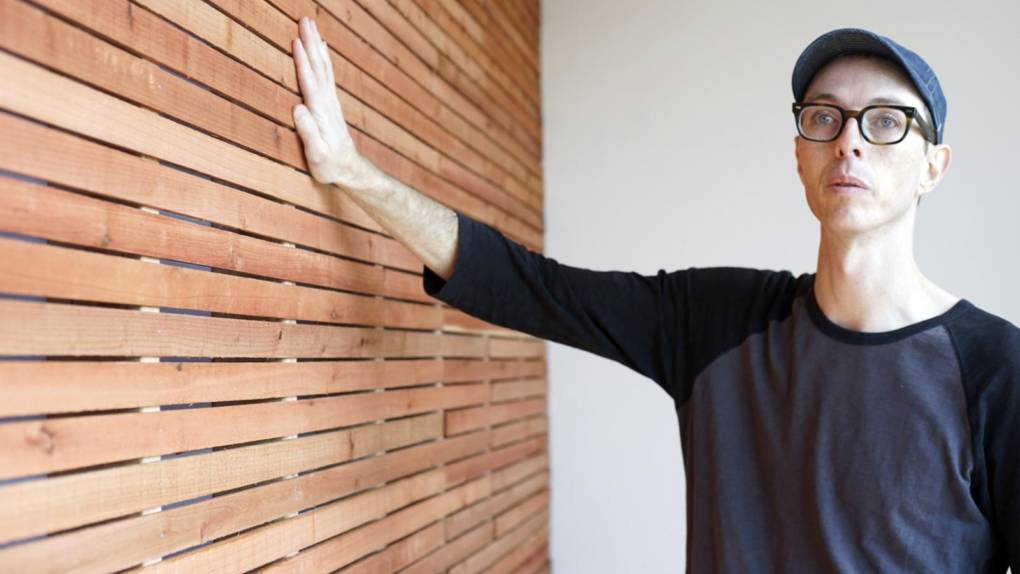
"caption": "Chris Fraser explains how his installation works.",
"description": "Chris Fraser explains how his installation works.",
"title": "ChrisFraser.MAIN",
"credit": "Pendarvis Harshaw/KQED",
"status": "inherit",
"isLoading": false,
"fetchFailed": false
},
"arts_13853806": {
"type": "attachments",
"id": "arts_13853806",
"meta": {
"index": "attachments_1716263798",
"site": "arts",
"id": "13853806",
"found": true
},
"parent": 13853800,
"imgSizes": {
"twentyfourteen-full-width": {
"file": "https://ww2.kqed.org/app/uploads/sites/2/2019/03/club-night_4-by-mariah-tiffany-1038x576.jpg",
"width": 1038,
"mimeType": "image/jpeg",
"height": 576
},
"thumbnail": {
"file": "https://ww2.kqed.org/app/uploads/sites/2/2019/03/club-night_4-by-mariah-tiffany-160x90.jpg",
"width": 160,
"mimeType": "image/jpeg",
"height": 90
},
"post-thumbnail": {
"file": "https://ww2.kqed.org/app/uploads/sites/2/2019/03/club-night_4-by-mariah-tiffany-672x372.jpg",
"width": 672,
"mimeType": "image/jpeg",
"height": 372
},
"kqedFullSize": {
"file": "https://ww2.kqed.org/app/uploads/sites/2/2019/03/club-night_4-by-mariah-tiffany.jpg",
"width": 2048,
"height": 1152
},
"large": {
"file": "https://ww2.kqed.org/app/uploads/sites/2/2019/03/club-night_4-by-mariah-tiffany-1020x574.jpg",
"width": 1020,
"mimeType": "image/jpeg",
"height": 574
},
"complete_open_graph": {
"file": "https://ww2.kqed.org/app/uploads/sites/2/2019/03/club-night_4-by-mariah-tiffany-1200x675.jpg",
"width": 1200,
"mimeType": "image/jpeg",
"height": 675
},
"guest-author-50": {
"file": "https://ww2.kqed.org/app/uploads/sites/2/2019/03/club-night_4-by-mariah-tiffany-50x50.jpg",
"width": 50,
"mimeType": "image/jpeg",
"height": 50
},
"guest-author-96": {
"file": "https://ww2.kqed.org/app/uploads/sites/2/2019/03/club-night_4-by-mariah-tiffany-96x96.jpg",
"width": 96,
"mimeType": "image/jpeg",
"height": 96
},
"medium": {
"file": "https://ww2.kqed.org/app/uploads/sites/2/2019/03/club-night_4-by-mariah-tiffany-800x450.jpg",
"width": 800,
"mimeType": "image/jpeg",
"height": 450
},
"guest-author-64": {
"file": "https://ww2.kqed.org/app/uploads/sites/2/2019/03/club-night_4-by-mariah-tiffany-64x64.jpg",
"width": 64,
"mimeType": "image/jpeg",
"height": 64
},
"guest-author-32": {
"file": "https://ww2.kqed.org/app/uploads/sites/2/2019/03/club-night_4-by-mariah-tiffany-32x32.jpg",
"width": 32,
"mimeType": "image/jpeg",
"height": 32
},
"full-width": {
"file": "https://ww2.kqed.org/app/uploads/sites/2/2019/03/club-night_4-by-mariah-tiffany-1920x1080.jpg",
"width": 1920,
"mimeType": "image/jpeg",
"height": 1080
},
"medium_large": {
"file": "https://ww2.kqed.org/app/uploads/sites/2/2019/03/club-night_4-by-mariah-tiffany-768x432.jpg",
"width": 768,
"mimeType": "image/jpeg",
"height": 432
},
"guest-author-128": {
"file": "https://ww2.kqed.org/app/uploads/sites/2/2019/03/club-night_4-by-mariah-tiffany-128x128.jpg",
"width": 128,
"mimeType": "image/jpeg",
"height": 128
}
},
"publishDate": 1553714148,
"modified": 1553714176,
"caption": "Oakland indie-rock group Club Night celebrates the release of their first album, What Life. ",
"description": "Oakland indie-rock group Club Night celebrates the release of their first album, What Life. ",
"title": "club-night_4-by-mariah-tiffany",
"credit": "Mariah Tiffany/Courtesy Tiny Engines",
"status": "inherit",
"isLoading": false,
"fetchFailed": false
},
"arts_13853804": {
"type": "attachments",
"id": "arts_13853804",
"meta": {
"index": "attachments_1716263798",
"site": "arts",
"id": "13853804",
"found": true
},
"parent": 13853622,
"imgSizes": {
"twentyfourteen-full-width": {
"file": "https://ww2.kqed.org/app/uploads/sites/2/2019/03/ReeseFortune-1038x576.jpg",
"width": 1038,
"mimeType": "image/jpeg",
"height": 576
},
"thumbnail": {
"file": "https://ww2.kqed.org/app/uploads/sites/2/2019/03/ReeseFortune-160x90.jpg",
"width": 160,
"mimeType": "image/jpeg",
"height": 90
},
"post-thumbnail": {
"file": "https://ww2.kqed.org/app/uploads/sites/2/2019/03/ReeseFortune-672x372.jpg",
"width": 672,
"mimeType": "image/jpeg",
"height": 372
},
"kqedFullSize": {
"file": "https://ww2.kqed.org/app/uploads/sites/2/2019/03/ReeseFortune.jpg",
"width": 1600,
"height": 900
},
"large": {
"file": "https://ww2.kqed.org/app/uploads/sites/2/2019/03/ReeseFortune-1020x574.jpg",
"width": 1020,
"mimeType": "image/jpeg",
"height": 574
},
"complete_open_graph": {
"file": "https://ww2.kqed.org/app/uploads/sites/2/2019/03/ReeseFortune-1200x675.jpg",
"width": 1200,
"mimeType": "image/jpeg",
"height": 675
},
"guest-author-50": {
"file": "https://ww2.kqed.org/app/uploads/sites/2/2019/03/ReeseFortune-50x50.jpg",
"width": 50,
"mimeType": "image/jpeg",
"height": 50
},
"guest-author-96": {
"file": "https://ww2.kqed.org/app/uploads/sites/2/2019/03/ReeseFortune-96x96.jpg",
"width": 96,
"mimeType": "image/jpeg",
"height": 96
},
"medium": {
"file": "https://ww2.kqed.org/app/uploads/sites/2/2019/03/ReeseFortune-800x450.jpg",
"width": 800,
"mimeType": "image/jpeg",
"height": 450
},
"guest-author-64": {
"file": "https://ww2.kqed.org/app/uploads/sites/2/2019/03/ReeseFortune-64x64.jpg",
"width": 64,
"mimeType": "image/jpeg",
"height": 64
},
"guest-author-32": {
"file": "https://ww2.kqed.org/app/uploads/sites/2/2019/03/ReeseFortune-32x32.jpg",
"width": 32,
"mimeType": "image/jpeg",
"height": 32
},
"medium_large": {
"file": "https://ww2.kqed.org/app/uploads/sites/2/2019/03/ReeseFortune-768x432.jpg",
"width": 768,
"mimeType": "image/jpeg",
"height": 432
},
"guest-author-128": {
"file": "https://ww2.kqed.org/app/uploads/sites/2/2019/03/ReeseFortune-128x128.jpg",
"width": 128,
"mimeType": "image/jpeg",
"height": 128
}
},
"publishDate": 1553713661,
"modified": 1553732512,
"caption": "Theresa Fortune (at right) with a family friend, Mamma Flo. ",
"description": "Theresa Fortune (at right) with a family friend, Mamma Flo. ",
"title": "ReeseFortune",
"credit": "Pendarvis Harshaw/KQED",
"status": "inherit",
"isLoading": false,
"fetchFailed": false
},
"arts_13853555": {
"type": "attachments",
"id": "arts_13853555",
"meta": {
"index": "attachments_1716263798",
"site": "arts",
"id": "13853555",
"found": true
},
"parent": 13853547,
"imgSizes": {
"thumbnail": {
"file": "https://ww2.kqed.org/app/uploads/sites/2/2019/03/NewKarribbeanClub.MAIN_-160x90.jpg",
"width": 160,
"mimeType": "image/jpeg",
"height": 90
},
"post-thumbnail": {
"file": "https://ww2.kqed.org/app/uploads/sites/2/2019/03/NewKarribbeanClub.MAIN_-672x372.jpg",
"width": 672,
"mimeType": "image/jpeg",
"height": 372
},
"kqedFullSize": {
"file": "https://ww2.kqed.org/app/uploads/sites/2/2019/03/NewKarribbeanClub.MAIN_.jpg",
"width": 960,
"height": 540
},
"guest-author-50": {
"file": "https://ww2.kqed.org/app/uploads/sites/2/2019/03/NewKarribbeanClub.MAIN_-50x50.jpg",
"width": 50,
"mimeType": "image/jpeg",
"height": 50
},
"guest-author-96": {
"file": "https://ww2.kqed.org/app/uploads/sites/2/2019/03/NewKarribbeanClub.MAIN_-96x96.jpg",
"width": 96,
"mimeType": "image/jpeg",
"height": 96
},
"medium": {
"file": "https://ww2.kqed.org/app/uploads/sites/2/2019/03/NewKarribbeanClub.MAIN_-800x450.jpg",
"width": 800,
"mimeType": "image/jpeg",
"height": 450
},
"guest-author-64": {
"file": "https://ww2.kqed.org/app/uploads/sites/2/2019/03/NewKarribbeanClub.MAIN_-64x64.jpg",
"width": 64,
"mimeType": "image/jpeg",
"height": 64
},
"guest-author-32": {
"file": "https://ww2.kqed.org/app/uploads/sites/2/2019/03/NewKarribbeanClub.MAIN_-32x32.jpg",
"width": 32,
"mimeType": "image/jpeg",
"height": 32
},
"medium_large": {
"file": "https://ww2.kqed.org/app/uploads/sites/2/2019/03/NewKarribbeanClub.MAIN_-768x432.jpg",
"width": 768,
"mimeType": "image/jpeg",
"height": 432
},
"guest-author-128": {
"file": "https://ww2.kqed.org/app/uploads/sites/2/2019/03/NewKarribbeanClub.MAIN_-128x128.jpg",
"width": 128,
"mimeType": "image/jpeg",
"height": 128
}
},
"publishDate": 1553285861,
"modified": 1553285875,
"caption": "Florida rapper Plies performs at New Karibbean City in 2016.",
"description": "Florida rapper Plies performs at New Karibbean City in 2016.",
"title": "NewKarribbeanClub.MAIN",
"credit": "Courtesy New Karibbean",
"status": "inherit",
"isLoading": false,
"fetchFailed": false
},
"arts_13853054": {
"type": "attachments",
"id": "arts_13853054",
"meta": {
"index": "attachments_1716263798",
"site": "arts",
"id": "13853054",
"found": true
},
"parent": 13853045,
"imgSizes": {
"thumbnail": {
"file": "https://ww2.kqed.org/app/uploads/sites/2/2019/03/IMG_0672-160x107.jpg",
"width": 160,
"mimeType": "image/jpeg",
"height": 107
},
"post-thumbnail": {
"file": "https://ww2.kqed.org/app/uploads/sites/2/2019/03/IMG_0672-612x372.jpg",
"width": 612,
"mimeType": "image/jpeg",
"height": 372
},
"kqedFullSize": {
"file": "https://ww2.kqed.org/app/uploads/sites/2/2019/03/IMG_0672.jpg",
"width": 612,
"height": 408
},
"guest-author-50": {
"file": "https://ww2.kqed.org/app/uploads/sites/2/2019/03/IMG_0672-50x50.jpg",
"width": 50,
"mimeType": "image/jpeg",
"height": 50
},
"guest-author-96": {
"file": "https://ww2.kqed.org/app/uploads/sites/2/2019/03/IMG_0672-96x96.jpg",
"width": 96,
"mimeType": "image/jpeg",
"height": 96
},
"guest-author-64": {
"file": "https://ww2.kqed.org/app/uploads/sites/2/2019/03/IMG_0672-64x64.jpg",
"width": 64,
"mimeType": "image/jpeg",
"height": 64
},
"guest-author-32": {
"file": "https://ww2.kqed.org/app/uploads/sites/2/2019/03/IMG_0672-32x32.jpg",
"width": 32,
"mimeType": "image/jpeg",
"height": 32
},
"guest-author-128": {
"file": "https://ww2.kqed.org/app/uploads/sites/2/2019/03/IMG_0672-128x128.jpg",
"width": 128,
"mimeType": "image/jpeg",
"height": 128
}
},
"publishDate": 1552683116,
"modified": 1552683286,
"caption": "Taevon Ransom",
"description": "Taevon Ransom",
"title": "Taevon Ransom",
"credit": "Jonathan Rodgers",
"status": "inherit",
"isLoading": false,
"fetchFailed": false
},
"arts_13852670": {
"type": "attachments",
"id": "arts_13852670",
"meta": {
"index": "attachments_1716263798",
"site": "arts",
"id": "13852670",
"found": true
},
"parent": 13852669,
"imgSizes": {
"twentyfourteen-full-width": {
"file": "https://ww2.kqed.org/app/uploads/sites/2/2019/03/themoonwithin-7bc64fd612d5d5c6f204c390019a7fde5749d7e8-1038x576.jpg",
"width": 1038,
"mimeType": "image/jpeg",
"height": 576
},
"thumbnail": {
"file": "https://ww2.kqed.org/app/uploads/sites/2/2019/03/themoonwithin-7bc64fd612d5d5c6f204c390019a7fde5749d7e8-160x120.jpg",
"width": 160,
"mimeType": "image/jpeg",
"height": 120
},
"post-thumbnail": {
"file": "https://ww2.kqed.org/app/uploads/sites/2/2019/03/themoonwithin-7bc64fd612d5d5c6f204c390019a7fde5749d7e8-672x372.jpg",
"width": 672,
"mimeType": "image/jpeg",
"height": 372
},
"kqedFullSize": {
"file": "https://ww2.kqed.org/app/uploads/sites/2/2019/03/themoonwithin-7bc64fd612d5d5c6f204c390019a7fde5749d7e8.jpg",
"width": 1098,
"height": 823
},
"large": {
"file": "https://ww2.kqed.org/app/uploads/sites/2/2019/03/themoonwithin-7bc64fd612d5d5c6f204c390019a7fde5749d7e8-1020x765.jpg",
"width": 1020,
"mimeType": "image/jpeg",
"height": 765
},
"guest-author-50": {
"file": "https://ww2.kqed.org/app/uploads/sites/2/2019/03/themoonwithin-7bc64fd612d5d5c6f204c390019a7fde5749d7e8-50x50.jpg",
"width": 50,
"mimeType": "image/jpeg",
"height": 50
},
"guest-author-96": {
"file": "https://ww2.kqed.org/app/uploads/sites/2/2019/03/themoonwithin-7bc64fd612d5d5c6f204c390019a7fde5749d7e8-96x96.jpg",
"width": 96,
"mimeType": "image/jpeg",
"height": 96
},
"medium": {
"file": "https://ww2.kqed.org/app/uploads/sites/2/2019/03/themoonwithin-7bc64fd612d5d5c6f204c390019a7fde5749d7e8-800x600.jpg",
"width": 800,
"mimeType": "image/jpeg",
"height": 600
},
"guest-author-64": {
"file": "https://ww2.kqed.org/app/uploads/sites/2/2019/03/themoonwithin-7bc64fd612d5d5c6f204c390019a7fde5749d7e8-64x64.jpg",
"width": 64,
"mimeType": "image/jpeg",
"height": 64
},
"guest-author-32": {
"file": "https://ww2.kqed.org/app/uploads/sites/2/2019/03/themoonwithin-7bc64fd612d5d5c6f204c390019a7fde5749d7e8-32x32.jpg",
"width": 32,
"mimeType": "image/jpeg",
"height": 32
},
"medium_large": {
"file": "https://ww2.kqed.org/app/uploads/sites/2/2019/03/themoonwithin-7bc64fd612d5d5c6f204c390019a7fde5749d7e8-768x576.jpg",
"width": 768,
"mimeType": "image/jpeg",
"height": 576
},
"guest-author-128": {
"file": "https://ww2.kqed.org/app/uploads/sites/2/2019/03/themoonwithin-7bc64fd612d5d5c6f204c390019a7fde5749d7e8-128x128.jpg",
"width": 128,
"mimeType": "image/jpeg",
"height": 128
}
},
"publishDate": 1552327070,
"modified": 1552327070,
"caption": null,
"description": "\u003cem>The Moon Within\u003c/em> by Aida Salazar",
"title": "The Moon Within by Aida Salazar",
"credit": null,
"status": "inherit",
"isLoading": false,
"fetchFailed": false
},
"arts_13852543": {
"type": "attachments",
"id": "arts_13852543",
"meta": {
"index": "attachments_1716263798",
"site": "arts",
"id": "13852543",
"found": true
},
"parent": 13859506,
"imgSizes": {
"twentyfourteen-full-width": {
"file": "https://ww2.kqed.org/app/uploads/sites/2/2019/03/k1-1038x576.jpg",
"width": 1038,
"mimeType": "image/jpeg",
"height": 576
},
"thumbnail": {
"file": "https://ww2.kqed.org/app/uploads/sites/2/2019/03/k1-160x90.jpg",
"width": 160,
"mimeType": "image/jpeg",
"height": 90
},
"post-thumbnail": {
"file": "https://ww2.kqed.org/app/uploads/sites/2/2019/03/k1-672x372.jpg",
"width": 672,
"mimeType": "image/jpeg",
"height": 372
},
"kqedFullSize": {
"file": "https://ww2.kqed.org/app/uploads/sites/2/2019/03/k1.jpg",
"width": 1182,
"height": 663
},
"large": {
"file": "https://ww2.kqed.org/app/uploads/sites/2/2019/03/k1-1020x572.jpg",
"width": 1020,
"mimeType": "image/jpeg",
"height": 572
},
"guest-author-50": {
"file": "https://ww2.kqed.org/app/uploads/sites/2/2019/03/k1-50x50.jpg",
"width": 50,
"mimeType": "image/jpeg",
"height": 50
},
"guest-author-96": {
"file": "https://ww2.kqed.org/app/uploads/sites/2/2019/03/k1-96x96.jpg",
"width": 96,
"mimeType": "image/jpeg",
"height": 96
},
"medium": {
"file": "https://ww2.kqed.org/app/uploads/sites/2/2019/03/k1-800x449.jpg",
"width": 800,
"mimeType": "image/jpeg",
"height": 449
},
"guest-author-64": {
"file": "https://ww2.kqed.org/app/uploads/sites/2/2019/03/k1-64x64.jpg",
"width": 64,
"mimeType": "image/jpeg",
"height": 64
},
"guest-author-32": {
"file": "https://ww2.kqed.org/app/uploads/sites/2/2019/03/k1-32x32.jpg",
"width": 32,
"mimeType": "image/jpeg",
"height": 32
},
"medium_large": {
"file": "https://ww2.kqed.org/app/uploads/sites/2/2019/03/k1-768x431.jpg",
"width": 768,
"mimeType": "image/jpeg",
"height": 431
},
"guest-author-128": {
"file": "https://ww2.kqed.org/app/uploads/sites/2/2019/03/k1-128x128.jpg",
"width": 128,
"mimeType": "image/jpeg",
"height": 128
}
},
"publishDate": 1552009999,
"modified": 1560471981,
"caption": "A rendering of Orton Development's proposed north facade of the rechristened \"Oakland Civic.\"",
"description": "A rendering of Orton Development's proposed north facade of the rechristened \"Oakland Civic.\"",
"title": "k1",
"credit": "Courtesy Orton Development",
"status": "inherit",
"isLoading": false,
"fetchFailed": false
},
"arts_13852499": {
"type": "attachments",
"id": "arts_13852499",
"meta": {
"index": "attachments_1716263798",
"site": "arts",
"id": "13852499",
"found": true
},
"parent": 13852433,
"imgSizes": {
"twentyfourteen-full-width": {
"file": "https://ww2.kqed.org/app/uploads/sites/2/2019/03/AdrianBurrell.MAIN_.REV_-1038x576.jpg",
"width": 1038,
"mimeType": "image/jpeg",
"height": 576
},
"thumbnail": {
"file": "https://ww2.kqed.org/app/uploads/sites/2/2019/03/AdrianBurrell.MAIN_.REV_-160x100.jpg",
"width": 160,
"mimeType": "image/jpeg",
"height": 100
},
"post-thumbnail": {
"file": "https://ww2.kqed.org/app/uploads/sites/2/2019/03/AdrianBurrell.MAIN_.REV_-672x372.jpg",
"width": 672,
"mimeType": "image/jpeg",
"height": 372
},
"kqedFullSize": {
"file": "https://ww2.kqed.org/app/uploads/sites/2/2019/03/AdrianBurrell.MAIN_.REV_.jpg",
"width": 1920,
"height": 1200
},
"large": {
"file": "https://ww2.kqed.org/app/uploads/sites/2/2019/03/AdrianBurrell.MAIN_.REV_-1020x638.jpg",
"width": 1020,
"mimeType": "image/jpeg",
"height": 638
},
"complete_open_graph": {
"file": "https://ww2.kqed.org/app/uploads/sites/2/2019/03/AdrianBurrell.MAIN_.REV_-1200x750.jpg",
"width": 1200,
"mimeType": "image/jpeg",
"height": 750
},
"guest-author-50": {
"file": "https://ww2.kqed.org/app/uploads/sites/2/2019/03/AdrianBurrell.MAIN_.REV_-50x50.jpg",
"width": 50,
"mimeType": "image/jpeg",
"height": 50
},
"guest-author-96": {
"file": "https://ww2.kqed.org/app/uploads/sites/2/2019/03/AdrianBurrell.MAIN_.REV_-96x96.jpg",
"width": 96,
"mimeType": "image/jpeg",
"height": 96
},
"medium": {
"file": "https://ww2.kqed.org/app/uploads/sites/2/2019/03/AdrianBurrell.MAIN_.REV_-800x500.jpg",
"width": 800,
"mimeType": "image/jpeg",
"height": 500
},
"guest-author-64": {
"file": "https://ww2.kqed.org/app/uploads/sites/2/2019/03/AdrianBurrell.MAIN_.REV_-64x64.jpg",
"width": 64,
"mimeType": "image/jpeg",
"height": 64
},
"guest-author-32": {
"file": "https://ww2.kqed.org/app/uploads/sites/2/2019/03/AdrianBurrell.MAIN_.REV_-32x32.jpg",
"width": 32,
"mimeType": "image/jpeg",
"height": 32
},
"full-width": {
"file": "https://ww2.kqed.org/app/uploads/sites/2/2019/03/AdrianBurrell.MAIN_.REV_-1920x1200.jpg",
"width": 1920,
"mimeType": "image/jpeg",
"height": 1200
},
"medium_large": {
"file": "https://ww2.kqed.org/app/uploads/sites/2/2019/03/AdrianBurrell.MAIN_.REV_-768x480.jpg",
"width": 768,
"mimeType": "image/jpeg",
"height": 480
},
"guest-author-128": {
"file": "https://ww2.kqed.org/app/uploads/sites/2/2019/03/AdrianBurrell.MAIN_.REV_-128x128.jpg",
"width": 128,
"mimeType": "image/jpeg",
"height": 128
}
},
"publishDate": 1551999505,
"modified": 1551999633,
"caption": "Adrian Burrell speaking at a press conference outside Vallejo City Hall, Feb. 28, 2019.",
"description": "Adrian Burrell speaking at a press conference outside Vallejo City Hall, Feb. 28, 2019.",
"title": "AdrianBurrell.MAIN.REV",
"credit": "Pendarvis Harshaw/KQED",
"status": "inherit",
"isLoading": false,
"fetchFailed": false
},
"arts_13852470": {
"type": "attachments",
"id": "arts_13852470",
"meta": {
"index": "attachments_1716263798",
"site": "arts",
"id": "13852470",
"found": true
},
"parent": 13852459,
"imgSizes": {
"twentyfourteen-full-width": {
"file": "https://ww2.kqed.org/app/uploads/sites/2/2019/03/BettiOno_COVER-1038x576.jpg",
"width": 1038,
"mimeType": "image/jpeg",
"height": 576
},
"thumbnail": {
"file": "https://ww2.kqed.org/app/uploads/sites/2/2019/03/BettiOno_COVER-160x90.jpg",
"width": 160,
"mimeType": "image/jpeg",
"height": 90
},
"post-thumbnail": {
"file": "https://ww2.kqed.org/app/uploads/sites/2/2019/03/BettiOno_COVER-672x372.jpg",
"width": 672,
"mimeType": "image/jpeg",
"height": 372
},
"kqedFullSize": {
"file": "https://ww2.kqed.org/app/uploads/sites/2/2019/03/BettiOno_COVER.jpg",
"width": 1920,
"height": 1080
},
"large": {
"file": "https://ww2.kqed.org/app/uploads/sites/2/2019/03/BettiOno_COVER-1020x574.jpg",
"width": 1020,
"mimeType": "image/jpeg",
"height": 574
},
"complete_open_graph": {
"file": "https://ww2.kqed.org/app/uploads/sites/2/2019/03/BettiOno_COVER-1200x675.jpg",
"width": 1200,
"mimeType": "image/jpeg",
"height": 675
},
"guest-author-50": {
"file": "https://ww2.kqed.org/app/uploads/sites/2/2019/03/BettiOno_COVER-50x50.jpg",
"width": 50,
"mimeType": "image/jpeg",
"height": 50
},
"guest-author-96": {
"file": "https://ww2.kqed.org/app/uploads/sites/2/2019/03/BettiOno_COVER-96x96.jpg",
"width": 96,
"mimeType": "image/jpeg",
"height": 96
},
"medium": {
"file": "https://ww2.kqed.org/app/uploads/sites/2/2019/03/BettiOno_COVER-800x450.jpg",
"width": 800,
"mimeType": "image/jpeg",
"height": 450
},
"guest-author-64": {
"file": "https://ww2.kqed.org/app/uploads/sites/2/2019/03/BettiOno_COVER-64x64.jpg",
"width": 64,
"mimeType": "image/jpeg",
"height": 64
},
"guest-author-32": {
"file": "https://ww2.kqed.org/app/uploads/sites/2/2019/03/BettiOno_COVER-32x32.jpg",
"width": 32,
"mimeType": "image/jpeg",
"height": 32
},
"full-width": {
"file": "https://ww2.kqed.org/app/uploads/sites/2/2019/03/BettiOno_COVER-1920x1080.jpg",
"width": 1920,
"mimeType": "image/jpeg",
"height": 1080
},
"medium_large": {
"file": "https://ww2.kqed.org/app/uploads/sites/2/2019/03/BettiOno_COVER-768x432.jpg",
"width": 768,
"mimeType": "image/jpeg",
"height": 432
},
"guest-author-128": {
"file": "https://ww2.kqed.org/app/uploads/sites/2/2019/03/BettiOno_COVER-128x128.jpg",
"width": 128,
"mimeType": "image/jpeg",
"height": 128
}
},
"publishDate": 1551988268,
"modified": 1551988339,
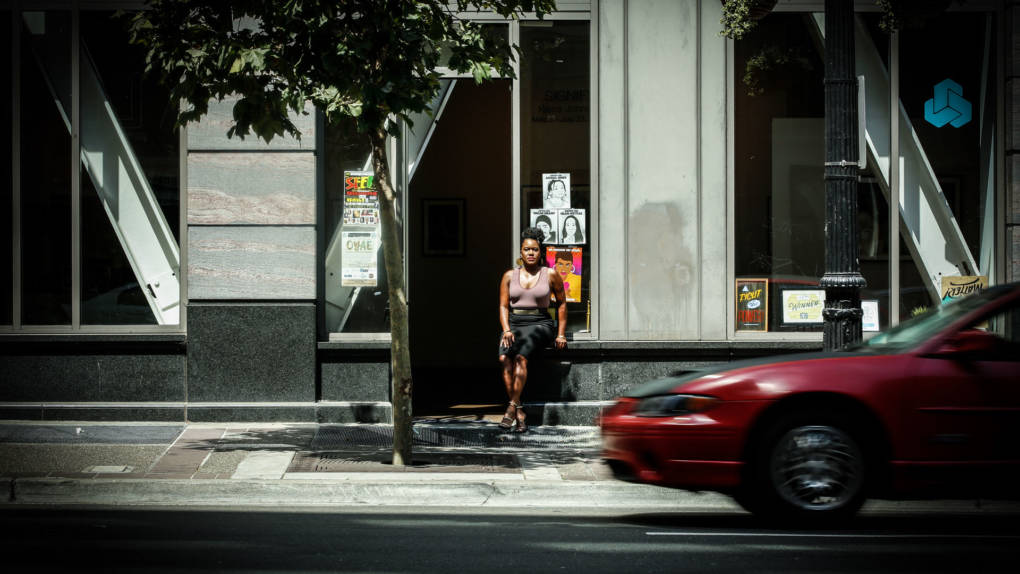
"caption": "Betti Ono founder and director Anyka Barber outside of her downtown Oakland gallery space. ",
"description": "Betti Ono founder and director Anyka Barber outside of her downtown Oakland gallery space.",
"title": "BettiOno_COVER",
"credit": "Jean Melesaine",
"status": "inherit",
"isLoading": false,
"fetchFailed": false
}
},
"audioPlayerReducer": {
"postId": "stream_live",
"isPaused": true,
"isPlaying": false,
"pfsActive": false,
"pledgeModalIsOpen": true,
"playerDrawerIsOpen": false,
"liveAudioPlayStartedAt": 0,
"liveAudioPlayContext": ""
},
"authorsReducer": {
"byline_arts_13852669": {
"type": "authors",
"id": "byline_arts_13852669",
"meta": {
"override": true
},
"slug": "byline_arts_13852669",
"name": "Lulu Garcia-Navarro",
"isLoading": false
},
"shotchkiss": {
"type": "authors",
"id": "61",
"meta": {
"index": "authors_1716337520",
"id": "61",
"found": true
},
"name": "Sarah Hotchkiss",
"firstName": "Sarah",
"lastName": "Hotchkiss",
"slug": "shotchkiss",
"email": "shotchkiss@kqed.org",
"display_author_email": true,
"staff_mastheads": [
"arts"
],
"title": "Senior Editor",
"bio": "Sarah Hotchkiss is a San Francisco \u003ca href=\"http://www.sarahhotchkiss.com\">artist\u003c/a> and arts writer. In 2019, she received the Dorothea & Leo Rabkin Foundation grant for visual art journalism and in 2020 she received a Society of Professional Journalists, Northern California award for excellence in arts and culture reporting.",
"avatar": "https://secure.gravatar.com/avatar/bc662df144b3d27fd8b1b6f1c2a420d34e91e53154d411bb7ad353cc8b6cea8d?s=600&d=blank&r=g",
"twitter": null,
"bluesky": null,
"facebook": null,
"instagram": null,
"linkedin": null,
"sites": [
{
"site": "",
"roles": [
"editor"
]
},
{
"site": "arts",
"roles": [
"Contributor",
"administrator"
]
},
{
"site": "artschool",
"roles": [
"administrator"
]
},
{
"site": "news",
"roles": [
"editor"
]
},
{
"site": "pop",
"roles": [
"administrator"
]
},
{
"site": "bayareabites",
"roles": [
"editor"
]
},
{
"site": "spark",
"roles": [
"editor"
]
},
{
"site": "checkplease",
"roles": [
"editor"
]
}
],
"headData": {
"title": "Sarah Hotchkiss | KQED",
"description": "Senior Editor",
"ogImgSrc": "https://secure.gravatar.com/avatar/bc662df144b3d27fd8b1b6f1c2a420d34e91e53154d411bb7ad353cc8b6cea8d?s=600&d=blank&r=g",
"twImgSrc": "https://secure.gravatar.com/avatar/bc662df144b3d27fd8b1b6f1c2a420d34e91e53154d411bb7ad353cc8b6cea8d?s=600&d=blank&r=g"
},
"isLoading": false,
"link": "/author/shotchkiss"
},
"soki": {
"type": "authors",
"id": "99",
"meta": {
"index": "authors_1716337520",
"id": "99",
"found": true
},
"name": "Siouxsie Oki",
"firstName": "Siouxsie",
"lastName": "Oki",
"slug": "soki",
"email": "soki@KQED.org",
"display_author_email": false,
"staff_mastheads": [],
"title": "KQED Contributor",
"bio": "Siouxsie is an activist and artist, dedicated to building community by celebrating the diverse voices and perspectives of the Bay Area. She is a former director of KQED’s community engagement efforts, developing dynamic partnerships throughout our coverage area utilizing local and national content to foster two-way engagement and collaboration between different industries, organizations and audience segments.",
"avatar": "https://secure.gravatar.com/avatar/6e19c6ae3a24a6e982fcb5d924195e18?s=600&d=blank&r=g",
"twitter": null,
"facebook": null,
"instagram": null,
"linkedin": null,
"sites": [
{
"site": "arts",
"roles": [
"editor"
]
},
{
"site": "news",
"roles": [
"subscriber"
]
},
{
"site": "about",
"roles": [
"editor"
]
},
{
"site": "bayareabites",
"roles": [
"editor"
]
},
{
"site": "checkplease",
"roles": [
"contributor"
]
},
{
"site": "pressroom",
"roles": [
"editor"
]
},
{
"site": "events",
"roles": [
"editor"
]
}
],
"headData": {
"title": "Siouxsie Oki | KQED",
"description": "KQED Contributor",
"ogImgSrc": "https://secure.gravatar.com/avatar/6e19c6ae3a24a6e982fcb5d924195e18?s=600&d=blank&r=g",
"twImgSrc": "https://secure.gravatar.com/avatar/6e19c6ae3a24a6e982fcb5d924195e18?s=600&d=blank&r=g"
},
"isLoading": false,
"link": "/author/soki"
},
"slefebvre": {
"type": "authors",
"id": "11091",
"meta": {
"index": "authors_1716337520",
"id": "11091",
"found": true
},
"name": "Sam Lefebvre",
"firstName": "Sam",
"lastName": "Lefebvre",
"slug": "slefebvre",
"email": "sdlefebvre@gmail.com",
"display_author_email": false,
"staff_mastheads": [],
"title": null,
"bio": "Sam Lefebvre is an award-winning reporter at KQED Arts. He has worked as an editor and columnist at the \u003cem>East Bay Express\u003c/em>, \u003cem>SF Weekly \u003c/em>and Impose Magazine, and his journalism and criticism has appeared in \u003cem>The New York Times\u003c/em>, the Guardian and Pitchfork.",
"avatar": "https://secure.gravatar.com/avatar/143b570c3dec13ae74c6aa2369b04fc8?s=600&d=blank&r=g",
"twitter": "Lefebvre_Sam",
"facebook": null,
"instagram": null,
"linkedin": null,
"sites": [
{
"site": "arts",
"roles": [
"editor"
]
},
{
"site": "news",
"roles": [
"author"
]
}
],
"headData": {
"title": "Sam Lefebvre | KQED",
"description": null,
"ogImgSrc": "https://secure.gravatar.com/avatar/143b570c3dec13ae74c6aa2369b04fc8?s=600&d=blank&r=g",
"twImgSrc": "https://secure.gravatar.com/avatar/143b570c3dec13ae74c6aa2369b04fc8?s=600&d=blank&r=g"
},
"isLoading": false,
"link": "/author/slefebvre"
},
"ogpenn": {
"type": "authors",
"id": "11491",
"meta": {
"index": "authors_1716337520",
"id": "11491",
"found": true
},
"name": "Pendarvis Harshaw",
"firstName": "Pendarvis",
"lastName": "Harshaw",
"slug": "ogpenn",
"email": "ogpenn@gmail.com",
"display_author_email": false,
"staff_mastheads": [
"arts"
],
"title": "Community Engagement Reporter",
"bio": "Pendarvis Harshaw is an educator, host and writer with KQED Arts.",
"avatar": "https://secure.gravatar.com/avatar/972b77ee8e3f346ae2b00622661187fbfabd059b5693bbdc1475ea7a722fd4cd?s=600&d=blank&r=g",
"twitter": null,
"bluesky": null,
"facebook": null,
"instagram": "ogpenn",
"linkedin": null,
"sites": [
{
"site": "arts",
"roles": [
"administrator"
]
},
{
"site": "news",
"roles": [
"editor"
]
},
{
"site": "bayareabites",
"roles": [
"author"
]
},
{
"site": "hiphop",
"roles": [
"editor"
]
}
],
"headData": {
"title": "Pendarvis Harshaw | KQED",
"description": "Community Engagement Reporter",
"ogImgSrc": "https://secure.gravatar.com/avatar/972b77ee8e3f346ae2b00622661187fbfabd059b5693bbdc1475ea7a722fd4cd?s=600&d=blank&r=g",
"twImgSrc": "https://secure.gravatar.com/avatar/972b77ee8e3f346ae2b00622661187fbfabd059b5693bbdc1475ea7a722fd4cd?s=600&d=blank&r=g"
},
"isLoading": false,
"link": "/author/ogpenn"
}
},
"pagesReducer": {
"arts_tag_oakland": {
"type": "terms",
"id": "arts_1143",
"meta": {
"index": "terms_1716263798",
"site": "arts",
"id": "1143",
"score": 6.8845096
},
"featImg": null,
"name": "Oakland",
"description": null,
"taxonomy": "tag",
"headData": {
"twImgId": null,
"twTitle": null,
"ogTitle": null,
"ogImgId": null,
"twDescription": null,
"description": null,
"title": "Oakland Archives | KQED Arts",
"ogDescription": null
},
"ttid": 692,
"slug": "oakland",
"isLoading": false,
"title": "Oakland",
"pageMeta": {
"site": "arts",
"WpPageTemplate": "page-topic-editorial",
"currentPage": 55
},
"blocks": [
{
"blockName": "kqed/post-list",
"attrs": {
"layout": "cardArticle2",
"query": "posts/arts?tag=oakland",
"seeMore": false,
"paginated": true,
"page": 55
}
},
{
"blockName": "kqed/ad"
}
]
}
},
"pfsSessionReducer": {},
"postsReducer": {
"stream_live": {
"type": "live",
"id": "stream_live",
"audioUrl": "https://streams.kqed.org/kqedradio",
"title": "Live Stream",
"excerpt": "Live Stream information currently unavailable.",
"link": "/radio",
"featImg": "",
"label": {
"name": "KQED Live",
"link": "/"
}
},
"stream_kqedNewscast": {
"type": "posts",
"id": "stream_kqedNewscast",
"audioUrl": "https://www.kqed.org/.stream/anon/radio/RDnews/newscast.mp3?_=1",
"title": "KQED Newscast",
"featImg": "",
"label": {
"name": "88.5 FM",
"link": "/"
}
},
"arts_13854680": {
"type": "posts",
"id": "arts_13854680",
"meta": {
"index": "posts_1716263798",
"site": "arts",
"id": "13854680",
"score": null,
"sort": [
1555005308000
]
},
"parent": 0,
"labelTerm": {
"site": "arts"
},
"blocks": [],
"publishDate": 1555005308,
"format": "standard",
"title": "Comedian Lewis Belt and the Oakland Culture Diaspora",
"headTitle": "Comedian Lewis Belt and the Oakland Culture Diaspora | KQED",
"content": "\u003cp>This Thursday, April 11, the Paramount Theatre in Oakland hosts the Golden State Warriors’ big man DeMarcus Cousins and his “\u003ca href=\"https://www1.ticketmaster.com/event/1C00565BBEF15C4C\">Boogie’s Comedy Slam\u003c/a>.” The lineup includes some heavy names in the comedy world, including Red Gant, Karlous Miller and Mike Epps. But another name on the bill caught my eye, one that’s gaining weight in the comedy world: Oakland’s own Lewis Belt.\u003c/p>\n\u003cp>Ahead of the show, I had a quick convo with Belt about a couple of things—including his mentorship by Mike Epps, if Los Angeles is stealing Bay Area culture and how his experience in Antioch led to the development of his popular character \u003ca href=\"https://www.youtube.com/watch?v=0p6VhmErME0\" target=\"_blank\" rel=\"noopener\">SonnieBo\u003c/a>—who, by all metrics, is an amalgamation of a post-hyphy Bay Area archetype. Or to put it in laymen’s terms: He’s basically a \u003ca href=\"https://www.youtube.com/watch?v=LrjNdFiL0hU\" target=\"_blank\" rel=\"noopener\">bootsy-ass dude from the Town\u003c/a>.\u003c/p>\n\u003cp>I first heard of Belt when one of his videos was shared with me in a group chat. I laughed, hit the follow button and I’ve been seeing videos of his skits, and bits from appearances on MTV, ever sense. He’s got a large following, too—one of his most popular videos, “\u003ca href=\"https://www.youtube.com/watch?v=0p6VhmErME0\">Tip Toe\u003c/a>,” has half a million views.\u003c/p>\n\u003cp>But to understand the comedy behind SonnieBo, you’ve got to understand Belt’s upbringing.\u003c/p>\n\u003cfigure id=\"attachment_13854798\" class=\"wp-caption aligncenter\" style=\"max-width: 800px\">\u003cimg loading=\"lazy\" decoding=\"async\" class=\"size-medium wp-image-13854798\" src=\"https://ww2.kqed.org/arts/wp-content/uploads/sites/2/2019/04/LewisBelt.laughing-800x450.jpg\" alt=\"Lewis Belt, out of his SonnieBo character and still cracking up a crowd.\" width=\"800\" height=\"450\" srcset=\"https://cdn.kqed.org/wp-content/uploads/sites/2/2019/04/LewisBelt.laughing-800x450.jpg 800w, https://cdn.kqed.org/wp-content/uploads/sites/2/2019/04/LewisBelt.laughing-160x90.jpg 160w, https://cdn.kqed.org/wp-content/uploads/sites/2/2019/04/LewisBelt.laughing-768x432.jpg 768w, https://cdn.kqed.org/wp-content/uploads/sites/2/2019/04/LewisBelt.laughing-1020x574.jpg 1020w, https://cdn.kqed.org/wp-content/uploads/sites/2/2019/04/LewisBelt.laughing.jpg 1100w\" sizes=\"(max-width: 800px) 100vw, 800px\">\u003cfigcaption class=\"wp-caption-text\">Lewis Belt, center, out of his SonnieBo character and still cracking up a crowd. \u003ccite>(via Lewis Belt/YouTube)\u003c/cite>\u003c/figcaption>\u003c/figure>\n\u003cp>“I’m originally from North Oakland,” Belt tells me over the phone. “Then I grew up in Antioch… By the time I was in Antioch, Antioch was kind of damn near like a hood. People came from Richmond, Oakland, San Francisco, everybody in one city.”\u003c/p>\n\u003cp>[ad fullwidth]\u003c/p>\n\u003cp>Now 24, Belt came of age during a major shift in the demographics of Antioch. In the first decade of the millennium, the African American population in the small suburban town by the Delta went from 8,551 (9.7%) to 17,045 (17.3%), according to the \u003ca href=\"http://www.bayareacensus.ca.gov/cities/Antioch.htm\">Bay Area Census\u003c/a>. In 2016, \u003ca href=\"http://www.city-data.com/city/Antioch-California.html\">city data\u003c/a> showed that African American residents accounted for 28,050 (25%) of the total population, and that’s increased since.\u003c/p>\n\u003cp>To put it in perspective, 60 years ago there were only 17,000 people in Antioch; and not too may of them looked like SonnieBo. But by the time Belt was in high school, the demographics in Antioch provided a chance to absorb aspects of all flavors from around the Bay.\u003c/p>\n\u003cp>“I kind of start taking pieces of everybody who I grew up with, and put it into one person. It ended being Sonnie, you know what I’m saying?” Belt says.\u003c/p>\n\u003cfigure id=\"attachment_13854800\" class=\"wp-caption aligncenter\" style=\"max-width: 800px\">\u003cimg loading=\"lazy\" decoding=\"async\" class=\"size-medium wp-image-13854800\" src=\"https://ww2.kqed.org/arts/wp-content/uploads/sites/2/2019/04/LewisBelt.ShoppingCart-800x450.jpg\" alt='Lewis Belt as SonnieBo in the video for \"She Look She Took.\"' width=\"800\" height=\"450\" srcset=\"https://cdn.kqed.org/wp-content/uploads/sites/2/2019/04/LewisBelt.ShoppingCart-800x450.jpg 800w, https://cdn.kqed.org/wp-content/uploads/sites/2/2019/04/LewisBelt.ShoppingCart-160x90.jpg 160w, https://cdn.kqed.org/wp-content/uploads/sites/2/2019/04/LewisBelt.ShoppingCart-768x432.jpg 768w, https://cdn.kqed.org/wp-content/uploads/sites/2/2019/04/LewisBelt.ShoppingCart-1020x574.jpg 1020w, https://cdn.kqed.org/wp-content/uploads/sites/2/2019/04/LewisBelt.ShoppingCart.jpg 1100w\" sizes=\"(max-width: 800px) 100vw, 800px\">\u003cfigcaption class=\"wp-caption-text\">Lewis Belt as SonnieBo in the video for “She Look She Took.” \u003ccite>(via Lewis Belt/YouTube)\u003c/cite>\u003c/figcaption>\u003c/figure>\n\u003cp>SonnieBo is a live wire: a fake-dreadlocs-shaking, loud-talking, white-T-shirt-wearing, foul-mouthed dude. I find it comedic because I know \u003cem>exactly\u003c/em> the type of person Belt’s modeling the persona after.\u003c/p>\n\u003cp>“I was just always a class clown. I’d joke everywhere,” Belt explains, adding that he’d even crack jokes on the football field in high school. “That’s just who I really was. I never tried to be funny.”\u003c/p>\n\u003cp>He got his feet wet on stage first in Antioch, then in Oakland. He had a few experiences that weren’t satisfactory—par for the course of learning the trade. “It’s hard to become a comedian, it’s like you gotta turn your funny on and off,” says Belt. As a way to navigate that, he says he’d basically just “go on stage and start talking shit. Like, ‘Boy, you hella ugly. Boy, you’re hella big.’”\u003c/p>\n\u003cp>But there was one problem with that: not everyone in the crowd likes being laughed at.\u003c/p>\n\u003cfigure id=\"attachment_13854797\" class=\"wp-caption aligncenter\" style=\"max-width: 800px\">\u003cimg loading=\"lazy\" decoding=\"async\" class=\"size-medium wp-image-13854797\" src=\"https://ww2.kqed.org/arts/wp-content/uploads/sites/2/2019/04/LewisBelt.SonnieBoMistahFAB-800x488.jpg\" alt=\"Lewis Belt as SonnieBo, facing off in a freestyle battle with Mistah FAB.\" width=\"800\" height=\"488\" srcset=\"https://cdn.kqed.org/wp-content/uploads/sites/2/2019/04/LewisBelt.SonnieBoMistahFAB-800x488.jpg 800w, https://cdn.kqed.org/wp-content/uploads/sites/2/2019/04/LewisBelt.SonnieBoMistahFAB-160x98.jpg 160w, https://cdn.kqed.org/wp-content/uploads/sites/2/2019/04/LewisBelt.SonnieBoMistahFAB-768x468.jpg 768w, https://cdn.kqed.org/wp-content/uploads/sites/2/2019/04/LewisBelt.SonnieBoMistahFAB-1020x622.jpg 1020w, https://cdn.kqed.org/wp-content/uploads/sites/2/2019/04/LewisBelt.SonnieBoMistahFAB.jpg 1100w\" sizes=\"(max-width: 800px) 100vw, 800px\">\u003cfigcaption class=\"wp-caption-text\">Lewis Belt as SonnieBo, facing off in a freestyle battle with Mistah FAB. \u003ccite>(via Lewis Belt/YouTube)\u003c/cite>\u003c/figcaption>\u003c/figure>\n\u003cp>That’s one of the lessons he’s learned on his path—a path that’s led him down to Los Angeles for what’s going on four years now. Now living down there, Belt visits the East Bay often enough to film videos with other entertainers and athletes with Oakland roots, like \u003ca href=\"https://www.youtube.com/watch?v=-wU-0Larmm8\" target=\"_blank\" rel=\"noopener\">Marshawn Lynch\u003c/a> and \u003ca href=\"https://www.youtube.com/watch?v=s4YG2GIHs4A\" target=\"_blank\" rel=\"noopener\">Mistah FAB\u003c/a>.\u003c/p>\n\u003cp>Belt is in the same quandary as so many other Bay Area artists right now. He loves the Bay, but after driving to L.A. and back every two weeks he had to move south to pursue his career seriously. And he’s also noticed another thing: the industry in L.A. eats up Oakland and Bay Area culture.\u003c/p>\n\u003cp>When I ask him about a recent debate about whether or not L.A. musicians, specifically rising rap artist Blueface, are capitalizing off of Bay Area culture, Belt says, “Yeah. I think Bay Area culture, people like it, but you know, when the Bay Area be doing it, there’s no structure behind it.” He names a few record companies that are based in L.A. as examples of platforms that support artists, and adds, “Blueface, he’s doing what he’s supposed to be doing. And then the OGs, the people in position that can help him, they’re helping him. Shit. I can’t get mad at him.”\u003c/p>\n\u003cp>He concludes by saying, “I’m just like… the smartest thing for a Bay Area artist, instead of trying to beef with everybody from L.A., is probably try to get along with some of these guys.”\u003c/p>\n\u003cfigure id=\"attachment_13854799\" class=\"wp-caption aligncenter\" style=\"max-width: 800px\">\u003cimg loading=\"lazy\" decoding=\"async\" class=\"size-medium wp-image-13854799\" src=\"https://ww2.kqed.org/arts/wp-content/uploads/sites/2/2019/04/LewisBelt.Sweettalk-800x449.jpg\" alt='Lewis Belt as SonnieBo in the video for \"She Look She Took.\"' width=\"800\" height=\"449\" srcset=\"https://cdn.kqed.org/wp-content/uploads/sites/2/2019/04/LewisBelt.Sweettalk-800x449.jpg 800w, https://cdn.kqed.org/wp-content/uploads/sites/2/2019/04/LewisBelt.Sweettalk-160x90.jpg 160w, https://cdn.kqed.org/wp-content/uploads/sites/2/2019/04/LewisBelt.Sweettalk-768x431.jpg 768w, https://cdn.kqed.org/wp-content/uploads/sites/2/2019/04/LewisBelt.Sweettalk-1020x572.jpg 1020w, https://cdn.kqed.org/wp-content/uploads/sites/2/2019/04/LewisBelt.Sweettalk-1200x673.jpg 1200w, https://cdn.kqed.org/wp-content/uploads/sites/2/2019/04/LewisBelt.Sweettalk.jpg 1274w\" sizes=\"(max-width: 800px) 100vw, 800px\">\u003cfigcaption class=\"wp-caption-text\">Lewis Belt as SonnieBo in the video for “She Look She Took.” \u003ccite>(via Lewis Belt/YouTube)\u003c/cite>\u003c/figcaption>\u003c/figure>\n\u003cp>He’s practicing his philosophy. One of his mentors, a major name in Hollywood and a legend in the comedy game who Belt met on a movie set, is Mike Epps. “Mike always brings you along,” says Belt. “Mike will tell me like, ‘Alright, I’m gonna give you some space. I’m gonna hook you up.’”\u003c/p>\n\u003cp>But over the past year or so, Belt has grown in the game. “I’ve done worked myself up to the pole to where Mike ain’t gotta look out for me on that level. He’s just like, ‘Lew already on the show?!’” he says, laughing. “Now we’re on the same shows. It’s like a big stepping stone for me.”\u003c/p>\n\u003cp>And that’s part of what makes L.A. attractive: along with Jamie Foxx, Richard Pryor, Eddie Murphy and Corey Holcomb, Mike Epps is one of Belt’s favorite comedians of all time.\u003c/p>\n\u003cp>It’s a list he wants to see himself on one day. “My goal,” he says, “is to be one of the greatest comedians of all time.”\u003c/p>\n\u003cp>“Yeah?” I replied—almost in the same way I replied when he named Corey Holcomb as a Top 5.\u003c/p>\n\u003cp>[ad floatright]\u003c/p>\n\u003cp>“Just \u003cem>one\u003c/em> of them,” Belt says. “I don’t think I’m the greatest or no shit like that. Just seeing what’s possible. Just to be mentioned as one of the best comedians of all time. One of the best of my generations. That’s my goal. I just want to be respected. I don’t care about being the most famous, but you know, if I’m one of the most respected ones in the game, I’m gonna be happy.”\u003c/p>\n\n",
"stats": {
"hasVideo": false,
"hasChartOrMap": false,
"hasAudio": false,
"hasPolis": false,
"wordCount": 1319,
"hasGoogleForm": false,
"hasGallery": false,
"hasHearkenModule": false,
"iframeSrcs": [],
"paragraphCount": 24
},
"modified": 1705026347,
"excerpt": "With his character SonnieBo, Lewis Belt made a splash collaborating with Marshawn Lynch and Mistah FAB—and now, L.A. gets a dose of his comedy.",
"headData": {
"twImgId": "",
"twTitle": "",
"ogTitle": "",
"ogImgId": "",
"twDescription": "",
"description": "With his character SonnieBo, Lewis Belt made a splash collaborating with Marshawn Lynch and Mistah FAB—and now, L.A. gets a dose of his comedy.",
"title": "Comedian Lewis Belt and the Oakland Culture Diaspora | KQED",
"ogDescription": "",
"schema": {
"@context": "https://schema.org",
"@type": "Article",
"headline": "Comedian Lewis Belt and the Oakland Culture Diaspora",
"datePublished": "2019-04-11T10:55:08-07:00",
"dateModified": "2024-01-11T18:25:47-08:00",
"image": "https://cdn.kqed.org/wp-content/uploads/2020/02/KQED-OG-Image@1x.png"
}
},
"guestAuthors": [],
"slug": "comedian-lewis-belt-and-the-oakland-culture-diaspora",
"status": "publish",
"sticky": false,
"path": "/arts/13854680/comedian-lewis-belt-and-the-oakland-culture-diaspora",
"audioTrackLength": null,
"parsedContent": [
{
"type": "contentString",
"content": "\u003cdiv class=\"post-body\">\u003cp>\u003cp>This Thursday, April 11, the Paramount Theatre in Oakland hosts the Golden State Warriors’ big man DeMarcus Cousins and his “\u003ca href=\"https://www1.ticketmaster.com/event/1C00565BBEF15C4C\">Boogie’s Comedy Slam\u003c/a>.” The lineup includes some heavy names in the comedy world, including Red Gant, Karlous Miller and Mike Epps. But another name on the bill caught my eye, one that’s gaining weight in the comedy world: Oakland’s own Lewis Belt.\u003c/p>\n\u003cp>Ahead of the show, I had a quick convo with Belt about a couple of things—including his mentorship by Mike Epps, if Los Angeles is stealing Bay Area culture and how his experience in Antioch led to the development of his popular character \u003ca href=\"https://www.youtube.com/watch?v=0p6VhmErME0\" target=\"_blank\" rel=\"noopener\">SonnieBo\u003c/a>—who, by all metrics, is an amalgamation of a post-hyphy Bay Area archetype. Or to put it in laymen’s terms: He’s basically a \u003ca href=\"https://www.youtube.com/watch?v=LrjNdFiL0hU\" target=\"_blank\" rel=\"noopener\">bootsy-ass dude from the Town\u003c/a>.\u003c/p>\n\u003cp>I first heard of Belt when one of his videos was shared with me in a group chat. I laughed, hit the follow button and I’ve been seeing videos of his skits, and bits from appearances on MTV, ever sense. He’s got a large following, too—one of his most popular videos, “\u003ca href=\"https://www.youtube.com/watch?v=0p6VhmErME0\">Tip Toe\u003c/a>,” has half a million views.\u003c/p>\n\u003cp>But to understand the comedy behind SonnieBo, you’ve got to understand Belt’s upbringing.\u003c/p>\n\u003cfigure id=\"attachment_13854798\" class=\"wp-caption aligncenter\" style=\"max-width: 800px\">\u003cimg loading=\"lazy\" decoding=\"async\" class=\"size-medium wp-image-13854798\" src=\"https://ww2.kqed.org/arts/wp-content/uploads/sites/2/2019/04/LewisBelt.laughing-800x450.jpg\" alt=\"Lewis Belt, out of his SonnieBo character and still cracking up a crowd.\" width=\"800\" height=\"450\" srcset=\"https://cdn.kqed.org/wp-content/uploads/sites/2/2019/04/LewisBelt.laughing-800x450.jpg 800w, https://cdn.kqed.org/wp-content/uploads/sites/2/2019/04/LewisBelt.laughing-160x90.jpg 160w, https://cdn.kqed.org/wp-content/uploads/sites/2/2019/04/LewisBelt.laughing-768x432.jpg 768w, https://cdn.kqed.org/wp-content/uploads/sites/2/2019/04/LewisBelt.laughing-1020x574.jpg 1020w, https://cdn.kqed.org/wp-content/uploads/sites/2/2019/04/LewisBelt.laughing.jpg 1100w\" sizes=\"(max-width: 800px) 100vw, 800px\">\u003cfigcaption class=\"wp-caption-text\">Lewis Belt, center, out of his SonnieBo character and still cracking up a crowd. \u003ccite>(via Lewis Belt/YouTube)\u003c/cite>\u003c/figcaption>\u003c/figure>\n\u003cp>“I’m originally from North Oakland,” Belt tells me over the phone. “Then I grew up in Antioch… By the time I was in Antioch, Antioch was kind of damn near like a hood. People came from Richmond, Oakland, San Francisco, everybody in one city.”\u003c/p>\n\u003cp>\u003c/p>\u003c/div>",
"attributes": {
"named": {},
"numeric": []
}
},
{
"type": "component",
"content": "",
"name": "ad",
"attributes": {
"named": {
"label": "fullwidth"
},
"numeric": [
"fullwidth"
]
}
},
{
"type": "contentString",
"content": "\u003cdiv class=\"post-body\">\u003cp>\u003c/p>\n\u003cp>Now 24, Belt came of age during a major shift in the demographics of Antioch. In the first decade of the millennium, the African American population in the small suburban town by the Delta went from 8,551 (9.7%) to 17,045 (17.3%), according to the \u003ca href=\"http://www.bayareacensus.ca.gov/cities/Antioch.htm\">Bay Area Census\u003c/a>. In 2016, \u003ca href=\"http://www.city-data.com/city/Antioch-California.html\">city data\u003c/a> showed that African American residents accounted for 28,050 (25%) of the total population, and that’s increased since.\u003c/p>\n\u003cp>To put it in perspective, 60 years ago there were only 17,000 people in Antioch; and not too may of them looked like SonnieBo. But by the time Belt was in high school, the demographics in Antioch provided a chance to absorb aspects of all flavors from around the Bay.\u003c/p>\n\u003cp>“I kind of start taking pieces of everybody who I grew up with, and put it into one person. It ended being Sonnie, you know what I’m saying?” Belt says.\u003c/p>\n\u003cfigure id=\"attachment_13854800\" class=\"wp-caption aligncenter\" style=\"max-width: 800px\">\u003cimg loading=\"lazy\" decoding=\"async\" class=\"size-medium wp-image-13854800\" src=\"https://ww2.kqed.org/arts/wp-content/uploads/sites/2/2019/04/LewisBelt.ShoppingCart-800x450.jpg\" alt='Lewis Belt as SonnieBo in the video for \"She Look She Took.\"' width=\"800\" height=\"450\" srcset=\"https://cdn.kqed.org/wp-content/uploads/sites/2/2019/04/LewisBelt.ShoppingCart-800x450.jpg 800w, https://cdn.kqed.org/wp-content/uploads/sites/2/2019/04/LewisBelt.ShoppingCart-160x90.jpg 160w, https://cdn.kqed.org/wp-content/uploads/sites/2/2019/04/LewisBelt.ShoppingCart-768x432.jpg 768w, https://cdn.kqed.org/wp-content/uploads/sites/2/2019/04/LewisBelt.ShoppingCart-1020x574.jpg 1020w, https://cdn.kqed.org/wp-content/uploads/sites/2/2019/04/LewisBelt.ShoppingCart.jpg 1100w\" sizes=\"(max-width: 800px) 100vw, 800px\">\u003cfigcaption class=\"wp-caption-text\">Lewis Belt as SonnieBo in the video for “She Look She Took.” \u003ccite>(via Lewis Belt/YouTube)\u003c/cite>\u003c/figcaption>\u003c/figure>\n\u003cp>SonnieBo is a live wire: a fake-dreadlocs-shaking, loud-talking, white-T-shirt-wearing, foul-mouthed dude. I find it comedic because I know \u003cem>exactly\u003c/em> the type of person Belt’s modeling the persona after.\u003c/p>\n\u003cp>“I was just always a class clown. I’d joke everywhere,” Belt explains, adding that he’d even crack jokes on the football field in high school. “That’s just who I really was. I never tried to be funny.”\u003c/p>\n\u003cp>He got his feet wet on stage first in Antioch, then in Oakland. He had a few experiences that weren’t satisfactory—par for the course of learning the trade. “It’s hard to become a comedian, it’s like you gotta turn your funny on and off,” says Belt. As a way to navigate that, he says he’d basically just “go on stage and start talking shit. Like, ‘Boy, you hella ugly. Boy, you’re hella big.’”\u003c/p>\n\u003cp>But there was one problem with that: not everyone in the crowd likes being laughed at.\u003c/p>\n\u003cfigure id=\"attachment_13854797\" class=\"wp-caption aligncenter\" style=\"max-width: 800px\">\u003cimg loading=\"lazy\" decoding=\"async\" class=\"size-medium wp-image-13854797\" src=\"https://ww2.kqed.org/arts/wp-content/uploads/sites/2/2019/04/LewisBelt.SonnieBoMistahFAB-800x488.jpg\" alt=\"Lewis Belt as SonnieBo, facing off in a freestyle battle with Mistah FAB.\" width=\"800\" height=\"488\" srcset=\"https://cdn.kqed.org/wp-content/uploads/sites/2/2019/04/LewisBelt.SonnieBoMistahFAB-800x488.jpg 800w, https://cdn.kqed.org/wp-content/uploads/sites/2/2019/04/LewisBelt.SonnieBoMistahFAB-160x98.jpg 160w, https://cdn.kqed.org/wp-content/uploads/sites/2/2019/04/LewisBelt.SonnieBoMistahFAB-768x468.jpg 768w, https://cdn.kqed.org/wp-content/uploads/sites/2/2019/04/LewisBelt.SonnieBoMistahFAB-1020x622.jpg 1020w, https://cdn.kqed.org/wp-content/uploads/sites/2/2019/04/LewisBelt.SonnieBoMistahFAB.jpg 1100w\" sizes=\"(max-width: 800px) 100vw, 800px\">\u003cfigcaption class=\"wp-caption-text\">Lewis Belt as SonnieBo, facing off in a freestyle battle with Mistah FAB. \u003ccite>(via Lewis Belt/YouTube)\u003c/cite>\u003c/figcaption>\u003c/figure>\n\u003cp>That’s one of the lessons he’s learned on his path—a path that’s led him down to Los Angeles for what’s going on four years now. Now living down there, Belt visits the East Bay often enough to film videos with other entertainers and athletes with Oakland roots, like \u003ca href=\"https://www.youtube.com/watch?v=-wU-0Larmm8\" target=\"_blank\" rel=\"noopener\">Marshawn Lynch\u003c/a> and \u003ca href=\"https://www.youtube.com/watch?v=s4YG2GIHs4A\" target=\"_blank\" rel=\"noopener\">Mistah FAB\u003c/a>.\u003c/p>\n\u003cp>Belt is in the same quandary as so many other Bay Area artists right now. He loves the Bay, but after driving to L.A. and back every two weeks he had to move south to pursue his career seriously. And he’s also noticed another thing: the industry in L.A. eats up Oakland and Bay Area culture.\u003c/p>\n\u003cp>When I ask him about a recent debate about whether or not L.A. musicians, specifically rising rap artist Blueface, are capitalizing off of Bay Area culture, Belt says, “Yeah. I think Bay Area culture, people like it, but you know, when the Bay Area be doing it, there’s no structure behind it.” He names a few record companies that are based in L.A. as examples of platforms that support artists, and adds, “Blueface, he’s doing what he’s supposed to be doing. And then the OGs, the people in position that can help him, they’re helping him. Shit. I can’t get mad at him.”\u003c/p>\n\u003cp>He concludes by saying, “I’m just like… the smartest thing for a Bay Area artist, instead of trying to beef with everybody from L.A., is probably try to get along with some of these guys.”\u003c/p>\n\u003cfigure id=\"attachment_13854799\" class=\"wp-caption aligncenter\" style=\"max-width: 800px\">\u003cimg loading=\"lazy\" decoding=\"async\" class=\"size-medium wp-image-13854799\" src=\"https://ww2.kqed.org/arts/wp-content/uploads/sites/2/2019/04/LewisBelt.Sweettalk-800x449.jpg\" alt='Lewis Belt as SonnieBo in the video for \"She Look She Took.\"' width=\"800\" height=\"449\" srcset=\"https://cdn.kqed.org/wp-content/uploads/sites/2/2019/04/LewisBelt.Sweettalk-800x449.jpg 800w, https://cdn.kqed.org/wp-content/uploads/sites/2/2019/04/LewisBelt.Sweettalk-160x90.jpg 160w, https://cdn.kqed.org/wp-content/uploads/sites/2/2019/04/LewisBelt.Sweettalk-768x431.jpg 768w, https://cdn.kqed.org/wp-content/uploads/sites/2/2019/04/LewisBelt.Sweettalk-1020x572.jpg 1020w, https://cdn.kqed.org/wp-content/uploads/sites/2/2019/04/LewisBelt.Sweettalk-1200x673.jpg 1200w, https://cdn.kqed.org/wp-content/uploads/sites/2/2019/04/LewisBelt.Sweettalk.jpg 1274w\" sizes=\"(max-width: 800px) 100vw, 800px\">\u003cfigcaption class=\"wp-caption-text\">Lewis Belt as SonnieBo in the video for “She Look She Took.” \u003ccite>(via Lewis Belt/YouTube)\u003c/cite>\u003c/figcaption>\u003c/figure>\n\u003cp>He’s practicing his philosophy. One of his mentors, a major name in Hollywood and a legend in the comedy game who Belt met on a movie set, is Mike Epps. “Mike always brings you along,” says Belt. “Mike will tell me like, ‘Alright, I’m gonna give you some space. I’m gonna hook you up.’”\u003c/p>\n\u003cp>But over the past year or so, Belt has grown in the game. “I’ve done worked myself up to the pole to where Mike ain’t gotta look out for me on that level. He’s just like, ‘Lew already on the show?!’” he says, laughing. “Now we’re on the same shows. It’s like a big stepping stone for me.”\u003c/p>\n\u003cp>And that’s part of what makes L.A. attractive: along with Jamie Foxx, Richard Pryor, Eddie Murphy and Corey Holcomb, Mike Epps is one of Belt’s favorite comedians of all time.\u003c/p>\n\u003cp>It’s a list he wants to see himself on one day. “My goal,” he says, “is to be one of the greatest comedians of all time.”\u003c/p>\n\u003cp>“Yeah?” I replied—almost in the same way I replied when he named Corey Holcomb as a Top 5.\u003c/p>\n\u003cp>\u003c/p>\u003c/div>",
"attributes": {
"named": {},
"numeric": []
}
},
{
"type": "component",
"content": "",
"name": "ad",
"attributes": {
"named": {
"label": "floatright"
},
"numeric": [
"floatright"
]
}
},
{
"type": "contentString",
"content": "\u003cdiv class=\"post-body\">\u003cp>\u003c/p>\n\u003cp>“Just \u003cem>one\u003c/em> of them,” Belt says. “I don’t think I’m the greatest or no shit like that. Just seeing what’s possible. Just to be mentioned as one of the best comedians of all time. One of the best of my generations. That’s my goal. I just want to be respected. I don’t care about being the most famous, but you know, if I’m one of the most respected ones in the game, I’m gonna be happy.”\u003c/p>\n\n\u003c/div>\u003c/p>",
"attributes": {
"named": {},
"numeric": []
}
}
],
"link": "/arts/13854680/comedian-lewis-belt-and-the-oakland-culture-diaspora",
"authors": [
"11491"
],
"categories": [
"arts_968"
],
"tags": [
"arts_549",
"arts_1118",
"arts_4681",
"arts_1768",
"arts_596",
"arts_1143",
"arts_2356",
"arts_4506"
],
"featImg": "arts_13854802",
"label": "arts"
},
"arts_13854692": {
"type": "posts",
"id": "arts_13854692",
"meta": {
"index": "posts_1716263798",
"site": "arts",
"id": "13854692",
"score": null,
"sort": [
1554933625000
]
},
"guestAuthors": [],
"slug": "rare-footage-of-black-panthers-california-activism-digitized-by-oakland-library",
"title": "Rare Footage of Black Panthers, California Activism Digitized by Oakland Library",
"publishDate": 1554933625,
"format": "standard",
"headTitle": "Rare Footage of Black Panthers, California Activism Digitized by Oakland Library | KQED",
"labelTerm": {
"site": "arts"
},
"content": "\u003cp>Farmworkers harvesting onions. Picketing Teamsters rejecting student sympathizers. Oakland high-schoolers protesting the police shooting their peer. Black Panthers serving breakfast.\u003c/p>\n\u003cp>They’re just a few scenes from a newly digitized \u003ca href=\"http://www.oaklandlibrary.org/locations/african-american-museum-library-oakland\">African American Museum & Library Oakland\u003c/a> collection of scarcely if ever seen footage documenting California activism and organized labor in the 1960s and 1970s. AAMLO, a reference library and exhibition space, last year received a grant to catalog and transfer the films. Now nearly seven hours of footage is freely available \u003ca href=\"https://archive.org/search.php?query=subject%3A%22Henry+Williams+Jr.+Film+Collection%22\">online\u003c/a>.\u003c/p>\n\u003cp>Unearthed footage includes outtakes from documentaries by the radical Newsreel film collective focused on the Black Panther Party, showing figures such as Kathleen Cleaver and Bobby Seale speaking at Oakland Auditorium and DeFremery Park. According to AAMLO, the hours of b-roll from these films—\u003cem>Off the Pig\u003c/em>, \u003cem>MayDay\u003c/em> and \u003cem>Repression\u003c/em>—were previously unknown.\u003c/p>\n\u003cfigure id=\"attachment_13854713\" class=\"wp-caption aligncenter\" style=\"max-width: 800px\">\u003cimg loading=\"lazy\" decoding=\"async\" src=\"https://ww2.kqed.org/arts/wp-content/uploads/sites/2/2019/04/A-farmworker-depicted-in-a-film-from-the-newly-digitized-Henry-J.-Williams-Jr.-Film-Collection.-Courtesy-African-American-Museum-Library-800x575.png\" alt=\"A farmworker depicted in a film from the newly digitized Henry J. Williams Jr. Film Collection.\" width=\"800\" height=\"575\" class=\"size-medium wp-image-13854713\" srcset=\"https://cdn.kqed.org/wp-content/uploads/sites/2/2019/04/A-farmworker-depicted-in-a-film-from-the-newly-digitized-Henry-J.-Williams-Jr.-Film-Collection.-Courtesy-African-American-Museum-Library-800x575.png 800w, https://cdn.kqed.org/wp-content/uploads/sites/2/2019/04/A-farmworker-depicted-in-a-film-from-the-newly-digitized-Henry-J.-Williams-Jr.-Film-Collection.-Courtesy-African-American-Museum-Library-160x115.png 160w, https://cdn.kqed.org/wp-content/uploads/sites/2/2019/04/A-farmworker-depicted-in-a-film-from-the-newly-digitized-Henry-J.-Williams-Jr.-Film-Collection.-Courtesy-African-American-Museum-Library-768x552.png 768w, https://cdn.kqed.org/wp-content/uploads/sites/2/2019/04/A-farmworker-depicted-in-a-film-from-the-newly-digitized-Henry-J.-Williams-Jr.-Film-Collection.-Courtesy-African-American-Museum-Library-1020x733.png 1020w, https://cdn.kqed.org/wp-content/uploads/sites/2/2019/04/A-farmworker-depicted-in-a-film-from-the-newly-digitized-Henry-J.-Williams-Jr.-Film-Collection.-Courtesy-African-American-Museum-Library.png 1064w\" sizes=\"(max-width: 800px) 100vw, 800px\">\u003cfigcaption class=\"wp-caption-text\">A farmworker depicted in a film from the newly digitized Henry J. Williams Jr. Film Collection. \u003ccite>(Courtesy African American Museum & Library, Oakland Public Library)\u003c/cite>\u003c/figcaption>\u003c/figure>\n\u003cp>Newsreel, known for forerunning citizen journalism and its rapport with Black Panther leadership, worked in a montage style, and much of the footage is brief clips of rallies and street clashes, some set to pop music. Other clips document labor struggles and a 1970 anti-Vietnam march in Los Angeles organized by the National Chicano Moratorium Committee.\u003c/p>\n\u003cp>\u003c!-- iframe plugin v.4.3 wordpress.org/plugins/iframe/ -->\u003cbr>\n\u003ciframe loading=\"lazy\" src=\"https://archive.org/embed/MS1950076H264\" width=\"640\" height=\"480\" frameborder=\"0\" webkitallowfullscreen=\"true\" mozallowfullscreen=\"true\" scrolling=\"yes\" class=\"iframe-class\">\u003c/iframe>\u003c/p>\n\u003cp>[ad fullwidth]\u003c/p>\n\u003cp>Footage from the late 1970s anticipates contemporary struggles against displacement and police shootings: Protesters confronting San Francisco Mayor George Moscone over the mass eviction of the International Hotel, considered the last outpost of Filipino Manilatown; and Oakland High School students marching after Oakland police killed 14-year-old Melvin Black.\u003c/p>\n\u003cp>AAMLO last year received $19,590 from the Council on Library and Information Resources for “recordings at risk” to preserve and share the collection (many of the acetate reels were deteriorating), aiming to the surface material relevant to the Black Panthers’ 50-year anniversary as well as contemporary social-justice movements.\u003c/p>\n\u003cfigure id=\"attachment_13854714\" class=\"wp-caption aligncenter\" style=\"max-width: 800px\">\u003cimg loading=\"lazy\" decoding=\"async\" src=\"https://ww2.kqed.org/arts/wp-content/uploads/sites/2/2019/04/Kathleen-Cleaver-shown-in-a-film-from-the-Henry-J.-Williams-Jr.-Film-Collection.-Courtesy-African-American-Museum-Library-800x597.png\" alt=\"Kathleen Cleaver shown in a film from the Henry J. Williams Jr. Film Collection.\" width=\"800\" height=\"597\" class=\"size-medium wp-image-13854714\" srcset=\"https://cdn.kqed.org/wp-content/uploads/sites/2/2019/04/Kathleen-Cleaver-shown-in-a-film-from-the-Henry-J.-Williams-Jr.-Film-Collection.-Courtesy-African-American-Museum-Library-800x597.png 800w, https://cdn.kqed.org/wp-content/uploads/sites/2/2019/04/Kathleen-Cleaver-shown-in-a-film-from-the-Henry-J.-Williams-Jr.-Film-Collection.-Courtesy-African-American-Museum-Library-160x119.png 160w, https://cdn.kqed.org/wp-content/uploads/sites/2/2019/04/Kathleen-Cleaver-shown-in-a-film-from-the-Henry-J.-Williams-Jr.-Film-Collection.-Courtesy-African-American-Museum-Library-768x573.png 768w, https://cdn.kqed.org/wp-content/uploads/sites/2/2019/04/Kathleen-Cleaver-shown-in-a-film-from-the-Henry-J.-Williams-Jr.-Film-Collection.-Courtesy-African-American-Museum-Library-1020x762.png 1020w, https://cdn.kqed.org/wp-content/uploads/sites/2/2019/04/Kathleen-Cleaver-shown-in-a-film-from-the-Henry-J.-Williams-Jr.-Film-Collection.-Courtesy-African-American-Museum-Library.png 1066w\" sizes=\"(max-width: 800px) 100vw, 800px\">\u003cfigcaption class=\"wp-caption-text\">Kathleen Cleaver shown in a film from the Henry J. Williams Jr. Film Collection. \u003ccite>(Courtesy African American Museum & Library, Oakland Public Library)\u003c/cite>\u003c/figcaption>\u003c/figure>\n\u003cp>The library, said archives assistant Sean Dickerson, hopes to draw attention to its holdings not only of interest to researchers, but also to the Oakland public. AAMLO, housed in a striking 1902 Carnegie building, has an upstairs exhibition and event space that will host a public screening-and-talks series drawing on the film collection and its modern-day resonance.\u003c/p>\n\u003cp>Dickerson also hopes to spur interest in AAMLO’s 163 processed collections; recent acquisitions include the archives of storied KPFA gospel director Emitt Powell and television host Jay Payton, whose 1970s \u003cem>Jay Payton Show\u003c/em> has been likened to an Oakland \u003cem>Soul Train\u003c/em>. “The best thing to come out of this is not only increased awareness of collections of national interest, but also showing the Oakland community what we’re here to preserve,” Dickerson said.\u003c/p>\n\u003cp>By posting the collection \u003ca href=\"https://archive.org/search.php?query=subject%3A%22Henry+Williams+Jr.+Film+Collection%22&page=2\">online\u003c/a>, AAMLO is also trying to learn from the public. Sean Heyliger, until recently an archivist at AAMLO, said the origin and contents of the Henry J. Williams Jr. Film Collection, which contains more than 100 recordings altogether, are still “mysterious.” Little is known about its namesake, a Los Angeles man who donated the material in 1992, and AAMLO has yet to identify some speakers and locations, let alone the filmmakers.\u003c/p>\n\u003cfigure id=\"attachment_13854715\" class=\"wp-caption aligncenter\" style=\"max-width: 800px\">\u003cimg loading=\"lazy\" decoding=\"async\" src=\"https://ww2.kqed.org/arts/wp-content/uploads/sites/2/2019/04/Bobby-Seale-at-the-Oakland-Auditorium-in-a-film-from-the-Henry-J.-Williams-Jr.-collection.-Courtesy-African-American-Museum-Library-Oakland-Public-Library-800x595.png\" alt=\"Bobby Seale at the Oakland Auditorium in a film from the Henry J. Williams Jr. collection.\" width=\"800\" height=\"595\" class=\"size-medium wp-image-13854715\" srcset=\"https://cdn.kqed.org/wp-content/uploads/sites/2/2019/04/Bobby-Seale-at-the-Oakland-Auditorium-in-a-film-from-the-Henry-J.-Williams-Jr.-collection.-Courtesy-African-American-Museum-Library-Oakland-Public-Library-800x595.png 800w, https://cdn.kqed.org/wp-content/uploads/sites/2/2019/04/Bobby-Seale-at-the-Oakland-Auditorium-in-a-film-from-the-Henry-J.-Williams-Jr.-collection.-Courtesy-African-American-Museum-Library-Oakland-Public-Library-160x119.png 160w, https://cdn.kqed.org/wp-content/uploads/sites/2/2019/04/Bobby-Seale-at-the-Oakland-Auditorium-in-a-film-from-the-Henry-J.-Williams-Jr.-collection.-Courtesy-African-American-Museum-Library-Oakland-Public-Library-768x571.png 768w, https://cdn.kqed.org/wp-content/uploads/sites/2/2019/04/Bobby-Seale-at-the-Oakland-Auditorium-in-a-film-from-the-Henry-J.-Williams-Jr.-collection.-Courtesy-African-American-Museum-Library-Oakland-Public-Library-1020x758.png 1020w, https://cdn.kqed.org/wp-content/uploads/sites/2/2019/04/Bobby-Seale-at-the-Oakland-Auditorium-in-a-film-from-the-Henry-J.-Williams-Jr.-collection.-Courtesy-African-American-Museum-Library-Oakland-Public-Library.png 1068w\" sizes=\"(max-width: 800px) 100vw, 800px\">\u003cfigcaption class=\"wp-caption-text\">Bobby Seale at the Oakland Auditorium in a film from the Henry J. Williams Jr. collection. \u003ccite>(Courtesy African American Museum & Library, Oakland Public Library)\u003c/cite>\u003c/figcaption>\u003c/figure>\n\u003cp>Years ago, Heyliger said, he encountered a piece of paper, the result of a 1994 cataloging effort, indicating AAMLO had received a Black Panther film donation. But his colleagues hadn’t seen them. “None of the former directors or employees knew they existed,” he said. Then Heyliger found a box of film canisters in off-site storage, some marked “Bobby Seale” or “Kathleen Cleaver.”\u003c/p>\n\u003cp>\u003c/p>\n\u003cp>AAMLO doesn’t have playback equipment, so the archivists gleaned information from canister markings and looked at individual frames on a light table, eventually posting a cursory inventory online. “We hoped someone, maybe even Williams, would come out of the woodwork with the story, but no one did,” Heyliger said. “We still don’t really know how Williams got ahold of these films. We think he knew someone at Newsreel. But he could’ve found them at the flea market.”\u003c/p>\n\n",
"blocks": [],
"excerpt": "The African American Museum & Library Oakland has posted nearly seven hours of California activism and organized labor footage from the 1960s and 1970s for free online. ",
"status": "publish",
"parent": 0,
"modified": 1726767119,
"stats": {
"hasAudio": false,
"hasVideo": false,
"hasChartOrMap": false,
"iframeSrcs": [],
"hasGoogleForm": false,
"hasGallery": false,
"hasHearkenModule": false,
"hasPolis": false,
"paragraphCount": 14,
"wordCount": 749
},
"headData": {
"title": "Rare Footage of Black Panthers, California Activism Digitized by Oakland Library | KQED",
"description": "The African American Museum & Library Oakland has posted nearly seven hours of California activism and organized labor footage from the 1960s and 1970s for free online. ",
"ogTitle": "",
"ogDescription": "",
"ogImgId": "",
"twTitle": "",
"twDescription": "",
"twImgId": "",
"schema": {
"@context": "https://schema.org",
"@type": "Article",
"headline": "Rare Footage of Black Panthers, California Activism Digitized by Oakland Library",
"datePublished": "2019-04-10T15:00:25-07:00",
"dateModified": "2024-09-19T10:31:59-07:00",
"image": "https://cdn.kqed.org/wp-content/uploads/2020/02/KQED-OG-Image@1x.png"
}
},
"sticky": false,
"path": "/arts/13854692/rare-footage-of-black-panthers-california-activism-digitized-by-oakland-library",
"audioTrackLength": null,
"parsedContent": [
{
"type": "contentString",
"content": "\u003cdiv class=\"post-body\">\u003cp>\u003cp>Farmworkers harvesting onions. Picketing Teamsters rejecting student sympathizers. Oakland high-schoolers protesting the police shooting their peer. Black Panthers serving breakfast.\u003c/p>\n\u003cp>They’re just a few scenes from a newly digitized \u003ca href=\"http://www.oaklandlibrary.org/locations/african-american-museum-library-oakland\">African American Museum & Library Oakland\u003c/a> collection of scarcely if ever seen footage documenting California activism and organized labor in the 1960s and 1970s. AAMLO, a reference library and exhibition space, last year received a grant to catalog and transfer the films. Now nearly seven hours of footage is freely available \u003ca href=\"https://archive.org/search.php?query=subject%3A%22Henry+Williams+Jr.+Film+Collection%22\">online\u003c/a>.\u003c/p>\n\u003cp>Unearthed footage includes outtakes from documentaries by the radical Newsreel film collective focused on the Black Panther Party, showing figures such as Kathleen Cleaver and Bobby Seale speaking at Oakland Auditorium and DeFremery Park. According to AAMLO, the hours of b-roll from these films—\u003cem>Off the Pig\u003c/em>, \u003cem>MayDay\u003c/em> and \u003cem>Repression\u003c/em>—were previously unknown.\u003c/p>\n\u003cfigure id=\"attachment_13854713\" class=\"wp-caption aligncenter\" style=\"max-width: 800px\">\u003cimg loading=\"lazy\" decoding=\"async\" src=\"https://ww2.kqed.org/arts/wp-content/uploads/sites/2/2019/04/A-farmworker-depicted-in-a-film-from-the-newly-digitized-Henry-J.-Williams-Jr.-Film-Collection.-Courtesy-African-American-Museum-Library-800x575.png\" alt=\"A farmworker depicted in a film from the newly digitized Henry J. Williams Jr. Film Collection.\" width=\"800\" height=\"575\" class=\"size-medium wp-image-13854713\" srcset=\"https://cdn.kqed.org/wp-content/uploads/sites/2/2019/04/A-farmworker-depicted-in-a-film-from-the-newly-digitized-Henry-J.-Williams-Jr.-Film-Collection.-Courtesy-African-American-Museum-Library-800x575.png 800w, https://cdn.kqed.org/wp-content/uploads/sites/2/2019/04/A-farmworker-depicted-in-a-film-from-the-newly-digitized-Henry-J.-Williams-Jr.-Film-Collection.-Courtesy-African-American-Museum-Library-160x115.png 160w, https://cdn.kqed.org/wp-content/uploads/sites/2/2019/04/A-farmworker-depicted-in-a-film-from-the-newly-digitized-Henry-J.-Williams-Jr.-Film-Collection.-Courtesy-African-American-Museum-Library-768x552.png 768w, https://cdn.kqed.org/wp-content/uploads/sites/2/2019/04/A-farmworker-depicted-in-a-film-from-the-newly-digitized-Henry-J.-Williams-Jr.-Film-Collection.-Courtesy-African-American-Museum-Library-1020x733.png 1020w, https://cdn.kqed.org/wp-content/uploads/sites/2/2019/04/A-farmworker-depicted-in-a-film-from-the-newly-digitized-Henry-J.-Williams-Jr.-Film-Collection.-Courtesy-African-American-Museum-Library.png 1064w\" sizes=\"(max-width: 800px) 100vw, 800px\">\u003cfigcaption class=\"wp-caption-text\">A farmworker depicted in a film from the newly digitized Henry J. Williams Jr. Film Collection. \u003ccite>(Courtesy African American Museum & Library, Oakland Public Library)\u003c/cite>\u003c/figcaption>\u003c/figure>\n\u003cp>Newsreel, known for forerunning citizen journalism and its rapport with Black Panther leadership, worked in a montage style, and much of the footage is brief clips of rallies and street clashes, some set to pop music. Other clips document labor struggles and a 1970 anti-Vietnam march in Los Angeles organized by the National Chicano Moratorium Committee.\u003c/p>\n\u003cp>\u003c!-- iframe plugin v.4.3 wordpress.org/plugins/iframe/ -->\u003cbr>\n\u003ciframe loading=\"lazy\" src=\"https://archive.org/embed/MS1950076H264\" width=\"640\" height=\"480\" frameborder=\"0\" webkitallowfullscreen=\"true\" mozallowfullscreen=\"true\" scrolling=\"yes\" class=\"iframe-class\">\u003c/iframe>\u003c/p>\n\u003cp>\u003c/p>\u003c/div>",
"attributes": {
"named": {},
"numeric": []
}
},
{
"type": "component",
"content": "",
"name": "ad",
"attributes": {
"named": {
"label": "fullwidth"
},
"numeric": [
"fullwidth"
]
}
},
{
"type": "contentString",
"content": "\u003cdiv class=\"post-body\">\u003cp>\u003c/p>\n\u003cp>Footage from the late 1970s anticipates contemporary struggles against displacement and police shootings: Protesters confronting San Francisco Mayor George Moscone over the mass eviction of the International Hotel, considered the last outpost of Filipino Manilatown; and Oakland High School students marching after Oakland police killed 14-year-old Melvin Black.\u003c/p>\n\u003cp>AAMLO last year received $19,590 from the Council on Library and Information Resources for “recordings at risk” to preserve and share the collection (many of the acetate reels were deteriorating), aiming to the surface material relevant to the Black Panthers’ 50-year anniversary as well as contemporary social-justice movements.\u003c/p>\n\u003cfigure id=\"attachment_13854714\" class=\"wp-caption aligncenter\" style=\"max-width: 800px\">\u003cimg loading=\"lazy\" decoding=\"async\" src=\"https://ww2.kqed.org/arts/wp-content/uploads/sites/2/2019/04/Kathleen-Cleaver-shown-in-a-film-from-the-Henry-J.-Williams-Jr.-Film-Collection.-Courtesy-African-American-Museum-Library-800x597.png\" alt=\"Kathleen Cleaver shown in a film from the Henry J. Williams Jr. Film Collection.\" width=\"800\" height=\"597\" class=\"size-medium wp-image-13854714\" srcset=\"https://cdn.kqed.org/wp-content/uploads/sites/2/2019/04/Kathleen-Cleaver-shown-in-a-film-from-the-Henry-J.-Williams-Jr.-Film-Collection.-Courtesy-African-American-Museum-Library-800x597.png 800w, https://cdn.kqed.org/wp-content/uploads/sites/2/2019/04/Kathleen-Cleaver-shown-in-a-film-from-the-Henry-J.-Williams-Jr.-Film-Collection.-Courtesy-African-American-Museum-Library-160x119.png 160w, https://cdn.kqed.org/wp-content/uploads/sites/2/2019/04/Kathleen-Cleaver-shown-in-a-film-from-the-Henry-J.-Williams-Jr.-Film-Collection.-Courtesy-African-American-Museum-Library-768x573.png 768w, https://cdn.kqed.org/wp-content/uploads/sites/2/2019/04/Kathleen-Cleaver-shown-in-a-film-from-the-Henry-J.-Williams-Jr.-Film-Collection.-Courtesy-African-American-Museum-Library-1020x762.png 1020w, https://cdn.kqed.org/wp-content/uploads/sites/2/2019/04/Kathleen-Cleaver-shown-in-a-film-from-the-Henry-J.-Williams-Jr.-Film-Collection.-Courtesy-African-American-Museum-Library.png 1066w\" sizes=\"(max-width: 800px) 100vw, 800px\">\u003cfigcaption class=\"wp-caption-text\">Kathleen Cleaver shown in a film from the Henry J. Williams Jr. Film Collection. \u003ccite>(Courtesy African American Museum & Library, Oakland Public Library)\u003c/cite>\u003c/figcaption>\u003c/figure>\n\u003cp>The library, said archives assistant Sean Dickerson, hopes to draw attention to its holdings not only of interest to researchers, but also to the Oakland public. AAMLO, housed in a striking 1902 Carnegie building, has an upstairs exhibition and event space that will host a public screening-and-talks series drawing on the film collection and its modern-day resonance.\u003c/p>\n\u003cp>Dickerson also hopes to spur interest in AAMLO’s 163 processed collections; recent acquisitions include the archives of storied KPFA gospel director Emitt Powell and television host Jay Payton, whose 1970s \u003cem>Jay Payton Show\u003c/em> has been likened to an Oakland \u003cem>Soul Train\u003c/em>. “The best thing to come out of this is not only increased awareness of collections of national interest, but also showing the Oakland community what we’re here to preserve,” Dickerson said.\u003c/p>\n\u003cp>By posting the collection \u003ca href=\"https://archive.org/search.php?query=subject%3A%22Henry+Williams+Jr.+Film+Collection%22&page=2\">online\u003c/a>, AAMLO is also trying to learn from the public. Sean Heyliger, until recently an archivist at AAMLO, said the origin and contents of the Henry J. Williams Jr. Film Collection, which contains more than 100 recordings altogether, are still “mysterious.” Little is known about its namesake, a Los Angeles man who donated the material in 1992, and AAMLO has yet to identify some speakers and locations, let alone the filmmakers.\u003c/p>\n\u003cfigure id=\"attachment_13854715\" class=\"wp-caption aligncenter\" style=\"max-width: 800px\">\u003cimg loading=\"lazy\" decoding=\"async\" src=\"https://ww2.kqed.org/arts/wp-content/uploads/sites/2/2019/04/Bobby-Seale-at-the-Oakland-Auditorium-in-a-film-from-the-Henry-J.-Williams-Jr.-collection.-Courtesy-African-American-Museum-Library-Oakland-Public-Library-800x595.png\" alt=\"Bobby Seale at the Oakland Auditorium in a film from the Henry J. Williams Jr. collection.\" width=\"800\" height=\"595\" class=\"size-medium wp-image-13854715\" srcset=\"https://cdn.kqed.org/wp-content/uploads/sites/2/2019/04/Bobby-Seale-at-the-Oakland-Auditorium-in-a-film-from-the-Henry-J.-Williams-Jr.-collection.-Courtesy-African-American-Museum-Library-Oakland-Public-Library-800x595.png 800w, https://cdn.kqed.org/wp-content/uploads/sites/2/2019/04/Bobby-Seale-at-the-Oakland-Auditorium-in-a-film-from-the-Henry-J.-Williams-Jr.-collection.-Courtesy-African-American-Museum-Library-Oakland-Public-Library-160x119.png 160w, https://cdn.kqed.org/wp-content/uploads/sites/2/2019/04/Bobby-Seale-at-the-Oakland-Auditorium-in-a-film-from-the-Henry-J.-Williams-Jr.-collection.-Courtesy-African-American-Museum-Library-Oakland-Public-Library-768x571.png 768w, https://cdn.kqed.org/wp-content/uploads/sites/2/2019/04/Bobby-Seale-at-the-Oakland-Auditorium-in-a-film-from-the-Henry-J.-Williams-Jr.-collection.-Courtesy-African-American-Museum-Library-Oakland-Public-Library-1020x758.png 1020w, https://cdn.kqed.org/wp-content/uploads/sites/2/2019/04/Bobby-Seale-at-the-Oakland-Auditorium-in-a-film-from-the-Henry-J.-Williams-Jr.-collection.-Courtesy-African-American-Museum-Library-Oakland-Public-Library.png 1068w\" sizes=\"(max-width: 800px) 100vw, 800px\">\u003cfigcaption class=\"wp-caption-text\">Bobby Seale at the Oakland Auditorium in a film from the Henry J. Williams Jr. collection. \u003ccite>(Courtesy African American Museum & Library, Oakland Public Library)\u003c/cite>\u003c/figcaption>\u003c/figure>\n\u003cp>Years ago, Heyliger said, he encountered a piece of paper, the result of a 1994 cataloging effort, indicating AAMLO had received a Black Panther film donation. But his colleagues hadn’t seen them. “None of the former directors or employees knew they existed,” he said. Then Heyliger found a box of film canisters in off-site storage, some marked “Bobby Seale” or “Kathleen Cleaver.”\u003c/p>\n\u003cp>\u003c/p>\n\u003cp>AAMLO doesn’t have playback equipment, so the archivists gleaned information from canister markings and looked at individual frames on a light table, eventually posting a cursory inventory online. “We hoped someone, maybe even Williams, would come out of the woodwork with the story, but no one did,” Heyliger said. “We still don’t really know how Williams got ahold of these films. We think he knew someone at Newsreel. But he could’ve found them at the flea market.”\u003c/p>\n\n\u003c/div>\u003c/p>",
"attributes": {
"named": {},
"numeric": []
}
}
],
"link": "/arts/13854692/rare-footage-of-black-panthers-california-activism-digitized-by-oakland-library",
"authors": [
"11091"
],
"categories": [
"arts_1",
"arts_74",
"arts_235"
],
"tags": [
"arts_4459",
"arts_1346",
"arts_1118",
"arts_12322",
"arts_746",
"arts_596",
"arts_1143"
],
"featImg": "arts_13854721",
"label": "arts"
},
"arts_13853956": {
"type": "posts",
"id": "arts_13853956",
"meta": {
"index": "posts_1716263798",
"site": "arts",
"id": "13853956",
"score": null,
"sort": [
1553898401000
]
},
"guestAuthors": [],
"slug": "if-cities-could-dance-2019-live-in-oakland",
"title": "If Cities Could Dance 2019—Live in Oakland!",
"publishDate": 1553898401,
"format": "standard",
"headTitle": "If Cities Could Dance 2019—Live in Oakland! | KQED",
"labelTerm": {
"site": "arts"
},
"content": "\u003cp>\u003cem>Every City Has Its Rhythm, Every Dancer Their Street.\u003c/em>\u003c/p>\n\u003cp>On April 17 in Oakland, meet dancers and choreographers from across the country who dare to imagine what it would look like if their cities could dance. Join KQED for a night of film, conversation, music and performance, featuring artists from the series \u003ca href=\"https://www.kqed.org/arts/series/ifcitiescoulddance\" target=\"_blank\" rel=\"nofollow noopener noreferrer\">\u003cem>If Cities Could Dance\u003c/em>\u003c/a>:\u003c/p>\n\u003cp>\u003ca href=\"https://instagram.com/r.o.o.t.sthemovement?utm_source=ig_profile_share&igshid=h5lw31ydil8u\" target=\"_blank\" rel=\"nofollow noopener noreferrer\">ROOTS the Movement \u003c/a>(Richmond)\u003cbr>\n\u003ca href=\"https://instagram.com/gnerd901?utm_source=ig_profile_share&igshid=w5wcpqj5ln1w\" target=\"_blank\" rel=\"nofollow noopener noreferrer\">G-Nerd\u003c/a> (Memphis)\u003cbr>\n\u003ca href=\"https://instagram.com/m00nyeka?utm_source=ig_profile_share&igshid=rirj1nvf3o7n\" target=\"_blank\" rel=\"nofollow noopener noreferrer\">Moonyeka\u003c/a> (Seattle)\u003cbr>\n\u003ca href=\"https://instagram.com/yungphil_?utm_source=ig_profile_share&igshid=nsl7vvs8hns5\" target=\"_blank\" rel=\"nofollow noopener noreferrer\">Yung Phil\u003c/a> (Oakland)\u003cbr>\n\u003ca href=\"https://www.instagram.com/zeusdadunka/?hl=en\" target=\"_blank\" rel=\"noopener\">Zeus\u003c/a> of \u003ca href=\"https://www.youthuprising.org/\" target=\"_blank\" rel=\"noopener\">YouthUpRising\u003c/a> (Oakland)\u003c/p>\n\u003cp>Hosting the festivities is \u003ca href=\"https://www.facebook.com/TheEclecticOther\" target=\"_blank\" rel=\"noopener\">Shireen Rahimi\u003c/a>—vogue dancer, choreographer, community leader, and \u003ca href=\"https://www.kqed.org/arts/13829047/if-cities-could-dance-san-francisco-the-house-of-love\" target=\"_blank\" rel=\"noopener\">\u003cem>If Cities Could Dance\u003c/em> alum 2018\u003c/a>. Music by \u003ca href=\"https://twitter.com/nananastia\" target=\"_blank\" rel=\"noopener\">DJ Nastia\u003c/a>.\u003c/p>\n\u003ch3>If Cities Could Dance 2019: Live in Oakland\u003c/h3>\n\u003cp>Wednesday, April 17, 2019\u003cbr>\nDoors at 6:45pm | Show at 7:30pm\u003c/p>\n\u003cp>\u003ca href=\"https://oakland.impacthub.net/\" target=\"_blank\" rel=\"noopener\">\u003cstrong>Impact Hub Oakland\u003c/strong>\u003c/a>\u003cbr>\n2323 Broadway\u003cbr>\nOakland, CA 94612\u003c/p>\n\u003cp>$7 — \u003ca href=\"https://ifcitiescoulddance2019.eventbrite.com\" target=\"_blank\" rel=\"noopener\">BUY TICKETS HERE\u003c/a>.\u003c/p>\n\u003cp>Food and beverages will be available for purchase at Impact Hub Oakland. This venue has limited seating- please arrive early if you need to secure a seat.\u003c/p>\n\u003cp>[ad fullwidth]\u003c/p>\n\u003cp>\u003cstrong>About the series\u003c/strong>: \u003cem>Dance Magazine\u003c/em> calls \u003ca href=\"https://www.kqed.org/arts/series/ifcitiescoulddance\" target=\"_blank\" rel=\"nofollow noopener noreferrer\">\u003cem>If Cities Could Dance\u003c/em>\u003c/a> “a stunner” and a “turbo shot of serious inspiration.” For Season Two, we’ve raised the bar, meeting Minneapolis-based Native American hoop dancers who put a new spin on an art form thousands of years old, and women poppers in Seattle who carve out a safe space for girls in a male-dominated streetstyle scene. Chicago footwork dancers transfer turbulent emotions into lightning-speed steps, and the modern dancers of Miami’s all-female dance troupe slow things down with sensual, sex-positive moves.\u003c/p>\n\u003cp>Step into the shoes of these dancers and celebrate artists who dare to imagine what it would look like if their city could dance. Don’t miss eight new episodes every Tuesday starting March 26, featuring performers in \u003ca href=\"https://www.kqed.org/arts/13853759/if-cities-could-dance-minneapolis\" target=\"_blank\" rel=\"nofollow noopener noreferrer\">Minneapolis\u003c/a>, Chicago, Richmond (CA), Memphis, Seattle, Fresno, Oakland and Miami.\u003c/p>\n\u003cp>\u003c/p>\n",
"blocks": [],
"excerpt": "On April 17, meet dancers and choreographers from across the country in an evening of music, performance, film and conversation.",
"status": "publish",
"parent": 0,
"modified": 1726767150,
"stats": {
"hasAudio": false,
"hasVideo": false,
"hasChartOrMap": false,
"iframeSrcs": [],
"hasGoogleForm": false,
"hasGallery": false,
"hasHearkenModule": false,
"hasPolis": false,
"paragraphCount": 12,
"wordCount": 323
},
"headData": {
"title": "If Cities Could Dance 2019—Live in Oakland! | KQED",
"description": "On April 17, meet dancers and choreographers from across the country in an evening of music, performance, film and conversation.",
"ogTitle": "",
"ogDescription": "",
"ogImgId": "",
"twTitle": "",
"twDescription": "",
"twImgId": "",
"schema": {
"@context": "https://schema.org",
"@type": "Article",
"headline": "If Cities Could Dance 2019—Live in Oakland!",
"datePublished": "2019-03-29T15:26:41-07:00",
"dateModified": "2024-09-19T10:32:30-07:00",
"image": "https://cdn.kqed.org/wp-content/uploads/2020/02/KQED-OG-Image@1x.png"
}
},
"sticky": false,
"path": "/arts/13853956/if-cities-could-dance-2019-live-in-oakland",
"audioTrackLength": null,
"parsedContent": [
{
"type": "contentString",
"content": "\u003cdiv class=\"post-body\">\u003cp>\u003cp>\u003cem>Every City Has Its Rhythm, Every Dancer Their Street.\u003c/em>\u003c/p>\n\u003cp>On April 17 in Oakland, meet dancers and choreographers from across the country who dare to imagine what it would look like if their cities could dance. Join KQED for a night of film, conversation, music and performance, featuring artists from the series \u003ca href=\"https://www.kqed.org/arts/series/ifcitiescoulddance\" target=\"_blank\" rel=\"nofollow noopener noreferrer\">\u003cem>If Cities Could Dance\u003c/em>\u003c/a>:\u003c/p>\n\u003cp>\u003ca href=\"https://instagram.com/r.o.o.t.sthemovement?utm_source=ig_profile_share&igshid=h5lw31ydil8u\" target=\"_blank\" rel=\"nofollow noopener noreferrer\">ROOTS the Movement \u003c/a>(Richmond)\u003cbr>\n\u003ca href=\"https://instagram.com/gnerd901?utm_source=ig_profile_share&igshid=w5wcpqj5ln1w\" target=\"_blank\" rel=\"nofollow noopener noreferrer\">G-Nerd\u003c/a> (Memphis)\u003cbr>\n\u003ca href=\"https://instagram.com/m00nyeka?utm_source=ig_profile_share&igshid=rirj1nvf3o7n\" target=\"_blank\" rel=\"nofollow noopener noreferrer\">Moonyeka\u003c/a> (Seattle)\u003cbr>\n\u003ca href=\"https://instagram.com/yungphil_?utm_source=ig_profile_share&igshid=nsl7vvs8hns5\" target=\"_blank\" rel=\"nofollow noopener noreferrer\">Yung Phil\u003c/a> (Oakland)\u003cbr>\n\u003ca href=\"https://www.instagram.com/zeusdadunka/?hl=en\" target=\"_blank\" rel=\"noopener\">Zeus\u003c/a> of \u003ca href=\"https://www.youthuprising.org/\" target=\"_blank\" rel=\"noopener\">YouthUpRising\u003c/a> (Oakland)\u003c/p>\n\u003cp>Hosting the festivities is \u003ca href=\"https://www.facebook.com/TheEclecticOther\" target=\"_blank\" rel=\"noopener\">Shireen Rahimi\u003c/a>—vogue dancer, choreographer, community leader, and \u003ca href=\"https://www.kqed.org/arts/13829047/if-cities-could-dance-san-francisco-the-house-of-love\" target=\"_blank\" rel=\"noopener\">\u003cem>If Cities Could Dance\u003c/em> alum 2018\u003c/a>. Music by \u003ca href=\"https://twitter.com/nananastia\" target=\"_blank\" rel=\"noopener\">DJ Nastia\u003c/a>.\u003c/p>\n\u003ch3>If Cities Could Dance 2019: Live in Oakland\u003c/h3>\n\u003cp>Wednesday, April 17, 2019\u003cbr>\nDoors at 6:45pm | Show at 7:30pm\u003c/p>\n\u003cp>\u003ca href=\"https://oakland.impacthub.net/\" target=\"_blank\" rel=\"noopener\">\u003cstrong>Impact Hub Oakland\u003c/strong>\u003c/a>\u003cbr>\n2323 Broadway\u003cbr>\nOakland, CA 94612\u003c/p>\n\u003cp>$7 — \u003ca href=\"https://ifcitiescoulddance2019.eventbrite.com\" target=\"_blank\" rel=\"noopener\">BUY TICKETS HERE\u003c/a>.\u003c/p>\n\u003cp>Food and beverages will be available for purchase at Impact Hub Oakland. This venue has limited seating- please arrive early if you need to secure a seat.\u003c/p>\n\u003cp>\u003c/p>\u003c/div>",
"attributes": {
"named": {},
"numeric": []
}
},
{
"type": "component",
"content": "",
"name": "ad",
"attributes": {
"named": {
"label": "fullwidth"
},
"numeric": [
"fullwidth"
]
}
},
{
"type": "contentString",
"content": "\u003cdiv class=\"post-body\">\u003cp>\u003c/p>\n\u003cp>\u003cstrong>About the series\u003c/strong>: \u003cem>Dance Magazine\u003c/em> calls \u003ca href=\"https://www.kqed.org/arts/series/ifcitiescoulddance\" target=\"_blank\" rel=\"nofollow noopener noreferrer\">\u003cem>If Cities Could Dance\u003c/em>\u003c/a> “a stunner” and a “turbo shot of serious inspiration.” For Season Two, we’ve raised the bar, meeting Minneapolis-based Native American hoop dancers who put a new spin on an art form thousands of years old, and women poppers in Seattle who carve out a safe space for girls in a male-dominated streetstyle scene. Chicago footwork dancers transfer turbulent emotions into lightning-speed steps, and the modern dancers of Miami’s all-female dance troupe slow things down with sensual, sex-positive moves.\u003c/p>\n\u003cp>Step into the shoes of these dancers and celebrate artists who dare to imagine what it would look like if their city could dance. Don’t miss eight new episodes every Tuesday starting March 26, featuring performers in \u003ca href=\"https://www.kqed.org/arts/13853759/if-cities-could-dance-minneapolis\" target=\"_blank\" rel=\"nofollow noopener noreferrer\">Minneapolis\u003c/a>, Chicago, Richmond (CA), Memphis, Seattle, Fresno, Oakland and Miami.\u003c/p>\n\u003cp>\u003c/p>\n\u003c/div>\u003c/p>",
"attributes": {
"named": {},
"numeric": []
}
}
],
"link": "/arts/13853956/if-cities-could-dance-2019-live-in-oakland",
"authors": [
"99"
],
"categories": [
"arts_966"
],
"tags": [
"arts_4522",
"arts_7113",
"arts_596",
"arts_1143",
"arts_1334",
"arts_7046"
],
"featImg": "arts_13854082",
"label": "arts"
},
"arts_13853919": {
"type": "posts",
"id": "arts_13853919",
"meta": {
"index": "posts_1716263798",
"site": "arts",
"id": "13853919",
"score": null,
"sort": [
1553886464000
]
},
"parent": 0,
"labelTerm": {
"site": "arts",
"term": 8720
},
"blocks": [],
"publishDate": 1553886464,
"format": "audio",
"title": "Rightnowish: Stepping Inside Chris Fraser's Pinhole Camera",
"headTitle": "Rightnowish: Stepping Inside Chris Fraser’s Pinhole Camera | KQED",
"content": "\u003cp>Chris Fraser is a trained photographer who’s taken his craft to another dimension: for his current exhibition \u003cem>Windows\u003c/em>, he invites attendees to step inside of a pinhole camera.\u003c/p>\n\u003cp>I first met \u003ca href=\"http://www.chrisfraserstudio.com/\">Chris\u003c/a> at a birthday party where most of the attendees were African American. Chris, a tall white guy with glasses, stood out from the crowd. After being introduced, we talked a bit about his artwork, and he attempted to explain his creation as best he could. (I say “attempted” because you can imagine how hard it is to explain an immersive pinhole camera while a bunch of toddlers run circles around your conversation.)\u003c/p>\n\u003cfigure id=\"attachment_13853924\" class=\"wp-caption alignnone\" style=\"max-width: 800px\">\u003cimg loading=\"lazy\" decoding=\"async\" class=\"size-medium wp-image-13853924\" src=\"https://ww2.kqed.org/arts/wp-content/uploads/sites/2/2019/03/Image-from-iOS-800x535.jpg\" alt=\"Chris Fraser in the shadows\" width=\"800\" height=\"535\" srcset=\"https://cdn.kqed.org/wp-content/uploads/sites/2/2019/03/Image-from-iOS-800x535.jpg 800w, https://cdn.kqed.org/wp-content/uploads/sites/2/2019/03/Image-from-iOS-160x107.jpg 160w, https://cdn.kqed.org/wp-content/uploads/sites/2/2019/03/Image-from-iOS-768x513.jpg 768w, https://cdn.kqed.org/wp-content/uploads/sites/2/2019/03/Image-from-iOS-1020x682.jpg 1020w, https://cdn.kqed.org/wp-content/uploads/sites/2/2019/03/Image-from-iOS-1200x802.jpg 1200w, https://cdn.kqed.org/wp-content/uploads/sites/2/2019/03/Image-from-iOS.jpg 1616w\" sizes=\"(max-width: 800px) 100vw, 800px\">\u003cfigcaption class=\"wp-caption-text\">Chris Fraser, in the shadows. \u003ccite>(Pendarvis Harshaw)\u003c/cite>\u003c/figcaption>\u003c/figure>\n\u003cp>Days later, Chris, who’s also a father of a young child, found time to talk over the phone. He told me how he spent time in nearly every part of California before settling in Oakland, where he works as a part-time teacher at Mills College. In addition to being an educator, he practices photography, but his latest expression of the craft is more about constructing contraptions than creating photos.\u003c/p>\n\u003cp>Chris uses natural light beamed through the wooden slats found inside the plaster walls of old houses—a material called lath. As the earth moves, the sun’s beams shine through the crevices of the lath, creating small circular images on the ground of the gallery that look almost like the sun itself.\u003c/p>\n\u003cfigure id=\"attachment_13853921\" class=\"wp-caption alignnone\" style=\"max-width: 800px\">\u003cimg loading=\"lazy\" decoding=\"async\" class=\"size-medium wp-image-13853921\" src=\"https://ww2.kqed.org/arts/wp-content/uploads/sites/2/2019/03/LRG__DSC3379-800x535.jpg\" alt=\"Chris Fraser's latest installation\" width=\"800\" height=\"535\" srcset=\"https://cdn.kqed.org/wp-content/uploads/sites/2/2019/03/LRG__DSC3379-800x535.jpg 800w, https://cdn.kqed.org/wp-content/uploads/sites/2/2019/03/LRG__DSC3379-160x107.jpg 160w, https://cdn.kqed.org/wp-content/uploads/sites/2/2019/03/LRG__DSC3379-768x513.jpg 768w, https://cdn.kqed.org/wp-content/uploads/sites/2/2019/03/LRG__DSC3379-1020x682.jpg 1020w, https://cdn.kqed.org/wp-content/uploads/sites/2/2019/03/LRG__DSC3379-1200x802.jpg 1200w, https://cdn.kqed.org/wp-content/uploads/sites/2/2019/03/LRG__DSC3379.jpg 1616w\" sizes=\"(max-width: 800px) 100vw, 800px\">\u003cfigcaption class=\"wp-caption-text\">Chris Fraser’s latest installation. \u003ccite>(Pendarvis Harshaw)\u003c/cite>\u003c/figcaption>\u003c/figure>\n\u003cp>Chris explained how this act of art toes the line of science and spirituality. To hear our full conversation, check out the audio link above—or, better yet, see it for yourself. \u003cem>Windows\u003c/em> runs through April 21 at the Royal Nonesuch Gallery in Oakland. \u003ca href=\"http://www.royalnonesuchgallery.com/\" target=\"_blank\" rel=\"noopener\">Details here\u003c/a>.\u003c/p>\n\u003cp>[ad fullwidth]\u003c/p>\u003cp>\u003c/p>\n",
"stats": {
"hasVideo": false,
"hasChartOrMap": false,
"hasAudio": false,
"hasPolis": false,
"wordCount": 299,
"hasGoogleForm": false,
"hasGallery": false,
"hasHearkenModule": false,
"iframeSrcs": [],
"paragraphCount": 7
},
"modified": 1705026410,
"excerpt": "Listen to the Oakland photographer explain his work with wooden lath from the walls of old houses.",
"headData": {
"twImgId": "",
"twTitle": "",
"ogTitle": "",
"ogImgId": "",
"twDescription": "",
"description": "Listen to the Oakland photographer explain his work with wooden lath from the walls of old houses.",
"title": "Rightnowish: Stepping Inside Chris Fraser's Pinhole Camera | KQED",
"ogDescription": "",
"schema": {
"@context": "https://schema.org",
"@type": "Article",
"headline": "Rightnowish: Stepping Inside Chris Fraser's Pinhole Camera",
"datePublished": "2019-03-29T12:07:44-07:00",
"dateModified": "2024-01-11T18:26:50-08:00",
"image": "https://cdn.kqed.org/wp-content/uploads/2020/02/KQED-OG-Image@1x.png"
}
},
"guestAuthors": [],
"slug": "rightnowish-stepping-inside-chris-frasers-pinhole-camera",
"status": "publish",
"audioUrl": "https://www.kqed.org/.stream/anon/radio/rightnowish/2019/06/RightnowishEp6ChrisFraserWeb.mp3",
"sticky": false,
"audioTrackLength": 254,
"path": "/arts/13853919/rightnowish-stepping-inside-chris-frasers-pinhole-camera",
"audioDuration": 254000,
"parsedContent": [
{
"type": "contentString",
"content": "\u003cdiv class=\"post-body\">\u003cp>\u003cp>Chris Fraser is a trained photographer who’s taken his craft to another dimension: for his current exhibition \u003cem>Windows\u003c/em>, he invites attendees to step inside of a pinhole camera.\u003c/p>\n\u003cp>I first met \u003ca href=\"http://www.chrisfraserstudio.com/\">Chris\u003c/a> at a birthday party where most of the attendees were African American. Chris, a tall white guy with glasses, stood out from the crowd. After being introduced, we talked a bit about his artwork, and he attempted to explain his creation as best he could. (I say “attempted” because you can imagine how hard it is to explain an immersive pinhole camera while a bunch of toddlers run circles around your conversation.)\u003c/p>\n\u003cfigure id=\"attachment_13853924\" class=\"wp-caption alignnone\" style=\"max-width: 800px\">\u003cimg loading=\"lazy\" decoding=\"async\" class=\"size-medium wp-image-13853924\" src=\"https://ww2.kqed.org/arts/wp-content/uploads/sites/2/2019/03/Image-from-iOS-800x535.jpg\" alt=\"Chris Fraser in the shadows\" width=\"800\" height=\"535\" srcset=\"https://cdn.kqed.org/wp-content/uploads/sites/2/2019/03/Image-from-iOS-800x535.jpg 800w, https://cdn.kqed.org/wp-content/uploads/sites/2/2019/03/Image-from-iOS-160x107.jpg 160w, https://cdn.kqed.org/wp-content/uploads/sites/2/2019/03/Image-from-iOS-768x513.jpg 768w, https://cdn.kqed.org/wp-content/uploads/sites/2/2019/03/Image-from-iOS-1020x682.jpg 1020w, https://cdn.kqed.org/wp-content/uploads/sites/2/2019/03/Image-from-iOS-1200x802.jpg 1200w, https://cdn.kqed.org/wp-content/uploads/sites/2/2019/03/Image-from-iOS.jpg 1616w\" sizes=\"(max-width: 800px) 100vw, 800px\">\u003cfigcaption class=\"wp-caption-text\">Chris Fraser, in the shadows. \u003ccite>(Pendarvis Harshaw)\u003c/cite>\u003c/figcaption>\u003c/figure>\n\u003cp>Days later, Chris, who’s also a father of a young child, found time to talk over the phone. He told me how he spent time in nearly every part of California before settling in Oakland, where he works as a part-time teacher at Mills College. In addition to being an educator, he practices photography, but his latest expression of the craft is more about constructing contraptions than creating photos.\u003c/p>\n\u003cp>Chris uses natural light beamed through the wooden slats found inside the plaster walls of old houses—a material called lath. As the earth moves, the sun’s beams shine through the crevices of the lath, creating small circular images on the ground of the gallery that look almost like the sun itself.\u003c/p>\n\u003cfigure id=\"attachment_13853921\" class=\"wp-caption alignnone\" style=\"max-width: 800px\">\u003cimg loading=\"lazy\" decoding=\"async\" class=\"size-medium wp-image-13853921\" src=\"https://ww2.kqed.org/arts/wp-content/uploads/sites/2/2019/03/LRG__DSC3379-800x535.jpg\" alt=\"Chris Fraser's latest installation\" width=\"800\" height=\"535\" srcset=\"https://cdn.kqed.org/wp-content/uploads/sites/2/2019/03/LRG__DSC3379-800x535.jpg 800w, https://cdn.kqed.org/wp-content/uploads/sites/2/2019/03/LRG__DSC3379-160x107.jpg 160w, https://cdn.kqed.org/wp-content/uploads/sites/2/2019/03/LRG__DSC3379-768x513.jpg 768w, https://cdn.kqed.org/wp-content/uploads/sites/2/2019/03/LRG__DSC3379-1020x682.jpg 1020w, https://cdn.kqed.org/wp-content/uploads/sites/2/2019/03/LRG__DSC3379-1200x802.jpg 1200w, https://cdn.kqed.org/wp-content/uploads/sites/2/2019/03/LRG__DSC3379.jpg 1616w\" sizes=\"(max-width: 800px) 100vw, 800px\">\u003cfigcaption class=\"wp-caption-text\">Chris Fraser’s latest installation. \u003ccite>(Pendarvis Harshaw)\u003c/cite>\u003c/figcaption>\u003c/figure>\n\u003cp>Chris explained how this act of art toes the line of science and spirituality. To hear our full conversation, check out the audio link above—or, better yet, see it for yourself. \u003cem>Windows\u003c/em> runs through April 21 at the Royal Nonesuch Gallery in Oakland. \u003ca href=\"http://www.royalnonesuchgallery.com/\" target=\"_blank\" rel=\"noopener\">Details here\u003c/a>.\u003c/p>\n\u003cp>\u003c/p>\u003c/div>",
"attributes": {
"named": {},
"numeric": []
}
},
{
"type": "component",
"content": "",
"name": "ad",
"attributes": {
"named": {
"label": "fullwidth"
},
"numeric": [
"fullwidth"
]
}
},
{
"type": "contentString",
"content": "\u003cdiv class=\"post-body\">\u003cp>\u003c/p>\u003cp>\u003c/p>\n\u003c/div>\u003c/p>",
"attributes": {
"named": {},
"numeric": []
}
}
],
"link": "/arts/13853919/rightnowish-stepping-inside-chris-frasers-pinhole-camera",
"authors": [
"11491"
],
"programs": [
"arts_8720"
],
"categories": [
"arts_21759",
"arts_70"
],
"tags": [
"arts_820",
"arts_1118",
"arts_2299",
"arts_596",
"arts_1143",
"arts_822",
"arts_6764",
"arts_973"
],
"featImg": "arts_13853940",
"label": "arts_8720"
},
"arts_13853800": {
"type": "posts",
"id": "arts_13853800",
"meta": {
"index": "posts_1716263798",
"site": "arts",
"id": "13853800",
"score": null,
"sort": [
1553785257000
]
},
"parent": 0,
"labelTerm": {
"site": "arts",
"term": 140
},
"blocks": [],
"publishDate": 1553785257,
"format": "standard",
"title": "Oakland’s Club Night Celebrate Debut Album With Free Bandcamp Show",
"headTitle": "Oakland’s Club Night Celebrate Debut Album With Free Bandcamp Show | KQED",
"content": "\u003cp>Bandcamp, the popular music streaming and merchandise platform, in February \u003ca href=\"https://www.kqed.org/arts/13848866/inside-bandcamp-oakland-online-music-retailers-new-venue-record-shop-and-office\">opened an office\u003c/a> in downtown Oakland. Considered an artist-friendly alternative, or at least supplement, to streaming services such as Spotify, it’s the city’s highest-profile music industry arrival in recent memory. Attached to the office is a record shop lodged within a small concert venue. \u003c/p>\n\u003cp>The third installment of “Bandcamp Presents,” a free monthly show series, features Oakland five-piece Club Night. The group has a restless, springy energy reminiscent of the chiming effervescence of 2000s indie-rock: zigzagging melodies, stardust keys and, from front-person Joshua Bertram, an ecstatic yawp. Club Night emerged with a cassette in 2017, and their Bandcamp show Friday, Apr. 5 marks the release of debut album \u003cem>What Life\u003c/em> on Tiny Engines. \u003c/p>\n\u003cp>Locally, Club Night have a unique profile: Their sound is not one that’s particularly associated with Oakland, but they have close ties to the DIY scene. Without much label machinery, they’ve also earned note in many of the \u003ca href=\"https://pitchfork.com/reviews/tracks/club-night-rally/\">national\u003c/a> \u003ca href=\"https://www.thefader.com/2019/03/26/hear-riotous-unclassifiable-oakland-band-club-nights-new-song-path\">music\u003c/a> \u003ca href=\"https://www.stereogum.com/2019687/club-night-mute-trance-what-life/franchises/interview/\">publications\u003c/a> that habitually overlook the Bay Area. Perhaps most surprisingly, Club Night’s buzz has not whisked them to Los Angeles. But in a new alignment, the group’s apparently preferred streaming platform is now based in Oakland. \u003c/p>\n\u003cp>\u003c!-- iframe plugin v.4.3 wordpress.org/plugins/iframe/ -->\u003cbr>\n\u003ciframe loading=\"lazy\" style=\"border: 0; width: 100%; height: 120px;\" src=\"https://bandcamp.com/EmbeddedPlayer/album=2125746308/size=large/bgcol=ffffff/linkcol=0687f5/tracklist=false/artwork=small/transparent=true/\" width=\"100%\" height=\"500\" scrolling=\"yes\" class=\"iframe-class\" frameborder=\"0\">\u003c/iframe>\u003c/p>\n\u003cp>[ad fullwidth]\u003c/p>\u003cp>\u003c/p>\n",
"stats": {
"hasVideo": false,
"hasChartOrMap": true,
"hasAudio": false,
"hasPolis": false,
"wordCount": 220,
"hasGoogleForm": false,
"hasGallery": false,
"hasHearkenModule": false,
"iframeSrcs": [
"https://bandcamp.com/EmbeddedPlayer/album=2125746308/size=large/bgcol=ffffff/linkcol=0687f5/tracklist=false/artwork=small/transparent=true/"
],
"paragraphCount": 6
},
"modified": 1705026419,
"excerpt": "Oakland indie-rock group Club Night celebrates the release of their first album, What Life. ",
"headData": {
"twImgId": "",
"twTitle": "",
"ogTitle": "",
"ogImgId": "",
"twDescription": "",
"description": "Oakland indie-rock group Club Night celebrates the release of their first album, What Life. ",
"title": "Oakland’s Club Night Celebrate Debut Album With Free Bandcamp Show | KQED",
"ogDescription": "",
"schema": {
"@context": "https://schema.org",
"@type": "Article",
"headline": "Oakland’s Club Night Celebrate Debut Album With Free Bandcamp Show",
"datePublished": "2019-03-28T08:00:57-07:00",
"dateModified": "2024-01-11T18:26:59-08:00",
"image": "https://cdn.kqed.org/wp-content/uploads/2020/02/KQED-OG-Image@1x.png"
}
},
"guestAuthors": [],
"slug": "oaklands-club-night-celebrate-debut-album-with-free-bandcamp-show",
"status": "publish",
"sticky": false,
"path": "/arts/13853800/oaklands-club-night-celebrate-debut-album-with-free-bandcamp-show",
"audioTrackLength": null,
"parsedContent": [
{
"type": "contentString",
"content": "\u003cdiv class=\"post-body\">\u003cp>\u003cp>Bandcamp, the popular music streaming and merchandise platform, in February \u003ca href=\"https://www.kqed.org/arts/13848866/inside-bandcamp-oakland-online-music-retailers-new-venue-record-shop-and-office\">opened an office\u003c/a> in downtown Oakland. Considered an artist-friendly alternative, or at least supplement, to streaming services such as Spotify, it’s the city’s highest-profile music industry arrival in recent memory. Attached to the office is a record shop lodged within a small concert venue. \u003c/p>\n\u003cp>The third installment of “Bandcamp Presents,” a free monthly show series, features Oakland five-piece Club Night. The group has a restless, springy energy reminiscent of the chiming effervescence of 2000s indie-rock: zigzagging melodies, stardust keys and, from front-person Joshua Bertram, an ecstatic yawp. Club Night emerged with a cassette in 2017, and their Bandcamp show Friday, Apr. 5 marks the release of debut album \u003cem>What Life\u003c/em> on Tiny Engines. \u003c/p>\n\u003cp>Locally, Club Night have a unique profile: Their sound is not one that’s particularly associated with Oakland, but they have close ties to the DIY scene. Without much label machinery, they’ve also earned note in many of the \u003ca href=\"https://pitchfork.com/reviews/tracks/club-night-rally/\">national\u003c/a> \u003ca href=\"https://www.thefader.com/2019/03/26/hear-riotous-unclassifiable-oakland-band-club-nights-new-song-path\">music\u003c/a> \u003ca href=\"https://www.stereogum.com/2019687/club-night-mute-trance-what-life/franchises/interview/\">publications\u003c/a> that habitually overlook the Bay Area. Perhaps most surprisingly, Club Night’s buzz has not whisked them to Los Angeles. But in a new alignment, the group’s apparently preferred streaming platform is now based in Oakland. \u003c/p>\n\u003cp>\u003c!-- iframe plugin v.4.3 wordpress.org/plugins/iframe/ -->\u003cbr>\n\u003ciframe loading=\"lazy\" style=\"border: 0; width: 100%; height: 120px;\" src=\"https://bandcamp.com/EmbeddedPlayer/album=2125746308/size=large/bgcol=ffffff/linkcol=0687f5/tracklist=false/artwork=small/transparent=true/\" width=\"100%\" height=\"500\" scrolling=\"yes\" class=\"iframe-class\" frameborder=\"0\">\u003c/iframe>\u003c/p>\n\u003cp>\u003c/p>\u003c/div>",
"attributes": {
"named": {},
"numeric": []
}
},
{
"type": "component",
"content": "",
"name": "ad",
"attributes": {
"named": {
"label": "fullwidth"
},
"numeric": [
"fullwidth"
]
}
},
{
"type": "contentString",
"content": "\u003cdiv class=\"post-body\">\u003cp>\u003c/p>\u003cp>\u003c/p>\n\u003c/div>\u003c/p>",
"attributes": {
"named": {},
"numeric": []
}
}
],
"link": "/arts/13853800/oaklands-club-night-celebrate-debut-album-with-free-bandcamp-show",
"authors": [
"11091"
],
"programs": [
"arts_140"
],
"categories": [
"arts_69"
],
"tags": [
"arts_6425",
"arts_1118",
"arts_21788",
"arts_596",
"arts_1143"
],
"featImg": "arts_13853806",
"label": "arts_140"
},
"arts_13853622": {
"type": "posts",
"id": "arts_13853622",
"meta": {
"index": "posts_1716263798",
"site": "arts",
"id": "13853622",
"score": null,
"sort": [
1553732541000
]
},
"guestAuthors": [],
"slug": "motherhood-and-mental-health-with-theresa-fortune",
"title": "Motherhood and Mental Health with Theresa Fortune",
"publishDate": 1553732541,
"format": "standard",
"headTitle": "Motherhood and Mental Health with Theresa Fortune | KQED",
"labelTerm": {
"site": "arts"
},
"content": "\u003cp>\u003cspan style=\"font-size: 4.6875em;float: left;line-height: 0.733em;padding: 0.05em 0.1em 0 0;font-family: times, serif, georgia\">I\u003c/span>f Theresa Fortune’s story were a Hollywood film, the trailer would start with a scene of her laying on the floor, in her house. As dramatic music swelled, the camera’s focus would go from Theresa’s face, distraught and in the foreground, to a knife not too far in the distance.\u003c/p>\n\u003cp>\u003cimg loading=\"lazy\" decoding=\"async\" class=\"alignright size-thumbnail wp-image-13833985\" src=\"https://ww2.kqed.org/arts/wp-content/uploads/sites/2/2018/05/OGPenn.Cap_-160x184.jpg\" alt=\"\" width=\"160\" height=\"184\" srcset=\"https://cdn.kqed.org/wp-content/uploads/sites/2/2018/05/OGPenn.Cap_-160x184.jpg 160w, https://cdn.kqed.org/wp-content/uploads/sites/2/2018/05/OGPenn.Cap_.jpg 180w\" sizes=\"(max-width: 160px) 100vw, 160px\">\u003c/p>\n\u003cp>Suddenly, the music would drop out, and the trailer would cut to her birthday party earlier this month.\u003c/p>\n\u003cp>Held a day before her birthday on March 2, Theresa’s party wasn’t your usual birthday celebration. Instead of having drinks at a bar or cutting it up on the dance floor, Rese, as friends call her, hosted an artist talk at a gallery on 15th and Webster in downtown Oakland.\u003c/p>\n\u003cp>The subject of the discussion: mental health and motherhood, from a firsthand account.\u003c/p>\n\u003cp>[ad fullwidth]\u003c/p>\n\u003cp>As people gathered inside, some talked about the rainstorm outside, while others discussed the dark cloud over the Oakland Unified School District, as its teachers had just spent most of the week on strike.\u003c/p>\n\u003cp>On one side of the gallery, a video of Rese walking barefoot in the wilderness, made by \u003ca href=\"https://www.instagram.com/musiquitomedia/\">Jeremy Allens\u003c/a>, played on a large screen. On the opposite side, photos of Rese were framed and mounted on exposed concrete.\u003c/p>\n\u003cp>The photos, by \u003ca href=\"https://www.instagram.com/_sjwphotography/\">Stephanie Warner\u003c/a>, depicted a range of Rese’s emotions, reenacting of all the things she’s been through—from being depressed in the shower to feeling delighted while in the presence of her child.\u003c/p>\n\u003cp>They showed a window into a world I had never experienced firsthand, and, as a man, I never will. But I was familiar with the elements. Be it my mom, my sister, my lady—hell, just about every mother I know—they’ve all been through some aspect of what Rese has started talking openly about.\u003c/p>\n\u003cfigure id=\"attachment_13853625\" class=\"wp-caption alignnone\" style=\"max-width: 800px\">\u003cimg loading=\"lazy\" decoding=\"async\" class=\"size-medium wp-image-13853625\" src=\"https://ww2.kqed.org/arts/wp-content/uploads/sites/2/2019/03/LRG__DSC3463-800x535.jpg\" alt=\"Theresa Fortune in conversation with Jeannine Hooks-Allen\" width=\"800\" height=\"535\" srcset=\"https://cdn.kqed.org/wp-content/uploads/sites/2/2019/03/LRG__DSC3463-800x535.jpg 800w, https://cdn.kqed.org/wp-content/uploads/sites/2/2019/03/LRG__DSC3463-160x107.jpg 160w, https://cdn.kqed.org/wp-content/uploads/sites/2/2019/03/LRG__DSC3463-768x513.jpg 768w, https://cdn.kqed.org/wp-content/uploads/sites/2/2019/03/LRG__DSC3463-1020x682.jpg 1020w, https://cdn.kqed.org/wp-content/uploads/sites/2/2019/03/LRG__DSC3463-1200x802.jpg 1200w, https://cdn.kqed.org/wp-content/uploads/sites/2/2019/03/LRG__DSC3463.jpg 1616w\" sizes=\"(max-width: 800px) 100vw, 800px\">\u003cfigcaption class=\"wp-caption-text\">Theresa Fortune in conversation with Jeannine Hooks-Allen. \u003ccite>(Pendarvis Harshaw)\u003c/cite>\u003c/figcaption>\u003c/figure>\n\u003cp>\u003cspan style=\"font-size: 4.6875em;float: left;line-height: 0.733em;padding: 0.05em 0.1em 0 0;font-family: times, serif, georgia\">I\u003c/span>nside the gallery that night, Rese told the story of how she and her former partner came to have their daughter. After the child’s birth, the couple hit hard times financially. That, coupled with a number of other circumstances, caused the two to break up.\u003c/p>\n\u003cp>Rese, learning how to navigate single motherhood and overcome financial woes by becoming a culinary artist, was also dealing with postpartum depression. And in the United States, that’s not uncommon.\u003c/p>\n\u003cp>According to \u003ca href=\"https://www.nytimes.com/2019/03/19/health/postpartum-depression-drug.html\">a \u003cem>New York Times\u003c/em> article\u003c/a> published last week, one in seven mothers in the United States deals with postpartum depression. The FDA recently approved new medication to treat postpartum depression, a big move toward recognition of the seriousness of the issue. Maybe next, they’ll see how big the issue is for African American women, especially.\u003c/p>\n\u003cp>Case in point: in Los Angeles, the journalist Priska Neely covers just about all aspects of maternal health, from the \u003ca href=\"https://laist.com/2018/08/28/a_message_for_black_moms_keep_calm_and_carry_on_breastfeeding.php?_ga=2.164235771.53458115.1553487726-91259826.1553487726\">importance of breastfeeding\u003c/a> to \u003ca href=\"https://laist.com/2018/06/29/keeping_black_babies_alive_is_a_priority_for_las_top_health_officials.php?_ga=2.126158153.53458115.1553487726-91259826.1553487726\">city-backed solutions\u003c/a> addressing birth-related deaths for black women and black babies. According to \u003ca href=\"https://www.npr.org/2017/12/07/568948782/black-mothers-keep-dying-after-giving-birth-shalon-irvings-story-explains-why\" target=\"_blank\" rel=\"noopener noreferrer\">an NPR story\u003c/a> by Renee Montagne, black mothers and children are two to three times more likely to die during the birthing process than any other racial demographic.\u003c/p>\n\u003cp>Essentially, Rese is doing similar work as Priska by tackling multiple aspects of a monumental issue—maternal health. It’s just that Rese does so using her own story and her own art, and asking for the input of others.\u003c/p>\n\u003cp>“I’m creating a platform,” Rese, who has created a company called \u003ca href=\"https://www.cwtc.events/\">Communion with the Community\u003c/a>, tells me. “Using theatre as a space for transparency, and to engage in a dialogue that most people aren’t ready to have out loud.”\u003c/p>\n\u003cp>Those taboo subjects include infidelity, healing from trauma, as well as being unemployed and receiving welfare, which Rese addresses openly in her regular schedule of performances. She acknowledges that she’s not in the same financial predicament she once was, and that she’s pursuing a career in the arts in order to get off of government assistance.\u003c/p>\n\u003cp>And through her art, she helps others recognize that they aren’t alone in their experience. She does that by telling her story. Even the tough part, when she was on the floor, looking at the knife.\u003c/p>\n\u003cfigure id=\"attachment_13853626\" class=\"wp-caption alignnone\" style=\"max-width: 800px\">\u003cimg loading=\"lazy\" decoding=\"async\" class=\"size-medium wp-image-13853626\" src=\"https://ww2.kqed.org/arts/wp-content/uploads/sites/2/2019/03/LRG__DSC3452-800x535.jpg\" alt=\"Theresa Fortune, reliving her experience, on camera\" width=\"800\" height=\"535\" srcset=\"https://cdn.kqed.org/wp-content/uploads/sites/2/2019/03/LRG__DSC3452-800x535.jpg 800w, https://cdn.kqed.org/wp-content/uploads/sites/2/2019/03/LRG__DSC3452-160x107.jpg 160w, https://cdn.kqed.org/wp-content/uploads/sites/2/2019/03/LRG__DSC3452-768x513.jpg 768w, https://cdn.kqed.org/wp-content/uploads/sites/2/2019/03/LRG__DSC3452-1020x682.jpg 1020w, https://cdn.kqed.org/wp-content/uploads/sites/2/2019/03/LRG__DSC3452-1200x802.jpg 1200w, https://cdn.kqed.org/wp-content/uploads/sites/2/2019/03/LRG__DSC3452.jpg 1616w\" sizes=\"(max-width: 800px) 100vw, 800px\">\u003cfigcaption class=\"wp-caption-text\">Theresa Fortune relived her experience of postpartum depression for a series of photos by Stephanie Warner. \u003ccite>(Pendarvis Harshaw)\u003c/cite>\u003c/figcaption>\u003c/figure>\n\u003cp>\u003cspan style=\"font-size: 4.6875em;float: left;line-height: 0.733em;padding: 0.05em 0.1em 0 0;font-family: times, serif, georgia\">A\u003c/span>t one point in the conversation on her birthday, Rese got quiet. She held one hand over her pursed lips, starring blankly past the 30 or so people in the audience. “You can tell me,” said the host, Jeannine Hooks-Allen. Rese dropped her hand, giving her mouth space to move, and said, “I’m going to tell everyone.”\u003c/p>\n\u003cp>I put my head down and took shorthand notes on my phone as Rese explained how she chose not to take her own life.\u003c/p>\n\u003cp>\u003cem>“I just wanted to smell daughter’s clothes.”\u003c/em>\u003c/p>\n\u003cp>\u003cem>“I made a conscious decision to stay. I challenged God.”\u003c/em>\u003c/p>\n\u003cp>\u003cem>“If there’s no one to call when you’re drowning in your darkness, it’s OK to talk to yourself.”\u003c/em>\u003c/p>\n\u003cp>\u003cem>“Pain is a process, with a purpose.”\u003c/em>\u003c/p>\n\u003cp>\u003cem>“Life’s greatest challenge is how to successfully deal with pain.”\u003c/em>\u003c/p>\n\u003cp>And the last words I have in my notes from that night is a name:\u003c/p>\n\u003cp>\u003cem>“Mamma Flo.”\u003c/em>\u003c/p>\n\u003cp>Florence McCrary, or Mamma Flo as she’s known to many, was in the building that night. She’s the mother of one of Rese’s childhood friends, Erika McCrary, as well as Terrence McCrary.\u003c/p>\n\u003cp>Terrence “T-Mack” McCrary was killed in 2016, on the same corner where Rese’s performance was.\u003c/p>\n\u003cp>When I met Mamma Flo before the event started, she told me that she wasn’t avoiding this block: “it’s going to be there.” And then she looked me in my eyes and said, “but if I find the men who did it… well, that’s another story.”\u003c/p>\n\u003cp>To Rese, Mamma Flo embodies everything that she aspires to as a mother. “Her ability to show up to this show, and having to walk the same street her son was killed on, spoke volumes to me. She is the essence of strength, grace, purpose and love,” Rese told me afterward.\u003c/p>\n\u003cp>Mamma Flo being there also underscored the event’s purpose: to provide a platform of mutual support. “As mothers, oftentimes we’re not allowed to take our capes off and be vulnerable within our moments of pain,” Rese said. “That day, she took her cape off, and still had the ability to flow through her pain.”\u003c/p>\n\u003cp>\u003cimg loading=\"lazy\" decoding=\"async\" class=\"aligncenter size-medium wp-image-12127869\" src=\"https://ww2.kqed.org/arts/wp-content/uploads/sites/2/2016/09/Q.Logo_.Break_-800x78.jpg\" alt=\"\" width=\"800\" height=\"78\" srcset=\"https://cdn.kqed.org/wp-content/uploads/sites/2/2016/09/Q.Logo_.Break_.jpg 800w, https://cdn.kqed.org/wp-content/uploads/sites/2/2016/09/Q.Logo_.Break_-400x39.jpg 400w, https://cdn.kqed.org/wp-content/uploads/sites/2/2016/09/Q.Logo_.Break_-768x75.jpg 768w\" sizes=\"(max-width: 800px) 100vw, 800px\">\u003c/p>\n\u003cp>[ad floatright]\u003c/p>\n\u003cp>\u003cem>Theresa Fortune hosts a performance with Jason Jasper about health, relationships and family on Sunday, March 31, at the Copper Spoon in Oakland. \u003ca href=\"https://www.cwtc.events/\" target=\"_blank\" rel=\"noopener noreferrer\">Details here\u003c/a>.\u003c/em>\u003c/p>\n\n",
"blocks": [],
"excerpt": "One mother lifts the taboo about postpartum depression in a series of performances.",
"status": "publish",
"parent": 0,
"modified": 1726767156,
"stats": {
"hasAudio": false,
"hasVideo": false,
"hasChartOrMap": false,
"iframeSrcs": [],
"hasGoogleForm": false,
"hasGallery": false,
"hasHearkenModule": false,
"hasPolis": false,
"paragraphCount": 35,
"wordCount": 1171
},
"headData": {
"title": "Motherhood and Mental Health with Theresa Fortune | KQED",
"description": "One mother lifts the taboo about postpartum depression in a series of performances.",
"ogTitle": "",
"ogDescription": "",
"ogImgId": "",
"twTitle": "",
"twDescription": "",
"twImgId": "",
"schema": {
"@context": "https://schema.org",
"@type": "Article",
"headline": "Motherhood and Mental Health with Theresa Fortune",
"datePublished": "2019-03-27T17:22:21-07:00",
"dateModified": "2024-09-19T10:32:36-07:00",
"image": "https://cdn.kqed.org/wp-content/uploads/2020/02/KQED-OG-Image@1x.png"
}
},
"sticky": false,
"excludeFromSiteSearch": "Include",
"articleAge": "0",
"path": "/arts/13853622/motherhood-and-mental-health-with-theresa-fortune",
"audioTrackLength": null,
"parsedContent": [
{
"type": "contentString",
"content": "\u003cdiv class=\"post-body\">\u003cp>\u003cp>\u003cspan style=\"font-size: 4.6875em;float: left;line-height: 0.733em;padding: 0.05em 0.1em 0 0;font-family: times, serif, georgia\">I\u003c/span>f Theresa Fortune’s story were a Hollywood film, the trailer would start with a scene of her laying on the floor, in her house. As dramatic music swelled, the camera’s focus would go from Theresa’s face, distraught and in the foreground, to a knife not too far in the distance.\u003c/p>\n\u003cp>\u003cimg loading=\"lazy\" decoding=\"async\" class=\"alignright size-thumbnail wp-image-13833985\" src=\"https://ww2.kqed.org/arts/wp-content/uploads/sites/2/2018/05/OGPenn.Cap_-160x184.jpg\" alt=\"\" width=\"160\" height=\"184\" srcset=\"https://cdn.kqed.org/wp-content/uploads/sites/2/2018/05/OGPenn.Cap_-160x184.jpg 160w, https://cdn.kqed.org/wp-content/uploads/sites/2/2018/05/OGPenn.Cap_.jpg 180w\" sizes=\"(max-width: 160px) 100vw, 160px\">\u003c/p>\n\u003cp>Suddenly, the music would drop out, and the trailer would cut to her birthday party earlier this month.\u003c/p>\n\u003cp>Held a day before her birthday on March 2, Theresa’s party wasn’t your usual birthday celebration. Instead of having drinks at a bar or cutting it up on the dance floor, Rese, as friends call her, hosted an artist talk at a gallery on 15th and Webster in downtown Oakland.\u003c/p>\n\u003cp>The subject of the discussion: mental health and motherhood, from a firsthand account.\u003c/p>\n\u003cp>\u003c/p>\u003c/div>",
"attributes": {
"named": {},
"numeric": []
}
},
{
"type": "component",
"content": "",
"name": "ad",
"attributes": {
"named": {
"label": "fullwidth"
},
"numeric": [
"fullwidth"
]
}
},
{
"type": "contentString",
"content": "\u003cdiv class=\"post-body\">\u003cp>\u003c/p>\n\u003cp>As people gathered inside, some talked about the rainstorm outside, while others discussed the dark cloud over the Oakland Unified School District, as its teachers had just spent most of the week on strike.\u003c/p>\n\u003cp>On one side of the gallery, a video of Rese walking barefoot in the wilderness, made by \u003ca href=\"https://www.instagram.com/musiquitomedia/\">Jeremy Allens\u003c/a>, played on a large screen. On the opposite side, photos of Rese were framed and mounted on exposed concrete.\u003c/p>\n\u003cp>The photos, by \u003ca href=\"https://www.instagram.com/_sjwphotography/\">Stephanie Warner\u003c/a>, depicted a range of Rese’s emotions, reenacting of all the things she’s been through—from being depressed in the shower to feeling delighted while in the presence of her child.\u003c/p>\n\u003cp>They showed a window into a world I had never experienced firsthand, and, as a man, I never will. But I was familiar with the elements. Be it my mom, my sister, my lady—hell, just about every mother I know—they’ve all been through some aspect of what Rese has started talking openly about.\u003c/p>\n\u003cfigure id=\"attachment_13853625\" class=\"wp-caption alignnone\" style=\"max-width: 800px\">\u003cimg loading=\"lazy\" decoding=\"async\" class=\"size-medium wp-image-13853625\" src=\"https://ww2.kqed.org/arts/wp-content/uploads/sites/2/2019/03/LRG__DSC3463-800x535.jpg\" alt=\"Theresa Fortune in conversation with Jeannine Hooks-Allen\" width=\"800\" height=\"535\" srcset=\"https://cdn.kqed.org/wp-content/uploads/sites/2/2019/03/LRG__DSC3463-800x535.jpg 800w, https://cdn.kqed.org/wp-content/uploads/sites/2/2019/03/LRG__DSC3463-160x107.jpg 160w, https://cdn.kqed.org/wp-content/uploads/sites/2/2019/03/LRG__DSC3463-768x513.jpg 768w, https://cdn.kqed.org/wp-content/uploads/sites/2/2019/03/LRG__DSC3463-1020x682.jpg 1020w, https://cdn.kqed.org/wp-content/uploads/sites/2/2019/03/LRG__DSC3463-1200x802.jpg 1200w, https://cdn.kqed.org/wp-content/uploads/sites/2/2019/03/LRG__DSC3463.jpg 1616w\" sizes=\"(max-width: 800px) 100vw, 800px\">\u003cfigcaption class=\"wp-caption-text\">Theresa Fortune in conversation with Jeannine Hooks-Allen. \u003ccite>(Pendarvis Harshaw)\u003c/cite>\u003c/figcaption>\u003c/figure>\n\u003cp>\u003cspan style=\"font-size: 4.6875em;float: left;line-height: 0.733em;padding: 0.05em 0.1em 0 0;font-family: times, serif, georgia\">I\u003c/span>nside the gallery that night, Rese told the story of how she and her former partner came to have their daughter. After the child’s birth, the couple hit hard times financially. That, coupled with a number of other circumstances, caused the two to break up.\u003c/p>\n\u003cp>Rese, learning how to navigate single motherhood and overcome financial woes by becoming a culinary artist, was also dealing with postpartum depression. And in the United States, that’s not uncommon.\u003c/p>\n\u003cp>According to \u003ca href=\"https://www.nytimes.com/2019/03/19/health/postpartum-depression-drug.html\">a \u003cem>New York Times\u003c/em> article\u003c/a> published last week, one in seven mothers in the United States deals with postpartum depression. The FDA recently approved new medication to treat postpartum depression, a big move toward recognition of the seriousness of the issue. Maybe next, they’ll see how big the issue is for African American women, especially.\u003c/p>\n\u003cp>Case in point: in Los Angeles, the journalist Priska Neely covers just about all aspects of maternal health, from the \u003ca href=\"https://laist.com/2018/08/28/a_message_for_black_moms_keep_calm_and_carry_on_breastfeeding.php?_ga=2.164235771.53458115.1553487726-91259826.1553487726\">importance of breastfeeding\u003c/a> to \u003ca href=\"https://laist.com/2018/06/29/keeping_black_babies_alive_is_a_priority_for_las_top_health_officials.php?_ga=2.126158153.53458115.1553487726-91259826.1553487726\">city-backed solutions\u003c/a> addressing birth-related deaths for black women and black babies. According to \u003ca href=\"https://www.npr.org/2017/12/07/568948782/black-mothers-keep-dying-after-giving-birth-shalon-irvings-story-explains-why\" target=\"_blank\" rel=\"noopener noreferrer\">an NPR story\u003c/a> by Renee Montagne, black mothers and children are two to three times more likely to die during the birthing process than any other racial demographic.\u003c/p>\n\u003cp>Essentially, Rese is doing similar work as Priska by tackling multiple aspects of a monumental issue—maternal health. It’s just that Rese does so using her own story and her own art, and asking for the input of others.\u003c/p>\n\u003cp>“I’m creating a platform,” Rese, who has created a company called \u003ca href=\"https://www.cwtc.events/\">Communion with the Community\u003c/a>, tells me. “Using theatre as a space for transparency, and to engage in a dialogue that most people aren’t ready to have out loud.”\u003c/p>\n\u003cp>Those taboo subjects include infidelity, healing from trauma, as well as being unemployed and receiving welfare, which Rese addresses openly in her regular schedule of performances. She acknowledges that she’s not in the same financial predicament she once was, and that she’s pursuing a career in the arts in order to get off of government assistance.\u003c/p>\n\u003cp>And through her art, she helps others recognize that they aren’t alone in their experience. She does that by telling her story. Even the tough part, when she was on the floor, looking at the knife.\u003c/p>\n\u003cfigure id=\"attachment_13853626\" class=\"wp-caption alignnone\" style=\"max-width: 800px\">\u003cimg loading=\"lazy\" decoding=\"async\" class=\"size-medium wp-image-13853626\" src=\"https://ww2.kqed.org/arts/wp-content/uploads/sites/2/2019/03/LRG__DSC3452-800x535.jpg\" alt=\"Theresa Fortune, reliving her experience, on camera\" width=\"800\" height=\"535\" srcset=\"https://cdn.kqed.org/wp-content/uploads/sites/2/2019/03/LRG__DSC3452-800x535.jpg 800w, https://cdn.kqed.org/wp-content/uploads/sites/2/2019/03/LRG__DSC3452-160x107.jpg 160w, https://cdn.kqed.org/wp-content/uploads/sites/2/2019/03/LRG__DSC3452-768x513.jpg 768w, https://cdn.kqed.org/wp-content/uploads/sites/2/2019/03/LRG__DSC3452-1020x682.jpg 1020w, https://cdn.kqed.org/wp-content/uploads/sites/2/2019/03/LRG__DSC3452-1200x802.jpg 1200w, https://cdn.kqed.org/wp-content/uploads/sites/2/2019/03/LRG__DSC3452.jpg 1616w\" sizes=\"(max-width: 800px) 100vw, 800px\">\u003cfigcaption class=\"wp-caption-text\">Theresa Fortune relived her experience of postpartum depression for a series of photos by Stephanie Warner. \u003ccite>(Pendarvis Harshaw)\u003c/cite>\u003c/figcaption>\u003c/figure>\n\u003cp>\u003cspan style=\"font-size: 4.6875em;float: left;line-height: 0.733em;padding: 0.05em 0.1em 0 0;font-family: times, serif, georgia\">A\u003c/span>t one point in the conversation on her birthday, Rese got quiet. She held one hand over her pursed lips, starring blankly past the 30 or so people in the audience. “You can tell me,” said the host, Jeannine Hooks-Allen. Rese dropped her hand, giving her mouth space to move, and said, “I’m going to tell everyone.”\u003c/p>\n\u003cp>I put my head down and took shorthand notes on my phone as Rese explained how she chose not to take her own life.\u003c/p>\n\u003cp>\u003cem>“I just wanted to smell daughter’s clothes.”\u003c/em>\u003c/p>\n\u003cp>\u003cem>“I made a conscious decision to stay. I challenged God.”\u003c/em>\u003c/p>\n\u003cp>\u003cem>“If there’s no one to call when you’re drowning in your darkness, it’s OK to talk to yourself.”\u003c/em>\u003c/p>\n\u003cp>\u003cem>“Pain is a process, with a purpose.”\u003c/em>\u003c/p>\n\u003cp>\u003cem>“Life’s greatest challenge is how to successfully deal with pain.”\u003c/em>\u003c/p>\n\u003cp>And the last words I have in my notes from that night is a name:\u003c/p>\n\u003cp>\u003cem>“Mamma Flo.”\u003c/em>\u003c/p>\n\u003cp>Florence McCrary, or Mamma Flo as she’s known to many, was in the building that night. She’s the mother of one of Rese’s childhood friends, Erika McCrary, as well as Terrence McCrary.\u003c/p>\n\u003cp>Terrence “T-Mack” McCrary was killed in 2016, on the same corner where Rese’s performance was.\u003c/p>\n\u003cp>When I met Mamma Flo before the event started, she told me that she wasn’t avoiding this block: “it’s going to be there.” And then she looked me in my eyes and said, “but if I find the men who did it… well, that’s another story.”\u003c/p>\n\u003cp>To Rese, Mamma Flo embodies everything that she aspires to as a mother. “Her ability to show up to this show, and having to walk the same street her son was killed on, spoke volumes to me. She is the essence of strength, grace, purpose and love,” Rese told me afterward.\u003c/p>\n\u003cp>Mamma Flo being there also underscored the event’s purpose: to provide a platform of mutual support. “As mothers, oftentimes we’re not allowed to take our capes off and be vulnerable within our moments of pain,” Rese said. “That day, she took her cape off, and still had the ability to flow through her pain.”\u003c/p>\n\u003cp>\u003cimg loading=\"lazy\" decoding=\"async\" class=\"aligncenter size-medium wp-image-12127869\" src=\"https://ww2.kqed.org/arts/wp-content/uploads/sites/2/2016/09/Q.Logo_.Break_-800x78.jpg\" alt=\"\" width=\"800\" height=\"78\" srcset=\"https://cdn.kqed.org/wp-content/uploads/sites/2/2016/09/Q.Logo_.Break_.jpg 800w, https://cdn.kqed.org/wp-content/uploads/sites/2/2016/09/Q.Logo_.Break_-400x39.jpg 400w, https://cdn.kqed.org/wp-content/uploads/sites/2/2016/09/Q.Logo_.Break_-768x75.jpg 768w\" sizes=\"(max-width: 800px) 100vw, 800px\">\u003c/p>\n\u003cp>\u003c/p>\u003c/div>",
"attributes": {
"named": {},
"numeric": []
}
},
{
"type": "component",
"content": "",
"name": "ad",
"attributes": {
"named": {
"label": "floatright"
},
"numeric": [
"floatright"
]
}
},
{
"type": "contentString",
"content": "\u003cdiv class=\"post-body\">\u003cp>\u003c/p>\n\u003cp>\u003cem>Theresa Fortune hosts a performance with Jason Jasper about health, relationships and family on Sunday, March 31, at the Copper Spoon in Oakland. \u003ca href=\"https://www.cwtc.events/\" target=\"_blank\" rel=\"noopener noreferrer\">Details here\u003c/a>.\u003c/em>\u003c/p>\n\n\u003c/div>\u003c/p>",
"attributes": {
"named": {},
"numeric": []
}
}
],
"link": "/arts/13853622/motherhood-and-mental-health-with-theresa-fortune",
"authors": [
"11491"
],
"categories": [
"arts_2303"
],
"tags": [
"arts_2767",
"arts_6325",
"arts_4773",
"arts_6298",
"arts_1143",
"arts_2356"
],
"featImg": "arts_13853804",
"label": "arts"
},
"arts_13853547": {
"type": "posts",
"id": "arts_13853547",
"meta": {
"index": "posts_1716263798",
"site": "arts",
"id": "13853547",
"score": null,
"sort": [
1553286051000
]
},
"parent": 0,
"labelTerm": {
"site": "arts"
},
"blocks": [],
"publishDate": 1553286051,
"format": "standard",
"title": "New Karibbean City’s After-Hours Permit Revoked, Prompting Discrimination Accusation",
"headTitle": "New Karibbean City’s After-Hours Permit Revoked, Prompting Discrimination Accusation | KQED",
"content": "\u003cp>The City of Oakland has revoked a popular nightclub’s after-hours permit at the urging of the Oakland Police Department, citing crime near the club and the wider “downtown area.” \u003c/p>\n\u003cp>Richard Ali, owner of Webster Street hip-hop club New Karibbean City, was notified Thursday of the permit revocation, which he said is tantamount to shuttering his business. “My model is people coming in after 1 o’clock,” he said. “We make most of our money during that time.” \u003c/p>\n\u003cp>Oakland police, in a letter acquired by KQED, called New Karibbean City a “nuisance” and a “drain on resources,” citing four reports of felonies “in and around” the club in the past six months. “So far this year, the Oakland Police Department has recovered 11 illegally possessed firearms in the immediate downtown area,” the police captain’s letter reads. “This trend cannot continue.” \u003c/p>\n\u003cp>Ali said it’s unfair to blame his club for 11 guns recovered in an area teeming with bars and venues. Of the three shootings cited in the letter, the original police reports show one stemmed from an argument in a different bar, and another occurred in a shared parking lot. Overall, Oakland police data show crime has actually dropped in the area including downtown. \u003c/p>\n\u003cfigure id=\"attachment_13853568\" class=\"wp-caption aligncenter\" style=\"max-width: 800px\">\u003cimg loading=\"lazy\" decoding=\"async\" src=\"https://ww2.kqed.org/arts/wp-content/uploads/sites/2/2019/03/Richard.Ali_.MAIN_-800x500.jpg\" alt=\"New Karibbean City proprietor Richard Ali said his club has been targeted for selective enforcement by the Oakland Police Department.\" width=\"800\" height=\"500\" class=\"size-medium wp-image-13853568\" srcset=\"https://cdn.kqed.org/wp-content/uploads/sites/2/2019/03/Richard.Ali_.MAIN_-800x500.jpg 800w, https://cdn.kqed.org/wp-content/uploads/sites/2/2019/03/Richard.Ali_.MAIN_-160x100.jpg 160w, https://cdn.kqed.org/wp-content/uploads/sites/2/2019/03/Richard.Ali_.MAIN_-768x480.jpg 768w, https://cdn.kqed.org/wp-content/uploads/sites/2/2019/03/Richard.Ali_.MAIN_-1020x638.jpg 1020w, https://cdn.kqed.org/wp-content/uploads/sites/2/2019/03/Richard.Ali_.MAIN_-1200x750.jpg 1200w, https://cdn.kqed.org/wp-content/uploads/sites/2/2019/03/Richard.Ali_.MAIN_.jpg 1920w\" sizes=\"(max-width: 800px) 100vw, 800px\">\u003cfigcaption class=\"wp-caption-text\">New Karibbean City proprietor Richard Ali said his club has been targeted for selective enforcement by the Oakland Police Department. \u003ccite>(Stephanie Lister/KQED)\u003c/cite>\u003c/figcaption>\u003c/figure>\n\u003cp>Regulars celebrate New Karibbean City, a 752-capacity club that Ali has owned since 2008, as a vestige of old Oakland, and it attracts a predominantly black clientele. (He has also owned nearby Level 13 since 2007.) Ali said his club’s demographic is the real problem for police, calling the revocation the latest example of Oakland police’s double standards and onerous restrictions for hip-hop nightlife. \u003c/p>\n\u003cp>[ad fullwidth]\u003c/p>\n\u003cp>Ali spoke Friday as he prepared to file an appeal, which costs $763. He pointed out that his after-hours permit has long carried a condition stating, “No Hip-Hop events will be planned for the extended hour days,” to support his argument that New Karibbean City is treated differently because of its audience. “I’ve been reasonable, and this is discrimination,” he said. \u003c/p>\n\u003cp>DC is Chillin, the KMEL host and New Karibbean City DJ, described the nightclub as a cultural fixture popular among Oakland natives, noting that his mom partied there in its earlier incarnation. “It’s the last club,” he said. “A lot of new places are lounge-based, and a lot of East and West Oakland people I know aren’t comfortable with the new places.”\u003c/p>\n\u003cp>DC added, “At NKC you can play a new record and the crowd’s real with you.”\u003c/p>\n\u003cp>He pointed out, for example, that fellow DJ Big Von played Ella Mai’s single “Boo’d Up” at New Karibbean City in late 2017. Inspired by the audience response, he brought it to KMEL, and radio nationally followed suit. Von’s selection that night was noted in \u003cem>Rolling Stone\u003c/em> as a \u003ca href=\"https://www.rollingstone.com/music/music-features/bood-up-how-ella-mai-is-leading-female-rb-singers-back-onto-the-charts-628233/\">turning point\u003c/a> for the now-smash single. \u003c/p>\n\u003cfigure id=\"attachment_13853569\" class=\"wp-caption aligncenter\" style=\"max-width: 800px\">\u003cimg loading=\"lazy\" decoding=\"async\" src=\"https://ww2.kqed.org/arts/wp-content/uploads/sites/2/2019/03/RichardALID8A4025-800x533.jpg\" alt=\"New Karibbean City proprietor Richard Ali is appealing the City of Oakland's decision to revoke his club's after-hours permit.\" width=\"800\" height=\"533\" class=\"size-medium wp-image-13853569\" srcset=\"https://cdn.kqed.org/wp-content/uploads/sites/2/2019/03/RichardALID8A4025-800x533.jpg 800w, https://cdn.kqed.org/wp-content/uploads/sites/2/2019/03/RichardALID8A4025-160x107.jpg 160w, https://cdn.kqed.org/wp-content/uploads/sites/2/2019/03/RichardALID8A4025-768x512.jpg 768w, https://cdn.kqed.org/wp-content/uploads/sites/2/2019/03/RichardALID8A4025-1020x680.jpg 1020w, https://cdn.kqed.org/wp-content/uploads/sites/2/2019/03/RichardALID8A4025-1200x800.jpg 1200w, https://cdn.kqed.org/wp-content/uploads/sites/2/2019/03/RichardALID8A4025.jpg 1920w\" sizes=\"(max-width: 800px) 100vw, 800px\">\u003cfigcaption class=\"wp-caption-text\">New Karibbean City proprietor Richard Ali is appealing the City of Oakland’s decision to revoke his club’s after-hours permit. \u003ccite>(Stephanie Lister/KQED)\u003c/cite>\u003c/figcaption>\u003c/figure>\n\u003cp>Ali was \u003ca href=\"https://www.eastbayexpress.com/oakland/blacklisted-how-the-oakland-police-department-discriminates-against-rappers-and-music-venues/Content?oid=6482231\" rel=\"noopener\" target=\"_blank\">interviewed by this writer for a 2017 feature\u003c/a> about Oakland police and live hip-hop, describing how city cops, particularly in the Special Events Unit, pressured promoters to drop certain rappers from lineups. Some local artists felt they were effectively blacklisted; in one incident, Ali said an officer insisted he drop a rapper because of the artist’s lyrics about police harassment.\u003c/p>\n\u003cp>Previous reporting has shown that hip-hop venue owners in Oakland, including Ali, are required to seek special-event permits entailing thousands of dollars in police fees. Meanwhile, clubs associated with other styles of music are spared the expense under otherwise identical circumstances. The costs have led Ali and other promoters to pass on booking prominent touring artists in Oakland.\u003c/p>\n\u003cp>The latest conflicts are part of a long history. Oakland police and the local hip-hop community have been at odds practically since the inception of hip-hop. The city imposed a year-long moratorium on live rap in 1989, right at the time local artists such as Too $hort and MC Hammer were building national profiles. Geoffrey’s Inner Circle owner Geoffrey Pete blamed police overtime costs for temporarily closing his storied club in 2009, and filed an unsuccessful civil-rights lawsuit against the department.\u003c/p>\n\u003cp>KQED has requested comment from the Oakland Police Department. \u003c/p>\n\u003cp>\u003c/p>\n\u003cp>\u003cem>This post has been updated with comments from DC is Chillin. \u003c/em>\u003c/p>\n\n",
"stats": {
"hasVideo": false,
"hasChartOrMap": false,
"hasAudio": false,
"hasPolis": false,
"wordCount": 806,
"hasGoogleForm": false,
"hasGallery": false,
"hasHearkenModule": false,
"iframeSrcs": [],
"paragraphCount": 16
},
"modified": 1705026441,
"excerpt": "Club owner Richard Ali said it’s the latest example of the Oakland Police Department’s double standards and onerous restrictions on hip-hop nightlife. ",
"headData": {
"twImgId": "",
"twTitle": "",
"ogTitle": "",
"ogImgId": "",
"twDescription": "",
"description": "Club owner Richard Ali said it’s the latest example of the Oakland Police Department’s double standards and onerous restrictions on hip-hop nightlife. ",
"title": "New Karibbean City’s After-Hours Permit Revoked, Prompting Discrimination Accusation | KQED",
"ogDescription": "",
"schema": {
"@context": "https://schema.org",
"@type": "Article",
"headline": "New Karibbean City’s After-Hours Permit Revoked, Prompting Discrimination Accusation",
"datePublished": "2019-03-22T13:20:51-07:00",
"dateModified": "2024-01-11T18:27:21-08:00",
"image": "https://cdn.kqed.org/wp-content/uploads/2020/02/KQED-OG-Image@1x.png"
}
},
"guestAuthors": [],
"slug": "new-karibbean-citys-after-hours-permit-revoked-prompting-discrimination-accusation",
"status": "publish",
"sticky": false,
"path": "/arts/13853547/new-karibbean-citys-after-hours-permit-revoked-prompting-discrimination-accusation",
"audioTrackLength": null,
"parsedContent": [
{
"type": "contentString",
"content": "\u003cdiv class=\"post-body\">\u003cp>\u003cp>The City of Oakland has revoked a popular nightclub’s after-hours permit at the urging of the Oakland Police Department, citing crime near the club and the wider “downtown area.” \u003c/p>\n\u003cp>Richard Ali, owner of Webster Street hip-hop club New Karibbean City, was notified Thursday of the permit revocation, which he said is tantamount to shuttering his business. “My model is people coming in after 1 o’clock,” he said. “We make most of our money during that time.” \u003c/p>\n\u003cp>Oakland police, in a letter acquired by KQED, called New Karibbean City a “nuisance” and a “drain on resources,” citing four reports of felonies “in and around” the club in the past six months. “So far this year, the Oakland Police Department has recovered 11 illegally possessed firearms in the immediate downtown area,” the police captain’s letter reads. “This trend cannot continue.” \u003c/p>\n\u003cp>Ali said it’s unfair to blame his club for 11 guns recovered in an area teeming with bars and venues. Of the three shootings cited in the letter, the original police reports show one stemmed from an argument in a different bar, and another occurred in a shared parking lot. Overall, Oakland police data show crime has actually dropped in the area including downtown. \u003c/p>\n\u003cfigure id=\"attachment_13853568\" class=\"wp-caption aligncenter\" style=\"max-width: 800px\">\u003cimg loading=\"lazy\" decoding=\"async\" src=\"https://ww2.kqed.org/arts/wp-content/uploads/sites/2/2019/03/Richard.Ali_.MAIN_-800x500.jpg\" alt=\"New Karibbean City proprietor Richard Ali said his club has been targeted for selective enforcement by the Oakland Police Department.\" width=\"800\" height=\"500\" class=\"size-medium wp-image-13853568\" srcset=\"https://cdn.kqed.org/wp-content/uploads/sites/2/2019/03/Richard.Ali_.MAIN_-800x500.jpg 800w, https://cdn.kqed.org/wp-content/uploads/sites/2/2019/03/Richard.Ali_.MAIN_-160x100.jpg 160w, https://cdn.kqed.org/wp-content/uploads/sites/2/2019/03/Richard.Ali_.MAIN_-768x480.jpg 768w, https://cdn.kqed.org/wp-content/uploads/sites/2/2019/03/Richard.Ali_.MAIN_-1020x638.jpg 1020w, https://cdn.kqed.org/wp-content/uploads/sites/2/2019/03/Richard.Ali_.MAIN_-1200x750.jpg 1200w, https://cdn.kqed.org/wp-content/uploads/sites/2/2019/03/Richard.Ali_.MAIN_.jpg 1920w\" sizes=\"(max-width: 800px) 100vw, 800px\">\u003cfigcaption class=\"wp-caption-text\">New Karibbean City proprietor Richard Ali said his club has been targeted for selective enforcement by the Oakland Police Department. \u003ccite>(Stephanie Lister/KQED)\u003c/cite>\u003c/figcaption>\u003c/figure>\n\u003cp>Regulars celebrate New Karibbean City, a 752-capacity club that Ali has owned since 2008, as a vestige of old Oakland, and it attracts a predominantly black clientele. (He has also owned nearby Level 13 since 2007.) Ali said his club’s demographic is the real problem for police, calling the revocation the latest example of Oakland police’s double standards and onerous restrictions for hip-hop nightlife. \u003c/p>\n\u003cp>\u003c/p>\u003c/div>",
"attributes": {
"named": {},
"numeric": []
}
},
{
"type": "component",
"content": "",
"name": "ad",
"attributes": {
"named": {
"label": "fullwidth"
},
"numeric": [
"fullwidth"
]
}
},
{
"type": "contentString",
"content": "\u003cdiv class=\"post-body\">\u003cp>\u003c/p>\n\u003cp>Ali spoke Friday as he prepared to file an appeal, which costs $763. He pointed out that his after-hours permit has long carried a condition stating, “No Hip-Hop events will be planned for the extended hour days,” to support his argument that New Karibbean City is treated differently because of its audience. “I’ve been reasonable, and this is discrimination,” he said. \u003c/p>\n\u003cp>DC is Chillin, the KMEL host and New Karibbean City DJ, described the nightclub as a cultural fixture popular among Oakland natives, noting that his mom partied there in its earlier incarnation. “It’s the last club,” he said. “A lot of new places are lounge-based, and a lot of East and West Oakland people I know aren’t comfortable with the new places.”\u003c/p>\n\u003cp>DC added, “At NKC you can play a new record and the crowd’s real with you.”\u003c/p>\n\u003cp>He pointed out, for example, that fellow DJ Big Von played Ella Mai’s single “Boo’d Up” at New Karibbean City in late 2017. Inspired by the audience response, he brought it to KMEL, and radio nationally followed suit. Von’s selection that night was noted in \u003cem>Rolling Stone\u003c/em> as a \u003ca href=\"https://www.rollingstone.com/music/music-features/bood-up-how-ella-mai-is-leading-female-rb-singers-back-onto-the-charts-628233/\">turning point\u003c/a> for the now-smash single. \u003c/p>\n\u003cfigure id=\"attachment_13853569\" class=\"wp-caption aligncenter\" style=\"max-width: 800px\">\u003cimg loading=\"lazy\" decoding=\"async\" src=\"https://ww2.kqed.org/arts/wp-content/uploads/sites/2/2019/03/RichardALID8A4025-800x533.jpg\" alt=\"New Karibbean City proprietor Richard Ali is appealing the City of Oakland's decision to revoke his club's after-hours permit.\" width=\"800\" height=\"533\" class=\"size-medium wp-image-13853569\" srcset=\"https://cdn.kqed.org/wp-content/uploads/sites/2/2019/03/RichardALID8A4025-800x533.jpg 800w, https://cdn.kqed.org/wp-content/uploads/sites/2/2019/03/RichardALID8A4025-160x107.jpg 160w, https://cdn.kqed.org/wp-content/uploads/sites/2/2019/03/RichardALID8A4025-768x512.jpg 768w, https://cdn.kqed.org/wp-content/uploads/sites/2/2019/03/RichardALID8A4025-1020x680.jpg 1020w, https://cdn.kqed.org/wp-content/uploads/sites/2/2019/03/RichardALID8A4025-1200x800.jpg 1200w, https://cdn.kqed.org/wp-content/uploads/sites/2/2019/03/RichardALID8A4025.jpg 1920w\" sizes=\"(max-width: 800px) 100vw, 800px\">\u003cfigcaption class=\"wp-caption-text\">New Karibbean City proprietor Richard Ali is appealing the City of Oakland’s decision to revoke his club’s after-hours permit. \u003ccite>(Stephanie Lister/KQED)\u003c/cite>\u003c/figcaption>\u003c/figure>\n\u003cp>Ali was \u003ca href=\"https://www.eastbayexpress.com/oakland/blacklisted-how-the-oakland-police-department-discriminates-against-rappers-and-music-venues/Content?oid=6482231\" rel=\"noopener\" target=\"_blank\">interviewed by this writer for a 2017 feature\u003c/a> about Oakland police and live hip-hop, describing how city cops, particularly in the Special Events Unit, pressured promoters to drop certain rappers from lineups. Some local artists felt they were effectively blacklisted; in one incident, Ali said an officer insisted he drop a rapper because of the artist’s lyrics about police harassment.\u003c/p>\n\u003cp>Previous reporting has shown that hip-hop venue owners in Oakland, including Ali, are required to seek special-event permits entailing thousands of dollars in police fees. Meanwhile, clubs associated with other styles of music are spared the expense under otherwise identical circumstances. The costs have led Ali and other promoters to pass on booking prominent touring artists in Oakland.\u003c/p>\n\u003cp>The latest conflicts are part of a long history. Oakland police and the local hip-hop community have been at odds practically since the inception of hip-hop. The city imposed a year-long moratorium on live rap in 1989, right at the time local artists such as Too $hort and MC Hammer were building national profiles. Geoffrey’s Inner Circle owner Geoffrey Pete blamed police overtime costs for temporarily closing his storied club in 2009, and filed an unsuccessful civil-rights lawsuit against the department.\u003c/p>\n\u003cp>KQED has requested comment from the Oakland Police Department. \u003c/p>\n\u003cp>\u003c/p>\n\u003cp>\u003cem>This post has been updated with comments from DC is Chillin. \u003c/em>\u003c/p>\n\n\u003c/div>\u003c/p>",
"attributes": {
"named": {},
"numeric": []
}
}
],
"link": "/arts/13853547/new-karibbean-citys-after-hours-permit-revoked-prompting-discrimination-accusation",
"authors": [
"11091"
],
"categories": [
"arts_69",
"arts_235"
],
"tags": [
"arts_1118",
"arts_831",
"arts_746",
"arts_596",
"arts_1143"
],
"featImg": "arts_13853555",
"label": "arts"
},
"arts_13853045": {
"type": "posts",
"id": "arts_13853045",
"meta": {
"index": "posts_1716263798",
"site": "arts",
"id": "13853045",
"score": null,
"sort": [
1553040012000
]
},
"guestAuthors": [],
"slug": "an-ohio-cousins-spring-break-trip-through-the-bay-area-arts-scene",
"title": "An Ohio Cousin's Spring Break Trip Through the Bay Area Arts Scene",
"publishDate": 1553040012,
"format": "standard",
"headTitle": "An Ohio Cousin’s Spring Break Trip Through the Bay Area Arts Scene | KQED",
"labelTerm": {
"site": "arts"
},
"content": "\u003cp>\u003cspan style=\"font-size: 4.6875em;float: left;line-height: 0.733em;padding: 0.05em 0.1em 0 0;font-family: times, serif, georgia\">M\u003c/span>y cousin \u003ca href=\"https://www.instagram.com/rescataaa/\">Taevon Ransom\u003c/a> landed in Oakland around midnight a few Saturdays ago and told me he was hungry. I asked if he likes sushi. He told me that he’d never had it before.\u003c/p>\n\u003cp>\u003cimg loading=\"lazy\" decoding=\"async\" class=\"alignright size-thumbnail wp-image-13833985\" src=\"https://ww2.kqed.org/arts/wp-content/uploads/sites/2/2018/05/OGPenn.Cap_-160x184.jpg\" alt=\"\" width=\"160\" height=\"184\" srcset=\"https://cdn.kqed.org/wp-content/uploads/sites/2/2018/05/OGPenn.Cap_-160x184.jpg 160w, https://cdn.kqed.org/wp-content/uploads/sites/2/2018/05/OGPenn.Cap_.jpg 180w\" sizes=\"(max-width: 160px) 100vw, 160px\">\u003c/p>\n\u003cp>Trying new things is the reason why a 20 year-old college student from Columbus, Ohio would visit California for his spring break.\u003c/p>\n\u003cp>Minutes later, we were at Kansai in North Oakland, where before long, he gave up on using chopsticks and began bare-handing a Lion King Roll. Taevon—my college-aged comrade with a passion for rapping and singing—didn’t know it at that moment, but that was the entry point for his tour of arts and culture in the Bay Area.\u003c/p>\n\u003cp>As I sat next to him, using my chopsticks to fish noodles out of a bowl, I had no idea Taevon’s trip would allow me to re-see this place I call home, and appreciate it all over again. Through my young cousin’s eyes, I got a quick refresher on the amount of traffic we navigate here; the sunshine glowing off the East Oakland hillside; the drastic income inequality manifested through latent racism, as well as a further appreciation of how superstars—world-renown talents—are just normal people walking the streets of the Bay.\u003c/p>\n\u003cp>[ad fullwidth]\u003c/p>\n\u003cp>The next morning we stood on Faro Point, that little weird peninsula that juts out into the San Leandro Marina, and I gave him the lay of the land: Facebook is that way. E-40 is from up there. And the Pacific Ocean is beyond those funny-shaped buildings.\u003c/p>\n\u003cp>I wiped my hands. Geography was cake. This arts and culture thing is a bit more complex.\u003c/p>\n\u003cfigure id=\"attachment_13853048\" class=\"wp-caption alignnone\" style=\"max-width: 800px\">\u003cimg loading=\"lazy\" decoding=\"async\" class=\"size-medium wp-image-13853048\" src=\"https://ww2.kqed.org/arts/wp-content/uploads/sites/2/2019/03/IMG_3778-1-800x600.jpeg\" alt=\"Taevon Ransom at San Leandro Marina\" width=\"800\" height=\"600\" srcset=\"https://cdn.kqed.org/wp-content/uploads/sites/2/2019/03/IMG_3778-1-800x600.jpeg 800w, https://cdn.kqed.org/wp-content/uploads/sites/2/2019/03/IMG_3778-1-160x120.jpeg 160w, https://cdn.kqed.org/wp-content/uploads/sites/2/2019/03/IMG_3778-1-768x576.jpeg 768w, https://cdn.kqed.org/wp-content/uploads/sites/2/2019/03/IMG_3778-1-1020x765.jpeg 1020w, https://cdn.kqed.org/wp-content/uploads/sites/2/2019/03/IMG_3778-1-1200x900.jpeg 1200w, https://cdn.kqed.org/wp-content/uploads/sites/2/2019/03/IMG_3778-1-1920x1440.jpeg 1920w, https://cdn.kqed.org/wp-content/uploads/sites/2/2019/03/IMG_3778-1.jpeg 2048w\" sizes=\"(max-width: 800px) 100vw, 800px\">\u003cfigcaption class=\"wp-caption-text\">Taevon Ransom at San Leandro Marina’s Faro Point. // Photo credit Pendarvis Harshaw \u003ccite>(Pendarvis Harshaw)\u003c/cite>\u003c/figcaption>\u003c/figure>\n\u003cp>\u003cspan style=\"font-size: 4.6875em;float: left;line-height: 0.733em;padding: 0.05em 0.1em 0 0;font-family: times, serif, georgia\">T\u003c/span>hat evening we slid into West Oakland’s \u003ca href=\"https://alenamuseum.com/\">Alena Museum and Art Gallery\u003c/a> for a working session with artists of all sorts. I’m talking someone painting on a wall over here, someone hemming jeans over there, someone else drawing on paper in such detail that it looked like a printed photo.\u003c/p>\n\u003cp>And there was incense burning… And someone brought chili.\u003c/p>\n\u003cp>In a back studio, \u003ca href=\"https://www.instagram.com/omiiroo/?hl=en\">Githinji Mbire\u003c/a> (you might recognize his work from the scene in \u003cem>Sorry To Bother You\u003c/em>, where Tessa Thompson’s character holds an art opening) was laying out a bunch of art pieces shaped like the continent of Africa—his staple. He’d constructed them from all sorts of pieces of wood, smaller than his other renditions of this design. He told me he plans to sell the small pieces on a sliding scale during the closing event at Alena at the end of this month.\u003c/p>\n\u003cp>Wait, Alena is closing? Seven Styles, the space’s manager, confirmed that after a long back-and-forth with the property owner, Alena Musuem will close at the end of the month. And on March 30, \u003ca href=\"https://www.eventbrite.com/e/reclaim-our-city-community-art-and-cultural-festival-tickets-58396770312\">they’re hosting one last party\u003c/a>.\u003c/p>\n\u003cp>I gave my cousin some context about Oakland’s recent history with warehouse spaces used for art and music, and \u003ca href=\"https://www.kqed.org/news/tag/ghost-ship-fire\">the story of the Ghost Ship fire\u003c/a>. I told him how that led to stricter regulations of warehouses where artists work, and simultaneously made places for artists of color harder to secure than ever.\u003c/p>\n\u003cp>My old man river tale was interrupted by this kid with glasses named \u003ca href=\"https://www.instagram.com/jacobdeloakland/\">Jacob Del Oakland\u003c/a>, asking if anyone in the room rapped. The universe knew to connect Jacob—an MC from Oakland who’s currently a senior at Kenyon College in Ohio—to Taevon, who’s currently a sophomore at Ohio University. The duo instantly clicked, grabbed a mic and went to work. They were later joined by \u003ca href=\"https://www.instagram.com/ashiakarana/\">Aishia Karana\u003c/a>, who played the guitar and sang a rendition of Andre 3000’s “Prototype,” as \u003ca href=\"https://www.instagram.com/cadencemylesmusic/?hl=en\">Cadence Myles\u003c/a> held down the drums.\u003c/p>\n\u003cp>I laughed as Taevon and Jacob fell the hell back and watched Aishia and Cadence do their thing. So often I’ve seen guys hog the mic in the cipher, but this time the young men just stood back, near the chili that Aishia had brought, and watched in awe for a few.\u003c/p>\n\u003cp>Taevon and I left with Andre 3000’s words stuck in our heads, and we bent a corner or two before we pulled up to my block. Across the street from my apartment, three candles lit the porch of Councilmember Lynette Gibson McElhaney’s residence. I told Taevon how the family is mourning \u003ca href=\"https://www.latimes.com/local/lanow/la-me-victor-mcelhaney-usc-student-killed-oakland-son-20190311-story.html\">the recent murder of her son, Victor McElhaney\u003c/a>. Victor, a drummer who was well-known in artists’ circles around Oakland, had been shot and killed in a reported botched robbery on USC’s campus in Los Angeles.\u003c/p>\n\u003cp>With heavy hearts, we called it a night and prepared for the morning.\u003c/p>\n\u003cfigure id=\"attachment_13853050\" class=\"wp-caption alignnone\" style=\"max-width: 800px\">\u003cimg loading=\"lazy\" decoding=\"async\" class=\"size-medium wp-image-13853050\" src=\"https://ww2.kqed.org/arts/wp-content/uploads/sites/2/2019/03/IMG_3788-800x600.jpeg\" alt=\"Githinji Mbire at Alena Musuem and Art Gallery in West Oakland\" width=\"800\" height=\"600\" srcset=\"https://cdn.kqed.org/wp-content/uploads/sites/2/2019/03/IMG_3788-800x600.jpeg 800w, https://cdn.kqed.org/wp-content/uploads/sites/2/2019/03/IMG_3788-160x120.jpeg 160w, https://cdn.kqed.org/wp-content/uploads/sites/2/2019/03/IMG_3788-768x576.jpeg 768w, https://cdn.kqed.org/wp-content/uploads/sites/2/2019/03/IMG_3788-1020x765.jpeg 1020w, https://cdn.kqed.org/wp-content/uploads/sites/2/2019/03/IMG_3788-1200x900.jpeg 1200w, https://cdn.kqed.org/wp-content/uploads/sites/2/2019/03/IMG_3788-1920x1440.jpeg 1920w, https://cdn.kqed.org/wp-content/uploads/sites/2/2019/03/IMG_3788.jpeg 2048w\" sizes=\"(max-width: 800px) 100vw, 800px\">\u003cfigcaption class=\"wp-caption-text\">Githinji Mbire at Alena Musuem and Art Gallery in West Oakland. // Photo credit Pendarvis Harshaw \u003ccite>(Pendarvis Harshaw)\u003c/cite>\u003c/figcaption>\u003c/figure>\n\u003cp>Monday allowed my cousin to see the other side of Bay Area culture: working… all the time. He buried his head in his psychology notebook while I read, wrote and took phone calls in a café.\u003c/p>\n\u003cp>That evening my cousin attended \u003ca href=\"https://www.instagram.com/second_mondays/\">Second Mondays\u003c/a>, an open mic series hosted in \u003ca href=\"https://www.instagram.com/afropics1/\">Tayleur Crenshaw\u003c/a>‘s living room. I’d gone to last month’s event, and although I was few years older than most folks in the room, I was there for the vibe. The 25–30 poets, comedians and artists gathered there on a Monday evening were further evidence that there’s a need for safe spaces for artists of color to simply come together and \u003cem>be\u003c/em>.\u003c/p>\n\u003cp>Taevon was starting to see that.\u003c/p>\n\u003cp>He was also starting to see that women in the Bay Area are uniquely beautiful. When I picked him up from the open mic, he told me he met a girl. I asked what she looked like. He said he couldn’t tell what race she was. I said, yup, that’s the Bay Area for ya.\u003c/p>\n\u003cp>Tuesday was the business side of the arts world. He met my KQED family, and got to attend a pitch meeting. He saw the life-sized Big Bird cutout in the green room, and got a peek at Michael Krasny hosting \u003cem>Forum\u003c/em>.\u003c/p>\n\u003cp>And then we ran downtown to have lunch with my friend Teresa Johns at Twitter. Along the way, I asked him to be mindful as to where he sees African American folks in the city. A lot of people who are homeless or in service positions, he observed.\u003c/p>\n\u003cp>Teresa, a white woman with a heart of gold, showed Taevon around Twitter headquarters while I sat in the lobby and took more phone calls. While my cousin didn’t like the jackfruit tacos from Twitter’s lunchroom, he appreciated seeing the inner workings of the tech business.\u003c/p>\n\u003cp>We ran from there to Bandcamp’s new office in downtown Oakland. When we parked, Taevon said he had some quarters for the meter—and as he put them into the machine, he was shocked to see how little value each coin had. “Damn, it’s expensive here!” he exclaimed.\u003c/p>\n\u003cp>Before we dipped into Bandcamp headquarters, I ran across the street to take a photo of some graffiti: the words “RIP King Victor” painted on a wall at Broadway and 19th, further homage to the life of Victor McElhaney.\u003c/p>\n\u003cp>After \u003ca href=\"https://www.instagram.com/dispomax/\">Max Gibson\u003c/a> gave us a quick tour of Bandcamp and a breakdown on how their music streaming business works, we stopped by Youth Radio—just so lil cuz could see where I came from.\u003c/p>\n\u003cfigure id=\"attachment_13853053\" class=\"wp-caption alignnone\" style=\"max-width: 800px\">\u003cimg loading=\"lazy\" decoding=\"async\" class=\"size-medium wp-image-13853053\" src=\"https://ww2.kqed.org/arts/wp-content/uploads/sites/2/2019/03/53607267_10102279978037620_2716052307702710272_n-800x600.jpg\" alt=\"A dedication to Victor McElhaney on Broadway in Oakland\" width=\"800\" height=\"600\" srcset=\"https://cdn.kqed.org/wp-content/uploads/sites/2/2019/03/53607267_10102279978037620_2716052307702710272_n-800x600.jpg 800w, https://cdn.kqed.org/wp-content/uploads/sites/2/2019/03/53607267_10102279978037620_2716052307702710272_n-160x120.jpg 160w, https://cdn.kqed.org/wp-content/uploads/sites/2/2019/03/53607267_10102279978037620_2716052307702710272_n-768x576.jpg 768w, https://cdn.kqed.org/wp-content/uploads/sites/2/2019/03/53607267_10102279978037620_2716052307702710272_n.jpg 960w\" sizes=\"(max-width: 800px) 100vw, 800px\">\u003cfigcaption class=\"wp-caption-text\">A dedication to Victor McElhaney on Broadway in Oakland. // Photo credit Pendarvis Harshaw \u003ccite>(Pendarvis Harshaw)\u003c/cite>\u003c/figcaption>\u003c/figure>\n\u003cp>\u003cspan style=\"font-size: 4.6875em;float: left;line-height: 0.733em;padding: 0.05em 0.1em 0 0;font-family: times, serif, georgia\">L\u003c/span>ater that evening we pulled up to Zoo Labs, where \u003ca href=\"https://www.instagram.com/fuzethemc/\">Fuze The MC\u003c/a> gave us a tour, told us about selling a hologram he’d designed, mentioned his new card game—The Meme Game—and played us some cuts from his latest album. Another example of constantly working in order to make it here.\u003c/p>\n\u003cp>Before we ran out of Zoo Labs, \u003ca href=\"https://www.instagram.com/aquariusjohns/?hl=en\">Jennifer Johns\u003c/a> ran in. I introduced my cousin and told him he just encountered greatness.\u003c/p>\n\u003cp>And then we made a beeline to the other side of town, where \u003ca href=\"https://www.instagram.com/kvnalln/\">Kevin Allen\u003c/a> was sitting in a studio, fresh back from a trip to Cuba. He spun a couple of tracks for us—including his new album with \u003ca href=\"https://www.instagram.com/rootsanbranches/\">DJ Basta\u003c/a>, which drops next month. And another track, a banger of a song, featuring \u003ca href=\"https://www.instagram.com/manidraper/\">Mani Draper\u003c/a> and \u003ca href=\"https://www.instagram.com/iamsu/?hl=en\">IamSu!\u003c/a>\u003c/p>\n\u003cp>By then, it was late, and time to hit Colonial Donuts for the nightcap.\u003c/p>\n\u003cp>On the final day of his travels, I took my cousin to Richmond where my college buddy, Charles “Chuck T” Turner Jr., recently opened a studio called \u003ca href=\"https://www.instagram.com/richcitystudios/?hl=en\">Rich City Studios\u003c/a>. Taevon got an hour or two of studio time, and laid down some vocals on a track—his mission was complete.\u003c/p>\n\u003cfigure id=\"attachment_13853273\" class=\"wp-caption alignnone\" style=\"max-width: 800px\">\u003cimg loading=\"lazy\" decoding=\"async\" class=\"size-medium wp-image-13853273\" src=\"https://ww2.kqed.org/arts/wp-content/uploads/sites/2/2019/03/Taevon_Richmond-800x1047.jpg\" alt='Taevon Ransom at Rich City Studios in Richmond // Photo credit Charles \"Chuck T\" Turner Jr. ' width=\"800\" height=\"1047\" srcset=\"https://cdn.kqed.org/wp-content/uploads/sites/2/2019/03/Taevon_Richmond-800x1047.jpg 800w, https://cdn.kqed.org/wp-content/uploads/sites/2/2019/03/Taevon_Richmond-160x209.jpg 160w, https://cdn.kqed.org/wp-content/uploads/sites/2/2019/03/Taevon_Richmond-768x1005.jpg 768w, https://cdn.kqed.org/wp-content/uploads/sites/2/2019/03/Taevon_Richmond-1020x1335.jpg 1020w, https://cdn.kqed.org/wp-content/uploads/sites/2/2019/03/Taevon_Richmond-917x1200.jpg 917w, https://cdn.kqed.org/wp-content/uploads/sites/2/2019/03/Taevon_Richmond.jpg 1228w\" sizes=\"(max-width: 800px) 100vw, 800px\">\u003cfigcaption class=\"wp-caption-text\">Taevon Ransom at Rich City Studios in Richmond // Photo credit Charles “Chuck T” Turner Jr. \u003ccite>(Charles \"Chuck T\" Turner Jr. )\u003c/cite>\u003c/figcaption>\u003c/figure>\n\u003cp>He networked. He performed. He recorded. He ate well and he even saw family.\u003c/p>\n\u003cp>Before we left Richmond to head to the airport, I poked my head into the \u003ca href=\"http://www.eastbaycenter.org/\" target=\"_blank\" rel=\"noopener noreferrer\">East Bay Center for the Performing Arts\u003c/a>—just to introduce myself to the organization, which is celebrating its 50th anniversary. In the lobby, there was a memorial table for Victor McElhaney.\u003c/p>\n\u003cp>Taevon and I then piled into the car to beat the five o’clock traffic. He held the aux cord, playing tracks from folks on the other side of the country, like Lil Tjay, Tae Fresh and Moneybag Yo—a bit of a cultural exchange, if you will. He said the highlight of his trip was the night at Alena—and that the lowlight was not getting any further than just meeting a girl. We laughed.\u003c/p>\n\u003cp>And as drove down 580, near the Grand Avenue exit in Oakland, I pointed out a recently posted hand-printed sign on an overpass: “Love Life 2019.” I told my cousin how that was slogan championed by Lynette Gibson McElhaney a few years ago, as a way to dispel the notion that Oakland is a city of death and despair.\u003c/p>\n\u003cp>Taevon said he admired how our community is attempting to come together, and wrap their arms around the McElhaney family. He also noted the amount of Maseratis he’d seen casually cruising the streets. He laughed at the fact there was a “packaged” date on a bag of marijuana. He pointed to the deep green springtime East Bay hillside in amazement. He got the experience he bargained for.\u003c/p>\n\u003cp>I can’t afford to get my family a leg up in college, like some people here in the Bay Area, but I can afford to give them a first class ticket to the wealth that is arts and culture here in the Bay Area.\u003c/p>\n\u003cp>[ad floatright]\u003c/p>\n\u003cp>He’ll be back again soon. And next time, we’re doing Ethiopian food.\u003c/p>\n\n",
"blocks": [],
"excerpt": "Showing Taevon around the Bay Area allowed me to see this place I call home through new eyes.",
"status": "publish",
"parent": 0,
"modified": 1726767179,
"stats": {
"hasAudio": false,
"hasVideo": false,
"hasChartOrMap": false,
"iframeSrcs": [],
"hasGoogleForm": false,
"hasGallery": false,
"hasHearkenModule": false,
"hasPolis": false,
"paragraphCount": 40,
"wordCount": 1888
},
"headData": {
"title": "An Ohio Cousin's Spring Break Trip Through the Bay Area Arts Scene | KQED",
"description": "Showing Taevon around the Bay Area allowed me to see this place I call home through new eyes.",
"ogTitle": "",
"ogDescription": "",
"ogImgId": "",
"twTitle": "",
"twDescription": "",
"twImgId": "",
"schema": {
"@context": "https://schema.org",
"@type": "Article",
"headline": "An Ohio Cousin's Spring Break Trip Through the Bay Area Arts Scene",
"datePublished": "2019-03-19T17:00:12-07:00",
"dateModified": "2024-09-19T10:32:59-07:00",
"image": "https://cdn.kqed.org/wp-content/uploads/2020/02/KQED-OG-Image@1x.png"
}
},
"sticky": false,
"excludeFromSiteSearch": "Include",
"articleAge": "0",
"path": "/arts/13853045/an-ohio-cousins-spring-break-trip-through-the-bay-area-arts-scene",
"audioTrackLength": null,
"parsedContent": [
{
"type": "contentString",
"content": "\u003cdiv class=\"post-body\">\u003cp>\u003cp>\u003cspan style=\"font-size: 4.6875em;float: left;line-height: 0.733em;padding: 0.05em 0.1em 0 0;font-family: times, serif, georgia\">M\u003c/span>y cousin \u003ca href=\"https://www.instagram.com/rescataaa/\">Taevon Ransom\u003c/a> landed in Oakland around midnight a few Saturdays ago and told me he was hungry. I asked if he likes sushi. He told me that he’d never had it before.\u003c/p>\n\u003cp>\u003cimg loading=\"lazy\" decoding=\"async\" class=\"alignright size-thumbnail wp-image-13833985\" src=\"https://ww2.kqed.org/arts/wp-content/uploads/sites/2/2018/05/OGPenn.Cap_-160x184.jpg\" alt=\"\" width=\"160\" height=\"184\" srcset=\"https://cdn.kqed.org/wp-content/uploads/sites/2/2018/05/OGPenn.Cap_-160x184.jpg 160w, https://cdn.kqed.org/wp-content/uploads/sites/2/2018/05/OGPenn.Cap_.jpg 180w\" sizes=\"(max-width: 160px) 100vw, 160px\">\u003c/p>\n\u003cp>Trying new things is the reason why a 20 year-old college student from Columbus, Ohio would visit California for his spring break.\u003c/p>\n\u003cp>Minutes later, we were at Kansai in North Oakland, where before long, he gave up on using chopsticks and began bare-handing a Lion King Roll. Taevon—my college-aged comrade with a passion for rapping and singing—didn’t know it at that moment, but that was the entry point for his tour of arts and culture in the Bay Area.\u003c/p>\n\u003cp>As I sat next to him, using my chopsticks to fish noodles out of a bowl, I had no idea Taevon’s trip would allow me to re-see this place I call home, and appreciate it all over again. Through my young cousin’s eyes, I got a quick refresher on the amount of traffic we navigate here; the sunshine glowing off the East Oakland hillside; the drastic income inequality manifested through latent racism, as well as a further appreciation of how superstars—world-renown talents—are just normal people walking the streets of the Bay.\u003c/p>\n\u003cp>\u003c/p>\u003c/div>",
"attributes": {
"named": {},
"numeric": []
}
},
{
"type": "component",
"content": "",
"name": "ad",
"attributes": {
"named": {
"label": "fullwidth"
},
"numeric": [
"fullwidth"
]
}
},
{
"type": "contentString",
"content": "\u003cdiv class=\"post-body\">\u003cp>\u003c/p>\n\u003cp>The next morning we stood on Faro Point, that little weird peninsula that juts out into the San Leandro Marina, and I gave him the lay of the land: Facebook is that way. E-40 is from up there. And the Pacific Ocean is beyond those funny-shaped buildings.\u003c/p>\n\u003cp>I wiped my hands. Geography was cake. This arts and culture thing is a bit more complex.\u003c/p>\n\u003cfigure id=\"attachment_13853048\" class=\"wp-caption alignnone\" style=\"max-width: 800px\">\u003cimg loading=\"lazy\" decoding=\"async\" class=\"size-medium wp-image-13853048\" src=\"https://ww2.kqed.org/arts/wp-content/uploads/sites/2/2019/03/IMG_3778-1-800x600.jpeg\" alt=\"Taevon Ransom at San Leandro Marina\" width=\"800\" height=\"600\" srcset=\"https://cdn.kqed.org/wp-content/uploads/sites/2/2019/03/IMG_3778-1-800x600.jpeg 800w, https://cdn.kqed.org/wp-content/uploads/sites/2/2019/03/IMG_3778-1-160x120.jpeg 160w, https://cdn.kqed.org/wp-content/uploads/sites/2/2019/03/IMG_3778-1-768x576.jpeg 768w, https://cdn.kqed.org/wp-content/uploads/sites/2/2019/03/IMG_3778-1-1020x765.jpeg 1020w, https://cdn.kqed.org/wp-content/uploads/sites/2/2019/03/IMG_3778-1-1200x900.jpeg 1200w, https://cdn.kqed.org/wp-content/uploads/sites/2/2019/03/IMG_3778-1-1920x1440.jpeg 1920w, https://cdn.kqed.org/wp-content/uploads/sites/2/2019/03/IMG_3778-1.jpeg 2048w\" sizes=\"(max-width: 800px) 100vw, 800px\">\u003cfigcaption class=\"wp-caption-text\">Taevon Ransom at San Leandro Marina’s Faro Point. // Photo credit Pendarvis Harshaw \u003ccite>(Pendarvis Harshaw)\u003c/cite>\u003c/figcaption>\u003c/figure>\n\u003cp>\u003cspan style=\"font-size: 4.6875em;float: left;line-height: 0.733em;padding: 0.05em 0.1em 0 0;font-family: times, serif, georgia\">T\u003c/span>hat evening we slid into West Oakland’s \u003ca href=\"https://alenamuseum.com/\">Alena Museum and Art Gallery\u003c/a> for a working session with artists of all sorts. I’m talking someone painting on a wall over here, someone hemming jeans over there, someone else drawing on paper in such detail that it looked like a printed photo.\u003c/p>\n\u003cp>And there was incense burning… And someone brought chili.\u003c/p>\n\u003cp>In a back studio, \u003ca href=\"https://www.instagram.com/omiiroo/?hl=en\">Githinji Mbire\u003c/a> (you might recognize his work from the scene in \u003cem>Sorry To Bother You\u003c/em>, where Tessa Thompson’s character holds an art opening) was laying out a bunch of art pieces shaped like the continent of Africa—his staple. He’d constructed them from all sorts of pieces of wood, smaller than his other renditions of this design. He told me he plans to sell the small pieces on a sliding scale during the closing event at Alena at the end of this month.\u003c/p>\n\u003cp>Wait, Alena is closing? Seven Styles, the space’s manager, confirmed that after a long back-and-forth with the property owner, Alena Musuem will close at the end of the month. And on March 30, \u003ca href=\"https://www.eventbrite.com/e/reclaim-our-city-community-art-and-cultural-festival-tickets-58396770312\">they’re hosting one last party\u003c/a>.\u003c/p>\n\u003cp>I gave my cousin some context about Oakland’s recent history with warehouse spaces used for art and music, and \u003ca href=\"https://www.kqed.org/news/tag/ghost-ship-fire\">the story of the Ghost Ship fire\u003c/a>. I told him how that led to stricter regulations of warehouses where artists work, and simultaneously made places for artists of color harder to secure than ever.\u003c/p>\n\u003cp>My old man river tale was interrupted by this kid with glasses named \u003ca href=\"https://www.instagram.com/jacobdeloakland/\">Jacob Del Oakland\u003c/a>, asking if anyone in the room rapped. The universe knew to connect Jacob—an MC from Oakland who’s currently a senior at Kenyon College in Ohio—to Taevon, who’s currently a sophomore at Ohio University. The duo instantly clicked, grabbed a mic and went to work. They were later joined by \u003ca href=\"https://www.instagram.com/ashiakarana/\">Aishia Karana\u003c/a>, who played the guitar and sang a rendition of Andre 3000’s “Prototype,” as \u003ca href=\"https://www.instagram.com/cadencemylesmusic/?hl=en\">Cadence Myles\u003c/a> held down the drums.\u003c/p>\n\u003cp>I laughed as Taevon and Jacob fell the hell back and watched Aishia and Cadence do their thing. So often I’ve seen guys hog the mic in the cipher, but this time the young men just stood back, near the chili that Aishia had brought, and watched in awe for a few.\u003c/p>\n\u003cp>Taevon and I left with Andre 3000’s words stuck in our heads, and we bent a corner or two before we pulled up to my block. Across the street from my apartment, three candles lit the porch of Councilmember Lynette Gibson McElhaney’s residence. I told Taevon how the family is mourning \u003ca href=\"https://www.latimes.com/local/lanow/la-me-victor-mcelhaney-usc-student-killed-oakland-son-20190311-story.html\">the recent murder of her son, Victor McElhaney\u003c/a>. Victor, a drummer who was well-known in artists’ circles around Oakland, had been shot and killed in a reported botched robbery on USC’s campus in Los Angeles.\u003c/p>\n\u003cp>With heavy hearts, we called it a night and prepared for the morning.\u003c/p>\n\u003cfigure id=\"attachment_13853050\" class=\"wp-caption alignnone\" style=\"max-width: 800px\">\u003cimg loading=\"lazy\" decoding=\"async\" class=\"size-medium wp-image-13853050\" src=\"https://ww2.kqed.org/arts/wp-content/uploads/sites/2/2019/03/IMG_3788-800x600.jpeg\" alt=\"Githinji Mbire at Alena Musuem and Art Gallery in West Oakland\" width=\"800\" height=\"600\" srcset=\"https://cdn.kqed.org/wp-content/uploads/sites/2/2019/03/IMG_3788-800x600.jpeg 800w, https://cdn.kqed.org/wp-content/uploads/sites/2/2019/03/IMG_3788-160x120.jpeg 160w, https://cdn.kqed.org/wp-content/uploads/sites/2/2019/03/IMG_3788-768x576.jpeg 768w, https://cdn.kqed.org/wp-content/uploads/sites/2/2019/03/IMG_3788-1020x765.jpeg 1020w, https://cdn.kqed.org/wp-content/uploads/sites/2/2019/03/IMG_3788-1200x900.jpeg 1200w, https://cdn.kqed.org/wp-content/uploads/sites/2/2019/03/IMG_3788-1920x1440.jpeg 1920w, https://cdn.kqed.org/wp-content/uploads/sites/2/2019/03/IMG_3788.jpeg 2048w\" sizes=\"(max-width: 800px) 100vw, 800px\">\u003cfigcaption class=\"wp-caption-text\">Githinji Mbire at Alena Musuem and Art Gallery in West Oakland. // Photo credit Pendarvis Harshaw \u003ccite>(Pendarvis Harshaw)\u003c/cite>\u003c/figcaption>\u003c/figure>\n\u003cp>Monday allowed my cousin to see the other side of Bay Area culture: working… all the time. He buried his head in his psychology notebook while I read, wrote and took phone calls in a café.\u003c/p>\n\u003cp>That evening my cousin attended \u003ca href=\"https://www.instagram.com/second_mondays/\">Second Mondays\u003c/a>, an open mic series hosted in \u003ca href=\"https://www.instagram.com/afropics1/\">Tayleur Crenshaw\u003c/a>‘s living room. I’d gone to last month’s event, and although I was few years older than most folks in the room, I was there for the vibe. The 25–30 poets, comedians and artists gathered there on a Monday evening were further evidence that there’s a need for safe spaces for artists of color to simply come together and \u003cem>be\u003c/em>.\u003c/p>\n\u003cp>Taevon was starting to see that.\u003c/p>\n\u003cp>He was also starting to see that women in the Bay Area are uniquely beautiful. When I picked him up from the open mic, he told me he met a girl. I asked what she looked like. He said he couldn’t tell what race she was. I said, yup, that’s the Bay Area for ya.\u003c/p>\n\u003cp>Tuesday was the business side of the arts world. He met my KQED family, and got to attend a pitch meeting. He saw the life-sized Big Bird cutout in the green room, and got a peek at Michael Krasny hosting \u003cem>Forum\u003c/em>.\u003c/p>\n\u003cp>And then we ran downtown to have lunch with my friend Teresa Johns at Twitter. Along the way, I asked him to be mindful as to where he sees African American folks in the city. A lot of people who are homeless or in service positions, he observed.\u003c/p>\n\u003cp>Teresa, a white woman with a heart of gold, showed Taevon around Twitter headquarters while I sat in the lobby and took more phone calls. While my cousin didn’t like the jackfruit tacos from Twitter’s lunchroom, he appreciated seeing the inner workings of the tech business.\u003c/p>\n\u003cp>We ran from there to Bandcamp’s new office in downtown Oakland. When we parked, Taevon said he had some quarters for the meter—and as he put them into the machine, he was shocked to see how little value each coin had. “Damn, it’s expensive here!” he exclaimed.\u003c/p>\n\u003cp>Before we dipped into Bandcamp headquarters, I ran across the street to take a photo of some graffiti: the words “RIP King Victor” painted on a wall at Broadway and 19th, further homage to the life of Victor McElhaney.\u003c/p>\n\u003cp>After \u003ca href=\"https://www.instagram.com/dispomax/\">Max Gibson\u003c/a> gave us a quick tour of Bandcamp and a breakdown on how their music streaming business works, we stopped by Youth Radio—just so lil cuz could see where I came from.\u003c/p>\n\u003cfigure id=\"attachment_13853053\" class=\"wp-caption alignnone\" style=\"max-width: 800px\">\u003cimg loading=\"lazy\" decoding=\"async\" class=\"size-medium wp-image-13853053\" src=\"https://ww2.kqed.org/arts/wp-content/uploads/sites/2/2019/03/53607267_10102279978037620_2716052307702710272_n-800x600.jpg\" alt=\"A dedication to Victor McElhaney on Broadway in Oakland\" width=\"800\" height=\"600\" srcset=\"https://cdn.kqed.org/wp-content/uploads/sites/2/2019/03/53607267_10102279978037620_2716052307702710272_n-800x600.jpg 800w, https://cdn.kqed.org/wp-content/uploads/sites/2/2019/03/53607267_10102279978037620_2716052307702710272_n-160x120.jpg 160w, https://cdn.kqed.org/wp-content/uploads/sites/2/2019/03/53607267_10102279978037620_2716052307702710272_n-768x576.jpg 768w, https://cdn.kqed.org/wp-content/uploads/sites/2/2019/03/53607267_10102279978037620_2716052307702710272_n.jpg 960w\" sizes=\"(max-width: 800px) 100vw, 800px\">\u003cfigcaption class=\"wp-caption-text\">A dedication to Victor McElhaney on Broadway in Oakland. // Photo credit Pendarvis Harshaw \u003ccite>(Pendarvis Harshaw)\u003c/cite>\u003c/figcaption>\u003c/figure>\n\u003cp>\u003cspan style=\"font-size: 4.6875em;float: left;line-height: 0.733em;padding: 0.05em 0.1em 0 0;font-family: times, serif, georgia\">L\u003c/span>ater that evening we pulled up to Zoo Labs, where \u003ca href=\"https://www.instagram.com/fuzethemc/\">Fuze The MC\u003c/a> gave us a tour, told us about selling a hologram he’d designed, mentioned his new card game—The Meme Game—and played us some cuts from his latest album. Another example of constantly working in order to make it here.\u003c/p>\n\u003cp>Before we ran out of Zoo Labs, \u003ca href=\"https://www.instagram.com/aquariusjohns/?hl=en\">Jennifer Johns\u003c/a> ran in. I introduced my cousin and told him he just encountered greatness.\u003c/p>\n\u003cp>And then we made a beeline to the other side of town, where \u003ca href=\"https://www.instagram.com/kvnalln/\">Kevin Allen\u003c/a> was sitting in a studio, fresh back from a trip to Cuba. He spun a couple of tracks for us—including his new album with \u003ca href=\"https://www.instagram.com/rootsanbranches/\">DJ Basta\u003c/a>, which drops next month. And another track, a banger of a song, featuring \u003ca href=\"https://www.instagram.com/manidraper/\">Mani Draper\u003c/a> and \u003ca href=\"https://www.instagram.com/iamsu/?hl=en\">IamSu!\u003c/a>\u003c/p>\n\u003cp>By then, it was late, and time to hit Colonial Donuts for the nightcap.\u003c/p>\n\u003cp>On the final day of his travels, I took my cousin to Richmond where my college buddy, Charles “Chuck T” Turner Jr., recently opened a studio called \u003ca href=\"https://www.instagram.com/richcitystudios/?hl=en\">Rich City Studios\u003c/a>. Taevon got an hour or two of studio time, and laid down some vocals on a track—his mission was complete.\u003c/p>\n\u003cfigure id=\"attachment_13853273\" class=\"wp-caption alignnone\" style=\"max-width: 800px\">\u003cimg loading=\"lazy\" decoding=\"async\" class=\"size-medium wp-image-13853273\" src=\"https://ww2.kqed.org/arts/wp-content/uploads/sites/2/2019/03/Taevon_Richmond-800x1047.jpg\" alt='Taevon Ransom at Rich City Studios in Richmond // Photo credit Charles \"Chuck T\" Turner Jr. ' width=\"800\" height=\"1047\" srcset=\"https://cdn.kqed.org/wp-content/uploads/sites/2/2019/03/Taevon_Richmond-800x1047.jpg 800w, https://cdn.kqed.org/wp-content/uploads/sites/2/2019/03/Taevon_Richmond-160x209.jpg 160w, https://cdn.kqed.org/wp-content/uploads/sites/2/2019/03/Taevon_Richmond-768x1005.jpg 768w, https://cdn.kqed.org/wp-content/uploads/sites/2/2019/03/Taevon_Richmond-1020x1335.jpg 1020w, https://cdn.kqed.org/wp-content/uploads/sites/2/2019/03/Taevon_Richmond-917x1200.jpg 917w, https://cdn.kqed.org/wp-content/uploads/sites/2/2019/03/Taevon_Richmond.jpg 1228w\" sizes=\"(max-width: 800px) 100vw, 800px\">\u003cfigcaption class=\"wp-caption-text\">Taevon Ransom at Rich City Studios in Richmond // Photo credit Charles “Chuck T” Turner Jr. \u003ccite>(Charles \"Chuck T\" Turner Jr. )\u003c/cite>\u003c/figcaption>\u003c/figure>\n\u003cp>He networked. He performed. He recorded. He ate well and he even saw family.\u003c/p>\n\u003cp>Before we left Richmond to head to the airport, I poked my head into the \u003ca href=\"http://www.eastbaycenter.org/\" target=\"_blank\" rel=\"noopener noreferrer\">East Bay Center for the Performing Arts\u003c/a>—just to introduce myself to the organization, which is celebrating its 50th anniversary. In the lobby, there was a memorial table for Victor McElhaney.\u003c/p>\n\u003cp>Taevon and I then piled into the car to beat the five o’clock traffic. He held the aux cord, playing tracks from folks on the other side of the country, like Lil Tjay, Tae Fresh and Moneybag Yo—a bit of a cultural exchange, if you will. He said the highlight of his trip was the night at Alena—and that the lowlight was not getting any further than just meeting a girl. We laughed.\u003c/p>\n\u003cp>And as drove down 580, near the Grand Avenue exit in Oakland, I pointed out a recently posted hand-printed sign on an overpass: “Love Life 2019.” I told my cousin how that was slogan championed by Lynette Gibson McElhaney a few years ago, as a way to dispel the notion that Oakland is a city of death and despair.\u003c/p>\n\u003cp>Taevon said he admired how our community is attempting to come together, and wrap their arms around the McElhaney family. He also noted the amount of Maseratis he’d seen casually cruising the streets. He laughed at the fact there was a “packaged” date on a bag of marijuana. He pointed to the deep green springtime East Bay hillside in amazement. He got the experience he bargained for.\u003c/p>\n\u003cp>I can’t afford to get my family a leg up in college, like some people here in the Bay Area, but I can afford to give them a first class ticket to the wealth that is arts and culture here in the Bay Area.\u003c/p>\n\u003cp>\u003c/p>\u003c/div>",
"attributes": {
"named": {},
"numeric": []
}
},
{
"type": "component",
"content": "",
"name": "ad",
"attributes": {
"named": {
"label": "floatright"
},
"numeric": [
"floatright"
]
}
},
{
"type": "contentString",
"content": "\u003cdiv class=\"post-body\">\u003cp>\u003c/p>\n\u003cp>He’ll be back again soon. And next time, we’re doing Ethiopian food.\u003c/p>\n\n\u003c/div>\u003c/p>",
"attributes": {
"named": {},
"numeric": []
}
}
],
"link": "/arts/13853045/an-ohio-cousins-spring-break-trip-through-the-bay-area-arts-scene",
"authors": [
"11491"
],
"categories": [
"arts_2303"
],
"tags": [
"arts_2767",
"arts_831",
"arts_2696",
"arts_1143",
"arts_1553"
],
"featImg": "arts_13853054",
"label": "arts"
},
"arts_13852669": {
"type": "posts",
"id": "arts_13852669",
"meta": {
"index": "posts_1716263798",
"site": "arts",
"id": "13852669",
"score": null,
"sort": [
1552328212000
]
},
"guestAuthors": [],
"slug": "menstruate-celebrate-new-novel-urges-girls-to-embrace-the-moon-within",
"title": "Menstruate? Celebrate! New Novel Urges Girls To Embrace 'The Moon Within'",
"publishDate": 1552328212,
"format": "aside",
"headTitle": "Menstruate? Celebrate! New Novel Urges Girls To Embrace ‘The Moon Within’ | KQED",
"labelTerm": {
"term": 137,
"site": "arts"
},
"content": "\u003cp>Given that approximately half of humanity menstruates at some point in their lives, Aida Salazar says it’s a real testament to the patriarchy that women feel shame or embarrassment about their periods.\u003c/p>\n\u003cfigure id=\"attachment_13852672\" class=\"wp-caption alignright\" style=\"max-width: 300px\">\u003cimg loading=\"lazy\" decoding=\"async\" class=\"size-full wp-image-13852672\" src=\"https://ww2.kqed.org/arts/wp-content/uploads/sites/2/2019/03/9781338283372_vert-21cddfa6076e2e96ad4416cc2903243f8a67399a-s300-c85.jpg\" alt=\"'The Moon Within' by Aida Salazar\" width=\"300\" height=\"408\" srcset=\"https://cdn.kqed.org/wp-content/uploads/sites/2/2019/03/9781338283372_vert-21cddfa6076e2e96ad4416cc2903243f8a67399a-s300-c85.jpg 300w, https://cdn.kqed.org/wp-content/uploads/sites/2/2019/03/9781338283372_vert-21cddfa6076e2e96ad4416cc2903243f8a67399a-s300-c85-160x218.jpg 160w\" sizes=\"(max-width: 300px) 100vw, 300px\">\u003cfigcaption class=\"wp-caption-text\">‘The Moon Within’ by Aida Salazar \u003ccite>(Aida Salazar)\u003c/cite>\u003c/figcaption>\u003c/figure>\n\u003cp>Salazar wanted better for her daughter’s generation, so she wrote \u003cem>The Moon Within, \u003c/em>a coming of age novel written in verse. The story centers around Celi Rivera, an 11-year-old girl growing up in Oakland, who is mortified that her mother wants to celebrate her first period with a moon ceremony.\u003c/p>\n\u003cp>Moon ceremonies date back to pre-colonial times, Salazar explains. Women across the Americas would gather to celebrate their bodies and their connection to the universe.\u003c/p>\n\u003cp>Salazar didn’t have a moon ceremony for her first period, but she did celebrate her daughter with one. “I wanted to reframe the conversation,” Salazar says. “I wanted to tell a different story to her.”\u003c/p>\n\u003cp>Salazar says she wrote \u003cem>The Moon Within \u003c/em>for her daughter, and her daughter’s generation … but she wrote it for someone else, too: “In some ways, I wrote it for myself, because I needed that kind of healing,” she says.\u003c/p>\n\u003cp>[ad fullwidth]\u003c/p>\n\u003cp>\u003c!-- iframe plugin v.4.3 wordpress.org/plugins/iframe/ -->\u003cbr>\n\u003ciframe loading=\"lazy\" src=\"https://www.npr.org/player/embed/701540827/701987132\" width=\"100%\" height=\"290\" frameborder=\"0\" scrolling=\"no\" class=\"iframe-class\">\u003c/iframe>\u003c/p>\n\u003chr>\n\u003ch3>Interview Highlights\u003c/h3>\n\u003cp>\u003cstrong>On her daughter’s moon ceremony\u003c/strong>\u003c/p>\n\u003cp>My daughter is a dancer and so she we invited her dance teachers, and we invited my sisters, and our family, and our chosen family as well. And we gathered beneath the full moon and we did many of the rituals that are described in the book. … There’s something very powerful about bringing intention to the understanding that we are connected to a cycle that is bigger than us.\u003c/p>\n\u003cp>\u003cstrong>On women feeling ashamed about menstruation \u003c/strong>\u003c/p>\n\u003cp>I wanted this book to be part of the movement to dismantle that — to take apart those notions, to reframe the idea that our menstruations are something dirty, or to be feared, or the “curse.”\u003c/p>\n\u003cp>I wanted to shed light on its power, and its beauty, and its really profound celebratory aspect. I think \u003cem>that’s\u003c/em> the way that we’re going to be able to change … those Puritanical and patriarchal views of menstruation. … I also wanted to reframe the way that we, as women, view our bodies, and how we teach our children to view their bodies: In a way that’s positive, in a way that’s celebratory — with reverence and respect and love.\u003c/p>\n\u003cp>[contextly_sidebar id=”gMIsoQ6WCgf0Q8rTFCIUE3dbnrk2PN9s”]\u003c/p>\n\u003cp>\u003cstrong>On the first time she read the Mayan poem “A Flower Song for Maidens Coming of Age,” which was written in 1440, and describes a moon ceremony\u003c/strong>\u003c/p>\n\u003cp>It really, really moved me profoundly. … Colonization basically eradicated all of our written documentation in the Americas, and we have very few fragments of knowledge. … All of our traditions have been passed down through word of mouth and also interpreted — which is a really powerful way to retain story on its own — but to have written documentation that women have been honoring the moon and celebrating their bodies, and their transitions, their milestones, in this way was such a blessing. I really felt like my ancestors were watching over and blessing this book.\u003c/p>\n\u003cp>\u003cstrong>On Celi’s gender-fluid best friend\u003c/strong>\u003c/p>\n\u003cp>I took my inspiration mostly from the pantheon. If we look at the [Meso-American] gods and goddesses, many of them were dual in nature. … Ōmeteōtl was the creator spirit and they were neither male or female but both — divine duality. And so I felt like this was an opportunity for us to remember — to rescue — some of this knowledge and be inspired to use it in a way that was compassionate and loving towards our gender expansive friends.\u003c/p>\n\u003cp>[contextly_sidebar id=”V6wjEnjJLrO7goz2kNtKbkOg2ZzmHJVS”]\u003c/p>\n\u003cp>\u003cstrong>On being a founding member of \u003c/strong>\u003ca href=\"https://www.lasmusasbooks.com/\">\u003cstrong>Las Musas\u003c/strong>\u003c/a>\u003cstrong>, a collective of women and non binary Latinx authors writing U.S. children’s literature\u003c/strong>\u003c/p>\n\u003cp>Las Musas is my heart and soul. … We’re seeing more and more Latinx people being published and … we wanted to come together as women and non binary people to make a claim that we are not only here, but that we are not in competition with one another. That there is enough space — and, in fact, we are so diverse that we need more space than what we’re given — to tell our stories. And that children in particular are ready and need what we have to bring to publishing and the book world.\u003c/p>\n\u003cp>\u003cstrong>On who she hopes will read \u003c/strong>\u003cstrong>\u003cem>The Moon Within\u003c/em>\u003c/strong>\u003c/p>\n\u003cp>I hope that it reaches boys, and girls, and gender-fluid children. I hope that it reaches the child that seeks to see themselves reflected in a book. I hope that it reaches the child who is ashamed of their menstruation or ashamed of who they are, [or] where their gender lies. I hope that it reaches children who need to feel empowered by the beauty of their bodies and the beauty of their own transformations.\u003c/p>\n\u003chr>\n\u003cp>\u003c/p>\n\u003cp>\u003cem>Audrey Nguyen, Sophia Boyd and Samantha Balaban produced and edited this interview for broadcast. Beth Novey adapted it for the Web.\u003c/em>\u003c/p>\n\u003cdiv class=\"fullattribution\">Copyright 2019 \u003ca href=\"https://www.npr.org\" target=\"_blank\" rel=\"noopener\">NPR\u003c/a>.\u003c/div>\n\n",
"blocks": [],
"excerpt": "Author Aida Salazar didn't want her daughter to feel ashamed about getting her period. \"I wanted to reframe the conversation,\" Salazar says. \"I wanted to tell a different story.\"",
"status": "publish",
"parent": 0,
"modified": 1726767217,
"stats": {
"hasAudio": false,
"hasVideo": false,
"hasChartOrMap": false,
"iframeSrcs": [],
"hasGoogleForm": false,
"hasGallery": false,
"hasHearkenModule": false,
"hasPolis": false,
"paragraphCount": 24,
"wordCount": 888
},
"headData": {
"title": "Menstruate? Celebrate! New Novel Urges Girls To Embrace 'The Moon Within' | KQED",
"description": "Author Aida Salazar didn't want her daughter to feel ashamed about getting her period. "I wanted to reframe the conversation," Salazar says. "I wanted to tell a different story."",
"ogTitle": "",
"ogDescription": "",
"ogImgId": "",
"twTitle": "",
"twDescription": "",
"twImgId": "",
"schema": {
"@context": "https://schema.org",
"@type": "Article",
"headline": "Menstruate? Celebrate! New Novel Urges Girls To Embrace 'The Moon Within'",
"datePublished": "2019-03-11T11:16:52-07:00",
"dateModified": "2024-09-19T10:33:37-07:00",
"image": "https://cdn.kqed.org/wp-content/uploads/2020/02/KQED-OG-Image@1x.png"
}
},
"sticky": false,
"nprByline": "Lulu Garcia-Navarro",
"nprImageAgency": "Arthur A. Levine Books",
"nprStoryId": "701540827",
"nprApiLink": "http://api.npr.org/query?id=701540827&apiKey=MDAxOTAwOTE4MDEyMTkxMDAzNjczZDljZA004",
"nprHtmlLink": "https://www.npr.org/2019/03/10/701540827/menstruate-celebrate-new-novel-urges-girls-to-embrace-the-moon-within?ft=nprml&f=701540827",
"nprRetrievedStory": "1",
"nprPubDate": "Sun, 10 Mar 2019 09:10:00 -0400",
"nprStoryDate": "Sun, 10 Mar 2019 08:11:00 -0400",
"nprLastModifiedDate": "Sun, 10 Mar 2019 09:10:59 -0400",
"nprAudio": "https://ondemand.npr.org/anon.npr-mp3/npr/wesun/2019/03/20190310_wesun_menstruate_celebrate_new_novel_urges_girls_to_embrace_the_moon_within_.mp3?orgId=1&topicId=1033&d=342&p=10&story=701540827&ft=nprml&f=701540827",
"nprAudioM3u": "http://api.npr.org/m3u/1701987132-3a2360.m3u?orgId=1&topicId=1033&d=342&p=10&story=701540827&ft=nprml&f=701540827",
"audioTrackLength": 342,
"path": "/arts/13852669/menstruate-celebrate-new-novel-urges-girls-to-embrace-the-moon-within",
"audioUrl": "https://ondemand.npr.org/anon.npr-mp3/npr/wesun/2019/03/20190310_wesun_menstruate_celebrate_new_novel_urges_girls_to_embrace_the_moon_within_.mp3?orgId=1&topicId=1033&d=342&p=10&story=701540827&ft=nprml&f=701540827",
"parsedContent": [
{
"type": "contentString",
"content": "\u003cdiv class=\"post-body\">\u003cp>\u003cp>Given that approximately half of humanity menstruates at some point in their lives, Aida Salazar says it’s a real testament to the patriarchy that women feel shame or embarrassment about their periods.\u003c/p>\n\u003cfigure id=\"attachment_13852672\" class=\"wp-caption alignright\" style=\"max-width: 300px\">\u003cimg loading=\"lazy\" decoding=\"async\" class=\"size-full wp-image-13852672\" src=\"https://ww2.kqed.org/arts/wp-content/uploads/sites/2/2019/03/9781338283372_vert-21cddfa6076e2e96ad4416cc2903243f8a67399a-s300-c85.jpg\" alt=\"'The Moon Within' by Aida Salazar\" width=\"300\" height=\"408\" srcset=\"https://cdn.kqed.org/wp-content/uploads/sites/2/2019/03/9781338283372_vert-21cddfa6076e2e96ad4416cc2903243f8a67399a-s300-c85.jpg 300w, https://cdn.kqed.org/wp-content/uploads/sites/2/2019/03/9781338283372_vert-21cddfa6076e2e96ad4416cc2903243f8a67399a-s300-c85-160x218.jpg 160w\" sizes=\"(max-width: 300px) 100vw, 300px\">\u003cfigcaption class=\"wp-caption-text\">‘The Moon Within’ by Aida Salazar \u003ccite>(Aida Salazar)\u003c/cite>\u003c/figcaption>\u003c/figure>\n\u003cp>Salazar wanted better for her daughter’s generation, so she wrote \u003cem>The Moon Within, \u003c/em>a coming of age novel written in verse. The story centers around Celi Rivera, an 11-year-old girl growing up in Oakland, who is mortified that her mother wants to celebrate her first period with a moon ceremony.\u003c/p>\n\u003cp>Moon ceremonies date back to pre-colonial times, Salazar explains. Women across the Americas would gather to celebrate their bodies and their connection to the universe.\u003c/p>\n\u003cp>Salazar didn’t have a moon ceremony for her first period, but she did celebrate her daughter with one. “I wanted to reframe the conversation,” Salazar says. “I wanted to tell a different story to her.”\u003c/p>\n\u003cp>Salazar says she wrote \u003cem>The Moon Within \u003c/em>for her daughter, and her daughter’s generation … but she wrote it for someone else, too: “In some ways, I wrote it for myself, because I needed that kind of healing,” she says.\u003c/p>\n\u003cp>\u003c/p>\u003c/div>",
"attributes": {
"named": {},
"numeric": []
}
},
{
"type": "component",
"content": "",
"name": "ad",
"attributes": {
"named": {
"label": "fullwidth"
},
"numeric": [
"fullwidth"
]
}
},
{
"type": "contentString",
"content": "\u003cdiv class=\"post-body\">\u003cp>\u003c/p>\n\u003cp>\u003c!-- iframe plugin v.4.3 wordpress.org/plugins/iframe/ -->\u003cbr>\n\u003ciframe loading=\"lazy\" src=\"https://www.npr.org/player/embed/701540827/701987132\" width=\"100%\" height=\"290\" frameborder=\"0\" scrolling=\"no\" class=\"iframe-class\">\u003c/iframe>\u003c/p>\n\u003chr>\n\u003ch3>Interview Highlights\u003c/h3>\n\u003cp>\u003cstrong>On her daughter’s moon ceremony\u003c/strong>\u003c/p>\n\u003cp>My daughter is a dancer and so she we invited her dance teachers, and we invited my sisters, and our family, and our chosen family as well. And we gathered beneath the full moon and we did many of the rituals that are described in the book. … There’s something very powerful about bringing intention to the understanding that we are connected to a cycle that is bigger than us.\u003c/p>\n\u003cp>\u003cstrong>On women feeling ashamed about menstruation \u003c/strong>\u003c/p>\n\u003cp>I wanted this book to be part of the movement to dismantle that — to take apart those notions, to reframe the idea that our menstruations are something dirty, or to be feared, or the “curse.”\u003c/p>\n\u003cp>I wanted to shed light on its power, and its beauty, and its really profound celebratory aspect. I think \u003cem>that’s\u003c/em> the way that we’re going to be able to change … those Puritanical and patriarchal views of menstruation. … I also wanted to reframe the way that we, as women, view our bodies, and how we teach our children to view their bodies: In a way that’s positive, in a way that’s celebratory — with reverence and respect and love.\u003c/p>\n\u003cp>\u003c/p>\u003cp>\u003c/p>\u003cp>\u003c/p>\n\u003cp>\u003cstrong>On the first time she read the Mayan poem “A Flower Song for Maidens Coming of Age,” which was written in 1440, and describes a moon ceremony\u003c/strong>\u003c/p>\n\u003cp>It really, really moved me profoundly. … Colonization basically eradicated all of our written documentation in the Americas, and we have very few fragments of knowledge. … All of our traditions have been passed down through word of mouth and also interpreted — which is a really powerful way to retain story on its own — but to have written documentation that women have been honoring the moon and celebrating their bodies, and their transitions, their milestones, in this way was such a blessing. I really felt like my ancestors were watching over and blessing this book.\u003c/p>\n\u003cp>\u003cstrong>On Celi’s gender-fluid best friend\u003c/strong>\u003c/p>\n\u003cp>I took my inspiration mostly from the pantheon. If we look at the [Meso-American] gods and goddesses, many of them were dual in nature. … Ōmeteōtl was the creator spirit and they were neither male or female but both — divine duality. And so I felt like this was an opportunity for us to remember — to rescue — some of this knowledge and be inspired to use it in a way that was compassionate and loving towards our gender expansive friends.\u003c/p>\n\u003cp>\u003c/p>\u003cp>\u003c/p>\u003cp>\u003c/p>\n\u003cp>\u003cstrong>On being a founding member of \u003c/strong>\u003ca href=\"https://www.lasmusasbooks.com/\">\u003cstrong>Las Musas\u003c/strong>\u003c/a>\u003cstrong>, a collective of women and non binary Latinx authors writing U.S. children’s literature\u003c/strong>\u003c/p>\n\u003cp>Las Musas is my heart and soul. … We’re seeing more and more Latinx people being published and … we wanted to come together as women and non binary people to make a claim that we are not only here, but that we are not in competition with one another. That there is enough space — and, in fact, we are so diverse that we need more space than what we’re given — to tell our stories. And that children in particular are ready and need what we have to bring to publishing and the book world.\u003c/p>\n\u003cp>\u003cstrong>On who she hopes will read \u003c/strong>\u003cstrong>\u003cem>The Moon Within\u003c/em>\u003c/strong>\u003c/p>\n\u003cp>I hope that it reaches boys, and girls, and gender-fluid children. I hope that it reaches the child that seeks to see themselves reflected in a book. I hope that it reaches the child who is ashamed of their menstruation or ashamed of who they are, [or] where their gender lies. I hope that it reaches children who need to feel empowered by the beauty of their bodies and the beauty of their own transformations.\u003c/p>\n\u003chr>\n\u003cp>\u003c/p>\n\u003cp>\u003cem>Audrey Nguyen, Sophia Boyd and Samantha Balaban produced and edited this interview for broadcast. Beth Novey adapted it for the Web.\u003c/em>\u003c/p>\n\u003cdiv class=\"fullattribution\">Copyright 2019 \u003ca href=\"https://www.npr.org\" target=\"_blank\" rel=\"noopener\">NPR\u003c/a>.\u003c/div>\n\n\u003c/div>\u003c/p>",
"attributes": {
"named": {},
"numeric": []
}
}
],
"link": "/arts/13852669/menstruate-celebrate-new-novel-urges-girls-to-embrace-the-moon-within",
"authors": [
"byline_arts_13852669"
],
"categories": [
"arts_73",
"arts_235"
],
"tags": [
"arts_928",
"arts_1118",
"arts_1962",
"arts_746",
"arts_1143",
"arts_4911"
],
"affiliates": [
"arts_137"
],
"featImg": "arts_13852670",
"label": "arts_137"
},
"arts_13852472": {
"type": "posts",
"id": "arts_13852472",
"meta": {
"index": "posts_1716263798",
"site": "arts",
"id": "13852472",
"score": null,
"sort": [
1552060802000
]
},
"guestAuthors": [],
"slug": "arts-centered-plan-for-kaiser-auditorium-draws-both-praise-and-doubt-in-oakland",
"title": "Arts-Centered Plan for Kaiser Auditorium Draws Both Praise and Doubt in Oakland",
"publishDate": 1552060802,
"format": "standard",
"headTitle": "Arts-Centered Plan for Kaiser Auditorium Draws Both Praise and Doubt in Oakland | KQED",
"labelTerm": {
"site": "arts"
},
"content": "\u003cp>The Oakland Ballet has been rehearsing in Alameda, and its upcoming season will take place in Berkeley. The academy’s summer courses, meanwhile, occur in Hayward. And while the ballet company has offices in downtown Oakland, it’s paying more than ten times what it was paying two years ago for a fraction of the space, explained Artistic Director Graham Lustig. “So you can imagine the relief it’d be to bring everything under one roof with an adjacent venue—in Oakland,” he said.\u003c/p>\n\u003cp>Lustig was referring to the latest plan to reopen the historic Henry J. Kaiser Convention Center; this one would include more than 200,000 square feet of performance, rehearsal, storage and office space for predominantly nonprofits and arts and culture organizations. A civic fixture for most of the 20th century, the large building has been an empty, lakeside monument to disinvestment since shuttering in 2006.\u003c/p>\n\u003cp>The new proposal, announced by Orton Development with Heller Manus Architects, is less dramatic than Orton’s original plan to overhaul the city-owned building’s main auditorium. And whereas nonprofits before seemed like an afterthought, now they’re centered in a vision stressing public access to the rechristened Oakland Civic Auditorium’s rehearsal and event-friendly ballrooms and 1,500-seat Calvin Simmons Theatre.\u003c/p>\n\u003cfigure id=\"attachment_13852549\" class=\"wp-caption aligncenter\" style=\"max-width: 800px\">\u003cimg loading=\"lazy\" decoding=\"async\" class=\"size-medium wp-image-13852549\" src=\"https://ww2.kqed.org/arts/wp-content/uploads/sites/2/2019/03/k10-800x531.jpg\" alt=\"The 1,900-seat Calvin Simmons theatre at the Oakland Civic Auditorium.\" width=\"800\" height=\"531\" srcset=\"https://cdn.kqed.org/wp-content/uploads/sites/2/2019/03/k10-800x531.jpg 800w, https://cdn.kqed.org/wp-content/uploads/sites/2/2019/03/k10-160x106.jpg 160w, https://cdn.kqed.org/wp-content/uploads/sites/2/2019/03/k10-768x510.jpg 768w, https://cdn.kqed.org/wp-content/uploads/sites/2/2019/03/k10-1020x677.jpg 1020w, https://cdn.kqed.org/wp-content/uploads/sites/2/2019/03/k10.jpg 1025w\" sizes=\"(max-width: 800px) 100vw, 800px\">\u003cfigcaption class=\"wp-caption-text\">The 1,900-seat Calvin Simmons theatre at the Oakland Civic Auditorium. \u003ccite>(Frank Deras Photography/Courtesy Orton Development)\u003c/cite>\u003c/figcaption>\u003c/figure>\n\u003cp>The change is welcomed by groups such as the Oakland Ballet and the similarly scattered Oakland Symphony, as well as smaller nonprofits and performing arts organizations struggling in the city’s intensely competitive commercial real-estate market. But their enthusiasm comes with serious reservations: The project is behind schedule, and Orton has offered few details of rates for office and event rentals.\u003c/p>\n\u003cp>Lustig has been meeting with Orton for more than three years, and he’s provided the development company—which will also form a nonprofit to manage the building—a picture of the ballet’s finances and spatial needs. But Orton has yet to propose rates for the $52 million project to potential tenants.\u003c/p>\n\u003cp>[ad fullwidth]\u003c/p>\n\u003cp>“It’d be terribly useful to have a clearer indication at this point,” Lustig said. “It’d be ridiculous to open an art center no one can afford.”\u003c/p>\n\u003cp>That was the refrain on Saturday across the street from the Oakland Civic—which sat bounded by chain-link fence and, on one side, city-sanctioned storage sheds for the homeless—at a public meeting hosted by city councilmember Nikki Fortunato Bas in Laney College Forum.\u003c/p>\n\u003cp>“We want this public asset used for the maximum public benefit,” said Bas, who was elected this past November to represent the district including the Oakland Civic, in introductory remarks to roughly 100 attendees. “Not only is there a housing crisis, there’s also a crisis in terms of us being able to preserve culture.”\u003c/p>\n\u003cfigure id=\"attachment_13852548\" class=\"wp-caption aligncenter\" style=\"max-width: 800px\">\u003cimg loading=\"lazy\" decoding=\"async\" class=\"size-medium wp-image-13852548\" src=\"https://ww2.kqed.org/arts/wp-content/uploads/sites/2/2019/03/k9-800x531.jpg\" alt=\"The Gold Room, one of the ballrooms at the Oakland Civic Auditorium. \" width=\"800\" height=\"531\" srcset=\"https://cdn.kqed.org/wp-content/uploads/sites/2/2019/03/k9-800x531.jpg 800w, https://cdn.kqed.org/wp-content/uploads/sites/2/2019/03/k9-160x106.jpg 160w, https://cdn.kqed.org/wp-content/uploads/sites/2/2019/03/k9-768x510.jpg 768w, https://cdn.kqed.org/wp-content/uploads/sites/2/2019/03/k9.jpg 1020w\" sizes=\"(max-width: 800px) 100vw, 800px\">\u003cfigcaption class=\"wp-caption-text\">The Gold Room, one of the ballrooms at the Oakland Civic Auditorium. \u003ccite>(Frank Deras Photography/Courtesy Orton Development)\u003c/cite>\u003c/figcaption>\u003c/figure>\n\u003cp>Orton project manager David Dial, whose background is in arts administration, presented slides showing a co-working-style office space in the arena; performing arts tenants would have access to, say, a basement prop shop and ballroom rehearsal spaces. Outside, meanwhile, a raised terrace would improve visibility of the building’s sculptural niches. Orton originally projected an early 2019 opening, but the redesign has pushed groundbreaking to late this summer.\u003c/p>\n\u003cp>The idea, Dial explained, is to “remove walls between organizations to lower their costs, to lower their footprint, and to think about how we can really put those organizations in community.”\u003c/p>\n\u003cp>But many speakers echoed activists who’ve scrutinized officials’ disposal of public land in recent years. “I want us to ask the hard questions, like what affordability means, what community access means,” said Elena Serrano of EastSide Arts Alliance. “The slides reminded me of Lincoln Center—a beautiful space that most of New York is completely alienated from.”\u003c/p>\n\u003cp>At the event, Dial declined to define what portion of the office space would be reserved for arts organizations or to estimate rental costs, but he provided more details in a statement to KQED.\u003c/p>\n\u003cfigure id=\"attachment_13852544\" class=\"wp-caption aligncenter\" style=\"max-width: 800px\">\u003cimg loading=\"lazy\" decoding=\"async\" class=\"size-medium wp-image-13852544\" src=\"https://ww2.kqed.org/arts/wp-content/uploads/sites/2/2019/03/k3-800x520.jpg\" alt=\"A proposed mixed commercial space in the Oakland Civic Auditorium's large arena.\" width=\"800\" height=\"520\" srcset=\"https://cdn.kqed.org/wp-content/uploads/sites/2/2019/03/k3-800x520.jpg 800w, https://cdn.kqed.org/wp-content/uploads/sites/2/2019/03/k3-160x104.jpg 160w, https://cdn.kqed.org/wp-content/uploads/sites/2/2019/03/k3-768x499.jpg 768w, https://cdn.kqed.org/wp-content/uploads/sites/2/2019/03/k3.jpg 998w\" sizes=\"(max-width: 800px) 100vw, 800px\">\u003cfigcaption class=\"wp-caption-text\">A proposed mixed commercial space in the Oakland Civic Auditorium’s large arena. \u003ccite>(Courtesy Orton Development)\u003c/cite>\u003c/figcaption>\u003c/figure>\n\u003cp>Per a tentative agreement expected to come before Oakland City Council in April, Dial said, at least 20 percent of the office space will be reserved for arts organizations. Between the basement, auditorium and second floor, Orton anticipates 450-550 workstations in addition to conference rooms and amenities accommodating an estimated 10-15 tenant organizations.\u003c/p>\n\u003cp>Programmatic rentals for the ballrooms and theatre will cost nonprofits roughly half the fee charged to for-profit companies. Dial said Orton expects to publish a detailed rent schedule “in the coming months,” and that the highest rents in the project will be less than downtown Oakland office rents, which currently average $4.66 per square foot. A draft letter-of-intent from Orton to an interested organization, which KQED reviewed, proposed $3.95 per square foot in 2017.\u003c/p>\n\u003cp>Randolph Belle of RBA Creative, who was part of a team that submitted a competing proposal to redevelop the building in 2014, called the plan a net loss for the public. “Since it’s being marketed for the arts, I’d say 50 percent of would be for arts organizations,” he said. “And $3.95 is just not tenable. That’s the kind of price that’s pushing cultural organizations out of the city.”\u003c/p>\n\u003cp>What works for relatively established outfits such as the Oakland Symphony, Belle said, generally doesn’t work for grassroots nonprofits that are most at risk of displacement. He added that the proposal serves several hundred people in a building that once served several thousand as an auditorium. “Oakland generally takes what it can get instead of getting what it wants,” he said.\u003c/p>\n\u003cfigure id=\"attachment_13852547\" class=\"wp-caption aligncenter\" style=\"max-width: 800px\">\u003cimg loading=\"lazy\" decoding=\"async\" class=\"size-medium wp-image-13852547\" src=\"https://ww2.kqed.org/arts/wp-content/uploads/sites/2/2019/03/k8-800x533.jpg\" alt=\"A ballroom staircase and balcony at the Oakland Civic Auditorium.\" width=\"800\" height=\"533\" srcset=\"https://cdn.kqed.org/wp-content/uploads/sites/2/2019/03/k8-800x533.jpg 800w, https://cdn.kqed.org/wp-content/uploads/sites/2/2019/03/k8-160x107.jpg 160w, https://cdn.kqed.org/wp-content/uploads/sites/2/2019/03/k8-768x511.jpg 768w, https://cdn.kqed.org/wp-content/uploads/sites/2/2019/03/k8-1020x679.jpg 1020w, https://cdn.kqed.org/wp-content/uploads/sites/2/2019/03/k8.jpg 1080w\" sizes=\"(max-width: 800px) 100vw, 800px\">\u003cfigcaption class=\"wp-caption-text\">A ballroom staircase and balcony at the Oakland Civic Auditorium. \u003ccite>(Frank Deras Photography/Courtesy Orton Development)\u003c/cite>\u003c/figcaption>\u003c/figure>\n\u003cp>Orton originally proposed a more transformative project, with a glass “building within a building” adding more square footage to the arena. In that plan, most of the space would’ve been marketed to a higher-rent commercial anchor tenant, but the design didn’t meet government standards for historic preservation. The current, lower-cost design, along with new tax credits, enabled the greater emphasis on nonprofits and arts and culture organizations, Dial said.\u003c/p>\n\u003cp>Still, among arts stakeholders there seems to be little more confidence in the project’s stabilizing potential for cultural organizations now than there was \u003ca href=\"https://www.eastbayexpress.com/oakland/will-oakland-arts-organizations-find-a-home-at-the-rehabilitated-henry-j-kaiser-convention-center/Content?oid=5046380\">in 2016\u003c/a>. “We’ve done a lot of deals where the developer promises various community uses but they’re not written into the agreement in a way that makes them required,” councilmember Rebecca Kaplan said in October 2016, adding that she wanted move beyond promises to “actual requirements.”\u003c/p>\n\u003cp>Financed by voter-approved bonds, the Oakland Civic opened in 1915 and throughout the 20th century hosted a wildly eclectic range of events. A Mel Reid-promoted gospel revue there in late 1950s included a teenage Aretha Franklin, and Martin Luther King Jr. spoke there in 1962. Bill Graham first brought the Grateful Dead there in the 1970s, and in the late 1980s it hosted Public Enemy.\u003c/p>\n\u003cfigure id=\"attachment_13852545\" class=\"wp-caption aligncenter\" style=\"max-width: 800px\">\u003cimg loading=\"lazy\" decoding=\"async\" class=\"size-medium wp-image-13852545\" src=\"https://ww2.kqed.org/arts/wp-content/uploads/sites/2/2019/03/k4-800x534.jpg\" alt=\"The existing upper-level seating in the Oakland Civic Auditorium arena, which would remain intact.\" width=\"800\" height=\"534\" srcset=\"https://cdn.kqed.org/wp-content/uploads/sites/2/2019/03/k4-800x534.jpg 800w, https://cdn.kqed.org/wp-content/uploads/sites/2/2019/03/k4-160x107.jpg 160w, https://cdn.kqed.org/wp-content/uploads/sites/2/2019/03/k4-768x513.jpg 768w, https://cdn.kqed.org/wp-content/uploads/sites/2/2019/03/k4-1020x681.jpg 1020w, https://cdn.kqed.org/wp-content/uploads/sites/2/2019/03/k4-1200x802.jpg 1200w, https://cdn.kqed.org/wp-content/uploads/sites/2/2019/03/k4.jpg 1280w\" sizes=\"(max-width: 800px) 100vw, 800px\">\u003cfigcaption class=\"wp-caption-text\">The existing upper-level seating in the Oakland Civic Auditorium arena, which would remain intact. \u003ccite>(Frank Deras Photography/Courtesy Orton Development)\u003c/cite>\u003c/figcaption>\u003c/figure>\n\u003cp>Losing money, though, the facility shuttered in 2006. (In 2012, Occupy protesters were arrested en masse as they tried to expropriate the building.) In 2014, the city requested redevelopment proposals, conditioning that the Calvin Simmons Theatre, named for the late Oakland Symphony conductor, remain a performing arts venue. Orton commissioned a report on financially viable uses that ruled out concerts and conventions in the arena.\u003c/p>\n\u003cp>[ad floatright]\u003c/p>\n\u003cp>Bas said she’s compiling feedback received Saturday at Laney Forum. “We are committed to working with the City and Orton to answer these questions and ensure this project meets the needs of Oakland artists and nonprofits—particularly artists of color and organizations whose contributions are and have been critical to preserving the cultural fabric of Oakland,” she said.\u003c/p>\n\n",
"blocks": [],
"excerpt": "A new renovation is announced, but the developer offers few details about rental rates for nonprofits and arts and cultural organizations. ",
"status": "publish",
"parent": 0,
"modified": 1726767225,
"stats": {
"hasAudio": false,
"hasVideo": false,
"hasChartOrMap": false,
"iframeSrcs": [],
"hasGoogleForm": false,
"hasGallery": false,
"hasHearkenModule": false,
"hasPolis": false,
"paragraphCount": 23,
"wordCount": 1417
},
"headData": {
"title": "Arts-Centered Plan for Kaiser Auditorium Draws Both Praise and Doubt in Oakland | KQED",
"description": "A new renovation is announced, but the developer offers few details about rental rates for nonprofits and arts and cultural organizations. ",
"ogTitle": "",
"ogDescription": "",
"ogImgId": "",
"twTitle": "",
"twDescription": "",
"twImgId": "",
"schema": {
"@context": "https://schema.org",
"@type": "Article",
"headline": "Arts-Centered Plan for Kaiser Auditorium Draws Both Praise and Doubt in Oakland",
"datePublished": "2019-03-08T08:00:02-08:00",
"dateModified": "2024-09-19T10:33:45-07:00",
"image": "https://cdn.kqed.org/wp-content/uploads/2020/02/KQED-OG-Image@1x.png"
}
},
"sticky": false,
"path": "/arts/13852472/arts-centered-plan-for-kaiser-auditorium-draws-both-praise-and-doubt-in-oakland",
"audioTrackLength": null,
"parsedContent": [
{
"type": "contentString",
"content": "\u003cdiv class=\"post-body\">\u003cp>\u003cp>The Oakland Ballet has been rehearsing in Alameda, and its upcoming season will take place in Berkeley. The academy’s summer courses, meanwhile, occur in Hayward. And while the ballet company has offices in downtown Oakland, it’s paying more than ten times what it was paying two years ago for a fraction of the space, explained Artistic Director Graham Lustig. “So you can imagine the relief it’d be to bring everything under one roof with an adjacent venue—in Oakland,” he said.\u003c/p>\n\u003cp>Lustig was referring to the latest plan to reopen the historic Henry J. Kaiser Convention Center; this one would include more than 200,000 square feet of performance, rehearsal, storage and office space for predominantly nonprofits and arts and culture organizations. A civic fixture for most of the 20th century, the large building has been an empty, lakeside monument to disinvestment since shuttering in 2006.\u003c/p>\n\u003cp>The new proposal, announced by Orton Development with Heller Manus Architects, is less dramatic than Orton’s original plan to overhaul the city-owned building’s main auditorium. And whereas nonprofits before seemed like an afterthought, now they’re centered in a vision stressing public access to the rechristened Oakland Civic Auditorium’s rehearsal and event-friendly ballrooms and 1,500-seat Calvin Simmons Theatre.\u003c/p>\n\u003cfigure id=\"attachment_13852549\" class=\"wp-caption aligncenter\" style=\"max-width: 800px\">\u003cimg loading=\"lazy\" decoding=\"async\" class=\"size-medium wp-image-13852549\" src=\"https://ww2.kqed.org/arts/wp-content/uploads/sites/2/2019/03/k10-800x531.jpg\" alt=\"The 1,900-seat Calvin Simmons theatre at the Oakland Civic Auditorium.\" width=\"800\" height=\"531\" srcset=\"https://cdn.kqed.org/wp-content/uploads/sites/2/2019/03/k10-800x531.jpg 800w, https://cdn.kqed.org/wp-content/uploads/sites/2/2019/03/k10-160x106.jpg 160w, https://cdn.kqed.org/wp-content/uploads/sites/2/2019/03/k10-768x510.jpg 768w, https://cdn.kqed.org/wp-content/uploads/sites/2/2019/03/k10-1020x677.jpg 1020w, https://cdn.kqed.org/wp-content/uploads/sites/2/2019/03/k10.jpg 1025w\" sizes=\"(max-width: 800px) 100vw, 800px\">\u003cfigcaption class=\"wp-caption-text\">The 1,900-seat Calvin Simmons theatre at the Oakland Civic Auditorium. \u003ccite>(Frank Deras Photography/Courtesy Orton Development)\u003c/cite>\u003c/figcaption>\u003c/figure>\n\u003cp>The change is welcomed by groups such as the Oakland Ballet and the similarly scattered Oakland Symphony, as well as smaller nonprofits and performing arts organizations struggling in the city’s intensely competitive commercial real-estate market. But their enthusiasm comes with serious reservations: The project is behind schedule, and Orton has offered few details of rates for office and event rentals.\u003c/p>\n\u003cp>Lustig has been meeting with Orton for more than three years, and he’s provided the development company—which will also form a nonprofit to manage the building—a picture of the ballet’s finances and spatial needs. But Orton has yet to propose rates for the $52 million project to potential tenants.\u003c/p>\n\u003cp>\u003c/p>\u003c/div>",
"attributes": {
"named": {},
"numeric": []
}
},
{
"type": "component",
"content": "",
"name": "ad",
"attributes": {
"named": {
"label": "fullwidth"
},
"numeric": [
"fullwidth"
]
}
},
{
"type": "contentString",
"content": "\u003cdiv class=\"post-body\">\u003cp>\u003c/p>\n\u003cp>“It’d be terribly useful to have a clearer indication at this point,” Lustig said. “It’d be ridiculous to open an art center no one can afford.”\u003c/p>\n\u003cp>That was the refrain on Saturday across the street from the Oakland Civic—which sat bounded by chain-link fence and, on one side, city-sanctioned storage sheds for the homeless—at a public meeting hosted by city councilmember Nikki Fortunato Bas in Laney College Forum.\u003c/p>\n\u003cp>“We want this public asset used for the maximum public benefit,” said Bas, who was elected this past November to represent the district including the Oakland Civic, in introductory remarks to roughly 100 attendees. “Not only is there a housing crisis, there’s also a crisis in terms of us being able to preserve culture.”\u003c/p>\n\u003cfigure id=\"attachment_13852548\" class=\"wp-caption aligncenter\" style=\"max-width: 800px\">\u003cimg loading=\"lazy\" decoding=\"async\" class=\"size-medium wp-image-13852548\" src=\"https://ww2.kqed.org/arts/wp-content/uploads/sites/2/2019/03/k9-800x531.jpg\" alt=\"The Gold Room, one of the ballrooms at the Oakland Civic Auditorium. \" width=\"800\" height=\"531\" srcset=\"https://cdn.kqed.org/wp-content/uploads/sites/2/2019/03/k9-800x531.jpg 800w, https://cdn.kqed.org/wp-content/uploads/sites/2/2019/03/k9-160x106.jpg 160w, https://cdn.kqed.org/wp-content/uploads/sites/2/2019/03/k9-768x510.jpg 768w, https://cdn.kqed.org/wp-content/uploads/sites/2/2019/03/k9.jpg 1020w\" sizes=\"(max-width: 800px) 100vw, 800px\">\u003cfigcaption class=\"wp-caption-text\">The Gold Room, one of the ballrooms at the Oakland Civic Auditorium. \u003ccite>(Frank Deras Photography/Courtesy Orton Development)\u003c/cite>\u003c/figcaption>\u003c/figure>\n\u003cp>Orton project manager David Dial, whose background is in arts administration, presented slides showing a co-working-style office space in the arena; performing arts tenants would have access to, say, a basement prop shop and ballroom rehearsal spaces. Outside, meanwhile, a raised terrace would improve visibility of the building’s sculptural niches. Orton originally projected an early 2019 opening, but the redesign has pushed groundbreaking to late this summer.\u003c/p>\n\u003cp>The idea, Dial explained, is to “remove walls between organizations to lower their costs, to lower their footprint, and to think about how we can really put those organizations in community.”\u003c/p>\n\u003cp>But many speakers echoed activists who’ve scrutinized officials’ disposal of public land in recent years. “I want us to ask the hard questions, like what affordability means, what community access means,” said Elena Serrano of EastSide Arts Alliance. “The slides reminded me of Lincoln Center—a beautiful space that most of New York is completely alienated from.”\u003c/p>\n\u003cp>At the event, Dial declined to define what portion of the office space would be reserved for arts organizations or to estimate rental costs, but he provided more details in a statement to KQED.\u003c/p>\n\u003cfigure id=\"attachment_13852544\" class=\"wp-caption aligncenter\" style=\"max-width: 800px\">\u003cimg loading=\"lazy\" decoding=\"async\" class=\"size-medium wp-image-13852544\" src=\"https://ww2.kqed.org/arts/wp-content/uploads/sites/2/2019/03/k3-800x520.jpg\" alt=\"A proposed mixed commercial space in the Oakland Civic Auditorium's large arena.\" width=\"800\" height=\"520\" srcset=\"https://cdn.kqed.org/wp-content/uploads/sites/2/2019/03/k3-800x520.jpg 800w, https://cdn.kqed.org/wp-content/uploads/sites/2/2019/03/k3-160x104.jpg 160w, https://cdn.kqed.org/wp-content/uploads/sites/2/2019/03/k3-768x499.jpg 768w, https://cdn.kqed.org/wp-content/uploads/sites/2/2019/03/k3.jpg 998w\" sizes=\"(max-width: 800px) 100vw, 800px\">\u003cfigcaption class=\"wp-caption-text\">A proposed mixed commercial space in the Oakland Civic Auditorium’s large arena. \u003ccite>(Courtesy Orton Development)\u003c/cite>\u003c/figcaption>\u003c/figure>\n\u003cp>Per a tentative agreement expected to come before Oakland City Council in April, Dial said, at least 20 percent of the office space will be reserved for arts organizations. Between the basement, auditorium and second floor, Orton anticipates 450-550 workstations in addition to conference rooms and amenities accommodating an estimated 10-15 tenant organizations.\u003c/p>\n\u003cp>Programmatic rentals for the ballrooms and theatre will cost nonprofits roughly half the fee charged to for-profit companies. Dial said Orton expects to publish a detailed rent schedule “in the coming months,” and that the highest rents in the project will be less than downtown Oakland office rents, which currently average $4.66 per square foot. A draft letter-of-intent from Orton to an interested organization, which KQED reviewed, proposed $3.95 per square foot in 2017.\u003c/p>\n\u003cp>Randolph Belle of RBA Creative, who was part of a team that submitted a competing proposal to redevelop the building in 2014, called the plan a net loss for the public. “Since it’s being marketed for the arts, I’d say 50 percent of would be for arts organizations,” he said. “And $3.95 is just not tenable. That’s the kind of price that’s pushing cultural organizations out of the city.”\u003c/p>\n\u003cp>What works for relatively established outfits such as the Oakland Symphony, Belle said, generally doesn’t work for grassroots nonprofits that are most at risk of displacement. He added that the proposal serves several hundred people in a building that once served several thousand as an auditorium. “Oakland generally takes what it can get instead of getting what it wants,” he said.\u003c/p>\n\u003cfigure id=\"attachment_13852547\" class=\"wp-caption aligncenter\" style=\"max-width: 800px\">\u003cimg loading=\"lazy\" decoding=\"async\" class=\"size-medium wp-image-13852547\" src=\"https://ww2.kqed.org/arts/wp-content/uploads/sites/2/2019/03/k8-800x533.jpg\" alt=\"A ballroom staircase and balcony at the Oakland Civic Auditorium.\" width=\"800\" height=\"533\" srcset=\"https://cdn.kqed.org/wp-content/uploads/sites/2/2019/03/k8-800x533.jpg 800w, https://cdn.kqed.org/wp-content/uploads/sites/2/2019/03/k8-160x107.jpg 160w, https://cdn.kqed.org/wp-content/uploads/sites/2/2019/03/k8-768x511.jpg 768w, https://cdn.kqed.org/wp-content/uploads/sites/2/2019/03/k8-1020x679.jpg 1020w, https://cdn.kqed.org/wp-content/uploads/sites/2/2019/03/k8.jpg 1080w\" sizes=\"(max-width: 800px) 100vw, 800px\">\u003cfigcaption class=\"wp-caption-text\">A ballroom staircase and balcony at the Oakland Civic Auditorium. \u003ccite>(Frank Deras Photography/Courtesy Orton Development)\u003c/cite>\u003c/figcaption>\u003c/figure>\n\u003cp>Orton originally proposed a more transformative project, with a glass “building within a building” adding more square footage to the arena. In that plan, most of the space would’ve been marketed to a higher-rent commercial anchor tenant, but the design didn’t meet government standards for historic preservation. The current, lower-cost design, along with new tax credits, enabled the greater emphasis on nonprofits and arts and culture organizations, Dial said.\u003c/p>\n\u003cp>Still, among arts stakeholders there seems to be little more confidence in the project’s stabilizing potential for cultural organizations now than there was \u003ca href=\"https://www.eastbayexpress.com/oakland/will-oakland-arts-organizations-find-a-home-at-the-rehabilitated-henry-j-kaiser-convention-center/Content?oid=5046380\">in 2016\u003c/a>. “We’ve done a lot of deals where the developer promises various community uses but they’re not written into the agreement in a way that makes them required,” councilmember Rebecca Kaplan said in October 2016, adding that she wanted move beyond promises to “actual requirements.”\u003c/p>\n\u003cp>Financed by voter-approved bonds, the Oakland Civic opened in 1915 and throughout the 20th century hosted a wildly eclectic range of events. A Mel Reid-promoted gospel revue there in late 1950s included a teenage Aretha Franklin, and Martin Luther King Jr. spoke there in 1962. Bill Graham first brought the Grateful Dead there in the 1970s, and in the late 1980s it hosted Public Enemy.\u003c/p>\n\u003cfigure id=\"attachment_13852545\" class=\"wp-caption aligncenter\" style=\"max-width: 800px\">\u003cimg loading=\"lazy\" decoding=\"async\" class=\"size-medium wp-image-13852545\" src=\"https://ww2.kqed.org/arts/wp-content/uploads/sites/2/2019/03/k4-800x534.jpg\" alt=\"The existing upper-level seating in the Oakland Civic Auditorium arena, which would remain intact.\" width=\"800\" height=\"534\" srcset=\"https://cdn.kqed.org/wp-content/uploads/sites/2/2019/03/k4-800x534.jpg 800w, https://cdn.kqed.org/wp-content/uploads/sites/2/2019/03/k4-160x107.jpg 160w, https://cdn.kqed.org/wp-content/uploads/sites/2/2019/03/k4-768x513.jpg 768w, https://cdn.kqed.org/wp-content/uploads/sites/2/2019/03/k4-1020x681.jpg 1020w, https://cdn.kqed.org/wp-content/uploads/sites/2/2019/03/k4-1200x802.jpg 1200w, https://cdn.kqed.org/wp-content/uploads/sites/2/2019/03/k4.jpg 1280w\" sizes=\"(max-width: 800px) 100vw, 800px\">\u003cfigcaption class=\"wp-caption-text\">The existing upper-level seating in the Oakland Civic Auditorium arena, which would remain intact. \u003ccite>(Frank Deras Photography/Courtesy Orton Development)\u003c/cite>\u003c/figcaption>\u003c/figure>\n\u003cp>Losing money, though, the facility shuttered in 2006. (In 2012, Occupy protesters were arrested en masse as they tried to expropriate the building.) In 2014, the city requested redevelopment proposals, conditioning that the Calvin Simmons Theatre, named for the late Oakland Symphony conductor, remain a performing arts venue. Orton commissioned a report on financially viable uses that ruled out concerts and conventions in the arena.\u003c/p>\n\u003cp>\u003c/p>\u003c/div>",
"attributes": {
"named": {},
"numeric": []
}
},
{
"type": "component",
"content": "",
"name": "ad",
"attributes": {
"named": {
"label": "floatright"
},
"numeric": [
"floatright"
]
}
},
{
"type": "contentString",
"content": "\u003cdiv class=\"post-body\">\u003cp>\u003c/p>\n\u003cp>Bas said she’s compiling feedback received Saturday at Laney Forum. “We are committed to working with the City and Orton to answer these questions and ensure this project meets the needs of Oakland artists and nonprofits—particularly artists of color and organizations whose contributions are and have been critical to preserving the cultural fabric of Oakland,” she said.\u003c/p>\n\n\u003c/div>\u003c/p>",
"attributes": {
"named": {},
"numeric": []
}
}
],
"link": "/arts/13852472/arts-centered-plan-for-kaiser-auditorium-draws-both-praise-and-doubt-in-oakland",
"authors": [
"11091"
],
"categories": [
"arts_1",
"arts_235"
],
"tags": [
"arts_1118",
"arts_746",
"arts_596",
"arts_1143"
],
"featImg": "arts_13852543",
"label": "arts"
},
"arts_13852433": {
"type": "posts",
"id": "arts_13852433",
"meta": {
"index": "posts_1716263798",
"site": "arts",
"id": "13852433",
"score": null,
"sort": [
1552003216000
]
},
"parent": 0,
"labelTerm": {
"site": "arts"
},
"blocks": [],
"publishDate": 1552003216,
"format": "standard",
"title": "Adrian Burrell, Police Brutality and Accountability: A Film We Haven't Seen Yet",
"headTitle": "Adrian Burrell, Police Brutality and Accountability: A Film We Haven’t Seen Yet | KQED",
"content": "\u003cp>\u003cspan style=\"font-size: 4.6875em;float: left;line-height: 0.733em;padding: 0.05em 0.1em 0 0;font-family: times, serif, georgia\">A\u003c/span>drian Burrell could name his first unofficial documentary film \u003cem>Police Accountability\u003c/em>, with the subtitle \u003cem>I Could’ve Been Killed While Filming This\u003c/em>.\u003c/p>\n\u003cp>In actuality, Burrell hasn’t released a documentary film yet. He worked as an associate producer on the \u003ca href=\"https://filmpulse.net/sxsw-2013-licks-review/\" target=\"_blank\" rel=\"noopener noreferrer\">2013 film \u003cem>Licks\u003c/em>\u003c/a>, and he has one or two documentaries of his own set to drop later this year. That’s amidst getting accepted to Stanford’s MFA program, as well as UC Berkeley’s Graduate School of Journalism. He’s also wrapping up a photo exhibition, \u003cem>\u003ca href=\"https://asaadiq.com/events/\">Mama’s Babies: An Account of Black Matriarchy in America\u003c/a>\u003c/em>, which runs through March 6 at 1090 Gallery in San Francisco.\u003c/p>\n\u003cp>\u003cimg loading=\"lazy\" decoding=\"async\" class=\"alignright size-thumbnail wp-image-13833985\" src=\"https://ww2.kqed.org/arts/wp-content/uploads/sites/2/2018/05/OGPenn.Cap_-160x184.jpg\" alt=\"\" width=\"160\" height=\"184\" srcset=\"https://cdn.kqed.org/wp-content/uploads/sites/2/2018/05/OGPenn.Cap_-160x184.jpg 160w, https://cdn.kqed.org/wp-content/uploads/sites/2/2018/05/OGPenn.Cap_.jpg 180w\" sizes=\"(max-width: 160px) 100vw, 160px\">\u003c/p>\n\u003cp>But Burrell’s unofficial first documentary has been shared pretty widely over the past few weeks. It takes place in late January of this year, when Burrell stepped out of his house and encountered Vallejo Police Department officer David McLaughlin in his driveway, conducting a traffic stop of his cousin. Attempting to be vigilant and create his own document of the account, Burrell took out his phone and began filming the interaction from his front porch.\u003c/p>\n\u003cp>“I was very lucky in my situation,” Burrell told me. “The way I pulled out my phone, and talked calmly. The whole time I was just thinking: ‘Let me do everything to make myself not threatening… I’m doing everything to make this person with the gun and the authority not scared.’”\u003c/p>\n\u003cp>[ad fullwidth]\u003c/p>\n\u003cp>Once Burrell began filming, the officer’s attention was diverted from Burrell’s cousin to Burrell. Video shows the officer approaching Burrell; you can hear commotion between the two as the camera shakes and eventually falls, and then the video cuts off. That’s when McLaughlin reportedly tackled Burrell and handcuffed the young man.\u003c/p>\n\u003cp>After being ushered into the patrol car, Burrell identified himself as a former Marine. “I told him that my shoulder was hurting,” Burrell told me. “‘I have a prior injury from the military, could you handcuff me from the front?’”\u003c/p>\n\u003cp>Burrell, whose car was parked in the driveway with a United States Marine Corps sticker on the back bumper, said the officer changed his tone, and told him that they “don’t do that to servicemen.” The officer then reportedly released him from the cuffs, and thanked Burrell for his service.\u003c/p>\n\u003cfigure id=\"attachment_13852505\" class=\"wp-caption aligncenter\" style=\"max-width: 800px\">\u003cimg loading=\"lazy\" decoding=\"async\" class=\"size-medium wp-image-13852505\" src=\"https://ww2.kqed.org/arts/wp-content/uploads/sites/2/2019/03/AdrianPhotoShow-800x535.jpg\" alt=\"Adrian Burrell at the opening of his photography exhibition, 'Mama's Babies,' at 1090 Gallery in San Francisco.\" width=\"800\" height=\"535\" srcset=\"https://cdn.kqed.org/wp-content/uploads/sites/2/2019/03/AdrianPhotoShow-800x535.jpg 800w, https://cdn.kqed.org/wp-content/uploads/sites/2/2019/03/AdrianPhotoShow-160x107.jpg 160w, https://cdn.kqed.org/wp-content/uploads/sites/2/2019/03/AdrianPhotoShow-768x513.jpg 768w, https://cdn.kqed.org/wp-content/uploads/sites/2/2019/03/AdrianPhotoShow-1020x682.jpg 1020w, https://cdn.kqed.org/wp-content/uploads/sites/2/2019/03/AdrianPhotoShow-1200x802.jpg 1200w, https://cdn.kqed.org/wp-content/uploads/sites/2/2019/03/AdrianPhotoShow.jpg 1920w\" sizes=\"(max-width: 800px) 100vw, 800px\">\u003cfigcaption class=\"wp-caption-text\">Adrian Burrell at the opening of his photography exhibition, ‘Mama’s Babies,’ at 1090 Gallery in San Francisco. \u003ccite>(Courtesy Adrian Burrell)\u003c/cite>\u003c/figcaption>\u003c/figure>\n\u003cp>\u003cspan style=\"font-size: 4.6875em;float: left;line-height: 0.733em;padding: 0.05em 0.1em 0 0;font-family: times, serif, georgia\">B\u003c/span>urrell lived to tell his story. The officer went on with his job, as he’s done \u003ca href=\"http://www.ktvu.com/news/marine-vet-says-vallejo-cop-assaulted-him-for-filming-traffic-stop\">in the past\u003c/a>—when he was reportedly sued for civil rights violations, or when he was one of four officers who shot and killed a man in Richmond, or when he held a man at gunpoint and allegedly falsified reports to claim he was in possession of a controlled substance. Or even when he was \u003ca href=\"https://www.youtube.com/watch?v=_cr7vHo-DbA\">filmed pulling a gun on someone in Walnut Creek\u003c/a>, an incident occurring while McLaughlin was off duty.\u003c/p>\n\u003cp>Imagine if that officer were held accountable for his actions. Burrell, who has found legal representation from the law offices of John Burris, wants to see that a reality.\u003c/p>\n\u003cp>Earlier this month, Burris’ office filed a class-action lawsuit against the Vallejo Police Department—a suit that includes the high-profile case of the killing of \u003ca href=\"https://www.nytimes.com/2019/02/21/us/willie-mccoy-police-shooting.html\">Willie McCoy\u003c/a>, who was shot an estimated 25 times after officers found him asleep in a parked car with a gun on his lap on Feb. 9.\u003c/p>\n\u003cp>During a press conference, Burris said, “The Willie McCoy death is one of the most egregious effects of police brutality I’ve ever seen. This young man was shot to pieces; over 25 times he was shot. He wasn’t even given an opportunity to live.”\u003c/p>\n\u003cfigure id=\"attachment_13852493\" class=\"wp-caption aligncenter\" style=\"max-width: 800px\">\u003cimg loading=\"lazy\" decoding=\"async\" class=\"size-medium wp-image-13852493\" src=\"https://ww2.kqed.org/arts/wp-content/uploads/sites/2/2019/03/AdrianBurrell.FilmStill-800x533.jpg\" alt=\"A scene from Adrian Burrell's upcoming documentary 'Cousins,' shot in Oakland.\" width=\"800\" height=\"533\" srcset=\"https://cdn.kqed.org/wp-content/uploads/sites/2/2019/03/AdrianBurrell.FilmStill-800x533.jpg 800w, https://cdn.kqed.org/wp-content/uploads/sites/2/2019/03/AdrianBurrell.FilmStill-160x107.jpg 160w, https://cdn.kqed.org/wp-content/uploads/sites/2/2019/03/AdrianBurrell.FilmStill-768x512.jpg 768w, https://cdn.kqed.org/wp-content/uploads/sites/2/2019/03/AdrianBurrell.FilmStill-1020x680.jpg 1020w, https://cdn.kqed.org/wp-content/uploads/sites/2/2019/03/AdrianBurrell.FilmStill.jpg 1100w\" sizes=\"(max-width: 800px) 100vw, 800px\">\u003cfigcaption class=\"wp-caption-text\">A scene from Adrian Burrell’s upcoming documentary ‘Cousins,’ shot in Oakland. \u003ccite>(Adrian Burrell)\u003c/cite>\u003c/figcaption>\u003c/figure>\n\u003cp>Burris then addressed Adrian Burrell’s altercation with an officer—noting the multiple accounts of previous violations by the officer at the center of Burrell’s case. “It raises the question of what kind of accountability the department has with individual officers,” said Burris.\u003c/p>\n\u003cp>“As long as an officer gets away with it,” he added, “then they feel like they’re entitled to engage in this kind of misconduct.”\u003c/p>\n\u003cp>When I talked with Burrell, he told me that he believes that the lack of accountability for cases of police brutality is a deeply rooted systematic issue—much deeper than just one officer, or even one department.\u003c/p>\n\u003cp>He acknowledged that there are some small immediate actions that could move his community toward a remedy, like Vallejo organizing an external police oversight commission. Burrell also suggested allowing the community to have a say in who gets hired to police the community—for example, requiring potential officers to spend time at a local nonprofit or center, and then letting the community members vote on their ability to police the neighborhood.\u003c/p>\n\u003cp>That may seem like a far-fetched idea to throw out there. But \u003cem>something\u003c/em> has to change.\u003c/p>\n\u003cfigure id=\"attachment_13852490\" class=\"wp-caption aligncenter\" style=\"max-width: 800px\">\u003cimg loading=\"lazy\" decoding=\"async\" class=\"size-medium wp-image-13852490\" src=\"https://ww2.kqed.org/arts/wp-content/uploads/sites/2/2019/03/Burrellin2013-800x533.jpg\" alt=\"Adrian Burrell in 2013.\" width=\"800\" height=\"533\" srcset=\"https://cdn.kqed.org/wp-content/uploads/sites/2/2019/03/Burrellin2013-800x533.jpg 800w, https://cdn.kqed.org/wp-content/uploads/sites/2/2019/03/Burrellin2013-160x107.jpg 160w, https://cdn.kqed.org/wp-content/uploads/sites/2/2019/03/Burrellin2013-768x512.jpg 768w, https://cdn.kqed.org/wp-content/uploads/sites/2/2019/03/Burrellin2013.jpg 960w\" sizes=\"(max-width: 800px) 100vw, 800px\">\u003cfigcaption class=\"wp-caption-text\">Adrian Burrell, camera in hand, in 2013.\u003c/figcaption>\u003c/figure>\n\u003cp>“California has people on both sides who care,” Burrell told me, “but the state has a lot of issues that bleed underneath the surface, and this is one of those things.”\u003c/p>\n\u003cp>I hear him. Police brutality, racism and lack of accountability are a part of a deeply rooted structure that’s foundational in this land we call America. And yeah, even fake-ass “liberal” Northern California is a part of America too, no matter how much people want to rebrand it.\u003c/p>\n\u003cp>There are these lofty ideas of going in different directions when it comes to policing, but they’re usually in conflict with how the infrastructure innately works.\u003c/p>\n\u003cp>“People want to make changes,” said Burrell. “But at the end of the day, the railroad goes north, south, east, and west.”\u003c/p>\n\u003cfigure id=\"attachment_13852495\" class=\"wp-caption aligncenter\" style=\"max-width: 800px\">\u003cimg loading=\"lazy\" decoding=\"async\" class=\"size-medium wp-image-13852495\" src=\"https://ww2.kqed.org/arts/wp-content/uploads/sites/2/2019/03/AdrianBurrell.MAIN_-800x450.jpg\" alt=\"Adrian Burrell outside of Vallejo City Hall.\" width=\"800\" height=\"450\" srcset=\"https://cdn.kqed.org/wp-content/uploads/sites/2/2019/03/AdrianBurrell.MAIN_-800x450.jpg 800w, https://cdn.kqed.org/wp-content/uploads/sites/2/2019/03/AdrianBurrell.MAIN_-160x90.jpg 160w, https://cdn.kqed.org/wp-content/uploads/sites/2/2019/03/AdrianBurrell.MAIN_-768x432.jpg 768w, https://cdn.kqed.org/wp-content/uploads/sites/2/2019/03/AdrianBurrell.MAIN_-1020x574.jpg 1020w, https://cdn.kqed.org/wp-content/uploads/sites/2/2019/03/AdrianBurrell.MAIN_-1200x675.jpg 1200w, https://cdn.kqed.org/wp-content/uploads/sites/2/2019/03/AdrianBurrell.MAIN_.jpg 1920w\" sizes=\"(max-width: 800px) 100vw, 800px\">\u003cfigcaption class=\"wp-caption-text\">Adrian Burrell outside of Vallejo City Hall. \u003ccite>(Pendarvis Harshaw/KQED)\u003c/cite>\u003c/figcaption>\u003c/figure>\n\u003cp>\u003cspan style=\"font-size: 4.6875em;float: left;line-height: 0.733em;padding: 0.05em 0.1em 0 0;font-family: times, serif, georgia\">I\u003c/span> got off the phone and my train of thought took me from station to station, places where police brutality or malpractice had occurred as of late, and accountability was nowhere to be found.\u003c/p>\n\u003cp>I thought about the railroad museum in Sacramento, and how no too far from it last week, the District Attorney announced that there would be no charges for the officer who shot and killed Stephon Clark last year.\u003c/p>\n\u003cp>Further down Amtrak’s Capitol Corridor route, in my hometown of Oakland, \u003ca href=\"https://www.eastbaytimes.com/2019/03/06/oakland-federal-monitor-calls-police-chiefs-take-on-pawlik-shooting-disappointing-wants-cops-to-face-stiffer-discipline/\">news just came out\u003c/a> revealing that Judge Warsaw, the Federal Judge overseeing the Oakland Police Department, \u003ca href=\"https://www.eastbaytimes.com/2019/03/06/oakland-federal-monitor-calls-police-chiefs-take-on-pawlik-shooting-disappointing-wants-cops-to-face-stiffer-discipline/\">called out\u003c/a> current Police Chief Anne Kirkpatrick for mishandling a police shooting of \u003ca href=\"https://www.eastbayexpress.com/oakland/disappeared-in-death/Content?oid=18890563\">Joshua Pawlik\u003c/a> last year.\u003c/p>\n\u003cp>A rare instance of some form of police accountability was brought about last year with the passing of \u003ca href=\"https://leginfo.legislature.ca.gov/faces/billTextClient.xhtml?bill_id=201720180SB1421\">SB 1421\u003c/a>, a bill allowing public access to records of police officers’ misconduct and shootings. It’s the same bill that the \u003ca href=\"https://www.sfchronicle.com/crime/article/SF-police-union-seeks-to-block-release-of-officer-13661989.php\">SF Police Union\u003c/a> and a gang of other departments across the state, as well as the state’s Attorney General Xavier Becerra, are blocking the enforcement of. Which, in turn, has caused media outlets to file lawsuits, \u003ca href=\"https://www.kqed.org/news/11730624/kqed-sues-attorney-general-fighting-for-access-to-police-misconduct-and-shooting-records\">including KQED\u003c/a>.\u003c/p>\n\u003cfigure id=\"attachment_13852491\" class=\"wp-caption aligncenter\" style=\"max-width: 515px\">\u003cimg loading=\"lazy\" decoding=\"async\" class=\"size-full wp-image-13852491\" src=\"https://ww2.kqed.org/arts/wp-content/uploads/sites/2/2019/03/AdrianMamasrev.jpg\" alt=\"From Adrian Burrell's 'Mama's Babies' exhibition at 1090 Gallery in San Francisco.\" width=\"515\" height=\"596\" srcset=\"https://cdn.kqed.org/wp-content/uploads/sites/2/2019/03/AdrianMamasrev.jpg 515w, https://cdn.kqed.org/wp-content/uploads/sites/2/2019/03/AdrianMamasrev-160x185.jpg 160w\" sizes=\"(max-width: 515px) 100vw, 515px\">\u003cfigcaption class=\"wp-caption-text\">From Adrian Burrell’s ‘Mama’s Babies’ exhibition at 1090 Gallery in San Francisco. \u003ccite>(Adrian Burrell)\u003c/cite>\u003c/figcaption>\u003c/figure>\n\u003cp>I thought about the people standing behind Adrian when he spoke in front of Vallejo City Hall, holding signs with the names of loved ones who had killed by law enforcement. The majority of those killed were men of color, while a lot of the people holding signs were women of color.\u003c/p>\n\u003cp>Mothers. Sisters. And the signs they held all communicated the same request: accountability.\u003c/p>\n\u003cp>There are campaigns, external review boards, federal monitors, chest cameras, dash cameras and even citizens using their own cameras, the question remains: how can we hold officers accountable for instances of police misconduct?\u003c/p>\n\u003cp>Even with the introduction of \u003ca href=\"http://leginfo.legislature.ca.gov/faces/billTextClient.xhtml?bill_id=201920200AB392\">AB 392\u003c/a>, a bill working its way through the state’s assembly which would change the allowed procedure for when an officer can use deadly force, and help hold officers accountable, I find it hard to have hope.\u003c/p>\n\u003cp>[ad floatright]\u003c/p>\n\u003cp>Because even though it sounds good, as we’ve seen time and time again, that “light at the end of the tunnel” could very well be the same old train coming. For Adrian. For so many mothers’ sons. For all of us.\u003c/p>\n\n",
"stats": {
"hasVideo": false,
"hasChartOrMap": false,
"hasAudio": false,
"hasPolis": false,
"wordCount": 1454,
"hasGoogleForm": false,
"hasGallery": false,
"hasHearkenModule": false,
"iframeSrcs": [],
"paragraphCount": 32
},
"modified": 1705026510,
"excerpt": "When Adrian Burrell was tackled and handcuffed for legally filming a police officer, he became part of a long, seemingly unstoppable pattern.",
"headData": {
"twImgId": "",
"twTitle": "",
"ogTitle": "",
"ogImgId": "",
"twDescription": "",
"description": "When Adrian Burrell was tackled and handcuffed for legally filming a police officer, he became part of a long, seemingly unstoppable pattern.",
"title": "Adrian Burrell, Police Brutality and Accountability: A Film We Haven't Seen Yet | KQED",
"ogDescription": "",
"schema": {
"@context": "https://schema.org",
"@type": "Article",
"headline": "Adrian Burrell, Police Brutality and Accountability: A Film We Haven't Seen Yet",
"datePublished": "2019-03-07T16:00:16-08:00",
"dateModified": "2024-01-11T18:28:30-08:00",
"image": "https://cdn.kqed.org/wp-content/uploads/2020/02/KQED-OG-Image@1x.png"
}
},
"guestAuthors": [],
"slug": "police-brutality-and-accountability-a-film-we-havent-seen-yet",
"status": "publish",
"templateType": "standard",
"excludeFromSiteSearch": "Include",
"featuredImageType": "standard",
"sticky": false,
"articleAge": "0",
"path": "/arts/13852433/police-brutality-and-accountability-a-film-we-havent-seen-yet",
"audioTrackLength": null,
"parsedContent": [
{
"type": "contentString",
"content": "\u003cdiv class=\"post-body\">\u003cp>\u003cp>\u003cspan style=\"font-size: 4.6875em;float: left;line-height: 0.733em;padding: 0.05em 0.1em 0 0;font-family: times, serif, georgia\">A\u003c/span>drian Burrell could name his first unofficial documentary film \u003cem>Police Accountability\u003c/em>, with the subtitle \u003cem>I Could’ve Been Killed While Filming This\u003c/em>.\u003c/p>\n\u003cp>In actuality, Burrell hasn’t released a documentary film yet. He worked as an associate producer on the \u003ca href=\"https://filmpulse.net/sxsw-2013-licks-review/\" target=\"_blank\" rel=\"noopener noreferrer\">2013 film \u003cem>Licks\u003c/em>\u003c/a>, and he has one or two documentaries of his own set to drop later this year. That’s amidst getting accepted to Stanford’s MFA program, as well as UC Berkeley’s Graduate School of Journalism. He’s also wrapping up a photo exhibition, \u003cem>\u003ca href=\"https://asaadiq.com/events/\">Mama’s Babies: An Account of Black Matriarchy in America\u003c/a>\u003c/em>, which runs through March 6 at 1090 Gallery in San Francisco.\u003c/p>\n\u003cp>\u003cimg loading=\"lazy\" decoding=\"async\" class=\"alignright size-thumbnail wp-image-13833985\" src=\"https://ww2.kqed.org/arts/wp-content/uploads/sites/2/2018/05/OGPenn.Cap_-160x184.jpg\" alt=\"\" width=\"160\" height=\"184\" srcset=\"https://cdn.kqed.org/wp-content/uploads/sites/2/2018/05/OGPenn.Cap_-160x184.jpg 160w, https://cdn.kqed.org/wp-content/uploads/sites/2/2018/05/OGPenn.Cap_.jpg 180w\" sizes=\"(max-width: 160px) 100vw, 160px\">\u003c/p>\n\u003cp>But Burrell’s unofficial first documentary has been shared pretty widely over the past few weeks. It takes place in late January of this year, when Burrell stepped out of his house and encountered Vallejo Police Department officer David McLaughlin in his driveway, conducting a traffic stop of his cousin. Attempting to be vigilant and create his own document of the account, Burrell took out his phone and began filming the interaction from his front porch.\u003c/p>\n\u003cp>“I was very lucky in my situation,” Burrell told me. “The way I pulled out my phone, and talked calmly. The whole time I was just thinking: ‘Let me do everything to make myself not threatening… I’m doing everything to make this person with the gun and the authority not scared.’”\u003c/p>\n\u003cp>\u003c/p>\u003c/div>",
"attributes": {
"named": {},
"numeric": []
}
},
{
"type": "component",
"content": "",
"name": "ad",
"attributes": {
"named": {
"label": "fullwidth"
},
"numeric": [
"fullwidth"
]
}
},
{
"type": "contentString",
"content": "\u003cdiv class=\"post-body\">\u003cp>\u003c/p>\n\u003cp>Once Burrell began filming, the officer’s attention was diverted from Burrell’s cousin to Burrell. Video shows the officer approaching Burrell; you can hear commotion between the two as the camera shakes and eventually falls, and then the video cuts off. That’s when McLaughlin reportedly tackled Burrell and handcuffed the young man.\u003c/p>\n\u003cp>After being ushered into the patrol car, Burrell identified himself as a former Marine. “I told him that my shoulder was hurting,” Burrell told me. “‘I have a prior injury from the military, could you handcuff me from the front?’”\u003c/p>\n\u003cp>Burrell, whose car was parked in the driveway with a United States Marine Corps sticker on the back bumper, said the officer changed his tone, and told him that they “don’t do that to servicemen.” The officer then reportedly released him from the cuffs, and thanked Burrell for his service.\u003c/p>\n\u003cfigure id=\"attachment_13852505\" class=\"wp-caption aligncenter\" style=\"max-width: 800px\">\u003cimg loading=\"lazy\" decoding=\"async\" class=\"size-medium wp-image-13852505\" src=\"https://ww2.kqed.org/arts/wp-content/uploads/sites/2/2019/03/AdrianPhotoShow-800x535.jpg\" alt=\"Adrian Burrell at the opening of his photography exhibition, 'Mama's Babies,' at 1090 Gallery in San Francisco.\" width=\"800\" height=\"535\" srcset=\"https://cdn.kqed.org/wp-content/uploads/sites/2/2019/03/AdrianPhotoShow-800x535.jpg 800w, https://cdn.kqed.org/wp-content/uploads/sites/2/2019/03/AdrianPhotoShow-160x107.jpg 160w, https://cdn.kqed.org/wp-content/uploads/sites/2/2019/03/AdrianPhotoShow-768x513.jpg 768w, https://cdn.kqed.org/wp-content/uploads/sites/2/2019/03/AdrianPhotoShow-1020x682.jpg 1020w, https://cdn.kqed.org/wp-content/uploads/sites/2/2019/03/AdrianPhotoShow-1200x802.jpg 1200w, https://cdn.kqed.org/wp-content/uploads/sites/2/2019/03/AdrianPhotoShow.jpg 1920w\" sizes=\"(max-width: 800px) 100vw, 800px\">\u003cfigcaption class=\"wp-caption-text\">Adrian Burrell at the opening of his photography exhibition, ‘Mama’s Babies,’ at 1090 Gallery in San Francisco. \u003ccite>(Courtesy Adrian Burrell)\u003c/cite>\u003c/figcaption>\u003c/figure>\n\u003cp>\u003cspan style=\"font-size: 4.6875em;float: left;line-height: 0.733em;padding: 0.05em 0.1em 0 0;font-family: times, serif, georgia\">B\u003c/span>urrell lived to tell his story. The officer went on with his job, as he’s done \u003ca href=\"http://www.ktvu.com/news/marine-vet-says-vallejo-cop-assaulted-him-for-filming-traffic-stop\">in the past\u003c/a>—when he was reportedly sued for civil rights violations, or when he was one of four officers who shot and killed a man in Richmond, or when he held a man at gunpoint and allegedly falsified reports to claim he was in possession of a controlled substance. Or even when he was \u003ca href=\"https://www.youtube.com/watch?v=_cr7vHo-DbA\">filmed pulling a gun on someone in Walnut Creek\u003c/a>, an incident occurring while McLaughlin was off duty.\u003c/p>\n\u003cp>Imagine if that officer were held accountable for his actions. Burrell, who has found legal representation from the law offices of John Burris, wants to see that a reality.\u003c/p>\n\u003cp>Earlier this month, Burris’ office filed a class-action lawsuit against the Vallejo Police Department—a suit that includes the high-profile case of the killing of \u003ca href=\"https://www.nytimes.com/2019/02/21/us/willie-mccoy-police-shooting.html\">Willie McCoy\u003c/a>, who was shot an estimated 25 times after officers found him asleep in a parked car with a gun on his lap on Feb. 9.\u003c/p>\n\u003cp>During a press conference, Burris said, “The Willie McCoy death is one of the most egregious effects of police brutality I’ve ever seen. This young man was shot to pieces; over 25 times he was shot. He wasn’t even given an opportunity to live.”\u003c/p>\n\u003cfigure id=\"attachment_13852493\" class=\"wp-caption aligncenter\" style=\"max-width: 800px\">\u003cimg loading=\"lazy\" decoding=\"async\" class=\"size-medium wp-image-13852493\" src=\"https://ww2.kqed.org/arts/wp-content/uploads/sites/2/2019/03/AdrianBurrell.FilmStill-800x533.jpg\" alt=\"A scene from Adrian Burrell's upcoming documentary 'Cousins,' shot in Oakland.\" width=\"800\" height=\"533\" srcset=\"https://cdn.kqed.org/wp-content/uploads/sites/2/2019/03/AdrianBurrell.FilmStill-800x533.jpg 800w, https://cdn.kqed.org/wp-content/uploads/sites/2/2019/03/AdrianBurrell.FilmStill-160x107.jpg 160w, https://cdn.kqed.org/wp-content/uploads/sites/2/2019/03/AdrianBurrell.FilmStill-768x512.jpg 768w, https://cdn.kqed.org/wp-content/uploads/sites/2/2019/03/AdrianBurrell.FilmStill-1020x680.jpg 1020w, https://cdn.kqed.org/wp-content/uploads/sites/2/2019/03/AdrianBurrell.FilmStill.jpg 1100w\" sizes=\"(max-width: 800px) 100vw, 800px\">\u003cfigcaption class=\"wp-caption-text\">A scene from Adrian Burrell’s upcoming documentary ‘Cousins,’ shot in Oakland. \u003ccite>(Adrian Burrell)\u003c/cite>\u003c/figcaption>\u003c/figure>\n\u003cp>Burris then addressed Adrian Burrell’s altercation with an officer—noting the multiple accounts of previous violations by the officer at the center of Burrell’s case. “It raises the question of what kind of accountability the department has with individual officers,” said Burris.\u003c/p>\n\u003cp>“As long as an officer gets away with it,” he added, “then they feel like they’re entitled to engage in this kind of misconduct.”\u003c/p>\n\u003cp>When I talked with Burrell, he told me that he believes that the lack of accountability for cases of police brutality is a deeply rooted systematic issue—much deeper than just one officer, or even one department.\u003c/p>\n\u003cp>He acknowledged that there are some small immediate actions that could move his community toward a remedy, like Vallejo organizing an external police oversight commission. Burrell also suggested allowing the community to have a say in who gets hired to police the community—for example, requiring potential officers to spend time at a local nonprofit or center, and then letting the community members vote on their ability to police the neighborhood.\u003c/p>\n\u003cp>That may seem like a far-fetched idea to throw out there. But \u003cem>something\u003c/em> has to change.\u003c/p>\n\u003cfigure id=\"attachment_13852490\" class=\"wp-caption aligncenter\" style=\"max-width: 800px\">\u003cimg loading=\"lazy\" decoding=\"async\" class=\"size-medium wp-image-13852490\" src=\"https://ww2.kqed.org/arts/wp-content/uploads/sites/2/2019/03/Burrellin2013-800x533.jpg\" alt=\"Adrian Burrell in 2013.\" width=\"800\" height=\"533\" srcset=\"https://cdn.kqed.org/wp-content/uploads/sites/2/2019/03/Burrellin2013-800x533.jpg 800w, https://cdn.kqed.org/wp-content/uploads/sites/2/2019/03/Burrellin2013-160x107.jpg 160w, https://cdn.kqed.org/wp-content/uploads/sites/2/2019/03/Burrellin2013-768x512.jpg 768w, https://cdn.kqed.org/wp-content/uploads/sites/2/2019/03/Burrellin2013.jpg 960w\" sizes=\"(max-width: 800px) 100vw, 800px\">\u003cfigcaption class=\"wp-caption-text\">Adrian Burrell, camera in hand, in 2013.\u003c/figcaption>\u003c/figure>\n\u003cp>“California has people on both sides who care,” Burrell told me, “but the state has a lot of issues that bleed underneath the surface, and this is one of those things.”\u003c/p>\n\u003cp>I hear him. Police brutality, racism and lack of accountability are a part of a deeply rooted structure that’s foundational in this land we call America. And yeah, even fake-ass “liberal” Northern California is a part of America too, no matter how much people want to rebrand it.\u003c/p>\n\u003cp>There are these lofty ideas of going in different directions when it comes to policing, but they’re usually in conflict with how the infrastructure innately works.\u003c/p>\n\u003cp>“People want to make changes,” said Burrell. “But at the end of the day, the railroad goes north, south, east, and west.”\u003c/p>\n\u003cfigure id=\"attachment_13852495\" class=\"wp-caption aligncenter\" style=\"max-width: 800px\">\u003cimg loading=\"lazy\" decoding=\"async\" class=\"size-medium wp-image-13852495\" src=\"https://ww2.kqed.org/arts/wp-content/uploads/sites/2/2019/03/AdrianBurrell.MAIN_-800x450.jpg\" alt=\"Adrian Burrell outside of Vallejo City Hall.\" width=\"800\" height=\"450\" srcset=\"https://cdn.kqed.org/wp-content/uploads/sites/2/2019/03/AdrianBurrell.MAIN_-800x450.jpg 800w, https://cdn.kqed.org/wp-content/uploads/sites/2/2019/03/AdrianBurrell.MAIN_-160x90.jpg 160w, https://cdn.kqed.org/wp-content/uploads/sites/2/2019/03/AdrianBurrell.MAIN_-768x432.jpg 768w, https://cdn.kqed.org/wp-content/uploads/sites/2/2019/03/AdrianBurrell.MAIN_-1020x574.jpg 1020w, https://cdn.kqed.org/wp-content/uploads/sites/2/2019/03/AdrianBurrell.MAIN_-1200x675.jpg 1200w, https://cdn.kqed.org/wp-content/uploads/sites/2/2019/03/AdrianBurrell.MAIN_.jpg 1920w\" sizes=\"(max-width: 800px) 100vw, 800px\">\u003cfigcaption class=\"wp-caption-text\">Adrian Burrell outside of Vallejo City Hall. \u003ccite>(Pendarvis Harshaw/KQED)\u003c/cite>\u003c/figcaption>\u003c/figure>\n\u003cp>\u003cspan style=\"font-size: 4.6875em;float: left;line-height: 0.733em;padding: 0.05em 0.1em 0 0;font-family: times, serif, georgia\">I\u003c/span> got off the phone and my train of thought took me from station to station, places where police brutality or malpractice had occurred as of late, and accountability was nowhere to be found.\u003c/p>\n\u003cp>I thought about the railroad museum in Sacramento, and how no too far from it last week, the District Attorney announced that there would be no charges for the officer who shot and killed Stephon Clark last year.\u003c/p>\n\u003cp>Further down Amtrak’s Capitol Corridor route, in my hometown of Oakland, \u003ca href=\"https://www.eastbaytimes.com/2019/03/06/oakland-federal-monitor-calls-police-chiefs-take-on-pawlik-shooting-disappointing-wants-cops-to-face-stiffer-discipline/\">news just came out\u003c/a> revealing that Judge Warsaw, the Federal Judge overseeing the Oakland Police Department, \u003ca href=\"https://www.eastbaytimes.com/2019/03/06/oakland-federal-monitor-calls-police-chiefs-take-on-pawlik-shooting-disappointing-wants-cops-to-face-stiffer-discipline/\">called out\u003c/a> current Police Chief Anne Kirkpatrick for mishandling a police shooting of \u003ca href=\"https://www.eastbayexpress.com/oakland/disappeared-in-death/Content?oid=18890563\">Joshua Pawlik\u003c/a> last year.\u003c/p>\n\u003cp>A rare instance of some form of police accountability was brought about last year with the passing of \u003ca href=\"https://leginfo.legislature.ca.gov/faces/billTextClient.xhtml?bill_id=201720180SB1421\">SB 1421\u003c/a>, a bill allowing public access to records of police officers’ misconduct and shootings. It’s the same bill that the \u003ca href=\"https://www.sfchronicle.com/crime/article/SF-police-union-seeks-to-block-release-of-officer-13661989.php\">SF Police Union\u003c/a> and a gang of other departments across the state, as well as the state’s Attorney General Xavier Becerra, are blocking the enforcement of. Which, in turn, has caused media outlets to file lawsuits, \u003ca href=\"https://www.kqed.org/news/11730624/kqed-sues-attorney-general-fighting-for-access-to-police-misconduct-and-shooting-records\">including KQED\u003c/a>.\u003c/p>\n\u003cfigure id=\"attachment_13852491\" class=\"wp-caption aligncenter\" style=\"max-width: 515px\">\u003cimg loading=\"lazy\" decoding=\"async\" class=\"size-full wp-image-13852491\" src=\"https://ww2.kqed.org/arts/wp-content/uploads/sites/2/2019/03/AdrianMamasrev.jpg\" alt=\"From Adrian Burrell's 'Mama's Babies' exhibition at 1090 Gallery in San Francisco.\" width=\"515\" height=\"596\" srcset=\"https://cdn.kqed.org/wp-content/uploads/sites/2/2019/03/AdrianMamasrev.jpg 515w, https://cdn.kqed.org/wp-content/uploads/sites/2/2019/03/AdrianMamasrev-160x185.jpg 160w\" sizes=\"(max-width: 515px) 100vw, 515px\">\u003cfigcaption class=\"wp-caption-text\">From Adrian Burrell’s ‘Mama’s Babies’ exhibition at 1090 Gallery in San Francisco. \u003ccite>(Adrian Burrell)\u003c/cite>\u003c/figcaption>\u003c/figure>\n\u003cp>I thought about the people standing behind Adrian when he spoke in front of Vallejo City Hall, holding signs with the names of loved ones who had killed by law enforcement. The majority of those killed were men of color, while a lot of the people holding signs were women of color.\u003c/p>\n\u003cp>Mothers. Sisters. And the signs they held all communicated the same request: accountability.\u003c/p>\n\u003cp>There are campaigns, external review boards, federal monitors, chest cameras, dash cameras and even citizens using their own cameras, the question remains: how can we hold officers accountable for instances of police misconduct?\u003c/p>\n\u003cp>Even with the introduction of \u003ca href=\"http://leginfo.legislature.ca.gov/faces/billTextClient.xhtml?bill_id=201920200AB392\">AB 392\u003c/a>, a bill working its way through the state’s assembly which would change the allowed procedure for when an officer can use deadly force, and help hold officers accountable, I find it hard to have hope.\u003c/p>\n\u003cp>\u003c/p>\u003c/div>",
"attributes": {
"named": {},
"numeric": []
}
},
{
"type": "component",
"content": "",
"name": "ad",
"attributes": {
"named": {
"label": "floatright"
},
"numeric": [
"floatright"
]
}
},
{
"type": "contentString",
"content": "\u003cdiv class=\"post-body\">\u003cp>\u003c/p>\n\u003cp>Because even though it sounds good, as we’ve seen time and time again, that “light at the end of the tunnel” could very well be the same old train coming. For Adrian. For so many mothers’ sons. For all of us.\u003c/p>\n\n\u003c/div>\u003c/p>",
"attributes": {
"named": {},
"numeric": []
}
}
],
"link": "/arts/13852433/police-brutality-and-accountability-a-film-we-havent-seen-yet",
"authors": [
"11491"
],
"categories": [
"arts_2303"
],
"tags": [
"arts_2767",
"arts_1118",
"arts_6857",
"arts_1143",
"arts_2356",
"arts_5848",
"arts_3652",
"arts_4505",
"arts_3800",
"arts_901"
],
"featImg": "arts_13852499",
"label": "arts"
},
"arts_13852459": {
"type": "posts",
"id": "arts_13852459",
"meta": {
"index": "posts_1716263798",
"site": "arts",
"id": "13852459",
"score": null,
"sort": [
1551988462000
]
},
"guestAuthors": [],
"slug": "betti-ono-gallery-secures-long-term-lease-with-city-of-oakland",
"title": "Betti Ono Gallery Secures Long-Term Lease With City of Oakland",
"publishDate": 1551988462,
"format": "standard",
"headTitle": "Betti Ono Gallery Secures Long-Term Lease With City of Oakland | KQED",
"labelTerm": {
"site": "arts"
},
"content": "\u003cp>Oakland’s Betti Ono gallery, an eight-year-old mainstay of the downtown art scene, has secured a long-term lease for their nearly 2,600-square-foot gallery space in a property owned by the City of Oakland.\u003c/p>\n\u003cp>“We WON!” the gallery’s Instagram account \u003ca href=\"https://www.instagram.com/p/Bur4udcBhCk/?utm_source=ig_web_copy_link\" rel=\"noopener\" target=\"_blank\">proclaimed on Wednesday\u003c/a>. “After 7+ years of operations and advocacy we finally got our long-term lease signed today. Betti Ono is here to stay!!!!”\u003c/p>\n\u003cp>https://www.instagram.com/p/Bur4udcBhCk/\u003c/p>\n\u003cp>The seven-year lease, which stabilizes the gallery’s rent with incremental increases, gives Betti Ono the security to make both immediate changes and long-term plans. \u003c/p>\n\u003cp>Being month-to-month affected every decision made, says gallery director and founder \u003ca href=\"https://www.kqed.org/arts/13839089/bay-brilliant-anyka-barber\" rel=\"noopener\" target=\"_blank\">Anyka Barber\u003c/a>. That included how often Betti Ono presented exhibitions and programs, and which funders it was eligible to partner with. (Many granting organizations view long-term leases as a sign of fiscal health and \u003ca href=\"https://openspace.sfmoma.org/2018/06/culture-cash-part-2-oaklands-struggle-to-support-the-arts/\" rel=\"noopener\" target=\"_blank\">won’t provide support without one\u003c/a>.) Even planning an operating budget a few years ahead was impossible, Barber says, since she never knew when the city might \u003ca href=\"https://www.eastbaytimes.com/2016/03/30/drummond-soaring-rents-put-chill-on-oakland-arts/\" rel=\"noopener\" target=\"_blank\">increase their rent\u003c/a>.\u003c/p>\n\u003cp>[ad fullwidth]\u003c/p>\n\u003cp>Now, Barber says, they can “grow in the space and dig deep” without “clouds of uncertainty” plaguing future plans. The gallery plans to apply for nonprofit status; they currently have fiscal sponsorship through fellow City of Oakland tenant Pro Arts.\u003c/p>\n\u003cp>The announcement comes as a welcome and rare bit of good news at a time when nonprofit arts spaces on both sides of the Bay struggle with landlord rent increases. San Francisco’s 48-year-old \u003ca href=\"https://datebook.sfchronicle.com/art-exhibits/galeria-de-la-raza-a-birthplace-of-chicano-art-embraces-its-exile\" rel=\"noopener\" target=\"_blank\">Galería de la Raza\u003c/a> moved out of their 24th Street gallery space and into an interim spot on Valencia Street at the end of 2018. And \u003ca href=\"https://www.kqed.org/arts/13851268/despite-doubling-budget-aggregate-space-gallery-faces-displacement\" rel=\"noopener\" target=\"_blank\">Aggregate Space Gallery\u003c/a> expects to have to leave their Oakland warehouse space at the beginning of August.\u003c/p>\n\u003cp>Barber hopes her successful lease negotiation will help Oakland forge real estate partnerships with other arts and culture organizations. “To be here now means that this should create more opportunity,” she says. “We recognized that a precedent had to be set. I’m hopeful we can help advance this as a model and even refine it.” \u003c/p>\n\u003cp>But for now, Barber and her team are simply thrilled.\u003c/p>\n\u003cp>\u003c/p>\n\u003cp>“We are ecstatic!” she says. “I can’t even say it’s surreal because we worked so hard for it, but it feels like we really accomplished something—and that we did it arm-in-arm with our public… This is a win for the whole town, for Oakland and for black women in leadership in the arts.” \u003c/p>\n\n",
"blocks": [],
"excerpt": "After seven years of lease negotiations, the downtown Oakland mainstay can start planning for the future. ",
"status": "publish",
"parent": 0,
"modified": 1726767233,
"stats": {
"hasAudio": false,
"hasVideo": false,
"hasChartOrMap": false,
"iframeSrcs": [],
"hasGoogleForm": false,
"hasGallery": false,
"hasHearkenModule": false,
"hasPolis": false,
"paragraphCount": 11,
"wordCount": 455
},
"headData": {
"title": "Betti Ono Gallery Secures Long-Term Lease With City of Oakland | KQED",
"description": "After seven years of lease negotiations, the downtown Oakland mainstay can start planning for the future. ",
"ogTitle": "",
"ogDescription": "",
"ogImgId": "",
"twTitle": "",
"twDescription": "",
"twImgId": "",
"schema": {
"@context": "https://schema.org",
"@type": "Article",
"headline": "Betti Ono Gallery Secures Long-Term Lease With City of Oakland",
"datePublished": "2019-03-07T11:54:22-08:00",
"dateModified": "2024-09-19T10:33:53-07:00",
"image": "https://cdn.kqed.org/wp-content/uploads/2020/02/KQED-OG-Image@1x.png"
}
},
"sticky": false,
"path": "/arts/13852459/betti-ono-gallery-secures-long-term-lease-with-city-of-oakland",
"audioTrackLength": null,
"parsedContent": [
{
"type": "contentString",
"content": "\u003cdiv class=\"post-body\">\u003cp>\u003cp>Oakland’s Betti Ono gallery, an eight-year-old mainstay of the downtown art scene, has secured a long-term lease for their nearly 2,600-square-foot gallery space in a property owned by the City of Oakland.\u003c/p>\n\u003cp>“We WON!” the gallery’s Instagram account \u003ca href=\"https://www.instagram.com/p/Bur4udcBhCk/?utm_source=ig_web_copy_link\" rel=\"noopener\" target=\"_blank\">proclaimed on Wednesday\u003c/a>. “After 7+ years of operations and advocacy we finally got our long-term lease signed today. Betti Ono is here to stay!!!!”\u003c/p>\u003c/p>\u003c/div>",
"attributes": {
"named": {},
"numeric": []
}
},
{
"type": "component",
"content": "",
"name": "instagramLink",
"attributes": {
"named": {
"instagramUrl": "https://www.instagram.com/p/Bur4udcBhCk/"
},
"numeric": []
}
},
{
"type": "contentString",
"content": "\u003cdiv class=\"post-body\">\u003cp>\u003cp>The seven-year lease, which stabilizes the gallery’s rent with incremental increases, gives Betti Ono the security to make both immediate changes and long-term plans. \u003c/p>\n\u003cp>Being month-to-month affected every decision made, says gallery director and founder \u003ca href=\"https://www.kqed.org/arts/13839089/bay-brilliant-anyka-barber\" rel=\"noopener\" target=\"_blank\">Anyka Barber\u003c/a>. That included how often Betti Ono presented exhibitions and programs, and which funders it was eligible to partner with. (Many granting organizations view long-term leases as a sign of fiscal health and \u003ca href=\"https://openspace.sfmoma.org/2018/06/culture-cash-part-2-oaklands-struggle-to-support-the-arts/\" rel=\"noopener\" target=\"_blank\">won’t provide support without one\u003c/a>.) Even planning an operating budget a few years ahead was impossible, Barber says, since she never knew when the city might \u003ca href=\"https://www.eastbaytimes.com/2016/03/30/drummond-soaring-rents-put-chill-on-oakland-arts/\" rel=\"noopener\" target=\"_blank\">increase their rent\u003c/a>.\u003c/p>\n\u003cp>\u003c/p>\u003c/div>",
"attributes": {
"named": {},
"numeric": []
}
},
{
"type": "component",
"content": "",
"name": "ad",
"attributes": {
"named": {
"label": "fullwidth"
},
"numeric": [
"fullwidth"
]
}
},
{
"type": "contentString",
"content": "\u003cdiv class=\"post-body\">\u003cp>\u003c/p>\n\u003cp>Now, Barber says, they can “grow in the space and dig deep” without “clouds of uncertainty” plaguing future plans. The gallery plans to apply for nonprofit status; they currently have fiscal sponsorship through fellow City of Oakland tenant Pro Arts.\u003c/p>\n\u003cp>The announcement comes as a welcome and rare bit of good news at a time when nonprofit arts spaces on both sides of the Bay struggle with landlord rent increases. San Francisco’s 48-year-old \u003ca href=\"https://datebook.sfchronicle.com/art-exhibits/galeria-de-la-raza-a-birthplace-of-chicano-art-embraces-its-exile\" rel=\"noopener\" target=\"_blank\">Galería de la Raza\u003c/a> moved out of their 24th Street gallery space and into an interim spot on Valencia Street at the end of 2018. And \u003ca href=\"https://www.kqed.org/arts/13851268/despite-doubling-budget-aggregate-space-gallery-faces-displacement\" rel=\"noopener\" target=\"_blank\">Aggregate Space Gallery\u003c/a> expects to have to leave their Oakland warehouse space at the beginning of August.\u003c/p>\n\u003cp>Barber hopes her successful lease negotiation will help Oakland forge real estate partnerships with other arts and culture organizations. “To be here now means that this should create more opportunity,” she says. “We recognized that a precedent had to be set. I’m hopeful we can help advance this as a model and even refine it.” \u003c/p>\n\u003cp>But for now, Barber and her team are simply thrilled.\u003c/p>\n\u003cp>\u003c/p>\n\u003cp>“We are ecstatic!” she says. “I can’t even say it’s surreal because we worked so hard for it, but it feels like we really accomplished something—and that we did it arm-in-arm with our public… This is a win for the whole town, for Oakland and for black women in leadership in the arts.” \u003c/p>\n\n\u003c/div>\u003c/p>",
"attributes": {
"named": {},
"numeric": []
}
}
],
"link": "/arts/13852459/betti-ono-gallery-secures-long-term-lease-with-city-of-oakland",
"authors": [
"61"
],
"categories": [
"arts_235",
"arts_70"
],
"tags": [
"arts_2402",
"arts_3649",
"arts_596",
"arts_1143"
],
"featImg": "arts_13852470",
"label": "arts"
}
},
"podcastsReducer": {
"isFetching": false,
"fetchFailed": false,
"hasFetched": false,
"podcasts": {}
},
"radioProgramsReducer": {
"isFetching": false,
"fetchFailed": false,
"hasFetched": false,
"radioPrograms": {}
},
"programsReducer": {
"all-things-considered": {
"id": "all-things-considered",
"title": "All Things Considered",
"info": "Every weekday, \u003cem>All Things Considered\u003c/em> hosts Robert Siegel, Audie Cornish, Ari Shapiro, and Kelly McEvers present the program's trademark mix of news, interviews, commentaries, reviews, and offbeat features. Michel Martin hosts on the weekends.",
"airtime": "MON-FRI 1pm-2pm, 4:30pm-6:30pm\u003cbr />SAT-SUN 5pm-6pm",
"imageSrc": "https://cdn.kqed.org/wp-content/uploads/2024/04/All-Things-Considered-Podcast-Tile-360x360-1.jpg",
"officialWebsiteLink": "https://www.npr.org/programs/all-things-considered/",
"meta": {
"site": "news",
"source": "npr"
},
"link": "/radio/program/all-things-considered"
},
"american-suburb-podcast": {
"id": "american-suburb-podcast",
"title": "American Suburb: The Podcast",
"tagline": "The flip side of gentrification, told through one town",
"info": "Gentrification is changing cities across America, forcing people from neighborhoods they have long called home. Call them the displaced. Now those priced out of the Bay Area are looking for a better life in an unlikely place. American Suburb follows this migration to one California town along the Delta, 45 miles from San Francisco. But is this once sleepy suburb ready for them?",
"imageSrc": "https://cdn.kqed.org/wp-content/uploads/2024/04/American-Suburb-Podcast-Tile-703x703-1.jpg",
"officialWebsiteLink": "/news/series/american-suburb-podcast",
"meta": {
"site": "news",
"source": "kqed",
"order": 19
},
"link": "/news/series/american-suburb-podcast/",
"subscribe": {
"npr": "https://rpb3r.app.goo.gl/RBrW",
"apple": "https://itunes.apple.com/WebObjects/MZStore.woa/wa/viewPodcast?mt=2&id=1287748328",
"tuneIn": "https://tunein.com/radio/American-Suburb-p1086805/",
"rss": "https://ww2.kqed.org/news/series/american-suburb-podcast/feed/podcast",
"google": "https://podcasts.google.com/feed/aHR0cHM6Ly9mZWVkcy5tZWdhcGhvbmUuZm0vS1FJTkMzMDExODgxNjA5"
}
},
"baycurious": {
"id": "baycurious",
"title": "Bay Curious",
"tagline": "Exploring the Bay Area, one question at a time",
"info": "KQED’s new podcast, Bay Curious, gets to the bottom of the mysteries — both profound and peculiar — that give the Bay Area its unique identity. And we’ll do it with your help! You ask the questions. You decide what Bay Curious investigates. And you join us on the journey to find the answers.",
"imageSrc": "https://cdn.kqed.org/wp-content/uploads/2024/04/Bay-Curious-Podcast-Tile-703x703-1.jpg",
"imageAlt": "KQED Bay Curious",
"officialWebsiteLink": "/news/series/baycurious",
"meta": {
"site": "news",
"source": "kqed",
"order": 3
},
"link": "/podcasts/baycurious",
"subscribe": {
"apple": "https://podcasts.apple.com/us/podcast/bay-curious/id1172473406",
"npr": "https://www.npr.org/podcasts/500557090/bay-curious",
"rss": "https://ww2.kqed.org/news/category/bay-curious-podcast/feed/podcast",
"amazon": "https://music.amazon.com/podcasts/9a90d476-aa04-455d-9a4c-0871ed6216d4/bay-curious",
"stitcher": "https://www.stitcher.com/podcast/kqed/bay-curious",
"spotify": "https://open.spotify.com/show/6O76IdmhixfijmhTZLIJ8k"
}
},
"bbc-world-service": {
"id": "bbc-world-service",
"title": "BBC World Service",
"info": "The day's top stories from BBC News compiled twice daily in the week, once at weekends.",
"airtime": "MON-FRI 9pm-10pm, TUE-FRI 1am-2am",
"imageSrc": "https://cdn.kqed.org/wp-content/uploads/2024/04/BBC-World-Service-Podcast-Tile-360x360-1.jpg",
"officialWebsiteLink": "https://www.bbc.co.uk/sounds/play/live:bbc_world_service",
"meta": {
"site": "news",
"source": "BBC World Service"
},
"link": "/radio/program/bbc-world-service",
"subscribe": {
"apple": "https://itunes.apple.com/us/podcast/global-news-podcast/id135067274?mt=2",
"tuneIn": "https://tunein.com/radio/BBC-World-Service-p455581/",
"rss": "https://podcasts.files.bbci.co.uk/p02nq0gn.rss"
}
},
"californiareport": {
"id": "californiareport",
"title": "The California Report",
"tagline": "California, day by day",
"info": "KQED’s statewide radio news program providing daily coverage of issues, trends and public policy decisions.",
"imageSrc": "https://cdn.kqed.org/wp-content/uploads/2024/04/The-California-Report-Podcast-Tile-703x703-1.jpg",
"imageAlt": "KQED The California Report",
"officialWebsiteLink": "/californiareport",
"meta": {
"site": "news",
"source": "kqed",
"order": 8
},
"link": "/californiareport",
"subscribe": {
"apple": "https://podcasts.apple.com/us/podcast/kqeds-the-california-report/id79681292",
"amazon": "https://music.amazon.com/podcasts/26099305-72af-4542-9dde-ac1807fe36d5/kqed-s-the-california-report",
"npr": "https://www.npr.org/podcasts/432285393/the-california-report",
"stitcher": "https://www.stitcher.com/podcast/kqedfm-kqeds-the-california-report-podcast-8838",
"rss": "https://ww2.kqed.org/news/tag/tcram/feed/podcast"
}
},
"californiareportmagazine": {
"id": "californiareportmagazine",
"title": "The California Report Magazine",
"tagline": "Your state, your stories",
"info": "Every week, The California Report Magazine takes you on a road trip for the ears: to visit the places and meet the people who make California unique. The in-depth storytelling podcast from the California Report.",
"airtime": "FRI 4:30pm-5pm, 6:30pm-7pm, 11pm-11:30pm",
"imageSrc": "https://cdn.kqed.org/wp-content/uploads/2024/04/The-California-Report-Magazine-Podcast-Tile-703x703-1.jpg",
"imageAlt": "KQED The California Report Magazine",
"officialWebsiteLink": "/californiareportmagazine",
"meta": {
"site": "news",
"source": "kqed",
"order": 10
},
"link": "/californiareportmagazine",
"subscribe": {
"apple": "https://podcasts.apple.com/us/podcast/the-california-report-magazine/id1314750545",
"google": "https://podcasts.google.com/feed/aHR0cHM6Ly9mZWVkcy5tZWdhcGhvbmUuZm0vS1FJTkM3NjkwNjk1OTAz",
"npr": "https://www.npr.org/podcasts/564733126/the-california-report-magazine",
"stitcher": "https://www.stitcher.com/podcast/kqed/the-california-report-magazine",
"rss": "https://ww2.kqed.org/news/tag/tcrmag/feed/podcast"
}
},
"city-arts": {
"id": "city-arts",
"title": "City Arts & Lectures",
"info": "A one-hour radio program to hear celebrated writers, artists and thinkers address contemporary ideas and values, often discussing the creative process. Please note: tapes or transcripts are not available",
"imageSrc": "https://ww2.kqed.org/radio/wp-content/uploads/sites/50/2018/05/cityartsandlecture-300x300.jpg",
"officialWebsiteLink": "https://www.cityarts.net/",
"airtime": "SUN 1pm-2pm, TUE 10pm, WED 1am",
"meta": {
"site": "news",
"source": "City Arts & Lectures"
},
"link": "https://www.cityarts.net",
"subscribe": {
"tuneIn": "https://tunein.com/radio/City-Arts-and-Lectures-p692/",
"rss": "https://www.cityarts.net/feed/"
}
},
"closealltabs": {
"id": "closealltabs",
"title": "Close All Tabs",
"tagline": "Your irreverent guide to the trends redefining our world",
"info": "Close All Tabs breaks down how digital culture shapes our world through thoughtful insights and irreverent humor.",
"imageSrc": "https://cdn.kqed.org/wp-content/uploads/2025/02/CAT_2_Tile-scaled.jpg",
"imageAlt": "KQED Close All Tabs",
"officialWebsiteLink": "/podcasts/closealltabs",
"meta": {
"site": "news",
"source": "kqed",
"order": 1
},
"link": "/podcasts/closealltabs",
"subscribe": {
"apple": "https://podcasts.apple.com/us/podcast/close-all-tabs/id214663465",
"rss": "https://feeds.megaphone.fm/KQINC6993880386",
"amazon": "https://music.amazon.com/podcasts/92d9d4ac-67a3-4eed-b10a-fb45d45b1ef2/close-all-tabs",
"spotify": "https://open.spotify.com/show/6LAJFHnGK1pYXYzv6SIol6?si=deb0cae19813417c"
}
},
"code-switch-life-kit": {
"id": "code-switch-life-kit",
"title": "Code Switch / Life Kit",
"info": "\u003cem>Code Switch\u003c/em>, which listeners will hear in the first part of the hour, has fearless and much-needed conversations about race. Hosted by journalists of color, the show tackles the subject of race head-on, exploring how it impacts every part of society — from politics and pop culture to history, sports and more.\u003cbr />\u003cbr />\u003cem>Life Kit\u003c/em>, which will be in the second part of the hour, guides you through spaces and feelings no one prepares you for — from finances to mental health, from workplace microaggressions to imposter syndrome, from relationships to parenting. The show features experts with real world experience and shares their knowledge. Because everyone needs a little help being human.\u003cbr />\u003cbr />\u003ca href=\"https://www.npr.org/podcasts/510312/codeswitch\">\u003cem>Code Switch\u003c/em> offical site and podcast\u003c/a>\u003cbr />\u003ca href=\"https://www.npr.org/lifekit\">\u003cem>Life Kit\u003c/em> offical site and podcast\u003c/a>\u003cbr />",
"airtime": "SUN 9pm-10pm",
"imageSrc": "https://cdn.kqed.org/wp-content/uploads/2024/04/Code-Switch-Life-Kit-Podcast-Tile-360x360-1.jpg",
"meta": {
"site": "radio",
"source": "npr"
},
"link": "/radio/program/code-switch-life-kit",
"subscribe": {
"apple": "https://podcasts.apple.com/podcast/1112190608?mt=2&at=11l79Y&ct=nprdirectory",
"google": "https://podcasts.google.com/feed/aHR0cHM6Ly93d3cubnByLm9yZy9yc3MvcG9kY2FzdC5waHA_aWQ9NTEwMzEy",
"spotify": "https://open.spotify.com/show/3bExJ9JQpkwNhoHvaIIuyV",
"rss": "https://feeds.npr.org/510312/podcast.xml"
}
},
"commonwealth-club": {
"id": "commonwealth-club",
"title": "Commonwealth Club of California Podcast",
"info": "The Commonwealth Club of California is the nation's oldest and largest public affairs forum. As a non-partisan forum, The Club brings to the public airwaves diverse viewpoints on important topics. The Club's weekly radio broadcast - the oldest in the U.S., dating back to 1924 - is carried across the nation on public radio stations and is now podcasting. Our website archive features audio of our recent programs, as well as selected speeches from our long and distinguished history. This podcast feed is usually updated twice a week and is always un-edited.",
"airtime": "THU 10pm, FRI 1am",
"imageSrc": "https://cdn.kqed.org/wp-content/uploads/2024/04/Commonwealth-Club-Podcast-Tile-360x360-1.jpg",
"officialWebsiteLink": "https://www.commonwealthclub.org/podcasts",
"meta": {
"site": "news",
"source": "Commonwealth Club of California"
},
"link": "/radio/program/commonwealth-club",
"subscribe": {
"apple": "https://itunes.apple.com/us/podcast/commonwealth-club-of-california-podcast/id976334034?mt=2",
"google": "https://podcasts.google.com/feed/aHR0cDovL3d3dy5jb21tb253ZWFsdGhjbHViLm9yZy9hdWRpby9wb2RjYXN0L3dlZWtseS54bWw",
"tuneIn": "https://tunein.com/radio/Commonwealth-Club-of-California-p1060/"
}
},
"forum": {
"id": "forum",
"title": "Forum",
"tagline": "The conversation starts here",
"info": "KQED’s live call-in program discussing local, state, national and international issues, as well as in-depth interviews.",
"airtime": "MON-FRI 9am-11am, 10pm-11pm",
"imageSrc": "https://cdn.kqed.org/wp-content/uploads/2024/04/Forum-Podcast-Tile-703x703-1.jpg",
"imageAlt": "KQED Forum with Mina Kim and Alexis Madrigal",
"officialWebsiteLink": "/forum",
"meta": {
"site": "news",
"source": "kqed",
"order": 9
},
"link": "/forum",
"subscribe": {
"apple": "https://podcasts.apple.com/us/podcast/kqeds-forum/id73329719",
"google": "https://podcasts.google.com/feed/aHR0cHM6Ly9mZWVkcy5tZWdhcGhvbmUuZm0vS1FJTkM5NTU3MzgxNjMz",
"npr": "https://www.npr.org/podcasts/432307980/forum",
"stitcher": "https://www.stitcher.com/podcast/kqedfm-kqeds-forum-podcast",
"rss": "https://feeds.megaphone.fm/KQINC9557381633"
}
},
"freakonomics-radio": {
"id": "freakonomics-radio",
"title": "Freakonomics Radio",
"info": "Freakonomics Radio is a one-hour award-winning podcast and public-radio project hosted by Stephen Dubner, with co-author Steve Levitt as a regular guest. It is produced in partnership with WNYC.",
"imageSrc": "https://ww2.kqed.org/news/wp-content/uploads/sites/10/2018/05/freakonomicsRadio.png",
"officialWebsiteLink": "http://freakonomics.com/",
"airtime": "SUN 1am-2am, SAT 3pm-4pm",
"meta": {
"site": "radio",
"source": "WNYC"
},
"link": "/radio/program/freakonomics-radio",
"subscribe": {
"npr": "https://rpb3r.app.goo.gl/4s8b",
"apple": "https://itunes.apple.com/us/podcast/freakonomics-radio/id354668519",
"tuneIn": "https://tunein.com/podcasts/WNYC-Podcasts/Freakonomics-Radio-p272293/",
"rss": "https://feeds.feedburner.com/freakonomicsradio"
}
},
"fresh-air": {
"id": "fresh-air",
"title": "Fresh Air",
"info": "Hosted by Terry Gross, \u003cem>Fresh Air from WHYY\u003c/em> is the Peabody Award-winning weekday magazine of contemporary arts and issues. One of public radio's most popular programs, Fresh Air features intimate conversations with today's biggest luminaries.",
"airtime": "MON-FRI 7pm-8pm",
"imageSrc": "https://cdn.kqed.org/wp-content/uploads/2024/04/Fresh-Air-Podcast-Tile-360x360-1.jpg",
"officialWebsiteLink": "https://www.npr.org/programs/fresh-air/",
"meta": {
"site": "radio",
"source": "npr"
},
"link": "/radio/program/fresh-air",
"subscribe": {
"npr": "https://rpb3r.app.goo.gl/4s8b",
"apple": "https://itunes.apple.com/WebObjects/MZStore.woa/wa/viewPodcast?s=143441&mt=2&id=214089682&at=11l79Y&ct=nprdirectory",
"tuneIn": "https://tunein.com/radio/Fresh-Air-p17/",
"rss": "https://feeds.npr.org/381444908/podcast.xml"
}
},
"here-and-now": {
"id": "here-and-now",
"title": "Here & Now",
"info": "A live production of NPR and WBUR Boston, in collaboration with stations across the country, Here & Now reflects the fluid world of news as it's happening in the middle of the day, with timely, in-depth news, interviews and conversation. Hosted by Robin Young, Jeremy Hobson and Tonya Mosley.",
"airtime": "MON-THU 11am-12pm",
"imageSrc": "https://cdn.kqed.org/wp-content/uploads/2024/04/Here-And-Now-Podcast-Tile-360x360-1.jpg",
"officialWebsiteLink": "http://www.wbur.org/hereandnow",
"meta": {
"site": "news",
"source": "npr"
},
"link": "/radio/program/here-and-now",
"subsdcribe": {
"apple": "https://itunes.apple.com/WebObjects/MZStore.woa/wa/viewPodcast?mt=2&id=426698661",
"tuneIn": "https://tunein.com/radio/Here--Now-p211/",
"rss": "https://feeds.npr.org/510051/podcast.xml"
}
},
"hidden-brain": {
"id": "hidden-brain",
"title": "Hidden Brain",
"info": "Shankar Vedantam uses science and storytelling to reveal the unconscious patterns that drive human behavior, shape our choices and direct our relationships.",
"imageSrc": "https://ww2.kqed.org/radio/wp-content/uploads/sites/50/2018/05/hiddenbrain.jpg",
"officialWebsiteLink": "https://www.npr.org/series/423302056/hidden-brain",
"airtime": "SUN 7pm-8pm",
"meta": {
"site": "news",
"source": "NPR"
},
"link": "/radio/program/hidden-brain",
"subscribe": {
"apple": "https://itunes.apple.com/us/podcast/hidden-brain/id1028908750?mt=2",
"tuneIn": "https://tunein.com/podcasts/Science-Podcasts/Hidden-Brain-p787503/",
"rss": "https://feeds.npr.org/510308/podcast.xml"
}
},
"how-i-built-this": {
"id": "how-i-built-this",
"title": "How I Built This with Guy Raz",
"info": "Guy Raz dives into the stories behind some of the world's best known companies. How I Built This weaves a narrative journey about innovators, entrepreneurs and idealists—and the movements they built.",
"imageSrc": "https://ww2.kqed.org/news/wp-content/uploads/sites/10/2018/05/howIBuiltThis.png",
"officialWebsiteLink": "https://www.npr.org/podcasts/510313/how-i-built-this",
"airtime": "SUN 7:30pm-8pm",
"meta": {
"site": "news",
"source": "npr"
},
"link": "/radio/program/how-i-built-this",
"subscribe": {
"npr": "https://rpb3r.app.goo.gl/3zxy",
"apple": "https://itunes.apple.com/us/podcast/how-i-built-this-with-guy-raz/id1150510297?mt=2",
"tuneIn": "https://tunein.com/podcasts/Arts--Culture-Podcasts/How-I-Built-This-p910896/",
"rss": "https://feeds.npr.org/510313/podcast.xml"
}
},
"hyphenacion": {
"id": "hyphenacion",
"title": "Hyphenación",
"tagline": "Where conversation and cultura meet",
"info": "What kind of no sabo word is Hyphenación? For us, it’s about living within a hyphenation. Like being a third-gen Mexican-American from the Texas border now living that Bay Area Chicano life. Like Xorje! Each week we bring together a couple of hyphenated Latinos to talk all about personal life choices: family, careers, relationships, belonging … everything is on the table. ",
"imageSrc": "https://cdn.kqed.org/wp-content/uploads/2025/03/Hyphenacion_FinalAssets_PodcastTile.png",
"imageAlt": "KQED Hyphenación",
"officialWebsiteLink": "/podcasts/hyphenacion",
"meta": {
"site": "news",
"source": "kqed",
"order": 15
},
"link": "/podcasts/hyphenacion",
"subscribe": {
"apple": "https://podcasts.apple.com/us/podcast/hyphenaci%C3%B3n/id1191591838",
"spotify": "https://open.spotify.com/show/2p3Fifq96nw9BPcmFdIq0o?si=39209f7b25774f38",
"youtube": "https://www.youtube.com/c/kqedarts",
"amazon": "https://music.amazon.com/podcasts/6c3dd23c-93fb-4aab-97ba-1725fa6315f1/hyphenaci%C3%B3n",
"rss": "https://feeds.megaphone.fm/KQINC2275451163"
}
},
"jerrybrown": {
"id": "jerrybrown",
"title": "The Political Mind of Jerry Brown",
"tagline": "Lessons from a lifetime in politics",
"info": "The Political Mind of Jerry Brown brings listeners the wisdom of the former Governor, Mayor, and presidential candidate. Scott Shafer interviewed Brown for more than 40 hours, covering the former governor's life and half-century in the political game – and Brown has some lessons he'd like to share. ",
"imageSrc": "https://cdn.kqed.org/wp-content/uploads/2024/04/The-Political-Mind-of-Jerry-Brown-Podcast-Tile-703x703-1.jpg",
"imageAlt": "KQED The Political Mind of Jerry Brown",
"officialWebsiteLink": "/podcasts/jerrybrown",
"meta": {
"site": "news",
"source": "kqed",
"order": 18
},
"link": "/podcasts/jerrybrown",
"subscribe": {
"npr": "https://www.npr.org/podcasts/790253322/the-political-mind-of-jerry-brown",
"apple": "https://itunes.apple.com/us/podcast/id1492194549",
"rss": "https://ww2.kqed.org/news/series/jerrybrown/feed/podcast/",
"tuneIn": "http://tun.in/pjGcK",
"stitcher": "https://www.stitcher.com/podcast/kqed/the-political-mind-of-jerry-brown",
"spotify": "https://open.spotify.com/show/54C1dmuyFyKMFttY6X2j6r?si=K8SgRCoISNK6ZbjpXrX5-w",
"amazon": "https://music.amazon.com/podcasts/44420f75-3b0e-4301-ab3b-16da6b09e543/the-political-mind-of-jerry-brown"
}
},
"latino-usa": {
"id": "latino-usa",
"title": "Latino USA",
"airtime": "MON 1am-2am, SUN 6pm-7pm",
"info": "Latino USA, the radio journal of news and culture, is the only national, English-language radio program produced from a Latino perspective.",
"imageSrc": "https://ww2.kqed.org/radio/wp-content/uploads/sites/50/2018/04/latinoUsa.jpg",
"officialWebsiteLink": "http://latinousa.org/",
"meta": {
"site": "news",
"source": "npr"
},
"link": "/radio/program/latino-usa",
"subscribe": {
"npr": "https://rpb3r.app.goo.gl/xtTd",
"apple": "https://itunes.apple.com/WebObjects/MZStore.woa/wa/viewPodcast?s=143441&mt=2&id=79681317&at=11l79Y&ct=nprdirectory",
"tuneIn": "https://tunein.com/radio/Latino-USA-p621/",
"rss": "https://feeds.npr.org/510016/podcast.xml"
}
},
"marketplace": {
"id": "marketplace",
"title": "Marketplace",
"info": "Our flagship program, helmed by Kai Ryssdal, examines what the day in money delivered, through stories, conversations, newsworthy numbers and more. Updated Monday through Friday at about 3:30 p.m. PT.",
"airtime": "MON-FRI 4pm-4:30pm, MON-WED 6:30pm-7pm",
"imageSrc": "https://cdn.kqed.org/wp-content/uploads/2024/04/Marketplace-Podcast-Tile-360x360-1.jpg",
"officialWebsiteLink": "https://www.marketplace.org/",
"meta": {
"site": "news",
"source": "American Public Media"
},
"link": "/radio/program/marketplace",
"subscribe": {
"apple": "https://itunes.apple.com/WebObjects/MZStore.woa/wa/viewPodcast?s=143441&mt=2&id=201853034&at=11l79Y&ct=nprdirectory",
"tuneIn": "https://tunein.com/radio/APM-Marketplace-p88/",
"rss": "https://feeds.publicradio.org/public_feeds/marketplace-pm/rss/rss"
}
},
"masters-of-scale": {
"id": "masters-of-scale",
"title": "Masters of Scale",
"info": "Masters of Scale is an original podcast in which LinkedIn co-founder and Greylock Partner Reid Hoffman sets out to describe and prove theories that explain how great entrepreneurs take their companies from zero to a gazillion in ingenious fashion.",
"airtime": "Every other Wednesday June 12 through October 16 at 8pm (repeats Thursdays at 2am)",
"imageSrc": "https://cdn.kqed.org/wp-content/uploads/2024/04/Masters-of-Scale-Podcast-Tile-360x360-1.jpg",
"officialWebsiteLink": "https://mastersofscale.com/",
"meta": {
"site": "radio",
"source": "WaitWhat"
},
"link": "/radio/program/masters-of-scale",
"subscribe": {
"apple": "http://mastersofscale.app.link/",
"rss": "https://rss.art19.com/masters-of-scale"
}
},
"mindshift": {
"id": "mindshift",
"title": "MindShift",
"tagline": "A podcast about the future of learning and how we raise our kids",
"info": "The MindShift podcast explores the innovations in education that are shaping how kids learn. Hosts Ki Sung and Katrina Schwartz introduce listeners to educators, researchers, parents and students who are developing effective ways to improve how kids learn. We cover topics like how fed-up administrators are developing surprising tactics to deal with classroom disruptions; how listening to podcasts are helping kids develop reading skills; the consequences of overparenting; and why interdisciplinary learning can engage students on all ends of the traditional achievement spectrum. This podcast is part of the MindShift education site, a division of KQED News. KQED is an NPR/PBS member station based in San Francisco. You can also visit the MindShift website for episodes and supplemental blog posts or tweet us \u003ca href=\"https://twitter.com/MindShiftKQED\">@MindShiftKQED\u003c/a> or visit us at \u003ca href=\"/mindshift\">MindShift.KQED.org\u003c/a>",
"imageSrc": "https://cdn.kqed.org/wp-content/uploads/2024/04/Mindshift-Podcast-Tile-703x703-1.jpg",
"imageAlt": "KQED MindShift: How We Will Learn",
"officialWebsiteLink": "/mindshift/",
"meta": {
"site": "news",
"source": "kqed",
"order": 12
},
"link": "/podcasts/mindshift",
"subscribe": {
"apple": "https://podcasts.apple.com/us/podcast/mindshift-podcast/id1078765985",
"google": "https://podcasts.google.com/feed/aHR0cHM6Ly9mZWVkcy5tZWdhcGhvbmUuZm0vS1FJTkM1NzY0NjAwNDI5",
"npr": "https://www.npr.org/podcasts/464615685/mind-shift-podcast",
"stitcher": "https://www.stitcher.com/podcast/kqed/stories-teachers-share",
"spotify": "https://open.spotify.com/show/0MxSpNYZKNprFLCl7eEtyx"
}
},
"morning-edition": {
"id": "morning-edition",
"title": "Morning Edition",
"info": "\u003cem>Morning Edition\u003c/em> takes listeners around the country and the world with multi-faceted stories and commentaries every weekday. Hosts Steve Inskeep, David Greene and Rachel Martin bring you the latest breaking news and features to prepare you for the day.",
"airtime": "MON-FRI 3am-9am",
"imageSrc": "https://cdn.kqed.org/wp-content/uploads/2024/04/Morning-Edition-Podcast-Tile-360x360-1.jpg",
"officialWebsiteLink": "https://www.npr.org/programs/morning-edition/",
"meta": {
"site": "news",
"source": "npr"
},
"link": "/radio/program/morning-edition"
},
"onourwatch": {
"id": "onourwatch",
"title": "On Our Watch",
"tagline": "Deeply-reported investigative journalism",
"info": "For decades, the process for how police police themselves has been inconsistent – if not opaque. In some states, like California, these proceedings were completely hidden. After a new police transparency law unsealed scores of internal affairs files, our reporters set out to examine these cases and the shadow world of police discipline. On Our Watch brings listeners into the rooms where officers are questioned and witnesses are interrogated to find out who this system is really protecting. Is it the officers, or the public they've sworn to serve?",
"imageSrc": "https://cdn.kqed.org/wp-content/uploads/2024/04/On-Our-Watch-Podcast-Tile-703x703-1.jpg",
"imageAlt": "On Our Watch from NPR and KQED",
"officialWebsiteLink": "/podcasts/onourwatch",
"meta": {
"site": "news",
"source": "kqed",
"order": 11
},
"link": "/podcasts/onourwatch",
"subscribe": {
"apple": "https://podcasts.apple.com/podcast/id1567098962",
"google": "https://podcasts.google.com/feed/aHR0cHM6Ly9mZWVkcy5ucHIub3JnLzUxMDM2MC9wb2RjYXN0LnhtbD9zYz1nb29nbGVwb2RjYXN0cw",
"npr": "https://rpb3r.app.goo.gl/onourwatch",
"spotify": "https://open.spotify.com/show/0OLWoyizopu6tY1XiuX70x",
"tuneIn": "https://tunein.com/radio/On-Our-Watch-p1436229/",
"stitcher": "https://www.stitcher.com/show/on-our-watch",
"rss": "https://feeds.npr.org/510360/podcast.xml"
}
},
"on-the-media": {
"id": "on-the-media",
"title": "On The Media",
"info": "Our weekly podcast explores how the media 'sausage' is made, casts an incisive eye on fluctuations in the marketplace of ideas, and examines threats to the freedom of information and expression in America and abroad. For one hour a week, the show tries to lift the veil from the process of \"making media,\" especially news media, because it's through that lens that we see the world and the world sees us",
"airtime": "SUN 2pm-3pm, MON 12am-1am",
"imageSrc": "https://ww2.kqed.org/radio/wp-content/uploads/sites/50/2018/04/onTheMedia.png",
"officialWebsiteLink": "https://www.wnycstudios.org/shows/otm",
"meta": {
"site": "news",
"source": "wnyc"
},
"link": "/radio/program/on-the-media",
"subscribe": {
"apple": "https://itunes.apple.com/us/podcast/on-the-media/id73330715?mt=2",
"tuneIn": "https://tunein.com/radio/On-the-Media-p69/",
"rss": "http://feeds.wnyc.org/onthemedia"
}
},
"pbs-newshour": {
"id": "pbs-newshour",
"title": "PBS NewsHour",
"info": "Analysis, background reports and updates from the PBS NewsHour putting today's news in context.",
"airtime": "MON-FRI 3pm-4pm",
"imageSrc": "https://cdn.kqed.org/wp-content/uploads/2024/04/PBS-News-Hour-Podcast-Tile-360x360-1.jpg",
"officialWebsiteLink": "https://www.pbs.org/newshour/",
"meta": {
"site": "news",
"source": "pbs"
},
"link": "/radio/program/pbs-newshour",
"subscribe": {
"apple": "https://itunes.apple.com/us/podcast/pbs-newshour-full-show/id394432287?mt=2",
"tuneIn": "https://tunein.com/radio/PBS-NewsHour---Full-Show-p425698/",
"rss": "https://www.pbs.org/newshour/feeds/rss/podcasts/show"
}
},
"perspectives": {
"id": "perspectives",
"title": "Perspectives",
"tagline": "KQED's series of daily listener commentaries since 1991",
"info": "KQED's series of daily listener commentaries since 1991.",
"imageSrc": "https://cdn.kqed.org/wp-content/uploads/2025/01/Perspectives_Tile_Final.jpg",
"imageAlt": "KQED Perspectives",
"officialWebsiteLink": "/perspectives/",
"meta": {
"site": "radio",
"source": "kqed",
"order": 14
},
"link": "/perspectives",
"subscribe": {
"apple": "https://podcasts.apple.com/us/podcast/id73801135",
"npr": "https://www.npr.org/podcasts/432309616/perspectives",
"rss": "https://ww2.kqed.org/perspectives/category/perspectives/feed/",
"google": "https://podcasts.google.com/feed/aHR0cHM6Ly93dzIua3FlZC5vcmcvcGVyc3BlY3RpdmVzL2NhdGVnb3J5L3BlcnNwZWN0aXZlcy9mZWVkLw"
}
},
"planet-money": {
"id": "planet-money",
"title": "Planet Money",
"info": "The economy explained. Imagine you could call up a friend and say, Meet me at the bar and tell me what's going on with the economy. Now imagine that's actually a fun evening.",
"airtime": "SUN 3pm-4pm",
"imageSrc": "https://ww2.kqed.org/radio/wp-content/uploads/sites/50/2018/04/planetmoney.jpg",
"officialWebsiteLink": "https://www.npr.org/sections/money/",
"meta": {
"site": "news",
"source": "npr"
},
"link": "/radio/program/planet-money",
"subscribe": {
"npr": "https://rpb3r.app.goo.gl/M4f5",
"apple": "https://itunes.apple.com/us/podcast/planet-money/id290783428?mt=2",
"tuneIn": "https://tunein.com/podcasts/Business--Economics-Podcasts/Planet-Money-p164680/",
"rss": "https://feeds.npr.org/510289/podcast.xml"
}
},
"politicalbreakdown": {
"id": "politicalbreakdown",
"title": "Political Breakdown",
"tagline": "Politics from a personal perspective",
"info": "Political Breakdown is a new series that explores the political intersection of California and the nation. Each week hosts Scott Shafer and Marisa Lagos are joined with a new special guest to unpack politics -- with personality — and offer an insider’s glimpse at how politics happens.",
"airtime": "THU 6:30pm-7pm",
"imageSrc": "https://cdn.kqed.org/wp-content/uploads/2024/04/Political-Breakdown-2024-Podcast-Tile-703x703-1.jpg",
"imageAlt": "KQED Political Breakdown",
"officialWebsiteLink": "/podcasts/politicalbreakdown",
"meta": {
"site": "radio",
"source": "kqed",
"order": 5
},
"link": "/podcasts/politicalbreakdown",
"subscribe": {
"apple": "https://podcasts.apple.com/us/podcast/political-breakdown/id1327641087",
"amazon": "https://music.amazon.com/podcasts/e0c2d153-ad36-4c8d-901d-f1da6a724824/political-breakdown",
"npr": "https://www.npr.org/podcasts/572155894/political-breakdown",
"stitcher": "https://www.stitcher.com/podcast/kqed/political-breakdown",
"spotify": "https://open.spotify.com/show/07RVyIjIdk2WDuVehvBMoN",
"rss": "https://ww2.kqed.org/news/tag/political-breakdown/feed/podcast"
}
},
"possible": {
"id": "possible",
"title": "Possible",
"info": "Possible is hosted by entrepreneur Reid Hoffman and writer Aria Finger. Together in Possible, Hoffman and Finger lead enlightening discussions about building a brighter collective future. The show features interviews with visionary guests like Trevor Noah, Sam Altman and Janette Sadik-Khan. Possible paints an optimistic portrait of the world we can create through science, policy, business, art and our shared humanity. It asks: What if everything goes right for once? How can we get there? Each episode also includes a short fiction story generated by advanced AI GPT-4, serving as a thought-provoking springboard to speculate how humanity could leverage technology for good.",
"airtime": "SUN 2pm",
"imageSrc": "https://cdn.kqed.org/wp-content/uploads/2024/04/Possible-Podcast-Tile-360x360-1.jpg",
"officialWebsiteLink": "https://www.possible.fm/",
"meta": {
"site": "news",
"source": "Possible"
},
"link": "/radio/program/possible",
"subscribe": {
"apple": "https://podcasts.apple.com/us/podcast/possible/id1677184070",
"spotify": "https://open.spotify.com/show/730YpdUSNlMyPQwNnyjp4k"
}
},
"pri-the-world": {
"id": "pri-the-world",
"title": "PRI's The World: Latest Edition",
"info": "Each weekday, host Marco Werman and his team of producers bring you the world's most interesting stories in an hour of radio that reminds us just how small our planet really is.",
"airtime": "MON-FRI 2pm-3pm",
"imageSrc": "https://cdn.kqed.org/wp-content/uploads/2024/04/The-World-Podcast-Tile-360x360-1.jpg",
"officialWebsiteLink": "https://www.pri.org/programs/the-world",
"meta": {
"site": "news",
"source": "PRI"
},
"link": "/radio/program/pri-the-world",
"subscribe": {
"apple": "https://itunes.apple.com/us/podcast/pris-the-world-latest-edition/id278196007?mt=2",
"tuneIn": "https://tunein.com/podcasts/News--Politics-Podcasts/PRIs-The-World-p24/",
"rss": "http://feeds.feedburner.com/pri/theworld"
}
},
"radiolab": {
"id": "radiolab",
"title": "Radiolab",
"info": "A two-time Peabody Award-winner, Radiolab is an investigation told through sounds and stories, and centered around one big idea. In the Radiolab world, information sounds like music and science and culture collide. Hosted by Jad Abumrad and Robert Krulwich, the show is designed for listeners who demand skepticism, but appreciate wonder. WNYC Studios is the producer of other leading podcasts including Freakonomics Radio, Death, Sex & Money, On the Media and many more.",
"airtime": "SUN 12am-1am, SAT 2pm-3pm",
"imageSrc": "https://ww2.kqed.org/radio/wp-content/uploads/sites/50/2018/04/radiolab1400.png",
"officialWebsiteLink": "https://www.wnycstudios.org/shows/radiolab/",
"meta": {
"site": "science",
"source": "WNYC"
},
"link": "/radio/program/radiolab",
"subscribe": {
"apple": "https://itunes.apple.com/us/podcast/radiolab/id152249110?mt=2",
"tuneIn": "https://tunein.com/radio/RadioLab-p68032/",
"rss": "https://feeds.wnyc.org/radiolab"
}
},
"reveal": {
"id": "reveal",
"title": "Reveal",
"info": "Created by The Center for Investigative Reporting and PRX, Reveal is public radios first one-hour weekly radio show and podcast dedicated to investigative reporting. Credible, fact based and without a partisan agenda, Reveal combines the power and artistry of driveway moment storytelling with data-rich reporting on critically important issues. The result is stories that inform and inspire, arming our listeners with information to right injustices, hold the powerful accountable and improve lives.Reveal is hosted by Al Letson and showcases the award-winning work of CIR and newsrooms large and small across the nation. In a radio and podcast market crowded with choices, Reveal focuses on important and often surprising stories that illuminate the world for our listeners.",
"airtime": "SAT 4pm-5pm",
"imageSrc": "https://ww2.kqed.org/radio/wp-content/uploads/sites/50/2018/04/reveal300px.png",
"officialWebsiteLink": "https://www.revealnews.org/episodes/",
"meta": {
"site": "news",
"source": "npr"
},
"link": "/radio/program/reveal",
"subscribe": {
"apple": "https://itunes.apple.com/us/podcast/reveal/id886009669",
"tuneIn": "https://tunein.com/radio/Reveal-p679597/",
"rss": "http://feeds.revealradio.org/revealpodcast"
}
},
"rightnowish": {
"id": "rightnowish",
"title": "Rightnowish",
"tagline": "Art is where you find it",
"info": "Rightnowish digs into life in the Bay Area right now… ish. Journalist Pendarvis Harshaw takes us to galleries painted on the sides of liquor stores in West Oakland. We'll dance in warehouses in the Bayview, make smoothies with kids in South Berkeley, and listen to classical music in a 1984 Cutlass Supreme in Richmond. Every week, Pen talks to movers and shakers about how the Bay Area shapes what they create, and how they shape the place we call home.",
"imageSrc": "https://cdn.kqed.org/wp-content/uploads/2024/04/Rightnowish-Podcast-Tile-500x500-1.jpg",
"imageAlt": "KQED Rightnowish with Pendarvis Harshaw",
"officialWebsiteLink": "/podcasts/rightnowish",
"meta": {
"site": "arts",
"source": "kqed",
"order": 16
},
"link": "/podcasts/rightnowish",
"subscribe": {
"npr": "https://www.npr.org/podcasts/721590300/rightnowish",
"rss": "https://ww2.kqed.org/arts/programs/rightnowish/feed/podcast",
"apple": "https://podcasts.apple.com/us/podcast/rightnowish/id1482187648",
"stitcher": "https://www.stitcher.com/podcast/kqed/rightnowish",
"google": "https://podcasts.google.com/feed/aHR0cHM6Ly9mZWVkcy5tZWdhcGhvbmUuZm0vS1FJTkMxMjU5MTY3NDc4",
"spotify": "https://open.spotify.com/show/7kEJuafTzTVan7B78ttz1I"
}
},
"science-friday": {
"id": "science-friday",
"title": "Science Friday",
"info": "Science Friday is a weekly science talk show, broadcast live over public radio stations nationwide. Each week, the show focuses on science topics that are in the news and tries to bring an educated, balanced discussion to bear on the scientific issues at hand. Panels of expert guests join host Ira Flatow, a veteran science journalist, to discuss science and to take questions from listeners during the call-in portion of the program.",
"airtime": "FRI 11am-1pm",
"imageSrc": "https://cdn.kqed.org/wp-content/uploads/2024/04/Science-Friday-Podcast-Tile-360x360-1.jpg",
"officialWebsiteLink": "https://www.wnycstudios.org/shows/science-friday",
"meta": {
"site": "news",
"source": "npr"
},
"link": "/radio/program/science-friday",
"subscribe": {
"apple": "https://itunes.apple.com/WebObjects/MZStore.woa/wa/viewPodcast?s=143441&mt=2&id=73329284&at=11l79Y&ct=nprdirectory",
"tuneIn": "https://tunein.com/radio/Science-Friday-p394/",
"rss": "http://feeds.wnyc.org/science-friday"
}
},
"snap-judgment": {
"id": "snap-judgment",
"title": "Snap Judgment",
"tagline": "Real stories with killer beats",
"info": "The Snap Judgment radio show and podcast mixes real stories with killer beats to produce cinematic, dramatic radio. Snap's musical brand of storytelling dares listeners to see the world through the eyes of another. This is storytelling... with a BEAT!! Snap first aired on public radio stations nationwide in July 2010. Today, Snap Judgment airs on over 450 public radio stations and is brought to the airwaves by KQED & PRX.",
"airtime": "SAT 1pm-2pm, 9pm-10pm",
"imageSrc": "https://cdn.kqed.org/wp-content/uploads/2024/05/Snap-Judgment-Podcast-Tile-703x703-1.jpg",
"imageAlt": "KQED Snap Judgment",
"officialWebsiteLink": "https://snapjudgment.org",
"meta": {
"site": "arts",
"source": "kqed",
"order": 4
},
"link": "https://snapjudgment.org",
"subscribe": {
"apple": "https://podcasts.apple.com/us/podcast/snap-judgment/id283657561",
"npr": "https://www.npr.org/podcasts/449018144/snap-judgment",
"stitcher": "https://www.pandora.com/podcast/snap-judgment/PC:241?source=stitcher-sunset",
"spotify": "https://open.spotify.com/show/3Cct7ZWmxHNAtLgBTqjC5v",
"rss": "https://snap.feed.snapjudgment.org/"
}
},
"soldout": {
"id": "soldout",
"title": "SOLD OUT: Rethinking Housing in America",
"tagline": "A new future for housing",
"info": "Sold Out: Rethinking Housing in America",
"imageSrc": "https://cdn.kqed.org/wp-content/uploads/2024/04/Sold-Out-Podcast-Tile-703x703-1.jpg",
"imageAlt": "KQED Sold Out: Rethinking Housing in America",
"officialWebsiteLink": "/podcasts/soldout",
"meta": {
"site": "news",
"source": "kqed",
"order": 13
},
"link": "/podcasts/soldout",
"subscribe": {
"npr": "https://www.npr.org/podcasts/911586047/s-o-l-d-o-u-t-a-new-future-for-housing",
"apple": "https://podcasts.apple.com/us/podcast/introducing-sold-out-rethinking-housing-in-america/id1531354937",
"rss": "https://feeds.megaphone.fm/soldout",
"spotify": "https://open.spotify.com/show/38dTBSk2ISFoPiyYNoKn1X",
"stitcher": "https://www.stitcher.com/podcast/kqed/sold-out-rethinking-housing-in-america",
"tunein": "https://tunein.com/radio/SOLD-OUT-Rethinking-Housing-in-America-p1365871/"
}
},
"spooked": {
"id": "spooked",
"title": "Spooked",
"tagline": "True-life supernatural stories",
"info": "",
"imageSrc": "https://cdn.kqed.org/wp-content/uploads/2024/10/Spooked-Podcast-Tile-703x703-1.jpg",
"imageAlt": "KQED Spooked",
"officialWebsiteLink": "https://spookedpodcast.org/",
"meta": {
"site": "news",
"source": "kqed",
"order": 7
},
"link": "https://spookedpodcast.org/",
"subscribe": {
"apple": "https://podcasts.apple.com/us/podcast/spooked/id1279361017",
"npr": "https://www.npr.org/podcasts/549547848/snap-judgment-presents-spooked",
"spotify": "https://open.spotify.com/show/76571Rfl3m7PLJQZKQIGCT",
"rss": "https://feeds.simplecast.com/TBotaapn"
}
},
"tech-nation": {
"id": "tech-nation",
"title": "Tech Nation Radio Podcast",
"info": "Tech Nation is a weekly public radio program, hosted by Dr. Moira Gunn. Founded in 1993, it has grown from a simple interview show to a multi-faceted production, featuring conversations with noted technology and science leaders, and a weekly science and technology-related commentary.",
"airtime": "FRI 10pm",
"imageSrc": "https://cdn.kqed.org/wp-content/uploads/2024/04/Tech-Nation-Radio-Podcast-Tile-360x360-1.jpg",
"officialWebsiteLink": "http://technation.podomatic.com/",
"meta": {
"site": "science",
"source": "Tech Nation Media"
},
"link": "/radio/program/tech-nation",
"subscribe": {
"rss": "https://technation.podomatic.com/rss2.xml"
}
},
"ted-radio-hour": {
"id": "ted-radio-hour",
"title": "TED Radio Hour",
"info": "The TED Radio Hour is a journey through fascinating ideas, astonishing inventions, fresh approaches to old problems, and new ways to think and create.",
"airtime": "SUN 3pm-4pm, SAT 10pm-11pm",
"imageSrc": "https://ww2.kqed.org/radio/wp-content/uploads/sites/50/2018/04/tedRadioHour.jpg",
"officialWebsiteLink": "https://www.npr.org/programs/ted-radio-hour/?showDate=2018-06-22",
"meta": {
"site": "news",
"source": "npr"
},
"link": "/radio/program/ted-radio-hour",
"subscribe": {
"npr": "https://rpb3r.app.goo.gl/8vsS",
"apple": "https://itunes.apple.com/WebObjects/MZStore.woa/wa/viewPodcast?s=143441&mt=2&id=523121474&at=11l79Y&ct=nprdirectory",
"tuneIn": "https://tunein.com/radio/TED-Radio-Hour-p418021/",
"rss": "https://feeds.npr.org/510298/podcast.xml"
}
},
"thebay": {
"id": "thebay",
"title": "The Bay",
"tagline": "Local news to keep you rooted",
"info": "Host Devin Katayama walks you through the biggest story of the day with reporters and newsmakers.",
"imageSrc": "https://cdn.kqed.org/wp-content/uploads/2024/04/The-Bay-Podcast-Tile-703x703-1.jpg",
"imageAlt": "KQED The Bay",
"officialWebsiteLink": "/podcasts/thebay",
"meta": {
"site": "radio",
"source": "kqed",
"order": 2
},
"link": "/podcasts/thebay",
"subscribe": {
"apple": "https://podcasts.apple.com/us/podcast/the-bay/id1350043452",
"amazon": "https://music.amazon.com/podcasts/d800ea4c-7a2c-42f2-b861-edaf78a5db0b/the-bay",
"npr": "https://www.npr.org/podcasts/586725995/the-bay",
"stitcher": "https://www.stitcher.com/podcast/kqed/the-bay",
"spotify": "https://open.spotify.com/show/4BIKBKIujizLHlIlBNaAqQ",
"rss": "https://feeds.megaphone.fm/KQINC8259786327"
}
},
"thelatest": {
"id": "thelatest",
"title": "The Latest",
"tagline": "Trusted local news in real time",
"info": "",
"imageSrc": "https://cdn.kqed.org/wp-content/uploads/2025/05/The-Latest-2025-Podcast-Tile-703x703-1.jpg",
"imageAlt": "KQED The Latest",
"officialWebsiteLink": "/thelatest",
"meta": {
"site": "news",
"source": "kqed",
"order": 6
},
"link": "/thelatest",
"subscribe": {
"apple": "https://podcasts.apple.com/us/podcast/the-latest-from-kqed/id1197721799",
"npr": "https://www.npr.org/podcasts/1257949365/the-latest-from-k-q-e-d",
"spotify": "https://open.spotify.com/show/5KIIXMgM9GTi5AepwOYvIZ?si=bd3053fec7244dba",
"rss": "https://feeds.megaphone.fm/KQINC9137121918"
}
},
"theleap": {
"id": "theleap",
"title": "The Leap",
"tagline": "What if you closed your eyes, and jumped?",
"info": "Stories about people making dramatic, risky changes, told by award-winning public radio reporter Judy Campbell.",
"imageSrc": "https://cdn.kqed.org/wp-content/uploads/2024/04/The-Leap-Podcast-Tile-703x703-1.jpg",
"imageAlt": "KQED The Leap",
"officialWebsiteLink": "/podcasts/theleap",
"meta": {
"site": "news",
"source": "kqed",
"order": 17
},
"link": "/podcasts/theleap",
"subscribe": {
"apple": "https://podcasts.apple.com/us/podcast/the-leap/id1046668171",
"npr": "https://www.npr.org/podcasts/447248267/the-leap",
"stitcher": "https://www.stitcher.com/podcast/kqed/the-leap",
"spotify": "https://open.spotify.com/show/3sSlVHHzU0ytLwuGs1SD1U",
"rss": "https://ww2.kqed.org/news/programs/the-leap/feed/podcast"
}
},
"the-moth-radio-hour": {
"id": "the-moth-radio-hour",
"title": "The Moth Radio Hour",
"info": "Since its launch in 1997, The Moth has presented thousands of true stories, told live and without notes, to standing-room-only crowds worldwide. Moth storytellers stand alone, under a spotlight, with only a microphone and a roomful of strangers. The storyteller and the audience embark on a high-wire act of shared experience which is both terrifying and exhilarating. Since 2008, The Moth podcast has featured many of our favorite stories told live on Moth stages around the country. For information on all of our programs and live events, visit themoth.org.",
"airtime": "SAT 8pm-9pm and SUN 11am-12pm",
"imageSrc": "https://ww2.kqed.org/radio/wp-content/uploads/sites/50/2018/04/theMoth.jpg",
"officialWebsiteLink": "https://themoth.org/",
"meta": {
"site": "arts",
"source": "prx"
},
"link": "/radio/program/the-moth-radio-hour",
"subscribe": {
"apple": "https://itunes.apple.com/us/podcast/the-moth-podcast/id275699983?mt=2",
"tuneIn": "https://tunein.com/radio/The-Moth-p273888/",
"rss": "http://feeds.themoth.org/themothpodcast"
}
},
"the-new-yorker-radio-hour": {
"id": "the-new-yorker-radio-hour",
"title": "The New Yorker Radio Hour",
"info": "The New Yorker Radio Hour is a weekly program presented by the magazine's editor, David Remnick, and produced by WNYC Studios and The New Yorker. Each episode features a diverse mix of interviews, profiles, storytelling, and an occasional burst of humor inspired by the magazine, and shaped by its writers, artists, and editors. This isn't a radio version of a magazine, but something all its own, reflecting the rich possibilities of audio storytelling and conversation. Theme music for the show was composed and performed by Merrill Garbus of tUnE-YArDs.",
"airtime": "SAT 10am-11am",
"imageSrc": "https://cdn.kqed.org/wp-content/uploads/2024/04/The-New-Yorker-Podcast-Tile-360x360-1.jpg",
"officialWebsiteLink": "https://www.wnycstudios.org/shows/tnyradiohour",
"meta": {
"site": "arts",
"source": "WNYC"
},
"link": "/radio/program/the-new-yorker-radio-hour",
"subscribe": {
"apple": "https://itunes.apple.com/us/podcast/id1050430296",
"tuneIn": "https://tunein.com/podcasts/WNYC-Podcasts/New-Yorker-Radio-Hour-p803804/",
"rss": "https://feeds.feedburner.com/newyorkerradiohour"
}
},
"the-sam-sanders-show": {
"id": "the-sam-sanders-show",
"title": "The Sam Sanders Show",
"info": "One of public radio's most dynamic voices, Sam Sanders helped launch The NPR Politics Podcast and hosted NPR's hit show It's Been A Minute. Now, the award-winning host returns with something brand new, The Sam Sanders Show. Every week, Sam Sanders and friends dig into the culture that shapes our lives: what's driving the biggest trends, how artists really think, and even the memes you can't stop scrolling past. Sam is beloved for his way of unpacking the world and bringing you up close to fresh currents and engaging conversations. The Sam Sanders Show is smart, funny and always a good time.",
"airtime": "FRI 12-1pm AND SAT 11am-12pm",
"imageSrc": "https://cdn.kqed.org/wp-content/uploads/2025/11/The-Sam-Sanders-Show-Podcast-Tile-400x400-1.jpg",
"officialWebsiteLink": "https://www.kcrw.com/shows/the-sam-sanders-show/latest",
"meta": {
"site": "arts",
"source": "KCRW"
},
"link": "https://www.kcrw.com/shows/the-sam-sanders-show/latest",
"subscribe": {
"rss": "https://feed.cdnstream1.com/zjb/feed/download/ac/28/59/ac28594c-e1d0-4231-8728-61865cdc80e8.xml"
}
},
"the-splendid-table": {
"id": "the-splendid-table",
"title": "The Splendid Table",
"info": "\u003cem>The Splendid Table\u003c/em> hosts our nation's conversations about cooking, sustainability and food culture.",
"imageSrc": "https://cdn.kqed.org/wp-content/uploads/2024/04/The-Splendid-Table-Podcast-Tile-360x360-1.jpg",
"officialWebsiteLink": "https://www.splendidtable.org/",
"airtime": "SUN 10-11 pm",
"meta": {
"site": "radio",
"source": "npr"
},
"link": "/radio/program/the-splendid-table"
},
"this-american-life": {
"id": "this-american-life",
"title": "This American Life",
"info": "This American Life is a weekly public radio show, heard by 2.2 million people on more than 500 stations. Another 2.5 million people download the weekly podcast. It is hosted by Ira Glass, produced in collaboration with Chicago Public Media, delivered to stations by PRX The Public Radio Exchange, and has won all of the major broadcasting awards.",
"airtime": "SAT 12pm-1pm, 7pm-8pm",
"imageSrc": "https://ww2.kqed.org/radio/wp-content/uploads/sites/50/2018/04/thisAmericanLife.png",
"officialWebsiteLink": "https://www.thisamericanlife.org/",
"meta": {
"site": "news",
"source": "wbez"
},
"link": "/radio/program/this-american-life",
"subscribe": {
"apple": "https://itunes.apple.com/WebObjects/MZStore.woa/wa/viewPodcast?s=143441&mt=2&id=201671138&at=11l79Y&ct=nprdirectory",
"rss": "https://www.thisamericanlife.org/podcast/rss.xml"
}
},
"tinydeskradio": {
"id": "tinydeskradio",
"title": "Tiny Desk Radio",
"info": "We're bringing the best of Tiny Desk to the airwaves, only on public radio.",
"airtime": "SUN 8pm and SAT 9pm",
"imageSrc": "https://cdn.kqed.org/wp-content/uploads/2025/04/300x300-For-Member-Station-Logo-Tiny-Desk-Radio-@2x.png",
"officialWebsiteLink": "https://www.npr.org/series/g-s1-52030/tiny-desk-radio",
"meta": {
"site": "news",
"source": "npr"
},
"link": "/radio/program/tinydeskradio",
"subscribe": {
"rss": "https://feeds.npr.org/g-s1-52030/rss.xml"
}
},
"wait-wait-dont-tell-me": {
"id": "wait-wait-dont-tell-me",
"title": "Wait Wait... Don't Tell Me!",
"info": "Peter Sagal and Bill Kurtis host the weekly NPR News quiz show alongside some of the best and brightest news and entertainment personalities.",
"airtime": "SUN 10am-11am, SAT 11am-12pm, SAT 6pm-7pm",
"imageSrc": "https://cdn.kqed.org/wp-content/uploads/2024/04/Wait-Wait-Podcast-Tile-300x300-1.jpg",
"officialWebsiteLink": "https://www.npr.org/programs/wait-wait-dont-tell-me/",
"meta": {
"site": "news",
"source": "npr"
},
"link": "/radio/program/wait-wait-dont-tell-me",
"subscribe": {
"npr": "https://rpb3r.app.goo.gl/Xogv",
"apple": "https://itunes.apple.com/WebObjects/MZStore.woa/wa/viewPodcast?s=143441&mt=2&id=121493804&at=11l79Y&ct=nprdirectory",
"tuneIn": "https://tunein.com/radio/Wait-Wait-Dont-Tell-Me-p46/",
"rss": "https://feeds.npr.org/344098539/podcast.xml"
}
},
"weekend-edition-saturday": {
"id": "weekend-edition-saturday",
"title": "Weekend Edition Saturday",
"info": "Weekend Edition Saturday wraps up the week's news and offers a mix of analysis and features on a wide range of topics, including arts, sports, entertainment, and human interest stories. The two-hour program is hosted by NPR's Peabody Award-winning Scott Simon.",
"airtime": "SAT 5am-10am",
"imageSrc": "https://cdn.kqed.org/wp-content/uploads/2024/04/Weekend-Edition-Podcast-Tile-360x360-1.jpg",
"officialWebsiteLink": "https://www.npr.org/programs/weekend-edition-saturday/",
"meta": {
"site": "news",
"source": "npr"
},
"link": "/radio/program/weekend-edition-saturday"
},
"weekend-edition-sunday": {
"id": "weekend-edition-sunday",
"title": "Weekend Edition Sunday",
"info": "Weekend Edition Sunday features interviews with newsmakers, artists, scientists, politicians, musicians, writers, theologians and historians. The program has covered news events from Nelson Mandela's 1990 release from a South African prison to the capture of Saddam Hussein.",
"airtime": "SUN 5am-10am",
"imageSrc": "https://cdn.kqed.org/wp-content/uploads/2024/04/Weekend-Edition-Podcast-Tile-360x360-1.jpg",
"officialWebsiteLink": "https://www.npr.org/programs/weekend-edition-sunday/",
"meta": {
"site": "news",
"source": "npr"
},
"link": "/radio/program/weekend-edition-sunday"
}
},
"racesReducer": {},
"racesGenElectionReducer": {},
"racesGenElection2026Reducer": {},
"radioSchedulesReducer": {},
"listsReducer": {
"posts/arts?tag=oakland": {
"isFetching": false,
"latestQuery": {
"from": 648,
"size": 12
},
"vitalsOnly": false,
"totalRequested": 12,
"isLoading": false,
"isLoadingMore": true,
"total": {
"value": 791,
"relation": "eq"
},
"items": [
"arts_13854680",
"arts_13854692",
"arts_13853956",
"arts_13853919",
"arts_13853800",
"arts_13853622",
"arts_13853547",
"arts_13853045",
"arts_13852669",
"arts_13852472",
"arts_13852433",
"arts_13852459"
],
"complete": true
}
},
"recallGuideReducer": {
"intros": {},
"policy": {},
"candidates": {}
},
"savedArticleReducer": {
"articles": [],
"status": {}
},
"newslettersReducer": {
"isFetching": false,
"fetchFailed": false,
"hasFetched": false,
"newsletters": {},
"isSubscribing": false,
"isUnsubscribing": false,
"subscribedNewsletters": {}
},
"termsReducer": {
"about": {
"name": "About",
"type": "terms",
"id": "about",
"slug": "about",
"link": "/about",
"taxonomy": "site"
},
"arts": {
"name": "Arts & Culture",
"grouping": [
"arts",
"pop",
"trulyca"
],
"description": "KQED Arts provides daily in-depth coverage of the Bay Area's music, art, film, performing arts, literature and arts news, as well as cultural commentary and criticism.",
"type": "terms",
"id": "arts",
"slug": "arts",
"link": "/arts",
"taxonomy": "site"
},
"artschool": {
"name": "Art School",
"parent": "arts",
"type": "terms",
"id": "artschool",
"slug": "artschool",
"link": "/artschool",
"taxonomy": "site"
},
"bayareabites": {
"name": "KQED food",
"grouping": [
"food",
"bayareabites",
"checkplease"
],
"parent": "food",
"type": "terms",
"id": "bayareabites",
"slug": "bayareabites",
"link": "/food",
"taxonomy": "site"
},
"bayareahiphop": {
"name": "Bay Area Hiphop",
"type": "terms",
"id": "bayareahiphop",
"slug": "bayareahiphop",
"link": "/bayareahiphop",
"taxonomy": "site"
},
"campaign21": {
"name": "Campaign 21",
"type": "terms",
"id": "campaign21",
"slug": "campaign21",
"link": "/campaign21",
"taxonomy": "site"
},
"careers": {
"name": "Careers",
"type": "terms",
"id": "careers",
"slug": "careers",
"link": "/careers",
"taxonomy": "site"
},
"checkplease": {
"name": "KQED food",
"grouping": [
"food",
"bayareabites",
"checkplease"
],
"parent": "food",
"type": "terms",
"id": "checkplease",
"slug": "checkplease",
"link": "/food",
"taxonomy": "site"
},
"education": {
"name": "Education",
"grouping": [
"education"
],
"type": "terms",
"id": "education",
"slug": "education",
"link": "/education",
"taxonomy": "site"
},
"elections": {
"name": "Elections",
"type": "terms",
"id": "elections",
"slug": "elections",
"link": "/elections",
"taxonomy": "site"
},
"events": {
"name": "Events",
"type": "terms",
"id": "events",
"slug": "events",
"link": "/events",
"taxonomy": "site"
},
"event": {
"name": "Event",
"alias": "events",
"type": "terms",
"id": "event",
"slug": "event",
"link": "/event",
"taxonomy": "site"
},
"filmschoolshorts": {
"name": "Film School Shorts",
"type": "terms",
"id": "filmschoolshorts",
"slug": "filmschoolshorts",
"link": "/filmschoolshorts",
"taxonomy": "site"
},
"food": {
"name": "KQED food",
"grouping": [
"food",
"bayareabites",
"checkplease"
],
"type": "terms",
"id": "food",
"slug": "food",
"link": "/food",
"taxonomy": "site"
},
"forum": {
"name": "Forum",
"relatedContentQuery": "posts/forum?",
"parent": "news",
"type": "terms",
"id": "forum",
"slug": "forum",
"link": "/forum",
"taxonomy": "site"
},
"futureofyou": {
"name": "Future of You",
"grouping": [
"science",
"futureofyou"
],
"parent": "science",
"type": "terms",
"id": "futureofyou",
"slug": "futureofyou",
"link": "/futureofyou",
"taxonomy": "site"
},
"jpepinheart": {
"name": "KQED food",
"relatedContentQuery": "posts/food,bayareabites,checkplease",
"parent": "food",
"type": "terms",
"id": "jpepinheart",
"slug": "jpepinheart",
"link": "/food",
"taxonomy": "site"
},
"liveblog": {
"name": "Live Blog",
"type": "terms",
"id": "liveblog",
"slug": "liveblog",
"link": "/liveblog",
"taxonomy": "site"
},
"livetv": {
"name": "Live TV",
"parent": "tv",
"type": "terms",
"id": "livetv",
"slug": "livetv",
"link": "/livetv",
"taxonomy": "site"
},
"lowdown": {
"name": "The Lowdown",
"relatedContentQuery": "posts/lowdown?",
"parent": "news",
"type": "terms",
"id": "lowdown",
"slug": "lowdown",
"link": "/lowdown",
"taxonomy": "site"
},
"mindshift": {
"name": "Mindshift",
"parent": "news",
"description": "MindShift explores the future of education by highlighting the innovative – and sometimes counterintuitive – ways educators and parents are helping all children succeed.",
"type": "terms",
"id": "mindshift",
"slug": "mindshift",
"link": "/mindshift",
"taxonomy": "site"
},
"news": {
"name": "News",
"grouping": [
"news",
"forum"
],
"type": "terms",
"id": "news",
"slug": "news",
"link": "/news",
"taxonomy": "site"
},
"newsletters": {
"name": "newsletters",
"type": "terms",
"id": "newsletters",
"slug": "newsletters",
"link": "/newsletters",
"taxonomy": "site"
},
"perspectives": {
"name": "Perspectives",
"parent": "radio",
"type": "terms",
"id": "perspectives",
"slug": "perspectives",
"link": "/perspectives",
"taxonomy": "site"
},
"podcasts": {
"name": "Podcasts",
"type": "terms",
"id": "podcasts",
"slug": "podcasts",
"link": "/podcasts",
"taxonomy": "site"
},
"pop": {
"name": "Pop",
"parent": "arts",
"type": "terms",
"id": "pop",
"slug": "pop",
"link": "/pop",
"taxonomy": "site"
},
"pressroom": {
"name": "Pressroom",
"type": "terms",
"id": "pressroom",
"slug": "pressroom",
"link": "/pressroom",
"taxonomy": "site"
},
"quest": {
"name": "Quest",
"parent": "science",
"type": "terms",
"id": "quest",
"slug": "quest",
"link": "/quest",
"taxonomy": "site"
},
"radio": {
"name": "Radio",
"grouping": [
"forum",
"perspectives"
],
"description": "Listen to KQED Public Radio – home of Forum and The California Report – on 88.5 FM in San Francisco, 89.3 FM in Sacramento, 88.3 FM in Santa Rosa and 88.1 FM in Martinez.",
"type": "terms",
"id": "radio",
"slug": "radio",
"link": "/radio",
"taxonomy": "site"
},
"root": {
"name": "KQED",
"image": "https://ww2.kqed.org/app/uploads/2020/02/KQED-OG-Image@1x.png",
"imageWidth": 1200,
"imageHeight": 630,
"headData": {
"title": "KQED | News, Radio, Podcasts, TV | Public Media for Northern California",
"description": "KQED provides public radio, television, and independent reporting on issues that matter to the Bay Area. We’re the NPR and PBS member station for Northern California."
},
"type": "terms",
"id": "root",
"slug": "root",
"link": "/root",
"taxonomy": "site"
},
"science": {
"name": "Science",
"grouping": [
"science",
"futureofyou"
],
"description": "KQED Science brings you award-winning science and environment coverage from the Bay Area and beyond.",
"type": "terms",
"id": "science",
"slug": "science",
"link": "/science",
"taxonomy": "site"
},
"stateofhealth": {
"name": "State of Health",
"parent": "science",
"type": "terms",
"id": "stateofhealth",
"slug": "stateofhealth",
"link": "/stateofhealth",
"taxonomy": "site"
},
"support": {
"name": "Support",
"type": "terms",
"id": "support",
"slug": "support",
"link": "/support",
"taxonomy": "site"
},
"thedolist": {
"name": "The Do List",
"parent": "arts",
"type": "terms",
"id": "thedolist",
"slug": "thedolist",
"link": "/thedolist",
"taxonomy": "site"
},
"trulyca": {
"name": "Truly CA",
"grouping": [
"arts",
"pop",
"trulyca"
],
"parent": "arts",
"type": "terms",
"id": "trulyca",
"slug": "trulyca",
"link": "/trulyca",
"taxonomy": "site"
},
"tv": {
"name": "TV",
"type": "terms",
"id": "tv",
"slug": "tv",
"link": "/tv",
"taxonomy": "site"
},
"voterguide": {
"name": "Voter Guide",
"parent": "elections",
"alias": "elections",
"type": "terms",
"id": "voterguide",
"slug": "voterguide",
"link": "/voterguide",
"taxonomy": "site"
},
"guiaelectoral": {
"name": "Guia Electoral",
"parent": "elections",
"alias": "elections",
"type": "terms",
"id": "guiaelectoral",
"slug": "guiaelectoral",
"link": "/guiaelectoral",
"taxonomy": "site"
},
"arts_tag_oakland": {
"isLoading": true
},
"arts_1143": {
"type": "terms",
"id": "arts_1143",
"meta": {
"index": "terms_1716263798",
"site": "arts",
"id": "1143",
"found": true
},
"relationships": {},
"featImg": null,
"name": "Oakland",
"description": null,
"taxonomy": "tag",
"headData": {
"twImgId": null,
"twTitle": null,
"ogTitle": null,
"ogImgId": null,
"twDescription": null,
"description": null,
"title": "Oakland Archives | KQED Arts",
"ogDescription": null
},
"ttid": 692,
"slug": "oakland",
"isLoading": false,
"link": "/arts/tag/oakland"
},
"arts_968": {
"type": "terms",
"id": "arts_968",
"meta": {
"index": "terms_1716263798",
"site": "arts",
"id": "968",
"found": true
},
"relationships": {},
"featImg": null,
"name": "Comedy",
"description": null,
"taxonomy": "category",
"headData": {
"twImgId": null,
"twTitle": null,
"ogTitle": null,
"ogImgId": null,
"twDescription": null,
"description": null,
"title": "Comedy Archives | KQED Arts",
"ogDescription": null
},
"ttid": 986,
"slug": "comedy",
"isLoading": false,
"link": "/arts/category/comedy"
},
"arts_549": {
"type": "terms",
"id": "arts_549",
"meta": {
"index": "terms_1716263798",
"site": "arts",
"id": "549",
"found": true
},
"relationships": {},
"featImg": null,
"name": "comedy",
"description": null,
"taxonomy": "tag",
"headData": {
"twImgId": null,
"twTitle": null,
"ogTitle": null,
"ogImgId": null,
"twDescription": null,
"description": null,
"title": "comedy Archives | KQED Arts",
"ogDescription": null
},
"ttid": 550,
"slug": "comedy",
"isLoading": false,
"link": "/arts/tag/comedy"
},
"arts_1118": {
"type": "terms",
"id": "arts_1118",
"meta": {
"index": "terms_1716263798",
"site": "arts",
"id": "1118",
"found": true
},
"relationships": {},
"featImg": null,
"name": "featured",
"description": null,
"taxonomy": "tag",
"headData": {
"twImgId": null,
"twTitle": null,
"ogTitle": null,
"ogImgId": null,
"twDescription": null,
"description": null,
"title": "featured Archives | KQED Arts",
"ogDescription": null
},
"ttid": 1135,
"slug": "featured",
"isLoading": false,
"link": "/arts/tag/featured"
},
"arts_4681": {
"type": "terms",
"id": "arts_4681",
"meta": {
"index": "terms_1716263798",
"site": "arts",
"id": "4681",
"found": true
},
"relationships": {},
"featImg": null,
"name": "los angeles",
"description": null,
"taxonomy": "tag",
"headData": {
"twImgId": null,
"twTitle": null,
"ogTitle": null,
"ogImgId": null,
"twDescription": null,
"description": null,
"title": "los angeles Archives | KQED Arts",
"ogDescription": null
},
"ttid": 4693,
"slug": "los-angeles",
"isLoading": false,
"link": "/arts/tag/los-angeles"
},
"arts_1768": {
"type": "terms",
"id": "arts_1768",
"meta": {
"index": "terms_1716263798",
"site": "arts",
"id": "1768",
"found": true
},
"relationships": {},
"featImg": null,
"name": "mistah fab",
"description": null,
"taxonomy": "tag",
"headData": {
"twImgId": null,
"twTitle": null,
"ogTitle": null,
"ogImgId": null,
"twDescription": null,
"description": null,
"title": "mistah fab Archives | KQED Arts",
"ogDescription": null
},
"ttid": 1780,
"slug": "mistah-fab",
"isLoading": false,
"link": "/arts/tag/mistah-fab"
},
"arts_596": {
"type": "terms",
"id": "arts_596",
"meta": {
"index": "terms_1716263798",
"site": "arts",
"id": "596",
"found": true
},
"relationships": {},
"featImg": null,
"name": "ntv",
"description": null,
"taxonomy": "tag",
"headData": {
"twImgId": null,
"twTitle": null,
"ogTitle": null,
"ogImgId": null,
"twDescription": null,
"description": null,
"title": "ntv Archives | KQED Arts",
"ogDescription": null
},
"ttid": 602,
"slug": "ntv",
"isLoading": false,
"link": "/arts/tag/ntv"
},
"arts_2356": {
"type": "terms",
"id": "arts_2356",
"meta": {
"index": "terms_1716263798",
"site": "arts",
"id": "2356",
"found": true
},
"relationships": {},
"featImg": null,
"name": "ogpenn",
"description": null,
"taxonomy": "tag",
"headData": {
"twImgId": null,
"twTitle": null,
"ogTitle": null,
"ogImgId": null,
"twDescription": null,
"description": null,
"title": "ogpenn Archives | KQED Arts",
"ogDescription": null
},
"ttid": 2368,
"slug": "ogpenn",
"isLoading": false,
"link": "/arts/tag/ogpenn"
},
"arts_4506": {
"type": "terms",
"id": "arts_4506",
"meta": {
"index": "terms_1716263798",
"site": "arts",
"id": "4506",
"found": true
},
"relationships": {},
"featImg": null,
"name": "Sports",
"description": null,
"taxonomy": "tag",
"headData": {
"twImgId": null,
"twTitle": null,
"ogTitle": null,
"ogImgId": null,
"twDescription": null,
"description": null,
"title": "Sports Archives | KQED Arts",
"ogDescription": null
},
"ttid": 4518,
"slug": "sports",
"isLoading": false,
"link": "/arts/tag/sports"
},
"arts_1": {
"type": "terms",
"id": "arts_1",
"meta": {
"index": "terms_1716263798",
"site": "arts",
"id": "1",
"found": true
},
"relationships": {},
"featImg": null,
"name": "Arts",
"description": null,
"taxonomy": "category",
"headData": {
"twImgId": null,
"twTitle": null,
"ogTitle": null,
"ogImgId": null,
"twDescription": null,
"description": null,
"title": "Arts Archives | KQED Arts",
"ogDescription": null
},
"ttid": 1,
"slug": "arts",
"isLoading": false,
"link": "/arts/category/arts"
},
"arts_74": {
"type": "terms",
"id": "arts_74",
"meta": {
"index": "terms_1716263798",
"site": "arts",
"id": "74",
"found": true
},
"relationships": {},
"featImg": null,
"name": "Movies",
"description": null,
"taxonomy": "category",
"headData": {
"twImgId": null,
"twTitle": null,
"ogTitle": null,
"ogImgId": null,
"twDescription": null,
"description": null,
"title": "Movies Archives | KQED Arts",
"ogDescription": null
},
"ttid": 75,
"slug": "movies",
"isLoading": false,
"link": "/arts/category/movies"
},
"arts_235": {
"type": "terms",
"id": "arts_235",
"meta": {
"index": "terms_1716263798",
"site": "arts",
"id": "235",
"found": true
},
"relationships": {},
"featImg": null,
"name": "News",
"description": null,
"taxonomy": "category",
"headData": {
"twImgId": null,
"twTitle": null,
"ogTitle": null,
"ogImgId": null,
"twDescription": null,
"description": null,
"title": "News Archives | KQED Arts",
"ogDescription": null
},
"ttid": 236,
"slug": "news",
"isLoading": false,
"link": "/arts/category/news"
},
"arts_4459": {
"type": "terms",
"id": "arts_4459",
"meta": {
"index": "terms_1716263798",
"site": "arts",
"id": "4459",
"found": true
},
"relationships": {},
"featImg": null,
"name": "activism",
"description": null,
"taxonomy": "tag",
"headData": {
"twImgId": null,
"twTitle": null,
"ogTitle": null,
"ogImgId": null,
"twDescription": null,
"description": null,
"title": "activism Archives | KQED Arts",
"ogDescription": null
},
"ttid": 4471,
"slug": "activism",
"isLoading": false,
"link": "/arts/tag/activism"
},
"arts_1346": {
"type": "terms",
"id": "arts_1346",
"meta": {
"index": "terms_1716263798",
"site": "arts",
"id": "1346",
"found": true
},
"relationships": {},
"featImg": null,
"name": "Black Panthers",
"description": null,
"taxonomy": "tag",
"headData": {
"twImgId": null,
"twTitle": null,
"ogTitle": null,
"ogImgId": null,
"twDescription": null,
"description": null,
"title": "Black Panthers Archives | KQED Arts",
"ogDescription": null
},
"ttid": 1358,
"slug": "black-panthers",
"isLoading": false,
"link": "/arts/tag/black-panthers"
},
"arts_12322": {
"type": "terms",
"id": "arts_12322",
"meta": {
"index": "terms_1716263798",
"site": "arts",
"id": "12322",
"found": true
},
"relationships": {},
"featImg": null,
"name": "films",
"description": null,
"taxonomy": "tag",
"headData": {
"twImgId": null,
"twTitle": null,
"ogTitle": null,
"ogImgId": null,
"twDescription": null,
"description": null,
"title": "films Archives | KQED Arts",
"ogDescription": null
},
"ttid": 12334,
"slug": "films",
"isLoading": false,
"link": "/arts/tag/films"
},
"arts_746": {
"type": "terms",
"id": "arts_746",
"meta": {
"index": "terms_1716263798",
"site": "arts",
"id": "746",
"found": true
},
"relationships": {},
"featImg": null,
"name": "news",
"description": null,
"taxonomy": "tag",
"headData": {
"twImgId": null,
"twTitle": null,
"ogTitle": null,
"ogImgId": null,
"twDescription": null,
"description": null,
"title": "news Archives | KQED Arts",
"ogDescription": null
},
"ttid": 764,
"slug": "news-2",
"isLoading": false,
"link": "/arts/tag/news-2"
},
"arts_966": {
"type": "terms",
"id": "arts_966",
"meta": {
"index": "terms_1716263798",
"site": "arts",
"id": "966",
"found": true
},
"relationships": {},
"featImg": null,
"name": "Dance",
"description": null,
"taxonomy": "category",
"headData": {
"twImgId": null,
"twTitle": null,
"ogTitle": null,
"ogImgId": null,
"twDescription": null,
"description": null,
"title": "Dance Archives | KQED Arts",
"ogDescription": null
},
"ttid": 984,
"slug": "dance",
"isLoading": false,
"link": "/arts/category/dance"
},
"arts_4522": {
"type": "terms",
"id": "arts_4522",
"meta": {
"index": "terms_1716263798",
"site": "arts",
"id": "4522",
"found": true
},
"relationships": {},
"featImg": null,
"name": "if cities could dance",
"description": null,
"taxonomy": "tag",
"headData": {
"twImgId": null,
"twTitle": null,
"ogTitle": null,
"ogImgId": null,
"twDescription": null,
"description": null,
"title": "if cities could dance Archives | KQED Arts",
"ogDescription": null
},
"ttid": 4534,
"slug": "if-cities-could-dance",
"isLoading": false,
"link": "/arts/tag/if-cities-could-dance"
},
"arts_7113": {
"type": "terms",
"id": "arts_7113",
"meta": {
"index": "terms_1716263798",
"site": "arts",
"id": "7113",
"found": true
},
"relationships": {},
"featImg": null,
"name": "if cities could dance 2",
"description": null,
"taxonomy": "tag",
"headData": {
"twImgId": null,
"twTitle": null,
"ogTitle": null,
"ogImgId": null,
"twDescription": null,
"description": null,
"title": "if cities could dance 2 Archives | KQED Arts",
"ogDescription": null
},
"ttid": 7125,
"slug": "if-cities-could-dance-2",
"isLoading": false,
"link": "/arts/tag/if-cities-could-dance-2"
},
"arts_1334": {
"type": "terms",
"id": "arts_1334",
"meta": {
"index": "terms_1716263798",
"site": "arts",
"id": "1334",
"found": true
},
"relationships": {},
"featImg": null,
"name": "the do list",
"description": null,
"taxonomy": "tag",
"headData": {
"twImgId": null,
"twTitle": null,
"ogTitle": null,
"ogImgId": null,
"twDescription": null,
"description": null,
"title": "the do list Archives | KQED Arts",
"ogDescription": null
},
"ttid": 1346,
"slug": "the-do-list",
"isLoading": false,
"link": "/arts/tag/the-do-list"
},
"arts_7046": {
"type": "terms",
"id": "arts_7046",
"meta": {
"index": "terms_1716263798",
"site": "arts",
"id": "7046",
"found": true
},
"relationships": {},
"featImg": null,
"name": "Yung Phil",
"description": null,
"taxonomy": "tag",
"headData": {
"twImgId": null,
"twTitle": null,
"ogTitle": null,
"ogImgId": null,
"twDescription": null,
"description": null,
"title": "Yung Phil Archives | KQED Arts",
"ogDescription": null
},
"ttid": 7058,
"slug": "yung-phil",
"isLoading": false,
"link": "/arts/tag/yung-phil"
},
"arts_8720": {
"type": "terms",
"id": "arts_8720",
"meta": {
"index": "terms_1716263798",
"site": "arts",
"id": "8720",
"found": true
},
"relationships": {},
"featImg": null,
"name": "Rightnowish",
"description": null,
"taxonomy": "program",
"headData": {
"twImgId": null,
"twTitle": null,
"ogTitle": null,
"ogImgId": null,
"twDescription": null,
"description": null,
"title": "Rightnowish Archives | KQED Arts",
"ogDescription": null
},
"ttid": 8732,
"slug": "rightnowish",
"isLoading": false,
"link": "/arts/program/rightnowish"
},
"arts_21759": {
"type": "terms",
"id": "arts_21759",
"meta": {
"index": "terms_1716263798",
"site": "arts",
"id": "21759",
"found": true
},
"relationships": {},
"featImg": null,
"name": "Podcast",
"description": null,
"taxonomy": "category",
"headData": {
"twImgId": null,
"twTitle": null,
"ogTitle": null,
"ogImgId": null,
"twDescription": null,
"description": null,
"title": "Podcast Archives | KQED Arts",
"ogDescription": null
},
"ttid": 21771,
"slug": "podcast",
"isLoading": false,
"link": "/arts/category/podcast"
},
"arts_70": {
"type": "terms",
"id": "arts_70",
"meta": {
"index": "terms_1716263798",
"site": "arts",
"id": "70",
"found": true
},
"relationships": {},
"featImg": null,
"name": "Visual Arts",
"description": null,
"taxonomy": "category",
"headData": {
"twImgId": null,
"twTitle": null,
"ogTitle": null,
"ogImgId": null,
"twDescription": null,
"description": null,
"title": "Visual Arts Archives | KQED Arts",
"ogDescription": null
},
"ttid": 71,
"slug": "visualarts",
"isLoading": false,
"link": "/arts/category/visualarts"
},
"arts_820": {
"type": "terms",
"id": "arts_820",
"meta": {
"index": "terms_1716263798",
"site": "arts",
"id": "820",
"found": true
},
"relationships": {},
"featImg": null,
"name": "art",
"description": null,
"taxonomy": "tag",
"headData": {
"twImgId": null,
"twTitle": null,
"ogTitle": null,
"ogImgId": null,
"twDescription": null,
"description": null,
"title": "art Archives | KQED Arts",
"ogDescription": null
},
"ttid": 838,
"slug": "art",
"isLoading": false,
"link": "/arts/tag/art"
},
"arts_2299": {
"type": "terms",
"id": "arts_2299",
"meta": {
"index": "terms_1716263798",
"site": "arts",
"id": "2299",
"found": true
},
"relationships": {},
"featImg": null,
"name": "Mills College",
"description": null,
"taxonomy": "tag",
"headData": {
"twImgId": null,
"twTitle": null,
"ogTitle": null,
"ogImgId": null,
"twDescription": null,
"description": null,
"title": "Mills College Archives | KQED Arts",
"ogDescription": null
},
"ttid": 2311,
"slug": "mills-college",
"isLoading": false,
"link": "/arts/tag/mills-college"
},
"arts_822": {
"type": "terms",
"id": "arts_822",
"meta": {
"index": "terms_1716263798",
"site": "arts",
"id": "822",
"found": true
},
"relationships": {},
"featImg": null,
"name": "photography",
"description": null,
"taxonomy": "tag",
"headData": {
"twImgId": null,
"twTitle": null,
"ogTitle": null,
"ogImgId": null,
"twDescription": null,
"description": null,
"title": "photography Archives | KQED Arts",
"ogDescription": null
},
"ttid": 840,
"slug": "photography",
"isLoading": false,
"link": "/arts/tag/photography"
},
"arts_6764": {
"type": "terms",
"id": "arts_6764",
"meta": {
"index": "terms_1716263798",
"site": "arts",
"id": "6764",
"found": true
},
"relationships": {},
"featImg": "https://ww2.kqed.org/app/uploads/sites/2/2019/02/Rightnowish-Link-for-Social.jpg",
"name": "Rightnowish",
"description": "Art is where you find it. Each week, follow lifelong Oaklander, Pendarvis Harshaw, on a brief but memorable trip through the Bay Area’s creative hubs. ",
"taxonomy": "tag",
"headData": {
"twImgId": null,
"twTitle": null,
"ogTitle": null,
"ogImgId": null,
"twDescription": null,
"description": "Art is where you find it. Each week, follow lifelong Oaklander, Pendarvis Harshaw, on a brief but memorable trip through the Bay Area’s creative hubs.",
"title": "Rightnowish Archives | KQED Arts",
"ogDescription": null
},
"ttid": 6776,
"slug": "rightnowish",
"isLoading": false,
"link": "/arts/tag/rightnowish"
},
"arts_973": {
"type": "terms",
"id": "arts_973",
"meta": {
"index": "terms_1716263798",
"site": "arts",
"id": "973",
"found": true
},
"relationships": {},
"featImg": null,
"name": "science",
"description": null,
"taxonomy": "tag",
"headData": {
"twImgId": null,
"twTitle": null,
"ogTitle": null,
"ogImgId": null,
"twDescription": null,
"description": null,
"title": "science Archives | KQED Arts",
"ogDescription": null
},
"ttid": 991,
"slug": "science",
"isLoading": false,
"link": "/arts/tag/science"
},
"arts_140": {
"type": "terms",
"id": "arts_140",
"meta": {
"index": "terms_1716263798",
"site": "arts",
"id": "140",
"found": true
},
"relationships": {},
"name": "The Do List",
"slug": "the-do-list",
"taxonomy": "program",
"description": null,
"featImg": "https://cdn.kqed.org/wp-content/uploads/sites/2/2015/11/The-Do-LIst-logo-2014-horizontal-015.png",
"headData": {
"title": "The Do List Archives | KQED Arts",
"description": null,
"ogTitle": null,
"ogDescription": null,
"ogImgId": null,
"twTitle": null,
"twDescription": null,
"twImgId": null
},
"ttid": 141,
"isLoading": false,
"link": "/arts/program/the-do-list"
},
"arts_69": {
"type": "terms",
"id": "arts_69",
"meta": {
"index": "terms_1716263798",
"site": "arts",
"id": "69",
"found": true
},
"relationships": {},
"featImg": null,
"name": "Music",
"description": null,
"taxonomy": "category",
"headData": {
"twImgId": null,
"twTitle": null,
"ogTitle": null,
"ogImgId": null,
"twDescription": null,
"description": null,
"title": "Music Archives | KQED Arts",
"ogDescription": null
},
"ttid": 70,
"slug": "music",
"isLoading": false,
"link": "/arts/category/music"
},
"arts_6425": {
"type": "terms",
"id": "arts_6425",
"meta": {
"index": "terms_1716263798",
"site": "arts",
"id": "6425",
"found": true
},
"relationships": {},
"featImg": null,
"name": "bandcamp",
"description": null,
"taxonomy": "tag",
"headData": {
"twImgId": null,
"twTitle": null,
"ogTitle": null,
"ogImgId": null,
"twDescription": null,
"description": null,
"title": "bandcamp Archives | KQED Arts",
"ogDescription": null
},
"ttid": 6437,
"slug": "bandcamp",
"isLoading": false,
"link": "/arts/tag/bandcamp"
},
"arts_21788": {
"type": "terms",
"id": "arts_21788",
"meta": {
"index": "terms_1716263798",
"site": "arts",
"id": "21788",
"found": true
},
"relationships": {},
"featImg": null,
"name": "indie rock",
"description": null,
"taxonomy": "tag",
"headData": {
"twImgId": null,
"twTitle": null,
"ogTitle": null,
"ogImgId": null,
"twDescription": null,
"description": null,
"title": "indie rock Archives | KQED Arts",
"ogDescription": null
},
"ttid": 21800,
"slug": "indie-rock",
"isLoading": false,
"link": "/arts/tag/indie-rock"
},
"arts_2303": {
"type": "terms",
"id": "arts_2303",
"meta": {
"index": "terms_1716263798",
"site": "arts",
"id": "2303",
"found": true
},
"relationships": {},
"featImg": null,
"name": "Commentary",
"description": null,
"taxonomy": "category",
"headData": {
"twImgId": null,
"twTitle": null,
"ogTitle": null,
"ogImgId": null,
"twDescription": null,
"description": null,
"title": "Commentary Archives | KQED Arts",
"ogDescription": null
},
"ttid": 2315,
"slug": "commentary",
"isLoading": false,
"link": "/arts/category/commentary"
},
"arts_2767": {
"type": "terms",
"id": "arts_2767",
"meta": {
"index": "terms_1716263798",
"site": "arts",
"id": "2767",
"found": true
},
"relationships": {},
"featImg": null,
"name": "commentary",
"description": null,
"taxonomy": "tag",
"headData": {
"twImgId": null,
"twTitle": null,
"ogTitle": null,
"ogImgId": null,
"twDescription": null,
"description": null,
"title": "commentary Archives | KQED Arts",
"ogDescription": null
},
"ttid": 2779,
"slug": "commentary",
"isLoading": false,
"link": "/arts/tag/commentary"
},
"arts_6325": {
"type": "terms",
"id": "arts_6325",
"meta": {
"index": "terms_1716263798",
"site": "arts",
"id": "6325",
"found": true
},
"relationships": {},
"featImg": null,
"name": "depression",
"description": null,
"taxonomy": "tag",
"headData": {
"twImgId": null,
"twTitle": null,
"ogTitle": null,
"ogImgId": null,
"twDescription": null,
"description": null,
"title": "depression Archives | KQED Arts",
"ogDescription": null
},
"ttid": 6337,
"slug": "depression",
"isLoading": false,
"link": "/arts/tag/depression"
},
"arts_4773": {
"type": "terms",
"id": "arts_4773",
"meta": {
"index": "terms_1716263798",
"site": "arts",
"id": "4773",
"found": true
},
"relationships": {},
"featImg": null,
"name": "mental health",
"description": null,
"taxonomy": "tag",
"headData": {
"twImgId": null,
"twTitle": null,
"ogTitle": null,
"ogImgId": null,
"twDescription": null,
"description": null,
"title": "mental health Archives | KQED Arts",
"ogDescription": null
},
"ttid": 4785,
"slug": "mental-health",
"isLoading": false,
"link": "/arts/tag/mental-health"
},
"arts_6298": {
"type": "terms",
"id": "arts_6298",
"meta": {
"index": "terms_1716263798",
"site": "arts",
"id": "6298",
"found": true
},
"relationships": {},
"featImg": null,
"name": "motherhood",
"description": null,
"taxonomy": "tag",
"headData": {
"twImgId": null,
"twTitle": null,
"ogTitle": null,
"ogImgId": null,
"twDescription": null,
"description": null,
"title": "motherhood Archives | KQED Arts",
"ogDescription": null
},
"ttid": 6310,
"slug": "motherhood",
"isLoading": false,
"link": "/arts/tag/motherhood"
},
"arts_831": {
"type": "terms",
"id": "arts_831",
"meta": {
"index": "terms_1716263798",
"site": "arts",
"id": "831",
"found": true
},
"relationships": {},
"featImg": null,
"name": "Hip Hop",
"description": null,
"taxonomy": "tag",
"headData": {
"twImgId": null,
"twTitle": null,
"socialTitle": "Fresh Off the Streets: Get Amped by the Bay's Hottest Hip-Hop Stories",
"ogTitle": null,
"ogImgId": null,
"twDescription": null,
"description": "Discover rising stars, hidden gems, and live events that'll keep your head nodding. Find your next favorite local hip hop artist right here.",
"metaRobotsNoIndex": "index",
"title": "Fresh Off the Streets: Get Amped by the Bay's Hottest Hip-Hop Stories",
"ogDescription": null
},
"ttid": 849,
"slug": "hip-hop",
"isLoading": false,
"link": "/arts/tag/hip-hop"
},
"arts_2696": {
"type": "terms",
"id": "arts_2696",
"meta": {
"index": "terms_1716263798",
"site": "arts",
"id": "2696",
"found": true
},
"relationships": {},
"featImg": null,
"name": "KQED",
"description": null,
"taxonomy": "tag",
"headData": {
"twImgId": null,
"twTitle": null,
"ogTitle": null,
"ogImgId": null,
"twDescription": null,
"description": null,
"title": "KQED Archives | KQED Arts",
"ogDescription": null
},
"ttid": 2708,
"slug": "kqed",
"isLoading": false,
"link": "/arts/tag/kqed"
},
"arts_1553": {
"type": "terms",
"id": "arts_1553",
"meta": {
"index": "terms_1716263798",
"site": "arts",
"id": "1553",
"found": true
},
"relationships": {},
"featImg": null,
"name": "twitter",
"description": null,
"taxonomy": "tag",
"headData": {
"twImgId": null,
"twTitle": null,
"ogTitle": null,
"ogImgId": null,
"twDescription": null,
"description": null,
"title": "twitter Archives | KQED Arts",
"ogDescription": null
},
"ttid": 1565,
"slug": "twitter",
"isLoading": false,
"link": "/arts/tag/twitter"
},
"arts_73": {
"type": "terms",
"id": "arts_73",
"meta": {
"index": "terms_1716263798",
"site": "arts",
"id": "73",
"found": true
},
"relationships": {},
"featImg": null,
"name": "Books",
"description": null,
"taxonomy": "category",
"headData": {
"twImgId": null,
"twTitle": null,
"ogTitle": null,
"ogImgId": null,
"twDescription": null,
"description": null,
"title": "Books Archives | KQED Arts",
"ogDescription": null
},
"ttid": 74,
"slug": "literature",
"isLoading": false,
"link": "/arts/category/literature"
},
"arts_928": {
"type": "terms",
"id": "arts_928",
"meta": {
"index": "terms_1716263798",
"site": "arts",
"id": "928",
"found": true
},
"relationships": {},
"featImg": null,
"name": "books",
"description": null,
"taxonomy": "tag",
"headData": {
"twImgId": null,
"twTitle": null,
"ogTitle": null,
"ogImgId": null,
"twDescription": null,
"description": null,
"title": "books Archives | KQED Arts",
"ogDescription": null
},
"ttid": 946,
"slug": "books",
"isLoading": false,
"link": "/arts/tag/books"
},
"arts_1962": {
"type": "terms",
"id": "arts_1962",
"meta": {
"index": "terms_1716263798",
"site": "arts",
"id": "1962",
"found": true
},
"relationships": {},
"featImg": null,
"name": "feminism",
"description": null,
"taxonomy": "tag",
"headData": {
"twImgId": null,
"twTitle": null,
"ogTitle": null,
"ogImgId": null,
"twDescription": null,
"description": null,
"title": "feminism Archives | KQED Arts",
"ogDescription": null
},
"ttid": 1974,
"slug": "feminism",
"isLoading": false,
"link": "/arts/tag/feminism"
},
"arts_4911": {
"type": "terms",
"id": "arts_4911",
"meta": {
"index": "terms_1716263798",
"site": "arts",
"id": "4911",
"found": true
},
"relationships": {},
"featImg": null,
"name": "the great american read",
"description": null,
"taxonomy": "tag",
"headData": {
"twImgId": null,
"twTitle": null,
"ogTitle": null,
"ogImgId": null,
"twDescription": null,
"description": null,
"title": "the great american read Archives | KQED Arts",
"ogDescription": null
},
"ttid": 4923,
"slug": "the-great-american-read",
"isLoading": false,
"link": "/arts/tag/the-great-american-read"
},
"arts_137": {
"type": "terms",
"id": "arts_137",
"meta": {
"index": "terms_1716263798",
"site": "arts",
"id": "137",
"found": true
},
"relationships": {},
"featImg": "https://ww2.kqed.org/app/uploads/sites/2/2014/04/logo-npr-lg1.png",
"name": "NPR",
"description": null,
"taxonomy": "affiliate",
"headData": {
"twImgId": null,
"twTitle": null,
"ogTitle": null,
"ogImgId": null,
"twDescription": null,
"description": null,
"title": "NPR Archives | KQED Arts",
"ogDescription": null
},
"ttid": 138,
"slug": "npr",
"isLoading": false,
"link": "/arts/affiliate/npr"
},
"arts_6857": {
"type": "terms",
"id": "arts_6857",
"meta": {
"index": "terms_1716263798",
"site": "arts",
"id": "6857",
"found": true
},
"relationships": {},
"featImg": null,
"name": "John Burris",
"description": null,
"taxonomy": "tag",
"headData": {
"twImgId": null,
"twTitle": null,
"ogTitle": null,
"ogImgId": null,
"twDescription": null,
"description": null,
"title": "John Burris Archives | KQED Arts",
"ogDescription": null
},
"ttid": 6869,
"slug": "john-burris",
"isLoading": false,
"link": "/arts/tag/john-burris"
},
"arts_5848": {
"type": "terms",
"id": "arts_5848",
"meta": {
"index": "terms_1716263798",
"site": "arts",
"id": "5848",
"found": true
},
"relationships": {},
"featImg": null,
"name": "police brutality",
"description": null,
"taxonomy": "tag",
"headData": {
"twImgId": null,
"twTitle": null,
"ogTitle": null,
"ogImgId": null,
"twDescription": null,
"description": null,
"title": "police brutality Archives | KQED Arts",
"ogDescription": null
},
"ttid": 5860,
"slug": "police-brutality",
"isLoading": false,
"link": "/arts/tag/police-brutality"
},
"arts_3652": {
"type": "terms",
"id": "arts_3652",
"meta": {
"index": "terms_1716263798",
"site": "arts",
"id": "3652",
"found": true
},
"relationships": {},
"featImg": null,
"name": "racism",
"description": null,
"taxonomy": "tag",
"headData": {
"twImgId": null,
"twTitle": null,
"ogTitle": null,
"ogImgId": null,
"twDescription": null,
"description": null,
"title": "racism Archives | KQED Arts",
"ogDescription": null
},
"ttid": 3664,
"slug": "racism",
"isLoading": false,
"link": "/arts/tag/racism"
},
"arts_4505": {
"type": "terms",
"id": "arts_4505",
"meta": {
"index": "terms_1716263798",
"site": "arts",
"id": "4505",
"found": true
},
"relationships": {},
"featImg": null,
"name": "stephon clark",
"description": null,
"taxonomy": "tag",
"headData": {
"twImgId": null,
"twTitle": null,
"ogTitle": null,
"ogImgId": null,
"twDescription": null,
"description": null,
"title": "stephon clark Archives | KQED Arts",
"ogDescription": null
},
"ttid": 4517,
"slug": "stephon-clark",
"isLoading": false,
"link": "/arts/tag/stephon-clark"
},
"arts_3800": {
"type": "terms",
"id": "arts_3800",
"meta": {
"index": "terms_1716263798",
"site": "arts",
"id": "3800",
"found": true
},
"relationships": {},
"featImg": null,
"name": "vallejo",
"description": null,
"taxonomy": "tag",
"headData": {
"twImgId": null,
"twTitle": null,
"ogTitle": null,
"ogImgId": null,
"twDescription": null,
"description": null,
"title": "vallejo Archives | KQED Arts",
"ogDescription": null
},
"ttid": 3812,
"slug": "vallejo",
"isLoading": false,
"link": "/arts/tag/vallejo"
},
"arts_901": {
"type": "terms",
"id": "arts_901",
"meta": {
"index": "terms_1716263798",
"site": "arts",
"id": "901",
"found": true
},
"relationships": {},
"featImg": null,
"name": "visual art",
"description": null,
"taxonomy": "tag",
"headData": {
"twImgId": null,
"twTitle": null,
"ogTitle": null,
"ogImgId": null,
"twDescription": null,
"description": null,
"title": "visual art Archives | KQED Arts",
"ogDescription": null
},
"ttid": 919,
"slug": "visual-art",
"isLoading": false,
"link": "/arts/tag/visual-art"
},
"arts_2402": {
"type": "terms",
"id": "arts_2402",
"meta": {
"index": "terms_1716263798",
"site": "arts",
"id": "2402",
"found": true
},
"relationships": {},
"featImg": null,
"name": "aggregate space gallery",
"description": null,
"taxonomy": "tag",
"headData": {
"twImgId": null,
"twTitle": null,
"ogTitle": null,
"ogImgId": null,
"twDescription": null,
"description": null,
"title": "aggregate space gallery Archives | KQED Arts",
"ogDescription": null
},
"ttid": 2414,
"slug": "aggregate-space-gallery",
"isLoading": false,
"link": "/arts/tag/aggregate-space-gallery"
},
"arts_3649": {
"type": "terms",
"id": "arts_3649",
"meta": {
"index": "terms_1716263798",
"site": "arts",
"id": "3649",
"found": true
},
"relationships": {},
"featImg": null,
"name": "galleries",
"description": null,
"taxonomy": "tag",
"headData": {
"twImgId": null,
"twTitle": null,
"ogTitle": null,
"ogImgId": null,
"twDescription": null,
"description": null,
"title": "galleries Archives | KQED Arts",
"ogDescription": null
},
"ttid": 3661,
"slug": "galleries",
"isLoading": false,
"link": "/arts/tag/galleries"
}
},
"userPermissionsReducer": {
"wpLoggedIn": false
},
"eventsReducer": {},
"fssReducer": {},
"tvDailyScheduleReducer": {},
"tvWeeklyScheduleReducer": {},
"tvPrimetimeScheduleReducer": {},
"tvMonthlyScheduleReducer": {},
"userAccountReducer": {
"user": {
"email": null,
"emailStatus": "EMAIL_UNVALIDATED",
"loggedStatus": "LOGGED_OUT",
"loggingChecked": false,
"articles": [],
"firstName": null,
"lastName": null,
"phoneNumber": null,
"fetchingMembership": false,
"membershipError": false,
"memberships": [
{
"id": null,
"startDate": null,
"firstName": null,
"lastName": null,
"familyNumber": null,
"memberNumber": null,
"memberSince": null,
"expirationDate": null,
"pfsEligible": false,
"isSustaining": false,
"membershipLevel": "Prospect",
"membershipStatus": "Non Member",
"lastGiftDate": null,
"renewalDate": null,
"lastDonationAmount": null
}
]
},
"authModal": {
"isOpen": false,
"view": "LANDING_VIEW"
},
"error": null
},
"youthMediaReducer": {},
"checkPleaseReducer": {
"filterData": {
"region": {
"key": "Restaurant Region",
"filters": [
"Any Region"
]
},
"cuisine": {
"key": "Restaurant Cuisine",
"filters": [
"Any Cuisine"
]
}
},
"restaurantDataById": {},
"restaurantIdsSorted": [],
"error": null
},
"userAgentReducer": {
"userAgent": "Mozilla/5.0 AppleWebKit/537.36 (KHTML, like Gecko; compatible; ClaudeBot/1.0; +claudebot@anthropic.com)",
"isBot": true
}
}