window.__IS_SSR__=true
window.__INITIAL_STATE__={
"attachmentsReducer": {
"audio_0": {
"type": "attachments",
"id": "audio_0",
"imgSizes": {
"kqedFullSize": {
"file": "https://ww2.kqed.org/news/wp-content/themes/KQED-unified/img/audio_bgs/background0.jpg"
}
}
},
"audio_1": {
"type": "attachments",
"id": "audio_1",
"imgSizes": {
"kqedFullSize": {
"file": "https://ww2.kqed.org/news/wp-content/themes/KQED-unified/img/audio_bgs/background1.jpg"
}
}
},
"audio_2": {
"type": "attachments",
"id": "audio_2",
"imgSizes": {
"kqedFullSize": {
"file": "https://ww2.kqed.org/news/wp-content/themes/KQED-unified/img/audio_bgs/background2.jpg"
}
}
},
"audio_3": {
"type": "attachments",
"id": "audio_3",
"imgSizes": {
"kqedFullSize": {
"file": "https://ww2.kqed.org/news/wp-content/themes/KQED-unified/img/audio_bgs/background3.jpg"
}
}
},
"audio_4": {
"type": "attachments",
"id": "audio_4",
"imgSizes": {
"kqedFullSize": {
"file": "https://ww2.kqed.org/news/wp-content/themes/KQED-unified/img/audio_bgs/background4.jpg"
}
}
},
"placeholder": {
"type": "attachments",
"id": "placeholder",
"imgSizes": {
"thumbnail": {
"file": "https://cdn.kqed.org/wp-content/uploads/2024/12/KQED-Default-Image-816638274-2000x1333-1-160x107.jpg",
"width": 160,
"height": 107,
"mimeType": "image/jpeg"
},
"medium": {
"file": "https://cdn.kqed.org/wp-content/uploads/2024/12/KQED-Default-Image-816638274-2000x1333-1-800x533.jpg",
"width": 800,
"height": 533,
"mimeType": "image/jpeg"
},
"medium_large": {
"file": "https://cdn.kqed.org/wp-content/uploads/2024/12/KQED-Default-Image-816638274-2000x1333-1-768x512.jpg",
"width": 768,
"height": 512,
"mimeType": "image/jpeg"
},
"large": {
"file": "https://cdn.kqed.org/wp-content/uploads/2024/12/KQED-Default-Image-816638274-2000x1333-1-1020x680.jpg",
"width": 1020,
"height": 680,
"mimeType": "image/jpeg"
},
"1536x1536": {
"file": "https://cdn.kqed.org/wp-content/uploads/2024/12/KQED-Default-Image-816638274-2000x1333-1-1536x1024.jpg",
"width": 1536,
"height": 1024,
"mimeType": "image/jpeg"
},
"fd-lrg": {
"file": "https://cdn.kqed.org/wp-content/uploads/2024/12/KQED-Default-Image-816638274-2000x1333-1-1536x1024.jpg",
"width": 1536,
"height": 1024,
"mimeType": "image/jpeg"
},
"fd-med": {
"file": "https://cdn.kqed.org/wp-content/uploads/2024/12/KQED-Default-Image-816638274-2000x1333-1-1020x680.jpg",
"width": 1020,
"height": 680,
"mimeType": "image/jpeg"
},
"fd-sm": {
"file": "https://cdn.kqed.org/wp-content/uploads/2024/12/KQED-Default-Image-816638274-2000x1333-1-800x533.jpg",
"width": 800,
"height": 533,
"mimeType": "image/jpeg"
},
"post-thumbnail": {
"file": "https://cdn.kqed.org/wp-content/uploads/2024/12/KQED-Default-Image-816638274-2000x1333-1-672x372.jpg",
"width": 672,
"height": 372,
"mimeType": "image/jpeg"
},
"twentyfourteen-full-width": {
"file": "https://cdn.kqed.org/wp-content/uploads/2024/12/KQED-Default-Image-816638274-2000x1333-1-1038x576.jpg",
"width": 1038,
"height": 576,
"mimeType": "image/jpeg"
},
"xxsmall": {
"file": "https://cdn.kqed.org/wp-content/uploads/2024/12/KQED-Default-Image-816638274-2000x1333-1-160x107.jpg",
"width": 160,
"height": 107,
"mimeType": "image/jpeg"
},
"xsmall": {
"file": "https://cdn.kqed.org/wp-content/uploads/2024/12/KQED-Default-Image-816638274-2000x1333-1-672x372.jpg",
"width": 672,
"height": 372,
"mimeType": "image/jpeg"
},
"small": {
"file": "https://cdn.kqed.org/wp-content/uploads/2024/12/KQED-Default-Image-816638274-2000x1333-1-672x372.jpg",
"width": 672,
"height": 372,
"mimeType": "image/jpeg"
},
"xlarge": {
"file": "https://cdn.kqed.org/wp-content/uploads/2024/12/KQED-Default-Image-816638274-2000x1333-1-1020x680.jpg",
"width": 1020,
"height": 680,
"mimeType": "image/jpeg"
},
"full-width": {
"file": "https://cdn.kqed.org/wp-content/uploads/2024/12/KQED-Default-Image-816638274-2000x1333-1-1920x1280.jpg",
"width": 1920,
"height": 1280,
"mimeType": "image/jpeg"
},
"guest-author-32": {
"file": "https://cdn.kqed.org/wp-content/uploads/2025/01/KQED-Default-Image-816638274-1333x1333-1-160x160.jpg",
"width": 32,
"height": 32,
"mimeType": "image/jpeg"
},
"guest-author-50": {
"file": "https://cdn.kqed.org/wp-content/uploads/2025/01/KQED-Default-Image-816638274-1333x1333-1-160x160.jpg",
"width": 50,
"height": 50,
"mimeType": "image/jpeg"
},
"guest-author-64": {
"file": "https://cdn.kqed.org/wp-content/uploads/2025/01/KQED-Default-Image-816638274-1333x1333-1-160x160.jpg",
"width": 64,
"height": 64,
"mimeType": "image/jpeg"
},
"guest-author-96": {
"file": "https://cdn.kqed.org/wp-content/uploads/2025/01/KQED-Default-Image-816638274-1333x1333-1-160x160.jpg",
"width": 96,
"height": 96,
"mimeType": "image/jpeg"
},
"guest-author-128": {
"file": "https://cdn.kqed.org/wp-content/uploads/2025/01/KQED-Default-Image-816638274-1333x1333-1-160x160.jpg",
"width": 128,
"height": 128,
"mimeType": "image/jpeg"
},
"detail": {
"file": "https://cdn.kqed.org/wp-content/uploads/2025/01/KQED-Default-Image-816638274-1333x1333-1-160x160.jpg",
"width": 160,
"height": 160,
"mimeType": "image/jpeg"
},
"kqedFullSize": {
"file": "https://cdn.kqed.org/wp-content/uploads/2024/12/KQED-Default-Image-816638274-2000x1333-1.jpg",
"width": 2000,
"height": 1333
}
}
},
"arts_13874350": {
"type": "attachments",
"id": "arts_13874350",
"meta": {
"index": "attachments_1716263798",
"site": "arts",
"id": "13874350",
"found": true
},
"parent": 13874349,
"imgSizes": {
"twentyfourteen-full-width": {
"file": "https://ww2.kqed.org/app/uploads/sites/2/2020/02/use-1-1038x576.jpg",
"width": 1038,
"mimeType": "image/jpeg",
"height": 576
},
"thumbnail": {
"file": "https://ww2.kqed.org/app/uploads/sites/2/2020/02/use-1-160x90.jpg",
"width": 160,
"mimeType": "image/jpeg",
"height": 90
},
"post-thumbnail": {
"file": "https://ww2.kqed.org/app/uploads/sites/2/2020/02/use-1-672x372.jpg",
"width": 672,
"mimeType": "image/jpeg",
"height": 372
},
"kqedFullSize": {
"file": "https://ww2.kqed.org/app/uploads/sites/2/2020/02/use-1.jpg",
"width": 1920,
"height": 1080
},
"large": {
"file": "https://ww2.kqed.org/app/uploads/sites/2/2020/02/use-1-1020x574.jpg",
"width": 1020,
"mimeType": "image/jpeg",
"height": 574
},
"full-width": {
"file": "https://ww2.kqed.org/app/uploads/sites/2/2020/02/use-1-1920x1080.jpg",
"width": 1920,
"mimeType": "image/jpeg",
"height": 1080
},
"medium": {
"file": "https://ww2.kqed.org/app/uploads/sites/2/2020/02/use-1-800x450.jpg",
"width": 800,
"mimeType": "image/jpeg",
"height": 450
},
"medium_large": {
"file": "https://ww2.kqed.org/app/uploads/sites/2/2020/02/use-1-768x432.jpg",
"width": 768,
"mimeType": "image/jpeg",
"height": 432
}
},
"publishDate": 1580856987,
"modified": 1580857026,
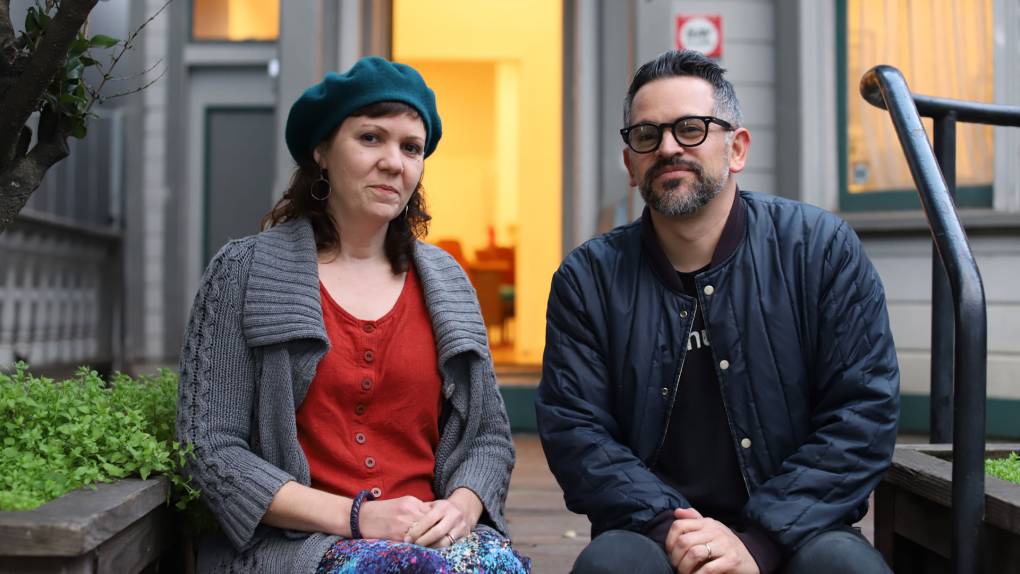
"caption": "Kathleen Quillian (L) and Gilbert Guerrero (R) founded Shapeshifters as an experimental film series in 2012.",
"description": "Kathleen Quillian (L) and Gilbert Guerrero (R) founded Shapeshifters as an experimental film series in 2012.",
"title": "Kathleen Quillian (L) and Gilbert Guerrero (R) founded Shapeshifters as an experimental film series in 2012.",
"credit": "Sam Lefebvre/KQED",
"status": "inherit",
"isLoading": false,
"fetchFailed": false
},
"arts_13874155": {
"type": "attachments",
"id": "arts_13874155",
"meta": {
"index": "attachments_1716263798",
"site": "arts",
"id": "13874155",
"found": true
},
"parent": 13874146,
"imgSizes": {
"thumbnail": {
"file": "https://ww2.kqed.org/app/uploads/sites/2/2020/01/RS40989_viora-1-1024x5751-qut-160x90.jpg",
"width": 160,
"mimeType": "image/jpeg",
"height": 90
},
"post-thumbnail": {
"file": "https://ww2.kqed.org/app/uploads/sites/2/2020/01/RS40989_viora-1-1024x5751-qut-672x372.jpg",
"width": 672,
"mimeType": "image/jpeg",
"height": 372
},
"kqedFullSize": {
"file": "https://ww2.kqed.org/app/uploads/sites/2/2020/01/RS40989_viora-1-1024x5751-qut.jpg",
"width": 1000,
"height": 563
},
"medium": {
"file": "https://ww2.kqed.org/app/uploads/sites/2/2020/01/RS40989_viora-1-1024x5751-qut-800x450.jpg",
"width": 800,
"mimeType": "image/jpeg",
"height": 450
},
"medium_large": {
"file": "https://ww2.kqed.org/app/uploads/sites/2/2020/01/RS40989_viora-1-1024x5751-qut-768x432.jpg",
"width": 768,
"mimeType": "image/jpeg",
"height": 432
}
},
"publishDate": 1580431825,
"modified": 1580432214,
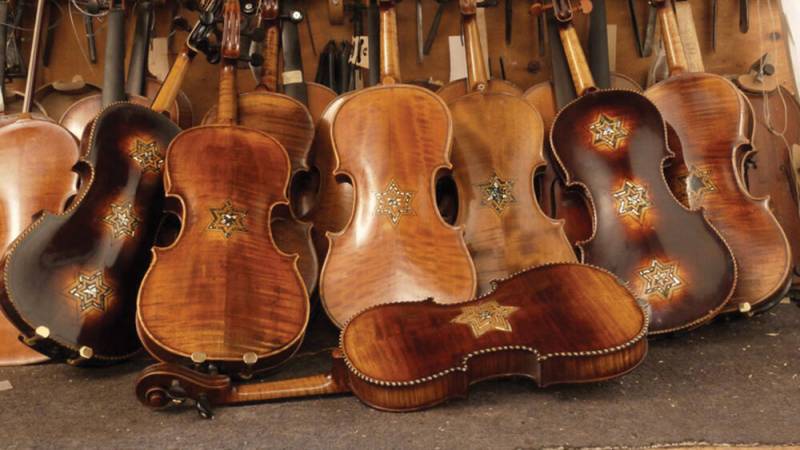
"caption": "A sampling of the Holocaust-era violins collected by Israeli luthiers Amnon and Avshalom Weinstein. The men and the violins are on tour throughout the San Francisco Bay Area as part of \"Violins of Hope,\" running through March 15, 2020.",
"description": "A sampling of the Holocaust-era violins collected by Israeli luthiers Amnon and Avshalom Weinstein. The men and the violins are on tour throughout the San Francisco Bay Area as part of \"Violins of Hope,\" running through March 15, 2020.",
"title": "RS40989_viora-1-1024x575+(1)-qut",
"credit": "Courtesy of Amnon Weinstein",
"status": "inherit",
"isLoading": false,
"fetchFailed": false
},
"arts_13874106": {
"type": "attachments",
"id": "arts_13874106",
"meta": {
"index": "attachments_1716263798",
"site": "arts",
"id": "13874106",
"found": true
},
"parent": 13874104,
"imgSizes": {
"thumbnail": {
"file": "https://ww2.kqed.org/app/uploads/sites/2/2020/01/0-160x120.jpg",
"width": 160,
"mimeType": "image/jpeg",
"height": 120
},
"post-thumbnail": {
"file": "https://ww2.kqed.org/app/uploads/sites/2/2020/01/0-600x372.jpg",
"width": 600,
"mimeType": "image/jpeg",
"height": 372
},
"kqedFullSize": {
"file": "https://ww2.kqed.org/app/uploads/sites/2/2020/01/0.jpg",
"width": 600,
"height": 450
}
},
"publishDate": 1580401235,
"modified": 1580401260,
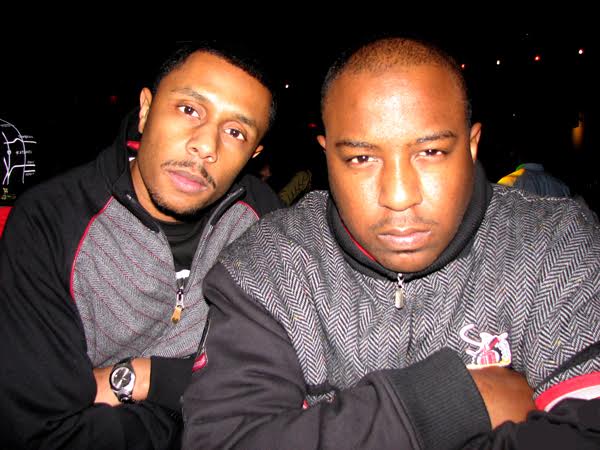
"caption": "PK & The Jacka",
"description": "PK & The Jacka",
"title": "PK & The Jacka",
"credit": "PK",
"status": "inherit",
"isLoading": false,
"fetchFailed": false
},
"arts_13874095": {
"type": "attachments",
"id": "arts_13874095",
"meta": {
"index": "attachments_1716263798",
"site": "arts",
"id": "13874095",
"found": true
},
"parent": 13874090,
"imgSizes": {
"twentyfourteen-full-width": {
"file": "https://ww2.kqed.org/app/uploads/sites/2/2020/01/4-1038x576.jpg",
"width": 1038,
"mimeType": "image/jpeg",
"height": 576
},
"thumbnail": {
"file": "https://ww2.kqed.org/app/uploads/sites/2/2020/01/4-160x90.jpg",
"width": 160,
"mimeType": "image/jpeg",
"height": 90
},
"post-thumbnail": {
"file": "https://ww2.kqed.org/app/uploads/sites/2/2020/01/4-672x372.jpg",
"width": 672,
"mimeType": "image/jpeg",
"height": 372
},
"kqedFullSize": {
"file": "https://ww2.kqed.org/app/uploads/sites/2/2020/01/4.jpg",
"width": 1920,
"height": 1080
},
"large": {
"file": "https://ww2.kqed.org/app/uploads/sites/2/2020/01/4-1020x574.jpg",
"width": 1020,
"mimeType": "image/jpeg",
"height": 574
},
"complete_open_graph": {
"file": "https://ww2.kqed.org/app/uploads/sites/2/2020/01/4-1200x675.jpg",
"width": 1200,
"mimeType": "image/jpeg",
"height": 675
},
"full-width": {
"file": "https://ww2.kqed.org/app/uploads/sites/2/2020/01/4-1920x1080.jpg",
"width": 1920,
"mimeType": "image/jpeg",
"height": 1080
},
"medium": {
"file": "https://ww2.kqed.org/app/uploads/sites/2/2020/01/4-800x450.jpg",
"width": 800,
"mimeType": "image/jpeg",
"height": 450
},
"medium_large": {
"file": "https://ww2.kqed.org/app/uploads/sites/2/2020/01/4-768x432.jpg",
"width": 768,
"mimeType": "image/jpeg",
"height": 432
}
},
"publishDate": 1580347183,
"modified": 1580427736,
"caption": "The new West Oakland location of Aggregate Space Gallery, an artist-run space founded by Conrad and Willis Meyers, more than doubles it exhibition space.",
"description": "The new West Oakland location of Aggregate Space Gallery, an artist-run space founded by Conrad and Willis Meyers, more than doubles it exhibition space.",
"title": "The new West Oakland location of Aggregate Space Gallery, an artist-run space founded by Conrad and Willis Meyer, more than doubles it exhibition space.",
"credit": "Sam Lefebvre/KQED",
"status": "inherit",
"isLoading": false,
"fetchFailed": false
},
"arts_13873606": {
"type": "attachments",
"id": "arts_13873606",
"meta": {
"index": "attachments_1716263798",
"site": "arts",
"id": "13873606",
"found": true
},
"parent": 13873604,
"imgSizes": {
"twentyfourteen-full-width": {
"file": "https://ww2.kqed.org/app/uploads/sites/2/2020/01/Image-from-iOS-1038x576.jpg",
"width": 1038,
"mimeType": "image/jpeg",
"height": 576
},
"thumbnail": {
"file": "https://ww2.kqed.org/app/uploads/sites/2/2020/01/Image-from-iOS-160x169.jpg",
"width": 160,
"mimeType": "image/jpeg",
"height": 169
},
"post-thumbnail": {
"file": "https://ww2.kqed.org/app/uploads/sites/2/2020/01/Image-from-iOS-672x372.jpg",
"width": 672,
"mimeType": "image/jpeg",
"height": 372
},
"kqedFullSize": {
"file": "https://ww2.kqed.org/app/uploads/sites/2/2020/01/Image-from-iOS.jpg",
"width": 1515,
"height": 1600
},
"large": {
"file": "https://ww2.kqed.org/app/uploads/sites/2/2020/01/Image-from-iOS-1020x1077.jpg",
"width": 1020,
"mimeType": "image/jpeg",
"height": 1077
},
"complete_open_graph": {
"file": "https://ww2.kqed.org/app/uploads/sites/2/2020/01/Image-from-iOS-1136x1200.jpg",
"width": 1136,
"mimeType": "image/jpeg",
"height": 1200
},
"medium": {
"file": "https://ww2.kqed.org/app/uploads/sites/2/2020/01/Image-from-iOS-800x845.jpg",
"width": 800,
"mimeType": "image/jpeg",
"height": 845
},
"medium_large": {
"file": "https://ww2.kqed.org/app/uploads/sites/2/2020/01/Image-from-iOS-768x811.jpg",
"width": 768,
"mimeType": "image/jpeg",
"height": 811
}
},
"publishDate": 1579655338,
"modified": 1579655707,
"caption": "Dr. Connie Wun",
"description": "Dr. Connie Wun",
"title": "Dr. Connie Wun",
"credit": "Courtesy of Connie Wun",
"status": "inherit",
"isLoading": false,
"fetchFailed": false
},
"arts_13865898": {
"type": "attachments",
"id": "arts_13865898",
"meta": {
"index": "attachments_1716263798",
"site": "arts",
"id": "13865898",
"found": true
},
"parent": 13865889,
"imgSizes": {
"twentyfourteen-full-width": {
"file": "https://ww2.kqed.org/app/uploads/sites/2/2019/09/Antique-Naked-Soul-1038x576.jpg",
"width": 1038,
"mimeType": "image/jpeg",
"height": 576
},
"thumbnail": {
"file": "https://ww2.kqed.org/app/uploads/sites/2/2019/09/Antique-Naked-Soul-160x90.jpg",
"width": 160,
"mimeType": "image/jpeg",
"height": 90
},
"post-thumbnail": {
"file": "https://ww2.kqed.org/app/uploads/sites/2/2019/09/Antique-Naked-Soul-672x372.jpg",
"width": 672,
"mimeType": "image/jpeg",
"height": 372
},
"kqedFullSize": {
"file": "https://ww2.kqed.org/app/uploads/sites/2/2019/09/Antique-Naked-Soul.jpg",
"width": 1920,
"height": 1080
},
"large": {
"file": "https://ww2.kqed.org/app/uploads/sites/2/2019/09/Antique-Naked-Soul-1020x574.jpg",
"width": 1020,
"mimeType": "image/jpeg",
"height": 574
},
"complete_open_graph": {
"file": "https://ww2.kqed.org/app/uploads/sites/2/2019/09/Antique-Naked-Soul-1200x675.jpg",
"width": 1200,
"mimeType": "image/jpeg",
"height": 675
},
"full-width": {
"file": "https://ww2.kqed.org/app/uploads/sites/2/2019/09/Antique-Naked-Soul-1920x1080.jpg",
"width": 1920,
"mimeType": "image/jpeg",
"height": 1080
},
"medium": {
"file": "https://ww2.kqed.org/app/uploads/sites/2/2019/09/Antique-Naked-Soul-800x450.jpg",
"width": 800,
"mimeType": "image/jpeg",
"height": 450
},
"medium_large": {
"file": "https://ww2.kqed.org/app/uploads/sites/2/2019/09/Antique-Naked-Soul-768x432.jpg",
"width": 768,
"mimeType": "image/jpeg",
"height": 432
}
},
"publishDate": 1567802846,
"modified": 1567802868,
"caption": "Antique Naked Soul.",
"description": "Antique Naked Soul.",
"title": "Antique Naked Soul",
"credit": "Courtesy of the artists. ",
"status": "inherit",
"isLoading": false,
"fetchFailed": false
},
"arts_13873364": {
"type": "attachments",
"id": "arts_13873364",
"meta": {
"index": "attachments_1716263798",
"site": "arts",
"id": "13873364",
"found": true
},
"parent": 13873317,
"imgSizes": {
"twentyfourteen-full-width": {
"file": "https://ww2.kqed.org/app/uploads/sites/2/2020/01/Moms4Housing.mics_-1024x576.jpg",
"width": 1024,
"mimeType": "image/jpeg",
"height": 576
},
"thumbnail": {
"file": "https://ww2.kqed.org/app/uploads/sites/2/2020/01/Moms4Housing.mics_-160x100.jpg",
"width": 160,
"mimeType": "image/jpeg",
"height": 100
},
"post-thumbnail": {
"file": "https://ww2.kqed.org/app/uploads/sites/2/2020/01/Moms4Housing.mics_-672x372.jpg",
"width": 672,
"mimeType": "image/jpeg",
"height": 372
},
"kqedFullSize": {
"file": "https://ww2.kqed.org/app/uploads/sites/2/2020/01/Moms4Housing.mics_.jpg",
"width": 1024,
"height": 640
},
"large": {
"file": "https://ww2.kqed.org/app/uploads/sites/2/2020/01/Moms4Housing.mics_-1020x638.jpg",
"width": 1020,
"mimeType": "image/jpeg",
"height": 638
},
"medium": {
"file": "https://ww2.kqed.org/app/uploads/sites/2/2020/01/Moms4Housing.mics_-800x500.jpg",
"width": 800,
"mimeType": "image/jpeg",
"height": 500
},
"medium_large": {
"file": "https://ww2.kqed.org/app/uploads/sites/2/2020/01/Moms4Housing.mics_-768x480.jpg",
"width": 768,
"mimeType": "image/jpeg",
"height": 480
}
},
"publishDate": 1579126708,
"modified": 1579127012,
"caption": "Dominique Walker of Moms 4 Housing speaks to the media after being evicted from a house she and her group occupied in Oakland.",
"description": "Dominique Walker of Moms 4 Housing speaks to the media after being evicted from a house she and her group occupied in Oakland.",
"title": "Moms4Housing.mics",
"credit": "Molly Solomon/KQED",
"status": "inherit",
"isLoading": false,
"fetchFailed": false
},
"arts_13873211": {
"type": "attachments",
"id": "arts_13873211",
"meta": {
"index": "attachments_1716263798",
"site": "arts",
"id": "13873211",
"found": true
},
"parent": 13873207,
"imgSizes": {
"twentyfourteen-full-width": {
"file": "https://ww2.kqed.org/app/uploads/sites/2/2020/01/Face-and-mannequin-1038x576.jpg",
"width": 1038,
"mimeType": "image/jpeg",
"height": 576
},
"thumbnail": {
"file": "https://ww2.kqed.org/app/uploads/sites/2/2020/01/Face-and-mannequin-160x90.jpg",
"width": 160,
"mimeType": "image/jpeg",
"height": 90
},
"post-thumbnail": {
"file": "https://ww2.kqed.org/app/uploads/sites/2/2020/01/Face-and-mannequin-672x372.jpg",
"width": 672,
"mimeType": "image/jpeg",
"height": 372
},
"kqedFullSize": {
"file": "https://ww2.kqed.org/app/uploads/sites/2/2020/01/Face-and-mannequin.jpg",
"width": 1920,
"height": 1080
},
"large": {
"file": "https://ww2.kqed.org/app/uploads/sites/2/2020/01/Face-and-mannequin-1020x574.jpg",
"width": 1020,
"mimeType": "image/jpeg",
"height": 574
},
"complete_open_graph": {
"file": "https://ww2.kqed.org/app/uploads/sites/2/2020/01/Face-and-mannequin-1200x675.jpg",
"width": 1200,
"mimeType": "image/jpeg",
"height": 675
},
"full-width": {
"file": "https://ww2.kqed.org/app/uploads/sites/2/2020/01/Face-and-mannequin-1920x1080.jpg",
"width": 1920,
"mimeType": "image/jpeg",
"height": 1080
},
"medium": {
"file": "https://ww2.kqed.org/app/uploads/sites/2/2020/01/Face-and-mannequin-800x450.jpg",
"width": 800,
"mimeType": "image/jpeg",
"height": 450
},
"medium_large": {
"file": "https://ww2.kqed.org/app/uploads/sites/2/2020/01/Face-and-mannequin-768x432.jpg",
"width": 768,
"mimeType": "image/jpeg",
"height": 432
}
},
"publishDate": 1578957779,
"modified": 1578958077,
"caption": "Oakland metalsmith Karen Smith is launching a new nonprofit, We Wield the Hammer, to bring metalwork to other black women and girls.",
"description": "Oakland metalsmith Karen Smith is launching a new nonprofit, We Wield the Hammer, to bring metalwork to other black women and girls.",
"title": "Oakland metalsmith Karen Smith is launching a new nonprofit, We Wield the Hammer, to bring metalwork to other black women and girls.",
"credit": "Sam Lefebvre/KQED",
"status": "inherit",
"isLoading": false,
"fetchFailed": false
},
"arts_13873072": {
"type": "attachments",
"id": "arts_13873072",
"meta": {
"index": "attachments_1716263798",
"site": "arts",
"id": "13873072",
"found": true
},
"parent": 13873069,
"imgSizes": {
"twentyfourteen-full-width": {
"file": "https://ww2.kqed.org/app/uploads/sites/2/2020/01/good-1038x576.jpg",
"width": 1038,
"mimeType": "image/jpeg",
"height": 576
},
"thumbnail": {
"file": "https://ww2.kqed.org/app/uploads/sites/2/2020/01/good-160x90.jpg",
"width": 160,
"mimeType": "image/jpeg",
"height": 90
},
"post-thumbnail": {
"file": "https://ww2.kqed.org/app/uploads/sites/2/2020/01/good-672x372.jpg",
"width": 672,
"mimeType": "image/jpeg",
"height": 372
},
"kqedFullSize": {
"file": "https://ww2.kqed.org/app/uploads/sites/2/2020/01/good.jpg",
"width": 1920,
"height": 1080
},
"large": {
"file": "https://ww2.kqed.org/app/uploads/sites/2/2020/01/good-1020x574.jpg",
"width": 1020,
"mimeType": "image/jpeg",
"height": 574
},
"complete_open_graph": {
"file": "https://ww2.kqed.org/app/uploads/sites/2/2020/01/good-1200x675.jpg",
"width": 1200,
"mimeType": "image/jpeg",
"height": 675
},
"full-width": {
"file": "https://ww2.kqed.org/app/uploads/sites/2/2020/01/good-1920x1080.jpg",
"width": 1920,
"mimeType": "image/jpeg",
"height": 1080
},
"medium": {
"file": "https://ww2.kqed.org/app/uploads/sites/2/2020/01/good-800x450.jpg",
"width": 800,
"mimeType": "image/jpeg",
"height": 450
},
"medium_large": {
"file": "https://ww2.kqed.org/app/uploads/sites/2/2020/01/good-768x432.jpg",
"width": 768,
"mimeType": "image/jpeg",
"height": 432
}
},
"publishDate": 1578611529,
"modified": 1578611605,
"caption": "Lonnie Lee stands in the new location of Vessel Gallery on 23rd Street near Telegraph Avenue in Oakland.",
"description": "Lonnie Lee stands in the new location of Vessel Gallery on 23rd Street near Telegraph Avenue in Oakland.",
"title": "Lonnie Lee stands in the new location of Vessel Gallery on 23rd Street near Telegraph Avenue in Oakland.",
"credit": "Sam Lefebvre/KQED",
"status": "inherit",
"isLoading": false,
"fetchFailed": false
},
"arts_13873052": {
"type": "attachments",
"id": "arts_13873052",
"meta": {
"index": "attachments_1716263798",
"site": "arts",
"id": "13873052",
"found": true
},
"parent": 13872617,
"imgSizes": {
"thumbnail": {
"file": "https://ww2.kqed.org/app/uploads/sites/2/2020/01/NonameClub-160x90.jpg",
"width": 160,
"mimeType": "image/jpeg",
"height": 90
},
"post-thumbnail": {
"file": "https://ww2.kqed.org/app/uploads/sites/2/2020/01/NonameClub-672x372.jpg",
"width": 672,
"mimeType": "image/jpeg",
"height": 372
},
"kqedFullSize": {
"file": "https://ww2.kqed.org/app/uploads/sites/2/2020/01/NonameClub.jpg",
"width": 1020,
"height": 574
},
"large": {
"file": "https://ww2.kqed.org/app/uploads/sites/2/2020/01/NonameClub-1020x574.jpg",
"width": 1020,
"mimeType": "image/jpeg",
"height": 574
},
"medium": {
"file": "https://ww2.kqed.org/app/uploads/sites/2/2020/01/NonameClub-800x450.jpg",
"width": 800,
"mimeType": "image/jpeg",
"height": 450
},
"medium_large": {
"file": "https://ww2.kqed.org/app/uploads/sites/2/2020/01/NonameClub-768x432.jpg",
"width": 768,
"mimeType": "image/jpeg",
"height": 432
}
},
"publishDate": 1578601477,
"modified": 1578601477,
"caption": null,
"description": null,
"title": "NonameClub",
"credit": null,
"status": "inherit",
"isLoading": false,
"fetchFailed": false
},
"arts_13868190": {
"type": "attachments",
"id": "arts_13868190",
"meta": {
"index": "attachments_1716263798",
"site": "arts",
"id": "13868190",
"found": true
},
"parent": 13868137,
"imgSizes": {
"twentyfourteen-full-width": {
"file": "https://ww2.kqed.org/app/uploads/sites/2/2019/10/GameHeads-Rightnowish-Jpg-1038x576.jpg",
"width": 1038,
"mimeType": "image/jpeg",
"height": 576
},
"thumbnail": {
"file": "https://ww2.kqed.org/app/uploads/sites/2/2019/10/GameHeads-Rightnowish-Jpg-160x93.jpg",
"width": 160,
"mimeType": "image/jpeg",
"height": 93
},
"post-thumbnail": {
"file": "https://ww2.kqed.org/app/uploads/sites/2/2019/10/GameHeads-Rightnowish-Jpg-672x372.jpg",
"width": 672,
"mimeType": "image/jpeg",
"height": 372
},
"kqedFullSize": {
"file": "https://ww2.kqed.org/app/uploads/sites/2/2019/10/GameHeads-Rightnowish-Jpg.jpg",
"width": 1920,
"height": 1120
},
"large": {
"file": "https://ww2.kqed.org/app/uploads/sites/2/2019/10/GameHeads-Rightnowish-Jpg-1020x595.jpg",
"width": 1020,
"mimeType": "image/jpeg",
"height": 595
},
"complete_open_graph": {
"file": "https://ww2.kqed.org/app/uploads/sites/2/2019/10/GameHeads-Rightnowish-Jpg-1200x700.jpg",
"width": 1200,
"mimeType": "image/jpeg",
"height": 700
},
"full-width": {
"file": "https://ww2.kqed.org/app/uploads/sites/2/2019/10/GameHeads-Rightnowish-Jpg-1920x1120.jpg",
"width": 1920,
"mimeType": "image/jpeg",
"height": 1120
},
"medium": {
"file": "https://ww2.kqed.org/app/uploads/sites/2/2019/10/GameHeads-Rightnowish-Jpg-800x467.jpg",
"width": 800,
"mimeType": "image/jpeg",
"height": 467
},
"medium_large": {
"file": "https://ww2.kqed.org/app/uploads/sites/2/2019/10/GameHeads-Rightnowish-Jpg-768x448.jpg",
"width": 768,
"mimeType": "image/jpeg",
"height": 448
}
},
"publishDate": 1571034419,
"modified": 1571034440,
"caption": "The Gameheads team!",
"description": "The Gameheads team!",
"title": "GameHeads-Rightnowish-Jpg",
"credit": "Pendarvis Harshaw",
"status": "inherit",
"isLoading": false,
"fetchFailed": false
},
"arts_13909650": {
"type": "attachments",
"id": "arts_13909650",
"meta": {
"index": "attachments_1716263798",
"site": "arts",
"id": "13909650",
"found": true
},
"parent": 13871703,
"imgSizes": {
"twentyfourteen-full-width": {
"file": "https://ww2.kqed.org/app/uploads/sites/2/2019/12/laraKaur_rightnowish_v2-1038x576.jpg",
"width": 1038,
"mimeType": "image/jpeg",
"height": 576
},
"thumbnail": {
"file": "https://ww2.kqed.org/app/uploads/sites/2/2019/12/laraKaur_rightnowish_v2-160x86.jpg",
"width": 160,
"mimeType": "image/jpeg",
"height": 86
},
"post-thumbnail": {
"file": "https://ww2.kqed.org/app/uploads/sites/2/2019/12/laraKaur_rightnowish_v2-672x372.jpg",
"width": 672,
"mimeType": "image/jpeg",
"height": 372
},
"kqedFullSize": {
"file": "https://ww2.kqed.org/app/uploads/sites/2/2019/12/laraKaur_rightnowish_v2.jpg",
"width": 1920,
"height": 1033
},
"large": {
"file": "https://ww2.kqed.org/app/uploads/sites/2/2019/12/laraKaur_rightnowish_v2-1020x549.jpg",
"width": 1020,
"mimeType": "image/jpeg",
"height": 549
},
"1536x1536": {
"file": "https://ww2.kqed.org/app/uploads/sites/2/2019/12/laraKaur_rightnowish_v2-1536x826.jpg",
"width": 1536,
"mimeType": "image/jpeg",
"height": 826
},
"medium": {
"file": "https://ww2.kqed.org/app/uploads/sites/2/2019/12/laraKaur_rightnowish_v2-800x430.jpg",
"width": 800,
"mimeType": "image/jpeg",
"height": 430
},
"medium_large": {
"file": "https://ww2.kqed.org/app/uploads/sites/2/2019/12/laraKaur_rightnowish_v2-768x413.jpg",
"width": 768,
"mimeType": "image/jpeg",
"height": 413
}
},
"publishDate": 1645566239,
"modified": 1645566268,
"caption": "Caleb, Paty Castaneda and Gabriela Diaz as photographed by Lara Kaur at her Community Portrait Pop-Up. ",
"description": null,
"title": "laraKaur_rightnowish_v2",
"credit": null,
"status": "inherit",
"altTag": "Caleb, Paty Castaneda and Gabriela Diaz",
"isLoading": false,
"fetchFailed": false
}
},
"audioPlayerReducer": {
"postId": "stream_live",
"isPaused": true,
"isPlaying": false,
"pfsActive": false,
"pledgeModalIsOpen": true,
"playerDrawerIsOpen": false,
"liveAudioPlayStartedAt": 0,
"liveAudioPlayContext": ""
},
"authorsReducer": {
"rachael-myrow": {
"type": "authors",
"id": "251",
"meta": {
"index": "authors_1716337520",
"id": "251",
"found": true
},
"name": "Rachael Myrow",
"firstName": "Rachael",
"lastName": "Myrow",
"slug": "rachael-myrow",
"email": "rmyrow@kqed.org",
"display_author_email": true,
"staff_mastheads": [
"news"
],
"title": "Senior Editor of KQED's Silicon Valley News Desk",
"bio": "• I write and edit stories about how Silicon Valley power and policies shape everyday life in California. I’m also passionate about making Bay Area history and culture more accessible to a broad public. • I’ve been a journalist for most of my life, starting in high school with The Franklin Press in Los Angeles, where I grew up. While earning my first degree in English at UC Berkeley, I got my start in public radio at KALX-FM. After completing a second degree in journalism at Cal, I landed my first professional job at Marketplace, then moved on to KPCC (now LAist), and then KQED, where I hosted The California Report for more than seven years. • My reporting has appeared on NPR, The World, WBUR’s \u003ci>Here & Now\u003c/i>, and the BBC. I also guest host for KQED’s \u003ci>Forum\u003c/i>, as well as the Commonwealth Club in San Francisco. • I speak periodically on media, democracy and technology issues, and do voiceover work for documentaries and educational video projects. • Outside of the studio, you'll find me hiking Bay Area trails and whipping up Insta-ready meals in my kitchen. • I do not accept gifts, money, or favors from anyone connected to my reporting, I don't pay people for information, and I do not support or donate to political causes. • I strive to treat the people I report on with fairness, honesty, and respect. I also recognize there are often multiple sides to a story and work to verify information through multiple sources and documentation. If I get something wrong, I correct it.",
"avatar": "https://secure.gravatar.com/avatar/3ed8a3c5f26025e4a805ba634cda8cd764906b97438a6d9ce216b044e340da4e?s=600&d=blank&r=g",
"twitter": "rachaelmyrow",
"bluesky": null,
"facebook": null,
"instagram": null,
"linkedin": "https://www.linkedin.com/in/rachaelmyrow/",
"sites": [
{
"site": "arts",
"roles": [
"administrator"
]
},
{
"site": "news",
"roles": [
"edit_others_posts",
"editor"
]
},
{
"site": "futureofyou",
"roles": [
"editor"
]
},
{
"site": "bayareabites",
"roles": [
"editor"
]
},
{
"site": "stateofhealth",
"roles": [
"editor"
]
},
{
"site": "science",
"roles": [
"editor"
]
},
{
"site": "food",
"roles": [
"editor"
]
},
{
"site": "forum",
"roles": [
"editor"
]
},
{
"site": "liveblog",
"roles": [
"author"
]
}
],
"headData": {
"title": "Rachael Myrow | KQED",
"description": "Senior Editor of KQED's Silicon Valley News Desk",
"ogImgSrc": "https://secure.gravatar.com/avatar/3ed8a3c5f26025e4a805ba634cda8cd764906b97438a6d9ce216b044e340da4e?s=600&d=blank&r=g",
"twImgSrc": "https://secure.gravatar.com/avatar/3ed8a3c5f26025e4a805ba634cda8cd764906b97438a6d9ce216b044e340da4e?s=600&d=blank&r=g"
},
"isLoading": false,
"link": "/author/rachael-myrow"
},
"slefebvre": {
"type": "authors",
"id": "11091",
"meta": {
"index": "authors_1716337520",
"id": "11091",
"found": true
},
"name": "Sam Lefebvre",
"firstName": "Sam",
"lastName": "Lefebvre",
"slug": "slefebvre",
"email": "sdlefebvre@gmail.com",
"display_author_email": false,
"staff_mastheads": [],
"title": "KQED Contributor",
"bio": "Sam Lefebvre is an award-winning reporter at KQED Arts. He has worked as an editor and columnist at the \u003cem>East Bay Express\u003c/em>, \u003cem>SF Weekly \u003c/em>and Impose Magazine, and his journalism and criticism has appeared in \u003cem>The New York Times\u003c/em>, the Guardian and Pitchfork.",
"avatar": "https://secure.gravatar.com/avatar/49d39b42930b77fb13784ddd9fa63fe780666b71bf289368509dba576b64e69b?s=600&d=blank&r=g",
"twitter": "Lefebvre_Sam",
"bluesky": null,
"facebook": null,
"instagram": null,
"linkedin": null,
"sites": [
{
"site": "arts",
"roles": [
"subscriber"
]
},
{
"site": "news",
"roles": [
"author"
]
}
],
"headData": {
"title": "Sam Lefebvre | KQED",
"description": "KQED Contributor",
"ogImgSrc": "https://secure.gravatar.com/avatar/49d39b42930b77fb13784ddd9fa63fe780666b71bf289368509dba576b64e69b?s=600&d=blank&r=g",
"twImgSrc": "https://secure.gravatar.com/avatar/49d39b42930b77fb13784ddd9fa63fe780666b71bf289368509dba576b64e69b?s=600&d=blank&r=g"
},
"isLoading": false,
"link": "/author/slefebvre"
},
"ogpenn": {
"type": "authors",
"id": "11491",
"meta": {
"index": "authors_1716337520",
"id": "11491",
"found": true
},
"name": "Pendarvis Harshaw",
"firstName": "Pendarvis",
"lastName": "Harshaw",
"slug": "ogpenn",
"email": "ogpenn@gmail.com",
"display_author_email": false,
"staff_mastheads": [
"arts"
],
"title": "Community Engagement Reporter",
"bio": "Pendarvis Harshaw is an educator, host and writer with KQED Arts.",
"avatar": "https://secure.gravatar.com/avatar/972b77ee8e3f346ae2b00622661187fbfabd059b5693bbdc1475ea7a722fd4cd?s=600&d=blank&r=g",
"twitter": null,
"bluesky": null,
"facebook": null,
"instagram": "ogpenn",
"linkedin": null,
"sites": [
{
"site": "arts",
"roles": [
"administrator"
]
},
{
"site": "news",
"roles": [
"editor"
]
},
{
"site": "bayareabites",
"roles": [
"author"
]
},
{
"site": "hiphop",
"roles": [
"editor"
]
}
],
"headData": {
"title": "Pendarvis Harshaw | KQED",
"description": "Community Engagement Reporter",
"ogImgSrc": "https://secure.gravatar.com/avatar/972b77ee8e3f346ae2b00622661187fbfabd059b5693bbdc1475ea7a722fd4cd?s=600&d=blank&r=g",
"twImgSrc": "https://secure.gravatar.com/avatar/972b77ee8e3f346ae2b00622661187fbfabd059b5693bbdc1475ea7a722fd4cd?s=600&d=blank&r=g"
},
"isLoading": false,
"link": "/author/ogpenn"
}
},
"pagesReducer": {
"arts_tag_oakland": {
"type": "terms",
"id": "arts_1143",
"meta": {
"index": "terms_1716263798",
"site": "arts",
"id": "1143",
"score": 6.8707943
},
"featImg": null,
"name": "Oakland",
"description": null,
"taxonomy": "tag",
"headData": {
"twImgId": null,
"twTitle": null,
"ogTitle": null,
"ogImgId": null,
"twDescription": null,
"description": null,
"title": "Oakland Archives | KQED Arts",
"ogDescription": null
},
"ttid": 692,
"slug": "oakland",
"isLoading": false,
"title": "Oakland",
"pageMeta": {
"site": "arts",
"WpPageTemplate": "page-topic-editorial",
"currentPage": 52
},
"blocks": [
{
"blockName": "kqed/post-list",
"attrs": {
"layout": "cardArticle2",
"query": "posts/arts?tag=oakland",
"seeMore": false,
"paginated": true,
"page": 52
}
},
{
"blockName": "kqed/ad"
}
]
}
},
"pfsSessionReducer": {},
"postsReducer": {
"stream_live": {
"type": "live",
"id": "stream_live",
"audioUrl": "https://hls.kqed.org/hls/kqed_app/playlist.m3u8",
"title": "Live Stream",
"excerpt": "Live Stream information currently unavailable.",
"link": "/radio",
"featImg": "",
"label": {
"name": "KQED Live",
"link": "/"
}
},
"stream_kqedNewscast": {
"type": "posts",
"id": "stream_kqedNewscast",
"audioUrl": "https://www.kqed.org/.stream/anon/radio/RDnews/newscast.mp3?_=1",
"title": "KQED Newscast",
"featImg": "",
"label": {
"name": "88.5 FM",
"link": "/"
}
},
"arts_13874349": {
"type": "posts",
"id": "arts_13874349",
"meta": {
"index": "posts_1716263798",
"site": "arts",
"id": "13874349",
"score": null,
"sort": [
1580857633000
]
},
"guestAuthors": [],
"slug": "shapeshifters-cinema-and-brewery-promises-art-film-refuge-in-an-oakland-victorian",
"title": "Shapeshifters Cinema and Brewery Promises Art Film Refuge in an Oakland Victorian",
"publishDate": 1580857633,
"format": "standard",
"headTitle": "Shapeshifters Cinema and Brewery Promises Art Film Refuge in an Oakland Victorian | KQED",
"labelTerm": {
"site": "arts"
},
"content": "\u003cp>In the Bay Area, alternative exhibition spaces for experimental film and video have long provided artists of the moving image a sense of community and interdisciplinary collaboration. In the early 1960s, filmmaker Bruce Baillie established Canyon Cinema as a screening series in the wooded East Bay hamlet of Canyon for avant-garde and family fare alike. Canyon filmmakers made inroads with composers at the San Francisco Tape Music Center, and published freewheeling newsletters that evinced a natural rapport with painters and poets. Instead of an indie studio system, Canyon inspired or anticipated other local artist-run organizations central to local developments in abstract, personal, vernacular and queer cinema. \u003c/p>\n\u003cp>Canyon endures as a distributor of 16mm avant-garde film prints, and its programming spinoff, San Francisco Cinematheque, curates the CROSSROADS film festival—this year at the San Francisco Museum of Modern Art. Artists Television Access on Valencia Street is another visible example of its legacy. Like other noncommercial art forms, however, rising cost of living seriously threatens the scene: Eviction last year \u003ca href=\"https://www.kqed.org/ourturbulentdecade/2016-evictions-and-the-ghost-ship-fire-pushed-oakland-artists-into-the-margins\">ended Black Hole\u003c/a>, an Oakland screening series that carried forward Canyon’s anti-institutional origins, but not before spawning the Light Field film festival. Challenges aside, the Bay Area remains a destination for filmmakers “ill at ease with cinema as entertainment but rather fondly fixated on the apparatus, the alchemy of light,” as curator Steve Seid described local postwar celluloid artists in the 2010 book \u003cem>Radical Light\u003c/em>. \u003c/p>\n\u003cp>Now, a renovated Victorian below Interstate 880 near Oakland’s Jack London District promises a sustainable, brick-and-mortar refuge for a community rooted in homespun exhibitions and collaborative intimacy. Gilbert Guerrero and Kathleen Quillian, founders of the \u003ca href=\"http://shapeshifterscinema.com/\">Shapeshifters\u003c/a> series at Temescal Arts Center (TAC), quietly opened the 1,200-square-foot space at 567 5th Street last year as a 40-seat microcinema, and they’re building an on-site nanobrewery with plans for a small taproom to subsidize film programming. Guerrero, an award-winning homebrewer, described the model as a response to diminishing grants funding for small arts organizations. “Shapeshifters has been a series,” he said. “We want this to be an institution.”\u003c/p>\n\u003cfigure id=\"attachment_13874351\" class=\"wp-caption aligncenter\" style=\"max-width: 1920px\">\u003cimg loading=\"lazy\" decoding=\"async\" src=\"https://ww2.kqed.org/app/uploads/sites/2/2020/02/2.jpg\" alt=\"The 40-seat microcinema will accommodate various projector configurations for experimental film screenings. \" width=\"1920\" height=\"1080\" class=\"size-full wp-image-13874351\" srcset=\"https://cdn.kqed.org/wp-content/uploads/sites/2/2020/02/2.jpg 1920w, https://cdn.kqed.org/wp-content/uploads/sites/2/2020/02/2-160x90.jpg 160w, https://cdn.kqed.org/wp-content/uploads/sites/2/2020/02/2-800x450.jpg 800w, https://cdn.kqed.org/wp-content/uploads/sites/2/2020/02/2-768x432.jpg 768w, https://cdn.kqed.org/wp-content/uploads/sites/2/2020/02/2-1020x574.jpg 1020w\" sizes=\"(max-width: 1920px) 100vw, 1920px\">\u003cfigcaption class=\"wp-caption-text\">The 40-seat microcinema will accommodate various projector configurations for experimental film screenings. \u003ccite>(Sam Lefebvre/KQED)\u003c/cite>\u003c/figcaption>\u003c/figure>\n\u003cp>Founded in 2012 as a free monthly event, Shapeshifters showcases “expanded cinema,” film generally involving live performance, for instance multi-projector work or sound-image collaboration. “It was at capacity almost immediately,” said TAC director and curator Leyya Tawil. Steve Polta, filmmaker and director of the \u003ca href=\"http://www.sfcinematheque.org/\">San Francisco Cinematheque\u003c/a>, called Shapeshifters a “space to workshop and experiment,” noting the evolution in programming fixtures such as Kit Young and Lori Varga. Other artists who’ve been featured in the series include Other Cinema founder Craig Baldwin, Sofía Córdova with Las Sucias, Greg Pope with Voicehandler, Kerry Laitala, Oracle Plus, Tommy Becker, Suki O’Kane and the late Paul Clipson. \u003c/p>\n\u003cp>Shapeshifters Cinema and Brewery will house Shapeshifters programming and events brought by other curators, filling a deep need for film exhibition space in Oakland. According to Polta, half of San Francisco Cinematheque attendees live in the East Bay. “So there’s a filmmaker community and also an audience community,” he said. And the microcinema is small and nimble enough for esoteric or technically-challenging work. For example, Polta hopes to bring Bruce Elder. The Canadian filmmaker’s shorter pieces run upwards of three hours, making them cost-prohibitive to show at many rental venues. As the head of a nonprofit, Polta also said he understands Shapeshifters’ transition to earned income: “Less grants and more competition.”\u003c/p>\n\u003cp>[ad fullwidth]\u003c/p>\n\u003cp>Guerrero and Quillian met some 20 years ago as volunteers at Artists Television Access, where Guerrero is now on the board of directors, and founded Shapeshifters at first at the now-defunct Arbor cafe as a hub for the experimental film community closer to their home in Oakland. “One day I brought a chest of Tecate and thought, ‘I have way better beer at home,’” Guerrero said. He started Temescal Homebrewing in 2013, and in 2018 won first prize in the World Cup of Beer competition for his Synesthesia Pale Ale. A few years ago he took a small business course while considering launching a brewery, and then thought to combine the enterprise with Shapeshifters. Guerrero and Quillian signed a five-year lease on 567 5th St. in late 2018.\u003c/p>\n\u003cfigure id=\"attachment_13874353\" class=\"wp-caption aligncenter\" style=\"max-width: 1920px\">\u003cimg loading=\"lazy\" decoding=\"async\" src=\"https://ww2.kqed.org/app/uploads/sites/2/2020/02/use-4.jpg\" alt=\"Kathleen Quillian (L) and Gilbert Guerrero (R) are fundraising to complete construction on Shapeshifters Cinema and Brewery.\" width=\"1920\" height=\"1080\" class=\"size-full wp-image-13874353\" srcset=\"https://cdn.kqed.org/wp-content/uploads/sites/2/2020/02/use-4.jpg 1920w, https://cdn.kqed.org/wp-content/uploads/sites/2/2020/02/use-4-160x90.jpg 160w, https://cdn.kqed.org/wp-content/uploads/sites/2/2020/02/use-4-800x450.jpg 800w, https://cdn.kqed.org/wp-content/uploads/sites/2/2020/02/use-4-768x432.jpg 768w, https://cdn.kqed.org/wp-content/uploads/sites/2/2020/02/use-4-1020x574.jpg 1020w\" sizes=\"(max-width: 1920px) 100vw, 1920px\">\u003cfigcaption class=\"wp-caption-text\">Kathleen Quillian (L) and Gilbert Guerrero (R) are fundraising to complete construction on Shapeshifters Cinema and Brewery. \u003ccite>(Sam Lefebvre/KQED)\u003c/cite>\u003c/figcaption>\u003c/figure>\n\u003cp>Visitors enter the space, which looks residential from the street, through what Guerrero and Quillian envision as a small taproom with regular evening hours, and then proceed to a venue already outfitted with a large screen and dozens of salvaged church chairs. The seats are on rearrangeable wooden bases, and an additional screen is planned to accommodate various projector configurations. Guerrero, a homebrewing workshop leader in addition to his day job in user-experience design, plans to create the 3.5 barrel “nanobrewery” in the back room, with a fermenter built into a large outdoor deck. Guerrero and Quillian have spent more than $100,000 on permitting and other pre-construction costs, and are currently \u003ca href=\"https://www.indiegogo.com/projects/shapeshifters-cinema-and-brewery#/\">raising\u003c/a> $30,000 on Indiegogo. \u003c/p>\n\u003cp>\u003c/p>\n\u003cp>Meanwhile, Shapeshifters programming in the space is ongoing: A party and screening in association with Canyon Cinema for Shapeshifters “members,” a new category of ongoing financial supporters of the project, takes place on Saturday, Feb. 15, followed by a free presentation of Tommy Becker’s visual concept album \u003cem>Emotions in Metal\u003c/em> on Saturday, Mar. 14. Black Hole founder Tooth, who presented drawings and his film \u003cem>Broken Symmetry\u003c/em> at the space last year, and who now lives in New York, described Shapeshifters as a “luminous bright spot on the continuum of community-based, noncommercial artistic traditions.” He continued, “[It’s] one of the things that gives me hope that the Bay Area will weather the storm it finds itself in.” \u003c/p>\n\n",
"blocks": [],
"excerpt": "The team behind the Shapeshifters film series plots a microcinema and nanobrewery.",
"status": "publish",
"parent": 0,
"modified": 1726764331,
"stats": {
"hasAudio": false,
"hasVideo": false,
"hasChartOrMap": false,
"iframeSrcs": [],
"hasGoogleForm": false,
"hasGallery": false,
"hasHearkenModule": false,
"hasPolis": false,
"paragraphCount": 10,
"wordCount": 1026
},
"headData": {
"title": "Shapeshifters Cinema and Brewery Promises Art Film Refuge in an Oakland Victorian | KQED",
"description": "The team behind the Shapeshifters film series plots a microcinema and nanobrewery.",
"ogTitle": "",
"ogDescription": "",
"ogImgId": "",
"twTitle": "",
"twDescription": "",
"twImgId": "",
"schema": {
"@context": "https://schema.org",
"@type": "Article",
"headline": "Shapeshifters Cinema and Brewery Promises Art Film Refuge in an Oakland Victorian",
"datePublished": "2020-02-04T15:07:13-08:00",
"dateModified": "2024-09-19T09:45:31-07:00",
"image": "https://cdn.kqed.org/wp-content/uploads/2020/02/KQED-OG-Image@1x.png"
}
},
"sticky": false,
"templateType": "standard",
"featuredImageType": "standard",
"path": "/arts/13874349/shapeshifters-cinema-and-brewery-promises-art-film-refuge-in-an-oakland-victorian",
"audioTrackLength": null,
"parsedContent": [
{
"type": "contentString",
"content": "\u003cdiv class=\"post-body\">\u003cp>\u003cp>In the Bay Area, alternative exhibition spaces for experimental film and video have long provided artists of the moving image a sense of community and interdisciplinary collaboration. In the early 1960s, filmmaker Bruce Baillie established Canyon Cinema as a screening series in the wooded East Bay hamlet of Canyon for avant-garde and family fare alike. Canyon filmmakers made inroads with composers at the San Francisco Tape Music Center, and published freewheeling newsletters that evinced a natural rapport with painters and poets. Instead of an indie studio system, Canyon inspired or anticipated other local artist-run organizations central to local developments in abstract, personal, vernacular and queer cinema. \u003c/p>\n\u003cp>Canyon endures as a distributor of 16mm avant-garde film prints, and its programming spinoff, San Francisco Cinematheque, curates the CROSSROADS film festival—this year at the San Francisco Museum of Modern Art. Artists Television Access on Valencia Street is another visible example of its legacy. Like other noncommercial art forms, however, rising cost of living seriously threatens the scene: Eviction last year \u003ca href=\"https://www.kqed.org/ourturbulentdecade/2016-evictions-and-the-ghost-ship-fire-pushed-oakland-artists-into-the-margins\">ended Black Hole\u003c/a>, an Oakland screening series that carried forward Canyon’s anti-institutional origins, but not before spawning the Light Field film festival. Challenges aside, the Bay Area remains a destination for filmmakers “ill at ease with cinema as entertainment but rather fondly fixated on the apparatus, the alchemy of light,” as curator Steve Seid described local postwar celluloid artists in the 2010 book \u003cem>Radical Light\u003c/em>. \u003c/p>\n\u003cp>Now, a renovated Victorian below Interstate 880 near Oakland’s Jack London District promises a sustainable, brick-and-mortar refuge for a community rooted in homespun exhibitions and collaborative intimacy. Gilbert Guerrero and Kathleen Quillian, founders of the \u003ca href=\"http://shapeshifterscinema.com/\">Shapeshifters\u003c/a> series at Temescal Arts Center (TAC), quietly opened the 1,200-square-foot space at 567 5th Street last year as a 40-seat microcinema, and they’re building an on-site nanobrewery with plans for a small taproom to subsidize film programming. Guerrero, an award-winning homebrewer, described the model as a response to diminishing grants funding for small arts organizations. “Shapeshifters has been a series,” he said. “We want this to be an institution.”\u003c/p>\n\u003cfigure id=\"attachment_13874351\" class=\"wp-caption aligncenter\" style=\"max-width: 1920px\">\u003cimg loading=\"lazy\" decoding=\"async\" src=\"https://ww2.kqed.org/app/uploads/sites/2/2020/02/2.jpg\" alt=\"The 40-seat microcinema will accommodate various projector configurations for experimental film screenings. \" width=\"1920\" height=\"1080\" class=\"size-full wp-image-13874351\" srcset=\"https://cdn.kqed.org/wp-content/uploads/sites/2/2020/02/2.jpg 1920w, https://cdn.kqed.org/wp-content/uploads/sites/2/2020/02/2-160x90.jpg 160w, https://cdn.kqed.org/wp-content/uploads/sites/2/2020/02/2-800x450.jpg 800w, https://cdn.kqed.org/wp-content/uploads/sites/2/2020/02/2-768x432.jpg 768w, https://cdn.kqed.org/wp-content/uploads/sites/2/2020/02/2-1020x574.jpg 1020w\" sizes=\"(max-width: 1920px) 100vw, 1920px\">\u003cfigcaption class=\"wp-caption-text\">The 40-seat microcinema will accommodate various projector configurations for experimental film screenings. \u003ccite>(Sam Lefebvre/KQED)\u003c/cite>\u003c/figcaption>\u003c/figure>\n\u003cp>Founded in 2012 as a free monthly event, Shapeshifters showcases “expanded cinema,” film generally involving live performance, for instance multi-projector work or sound-image collaboration. “It was at capacity almost immediately,” said TAC director and curator Leyya Tawil. Steve Polta, filmmaker and director of the \u003ca href=\"http://www.sfcinematheque.org/\">San Francisco Cinematheque\u003c/a>, called Shapeshifters a “space to workshop and experiment,” noting the evolution in programming fixtures such as Kit Young and Lori Varga. Other artists who’ve been featured in the series include Other Cinema founder Craig Baldwin, Sofía Córdova with Las Sucias, Greg Pope with Voicehandler, Kerry Laitala, Oracle Plus, Tommy Becker, Suki O’Kane and the late Paul Clipson. \u003c/p>\n\u003cp>Shapeshifters Cinema and Brewery will house Shapeshifters programming and events brought by other curators, filling a deep need for film exhibition space in Oakland. According to Polta, half of San Francisco Cinematheque attendees live in the East Bay. “So there’s a filmmaker community and also an audience community,” he said. And the microcinema is small and nimble enough for esoteric or technically-challenging work. For example, Polta hopes to bring Bruce Elder. The Canadian filmmaker’s shorter pieces run upwards of three hours, making them cost-prohibitive to show at many rental venues. As the head of a nonprofit, Polta also said he understands Shapeshifters’ transition to earned income: “Less grants and more competition.”\u003c/p>\n\u003cp>\u003c/p>\u003c/div>",
"attributes": {
"named": {},
"numeric": []
}
},
{
"type": "component",
"content": "",
"name": "ad",
"attributes": {
"named": {
"label": "fullwidth"
},
"numeric": [
"fullwidth"
]
}
},
{
"type": "contentString",
"content": "\u003cdiv class=\"post-body\">\u003cp>\u003c/p>\n\u003cp>Guerrero and Quillian met some 20 years ago as volunteers at Artists Television Access, where Guerrero is now on the board of directors, and founded Shapeshifters at first at the now-defunct Arbor cafe as a hub for the experimental film community closer to their home in Oakland. “One day I brought a chest of Tecate and thought, ‘I have way better beer at home,’” Guerrero said. He started Temescal Homebrewing in 2013, and in 2018 won first prize in the World Cup of Beer competition for his Synesthesia Pale Ale. A few years ago he took a small business course while considering launching a brewery, and then thought to combine the enterprise with Shapeshifters. Guerrero and Quillian signed a five-year lease on 567 5th St. in late 2018.\u003c/p>\n\u003cfigure id=\"attachment_13874353\" class=\"wp-caption aligncenter\" style=\"max-width: 1920px\">\u003cimg loading=\"lazy\" decoding=\"async\" src=\"https://ww2.kqed.org/app/uploads/sites/2/2020/02/use-4.jpg\" alt=\"Kathleen Quillian (L) and Gilbert Guerrero (R) are fundraising to complete construction on Shapeshifters Cinema and Brewery.\" width=\"1920\" height=\"1080\" class=\"size-full wp-image-13874353\" srcset=\"https://cdn.kqed.org/wp-content/uploads/sites/2/2020/02/use-4.jpg 1920w, https://cdn.kqed.org/wp-content/uploads/sites/2/2020/02/use-4-160x90.jpg 160w, https://cdn.kqed.org/wp-content/uploads/sites/2/2020/02/use-4-800x450.jpg 800w, https://cdn.kqed.org/wp-content/uploads/sites/2/2020/02/use-4-768x432.jpg 768w, https://cdn.kqed.org/wp-content/uploads/sites/2/2020/02/use-4-1020x574.jpg 1020w\" sizes=\"(max-width: 1920px) 100vw, 1920px\">\u003cfigcaption class=\"wp-caption-text\">Kathleen Quillian (L) and Gilbert Guerrero (R) are fundraising to complete construction on Shapeshifters Cinema and Brewery. \u003ccite>(Sam Lefebvre/KQED)\u003c/cite>\u003c/figcaption>\u003c/figure>\n\u003cp>Visitors enter the space, which looks residential from the street, through what Guerrero and Quillian envision as a small taproom with regular evening hours, and then proceed to a venue already outfitted with a large screen and dozens of salvaged church chairs. The seats are on rearrangeable wooden bases, and an additional screen is planned to accommodate various projector configurations. Guerrero, a homebrewing workshop leader in addition to his day job in user-experience design, plans to create the 3.5 barrel “nanobrewery” in the back room, with a fermenter built into a large outdoor deck. Guerrero and Quillian have spent more than $100,000 on permitting and other pre-construction costs, and are currently \u003ca href=\"https://www.indiegogo.com/projects/shapeshifters-cinema-and-brewery#/\">raising\u003c/a> $30,000 on Indiegogo. \u003c/p>\n\u003cp>\u003c/p>\n\u003cp>Meanwhile, Shapeshifters programming in the space is ongoing: A party and screening in association with Canyon Cinema for Shapeshifters “members,” a new category of ongoing financial supporters of the project, takes place on Saturday, Feb. 15, followed by a free presentation of Tommy Becker’s visual concept album \u003cem>Emotions in Metal\u003c/em> on Saturday, Mar. 14. Black Hole founder Tooth, who presented drawings and his film \u003cem>Broken Symmetry\u003c/em> at the space last year, and who now lives in New York, described Shapeshifters as a “luminous bright spot on the continuum of community-based, noncommercial artistic traditions.” He continued, “[It’s] one of the things that gives me hope that the Bay Area will weather the storm it finds itself in.” \u003c/p>\n\n\u003c/div>\u003c/p>",
"attributes": {
"named": {},
"numeric": []
}
}
],
"link": "/arts/13874349/shapeshifters-cinema-and-brewery-promises-art-film-refuge-in-an-oakland-victorian",
"authors": [
"11091"
],
"categories": [
"arts_1",
"arts_74",
"arts_235",
"arts_70"
],
"tags": [
"arts_6216",
"arts_5053",
"arts_1118",
"arts_977",
"arts_746",
"arts_596",
"arts_1143",
"arts_9882",
"arts_9879"
],
"featImg": "arts_13874350",
"label": "arts"
},
"arts_13874146": {
"type": "posts",
"id": "arts_13874146",
"meta": {
"index": "posts_1716263798",
"site": "arts",
"id": "13874146",
"score": null,
"sort": [
1580566536000
]
},
"guestAuthors": [],
"slug": "violins-of-hope-survived-the-holocaust-now-they-tour-the-bay-area",
"title": "‘Violins of Hope’ Survived the Holocaust, Now They Tour the Bay Area",
"publishDate": 1580566536,
"format": "standard",
"headTitle": "‘Violins of Hope’ Survived the Holocaust, Now They Tour the Bay Area | KQED",
"labelTerm": {
"site": "arts"
},
"content": "\u003cp>Ask a musician: every instrument has a story behind it. Who played it, where, why and how. One father and son team in Israel has built a collection of 87 violins (and counting) that survived the Holocaust. Now they’re in the San Francisco Bay Area through mid-March, sharing those violins and their stories.\u003c/p>\n\u003cp>Most of the violins have been restored: revarnished, restrung, the bridge, chin rest and other parts replaced. But some have been left untouched, so you can see they’ve been to hell and back, literally. Violins are light enough to carry, even on a death march; valuable enough to bury in the backyard, or sell, if you’re starving.\u003c/p>\n\u003cp>Many musicians in the concentration camps could lengthen their lives by playing in orchestras there, because many Nazis liked to listen to classical music and forced their prisoners to entertain them. A surprising number of violins survived the Holocaust, even though their owners didn’t.\u003c/p>\n\u003cp>Tel Aviv luthier Amnon Weinstein, himself a son of Holocaust survivors from Lithuania, began collecting these violins after another Holocaust survivor brought him one to restore. When Weinstein opened up the man’s violin, he found ashes inside from the concentration camp the man had once played in.\u003c/p>\n\u003cp>Initially appalled, Weinsten began to lovingly restore them as vehicles for the transmission of history. His collection expanded on that of his father’s, who held on to instruments other Holocaust survivors were desperate to discard as they sloughed off all things German to start life anew in Israel.\u003c/p>\n\u003cfigure id=\"attachment_13874165\" class=\"wp-caption aligncenter\" style=\"max-width: 1024px\">\u003cimg loading=\"lazy\" decoding=\"async\" class=\"size-full wp-image-13874165\" src=\"https://ww2.kqed.org/app/uploads/sites/2/2020/02/RS40988_Music-at-Kohl-Amnon-Weinstein-working-on-Violins-of-Hope-photo-courtesy-Amnon-Weinstein-qut.jpg\" alt=\"Amnon Weinstein repairing a violin in his Tel Aviv workshop.\" width=\"1024\" height=\"683\" srcset=\"https://cdn.kqed.org/wp-content/uploads/sites/2/2020/02/RS40988_Music-at-Kohl-Amnon-Weinstein-working-on-Violins-of-Hope-photo-courtesy-Amnon-Weinstein-qut.jpg 1024w, https://cdn.kqed.org/wp-content/uploads/sites/2/2020/02/RS40988_Music-at-Kohl-Amnon-Weinstein-working-on-Violins-of-Hope-photo-courtesy-Amnon-Weinstein-qut-160x107.jpg 160w, https://cdn.kqed.org/wp-content/uploads/sites/2/2020/02/RS40988_Music-at-Kohl-Amnon-Weinstein-working-on-Violins-of-Hope-photo-courtesy-Amnon-Weinstein-qut-800x534.jpg 800w, https://cdn.kqed.org/wp-content/uploads/sites/2/2020/02/RS40988_Music-at-Kohl-Amnon-Weinstein-working-on-Violins-of-Hope-photo-courtesy-Amnon-Weinstein-qut-768x512.jpg 768w, https://cdn.kqed.org/wp-content/uploads/sites/2/2020/02/RS40988_Music-at-Kohl-Amnon-Weinstein-working-on-Violins-of-Hope-photo-courtesy-Amnon-Weinstein-qut-1020x680.jpg 1020w\" sizes=\"(max-width: 1024px) 100vw, 1024px\">\u003cfigcaption class=\"wp-caption-text\">Amnon Weinstein repairing a violin in his Tel Aviv workshop. \u003ccite>(Courtesy of Amnon Weinstein)\u003c/cite>\u003c/figcaption>\u003c/figure>\n\u003cp>Weinstein’s son Avshalom inherited his father’s love of violin-making, as well as his passion for keeping the memory of the Holocaust alive as the world’s collective memory of it fades with passing of the last generation of survivors. “There was music everywhere. Every camp had at least one orchestra,” he said.\u003c/p>\n\u003cp>[ad fullwidth]\u003c/p>\n\u003cp>Now they have 87 violins, a viola and a cello. That may seem like a lot, but consider that almost every Jewish household in Europe owned one or more violin before World War II. Each violin has a story, though not all the violins come with family members who know of it. Sometimes, the story is one of resilience and survival against the odds. Sometimes, the story is one of inevitable tragedy.\u003c/p>\n\u003cp>When the Weinsteins don’t know who the violin belonged to, they name it after a survivor they do know. One restored violin is named, for instance after Amnon’s wife’s grandfather, one of the three brothers who formed the Bielski brigade in Belarus who inspired the movie \u003ca href=\"https://www.youtube.com/watch?v=yw6Rwum7zcU\" target=\"_blank\" rel=\"noopener noreferrer\">\u003cem>Defiance\u003c/em>\u003c/a>.\u003c/p>\n\u003cp>Father and son began touring in 2008, combining stories they know of with performances by local musicians. Both Weinsteins feel these violins must be played, not just put on display.\u003c/p>\n\u003cp>So it was this past week at \u003ca href=\"https://www.numulosgatos.org/exhibitions-2/voh\" target=\"_blank\" rel=\"noopener noreferrer\">New Museum Los Gatos\u003c/a>, that violinist \u003ca href=\"https://hannahtarley.weebly.com\" target=\"_blank\" rel=\"noopener noreferrer\">Hannah Tarley\u003c/a>, whose ancestors hailed from Belarus, picked up one of these surviving violins to play a Yiddish song from the 19th century called \u003cem>Oyfn Pripetshik\u003c/em>. It’s considered one of the most poignant musical memories of pre-holocaust Europe.\u003c/p>\n\u003cp>[soundcloud url=”https://api.soundcloud.com/tracks/752423227″ params=”color=#ff5500&auto_play=false&hide_related=false&show_comments=true&show_user=true&show_reposts=false&show_teaser=true&visual=true” width=”100%” height=”300″ iframe=”true” /]\u003c/p>\n\u003cp>As Tarley played before an audience full of members of \u003ca href=\"https://www.shirhadash.org\" target=\"_blank\" rel=\"noopener noreferrer\">Congregation Shir Hadash\u003c/a> in Los Gatos, many of them began to hum along, haunting proof of the way music has the capacity to survive the loss of so much cultural memory.\u003c/p>\n\u003cp>The lyrics of the fourth stanza reference the long history of persecution of Jews in Europe, but today, they eerily seem to prophesy worse horrors to come:\u003c/p>\n\u003cp>\u003cem>Ir vet, kinder, elter vern,\u003c/em>\u003cbr>\n\u003cem>Vet ir aleyn farshteyn,\u003c/em>\u003cbr>\n\u003cem>Vifl in di oysyes lign trern,\u003c/em>\u003cbr>\n\u003cem>Un vi fil geveyn.\u003c/em>\u003c/p>\n\u003cp>\u003cem>When you grow older, children,\u003c/em>\u003cbr>\n\u003cem>You will understand by yourselves,\u003c/em>\u003cbr>\n\u003cem>How many tears lie in these letters,\u003c/em>\u003cbr>\n\u003cem>And how much lament.\u003c/em>\u003c/p>\n\u003cp>\u003ca href=\"https://violinsofhopesfba.org/\" target=\"_blank\" rel=\"noopener noreferrer\">Violins of Hope San Francisco Bay Area Project\u003c/a> has something — a concert, an exhibition, a classroom visit — planned for eight Bay Area counties. The two-month residency, involving more than 40 local arts, educational, community and religious institutions, is the brainchild of Patricia Kristof Moy, the executive director of \u003ca href=\"https://musicatkohl.org/violins-of-hope-2/\" target=\"_blank\" rel=\"noopener noreferrer\">Music at Kohl Mansion\u003c/a> in Burlingame.\u003c/p>\n\u003cfigure id=\"attachment_13874157\" class=\"wp-caption aligncenter\" style=\"max-width: 1045px\">\u003cimg loading=\"lazy\" decoding=\"async\" class=\"size-full wp-image-13874157\" src=\"https://ww2.kqed.org/app/uploads/sites/2/2020/01/RS40992_Bielski-ViolinWEB.jpeg\" alt=\"Detail of an affordably priced German model circa 1870s, designed for an unknown Klezmer musician, hence the inlaid mother of pearl Star of David.\" width=\"1045\" height=\"695\" srcset=\"https://cdn.kqed.org/wp-content/uploads/sites/2/2020/01/RS40992_Bielski-ViolinWEB.jpeg 1045w, https://cdn.kqed.org/wp-content/uploads/sites/2/2020/01/RS40992_Bielski-ViolinWEB-160x106.jpeg 160w, https://cdn.kqed.org/wp-content/uploads/sites/2/2020/01/RS40992_Bielski-ViolinWEB-800x532.jpeg 800w, https://cdn.kqed.org/wp-content/uploads/sites/2/2020/01/RS40992_Bielski-ViolinWEB-768x511.jpeg 768w, https://cdn.kqed.org/wp-content/uploads/sites/2/2020/01/RS40992_Bielski-ViolinWEB-1020x678.jpeg 1020w\" sizes=\"(max-width: 1045px) 100vw, 1045px\">\u003cfigcaption class=\"wp-caption-text\">Detail of an affordably priced German model circa 1870s, designed for an unknown Klezmer musician, hence the inlaid mother of pearl Star of David. \u003ccite>(Courtesy of Amnon Weinstein)\u003c/cite>\u003c/figcaption>\u003c/figure>\n\u003cp id=\"yui_3_17_2_1_1580435548622_162\">Moy, also the descendent of Holocaust survivors, saw the Weinsteins in Cleveland several years ago and committed herself to lining up the funding and organizational support to bring them to the Bay Area.\u003c/p>\n\u003cp>“We really had no idea when we started planning this five years ago that our world would be in the state of turmoil that it’s in,” she said. “This extraordinary project is more timely than we ever knew. It’s the violins of hope. It’s not the violins of despair. To hope is to be human.”\u003c/p>\n\u003cp>\u003cimg loading=\"lazy\" decoding=\"async\" class=\"aligncenter size-full wp-image-12127869\" src=\"https://ww2.kqed.org/app/uploads/sites/2/2016/09/Q.Logo_.Break_.jpg\" alt=\"\" width=\"800\" height=\"78\" srcset=\"https://cdn.kqed.org/wp-content/uploads/sites/2/2016/09/Q.Logo_.Break_.jpg 800w, https://cdn.kqed.org/wp-content/uploads/sites/2/2016/09/Q.Logo_.Break_-400x39.jpg 400w, https://cdn.kqed.org/wp-content/uploads/sites/2/2016/09/Q.Logo_.Break_-768x75.jpg 768w\" sizes=\"(max-width: 800px) 100vw, 800px\">\u003c/p>\n\u003cp>\u003c/p>\n\u003cp>\u003cem>\u003cstrong>Violins of Hope San Francisco Bay Area Project \u003c/strong>runs through March 15, 2020, featuring more than 70 events region-wide including concerts, lectures, exhibits, films, community forums, ecumenical services, interfaith dialogues and educational workshops. For more information click \u003cstrong>\u003ca href=\"http://violinsofhopesfba.org/events\" target=\"_blank\" rel=\"noopener noreferrer\">here\u003c/a>\u003c/strong>.\u003c/em>\u003c/p>\n\n",
"blocks": [],
"excerpt": "Violins of Hope San Francisco Bay Area Project runs through March 15, 2020, featuring more than 70 events region-wide.",
"status": "publish",
"parent": 0,
"modified": 1726764338,
"stats": {
"hasAudio": false,
"hasVideo": false,
"hasChartOrMap": false,
"iframeSrcs": [],
"hasGoogleForm": false,
"hasGallery": false,
"hasHearkenModule": false,
"hasPolis": false,
"paragraphCount": 21,
"wordCount": 928
},
"headData": {
"title": "‘Violins of Hope’ Survived the Holocaust, Now They Tour the Bay Area | KQED",
"description": "Violins of Hope San Francisco Bay Area Project runs through March 15, 2020, featuring more than 70 events region-wide.",
"ogTitle": "",
"ogDescription": "",
"ogImgId": "",
"twTitle": "",
"twDescription": "",
"twImgId": "",
"schema": {
"@context": "https://schema.org",
"@type": "Article",
"headline": "‘Violins of Hope’ Survived the Holocaust, Now They Tour the Bay Area",
"datePublished": "2020-02-01T06:15:36-08:00",
"dateModified": "2024-09-19T09:45:38-07:00",
"image": "https://cdn.kqed.org/wp-content/uploads/2020/02/KQED-OG-Image@1x.png"
}
},
"sticky": false,
"path": "/arts/13874146/violins-of-hope-survived-the-holocaust-now-they-tour-the-bay-area",
"audioTrackLength": null,
"parsedContent": [
{
"type": "contentString",
"content": "\u003cdiv class=\"post-body\">\u003cp>\u003cp>Ask a musician: every instrument has a story behind it. Who played it, where, why and how. One father and son team in Israel has built a collection of 87 violins (and counting) that survived the Holocaust. Now they’re in the San Francisco Bay Area through mid-March, sharing those violins and their stories.\u003c/p>\n\u003cp>Most of the violins have been restored: revarnished, restrung, the bridge, chin rest and other parts replaced. But some have been left untouched, so you can see they’ve been to hell and back, literally. Violins are light enough to carry, even on a death march; valuable enough to bury in the backyard, or sell, if you’re starving.\u003c/p>\n\u003cp>Many musicians in the concentration camps could lengthen their lives by playing in orchestras there, because many Nazis liked to listen to classical music and forced their prisoners to entertain them. A surprising number of violins survived the Holocaust, even though their owners didn’t.\u003c/p>\n\u003cp>Tel Aviv luthier Amnon Weinstein, himself a son of Holocaust survivors from Lithuania, began collecting these violins after another Holocaust survivor brought him one to restore. When Weinstein opened up the man’s violin, he found ashes inside from the concentration camp the man had once played in.\u003c/p>\n\u003cp>Initially appalled, Weinsten began to lovingly restore them as vehicles for the transmission of history. His collection expanded on that of his father’s, who held on to instruments other Holocaust survivors were desperate to discard as they sloughed off all things German to start life anew in Israel.\u003c/p>\n\u003cfigure id=\"attachment_13874165\" class=\"wp-caption aligncenter\" style=\"max-width: 1024px\">\u003cimg loading=\"lazy\" decoding=\"async\" class=\"size-full wp-image-13874165\" src=\"https://ww2.kqed.org/app/uploads/sites/2/2020/02/RS40988_Music-at-Kohl-Amnon-Weinstein-working-on-Violins-of-Hope-photo-courtesy-Amnon-Weinstein-qut.jpg\" alt=\"Amnon Weinstein repairing a violin in his Tel Aviv workshop.\" width=\"1024\" height=\"683\" srcset=\"https://cdn.kqed.org/wp-content/uploads/sites/2/2020/02/RS40988_Music-at-Kohl-Amnon-Weinstein-working-on-Violins-of-Hope-photo-courtesy-Amnon-Weinstein-qut.jpg 1024w, https://cdn.kqed.org/wp-content/uploads/sites/2/2020/02/RS40988_Music-at-Kohl-Amnon-Weinstein-working-on-Violins-of-Hope-photo-courtesy-Amnon-Weinstein-qut-160x107.jpg 160w, https://cdn.kqed.org/wp-content/uploads/sites/2/2020/02/RS40988_Music-at-Kohl-Amnon-Weinstein-working-on-Violins-of-Hope-photo-courtesy-Amnon-Weinstein-qut-800x534.jpg 800w, https://cdn.kqed.org/wp-content/uploads/sites/2/2020/02/RS40988_Music-at-Kohl-Amnon-Weinstein-working-on-Violins-of-Hope-photo-courtesy-Amnon-Weinstein-qut-768x512.jpg 768w, https://cdn.kqed.org/wp-content/uploads/sites/2/2020/02/RS40988_Music-at-Kohl-Amnon-Weinstein-working-on-Violins-of-Hope-photo-courtesy-Amnon-Weinstein-qut-1020x680.jpg 1020w\" sizes=\"(max-width: 1024px) 100vw, 1024px\">\u003cfigcaption class=\"wp-caption-text\">Amnon Weinstein repairing a violin in his Tel Aviv workshop. \u003ccite>(Courtesy of Amnon Weinstein)\u003c/cite>\u003c/figcaption>\u003c/figure>\n\u003cp>Weinstein’s son Avshalom inherited his father’s love of violin-making, as well as his passion for keeping the memory of the Holocaust alive as the world’s collective memory of it fades with passing of the last generation of survivors. “There was music everywhere. Every camp had at least one orchestra,” he said.\u003c/p>\n\u003cp>\u003c/p>\u003c/div>",
"attributes": {
"named": {},
"numeric": []
}
},
{
"type": "component",
"content": "",
"name": "ad",
"attributes": {
"named": {
"label": "fullwidth"
},
"numeric": [
"fullwidth"
]
}
},
{
"type": "contentString",
"content": "\u003cdiv class=\"post-body\">\u003cp>\u003c/p>\n\u003cp>Now they have 87 violins, a viola and a cello. That may seem like a lot, but consider that almost every Jewish household in Europe owned one or more violin before World War II. Each violin has a story, though not all the violins come with family members who know of it. Sometimes, the story is one of resilience and survival against the odds. Sometimes, the story is one of inevitable tragedy.\u003c/p>\n\u003cp>When the Weinsteins don’t know who the violin belonged to, they name it after a survivor they do know. One restored violin is named, for instance after Amnon’s wife’s grandfather, one of the three brothers who formed the Bielski brigade in Belarus who inspired the movie \u003ca href=\"https://www.youtube.com/watch?v=yw6Rwum7zcU\" target=\"_blank\" rel=\"noopener noreferrer\">\u003cem>Defiance\u003c/em>\u003c/a>.\u003c/p>\n\u003cp>Father and son began touring in 2008, combining stories they know of with performances by local musicians. Both Weinsteins feel these violins must be played, not just put on display.\u003c/p>\n\u003cp>So it was this past week at \u003ca href=\"https://www.numulosgatos.org/exhibitions-2/voh\" target=\"_blank\" rel=\"noopener noreferrer\">New Museum Los Gatos\u003c/a>, that violinist \u003ca href=\"https://hannahtarley.weebly.com\" target=\"_blank\" rel=\"noopener noreferrer\">Hannah Tarley\u003c/a>, whose ancestors hailed from Belarus, picked up one of these surviving violins to play a Yiddish song from the 19th century called \u003cem>Oyfn Pripetshik\u003c/em>. It’s considered one of the most poignant musical memories of pre-holocaust Europe.\u003c/p>\n\u003cp>\u003c/p>\u003cp>\u003cdiv class='utils-parseShortcode-shortcodes-__shortcodes__shortcodeWrapper'>\n \u003ciframe width='”100%”' height='”300″'\n scrolling='no' frameborder='no'\n src='https://w.soundcloud.com/player/?url=”https://api.soundcloud.com/tracks/752423227″&visual=true&”color=#ff5500&auto_play=false&hide_related=false&show_comments=true&show_user=true&show_reposts=false&show_teaser=true&visual=true”'\n title='”https://api.soundcloud.com/tracks/752423227″'>\n \u003c/iframe>\n \u003c/div>\u003c/p>\u003cp>\u003c/p>\n\u003cp>As Tarley played before an audience full of members of \u003ca href=\"https://www.shirhadash.org\" target=\"_blank\" rel=\"noopener noreferrer\">Congregation Shir Hadash\u003c/a> in Los Gatos, many of them began to hum along, haunting proof of the way music has the capacity to survive the loss of so much cultural memory.\u003c/p>\n\u003cp>The lyrics of the fourth stanza reference the long history of persecution of Jews in Europe, but today, they eerily seem to prophesy worse horrors to come:\u003c/p>\n\u003cp>\u003cem>Ir vet, kinder, elter vern,\u003c/em>\u003cbr>\n\u003cem>Vet ir aleyn farshteyn,\u003c/em>\u003cbr>\n\u003cem>Vifl in di oysyes lign trern,\u003c/em>\u003cbr>\n\u003cem>Un vi fil geveyn.\u003c/em>\u003c/p>\n\u003cp>\u003cem>When you grow older, children,\u003c/em>\u003cbr>\n\u003cem>You will understand by yourselves,\u003c/em>\u003cbr>\n\u003cem>How many tears lie in these letters,\u003c/em>\u003cbr>\n\u003cem>And how much lament.\u003c/em>\u003c/p>\n\u003cp>\u003ca href=\"https://violinsofhopesfba.org/\" target=\"_blank\" rel=\"noopener noreferrer\">Violins of Hope San Francisco Bay Area Project\u003c/a> has something — a concert, an exhibition, a classroom visit — planned for eight Bay Area counties. The two-month residency, involving more than 40 local arts, educational, community and religious institutions, is the brainchild of Patricia Kristof Moy, the executive director of \u003ca href=\"https://musicatkohl.org/violins-of-hope-2/\" target=\"_blank\" rel=\"noopener noreferrer\">Music at Kohl Mansion\u003c/a> in Burlingame.\u003c/p>\n\u003cfigure id=\"attachment_13874157\" class=\"wp-caption aligncenter\" style=\"max-width: 1045px\">\u003cimg loading=\"lazy\" decoding=\"async\" class=\"size-full wp-image-13874157\" src=\"https://ww2.kqed.org/app/uploads/sites/2/2020/01/RS40992_Bielski-ViolinWEB.jpeg\" alt=\"Detail of an affordably priced German model circa 1870s, designed for an unknown Klezmer musician, hence the inlaid mother of pearl Star of David.\" width=\"1045\" height=\"695\" srcset=\"https://cdn.kqed.org/wp-content/uploads/sites/2/2020/01/RS40992_Bielski-ViolinWEB.jpeg 1045w, https://cdn.kqed.org/wp-content/uploads/sites/2/2020/01/RS40992_Bielski-ViolinWEB-160x106.jpeg 160w, https://cdn.kqed.org/wp-content/uploads/sites/2/2020/01/RS40992_Bielski-ViolinWEB-800x532.jpeg 800w, https://cdn.kqed.org/wp-content/uploads/sites/2/2020/01/RS40992_Bielski-ViolinWEB-768x511.jpeg 768w, https://cdn.kqed.org/wp-content/uploads/sites/2/2020/01/RS40992_Bielski-ViolinWEB-1020x678.jpeg 1020w\" sizes=\"(max-width: 1045px) 100vw, 1045px\">\u003cfigcaption class=\"wp-caption-text\">Detail of an affordably priced German model circa 1870s, designed for an unknown Klezmer musician, hence the inlaid mother of pearl Star of David. \u003ccite>(Courtesy of Amnon Weinstein)\u003c/cite>\u003c/figcaption>\u003c/figure>\n\u003cp id=\"yui_3_17_2_1_1580435548622_162\">Moy, also the descendent of Holocaust survivors, saw the Weinsteins in Cleveland several years ago and committed herself to lining up the funding and organizational support to bring them to the Bay Area.\u003c/p>\n\u003cp>“We really had no idea when we started planning this five years ago that our world would be in the state of turmoil that it’s in,” she said. “This extraordinary project is more timely than we ever knew. It’s the violins of hope. It’s not the violins of despair. To hope is to be human.”\u003c/p>\n\u003cp>\u003cimg loading=\"lazy\" decoding=\"async\" class=\"aligncenter size-full wp-image-12127869\" src=\"https://ww2.kqed.org/app/uploads/sites/2/2016/09/Q.Logo_.Break_.jpg\" alt=\"\" width=\"800\" height=\"78\" srcset=\"https://cdn.kqed.org/wp-content/uploads/sites/2/2016/09/Q.Logo_.Break_.jpg 800w, https://cdn.kqed.org/wp-content/uploads/sites/2/2016/09/Q.Logo_.Break_-400x39.jpg 400w, https://cdn.kqed.org/wp-content/uploads/sites/2/2016/09/Q.Logo_.Break_-768x75.jpg 768w\" sizes=\"(max-width: 800px) 100vw, 800px\">\u003c/p>\n\u003cp>\u003c/p>\n\u003cp>\u003cem>\u003cstrong>Violins of Hope San Francisco Bay Area Project \u003c/strong>runs through March 15, 2020, featuring more than 70 events region-wide including concerts, lectures, exhibits, films, community forums, ecumenical services, interfaith dialogues and educational workshops. For more information click \u003cstrong>\u003ca href=\"http://violinsofhopesfba.org/events\" target=\"_blank\" rel=\"noopener noreferrer\">here\u003c/a>\u003c/strong>.\u003c/em>\u003c/p>\n\n\u003c/div>\u003c/p>",
"attributes": {
"named": {},
"numeric": []
}
}
],
"link": "/arts/13874146/violins-of-hope-survived-the-holocaust-now-they-tour-the-bay-area",
"authors": [
"251"
],
"categories": [
"arts_1",
"arts_7862",
"arts_69",
"arts_235"
],
"tags": [
"arts_1312",
"arts_1118",
"arts_9830",
"arts_5792",
"arts_596",
"arts_1143",
"arts_4642",
"arts_1146"
],
"featImg": "arts_13874155",
"label": "arts"
},
"arts_13874104": {
"type": "posts",
"id": "arts_13874104",
"meta": {
"index": "posts_1716263798",
"site": "arts",
"id": "13874104",
"score": null,
"sort": [
1580468406000
]
},
"guestAuthors": [],
"slug": "the-jackas-manager-talks-life-legacy-and-friendship",
"title": "The Jacka’s Manager Talks Life, Legacy and Friendship",
"publishDate": 1580468406,
"format": "audio",
"headTitle": "The Jacka’s Manager Talks Life, Legacy and Friendship | KQED",
"labelTerm": {
"term": 8720,
"site": "arts"
},
"content": "\u003cp>\u003cspan style=\"font-weight: 400\">Beloved Bay Area rapper The Jacka was shot and killed exactly five years ago this Sunday. Carrying on his legacy are his family, friends, fans and former manager, PK, who is working diligently to release a new album of work from the late artist. \u003c/span>\u003c/p>\n\u003cp>\u003cspan style=\"font-weight: 400\">On top of that, PK is continuing to work with a number of other Bay Area based musicians, like Prezi from San Francisco, Philthy Rich from Oakland and producer Traxamillion from San Jose. \u003c/span>\u003c/p>\n\u003cp>\u003cspan style=\"font-weight: 400\">As was the case with The Jacka, PK works to connect these orators of Bay Area culture with crowds from all around the world who appreciate their artwork. The question is: what is it about Bay Area culture that allows it to flourish in other places?\u003c/span>\u003c/p>\n\u003cp>\u003cspan style=\"font-weight: 400\">From doing shows in places like Akron, Ohio to performing in the East African country of Djibouti, I talk to PK about what it means to take Bay Area culture around the world now, and what it was like to do so with The Jacka.\u003c/span>\u003c/p>\n\u003cp>\u003cem>Rightnowish is an arts and culture podcast produced at KQED. Listen to it wherever you get your podcasts or click the play button at the top of this page.\u003c/em>\u003c/p>\n\u003cp>[ad fullwidth]\u003c/p>\u003cp>\u003c/p>\n",
"blocks": [],
"excerpt": "Touring with The Jacka gave manager PK a front row seat to seeing how Bay Area culture is loved around the world.",
"status": "publish",
"parent": 0,
"modified": 1726764345,
"stats": {
"hasAudio": false,
"hasVideo": false,
"hasChartOrMap": false,
"iframeSrcs": [],
"hasGoogleForm": false,
"hasGallery": false,
"hasHearkenModule": false,
"hasPolis": false,
"paragraphCount": 7,
"wordCount": 201
},
"headData": {
"title": "The Jacka’s Manager Talks Life, Legacy and Friendship | KQED",
"description": "Touring with The Jacka gave manager PK a front row seat to seeing how Bay Area culture is loved around the world.",
"ogTitle": "",
"ogDescription": "",
"ogImgId": "",
"twTitle": "",
"twDescription": "",
"twImgId": "",
"schema": {
"@context": "https://schema.org",
"@type": "Article",
"headline": "The Jacka’s Manager Talks Life, Legacy and Friendship",
"datePublished": "2020-01-31T03:00:06-08:00",
"dateModified": "2024-09-19T09:45:45-07:00",
"image": "https://cdn.kqed.org/wp-content/uploads/2020/02/KQED-OG-Image@1x.png"
}
},
"audioUrl": "https://www.kqed.org/.stream/anon/radio/rightnowish/2020/01/RightnowishEp15PK.mp3",
"sticky": false,
"path": "/arts/13874104/the-jackas-manager-talks-life-legacy-and-friendship",
"audioTrackLength": null,
"parsedContent": [
{
"type": "contentString",
"content": "\u003cdiv class=\"post-body\">\u003cp>\u003cp>\u003cspan style=\"font-weight: 400\">Beloved Bay Area rapper The Jacka was shot and killed exactly five years ago this Sunday. Carrying on his legacy are his family, friends, fans and former manager, PK, who is working diligently to release a new album of work from the late artist. \u003c/span>\u003c/p>\n\u003cp>\u003cspan style=\"font-weight: 400\">On top of that, PK is continuing to work with a number of other Bay Area based musicians, like Prezi from San Francisco, Philthy Rich from Oakland and producer Traxamillion from San Jose. \u003c/span>\u003c/p>\n\u003cp>\u003cspan style=\"font-weight: 400\">As was the case with The Jacka, PK works to connect these orators of Bay Area culture with crowds from all around the world who appreciate their artwork. The question is: what is it about Bay Area culture that allows it to flourish in other places?\u003c/span>\u003c/p>\n\u003cp>\u003cspan style=\"font-weight: 400\">From doing shows in places like Akron, Ohio to performing in the East African country of Djibouti, I talk to PK about what it means to take Bay Area culture around the world now, and what it was like to do so with The Jacka.\u003c/span>\u003c/p>\n\u003cp>\u003cem>Rightnowish is an arts and culture podcast produced at KQED. Listen to it wherever you get your podcasts or click the play button at the top of this page.\u003c/em>\u003c/p>\n\u003cp>\u003c/p>\u003c/div>",
"attributes": {
"named": {},
"numeric": []
}
},
{
"type": "component",
"content": "",
"name": "ad",
"attributes": {
"named": {
"label": "fullwidth"
},
"numeric": [
"fullwidth"
]
}
},
{
"type": "contentString",
"content": "\u003cdiv class=\"post-body\">\u003cp>\u003c/p>\u003cp>\u003c/p>\n\u003c/div>\u003c/p>",
"attributes": {
"named": {},
"numeric": []
}
}
],
"link": "/arts/13874104/the-jackas-manager-talks-life-legacy-and-friendship",
"authors": [
"11491"
],
"programs": [
"arts_8720"
],
"categories": [
"arts_1",
"arts_69",
"arts_21759"
],
"tags": [
"arts_1118",
"arts_831",
"arts_1143",
"arts_6764"
],
"featImg": "arts_13874106",
"label": "arts_8720"
},
"arts_13874090": {
"type": "posts",
"id": "arts_13874090",
"meta": {
"index": "posts_1716263798",
"site": "arts",
"id": "13874090",
"score": null,
"sort": [
1580425207000
]
},
"guestAuthors": [],
"slug": "aggregate-space-gallery-displaced-last-year-to-reopen-blocks-away-in-west-oakland",
"title": "Aggregate Space Gallery, Displaced Last Year, to Reopen Blocks Away in West Oakland",
"publishDate": 1580425207,
"format": "standard",
"headTitle": "Aggregate Space Gallery, Displaced Last Year, to Reopen Blocks Away in West Oakland | KQED",
"labelTerm": {
"site": "arts"
},
"content": "\u003cp>\u003ca href=\"https://aggregatespacegallery.org/\">Aggregate Space Gallery\u003c/a>, the artist-run gallery displaced from its Oakland warehouse location of seven years last July, will reopen blocks away in a two-story unit previously occupied by a circus company in a move that promises stability and more than doubles its exhibition space. [aside postID=arts_13851268,arts_13847646,arts_13851209]\u003c/p>\n\u003cp>Aggregate founders Conrad and Willis Meyers, whose video and installation curating and museum-quality exhibitions made ASG a standout Oakland gallery, called the 3,500 square-foot commercial space at 1255 26th Street a lifeline in a forbidding rental market. “We can do everything we used to, plus the things we’ve dreamed of—and not be so cold,” Conrad said.\u003c/p>\n\u003cp>During a tour, the Meyers described the possibilities of an anticipated $150,000 buildout: A screening room upstairs in what was originally a performance venue with 20-foot high ceilings, and workspace for a residency program in one of the rooms along the mezzanine. Conrad, who’s also a contractor, was relieved to point out fire sprinklers and a wheelchair-accessible elevator.\u003c/p>\n\u003cfigure id=\"attachment_13874092\" class=\"wp-caption aligncenter\" style=\"max-width: 1920px\">\u003cimg loading=\"lazy\" decoding=\"async\" class=\"size-full wp-image-13874092\" src=\"https://ww2.kqed.org/app/uploads/sites/2/2020/01/1.jpg\" alt=\"Aggregate Space Gallery was displaced from its West Oakland location of nine years in 2018.\" width=\"1920\" height=\"1169\" srcset=\"https://cdn.kqed.org/wp-content/uploads/sites/2/2020/01/1.jpg 1920w, https://cdn.kqed.org/wp-content/uploads/sites/2/2020/01/1-160x97.jpg 160w, https://cdn.kqed.org/wp-content/uploads/sites/2/2020/01/1-800x487.jpg 800w, https://cdn.kqed.org/wp-content/uploads/sites/2/2020/01/1-768x468.jpg 768w, https://cdn.kqed.org/wp-content/uploads/sites/2/2020/01/1-1020x621.jpg 1020w, https://cdn.kqed.org/wp-content/uploads/sites/2/2020/01/1-1200x731.jpg 1200w\" sizes=\"(max-width: 1920px) 100vw, 1920px\">\u003cfigcaption class=\"wp-caption-text\">Aggregate Space Gallery was displaced from its West Oakland location of nine years in 2018. \u003ccite>(Sam Lefebvre/KQED)\u003c/cite>\u003c/figcaption>\u003c/figure>\n\u003cp>Downstairs is a large storefront with additional rooms for office or studio space. There the Meyers see an opportunity for both earned income and community engagement: Before opening, they plan to host neighbors to learn what kind of subtenant could fill the needs of the immediate area. “We want to involve neighbors in this process from the beginning,” Willis said.\u003c/p>\n\u003cp>New works by Nasim Moghadam, a Bay Area photographer and multimedia artist, will mark Aggregate’s first solo show in the new space, and 68th exhibition overall, come Friday, Apr. 3.\u003c/p>\n\u003cp>[ad fullwidth]\u003c/p>\n\u003cp>The downstairs portion opens Friday, Feb. 7 to show \u003cem>Invulnerable Routes\u003c/em>, a month-long exhibition derived from the gallery’s annual open call for video. The selections, curated by Conrad and Shaghayegh Cyrous, address relationships to society outside patriarchal structures.\u003c/p>\n\u003cp>The landlords, Jacqueline Jackson and her daughter Shannon, a scholar of art and social change at UC Berkeley, will provide the Meyers a decreasing rent subsidy over five years. The deal allows Aggregate, a nonprofit organization, to recover the fundraising momentum lost with its former home. The Jacksons “get Aggregate,” Willis said. “They’re officially our biggest donors.”\u003c/p>\n\u003cfigure id=\"attachment_13874094\" class=\"wp-caption aligncenter\" style=\"max-width: 1920px\">\u003cimg loading=\"lazy\" decoding=\"async\" class=\"size-full wp-image-13874094\" src=\"https://ww2.kqed.org/app/uploads/sites/2/2020/01/3.jpg\" alt=\"The mezzanine-lined upstairs portion of Aggregate Space Gallery's new 1255 26th Street location was originally build as a performance venue.\" width=\"1920\" height=\"1080\" srcset=\"https://cdn.kqed.org/wp-content/uploads/sites/2/2020/01/3.jpg 1920w, https://cdn.kqed.org/wp-content/uploads/sites/2/2020/01/3-160x90.jpg 160w, https://cdn.kqed.org/wp-content/uploads/sites/2/2020/01/3-800x450.jpg 800w, https://cdn.kqed.org/wp-content/uploads/sites/2/2020/01/3-768x432.jpg 768w, https://cdn.kqed.org/wp-content/uploads/sites/2/2020/01/3-1020x574.jpg 1020w, https://cdn.kqed.org/wp-content/uploads/sites/2/2020/01/3-1200x675.jpg 1200w\" sizes=\"(max-width: 1920px) 100vw, 1920px\">\u003cfigcaption class=\"wp-caption-text\">The mezzanine-lined upstairs portion of Aggregate Space Gallery’s new 1255 26th Street location was originally build as a performance venue. \u003ccite>(Sam Lefebvre/KQED)\u003c/cite>\u003c/figcaption>\u003c/figure>\n\u003cp>\u003cstrong>A Storied Location\u003c/strong>\u003c/p>\n\u003cp>Still, the Meyers hesitated. As KQED\u003ca href=\"https://www.kqed.org/arts/13847646/uc-berkeley-art-professor-displaces-dance-studio-to-create-new-art-space\"> previously reported\u003c/a>, the Jacksons displaced Skyhigh Odditorium, a circus arts studio in the space since 2012, after buying the property in 2017, a move seen as hypocritical given their mission to buoy the arts. “We’ve also struggled with a landlord, so we related,” Conrad said. “Whatever happens in our old place, I’ll probably be pissed.”\u003c/p>\n\u003cp>Shannon Jackson, a prominent figure in the local arts funding establishment, earlier declined to address displacing Skyhigh Odditorium in 2017. In a recent interview, she said she declined to renew the lease for Skyhigh and another tenant, an unpermitted cannabis cultivator, due to “all kinds of health and safety violations,” and that she restored the units to code compliance at “significant expense.”\u003c/p>\n\u003cp>Skyhigh Odditorium founder Madamn Burnz, a circus performer and teacher, said that she’s pleased to learn another arts organization is taking over the space. But she bristled at Jackson’s assertion of safety shortcomings. “That’s bullshit—the place was a dump and we remodeled it,” she said. “If that was her concern why didn’t she say so? … I never even met her before she evicted us.” (Jackson disputes this.)\u003c/p>\n\u003cfigure id=\"attachment_13847696\" class=\"wp-caption aligncenter\" style=\"max-width: 2048px\">\u003cimg loading=\"lazy\" decoding=\"async\" class=\"size-full wp-image-13847696\" src=\"https://ww2.kqed.org/app/uploads/sites/2/2018/12/Madamn-Burnz-1.jpg\" alt=\"Madamn Burnz founded dance studio and events space Skyhigh Odditorium in 2012.\" width=\"2048\" height=\"1152\" srcset=\"https://cdn.kqed.org/wp-content/uploads/sites/2/2018/12/Madamn-Burnz-1.jpg 2048w, https://cdn.kqed.org/wp-content/uploads/sites/2/2018/12/Madamn-Burnz-1-160x90.jpg 160w, https://cdn.kqed.org/wp-content/uploads/sites/2/2018/12/Madamn-Burnz-1-800x450.jpg 800w, https://cdn.kqed.org/wp-content/uploads/sites/2/2018/12/Madamn-Burnz-1-768x432.jpg 768w, https://cdn.kqed.org/wp-content/uploads/sites/2/2018/12/Madamn-Burnz-1-1020x574.jpg 1020w, https://cdn.kqed.org/wp-content/uploads/sites/2/2018/12/Madamn-Burnz-1-1200x675.jpg 1200w, https://cdn.kqed.org/wp-content/uploads/sites/2/2018/12/Madamn-Burnz-1-1920x1080.jpg 1920w, https://cdn.kqed.org/wp-content/uploads/sites/2/2018/12/Madamn-Burnz-1-1180x664.jpg 1180w, https://cdn.kqed.org/wp-content/uploads/sites/2/2018/12/Madamn-Burnz-1-960x540.jpg 960w, https://cdn.kqed.org/wp-content/uploads/sites/2/2018/12/Madamn-Burnz-1-240x135.jpg 240w, https://cdn.kqed.org/wp-content/uploads/sites/2/2018/12/Madamn-Burnz-1-375x211.jpg 375w, https://cdn.kqed.org/wp-content/uploads/sites/2/2018/12/Madamn-Burnz-1-520x293.jpg 520w\" sizes=\"(max-width: 2048px) 100vw, 2048px\">\u003cfigcaption class=\"wp-caption-text\">Madamn Burnz founded dance studio and events space Skyhigh Odditorium in 2012. \u003ccite>(Sam Lefebvre/KQED)\u003c/cite>\u003c/figcaption>\u003c/figure>\n\u003cp>Although she has a sideline in Oakland real estate investment, Jackson said she acquired the $3.7 million property, which has 11 live-work units in addition to the commercial space, to create the conditions for an “adventurous aesthetic experiment while also adhering to codes for health and safety.” She continued, “We needed a partner who would be transparent and work with us.”\u003c/p>\n\u003cp>\u003cstrong>Keeping up Momentum\u003c/strong>\u003c/p>\n\u003cp>Aggregate was displaced from its Grand Avenue location last year after the owner insisted on a $1,500 monthly rent hike and for the Meyers to absorb the cost of an estimated $50,000 in code compliance work. The gallery had doubled its annual operating budget every year for the four years prior, in 2018 reaching $142,000, and was beginning to win grants from national funders such as the Andy Warhol Foundation for the Arts and the National Endowment for the Arts.\u003c/p>\n\u003cp>The closure, like \u003ca href=\"https://www.kqed.org/arts/13870004/flight-deck-oaklands-only-black-box-theater-to-close-in-march\" rel=\"noopener noreferrer\" target=\"_blank\">Flight Deck theater’s displacement\u003c/a>, showed the difficulties for Oakland’s growing and creatively rich but not yet institutional arts organizations. In the interim, Aggregate relocated \u003cem>Flash Point\u003c/em>, a video exhibition by Chicago artist Jefferson Pinder, to the San Francisco Art Institute. Oakland artist Leila Weefur sold an edition of \u003cem>Between Beauty & Horror\u003c/em>, which debuted at one of ASG’s \u003ca href=\"https://www.kqed.org/arts/13851209/leila-weefur-positions-black-experience-between-beauty-horror\">final shows\u003c/a> in the old gallery, to Kadist gallery in San Francisco.\u003c/p>\n\u003cfigure id=\"attachment_13851534\" class=\"wp-caption aligncenter\" style=\"max-width: 1920px\">\u003cimg loading=\"lazy\" decoding=\"async\" class=\"size-full wp-image-13851534\" src=\"https://ww2.kqed.org/app/uploads/sites/2/2019/02/seated-5-e1580347958946.jpg\" alt=\"Conrad and Willis Meyers sit in the workshop at Aggregate Space Gallerys original location on Grand Avenue.\" width=\"1920\" height=\"1080\" srcset=\"https://cdn.kqed.org/wp-content/uploads/sites/2/2019/02/seated-5-e1580347958946.jpg 1920w, https://cdn.kqed.org/wp-content/uploads/sites/2/2019/02/seated-5-e1580347958946-160x90.jpg 160w, https://cdn.kqed.org/wp-content/uploads/sites/2/2019/02/seated-5-e1580347958946-800x450.jpg 800w, https://cdn.kqed.org/wp-content/uploads/sites/2/2019/02/seated-5-e1580347958946-768x432.jpg 768w, https://cdn.kqed.org/wp-content/uploads/sites/2/2019/02/seated-5-e1580347958946-1020x574.jpg 1020w, https://cdn.kqed.org/wp-content/uploads/sites/2/2019/02/seated-5-e1580347958946-1200x675.jpg 1200w\" sizes=\"(max-width: 1920px) 100vw, 1920px\">\u003cfigcaption class=\"wp-caption-text\">Conrad and Willis Meyers sit in the workshop at Aggregate Space Gallery’s original location on Grand Avenue. \u003ccite>(Sam Lefebvre/KQED)\u003c/cite>\u003c/figcaption>\u003c/figure>\n\u003cp>Before settling on the 26th St. location, the Meyers toured the Henry J. Kaiser Convention Center, which Orton Development is marketing \u003ca href=\"https://www.kqed.org/arts/13861121/kaiser-auditorium-redevelopment-proceeds-with-permanent-affordability-for-arts-groups\" rel=\"noopener noreferrer\" target=\"_blank\">partly to nonprofits\u003c/a>, and met with other real estate developers seeking commercial tenants below new housing. At the previous location in early 2019, Conrad \u003ca href=\"https://www.kqed.org/arts/13851268/despite-doubling-budget-aggregate-space-gallery-faces-displacement\">said\u003c/a> Aggregate wouldn’t move into “the all-windows bottom-floor of condos that’ll be a Gap by 2024.” As it turned out, Aggregate couldn’t afford the opportunity.\u003c/p>\n\u003cp>“Our pitch was a five-year partnership where we meet fundraising benchmarks and then accept rent increases,” Conrad said. “No one was receptive until the Jacksons.”\u003c/p>\n\u003cp>Aggregate struck Shannon Jackson as an organization with proven fundraising and curatorial abilities that needed a runway to fiscal stability, and developed the unique lease terms as an experiment. The rent subsidy is also intended to nudge other property owners “to figure out what we can do to sustain the Bay Area cultural life that we all say we adore,” Jackson said.\u003c/p>\n\u003cp>\u003cstrong>‘Reimagining’ the Space\u003c/strong>\u003c/p>\n\u003cp>The property is the site of earlier experiments: In the 2000s, the Northern California Land Trust spent millions creating the solar-powered live-work units and performance space on what was previously an underground venue called the “Noodle Factory,” keeping the name. The plan excited the local performing arts community, but the land trust’s project floundered amid the 2008 financial crisis, and an investment firm bought the property out of foreclosure in 2011.\u003c/p>\n\u003cp>When Burnz leased the space in 2012, it’d been neglected for years. She redid the floors and walls, and treated the place for bedbugs. The landlord at the time, Urban Green Investments, installed a since-removed kitchen and shower. Skyhigh offered classes in pole and aerial dancing, and subleased workspace to other artists. “We brought it back to life,” Burnz said. Since being displaced, Skyhigh has operated out of a nearby studio and a Richmond fitness facility.\u003c/p>\n\u003cfigure id=\"attachment_13847686\" class=\"wp-caption aligncenter\" style=\"max-width: 1920px\">\u003cimg loading=\"lazy\" decoding=\"async\" class=\"size-full wp-image-13847686\" src=\"https://ww2.kqed.org/app/uploads/sites/2/2018/12/Noodle-Factory-e1580348117675.jpg\" alt=\"The Northern California Land Trust spent millions creating 11 live-work units and the performance and rehearsal space at what was known as the Noodle Factory.\" width=\"1920\" height=\"1080\" srcset=\"https://cdn.kqed.org/wp-content/uploads/sites/2/2018/12/Noodle-Factory-e1580348117675.jpg 1920w, https://cdn.kqed.org/wp-content/uploads/sites/2/2018/12/Noodle-Factory-e1580348117675-160x90.jpg 160w, https://cdn.kqed.org/wp-content/uploads/sites/2/2018/12/Noodle-Factory-e1580348117675-800x450.jpg 800w, https://cdn.kqed.org/wp-content/uploads/sites/2/2018/12/Noodle-Factory-e1580348117675-768x432.jpg 768w, https://cdn.kqed.org/wp-content/uploads/sites/2/2018/12/Noodle-Factory-e1580348117675-1020x574.jpg 1020w, https://cdn.kqed.org/wp-content/uploads/sites/2/2018/12/Noodle-Factory-e1580348117675-1200x675.jpg 1200w\" sizes=\"(max-width: 1920px) 100vw, 1920px\">\u003cfigcaption class=\"wp-caption-text\">The Northern California Land Trust spent millions creating 11 live-work units and the performance and rehearsal space at what was known as the Noodle Factory. \u003ccite>(Sam Lefebvre/KQED)\u003c/cite>\u003c/figcaption>\u003c/figure>\n\u003cp>The land trust planned affordable live-work condominiums occupied by working artists who could also use the performance and rehearsal space. Jackson revived the Noodle Factory moniker in a nod to the vision, and said she’s interested in integrating the various tenants. In November, 2018 Jackson and the San Francisco nonprofit Community Arts Stabilization Trust hosted an event attended by local artists and gallerists billed “Reimagining the Noodle Factory.”\u003c/p>\n\u003cp>Jackson, who last fall joined Oakland city officials in an “empowering artists” delegation to France, said that when the Noodle Factory came on the market, she sensed an opportunity. “My mother and I wanted to use our connection to the field of real estate to support a space that could be the embodiment of our values,” she said. Other bidders, she said, wanted to redevelop the whole site. “So we saw it was about to become another story in the gentrification chronicle.”\u003c/p>\n\u003cp>When the Meyers poured their personal resources into the Grand Avenue warehouse in 2011 without a long-term plan for sustainability they were “overconfident and naive,” Conrad said. Now, though, he feels the gallery is fortunate to have a financial partner in the Jacksons who also appreciate Aggregate’s mission. “I want people to have the feeling here that nothing like this will ever happen again,” Conrad said. “And come back in four weeks to feel like that again.”\u003c/p>\n\u003cp> \u003c/p>\n\u003cp>[ad floatright]\u003c/p>\n\u003cp>\u003cem>Update: This article has been updated to clarify that Skyhigh Odditorium was not legally evicted, but that its lease was not renewed.\u003c/em>\u003c/p>\n\n",
"blocks": [],
"excerpt": "The artist-run Oakland gallery known for video and installation work will more than double its exhibition space. ",
"status": "publish",
"parent": 0,
"modified": 1726764350,
"stats": {
"hasAudio": false,
"hasVideo": false,
"hasChartOrMap": false,
"iframeSrcs": [],
"hasGoogleForm": false,
"hasGallery": false,
"hasHearkenModule": false,
"hasPolis": false,
"paragraphCount": 27,
"wordCount": 1550
},
"headData": {
"title": "Aggregate Space Gallery, Displaced Last Year, to Reopen Blocks Away in West Oakland | KQED",
"description": "The artist-run Oakland gallery known for video and installation work will more than double its exhibition space. ",
"ogTitle": "",
"ogDescription": "",
"ogImgId": "",
"twTitle": "",
"twDescription": "",
"twImgId": "",
"schema": {
"@context": "https://schema.org",
"@type": "Article",
"headline": "Aggregate Space Gallery, Displaced Last Year, to Reopen Blocks Away in West Oakland",
"datePublished": "2020-01-30T15:00:07-08:00",
"dateModified": "2024-09-19T09:45:50-07:00",
"image": "https://cdn.kqed.org/wp-content/uploads/2020/02/KQED-OG-Image@1x.png"
}
},
"sticky": false,
"templateType": "standard",
"featuredImageType": "standard",
"path": "/arts/13874090/aggregate-space-gallery-displaced-last-year-to-reopen-blocks-away-in-west-oakland",
"audioTrackLength": null,
"parsedContent": [
{
"type": "contentString",
"content": "\u003cdiv class=\"post-body\">\u003cp>\u003cp>\u003ca href=\"https://aggregatespacegallery.org/\">Aggregate Space Gallery\u003c/a>, the artist-run gallery displaced from its Oakland warehouse location of seven years last July, will reopen blocks away in a two-story unit previously occupied by a circus company in a move that promises stability and more than doubles its exhibition space. \u003c/p>\u003c/div>",
"attributes": {
"named": {},
"numeric": []
}
},
{
"type": "component",
"content": "",
"name": "aside",
"attributes": {
"named": {
"postid": "arts_13851268,arts_13847646,arts_13851209",
"label": ""
},
"numeric": []
}
},
{
"type": "contentString",
"content": "\u003cdiv class=\"post-body\">\u003cp>\u003c/p>\n\u003cp>Aggregate founders Conrad and Willis Meyers, whose video and installation curating and museum-quality exhibitions made ASG a standout Oakland gallery, called the 3,500 square-foot commercial space at 1255 26th Street a lifeline in a forbidding rental market. “We can do everything we used to, plus the things we’ve dreamed of—and not be so cold,” Conrad said.\u003c/p>\n\u003cp>During a tour, the Meyers described the possibilities of an anticipated $150,000 buildout: A screening room upstairs in what was originally a performance venue with 20-foot high ceilings, and workspace for a residency program in one of the rooms along the mezzanine. Conrad, who’s also a contractor, was relieved to point out fire sprinklers and a wheelchair-accessible elevator.\u003c/p>\n\u003cfigure id=\"attachment_13874092\" class=\"wp-caption aligncenter\" style=\"max-width: 1920px\">\u003cimg loading=\"lazy\" decoding=\"async\" class=\"size-full wp-image-13874092\" src=\"https://ww2.kqed.org/app/uploads/sites/2/2020/01/1.jpg\" alt=\"Aggregate Space Gallery was displaced from its West Oakland location of nine years in 2018.\" width=\"1920\" height=\"1169\" srcset=\"https://cdn.kqed.org/wp-content/uploads/sites/2/2020/01/1.jpg 1920w, https://cdn.kqed.org/wp-content/uploads/sites/2/2020/01/1-160x97.jpg 160w, https://cdn.kqed.org/wp-content/uploads/sites/2/2020/01/1-800x487.jpg 800w, https://cdn.kqed.org/wp-content/uploads/sites/2/2020/01/1-768x468.jpg 768w, https://cdn.kqed.org/wp-content/uploads/sites/2/2020/01/1-1020x621.jpg 1020w, https://cdn.kqed.org/wp-content/uploads/sites/2/2020/01/1-1200x731.jpg 1200w\" sizes=\"(max-width: 1920px) 100vw, 1920px\">\u003cfigcaption class=\"wp-caption-text\">Aggregate Space Gallery was displaced from its West Oakland location of nine years in 2018. \u003ccite>(Sam Lefebvre/KQED)\u003c/cite>\u003c/figcaption>\u003c/figure>\n\u003cp>Downstairs is a large storefront with additional rooms for office or studio space. There the Meyers see an opportunity for both earned income and community engagement: Before opening, they plan to host neighbors to learn what kind of subtenant could fill the needs of the immediate area. “We want to involve neighbors in this process from the beginning,” Willis said.\u003c/p>\n\u003cp>New works by Nasim Moghadam, a Bay Area photographer and multimedia artist, will mark Aggregate’s first solo show in the new space, and 68th exhibition overall, come Friday, Apr. 3.\u003c/p>\n\u003cp>\u003c/p>\u003c/div>",
"attributes": {
"named": {},
"numeric": []
}
},
{
"type": "component",
"content": "",
"name": "ad",
"attributes": {
"named": {
"label": "fullwidth"
},
"numeric": [
"fullwidth"
]
}
},
{
"type": "contentString",
"content": "\u003cdiv class=\"post-body\">\u003cp>\u003c/p>\n\u003cp>The downstairs portion opens Friday, Feb. 7 to show \u003cem>Invulnerable Routes\u003c/em>, a month-long exhibition derived from the gallery’s annual open call for video. The selections, curated by Conrad and Shaghayegh Cyrous, address relationships to society outside patriarchal structures.\u003c/p>\n\u003cp>The landlords, Jacqueline Jackson and her daughter Shannon, a scholar of art and social change at UC Berkeley, will provide the Meyers a decreasing rent subsidy over five years. The deal allows Aggregate, a nonprofit organization, to recover the fundraising momentum lost with its former home. The Jacksons “get Aggregate,” Willis said. “They’re officially our biggest donors.”\u003c/p>\n\u003cfigure id=\"attachment_13874094\" class=\"wp-caption aligncenter\" style=\"max-width: 1920px\">\u003cimg loading=\"lazy\" decoding=\"async\" class=\"size-full wp-image-13874094\" src=\"https://ww2.kqed.org/app/uploads/sites/2/2020/01/3.jpg\" alt=\"The mezzanine-lined upstairs portion of Aggregate Space Gallery's new 1255 26th Street location was originally build as a performance venue.\" width=\"1920\" height=\"1080\" srcset=\"https://cdn.kqed.org/wp-content/uploads/sites/2/2020/01/3.jpg 1920w, https://cdn.kqed.org/wp-content/uploads/sites/2/2020/01/3-160x90.jpg 160w, https://cdn.kqed.org/wp-content/uploads/sites/2/2020/01/3-800x450.jpg 800w, https://cdn.kqed.org/wp-content/uploads/sites/2/2020/01/3-768x432.jpg 768w, https://cdn.kqed.org/wp-content/uploads/sites/2/2020/01/3-1020x574.jpg 1020w, https://cdn.kqed.org/wp-content/uploads/sites/2/2020/01/3-1200x675.jpg 1200w\" sizes=\"(max-width: 1920px) 100vw, 1920px\">\u003cfigcaption class=\"wp-caption-text\">The mezzanine-lined upstairs portion of Aggregate Space Gallery’s new 1255 26th Street location was originally build as a performance venue. \u003ccite>(Sam Lefebvre/KQED)\u003c/cite>\u003c/figcaption>\u003c/figure>\n\u003cp>\u003cstrong>A Storied Location\u003c/strong>\u003c/p>\n\u003cp>Still, the Meyers hesitated. As KQED\u003ca href=\"https://www.kqed.org/arts/13847646/uc-berkeley-art-professor-displaces-dance-studio-to-create-new-art-space\"> previously reported\u003c/a>, the Jacksons displaced Skyhigh Odditorium, a circus arts studio in the space since 2012, after buying the property in 2017, a move seen as hypocritical given their mission to buoy the arts. “We’ve also struggled with a landlord, so we related,” Conrad said. “Whatever happens in our old place, I’ll probably be pissed.”\u003c/p>\n\u003cp>Shannon Jackson, a prominent figure in the local arts funding establishment, earlier declined to address displacing Skyhigh Odditorium in 2017. In a recent interview, she said she declined to renew the lease for Skyhigh and another tenant, an unpermitted cannabis cultivator, due to “all kinds of health and safety violations,” and that she restored the units to code compliance at “significant expense.”\u003c/p>\n\u003cp>Skyhigh Odditorium founder Madamn Burnz, a circus performer and teacher, said that she’s pleased to learn another arts organization is taking over the space. But she bristled at Jackson’s assertion of safety shortcomings. “That’s bullshit—the place was a dump and we remodeled it,” she said. “If that was her concern why didn’t she say so? … I never even met her before she evicted us.” (Jackson disputes this.)\u003c/p>\n\u003cfigure id=\"attachment_13847696\" class=\"wp-caption aligncenter\" style=\"max-width: 2048px\">\u003cimg loading=\"lazy\" decoding=\"async\" class=\"size-full wp-image-13847696\" src=\"https://ww2.kqed.org/app/uploads/sites/2/2018/12/Madamn-Burnz-1.jpg\" alt=\"Madamn Burnz founded dance studio and events space Skyhigh Odditorium in 2012.\" width=\"2048\" height=\"1152\" srcset=\"https://cdn.kqed.org/wp-content/uploads/sites/2/2018/12/Madamn-Burnz-1.jpg 2048w, https://cdn.kqed.org/wp-content/uploads/sites/2/2018/12/Madamn-Burnz-1-160x90.jpg 160w, https://cdn.kqed.org/wp-content/uploads/sites/2/2018/12/Madamn-Burnz-1-800x450.jpg 800w, https://cdn.kqed.org/wp-content/uploads/sites/2/2018/12/Madamn-Burnz-1-768x432.jpg 768w, https://cdn.kqed.org/wp-content/uploads/sites/2/2018/12/Madamn-Burnz-1-1020x574.jpg 1020w, https://cdn.kqed.org/wp-content/uploads/sites/2/2018/12/Madamn-Burnz-1-1200x675.jpg 1200w, https://cdn.kqed.org/wp-content/uploads/sites/2/2018/12/Madamn-Burnz-1-1920x1080.jpg 1920w, https://cdn.kqed.org/wp-content/uploads/sites/2/2018/12/Madamn-Burnz-1-1180x664.jpg 1180w, https://cdn.kqed.org/wp-content/uploads/sites/2/2018/12/Madamn-Burnz-1-960x540.jpg 960w, https://cdn.kqed.org/wp-content/uploads/sites/2/2018/12/Madamn-Burnz-1-240x135.jpg 240w, https://cdn.kqed.org/wp-content/uploads/sites/2/2018/12/Madamn-Burnz-1-375x211.jpg 375w, https://cdn.kqed.org/wp-content/uploads/sites/2/2018/12/Madamn-Burnz-1-520x293.jpg 520w\" sizes=\"(max-width: 2048px) 100vw, 2048px\">\u003cfigcaption class=\"wp-caption-text\">Madamn Burnz founded dance studio and events space Skyhigh Odditorium in 2012. \u003ccite>(Sam Lefebvre/KQED)\u003c/cite>\u003c/figcaption>\u003c/figure>\n\u003cp>Although she has a sideline in Oakland real estate investment, Jackson said she acquired the $3.7 million property, which has 11 live-work units in addition to the commercial space, to create the conditions for an “adventurous aesthetic experiment while also adhering to codes for health and safety.” She continued, “We needed a partner who would be transparent and work with us.”\u003c/p>\n\u003cp>\u003cstrong>Keeping up Momentum\u003c/strong>\u003c/p>\n\u003cp>Aggregate was displaced from its Grand Avenue location last year after the owner insisted on a $1,500 monthly rent hike and for the Meyers to absorb the cost of an estimated $50,000 in code compliance work. The gallery had doubled its annual operating budget every year for the four years prior, in 2018 reaching $142,000, and was beginning to win grants from national funders such as the Andy Warhol Foundation for the Arts and the National Endowment for the Arts.\u003c/p>\n\u003cp>The closure, like \u003ca href=\"https://www.kqed.org/arts/13870004/flight-deck-oaklands-only-black-box-theater-to-close-in-march\" rel=\"noopener noreferrer\" target=\"_blank\">Flight Deck theater’s displacement\u003c/a>, showed the difficulties for Oakland’s growing and creatively rich but not yet institutional arts organizations. In the interim, Aggregate relocated \u003cem>Flash Point\u003c/em>, a video exhibition by Chicago artist Jefferson Pinder, to the San Francisco Art Institute. Oakland artist Leila Weefur sold an edition of \u003cem>Between Beauty & Horror\u003c/em>, which debuted at one of ASG’s \u003ca href=\"https://www.kqed.org/arts/13851209/leila-weefur-positions-black-experience-between-beauty-horror\">final shows\u003c/a> in the old gallery, to Kadist gallery in San Francisco.\u003c/p>\n\u003cfigure id=\"attachment_13851534\" class=\"wp-caption aligncenter\" style=\"max-width: 1920px\">\u003cimg loading=\"lazy\" decoding=\"async\" class=\"size-full wp-image-13851534\" src=\"https://ww2.kqed.org/app/uploads/sites/2/2019/02/seated-5-e1580347958946.jpg\" alt=\"Conrad and Willis Meyers sit in the workshop at Aggregate Space Gallerys original location on Grand Avenue.\" width=\"1920\" height=\"1080\" srcset=\"https://cdn.kqed.org/wp-content/uploads/sites/2/2019/02/seated-5-e1580347958946.jpg 1920w, https://cdn.kqed.org/wp-content/uploads/sites/2/2019/02/seated-5-e1580347958946-160x90.jpg 160w, https://cdn.kqed.org/wp-content/uploads/sites/2/2019/02/seated-5-e1580347958946-800x450.jpg 800w, https://cdn.kqed.org/wp-content/uploads/sites/2/2019/02/seated-5-e1580347958946-768x432.jpg 768w, https://cdn.kqed.org/wp-content/uploads/sites/2/2019/02/seated-5-e1580347958946-1020x574.jpg 1020w, https://cdn.kqed.org/wp-content/uploads/sites/2/2019/02/seated-5-e1580347958946-1200x675.jpg 1200w\" sizes=\"(max-width: 1920px) 100vw, 1920px\">\u003cfigcaption class=\"wp-caption-text\">Conrad and Willis Meyers sit in the workshop at Aggregate Space Gallery’s original location on Grand Avenue. \u003ccite>(Sam Lefebvre/KQED)\u003c/cite>\u003c/figcaption>\u003c/figure>\n\u003cp>Before settling on the 26th St. location, the Meyers toured the Henry J. Kaiser Convention Center, which Orton Development is marketing \u003ca href=\"https://www.kqed.org/arts/13861121/kaiser-auditorium-redevelopment-proceeds-with-permanent-affordability-for-arts-groups\" rel=\"noopener noreferrer\" target=\"_blank\">partly to nonprofits\u003c/a>, and met with other real estate developers seeking commercial tenants below new housing. At the previous location in early 2019, Conrad \u003ca href=\"https://www.kqed.org/arts/13851268/despite-doubling-budget-aggregate-space-gallery-faces-displacement\">said\u003c/a> Aggregate wouldn’t move into “the all-windows bottom-floor of condos that’ll be a Gap by 2024.” As it turned out, Aggregate couldn’t afford the opportunity.\u003c/p>\n\u003cp>“Our pitch was a five-year partnership where we meet fundraising benchmarks and then accept rent increases,” Conrad said. “No one was receptive until the Jacksons.”\u003c/p>\n\u003cp>Aggregate struck Shannon Jackson as an organization with proven fundraising and curatorial abilities that needed a runway to fiscal stability, and developed the unique lease terms as an experiment. The rent subsidy is also intended to nudge other property owners “to figure out what we can do to sustain the Bay Area cultural life that we all say we adore,” Jackson said.\u003c/p>\n\u003cp>\u003cstrong>‘Reimagining’ the Space\u003c/strong>\u003c/p>\n\u003cp>The property is the site of earlier experiments: In the 2000s, the Northern California Land Trust spent millions creating the solar-powered live-work units and performance space on what was previously an underground venue called the “Noodle Factory,” keeping the name. The plan excited the local performing arts community, but the land trust’s project floundered amid the 2008 financial crisis, and an investment firm bought the property out of foreclosure in 2011.\u003c/p>\n\u003cp>When Burnz leased the space in 2012, it’d been neglected for years. She redid the floors and walls, and treated the place for bedbugs. The landlord at the time, Urban Green Investments, installed a since-removed kitchen and shower. Skyhigh offered classes in pole and aerial dancing, and subleased workspace to other artists. “We brought it back to life,” Burnz said. Since being displaced, Skyhigh has operated out of a nearby studio and a Richmond fitness facility.\u003c/p>\n\u003cfigure id=\"attachment_13847686\" class=\"wp-caption aligncenter\" style=\"max-width: 1920px\">\u003cimg loading=\"lazy\" decoding=\"async\" class=\"size-full wp-image-13847686\" src=\"https://ww2.kqed.org/app/uploads/sites/2/2018/12/Noodle-Factory-e1580348117675.jpg\" alt=\"The Northern California Land Trust spent millions creating 11 live-work units and the performance and rehearsal space at what was known as the Noodle Factory.\" width=\"1920\" height=\"1080\" srcset=\"https://cdn.kqed.org/wp-content/uploads/sites/2/2018/12/Noodle-Factory-e1580348117675.jpg 1920w, https://cdn.kqed.org/wp-content/uploads/sites/2/2018/12/Noodle-Factory-e1580348117675-160x90.jpg 160w, https://cdn.kqed.org/wp-content/uploads/sites/2/2018/12/Noodle-Factory-e1580348117675-800x450.jpg 800w, https://cdn.kqed.org/wp-content/uploads/sites/2/2018/12/Noodle-Factory-e1580348117675-768x432.jpg 768w, https://cdn.kqed.org/wp-content/uploads/sites/2/2018/12/Noodle-Factory-e1580348117675-1020x574.jpg 1020w, https://cdn.kqed.org/wp-content/uploads/sites/2/2018/12/Noodle-Factory-e1580348117675-1200x675.jpg 1200w\" sizes=\"(max-width: 1920px) 100vw, 1920px\">\u003cfigcaption class=\"wp-caption-text\">The Northern California Land Trust spent millions creating 11 live-work units and the performance and rehearsal space at what was known as the Noodle Factory. \u003ccite>(Sam Lefebvre/KQED)\u003c/cite>\u003c/figcaption>\u003c/figure>\n\u003cp>The land trust planned affordable live-work condominiums occupied by working artists who could also use the performance and rehearsal space. Jackson revived the Noodle Factory moniker in a nod to the vision, and said she’s interested in integrating the various tenants. In November, 2018 Jackson and the San Francisco nonprofit Community Arts Stabilization Trust hosted an event attended by local artists and gallerists billed “Reimagining the Noodle Factory.”\u003c/p>\n\u003cp>Jackson, who last fall joined Oakland city officials in an “empowering artists” delegation to France, said that when the Noodle Factory came on the market, she sensed an opportunity. “My mother and I wanted to use our connection to the field of real estate to support a space that could be the embodiment of our values,” she said. Other bidders, she said, wanted to redevelop the whole site. “So we saw it was about to become another story in the gentrification chronicle.”\u003c/p>\n\u003cp>When the Meyers poured their personal resources into the Grand Avenue warehouse in 2011 without a long-term plan for sustainability they were “overconfident and naive,” Conrad said. Now, though, he feels the gallery is fortunate to have a financial partner in the Jacksons who also appreciate Aggregate’s mission. “I want people to have the feeling here that nothing like this will ever happen again,” Conrad said. “And come back in four weeks to feel like that again.”\u003c/p>\n\u003cp> \u003c/p>\n\u003cp>\u003c/p>\u003c/div>",
"attributes": {
"named": {},
"numeric": []
}
},
{
"type": "component",
"content": "",
"name": "ad",
"attributes": {
"named": {
"label": "floatright"
},
"numeric": [
"floatright"
]
}
},
{
"type": "contentString",
"content": "\u003cdiv class=\"post-body\">\u003cp>\u003c/p>\n\u003cp>\u003cem>Update: This article has been updated to clarify that Skyhigh Odditorium was not legally evicted, but that its lease was not renewed.\u003c/em>\u003c/p>\n\n\u003c/div>\u003c/p>",
"attributes": {
"named": {},
"numeric": []
}
}
],
"link": "/arts/13874090/aggregate-space-gallery-displaced-last-year-to-reopen-blocks-away-in-west-oakland",
"authors": [
"11091"
],
"categories": [
"arts_1",
"arts_235",
"arts_70"
],
"tags": [
"arts_2402",
"arts_1118",
"arts_746",
"arts_596",
"arts_1143"
],
"featImg": "arts_13874095",
"label": "arts"
},
"arts_13873604": {
"type": "posts",
"id": "arts_13873604",
"meta": {
"index": "posts_1716263798",
"site": "arts",
"id": "13873604",
"score": null,
"sort": [
1579863656000
]
},
"guestAuthors": [],
"slug": "politicizing-sex-work-with-connie-wun",
"title": "Politicizing Sex Work with Connie Wun",
"publishDate": 1579863656,
"format": "audio",
"headTitle": "Politicizing Sex Work with Connie Wun | KQED",
"labelTerm": {},
"content": "\u003cp>The sex industry is all around us, but there’s a lot of grey area when it comes to understanding the different types of involvement. Involvement can include everything from people who dance on poles, to people who dominate others with whips and chains, to people selling sex on the streets.\u003c/p>\n\u003cp>And in understanding this spectrum, it should be made clear that there can be a big difference between sex trafficking and consensual sex work. Sex trafficking is coercing someone (sometimes an underaged person) to have sex for money. Consensual sex work is when people choose to participate in the exchange.\u003c/p>\n\u003cp>But not everyone knows that.\u003c/p>\n\u003cp>Luckily, there are people like Dr. Connie Wun, founder of the \u003cspan style=\"font-weight: 400\">\u003ca style=\"color: #41a62a\" href=\"https://www.instagram.com/aapiwomenlead/?hl=en\">AAPI Women Lead \u003c/a>\u003c/span>organization and is an adjunct professor at Mills College in Oakland. Dr. Wun wants to deepen the public’s understanding of the sex industry. On top of that, she wants to address how schools relate to the sex industry. She says while schools are often seen as some sort of safe space, they can also be oppressive, punitive and hurtful to young people.\u003c/p>\n\u003cp>Dr. Wun’s work is based in research, as well as her personal experience as a former counselor and \u003ca href=\"https://www.instagram.com/p/B7Rxf33A9je/\">a former consensual sex worker\u003c/a>.\u003c/p>\n\u003cp>[ad fullwidth]\u003c/p>\n\u003cp>https://www.instagram.com/p/B7Rxf33A9je/\u003c/p>\n\u003cp>Now, as the national conversation around aspects of the sex industry grows—with elected officials pushing for the rights of consensual sex workers, and others pushing to put an end to sex trafficking—there’s a need for further understanding. And Connie says a great place to start is by listening to those who know the sex industry most intimately.\u003cspan style=\"font-weight: 400\"> \u003c/span>\u003c/p>\n\u003cp>\u003c/p>\n\u003cp>\u003cem>Rightnowish is an arts and culture podcast produced at KQED. Listen to it wherever you get your podcasts or click the play button at the top of this page.\u003c/em>\u003c/p>\n\n",
"blocks": [],
"excerpt": "As a former sex worker, Dr. Connie Wun talks about the importance of understanding the difference between sex work and exploitation.",
"status": "publish",
"parent": 0,
"modified": 1726764413,
"stats": {
"hasAudio": false,
"hasVideo": false,
"hasChartOrMap": false,
"iframeSrcs": [],
"hasGoogleForm": false,
"hasGallery": false,
"hasHearkenModule": false,
"hasPolis": false,
"paragraphCount": 9,
"wordCount": 311
},
"headData": {
"title": "Politicizing Sex Work with Connie Wun | KQED",
"description": "As a former sex worker, Dr. Connie Wun talks about the importance of understanding the difference between sex work and exploitation.",
"ogTitle": "",
"ogDescription": "",
"ogImgId": "",
"twTitle": "",
"twDescription": "",
"twImgId": "",
"schema": {
"@context": "https://schema.org",
"@type": "Article",
"headline": "Politicizing Sex Work with Connie Wun",
"datePublished": "2020-01-24T03:00:56-08:00",
"dateModified": "2024-09-19T09:46:53-07:00",
"image": "https://cdn.kqed.org/wp-content/uploads/2020/02/KQED-OG-Image@1x.png"
}
},
"source": "Rightnowish",
"sourceUrl": "https://www.kqed.org/podcasts/rightnowish",
"audioUrl": "https://www.kqed.org/.stream/anon/radio/rightnowish/2020/01/RightnowishEp14ConnieWunPhD.mp3",
"sticky": false,
"path": "/arts/13873604/politicizing-sex-work-with-connie-wun",
"audioTrackLength": null,
"parsedContent": [
{
"type": "contentString",
"content": "\u003cdiv class=\"post-body\">\u003cp>\u003cp>The sex industry is all around us, but there’s a lot of grey area when it comes to understanding the different types of involvement. Involvement can include everything from people who dance on poles, to people who dominate others with whips and chains, to people selling sex on the streets.\u003c/p>\n\u003cp>And in understanding this spectrum, it should be made clear that there can be a big difference between sex trafficking and consensual sex work. Sex trafficking is coercing someone (sometimes an underaged person) to have sex for money. Consensual sex work is when people choose to participate in the exchange.\u003c/p>\n\u003cp>But not everyone knows that.\u003c/p>\n\u003cp>Luckily, there are people like Dr. Connie Wun, founder of the \u003cspan style=\"font-weight: 400\">\u003ca style=\"color: #41a62a\" href=\"https://www.instagram.com/aapiwomenlead/?hl=en\">AAPI Women Lead \u003c/a>\u003c/span>organization and is an adjunct professor at Mills College in Oakland. Dr. Wun wants to deepen the public’s understanding of the sex industry. On top of that, she wants to address how schools relate to the sex industry. She says while schools are often seen as some sort of safe space, they can also be oppressive, punitive and hurtful to young people.\u003c/p>\n\u003cp>Dr. Wun’s work is based in research, as well as her personal experience as a former counselor and \u003ca href=\"https://www.instagram.com/p/B7Rxf33A9je/\">a former consensual sex worker\u003c/a>.\u003c/p>\n\u003cp>\u003c/p>\u003c/div>",
"attributes": {
"named": {},
"numeric": []
}
},
{
"type": "component",
"content": "",
"name": "ad",
"attributes": {
"named": {
"label": "fullwidth"
},
"numeric": [
"fullwidth"
]
}
},
{
"type": "contentString",
"content": "\u003cdiv class=\"post-body\">\u003cp>\u003c/p>\u003c/p>\u003c/div>",
"attributes": {
"named": {},
"numeric": []
}
},
{
"type": "component",
"content": "",
"name": "instagramLink",
"attributes": {
"named": {
"instagramUrl": "https://www.instagram.com/p/B7Rxf33A9je/"
},
"numeric": []
}
},
{
"type": "contentString",
"content": "\u003cdiv class=\"post-body\">\u003cp>\u003cp>Now, as the national conversation around aspects of the sex industry grows—with elected officials pushing for the rights of consensual sex workers, and others pushing to put an end to sex trafficking—there’s a need for further understanding. And Connie says a great place to start is by listening to those who know the sex industry most intimately.\u003cspan style=\"font-weight: 400\"> \u003c/span>\u003c/p>\n\u003cp>\u003c/p>\n\u003cp>\u003cem>Rightnowish is an arts and culture podcast produced at KQED. Listen to it wherever you get your podcasts or click the play button at the top of this page.\u003c/em>\u003c/p>\n\n\u003c/div>\u003c/p>",
"attributes": {
"named": {},
"numeric": []
}
}
],
"link": "/arts/13873604/politicizing-sex-work-with-connie-wun",
"authors": [
"11491"
],
"programs": [
"arts_8720"
],
"categories": [
"arts_2303",
"arts_21759"
],
"tags": [
"arts_2767",
"arts_1118",
"arts_1143",
"arts_6764"
],
"featImg": "arts_13873606",
"label": "source_arts_13873604"
},
"arts_13865889": {
"type": "posts",
"id": "arts_13865889",
"meta": {
"index": "posts_1716263798",
"site": "arts",
"id": "13865889",
"score": null,
"sort": [
1579258827000
]
},
"guestAuthors": [],
"slug": "rightnowish-antique-naked-soul-offers-a-balm-for-the-anxieties-of-black-parenthood",
"title": "Antique Naked Soul Turns Anxiety and Love Into Music",
"publishDate": 1579258827,
"format": "audio",
"headTitle": "Antique Naked Soul Turns Anxiety and Love Into Music | KQED",
"labelTerm": {},
"content": "\u003cp>Candice Antique juggles a lot. On top of being a new mother, she’s the CEO of the arts and education non-profit \u003ca href=\"http://edutainmentforequity.com/\" target=\"_blank\" rel=\"noopener noreferrer\">Edutainment for Equity\u003c/a> and the lead vocalist of the group\u003ca href=\"https://antiquenakedsoul.bandcamp.com/\"> Antique Naked Soul. \u003c/a>\u003c/p>\n\u003cp>The quartet also features talented vocalists \u003cspan class=\"bcTruncateMore\">\u003cspan class=\"peekaboo-text\">Jayme Brown and N’gala McCoy, as well as\u003c/span>\u003c/span> well-known b\u003cspan class=\"bcTruncateMore\">\u003cspan class=\"peekaboo-text\">eatboxer and emcee Tommy Soulati Shepherd.\u003c/span>\u003c/span>\u003c/p>\n\u003cp>They all come together and make music only using sounds made with their mouths. I’m talking about beatboxing that imitates actual drums, and puckering up their lips to sound like wind instruments. While there is some assistance from sampling and looping machines, their art is pretty much all vocal wizardry.\u003c/p>\n\u003cp>Antique Naked Soul’s funky melodies are reminiscent of bebop, soul and swing from the late ’40s through the early ’60s, and the group’s attire is from those eras as well.\u003c/p>\n\u003cp>In talking to Candice about the group’s forthcoming album, \u003cem>Diamond & Bullets\u003c/em>, which drops in March, she told me that it covers a lot of topics, but the central focus is injustice and police brutality, especially on the song “Burn\u003cem>.”\u003c/em> The lyrics to that track spoke to me: “Give me an apocalypse / And I would dance / ‘Cause I gave democracy its last chance.”\u003c/p>\n\u003cp>[ad fullwidth]\u003c/p>\n\u003cp>I too have felt like I’m done with this country, especially since my daughter was born.\u003c/p>\n\u003cp>Candice agreed. As an African-American mother, she thinks about what lies ahead for her son often. But the best way to deal with these anxieties, she says, is to first shower your kid with love. And secondly, make art to create change.\u003c/p>\n\u003cp>I agree with that.\u003c/p>\n\u003cp>\u003c/p>\n\u003cp>\u003cem>A shorter version of this episode was first broadcast on September 6, 2019.\u003c/em>\u003c/p>\n\n",
"blocks": [],
"excerpt": "With virtuoso beatboxing and soulful singing, the a capella group uses their vocal gifts to impart an empowering message. ",
"status": "publish",
"parent": 0,
"modified": 1726764433,
"stats": {
"hasAudio": false,
"hasVideo": false,
"hasChartOrMap": false,
"iframeSrcs": [],
"hasGoogleForm": false,
"hasGallery": false,
"hasHearkenModule": false,
"hasPolis": false,
"paragraphCount": 11,
"wordCount": 304
},
"headData": {
"title": "Antique Naked Soul Turns Anxiety and Love Into Music | KQED",
"description": "With virtuoso beatboxing and soulful singing, the a capella group uses their vocal gifts to impart an empowering message. ",
"ogTitle": "",
"ogDescription": "",
"ogImgId": "",
"twTitle": "",
"twDescription": "",
"twImgId": "",
"schema": {
"@context": "https://schema.org",
"@type": "Article",
"headline": "Antique Naked Soul Turns Anxiety and Love Into Music",
"datePublished": "2020-01-17T03:00:27-08:00",
"dateModified": "2024-09-19T09:47:13-07:00",
"image": "https://cdn.kqed.org/wp-content/uploads/2020/02/KQED-OG-Image@1x.png"
}
},
"source": "Rightnowish",
"sourceUrl": "https://www.kqed.org/podcasts/rightnowish",
"audioUrl": "https://od1.kqed.org/anon.kqed/radio/rightnowish/2020/01/RightnowishEp13CandiceWicksDavis.mp3",
"sticky": false,
"audioTrackLength": 240,
"templateType": "standard",
"featuredImageType": "standard",
"path": "/arts/13865889/rightnowish-antique-naked-soul-offers-a-balm-for-the-anxieties-of-black-parenthood",
"parsedContent": [
{
"type": "contentString",
"content": "\u003cdiv class=\"post-body\">\u003cp>\u003cp>Candice Antique juggles a lot. On top of being a new mother, she’s the CEO of the arts and education non-profit \u003ca href=\"http://edutainmentforequity.com/\" target=\"_blank\" rel=\"noopener noreferrer\">Edutainment for Equity\u003c/a> and the lead vocalist of the group\u003ca href=\"https://antiquenakedsoul.bandcamp.com/\"> Antique Naked Soul. \u003c/a>\u003c/p>\n\u003cp>The quartet also features talented vocalists \u003cspan class=\"bcTruncateMore\">\u003cspan class=\"peekaboo-text\">Jayme Brown and N’gala McCoy, as well as\u003c/span>\u003c/span> well-known b\u003cspan class=\"bcTruncateMore\">\u003cspan class=\"peekaboo-text\">eatboxer and emcee Tommy Soulati Shepherd.\u003c/span>\u003c/span>\u003c/p>\n\u003cp>They all come together and make music only using sounds made with their mouths. I’m talking about beatboxing that imitates actual drums, and puckering up their lips to sound like wind instruments. While there is some assistance from sampling and looping machines, their art is pretty much all vocal wizardry.\u003c/p>\n\u003cp>Antique Naked Soul’s funky melodies are reminiscent of bebop, soul and swing from the late ’40s through the early ’60s, and the group’s attire is from those eras as well.\u003c/p>\n\u003cp>In talking to Candice about the group’s forthcoming album, \u003cem>Diamond & Bullets\u003c/em>, which drops in March, she told me that it covers a lot of topics, but the central focus is injustice and police brutality, especially on the song “Burn\u003cem>.”\u003c/em> The lyrics to that track spoke to me: “Give me an apocalypse / And I would dance / ‘Cause I gave democracy its last chance.”\u003c/p>\n\u003cp>\u003c/p>\u003c/div>",
"attributes": {
"named": {},
"numeric": []
}
},
{
"type": "component",
"content": "",
"name": "ad",
"attributes": {
"named": {
"label": "fullwidth"
},
"numeric": [
"fullwidth"
]
}
},
{
"type": "contentString",
"content": "\u003cdiv class=\"post-body\">\u003cp>\u003c/p>\n\u003cp>I too have felt like I’m done with this country, especially since my daughter was born.\u003c/p>\n\u003cp>Candice agreed. As an African-American mother, she thinks about what lies ahead for her son often. But the best way to deal with these anxieties, she says, is to first shower your kid with love. And secondly, make art to create change.\u003c/p>\n\u003cp>I agree with that.\u003c/p>\n\u003cp>\u003c/p>\n\u003cp>\u003cem>A shorter version of this episode was first broadcast on September 6, 2019.\u003c/em>\u003c/p>\n\n\u003c/div>\u003c/p>",
"attributes": {
"named": {},
"numeric": []
}
}
],
"link": "/arts/13865889/rightnowish-antique-naked-soul-offers-a-balm-for-the-anxieties-of-black-parenthood",
"authors": [
"11491"
],
"programs": [
"arts_8720"
],
"categories": [
"arts_69"
],
"tags": [
"arts_1118",
"arts_6298",
"arts_1143",
"arts_6285",
"arts_5848",
"arts_6764"
],
"featImg": "arts_13865898",
"label": "source_arts_13865889"
},
"arts_13873317": {
"type": "posts",
"id": "arts_13873317",
"meta": {
"index": "posts_1716263798",
"site": "arts",
"id": "13873317",
"score": null,
"sort": [
1579132456000
]
},
"guestAuthors": [],
"slug": "red-light",
"title": "Moms 4 Housing and MLK's Case for Running 'Red Lights'",
"publishDate": 1579132456,
"format": "standard",
"headTitle": "Moms 4 Housing and MLK’s Case for Running ‘Red Lights’ | KQED",
"labelTerm": {},
"content": "\u003cp>\u003cspan style=\"font-size: 4.6875em;float: left;line-height: 0.733em;padding: 0.05em 0.1em 0 0;font-family: times, serif, georgia\">R\u003c/span>ight before Dr. Martin Luther King, Jr. was assassinated in 1968, he worked for over a year on something called the Poor People’s Campaign. The plan, in short, was to organize economically disenfranchised folks of all races, from all across the nation, and have them set up camp on Washington DC’s National Mall. King’s hope was that the visible public encampment would show the need for “radical wealth redistribution,” since economic inequality in America was, and still is, a national emergency.\u003c/p>\n\u003cp>\u003cimg loading=\"lazy\" decoding=\"async\" class=\"alignright size-thumbnail wp-image-13833985\" src=\"https://ww2.kqed.org/arts/wp-content/uploads/sites/2/2018/05/OGPenn.Cap_-160x184.jpg\" alt=\"\" width=\"160\" height=\"184\" srcset=\"https://cdn.kqed.org/wp-content/uploads/sites/2/2018/05/OGPenn.Cap_-160x184.jpg 160w, https://cdn.kqed.org/wp-content/uploads/sites/2/2018/05/OGPenn.Cap_.jpg 180w\" sizes=\"(max-width: 160px) 100vw, 160px\">\u003c/p>\n\u003cp>“There is nothing wrong with the traffic law which says you have to stop for the red light,” King said, during \u003ca href=\"https://www.youtube.com/watch?v=WWcD4xt7Mnk\" target=\"_blank\" rel=\"noopener noreferrer\">a radio broadcast\u003c/a> prior to the launch of the campaign. However, King added, “when a fire is raging, the fire truck goes right through that red light, and normal traffic had better get out of its way.” He explained that oppressive conditions had created “a fire raging now for the Negroes and the poor of this society,” and subsequently, the country would “need brigades of ambulance drivers that will ignore the red lights of the present system, until the emergency is solved.”\u003c/p>\n\u003cp>The current housing system in California, and especially the Bay Area, is a red light. Housing insecurity continues to spread like wildfire. It’s time to disregard the stop signs and send in all the fire trucks and ambulances we can muster.\u003c/p>\n\u003cfigure id=\"attachment_13873362\" class=\"wp-caption aligncenter\" style=\"max-width: 800px\">\u003cimg loading=\"lazy\" decoding=\"async\" class=\"size-medium wp-image-13873362\" src=\"https://ww2.kqed.org/app/uploads/sites/2/2020/01/Resurrection_City-800x534.jpg\" alt=\"Resurrection City in 1968, on the National Mall in Washington D.C.\" width=\"800\" height=\"534\" srcset=\"https://cdn.kqed.org/wp-content/uploads/sites/2/2020/01/Resurrection_City-800x534.jpg 800w, https://cdn.kqed.org/wp-content/uploads/sites/2/2020/01/Resurrection_City-160x107.jpg 160w, https://cdn.kqed.org/wp-content/uploads/sites/2/2020/01/Resurrection_City-768x512.jpg 768w, https://cdn.kqed.org/wp-content/uploads/sites/2/2020/01/Resurrection_City-1020x681.jpg 1020w, https://cdn.kqed.org/wp-content/uploads/sites/2/2020/01/Resurrection_City.jpg 1136w\" sizes=\"(max-width: 800px) 100vw, 800px\">\u003cfigcaption class=\"wp-caption-text\">Resurrection City in 1968, on the National Mall in Washington D.C. \u003ccite>(Henry Zbyszynski / CC 2.0)\u003c/cite>\u003c/figcaption>\u003c/figure>\n\u003cp>\u003cspan style=\"font-size: 4.6875em;float: left;line-height: 0.733em;padding: 0.05em 0.1em 0 0;font-family: times, serif, georgia\">A\u003c/span>s we’ve seen in near-daily headlines, the alarms have been ringing for some time now. The sprawling tent cities alone are a wailing siren.\u003c/p>\n\u003cp>In Oakland, Mayor Libby Schaaf responded by housing people in Tuff Sheds, small buildings originally designed for storage and garden tools. In September of last year, President Trump threatened sanctions by the Environmental Protection Agency against San Francisco, saying, “They have to clean it up. We can’t have our cities going to hell.” A year earlier, a similar sentiment was shared by an official from the \u003ca href=\"https://www.kqed.org/news/11700750/after-scathing-un-report-on-homelessness-advocates-demand-oakland-stop-sidewalk-sweeps\">United Nations\u003c/a>, calling conditions in the Bay Area “cruel and inhuman.”\u003c/p>\n\u003cp>Last month, \u003ca href=\"https://www.nytimes.com/interactive/2019/12/17/us/oakland-california-homeless-camp.html\">two New York Times\u003c/a> reporters compared and contrasted conditions in the Bay Area versus those of a slum in Central America. They found two advantages to living in a “shanty village” outside of Mexico City over being homeless on High Street in East Oakland: stability and running water.\u003c/p>\n\u003cp>As if those signs of distress aren’t loud enough, just last week Governor Gavin Newsom signed \u003ca href=\"https://www.gov.ca.gov/2020/01/08/governor-newsom-previews-1-billion-in-budget-proposal-to-jump-start-new-homeless-fund-and-provide-behavioral-health-services-signs-order-to-accelerate-state-action-to-fight-homelessness/\" target=\"_blank\" rel=\"noopener noreferrer\">an executive order\u003c/a> that “requires state agencies to take urgent and immediate action” to find space on state property where shelters can be built; the deadline is Jan. 31, and the order is supported by over $1 billion in funding. According to Governor Newsom, “the State of California is treating (homelessness) as a real emergency—because it is one.”\u003c/p>\n\u003cfigure id=\"attachment_13873365\" class=\"wp-caption aligncenter\" style=\"max-width: 800px\">\u003cimg loading=\"lazy\" decoding=\"async\" class=\"size-medium wp-image-13873365\" src=\"https://ww2.kqed.org/app/uploads/sites/2/2020/01/Moms4Housing-800x500.jpg\" alt=\"Members of the group Moms 4 Housing — Sharena Thomas, left, Carroll Fife, center, Dominique Walker, second from right, and Tolani KIng, right — outside a formerly vacant house on Magnolia Street in West Oakland, which they've occupied since November, despite an eviction order. \" width=\"800\" height=\"500\" srcset=\"https://cdn.kqed.org/wp-content/uploads/sites/2/2020/01/Moms4Housing-800x500.jpg 800w, https://cdn.kqed.org/wp-content/uploads/sites/2/2020/01/Moms4Housing-160x100.jpg 160w, https://cdn.kqed.org/wp-content/uploads/sites/2/2020/01/Moms4Housing-768x480.jpg 768w, https://cdn.kqed.org/wp-content/uploads/sites/2/2020/01/Moms4Housing.jpg 1020w\" sizes=\"(max-width: 800px) 100vw, 800px\">\u003cfigcaption class=\"wp-caption-text\">Members of the group Moms 4 Housing — Sharena Thomas, left, Carroll Fife, center, Dominique Walker, second from right, and Tolani KIng, right — outside a formerly vacant house on Magnolia Street in West Oakland. \u003ccite>(Kate Wolffe/KQED)\u003c/cite>\u003c/figcaption>\u003c/figure>\n\u003cp>\u003cspan style=\"font-size: 4.6875em;float: left;line-height: 0.733em;padding: 0.05em 0.1em 0 0;font-family: times, serif, georgia\">S\u003c/span>o on Nov. 18, when Dominique Walker, Sameerah Karim and the Moms 4 Housing collective \u003ca href=\"https://www.kqed.org/news/11793299/moms-4-housing-in-oakland-vow-to-fight-potential-eviction\" target=\"_blank\" rel=\"noopener noreferrer\">took up residency in a vacant two-story house\u003c/a> on the 2900 block of Magnolia Street in West Oakland, they constituted, in essence, an emergency response vehicle racing toward a burning fire.\u003c/p>\n\u003cp>Their assertion that “\u003ca href=\"https://www.kqed.org/news/11793704/west-oakland-housing-human-right-moms4housing\" target=\"_blank\" rel=\"noopener noreferrer\">housing is a human right\u003c/a>” was driven by morality, while their occupation of the house completely disregarded the red light of the legal housing system.\u003c/p>\n\u003cp>They stayed in the house for nearly two months before being legally evicted last week and \u003ca href=\"https://www.kqed.org/news/11795944/moms-4-housing-members-evicted-from-oakland-home-4-arrested\" target=\"_blank\" rel=\"noopener noreferrer\">forcibly removed\u003c/a> this week. Although it appears they’ve lost the battle to live in the home that’s legally owned by Wedgewood, the country’s biggest “\u003ca href=\"https://www.huffpost.com/entry/a-working-class-family-co_b_9551862?guccounter=1\" target=\"_blank\" rel=\"noopener noreferrer\">fix and flip\u003c/a>” investment company, their action brought awareness to a major component of the housing emergency: the fact that it’s sometimes more profitable for property owners to keep a house empty than to rent it.\u003c/p>\n\u003cp>[ad fullwidth]\u003c/p>\n\u003cp>As of last year, \u003ca href=\"https://www.kqed.org/news/11787750/two-homeless-moms-occupy-vacant-house-to-protest-oakland-housing-crisis\" target=\"_blank\" rel=\"noopener noreferrer\">there were 4,071 unhoused people in Oakland, and 4,366 vacant homes\u003c/a>.\u003c/p>\n\u003cp>Combine that with the fact that in 2019, the average rent for an apartment in Oakland rose to \u003ca href=\"https://www.rentcafe.com/average-rent-market-trends/us/ca/oakland/\" target=\"_blank\" rel=\"noopener noreferrer\">$2,905\u003c/a>, a 7% increase from the previous year. Meanwhile, on Jan. 1, 2020, Oakland’s minimum wage rose only slightly, from $13.80 to $14.14.\u003c/p>\n\u003cp>Add on the context that Oakland’s homeless population rose \u003ca href=\"https://www.kqed.org/forum/2010101872510/oakland-homelessness-increases-47-in-two-years\" target=\"_blank\" rel=\"noopener noreferrer\">47%\u003c/a> between 2017 and 2019, just for flavor.\u003c/p>\n\u003cp>And then add the not-so-secret ingredient: the fact that \u003ca href=\"https://www.oaklandhomelessresponse.com/the-problem\" target=\"_blank\" rel=\"noopener noreferrer\">70%\u003c/a> of the unhoused population in Oakland is African American, while the city’s total population is around 25% African American, and declining.\u003c/p>\n\u003cp>You see why there’s a big-ass emergency cake in the oven. But Oakland isn’t the only bakery that’s on fire.\u003c/p>\n\u003cp>In California as a whole, black folks account for only \u003ca href=\"https://calmatters.org/explainers/californias-homelessness-crisis-explained/\" target=\"_blank\" rel=\"noopener noreferrer\">6.5%\u003c/a> of the total population in this state, but roughly 30% of unhoused people. And nationally, African Americans account for only \u003ca href=\"https://endhomelessness.org/homelessness-in-america/what-causes-homelessness/inequality/\" target=\"_blank\" rel=\"noopener noreferrer\">13%\u003c/a> of the total population, but account for 40% of unhoused individuals in the United States.\u003c/p>\n\u003cp>I look at those numbers, and I think about the other stories I’ve read, like how the City of Detroit, America’s largest majority African American city, erroneously \u003ca href=\"https://www.revealnews.org/episodes/the-lost-homes-of-detroit/\" target=\"_blank\" rel=\"noopener noreferrer\">over-taxed its homeowners\u003c/a>. And the story of \u003ca href=\"https://www.theatlantic.com/magazine/archive/2019/09/this-land-was-our-land/594742/\">black farmers in the Mississippi delta\u003c/a> being duped out of the deeds to their land. How “\u003ca href=\"https://features.propublica.org/black-land-loss/heirs-property-rights-why-black-families-lose-land-south/\" target=\"_blank\" rel=\"noopener noreferrer\">heirs property\u003c/a>” clauses conned folks of color in the Carolinas. The history of redlining and the subprime mortgage crisis. And how last July, \u003ca href=\"https://www.curbed.com/2018/3/13/17101142/black-homeownership-fair-housing-act\">home ownership among African Americans\u003c/a> fell to roughly the same rate it was when President Johnson signed the Fair Housing Act, not long after MLK’s assassination.\u003c/p>\n\u003cp>https://www.youtube.com/watch?v=WWcD4xt7Mnk\u003c/p>\n\u003cp>\u003cspan style=\"font-size: 4.6875em;float: left;line-height: 0.733em;padding: 0.05em 0.1em 0 0;font-family: times, serif, georgia\">D\u003c/span>r. King never got to see the Poor People’s Campaign come to fruition. But after his death, the action was carried out under the guidance of Southern Christian Leadership Conference’s new president, Ralph Abernathy. The first people to occupy the space known as Resurrection City were a caravan of women’s groups, \u003ca href=\"https://kinginstitute.stanford.edu/encyclopedia/poor-peoples-campaign\" target=\"_blank\" rel=\"noopener noreferrer\">led by Coretta Scott King\u003c/a>.\u003c/p>\n\u003cp>King \u003ca href=\"https://www.theatlantic.com/magazine/archive/2018/02/coretta-scott-king/552557/\" target=\"_blank\" rel=\"noopener noreferrer\">reportedly\u003c/a> started her trek to the capital after rallying people while standing on the very balcony where her husband was assassinated, telling the crowd that she wanted an America “where not some but all of God’s children have food, where not some but all of God’s children have decent housing, where not some but all of God’s children have a guaranteed annual income in keeping with the principles of liberty and grace.”\u003c/p>\n\u003cp>That sure sounds like an obvious precursor to the moral argument presented by Moms 4 Housing.\u003c/p>\n\u003cp>In the 50-plus years since Martin Luther King, Jr. made his ambulance analogy, homelessness, inequality and class division have proven to be, as they say, \u003cem>as American as apple pie.\u003c/em> Or rather, as American as the electric stoplight, which was actually invented here.\u003c/p>\n\u003cp>[ad floatright]\u003c/p>\n",
"blocks": [],
"excerpt": "The words of Martin Luther King, Jr. echo across the Bay Area's housing crisis.",
"status": "publish",
"parent": 0,
"modified": 1726764447,
"stats": {
"hasAudio": false,
"hasVideo": true,
"hasChartOrMap": false,
"iframeSrcs": [],
"hasGoogleForm": false,
"hasGallery": false,
"hasHearkenModule": false,
"hasPolis": false,
"paragraphCount": 24,
"wordCount": 1219
},
"headData": {
"title": "Moms 4 Housing and MLK's Case for Running 'Red Lights' | KQED",
"description": "The words of Martin Luther King, Jr. echo across the Bay Area's housing crisis.",
"ogTitle": "",
"ogDescription": "",
"ogImgId": "",
"twTitle": "",
"twDescription": "",
"twImgId": "",
"schema": {
"@context": "https://schema.org",
"@type": "Article",
"headline": "Moms 4 Housing and MLK's Case for Running 'Red Lights'",
"datePublished": "2020-01-15T15:54:16-08:00",
"dateModified": "2024-09-19T09:47:27-07:00",
"image": "https://cdn.kqed.org/wp-content/uploads/2020/02/KQED-OG-Image@1x.png"
}
},
"source": "Commentary",
"sticky": false,
"templateType": "standard",
"featuredImageType": "standard",
"path": "/arts/13873317/red-light",
"audioTrackLength": null,
"parsedContent": [
{
"type": "contentString",
"content": "\u003cdiv class=\"post-body\">\u003cp>\u003cp>\u003cspan style=\"font-size: 4.6875em;float: left;line-height: 0.733em;padding: 0.05em 0.1em 0 0;font-family: times, serif, georgia\">R\u003c/span>ight before Dr. Martin Luther King, Jr. was assassinated in 1968, he worked for over a year on something called the Poor People’s Campaign. The plan, in short, was to organize economically disenfranchised folks of all races, from all across the nation, and have them set up camp on Washington DC’s National Mall. King’s hope was that the visible public encampment would show the need for “radical wealth redistribution,” since economic inequality in America was, and still is, a national emergency.\u003c/p>\n\u003cp>\u003cimg loading=\"lazy\" decoding=\"async\" class=\"alignright size-thumbnail wp-image-13833985\" src=\"https://ww2.kqed.org/arts/wp-content/uploads/sites/2/2018/05/OGPenn.Cap_-160x184.jpg\" alt=\"\" width=\"160\" height=\"184\" srcset=\"https://cdn.kqed.org/wp-content/uploads/sites/2/2018/05/OGPenn.Cap_-160x184.jpg 160w, https://cdn.kqed.org/wp-content/uploads/sites/2/2018/05/OGPenn.Cap_.jpg 180w\" sizes=\"(max-width: 160px) 100vw, 160px\">\u003c/p>\n\u003cp>“There is nothing wrong with the traffic law which says you have to stop for the red light,” King said, during \u003ca href=\"https://www.youtube.com/watch?v=WWcD4xt7Mnk\" target=\"_blank\" rel=\"noopener noreferrer\">a radio broadcast\u003c/a> prior to the launch of the campaign. However, King added, “when a fire is raging, the fire truck goes right through that red light, and normal traffic had better get out of its way.” He explained that oppressive conditions had created “a fire raging now for the Negroes and the poor of this society,” and subsequently, the country would “need brigades of ambulance drivers that will ignore the red lights of the present system, until the emergency is solved.”\u003c/p>\n\u003cp>The current housing system in California, and especially the Bay Area, is a red light. Housing insecurity continues to spread like wildfire. It’s time to disregard the stop signs and send in all the fire trucks and ambulances we can muster.\u003c/p>\n\u003cfigure id=\"attachment_13873362\" class=\"wp-caption aligncenter\" style=\"max-width: 800px\">\u003cimg loading=\"lazy\" decoding=\"async\" class=\"size-medium wp-image-13873362\" src=\"https://ww2.kqed.org/app/uploads/sites/2/2020/01/Resurrection_City-800x534.jpg\" alt=\"Resurrection City in 1968, on the National Mall in Washington D.C.\" width=\"800\" height=\"534\" srcset=\"https://cdn.kqed.org/wp-content/uploads/sites/2/2020/01/Resurrection_City-800x534.jpg 800w, https://cdn.kqed.org/wp-content/uploads/sites/2/2020/01/Resurrection_City-160x107.jpg 160w, https://cdn.kqed.org/wp-content/uploads/sites/2/2020/01/Resurrection_City-768x512.jpg 768w, https://cdn.kqed.org/wp-content/uploads/sites/2/2020/01/Resurrection_City-1020x681.jpg 1020w, https://cdn.kqed.org/wp-content/uploads/sites/2/2020/01/Resurrection_City.jpg 1136w\" sizes=\"(max-width: 800px) 100vw, 800px\">\u003cfigcaption class=\"wp-caption-text\">Resurrection City in 1968, on the National Mall in Washington D.C. \u003ccite>(Henry Zbyszynski / CC 2.0)\u003c/cite>\u003c/figcaption>\u003c/figure>\n\u003cp>\u003cspan style=\"font-size: 4.6875em;float: left;line-height: 0.733em;padding: 0.05em 0.1em 0 0;font-family: times, serif, georgia\">A\u003c/span>s we’ve seen in near-daily headlines, the alarms have been ringing for some time now. The sprawling tent cities alone are a wailing siren.\u003c/p>\n\u003cp>In Oakland, Mayor Libby Schaaf responded by housing people in Tuff Sheds, small buildings originally designed for storage and garden tools. In September of last year, President Trump threatened sanctions by the Environmental Protection Agency against San Francisco, saying, “They have to clean it up. We can’t have our cities going to hell.” A year earlier, a similar sentiment was shared by an official from the \u003ca href=\"https://www.kqed.org/news/11700750/after-scathing-un-report-on-homelessness-advocates-demand-oakland-stop-sidewalk-sweeps\">United Nations\u003c/a>, calling conditions in the Bay Area “cruel and inhuman.”\u003c/p>\n\u003cp>Last month, \u003ca href=\"https://www.nytimes.com/interactive/2019/12/17/us/oakland-california-homeless-camp.html\">two New York Times\u003c/a> reporters compared and contrasted conditions in the Bay Area versus those of a slum in Central America. They found two advantages to living in a “shanty village” outside of Mexico City over being homeless on High Street in East Oakland: stability and running water.\u003c/p>\n\u003cp>As if those signs of distress aren’t loud enough, just last week Governor Gavin Newsom signed \u003ca href=\"https://www.gov.ca.gov/2020/01/08/governor-newsom-previews-1-billion-in-budget-proposal-to-jump-start-new-homeless-fund-and-provide-behavioral-health-services-signs-order-to-accelerate-state-action-to-fight-homelessness/\" target=\"_blank\" rel=\"noopener noreferrer\">an executive order\u003c/a> that “requires state agencies to take urgent and immediate action” to find space on state property where shelters can be built; the deadline is Jan. 31, and the order is supported by over $1 billion in funding. According to Governor Newsom, “the State of California is treating (homelessness) as a real emergency—because it is one.”\u003c/p>\n\u003cfigure id=\"attachment_13873365\" class=\"wp-caption aligncenter\" style=\"max-width: 800px\">\u003cimg loading=\"lazy\" decoding=\"async\" class=\"size-medium wp-image-13873365\" src=\"https://ww2.kqed.org/app/uploads/sites/2/2020/01/Moms4Housing-800x500.jpg\" alt=\"Members of the group Moms 4 Housing — Sharena Thomas, left, Carroll Fife, center, Dominique Walker, second from right, and Tolani KIng, right — outside a formerly vacant house on Magnolia Street in West Oakland, which they've occupied since November, despite an eviction order. \" width=\"800\" height=\"500\" srcset=\"https://cdn.kqed.org/wp-content/uploads/sites/2/2020/01/Moms4Housing-800x500.jpg 800w, https://cdn.kqed.org/wp-content/uploads/sites/2/2020/01/Moms4Housing-160x100.jpg 160w, https://cdn.kqed.org/wp-content/uploads/sites/2/2020/01/Moms4Housing-768x480.jpg 768w, https://cdn.kqed.org/wp-content/uploads/sites/2/2020/01/Moms4Housing.jpg 1020w\" sizes=\"(max-width: 800px) 100vw, 800px\">\u003cfigcaption class=\"wp-caption-text\">Members of the group Moms 4 Housing — Sharena Thomas, left, Carroll Fife, center, Dominique Walker, second from right, and Tolani KIng, right — outside a formerly vacant house on Magnolia Street in West Oakland. \u003ccite>(Kate Wolffe/KQED)\u003c/cite>\u003c/figcaption>\u003c/figure>\n\u003cp>\u003cspan style=\"font-size: 4.6875em;float: left;line-height: 0.733em;padding: 0.05em 0.1em 0 0;font-family: times, serif, georgia\">S\u003c/span>o on Nov. 18, when Dominique Walker, Sameerah Karim and the Moms 4 Housing collective \u003ca href=\"https://www.kqed.org/news/11793299/moms-4-housing-in-oakland-vow-to-fight-potential-eviction\" target=\"_blank\" rel=\"noopener noreferrer\">took up residency in a vacant two-story house\u003c/a> on the 2900 block of Magnolia Street in West Oakland, they constituted, in essence, an emergency response vehicle racing toward a burning fire.\u003c/p>\n\u003cp>Their assertion that “\u003ca href=\"https://www.kqed.org/news/11793704/west-oakland-housing-human-right-moms4housing\" target=\"_blank\" rel=\"noopener noreferrer\">housing is a human right\u003c/a>” was driven by morality, while their occupation of the house completely disregarded the red light of the legal housing system.\u003c/p>\n\u003cp>They stayed in the house for nearly two months before being legally evicted last week and \u003ca href=\"https://www.kqed.org/news/11795944/moms-4-housing-members-evicted-from-oakland-home-4-arrested\" target=\"_blank\" rel=\"noopener noreferrer\">forcibly removed\u003c/a> this week. Although it appears they’ve lost the battle to live in the home that’s legally owned by Wedgewood, the country’s biggest “\u003ca href=\"https://www.huffpost.com/entry/a-working-class-family-co_b_9551862?guccounter=1\" target=\"_blank\" rel=\"noopener noreferrer\">fix and flip\u003c/a>” investment company, their action brought awareness to a major component of the housing emergency: the fact that it’s sometimes more profitable for property owners to keep a house empty than to rent it.\u003c/p>\n\u003cp>\u003c/p>\u003c/div>",
"attributes": {
"named": {},
"numeric": []
}
},
{
"type": "component",
"content": "",
"name": "ad",
"attributes": {
"named": {
"label": "fullwidth"
},
"numeric": [
"fullwidth"
]
}
},
{
"type": "contentString",
"content": "\u003cdiv class=\"post-body\">\u003cp>\u003c/p>\n\u003cp>As of last year, \u003ca href=\"https://www.kqed.org/news/11787750/two-homeless-moms-occupy-vacant-house-to-protest-oakland-housing-crisis\" target=\"_blank\" rel=\"noopener noreferrer\">there were 4,071 unhoused people in Oakland, and 4,366 vacant homes\u003c/a>.\u003c/p>\n\u003cp>Combine that with the fact that in 2019, the average rent for an apartment in Oakland rose to \u003ca href=\"https://www.rentcafe.com/average-rent-market-trends/us/ca/oakland/\" target=\"_blank\" rel=\"noopener noreferrer\">$2,905\u003c/a>, a 7% increase from the previous year. Meanwhile, on Jan. 1, 2020, Oakland’s minimum wage rose only slightly, from $13.80 to $14.14.\u003c/p>\n\u003cp>Add on the context that Oakland’s homeless population rose \u003ca href=\"https://www.kqed.org/forum/2010101872510/oakland-homelessness-increases-47-in-two-years\" target=\"_blank\" rel=\"noopener noreferrer\">47%\u003c/a> between 2017 and 2019, just for flavor.\u003c/p>\n\u003cp>And then add the not-so-secret ingredient: the fact that \u003ca href=\"https://www.oaklandhomelessresponse.com/the-problem\" target=\"_blank\" rel=\"noopener noreferrer\">70%\u003c/a> of the unhoused population in Oakland is African American, while the city’s total population is around 25% African American, and declining.\u003c/p>\n\u003cp>You see why there’s a big-ass emergency cake in the oven. But Oakland isn’t the only bakery that’s on fire.\u003c/p>\n\u003cp>In California as a whole, black folks account for only \u003ca href=\"https://calmatters.org/explainers/californias-homelessness-crisis-explained/\" target=\"_blank\" rel=\"noopener noreferrer\">6.5%\u003c/a> of the total population in this state, but roughly 30% of unhoused people. And nationally, African Americans account for only \u003ca href=\"https://endhomelessness.org/homelessness-in-america/what-causes-homelessness/inequality/\" target=\"_blank\" rel=\"noopener noreferrer\">13%\u003c/a> of the total population, but account for 40% of unhoused individuals in the United States.\u003c/p>\n\u003cp>I look at those numbers, and I think about the other stories I’ve read, like how the City of Detroit, America’s largest majority African American city, erroneously \u003ca href=\"https://www.revealnews.org/episodes/the-lost-homes-of-detroit/\" target=\"_blank\" rel=\"noopener noreferrer\">over-taxed its homeowners\u003c/a>. And the story of \u003ca href=\"https://www.theatlantic.com/magazine/archive/2019/09/this-land-was-our-land/594742/\">black farmers in the Mississippi delta\u003c/a> being duped out of the deeds to their land. How “\u003ca href=\"https://features.propublica.org/black-land-loss/heirs-property-rights-why-black-families-lose-land-south/\" target=\"_blank\" rel=\"noopener noreferrer\">heirs property\u003c/a>” clauses conned folks of color in the Carolinas. The history of redlining and the subprime mortgage crisis. And how last July, \u003ca href=\"https://www.curbed.com/2018/3/13/17101142/black-homeownership-fair-housing-act\">home ownership among African Americans\u003c/a> fell to roughly the same rate it was when President Johnson signed the Fair Housing Act, not long after MLK’s assassination.\u003c/p>\u003c/p>\u003cp>\u003cspan class='utils-parseShortcode-shortcodes-__youtubeShortcode__embedYoutube'>\n \u003cspan class='utils-parseShortcode-shortcodes-__youtubeShortcode__embedYoutubeInside'>\n \u003ciframe\n loading='lazy'\n class='utils-parseShortcode-shortcodes-__youtubeShortcode__youtubePlayer'\n type='text/html'\n src='//www.youtube.com/embed/WWcD4xt7Mnk'\n title='//www.youtube.com/embed/WWcD4xt7Mnk'\n allowfullscreen='true'\n style='border:0;'>\u003c/iframe>\n \u003c/span>\n \u003c/span>\u003c/p>\u003cp>\u003cp>\u003cspan style=\"font-size: 4.6875em;float: left;line-height: 0.733em;padding: 0.05em 0.1em 0 0;font-family: times, serif, georgia\">D\u003c/span>r. King never got to see the Poor People’s Campaign come to fruition. But after his death, the action was carried out under the guidance of Southern Christian Leadership Conference’s new president, Ralph Abernathy. The first people to occupy the space known as Resurrection City were a caravan of women’s groups, \u003ca href=\"https://kinginstitute.stanford.edu/encyclopedia/poor-peoples-campaign\" target=\"_blank\" rel=\"noopener noreferrer\">led by Coretta Scott King\u003c/a>.\u003c/p>\n\u003cp>King \u003ca href=\"https://www.theatlantic.com/magazine/archive/2018/02/coretta-scott-king/552557/\" target=\"_blank\" rel=\"noopener noreferrer\">reportedly\u003c/a> started her trek to the capital after rallying people while standing on the very balcony where her husband was assassinated, telling the crowd that she wanted an America “where not some but all of God’s children have food, where not some but all of God’s children have decent housing, where not some but all of God’s children have a guaranteed annual income in keeping with the principles of liberty and grace.”\u003c/p>\n\u003cp>That sure sounds like an obvious precursor to the moral argument presented by Moms 4 Housing.\u003c/p>\n\u003cp>In the 50-plus years since Martin Luther King, Jr. made his ambulance analogy, homelessness, inequality and class division have proven to be, as they say, \u003cem>as American as apple pie.\u003c/em> Or rather, as American as the electric stoplight, which was actually invented here.\u003c/p>\n\u003cp>\u003c/p>\u003c/div>",
"attributes": {
"named": {},
"numeric": []
}
},
{
"type": "component",
"content": "",
"name": "ad",
"attributes": {
"named": {
"label": "floatright"
},
"numeric": [
"floatright"
]
}
},
{
"type": "contentString",
"content": "\u003cdiv class=\"post-body\">\u003cp>\u003c/p>\n\u003c/div>\u003c/p>",
"attributes": {
"named": {},
"numeric": []
}
}
],
"link": "/arts/13873317/red-light",
"authors": [
"11491"
],
"categories": [
"arts_2303"
],
"tags": [
"arts_2767",
"arts_5209",
"arts_1355",
"arts_4544",
"arts_7321",
"arts_2123",
"arts_1143"
],
"featImg": "arts_13873364",
"label": "source_arts_13873317"
},
"arts_13873207": {
"type": "posts",
"id": "arts_13873207",
"meta": {
"index": "posts_1716263798",
"site": "arts",
"id": "13873207",
"score": null,
"sort": [
1579032077000
]
},
"parent": 0,
"labelTerm": {
"site": "arts",
"term": 4525
},
"blocks": [],
"publishDate": 1579032077,
"format": "image",
"title": "An Oakland Metalsmith Risks Instability to Bring Metal Arts to Black Girls",
"headTitle": "An Oakland Metalsmith Risks Instability to Bring Metal Arts to Black Girls | KQED",
"content": "\u003cp>Earlier this month, Oakland metalsmith \u003ca href=\"https://karensmithmetalartist.com/\" target=\"_blank\" rel=\"noopener noreferrer\">Karen Smith\u003c/a> put the finishing touches on \u003cem>Mamedjarra the Sacred\u003c/em>, a sterling silver necklace. After nearly a year of work on the piece—a hammered crescent with dangling discs and frizzy strands—she shipped it to the Richmond Art Center, where it’s featured in a new group show, \u003cem>\u003ca href=\"http://richmondartcenter.org/exhibitions/art-of-the-african-diaspora-2020/\" target=\"_blank\" rel=\"noopener noreferrer\">Art of the African Diaspora\u003c/a>\u003c/em>. And then she started to pack up her East Oakland workspace, where Smith is being displaced after falling behind on rent.\u003c/p>\n\u003cp>[pullquote align='right' size='small']By the numbers…\u003c/p>\n\u003cul>\n\u003cli>2019 income: <$10,000\u003c/li>\n\u003cli>Home and studio rent: $800/month\u003c/li>\n\u003cli>2019 City of Oakland grant: $4,999\u003c/li>\n\u003cli>Time spent waiting for grant check: 5 months and counting\u003c/li>\n\u003cli>Silver: $18.09/ounce\u003c/li>\n\u003c/ul>\n\u003cp>[/pullquote]\u003c/p>\n\u003cp>“It’s a huge transitional time for me,” says Smith, wearing hoops and a black apron, as she demonstrates an acetylene torch on solderite in the small studio. “But a good one.”\u003c/p>\n\u003cp>Smith, who moved to Oakland in 1995 (she refuses to share her age), is shifting her metalwork practice from jewelry to a fine arts context, and launching a new nonprofit, \u003ca href=\"https://wewieldthehammer.org/\" target=\"_blank\" rel=\"noopener noreferrer\">We Wield the Hammer\u003c/a>, to bring the craft to other black women and girls through free, intensive workshops. The transition follows an influential apprenticeship in Senegal that took her abroad for most of 2018. “That was the start of the snowballing debt,” she says. “The trip was also a catalyst.”\u003c/p>\n\u003cp>Workspace and housing costs are the biggest challenges to artists in Oakland, according to a \u003ca href=\"http://www2.oaklandnet.com/oakca1/groups/ceda/documents/agenda/oak062138.pdf\" target=\"_blank\" rel=\"noopener noreferrer\">city report\u003c/a> from 2016. What’s unique about Smith isn’t her financial struggles so much as her response: doubling down on as-yet-unprofitable projects. She’s loaning her equipment to a young metalsmith who’s teaching for We Wield the Hammer, which runs out of the Crucible in West Oakland, and foregoing a salary while fundraising for her fiscally-sponsored organization. She’s also speaking candidly about her experience, aiming to spur public investment in the arts.\u003c/p>\n\u003cfigure id=\"attachment_13873216\" class=\"wp-caption aligncenter\" style=\"max-width: 800px\">\u003cimg loading=\"lazy\" decoding=\"async\" class=\"size-medium wp-image-13873216\" src=\"https://ww2.kqed.org/app/uploads/sites/2/2020/01/Soldering-in-action-800x450.jpg\" alt=\"Smith demonstrates her acetylene torch on solderite.\" width=\"800\" height=\"450\" srcset=\"https://cdn.kqed.org/wp-content/uploads/sites/2/2020/01/Soldering-in-action-800x450.jpg 800w, https://cdn.kqed.org/wp-content/uploads/sites/2/2020/01/Soldering-in-action-160x90.jpg 160w, https://cdn.kqed.org/wp-content/uploads/sites/2/2020/01/Soldering-in-action-768x432.jpg 768w, https://cdn.kqed.org/wp-content/uploads/sites/2/2020/01/Soldering-in-action-1020x574.jpg 1020w, https://cdn.kqed.org/wp-content/uploads/sites/2/2020/01/Soldering-in-action-1200x675.jpg 1200w, https://cdn.kqed.org/wp-content/uploads/sites/2/2020/01/Soldering-in-action.jpg 1920w\" sizes=\"(max-width: 800px) 100vw, 800px\">\u003cfigcaption class=\"wp-caption-text\">Smith demonstrates her acetylene torch on solderite. \u003ccite>(Sam Lefebvre/KQED)\u003c/cite>\u003c/figcaption>\u003c/figure>\n\u003cp>At a November meeting of the advisory committee to Oakland’s Cultural Funding Program (CFP), which awarded her nonprofit $4,999 in both 2018 and 2019 (though the latter check is still in the mail), Smith shared that her car was repossessed while she poured her energy into We Wield the Hammer, and advocated boosting grant amounts in the individual artist category.[pullquote size='medium' citation='Karen Smith']‘The cost of everything has gone up exponentially except grants and salaries.’[/pullquote]\u003c/p>\n\u003cp>“The cost of everything has gone up exponentially except grants and salaries,” she said during the public comment period. “The award is a pittance. I’m grateful—but it’s a pittance.” Smith continued, “I’m here because I want to put a face on what it means to be an artist in Oakland.”\u003c/p>\n\u003cp>Smith, who grew up in Brooklyn, divorced her husband in 2010. “I promised not to do things I don’t want to do anymore,” she says. She started a business, New Spirit Designs, making objects such as malas, or prayer beads, related to her practice as a Buddhist, which started 20 years ago at a daylong meditation. “I hadn’t been quiet for a day, ever, and over the course of the day my life changed,” she says. “I could actually listen to what was happening in my body.”\u003c/p>\n\u003cfigure id=\"attachment_13873215\" class=\"wp-caption aligncenter\" style=\"max-width: 800px\">\u003cimg loading=\"lazy\" decoding=\"async\" class=\"size-medium wp-image-13873215\" src=\"https://ww2.kqed.org/app/uploads/sites/2/2020/01/Sizing-rings-800x450.jpg\" alt=\"Sizing rings in Smith's soon-to-be-empty workspace. She's being displaced after falling behind on rent.\" width=\"800\" height=\"450\" srcset=\"https://cdn.kqed.org/wp-content/uploads/sites/2/2020/01/Sizing-rings-800x450.jpg 800w, https://cdn.kqed.org/wp-content/uploads/sites/2/2020/01/Sizing-rings-160x90.jpg 160w, https://cdn.kqed.org/wp-content/uploads/sites/2/2020/01/Sizing-rings-768x432.jpg 768w, https://cdn.kqed.org/wp-content/uploads/sites/2/2020/01/Sizing-rings-1020x574.jpg 1020w, https://cdn.kqed.org/wp-content/uploads/sites/2/2020/01/Sizing-rings-1200x675.jpg 1200w, https://cdn.kqed.org/wp-content/uploads/sites/2/2020/01/Sizing-rings.jpg 1920w\" sizes=\"(max-width: 800px) 100vw, 800px\">\u003cfigcaption class=\"wp-caption-text\">Sizing rings in Smith’s soon-to-be-empty workspace. She’s being displaced after falling behind on rent. \u003ccite>(Sam Lefebvre/KQED)\u003c/cite>\u003c/figcaption>\u003c/figure>\n\u003cp>Working with beads, though, left Smith unfulfilled. Several years ago she commissioned a metal bracelet, providing drawings to a craftsperson. “It was beautiful but it wasn’t what I envisioned,” she recalls. “That’s what made me realize I need to work with metal.” Through library books and online forums, she learned wire-wrapping, and then to use a butane torch. “Because I had no background, no idea what I was doing, I started out with silver—great way to burn money.”\u003c/p>\n\u003cp>Smith has made wedding bands, which run up to $2,000 for gold, and sold jewelry at farmers markets and craft fairs. “It’s a hardscrabble way to make a living,” she says, noting the physical toll and upfront costs. Now, though, Smith wants to make more work like her piece for \u003cem>Art of the African Diaspora\u003c/em>: sculpture, or “wearable art,” as she likes to say. She wants to use the metalsmithing techniques she learned through jewelry to create less everyday objects. As a former academic accustomed to valuing educational pedigree, being self-taught provokes some insecurity. “So I’m trying to position myself to consistently own the title ‘artist,’” she says.\u003c/p>\n\u003cp>“I mean, I’ll probably always make jewelry, like hoops—I’m a hoops whore,” she adds. “Every woman looks good in hoops. But hoops like these cost $40. I also make a pair that cost $340.”\u003c/p>\n\u003cfigure id=\"attachment_13873214\" class=\"wp-caption aligncenter\" style=\"max-width: 800px\">\u003cimg loading=\"lazy\" decoding=\"async\" class=\"size-medium wp-image-13873214\" src=\"https://ww2.kqed.org/app/uploads/sites/2/2020/01/Laughing-800x450.jpg\" alt=\"Smith is transitioning her metalwork from jewelry to a fine arts context.\" width=\"800\" height=\"450\" srcset=\"https://cdn.kqed.org/wp-content/uploads/sites/2/2020/01/Laughing-800x450.jpg 800w, https://cdn.kqed.org/wp-content/uploads/sites/2/2020/01/Laughing-160x90.jpg 160w, https://cdn.kqed.org/wp-content/uploads/sites/2/2020/01/Laughing-768x432.jpg 768w, https://cdn.kqed.org/wp-content/uploads/sites/2/2020/01/Laughing-1020x574.jpg 1020w, https://cdn.kqed.org/wp-content/uploads/sites/2/2020/01/Laughing-1200x675.jpg 1200w, https://cdn.kqed.org/wp-content/uploads/sites/2/2020/01/Laughing.jpg 1920w\" sizes=\"(max-width: 800px) 100vw, 800px\">\u003cfigcaption class=\"wp-caption-text\">Smith is transitioning her metalwork from jewelry to a fine arts context. \u003ccite>(Sam Lefebvre/KQED)\u003c/cite>\u003c/figcaption>\u003c/figure>\n\u003cp>Smith describes her time in Senegal in 2018 as practically preordained, the result of one morning “hearing a voice.” She couldn’t find a formal apprenticeship program, but through academic contacts made some inroads with artisans in Dakar, the capital. “The first person who responded was a Senegalese man who said, ‘Does she know that women don’t wield the hammer? That we have that saying? That it’s transmitted father-to-son?’” she recalls. “I was like, sorry, no I don’t know about any of that. And he said, ‘Good, because it has to change.’”[aside label='Side Gigs and Successes' link1='https://www.kqed.org/arts/13827433/bay-area-artists-we-want-to-know-whats-your-hustle,Are you a Bay Area artist? Tell us about your hustle.' target=_blank]\u003c/p>\n\u003cp>She connected with a fifth-generation metalsmith named Ibrahim Sow and his apprentice son, Oumar Moida. “I think he thought initially that I was some young girl who wanted to make earrings on vacation for the ’gram,” she says. “When I got there he was amazed by my age, that I’m black—he was hella taken aback.” She learned to work from scratch: melting fine silver and copper to form sterling as well as making her own soldering alloy. She first stayed for two months and then, at Sow’s urging, returned for four-and-a-half more months later in 2018.\u003c/p>\n\u003cp>The patriarchal legacy of metalsmithing in Senegal created distance between Smith and the women around the artist village where she worked in Dakar. But she captured the interest of a young girl who’d stand silently in the studio doorway to watch. “I asked the teacher’s son about her and he said that she thought I was a ghost, that she’d never seen a woman doing what I was doing, so I had to be magic,” she says. “I thought, if she wants to learn, who will teach her?”\u003c/p>\n\u003cfigure id=\"attachment_13873213\" class=\"wp-caption aligncenter\" style=\"max-width: 800px\">\u003cimg loading=\"lazy\" decoding=\"async\" class=\"size-medium wp-image-13873213\" src=\"https://ww2.kqed.org/app/uploads/sites/2/2020/01/is-torch-off-800x450.jpg\" alt=\"Because she's being displaced from her workspace, Smith is loaning her equipment to Ale'ah Bashir Baaqee, a young metal artist from Oakland.\" width=\"800\" height=\"450\" srcset=\"https://cdn.kqed.org/wp-content/uploads/sites/2/2020/01/is-torch-off-800x450.jpg 800w, https://cdn.kqed.org/wp-content/uploads/sites/2/2020/01/is-torch-off-160x90.jpg 160w, https://cdn.kqed.org/wp-content/uploads/sites/2/2020/01/is-torch-off-768x432.jpg 768w, https://cdn.kqed.org/wp-content/uploads/sites/2/2020/01/is-torch-off-1020x574.jpg 1020w, https://cdn.kqed.org/wp-content/uploads/sites/2/2020/01/is-torch-off-1200x675.jpg 1200w, https://cdn.kqed.org/wp-content/uploads/sites/2/2020/01/is-torch-off.jpg 1920w\" sizes=\"(max-width: 800px) 100vw, 800px\">\u003cfigcaption class=\"wp-caption-text\">Because she’s being displaced from her workspace, Smith is loaning her equipment to Ale’ah Bashir Baaqee, a young metal artist from Oakland. \u003ccite>(Sam Lefebvre/KQED)\u003c/cite>\u003c/figcaption>\u003c/figure>\n\u003cp>Smith returned from Dakar inspired but stressed; she’d spent most of 2018 without income, and started last year with an illness that prevented her from working for several weeks. “When you work for yourself there’s no unemployment, no sick pay,” she says. Still, Smith found some part-time work teaching at the Crucible (where co-teaching a two-day workshop pays approximately $300). The industrial arts center hosted the first We Wield the Hammer session last summer, and Smith secured the CFP grants to buy materials and pay a teacher, Ale’ah Bashir Baaqee.\u003c/p>\n\u003cp>The second eight-week session of We Wield the Hammer, which Smith plans to expand to Senegal, starts this month with a cohort of six black women and girls between the ages of 14 and 24. Until she can draw a salary from the organization, she plans to use workspace at the Crucible for personal projects. Because she must vacate her studio by the end of January, Smith is loaning her equipment to Baaqee, a metal artist from Oakland. “I’m letting her borrow all of these hammers,” Smith says in the soon-to-be-empty studio. “This is my favorite hammer.”\u003c/p>\n\u003cp>[ad fullwidth]\u003c/p>\n\u003cp>[ad floatright]\u003c/p>\n",
"stats": {
"hasVideo": false,
"hasChartOrMap": false,
"hasAudio": false,
"hasPolis": false,
"wordCount": 1493,
"hasGoogleForm": false,
"hasGallery": false,
"hasHearkenModule": false,
"iframeSrcs": [],
"paragraphCount": 19
},
"modified": 1705021505,
"excerpt": "Aiming to spur public investment in the arts, Karen Smith says, 'I want to put a face on what it means to be an artist in Oakland.'",
"headData": {
"twImgId": "",
"twTitle": "",
"ogTitle": "",
"ogImgId": "",
"twDescription": "",
"description": "Aiming to spur public investment in the arts, Karen Smith says, 'I want to put a face on what it means to be an artist in Oakland.'",
"title": "An Oakland Metalsmith Risks Instability to Bring Metal Arts to Black Girls | KQED",
"ogDescription": "",
"schema": {
"@context": "https://schema.org",
"@type": "Article",
"headline": "An Oakland Metalsmith Risks Instability to Bring Metal Arts to Black Girls",
"datePublished": "2020-01-14T12:01:17-08:00",
"dateModified": "2024-01-11T17:05:05-08:00",
"image": "https://cdn.kqed.org/wp-content/uploads/2020/02/KQED-OG-Image@1x.png"
}
},
"guestAuthors": [],
"slug": "the-hustle-karen-smith-metalsmith-oakland",
"status": "publish",
"templateType": "standard",
"featuredImageType": "standard",
"sticky": false,
"path": "/arts/13873207/the-hustle-karen-smith-metalsmith-oakland",
"audioTrackLength": null,
"parsedContent": [
{
"type": "contentString",
"content": "\u003cdiv class=\"post-body\">\u003cp>\u003cp>Earlier this month, Oakland metalsmith \u003ca href=\"https://karensmithmetalartist.com/\" target=\"_blank\" rel=\"noopener noreferrer\">Karen Smith\u003c/a> put the finishing touches on \u003cem>Mamedjarra the Sacred\u003c/em>, a sterling silver necklace. After nearly a year of work on the piece—a hammered crescent with dangling discs and frizzy strands—she shipped it to the Richmond Art Center, where it’s featured in a new group show, \u003cem>\u003ca href=\"http://richmondartcenter.org/exhibitions/art-of-the-african-diaspora-2020/\" target=\"_blank\" rel=\"noopener noreferrer\">Art of the African Diaspora\u003c/a>\u003c/em>. And then she started to pack up her East Oakland workspace, where Smith is being displaced after falling behind on rent.\u003c/p>\n\u003cp>\u003c/p>\u003c/div>",
"attributes": {
"named": {},
"numeric": []
}
},
{
"type": "component",
"content": "By the numbers…\u003c/p>\n\u003cul>\n\u003cli>2019 income: <$10,000\u003c/li>\n\u003cli>Home and studio rent: $800/month\u003c/li>\n\u003cli>2019 City of Oakland grant: $4,999\u003c/li>\n\u003cli>Time spent waiting for grant check: 5 months and counting\u003c/li>\n\u003cli>Silver: $18.09/ounce\u003c/li>\n\u003c/ul>\n\u003cp>",
"name": "pullquote",
"attributes": {
"named": {
"align": "right",
"size": "small",
"label": ""
},
"numeric": []
}
},
{
"type": "contentString",
"content": "\u003cdiv class=\"post-body\">\u003cp>\u003c/p>\n\u003cp>“It’s a huge transitional time for me,” says Smith, wearing hoops and a black apron, as she demonstrates an acetylene torch on solderite in the small studio. “But a good one.”\u003c/p>\n\u003cp>Smith, who moved to Oakland in 1995 (she refuses to share her age), is shifting her metalwork practice from jewelry to a fine arts context, and launching a new nonprofit, \u003ca href=\"https://wewieldthehammer.org/\" target=\"_blank\" rel=\"noopener noreferrer\">We Wield the Hammer\u003c/a>, to bring the craft to other black women and girls through free, intensive workshops. The transition follows an influential apprenticeship in Senegal that took her abroad for most of 2018. “That was the start of the snowballing debt,” she says. “The trip was also a catalyst.”\u003c/p>\n\u003cp>Workspace and housing costs are the biggest challenges to artists in Oakland, according to a \u003ca href=\"http://www2.oaklandnet.com/oakca1/groups/ceda/documents/agenda/oak062138.pdf\" target=\"_blank\" rel=\"noopener noreferrer\">city report\u003c/a> from 2016. What’s unique about Smith isn’t her financial struggles so much as her response: doubling down on as-yet-unprofitable projects. She’s loaning her equipment to a young metalsmith who’s teaching for We Wield the Hammer, which runs out of the Crucible in West Oakland, and foregoing a salary while fundraising for her fiscally-sponsored organization. She’s also speaking candidly about her experience, aiming to spur public investment in the arts.\u003c/p>\n\u003cfigure id=\"attachment_13873216\" class=\"wp-caption aligncenter\" style=\"max-width: 800px\">\u003cimg loading=\"lazy\" decoding=\"async\" class=\"size-medium wp-image-13873216\" src=\"https://ww2.kqed.org/app/uploads/sites/2/2020/01/Soldering-in-action-800x450.jpg\" alt=\"Smith demonstrates her acetylene torch on solderite.\" width=\"800\" height=\"450\" srcset=\"https://cdn.kqed.org/wp-content/uploads/sites/2/2020/01/Soldering-in-action-800x450.jpg 800w, https://cdn.kqed.org/wp-content/uploads/sites/2/2020/01/Soldering-in-action-160x90.jpg 160w, https://cdn.kqed.org/wp-content/uploads/sites/2/2020/01/Soldering-in-action-768x432.jpg 768w, https://cdn.kqed.org/wp-content/uploads/sites/2/2020/01/Soldering-in-action-1020x574.jpg 1020w, https://cdn.kqed.org/wp-content/uploads/sites/2/2020/01/Soldering-in-action-1200x675.jpg 1200w, https://cdn.kqed.org/wp-content/uploads/sites/2/2020/01/Soldering-in-action.jpg 1920w\" sizes=\"(max-width: 800px) 100vw, 800px\">\u003cfigcaption class=\"wp-caption-text\">Smith demonstrates her acetylene torch on solderite. \u003ccite>(Sam Lefebvre/KQED)\u003c/cite>\u003c/figcaption>\u003c/figure>\n\u003cp>At a November meeting of the advisory committee to Oakland’s Cultural Funding Program (CFP), which awarded her nonprofit $4,999 in both 2018 and 2019 (though the latter check is still in the mail), Smith shared that her car was repossessed while she poured her energy into We Wield the Hammer, and advocated boosting grant amounts in the individual artist category.\u003c/p>\u003c/div>",
"attributes": {
"named": {},
"numeric": []
}
},
{
"type": "component",
"content": "‘The cost of everything has gone up exponentially except grants and salaries.’",
"name": "pullquote",
"attributes": {
"named": {
"size": "medium",
"citation": "Karen Smith",
"label": ""
},
"numeric": []
}
},
{
"type": "contentString",
"content": "\u003cdiv class=\"post-body\">\u003cp>\u003c/p>\n\u003cp>“The cost of everything has gone up exponentially except grants and salaries,” she said during the public comment period. “The award is a pittance. I’m grateful—but it’s a pittance.” Smith continued, “I’m here because I want to put a face on what it means to be an artist in Oakland.”\u003c/p>\n\u003cp>Smith, who grew up in Brooklyn, divorced her husband in 2010. “I promised not to do things I don’t want to do anymore,” she says. She started a business, New Spirit Designs, making objects such as malas, or prayer beads, related to her practice as a Buddhist, which started 20 years ago at a daylong meditation. “I hadn’t been quiet for a day, ever, and over the course of the day my life changed,” she says. “I could actually listen to what was happening in my body.”\u003c/p>\n\u003cfigure id=\"attachment_13873215\" class=\"wp-caption aligncenter\" style=\"max-width: 800px\">\u003cimg loading=\"lazy\" decoding=\"async\" class=\"size-medium wp-image-13873215\" src=\"https://ww2.kqed.org/app/uploads/sites/2/2020/01/Sizing-rings-800x450.jpg\" alt=\"Sizing rings in Smith's soon-to-be-empty workspace. She's being displaced after falling behind on rent.\" width=\"800\" height=\"450\" srcset=\"https://cdn.kqed.org/wp-content/uploads/sites/2/2020/01/Sizing-rings-800x450.jpg 800w, https://cdn.kqed.org/wp-content/uploads/sites/2/2020/01/Sizing-rings-160x90.jpg 160w, https://cdn.kqed.org/wp-content/uploads/sites/2/2020/01/Sizing-rings-768x432.jpg 768w, https://cdn.kqed.org/wp-content/uploads/sites/2/2020/01/Sizing-rings-1020x574.jpg 1020w, https://cdn.kqed.org/wp-content/uploads/sites/2/2020/01/Sizing-rings-1200x675.jpg 1200w, https://cdn.kqed.org/wp-content/uploads/sites/2/2020/01/Sizing-rings.jpg 1920w\" sizes=\"(max-width: 800px) 100vw, 800px\">\u003cfigcaption class=\"wp-caption-text\">Sizing rings in Smith’s soon-to-be-empty workspace. She’s being displaced after falling behind on rent. \u003ccite>(Sam Lefebvre/KQED)\u003c/cite>\u003c/figcaption>\u003c/figure>\n\u003cp>Working with beads, though, left Smith unfulfilled. Several years ago she commissioned a metal bracelet, providing drawings to a craftsperson. “It was beautiful but it wasn’t what I envisioned,” she recalls. “That’s what made me realize I need to work with metal.” Through library books and online forums, she learned wire-wrapping, and then to use a butane torch. “Because I had no background, no idea what I was doing, I started out with silver—great way to burn money.”\u003c/p>\n\u003cp>Smith has made wedding bands, which run up to $2,000 for gold, and sold jewelry at farmers markets and craft fairs. “It’s a hardscrabble way to make a living,” she says, noting the physical toll and upfront costs. Now, though, Smith wants to make more work like her piece for \u003cem>Art of the African Diaspora\u003c/em>: sculpture, or “wearable art,” as she likes to say. She wants to use the metalsmithing techniques she learned through jewelry to create less everyday objects. As a former academic accustomed to valuing educational pedigree, being self-taught provokes some insecurity. “So I’m trying to position myself to consistently own the title ‘artist,’” she says.\u003c/p>\n\u003cp>“I mean, I’ll probably always make jewelry, like hoops—I’m a hoops whore,” she adds. “Every woman looks good in hoops. But hoops like these cost $40. I also make a pair that cost $340.”\u003c/p>\n\u003cfigure id=\"attachment_13873214\" class=\"wp-caption aligncenter\" style=\"max-width: 800px\">\u003cimg loading=\"lazy\" decoding=\"async\" class=\"size-medium wp-image-13873214\" src=\"https://ww2.kqed.org/app/uploads/sites/2/2020/01/Laughing-800x450.jpg\" alt=\"Smith is transitioning her metalwork from jewelry to a fine arts context.\" width=\"800\" height=\"450\" srcset=\"https://cdn.kqed.org/wp-content/uploads/sites/2/2020/01/Laughing-800x450.jpg 800w, https://cdn.kqed.org/wp-content/uploads/sites/2/2020/01/Laughing-160x90.jpg 160w, https://cdn.kqed.org/wp-content/uploads/sites/2/2020/01/Laughing-768x432.jpg 768w, https://cdn.kqed.org/wp-content/uploads/sites/2/2020/01/Laughing-1020x574.jpg 1020w, https://cdn.kqed.org/wp-content/uploads/sites/2/2020/01/Laughing-1200x675.jpg 1200w, https://cdn.kqed.org/wp-content/uploads/sites/2/2020/01/Laughing.jpg 1920w\" sizes=\"(max-width: 800px) 100vw, 800px\">\u003cfigcaption class=\"wp-caption-text\">Smith is transitioning her metalwork from jewelry to a fine arts context. \u003ccite>(Sam Lefebvre/KQED)\u003c/cite>\u003c/figcaption>\u003c/figure>\n\u003cp>Smith describes her time in Senegal in 2018 as practically preordained, the result of one morning “hearing a voice.” She couldn’t find a formal apprenticeship program, but through academic contacts made some inroads with artisans in Dakar, the capital. “The first person who responded was a Senegalese man who said, ‘Does she know that women don’t wield the hammer? That we have that saying? That it’s transmitted father-to-son?’” she recalls. “I was like, sorry, no I don’t know about any of that. And he said, ‘Good, because it has to change.’”\u003c/p>\u003c/div>",
"attributes": {
"named": {},
"numeric": []
}
},
{
"type": "component",
"content": "",
"name": "aside",
"attributes": {
"named": {
"label": "Side Gigs and Successes ",
"link1": "https://www.kqed.org/arts/13827433/bay-area-artists-we-want-to-know-whats-your-hustle,Are you a Bay Area artist? Tell us about your hustle.",
"target": "_blank"
},
"numeric": []
}
},
{
"type": "contentString",
"content": "\u003cdiv class=\"post-body\">\u003cp>\u003c/p>\n\u003cp>She connected with a fifth-generation metalsmith named Ibrahim Sow and his apprentice son, Oumar Moida. “I think he thought initially that I was some young girl who wanted to make earrings on vacation for the ’gram,” she says. “When I got there he was amazed by my age, that I’m black—he was hella taken aback.” She learned to work from scratch: melting fine silver and copper to form sterling as well as making her own soldering alloy. She first stayed for two months and then, at Sow’s urging, returned for four-and-a-half more months later in 2018.\u003c/p>\n\u003cp>The patriarchal legacy of metalsmithing in Senegal created distance between Smith and the women around the artist village where she worked in Dakar. But she captured the interest of a young girl who’d stand silently in the studio doorway to watch. “I asked the teacher’s son about her and he said that she thought I was a ghost, that she’d never seen a woman doing what I was doing, so I had to be magic,” she says. “I thought, if she wants to learn, who will teach her?”\u003c/p>\n\u003cfigure id=\"attachment_13873213\" class=\"wp-caption aligncenter\" style=\"max-width: 800px\">\u003cimg loading=\"lazy\" decoding=\"async\" class=\"size-medium wp-image-13873213\" src=\"https://ww2.kqed.org/app/uploads/sites/2/2020/01/is-torch-off-800x450.jpg\" alt=\"Because she's being displaced from her workspace, Smith is loaning her equipment to Ale'ah Bashir Baaqee, a young metal artist from Oakland.\" width=\"800\" height=\"450\" srcset=\"https://cdn.kqed.org/wp-content/uploads/sites/2/2020/01/is-torch-off-800x450.jpg 800w, https://cdn.kqed.org/wp-content/uploads/sites/2/2020/01/is-torch-off-160x90.jpg 160w, https://cdn.kqed.org/wp-content/uploads/sites/2/2020/01/is-torch-off-768x432.jpg 768w, https://cdn.kqed.org/wp-content/uploads/sites/2/2020/01/is-torch-off-1020x574.jpg 1020w, https://cdn.kqed.org/wp-content/uploads/sites/2/2020/01/is-torch-off-1200x675.jpg 1200w, https://cdn.kqed.org/wp-content/uploads/sites/2/2020/01/is-torch-off.jpg 1920w\" sizes=\"(max-width: 800px) 100vw, 800px\">\u003cfigcaption class=\"wp-caption-text\">Because she’s being displaced from her workspace, Smith is loaning her equipment to Ale’ah Bashir Baaqee, a young metal artist from Oakland. \u003ccite>(Sam Lefebvre/KQED)\u003c/cite>\u003c/figcaption>\u003c/figure>\n\u003cp>Smith returned from Dakar inspired but stressed; she’d spent most of 2018 without income, and started last year with an illness that prevented her from working for several weeks. “When you work for yourself there’s no unemployment, no sick pay,” she says. Still, Smith found some part-time work teaching at the Crucible (where co-teaching a two-day workshop pays approximately $300). The industrial arts center hosted the first We Wield the Hammer session last summer, and Smith secured the CFP grants to buy materials and pay a teacher, Ale’ah Bashir Baaqee.\u003c/p>\n\u003cp>The second eight-week session of We Wield the Hammer, which Smith plans to expand to Senegal, starts this month with a cohort of six black women and girls between the ages of 14 and 24. Until she can draw a salary from the organization, she plans to use workspace at the Crucible for personal projects. Because she must vacate her studio by the end of January, Smith is loaning her equipment to Baaqee, a metal artist from Oakland. “I’m letting her borrow all of these hammers,” Smith says in the soon-to-be-empty studio. “This is my favorite hammer.”\u003c/p>\n\u003cp>\u003c/p>\u003c/div>",
"attributes": {
"named": {},
"numeric": []
}
},
{
"type": "component",
"content": "",
"name": "ad",
"attributes": {
"named": {
"label": "fullwidth"
},
"numeric": [
"fullwidth"
]
}
},
{
"type": "contentString",
"content": "\u003cdiv class=\"post-body\">\u003cp>\u003c/p>\n\u003cp>\u003c/p>\u003c/div>",
"attributes": {
"named": {},
"numeric": []
}
},
{
"type": "component",
"content": "",
"name": "ad",
"attributes": {
"named": {
"label": "floatright"
},
"numeric": [
"floatright"
]
}
},
{
"type": "contentString",
"content": "\u003cdiv class=\"post-body\">\u003cp>\u003c/p>\n\u003c/div>\u003c/p>",
"attributes": {
"named": {},
"numeric": []
}
}
],
"link": "/arts/13873207/the-hustle-karen-smith-metalsmith-oakland",
"authors": [
"11091"
],
"series": [
"arts_4525"
],
"categories": [
"arts_1",
"arts_235",
"arts_70"
],
"tags": [
"arts_3560",
"arts_1118",
"arts_596",
"arts_1143",
"arts_4213"
],
"featImg": "arts_13873211",
"label": "arts_4525"
},
"arts_13873069": {
"type": "posts",
"id": "arts_13873069",
"meta": {
"index": "posts_1716263798",
"site": "arts",
"id": "13873069",
"score": null,
"sort": [
1578672009000
]
},
"guestAuthors": [],
"slug": "vessel-gallery-oakland-art-murmur-fixture-to-reopen-following-2018-displacement",
"title": "Vessel Gallery, Oakland Art Murmur Fixture, to Reopen Following 2018 Displacement",
"publishDate": 1578672009,
"format": "standard",
"headTitle": "Vessel Gallery, Oakland Art Murmur Fixture, to Reopen Following 2018 Displacement | KQED",
"labelTerm": {
"site": "arts"
},
"content": "\u003cp>Oakland Art Murmur fixture Vessel Gallery will reopen in February more than a year after being displaced from its longtime 25th Street home, curator and director Lonnie Lee told KQED. [aside postID=arts_13843911,arts_13847078,arts_13870917]\u003c/p>\n\u003cp>The contemporary visual art gallery will take over the 23rd Street location occupied since 2018 by Ashara Ekundayo Gallery and, for 11 years prior, Chandra Cerrito Contemporary.\u003c/p>\n\u003cp>After considering other East Bay locations, Lee is relieved to return to the neighborhood and continue the 23rd St. storefront, including adjoining rooms once home to Krowswork gallery, as a key node of First Fridays street festival and related gallery network Art Murmur. “It feels good re-establish a home and say, ‘We’re still here,’” Lee said. “Only time can personify a space.” \u003c/p>\n\u003cp>Vessel reopens Saturday, Feb. 15 with a reception for \u003cem>Migration\u003c/em>, a group show featuring artists familiar from Lee’s curating—David Burke, Pamela Dernham, Gordon Glasgow, Todd Laby, Walter James Mansfield and Jos Sances—plus Cheryl Derricotte and Arleene Correa Valencia. \u003c/p>\n\u003cfigure id=\"attachment_13873079\" class=\"wp-caption aligncenter\" style=\"max-width: 669px\">\u003cimg loading=\"lazy\" decoding=\"async\" src=\"https://ww2.kqed.org/app/uploads/sites/2/2020/01/individuals-1.jpg\" alt=\"'Individuals,' an installation by Vessel artist Cyrus Tilton.\" width=\"669\" height=\"446\" class=\"size-full wp-image-13873079\" srcset=\"https://cdn.kqed.org/wp-content/uploads/sites/2/2020/01/individuals-1.jpg 669w, https://cdn.kqed.org/wp-content/uploads/sites/2/2020/01/individuals-1-160x107.jpg 160w\" sizes=\"(max-width: 669px) 100vw, 669px\">\u003cfigcaption class=\"wp-caption-text\">‘Individuals,’ a 2016 installation by Vessel artist Cyrus Tilton. \u003ccite>(Courtesy Vessel Gallery)\u003c/cite>\u003c/figcaption>\u003c/figure>\n\u003cp>As KQED \u003ca href=\"https://www.kqed.org/arts/13843911/vessel-gallery-oakland-art-murmur-fixture-to-close-following-lease-termination\">previously reported\u003c/a>, Vessel was displaced from its home of eight years in November, 2018 after the landlord, Matthew Iglehart, declined to renew the lease. Iglehart’s explanation that he wanted to take his buildings in “another direction” worried his other gallery tenants nearby. Local Language, a commercial art fabrication studio next door, \u003ca href=\"https://www.kqed.org/arts/13847078/local-language-art-fabrication-studio-to-replace-vessel-gallery-in-oakland\">then\u003c/a> struck a deal with Iglehart to expand into Vessel’s space days after Lee learned of her imminent displacement. \u003c/p>\n\u003cp>[ad fullwidth]\u003c/p>\n\u003cp>In the year since, Lee struggled to find an affordable location comparable to her 5,000 square feet of exhibition space in the light-filled, renovated hayloft on 25th St. She was also skeptical of retail spaces below new housing developments, which city officials have promoted as options for displaced galleries, due to concerns over cost and aesthetics. Then she heard from Cerrito, who now works an art consultant, that Ekundayo was leaving 23rd St. to focus on her writing. \u003c/p>\n\u003cp>The landlord at 480 23rd St. is Haig Mardikian, who also rents to the Johansson Projects gallery next door, and whose son John Mardikian created Telegraph beer garden around the corner. Lee declined to share the details of her new lease but described the terms as “warm and affordable.” One afternoon recently, she eyed non-load bearing walls for potential removal, and described the back rooms as “flexible space” for events such as screenings and guest-curated exhibitions. \u003c/p>\n\u003cfigure id=\"attachment_13843961\" class=\"wp-caption aligncenter\" style=\"max-width: 800px\">\u003cimg loading=\"lazy\" decoding=\"async\" src=\"https://ww2.kqed.org/app/uploads/sites/2/2018/10/Vessel.Lee_-800x450.jpg\" alt=\"Vessel curator and director Lonnie Lee sits in the gallery's previous location on 25th Street in Oakland.\" width=\"800\" height=\"450\" class=\"size-medium wp-image-13843961\" srcset=\"https://cdn.kqed.org/wp-content/uploads/sites/2/2018/10/Vessel.Lee_-800x450.jpg 800w, https://cdn.kqed.org/wp-content/uploads/sites/2/2018/10/Vessel.Lee_-160x90.jpg 160w, https://cdn.kqed.org/wp-content/uploads/sites/2/2018/10/Vessel.Lee_-768x432.jpg 768w, https://cdn.kqed.org/wp-content/uploads/sites/2/2018/10/Vessel.Lee_-1020x574.jpg 1020w, https://cdn.kqed.org/wp-content/uploads/sites/2/2018/10/Vessel.Lee_-1200x675.jpg 1200w, https://cdn.kqed.org/wp-content/uploads/sites/2/2018/10/Vessel.Lee_.jpg 1920w, https://cdn.kqed.org/wp-content/uploads/sites/2/2018/10/Vessel.Lee_-1180x664.jpg 1180w, https://cdn.kqed.org/wp-content/uploads/sites/2/2018/10/Vessel.Lee_-960x540.jpg 960w, https://cdn.kqed.org/wp-content/uploads/sites/2/2018/10/Vessel.Lee_-240x135.jpg 240w, https://cdn.kqed.org/wp-content/uploads/sites/2/2018/10/Vessel.Lee_-375x211.jpg 375w, https://cdn.kqed.org/wp-content/uploads/sites/2/2018/10/Vessel.Lee_-520x293.jpg 520w\" sizes=\"(max-width: 800px) 100vw, 800px\">\u003cfigcaption class=\"wp-caption-text\">Vessel curator and director Lonnie Lee sits in the gallery’s previous location on 25th Street in Oakland. \u003ccite>(Sam Lefebvre/KQED)\u003c/cite>\u003c/figcaption>\u003c/figure>\n\u003cp>Vessel opened in Oakland in 2010 around the same time as Chandra Cerrito and Johansson Projects, one of a new crop of contemporary galleries aiming to bring the attention of collectors and institutions to little-known or underground local artists. Lee made the gallery a destination for abstract sculpture and painting with sharply-installed solo and two-person exhibitions, helping place work by Vessel artists such as Cyrus Tilton and Iris Polos in museum collections. \u003c/p>\n\u003cp>Lee also played a leading role between 2014-2016 in seeking formal recognition for the proposed “Uptown Arts District,” a move area gallerists said would help protect the neighborhood’s cultural assets from displacement. Oakland City Council scuttled the proposal after property owners objected, supporters said. Oakland’s only official cultural district, the Black Arts Movement and Business District, has struggled for investment since its creation in 2016. \u003c/p>\n\u003cp>\u003c/p>\n\u003cp>Vessel is reopening in a changed neighborhood. Four years after Rock Paper Scissors, the last founding Art Murmur participant, closed following a rent hike, developers market luxury housing as “\u003ca href=\"http://www.signaturedevelopment.com/development/rasa/\">constructed on the site\u003c/a> of Oakland’s original Art Murmur.” Across the street from Vessel is RASA, where studios start at $2,600/month and the leasing office is styled as “Gallery 459,” while a blinking sign above the lobby of another new building nearby reads “Telegraph Arts.” \u003c/p>\n\n",
"blocks": [],
"excerpt": "The contemporary visual art gallery is taking over the Uptown storefront previously occupied by Ashara Ekundayo Gallery and Chandra Cerrito Contemporary. ",
"status": "publish",
"parent": 0,
"modified": 1726704445,
"stats": {
"hasAudio": false,
"hasVideo": false,
"hasChartOrMap": false,
"iframeSrcs": [],
"hasGoogleForm": false,
"hasGallery": false,
"hasHearkenModule": false,
"hasPolis": false,
"paragraphCount": 12,
"wordCount": 686
},
"headData": {
"title": "Vessel Gallery, Oakland Art Murmur Fixture, to Reopen Following 2018 Displacement | KQED",
"description": "The contemporary visual art gallery is taking over the Uptown storefront previously occupied by Ashara Ekundayo Gallery and Chandra Cerrito Contemporary. ",
"ogTitle": "",
"ogDescription": "",
"ogImgId": "",
"twTitle": "",
"twDescription": "",
"twImgId": "",
"schema": {
"@context": "https://schema.org",
"@type": "Article",
"headline": "Vessel Gallery, Oakland Art Murmur Fixture, to Reopen Following 2018 Displacement",
"datePublished": "2020-01-10T08:00:09-08:00",
"dateModified": "2024-09-18T17:07:25-07:00",
"image": "https://cdn.kqed.org/wp-content/uploads/2020/02/KQED-OG-Image@1x.png"
}
},
"sticky": false,
"templateType": "standard",
"featuredImageType": "standard",
"path": "/arts/13873069/vessel-gallery-oakland-art-murmur-fixture-to-reopen-following-2018-displacement",
"audioTrackLength": null,
"parsedContent": [
{
"type": "contentString",
"content": "\u003cdiv class=\"post-body\">\u003cp>\u003cp>Oakland Art Murmur fixture Vessel Gallery will reopen in February more than a year after being displaced from its longtime 25th Street home, curator and director Lonnie Lee told KQED. \u003c/p>\u003c/div>",
"attributes": {
"named": {},
"numeric": []
}
},
{
"type": "component",
"content": "",
"name": "aside",
"attributes": {
"named": {
"postid": "arts_13843911,arts_13847078,arts_13870917",
"label": ""
},
"numeric": []
}
},
{
"type": "contentString",
"content": "\u003cdiv class=\"post-body\">\u003cp>\u003c/p>\n\u003cp>The contemporary visual art gallery will take over the 23rd Street location occupied since 2018 by Ashara Ekundayo Gallery and, for 11 years prior, Chandra Cerrito Contemporary.\u003c/p>\n\u003cp>After considering other East Bay locations, Lee is relieved to return to the neighborhood and continue the 23rd St. storefront, including adjoining rooms once home to Krowswork gallery, as a key node of First Fridays street festival and related gallery network Art Murmur. “It feels good re-establish a home and say, ‘We’re still here,’” Lee said. “Only time can personify a space.” \u003c/p>\n\u003cp>Vessel reopens Saturday, Feb. 15 with a reception for \u003cem>Migration\u003c/em>, a group show featuring artists familiar from Lee’s curating—David Burke, Pamela Dernham, Gordon Glasgow, Todd Laby, Walter James Mansfield and Jos Sances—plus Cheryl Derricotte and Arleene Correa Valencia. \u003c/p>\n\u003cfigure id=\"attachment_13873079\" class=\"wp-caption aligncenter\" style=\"max-width: 669px\">\u003cimg loading=\"lazy\" decoding=\"async\" src=\"https://ww2.kqed.org/app/uploads/sites/2/2020/01/individuals-1.jpg\" alt=\"'Individuals,' an installation by Vessel artist Cyrus Tilton.\" width=\"669\" height=\"446\" class=\"size-full wp-image-13873079\" srcset=\"https://cdn.kqed.org/wp-content/uploads/sites/2/2020/01/individuals-1.jpg 669w, https://cdn.kqed.org/wp-content/uploads/sites/2/2020/01/individuals-1-160x107.jpg 160w\" sizes=\"(max-width: 669px) 100vw, 669px\">\u003cfigcaption class=\"wp-caption-text\">‘Individuals,’ a 2016 installation by Vessel artist Cyrus Tilton. \u003ccite>(Courtesy Vessel Gallery)\u003c/cite>\u003c/figcaption>\u003c/figure>\n\u003cp>As KQED \u003ca href=\"https://www.kqed.org/arts/13843911/vessel-gallery-oakland-art-murmur-fixture-to-close-following-lease-termination\">previously reported\u003c/a>, Vessel was displaced from its home of eight years in November, 2018 after the landlord, Matthew Iglehart, declined to renew the lease. Iglehart’s explanation that he wanted to take his buildings in “another direction” worried his other gallery tenants nearby. Local Language, a commercial art fabrication studio next door, \u003ca href=\"https://www.kqed.org/arts/13847078/local-language-art-fabrication-studio-to-replace-vessel-gallery-in-oakland\">then\u003c/a> struck a deal with Iglehart to expand into Vessel’s space days after Lee learned of her imminent displacement. \u003c/p>\n\u003cp>\u003c/p>\u003c/div>",
"attributes": {
"named": {},
"numeric": []
}
},
{
"type": "component",
"content": "",
"name": "ad",
"attributes": {
"named": {
"label": "fullwidth"
},
"numeric": [
"fullwidth"
]
}
},
{
"type": "contentString",
"content": "\u003cdiv class=\"post-body\">\u003cp>\u003c/p>\n\u003cp>In the year since, Lee struggled to find an affordable location comparable to her 5,000 square feet of exhibition space in the light-filled, renovated hayloft on 25th St. She was also skeptical of retail spaces below new housing developments, which city officials have promoted as options for displaced galleries, due to concerns over cost and aesthetics. Then she heard from Cerrito, who now works an art consultant, that Ekundayo was leaving 23rd St. to focus on her writing. \u003c/p>\n\u003cp>The landlord at 480 23rd St. is Haig Mardikian, who also rents to the Johansson Projects gallery next door, and whose son John Mardikian created Telegraph beer garden around the corner. Lee declined to share the details of her new lease but described the terms as “warm and affordable.” One afternoon recently, she eyed non-load bearing walls for potential removal, and described the back rooms as “flexible space” for events such as screenings and guest-curated exhibitions. \u003c/p>\n\u003cfigure id=\"attachment_13843961\" class=\"wp-caption aligncenter\" style=\"max-width: 800px\">\u003cimg loading=\"lazy\" decoding=\"async\" src=\"https://ww2.kqed.org/app/uploads/sites/2/2018/10/Vessel.Lee_-800x450.jpg\" alt=\"Vessel curator and director Lonnie Lee sits in the gallery's previous location on 25th Street in Oakland.\" width=\"800\" height=\"450\" class=\"size-medium wp-image-13843961\" srcset=\"https://cdn.kqed.org/wp-content/uploads/sites/2/2018/10/Vessel.Lee_-800x450.jpg 800w, https://cdn.kqed.org/wp-content/uploads/sites/2/2018/10/Vessel.Lee_-160x90.jpg 160w, https://cdn.kqed.org/wp-content/uploads/sites/2/2018/10/Vessel.Lee_-768x432.jpg 768w, https://cdn.kqed.org/wp-content/uploads/sites/2/2018/10/Vessel.Lee_-1020x574.jpg 1020w, https://cdn.kqed.org/wp-content/uploads/sites/2/2018/10/Vessel.Lee_-1200x675.jpg 1200w, https://cdn.kqed.org/wp-content/uploads/sites/2/2018/10/Vessel.Lee_.jpg 1920w, https://cdn.kqed.org/wp-content/uploads/sites/2/2018/10/Vessel.Lee_-1180x664.jpg 1180w, https://cdn.kqed.org/wp-content/uploads/sites/2/2018/10/Vessel.Lee_-960x540.jpg 960w, https://cdn.kqed.org/wp-content/uploads/sites/2/2018/10/Vessel.Lee_-240x135.jpg 240w, https://cdn.kqed.org/wp-content/uploads/sites/2/2018/10/Vessel.Lee_-375x211.jpg 375w, https://cdn.kqed.org/wp-content/uploads/sites/2/2018/10/Vessel.Lee_-520x293.jpg 520w\" sizes=\"(max-width: 800px) 100vw, 800px\">\u003cfigcaption class=\"wp-caption-text\">Vessel curator and director Lonnie Lee sits in the gallery’s previous location on 25th Street in Oakland. \u003ccite>(Sam Lefebvre/KQED)\u003c/cite>\u003c/figcaption>\u003c/figure>\n\u003cp>Vessel opened in Oakland in 2010 around the same time as Chandra Cerrito and Johansson Projects, one of a new crop of contemporary galleries aiming to bring the attention of collectors and institutions to little-known or underground local artists. Lee made the gallery a destination for abstract sculpture and painting with sharply-installed solo and two-person exhibitions, helping place work by Vessel artists such as Cyrus Tilton and Iris Polos in museum collections. \u003c/p>\n\u003cp>Lee also played a leading role between 2014-2016 in seeking formal recognition for the proposed “Uptown Arts District,” a move area gallerists said would help protect the neighborhood’s cultural assets from displacement. Oakland City Council scuttled the proposal after property owners objected, supporters said. Oakland’s only official cultural district, the Black Arts Movement and Business District, has struggled for investment since its creation in 2016. \u003c/p>\n\u003cp>\u003c/p>\n\u003cp>Vessel is reopening in a changed neighborhood. Four years after Rock Paper Scissors, the last founding Art Murmur participant, closed following a rent hike, developers market luxury housing as “\u003ca href=\"http://www.signaturedevelopment.com/development/rasa/\">constructed on the site\u003c/a> of Oakland’s original Art Murmur.” Across the street from Vessel is RASA, where studios start at $2,600/month and the leasing office is styled as “Gallery 459,” while a blinking sign above the lobby of another new building nearby reads “Telegraph Arts.” \u003c/p>\n\n\u003c/div>\u003c/p>",
"attributes": {
"named": {},
"numeric": []
}
}
],
"link": "/arts/13873069/vessel-gallery-oakland-art-murmur-fixture-to-reopen-following-2018-displacement",
"authors": [
"11091"
],
"categories": [
"arts_1",
"arts_70"
],
"tags": [
"arts_1118",
"arts_3649",
"arts_746",
"arts_596",
"arts_1143"
],
"featImg": "arts_13873072",
"label": "arts"
},
"arts_13872617": {
"type": "posts",
"id": "arts_13872617",
"meta": {
"index": "posts_1716263798",
"site": "arts",
"id": "13872617",
"score": null,
"sort": [
1578603362000
]
},
"guestAuthors": [],
"slug": "nonames-book-club-comes-to-the-oakland-library",
"title": "Noname's Book Club Comes to the Oakland Library",
"publishDate": 1578603362,
"format": "aside",
"headTitle": "Noname’s Book Club Comes to the Oakland Library | KQED",
"labelTerm": {
"site": "arts"
},
"content": "\u003cfigure id=\"attachment_13872628\" class=\"wp-caption aligncenter\" style=\"max-width: 800px\">\u003cimg loading=\"lazy\" decoding=\"async\" class=\"size-medium wp-image-13872628\" src=\"https://ww2.kqed.org/app/uploads/sites/2/2020/01/Screen-Shot-2020-01-08-at-10.19.38-AM-800x662.png\" alt=\"Ashley Robinson\" width=\"800\" height=\"662\" srcset=\"https://cdn.kqed.org/wp-content/uploads/sites/2/2020/01/Screen-Shot-2020-01-08-at-10.19.38-AM-800x662.png 800w, https://cdn.kqed.org/wp-content/uploads/sites/2/2020/01/Screen-Shot-2020-01-08-at-10.19.38-AM-160x132.png 160w, https://cdn.kqed.org/wp-content/uploads/sites/2/2020/01/Screen-Shot-2020-01-08-at-10.19.38-AM-768x635.png 768w, https://cdn.kqed.org/wp-content/uploads/sites/2/2020/01/Screen-Shot-2020-01-08-at-10.19.38-AM.png 1020w\" sizes=\"(max-width: 800px) 100vw, 800px\">\u003cfigcaption class=\"wp-caption-text\">Ashley Robinson. \u003ccite>(Ashley Robinson)\u003c/cite>\u003c/figcaption>\u003c/figure>\n\u003cp>The Chicago rapper Noname has asked folks all across the country to pull up to their local libraries this Saturday, Jan. 11, to enjoy the abundance of the free public library system. She’s calling it “\u003ca href=\"https://twitter.com/NonameBooks/status/1213503349280006144\" target=\"_blank\" rel=\"noopener noreferrer\">National Fuck Amazon Day\u003c/a>.”\u003c/p>\n\u003cp>\u003cimg loading=\"lazy\" decoding=\"async\" class=\"alignright size-thumbnail wp-image-13833985\" src=\"https://ww2.kqed.org/app/uploads/sites/2/2018/05/OGPenn.Cap_-160x184.jpg\" alt=\"\" width=\"160\" height=\"184\" srcset=\"https://cdn.kqed.org/wp-content/uploads/sites/2/2018/05/OGPenn.Cap_-160x184.jpg 160w, https://cdn.kqed.org/wp-content/uploads/sites/2/2018/05/OGPenn.Cap_.jpg 180w\" sizes=\"(max-width: 160px) 100vw, 160px\">\u003c/p>\n\u003cp>But Noname isn’t just trying to discourage folks from supporting one of the wealthiest tax-avoiding corporations in the world. She’s also pushing people to read books, and creating community for readers of color. She even started a book club last summer, Noname’s Book Club, which quickly amassed 75,000 followers and was featured on \u003cem>The Daily Show\u003c/em> with Trevor Noah.\u003c/p>\n\u003cp>Now, the \u003ca href=\"http://oaklandlibrary.org/news/2020/01/nonames-book-club-selections-free-opl-0\" target=\"_blank\" rel=\"noopener noreferrer\">Oakland Public Library\u003c/a> has announced a partnership with Noname’s Book Club, promoting and helping people find the selected readings each month. And the library is reportedly looking at scheduling in-person meet-ups to discuss the book club’s selections.\u003c/p>\n\u003cp>“Honestly, I feel like her whole concept is made for Oakland,” says Ashley Robinson, the \u003ca href=\"http://fopl.org/\" target=\"_blank\" rel=\"noopener noreferrer\">Friends of The Oakland Library\u003c/a> board member who made the connection happen. “We’re so community-centric, and I feel like these discussions already happen on a day-to-day basis.”\u003c/p>\n\u003cp>Noname’s Book Club is already established in other cities, including Chicago, New York and Los Angeles. “I was surprised Oakland wasn’t already on the list,” says Robinson.\u003c/p>\n\u003cp>I agree. Especially because Noname’s push isn’t just about supporting libraries over Amazon, the “earth’s biggest bookstore.” It’s also about supporting locally owned bookstores, with a focus on the black-owned ones. And Oakland is home to the nation’s oldest continuously running black-owned bookstore, \u003ca href=\"https://www.facebook.com/marcus.books/\" target=\"_blank\" rel=\"noopener noreferrer\">Marcus Books\u003c/a> (which Noname’s Bookclub gives a shout out to on \u003ca href=\"https://www.nonamebooks.com/bookstores\" target=\"_blank\" rel=\"noopener noreferrer\">its website\u003c/a>).\u003c/p>\n\u003cfigure id=\"attachment_13805229\" class=\"wp-caption aligncenter\" style=\"max-width: 800px\">\u003cimg loading=\"lazy\" decoding=\"async\" class=\"size-medium wp-image-13805229\" src=\"https://ww2.kqed.org/app/uploads/sites/2/2017/08/MG_4447-800x533.jpg\" alt=\"Noname performs at the Outside Lands music festival in San Francisco, Aug. 11, 2017.\" width=\"800\" height=\"533\" srcset=\"https://cdn.kqed.org/wp-content/uploads/sites/2/2017/08/MG_4447-800x533.jpg 800w, https://cdn.kqed.org/wp-content/uploads/sites/2/2017/08/MG_4447-160x107.jpg 160w, https://cdn.kqed.org/wp-content/uploads/sites/2/2017/08/MG_4447-768x512.jpg 768w, https://cdn.kqed.org/wp-content/uploads/sites/2/2017/08/MG_4447-1020x680.jpg 1020w, https://cdn.kqed.org/wp-content/uploads/sites/2/2017/08/MG_4447.jpg 1920w, https://cdn.kqed.org/wp-content/uploads/sites/2/2017/08/MG_4447-1180x787.jpg 1180w, https://cdn.kqed.org/wp-content/uploads/sites/2/2017/08/MG_4447-960x640.jpg 960w, https://cdn.kqed.org/wp-content/uploads/sites/2/2017/08/MG_4447-240x160.jpg 240w, https://cdn.kqed.org/wp-content/uploads/sites/2/2017/08/MG_4447-375x250.jpg 375w, https://cdn.kqed.org/wp-content/uploads/sites/2/2017/08/MG_4447-520x347.jpg 520w\" sizes=\"(max-width: 800px) 100vw, 800px\">\u003cfigcaption class=\"wp-caption-text\">Noname performs at the Outside Lands music festival in San Francisco, Aug. 11, 2017. \u003ccite>(Estefany Gonzalez)\u003c/cite>\u003c/figcaption>\u003c/figure>\n\u003cp>Despite other book clubs geared towards African-American readers, like Oakland’s \u003ca href=\"http://www.booktini.com/#welcom-section\" target=\"_blank\" rel=\"noopener noreferrer\">Booktini Book Club\u003c/a> and the local chapter of the Nipsey Hussle-inspired \u003ca href=\"https://www.latimes.com/california/story/2020-01-05/nipsey-hussle-marathon-book-club\" target=\"_blank\" rel=\"noopener noreferrer\">Marathon Book Club\u003c/a>, there’s still a need to push literacy in Oakland.\u003c/p>\n\u003cp>While public libraries have laudably created programs for kids, passed out hygiene kits to those in need and recently \u003ca href=\"http://oaklandlibrary.org/news/2019/05/opl-eliminates-overdue-fines-effective-july-1\" target=\"_blank\" rel=\"noopener noreferrer\">eliminated late fees\u003c/a>, public schools are having issues keeping their campus libraries open. As of 2018, nearly 30 percent of Oakland schools \u003ca href=\"https://postnewsgroup.com/2018/01/04/ron-bridgeforth-brotherhood-elders-network-people-behind-gem-library-frick-middle-school/\" target=\"_blank\" rel=\"noopener noreferrer\">didn’t have functional libraries\u003c/a> on campus, including six out of the city’s seven high schools.\u003c/p>\n\u003cp>That’s crazy to me: there’s a lack of funding when it comes to libraries, yet there are so many stories about tech companies, including \u003ca href=\"https://edsource.org/2016/oakland-unified-to-expand-computer-science-and-math-with-tech-company-grant/568846\" target=\"_blank\" rel=\"noopener noreferrer\">Salesforce\u003c/a> and \u003ca href=\"http://www.hp.com/hpinfo/socialinnovation/us/programs/tech_teaching/k12_recipients.html\" target=\"_blank\" rel=\"noopener noreferrer\">Hewlett-Packard\u003c/a>, donating to Oakland public schools.\u003c/p>\n\u003cp>The effects of these shortfalls become clear when you consider that, last year, \u003ca href=\"https://caaspp-elpac.cde.ca.gov/caaspp/ViewReport?ps=true&lstTestYear=2019&lstTestType=B&lstGroup=1&lstGrade=13&lstSchoolType=A&lstCounty=01&lstDistrict=61259-000&lstSchool=0000000\" target=\"_blank\" rel=\"noopener noreferrer\">the State of California reported\u003c/a> that nearly half of 11th graders in Oakland Unified School District fall below the standard English Language Literacy Achievement level.\u003c/p>\n\u003cp>Keep in mind that, despite the changing demographics of Oakland’s population, the city’s public school population is still nearly 75-percent African American and Latino \u003ca href=\"https://www.ousd.org/cms/lib/CA01001176/Centricity/Domain/105/Fast%20Facts%20-%202018-19%20-%20OUSD%20Districtwide.pdf\" target=\"_blank\" rel=\"noopener noreferrer\">according to OUSD\u003c/a>.\u003c/p>\n\u003cp>So a national bookclub, led by a rapper who is encouraging folks to read books that are largely critical of unjust elements of society, and empowering oppressed people—it’s kind of important.\u003c/p>\n\u003cp>Robinson believes so.\u003c/p>\n\u003cp>Her day job is working for the photography app and social media platform VSCO, which is based in downtown Oakland. And that’s partially what inspired her.\u003c/p>\n\u003cp>“Honestly, it was all of the people talking about gentrification happening here in the Bay and in Oakland, and working in tech, and being a person of color, it made me want to get involved more,” says Robinson.\u003c/p>\n\u003cp>[ad fullwidth]\u003c/p>\n\u003cp>She quickly progressed from library volunteer to board member in 2018. Despite her position, she tells me, the connection with Noname’s Book Club wasn’t a direct part of her involvement with the board—just something she took the initiative to do herself. “It was one of those moments, like: if I don’t do this, no one else will,” says Robinson.\u003c/p>\n\u003cp>But before the application to the book club was officially sent, a photo of her half-finished slide deck for a partnership proposal was catching eyes on Twitter.\u003c/p>\n\u003cp>“I took a picture of the slides and I was like: ‘\u003ca href=\"https://twitter.com/12amsunshine/status/1202646312950190080?s=20\" target=\"_blank\" rel=\"noopener noreferrer\">I’m going to put this on Twitter\u003c/a> and see what happens’,” says Robinson. “I was probably halfway through my proposal, and then it started picking up traction. And that’s when Noname’s Book Club account retweeted it,” says Robinson, adding they sent a direct message with an email as to where she send the finished proposal. “I finished the rest of the proposal in an hour.”\u003c/p>\n\u003cp>Now, Oakland Public Library will have extra copies of the books suggested by the book club, which in the past has suggested books like Paulo Freire’s \u003cem>Pedagogy of the Oppressed\u003c/em> and \u003cem>Persepolis (The Story of a Childhood) \u003c/em>by Marjane Satrapi.\u003c/p>\n\u003cp>There’s even suggestions from other well-known artists and writers. Rapper Earl Sweatshirt’s October pick was Eduardo Galeano’s critical look at history in Northern America, \u003cem>Faces and Masks: Memory of Fire Volume 2.\u003c/em> Kehlani, the R&B singer raised in Oakland, picked a book in November: Octavia E. Butler’s \u003cem>Parable of the Sower\u003c/em>, the 1993 science fiction classic that basically (read: exactly) predicted life in today’s science fiction-like times.\u003c/p>\n\u003cp>One of this month’s book club selections comes from writer \u003ca href=\"https://twitter.com/overdramatique?ref_src=twsrc%5Egoogle%7Ctwcamp%5Eserp%7Ctwgr%5Eauthor\" target=\"_blank\" rel=\"noopener noreferrer\">Najma Sharif\u003c/a>: \u003cem>Die Nigger Die\u003c/em>, the 1969 autobiography of H. Rap Brown (Jamil Abdullah Al-Amin), the former leader of the Student Nonviolent Coordinating Committee (SNCC). The other pick is the collection of Indigenous Latina tales \u003cem>Sabrina & Corina\u003c/em> by Kali Fajardo-Anstine—a 2019 National Book Award Finalist.\u003c/p>\n\u003cp>For more information on finding the book club’s suggested reading, keep an eye on the library’s \u003ca href=\"https://twitter.com/oaklibrary\" target=\"_blank\" rel=\"noopener noreferrer\">Twitter account\u003c/a>, or check the library’s online catalog by searching the keywords “\u003ca href=\"https://encore.oaklandlibrary.org/iii/encore/search/C__Snoname%20books__Orightresult?lang=eng&suite=cobalt\" rel=\"nofollow\">Noname books\u003c/a>.”\u003c/p>\n\u003cp>\u003c/p>\n",
"blocks": [],
"excerpt": "The Chicago rapper partners with the Oakland library to promote reading and literacy.",
"status": "publish",
"parent": 0,
"modified": 1726764482,
"stats": {
"hasAudio": false,
"hasVideo": false,
"hasChartOrMap": false,
"iframeSrcs": [],
"hasGoogleForm": false,
"hasGallery": false,
"hasHearkenModule": false,
"hasPolis": false,
"paragraphCount": 25,
"wordCount": 1058
},
"headData": {
"title": "Noname's Book Club Comes to the Oakland Library | KQED",
"description": "The Chicago rapper partners with the Oakland library to promote reading and literacy.",
"ogTitle": "",
"ogDescription": "",
"ogImgId": "",
"twTitle": "",
"twDescription": "",
"twImgId": "",
"schema": {
"@context": "https://schema.org",
"@type": "Article",
"headline": "Noname's Book Club Comes to the Oakland Library",
"datePublished": "2020-01-09T12:56:02-08:00",
"dateModified": "2024-09-19T09:48:02-07:00",
"image": "https://cdn.kqed.org/wp-content/uploads/2020/02/KQED-OG-Image@1x.png"
}
},
"sticky": false,
"templateType": "standard",
"featuredImageType": "standard",
"path": "/arts/13872617/nonames-book-club-comes-to-the-oakland-library",
"audioTrackLength": null,
"parsedContent": [
{
"type": "contentString",
"content": "\u003cdiv class=\"post-body\">\u003cp>\u003cfigure id=\"attachment_13872628\" class=\"wp-caption aligncenter\" style=\"max-width: 800px\">\u003cimg loading=\"lazy\" decoding=\"async\" class=\"size-medium wp-image-13872628\" src=\"https://ww2.kqed.org/app/uploads/sites/2/2020/01/Screen-Shot-2020-01-08-at-10.19.38-AM-800x662.png\" alt=\"Ashley Robinson\" width=\"800\" height=\"662\" srcset=\"https://cdn.kqed.org/wp-content/uploads/sites/2/2020/01/Screen-Shot-2020-01-08-at-10.19.38-AM-800x662.png 800w, https://cdn.kqed.org/wp-content/uploads/sites/2/2020/01/Screen-Shot-2020-01-08-at-10.19.38-AM-160x132.png 160w, https://cdn.kqed.org/wp-content/uploads/sites/2/2020/01/Screen-Shot-2020-01-08-at-10.19.38-AM-768x635.png 768w, https://cdn.kqed.org/wp-content/uploads/sites/2/2020/01/Screen-Shot-2020-01-08-at-10.19.38-AM.png 1020w\" sizes=\"(max-width: 800px) 100vw, 800px\">\u003cfigcaption class=\"wp-caption-text\">Ashley Robinson. \u003ccite>(Ashley Robinson)\u003c/cite>\u003c/figcaption>\u003c/figure>\n\u003cp>The Chicago rapper Noname has asked folks all across the country to pull up to their local libraries this Saturday, Jan. 11, to enjoy the abundance of the free public library system. She’s calling it “\u003ca href=\"https://twitter.com/NonameBooks/status/1213503349280006144\" target=\"_blank\" rel=\"noopener noreferrer\">National Fuck Amazon Day\u003c/a>.”\u003c/p>\n\u003cp>\u003cimg loading=\"lazy\" decoding=\"async\" class=\"alignright size-thumbnail wp-image-13833985\" src=\"https://ww2.kqed.org/app/uploads/sites/2/2018/05/OGPenn.Cap_-160x184.jpg\" alt=\"\" width=\"160\" height=\"184\" srcset=\"https://cdn.kqed.org/wp-content/uploads/sites/2/2018/05/OGPenn.Cap_-160x184.jpg 160w, https://cdn.kqed.org/wp-content/uploads/sites/2/2018/05/OGPenn.Cap_.jpg 180w\" sizes=\"(max-width: 160px) 100vw, 160px\">\u003c/p>\n\u003cp>But Noname isn’t just trying to discourage folks from supporting one of the wealthiest tax-avoiding corporations in the world. She’s also pushing people to read books, and creating community for readers of color. She even started a book club last summer, Noname’s Book Club, which quickly amassed 75,000 followers and was featured on \u003cem>The Daily Show\u003c/em> with Trevor Noah.\u003c/p>\n\u003cp>Now, the \u003ca href=\"http://oaklandlibrary.org/news/2020/01/nonames-book-club-selections-free-opl-0\" target=\"_blank\" rel=\"noopener noreferrer\">Oakland Public Library\u003c/a> has announced a partnership with Noname’s Book Club, promoting and helping people find the selected readings each month. And the library is reportedly looking at scheduling in-person meet-ups to discuss the book club’s selections.\u003c/p>\n\u003cp>“Honestly, I feel like her whole concept is made for Oakland,” says Ashley Robinson, the \u003ca href=\"http://fopl.org/\" target=\"_blank\" rel=\"noopener noreferrer\">Friends of The Oakland Library\u003c/a> board member who made the connection happen. “We’re so community-centric, and I feel like these discussions already happen on a day-to-day basis.”\u003c/p>\n\u003cp>Noname’s Book Club is already established in other cities, including Chicago, New York and Los Angeles. “I was surprised Oakland wasn’t already on the list,” says Robinson.\u003c/p>\n\u003cp>I agree. Especially because Noname’s push isn’t just about supporting libraries over Amazon, the “earth’s biggest bookstore.” It’s also about supporting locally owned bookstores, with a focus on the black-owned ones. And Oakland is home to the nation’s oldest continuously running black-owned bookstore, \u003ca href=\"https://www.facebook.com/marcus.books/\" target=\"_blank\" rel=\"noopener noreferrer\">Marcus Books\u003c/a> (which Noname’s Bookclub gives a shout out to on \u003ca href=\"https://www.nonamebooks.com/bookstores\" target=\"_blank\" rel=\"noopener noreferrer\">its website\u003c/a>).\u003c/p>\n\u003cfigure id=\"attachment_13805229\" class=\"wp-caption aligncenter\" style=\"max-width: 800px\">\u003cimg loading=\"lazy\" decoding=\"async\" class=\"size-medium wp-image-13805229\" src=\"https://ww2.kqed.org/app/uploads/sites/2/2017/08/MG_4447-800x533.jpg\" alt=\"Noname performs at the Outside Lands music festival in San Francisco, Aug. 11, 2017.\" width=\"800\" height=\"533\" srcset=\"https://cdn.kqed.org/wp-content/uploads/sites/2/2017/08/MG_4447-800x533.jpg 800w, https://cdn.kqed.org/wp-content/uploads/sites/2/2017/08/MG_4447-160x107.jpg 160w, https://cdn.kqed.org/wp-content/uploads/sites/2/2017/08/MG_4447-768x512.jpg 768w, https://cdn.kqed.org/wp-content/uploads/sites/2/2017/08/MG_4447-1020x680.jpg 1020w, https://cdn.kqed.org/wp-content/uploads/sites/2/2017/08/MG_4447.jpg 1920w, https://cdn.kqed.org/wp-content/uploads/sites/2/2017/08/MG_4447-1180x787.jpg 1180w, https://cdn.kqed.org/wp-content/uploads/sites/2/2017/08/MG_4447-960x640.jpg 960w, https://cdn.kqed.org/wp-content/uploads/sites/2/2017/08/MG_4447-240x160.jpg 240w, https://cdn.kqed.org/wp-content/uploads/sites/2/2017/08/MG_4447-375x250.jpg 375w, https://cdn.kqed.org/wp-content/uploads/sites/2/2017/08/MG_4447-520x347.jpg 520w\" sizes=\"(max-width: 800px) 100vw, 800px\">\u003cfigcaption class=\"wp-caption-text\">Noname performs at the Outside Lands music festival in San Francisco, Aug. 11, 2017. \u003ccite>(Estefany Gonzalez)\u003c/cite>\u003c/figcaption>\u003c/figure>\n\u003cp>Despite other book clubs geared towards African-American readers, like Oakland’s \u003ca href=\"http://www.booktini.com/#welcom-section\" target=\"_blank\" rel=\"noopener noreferrer\">Booktini Book Club\u003c/a> and the local chapter of the Nipsey Hussle-inspired \u003ca href=\"https://www.latimes.com/california/story/2020-01-05/nipsey-hussle-marathon-book-club\" target=\"_blank\" rel=\"noopener noreferrer\">Marathon Book Club\u003c/a>, there’s still a need to push literacy in Oakland.\u003c/p>\n\u003cp>While public libraries have laudably created programs for kids, passed out hygiene kits to those in need and recently \u003ca href=\"http://oaklandlibrary.org/news/2019/05/opl-eliminates-overdue-fines-effective-july-1\" target=\"_blank\" rel=\"noopener noreferrer\">eliminated late fees\u003c/a>, public schools are having issues keeping their campus libraries open. As of 2018, nearly 30 percent of Oakland schools \u003ca href=\"https://postnewsgroup.com/2018/01/04/ron-bridgeforth-brotherhood-elders-network-people-behind-gem-library-frick-middle-school/\" target=\"_blank\" rel=\"noopener noreferrer\">didn’t have functional libraries\u003c/a> on campus, including six out of the city’s seven high schools.\u003c/p>\n\u003cp>That’s crazy to me: there’s a lack of funding when it comes to libraries, yet there are so many stories about tech companies, including \u003ca href=\"https://edsource.org/2016/oakland-unified-to-expand-computer-science-and-math-with-tech-company-grant/568846\" target=\"_blank\" rel=\"noopener noreferrer\">Salesforce\u003c/a> and \u003ca href=\"http://www.hp.com/hpinfo/socialinnovation/us/programs/tech_teaching/k12_recipients.html\" target=\"_blank\" rel=\"noopener noreferrer\">Hewlett-Packard\u003c/a>, donating to Oakland public schools.\u003c/p>\n\u003cp>The effects of these shortfalls become clear when you consider that, last year, \u003ca href=\"https://caaspp-elpac.cde.ca.gov/caaspp/ViewReport?ps=true&lstTestYear=2019&lstTestType=B&lstGroup=1&lstGrade=13&lstSchoolType=A&lstCounty=01&lstDistrict=61259-000&lstSchool=0000000\" target=\"_blank\" rel=\"noopener noreferrer\">the State of California reported\u003c/a> that nearly half of 11th graders in Oakland Unified School District fall below the standard English Language Literacy Achievement level.\u003c/p>\n\u003cp>Keep in mind that, despite the changing demographics of Oakland’s population, the city’s public school population is still nearly 75-percent African American and Latino \u003ca href=\"https://www.ousd.org/cms/lib/CA01001176/Centricity/Domain/105/Fast%20Facts%20-%202018-19%20-%20OUSD%20Districtwide.pdf\" target=\"_blank\" rel=\"noopener noreferrer\">according to OUSD\u003c/a>.\u003c/p>\n\u003cp>So a national bookclub, led by a rapper who is encouraging folks to read books that are largely critical of unjust elements of society, and empowering oppressed people—it’s kind of important.\u003c/p>\n\u003cp>Robinson believes so.\u003c/p>\n\u003cp>Her day job is working for the photography app and social media platform VSCO, which is based in downtown Oakland. And that’s partially what inspired her.\u003c/p>\n\u003cp>“Honestly, it was all of the people talking about gentrification happening here in the Bay and in Oakland, and working in tech, and being a person of color, it made me want to get involved more,” says Robinson.\u003c/p>\n\u003cp>\u003c/p>\u003c/div>",
"attributes": {
"named": {},
"numeric": []
}
},
{
"type": "component",
"content": "",
"name": "ad",
"attributes": {
"named": {
"label": "fullwidth"
},
"numeric": [
"fullwidth"
]
}
},
{
"type": "contentString",
"content": "\u003cdiv class=\"post-body\">\u003cp>\u003c/p>\n\u003cp>She quickly progressed from library volunteer to board member in 2018. Despite her position, she tells me, the connection with Noname’s Book Club wasn’t a direct part of her involvement with the board—just something she took the initiative to do herself. “It was one of those moments, like: if I don’t do this, no one else will,” says Robinson.\u003c/p>\n\u003cp>But before the application to the book club was officially sent, a photo of her half-finished slide deck for a partnership proposal was catching eyes on Twitter.\u003c/p>\n\u003cp>“I took a picture of the slides and I was like: ‘\u003ca href=\"https://twitter.com/12amsunshine/status/1202646312950190080?s=20\" target=\"_blank\" rel=\"noopener noreferrer\">I’m going to put this on Twitter\u003c/a> and see what happens’,” says Robinson. “I was probably halfway through my proposal, and then it started picking up traction. And that’s when Noname’s Book Club account retweeted it,” says Robinson, adding they sent a direct message with an email as to where she send the finished proposal. “I finished the rest of the proposal in an hour.”\u003c/p>\n\u003cp>Now, Oakland Public Library will have extra copies of the books suggested by the book club, which in the past has suggested books like Paulo Freire’s \u003cem>Pedagogy of the Oppressed\u003c/em> and \u003cem>Persepolis (The Story of a Childhood) \u003c/em>by Marjane Satrapi.\u003c/p>\n\u003cp>There’s even suggestions from other well-known artists and writers. Rapper Earl Sweatshirt’s October pick was Eduardo Galeano’s critical look at history in Northern America, \u003cem>Faces and Masks: Memory of Fire Volume 2.\u003c/em> Kehlani, the R&B singer raised in Oakland, picked a book in November: Octavia E. Butler’s \u003cem>Parable of the Sower\u003c/em>, the 1993 science fiction classic that basically (read: exactly) predicted life in today’s science fiction-like times.\u003c/p>\n\u003cp>One of this month’s book club selections comes from writer \u003ca href=\"https://twitter.com/overdramatique?ref_src=twsrc%5Egoogle%7Ctwcamp%5Eserp%7Ctwgr%5Eauthor\" target=\"_blank\" rel=\"noopener noreferrer\">Najma Sharif\u003c/a>: \u003cem>Die Nigger Die\u003c/em>, the 1969 autobiography of H. Rap Brown (Jamil Abdullah Al-Amin), the former leader of the Student Nonviolent Coordinating Committee (SNCC). The other pick is the collection of Indigenous Latina tales \u003cem>Sabrina & Corina\u003c/em> by Kali Fajardo-Anstine—a 2019 National Book Award Finalist.\u003c/p>\n\u003cp>For more information on finding the book club’s suggested reading, keep an eye on the library’s \u003ca href=\"https://twitter.com/oaklibrary\" target=\"_blank\" rel=\"noopener noreferrer\">Twitter account\u003c/a>, or check the library’s online catalog by searching the keywords “\u003ca href=\"https://encore.oaklandlibrary.org/iii/encore/search/C__Snoname%20books__Orightresult?lang=eng&suite=cobalt\" rel=\"nofollow\">Noname books\u003c/a>.”\u003c/p>\n\u003cp>\u003c/p>\n\u003c/div>\u003c/p>",
"attributes": {
"named": {},
"numeric": []
}
}
],
"link": "/arts/13872617/nonames-book-club-comes-to-the-oakland-library",
"authors": [
"11491"
],
"categories": [
"arts_235"
],
"tags": [
"arts_2210",
"arts_928",
"arts_1118",
"arts_1143",
"arts_7292"
],
"featImg": "arts_13873052",
"label": "arts"
},
"arts_13868137": {
"type": "posts",
"id": "arts_13868137",
"meta": {
"index": "posts_1716263798",
"site": "arts",
"id": "13868137",
"score": null,
"sort": [
1578049257000
]
},
"guestAuthors": [],
"slug": "rightnowish-te-amo-mama-a-video-game-about-motherhood",
"title": "Meet Oakland's Latinx Game Developers",
"publishDate": 1578049257,
"format": "audio",
"headTitle": "Meet Oakland’s Latinx Game Developers | KQED",
"labelTerm": {},
"content": "\u003cp>In all my years, I’ve never played a video game in which the main character was a mother. Not until the other day, that is, when I walked into Oakland’s \u003ca href=\"https://youthimpacthub.unitedrootsoakland.org/\" target=\"_blank\" rel=\"noopener noreferrer\">Youth Impact Hub\u003c/a>.\u003c/p>\n\u003cp>The center, located on 28th and Telegraph and run by \u003ca href=\"https://unitedrootsoakland.org/\" target=\"_blank\" rel=\"noopener noreferrer\">United Roots\u003c/a>, is home to a number of youth-focused activities and organizations. I was there to check out one of them in particular: \u003ca href=\"http://gameheadsoakland.org/index.html\" target=\"_blank\" rel=\"noopener noreferrer\">Gameheads\u003c/a>, which teaches young folks how to create video games.\u003c/p>\n\u003cp>Some of the organization’s students—Marisa Diaz, Rebecca Taylor, Veronica Guzman, Angelina Perez and Brittany Medina—recently combined forces and created a game called \u003cem>Te Amo Mama\u003c/em>, in which the gamer plays the role of a mother hen, guiding her baby chick through every obstacle-laden stage of life.\u003c/p>\n\u003cp>“It’s frustrating!” I said, not too long after getting on the sticks, realizing that just trying to get your offspring to \u003cem>listen\u003c/em> to you is a challenge in itself.\u003c/p>\n\u003cp>They told me that’s the point. They want young folks to understand how difficult it is to be a mother. They also told me that the character of the hen was important, since it’s emblematic of maternal power, especially in Latinx households.\u003c/p>\n\u003cp>They’re set to unveil the game at a number of places in the near future. To hear all about the game before it’s launched, hit the link above.\u003c/p>\n\u003cp>\u003cem>A shorter version of this episode was first broadcast on Oct 13, 2019. To subscribe for more episodes of ‘Rightnowish,’ see the podcast page \u003ca href=\"https://www.kqed.org/podcasts/rightnowish\" target=\"_blank\" rel=\"noopener noreferrer\">here\u003c/a>.\u003c/em>\u003c/p>\n\u003cp>[ad fullwidth]\u003c/p>\n\u003cp>\u003c/p>\n",
"blocks": [],
"excerpt": "Five young women in Oakland have created a video game about the challenges of being a mother.",
"status": "publish",
"parent": 0,
"modified": 1726764518,
"stats": {
"hasAudio": false,
"hasVideo": false,
"hasChartOrMap": false,
"iframeSrcs": [],
"hasGoogleForm": false,
"hasGallery": false,
"hasHearkenModule": false,
"hasPolis": false,
"paragraphCount": 9,
"wordCount": 277
},
"headData": {
"title": "Meet Oakland's Latinx Game Developers | KQED",
"description": "Five young women in Oakland have created a video game about the challenges of being a mother.",
"ogTitle": "",
"ogDescription": "",
"ogImgId": "",
"twTitle": "",
"twDescription": "",
"twImgId": "",
"schema": {
"@context": "https://schema.org",
"@type": "Article",
"headline": "Meet Oakland's Latinx Game Developers",
"datePublished": "2020-01-03T03:00:57-08:00",
"dateModified": "2024-09-19T09:48:38-07:00",
"image": "https://cdn.kqed.org/wp-content/uploads/2020/02/KQED-OG-Image@1x.png"
}
},
"source": "Rightnowish",
"sourceUrl": "https://www.kqed.org/podcasts/rightnowish",
"audioUrl": "https://www.kqed.org/.stream/anon/radio/rightnowish/2019/12/RightnowishEp11TeAmoMama.mp3",
"sticky": false,
"audioTrackLength": 222,
"templateType": "standard",
"featuredImageType": "standard",
"path": "/arts/13868137/rightnowish-te-amo-mama-a-video-game-about-motherhood",
"parsedContent": [
{
"type": "contentString",
"content": "\u003cdiv class=\"post-body\">\u003cp>\u003cp>In all my years, I’ve never played a video game in which the main character was a mother. Not until the other day, that is, when I walked into Oakland’s \u003ca href=\"https://youthimpacthub.unitedrootsoakland.org/\" target=\"_blank\" rel=\"noopener noreferrer\">Youth Impact Hub\u003c/a>.\u003c/p>\n\u003cp>The center, located on 28th and Telegraph and run by \u003ca href=\"https://unitedrootsoakland.org/\" target=\"_blank\" rel=\"noopener noreferrer\">United Roots\u003c/a>, is home to a number of youth-focused activities and organizations. I was there to check out one of them in particular: \u003ca href=\"http://gameheadsoakland.org/index.html\" target=\"_blank\" rel=\"noopener noreferrer\">Gameheads\u003c/a>, which teaches young folks how to create video games.\u003c/p>\n\u003cp>Some of the organization’s students—Marisa Diaz, Rebecca Taylor, Veronica Guzman, Angelina Perez and Brittany Medina—recently combined forces and created a game called \u003cem>Te Amo Mama\u003c/em>, in which the gamer plays the role of a mother hen, guiding her baby chick through every obstacle-laden stage of life.\u003c/p>\n\u003cp>“It’s frustrating!” I said, not too long after getting on the sticks, realizing that just trying to get your offspring to \u003cem>listen\u003c/em> to you is a challenge in itself.\u003c/p>\n\u003cp>They told me that’s the point. They want young folks to understand how difficult it is to be a mother. They also told me that the character of the hen was important, since it’s emblematic of maternal power, especially in Latinx households.\u003c/p>\n\u003cp>They’re set to unveil the game at a number of places in the near future. To hear all about the game before it’s launched, hit the link above.\u003c/p>\n\u003cp>\u003cem>A shorter version of this episode was first broadcast on Oct 13, 2019. To subscribe for more episodes of ‘Rightnowish,’ see the podcast page \u003ca href=\"https://www.kqed.org/podcasts/rightnowish\" target=\"_blank\" rel=\"noopener noreferrer\">here\u003c/a>.\u003c/em>\u003c/p>\n\u003cp>\u003c/p>\u003c/div>",
"attributes": {
"named": {},
"numeric": []
}
},
{
"type": "component",
"content": "",
"name": "ad",
"attributes": {
"named": {
"label": "fullwidth"
},
"numeric": [
"fullwidth"
]
}
},
{
"type": "contentString",
"content": "\u003cdiv class=\"post-body\">\u003cp>\u003c/p>\n\u003cp>\u003c/p>\n\u003c/div>\u003c/p>",
"attributes": {
"named": {},
"numeric": []
}
}
],
"link": "/arts/13868137/rightnowish-te-amo-mama-a-video-game-about-motherhood",
"authors": [
"11491"
],
"programs": [
"arts_8720"
],
"categories": [
"arts_21759",
"arts_75",
"arts_70"
],
"tags": [
"arts_1118",
"arts_5747",
"arts_1143",
"arts_6764"
],
"featImg": "arts_13868190",
"label": "source_arts_13868137"
},
"arts_13871703": {
"type": "posts",
"id": "arts_13871703",
"meta": {
"index": "posts_1716263798",
"site": "arts",
"id": "13871703",
"score": null,
"sort": [
1576839639000
]
},
"guestAuthors": [],
"slug": "photographing-oakland-one-portrait-at-a-time",
"title": "Photographing Oakland, One Portrait at a Time",
"publishDate": 1576839639,
"format": "audio",
"headTitle": "Photographing Oakland, One Portrait at a Time | KQED",
"labelTerm": {},
"content": "\u003cp>Not long ago, one of \u003ca href=\"https://www.instagram.com/lara_kaur/\" target=\"_blank\" rel=\"noopener noreferrer\">Lara Kaur\u003c/a>’s hard-drives was destroyed and she lost years of her digital photo work. To recover the data, she asked her community for support and with their donations she was able to more than cover her costs. As a token of appreciation, she started the Community Portrait Pop-Up where she takes high-quality portrait photographs for free.\u003c/p>\n\u003cp>The event has grown since it first started in early 2019 and occurs monthly, when the weather permits. Now it’s a gathering place for Oakland movers and shakers, where you can run into a gang of friends and meet artists, entrepreneurs and families. You can buy colorful jewelry, vegan tacos and dance to live DJ sets. But at the center of the event, it’s still all about the portraits — and when it’s your turn, people will cheer for you as you sit in front of Kaur’s lens.\u003c/p>\n\u003cfigure id=\"attachment_13872010\" class=\"wp-caption aligncenter\" style=\"max-width: 800px\">\u003cimg loading=\"lazy\" decoding=\"async\" class=\"size-medium wp-image-13872010\" src=\"https://ww2.kqed.org/app/uploads/sites/2/2019/12/DSC7850-800x535.jpg\" alt=\"Lara Kaur sips tea at home.\" width=\"800\" height=\"535\">\u003cfigcaption class=\"wp-caption-text\">Lara Kaur sips tea at home. \u003ccite>(Pendarvis Harshaw/ KQED)\u003c/cite>\u003c/figcaption>\u003c/figure>\n\u003cp>These simple portraits go a long way. The pics are foundational for entrepreneurs as they start their businesses, and Kaur’s photographs of families help create important mementos for those who have a hard time finding funds for traditional portraits.\u003c/p>\n\u003cp>After attending one of Lara’s events, I met with her at her house in West Oakland and we discussed the power of photography and the importance of community over a couple of mugs of Chai. As we finished our drinks, I asked her about her favorite photograph: she showed me an image from her grandparents’ wedding in Punjab. After seeing Lara’s work for some time, all it took was one image to understand why photography is her tool: these images preserve culture and help to build community.\u003c/p>\n\u003cp>[gallery type=\"slideshow\" ids=\"13871776,13871782,13871781,13871777,13871778,13871779,13871710\"]\u003c/p>\n\u003cp>[ad fullwidth]\u003c/p>\u003cp>\u003c/p>\n",
"blocks": [],
"excerpt": "Lara Kaur’s Community Portrait Pop-Up in Oakland gives back through free photography.\r\n",
"status": "publish",
"parent": 0,
"modified": 1726764557,
"stats": {
"hasAudio": false,
"hasVideo": false,
"hasChartOrMap": false,
"iframeSrcs": [],
"hasGoogleForm": false,
"hasGallery": true,
"hasHearkenModule": false,
"hasPolis": false,
"paragraphCount": 7,
"wordCount": 317
},
"headData": {
"title": "Photographing Oakland, One Portrait at a Time | KQED",
"description": "Lara Kaur’s Community Portrait Pop-Up in Oakland gives back through free photography.\r\n",
"ogTitle": "",
"ogDescription": "",
"ogImgId": "",
"twTitle": "",
"twDescription": "",
"twImgId": "",
"schema": {
"@context": "https://schema.org",
"@type": "Article",
"headline": "Photographing Oakland, One Portrait at a Time",
"datePublished": "2019-12-20T03:00:39-08:00",
"dateModified": "2024-09-19T09:49:17-07:00",
"image": "https://cdn.kqed.org/wp-content/uploads/2020/02/KQED-OG-Image@1x.png"
}
},
"source": "Rightnowish",
"sourceUrl": "https://www.kqed.org/podcasts/rightnowish",
"audioUrl": "https://www.kqed.org/.stream/anon/radio/rightnowish/2019/12/RightnowishEp09LaraKaur.mp3",
"sticky": false,
"excludeFromSiteSearch": "Include",
"path": "/arts/13871703/photographing-oakland-one-portrait-at-a-time",
"audioTrackLength": null,
"parsedContent": [
{
"type": "contentString",
"content": "\u003cdiv class=\"post-body\">\u003cp>\u003cp>Not long ago, one of \u003ca href=\"https://www.instagram.com/lara_kaur/\" target=\"_blank\" rel=\"noopener noreferrer\">Lara Kaur\u003c/a>’s hard-drives was destroyed and she lost years of her digital photo work. To recover the data, she asked her community for support and with their donations she was able to more than cover her costs. As a token of appreciation, she started the Community Portrait Pop-Up where she takes high-quality portrait photographs for free.\u003c/p>\n\u003cp>The event has grown since it first started in early 2019 and occurs monthly, when the weather permits. Now it’s a gathering place for Oakland movers and shakers, where you can run into a gang of friends and meet artists, entrepreneurs and families. You can buy colorful jewelry, vegan tacos and dance to live DJ sets. But at the center of the event, it’s still all about the portraits — and when it’s your turn, people will cheer for you as you sit in front of Kaur’s lens.\u003c/p>\n\u003cfigure id=\"attachment_13872010\" class=\"wp-caption aligncenter\" style=\"max-width: 800px\">\u003cimg loading=\"lazy\" decoding=\"async\" class=\"size-medium wp-image-13872010\" src=\"https://ww2.kqed.org/app/uploads/sites/2/2019/12/DSC7850-800x535.jpg\" alt=\"Lara Kaur sips tea at home.\" width=\"800\" height=\"535\">\u003cfigcaption class=\"wp-caption-text\">Lara Kaur sips tea at home. \u003ccite>(Pendarvis Harshaw/ KQED)\u003c/cite>\u003c/figcaption>\u003c/figure>\n\u003cp>These simple portraits go a long way. The pics are foundational for entrepreneurs as they start their businesses, and Kaur’s photographs of families help create important mementos for those who have a hard time finding funds for traditional portraits.\u003c/p>\n\u003cp>After attending one of Lara’s events, I met with her at her house in West Oakland and we discussed the power of photography and the importance of community over a couple of mugs of Chai. As we finished our drinks, I asked her about her favorite photograph: she showed me an image from her grandparents’ wedding in Punjab. After seeing Lara’s work for some time, all it took was one image to understand why photography is her tool: these images preserve culture and help to build community.\u003c/p>\n\u003cp>\u003c/p>\u003c/div>",
"attributes": {
"named": {},
"numeric": []
}
},
{
"type": "component",
"content": "",
"name": "gallery",
"attributes": {
"named": {
"type": "slideshow",
"ids": "13871776,13871782,13871781,13871777,13871778,13871779,13871710",
"label": ""
},
"numeric": []
}
},
{
"type": "contentString",
"content": "\u003cdiv class=\"post-body\">\u003cp>\u003c/p>\n\u003cp>\u003c/p>\u003c/div>",
"attributes": {
"named": {},
"numeric": []
}
},
{
"type": "component",
"content": "",
"name": "ad",
"attributes": {
"named": {
"label": "fullwidth"
},
"numeric": [
"fullwidth"
]
}
},
{
"type": "contentString",
"content": "\u003cdiv class=\"post-body\">\u003cp>\u003c/p>\u003cp>\u003c/p>\n\u003c/div>\u003c/p>",
"attributes": {
"named": {},
"numeric": []
}
}
],
"link": "/arts/13871703/photographing-oakland-one-portrait-at-a-time",
"authors": [
"11491"
],
"programs": [
"arts_8720"
],
"categories": [
"arts_1"
],
"tags": [
"arts_1118",
"arts_1143",
"arts_6764"
],
"featImg": "arts_13909650",
"label": "source_arts_13871703"
}
},
"podcastsReducer": {
"isFetching": false,
"fetchFailed": false,
"hasFetched": false,
"podcasts": {}
},
"radioProgramsReducer": {
"isFetching": false,
"fetchFailed": false,
"hasFetched": false,
"radioPrograms": {}
},
"radioSearchSegmentsReducer": {},
"programsReducer": {
"all-things-considered": {
"id": "all-things-considered",
"title": "All Things Considered",
"info": "Every weekday, \u003cem>All Things Considered\u003c/em> hosts Robert Siegel, Audie Cornish, Ari Shapiro, and Kelly McEvers present the program's trademark mix of news, interviews, commentaries, reviews, and offbeat features. Michel Martin hosts on the weekends.",
"airtime": "MON-FRI 1pm-2pm, 4:30pm-6:30pm\u003cbr />SAT-SUN 5pm-6pm",
"imageSrc": "https://cdn.kqed.org/wp-content/uploads/2024/04/All-Things-Considered-Podcast-Tile-360x360-1.jpg",
"officialWebsiteLink": "https://www.npr.org/programs/all-things-considered/",
"meta": {
"site": "news",
"source": "npr"
},
"link": "/radio/program/all-things-considered"
},
"american-suburb-podcast": {
"id": "american-suburb-podcast",
"title": "American Suburb: The Podcast",
"tagline": "The flip side of gentrification, told through one town",
"info": "Gentrification is changing cities across America, forcing people from neighborhoods they have long called home. Call them the displaced. Now those priced out of the Bay Area are looking for a better life in an unlikely place. American Suburb follows this migration to one California town along the Delta, 45 miles from San Francisco. But is this once sleepy suburb ready for them?",
"imageSrc": "https://cdn.kqed.org/wp-content/uploads/2024/04/American-Suburb-Podcast-Tile-703x703-1.jpg",
"officialWebsiteLink": "/news/series/american-suburb-podcast",
"meta": {
"site": "news",
"source": "kqed",
"order": 19
},
"link": "/news/series/american-suburb-podcast/",
"subscribe": {
"npr": "https://rpb3r.app.goo.gl/RBrW",
"apple": "https://itunes.apple.com/WebObjects/MZStore.woa/wa/viewPodcast?mt=2&id=1287748328",
"tuneIn": "https://tunein.com/radio/American-Suburb-p1086805/",
"rss": "https://ww2.kqed.org/news/series/american-suburb-podcast/feed/podcast",
"google": "https://podcasts.google.com/feed/aHR0cHM6Ly9mZWVkcy5tZWdhcGhvbmUuZm0vS1FJTkMzMDExODgxNjA5"
}
},
"baycurious": {
"id": "baycurious",
"title": "Bay Curious",
"tagline": "Exploring the Bay Area, one question at a time",
"info": "KQED’s new podcast, Bay Curious, gets to the bottom of the mysteries — both profound and peculiar — that give the Bay Area its unique identity. And we’ll do it with your help! You ask the questions. You decide what Bay Curious investigates. And you join us on the journey to find the answers.",
"imageSrc": "https://cdn.kqed.org/wp-content/uploads/2024/04/Bay-Curious-Podcast-Tile-703x703-1.jpg",
"imageAlt": "KQED Bay Curious",
"officialWebsiteLink": "/news/series/baycurious",
"meta": {
"site": "news",
"source": "kqed",
"order": 3
},
"link": "/podcasts/baycurious",
"subscribe": {
"apple": "https://podcasts.apple.com/us/podcast/bay-curious/id1172473406",
"npr": "https://www.npr.org/podcasts/500557090/bay-curious",
"rss": "https://ww2.kqed.org/news/category/bay-curious-podcast/feed/podcast",
"amazon": "https://music.amazon.com/podcasts/9a90d476-aa04-455d-9a4c-0871ed6216d4/bay-curious",
"stitcher": "https://www.stitcher.com/podcast/kqed/bay-curious",
"spotify": "https://open.spotify.com/show/6O76IdmhixfijmhTZLIJ8k"
}
},
"bbc-world-service": {
"id": "bbc-world-service",
"title": "BBC World Service",
"info": "The day's top stories from BBC News compiled twice daily in the week, once at weekends.",
"airtime": "MON-FRI 9pm-10pm, TUE-FRI 1am-2am",
"imageSrc": "https://cdn.kqed.org/wp-content/uploads/2024/04/BBC-World-Service-Podcast-Tile-360x360-1.jpg",
"officialWebsiteLink": "https://www.bbc.co.uk/sounds/play/live:bbc_world_service",
"meta": {
"site": "news",
"source": "BBC World Service"
},
"link": "/radio/program/bbc-world-service",
"subscribe": {
"apple": "https://itunes.apple.com/us/podcast/global-news-podcast/id135067274?mt=2",
"tuneIn": "https://tunein.com/radio/BBC-World-Service-p455581/",
"rss": "https://podcasts.files.bbci.co.uk/p02nq0gn.rss"
}
},
"californiareport": {
"id": "californiareport",
"title": "The California Report",
"tagline": "California, day by day",
"info": "KQED’s statewide radio news program providing daily coverage of issues, trends and public policy decisions.",
"imageSrc": "https://cdn.kqed.org/wp-content/uploads/2024/04/The-California-Report-Podcast-Tile-703x703-1.jpg",
"imageAlt": "KQED The California Report",
"officialWebsiteLink": "/californiareport",
"meta": {
"site": "news",
"source": "kqed",
"order": 8
},
"link": "/californiareport",
"subscribe": {
"apple": "https://podcasts.apple.com/us/podcast/kqeds-the-california-report/id79681292",
"amazon": "https://music.amazon.com/podcasts/26099305-72af-4542-9dde-ac1807fe36d5/kqed-s-the-california-report",
"npr": "https://www.npr.org/podcasts/432285393/the-california-report",
"stitcher": "https://www.stitcher.com/podcast/kqedfm-kqeds-the-california-report-podcast-8838",
"rss": "https://ww2.kqed.org/news/tag/tcram/feed/podcast"
}
},
"californiareportmagazine": {
"id": "californiareportmagazine",
"title": "The California Report Magazine",
"tagline": "Your state, your stories",
"info": "Every week, The California Report Magazine takes you on a road trip for the ears: to visit the places and meet the people who make California unique. The in-depth storytelling podcast from the California Report.",
"airtime": "FRI 4:30pm-5pm, 6:30pm-7pm, 11pm-11:30pm",
"imageSrc": "https://cdn.kqed.org/wp-content/uploads/2024/04/The-California-Report-Magazine-Podcast-Tile-703x703-1.jpg",
"imageAlt": "KQED The California Report Magazine",
"officialWebsiteLink": "/californiareportmagazine",
"meta": {
"site": "news",
"source": "kqed",
"order": 10
},
"link": "/californiareportmagazine",
"subscribe": {
"apple": "https://podcasts.apple.com/us/podcast/the-california-report-magazine/id1314750545",
"google": "https://podcasts.google.com/feed/aHR0cHM6Ly9mZWVkcy5tZWdhcGhvbmUuZm0vS1FJTkM3NjkwNjk1OTAz",
"npr": "https://www.npr.org/podcasts/564733126/the-california-report-magazine",
"stitcher": "https://www.stitcher.com/podcast/kqed/the-california-report-magazine",
"rss": "https://ww2.kqed.org/news/tag/tcrmag/feed/podcast"
}
},
"city-arts": {
"id": "city-arts",
"title": "City Arts & Lectures",
"info": "A one-hour radio program to hear celebrated writers, artists and thinkers address contemporary ideas and values, often discussing the creative process. Please note: tapes or transcripts are not available",
"imageSrc": "https://ww2.kqed.org/radio/wp-content/uploads/sites/50/2018/05/cityartsandlecture-300x300.jpg",
"officialWebsiteLink": "https://www.cityarts.net/",
"airtime": "SUN 1pm-2pm, TUE 10pm, WED 1am",
"meta": {
"site": "news",
"source": "City Arts & Lectures"
},
"link": "https://www.cityarts.net",
"subscribe": {
"tuneIn": "https://tunein.com/radio/City-Arts-and-Lectures-p692/",
"rss": "https://www.cityarts.net/feed/"
}
},
"closealltabs": {
"id": "closealltabs",
"title": "Close All Tabs",
"tagline": "Your irreverent guide to the trends redefining our world",
"info": "Close All Tabs breaks down how digital culture shapes our world through thoughtful insights and irreverent humor.",
"imageSrc": "https://cdn.kqed.org/wp-content/uploads/2025/02/CAT_2_Tile-scaled.jpg",
"imageAlt": "KQED Close All Tabs",
"officialWebsiteLink": "/podcasts/closealltabs",
"meta": {
"site": "news",
"source": "kqed",
"order": 1
},
"link": "/podcasts/closealltabs",
"subscribe": {
"apple": "https://podcasts.apple.com/us/podcast/close-all-tabs/id214663465",
"rss": "https://feeds.megaphone.fm/KQINC6993880386",
"amazon": "https://music.amazon.com/podcasts/92d9d4ac-67a3-4eed-b10a-fb45d45b1ef2/close-all-tabs",
"spotify": "https://open.spotify.com/show/6LAJFHnGK1pYXYzv6SIol6?si=deb0cae19813417c"
}
},
"code-switch-life-kit": {
"id": "code-switch-life-kit",
"title": "Code Switch / Life Kit",
"info": "\u003cem>Code Switch\u003c/em>, which listeners will hear in the first part of the hour, has fearless and much-needed conversations about race. Hosted by journalists of color, the show tackles the subject of race head-on, exploring how it impacts every part of society — from politics and pop culture to history, sports and more.\u003cbr />\u003cbr />\u003cem>Life Kit\u003c/em>, which will be in the second part of the hour, guides you through spaces and feelings no one prepares you for — from finances to mental health, from workplace microaggressions to imposter syndrome, from relationships to parenting. The show features experts with real world experience and shares their knowledge. Because everyone needs a little help being human.\u003cbr />\u003cbr />\u003ca href=\"https://www.npr.org/podcasts/510312/codeswitch\">\u003cem>Code Switch\u003c/em> offical site and podcast\u003c/a>\u003cbr />\u003ca href=\"https://www.npr.org/lifekit\">\u003cem>Life Kit\u003c/em> offical site and podcast\u003c/a>\u003cbr />",
"airtime": "SUN 9pm-10pm",
"imageSrc": "https://cdn.kqed.org/wp-content/uploads/2024/04/Code-Switch-Life-Kit-Podcast-Tile-360x360-1.jpg",
"meta": {
"site": "radio",
"source": "npr"
},
"link": "/radio/program/code-switch-life-kit",
"subscribe": {
"apple": "https://podcasts.apple.com/podcast/1112190608?mt=2&at=11l79Y&ct=nprdirectory",
"google": "https://podcasts.google.com/feed/aHR0cHM6Ly93d3cubnByLm9yZy9yc3MvcG9kY2FzdC5waHA_aWQ9NTEwMzEy",
"spotify": "https://open.spotify.com/show/3bExJ9JQpkwNhoHvaIIuyV",
"rss": "https://feeds.npr.org/510312/podcast.xml"
}
},
"commonwealth-club": {
"id": "commonwealth-club",
"title": "Commonwealth Club of California Podcast",
"info": "The Commonwealth Club of California is the nation's oldest and largest public affairs forum. As a non-partisan forum, The Club brings to the public airwaves diverse viewpoints on important topics. The Club's weekly radio broadcast - the oldest in the U.S., dating back to 1924 - is carried across the nation on public radio stations and is now podcasting. Our website archive features audio of our recent programs, as well as selected speeches from our long and distinguished history. This podcast feed is usually updated twice a week and is always un-edited.",
"airtime": "THU 10pm, FRI 1am",
"imageSrc": "https://cdn.kqed.org/wp-content/uploads/2024/04/Commonwealth-Club-Podcast-Tile-360x360-1.jpg",
"officialWebsiteLink": "https://www.commonwealthclub.org/podcasts",
"meta": {
"site": "news",
"source": "Commonwealth Club of California"
},
"link": "/radio/program/commonwealth-club",
"subscribe": {
"apple": "https://itunes.apple.com/us/podcast/commonwealth-club-of-california-podcast/id976334034?mt=2",
"google": "https://podcasts.google.com/feed/aHR0cDovL3d3dy5jb21tb253ZWFsdGhjbHViLm9yZy9hdWRpby9wb2RjYXN0L3dlZWtseS54bWw",
"tuneIn": "https://tunein.com/radio/Commonwealth-Club-of-California-p1060/"
}
},
"forum": {
"id": "forum",
"title": "Forum",
"tagline": "The conversation starts here",
"info": "KQED’s live call-in program discussing local, state, national and international issues, as well as in-depth interviews.",
"airtime": "MON-FRI 9am-11am, 10pm-11pm",
"imageSrc": "https://cdn.kqed.org/wp-content/uploads/2024/04/Forum-Podcast-Tile-703x703-1.jpg",
"imageAlt": "KQED Forum with Mina Kim and Alexis Madrigal",
"officialWebsiteLink": "/forum",
"meta": {
"site": "news",
"source": "kqed",
"order": 9
},
"link": "/forum",
"subscribe": {
"apple": "https://podcasts.apple.com/us/podcast/kqeds-forum/id73329719",
"google": "https://podcasts.google.com/feed/aHR0cHM6Ly9mZWVkcy5tZWdhcGhvbmUuZm0vS1FJTkM5NTU3MzgxNjMz",
"npr": "https://www.npr.org/podcasts/432307980/forum",
"stitcher": "https://www.stitcher.com/podcast/kqedfm-kqeds-forum-podcast",
"rss": "https://feeds.megaphone.fm/KQINC9557381633"
}
},
"freakonomics-radio": {
"id": "freakonomics-radio",
"title": "Freakonomics Radio",
"info": "Freakonomics Radio is a one-hour award-winning podcast and public-radio project hosted by Stephen Dubner, with co-author Steve Levitt as a regular guest. It is produced in partnership with WNYC.",
"imageSrc": "https://ww2.kqed.org/news/wp-content/uploads/sites/10/2018/05/freakonomicsRadio.png",
"officialWebsiteLink": "http://freakonomics.com/",
"airtime": "SUN 1am-2am, SAT 3pm-4pm",
"meta": {
"site": "radio",
"source": "WNYC"
},
"link": "/radio/program/freakonomics-radio",
"subscribe": {
"npr": "https://rpb3r.app.goo.gl/4s8b",
"apple": "https://itunes.apple.com/us/podcast/freakonomics-radio/id354668519",
"tuneIn": "https://tunein.com/podcasts/WNYC-Podcasts/Freakonomics-Radio-p272293/",
"rss": "https://feeds.feedburner.com/freakonomicsradio"
}
},
"fresh-air": {
"id": "fresh-air",
"title": "Fresh Air",
"info": "Hosted by Terry Gross, \u003cem>Fresh Air from WHYY\u003c/em> is the Peabody Award-winning weekday magazine of contemporary arts and issues. One of public radio's most popular programs, Fresh Air features intimate conversations with today's biggest luminaries.",
"airtime": "MON-FRI 7pm-8pm",
"imageSrc": "https://cdn.kqed.org/wp-content/uploads/2024/04/Fresh-Air-Podcast-Tile-360x360-1.jpg",
"officialWebsiteLink": "https://www.npr.org/programs/fresh-air/",
"meta": {
"site": "radio",
"source": "npr"
},
"link": "/radio/program/fresh-air",
"subscribe": {
"npr": "https://rpb3r.app.goo.gl/4s8b",
"apple": "https://itunes.apple.com/WebObjects/MZStore.woa/wa/viewPodcast?s=143441&mt=2&id=214089682&at=11l79Y&ct=nprdirectory",
"tuneIn": "https://tunein.com/radio/Fresh-Air-p17/",
"rss": "https://feeds.npr.org/381444908/podcast.xml"
}
},
"here-and-now": {
"id": "here-and-now",
"title": "Here & Now",
"info": "A live production of NPR and WBUR Boston, in collaboration with stations across the country, Here & Now reflects the fluid world of news as it's happening in the middle of the day, with timely, in-depth news, interviews and conversation. Hosted by Robin Young, Jeremy Hobson and Tonya Mosley.",
"airtime": "MON-THU 11am-12pm",
"imageSrc": "https://cdn.kqed.org/wp-content/uploads/2024/04/Here-And-Now-Podcast-Tile-360x360-1.jpg",
"officialWebsiteLink": "http://www.wbur.org/hereandnow",
"meta": {
"site": "news",
"source": "npr"
},
"link": "/radio/program/here-and-now",
"subsdcribe": {
"apple": "https://itunes.apple.com/WebObjects/MZStore.woa/wa/viewPodcast?mt=2&id=426698661",
"tuneIn": "https://tunein.com/radio/Here--Now-p211/",
"rss": "https://feeds.npr.org/510051/podcast.xml"
}
},
"hidden-brain": {
"id": "hidden-brain",
"title": "Hidden Brain",
"info": "Shankar Vedantam uses science and storytelling to reveal the unconscious patterns that drive human behavior, shape our choices and direct our relationships.",
"imageSrc": "https://ww2.kqed.org/radio/wp-content/uploads/sites/50/2018/05/hiddenbrain.jpg",
"officialWebsiteLink": "https://www.npr.org/series/423302056/hidden-brain",
"airtime": "SUN 7pm-8pm",
"meta": {
"site": "news",
"source": "NPR"
},
"link": "/radio/program/hidden-brain",
"subscribe": {
"apple": "https://itunes.apple.com/us/podcast/hidden-brain/id1028908750?mt=2",
"tuneIn": "https://tunein.com/podcasts/Science-Podcasts/Hidden-Brain-p787503/",
"rss": "https://feeds.npr.org/510308/podcast.xml"
}
},
"how-i-built-this": {
"id": "how-i-built-this",
"title": "How I Built This with Guy Raz",
"info": "Guy Raz dives into the stories behind some of the world's best known companies. How I Built This weaves a narrative journey about innovators, entrepreneurs and idealists—and the movements they built.",
"imageSrc": "https://ww2.kqed.org/news/wp-content/uploads/sites/10/2018/05/howIBuiltThis.png",
"officialWebsiteLink": "https://www.npr.org/podcasts/510313/how-i-built-this",
"airtime": "SUN 7:30pm-8pm",
"meta": {
"site": "news",
"source": "npr"
},
"link": "/radio/program/how-i-built-this",
"subscribe": {
"npr": "https://rpb3r.app.goo.gl/3zxy",
"apple": "https://itunes.apple.com/us/podcast/how-i-built-this-with-guy-raz/id1150510297?mt=2",
"tuneIn": "https://tunein.com/podcasts/Arts--Culture-Podcasts/How-I-Built-This-p910896/",
"rss": "https://feeds.npr.org/510313/podcast.xml"
}
},
"hyphenacion": {
"id": "hyphenacion",
"title": "Hyphenación",
"tagline": "Where conversation and cultura meet",
"info": "What kind of no sabo word is Hyphenación? For us, it’s about living within a hyphenation. Like being a third-gen Mexican-American from the Texas border now living that Bay Area Chicano life. Like Xorje! Each week we bring together a couple of hyphenated Latinos to talk all about personal life choices: family, careers, relationships, belonging … everything is on the table. ",
"imageSrc": "https://cdn.kqed.org/wp-content/uploads/2025/03/Hyphenacion_FinalAssets_PodcastTile.png",
"imageAlt": "KQED Hyphenación",
"officialWebsiteLink": "/podcasts/hyphenacion",
"meta": {
"site": "news",
"source": "kqed",
"order": 15
},
"link": "/podcasts/hyphenacion",
"subscribe": {
"apple": "https://podcasts.apple.com/us/podcast/hyphenaci%C3%B3n/id1191591838",
"spotify": "https://open.spotify.com/show/2p3Fifq96nw9BPcmFdIq0o?si=39209f7b25774f38",
"youtube": "https://www.youtube.com/c/kqedarts",
"amazon": "https://music.amazon.com/podcasts/6c3dd23c-93fb-4aab-97ba-1725fa6315f1/hyphenaci%C3%B3n",
"rss": "https://feeds.megaphone.fm/KQINC2275451163"
}
},
"jerrybrown": {
"id": "jerrybrown",
"title": "The Political Mind of Jerry Brown",
"tagline": "Lessons from a lifetime in politics",
"info": "The Political Mind of Jerry Brown brings listeners the wisdom of the former Governor, Mayor, and presidential candidate. Scott Shafer interviewed Brown for more than 40 hours, covering the former governor's life and half-century in the political game – and Brown has some lessons he'd like to share. ",
"imageSrc": "https://cdn.kqed.org/wp-content/uploads/2024/04/The-Political-Mind-of-Jerry-Brown-Podcast-Tile-703x703-1.jpg",
"imageAlt": "KQED The Political Mind of Jerry Brown",
"officialWebsiteLink": "/podcasts/jerrybrown",
"meta": {
"site": "news",
"source": "kqed",
"order": 18
},
"link": "/podcasts/jerrybrown",
"subscribe": {
"npr": "https://www.npr.org/podcasts/790253322/the-political-mind-of-jerry-brown",
"apple": "https://itunes.apple.com/us/podcast/id1492194549",
"rss": "https://ww2.kqed.org/news/series/jerrybrown/feed/podcast/",
"tuneIn": "http://tun.in/pjGcK",
"stitcher": "https://www.stitcher.com/podcast/kqed/the-political-mind-of-jerry-brown",
"spotify": "https://open.spotify.com/show/54C1dmuyFyKMFttY6X2j6r?si=K8SgRCoISNK6ZbjpXrX5-w",
"amazon": "https://music.amazon.com/podcasts/44420f75-3b0e-4301-ab3b-16da6b09e543/the-political-mind-of-jerry-brown"
}
},
"latino-usa": {
"id": "latino-usa",
"title": "Latino USA",
"airtime": "MON 1am-2am, SUN 6pm-7pm",
"info": "Latino USA, the radio journal of news and culture, is the only national, English-language radio program produced from a Latino perspective.",
"imageSrc": "https://ww2.kqed.org/radio/wp-content/uploads/sites/50/2018/04/latinoUsa.jpg",
"officialWebsiteLink": "http://latinousa.org/",
"meta": {
"site": "news",
"source": "npr"
},
"link": "/radio/program/latino-usa",
"subscribe": {
"npr": "https://rpb3r.app.goo.gl/xtTd",
"apple": "https://itunes.apple.com/WebObjects/MZStore.woa/wa/viewPodcast?s=143441&mt=2&id=79681317&at=11l79Y&ct=nprdirectory",
"tuneIn": "https://tunein.com/radio/Latino-USA-p621/",
"rss": "https://feeds.npr.org/510016/podcast.xml"
}
},
"marketplace": {
"id": "marketplace",
"title": "Marketplace",
"info": "Our flagship program, helmed by Kai Ryssdal, examines what the day in money delivered, through stories, conversations, newsworthy numbers and more. Updated Monday through Friday at about 3:30 p.m. PT.",
"airtime": "MON-FRI 4pm-4:30pm, MON-WED 6:30pm-7pm",
"imageSrc": "https://cdn.kqed.org/wp-content/uploads/2024/04/Marketplace-Podcast-Tile-360x360-1.jpg",
"officialWebsiteLink": "https://www.marketplace.org/",
"meta": {
"site": "news",
"source": "American Public Media"
},
"link": "/radio/program/marketplace",
"subscribe": {
"apple": "https://itunes.apple.com/WebObjects/MZStore.woa/wa/viewPodcast?s=143441&mt=2&id=201853034&at=11l79Y&ct=nprdirectory",
"tuneIn": "https://tunein.com/radio/APM-Marketplace-p88/",
"rss": "https://feeds.publicradio.org/public_feeds/marketplace-pm/rss/rss"
}
},
"masters-of-scale": {
"id": "masters-of-scale",
"title": "Masters of Scale",
"info": "Masters of Scale is an original podcast in which LinkedIn co-founder and Greylock Partner Reid Hoffman sets out to describe and prove theories that explain how great entrepreneurs take their companies from zero to a gazillion in ingenious fashion.",
"airtime": "Every other Wednesday June 12 through October 16 at 8pm (repeats Thursdays at 2am)",
"imageSrc": "https://cdn.kqed.org/wp-content/uploads/2024/04/Masters-of-Scale-Podcast-Tile-360x360-1.jpg",
"officialWebsiteLink": "https://mastersofscale.com/",
"meta": {
"site": "radio",
"source": "WaitWhat"
},
"link": "/radio/program/masters-of-scale",
"subscribe": {
"apple": "http://mastersofscale.app.link/",
"rss": "https://rss.art19.com/masters-of-scale"
}
},
"mindshift": {
"id": "mindshift",
"title": "MindShift",
"tagline": "A podcast about the future of learning and how we raise our kids",
"info": "The MindShift podcast explores the innovations in education that are shaping how kids learn. Hosts Ki Sung and Katrina Schwartz introduce listeners to educators, researchers, parents and students who are developing effective ways to improve how kids learn. We cover topics like how fed-up administrators are developing surprising tactics to deal with classroom disruptions; how listening to podcasts are helping kids develop reading skills; the consequences of overparenting; and why interdisciplinary learning can engage students on all ends of the traditional achievement spectrum. This podcast is part of the MindShift education site, a division of KQED News. KQED is an NPR/PBS member station based in San Francisco. You can also visit the MindShift website for episodes and supplemental blog posts or tweet us \u003ca href=\"https://twitter.com/MindShiftKQED\">@MindShiftKQED\u003c/a> or visit us at \u003ca href=\"/mindshift\">MindShift.KQED.org\u003c/a>",
"imageSrc": "https://cdn.kqed.org/wp-content/uploads/2024/04/Mindshift-Podcast-Tile-703x703-1.jpg",
"imageAlt": "KQED MindShift: How We Will Learn",
"officialWebsiteLink": "/mindshift/",
"meta": {
"site": "news",
"source": "kqed",
"order": 12
},
"link": "/podcasts/mindshift",
"subscribe": {
"apple": "https://podcasts.apple.com/us/podcast/mindshift-podcast/id1078765985",
"google": "https://podcasts.google.com/feed/aHR0cHM6Ly9mZWVkcy5tZWdhcGhvbmUuZm0vS1FJTkM1NzY0NjAwNDI5",
"npr": "https://www.npr.org/podcasts/464615685/mind-shift-podcast",
"stitcher": "https://www.stitcher.com/podcast/kqed/stories-teachers-share",
"spotify": "https://open.spotify.com/show/0MxSpNYZKNprFLCl7eEtyx"
}
},
"morning-edition": {
"id": "morning-edition",
"title": "Morning Edition",
"info": "\u003cem>Morning Edition\u003c/em> takes listeners around the country and the world with multi-faceted stories and commentaries every weekday. Hosts Steve Inskeep, David Greene and Rachel Martin bring you the latest breaking news and features to prepare you for the day.",
"airtime": "MON-FRI 3am-9am",
"imageSrc": "https://cdn.kqed.org/wp-content/uploads/2024/04/Morning-Edition-Podcast-Tile-360x360-1.jpg",
"officialWebsiteLink": "https://www.npr.org/programs/morning-edition/",
"meta": {
"site": "news",
"source": "npr"
},
"link": "/radio/program/morning-edition"
},
"onourwatch": {
"id": "onourwatch",
"title": "On Our Watch",
"tagline": "Deeply-reported investigative journalism",
"info": "For decades, the process for how police police themselves has been inconsistent – if not opaque. In some states, like California, these proceedings were completely hidden. After a new police transparency law unsealed scores of internal affairs files, our reporters set out to examine these cases and the shadow world of police discipline. On Our Watch brings listeners into the rooms where officers are questioned and witnesses are interrogated to find out who this system is really protecting. Is it the officers, or the public they've sworn to serve?",
"imageSrc": "https://cdn.kqed.org/wp-content/uploads/2024/04/On-Our-Watch-Podcast-Tile-703x703-1.jpg",
"imageAlt": "On Our Watch from NPR and KQED",
"officialWebsiteLink": "/podcasts/onourwatch",
"meta": {
"site": "news",
"source": "kqed",
"order": 11
},
"link": "/podcasts/onourwatch",
"subscribe": {
"apple": "https://podcasts.apple.com/podcast/id1567098962",
"google": "https://podcasts.google.com/feed/aHR0cHM6Ly9mZWVkcy5ucHIub3JnLzUxMDM2MC9wb2RjYXN0LnhtbD9zYz1nb29nbGVwb2RjYXN0cw",
"npr": "https://rpb3r.app.goo.gl/onourwatch",
"spotify": "https://open.spotify.com/show/0OLWoyizopu6tY1XiuX70x",
"tuneIn": "https://tunein.com/radio/On-Our-Watch-p1436229/",
"stitcher": "https://www.stitcher.com/show/on-our-watch",
"rss": "https://feeds.npr.org/510360/podcast.xml"
}
},
"on-the-media": {
"id": "on-the-media",
"title": "On The Media",
"info": "Our weekly podcast explores how the media 'sausage' is made, casts an incisive eye on fluctuations in the marketplace of ideas, and examines threats to the freedom of information and expression in America and abroad. For one hour a week, the show tries to lift the veil from the process of \"making media,\" especially news media, because it's through that lens that we see the world and the world sees us",
"airtime": "SUN 2pm-3pm, MON 12am-1am",
"imageSrc": "https://ww2.kqed.org/radio/wp-content/uploads/sites/50/2018/04/onTheMedia.png",
"officialWebsiteLink": "https://www.wnycstudios.org/shows/otm",
"meta": {
"site": "news",
"source": "wnyc"
},
"link": "/radio/program/on-the-media",
"subscribe": {
"apple": "https://itunes.apple.com/us/podcast/on-the-media/id73330715?mt=2",
"tuneIn": "https://tunein.com/radio/On-the-Media-p69/",
"rss": "http://feeds.wnyc.org/onthemedia"
}
},
"pbs-newshour": {
"id": "pbs-newshour",
"title": "PBS NewsHour",
"info": "Analysis, background reports and updates from the PBS NewsHour putting today's news in context.",
"airtime": "MON-FRI 3pm-4pm",
"imageSrc": "https://cdn.kqed.org/wp-content/uploads/2024/04/PBS-News-Hour-Podcast-Tile-360x360-1.jpg",
"officialWebsiteLink": "https://www.pbs.org/newshour/",
"meta": {
"site": "news",
"source": "pbs"
},
"link": "/radio/program/pbs-newshour",
"subscribe": {
"apple": "https://itunes.apple.com/us/podcast/pbs-newshour-full-show/id394432287?mt=2",
"tuneIn": "https://tunein.com/radio/PBS-NewsHour---Full-Show-p425698/",
"rss": "https://www.pbs.org/newshour/feeds/rss/podcasts/show"
}
},
"perspectives": {
"id": "perspectives",
"title": "Perspectives",
"tagline": "KQED's series of daily listener commentaries since 1991",
"info": "KQED's series of daily listener commentaries since 1991.",
"imageSrc": "https://cdn.kqed.org/wp-content/uploads/2025/01/Perspectives_Tile_Final.jpg",
"imageAlt": "KQED Perspectives",
"officialWebsiteLink": "/perspectives/",
"meta": {
"site": "radio",
"source": "kqed",
"order": 14
},
"link": "/perspectives",
"subscribe": {
"apple": "https://podcasts.apple.com/us/podcast/id73801135",
"npr": "https://www.npr.org/podcasts/432309616/perspectives",
"rss": "https://ww2.kqed.org/perspectives/category/perspectives/feed/",
"google": "https://podcasts.google.com/feed/aHR0cHM6Ly93dzIua3FlZC5vcmcvcGVyc3BlY3RpdmVzL2NhdGVnb3J5L3BlcnNwZWN0aXZlcy9mZWVkLw"
}
},
"planet-money": {
"id": "planet-money",
"title": "Planet Money",
"info": "The economy explained. Imagine you could call up a friend and say, Meet me at the bar and tell me what's going on with the economy. Now imagine that's actually a fun evening.",
"airtime": "SUN 3pm-4pm",
"imageSrc": "https://ww2.kqed.org/radio/wp-content/uploads/sites/50/2018/04/planetmoney.jpg",
"officialWebsiteLink": "https://www.npr.org/sections/money/",
"meta": {
"site": "news",
"source": "npr"
},
"link": "/radio/program/planet-money",
"subscribe": {
"npr": "https://rpb3r.app.goo.gl/M4f5",
"apple": "https://itunes.apple.com/us/podcast/planet-money/id290783428?mt=2",
"tuneIn": "https://tunein.com/podcasts/Business--Economics-Podcasts/Planet-Money-p164680/",
"rss": "https://feeds.npr.org/510289/podcast.xml"
}
},
"politicalbreakdown": {
"id": "politicalbreakdown",
"title": "Political Breakdown",
"tagline": "Politics from a personal perspective",
"info": "Political Breakdown is a new series that explores the political intersection of California and the nation. Each week hosts Scott Shafer and Marisa Lagos are joined with a new special guest to unpack politics -- with personality — and offer an insider’s glimpse at how politics happens.",
"airtime": "THU 6:30pm-7pm",
"imageSrc": "https://cdn.kqed.org/wp-content/uploads/2024/04/Political-Breakdown-2024-Podcast-Tile-703x703-1.jpg",
"imageAlt": "KQED Political Breakdown",
"officialWebsiteLink": "/podcasts/politicalbreakdown",
"meta": {
"site": "radio",
"source": "kqed",
"order": 5
},
"link": "/podcasts/politicalbreakdown",
"subscribe": {
"apple": "https://podcasts.apple.com/us/podcast/political-breakdown/id1327641087",
"amazon": "https://music.amazon.com/podcasts/e0c2d153-ad36-4c8d-901d-f1da6a724824/political-breakdown",
"npr": "https://www.npr.org/podcasts/572155894/political-breakdown",
"stitcher": "https://www.stitcher.com/podcast/kqed/political-breakdown",
"spotify": "https://open.spotify.com/show/07RVyIjIdk2WDuVehvBMoN",
"rss": "https://ww2.kqed.org/news/tag/political-breakdown/feed/podcast"
}
},
"possible": {
"id": "possible",
"title": "Possible",
"info": "Possible is hosted by entrepreneur Reid Hoffman and writer Aria Finger. Together in Possible, Hoffman and Finger lead enlightening discussions about building a brighter collective future. The show features interviews with visionary guests like Trevor Noah, Sam Altman and Janette Sadik-Khan. Possible paints an optimistic portrait of the world we can create through science, policy, business, art and our shared humanity. It asks: What if everything goes right for once? How can we get there? Each episode also includes a short fiction story generated by advanced AI GPT-4, serving as a thought-provoking springboard to speculate how humanity could leverage technology for good.",
"airtime": "SUN 2pm",
"imageSrc": "https://cdn.kqed.org/wp-content/uploads/2024/04/Possible-Podcast-Tile-360x360-1.jpg",
"officialWebsiteLink": "https://www.possible.fm/",
"meta": {
"site": "news",
"source": "Possible"
},
"link": "/radio/program/possible",
"subscribe": {
"apple": "https://podcasts.apple.com/us/podcast/possible/id1677184070",
"spotify": "https://open.spotify.com/show/730YpdUSNlMyPQwNnyjp4k"
}
},
"pri-the-world": {
"id": "pri-the-world",
"title": "PRI's The World: Latest Edition",
"info": "Each weekday, host Marco Werman and his team of producers bring you the world's most interesting stories in an hour of radio that reminds us just how small our planet really is.",
"airtime": "MON-FRI 2pm-3pm",
"imageSrc": "https://cdn.kqed.org/wp-content/uploads/2024/04/The-World-Podcast-Tile-360x360-1.jpg",
"officialWebsiteLink": "https://www.pri.org/programs/the-world",
"meta": {
"site": "news",
"source": "PRI"
},
"link": "/radio/program/pri-the-world",
"subscribe": {
"apple": "https://itunes.apple.com/us/podcast/pris-the-world-latest-edition/id278196007?mt=2",
"tuneIn": "https://tunein.com/podcasts/News--Politics-Podcasts/PRIs-The-World-p24/",
"rss": "http://feeds.feedburner.com/pri/theworld"
}
},
"radiolab": {
"id": "radiolab",
"title": "Radiolab",
"info": "A two-time Peabody Award-winner, Radiolab is an investigation told through sounds and stories, and centered around one big idea. In the Radiolab world, information sounds like music and science and culture collide. Hosted by Jad Abumrad and Robert Krulwich, the show is designed for listeners who demand skepticism, but appreciate wonder. WNYC Studios is the producer of other leading podcasts including Freakonomics Radio, Death, Sex & Money, On the Media and many more.",
"airtime": "SUN 12am-1am, SAT 2pm-3pm",
"imageSrc": "https://ww2.kqed.org/radio/wp-content/uploads/sites/50/2018/04/radiolab1400.png",
"officialWebsiteLink": "https://www.wnycstudios.org/shows/radiolab/",
"meta": {
"site": "science",
"source": "WNYC"
},
"link": "/radio/program/radiolab",
"subscribe": {
"apple": "https://itunes.apple.com/us/podcast/radiolab/id152249110?mt=2",
"tuneIn": "https://tunein.com/radio/RadioLab-p68032/",
"rss": "https://feeds.wnyc.org/radiolab"
}
},
"reveal": {
"id": "reveal",
"title": "Reveal",
"info": "Created by The Center for Investigative Reporting and PRX, Reveal is public radios first one-hour weekly radio show and podcast dedicated to investigative reporting. Credible, fact based and without a partisan agenda, Reveal combines the power and artistry of driveway moment storytelling with data-rich reporting on critically important issues. The result is stories that inform and inspire, arming our listeners with information to right injustices, hold the powerful accountable and improve lives.Reveal is hosted by Al Letson and showcases the award-winning work of CIR and newsrooms large and small across the nation. In a radio and podcast market crowded with choices, Reveal focuses on important and often surprising stories that illuminate the world for our listeners.",
"airtime": "SAT 4pm-5pm",
"imageSrc": "https://ww2.kqed.org/radio/wp-content/uploads/sites/50/2018/04/reveal300px.png",
"officialWebsiteLink": "https://www.revealnews.org/episodes/",
"meta": {
"site": "news",
"source": "npr"
},
"link": "/radio/program/reveal",
"subscribe": {
"apple": "https://itunes.apple.com/us/podcast/reveal/id886009669",
"tuneIn": "https://tunein.com/radio/Reveal-p679597/",
"rss": "http://feeds.revealradio.org/revealpodcast"
}
},
"rightnowish": {
"id": "rightnowish",
"title": "Rightnowish",
"tagline": "Art is where you find it",
"info": "Rightnowish digs into life in the Bay Area right now… ish. Journalist Pendarvis Harshaw takes us to galleries painted on the sides of liquor stores in West Oakland. We'll dance in warehouses in the Bayview, make smoothies with kids in South Berkeley, and listen to classical music in a 1984 Cutlass Supreme in Richmond. Every week, Pen talks to movers and shakers about how the Bay Area shapes what they create, and how they shape the place we call home.",
"imageSrc": "https://cdn.kqed.org/wp-content/uploads/2024/04/Rightnowish-Podcast-Tile-500x500-1.jpg",
"imageAlt": "KQED Rightnowish with Pendarvis Harshaw",
"officialWebsiteLink": "/podcasts/rightnowish",
"meta": {
"site": "arts",
"source": "kqed",
"order": 16
},
"link": "/podcasts/rightnowish",
"subscribe": {
"npr": "https://www.npr.org/podcasts/721590300/rightnowish",
"rss": "https://ww2.kqed.org/arts/programs/rightnowish/feed/podcast",
"apple": "https://podcasts.apple.com/us/podcast/rightnowish/id1482187648",
"stitcher": "https://www.stitcher.com/podcast/kqed/rightnowish",
"google": "https://podcasts.google.com/feed/aHR0cHM6Ly9mZWVkcy5tZWdhcGhvbmUuZm0vS1FJTkMxMjU5MTY3NDc4",
"spotify": "https://open.spotify.com/show/7kEJuafTzTVan7B78ttz1I"
}
},
"science-friday": {
"id": "science-friday",
"title": "Science Friday",
"info": "Science Friday is a weekly science talk show, broadcast live over public radio stations nationwide. Each week, the show focuses on science topics that are in the news and tries to bring an educated, balanced discussion to bear on the scientific issues at hand. Panels of expert guests join host Ira Flatow, a veteran science journalist, to discuss science and to take questions from listeners during the call-in portion of the program.",
"airtime": "FRI 11am-1pm",
"imageSrc": "https://cdn.kqed.org/wp-content/uploads/2024/04/Science-Friday-Podcast-Tile-360x360-1.jpg",
"officialWebsiteLink": "https://www.wnycstudios.org/shows/science-friday",
"meta": {
"site": "news",
"source": "npr"
},
"link": "/radio/program/science-friday",
"subscribe": {
"apple": "https://itunes.apple.com/WebObjects/MZStore.woa/wa/viewPodcast?s=143441&mt=2&id=73329284&at=11l79Y&ct=nprdirectory",
"tuneIn": "https://tunein.com/radio/Science-Friday-p394/",
"rss": "http://feeds.wnyc.org/science-friday"
}
},
"snap-judgment": {
"id": "snap-judgment",
"title": "Snap Judgment",
"tagline": "Real stories with killer beats",
"info": "The Snap Judgment radio show and podcast mixes real stories with killer beats to produce cinematic, dramatic radio. Snap's musical brand of storytelling dares listeners to see the world through the eyes of another. This is storytelling... with a BEAT!! Snap first aired on public radio stations nationwide in July 2010. Today, Snap Judgment airs on over 450 public radio stations and is brought to the airwaves by KQED & PRX.",
"airtime": "SAT 1pm-2pm, 9pm-10pm",
"imageSrc": "https://cdn.kqed.org/wp-content/uploads/2024/05/Snap-Judgment-Podcast-Tile-703x703-1.jpg",
"imageAlt": "KQED Snap Judgment",
"officialWebsiteLink": "https://snapjudgment.org",
"meta": {
"site": "arts",
"source": "kqed",
"order": 4
},
"link": "https://snapjudgment.org",
"subscribe": {
"apple": "https://podcasts.apple.com/us/podcast/snap-judgment/id283657561",
"npr": "https://www.npr.org/podcasts/449018144/snap-judgment",
"stitcher": "https://www.pandora.com/podcast/snap-judgment/PC:241?source=stitcher-sunset",
"spotify": "https://open.spotify.com/show/3Cct7ZWmxHNAtLgBTqjC5v",
"rss": "https://snap.feed.snapjudgment.org/"
}
},
"soldout": {
"id": "soldout",
"title": "SOLD OUT: Rethinking Housing in America",
"tagline": "A new future for housing",
"info": "Sold Out: Rethinking Housing in America",
"imageSrc": "https://cdn.kqed.org/wp-content/uploads/2024/04/Sold-Out-Podcast-Tile-703x703-1.jpg",
"imageAlt": "KQED Sold Out: Rethinking Housing in America",
"officialWebsiteLink": "/podcasts/soldout",
"meta": {
"site": "news",
"source": "kqed",
"order": 13
},
"link": "/podcasts/soldout",
"subscribe": {
"npr": "https://www.npr.org/podcasts/911586047/s-o-l-d-o-u-t-a-new-future-for-housing",
"apple": "https://podcasts.apple.com/us/podcast/introducing-sold-out-rethinking-housing-in-america/id1531354937",
"rss": "https://feeds.megaphone.fm/soldout",
"spotify": "https://open.spotify.com/show/38dTBSk2ISFoPiyYNoKn1X",
"stitcher": "https://www.stitcher.com/podcast/kqed/sold-out-rethinking-housing-in-america",
"tunein": "https://tunein.com/radio/SOLD-OUT-Rethinking-Housing-in-America-p1365871/"
}
},
"spooked": {
"id": "spooked",
"title": "Spooked",
"tagline": "True-life supernatural stories",
"info": "",
"imageSrc": "https://cdn.kqed.org/wp-content/uploads/2024/10/Spooked-Podcast-Tile-703x703-1.jpg",
"imageAlt": "KQED Spooked",
"officialWebsiteLink": "https://spookedpodcast.org/",
"meta": {
"site": "news",
"source": "kqed",
"order": 7
},
"link": "https://spookedpodcast.org/",
"subscribe": {
"apple": "https://podcasts.apple.com/us/podcast/spooked/id1279361017",
"npr": "https://www.npr.org/podcasts/549547848/snap-judgment-presents-spooked",
"spotify": "https://open.spotify.com/show/76571Rfl3m7PLJQZKQIGCT",
"rss": "https://feeds.simplecast.com/TBotaapn"
}
},
"tech-nation": {
"id": "tech-nation",
"title": "Tech Nation Radio Podcast",
"info": "Tech Nation is a weekly public radio program, hosted by Dr. Moira Gunn. Founded in 1993, it has grown from a simple interview show to a multi-faceted production, featuring conversations with noted technology and science leaders, and a weekly science and technology-related commentary.",
"airtime": "FRI 10pm",
"imageSrc": "https://cdn.kqed.org/wp-content/uploads/2024/04/Tech-Nation-Radio-Podcast-Tile-360x360-1.jpg",
"officialWebsiteLink": "http://technation.podomatic.com/",
"meta": {
"site": "science",
"source": "Tech Nation Media"
},
"link": "/radio/program/tech-nation",
"subscribe": {
"rss": "https://technation.podomatic.com/rss2.xml"
}
},
"ted-radio-hour": {
"id": "ted-radio-hour",
"title": "TED Radio Hour",
"info": "The TED Radio Hour is a journey through fascinating ideas, astonishing inventions, fresh approaches to old problems, and new ways to think and create.",
"airtime": "SUN 3pm-4pm, SAT 10pm-11pm",
"imageSrc": "https://ww2.kqed.org/radio/wp-content/uploads/sites/50/2018/04/tedRadioHour.jpg",
"officialWebsiteLink": "https://www.npr.org/programs/ted-radio-hour/?showDate=2018-06-22",
"meta": {
"site": "news",
"source": "npr"
},
"link": "/radio/program/ted-radio-hour",
"subscribe": {
"npr": "https://rpb3r.app.goo.gl/8vsS",
"apple": "https://itunes.apple.com/WebObjects/MZStore.woa/wa/viewPodcast?s=143441&mt=2&id=523121474&at=11l79Y&ct=nprdirectory",
"tuneIn": "https://tunein.com/radio/TED-Radio-Hour-p418021/",
"rss": "https://feeds.npr.org/510298/podcast.xml"
}
},
"thebay": {
"id": "thebay",
"title": "The Bay",
"tagline": "Local news to keep you rooted",
"info": "Host Devin Katayama walks you through the biggest story of the day with reporters and newsmakers.",
"imageSrc": "https://cdn.kqed.org/wp-content/uploads/2024/04/The-Bay-Podcast-Tile-703x703-1.jpg",
"imageAlt": "KQED The Bay",
"officialWebsiteLink": "/podcasts/thebay",
"meta": {
"site": "radio",
"source": "kqed",
"order": 2
},
"link": "/podcasts/thebay",
"subscribe": {
"apple": "https://podcasts.apple.com/us/podcast/the-bay/id1350043452",
"amazon": "https://music.amazon.com/podcasts/d800ea4c-7a2c-42f2-b861-edaf78a5db0b/the-bay",
"npr": "https://www.npr.org/podcasts/586725995/the-bay",
"stitcher": "https://www.stitcher.com/podcast/kqed/the-bay",
"spotify": "https://open.spotify.com/show/4BIKBKIujizLHlIlBNaAqQ",
"rss": "https://feeds.megaphone.fm/KQINC8259786327"
}
},
"thelatest": {
"id": "thelatest",
"title": "The Latest",
"tagline": "Trusted local news in real time",
"info": "",
"imageSrc": "https://cdn.kqed.org/wp-content/uploads/2025/05/The-Latest-2025-Podcast-Tile-703x703-1.jpg",
"imageAlt": "KQED The Latest",
"officialWebsiteLink": "/thelatest",
"meta": {
"site": "news",
"source": "kqed",
"order": 6
},
"link": "/thelatest",
"subscribe": {
"apple": "https://podcasts.apple.com/us/podcast/the-latest-from-kqed/id1197721799",
"npr": "https://www.npr.org/podcasts/1257949365/the-latest-from-k-q-e-d",
"spotify": "https://open.spotify.com/show/5KIIXMgM9GTi5AepwOYvIZ?si=bd3053fec7244dba",
"rss": "https://feeds.megaphone.fm/KQINC9137121918"
}
},
"theleap": {
"id": "theleap",
"title": "The Leap",
"tagline": "What if you closed your eyes, and jumped?",
"info": "Stories about people making dramatic, risky changes, told by award-winning public radio reporter Judy Campbell.",
"imageSrc": "https://cdn.kqed.org/wp-content/uploads/2024/04/The-Leap-Podcast-Tile-703x703-1.jpg",
"imageAlt": "KQED The Leap",
"officialWebsiteLink": "/podcasts/theleap",
"meta": {
"site": "news",
"source": "kqed",
"order": 17
},
"link": "/podcasts/theleap",
"subscribe": {
"apple": "https://podcasts.apple.com/us/podcast/the-leap/id1046668171",
"npr": "https://www.npr.org/podcasts/447248267/the-leap",
"stitcher": "https://www.stitcher.com/podcast/kqed/the-leap",
"spotify": "https://open.spotify.com/show/3sSlVHHzU0ytLwuGs1SD1U",
"rss": "https://ww2.kqed.org/news/programs/the-leap/feed/podcast"
}
},
"the-moth-radio-hour": {
"id": "the-moth-radio-hour",
"title": "The Moth Radio Hour",
"info": "Since its launch in 1997, The Moth has presented thousands of true stories, told live and without notes, to standing-room-only crowds worldwide. Moth storytellers stand alone, under a spotlight, with only a microphone and a roomful of strangers. The storyteller and the audience embark on a high-wire act of shared experience which is both terrifying and exhilarating. Since 2008, The Moth podcast has featured many of our favorite stories told live on Moth stages around the country. For information on all of our programs and live events, visit themoth.org.",
"airtime": "SAT 8pm-9pm and SUN 11am-12pm",
"imageSrc": "https://ww2.kqed.org/radio/wp-content/uploads/sites/50/2018/04/theMoth.jpg",
"officialWebsiteLink": "https://themoth.org/",
"meta": {
"site": "arts",
"source": "prx"
},
"link": "/radio/program/the-moth-radio-hour",
"subscribe": {
"apple": "https://itunes.apple.com/us/podcast/the-moth-podcast/id275699983?mt=2",
"tuneIn": "https://tunein.com/radio/The-Moth-p273888/",
"rss": "http://feeds.themoth.org/themothpodcast"
}
},
"the-new-yorker-radio-hour": {
"id": "the-new-yorker-radio-hour",
"title": "The New Yorker Radio Hour",
"info": "The New Yorker Radio Hour is a weekly program presented by the magazine's editor, David Remnick, and produced by WNYC Studios and The New Yorker. Each episode features a diverse mix of interviews, profiles, storytelling, and an occasional burst of humor inspired by the magazine, and shaped by its writers, artists, and editors. This isn't a radio version of a magazine, but something all its own, reflecting the rich possibilities of audio storytelling and conversation. Theme music for the show was composed and performed by Merrill Garbus of tUnE-YArDs.",
"airtime": "SAT 10am-11am",
"imageSrc": "https://cdn.kqed.org/wp-content/uploads/2024/04/The-New-Yorker-Podcast-Tile-360x360-1.jpg",
"officialWebsiteLink": "https://www.wnycstudios.org/shows/tnyradiohour",
"meta": {
"site": "arts",
"source": "WNYC"
},
"link": "/radio/program/the-new-yorker-radio-hour",
"subscribe": {
"apple": "https://itunes.apple.com/us/podcast/id1050430296",
"tuneIn": "https://tunein.com/podcasts/WNYC-Podcasts/New-Yorker-Radio-Hour-p803804/",
"rss": "https://feeds.feedburner.com/newyorkerradiohour"
}
},
"the-sam-sanders-show": {
"id": "the-sam-sanders-show",
"title": "The Sam Sanders Show",
"info": "One of public radio's most dynamic voices, Sam Sanders helped launch The NPR Politics Podcast and hosted NPR's hit show It's Been A Minute. Now, the award-winning host returns with something brand new, The Sam Sanders Show. Every week, Sam Sanders and friends dig into the culture that shapes our lives: what's driving the biggest trends, how artists really think, and even the memes you can't stop scrolling past. Sam is beloved for his way of unpacking the world and bringing you up close to fresh currents and engaging conversations. The Sam Sanders Show is smart, funny and always a good time.",
"airtime": "FRI 12-1pm AND SAT 11am-12pm",
"imageSrc": "https://cdn.kqed.org/wp-content/uploads/2025/11/The-Sam-Sanders-Show-Podcast-Tile-400x400-1.jpg",
"officialWebsiteLink": "https://www.kcrw.com/shows/the-sam-sanders-show/latest",
"meta": {
"site": "arts",
"source": "KCRW"
},
"link": "https://www.kcrw.com/shows/the-sam-sanders-show/latest",
"subscribe": {
"rss": "https://feed.cdnstream1.com/zjb/feed/download/ac/28/59/ac28594c-e1d0-4231-8728-61865cdc80e8.xml"
}
},
"the-splendid-table": {
"id": "the-splendid-table",
"title": "The Splendid Table",
"info": "\u003cem>The Splendid Table\u003c/em> hosts our nation's conversations about cooking, sustainability and food culture.",
"imageSrc": "https://cdn.kqed.org/wp-content/uploads/2024/04/The-Splendid-Table-Podcast-Tile-360x360-1.jpg",
"officialWebsiteLink": "https://www.splendidtable.org/",
"airtime": "SUN 10-11 pm",
"meta": {
"site": "radio",
"source": "npr"
},
"link": "/radio/program/the-splendid-table"
},
"this-american-life": {
"id": "this-american-life",
"title": "This American Life",
"info": "This American Life is a weekly public radio show, heard by 2.2 million people on more than 500 stations. Another 2.5 million people download the weekly podcast. It is hosted by Ira Glass, produced in collaboration with Chicago Public Media, delivered to stations by PRX The Public Radio Exchange, and has won all of the major broadcasting awards.",
"airtime": "SAT 12pm-1pm, 7pm-8pm",
"imageSrc": "https://ww2.kqed.org/radio/wp-content/uploads/sites/50/2018/04/thisAmericanLife.png",
"officialWebsiteLink": "https://www.thisamericanlife.org/",
"meta": {
"site": "news",
"source": "wbez"
},
"link": "/radio/program/this-american-life",
"subscribe": {
"apple": "https://itunes.apple.com/WebObjects/MZStore.woa/wa/viewPodcast?s=143441&mt=2&id=201671138&at=11l79Y&ct=nprdirectory",
"rss": "https://www.thisamericanlife.org/podcast/rss.xml"
}
},
"tinydeskradio": {
"id": "tinydeskradio",
"title": "Tiny Desk Radio",
"info": "We're bringing the best of Tiny Desk to the airwaves, only on public radio.",
"airtime": "SUN 8pm and SAT 9pm",
"imageSrc": "https://cdn.kqed.org/wp-content/uploads/2025/04/300x300-For-Member-Station-Logo-Tiny-Desk-Radio-@2x.png",
"officialWebsiteLink": "https://www.npr.org/series/g-s1-52030/tiny-desk-radio",
"meta": {
"site": "news",
"source": "npr"
},
"link": "/radio/program/tinydeskradio",
"subscribe": {
"rss": "https://feeds.npr.org/g-s1-52030/rss.xml"
}
},
"wait-wait-dont-tell-me": {
"id": "wait-wait-dont-tell-me",
"title": "Wait Wait... Don't Tell Me!",
"info": "Peter Sagal and Bill Kurtis host the weekly NPR News quiz show alongside some of the best and brightest news and entertainment personalities.",
"airtime": "SUN 10am-11am, SAT 11am-12pm, SAT 6pm-7pm",
"imageSrc": "https://cdn.kqed.org/wp-content/uploads/2024/04/Wait-Wait-Podcast-Tile-300x300-1.jpg",
"officialWebsiteLink": "https://www.npr.org/programs/wait-wait-dont-tell-me/",
"meta": {
"site": "news",
"source": "npr"
},
"link": "/radio/program/wait-wait-dont-tell-me",
"subscribe": {
"npr": "https://rpb3r.app.goo.gl/Xogv",
"apple": "https://itunes.apple.com/WebObjects/MZStore.woa/wa/viewPodcast?s=143441&mt=2&id=121493804&at=11l79Y&ct=nprdirectory",
"tuneIn": "https://tunein.com/radio/Wait-Wait-Dont-Tell-Me-p46/",
"rss": "https://feeds.npr.org/344098539/podcast.xml"
}
},
"weekend-edition-saturday": {
"id": "weekend-edition-saturday",
"title": "Weekend Edition Saturday",
"info": "Weekend Edition Saturday wraps up the week's news and offers a mix of analysis and features on a wide range of topics, including arts, sports, entertainment, and human interest stories. The two-hour program is hosted by NPR's Peabody Award-winning Scott Simon.",
"airtime": "SAT 5am-10am",
"imageSrc": "https://cdn.kqed.org/wp-content/uploads/2024/04/Weekend-Edition-Podcast-Tile-360x360-1.jpg",
"officialWebsiteLink": "https://www.npr.org/programs/weekend-edition-saturday/",
"meta": {
"site": "news",
"source": "npr"
},
"link": "/radio/program/weekend-edition-saturday"
},
"weekend-edition-sunday": {
"id": "weekend-edition-sunday",
"title": "Weekend Edition Sunday",
"info": "Weekend Edition Sunday features interviews with newsmakers, artists, scientists, politicians, musicians, writers, theologians and historians. The program has covered news events from Nelson Mandela's 1990 release from a South African prison to the capture of Saddam Hussein.",
"airtime": "SUN 5am-10am",
"imageSrc": "https://cdn.kqed.org/wp-content/uploads/2024/04/Weekend-Edition-Podcast-Tile-360x360-1.jpg",
"officialWebsiteLink": "https://www.npr.org/programs/weekend-edition-sunday/",
"meta": {
"site": "news",
"source": "npr"
},
"link": "/radio/program/weekend-edition-sunday"
}
},
"racesReducer": {},
"racesGenElectionReducer": {},
"racesGenElection2026Reducer": {},
"racesGenElection2026PresidentialReducer": {},
"radioSchedulesReducer": {},
"listsReducer": {
"posts/arts?tag=oakland": {
"isFetching": false,
"latestQuery": {
"from": 612,
"size": 12
},
"vitalsOnly": false,
"totalRequested": 12,
"isLoading": false,
"isLoadingMore": true,
"total": {
"value": 831,
"relation": "eq"
},
"items": [
"arts_13874349",
"arts_13874146",
"arts_13874104",
"arts_13874090",
"arts_13873604",
"arts_13865889",
"arts_13873317",
"arts_13873207",
"arts_13873069",
"arts_13872617",
"arts_13868137",
"arts_13871703"
],
"complete": true
}
},
"recallGuideReducer": {
"intros": {},
"policy": {},
"candidates": {}
},
"savedArticleReducer": {
"articles": [],
"status": {}
},
"newslettersReducer": {
"isFetching": false,
"fetchFailed": false,
"hasFetched": false,
"newsletters": {},
"isSubscribing": false,
"isUnsubscribing": false,
"subscribedNewsletters": {}
},
"termsReducer": {
"about": {
"name": "About",
"type": "terms",
"id": "about",
"slug": "about",
"link": "/about",
"taxonomy": "site"
},
"arts": {
"name": "Arts & Culture",
"grouping": [
"arts",
"pop",
"trulyca"
],
"description": "KQED Arts provides daily in-depth coverage of the Bay Area's music, art, film, performing arts, literature and arts news, as well as cultural commentary and criticism.",
"type": "terms",
"id": "arts",
"slug": "arts",
"link": "/arts",
"taxonomy": "site"
},
"artschool": {
"name": "Art School",
"parent": "arts",
"type": "terms",
"id": "artschool",
"slug": "artschool",
"link": "/artschool",
"taxonomy": "site"
},
"bayareabites": {
"name": "KQED food",
"grouping": [
"food",
"bayareabites",
"checkplease"
],
"parent": "food",
"type": "terms",
"id": "bayareabites",
"slug": "bayareabites",
"link": "/food",
"taxonomy": "site"
},
"bayareahiphop": {
"name": "Bay Area Hiphop",
"type": "terms",
"id": "bayareahiphop",
"slug": "bayareahiphop",
"link": "/bayareahiphop",
"taxonomy": "site"
},
"campaign21": {
"name": "Campaign 21",
"type": "terms",
"id": "campaign21",
"slug": "campaign21",
"link": "/campaign21",
"taxonomy": "site"
},
"careers": {
"name": "Careers",
"type": "terms",
"id": "careers",
"slug": "careers",
"link": "/careers",
"taxonomy": "site"
},
"checkplease": {
"name": "KQED food",
"grouping": [
"food",
"bayareabites",
"checkplease"
],
"parent": "food",
"type": "terms",
"id": "checkplease",
"slug": "checkplease",
"link": "/food",
"taxonomy": "site"
},
"education": {
"name": "Education",
"grouping": [
"education"
],
"type": "terms",
"id": "education",
"slug": "education",
"link": "/education",
"taxonomy": "site"
},
"elections": {
"name": "Elections",
"type": "terms",
"id": "elections",
"slug": "elections",
"link": "/elections",
"taxonomy": "site"
},
"events": {
"name": "Events",
"type": "terms",
"id": "events",
"slug": "events",
"link": "/events",
"taxonomy": "site"
},
"event": {
"name": "Event",
"alias": "events",
"type": "terms",
"id": "event",
"slug": "event",
"link": "/event",
"taxonomy": "site"
},
"filmschoolshorts": {
"name": "Film School Shorts",
"type": "terms",
"id": "filmschoolshorts",
"slug": "filmschoolshorts",
"link": "/filmschoolshorts",
"taxonomy": "site"
},
"food": {
"name": "KQED food",
"grouping": [
"food",
"bayareabites",
"checkplease"
],
"type": "terms",
"id": "food",
"slug": "food",
"link": "/food",
"taxonomy": "site"
},
"forum": {
"name": "Forum",
"relatedContentQuery": "posts/forum?",
"parent": "news",
"type": "terms",
"id": "forum",
"slug": "forum",
"link": "/forum",
"taxonomy": "site"
},
"futureofyou": {
"name": "Future of You",
"grouping": [
"science",
"futureofyou"
],
"parent": "science",
"type": "terms",
"id": "futureofyou",
"slug": "futureofyou",
"link": "/futureofyou",
"taxonomy": "site"
},
"jpepinheart": {
"name": "KQED food",
"relatedContentQuery": "posts/food,bayareabites,checkplease",
"parent": "food",
"type": "terms",
"id": "jpepinheart",
"slug": "jpepinheart",
"link": "/food",
"taxonomy": "site"
},
"liveblog": {
"name": "Live Blog",
"type": "terms",
"id": "liveblog",
"slug": "liveblog",
"link": "/liveblog",
"taxonomy": "site"
},
"livetv": {
"name": "Live TV",
"parent": "tv",
"type": "terms",
"id": "livetv",
"slug": "livetv",
"link": "/livetv",
"taxonomy": "site"
},
"lowdown": {
"name": "The Lowdown",
"relatedContentQuery": "posts/lowdown?",
"parent": "news",
"type": "terms",
"id": "lowdown",
"slug": "lowdown",
"link": "/lowdown",
"taxonomy": "site"
},
"mindshift": {
"name": "Mindshift",
"parent": "news",
"description": "MindShift explores the future of education by highlighting the innovative – and sometimes counterintuitive – ways educators and parents are helping all children succeed.",
"type": "terms",
"id": "mindshift",
"slug": "mindshift",
"link": "/mindshift",
"taxonomy": "site"
},
"news": {
"name": "News",
"grouping": [
"news",
"forum"
],
"type": "terms",
"id": "news",
"slug": "news",
"link": "/news",
"taxonomy": "site"
},
"newsletters": {
"name": "newsletters",
"type": "terms",
"id": "newsletters",
"slug": "newsletters",
"link": "/newsletters",
"taxonomy": "site"
},
"perspectives": {
"name": "Perspectives",
"parent": "radio",
"type": "terms",
"id": "perspectives",
"slug": "perspectives",
"link": "/perspectives",
"taxonomy": "site"
},
"podcasts": {
"name": "Podcasts",
"type": "terms",
"id": "podcasts",
"slug": "podcasts",
"link": "/podcasts",
"taxonomy": "site"
},
"pop": {
"name": "Pop",
"parent": "arts",
"type": "terms",
"id": "pop",
"slug": "pop",
"link": "/pop",
"taxonomy": "site"
},
"pressroom": {
"name": "Pressroom",
"type": "terms",
"id": "pressroom",
"slug": "pressroom",
"link": "/pressroom",
"taxonomy": "site"
},
"quest": {
"name": "Quest",
"parent": "science",
"type": "terms",
"id": "quest",
"slug": "quest",
"link": "/quest",
"taxonomy": "site"
},
"radio": {
"name": "Radio",
"grouping": [
"forum",
"perspectives"
],
"description": "Listen to KQED Public Radio – home of Forum and The California Report – on 88.5 FM in San Francisco, 89.3 FM in Sacramento, 88.3 FM in Santa Rosa and 88.1 FM in Martinez.",
"type": "terms",
"id": "radio",
"slug": "radio",
"link": "/radio",
"taxonomy": "site"
},
"root": {
"name": "KQED",
"image": "https://ww2.kqed.org/app/uploads/2020/02/KQED-OG-Image@1x.png",
"imageWidth": 1200,
"imageHeight": 630,
"headData": {
"title": "KQED | News, Radio, Podcasts, TV | Public Media for Northern California",
"description": "KQED provides public radio, television, and independent reporting on issues that matter to the Bay Area. We’re the NPR and PBS member station for Northern California."
},
"type": "terms",
"id": "root",
"slug": "root",
"link": "/root",
"taxonomy": "site"
},
"science": {
"name": "Science",
"grouping": [
"science",
"futureofyou"
],
"description": "KQED Science brings you award-winning science and environment coverage from the Bay Area and beyond.",
"type": "terms",
"id": "science",
"slug": "science",
"link": "/science",
"taxonomy": "site"
},
"stateofhealth": {
"name": "State of Health",
"parent": "science",
"type": "terms",
"id": "stateofhealth",
"slug": "stateofhealth",
"link": "/stateofhealth",
"taxonomy": "site"
},
"support": {
"name": "Support",
"type": "terms",
"id": "support",
"slug": "support",
"link": "/support",
"taxonomy": "site"
},
"thedolist": {
"name": "The Do List",
"parent": "arts",
"type": "terms",
"id": "thedolist",
"slug": "thedolist",
"link": "/thedolist",
"taxonomy": "site"
},
"trulyca": {
"name": "Truly CA",
"grouping": [
"arts",
"pop",
"trulyca"
],
"parent": "arts",
"type": "terms",
"id": "trulyca",
"slug": "trulyca",
"link": "/trulyca",
"taxonomy": "site"
},
"tv": {
"name": "TV",
"type": "terms",
"id": "tv",
"slug": "tv",
"link": "/tv",
"taxonomy": "site"
},
"voterguide": {
"name": "Voter Guide",
"parent": "elections",
"alias": "elections",
"type": "terms",
"id": "voterguide",
"slug": "voterguide",
"link": "/voterguide",
"taxonomy": "site"
},
"guiaelectoral": {
"name": "Guia Electoral",
"parent": "elections",
"alias": "elections",
"type": "terms",
"id": "guiaelectoral",
"slug": "guiaelectoral",
"link": "/guiaelectoral",
"taxonomy": "site"
},
"arts_tag_oakland": {
"isLoading": true
},
"arts_1143": {
"type": "terms",
"id": "arts_1143",
"meta": {
"index": "terms_1716263798",
"site": "arts",
"id": "1143",
"found": true
},
"relationships": {},
"featImg": null,
"name": "Oakland",
"description": null,
"taxonomy": "tag",
"headData": {
"twImgId": null,
"twTitle": null,
"ogTitle": null,
"ogImgId": null,
"twDescription": null,
"description": null,
"title": "Oakland Archives | KQED Arts",
"ogDescription": null
},
"ttid": 692,
"slug": "oakland",
"isLoading": false,
"link": "/arts/tag/oakland"
},
"source_arts_13873604": {
"type": "terms",
"id": "source_arts_13873604",
"meta": {
"override": true
},
"name": "Rightnowish",
"link": "https://www.kqed.org/podcasts/rightnowish",
"isLoading": false
},
"source_arts_13865889": {
"type": "terms",
"id": "source_arts_13865889",
"meta": {
"override": true
},
"name": "Rightnowish",
"link": "https://www.kqed.org/podcasts/rightnowish",
"isLoading": false
},
"source_arts_13873317": {
"type": "terms",
"id": "source_arts_13873317",
"meta": {
"override": true
},
"name": "Commentary",
"isLoading": false
},
"source_arts_13868137": {
"type": "terms",
"id": "source_arts_13868137",
"meta": {
"override": true
},
"name": "Rightnowish",
"link": "https://www.kqed.org/podcasts/rightnowish",
"isLoading": false
},
"source_arts_13871703": {
"type": "terms",
"id": "source_arts_13871703",
"meta": {
"override": true
},
"name": "Rightnowish",
"link": "https://www.kqed.org/podcasts/rightnowish",
"isLoading": false
},
"arts_1": {
"type": "terms",
"id": "arts_1",
"meta": {
"index": "terms_1716263798",
"site": "arts",
"id": "1",
"found": true
},
"relationships": {},
"featImg": null,
"name": "Arts",
"description": null,
"taxonomy": "category",
"headData": {
"twImgId": null,
"twTitle": null,
"ogTitle": null,
"ogImgId": null,
"twDescription": null,
"description": null,
"title": "Arts Archives | KQED Arts",
"ogDescription": null
},
"ttid": 1,
"slug": "arts",
"isLoading": false,
"link": "/arts/category/arts"
},
"arts_74": {
"type": "terms",
"id": "arts_74",
"meta": {
"index": "terms_1716263798",
"site": "arts",
"id": "74",
"found": true
},
"relationships": {},
"featImg": null,
"name": "Movies",
"description": null,
"taxonomy": "category",
"headData": {
"twImgId": null,
"twTitle": null,
"ogTitle": null,
"ogImgId": null,
"twDescription": null,
"description": null,
"title": "Movies Archives | KQED Arts",
"ogDescription": null
},
"ttid": 75,
"slug": "movies",
"isLoading": false,
"link": "/arts/category/movies"
},
"arts_235": {
"type": "terms",
"id": "arts_235",
"meta": {
"index": "terms_1716263798",
"site": "arts",
"id": "235",
"found": true
},
"relationships": {},
"featImg": null,
"name": "News",
"description": null,
"taxonomy": "category",
"headData": {
"twImgId": null,
"twTitle": null,
"ogTitle": null,
"ogImgId": null,
"twDescription": null,
"description": null,
"title": "News Archives | KQED Arts",
"ogDescription": null
},
"ttid": 236,
"slug": "news",
"isLoading": false,
"link": "/arts/category/news"
},
"arts_70": {
"type": "terms",
"id": "arts_70",
"meta": {
"index": "terms_1716263798",
"site": "arts",
"id": "70",
"found": true
},
"relationships": {},
"featImg": null,
"name": "Visual Arts",
"description": null,
"taxonomy": "category",
"headData": {
"twImgId": null,
"twTitle": null,
"ogTitle": null,
"ogImgId": null,
"twDescription": null,
"description": null,
"title": "Visual Arts Archives | KQED Arts",
"ogDescription": null
},
"ttid": 71,
"slug": "visualarts",
"isLoading": false,
"link": "/arts/category/visualarts"
},
"arts_6216": {
"type": "terms",
"id": "arts_6216",
"meta": {
"index": "terms_1716263798",
"site": "arts",
"id": "6216",
"found": true
},
"relationships": {},
"featImg": null,
"name": "canyon cinema",
"description": null,
"taxonomy": "tag",
"headData": {
"twImgId": null,
"twTitle": null,
"ogTitle": null,
"ogImgId": null,
"twDescription": null,
"description": null,
"title": "canyon cinema Archives | KQED Arts",
"ogDescription": null
},
"ttid": 6228,
"slug": "canyon-cinema",
"isLoading": false,
"link": "/arts/tag/canyon-cinema"
},
"arts_5053": {
"type": "terms",
"id": "arts_5053",
"meta": {
"index": "terms_1716263798",
"site": "arts",
"id": "5053",
"found": true
},
"relationships": {},
"featImg": null,
"name": "experimental film",
"description": null,
"taxonomy": "tag",
"headData": {
"twImgId": null,
"twTitle": null,
"ogTitle": null,
"ogImgId": null,
"twDescription": null,
"description": null,
"title": "experimental film Archives | KQED Arts",
"ogDescription": null
},
"ttid": 5065,
"slug": "experimental-film",
"isLoading": false,
"link": "/arts/tag/experimental-film"
},
"arts_1118": {
"type": "terms",
"id": "arts_1118",
"meta": {
"index": "terms_1716263798",
"site": "arts",
"id": "1118",
"found": true
},
"relationships": {},
"featImg": null,
"name": "featured",
"description": null,
"taxonomy": "tag",
"headData": {
"twImgId": null,
"twTitle": null,
"ogTitle": null,
"ogImgId": null,
"twDescription": null,
"description": null,
"title": "featured Archives | KQED Arts",
"ogDescription": null
},
"ttid": 1135,
"slug": "featured",
"isLoading": false,
"link": "/arts/tag/featured"
},
"arts_977": {
"type": "terms",
"id": "arts_977",
"meta": {
"index": "terms_1716263798",
"site": "arts",
"id": "977",
"found": true
},
"relationships": {},
"name": "Film",
"slug": "film",
"taxonomy": "tag",
"description": null,
"featImg": null,
"headData": {
"title": "Film Archives | KQED Arts",
"description": null,
"ogTitle": null,
"ogDescription": null,
"ogImgId": null,
"twTitle": null,
"twDescription": null,
"twImgId": null
},
"ttid": 995,
"isLoading": false,
"link": "/arts/tag/film"
},
"arts_746": {
"type": "terms",
"id": "arts_746",
"meta": {
"index": "terms_1716263798",
"site": "arts",
"id": "746",
"found": true
},
"relationships": {},
"featImg": null,
"name": "news",
"description": null,
"taxonomy": "tag",
"headData": {
"twImgId": null,
"twTitle": null,
"ogTitle": null,
"ogImgId": null,
"twDescription": null,
"description": null,
"title": "news Archives | KQED Arts",
"ogDescription": null
},
"ttid": 764,
"slug": "news-2",
"isLoading": false,
"link": "/arts/tag/news-2"
},
"arts_596": {
"type": "terms",
"id": "arts_596",
"meta": {
"index": "terms_1716263798",
"site": "arts",
"id": "596",
"found": true
},
"relationships": {},
"featImg": null,
"name": "ntv",
"description": null,
"taxonomy": "tag",
"headData": {
"twImgId": null,
"twTitle": null,
"ogTitle": null,
"ogImgId": null,
"twDescription": null,
"description": null,
"title": "ntv Archives | KQED Arts",
"ogDescription": null
},
"ttid": 602,
"slug": "ntv",
"isLoading": false,
"link": "/arts/tag/ntv"
},
"arts_9882": {
"type": "terms",
"id": "arts_9882",
"meta": {
"index": "terms_1716263798",
"site": "arts",
"id": "9882",
"found": true
},
"relationships": {},
"featImg": null,
"name": "san francisco cinematheque",
"description": null,
"taxonomy": "tag",
"headData": {
"twImgId": null,
"twTitle": null,
"ogTitle": null,
"ogImgId": null,
"twDescription": null,
"description": null,
"title": "san francisco cinematheque Archives | KQED Arts",
"ogDescription": null
},
"ttid": 9894,
"slug": "san-francisco-cinematheque",
"isLoading": false,
"link": "/arts/tag/san-francisco-cinematheque"
},
"arts_9879": {
"type": "terms",
"id": "arts_9879",
"meta": {
"index": "terms_1716263798",
"site": "arts",
"id": "9879",
"found": true
},
"relationships": {},
"featImg": null,
"name": "steve polta",
"description": null,
"taxonomy": "tag",
"headData": {
"twImgId": null,
"twTitle": null,
"ogTitle": null,
"ogImgId": null,
"twDescription": null,
"description": null,
"title": "steve polta Archives | KQED Arts",
"ogDescription": null
},
"ttid": 9891,
"slug": "steve-polta",
"isLoading": false,
"link": "/arts/tag/steve-polta"
},
"arts_7862": {
"type": "terms",
"id": "arts_7862",
"meta": {
"index": "terms_1716263798",
"site": "arts",
"id": "7862",
"found": true
},
"relationships": {},
"featImg": null,
"name": "History",
"description": null,
"taxonomy": "category",
"headData": {
"twImgId": null,
"twTitle": null,
"ogTitle": null,
"ogImgId": null,
"twDescription": null,
"description": null,
"title": "History Archives | KQED Arts",
"ogDescription": null
},
"ttid": 7874,
"slug": "history",
"isLoading": false,
"link": "/arts/category/history"
},
"arts_69": {
"type": "terms",
"id": "arts_69",
"meta": {
"index": "terms_1716263798",
"site": "arts",
"id": "69",
"found": true
},
"relationships": {},
"featImg": null,
"name": "Music",
"description": null,
"taxonomy": "category",
"headData": {
"twImgId": null,
"twTitle": null,
"ogTitle": null,
"ogImgId": null,
"twDescription": null,
"description": null,
"title": "Music Archives | KQED Arts",
"ogDescription": null
},
"ttid": 70,
"slug": "music",
"isLoading": false,
"link": "/arts/category/music"
},
"arts_1312": {
"type": "terms",
"id": "arts_1312",
"meta": {
"index": "terms_1716263798",
"site": "arts",
"id": "1312",
"found": true
},
"relationships": {},
"featImg": null,
"name": "classical music",
"description": null,
"taxonomy": "tag",
"headData": {
"twImgId": null,
"twTitle": null,
"socialTitle": "From Symphony Hall to Hidden Gems: Bay Area's Classical Music Stories",
"ogTitle": null,
"ogImgId": null,
"twDescription": null,
"description": "Immerse yourself in the Bay Area's rich classical music world! KQED brings you news, educational resources, and event listings.",
"metaRobotsNoIndex": "index",
"title": "From Symphony Hall to Hidden Gems: Bay Area's Classical Music Stories",
"ogDescription": null
},
"ttid": 1324,
"slug": "classical-music",
"isLoading": false,
"link": "/arts/tag/classical-music"
},
"arts_9830": {
"type": "terms",
"id": "arts_9830",
"meta": {
"index": "terms_1716263798",
"site": "arts",
"id": "9830",
"found": true
},
"relationships": {},
"featImg": null,
"name": "Holocaust",
"description": null,
"taxonomy": "tag",
"headData": {
"twImgId": null,
"twTitle": null,
"ogTitle": null,
"ogImgId": null,
"twDescription": null,
"description": null,
"title": "Holocaust Archives | KQED Arts",
"ogDescription": null
},
"ttid": 9842,
"slug": "holocaust",
"isLoading": false,
"link": "/arts/tag/holocaust"
},
"arts_5792": {
"type": "terms",
"id": "arts_5792",
"meta": {
"index": "terms_1716263798",
"site": "arts",
"id": "5792",
"found": true
},
"relationships": {},
"featImg": null,
"name": "Los Gatos",
"description": null,
"taxonomy": "tag",
"headData": {
"twImgId": null,
"twTitle": null,
"ogTitle": null,
"ogImgId": null,
"twDescription": null,
"description": null,
"title": "Los Gatos Archives | KQED Arts",
"ogDescription": null
},
"ttid": 5804,
"slug": "los-gatos",
"isLoading": false,
"link": "/arts/tag/los-gatos"
},
"arts_4642": {
"type": "terms",
"id": "arts_4642",
"meta": {
"index": "terms_1716263798",
"site": "arts",
"id": "4642",
"found": true
},
"relationships": {},
"featImg": null,
"name": "Rachael Myrow",
"description": null,
"taxonomy": "tag",
"headData": {
"twImgId": null,
"twTitle": null,
"ogTitle": null,
"ogImgId": null,
"twDescription": null,
"description": null,
"title": "Rachael Myrow Archives | KQED Arts",
"ogDescription": null
},
"ttid": 4654,
"slug": "rachael-myrow",
"isLoading": false,
"link": "/arts/tag/rachael-myrow"
},
"arts_1146": {
"type": "terms",
"id": "arts_1146",
"meta": {
"index": "terms_1716263798",
"site": "arts",
"id": "1146",
"found": true
},
"relationships": {},
"featImg": null,
"name": "San Francisco",
"description": null,
"taxonomy": "tag",
"headData": {
"twImgId": null,
"twTitle": null,
"ogTitle": null,
"ogImgId": null,
"twDescription": null,
"description": null,
"title": "San Francisco Archives | KQED Arts",
"ogDescription": null
},
"ttid": 701,
"slug": "san-francisco",
"isLoading": false,
"link": "/arts/tag/san-francisco"
},
"arts_8720": {
"type": "terms",
"id": "arts_8720",
"meta": {
"index": "terms_1716263798",
"site": "arts",
"id": "8720",
"found": true
},
"relationships": {},
"featImg": null,
"name": "Rightnowish",
"description": null,
"taxonomy": "program",
"headData": {
"twImgId": null,
"twTitle": null,
"ogTitle": null,
"ogImgId": null,
"twDescription": null,
"description": null,
"title": "Rightnowish Archives | KQED Arts",
"ogDescription": null
},
"ttid": 8732,
"slug": "rightnowish",
"isLoading": false,
"link": "/arts/program/rightnowish"
},
"arts_21759": {
"type": "terms",
"id": "arts_21759",
"meta": {
"index": "terms_1716263798",
"site": "arts",
"id": "21759",
"found": true
},
"relationships": {},
"featImg": null,
"name": "Podcast",
"description": null,
"taxonomy": "category",
"headData": {
"twImgId": null,
"twTitle": null,
"ogTitle": null,
"ogImgId": null,
"twDescription": null,
"description": null,
"title": "Podcast Archives | KQED Arts",
"ogDescription": null
},
"ttid": 21771,
"slug": "podcast",
"isLoading": false,
"link": "/arts/category/podcast"
},
"arts_831": {
"type": "terms",
"id": "arts_831",
"meta": {
"index": "terms_1716263798",
"site": "arts",
"id": "831",
"found": true
},
"relationships": {},
"featImg": null,
"name": "Hip Hop",
"description": null,
"taxonomy": "tag",
"headData": {
"twImgId": null,
"twTitle": null,
"socialTitle": "Fresh Off the Streets: Get Amped by the Bay's Hottest Hip-Hop Stories",
"ogTitle": null,
"ogImgId": null,
"twDescription": null,
"description": "Discover rising stars, hidden gems, and live events that'll keep your head nodding. Find your next favorite local hip hop artist right here.",
"metaRobotsNoIndex": "index",
"title": "Fresh Off the Streets: Get Amped by the Bay's Hottest Hip-Hop Stories",
"ogDescription": null
},
"ttid": 849,
"slug": "hip-hop",
"isLoading": false,
"link": "/arts/tag/hip-hop"
},
"arts_6764": {
"type": "terms",
"id": "arts_6764",
"meta": {
"index": "terms_1716263798",
"site": "arts",
"id": "6764",
"found": true
},
"relationships": {},
"featImg": "https://ww2.kqed.org/app/uploads/sites/2/2019/02/Rightnowish-Link-for-Social.jpg",
"name": "Rightnowish",
"description": "Art is where you find it. Each week, follow lifelong Oaklander, Pendarvis Harshaw, on a brief but memorable trip through the Bay Area’s creative hubs. ",
"taxonomy": "tag",
"headData": {
"twImgId": null,
"twTitle": null,
"ogTitle": null,
"ogImgId": null,
"twDescription": null,
"description": "Art is where you find it. Each week, follow lifelong Oaklander, Pendarvis Harshaw, on a brief but memorable trip through the Bay Area’s creative hubs.",
"title": "Rightnowish Archives | KQED Arts",
"ogDescription": null
},
"ttid": 6776,
"slug": "rightnowish",
"isLoading": false,
"link": "/arts/tag/rightnowish"
},
"arts_2402": {
"type": "terms",
"id": "arts_2402",
"meta": {
"index": "terms_1716263798",
"site": "arts",
"id": "2402",
"found": true
},
"relationships": {},
"featImg": null,
"name": "aggregate space gallery",
"description": null,
"taxonomy": "tag",
"headData": {
"twImgId": null,
"twTitle": null,
"ogTitle": null,
"ogImgId": null,
"twDescription": null,
"description": null,
"title": "aggregate space gallery Archives | KQED Arts",
"ogDescription": null
},
"ttid": 2414,
"slug": "aggregate-space-gallery",
"isLoading": false,
"link": "/arts/tag/aggregate-space-gallery"
},
"arts_2303": {
"type": "terms",
"id": "arts_2303",
"meta": {
"index": "terms_1716263798",
"site": "arts",
"id": "2303",
"found": true
},
"relationships": {},
"featImg": null,
"name": "Commentary",
"description": null,
"taxonomy": "category",
"headData": {
"twImgId": null,
"twTitle": null,
"ogTitle": null,
"ogImgId": null,
"twDescription": null,
"description": null,
"title": "Commentary Archives | KQED Arts",
"ogDescription": null
},
"ttid": 2315,
"slug": "commentary",
"isLoading": false,
"link": "/arts/category/commentary"
},
"arts_2767": {
"type": "terms",
"id": "arts_2767",
"meta": {
"index": "terms_1716263798",
"site": "arts",
"id": "2767",
"found": true
},
"relationships": {},
"featImg": null,
"name": "commentary",
"description": null,
"taxonomy": "tag",
"headData": {
"twImgId": null,
"twTitle": null,
"ogTitle": null,
"ogImgId": null,
"twDescription": null,
"description": null,
"title": "commentary Archives | KQED Arts",
"ogDescription": null
},
"ttid": 2779,
"slug": "commentary",
"isLoading": false,
"link": "/arts/tag/commentary"
},
"arts_6298": {
"type": "terms",
"id": "arts_6298",
"meta": {
"index": "terms_1716263798",
"site": "arts",
"id": "6298",
"found": true
},
"relationships": {},
"featImg": null,
"name": "motherhood",
"description": null,
"taxonomy": "tag",
"headData": {
"twImgId": null,
"twTitle": null,
"ogTitle": null,
"ogImgId": null,
"twDescription": null,
"description": null,
"title": "motherhood Archives | KQED Arts",
"ogDescription": null
},
"ttid": 6310,
"slug": "motherhood",
"isLoading": false,
"link": "/arts/tag/motherhood"
},
"arts_6285": {
"type": "terms",
"id": "arts_6285",
"meta": {
"index": "terms_1716263798",
"site": "arts",
"id": "6285",
"found": true
},
"relationships": {},
"featImg": null,
"name": "Parenthood",
"description": null,
"taxonomy": "tag",
"headData": {
"twImgId": null,
"twTitle": null,
"ogTitle": null,
"ogImgId": null,
"twDescription": null,
"description": null,
"title": "Parenthood Archives | KQED Arts",
"ogDescription": null
},
"ttid": 6297,
"slug": "parenthood",
"isLoading": false,
"link": "/arts/tag/parenthood"
},
"arts_5848": {
"type": "terms",
"id": "arts_5848",
"meta": {
"index": "terms_1716263798",
"site": "arts",
"id": "5848",
"found": true
},
"relationships": {},
"featImg": null,
"name": "police brutality",
"description": null,
"taxonomy": "tag",
"headData": {
"twImgId": null,
"twTitle": null,
"ogTitle": null,
"ogImgId": null,
"twDescription": null,
"description": null,
"title": "police brutality Archives | KQED Arts",
"ogDescription": null
},
"ttid": 5860,
"slug": "police-brutality",
"isLoading": false,
"link": "/arts/tag/police-brutality"
},
"arts_5209": {
"type": "terms",
"id": "arts_5209",
"meta": {
"index": "terms_1716263798",
"site": "arts",
"id": "5209",
"found": true
},
"relationships": {},
"featImg": null,
"name": "homeless",
"description": null,
"taxonomy": "tag",
"headData": {
"twImgId": null,
"twTitle": null,
"ogTitle": null,
"ogImgId": null,
"twDescription": null,
"description": null,
"title": "homeless Archives | KQED Arts",
"ogDescription": null
},
"ttid": 5221,
"slug": "homeless",
"isLoading": false,
"link": "/arts/tag/homeless"
},
"arts_1355": {
"type": "terms",
"id": "arts_1355",
"meta": {
"index": "terms_1716263798",
"site": "arts",
"id": "1355",
"found": true
},
"relationships": {},
"featImg": null,
"name": "homelessness",
"description": null,
"taxonomy": "tag",
"headData": {
"twImgId": null,
"twTitle": null,
"ogTitle": null,
"ogImgId": null,
"twDescription": null,
"description": null,
"title": "homelessness Archives | KQED Arts",
"ogDescription": null
},
"ttid": 1367,
"slug": "homelessness",
"isLoading": false,
"link": "/arts/tag/homelessness"
},
"arts_4544": {
"type": "terms",
"id": "arts_4544",
"meta": {
"index": "terms_1716263798",
"site": "arts",
"id": "4544",
"found": true
},
"relationships": {},
"featImg": null,
"name": "Housing",
"description": null,
"taxonomy": "tag",
"headData": {
"twImgId": null,
"twTitle": null,
"ogTitle": null,
"ogImgId": null,
"twDescription": null,
"description": null,
"title": "Housing Archives | KQED Arts",
"ogDescription": null
},
"ttid": 4556,
"slug": "housing",
"isLoading": false,
"link": "/arts/tag/housing"
},
"arts_7321": {
"type": "terms",
"id": "arts_7321",
"meta": {
"index": "terms_1716263798",
"site": "arts",
"id": "7321",
"found": true
},
"relationships": {},
"featImg": null,
"name": "housing crisis",
"description": null,
"taxonomy": "tag",
"headData": {
"twImgId": null,
"twTitle": null,
"ogTitle": null,
"ogImgId": null,
"twDescription": null,
"description": null,
"title": "housing crisis Archives | KQED Arts",
"ogDescription": null
},
"ttid": 7333,
"slug": "housing-crisis",
"isLoading": false,
"link": "/arts/tag/housing-crisis"
},
"arts_2123": {
"type": "terms",
"id": "arts_2123",
"meta": {
"index": "terms_1716263798",
"site": "arts",
"id": "2123",
"found": true
},
"relationships": {},
"featImg": null,
"name": "martin luther king jr",
"description": null,
"taxonomy": "tag",
"headData": {
"twImgId": null,
"twTitle": null,
"ogTitle": null,
"ogImgId": null,
"twDescription": null,
"description": null,
"title": "martin luther king jr Archives | KQED Arts",
"ogDescription": null
},
"ttid": 2135,
"slug": "martin-luther-king-jr",
"isLoading": false,
"link": "/arts/tag/martin-luther-king-jr"
},
"arts_4525": {
"type": "terms",
"id": "arts_4525",
"meta": {
"index": "terms_1716263798",
"site": "arts",
"id": "4525",
"found": true
},
"relationships": {},
"featImg": null,
"name": "The Hustle",
"description": null,
"taxonomy": "series",
"headData": {
"twImgId": null,
"twTitle": null,
"ogTitle": null,
"ogImgId": null,
"twDescription": null,
"description": null,
"title": "The Hustle Archives | KQED Arts",
"ogDescription": null
},
"ttid": 4537,
"slug": "hustle",
"isLoading": false,
"link": "/arts/series/hustle"
},
"arts_3560": {
"type": "terms",
"id": "arts_3560",
"meta": {
"index": "terms_1716263798",
"site": "arts",
"id": "3560",
"found": true
},
"relationships": {},
"featImg": null,
"name": "art grants",
"description": null,
"taxonomy": "tag",
"headData": {
"twImgId": null,
"twTitle": null,
"ogTitle": null,
"ogImgId": null,
"twDescription": null,
"description": null,
"title": "art grants Archives | KQED Arts",
"ogDescription": null
},
"ttid": 3572,
"slug": "art-grants",
"isLoading": false,
"link": "/arts/tag/art-grants"
},
"arts_4213": {
"type": "terms",
"id": "arts_4213",
"meta": {
"index": "terms_1716263798",
"site": "arts",
"id": "4213",
"found": true
},
"relationships": {},
"featImg": null,
"name": "the hustle",
"description": null,
"taxonomy": "tag",
"headData": {
"twImgId": null,
"twTitle": null,
"ogTitle": null,
"ogImgId": null,
"twDescription": null,
"description": null,
"title": "the hustle Archives | KQED Arts",
"ogDescription": null
},
"ttid": 4225,
"slug": "the-hustle",
"isLoading": false,
"link": "/arts/tag/the-hustle"
},
"arts_3649": {
"type": "terms",
"id": "arts_3649",
"meta": {
"index": "terms_1716263798",
"site": "arts",
"id": "3649",
"found": true
},
"relationships": {},
"featImg": null,
"name": "galleries",
"description": null,
"taxonomy": "tag",
"headData": {
"twImgId": null,
"twTitle": null,
"ogTitle": null,
"ogImgId": null,
"twDescription": null,
"description": null,
"title": "galleries Archives | KQED Arts",
"ogDescription": null
},
"ttid": 3661,
"slug": "galleries",
"isLoading": false,
"link": "/arts/tag/galleries"
},
"arts_2210": {
"type": "terms",
"id": "arts_2210",
"meta": {
"index": "terms_1716263798",
"site": "arts",
"id": "2210",
"found": true
},
"relationships": {},
"featImg": null,
"name": "Amazon",
"description": null,
"taxonomy": "tag",
"headData": {
"twImgId": null,
"twTitle": null,
"ogTitle": null,
"ogImgId": null,
"twDescription": null,
"description": null,
"title": "Amazon Archives | KQED Arts",
"ogDescription": null
},
"ttid": 2222,
"slug": "amazon",
"isLoading": false,
"link": "/arts/tag/amazon"
},
"arts_928": {
"type": "terms",
"id": "arts_928",
"meta": {
"index": "terms_1716263798",
"site": "arts",
"id": "928",
"found": true
},
"relationships": {},
"featImg": null,
"name": "books",
"description": null,
"taxonomy": "tag",
"headData": {
"twImgId": null,
"twTitle": null,
"ogTitle": null,
"ogImgId": null,
"twDescription": null,
"description": null,
"title": "books Archives | KQED Arts",
"ogDescription": null
},
"ttid": 946,
"slug": "books",
"isLoading": false,
"link": "/arts/tag/books"
},
"arts_7292": {
"type": "terms",
"id": "arts_7292",
"meta": {
"index": "terms_1716263798",
"site": "arts",
"id": "7292",
"found": true
},
"relationships": {},
"featImg": null,
"name": "OUSD",
"description": null,
"taxonomy": "tag",
"headData": {
"twImgId": null,
"twTitle": null,
"ogTitle": null,
"ogImgId": null,
"twDescription": null,
"description": null,
"title": "OUSD Archives | KQED Arts",
"ogDescription": null
},
"ttid": 7304,
"slug": "ousd",
"isLoading": false,
"link": "/arts/tag/ousd"
},
"arts_75": {
"type": "terms",
"id": "arts_75",
"meta": {
"index": "terms_1716263798",
"site": "arts",
"id": "75",
"found": true
},
"relationships": {},
"featImg": null,
"name": "Pop Culture",
"description": null,
"taxonomy": "category",
"headData": {
"twImgId": null,
"twTitle": null,
"ogTitle": null,
"ogImgId": null,
"twDescription": null,
"description": null,
"title": "Pop Culture Archives | KQED Arts",
"ogDescription": null
},
"ttid": 76,
"slug": "popculture",
"isLoading": false,
"link": "/arts/category/popculture"
},
"arts_5747": {
"type": "terms",
"id": "arts_5747",
"meta": {
"index": "terms_1716263798",
"site": "arts",
"id": "5747",
"found": true
},
"relationships": {},
"featImg": null,
"name": "latinx",
"description": null,
"taxonomy": "tag",
"headData": {
"twImgId": null,
"twTitle": null,
"ogTitle": null,
"ogImgId": null,
"twDescription": null,
"description": null,
"title": "latinx Archives | KQED Arts",
"ogDescription": null
},
"ttid": 5759,
"slug": "latinx",
"isLoading": false,
"link": "/arts/tag/latinx"
}
},
"userPermissionsReducer": {
"wpLoggedIn": false
},
"eventsReducer": {},
"fssReducer": {},
"tvDailyScheduleReducer": {},
"tvWeeklyScheduleReducer": {},
"tvPrimetimeScheduleReducer": {},
"tvMonthlyScheduleReducer": {},
"userAccountReducer": {
"user": {
"email": null,
"emailStatus": "EMAIL_UNVALIDATED",
"loggedStatus": "LOGGED_OUT",
"loggingChecked": false,
"articles": [],
"firstName": null,
"lastName": null,
"phoneNumber": null,
"fetchingMembership": false,
"membershipError": false,
"memberships": [
{
"id": null,
"startDate": null,
"firstName": null,
"lastName": null,
"familyNumber": null,
"memberNumber": null,
"memberSince": null,
"expirationDate": null,
"pfsEligible": false,
"isSustaining": false,
"membershipLevel": "Prospect",
"membershipStatus": "Non Member",
"lastGiftDate": null,
"renewalDate": null,
"lastDonationAmount": null
}
]
},
"authModal": {
"isOpen": false,
"view": "LANDING_VIEW"
},
"error": null
},
"youthMediaReducer": {},
"checkPleaseReducer": {
"filterData": {
"region": {
"key": "Restaurant Region",
"filters": [
"Any Region"
]
},
"cuisine": {
"key": "Restaurant Cuisine",
"filters": [
"Any Cuisine"
]
}
},
"restaurantDataById": {},
"restaurantIdsSorted": [],
"error": null
},
"userAgentReducer": {
"userAgent": "Mozilla/5.0 AppleWebKit/537.36 (KHTML, like Gecko; compatible; ClaudeBot/1.0; +claudebot@anthropic.com)",
"isBot": true
},
"requestOutcomesReducer": {
"notFound": []
},
"navPromosReducer": {
"isFetching": false,
"fetchFailed": false,
"hasFetched": true,
"promos": {
"news": {
"name": "2026 Voter Guide",
"link": "/voterguide",
"imageURL": "https://cdn.kqed.org/wp-content/uploads/2026/10/Nav-News-Nov2026ElectionCoverage@2x-7bd4aad4.png",
"description": "Get informed in minutes with our Voter Guide for California’s November 3 election."
},
"podcasts-radio": {},
"video-tv": {},
"events": {},
"support": {}
}
}
}