window.__IS_SSR__=true
window.__INITIAL_STATE__={
"attachmentsReducer": {
"audio_0": {
"type": "attachments",
"id": "audio_0",
"imgSizes": {
"kqedFullSize": {
"file": "https://ww2.kqed.org/news/wp-content/themes/KQED-unified/img/audio_bgs/background0.jpg"
}
}
},
"audio_1": {
"type": "attachments",
"id": "audio_1",
"imgSizes": {
"kqedFullSize": {
"file": "https://ww2.kqed.org/news/wp-content/themes/KQED-unified/img/audio_bgs/background1.jpg"
}
}
},
"audio_2": {
"type": "attachments",
"id": "audio_2",
"imgSizes": {
"kqedFullSize": {
"file": "https://ww2.kqed.org/news/wp-content/themes/KQED-unified/img/audio_bgs/background2.jpg"
}
}
},
"audio_3": {
"type": "attachments",
"id": "audio_3",
"imgSizes": {
"kqedFullSize": {
"file": "https://ww2.kqed.org/news/wp-content/themes/KQED-unified/img/audio_bgs/background3.jpg"
}
}
},
"audio_4": {
"type": "attachments",
"id": "audio_4",
"imgSizes": {
"kqedFullSize": {
"file": "https://ww2.kqed.org/news/wp-content/themes/KQED-unified/img/audio_bgs/background4.jpg"
}
}
},
"placeholder": {
"type": "attachments",
"id": "placeholder",
"imgSizes": {
"thumbnail": {
"file": "https://cdn.kqed.org/wp-content/uploads/2024/12/KQED-Default-Image-816638274-2000x1333-1-160x107.jpg",
"width": 160,
"height": 107,
"mimeType": "image/jpeg"
},
"medium": {
"file": "https://cdn.kqed.org/wp-content/uploads/2024/12/KQED-Default-Image-816638274-2000x1333-1-800x533.jpg",
"width": 800,
"height": 533,
"mimeType": "image/jpeg"
},
"medium_large": {
"file": "https://cdn.kqed.org/wp-content/uploads/2024/12/KQED-Default-Image-816638274-2000x1333-1-768x512.jpg",
"width": 768,
"height": 512,
"mimeType": "image/jpeg"
},
"large": {
"file": "https://cdn.kqed.org/wp-content/uploads/2024/12/KQED-Default-Image-816638274-2000x1333-1-1020x680.jpg",
"width": 1020,
"height": 680,
"mimeType": "image/jpeg"
},
"1536x1536": {
"file": "https://cdn.kqed.org/wp-content/uploads/2024/12/KQED-Default-Image-816638274-2000x1333-1-1536x1024.jpg",
"width": 1536,
"height": 1024,
"mimeType": "image/jpeg"
},
"fd-lrg": {
"file": "https://cdn.kqed.org/wp-content/uploads/2024/12/KQED-Default-Image-816638274-2000x1333-1-1536x1024.jpg",
"width": 1536,
"height": 1024,
"mimeType": "image/jpeg"
},
"fd-med": {
"file": "https://cdn.kqed.org/wp-content/uploads/2024/12/KQED-Default-Image-816638274-2000x1333-1-1020x680.jpg",
"width": 1020,
"height": 680,
"mimeType": "image/jpeg"
},
"fd-sm": {
"file": "https://cdn.kqed.org/wp-content/uploads/2024/12/KQED-Default-Image-816638274-2000x1333-1-800x533.jpg",
"width": 800,
"height": 533,
"mimeType": "image/jpeg"
},
"post-thumbnail": {
"file": "https://cdn.kqed.org/wp-content/uploads/2024/12/KQED-Default-Image-816638274-2000x1333-1-672x372.jpg",
"width": 672,
"height": 372,
"mimeType": "image/jpeg"
},
"twentyfourteen-full-width": {
"file": "https://cdn.kqed.org/wp-content/uploads/2024/12/KQED-Default-Image-816638274-2000x1333-1-1038x576.jpg",
"width": 1038,
"height": 576,
"mimeType": "image/jpeg"
},
"xxsmall": {
"file": "https://cdn.kqed.org/wp-content/uploads/2024/12/KQED-Default-Image-816638274-2000x1333-1-160x107.jpg",
"width": 160,
"height": 107,
"mimeType": "image/jpeg"
},
"xsmall": {
"file": "https://cdn.kqed.org/wp-content/uploads/2024/12/KQED-Default-Image-816638274-2000x1333-1-672x372.jpg",
"width": 672,
"height": 372,
"mimeType": "image/jpeg"
},
"small": {
"file": "https://cdn.kqed.org/wp-content/uploads/2024/12/KQED-Default-Image-816638274-2000x1333-1-672x372.jpg",
"width": 672,
"height": 372,
"mimeType": "image/jpeg"
},
"xlarge": {
"file": "https://cdn.kqed.org/wp-content/uploads/2024/12/KQED-Default-Image-816638274-2000x1333-1-1020x680.jpg",
"width": 1020,
"height": 680,
"mimeType": "image/jpeg"
},
"full-width": {
"file": "https://cdn.kqed.org/wp-content/uploads/2024/12/KQED-Default-Image-816638274-2000x1333-1-1920x1280.jpg",
"width": 1920,
"height": 1280,
"mimeType": "image/jpeg"
},
"guest-author-32": {
"file": "https://cdn.kqed.org/wp-content/uploads/2025/01/KQED-Default-Image-816638274-1333x1333-1-160x160.jpg",
"width": 32,
"height": 32,
"mimeType": "image/jpeg"
},
"guest-author-50": {
"file": "https://cdn.kqed.org/wp-content/uploads/2025/01/KQED-Default-Image-816638274-1333x1333-1-160x160.jpg",
"width": 50,
"height": 50,
"mimeType": "image/jpeg"
},
"guest-author-64": {
"file": "https://cdn.kqed.org/wp-content/uploads/2025/01/KQED-Default-Image-816638274-1333x1333-1-160x160.jpg",
"width": 64,
"height": 64,
"mimeType": "image/jpeg"
},
"guest-author-96": {
"file": "https://cdn.kqed.org/wp-content/uploads/2025/01/KQED-Default-Image-816638274-1333x1333-1-160x160.jpg",
"width": 96,
"height": 96,
"mimeType": "image/jpeg"
},
"guest-author-128": {
"file": "https://cdn.kqed.org/wp-content/uploads/2025/01/KQED-Default-Image-816638274-1333x1333-1-160x160.jpg",
"width": 128,
"height": 128,
"mimeType": "image/jpeg"
},
"detail": {
"file": "https://cdn.kqed.org/wp-content/uploads/2025/01/KQED-Default-Image-816638274-1333x1333-1-160x160.jpg",
"width": 160,
"height": 160,
"mimeType": "image/jpeg"
},
"kqedFullSize": {
"file": "https://cdn.kqed.org/wp-content/uploads/2024/12/KQED-Default-Image-816638274-2000x1333-1.jpg",
"width": 2000,
"height": 1333
}
}
},
"arts_13879641": {
"type": "attachments",
"id": "arts_13879641",
"meta": {
"index": "attachments_1716263798",
"site": "arts",
"id": "13879641",
"found": true
},
"parent": 13879630,
"imgSizes": {
"twentyfourteen-full-width": {
"file": "https://ww2.kqed.org/app/uploads/sites/2/2020/04/AlonzoLINES-1038x576.jpg",
"width": 1038,
"mimeType": "image/jpeg",
"height": 576
},
"thumbnail": {
"file": "https://ww2.kqed.org/app/uploads/sites/2/2020/04/AlonzoLINES-160x90.jpg",
"width": 160,
"mimeType": "image/jpeg",
"height": 90
},
"post-thumbnail": {
"file": "https://ww2.kqed.org/app/uploads/sites/2/2020/04/AlonzoLINES-672x372.jpg",
"width": 672,
"mimeType": "image/jpeg",
"height": 372
},
"kqedFullSize": {
"file": "https://ww2.kqed.org/app/uploads/sites/2/2020/04/AlonzoLINES.jpg",
"width": 1190,
"height": 669
},
"large": {
"file": "https://ww2.kqed.org/app/uploads/sites/2/2020/04/AlonzoLINES-1020x573.jpg",
"width": 1020,
"mimeType": "image/jpeg",
"height": 573
},
"medium": {
"file": "https://ww2.kqed.org/app/uploads/sites/2/2020/04/AlonzoLINES-800x450.jpg",
"width": 800,
"mimeType": "image/jpeg",
"height": 450
},
"medium_large": {
"file": "https://ww2.kqed.org/app/uploads/sites/2/2020/04/AlonzoLINES-768x432.jpg",
"width": 768,
"mimeType": "image/jpeg",
"height": 432
}
},
"publishDate": 1588288565,
"modified": 1588292703,
"caption": "LINES ballet (above), along with Smuin Ballet and San Francisco Ballet, have received Paycheck Protection Program funds to help endure the coronavirus shutdown. Will it be enough?",
"description": "LINES ballet (above), along with Smuin Ballet and San Francisco Ballet, have received Paycheck Protection Program funds to help endure the coronavirus shutdown. Will it be enough?",
"title": "AlonzoLINES",
"credit": "Courtesy LINES ballet ",
"status": "inherit",
"isLoading": false,
"fetchFailed": false
},
"arts_13879513": {
"type": "attachments",
"id": "arts_13879513",
"meta": {
"index": "attachments_1716263798",
"site": "arts",
"id": "13879513",
"found": true
},
"parent": 13879497,
"imgSizes": {
"thumbnail": {
"file": "https://ww2.kqed.org/app/uploads/sites/2/2020/04/AXISDanceCompany_DavidDeSilva-160x90.jpg",
"width": 160,
"mimeType": "image/jpeg",
"height": 90
},
"post-thumbnail": {
"file": "https://ww2.kqed.org/app/uploads/sites/2/2020/04/AXISDanceCompany_DavidDeSilva-672x372.jpg",
"width": 672,
"mimeType": "image/jpeg",
"height": 372
},
"kqedFullSize": {
"file": "https://ww2.kqed.org/app/uploads/sites/2/2020/04/AXISDanceCompany_DavidDeSilva.jpg",
"width": 1000,
"height": 563
},
"medium": {
"file": "https://ww2.kqed.org/app/uploads/sites/2/2020/04/AXISDanceCompany_DavidDeSilva-800x450.jpg",
"width": 800,
"mimeType": "image/jpeg",
"height": 450
},
"medium_large": {
"file": "https://ww2.kqed.org/app/uploads/sites/2/2020/04/AXISDanceCompany_DavidDeSilva-768x432.jpg",
"width": 768,
"mimeType": "image/jpeg",
"height": 432
}
},
"publishDate": 1588196561,
"modified": 1588196602,
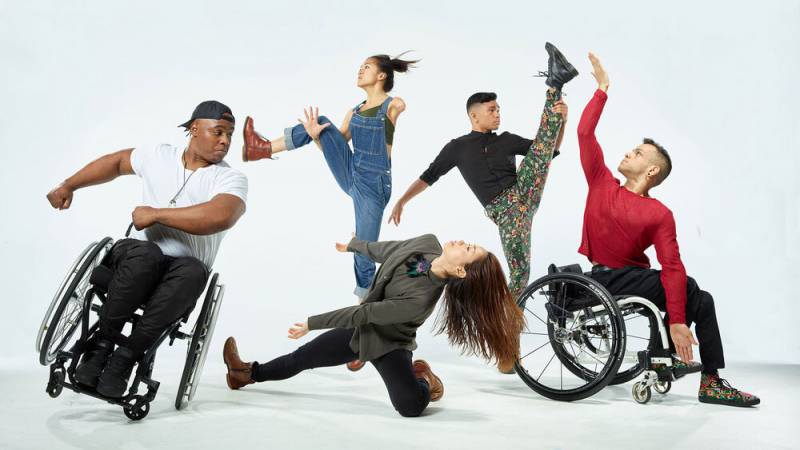
"caption": "The AXIS Dance company is one of many dance organizations in the Bay Area struggling with the current coronavirus crisis.",
"description": "The AXIS Dance company is one of many dance organizations in the Bay Area struggling with the current coronavirus crisis.",
"title": "AXISDanceCompany_DavidDeSilva",
"credit": "David DeSilva",
"status": "inherit",
"isLoading": false,
"fetchFailed": false
},
"arts_13879369": {
"type": "attachments",
"id": "arts_13879369",
"meta": {
"index": "attachments_1716263798",
"site": "arts",
"id": "13879369",
"found": true
},
"parent": 0,
"imgSizes": {
"twentyfourteen-full-width": {
"file": "https://ww2.kqed.org/app/uploads/sites/2/2020/04/BCF.web_-1038x576.jpg",
"width": 1038,
"mimeType": "image/jpeg",
"height": 576
},
"thumbnail": {
"file": "https://ww2.kqed.org/app/uploads/sites/2/2020/04/BCF.web_-160x100.jpg",
"width": 160,
"mimeType": "image/jpeg",
"height": 100
},
"post-thumbnail": {
"file": "https://ww2.kqed.org/app/uploads/sites/2/2020/04/BCF.web_-672x372.jpg",
"width": 672,
"mimeType": "image/jpeg",
"height": 372
},
"kqedFullSize": {
"file": "https://ww2.kqed.org/app/uploads/sites/2/2020/04/BCF.web_.jpg",
"width": 1920,
"height": 1200
},
"large": {
"file": "https://ww2.kqed.org/app/uploads/sites/2/2020/04/BCF.web_-1020x638.jpg",
"width": 1020,
"mimeType": "image/jpeg",
"height": 638
},
"full-width": {
"file": "https://ww2.kqed.org/app/uploads/sites/2/2020/04/BCF.web_-1920x1200.jpg",
"width": 1920,
"mimeType": "image/jpeg",
"height": 1200
},
"medium": {
"file": "https://ww2.kqed.org/app/uploads/sites/2/2020/04/BCF.web_-800x500.jpg",
"width": 800,
"mimeType": "image/jpeg",
"height": 500
},
"medium_large": {
"file": "https://ww2.kqed.org/app/uploads/sites/2/2020/04/BCF.web_-768x480.jpg",
"width": 768,
"mimeType": "image/jpeg",
"height": 480
}
},
"publishDate": 1588089998,
"modified": 1588090129,
"caption": "Kendra Kimbrough Dance Ensemble dancers Christopher Scarver, Korea Venters, Olivia Eng, Linda Steele II, and Frances Sedayao (L–R) at the Black Choreographers Festival 2020.",
"description": "Kendra Kimbrough Dance Ensemble dancers Christopher Scarver, Korea Venters, Olivia Eng, Linda Steele II, and Frances Sedayao (L–R) at the Black Choreographers Festival 2020.",
"title": "BCF.web",
"credit": "Courtesy KKDE",
"status": "inherit",
"isLoading": false,
"fetchFailed": false
},
"arts_13874448": {
"type": "attachments",
"id": "arts_13874448",
"meta": {
"index": "attachments_1716263798",
"site": "arts",
"id": "13874448",
"found": true
},
"parent": 13874446,
"imgSizes": {
"twentyfourteen-full-width": {
"file": "https://ww2.kqed.org/app/uploads/sites/2/2020/02/BES19TOU_ET38701_CE-1038x576.jpg",
"width": 1038,
"mimeType": "image/jpeg",
"height": 576
},
"thumbnail": {
"file": "https://ww2.kqed.org/app/uploads/sites/2/2020/02/BES19TOU_ET38701_CE-160x90.jpg",
"width": 160,
"mimeType": "image/jpeg",
"height": 90
},
"post-thumbnail": {
"file": "https://ww2.kqed.org/app/uploads/sites/2/2020/02/BES19TOU_ET38701_CE-672x372.jpg",
"width": 672,
"mimeType": "image/jpeg",
"height": 372
},
"kqedFullSize": {
"file": "https://ww2.kqed.org/app/uploads/sites/2/2020/02/BES19TOU_ET38701_CE.jpg",
"width": 1920,
"height": 1080
},
"large": {
"file": "https://ww2.kqed.org/app/uploads/sites/2/2020/02/BES19TOU_ET38701_CE-1020x574.jpg",
"width": 1020,
"mimeType": "image/jpeg",
"height": 574
},
"full-width": {
"file": "https://ww2.kqed.org/app/uploads/sites/2/2020/02/BES19TOU_ET38701_CE-1920x1080.jpg",
"width": 1920,
"mimeType": "image/jpeg",
"height": 1080
},
"medium": {
"file": "https://ww2.kqed.org/app/uploads/sites/2/2020/02/BES19TOU_ET38701_CE-800x450.jpg",
"width": 800,
"mimeType": "image/jpeg",
"height": 450
},
"medium_large": {
"file": "https://ww2.kqed.org/app/uploads/sites/2/2020/02/BES19TOU_ET38701_CE-768x432.jpg",
"width": 768,
"mimeType": "image/jpeg",
"height": 432
}
},
"publishDate": 1580941546,
"modified": 1580941625,
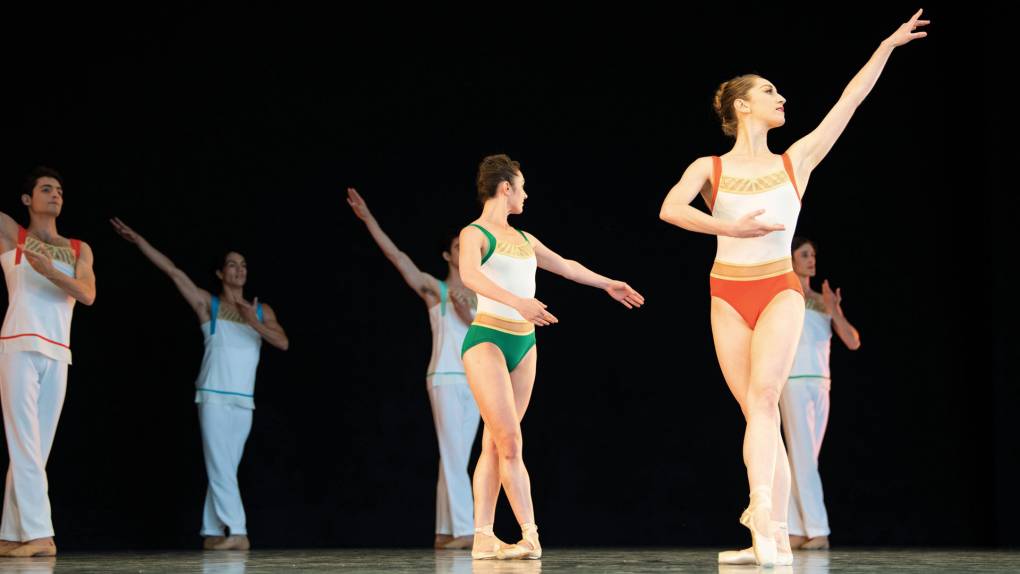
"caption": "'Bespoke' is at the center of the second program in San Francisco Ballet's Classical (Re)Vision series.\n\nSan Francisco Ballet in Welch's 'Bespoke'",
"description": "'Bespoke' is at the center of the second program in San Francisco Ballet's Classical (Re)Vision series.\n\nSan Francisco Ballet in Welch's 'Bespoke'",
"title": "'Bespoke' is at the center of the second program in San Francisco Ballet's Classical (Re)Vision series. San Francisco Ballet in Welch's 'Bespoke'",
"credit": "Erik Tomasson/Courtesy SF Ballet",
"status": "inherit",
"isLoading": false,
"fetchFailed": false
},
"arts_13874295": {
"type": "attachments",
"id": "arts_13874295",
"meta": {
"index": "attachments_1716263798",
"site": "arts",
"id": "13874295",
"found": true
},
"parent": 13874293,
"imgSizes": {
"twentyfourteen-full-width": {
"file": "https://ww2.kqed.org/app/uploads/sites/2/2020/02/0-2-1038x576.jpg",
"width": 1038,
"mimeType": "image/jpeg",
"height": 576
},
"thumbnail": {
"file": "https://ww2.kqed.org/app/uploads/sites/2/2020/02/0-2-160x90.jpg",
"width": 160,
"mimeType": "image/jpeg",
"height": 90
},
"post-thumbnail": {
"file": "https://ww2.kqed.org/app/uploads/sites/2/2020/02/0-2-672x372.jpg",
"width": 672,
"mimeType": "image/jpeg",
"height": 372
},
"kqedFullSize": {
"file": "https://ww2.kqed.org/app/uploads/sites/2/2020/02/0-2.jpg",
"width": 1988,
"height": 1118
},
"large": {
"file": "https://ww2.kqed.org/app/uploads/sites/2/2020/02/0-2-1020x574.jpg",
"width": 1020,
"mimeType": "image/jpeg",
"height": 574
},
"full-width": {
"file": "https://ww2.kqed.org/app/uploads/sites/2/2020/02/0-2-1920x1080.jpg",
"width": 1920,
"mimeType": "image/jpeg",
"height": 1080
},
"medium": {
"file": "https://ww2.kqed.org/app/uploads/sites/2/2020/02/0-2-800x450.jpg",
"width": 800,
"mimeType": "image/jpeg",
"height": 450
},
"medium_large": {
"file": "https://ww2.kqed.org/app/uploads/sites/2/2020/02/0-2-768x432.jpg",
"width": 768,
"mimeType": "image/jpeg",
"height": 432
}
},
"publishDate": 1580774352,
"modified": 1581026690,
"caption": "Kanukai Chigamba dancing at AfroRooted's 2019 event",
"description": "Kanukai Chigamba dancing at AfroRooted's 2019 event",
"title": "Kanukai Chigamba dancing at AfroRooted's 2019 event",
"credit": "Gladys Liu",
"status": "inherit",
"isLoading": false,
"fetchFailed": false
},
"arts_13873971": {
"type": "attachments",
"id": "arts_13873971",
"meta": {
"index": "attachments_1716263798",
"site": "arts",
"id": "13873971",
"found": true
},
"parent": 13873938,
"imgSizes": {
"thumbnail": {
"file": "https://ww2.kqed.org/app/uploads/sites/2/2020/01/LXSDXSMAINSTAGEPHOTOROBBIESWEENEY-160x79.jpg",
"width": 160,
"mimeType": "image/jpeg",
"height": 79
},
"post-thumbnail": {
"file": "https://ww2.kqed.org/app/uploads/sites/2/2020/01/LXSDXSMAINSTAGEPHOTOROBBIESWEENEY-672x372.jpg",
"width": 672,
"mimeType": "image/jpeg",
"height": 372
},
"kqedFullSize": {
"file": "https://ww2.kqed.org/app/uploads/sites/2/2020/01/LXSDXSMAINSTAGEPHOTOROBBIESWEENEY.jpg",
"width": 1000,
"height": 492
},
"medium": {
"file": "https://ww2.kqed.org/app/uploads/sites/2/2020/01/LXSDXSMAINSTAGEPHOTOROBBIESWEENEY-800x394.jpg",
"width": 800,
"mimeType": "image/jpeg",
"height": 394
},
"medium_large": {
"file": "https://ww2.kqed.org/app/uploads/sites/2/2020/01/LXSDXSMAINSTAGEPHOTOROBBIESWEENEY-768x378.jpg",
"width": 768,
"mimeType": "image/jpeg",
"height": 378
}
},
"publishDate": 1580167094,
"modified": 1580167162,
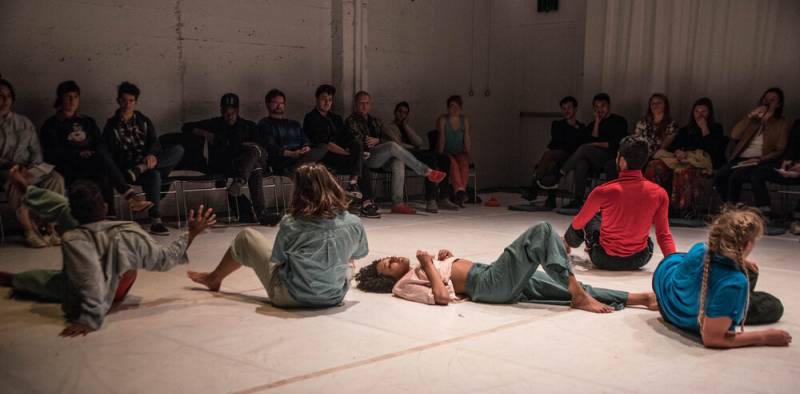
"caption": "Experimental dance collective Lxs Dxs opened the performance programming of the 11th annual Fresh Festival.",
"description": "Experimental dance collective Lxs Dxs opened the performance programming of the 11th annual Fresh Festival.",
"title": "Experimental dance collective Lxs Dxs opened the performance programming of the 11th annual Fresh Festival.",
"credit": "Robbie Sweeney/Courtesy Fresh Festival ",
"status": "inherit",
"isLoading": false,
"fetchFailed": false
},
"arts_13872294": {
"type": "attachments",
"id": "arts_13872294",
"meta": {
"index": "attachments_1716263798",
"site": "arts",
"id": "13872294",
"found": true
},
"parent": 13872290,
"imgSizes": {
"twentyfourteen-full-width": {
"file": "https://ww2.kqed.org/app/uploads/sites/2/2019/12/chelsea-reichert-1038x576.jpg",
"width": 1038,
"mimeType": "image/jpeg",
"height": 576
},
"thumbnail": {
"file": "https://ww2.kqed.org/app/uploads/sites/2/2019/12/chelsea-reichert-160x90.jpg",
"width": 160,
"mimeType": "image/jpeg",
"height": 90
},
"post-thumbnail": {
"file": "https://ww2.kqed.org/app/uploads/sites/2/2019/12/chelsea-reichert-672x372.jpg",
"width": 672,
"mimeType": "image/jpeg",
"height": 372
},
"kqedFullSize": {
"file": "https://ww2.kqed.org/app/uploads/sites/2/2019/12/chelsea-reichert.jpg",
"width": 1920,
"height": 1080
},
"large": {
"file": "https://ww2.kqed.org/app/uploads/sites/2/2019/12/chelsea-reichert-1020x574.jpg",
"width": 1020,
"mimeType": "image/jpeg",
"height": 574
},
"complete_open_graph": {
"file": "https://ww2.kqed.org/app/uploads/sites/2/2019/12/chelsea-reichert-1200x675.jpg",
"width": 1200,
"mimeType": "image/jpeg",
"height": 675
},
"full-width": {
"file": "https://ww2.kqed.org/app/uploads/sites/2/2019/12/chelsea-reichert-1920x1080.jpg",
"width": 1920,
"mimeType": "image/jpeg",
"height": 1080
},
"medium": {
"file": "https://ww2.kqed.org/app/uploads/sites/2/2019/12/chelsea-reichert-800x450.jpg",
"width": 800,
"mimeType": "image/jpeg",
"height": 450
},
"medium_large": {
"file": "https://ww2.kqed.org/app/uploads/sites/2/2019/12/chelsea-reichert-768x432.jpg",
"width": 768,
"mimeType": "image/jpeg",
"height": 432
}
},
"publishDate": 1577836510,
"modified": 1577836616,
"caption": "Chelsea Reichert, seen here rehearsing at ODC Theater, is a performer in Larry Arrington's 'No Quarter.'",
"description": "Chelsea Reichert, seen here rehearsing at ODC Theater, is a performer in Larry Arrington's 'No Quarter.'",
"title": "Chelsea Reichert, seen here rehearsing at ODC Theater, is a performer in Larry Arrington's 'No Quarter.'",
"credit": "Sam Lefebvre/KQED",
"status": "inherit",
"isLoading": false,
"fetchFailed": false
},
"arts_13872222": {
"type": "attachments",
"id": "arts_13872222",
"meta": {
"index": "attachments_1716263798",
"site": "arts",
"id": "13872222",
"found": true
},
"parent": 13872219,
"imgSizes": {
"twentyfourteen-full-width": {
"file": "https://ww2.kqed.org/app/uploads/sites/2/2019/12/david-hofmann-klWtuMJE8Ho-unsplash-1038x576.jpg",
"width": 1038,
"mimeType": "image/jpeg",
"height": 576
},
"thumbnail": {
"file": "https://ww2.kqed.org/app/uploads/sites/2/2019/12/david-hofmann-klWtuMJE8Ho-unsplash-160x92.jpg",
"width": 160,
"mimeType": "image/jpeg",
"height": 92
},
"post-thumbnail": {
"file": "https://ww2.kqed.org/app/uploads/sites/2/2019/12/david-hofmann-klWtuMJE8Ho-unsplash-672x372.jpg",
"width": 672,
"mimeType": "image/jpeg",
"height": 372
},
"kqedFullSize": {
"file": "https://ww2.kqed.org/app/uploads/sites/2/2019/12/david-hofmann-klWtuMJE8Ho-unsplash.jpg",
"width": 6783,
"height": 3884
},
"large": {
"file": "https://ww2.kqed.org/app/uploads/sites/2/2019/12/david-hofmann-klWtuMJE8Ho-unsplash-1020x584.jpg",
"width": 1020,
"mimeType": "image/jpeg",
"height": 584
},
"complete_open_graph": {
"file": "https://ww2.kqed.org/app/uploads/sites/2/2019/12/david-hofmann-klWtuMJE8Ho-unsplash-1200x687.jpg",
"width": 1200,
"mimeType": "image/jpeg",
"height": 687
},
"full-width": {
"file": "https://ww2.kqed.org/app/uploads/sites/2/2019/12/david-hofmann-klWtuMJE8Ho-unsplash-1920x1099.jpg",
"width": 1920,
"mimeType": "image/jpeg",
"height": 1099
},
"medium": {
"file": "https://ww2.kqed.org/app/uploads/sites/2/2019/12/david-hofmann-klWtuMJE8Ho-unsplash-800x458.jpg",
"width": 800,
"mimeType": "image/jpeg",
"height": 458
},
"medium_large": {
"file": "https://ww2.kqed.org/app/uploads/sites/2/2019/12/david-hofmann-klWtuMJE8Ho-unsplash-768x440.jpg",
"width": 768,
"mimeType": "image/jpeg",
"height": 440
}
},
"publishDate": 1577758930,
"modified": 1577758961,
"caption": null,
"description": null,
"title": "david-hofmann-klWtuMJE8Ho-unsplash",
"credit": "David Hofmann/Unsplash",
"status": "inherit",
"isLoading": false,
"fetchFailed": false
},
"arts_13871565": {
"type": "attachments",
"id": "arts_13871565",
"meta": {
"index": "attachments_1716263798",
"site": "arts",
"id": "13871565",
"found": true
},
"parent": 13871375,
"imgSizes": {
"twentyfourteen-full-width": {
"file": "https://ww2.kqed.org/app/uploads/sites/2/2019/12/KOLA-1038x576.jpg",
"width": 1038,
"mimeType": "image/jpeg",
"height": 576
},
"thumbnail": {
"file": "https://ww2.kqed.org/app/uploads/sites/2/2019/12/KOLA-160x90.jpg",
"width": 160,
"mimeType": "image/jpeg",
"height": 90
},
"post-thumbnail": {
"file": "https://ww2.kqed.org/app/uploads/sites/2/2019/12/KOLA-672x372.jpg",
"width": 672,
"mimeType": "image/jpeg",
"height": 372
},
"kqedFullSize": {
"file": "https://ww2.kqed.org/app/uploads/sites/2/2019/12/KOLA.jpg",
"width": 1830,
"height": 1029
},
"large": {
"file": "https://ww2.kqed.org/app/uploads/sites/2/2019/12/KOLA-1020x574.jpg",
"width": 1020,
"mimeType": "image/jpeg",
"height": 574
},
"complete_open_graph": {
"file": "https://ww2.kqed.org/app/uploads/sites/2/2019/12/KOLA-1200x675.jpg",
"width": 1200,
"mimeType": "image/jpeg",
"height": 675
},
"medium": {
"file": "https://ww2.kqed.org/app/uploads/sites/2/2019/12/KOLA-800x450.jpg",
"width": 800,
"mimeType": "image/jpeg",
"height": 450
},
"medium_large": {
"file": "https://ww2.kqed.org/app/uploads/sites/2/2019/12/KOLA-768x432.jpg",
"width": 768,
"mimeType": "image/jpeg",
"height": 432
}
},
"publishDate": 1576261941,
"modified": 1576261982,
"caption": "Samara Cole-Mercado dancing as Yemanja during a rehearsal at Sullivan Community Space in Oakland on Dec. 8, 2019.\n",
"description": "Samara Cole-Mercado dancing as Yemanja during a rehearsal at Sullivan Community Space in Oakland on Dec. 8, 2019.\n",
"title": "KOLA",
"credit": "Stephanie Lister/KQED",
"status": "inherit",
"isLoading": false,
"fetchFailed": false
},
"arts_13864892": {
"type": "attachments",
"id": "arts_13864892",
"meta": {
"index": "attachments_1716263798",
"site": "arts",
"id": "13864892",
"found": true
},
"parent": 13864830,
"imgSizes": {
"twentyfourteen-full-width": {
"file": "https://ww2.kqed.org/app/uploads/sites/2/2019/08/M6A0409-1038x576.jpg",
"width": 1038,
"mimeType": "image/jpeg",
"height": 576
},
"thumbnail": {
"file": "https://ww2.kqed.org/app/uploads/sites/2/2019/08/M6A0409-160x90.jpg",
"width": 160,
"mimeType": "image/jpeg",
"height": 90
},
"post-thumbnail": {
"file": "https://ww2.kqed.org/app/uploads/sites/2/2019/08/M6A0409-672x372.jpg",
"width": 672,
"mimeType": "image/jpeg",
"height": 372
},
"kqedFullSize": {
"file": "https://ww2.kqed.org/app/uploads/sites/2/2019/08/M6A0409.jpg",
"width": 1920,
"height": 1080
},
"large": {
"file": "https://ww2.kqed.org/app/uploads/sites/2/2019/08/M6A0409-1020x574.jpg",
"width": 1020,
"mimeType": "image/jpeg",
"height": 574
},
"complete_open_graph": {
"file": "https://ww2.kqed.org/app/uploads/sites/2/2019/08/M6A0409-1200x675.jpg",
"width": 1200,
"mimeType": "image/jpeg",
"height": 675
},
"full-width": {
"file": "https://ww2.kqed.org/app/uploads/sites/2/2019/08/M6A0409-1920x1080.jpg",
"width": 1920,
"mimeType": "image/jpeg",
"height": 1080
},
"medium": {
"file": "https://ww2.kqed.org/app/uploads/sites/2/2019/08/M6A0409-800x450.jpg",
"width": 800,
"mimeType": "image/jpeg",
"height": 450
},
"medium_large": {
"file": "https://ww2.kqed.org/app/uploads/sites/2/2019/08/M6A0409-768x432.jpg",
"width": 768,
"mimeType": "image/jpeg",
"height": 432
}
},
"publishDate": 1566857973,
"modified": 1566858556,
"caption": "Silas Riener (L) and Rashaun Mitchell (R), both formerly Cunningham company dancers, taught the late artists's technique and philosophy to dancers and non-dancers alike.",
"description": "Silas Riener (L) and Rashaun Mitchell (R), both formerly Cunningham company dancers, taught the late artists's technique and philosophy to dancers and non-dancers alike.",
"title": "_M6A0409",
"credit": "Stephanie Lister/KQED",
"status": "inherit",
"isLoading": false,
"fetchFailed": false
},
"arts_13869249": {
"type": "attachments",
"id": "arts_13869249",
"meta": {
"index": "attachments_1716263798",
"site": "arts",
"id": "13869249",
"found": true
},
"parent": 13869094,
"imgSizes": {
"twentyfourteen-full-width": {
"file": "https://ww2.kqed.org/app/uploads/sites/2/2019/10/romeandjuliet-1038x576.jpg",
"width": 1038,
"mimeType": "image/jpeg",
"height": 576
},
"thumbnail": {
"file": "https://ww2.kqed.org/app/uploads/sites/2/2019/10/romeandjuliet-160x90.jpg",
"width": 160,
"mimeType": "image/jpeg",
"height": 90
},
"post-thumbnail": {
"file": "https://ww2.kqed.org/app/uploads/sites/2/2019/10/romeandjuliet-672x372.jpg",
"width": 672,
"mimeType": "image/jpeg",
"height": 372
},
"kqedFullSize": {
"file": "https://ww2.kqed.org/app/uploads/sites/2/2019/10/romeandjuliet.jpg",
"width": 1200,
"height": 675
},
"large": {
"file": "https://ww2.kqed.org/app/uploads/sites/2/2019/10/romeandjuliet-1020x574.jpg",
"width": 1020,
"mimeType": "image/jpeg",
"height": 574
},
"complete_open_graph": {
"file": "https://ww2.kqed.org/app/uploads/sites/2/2019/10/romeandjuliet-1200x675.jpg",
"width": 1200,
"mimeType": "image/jpeg",
"height": 675
},
"medium": {
"file": "https://ww2.kqed.org/app/uploads/sites/2/2019/10/romeandjuliet-800x450.jpg",
"width": 800,
"mimeType": "image/jpeg",
"height": 450
},
"medium_large": {
"file": "https://ww2.kqed.org/app/uploads/sites/2/2019/10/romeandjuliet-768x432.jpg",
"width": 768,
"mimeType": "image/jpeg",
"height": 432
}
},
"publishDate": 1572572824,
"modified": 1572572906,
"caption": "William Bracewell and Francesca Hayward in 'Romeo & Juliet,' with choreography by Kenneth MacMillan and directed by Michael Nunn and William Trevitt.",
"description": "William Bracewell and Francesca Hayward in 'Romeo & Juliet,' with choreography by Kenneth MacMillan and directed by Michael Nunn and William Trevitt.",
"title": "romeandjuliet",
"credit": "Copyright Footwork Films",
"status": "inherit",
"isLoading": false,
"fetchFailed": false
},
"arts_13867484": {
"type": "attachments",
"id": "arts_13867484",
"meta": {
"index": "attachments_1716263798",
"site": "arts",
"id": "13867484",
"found": true
},
"parent": 13867481,
"imgSizes": {
"twentyfourteen-full-width": {
"file": "https://ww2.kqed.org/app/uploads/sites/2/2019/10/DanceNation_feralBryanMunar_JuliaBrothers_LaurenSpencer_Ash-Malloy_MohanaRajagopal_credit_Jessica-Palopoli-1038x576.jpg",
"width": 1038,
"mimeType": "image/jpeg",
"height": 576
},
"thumbnail": {
"file": "https://ww2.kqed.org/app/uploads/sites/2/2019/10/DanceNation_feralBryanMunar_JuliaBrothers_LaurenSpencer_Ash-Malloy_MohanaRajagopal_credit_Jessica-Palopoli-160x107.jpg",
"width": 160,
"mimeType": "image/jpeg",
"height": 107
},
"post-thumbnail": {
"file": "https://ww2.kqed.org/app/uploads/sites/2/2019/10/DanceNation_feralBryanMunar_JuliaBrothers_LaurenSpencer_Ash-Malloy_MohanaRajagopal_credit_Jessica-Palopoli-672x372.jpg",
"width": 672,
"mimeType": "image/jpeg",
"height": 372
},
"kqedFullSize": {
"file": "https://ww2.kqed.org/app/uploads/sites/2/2019/10/DanceNation_feralBryanMunar_JuliaBrothers_LaurenSpencer_Ash-Malloy_MohanaRajagopal_credit_Jessica-Palopoli.jpg",
"width": 1920,
"height": 1280
},
"large": {
"file": "https://ww2.kqed.org/app/uploads/sites/2/2019/10/DanceNation_feralBryanMunar_JuliaBrothers_LaurenSpencer_Ash-Malloy_MohanaRajagopal_credit_Jessica-Palopoli-1020x680.jpg",
"width": 1020,
"mimeType": "image/jpeg",
"height": 680
},
"complete_open_graph": {
"file": "https://ww2.kqed.org/app/uploads/sites/2/2019/10/DanceNation_feralBryanMunar_JuliaBrothers_LaurenSpencer_Ash-Malloy_MohanaRajagopal_credit_Jessica-Palopoli-1200x800.jpg",
"width": 1200,
"mimeType": "image/jpeg",
"height": 800
},
"full-width": {
"file": "https://ww2.kqed.org/app/uploads/sites/2/2019/10/DanceNation_feralBryanMunar_JuliaBrothers_LaurenSpencer_Ash-Malloy_MohanaRajagopal_credit_Jessica-Palopoli-1920x1280.jpg",
"width": 1920,
"mimeType": "image/jpeg",
"height": 1280
},
"medium": {
"file": "https://ww2.kqed.org/app/uploads/sites/2/2019/10/DanceNation_feralBryanMunar_JuliaBrothers_LaurenSpencer_Ash-Malloy_MohanaRajagopal_credit_Jessica-Palopoli-800x533.jpg",
"width": 800,
"mimeType": "image/jpeg",
"height": 533
},
"medium_large": {
"file": "https://ww2.kqed.org/app/uploads/sites/2/2019/10/DanceNation_feralBryanMunar_JuliaBrothers_LaurenSpencer_Ash-Malloy_MohanaRajagopal_credit_Jessica-Palopoli-768x512.jpg",
"width": 768,
"mimeType": "image/jpeg",
"height": 512
}
},
"publishDate": 1570004007,
"modified": 1570004151,
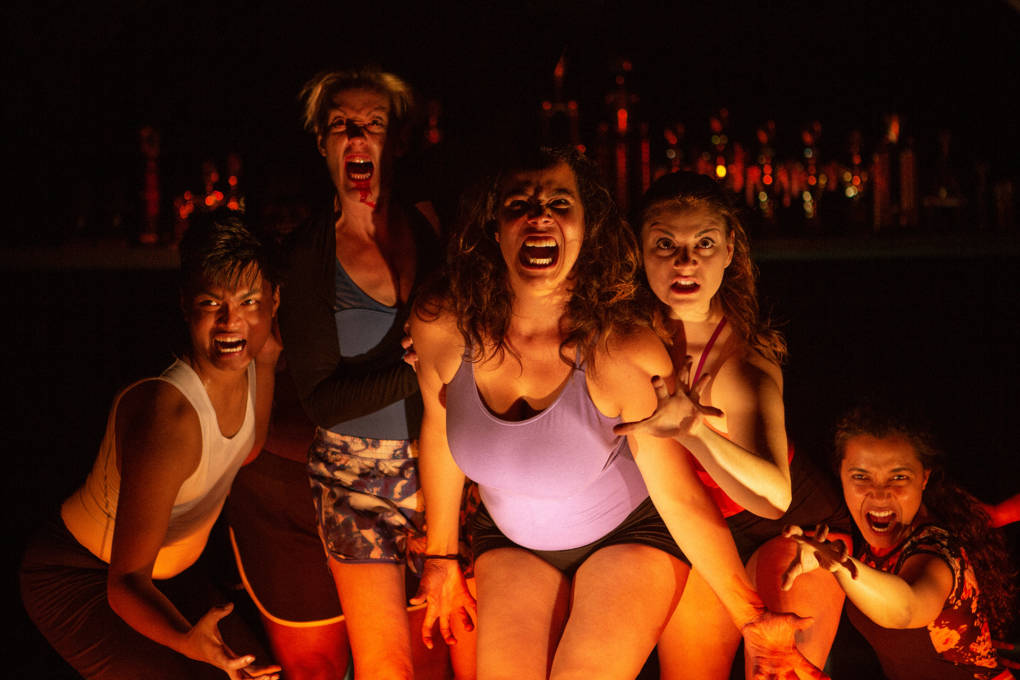
"caption": "A feral moment in Dance Nation at SF Playhouse. (l to r) Bryan Munar, Julia Brothers, Lauren Spencer, Ash Malloy, Mohana Rajagopal.",
"description": "A feral moment in Dance Nation at SF Playhouse. (l to r) Bryan Munar, Julia Brothers, Lauren Spencer, Ash Malloy, Mohana Rajagopal.",
"title": "DanceNation_feralBryanMunar_JuliaBrothers_LaurenSpencer_Ash Malloy_MohanaRajagopal_credit_Jessica Palopoli",
"credit": "Jessica Palopoli",
"status": "inherit",
"isLoading": false,
"fetchFailed": false
}
},
"audioPlayerReducer": {
"postId": "stream_live",
"isPaused": true,
"isPlaying": false,
"pfsActive": false,
"pledgeModalIsOpen": true,
"playerDrawerIsOpen": false,
"liveAudioPlayStartedAt": 0,
"liveAudioPlayContext": ""
},
"authorsReducer": {
"shotchkiss": {
"type": "authors",
"id": "61",
"meta": {
"index": "authors_1716337520",
"id": "61",
"found": true
},
"name": "Sarah Hotchkiss",
"firstName": "Sarah",
"lastName": "Hotchkiss",
"slug": "shotchkiss",
"email": "shotchkiss@kqed.org",
"display_author_email": true,
"staff_mastheads": [
"arts"
],
"title": "Senior Editor",
"bio": "Sarah Hotchkiss is a San Francisco \u003ca href=\"http://www.sarahhotchkiss.com\">artist\u003c/a> and arts writer. In 2019, she received the Dorothea & Leo Rabkin Foundation grant for visual art journalism and in 2020 she received a Society of Professional Journalists, Northern California award for excellence in arts and culture reporting.",
"avatar": "https://secure.gravatar.com/avatar/bc662df144b3d27fd8b1b6f1c2a420d34e91e53154d411bb7ad353cc8b6cea8d?s=600&d=blank&r=g",
"twitter": null,
"bluesky": null,
"facebook": null,
"instagram": null,
"linkedin": null,
"sites": [
{
"site": "",
"roles": [
"editor"
]
},
{
"site": "arts",
"roles": [
"Contributor",
"administrator"
]
},
{
"site": "artschool",
"roles": [
"administrator"
]
},
{
"site": "news",
"roles": [
"editor"
]
},
{
"site": "pop",
"roles": [
"administrator"
]
},
{
"site": "bayareabites",
"roles": [
"editor"
]
},
{
"site": "spark",
"roles": [
"editor"
]
},
{
"site": "checkplease",
"roles": [
"editor"
]
}
],
"headData": {
"title": "Sarah Hotchkiss | KQED",
"description": "Senior Editor",
"ogImgSrc": "https://secure.gravatar.com/avatar/bc662df144b3d27fd8b1b6f1c2a420d34e91e53154d411bb7ad353cc8b6cea8d?s=600&d=blank&r=g",
"twImgSrc": "https://secure.gravatar.com/avatar/bc662df144b3d27fd8b1b6f1c2a420d34e91e53154d411bb7ad353cc8b6cea8d?s=600&d=blank&r=g"
},
"isLoading": false,
"link": "/author/shotchkiss"
},
"gmeline": {
"type": "authors",
"id": "185",
"meta": {
"index": "authors_1716337520",
"id": "185",
"found": true
},
"name": "Gabe Meline",
"firstName": "Gabe",
"lastName": "Meline",
"slug": "gmeline",
"email": "gmeline@kqed.org",
"display_author_email": true,
"staff_mastheads": [
"arts"
],
"title": "Senior Editor, KQED Arts & Culture",
"bio": "Gabe Meline entered journalism at age 15 making photocopied zines, and has since earned awards from the Edward R. Murrow Awards, the Society for Professional Journalists, the Online Journalism Awards, the Association of Alternative Newsweeklies and the California Newspaper Publishers Association. Prior to KQED, he was the editor of the \u003cem>North Bay Bohemian\u003c/em> and a touring musician. He lives with his wife and daughter in his hometown of Santa Rosa, CA.",
"avatar": "https://secure.gravatar.com/avatar/5bebe57be0d8bc2dd318934feb47299e2d2d10cba28d09d8d7afb389a2ce2bdd?s=600&d=blank&r=g",
"twitter": null,
"bluesky": null,
"facebook": null,
"instagram": null,
"linkedin": null,
"sites": [
{
"site": "",
"roles": [
"editor"
]
},
{
"site": "arts",
"roles": [
"administrator"
]
},
{
"site": "artschool",
"roles": [
"editor"
]
},
{
"site": "news",
"roles": [
"author"
]
},
{
"site": "pop",
"roles": [
"editor"
]
},
{
"site": "bayareabites",
"roles": [
"editor"
]
},
{
"site": "food",
"roles": [
"editor"
]
},
{
"site": "forum",
"roles": [
"administrator"
]
},
{
"site": "liveblog",
"roles": [
"editor"
]
},
{
"site": "hiphop",
"roles": [
"editor"
]
}
],
"headData": {
"title": "Gabe Meline | KQED",
"description": "Senior Editor, KQED Arts & Culture",
"ogImgSrc": "https://secure.gravatar.com/avatar/5bebe57be0d8bc2dd318934feb47299e2d2d10cba28d09d8d7afb389a2ce2bdd?s=600&d=blank&r=g",
"twImgSrc": "https://secure.gravatar.com/avatar/5bebe57be0d8bc2dd318934feb47299e2d2d10cba28d09d8d7afb389a2ce2bdd?s=600&d=blank&r=g"
},
"isLoading": false,
"link": "/author/gmeline"
},
"slefebvre": {
"type": "authors",
"id": "11091",
"meta": {
"index": "authors_1716337520",
"id": "11091",
"found": true
},
"name": "Sam Lefebvre",
"firstName": "Sam",
"lastName": "Lefebvre",
"slug": "slefebvre",
"email": "sdlefebvre@gmail.com",
"display_author_email": false,
"staff_mastheads": [],
"title": "KQED Contributor",
"bio": "Sam Lefebvre is an award-winning reporter at KQED Arts. He has worked as an editor and columnist at the \u003cem>East Bay Express\u003c/em>, \u003cem>SF Weekly \u003c/em>and Impose Magazine, and his journalism and criticism has appeared in \u003cem>The New York Times\u003c/em>, the Guardian and Pitchfork.",
"avatar": "https://secure.gravatar.com/avatar/49d39b42930b77fb13784ddd9fa63fe780666b71bf289368509dba576b64e69b?s=600&d=blank&r=g",
"twitter": "Lefebvre_Sam",
"bluesky": null,
"facebook": null,
"instagram": null,
"linkedin": null,
"sites": [
{
"site": "arts",
"roles": [
"subscriber"
]
},
{
"site": "news",
"roles": [
"author"
]
}
],
"headData": {
"title": "Sam Lefebvre | KQED",
"description": "KQED Contributor",
"ogImgSrc": "https://secure.gravatar.com/avatar/49d39b42930b77fb13784ddd9fa63fe780666b71bf289368509dba576b64e69b?s=600&d=blank&r=g",
"twImgSrc": "https://secure.gravatar.com/avatar/49d39b42930b77fb13784ddd9fa63fe780666b71bf289368509dba576b64e69b?s=600&d=blank&r=g"
},
"isLoading": false,
"link": "/author/slefebvre"
},
"cescoda": {
"type": "authors",
"id": "11206",
"meta": {
"index": "authors_1716337520",
"id": "11206",
"found": true
},
"name": "Carla Escoda",
"firstName": "Carla",
"lastName": "Escoda",
"slug": "cescoda",
"email": "ballettothepeople@gmail.com",
"display_author_email": false,
"staff_mastheads": [],
"title": null,
"bio": "Carla can most often be found in theatres, airports and on airplanes, writing about dance and the arts for various websites whenever she can find wi-fi. Her blog Ballet to the People<\u003ca href=\"http://ballettothepeople.com/\" target=\"_blank\" rel=\"noreferrer\">http://\u003cwbr />ballettothepeople.com\u003c/a>> has become a street corner where dance-lovers enjoy loitering and plotting the revolution which will renew the populist roots of ballet.\r\n\u003cspan class=\"im\">\r\nIn her previous lives, Carla worked in scientific research, then in project finance in Asia. Prior to that, she trained as a ballet and modern dancer, and performed with the Yaledancers while getting her undergraduate degrees in Engineering and Applied Science and French Literature, and her graduate degree in Engineering.\u003c/span>",
"avatar": "https://secure.gravatar.com/avatar/3a012eb3749d4353e3e28aab414dd815?s=600&d=blank&r=g",
"twitter": null,
"facebook": null,
"instagram": null,
"linkedin": null,
"sites": [
{
"site": "arts",
"roles": [
"author"
]
}
],
"headData": {
"title": "Carla Escoda | KQED",
"description": null,
"ogImgSrc": "https://secure.gravatar.com/avatar/3a012eb3749d4353e3e28aab414dd815?s=600&d=blank&r=g",
"twImgSrc": "https://secure.gravatar.com/avatar/3a012eb3749d4353e3e28aab414dd815?s=600&d=blank&r=g"
},
"isLoading": false,
"link": "/author/cescoda"
},
"ralexandra": {
"type": "authors",
"id": "11242",
"meta": {
"index": "authors_1716337520",
"id": "11242",
"found": true
},
"name": "Rae Alexandra",
"firstName": "Rae",
"lastName": "Alexandra",
"slug": "ralexandra",
"email": "ralexandra@kqed.org",
"display_author_email": true,
"staff_mastheads": [],
"title": "Reporter/Producer",
"bio": "Rae Alexandra is a Reporter/Producer for KQED Arts & Culture, and the creator/author of the \u003ca href=\"https://www.kqed.org/arts/program/rebel-girls-from-bay-area-history\">Rebel Girls From Bay Area History\u003c/a> and \u003ca href=\"https://www.kqed.org/bizarrebayarea\">Bizarre Bay Area\u003c/a> series. Her debut book, \u003ca href=\"https://citylights.com/politics-current-events-history/unsung-heroines35-women-who-changed/\">Unsung Heroines: 35 Women Who Changed the Bay Area\u003c/a> was published by City Lights in March 2026. In 2023, Rae was awarded an SPJ Excellence in Journalism Award for Arts & Culture. Rae was born and raised in Wales and subsequently — even after two decades in Northern California — still uses phrases that regularly baffle her coworkers.",
"avatar": "https://secure.gravatar.com/avatar/edfee8176c80cc0a382b051190f5341997df378a934a5774dcb0977732dfd401?s=600&d=blank&r=g",
"twitter": null,
"bluesky": null,
"facebook": null,
"instagram": null,
"linkedin": null,
"sites": [
{
"site": "arts",
"roles": [
"subscriber"
]
},
{
"site": "news",
"roles": [
"subscriber"
]
},
{
"site": "pop",
"roles": [
"subscriber"
]
},
{
"site": "bayareabites",
"roles": [
"subscriber"
]
},
{
"site": "science",
"roles": [
"subscriber"
]
}
],
"headData": {
"title": "Rae Alexandra | KQED",
"description": "Reporter/Producer",
"ogImgSrc": "https://secure.gravatar.com/avatar/edfee8176c80cc0a382b051190f5341997df378a934a5774dcb0977732dfd401?s=600&d=blank&r=g",
"twImgSrc": "https://secure.gravatar.com/avatar/edfee8176c80cc0a382b051190f5341997df378a934a5774dcb0977732dfd401?s=600&d=blank&r=g"
},
"isLoading": false,
"link": "/author/ralexandra"
},
"ogpenn": {
"type": "authors",
"id": "11491",
"meta": {
"index": "authors_1716337520",
"id": "11491",
"found": true
},
"name": "Pendarvis Harshaw",
"firstName": "Pendarvis",
"lastName": "Harshaw",
"slug": "ogpenn",
"email": "ogpenn@gmail.com",
"display_author_email": false,
"staff_mastheads": [
"arts"
],
"title": "Community Engagement Reporter",
"bio": "Pendarvis Harshaw is an educator, host and writer with KQED Arts.",
"avatar": "https://secure.gravatar.com/avatar/972b77ee8e3f346ae2b00622661187fbfabd059b5693bbdc1475ea7a722fd4cd?s=600&d=blank&r=g",
"twitter": null,
"bluesky": null,
"facebook": null,
"instagram": "ogpenn",
"linkedin": null,
"sites": [
{
"site": "arts",
"roles": [
"administrator"
]
},
{
"site": "news",
"roles": [
"editor"
]
},
{
"site": "bayareabites",
"roles": [
"author"
]
},
{
"site": "hiphop",
"roles": [
"editor"
]
}
],
"headData": {
"title": "Pendarvis Harshaw | KQED",
"description": "Community Engagement Reporter",
"ogImgSrc": "https://secure.gravatar.com/avatar/972b77ee8e3f346ae2b00622661187fbfabd059b5693bbdc1475ea7a722fd4cd?s=600&d=blank&r=g",
"twImgSrc": "https://secure.gravatar.com/avatar/972b77ee8e3f346ae2b00622661187fbfabd059b5693bbdc1475ea7a722fd4cd?s=600&d=blank&r=g"
},
"isLoading": false,
"link": "/author/ogpenn"
},
"ngluckstern": {
"type": "authors",
"id": "11497",
"meta": {
"index": "authors_1716337520",
"id": "11497",
"found": true
},
"name": "Nicole Gluckstern",
"firstName": "Nicole",
"lastName": "Gluckstern",
"slug": "ngluckstern",
"email": "gluckstern.nicole@gmail.com",
"display_author_email": false,
"staff_mastheads": [],
"title": "KQED Contributor",
"bio": null,
"avatar": "https://secure.gravatar.com/avatar/2c3d593194017bfe811a998ad03140909de330b22abebf4889e1a564ce5b3495?s=600&d=blank&r=g",
"twitter": null,
"bluesky": null,
"facebook": null,
"instagram": null,
"linkedin": null,
"sites": [
{
"site": "arts",
"roles": [
"contributor"
]
}
],
"headData": {
"title": "Nicole Gluckstern | KQED",
"description": "KQED Contributor",
"ogImgSrc": "https://secure.gravatar.com/avatar/2c3d593194017bfe811a998ad03140909de330b22abebf4889e1a564ce5b3495?s=600&d=blank&r=g",
"twImgSrc": "https://secure.gravatar.com/avatar/2c3d593194017bfe811a998ad03140909de330b22abebf4889e1a564ce5b3495?s=600&d=blank&r=g"
},
"isLoading": false,
"link": "/author/ngluckstern"
}
},
"pagesReducer": {
"arts_tag_dance": {
"type": "terms",
"id": "arts_879",
"meta": {
"index": "terms_1716263798",
"site": "arts",
"id": "879",
"score": 8.283253
},
"featImg": null,
"name": "dance",
"description": "Covering dance events in the Bay Area and more.",
"taxonomy": "tag",
"headData": {
"twImgId": null,
"twTitle": null,
"ogTitle": null,
"ogImgId": null,
"twDescription": null,
"description": "Covering dance events in the Bay Area and more.",
"title": "dance Archives | KQED Arts",
"ogDescription": null
},
"ttid": 897,
"slug": "dance",
"isLoading": false,
"title": "dance",
"pageMeta": {
"site": "arts",
"WpPageTemplate": "page-topic-editorial",
"currentPage": 8
},
"blocks": [
{
"blockName": "kqed/company-paragraph",
"content": "Covering dance events in the Bay Area and more."
},
{
"blockName": "kqed/post-list",
"attrs": {
"layout": "cardArticle2",
"query": "posts/arts?tag=dance",
"seeMore": false,
"paginated": true,
"page": 8
}
},
{
"blockName": "kqed/ad"
}
]
}
},
"pfsSessionReducer": {},
"postsReducer": {
"stream_live": {
"type": "live",
"id": "stream_live",
"audioUrl": "https://streams.kqed.org/kqedradio",
"title": "Live Stream",
"excerpt": "Live Stream information currently unavailable.",
"link": "/radio",
"featImg": "",
"label": {
"name": "KQED Live",
"link": "/"
}
},
"stream_kqedNewscast": {
"type": "posts",
"id": "stream_kqedNewscast",
"audioUrl": "https://www.kqed.org/.stream/anon/radio/RDnews/newscast.mp3?_=1",
"title": "KQED Newscast",
"featImg": "",
"label": {
"name": "88.5 FM",
"link": "/"
}
},
"arts_13879630": {
"type": "posts",
"id": "arts_13879630",
"meta": {
"index": "posts_1716263798",
"site": "arts",
"id": "13879630",
"score": null,
"sort": [
1588292761000
]
},
"parent": 0,
"labelTerm": {
"site": "arts"
},
"blocks": [],
"publishDate": 1588292761,
"format": "standard",
"title": "In the Dance World, a Struggle for Relief Funding Forces New Approaches",
"headTitle": "In the Dance World, a Struggle for Relief Funding Forces New Approaches | KQED",
"content": "\u003cp>\u003cem>Note: This is the third in a three-part series about the effect of the coronavirus crisis on Bay Area dance companies. Find \u003ca href=\"https://www.kqed.org/arts/13879355/the-precarity-and-ingenuity-of-bay-area-dance-in-isolation\" rel=\"noopener noreferrer\" target=\"_blank\">part one\u003c/a> and \u003ca href=\"https://www.kqed.org/arts/13879497/how-dancers-maintain-their-well-being-in-quarantine\" rel=\"noopener noreferrer\" target=\"_blank\">two here\u003c/a>.\u003c/em>\u003c/p>\n\u003cp>In a final look at Bay Area dance in the pandemic, we note how the struggle to secure relief funding has exposed some of the grave vulnerabilities in the dance world—and how it has pushed some organizations to rethink their models. \u003c/p>\n\u003cp>Along with \u003cstrong>San Francisco Ballet,\u003c/strong> with its 78 dancers and monthly payroll of $2.5–$3 million, a small handful of other Bay Area dance companies have been fortunate to be approved for the Paycheck Protection Program (PPP) funding under the Federal CARES Act. Those include \u003cstrong>LINES Ballet\u003c/strong>—which employs 100 people, including 12 dancers, faculty and staff on a $6 million annual budget—and \u003cstrong>Smuin Ballet\u003c/strong>, which employs 18 dancers and operates on a $3.8 million budget.\u003c/p>\n\u003cp>Others, like \u003cstrong>Oakland Ballet\u003c/strong> and \u003cstrong>Diablo Ballet\u003c/strong>, which operate on budgets of under $1 million, were advised that government PPP funding has run out—which is \u003ca href=\"https://nonprofitquarterly.org/349b-in-ppp-loans-may-already-be-spent-will-the-next-round-be-better/\" target=\"_blank\" rel=\"noopener noreferrer\">the response many smaller nonprofits have received\u003c/a>.\u003c/p>\n\u003cp>Hip-hop dance instructor \u003cstrong>Micaya\u003c/strong> says she’s seeing more emergency resources being made available to visual artists, musicians and actors than to dancers. “Frankly, it is so typical and predictable,” she says. “It is my opinion that dance, especially hip-hop, is the least respected art form out there. I have been constantly fighting to change that way of thinking—way before this virus.”\u003c/p>\n\u003cp>[ad fullwidth]\u003c/p>\n\u003cp>Some organizations, like \u003ca href=\"http://worldartswest.org/main/home.asp\" target=\"_blank\" rel=\"noopener noreferrer\">\u003cstrong>World Arts West\u003c/strong>\u003c/a> (which organizes the \u003ca href=\"https://sfedfprogram.org/\" target=\"_blank\" rel=\"noopener noreferrer\">\u003cstrong>San Francisco Ethnic Dance Festival\u003c/strong>\u003c/a>), have been able to access the city’s \u003ca href=\"https://www.kqed.org/arts/13877253/sf-pledges-2-5-million-to-new-arts-relief-program\" rel=\"noopener noreferrer\" target=\"_blank\">Arts Relief Fund\u003c/a>. But Micaya and others say they’re not eligible due to being based outside the city, even though they teach and present dance in San Francisco.\u003c/p>\n\u003cp>\u003cstrong>Jo Kreiter\u003c/strong> of Flyaway Productions says her city grant had almost doubled through the \u003ca href=\"https://www.kqed.org/news/11704700/s-f-voters-say-yes-to-restoring-hotel-tax-funding-for-arts-and-culture\" rel=\"noopener noreferrer\" target=\"_blank\">hotel tax fund allocations for the arts\u003c/a> in San Francisco. But “for next year’s fundraising, who knows? That hotel tax fund will be decimated. The catapulting effect in the next two years is terrifying with the dance community cut off from public engagement. I worry about our ability to come back, but we are determined and ingenious.” (Plunging hotel taxes \u003ca href=\"https://www.kqed.org/arts/13879146/in-oakland-plunging-hotel-tax-revenue-threatens-to-gut-arts-funding\" rel=\"noopener noreferrer\" target=\"_blank\">threaten Oakland’s arts funding\u003c/a> as well.)\u003c/p>\n\u003cp>\u003cstrong>Robert Moses\u003c/strong> of \u003ca href=\"https://www.robertmoseskin.org/\" rel=\"noopener noreferrer\" target=\"_blank\">Robert Moses’ Kin\u003c/a> points to a growing number of foundations who have signed a \u003ca href=\"https://www.fordfoundation.org/the-latest/news/top-foundations-pledge-flexible-funding-to-grantees-in-wake-of-covid-19-crisis/\" target=\"_blank\" rel=\"noopener noreferrer\">pledge\u003c/a>, spearheaded by the Ford Foundation, to loosen grant restrictions and give small arts groups greater flexibility as they move through this pandemic.\u003c/p>\n\u003cp>https://www.youtube.com/watch?v=0ICkouctBAU\u003c/p>\n\u003ch2>Will Fragmentary Relief Be Enough?\u003c/h2>\n\u003cp>Like many small arts organizations around the Bay, the \u003ca href=\"https://www.sfdancefilmfest.org/\" target=\"_blank\" rel=\"noopener noreferrer\">\u003cstrong>San Francisco Dance Film Festival\u003c/strong>\u003c/a> finds itself ineligible for SBA/PPP funding, because its team is made up of freelancers and independent contractors. However, it will have access to the NEA’s new NEA/CARES fund, and received an emergency loan from Northern California Grantmakers (NCG).\u003c/p>\n\u003cp>“In a time like this, freelancers are so vulnerable,” worries festival director \u003cstrong>Judy Flannery\u003c/strong>. “This mélange of artistic hope and creativity that’s still bubbling around, and then this dark cloud of reality—how do people survive economically and physically in this?”\u003c/p>\n\u003cp>https://www.youtube.com/watch?v=sxuNpfSsqu8\u003c/p>\n\u003cp>Flannery said the festival had already been rethinking its model before the pandemic. And now many dancers are reaching out to them as they experiment with filming dance in isolation. In recent years, the festival developed a ‘co-laboratory’ practice in which it pairs local dancemakers and filmmakers to make new work quickly. “The landscape will change,” Flannery is certain, “even if the physical festival goes ahead.”\u003c/p>\n\u003cp>https://vimeo.com/243957137\u003c/p>\n\u003cp>\u003ca href=\"https://ybca.org/\" target=\"_blank\" rel=\"noopener noreferrer\">\u003cstrong>Yerba Buena Center for the Arts (YBCA)\u003c/strong>\u003c/a> and \u003ca href=\"http://worldartswest.org/main/home.asp\" target=\"_blank\" rel=\"noopener noreferrer\">\u003cstrong>World Arts West\u003c/strong>\u003c/a> are two organizations who had also been rethinking their models even before the present health crisis. For YBCA’s \u003cstrong>Deborah Cullinan\u003c/strong> that means discussion around “what it means to be in relationship with artists, to engage around issues that matter to them, how to be a creative home and a center for the community.” On projects like \u003ca href=\"https://ybca.org/event/come-to-your-census-who-counts-in-america/\" target=\"_blank\" rel=\"noopener noreferrer\">\u003cem>Come to Your Census\u003c/em>\u003c/a>, YBCA had already transitioned to working in partnership with a public agency, the SF Office of Immigration and Civic Affairs, around the shared mission of reaching communities that are hardest to count.\u003c/p>\n\u003cp>Cullinan maintains the “big question is not just how extensive are these \u003ca href=\"https://www.kqed.org/arts/13877348/survey-sf-arts-groups-expect-73-million-in-losses-during-coronavirus-crisis\" target=\"_blank\" rel=\"noopener noreferrer\">impacts\u003c/a> going to be (like the hotel tax fund allocation for the arts), and are we going to be smart enough about how we respond with relief and recovery policy, but also how we evolve in terms of our structures. It’s got to be both. I do not believe that we’re waiting it out, to put a Band-Aid on it, then come back… The reality is, we were already in trouble.”\u003c/p>\n\u003cp>She cites the inspiration of choreographer Liz Lerman, one of YBCA’s senior fellows, with whom YBCA is working to develop an online program to support dancers and choreographers “who need to work and grieve through a process of change and loss to get to the other side… How do you help ritualize and move people through something?”\u003c/p>\n\u003cp>Lerman, she says, “talks about the idea that we are most inventive when we are trying to survive. We’re making these inventive decisions to stay alive in the moment. At the exact same time when we are inventing new modes, we need to think about the future.”\u003c/p>\n\u003ch2>‘New Ways of Working’\u003c/h2>\n\u003cp>\u003cstrong>World Arts West\u003c/strong> serves over 450 dance companies around Northern California, including a growing number of young artists—many deeply rooted in specific cultural forms who put their own stamp on innovative work. Exemplifying “living tradition,” as executive director \u003cstrong>Anne Huang\u003c/strong> puts it.\u003c/p>\n\u003cp>In addition to the storytelling and ritual elements of many of these world dances, Huang says there is a strong spiritual side that impacts community health, especially in times of crisis. “Because their everyday world is falling apart, they reach back to the collective faith of the community, which can be extremely grounding.”\u003c/p>\n\u003cp>https://www.youtube.com/watch?v=3YYkZz50Lo0\u003c/p>\n\u003cp>The \u003cstrong>San Francisco Ethnic Dance Festival\u003c/strong> has traditionally provided World Arts West’s artists with a way to network and collaborate on cross-cultural creations. But the organization seeks to sustain their livelihoods more broadly, by getting them tools such as workspace resources, contract management, and grant writing support—and, in the pandemic, helping to get their classes online.\u003c/p>\n\u003cp>World Arts West is developing festival contingency plans, while releasing content from its archives of over 40 years of world dance. Meanwhile, Huang says, “Some artists are telling me, I’m giving online classes and I didn’t know I have fans and students from other states and countries! After COVID, what does this revenue stream look like: teaching local classes as well as online classes all around the world. I feel we’re going to emerge from this crisis not just a changed nation, a changed world but with new ways of working, of earning revenue.”\u003c/p>\n\u003cp>https://vimeo.com/402061201\u003c/p>\n\u003cp>\u003ca href=\"http://www.lenoraleedance.com/\" target=\"_blank\" rel=\"noopener noreferrer\">\u003cstrong>Lenora Lee \u003c/strong>\u003c/a>of Lenora Lee Dance has been developing a series of multimedia performances in spaces around the Ping Yuen Public Housing Complex to reflect on the historical struggles of the local Chinese community for affordable housing and housing rights, and their relationships with other marginalized groups in the community, including Russians and African Americans.\u003c/p>\n\u003cp>Lee has just reorganized her budget for the project, titled \u003cem>And the Community Will Rise\u003c/em>, and raised additional funds from individual and foundation donors to provide some relief assistance to her 14 dancers through the shelter-in-place. A total of $25K will also allow her to push out rehearsals for an additional three months in anticipation of a delay in premiering the work.\u003c/p>\n\u003cp>She says, “I decided not to push further with online fundraising at this time, as it felt like so many people were initiating campaigns to raise money.”\u003c/p>\n\u003cp>This stepping back in the face of a collective threat makes clear that broad-based relief is needed. Relief that doesn’t penalize freelancers and smaller organizations who may not have strong institutional banking relationships, and that doesn’t involve a multitude of applications. Many of the artists I spoke with expressed enormous frustration at the \u003ca href=\"https://news.artnet.com/art-world/funding-for-arts-and-cultural-groups-1815213\" target=\"_blank\" rel=\"noopener noreferrer\">U.S. government’s flimsy commitment to arts relief funding\u003c/a>—especially in comparison to a country like \u003ca href=\"https://news.artnet.com/art-world/german-bailout-50-billion-1815396\" target=\"_blank\" rel=\"noopener noreferrer\">Germany\u003c/a> which has committed 50 billion euros to the effort.\u003c/p>\n\u003cp>In a \u003ca href=\"http://www.lenoraleedance.com/2020/03/words-of-gratitude-from-our-artists-dancing-remotely/\" target=\"_blank\" rel=\"noopener noreferrer\">message\u003c/a> from \u003cstrong>Lenora Lee Dance\u003c/strong> to its supporters, dancer \u003cstrong>Anna Greenberg Gold\u003c/strong> wrote: “My work as an artist is to make visible the invisible, to dance thoughts and images into fruition, to be a time machine, a medium, a mover of emotions, a gardener of energies, a storyteller and a light. I hope to continue to shine my light on important issues through dance. Now more than ever, the world needs us.”\u003c/p>\n\u003cp>[ad floatright]\u003c/p>\n\u003cp>\u003cimg loading=\"lazy\" decoding=\"async\" src=\"https://ww2.kqed.org/app/uploads/sites/2/2016/09/Q.Logo_.Break_-800x78.jpg\" alt=\"\" width=\"800\" height=\"78\" class=\"aligncenter size-medium wp-image-12127869\" srcset=\"https://cdn.kqed.org/wp-content/uploads/sites/2/2016/09/Q.Logo_.Break_.jpg 800w, https://cdn.kqed.org/wp-content/uploads/sites/2/2016/09/Q.Logo_.Break_-400x39.jpg 400w, https://cdn.kqed.org/wp-content/uploads/sites/2/2016/09/Q.Logo_.Break_-768x75.jpg 768w\" sizes=\"(max-width: 800px) 100vw, 800px\">\u003c/p>\n\n",
"stats": {
"hasVideo": true,
"hasChartOrMap": false,
"hasAudio": false,
"hasPolis": false,
"wordCount": 1551,
"hasGoogleForm": false,
"hasGallery": false,
"hasHearkenModule": false,
"iframeSrcs": [],
"paragraphCount": 27
},
"modified": 1705020817,
"excerpt": "Bay Area dance companies have received grants and funds to help endure the coronavirus shutdown. Will it be enough? ",
"headData": {
"twImgId": "",
"twTitle": "",
"ogTitle": "",
"ogImgId": "",
"twDescription": "",
"description": "Bay Area dance companies have received grants and funds to help endure the coronavirus shutdown. Will it be enough? ",
"title": "In the Dance World, a Struggle for Relief Funding Forces New Approaches | KQED",
"ogDescription": "",
"schema": {
"@context": "https://schema.org",
"@type": "Article",
"headline": "In the Dance World, a Struggle for Relief Funding Forces New Approaches",
"datePublished": "2020-04-30T17:26:01-07:00",
"dateModified": "2024-01-11T16:53:37-08:00",
"image": "https://cdn.kqed.org/wp-content/uploads/2020/02/KQED-OG-Image@1x.png"
}
},
"guestAuthors": [],
"slug": "in-the-dance-world-a-struggle-for-relief-funding-forces-new-approaches",
"status": "publish",
"templateType": "standard",
"featuredImageType": "standard",
"sticky": false,
"path": "/arts/13879630/in-the-dance-world-a-struggle-for-relief-funding-forces-new-approaches",
"audioTrackLength": null,
"parsedContent": [
{
"type": "contentString",
"content": "\u003cdiv class=\"post-body\">\u003cp>\u003cp>\u003cem>Note: This is the third in a three-part series about the effect of the coronavirus crisis on Bay Area dance companies. Find \u003ca href=\"https://www.kqed.org/arts/13879355/the-precarity-and-ingenuity-of-bay-area-dance-in-isolation\" rel=\"noopener noreferrer\" target=\"_blank\">part one\u003c/a> and \u003ca href=\"https://www.kqed.org/arts/13879497/how-dancers-maintain-their-well-being-in-quarantine\" rel=\"noopener noreferrer\" target=\"_blank\">two here\u003c/a>.\u003c/em>\u003c/p>\n\u003cp>In a final look at Bay Area dance in the pandemic, we note how the struggle to secure relief funding has exposed some of the grave vulnerabilities in the dance world—and how it has pushed some organizations to rethink their models. \u003c/p>\n\u003cp>Along with \u003cstrong>San Francisco Ballet,\u003c/strong> with its 78 dancers and monthly payroll of $2.5–$3 million, a small handful of other Bay Area dance companies have been fortunate to be approved for the Paycheck Protection Program (PPP) funding under the Federal CARES Act. Those include \u003cstrong>LINES Ballet\u003c/strong>—which employs 100 people, including 12 dancers, faculty and staff on a $6 million annual budget—and \u003cstrong>Smuin Ballet\u003c/strong>, which employs 18 dancers and operates on a $3.8 million budget.\u003c/p>\n\u003cp>Others, like \u003cstrong>Oakland Ballet\u003c/strong> and \u003cstrong>Diablo Ballet\u003c/strong>, which operate on budgets of under $1 million, were advised that government PPP funding has run out—which is \u003ca href=\"https://nonprofitquarterly.org/349b-in-ppp-loans-may-already-be-spent-will-the-next-round-be-better/\" target=\"_blank\" rel=\"noopener noreferrer\">the response many smaller nonprofits have received\u003c/a>.\u003c/p>\n\u003cp>Hip-hop dance instructor \u003cstrong>Micaya\u003c/strong> says she’s seeing more emergency resources being made available to visual artists, musicians and actors than to dancers. “Frankly, it is so typical and predictable,” she says. “It is my opinion that dance, especially hip-hop, is the least respected art form out there. I have been constantly fighting to change that way of thinking—way before this virus.”\u003c/p>\n\u003cp>\u003c/p>\u003c/div>",
"attributes": {
"named": {},
"numeric": []
}
},
{
"type": "component",
"content": "",
"name": "ad",
"attributes": {
"named": {
"label": "fullwidth"
},
"numeric": [
"fullwidth"
]
}
},
{
"type": "contentString",
"content": "\u003cdiv class=\"post-body\">\u003cp>\u003c/p>\n\u003cp>Some organizations, like \u003ca href=\"http://worldartswest.org/main/home.asp\" target=\"_blank\" rel=\"noopener noreferrer\">\u003cstrong>World Arts West\u003c/strong>\u003c/a> (which organizes the \u003ca href=\"https://sfedfprogram.org/\" target=\"_blank\" rel=\"noopener noreferrer\">\u003cstrong>San Francisco Ethnic Dance Festival\u003c/strong>\u003c/a>), have been able to access the city’s \u003ca href=\"https://www.kqed.org/arts/13877253/sf-pledges-2-5-million-to-new-arts-relief-program\" rel=\"noopener noreferrer\" target=\"_blank\">Arts Relief Fund\u003c/a>. But Micaya and others say they’re not eligible due to being based outside the city, even though they teach and present dance in San Francisco.\u003c/p>\n\u003cp>\u003cstrong>Jo Kreiter\u003c/strong> of Flyaway Productions says her city grant had almost doubled through the \u003ca href=\"https://www.kqed.org/news/11704700/s-f-voters-say-yes-to-restoring-hotel-tax-funding-for-arts-and-culture\" rel=\"noopener noreferrer\" target=\"_blank\">hotel tax fund allocations for the arts\u003c/a> in San Francisco. But “for next year’s fundraising, who knows? That hotel tax fund will be decimated. The catapulting effect in the next two years is terrifying with the dance community cut off from public engagement. I worry about our ability to come back, but we are determined and ingenious.” (Plunging hotel taxes \u003ca href=\"https://www.kqed.org/arts/13879146/in-oakland-plunging-hotel-tax-revenue-threatens-to-gut-arts-funding\" rel=\"noopener noreferrer\" target=\"_blank\">threaten Oakland’s arts funding\u003c/a> as well.)\u003c/p>\n\u003cp>\u003cstrong>Robert Moses\u003c/strong> of \u003ca href=\"https://www.robertmoseskin.org/\" rel=\"noopener noreferrer\" target=\"_blank\">Robert Moses’ Kin\u003c/a> points to a growing number of foundations who have signed a \u003ca href=\"https://www.fordfoundation.org/the-latest/news/top-foundations-pledge-flexible-funding-to-grantees-in-wake-of-covid-19-crisis/\" target=\"_blank\" rel=\"noopener noreferrer\">pledge\u003c/a>, spearheaded by the Ford Foundation, to loosen grant restrictions and give small arts groups greater flexibility as they move through this pandemic.\u003c/p>\u003c/p>\u003cp>\u003cspan class='utils-parseShortcode-shortcodes-__youtubeShortcode__embedYoutube'>\n \u003cspan class='utils-parseShortcode-shortcodes-__youtubeShortcode__embedYoutubeInside'>\n \u003ciframe\n loading='lazy'\n class='utils-parseShortcode-shortcodes-__youtubeShortcode__youtubePlayer'\n type='text/html'\n src='//www.youtube.com/embed/0ICkouctBAU'\n title='//www.youtube.com/embed/0ICkouctBAU'\n allowfullscreen='true'\n style='border:0;'>\u003c/iframe>\n \u003c/span>\n \u003c/span>\u003c/p>\u003cp>\u003ch2>Will Fragmentary Relief Be Enough?\u003c/h2>\n\u003cp>Like many small arts organizations around the Bay, the \u003ca href=\"https://www.sfdancefilmfest.org/\" target=\"_blank\" rel=\"noopener noreferrer\">\u003cstrong>San Francisco Dance Film Festival\u003c/strong>\u003c/a> finds itself ineligible for SBA/PPP funding, because its team is made up of freelancers and independent contractors. However, it will have access to the NEA’s new NEA/CARES fund, and received an emergency loan from Northern California Grantmakers (NCG).\u003c/p>\n\u003cp>“In a time like this, freelancers are so vulnerable,” worries festival director \u003cstrong>Judy Flannery\u003c/strong>. “This mélange of artistic hope and creativity that’s still bubbling around, and then this dark cloud of reality—how do people survive economically and physically in this?”\u003c/p>\u003c/p>\u003cp>\u003cspan class='utils-parseShortcode-shortcodes-__youtubeShortcode__embedYoutube'>\n \u003cspan class='utils-parseShortcode-shortcodes-__youtubeShortcode__embedYoutubeInside'>\n \u003ciframe\n loading='lazy'\n class='utils-parseShortcode-shortcodes-__youtubeShortcode__youtubePlayer'\n type='text/html'\n src='//www.youtube.com/embed/sxuNpfSsqu8'\n title='//www.youtube.com/embed/sxuNpfSsqu8'\n allowfullscreen='true'\n style='border:0;'>\u003c/iframe>\n \u003c/span>\n \u003c/span>\u003c/p>\u003cp>\u003cp>Flannery said the festival had already been rethinking its model before the pandemic. And now many dancers are reaching out to them as they experiment with filming dance in isolation. In recent years, the festival developed a ‘co-laboratory’ practice in which it pairs local dancemakers and filmmakers to make new work quickly. “The landscape will change,” Flannery is certain, “even if the physical festival goes ahead.”\u003c/p>\u003c/p>\u003c/div>",
"attributes": {
"named": {},
"numeric": []
}
},
{
"type": "component",
"content": "",
"name": "vimeoLink",
"attributes": {
"named": {
"vimeoId": "243957137"
},
"numeric": []
}
},
{
"type": "contentString",
"content": "\u003cdiv class=\"post-body\">\u003cp>\u003cp>\u003ca href=\"https://ybca.org/\" target=\"_blank\" rel=\"noopener noreferrer\">\u003cstrong>Yerba Buena Center for the Arts (YBCA)\u003c/strong>\u003c/a> and \u003ca href=\"http://worldartswest.org/main/home.asp\" target=\"_blank\" rel=\"noopener noreferrer\">\u003cstrong>World Arts West\u003c/strong>\u003c/a> are two organizations who had also been rethinking their models even before the present health crisis. For YBCA’s \u003cstrong>Deborah Cullinan\u003c/strong> that means discussion around “what it means to be in relationship with artists, to engage around issues that matter to them, how to be a creative home and a center for the community.” On projects like \u003ca href=\"https://ybca.org/event/come-to-your-census-who-counts-in-america/\" target=\"_blank\" rel=\"noopener noreferrer\">\u003cem>Come to Your Census\u003c/em>\u003c/a>, YBCA had already transitioned to working in partnership with a public agency, the SF Office of Immigration and Civic Affairs, around the shared mission of reaching communities that are hardest to count.\u003c/p>\n\u003cp>Cullinan maintains the “big question is not just how extensive are these \u003ca href=\"https://www.kqed.org/arts/13877348/survey-sf-arts-groups-expect-73-million-in-losses-during-coronavirus-crisis\" target=\"_blank\" rel=\"noopener noreferrer\">impacts\u003c/a> going to be (like the hotel tax fund allocation for the arts), and are we going to be smart enough about how we respond with relief and recovery policy, but also how we evolve in terms of our structures. It’s got to be both. I do not believe that we’re waiting it out, to put a Band-Aid on it, then come back… The reality is, we were already in trouble.”\u003c/p>\n\u003cp>She cites the inspiration of choreographer Liz Lerman, one of YBCA’s senior fellows, with whom YBCA is working to develop an online program to support dancers and choreographers “who need to work and grieve through a process of change and loss to get to the other side… How do you help ritualize and move people through something?”\u003c/p>\n\u003cp>Lerman, she says, “talks about the idea that we are most inventive when we are trying to survive. We’re making these inventive decisions to stay alive in the moment. At the exact same time when we are inventing new modes, we need to think about the future.”\u003c/p>\n\u003ch2>‘New Ways of Working’\u003c/h2>\n\u003cp>\u003cstrong>World Arts West\u003c/strong> serves over 450 dance companies around Northern California, including a growing number of young artists—many deeply rooted in specific cultural forms who put their own stamp on innovative work. Exemplifying “living tradition,” as executive director \u003cstrong>Anne Huang\u003c/strong> puts it.\u003c/p>\n\u003cp>In addition to the storytelling and ritual elements of many of these world dances, Huang says there is a strong spiritual side that impacts community health, especially in times of crisis. “Because their everyday world is falling apart, they reach back to the collective faith of the community, which can be extremely grounding.”\u003c/p>\u003c/p>\u003cp>\u003cspan class='utils-parseShortcode-shortcodes-__youtubeShortcode__embedYoutube'>\n \u003cspan class='utils-parseShortcode-shortcodes-__youtubeShortcode__embedYoutubeInside'>\n \u003ciframe\n loading='lazy'\n class='utils-parseShortcode-shortcodes-__youtubeShortcode__youtubePlayer'\n type='text/html'\n src='//www.youtube.com/embed/3YYkZz50Lo0'\n title='//www.youtube.com/embed/3YYkZz50Lo0'\n allowfullscreen='true'\n style='border:0;'>\u003c/iframe>\n \u003c/span>\n \u003c/span>\u003c/p>\u003cp>\u003cp>The \u003cstrong>San Francisco Ethnic Dance Festival\u003c/strong> has traditionally provided World Arts West’s artists with a way to network and collaborate on cross-cultural creations. But the organization seeks to sustain their livelihoods more broadly, by getting them tools such as workspace resources, contract management, and grant writing support—and, in the pandemic, helping to get their classes online.\u003c/p>\n\u003cp>World Arts West is developing festival contingency plans, while releasing content from its archives of over 40 years of world dance. Meanwhile, Huang says, “Some artists are telling me, I’m giving online classes and I didn’t know I have fans and students from other states and countries! After COVID, what does this revenue stream look like: teaching local classes as well as online classes all around the world. I feel we’re going to emerge from this crisis not just a changed nation, a changed world but with new ways of working, of earning revenue.”\u003c/p>\u003c/p>\u003c/div>",
"attributes": {
"named": {},
"numeric": []
}
},
{
"type": "component",
"content": "",
"name": "vimeoLink",
"attributes": {
"named": {
"vimeoId": "402061201"
},
"numeric": []
}
},
{
"type": "contentString",
"content": "\u003cdiv class=\"post-body\">\u003cp>\u003cp>\u003ca href=\"http://www.lenoraleedance.com/\" target=\"_blank\" rel=\"noopener noreferrer\">\u003cstrong>Lenora Lee \u003c/strong>\u003c/a>of Lenora Lee Dance has been developing a series of multimedia performances in spaces around the Ping Yuen Public Housing Complex to reflect on the historical struggles of the local Chinese community for affordable housing and housing rights, and their relationships with other marginalized groups in the community, including Russians and African Americans.\u003c/p>\n\u003cp>Lee has just reorganized her budget for the project, titled \u003cem>And the Community Will Rise\u003c/em>, and raised additional funds from individual and foundation donors to provide some relief assistance to her 14 dancers through the shelter-in-place. A total of $25K will also allow her to push out rehearsals for an additional three months in anticipation of a delay in premiering the work.\u003c/p>\n\u003cp>She says, “I decided not to push further with online fundraising at this time, as it felt like so many people were initiating campaigns to raise money.”\u003c/p>\n\u003cp>This stepping back in the face of a collective threat makes clear that broad-based relief is needed. Relief that doesn’t penalize freelancers and smaller organizations who may not have strong institutional banking relationships, and that doesn’t involve a multitude of applications. Many of the artists I spoke with expressed enormous frustration at the \u003ca href=\"https://news.artnet.com/art-world/funding-for-arts-and-cultural-groups-1815213\" target=\"_blank\" rel=\"noopener noreferrer\">U.S. government’s flimsy commitment to arts relief funding\u003c/a>—especially in comparison to a country like \u003ca href=\"https://news.artnet.com/art-world/german-bailout-50-billion-1815396\" target=\"_blank\" rel=\"noopener noreferrer\">Germany\u003c/a> which has committed 50 billion euros to the effort.\u003c/p>\n\u003cp>In a \u003ca href=\"http://www.lenoraleedance.com/2020/03/words-of-gratitude-from-our-artists-dancing-remotely/\" target=\"_blank\" rel=\"noopener noreferrer\">message\u003c/a> from \u003cstrong>Lenora Lee Dance\u003c/strong> to its supporters, dancer \u003cstrong>Anna Greenberg Gold\u003c/strong> wrote: “My work as an artist is to make visible the invisible, to dance thoughts and images into fruition, to be a time machine, a medium, a mover of emotions, a gardener of energies, a storyteller and a light. I hope to continue to shine my light on important issues through dance. Now more than ever, the world needs us.”\u003c/p>\n\u003cp>\u003c/p>\u003c/div>",
"attributes": {
"named": {},
"numeric": []
}
},
{
"type": "component",
"content": "",
"name": "ad",
"attributes": {
"named": {
"label": "floatright"
},
"numeric": [
"floatright"
]
}
},
{
"type": "contentString",
"content": "\u003cdiv class=\"post-body\">\u003cp>\u003c/p>\n\u003cp>\u003cimg loading=\"lazy\" decoding=\"async\" src=\"https://ww2.kqed.org/app/uploads/sites/2/2016/09/Q.Logo_.Break_-800x78.jpg\" alt=\"\" width=\"800\" height=\"78\" class=\"aligncenter size-medium wp-image-12127869\" srcset=\"https://cdn.kqed.org/wp-content/uploads/sites/2/2016/09/Q.Logo_.Break_.jpg 800w, https://cdn.kqed.org/wp-content/uploads/sites/2/2016/09/Q.Logo_.Break_-400x39.jpg 400w, https://cdn.kqed.org/wp-content/uploads/sites/2/2016/09/Q.Logo_.Break_-768x75.jpg 768w\" sizes=\"(max-width: 800px) 100vw, 800px\">\u003c/p>\n\n\u003c/div>\u003c/p>",
"attributes": {
"named": {},
"numeric": []
}
}
],
"link": "/arts/13879630/in-the-dance-world-a-struggle-for-relief-funding-forces-new-approaches",
"authors": [
"11206"
],
"categories": [
"arts_1",
"arts_966"
],
"tags": [
"arts_879",
"arts_10278",
"arts_1040"
],
"featImg": "arts_13879641",
"label": "arts"
},
"arts_13879497": {
"type": "posts",
"id": "arts_13879497",
"meta": {
"index": "posts_1716263798",
"site": "arts",
"id": "13879497",
"score": null,
"sort": [
1588197622000
]
},
"parent": 0,
"labelTerm": {
"site": "arts"
},
"blocks": [],
"publishDate": 1588197622,
"format": "standard",
"title": "How Dancers Maintain Their Well-Being in Quarantine",
"headTitle": "How Dancers Maintain Their Well-Being in Quarantine | KQED",
"content": "\u003cp>\u003cem>Note: This is the second in a three-part series about the effect of the coronavirus crisis on Bay Area dance companies. Find part one \u003ca href=\"https://www.kqed.org/arts/13879355/the-precarity-and-ingenuity-of-bay-area-dance-in-isolation\" rel=\"noopener noreferrer\" target=\"_blank\">here\u003c/a>.\u003c/em>\u003c/p>\n\u003cp>To get a full snapshot of Bay Area dance during the coronavirus pandemic, one has to look at a wide variety of organizations—from small, project-based, pick-up companies to one of the largest ballet companies in America. But the true measure of impact goes beyond dance companies, to the individual level. One theme emerges: in what suddenly feels like an existential time for dance, organizational survival is inextricably tied to dancer well-being.\u003c/p>\n\u003cp>\u003ca href=\"http://odc.dance/executive-leadership\" target=\"_blank\" rel=\"noopener noreferrer\">As \u003cstrong>Brenda Way\u003c/strong>\u003c/a>, founder and artistic director of\u003ca href=\"http://odc.dance/\" target=\"_blank\" rel=\"noopener noreferrer\">\u003cstrong> ODC\u003c/strong>\u003c/a>, says, “We have to work to keep young people from being terribly depressed. Speaking for myself, we’ve been through a lot of hard stuff in our time, so we kind of know how to handle it, but young people don’t.”\u003c/p>\n\u003cp>https://www.youtube.com/watch?v=l-FV79d9Qy4&list=PLJ4iJTHU2yqRqFDmE8ld-_DtT59A7OofA&index=13&t=0s\u003c/p>\n\u003cp>The organization operates as a “mother ship” for emerging and mid-size dance companies, with 10 dancers of its own, 28 full-time employees, 132 teachers and 40 accompanists. It supports a school, theater, dance company, clinic, café and Pilates center on a budget of about $7.6 million, which is roughly 50% earned and 50% contributed. That budget is now unstable: “It’s a perfect storm, in that our loyal supporters, including foundations, are seeing the value of their assets fall in the markets,” says Way.\u003c/p>\n\u003cp>[ad fullwidth]\u003c/p>\n\u003cp>\u003ca href=\"https://dancersgroup.org/2018/12/lessons-learned-pulling-double-duty-conversation-robert-dekkers/\" target=\"_blank\" rel=\"noopener noreferrer\">\u003cstrong>Robert Dekkers\u003c/strong>\u003c/a> runs his own small company, \u003ca href=\"https://www.postballet.org/\" target=\"_blank\" rel=\"noopener noreferrer\">\u003cstrong>Post:Ballet\u003c/strong>\u003c/a>, in addition to the community and pre-professional programs at \u003ca href=\"http://www.berkeleyballet.org/\" target=\"_blank\" rel=\"noopener noreferrer\">\u003cstrong>Berkeley Ballet Theater\u003c/strong>\u003c/a>. This is “a precarious moment” for BBT, he says, with the closure of the school and transition to a reduced online curriculum. But he says that as it marks its 40th anniversary, there is a strong sense of community, and he is confident of support for the school.\u003c/p>\n\u003cfigure id=\"attachment_13879118\" class=\"wp-caption alignnone\" style=\"max-width: 800px\">\u003cimg loading=\"lazy\" decoding=\"async\" class=\"size-medium wp-image-13879118\" src=\"https://ww2.kqed.org/app/uploads/sites/2/2020/04/Robert-Sandrine-Christian-800x1065.jpg\" alt=\"\" width=\"800\" height=\"1065\" srcset=\"https://cdn.kqed.org/wp-content/uploads/sites/2/2020/04/Robert-Sandrine-Christian-800x1065.jpg 800w, https://cdn.kqed.org/wp-content/uploads/sites/2/2020/04/Robert-Sandrine-Christian-160x213.jpg 160w, https://cdn.kqed.org/wp-content/uploads/sites/2/2020/04/Robert-Sandrine-Christian-768x1022.jpg 768w, https://cdn.kqed.org/wp-content/uploads/sites/2/2020/04/Robert-Sandrine-Christian-1020x1358.jpg 1020w, https://cdn.kqed.org/wp-content/uploads/sites/2/2020/04/Robert-Sandrine-Christian-1920x2556.jpg 1920w\" sizes=\"(max-width: 800px) 100vw, 800px\">\u003cfigcaption class=\"wp-caption-text\">Robert Dekkers sheltering at the barre with Sandrine Cassini and Christian Squires. (Photo courtesy Robert Dekkers)\u003c/figcaption>\u003c/figure>\n\u003cp>He likens Post:Ballet to “a speedboat, which can shift quickly from live performances to video.” With eight dancers at the core, it operates on a budget of $100–$130k, one-third each coming from ticket sales, foundations and individuals. (“No government!” he says.) Dekkers recently directed a short film as part of a larger project, titled \u003cem>Lyra\u003c/em>, that interprets the Orpheus and Eurydice myth for modern times. He now aims to produce a few more film sketches and delay the live dance production, hoping that film will increase access to the work of Post:Ballet beyond the Bay Area.\u003c/p>\n\u003cp>https://www.youtube.com/watch?v=pvYWU0hZm0k\u003c/p>\n\u003cp>Yet he’s always mindful of his dancers and students, who are desperate to get into the studio. “They have such a narrow window to perform,” he says. “A year of missed opportunities when you’re at your prime is so hard.”\u003c/p>\n\u003ch2>Piecing it Together\u003c/h2>\n\u003cp>Of the dancers who perform professionally in the Bay Area, the majority work short gigs. \u003cstrong>Robert Moses\u003c/strong> notes, “If you’re a gig worker dancer, you work for maybe three dance companies for a certain number of hours, and the rest you’re driving Uber. All of that is gone. Maybe some of that won’t come back, because attitudes about live performance—which is its own particular wonderful thing—may change, may not be valued the same way. That’s my concern. All that time you take building an audience of people interested in the experience of being in a room with other people, sharing reactions to something that moves them, touches them.”\u003c/p>\n\u003cp>https://www.youtube.com/watch?v=dsQQiLQhvSw\u003c/p>\n\u003cp>\u003ca href=\"http://sonsheree.com/\" target=\"_blank\" rel=\"noopener noreferrer\">\u003cstrong>Sonsherée Giles\u003c/strong>\u003c/a>, who dances with AXIS, Jo Kreiter’s Flyaway Productions and Nancy Karp & Dancers, says the impact of the shutdown has been “phenomenal, emotionally draining, surreal. You start to learn of [those around you] getting sick. The degrees of separation are shrinking on everybody.”\u003c/p>\n\u003cp>Giles tries to stay healthy by teaching and taking classes online. “I resisted at first. I’m not a computer person, now I’m excited to be in front of the computer… a new low in my life!” Meetings and teaching for AXIS helps to structure her day: “Some people are in a bathroom, some in a kitchen, improvising in small spaces. A lot of breathing and meditating and stretching, finding ways to strengthen and still warm up.”\u003c/p>\n\u003cp>“I thought I was going to have all this time. But I think I’m grieving,” she said. She and her partner are mostly living on savings. “I know a lot of people not paying rent to save money for food. I did pay April rent. But I’m using my credit card to buy food.”\u003c/p>\n\u003cp>Independent choreographer \u003ca href=\"http://www.kristindamrow.com/\" target=\"_blank\" rel=\"noopener noreferrer\">\u003cstrong>Kristin Damrow\u003c/strong>\u003c/a> says “dancers are used to the hustle, but when you can’t hustle… “\u003c/p>\n\u003cp>Yet now that reliance on the internet (“a platform that many people have a love/hate relationship with in this community”) as the new home for dance has peaked, she welcomes the chance to win a wider national and global audience for Bay Area dance. She hosts a meet-up called ‘\u003ca href=\"https://www.facebook.com/groups/441391729394406/\" target=\"_blank\" rel=\"noopener noreferrer\">Choreographers & Coffee\u003c/a>’ which has gone virtual and expanded from the Bay Area to Berlin, Los Angeles, Philadelphia, Hawaii, and Switzerland. The series has sparked conversations on “how we have shifted our own creative process, how we are continuing to engage our audiences, challenges we have felt in funding, dreaming up what the perfect dance community might look like, and changes we can make to get there.”\u003c/p>\n\u003cp>https://www.youtube.com/watch?v=sFuH-A5kscs\u003c/p>\n\u003cp>A lot of Damrow’s audience is younger, she says, and some work in the tech world. “This could also be an opportunity for resurgence in live performance, when the younger generation sees the value in experiencing art and supporting dance. When it’s suddenly gone.” Her new work, called \u003cem>Acclimate\u003c/em>, about human adaptation to environmental change, had been set to premiere at YBCA in April.\u003c/p>\n\u003ch2>At San Francisco Ballet, ‘Creating a Playbook as We Go’\u003c/h2>\n\u003cp>Largely protected from the gig economy, a minority of dancers are attached to single companies, working under contracts that run no more than 44 weeks per year. These include the dancers of \u003ca href=\"https://www.sfballet.org/\" target=\"_blank\" rel=\"noopener noreferrer\">\u003cstrong>San Francisco Ballet\u003c/strong>\u003c/a>, the second largest ballet company in the country, and the oldest. For these dancers, the opening night of \u003cem>A Midsummer Night’s Dream\u003c/em> turned out to be closing night of the entire season with the abrupt closure of the War Memorial Opera House on March 7, ahead of nearly every other venue for dance in the country.\u003c/p>\n\u003cp>https://www.youtube.com/watch?v=Hjn0s33ezoY\u003c/p>\n\u003cp>For principal dancer \u003ca href=\"https://www.sfballet.org/artist/wei-wang/\" target=\"_blank\" rel=\"noopener noreferrer\">\u003cstrong>Wei Wang\u003c/strong>\u003c/a>, who was to have danced the role of Oberon later in the run, the shutdown feels particularly isolating—not just because he misses the contact with his peers in the studio, but because his family was in lockdown in China, and he had no chance of seeking refuge with them. As the company started to stream content, Wang teamed up with San Francisco Ballet Orchestra violist Caroline Lee to create a video that conveys both desolation and hopefulness.\u003c/p>\n\u003cp>https://www.youtube.com/watch?v=yTRopJfMwyY\u003c/p>\n\u003cp>Ballet master \u003ca href=\"https://www.sfballet.org/artist/tina-leblanc/\" target=\"_blank\" rel=\"noopener noreferrer\">\u003cstrong>Tina LeBlanc\u003c/strong>\u003c/a> has also parachuted into the void, teaching a virtual company class accompanied by pianist Mongo Buriad, both sheltering in place in their homes. Wang tries to take class every day: “It’s a good way to start the day, helps on some level to keep from driving myself crazy.”\u003c/p>\n\u003cp>Like many, LeBlanc is wrestling for the first time with the technology and the logistics of teaching a technique that requires close physical fine-tuning, and that feeds off the energy of a roomful of bodies bounding in unison across the acreage of a dance studio.\u003c/p>\n\u003cp>Without that kind of space at home, or a sprung floor with the matte covering needed to support jumping and turning, virtual training in isolation is at best a way to maintain human connection—but not the rigorous training needed for this team activity. So much in dance involves precision movement, the fine-tuning of spacing and partnering mechanics that can only be achieved by many hours of working together in a studio under the guidance of a choreographer or ballet master.\u003c/p>\n\u003cp>https://www.youtube.com/watch?v=ecGV-rMwTtY\u003c/p>\n\u003cp>Prolonged isolation poses a unique threat, too. Dancers’ bodies are instruments which swiftly deteriorate without a regimen of daily class and rehearsals. And their careers are so short that a lost season is the equivalent of a lost decade for other artists.\u003c/p>\n\u003cp>Governor Newsom has indicated that a phased return to normalcy will likely delay large gatherings. San Francisco Ballet, says executive director \u003cstrong>Kelly Tweeddale\u003c/strong>, is now focusing on “how to get dancers back into the studios. We’re creating a playbook as we go. Because their own training, athleticism, ability to perform at the level that they need, will take four to six weeks before even thinking about performances.”\u003c/p>\n\u003cp>In the meantime, the company is releasing a new ballet from its archives every Friday that will be available for streaming for a week:\u003c/p>\n\u003cp>\u003c!-- iframe plugin v.4.3 wordpress.org/plugins/iframe/ -->\u003cbr>\n\u003ciframe loading=\"lazy\" width=\"560\" height=\"315\" src=\"https://www.youtube.com/embed/videoseries?controls=0&list=PLQ7A49bWFwYBeqeq3J46C86nlQUZhmZeO\" frameborder=\"0\" allow=\"accelerometer; autoplay; encrypted-media; gyroscope; picture-in-picture\" scrolling=\"yes\" class=\"iframe-class\">\u003c/iframe>\u003c/p>\n\u003cp>With 78 dancers and a monthly payroll of $2.5–$3 million, the company launched \u003ca href=\"https://www.sfballet.org/support-us/critical-relief-fund/\" target=\"_blank\" rel=\"noopener noreferrer\">a fundraising campaign\u003c/a> that has so far raised over $700K with gifts from nearly 850 donors, plus a $500K gift from the Hearst Foundation. The company’s also fortunate to have been approved for Paycheck Protection Program (PPP) funding under the Federal CARES Act. This, Tweeddale says, will allow them to fund payroll through the end of June.\u003c/p>\n\u003cp>“Yet we’re mindful,” Tweeddale adds, “of the many organizations in our community who are still in the queue, and for whom additional funding may be required through the CARES Act.”\u003c/p>\n\u003cp>\u003cimg loading=\"lazy\" decoding=\"async\" src=\"https://ww2.kqed.org/app/uploads/sites/2/2016/09/Q.Logo_.Break_-800x78.jpg\" alt=\"\" width=\"800\" height=\"78\" class=\"aligncenter size-medium wp-image-12127869\" srcset=\"https://cdn.kqed.org/wp-content/uploads/sites/2/2016/09/Q.Logo_.Break_.jpg 800w, https://cdn.kqed.org/wp-content/uploads/sites/2/2016/09/Q.Logo_.Break_-400x39.jpg 400w, https://cdn.kqed.org/wp-content/uploads/sites/2/2016/09/Q.Logo_.Break_-768x75.jpg 768w\" sizes=\"(max-width: 800px) 100vw, 800px\">\u003c/p>\n\u003cp>[ad floatright]\u003c/p>\n\u003cp>\u003cem>Part III of this series will run on Thursday.\u003c/em>\u003c/p>\n\n",
"stats": {
"hasVideo": true,
"hasChartOrMap": false,
"hasAudio": false,
"hasPolis": false,
"wordCount": 1730,
"hasGoogleForm": false,
"hasGallery": false,
"hasHearkenModule": false,
"iframeSrcs": [],
"paragraphCount": 29
},
"modified": 1705020831,
"excerpt": "From small outfits to one of the largest ballet companies in America, dancers struggle in quarantine.",
"headData": {
"twImgId": "",
"twTitle": "",
"ogTitle": "",
"ogImgId": "",
"twDescription": "",
"description": "From small outfits to one of the largest ballet companies in America, dancers struggle in quarantine.",
"title": "How Dancers Maintain Their Well-Being in Quarantine | KQED",
"ogDescription": "",
"schema": {
"@context": "https://schema.org",
"@type": "Article",
"headline": "How Dancers Maintain Their Well-Being in Quarantine",
"datePublished": "2020-04-29T15:00:22-07:00",
"dateModified": "2024-01-11T16:53:51-08:00",
"image": "https://cdn.kqed.org/wp-content/uploads/2020/02/KQED-OG-Image@1x.png"
}
},
"guestAuthors": [],
"slug": "how-dancers-maintain-their-well-being-in-quarantine",
"status": "publish",
"templateType": "standard",
"featuredImageType": "standard",
"sticky": false,
"path": "/arts/13879497/how-dancers-maintain-their-well-being-in-quarantine",
"audioTrackLength": null,
"parsedContent": [
{
"type": "contentString",
"content": "\u003cdiv class=\"post-body\">\u003cp>\u003cp>\u003cem>Note: This is the second in a three-part series about the effect of the coronavirus crisis on Bay Area dance companies. Find part one \u003ca href=\"https://www.kqed.org/arts/13879355/the-precarity-and-ingenuity-of-bay-area-dance-in-isolation\" rel=\"noopener noreferrer\" target=\"_blank\">here\u003c/a>.\u003c/em>\u003c/p>\n\u003cp>To get a full snapshot of Bay Area dance during the coronavirus pandemic, one has to look at a wide variety of organizations—from small, project-based, pick-up companies to one of the largest ballet companies in America. But the true measure of impact goes beyond dance companies, to the individual level. One theme emerges: in what suddenly feels like an existential time for dance, organizational survival is inextricably tied to dancer well-being.\u003c/p>\n\u003cp>\u003ca href=\"http://odc.dance/executive-leadership\" target=\"_blank\" rel=\"noopener noreferrer\">As \u003cstrong>Brenda Way\u003c/strong>\u003c/a>, founder and artistic director of\u003ca href=\"http://odc.dance/\" target=\"_blank\" rel=\"noopener noreferrer\">\u003cstrong> ODC\u003c/strong>\u003c/a>, says, “We have to work to keep young people from being terribly depressed. Speaking for myself, we’ve been through a lot of hard stuff in our time, so we kind of know how to handle it, but young people don’t.”\u003c/p>\u003c/p>\u003cp>\u003cspan class='utils-parseShortcode-shortcodes-__youtubeShortcode__embedYoutube'>\n \u003cspan class='utils-parseShortcode-shortcodes-__youtubeShortcode__embedYoutubeInside'>\n \u003ciframe\n loading='lazy'\n class='utils-parseShortcode-shortcodes-__youtubeShortcode__youtubePlayer'\n type='text/html'\n src='//www.youtube.com/embed/l-FV79d9Qy4'\n title='//www.youtube.com/embed/l-FV79d9Qy4'\n allowfullscreen='true'\n style='border:0;'>\u003c/iframe>\n \u003c/span>\n \u003c/span>\u003c/p>\u003cp>\u003cp>The organization operates as a “mother ship” for emerging and mid-size dance companies, with 10 dancers of its own, 28 full-time employees, 132 teachers and 40 accompanists. It supports a school, theater, dance company, clinic, café and Pilates center on a budget of about $7.6 million, which is roughly 50% earned and 50% contributed. That budget is now unstable: “It’s a perfect storm, in that our loyal supporters, including foundations, are seeing the value of their assets fall in the markets,” says Way.\u003c/p>\n\u003cp>\u003c/p>\u003c/div>",
"attributes": {
"named": {},
"numeric": []
}
},
{
"type": "component",
"content": "",
"name": "ad",
"attributes": {
"named": {
"label": "fullwidth"
},
"numeric": [
"fullwidth"
]
}
},
{
"type": "contentString",
"content": "\u003cdiv class=\"post-body\">\u003cp>\u003c/p>\n\u003cp>\u003ca href=\"https://dancersgroup.org/2018/12/lessons-learned-pulling-double-duty-conversation-robert-dekkers/\" target=\"_blank\" rel=\"noopener noreferrer\">\u003cstrong>Robert Dekkers\u003c/strong>\u003c/a> runs his own small company, \u003ca href=\"https://www.postballet.org/\" target=\"_blank\" rel=\"noopener noreferrer\">\u003cstrong>Post:Ballet\u003c/strong>\u003c/a>, in addition to the community and pre-professional programs at \u003ca href=\"http://www.berkeleyballet.org/\" target=\"_blank\" rel=\"noopener noreferrer\">\u003cstrong>Berkeley Ballet Theater\u003c/strong>\u003c/a>. This is “a precarious moment” for BBT, he says, with the closure of the school and transition to a reduced online curriculum. But he says that as it marks its 40th anniversary, there is a strong sense of community, and he is confident of support for the school.\u003c/p>\n\u003cfigure id=\"attachment_13879118\" class=\"wp-caption alignnone\" style=\"max-width: 800px\">\u003cimg loading=\"lazy\" decoding=\"async\" class=\"size-medium wp-image-13879118\" src=\"https://ww2.kqed.org/app/uploads/sites/2/2020/04/Robert-Sandrine-Christian-800x1065.jpg\" alt=\"\" width=\"800\" height=\"1065\" srcset=\"https://cdn.kqed.org/wp-content/uploads/sites/2/2020/04/Robert-Sandrine-Christian-800x1065.jpg 800w, https://cdn.kqed.org/wp-content/uploads/sites/2/2020/04/Robert-Sandrine-Christian-160x213.jpg 160w, https://cdn.kqed.org/wp-content/uploads/sites/2/2020/04/Robert-Sandrine-Christian-768x1022.jpg 768w, https://cdn.kqed.org/wp-content/uploads/sites/2/2020/04/Robert-Sandrine-Christian-1020x1358.jpg 1020w, https://cdn.kqed.org/wp-content/uploads/sites/2/2020/04/Robert-Sandrine-Christian-1920x2556.jpg 1920w\" sizes=\"(max-width: 800px) 100vw, 800px\">\u003cfigcaption class=\"wp-caption-text\">Robert Dekkers sheltering at the barre with Sandrine Cassini and Christian Squires. (Photo courtesy Robert Dekkers)\u003c/figcaption>\u003c/figure>\n\u003cp>He likens Post:Ballet to “a speedboat, which can shift quickly from live performances to video.” With eight dancers at the core, it operates on a budget of $100–$130k, one-third each coming from ticket sales, foundations and individuals. (“No government!” he says.) Dekkers recently directed a short film as part of a larger project, titled \u003cem>Lyra\u003c/em>, that interprets the Orpheus and Eurydice myth for modern times. He now aims to produce a few more film sketches and delay the live dance production, hoping that film will increase access to the work of Post:Ballet beyond the Bay Area.\u003c/p>\u003c/p>\u003cp>\u003cspan class='utils-parseShortcode-shortcodes-__youtubeShortcode__embedYoutube'>\n \u003cspan class='utils-parseShortcode-shortcodes-__youtubeShortcode__embedYoutubeInside'>\n \u003ciframe\n loading='lazy'\n class='utils-parseShortcode-shortcodes-__youtubeShortcode__youtubePlayer'\n type='text/html'\n src='//www.youtube.com/embed/pvYWU0hZm0k'\n title='//www.youtube.com/embed/pvYWU0hZm0k'\n allowfullscreen='true'\n style='border:0;'>\u003c/iframe>\n \u003c/span>\n \u003c/span>\u003c/p>\u003cp>\u003cp>Yet he’s always mindful of his dancers and students, who are desperate to get into the studio. “They have such a narrow window to perform,” he says. “A year of missed opportunities when you’re at your prime is so hard.”\u003c/p>\n\u003ch2>Piecing it Together\u003c/h2>\n\u003cp>Of the dancers who perform professionally in the Bay Area, the majority work short gigs. \u003cstrong>Robert Moses\u003c/strong> notes, “If you’re a gig worker dancer, you work for maybe three dance companies for a certain number of hours, and the rest you’re driving Uber. All of that is gone. Maybe some of that won’t come back, because attitudes about live performance—which is its own particular wonderful thing—may change, may not be valued the same way. That’s my concern. All that time you take building an audience of people interested in the experience of being in a room with other people, sharing reactions to something that moves them, touches them.”\u003c/p>\u003c/p>\u003cp>\u003cspan class='utils-parseShortcode-shortcodes-__youtubeShortcode__embedYoutube'>\n \u003cspan class='utils-parseShortcode-shortcodes-__youtubeShortcode__embedYoutubeInside'>\n \u003ciframe\n loading='lazy'\n class='utils-parseShortcode-shortcodes-__youtubeShortcode__youtubePlayer'\n type='text/html'\n src='//www.youtube.com/embed/dsQQiLQhvSw'\n title='//www.youtube.com/embed/dsQQiLQhvSw'\n allowfullscreen='true'\n style='border:0;'>\u003c/iframe>\n \u003c/span>\n \u003c/span>\u003c/p>\u003cp>\u003cp>\u003ca href=\"http://sonsheree.com/\" target=\"_blank\" rel=\"noopener noreferrer\">\u003cstrong>Sonsherée Giles\u003c/strong>\u003c/a>, who dances with AXIS, Jo Kreiter’s Flyaway Productions and Nancy Karp & Dancers, says the impact of the shutdown has been “phenomenal, emotionally draining, surreal. You start to learn of [those around you] getting sick. The degrees of separation are shrinking on everybody.”\u003c/p>\n\u003cp>Giles tries to stay healthy by teaching and taking classes online. “I resisted at first. I’m not a computer person, now I’m excited to be in front of the computer… a new low in my life!” Meetings and teaching for AXIS helps to structure her day: “Some people are in a bathroom, some in a kitchen, improvising in small spaces. A lot of breathing and meditating and stretching, finding ways to strengthen and still warm up.”\u003c/p>\n\u003cp>“I thought I was going to have all this time. But I think I’m grieving,” she said. She and her partner are mostly living on savings. “I know a lot of people not paying rent to save money for food. I did pay April rent. But I’m using my credit card to buy food.”\u003c/p>\n\u003cp>Independent choreographer \u003ca href=\"http://www.kristindamrow.com/\" target=\"_blank\" rel=\"noopener noreferrer\">\u003cstrong>Kristin Damrow\u003c/strong>\u003c/a> says “dancers are used to the hustle, but when you can’t hustle… “\u003c/p>\n\u003cp>Yet now that reliance on the internet (“a platform that many people have a love/hate relationship with in this community”) as the new home for dance has peaked, she welcomes the chance to win a wider national and global audience for Bay Area dance. She hosts a meet-up called ‘\u003ca href=\"https://www.facebook.com/groups/441391729394406/\" target=\"_blank\" rel=\"noopener noreferrer\">Choreographers & Coffee\u003c/a>’ which has gone virtual and expanded from the Bay Area to Berlin, Los Angeles, Philadelphia, Hawaii, and Switzerland. The series has sparked conversations on “how we have shifted our own creative process, how we are continuing to engage our audiences, challenges we have felt in funding, dreaming up what the perfect dance community might look like, and changes we can make to get there.”\u003c/p>\u003c/p>\u003cp>\u003cspan class='utils-parseShortcode-shortcodes-__youtubeShortcode__embedYoutube'>\n \u003cspan class='utils-parseShortcode-shortcodes-__youtubeShortcode__embedYoutubeInside'>\n \u003ciframe\n loading='lazy'\n class='utils-parseShortcode-shortcodes-__youtubeShortcode__youtubePlayer'\n type='text/html'\n src='//www.youtube.com/embed/sFuH-A5kscs'\n title='//www.youtube.com/embed/sFuH-A5kscs'\n allowfullscreen='true'\n style='border:0;'>\u003c/iframe>\n \u003c/span>\n \u003c/span>\u003c/p>\u003cp>\u003cp>A lot of Damrow’s audience is younger, she says, and some work in the tech world. “This could also be an opportunity for resurgence in live performance, when the younger generation sees the value in experiencing art and supporting dance. When it’s suddenly gone.” Her new work, called \u003cem>Acclimate\u003c/em>, about human adaptation to environmental change, had been set to premiere at YBCA in April.\u003c/p>\n\u003ch2>At San Francisco Ballet, ‘Creating a Playbook as We Go’\u003c/h2>\n\u003cp>Largely protected from the gig economy, a minority of dancers are attached to single companies, working under contracts that run no more than 44 weeks per year. These include the dancers of \u003ca href=\"https://www.sfballet.org/\" target=\"_blank\" rel=\"noopener noreferrer\">\u003cstrong>San Francisco Ballet\u003c/strong>\u003c/a>, the second largest ballet company in the country, and the oldest. For these dancers, the opening night of \u003cem>A Midsummer Night’s Dream\u003c/em> turned out to be closing night of the entire season with the abrupt closure of the War Memorial Opera House on March 7, ahead of nearly every other venue for dance in the country.\u003c/p>\u003c/p>\u003cp>\u003cspan class='utils-parseShortcode-shortcodes-__youtubeShortcode__embedYoutube'>\n \u003cspan class='utils-parseShortcode-shortcodes-__youtubeShortcode__embedYoutubeInside'>\n \u003ciframe\n loading='lazy'\n class='utils-parseShortcode-shortcodes-__youtubeShortcode__youtubePlayer'\n type='text/html'\n src='//www.youtube.com/embed/Hjn0s33ezoY'\n title='//www.youtube.com/embed/Hjn0s33ezoY'\n allowfullscreen='true'\n style='border:0;'>\u003c/iframe>\n \u003c/span>\n \u003c/span>\u003c/p>\u003cp>\u003cp>For principal dancer \u003ca href=\"https://www.sfballet.org/artist/wei-wang/\" target=\"_blank\" rel=\"noopener noreferrer\">\u003cstrong>Wei Wang\u003c/strong>\u003c/a>, who was to have danced the role of Oberon later in the run, the shutdown feels particularly isolating—not just because he misses the contact with his peers in the studio, but because his family was in lockdown in China, and he had no chance of seeking refuge with them. As the company started to stream content, Wang teamed up with San Francisco Ballet Orchestra violist Caroline Lee to create a video that conveys both desolation and hopefulness.\u003c/p>\u003c/p>\u003cp>\u003cspan class='utils-parseShortcode-shortcodes-__youtubeShortcode__embedYoutube'>\n \u003cspan class='utils-parseShortcode-shortcodes-__youtubeShortcode__embedYoutubeInside'>\n \u003ciframe\n loading='lazy'\n class='utils-parseShortcode-shortcodes-__youtubeShortcode__youtubePlayer'\n type='text/html'\n src='//www.youtube.com/embed/yTRopJfMwyY'\n title='//www.youtube.com/embed/yTRopJfMwyY'\n allowfullscreen='true'\n style='border:0;'>\u003c/iframe>\n \u003c/span>\n \u003c/span>\u003c/p>\u003cp>\u003cp>Ballet master \u003ca href=\"https://www.sfballet.org/artist/tina-leblanc/\" target=\"_blank\" rel=\"noopener noreferrer\">\u003cstrong>Tina LeBlanc\u003c/strong>\u003c/a> has also parachuted into the void, teaching a virtual company class accompanied by pianist Mongo Buriad, both sheltering in place in their homes. Wang tries to take class every day: “It’s a good way to start the day, helps on some level to keep from driving myself crazy.”\u003c/p>\n\u003cp>Like many, LeBlanc is wrestling for the first time with the technology and the logistics of teaching a technique that requires close physical fine-tuning, and that feeds off the energy of a roomful of bodies bounding in unison across the acreage of a dance studio.\u003c/p>\n\u003cp>Without that kind of space at home, or a sprung floor with the matte covering needed to support jumping and turning, virtual training in isolation is at best a way to maintain human connection—but not the rigorous training needed for this team activity. So much in dance involves precision movement, the fine-tuning of spacing and partnering mechanics that can only be achieved by many hours of working together in a studio under the guidance of a choreographer or ballet master.\u003c/p>\u003c/p>\u003cp>\u003cspan class='utils-parseShortcode-shortcodes-__youtubeShortcode__embedYoutube'>\n \u003cspan class='utils-parseShortcode-shortcodes-__youtubeShortcode__embedYoutubeInside'>\n \u003ciframe\n loading='lazy'\n class='utils-parseShortcode-shortcodes-__youtubeShortcode__youtubePlayer'\n type='text/html'\n src='//www.youtube.com/embed/ecGV-rMwTtY'\n title='//www.youtube.com/embed/ecGV-rMwTtY'\n allowfullscreen='true'\n style='border:0;'>\u003c/iframe>\n \u003c/span>\n \u003c/span>\u003c/p>\u003cp>\u003cp>Prolonged isolation poses a unique threat, too. Dancers’ bodies are instruments which swiftly deteriorate without a regimen of daily class and rehearsals. And their careers are so short that a lost season is the equivalent of a lost decade for other artists.\u003c/p>\n\u003cp>Governor Newsom has indicated that a phased return to normalcy will likely delay large gatherings. San Francisco Ballet, says executive director \u003cstrong>Kelly Tweeddale\u003c/strong>, is now focusing on “how to get dancers back into the studios. We’re creating a playbook as we go. Because their own training, athleticism, ability to perform at the level that they need, will take four to six weeks before even thinking about performances.”\u003c/p>\n\u003cp>In the meantime, the company is releasing a new ballet from its archives every Friday that will be available for streaming for a week:\u003c/p>\n\u003cp>\u003c!-- iframe plugin v.4.3 wordpress.org/plugins/iframe/ -->\u003cbr>\n\u003ciframe loading=\"lazy\" width=\"560\" height=\"315\" src=\"https://www.youtube.com/embed/videoseries?controls=0&list=PLQ7A49bWFwYBeqeq3J46C86nlQUZhmZeO\" frameborder=\"0\" allow=\"accelerometer; autoplay; encrypted-media; gyroscope; picture-in-picture\" scrolling=\"yes\" class=\"iframe-class\">\u003c/iframe>\u003c/p>\n\u003cp>With 78 dancers and a monthly payroll of $2.5–$3 million, the company launched \u003ca href=\"https://www.sfballet.org/support-us/critical-relief-fund/\" target=\"_blank\" rel=\"noopener noreferrer\">a fundraising campaign\u003c/a> that has so far raised over $700K with gifts from nearly 850 donors, plus a $500K gift from the Hearst Foundation. The company’s also fortunate to have been approved for Paycheck Protection Program (PPP) funding under the Federal CARES Act. This, Tweeddale says, will allow them to fund payroll through the end of June.\u003c/p>\n\u003cp>“Yet we’re mindful,” Tweeddale adds, “of the many organizations in our community who are still in the queue, and for whom additional funding may be required through the CARES Act.”\u003c/p>\n\u003cp>\u003cimg loading=\"lazy\" decoding=\"async\" src=\"https://ww2.kqed.org/app/uploads/sites/2/2016/09/Q.Logo_.Break_-800x78.jpg\" alt=\"\" width=\"800\" height=\"78\" class=\"aligncenter size-medium wp-image-12127869\" srcset=\"https://cdn.kqed.org/wp-content/uploads/sites/2/2016/09/Q.Logo_.Break_.jpg 800w, https://cdn.kqed.org/wp-content/uploads/sites/2/2016/09/Q.Logo_.Break_-400x39.jpg 400w, https://cdn.kqed.org/wp-content/uploads/sites/2/2016/09/Q.Logo_.Break_-768x75.jpg 768w\" sizes=\"(max-width: 800px) 100vw, 800px\">\u003c/p>\n\u003cp>\u003c/p>\u003c/div>",
"attributes": {
"named": {},
"numeric": []
}
},
{
"type": "component",
"content": "",
"name": "ad",
"attributes": {
"named": {
"label": "floatright"
},
"numeric": [
"floatright"
]
}
},
{
"type": "contentString",
"content": "\u003cdiv class=\"post-body\">\u003cp>\u003c/p>\n\u003cp>\u003cem>Part III of this series will run on Thursday.\u003c/em>\u003c/p>\n\n\u003c/div>\u003c/p>",
"attributes": {
"named": {},
"numeric": []
}
}
],
"link": "/arts/13879497/how-dancers-maintain-their-well-being-in-quarantine",
"authors": [
"11206"
],
"categories": [
"arts_1",
"arts_966"
],
"tags": [
"arts_10126",
"arts_879",
"arts_10278",
"arts_1406",
"arts_1643"
],
"featImg": "arts_13879513",
"label": "arts"
},
"arts_13879355": {
"type": "posts",
"id": "arts_13879355",
"meta": {
"index": "posts_1716263798",
"site": "arts",
"id": "13879355",
"score": null,
"sort": [
1588111224000
]
},
"parent": 0,
"labelTerm": {
"site": "arts"
},
"blocks": [],
"publishDate": 1588111224,
"format": "standard",
"title": "The Precarity and Ingenuity of Bay Area Dance in Isolation",
"headTitle": "The Precarity and Ingenuity of Bay Area Dance in Isolation | KQED",
"content": "\u003cp>\u003cem>\u003cstrong>Note\u003c/strong>: This is the first in a three-part series about the effect of the coronavirus crisis on Bay Area dance companies.\u003c/em>\u003c/p>\n\u003cp>In the broader world of the arts, the effects of the coronavirus on the dance world have received relatively little coverage. But, as a form reliant on bodily contact, dance has been particularly hard-hit by COVID-19 and shelter-in-place orders.\u003c/p>\n\u003cp>Dancers, company directors and dance presenters are navigating an unprecedented shutdown. To bring live dance back will take a much longer time than reviving concerts, opera or theater, for these artists are elite athletes who require the equivalent of baseball’s spring training to get back in the game. \u003c/p>\n\u003cp>Dancers also normally express themselves without words. But in this, the first piece in a series about Bay Area dance in isolation, they talk about what stands to be lost if the dance world can’t recover. \u003c/p>\n\u003cp>That starts with the simple question: how do dancers shelter in place?\u003c/p>\n\u003cp>[ad fullwidth]\u003c/p>\n\u003cp>Aerial choreographer \u003ca href=\"https://www.gf.org/fellows/all-fellows/jo-kreiter/\" target=\"_blank\" rel=\"noopener noreferrer\">\u003cstrong>Jo Kreiter\u003c/strong>\u003c/a> typically makes site-specific dances for her company, \u003ca href=\"http://flyawayproductions.com/about/\" target=\"_blank\" rel=\"noopener noreferrer\">\u003cstrong>Flyaway Productions\u003c/strong>\u003c/a>, that tackle themes of social justice – work that often involves \u003ca href=\"https://www.kqed.org/arts/13815112/a-gravity-defying-dance-for-girls-everywhere\" target=\"_blank\" rel=\"noopener noreferrer\">rappelling off the sides of buildings\u003c/a>. This month, meanwhile, she contemplated escape from her back porch in a solo she titled \u003cem>Narrowing Up\u003c/em>.\u003c/p>\n\u003cp>https://vimeo.com/403058323\u003c/p>\n\u003cp>When the shelter-in-place order was announced, \u003ca href=\"https://www.robertmoseskin.org/robert-moses\" target=\"_blank\" rel=\"noopener noreferrer\">\u003cstrong>Robert Moses\u003c/strong>\u003c/a> immediately thought of the public schools. The director of \u003ca href=\"https://www.robertmoseskin.org/performances\" target=\"_blank\" rel=\"noopener noreferrer\">\u003cstrong>Robert Moses’ Kin\u003c/strong>\u003c/a> had been navigating his company’s 25th anniversary season. But he pivoted. “I’m a parent,” Kin says, “and as soon as this happened, you have concerns about homelessness. Foster care. Food insecure kids.” Working with his dancers as they sheltered in place, Moses created a dance video that has been offered to the donors of Spark SF Public Schools, a San Francisco Unified School District 501(c)(3), whose contributions will pay for children’s meals and get them the tech they need for distance learning.\u003c/p>\n\u003cp>https://vimeo.com/406943459\u003c/p>\n\u003cp>\u003ca href=\"https://danalawtondances.org/\" target=\"_blank\" rel=\"noopener noreferrer\">\u003cstrong>Dana Lawton\u003c/strong>\u003c/a> had been preparing the April premiere of a performance inspired by the lives of 18th century lighthouse keepers and their families who lived a spartan existence on the rocky, windblown Farallon islands, 26 miles off the coast of San Francisco, toiling to keep the oil lamp lit. The piece, she explained, is about “how individuals persevere in a treacherous situation to benefit people they will never meet. Now that we’re sheltering in place, how does routine and ritual fit in to mental and physical well-being? Because for the lighthouse keepers it was systematic, who did what, when, dependent on the weather, for the idea that we’re all sacrificing for the betterment of people whom we will never meet.” Taking a gamble on the unpredictable, Lawton has rebooked \u003cem>The Farallonites\u003c/em> for November.\u003c/p>\n\u003cfigure id=\"attachment_13879088\" class=\"wp-caption alignnone\" style=\"max-width: 800px\">\u003cimg loading=\"lazy\" decoding=\"async\" class=\"size-medium wp-image-13879088\" src=\"https://ww2.kqed.org/app/uploads/sites/2/2020/04/Dana-2-14-800x533.jpg\" alt=\"\" width=\"800\" height=\"533\" srcset=\"https://cdn.kqed.org/wp-content/uploads/sites/2/2020/04/Dana-2-14-800x533.jpg 800w, https://cdn.kqed.org/wp-content/uploads/sites/2/2020/04/Dana-2-14-160x107.jpg 160w, https://cdn.kqed.org/wp-content/uploads/sites/2/2020/04/Dana-2-14-768x512.jpg 768w, https://cdn.kqed.org/wp-content/uploads/sites/2/2020/04/Dana-2-14-1020x680.jpg 1020w, https://cdn.kqed.org/wp-content/uploads/sites/2/2020/04/Dana-2-14-1920x1280.jpg 1920w\" sizes=\"(max-width: 800px) 100vw, 800px\">\u003cfigcaption class=\"wp-caption-text\">Michael Armstrong, Lia St. Pierre, Garth Grimball, Leah Curran, Jon Lawton, Jennifer Smith, Robin Nasatir of Dana Lawton Dances in Dana Lawton’s THE FARALLONITES. (Photo by Piro Patton)\u003c/figcaption>\u003c/figure>\n\u003cp>\u003ca href=\"https://www.marikabrussel.com/\" target=\"_blank\" rel=\"noopener noreferrer\">\u003cstrong>Marika Brussel\u003c/strong> \u003c/a>was also set to premiere a new work, \u003cem>House of Names\u003c/em>, in April. She says she is “profoundly impressed and moved by how the dance community, both in the Bay area and internationally, have come together so quickly and so generously. I started offering donation-optional classes online, and dancers that I know aren’t earning anything right now still donated what they could, even though they didn’t have to. Hundreds of teachers and dancers are donating their time and expertise to keep other dancers motivated and in shape.”\u003c/p>\n\u003cp>\u003ca href=\"https://www.smuinballet.org/\" target=\"_blank\" rel=\"noopener noreferrer\">\u003cstrong>Smuin Contemporary Ballet\u003c/strong>\u003c/a> had prepared for their annual gala on March 15, just months after celebrating a move to their first permanent home in lower Potrero Hill. The company quickly pivoted to a virtual gala, recording videos of ballets to share with donors who were asked to contribute the price of their seats. The enthusiastic response netted $267,000, a little over half of what their galas typically bring in. According to Artistic director Celia Fushille, “It was incredible. We have such a supportive board and our patron base is extraordinary. We feel so physically isolated but we’re together more than ever before. I’m trying to look for the silver lining. That’s one of them.”\u003c/p>\n\u003cp>https://www.youtube.com/watch?v=OXWePJbOveE\u003c/p>\n\u003cp>Walnut Creek’s \u003ca href=\"https://www.facebook.com/DiabloBallet/\" target=\"_blank\" rel=\"noopener noreferrer\">\u003cstrong>Diablo Ballet\u003c/strong>\u003c/a> was in rehearsal for \u003cem>Coppélia\u003c/em>, days away from performing at the Lesher Center for the Arts, when news came in that the mayor had ordered a shelter in place to start the next day. Artistic director Lauren Jonas recounts, “We had the dancers put on what costumes we had for \u003cem>Coppélia\u003c/em> in the studio, which weren’t many.” Camera rolling, they documented what was left of rehearsal “very quickly, so that we could leave the studio by 4pm and the dancers could go to the store and get what they needed for shelter in place. It was surreal.”\u003c/p>\n\u003cp>https://vimeo.com/398352690\u003c/p>\n\u003cp>Sliding in under the wire, the \u003ca href=\"https://www.bcfhereandnow.com/\" target=\"_blank\" rel=\"noopener noreferrer\">\u003cstrong>Black Choreographers Festival\u003c/strong> \u003c/a>closed \u003ca href=\"https://medium.com/odc-dance-stories/black-choreographers-festival-weekend-3-dd20839e33da\" target=\"_blank\" rel=\"noopener noreferrer\">a successful three-week run\u003c/a> on March 8. Festival co-director \u003cstrong>Kendra Barnes\u003c/strong> also runs the \u003ca href=\"http://www.kkde.net/\" target=\"_blank\" rel=\"noopener noreferrer\">\u003cstrong>Kendra Kimbrough Dance\u003c/strong> \u003cstrong>Ensemble (KKDE)\u003c/strong> \u003c/a>and tells me that her team of dancers, musicians, teachers and designers are now developing online courses for dance, mindfulness, and creative writing, based on KKDE’s newest work, \u003cem>Joy—The F.U.N. Manifesto\u003c/em>. “Together, with our global community we aim to unapologetically cultivate joy during worrisome times,” she says. Yet she acknowledges that she and her dancers “are all having a pretty rough time adjusting. The biggest thing for my dancers right now is the loss of all income.” She is grateful to have received a grant that allows her to pay them for their time with the company through the shelter-in-place. Their Zoom rehearsals have provided “a beautiful and needed process to be able to check in with each other… I think it is essential right now to first look at ways we can stay connected to each other, support each other and hone our own individual energies.”\u003c/p>\n\u003ch2>Planning Ahead—Or Trying To\u003c/h2>\n\u003cp>\u003ca href=\"https://linesballet.org/\" target=\"_blank\" rel=\"noopener noreferrer\">\u003cstrong>Alonzo King LINES Ballet\u003c/strong>\u003c/a>‘s last engagement in San Francisco took place at Grace Cathedral, where the company unveiled \u003ca href=\"https://linesballet.org/about/alonzo-king/\" target=\"_blank\" rel=\"noopener noreferrer\">King\u003c/a>’s new \u003cem>Grace\u003c/em> before taking off on a European tour.\u003c/p>\n\u003cp>https://vimeo.com/409017431\u003c/p>\n\u003cp>Having wrapped up Germany and Switzerland, they arrived in Italy on Feb. 23 to learn their Italian engagements had been canceled. \u003ca href=\"https://linesballet.org/person/robert-rosenwasser/\" target=\"_blank\" rel=\"noopener noreferrer\">\u003cstrong>Robert Rosenwasser\u003c/strong>\u003c/a>, co-founder and creative director of the company, recounted their abrupt departure by bus for France the next day. The French were determined to carry on, theaters full in all three cities where LINES performed. They flew out of France after their last performance on March 12, amid growing concern about a pandemic.\u003c/p>\n\u003cp>Back home, LINES’ spring season and gala had to be canceled. Fall and spring European tours remain on the calendar, and Rosenwasser notes, “performing arts are such an integral part of public life in France, Italy, Spain and Germany, I can’t imagine that not being resilient.”\u003c/p>\n\u003cp>For now, LINES is planning the release of filmed repertory from its archives, and moving some classes online. Between the extensive adult dance program offered at the LINES Dance Center in San Francisco, and the company’s pre-professional, summer, and BFA programs, along with various community partnerships, LINES’ commitment to education runs deep, attracting attendees from beyond the Bay Area. “How will people be comfortable with traveling to educational programs?” Rosenwasser wonders. “We’re aware how tenuous this is.”\u003c/p>\n\u003cp>Festival presenters, like hip-hop impresario \u003cstrong>\u003ca href=\"http://www.micaya.com/\" target=\"_blank\" rel=\"noopener noreferrer\">Micaya\u003c/a>\u003cem>,\u003c/em>\u003c/strong> find themselves in an equally tenuous position. Micaya organizes the annual \u003ca href=\"https://www.sfhiphopdancefest.com/\" target=\"_blank\" rel=\"noopener noreferrer\">\u003cstrong>SF International Hip-Hop DanceFest\u003c/strong>\u003c/a>, which normally takes place in November. She worries that if dance companies cannot gather to rehearse, create and film their submissions, she won’t have enough material to choose from. Visa and travel restrictions may also affect dance crews coming from overseas and from around the country. If she has to cancel, she must trust that all the grants she has in place for this year’s festival will roll through to 2021.\u003c/p>\n\u003cfigure id=\"attachment_13879097\" class=\"wp-caption alignnone\" style=\"max-width: 800px\">\u003cimg loading=\"lazy\" decoding=\"async\" class=\"size-medium wp-image-13879097\" src=\"https://ww2.kqed.org/app/uploads/sites/2/2020/04/Micaya-teaching-800x600.jpg\" alt=\"\" width=\"800\" height=\"600\" srcset=\"https://cdn.kqed.org/wp-content/uploads/sites/2/2020/04/Micaya-teaching-800x600.jpg 800w, https://cdn.kqed.org/wp-content/uploads/sites/2/2020/04/Micaya-teaching-160x120.jpg 160w, https://cdn.kqed.org/wp-content/uploads/sites/2/2020/04/Micaya-teaching-768x576.jpg 768w, https://cdn.kqed.org/wp-content/uploads/sites/2/2020/04/Micaya-teaching.jpg 960w\" sizes=\"(max-width: 800px) 100vw, 800px\">\u003cfigcaption class=\"wp-caption-text\">Micaya teaching a hip-hop class online. (Photo courtesy Micaya)\u003c/figcaption>\u003c/figure>\n\u003cp>The \u003ca href=\"https://www.sfiaf.org/\" target=\"_blank\" rel=\"noopener noreferrer\">\u003cstrong>San Francisco International Arts Festival\u003c/strong>\u003c/a>, in which dance features prominently, has already been struck from the calendar for May. Ever since the Trump administration took a hostile stance to outsiders, festival director \u003cstrong>Andrew Wood\u003c/strong> has done battle for international artists on the visa front; this year, he says, the visa situation was “a chaotic mess.”\u003c/p>\n\u003cp>The festival’s 40 local artists, including Kiandanda Dance Theater, inkBoat, and Eth-Noh-Tec, are taking the biggest economic hit—collectively, over $200,000. They had all been making new work, mostly funded by grants that were contingent on the performances taking place, and that took into account anticipated income from ticket sales. “It is in that critical time leading up to a premiere when the costs tend to skyrocket and most of the financial investment is made,” Wood explains. “Therefore, this is the time that if something goes unexpectedly wrong—such as the wholesale shutdown of society—that artists are at their most vulnerable and the finances are at their most precarious.” They must now go back to the foundations which have supported them and either ask for extended terms or apply for relief funding.\u003c/p>\n\u003cp>https://www.youtube.com/watch?v=wt_kRSbYDys\u003c/p>\n\u003cp>Touring is also off the calendar for \u003ca href=\"http://www.axisdance.org/\" target=\"_blank\" rel=\"noopener noreferrer\">\u003cstrong>AXIS Dance \u003c/strong>\u003cstrong>Company\u003c/strong>\u003c/a>, a pioneering company that integrates dancers with and without physical disabilities. The cancellation of a high-profile, first-ever tour to Switzerland was particularly calamitous.\u003c/p>\n\u003cp>https://vimeo.com/374744292\u003c/p>\n\u003cp>Artistic director and acclaimed international choreographer \u003ca href=\"http://www.axisdance.org/marc-brew-bio\" target=\"_blank\" rel=\"noopener noreferrer\">\u003cstrong>Marc Brew\u003c/strong>\u003c/a> says, “We are trying to adapt… Even though every day changes, we need structure, we need a routine. The fact that we started on our (virtual) company class has helped to bring that regularity—it’s important for our bodies and minds.” He envisions a best-case scenario coming out of the shelter in place that would allow theaters to reopen with a limited number of people in the theater, while others would buy tickets to watch performances online.\u003c/p>\n\u003cp>Among the programs that AXIS is now working to salvage in electronic form are its school assemblies, which culminate in the popular, highly interactive ‘\u003ca href=\"http://www.axisdance.org/dance-access-day\" target=\"_blank\" rel=\"noopener noreferrer\">Dance Access Day\u003c/a>’ at the Malonga Casquelourd Center for the Arts, and its \u003ca href=\"http://www.axisdance.org/choreolab\" target=\"_blank\" rel=\"noopener noreferrer\">Choreo-Lab\u003c/a> project in which four choreographers from around the country are to be mentored and given a cast of 20 dancers on which to make work.\u003c/p>\n\u003cp>https://www.youtube.com/watch?v=4IvhRfSSa5k\u003c/p>\n\u003cp>When I ask Brew about his own creative process, “That part of my being is definitely on hold,” he reflects. “I am meant to be creating a work for our home season but I’m not in the headspace to delve into that yet… I do think about belonging, what does home mean to you. I’ve never felt that before,” says Brew, who grew up in Australia, lived and worked for many years in the U.K. before moving to Oakland four years ago. “Where do I belong? Suddenly we’re at home a lot. Is home where you sleep at night?”\u003c/p>\n\u003cp>Home is what \u003ca href=\"https://dancemissiontheater.org/\" target=\"_blank\" rel=\"noopener noreferrer\">\u003cstrong>Dance Mission Theater \u003c/strong>\u003c/a>provides to many community dance programs. It has moved a number of its classes online, like the free dance and meditation class it presents in partnership with the domestic worker-run collective, La Colectiva de Mujeres, taught in both Spanish and English. “Art is how people digest and comprehend the world around them, it is how we celebrate and how we mourn,” says Dance Mission’s managing director Stella Adelman. Even with the flood of dance offerings coming online, she worries, not everyone they serve has access.\u003c/p>\n\u003cfigure id=\"attachment_13879104\" class=\"wp-caption alignnone\" style=\"max-width: 800px\">\u003cimg loading=\"lazy\" decoding=\"async\" class=\"size-medium wp-image-13879104\" src=\"https://ww2.kqed.org/app/uploads/sites/2/2020/04/susanas-class.diana_.1-800x600.jpg\" alt=\"\" width=\"800\" height=\"600\" srcset=\"https://cdn.kqed.org/wp-content/uploads/sites/2/2020/04/susanas-class.diana_.1-800x600.jpg 800w, https://cdn.kqed.org/wp-content/uploads/sites/2/2020/04/susanas-class.diana_.1-160x120.jpg 160w, https://cdn.kqed.org/wp-content/uploads/sites/2/2020/04/susanas-class.diana_.1-768x576.jpg 768w, https://cdn.kqed.org/wp-content/uploads/sites/2/2020/04/susanas-class.diana_.1-1020x765.jpg 1020w, https://cdn.kqed.org/wp-content/uploads/sites/2/2020/04/susanas-class.diana_.1.jpg 1024w\" sizes=\"(max-width: 800px) 100vw, 800px\">\u003cfigcaption class=\"wp-caption-text\">Susana Arenas Pedroso teaching Salsa Suelta (salsa without a partner) for Dance Mission Theater. (Photo: Diana Aburto Vega)\u003c/figcaption>\u003c/figure>\n\u003cp>Dance Mission is also rethinking upcoming events, like Comhar, which was scheduled to coincide with the 30th annual International HIV/AIDS conference at the end of June. This assembly of artists, healers, scientists and community tackles issues of health inequities and trauma around HIV/AIDS. But given the many parallels to the COVID-19 crisis, parts of the festival will be accelerated and hosted online in coming weeks.\u003c/p>\n\u003cp>Dance Mission funds itself 75% from earned income, 25% from foundation support. “People say ‘fantastic, that makes you self-sustaining,’” Adelman comments, “but now there’s zero earned income.” She appreciates that “Mission District nonprofits are in constant communication these days, often making collective asks instead of individual asks.”\u003c/p>\n\u003cp>Another community mainstay, \u003ca href=\"http://oaklandballet.org/wp/\" target=\"_blank\" rel=\"noopener noreferrer\">Oakland Ballet\u003c/a>, is wrestling with the loss of its spring season, including the highly anticipated \u003ci>Dancing Through The Ceiling\u003c/i>, a program anchored by women choreographers, composers and designers. Collaborations with East Bay musicians, including the Oakland Symphony, and local jazz and visual artists and hip-hop crews have entrenched the company in the cultural life of the city, as have its outreach programs in the Oakland schools. Today, it’s working to deliver these programs electronically, though many students lack access to laptops and wi-fi at home.\u003c/p>\n\u003cp>https://vimeo.com/410462428\u003c/p>\n\u003cp>The support of institutional funders and individual donors has enabled \u003ca href=\"http://www.zaccho.org/\" target=\"_blank\" rel=\"noopener noreferrer\">\u003cstrong>Zaccho Dance Theatre\u003c/strong>\u003c/a> to continue paying administrative staff and teaching artists through the crisis. Zaccho celebrates its 40th anniversary this year in Bayview Hunters Point, where it’s used dance, notably aerial dance at historic sites, to illuminate subjects of cultural and political significance, particularly to the African American community. The city shutdown has forced Zaccho to cancel August’s San Francisco Aerial Arts Festival. And artistic director \u003ca href=\"https://danceinteractive.jacobspillow.org/themes-essays/women-in-dance/joanna-haigood/\" target=\"_blank\" rel=\"noopener noreferrer\">\u003cstrong>Joanna Haigood\u003c/strong>\u003c/a> says they are faced with a challenge in bringing their youth program online, given that the work involves aerial equipment, and their students have less or inconsistent access to technology.\u003c/p>\n\u003cp>It’s a challenge Haigood is up to tackling.\u003c/p>\n\u003cp>“I continue to be inspired by the ingenuity and the generosity that the entire creative community has brought to this extremely difficult situation,” says Haigood. “We are so strong and resilient and I am confident that we will come through this more determined and tenacious than ever. It is the work of the artists that will help this country come to terms with this crisis and heal.”\u003c/p>\n\u003cp>\u003cimg loading=\"lazy\" decoding=\"async\" src=\"https://ww2.kqed.org/app/uploads/sites/2/2016/09/Q.Logo_.Break_-800x78.jpg\" alt=\"\" width=\"800\" height=\"78\" class=\"aligncenter size-medium wp-image-12127869\" srcset=\"https://cdn.kqed.org/wp-content/uploads/sites/2/2016/09/Q.Logo_.Break_.jpg 800w, https://cdn.kqed.org/wp-content/uploads/sites/2/2016/09/Q.Logo_.Break_-400x39.jpg 400w, https://cdn.kqed.org/wp-content/uploads/sites/2/2016/09/Q.Logo_.Break_-768x75.jpg 768w\" sizes=\"(max-width: 800px) 100vw, 800px\">\u003c/p>\n\u003cp>[ad floatright]\u003c/p>\n\u003cp>\u003cem>Parts II and III of this series will run on Wednesday and Thursday.\u003c/em>\u003c/p>\n\n",
"stats": {
"hasVideo": true,
"hasChartOrMap": false,
"hasAudio": false,
"hasPolis": false,
"wordCount": 2492,
"hasGoogleForm": false,
"hasGallery": false,
"hasHearkenModule": false,
"iframeSrcs": [],
"paragraphCount": 34
},
"modified": 1705020838,
"excerpt": "As a form reliant on bodily contact, dance has been particularly hard-hit by COVID-19.",
"headData": {
"twImgId": "",
"twTitle": "",
"ogTitle": "",
"ogImgId": "",
"twDescription": "",
"description": "As a form reliant on bodily contact, dance has been particularly hard-hit by COVID-19.",
"title": "The Precarity and Ingenuity of Bay Area Dance in Isolation | KQED",
"ogDescription": "",
"schema": {
"@context": "https://schema.org",
"@type": "Article",
"headline": "The Precarity and Ingenuity of Bay Area Dance in Isolation",
"datePublished": "2020-04-28T15:00:24-07:00",
"dateModified": "2024-01-11T16:53:58-08:00",
"image": "https://cdn.kqed.org/wp-content/uploads/2020/02/KQED-OG-Image@1x.png"
}
},
"guestAuthors": [],
"slug": "the-precarity-and-ingenuity-of-bay-area-dance-in-isolation",
"status": "publish",
"templateType": "standard",
"featuredImageType": "standard",
"sticky": false,
"path": "/arts/13879355/the-precarity-and-ingenuity-of-bay-area-dance-in-isolation",
"audioTrackLength": null,
"parsedContent": [
{
"type": "contentString",
"content": "\u003cdiv class=\"post-body\">\u003cp>\u003cp>\u003cem>\u003cstrong>Note\u003c/strong>: This is the first in a three-part series about the effect of the coronavirus crisis on Bay Area dance companies.\u003c/em>\u003c/p>\n\u003cp>In the broader world of the arts, the effects of the coronavirus on the dance world have received relatively little coverage. But, as a form reliant on bodily contact, dance has been particularly hard-hit by COVID-19 and shelter-in-place orders.\u003c/p>\n\u003cp>Dancers, company directors and dance presenters are navigating an unprecedented shutdown. To bring live dance back will take a much longer time than reviving concerts, opera or theater, for these artists are elite athletes who require the equivalent of baseball’s spring training to get back in the game. \u003c/p>\n\u003cp>Dancers also normally express themselves without words. But in this, the first piece in a series about Bay Area dance in isolation, they talk about what stands to be lost if the dance world can’t recover. \u003c/p>\n\u003cp>That starts with the simple question: how do dancers shelter in place?\u003c/p>\n\u003cp>\u003c/p>\u003c/div>",
"attributes": {
"named": {},
"numeric": []
}
},
{
"type": "component",
"content": "",
"name": "ad",
"attributes": {
"named": {
"label": "fullwidth"
},
"numeric": [
"fullwidth"
]
}
},
{
"type": "contentString",
"content": "\u003cdiv class=\"post-body\">\u003cp>\u003c/p>\n\u003cp>Aerial choreographer \u003ca href=\"https://www.gf.org/fellows/all-fellows/jo-kreiter/\" target=\"_blank\" rel=\"noopener noreferrer\">\u003cstrong>Jo Kreiter\u003c/strong>\u003c/a> typically makes site-specific dances for her company, \u003ca href=\"http://flyawayproductions.com/about/\" target=\"_blank\" rel=\"noopener noreferrer\">\u003cstrong>Flyaway Productions\u003c/strong>\u003c/a>, that tackle themes of social justice – work that often involves \u003ca href=\"https://www.kqed.org/arts/13815112/a-gravity-defying-dance-for-girls-everywhere\" target=\"_blank\" rel=\"noopener noreferrer\">rappelling off the sides of buildings\u003c/a>. This month, meanwhile, she contemplated escape from her back porch in a solo she titled \u003cem>Narrowing Up\u003c/em>.\u003c/p>\u003c/p>\u003c/div>",
"attributes": {
"named": {},
"numeric": []
}
},
{
"type": "component",
"content": "",
"name": "vimeoLink",
"attributes": {
"named": {
"vimeoId": "403058323"
},
"numeric": []
}
},
{
"type": "contentString",
"content": "\u003cdiv class=\"post-body\">\u003cp>\u003cp>When the shelter-in-place order was announced, \u003ca href=\"https://www.robertmoseskin.org/robert-moses\" target=\"_blank\" rel=\"noopener noreferrer\">\u003cstrong>Robert Moses\u003c/strong>\u003c/a> immediately thought of the public schools. The director of \u003ca href=\"https://www.robertmoseskin.org/performances\" target=\"_blank\" rel=\"noopener noreferrer\">\u003cstrong>Robert Moses’ Kin\u003c/strong>\u003c/a> had been navigating his company’s 25th anniversary season. But he pivoted. “I’m a parent,” Kin says, “and as soon as this happened, you have concerns about homelessness. Foster care. Food insecure kids.” Working with his dancers as they sheltered in place, Moses created a dance video that has been offered to the donors of Spark SF Public Schools, a San Francisco Unified School District 501(c)(3), whose contributions will pay for children’s meals and get them the tech they need for distance learning.\u003c/p>\u003c/p>\u003c/div>",
"attributes": {
"named": {},
"numeric": []
}
},
{
"type": "component",
"content": "",
"name": "vimeoLink",
"attributes": {
"named": {
"vimeoId": "406943459"
},
"numeric": []
}
},
{
"type": "contentString",
"content": "\u003cdiv class=\"post-body\">\u003cp>\u003cp>\u003ca href=\"https://danalawtondances.org/\" target=\"_blank\" rel=\"noopener noreferrer\">\u003cstrong>Dana Lawton\u003c/strong>\u003c/a> had been preparing the April premiere of a performance inspired by the lives of 18th century lighthouse keepers and their families who lived a spartan existence on the rocky, windblown Farallon islands, 26 miles off the coast of San Francisco, toiling to keep the oil lamp lit. The piece, she explained, is about “how individuals persevere in a treacherous situation to benefit people they will never meet. Now that we’re sheltering in place, how does routine and ritual fit in to mental and physical well-being? Because for the lighthouse keepers it was systematic, who did what, when, dependent on the weather, for the idea that we’re all sacrificing for the betterment of people whom we will never meet.” Taking a gamble on the unpredictable, Lawton has rebooked \u003cem>The Farallonites\u003c/em> for November.\u003c/p>\n\u003cfigure id=\"attachment_13879088\" class=\"wp-caption alignnone\" style=\"max-width: 800px\">\u003cimg loading=\"lazy\" decoding=\"async\" class=\"size-medium wp-image-13879088\" src=\"https://ww2.kqed.org/app/uploads/sites/2/2020/04/Dana-2-14-800x533.jpg\" alt=\"\" width=\"800\" height=\"533\" srcset=\"https://cdn.kqed.org/wp-content/uploads/sites/2/2020/04/Dana-2-14-800x533.jpg 800w, https://cdn.kqed.org/wp-content/uploads/sites/2/2020/04/Dana-2-14-160x107.jpg 160w, https://cdn.kqed.org/wp-content/uploads/sites/2/2020/04/Dana-2-14-768x512.jpg 768w, https://cdn.kqed.org/wp-content/uploads/sites/2/2020/04/Dana-2-14-1020x680.jpg 1020w, https://cdn.kqed.org/wp-content/uploads/sites/2/2020/04/Dana-2-14-1920x1280.jpg 1920w\" sizes=\"(max-width: 800px) 100vw, 800px\">\u003cfigcaption class=\"wp-caption-text\">Michael Armstrong, Lia St. Pierre, Garth Grimball, Leah Curran, Jon Lawton, Jennifer Smith, Robin Nasatir of Dana Lawton Dances in Dana Lawton’s THE FARALLONITES. (Photo by Piro Patton)\u003c/figcaption>\u003c/figure>\n\u003cp>\u003ca href=\"https://www.marikabrussel.com/\" target=\"_blank\" rel=\"noopener noreferrer\">\u003cstrong>Marika Brussel\u003c/strong> \u003c/a>was also set to premiere a new work, \u003cem>House of Names\u003c/em>, in April. She says she is “profoundly impressed and moved by how the dance community, both in the Bay area and internationally, have come together so quickly and so generously. I started offering donation-optional classes online, and dancers that I know aren’t earning anything right now still donated what they could, even though they didn’t have to. Hundreds of teachers and dancers are donating their time and expertise to keep other dancers motivated and in shape.”\u003c/p>\n\u003cp>\u003ca href=\"https://www.smuinballet.org/\" target=\"_blank\" rel=\"noopener noreferrer\">\u003cstrong>Smuin Contemporary Ballet\u003c/strong>\u003c/a> had prepared for their annual gala on March 15, just months after celebrating a move to their first permanent home in lower Potrero Hill. The company quickly pivoted to a virtual gala, recording videos of ballets to share with donors who were asked to contribute the price of their seats. The enthusiastic response netted $267,000, a little over half of what their galas typically bring in. According to Artistic director Celia Fushille, “It was incredible. We have such a supportive board and our patron base is extraordinary. We feel so physically isolated but we’re together more than ever before. I’m trying to look for the silver lining. That’s one of them.”\u003c/p>\u003c/p>\u003cp>\u003cspan class='utils-parseShortcode-shortcodes-__youtubeShortcode__embedYoutube'>\n \u003cspan class='utils-parseShortcode-shortcodes-__youtubeShortcode__embedYoutubeInside'>\n \u003ciframe\n loading='lazy'\n class='utils-parseShortcode-shortcodes-__youtubeShortcode__youtubePlayer'\n type='text/html'\n src='//www.youtube.com/embed/OXWePJbOveE'\n title='//www.youtube.com/embed/OXWePJbOveE'\n allowfullscreen='true'\n style='border:0;'>\u003c/iframe>\n \u003c/span>\n \u003c/span>\u003c/p>\u003cp>\u003cp>Walnut Creek’s \u003ca href=\"https://www.facebook.com/DiabloBallet/\" target=\"_blank\" rel=\"noopener noreferrer\">\u003cstrong>Diablo Ballet\u003c/strong>\u003c/a> was in rehearsal for \u003cem>Coppélia\u003c/em>, days away from performing at the Lesher Center for the Arts, when news came in that the mayor had ordered a shelter in place to start the next day. Artistic director Lauren Jonas recounts, “We had the dancers put on what costumes we had for \u003cem>Coppélia\u003c/em> in the studio, which weren’t many.” Camera rolling, they documented what was left of rehearsal “very quickly, so that we could leave the studio by 4pm and the dancers could go to the store and get what they needed for shelter in place. It was surreal.”\u003c/p>\u003c/p>\u003c/div>",
"attributes": {
"named": {},
"numeric": []
}
},
{
"type": "component",
"content": "",
"name": "vimeoLink",
"attributes": {
"named": {
"vimeoId": "398352690"
},
"numeric": []
}
},
{
"type": "contentString",
"content": "\u003cdiv class=\"post-body\">\u003cp>\u003cp>Sliding in under the wire, the \u003ca href=\"https://www.bcfhereandnow.com/\" target=\"_blank\" rel=\"noopener noreferrer\">\u003cstrong>Black Choreographers Festival\u003c/strong> \u003c/a>closed \u003ca href=\"https://medium.com/odc-dance-stories/black-choreographers-festival-weekend-3-dd20839e33da\" target=\"_blank\" rel=\"noopener noreferrer\">a successful three-week run\u003c/a> on March 8. Festival co-director \u003cstrong>Kendra Barnes\u003c/strong> also runs the \u003ca href=\"http://www.kkde.net/\" target=\"_blank\" rel=\"noopener noreferrer\">\u003cstrong>Kendra Kimbrough Dance\u003c/strong> \u003cstrong>Ensemble (KKDE)\u003c/strong> \u003c/a>and tells me that her team of dancers, musicians, teachers and designers are now developing online courses for dance, mindfulness, and creative writing, based on KKDE’s newest work, \u003cem>Joy—The F.U.N. Manifesto\u003c/em>. “Together, with our global community we aim to unapologetically cultivate joy during worrisome times,” she says. Yet she acknowledges that she and her dancers “are all having a pretty rough time adjusting. The biggest thing for my dancers right now is the loss of all income.” She is grateful to have received a grant that allows her to pay them for their time with the company through the shelter-in-place. Their Zoom rehearsals have provided “a beautiful and needed process to be able to check in with each other… I think it is essential right now to first look at ways we can stay connected to each other, support each other and hone our own individual energies.”\u003c/p>\n\u003ch2>Planning Ahead—Or Trying To\u003c/h2>\n\u003cp>\u003ca href=\"https://linesballet.org/\" target=\"_blank\" rel=\"noopener noreferrer\">\u003cstrong>Alonzo King LINES Ballet\u003c/strong>\u003c/a>‘s last engagement in San Francisco took place at Grace Cathedral, where the company unveiled \u003ca href=\"https://linesballet.org/about/alonzo-king/\" target=\"_blank\" rel=\"noopener noreferrer\">King\u003c/a>’s new \u003cem>Grace\u003c/em> before taking off on a European tour.\u003c/p>\u003c/p>\u003c/div>",
"attributes": {
"named": {},
"numeric": []
}
},
{
"type": "component",
"content": "",
"name": "vimeoLink",
"attributes": {
"named": {
"vimeoId": "409017431"
},
"numeric": []
}
},
{
"type": "contentString",
"content": "\u003cdiv class=\"post-body\">\u003cp>\u003cp>Having wrapped up Germany and Switzerland, they arrived in Italy on Feb. 23 to learn their Italian engagements had been canceled. \u003ca href=\"https://linesballet.org/person/robert-rosenwasser/\" target=\"_blank\" rel=\"noopener noreferrer\">\u003cstrong>Robert Rosenwasser\u003c/strong>\u003c/a>, co-founder and creative director of the company, recounted their abrupt departure by bus for France the next day. The French were determined to carry on, theaters full in all three cities where LINES performed. They flew out of France after their last performance on March 12, amid growing concern about a pandemic.\u003c/p>\n\u003cp>Back home, LINES’ spring season and gala had to be canceled. Fall and spring European tours remain on the calendar, and Rosenwasser notes, “performing arts are such an integral part of public life in France, Italy, Spain and Germany, I can’t imagine that not being resilient.”\u003c/p>\n\u003cp>For now, LINES is planning the release of filmed repertory from its archives, and moving some classes online. Between the extensive adult dance program offered at the LINES Dance Center in San Francisco, and the company’s pre-professional, summer, and BFA programs, along with various community partnerships, LINES’ commitment to education runs deep, attracting attendees from beyond the Bay Area. “How will people be comfortable with traveling to educational programs?” Rosenwasser wonders. “We’re aware how tenuous this is.”\u003c/p>\n\u003cp>Festival presenters, like hip-hop impresario \u003cstrong>\u003ca href=\"http://www.micaya.com/\" target=\"_blank\" rel=\"noopener noreferrer\">Micaya\u003c/a>\u003cem>,\u003c/em>\u003c/strong> find themselves in an equally tenuous position. Micaya organizes the annual \u003ca href=\"https://www.sfhiphopdancefest.com/\" target=\"_blank\" rel=\"noopener noreferrer\">\u003cstrong>SF International Hip-Hop DanceFest\u003c/strong>\u003c/a>, which normally takes place in November. She worries that if dance companies cannot gather to rehearse, create and film their submissions, she won’t have enough material to choose from. Visa and travel restrictions may also affect dance crews coming from overseas and from around the country. If she has to cancel, she must trust that all the grants she has in place for this year’s festival will roll through to 2021.\u003c/p>\n\u003cfigure id=\"attachment_13879097\" class=\"wp-caption alignnone\" style=\"max-width: 800px\">\u003cimg loading=\"lazy\" decoding=\"async\" class=\"size-medium wp-image-13879097\" src=\"https://ww2.kqed.org/app/uploads/sites/2/2020/04/Micaya-teaching-800x600.jpg\" alt=\"\" width=\"800\" height=\"600\" srcset=\"https://cdn.kqed.org/wp-content/uploads/sites/2/2020/04/Micaya-teaching-800x600.jpg 800w, https://cdn.kqed.org/wp-content/uploads/sites/2/2020/04/Micaya-teaching-160x120.jpg 160w, https://cdn.kqed.org/wp-content/uploads/sites/2/2020/04/Micaya-teaching-768x576.jpg 768w, https://cdn.kqed.org/wp-content/uploads/sites/2/2020/04/Micaya-teaching.jpg 960w\" sizes=\"(max-width: 800px) 100vw, 800px\">\u003cfigcaption class=\"wp-caption-text\">Micaya teaching a hip-hop class online. (Photo courtesy Micaya)\u003c/figcaption>\u003c/figure>\n\u003cp>The \u003ca href=\"https://www.sfiaf.org/\" target=\"_blank\" rel=\"noopener noreferrer\">\u003cstrong>San Francisco International Arts Festival\u003c/strong>\u003c/a>, in which dance features prominently, has already been struck from the calendar for May. Ever since the Trump administration took a hostile stance to outsiders, festival director \u003cstrong>Andrew Wood\u003c/strong> has done battle for international artists on the visa front; this year, he says, the visa situation was “a chaotic mess.”\u003c/p>\n\u003cp>The festival’s 40 local artists, including Kiandanda Dance Theater, inkBoat, and Eth-Noh-Tec, are taking the biggest economic hit—collectively, over $200,000. They had all been making new work, mostly funded by grants that were contingent on the performances taking place, and that took into account anticipated income from ticket sales. “It is in that critical time leading up to a premiere when the costs tend to skyrocket and most of the financial investment is made,” Wood explains. “Therefore, this is the time that if something goes unexpectedly wrong—such as the wholesale shutdown of society—that artists are at their most vulnerable and the finances are at their most precarious.” They must now go back to the foundations which have supported them and either ask for extended terms or apply for relief funding.\u003c/p>\u003c/p>\u003cp>\u003cspan class='utils-parseShortcode-shortcodes-__youtubeShortcode__embedYoutube'>\n \u003cspan class='utils-parseShortcode-shortcodes-__youtubeShortcode__embedYoutubeInside'>\n \u003ciframe\n loading='lazy'\n class='utils-parseShortcode-shortcodes-__youtubeShortcode__youtubePlayer'\n type='text/html'\n src='//www.youtube.com/embed/wt_kRSbYDys'\n title='//www.youtube.com/embed/wt_kRSbYDys'\n allowfullscreen='true'\n style='border:0;'>\u003c/iframe>\n \u003c/span>\n \u003c/span>\u003c/p>\u003cp>\u003cp>Touring is also off the calendar for \u003ca href=\"http://www.axisdance.org/\" target=\"_blank\" rel=\"noopener noreferrer\">\u003cstrong>AXIS Dance \u003c/strong>\u003cstrong>Company\u003c/strong>\u003c/a>, a pioneering company that integrates dancers with and without physical disabilities. The cancellation of a high-profile, first-ever tour to Switzerland was particularly calamitous.\u003c/p>\u003c/p>\u003c/div>",
"attributes": {
"named": {},
"numeric": []
}
},
{
"type": "component",
"content": "",
"name": "vimeoLink",
"attributes": {
"named": {
"vimeoId": "374744292"
},
"numeric": []
}
},
{
"type": "contentString",
"content": "\u003cdiv class=\"post-body\">\u003cp>\u003cp>Artistic director and acclaimed international choreographer \u003ca href=\"http://www.axisdance.org/marc-brew-bio\" target=\"_blank\" rel=\"noopener noreferrer\">\u003cstrong>Marc Brew\u003c/strong>\u003c/a> says, “We are trying to adapt… Even though every day changes, we need structure, we need a routine. The fact that we started on our (virtual) company class has helped to bring that regularity—it’s important for our bodies and minds.” He envisions a best-case scenario coming out of the shelter in place that would allow theaters to reopen with a limited number of people in the theater, while others would buy tickets to watch performances online.\u003c/p>\n\u003cp>Among the programs that AXIS is now working to salvage in electronic form are its school assemblies, which culminate in the popular, highly interactive ‘\u003ca href=\"http://www.axisdance.org/dance-access-day\" target=\"_blank\" rel=\"noopener noreferrer\">Dance Access Day\u003c/a>’ at the Malonga Casquelourd Center for the Arts, and its \u003ca href=\"http://www.axisdance.org/choreolab\" target=\"_blank\" rel=\"noopener noreferrer\">Choreo-Lab\u003c/a> project in which four choreographers from around the country are to be mentored and given a cast of 20 dancers on which to make work.\u003c/p>\u003c/p>\u003cp>\u003cspan class='utils-parseShortcode-shortcodes-__youtubeShortcode__embedYoutube'>\n \u003cspan class='utils-parseShortcode-shortcodes-__youtubeShortcode__embedYoutubeInside'>\n \u003ciframe\n loading='lazy'\n class='utils-parseShortcode-shortcodes-__youtubeShortcode__youtubePlayer'\n type='text/html'\n src='//www.youtube.com/embed/4IvhRfSSa5k'\n title='//www.youtube.com/embed/4IvhRfSSa5k'\n allowfullscreen='true'\n style='border:0;'>\u003c/iframe>\n \u003c/span>\n \u003c/span>\u003c/p>\u003cp>\u003cp>When I ask Brew about his own creative process, “That part of my being is definitely on hold,” he reflects. “I am meant to be creating a work for our home season but I’m not in the headspace to delve into that yet… I do think about belonging, what does home mean to you. I’ve never felt that before,” says Brew, who grew up in Australia, lived and worked for many years in the U.K. before moving to Oakland four years ago. “Where do I belong? Suddenly we’re at home a lot. Is home where you sleep at night?”\u003c/p>\n\u003cp>Home is what \u003ca href=\"https://dancemissiontheater.org/\" target=\"_blank\" rel=\"noopener noreferrer\">\u003cstrong>Dance Mission Theater \u003c/strong>\u003c/a>provides to many community dance programs. It has moved a number of its classes online, like the free dance and meditation class it presents in partnership with the domestic worker-run collective, La Colectiva de Mujeres, taught in both Spanish and English. “Art is how people digest and comprehend the world around them, it is how we celebrate and how we mourn,” says Dance Mission’s managing director Stella Adelman. Even with the flood of dance offerings coming online, she worries, not everyone they serve has access.\u003c/p>\n\u003cfigure id=\"attachment_13879104\" class=\"wp-caption alignnone\" style=\"max-width: 800px\">\u003cimg loading=\"lazy\" decoding=\"async\" class=\"size-medium wp-image-13879104\" src=\"https://ww2.kqed.org/app/uploads/sites/2/2020/04/susanas-class.diana_.1-800x600.jpg\" alt=\"\" width=\"800\" height=\"600\" srcset=\"https://cdn.kqed.org/wp-content/uploads/sites/2/2020/04/susanas-class.diana_.1-800x600.jpg 800w, https://cdn.kqed.org/wp-content/uploads/sites/2/2020/04/susanas-class.diana_.1-160x120.jpg 160w, https://cdn.kqed.org/wp-content/uploads/sites/2/2020/04/susanas-class.diana_.1-768x576.jpg 768w, https://cdn.kqed.org/wp-content/uploads/sites/2/2020/04/susanas-class.diana_.1-1020x765.jpg 1020w, https://cdn.kqed.org/wp-content/uploads/sites/2/2020/04/susanas-class.diana_.1.jpg 1024w\" sizes=\"(max-width: 800px) 100vw, 800px\">\u003cfigcaption class=\"wp-caption-text\">Susana Arenas Pedroso teaching Salsa Suelta (salsa without a partner) for Dance Mission Theater. (Photo: Diana Aburto Vega)\u003c/figcaption>\u003c/figure>\n\u003cp>Dance Mission is also rethinking upcoming events, like Comhar, which was scheduled to coincide with the 30th annual International HIV/AIDS conference at the end of June. This assembly of artists, healers, scientists and community tackles issues of health inequities and trauma around HIV/AIDS. But given the many parallels to the COVID-19 crisis, parts of the festival will be accelerated and hosted online in coming weeks.\u003c/p>\n\u003cp>Dance Mission funds itself 75% from earned income, 25% from foundation support. “People say ‘fantastic, that makes you self-sustaining,’” Adelman comments, “but now there’s zero earned income.” She appreciates that “Mission District nonprofits are in constant communication these days, often making collective asks instead of individual asks.”\u003c/p>\n\u003cp>Another community mainstay, \u003ca href=\"http://oaklandballet.org/wp/\" target=\"_blank\" rel=\"noopener noreferrer\">Oakland Ballet\u003c/a>, is wrestling with the loss of its spring season, including the highly anticipated \u003ci>Dancing Through The Ceiling\u003c/i>, a program anchored by women choreographers, composers and designers. Collaborations with East Bay musicians, including the Oakland Symphony, and local jazz and visual artists and hip-hop crews have entrenched the company in the cultural life of the city, as have its outreach programs in the Oakland schools. Today, it’s working to deliver these programs electronically, though many students lack access to laptops and wi-fi at home.\u003c/p>\u003c/p>\u003c/div>",
"attributes": {
"named": {},
"numeric": []
}
},
{
"type": "component",
"content": "",
"name": "vimeoLink",
"attributes": {
"named": {
"vimeoId": "410462428"
},
"numeric": []
}
},
{
"type": "contentString",
"content": "\u003cdiv class=\"post-body\">\u003cp>\u003cp>The support of institutional funders and individual donors has enabled \u003ca href=\"http://www.zaccho.org/\" target=\"_blank\" rel=\"noopener noreferrer\">\u003cstrong>Zaccho Dance Theatre\u003c/strong>\u003c/a> to continue paying administrative staff and teaching artists through the crisis. Zaccho celebrates its 40th anniversary this year in Bayview Hunters Point, where it’s used dance, notably aerial dance at historic sites, to illuminate subjects of cultural and political significance, particularly to the African American community. The city shutdown has forced Zaccho to cancel August’s San Francisco Aerial Arts Festival. And artistic director \u003ca href=\"https://danceinteractive.jacobspillow.org/themes-essays/women-in-dance/joanna-haigood/\" target=\"_blank\" rel=\"noopener noreferrer\">\u003cstrong>Joanna Haigood\u003c/strong>\u003c/a> says they are faced with a challenge in bringing their youth program online, given that the work involves aerial equipment, and their students have less or inconsistent access to technology.\u003c/p>\n\u003cp>It’s a challenge Haigood is up to tackling.\u003c/p>\n\u003cp>“I continue to be inspired by the ingenuity and the generosity that the entire creative community has brought to this extremely difficult situation,” says Haigood. “We are so strong and resilient and I am confident that we will come through this more determined and tenacious than ever. It is the work of the artists that will help this country come to terms with this crisis and heal.”\u003c/p>\n\u003cp>\u003cimg loading=\"lazy\" decoding=\"async\" src=\"https://ww2.kqed.org/app/uploads/sites/2/2016/09/Q.Logo_.Break_-800x78.jpg\" alt=\"\" width=\"800\" height=\"78\" class=\"aligncenter size-medium wp-image-12127869\" srcset=\"https://cdn.kqed.org/wp-content/uploads/sites/2/2016/09/Q.Logo_.Break_.jpg 800w, https://cdn.kqed.org/wp-content/uploads/sites/2/2016/09/Q.Logo_.Break_-400x39.jpg 400w, https://cdn.kqed.org/wp-content/uploads/sites/2/2016/09/Q.Logo_.Break_-768x75.jpg 768w\" sizes=\"(max-width: 800px) 100vw, 800px\">\u003c/p>\n\u003cp>\u003c/p>\u003c/div>",
"attributes": {
"named": {},
"numeric": []
}
},
{
"type": "component",
"content": "",
"name": "ad",
"attributes": {
"named": {
"label": "floatright"
},
"numeric": [
"floatright"
]
}
},
{
"type": "contentString",
"content": "\u003cdiv class=\"post-body\">\u003cp>\u003c/p>\n\u003cp>\u003cem>Parts II and III of this series will run on Wednesday and Thursday.\u003c/em>\u003c/p>\n\n\u003c/div>\u003c/p>",
"attributes": {
"named": {},
"numeric": []
}
}
],
"link": "/arts/13879355/the-precarity-and-ingenuity-of-bay-area-dance-in-isolation",
"authors": [
"11206"
],
"categories": [
"arts_1",
"arts_966"
],
"tags": [
"arts_10126",
"arts_879",
"arts_10342",
"arts_918"
],
"featImg": "arts_13879369",
"label": "arts"
},
"arts_13874446": {
"type": "posts",
"id": "arts_13874446",
"meta": {
"index": "posts_1716263798",
"site": "arts",
"id": "13874446",
"score": null,
"sort": [
1581004833000
]
},
"parent": 0,
"labelTerm": {
"site": "arts",
"term": 140
},
"blocks": [],
"publishDate": 1581004833,
"format": "standard",
"title": "Classical (Re)Vision Showcases San Francisco Ballet Dancers’ Stylistic Range",
"headTitle": "Classical (Re)Vision Showcases San Francisco Ballet Dancers’ Stylistic Range | KQED",
"content": "\u003cp>The brevity of a dance career in ballet occupied the thoughts of choreographer Stanton Welch as he created Bespoke, a wistful, yearning work that fittingly begins with a silent solo. \u003cem>Bespoke\u003c/em>, set to Bach’s violin concertos, begins the second program of Classical (Re)Vision, a San Francisco Ballet series designed to showcase the stylistic range of its dancers. \u003cem>Sandpaper Ballet\u003c/em>, choreographed by Mark Morris and set to music by Leroy Anderson, brings a light, winking tone to the end of the program. Between these two ballets each night are rotating “Director’s Choice” works, contemporary fare selected by artistic director Helgi Tomasson, including some of his own choreography. The “Director’s Choice” works were recently announced to replace \u003cem>Hummingbird\u003c/em> following sexual misconduct allegations against its choreographer, Liam Scarlett of the Royal Ballet. Program 2 of Classical (Re)Vision opens Tuesday, Feb. 11 and runs until Saturday, Feb 22 at the War Memorial Opera House. \u003cem>—Sam Lefebvre\u003c/em> \u003c/p>\n\u003cp>[ad fullwidth]\u003c/p>\u003cp>\u003c/p>\n",
"stats": {
"hasVideo": false,
"hasChartOrMap": false,
"hasAudio": false,
"hasPolis": false,
"wordCount": 167,
"hasGoogleForm": false,
"hasGallery": false,
"hasHearkenModule": false,
"iframeSrcs": [],
"paragraphCount": 3
},
"modified": 1705021346,
"excerpt": "Stanton Welch’s Bespoke begins the second program of Classical (Re)Vision. ",
"headData": {
"twImgId": "",
"twTitle": "",
"ogTitle": "",
"ogImgId": "",
"twDescription": "",
"description": "Stanton Welch’s Bespoke begins the second program of Classical (Re)Vision. ",
"title": "Classical (Re)Vision Showcases San Francisco Ballet Dancers’ Stylistic Range | KQED",
"ogDescription": "",
"schema": {
"@context": "https://schema.org",
"@type": "Article",
"headline": "Classical (Re)Vision Showcases San Francisco Ballet Dancers’ Stylistic Range",
"datePublished": "2020-02-06T08:00:33-08:00",
"dateModified": "2024-01-11T17:02:26-08:00",
"image": "https://cdn.kqed.org/wp-content/uploads/2020/02/KQED-OG-Image@1x.png"
}
},
"guestAuthors": [],
"slug": "classical-revision-showcases-san-francisco-ballet-dancers-stylistic-range",
"status": "publish",
"templateType": "event",
"venueName": "War Memorial Opera House",
"featuredImageType": "standard",
"sticky": false,
"startTime": 1581408000,
"endTime": 1582441200,
"startTimeString": "Tuesday, Feb. 11-Saturday, Feb. 22",
"venueAddress": "301 Van Ness Avenue, San Francisco ",
"eventLink": "https://www.sfballet.org/productions/classical-revision/",
"path": "/arts/13874446/classical-revision-showcases-san-francisco-ballet-dancers-stylistic-range",
"audioTrackLength": null,
"parsedContent": [
{
"type": "contentString",
"content": "\u003cdiv class=\"post-body\">\u003cp>\u003cp>The brevity of a dance career in ballet occupied the thoughts of choreographer Stanton Welch as he created Bespoke, a wistful, yearning work that fittingly begins with a silent solo. \u003cem>Bespoke\u003c/em>, set to Bach’s violin concertos, begins the second program of Classical (Re)Vision, a San Francisco Ballet series designed to showcase the stylistic range of its dancers. \u003cem>Sandpaper Ballet\u003c/em>, choreographed by Mark Morris and set to music by Leroy Anderson, brings a light, winking tone to the end of the program. Between these two ballets each night are rotating “Director’s Choice” works, contemporary fare selected by artistic director Helgi Tomasson, including some of his own choreography. The “Director’s Choice” works were recently announced to replace \u003cem>Hummingbird\u003c/em> following sexual misconduct allegations against its choreographer, Liam Scarlett of the Royal Ballet. Program 2 of Classical (Re)Vision opens Tuesday, Feb. 11 and runs until Saturday, Feb 22 at the War Memorial Opera House. \u003cem>—Sam Lefebvre\u003c/em> \u003c/p>\n\u003cp>\u003c/p>\u003c/div>",
"attributes": {
"named": {},
"numeric": []
}
},
{
"type": "component",
"content": "",
"name": "ad",
"attributes": {
"named": {
"label": "fullwidth"
},
"numeric": [
"fullwidth"
]
}
},
{
"type": "contentString",
"content": "\u003cdiv class=\"post-body\">\u003cp>\u003c/p>\u003cp>\u003c/p>\n\u003c/div>\u003c/p>",
"attributes": {
"named": {},
"numeric": []
}
}
],
"link": "/arts/13874446/classical-revision-showcases-san-francisco-ballet-dancers-stylistic-range",
"authors": [
"11091"
],
"programs": [
"arts_140"
],
"categories": [
"arts_1",
"arts_966"
],
"tags": [
"arts_879",
"arts_1118",
"arts_596",
"arts_1643"
],
"featImg": "arts_13874448",
"label": "arts_140"
},
"arts_13874293": {
"type": "posts",
"id": "arts_13874293",
"meta": {
"index": "posts_1716263798",
"site": "arts",
"id": "13874293",
"score": null,
"sort": [
1580939777000
]
},
"guestAuthors": [],
"slug": "the-african-roots-of-waacking-breaking-and-other-dances",
"title": "The African Roots of Waacking, Breaking and Other Dances",
"publishDate": 1580939777,
"format": "standard",
"headTitle": "The African Roots of Waacking, Breaking and Other Dances | KQED",
"labelTerm": {
"term": 140,
"site": "arts"
},
"content": "\u003cp>In the 1970s, a dance grew out of Los Angeles’ underground LGBTQ disco clubs that would eventually lead to an international-cross cultural connection, a tight friendship, and an upcoming dance battle this month in Oakland.\u003c/p>\n\u003cp>On Feb. 15th, the Malonga Casquelourd Center for the Arts hosts \u003ca href=\"https://www.eventbrite.com/e/afrorooted-dance-battle-vol-2-tickets-88970329651?fbclid=IwAR2KikIZX-bhzuEYcHrbu-HJBHheg6_hfoLF2ebUaZoGbFG277WXCTB252M\">AfroRooted 2020\u003c/a>, a celebration of dance styles rooted in African traditions. Along with performances, the night includes a cipher and a dance battle with a $400 cash prize for the winner.\u003c/p>\n\u003cp>None of it would be possible if it weren’t for two women’s common love of the dance style known as \u003ca href=\"https://www.radiotimes.com/news/tv/2020-01-04/what-is-waacking-the-lowdown-on-the-style-of-dance-seen-on-the-greatest-dancer/\" target=\"_blank\" rel=\"noopener noreferrer\">waacking\u003c/a>.\u003c/p>\n\u003cp>When one of AfroRooted’s co-founders, Karla “Karlita” Flores, was chosen for an international trip as part of the \u003ca href=\"https://eca.state.gov/program/next-level?term_referrer=node/65343&term_referrer_title=Videos\">State Department\u003c/a>’s Next Level cultural program, she was sent to East Africa in order to use hip-hop as a form of building international relationships and cultural diplomacy.\u003c/p>\n\u003cfigure id=\"attachment_13874297\" class=\"wp-caption alignnone\" style=\"max-width: 800px\">\u003cimg loading=\"lazy\" decoding=\"async\" class=\"size-medium wp-image-13874297\" src=\"https://ww2.kqed.org/app/uploads/sites/2/2020/02/0-800x533.jpg\" alt='Karla \"Karlita\" Flores and Lilian Maxmillian Nabaggala' width=\"800\" height=\"533\" srcset=\"https://cdn.kqed.org/wp-content/uploads/sites/2/2020/02/0-800x533.jpg 800w, https://cdn.kqed.org/wp-content/uploads/sites/2/2020/02/0-160x107.jpg 160w, https://cdn.kqed.org/wp-content/uploads/sites/2/2020/02/0-768x512.jpg 768w, https://cdn.kqed.org/wp-content/uploads/sites/2/2020/02/0-1020x680.jpg 1020w, https://cdn.kqed.org/wp-content/uploads/sites/2/2020/02/0-1920x1280.jpg 1920w, https://cdn.kqed.org/wp-content/uploads/sites/2/2020/02/0.jpg 2048w\" sizes=\"(max-width: 800px) 100vw, 800px\">\u003cfigcaption class=\"wp-caption-text\">AfroRooted co-founders Karla “Karlita” Flores and Lilian Maxmillian Nabaggala . \u003ccite>(Kibazzi Pius)\u003c/cite>\u003c/figcaption>\u003c/figure>\n\u003cp>Flores tells me that she landed in Tanzania, working as an instructor and performer for a few weeks. She extended her stay and eventually made her way to Uganda, where friends connected her to the local community—including a top dancer, Lilian Maxmillian Nabaggala.\u003c/p>\n\u003cp>[ad fullwidth]\u003c/p>\n\u003cp>“Waacking is the one thing we connected on,” says Flores of her friendship with Nabaggala. Flores, a breaker or B-girl by trade, was taught waacking by \u003cem>Soul Train\u003c/em> dance legend \u003ca href=\"https://www.broadwaydancecenter.com/faculty/tyrone-proctor\">Tyrone “The Bone” Proctor\u003c/a>. Flores says Nabaggala, a world removed from the dance’s Southern California origins, learned it by watching videos online. And while healing from an injury, Nabaggala found solace in the arm-and-hand focused movements.\u003c/p>\n\u003cp>“It’s a dance form a lot of women gravitate towards, because it’s all about celebrating your femininity,” Flores says.\u003c/p>\n\u003cp>Nabaggala and Flores started working together, making videos and leading classes. They were both well-versed in other forms of dance, from hip-hop and house to Latin, and during that time period Flores’ dancing palette expanded, as Nabaggala introduced Flores to traditional dances.\u003c/p>\n\u003cp>“We noticed similarities between the freestyle world, or the urban dance world, and traditional movements,” says Flores. “And that was the seed being planted for what is now AfroRooted.”\u003c/p>\n\u003cp>[youtube https://www.youtube.com/watch?v=DcHeDb_ztWQ]\u003c/p>\n\u003cp>Flores says there’s a clear connection between the culture on this continent and the motherland. But the downside to culture spreading around the world is that it sometimes becomes watered down. Flores notes, “As hip-hop has become global, there’s been a detachment from the history of these dances.”\u003c/p>\n\u003cp>That’s why last year, AfroRooted threw their first event at MVMNT Studios in Berkeley, which proved to be a huge success. This year, they’re gearing up for part two.\u003c/p>\n\u003cp>That includes teaming up with dance scholar \u003ca href=\"https://tdps.berkeley.edu/people/faculty/tigner\" target=\"_blank\" rel=\"noopener noreferrer\">Latanya D. Tigner\u003c/a>, who is in residency at the Malonga Casquelourd Center. The event will be hosted by emcee \u003ca href=\"http://madlinesinfo.com/\" target=\"_blank\" rel=\"noopener noreferrer\">MADLines\u003c/a>. And Nabaggala herself is making the long journey from East Africa to the East Bay to be a part of the action.\u003c/p>\n\u003cfigure id=\"attachment_13874408\" class=\"wp-caption alignnone\" style=\"max-width: 800px\">\u003cimg loading=\"lazy\" decoding=\"async\" class=\"wp-image-13874408 size-medium\" src=\"https://ww2.kqed.org/app/uploads/sites/2/2020/02/0-3-800x450.jpg\" alt=\" Krow and Shaka performing at AfroRooted 2019\" width=\"800\" height=\"450\" srcset=\"https://cdn.kqed.org/wp-content/uploads/sites/2/2020/02/0-3-800x450.jpg 800w, https://cdn.kqed.org/wp-content/uploads/sites/2/2020/02/0-3-160x90.jpg 160w, https://cdn.kqed.org/wp-content/uploads/sites/2/2020/02/0-3-768x432.jpg 768w, https://cdn.kqed.org/wp-content/uploads/sites/2/2020/02/0-3-1020x574.jpg 1020w, https://cdn.kqed.org/wp-content/uploads/sites/2/2020/02/0-3-1920x1080.jpg 1920w, https://cdn.kqed.org/wp-content/uploads/sites/2/2020/02/0-3.jpg 2048w\" sizes=\"(max-width: 800px) 100vw, 800px\">\u003cfigcaption class=\"wp-caption-text\">Krow and Shaka performing at AfroRooted 2019 \u003ccite>(Ivy Chen)\u003c/cite>\u003c/figcaption>\u003c/figure>\n\u003cp>The main focus of the evening is a series of two-on-two battles, with cash prizes for the first and second place winners. Even more so, the event is about bridging dance communities and showing the African influence in the movements. This should be especially evident in the final round of the battle, as the dancers compete while West African drummers play.\u003c/p>\n\u003cp>Flores notes that many of these dances were born of “oppressive situations and really challenging times.” It’s all about knowing your history, and tracing it back further than hip-hop, according to Flores.\u003c/p>\n\u003cp>“There’s blueprints to street dances that you can trace back to Africa,” she says. “That’s what AfroRooted is about.”\u003c/p>\n\u003cp>\u003cimg loading=\"lazy\" decoding=\"async\" class=\"aligncenter size-medium wp-image-12127869\" src=\"https://ww2.kqed.org/app/uploads/sites/2/2016/09/Q.Logo_.Break_-800x78.jpg\" alt=\"\" width=\"800\" height=\"78\" srcset=\"https://cdn.kqed.org/wp-content/uploads/sites/2/2016/09/Q.Logo_.Break_.jpg 800w, https://cdn.kqed.org/wp-content/uploads/sites/2/2016/09/Q.Logo_.Break_-400x39.jpg 400w, https://cdn.kqed.org/wp-content/uploads/sites/2/2016/09/Q.Logo_.Break_-768x75.jpg 768w\" sizes=\"(max-width: 800px) 100vw, 800px\">\u003c/p>\n\u003cp>\u003c/p>\n\u003cp>\u003cem>AfroRooted’s Dance Battle Vol. 2 takes place Saturday, Feb. 15, at the Malonga Casquelourd Center for the Arts in Oakland. \u003ca href=\"https://www.eventbrite.com/e/afrorooted-dance-battle-vol-2-tickets-88970329651\">Details here\u003c/a>.\u003c/em>\u003c/p>\n\n",
"blocks": [],
"excerpt": "The second edition of AfroRooted’s dance battle returns in Oakland, the result of a cross-continental friendship.",
"status": "publish",
"parent": 0,
"modified": 1726764319,
"stats": {
"hasAudio": false,
"hasVideo": true,
"hasChartOrMap": false,
"iframeSrcs": [],
"hasGoogleForm": false,
"hasGallery": false,
"hasHearkenModule": false,
"hasPolis": false,
"paragraphCount": 20,
"wordCount": 702
},
"headData": {
"title": "The African Roots of Waacking, Breaking and Other Dances | KQED",
"description": "The second edition of AfroRooted’s dance battle returns in Oakland, the result of a cross-continental friendship.",
"ogTitle": "",
"ogDescription": "",
"ogImgId": "",
"twTitle": "",
"twDescription": "",
"twImgId": "",
"schema": {
"@context": "https://schema.org",
"@type": "Article",
"headline": "The African Roots of Waacking, Breaking and Other Dances",
"datePublished": "2020-02-05T13:56:17-08:00",
"dateModified": "2024-09-19T09:45:19-07:00",
"image": "https://cdn.kqed.org/wp-content/uploads/2020/02/KQED-OG-Image@1x.png"
}
},
"sticky": false,
"templateType": "standard",
"featuredImageType": "standard",
"startTime": 1581814800,
"endTime": 1581836400,
"startTimeString": "Feb. 15, 2020",
"venueName": "Malonga Casquelord Center for the Arts",
"venueAddress": "1428 Alice St., Oakland",
"eventLink": "https://mccatheater.com/",
"path": "/arts/13874293/the-african-roots-of-waacking-breaking-and-other-dances",
"audioTrackLength": null,
"parsedContent": [
{
"type": "contentString",
"content": "\u003cdiv class=\"post-body\">\u003cp>\u003cp>In the 1970s, a dance grew out of Los Angeles’ underground LGBTQ disco clubs that would eventually lead to an international-cross cultural connection, a tight friendship, and an upcoming dance battle this month in Oakland.\u003c/p>\n\u003cp>On Feb. 15th, the Malonga Casquelourd Center for the Arts hosts \u003ca href=\"https://www.eventbrite.com/e/afrorooted-dance-battle-vol-2-tickets-88970329651?fbclid=IwAR2KikIZX-bhzuEYcHrbu-HJBHheg6_hfoLF2ebUaZoGbFG277WXCTB252M\">AfroRooted 2020\u003c/a>, a celebration of dance styles rooted in African traditions. Along with performances, the night includes a cipher and a dance battle with a $400 cash prize for the winner.\u003c/p>\n\u003cp>None of it would be possible if it weren’t for two women’s common love of the dance style known as \u003ca href=\"https://www.radiotimes.com/news/tv/2020-01-04/what-is-waacking-the-lowdown-on-the-style-of-dance-seen-on-the-greatest-dancer/\" target=\"_blank\" rel=\"noopener noreferrer\">waacking\u003c/a>.\u003c/p>\n\u003cp>When one of AfroRooted’s co-founders, Karla “Karlita” Flores, was chosen for an international trip as part of the \u003ca href=\"https://eca.state.gov/program/next-level?term_referrer=node/65343&term_referrer_title=Videos\">State Department\u003c/a>’s Next Level cultural program, she was sent to East Africa in order to use hip-hop as a form of building international relationships and cultural diplomacy.\u003c/p>\n\u003cfigure id=\"attachment_13874297\" class=\"wp-caption alignnone\" style=\"max-width: 800px\">\u003cimg loading=\"lazy\" decoding=\"async\" class=\"size-medium wp-image-13874297\" src=\"https://ww2.kqed.org/app/uploads/sites/2/2020/02/0-800x533.jpg\" alt='Karla \"Karlita\" Flores and Lilian Maxmillian Nabaggala' width=\"800\" height=\"533\" srcset=\"https://cdn.kqed.org/wp-content/uploads/sites/2/2020/02/0-800x533.jpg 800w, https://cdn.kqed.org/wp-content/uploads/sites/2/2020/02/0-160x107.jpg 160w, https://cdn.kqed.org/wp-content/uploads/sites/2/2020/02/0-768x512.jpg 768w, https://cdn.kqed.org/wp-content/uploads/sites/2/2020/02/0-1020x680.jpg 1020w, https://cdn.kqed.org/wp-content/uploads/sites/2/2020/02/0-1920x1280.jpg 1920w, https://cdn.kqed.org/wp-content/uploads/sites/2/2020/02/0.jpg 2048w\" sizes=\"(max-width: 800px) 100vw, 800px\">\u003cfigcaption class=\"wp-caption-text\">AfroRooted co-founders Karla “Karlita” Flores and Lilian Maxmillian Nabaggala . \u003ccite>(Kibazzi Pius)\u003c/cite>\u003c/figcaption>\u003c/figure>\n\u003cp>Flores tells me that she landed in Tanzania, working as an instructor and performer for a few weeks. She extended her stay and eventually made her way to Uganda, where friends connected her to the local community—including a top dancer, Lilian Maxmillian Nabaggala.\u003c/p>\n\u003cp>\u003c/p>\u003c/div>",
"attributes": {
"named": {},
"numeric": []
}
},
{
"type": "component",
"content": "",
"name": "ad",
"attributes": {
"named": {
"label": "fullwidth"
},
"numeric": [
"fullwidth"
]
}
},
{
"type": "contentString",
"content": "\u003cdiv class=\"post-body\">\u003cp>\u003c/p>\n\u003cp>“Waacking is the one thing we connected on,” says Flores of her friendship with Nabaggala. Flores, a breaker or B-girl by trade, was taught waacking by \u003cem>Soul Train\u003c/em> dance legend \u003ca href=\"https://www.broadwaydancecenter.com/faculty/tyrone-proctor\">Tyrone “The Bone” Proctor\u003c/a>. Flores says Nabaggala, a world removed from the dance’s Southern California origins, learned it by watching videos online. And while healing from an injury, Nabaggala found solace in the arm-and-hand focused movements.\u003c/p>\n\u003cp>“It’s a dance form a lot of women gravitate towards, because it’s all about celebrating your femininity,” Flores says.\u003c/p>\n\u003cp>Nabaggala and Flores started working together, making videos and leading classes. They were both well-versed in other forms of dance, from hip-hop and house to Latin, and during that time period Flores’ dancing palette expanded, as Nabaggala introduced Flores to traditional dances.\u003c/p>\n\u003cp>“We noticed similarities between the freestyle world, or the urban dance world, and traditional movements,” says Flores. “And that was the seed being planted for what is now AfroRooted.”\u003c/p>\n\u003cp>\u003c/p>\u003cp>\u003cspan class='utils-parseShortcode-shortcodes-__youtubeShortcode__embedYoutube'>\n \u003cspan class='utils-parseShortcode-shortcodes-__youtubeShortcode__embedYoutubeInside'>\n \u003ciframe\n loading='lazy'\n class='utils-parseShortcode-shortcodes-__youtubeShortcode__youtubePlayer'\n type='text/html'\n src='//www.youtube.com/embed/DcHeDb_ztWQ'\n title='//www.youtube.com/embed/DcHeDb_ztWQ'\n allowfullscreen='true'\n style='border:0;'>\u003c/iframe>\n \u003c/span>\n \u003c/span>\u003c/p>\u003cp>\u003c/p>\n\u003cp>Flores says there’s a clear connection between the culture on this continent and the motherland. But the downside to culture spreading around the world is that it sometimes becomes watered down. Flores notes, “As hip-hop has become global, there’s been a detachment from the history of these dances.”\u003c/p>\n\u003cp>That’s why last year, AfroRooted threw their first event at MVMNT Studios in Berkeley, which proved to be a huge success. This year, they’re gearing up for part two.\u003c/p>\n\u003cp>That includes teaming up with dance scholar \u003ca href=\"https://tdps.berkeley.edu/people/faculty/tigner\" target=\"_blank\" rel=\"noopener noreferrer\">Latanya D. Tigner\u003c/a>, who is in residency at the Malonga Casquelourd Center. The event will be hosted by emcee \u003ca href=\"http://madlinesinfo.com/\" target=\"_blank\" rel=\"noopener noreferrer\">MADLines\u003c/a>. And Nabaggala herself is making the long journey from East Africa to the East Bay to be a part of the action.\u003c/p>\n\u003cfigure id=\"attachment_13874408\" class=\"wp-caption alignnone\" style=\"max-width: 800px\">\u003cimg loading=\"lazy\" decoding=\"async\" class=\"wp-image-13874408 size-medium\" src=\"https://ww2.kqed.org/app/uploads/sites/2/2020/02/0-3-800x450.jpg\" alt=\" Krow and Shaka performing at AfroRooted 2019\" width=\"800\" height=\"450\" srcset=\"https://cdn.kqed.org/wp-content/uploads/sites/2/2020/02/0-3-800x450.jpg 800w, https://cdn.kqed.org/wp-content/uploads/sites/2/2020/02/0-3-160x90.jpg 160w, https://cdn.kqed.org/wp-content/uploads/sites/2/2020/02/0-3-768x432.jpg 768w, https://cdn.kqed.org/wp-content/uploads/sites/2/2020/02/0-3-1020x574.jpg 1020w, https://cdn.kqed.org/wp-content/uploads/sites/2/2020/02/0-3-1920x1080.jpg 1920w, https://cdn.kqed.org/wp-content/uploads/sites/2/2020/02/0-3.jpg 2048w\" sizes=\"(max-width: 800px) 100vw, 800px\">\u003cfigcaption class=\"wp-caption-text\">Krow and Shaka performing at AfroRooted 2019 \u003ccite>(Ivy Chen)\u003c/cite>\u003c/figcaption>\u003c/figure>\n\u003cp>The main focus of the evening is a series of two-on-two battles, with cash prizes for the first and second place winners. Even more so, the event is about bridging dance communities and showing the African influence in the movements. This should be especially evident in the final round of the battle, as the dancers compete while West African drummers play.\u003c/p>\n\u003cp>Flores notes that many of these dances were born of “oppressive situations and really challenging times.” It’s all about knowing your history, and tracing it back further than hip-hop, according to Flores.\u003c/p>\n\u003cp>“There’s blueprints to street dances that you can trace back to Africa,” she says. “That’s what AfroRooted is about.”\u003c/p>\n\u003cp>\u003cimg loading=\"lazy\" decoding=\"async\" class=\"aligncenter size-medium wp-image-12127869\" src=\"https://ww2.kqed.org/app/uploads/sites/2/2016/09/Q.Logo_.Break_-800x78.jpg\" alt=\"\" width=\"800\" height=\"78\" srcset=\"https://cdn.kqed.org/wp-content/uploads/sites/2/2016/09/Q.Logo_.Break_.jpg 800w, https://cdn.kqed.org/wp-content/uploads/sites/2/2016/09/Q.Logo_.Break_-400x39.jpg 400w, https://cdn.kqed.org/wp-content/uploads/sites/2/2016/09/Q.Logo_.Break_-768x75.jpg 768w\" sizes=\"(max-width: 800px) 100vw, 800px\">\u003c/p>\n\u003cp>\u003c/p>\n\u003cp>\u003cem>AfroRooted’s Dance Battle Vol. 2 takes place Saturday, Feb. 15, at the Malonga Casquelourd Center for the Arts in Oakland. \u003ca href=\"https://www.eventbrite.com/e/afrorooted-dance-battle-vol-2-tickets-88970329651\">Details here\u003c/a>.\u003c/em>\u003c/p>\n\n\u003c/div>\u003c/p>",
"attributes": {
"named": {},
"numeric": []
}
}
],
"link": "/arts/13874293/the-african-roots-of-waacking-breaking-and-other-dances",
"authors": [
"11491"
],
"programs": [
"arts_140"
],
"categories": [
"arts_966"
],
"tags": [
"arts_879",
"arts_2819"
],
"featImg": "arts_13874295",
"label": "arts_140"
},
"arts_13873938": {
"type": "posts",
"id": "arts_13873938",
"meta": {
"index": "posts_1716263798",
"site": "arts",
"id": "13873938",
"score": null,
"sort": [
1580168757000
]
},
"parent": 0,
"labelTerm": {
"site": "arts"
},
"blocks": [],
"publishDate": 1580168757,
"format": "standard",
"title": "Fresh Festival Remains a Bastion of Dance Experimentation",
"headTitle": "Fresh Festival Remains a Bastion of Dance Experimentation | KQED",
"content": "\u003cp>One evening earlier this month, a Twister mat lay on the floor of the Joe Goode Annex theater in San Francisco, and a black-and-white video of someone’s trembling anus projected on the back wall.\u003c/p>\n\u003cp>Felix Sol Linck-Frenz of Lxs Dxs, the experimental dance collective, sat cross-legged on the floor, chopping vegetables in front of a pressure cooker, while \u003ca href=\"https://www.kqed.org/arts/13860957/the-hustle-stephanie-hewett-dance\" target=\"_blank\" rel=\"noopener noreferrer\">Stephanie Hewett\u003c/a> mixed glassy techno. They joined with Jubilee July in everyday gestures—hopping, walking, swinging—while coolly discussing how the body holds tension, and the demands of movement technique. The tone was relaxed even as they turned to stare directly at the crowd and debate asking for a volunteer to spin the Twister arrow, generating new choreography.\u003c/p>\n\u003cp>When one of them wondered aloud if that’s “too much pressure,” it wasn’t clear if they were speaking about the audience, themselves or the vegetables. And by this point the bodily imagery, still projected on the back wall, became a symbol of vulnerable reciprocity in a performance setting. At the ding of the crockpot, they lifted the lid and the smell of stew filled the room.\u003c/p>\n\u003cp>\u003cem>Iz 2 Tite\u003c/em>, Lxs Dxs’ clever meditation on force and consent (between collaborators as much as between dancers and crowd), began the first weekend of performances at the 11th annual \u003ca href=\"https://freshfestival.org/\">Fresh Festival\u003c/a>, which also organized a vast array of workshops and instruction for the dance community. The festival, produced by Kathleen Hermesdorf and her musical collaborator Albert Mathias’ dance company La Alternativa, with José Navarrete returning as co-curator, is an outlet for local and international artists exploring the rocky terrain between dance and multimedia performance art.\u003c/p>\n\u003cp>Now in its second decade, Fresh Festival’s performance programming remains a bastion of experimentation. In an about-face from the 2019 theme of “reckoning,” this year performers worked from the prompt “tender”—though that didn’t preclude madcap improvisation and outlandish theatrics. Lxs Dxs’ stew would not be the only food artists offered the audience.\u003c/p>\n\u003cfigure id=\"attachment_13873973\" class=\"wp-caption aligncenter\" style=\"max-width: 500px\">\u003cimg loading=\"lazy\" decoding=\"async\" src=\"https://ww2.kqed.org/app/uploads/sites/2/2020/01/LUXBOREALPERFORMANCES.jpg\" alt=\"Lux Boreal, a six-dancer ensemble from Tijuana, Mexico, headlined the second weekend of performances at the 11th annual Fresh Festival.\" width=\"500\" height=\"333\" class=\"size-full wp-image-13873973\" srcset=\"https://cdn.kqed.org/wp-content/uploads/sites/2/2020/01/LUXBOREALPERFORMANCES.jpg 500w, https://cdn.kqed.org/wp-content/uploads/sites/2/2020/01/LUXBOREALPERFORMANCES-160x107.jpg 160w\" sizes=\"(max-width: 500px) 100vw, 500px\">\u003cfigcaption class=\"wp-caption-text\">Lux Boreal, a six-dancer ensemble from Tijuana, Mexico, headlined the second weekend of performances at the 11th annual Fresh Festival. \u003ccite>(Courtesy Fresh Festival)\u003c/cite>\u003c/figcaption>\u003c/figure>\n\u003cp>\u003cem>Raine/Vortex\u003c/em>, by Fresh fixture Sara Shelton Mann and New York artist Jesse Zaritt, was a riveting bout of emotional whiplash. Zaritt moved nonstop, strafing the stage like someone who’s intimidating to pass on the sidewalk. Mann, who’s known for contact improvisation, danced hardly at all, opting for a microphone. I only caught snippets of one monologue (“Do you remember? … We were roasting a pig”) above a booming torch song. In another, Mann recalled her decades-long relationship with the neighborhood’s shifting arts spaces in a vertiginous rush.\u003c/p>\n\u003cp>[ad fullwidth]\u003c/p>\n\u003cp>And what was the relationship between Mann and Zaritt? One moment suggested tormentor and tormented: Zaritt, wearing an excruciatingly forced smile, splayed himself along a wall while Mann cackled creepily from a stool. But her tone would shift. “Jesse, what are you doing?” she asked, sounding confused and maternal. Zaritt scribbled on a piece of butcher paper; they dragged ropes around. After leading a chant that started, “At the moment the house is upside down,” Zaritt pranced out the door to a polka-like beat.\u003c/p>\n\u003cp>Lux Boreal, a six-dancer ensemble from Tijuana, Mexico, followed Mann and Zaritt on the second weekend of performances with \u003cem>La Ciudad Que Arde (The Burning Town)\u003c/em>, choreographed by Henry Torres Blanco. It was the festival’s most elaborate feature, with multiple costume changes and projections. It also had the most narrative contour, outlined in Spanish and English asides, seeming to comment on the technological gaze and apocalypse fetishism.\u003c/p>\n\u003cp>Leading much of the highly lyrical ensemble dancing was a performer who at first sat behind at a computer while lines of code appeared on the wall. Dancers emerged furtively from corners, crawled on their knees and collapsed, suggesting druggy submission, followed by passages of cross-hatching leaps and limp-armed languor. The motif of objectification surfaced as the coder-dancer hovered with a webcam over a soloing woman dancer.\u003c/p>\n\u003cfigure id=\"attachment_13873972\" class=\"wp-caption aligncenter\" style=\"max-width: 500px\">\u003cimg loading=\"lazy\" decoding=\"async\" class=\"size-full wp-image-13873972\" src=\"https://ww2.kqed.org/app/uploads/sites/2/2020/01/BRONTE%CC%88VELEZMAINSTAGE.jpg\" alt=\"brontë velez performed at the 11th annual Fresh Festival.\" width=\"500\" height=\"334\" srcset=\"https://cdn.kqed.org/wp-content/uploads/sites/2/2020/01/BRONTËVELEZMAINSTAGE.jpg 500w, https://cdn.kqed.org/wp-content/uploads/sites/2/2020/01/BRONTËVELEZMAINSTAGE-160x107.jpg 160w\" sizes=\"(max-width: 500px) 100vw, 500px\">\u003cfigcaption class=\"wp-caption-text\">brontë velez performed at the 11th annual Fresh Festival. \u003ccite>(Alan Kimara Dixon/Courtesy Fresh Festival)\u003c/cite>\u003c/figcaption>\u003c/figure>\n\u003cp>I already wanted webcam man deposed when he tried to do something cruel with boiling water and ice cubes, and the piece’s climax obliged: He was forcibly disrobed, and the group reformed as equals in jumpsuits. But maybe the mutiny that felt like victory came too late? Lava and glacier imagery lit up the wall, and a nuclear mushroom erupted as a dancer flung a fistful of dust in the air.\u003c/p>\n\u003cp>Other artists located “tenderness” in allusions to healing and resilience: \u003cem>Enter: Light\u003c/em>, a series of solos and duets by dana e. fitchett, derives its name from a \u003ca href=\"https://www.goodreads.com/quotes/103315-the-wound-is-the-place-where-the-light-enters-you\" target=\"_blank\" rel=\"noopener noreferrer\">Rumi line\u003c/a> about recovering from trauma, while a projected quote noted African Americans’ long-denied “right to move.” brontë velez’s \u003cem>meanwhile, the mud still mothers\u003c/em> drew its choreography from the black feminist scholar Alexis Pauline Gumbs’ description of “mud mothers” in her book \u003ca href=\"https://www.dukeupress.edu/m-archive\">\u003cem>M Archive\u003c/em>\u003c/a>. \u003c/p>\n\u003cp>Navarrete, the festival’s co-curator, has close ties to artists incorporating activism into their practice; he works at Oakland social-justice hub East Side Arts Alliance. Fittingly, some of the performance programming broached topics that were then addressed more directly in events billed as “deep community engagement,” a range of participatory workshops led by local artist-activists such as poets Regina Evans and Tongo Eisen-Martin.\u003c/p>\n\u003cp>\u003c/p>\n\u003cp>Owing to the dozens of artists involved in this “exchange” programming as well as the daily movement instruction, the three weeks of events at the 75-seat Joe Goode Annex had a familiar, easygoing atmosphere that perhaps realized tenderness more than any one piece. To wit, Brontez Purnell’s \u003cem>Tender Dub Remix\u003c/em>, headlining the last weekend, began with audio of his mother sounding ambivalent about his birth. At the end, he served birthday cake to everyone present.\u003c/p>\n\n",
"stats": {
"hasVideo": false,
"hasChartOrMap": false,
"hasAudio": false,
"hasPolis": false,
"wordCount": 1028,
"hasGoogleForm": false,
"hasGallery": false,
"hasHearkenModule": false,
"iframeSrcs": [],
"paragraphCount": 15
},
"modified": 1705021408,
"excerpt": "The theme of 'tender' did not preclude madcap improvisation and outlandish theatrics. ",
"headData": {
"twImgId": "",
"twTitle": "",
"ogTitle": "",
"ogImgId": "",
"twDescription": "",
"description": "The theme of 'tender' did not preclude madcap improvisation and outlandish theatrics. ",
"title": "Fresh Festival Remains a Bastion of Dance Experimentation | KQED",
"ogDescription": "",
"schema": {
"@context": "https://schema.org",
"@type": "Article",
"headline": "Fresh Festival Remains a Bastion of Dance Experimentation",
"datePublished": "2020-01-27T15:45:57-08:00",
"dateModified": "2024-01-11T17:03:28-08:00",
"image": "https://cdn.kqed.org/wp-content/uploads/2020/02/KQED-OG-Image@1x.png"
}
},
"guestAuthors": [],
"slug": "fresh-festival-2020-dance-review",
"status": "publish",
"templateType": "standard",
"featuredImageType": "standard",
"sticky": false,
"path": "/arts/13873938/fresh-festival-2020-dance-review",
"audioTrackLength": null,
"parsedContent": [
{
"type": "contentString",
"content": "\u003cdiv class=\"post-body\">\u003cp>\u003cp>One evening earlier this month, a Twister mat lay on the floor of the Joe Goode Annex theater in San Francisco, and a black-and-white video of someone’s trembling anus projected on the back wall.\u003c/p>\n\u003cp>Felix Sol Linck-Frenz of Lxs Dxs, the experimental dance collective, sat cross-legged on the floor, chopping vegetables in front of a pressure cooker, while \u003ca href=\"https://www.kqed.org/arts/13860957/the-hustle-stephanie-hewett-dance\" target=\"_blank\" rel=\"noopener noreferrer\">Stephanie Hewett\u003c/a> mixed glassy techno. They joined with Jubilee July in everyday gestures—hopping, walking, swinging—while coolly discussing how the body holds tension, and the demands of movement technique. The tone was relaxed even as they turned to stare directly at the crowd and debate asking for a volunteer to spin the Twister arrow, generating new choreography.\u003c/p>\n\u003cp>When one of them wondered aloud if that’s “too much pressure,” it wasn’t clear if they were speaking about the audience, themselves or the vegetables. And by this point the bodily imagery, still projected on the back wall, became a symbol of vulnerable reciprocity in a performance setting. At the ding of the crockpot, they lifted the lid and the smell of stew filled the room.\u003c/p>\n\u003cp>\u003cem>Iz 2 Tite\u003c/em>, Lxs Dxs’ clever meditation on force and consent (between collaborators as much as between dancers and crowd), began the first weekend of performances at the 11th annual \u003ca href=\"https://freshfestival.org/\">Fresh Festival\u003c/a>, which also organized a vast array of workshops and instruction for the dance community. The festival, produced by Kathleen Hermesdorf and her musical collaborator Albert Mathias’ dance company La Alternativa, with José Navarrete returning as co-curator, is an outlet for local and international artists exploring the rocky terrain between dance and multimedia performance art.\u003c/p>\n\u003cp>Now in its second decade, Fresh Festival’s performance programming remains a bastion of experimentation. In an about-face from the 2019 theme of “reckoning,” this year performers worked from the prompt “tender”—though that didn’t preclude madcap improvisation and outlandish theatrics. Lxs Dxs’ stew would not be the only food artists offered the audience.\u003c/p>\n\u003cfigure id=\"attachment_13873973\" class=\"wp-caption aligncenter\" style=\"max-width: 500px\">\u003cimg loading=\"lazy\" decoding=\"async\" src=\"https://ww2.kqed.org/app/uploads/sites/2/2020/01/LUXBOREALPERFORMANCES.jpg\" alt=\"Lux Boreal, a six-dancer ensemble from Tijuana, Mexico, headlined the second weekend of performances at the 11th annual Fresh Festival.\" width=\"500\" height=\"333\" class=\"size-full wp-image-13873973\" srcset=\"https://cdn.kqed.org/wp-content/uploads/sites/2/2020/01/LUXBOREALPERFORMANCES.jpg 500w, https://cdn.kqed.org/wp-content/uploads/sites/2/2020/01/LUXBOREALPERFORMANCES-160x107.jpg 160w\" sizes=\"(max-width: 500px) 100vw, 500px\">\u003cfigcaption class=\"wp-caption-text\">Lux Boreal, a six-dancer ensemble from Tijuana, Mexico, headlined the second weekend of performances at the 11th annual Fresh Festival. \u003ccite>(Courtesy Fresh Festival)\u003c/cite>\u003c/figcaption>\u003c/figure>\n\u003cp>\u003cem>Raine/Vortex\u003c/em>, by Fresh fixture Sara Shelton Mann and New York artist Jesse Zaritt, was a riveting bout of emotional whiplash. Zaritt moved nonstop, strafing the stage like someone who’s intimidating to pass on the sidewalk. Mann, who’s known for contact improvisation, danced hardly at all, opting for a microphone. I only caught snippets of one monologue (“Do you remember? … We were roasting a pig”) above a booming torch song. In another, Mann recalled her decades-long relationship with the neighborhood’s shifting arts spaces in a vertiginous rush.\u003c/p>\n\u003cp>\u003c/p>\u003c/div>",
"attributes": {
"named": {},
"numeric": []
}
},
{
"type": "component",
"content": "",
"name": "ad",
"attributes": {
"named": {
"label": "fullwidth"
},
"numeric": [
"fullwidth"
]
}
},
{
"type": "contentString",
"content": "\u003cdiv class=\"post-body\">\u003cp>\u003c/p>\n\u003cp>And what was the relationship between Mann and Zaritt? One moment suggested tormentor and tormented: Zaritt, wearing an excruciatingly forced smile, splayed himself along a wall while Mann cackled creepily from a stool. But her tone would shift. “Jesse, what are you doing?” she asked, sounding confused and maternal. Zaritt scribbled on a piece of butcher paper; they dragged ropes around. After leading a chant that started, “At the moment the house is upside down,” Zaritt pranced out the door to a polka-like beat.\u003c/p>\n\u003cp>Lux Boreal, a six-dancer ensemble from Tijuana, Mexico, followed Mann and Zaritt on the second weekend of performances with \u003cem>La Ciudad Que Arde (The Burning Town)\u003c/em>, choreographed by Henry Torres Blanco. It was the festival’s most elaborate feature, with multiple costume changes and projections. It also had the most narrative contour, outlined in Spanish and English asides, seeming to comment on the technological gaze and apocalypse fetishism.\u003c/p>\n\u003cp>Leading much of the highly lyrical ensemble dancing was a performer who at first sat behind at a computer while lines of code appeared on the wall. Dancers emerged furtively from corners, crawled on their knees and collapsed, suggesting druggy submission, followed by passages of cross-hatching leaps and limp-armed languor. The motif of objectification surfaced as the coder-dancer hovered with a webcam over a soloing woman dancer.\u003c/p>\n\u003cfigure id=\"attachment_13873972\" class=\"wp-caption aligncenter\" style=\"max-width: 500px\">\u003cimg loading=\"lazy\" decoding=\"async\" class=\"size-full wp-image-13873972\" src=\"https://ww2.kqed.org/app/uploads/sites/2/2020/01/BRONTE%CC%88VELEZMAINSTAGE.jpg\" alt=\"brontë velez performed at the 11th annual Fresh Festival.\" width=\"500\" height=\"334\" srcset=\"https://cdn.kqed.org/wp-content/uploads/sites/2/2020/01/BRONTËVELEZMAINSTAGE.jpg 500w, https://cdn.kqed.org/wp-content/uploads/sites/2/2020/01/BRONTËVELEZMAINSTAGE-160x107.jpg 160w\" sizes=\"(max-width: 500px) 100vw, 500px\">\u003cfigcaption class=\"wp-caption-text\">brontë velez performed at the 11th annual Fresh Festival. \u003ccite>(Alan Kimara Dixon/Courtesy Fresh Festival)\u003c/cite>\u003c/figcaption>\u003c/figure>\n\u003cp>I already wanted webcam man deposed when he tried to do something cruel with boiling water and ice cubes, and the piece’s climax obliged: He was forcibly disrobed, and the group reformed as equals in jumpsuits. But maybe the mutiny that felt like victory came too late? Lava and glacier imagery lit up the wall, and a nuclear mushroom erupted as a dancer flung a fistful of dust in the air.\u003c/p>\n\u003cp>Other artists located “tenderness” in allusions to healing and resilience: \u003cem>Enter: Light\u003c/em>, a series of solos and duets by dana e. fitchett, derives its name from a \u003ca href=\"https://www.goodreads.com/quotes/103315-the-wound-is-the-place-where-the-light-enters-you\" target=\"_blank\" rel=\"noopener noreferrer\">Rumi line\u003c/a> about recovering from trauma, while a projected quote noted African Americans’ long-denied “right to move.” brontë velez’s \u003cem>meanwhile, the mud still mothers\u003c/em> drew its choreography from the black feminist scholar Alexis Pauline Gumbs’ description of “mud mothers” in her book \u003ca href=\"https://www.dukeupress.edu/m-archive\">\u003cem>M Archive\u003c/em>\u003c/a>. \u003c/p>\n\u003cp>Navarrete, the festival’s co-curator, has close ties to artists incorporating activism into their practice; he works at Oakland social-justice hub East Side Arts Alliance. Fittingly, some of the performance programming broached topics that were then addressed more directly in events billed as “deep community engagement,” a range of participatory workshops led by local artist-activists such as poets Regina Evans and Tongo Eisen-Martin.\u003c/p>\n\u003cp>\u003c/p>\n\u003cp>Owing to the dozens of artists involved in this “exchange” programming as well as the daily movement instruction, the three weeks of events at the 75-seat Joe Goode Annex had a familiar, easygoing atmosphere that perhaps realized tenderness more than any one piece. To wit, Brontez Purnell’s \u003cem>Tender Dub Remix\u003c/em>, headlining the last weekend, began with audio of his mother sounding ambivalent about his birth. At the end, he served birthday cake to everyone present.\u003c/p>\n\n\u003c/div>\u003c/p>",
"attributes": {
"named": {},
"numeric": []
}
}
],
"link": "/arts/13873938/fresh-festival-2020-dance-review",
"authors": [
"11091"
],
"categories": [
"arts_1",
"arts_966"
],
"tags": [
"arts_1831",
"arts_879",
"arts_1118",
"arts_596"
],
"featImg": "arts_13873971",
"label": "arts"
},
"arts_13872290": {
"type": "posts",
"id": "arts_13872290",
"meta": {
"index": "posts_1716263798",
"site": "arts",
"id": "13872290",
"score": null,
"sort": [
1577995237000
]
},
"guestAuthors": [],
"slug": "how-larry-arrington-integrated-astrology-and-dance-to-confront-cosmic-tumult",
"title": "How Larry Arrington Integrated Astrology and Dance to Confront Cosmic Tumult",
"publishDate": 1577995237,
"format": "standard",
"headTitle": "How Larry Arrington Integrated Astrology and Dance to Confront Cosmic Tumult | KQED",
"labelTerm": {
"site": "arts"
},
"content": "\u003cp>One recent afternoon, dancer and choreographer \u003ca href=\"https://www.astrologywithlarry.com/dance\">Larry Arrington\u003c/a> crawled beneath a green, furry sheet in San Francisco’s ODC Theater. It was a rehearsal for \u003cem>No Quarter\u003c/em>, her latest work, and flower petals and a large garment covered the stage while a boombox played arrhythmic electronic music. Performers Chelsea Reichert and Jose Abad were already under the fabric, and Sherwood Chen would momentarily lay atop the mounds, intimating their arched bodies. \u003c/p>\n\u003cp>“I told them to get closer to each other,” said Arrington, clad in a dark tank top and shorts, during a break. “As a sort of joke, I call it a solo.” The theme of hybridity or blending runs throughout \u003cem>No Quarter\u003c/em> in strikingly mirrored duets. “Sharing bodies,” in Arrington’s parlance, also references the alignment of Saturn and Pluto in what astrologers such as herself call a conjunction. “Really I’m an astrologer who uses dance in my astrological practice,” she said. “Dance is the mouth I use to chew things.” \u003c/p>\n\u003cp>\u003cem>No Quarter\u003c/em> shows Arrington integrating her astrology with live performance more closely than ever. Her first piece created entirely in alignment with planetary cycles, Arrington started developing \u003cem>No Quarter\u003c/em> in December 2017, when Saturn entered Capricorn. It runs Jan. 9–11, at \u003ca href=\"https://www.odc.dance/NoQuarter\">ODC Theater\u003c/a> in the Mission District, where she’s a resident artist, as Saturn begins to conjunct Pluto—a rare cosmic event that, Arrington and other astrologers believe, augurs global tumult. \u003c/p>\n\u003cp>“The Saturn-Pluto cycles are all about crises of power,” Arrington said, mentioning Richard Tarnas’ book \u003cem>Cosmos and Psyche\u003c/em>, which charts the major historical events of modernity along with planetary cycles. “It’s very out there, very woo-woo,” she said. “I actually don’t talk a lot about this publicly. But the idea is I do art in alignment with these cycles, as petitions to them.” \u003c/p>\n\u003cfigure id=\"attachment_13872292\" class=\"wp-caption aligncenter\" style=\"max-width: 800px\">\u003cimg loading=\"lazy\" decoding=\"async\" src=\"https://ww2.kqed.org/app/uploads/sites/2/2019/12/arrington-seated-800x450.jpg\" alt=\"Larry Arrington is a San Francisco dancer-choreographer and astrologer. 'No Quarter,' her latest work, runs January 9-11 at ODC Theater.\" width=\"800\" height=\"450\" class=\"size-medium wp-image-13872292\" srcset=\"https://cdn.kqed.org/wp-content/uploads/sites/2/2019/12/arrington-seated-800x450.jpg 800w, https://cdn.kqed.org/wp-content/uploads/sites/2/2019/12/arrington-seated-160x90.jpg 160w, https://cdn.kqed.org/wp-content/uploads/sites/2/2019/12/arrington-seated-768x432.jpg 768w, https://cdn.kqed.org/wp-content/uploads/sites/2/2019/12/arrington-seated-1020x574.jpg 1020w, https://cdn.kqed.org/wp-content/uploads/sites/2/2019/12/arrington-seated-1200x675.jpg 1200w, https://cdn.kqed.org/wp-content/uploads/sites/2/2019/12/arrington-seated.jpg 1920w\" sizes=\"(max-width: 800px) 100vw, 800px\">\u003cfigcaption class=\"wp-caption-text\">Larry Arrington is a San Francisco dancer-choreographer and astrologer. ‘No Quarter,’ her latest work, runs January 9-11 at ODC Theater. \u003ccite>(Sam Lefebvre/KQED)\u003c/cite>\u003c/figcaption>\u003c/figure>\n\u003cp>\u003cem>No Quarter\u003c/em> partly resembles a symposium. It begins with the performers still, surrounded by petals, while Arrington uses a chalkboard to digress, in a declarative-yet-elliptical style familiar from astrology, between ancient myth, modern geopolitics and the solar system. Attendees go on stage, intone phrases and learn to tell “daemon” from “demon.” Not that Arrington is too didactic: She stokes ambiguity and confusion, wondering what the planets portend for herself.\u003c/p>\n\u003cp>[ad fullwidth]\u003c/p>\n\u003cp>“The last Saturn-Pluto conjunction was in 1982,” Arrington said. “And I was born in 1982.” \u003c/p>\n\u003cp>Arrington, 37, grew up in Louisiana and moved from New York to San Francisco more than a decade ago. At the time, she was leery of dancing professionally, but felt energized by the city’s climate of experimentation, drawing inspiration from collaborators Amara Tabor-Smith, Jesse Hewitt and Keith Hennessy. She landed residencies at Headlands Center for the Arts and CounterPULSE, and was invited to the closely-watched American Realness Festival in New York in 2012. \u003c/p>\n\u003cp>In the early 2010s, Arrington also created SQUART (Spontaneous Queer Art). For the performance series, often hosted at the Lab or SOMArts in San Francisco, with installments in Berlin and Portland, Oregon, artists convened in random groups to build performances around loose, winking prompts. “Celebrity judges” assessed the results, game show-style, in a satire of art-world workshops and competition that conveyed her misgivings about dance-as-vocation.\u003c/p>\n\u003cp>In 2015, her work pivoted towards its present forms and concerns. Rising cost-of-living had diminished her roster of collaborators; instead of large ensembles Arrington turned to duets and solos. Around the same time, a series of injuries left her temporarily unable to teach. “That made me panic,” she said. “All of the money I’d ever made was about being able to move.” So Arrington began charging money for the astrological insights she’d previously shared for free.\u003c/p>\n\u003cfigure id=\"attachment_13872295\" class=\"wp-caption aligncenter\" style=\"max-width: 800px\">\u003cimg loading=\"lazy\" decoding=\"async\" src=\"https://ww2.kqed.org/app/uploads/sites/2/2019/12/Jose-Abad-good-800x450.jpg\" alt=\"Jose Abad, seen here rehearsing at ODC Theater, is a performer in Larry Arrington's 'No Quarter.'\" width=\"800\" height=\"450\" class=\"size-medium wp-image-13872295\" srcset=\"https://cdn.kqed.org/wp-content/uploads/sites/2/2019/12/Jose-Abad-good-800x450.jpg 800w, https://cdn.kqed.org/wp-content/uploads/sites/2/2019/12/Jose-Abad-good-160x90.jpg 160w, https://cdn.kqed.org/wp-content/uploads/sites/2/2019/12/Jose-Abad-good-768x432.jpg 768w, https://cdn.kqed.org/wp-content/uploads/sites/2/2019/12/Jose-Abad-good-1020x574.jpg 1020w, https://cdn.kqed.org/wp-content/uploads/sites/2/2019/12/Jose-Abad-good-1200x675.jpg 1200w, https://cdn.kqed.org/wp-content/uploads/sites/2/2019/12/Jose-Abad-good.jpg 1920w\" sizes=\"(max-width: 800px) 100vw, 800px\">\u003cfigcaption class=\"wp-caption-text\">Jose Abad, seen here rehearsing at ODC Theater, is a performer in Larry Arrington’s ‘No Quarter.’ \u003ccite>(Sam Lefebvre/KQED)\u003c/cite>\u003c/figcaption>\u003c/figure>\n\u003cp>Arrington, who’s also a Rhythm & Motion dance teacher, offers group and individual astrology readings, plus regular horoscopes and related writings, and recently launched a \u003ca href=\"https://www.patreon.com/join/larryarrington\">Patreon\u003c/a>. On \u003ca href=\"https://www.instagram.com/larrylarryarrington/?hl=en\">Instagram\u003c/a>, she posts video collages involving interpretive dance of planetary movements: Instead of the oracular neutrality of a written horoscope, Arrington’s head emerges from a fur blanket and spins like a top to represent a “trine” creating fertile conditions for personal growth. \u003c/p>\n\u003cp>A typical comment reads, “This is the perfect representation of my inner experience.” \u003c/p>\n\u003cp>Diversifying income sources lessens the pressures of wooing arts funders. “I was at this talk and someone said, ‘Be careful how you write your grant, you might start to believe yourself,’” she recalled, explaining how artists self-limit by tailoring narrow theses to funders instead of capturing what arises unbidden from the creative process. The distance from institutions also helps protect her work’s accessibility; admission to \u003cem>No Quarter\u003c/em>, for instance, is sliding scale. \u003c/p>\n\u003cp>Arrington explores ideas in an open-ended way, carrying questions from one piece to the next as if each project is a swatch of the same borderless latticework. \u003cem>Quarter\u003c/em>, a prelude to \u003cem>No Quarter\u003c/em>, created as a part of Hope Mohr Dance’s Bridge Project in 2016 (in response to Trisha Brown’s cube-based 1975 piece \u003cem>Locus\u003c/em>), found Arrington critically examining how neatly delineated space—think maps, crosses—undergirds monotheism, patriarchy and colonialism. \u003c/p>\n\u003cfigure id=\"attachment_13872296\" class=\"wp-caption aligncenter\" style=\"max-width: 800px\">\u003cimg loading=\"lazy\" decoding=\"async\" src=\"https://ww2.kqed.org/app/uploads/sites/2/2019/12/sherwood-800x450.jpg\" alt=\"Sherwood Chen is a performer in Larry Arrington's 'No Quarter.'\" width=\"800\" height=\"450\" class=\"size-medium wp-image-13872296\" srcset=\"https://cdn.kqed.org/wp-content/uploads/sites/2/2019/12/sherwood-800x450.jpg 800w, https://cdn.kqed.org/wp-content/uploads/sites/2/2019/12/sherwood-160x90.jpg 160w, https://cdn.kqed.org/wp-content/uploads/sites/2/2019/12/sherwood-768x432.jpg 768w, https://cdn.kqed.org/wp-content/uploads/sites/2/2019/12/sherwood-1020x574.jpg 1020w, https://cdn.kqed.org/wp-content/uploads/sites/2/2019/12/sherwood-1200x675.jpg 1200w, https://cdn.kqed.org/wp-content/uploads/sites/2/2019/12/sherwood.jpg 1920w\" sizes=\"(max-width: 800px) 100vw, 800px\">\u003cfigcaption class=\"wp-caption-text\">Sherwood Chen is a performer in Larry Arrington’s ‘No Quarter.’ \u003ccite>(Sam Lefebvre/KQED)\u003c/cite>\u003c/figcaption>\u003c/figure>\n\u003cp>In a global resurgence of far-right nationalism, Arrington sees those forces of division intensifying, and the planetary conjunction at the core of \u003cem>No Quarter\u003c/em> threatens to pronounce them further. She also believes it’s a time of turning inward and facing shadows. “Buried things announce themselves, the past/dead speak,” reads her astrology workbook for 2020. “We are asked to take necessary and challenging looks at power, paternity, structure and the past.” \u003c/p>\n\u003cp>In \u003cem>No Quarter\u003c/em>, Arrington takes her own advice. At a work-in-progress preview in August, Arrington recited Rainer Maria Rilke’s poem “You, Darkness,” and performed a series of duets between stories drawn from her distant patrilineage and Greco-Roman mythology—like Saturn eating his children and castrating his father. On a chalkboard she drew a gun and a wagon wheel, “problematic inventions,” she said, that figured in the deaths of her great-grandfathers. \u003c/p>\n\u003cp>Arrington describes No Quarter as tracking the shift “from the many to the one” in the past 2,000 years or so. It is a vast subject, and she seems to savor the risk of an audience left unmoored. In one of two chalkboard columns, Arrington wrote “YIKES,” “DEAD” and “HISTORY,” and drew a circle around them before adding arrows pointing to other gnomic words. “Yes?” Arrington said, nodding wide-eyed at the crowd. She wrote “transcendence,” adding the letters from right to left, drew two clocks at the top (linear and circular time), and at the bottom scrawled “#1DAD.” \u003c/p>\n\u003cp>[ad floatright]\u003c/p>\n\u003cp>“This make sense?” she said, prompting nervous laughter. Arrington entertained questions, and someone asked about two symbols that turned out to be glyphs for Saturn and Pluto. With enough mythological fluency, the chalkboard cohered. But Arrington also seemed content to let it sit like a poem, enigmatic to the point of provocation, and move along. “Should we keep dancing?” She continued, “Okay, I’m not going to give you a ton of context for this next one.”\u003c/p>\n\n",
"blocks": [],
"excerpt": "‘No Quarter’ is the San Francisco artist’s first piece created entirely in alignment with planetary cycles. ",
"status": "publish",
"parent": 0,
"modified": 1726764520,
"stats": {
"hasAudio": false,
"hasVideo": false,
"hasChartOrMap": false,
"iframeSrcs": [],
"hasGoogleForm": false,
"hasGallery": false,
"hasHearkenModule": false,
"hasPolis": false,
"paragraphCount": 19,
"wordCount": 1332
},
"headData": {
"title": "How Larry Arrington Integrated Astrology and Dance to Confront Cosmic Tumult | KQED",
"description": "‘No Quarter’ is the San Francisco artist’s first piece created entirely in alignment with planetary cycles. ",
"ogTitle": "",
"ogDescription": "",
"ogImgId": "",
"twTitle": "",
"twDescription": "",
"twImgId": "",
"schema": {
"@context": "https://schema.org",
"@type": "Article",
"headline": "How Larry Arrington Integrated Astrology and Dance to Confront Cosmic Tumult",
"datePublished": "2020-01-02T12:00:37-08:00",
"dateModified": "2024-09-19T09:48:40-07:00",
"image": "https://cdn.kqed.org/wp-content/uploads/2020/02/KQED-OG-Image@1x.png"
}
},
"sticky": false,
"templateType": "standard",
"featuredImageType": "standard",
"path": "/arts/13872290/how-larry-arrington-integrated-astrology-and-dance-to-confront-cosmic-tumult",
"audioTrackLength": null,
"parsedContent": [
{
"type": "contentString",
"content": "\u003cdiv class=\"post-body\">\u003cp>\u003cp>One recent afternoon, dancer and choreographer \u003ca href=\"https://www.astrologywithlarry.com/dance\">Larry Arrington\u003c/a> crawled beneath a green, furry sheet in San Francisco’s ODC Theater. It was a rehearsal for \u003cem>No Quarter\u003c/em>, her latest work, and flower petals and a large garment covered the stage while a boombox played arrhythmic electronic music. Performers Chelsea Reichert and Jose Abad were already under the fabric, and Sherwood Chen would momentarily lay atop the mounds, intimating their arched bodies. \u003c/p>\n\u003cp>“I told them to get closer to each other,” said Arrington, clad in a dark tank top and shorts, during a break. “As a sort of joke, I call it a solo.” The theme of hybridity or blending runs throughout \u003cem>No Quarter\u003c/em> in strikingly mirrored duets. “Sharing bodies,” in Arrington’s parlance, also references the alignment of Saturn and Pluto in what astrologers such as herself call a conjunction. “Really I’m an astrologer who uses dance in my astrological practice,” she said. “Dance is the mouth I use to chew things.” \u003c/p>\n\u003cp>\u003cem>No Quarter\u003c/em> shows Arrington integrating her astrology with live performance more closely than ever. Her first piece created entirely in alignment with planetary cycles, Arrington started developing \u003cem>No Quarter\u003c/em> in December 2017, when Saturn entered Capricorn. It runs Jan. 9–11, at \u003ca href=\"https://www.odc.dance/NoQuarter\">ODC Theater\u003c/a> in the Mission District, where she’s a resident artist, as Saturn begins to conjunct Pluto—a rare cosmic event that, Arrington and other astrologers believe, augurs global tumult. \u003c/p>\n\u003cp>“The Saturn-Pluto cycles are all about crises of power,” Arrington said, mentioning Richard Tarnas’ book \u003cem>Cosmos and Psyche\u003c/em>, which charts the major historical events of modernity along with planetary cycles. “It’s very out there, very woo-woo,” she said. “I actually don’t talk a lot about this publicly. But the idea is I do art in alignment with these cycles, as petitions to them.” \u003c/p>\n\u003cfigure id=\"attachment_13872292\" class=\"wp-caption aligncenter\" style=\"max-width: 800px\">\u003cimg loading=\"lazy\" decoding=\"async\" src=\"https://ww2.kqed.org/app/uploads/sites/2/2019/12/arrington-seated-800x450.jpg\" alt=\"Larry Arrington is a San Francisco dancer-choreographer and astrologer. 'No Quarter,' her latest work, runs January 9-11 at ODC Theater.\" width=\"800\" height=\"450\" class=\"size-medium wp-image-13872292\" srcset=\"https://cdn.kqed.org/wp-content/uploads/sites/2/2019/12/arrington-seated-800x450.jpg 800w, https://cdn.kqed.org/wp-content/uploads/sites/2/2019/12/arrington-seated-160x90.jpg 160w, https://cdn.kqed.org/wp-content/uploads/sites/2/2019/12/arrington-seated-768x432.jpg 768w, https://cdn.kqed.org/wp-content/uploads/sites/2/2019/12/arrington-seated-1020x574.jpg 1020w, https://cdn.kqed.org/wp-content/uploads/sites/2/2019/12/arrington-seated-1200x675.jpg 1200w, https://cdn.kqed.org/wp-content/uploads/sites/2/2019/12/arrington-seated.jpg 1920w\" sizes=\"(max-width: 800px) 100vw, 800px\">\u003cfigcaption class=\"wp-caption-text\">Larry Arrington is a San Francisco dancer-choreographer and astrologer. ‘No Quarter,’ her latest work, runs January 9-11 at ODC Theater. \u003ccite>(Sam Lefebvre/KQED)\u003c/cite>\u003c/figcaption>\u003c/figure>\n\u003cp>\u003cem>No Quarter\u003c/em> partly resembles a symposium. It begins with the performers still, surrounded by petals, while Arrington uses a chalkboard to digress, in a declarative-yet-elliptical style familiar from astrology, between ancient myth, modern geopolitics and the solar system. Attendees go on stage, intone phrases and learn to tell “daemon” from “demon.” Not that Arrington is too didactic: She stokes ambiguity and confusion, wondering what the planets portend for herself.\u003c/p>\n\u003cp>\u003c/p>\u003c/div>",
"attributes": {
"named": {},
"numeric": []
}
},
{
"type": "component",
"content": "",
"name": "ad",
"attributes": {
"named": {
"label": "fullwidth"
},
"numeric": [
"fullwidth"
]
}
},
{
"type": "contentString",
"content": "\u003cdiv class=\"post-body\">\u003cp>\u003c/p>\n\u003cp>“The last Saturn-Pluto conjunction was in 1982,” Arrington said. “And I was born in 1982.” \u003c/p>\n\u003cp>Arrington, 37, grew up in Louisiana and moved from New York to San Francisco more than a decade ago. At the time, she was leery of dancing professionally, but felt energized by the city’s climate of experimentation, drawing inspiration from collaborators Amara Tabor-Smith, Jesse Hewitt and Keith Hennessy. She landed residencies at Headlands Center for the Arts and CounterPULSE, and was invited to the closely-watched American Realness Festival in New York in 2012. \u003c/p>\n\u003cp>In the early 2010s, Arrington also created SQUART (Spontaneous Queer Art). For the performance series, often hosted at the Lab or SOMArts in San Francisco, with installments in Berlin and Portland, Oregon, artists convened in random groups to build performances around loose, winking prompts. “Celebrity judges” assessed the results, game show-style, in a satire of art-world workshops and competition that conveyed her misgivings about dance-as-vocation.\u003c/p>\n\u003cp>In 2015, her work pivoted towards its present forms and concerns. Rising cost-of-living had diminished her roster of collaborators; instead of large ensembles Arrington turned to duets and solos. Around the same time, a series of injuries left her temporarily unable to teach. “That made me panic,” she said. “All of the money I’d ever made was about being able to move.” So Arrington began charging money for the astrological insights she’d previously shared for free.\u003c/p>\n\u003cfigure id=\"attachment_13872295\" class=\"wp-caption aligncenter\" style=\"max-width: 800px\">\u003cimg loading=\"lazy\" decoding=\"async\" src=\"https://ww2.kqed.org/app/uploads/sites/2/2019/12/Jose-Abad-good-800x450.jpg\" alt=\"Jose Abad, seen here rehearsing at ODC Theater, is a performer in Larry Arrington's 'No Quarter.'\" width=\"800\" height=\"450\" class=\"size-medium wp-image-13872295\" srcset=\"https://cdn.kqed.org/wp-content/uploads/sites/2/2019/12/Jose-Abad-good-800x450.jpg 800w, https://cdn.kqed.org/wp-content/uploads/sites/2/2019/12/Jose-Abad-good-160x90.jpg 160w, https://cdn.kqed.org/wp-content/uploads/sites/2/2019/12/Jose-Abad-good-768x432.jpg 768w, https://cdn.kqed.org/wp-content/uploads/sites/2/2019/12/Jose-Abad-good-1020x574.jpg 1020w, https://cdn.kqed.org/wp-content/uploads/sites/2/2019/12/Jose-Abad-good-1200x675.jpg 1200w, https://cdn.kqed.org/wp-content/uploads/sites/2/2019/12/Jose-Abad-good.jpg 1920w\" sizes=\"(max-width: 800px) 100vw, 800px\">\u003cfigcaption class=\"wp-caption-text\">Jose Abad, seen here rehearsing at ODC Theater, is a performer in Larry Arrington’s ‘No Quarter.’ \u003ccite>(Sam Lefebvre/KQED)\u003c/cite>\u003c/figcaption>\u003c/figure>\n\u003cp>Arrington, who’s also a Rhythm & Motion dance teacher, offers group and individual astrology readings, plus regular horoscopes and related writings, and recently launched a \u003ca href=\"https://www.patreon.com/join/larryarrington\">Patreon\u003c/a>. On \u003ca href=\"https://www.instagram.com/larrylarryarrington/?hl=en\">Instagram\u003c/a>, she posts video collages involving interpretive dance of planetary movements: Instead of the oracular neutrality of a written horoscope, Arrington’s head emerges from a fur blanket and spins like a top to represent a “trine” creating fertile conditions for personal growth. \u003c/p>\n\u003cp>A typical comment reads, “This is the perfect representation of my inner experience.” \u003c/p>\n\u003cp>Diversifying income sources lessens the pressures of wooing arts funders. “I was at this talk and someone said, ‘Be careful how you write your grant, you might start to believe yourself,’” she recalled, explaining how artists self-limit by tailoring narrow theses to funders instead of capturing what arises unbidden from the creative process. The distance from institutions also helps protect her work’s accessibility; admission to \u003cem>No Quarter\u003c/em>, for instance, is sliding scale. \u003c/p>\n\u003cp>Arrington explores ideas in an open-ended way, carrying questions from one piece to the next as if each project is a swatch of the same borderless latticework. \u003cem>Quarter\u003c/em>, a prelude to \u003cem>No Quarter\u003c/em>, created as a part of Hope Mohr Dance’s Bridge Project in 2016 (in response to Trisha Brown’s cube-based 1975 piece \u003cem>Locus\u003c/em>), found Arrington critically examining how neatly delineated space—think maps, crosses—undergirds monotheism, patriarchy and colonialism. \u003c/p>\n\u003cfigure id=\"attachment_13872296\" class=\"wp-caption aligncenter\" style=\"max-width: 800px\">\u003cimg loading=\"lazy\" decoding=\"async\" src=\"https://ww2.kqed.org/app/uploads/sites/2/2019/12/sherwood-800x450.jpg\" alt=\"Sherwood Chen is a performer in Larry Arrington's 'No Quarter.'\" width=\"800\" height=\"450\" class=\"size-medium wp-image-13872296\" srcset=\"https://cdn.kqed.org/wp-content/uploads/sites/2/2019/12/sherwood-800x450.jpg 800w, https://cdn.kqed.org/wp-content/uploads/sites/2/2019/12/sherwood-160x90.jpg 160w, https://cdn.kqed.org/wp-content/uploads/sites/2/2019/12/sherwood-768x432.jpg 768w, https://cdn.kqed.org/wp-content/uploads/sites/2/2019/12/sherwood-1020x574.jpg 1020w, https://cdn.kqed.org/wp-content/uploads/sites/2/2019/12/sherwood-1200x675.jpg 1200w, https://cdn.kqed.org/wp-content/uploads/sites/2/2019/12/sherwood.jpg 1920w\" sizes=\"(max-width: 800px) 100vw, 800px\">\u003cfigcaption class=\"wp-caption-text\">Sherwood Chen is a performer in Larry Arrington’s ‘No Quarter.’ \u003ccite>(Sam Lefebvre/KQED)\u003c/cite>\u003c/figcaption>\u003c/figure>\n\u003cp>In a global resurgence of far-right nationalism, Arrington sees those forces of division intensifying, and the planetary conjunction at the core of \u003cem>No Quarter\u003c/em> threatens to pronounce them further. She also believes it’s a time of turning inward and facing shadows. “Buried things announce themselves, the past/dead speak,” reads her astrology workbook for 2020. “We are asked to take necessary and challenging looks at power, paternity, structure and the past.” \u003c/p>\n\u003cp>In \u003cem>No Quarter\u003c/em>, Arrington takes her own advice. At a work-in-progress preview in August, Arrington recited Rainer Maria Rilke’s poem “You, Darkness,” and performed a series of duets between stories drawn from her distant patrilineage and Greco-Roman mythology—like Saturn eating his children and castrating his father. On a chalkboard she drew a gun and a wagon wheel, “problematic inventions,” she said, that figured in the deaths of her great-grandfathers. \u003c/p>\n\u003cp>Arrington describes No Quarter as tracking the shift “from the many to the one” in the past 2,000 years or so. It is a vast subject, and she seems to savor the risk of an audience left unmoored. In one of two chalkboard columns, Arrington wrote “YIKES,” “DEAD” and “HISTORY,” and drew a circle around them before adding arrows pointing to other gnomic words. “Yes?” Arrington said, nodding wide-eyed at the crowd. She wrote “transcendence,” adding the letters from right to left, drew two clocks at the top (linear and circular time), and at the bottom scrawled “#1DAD.” \u003c/p>\n\u003cp>\u003c/p>\u003c/div>",
"attributes": {
"named": {},
"numeric": []
}
},
{
"type": "component",
"content": "",
"name": "ad",
"attributes": {
"named": {
"label": "floatright"
},
"numeric": [
"floatright"
]
}
},
{
"type": "contentString",
"content": "\u003cdiv class=\"post-body\">\u003cp>\u003c/p>\n\u003cp>“This make sense?” she said, prompting nervous laughter. Arrington entertained questions, and someone asked about two symbols that turned out to be glyphs for Saturn and Pluto. With enough mythological fluency, the chalkboard cohered. But Arrington also seemed content to let it sit like a poem, enigmatic to the point of provocation, and move along. “Should we keep dancing?” She continued, “Okay, I’m not going to give you a ton of context for this next one.”\u003c/p>\n\n\u003c/div>\u003c/p>",
"attributes": {
"named": {},
"numeric": []
}
}
],
"link": "/arts/13872290/how-larry-arrington-integrated-astrology-and-dance-to-confront-cosmic-tumult",
"authors": [
"11091"
],
"categories": [
"arts_1",
"arts_966"
],
"tags": [
"arts_3713",
"arts_9548",
"arts_879",
"arts_1118",
"arts_596",
"arts_1146",
"arts_1072"
],
"featImg": "arts_13872294",
"label": "arts"
},
"arts_13872219": {
"type": "posts",
"id": "arts_13872219",
"meta": {
"index": "posts_1716263798",
"site": "arts",
"id": "13872219",
"score": null,
"sort": [
1577839242000
]
},
"parent": 0,
"labelTerm": {
"site": "arts",
"term": 140
},
"blocks": [],
"publishDate": 1577839242,
"format": "standard",
"title": "Explore a Dramatic Dance Display Inside Grace Cathedral",
"headTitle": "Explore a Dramatic Dance Display Inside Grace Cathedral | KQED",
"content": "\u003cp>What happens when you take the resplendent stillness of Grace Cathedral and fill every corner of it with contemporary dancers?\u003c/p>\n\u003cp>The \u003ca href=\"https://www.sfmaf.org/\" target=\"_blank\" rel=\"noopener noreferrer\">San Francisco Movement Arts Festival\u003c/a> has been answering that question for six years now; it returns this January with over 300 dancers and performers. An unconventionally arranged array of disciplines will be on display in every corner of the cathedral, including ballet, contemporary and aerial. A live soundtrack promises to enhance the displays.\u003c/p>\n\u003cp>With 90 percent of scheduled performers being Bay Area-based (others hail from Texas, Arizona, New York and Southern California), the festival also offers a compact glimpse into local dance talent and trends, as well as showcasing rising stars in the community.\u003c/p>\n\u003cp>Take a stroll through last summer’s event in the video below. \u003cem>–Rae Alexandra\u003c/em>\u003c/p>\n\u003cp>https://www.youtube.com/watch?time_continue=62&v=E5LU4xBJDwU&feature=emb_logo\u003c/p>\n\u003cp>[ad fullwidth]\u003c/p>\n\u003cp>\u003c/p>\n\u003cp>—\u003cem>Rae Alexandra\u003c/em>\u003c/p>\n\n",
"stats": {
"hasVideo": true,
"hasChartOrMap": false,
"hasAudio": false,
"hasPolis": false,
"wordCount": 150,
"hasGoogleForm": false,
"hasGallery": false,
"hasHearkenModule": false,
"iframeSrcs": [],
"paragraphCount": 7
},
"modified": 1705021596,
"excerpt": "The San Francisco Movement Arts Festival offers dance and live music performances from over 300 mostly local artists.",
"headData": {
"twImgId": "",
"twTitle": "",
"ogTitle": "",
"ogImgId": "",
"twDescription": "",
"description": "The San Francisco Movement Arts Festival offers dance and live music performances from over 300 mostly local artists.",
"title": "Explore a Dramatic Dance Display Inside Grace Cathedral | KQED",
"ogDescription": "",
"schema": {
"@context": "https://schema.org",
"@type": "Article",
"headline": "Explore a Dramatic Dance Display Inside Grace Cathedral",
"datePublished": "2019-12-31T16:40:42-08:00",
"dateModified": "2024-01-11T17:06:36-08:00",
"image": "https://cdn.kqed.org/wp-content/uploads/2020/02/KQED-OG-Image@1x.png"
}
},
"guestAuthors": [],
"slug": "explore-a-dramatic-dance-display-inside-grace-cathedral",
"status": "publish",
"templateType": "event",
"venueName": "Grace Cathedral",
"featuredImageType": "standard",
"sticky": false,
"startTime": 1579917600,
"endTime": 1579928400,
"startTimeString": "Jan. 24, 6–9pm",
"venueAddress": "1100 California St., San Francisco",
"eventLink": "https://www.sfmaf.org/",
"path": "/arts/13872219/explore-a-dramatic-dance-display-inside-grace-cathedral",
"audioTrackLength": null,
"parsedContent": [
{
"type": "contentString",
"content": "\u003cdiv class=\"post-body\">\u003cp>\u003cp>What happens when you take the resplendent stillness of Grace Cathedral and fill every corner of it with contemporary dancers?\u003c/p>\n\u003cp>The \u003ca href=\"https://www.sfmaf.org/\" target=\"_blank\" rel=\"noopener noreferrer\">San Francisco Movement Arts Festival\u003c/a> has been answering that question for six years now; it returns this January with over 300 dancers and performers. An unconventionally arranged array of disciplines will be on display in every corner of the cathedral, including ballet, contemporary and aerial. A live soundtrack promises to enhance the displays.\u003c/p>\n\u003cp>With 90 percent of scheduled performers being Bay Area-based (others hail from Texas, Arizona, New York and Southern California), the festival also offers a compact glimpse into local dance talent and trends, as well as showcasing rising stars in the community.\u003c/p>\n\u003cp>Take a stroll through last summer’s event in the video below. \u003cem>–Rae Alexandra\u003c/em>\u003c/p>\u003c/p>\u003cp>\u003cspan class='utils-parseShortcode-shortcodes-__youtubeShortcode__embedYoutube'>\n \u003cspan class='utils-parseShortcode-shortcodes-__youtubeShortcode__embedYoutubeInside'>\n \u003ciframe\n loading='lazy'\n class='utils-parseShortcode-shortcodes-__youtubeShortcode__youtubePlayer'\n type='text/html'\n src='//www.youtube.com/embed/E5LU4xBJDwU'\n title='//www.youtube.com/embed/E5LU4xBJDwU'\n allowfullscreen='true'\n style='border:0;'>\u003c/iframe>\n \u003c/span>\n \u003c/span>\u003c/p>\u003cp>\u003cp>\u003c/p>\u003c/div>",
"attributes": {
"named": {},
"numeric": []
}
},
{
"type": "component",
"content": "",
"name": "ad",
"attributes": {
"named": {
"label": "fullwidth"
},
"numeric": [
"fullwidth"
]
}
},
{
"type": "contentString",
"content": "\u003cdiv class=\"post-body\">\u003cp>\u003c/p>\n\u003cp>\u003c/p>\n\u003cp>—\u003cem>Rae Alexandra\u003c/em>\u003c/p>\n\n\u003c/div>\u003c/p>",
"attributes": {
"named": {},
"numeric": []
}
}
],
"link": "/arts/13872219/explore-a-dramatic-dance-display-inside-grace-cathedral",
"authors": [
"11242"
],
"programs": [
"arts_140"
],
"categories": [
"arts_966"
],
"tags": [
"arts_3245",
"arts_4523",
"arts_879",
"arts_1626",
"arts_1334"
],
"featImg": "arts_13872222",
"label": "arts_140"
},
"arts_13871375": {
"type": "posts",
"id": "arts_13871375",
"meta": {
"index": "posts_1716263798",
"site": "arts",
"id": "13871375",
"score": null,
"sort": [
1576262654000
]
},
"guestAuthors": [],
"slug": "the-do-list-cats-purring-nutcrackers-twirling-and-more-for-dec-12-19",
"title": "The Do List: Cats Purring, Nutcrackers Twirling and More for Dec. 12-19",
"publishDate": 1576262654,
"format": "audio",
"headTitle": "The Do List: Cats Purring, Nutcrackers Twirling and More for Dec. 12-19 | KQED",
"labelTerm": {
"term": 140,
"site": "arts"
},
"content": "\u003cp>Looking for things to do in the Bay Area this weekend? The Do List has you covered with concerts, festivals, exhibitions, plays, performances and more.\u003c/p>\n\u003cp>You can listen to this week’s episode with KQED’s Gabe Meline, Sarah Hotchkiss and Sam Lefebvre above, or read about our picks below.\u003c/p>\n\u003cp>\u003cstrong>Terry Fox, ‘The Labyrinth Scored for the Purrs of 11 Different Cats’\u003c/strong>: Here’s a fun one: \u003ca href=\"https://www.youtube.com/watch?v=iTSCVMxjXNg\" rel=\"noopener noreferrer\" target=\"_blank\">the sound of 11 cats purring\u003c/a>, layered together by artist Terry Fox, in an exhibition at BAMPFA. The sound of a cat purr is obviously a calming one, and Fox designed it to be listened to while walking a cathedral-style labyrinth in this 1977 piece, \u003cem>The Labyrinth Scored for the Purrs of 11 Different Cats\u003c/em>. The purr of each individual cat is meant to represent one of the 11 concentric rings of the labyrinth as you walk it—and friends, this is your last chance, because this totally one-of-a-kind experience ends this weekend, Dec. 15, at BAMPFA in downtown Berkeley. \u003ca href=\"https://bampfa.org/program/terry-fox-resonance\" rel=\"noopener noreferrer\" target=\"_blank\">Details here\u003c/a>.\u003cem>—GM\u003c/em>\u003c/p>\n\u003cp>\u003cstrong>Art With Elders Holiday Sale\u003c/strong>: Here’s a slightly more conventional suggestion this week. It’s a one-day holiday art show and sale at Cushion Works, a Mission District project space… And maybe you’re thinking… Another holiday sale? But this one’s slightly different. All the work comes from the Art With Elders program, a really incredible nonprofit that provides art classes for Bay Area seniors in long-term care communities like Laguna Honda Hospital. And this is a specially curated display of that work. That’s Sunday, Dec. 15, at Cushion Works in San Francisco. \u003ca href=\"https://www.artwithelders.org/2019/12/cushion-works-holiday-show-and-sale/\" rel=\"noopener noreferrer\" target=\"_blank\">Details here\u003c/a>.\u003cem>—SH\u003c/em>\u003c/p>\n\u003cp>\u003cstrong>Hip-Hop at the Fine Art Museum\u003c/strong>: There’s an exhibit we’ve talked about previously on the Do List called \u003cem>Soul of a Nation\u003c/em>—a massive exhibition celebrating black artists and black power at the de Young. What’s new this weekend is what I’m 99% sure has never happened before there: a show by a hip-hop group at the museum. Saturday brings the Oakland group Souls of Mischief to the de Young, in both a live show and a screening of their documentary, \u003cem>‘Til Infinity\u003c/em>. A big bonus here is that museum admission is free that day for Bay Area residents, including admission to \u003cem>Soul of a Nation\u003c/em>. That’s Saturday, Dec. 14, at the de Young Museum in San Francisco. \u003ca href=\"https://deyoung.famsf.org/calendar/free-saturdays-musical-performance-souls-mischief-til-infinity-souls-mischief-film\" rel=\"noopener noreferrer\" target=\"_blank\">Details here\u003c/a>.\u003cem>—GM\u003c/em>\u003c/p>\n\u003cp>[ad fullwidth]\u003c/p>\n\u003cp>\u003cstrong>ABO Comix Release Party\u003c/strong>: ABO Comix publishes autobiographical comics by and for queer and transgender prisoners incarcerated around the country. The Oakland publisher is part of a movement centering prison abolition in the struggle for LGBTQ liberation, and considers part of that work to be diligently corresponding with queer prisoners and figuring out how to get them money for their artwork. In the past couple years, ABO has raised more than $10,000 for its artists. This weekend, ABO celebrates the release of its third anthology with a show featuring a local punk band called Anti Repression Music. That’s on Saturday, Dec. 14, at Classic Cars West in Oakland. \u003ca href=\"https://oaklandartmurmur.org/events/abo-comix-iii-release-party/\" rel=\"noopener noreferrer\" target=\"_blank\">Details here\u003c/a>.\u003cem>—SL\u003c/em>\u003c/p>\n\u003cp>\u003c/p>\n\u003cp>\u003cstrong>‘The Nutcracker’\u003c/strong>: I know, I know—you can see \u003cem>The Nutcracker\u003c/em> on approximately twelve billion stages this month. I’ve got two to recommend. The first is the big kahuna: the SF Ballet’s \u003cem>Nutcracker\u003c/em>. I finally saw this last year, and all I can say is believe the hype. It’s dazzling with a breathtaking set, top-tier dancing, you can’t go wrong. That runs at the War Memorial Opera House through Dec. 29. Details here. But then there’s a version of \u003cem>The Nutcracker\u003c/em> in Oakland that’s a little different. There’s no nutcracker. No mouse, even. It’s called \u003cem>KOLA: An Afro Diasporic Remix of the Nutcracker\u003c/em>. The lead character, Nzingha, travels through the African diaspora learning different dances, like Afro-Haitian, Afro-Cuban, jazz, hip-hop, break-dancing and more. That runs now through Dec. 22 at Castlemont High School in Oakland. \u003ca href=\"https://www.thepeoplesconservatory.org/\" rel=\"noopener noreferrer\" target=\"_blank\">Details here\u003c/a>.\u003cem>—GM\u003c/em>\u003c/p>\n\n",
"blocks": [],
"excerpt": "On this week's Do List, we're talking about Terry Fox, Souls of Mischief, ABO Comix, a remix of 'The Nutcracker' and more.",
"status": "publish",
"parent": 0,
"modified": 1753208758,
"stats": {
"hasAudio": false,
"hasVideo": false,
"hasChartOrMap": false,
"iframeSrcs": [],
"hasGoogleForm": false,
"hasGallery": false,
"hasHearkenModule": false,
"hasPolis": false,
"paragraphCount": 9,
"wordCount": 706
},
"headData": {
"title": "The Do List: Cats Purring, Nutcrackers Twirling and More for Dec. 12-19 | KQED",
"description": "On this week's Do List, we're talking about Terry Fox, Souls of Mischief, ABO Comix, a remix of 'The Nutcracker' and more.",
"ogTitle": "",
"ogDescription": "",
"ogImgId": "",
"twTitle": "",
"twDescription": "",
"twImgId": "",
"schema": {
"@context": "https://schema.org",
"@type": "Article",
"headline": "The Do List: Cats Purring, Nutcrackers Twirling and More for Dec. 12-19",
"datePublished": "2019-12-13T10:44:14-08:00",
"dateModified": "2025-07-22T11:25:58-07:00",
"image": "https://cdn.kqed.org/wp-content/uploads/2020/02/KQED-OG-Image@1x.png"
}
},
"primaryCategory": {
"termId": 73,
"slug": "literature",
"name": "Books"
},
"audioUrl": "https://www.kqed.org/.stream/anon/radio//2019/12/TheDoListforThursDec.mp3",
"sticky": false,
"templateType": "standard",
"featuredImageType": "standard",
"startTime": 1576137600,
"endTime": 1576828800,
"startTimeString": "Dec. 12-19, 2019",
"path": "/arts/13871375/the-do-list-cats-purring-nutcrackers-twirling-and-more-for-dec-12-19",
"audioTrackLength": null,
"parsedContent": [
{
"type": "contentString",
"content": "\u003cdiv class=\"post-body\">\u003cp>\u003cp>Looking for things to do in the Bay Area this weekend? The Do List has you covered with concerts, festivals, exhibitions, plays, performances and more.\u003c/p>\n\u003cp>You can listen to this week’s episode with KQED’s Gabe Meline, Sarah Hotchkiss and Sam Lefebvre above, or read about our picks below.\u003c/p>\n\u003cp>\u003cstrong>Terry Fox, ‘The Labyrinth Scored for the Purrs of 11 Different Cats’\u003c/strong>: Here’s a fun one: \u003ca href=\"https://www.youtube.com/watch?v=iTSCVMxjXNg\" rel=\"noopener noreferrer\" target=\"_blank\">the sound of 11 cats purring\u003c/a>, layered together by artist Terry Fox, in an exhibition at BAMPFA. The sound of a cat purr is obviously a calming one, and Fox designed it to be listened to while walking a cathedral-style labyrinth in this 1977 piece, \u003cem>The Labyrinth Scored for the Purrs of 11 Different Cats\u003c/em>. The purr of each individual cat is meant to represent one of the 11 concentric rings of the labyrinth as you walk it—and friends, this is your last chance, because this totally one-of-a-kind experience ends this weekend, Dec. 15, at BAMPFA in downtown Berkeley. \u003ca href=\"https://bampfa.org/program/terry-fox-resonance\" rel=\"noopener noreferrer\" target=\"_blank\">Details here\u003c/a>.\u003cem>—GM\u003c/em>\u003c/p>\n\u003cp>\u003cstrong>Art With Elders Holiday Sale\u003c/strong>: Here’s a slightly more conventional suggestion this week. It’s a one-day holiday art show and sale at Cushion Works, a Mission District project space… And maybe you’re thinking… Another holiday sale? But this one’s slightly different. All the work comes from the Art With Elders program, a really incredible nonprofit that provides art classes for Bay Area seniors in long-term care communities like Laguna Honda Hospital. And this is a specially curated display of that work. That’s Sunday, Dec. 15, at Cushion Works in San Francisco. \u003ca href=\"https://www.artwithelders.org/2019/12/cushion-works-holiday-show-and-sale/\" rel=\"noopener noreferrer\" target=\"_blank\">Details here\u003c/a>.\u003cem>—SH\u003c/em>\u003c/p>\n\u003cp>\u003cstrong>Hip-Hop at the Fine Art Museum\u003c/strong>: There’s an exhibit we’ve talked about previously on the Do List called \u003cem>Soul of a Nation\u003c/em>—a massive exhibition celebrating black artists and black power at the de Young. What’s new this weekend is what I’m 99% sure has never happened before there: a show by a hip-hop group at the museum. Saturday brings the Oakland group Souls of Mischief to the de Young, in both a live show and a screening of their documentary, \u003cem>‘Til Infinity\u003c/em>. A big bonus here is that museum admission is free that day for Bay Area residents, including admission to \u003cem>Soul of a Nation\u003c/em>. That’s Saturday, Dec. 14, at the de Young Museum in San Francisco. \u003ca href=\"https://deyoung.famsf.org/calendar/free-saturdays-musical-performance-souls-mischief-til-infinity-souls-mischief-film\" rel=\"noopener noreferrer\" target=\"_blank\">Details here\u003c/a>.\u003cem>—GM\u003c/em>\u003c/p>\n\u003cp>\u003c/p>\u003c/div>",
"attributes": {
"named": {},
"numeric": []
}
},
{
"type": "component",
"content": "",
"name": "ad",
"attributes": {
"named": {
"label": "fullwidth"
},
"numeric": [
"fullwidth"
]
}
},
{
"type": "contentString",
"content": "\u003cdiv class=\"post-body\">\u003cp>\u003c/p>\n\u003cp>\u003cstrong>ABO Comix Release Party\u003c/strong>: ABO Comix publishes autobiographical comics by and for queer and transgender prisoners incarcerated around the country. The Oakland publisher is part of a movement centering prison abolition in the struggle for LGBTQ liberation, and considers part of that work to be diligently corresponding with queer prisoners and figuring out how to get them money for their artwork. In the past couple years, ABO has raised more than $10,000 for its artists. This weekend, ABO celebrates the release of its third anthology with a show featuring a local punk band called Anti Repression Music. That’s on Saturday, Dec. 14, at Classic Cars West in Oakland. \u003ca href=\"https://oaklandartmurmur.org/events/abo-comix-iii-release-party/\" rel=\"noopener noreferrer\" target=\"_blank\">Details here\u003c/a>.\u003cem>—SL\u003c/em>\u003c/p>\n\u003cp>\u003c/p>\n\u003cp>\u003cstrong>‘The Nutcracker’\u003c/strong>: I know, I know—you can see \u003cem>The Nutcracker\u003c/em> on approximately twelve billion stages this month. I’ve got two to recommend. The first is the big kahuna: the SF Ballet’s \u003cem>Nutcracker\u003c/em>. I finally saw this last year, and all I can say is believe the hype. It’s dazzling with a breathtaking set, top-tier dancing, you can’t go wrong. That runs at the War Memorial Opera House through Dec. 29. Details here. But then there’s a version of \u003cem>The Nutcracker\u003c/em> in Oakland that’s a little different. There’s no nutcracker. No mouse, even. It’s called \u003cem>KOLA: An Afro Diasporic Remix of the Nutcracker\u003c/em>. The lead character, Nzingha, travels through the African diaspora learning different dances, like Afro-Haitian, Afro-Cuban, jazz, hip-hop, break-dancing and more. That runs now through Dec. 22 at Castlemont High School in Oakland. \u003ca href=\"https://www.thepeoplesconservatory.org/\" rel=\"noopener noreferrer\" target=\"_blank\">Details here\u003c/a>.\u003cem>—GM\u003c/em>\u003c/p>\n\n\u003c/div>\u003c/p>",
"attributes": {
"named": {},
"numeric": []
}
}
],
"link": "/arts/13871375/the-do-list-cats-purring-nutcrackers-twirling-and-more-for-dec-12-19",
"authors": [
"185",
"61",
"11091"
],
"programs": [
"arts_140"
],
"categories": [
"arts_73",
"arts_966",
"arts_69",
"arts_70"
],
"tags": [
"arts_2227",
"arts_9340",
"arts_879",
"arts_1210",
"arts_831"
],
"featImg": "arts_13871565",
"label": "arts_140"
},
"arts_13869403": {
"type": "posts",
"id": "arts_13869403",
"meta": {
"index": "posts_1716263798",
"site": "arts",
"id": "13869403",
"score": null,
"sort": [
1572969651000
]
},
"parent": 0,
"labelTerm": {
"site": "arts",
"term": 140
},
"blocks": [],
"publishDate": 1572969651,
"format": "standard",
"title": "Merce Cunningham-Inspired Performances Premiere at ODC Theater This Weekend",
"headTitle": "Merce Cunningham-Inspired Performances Premiere at ODC Theater This Weekend | KQED",
"content": "\u003cp>This summer 10 local artists of various disciplines spent two weeks at ODC Theater learning—and interrogating—the technique and philosophy of Merce Cunningham with former dancers in the storied choreographer’s company, and then creating their own original works in response. The residency, organized by Hope Mohr Dance’s Bridge Project in collaboration with SFMOMA’s Open Space, fostered a “sense of permission to ask big questions,” Mohr \u003ca href=\"https://www.kqed.org/arts/13864830/merce-cunningham-artist-residency-celebrates-challenges-dance-luminary\">told KQED\u003c/a> at the time. Participants including Sofia Córdova, Jenny Odell and Maxe Crandall wrestled physically with Cunningham movement, and intellectually with his composition methods and legacy. The results of \u003cem>Signals from the West: Bay Area Artists in Conversation with Merce Cunningham\u003c/em> premiere Friday and Saturday at ODC Theater alongside Cunningham repertory excerpts performed by professional dancers, preceded by a free artist talk Thursday. \u003c/p>\n\u003cp>[ad fullwidth]\u003c/p>\u003cp>\u003c/p>\n",
"stats": {
"hasVideo": false,
"hasChartOrMap": false,
"hasAudio": false,
"hasPolis": false,
"wordCount": 144,
"hasGoogleForm": false,
"hasGallery": false,
"hasHearkenModule": false,
"iframeSrcs": [],
"paragraphCount": 3
},
"modified": 1705021864,
"excerpt": "Local artists share the results of a residency program focused on the late ",
"headData": {
"twImgId": "",
"twTitle": "",
"ogTitle": "",
"ogImgId": "",
"twDescription": "",
"description": "Local artists share the results of a residency program focused on the late ",
"title": "Merce Cunningham-Inspired Performances Premiere at ODC Theater This Weekend | KQED",
"ogDescription": "",
"schema": {
"@context": "https://schema.org",
"@type": "Article",
"headline": "Merce Cunningham-Inspired Performances Premiere at ODC Theater This Weekend",
"datePublished": "2019-11-05T08:00:51-08:00",
"dateModified": "2024-01-11T17:11:04-08:00",
"image": "https://cdn.kqed.org/wp-content/uploads/2020/02/KQED-OG-Image@1x.png"
}
},
"guestAuthors": [],
"slug": "merce-cunningham-inspired-performances-premiere-at-odc-theater-this-weekend",
"status": "publish",
"templateType": "event",
"venueName": "ODC Theater",
"featuredImageType": "standard",
"sticky": false,
"startTime": 1573182000,
"endTime": 1573369200,
"startTimeString": "Nov. 7-9, 2019",
"venueAddress": "3153 17th Street, San Francisco",
"eventLink": "http://odc.dance/merce",
"path": "/arts/13869403/merce-cunningham-inspired-performances-premiere-at-odc-theater-this-weekend",
"audioTrackLength": null,
"parsedContent": [
{
"type": "contentString",
"content": "\u003cdiv class=\"post-body\">\u003cp>\u003cp>This summer 10 local artists of various disciplines spent two weeks at ODC Theater learning—and interrogating—the technique and philosophy of Merce Cunningham with former dancers in the storied choreographer’s company, and then creating their own original works in response. The residency, organized by Hope Mohr Dance’s Bridge Project in collaboration with SFMOMA’s Open Space, fostered a “sense of permission to ask big questions,” Mohr \u003ca href=\"https://www.kqed.org/arts/13864830/merce-cunningham-artist-residency-celebrates-challenges-dance-luminary\">told KQED\u003c/a> at the time. Participants including Sofia Córdova, Jenny Odell and Maxe Crandall wrestled physically with Cunningham movement, and intellectually with his composition methods and legacy. The results of \u003cem>Signals from the West: Bay Area Artists in Conversation with Merce Cunningham\u003c/em> premiere Friday and Saturday at ODC Theater alongside Cunningham repertory excerpts performed by professional dancers, preceded by a free artist talk Thursday. \u003c/p>\n\u003cp>\u003c/p>\u003c/div>",
"attributes": {
"named": {},
"numeric": []
}
},
{
"type": "component",
"content": "",
"name": "ad",
"attributes": {
"named": {
"label": "fullwidth"
},
"numeric": [
"fullwidth"
]
}
},
{
"type": "contentString",
"content": "\u003cdiv class=\"post-body\">\u003cp>\u003c/p>\u003cp>\u003c/p>\n\u003c/div>\u003c/p>",
"attributes": {
"named": {},
"numeric": []
}
}
],
"link": "/arts/13869403/merce-cunningham-inspired-performances-premiere-at-odc-theater-this-weekend",
"authors": [
"11091"
],
"programs": [
"arts_140"
],
"categories": [
"arts_1",
"arts_966"
],
"tags": [
"arts_879",
"arts_1118",
"arts_7262",
"arts_596",
"arts_1381",
"arts_1334",
"arts_1072",
"arts_901"
],
"featImg": "arts_13864892",
"label": "arts_140"
},
"arts_13869094": {
"type": "posts",
"id": "arts_13869094",
"meta": {
"index": "posts_1716263798",
"site": "arts",
"id": "13869094",
"score": null,
"sort": [
1572566401000
]
},
"parent": 0,
"labelTerm": {
"site": "arts",
"term": 140
},
"blocks": [],
"publishDate": 1572566401,
"format": "standard",
"title": "Stunning New 'Romeo & Juliet' to Open at the San Francisco Dance Film Festival",
"headTitle": "Stunning New ‘Romeo & Juliet’ to Open at the San Francisco Dance Film Festival | KQED",
"content": "\u003cp>At a time when societies are increasingly fractured along tribal lines, there may be no more potent a reflection of the personal costs of these conflicts than Shakespeare’s \u003cstrong>\u003cem>Romeo & Juliet\u003c/em>\u003c/strong>. Though the tale has been reinvented in countless ways, prepare to be torn to shreds by a new film version from Britain’s \u003ca href=\"https://www.balletboyz.com\" target=\"_blank\" rel=\"noopener\">BalletBoyz\u003c/a>.\u003c/p>\n\u003cp>https://www.youtube.com/watch?v=7XjMg1iPaZQ\u003c/p>\n\u003cp>Directors Michael Nunn and William Trevitt have swept Kenneth MacMillan’s dramatic ballet onto the streets of Budapest, and drafted a captivating cast from a young generation of stars at the Royal Ballet. Their staging injects new realism and intimacy into the classic work without sacrificing the grandeur and drama. They’ve driven the action along at a furious pace, trimming the darkly glorious Prokofiev score to a lean, mean, fighting 90 minutes, and unleashed the heavens on a pivotal fight scene—it’s sensual, adrenaline-pumping stuff.\u003c/p>\n\u003cfigure id=\"attachment_13869100\" class=\"wp-caption alignnone\" style=\"max-width: 800px\">\u003cimg loading=\"lazy\" decoding=\"async\" class=\"size-medium wp-image-13869100\" src=\"https://ww2.kqed.org/arts/wp-content/uploads/sites/2/2019/10/Romeo-and-Juliet-14-800x450.jpg\" alt=\"\" width=\"800\" height=\"450\" srcset=\"https://cdn.kqed.org/wp-content/uploads/sites/2/2019/10/Romeo-and-Juliet-14-800x450.jpg 800w, https://cdn.kqed.org/wp-content/uploads/sites/2/2019/10/Romeo-and-Juliet-14-160x90.jpg 160w, https://cdn.kqed.org/wp-content/uploads/sites/2/2019/10/Romeo-and-Juliet-14-768x432.jpg 768w, https://cdn.kqed.org/wp-content/uploads/sites/2/2019/10/Romeo-and-Juliet-14-1020x574.jpg 1020w, https://cdn.kqed.org/wp-content/uploads/sites/2/2019/10/Romeo-and-Juliet-14-1200x675.jpg 1200w, https://cdn.kqed.org/wp-content/uploads/sites/2/2019/10/Romeo-and-Juliet-14-1920x1080.jpg 1920w\" sizes=\"(max-width: 800px) 100vw, 800px\">\u003cfigcaption class=\"wp-caption-text\">Scene from Romeo & Juliet. Choreography: Kenneth MacMillan. Direction: Michael Nunn and William Trevitt. Copyright Footwork Films.\u003c/figcaption>\u003c/figure>\n\u003cp>American audiences will get their first view of this \u003cstrong>\u003cem>\u003ca href=\"https://www.sfdancefilmfest.org/festival-films/2019-program/romeo-juliet/\" target=\"_blank\" rel=\"noopener\">Romeo & Juliet\u003c/a> \u003c/em>\u003c/strong>when it opens on Wednesday, Nov. 6, at the San Francisco Dance Film Festival, close to the time of the U.K. premiere. I caught up with Trevitt over the phone as he and Nunn prepared to fly to San Francisco for the opening. Both men danced for many years with the Royal before helming their own gutsy all-male contemporary troupe, and have earned accolades for their innovative \u003ca href=\"https://www.balletboyz.com/stage\" target=\"_blank\" rel=\"noopener\">stage\u003c/a> and \u003ca href=\"https://www.balletboyz.com/film\" target=\"_blank\" rel=\"noopener\">film\u003c/a> projects.\u003c/p>\n\u003cp>Of ballet on the big screen, Trevitt said, “Film opens up so much potential in an art form that can seem slightly frozen in time.” Restless cameras weave in and out of market square and ballroom crowds, pry into Juliet’s balcony and bedroom, and penetrate the gloom of the Capulet clan’s underground crypt. The dancers’ taut physiques may be sheathed in tights and pointe shoes, but their barely made-up faces register deep, often conflicting emotions with a refreshing naturalness.\u003c/p>\n\u003cfigure id=\"attachment_13869101\" class=\"wp-caption alignnone\" style=\"max-width: 800px\">\u003cimg loading=\"lazy\" decoding=\"async\" class=\"size-medium wp-image-13869101\" src=\"https://ww2.kqed.org/arts/wp-content/uploads/sites/2/2019/10/Romeo-and-Juliet-6-800x450.jpg\" alt=\"\" width=\"800\" height=\"450\" srcset=\"https://cdn.kqed.org/wp-content/uploads/sites/2/2019/10/Romeo-and-Juliet-6-800x450.jpg 800w, https://cdn.kqed.org/wp-content/uploads/sites/2/2019/10/Romeo-and-Juliet-6-160x90.jpg 160w, https://cdn.kqed.org/wp-content/uploads/sites/2/2019/10/Romeo-and-Juliet-6-768x432.jpg 768w, https://cdn.kqed.org/wp-content/uploads/sites/2/2019/10/Romeo-and-Juliet-6-1020x574.jpg 1020w, https://cdn.kqed.org/wp-content/uploads/sites/2/2019/10/Romeo-and-Juliet-6-1200x675.jpg 1200w, https://cdn.kqed.org/wp-content/uploads/sites/2/2019/10/Romeo-and-Juliet-6-1920x1080.jpg 1920w\" sizes=\"(max-width: 800px) 100vw, 800px\">\u003cfigcaption class=\"wp-caption-text\">Francesca Hayward as Juliet in Romeo & Juliet. Choreography: Kenneth MacMillan. Direction: Michael Nunn and William Trevitt. Copyright Footwork Films.\u003c/figcaption>\u003c/figure>\n\u003cp>The cast reflects the \u003ca href=\"https://www.pointemagazine.com/new-promotions-royal-ballet-2412894276.html\" target=\"_blank\" rel=\"noopener\">increasing diversity\u003c/a> of the Royal Ballet’s ranks—Francesca Hayward as Juliet, in particular, has made waves as \u003ca href=\"https://www.essence.com/articles/francesca-hayward-black-female-lead-cats/\" target=\"_blank\" rel=\"noopener\">one of the few black ballerinas\u003c/a> to be named a Principal dancer in a major classical ballet company. Her chemistry with William Bracewell’s boyish, impetuous Romeo is undeniable—yet at their first encounter, when he and his pals gatecrash the Capulets’ ball, the overwhelming sense from the camerawork is one of claustrophobia, as society closes in on the pair.\u003c/p>\n\u003cp>[ad fullwidth]\u003c/p>\n\u003cp>Even as individual characters are finely etched, the framing of the action throughout the film reinforces the idea of the powerlessness of the individual in a monstrous feudal system. Juliet is just an impressionable teenager, and Romeo no more of a hero than his cocky pals (the exuberant Marcelino Sambé and James Hay), and they don’t fully comprehend the game in which they are pawns. The whirlwind infatuation and its deadly consequences could have been the fate of any of their peers: it’s presented as a tragedy of society more than the tragic love story of these two young people with horrible parents. That the grownups themselves feel trapped is evident in searing portrayals of the grief-stricken Lady Capulet by Kristen McNally, the chilling Lord Capulet by Christopher Saunders, the fiery Tybalt by Matthew Ball, and the conflicted Friar Laurence by Bennet Gartside.\u003c/p>\n\u003cfigure id=\"attachment_13869102\" class=\"wp-caption alignnone\" style=\"max-width: 800px\">\u003cimg loading=\"lazy\" decoding=\"async\" class=\"size-medium wp-image-13869102\" src=\"https://ww2.kqed.org/arts/wp-content/uploads/sites/2/2019/10/Romeo-and-Juliet-5-800x450.jpg\" alt=\"\" width=\"800\" height=\"450\" srcset=\"https://cdn.kqed.org/wp-content/uploads/sites/2/2019/10/Romeo-and-Juliet-5-800x450.jpg 800w, https://cdn.kqed.org/wp-content/uploads/sites/2/2019/10/Romeo-and-Juliet-5-160x90.jpg 160w, https://cdn.kqed.org/wp-content/uploads/sites/2/2019/10/Romeo-and-Juliet-5-768x432.jpg 768w, https://cdn.kqed.org/wp-content/uploads/sites/2/2019/10/Romeo-and-Juliet-5-1020x574.jpg 1020w, https://cdn.kqed.org/wp-content/uploads/sites/2/2019/10/Romeo-and-Juliet-5-1200x675.jpg 1200w, https://cdn.kqed.org/wp-content/uploads/sites/2/2019/10/Romeo-and-Juliet-5-1920x1080.jpg 1920w\" sizes=\"(max-width: 800px) 100vw, 800px\">\u003cfigcaption class=\"wp-caption-text\">William Bracewell and Francesca Hayward in Romeo & Juliet. Choreography: Kenneth MacMillan. Direction: Michael Nunn and William Trevitt. Copyright Footwork Films.\u003c/figcaption>\u003c/figure>\n\u003cp>Trevitt said, “We had some pushback from people early on saying, ‘You need to tell me which one is Romeo from the beginning, you need to show me a headshot so I can identify him.’ We said, ‘We don’t want to do it like that, we want to have this community where gradually one of the people is revealed because their storyline happens to be the one that you follow. But you don’t need to know which one that is until the storyline begins to reveal itself.’ So, it’s more about a bunch of three friends, and a family preparing for a marriage, and much less about the stars, the lead characters.”\u003c/p>\n\u003cp>He went on to reflect, “But part of that is because—although Michael and I did perform Romeo, Mercutio and Benvolio in our day, all the leading male roles—we also spent a lot of time as townspeople. We know the stars can’t do it unless the community around them responds in the right way. We wanted to really respect the work of the \u003cem>corps de ballet \u003c/em>dancers and for them to end up being as important a character as the leads were. Perhaps that’s why you saw what you described as something that could have happened to any of them: it’s just a tragic sequence of events that led to it being this particular tragedy on this particular day.”\u003c/p>\n\u003cp>https://www.youtube.com/watch?time_continue=0&v=EHPT8IglL0s\u003c/p>\n\u003cp>Teenage passions and swordfights to the death aren’t the only things to look forward to at the San Francisco Dance Film Festival. In 10 years, the festival has seen an explosion in submissions, across an abundance of dance forms. This year 120+ entries from 25 countries offer a wide-ranging exploration of why people dance. And they celebrate the kinds of superheroes who don’t need stuntmen to pull off extraordinary feats of artistry and daredevilry on screen.\u003c/p>\n\u003cp>https://vimeo.com/369463318\u003c/p>\n\u003cp>That would include the Memphis jookers in \u003cem>Lil’ Buck: Real Swan\u003c/em>, a documentary that traces the journey of Charles “Lil’ Buck” Riley from the streets of Memphis to ballet studios and international concert stages, and then back to Memphis to inspire the next generation of jookers.\u003c/p>\n\u003cfigure id=\"attachment_13869099\" class=\"wp-caption alignnone\" style=\"max-width: 800px\">\u003cimg loading=\"lazy\" decoding=\"async\" class=\"size-medium wp-image-13869099\" src=\"https://ww2.kqed.org/arts/wp-content/uploads/sites/2/2019/10/Kondaurova-and-Lil-Buck-800x485.jpg\" alt=\"\" width=\"800\" height=\"485\" srcset=\"https://cdn.kqed.org/wp-content/uploads/sites/2/2019/10/Kondaurova-and-Lil-Buck-800x485.jpg 800w, https://cdn.kqed.org/wp-content/uploads/sites/2/2019/10/Kondaurova-and-Lil-Buck-160x97.jpg 160w, https://cdn.kqed.org/wp-content/uploads/sites/2/2019/10/Kondaurova-and-Lil-Buck-768x466.jpg 768w, https://cdn.kqed.org/wp-content/uploads/sites/2/2019/10/Kondaurova-and-Lil-Buck-1020x619.jpg 1020w, https://cdn.kqed.org/wp-content/uploads/sites/2/2019/10/Kondaurova-and-Lil-Buck-1200x728.jpg 1200w, https://cdn.kqed.org/wp-content/uploads/sites/2/2019/10/Kondaurova-and-Lil-Buck-1920x1165.jpg 1920w\" sizes=\"(max-width: 800px) 100vw, 800px\">\u003cfigcaption class=\"wp-caption-text\">Ekaterina Kondaurova and Lil’ Buck. Photo: Dan Krauss. Image courtesy of Versatile Films.\u003c/figcaption>\u003c/figure>\n\u003cp>Lil’ Buck’s fleet-footed \u003ca href=\"https://www.youtube.com/watch?v=C9jghLeYufQ\" target=\"_blank\" rel=\"noopener\">collaborations\u003c/a> with cellist Yo-Yo Ma feel as serendipitous as the extravaganza that united French choreographer Maurice Béjart with the music of Queen and Mozart, and the designs of Gianni Versace. Though Béjart was moved to create his ballet by the deaths from AIDS of his lover and muse Jorge Donn, and Freddie Mercury, the work itself is more joyous than mournful. The making of the ballet in 1997 is recounted in the new documentary \u003cem>Queen + Béjart: Ballet For Life\u003c/em>.\u003c/p>\n\u003cp>https://www.youtube.com/watch?time_continue=1&v=0aXEsYAjYWE\u003c/p>\n\u003cp>Scottish Ballet is a smallish company with an outsize digital footprint and an appetite for trying new things. This year, Jessica Wright and Morgann Runacre-Temple envisioned a fine dining experience gone hilariously wrong in \u003cem>Tremble\u003c/em>. And for a piece called \u003cem>Frontiers\u003c/em>, San Francisco Ballet’s Myles Thatcher flew in to engineer an assortment of intimate grapplings by pairs of dancers of mixed- and same-sex, in the shelter of Glasgow’s colossal concrete underpasses.\u003c/p>\n\u003cfigure id=\"attachment_13869110\" class=\"wp-caption alignnone\" style=\"max-width: 800px\">\u003cimg loading=\"lazy\" decoding=\"async\" class=\"size-medium wp-image-13869110\" src=\"https://ww2.kqed.org/arts/wp-content/uploads/sites/2/2019/10/jb-giselle-tamara-rojo-stylised-publicity-image_1000-800x681.jpg\" alt=\"\" width=\"800\" height=\"681\" srcset=\"https://cdn.kqed.org/wp-content/uploads/sites/2/2019/10/jb-giselle-tamara-rojo-stylised-publicity-image_1000-800x681.jpg 800w, https://cdn.kqed.org/wp-content/uploads/sites/2/2019/10/jb-giselle-tamara-rojo-stylised-publicity-image_1000-160x136.jpg 160w, https://cdn.kqed.org/wp-content/uploads/sites/2/2019/10/jb-giselle-tamara-rojo-stylised-publicity-image_1000-768x653.jpg 768w, https://cdn.kqed.org/wp-content/uploads/sites/2/2019/10/jb-giselle-tamara-rojo-stylised-publicity-image_1000-1020x868.jpg 1020w, https://cdn.kqed.org/wp-content/uploads/sites/2/2019/10/jb-giselle-tamara-rojo-stylised-publicity-image_1000-1200x1021.jpg 1200w, https://cdn.kqed.org/wp-content/uploads/sites/2/2019/10/jb-giselle-tamara-rojo-stylised-publicity-image_1000.jpg 1500w\" sizes=\"(max-width: 800px) 100vw, 800px\">\u003cfigcaption class=\"wp-caption-text\">Tamara Rojo for English National Ballet / Akram Khan’s Giselle. Photo: Jason Bell.\u003c/figcaption>\u003c/figure>\n\u003cp>\u003cem>Akram Khan’s\u003c/em> \u003cem>Giselle \u003c/em>is an austere and gripping reimagining of the classic 19th century ballet about class betrayal—this version set in a community of garment factory workers. The Kathak-trained contemporary choreographer has given the classically trained dancers of English National Ballet a hypnotic movement idiom, and the brigade of undead women in Act II are every bit as eerie as in the traditional rendering.\u003c/p>\n\u003cfigure id=\"attachment_13869108\" class=\"wp-caption alignnone\" style=\"max-width: 800px\">\u003cimg loading=\"lazy\" decoding=\"async\" class=\"size-medium wp-image-13869108\" src=\"https://ww2.kqed.org/arts/wp-content/uploads/sites/2/2019/10/fram_valtteri_on_shore_photo_by_t_freundlich-1-800x450.jpg\" alt=\"\" width=\"800\" height=\"450\" srcset=\"https://cdn.kqed.org/wp-content/uploads/sites/2/2019/10/fram_valtteri_on_shore_photo_by_t_freundlich-1-800x450.jpg 800w, https://cdn.kqed.org/wp-content/uploads/sites/2/2019/10/fram_valtteri_on_shore_photo_by_t_freundlich-1-160x90.jpg 160w, https://cdn.kqed.org/wp-content/uploads/sites/2/2019/10/fram_valtteri_on_shore_photo_by_t_freundlich-1-768x432.jpg 768w, https://cdn.kqed.org/wp-content/uploads/sites/2/2019/10/fram_valtteri_on_shore_photo_by_t_freundlich-1-1020x574.jpg 1020w, https://cdn.kqed.org/wp-content/uploads/sites/2/2019/10/fram_valtteri_on_shore_photo_by_t_freundlich-1-1200x675.jpg 1200w, https://cdn.kqed.org/wp-content/uploads/sites/2/2019/10/fram_valtteri_on_shore_photo_by_t_freundlich-1.jpg 1920w\" sizes=\"(max-width: 800px) 100vw, 800px\">\u003cfigcaption class=\"wp-caption-text\">Valtteri Raekallio in Fram. Choreography and direction: Thomas Freundlich and Valtteri Raekallio. Photo: Thomas Freundlich\u003c/figcaption>\u003c/figure>\n\u003cp>Because easy things are rarely worth doing, dancers traveled literally to opposite ends of the earth to make \u003cem>Dancing on Icebergs\u003c/em>, by New Zealand’s Corey Baker, and \u003cem>Fram\u003c/em>, by Finland’s Thomas Freundlich and Valtteri Raekallio.\u003c/p>\n\u003cp>(In full disclosure, sticking closer to home is a pair of films from KQED’s Webby Award-winning series \u003cem>\u003ca href=\"https://www.kqed.org/arts/series/ifcitiescoulddance\" target=\"_blank\" rel=\"noopener\">If Cities Could Dance\u003c/a>, \u003c/em>in which local dance crews Turf Feinz thread their way through the streets of Oakland, and R.O.O.T.S. The Movement imprint Richmond locales with their distinctive high-octane movement style.)\u003c/p>\n\u003cp>It wouldn’t be San Francisco without an ultra-high tech angle. Two years ago, the festival started screening \u003ca href=\"https://www.kqed.org/arts/13811546/is-virtual-reality-the-future-of-dance\" target=\"_blank\" rel=\"noopener\">virtual reality (VR) dance films\u003c/a>. Today, festival executive director Judy Flannery notes that VR is “still outside the reach of a ‘regular filmmaker’ both in terms of costs and truly understanding how best to utilize the unique advantages the technology can bring to a dance film.” But from the handful of recent submissions, she notes that “what was purely experimental two years ago is now more thoughtful and deliberate.”\u003c/p>\n\u003cp>https://vimeo.com/289988509\u003c/p>\n\u003cp>So, for the first time, the festival has commissioned a VR dance film, pairing a research engineer with a choreographer to produce the work in a tight timeframe. Jodi Lomask and Bhautik Joshi’s \u003cem>Into the Neural Forest\u003c/em> was inspired by actual brain imagery, and whisks viewers into a model of the brain, populated by dancers who behave like neurons.\u003c/p>\n\u003cp>It’s a brave new world.\u003c/p>\n\u003cp> \u003c/p>\n\u003cp>\u003cem>The San Francisco Dance Film Festival runs from Nov. 2–10 at various venues around the city. \u003ca href=\"https://www.sfdancefilmfest.org\" target=\"_blank\" rel=\"noopener\">Details here\u003c/a>.\u003c/em>\u003c/p>\n\u003cp>[ad floatright]\u003c/p>\n\u003cp> \u003c/p>\n\n",
"stats": {
"hasVideo": true,
"hasChartOrMap": false,
"hasAudio": false,
"hasPolis": false,
"wordCount": 1611,
"hasGoogleForm": false,
"hasGallery": false,
"hasHearkenModule": false,
"iframeSrcs": [],
"paragraphCount": 21
},
"modified": 1705021878,
"excerpt": "BalletBoyz' adaptation of the Shakespeare classic is just one of many offerings at the festival.",
"headData": {
"twImgId": "",
"twTitle": "",
"ogTitle": "",
"ogImgId": "",
"twDescription": "",
"description": "BalletBoyz' adaptation of the Shakespeare classic is just one of many offerings at the festival.",
"title": "Stunning New 'Romeo & Juliet' to Open at the San Francisco Dance Film Festival | KQED",
"ogDescription": "",
"schema": {
"@context": "https://schema.org",
"@type": "Article",
"headline": "Stunning New 'Romeo & Juliet' to Open at the San Francisco Dance Film Festival",
"datePublished": "2019-10-31T17:00:01-07:00",
"dateModified": "2024-01-11T17:11:18-08:00",
"image": "https://cdn.kqed.org/wp-content/uploads/2020/02/KQED-OG-Image@1x.png"
}
},
"guestAuthors": [],
"slug": "stunning-new-romeo-juliet-to-open-at-the-san-francisco-dance-film-festival",
"status": "publish",
"templateType": "standard",
"featuredImageType": "standard",
"sticky": false,
"startTime": 1572678000,
"endTime": 1573459200,
"startTimeString": "Nov. 2–10, 2019",
"path": "/arts/13869094/stunning-new-romeo-juliet-to-open-at-the-san-francisco-dance-film-festival",
"audioTrackLength": null,
"parsedContent": [
{
"type": "contentString",
"content": "\u003cdiv class=\"post-body\">\u003cp>\u003cp>At a time when societies are increasingly fractured along tribal lines, there may be no more potent a reflection of the personal costs of these conflicts than Shakespeare’s \u003cstrong>\u003cem>Romeo & Juliet\u003c/em>\u003c/strong>. Though the tale has been reinvented in countless ways, prepare to be torn to shreds by a new film version from Britain’s \u003ca href=\"https://www.balletboyz.com\" target=\"_blank\" rel=\"noopener\">BalletBoyz\u003c/a>.\u003c/p>\u003c/p>\u003cp>\u003cspan class='utils-parseShortcode-shortcodes-__youtubeShortcode__embedYoutube'>\n \u003cspan class='utils-parseShortcode-shortcodes-__youtubeShortcode__embedYoutubeInside'>\n \u003ciframe\n loading='lazy'\n class='utils-parseShortcode-shortcodes-__youtubeShortcode__youtubePlayer'\n type='text/html'\n src='//www.youtube.com/embed/7XjMg1iPaZQ'\n title='//www.youtube.com/embed/7XjMg1iPaZQ'\n allowfullscreen='true'\n style='border:0;'>\u003c/iframe>\n \u003c/span>\n \u003c/span>\u003c/p>\u003cp>\u003cp>Directors Michael Nunn and William Trevitt have swept Kenneth MacMillan’s dramatic ballet onto the streets of Budapest, and drafted a captivating cast from a young generation of stars at the Royal Ballet. Their staging injects new realism and intimacy into the classic work without sacrificing the grandeur and drama. They’ve driven the action along at a furious pace, trimming the darkly glorious Prokofiev score to a lean, mean, fighting 90 minutes, and unleashed the heavens on a pivotal fight scene—it’s sensual, adrenaline-pumping stuff.\u003c/p>\n\u003cfigure id=\"attachment_13869100\" class=\"wp-caption alignnone\" style=\"max-width: 800px\">\u003cimg loading=\"lazy\" decoding=\"async\" class=\"size-medium wp-image-13869100\" src=\"https://ww2.kqed.org/arts/wp-content/uploads/sites/2/2019/10/Romeo-and-Juliet-14-800x450.jpg\" alt=\"\" width=\"800\" height=\"450\" srcset=\"https://cdn.kqed.org/wp-content/uploads/sites/2/2019/10/Romeo-and-Juliet-14-800x450.jpg 800w, https://cdn.kqed.org/wp-content/uploads/sites/2/2019/10/Romeo-and-Juliet-14-160x90.jpg 160w, https://cdn.kqed.org/wp-content/uploads/sites/2/2019/10/Romeo-and-Juliet-14-768x432.jpg 768w, https://cdn.kqed.org/wp-content/uploads/sites/2/2019/10/Romeo-and-Juliet-14-1020x574.jpg 1020w, https://cdn.kqed.org/wp-content/uploads/sites/2/2019/10/Romeo-and-Juliet-14-1200x675.jpg 1200w, https://cdn.kqed.org/wp-content/uploads/sites/2/2019/10/Romeo-and-Juliet-14-1920x1080.jpg 1920w\" sizes=\"(max-width: 800px) 100vw, 800px\">\u003cfigcaption class=\"wp-caption-text\">Scene from Romeo & Juliet. Choreography: Kenneth MacMillan. Direction: Michael Nunn and William Trevitt. Copyright Footwork Films.\u003c/figcaption>\u003c/figure>\n\u003cp>American audiences will get their first view of this \u003cstrong>\u003cem>\u003ca href=\"https://www.sfdancefilmfest.org/festival-films/2019-program/romeo-juliet/\" target=\"_blank\" rel=\"noopener\">Romeo & Juliet\u003c/a> \u003c/em>\u003c/strong>when it opens on Wednesday, Nov. 6, at the San Francisco Dance Film Festival, close to the time of the U.K. premiere. I caught up with Trevitt over the phone as he and Nunn prepared to fly to San Francisco for the opening. Both men danced for many years with the Royal before helming their own gutsy all-male contemporary troupe, and have earned accolades for their innovative \u003ca href=\"https://www.balletboyz.com/stage\" target=\"_blank\" rel=\"noopener\">stage\u003c/a> and \u003ca href=\"https://www.balletboyz.com/film\" target=\"_blank\" rel=\"noopener\">film\u003c/a> projects.\u003c/p>\n\u003cp>Of ballet on the big screen, Trevitt said, “Film opens up so much potential in an art form that can seem slightly frozen in time.” Restless cameras weave in and out of market square and ballroom crowds, pry into Juliet’s balcony and bedroom, and penetrate the gloom of the Capulet clan’s underground crypt. The dancers’ taut physiques may be sheathed in tights and pointe shoes, but their barely made-up faces register deep, often conflicting emotions with a refreshing naturalness.\u003c/p>\n\u003cfigure id=\"attachment_13869101\" class=\"wp-caption alignnone\" style=\"max-width: 800px\">\u003cimg loading=\"lazy\" decoding=\"async\" class=\"size-medium wp-image-13869101\" src=\"https://ww2.kqed.org/arts/wp-content/uploads/sites/2/2019/10/Romeo-and-Juliet-6-800x450.jpg\" alt=\"\" width=\"800\" height=\"450\" srcset=\"https://cdn.kqed.org/wp-content/uploads/sites/2/2019/10/Romeo-and-Juliet-6-800x450.jpg 800w, https://cdn.kqed.org/wp-content/uploads/sites/2/2019/10/Romeo-and-Juliet-6-160x90.jpg 160w, https://cdn.kqed.org/wp-content/uploads/sites/2/2019/10/Romeo-and-Juliet-6-768x432.jpg 768w, https://cdn.kqed.org/wp-content/uploads/sites/2/2019/10/Romeo-and-Juliet-6-1020x574.jpg 1020w, https://cdn.kqed.org/wp-content/uploads/sites/2/2019/10/Romeo-and-Juliet-6-1200x675.jpg 1200w, https://cdn.kqed.org/wp-content/uploads/sites/2/2019/10/Romeo-and-Juliet-6-1920x1080.jpg 1920w\" sizes=\"(max-width: 800px) 100vw, 800px\">\u003cfigcaption class=\"wp-caption-text\">Francesca Hayward as Juliet in Romeo & Juliet. Choreography: Kenneth MacMillan. Direction: Michael Nunn and William Trevitt. Copyright Footwork Films.\u003c/figcaption>\u003c/figure>\n\u003cp>The cast reflects the \u003ca href=\"https://www.pointemagazine.com/new-promotions-royal-ballet-2412894276.html\" target=\"_blank\" rel=\"noopener\">increasing diversity\u003c/a> of the Royal Ballet’s ranks—Francesca Hayward as Juliet, in particular, has made waves as \u003ca href=\"https://www.essence.com/articles/francesca-hayward-black-female-lead-cats/\" target=\"_blank\" rel=\"noopener\">one of the few black ballerinas\u003c/a> to be named a Principal dancer in a major classical ballet company. Her chemistry with William Bracewell’s boyish, impetuous Romeo is undeniable—yet at their first encounter, when he and his pals gatecrash the Capulets’ ball, the overwhelming sense from the camerawork is one of claustrophobia, as society closes in on the pair.\u003c/p>\n\u003cp>\u003c/p>\u003c/div>",
"attributes": {
"named": {},
"numeric": []
}
},
{
"type": "component",
"content": "",
"name": "ad",
"attributes": {
"named": {
"label": "fullwidth"
},
"numeric": [
"fullwidth"
]
}
},
{
"type": "contentString",
"content": "\u003cdiv class=\"post-body\">\u003cp>\u003c/p>\n\u003cp>Even as individual characters are finely etched, the framing of the action throughout the film reinforces the idea of the powerlessness of the individual in a monstrous feudal system. Juliet is just an impressionable teenager, and Romeo no more of a hero than his cocky pals (the exuberant Marcelino Sambé and James Hay), and they don’t fully comprehend the game in which they are pawns. The whirlwind infatuation and its deadly consequences could have been the fate of any of their peers: it’s presented as a tragedy of society more than the tragic love story of these two young people with horrible parents. That the grownups themselves feel trapped is evident in searing portrayals of the grief-stricken Lady Capulet by Kristen McNally, the chilling Lord Capulet by Christopher Saunders, the fiery Tybalt by Matthew Ball, and the conflicted Friar Laurence by Bennet Gartside.\u003c/p>\n\u003cfigure id=\"attachment_13869102\" class=\"wp-caption alignnone\" style=\"max-width: 800px\">\u003cimg loading=\"lazy\" decoding=\"async\" class=\"size-medium wp-image-13869102\" src=\"https://ww2.kqed.org/arts/wp-content/uploads/sites/2/2019/10/Romeo-and-Juliet-5-800x450.jpg\" alt=\"\" width=\"800\" height=\"450\" srcset=\"https://cdn.kqed.org/wp-content/uploads/sites/2/2019/10/Romeo-and-Juliet-5-800x450.jpg 800w, https://cdn.kqed.org/wp-content/uploads/sites/2/2019/10/Romeo-and-Juliet-5-160x90.jpg 160w, https://cdn.kqed.org/wp-content/uploads/sites/2/2019/10/Romeo-and-Juliet-5-768x432.jpg 768w, https://cdn.kqed.org/wp-content/uploads/sites/2/2019/10/Romeo-and-Juliet-5-1020x574.jpg 1020w, https://cdn.kqed.org/wp-content/uploads/sites/2/2019/10/Romeo-and-Juliet-5-1200x675.jpg 1200w, https://cdn.kqed.org/wp-content/uploads/sites/2/2019/10/Romeo-and-Juliet-5-1920x1080.jpg 1920w\" sizes=\"(max-width: 800px) 100vw, 800px\">\u003cfigcaption class=\"wp-caption-text\">William Bracewell and Francesca Hayward in Romeo & Juliet. Choreography: Kenneth MacMillan. Direction: Michael Nunn and William Trevitt. Copyright Footwork Films.\u003c/figcaption>\u003c/figure>\n\u003cp>Trevitt said, “We had some pushback from people early on saying, ‘You need to tell me which one is Romeo from the beginning, you need to show me a headshot so I can identify him.’ We said, ‘We don’t want to do it like that, we want to have this community where gradually one of the people is revealed because their storyline happens to be the one that you follow. But you don’t need to know which one that is until the storyline begins to reveal itself.’ So, it’s more about a bunch of three friends, and a family preparing for a marriage, and much less about the stars, the lead characters.”\u003c/p>\n\u003cp>He went on to reflect, “But part of that is because—although Michael and I did perform Romeo, Mercutio and Benvolio in our day, all the leading male roles—we also spent a lot of time as townspeople. We know the stars can’t do it unless the community around them responds in the right way. We wanted to really respect the work of the \u003cem>corps de ballet \u003c/em>dancers and for them to end up being as important a character as the leads were. Perhaps that’s why you saw what you described as something that could have happened to any of them: it’s just a tragic sequence of events that led to it being this particular tragedy on this particular day.”\u003c/p>\u003c/p>\u003cp>\u003cspan class='utils-parseShortcode-shortcodes-__youtubeShortcode__embedYoutube'>\n \u003cspan class='utils-parseShortcode-shortcodes-__youtubeShortcode__embedYoutubeInside'>\n \u003ciframe\n loading='lazy'\n class='utils-parseShortcode-shortcodes-__youtubeShortcode__youtubePlayer'\n type='text/html'\n src='//www.youtube.com/embed/EHPT8IglL0s'\n title='//www.youtube.com/embed/EHPT8IglL0s'\n allowfullscreen='true'\n style='border:0;'>\u003c/iframe>\n \u003c/span>\n \u003c/span>\u003c/p>\u003cp>\u003cp>Teenage passions and swordfights to the death aren’t the only things to look forward to at the San Francisco Dance Film Festival. In 10 years, the festival has seen an explosion in submissions, across an abundance of dance forms. This year 120+ entries from 25 countries offer a wide-ranging exploration of why people dance. And they celebrate the kinds of superheroes who don’t need stuntmen to pull off extraordinary feats of artistry and daredevilry on screen.\u003c/p>\u003c/p>\u003c/div>",
"attributes": {
"named": {},
"numeric": []
}
},
{
"type": "component",
"content": "",
"name": "vimeoLink",
"attributes": {
"named": {
"vimeoId": "369463318"
},
"numeric": []
}
},
{
"type": "contentString",
"content": "\u003cdiv class=\"post-body\">\u003cp>\u003cp>That would include the Memphis jookers in \u003cem>Lil’ Buck: Real Swan\u003c/em>, a documentary that traces the journey of Charles “Lil’ Buck” Riley from the streets of Memphis to ballet studios and international concert stages, and then back to Memphis to inspire the next generation of jookers.\u003c/p>\n\u003cfigure id=\"attachment_13869099\" class=\"wp-caption alignnone\" style=\"max-width: 800px\">\u003cimg loading=\"lazy\" decoding=\"async\" class=\"size-medium wp-image-13869099\" src=\"https://ww2.kqed.org/arts/wp-content/uploads/sites/2/2019/10/Kondaurova-and-Lil-Buck-800x485.jpg\" alt=\"\" width=\"800\" height=\"485\" srcset=\"https://cdn.kqed.org/wp-content/uploads/sites/2/2019/10/Kondaurova-and-Lil-Buck-800x485.jpg 800w, https://cdn.kqed.org/wp-content/uploads/sites/2/2019/10/Kondaurova-and-Lil-Buck-160x97.jpg 160w, https://cdn.kqed.org/wp-content/uploads/sites/2/2019/10/Kondaurova-and-Lil-Buck-768x466.jpg 768w, https://cdn.kqed.org/wp-content/uploads/sites/2/2019/10/Kondaurova-and-Lil-Buck-1020x619.jpg 1020w, https://cdn.kqed.org/wp-content/uploads/sites/2/2019/10/Kondaurova-and-Lil-Buck-1200x728.jpg 1200w, https://cdn.kqed.org/wp-content/uploads/sites/2/2019/10/Kondaurova-and-Lil-Buck-1920x1165.jpg 1920w\" sizes=\"(max-width: 800px) 100vw, 800px\">\u003cfigcaption class=\"wp-caption-text\">Ekaterina Kondaurova and Lil’ Buck. Photo: Dan Krauss. Image courtesy of Versatile Films.\u003c/figcaption>\u003c/figure>\n\u003cp>Lil’ Buck’s fleet-footed \u003ca href=\"https://www.youtube.com/watch?v=C9jghLeYufQ\" target=\"_blank\" rel=\"noopener\">collaborations\u003c/a> with cellist Yo-Yo Ma feel as serendipitous as the extravaganza that united French choreographer Maurice Béjart with the music of Queen and Mozart, and the designs of Gianni Versace. Though Béjart was moved to create his ballet by the deaths from AIDS of his lover and muse Jorge Donn, and Freddie Mercury, the work itself is more joyous than mournful. The making of the ballet in 1997 is recounted in the new documentary \u003cem>Queen + Béjart: Ballet For Life\u003c/em>.\u003c/p>\u003c/p>\u003cp>\u003cspan class='utils-parseShortcode-shortcodes-__youtubeShortcode__embedYoutube'>\n \u003cspan class='utils-parseShortcode-shortcodes-__youtubeShortcode__embedYoutubeInside'>\n \u003ciframe\n loading='lazy'\n class='utils-parseShortcode-shortcodes-__youtubeShortcode__youtubePlayer'\n type='text/html'\n src='//www.youtube.com/embed/0aXEsYAjYWE'\n title='//www.youtube.com/embed/0aXEsYAjYWE'\n allowfullscreen='true'\n style='border:0;'>\u003c/iframe>\n \u003c/span>\n \u003c/span>\u003c/p>\u003cp>\u003cp>Scottish Ballet is a smallish company with an outsize digital footprint and an appetite for trying new things. This year, Jessica Wright and Morgann Runacre-Temple envisioned a fine dining experience gone hilariously wrong in \u003cem>Tremble\u003c/em>. And for a piece called \u003cem>Frontiers\u003c/em>, San Francisco Ballet’s Myles Thatcher flew in to engineer an assortment of intimate grapplings by pairs of dancers of mixed- and same-sex, in the shelter of Glasgow’s colossal concrete underpasses.\u003c/p>\n\u003cfigure id=\"attachment_13869110\" class=\"wp-caption alignnone\" style=\"max-width: 800px\">\u003cimg loading=\"lazy\" decoding=\"async\" class=\"size-medium wp-image-13869110\" src=\"https://ww2.kqed.org/arts/wp-content/uploads/sites/2/2019/10/jb-giselle-tamara-rojo-stylised-publicity-image_1000-800x681.jpg\" alt=\"\" width=\"800\" height=\"681\" srcset=\"https://cdn.kqed.org/wp-content/uploads/sites/2/2019/10/jb-giselle-tamara-rojo-stylised-publicity-image_1000-800x681.jpg 800w, https://cdn.kqed.org/wp-content/uploads/sites/2/2019/10/jb-giselle-tamara-rojo-stylised-publicity-image_1000-160x136.jpg 160w, https://cdn.kqed.org/wp-content/uploads/sites/2/2019/10/jb-giselle-tamara-rojo-stylised-publicity-image_1000-768x653.jpg 768w, https://cdn.kqed.org/wp-content/uploads/sites/2/2019/10/jb-giselle-tamara-rojo-stylised-publicity-image_1000-1020x868.jpg 1020w, https://cdn.kqed.org/wp-content/uploads/sites/2/2019/10/jb-giselle-tamara-rojo-stylised-publicity-image_1000-1200x1021.jpg 1200w, https://cdn.kqed.org/wp-content/uploads/sites/2/2019/10/jb-giselle-tamara-rojo-stylised-publicity-image_1000.jpg 1500w\" sizes=\"(max-width: 800px) 100vw, 800px\">\u003cfigcaption class=\"wp-caption-text\">Tamara Rojo for English National Ballet / Akram Khan’s Giselle. Photo: Jason Bell.\u003c/figcaption>\u003c/figure>\n\u003cp>\u003cem>Akram Khan’s\u003c/em> \u003cem>Giselle \u003c/em>is an austere and gripping reimagining of the classic 19th century ballet about class betrayal—this version set in a community of garment factory workers. The Kathak-trained contemporary choreographer has given the classically trained dancers of English National Ballet a hypnotic movement idiom, and the brigade of undead women in Act II are every bit as eerie as in the traditional rendering.\u003c/p>\n\u003cfigure id=\"attachment_13869108\" class=\"wp-caption alignnone\" style=\"max-width: 800px\">\u003cimg loading=\"lazy\" decoding=\"async\" class=\"size-medium wp-image-13869108\" src=\"https://ww2.kqed.org/arts/wp-content/uploads/sites/2/2019/10/fram_valtteri_on_shore_photo_by_t_freundlich-1-800x450.jpg\" alt=\"\" width=\"800\" height=\"450\" srcset=\"https://cdn.kqed.org/wp-content/uploads/sites/2/2019/10/fram_valtteri_on_shore_photo_by_t_freundlich-1-800x450.jpg 800w, https://cdn.kqed.org/wp-content/uploads/sites/2/2019/10/fram_valtteri_on_shore_photo_by_t_freundlich-1-160x90.jpg 160w, https://cdn.kqed.org/wp-content/uploads/sites/2/2019/10/fram_valtteri_on_shore_photo_by_t_freundlich-1-768x432.jpg 768w, https://cdn.kqed.org/wp-content/uploads/sites/2/2019/10/fram_valtteri_on_shore_photo_by_t_freundlich-1-1020x574.jpg 1020w, https://cdn.kqed.org/wp-content/uploads/sites/2/2019/10/fram_valtteri_on_shore_photo_by_t_freundlich-1-1200x675.jpg 1200w, https://cdn.kqed.org/wp-content/uploads/sites/2/2019/10/fram_valtteri_on_shore_photo_by_t_freundlich-1.jpg 1920w\" sizes=\"(max-width: 800px) 100vw, 800px\">\u003cfigcaption class=\"wp-caption-text\">Valtteri Raekallio in Fram. Choreography and direction: Thomas Freundlich and Valtteri Raekallio. Photo: Thomas Freundlich\u003c/figcaption>\u003c/figure>\n\u003cp>Because easy things are rarely worth doing, dancers traveled literally to opposite ends of the earth to make \u003cem>Dancing on Icebergs\u003c/em>, by New Zealand’s Corey Baker, and \u003cem>Fram\u003c/em>, by Finland’s Thomas Freundlich and Valtteri Raekallio.\u003c/p>\n\u003cp>(In full disclosure, sticking closer to home is a pair of films from KQED’s Webby Award-winning series \u003cem>\u003ca href=\"https://www.kqed.org/arts/series/ifcitiescoulddance\" target=\"_blank\" rel=\"noopener\">If Cities Could Dance\u003c/a>, \u003c/em>in which local dance crews Turf Feinz thread their way through the streets of Oakland, and R.O.O.T.S. The Movement imprint Richmond locales with their distinctive high-octane movement style.)\u003c/p>\n\u003cp>It wouldn’t be San Francisco without an ultra-high tech angle. Two years ago, the festival started screening \u003ca href=\"https://www.kqed.org/arts/13811546/is-virtual-reality-the-future-of-dance\" target=\"_blank\" rel=\"noopener\">virtual reality (VR) dance films\u003c/a>. Today, festival executive director Judy Flannery notes that VR is “still outside the reach of a ‘regular filmmaker’ both in terms of costs and truly understanding how best to utilize the unique advantages the technology can bring to a dance film.” But from the handful of recent submissions, she notes that “what was purely experimental two years ago is now more thoughtful and deliberate.”\u003c/p>\u003c/p>\u003c/div>",
"attributes": {
"named": {},
"numeric": []
}
},
{
"type": "component",
"content": "",
"name": "vimeoLink",
"attributes": {
"named": {
"vimeoId": "289988509"
},
"numeric": []
}
},
{
"type": "contentString",
"content": "\u003cdiv class=\"post-body\">\u003cp>\u003cp>So, for the first time, the festival has commissioned a VR dance film, pairing a research engineer with a choreographer to produce the work in a tight timeframe. Jodi Lomask and Bhautik Joshi’s \u003cem>Into the Neural Forest\u003c/em> was inspired by actual brain imagery, and whisks viewers into a model of the brain, populated by dancers who behave like neurons.\u003c/p>\n\u003cp>It’s a brave new world.\u003c/p>\n\u003cp> \u003c/p>\n\u003cp>\u003cem>The San Francisco Dance Film Festival runs from Nov. 2–10 at various venues around the city. \u003ca href=\"https://www.sfdancefilmfest.org\" target=\"_blank\" rel=\"noopener\">Details here\u003c/a>.\u003c/em>\u003c/p>\n\u003cp>\u003c/p>\u003c/div>",
"attributes": {
"named": {},
"numeric": []
}
},
{
"type": "component",
"content": "",
"name": "ad",
"attributes": {
"named": {
"label": "floatright"
},
"numeric": [
"floatright"
]
}
},
{
"type": "contentString",
"content": "\u003cdiv class=\"post-body\">\u003cp>\u003c/p>\n\u003cp> \u003c/p>\n\n\u003c/div>\u003c/p>",
"attributes": {
"named": {},
"numeric": []
}
}
],
"link": "/arts/13869094/stunning-new-romeo-juliet-to-open-at-the-san-francisco-dance-film-festival",
"authors": [
"11206"
],
"programs": [
"arts_140"
],
"categories": [
"arts_966",
"arts_74"
],
"tags": [
"arts_879",
"arts_596",
"arts_2087"
],
"featImg": "arts_13869249",
"label": "arts_140"
},
"arts_13867481": {
"type": "posts",
"id": "arts_13867481",
"meta": {
"index": "posts_1716263798",
"site": "arts",
"id": "13867481",
"score": null,
"sort": [
1570147229000
]
},
"parent": 0,
"labelTerm": {
"site": "arts"
},
"blocks": [],
"publishDate": 1570147229,
"format": "standard",
"title": "Dancing On Our Own: SF Playhouse’s 'Dance Nation' Leaves Audience in the Dark",
"headTitle": "Dancing On Our Own: SF Playhouse’s ‘Dance Nation’ Leaves Audience in the Dark | KQED",
"content": "\u003cp>Over the past few years, the theater world has seen the rise of fully human teenage protagonists, whose complexities and life experiences actively work against a popular narrative of female fragility.\u003c/p>\n\u003cp>Riding that wave is a whole subset of plays using athletic competition as a frame for the powerful fears and ambitions of their central characters. Ruby Ray Spiegel’s \u003cem>Dry Land\u003c/em> (\u003ca href=\"https://www.kqed.org/arts/13833611/ruby-rae-spiegels-dry-land-packs-a-punch-at-shotgun-players\" rel=\"noopener\" target=\"_blank\">produced last year\u003c/a> by Shotgun Players) belongs to this subset, as does Sarah DeLappe’s \u003cem>The Wolves \u003c/em>(currently playing at City Lights Theater Company) and the upcoming \u003cem>Test Match\u003c/em>, by Kate Atwell (to be performed at A.C.T.’s Strand Theater in November).\u003c/p>\n\u003cp>To this specific canon we can add Clare Barron’s 2018 \u003cem>Dance Nation\u003c/em>, currently receiving its Bay Area premiere at SF Playhouse.\u003c/p>\n\u003cfigure id=\"attachment_13867486\" class=\"wp-caption aligncenter\" style=\"max-width: 800px\">\u003cimg loading=\"lazy\" decoding=\"async\" class=\"size-medium wp-image-13867486\" src=\"https://ww2.kqed.org/arts/wp-content/uploads/sites/2/2019/10/DanceNation_AshMalloy_LiamRoberston_MohanaRajagopal_JuliaBrothers_LaurenSpencer_IndiiaWilmott_credit_JessicaPalopoli-800x533.jpg\" alt=\"\" width=\"800\" height=\"533\" srcset=\"https://cdn.kqed.org/wp-content/uploads/sites/2/2019/10/DanceNation_AshMalloy_LiamRoberston_MohanaRajagopal_JuliaBrothers_LaurenSpencer_IndiiaWilmott_credit_JessicaPalopoli-800x533.jpg 800w, https://cdn.kqed.org/wp-content/uploads/sites/2/2019/10/DanceNation_AshMalloy_LiamRoberston_MohanaRajagopal_JuliaBrothers_LaurenSpencer_IndiiaWilmott_credit_JessicaPalopoli-160x107.jpg 160w, https://cdn.kqed.org/wp-content/uploads/sites/2/2019/10/DanceNation_AshMalloy_LiamRoberston_MohanaRajagopal_JuliaBrothers_LaurenSpencer_IndiiaWilmott_credit_JessicaPalopoli-768x512.jpg 768w, https://cdn.kqed.org/wp-content/uploads/sites/2/2019/10/DanceNation_AshMalloy_LiamRoberston_MohanaRajagopal_JuliaBrothers_LaurenSpencer_IndiiaWilmott_credit_JessicaPalopoli-1020x680.jpg 1020w, https://cdn.kqed.org/wp-content/uploads/sites/2/2019/10/DanceNation_AshMalloy_LiamRoberston_MohanaRajagopal_JuliaBrothers_LaurenSpencer_IndiiaWilmott_credit_JessicaPalopoli-1200x800.jpg 1200w, https://cdn.kqed.org/wp-content/uploads/sites/2/2019/10/DanceNation_AshMalloy_LiamRoberston_MohanaRajagopal_JuliaBrothers_LaurenSpencer_IndiiaWilmott_credit_JessicaPalopoli.jpg 1920w\" sizes=\"(max-width: 800px) 100vw, 800px\">\u003cfigcaption class=\"wp-caption-text\">A feral moment in ‘Dance Nation’ at SF Playhouse. (L–R) Ash Malloy, Liam Robertson, Mohana Rajagopal, Julia Brothers, Lauren Spencer, Indiia Wilmott. \u003ccite>(Jessica Palopoli)\u003c/cite>\u003c/figcaption>\u003c/figure>\n\u003cp>Set on the competitive dance circuit—which will seem familiar to anyone with a passing knowledge of the reality show \u003cem>Dance Moms\u003c/em>—\u003cem>Dance Nation\u003c/em> focuses on a troupe of tweens whose dream of making it to the nationals is just a few more wins away. Taking a page from other playwrights whose vision extends to non-traditional casting (Jaclyn Backhaus, Leah Nanako Winkler), Barron’s script was written for a cast of grown women of varying ages to play the 13-year-old squad members. This allowed her to write the kinds of monologues most teenagers would never dare to deliver of their own volition: a mature appraisal of one’s own “perfect ass,” a locker-room assertion that the true pleasure of masturbation lies in “mostly just thinking,” a passionate condemnation of male circumcision.\u003c/p>\n\u003cp>At certain moments, adult voices take over, as when Julia Brother’s teenage Maeve tells Krystle Piamonte’s Zuzu that she can fly, and then tells the audience, as adult Maeve, that she \u003cem>used\u003c/em> to be able to fly—but now she can’t even remember that she could. Onstage, it plays out as confusingly as it sounds. Whether by accident or design, it’s hard to keep track of who’s narrating each moment, or even why that moment needs narrating.\u003c/p>\n\u003cp>[ad fullwidth]\u003c/p>\n\u003cp>And here we come to the problematic crux of SF Playhouse’s production.\u003c/p>\n\u003cfigure id=\"attachment_13867485\" class=\"wp-caption aligncenter\" style=\"max-width: 800px\">\u003cimg loading=\"lazy\" decoding=\"async\" class=\"size-medium wp-image-13867485\" src=\"https://ww2.kqed.org/arts/wp-content/uploads/sites/2/2019/10/DanceNation_IndiiaWilmott_JuliaBrothers_KrystalePiamonte_BryanMunar_AshMalloy_MohanaRajagopal_credit_JessicaPalopoli-800x533.jpg\" alt=\"\" width=\"800\" height=\"533\" srcset=\"https://cdn.kqed.org/wp-content/uploads/sites/2/2019/10/DanceNation_IndiiaWilmott_JuliaBrothers_KrystalePiamonte_BryanMunar_AshMalloy_MohanaRajagopal_credit_JessicaPalopoli-800x533.jpg 800w, https://cdn.kqed.org/wp-content/uploads/sites/2/2019/10/DanceNation_IndiiaWilmott_JuliaBrothers_KrystalePiamonte_BryanMunar_AshMalloy_MohanaRajagopal_credit_JessicaPalopoli-160x107.jpg 160w, https://cdn.kqed.org/wp-content/uploads/sites/2/2019/10/DanceNation_IndiiaWilmott_JuliaBrothers_KrystalePiamonte_BryanMunar_AshMalloy_MohanaRajagopal_credit_JessicaPalopoli-768x512.jpg 768w, https://cdn.kqed.org/wp-content/uploads/sites/2/2019/10/DanceNation_IndiiaWilmott_JuliaBrothers_KrystalePiamonte_BryanMunar_AshMalloy_MohanaRajagopal_credit_JessicaPalopoli-1020x680.jpg 1020w, https://cdn.kqed.org/wp-content/uploads/sites/2/2019/10/DanceNation_IndiiaWilmott_JuliaBrothers_KrystalePiamonte_BryanMunar_AshMalloy_MohanaRajagopal_credit_JessicaPalopoli-1200x800.jpg 1200w, https://cdn.kqed.org/wp-content/uploads/sites/2/2019/10/DanceNation_IndiiaWilmott_JuliaBrothers_KrystalePiamonte_BryanMunar_AshMalloy_MohanaRajagopal_credit_JessicaPalopoli.jpg 1920w\" sizes=\"(max-width: 800px) 100vw, 800px\">\u003cfigcaption class=\"wp-caption-text\">Dance rehearsal victory in ‘Dance Nation.’ (L–R) Indiia Wilmott, Julia Brothers, Krystle Piamonte, Bryan Munar, Ash Malloy, Mohana Rajagopal. \u003ccite>(Jessica Palopoli)\u003c/cite>\u003c/figcaption>\u003c/figure>\n\u003cp>Under Becca Wolff’s ponderous direction, much of the humor of the script disappears. What might read on the page like transgressive satire becomes an earnest depiction of a \u003cem>notion\u003c/em> of teenagers that neither jibes with my own lived experience, nor of the play’s reputation as a dark comedy. These characters take themselves so seriously that you can’t even poke fun at their terminal seriousness. While there are flashes of levity, such as when they make a “magic potion” out of a cup of coffee and pass it around, the amusement as well as the teenage perspective is quickly subsumed by an adult voice ruminating on suicidal ideation.\u003c/p>\n\u003cp>A fantastically feral sequence of a dance rehearsal gone wild gets cut short by an occasionally hilarious, occasionally frightening monologue boldly voiced by Lauren Spencer that unfortunately fails to connect with the action before or after she delivers it. The dictatorial cliché that is Dance Teacher Pat (Liam Robertson) is just that—a cipher—who berates his charges, smacks them inappropriately on their perfect asses, and is generally a stand-in for the petty tyrants who dominate so much of a teenager’s life, real and imagined.\u003c/p>\n\u003cfigure id=\"attachment_13867483\" class=\"wp-caption aligncenter\" style=\"max-width: 800px\">\u003cimg loading=\"lazy\" decoding=\"async\" class=\"size-medium wp-image-13867483\" src=\"https://ww2.kqed.org/arts/wp-content/uploads/sites/2/2019/10/DanceNation__AshMalloy_JuliaBrothers_IndiiaWilmott_LaurenSpencer_KrystalePiamonte__MohanaRajagopal_credit_JessicaPalopoli-800x533.jpg\" alt=\"\" width=\"800\" height=\"533\" srcset=\"https://cdn.kqed.org/wp-content/uploads/sites/2/2019/10/DanceNation__AshMalloy_JuliaBrothers_IndiiaWilmott_LaurenSpencer_KrystalePiamonte__MohanaRajagopal_credit_JessicaPalopoli-800x533.jpg 800w, https://cdn.kqed.org/wp-content/uploads/sites/2/2019/10/DanceNation__AshMalloy_JuliaBrothers_IndiiaWilmott_LaurenSpencer_KrystalePiamonte__MohanaRajagopal_credit_JessicaPalopoli-160x107.jpg 160w, https://cdn.kqed.org/wp-content/uploads/sites/2/2019/10/DanceNation__AshMalloy_JuliaBrothers_IndiiaWilmott_LaurenSpencer_KrystalePiamonte__MohanaRajagopal_credit_JessicaPalopoli-768x512.jpg 768w, https://cdn.kqed.org/wp-content/uploads/sites/2/2019/10/DanceNation__AshMalloy_JuliaBrothers_IndiiaWilmott_LaurenSpencer_KrystalePiamonte__MohanaRajagopal_credit_JessicaPalopoli-1020x680.jpg 1020w, https://cdn.kqed.org/wp-content/uploads/sites/2/2019/10/DanceNation__AshMalloy_JuliaBrothers_IndiiaWilmott_LaurenSpencer_KrystalePiamonte__MohanaRajagopal_credit_JessicaPalopoli-1200x800.jpg 1200w, https://cdn.kqed.org/wp-content/uploads/sites/2/2019/10/DanceNation__AshMalloy_JuliaBrothers_IndiiaWilmott_LaurenSpencer_KrystalePiamonte__MohanaRajagopal_credit_JessicaPalopoli.jpg 1920w\" sizes=\"(max-width: 800px) 100vw, 800px\">\u003cfigcaption class=\"wp-caption-text\">A powerhouse assemblage for ‘Dance Nation’ at SF Playhouse. (L–R) Ash Malloy, Julia Brothers, Indiia Wilmott, Lauren Spencer, Krystle Piamonte, Mohana Rajagopal. \u003ccite>(Jessica Palopoli)\u003c/cite>\u003c/figcaption>\u003c/figure>\n\u003cp>The cast, a powerhouse assemblage of some of the Bay Area’s best talents, are further hampered by Angrette McCloskey’s set, an unwieldy structure of beams and struts placed on a revolving platform, which steals focus from the actors almost every time it’s pushed solemnly into place by the stage crew. It’s an especially egregious interruption between scenes that last just a few lines before the plodding revolution of the set pieces begins again. Any energy that might have built up from scene to scene is squandered and lost with every turn. \u003c/p>\n\u003cp>In fairness, I did attend a Sunday matinee performance. Without a critical mass of audience, it can be difficult to generate the requisite energy onstage to propel both performers and audience forward. There appeared to be a couple of moments where audience participation was being encouraged, but without being directly invited to participate, it was hard to tell.\u003c/p>\n\u003cp>Would those moments have played out differently on a Saturday night? Perhaps. But among the several walkouts was a young teenager who’d been sitting in front of me. I could see from her face as she left that she hadn’t seen her teenage self reflected in any of the characters onstage. And as an adult, I didn’t either.\u003c/p>\n\u003cp>\u003c/p>\n\u003cp>\u003cem>‘Dance Nation’ runs through Nov. 9 at SF Playhouse. \u003ca href=\"https://www.sfplayhouse.org/sfph/2019-2020-season/dance-nation/\">Details here.\u003c/a>\u003c/em>\u003c/p>\n\n",
"stats": {
"hasVideo": false,
"hasChartOrMap": false,
"hasAudio": false,
"hasPolis": false,
"wordCount": 900,
"hasGoogleForm": false,
"hasGallery": false,
"hasHearkenModule": false,
"iframeSrcs": [],
"paragraphCount": 14
},
"modified": 1705022038,
"excerpt": "The latest in a trend of plays centered on young women in extreme physical competition, 'Dance Nation' comes up short.",
"headData": {
"twImgId": "",
"twTitle": "",
"ogTitle": "",
"ogImgId": "",
"twDescription": "",
"description": "The latest in a trend of plays centered on young women in extreme physical competition, 'Dance Nation' comes up short.",
"title": "Dancing On Our Own: SF Playhouse’s 'Dance Nation' Leaves Audience in the Dark | KQED",
"ogDescription": "",
"schema": {
"@context": "https://schema.org",
"@type": "Article",
"headline": "Dancing On Our Own: SF Playhouse’s 'Dance Nation' Leaves Audience in the Dark",
"datePublished": "2019-10-03T17:00:29-07:00",
"dateModified": "2024-01-11T17:13:58-08:00",
"image": "https://cdn.kqed.org/wp-content/uploads/2020/02/KQED-OG-Image@1x.png"
}
},
"guestAuthors": [],
"slug": "dancing-on-our-own-sf-playhouses-dance-nation-leaves-audience-in-the-dark",
"status": "publish",
"templateType": "standard",
"featuredImageType": "standard",
"sticky": false,
"path": "/arts/13867481/dancing-on-our-own-sf-playhouses-dance-nation-leaves-audience-in-the-dark",
"audioTrackLength": null,
"parsedContent": [
{
"type": "contentString",
"content": "\u003cdiv class=\"post-body\">\u003cp>\u003cp>Over the past few years, the theater world has seen the rise of fully human teenage protagonists, whose complexities and life experiences actively work against a popular narrative of female fragility.\u003c/p>\n\u003cp>Riding that wave is a whole subset of plays using athletic competition as a frame for the powerful fears and ambitions of their central characters. Ruby Ray Spiegel’s \u003cem>Dry Land\u003c/em> (\u003ca href=\"https://www.kqed.org/arts/13833611/ruby-rae-spiegels-dry-land-packs-a-punch-at-shotgun-players\" rel=\"noopener\" target=\"_blank\">produced last year\u003c/a> by Shotgun Players) belongs to this subset, as does Sarah DeLappe’s \u003cem>The Wolves \u003c/em>(currently playing at City Lights Theater Company) and the upcoming \u003cem>Test Match\u003c/em>, by Kate Atwell (to be performed at A.C.T.’s Strand Theater in November).\u003c/p>\n\u003cp>To this specific canon we can add Clare Barron’s 2018 \u003cem>Dance Nation\u003c/em>, currently receiving its Bay Area premiere at SF Playhouse.\u003c/p>\n\u003cfigure id=\"attachment_13867486\" class=\"wp-caption aligncenter\" style=\"max-width: 800px\">\u003cimg loading=\"lazy\" decoding=\"async\" class=\"size-medium wp-image-13867486\" src=\"https://ww2.kqed.org/arts/wp-content/uploads/sites/2/2019/10/DanceNation_AshMalloy_LiamRoberston_MohanaRajagopal_JuliaBrothers_LaurenSpencer_IndiiaWilmott_credit_JessicaPalopoli-800x533.jpg\" alt=\"\" width=\"800\" height=\"533\" srcset=\"https://cdn.kqed.org/wp-content/uploads/sites/2/2019/10/DanceNation_AshMalloy_LiamRoberston_MohanaRajagopal_JuliaBrothers_LaurenSpencer_IndiiaWilmott_credit_JessicaPalopoli-800x533.jpg 800w, https://cdn.kqed.org/wp-content/uploads/sites/2/2019/10/DanceNation_AshMalloy_LiamRoberston_MohanaRajagopal_JuliaBrothers_LaurenSpencer_IndiiaWilmott_credit_JessicaPalopoli-160x107.jpg 160w, https://cdn.kqed.org/wp-content/uploads/sites/2/2019/10/DanceNation_AshMalloy_LiamRoberston_MohanaRajagopal_JuliaBrothers_LaurenSpencer_IndiiaWilmott_credit_JessicaPalopoli-768x512.jpg 768w, https://cdn.kqed.org/wp-content/uploads/sites/2/2019/10/DanceNation_AshMalloy_LiamRoberston_MohanaRajagopal_JuliaBrothers_LaurenSpencer_IndiiaWilmott_credit_JessicaPalopoli-1020x680.jpg 1020w, https://cdn.kqed.org/wp-content/uploads/sites/2/2019/10/DanceNation_AshMalloy_LiamRoberston_MohanaRajagopal_JuliaBrothers_LaurenSpencer_IndiiaWilmott_credit_JessicaPalopoli-1200x800.jpg 1200w, https://cdn.kqed.org/wp-content/uploads/sites/2/2019/10/DanceNation_AshMalloy_LiamRoberston_MohanaRajagopal_JuliaBrothers_LaurenSpencer_IndiiaWilmott_credit_JessicaPalopoli.jpg 1920w\" sizes=\"(max-width: 800px) 100vw, 800px\">\u003cfigcaption class=\"wp-caption-text\">A feral moment in ‘Dance Nation’ at SF Playhouse. (L–R) Ash Malloy, Liam Robertson, Mohana Rajagopal, Julia Brothers, Lauren Spencer, Indiia Wilmott. \u003ccite>(Jessica Palopoli)\u003c/cite>\u003c/figcaption>\u003c/figure>\n\u003cp>Set on the competitive dance circuit—which will seem familiar to anyone with a passing knowledge of the reality show \u003cem>Dance Moms\u003c/em>—\u003cem>Dance Nation\u003c/em> focuses on a troupe of tweens whose dream of making it to the nationals is just a few more wins away. Taking a page from other playwrights whose vision extends to non-traditional casting (Jaclyn Backhaus, Leah Nanako Winkler), Barron’s script was written for a cast of grown women of varying ages to play the 13-year-old squad members. This allowed her to write the kinds of monologues most teenagers would never dare to deliver of their own volition: a mature appraisal of one’s own “perfect ass,” a locker-room assertion that the true pleasure of masturbation lies in “mostly just thinking,” a passionate condemnation of male circumcision.\u003c/p>\n\u003cp>At certain moments, adult voices take over, as when Julia Brother’s teenage Maeve tells Krystle Piamonte’s Zuzu that she can fly, and then tells the audience, as adult Maeve, that she \u003cem>used\u003c/em> to be able to fly—but now she can’t even remember that she could. Onstage, it plays out as confusingly as it sounds. Whether by accident or design, it’s hard to keep track of who’s narrating each moment, or even why that moment needs narrating.\u003c/p>\n\u003cp>\u003c/p>\u003c/div>",
"attributes": {
"named": {},
"numeric": []
}
},
{
"type": "component",
"content": "",
"name": "ad",
"attributes": {
"named": {
"label": "fullwidth"
},
"numeric": [
"fullwidth"
]
}
},
{
"type": "contentString",
"content": "\u003cdiv class=\"post-body\">\u003cp>\u003c/p>\n\u003cp>And here we come to the problematic crux of SF Playhouse’s production.\u003c/p>\n\u003cfigure id=\"attachment_13867485\" class=\"wp-caption aligncenter\" style=\"max-width: 800px\">\u003cimg loading=\"lazy\" decoding=\"async\" class=\"size-medium wp-image-13867485\" src=\"https://ww2.kqed.org/arts/wp-content/uploads/sites/2/2019/10/DanceNation_IndiiaWilmott_JuliaBrothers_KrystalePiamonte_BryanMunar_AshMalloy_MohanaRajagopal_credit_JessicaPalopoli-800x533.jpg\" alt=\"\" width=\"800\" height=\"533\" srcset=\"https://cdn.kqed.org/wp-content/uploads/sites/2/2019/10/DanceNation_IndiiaWilmott_JuliaBrothers_KrystalePiamonte_BryanMunar_AshMalloy_MohanaRajagopal_credit_JessicaPalopoli-800x533.jpg 800w, https://cdn.kqed.org/wp-content/uploads/sites/2/2019/10/DanceNation_IndiiaWilmott_JuliaBrothers_KrystalePiamonte_BryanMunar_AshMalloy_MohanaRajagopal_credit_JessicaPalopoli-160x107.jpg 160w, https://cdn.kqed.org/wp-content/uploads/sites/2/2019/10/DanceNation_IndiiaWilmott_JuliaBrothers_KrystalePiamonte_BryanMunar_AshMalloy_MohanaRajagopal_credit_JessicaPalopoli-768x512.jpg 768w, https://cdn.kqed.org/wp-content/uploads/sites/2/2019/10/DanceNation_IndiiaWilmott_JuliaBrothers_KrystalePiamonte_BryanMunar_AshMalloy_MohanaRajagopal_credit_JessicaPalopoli-1020x680.jpg 1020w, https://cdn.kqed.org/wp-content/uploads/sites/2/2019/10/DanceNation_IndiiaWilmott_JuliaBrothers_KrystalePiamonte_BryanMunar_AshMalloy_MohanaRajagopal_credit_JessicaPalopoli-1200x800.jpg 1200w, https://cdn.kqed.org/wp-content/uploads/sites/2/2019/10/DanceNation_IndiiaWilmott_JuliaBrothers_KrystalePiamonte_BryanMunar_AshMalloy_MohanaRajagopal_credit_JessicaPalopoli.jpg 1920w\" sizes=\"(max-width: 800px) 100vw, 800px\">\u003cfigcaption class=\"wp-caption-text\">Dance rehearsal victory in ‘Dance Nation.’ (L–R) Indiia Wilmott, Julia Brothers, Krystle Piamonte, Bryan Munar, Ash Malloy, Mohana Rajagopal. \u003ccite>(Jessica Palopoli)\u003c/cite>\u003c/figcaption>\u003c/figure>\n\u003cp>Under Becca Wolff’s ponderous direction, much of the humor of the script disappears. What might read on the page like transgressive satire becomes an earnest depiction of a \u003cem>notion\u003c/em> of teenagers that neither jibes with my own lived experience, nor of the play’s reputation as a dark comedy. These characters take themselves so seriously that you can’t even poke fun at their terminal seriousness. While there are flashes of levity, such as when they make a “magic potion” out of a cup of coffee and pass it around, the amusement as well as the teenage perspective is quickly subsumed by an adult voice ruminating on suicidal ideation.\u003c/p>\n\u003cp>A fantastically feral sequence of a dance rehearsal gone wild gets cut short by an occasionally hilarious, occasionally frightening monologue boldly voiced by Lauren Spencer that unfortunately fails to connect with the action before or after she delivers it. The dictatorial cliché that is Dance Teacher Pat (Liam Robertson) is just that—a cipher—who berates his charges, smacks them inappropriately on their perfect asses, and is generally a stand-in for the petty tyrants who dominate so much of a teenager’s life, real and imagined.\u003c/p>\n\u003cfigure id=\"attachment_13867483\" class=\"wp-caption aligncenter\" style=\"max-width: 800px\">\u003cimg loading=\"lazy\" decoding=\"async\" class=\"size-medium wp-image-13867483\" src=\"https://ww2.kqed.org/arts/wp-content/uploads/sites/2/2019/10/DanceNation__AshMalloy_JuliaBrothers_IndiiaWilmott_LaurenSpencer_KrystalePiamonte__MohanaRajagopal_credit_JessicaPalopoli-800x533.jpg\" alt=\"\" width=\"800\" height=\"533\" srcset=\"https://cdn.kqed.org/wp-content/uploads/sites/2/2019/10/DanceNation__AshMalloy_JuliaBrothers_IndiiaWilmott_LaurenSpencer_KrystalePiamonte__MohanaRajagopal_credit_JessicaPalopoli-800x533.jpg 800w, https://cdn.kqed.org/wp-content/uploads/sites/2/2019/10/DanceNation__AshMalloy_JuliaBrothers_IndiiaWilmott_LaurenSpencer_KrystalePiamonte__MohanaRajagopal_credit_JessicaPalopoli-160x107.jpg 160w, https://cdn.kqed.org/wp-content/uploads/sites/2/2019/10/DanceNation__AshMalloy_JuliaBrothers_IndiiaWilmott_LaurenSpencer_KrystalePiamonte__MohanaRajagopal_credit_JessicaPalopoli-768x512.jpg 768w, https://cdn.kqed.org/wp-content/uploads/sites/2/2019/10/DanceNation__AshMalloy_JuliaBrothers_IndiiaWilmott_LaurenSpencer_KrystalePiamonte__MohanaRajagopal_credit_JessicaPalopoli-1020x680.jpg 1020w, https://cdn.kqed.org/wp-content/uploads/sites/2/2019/10/DanceNation__AshMalloy_JuliaBrothers_IndiiaWilmott_LaurenSpencer_KrystalePiamonte__MohanaRajagopal_credit_JessicaPalopoli-1200x800.jpg 1200w, https://cdn.kqed.org/wp-content/uploads/sites/2/2019/10/DanceNation__AshMalloy_JuliaBrothers_IndiiaWilmott_LaurenSpencer_KrystalePiamonte__MohanaRajagopal_credit_JessicaPalopoli.jpg 1920w\" sizes=\"(max-width: 800px) 100vw, 800px\">\u003cfigcaption class=\"wp-caption-text\">A powerhouse assemblage for ‘Dance Nation’ at SF Playhouse. (L–R) Ash Malloy, Julia Brothers, Indiia Wilmott, Lauren Spencer, Krystle Piamonte, Mohana Rajagopal. \u003ccite>(Jessica Palopoli)\u003c/cite>\u003c/figcaption>\u003c/figure>\n\u003cp>The cast, a powerhouse assemblage of some of the Bay Area’s best talents, are further hampered by Angrette McCloskey’s set, an unwieldy structure of beams and struts placed on a revolving platform, which steals focus from the actors almost every time it’s pushed solemnly into place by the stage crew. It’s an especially egregious interruption between scenes that last just a few lines before the plodding revolution of the set pieces begins again. Any energy that might have built up from scene to scene is squandered and lost with every turn. \u003c/p>\n\u003cp>In fairness, I did attend a Sunday matinee performance. Without a critical mass of audience, it can be difficult to generate the requisite energy onstage to propel both performers and audience forward. There appeared to be a couple of moments where audience participation was being encouraged, but without being directly invited to participate, it was hard to tell.\u003c/p>\n\u003cp>Would those moments have played out differently on a Saturday night? Perhaps. But among the several walkouts was a young teenager who’d been sitting in front of me. I could see from her face as she left that she hadn’t seen her teenage self reflected in any of the characters onstage. And as an adult, I didn’t either.\u003c/p>\n\u003cp>\u003c/p>\n\u003cp>\u003cem>‘Dance Nation’ runs through Nov. 9 at SF Playhouse. \u003ca href=\"https://www.sfplayhouse.org/sfph/2019-2020-season/dance-nation/\">Details here.\u003c/a>\u003c/em>\u003c/p>\n\n\u003c/div>\u003c/p>",
"attributes": {
"named": {},
"numeric": []
}
}
],
"link": "/arts/13867481/dancing-on-our-own-sf-playhouses-dance-nation-leaves-audience-in-the-dark",
"authors": [
"11497"
],
"categories": [
"arts_967"
],
"tags": [
"arts_879",
"arts_769",
"arts_2295"
],
"featImg": "arts_13867484",
"label": "arts"
}
},
"podcastsReducer": {
"isFetching": false,
"fetchFailed": false,
"hasFetched": false,
"podcasts": {}
},
"radioProgramsReducer": {
"isFetching": false,
"fetchFailed": false,
"hasFetched": false,
"radioPrograms": {}
},
"radioSearchSegmentsReducer": {},
"programsReducer": {
"all-things-considered": {
"id": "all-things-considered",
"title": "All Things Considered",
"info": "Every weekday, \u003cem>All Things Considered\u003c/em> hosts Robert Siegel, Audie Cornish, Ari Shapiro, and Kelly McEvers present the program's trademark mix of news, interviews, commentaries, reviews, and offbeat features. Michel Martin hosts on the weekends.",
"airtime": "MON-FRI 1pm-2pm, 4:30pm-6:30pm\u003cbr />SAT-SUN 5pm-6pm",
"imageSrc": "https://cdn.kqed.org/wp-content/uploads/2024/04/All-Things-Considered-Podcast-Tile-360x360-1.jpg",
"officialWebsiteLink": "https://www.npr.org/programs/all-things-considered/",
"meta": {
"site": "news",
"source": "npr"
},
"link": "/radio/program/all-things-considered"
},
"american-suburb-podcast": {
"id": "american-suburb-podcast",
"title": "American Suburb: The Podcast",
"tagline": "The flip side of gentrification, told through one town",
"info": "Gentrification is changing cities across America, forcing people from neighborhoods they have long called home. Call them the displaced. Now those priced out of the Bay Area are looking for a better life in an unlikely place. American Suburb follows this migration to one California town along the Delta, 45 miles from San Francisco. But is this once sleepy suburb ready for them?",
"imageSrc": "https://cdn.kqed.org/wp-content/uploads/2024/04/American-Suburb-Podcast-Tile-703x703-1.jpg",
"officialWebsiteLink": "/news/series/american-suburb-podcast",
"meta": {
"site": "news",
"source": "kqed",
"order": 19
},
"link": "/news/series/american-suburb-podcast/",
"subscribe": {
"npr": "https://rpb3r.app.goo.gl/RBrW",
"apple": "https://itunes.apple.com/WebObjects/MZStore.woa/wa/viewPodcast?mt=2&id=1287748328",
"tuneIn": "https://tunein.com/radio/American-Suburb-p1086805/",
"rss": "https://ww2.kqed.org/news/series/american-suburb-podcast/feed/podcast",
"google": "https://podcasts.google.com/feed/aHR0cHM6Ly9mZWVkcy5tZWdhcGhvbmUuZm0vS1FJTkMzMDExODgxNjA5"
}
},
"baycurious": {
"id": "baycurious",
"title": "Bay Curious",
"tagline": "Exploring the Bay Area, one question at a time",
"info": "KQED’s new podcast, Bay Curious, gets to the bottom of the mysteries — both profound and peculiar — that give the Bay Area its unique identity. And we’ll do it with your help! You ask the questions. You decide what Bay Curious investigates. And you join us on the journey to find the answers.",
"imageSrc": "https://cdn.kqed.org/wp-content/uploads/2024/04/Bay-Curious-Podcast-Tile-703x703-1.jpg",
"imageAlt": "KQED Bay Curious",
"officialWebsiteLink": "/news/series/baycurious",
"meta": {
"site": "news",
"source": "kqed",
"order": 3
},
"link": "/podcasts/baycurious",
"subscribe": {
"apple": "https://podcasts.apple.com/us/podcast/bay-curious/id1172473406",
"npr": "https://www.npr.org/podcasts/500557090/bay-curious",
"rss": "https://ww2.kqed.org/news/category/bay-curious-podcast/feed/podcast",
"amazon": "https://music.amazon.com/podcasts/9a90d476-aa04-455d-9a4c-0871ed6216d4/bay-curious",
"stitcher": "https://www.stitcher.com/podcast/kqed/bay-curious",
"spotify": "https://open.spotify.com/show/6O76IdmhixfijmhTZLIJ8k"
}
},
"bbc-world-service": {
"id": "bbc-world-service",
"title": "BBC World Service",
"info": "The day's top stories from BBC News compiled twice daily in the week, once at weekends.",
"airtime": "MON-FRI 9pm-10pm, TUE-FRI 1am-2am",
"imageSrc": "https://cdn.kqed.org/wp-content/uploads/2024/04/BBC-World-Service-Podcast-Tile-360x360-1.jpg",
"officialWebsiteLink": "https://www.bbc.co.uk/sounds/play/live:bbc_world_service",
"meta": {
"site": "news",
"source": "BBC World Service"
},
"link": "/radio/program/bbc-world-service",
"subscribe": {
"apple": "https://itunes.apple.com/us/podcast/global-news-podcast/id135067274?mt=2",
"tuneIn": "https://tunein.com/radio/BBC-World-Service-p455581/",
"rss": "https://podcasts.files.bbci.co.uk/p02nq0gn.rss"
}
},
"californiareport": {
"id": "californiareport",
"title": "The California Report",
"tagline": "California, day by day",
"info": "KQED’s statewide radio news program providing daily coverage of issues, trends and public policy decisions.",
"imageSrc": "https://cdn.kqed.org/wp-content/uploads/2024/04/The-California-Report-Podcast-Tile-703x703-1.jpg",
"imageAlt": "KQED The California Report",
"officialWebsiteLink": "/californiareport",
"meta": {
"site": "news",
"source": "kqed",
"order": 8
},
"link": "/californiareport",
"subscribe": {
"apple": "https://podcasts.apple.com/us/podcast/kqeds-the-california-report/id79681292",
"amazon": "https://music.amazon.com/podcasts/26099305-72af-4542-9dde-ac1807fe36d5/kqed-s-the-california-report",
"npr": "https://www.npr.org/podcasts/432285393/the-california-report",
"stitcher": "https://www.stitcher.com/podcast/kqedfm-kqeds-the-california-report-podcast-8838",
"rss": "https://ww2.kqed.org/news/tag/tcram/feed/podcast"
}
},
"californiareportmagazine": {
"id": "californiareportmagazine",
"title": "The California Report Magazine",
"tagline": "Your state, your stories",
"info": "Every week, The California Report Magazine takes you on a road trip for the ears: to visit the places and meet the people who make California unique. The in-depth storytelling podcast from the California Report.",
"airtime": "FRI 4:30pm-5pm, 6:30pm-7pm, 11pm-11:30pm",
"imageSrc": "https://cdn.kqed.org/wp-content/uploads/2024/04/The-California-Report-Magazine-Podcast-Tile-703x703-1.jpg",
"imageAlt": "KQED The California Report Magazine",
"officialWebsiteLink": "/californiareportmagazine",
"meta": {
"site": "news",
"source": "kqed",
"order": 10
},
"link": "/californiareportmagazine",
"subscribe": {
"apple": "https://podcasts.apple.com/us/podcast/the-california-report-magazine/id1314750545",
"google": "https://podcasts.google.com/feed/aHR0cHM6Ly9mZWVkcy5tZWdhcGhvbmUuZm0vS1FJTkM3NjkwNjk1OTAz",
"npr": "https://www.npr.org/podcasts/564733126/the-california-report-magazine",
"stitcher": "https://www.stitcher.com/podcast/kqed/the-california-report-magazine",
"rss": "https://ww2.kqed.org/news/tag/tcrmag/feed/podcast"
}
},
"city-arts": {
"id": "city-arts",
"title": "City Arts & Lectures",
"info": "A one-hour radio program to hear celebrated writers, artists and thinkers address contemporary ideas and values, often discussing the creative process. Please note: tapes or transcripts are not available",
"imageSrc": "https://ww2.kqed.org/radio/wp-content/uploads/sites/50/2018/05/cityartsandlecture-300x300.jpg",
"officialWebsiteLink": "https://www.cityarts.net/",
"airtime": "SUN 1pm-2pm, TUE 10pm, WED 1am",
"meta": {
"site": "news",
"source": "City Arts & Lectures"
},
"link": "https://www.cityarts.net",
"subscribe": {
"tuneIn": "https://tunein.com/radio/City-Arts-and-Lectures-p692/",
"rss": "https://www.cityarts.net/feed/"
}
},
"closealltabs": {
"id": "closealltabs",
"title": "Close All Tabs",
"tagline": "Your irreverent guide to the trends redefining our world",
"info": "Close All Tabs breaks down how digital culture shapes our world through thoughtful insights and irreverent humor.",
"imageSrc": "https://cdn.kqed.org/wp-content/uploads/2025/02/CAT_2_Tile-scaled.jpg",
"imageAlt": "KQED Close All Tabs",
"officialWebsiteLink": "/podcasts/closealltabs",
"meta": {
"site": "news",
"source": "kqed",
"order": 1
},
"link": "/podcasts/closealltabs",
"subscribe": {
"apple": "https://podcasts.apple.com/us/podcast/close-all-tabs/id214663465",
"rss": "https://feeds.megaphone.fm/KQINC6993880386",
"amazon": "https://music.amazon.com/podcasts/92d9d4ac-67a3-4eed-b10a-fb45d45b1ef2/close-all-tabs",
"spotify": "https://open.spotify.com/show/6LAJFHnGK1pYXYzv6SIol6?si=deb0cae19813417c"
}
},
"code-switch-life-kit": {
"id": "code-switch-life-kit",
"title": "Code Switch / Life Kit",
"info": "\u003cem>Code Switch\u003c/em>, which listeners will hear in the first part of the hour, has fearless and much-needed conversations about race. Hosted by journalists of color, the show tackles the subject of race head-on, exploring how it impacts every part of society — from politics and pop culture to history, sports and more.\u003cbr />\u003cbr />\u003cem>Life Kit\u003c/em>, which will be in the second part of the hour, guides you through spaces and feelings no one prepares you for — from finances to mental health, from workplace microaggressions to imposter syndrome, from relationships to parenting. The show features experts with real world experience and shares their knowledge. Because everyone needs a little help being human.\u003cbr />\u003cbr />\u003ca href=\"https://www.npr.org/podcasts/510312/codeswitch\">\u003cem>Code Switch\u003c/em> offical site and podcast\u003c/a>\u003cbr />\u003ca href=\"https://www.npr.org/lifekit\">\u003cem>Life Kit\u003c/em> offical site and podcast\u003c/a>\u003cbr />",
"airtime": "SUN 9pm-10pm",
"imageSrc": "https://cdn.kqed.org/wp-content/uploads/2024/04/Code-Switch-Life-Kit-Podcast-Tile-360x360-1.jpg",
"meta": {
"site": "radio",
"source": "npr"
},
"link": "/radio/program/code-switch-life-kit",
"subscribe": {
"apple": "https://podcasts.apple.com/podcast/1112190608?mt=2&at=11l79Y&ct=nprdirectory",
"google": "https://podcasts.google.com/feed/aHR0cHM6Ly93d3cubnByLm9yZy9yc3MvcG9kY2FzdC5waHA_aWQ9NTEwMzEy",
"spotify": "https://open.spotify.com/show/3bExJ9JQpkwNhoHvaIIuyV",
"rss": "https://feeds.npr.org/510312/podcast.xml"
}
},
"commonwealth-club": {
"id": "commonwealth-club",
"title": "Commonwealth Club of California Podcast",
"info": "The Commonwealth Club of California is the nation's oldest and largest public affairs forum. As a non-partisan forum, The Club brings to the public airwaves diverse viewpoints on important topics. The Club's weekly radio broadcast - the oldest in the U.S., dating back to 1924 - is carried across the nation on public radio stations and is now podcasting. Our website archive features audio of our recent programs, as well as selected speeches from our long and distinguished history. This podcast feed is usually updated twice a week and is always un-edited.",
"airtime": "THU 10pm, FRI 1am",
"imageSrc": "https://cdn.kqed.org/wp-content/uploads/2024/04/Commonwealth-Club-Podcast-Tile-360x360-1.jpg",
"officialWebsiteLink": "https://www.commonwealthclub.org/podcasts",
"meta": {
"site": "news",
"source": "Commonwealth Club of California"
},
"link": "/radio/program/commonwealth-club",
"subscribe": {
"apple": "https://itunes.apple.com/us/podcast/commonwealth-club-of-california-podcast/id976334034?mt=2",
"google": "https://podcasts.google.com/feed/aHR0cDovL3d3dy5jb21tb253ZWFsdGhjbHViLm9yZy9hdWRpby9wb2RjYXN0L3dlZWtseS54bWw",
"tuneIn": "https://tunein.com/radio/Commonwealth-Club-of-California-p1060/"
}
},
"forum": {
"id": "forum",
"title": "Forum",
"tagline": "The conversation starts here",
"info": "KQED’s live call-in program discussing local, state, national and international issues, as well as in-depth interviews.",
"airtime": "MON-FRI 9am-11am, 10pm-11pm",
"imageSrc": "https://cdn.kqed.org/wp-content/uploads/2024/04/Forum-Podcast-Tile-703x703-1.jpg",
"imageAlt": "KQED Forum with Mina Kim and Alexis Madrigal",
"officialWebsiteLink": "/forum",
"meta": {
"site": "news",
"source": "kqed",
"order": 9
},
"link": "/forum",
"subscribe": {
"apple": "https://podcasts.apple.com/us/podcast/kqeds-forum/id73329719",
"google": "https://podcasts.google.com/feed/aHR0cHM6Ly9mZWVkcy5tZWdhcGhvbmUuZm0vS1FJTkM5NTU3MzgxNjMz",
"npr": "https://www.npr.org/podcasts/432307980/forum",
"stitcher": "https://www.stitcher.com/podcast/kqedfm-kqeds-forum-podcast",
"rss": "https://feeds.megaphone.fm/KQINC9557381633"
}
},
"freakonomics-radio": {
"id": "freakonomics-radio",
"title": "Freakonomics Radio",
"info": "Freakonomics Radio is a one-hour award-winning podcast and public-radio project hosted by Stephen Dubner, with co-author Steve Levitt as a regular guest. It is produced in partnership with WNYC.",
"imageSrc": "https://ww2.kqed.org/news/wp-content/uploads/sites/10/2018/05/freakonomicsRadio.png",
"officialWebsiteLink": "http://freakonomics.com/",
"airtime": "SUN 1am-2am, SAT 3pm-4pm",
"meta": {
"site": "radio",
"source": "WNYC"
},
"link": "/radio/program/freakonomics-radio",
"subscribe": {
"npr": "https://rpb3r.app.goo.gl/4s8b",
"apple": "https://itunes.apple.com/us/podcast/freakonomics-radio/id354668519",
"tuneIn": "https://tunein.com/podcasts/WNYC-Podcasts/Freakonomics-Radio-p272293/",
"rss": "https://feeds.feedburner.com/freakonomicsradio"
}
},
"fresh-air": {
"id": "fresh-air",
"title": "Fresh Air",
"info": "Hosted by Terry Gross, \u003cem>Fresh Air from WHYY\u003c/em> is the Peabody Award-winning weekday magazine of contemporary arts and issues. One of public radio's most popular programs, Fresh Air features intimate conversations with today's biggest luminaries.",
"airtime": "MON-FRI 7pm-8pm",
"imageSrc": "https://cdn.kqed.org/wp-content/uploads/2024/04/Fresh-Air-Podcast-Tile-360x360-1.jpg",
"officialWebsiteLink": "https://www.npr.org/programs/fresh-air/",
"meta": {
"site": "radio",
"source": "npr"
},
"link": "/radio/program/fresh-air",
"subscribe": {
"npr": "https://rpb3r.app.goo.gl/4s8b",
"apple": "https://itunes.apple.com/WebObjects/MZStore.woa/wa/viewPodcast?s=143441&mt=2&id=214089682&at=11l79Y&ct=nprdirectory",
"tuneIn": "https://tunein.com/radio/Fresh-Air-p17/",
"rss": "https://feeds.npr.org/381444908/podcast.xml"
}
},
"here-and-now": {
"id": "here-and-now",
"title": "Here & Now",
"info": "A live production of NPR and WBUR Boston, in collaboration with stations across the country, Here & Now reflects the fluid world of news as it's happening in the middle of the day, with timely, in-depth news, interviews and conversation. Hosted by Robin Young, Jeremy Hobson and Tonya Mosley.",
"airtime": "MON-THU 11am-12pm",
"imageSrc": "https://cdn.kqed.org/wp-content/uploads/2024/04/Here-And-Now-Podcast-Tile-360x360-1.jpg",
"officialWebsiteLink": "http://www.wbur.org/hereandnow",
"meta": {
"site": "news",
"source": "npr"
},
"link": "/radio/program/here-and-now",
"subsdcribe": {
"apple": "https://itunes.apple.com/WebObjects/MZStore.woa/wa/viewPodcast?mt=2&id=426698661",
"tuneIn": "https://tunein.com/radio/Here--Now-p211/",
"rss": "https://feeds.npr.org/510051/podcast.xml"
}
},
"hidden-brain": {
"id": "hidden-brain",
"title": "Hidden Brain",
"info": "Shankar Vedantam uses science and storytelling to reveal the unconscious patterns that drive human behavior, shape our choices and direct our relationships.",
"imageSrc": "https://ww2.kqed.org/radio/wp-content/uploads/sites/50/2018/05/hiddenbrain.jpg",
"officialWebsiteLink": "https://www.npr.org/series/423302056/hidden-brain",
"airtime": "SUN 7pm-8pm",
"meta": {
"site": "news",
"source": "NPR"
},
"link": "/radio/program/hidden-brain",
"subscribe": {
"apple": "https://itunes.apple.com/us/podcast/hidden-brain/id1028908750?mt=2",
"tuneIn": "https://tunein.com/podcasts/Science-Podcasts/Hidden-Brain-p787503/",
"rss": "https://feeds.npr.org/510308/podcast.xml"
}
},
"how-i-built-this": {
"id": "how-i-built-this",
"title": "How I Built This with Guy Raz",
"info": "Guy Raz dives into the stories behind some of the world's best known companies. How I Built This weaves a narrative journey about innovators, entrepreneurs and idealists—and the movements they built.",
"imageSrc": "https://ww2.kqed.org/news/wp-content/uploads/sites/10/2018/05/howIBuiltThis.png",
"officialWebsiteLink": "https://www.npr.org/podcasts/510313/how-i-built-this",
"airtime": "SUN 7:30pm-8pm",
"meta": {
"site": "news",
"source": "npr"
},
"link": "/radio/program/how-i-built-this",
"subscribe": {
"npr": "https://rpb3r.app.goo.gl/3zxy",
"apple": "https://itunes.apple.com/us/podcast/how-i-built-this-with-guy-raz/id1150510297?mt=2",
"tuneIn": "https://tunein.com/podcasts/Arts--Culture-Podcasts/How-I-Built-This-p910896/",
"rss": "https://feeds.npr.org/510313/podcast.xml"
}
},
"hyphenacion": {
"id": "hyphenacion",
"title": "Hyphenación",
"tagline": "Where conversation and cultura meet",
"info": "What kind of no sabo word is Hyphenación? For us, it’s about living within a hyphenation. Like being a third-gen Mexican-American from the Texas border now living that Bay Area Chicano life. Like Xorje! Each week we bring together a couple of hyphenated Latinos to talk all about personal life choices: family, careers, relationships, belonging … everything is on the table. ",
"imageSrc": "https://cdn.kqed.org/wp-content/uploads/2025/03/Hyphenacion_FinalAssets_PodcastTile.png",
"imageAlt": "KQED Hyphenación",
"officialWebsiteLink": "/podcasts/hyphenacion",
"meta": {
"site": "news",
"source": "kqed",
"order": 15
},
"link": "/podcasts/hyphenacion",
"subscribe": {
"apple": "https://podcasts.apple.com/us/podcast/hyphenaci%C3%B3n/id1191591838",
"spotify": "https://open.spotify.com/show/2p3Fifq96nw9BPcmFdIq0o?si=39209f7b25774f38",
"youtube": "https://www.youtube.com/c/kqedarts",
"amazon": "https://music.amazon.com/podcasts/6c3dd23c-93fb-4aab-97ba-1725fa6315f1/hyphenaci%C3%B3n",
"rss": "https://feeds.megaphone.fm/KQINC2275451163"
}
},
"jerrybrown": {
"id": "jerrybrown",
"title": "The Political Mind of Jerry Brown",
"tagline": "Lessons from a lifetime in politics",
"info": "The Political Mind of Jerry Brown brings listeners the wisdom of the former Governor, Mayor, and presidential candidate. Scott Shafer interviewed Brown for more than 40 hours, covering the former governor's life and half-century in the political game – and Brown has some lessons he'd like to share. ",
"imageSrc": "https://cdn.kqed.org/wp-content/uploads/2024/04/The-Political-Mind-of-Jerry-Brown-Podcast-Tile-703x703-1.jpg",
"imageAlt": "KQED The Political Mind of Jerry Brown",
"officialWebsiteLink": "/podcasts/jerrybrown",
"meta": {
"site": "news",
"source": "kqed",
"order": 18
},
"link": "/podcasts/jerrybrown",
"subscribe": {
"npr": "https://www.npr.org/podcasts/790253322/the-political-mind-of-jerry-brown",
"apple": "https://itunes.apple.com/us/podcast/id1492194549",
"rss": "https://ww2.kqed.org/news/series/jerrybrown/feed/podcast/",
"tuneIn": "http://tun.in/pjGcK",
"stitcher": "https://www.stitcher.com/podcast/kqed/the-political-mind-of-jerry-brown",
"spotify": "https://open.spotify.com/show/54C1dmuyFyKMFttY6X2j6r?si=K8SgRCoISNK6ZbjpXrX5-w",
"amazon": "https://music.amazon.com/podcasts/44420f75-3b0e-4301-ab3b-16da6b09e543/the-political-mind-of-jerry-brown"
}
},
"latino-usa": {
"id": "latino-usa",
"title": "Latino USA",
"airtime": "MON 1am-2am, SUN 6pm-7pm",
"info": "Latino USA, the radio journal of news and culture, is the only national, English-language radio program produced from a Latino perspective.",
"imageSrc": "https://ww2.kqed.org/radio/wp-content/uploads/sites/50/2018/04/latinoUsa.jpg",
"officialWebsiteLink": "http://latinousa.org/",
"meta": {
"site": "news",
"source": "npr"
},
"link": "/radio/program/latino-usa",
"subscribe": {
"npr": "https://rpb3r.app.goo.gl/xtTd",
"apple": "https://itunes.apple.com/WebObjects/MZStore.woa/wa/viewPodcast?s=143441&mt=2&id=79681317&at=11l79Y&ct=nprdirectory",
"tuneIn": "https://tunein.com/radio/Latino-USA-p621/",
"rss": "https://feeds.npr.org/510016/podcast.xml"
}
},
"marketplace": {
"id": "marketplace",
"title": "Marketplace",
"info": "Our flagship program, helmed by Kai Ryssdal, examines what the day in money delivered, through stories, conversations, newsworthy numbers and more. Updated Monday through Friday at about 3:30 p.m. PT.",
"airtime": "MON-FRI 4pm-4:30pm, MON-WED 6:30pm-7pm",
"imageSrc": "https://cdn.kqed.org/wp-content/uploads/2024/04/Marketplace-Podcast-Tile-360x360-1.jpg",
"officialWebsiteLink": "https://www.marketplace.org/",
"meta": {
"site": "news",
"source": "American Public Media"
},
"link": "/radio/program/marketplace",
"subscribe": {
"apple": "https://itunes.apple.com/WebObjects/MZStore.woa/wa/viewPodcast?s=143441&mt=2&id=201853034&at=11l79Y&ct=nprdirectory",
"tuneIn": "https://tunein.com/radio/APM-Marketplace-p88/",
"rss": "https://feeds.publicradio.org/public_feeds/marketplace-pm/rss/rss"
}
},
"masters-of-scale": {
"id": "masters-of-scale",
"title": "Masters of Scale",
"info": "Masters of Scale is an original podcast in which LinkedIn co-founder and Greylock Partner Reid Hoffman sets out to describe and prove theories that explain how great entrepreneurs take their companies from zero to a gazillion in ingenious fashion.",
"airtime": "Every other Wednesday June 12 through October 16 at 8pm (repeats Thursdays at 2am)",
"imageSrc": "https://cdn.kqed.org/wp-content/uploads/2024/04/Masters-of-Scale-Podcast-Tile-360x360-1.jpg",
"officialWebsiteLink": "https://mastersofscale.com/",
"meta": {
"site": "radio",
"source": "WaitWhat"
},
"link": "/radio/program/masters-of-scale",
"subscribe": {
"apple": "http://mastersofscale.app.link/",
"rss": "https://rss.art19.com/masters-of-scale"
}
},
"mindshift": {
"id": "mindshift",
"title": "MindShift",
"tagline": "A podcast about the future of learning and how we raise our kids",
"info": "The MindShift podcast explores the innovations in education that are shaping how kids learn. Hosts Ki Sung and Katrina Schwartz introduce listeners to educators, researchers, parents and students who are developing effective ways to improve how kids learn. We cover topics like how fed-up administrators are developing surprising tactics to deal with classroom disruptions; how listening to podcasts are helping kids develop reading skills; the consequences of overparenting; and why interdisciplinary learning can engage students on all ends of the traditional achievement spectrum. This podcast is part of the MindShift education site, a division of KQED News. KQED is an NPR/PBS member station based in San Francisco. You can also visit the MindShift website for episodes and supplemental blog posts or tweet us \u003ca href=\"https://twitter.com/MindShiftKQED\">@MindShiftKQED\u003c/a> or visit us at \u003ca href=\"/mindshift\">MindShift.KQED.org\u003c/a>",
"imageSrc": "https://cdn.kqed.org/wp-content/uploads/2024/04/Mindshift-Podcast-Tile-703x703-1.jpg",
"imageAlt": "KQED MindShift: How We Will Learn",
"officialWebsiteLink": "/mindshift/",
"meta": {
"site": "news",
"source": "kqed",
"order": 12
},
"link": "/podcasts/mindshift",
"subscribe": {
"apple": "https://podcasts.apple.com/us/podcast/mindshift-podcast/id1078765985",
"google": "https://podcasts.google.com/feed/aHR0cHM6Ly9mZWVkcy5tZWdhcGhvbmUuZm0vS1FJTkM1NzY0NjAwNDI5",
"npr": "https://www.npr.org/podcasts/464615685/mind-shift-podcast",
"stitcher": "https://www.stitcher.com/podcast/kqed/stories-teachers-share",
"spotify": "https://open.spotify.com/show/0MxSpNYZKNprFLCl7eEtyx"
}
},
"morning-edition": {
"id": "morning-edition",
"title": "Morning Edition",
"info": "\u003cem>Morning Edition\u003c/em> takes listeners around the country and the world with multi-faceted stories and commentaries every weekday. Hosts Steve Inskeep, David Greene and Rachel Martin bring you the latest breaking news and features to prepare you for the day.",
"airtime": "MON-FRI 3am-9am",
"imageSrc": "https://cdn.kqed.org/wp-content/uploads/2024/04/Morning-Edition-Podcast-Tile-360x360-1.jpg",
"officialWebsiteLink": "https://www.npr.org/programs/morning-edition/",
"meta": {
"site": "news",
"source": "npr"
},
"link": "/radio/program/morning-edition"
},
"onourwatch": {
"id": "onourwatch",
"title": "On Our Watch",
"tagline": "Deeply-reported investigative journalism",
"info": "For decades, the process for how police police themselves has been inconsistent – if not opaque. In some states, like California, these proceedings were completely hidden. After a new police transparency law unsealed scores of internal affairs files, our reporters set out to examine these cases and the shadow world of police discipline. On Our Watch brings listeners into the rooms where officers are questioned and witnesses are interrogated to find out who this system is really protecting. Is it the officers, or the public they've sworn to serve?",
"imageSrc": "https://cdn.kqed.org/wp-content/uploads/2024/04/On-Our-Watch-Podcast-Tile-703x703-1.jpg",
"imageAlt": "On Our Watch from NPR and KQED",
"officialWebsiteLink": "/podcasts/onourwatch",
"meta": {
"site": "news",
"source": "kqed",
"order": 11
},
"link": "/podcasts/onourwatch",
"subscribe": {
"apple": "https://podcasts.apple.com/podcast/id1567098962",
"google": "https://podcasts.google.com/feed/aHR0cHM6Ly9mZWVkcy5ucHIub3JnLzUxMDM2MC9wb2RjYXN0LnhtbD9zYz1nb29nbGVwb2RjYXN0cw",
"npr": "https://rpb3r.app.goo.gl/onourwatch",
"spotify": "https://open.spotify.com/show/0OLWoyizopu6tY1XiuX70x",
"tuneIn": "https://tunein.com/radio/On-Our-Watch-p1436229/",
"stitcher": "https://www.stitcher.com/show/on-our-watch",
"rss": "https://feeds.npr.org/510360/podcast.xml"
}
},
"on-the-media": {
"id": "on-the-media",
"title": "On The Media",
"info": "Our weekly podcast explores how the media 'sausage' is made, casts an incisive eye on fluctuations in the marketplace of ideas, and examines threats to the freedom of information and expression in America and abroad. For one hour a week, the show tries to lift the veil from the process of \"making media,\" especially news media, because it's through that lens that we see the world and the world sees us",
"airtime": "SUN 2pm-3pm, MON 12am-1am",
"imageSrc": "https://ww2.kqed.org/radio/wp-content/uploads/sites/50/2018/04/onTheMedia.png",
"officialWebsiteLink": "https://www.wnycstudios.org/shows/otm",
"meta": {
"site": "news",
"source": "wnyc"
},
"link": "/radio/program/on-the-media",
"subscribe": {
"apple": "https://itunes.apple.com/us/podcast/on-the-media/id73330715?mt=2",
"tuneIn": "https://tunein.com/radio/On-the-Media-p69/",
"rss": "http://feeds.wnyc.org/onthemedia"
}
},
"pbs-newshour": {
"id": "pbs-newshour",
"title": "PBS NewsHour",
"info": "Analysis, background reports and updates from the PBS NewsHour putting today's news in context.",
"airtime": "MON-FRI 3pm-4pm",
"imageSrc": "https://cdn.kqed.org/wp-content/uploads/2024/04/PBS-News-Hour-Podcast-Tile-360x360-1.jpg",
"officialWebsiteLink": "https://www.pbs.org/newshour/",
"meta": {
"site": "news",
"source": "pbs"
},
"link": "/radio/program/pbs-newshour",
"subscribe": {
"apple": "https://itunes.apple.com/us/podcast/pbs-newshour-full-show/id394432287?mt=2",
"tuneIn": "https://tunein.com/radio/PBS-NewsHour---Full-Show-p425698/",
"rss": "https://www.pbs.org/newshour/feeds/rss/podcasts/show"
}
},
"perspectives": {
"id": "perspectives",
"title": "Perspectives",
"tagline": "KQED's series of daily listener commentaries since 1991",
"info": "KQED's series of daily listener commentaries since 1991.",
"imageSrc": "https://cdn.kqed.org/wp-content/uploads/2025/01/Perspectives_Tile_Final.jpg",
"imageAlt": "KQED Perspectives",
"officialWebsiteLink": "/perspectives/",
"meta": {
"site": "radio",
"source": "kqed",
"order": 14
},
"link": "/perspectives",
"subscribe": {
"apple": "https://podcasts.apple.com/us/podcast/id73801135",
"npr": "https://www.npr.org/podcasts/432309616/perspectives",
"rss": "https://ww2.kqed.org/perspectives/category/perspectives/feed/",
"google": "https://podcasts.google.com/feed/aHR0cHM6Ly93dzIua3FlZC5vcmcvcGVyc3BlY3RpdmVzL2NhdGVnb3J5L3BlcnNwZWN0aXZlcy9mZWVkLw"
}
},
"planet-money": {
"id": "planet-money",
"title": "Planet Money",
"info": "The economy explained. Imagine you could call up a friend and say, Meet me at the bar and tell me what's going on with the economy. Now imagine that's actually a fun evening.",
"airtime": "SUN 3pm-4pm",
"imageSrc": "https://ww2.kqed.org/radio/wp-content/uploads/sites/50/2018/04/planetmoney.jpg",
"officialWebsiteLink": "https://www.npr.org/sections/money/",
"meta": {
"site": "news",
"source": "npr"
},
"link": "/radio/program/planet-money",
"subscribe": {
"npr": "https://rpb3r.app.goo.gl/M4f5",
"apple": "https://itunes.apple.com/us/podcast/planet-money/id290783428?mt=2",
"tuneIn": "https://tunein.com/podcasts/Business--Economics-Podcasts/Planet-Money-p164680/",
"rss": "https://feeds.npr.org/510289/podcast.xml"
}
},
"politicalbreakdown": {
"id": "politicalbreakdown",
"title": "Political Breakdown",
"tagline": "Politics from a personal perspective",
"info": "Political Breakdown is a new series that explores the political intersection of California and the nation. Each week hosts Scott Shafer and Marisa Lagos are joined with a new special guest to unpack politics -- with personality — and offer an insider’s glimpse at how politics happens.",
"airtime": "THU 6:30pm-7pm",
"imageSrc": "https://cdn.kqed.org/wp-content/uploads/2024/04/Political-Breakdown-2024-Podcast-Tile-703x703-1.jpg",
"imageAlt": "KQED Political Breakdown",
"officialWebsiteLink": "/podcasts/politicalbreakdown",
"meta": {
"site": "radio",
"source": "kqed",
"order": 5
},
"link": "/podcasts/politicalbreakdown",
"subscribe": {
"apple": "https://podcasts.apple.com/us/podcast/political-breakdown/id1327641087",
"amazon": "https://music.amazon.com/podcasts/e0c2d153-ad36-4c8d-901d-f1da6a724824/political-breakdown",
"npr": "https://www.npr.org/podcasts/572155894/political-breakdown",
"stitcher": "https://www.stitcher.com/podcast/kqed/political-breakdown",
"spotify": "https://open.spotify.com/show/07RVyIjIdk2WDuVehvBMoN",
"rss": "https://ww2.kqed.org/news/tag/political-breakdown/feed/podcast"
}
},
"possible": {
"id": "possible",
"title": "Possible",
"info": "Possible is hosted by entrepreneur Reid Hoffman and writer Aria Finger. Together in Possible, Hoffman and Finger lead enlightening discussions about building a brighter collective future. The show features interviews with visionary guests like Trevor Noah, Sam Altman and Janette Sadik-Khan. Possible paints an optimistic portrait of the world we can create through science, policy, business, art and our shared humanity. It asks: What if everything goes right for once? How can we get there? Each episode also includes a short fiction story generated by advanced AI GPT-4, serving as a thought-provoking springboard to speculate how humanity could leverage technology for good.",
"airtime": "SUN 2pm",
"imageSrc": "https://cdn.kqed.org/wp-content/uploads/2024/04/Possible-Podcast-Tile-360x360-1.jpg",
"officialWebsiteLink": "https://www.possible.fm/",
"meta": {
"site": "news",
"source": "Possible"
},
"link": "/radio/program/possible",
"subscribe": {
"apple": "https://podcasts.apple.com/us/podcast/possible/id1677184070",
"spotify": "https://open.spotify.com/show/730YpdUSNlMyPQwNnyjp4k"
}
},
"pri-the-world": {
"id": "pri-the-world",
"title": "PRI's The World: Latest Edition",
"info": "Each weekday, host Marco Werman and his team of producers bring you the world's most interesting stories in an hour of radio that reminds us just how small our planet really is.",
"airtime": "MON-FRI 2pm-3pm",
"imageSrc": "https://cdn.kqed.org/wp-content/uploads/2024/04/The-World-Podcast-Tile-360x360-1.jpg",
"officialWebsiteLink": "https://www.pri.org/programs/the-world",
"meta": {
"site": "news",
"source": "PRI"
},
"link": "/radio/program/pri-the-world",
"subscribe": {
"apple": "https://itunes.apple.com/us/podcast/pris-the-world-latest-edition/id278196007?mt=2",
"tuneIn": "https://tunein.com/podcasts/News--Politics-Podcasts/PRIs-The-World-p24/",
"rss": "http://feeds.feedburner.com/pri/theworld"
}
},
"radiolab": {
"id": "radiolab",
"title": "Radiolab",
"info": "A two-time Peabody Award-winner, Radiolab is an investigation told through sounds and stories, and centered around one big idea. In the Radiolab world, information sounds like music and science and culture collide. Hosted by Jad Abumrad and Robert Krulwich, the show is designed for listeners who demand skepticism, but appreciate wonder. WNYC Studios is the producer of other leading podcasts including Freakonomics Radio, Death, Sex & Money, On the Media and many more.",
"airtime": "SUN 12am-1am, SAT 2pm-3pm",
"imageSrc": "https://ww2.kqed.org/radio/wp-content/uploads/sites/50/2018/04/radiolab1400.png",
"officialWebsiteLink": "https://www.wnycstudios.org/shows/radiolab/",
"meta": {
"site": "science",
"source": "WNYC"
},
"link": "/radio/program/radiolab",
"subscribe": {
"apple": "https://itunes.apple.com/us/podcast/radiolab/id152249110?mt=2",
"tuneIn": "https://tunein.com/radio/RadioLab-p68032/",
"rss": "https://feeds.wnyc.org/radiolab"
}
},
"reveal": {
"id": "reveal",
"title": "Reveal",
"info": "Created by The Center for Investigative Reporting and PRX, Reveal is public radios first one-hour weekly radio show and podcast dedicated to investigative reporting. Credible, fact based and without a partisan agenda, Reveal combines the power and artistry of driveway moment storytelling with data-rich reporting on critically important issues. The result is stories that inform and inspire, arming our listeners with information to right injustices, hold the powerful accountable and improve lives.Reveal is hosted by Al Letson and showcases the award-winning work of CIR and newsrooms large and small across the nation. In a radio and podcast market crowded with choices, Reveal focuses on important and often surprising stories that illuminate the world for our listeners.",
"airtime": "SAT 4pm-5pm",
"imageSrc": "https://ww2.kqed.org/radio/wp-content/uploads/sites/50/2018/04/reveal300px.png",
"officialWebsiteLink": "https://www.revealnews.org/episodes/",
"meta": {
"site": "news",
"source": "npr"
},
"link": "/radio/program/reveal",
"subscribe": {
"apple": "https://itunes.apple.com/us/podcast/reveal/id886009669",
"tuneIn": "https://tunein.com/radio/Reveal-p679597/",
"rss": "http://feeds.revealradio.org/revealpodcast"
}
},
"rightnowish": {
"id": "rightnowish",
"title": "Rightnowish",
"tagline": "Art is where you find it",
"info": "Rightnowish digs into life in the Bay Area right now… ish. Journalist Pendarvis Harshaw takes us to galleries painted on the sides of liquor stores in West Oakland. We'll dance in warehouses in the Bayview, make smoothies with kids in South Berkeley, and listen to classical music in a 1984 Cutlass Supreme in Richmond. Every week, Pen talks to movers and shakers about how the Bay Area shapes what they create, and how they shape the place we call home.",
"imageSrc": "https://cdn.kqed.org/wp-content/uploads/2024/04/Rightnowish-Podcast-Tile-500x500-1.jpg",
"imageAlt": "KQED Rightnowish with Pendarvis Harshaw",
"officialWebsiteLink": "/podcasts/rightnowish",
"meta": {
"site": "arts",
"source": "kqed",
"order": 16
},
"link": "/podcasts/rightnowish",
"subscribe": {
"npr": "https://www.npr.org/podcasts/721590300/rightnowish",
"rss": "https://ww2.kqed.org/arts/programs/rightnowish/feed/podcast",
"apple": "https://podcasts.apple.com/us/podcast/rightnowish/id1482187648",
"stitcher": "https://www.stitcher.com/podcast/kqed/rightnowish",
"google": "https://podcasts.google.com/feed/aHR0cHM6Ly9mZWVkcy5tZWdhcGhvbmUuZm0vS1FJTkMxMjU5MTY3NDc4",
"spotify": "https://open.spotify.com/show/7kEJuafTzTVan7B78ttz1I"
}
},
"science-friday": {
"id": "science-friday",
"title": "Science Friday",
"info": "Science Friday is a weekly science talk show, broadcast live over public radio stations nationwide. Each week, the show focuses on science topics that are in the news and tries to bring an educated, balanced discussion to bear on the scientific issues at hand. Panels of expert guests join host Ira Flatow, a veteran science journalist, to discuss science and to take questions from listeners during the call-in portion of the program.",
"airtime": "FRI 11am-1pm",
"imageSrc": "https://cdn.kqed.org/wp-content/uploads/2024/04/Science-Friday-Podcast-Tile-360x360-1.jpg",
"officialWebsiteLink": "https://www.wnycstudios.org/shows/science-friday",
"meta": {
"site": "news",
"source": "npr"
},
"link": "/radio/program/science-friday",
"subscribe": {
"apple": "https://itunes.apple.com/WebObjects/MZStore.woa/wa/viewPodcast?s=143441&mt=2&id=73329284&at=11l79Y&ct=nprdirectory",
"tuneIn": "https://tunein.com/radio/Science-Friday-p394/",
"rss": "http://feeds.wnyc.org/science-friday"
}
},
"snap-judgment": {
"id": "snap-judgment",
"title": "Snap Judgment",
"tagline": "Real stories with killer beats",
"info": "The Snap Judgment radio show and podcast mixes real stories with killer beats to produce cinematic, dramatic radio. Snap's musical brand of storytelling dares listeners to see the world through the eyes of another. This is storytelling... with a BEAT!! Snap first aired on public radio stations nationwide in July 2010. Today, Snap Judgment airs on over 450 public radio stations and is brought to the airwaves by KQED & PRX.",
"airtime": "SAT 1pm-2pm, 9pm-10pm",
"imageSrc": "https://cdn.kqed.org/wp-content/uploads/2024/05/Snap-Judgment-Podcast-Tile-703x703-1.jpg",
"imageAlt": "KQED Snap Judgment",
"officialWebsiteLink": "https://snapjudgment.org",
"meta": {
"site": "arts",
"source": "kqed",
"order": 4
},
"link": "https://snapjudgment.org",
"subscribe": {
"apple": "https://podcasts.apple.com/us/podcast/snap-judgment/id283657561",
"npr": "https://www.npr.org/podcasts/449018144/snap-judgment",
"stitcher": "https://www.pandora.com/podcast/snap-judgment/PC:241?source=stitcher-sunset",
"spotify": "https://open.spotify.com/show/3Cct7ZWmxHNAtLgBTqjC5v",
"rss": "https://snap.feed.snapjudgment.org/"
}
},
"soldout": {
"id": "soldout",
"title": "SOLD OUT: Rethinking Housing in America",
"tagline": "A new future for housing",
"info": "Sold Out: Rethinking Housing in America",
"imageSrc": "https://cdn.kqed.org/wp-content/uploads/2024/04/Sold-Out-Podcast-Tile-703x703-1.jpg",
"imageAlt": "KQED Sold Out: Rethinking Housing in America",
"officialWebsiteLink": "/podcasts/soldout",
"meta": {
"site": "news",
"source": "kqed",
"order": 13
},
"link": "/podcasts/soldout",
"subscribe": {
"npr": "https://www.npr.org/podcasts/911586047/s-o-l-d-o-u-t-a-new-future-for-housing",
"apple": "https://podcasts.apple.com/us/podcast/introducing-sold-out-rethinking-housing-in-america/id1531354937",
"rss": "https://feeds.megaphone.fm/soldout",
"spotify": "https://open.spotify.com/show/38dTBSk2ISFoPiyYNoKn1X",
"stitcher": "https://www.stitcher.com/podcast/kqed/sold-out-rethinking-housing-in-america",
"tunein": "https://tunein.com/radio/SOLD-OUT-Rethinking-Housing-in-America-p1365871/"
}
},
"spooked": {
"id": "spooked",
"title": "Spooked",
"tagline": "True-life supernatural stories",
"info": "",
"imageSrc": "https://cdn.kqed.org/wp-content/uploads/2024/10/Spooked-Podcast-Tile-703x703-1.jpg",
"imageAlt": "KQED Spooked",
"officialWebsiteLink": "https://spookedpodcast.org/",
"meta": {
"site": "news",
"source": "kqed",
"order": 7
},
"link": "https://spookedpodcast.org/",
"subscribe": {
"apple": "https://podcasts.apple.com/us/podcast/spooked/id1279361017",
"npr": "https://www.npr.org/podcasts/549547848/snap-judgment-presents-spooked",
"spotify": "https://open.spotify.com/show/76571Rfl3m7PLJQZKQIGCT",
"rss": "https://feeds.simplecast.com/TBotaapn"
}
},
"tech-nation": {
"id": "tech-nation",
"title": "Tech Nation Radio Podcast",
"info": "Tech Nation is a weekly public radio program, hosted by Dr. Moira Gunn. Founded in 1993, it has grown from a simple interview show to a multi-faceted production, featuring conversations with noted technology and science leaders, and a weekly science and technology-related commentary.",
"airtime": "FRI 10pm",
"imageSrc": "https://cdn.kqed.org/wp-content/uploads/2024/04/Tech-Nation-Radio-Podcast-Tile-360x360-1.jpg",
"officialWebsiteLink": "http://technation.podomatic.com/",
"meta": {
"site": "science",
"source": "Tech Nation Media"
},
"link": "/radio/program/tech-nation",
"subscribe": {
"rss": "https://technation.podomatic.com/rss2.xml"
}
},
"ted-radio-hour": {
"id": "ted-radio-hour",
"title": "TED Radio Hour",
"info": "The TED Radio Hour is a journey through fascinating ideas, astonishing inventions, fresh approaches to old problems, and new ways to think and create.",
"airtime": "SUN 3pm-4pm, SAT 10pm-11pm",
"imageSrc": "https://ww2.kqed.org/radio/wp-content/uploads/sites/50/2018/04/tedRadioHour.jpg",
"officialWebsiteLink": "https://www.npr.org/programs/ted-radio-hour/?showDate=2018-06-22",
"meta": {
"site": "news",
"source": "npr"
},
"link": "/radio/program/ted-radio-hour",
"subscribe": {
"npr": "https://rpb3r.app.goo.gl/8vsS",
"apple": "https://itunes.apple.com/WebObjects/MZStore.woa/wa/viewPodcast?s=143441&mt=2&id=523121474&at=11l79Y&ct=nprdirectory",
"tuneIn": "https://tunein.com/radio/TED-Radio-Hour-p418021/",
"rss": "https://feeds.npr.org/510298/podcast.xml"
}
},
"thebay": {
"id": "thebay",
"title": "The Bay",
"tagline": "Local news to keep you rooted",
"info": "Host Devin Katayama walks you through the biggest story of the day with reporters and newsmakers.",
"imageSrc": "https://cdn.kqed.org/wp-content/uploads/2024/04/The-Bay-Podcast-Tile-703x703-1.jpg",
"imageAlt": "KQED The Bay",
"officialWebsiteLink": "/podcasts/thebay",
"meta": {
"site": "radio",
"source": "kqed",
"order": 2
},
"link": "/podcasts/thebay",
"subscribe": {
"apple": "https://podcasts.apple.com/us/podcast/the-bay/id1350043452",
"amazon": "https://music.amazon.com/podcasts/d800ea4c-7a2c-42f2-b861-edaf78a5db0b/the-bay",
"npr": "https://www.npr.org/podcasts/586725995/the-bay",
"stitcher": "https://www.stitcher.com/podcast/kqed/the-bay",
"spotify": "https://open.spotify.com/show/4BIKBKIujizLHlIlBNaAqQ",
"rss": "https://feeds.megaphone.fm/KQINC8259786327"
}
},
"thelatest": {
"id": "thelatest",
"title": "The Latest",
"tagline": "Trusted local news in real time",
"info": "",
"imageSrc": "https://cdn.kqed.org/wp-content/uploads/2025/05/The-Latest-2025-Podcast-Tile-703x703-1.jpg",
"imageAlt": "KQED The Latest",
"officialWebsiteLink": "/thelatest",
"meta": {
"site": "news",
"source": "kqed",
"order": 6
},
"link": "/thelatest",
"subscribe": {
"apple": "https://podcasts.apple.com/us/podcast/the-latest-from-kqed/id1197721799",
"npr": "https://www.npr.org/podcasts/1257949365/the-latest-from-k-q-e-d",
"spotify": "https://open.spotify.com/show/5KIIXMgM9GTi5AepwOYvIZ?si=bd3053fec7244dba",
"rss": "https://feeds.megaphone.fm/KQINC9137121918"
}
},
"theleap": {
"id": "theleap",
"title": "The Leap",
"tagline": "What if you closed your eyes, and jumped?",
"info": "Stories about people making dramatic, risky changes, told by award-winning public radio reporter Judy Campbell.",
"imageSrc": "https://cdn.kqed.org/wp-content/uploads/2024/04/The-Leap-Podcast-Tile-703x703-1.jpg",
"imageAlt": "KQED The Leap",
"officialWebsiteLink": "/podcasts/theleap",
"meta": {
"site": "news",
"source": "kqed",
"order": 17
},
"link": "/podcasts/theleap",
"subscribe": {
"apple": "https://podcasts.apple.com/us/podcast/the-leap/id1046668171",
"npr": "https://www.npr.org/podcasts/447248267/the-leap",
"stitcher": "https://www.stitcher.com/podcast/kqed/the-leap",
"spotify": "https://open.spotify.com/show/3sSlVHHzU0ytLwuGs1SD1U",
"rss": "https://ww2.kqed.org/news/programs/the-leap/feed/podcast"
}
},
"the-moth-radio-hour": {
"id": "the-moth-radio-hour",
"title": "The Moth Radio Hour",
"info": "Since its launch in 1997, The Moth has presented thousands of true stories, told live and without notes, to standing-room-only crowds worldwide. Moth storytellers stand alone, under a spotlight, with only a microphone and a roomful of strangers. The storyteller and the audience embark on a high-wire act of shared experience which is both terrifying and exhilarating. Since 2008, The Moth podcast has featured many of our favorite stories told live on Moth stages around the country. For information on all of our programs and live events, visit themoth.org.",
"airtime": "SAT 8pm-9pm and SUN 11am-12pm",
"imageSrc": "https://ww2.kqed.org/radio/wp-content/uploads/sites/50/2018/04/theMoth.jpg",
"officialWebsiteLink": "https://themoth.org/",
"meta": {
"site": "arts",
"source": "prx"
},
"link": "/radio/program/the-moth-radio-hour",
"subscribe": {
"apple": "https://itunes.apple.com/us/podcast/the-moth-podcast/id275699983?mt=2",
"tuneIn": "https://tunein.com/radio/The-Moth-p273888/",
"rss": "http://feeds.themoth.org/themothpodcast"
}
},
"the-new-yorker-radio-hour": {
"id": "the-new-yorker-radio-hour",
"title": "The New Yorker Radio Hour",
"info": "The New Yorker Radio Hour is a weekly program presented by the magazine's editor, David Remnick, and produced by WNYC Studios and The New Yorker. Each episode features a diverse mix of interviews, profiles, storytelling, and an occasional burst of humor inspired by the magazine, and shaped by its writers, artists, and editors. This isn't a radio version of a magazine, but something all its own, reflecting the rich possibilities of audio storytelling and conversation. Theme music for the show was composed and performed by Merrill Garbus of tUnE-YArDs.",
"airtime": "SAT 10am-11am",
"imageSrc": "https://cdn.kqed.org/wp-content/uploads/2024/04/The-New-Yorker-Podcast-Tile-360x360-1.jpg",
"officialWebsiteLink": "https://www.wnycstudios.org/shows/tnyradiohour",
"meta": {
"site": "arts",
"source": "WNYC"
},
"link": "/radio/program/the-new-yorker-radio-hour",
"subscribe": {
"apple": "https://itunes.apple.com/us/podcast/id1050430296",
"tuneIn": "https://tunein.com/podcasts/WNYC-Podcasts/New-Yorker-Radio-Hour-p803804/",
"rss": "https://feeds.feedburner.com/newyorkerradiohour"
}
},
"the-sam-sanders-show": {
"id": "the-sam-sanders-show",
"title": "The Sam Sanders Show",
"info": "One of public radio's most dynamic voices, Sam Sanders helped launch The NPR Politics Podcast and hosted NPR's hit show It's Been A Minute. Now, the award-winning host returns with something brand new, The Sam Sanders Show. Every week, Sam Sanders and friends dig into the culture that shapes our lives: what's driving the biggest trends, how artists really think, and even the memes you can't stop scrolling past. Sam is beloved for his way of unpacking the world and bringing you up close to fresh currents and engaging conversations. The Sam Sanders Show is smart, funny and always a good time.",
"airtime": "FRI 12-1pm AND SAT 11am-12pm",
"imageSrc": "https://cdn.kqed.org/wp-content/uploads/2025/11/The-Sam-Sanders-Show-Podcast-Tile-400x400-1.jpg",
"officialWebsiteLink": "https://www.kcrw.com/shows/the-sam-sanders-show/latest",
"meta": {
"site": "arts",
"source": "KCRW"
},
"link": "https://www.kcrw.com/shows/the-sam-sanders-show/latest",
"subscribe": {
"rss": "https://feed.cdnstream1.com/zjb/feed/download/ac/28/59/ac28594c-e1d0-4231-8728-61865cdc80e8.xml"
}
},
"the-splendid-table": {
"id": "the-splendid-table",
"title": "The Splendid Table",
"info": "\u003cem>The Splendid Table\u003c/em> hosts our nation's conversations about cooking, sustainability and food culture.",
"imageSrc": "https://cdn.kqed.org/wp-content/uploads/2024/04/The-Splendid-Table-Podcast-Tile-360x360-1.jpg",
"officialWebsiteLink": "https://www.splendidtable.org/",
"airtime": "SUN 10-11 pm",
"meta": {
"site": "radio",
"source": "npr"
},
"link": "/radio/program/the-splendid-table"
},
"this-american-life": {
"id": "this-american-life",
"title": "This American Life",
"info": "This American Life is a weekly public radio show, heard by 2.2 million people on more than 500 stations. Another 2.5 million people download the weekly podcast. It is hosted by Ira Glass, produced in collaboration with Chicago Public Media, delivered to stations by PRX The Public Radio Exchange, and has won all of the major broadcasting awards.",
"airtime": "SAT 12pm-1pm, 7pm-8pm",
"imageSrc": "https://ww2.kqed.org/radio/wp-content/uploads/sites/50/2018/04/thisAmericanLife.png",
"officialWebsiteLink": "https://www.thisamericanlife.org/",
"meta": {
"site": "news",
"source": "wbez"
},
"link": "/radio/program/this-american-life",
"subscribe": {
"apple": "https://itunes.apple.com/WebObjects/MZStore.woa/wa/viewPodcast?s=143441&mt=2&id=201671138&at=11l79Y&ct=nprdirectory",
"rss": "https://www.thisamericanlife.org/podcast/rss.xml"
}
},
"tinydeskradio": {
"id": "tinydeskradio",
"title": "Tiny Desk Radio",
"info": "We're bringing the best of Tiny Desk to the airwaves, only on public radio.",
"airtime": "SUN 8pm and SAT 9pm",
"imageSrc": "https://cdn.kqed.org/wp-content/uploads/2025/04/300x300-For-Member-Station-Logo-Tiny-Desk-Radio-@2x.png",
"officialWebsiteLink": "https://www.npr.org/series/g-s1-52030/tiny-desk-radio",
"meta": {
"site": "news",
"source": "npr"
},
"link": "/radio/program/tinydeskradio",
"subscribe": {
"rss": "https://feeds.npr.org/g-s1-52030/rss.xml"
}
},
"wait-wait-dont-tell-me": {
"id": "wait-wait-dont-tell-me",
"title": "Wait Wait... Don't Tell Me!",
"info": "Peter Sagal and Bill Kurtis host the weekly NPR News quiz show alongside some of the best and brightest news and entertainment personalities.",
"airtime": "SUN 10am-11am, SAT 11am-12pm, SAT 6pm-7pm",
"imageSrc": "https://cdn.kqed.org/wp-content/uploads/2024/04/Wait-Wait-Podcast-Tile-300x300-1.jpg",
"officialWebsiteLink": "https://www.npr.org/programs/wait-wait-dont-tell-me/",
"meta": {
"site": "news",
"source": "npr"
},
"link": "/radio/program/wait-wait-dont-tell-me",
"subscribe": {
"npr": "https://rpb3r.app.goo.gl/Xogv",
"apple": "https://itunes.apple.com/WebObjects/MZStore.woa/wa/viewPodcast?s=143441&mt=2&id=121493804&at=11l79Y&ct=nprdirectory",
"tuneIn": "https://tunein.com/radio/Wait-Wait-Dont-Tell-Me-p46/",
"rss": "https://feeds.npr.org/344098539/podcast.xml"
}
},
"weekend-edition-saturday": {
"id": "weekend-edition-saturday",
"title": "Weekend Edition Saturday",
"info": "Weekend Edition Saturday wraps up the week's news and offers a mix of analysis and features on a wide range of topics, including arts, sports, entertainment, and human interest stories. The two-hour program is hosted by NPR's Peabody Award-winning Scott Simon.",
"airtime": "SAT 5am-10am",
"imageSrc": "https://cdn.kqed.org/wp-content/uploads/2024/04/Weekend-Edition-Podcast-Tile-360x360-1.jpg",
"officialWebsiteLink": "https://www.npr.org/programs/weekend-edition-saturday/",
"meta": {
"site": "news",
"source": "npr"
},
"link": "/radio/program/weekend-edition-saturday"
},
"weekend-edition-sunday": {
"id": "weekend-edition-sunday",
"title": "Weekend Edition Sunday",
"info": "Weekend Edition Sunday features interviews with newsmakers, artists, scientists, politicians, musicians, writers, theologians and historians. The program has covered news events from Nelson Mandela's 1990 release from a South African prison to the capture of Saddam Hussein.",
"airtime": "SUN 5am-10am",
"imageSrc": "https://cdn.kqed.org/wp-content/uploads/2024/04/Weekend-Edition-Podcast-Tile-360x360-1.jpg",
"officialWebsiteLink": "https://www.npr.org/programs/weekend-edition-sunday/",
"meta": {
"site": "news",
"source": "npr"
},
"link": "/radio/program/weekend-edition-sunday"
}
},
"racesReducer": {},
"racesGenElectionReducer": {},
"racesGenElection2026Reducer": {},
"radioSchedulesReducer": {},
"listsReducer": {
"posts/arts?tag=dance": {
"isFetching": false,
"latestQuery": {
"from": 84,
"size": 12
},
"vitalsOnly": false,
"totalRequested": 12,
"isLoading": false,
"isLoadingMore": true,
"total": {
"value": 183,
"relation": "eq"
},
"items": [
"arts_13879630",
"arts_13879497",
"arts_13879355",
"arts_13874446",
"arts_13874293",
"arts_13873938",
"arts_13872290",
"arts_13872219",
"arts_13871375",
"arts_13869403",
"arts_13869094",
"arts_13867481"
],
"complete": true
}
},
"recallGuideReducer": {
"intros": {},
"policy": {},
"candidates": {}
},
"savedArticleReducer": {
"articles": [],
"status": {}
},
"newslettersReducer": {
"isFetching": false,
"fetchFailed": false,
"hasFetched": false,
"newsletters": {},
"isSubscribing": false,
"isUnsubscribing": false,
"subscribedNewsletters": {}
},
"termsReducer": {
"about": {
"name": "About",
"type": "terms",
"id": "about",
"slug": "about",
"link": "/about",
"taxonomy": "site"
},
"arts": {
"name": "Arts & Culture",
"grouping": [
"arts",
"pop",
"trulyca"
],
"description": "KQED Arts provides daily in-depth coverage of the Bay Area's music, art, film, performing arts, literature and arts news, as well as cultural commentary and criticism.",
"type": "terms",
"id": "arts",
"slug": "arts",
"link": "/arts",
"taxonomy": "site"
},
"artschool": {
"name": "Art School",
"parent": "arts",
"type": "terms",
"id": "artschool",
"slug": "artschool",
"link": "/artschool",
"taxonomy": "site"
},
"bayareabites": {
"name": "KQED food",
"grouping": [
"food",
"bayareabites",
"checkplease"
],
"parent": "food",
"type": "terms",
"id": "bayareabites",
"slug": "bayareabites",
"link": "/food",
"taxonomy": "site"
},
"bayareahiphop": {
"name": "Bay Area Hiphop",
"type": "terms",
"id": "bayareahiphop",
"slug": "bayareahiphop",
"link": "/bayareahiphop",
"taxonomy": "site"
},
"campaign21": {
"name": "Campaign 21",
"type": "terms",
"id": "campaign21",
"slug": "campaign21",
"link": "/campaign21",
"taxonomy": "site"
},
"careers": {
"name": "Careers",
"type": "terms",
"id": "careers",
"slug": "careers",
"link": "/careers",
"taxonomy": "site"
},
"checkplease": {
"name": "KQED food",
"grouping": [
"food",
"bayareabites",
"checkplease"
],
"parent": "food",
"type": "terms",
"id": "checkplease",
"slug": "checkplease",
"link": "/food",
"taxonomy": "site"
},
"education": {
"name": "Education",
"grouping": [
"education"
],
"type": "terms",
"id": "education",
"slug": "education",
"link": "/education",
"taxonomy": "site"
},
"elections": {
"name": "Elections",
"type": "terms",
"id": "elections",
"slug": "elections",
"link": "/elections",
"taxonomy": "site"
},
"events": {
"name": "Events",
"type": "terms",
"id": "events",
"slug": "events",
"link": "/events",
"taxonomy": "site"
},
"event": {
"name": "Event",
"alias": "events",
"type": "terms",
"id": "event",
"slug": "event",
"link": "/event",
"taxonomy": "site"
},
"filmschoolshorts": {
"name": "Film School Shorts",
"type": "terms",
"id": "filmschoolshorts",
"slug": "filmschoolshorts",
"link": "/filmschoolshorts",
"taxonomy": "site"
},
"food": {
"name": "KQED food",
"grouping": [
"food",
"bayareabites",
"checkplease"
],
"type": "terms",
"id": "food",
"slug": "food",
"link": "/food",
"taxonomy": "site"
},
"forum": {
"name": "Forum",
"relatedContentQuery": "posts/forum?",
"parent": "news",
"type": "terms",
"id": "forum",
"slug": "forum",
"link": "/forum",
"taxonomy": "site"
},
"futureofyou": {
"name": "Future of You",
"grouping": [
"science",
"futureofyou"
],
"parent": "science",
"type": "terms",
"id": "futureofyou",
"slug": "futureofyou",
"link": "/futureofyou",
"taxonomy": "site"
},
"jpepinheart": {
"name": "KQED food",
"relatedContentQuery": "posts/food,bayareabites,checkplease",
"parent": "food",
"type": "terms",
"id": "jpepinheart",
"slug": "jpepinheart",
"link": "/food",
"taxonomy": "site"
},
"liveblog": {
"name": "Live Blog",
"type": "terms",
"id": "liveblog",
"slug": "liveblog",
"link": "/liveblog",
"taxonomy": "site"
},
"livetv": {
"name": "Live TV",
"parent": "tv",
"type": "terms",
"id": "livetv",
"slug": "livetv",
"link": "/livetv",
"taxonomy": "site"
},
"lowdown": {
"name": "The Lowdown",
"relatedContentQuery": "posts/lowdown?",
"parent": "news",
"type": "terms",
"id": "lowdown",
"slug": "lowdown",
"link": "/lowdown",
"taxonomy": "site"
},
"mindshift": {
"name": "Mindshift",
"parent": "news",
"description": "MindShift explores the future of education by highlighting the innovative – and sometimes counterintuitive – ways educators and parents are helping all children succeed.",
"type": "terms",
"id": "mindshift",
"slug": "mindshift",
"link": "/mindshift",
"taxonomy": "site"
},
"news": {
"name": "News",
"grouping": [
"news",
"forum"
],
"type": "terms",
"id": "news",
"slug": "news",
"link": "/news",
"taxonomy": "site"
},
"newsletters": {
"name": "newsletters",
"type": "terms",
"id": "newsletters",
"slug": "newsletters",
"link": "/newsletters",
"taxonomy": "site"
},
"perspectives": {
"name": "Perspectives",
"parent": "radio",
"type": "terms",
"id": "perspectives",
"slug": "perspectives",
"link": "/perspectives",
"taxonomy": "site"
},
"podcasts": {
"name": "Podcasts",
"type": "terms",
"id": "podcasts",
"slug": "podcasts",
"link": "/podcasts",
"taxonomy": "site"
},
"pop": {
"name": "Pop",
"parent": "arts",
"type": "terms",
"id": "pop",
"slug": "pop",
"link": "/pop",
"taxonomy": "site"
},
"pressroom": {
"name": "Pressroom",
"type": "terms",
"id": "pressroom",
"slug": "pressroom",
"link": "/pressroom",
"taxonomy": "site"
},
"quest": {
"name": "Quest",
"parent": "science",
"type": "terms",
"id": "quest",
"slug": "quest",
"link": "/quest",
"taxonomy": "site"
},
"radio": {
"name": "Radio",
"grouping": [
"forum",
"perspectives"
],
"description": "Listen to KQED Public Radio – home of Forum and The California Report – on 88.5 FM in San Francisco, 89.3 FM in Sacramento, 88.3 FM in Santa Rosa and 88.1 FM in Martinez.",
"type": "terms",
"id": "radio",
"slug": "radio",
"link": "/radio",
"taxonomy": "site"
},
"root": {
"name": "KQED",
"image": "https://ww2.kqed.org/app/uploads/2020/02/KQED-OG-Image@1x.png",
"imageWidth": 1200,
"imageHeight": 630,
"headData": {
"title": "KQED | News, Radio, Podcasts, TV | Public Media for Northern California",
"description": "KQED provides public radio, television, and independent reporting on issues that matter to the Bay Area. We’re the NPR and PBS member station for Northern California."
},
"type": "terms",
"id": "root",
"slug": "root",
"link": "/root",
"taxonomy": "site"
},
"science": {
"name": "Science",
"grouping": [
"science",
"futureofyou"
],
"description": "KQED Science brings you award-winning science and environment coverage from the Bay Area and beyond.",
"type": "terms",
"id": "science",
"slug": "science",
"link": "/science",
"taxonomy": "site"
},
"stateofhealth": {
"name": "State of Health",
"parent": "science",
"type": "terms",
"id": "stateofhealth",
"slug": "stateofhealth",
"link": "/stateofhealth",
"taxonomy": "site"
},
"support": {
"name": "Support",
"type": "terms",
"id": "support",
"slug": "support",
"link": "/support",
"taxonomy": "site"
},
"thedolist": {
"name": "The Do List",
"parent": "arts",
"type": "terms",
"id": "thedolist",
"slug": "thedolist",
"link": "/thedolist",
"taxonomy": "site"
},
"trulyca": {
"name": "Truly CA",
"grouping": [
"arts",
"pop",
"trulyca"
],
"parent": "arts",
"type": "terms",
"id": "trulyca",
"slug": "trulyca",
"link": "/trulyca",
"taxonomy": "site"
},
"tv": {
"name": "TV",
"type": "terms",
"id": "tv",
"slug": "tv",
"link": "/tv",
"taxonomy": "site"
},
"voterguide": {
"name": "Voter Guide",
"parent": "elections",
"alias": "elections",
"type": "terms",
"id": "voterguide",
"slug": "voterguide",
"link": "/voterguide",
"taxonomy": "site"
},
"guiaelectoral": {
"name": "Guia Electoral",
"parent": "elections",
"alias": "elections",
"type": "terms",
"id": "guiaelectoral",
"slug": "guiaelectoral",
"link": "/guiaelectoral",
"taxonomy": "site"
},
"arts_tag_dance": {
"isLoading": true
},
"arts_879": {
"type": "terms",
"id": "arts_879",
"meta": {
"index": "terms_1716263798",
"site": "arts",
"id": "879",
"found": true
},
"relationships": {},
"featImg": null,
"name": "dance",
"description": "Covering dance events in the Bay Area and more.",
"taxonomy": "tag",
"headData": {
"twImgId": null,
"twTitle": null,
"ogTitle": null,
"ogImgId": null,
"twDescription": null,
"description": "Covering dance events in the Bay Area and more.",
"title": "dance Archives | KQED Arts",
"ogDescription": null
},
"ttid": 897,
"slug": "dance",
"isLoading": false,
"link": "/arts/tag/dance"
},
"arts_1": {
"type": "terms",
"id": "arts_1",
"meta": {
"index": "terms_1716263798",
"site": "arts",
"id": "1",
"found": true
},
"relationships": {},
"featImg": null,
"name": "Arts",
"description": null,
"taxonomy": "category",
"headData": {
"twImgId": null,
"twTitle": null,
"ogTitle": null,
"ogImgId": null,
"twDescription": null,
"description": null,
"title": "Arts Archives | KQED Arts",
"ogDescription": null
},
"ttid": 1,
"slug": "arts",
"isLoading": false,
"link": "/arts/category/arts"
},
"arts_966": {
"type": "terms",
"id": "arts_966",
"meta": {
"index": "terms_1716263798",
"site": "arts",
"id": "966",
"found": true
},
"relationships": {},
"featImg": null,
"name": "Dance",
"description": null,
"taxonomy": "category",
"headData": {
"twImgId": null,
"twTitle": null,
"ogTitle": null,
"ogImgId": null,
"twDescription": null,
"description": null,
"title": "Dance Archives | KQED Arts",
"ogDescription": null
},
"ttid": 984,
"slug": "dance",
"isLoading": false,
"link": "/arts/category/dance"
},
"arts_10278": {
"type": "terms",
"id": "arts_10278",
"meta": {
"index": "terms_1716263798",
"site": "arts",
"id": "10278",
"found": true
},
"relationships": {},
"featImg": null,
"name": "featured-arts",
"description": null,
"taxonomy": "tag",
"headData": {
"twImgId": null,
"twTitle": null,
"ogTitle": null,
"ogImgId": null,
"twDescription": null,
"description": null,
"title": "featured-arts Archives | KQED Arts",
"ogDescription": null
},
"ttid": 10290,
"slug": "featured-arts",
"isLoading": false,
"link": "/arts/tag/featured-arts"
},
"arts_1040": {
"type": "terms",
"id": "arts_1040",
"meta": {
"index": "terms_1716263798",
"site": "arts",
"id": "1040",
"found": true
},
"relationships": {},
"featImg": null,
"name": "YBCA",
"description": null,
"taxonomy": "tag",
"headData": {
"twImgId": null,
"twTitle": null,
"ogTitle": null,
"ogImgId": null,
"twDescription": null,
"description": null,
"title": "YBCA Archives | KQED Arts",
"ogDescription": null
},
"ttid": 1057,
"slug": "ybca",
"isLoading": false,
"link": "/arts/tag/ybca"
},
"arts_10126": {
"type": "terms",
"id": "arts_10126",
"meta": {
"index": "terms_1716263798",
"site": "arts",
"id": "10126",
"found": true
},
"relationships": {},
"featImg": null,
"name": "coronavirus",
"description": null,
"taxonomy": "tag",
"headData": {
"twImgId": null,
"twTitle": null,
"ogTitle": null,
"ogImgId": null,
"twDescription": null,
"description": null,
"title": "coronavirus Archives | KQED Arts",
"ogDescription": null
},
"ttid": 10138,
"slug": "coronavirus",
"isLoading": false,
"link": "/arts/tag/coronavirus"
},
"arts_1406": {
"type": "terms",
"id": "arts_1406",
"meta": {
"index": "terms_1716263798",
"site": "arts",
"id": "1406",
"found": true
},
"relationships": {},
"featImg": null,
"name": "ODC",
"description": null,
"taxonomy": "tag",
"headData": {
"twImgId": null,
"twTitle": null,
"ogTitle": null,
"ogImgId": null,
"twDescription": null,
"description": null,
"title": "ODC Archives | KQED Arts",
"ogDescription": null
},
"ttid": 1418,
"slug": "odc",
"isLoading": false,
"link": "/arts/tag/odc"
},
"arts_1643": {
"type": "terms",
"id": "arts_1643",
"meta": {
"index": "terms_1716263798",
"site": "arts",
"id": "1643",
"found": true
},
"relationships": {},
"featImg": null,
"name": "San Francisco Ballet",
"description": null,
"taxonomy": "tag",
"headData": {
"twImgId": null,
"twTitle": null,
"ogTitle": null,
"ogImgId": null,
"twDescription": null,
"description": null,
"title": "San Francisco Ballet Archives | KQED Arts",
"ogDescription": null
},
"ttid": 1655,
"slug": "san-francisco-ballet",
"isLoading": false,
"link": "/arts/tag/san-francisco-ballet"
},
"arts_10342": {
"type": "terms",
"id": "arts_10342",
"meta": {
"index": "terms_1716263798",
"site": "arts",
"id": "10342",
"found": true
},
"relationships": {},
"featImg": null,
"name": "editorspick",
"description": null,
"taxonomy": "tag",
"headData": {
"twImgId": null,
"twTitle": null,
"ogTitle": null,
"ogImgId": null,
"twDescription": null,
"description": null,
"title": "editorspick Archives | KQED Arts",
"ogDescription": null
},
"ttid": 10354,
"slug": "editorspick",
"isLoading": false,
"link": "/arts/tag/editorspick"
},
"arts_918": {
"type": "terms",
"id": "arts_918",
"meta": {
"index": "terms_1716263798",
"site": "arts",
"id": "918",
"found": true
},
"relationships": {},
"featImg": null,
"name": "Oakland Ballet",
"description": null,
"taxonomy": "tag",
"headData": {
"twImgId": null,
"twTitle": null,
"ogTitle": null,
"ogImgId": null,
"twDescription": null,
"description": null,
"title": "Oakland Ballet Archives | KQED Arts",
"ogDescription": null
},
"ttid": 936,
"slug": "oakland-ballet",
"isLoading": false,
"link": "/arts/tag/oakland-ballet"
},
"arts_140": {
"type": "terms",
"id": "arts_140",
"meta": {
"index": "terms_1716263798",
"site": "arts",
"id": "140",
"found": true
},
"relationships": {},
"name": "The Do List",
"slug": "the-do-list",
"taxonomy": "program",
"description": null,
"featImg": "https://cdn.kqed.org/wp-content/uploads/sites/2/2015/11/The-Do-LIst-logo-2014-horizontal-015.png",
"headData": {
"title": "The Do List Archives | KQED Arts",
"description": null,
"ogTitle": null,
"ogDescription": null,
"ogImgId": null,
"twTitle": null,
"twDescription": null,
"twImgId": null
},
"ttid": 141,
"isLoading": false,
"link": "/arts/program/the-do-list"
},
"arts_1118": {
"type": "terms",
"id": "arts_1118",
"meta": {
"index": "terms_1716263798",
"site": "arts",
"id": "1118",
"found": true
},
"relationships": {},
"featImg": null,
"name": "featured",
"description": null,
"taxonomy": "tag",
"headData": {
"twImgId": null,
"twTitle": null,
"ogTitle": null,
"ogImgId": null,
"twDescription": null,
"description": null,
"title": "featured Archives | KQED Arts",
"ogDescription": null
},
"ttid": 1135,
"slug": "featured",
"isLoading": false,
"link": "/arts/tag/featured"
},
"arts_596": {
"type": "terms",
"id": "arts_596",
"meta": {
"index": "terms_1716263798",
"site": "arts",
"id": "596",
"found": true
},
"relationships": {},
"featImg": null,
"name": "ntv",
"description": null,
"taxonomy": "tag",
"headData": {
"twImgId": null,
"twTitle": null,
"ogTitle": null,
"ogImgId": null,
"twDescription": null,
"description": null,
"title": "ntv Archives | KQED Arts",
"ogDescription": null
},
"ttid": 602,
"slug": "ntv",
"isLoading": false,
"link": "/arts/tag/ntv"
},
"arts_2819": {
"type": "terms",
"id": "arts_2819",
"meta": {
"index": "terms_1716263798",
"site": "arts",
"id": "2819",
"found": true
},
"relationships": {},
"featImg": null,
"name": "Malonga Casquelourd Center for the Arts",
"description": null,
"taxonomy": "tag",
"headData": {
"twImgId": null,
"twTitle": null,
"ogTitle": null,
"ogImgId": null,
"twDescription": null,
"description": null,
"title": "Malonga Casquelourd Center for the Arts Archives | KQED Arts",
"ogDescription": null
},
"ttid": 2831,
"slug": "malonga-casquelourd-center-for-the-arts",
"isLoading": false,
"link": "/arts/tag/malonga-casquelourd-center-for-the-arts"
},
"arts_1831": {
"type": "terms",
"id": "arts_1831",
"meta": {
"index": "terms_1716263798",
"site": "arts",
"id": "1831",
"found": true
},
"relationships": {},
"featImg": null,
"name": "brontez purnell",
"description": null,
"taxonomy": "tag",
"headData": {
"twImgId": null,
"twTitle": null,
"ogTitle": null,
"ogImgId": null,
"twDescription": null,
"description": null,
"title": "brontez purnell Archives | KQED Arts",
"ogDescription": null
},
"ttid": 1843,
"slug": "brontez-purnell",
"isLoading": false,
"link": "/arts/tag/brontez-purnell"
},
"arts_3713": {
"type": "terms",
"id": "arts_3713",
"meta": {
"index": "terms_1716263798",
"site": "arts",
"id": "3713",
"found": true
},
"relationships": {},
"featImg": null,
"name": "Amara Tabor Smith",
"description": null,
"taxonomy": "tag",
"headData": {
"twImgId": null,
"twTitle": null,
"ogTitle": null,
"ogImgId": null,
"twDescription": null,
"description": null,
"title": "Amara Tabor Smith Archives | KQED Arts",
"ogDescription": null
},
"ttid": 3725,
"slug": "amara-tabor-smith",
"isLoading": false,
"link": "/arts/tag/amara-tabor-smith"
},
"arts_9548": {
"type": "terms",
"id": "arts_9548",
"meta": {
"index": "terms_1716263798",
"site": "arts",
"id": "9548",
"found": true
},
"relationships": {},
"featImg": null,
"name": "astrology",
"description": null,
"taxonomy": "tag",
"headData": {
"twImgId": null,
"twTitle": null,
"ogTitle": null,
"ogImgId": null,
"twDescription": null,
"description": null,
"title": "astrology Archives | KQED Arts",
"ogDescription": null
},
"ttid": 9560,
"slug": "astrology",
"isLoading": false,
"link": "/arts/tag/astrology"
},
"arts_1146": {
"type": "terms",
"id": "arts_1146",
"meta": {
"index": "terms_1716263798",
"site": "arts",
"id": "1146",
"found": true
},
"relationships": {},
"featImg": null,
"name": "San Francisco",
"description": null,
"taxonomy": "tag",
"headData": {
"twImgId": null,
"twTitle": null,
"ogTitle": null,
"ogImgId": null,
"twDescription": null,
"description": null,
"title": "San Francisco Archives | KQED Arts",
"ogDescription": null
},
"ttid": 701,
"slug": "san-francisco",
"isLoading": false,
"link": "/arts/tag/san-francisco"
},
"arts_1072": {
"type": "terms",
"id": "arts_1072",
"meta": {
"index": "terms_1716263798",
"site": "arts",
"id": "1072",
"found": true
},
"relationships": {},
"featImg": null,
"name": "theater",
"description": null,
"taxonomy": "tag",
"headData": {
"twImgId": null,
"twTitle": null,
"ogTitle": null,
"ogImgId": null,
"twDescription": null,
"description": null,
"title": "theater Archives | KQED Arts",
"ogDescription": null
},
"ttid": 1089,
"slug": "theater",
"isLoading": false,
"link": "/arts/tag/theater"
},
"arts_3245": {
"type": "terms",
"id": "arts_3245",
"meta": {
"index": "terms_1716263798",
"site": "arts",
"id": "3245",
"found": true
},
"relationships": {},
"featImg": null,
"name": "ballet",
"description": null,
"taxonomy": "tag",
"headData": {
"twImgId": null,
"twTitle": null,
"ogTitle": null,
"ogImgId": null,
"twDescription": null,
"description": null,
"title": "ballet Archives | KQED Arts",
"ogDescription": null
},
"ttid": 3257,
"slug": "ballet",
"isLoading": false,
"link": "/arts/tag/ballet"
},
"arts_4523": {
"type": "terms",
"id": "arts_4523",
"meta": {
"index": "terms_1716263798",
"site": "arts",
"id": "4523",
"found": true
},
"relationships": {},
"featImg": null,
"name": "contemporary dance",
"description": null,
"taxonomy": "tag",
"headData": {
"twImgId": null,
"twTitle": null,
"ogTitle": null,
"ogImgId": null,
"twDescription": null,
"description": null,
"title": "contemporary dance Archives | KQED Arts",
"ogDescription": null
},
"ttid": 4535,
"slug": "contemporary-dance",
"isLoading": false,
"link": "/arts/tag/contemporary-dance"
},
"arts_1626": {
"type": "terms",
"id": "arts_1626",
"meta": {
"index": "terms_1716263798",
"site": "arts",
"id": "1626",
"found": true
},
"relationships": {},
"featImg": null,
"name": "Grace Cathedral",
"description": null,
"taxonomy": "tag",
"headData": {
"twImgId": null,
"twTitle": null,
"ogTitle": null,
"ogImgId": null,
"twDescription": null,
"description": null,
"title": "Grace Cathedral Archives | KQED Arts",
"ogDescription": null
},
"ttid": 1638,
"slug": "grace-cathedral",
"isLoading": false,
"link": "/arts/tag/grace-cathedral"
},
"arts_1334": {
"type": "terms",
"id": "arts_1334",
"meta": {
"index": "terms_1716263798",
"site": "arts",
"id": "1334",
"found": true
},
"relationships": {},
"featImg": null,
"name": "the do list",
"description": null,
"taxonomy": "tag",
"headData": {
"twImgId": null,
"twTitle": null,
"ogTitle": null,
"ogImgId": null,
"twDescription": null,
"description": null,
"title": "the do list Archives | KQED Arts",
"ogDescription": null
},
"ttid": 1346,
"slug": "the-do-list",
"isLoading": false,
"link": "/arts/tag/the-do-list"
},
"arts_73": {
"type": "terms",
"id": "arts_73",
"meta": {
"index": "terms_1716263798",
"site": "arts",
"id": "73",
"found": true
},
"relationships": {},
"featImg": null,
"name": "Books",
"description": null,
"taxonomy": "category",
"headData": {
"twImgId": null,
"twTitle": null,
"ogTitle": null,
"ogImgId": null,
"twDescription": null,
"description": null,
"title": "Books Archives | KQED Arts",
"ogDescription": null
},
"ttid": 74,
"slug": "literature",
"isLoading": false,
"link": "/arts/category/literature"
},
"arts_69": {
"type": "terms",
"id": "arts_69",
"meta": {
"index": "terms_1716263798",
"site": "arts",
"id": "69",
"found": true
},
"relationships": {},
"featImg": null,
"name": "Music",
"description": null,
"taxonomy": "category",
"headData": {
"twImgId": null,
"twTitle": null,
"ogTitle": null,
"ogImgId": null,
"twDescription": null,
"description": null,
"title": "Music Archives | KQED Arts",
"ogDescription": null
},
"ttid": 70,
"slug": "music",
"isLoading": false,
"link": "/arts/category/music"
},
"arts_70": {
"type": "terms",
"id": "arts_70",
"meta": {
"index": "terms_1716263798",
"site": "arts",
"id": "70",
"found": true
},
"relationships": {},
"featImg": null,
"name": "Visual Arts",
"description": null,
"taxonomy": "category",
"headData": {
"twImgId": null,
"twTitle": null,
"ogTitle": null,
"ogImgId": null,
"twDescription": null,
"description": null,
"title": "Visual Arts Archives | KQED Arts",
"ogDescription": null
},
"ttid": 71,
"slug": "visualarts",
"isLoading": false,
"link": "/arts/category/visualarts"
},
"arts_2227": {
"type": "terms",
"id": "arts_2227",
"meta": {
"index": "terms_1716263798",
"site": "arts",
"id": "2227",
"found": true
},
"relationships": {},
"featImg": null,
"name": "BAMPFA",
"description": null,
"taxonomy": "tag",
"headData": {
"twImgId": null,
"twTitle": null,
"ogTitle": null,
"ogImgId": null,
"twDescription": null,
"description": null,
"title": "BAMPFA Archives | KQED Arts",
"ogDescription": null
},
"ttid": 2239,
"slug": "bampfa",
"isLoading": false,
"link": "/arts/tag/bampfa"
},
"arts_9340": {
"type": "terms",
"id": "arts_9340",
"meta": {
"index": "terms_1716263798",
"site": "arts",
"id": "9340",
"found": true
},
"relationships": {},
"featImg": null,
"name": "cats",
"description": null,
"taxonomy": "tag",
"headData": {
"twImgId": null,
"twTitle": null,
"ogTitle": null,
"ogImgId": null,
"twDescription": null,
"description": null,
"title": "cats Archives | KQED Arts",
"ogDescription": null
},
"ttid": 9352,
"slug": "cats",
"isLoading": false,
"link": "/arts/tag/cats"
},
"arts_1210": {
"type": "terms",
"id": "arts_1210",
"meta": {
"index": "terms_1716263798",
"site": "arts",
"id": "1210",
"found": true
},
"relationships": {},
"featImg": null,
"name": "de Young Museum",
"description": null,
"taxonomy": "tag",
"headData": {
"twImgId": null,
"twTitle": null,
"ogTitle": null,
"ogImgId": null,
"twDescription": null,
"description": null,
"title": "de Young Museum Archives | KQED Arts",
"ogDescription": null
},
"ttid": 1222,
"slug": "de-young-museum",
"isLoading": false,
"link": "/arts/tag/de-young-museum"
},
"arts_831": {
"type": "terms",
"id": "arts_831",
"meta": {
"index": "terms_1716263798",
"site": "arts",
"id": "831",
"found": true
},
"relationships": {},
"featImg": null,
"name": "Hip Hop",
"description": null,
"taxonomy": "tag",
"headData": {
"twImgId": null,
"twTitle": null,
"socialTitle": "Fresh Off the Streets: Get Amped by the Bay's Hottest Hip-Hop Stories",
"ogTitle": null,
"ogImgId": null,
"twDescription": null,
"description": "Discover rising stars, hidden gems, and live events that'll keep your head nodding. Find your next favorite local hip hop artist right here.",
"metaRobotsNoIndex": "index",
"title": "Fresh Off the Streets: Get Amped by the Bay's Hottest Hip-Hop Stories",
"ogDescription": null
},
"ttid": 849,
"slug": "hip-hop",
"isLoading": false,
"link": "/arts/tag/hip-hop"
},
"arts_7262": {
"type": "terms",
"id": "arts_7262",
"meta": {
"index": "terms_1716263798",
"site": "arts",
"id": "7262",
"found": true
},
"relationships": {},
"featImg": null,
"name": "Jenny Odell",
"description": null,
"taxonomy": "tag",
"headData": {
"twImgId": null,
"twTitle": null,
"ogTitle": null,
"ogImgId": null,
"twDescription": null,
"description": null,
"title": "Jenny Odell Archives | KQED Arts",
"ogDescription": null
},
"ttid": 7274,
"slug": "jenny-odell",
"isLoading": false,
"link": "/arts/tag/jenny-odell"
},
"arts_1381": {
"type": "terms",
"id": "arts_1381",
"meta": {
"index": "terms_1716263798",
"site": "arts",
"id": "1381",
"found": true
},
"relationships": {},
"featImg": null,
"name": "SFMOMA",
"description": null,
"taxonomy": "tag",
"headData": {
"twImgId": null,
"twTitle": null,
"ogTitle": null,
"ogImgId": null,
"twDescription": null,
"description": null,
"title": "SFMOMA Archives | KQED Arts",
"ogDescription": null
},
"ttid": 1393,
"slug": "sfmoma",
"isLoading": false,
"link": "/arts/tag/sfmoma"
},
"arts_901": {
"type": "terms",
"id": "arts_901",
"meta": {
"index": "terms_1716263798",
"site": "arts",
"id": "901",
"found": true
},
"relationships": {},
"featImg": null,
"name": "visual art",
"description": null,
"taxonomy": "tag",
"headData": {
"twImgId": null,
"twTitle": null,
"ogTitle": null,
"ogImgId": null,
"twDescription": null,
"description": null,
"title": "visual art Archives | KQED Arts",
"ogDescription": null
},
"ttid": 919,
"slug": "visual-art",
"isLoading": false,
"link": "/arts/tag/visual-art"
},
"arts_74": {
"type": "terms",
"id": "arts_74",
"meta": {
"index": "terms_1716263798",
"site": "arts",
"id": "74",
"found": true
},
"relationships": {},
"featImg": null,
"name": "Movies",
"description": null,
"taxonomy": "category",
"headData": {
"twImgId": null,
"twTitle": null,
"ogTitle": null,
"ogImgId": null,
"twDescription": null,
"description": null,
"title": "Movies Archives | KQED Arts",
"ogDescription": null
},
"ttid": 75,
"slug": "movies",
"isLoading": false,
"link": "/arts/category/movies"
},
"arts_2087": {
"type": "terms",
"id": "arts_2087",
"meta": {
"index": "terms_1716263798",
"site": "arts",
"id": "2087",
"found": true
},
"relationships": {},
"featImg": null,
"name": "shakespeare",
"description": null,
"taxonomy": "tag",
"headData": {
"twImgId": null,
"twTitle": null,
"ogTitle": null,
"ogImgId": null,
"twDescription": null,
"description": null,
"title": "shakespeare Archives | KQED Arts",
"ogDescription": null
},
"ttid": 2099,
"slug": "shakespeare",
"isLoading": false,
"link": "/arts/tag/shakespeare"
},
"arts_967": {
"type": "terms",
"id": "arts_967",
"meta": {
"index": "terms_1716263798",
"site": "arts",
"id": "967",
"found": true
},
"relationships": {},
"featImg": null,
"name": "Theater",
"description": null,
"taxonomy": "category",
"headData": {
"twImgId": null,
"twTitle": null,
"ogTitle": null,
"ogImgId": null,
"twDescription": null,
"description": null,
"title": "Theater Archives | KQED Arts",
"ogDescription": null
},
"ttid": 985,
"slug": "theater",
"isLoading": false,
"link": "/arts/category/theater"
},
"arts_769": {
"type": "terms",
"id": "arts_769",
"meta": {
"index": "terms_1716263798",
"site": "arts",
"id": "769",
"found": true
},
"relationships": {},
"featImg": null,
"name": "review",
"description": null,
"taxonomy": "tag",
"headData": {
"twImgId": null,
"twTitle": null,
"ogTitle": null,
"ogImgId": null,
"twDescription": null,
"description": null,
"title": "review Archives | KQED Arts",
"ogDescription": null
},
"ttid": 787,
"slug": "review",
"isLoading": false,
"link": "/arts/tag/review"
},
"arts_2295": {
"type": "terms",
"id": "arts_2295",
"meta": {
"index": "terms_1716263798",
"site": "arts",
"id": "2295",
"found": true
},
"relationships": {},
"featImg": null,
"name": "sf playhouse",
"description": null,
"taxonomy": "tag",
"headData": {
"twImgId": null,
"twTitle": null,
"ogTitle": null,
"ogImgId": null,
"twDescription": null,
"description": null,
"title": "sf playhouse Archives | KQED Arts",
"ogDescription": null
},
"ttid": 2307,
"slug": "sf-playhouse",
"isLoading": false,
"link": "/arts/tag/sf-playhouse"
}
},
"userPermissionsReducer": {
"wpLoggedIn": false
},
"eventsReducer": {},
"fssReducer": {},
"tvDailyScheduleReducer": {},
"tvWeeklyScheduleReducer": {},
"tvPrimetimeScheduleReducer": {},
"tvMonthlyScheduleReducer": {},
"userAccountReducer": {
"user": {
"email": null,
"emailStatus": "EMAIL_UNVALIDATED",
"loggedStatus": "LOGGED_OUT",
"loggingChecked": false,
"articles": [],
"firstName": null,
"lastName": null,
"phoneNumber": null,
"fetchingMembership": false,
"membershipError": false,
"memberships": [
{
"id": null,
"startDate": null,
"firstName": null,
"lastName": null,
"familyNumber": null,
"memberNumber": null,
"memberSince": null,
"expirationDate": null,
"pfsEligible": false,
"isSustaining": false,
"membershipLevel": "Prospect",
"membershipStatus": "Non Member",
"lastGiftDate": null,
"renewalDate": null,
"lastDonationAmount": null
}
]
},
"authModal": {
"isOpen": false,
"view": "LANDING_VIEW"
},
"error": null
},
"youthMediaReducer": {},
"checkPleaseReducer": {
"filterData": {
"region": {
"key": "Restaurant Region",
"filters": [
"Any Region"
]
},
"cuisine": {
"key": "Restaurant Cuisine",
"filters": [
"Any Cuisine"
]
}
},
"restaurantDataById": {},
"restaurantIdsSorted": [],
"error": null
},
"userAgentReducer": {
"userAgent": "Mozilla/5.0 AppleWebKit/537.36 (KHTML, like Gecko; compatible; ClaudeBot/1.0; +claudebot@anthropic.com)",
"isBot": true
},
"requestOutcomesReducer": {
"notFound": []
}
}