window.__IS_SSR__=true
window.__INITIAL_STATE__={
"attachmentsReducer": {
"audio_0": {
"type": "attachments",
"id": "audio_0",
"imgSizes": {
"kqedFullSize": {
"file": "https://ww2.kqed.org/news/wp-content/themes/KQED-unified/img/audio_bgs/background0.jpg"
}
}
},
"audio_1": {
"type": "attachments",
"id": "audio_1",
"imgSizes": {
"kqedFullSize": {
"file": "https://ww2.kqed.org/news/wp-content/themes/KQED-unified/img/audio_bgs/background1.jpg"
}
}
},
"audio_2": {
"type": "attachments",
"id": "audio_2",
"imgSizes": {
"kqedFullSize": {
"file": "https://ww2.kqed.org/news/wp-content/themes/KQED-unified/img/audio_bgs/background2.jpg"
}
}
},
"audio_3": {
"type": "attachments",
"id": "audio_3",
"imgSizes": {
"kqedFullSize": {
"file": "https://ww2.kqed.org/news/wp-content/themes/KQED-unified/img/audio_bgs/background3.jpg"
}
}
},
"audio_4": {
"type": "attachments",
"id": "audio_4",
"imgSizes": {
"kqedFullSize": {
"file": "https://ww2.kqed.org/news/wp-content/themes/KQED-unified/img/audio_bgs/background4.jpg"
}
}
},
"placeholder": {
"type": "attachments",
"id": "placeholder",
"imgSizes": {
"thumbnail": {
"file": "https://cdn.kqed.org/wp-content/uploads/2024/12/KQED-Default-Image-816638274-2000x1333-1-160x107.jpg",
"width": 160,
"height": 107,
"mimeType": "image/jpeg"
},
"medium": {
"file": "https://cdn.kqed.org/wp-content/uploads/2024/12/KQED-Default-Image-816638274-2000x1333-1-800x533.jpg",
"width": 800,
"height": 533,
"mimeType": "image/jpeg"
},
"medium_large": {
"file": "https://cdn.kqed.org/wp-content/uploads/2024/12/KQED-Default-Image-816638274-2000x1333-1-768x512.jpg",
"width": 768,
"height": 512,
"mimeType": "image/jpeg"
},
"large": {
"file": "https://cdn.kqed.org/wp-content/uploads/2024/12/KQED-Default-Image-816638274-2000x1333-1-1020x680.jpg",
"width": 1020,
"height": 680,
"mimeType": "image/jpeg"
},
"1536x1536": {
"file": "https://cdn.kqed.org/wp-content/uploads/2024/12/KQED-Default-Image-816638274-2000x1333-1-1536x1024.jpg",
"width": 1536,
"height": 1024,
"mimeType": "image/jpeg"
},
"fd-lrg": {
"file": "https://cdn.kqed.org/wp-content/uploads/2024/12/KQED-Default-Image-816638274-2000x1333-1-1536x1024.jpg",
"width": 1536,
"height": 1024,
"mimeType": "image/jpeg"
},
"fd-med": {
"file": "https://cdn.kqed.org/wp-content/uploads/2024/12/KQED-Default-Image-816638274-2000x1333-1-1020x680.jpg",
"width": 1020,
"height": 680,
"mimeType": "image/jpeg"
},
"fd-sm": {
"file": "https://cdn.kqed.org/wp-content/uploads/2024/12/KQED-Default-Image-816638274-2000x1333-1-800x533.jpg",
"width": 800,
"height": 533,
"mimeType": "image/jpeg"
},
"post-thumbnail": {
"file": "https://cdn.kqed.org/wp-content/uploads/2024/12/KQED-Default-Image-816638274-2000x1333-1-672x372.jpg",
"width": 672,
"height": 372,
"mimeType": "image/jpeg"
},
"twentyfourteen-full-width": {
"file": "https://cdn.kqed.org/wp-content/uploads/2024/12/KQED-Default-Image-816638274-2000x1333-1-1038x576.jpg",
"width": 1038,
"height": 576,
"mimeType": "image/jpeg"
},
"xxsmall": {
"file": "https://cdn.kqed.org/wp-content/uploads/2024/12/KQED-Default-Image-816638274-2000x1333-1-160x107.jpg",
"width": 160,
"height": 107,
"mimeType": "image/jpeg"
},
"xsmall": {
"file": "https://cdn.kqed.org/wp-content/uploads/2024/12/KQED-Default-Image-816638274-2000x1333-1-672x372.jpg",
"width": 672,
"height": 372,
"mimeType": "image/jpeg"
},
"small": {
"file": "https://cdn.kqed.org/wp-content/uploads/2024/12/KQED-Default-Image-816638274-2000x1333-1-672x372.jpg",
"width": 672,
"height": 372,
"mimeType": "image/jpeg"
},
"xlarge": {
"file": "https://cdn.kqed.org/wp-content/uploads/2024/12/KQED-Default-Image-816638274-2000x1333-1-1020x680.jpg",
"width": 1020,
"height": 680,
"mimeType": "image/jpeg"
},
"full-width": {
"file": "https://cdn.kqed.org/wp-content/uploads/2024/12/KQED-Default-Image-816638274-2000x1333-1-1920x1280.jpg",
"width": 1920,
"height": 1280,
"mimeType": "image/jpeg"
},
"guest-author-32": {
"file": "https://cdn.kqed.org/wp-content/uploads/2025/01/KQED-Default-Image-816638274-1333x1333-1-160x160.jpg",
"width": 32,
"height": 32,
"mimeType": "image/jpeg"
},
"guest-author-50": {
"file": "https://cdn.kqed.org/wp-content/uploads/2025/01/KQED-Default-Image-816638274-1333x1333-1-160x160.jpg",
"width": 50,
"height": 50,
"mimeType": "image/jpeg"
},
"guest-author-64": {
"file": "https://cdn.kqed.org/wp-content/uploads/2025/01/KQED-Default-Image-816638274-1333x1333-1-160x160.jpg",
"width": 64,
"height": 64,
"mimeType": "image/jpeg"
},
"guest-author-96": {
"file": "https://cdn.kqed.org/wp-content/uploads/2025/01/KQED-Default-Image-816638274-1333x1333-1-160x160.jpg",
"width": 96,
"height": 96,
"mimeType": "image/jpeg"
},
"guest-author-128": {
"file": "https://cdn.kqed.org/wp-content/uploads/2025/01/KQED-Default-Image-816638274-1333x1333-1-160x160.jpg",
"width": 128,
"height": 128,
"mimeType": "image/jpeg"
},
"detail": {
"file": "https://cdn.kqed.org/wp-content/uploads/2025/01/KQED-Default-Image-816638274-1333x1333-1-160x160.jpg",
"width": 160,
"height": 160,
"mimeType": "image/jpeg"
},
"kqedFullSize": {
"file": "https://cdn.kqed.org/wp-content/uploads/2024/12/KQED-Default-Image-816638274-2000x1333-1.jpg",
"width": 2000,
"height": 1333
}
}
},
"arts_13866752": {
"type": "attachments",
"id": "arts_13866752",
"meta": {
"index": "attachments_1716263798",
"site": "arts",
"id": "13866752",
"found": true
},
"parent": 13866705,
"imgSizes": {
"thumbnail": {
"file": "https://ww2.kqed.org/app/uploads/sites/2/2019/09/Charo-160x90.jpg",
"width": 160,
"mimeType": "image/jpeg",
"height": 90
},
"post-thumbnail": {
"file": "https://ww2.kqed.org/app/uploads/sites/2/2019/09/Charo-672x372.jpg",
"width": 672,
"mimeType": "image/jpeg",
"height": 372
},
"kqedFullSize": {
"file": "https://ww2.kqed.org/app/uploads/sites/2/2019/09/Charo.jpg",
"width": 800,
"height": 450
},
"medium": {
"file": "https://ww2.kqed.org/app/uploads/sites/2/2019/09/Charo-800x450.jpg",
"width": 800,
"mimeType": "image/jpeg",
"height": 450
},
"medium_large": {
"file": "https://ww2.kqed.org/app/uploads/sites/2/2019/09/Charo-768x432.jpg",
"width": 768,
"mimeType": "image/jpeg",
"height": 432
}
},
"publishDate": 1568919986,
"modified": 1568920031,
"caption": "Guitarist, singer, comedienne and all-around camp idol Charo performs in San Francisco this weekend.",
"description": "Guitarist, singer, comedienne and all-around camp idol Charo performs in San Francisco this weekend.",
"title": "Charo",
"credit": "artist photo",
"status": "inherit",
"isLoading": false,
"fetchFailed": false
},
"arts_13866460": {
"type": "attachments",
"id": "arts_13866460",
"meta": {
"index": "attachments_1716263798",
"site": "arts",
"id": "13866460",
"found": true
},
"parent": 13866459,
"imgSizes": {
"twentyfourteen-full-width": {
"file": "https://ww2.kqed.org/app/uploads/sites/2/2019/09/maria-fernanda-papa1_wide-5719efd7dcfbb2501b5a948bec8e9f6484e0f080-1-1038x576.jpg",
"width": 1038,
"mimeType": "image/jpeg",
"height": 576
},
"thumbnail": {
"file": "https://ww2.kqed.org/app/uploads/sites/2/2019/09/maria-fernanda-papa1_wide-5719efd7dcfbb2501b5a948bec8e9f6484e0f080-1-160x90.jpg",
"width": 160,
"mimeType": "image/jpeg",
"height": 90
},
"post-thumbnail": {
"file": "https://ww2.kqed.org/app/uploads/sites/2/2019/09/maria-fernanda-papa1_wide-5719efd7dcfbb2501b5a948bec8e9f6484e0f080-1-672x372.jpg",
"width": 672,
"mimeType": "image/jpeg",
"height": 372
},
"kqedFullSize": {
"file": "https://ww2.kqed.org/app/uploads/sites/2/2019/09/maria-fernanda-papa1_wide-5719efd7dcfbb2501b5a948bec8e9f6484e0f080-1.jpg",
"width": 2048,
"height": 1152
},
"large": {
"file": "https://ww2.kqed.org/app/uploads/sites/2/2019/09/maria-fernanda-papa1_wide-5719efd7dcfbb2501b5a948bec8e9f6484e0f080-1-1020x574.jpg",
"width": 1020,
"mimeType": "image/jpeg",
"height": 574
},
"complete_open_graph": {
"file": "https://ww2.kqed.org/app/uploads/sites/2/2019/09/maria-fernanda-papa1_wide-5719efd7dcfbb2501b5a948bec8e9f6484e0f080-1-1200x675.jpg",
"width": 1200,
"mimeType": "image/jpeg",
"height": 675
},
"full-width": {
"file": "https://ww2.kqed.org/app/uploads/sites/2/2019/09/maria-fernanda-papa1_wide-5719efd7dcfbb2501b5a948bec8e9f6484e0f080-1-1920x1080.jpg",
"width": 1920,
"mimeType": "image/jpeg",
"height": 1080
},
"medium": {
"file": "https://ww2.kqed.org/app/uploads/sites/2/2019/09/maria-fernanda-papa1_wide-5719efd7dcfbb2501b5a948bec8e9f6484e0f080-1-800x450.jpg",
"width": 800,
"mimeType": "image/jpeg",
"height": 450
},
"medium_large": {
"file": "https://ww2.kqed.org/app/uploads/sites/2/2019/09/maria-fernanda-papa1_wide-5719efd7dcfbb2501b5a948bec8e9f6484e0f080-1-768x432.jpg",
"width": 768,
"mimeType": "image/jpeg",
"height": 432
}
},
"publishDate": 1568656130,
"modified": 1568656205,
"caption": "María Fernanda Papa, 16, wanted to continue the dance education she'd begun back home in Venezuela. She's now enrolled at a school run by Arts Ballet Theatre of Florida in North Miami Beach.",
"description": "María Fernanda Papa, 16, wanted to continue the dance education she'd begun back home in Venezuela. She's now enrolled at a school run by Arts Ballet Theatre of Florida in North Miami Beach.",
"title": "María Fernanda Papa, 16, wanted to continue the dance education she'd begun back home in Venezuela. She's now enrolled at a school run by Arts Ballet Theatre of Florida in North Miami Beach.",
"credit": "Patricia Laine Romero/Arts Ballet Theatre of Florida",
"status": "inherit",
"isLoading": false,
"fetchFailed": false
},
"arts_13850489": {
"type": "attachments",
"id": "arts_13850489",
"meta": {
"index": "attachments_1716263798",
"site": "arts",
"id": "13850489",
"found": true
},
"parent": 13850458,
"imgSizes": {
"twentyfourteen-full-width": {
"file": "https://ww2.kqed.org/app/uploads/sites/2/2019/02/GettyImages-1097571910-1038x576.jpg",
"width": 1038,
"mimeType": "image/jpeg",
"height": 576
},
"thumbnail": {
"file": "https://ww2.kqed.org/app/uploads/sites/2/2019/02/GettyImages-1097571910-160x90.jpg",
"width": 160,
"mimeType": "image/jpeg",
"height": 90
},
"post-thumbnail": {
"file": "https://ww2.kqed.org/app/uploads/sites/2/2019/02/GettyImages-1097571910-672x372.jpg",
"width": 672,
"mimeType": "image/jpeg",
"height": 372
},
"kqedFullSize": {
"file": "https://ww2.kqed.org/app/uploads/sites/2/2019/02/GettyImages-1097571910.jpg",
"width": 2048,
"height": 1152
},
"large": {
"file": "https://ww2.kqed.org/app/uploads/sites/2/2019/02/GettyImages-1097571910-1020x574.jpg",
"width": 1020,
"mimeType": "image/jpeg",
"height": 574
},
"complete_open_graph": {
"file": "https://ww2.kqed.org/app/uploads/sites/2/2019/02/GettyImages-1097571910-1200x675.jpg",
"width": 1200,
"mimeType": "image/jpeg",
"height": 675
},
"guest-author-50": {
"file": "https://ww2.kqed.org/app/uploads/sites/2/2019/02/GettyImages-1097571910-50x50.jpg",
"width": 50,
"mimeType": "image/jpeg",
"height": 50
},
"guest-author-96": {
"file": "https://ww2.kqed.org/app/uploads/sites/2/2019/02/GettyImages-1097571910-96x96.jpg",
"width": 96,
"mimeType": "image/jpeg",
"height": 96
},
"medium": {
"file": "https://ww2.kqed.org/app/uploads/sites/2/2019/02/GettyImages-1097571910-800x450.jpg",
"width": 800,
"mimeType": "image/jpeg",
"height": 450
},
"guest-author-64": {
"file": "https://ww2.kqed.org/app/uploads/sites/2/2019/02/GettyImages-1097571910-64x64.jpg",
"width": 64,
"mimeType": "image/jpeg",
"height": 64
},
"guest-author-32": {
"file": "https://ww2.kqed.org/app/uploads/sites/2/2019/02/GettyImages-1097571910-32x32.jpg",
"width": 32,
"mimeType": "image/jpeg",
"height": 32
},
"full-width": {
"file": "https://ww2.kqed.org/app/uploads/sites/2/2019/02/GettyImages-1097571910-1920x1080.jpg",
"width": 1920,
"mimeType": "image/jpeg",
"height": 1080
},
"detail": {
"file": "https://ww2.kqed.org/app/uploads/sites/2/2019/02/GettyImages-1097571910-150x150.jpg",
"width": 150,
"mimeType": "image/jpeg",
"height": 150
},
"medium_large": {
"file": "https://ww2.kqed.org/app/uploads/sites/2/2019/02/GettyImages-1097571910-768x432.jpg",
"width": 768,
"mimeType": "image/jpeg",
"height": 432
},
"guest-author-128": {
"file": "https://ww2.kqed.org/app/uploads/sites/2/2019/02/GettyImages-1097571910-128x128.jpg",
"width": 128,
"mimeType": "image/jpeg",
"height": 128
}
},
"publishDate": 1549852449,
"modified": 1549852490,
"caption": "H.E.R. performs onstage during the 61st Annual GRAMMY Awards at Staples Center on February 10, 2019 in Los Angeles, California. ",
"description": "H.E.R. performs onstage during the 61st Annual GRAMMY Awards at Staples Center on February 10, 2019 in Los Angeles, California. ",
"title": "61st Annual GRAMMY Awards - Inside",
"credit": "Kevin Winter/Getty Images for The Recording Academy)",
"status": "inherit",
"isLoading": false,
"fetchFailed": false
},
"arts_13865689": {
"type": "attachments",
"id": "arts_13865689",
"meta": {
"index": "attachments_1716263798",
"site": "arts",
"id": "13865689",
"found": true
},
"parent": 13865685,
"imgSizes": {
"twentyfourteen-full-width": {
"file": "https://ww2.kqed.org/app/uploads/sites/2/2019/09/GettyImages-1065989868-1024x576.jpg",
"width": 1024,
"mimeType": "image/jpeg",
"height": 576
},
"thumbnail": {
"file": "https://ww2.kqed.org/app/uploads/sites/2/2019/09/GettyImages-1065989868-160x107.jpg",
"width": 160,
"mimeType": "image/jpeg",
"height": 107
},
"post-thumbnail": {
"file": "https://ww2.kqed.org/app/uploads/sites/2/2019/09/GettyImages-1065989868-672x372.jpg",
"width": 672,
"mimeType": "image/jpeg",
"height": 372
},
"kqedFullSize": {
"file": "https://ww2.kqed.org/app/uploads/sites/2/2019/09/GettyImages-1065989868.jpg",
"width": 1024,
"height": 683
},
"large": {
"file": "https://ww2.kqed.org/app/uploads/sites/2/2019/09/GettyImages-1065989868-1020x680.jpg",
"width": 1020,
"mimeType": "image/jpeg",
"height": 680
},
"medium": {
"file": "https://ww2.kqed.org/app/uploads/sites/2/2019/09/GettyImages-1065989868-800x534.jpg",
"width": 800,
"mimeType": "image/jpeg",
"height": 534
},
"medium_large": {
"file": "https://ww2.kqed.org/app/uploads/sites/2/2019/09/GettyImages-1065989868-768x512.jpg",
"width": 768,
"mimeType": "image/jpeg",
"height": 512
}
},
"publishDate": 1567632153,
"modified": 1567632208,
"caption": "Activists at the 2018 #MeToo March on November 10, 2018, Hollywood, California. ",
"description": "Activists at the 2018 #MeToo March on November 10, 2018, Hollywood, California. ",
"title": "Activists at the 2018 #MeToo March on November 10, 2018, Hollywood, California.",
"credit": "Sarah Morris/Getty Images",
"status": "inherit",
"isLoading": false,
"fetchFailed": false
},
"arts_13864889": {
"type": "attachments",
"id": "arts_13864889",
"meta": {
"index": "attachments_1716263798",
"site": "arts",
"id": "13864889",
"found": true
},
"parent": 13864830,
"imgSizes": {
"twentyfourteen-full-width": {
"file": "https://ww2.kqed.org/app/uploads/sites/2/2019/08/M6A0333-1038x576.jpg",
"width": 1038,
"mimeType": "image/jpeg",
"height": 576
},
"thumbnail": {
"file": "https://ww2.kqed.org/app/uploads/sites/2/2019/08/M6A0333-160x90.jpg",
"width": 160,
"mimeType": "image/jpeg",
"height": 90
},
"post-thumbnail": {
"file": "https://ww2.kqed.org/app/uploads/sites/2/2019/08/M6A0333-672x372.jpg",
"width": 672,
"mimeType": "image/jpeg",
"height": 372
},
"kqedFullSize": {
"file": "https://ww2.kqed.org/app/uploads/sites/2/2019/08/M6A0333.jpg",
"width": 1920,
"height": 1080
},
"large": {
"file": "https://ww2.kqed.org/app/uploads/sites/2/2019/08/M6A0333-1020x574.jpg",
"width": 1020,
"mimeType": "image/jpeg",
"height": 574
},
"complete_open_graph": {
"file": "https://ww2.kqed.org/app/uploads/sites/2/2019/08/M6A0333-1200x675.jpg",
"width": 1200,
"mimeType": "image/jpeg",
"height": 675
},
"full-width": {
"file": "https://ww2.kqed.org/app/uploads/sites/2/2019/08/M6A0333-1920x1080.jpg",
"width": 1920,
"mimeType": "image/jpeg",
"height": 1080
},
"medium": {
"file": "https://ww2.kqed.org/app/uploads/sites/2/2019/08/M6A0333-800x450.jpg",
"width": 800,
"mimeType": "image/jpeg",
"height": 450
},
"medium_large": {
"file": "https://ww2.kqed.org/app/uploads/sites/2/2019/08/M6A0333-768x432.jpg",
"width": 768,
"mimeType": "image/jpeg",
"height": 432
}
},
"publishDate": 1566857954,
"modified": 1566858238,
"caption": "'Signals From the West: Bay Area Artists in Conversation With Merce Cunningham' encourages a critical, probing engagement with Cunningham.",
"description": "'Signals From the West: Bay Area Artists in Conversation With Merce Cunningham' encourages a critical, probing engagement with Cunningham.",
"title": "'Signals From the West: Bay Area Artists in Conversation With Merce Cunningham' encourages a critical, probing engagement with Cunningham.",
"credit": "Stephanie Lister/KQED",
"status": "inherit",
"isLoading": false,
"fetchFailed": false
},
"arts_13862805": {
"type": "attachments",
"id": "arts_13862805",
"meta": {
"index": "attachments_1716263798",
"site": "arts",
"id": "13862805",
"found": true
},
"parent": 13862801,
"imgSizes": {
"twentyfourteen-full-width": {
"file": "https://ww2.kqed.org/app/uploads/sites/2/2019/08/SFIAF_HienHyunh_credit_DEborahSlater-1038x576.jpg",
"width": 1038,
"mimeType": "image/jpeg",
"height": 576
},
"thumbnail": {
"file": "https://ww2.kqed.org/app/uploads/sites/2/2019/08/SFIAF_HienHyunh_credit_DEborahSlater-160x109.jpg",
"width": 160,
"mimeType": "image/jpeg",
"height": 109
},
"post-thumbnail": {
"file": "https://ww2.kqed.org/app/uploads/sites/2/2019/08/SFIAF_HienHyunh_credit_DEborahSlater-672x372.jpg",
"width": 672,
"mimeType": "image/jpeg",
"height": 372
},
"kqedFullSize": {
"file": "https://ww2.kqed.org/app/uploads/sites/2/2019/08/SFIAF_HienHyunh_credit_DEborahSlater.jpg",
"width": 2048,
"height": 1399
},
"large": {
"file": "https://ww2.kqed.org/app/uploads/sites/2/2019/08/SFIAF_HienHyunh_credit_DEborahSlater-1020x697.jpg",
"width": 1020,
"mimeType": "image/jpeg",
"height": 697
},
"complete_open_graph": {
"file": "https://ww2.kqed.org/app/uploads/sites/2/2019/08/SFIAF_HienHyunh_credit_DEborahSlater-1200x820.jpg",
"width": 1200,
"mimeType": "image/jpeg",
"height": 820
},
"full-width": {
"file": "https://ww2.kqed.org/app/uploads/sites/2/2019/08/SFIAF_HienHyunh_credit_DEborahSlater-1920x1312.jpg",
"width": 1920,
"mimeType": "image/jpeg",
"height": 1312
},
"medium": {
"file": "https://ww2.kqed.org/app/uploads/sites/2/2019/08/SFIAF_HienHyunh_credit_DEborahSlater-800x546.jpg",
"width": 800,
"mimeType": "image/jpeg",
"height": 546
},
"medium_large": {
"file": "https://ww2.kqed.org/app/uploads/sites/2/2019/08/SFIAF_HienHyunh_credit_DEborahSlater-768x525.jpg",
"width": 768,
"mimeType": "image/jpeg",
"height": 525
}
},
"publishDate": 1564689227,
"modified": 1564689336,
"caption": "Hien Hyunh dances in an audio-described production of Deborah Slater's Solos Lost and Found at SFIAF.",
"description": "Hien Hyunh dances in an audio-described production of Deborah Slater's Solos Lost and Found at SFIAF.",
"title": "SFIAF_HienHyunh_credit_DEborahSlater",
"credit": "Deborah Slater",
"status": "inherit",
"isLoading": false,
"fetchFailed": false
},
"arts_13863065": {
"type": "attachments",
"id": "arts_13863065",
"meta": {
"index": "attachments_1716263798",
"site": "arts",
"id": "13863065",
"found": true
},
"parent": 13863049,
"imgSizes": {
"twentyfourteen-full-width": {
"file": "https://ww2.kqed.org/app/uploads/sites/2/2019/08/RS38403_2016SummerFest-FunkyMetersAudience-JeromeBrunet-qut-1038x576.jpg",
"width": 1038,
"mimeType": "image/jpeg",
"height": 576
},
"thumbnail": {
"file": "https://ww2.kqed.org/app/uploads/sites/2/2019/08/RS38403_2016SummerFest-FunkyMetersAudience-JeromeBrunet-qut-160x104.jpg",
"width": 160,
"mimeType": "image/jpeg",
"height": 104
},
"post-thumbnail": {
"file": "https://ww2.kqed.org/app/uploads/sites/2/2019/08/RS38403_2016SummerFest-FunkyMetersAudience-JeromeBrunet-qut-672x372.jpg",
"width": 672,
"mimeType": "image/jpeg",
"height": 372
},
"kqedFullSize": {
"file": "https://ww2.kqed.org/app/uploads/sites/2/2019/08/RS38403_2016SummerFest-FunkyMetersAudience-JeromeBrunet-qut.jpg",
"width": 1920,
"height": 1242
},
"large": {
"file": "https://ww2.kqed.org/app/uploads/sites/2/2019/08/RS38403_2016SummerFest-FunkyMetersAudience-JeromeBrunet-qut-1020x660.jpg",
"width": 1020,
"mimeType": "image/jpeg",
"height": 660
},
"complete_open_graph": {
"file": "https://ww2.kqed.org/app/uploads/sites/2/2019/08/RS38403_2016SummerFest-FunkyMetersAudience-JeromeBrunet-qut-1200x776.jpg",
"width": 1200,
"mimeType": "image/jpeg",
"height": 776
},
"full-width": {
"file": "https://ww2.kqed.org/app/uploads/sites/2/2019/08/RS38403_2016SummerFest-FunkyMetersAudience-JeromeBrunet-qut-1920x1242.jpg",
"width": 1920,
"mimeType": "image/jpeg",
"height": 1242
},
"medium": {
"file": "https://ww2.kqed.org/app/uploads/sites/2/2019/08/RS38403_2016SummerFest-FunkyMetersAudience-JeromeBrunet-qut-800x518.jpg",
"width": 800,
"mimeType": "image/jpeg",
"height": 518
},
"medium_large": {
"file": "https://ww2.kqed.org/app/uploads/sites/2/2019/08/RS38403_2016SummerFest-FunkyMetersAudience-JeromeBrunet-qut-768x497.jpg",
"width": 768,
"mimeType": "image/jpeg",
"height": 497
}
},
"publishDate": 1565048821,
"modified": 1565048862,
"caption": "Funky Meters perform for a packed Main Stage audience during the 2016 San Jose Jazz Summer Fest.",
"description": "Funky Meters perform for a packed Main Stage audience during the 2016 San Jose Jazz Summer Fest.",
"title": "RS38403_2016SummerFest-FunkyMetersAudience-JeromeBrunet-qut",
"credit": "Photo: Courtesy of Jerome Brunet",
"status": "inherit",
"isLoading": false,
"fetchFailed": false
},
"arts_13860995": {
"type": "attachments",
"id": "arts_13860995",
"meta": {
"index": "attachments_1716263798",
"site": "arts",
"id": "13860995",
"found": true
},
"parent": 13860957,
"imgSizes": {
"twentyfourteen-full-width": {
"file": "https://ww2.kqed.org/app/uploads/sites/2/2019/07/KQED_TheHustle_Graham_Holoch_Stephanie_Hewett_14_COVER-1038x576.jpg",
"width": 1038,
"mimeType": "image/jpeg",
"height": 576
},
"thumbnail": {
"file": "https://ww2.kqed.org/app/uploads/sites/2/2019/07/KQED_TheHustle_Graham_Holoch_Stephanie_Hewett_14_COVER-160x90.jpg",
"width": 160,
"mimeType": "image/jpeg",
"height": 90
},
"post-thumbnail": {
"file": "https://ww2.kqed.org/app/uploads/sites/2/2019/07/KQED_TheHustle_Graham_Holoch_Stephanie_Hewett_14_COVER-672x372.jpg",
"width": 672,
"mimeType": "image/jpeg",
"height": 372
},
"kqedFullSize": {
"file": "https://ww2.kqed.org/app/uploads/sites/2/2019/07/KQED_TheHustle_Graham_Holoch_Stephanie_Hewett_14_COVER.jpg",
"width": 1920,
"height": 1080
},
"large": {
"file": "https://ww2.kqed.org/app/uploads/sites/2/2019/07/KQED_TheHustle_Graham_Holoch_Stephanie_Hewett_14_COVER-1020x574.jpg",
"width": 1020,
"mimeType": "image/jpeg",
"height": 574
},
"complete_open_graph": {
"file": "https://ww2.kqed.org/app/uploads/sites/2/2019/07/KQED_TheHustle_Graham_Holoch_Stephanie_Hewett_14_COVER-1200x675.jpg",
"width": 1200,
"mimeType": "image/jpeg",
"height": 675
},
"full-width": {
"file": "https://ww2.kqed.org/app/uploads/sites/2/2019/07/KQED_TheHustle_Graham_Holoch_Stephanie_Hewett_14_COVER-1920x1080.jpg",
"width": 1920,
"mimeType": "image/jpeg",
"height": 1080
},
"medium": {
"file": "https://ww2.kqed.org/app/uploads/sites/2/2019/07/KQED_TheHustle_Graham_Holoch_Stephanie_Hewett_14_COVER-800x450.jpg",
"width": 800,
"mimeType": "image/jpeg",
"height": 450
},
"medium_large": {
"file": "https://ww2.kqed.org/app/uploads/sites/2/2019/07/KQED_TheHustle_Graham_Holoch_Stephanie_Hewett_14_COVER-768x432.jpg",
"width": 768,
"mimeType": "image/jpeg",
"height": 432
}
},
"publishDate": 1562698525,
"modified": 1563224973,
"caption": "Movement researcher, choreographer and performer Stephanie Hewett at home in Oakland.",
"description": "Movement researcher, choreographer and performer Stephanie Hewett at home in Oakland.",
"title": "KQED_TheHustle_Graham_Holoch_Stephanie_Hewett_14_COVER",
"credit": "Graham Holoch/KQED",
"status": "inherit",
"isLoading": false,
"fetchFailed": false
},
"arts_13859664": {
"type": "attachments",
"id": "arts_13859664",
"meta": {
"index": "attachments_1716263798",
"site": "arts",
"id": "13859664",
"found": true
},
"parent": 13859642,
"imgSizes": {
"twentyfourteen-full-width": {
"file": "https://ww2.kqed.org/app/uploads/sites/2/2019/06/TheSingingBois_3_FRESHMEATFEST_CourtesyPhoto-1038x576.jpg",
"width": 1038,
"mimeType": "image/jpeg",
"height": 576
},
"thumbnail": {
"file": "https://ww2.kqed.org/app/uploads/sites/2/2019/06/TheSingingBois_3_FRESHMEATFEST_CourtesyPhoto-160x90.jpg",
"width": 160,
"mimeType": "image/jpeg",
"height": 90
},
"post-thumbnail": {
"file": "https://ww2.kqed.org/app/uploads/sites/2/2019/06/TheSingingBois_3_FRESHMEATFEST_CourtesyPhoto-672x372.jpg",
"width": 672,
"mimeType": "image/jpeg",
"height": 372
},
"kqedFullSize": {
"file": "https://ww2.kqed.org/app/uploads/sites/2/2019/06/TheSingingBois_3_FRESHMEATFEST_CourtesyPhoto.jpg",
"width": 1920,
"height": 1080
},
"large": {
"file": "https://ww2.kqed.org/app/uploads/sites/2/2019/06/TheSingingBois_3_FRESHMEATFEST_CourtesyPhoto-1020x574.jpg",
"width": 1020,
"mimeType": "image/jpeg",
"height": 574
},
"complete_open_graph": {
"file": "https://ww2.kqed.org/app/uploads/sites/2/2019/06/TheSingingBois_3_FRESHMEATFEST_CourtesyPhoto-1200x675.jpg",
"width": 1200,
"mimeType": "image/jpeg",
"height": 675
},
"full-width": {
"file": "https://ww2.kqed.org/app/uploads/sites/2/2019/06/TheSingingBois_3_FRESHMEATFEST_CourtesyPhoto-1920x1080.jpg",
"width": 1920,
"mimeType": "image/jpeg",
"height": 1080
},
"medium": {
"file": "https://ww2.kqed.org/app/uploads/sites/2/2019/06/TheSingingBois_3_FRESHMEATFEST_CourtesyPhoto-800x450.jpg",
"width": 800,
"mimeType": "image/jpeg",
"height": 450
},
"medium_large": {
"file": "https://ww2.kqed.org/app/uploads/sites/2/2019/06/TheSingingBois_3_FRESHMEATFEST_CourtesyPhoto-768x432.jpg",
"width": 768,
"mimeType": "image/jpeg",
"height": 432
}
},
"publishDate": 1560552749,
"modified": 1560552862,
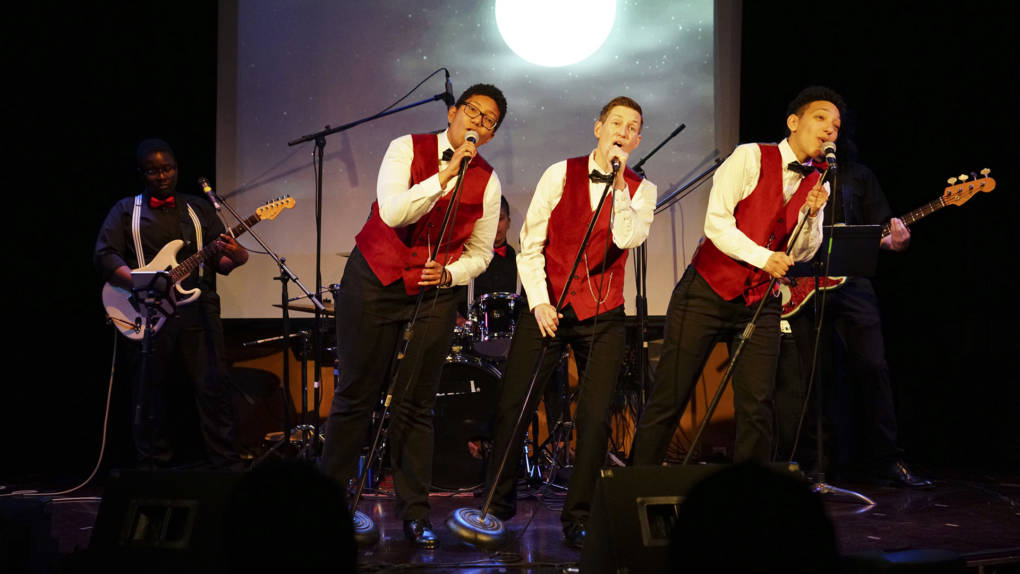
"caption": "The Singing Bois perform at the 2019 Fresh Meat Festival June 20-22 at Z Space.",
"description": "The Singing Bois perform at the 2019 Fresh Meat Festival June 20-22 at Z Space.",
"title": "The Singing Bois",
"credit": "Courtesy of the Singing Bois",
"status": "inherit",
"isLoading": false,
"fetchFailed": false
},
"arts_13857371": {
"type": "attachments",
"id": "arts_13857371",
"meta": {
"index": "attachments_1716263798",
"site": "arts",
"id": "13857371",
"found": true
},
"parent": 13857351,
"imgSizes": {
"twentyfourteen-full-width": {
"file": "https://ww2.kqed.org/app/uploads/sites/2/2019/05/MIAMI-THUMB-1038x576.jpg",
"width": 1038,
"mimeType": "image/jpeg",
"height": 576
},
"thumbnail": {
"file": "https://ww2.kqed.org/app/uploads/sites/2/2019/05/MIAMI-THUMB-160x90.jpg",
"width": 160,
"mimeType": "image/jpeg",
"height": 90
},
"post-thumbnail": {
"file": "https://ww2.kqed.org/app/uploads/sites/2/2019/05/MIAMI-THUMB-672x372.jpg",
"width": 672,
"mimeType": "image/jpeg",
"height": 372
},
"kqedFullSize": {
"file": "https://ww2.kqed.org/app/uploads/sites/2/2019/05/MIAMI-THUMB.jpg",
"width": 1920,
"height": 1079
},
"large": {
"file": "https://ww2.kqed.org/app/uploads/sites/2/2019/05/MIAMI-THUMB-1020x573.jpg",
"width": 1020,
"mimeType": "image/jpeg",
"height": 573
},
"complete_open_graph": {
"file": "https://ww2.kqed.org/app/uploads/sites/2/2019/05/MIAMI-THUMB-1200x674.jpg",
"width": 1200,
"mimeType": "image/jpeg",
"height": 674
},
"full-width": {
"file": "https://ww2.kqed.org/app/uploads/sites/2/2019/05/MIAMI-THUMB-1920x1079.jpg",
"width": 1920,
"mimeType": "image/jpeg",
"height": 1079
},
"medium": {
"file": "https://ww2.kqed.org/app/uploads/sites/2/2019/05/MIAMI-THUMB-800x450.jpg",
"width": 800,
"mimeType": "image/jpeg",
"height": 450
},
"medium_large": {
"file": "https://ww2.kqed.org/app/uploads/sites/2/2019/05/MIAMI-THUMB-768x432.jpg",
"width": 768,
"mimeType": "image/jpeg",
"height": 432
}
},
"publishDate": 1557961038,
"modified": 1557961604,
"caption": "Members of Alma Dance Theater (from left to right): Cyles Barnes, Jahzel Dotel and Katrina Rose Tandy in front of Martin Whatson's \"Sweeper\" mural in Miami, FL.",
"description": "Members of Alma Dance Theater (from left to right): Cyles Barnes, Jahzel Dotel and Katrina Rose Tandy in front of Martin Whatson's \"Sweeper\" mural in Miami, FL.",
"title": "MIAMI THUMB",
"credit": null,
"status": "inherit",
"isLoading": false,
"fetchFailed": false
},
"arts_13856843": {
"type": "attachments",
"id": "arts_13856843",
"meta": {
"index": "attachments_1716263798",
"site": "arts",
"id": "13856843",
"found": true
},
"parent": 13856748,
"imgSizes": {
"twentyfourteen-full-width": {
"file": "https://ww2.kqed.org/app/uploads/sites/2/2019/05/BARTDancingMAIN-1038x576.jpg",
"width": 1038,
"mimeType": "image/jpeg",
"height": 576
},
"thumbnail": {
"file": "https://ww2.kqed.org/app/uploads/sites/2/2019/05/BARTDancingMAIN-160x100.jpg",
"width": 160,
"mimeType": "image/jpeg",
"height": 100
},
"post-thumbnail": {
"file": "https://ww2.kqed.org/app/uploads/sites/2/2019/05/BARTDancingMAIN-672x372.jpg",
"width": 672,
"mimeType": "image/jpeg",
"height": 372
},
"kqedFullSize": {
"file": "https://ww2.kqed.org/app/uploads/sites/2/2019/05/BARTDancingMAIN.jpg",
"width": 1340,
"height": 838
},
"large": {
"file": "https://ww2.kqed.org/app/uploads/sites/2/2019/05/BARTDancingMAIN-1020x638.jpg",
"width": 1020,
"mimeType": "image/jpeg",
"height": 638
},
"complete_open_graph": {
"file": "https://ww2.kqed.org/app/uploads/sites/2/2019/05/BARTDancingMAIN-1200x750.jpg",
"width": 1200,
"mimeType": "image/jpeg",
"height": 750
},
"medium": {
"file": "https://ww2.kqed.org/app/uploads/sites/2/2019/05/BARTDancingMAIN-800x500.jpg",
"width": 800,
"mimeType": "image/jpeg",
"height": 500
},
"medium_large": {
"file": "https://ww2.kqed.org/app/uploads/sites/2/2019/05/BARTDancingMAIN-768x480.jpg",
"width": 768,
"mimeType": "image/jpeg",
"height": 480
}
},
"publishDate": 1557335240,
"modified": 1557335257,
"caption": "East Bay hip-hop group Trey Coastal at BART in downtown Oakland.",
"description": "East Bay hip-hop group Trey Coastal at BART in downtown Oakland.",
"title": "BARTDancingMAIN",
"credit": "Photo by Shawn Washington",
"status": "inherit",
"isLoading": false,
"fetchFailed": false
},
"arts_13856815": {
"type": "attachments",
"id": "arts_13856815",
"meta": {
"index": "attachments_1716263798",
"site": "arts",
"id": "13856815",
"found": true
},
"parent": 13856811,
"imgSizes": {
"twentyfourteen-full-width": {
"file": "https://ww2.kqed.org/app/uploads/sites/2/2019/05/ICCD_Memphis-1038x576.jpg",
"width": 1038,
"mimeType": "image/jpeg",
"height": 576
},
"thumbnail": {
"file": "https://ww2.kqed.org/app/uploads/sites/2/2019/05/ICCD_Memphis-160x90.jpg",
"width": 160,
"mimeType": "image/jpeg",
"height": 90
},
"post-thumbnail": {
"file": "https://ww2.kqed.org/app/uploads/sites/2/2019/05/ICCD_Memphis-672x372.jpg",
"width": 672,
"mimeType": "image/jpeg",
"height": 372
},
"kqedFullSize": {
"file": "https://ww2.kqed.org/app/uploads/sites/2/2019/05/ICCD_Memphis.jpg",
"width": 1920,
"height": 1079
},
"large": {
"file": "https://ww2.kqed.org/app/uploads/sites/2/2019/05/ICCD_Memphis-1020x573.jpg",
"width": 1020,
"mimeType": "image/jpeg",
"height": 573
},
"complete_open_graph": {
"file": "https://ww2.kqed.org/app/uploads/sites/2/2019/05/ICCD_Memphis-1200x674.jpg",
"width": 1200,
"mimeType": "image/jpeg",
"height": 674
},
"full-width": {
"file": "https://ww2.kqed.org/app/uploads/sites/2/2019/05/ICCD_Memphis-1920x1079.jpg",
"width": 1920,
"mimeType": "image/jpeg",
"height": 1079
},
"medium": {
"file": "https://ww2.kqed.org/app/uploads/sites/2/2019/05/ICCD_Memphis-800x450.jpg",
"width": 800,
"mimeType": "image/jpeg",
"height": 450
},
"medium_large": {
"file": "https://ww2.kqed.org/app/uploads/sites/2/2019/05/ICCD_Memphis-768x432.jpg",
"width": 768,
"mimeType": "image/jpeg",
"height": 432
}
},
"publishDate": 1557268395,
"modified": 1558567001,
"caption": "G-Nerd jookin in Memphis, TN.",
"description": "G-Nerd jookin in Memphis, TN.",
"title": "ICCD_Memphis",
"credit": null,
"status": "inherit",
"isLoading": false,
"fetchFailed": false
}
},
"audioPlayerReducer": {
"postId": "stream_live",
"isPaused": true,
"isPlaying": false,
"pfsActive": false,
"pledgeModalIsOpen": true,
"playerDrawerIsOpen": false,
"liveAudioPlayStartedAt": 0,
"liveAudioPlayContext": ""
},
"authorsReducer": {
"byline_arts_13866459": {
"type": "authors",
"id": "byline_arts_13866459",
"meta": {
"override": true
},
"slug": "byline_arts_13866459",
"name": "Greg Allen",
"isLoading": false
},
"byline_arts_13856811": {
"type": "authors",
"id": "byline_arts_13856811",
"meta": {
"override": true
},
"slug": "byline_arts_13856811",
"name": "Jessica Jones",
"isLoading": false
},
"shotchkiss": {
"type": "authors",
"id": "61",
"meta": {
"index": "authors_1716337520",
"id": "61",
"found": true
},
"name": "Sarah Hotchkiss",
"firstName": "Sarah",
"lastName": "Hotchkiss",
"slug": "shotchkiss",
"email": "shotchkiss@kqed.org",
"display_author_email": true,
"staff_mastheads": [
"arts"
],
"title": "Senior Editor",
"bio": "Sarah Hotchkiss is a San Francisco \u003ca href=\"http://www.sarahhotchkiss.com\">artist\u003c/a> and arts writer. In 2019, she received the Dorothea & Leo Rabkin Foundation grant for visual art journalism and in 2020 she received a Society of Professional Journalists, Northern California award for excellence in arts and culture reporting.",
"avatar": "https://secure.gravatar.com/avatar/bc662df144b3d27fd8b1b6f1c2a420d34e91e53154d411bb7ad353cc8b6cea8d?s=600&d=blank&r=g",
"twitter": null,
"bluesky": null,
"facebook": null,
"instagram": null,
"linkedin": null,
"sites": [
{
"site": "",
"roles": [
"editor"
]
},
{
"site": "arts",
"roles": [
"Contributor",
"administrator"
]
},
{
"site": "artschool",
"roles": [
"administrator"
]
},
{
"site": "news",
"roles": [
"editor"
]
},
{
"site": "pop",
"roles": [
"administrator"
]
},
{
"site": "bayareabites",
"roles": [
"editor"
]
},
{
"site": "spark",
"roles": [
"editor"
]
},
{
"site": "checkplease",
"roles": [
"editor"
]
}
],
"headData": {
"title": "Sarah Hotchkiss | KQED",
"description": "Senior Editor",
"ogImgSrc": "https://secure.gravatar.com/avatar/bc662df144b3d27fd8b1b6f1c2a420d34e91e53154d411bb7ad353cc8b6cea8d?s=600&d=blank&r=g",
"twImgSrc": "https://secure.gravatar.com/avatar/bc662df144b3d27fd8b1b6f1c2a420d34e91e53154d411bb7ad353cc8b6cea8d?s=600&d=blank&r=g"
},
"isLoading": false,
"link": "/author/shotchkiss"
},
"gmeline": {
"type": "authors",
"id": "185",
"meta": {
"index": "authors_1716337520",
"id": "185",
"found": true
},
"name": "Gabe Meline",
"firstName": "Gabe",
"lastName": "Meline",
"slug": "gmeline",
"email": "gmeline@kqed.org",
"display_author_email": true,
"staff_mastheads": [
"arts"
],
"title": "Senior Editor, KQED Arts & Culture",
"bio": "Gabe Meline entered journalism at age 15 making photocopied zines, and has since earned awards from the Edward R. Murrow Awards, the Society for Professional Journalists, the Online Journalism Awards, the Association of Alternative Newsweeklies and the California Newspaper Publishers Association. Prior to KQED, he was the editor of the \u003cem>North Bay Bohemian\u003c/em> and a touring musician. He lives with his wife and daughter in his hometown of Santa Rosa, CA.",
"avatar": "https://secure.gravatar.com/avatar/5bebe57be0d8bc2dd318934feb47299e2d2d10cba28d09d8d7afb389a2ce2bdd?s=600&d=blank&r=g",
"twitter": null,
"bluesky": null,
"facebook": null,
"instagram": null,
"linkedin": null,
"sites": [
{
"site": "",
"roles": [
"editor"
]
},
{
"site": "arts",
"roles": [
"administrator"
]
},
{
"site": "artschool",
"roles": [
"editor"
]
},
{
"site": "news",
"roles": [
"author"
]
},
{
"site": "pop",
"roles": [
"editor"
]
},
{
"site": "bayareabites",
"roles": [
"editor"
]
},
{
"site": "food",
"roles": [
"editor"
]
},
{
"site": "forum",
"roles": [
"administrator"
]
},
{
"site": "liveblog",
"roles": [
"editor"
]
},
{
"site": "hiphop",
"roles": [
"editor"
]
}
],
"headData": {
"title": "Gabe Meline | KQED",
"description": "Senior Editor, KQED Arts & Culture",
"ogImgSrc": "https://secure.gravatar.com/avatar/5bebe57be0d8bc2dd318934feb47299e2d2d10cba28d09d8d7afb389a2ce2bdd?s=600&d=blank&r=g",
"twImgSrc": "https://secure.gravatar.com/avatar/5bebe57be0d8bc2dd318934feb47299e2d2d10cba28d09d8d7afb389a2ce2bdd?s=600&d=blank&r=g"
},
"isLoading": false,
"link": "/author/gmeline"
},
"rachael-myrow": {
"type": "authors",
"id": "251",
"meta": {
"index": "authors_1716337520",
"id": "251",
"found": true
},
"name": "Rachael Myrow",
"firstName": "Rachael",
"lastName": "Myrow",
"slug": "rachael-myrow",
"email": "rmyrow@kqed.org",
"display_author_email": true,
"staff_mastheads": [
"news"
],
"title": "Senior Editor of KQED's Silicon Valley News Desk",
"bio": "• I write and edit stories about how Silicon Valley power and policies shape everyday life in California. I’m also passionate about making Bay Area history and culture more accessible to a broad public. • I’ve been a journalist for most of my life, starting in high school with The Franklin Press in Los Angeles, where I grew up. While earning my first degree in English at UC Berkeley, I got my start in public radio at KALX-FM. After completing a second degree in journalism at Cal, I landed my first professional job at Marketplace, then moved on to KPCC (now LAist), and then KQED, where I hosted The California Report for more than seven years. • My reporting has appeared on NPR, The World, WBUR’s \u003ci>Here & Now\u003c/i>, and the BBC. I also guest host for KQED’s \u003ci>Forum\u003c/i>, as well as the Commonwealth Club in San Francisco. • I speak periodically on media, democracy and technology issues, and do voiceover work for documentaries and educational video projects. • Outside of the studio, you'll find me hiking Bay Area trails and whipping up Insta-ready meals in my kitchen. • I do not accept gifts, money, or favors from anyone connected to my reporting, I don't pay people for information, and I do not support or donate to political causes. • I strive to treat the people I report on with fairness, honesty, and respect. I also recognize there are often multiple sides to a story and work to verify information through multiple sources and documentation. If I get something wrong, I correct it.",
"avatar": "https://secure.gravatar.com/avatar/3ed8a3c5f26025e4a805ba634cda8cd764906b97438a6d9ce216b044e340da4e?s=600&d=blank&r=g",
"twitter": "rachaelmyrow",
"bluesky": null,
"facebook": null,
"instagram": null,
"linkedin": "https://www.linkedin.com/in/rachaelmyrow/",
"sites": [
{
"site": "arts",
"roles": [
"administrator"
]
},
{
"site": "news",
"roles": [
"edit_others_posts",
"editor"
]
},
{
"site": "futureofyou",
"roles": [
"editor"
]
},
{
"site": "bayareabites",
"roles": [
"editor"
]
},
{
"site": "stateofhealth",
"roles": [
"editor"
]
},
{
"site": "science",
"roles": [
"editor"
]
},
{
"site": "food",
"roles": [
"editor"
]
},
{
"site": "forum",
"roles": [
"editor"
]
},
{
"site": "liveblog",
"roles": [
"author"
]
}
],
"headData": {
"title": "Rachael Myrow | KQED",
"description": "Senior Editor of KQED's Silicon Valley News Desk",
"ogImgSrc": "https://secure.gravatar.com/avatar/3ed8a3c5f26025e4a805ba634cda8cd764906b97438a6d9ce216b044e340da4e?s=600&d=blank&r=g",
"twImgSrc": "https://secure.gravatar.com/avatar/3ed8a3c5f26025e4a805ba634cda8cd764906b97438a6d9ce216b044e340da4e?s=600&d=blank&r=g"
},
"isLoading": false,
"link": "/author/rachael-myrow"
},
"kwhalen": {
"type": "authors",
"id": "3248",
"meta": {
"index": "authors_1716337520",
"id": "3248",
"found": true
},
"name": "Kelly Whalen",
"firstName": "Kelly",
"lastName": "Whalen",
"slug": "kwhalen",
"email": "kwhalen@kqed.org",
"display_author_email": false,
"staff_mastheads": [],
"title": "Senior Video Producer",
"bio": "Kelly Whalen is a filmmaker and educator who directs and produces social justice documentaries and award-winning arts and culture web series. She is the creator of KQED Arts’ three-time Webby Award-winning YouTube series \u003cem>If Cities Could Dance\u003c/em>, featuring dancers across the country representing their cities’ signature moves, and the director of \u003cem>When the Waters Get Deep\u003c/em>, a documentary about Oakland-based artists SOL Development and their work toward healing their communities’ trauma from gun violence.",
"avatar": "https://secure.gravatar.com/avatar/1a2b57e8a13abdcfc3d4966d9c0e1512?s=600&d=blank&r=g",
"twitter": "kellyfilmmaker",
"facebook": null,
"instagram": null,
"linkedin": null,
"sites": [
{
"site": "arts",
"roles": [
"subscriber"
]
}
],
"headData": {
"title": "Kelly Whalen | KQED",
"description": "Senior Video Producer",
"ogImgSrc": "https://secure.gravatar.com/avatar/1a2b57e8a13abdcfc3d4966d9c0e1512?s=600&d=blank&r=g",
"twImgSrc": "https://secure.gravatar.com/avatar/1a2b57e8a13abdcfc3d4966d9c0e1512?s=600&d=blank&r=g"
},
"isLoading": false,
"link": "/author/kwhalen"
},
"slefebvre": {
"type": "authors",
"id": "11091",
"meta": {
"index": "authors_1716337520",
"id": "11091",
"found": true
},
"name": "Sam Lefebvre",
"firstName": "Sam",
"lastName": "Lefebvre",
"slug": "slefebvre",
"email": "sdlefebvre@gmail.com",
"display_author_email": false,
"staff_mastheads": [],
"title": "KQED Contributor",
"bio": "Sam Lefebvre is an award-winning reporter at KQED Arts. He has worked as an editor and columnist at the \u003cem>East Bay Express\u003c/em>, \u003cem>SF Weekly \u003c/em>and Impose Magazine, and his journalism and criticism has appeared in \u003cem>The New York Times\u003c/em>, the Guardian and Pitchfork.",
"avatar": "https://secure.gravatar.com/avatar/49d39b42930b77fb13784ddd9fa63fe780666b71bf289368509dba576b64e69b?s=600&d=blank&r=g",
"twitter": "Lefebvre_Sam",
"bluesky": null,
"facebook": null,
"instagram": null,
"linkedin": null,
"sites": [
{
"site": "arts",
"roles": [
"subscriber"
]
},
{
"site": "news",
"roles": [
"author"
]
}
],
"headData": {
"title": "Sam Lefebvre | KQED",
"description": "KQED Contributor",
"ogImgSrc": "https://secure.gravatar.com/avatar/49d39b42930b77fb13784ddd9fa63fe780666b71bf289368509dba576b64e69b?s=600&d=blank&r=g",
"twImgSrc": "https://secure.gravatar.com/avatar/49d39b42930b77fb13784ddd9fa63fe780666b71bf289368509dba576b64e69b?s=600&d=blank&r=g"
},
"isLoading": false,
"link": "/author/slefebvre"
},
"ralexandra": {
"type": "authors",
"id": "11242",
"meta": {
"index": "authors_1716337520",
"id": "11242",
"found": true
},
"name": "Rae Alexandra",
"firstName": "Rae",
"lastName": "Alexandra",
"slug": "ralexandra",
"email": "ralexandra@kqed.org",
"display_author_email": true,
"staff_mastheads": [],
"title": "Reporter/Producer",
"bio": "Rae Alexandra is a Reporter/Producer for KQED Arts & Culture, and the creator/author of the \u003ca href=\"https://www.kqed.org/arts/program/rebel-girls-from-bay-area-history\">Rebel Girls From Bay Area History\u003c/a> and \u003ca href=\"https://www.kqed.org/bizarrebayarea\">Bizarre Bay Area\u003c/a> series. Her debut book, \u003ca href=\"https://citylights.com/politics-current-events-history/unsung-heroines35-women-who-changed/\">Unsung Heroines: 35 Women Who Changed the Bay Area\u003c/a> was published by City Lights in March 2026. In 2023, Rae was awarded an SPJ Excellence in Journalism Award for Arts & Culture. Rae was born and raised in Wales and subsequently — even after two decades in Northern California — still uses phrases that regularly baffle her coworkers.",
"avatar": "https://secure.gravatar.com/avatar/edfee8176c80cc0a382b051190f5341997df378a934a5774dcb0977732dfd401?s=600&d=blank&r=g",
"twitter": null,
"bluesky": null,
"facebook": null,
"instagram": null,
"linkedin": null,
"sites": [
{
"site": "arts",
"roles": [
"subscriber"
]
},
{
"site": "news",
"roles": [
"subscriber"
]
},
{
"site": "pop",
"roles": [
"subscriber"
]
},
{
"site": "bayareabites",
"roles": [
"subscriber"
]
},
{
"site": "science",
"roles": [
"subscriber"
]
}
],
"headData": {
"title": "Rae Alexandra | KQED",
"description": "Reporter/Producer",
"ogImgSrc": "https://secure.gravatar.com/avatar/edfee8176c80cc0a382b051190f5341997df378a934a5774dcb0977732dfd401?s=600&d=blank&r=g",
"twImgSrc": "https://secure.gravatar.com/avatar/edfee8176c80cc0a382b051190f5341997df378a934a5774dcb0977732dfd401?s=600&d=blank&r=g"
},
"isLoading": false,
"link": "/author/ralexandra"
},
"mpershay": {
"type": "authors",
"id": "11261",
"meta": {
"index": "authors_1716337520",
"id": "11261",
"found": true
},
"name": "Masha Pershay",
"firstName": "Masha",
"lastName": "Pershay",
"slug": "mpershay",
"email": "mpershay@KQED.org",
"display_author_email": false,
"staff_mastheads": [],
"title": "Digital Video Producer",
"bio": "Masha Pershay is an associate video producer for KQED Arts. Masha got her start in media production in 2009, when she joined college station KUSF as a radio host. She holds a B.A. in Broadcasting and Electronic Communication Arts from San Francisco State University and a certificate in sound recording from City College of San Francisco. In her spare time, she's an avid record collector and a DJ in San Francisco's Italo disco DJ collective Galaxy Radio.",
"avatar": "https://secure.gravatar.com/avatar/0dadfc89413a2219896bb9cfda408bf8?s=600&d=mm&r=g",
"twitter": null,
"facebook": null,
"instagram": null,
"linkedin": null,
"sites": [
{
"site": "",
"roles": [
"editor"
]
},
{
"site": "arts",
"roles": []
},
{
"site": "education",
"roles": []
},
{
"site": "food",
"roles": []
}
],
"headData": {
"title": "Masha Pershay | KQED",
"description": "Digital Video Producer",
"ogImgSrc": "https://secure.gravatar.com/avatar/0dadfc89413a2219896bb9cfda408bf8?s=600&d=mm&r=g",
"twImgSrc": "https://secure.gravatar.com/avatar/0dadfc89413a2219896bb9cfda408bf8?s=600&d=mm&r=g"
},
"isLoading": false,
"link": "/author/mpershay"
},
"nvoynovskaya": {
"type": "authors",
"id": "11387",
"meta": {
"index": "authors_1716337520",
"id": "11387",
"found": true
},
"name": "Nastia Voynovskaya",
"firstName": "Nastia",
"lastName": "Voynovskaya",
"slug": "nvoynovskaya",
"email": "nvoynovskaya@kqed.org",
"display_author_email": false,
"staff_mastheads": [
"arts"
],
"title": "Editor and reporter",
"bio": "Nastia Voynovskaya is a reporter, editor and host at KQED Arts & Culture. She's been covering the arts in the Bay Area for over a decade, with a focus on music, queer culture, labor issues and grassroots organizing. She has edited KQED story series such as Trans Bay: A History of San Francisco's Gender-Diverse Community, and co-created KQED's Bay Area hip-hop history project, That's My Word. Nastia's work has been recognized by the Society of Professional Journalists and San Francisco Press Club. She regularly appears on podcasts and radio programs, including NPR's All Songs Considered, and hosts live events where music, culture and conversation meet.",
"avatar": "https://secure.gravatar.com/avatar/5025ee460e5a85d69ca20ea6c6f2f80d7e17795c828f61ea3aecfcd924e9042e?s=600&d=blank&r=g",
"twitter": null,
"bluesky": null,
"facebook": null,
"instagram": "https://www.instagram.com/nananastia/",
"linkedin": null,
"sites": [
{
"site": "",
"roles": [
"editor"
]
},
{
"site": "arts",
"roles": [
"administrator"
]
},
{
"site": "news",
"roles": [
"editor"
]
},
{
"site": "pop",
"roles": [
"administrator"
]
},
{
"site": "bayareabites",
"roles": [
"editor"
]
},
{
"site": "podcasts",
"roles": [
"editor"
]
},
{
"site": "hiphop",
"roles": [
"editor"
]
}
],
"headData": {
"title": "Nastia Voynovskaya | KQED",
"description": "Editor and reporter",
"ogImgSrc": "https://secure.gravatar.com/avatar/5025ee460e5a85d69ca20ea6c6f2f80d7e17795c828f61ea3aecfcd924e9042e?s=600&d=blank&r=g",
"twImgSrc": "https://secure.gravatar.com/avatar/5025ee460e5a85d69ca20ea6c6f2f80d7e17795c828f61ea3aecfcd924e9042e?s=600&d=blank&r=g"
},
"isLoading": false,
"link": "/author/nvoynovskaya"
},
"ogpenn": {
"type": "authors",
"id": "11491",
"meta": {
"index": "authors_1716337520",
"id": "11491",
"found": true
},
"name": "Pendarvis Harshaw",
"firstName": "Pendarvis",
"lastName": "Harshaw",
"slug": "ogpenn",
"email": "ogpenn@gmail.com",
"display_author_email": false,
"staff_mastheads": [
"arts"
],
"title": "Community Engagement Reporter",
"bio": "Pendarvis Harshaw is an educator, host and writer with KQED Arts.",
"avatar": "https://secure.gravatar.com/avatar/972b77ee8e3f346ae2b00622661187fbfabd059b5693bbdc1475ea7a722fd4cd?s=600&d=blank&r=g",
"twitter": null,
"bluesky": null,
"facebook": null,
"instagram": "ogpenn",
"linkedin": null,
"sites": [
{
"site": "arts",
"roles": [
"administrator"
]
},
{
"site": "news",
"roles": [
"editor"
]
},
{
"site": "bayareabites",
"roles": [
"author"
]
},
{
"site": "hiphop",
"roles": [
"editor"
]
}
],
"headData": {
"title": "Pendarvis Harshaw | KQED",
"description": "Community Engagement Reporter",
"ogImgSrc": "https://secure.gravatar.com/avatar/972b77ee8e3f346ae2b00622661187fbfabd059b5693bbdc1475ea7a722fd4cd?s=600&d=blank&r=g",
"twImgSrc": "https://secure.gravatar.com/avatar/972b77ee8e3f346ae2b00622661187fbfabd059b5693bbdc1475ea7a722fd4cd?s=600&d=blank&r=g"
},
"isLoading": false,
"link": "/author/ogpenn"
},
"ngluckstern": {
"type": "authors",
"id": "11497",
"meta": {
"index": "authors_1716337520",
"id": "11497",
"found": true
},
"name": "Nicole Gluckstern",
"firstName": "Nicole",
"lastName": "Gluckstern",
"slug": "ngluckstern",
"email": "gluckstern.nicole@gmail.com",
"display_author_email": false,
"staff_mastheads": [],
"title": "KQED Contributor",
"bio": null,
"avatar": "https://secure.gravatar.com/avatar/2c3d593194017bfe811a998ad03140909de330b22abebf4889e1a564ce5b3495?s=600&d=blank&r=g",
"twitter": null,
"bluesky": null,
"facebook": null,
"instagram": null,
"linkedin": null,
"sites": [
{
"site": "arts",
"roles": [
"contributor"
]
}
],
"headData": {
"title": "Nicole Gluckstern | KQED",
"description": "KQED Contributor",
"ogImgSrc": "https://secure.gravatar.com/avatar/2c3d593194017bfe811a998ad03140909de330b22abebf4889e1a564ce5b3495?s=600&d=blank&r=g",
"twImgSrc": "https://secure.gravatar.com/avatar/2c3d593194017bfe811a998ad03140909de330b22abebf4889e1a564ce5b3495?s=600&d=blank&r=g"
},
"isLoading": false,
"link": "/author/ngluckstern"
}
},
"pagesReducer": {
"arts_tag_dance": {
"type": "terms",
"id": "arts_879",
"meta": {
"index": "terms_1716263798",
"site": "arts",
"id": "879",
"score": 8.283253
},
"featImg": null,
"name": "dance",
"description": "Covering dance events in the Bay Area and more.",
"taxonomy": "tag",
"headData": {
"twImgId": null,
"twTitle": null,
"ogTitle": null,
"ogImgId": null,
"twDescription": null,
"description": "Covering dance events in the Bay Area and more.",
"title": "dance Archives | KQED Arts",
"ogDescription": null
},
"ttid": 897,
"slug": "dance",
"isLoading": false,
"title": "dance",
"pageMeta": {
"site": "arts",
"WpPageTemplate": "page-topic-editorial",
"currentPage": 9
},
"blocks": [
{
"blockName": "kqed/company-paragraph",
"content": "Covering dance events in the Bay Area and more."
},
{
"blockName": "kqed/post-list",
"attrs": {
"layout": "cardArticle2",
"query": "posts/arts?tag=dance",
"seeMore": false,
"paginated": true,
"page": 9
}
},
{
"blockName": "kqed/ad"
}
]
}
},
"pfsSessionReducer": {},
"postsReducer": {
"stream_live": {
"type": "live",
"id": "stream_live",
"audioUrl": "https://streams.kqed.org/kqedradio",
"title": "Live Stream",
"excerpt": "Live Stream information currently unavailable.",
"link": "/radio",
"featImg": "",
"label": {
"name": "KQED Live",
"link": "/"
}
},
"stream_kqedNewscast": {
"type": "posts",
"id": "stream_kqedNewscast",
"audioUrl": "https://www.kqed.org/.stream/anon/radio/RDnews/newscast.mp3?_=1",
"title": "KQED Newscast",
"featImg": "",
"label": {
"name": "88.5 FM",
"link": "/"
}
},
"arts_13866705": {
"type": "posts",
"id": "arts_13866705",
"meta": {
"index": "posts_1716263798",
"site": "arts",
"id": "13866705",
"score": null,
"sort": [
1568920946000
]
},
"guestAuthors": [],
"slug": "the-do-list-listen-to-our-event-picks-for-sept-19-25",
"title": "The Do List: Listen to Our Event Picks for Sept. 19–25",
"publishDate": 1568920946,
"format": "audio",
"headTitle": "The Do List: Listen to Our Event Picks for Sept. 19–25 | KQED",
"labelTerm": {
"term": 140,
"site": "arts"
},
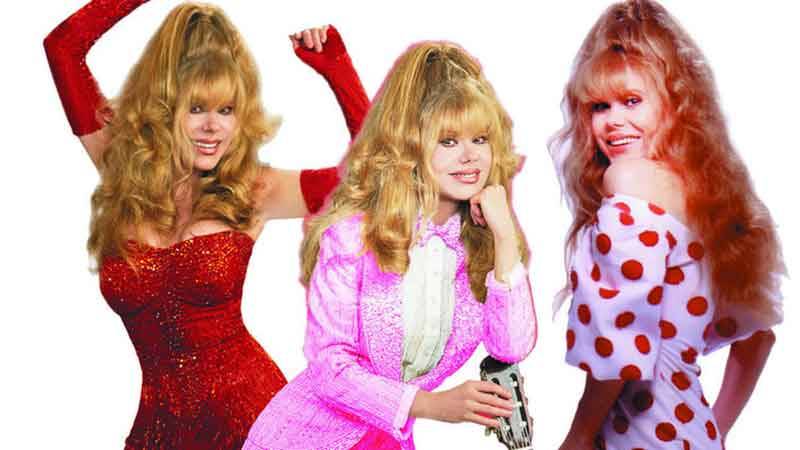
"content": "\u003cp>The weekend is almost here. Hooray!\u003c/p>\n\u003cp>Looking for things to do? Listen to KQED Arts’ Gabe Meline and Sarah Hotchkiss discuss their event picks at the audio link above, or read about each event below.\u003c/p>\n\u003cp>\u003cstrong>Charo\u003c/strong>: Ms. “\u003ca href=\"https://www.youtube.com/watch?v=BB8K93NG8qc\" rel=\"noopener\" target=\"_blank\">Cuchi Cuchi\u003c/a>” herself, Charo, is still at it, and this weekend she plays her first show in the Bay Area in ten years. Now, I’m not crazy, hear me out—I saw Charo once and it was so ridiculous, and so fun, I have never been the same since. In San Francisco, she’s bound to have a loyal camp following in the audience, but don’t forget her guitar playing and hilarious, self-effacing jokes. She plays on Friday, Sept. 20, at the Herbst Theater in San Francisco. \u003ca href=\"https://www.koshercomedy.com/charo\" rel=\"noopener\" target=\"_blank\">Details here\u003c/a>.\u003c/p>\n\u003cp>\u003cstrong>Free Museum Day\u003c/strong>: Officially, Sarah’s recommendation is to call in sick on Thursday, Sept. 19. That’s because a bunch of the museums around Yerba Buena Gardens, including SFMOMA, the Museum of the African Diaspora, YBCA and the Contemporary Jewish Museum are all opening their doors for free. It’s a celebration they’re calling Culture for Community, and most of the arts and culture institutions (over a dozen total) have extended hours and special programming happening—all of it completely free (though SFMOMA does recommend reserving your tickets in advance). \u003ca href=\"https://www.kqed.org/arts/13866548/free-entry-at-sfmoma-moad-other-yerba-buena-museums-this-thursday\" rel=\"noopener\" target=\"_blank\">Details here\u003c/a>.\u003c/p>\n\u003cp>\u003cstrong>’50 Faces’\u003c/strong>: This populist show is a collection from Italy of mosaic images of celebrities, and other figures: Carlos Santana, Frida Kahlo, David Bowie, Basquiat. Total Instagram bait, if we’re being honest. Sarah is unsettled by the Frida Kahlo portrait’s tiny doll hand earrings hanging off her mosaic ears, and I’m brave enough to admit that this is not high art. But if you’re like me, you have a side of you that loves this stuff. It opens Saturday, Sept. 21, at the Marin Museum of Contemporary Art in Novato, and runs through Nov. 10. \u003ca href=\"https://marinmoca.org/exhibitions/\" rel=\"noopener\" target=\"_blank\">Details here\u003c/a>.\u003c/p>\n\u003cp>[ad fullwidth]\u003c/p>\n\u003cp>\u003cstrong>‘Cities of the Future’\u003c/strong>: In this show, artists from San Quentin State Prison made one diorama depicting a city of the present, and a second diorama that imagines a city 300 years in the future. This is all made out of paper, cardboard, paint—the models are incredibly detailed. Sarah got to visit the art program at San Quentin just a few weeks ago, and the level of talent in that studio, she attests, is impressive. It’s on view at 2100 Milvia Street in downtown Berkeley through March 2020. \u003ca href=\"http://www.kala.org/exhibition/cities-of-the-future/\" rel=\"noopener\" target=\"_blank\">Details here\u003c/a>.\u003c/p>\n\u003cp>\u003cstrong>‘The Man in Black’\u003c/strong>: Who can pull of a ballet based on the music of Johnny Cash? SMUIN Ballet, that’s who. Created by James Kudelka, ‘The Man in Black’ is a ballet based on five of Johnny Cash’s songs—which also runs along dances based on the music of Dave Brubeck and \u003cem>Carmina Burana\u003c/em>. That’s on Friday and Saturday, Sept. 20 and 21, at the Lesher Center in Walnut Creek. \u003ca href=\"https://lesherartscenter.showare.com/eventperformances.asp?evt=1272\" rel=\"noopener\" target=\"_blank\">Details here\u003c/a>.\u003c/p>\n\u003cp>\u003c/p>\n\u003cp>\u003cstrong>Hank Williams Tribute\u003c/strong>: Meanwhile, to coincide with Ken Burns’ Country Music documentary, up in Petaluma there’s a live music tribute to the Hillbilly Shakespeare himself, Hank Williams. It features an all-star cast of local musicians and benefits KRCB public radio. “Lovesick Blues,” “Hey Good Lookin’,” “Your Cheatin’ Heart”—it all goes down on Saturday, Sept. 21, at the Mystic Theatre. \u003ca href=\"https://mystictheatre.tunestub.com/event.cfm?id=302320\" rel=\"noopener\" target=\"_blank\">Details here\u003c/a>.\u003c/p>\n\n",
"blocks": [],
"excerpt": null,
"status": "publish",
"parent": 0,
"modified": 1726766185,
"stats": {
"hasAudio": false,
"hasVideo": false,
"hasChartOrMap": false,
"iframeSrcs": [],
"hasGoogleForm": false,
"hasGallery": false,
"hasHearkenModule": false,
"hasPolis": false,
"paragraphCount": 10,
"wordCount": 598
},
"headData": {
"title": "The Do List: Listen to Our Event Picks for Sept. 19–25 | KQED",
"description": "The weekend is almost here. Hooray! Looking for things to do? Listen to KQED Arts’ Gabe Meline and Sarah Hotchkiss discuss their event picks at the audio link above, or read about each event below. Charo: Ms. "Cuchi Cuchi" herself, Charo, is still at it, and this weekend she plays her first show in the Bay Area in ten years. Now, I’m not crazy, hear me out—I saw Charo once and it was so ridiculous, and so fun, I have never been the same since. In San Francisco, she’s bound to have a loyal camp following in the audience, but",
"ogTitle": "",
"ogDescription": "",
"ogImgId": "",
"twTitle": "",
"twDescription": "",
"twImgId": "",
"schema": {
"@context": "https://schema.org",
"@type": "Article",
"headline": "The Do List: Listen to Our Event Picks for Sept. 19–25",
"datePublished": "2019-09-19T12:22:26-07:00",
"dateModified": "2024-09-19T10:16:25-07:00",
"image": "https://cdn.kqed.org/wp-content/uploads/2020/02/KQED-OG-Image@1x.png"
}
},
"audioUrl": "https://ww2.kqed.org/podcasts/wp-content/uploads/sites/77/2019/09/307280_TheDoListforThursdaySept19-SundaySept22mix2.mp3",
"sticky": false,
"audioTrackLength": 289,
"templateType": "standard",
"featuredImageType": "standard",
"startTime": 1568876400,
"endTime": 1569481200,
"path": "/arts/13866705/the-do-list-listen-to-our-event-picks-for-sept-19-25",
"parsedContent": [
{
"type": "contentString",
"content": "\u003cdiv class=\"post-body\">\u003cp>\u003cp>The weekend is almost here. Hooray!\u003c/p>\n\u003cp>Looking for things to do? Listen to KQED Arts’ Gabe Meline and Sarah Hotchkiss discuss their event picks at the audio link above, or read about each event below.\u003c/p>\n\u003cp>\u003cstrong>Charo\u003c/strong>: Ms. “\u003ca href=\"https://www.youtube.com/watch?v=BB8K93NG8qc\" rel=\"noopener\" target=\"_blank\">Cuchi Cuchi\u003c/a>” herself, Charo, is still at it, and this weekend she plays her first show in the Bay Area in ten years. Now, I’m not crazy, hear me out—I saw Charo once and it was so ridiculous, and so fun, I have never been the same since. In San Francisco, she’s bound to have a loyal camp following in the audience, but don’t forget her guitar playing and hilarious, self-effacing jokes. She plays on Friday, Sept. 20, at the Herbst Theater in San Francisco. \u003ca href=\"https://www.koshercomedy.com/charo\" rel=\"noopener\" target=\"_blank\">Details here\u003c/a>.\u003c/p>\n\u003cp>\u003cstrong>Free Museum Day\u003c/strong>: Officially, Sarah’s recommendation is to call in sick on Thursday, Sept. 19. That’s because a bunch of the museums around Yerba Buena Gardens, including SFMOMA, the Museum of the African Diaspora, YBCA and the Contemporary Jewish Museum are all opening their doors for free. It’s a celebration they’re calling Culture for Community, and most of the arts and culture institutions (over a dozen total) have extended hours and special programming happening—all of it completely free (though SFMOMA does recommend reserving your tickets in advance). \u003ca href=\"https://www.kqed.org/arts/13866548/free-entry-at-sfmoma-moad-other-yerba-buena-museums-this-thursday\" rel=\"noopener\" target=\"_blank\">Details here\u003c/a>.\u003c/p>\n\u003cp>\u003cstrong>’50 Faces’\u003c/strong>: This populist show is a collection from Italy of mosaic images of celebrities, and other figures: Carlos Santana, Frida Kahlo, David Bowie, Basquiat. Total Instagram bait, if we’re being honest. Sarah is unsettled by the Frida Kahlo portrait’s tiny doll hand earrings hanging off her mosaic ears, and I’m brave enough to admit that this is not high art. But if you’re like me, you have a side of you that loves this stuff. It opens Saturday, Sept. 21, at the Marin Museum of Contemporary Art in Novato, and runs through Nov. 10. \u003ca href=\"https://marinmoca.org/exhibitions/\" rel=\"noopener\" target=\"_blank\">Details here\u003c/a>.\u003c/p>\n\u003cp>\u003c/p>\u003c/div>",
"attributes": {
"named": {},
"numeric": []
}
},
{
"type": "component",
"content": "",
"name": "ad",
"attributes": {
"named": {
"label": "fullwidth"
},
"numeric": [
"fullwidth"
]
}
},
{
"type": "contentString",
"content": "\u003cdiv class=\"post-body\">\u003cp>\u003c/p>\n\u003cp>\u003cstrong>‘Cities of the Future’\u003c/strong>: In this show, artists from San Quentin State Prison made one diorama depicting a city of the present, and a second diorama that imagines a city 300 years in the future. This is all made out of paper, cardboard, paint—the models are incredibly detailed. Sarah got to visit the art program at San Quentin just a few weeks ago, and the level of talent in that studio, she attests, is impressive. It’s on view at 2100 Milvia Street in downtown Berkeley through March 2020. \u003ca href=\"http://www.kala.org/exhibition/cities-of-the-future/\" rel=\"noopener\" target=\"_blank\">Details here\u003c/a>.\u003c/p>\n\u003cp>\u003cstrong>‘The Man in Black’\u003c/strong>: Who can pull of a ballet based on the music of Johnny Cash? SMUIN Ballet, that’s who. Created by James Kudelka, ‘The Man in Black’ is a ballet based on five of Johnny Cash’s songs—which also runs along dances based on the music of Dave Brubeck and \u003cem>Carmina Burana\u003c/em>. That’s on Friday and Saturday, Sept. 20 and 21, at the Lesher Center in Walnut Creek. \u003ca href=\"https://lesherartscenter.showare.com/eventperformances.asp?evt=1272\" rel=\"noopener\" target=\"_blank\">Details here\u003c/a>.\u003c/p>\n\u003cp>\u003c/p>\n\u003cp>\u003cstrong>Hank Williams Tribute\u003c/strong>: Meanwhile, to coincide with Ken Burns’ Country Music documentary, up in Petaluma there’s a live music tribute to the Hillbilly Shakespeare himself, Hank Williams. It features an all-star cast of local musicians and benefits KRCB public radio. “Lovesick Blues,” “Hey Good Lookin’,” “Your Cheatin’ Heart”—it all goes down on Saturday, Sept. 21, at the Mystic Theatre. \u003ca href=\"https://mystictheatre.tunestub.com/event.cfm?id=302320\" rel=\"noopener\" target=\"_blank\">Details here\u003c/a>.\u003c/p>\n\n\u003c/div>\u003c/p>",
"attributes": {
"named": {},
"numeric": []
}
}
],
"link": "/arts/13866705/the-do-list-listen-to-our-event-picks-for-sept-19-25",
"authors": [
"185"
],
"programs": [
"arts_140"
],
"categories": [
"arts_73",
"arts_968",
"arts_966",
"arts_69",
"arts_75",
"arts_967"
],
"tags": [
"arts_7534",
"arts_879",
"arts_2763",
"arts_1985",
"arts_1334"
],
"featImg": "arts_13866752",
"label": "arts_140"
},
"arts_13866459": {
"type": "posts",
"id": "arts_13866459",
"meta": {
"index": "posts_1716263798",
"site": "arts",
"id": "13866459",
"score": null,
"sort": [
1568667270000
]
},
"guestAuthors": [],
"slug": "the-next-stage-how-young-venezuelan-artists-continue-their-studies-in-the-u-s",
"title": "The Next Stage: How Young Venezuelan Artists Continue Their Studies In The U.S.",
"publishDate": 1568667270,
"format": "standard",
"headTitle": "The Next Stage: How Young Venezuelan Artists Continue Their Studies In The U.S. | KQED",
"labelTerm": {
"term": 137,
"site": "arts"
},
"content": "\u003cp>María Fernanda Papa was 4 years old when she and her family arrived in Miami. She’d begun dancing back home in Venezuela, and when she and her parents settled in the U.S., she asked if she could continue practicing ballet. Eventually, they found a spot for her in an “amazing school,” says María, now 16.\u003c/p>\n\u003cp>\u003ca href=\"https://www.classicalballetschool.com/\">That amazing school,\u003c/a> run by the Arts Ballet Theatre of Florida, is in a strip mall in North Miami Beach. Many of the dancers are Venezuelan. In recent years, more than 200,000 Venezuelans fleeing political and economic upheaval have settled in South Florida.\u003c/p>\n\u003cp>Many of the children are continuing artistic studies they began in their home country. \u003ca href=\"https://www.artsballettheatre.org/\">Arts Ballet Theatre\u003c/a> and its associated school is run by Ruby Romero-Issaev and her husband, ballet master \u003ca href=\"https://www.artsballettheatre.org/director-1\">Vladimir Issaev\u003c/a>. They came to Miami from Venezuela in 1997, a couple of years before Hugo Chávez came to power. Over the next two decades, under Chávez and his successor Nicolás Maduro, the country became more authoritarian and basic goods and services became harder to get. So, many other Venezuelans followed, including families with children.\u003c/p>\n\u003cp>[aside tag='if-cities-could-dance' label='WATCH: If Cities Could Dance']\u003c/p>\n\u003cp>“Although they knew they were going to struggle, they didn’t want the children’s lives to change,” Romero-Issaev says. “If they were doing tennis, they wanted to do tennis. If they were doing soccer, they wanted to do soccer. If they were doing ballet, they needed to do ballet.”\u003c/p>\n\u003cp>With help from Miami’s \u003ca href=\"https://www.thechildrenstrust.org/\">Children’s Trust,\u003c/a> a quasi-governmental agency, Arts Ballet Theatre and the school are able to provide scholarships to students from low-income families, including many newly arrived from Venezuela.\u003c/p>\n\u003cp>\u003ca href=\"https://www.artsballettheatre.org/lusian-hernandez\">Lusian Hernández,\u003c/a> 25, is a soloist who dances with Arts Ballet Theatre’s professional company. She came to Miami when she was 16, determined to continue her studies and launch a career. In Venezuela now, she says there are few opportunities for dancers.\u003c/p>\n\u003cp>“Many schools had to close,” Hernández explains. Students didn’t have the money to pay tuition, and without tuition, the schools couldn’t pay rent. “It’s very insecure,” she says. “So [dancers] have to leave the country and the schools start closing.”\u003c/p>\n\u003cp>There used to be three professional ballet companies in Caracas. Now there’s just one, Hernández says, and it’s small. She remembers point shoes were already expensive and hard to find a decade ago — her parents, who are still back at home in Venezuela — say it’s now all but impossible to get a pair.\u003c/p>\n\u003cp>Hernandez considers herself lucky to be in the U.S. where she can continue her studies with the hopes of one day becoming a professional dancer. With help from Arts Ballet Theatre, Hernández collects used point shoes from the company’s dancers which she sends to a dance school in her hometown.\u003c/p>\n\u003cp>Other arts programs in Miami are also working to help young Venezuelans adjust to life in a new country. On a recent afternoon, at a church in the Miami neighborhood of Coconut Grove, a dozen beginners on violins and cellos are playing scales and simple tunes. They’re part of \u003ca href=\"https://www.musicall.org/\">Musicall\u003c/a>, another arts program offering scholarships. About a quarter of the program’s 300 students are from Venezuela.\u003c/p>\n\u003cp>Venezuela is “a very musical country,” says opera singer and Musicall teacher Carlos Silva. He began his vocal studies at a school that was part of El Sistema — the renowned Venezuelan music education program founded more than 40 years ago. Its graduates include \u003ca href=\"https://www.npr.org/sections/deceptivecadence/2017/05/04/526897569/gustavo-dudamel-addresses-venezuelas-leaders-enough-is-enough\">conductor Gustavo Dudamel, \u003c/a>who now leads the Los Angeles Philharmonic.\u003c/p>\n\u003cp>But under the Chávez and Muduro regimes, music education programs suffered and many teachers left the country, Silva explains, and now “those who couldn’t travel outside of the country are stuck there and they are facing a lot of problems.”\u003c/p>\n\u003cp>[aside tag='immigration' label='Stories For You']\u003c/p>\n\u003cp>In today’s Venezuela, Silva says, there are more pressing needs than music education. People are starving, he says: “It’s difficult to find a place for music. There are priorities and the priority there is to find something to eat.” Silva wants to someday go back to Venezuela to teach, but he doesn’t know when that might become possible.\u003c/p>\n\u003cp>Ruby Romero-Issaev, with Arts Ballet Theatre, is ready to help rebuild Venezuela, too — but in the meantime, she has work to do here. “We were lucky at a certain point to be here, to have a visa, to be able to work, to be able to establish our lives here,” she says. “We think it’s our responsibility to try to help other Venezuelan families that are bringing the kids.”\u003c/p>\n\u003cp>Knowing what their families and friends are going through in Venezuela is hard for her students, Romero-Issaev says: “You see their sadness, but once they get into the studio, and the music starts to play … their minds, their hearts open and they feel they’re in another world.”\u003c/p>\n\u003cdiv class=\"fullattribution\">Copyright 2019 \u003ca href=\"https://www.npr.org\">NPR\u003c/a>.\u003c/div>\n\u003cp>[ad fullwidth]\u003c/p>\n\u003cp>\u003c/p>\n",
"blocks": [],
"excerpt": "More than 200,000 Venezuelans have fled to South Florida in recent years. Now, with the help of Miami arts programs, young dancers and musicians are getting scholarships to keep doing what they love.",
"status": "publish",
"parent": 0,
"modified": 1729111973,
"stats": {
"hasAudio": false,
"hasVideo": false,
"hasChartOrMap": false,
"iframeSrcs": [],
"hasGoogleForm": false,
"hasGallery": false,
"hasHearkenModule": false,
"hasPolis": false,
"paragraphCount": 19,
"wordCount": 905
},
"headData": {
"title": "The Next Stage: How Young Venezuelan Artists Continue Their Studies In The U.S. | KQED",
"description": "More than 200,000 Venezuelans have fled to South Florida in recent years. Now, with the help of Miami arts programs, young dancers and musicians are getting scholarships to keep doing what they love.",
"ogTitle": "",
"ogDescription": "",
"ogImgId": "",
"twTitle": "",
"twDescription": "",
"twImgId": "",
"schema": {
"@context": "https://schema.org",
"@type": "Article",
"headline": "The Next Stage: How Young Venezuelan Artists Continue Their Studies In The U.S.",
"datePublished": "2019-09-16T13:54:30-07:00",
"dateModified": "2024-10-16T13:52:53-07:00",
"image": "https://cdn.kqed.org/wp-content/uploads/2020/02/KQED-OG-Image@1x.png"
}
},
"sticky": false,
"nprImageCredit": "Patricia Laine Romero",
"nprByline": "Greg Allen",
"nprImageAgency": "Arts Ballet Theatre of Florida",
"nprStoryId": "757974088",
"nprApiLink": "http://api.npr.org/query?id=757974088&apiKey=MDAxOTAwOTE4MDEyMTkxMDAzNjczZDljZA004",
"nprHtmlLink": "https://www.npr.org/2019/09/14/757974088/the-next-stage-how-young-venezuelan-artists-continue-their-studies-in-the-u-s?ft=nprml&f=757974088",
"nprRetrievedStory": "1",
"nprPubDate": "Sat, 14 Sep 2019 07:59:00 -0400",
"nprStoryDate": "Sat, 14 Sep 2019 07:59:00 -0400",
"nprLastModifiedDate": "Sat, 14 Sep 2019 09:04:05 -0400",
"nprAudio": "https://ondemand.npr.org/anon.npr-mp3/npr/wesat/2019/09/20190914_wesat_the_next_stage_how_young_venezuelan_artists_continue_their_studies_in_the_us.mp3?orgId=1&topicId=1145&d=291&p=7&story=757974088&ft=nprml&f=757974088",
"nprAudioM3u": "http://api.npr.org/m3u/1760780896-bbd5d6.m3u?orgId=1&topicId=1145&d=291&p=7&story=757974088&ft=nprml&f=757974088",
"audioTrackLength": 292,
"templateType": "standard",
"featuredImageType": "standard",
"path": "/arts/13866459/the-next-stage-how-young-venezuelan-artists-continue-their-studies-in-the-u-s",
"audioUrl": "https://ondemand.npr.org/anon.npr-mp3/npr/wesat/2019/09/20190914_wesat_the_next_stage_how_young_venezuelan_artists_continue_their_studies_in_the_us.mp3?orgId=1&topicId=1145&d=291&p=7&story=757974088&ft=nprml&f=757974088",
"parsedContent": [
{
"type": "contentString",
"content": "\u003cdiv class=\"post-body\">\u003cp>\u003cp>María Fernanda Papa was 4 years old when she and her family arrived in Miami. She’d begun dancing back home in Venezuela, and when she and her parents settled in the U.S., she asked if she could continue practicing ballet. Eventually, they found a spot for her in an “amazing school,” says María, now 16.\u003c/p>\n\u003cp>\u003ca href=\"https://www.classicalballetschool.com/\">That amazing school,\u003c/a> run by the Arts Ballet Theatre of Florida, is in a strip mall in North Miami Beach. Many of the dancers are Venezuelan. In recent years, more than 200,000 Venezuelans fleeing political and economic upheaval have settled in South Florida.\u003c/p>\n\u003cp>Many of the children are continuing artistic studies they began in their home country. \u003ca href=\"https://www.artsballettheatre.org/\">Arts Ballet Theatre\u003c/a> and its associated school is run by Ruby Romero-Issaev and her husband, ballet master \u003ca href=\"https://www.artsballettheatre.org/director-1\">Vladimir Issaev\u003c/a>. They came to Miami from Venezuela in 1997, a couple of years before Hugo Chávez came to power. Over the next two decades, under Chávez and his successor Nicolás Maduro, the country became more authoritarian and basic goods and services became harder to get. So, many other Venezuelans followed, including families with children.\u003c/p>\n\u003cp>\u003c/p>\u003c/div>",
"attributes": {
"named": {},
"numeric": []
}
},
{
"type": "component",
"content": "",
"name": "aside",
"attributes": {
"named": {
"tag": "if-cities-could-dance",
"label": "WATCH: If Cities Could Dance "
},
"numeric": []
}
},
{
"type": "contentString",
"content": "\u003cdiv class=\"post-body\">\u003cp>\u003c/p>\n\u003cp>“Although they knew they were going to struggle, they didn’t want the children’s lives to change,” Romero-Issaev says. “If they were doing tennis, they wanted to do tennis. If they were doing soccer, they wanted to do soccer. If they were doing ballet, they needed to do ballet.”\u003c/p>\n\u003cp>With help from Miami’s \u003ca href=\"https://www.thechildrenstrust.org/\">Children’s Trust,\u003c/a> a quasi-governmental agency, Arts Ballet Theatre and the school are able to provide scholarships to students from low-income families, including many newly arrived from Venezuela.\u003c/p>\n\u003cp>\u003ca href=\"https://www.artsballettheatre.org/lusian-hernandez\">Lusian Hernández,\u003c/a> 25, is a soloist who dances with Arts Ballet Theatre’s professional company. She came to Miami when she was 16, determined to continue her studies and launch a career. In Venezuela now, she says there are few opportunities for dancers.\u003c/p>\n\u003cp>“Many schools had to close,” Hernández explains. Students didn’t have the money to pay tuition, and without tuition, the schools couldn’t pay rent. “It’s very insecure,” she says. “So [dancers] have to leave the country and the schools start closing.”\u003c/p>\n\u003cp>There used to be three professional ballet companies in Caracas. Now there’s just one, Hernández says, and it’s small. She remembers point shoes were already expensive and hard to find a decade ago — her parents, who are still back at home in Venezuela — say it’s now all but impossible to get a pair.\u003c/p>\n\u003cp>Hernandez considers herself lucky to be in the U.S. where she can continue her studies with the hopes of one day becoming a professional dancer. With help from Arts Ballet Theatre, Hernández collects used point shoes from the company’s dancers which she sends to a dance school in her hometown.\u003c/p>\n\u003cp>Other arts programs in Miami are also working to help young Venezuelans adjust to life in a new country. On a recent afternoon, at a church in the Miami neighborhood of Coconut Grove, a dozen beginners on violins and cellos are playing scales and simple tunes. They’re part of \u003ca href=\"https://www.musicall.org/\">Musicall\u003c/a>, another arts program offering scholarships. About a quarter of the program’s 300 students are from Venezuela.\u003c/p>\n\u003cp>Venezuela is “a very musical country,” says opera singer and Musicall teacher Carlos Silva. He began his vocal studies at a school that was part of El Sistema — the renowned Venezuelan music education program founded more than 40 years ago. Its graduates include \u003ca href=\"https://www.npr.org/sections/deceptivecadence/2017/05/04/526897569/gustavo-dudamel-addresses-venezuelas-leaders-enough-is-enough\">conductor Gustavo Dudamel, \u003c/a>who now leads the Los Angeles Philharmonic.\u003c/p>\n\u003cp>But under the Chávez and Muduro regimes, music education programs suffered and many teachers left the country, Silva explains, and now “those who couldn’t travel outside of the country are stuck there and they are facing a lot of problems.”\u003c/p>\n\u003cp>\u003c/p>\u003c/div>",
"attributes": {
"named": {},
"numeric": []
}
},
{
"type": "component",
"content": "",
"name": "aside",
"attributes": {
"named": {
"tag": "immigration",
"label": "Stories For You "
},
"numeric": []
}
},
{
"type": "contentString",
"content": "\u003cdiv class=\"post-body\">\u003cp>\u003c/p>\n\u003cp>In today’s Venezuela, Silva says, there are more pressing needs than music education. People are starving, he says: “It’s difficult to find a place for music. There are priorities and the priority there is to find something to eat.” Silva wants to someday go back to Venezuela to teach, but he doesn’t know when that might become possible.\u003c/p>\n\u003cp>Ruby Romero-Issaev, with Arts Ballet Theatre, is ready to help rebuild Venezuela, too — but in the meantime, she has work to do here. “We were lucky at a certain point to be here, to have a visa, to be able to work, to be able to establish our lives here,” she says. “We think it’s our responsibility to try to help other Venezuelan families that are bringing the kids.”\u003c/p>\n\u003cp>Knowing what their families and friends are going through in Venezuela is hard for her students, Romero-Issaev says: “You see their sadness, but once they get into the studio, and the music starts to play … their minds, their hearts open and they feel they’re in another world.”\u003c/p>\n\u003cdiv class=\"fullattribution\">Copyright 2019 \u003ca href=\"https://www.npr.org\">NPR\u003c/a>.\u003c/div>\n\u003cp>\u003c/p>\u003c/div>",
"attributes": {
"named": {},
"numeric": []
}
},
{
"type": "component",
"content": "",
"name": "ad",
"attributes": {
"named": {
"label": "fullwidth"
},
"numeric": [
"fullwidth"
]
}
},
{
"type": "contentString",
"content": "\u003cdiv class=\"post-body\">\u003cp>\u003c/p>\n\u003cp>\u003c/p>\n\u003c/div>\u003c/p>",
"attributes": {
"named": {},
"numeric": []
}
}
],
"link": "/arts/13866459/the-next-stage-how-young-venezuelan-artists-continue-their-studies-in-the-u-s",
"authors": [
"byline_arts_13866459"
],
"categories": [
"arts_966",
"arts_22352",
"arts_235"
],
"tags": [
"arts_3245",
"arts_879",
"arts_1773",
"arts_596"
],
"affiliates": [
"arts_137"
],
"featImg": "arts_13866460",
"label": "arts_137"
},
"arts_13866309": {
"type": "posts",
"id": "arts_13866309",
"meta": {
"index": "posts_1716263798",
"site": "arts",
"id": "13866309",
"score": null,
"sort": [
1568333158000
]
},
"parent": 0,
"labelTerm": {
"site": "arts",
"term": 140
},
"blocks": [],
"publishDate": 1568333158,
"format": "audio",
"title": "The Do List: Listen to Our Event Picks for Sept. 13–19",
"headTitle": "The Do List: Listen to Our Event Picks for Sept. 13–19 | KQED",
"content": "\u003cp>The weekend is almost here. Hooray!\u003c/p>\n\u003cp>Looking for things to do? Listen to KQED Arts’ Gabe Meline and Nastia Voynovskaya discuss their event picks at the audio link above, or read about each event below.\u003c/p>\n\u003cp>\u003cspan style=\"font-weight: 400\">\u003cstrong>Lights On Festival:\u003c/strong> On Sept. 14 at Concord Pavilion, there’s a chance to check out a new generation of R&B talent. Lights On Festival is an all-day extravaganza curated by rising artist H.E.R., a Grammy-winning singer from Vallejo. She’ll be joined by Ari Lennox, whose \u003c/span>\u003cspan style=\"font-weight: 400\">personal storytelling and rich voice shine on her recent album, \u003cem>Shea Butter Baby\u003c/em>. Jhene Aiko and Daniel Caesar are also on the bill, along with local artists Rayana Jay and Marc E. Bassy. Big festivals can be a bit overwhelming, so Lights On offers an antidote with a tightly curated lineup geared towards a specific music taste. \u003ca href=\"http://lightsonfest.com/\" target=\"_blank\" rel=\"noopener\">Details here\u003c/a>.\u003c/span>\u003c/p>\n\u003cp>\u003cstrong>San Francisco Fringe Festival: \u003cspan style=\"font-weight: 400\">One of the Bay Area’s most beloved theater events is happening at Exit Theatre through Sept. 14. If you’ve only ever been to giant touring musicals, the Fringe Festival is a way to experience the quirkier, more underground side of the theater spectrum. There are 19 short, boundary-pushing plays on tap—with titles like\u003cem> Why My Unicorn Left Me\u003c/em> and \u003cem>You’re Good for Nothing, I’ll Milk the Cow Myself\u003c/em>. It’s a thrilling example of what theater can be. And often, what theater audiences can be, as you become part of the show, or at least part of the bustle between shows. \u003ca href=\"https://www.sftourismtips.com/san-francisco-fringe-festival.html\" target=\"_blank\" rel=\"noopener\">Details here\u003c/a>. \u003c/span>\u003c/strong>\u003c/p>\n\u003cp>\u003cspan style=\"font-weight: 400\">\u003cstrong>Jay Som:\u003c/strong> Jay Som, a.k.a. Melina Duterte, is one of the most exciting indie rock acts to come out of the Bay Area in recent years. She’s from the Contra Costa County suburb of Brentwood, and her low-key, relatable lo-fi pop has earned her a following far beyond the East Bay. Just a couple years ago, she was opening for Mitski at Starline Social Club in Oakland. Now \u003c/span>\u003cspan style=\"font-weight: 400\">she’s on a national headlining tour that stops at the legendary Fillmore in San Francisco on Sept. 14, promoting her sophomore album, \u003ci>Anak Ko. \u003c/i>\u003ca href=\"https://thefillmore.com/event/jay-som-with-boy-scouts-affectionately/\" target=\"_blank\" rel=\"noopener\">Details here\u003c/a>. \u003c/span>\u003c/p>\n\u003cp>[ad fullwidth]\u003c/p>\n\u003cp>\u003cspan style=\"font-weight: 400\">\u003cstrong>\u003cem>Expressions of Divinity\u003c/em>:\u003c/strong> At the Triton Museum in Santa Clara, there’s something you don’t see every day: an exhibition of art from the Sikh faith, over five centuries old. \u003cem>Expressions of Divinity\u003c/em> contains work from several collections around the Bay Area, focused on the founder of the Sikh faith, Guru Nanak. If you had any doubt of the vast Indian population in the South Bay, consider that on opening day, the museum counted 500 visitors. The show is up through Nov. 3, and there’s an artist reception on Sept. 13. \u003ca href=\"http://www.tritonmuseum.org/exhibitions_expressions2019.php\" target=\"_blank\" rel=\"noopener\">Details here\u003c/a>. \u003c/span>\u003c/p>\n\u003cp>\u003cspan style=\"font-weight: 400\">\u003cem>\u003cstrong>FURY\u003c/strong>\u003c/em>\u003cstrong>:\u003c/strong> Remember the movie \u003cem>Mad Max: Fury Road\u003c/em>? You know, about the band of rogue adventurers fleeing from an evil cult leader in an apocalyptic desert? Well, there’s a ballet inspired by it called \u003cem>FURY\u003c/em> coming to the Tortona Big Top in downtown Oakland on Sept. 13 and 14. Choreographer Danielle Rowe adapted the action-packed, darkly funny film into a thrilling dance performance with original music by the North Bay indie pop band Yassou and composer Kristina Dutton. \u003ca href=\"https://www.furyshow.com/\" target=\"_blank\" rel=\"noopener\">Details here\u003c/a>. \u003c/span>\u003c/p>\n\u003cp>\u003c/p>\n\u003cp>\u003cspan style=\"font-weight: 400\">\u003cstrong>Blackalicious:\u003c/strong> In 1999, if you were anywhere in the Bay Area, you heard Blackalicious’ \u003cem>Nia\u003c/em> playing out of cars, at bars or restaurants, and especially around a scene that coalesced at the Justice League, a smoky club on Divisadero. On \u003cem>Nia\u003c/em>, Chief Xcel’s production is a combination of dusty and futuristic, and MC Gift of Gab is in top form. Blackalicious is excellent live, and they celebrate the album’s 20th anniversary in a show on Sept. 19 at Slim’s in San Francisco. \u003ca href=\"https://www.slimspresents.com/e/blackalicious-61971332925/\" target=\"_blank\" rel=\"noopener\">Details here\u003c/a>. \u003c/span>\u003c/p>\n\n",
"stats": {
"hasVideo": false,
"hasChartOrMap": false,
"hasAudio": false,
"hasPolis": false,
"wordCount": 659,
"hasGoogleForm": false,
"hasGallery": false,
"hasHearkenModule": false,
"iframeSrcs": [],
"paragraphCount": 10
},
"modified": 1705022156,
"excerpt": "Our weekend agenda includes an R&B festival, oddball theater, a Sikh art show and more. ",
"headData": {
"twImgId": "",
"twTitle": "",
"ogTitle": "",
"ogImgId": "",
"twDescription": "",
"description": "Our weekend agenda includes an R&B festival, oddball theater, a Sikh art show and more. ",
"title": "The Do List: Listen to Our Event Picks for Sept. 13–19 | KQED",
"ogDescription": "",
"schema": {
"@context": "https://schema.org",
"@type": "Article",
"headline": "The Do List: Listen to Our Event Picks for Sept. 13–19",
"datePublished": "2019-09-12T17:05:58-07:00",
"dateModified": "2024-01-11T17:15:56-08:00",
"image": "https://cdn.kqed.org/wp-content/uploads/2020/02/KQED-OG-Image@1x.png"
}
},
"guestAuthors": [],
"slug": "the-do-list-listen-to-our-event-picks-for-sept-13-19",
"status": "publish",
"templateType": "standard",
"audioUrl": "https://ww2.kqed.org/podcasts/wp-content/uploads/sites/77/2019/09/TheDoListforThursdaySept.12-SundaySept.15.mp3",
"featuredImageType": "standard",
"sticky": false,
"path": "/arts/13866309/the-do-list-listen-to-our-event-picks-for-sept-13-19",
"audioTrackLength": null,
"parsedContent": [
{
"type": "contentString",
"content": "\u003cdiv class=\"post-body\">\u003cp>\u003cp>The weekend is almost here. Hooray!\u003c/p>\n\u003cp>Looking for things to do? Listen to KQED Arts’ Gabe Meline and Nastia Voynovskaya discuss their event picks at the audio link above, or read about each event below.\u003c/p>\n\u003cp>\u003cspan style=\"font-weight: 400\">\u003cstrong>Lights On Festival:\u003c/strong> On Sept. 14 at Concord Pavilion, there’s a chance to check out a new generation of R&B talent. Lights On Festival is an all-day extravaganza curated by rising artist H.E.R., a Grammy-winning singer from Vallejo. She’ll be joined by Ari Lennox, whose \u003c/span>\u003cspan style=\"font-weight: 400\">personal storytelling and rich voice shine on her recent album, \u003cem>Shea Butter Baby\u003c/em>. Jhene Aiko and Daniel Caesar are also on the bill, along with local artists Rayana Jay and Marc E. Bassy. Big festivals can be a bit overwhelming, so Lights On offers an antidote with a tightly curated lineup geared towards a specific music taste. \u003ca href=\"http://lightsonfest.com/\" target=\"_blank\" rel=\"noopener\">Details here\u003c/a>.\u003c/span>\u003c/p>\n\u003cp>\u003cstrong>San Francisco Fringe Festival: \u003cspan style=\"font-weight: 400\">One of the Bay Area’s most beloved theater events is happening at Exit Theatre through Sept. 14. If you’ve only ever been to giant touring musicals, the Fringe Festival is a way to experience the quirkier, more underground side of the theater spectrum. There are 19 short, boundary-pushing plays on tap—with titles like\u003cem> Why My Unicorn Left Me\u003c/em> and \u003cem>You’re Good for Nothing, I’ll Milk the Cow Myself\u003c/em>. It’s a thrilling example of what theater can be. And often, what theater audiences can be, as you become part of the show, or at least part of the bustle between shows. \u003ca href=\"https://www.sftourismtips.com/san-francisco-fringe-festival.html\" target=\"_blank\" rel=\"noopener\">Details here\u003c/a>. \u003c/span>\u003c/strong>\u003c/p>\n\u003cp>\u003cspan style=\"font-weight: 400\">\u003cstrong>Jay Som:\u003c/strong> Jay Som, a.k.a. Melina Duterte, is one of the most exciting indie rock acts to come out of the Bay Area in recent years. She’s from the Contra Costa County suburb of Brentwood, and her low-key, relatable lo-fi pop has earned her a following far beyond the East Bay. Just a couple years ago, she was opening for Mitski at Starline Social Club in Oakland. Now \u003c/span>\u003cspan style=\"font-weight: 400\">she’s on a national headlining tour that stops at the legendary Fillmore in San Francisco on Sept. 14, promoting her sophomore album, \u003ci>Anak Ko. \u003c/i>\u003ca href=\"https://thefillmore.com/event/jay-som-with-boy-scouts-affectionately/\" target=\"_blank\" rel=\"noopener\">Details here\u003c/a>. \u003c/span>\u003c/p>\n\u003cp>\u003c/p>\u003c/div>",
"attributes": {
"named": {},
"numeric": []
}
},
{
"type": "component",
"content": "",
"name": "ad",
"attributes": {
"named": {
"label": "fullwidth"
},
"numeric": [
"fullwidth"
]
}
},
{
"type": "contentString",
"content": "\u003cdiv class=\"post-body\">\u003cp>\u003c/p>\n\u003cp>\u003cspan style=\"font-weight: 400\">\u003cstrong>\u003cem>Expressions of Divinity\u003c/em>:\u003c/strong> At the Triton Museum in Santa Clara, there’s something you don’t see every day: an exhibition of art from the Sikh faith, over five centuries old. \u003cem>Expressions of Divinity\u003c/em> contains work from several collections around the Bay Area, focused on the founder of the Sikh faith, Guru Nanak. If you had any doubt of the vast Indian population in the South Bay, consider that on opening day, the museum counted 500 visitors. The show is up through Nov. 3, and there’s an artist reception on Sept. 13. \u003ca href=\"http://www.tritonmuseum.org/exhibitions_expressions2019.php\" target=\"_blank\" rel=\"noopener\">Details here\u003c/a>. \u003c/span>\u003c/p>\n\u003cp>\u003cspan style=\"font-weight: 400\">\u003cem>\u003cstrong>FURY\u003c/strong>\u003c/em>\u003cstrong>:\u003c/strong> Remember the movie \u003cem>Mad Max: Fury Road\u003c/em>? You know, about the band of rogue adventurers fleeing from an evil cult leader in an apocalyptic desert? Well, there’s a ballet inspired by it called \u003cem>FURY\u003c/em> coming to the Tortona Big Top in downtown Oakland on Sept. 13 and 14. Choreographer Danielle Rowe adapted the action-packed, darkly funny film into a thrilling dance performance with original music by the North Bay indie pop band Yassou and composer Kristina Dutton. \u003ca href=\"https://www.furyshow.com/\" target=\"_blank\" rel=\"noopener\">Details here\u003c/a>. \u003c/span>\u003c/p>\n\u003cp>\u003c/p>\n\u003cp>\u003cspan style=\"font-weight: 400\">\u003cstrong>Blackalicious:\u003c/strong> In 1999, if you were anywhere in the Bay Area, you heard Blackalicious’ \u003cem>Nia\u003c/em> playing out of cars, at bars or restaurants, and especially around a scene that coalesced at the Justice League, a smoky club on Divisadero. On \u003cem>Nia\u003c/em>, Chief Xcel’s production is a combination of dusty and futuristic, and MC Gift of Gab is in top form. Blackalicious is excellent live, and they celebrate the album’s 20th anniversary in a show on Sept. 19 at Slim’s in San Francisco. \u003ca href=\"https://www.slimspresents.com/e/blackalicious-61971332925/\" target=\"_blank\" rel=\"noopener\">Details here\u003c/a>. \u003c/span>\u003c/p>\n\n\u003c/div>\u003c/p>",
"attributes": {
"named": {},
"numeric": []
}
}
],
"link": "/arts/13866309/the-do-list-listen-to-our-event-picks-for-sept-13-19",
"authors": [
"185",
"11387"
],
"programs": [
"arts_140"
],
"categories": [
"arts_1",
"arts_69",
"arts_967"
],
"tags": [
"arts_879",
"arts_1118",
"arts_831",
"arts_21788",
"arts_1694",
"arts_1072"
],
"featImg": "arts_13850489",
"label": "arts_140"
},
"arts_13865685": {
"type": "posts",
"id": "arts_13865685",
"meta": {
"index": "posts_1716263798",
"site": "arts",
"id": "13865685",
"score": null,
"sort": [
1568052155000
]
},
"parent": 0,
"labelTerm": {
"site": "arts"
},
"blocks": [],
"publishDate": 1568052155,
"format": "standard",
"title": "How Emily Doe’s Book ‘Know My Name’ Could Help Reverse the #MeToo Backlash",
"headTitle": "How Emily Doe’s Book ‘Know My Name’ Could Help Reverse the #MeToo Backlash | KQED",
"content": "\u003cp>Last week, the woman sexually assaulted by former “Stanford swimmer” \u003ca href=\"https://en.wikipedia.org/wiki/People_v._Turner\" target=\"_blank\" rel=\"noopener noreferrer\">Brock Turner\u003c/a>, whose 2016 victim impact statement shook the nation, revealed her identity and announced the imminent release of her memoir. Her name is Chanel Miller, and the timing of her book, aptly titled \u003ca href=\"https://www.penguinrandomhouse.com/books/553663/know-my-name-by-chanel-miller/9780735223707/\" target=\"_blank\" rel=\"noopener noreferrer\">\u003ci>Know My Name\u003c/i>\u003c/a>, could not be better, coming in the middle of an intensifying backlash against the #MeToo movement.\u003c/p>\n\u003cp>The tide has been turning for months. Just last week, Scarlett Johansson asserted in \u003ca href=\"https://www.hollywoodreporter.com/features/scarlett-johansson-talks-woody-allen-elizabeth-warren-black-widow-1235618\" target=\"_blank\" rel=\"noopener noreferrer\">\u003cem>The Hollywood Reporter\u003c/em>\u003c/a> that she “loves” and “believes” accused \u003ca href=\"https://www.kqed.org/pop/98603/as-woody-allen-falls-where-is-roman-polanskis-reckoning\" target=\"_blank\" rel=\"noopener noreferrer\">child-molester Woody Allen\u003c/a> and would “work with him anytime.”\u003c/p>\n\u003cp>Billy Bush is about to return to television as host of \u003cem>Extra\u003c/em>, after being fired from NBC’s \u003cem>Today\u003c/em> for giggling his way through a backstage recording of Donald Trump bragging about sexual assault. “I got taken out,” \u003ca href=\"https://www.hollywoodreporter.com/news/billy-bush-says-trump-access-hollywood-video-was-weaponized-1238226?utm_source=twitter&utm_medium=social\" target=\"_blank\" rel=\"noopener noreferrer\">he just told Gayle King\u003c/a> on \u003cem>CBS This Morning\u003c/em>, “but I wasn’t the target.”\u003c/p>\n\u003cp>Last month, Netflix premiered \u003ca href=\"https://www.netflix.com/title/81140577\" target=\"_blank\" rel=\"noopener noreferrer\">a special\u003c/a> by self-identified “victim blamer” Dave Chapelle, in which he declared “I got a f-cking Me Too headache” and defended Louis C.K. He also attempted to draw a direct correlation between women speaking up and the attack on reproductive rights currently unfolding nationally. “What the f-ck is your agenda, ladies?” he asked. “Is sexism dead? No, in fact, the opposite happened.”\u003c/p>\n\u003cp>https://www.youtube.com/watch?v=vI19NamI_OE\u003c/p>\n\u003cp>In July, \u003ca href=\"https://www.newyorker.com/magazine/2019/07/29/the-case-of-al-franken\" target=\"_blank\" rel=\"noopener noreferrer\">\u003cem>The New Yorker\u003c/em>\u003c/a> ran a sympathetic profile of disgraced senator Al Franken, with Jane Mayer writing that Franken “told me that his therapist had likened his experience to ‘what happens when primates are shunned and humiliated by the rest of the other primates.’”\u003c/p>\n\u003cp>That same month, Uma Thurman’s revelations about shocking \u003ca href=\"https://www.nytimes.com/2018/02/03/opinion/sunday/this-is-why-uma-thurman-is-angry.html\" target=\"_blank\" rel=\"noopener noreferrer\">working conditions under director Quentin Tarantino\u003c/a> were effectively wiped from the public consciousness with the release of his latest movie, \u003cem>Once Upon a Time in Hollywood\u003c/em>—a film currently rated 85-percent fresh on Rotten Tomatoes.\u003c/p>\n\u003cp>[pullquote size='large' align='right']‘This recent cacophony of voices coalesce into one message: an attempt to bully women back into good old-fashioned silence.’[/pullquote]\u003c/p>\n\u003cp>Inevitable for a story featuring a fictionalized Sharon Tate, the press tour for Tarantino’s movie also put Roman Polanski back in the spotlight. Not for being \u003ca href=\"https://www.kqed.org/pop/98603/as-woody-allen-falls-where-is-roman-polanskis-reckoning\" target=\"_blank\" rel=\"noopener noreferrer\">a fugitive\u003c/a>, or a statutory rapist; rather because Tarantino is a “\u003ca href=\"https://www.indiewire.com/2019/05/once-upon-a-time-in-hollywood-quentin-tarantino-roman-polanski-1202143803/\" target=\"_blank\" rel=\"noopener noreferrer\">fan of Roman Polanski\u003c/a>’s work, but particularly \u003cem>Rosemary’s Baby\u003c/em>.” Then, despite his 2018 expulsion from the Motion Picture Academy, Polanski then got himself a \u003ca href=\"https://www.vanityfair.com/hollywood/2019/08/roman-polanski-venice-jaccuse-standing-ovation\" target=\"_blank\" rel=\"noopener noreferrer\">standing ovation\u003c/a> and the Grand Jury Prize at the Venice Film Festival for his latest film, \u003cem>J’Accuse\u003c/em>.\u003c/p>\n\u003cp>To make matters worse, several research papers have emerged suggesting women will be punished for speaking up about sexual harassment and assault. In May, the \u003ca href=\"https://leanin.org/sexual-harassment-backlash-survey-results\" target=\"_blank\" rel=\"noopener noreferrer\">Lean In Institute reported\u003c/a> “60 percent of managers who are men are uncomfortable participating in a common work activity with a woman, such as mentoring, working alone, or socializing together. That’s a 32 percent jump from a year ago.”\u003c/p>\n\u003cp>Then a \u003cem>Harvard Business Review\u003c/em> story titled “\u003ca href=\"https://hbr.org/2019/09/the-metoo-backlash\" target=\"_blank\" rel=\"noopener noreferrer\">The #MeToo Backlash\u003c/a>,” described how both male and female professionals from “a wide range of industries” have changed their behavior towards women in the workplace in a negative way, post-#MeToo. The report primarily focused on the fact that 41 percent of men and 57 percent of women agreed that “men in general will be more reluctant to have one-on-one meetings with women.”\u003c/p>\n\u003cp>This recent cacophony of voices coalesce into one message: an attempt to bully women back into good old-fashioned silence. It’s a collective suggestion that #MeToo had its moment, but the movement’s gone too far now. It’s an indirect request for women to go back to their corners and leave all of these poor, frightened men alone.\u003c/p>\n\u003cfigure id=\"attachment_13865782\" class=\"wp-caption alignright\" style=\"max-width: 243px\">\u003cimg loading=\"lazy\" decoding=\"async\" class=\"size-full wp-image-13865782\" src=\"https://ww2.kqed.org/arts/wp-content/uploads/sites/2/2019/09/Screen-Shot-2019-09-05-at-2.31.13-PM.png\" alt=\"Chanel Miller, appearing on '60 Minutes.'\" width=\"243\" height=\"344\" srcset=\"https://cdn.kqed.org/wp-content/uploads/sites/2/2019/09/Screen-Shot-2019-09-05-at-2.31.13-PM.png 243w, https://cdn.kqed.org/wp-content/uploads/sites/2/2019/09/Screen-Shot-2019-09-05-at-2.31.13-PM-160x227.png 160w\" sizes=\"(max-width: 243px) 100vw, 243px\">\u003cfigcaption class=\"wp-caption-text\">Chanel Miller, appearing on ’60 Minutes.’ \u003ccite>(CBS)\u003c/cite>\u003c/figcaption>\u003c/figure>\n\u003cp>Chanel Miller—known only as Emily Doe until now—had the distinction of being one of the first to speak out loudly enough to be heard internationally. Her case predated #MeToo, but her \u003ca href=\"https://www.buzzfeednews.com/article/katiejmbaker/heres-the-powerful-letter-the-stanford-victim-read-to-her-ra\" target=\"_blank\" rel=\"noopener noreferrer\">searing victim impact statement\u003c/a>, first published by Buzzfeed, arguably provided the first spark for the incendiary movement that would explode a year later.\u003c/p>\n\u003cp>Because so much has happened between her case and now, it’s easy to forget that it was she alone who ultimately inspired the campaigns that successfully \u003ca href=\"https://harvardlawreview.org/2019/02/california-judge-recalled-for-sentence-in-sexual-assault-case/\" target=\"_blank\" rel=\"noopener noreferrer\">unseated Judge Aaron Persky\u003c/a> (the man responsible for giving Turner a sentence that allowed him to get out of county jail after only three months), \u003cem>and\u003c/em> got a bill signed into California law that imposes \u003ca href=\"https://www.theguardian.com/us-news/2016/sep/30/stanford-sexual-assault-case-california-rape-law\" target=\"_blank\" rel=\"noopener noreferrer\">mandatory minimum sentences\u003c/a> for sexual assault cases. It was the first case this century to so prominently highlight the issues of white male privilege and a legal system that is prone to disregarding the suffering of sexual assault survivors.\u003c/p>\n\u003cp>Miller reportedly began writing \u003cem>Know My Name\u003c/em> in 2017, using the book to piece together exactly what had happened to her, and heal from it. According to the \u003ca href=\"https://www.nytimes.com/2019/09/04/books/chanel-miller-brock-turner-assault-stanford.html\" target=\"_blank\" rel=\"noopener noreferrer\">\u003cem>New York Times\u003c/em>\u003c/a>, the focus of Miller’s writing expanded “as conversations about sexual violence moved increasingly to the fore” of the national consciousness.\u003c/p>\n\u003cp>What has been obvious in the last few months is that a sizable swath of America has lost sight of the deeply personal, private and systemic nature of sexual assault and harassment that started #MeToo in the first place. Over time—and thanks to the sheer number of famous men brought down by the movement—the focus has shifted disproportionately to the most prominent celebrity cases.\u003c/p>\n\u003cp>Now that men like Bill Cosby, Jeffrey Epstein and Harvey Weinstein (whose \u003ca href=\"https://www.usatoday.com/story/life/2019/04/26/harvey-weinstein-sex-crimes-case-public-media-court-high-stakes/3542755002/\" target=\"_blank\" rel=\"noopener noreferrer\">trial starts this week\u003c/a>) have contended with the legal consequences of their actions, there has been an increasing sense that the biggest monsters have been brought down and the hardest work has already been done. Miller’s return is well-timed to drag the spotlight off the most grotesque men brought down by #MeToo and back onto ordinary, everyday survivors. It gives the nation a much-needed reminder that this was never really only about bad behavior within celebrity circles.\u003c/p>\n\u003cfigure id=\"attachment_13865848\" class=\"wp-caption alignright\" style=\"max-width: 298px\">\u003cimg loading=\"lazy\" decoding=\"async\" class=\"size-full wp-image-13865848\" src=\"https://ww2.kqed.org/arts/wp-content/uploads/sites/2/2019/09/9780735223707.jpg\" alt=\"'Know My Name' by Chanel Miller. \" width=\"298\" height=\"450\" srcset=\"https://cdn.kqed.org/wp-content/uploads/sites/2/2019/09/9780735223707.jpg 298w, https://cdn.kqed.org/wp-content/uploads/sites/2/2019/09/9780735223707-160x242.jpg 160w\" sizes=\"(max-width: 298px) 100vw, 298px\">\u003cfigcaption class=\"wp-caption-text\">‘Know My Name’ by Chanel Miller. \u003ccite>(Penguin Random House)\u003c/cite>\u003c/figcaption>\u003c/figure>\n\u003cp>What Miller’s book is also bound to do—and what Hulu’s excellent new Harvey Weinstein documentary, \u003ca href=\"https://www.hulu.com/movie/untouchable-0204d474-dcce-44f3-af25-d1cca05aba3b\" target=\"_blank\" rel=\"noopener noreferrer\">\u003cem>Untouchable\u003c/em>\u003c/a>, just did—is to explain once more that the lasting trauma sexual assault survivors endure goes on long after trials end, the media attention dissipates and the conversations move elsewhere. It will reemphasize the importance of pushing women’s voices to the forefront and the good things that happen when we make space for that. It will also be an essential reminder of the injustices that women have historically faced, and continue to face.\u003c/p>\n\u003cp>One of the things that has been consistently buried in the reports about the negative workplace consequences of #MeToo is the undoubtedly \u003ca href=\"https://hbr.org/2019/09/the-metoo-backlash\" target=\"_blank\" rel=\"noopener noreferrer\">positive news\u003c/a> that: “74 percent of women said they thought they would be more willing now to speak out against harassment, and 77 percent of men anticipated being more careful about potentially inappropriate behavior.” That is exactly the kind of progress that we must not lose sight of if #MeToo is to continue to thrive.\u003c/p>\n\u003cp>As \u003ca href=\"https://www.refinery29.com/en-us/2018/05/197938/ashley-judd-healing-sexual-assault-times-up\" target=\"_blank\" rel=\"noopener noreferrer\">Ashley Judd made plain\u003c/a> at a #TimesUp event last year: “We use our voices, we weather retaliation—and we act up anyway.” Chanel Miller is a perfect example of how to do all of the above, and it is an honor to finally meet her.\u003c/p>\n\u003cp>\u003cimg loading=\"lazy\" decoding=\"async\" class=\"aligncenter size-full wp-image-12127869\" src=\"https://ww2.kqed.org/arts/wp-content/uploads/sites/2/2016/09/Q.Logo_.Break_.jpg\" alt=\"\" width=\"800\" height=\"78\" srcset=\"https://cdn.kqed.org/wp-content/uploads/sites/2/2016/09/Q.Logo_.Break_.jpg 800w, https://cdn.kqed.org/wp-content/uploads/sites/2/2016/09/Q.Logo_.Break_-400x39.jpg 400w, https://cdn.kqed.org/wp-content/uploads/sites/2/2016/09/Q.Logo_.Break_-768x75.jpg 768w\" sizes=\"(max-width: 800px) 100vw, 800px\">\u003c/p>\n\u003cp>\u003ci>‘Know My Name’ by Chanel Miller is out Sept. 24, 2019 from Viking. \u003ca href=\"https://www.penguinrandomhouse.com/books/553663/know-my-name-by-chanel-miller/9780735223707/\" target=\"_blank\" rel=\"noopener noreferrer\">Details here\u003c/a>.\u003c/i>\u003c/p>\n\u003cp>[ad fullwidth]\u003c/p>\n\u003cp>[ad floatright]\u003c/p>\n",
"stats": {
"hasVideo": true,
"hasChartOrMap": false,
"hasAudio": false,
"hasPolis": false,
"wordCount": 1333,
"hasGoogleForm": false,
"hasGallery": false,
"hasHearkenModule": false,
"iframeSrcs": [],
"paragraphCount": 23
},
"modified": 1705022184,
"excerpt": "Chanel Miller's powerful writing marked the first rumblings of the burgeoning #MeToo movement; her new book is about surviving and moving forward. ",
"headData": {
"twImgId": "",
"twTitle": "",
"ogTitle": "",
"ogImgId": "",
"twDescription": "",
"description": "Chanel Miller's powerful writing marked the first rumblings of the burgeoning #MeToo movement; her new book is about surviving and moving forward. ",
"title": "How Emily Doe’s Book ‘Know My Name’ Could Help Reverse the #MeToo Backlash | KQED",
"ogDescription": "",
"schema": {
"@context": "https://schema.org",
"@type": "Article",
"headline": "How Emily Doe’s Book ‘Know My Name’ Could Help Reverse the #MeToo Backlash",
"datePublished": "2019-09-09T11:02:35-07:00",
"dateModified": "2024-01-11T17:16:24-08:00",
"image": "https://cdn.kqed.org/wp-content/uploads/2020/02/KQED-OG-Image@1x.png"
}
},
"guestAuthors": [],
"slug": "how-emily-does-book-know-my-name-could-help-reverse-the-metoo-backlash",
"status": "publish",
"templateType": "standard",
"excludeFromSiteSearch": "Include",
"featuredImageType": "standard",
"sticky": false,
"articleAge": "0",
"path": "/arts/13865685/how-emily-does-book-know-my-name-could-help-reverse-the-metoo-backlash",
"audioTrackLength": null,
"parsedContent": [
{
"type": "contentString",
"content": "\u003cdiv class=\"post-body\">\u003cp>\u003cp>Last week, the woman sexually assaulted by former “Stanford swimmer” \u003ca href=\"https://en.wikipedia.org/wiki/People_v._Turner\" target=\"_blank\" rel=\"noopener noreferrer\">Brock Turner\u003c/a>, whose 2016 victim impact statement shook the nation, revealed her identity and announced the imminent release of her memoir. Her name is Chanel Miller, and the timing of her book, aptly titled \u003ca href=\"https://www.penguinrandomhouse.com/books/553663/know-my-name-by-chanel-miller/9780735223707/\" target=\"_blank\" rel=\"noopener noreferrer\">\u003ci>Know My Name\u003c/i>\u003c/a>, could not be better, coming in the middle of an intensifying backlash against the #MeToo movement.\u003c/p>\n\u003cp>The tide has been turning for months. Just last week, Scarlett Johansson asserted in \u003ca href=\"https://www.hollywoodreporter.com/features/scarlett-johansson-talks-woody-allen-elizabeth-warren-black-widow-1235618\" target=\"_blank\" rel=\"noopener noreferrer\">\u003cem>The Hollywood Reporter\u003c/em>\u003c/a> that she “loves” and “believes” accused \u003ca href=\"https://www.kqed.org/pop/98603/as-woody-allen-falls-where-is-roman-polanskis-reckoning\" target=\"_blank\" rel=\"noopener noreferrer\">child-molester Woody Allen\u003c/a> and would “work with him anytime.”\u003c/p>\n\u003cp>Billy Bush is about to return to television as host of \u003cem>Extra\u003c/em>, after being fired from NBC’s \u003cem>Today\u003c/em> for giggling his way through a backstage recording of Donald Trump bragging about sexual assault. “I got taken out,” \u003ca href=\"https://www.hollywoodreporter.com/news/billy-bush-says-trump-access-hollywood-video-was-weaponized-1238226?utm_source=twitter&utm_medium=social\" target=\"_blank\" rel=\"noopener noreferrer\">he just told Gayle King\u003c/a> on \u003cem>CBS This Morning\u003c/em>, “but I wasn’t the target.”\u003c/p>\n\u003cp>Last month, Netflix premiered \u003ca href=\"https://www.netflix.com/title/81140577\" target=\"_blank\" rel=\"noopener noreferrer\">a special\u003c/a> by self-identified “victim blamer” Dave Chapelle, in which he declared “I got a f-cking Me Too headache” and defended Louis C.K. He also attempted to draw a direct correlation between women speaking up and the attack on reproductive rights currently unfolding nationally. “What the f-ck is your agenda, ladies?” he asked. “Is sexism dead? No, in fact, the opposite happened.”\u003c/p>\u003c/p>\u003cp>\u003cspan class='utils-parseShortcode-shortcodes-__youtubeShortcode__embedYoutube'>\n \u003cspan class='utils-parseShortcode-shortcodes-__youtubeShortcode__embedYoutubeInside'>\n \u003ciframe\n loading='lazy'\n class='utils-parseShortcode-shortcodes-__youtubeShortcode__youtubePlayer'\n type='text/html'\n src='//www.youtube.com/embed/vI19NamI_OE'\n title='//www.youtube.com/embed/vI19NamI_OE'\n allowfullscreen='true'\n style='border:0;'>\u003c/iframe>\n \u003c/span>\n \u003c/span>\u003c/p>\u003cp>\u003cp>In July, \u003ca href=\"https://www.newyorker.com/magazine/2019/07/29/the-case-of-al-franken\" target=\"_blank\" rel=\"noopener noreferrer\">\u003cem>The New Yorker\u003c/em>\u003c/a> ran a sympathetic profile of disgraced senator Al Franken, with Jane Mayer writing that Franken “told me that his therapist had likened his experience to ‘what happens when primates are shunned and humiliated by the rest of the other primates.’”\u003c/p>\n\u003cp>That same month, Uma Thurman’s revelations about shocking \u003ca href=\"https://www.nytimes.com/2018/02/03/opinion/sunday/this-is-why-uma-thurman-is-angry.html\" target=\"_blank\" rel=\"noopener noreferrer\">working conditions under director Quentin Tarantino\u003c/a> were effectively wiped from the public consciousness with the release of his latest movie, \u003cem>Once Upon a Time in Hollywood\u003c/em>—a film currently rated 85-percent fresh on Rotten Tomatoes.\u003c/p>\n\u003cp>\u003c/p>\u003c/div>",
"attributes": {
"named": {},
"numeric": []
}
},
{
"type": "component",
"content": "‘This recent cacophony of voices coalesce into one message: an attempt to bully women back into good old-fashioned silence.’",
"name": "pullquote",
"attributes": {
"named": {
"size": "large",
"align": "right",
"label": ""
},
"numeric": []
}
},
{
"type": "contentString",
"content": "\u003cdiv class=\"post-body\">\u003cp>\u003c/p>\n\u003cp>Inevitable for a story featuring a fictionalized Sharon Tate, the press tour for Tarantino’s movie also put Roman Polanski back in the spotlight. Not for being \u003ca href=\"https://www.kqed.org/pop/98603/as-woody-allen-falls-where-is-roman-polanskis-reckoning\" target=\"_blank\" rel=\"noopener noreferrer\">a fugitive\u003c/a>, or a statutory rapist; rather because Tarantino is a “\u003ca href=\"https://www.indiewire.com/2019/05/once-upon-a-time-in-hollywood-quentin-tarantino-roman-polanski-1202143803/\" target=\"_blank\" rel=\"noopener noreferrer\">fan of Roman Polanski\u003c/a>’s work, but particularly \u003cem>Rosemary’s Baby\u003c/em>.” Then, despite his 2018 expulsion from the Motion Picture Academy, Polanski then got himself a \u003ca href=\"https://www.vanityfair.com/hollywood/2019/08/roman-polanski-venice-jaccuse-standing-ovation\" target=\"_blank\" rel=\"noopener noreferrer\">standing ovation\u003c/a> and the Grand Jury Prize at the Venice Film Festival for his latest film, \u003cem>J’Accuse\u003c/em>.\u003c/p>\n\u003cp>To make matters worse, several research papers have emerged suggesting women will be punished for speaking up about sexual harassment and assault. In May, the \u003ca href=\"https://leanin.org/sexual-harassment-backlash-survey-results\" target=\"_blank\" rel=\"noopener noreferrer\">Lean In Institute reported\u003c/a> “60 percent of managers who are men are uncomfortable participating in a common work activity with a woman, such as mentoring, working alone, or socializing together. That’s a 32 percent jump from a year ago.”\u003c/p>\n\u003cp>Then a \u003cem>Harvard Business Review\u003c/em> story titled “\u003ca href=\"https://hbr.org/2019/09/the-metoo-backlash\" target=\"_blank\" rel=\"noopener noreferrer\">The #MeToo Backlash\u003c/a>,” described how both male and female professionals from “a wide range of industries” have changed their behavior towards women in the workplace in a negative way, post-#MeToo. The report primarily focused on the fact that 41 percent of men and 57 percent of women agreed that “men in general will be more reluctant to have one-on-one meetings with women.”\u003c/p>\n\u003cp>This recent cacophony of voices coalesce into one message: an attempt to bully women back into good old-fashioned silence. It’s a collective suggestion that #MeToo had its moment, but the movement’s gone too far now. It’s an indirect request for women to go back to their corners and leave all of these poor, frightened men alone.\u003c/p>\n\u003cfigure id=\"attachment_13865782\" class=\"wp-caption alignright\" style=\"max-width: 243px\">\u003cimg loading=\"lazy\" decoding=\"async\" class=\"size-full wp-image-13865782\" src=\"https://ww2.kqed.org/arts/wp-content/uploads/sites/2/2019/09/Screen-Shot-2019-09-05-at-2.31.13-PM.png\" alt=\"Chanel Miller, appearing on '60 Minutes.'\" width=\"243\" height=\"344\" srcset=\"https://cdn.kqed.org/wp-content/uploads/sites/2/2019/09/Screen-Shot-2019-09-05-at-2.31.13-PM.png 243w, https://cdn.kqed.org/wp-content/uploads/sites/2/2019/09/Screen-Shot-2019-09-05-at-2.31.13-PM-160x227.png 160w\" sizes=\"(max-width: 243px) 100vw, 243px\">\u003cfigcaption class=\"wp-caption-text\">Chanel Miller, appearing on ’60 Minutes.’ \u003ccite>(CBS)\u003c/cite>\u003c/figcaption>\u003c/figure>\n\u003cp>Chanel Miller—known only as Emily Doe until now—had the distinction of being one of the first to speak out loudly enough to be heard internationally. Her case predated #MeToo, but her \u003ca href=\"https://www.buzzfeednews.com/article/katiejmbaker/heres-the-powerful-letter-the-stanford-victim-read-to-her-ra\" target=\"_blank\" rel=\"noopener noreferrer\">searing victim impact statement\u003c/a>, first published by Buzzfeed, arguably provided the first spark for the incendiary movement that would explode a year later.\u003c/p>\n\u003cp>Because so much has happened between her case and now, it’s easy to forget that it was she alone who ultimately inspired the campaigns that successfully \u003ca href=\"https://harvardlawreview.org/2019/02/california-judge-recalled-for-sentence-in-sexual-assault-case/\" target=\"_blank\" rel=\"noopener noreferrer\">unseated Judge Aaron Persky\u003c/a> (the man responsible for giving Turner a sentence that allowed him to get out of county jail after only three months), \u003cem>and\u003c/em> got a bill signed into California law that imposes \u003ca href=\"https://www.theguardian.com/us-news/2016/sep/30/stanford-sexual-assault-case-california-rape-law\" target=\"_blank\" rel=\"noopener noreferrer\">mandatory minimum sentences\u003c/a> for sexual assault cases. It was the first case this century to so prominently highlight the issues of white male privilege and a legal system that is prone to disregarding the suffering of sexual assault survivors.\u003c/p>\n\u003cp>Miller reportedly began writing \u003cem>Know My Name\u003c/em> in 2017, using the book to piece together exactly what had happened to her, and heal from it. According to the \u003ca href=\"https://www.nytimes.com/2019/09/04/books/chanel-miller-brock-turner-assault-stanford.html\" target=\"_blank\" rel=\"noopener noreferrer\">\u003cem>New York Times\u003c/em>\u003c/a>, the focus of Miller’s writing expanded “as conversations about sexual violence moved increasingly to the fore” of the national consciousness.\u003c/p>\n\u003cp>What has been obvious in the last few months is that a sizable swath of America has lost sight of the deeply personal, private and systemic nature of sexual assault and harassment that started #MeToo in the first place. Over time—and thanks to the sheer number of famous men brought down by the movement—the focus has shifted disproportionately to the most prominent celebrity cases.\u003c/p>\n\u003cp>Now that men like Bill Cosby, Jeffrey Epstein and Harvey Weinstein (whose \u003ca href=\"https://www.usatoday.com/story/life/2019/04/26/harvey-weinstein-sex-crimes-case-public-media-court-high-stakes/3542755002/\" target=\"_blank\" rel=\"noopener noreferrer\">trial starts this week\u003c/a>) have contended with the legal consequences of their actions, there has been an increasing sense that the biggest monsters have been brought down and the hardest work has already been done. Miller’s return is well-timed to drag the spotlight off the most grotesque men brought down by #MeToo and back onto ordinary, everyday survivors. It gives the nation a much-needed reminder that this was never really only about bad behavior within celebrity circles.\u003c/p>\n\u003cfigure id=\"attachment_13865848\" class=\"wp-caption alignright\" style=\"max-width: 298px\">\u003cimg loading=\"lazy\" decoding=\"async\" class=\"size-full wp-image-13865848\" src=\"https://ww2.kqed.org/arts/wp-content/uploads/sites/2/2019/09/9780735223707.jpg\" alt=\"'Know My Name' by Chanel Miller. \" width=\"298\" height=\"450\" srcset=\"https://cdn.kqed.org/wp-content/uploads/sites/2/2019/09/9780735223707.jpg 298w, https://cdn.kqed.org/wp-content/uploads/sites/2/2019/09/9780735223707-160x242.jpg 160w\" sizes=\"(max-width: 298px) 100vw, 298px\">\u003cfigcaption class=\"wp-caption-text\">‘Know My Name’ by Chanel Miller. \u003ccite>(Penguin Random House)\u003c/cite>\u003c/figcaption>\u003c/figure>\n\u003cp>What Miller’s book is also bound to do—and what Hulu’s excellent new Harvey Weinstein documentary, \u003ca href=\"https://www.hulu.com/movie/untouchable-0204d474-dcce-44f3-af25-d1cca05aba3b\" target=\"_blank\" rel=\"noopener noreferrer\">\u003cem>Untouchable\u003c/em>\u003c/a>, just did—is to explain once more that the lasting trauma sexual assault survivors endure goes on long after trials end, the media attention dissipates and the conversations move elsewhere. It will reemphasize the importance of pushing women’s voices to the forefront and the good things that happen when we make space for that. It will also be an essential reminder of the injustices that women have historically faced, and continue to face.\u003c/p>\n\u003cp>One of the things that has been consistently buried in the reports about the negative workplace consequences of #MeToo is the undoubtedly \u003ca href=\"https://hbr.org/2019/09/the-metoo-backlash\" target=\"_blank\" rel=\"noopener noreferrer\">positive news\u003c/a> that: “74 percent of women said they thought they would be more willing now to speak out against harassment, and 77 percent of men anticipated being more careful about potentially inappropriate behavior.” That is exactly the kind of progress that we must not lose sight of if #MeToo is to continue to thrive.\u003c/p>\n\u003cp>As \u003ca href=\"https://www.refinery29.com/en-us/2018/05/197938/ashley-judd-healing-sexual-assault-times-up\" target=\"_blank\" rel=\"noopener noreferrer\">Ashley Judd made plain\u003c/a> at a #TimesUp event last year: “We use our voices, we weather retaliation—and we act up anyway.” Chanel Miller is a perfect example of how to do all of the above, and it is an honor to finally meet her.\u003c/p>\n\u003cp>\u003cimg loading=\"lazy\" decoding=\"async\" class=\"aligncenter size-full wp-image-12127869\" src=\"https://ww2.kqed.org/arts/wp-content/uploads/sites/2/2016/09/Q.Logo_.Break_.jpg\" alt=\"\" width=\"800\" height=\"78\" srcset=\"https://cdn.kqed.org/wp-content/uploads/sites/2/2016/09/Q.Logo_.Break_.jpg 800w, https://cdn.kqed.org/wp-content/uploads/sites/2/2016/09/Q.Logo_.Break_-400x39.jpg 400w, https://cdn.kqed.org/wp-content/uploads/sites/2/2016/09/Q.Logo_.Break_-768x75.jpg 768w\" sizes=\"(max-width: 800px) 100vw, 800px\">\u003c/p>\n\u003cp>\u003ci>‘Know My Name’ by Chanel Miller is out Sept. 24, 2019 from Viking. \u003ca href=\"https://www.penguinrandomhouse.com/books/553663/know-my-name-by-chanel-miller/9780735223707/\" target=\"_blank\" rel=\"noopener noreferrer\">Details here\u003c/a>.\u003c/i>\u003c/p>\n\u003cp>\u003c/p>\u003c/div>",
"attributes": {
"named": {},
"numeric": []
}
},
{
"type": "component",
"content": "",
"name": "ad",
"attributes": {
"named": {
"label": "fullwidth"
},
"numeric": [
"fullwidth"
]
}
},
{
"type": "contentString",
"content": "\u003cdiv class=\"post-body\">\u003cp>\u003c/p>\n\u003cp>\u003c/p>\u003c/div>",
"attributes": {
"named": {},
"numeric": []
}
},
{
"type": "component",
"content": "",
"name": "ad",
"attributes": {
"named": {
"label": "floatright"
},
"numeric": [
"floatright"
]
}
},
{
"type": "contentString",
"content": "\u003cdiv class=\"post-body\">\u003cp>\u003c/p>\n\u003c/div>\u003c/p>",
"attributes": {
"named": {},
"numeric": []
}
}
],
"link": "/arts/13865685/how-emily-does-book-know-my-name-could-help-reverse-the-metoo-backlash",
"authors": [
"11242"
],
"categories": [
"arts_73",
"arts_2303",
"arts_75"
],
"tags": [
"arts_2798",
"arts_549",
"arts_2767",
"arts_879",
"arts_1118",
"arts_1962",
"arts_977",
"arts_2777",
"arts_5676",
"arts_5050"
],
"featImg": "arts_13865689",
"label": "arts"
},
"arts_13864830": {
"type": "posts",
"id": "arts_13864830",
"meta": {
"index": "posts_1716263798",
"site": "arts",
"id": "13864830",
"score": null,
"sort": [
1566864033000
]
},
"guestAuthors": [],
"slug": "merce-cunningham-artist-residency-celebrates-challenges-dance-luminary",
"title": "Merce Cunningham Artist Residency Celebrates, Challenges Dance Luminary",
"publishDate": 1566864033,
"format": "standard",
"headTitle": "Merce Cunningham Artist Residency Celebrates, Challenges Dance Luminary | KQED",
"labelTerm": {
"site": "arts"
},
"content": "\u003cp>On a recent afternoon, a dozen artists stood along the wall in a Mission District dance studio. One by one, they briskly spiraled around the dancefloor’s perimeter before making several tight, purposeful turns in the center and then stepping away. The complicated pattern resolved, prompting relieved sighs. Silas Riener, the instructor, applauded and then pulled someone aside. “When you change directions, you’re treating it as its own movement,” Riener explained. “But it’s not.”\u003c/p>\n\u003cp>Fewer than half of the artists had formally studied dance, let alone this pretzeling choreography by Merce Cunningham. Riener and Rashaun Mitchell, both formerly of Cunningham’s company, were teaching the late modern dance titan’s technique and philosophy to poets and musicians, filmmakers and conceptual artists. Now the multidisciplinary cast is creating new works in response, which debut alongside Cunningham repertory excerpts at \u003ca href=\"http://odc.dance/\">ODC Theater\u003c/a> in November.\u003c/p>\n\u003cp>\u003ca href=\"http://odc.dance/merce\">\u003cem>Signals From the West: Bay Area Artists in Conversation with Merce Cunningham\u003c/em>\u003c/a>, presented by Hope Mohr Dance’s Bridge Project, is part of an international centennial celebration of the dance figure roundly vaunted for his abiding ingenuity in creative methods and movement vocabulary. But instead of a reverent restaging, the residency program encourages a critical, probing engagement with Cunningham, one befitting the artist’s own restless disposition.\u003c/p>\n\u003cfigure id=\"attachment_13864892\" class=\"wp-caption aligncenter\" style=\"max-width: 800px\">\u003cimg loading=\"lazy\" decoding=\"async\" class=\"size-medium wp-image-13864892\" src=\"https://ww2.kqed.org/arts/wp-content/uploads/sites/2/2019/08/M6A0409-800x450.jpg\" alt=\"Silas Riener (L) and Rashaun Mitchell (R), both formerly Cunningham company dancers, taught the late artists's technique and philosophy to dancers and non-dancers alike.\" width=\"800\" height=\"450\" srcset=\"https://cdn.kqed.org/wp-content/uploads/sites/2/2019/08/M6A0409-800x450.jpg 800w, https://cdn.kqed.org/wp-content/uploads/sites/2/2019/08/M6A0409-160x90.jpg 160w, https://cdn.kqed.org/wp-content/uploads/sites/2/2019/08/M6A0409-768x432.jpg 768w, https://cdn.kqed.org/wp-content/uploads/sites/2/2019/08/M6A0409-1020x574.jpg 1020w, https://cdn.kqed.org/wp-content/uploads/sites/2/2019/08/M6A0409-1200x675.jpg 1200w, https://cdn.kqed.org/wp-content/uploads/sites/2/2019/08/M6A0409.jpg 1920w\" sizes=\"(max-width: 800px) 100vw, 800px\">\u003cfigcaption class=\"wp-caption-text\">Silas Riener (L) and Rashaun Mitchell (R), both formerly Cunningham company dancers, taught the late artists’s technique and philosophy to dancers and non-dancers alike. \u003ccite>(Stephanie Lister/KQED)\u003c/cite>\u003c/figcaption>\u003c/figure>\n\u003cp>“When someone’s anointed part of the canon, what was vibrant and uneasy can become codified, it can calcify,” said Claudia La Rocco, editorial director at the San Francisco Museum of Modern Art’s interdisciplinary commissioning platform \u003ca href=\"https://openspace.sfmoma.org/\">Open Space\u003c/a>, who helped select ten artists who weren’t necessarily familiar with Cunningham, or who held seemingly contrary views. (Full disclosure: This writer was an Open Space columnist-in-residence in 2018.)\u003c/p>\n\u003cp>“The sense I got from being there was a bunch of smart individuals poking something, flipping it over, looking at it upside down—and not just recreating a piece,” she said. “It’s an experiment.”\u003c/p>\n\u003cp>[ad fullwidth]\u003c/p>\n\u003cp>Many of the artists are eager to challenge the “presumed neutrality of abstract white male art,” said Mohr, who’s presenting the program with the \u003ca href=\"https://www.mercecunningham.org/\">Merce Cunningham Trust\u003c/a>, ODC Theater and SFMOMA’s Open Space. “So they’re exploring how their identities collide with these methods.” The organizers tried to cultivate a “sense of permission to ask big questions,” Mohr explained. “The obvious ones being—why is Cunningham relevant? Can he still be relevant? Why bother?”\u003c/p>\n\u003cfigure id=\"attachment_13864896\" class=\"wp-caption aligncenter\" style=\"max-width: 800px\">\u003cimg loading=\"lazy\" decoding=\"async\" class=\"size-medium wp-image-13864896\" src=\"https://ww2.kqed.org/arts/wp-content/uploads/sites/2/2019/08/M6A0736-800x485.jpg\" alt=\"Julie Moon, second from left, is one of ten artists in residence as a part of 'Signals From the West.' \" width=\"800\" height=\"485\" srcset=\"https://cdn.kqed.org/wp-content/uploads/sites/2/2019/08/M6A0736-800x485.jpg 800w, https://cdn.kqed.org/wp-content/uploads/sites/2/2019/08/M6A0736-160x97.jpg 160w, https://cdn.kqed.org/wp-content/uploads/sites/2/2019/08/M6A0736-768x466.jpg 768w, https://cdn.kqed.org/wp-content/uploads/sites/2/2019/08/M6A0736-1020x618.jpg 1020w, https://cdn.kqed.org/wp-content/uploads/sites/2/2019/08/M6A0736-1200x728.jpg 1200w, https://cdn.kqed.org/wp-content/uploads/sites/2/2019/08/M6A0736.jpg 1920w\" sizes=\"(max-width: 800px) 100vw, 800px\">\u003cfigcaption class=\"wp-caption-text\">Julie Moon, second from left, is one of ten artists in residence as a part of ‘Signals From the West.’ \u003ccite>(Stephanie Lister/KQED)\u003c/cite>\u003c/figcaption>\u003c/figure>\n\u003cp>On my visit, during the first of two weeks of training, the artists spent part of the afternoon sitting on the ground. Riener described Cunningham’s creative relationships with the composer-philosopher John Cage, with whom he shared an affinity for indeterminacy; and the artists Robert Rauschenberg and Jasper Johns. Sofía Córdova, the East Bay interdisciplinary artist, clapped on each syllable as she asked about the tension within this circle: “The people want the tell-all.”\u003c/p>\n\u003cp>Riener, a Cunningham dancer between 2007-2011, elegantly demurred. He mentioned that most of the original costumes and set pieces were acquired by the Walker Art Center, and that insurance makes them very expensive to rent. Then he reflected on the lack of documentation of certain eras, and said Cunningham only reluctantly revived popular legacy works. “But of course, he’d start changing things, fixing things,” Riener said. “So what version was real?”\u003c/p>\n\u003cp>Mitchell, a company member between 2004-2012, in the background led four trained dancers through an excerpt from “Fluid Canvas” (2002), one of three pieces they’ll perform in between the residency results. He chose the excerpt to represent Cunningham’s later, less often staged period of developing choreography with computer programs; the dancers’ torsos and limbs moved with unnerving independence. But mainly Mitchell taught the piece “because it’s in my body,” he said.\u003c/p>\n\u003cfigure id=\"attachment_13864894\" class=\"wp-caption aligncenter\" style=\"max-width: 800px\">\u003cimg loading=\"lazy\" decoding=\"async\" class=\"size-medium wp-image-13864894\" src=\"https://ww2.kqed.org/arts/wp-content/uploads/sites/2/2019/08/M6A0698-800x533.jpg\" alt=\"'Signals From the West' presenter Hope Mohr (R) tried to cultivate a 'sense of permission to ask big questions.'\" width=\"800\" height=\"533\" srcset=\"https://cdn.kqed.org/wp-content/uploads/sites/2/2019/08/M6A0698-800x533.jpg 800w, https://cdn.kqed.org/wp-content/uploads/sites/2/2019/08/M6A0698-160x107.jpg 160w, https://cdn.kqed.org/wp-content/uploads/sites/2/2019/08/M6A0698-768x512.jpg 768w, https://cdn.kqed.org/wp-content/uploads/sites/2/2019/08/M6A0698-1020x680.jpg 1020w, https://cdn.kqed.org/wp-content/uploads/sites/2/2019/08/M6A0698-1200x800.jpg 1200w, https://cdn.kqed.org/wp-content/uploads/sites/2/2019/08/M6A0698.jpg 1920w\" sizes=\"(max-width: 800px) 100vw, 800px\">\u003cfigcaption class=\"wp-caption-text\">‘Signals From the West’ presenter Hope Mohr (R) tried to cultivate a ‘sense of permission to ask big questions.’ \u003ccite>(Stephanie Lister/KQED)\u003c/cite>\u003c/figcaption>\u003c/figure>\n\u003cp>Two days later at ODC Theater, a couple dozen people attended an afternoon preview of the resident artists’ works in progress. But first the trained dancers—Emily Hansel, Stacey Yuen, Sarah Bukowski and Traci Finch—performed the excerpt from “Fluid Canvas,” and Riener smiled to note it ran six seconds long. “So, a little slow,” he said. “I’m serious—that’s how he worked.” Next came solo excerpts from Cunningham’s “Scramble” (1967) and “Biped” (1999).\u003c/p>\n\u003cp>Nicole Peisl and Christy Funsch, both dancers and choreographers, explained that they appropriated movement descriptions from Cunningham’s notebooks, and then rolled dice to assign roles to different joints of the body. The result, involving call-and-response foot twitching and angular poses, had a playful, enigmatic air. Jenny Odell, the artist and author of \u003cem>How to Do Nothing\u003c/em>, also used dice to find words in a book, which she passed to Bukowski for interpretation.\u003c/p>\n\u003cp>“This is a video I made a couple hours ago,” Odell said, adding she’d been observing how strangers walk. In it, Bukowski adopts a different demeanor in each of nine videos tiled on one screen. Later Odell told me that feeding information to Bukowski for translation felt akin to writing in computer language. “One of the words was ‘seems,’” she said. “I don’t know how to make a move out of that, but [Bukowski] did, and I was surprised that her move looks the way the word sounds.”\u003c/p>\n\u003cfigure id=\"attachment_13864890\" class=\"wp-caption aligncenter\" style=\"max-width: 800px\">\u003cimg loading=\"lazy\" decoding=\"async\" class=\"size-medium wp-image-13864890\" src=\"https://ww2.kqed.org/arts/wp-content/uploads/sites/2/2019/08/M6A0340-800x450.jpg\" alt=\"Resident artists' new works will premiere alongside Cunningham repertory excerpts in November at ODC Theater.\" width=\"800\" height=\"450\" srcset=\"https://cdn.kqed.org/wp-content/uploads/sites/2/2019/08/M6A0340-800x450.jpg 800w, https://cdn.kqed.org/wp-content/uploads/sites/2/2019/08/M6A0340-160x90.jpg 160w, https://cdn.kqed.org/wp-content/uploads/sites/2/2019/08/M6A0340-768x432.jpg 768w, https://cdn.kqed.org/wp-content/uploads/sites/2/2019/08/M6A0340-1020x574.jpg 1020w, https://cdn.kqed.org/wp-content/uploads/sites/2/2019/08/M6A0340-1200x675.jpg 1200w, https://cdn.kqed.org/wp-content/uploads/sites/2/2019/08/M6A0340.jpg 1920w\" sizes=\"(max-width: 800px) 100vw, 800px\">\u003cfigcaption class=\"wp-caption-text\">Resident artists’ new works will premiere alongside Cunningham repertory excerpts in November at ODC Theater. \u003ccite>(Stephanie Lister/KQED)\u003c/cite>\u003c/figcaption>\u003c/figure>\n\u003cp>Odell was also intrigued by Cunningham’s emphasis on “simultaneity” in collaboration. He often withheld choreographic details from artists making music or costumes; sometimes dancers didn’t hear scores until the premiere. The multipanel video, Odell said, similarly explores “what happens when things aren’t coordinated except by coincidence or serendipity.”\u003c/p>\n\u003cp>Although most of the artists used chance operations for their germinal works, they complicated the method during the discussion with audience members. Sophia Wang, the movement-based San Francisco artist, said she was surprised to learn that someone with such an “authoritative reputation” stressed distributing power through chance operations. Alex Escalante said he struggled to cede control, admitting he devised a system to arrive at a predetermined decision.\u003c/p>\n\u003cp>Riener quipped, “We know the Libras in the room were excited by not having to make choices.”\u003c/p>\n\u003cp>Córdova, though, doubted that Cunningham ever really erased himself or suppressed his agency. “I don’t believe in neutrality,” she said. “Nobody is without politics.” Danishta Rivero, an experimental musician known from Las Sucias and Voicehandler, continued the thought by saying the choices between sound and silence, motion and stillness, reflects lived experience. “To say something is pure chance, without history, is naive and disingenuous,” Rivero said.\u003c/p>\n\u003cp>(The other artists in residence are Julie Moon, Maxe Crandall and Dazaun Soleyn.)\u003c/p>\n\u003cp>Later, Rivero widened her eyes incredulously when asked about Cunningham’s uncoupling of dance and music. She’s scoring the repertory excerpts in November, and said she plans to let the dancers preview the music during at least one rehearsal. Still, Rivero entertained some curiosity about Cunningham’s deliberate distance between motion and sound, and seemed to warm to his principle of simultaneity. “I mean, they definitely won’t get recordings beforehand.”\u003c/p>\n\u003cp>\u003cimg loading=\"lazy\" decoding=\"async\" class=\"aligncenter size-medium wp-image-12127869\" src=\"https://ww2.kqed.org/arts/wp-content/uploads/sites/2/2016/09/Q.Logo_.Break_-800x78.jpg\" alt=\"\" width=\"800\" height=\"78\" srcset=\"https://cdn.kqed.org/wp-content/uploads/sites/2/2016/09/Q.Logo_.Break_.jpg 800w, https://cdn.kqed.org/wp-content/uploads/sites/2/2016/09/Q.Logo_.Break_-400x39.jpg 400w, https://cdn.kqed.org/wp-content/uploads/sites/2/2016/09/Q.Logo_.Break_-768x75.jpg 768w\" sizes=\"(max-width: 800px) 100vw, 800px\">\u003c/p>\n\u003cp>[ad floatright]\u003c/p>\n\u003cp>\u003cem>‘Signals From the West’ includes a free artist talk Nov. 7 followed by performances Nov. 8-9, 8pm at ODC Theater. \u003ca href=\"http://odc.dance/merce\">Details here\u003c/a>.\u003c/em>\u003c/p>\n\n",
"blocks": [],
"excerpt": "'Signals From the West: Bay Area Artists in Conversation With Merce Cunningham' encourages a critical, probing engagement with Cunningham, one befitting the artist’s restless disposition.",
"status": "publish",
"parent": 0,
"modified": 1726766319,
"stats": {
"hasAudio": false,
"hasVideo": false,
"hasChartOrMap": false,
"iframeSrcs": [],
"hasGoogleForm": false,
"hasGallery": false,
"hasHearkenModule": false,
"hasPolis": false,
"paragraphCount": 22,
"wordCount": 1383
},
"headData": {
"title": "Merce Cunningham Artist Residency Celebrates, Challenges Dance Luminary | KQED",
"description": "'Signals From the West: Bay Area Artists in Conversation With Merce Cunningham' encourages a critical, probing engagement with Cunningham, one befitting the artist’s restless disposition.",
"ogTitle": "",
"ogDescription": "",
"ogImgId": "",
"twTitle": "",
"twDescription": "",
"twImgId": "",
"schema": {
"@context": "https://schema.org",
"@type": "Article",
"headline": "Merce Cunningham Artist Residency Celebrates, Challenges Dance Luminary",
"datePublished": "2019-08-26T17:00:33-07:00",
"dateModified": "2024-09-19T10:18:39-07:00",
"image": "https://cdn.kqed.org/wp-content/uploads/2020/02/KQED-OG-Image@1x.png"
}
},
"sticky": false,
"templateType": "standard",
"featuredImageType": "standard",
"path": "/arts/13864830/merce-cunningham-artist-residency-celebrates-challenges-dance-luminary",
"audioTrackLength": null,
"parsedContent": [
{
"type": "contentString",
"content": "\u003cdiv class=\"post-body\">\u003cp>\u003cp>On a recent afternoon, a dozen artists stood along the wall in a Mission District dance studio. One by one, they briskly spiraled around the dancefloor’s perimeter before making several tight, purposeful turns in the center and then stepping away. The complicated pattern resolved, prompting relieved sighs. Silas Riener, the instructor, applauded and then pulled someone aside. “When you change directions, you’re treating it as its own movement,” Riener explained. “But it’s not.”\u003c/p>\n\u003cp>Fewer than half of the artists had formally studied dance, let alone this pretzeling choreography by Merce Cunningham. Riener and Rashaun Mitchell, both formerly of Cunningham’s company, were teaching the late modern dance titan’s technique and philosophy to poets and musicians, filmmakers and conceptual artists. Now the multidisciplinary cast is creating new works in response, which debut alongside Cunningham repertory excerpts at \u003ca href=\"http://odc.dance/\">ODC Theater\u003c/a> in November.\u003c/p>\n\u003cp>\u003ca href=\"http://odc.dance/merce\">\u003cem>Signals From the West: Bay Area Artists in Conversation with Merce Cunningham\u003c/em>\u003c/a>, presented by Hope Mohr Dance’s Bridge Project, is part of an international centennial celebration of the dance figure roundly vaunted for his abiding ingenuity in creative methods and movement vocabulary. But instead of a reverent restaging, the residency program encourages a critical, probing engagement with Cunningham, one befitting the artist’s own restless disposition.\u003c/p>\n\u003cfigure id=\"attachment_13864892\" class=\"wp-caption aligncenter\" style=\"max-width: 800px\">\u003cimg loading=\"lazy\" decoding=\"async\" class=\"size-medium wp-image-13864892\" src=\"https://ww2.kqed.org/arts/wp-content/uploads/sites/2/2019/08/M6A0409-800x450.jpg\" alt=\"Silas Riener (L) and Rashaun Mitchell (R), both formerly Cunningham company dancers, taught the late artists's technique and philosophy to dancers and non-dancers alike.\" width=\"800\" height=\"450\" srcset=\"https://cdn.kqed.org/wp-content/uploads/sites/2/2019/08/M6A0409-800x450.jpg 800w, https://cdn.kqed.org/wp-content/uploads/sites/2/2019/08/M6A0409-160x90.jpg 160w, https://cdn.kqed.org/wp-content/uploads/sites/2/2019/08/M6A0409-768x432.jpg 768w, https://cdn.kqed.org/wp-content/uploads/sites/2/2019/08/M6A0409-1020x574.jpg 1020w, https://cdn.kqed.org/wp-content/uploads/sites/2/2019/08/M6A0409-1200x675.jpg 1200w, https://cdn.kqed.org/wp-content/uploads/sites/2/2019/08/M6A0409.jpg 1920w\" sizes=\"(max-width: 800px) 100vw, 800px\">\u003cfigcaption class=\"wp-caption-text\">Silas Riener (L) and Rashaun Mitchell (R), both formerly Cunningham company dancers, taught the late artists’s technique and philosophy to dancers and non-dancers alike. \u003ccite>(Stephanie Lister/KQED)\u003c/cite>\u003c/figcaption>\u003c/figure>\n\u003cp>“When someone’s anointed part of the canon, what was vibrant and uneasy can become codified, it can calcify,” said Claudia La Rocco, editorial director at the San Francisco Museum of Modern Art’s interdisciplinary commissioning platform \u003ca href=\"https://openspace.sfmoma.org/\">Open Space\u003c/a>, who helped select ten artists who weren’t necessarily familiar with Cunningham, or who held seemingly contrary views. (Full disclosure: This writer was an Open Space columnist-in-residence in 2018.)\u003c/p>\n\u003cp>“The sense I got from being there was a bunch of smart individuals poking something, flipping it over, looking at it upside down—and not just recreating a piece,” she said. “It’s an experiment.”\u003c/p>\n\u003cp>\u003c/p>\u003c/div>",
"attributes": {
"named": {},
"numeric": []
}
},
{
"type": "component",
"content": "",
"name": "ad",
"attributes": {
"named": {
"label": "fullwidth"
},
"numeric": [
"fullwidth"
]
}
},
{
"type": "contentString",
"content": "\u003cdiv class=\"post-body\">\u003cp>\u003c/p>\n\u003cp>Many of the artists are eager to challenge the “presumed neutrality of abstract white male art,” said Mohr, who’s presenting the program with the \u003ca href=\"https://www.mercecunningham.org/\">Merce Cunningham Trust\u003c/a>, ODC Theater and SFMOMA’s Open Space. “So they’re exploring how their identities collide with these methods.” The organizers tried to cultivate a “sense of permission to ask big questions,” Mohr explained. “The obvious ones being—why is Cunningham relevant? Can he still be relevant? Why bother?”\u003c/p>\n\u003cfigure id=\"attachment_13864896\" class=\"wp-caption aligncenter\" style=\"max-width: 800px\">\u003cimg loading=\"lazy\" decoding=\"async\" class=\"size-medium wp-image-13864896\" src=\"https://ww2.kqed.org/arts/wp-content/uploads/sites/2/2019/08/M6A0736-800x485.jpg\" alt=\"Julie Moon, second from left, is one of ten artists in residence as a part of 'Signals From the West.' \" width=\"800\" height=\"485\" srcset=\"https://cdn.kqed.org/wp-content/uploads/sites/2/2019/08/M6A0736-800x485.jpg 800w, https://cdn.kqed.org/wp-content/uploads/sites/2/2019/08/M6A0736-160x97.jpg 160w, https://cdn.kqed.org/wp-content/uploads/sites/2/2019/08/M6A0736-768x466.jpg 768w, https://cdn.kqed.org/wp-content/uploads/sites/2/2019/08/M6A0736-1020x618.jpg 1020w, https://cdn.kqed.org/wp-content/uploads/sites/2/2019/08/M6A0736-1200x728.jpg 1200w, https://cdn.kqed.org/wp-content/uploads/sites/2/2019/08/M6A0736.jpg 1920w\" sizes=\"(max-width: 800px) 100vw, 800px\">\u003cfigcaption class=\"wp-caption-text\">Julie Moon, second from left, is one of ten artists in residence as a part of ‘Signals From the West.’ \u003ccite>(Stephanie Lister/KQED)\u003c/cite>\u003c/figcaption>\u003c/figure>\n\u003cp>On my visit, during the first of two weeks of training, the artists spent part of the afternoon sitting on the ground. Riener described Cunningham’s creative relationships with the composer-philosopher John Cage, with whom he shared an affinity for indeterminacy; and the artists Robert Rauschenberg and Jasper Johns. Sofía Córdova, the East Bay interdisciplinary artist, clapped on each syllable as she asked about the tension within this circle: “The people want the tell-all.”\u003c/p>\n\u003cp>Riener, a Cunningham dancer between 2007-2011, elegantly demurred. He mentioned that most of the original costumes and set pieces were acquired by the Walker Art Center, and that insurance makes them very expensive to rent. Then he reflected on the lack of documentation of certain eras, and said Cunningham only reluctantly revived popular legacy works. “But of course, he’d start changing things, fixing things,” Riener said. “So what version was real?”\u003c/p>\n\u003cp>Mitchell, a company member between 2004-2012, in the background led four trained dancers through an excerpt from “Fluid Canvas” (2002), one of three pieces they’ll perform in between the residency results. He chose the excerpt to represent Cunningham’s later, less often staged period of developing choreography with computer programs; the dancers’ torsos and limbs moved with unnerving independence. But mainly Mitchell taught the piece “because it’s in my body,” he said.\u003c/p>\n\u003cfigure id=\"attachment_13864894\" class=\"wp-caption aligncenter\" style=\"max-width: 800px\">\u003cimg loading=\"lazy\" decoding=\"async\" class=\"size-medium wp-image-13864894\" src=\"https://ww2.kqed.org/arts/wp-content/uploads/sites/2/2019/08/M6A0698-800x533.jpg\" alt=\"'Signals From the West' presenter Hope Mohr (R) tried to cultivate a 'sense of permission to ask big questions.'\" width=\"800\" height=\"533\" srcset=\"https://cdn.kqed.org/wp-content/uploads/sites/2/2019/08/M6A0698-800x533.jpg 800w, https://cdn.kqed.org/wp-content/uploads/sites/2/2019/08/M6A0698-160x107.jpg 160w, https://cdn.kqed.org/wp-content/uploads/sites/2/2019/08/M6A0698-768x512.jpg 768w, https://cdn.kqed.org/wp-content/uploads/sites/2/2019/08/M6A0698-1020x680.jpg 1020w, https://cdn.kqed.org/wp-content/uploads/sites/2/2019/08/M6A0698-1200x800.jpg 1200w, https://cdn.kqed.org/wp-content/uploads/sites/2/2019/08/M6A0698.jpg 1920w\" sizes=\"(max-width: 800px) 100vw, 800px\">\u003cfigcaption class=\"wp-caption-text\">‘Signals From the West’ presenter Hope Mohr (R) tried to cultivate a ‘sense of permission to ask big questions.’ \u003ccite>(Stephanie Lister/KQED)\u003c/cite>\u003c/figcaption>\u003c/figure>\n\u003cp>Two days later at ODC Theater, a couple dozen people attended an afternoon preview of the resident artists’ works in progress. But first the trained dancers—Emily Hansel, Stacey Yuen, Sarah Bukowski and Traci Finch—performed the excerpt from “Fluid Canvas,” and Riener smiled to note it ran six seconds long. “So, a little slow,” he said. “I’m serious—that’s how he worked.” Next came solo excerpts from Cunningham’s “Scramble” (1967) and “Biped” (1999).\u003c/p>\n\u003cp>Nicole Peisl and Christy Funsch, both dancers and choreographers, explained that they appropriated movement descriptions from Cunningham’s notebooks, and then rolled dice to assign roles to different joints of the body. The result, involving call-and-response foot twitching and angular poses, had a playful, enigmatic air. Jenny Odell, the artist and author of \u003cem>How to Do Nothing\u003c/em>, also used dice to find words in a book, which she passed to Bukowski for interpretation.\u003c/p>\n\u003cp>“This is a video I made a couple hours ago,” Odell said, adding she’d been observing how strangers walk. In it, Bukowski adopts a different demeanor in each of nine videos tiled on one screen. Later Odell told me that feeding information to Bukowski for translation felt akin to writing in computer language. “One of the words was ‘seems,’” she said. “I don’t know how to make a move out of that, but [Bukowski] did, and I was surprised that her move looks the way the word sounds.”\u003c/p>\n\u003cfigure id=\"attachment_13864890\" class=\"wp-caption aligncenter\" style=\"max-width: 800px\">\u003cimg loading=\"lazy\" decoding=\"async\" class=\"size-medium wp-image-13864890\" src=\"https://ww2.kqed.org/arts/wp-content/uploads/sites/2/2019/08/M6A0340-800x450.jpg\" alt=\"Resident artists' new works will premiere alongside Cunningham repertory excerpts in November at ODC Theater.\" width=\"800\" height=\"450\" srcset=\"https://cdn.kqed.org/wp-content/uploads/sites/2/2019/08/M6A0340-800x450.jpg 800w, https://cdn.kqed.org/wp-content/uploads/sites/2/2019/08/M6A0340-160x90.jpg 160w, https://cdn.kqed.org/wp-content/uploads/sites/2/2019/08/M6A0340-768x432.jpg 768w, https://cdn.kqed.org/wp-content/uploads/sites/2/2019/08/M6A0340-1020x574.jpg 1020w, https://cdn.kqed.org/wp-content/uploads/sites/2/2019/08/M6A0340-1200x675.jpg 1200w, https://cdn.kqed.org/wp-content/uploads/sites/2/2019/08/M6A0340.jpg 1920w\" sizes=\"(max-width: 800px) 100vw, 800px\">\u003cfigcaption class=\"wp-caption-text\">Resident artists’ new works will premiere alongside Cunningham repertory excerpts in November at ODC Theater. \u003ccite>(Stephanie Lister/KQED)\u003c/cite>\u003c/figcaption>\u003c/figure>\n\u003cp>Odell was also intrigued by Cunningham’s emphasis on “simultaneity” in collaboration. He often withheld choreographic details from artists making music or costumes; sometimes dancers didn’t hear scores until the premiere. The multipanel video, Odell said, similarly explores “what happens when things aren’t coordinated except by coincidence or serendipity.”\u003c/p>\n\u003cp>Although most of the artists used chance operations for their germinal works, they complicated the method during the discussion with audience members. Sophia Wang, the movement-based San Francisco artist, said she was surprised to learn that someone with such an “authoritative reputation” stressed distributing power through chance operations. Alex Escalante said he struggled to cede control, admitting he devised a system to arrive at a predetermined decision.\u003c/p>\n\u003cp>Riener quipped, “We know the Libras in the room were excited by not having to make choices.”\u003c/p>\n\u003cp>Córdova, though, doubted that Cunningham ever really erased himself or suppressed his agency. “I don’t believe in neutrality,” she said. “Nobody is without politics.” Danishta Rivero, an experimental musician known from Las Sucias and Voicehandler, continued the thought by saying the choices between sound and silence, motion and stillness, reflects lived experience. “To say something is pure chance, without history, is naive and disingenuous,” Rivero said.\u003c/p>\n\u003cp>(The other artists in residence are Julie Moon, Maxe Crandall and Dazaun Soleyn.)\u003c/p>\n\u003cp>Later, Rivero widened her eyes incredulously when asked about Cunningham’s uncoupling of dance and music. She’s scoring the repertory excerpts in November, and said she plans to let the dancers preview the music during at least one rehearsal. Still, Rivero entertained some curiosity about Cunningham’s deliberate distance between motion and sound, and seemed to warm to his principle of simultaneity. “I mean, they definitely won’t get recordings beforehand.”\u003c/p>\n\u003cp>\u003cimg loading=\"lazy\" decoding=\"async\" class=\"aligncenter size-medium wp-image-12127869\" src=\"https://ww2.kqed.org/arts/wp-content/uploads/sites/2/2016/09/Q.Logo_.Break_-800x78.jpg\" alt=\"\" width=\"800\" height=\"78\" srcset=\"https://cdn.kqed.org/wp-content/uploads/sites/2/2016/09/Q.Logo_.Break_.jpg 800w, https://cdn.kqed.org/wp-content/uploads/sites/2/2016/09/Q.Logo_.Break_-400x39.jpg 400w, https://cdn.kqed.org/wp-content/uploads/sites/2/2016/09/Q.Logo_.Break_-768x75.jpg 768w\" sizes=\"(max-width: 800px) 100vw, 800px\">\u003c/p>\n\u003cp>\u003c/p>\u003c/div>",
"attributes": {
"named": {},
"numeric": []
}
},
{
"type": "component",
"content": "",
"name": "ad",
"attributes": {
"named": {
"label": "floatright"
},
"numeric": [
"floatright"
]
}
},
{
"type": "contentString",
"content": "\u003cdiv class=\"post-body\">\u003cp>\u003c/p>\n\u003cp>\u003cem>‘Signals From the West’ includes a free artist talk Nov. 7 followed by performances Nov. 8-9, 8pm at ODC Theater. \u003ca href=\"http://odc.dance/merce\">Details here\u003c/a>.\u003c/em>\u003c/p>\n\n\u003c/div>\u003c/p>",
"attributes": {
"named": {},
"numeric": []
}
}
],
"link": "/arts/13864830/merce-cunningham-artist-residency-celebrates-challenges-dance-luminary",
"authors": [
"11091"
],
"categories": [
"arts_1",
"arts_966"
],
"tags": [
"arts_879",
"arts_1118",
"arts_7262",
"arts_596",
"arts_1381",
"arts_1072",
"arts_901"
],
"featImg": "arts_13864889",
"label": "arts"
},
"arts_13862801": {
"type": "posts",
"id": "arts_13862801",
"meta": {
"index": "posts_1716263798",
"site": "arts",
"id": "13862801",
"score": null,
"sort": [
1565120453000
]
},
"guestAuthors": [],
"slug": "telling-while-showing-new-audio-description-services-from-jess-curtis-gravity",
"title": "Telling While Showing: New Audio Description Services from Jess Curtis/Gravity",
"publishDate": 1565120453,
"format": "standard",
"headTitle": "Telling While Showing: New Audio Description Services from Jess Curtis/Gravity | KQED",
"labelTerm": {
"site": "arts"
},
"content": "\u003cp>When I get to the Fort Mason Fire House early on a Sunday evening in June, the wind is already rolling off the bay and buffeting my bicycle like a bumper car.\u003c/p>\n\u003cp>I’m here to take a preshow haptic tour of Deborah Slater’s \u003cem>Solos Lost and Found\u003c/em>, a choreographed work that’s part of the San Francisco International Arts Festival. It’s a revival of some of Slater’s classic pieces, celebrating her company’s 30-year anniversary, but what draws me to this particular performance is a \u003ca href=\"https://www.jesscurtisgravity.org/programs#access\">new audio description service\u003c/a> by Jess Curtis/Gravity, an experiential dance company with a history of accessibility activism and programming,\u003c/p>\n\u003cp>While audio description for the visually impaired is not a wholly unknown service in the Bay Area (a San Jose-based organization, AudioVision, frequently describes shows for both SHN and the Curran Theatres in San Francisco), it hasn’t much penetrated the strata of smaller and more experimental theater and dance companies. Jess Curtis wants to change that.\u003c/p>\n\u003ch2>‘Standard Practice’\u003c/h2>\n\u003cp>Over the years, Curtis has created much of his work with an emphasis on access and accessibility. But even he hadn’t wholly considered the importance of audio description for the visually impaired until working with disabled dancer Claire Cunningham on their collaborative \u003cem>The Way You Look (at me) Tonight\u003c/em> in the UK.\u003c/p>\n\u003cfigure id=\"attachment_13862807\" class=\"wp-caption aligncenter\" style=\"max-width: 800px\">\u003cimg loading=\"lazy\" decoding=\"async\" class=\"size-medium wp-image-13862807\" src=\"https://ww2.kqed.org/arts/wp-content/uploads/sites/2/2019/08/ClaireCunningham_JessCurtis_credit_SvenHagolani-800x534.jpg\" alt=\"\" width=\"800\" height=\"534\" srcset=\"https://cdn.kqed.org/wp-content/uploads/sites/2/2019/08/ClaireCunningham_JessCurtis_credit_SvenHagolani-800x534.jpg 800w, https://cdn.kqed.org/wp-content/uploads/sites/2/2019/08/ClaireCunningham_JessCurtis_credit_SvenHagolani-160x107.jpg 160w, https://cdn.kqed.org/wp-content/uploads/sites/2/2019/08/ClaireCunningham_JessCurtis_credit_SvenHagolani-768x512.jpg 768w, https://cdn.kqed.org/wp-content/uploads/sites/2/2019/08/ClaireCunningham_JessCurtis_credit_SvenHagolani.jpg 1000w\" sizes=\"(max-width: 800px) 100vw, 800px\">\u003cfigcaption class=\"wp-caption-text\">Claire Cunningham and Jess Curtis perform in ‘The Way You Look (at me) Tonight.’ \u003ccite>(Sven Hagolani)\u003c/cite>\u003c/figcaption>\u003c/figure>\n\u003cp>“In the UK it’s standard practice,” Curtis mentions to me, speaking from Berlin via Skype. “Almost any publicly funded theater there will have audio description, and sign language interpretation, and what they call ‘relaxed’ performances—a whole range of accommodation.” He attributes these standard practices to his observation that disability rights activism in the UK appears to be a “lot more advanced” than in other places, including the Bay Area.\u003c/p>\n\u003cfigure id=\"attachment_13862808\" class=\"wp-caption aligncenter\" style=\"max-width: 800px\">\u003cimg loading=\"lazy\" decoding=\"async\" class=\"size-medium wp-image-13862808\" src=\"https://ww2.kqed.org/arts/wp-content/uploads/sites/2/2019/08/Claire_Cunningham_credit_RobbieSweeny-800x530.jpg\" alt=\"\" width=\"800\" height=\"530\" srcset=\"https://cdn.kqed.org/wp-content/uploads/sites/2/2019/08/Claire_Cunningham_credit_RobbieSweeny-800x530.jpg 800w, https://cdn.kqed.org/wp-content/uploads/sites/2/2019/08/Claire_Cunningham_credit_RobbieSweeny-160x106.jpg 160w, https://cdn.kqed.org/wp-content/uploads/sites/2/2019/08/Claire_Cunningham_credit_RobbieSweeny-768x508.jpg 768w, https://cdn.kqed.org/wp-content/uploads/sites/2/2019/08/Claire_Cunningham_credit_RobbieSweeny.jpg 1000w\" sizes=\"(max-width: 800px) 100vw, 800px\">\u003cfigcaption class=\"wp-caption-text\">Claire Cunningham performs in ‘The Way You Look (at me) Tonight.’ \u003ccite>(Robbie Sweeny)\u003c/cite>\u003c/figcaption>\u003c/figure>\n\u003cp>As a body-based artist, Curtis’ exploration of the relationship between artist and audience bodies is a fundamental part of his practice. So for him, describing said bodies so that the visually impaired can follow the action is a logical continuation of his work. In the piece he’s currently creating in Berlin, \u003cem>(in)Visible\u003c/em>, he incorporates audio description into the piece organically, with input from visually impaired performers and consultants such as UC Berkeley’s Georgina Kleege and nationally recognized access activist Tiffany Taylor.\u003c/p>\n\u003cp>[ad fullwidth]\u003c/p>\n\u003cp>Kleege points to Curtis’ emphases on multi-sensory perception and accommodation as one of her main motivations for consulting on the project, as well as his performances. Through Gravity, she hopes to help foster a growing awareness of accessibility for all—and not just in the larger theaters. In fact, with a grant from the Haas Foundation, Curtis’ company can offer other Bay Area companies the opportunity to host audio description services at their shows for a reduced cost through the end of 2019. \u003c/p>\n\u003cfigure id=\"attachment_13862804\" class=\"wp-caption aligncenter\" style=\"max-width: 800px\">\u003cimg loading=\"lazy\" decoding=\"async\" class=\"size-medium wp-image-13862804\" src=\"https://ww2.kqed.org/arts/wp-content/uploads/sites/2/2019/08/SFIAF_Kerry-Mehling_credit_DeborahSlater-800x533.jpg\" alt=\"\" width=\"800\" height=\"533\" srcset=\"https://cdn.kqed.org/wp-content/uploads/sites/2/2019/08/SFIAF_Kerry-Mehling_credit_DeborahSlater-800x533.jpg 800w, https://cdn.kqed.org/wp-content/uploads/sites/2/2019/08/SFIAF_Kerry-Mehling_credit_DeborahSlater-160x107.jpg 160w, https://cdn.kqed.org/wp-content/uploads/sites/2/2019/08/SFIAF_Kerry-Mehling_credit_DeborahSlater-768x512.jpg 768w, https://cdn.kqed.org/wp-content/uploads/sites/2/2019/08/SFIAF_Kerry-Mehling_credit_DeborahSlater-1020x680.jpg 1020w, https://cdn.kqed.org/wp-content/uploads/sites/2/2019/08/SFIAF_Kerry-Mehling_credit_DeborahSlater-1200x800.jpg 1200w, https://cdn.kqed.org/wp-content/uploads/sites/2/2019/08/SFIAF_Kerry-Mehling_credit_DeborahSlater-1920x1280.jpg 1920w, https://cdn.kqed.org/wp-content/uploads/sites/2/2019/08/SFIAF_Kerry-Mehling_credit_DeborahSlater.jpg 2048w\" sizes=\"(max-width: 800px) 100vw, 800px\">\u003cfigcaption class=\"wp-caption-text\">Kerry Mehling featured as “Grace” in an audio-described production of Deborah Slater’s Solos Lost and Found at SFIAF. \u003ccite>(Deborah Slater)\u003c/cite>\u003c/figcaption>\u003c/figure>\n\u003cp>For \u003cem>Solos Lost and Found\u003c/em>, we huddle onstage together; describers, describees, and described—to. A haptic tour is a multisensory experience; the performers are all careful to describe themselves to us in detail—haircolor, skin color, body build, and attire. We’re then invited to touch and manipulate a pile of woolen blankets, a small, fabric coated, wedge-shaped tabletop, a long wooden staff, and performer Hien Huynh, as he does an armless headstand on the tabletop. Finally, we’re all fitted with headsets through which we’ll get our audio description during the show.\u003c/p>\n\u003cfigure id=\"attachment_13862806\" class=\"wp-caption aligncenter\" style=\"max-width: 800px\">\u003cimg loading=\"lazy\" decoding=\"async\" class=\"size-medium wp-image-13862806\" src=\"https://ww2.kqed.org/arts/wp-content/uploads/sites/2/2019/08/JessCurtis_AudioDescriptionHeadsets_credit_courtesyoftheartist-800x600.jpg\" alt=\"\" width=\"800\" height=\"600\" srcset=\"https://cdn.kqed.org/wp-content/uploads/sites/2/2019/08/JessCurtis_AudioDescriptionHeadsets_credit_courtesyoftheartist-800x600.jpg 800w, https://cdn.kqed.org/wp-content/uploads/sites/2/2019/08/JessCurtis_AudioDescriptionHeadsets_credit_courtesyoftheartist-160x120.jpg 160w, https://cdn.kqed.org/wp-content/uploads/sites/2/2019/08/JessCurtis_AudioDescriptionHeadsets_credit_courtesyoftheartist-768x576.jpg 768w, https://cdn.kqed.org/wp-content/uploads/sites/2/2019/08/JessCurtis_AudioDescriptionHeadsets_credit_courtesyoftheartist.jpg 1000w\" sizes=\"(max-width: 800px) 100vw, 800px\">\u003cfigcaption class=\"wp-caption-text\">Audio Description headsets used by Jess Curtis/Gravity. \u003ccite>(Courtesy of Jess Curtis/Gravity)\u003c/cite>\u003c/figcaption>\u003c/figure>\n\u003ch2>How Does it Work?\u003c/h2>\n\u003cp>Much of Slater’s work is scored with spoken text as well as music, which means that the describer—in this case \u003ca href=\"https://www.kqed.org/arts/13860957/the-hustle-stephanie-hewett-dance\" rel=\"noopener\" target=\"_blank\">Stephanie Hewett\u003c/a>—can’t talk over the description. For a dance piece, having to wait long seconds, even minutes, between a description of the action, gives the description a disjointed feel. Fortunately, the spoken text of Slater’s piece is sufficiently evocative of mood that I get a feeling for the storyline and emotion, even with my eyes closed. Ultimately though, as a fully sighted person, I’m aware that I can only guess at the overall efficacy of the description. Fortunately, there are also two folks with low vision in attendance, and after the performance, we convene with Hewett, and program director India Davis, to offer our feedback.\u003c/p>\n\u003cp>The two visually impaired folks auditioning the audio description service at \u003cem>Solos Lost and Found\u003c/em> are Mike Berger and Alicia Connor. Mike, who happens to be Slater’s husband, has seen the work before while fully sighted, so for him the frustrations with the description lay in the details. What expressions did the performers make? Why did the audience laugh at a certain moment? Could there have been a way to make the description more interpretive without placing value judgments on the piece?\u003c/p>\n\u003cp>The second descriptee, Alicia Conner, a nutritionist and an advocate for the LightHouse for the Blind and Visually Impaired, described herself as low-vision, but still very visual. The description didn’t always work, she says, but she felt having it helped to enhance her experience overall. She, too, was frustrated at having missed the same motivation for laughter that Mike had, but they both expressed optimism for the development of the service. Everyone’s conclusion is that it’s a program we’re eager to see continue developing.\u003c/p>\n\u003cfigure id=\"attachment_13862803\" class=\"wp-caption aligncenter\" style=\"max-width: 800px\">\u003cimg loading=\"lazy\" decoding=\"async\" class=\"size-medium wp-image-13862803\" src=\"https://ww2.kqed.org/arts/wp-content/uploads/sites/2/2019/08/SFIAF_Meegan-Hertensteiner_credit_DeborahSlater-800x537.jpg\" alt=\"\" width=\"800\" height=\"537\" srcset=\"https://cdn.kqed.org/wp-content/uploads/sites/2/2019/08/SFIAF_Meegan-Hertensteiner_credit_DeborahSlater-800x537.jpg 800w, https://cdn.kqed.org/wp-content/uploads/sites/2/2019/08/SFIAF_Meegan-Hertensteiner_credit_DeborahSlater-160x107.jpg 160w, https://cdn.kqed.org/wp-content/uploads/sites/2/2019/08/SFIAF_Meegan-Hertensteiner_credit_DeborahSlater-768x516.jpg 768w, https://cdn.kqed.org/wp-content/uploads/sites/2/2019/08/SFIAF_Meegan-Hertensteiner_credit_DeborahSlater-1020x685.jpg 1020w, https://cdn.kqed.org/wp-content/uploads/sites/2/2019/08/SFIAF_Meegan-Hertensteiner_credit_DeborahSlater-1200x806.jpg 1200w, https://cdn.kqed.org/wp-content/uploads/sites/2/2019/08/SFIAF_Meegan-Hertensteiner_credit_DeborahSlater-1920x1289.jpg 1920w, https://cdn.kqed.org/wp-content/uploads/sites/2/2019/08/SFIAF_Meegan-Hertensteiner_credit_DeborahSlater.jpg 2048w\" sizes=\"(max-width: 800px) 100vw, 800px\">\u003cfigcaption class=\"wp-caption-text\">Meegan Hertensteiner dances in an audio-described production of Deborah Slater’s Solos Lost and Found at SFIAF. \u003ccite>(Deborah Slater)\u003c/cite>\u003c/figcaption>\u003c/figure>\n\u003cp>For Slater, the process of working with the audio description component was completely new, and while she, too, feels there are still things that could be improved about the service—more time for the describers to familiarize themselves with the piece, more ways to describe the emotional rather than the strictly physical content—she’s hopeful that in the future it might help Mike, and others, experience new works of hers that he isn’t already familiar with.\u003c/p>\n\u003cp>“It’s really cool that Jess is taking this on,” she emphasizes. “It’s an art form in itself, to transform what you’re seeing into meaningful text.”\u003c/p>\n\u003cp>\u003cimg loading=\"lazy\" decoding=\"async\" src=\"https://ww2.kqed.org/arts/wp-content/uploads/sites/2/2016/09/Q.Logo_.Break_-800x78.jpg\" alt=\"\" width=\"800\" height=\"78\" class=\"aligncenter size-medium wp-image-12127869\" srcset=\"https://cdn.kqed.org/wp-content/uploads/sites/2/2016/09/Q.Logo_.Break_.jpg 800w, https://cdn.kqed.org/wp-content/uploads/sites/2/2016/09/Q.Logo_.Break_-400x39.jpg 400w, https://cdn.kqed.org/wp-content/uploads/sites/2/2016/09/Q.Logo_.Break_-768x75.jpg 768w\" sizes=\"(max-width: 800px) 100vw, 800px\">\u003c/p>\n\u003cp>\u003cem>Gravity Audio Description Services will be available next at \u003cem>Into the Woods\u003c/em>, presented at the Woodminster Ampitheatre in Oakland, \u003ca href=\"https://bayareaaccessibleperformances.org/events\">Sept. 5.\u003c/a>\u003c/em>\u003c/p>\n\u003cp>[ad floatright]\u003c/p>\n\u003cp>\u003cem>(in)Visible\u003c/em>\u003cem> will receive its U.S. Premiere at CounterPulse in San Francisco, runnning \u003ca href=\"http://counterpulse.org/event/invisible/\">Oct. 3-13\u003c/a>\u003c/em>.\u003c/p>\n\n",
"blocks": [],
"excerpt": "How one Bay Area company aims to make dance and theater performances more accessible for the visually impaired.",
"status": "publish",
"parent": 0,
"modified": 1726766497,
"stats": {
"hasAudio": false,
"hasVideo": false,
"hasChartOrMap": false,
"iframeSrcs": [],
"hasGoogleForm": false,
"hasGallery": false,
"hasHearkenModule": false,
"hasPolis": false,
"paragraphCount": 18,
"wordCount": 1158
},
"headData": {
"title": "Telling While Showing: New Audio Description Services from Jess Curtis/Gravity | KQED",
"description": "How one Bay Area company aims to make dance and theater performances more accessible for the visually impaired.",
"ogTitle": "",
"ogDescription": "",
"ogImgId": "",
"twTitle": "",
"twDescription": "",
"twImgId": "",
"schema": {
"@context": "https://schema.org",
"@type": "Article",
"headline": "Telling While Showing: New Audio Description Services from Jess Curtis/Gravity",
"datePublished": "2019-08-06T12:40:53-07:00",
"dateModified": "2024-09-19T10:21:37-07:00",
"image": "https://cdn.kqed.org/wp-content/uploads/2020/02/KQED-OG-Image@1x.png"
}
},
"sticky": false,
"templateType": "standard",
"featuredImageType": "standard",
"path": "/arts/13862801/telling-while-showing-new-audio-description-services-from-jess-curtis-gravity",
"audioTrackLength": null,
"parsedContent": [
{
"type": "contentString",
"content": "\u003cdiv class=\"post-body\">\u003cp>\u003cp>When I get to the Fort Mason Fire House early on a Sunday evening in June, the wind is already rolling off the bay and buffeting my bicycle like a bumper car.\u003c/p>\n\u003cp>I’m here to take a preshow haptic tour of Deborah Slater’s \u003cem>Solos Lost and Found\u003c/em>, a choreographed work that’s part of the San Francisco International Arts Festival. It’s a revival of some of Slater’s classic pieces, celebrating her company’s 30-year anniversary, but what draws me to this particular performance is a \u003ca href=\"https://www.jesscurtisgravity.org/programs#access\">new audio description service\u003c/a> by Jess Curtis/Gravity, an experiential dance company with a history of accessibility activism and programming,\u003c/p>\n\u003cp>While audio description for the visually impaired is not a wholly unknown service in the Bay Area (a San Jose-based organization, AudioVision, frequently describes shows for both SHN and the Curran Theatres in San Francisco), it hasn’t much penetrated the strata of smaller and more experimental theater and dance companies. Jess Curtis wants to change that.\u003c/p>\n\u003ch2>‘Standard Practice’\u003c/h2>\n\u003cp>Over the years, Curtis has created much of his work with an emphasis on access and accessibility. But even he hadn’t wholly considered the importance of audio description for the visually impaired until working with disabled dancer Claire Cunningham on their collaborative \u003cem>The Way You Look (at me) Tonight\u003c/em> in the UK.\u003c/p>\n\u003cfigure id=\"attachment_13862807\" class=\"wp-caption aligncenter\" style=\"max-width: 800px\">\u003cimg loading=\"lazy\" decoding=\"async\" class=\"size-medium wp-image-13862807\" src=\"https://ww2.kqed.org/arts/wp-content/uploads/sites/2/2019/08/ClaireCunningham_JessCurtis_credit_SvenHagolani-800x534.jpg\" alt=\"\" width=\"800\" height=\"534\" srcset=\"https://cdn.kqed.org/wp-content/uploads/sites/2/2019/08/ClaireCunningham_JessCurtis_credit_SvenHagolani-800x534.jpg 800w, https://cdn.kqed.org/wp-content/uploads/sites/2/2019/08/ClaireCunningham_JessCurtis_credit_SvenHagolani-160x107.jpg 160w, https://cdn.kqed.org/wp-content/uploads/sites/2/2019/08/ClaireCunningham_JessCurtis_credit_SvenHagolani-768x512.jpg 768w, https://cdn.kqed.org/wp-content/uploads/sites/2/2019/08/ClaireCunningham_JessCurtis_credit_SvenHagolani.jpg 1000w\" sizes=\"(max-width: 800px) 100vw, 800px\">\u003cfigcaption class=\"wp-caption-text\">Claire Cunningham and Jess Curtis perform in ‘The Way You Look (at me) Tonight.’ \u003ccite>(Sven Hagolani)\u003c/cite>\u003c/figcaption>\u003c/figure>\n\u003cp>“In the UK it’s standard practice,” Curtis mentions to me, speaking from Berlin via Skype. “Almost any publicly funded theater there will have audio description, and sign language interpretation, and what they call ‘relaxed’ performances—a whole range of accommodation.” He attributes these standard practices to his observation that disability rights activism in the UK appears to be a “lot more advanced” than in other places, including the Bay Area.\u003c/p>\n\u003cfigure id=\"attachment_13862808\" class=\"wp-caption aligncenter\" style=\"max-width: 800px\">\u003cimg loading=\"lazy\" decoding=\"async\" class=\"size-medium wp-image-13862808\" src=\"https://ww2.kqed.org/arts/wp-content/uploads/sites/2/2019/08/Claire_Cunningham_credit_RobbieSweeny-800x530.jpg\" alt=\"\" width=\"800\" height=\"530\" srcset=\"https://cdn.kqed.org/wp-content/uploads/sites/2/2019/08/Claire_Cunningham_credit_RobbieSweeny-800x530.jpg 800w, https://cdn.kqed.org/wp-content/uploads/sites/2/2019/08/Claire_Cunningham_credit_RobbieSweeny-160x106.jpg 160w, https://cdn.kqed.org/wp-content/uploads/sites/2/2019/08/Claire_Cunningham_credit_RobbieSweeny-768x508.jpg 768w, https://cdn.kqed.org/wp-content/uploads/sites/2/2019/08/Claire_Cunningham_credit_RobbieSweeny.jpg 1000w\" sizes=\"(max-width: 800px) 100vw, 800px\">\u003cfigcaption class=\"wp-caption-text\">Claire Cunningham performs in ‘The Way You Look (at me) Tonight.’ \u003ccite>(Robbie Sweeny)\u003c/cite>\u003c/figcaption>\u003c/figure>\n\u003cp>As a body-based artist, Curtis’ exploration of the relationship between artist and audience bodies is a fundamental part of his practice. So for him, describing said bodies so that the visually impaired can follow the action is a logical continuation of his work. In the piece he’s currently creating in Berlin, \u003cem>(in)Visible\u003c/em>, he incorporates audio description into the piece organically, with input from visually impaired performers and consultants such as UC Berkeley’s Georgina Kleege and nationally recognized access activist Tiffany Taylor.\u003c/p>\n\u003cp>\u003c/p>\u003c/div>",
"attributes": {
"named": {},
"numeric": []
}
},
{
"type": "component",
"content": "",
"name": "ad",
"attributes": {
"named": {
"label": "fullwidth"
},
"numeric": [
"fullwidth"
]
}
},
{
"type": "contentString",
"content": "\u003cdiv class=\"post-body\">\u003cp>\u003c/p>\n\u003cp>Kleege points to Curtis’ emphases on multi-sensory perception and accommodation as one of her main motivations for consulting on the project, as well as his performances. Through Gravity, she hopes to help foster a growing awareness of accessibility for all—and not just in the larger theaters. In fact, with a grant from the Haas Foundation, Curtis’ company can offer other Bay Area companies the opportunity to host audio description services at their shows for a reduced cost through the end of 2019. \u003c/p>\n\u003cfigure id=\"attachment_13862804\" class=\"wp-caption aligncenter\" style=\"max-width: 800px\">\u003cimg loading=\"lazy\" decoding=\"async\" class=\"size-medium wp-image-13862804\" src=\"https://ww2.kqed.org/arts/wp-content/uploads/sites/2/2019/08/SFIAF_Kerry-Mehling_credit_DeborahSlater-800x533.jpg\" alt=\"\" width=\"800\" height=\"533\" srcset=\"https://cdn.kqed.org/wp-content/uploads/sites/2/2019/08/SFIAF_Kerry-Mehling_credit_DeborahSlater-800x533.jpg 800w, https://cdn.kqed.org/wp-content/uploads/sites/2/2019/08/SFIAF_Kerry-Mehling_credit_DeborahSlater-160x107.jpg 160w, https://cdn.kqed.org/wp-content/uploads/sites/2/2019/08/SFIAF_Kerry-Mehling_credit_DeborahSlater-768x512.jpg 768w, https://cdn.kqed.org/wp-content/uploads/sites/2/2019/08/SFIAF_Kerry-Mehling_credit_DeborahSlater-1020x680.jpg 1020w, https://cdn.kqed.org/wp-content/uploads/sites/2/2019/08/SFIAF_Kerry-Mehling_credit_DeborahSlater-1200x800.jpg 1200w, https://cdn.kqed.org/wp-content/uploads/sites/2/2019/08/SFIAF_Kerry-Mehling_credit_DeborahSlater-1920x1280.jpg 1920w, https://cdn.kqed.org/wp-content/uploads/sites/2/2019/08/SFIAF_Kerry-Mehling_credit_DeborahSlater.jpg 2048w\" sizes=\"(max-width: 800px) 100vw, 800px\">\u003cfigcaption class=\"wp-caption-text\">Kerry Mehling featured as “Grace” in an audio-described production of Deborah Slater’s Solos Lost and Found at SFIAF. \u003ccite>(Deborah Slater)\u003c/cite>\u003c/figcaption>\u003c/figure>\n\u003cp>For \u003cem>Solos Lost and Found\u003c/em>, we huddle onstage together; describers, describees, and described—to. A haptic tour is a multisensory experience; the performers are all careful to describe themselves to us in detail—haircolor, skin color, body build, and attire. We’re then invited to touch and manipulate a pile of woolen blankets, a small, fabric coated, wedge-shaped tabletop, a long wooden staff, and performer Hien Huynh, as he does an armless headstand on the tabletop. Finally, we’re all fitted with headsets through which we’ll get our audio description during the show.\u003c/p>\n\u003cfigure id=\"attachment_13862806\" class=\"wp-caption aligncenter\" style=\"max-width: 800px\">\u003cimg loading=\"lazy\" decoding=\"async\" class=\"size-medium wp-image-13862806\" src=\"https://ww2.kqed.org/arts/wp-content/uploads/sites/2/2019/08/JessCurtis_AudioDescriptionHeadsets_credit_courtesyoftheartist-800x600.jpg\" alt=\"\" width=\"800\" height=\"600\" srcset=\"https://cdn.kqed.org/wp-content/uploads/sites/2/2019/08/JessCurtis_AudioDescriptionHeadsets_credit_courtesyoftheartist-800x600.jpg 800w, https://cdn.kqed.org/wp-content/uploads/sites/2/2019/08/JessCurtis_AudioDescriptionHeadsets_credit_courtesyoftheartist-160x120.jpg 160w, https://cdn.kqed.org/wp-content/uploads/sites/2/2019/08/JessCurtis_AudioDescriptionHeadsets_credit_courtesyoftheartist-768x576.jpg 768w, https://cdn.kqed.org/wp-content/uploads/sites/2/2019/08/JessCurtis_AudioDescriptionHeadsets_credit_courtesyoftheartist.jpg 1000w\" sizes=\"(max-width: 800px) 100vw, 800px\">\u003cfigcaption class=\"wp-caption-text\">Audio Description headsets used by Jess Curtis/Gravity. \u003ccite>(Courtesy of Jess Curtis/Gravity)\u003c/cite>\u003c/figcaption>\u003c/figure>\n\u003ch2>How Does it Work?\u003c/h2>\n\u003cp>Much of Slater’s work is scored with spoken text as well as music, which means that the describer—in this case \u003ca href=\"https://www.kqed.org/arts/13860957/the-hustle-stephanie-hewett-dance\" rel=\"noopener\" target=\"_blank\">Stephanie Hewett\u003c/a>—can’t talk over the description. For a dance piece, having to wait long seconds, even minutes, between a description of the action, gives the description a disjointed feel. Fortunately, the spoken text of Slater’s piece is sufficiently evocative of mood that I get a feeling for the storyline and emotion, even with my eyes closed. Ultimately though, as a fully sighted person, I’m aware that I can only guess at the overall efficacy of the description. Fortunately, there are also two folks with low vision in attendance, and after the performance, we convene with Hewett, and program director India Davis, to offer our feedback.\u003c/p>\n\u003cp>The two visually impaired folks auditioning the audio description service at \u003cem>Solos Lost and Found\u003c/em> are Mike Berger and Alicia Connor. Mike, who happens to be Slater’s husband, has seen the work before while fully sighted, so for him the frustrations with the description lay in the details. What expressions did the performers make? Why did the audience laugh at a certain moment? Could there have been a way to make the description more interpretive without placing value judgments on the piece?\u003c/p>\n\u003cp>The second descriptee, Alicia Conner, a nutritionist and an advocate for the LightHouse for the Blind and Visually Impaired, described herself as low-vision, but still very visual. The description didn’t always work, she says, but she felt having it helped to enhance her experience overall. She, too, was frustrated at having missed the same motivation for laughter that Mike had, but they both expressed optimism for the development of the service. Everyone’s conclusion is that it’s a program we’re eager to see continue developing.\u003c/p>\n\u003cfigure id=\"attachment_13862803\" class=\"wp-caption aligncenter\" style=\"max-width: 800px\">\u003cimg loading=\"lazy\" decoding=\"async\" class=\"size-medium wp-image-13862803\" src=\"https://ww2.kqed.org/arts/wp-content/uploads/sites/2/2019/08/SFIAF_Meegan-Hertensteiner_credit_DeborahSlater-800x537.jpg\" alt=\"\" width=\"800\" height=\"537\" srcset=\"https://cdn.kqed.org/wp-content/uploads/sites/2/2019/08/SFIAF_Meegan-Hertensteiner_credit_DeborahSlater-800x537.jpg 800w, https://cdn.kqed.org/wp-content/uploads/sites/2/2019/08/SFIAF_Meegan-Hertensteiner_credit_DeborahSlater-160x107.jpg 160w, https://cdn.kqed.org/wp-content/uploads/sites/2/2019/08/SFIAF_Meegan-Hertensteiner_credit_DeborahSlater-768x516.jpg 768w, https://cdn.kqed.org/wp-content/uploads/sites/2/2019/08/SFIAF_Meegan-Hertensteiner_credit_DeborahSlater-1020x685.jpg 1020w, https://cdn.kqed.org/wp-content/uploads/sites/2/2019/08/SFIAF_Meegan-Hertensteiner_credit_DeborahSlater-1200x806.jpg 1200w, https://cdn.kqed.org/wp-content/uploads/sites/2/2019/08/SFIAF_Meegan-Hertensteiner_credit_DeborahSlater-1920x1289.jpg 1920w, https://cdn.kqed.org/wp-content/uploads/sites/2/2019/08/SFIAF_Meegan-Hertensteiner_credit_DeborahSlater.jpg 2048w\" sizes=\"(max-width: 800px) 100vw, 800px\">\u003cfigcaption class=\"wp-caption-text\">Meegan Hertensteiner dances in an audio-described production of Deborah Slater’s Solos Lost and Found at SFIAF. \u003ccite>(Deborah Slater)\u003c/cite>\u003c/figcaption>\u003c/figure>\n\u003cp>For Slater, the process of working with the audio description component was completely new, and while she, too, feels there are still things that could be improved about the service—more time for the describers to familiarize themselves with the piece, more ways to describe the emotional rather than the strictly physical content—she’s hopeful that in the future it might help Mike, and others, experience new works of hers that he isn’t already familiar with.\u003c/p>\n\u003cp>“It’s really cool that Jess is taking this on,” she emphasizes. “It’s an art form in itself, to transform what you’re seeing into meaningful text.”\u003c/p>\n\u003cp>\u003cimg loading=\"lazy\" decoding=\"async\" src=\"https://ww2.kqed.org/arts/wp-content/uploads/sites/2/2016/09/Q.Logo_.Break_-800x78.jpg\" alt=\"\" width=\"800\" height=\"78\" class=\"aligncenter size-medium wp-image-12127869\" srcset=\"https://cdn.kqed.org/wp-content/uploads/sites/2/2016/09/Q.Logo_.Break_.jpg 800w, https://cdn.kqed.org/wp-content/uploads/sites/2/2016/09/Q.Logo_.Break_-400x39.jpg 400w, https://cdn.kqed.org/wp-content/uploads/sites/2/2016/09/Q.Logo_.Break_-768x75.jpg 768w\" sizes=\"(max-width: 800px) 100vw, 800px\">\u003c/p>\n\u003cp>\u003cem>Gravity Audio Description Services will be available next at \u003cem>Into the Woods\u003c/em>, presented at the Woodminster Ampitheatre in Oakland, \u003ca href=\"https://bayareaaccessibleperformances.org/events\">Sept. 5.\u003c/a>\u003c/em>\u003c/p>\n\u003cp>\u003c/p>\u003c/div>",
"attributes": {
"named": {},
"numeric": []
}
},
{
"type": "component",
"content": "",
"name": "ad",
"attributes": {
"named": {
"label": "floatright"
},
"numeric": [
"floatright"
]
}
},
{
"type": "contentString",
"content": "\u003cdiv class=\"post-body\">\u003cp>\u003c/p>\n\u003cp>\u003cem>(in)Visible\u003c/em>\u003cem> will receive its U.S. Premiere at CounterPulse in San Francisco, runnning \u003ca href=\"http://counterpulse.org/event/invisible/\">Oct. 3-13\u003c/a>\u003c/em>.\u003c/p>\n\n\u003c/div>\u003c/p>",
"attributes": {
"named": {},
"numeric": []
}
}
],
"link": "/arts/13862801/telling-while-showing-new-audio-description-services-from-jess-curtis-gravity",
"authors": [
"11497"
],
"categories": [
"arts_966",
"arts_967"
],
"tags": [
"arts_879",
"arts_9693",
"arts_1118"
],
"featImg": "arts_13862805",
"label": "arts"
},
"arts_13863049": {
"type": "posts",
"id": "arts_13863049",
"meta": {
"index": "posts_1716263798",
"site": "arts",
"id": "13863049",
"score": null,
"sort": [
1565097343000
]
},
"parent": 0,
"labelTerm": {
"site": "arts"
},
"blocks": [],
"publishDate": 1565097343,
"format": "audio",
"title": "San Jose Jazz Summer Fest: In the Pocket at 30",
"headTitle": "San Jose Jazz Summer Fest: In the Pocket at 30 | KQED",
"content": "\u003cp>This weekend, an estimated 40,000 people will descend on downtown San Jose for the 30th anniversary of the \u003ca href=\"https://summerfest.sanjosejazz.org\" target=\"_blank\" rel=\"noopener\">San Jose Jazz Summer Fest\u003c/a>. (And yes, extra security is expected.)\u003c/p>\n\u003cp>As you might expect, the original ambition was decidedly more modest in 1990. So says Artistic & Festival Director Bruce Labadie, there at the creation: “We decided to have it free and outdoors and, basically, was going to be made successful by selling beer.”\u003c/p>\n\u003cp>Of course, a few sponsorship deals helped, as did careful selection of eight headliners, including Bobby Hutcherson, Freddie Hubbard, and Poncho Sánchez. “10,000 people showed up over two days. It was amazing. So we knew it was going to be successful from the beginning.”\u003c/p>\n\u003cp>30 years later, the Summer Fest is much bigger: 14 stages instead of two, 150 acts, or so, instead of eight. But also, the organization itself is much bigger than its annual summer fest.\u003c/p>\n\u003cp>“There’s really nothing else like it in the Bay Area,” says jazz writer Andy Gilbert, who’s covered the organization for KQED over many years. “This takes over downtown San Jose, around the Plaza de Cesar Chavez. You’ve got outdoor stages. It’s a huge street party, with fantastic music.”\u003c/p>\n\u003cfigure id=\"attachment_13863066\" class=\"wp-caption aligncenter\" style=\"max-width: 1600px\">\u003cimg loading=\"lazy\" decoding=\"async\" class=\"size-full wp-image-13863066\" src=\"https://ww2.kqed.org/arts/wp-content/uploads/sites/2/2019/08/RS38405_Yes_2001deedeebridgewaterandy-qut.jpg\" alt=\"Dee Dee Bridgewater headlined the 2001 San Jose Jazz Summer Fest.\" width=\"1600\" height=\"1194\" srcset=\"https://cdn.kqed.org/wp-content/uploads/sites/2/2019/08/RS38405_Yes_2001deedeebridgewaterandy-qut.jpg 1600w, https://cdn.kqed.org/wp-content/uploads/sites/2/2019/08/RS38405_Yes_2001deedeebridgewaterandy-qut-160x119.jpg 160w, https://cdn.kqed.org/wp-content/uploads/sites/2/2019/08/RS38405_Yes_2001deedeebridgewaterandy-qut-800x597.jpg 800w, https://cdn.kqed.org/wp-content/uploads/sites/2/2019/08/RS38405_Yes_2001deedeebridgewaterandy-qut-768x573.jpg 768w, https://cdn.kqed.org/wp-content/uploads/sites/2/2019/08/RS38405_Yes_2001deedeebridgewaterandy-qut-1020x761.jpg 1020w, https://cdn.kqed.org/wp-content/uploads/sites/2/2019/08/RS38405_Yes_2001deedeebridgewaterandy-qut-1200x896.jpg 1200w\" sizes=\"(max-width: 1600px) 100vw, 1600px\">\u003cfigcaption class=\"wp-caption-text\">Dee Dee Bridgewater headlined the 2001 San Jose Jazz Summer Fest. \u003ccite>(Photo: Courtesy of Andy Nozaka)\u003c/cite>\u003c/figcaption>\u003c/figure>\n\u003cp>“We’re also active year round. We do a couple hundred performances throughout all of San Jose throughout the year. We also do a Winter Fest and then we’re active in a lot of San Jose schools with different music education programs,” said Executive Director Brendan Rawson.\u003c/p>\n\u003cp>[ad fullwidth]\u003c/p>\n\u003cp>Marketing Director Massimo Chisessi adds, “San Jose Jazz has nurtured a local ecology of musicians here, through jams year-round. We also bring them work, gigs at local restaurants. One of the results is there’s a lot more interest now in live music (in downtown San Jose) than there was 30 years ago.”\u003c/p>\n\u003cp>[aside postID='arts_13857655,arts_13804037,arts_10885260' label='More San Jose Jazz']Rawson estimates half of the Summer Fest’s audience is local to Silicon Valley. The other half is split between the greater Bay Area and the world beyond, stretching as far afield as Los Angeles, Chicago and Atlanta.\u003c/p>\n\u003cp>Full disclosure: I grew up in a family full of talented jazz composers, and I love jazz. But like a lot of musical traditions, jazz’s audience is growing frailer and paler, and it’s dropped off the radio dial in many cities.\u003c/p>\n\u003cp>So I had to ask, how has San Jose Jazz survived and thrived? Short answer: like most jazz festivals, with a definition of jazz much more expansive than what insiders call “straight-ahead.” That, along with smooth jazz, makes up only 20 percent of what’s on the roster of San Jose Jazz today. The rest represents gospel, blues, funk, soul, hip hop, R&B, and of course, lots of salsa.\u003c/p>\n\u003cfigure id=\"attachment_13863068\" class=\"wp-caption aligncenter\" style=\"max-width: 1920px\">\u003cimg loading=\"lazy\" decoding=\"async\" class=\"size-full wp-image-13863068\" src=\"https://ww2.kqed.org/arts/wp-content/uploads/sites/2/2019/08/RS38408_SJJSummerfest_TromboneShortyandOrleansAvenue6_creditBruceFram-qut.jpg\" alt=\"Trombone Shorty and Orleans Avenue during the 2011 San Jose Jazz Summer Fest.\" width=\"1920\" height=\"1272\" srcset=\"https://cdn.kqed.org/wp-content/uploads/sites/2/2019/08/RS38408_SJJSummerfest_TromboneShortyandOrleansAvenue6_creditBruceFram-qut.jpg 1920w, https://cdn.kqed.org/wp-content/uploads/sites/2/2019/08/RS38408_SJJSummerfest_TromboneShortyandOrleansAvenue6_creditBruceFram-qut-160x106.jpg 160w, https://cdn.kqed.org/wp-content/uploads/sites/2/2019/08/RS38408_SJJSummerfest_TromboneShortyandOrleansAvenue6_creditBruceFram-qut-800x530.jpg 800w, https://cdn.kqed.org/wp-content/uploads/sites/2/2019/08/RS38408_SJJSummerfest_TromboneShortyandOrleansAvenue6_creditBruceFram-qut-768x509.jpg 768w, https://cdn.kqed.org/wp-content/uploads/sites/2/2019/08/RS38408_SJJSummerfest_TromboneShortyandOrleansAvenue6_creditBruceFram-qut-1020x676.jpg 1020w, https://cdn.kqed.org/wp-content/uploads/sites/2/2019/08/RS38408_SJJSummerfest_TromboneShortyandOrleansAvenue6_creditBruceFram-qut-1200x795.jpg 1200w\" sizes=\"(max-width: 1920px) 100vw, 1920px\">\u003cfigcaption class=\"wp-caption-text\">Trombone Shorty and Orleans Avenue during the 2011 San Jose Jazz Summer Fest. \u003ccite>(Photo: Courtesy of Bruce Fram)\u003c/cite>\u003c/figcaption>\u003c/figure>\n\u003cp>“There’s nothing like seeing a band live onstage, because it’s infectious, it’s contagious, it’s … it’s music that you want to dance to!” said Betto Arcos of KPCC in Los Angeles, one of a host of curators who bring specialized rolodexes with them, along with bigger, broader audiences from the Bay Area and beyond.\u003c/p>\n\u003cp>“This year we’re bringing a band from Columbia (\u003ca href=\"http://www.la-33.com\" target=\"_blank\" rel=\"noopener\">Orquesta La 33\u003c/a>). This is like the top salsa band from Colombia has come into perform to the Jazz Fest,” Arcos adds.\u003c/p>\n\u003cp>Gilbert says San Jose Jazz’s commitment to Latin music has been genuine since the beginning. “Showing how that is woven in to the fabric of jazz. This year is no different.”\u003c/p>\n\u003cp>Labadie say the audiences who come to San Jose Jazz come with big, broad musical appetites, keen to take in the unfamiliar and cheer on the young and the local. Why not, when about 40 percent of music is free?\u003c/p>\n\u003ch2>Jazz is roots music\u003c/h2>\n\u003cp>“There’s a lot of these young artists that come of age in a hip hop generation, but they’re incredibly well-trained jazz artists, and you’re seeing them sort of in sort of informing and shaping a lot of popular music today,” Rawson says.\u003c/p>\n\u003cp>It’s fair to say San Jose Jazz has helped to “inform and shape” by giving an early chance to musicians coming up. Labadie has a lot of stories along these lines…\u003c/p>\n\u003cfigure id=\"attachment_13863069\" class=\"wp-caption aligncenter\" style=\"max-width: 1543px\">\u003cimg loading=\"lazy\" decoding=\"async\" class=\"size-full wp-image-13863069\" src=\"https://ww2.kqed.org/arts/wp-content/uploads/sites/2/2019/08/RS38406_Yes_2002johnsantosandy-qut.jpg\" alt=\"John Santos with the Machete Ensemble at the 2002 San Jose Jazz Summer Fest.\" width=\"1543\" height=\"1200\" srcset=\"https://cdn.kqed.org/wp-content/uploads/sites/2/2019/08/RS38406_Yes_2002johnsantosandy-qut.jpg 1543w, https://cdn.kqed.org/wp-content/uploads/sites/2/2019/08/RS38406_Yes_2002johnsantosandy-qut-160x124.jpg 160w, https://cdn.kqed.org/wp-content/uploads/sites/2/2019/08/RS38406_Yes_2002johnsantosandy-qut-800x622.jpg 800w, https://cdn.kqed.org/wp-content/uploads/sites/2/2019/08/RS38406_Yes_2002johnsantosandy-qut-768x597.jpg 768w, https://cdn.kqed.org/wp-content/uploads/sites/2/2019/08/RS38406_Yes_2002johnsantosandy-qut-1020x793.jpg 1020w, https://cdn.kqed.org/wp-content/uploads/sites/2/2019/08/RS38406_Yes_2002johnsantosandy-qut-1200x933.jpg 1200w\" sizes=\"(max-width: 1543px) 100vw, 1543px\">\u003cfigcaption class=\"wp-caption-text\">John Santos with the Machete Ensemble at the 2002 San Jose Jazz Summer Fest. \u003ccite>(Photo: Courtesy of Andy Nozaka)\u003c/cite>\u003c/figcaption>\u003c/figure>\n\u003cp>“Years ago, we had the \u003ca href=\"https://www.lulawashington.org\" target=\"_blank\" rel=\"noopener\">Lulu Washington Dance Company\u003c/a>, and the guy that promotes it, the husband of Lulu Washington, said, ‘Oh, my nephew is really a good player!’ I go, ‘Okay, whatever.’ Then I open \u003cem>Rolling Stone\u003c/em> and there he was. \u003ca href=\"https://www.kamasiwashington.com\" target=\"_blank\" rel=\"noopener\">Kamasi Washington\u003c/a>. He didn’t have an agent. We paid him a little bit of money, and then he was charging $50,000 right after that.”\u003c/p>\n\u003cp>“Same with Trombone Shorty, who we found. You know, played at the main stage, and became unaffordable a couple of years after we had him.”\u003c/p>\n\u003cp>Like anybody else, the organizers are partial to headliners. Rawson’s favorite? “I’m really excited that we’re having \u003ca href=\"http://diannereeves.com\" target=\"_blank\" rel=\"noopener\">Dianne Reeves\u003c/a> back. She was named an \u003ca href=\"https://www.arts.gov/honors/jazz/dianne-reeves\" target=\"_blank\" rel=\"noopener\">NEA Jazz Master\u003c/a> last year. She was with us in our second year of the festival. She’s this will be her fourth time appearing with us, and it’s always there’s really a sense of almost homecoming for a lot of our folks that come each year, and she’s just outstanding.”\u003c/p>\n\u003cp>San Jose Jazz doesn’t typically have performance recording rights. The local radio station \u003ca href=\"https://www.kcsm.org\" target=\"_blank\" rel=\"noopener\">KCSM\u003c/a> broadcasts some of the music live, and they do run a highlight show the following spring. There’s also some live streaming. But generally, you have to be in San Jose to experience Summer Fest in all its multi-faceted, musical glory.\u003c/p>\n\u003cp>\u003cem>\u003cimg loading=\"lazy\" decoding=\"async\" class=\"aligncenter size-full wp-image-12127869\" src=\"https://ww2.kqed.org/arts/wp-content/uploads/sites/2/2016/09/Q.Logo_.Break_.jpg\" alt=\"\" width=\"800\" height=\"78\" srcset=\"https://cdn.kqed.org/wp-content/uploads/sites/2/2016/09/Q.Logo_.Break_.jpg 800w, https://cdn.kqed.org/wp-content/uploads/sites/2/2016/09/Q.Logo_.Break_-400x39.jpg 400w, https://cdn.kqed.org/wp-content/uploads/sites/2/2016/09/Q.Logo_.Break_-768x75.jpg 768w\" sizes=\"(max-width: 800px) 100vw, 800px\">\u003c/em>\u003c/p>\n\u003cp>\u003c/p>\n\u003cp>\u003cem>The \u003cstrong>San Jose Jazz Summer Fest\u003c/strong> runs August 9-11, 2019. For more information, click \u003ca href=\"https://summerfest.sanjosejazz.org/artists/7th-street-big-band\" target=\"_blank\" rel=\"noopener\">\u003cstrong>here\u003c/strong>\u003c/a>.\u003c/em>\u003c/p>\n\n",
"stats": {
"hasVideo": false,
"hasChartOrMap": false,
"hasAudio": false,
"hasPolis": false,
"wordCount": 1094,
"hasGoogleForm": false,
"hasGallery": false,
"hasHearkenModule": false,
"iframeSrcs": [],
"paragraphCount": 24
},
"modified": 1705022401,
"excerpt": "How the venerable South Bay institution San Jose Jazz got from 1990 to today.",
"headData": {
"twImgId": "",
"twTitle": "",
"ogTitle": "",
"ogImgId": "",
"twDescription": "",
"description": "How the venerable South Bay institution San Jose Jazz got from 1990 to today.",
"title": "San Jose Jazz Summer Fest: In the Pocket at 30 | KQED",
"ogDescription": "",
"schema": {
"@context": "https://schema.org",
"@type": "Article",
"headline": "San Jose Jazz Summer Fest: In the Pocket at 30",
"datePublished": "2019-08-06T06:15:43-07:00",
"dateModified": "2024-01-11T17:20:01-08:00",
"image": "https://cdn.kqed.org/wp-content/uploads/2020/02/KQED-OG-Image@1x.png"
}
},
"guestAuthors": [],
"slug": "san-jose-jazz-summer-fest-in-the-pocket-at-30",
"status": "publish",
"audioUrl": "https://www.kqed.org/.stream/anon/radio/RDnews/2019/08/MyrowSanJoseJazz.mp3",
"sticky": false,
"audioTrackLength": 283,
"path": "/arts/13863049/san-jose-jazz-summer-fest-in-the-pocket-at-30",
"audioDuration": 283000,
"parsedContent": [
{
"type": "contentString",
"content": "\u003cdiv class=\"post-body\">\u003cp>\u003cp>This weekend, an estimated 40,000 people will descend on downtown San Jose for the 30th anniversary of the \u003ca href=\"https://summerfest.sanjosejazz.org\" target=\"_blank\" rel=\"noopener\">San Jose Jazz Summer Fest\u003c/a>. (And yes, extra security is expected.)\u003c/p>\n\u003cp>As you might expect, the original ambition was decidedly more modest in 1990. So says Artistic & Festival Director Bruce Labadie, there at the creation: “We decided to have it free and outdoors and, basically, was going to be made successful by selling beer.”\u003c/p>\n\u003cp>Of course, a few sponsorship deals helped, as did careful selection of eight headliners, including Bobby Hutcherson, Freddie Hubbard, and Poncho Sánchez. “10,000 people showed up over two days. It was amazing. So we knew it was going to be successful from the beginning.”\u003c/p>\n\u003cp>30 years later, the Summer Fest is much bigger: 14 stages instead of two, 150 acts, or so, instead of eight. But also, the organization itself is much bigger than its annual summer fest.\u003c/p>\n\u003cp>“There’s really nothing else like it in the Bay Area,” says jazz writer Andy Gilbert, who’s covered the organization for KQED over many years. “This takes over downtown San Jose, around the Plaza de Cesar Chavez. You’ve got outdoor stages. It’s a huge street party, with fantastic music.”\u003c/p>\n\u003cfigure id=\"attachment_13863066\" class=\"wp-caption aligncenter\" style=\"max-width: 1600px\">\u003cimg loading=\"lazy\" decoding=\"async\" class=\"size-full wp-image-13863066\" src=\"https://ww2.kqed.org/arts/wp-content/uploads/sites/2/2019/08/RS38405_Yes_2001deedeebridgewaterandy-qut.jpg\" alt=\"Dee Dee Bridgewater headlined the 2001 San Jose Jazz Summer Fest.\" width=\"1600\" height=\"1194\" srcset=\"https://cdn.kqed.org/wp-content/uploads/sites/2/2019/08/RS38405_Yes_2001deedeebridgewaterandy-qut.jpg 1600w, https://cdn.kqed.org/wp-content/uploads/sites/2/2019/08/RS38405_Yes_2001deedeebridgewaterandy-qut-160x119.jpg 160w, https://cdn.kqed.org/wp-content/uploads/sites/2/2019/08/RS38405_Yes_2001deedeebridgewaterandy-qut-800x597.jpg 800w, https://cdn.kqed.org/wp-content/uploads/sites/2/2019/08/RS38405_Yes_2001deedeebridgewaterandy-qut-768x573.jpg 768w, https://cdn.kqed.org/wp-content/uploads/sites/2/2019/08/RS38405_Yes_2001deedeebridgewaterandy-qut-1020x761.jpg 1020w, https://cdn.kqed.org/wp-content/uploads/sites/2/2019/08/RS38405_Yes_2001deedeebridgewaterandy-qut-1200x896.jpg 1200w\" sizes=\"(max-width: 1600px) 100vw, 1600px\">\u003cfigcaption class=\"wp-caption-text\">Dee Dee Bridgewater headlined the 2001 San Jose Jazz Summer Fest. \u003ccite>(Photo: Courtesy of Andy Nozaka)\u003c/cite>\u003c/figcaption>\u003c/figure>\n\u003cp>“We’re also active year round. We do a couple hundred performances throughout all of San Jose throughout the year. We also do a Winter Fest and then we’re active in a lot of San Jose schools with different music education programs,” said Executive Director Brendan Rawson.\u003c/p>\n\u003cp>\u003c/p>\u003c/div>",
"attributes": {
"named": {},
"numeric": []
}
},
{
"type": "component",
"content": "",
"name": "ad",
"attributes": {
"named": {
"label": "fullwidth"
},
"numeric": [
"fullwidth"
]
}
},
{
"type": "contentString",
"content": "\u003cdiv class=\"post-body\">\u003cp>\u003c/p>\n\u003cp>Marketing Director Massimo Chisessi adds, “San Jose Jazz has nurtured a local ecology of musicians here, through jams year-round. We also bring them work, gigs at local restaurants. One of the results is there’s a lot more interest now in live music (in downtown San Jose) than there was 30 years ago.”\u003c/p>\n\u003cp>\u003c/p>\u003c/div>",
"attributes": {
"named": {},
"numeric": []
}
},
{
"type": "component",
"content": "",
"name": "aside",
"attributes": {
"named": {
"postid": "arts_13857655,arts_13804037,arts_10885260",
"label": "More San Jose Jazz "
},
"numeric": []
}
},
{
"type": "contentString",
"content": "\u003cdiv class=\"post-body\">\u003cp>Rawson estimates half of the Summer Fest’s audience is local to Silicon Valley. The other half is split between the greater Bay Area and the world beyond, stretching as far afield as Los Angeles, Chicago and Atlanta.\u003c/p>\n\u003cp>Full disclosure: I grew up in a family full of talented jazz composers, and I love jazz. But like a lot of musical traditions, jazz’s audience is growing frailer and paler, and it’s dropped off the radio dial in many cities.\u003c/p>\n\u003cp>So I had to ask, how has San Jose Jazz survived and thrived? Short answer: like most jazz festivals, with a definition of jazz much more expansive than what insiders call “straight-ahead.” That, along with smooth jazz, makes up only 20 percent of what’s on the roster of San Jose Jazz today. The rest represents gospel, blues, funk, soul, hip hop, R&B, and of course, lots of salsa.\u003c/p>\n\u003cfigure id=\"attachment_13863068\" class=\"wp-caption aligncenter\" style=\"max-width: 1920px\">\u003cimg loading=\"lazy\" decoding=\"async\" class=\"size-full wp-image-13863068\" src=\"https://ww2.kqed.org/arts/wp-content/uploads/sites/2/2019/08/RS38408_SJJSummerfest_TromboneShortyandOrleansAvenue6_creditBruceFram-qut.jpg\" alt=\"Trombone Shorty and Orleans Avenue during the 2011 San Jose Jazz Summer Fest.\" width=\"1920\" height=\"1272\" srcset=\"https://cdn.kqed.org/wp-content/uploads/sites/2/2019/08/RS38408_SJJSummerfest_TromboneShortyandOrleansAvenue6_creditBruceFram-qut.jpg 1920w, https://cdn.kqed.org/wp-content/uploads/sites/2/2019/08/RS38408_SJJSummerfest_TromboneShortyandOrleansAvenue6_creditBruceFram-qut-160x106.jpg 160w, https://cdn.kqed.org/wp-content/uploads/sites/2/2019/08/RS38408_SJJSummerfest_TromboneShortyandOrleansAvenue6_creditBruceFram-qut-800x530.jpg 800w, https://cdn.kqed.org/wp-content/uploads/sites/2/2019/08/RS38408_SJJSummerfest_TromboneShortyandOrleansAvenue6_creditBruceFram-qut-768x509.jpg 768w, https://cdn.kqed.org/wp-content/uploads/sites/2/2019/08/RS38408_SJJSummerfest_TromboneShortyandOrleansAvenue6_creditBruceFram-qut-1020x676.jpg 1020w, https://cdn.kqed.org/wp-content/uploads/sites/2/2019/08/RS38408_SJJSummerfest_TromboneShortyandOrleansAvenue6_creditBruceFram-qut-1200x795.jpg 1200w\" sizes=\"(max-width: 1920px) 100vw, 1920px\">\u003cfigcaption class=\"wp-caption-text\">Trombone Shorty and Orleans Avenue during the 2011 San Jose Jazz Summer Fest. \u003ccite>(Photo: Courtesy of Bruce Fram)\u003c/cite>\u003c/figcaption>\u003c/figure>\n\u003cp>“There’s nothing like seeing a band live onstage, because it’s infectious, it’s contagious, it’s … it’s music that you want to dance to!” said Betto Arcos of KPCC in Los Angeles, one of a host of curators who bring specialized rolodexes with them, along with bigger, broader audiences from the Bay Area and beyond.\u003c/p>\n\u003cp>“This year we’re bringing a band from Columbia (\u003ca href=\"http://www.la-33.com\" target=\"_blank\" rel=\"noopener\">Orquesta La 33\u003c/a>). This is like the top salsa band from Colombia has come into perform to the Jazz Fest,” Arcos adds.\u003c/p>\n\u003cp>Gilbert says San Jose Jazz’s commitment to Latin music has been genuine since the beginning. “Showing how that is woven in to the fabric of jazz. This year is no different.”\u003c/p>\n\u003cp>Labadie say the audiences who come to San Jose Jazz come with big, broad musical appetites, keen to take in the unfamiliar and cheer on the young and the local. Why not, when about 40 percent of music is free?\u003c/p>\n\u003ch2>Jazz is roots music\u003c/h2>\n\u003cp>“There’s a lot of these young artists that come of age in a hip hop generation, but they’re incredibly well-trained jazz artists, and you’re seeing them sort of in sort of informing and shaping a lot of popular music today,” Rawson says.\u003c/p>\n\u003cp>It’s fair to say San Jose Jazz has helped to “inform and shape” by giving an early chance to musicians coming up. Labadie has a lot of stories along these lines…\u003c/p>\n\u003cfigure id=\"attachment_13863069\" class=\"wp-caption aligncenter\" style=\"max-width: 1543px\">\u003cimg loading=\"lazy\" decoding=\"async\" class=\"size-full wp-image-13863069\" src=\"https://ww2.kqed.org/arts/wp-content/uploads/sites/2/2019/08/RS38406_Yes_2002johnsantosandy-qut.jpg\" alt=\"John Santos with the Machete Ensemble at the 2002 San Jose Jazz Summer Fest.\" width=\"1543\" height=\"1200\" srcset=\"https://cdn.kqed.org/wp-content/uploads/sites/2/2019/08/RS38406_Yes_2002johnsantosandy-qut.jpg 1543w, https://cdn.kqed.org/wp-content/uploads/sites/2/2019/08/RS38406_Yes_2002johnsantosandy-qut-160x124.jpg 160w, https://cdn.kqed.org/wp-content/uploads/sites/2/2019/08/RS38406_Yes_2002johnsantosandy-qut-800x622.jpg 800w, https://cdn.kqed.org/wp-content/uploads/sites/2/2019/08/RS38406_Yes_2002johnsantosandy-qut-768x597.jpg 768w, https://cdn.kqed.org/wp-content/uploads/sites/2/2019/08/RS38406_Yes_2002johnsantosandy-qut-1020x793.jpg 1020w, https://cdn.kqed.org/wp-content/uploads/sites/2/2019/08/RS38406_Yes_2002johnsantosandy-qut-1200x933.jpg 1200w\" sizes=\"(max-width: 1543px) 100vw, 1543px\">\u003cfigcaption class=\"wp-caption-text\">John Santos with the Machete Ensemble at the 2002 San Jose Jazz Summer Fest. \u003ccite>(Photo: Courtesy of Andy Nozaka)\u003c/cite>\u003c/figcaption>\u003c/figure>\n\u003cp>“Years ago, we had the \u003ca href=\"https://www.lulawashington.org\" target=\"_blank\" rel=\"noopener\">Lulu Washington Dance Company\u003c/a>, and the guy that promotes it, the husband of Lulu Washington, said, ‘Oh, my nephew is really a good player!’ I go, ‘Okay, whatever.’ Then I open \u003cem>Rolling Stone\u003c/em> and there he was. \u003ca href=\"https://www.kamasiwashington.com\" target=\"_blank\" rel=\"noopener\">Kamasi Washington\u003c/a>. He didn’t have an agent. We paid him a little bit of money, and then he was charging $50,000 right after that.”\u003c/p>\n\u003cp>“Same with Trombone Shorty, who we found. You know, played at the main stage, and became unaffordable a couple of years after we had him.”\u003c/p>\n\u003cp>Like anybody else, the organizers are partial to headliners. Rawson’s favorite? “I’m really excited that we’re having \u003ca href=\"http://diannereeves.com\" target=\"_blank\" rel=\"noopener\">Dianne Reeves\u003c/a> back. She was named an \u003ca href=\"https://www.arts.gov/honors/jazz/dianne-reeves\" target=\"_blank\" rel=\"noopener\">NEA Jazz Master\u003c/a> last year. She was with us in our second year of the festival. She’s this will be her fourth time appearing with us, and it’s always there’s really a sense of almost homecoming for a lot of our folks that come each year, and she’s just outstanding.”\u003c/p>\n\u003cp>San Jose Jazz doesn’t typically have performance recording rights. The local radio station \u003ca href=\"https://www.kcsm.org\" target=\"_blank\" rel=\"noopener\">KCSM\u003c/a> broadcasts some of the music live, and they do run a highlight show the following spring. There’s also some live streaming. But generally, you have to be in San Jose to experience Summer Fest in all its multi-faceted, musical glory.\u003c/p>\n\u003cp>\u003cem>\u003cimg loading=\"lazy\" decoding=\"async\" class=\"aligncenter size-full wp-image-12127869\" src=\"https://ww2.kqed.org/arts/wp-content/uploads/sites/2/2016/09/Q.Logo_.Break_.jpg\" alt=\"\" width=\"800\" height=\"78\" srcset=\"https://cdn.kqed.org/wp-content/uploads/sites/2/2016/09/Q.Logo_.Break_.jpg 800w, https://cdn.kqed.org/wp-content/uploads/sites/2/2016/09/Q.Logo_.Break_-400x39.jpg 400w, https://cdn.kqed.org/wp-content/uploads/sites/2/2016/09/Q.Logo_.Break_-768x75.jpg 768w\" sizes=\"(max-width: 800px) 100vw, 800px\">\u003c/em>\u003c/p>\n\u003cp>\u003c/p>\n\u003cp>\u003cem>The \u003cstrong>San Jose Jazz Summer Fest\u003c/strong> runs August 9-11, 2019. For more information, click \u003ca href=\"https://summerfest.sanjosejazz.org/artists/7th-street-big-band\" target=\"_blank\" rel=\"noopener\">\u003cstrong>here\u003c/strong>\u003c/a>.\u003c/em>\u003c/p>\n\n\u003c/div>\u003c/p>",
"attributes": {
"named": {},
"numeric": []
}
}
],
"link": "/arts/13863049/san-jose-jazz-summer-fest-in-the-pocket-at-30",
"authors": [
"251"
],
"categories": [
"arts_1",
"arts_69",
"arts_235"
],
"tags": [
"arts_638",
"arts_879",
"arts_1118",
"arts_1923",
"arts_3277",
"arts_831",
"arts_1420",
"arts_1774",
"arts_1694",
"arts_596",
"arts_924",
"arts_4642",
"arts_1084",
"arts_2078",
"arts_956"
],
"featImg": "arts_13863065",
"label": "arts"
},
"arts_13860957": {
"type": "posts",
"id": "arts_13860957",
"meta": {
"index": "posts_1716263798",
"site": "arts",
"id": "13860957",
"score": null,
"sort": [
1564498822000
]
},
"guestAuthors": [],
"slug": "the-hustle-stephanie-hewett-dance",
"title": "How Stephanie Hewett Found Her Financial Footing in the Bay Area Dance Scene",
"publishDate": 1564498822,
"format": "image",
"headTitle": "How Stephanie Hewett Found Her Financial Footing in the Bay Area Dance Scene | KQED",
"labelTerm": {
"term": 4525,
"site": "arts"
},
"content": "\u003cp>\u003ca href=\"https://www.stephanie-hewett.com/\" rel=\"noopener noreferrer\" target=\"_blank\">Stephanie Hewett\u003c/a>’s story is a classic Bay Area artist experience of constant hustles, side gigs, long rides on public transportation—and finally, her body telling her to slow down.\u003c/p>\n\u003cp>[pullquote align='right' size='small']By the numbers…\u003c/p>\n\u003cul>\n\u003cli>Rent: $600/month\u003c/li>\n\u003cli>Day job: $33,000/year\u003c/li>\n\u003cli>Dance work: $300–$1,000/month\u003c/li>\n\u003cli>Car insurance: $100/month\u003c/li>\n\u003cli>School loans: $250/month\u003c/li>\n\u003c/ul>\n\u003cp>[/pullquote]\u003c/p>\n\u003cp>In order to shorten her commute from Oakland to the College of San Mateo, where Hewett worked in 2018 as adjunct faculty in the dance department, filling in for a teacher on parental leave, the performer and choreographer needed a car. But in order to buy a car, she needed to work seven days a week for six months to save up the money. And before she bought that car, she had to find the time to learn to drive.\u003c/p>\n\u003cp>Growing up in the Bronx, driving wasn’t a skill Hewett needed until she graduated from Mills with her MFA in dance and found herself teaching 40 miles away from her Oakland home.\u003c/p>\n\u003cp>So for three months after she started teaching, and before she bought her own wheels, Hewett commuted almost two hours each way, Monday through Friday, to San Mateo. “I would have to take a bus to the Coliseum BART, then BART to Hayward, then take a bus from Hayward to Foster City, and then take a bus from Foster City to San Mateo,” she says. “It was rough.”\u003c/p>\n\u003ch2>Paying the price of not slowing down\u003c/h2>\n\u003cp>For many recent graduates of an MFA program, landing a full-time (though temporary) gig teaching pilates, yoga and ballet at a Bay Area community college might sound like a dream fulfilled. But Hewett says the schedule—even after she cut her commute in half by driving—proved grueling. \u003c/p>\n\u003cp>Ultimately, what prevented Hewett from maintaining her untenable regimen of teaching, performing and commuting was her very own body. She sprained her ankle while performing at YBCA in June 2018, then continued to dance on it while rehearsing for a November performance in San Francisco’s City Hall, \u003ca href=\"https://www.sfartscommission.org/calendar/xuxa-santamaria-song4sanctuary\" rel=\"noopener noreferrer\" target=\"_blank\">an event\u003c/a> with Oakland artist Sofía Córdova. \u003c/p>\n\u003cfigure id=\"attachment_13860992\" class=\"wp-caption aligncenter\" style=\"max-width: 1200px\">\u003cimg loading=\"lazy\" decoding=\"async\" src=\"https://ww2.kqed.org/arts/wp-content/uploads/sites/2/2019/07/KQED_TheHustle_Graham_Holoch_Stephanie_Hewett_8_1200.jpg\" alt=\"Hewett has chronic tendonitis in her left foot, which changes the way she now approaches her practice.\" width=\"1200\" height=\"800\" class=\"size-full wp-image-13860992\" srcset=\"https://cdn.kqed.org/wp-content/uploads/sites/2/2019/07/KQED_TheHustle_Graham_Holoch_Stephanie_Hewett_8_1200.jpg 1200w, https://cdn.kqed.org/wp-content/uploads/sites/2/2019/07/KQED_TheHustle_Graham_Holoch_Stephanie_Hewett_8_1200-160x107.jpg 160w, https://cdn.kqed.org/wp-content/uploads/sites/2/2019/07/KQED_TheHustle_Graham_Holoch_Stephanie_Hewett_8_1200-800x533.jpg 800w, https://cdn.kqed.org/wp-content/uploads/sites/2/2019/07/KQED_TheHustle_Graham_Holoch_Stephanie_Hewett_8_1200-768x512.jpg 768w, https://cdn.kqed.org/wp-content/uploads/sites/2/2019/07/KQED_TheHustle_Graham_Holoch_Stephanie_Hewett_8_1200-1020x680.jpg 1020w\" sizes=\"(max-width: 1200px) 100vw, 1200px\">\u003cfigcaption class=\"wp-caption-text\">Hewett has chronic tendonitis in her left foot, which changes the way she now approaches her practice. \u003ccite>(Graham Holoch/KQED)\u003c/cite>\u003c/figcaption>\u003c/figure>\n\u003cp>By sheer luck, as Hewett was struggling to maintain her schedule while injured, the Mills dance department reached out offering her a full-time job as an administrative assistant. Even teaching five days a week, her adjunct position at College of San Mateo meant she didn’t have any health insurance. “I didn’t have security,” she says. “All my money was from teaching.”\u003c/p>\n\u003cp>Hewett accepted Mills’ offer. “I never imagined myself doing that,” she remembers, “but the timing was kind of perfect because I was hurting myself by not stopping and not slowing down.”\u003c/p>\n\u003ch2>Finding support in the Bay Area dance scene\u003c/h2>\n\u003cp>Now, Hewett makes about $33,000 a year at Mills—and has health insurance. In addition to that steady income, she brings in anywhere between $300 and $1,000 a month from her practice. This includes performing in collaboration with visual artists (like the City Hall event) or independently at events, and teaching workshops.\u003c/p>\n\u003cp>Most recently, Hewett has done audio describing work for audience members with visual impairments, through the dance company \u003ca href=\"https://www.jesscurtisgravity.org/programs#access\" rel=\"noopener noreferrer\" target=\"_blank\">Jess Curtis/Gravity\u003c/a>. Hewett describes actions, costumes, setting, gestures, facial expressions and objects into a muffled microphone for audience members wearing wireless headsets.\u003c/p>\n\u003cp>“This is something that not a lot of dance companies or performance and theater companies are doing,” Hewett says. “So Jess is really hoping that folks will take these services seriously and provide them for their audiences.”\u003c/p>\n\u003cfigure id=\"attachment_13860991\" class=\"wp-caption aligncenter\" style=\"max-width: 1200px\">\u003cimg loading=\"lazy\" decoding=\"async\" src=\"https://ww2.kqed.org/arts/wp-content/uploads/sites/2/2019/07/KQED_TheHustle_Graham_Holoch_Stephanie_Hewett_7_1200.jpg\" alt=\"Hewett's laptop.\" width=\"1200\" height=\"800\" class=\"size-full wp-image-13860991\" srcset=\"https://cdn.kqed.org/wp-content/uploads/sites/2/2019/07/KQED_TheHustle_Graham_Holoch_Stephanie_Hewett_7_1200.jpg 1200w, https://cdn.kqed.org/wp-content/uploads/sites/2/2019/07/KQED_TheHustle_Graham_Holoch_Stephanie_Hewett_7_1200-160x107.jpg 160w, https://cdn.kqed.org/wp-content/uploads/sites/2/2019/07/KQED_TheHustle_Graham_Holoch_Stephanie_Hewett_7_1200-800x533.jpg 800w, https://cdn.kqed.org/wp-content/uploads/sites/2/2019/07/KQED_TheHustle_Graham_Holoch_Stephanie_Hewett_7_1200-768x512.jpg 768w, https://cdn.kqed.org/wp-content/uploads/sites/2/2019/07/KQED_TheHustle_Graham_Holoch_Stephanie_Hewett_7_1200-1020x680.jpg 1020w\" sizes=\"(max-width: 1200px) 100vw, 1200px\">\u003cfigcaption class=\"wp-caption-text\">Hewett’s laptop. \u003ccite>(Graham Holoch/KQED)\u003c/cite>\u003c/figcaption>\u003c/figure>\n\u003cp>In addition to her own practice, Hewett is part of the Bay Area collective Lxs Dxs (pronounced “lex dex”), a six-person group of emerging movement artists and choreographers (jose e abad, Gabriel Christian, Felix Sol Linck-Frenz, Hewett, Emelia Martínez Brumbaugh and randy reyes) who met during CounterPulse’s \u003ca href=\"http://counterpulse.org/event/performing-diaspora-residency-2017-2-2/\" rel=\"noopener noreferrer\" target=\"_blank\">Performing Diaspora residency\u003c/a> in December 2017. \u003c/p>\n\u003cp>[aside label='Side Gigs and Successes' link1='https://www.kqed.org/arts/13861452/talk-to-us-bay-area-artists-whats-your-hustle,Are you a Bay Area artist? Tell us about your hustle.' target=_blank]\u003c/p>\n\u003cp>“We all have our different practices that we bring together,” she says. “Some people are more interested in storytelling, some people are more interested in video work or ritual practice or drag.” The group has performed together several times since forming, thanks to residencies at Rancho 2y2 in Veracruz, Mexico, and at CSU San Marcos (the artists were able to pay for about half of their travel costs with money earned from past residencies and performances; the rest they paid out of pocket). Most recently, Lxs Dxs was invited to perform as part of CounterPulse’s May fundraising gala, receiving a $300 honorarium they split six ways. \u003c/p>\n\u003cp>Creating new work is only possible, Hewett notes, if Lxs Dxs can access free rehearsal space—as they did when preparing for CounterPulse’s gala. “It’s hard to meet weekly when we don’t have our own space,” she says. And at this point, it’s just not a financial possibility for the collaborative: “That would require us paying for space and then not being able to pay ourselves for the time.” Bay Area rehearsal spaces cost about $15 to $20 an hour. \u003c/p>\n\u003cp>The support of organizations like CounterPulse has been a major part of Hewett’s Bay Area career. In addition to collaborating with Reyes during his Performing Diaspora residency, Hewett was awarded the Edge residency, CounterPulse’s commissioning program for contemporary choreographers. That residency culminated in her production \u003ci>\u003ca href=\"http://counterpulse.org/event/edge2019/\" rel=\"noopener noreferrer\" target=\"_blank\">/soft/c/\u003c/a>\u003c/i> in April 2019, for which Hewett received a $700 co-production grant from the dance company \u003ca href=\"http://factsf.org/\" rel=\"noopener noreferrer\" target=\"_blank\">FACT/SF\u003c/a>. Charles Slender-White, FACT/SF’s artistic director, later invited her to join his nascent fiscal sponsorship program. \u003c/p>\n\u003cfigure id=\"attachment_13860994\" class=\"wp-caption aligncenter\" style=\"max-width: 1200px\">\u003cimg loading=\"lazy\" decoding=\"async\" src=\"https://ww2.kqed.org/arts/wp-content/uploads/sites/2/2019/07/KQED_TheHustle_Graham_Holoch_Stephanie_Hewett_12_1200.jpg\" alt=\"Hewett at home in Oakland.\" width=\"1200\" height=\"800\" class=\"size-full wp-image-13860994\" srcset=\"https://cdn.kqed.org/wp-content/uploads/sites/2/2019/07/KQED_TheHustle_Graham_Holoch_Stephanie_Hewett_12_1200.jpg 1200w, https://cdn.kqed.org/wp-content/uploads/sites/2/2019/07/KQED_TheHustle_Graham_Holoch_Stephanie_Hewett_12_1200-160x107.jpg 160w, https://cdn.kqed.org/wp-content/uploads/sites/2/2019/07/KQED_TheHustle_Graham_Holoch_Stephanie_Hewett_12_1200-800x533.jpg 800w, https://cdn.kqed.org/wp-content/uploads/sites/2/2019/07/KQED_TheHustle_Graham_Holoch_Stephanie_Hewett_12_1200-768x512.jpg 768w, https://cdn.kqed.org/wp-content/uploads/sites/2/2019/07/KQED_TheHustle_Graham_Holoch_Stephanie_Hewett_12_1200-1020x680.jpg 1020w\" sizes=\"(max-width: 1200px) 100vw, 1200px\">\u003cfigcaption class=\"wp-caption-text\">Hewett at home in Oakland. \u003ccite>(Graham Holoch/KQED)\u003c/cite>\u003c/figcaption>\u003c/figure>\n\u003cp>With fiscal sponsorship, Hewett is eligible to apply for funds only available to nonprofits. In the future, if Hewett receives grants through FACT/SF, the organization will take five percent of all awarded money as an administrative fee. (Other local fiscal sponsorship programs, like \u003ca href=\"https://dancersgroup.org/\" rel=\"noopener noreferrer\" target=\"_blank\">Dancers’ Group\u003c/a> and \u003ca href=\"https://theintersection.org/\" rel=\"noopener noreferrer\" target=\"_blank\">Intersection for the Arts\u003c/a>, take ten percent.) \u003c/p>\n\u003cp>[pullquote size='medium' citation='Stephanie Hewett']‘I refuse to have collaborators and not pay them.’[/pullquote]\u003c/p>\n\u003cp>Hewett is one of just two initial recipients of FACT/SF’s fiscal sponsorship program. “I see her work as having a lot of promise,” says Slender-White of Hewett. “I think her voice and aesthetic in the region is unique and interesting. She also seems to approach craft with a level of rigor that I personally find very satisfying.”\u003c/p>\n\u003cp>Hewett says the financial realities of managing a dance company, getting fiscal sponsorship and making it all work in the Bay Area wasn’t the focus during her grad program at Mills: “You put a lot of money into it and you have all this space and time to experiment and decide what it is that you want to say and how to say it.” Which was great, Hewett says, but it means learning how to navigate the wider world of arts funding after grad school, through word of mouth and cohort networks. \u003c/p>\n\u003ch2>Expanding her practice\u003c/h2>\n\u003cp>Meanwhile, Hewett keeps her expenses fairly low. She has two roommates and pays $600 a month in rent. On top of that she spends $100 a month on car insurance and $250 a month on grad school loans. The only purchases she makes that could possibly be described as impulsive or extraneous are the props and materials she hoards for future projects.\u003c/p>\n\u003cp>Hewett says her relationship to money definitely impacts how often she produces shows and what kind of scale she’s able to attain in her work. “I can’t produce work all the time because I don’t have the resources to do that,” she says. “And I also refuse to have collaborators and not pay them. So most of the time I end up making a lot of solo work, which also requires money, but not as much money.”\u003c/p>\n\u003cfigure id=\"attachment_13860993\" class=\"wp-caption aligncenter\" style=\"max-width: 1200px\">\u003cimg loading=\"lazy\" decoding=\"async\" src=\"https://ww2.kqed.org/arts/wp-content/uploads/sites/2/2019/07/KQED_TheHustle_Graham_Holoch_Stephanie_Hewett_9_1200.jpg\" alt=\"An altar of mementos in Hewett's Oakland home.\" width=\"1200\" height=\"800\" class=\"size-full wp-image-13860993\" srcset=\"https://cdn.kqed.org/wp-content/uploads/sites/2/2019/07/KQED_TheHustle_Graham_Holoch_Stephanie_Hewett_9_1200.jpg 1200w, https://cdn.kqed.org/wp-content/uploads/sites/2/2019/07/KQED_TheHustle_Graham_Holoch_Stephanie_Hewett_9_1200-160x107.jpg 160w, https://cdn.kqed.org/wp-content/uploads/sites/2/2019/07/KQED_TheHustle_Graham_Holoch_Stephanie_Hewett_9_1200-800x533.jpg 800w, https://cdn.kqed.org/wp-content/uploads/sites/2/2019/07/KQED_TheHustle_Graham_Holoch_Stephanie_Hewett_9_1200-768x512.jpg 768w, https://cdn.kqed.org/wp-content/uploads/sites/2/2019/07/KQED_TheHustle_Graham_Holoch_Stephanie_Hewett_9_1200-1020x680.jpg 1020w\" sizes=\"(max-width: 1200px) 100vw, 1200px\">\u003cfigcaption class=\"wp-caption-text\">An altar of mementos in Hewett’s Oakland home. \u003ccite>(Graham Holoch/KQED)\u003c/cite>\u003c/figcaption>\u003c/figure>\n\u003cp>With \u003ci>/soft/c/\u003c/i>, for example, Hewett paid two dancers to perform, hired an artist to create live projections during the show and commissioned new work from a composer. CounterPulse provides $1,500 in artist fees and $1,000 in production fees to recipients of the Edge residency; Hewett ended up paying $2,000 out of pocket to her dancers and collaborators.\u003c/p>\n\u003cp>For now, producing one major piece a year is finally feasible for Hewett. She has a slate of residencies and performances scheduled through October, and her practice is changing. Because of her injury, she’s exploring other mediums. “I’ve been dabbling in music composition, video projection, storytelling with voice. I would say I’m very much multidisciplinary,” she sums up. She’s learning how to mix music and DJ—another expenditure she’s now saving up for. \u003c/p>\n\u003cp>So far, Hewett’s been able to stay in the Bay Area, provided with the opportunities and support she hoped to find after grad school. “I really enjoy it here, especially in Oakland,” she says. “I love the communities that I’ve created and that I’m in. As long as I can keep making money or keep being awarded these grants, and people can believe in my work and pay me to make the work, I think it can happen.” \u003c/p>\n\u003cp>“But if anything shifts,” she adds, “I’m open to leaving.”\u003c/p>\n\u003cp>[ad fullwidth]\u003c/p>\n\u003cp>[ad floatright]\u003c/p>\n",
"blocks": [],
"excerpt": "When Stephanie Hewett's body told her to slow down, her practice—and her day job—needed to change.",
"status": "publish",
"parent": 0,
"modified": 1726766557,
"stats": {
"hasAudio": false,
"hasVideo": false,
"hasChartOrMap": false,
"iframeSrcs": [],
"hasGoogleForm": false,
"hasGallery": false,
"hasHearkenModule": false,
"hasPolis": false,
"paragraphCount": 30,
"wordCount": 1698
},
"headData": {
"title": "How Stephanie Hewett Found Her Financial Footing in the Bay Area Dance Scene | KQED",
"description": "When Stephanie Hewett's body told her to slow down, her practice—and her day job—needed to change.",
"ogTitle": "",
"ogDescription": "",
"ogImgId": "",
"twTitle": "",
"twDescription": "",
"twImgId": "",
"schema": {
"@context": "https://schema.org",
"@type": "Article",
"headline": "How Stephanie Hewett Found Her Financial Footing in the Bay Area Dance Scene",
"datePublished": "2019-07-30T08:00:22-07:00",
"dateModified": "2024-09-19T10:22:37-07:00",
"image": "https://cdn.kqed.org/wp-content/uploads/2020/02/KQED-OG-Image@1x.png"
}
},
"sticky": false,
"templateType": "standard",
"featuredImageType": "standard",
"path": "/arts/13860957/the-hustle-stephanie-hewett-dance",
"audioTrackLength": null,
"parsedContent": [
{
"type": "contentString",
"content": "\u003cdiv class=\"post-body\">\u003cp>\u003cp>\u003ca href=\"https://www.stephanie-hewett.com/\" rel=\"noopener noreferrer\" target=\"_blank\">Stephanie Hewett\u003c/a>’s story is a classic Bay Area artist experience of constant hustles, side gigs, long rides on public transportation—and finally, her body telling her to slow down.\u003c/p>\n\u003cp>\u003c/p>\u003c/div>",
"attributes": {
"named": {},
"numeric": []
}
},
{
"type": "component",
"content": "By the numbers…\u003c/p>\n\u003cul>\n\u003cli>Rent: $600/month\u003c/li>\n\u003cli>Day job: $33,000/year\u003c/li>\n\u003cli>Dance work: $300–$1,000/month\u003c/li>\n\u003cli>Car insurance: $100/month\u003c/li>\n\u003cli>School loans: $250/month\u003c/li>\n\u003c/ul>\n\u003cp>",
"name": "pullquote",
"attributes": {
"named": {
"align": "right",
"size": "small",
"label": ""
},
"numeric": []
}
},
{
"type": "contentString",
"content": "\u003cdiv class=\"post-body\">\u003cp>\u003c/p>\n\u003cp>In order to shorten her commute from Oakland to the College of San Mateo, where Hewett worked in 2018 as adjunct faculty in the dance department, filling in for a teacher on parental leave, the performer and choreographer needed a car. But in order to buy a car, she needed to work seven days a week for six months to save up the money. And before she bought that car, she had to find the time to learn to drive.\u003c/p>\n\u003cp>Growing up in the Bronx, driving wasn’t a skill Hewett needed until she graduated from Mills with her MFA in dance and found herself teaching 40 miles away from her Oakland home.\u003c/p>\n\u003cp>So for three months after she started teaching, and before she bought her own wheels, Hewett commuted almost two hours each way, Monday through Friday, to San Mateo. “I would have to take a bus to the Coliseum BART, then BART to Hayward, then take a bus from Hayward to Foster City, and then take a bus from Foster City to San Mateo,” she says. “It was rough.”\u003c/p>\n\u003ch2>Paying the price of not slowing down\u003c/h2>\n\u003cp>For many recent graduates of an MFA program, landing a full-time (though temporary) gig teaching pilates, yoga and ballet at a Bay Area community college might sound like a dream fulfilled. But Hewett says the schedule—even after she cut her commute in half by driving—proved grueling. \u003c/p>\n\u003cp>Ultimately, what prevented Hewett from maintaining her untenable regimen of teaching, performing and commuting was her very own body. She sprained her ankle while performing at YBCA in June 2018, then continued to dance on it while rehearsing for a November performance in San Francisco’s City Hall, \u003ca href=\"https://www.sfartscommission.org/calendar/xuxa-santamaria-song4sanctuary\" rel=\"noopener noreferrer\" target=\"_blank\">an event\u003c/a> with Oakland artist Sofía Córdova. \u003c/p>\n\u003cfigure id=\"attachment_13860992\" class=\"wp-caption aligncenter\" style=\"max-width: 1200px\">\u003cimg loading=\"lazy\" decoding=\"async\" src=\"https://ww2.kqed.org/arts/wp-content/uploads/sites/2/2019/07/KQED_TheHustle_Graham_Holoch_Stephanie_Hewett_8_1200.jpg\" alt=\"Hewett has chronic tendonitis in her left foot, which changes the way she now approaches her practice.\" width=\"1200\" height=\"800\" class=\"size-full wp-image-13860992\" srcset=\"https://cdn.kqed.org/wp-content/uploads/sites/2/2019/07/KQED_TheHustle_Graham_Holoch_Stephanie_Hewett_8_1200.jpg 1200w, https://cdn.kqed.org/wp-content/uploads/sites/2/2019/07/KQED_TheHustle_Graham_Holoch_Stephanie_Hewett_8_1200-160x107.jpg 160w, https://cdn.kqed.org/wp-content/uploads/sites/2/2019/07/KQED_TheHustle_Graham_Holoch_Stephanie_Hewett_8_1200-800x533.jpg 800w, https://cdn.kqed.org/wp-content/uploads/sites/2/2019/07/KQED_TheHustle_Graham_Holoch_Stephanie_Hewett_8_1200-768x512.jpg 768w, https://cdn.kqed.org/wp-content/uploads/sites/2/2019/07/KQED_TheHustle_Graham_Holoch_Stephanie_Hewett_8_1200-1020x680.jpg 1020w\" sizes=\"(max-width: 1200px) 100vw, 1200px\">\u003cfigcaption class=\"wp-caption-text\">Hewett has chronic tendonitis in her left foot, which changes the way she now approaches her practice. \u003ccite>(Graham Holoch/KQED)\u003c/cite>\u003c/figcaption>\u003c/figure>\n\u003cp>By sheer luck, as Hewett was struggling to maintain her schedule while injured, the Mills dance department reached out offering her a full-time job as an administrative assistant. Even teaching five days a week, her adjunct position at College of San Mateo meant she didn’t have any health insurance. “I didn’t have security,” she says. “All my money was from teaching.”\u003c/p>\n\u003cp>Hewett accepted Mills’ offer. “I never imagined myself doing that,” she remembers, “but the timing was kind of perfect because I was hurting myself by not stopping and not slowing down.”\u003c/p>\n\u003ch2>Finding support in the Bay Area dance scene\u003c/h2>\n\u003cp>Now, Hewett makes about $33,000 a year at Mills—and has health insurance. In addition to that steady income, she brings in anywhere between $300 and $1,000 a month from her practice. This includes performing in collaboration with visual artists (like the City Hall event) or independently at events, and teaching workshops.\u003c/p>\n\u003cp>Most recently, Hewett has done audio describing work for audience members with visual impairments, through the dance company \u003ca href=\"https://www.jesscurtisgravity.org/programs#access\" rel=\"noopener noreferrer\" target=\"_blank\">Jess Curtis/Gravity\u003c/a>. Hewett describes actions, costumes, setting, gestures, facial expressions and objects into a muffled microphone for audience members wearing wireless headsets.\u003c/p>\n\u003cp>“This is something that not a lot of dance companies or performance and theater companies are doing,” Hewett says. “So Jess is really hoping that folks will take these services seriously and provide them for their audiences.”\u003c/p>\n\u003cfigure id=\"attachment_13860991\" class=\"wp-caption aligncenter\" style=\"max-width: 1200px\">\u003cimg loading=\"lazy\" decoding=\"async\" src=\"https://ww2.kqed.org/arts/wp-content/uploads/sites/2/2019/07/KQED_TheHustle_Graham_Holoch_Stephanie_Hewett_7_1200.jpg\" alt=\"Hewett's laptop.\" width=\"1200\" height=\"800\" class=\"size-full wp-image-13860991\" srcset=\"https://cdn.kqed.org/wp-content/uploads/sites/2/2019/07/KQED_TheHustle_Graham_Holoch_Stephanie_Hewett_7_1200.jpg 1200w, https://cdn.kqed.org/wp-content/uploads/sites/2/2019/07/KQED_TheHustle_Graham_Holoch_Stephanie_Hewett_7_1200-160x107.jpg 160w, https://cdn.kqed.org/wp-content/uploads/sites/2/2019/07/KQED_TheHustle_Graham_Holoch_Stephanie_Hewett_7_1200-800x533.jpg 800w, https://cdn.kqed.org/wp-content/uploads/sites/2/2019/07/KQED_TheHustle_Graham_Holoch_Stephanie_Hewett_7_1200-768x512.jpg 768w, https://cdn.kqed.org/wp-content/uploads/sites/2/2019/07/KQED_TheHustle_Graham_Holoch_Stephanie_Hewett_7_1200-1020x680.jpg 1020w\" sizes=\"(max-width: 1200px) 100vw, 1200px\">\u003cfigcaption class=\"wp-caption-text\">Hewett’s laptop. \u003ccite>(Graham Holoch/KQED)\u003c/cite>\u003c/figcaption>\u003c/figure>\n\u003cp>In addition to her own practice, Hewett is part of the Bay Area collective Lxs Dxs (pronounced “lex dex”), a six-person group of emerging movement artists and choreographers (jose e abad, Gabriel Christian, Felix Sol Linck-Frenz, Hewett, Emelia Martínez Brumbaugh and randy reyes) who met during CounterPulse’s \u003ca href=\"http://counterpulse.org/event/performing-diaspora-residency-2017-2-2/\" rel=\"noopener noreferrer\" target=\"_blank\">Performing Diaspora residency\u003c/a> in December 2017. \u003c/p>\n\u003cp>\u003c/p>\u003c/div>",
"attributes": {
"named": {},
"numeric": []
}
},
{
"type": "component",
"content": "",
"name": "aside",
"attributes": {
"named": {
"label": "Side Gigs and Successes ",
"link1": "https://www.kqed.org/arts/13861452/talk-to-us-bay-area-artists-whats-your-hustle,Are you a Bay Area artist? Tell us about your hustle.",
"target": "_blank"
},
"numeric": []
}
},
{
"type": "contentString",
"content": "\u003cdiv class=\"post-body\">\u003cp>\u003c/p>\n\u003cp>“We all have our different practices that we bring together,” she says. “Some people are more interested in storytelling, some people are more interested in video work or ritual practice or drag.” The group has performed together several times since forming, thanks to residencies at Rancho 2y2 in Veracruz, Mexico, and at CSU San Marcos (the artists were able to pay for about half of their travel costs with money earned from past residencies and performances; the rest they paid out of pocket). Most recently, Lxs Dxs was invited to perform as part of CounterPulse’s May fundraising gala, receiving a $300 honorarium they split six ways. \u003c/p>\n\u003cp>Creating new work is only possible, Hewett notes, if Lxs Dxs can access free rehearsal space—as they did when preparing for CounterPulse’s gala. “It’s hard to meet weekly when we don’t have our own space,” she says. And at this point, it’s just not a financial possibility for the collaborative: “That would require us paying for space and then not being able to pay ourselves for the time.” Bay Area rehearsal spaces cost about $15 to $20 an hour. \u003c/p>\n\u003cp>The support of organizations like CounterPulse has been a major part of Hewett’s Bay Area career. In addition to collaborating with Reyes during his Performing Diaspora residency, Hewett was awarded the Edge residency, CounterPulse’s commissioning program for contemporary choreographers. That residency culminated in her production \u003ci>\u003ca href=\"http://counterpulse.org/event/edge2019/\" rel=\"noopener noreferrer\" target=\"_blank\">/soft/c/\u003c/a>\u003c/i> in April 2019, for which Hewett received a $700 co-production grant from the dance company \u003ca href=\"http://factsf.org/\" rel=\"noopener noreferrer\" target=\"_blank\">FACT/SF\u003c/a>. Charles Slender-White, FACT/SF’s artistic director, later invited her to join his nascent fiscal sponsorship program. \u003c/p>\n\u003cfigure id=\"attachment_13860994\" class=\"wp-caption aligncenter\" style=\"max-width: 1200px\">\u003cimg loading=\"lazy\" decoding=\"async\" src=\"https://ww2.kqed.org/arts/wp-content/uploads/sites/2/2019/07/KQED_TheHustle_Graham_Holoch_Stephanie_Hewett_12_1200.jpg\" alt=\"Hewett at home in Oakland.\" width=\"1200\" height=\"800\" class=\"size-full wp-image-13860994\" srcset=\"https://cdn.kqed.org/wp-content/uploads/sites/2/2019/07/KQED_TheHustle_Graham_Holoch_Stephanie_Hewett_12_1200.jpg 1200w, https://cdn.kqed.org/wp-content/uploads/sites/2/2019/07/KQED_TheHustle_Graham_Holoch_Stephanie_Hewett_12_1200-160x107.jpg 160w, https://cdn.kqed.org/wp-content/uploads/sites/2/2019/07/KQED_TheHustle_Graham_Holoch_Stephanie_Hewett_12_1200-800x533.jpg 800w, https://cdn.kqed.org/wp-content/uploads/sites/2/2019/07/KQED_TheHustle_Graham_Holoch_Stephanie_Hewett_12_1200-768x512.jpg 768w, https://cdn.kqed.org/wp-content/uploads/sites/2/2019/07/KQED_TheHustle_Graham_Holoch_Stephanie_Hewett_12_1200-1020x680.jpg 1020w\" sizes=\"(max-width: 1200px) 100vw, 1200px\">\u003cfigcaption class=\"wp-caption-text\">Hewett at home in Oakland. \u003ccite>(Graham Holoch/KQED)\u003c/cite>\u003c/figcaption>\u003c/figure>\n\u003cp>With fiscal sponsorship, Hewett is eligible to apply for funds only available to nonprofits. In the future, if Hewett receives grants through FACT/SF, the organization will take five percent of all awarded money as an administrative fee. (Other local fiscal sponsorship programs, like \u003ca href=\"https://dancersgroup.org/\" rel=\"noopener noreferrer\" target=\"_blank\">Dancers’ Group\u003c/a> and \u003ca href=\"https://theintersection.org/\" rel=\"noopener noreferrer\" target=\"_blank\">Intersection for the Arts\u003c/a>, take ten percent.) \u003c/p>\n\u003cp>\u003c/p>\u003c/div>",
"attributes": {
"named": {},
"numeric": []
}
},
{
"type": "component",
"content": "‘I refuse to have collaborators and not pay them.’",
"name": "pullquote",
"attributes": {
"named": {
"size": "medium",
"citation": "Stephanie Hewett",
"label": ""
},
"numeric": []
}
},
{
"type": "contentString",
"content": "\u003cdiv class=\"post-body\">\u003cp>\u003c/p>\n\u003cp>Hewett is one of just two initial recipients of FACT/SF’s fiscal sponsorship program. “I see her work as having a lot of promise,” says Slender-White of Hewett. “I think her voice and aesthetic in the region is unique and interesting. She also seems to approach craft with a level of rigor that I personally find very satisfying.”\u003c/p>\n\u003cp>Hewett says the financial realities of managing a dance company, getting fiscal sponsorship and making it all work in the Bay Area wasn’t the focus during her grad program at Mills: “You put a lot of money into it and you have all this space and time to experiment and decide what it is that you want to say and how to say it.” Which was great, Hewett says, but it means learning how to navigate the wider world of arts funding after grad school, through word of mouth and cohort networks. \u003c/p>\n\u003ch2>Expanding her practice\u003c/h2>\n\u003cp>Meanwhile, Hewett keeps her expenses fairly low. She has two roommates and pays $600 a month in rent. On top of that she spends $100 a month on car insurance and $250 a month on grad school loans. The only purchases she makes that could possibly be described as impulsive or extraneous are the props and materials she hoards for future projects.\u003c/p>\n\u003cp>Hewett says her relationship to money definitely impacts how often she produces shows and what kind of scale she’s able to attain in her work. “I can’t produce work all the time because I don’t have the resources to do that,” she says. “And I also refuse to have collaborators and not pay them. So most of the time I end up making a lot of solo work, which also requires money, but not as much money.”\u003c/p>\n\u003cfigure id=\"attachment_13860993\" class=\"wp-caption aligncenter\" style=\"max-width: 1200px\">\u003cimg loading=\"lazy\" decoding=\"async\" src=\"https://ww2.kqed.org/arts/wp-content/uploads/sites/2/2019/07/KQED_TheHustle_Graham_Holoch_Stephanie_Hewett_9_1200.jpg\" alt=\"An altar of mementos in Hewett's Oakland home.\" width=\"1200\" height=\"800\" class=\"size-full wp-image-13860993\" srcset=\"https://cdn.kqed.org/wp-content/uploads/sites/2/2019/07/KQED_TheHustle_Graham_Holoch_Stephanie_Hewett_9_1200.jpg 1200w, https://cdn.kqed.org/wp-content/uploads/sites/2/2019/07/KQED_TheHustle_Graham_Holoch_Stephanie_Hewett_9_1200-160x107.jpg 160w, https://cdn.kqed.org/wp-content/uploads/sites/2/2019/07/KQED_TheHustle_Graham_Holoch_Stephanie_Hewett_9_1200-800x533.jpg 800w, https://cdn.kqed.org/wp-content/uploads/sites/2/2019/07/KQED_TheHustle_Graham_Holoch_Stephanie_Hewett_9_1200-768x512.jpg 768w, https://cdn.kqed.org/wp-content/uploads/sites/2/2019/07/KQED_TheHustle_Graham_Holoch_Stephanie_Hewett_9_1200-1020x680.jpg 1020w\" sizes=\"(max-width: 1200px) 100vw, 1200px\">\u003cfigcaption class=\"wp-caption-text\">An altar of mementos in Hewett’s Oakland home. \u003ccite>(Graham Holoch/KQED)\u003c/cite>\u003c/figcaption>\u003c/figure>\n\u003cp>With \u003ci>/soft/c/\u003c/i>, for example, Hewett paid two dancers to perform, hired an artist to create live projections during the show and commissioned new work from a composer. CounterPulse provides $1,500 in artist fees and $1,000 in production fees to recipients of the Edge residency; Hewett ended up paying $2,000 out of pocket to her dancers and collaborators.\u003c/p>\n\u003cp>For now, producing one major piece a year is finally feasible for Hewett. She has a slate of residencies and performances scheduled through October, and her practice is changing. Because of her injury, she’s exploring other mediums. “I’ve been dabbling in music composition, video projection, storytelling with voice. I would say I’m very much multidisciplinary,” she sums up. She’s learning how to mix music and DJ—another expenditure she’s now saving up for. \u003c/p>\n\u003cp>So far, Hewett’s been able to stay in the Bay Area, provided with the opportunities and support she hoped to find after grad school. “I really enjoy it here, especially in Oakland,” she says. “I love the communities that I’ve created and that I’m in. As long as I can keep making money or keep being awarded these grants, and people can believe in my work and pay me to make the work, I think it can happen.” \u003c/p>\n\u003cp>“But if anything shifts,” she adds, “I’m open to leaving.”\u003c/p>\n\u003cp>\u003c/p>\u003c/div>",
"attributes": {
"named": {},
"numeric": []
}
},
{
"type": "component",
"content": "",
"name": "ad",
"attributes": {
"named": {
"label": "fullwidth"
},
"numeric": [
"fullwidth"
]
}
},
{
"type": "contentString",
"content": "\u003cdiv class=\"post-body\">\u003cp>\u003c/p>\n\u003cp>\u003c/p>\u003c/div>",
"attributes": {
"named": {},
"numeric": []
}
},
{
"type": "component",
"content": "",
"name": "ad",
"attributes": {
"named": {
"label": "floatright"
},
"numeric": [
"floatright"
]
}
},
{
"type": "contentString",
"content": "\u003cdiv class=\"post-body\">\u003cp>\u003c/p>\n\u003c/div>\u003c/p>",
"attributes": {
"named": {},
"numeric": []
}
}
],
"link": "/arts/13860957/the-hustle-stephanie-hewett-dance",
"authors": [
"61"
],
"series": [
"arts_4525"
],
"categories": [
"arts_1",
"arts_966",
"arts_235"
],
"tags": [
"arts_1018",
"arts_879",
"arts_1118",
"arts_2299",
"arts_596",
"arts_4213"
],
"featImg": "arts_13860995",
"label": "arts_4525"
},
"arts_13859642": {
"type": "posts",
"id": "arts_13859642",
"meta": {
"index": "posts_1716263798",
"site": "arts",
"id": "13859642",
"score": null,
"sort": [
1560553369000
]
},
"guestAuthors": [],
"slug": "fresh-meat-festival-brings-top-notch-lgbtq-performers-to-z-space",
"title": "Fresh Meat Festival Brings Top-Notch LGBTQ+ Performers to Z Space",
"publishDate": 1560553369,
"format": "standard",
"headTitle": "Fresh Meat Festival Brings Top-Notch LGBTQ+ Performers to Z Space | KQED",
"labelTerm": {
"term": 140,
"site": "arts"
},
"content": "\u003cp>Acclaimed choreographer and trans activist Sean Dorsey’s \u003ca href=\"http://freshmeatproductions.org/fresh-meat-festival-2019/\" target=\"_blank\" rel=\"noopener\">Fresh Meat Festival\u003c/a> is an opportunity to experience the cutting edge of Bay Area dance, music, comedy, theater and more, featuring a slate of diverse artists from the LGBTQ+ community.\u003c/p>\n\u003cp>This year’s edition takes place June 20–22 at \u003ca href=\"http://www.zspace.org/\" target=\"_blank\" rel=\"noopener\">Z Space\u003c/a> in San Francisco, and stars vogue ensemble \u003ca href=\"https://www.facebook.com/kNOwSHADEdance/\" target=\"_blank\" rel=\"noopener\">kNOwShade\u003c/a>; \u003ca href=\"https://www.kqed.org/arts/11506238/community-dance-jams-get-disabled-and-able-bodied-dancers-sweating-together\" target=\"_blank\" rel=\"noopener\">Axis Dance\u003c/a>, which spotlights dancers with disabilities; bachata champions (and life partners) \u003ca href=\"https://www.inlakechdance.com/about/\" target=\"_blank\" rel=\"noopener\">Jahaira Fajardo and Angelica Medina\u003c/a>; deaf dance trailblazer \u003ca href=\"https://www.kqed.org/arts/11899367/antoine-hunter-empowers-deaf-community-through-dance\" target=\"_blank\" rel=\"noopener\">Antoine Hunter\u003c/a>; and, of course, \u003ca href=\"http://seandorseydance.com/\" target=\"_blank\" rel=\"noopener\">Sean Dorsey Dance\u003c/a>. On the musical front, electro-pop singer-songwriter \u003ca href=\"https://www.kqed.org/arts/13844019/ah-mer-ah-sus-major-soundtrack-feeds-the-spirit-of-trans-resistance\" target=\"_blank\" rel=\"noopener\">Ah Mer Ah Su\u003c/a> performs her spellbinding, synth-driven tracks. Audiences will also hear from retro quartet \u003ca href=\"https://www.thesingingbois.com/\" target=\"_blank\" rel=\"noopener\">the Singing Bois\u003c/a>, folk-punk artist \u003ca href=\"http://shawnavirago.com/\" target=\"_blank\" rel=\"noopener\">Shawna Virago\u003c/a>, R&B singer \u003ca href=\"https://www.tajahj.com/\" target=\"_blank\" rel=\"noopener\">Tajah J\u003c/a>, \u003ca href=\"http://gapamc.org/know-us/\" target=\"_blank\" rel=\"noopener\">Gay Asian Pacific Alliance Men’s Chorus \u003c/a>and \u003ca href=\"https://sfcmc.org/new-voices-bay-area-tigq-chorus/\" target=\"_blank\" rel=\"noopener\">New Voices Bay Area TIGQ Chorus\u003c/a>.\u003c/p>\n\u003cp>\u003ca href=\"https://jmaseiii.com/\" target=\"_blank\" rel=\"noopener\">J Mase III\u003c/a> and \u003ca href=\"https://www.therandyford.com/\" target=\"_blank\" rel=\"noopener\">Randy Ford\u003c/a> take on topics like colonial and domenstic violence through poetry and dance; \u003ca href=\"http://counterpulse.org/house-artist/javier-stell-fresquez/\" target=\"_blank\" rel=\"noopener\">Javier Stell-Fresquez\u003c/a> and \u003ca href=\"https://www.ivanmonteiro.net\" target=\"_blank\" rel=\"noopener\">Ivy Monteiro\u003c/a> team up for a gender-bending performance art piece; and Lottie Riot takes the mic for a stand-up comedy set.\u003c/p>\n\u003cp>All three evenings are hosted by filmmaker Annalise Ophelian, director of \u003ca href=\"https://www.missmajorfilm.com/\" target=\"_blank\" rel=\"noopener\">\u003cem>Major!\u003c/em>\u003c/a>, a documentary about the legendary trans activist Miss Major Griffin-Gracy. \u003ca href=\"https://soundcloud.com/lafrida333\" target=\"_blank\" rel=\"noopener\">DJ Frida Ibarra\u003c/a> spins house, cumbia, techno, pop and more for the after party.\u003c/p>\n\u003cp>\u003cimg loading=\"lazy\" decoding=\"async\" class=\"aligncenter size-medium wp-image-12127869\" src=\"https://ww2.kqed.org/arts/wp-content/uploads/sites/2/2016/09/Q.Logo_.Break_-800x78.jpg\" alt=\"\" width=\"800\" height=\"78\" srcset=\"https://cdn.kqed.org/wp-content/uploads/sites/2/2016/09/Q.Logo_.Break_.jpg 800w, https://cdn.kqed.org/wp-content/uploads/sites/2/2016/09/Q.Logo_.Break_-400x39.jpg 400w, https://cdn.kqed.org/wp-content/uploads/sites/2/2016/09/Q.Logo_.Break_-768x75.jpg 768w\" sizes=\"auto, (max-width: 800px) 100vw, 800px\">\u003c/p>\n\u003cp>[ad fullwidth]\u003c/p>\n\u003cp>\u003c/p>\n\u003cp>\u003cem>The performances feature ASL interpretation and are wheelchair accessible, and there is a scent-reduced seating area. More details about Fresh Meat Festival can be found \u003ca href=\"http://freshmeatproductions.org/fresh-meat-festival-2019/\" target=\"_blank\" rel=\"noopener\">here\u003c/a>.\u003c/em>\u003c/p>\n\n",
"blocks": [],
"excerpt": "Curated by renowned choreographer Sean Dorsey, it features music, dance, comedy and more. ",
"status": "publish",
"parent": 0,
"modified": 1741366785,
"stats": {
"hasAudio": false,
"hasVideo": false,
"hasChartOrMap": false,
"iframeSrcs": [],
"hasGoogleForm": false,
"hasGallery": false,
"hasHearkenModule": false,
"hasPolis": false,
"paragraphCount": 8,
"wordCount": 258
},
"headData": {
"title": "Fresh Meat Festival Brings Top-Notch LGBTQ+ Performers to Z Space | KQED",
"description": "Curated by renowned choreographer Sean Dorsey, it features music, dance, comedy and more. ",
"ogTitle": "",
"ogDescription": "",
"ogImgId": "",
"twTitle": "",
"twDescription": "",
"twImgId": "",
"schema": {
"@context": "https://schema.org",
"@type": "Article",
"headline": "Fresh Meat Festival Brings Top-Notch LGBTQ+ Performers to Z Space",
"datePublished": "2019-06-14T16:02:49-07:00",
"dateModified": "2025-03-07T08:59:45-08:00",
"image": "https://cdn.kqed.org/wp-content/uploads/2020/02/KQED-OG-Image@1x.png"
}
},
"sticky": false,
"path": "/arts/13859642/fresh-meat-festival-brings-top-notch-lgbtq-performers-to-z-space",
"audioTrackLength": null,
"parsedContent": [
{
"type": "contentString",
"content": "\u003cdiv class=\"post-body\">\u003cp>\u003cp>Acclaimed choreographer and trans activist Sean Dorsey’s \u003ca href=\"http://freshmeatproductions.org/fresh-meat-festival-2019/\" target=\"_blank\" rel=\"noopener\">Fresh Meat Festival\u003c/a> is an opportunity to experience the cutting edge of Bay Area dance, music, comedy, theater and more, featuring a slate of diverse artists from the LGBTQ+ community.\u003c/p>\n\u003cp>This year’s edition takes place June 20–22 at \u003ca href=\"http://www.zspace.org/\" target=\"_blank\" rel=\"noopener\">Z Space\u003c/a> in San Francisco, and stars vogue ensemble \u003ca href=\"https://www.facebook.com/kNOwSHADEdance/\" target=\"_blank\" rel=\"noopener\">kNOwShade\u003c/a>; \u003ca href=\"https://www.kqed.org/arts/11506238/community-dance-jams-get-disabled-and-able-bodied-dancers-sweating-together\" target=\"_blank\" rel=\"noopener\">Axis Dance\u003c/a>, which spotlights dancers with disabilities; bachata champions (and life partners) \u003ca href=\"https://www.inlakechdance.com/about/\" target=\"_blank\" rel=\"noopener\">Jahaira Fajardo and Angelica Medina\u003c/a>; deaf dance trailblazer \u003ca href=\"https://www.kqed.org/arts/11899367/antoine-hunter-empowers-deaf-community-through-dance\" target=\"_blank\" rel=\"noopener\">Antoine Hunter\u003c/a>; and, of course, \u003ca href=\"http://seandorseydance.com/\" target=\"_blank\" rel=\"noopener\">Sean Dorsey Dance\u003c/a>. On the musical front, electro-pop singer-songwriter \u003ca href=\"https://www.kqed.org/arts/13844019/ah-mer-ah-sus-major-soundtrack-feeds-the-spirit-of-trans-resistance\" target=\"_blank\" rel=\"noopener\">Ah Mer Ah Su\u003c/a> performs her spellbinding, synth-driven tracks. Audiences will also hear from retro quartet \u003ca href=\"https://www.thesingingbois.com/\" target=\"_blank\" rel=\"noopener\">the Singing Bois\u003c/a>, folk-punk artist \u003ca href=\"http://shawnavirago.com/\" target=\"_blank\" rel=\"noopener\">Shawna Virago\u003c/a>, R&B singer \u003ca href=\"https://www.tajahj.com/\" target=\"_blank\" rel=\"noopener\">Tajah J\u003c/a>, \u003ca href=\"http://gapamc.org/know-us/\" target=\"_blank\" rel=\"noopener\">Gay Asian Pacific Alliance Men’s Chorus \u003c/a>and \u003ca href=\"https://sfcmc.org/new-voices-bay-area-tigq-chorus/\" target=\"_blank\" rel=\"noopener\">New Voices Bay Area TIGQ Chorus\u003c/a>.\u003c/p>\n\u003cp>\u003ca href=\"https://jmaseiii.com/\" target=\"_blank\" rel=\"noopener\">J Mase III\u003c/a> and \u003ca href=\"https://www.therandyford.com/\" target=\"_blank\" rel=\"noopener\">Randy Ford\u003c/a> take on topics like colonial and domenstic violence through poetry and dance; \u003ca href=\"http://counterpulse.org/house-artist/javier-stell-fresquez/\" target=\"_blank\" rel=\"noopener\">Javier Stell-Fresquez\u003c/a> and \u003ca href=\"https://www.ivanmonteiro.net\" target=\"_blank\" rel=\"noopener\">Ivy Monteiro\u003c/a> team up for a gender-bending performance art piece; and Lottie Riot takes the mic for a stand-up comedy set.\u003c/p>\n\u003cp>All three evenings are hosted by filmmaker Annalise Ophelian, director of \u003ca href=\"https://www.missmajorfilm.com/\" target=\"_blank\" rel=\"noopener\">\u003cem>Major!\u003c/em>\u003c/a>, a documentary about the legendary trans activist Miss Major Griffin-Gracy. \u003ca href=\"https://soundcloud.com/lafrida333\" target=\"_blank\" rel=\"noopener\">DJ Frida Ibarra\u003c/a> spins house, cumbia, techno, pop and more for the after party.\u003c/p>\n\u003cp>\u003cimg loading=\"lazy\" decoding=\"async\" class=\"aligncenter size-medium wp-image-12127869\" src=\"https://ww2.kqed.org/arts/wp-content/uploads/sites/2/2016/09/Q.Logo_.Break_-800x78.jpg\" alt=\"\" width=\"800\" height=\"78\" srcset=\"https://cdn.kqed.org/wp-content/uploads/sites/2/2016/09/Q.Logo_.Break_.jpg 800w, https://cdn.kqed.org/wp-content/uploads/sites/2/2016/09/Q.Logo_.Break_-400x39.jpg 400w, https://cdn.kqed.org/wp-content/uploads/sites/2/2016/09/Q.Logo_.Break_-768x75.jpg 768w\" sizes=\"auto, (max-width: 800px) 100vw, 800px\">\u003c/p>\n\u003cp>\u003c/p>\u003c/div>",
"attributes": {
"named": {},
"numeric": []
}
},
{
"type": "component",
"content": "",
"name": "ad",
"attributes": {
"named": {
"label": "fullwidth"
},
"numeric": [
"fullwidth"
]
}
},
{
"type": "contentString",
"content": "\u003cdiv class=\"post-body\">\u003cp>\u003c/p>\n\u003cp>\u003c/p>\n\u003cp>\u003cem>The performances feature ASL interpretation and are wheelchair accessible, and there is a scent-reduced seating area. More details about Fresh Meat Festival can be found \u003ca href=\"http://freshmeatproductions.org/fresh-meat-festival-2019/\" target=\"_blank\" rel=\"noopener\">here\u003c/a>.\u003c/em>\u003c/p>\n\n\u003c/div>\u003c/p>",
"attributes": {
"named": {},
"numeric": []
}
}
],
"link": "/arts/13859642/fresh-meat-festival-brings-top-notch-lgbtq-performers-to-z-space",
"authors": [
"11387"
],
"programs": [
"arts_140"
],
"categories": [
"arts_966",
"arts_69",
"arts_967"
],
"tags": [
"arts_879",
"arts_3226",
"arts_924"
],
"featImg": "arts_13859664",
"label": "arts_140"
},
"arts_13857351": {
"type": "posts",
"id": "arts_13857351",
"meta": {
"index": "posts_1716263798",
"site": "arts",
"id": "13857351",
"score": null,
"sort": [
1557964456000
]
},
"guestAuthors": [],
"slug": "if-cities-could-dance-miami",
"title": "Miami’s Alma Dance Theater Shapes Feminist Messages into Sensual Moves",
"publishDate": 1557964456,
"format": "video",
"headTitle": "Miami’s Alma Dance Theater Shapes Feminist Messages into Sensual Moves | KQED",
"labelTerm": {
"term": 4422,
"site": "arts"
},
"content": "\u003cp>\u003ci>Editor’s Note: Step into the shoes of dancers from across the country who dare to imagine what it would look like if their city could dance with KQED’s \u003c/i>If Cities Could Dance\u003ci>. Watch a new episode from season two of the video series every week through May 15, 2019.\u003c/i>\u003c/p>\n\u003cp>Starting her own dance company was always part of the plan for Miami-born artist Marissa Alma Nick. Even as early as middle school, she knew she wanted to be a choreographer. “That’s how you have power,” she remembers thinking. “Like Martha Graham.”\u003c/p>\n\u003cp>With training in ballet, jazz, hip-hop and contemporary dance, Nick worked for five years as a professional dancer in Los Angeles, but she still wasn’t sure of her own voice—or where she would put down roots to achieve that childhood goal.\u003c/p>\n\u003cp>In 2011, while filming the rock and roll musical \u003cem>Rock of Ages\u003c/em> in her hometown, she couldn’t resist the pull to move back to Miami. The city had a funding infrastructure for dance, space to rehearse and perform, and Nick says, “people who were open, willing to support artists and let you in their doors and just explore.”\u003c/p>\n\u003cp>She founded \u003ca href=\"https://www.almadancetheater.com/\" target=\"_blank\" rel=\"noopener noreferrer\">Alma Dance Theater\u003c/a> in 2014 as an all-female company, providing a platform for her dancers to be unapologetically powerful and sensual. “For women, to express ourselves and have control and say over our body—especially in dance, it’s so cathartic,” Nick says. “The relationship between me and the dancers, it’s such an intimate and beautiful journey.”\u003c/p>\n\u003cp>[ad fullwidth]\u003c/p>\n\u003cp>Miami critics and audiences seem to agree. Nick is a recipient of the \u003ca href=\"https://www.miamidade.gov/govaction/legistarfiles/Matters/Y2018/182028.pdf\" target=\"_blank\" rel=\"noopener noreferrer\">2018/2019 Dance Miami Choreographer (DMC) Award\u003c/a>. \u003cem>Miami New Times\u003c/em> named Alma Dance Theater \u003ca href=\"https://www.miaminewtimes.com/best-of/2018/arts-and-entertainment/best-dance-company-10392689\" target=\"_blank\" rel=\"noopener noreferrer\">the “Best Dance Company” of the year\u003c/a>. And the \u003cem>Miami Herald\u003c/em> calls her\u003ca href=\"https://www.miamiherald.com/entertainment/performing-arts/article223213985.html\" target=\"_blank\" rel=\"noopener noreferrer\"> “one of Miami’s most vibrant dancemakers.” \u003c/a>\u003c/p>\n\u003cp>\u003c/p>\n\u003cp>Recent Alma Dance Theater projects include an adaptation of Edgar Allan Poe’s “The Cask of Amontillado,” and \u003ca href=\"https://www.almadancetheater.com/rebelinvenus\" target=\"_blank\" rel=\"noopener noreferrer\">\u003cem>Rebel in Venus\u003c/em>\u003c/a>, a millennial response to the #MeToo and #TimesUp movements.\u003cbr>\nAs Nick says, “It’s sex-positive feminism. We’re here on stage because we’re choosing to be.”\u003cbr>\nWatch Nick and fellow Alma Dance Theater dancers Cyles Barnes, Reshma Anwar, Marisa Turner, Briana Mendez, Katrina Rose Tandy, and Jahzel Dotel perform on Virginia Key beach, in North Miami Beach, and in the Wynwood arts district to the music of \u003ca href=\"http://hopelittwin.com/\" target=\"_blank\" rel=\"noopener noreferrer\">Hope Littwin\u003c/a> and \u003ca href=\"https://www.afrobeta.com/welcome\">Afrobeta\u003c/a>. \u003cem>— Text by Sarah Hotchkiss\u003c/em>\u003c/p>\n\n",
"blocks": [],
"excerpt": "Watch members of the all-female company dance on the city's beaches through its art district and night clubs.",
"status": "publish",
"parent": 0,
"modified": 1726792553,
"stats": {
"hasAudio": false,
"hasVideo": false,
"hasChartOrMap": false,
"iframeSrcs": [],
"hasGoogleForm": false,
"hasGallery": false,
"hasHearkenModule": false,
"hasPolis": false,
"paragraphCount": 9,
"wordCount": 441
},
"headData": {
"title": "Miami’s Alma Dance Theater Shapes Feminist Messages into Sensual Moves | KQED",
"description": "Watch members of the all-female company dance on the city's beaches through its art district and night clubs.",
"ogTitle": "",
"ogDescription": "",
"ogImgId": "",
"twTitle": "",
"twDescription": "",
"twImgId": "",
"schema": {
"@context": "https://schema.org",
"@type": "Article",
"headline": "Miami’s Alma Dance Theater Shapes Feminist Messages into Sensual Moves",
"datePublished": "2019-05-15T16:54:16-07:00",
"dateModified": "2024-09-19T17:35:53-07:00",
"image": "https://cdn.kqed.org/wp-content/uploads/2020/02/KQED-OG-Image@1x.png"
}
},
"videoEmbed": "https://youtu.be/7a0Z9_TcFeA",
"pbsMediaId": "3029063313",
"sticky": false,
"excludeFromSiteSearch": "Include",
"path": "/arts/13857351/if-cities-could-dance-miami",
"audioTrackLength": null,
"parsedContent": [
{
"type": "contentString",
"content": "\u003cdiv class=\"post-body\">\u003cp>\u003cp>\u003ci>Editor’s Note: Step into the shoes of dancers from across the country who dare to imagine what it would look like if their city could dance with KQED’s \u003c/i>If Cities Could Dance\u003ci>. Watch a new episode from season two of the video series every week through May 15, 2019.\u003c/i>\u003c/p>\n\u003cp>Starting her own dance company was always part of the plan for Miami-born artist Marissa Alma Nick. Even as early as middle school, she knew she wanted to be a choreographer. “That’s how you have power,” she remembers thinking. “Like Martha Graham.”\u003c/p>\n\u003cp>With training in ballet, jazz, hip-hop and contemporary dance, Nick worked for five years as a professional dancer in Los Angeles, but she still wasn’t sure of her own voice—or where she would put down roots to achieve that childhood goal.\u003c/p>\n\u003cp>In 2011, while filming the rock and roll musical \u003cem>Rock of Ages\u003c/em> in her hometown, she couldn’t resist the pull to move back to Miami. The city had a funding infrastructure for dance, space to rehearse and perform, and Nick says, “people who were open, willing to support artists and let you in their doors and just explore.”\u003c/p>\n\u003cp>She founded \u003ca href=\"https://www.almadancetheater.com/\" target=\"_blank\" rel=\"noopener noreferrer\">Alma Dance Theater\u003c/a> in 2014 as an all-female company, providing a platform for her dancers to be unapologetically powerful and sensual. “For women, to express ourselves and have control and say over our body—especially in dance, it’s so cathartic,” Nick says. “The relationship between me and the dancers, it’s such an intimate and beautiful journey.”\u003c/p>\n\u003cp>\u003c/p>\u003c/div>",
"attributes": {
"named": {},
"numeric": []
}
},
{
"type": "component",
"content": "",
"name": "ad",
"attributes": {
"named": {
"label": "fullwidth"
},
"numeric": [
"fullwidth"
]
}
},
{
"type": "contentString",
"content": "\u003cdiv class=\"post-body\">\u003cp>\u003c/p>\n\u003cp>Miami critics and audiences seem to agree. Nick is a recipient of the \u003ca href=\"https://www.miamidade.gov/govaction/legistarfiles/Matters/Y2018/182028.pdf\" target=\"_blank\" rel=\"noopener noreferrer\">2018/2019 Dance Miami Choreographer (DMC) Award\u003c/a>. \u003cem>Miami New Times\u003c/em> named Alma Dance Theater \u003ca href=\"https://www.miaminewtimes.com/best-of/2018/arts-and-entertainment/best-dance-company-10392689\" target=\"_blank\" rel=\"noopener noreferrer\">the “Best Dance Company” of the year\u003c/a>. And the \u003cem>Miami Herald\u003c/em> calls her\u003ca href=\"https://www.miamiherald.com/entertainment/performing-arts/article223213985.html\" target=\"_blank\" rel=\"noopener noreferrer\"> “one of Miami’s most vibrant dancemakers.” \u003c/a>\u003c/p>\n\u003cp>\u003c/p>\n\u003cp>Recent Alma Dance Theater projects include an adaptation of Edgar Allan Poe’s “The Cask of Amontillado,” and \u003ca href=\"https://www.almadancetheater.com/rebelinvenus\" target=\"_blank\" rel=\"noopener noreferrer\">\u003cem>Rebel in Venus\u003c/em>\u003c/a>, a millennial response to the #MeToo and #TimesUp movements.\u003cbr>\nAs Nick says, “It’s sex-positive feminism. We’re here on stage because we’re choosing to be.”\u003cbr>\nWatch Nick and fellow Alma Dance Theater dancers Cyles Barnes, Reshma Anwar, Marisa Turner, Briana Mendez, Katrina Rose Tandy, and Jahzel Dotel perform on Virginia Key beach, in North Miami Beach, and in the Wynwood arts district to the music of \u003ca href=\"http://hopelittwin.com/\" target=\"_blank\" rel=\"noopener noreferrer\">Hope Littwin\u003c/a> and \u003ca href=\"https://www.afrobeta.com/welcome\">Afrobeta\u003c/a>. \u003cem>— Text by Sarah Hotchkiss\u003c/em>\u003c/p>\n\n\u003c/div>\u003c/p>",
"attributes": {
"named": {},
"numeric": []
}
}
],
"link": "/arts/13857351/if-cities-could-dance-miami",
"authors": [
"3248",
"11261"
],
"series": [
"arts_4422"
],
"categories": [
"arts_966",
"arts_22189"
],
"tags": [
"arts_7409",
"arts_879",
"arts_1118",
"arts_1962",
"arts_4522",
"arts_7113",
"arts_4524",
"arts_7408",
"arts_596",
"arts_3371",
"arts_1007"
],
"featImg": "arts_13857371",
"label": "arts_4422"
},
"arts_13856748": {
"type": "posts",
"id": "arts_13856748",
"meta": {
"index": "posts_1716263798",
"site": "arts",
"id": "13856748",
"score": null,
"sort": [
1557335827000
]
},
"guestAuthors": [],
"slug": "bart-turf-dancers-oakland",
"title": "Where BART Goes, the Bay Goes",
"publishDate": 1557335827,
"format": "standard",
"headTitle": "Where BART Goes, the Bay Goes | KQED",
"labelTerm": {
"site": "arts"
},
"content": "\u003cp>\u003cspan style=\"font-size: 4.6875em;float: left;line-height: 0.733em;padding: 0.05em 0.1em 0 0;font-family: times, serif, georgia\">L\u003c/span>ast week, BART was under fire again, as an \u003ca href=\"https://www.kqed.org/news/11744106/bart-releases-report-with-new-details-of-officers-roles-in-oscar-grant-killing\">investigation into what truly occurred\u003c/a> leading up to the shooting of Oscar Grant by former BART officer Johannes Mehserle on the morning of Jan. 1, 2009 was made public.\u003c/p>\n\u003cp>\u003cimg loading=\"lazy\" decoding=\"async\" class=\"alignright size-thumbnail wp-image-13833985\" src=\"https://ww2.kqed.org/arts/wp-content/uploads/sites/2/2018/05/OGPenn.Cap_-160x184.jpg\" alt=\"\" width=\"160\" height=\"184\" srcset=\"https://cdn.kqed.org/wp-content/uploads/sites/2/2018/05/OGPenn.Cap_-160x184.jpg 160w, https://cdn.kqed.org/wp-content/uploads/sites/2/2018/05/OGPenn.Cap_.jpg 180w\" sizes=\"(max-width: 160px) 100vw, 160px\">\u003c/p>\n\u003cp>Meanwhile, in the same week, the culture within BART’s car doors got some shine by Oakland-based rap trio \u003ca href=\"https://www.treycoastal.com/\" target=\"_blank\" rel=\"noopener noreferrer\">Trey Coastal\u003c/a> as they dropped their single “\u003ca href=\"https://www.youtube.com/watch?v=G_nN5O2EZcE&feature=youtu.be\">End Of The Line\u003c/a>“—an ode to the folks who dance on BART.\u003c/p>\n\u003cp>Granted, the revelations around Grant’s killing and the music video are mostly unrelated. But after reading the news report and then watching the music video, it hit me: BART is essentially one big 121-mile, 1000-volt barometer of the Bay Area’s culture.\u003c/p>\n\u003cp>BART is \u003ca href=\"//www.bart.gov/sites/default/files/docs/2018_BART%20Factsheet.pdf\">a big deal\u003c/a>: 679 trains that take riders from 48 different stations on over 126 million trips annually. Just last year, \u003ca href=\"https://www.kqed.org/news/11689230/assembly-votes-to-send-bart-development-bill-to-governor\">Governor Brown approved a bill\u003c/a> allowing BART to develop land around their stations for higher-density housing. And in 2016, BART got a \u003ca href=\"https://www.bart.gov/news/articles/2016/news20161013\">$3.5 billion bond\u003c/a> through the voter-passed Measure RR, aimed at rebuilding and maintaining key aspects of the system’s infrastructure.\u003c/p>\n\u003cp>[ad fullwidth]\u003c/p>\n\u003cp>Around that same time, BART was found to have an overwhelming amount of \u003ca href=\"https://www.sfgate.com/crime/article/BART-admits-77-percent-of-train-cameras-are-fake-6818459.php\">non-functioning cameras\u003c/a>, which adds to the fear some riders have around safety, especially considering the amount of crime on BART property. Two months ago, a teenage girl was \u003ca href=\"https://www.sfchronicle.com/crime/article/Woman-killed-in-shooting-at-West-Oakland-BART-13726137.php\">shot at West Oakland BART\u003c/a>; in July of last year, a woman was \u003ca href=\"https://www.eastbaytimes.com/2018/07/28/woman-recently-released-from-santa-rita-jail-found-dead-in-dublin-bart/\">killed at Pleasanton BART\u003c/a>; and of course, last year, the heinous \u003ca href=\"https://www.kqed.org/arts/13837639/nia-wilson-and-the-war-on-black-women\">murder of Nia Wilson\u003c/a> occurred on a platform at MacArthur BART.\u003c/p>\n\u003cp>Add that to the somewhat comical but obviously classist \u003ca href=\"https://www.youtube.com/watch?v=W2cQlejay3M\">video\u003c/a> of the guy calling the cops on someone for eating on the train, plus news reports about “\u003ca href=\"https://www.youtube.com/watch?v=5gT5NULvRSk\">junkies taking over the Civic Center station\u003c/a>,” and rumors about \u003ca href=\"http://cbslocal.com/2018/02/22/bart-considers-constructing-second-transbay-tube/\">burrowing another Transbay Tube\u003c/a> because the current system is at capacity, and you can see why I say: where BART goes, the Bay goes.\u003c/p>\n\u003cfigure id=\"attachment_13856838\" class=\"wp-caption aligncenter\" style=\"max-width: 800px\">\u003cimg loading=\"lazy\" decoding=\"async\" class=\"size-medium wp-image-13856838\" src=\"https://ww2.kqed.org/arts/wp-content/uploads/sites/2/2019/05/BARTDancers1-800x409.jpg\" alt=\"A still from Trey Coastal's 'End of the Line' video.\" width=\"800\" height=\"409\" srcset=\"https://cdn.kqed.org/wp-content/uploads/sites/2/2019/05/BARTDancers1-800x409.jpg 800w, https://cdn.kqed.org/wp-content/uploads/sites/2/2019/05/BARTDancers1-160x82.jpg 160w, https://cdn.kqed.org/wp-content/uploads/sites/2/2019/05/BARTDancers1-768x393.jpg 768w, https://cdn.kqed.org/wp-content/uploads/sites/2/2019/05/BARTDancers1-1020x522.jpg 1020w, https://cdn.kqed.org/wp-content/uploads/sites/2/2019/05/BARTDancers1.jpg 1065w\" sizes=\"(max-width: 800px) 100vw, 800px\">\u003cfigcaption class=\"wp-caption-text\">A still from Trey Coastal’s ‘End of the Line’ video. \u003ccite>(Director: Noah Coogler)\u003c/cite>\u003c/figcaption>\u003c/figure>\n\u003cp>\u003cspan style=\"font-size: 4.6875em;float: left;line-height: 0.733em;padding: 0.05em 0.1em 0 0;font-family: times, serif, georgia\">B\u003c/span>ut before last week, I don’t think I’ve ever taken a moment to really appreciate how much BART reflects the Bay as a whole. From the \u003ca href=\"https://eastbaysol.files.wordpress.com/2014/01/evict-this1.pdf\" target=\"_blank\" rel=\"noopener noreferrer\">1950s photos\u003c/a> of the state taking people’s property under eminent domain to construct West Oakland BART to the \u003ca href=\"https://www.sfchronicle.com/oursf/article/Nixon-s-futuristic-BART-ride-It-does-look-7025172.php#photo-9691143\">photos of President Nixon\u003c/a> riding the newly opened BART in 1972, it’s all a sign of the times. Even BART’s recent expansion into Antioch and Silicon Valley reflects the population growth and lack of affordable housing in traditional city centers.\u003c/p>\n\u003cp>People dressed in wild costumes headed to Bay To Breakers show the Bay Area’s kooky-creative side. The \u003ca href=\"https://www.youtube.com/watch?v=j_2RRapKxeg\">protests that blocked the trains on Black Friday in 2014\u003c/a> show the Bay Area’s strong political will. And although the shooting of Oscar Grant was over 10 years ago, the new revelations around that case illustrate the importance of AB 1421, the police transparency bill.\u003c/p>\n\u003cp>So when I see Trey Coastal’s song dedicated to the dancers who use BART as their stage, I can’t help but also see the significance in something some see as mundane.\u003c/p>\n\u003cp>“That’s what makes it so special,” says Anshil Popli, the director of photography on Trey Coastal’s video. “BART is something that we take every day… dancing is a huge part of that. It’s one of those things we look past every day, but to have that on video makes it special to me.”\u003c/p>\n\u003cp>https://www.youtube.com/watch?v=G_nN5O2EZcE\u003c/p>\n\u003cp>Popli tells me he was blown away at some of the responses he got at certain stops while filming. “I call them ‘white stops’—places where you know you’re going to see an upscale crowd in a changing Oakland. To bring back something that’s so simple, art in its rarest form, is what it’s about,” says Popli. “And the people I thought wouldn’t appreciate the dancing and the music actually did. Man, we live in a strange time. It’s good to see that art alleviates the pain.”\u003c/p>\n\u003cp>For some, BART dancers are artwork. For others, they’re annoying. And to BART officers, dancing for money on BART is illegal.\u003c/p>\n\u003cp>The issues around BART dancers aren’t new. Five years ago, \u003ca href=\"https://postnewsgroup.com/2014/04/25/girl-suspected-dancing-bart-arrested-assaulted-officer/\">Nubia Bowe\u003c/a> was abused and aggressively arrested for reportedly dancing on BART and soliciting money. I’ve personally seen people dancing on BART since the years when base fare was $1.10. It’s part of a long tradition, and part of the larger picture of artists navigating the Bay’s high cost of living.\u003c/p>\n\u003cp>“Dancing on BART been poppin’ since I was in high school,” says “End of the Line” director Noah Coogler. “Every time I look at the video, I think we captured a piece of history.”\u003c/p>\n\u003cp>Coogler, the brother of director Ryan Coogler, says they shot the dance routines in about three hours. “While we were there, I felt like nobody felt off-put… I even saw a couple of white folks give out dubs,” Coogler tells me.\u003c/p>\n\u003cfigure id=\"attachment_13856839\" class=\"wp-caption aligncenter\" style=\"max-width: 800px\">\u003cimg loading=\"lazy\" decoding=\"async\" class=\"size-medium wp-image-13856839\" src=\"https://ww2.kqed.org/arts/wp-content/uploads/sites/2/2019/05/BARTDancers2-800x408.jpg\" alt=\"A still from Trey Coastal's 'End of the Line' video.\" width=\"800\" height=\"408\" srcset=\"https://cdn.kqed.org/wp-content/uploads/sites/2/2019/05/BARTDancers2-800x408.jpg 800w, https://cdn.kqed.org/wp-content/uploads/sites/2/2019/05/BARTDancers2-160x82.jpg 160w, https://cdn.kqed.org/wp-content/uploads/sites/2/2019/05/BARTDancers2-768x392.jpg 768w, https://cdn.kqed.org/wp-content/uploads/sites/2/2019/05/BARTDancers2-1020x520.jpg 1020w, https://cdn.kqed.org/wp-content/uploads/sites/2/2019/05/BARTDancers2.jpg 1069w\" sizes=\"(max-width: 800px) 100vw, 800px\">\u003cfigcaption class=\"wp-caption-text\">A still from Trey Coastal’s ‘End of the Line’ video. \u003ccite>(Director: Noah Coogler)\u003c/cite>\u003c/figcaption>\u003c/figure>\n\u003cp>Yung Phil, one of the dancers in Trey Coastal’s video (as well as several other Bay Area music videos, including KQED’s recently released \u003ca href=\"https://vimeo.com/333239269\">\u003cem>If Cities Could Dance: Oakland\u003c/em>\u003c/a>), tells me the reception on BART is about 50/50. And even with his success in videos, he still regularly gets on trains and performs. “It’s like representing the culture, the underground culture that the Bay has,” he says.\u003c/p>\n\u003cp>Yung Phil also explains that there’s a safety aspect to dancers on BART. “The fact that we dance, it takes people’s minds off of being so tense, or thinking that someone is going to run up and rob them,” he says. (I hadn’t thought about it before, but as people film the dancers, it doubles as a surveillance mechanism.)\u003c/p>\n\u003cp>You can look into a train car on any given day and see the nationalities of the local population, the fashion of the time and even the technology of the age. BART is a microcosm of us, a crystal ball of change: in 2019, AirPods show our attachment to detachment, and cashless tickets show our momentum toward digital currency.\u003c/p>\n\u003cp>That said, there’s also things like Marshawn Lynch and Marcus Peters \u003ca href=\"https://www.youtube.com/watch?v=R_vv7IufrnU\" target=\"_blank\" rel=\"noopener noreferrer\">riding BART back from the Coliseum\u003c/a> after a Thursday night Raiders game. A prime example that it’s possible to keep it lit for the Town, even when the Town is changing.\u003c/p>\n\u003cfigure id=\"attachment_13856841\" class=\"wp-caption aligncenter\" style=\"max-width: 800px\">\u003cimg loading=\"lazy\" decoding=\"async\" class=\"size-medium wp-image-13856841\" src=\"https://ww2.kqed.org/arts/wp-content/uploads/sites/2/2019/05/BARTDancers4-800x411.jpg\" alt=\"A still from Trey Coastal's 'End of the Line' video.\" width=\"800\" height=\"411\" srcset=\"https://cdn.kqed.org/wp-content/uploads/sites/2/2019/05/BARTDancers4-800x411.jpg 800w, https://cdn.kqed.org/wp-content/uploads/sites/2/2019/05/BARTDancers4-160x82.jpg 160w, https://cdn.kqed.org/wp-content/uploads/sites/2/2019/05/BARTDancers4-768x395.jpg 768w, https://cdn.kqed.org/wp-content/uploads/sites/2/2019/05/BARTDancers4-1020x524.jpg 1020w, https://cdn.kqed.org/wp-content/uploads/sites/2/2019/05/BARTDancers4.jpg 1064w\" sizes=\"(max-width: 800px) 100vw, 800px\">\u003cfigcaption class=\"wp-caption-text\">A still from Trey Coastal’s ‘End of the Line’ video. \u003ccite>(Director: Noah Coogler)\u003c/cite>\u003c/figcaption>\u003c/figure>\n\u003cp>\u003cspan style=\"font-size: 4.6875em;float: left;line-height: 0.733em;padding: 0.05em 0.1em 0 0;font-family: times, serif, georgia\">T\u003c/span>here’s \u003ca href=\"https://ww2.kqed.org/arts/wp-content/uploads/sites/2/2019/05/IMG_0640.jpg\" target=\"_blank\" rel=\"noopener noreferrer\">a photo\u003c/a> of Trey Coastal in Oakland, sitting on a BART platform. The image has become a special one: it was captured by \u003ca href=\"https://www.mercedsunstar.com/sports/article229958344.html\">Shawn Washington\u003c/a>, a friend of the crew and talented photographer from the Bay. Washington \u003ca href=\"https://www.mercedsunstar.com/sports/article229958344.html\" target=\"_blank\" rel=\"noopener noreferrer\">recently passed\u003c/a>, and now the photo is a snapshot of the group’s moment in time with their friend.\u003c/p>\n\u003cp>Cam Moss, one-third of the Trey Coastal crew, tells me that the intention behind “End Of The Line” is to exude Bay Area pride. When asked about BART dancing seen a nuisance, Moss says that the dancers are “young cats that are out here, expressing themselves and not harming you in any way. This art. This is the same thing as going to museum and seeing a painting.”\u003c/p>\n\u003cp>[ad floatright]\u003c/p>\n\u003cp>Adds Moss: “Some people may look down on public transportation, but that’s really where it all starts.”\u003c/p>\n\n",
"blocks": [],
"excerpt": "A tribute to BART dancers by hip-hop group Trey Coastal evokes BART's status as a barometer of Bay Area culture.",
"status": "publish",
"parent": 0,
"modified": 1726767009,
"stats": {
"hasAudio": false,
"hasVideo": true,
"hasChartOrMap": false,
"iframeSrcs": [],
"hasGoogleForm": false,
"hasGallery": false,
"hasHearkenModule": false,
"hasPolis": false,
"paragraphCount": 25,
"wordCount": 1347
},
"headData": {
"title": "Where BART Goes, the Bay Goes | KQED",
"description": "A tribute to BART dancers by hip-hop group Trey Coastal evokes BART's status as a barometer of Bay Area culture.",
"ogTitle": "",
"ogDescription": "",
"ogImgId": "",
"twTitle": "",
"twDescription": "",
"twImgId": "",
"schema": {
"@context": "https://schema.org",
"@type": "Article",
"headline": "Where BART Goes, the Bay Goes",
"datePublished": "2019-05-08T10:17:07-07:00",
"dateModified": "2024-09-19T10:30:09-07:00",
"image": "https://cdn.kqed.org/wp-content/uploads/2020/02/KQED-OG-Image@1x.png"
}
},
"sticky": false,
"excludeFromSiteSearch": "Include",
"articleAge": "0",
"path": "/arts/13856748/bart-turf-dancers-oakland",
"audioTrackLength": null,
"parsedContent": [
{
"type": "contentString",
"content": "\u003cdiv class=\"post-body\">\u003cp>\u003cp>\u003cspan style=\"font-size: 4.6875em;float: left;line-height: 0.733em;padding: 0.05em 0.1em 0 0;font-family: times, serif, georgia\">L\u003c/span>ast week, BART was under fire again, as an \u003ca href=\"https://www.kqed.org/news/11744106/bart-releases-report-with-new-details-of-officers-roles-in-oscar-grant-killing\">investigation into what truly occurred\u003c/a> leading up to the shooting of Oscar Grant by former BART officer Johannes Mehserle on the morning of Jan. 1, 2009 was made public.\u003c/p>\n\u003cp>\u003cimg loading=\"lazy\" decoding=\"async\" class=\"alignright size-thumbnail wp-image-13833985\" src=\"https://ww2.kqed.org/arts/wp-content/uploads/sites/2/2018/05/OGPenn.Cap_-160x184.jpg\" alt=\"\" width=\"160\" height=\"184\" srcset=\"https://cdn.kqed.org/wp-content/uploads/sites/2/2018/05/OGPenn.Cap_-160x184.jpg 160w, https://cdn.kqed.org/wp-content/uploads/sites/2/2018/05/OGPenn.Cap_.jpg 180w\" sizes=\"(max-width: 160px) 100vw, 160px\">\u003c/p>\n\u003cp>Meanwhile, in the same week, the culture within BART’s car doors got some shine by Oakland-based rap trio \u003ca href=\"https://www.treycoastal.com/\" target=\"_blank\" rel=\"noopener noreferrer\">Trey Coastal\u003c/a> as they dropped their single “\u003ca href=\"https://www.youtube.com/watch?v=G_nN5O2EZcE&feature=youtu.be\">End Of The Line\u003c/a>“—an ode to the folks who dance on BART.\u003c/p>\n\u003cp>Granted, the revelations around Grant’s killing and the music video are mostly unrelated. But after reading the news report and then watching the music video, it hit me: BART is essentially one big 121-mile, 1000-volt barometer of the Bay Area’s culture.\u003c/p>\n\u003cp>BART is \u003ca href=\"//www.bart.gov/sites/default/files/docs/2018_BART%20Factsheet.pdf\">a big deal\u003c/a>: 679 trains that take riders from 48 different stations on over 126 million trips annually. Just last year, \u003ca href=\"https://www.kqed.org/news/11689230/assembly-votes-to-send-bart-development-bill-to-governor\">Governor Brown approved a bill\u003c/a> allowing BART to develop land around their stations for higher-density housing. And in 2016, BART got a \u003ca href=\"https://www.bart.gov/news/articles/2016/news20161013\">$3.5 billion bond\u003c/a> through the voter-passed Measure RR, aimed at rebuilding and maintaining key aspects of the system’s infrastructure.\u003c/p>\n\u003cp>\u003c/p>\u003c/div>",
"attributes": {
"named": {},
"numeric": []
}
},
{
"type": "component",
"content": "",
"name": "ad",
"attributes": {
"named": {
"label": "fullwidth"
},
"numeric": [
"fullwidth"
]
}
},
{
"type": "contentString",
"content": "\u003cdiv class=\"post-body\">\u003cp>\u003c/p>\n\u003cp>Around that same time, BART was found to have an overwhelming amount of \u003ca href=\"https://www.sfgate.com/crime/article/BART-admits-77-percent-of-train-cameras-are-fake-6818459.php\">non-functioning cameras\u003c/a>, which adds to the fear some riders have around safety, especially considering the amount of crime on BART property. Two months ago, a teenage girl was \u003ca href=\"https://www.sfchronicle.com/crime/article/Woman-killed-in-shooting-at-West-Oakland-BART-13726137.php\">shot at West Oakland BART\u003c/a>; in July of last year, a woman was \u003ca href=\"https://www.eastbaytimes.com/2018/07/28/woman-recently-released-from-santa-rita-jail-found-dead-in-dublin-bart/\">killed at Pleasanton BART\u003c/a>; and of course, last year, the heinous \u003ca href=\"https://www.kqed.org/arts/13837639/nia-wilson-and-the-war-on-black-women\">murder of Nia Wilson\u003c/a> occurred on a platform at MacArthur BART.\u003c/p>\n\u003cp>Add that to the somewhat comical but obviously classist \u003ca href=\"https://www.youtube.com/watch?v=W2cQlejay3M\">video\u003c/a> of the guy calling the cops on someone for eating on the train, plus news reports about “\u003ca href=\"https://www.youtube.com/watch?v=5gT5NULvRSk\">junkies taking over the Civic Center station\u003c/a>,” and rumors about \u003ca href=\"http://cbslocal.com/2018/02/22/bart-considers-constructing-second-transbay-tube/\">burrowing another Transbay Tube\u003c/a> because the current system is at capacity, and you can see why I say: where BART goes, the Bay goes.\u003c/p>\n\u003cfigure id=\"attachment_13856838\" class=\"wp-caption aligncenter\" style=\"max-width: 800px\">\u003cimg loading=\"lazy\" decoding=\"async\" class=\"size-medium wp-image-13856838\" src=\"https://ww2.kqed.org/arts/wp-content/uploads/sites/2/2019/05/BARTDancers1-800x409.jpg\" alt=\"A still from Trey Coastal's 'End of the Line' video.\" width=\"800\" height=\"409\" srcset=\"https://cdn.kqed.org/wp-content/uploads/sites/2/2019/05/BARTDancers1-800x409.jpg 800w, https://cdn.kqed.org/wp-content/uploads/sites/2/2019/05/BARTDancers1-160x82.jpg 160w, https://cdn.kqed.org/wp-content/uploads/sites/2/2019/05/BARTDancers1-768x393.jpg 768w, https://cdn.kqed.org/wp-content/uploads/sites/2/2019/05/BARTDancers1-1020x522.jpg 1020w, https://cdn.kqed.org/wp-content/uploads/sites/2/2019/05/BARTDancers1.jpg 1065w\" sizes=\"(max-width: 800px) 100vw, 800px\">\u003cfigcaption class=\"wp-caption-text\">A still from Trey Coastal’s ‘End of the Line’ video. \u003ccite>(Director: Noah Coogler)\u003c/cite>\u003c/figcaption>\u003c/figure>\n\u003cp>\u003cspan style=\"font-size: 4.6875em;float: left;line-height: 0.733em;padding: 0.05em 0.1em 0 0;font-family: times, serif, georgia\">B\u003c/span>ut before last week, I don’t think I’ve ever taken a moment to really appreciate how much BART reflects the Bay as a whole. From the \u003ca href=\"https://eastbaysol.files.wordpress.com/2014/01/evict-this1.pdf\" target=\"_blank\" rel=\"noopener noreferrer\">1950s photos\u003c/a> of the state taking people’s property under eminent domain to construct West Oakland BART to the \u003ca href=\"https://www.sfchronicle.com/oursf/article/Nixon-s-futuristic-BART-ride-It-does-look-7025172.php#photo-9691143\">photos of President Nixon\u003c/a> riding the newly opened BART in 1972, it’s all a sign of the times. Even BART’s recent expansion into Antioch and Silicon Valley reflects the population growth and lack of affordable housing in traditional city centers.\u003c/p>\n\u003cp>People dressed in wild costumes headed to Bay To Breakers show the Bay Area’s kooky-creative side. The \u003ca href=\"https://www.youtube.com/watch?v=j_2RRapKxeg\">protests that blocked the trains on Black Friday in 2014\u003c/a> show the Bay Area’s strong political will. And although the shooting of Oscar Grant was over 10 years ago, the new revelations around that case illustrate the importance of AB 1421, the police transparency bill.\u003c/p>\n\u003cp>So when I see Trey Coastal’s song dedicated to the dancers who use BART as their stage, I can’t help but also see the significance in something some see as mundane.\u003c/p>\n\u003cp>“That’s what makes it so special,” says Anshil Popli, the director of photography on Trey Coastal’s video. “BART is something that we take every day… dancing is a huge part of that. It’s one of those things we look past every day, but to have that on video makes it special to me.”\u003c/p>\u003c/p>\u003cp>\u003cspan class='utils-parseShortcode-shortcodes-__youtubeShortcode__embedYoutube'>\n \u003cspan class='utils-parseShortcode-shortcodes-__youtubeShortcode__embedYoutubeInside'>\n \u003ciframe\n loading='lazy'\n class='utils-parseShortcode-shortcodes-__youtubeShortcode__youtubePlayer'\n type='text/html'\n src='//www.youtube.com/embed/G_nN5O2EZcE'\n title='//www.youtube.com/embed/G_nN5O2EZcE'\n allowfullscreen='true'\n style='border:0;'>\u003c/iframe>\n \u003c/span>\n \u003c/span>\u003c/p>\u003cp>\u003cp>Popli tells me he was blown away at some of the responses he got at certain stops while filming. “I call them ‘white stops’—places where you know you’re going to see an upscale crowd in a changing Oakland. To bring back something that’s so simple, art in its rarest form, is what it’s about,” says Popli. “And the people I thought wouldn’t appreciate the dancing and the music actually did. Man, we live in a strange time. It’s good to see that art alleviates the pain.”\u003c/p>\n\u003cp>For some, BART dancers are artwork. For others, they’re annoying. And to BART officers, dancing for money on BART is illegal.\u003c/p>\n\u003cp>The issues around BART dancers aren’t new. Five years ago, \u003ca href=\"https://postnewsgroup.com/2014/04/25/girl-suspected-dancing-bart-arrested-assaulted-officer/\">Nubia Bowe\u003c/a> was abused and aggressively arrested for reportedly dancing on BART and soliciting money. I’ve personally seen people dancing on BART since the years when base fare was $1.10. It’s part of a long tradition, and part of the larger picture of artists navigating the Bay’s high cost of living.\u003c/p>\n\u003cp>“Dancing on BART been poppin’ since I was in high school,” says “End of the Line” director Noah Coogler. “Every time I look at the video, I think we captured a piece of history.”\u003c/p>\n\u003cp>Coogler, the brother of director Ryan Coogler, says they shot the dance routines in about three hours. “While we were there, I felt like nobody felt off-put… I even saw a couple of white folks give out dubs,” Coogler tells me.\u003c/p>\n\u003cfigure id=\"attachment_13856839\" class=\"wp-caption aligncenter\" style=\"max-width: 800px\">\u003cimg loading=\"lazy\" decoding=\"async\" class=\"size-medium wp-image-13856839\" src=\"https://ww2.kqed.org/arts/wp-content/uploads/sites/2/2019/05/BARTDancers2-800x408.jpg\" alt=\"A still from Trey Coastal's 'End of the Line' video.\" width=\"800\" height=\"408\" srcset=\"https://cdn.kqed.org/wp-content/uploads/sites/2/2019/05/BARTDancers2-800x408.jpg 800w, https://cdn.kqed.org/wp-content/uploads/sites/2/2019/05/BARTDancers2-160x82.jpg 160w, https://cdn.kqed.org/wp-content/uploads/sites/2/2019/05/BARTDancers2-768x392.jpg 768w, https://cdn.kqed.org/wp-content/uploads/sites/2/2019/05/BARTDancers2-1020x520.jpg 1020w, https://cdn.kqed.org/wp-content/uploads/sites/2/2019/05/BARTDancers2.jpg 1069w\" sizes=\"(max-width: 800px) 100vw, 800px\">\u003cfigcaption class=\"wp-caption-text\">A still from Trey Coastal’s ‘End of the Line’ video. \u003ccite>(Director: Noah Coogler)\u003c/cite>\u003c/figcaption>\u003c/figure>\n\u003cp>Yung Phil, one of the dancers in Trey Coastal’s video (as well as several other Bay Area music videos, including KQED’s recently released \u003ca href=\"https://vimeo.com/333239269\">\u003cem>If Cities Could Dance: Oakland\u003c/em>\u003c/a>), tells me the reception on BART is about 50/50. And even with his success in videos, he still regularly gets on trains and performs. “It’s like representing the culture, the underground culture that the Bay has,” he says.\u003c/p>\n\u003cp>Yung Phil also explains that there’s a safety aspect to dancers on BART. “The fact that we dance, it takes people’s minds off of being so tense, or thinking that someone is going to run up and rob them,” he says. (I hadn’t thought about it before, but as people film the dancers, it doubles as a surveillance mechanism.)\u003c/p>\n\u003cp>You can look into a train car on any given day and see the nationalities of the local population, the fashion of the time and even the technology of the age. BART is a microcosm of us, a crystal ball of change: in 2019, AirPods show our attachment to detachment, and cashless tickets show our momentum toward digital currency.\u003c/p>\n\u003cp>That said, there’s also things like Marshawn Lynch and Marcus Peters \u003ca href=\"https://www.youtube.com/watch?v=R_vv7IufrnU\" target=\"_blank\" rel=\"noopener noreferrer\">riding BART back from the Coliseum\u003c/a> after a Thursday night Raiders game. A prime example that it’s possible to keep it lit for the Town, even when the Town is changing.\u003c/p>\n\u003cfigure id=\"attachment_13856841\" class=\"wp-caption aligncenter\" style=\"max-width: 800px\">\u003cimg loading=\"lazy\" decoding=\"async\" class=\"size-medium wp-image-13856841\" src=\"https://ww2.kqed.org/arts/wp-content/uploads/sites/2/2019/05/BARTDancers4-800x411.jpg\" alt=\"A still from Trey Coastal's 'End of the Line' video.\" width=\"800\" height=\"411\" srcset=\"https://cdn.kqed.org/wp-content/uploads/sites/2/2019/05/BARTDancers4-800x411.jpg 800w, https://cdn.kqed.org/wp-content/uploads/sites/2/2019/05/BARTDancers4-160x82.jpg 160w, https://cdn.kqed.org/wp-content/uploads/sites/2/2019/05/BARTDancers4-768x395.jpg 768w, https://cdn.kqed.org/wp-content/uploads/sites/2/2019/05/BARTDancers4-1020x524.jpg 1020w, https://cdn.kqed.org/wp-content/uploads/sites/2/2019/05/BARTDancers4.jpg 1064w\" sizes=\"(max-width: 800px) 100vw, 800px\">\u003cfigcaption class=\"wp-caption-text\">A still from Trey Coastal’s ‘End of the Line’ video. \u003ccite>(Director: Noah Coogler)\u003c/cite>\u003c/figcaption>\u003c/figure>\n\u003cp>\u003cspan style=\"font-size: 4.6875em;float: left;line-height: 0.733em;padding: 0.05em 0.1em 0 0;font-family: times, serif, georgia\">T\u003c/span>here’s \u003ca href=\"https://ww2.kqed.org/arts/wp-content/uploads/sites/2/2019/05/IMG_0640.jpg\" target=\"_blank\" rel=\"noopener noreferrer\">a photo\u003c/a> of Trey Coastal in Oakland, sitting on a BART platform. The image has become a special one: it was captured by \u003ca href=\"https://www.mercedsunstar.com/sports/article229958344.html\">Shawn Washington\u003c/a>, a friend of the crew and talented photographer from the Bay. Washington \u003ca href=\"https://www.mercedsunstar.com/sports/article229958344.html\" target=\"_blank\" rel=\"noopener noreferrer\">recently passed\u003c/a>, and now the photo is a snapshot of the group’s moment in time with their friend.\u003c/p>\n\u003cp>Cam Moss, one-third of the Trey Coastal crew, tells me that the intention behind “End Of The Line” is to exude Bay Area pride. When asked about BART dancing seen a nuisance, Moss says that the dancers are “young cats that are out here, expressing themselves and not harming you in any way. This art. This is the same thing as going to museum and seeing a painting.”\u003c/p>\n\u003cp>\u003c/p>\u003c/div>",
"attributes": {
"named": {},
"numeric": []
}
},
{
"type": "component",
"content": "",
"name": "ad",
"attributes": {
"named": {
"label": "floatright"
},
"numeric": [
"floatright"
]
}
},
{
"type": "contentString",
"content": "\u003cdiv class=\"post-body\">\u003cp>\u003c/p>\n\u003cp>Adds Moss: “Some people may look down on public transportation, but that’s really where it all starts.”\u003c/p>\n\n\u003c/div>\u003c/p>",
"attributes": {
"named": {},
"numeric": []
}
}
],
"link": "/arts/13856748/bart-turf-dancers-oakland",
"authors": [
"11491"
],
"categories": [
"arts_2303",
"arts_966",
"arts_69"
],
"tags": [
"arts_5814",
"arts_2767",
"arts_879",
"arts_1118",
"arts_5355",
"arts_1143",
"arts_6252",
"arts_5939"
],
"featImg": "arts_13856843",
"label": "arts"
},
"arts_13856811": {
"type": "posts",
"id": "arts_13856811",
"meta": {
"index": "posts_1716263798",
"site": "arts",
"id": "13856811",
"score": null,
"sort": [
1557270573000
]
},
"guestAuthors": [],
"slug": "if-cities-could-dance-memphis",
"title": "Memphis Jookin: A Ballet for the Streets",
"publishDate": 1557270573,
"format": "video",
"headTitle": "Memphis Jookin: A Ballet for the Streets | KQED",
"labelTerm": {
"term": 4422,
"site": "arts"
},
"content": "\u003cp>\u003ci>Editor’s Note: Step into the shoes of dancers from across the country who dare to imagine what it would look like if their city could dance with KQED’s \u003c/i>If Cities Could Dance\u003ci>. Watch a new episode from season two of the video series every Tuesday through May 14, 2019.\u003c/i>\u003c/p>\n\u003cp>“Memphis jookin is called urban ballet for a reason,” says Terrance Smith (a.k.a. \u003ca href=\"https://youtu.be/wTo0AmPWKDQ\" target=\"_blank\" rel=\"noopener noreferrer\">G-Nerd\u003c/a>). Performed in sneakers as opposed to pointe shoes, the dance is all about footwork: graceful slides, dizzying toe spins and impossible-looking ankle breaks.\u003c/p>\n\u003cp>The dance style emerged from the local rap scene in Memphis in the ’90s. Young dancers would gather at the Crystal Palace, a skating rink in South Memphis, smoothing the steps of Gangsta Walking into fluid, precisely controlled movements. Some of its biggest stars, like Smith and \u003ca href=\"https://www.dancemagazine.com/lil-buck-memphis-jookin-2565578752.html\" target=\"_blank\" rel=\"noopener noreferrer\">Lil Buck\u003c/a>, are known in dance circles around the world, and locally, the jookin scene continues to thrive. Today, a number of schools in Memphis teach the dance style, and the new generation of jookers meet up in “bump sessions” at parking lots and home garages to practice their moves.\u003c/p>\n\u003cp>Ten years ago, Smith started the Memphis Jookin Warz, an annual battle where dancers have an opportunity to showcase their skills and connect with the jookin community. “We don’t have a lot of platforms, so it’s like we had to build this one from the ground up,” Smith says.\u003c/p>\n\u003cp>Now Smith (only 30) is part of the “older generation,” watching young dancers like 16-year-old Dra’em Hines—whose dad introduced him to jookin—rise through the scene. “The new generation is bringing originality and just crazy moves,” he says. “They have ability out of this world.”\u003c/p>\n\u003cp>[ad fullwidth]\u003c/p>\n\u003cp>\u003c/p>\n\u003cp>Watch G-Nerd and Jookin Warz winners Bryann Rashadd Alexander (a.k.a. Toe Disciple) and Dra’em dance across Memphis—in the parking lots of Hickory Hill, under an I-40 overpass and on the Riverside Drive basketball courts. \u003cem>— Text by Sarah Hotchkiss\u003c/em>\u003c/p>\n\n",
"blocks": [],
"excerpt": "Watch jookin legends and emerging stars in the scene slide, ankle break and spin through their city.",
"status": "publish",
"parent": 0,
"modified": 1725920603,
"stats": {
"hasAudio": false,
"hasVideo": false,
"hasChartOrMap": false,
"iframeSrcs": [],
"hasGoogleForm": false,
"hasGallery": false,
"hasHearkenModule": false,
"hasPolis": false,
"paragraphCount": 8,
"wordCount": 359
},
"headData": {
"title": "Memphis Jookin: A Ballet for the Streets | KQED",
"description": "Watch jookin legends and emerging stars in the scene slide, ankle break and spin through their city.",
"ogTitle": "",
"ogDescription": "",
"ogImgId": "",
"twTitle": "",
"twDescription": "",
"twImgId": "",
"schema": {
"@context": "https://schema.org",
"@type": "Article",
"headline": "Memphis Jookin: A Ballet for the Streets",
"datePublished": "2019-05-07T16:09:33-07:00",
"dateModified": "2024-09-09T15:23:23-07:00",
"image": "https://cdn.kqed.org/wp-content/uploads/2020/02/KQED-OG-Image@1x.png"
}
},
"videoEmbed": "https://youtu.be/KmDbwZWmU7o",
"pbsMediaId": "3029062702",
"sticky": false,
"nprByline": "Jessica Jones",
"excludeFromSiteSearch": "Include",
"showOnAuthorArchivePages": "No",
"path": "/arts/13856811/if-cities-could-dance-memphis",
"audioTrackLength": null,
"parsedContent": [
{
"type": "contentString",
"content": "\u003cdiv class=\"post-body\">\u003cp>\u003cp>\u003ci>Editor’s Note: Step into the shoes of dancers from across the country who dare to imagine what it would look like if their city could dance with KQED’s \u003c/i>If Cities Could Dance\u003ci>. Watch a new episode from season two of the video series every Tuesday through May 14, 2019.\u003c/i>\u003c/p>\n\u003cp>“Memphis jookin is called urban ballet for a reason,” says Terrance Smith (a.k.a. \u003ca href=\"https://youtu.be/wTo0AmPWKDQ\" target=\"_blank\" rel=\"noopener noreferrer\">G-Nerd\u003c/a>). Performed in sneakers as opposed to pointe shoes, the dance is all about footwork: graceful slides, dizzying toe spins and impossible-looking ankle breaks.\u003c/p>\n\u003cp>The dance style emerged from the local rap scene in Memphis in the ’90s. Young dancers would gather at the Crystal Palace, a skating rink in South Memphis, smoothing the steps of Gangsta Walking into fluid, precisely controlled movements. Some of its biggest stars, like Smith and \u003ca href=\"https://www.dancemagazine.com/lil-buck-memphis-jookin-2565578752.html\" target=\"_blank\" rel=\"noopener noreferrer\">Lil Buck\u003c/a>, are known in dance circles around the world, and locally, the jookin scene continues to thrive. Today, a number of schools in Memphis teach the dance style, and the new generation of jookers meet up in “bump sessions” at parking lots and home garages to practice their moves.\u003c/p>\n\u003cp>Ten years ago, Smith started the Memphis Jookin Warz, an annual battle where dancers have an opportunity to showcase their skills and connect with the jookin community. “We don’t have a lot of platforms, so it’s like we had to build this one from the ground up,” Smith says.\u003c/p>\n\u003cp>Now Smith (only 30) is part of the “older generation,” watching young dancers like 16-year-old Dra’em Hines—whose dad introduced him to jookin—rise through the scene. “The new generation is bringing originality and just crazy moves,” he says. “They have ability out of this world.”\u003c/p>\n\u003cp>\u003c/p>\u003c/div>",
"attributes": {
"named": {},
"numeric": []
}
},
{
"type": "component",
"content": "",
"name": "ad",
"attributes": {
"named": {
"label": "fullwidth"
},
"numeric": [
"fullwidth"
]
}
},
{
"type": "contentString",
"content": "\u003cdiv class=\"post-body\">\u003cp>\u003c/p>\n\u003cp>\u003c/p>\n\u003cp>Watch G-Nerd and Jookin Warz winners Bryann Rashadd Alexander (a.k.a. Toe Disciple) and Dra’em dance across Memphis—in the parking lots of Hickory Hill, under an I-40 overpass and on the Riverside Drive basketball courts. \u003cem>— Text by Sarah Hotchkiss\u003c/em>\u003c/p>\n\n\u003c/div>\u003c/p>",
"attributes": {
"named": {},
"numeric": []
}
}
],
"link": "/arts/13856811/if-cities-could-dance-memphis",
"authors": [
"byline_arts_13856811"
],
"series": [
"arts_4422"
],
"categories": [
"arts_966",
"arts_22189"
],
"tags": [
"arts_879",
"arts_1118",
"arts_7083",
"arts_831",
"arts_4522",
"arts_7113",
"arts_4524",
"arts_5266",
"arts_596",
"arts_1007"
],
"featImg": "arts_13856815",
"label": "arts_4422"
}
},
"podcastsReducer": {
"isFetching": false,
"fetchFailed": false,
"hasFetched": false,
"podcasts": {}
},
"radioProgramsReducer": {
"isFetching": false,
"fetchFailed": false,
"hasFetched": false,
"radioPrograms": {}
},
"radioSearchSegmentsReducer": {},
"programsReducer": {
"all-things-considered": {
"id": "all-things-considered",
"title": "All Things Considered",
"info": "Every weekday, \u003cem>All Things Considered\u003c/em> hosts Robert Siegel, Audie Cornish, Ari Shapiro, and Kelly McEvers present the program's trademark mix of news, interviews, commentaries, reviews, and offbeat features. Michel Martin hosts on the weekends.",
"airtime": "MON-FRI 1pm-2pm, 4:30pm-6:30pm\u003cbr />SAT-SUN 5pm-6pm",
"imageSrc": "https://cdn.kqed.org/wp-content/uploads/2024/04/All-Things-Considered-Podcast-Tile-360x360-1.jpg",
"officialWebsiteLink": "https://www.npr.org/programs/all-things-considered/",
"meta": {
"site": "news",
"source": "npr"
},
"link": "/radio/program/all-things-considered"
},
"american-suburb-podcast": {
"id": "american-suburb-podcast",
"title": "American Suburb: The Podcast",
"tagline": "The flip side of gentrification, told through one town",
"info": "Gentrification is changing cities across America, forcing people from neighborhoods they have long called home. Call them the displaced. Now those priced out of the Bay Area are looking for a better life in an unlikely place. American Suburb follows this migration to one California town along the Delta, 45 miles from San Francisco. But is this once sleepy suburb ready for them?",
"imageSrc": "https://cdn.kqed.org/wp-content/uploads/2024/04/American-Suburb-Podcast-Tile-703x703-1.jpg",
"officialWebsiteLink": "/news/series/american-suburb-podcast",
"meta": {
"site": "news",
"source": "kqed",
"order": 19
},
"link": "/news/series/american-suburb-podcast/",
"subscribe": {
"npr": "https://rpb3r.app.goo.gl/RBrW",
"apple": "https://itunes.apple.com/WebObjects/MZStore.woa/wa/viewPodcast?mt=2&id=1287748328",
"tuneIn": "https://tunein.com/radio/American-Suburb-p1086805/",
"rss": "https://ww2.kqed.org/news/series/american-suburb-podcast/feed/podcast",
"google": "https://podcasts.google.com/feed/aHR0cHM6Ly9mZWVkcy5tZWdhcGhvbmUuZm0vS1FJTkMzMDExODgxNjA5"
}
},
"baycurious": {
"id": "baycurious",
"title": "Bay Curious",
"tagline": "Exploring the Bay Area, one question at a time",
"info": "KQED’s new podcast, Bay Curious, gets to the bottom of the mysteries — both profound and peculiar — that give the Bay Area its unique identity. And we’ll do it with your help! You ask the questions. You decide what Bay Curious investigates. And you join us on the journey to find the answers.",
"imageSrc": "https://cdn.kqed.org/wp-content/uploads/2024/04/Bay-Curious-Podcast-Tile-703x703-1.jpg",
"imageAlt": "KQED Bay Curious",
"officialWebsiteLink": "/news/series/baycurious",
"meta": {
"site": "news",
"source": "kqed",
"order": 3
},
"link": "/podcasts/baycurious",
"subscribe": {
"apple": "https://podcasts.apple.com/us/podcast/bay-curious/id1172473406",
"npr": "https://www.npr.org/podcasts/500557090/bay-curious",
"rss": "https://ww2.kqed.org/news/category/bay-curious-podcast/feed/podcast",
"amazon": "https://music.amazon.com/podcasts/9a90d476-aa04-455d-9a4c-0871ed6216d4/bay-curious",
"stitcher": "https://www.stitcher.com/podcast/kqed/bay-curious",
"spotify": "https://open.spotify.com/show/6O76IdmhixfijmhTZLIJ8k"
}
},
"bbc-world-service": {
"id": "bbc-world-service",
"title": "BBC World Service",
"info": "The day's top stories from BBC News compiled twice daily in the week, once at weekends.",
"airtime": "MON-FRI 9pm-10pm, TUE-FRI 1am-2am",
"imageSrc": "https://cdn.kqed.org/wp-content/uploads/2024/04/BBC-World-Service-Podcast-Tile-360x360-1.jpg",
"officialWebsiteLink": "https://www.bbc.co.uk/sounds/play/live:bbc_world_service",
"meta": {
"site": "news",
"source": "BBC World Service"
},
"link": "/radio/program/bbc-world-service",
"subscribe": {
"apple": "https://itunes.apple.com/us/podcast/global-news-podcast/id135067274?mt=2",
"tuneIn": "https://tunein.com/radio/BBC-World-Service-p455581/",
"rss": "https://podcasts.files.bbci.co.uk/p02nq0gn.rss"
}
},
"californiareport": {
"id": "californiareport",
"title": "The California Report",
"tagline": "California, day by day",
"info": "KQED’s statewide radio news program providing daily coverage of issues, trends and public policy decisions.",
"imageSrc": "https://cdn.kqed.org/wp-content/uploads/2024/04/The-California-Report-Podcast-Tile-703x703-1.jpg",
"imageAlt": "KQED The California Report",
"officialWebsiteLink": "/californiareport",
"meta": {
"site": "news",
"source": "kqed",
"order": 8
},
"link": "/californiareport",
"subscribe": {
"apple": "https://podcasts.apple.com/us/podcast/kqeds-the-california-report/id79681292",
"amazon": "https://music.amazon.com/podcasts/26099305-72af-4542-9dde-ac1807fe36d5/kqed-s-the-california-report",
"npr": "https://www.npr.org/podcasts/432285393/the-california-report",
"stitcher": "https://www.stitcher.com/podcast/kqedfm-kqeds-the-california-report-podcast-8838",
"rss": "https://ww2.kqed.org/news/tag/tcram/feed/podcast"
}
},
"californiareportmagazine": {
"id": "californiareportmagazine",
"title": "The California Report Magazine",
"tagline": "Your state, your stories",
"info": "Every week, The California Report Magazine takes you on a road trip for the ears: to visit the places and meet the people who make California unique. The in-depth storytelling podcast from the California Report.",
"airtime": "FRI 4:30pm-5pm, 6:30pm-7pm, 11pm-11:30pm",
"imageSrc": "https://cdn.kqed.org/wp-content/uploads/2024/04/The-California-Report-Magazine-Podcast-Tile-703x703-1.jpg",
"imageAlt": "KQED The California Report Magazine",
"officialWebsiteLink": "/californiareportmagazine",
"meta": {
"site": "news",
"source": "kqed",
"order": 10
},
"link": "/californiareportmagazine",
"subscribe": {
"apple": "https://podcasts.apple.com/us/podcast/the-california-report-magazine/id1314750545",
"google": "https://podcasts.google.com/feed/aHR0cHM6Ly9mZWVkcy5tZWdhcGhvbmUuZm0vS1FJTkM3NjkwNjk1OTAz",
"npr": "https://www.npr.org/podcasts/564733126/the-california-report-magazine",
"stitcher": "https://www.stitcher.com/podcast/kqed/the-california-report-magazine",
"rss": "https://ww2.kqed.org/news/tag/tcrmag/feed/podcast"
}
},
"city-arts": {
"id": "city-arts",
"title": "City Arts & Lectures",
"info": "A one-hour radio program to hear celebrated writers, artists and thinkers address contemporary ideas and values, often discussing the creative process. Please note: tapes or transcripts are not available",
"imageSrc": "https://ww2.kqed.org/radio/wp-content/uploads/sites/50/2018/05/cityartsandlecture-300x300.jpg",
"officialWebsiteLink": "https://www.cityarts.net/",
"airtime": "SUN 1pm-2pm, TUE 10pm, WED 1am",
"meta": {
"site": "news",
"source": "City Arts & Lectures"
},
"link": "https://www.cityarts.net",
"subscribe": {
"tuneIn": "https://tunein.com/radio/City-Arts-and-Lectures-p692/",
"rss": "https://www.cityarts.net/feed/"
}
},
"closealltabs": {
"id": "closealltabs",
"title": "Close All Tabs",
"tagline": "Your irreverent guide to the trends redefining our world",
"info": "Close All Tabs breaks down how digital culture shapes our world through thoughtful insights and irreverent humor.",
"imageSrc": "https://cdn.kqed.org/wp-content/uploads/2025/02/CAT_2_Tile-scaled.jpg",
"imageAlt": "KQED Close All Tabs",
"officialWebsiteLink": "/podcasts/closealltabs",
"meta": {
"site": "news",
"source": "kqed",
"order": 1
},
"link": "/podcasts/closealltabs",
"subscribe": {
"apple": "https://podcasts.apple.com/us/podcast/close-all-tabs/id214663465",
"rss": "https://feeds.megaphone.fm/KQINC6993880386",
"amazon": "https://music.amazon.com/podcasts/92d9d4ac-67a3-4eed-b10a-fb45d45b1ef2/close-all-tabs",
"spotify": "https://open.spotify.com/show/6LAJFHnGK1pYXYzv6SIol6?si=deb0cae19813417c"
}
},
"code-switch-life-kit": {
"id": "code-switch-life-kit",
"title": "Code Switch / Life Kit",
"info": "\u003cem>Code Switch\u003c/em>, which listeners will hear in the first part of the hour, has fearless and much-needed conversations about race. Hosted by journalists of color, the show tackles the subject of race head-on, exploring how it impacts every part of society — from politics and pop culture to history, sports and more.\u003cbr />\u003cbr />\u003cem>Life Kit\u003c/em>, which will be in the second part of the hour, guides you through spaces and feelings no one prepares you for — from finances to mental health, from workplace microaggressions to imposter syndrome, from relationships to parenting. The show features experts with real world experience and shares their knowledge. Because everyone needs a little help being human.\u003cbr />\u003cbr />\u003ca href=\"https://www.npr.org/podcasts/510312/codeswitch\">\u003cem>Code Switch\u003c/em> offical site and podcast\u003c/a>\u003cbr />\u003ca href=\"https://www.npr.org/lifekit\">\u003cem>Life Kit\u003c/em> offical site and podcast\u003c/a>\u003cbr />",
"airtime": "SUN 9pm-10pm",
"imageSrc": "https://cdn.kqed.org/wp-content/uploads/2024/04/Code-Switch-Life-Kit-Podcast-Tile-360x360-1.jpg",
"meta": {
"site": "radio",
"source": "npr"
},
"link": "/radio/program/code-switch-life-kit",
"subscribe": {
"apple": "https://podcasts.apple.com/podcast/1112190608?mt=2&at=11l79Y&ct=nprdirectory",
"google": "https://podcasts.google.com/feed/aHR0cHM6Ly93d3cubnByLm9yZy9yc3MvcG9kY2FzdC5waHA_aWQ9NTEwMzEy",
"spotify": "https://open.spotify.com/show/3bExJ9JQpkwNhoHvaIIuyV",
"rss": "https://feeds.npr.org/510312/podcast.xml"
}
},
"commonwealth-club": {
"id": "commonwealth-club",
"title": "Commonwealth Club of California Podcast",
"info": "The Commonwealth Club of California is the nation's oldest and largest public affairs forum. As a non-partisan forum, The Club brings to the public airwaves diverse viewpoints on important topics. The Club's weekly radio broadcast - the oldest in the U.S., dating back to 1924 - is carried across the nation on public radio stations and is now podcasting. Our website archive features audio of our recent programs, as well as selected speeches from our long and distinguished history. This podcast feed is usually updated twice a week and is always un-edited.",
"airtime": "THU 10pm, FRI 1am",
"imageSrc": "https://cdn.kqed.org/wp-content/uploads/2024/04/Commonwealth-Club-Podcast-Tile-360x360-1.jpg",
"officialWebsiteLink": "https://www.commonwealthclub.org/podcasts",
"meta": {
"site": "news",
"source": "Commonwealth Club of California"
},
"link": "/radio/program/commonwealth-club",
"subscribe": {
"apple": "https://itunes.apple.com/us/podcast/commonwealth-club-of-california-podcast/id976334034?mt=2",
"google": "https://podcasts.google.com/feed/aHR0cDovL3d3dy5jb21tb253ZWFsdGhjbHViLm9yZy9hdWRpby9wb2RjYXN0L3dlZWtseS54bWw",
"tuneIn": "https://tunein.com/radio/Commonwealth-Club-of-California-p1060/"
}
},
"forum": {
"id": "forum",
"title": "Forum",
"tagline": "The conversation starts here",
"info": "KQED’s live call-in program discussing local, state, national and international issues, as well as in-depth interviews.",
"airtime": "MON-FRI 9am-11am, 10pm-11pm",
"imageSrc": "https://cdn.kqed.org/wp-content/uploads/2024/04/Forum-Podcast-Tile-703x703-1.jpg",
"imageAlt": "KQED Forum with Mina Kim and Alexis Madrigal",
"officialWebsiteLink": "/forum",
"meta": {
"site": "news",
"source": "kqed",
"order": 9
},
"link": "/forum",
"subscribe": {
"apple": "https://podcasts.apple.com/us/podcast/kqeds-forum/id73329719",
"google": "https://podcasts.google.com/feed/aHR0cHM6Ly9mZWVkcy5tZWdhcGhvbmUuZm0vS1FJTkM5NTU3MzgxNjMz",
"npr": "https://www.npr.org/podcasts/432307980/forum",
"stitcher": "https://www.stitcher.com/podcast/kqedfm-kqeds-forum-podcast",
"rss": "https://feeds.megaphone.fm/KQINC9557381633"
}
},
"freakonomics-radio": {
"id": "freakonomics-radio",
"title": "Freakonomics Radio",
"info": "Freakonomics Radio is a one-hour award-winning podcast and public-radio project hosted by Stephen Dubner, with co-author Steve Levitt as a regular guest. It is produced in partnership with WNYC.",
"imageSrc": "https://ww2.kqed.org/news/wp-content/uploads/sites/10/2018/05/freakonomicsRadio.png",
"officialWebsiteLink": "http://freakonomics.com/",
"airtime": "SUN 1am-2am, SAT 3pm-4pm",
"meta": {
"site": "radio",
"source": "WNYC"
},
"link": "/radio/program/freakonomics-radio",
"subscribe": {
"npr": "https://rpb3r.app.goo.gl/4s8b",
"apple": "https://itunes.apple.com/us/podcast/freakonomics-radio/id354668519",
"tuneIn": "https://tunein.com/podcasts/WNYC-Podcasts/Freakonomics-Radio-p272293/",
"rss": "https://feeds.feedburner.com/freakonomicsradio"
}
},
"fresh-air": {
"id": "fresh-air",
"title": "Fresh Air",
"info": "Hosted by Terry Gross, \u003cem>Fresh Air from WHYY\u003c/em> is the Peabody Award-winning weekday magazine of contemporary arts and issues. One of public radio's most popular programs, Fresh Air features intimate conversations with today's biggest luminaries.",
"airtime": "MON-FRI 7pm-8pm",
"imageSrc": "https://cdn.kqed.org/wp-content/uploads/2024/04/Fresh-Air-Podcast-Tile-360x360-1.jpg",
"officialWebsiteLink": "https://www.npr.org/programs/fresh-air/",
"meta": {
"site": "radio",
"source": "npr"
},
"link": "/radio/program/fresh-air",
"subscribe": {
"npr": "https://rpb3r.app.goo.gl/4s8b",
"apple": "https://itunes.apple.com/WebObjects/MZStore.woa/wa/viewPodcast?s=143441&mt=2&id=214089682&at=11l79Y&ct=nprdirectory",
"tuneIn": "https://tunein.com/radio/Fresh-Air-p17/",
"rss": "https://feeds.npr.org/381444908/podcast.xml"
}
},
"here-and-now": {
"id": "here-and-now",
"title": "Here & Now",
"info": "A live production of NPR and WBUR Boston, in collaboration with stations across the country, Here & Now reflects the fluid world of news as it's happening in the middle of the day, with timely, in-depth news, interviews and conversation. Hosted by Robin Young, Jeremy Hobson and Tonya Mosley.",
"airtime": "MON-THU 11am-12pm",
"imageSrc": "https://cdn.kqed.org/wp-content/uploads/2024/04/Here-And-Now-Podcast-Tile-360x360-1.jpg",
"officialWebsiteLink": "http://www.wbur.org/hereandnow",
"meta": {
"site": "news",
"source": "npr"
},
"link": "/radio/program/here-and-now",
"subsdcribe": {
"apple": "https://itunes.apple.com/WebObjects/MZStore.woa/wa/viewPodcast?mt=2&id=426698661",
"tuneIn": "https://tunein.com/radio/Here--Now-p211/",
"rss": "https://feeds.npr.org/510051/podcast.xml"
}
},
"hidden-brain": {
"id": "hidden-brain",
"title": "Hidden Brain",
"info": "Shankar Vedantam uses science and storytelling to reveal the unconscious patterns that drive human behavior, shape our choices and direct our relationships.",
"imageSrc": "https://ww2.kqed.org/radio/wp-content/uploads/sites/50/2018/05/hiddenbrain.jpg",
"officialWebsiteLink": "https://www.npr.org/series/423302056/hidden-brain",
"airtime": "SUN 7pm-8pm",
"meta": {
"site": "news",
"source": "NPR"
},
"link": "/radio/program/hidden-brain",
"subscribe": {
"apple": "https://itunes.apple.com/us/podcast/hidden-brain/id1028908750?mt=2",
"tuneIn": "https://tunein.com/podcasts/Science-Podcasts/Hidden-Brain-p787503/",
"rss": "https://feeds.npr.org/510308/podcast.xml"
}
},
"how-i-built-this": {
"id": "how-i-built-this",
"title": "How I Built This with Guy Raz",
"info": "Guy Raz dives into the stories behind some of the world's best known companies. How I Built This weaves a narrative journey about innovators, entrepreneurs and idealists—and the movements they built.",
"imageSrc": "https://ww2.kqed.org/news/wp-content/uploads/sites/10/2018/05/howIBuiltThis.png",
"officialWebsiteLink": "https://www.npr.org/podcasts/510313/how-i-built-this",
"airtime": "SUN 7:30pm-8pm",
"meta": {
"site": "news",
"source": "npr"
},
"link": "/radio/program/how-i-built-this",
"subscribe": {
"npr": "https://rpb3r.app.goo.gl/3zxy",
"apple": "https://itunes.apple.com/us/podcast/how-i-built-this-with-guy-raz/id1150510297?mt=2",
"tuneIn": "https://tunein.com/podcasts/Arts--Culture-Podcasts/How-I-Built-This-p910896/",
"rss": "https://feeds.npr.org/510313/podcast.xml"
}
},
"hyphenacion": {
"id": "hyphenacion",
"title": "Hyphenación",
"tagline": "Where conversation and cultura meet",
"info": "What kind of no sabo word is Hyphenación? For us, it’s about living within a hyphenation. Like being a third-gen Mexican-American from the Texas border now living that Bay Area Chicano life. Like Xorje! Each week we bring together a couple of hyphenated Latinos to talk all about personal life choices: family, careers, relationships, belonging … everything is on the table. ",
"imageSrc": "https://cdn.kqed.org/wp-content/uploads/2025/03/Hyphenacion_FinalAssets_PodcastTile.png",
"imageAlt": "KQED Hyphenación",
"officialWebsiteLink": "/podcasts/hyphenacion",
"meta": {
"site": "news",
"source": "kqed",
"order": 15
},
"link": "/podcasts/hyphenacion",
"subscribe": {
"apple": "https://podcasts.apple.com/us/podcast/hyphenaci%C3%B3n/id1191591838",
"spotify": "https://open.spotify.com/show/2p3Fifq96nw9BPcmFdIq0o?si=39209f7b25774f38",
"youtube": "https://www.youtube.com/c/kqedarts",
"amazon": "https://music.amazon.com/podcasts/6c3dd23c-93fb-4aab-97ba-1725fa6315f1/hyphenaci%C3%B3n",
"rss": "https://feeds.megaphone.fm/KQINC2275451163"
}
},
"jerrybrown": {
"id": "jerrybrown",
"title": "The Political Mind of Jerry Brown",
"tagline": "Lessons from a lifetime in politics",
"info": "The Political Mind of Jerry Brown brings listeners the wisdom of the former Governor, Mayor, and presidential candidate. Scott Shafer interviewed Brown for more than 40 hours, covering the former governor's life and half-century in the political game – and Brown has some lessons he'd like to share. ",
"imageSrc": "https://cdn.kqed.org/wp-content/uploads/2024/04/The-Political-Mind-of-Jerry-Brown-Podcast-Tile-703x703-1.jpg",
"imageAlt": "KQED The Political Mind of Jerry Brown",
"officialWebsiteLink": "/podcasts/jerrybrown",
"meta": {
"site": "news",
"source": "kqed",
"order": 18
},
"link": "/podcasts/jerrybrown",
"subscribe": {
"npr": "https://www.npr.org/podcasts/790253322/the-political-mind-of-jerry-brown",
"apple": "https://itunes.apple.com/us/podcast/id1492194549",
"rss": "https://ww2.kqed.org/news/series/jerrybrown/feed/podcast/",
"tuneIn": "http://tun.in/pjGcK",
"stitcher": "https://www.stitcher.com/podcast/kqed/the-political-mind-of-jerry-brown",
"spotify": "https://open.spotify.com/show/54C1dmuyFyKMFttY6X2j6r?si=K8SgRCoISNK6ZbjpXrX5-w",
"amazon": "https://music.amazon.com/podcasts/44420f75-3b0e-4301-ab3b-16da6b09e543/the-political-mind-of-jerry-brown"
}
},
"latino-usa": {
"id": "latino-usa",
"title": "Latino USA",
"airtime": "MON 1am-2am, SUN 6pm-7pm",
"info": "Latino USA, the radio journal of news and culture, is the only national, English-language radio program produced from a Latino perspective.",
"imageSrc": "https://ww2.kqed.org/radio/wp-content/uploads/sites/50/2018/04/latinoUsa.jpg",
"officialWebsiteLink": "http://latinousa.org/",
"meta": {
"site": "news",
"source": "npr"
},
"link": "/radio/program/latino-usa",
"subscribe": {
"npr": "https://rpb3r.app.goo.gl/xtTd",
"apple": "https://itunes.apple.com/WebObjects/MZStore.woa/wa/viewPodcast?s=143441&mt=2&id=79681317&at=11l79Y&ct=nprdirectory",
"tuneIn": "https://tunein.com/radio/Latino-USA-p621/",
"rss": "https://feeds.npr.org/510016/podcast.xml"
}
},
"marketplace": {
"id": "marketplace",
"title": "Marketplace",
"info": "Our flagship program, helmed by Kai Ryssdal, examines what the day in money delivered, through stories, conversations, newsworthy numbers and more. Updated Monday through Friday at about 3:30 p.m. PT.",
"airtime": "MON-FRI 4pm-4:30pm, MON-WED 6:30pm-7pm",
"imageSrc": "https://cdn.kqed.org/wp-content/uploads/2024/04/Marketplace-Podcast-Tile-360x360-1.jpg",
"officialWebsiteLink": "https://www.marketplace.org/",
"meta": {
"site": "news",
"source": "American Public Media"
},
"link": "/radio/program/marketplace",
"subscribe": {
"apple": "https://itunes.apple.com/WebObjects/MZStore.woa/wa/viewPodcast?s=143441&mt=2&id=201853034&at=11l79Y&ct=nprdirectory",
"tuneIn": "https://tunein.com/radio/APM-Marketplace-p88/",
"rss": "https://feeds.publicradio.org/public_feeds/marketplace-pm/rss/rss"
}
},
"masters-of-scale": {
"id": "masters-of-scale",
"title": "Masters of Scale",
"info": "Masters of Scale is an original podcast in which LinkedIn co-founder and Greylock Partner Reid Hoffman sets out to describe and prove theories that explain how great entrepreneurs take their companies from zero to a gazillion in ingenious fashion.",
"airtime": "Every other Wednesday June 12 through October 16 at 8pm (repeats Thursdays at 2am)",
"imageSrc": "https://cdn.kqed.org/wp-content/uploads/2024/04/Masters-of-Scale-Podcast-Tile-360x360-1.jpg",
"officialWebsiteLink": "https://mastersofscale.com/",
"meta": {
"site": "radio",
"source": "WaitWhat"
},
"link": "/radio/program/masters-of-scale",
"subscribe": {
"apple": "http://mastersofscale.app.link/",
"rss": "https://rss.art19.com/masters-of-scale"
}
},
"mindshift": {
"id": "mindshift",
"title": "MindShift",
"tagline": "A podcast about the future of learning and how we raise our kids",
"info": "The MindShift podcast explores the innovations in education that are shaping how kids learn. Hosts Ki Sung and Katrina Schwartz introduce listeners to educators, researchers, parents and students who are developing effective ways to improve how kids learn. We cover topics like how fed-up administrators are developing surprising tactics to deal with classroom disruptions; how listening to podcasts are helping kids develop reading skills; the consequences of overparenting; and why interdisciplinary learning can engage students on all ends of the traditional achievement spectrum. This podcast is part of the MindShift education site, a division of KQED News. KQED is an NPR/PBS member station based in San Francisco. You can also visit the MindShift website for episodes and supplemental blog posts or tweet us \u003ca href=\"https://twitter.com/MindShiftKQED\">@MindShiftKQED\u003c/a> or visit us at \u003ca href=\"/mindshift\">MindShift.KQED.org\u003c/a>",
"imageSrc": "https://cdn.kqed.org/wp-content/uploads/2024/04/Mindshift-Podcast-Tile-703x703-1.jpg",
"imageAlt": "KQED MindShift: How We Will Learn",
"officialWebsiteLink": "/mindshift/",
"meta": {
"site": "news",
"source": "kqed",
"order": 12
},
"link": "/podcasts/mindshift",
"subscribe": {
"apple": "https://podcasts.apple.com/us/podcast/mindshift-podcast/id1078765985",
"google": "https://podcasts.google.com/feed/aHR0cHM6Ly9mZWVkcy5tZWdhcGhvbmUuZm0vS1FJTkM1NzY0NjAwNDI5",
"npr": "https://www.npr.org/podcasts/464615685/mind-shift-podcast",
"stitcher": "https://www.stitcher.com/podcast/kqed/stories-teachers-share",
"spotify": "https://open.spotify.com/show/0MxSpNYZKNprFLCl7eEtyx"
}
},
"morning-edition": {
"id": "morning-edition",
"title": "Morning Edition",
"info": "\u003cem>Morning Edition\u003c/em> takes listeners around the country and the world with multi-faceted stories and commentaries every weekday. Hosts Steve Inskeep, David Greene and Rachel Martin bring you the latest breaking news and features to prepare you for the day.",
"airtime": "MON-FRI 3am-9am",
"imageSrc": "https://cdn.kqed.org/wp-content/uploads/2024/04/Morning-Edition-Podcast-Tile-360x360-1.jpg",
"officialWebsiteLink": "https://www.npr.org/programs/morning-edition/",
"meta": {
"site": "news",
"source": "npr"
},
"link": "/radio/program/morning-edition"
},
"onourwatch": {
"id": "onourwatch",
"title": "On Our Watch",
"tagline": "Deeply-reported investigative journalism",
"info": "For decades, the process for how police police themselves has been inconsistent – if not opaque. In some states, like California, these proceedings were completely hidden. After a new police transparency law unsealed scores of internal affairs files, our reporters set out to examine these cases and the shadow world of police discipline. On Our Watch brings listeners into the rooms where officers are questioned and witnesses are interrogated to find out who this system is really protecting. Is it the officers, or the public they've sworn to serve?",
"imageSrc": "https://cdn.kqed.org/wp-content/uploads/2024/04/On-Our-Watch-Podcast-Tile-703x703-1.jpg",
"imageAlt": "On Our Watch from NPR and KQED",
"officialWebsiteLink": "/podcasts/onourwatch",
"meta": {
"site": "news",
"source": "kqed",
"order": 11
},
"link": "/podcasts/onourwatch",
"subscribe": {
"apple": "https://podcasts.apple.com/podcast/id1567098962",
"google": "https://podcasts.google.com/feed/aHR0cHM6Ly9mZWVkcy5ucHIub3JnLzUxMDM2MC9wb2RjYXN0LnhtbD9zYz1nb29nbGVwb2RjYXN0cw",
"npr": "https://rpb3r.app.goo.gl/onourwatch",
"spotify": "https://open.spotify.com/show/0OLWoyizopu6tY1XiuX70x",
"tuneIn": "https://tunein.com/radio/On-Our-Watch-p1436229/",
"stitcher": "https://www.stitcher.com/show/on-our-watch",
"rss": "https://feeds.npr.org/510360/podcast.xml"
}
},
"on-the-media": {
"id": "on-the-media",
"title": "On The Media",
"info": "Our weekly podcast explores how the media 'sausage' is made, casts an incisive eye on fluctuations in the marketplace of ideas, and examines threats to the freedom of information and expression in America and abroad. For one hour a week, the show tries to lift the veil from the process of \"making media,\" especially news media, because it's through that lens that we see the world and the world sees us",
"airtime": "SUN 2pm-3pm, MON 12am-1am",
"imageSrc": "https://ww2.kqed.org/radio/wp-content/uploads/sites/50/2018/04/onTheMedia.png",
"officialWebsiteLink": "https://www.wnycstudios.org/shows/otm",
"meta": {
"site": "news",
"source": "wnyc"
},
"link": "/radio/program/on-the-media",
"subscribe": {
"apple": "https://itunes.apple.com/us/podcast/on-the-media/id73330715?mt=2",
"tuneIn": "https://tunein.com/radio/On-the-Media-p69/",
"rss": "http://feeds.wnyc.org/onthemedia"
}
},
"pbs-newshour": {
"id": "pbs-newshour",
"title": "PBS NewsHour",
"info": "Analysis, background reports and updates from the PBS NewsHour putting today's news in context.",
"airtime": "MON-FRI 3pm-4pm",
"imageSrc": "https://cdn.kqed.org/wp-content/uploads/2024/04/PBS-News-Hour-Podcast-Tile-360x360-1.jpg",
"officialWebsiteLink": "https://www.pbs.org/newshour/",
"meta": {
"site": "news",
"source": "pbs"
},
"link": "/radio/program/pbs-newshour",
"subscribe": {
"apple": "https://itunes.apple.com/us/podcast/pbs-newshour-full-show/id394432287?mt=2",
"tuneIn": "https://tunein.com/radio/PBS-NewsHour---Full-Show-p425698/",
"rss": "https://www.pbs.org/newshour/feeds/rss/podcasts/show"
}
},
"perspectives": {
"id": "perspectives",
"title": "Perspectives",
"tagline": "KQED's series of daily listener commentaries since 1991",
"info": "KQED's series of daily listener commentaries since 1991.",
"imageSrc": "https://cdn.kqed.org/wp-content/uploads/2025/01/Perspectives_Tile_Final.jpg",
"imageAlt": "KQED Perspectives",
"officialWebsiteLink": "/perspectives/",
"meta": {
"site": "radio",
"source": "kqed",
"order": 14
},
"link": "/perspectives",
"subscribe": {
"apple": "https://podcasts.apple.com/us/podcast/id73801135",
"npr": "https://www.npr.org/podcasts/432309616/perspectives",
"rss": "https://ww2.kqed.org/perspectives/category/perspectives/feed/",
"google": "https://podcasts.google.com/feed/aHR0cHM6Ly93dzIua3FlZC5vcmcvcGVyc3BlY3RpdmVzL2NhdGVnb3J5L3BlcnNwZWN0aXZlcy9mZWVkLw"
}
},
"planet-money": {
"id": "planet-money",
"title": "Planet Money",
"info": "The economy explained. Imagine you could call up a friend and say, Meet me at the bar and tell me what's going on with the economy. Now imagine that's actually a fun evening.",
"airtime": "SUN 3pm-4pm",
"imageSrc": "https://ww2.kqed.org/radio/wp-content/uploads/sites/50/2018/04/planetmoney.jpg",
"officialWebsiteLink": "https://www.npr.org/sections/money/",
"meta": {
"site": "news",
"source": "npr"
},
"link": "/radio/program/planet-money",
"subscribe": {
"npr": "https://rpb3r.app.goo.gl/M4f5",
"apple": "https://itunes.apple.com/us/podcast/planet-money/id290783428?mt=2",
"tuneIn": "https://tunein.com/podcasts/Business--Economics-Podcasts/Planet-Money-p164680/",
"rss": "https://feeds.npr.org/510289/podcast.xml"
}
},
"politicalbreakdown": {
"id": "politicalbreakdown",
"title": "Political Breakdown",
"tagline": "Politics from a personal perspective",
"info": "Political Breakdown is a new series that explores the political intersection of California and the nation. Each week hosts Scott Shafer and Marisa Lagos are joined with a new special guest to unpack politics -- with personality — and offer an insider’s glimpse at how politics happens.",
"airtime": "THU 6:30pm-7pm",
"imageSrc": "https://cdn.kqed.org/wp-content/uploads/2024/04/Political-Breakdown-2024-Podcast-Tile-703x703-1.jpg",
"imageAlt": "KQED Political Breakdown",
"officialWebsiteLink": "/podcasts/politicalbreakdown",
"meta": {
"site": "radio",
"source": "kqed",
"order": 5
},
"link": "/podcasts/politicalbreakdown",
"subscribe": {
"apple": "https://podcasts.apple.com/us/podcast/political-breakdown/id1327641087",
"amazon": "https://music.amazon.com/podcasts/e0c2d153-ad36-4c8d-901d-f1da6a724824/political-breakdown",
"npr": "https://www.npr.org/podcasts/572155894/political-breakdown",
"stitcher": "https://www.stitcher.com/podcast/kqed/political-breakdown",
"spotify": "https://open.spotify.com/show/07RVyIjIdk2WDuVehvBMoN",
"rss": "https://ww2.kqed.org/news/tag/political-breakdown/feed/podcast"
}
},
"possible": {
"id": "possible",
"title": "Possible",
"info": "Possible is hosted by entrepreneur Reid Hoffman and writer Aria Finger. Together in Possible, Hoffman and Finger lead enlightening discussions about building a brighter collective future. The show features interviews with visionary guests like Trevor Noah, Sam Altman and Janette Sadik-Khan. Possible paints an optimistic portrait of the world we can create through science, policy, business, art and our shared humanity. It asks: What if everything goes right for once? How can we get there? Each episode also includes a short fiction story generated by advanced AI GPT-4, serving as a thought-provoking springboard to speculate how humanity could leverage technology for good.",
"airtime": "SUN 2pm",
"imageSrc": "https://cdn.kqed.org/wp-content/uploads/2024/04/Possible-Podcast-Tile-360x360-1.jpg",
"officialWebsiteLink": "https://www.possible.fm/",
"meta": {
"site": "news",
"source": "Possible"
},
"link": "/radio/program/possible",
"subscribe": {
"apple": "https://podcasts.apple.com/us/podcast/possible/id1677184070",
"spotify": "https://open.spotify.com/show/730YpdUSNlMyPQwNnyjp4k"
}
},
"pri-the-world": {
"id": "pri-the-world",
"title": "PRI's The World: Latest Edition",
"info": "Each weekday, host Marco Werman and his team of producers bring you the world's most interesting stories in an hour of radio that reminds us just how small our planet really is.",
"airtime": "MON-FRI 2pm-3pm",
"imageSrc": "https://cdn.kqed.org/wp-content/uploads/2024/04/The-World-Podcast-Tile-360x360-1.jpg",
"officialWebsiteLink": "https://www.pri.org/programs/the-world",
"meta": {
"site": "news",
"source": "PRI"
},
"link": "/radio/program/pri-the-world",
"subscribe": {
"apple": "https://itunes.apple.com/us/podcast/pris-the-world-latest-edition/id278196007?mt=2",
"tuneIn": "https://tunein.com/podcasts/News--Politics-Podcasts/PRIs-The-World-p24/",
"rss": "http://feeds.feedburner.com/pri/theworld"
}
},
"radiolab": {
"id": "radiolab",
"title": "Radiolab",
"info": "A two-time Peabody Award-winner, Radiolab is an investigation told through sounds and stories, and centered around one big idea. In the Radiolab world, information sounds like music and science and culture collide. Hosted by Jad Abumrad and Robert Krulwich, the show is designed for listeners who demand skepticism, but appreciate wonder. WNYC Studios is the producer of other leading podcasts including Freakonomics Radio, Death, Sex & Money, On the Media and many more.",
"airtime": "SUN 12am-1am, SAT 2pm-3pm",
"imageSrc": "https://ww2.kqed.org/radio/wp-content/uploads/sites/50/2018/04/radiolab1400.png",
"officialWebsiteLink": "https://www.wnycstudios.org/shows/radiolab/",
"meta": {
"site": "science",
"source": "WNYC"
},
"link": "/radio/program/radiolab",
"subscribe": {
"apple": "https://itunes.apple.com/us/podcast/radiolab/id152249110?mt=2",
"tuneIn": "https://tunein.com/radio/RadioLab-p68032/",
"rss": "https://feeds.wnyc.org/radiolab"
}
},
"reveal": {
"id": "reveal",
"title": "Reveal",
"info": "Created by The Center for Investigative Reporting and PRX, Reveal is public radios first one-hour weekly radio show and podcast dedicated to investigative reporting. Credible, fact based and without a partisan agenda, Reveal combines the power and artistry of driveway moment storytelling with data-rich reporting on critically important issues. The result is stories that inform and inspire, arming our listeners with information to right injustices, hold the powerful accountable and improve lives.Reveal is hosted by Al Letson and showcases the award-winning work of CIR and newsrooms large and small across the nation. In a radio and podcast market crowded with choices, Reveal focuses on important and often surprising stories that illuminate the world for our listeners.",
"airtime": "SAT 4pm-5pm",
"imageSrc": "https://ww2.kqed.org/radio/wp-content/uploads/sites/50/2018/04/reveal300px.png",
"officialWebsiteLink": "https://www.revealnews.org/episodes/",
"meta": {
"site": "news",
"source": "npr"
},
"link": "/radio/program/reveal",
"subscribe": {
"apple": "https://itunes.apple.com/us/podcast/reveal/id886009669",
"tuneIn": "https://tunein.com/radio/Reveal-p679597/",
"rss": "http://feeds.revealradio.org/revealpodcast"
}
},
"rightnowish": {
"id": "rightnowish",
"title": "Rightnowish",
"tagline": "Art is where you find it",
"info": "Rightnowish digs into life in the Bay Area right now… ish. Journalist Pendarvis Harshaw takes us to galleries painted on the sides of liquor stores in West Oakland. We'll dance in warehouses in the Bayview, make smoothies with kids in South Berkeley, and listen to classical music in a 1984 Cutlass Supreme in Richmond. Every week, Pen talks to movers and shakers about how the Bay Area shapes what they create, and how they shape the place we call home.",
"imageSrc": "https://cdn.kqed.org/wp-content/uploads/2024/04/Rightnowish-Podcast-Tile-500x500-1.jpg",
"imageAlt": "KQED Rightnowish with Pendarvis Harshaw",
"officialWebsiteLink": "/podcasts/rightnowish",
"meta": {
"site": "arts",
"source": "kqed",
"order": 16
},
"link": "/podcasts/rightnowish",
"subscribe": {
"npr": "https://www.npr.org/podcasts/721590300/rightnowish",
"rss": "https://ww2.kqed.org/arts/programs/rightnowish/feed/podcast",
"apple": "https://podcasts.apple.com/us/podcast/rightnowish/id1482187648",
"stitcher": "https://www.stitcher.com/podcast/kqed/rightnowish",
"google": "https://podcasts.google.com/feed/aHR0cHM6Ly9mZWVkcy5tZWdhcGhvbmUuZm0vS1FJTkMxMjU5MTY3NDc4",
"spotify": "https://open.spotify.com/show/7kEJuafTzTVan7B78ttz1I"
}
},
"science-friday": {
"id": "science-friday",
"title": "Science Friday",
"info": "Science Friday is a weekly science talk show, broadcast live over public radio stations nationwide. Each week, the show focuses on science topics that are in the news and tries to bring an educated, balanced discussion to bear on the scientific issues at hand. Panels of expert guests join host Ira Flatow, a veteran science journalist, to discuss science and to take questions from listeners during the call-in portion of the program.",
"airtime": "FRI 11am-1pm",
"imageSrc": "https://cdn.kqed.org/wp-content/uploads/2024/04/Science-Friday-Podcast-Tile-360x360-1.jpg",
"officialWebsiteLink": "https://www.wnycstudios.org/shows/science-friday",
"meta": {
"site": "news",
"source": "npr"
},
"link": "/radio/program/science-friday",
"subscribe": {
"apple": "https://itunes.apple.com/WebObjects/MZStore.woa/wa/viewPodcast?s=143441&mt=2&id=73329284&at=11l79Y&ct=nprdirectory",
"tuneIn": "https://tunein.com/radio/Science-Friday-p394/",
"rss": "http://feeds.wnyc.org/science-friday"
}
},
"snap-judgment": {
"id": "snap-judgment",
"title": "Snap Judgment",
"tagline": "Real stories with killer beats",
"info": "The Snap Judgment radio show and podcast mixes real stories with killer beats to produce cinematic, dramatic radio. Snap's musical brand of storytelling dares listeners to see the world through the eyes of another. This is storytelling... with a BEAT!! Snap first aired on public radio stations nationwide in July 2010. Today, Snap Judgment airs on over 450 public radio stations and is brought to the airwaves by KQED & PRX.",
"airtime": "SAT 1pm-2pm, 9pm-10pm",
"imageSrc": "https://cdn.kqed.org/wp-content/uploads/2024/05/Snap-Judgment-Podcast-Tile-703x703-1.jpg",
"imageAlt": "KQED Snap Judgment",
"officialWebsiteLink": "https://snapjudgment.org",
"meta": {
"site": "arts",
"source": "kqed",
"order": 4
},
"link": "https://snapjudgment.org",
"subscribe": {
"apple": "https://podcasts.apple.com/us/podcast/snap-judgment/id283657561",
"npr": "https://www.npr.org/podcasts/449018144/snap-judgment",
"stitcher": "https://www.pandora.com/podcast/snap-judgment/PC:241?source=stitcher-sunset",
"spotify": "https://open.spotify.com/show/3Cct7ZWmxHNAtLgBTqjC5v",
"rss": "https://snap.feed.snapjudgment.org/"
}
},
"soldout": {
"id": "soldout",
"title": "SOLD OUT: Rethinking Housing in America",
"tagline": "A new future for housing",
"info": "Sold Out: Rethinking Housing in America",
"imageSrc": "https://cdn.kqed.org/wp-content/uploads/2024/04/Sold-Out-Podcast-Tile-703x703-1.jpg",
"imageAlt": "KQED Sold Out: Rethinking Housing in America",
"officialWebsiteLink": "/podcasts/soldout",
"meta": {
"site": "news",
"source": "kqed",
"order": 13
},
"link": "/podcasts/soldout",
"subscribe": {
"npr": "https://www.npr.org/podcasts/911586047/s-o-l-d-o-u-t-a-new-future-for-housing",
"apple": "https://podcasts.apple.com/us/podcast/introducing-sold-out-rethinking-housing-in-america/id1531354937",
"rss": "https://feeds.megaphone.fm/soldout",
"spotify": "https://open.spotify.com/show/38dTBSk2ISFoPiyYNoKn1X",
"stitcher": "https://www.stitcher.com/podcast/kqed/sold-out-rethinking-housing-in-america",
"tunein": "https://tunein.com/radio/SOLD-OUT-Rethinking-Housing-in-America-p1365871/"
}
},
"spooked": {
"id": "spooked",
"title": "Spooked",
"tagline": "True-life supernatural stories",
"info": "",
"imageSrc": "https://cdn.kqed.org/wp-content/uploads/2024/10/Spooked-Podcast-Tile-703x703-1.jpg",
"imageAlt": "KQED Spooked",
"officialWebsiteLink": "https://spookedpodcast.org/",
"meta": {
"site": "news",
"source": "kqed",
"order": 7
},
"link": "https://spookedpodcast.org/",
"subscribe": {
"apple": "https://podcasts.apple.com/us/podcast/spooked/id1279361017",
"npr": "https://www.npr.org/podcasts/549547848/snap-judgment-presents-spooked",
"spotify": "https://open.spotify.com/show/76571Rfl3m7PLJQZKQIGCT",
"rss": "https://feeds.simplecast.com/TBotaapn"
}
},
"tech-nation": {
"id": "tech-nation",
"title": "Tech Nation Radio Podcast",
"info": "Tech Nation is a weekly public radio program, hosted by Dr. Moira Gunn. Founded in 1993, it has grown from a simple interview show to a multi-faceted production, featuring conversations with noted technology and science leaders, and a weekly science and technology-related commentary.",
"airtime": "FRI 10pm",
"imageSrc": "https://cdn.kqed.org/wp-content/uploads/2024/04/Tech-Nation-Radio-Podcast-Tile-360x360-1.jpg",
"officialWebsiteLink": "http://technation.podomatic.com/",
"meta": {
"site": "science",
"source": "Tech Nation Media"
},
"link": "/radio/program/tech-nation",
"subscribe": {
"rss": "https://technation.podomatic.com/rss2.xml"
}
},
"ted-radio-hour": {
"id": "ted-radio-hour",
"title": "TED Radio Hour",
"info": "The TED Radio Hour is a journey through fascinating ideas, astonishing inventions, fresh approaches to old problems, and new ways to think and create.",
"airtime": "SUN 3pm-4pm, SAT 10pm-11pm",
"imageSrc": "https://ww2.kqed.org/radio/wp-content/uploads/sites/50/2018/04/tedRadioHour.jpg",
"officialWebsiteLink": "https://www.npr.org/programs/ted-radio-hour/?showDate=2018-06-22",
"meta": {
"site": "news",
"source": "npr"
},
"link": "/radio/program/ted-radio-hour",
"subscribe": {
"npr": "https://rpb3r.app.goo.gl/8vsS",
"apple": "https://itunes.apple.com/WebObjects/MZStore.woa/wa/viewPodcast?s=143441&mt=2&id=523121474&at=11l79Y&ct=nprdirectory",
"tuneIn": "https://tunein.com/radio/TED-Radio-Hour-p418021/",
"rss": "https://feeds.npr.org/510298/podcast.xml"
}
},
"thebay": {
"id": "thebay",
"title": "The Bay",
"tagline": "Local news to keep you rooted",
"info": "Host Devin Katayama walks you through the biggest story of the day with reporters and newsmakers.",
"imageSrc": "https://cdn.kqed.org/wp-content/uploads/2024/04/The-Bay-Podcast-Tile-703x703-1.jpg",
"imageAlt": "KQED The Bay",
"officialWebsiteLink": "/podcasts/thebay",
"meta": {
"site": "radio",
"source": "kqed",
"order": 2
},
"link": "/podcasts/thebay",
"subscribe": {
"apple": "https://podcasts.apple.com/us/podcast/the-bay/id1350043452",
"amazon": "https://music.amazon.com/podcasts/d800ea4c-7a2c-42f2-b861-edaf78a5db0b/the-bay",
"npr": "https://www.npr.org/podcasts/586725995/the-bay",
"stitcher": "https://www.stitcher.com/podcast/kqed/the-bay",
"spotify": "https://open.spotify.com/show/4BIKBKIujizLHlIlBNaAqQ",
"rss": "https://feeds.megaphone.fm/KQINC8259786327"
}
},
"thelatest": {
"id": "thelatest",
"title": "The Latest",
"tagline": "Trusted local news in real time",
"info": "",
"imageSrc": "https://cdn.kqed.org/wp-content/uploads/2025/05/The-Latest-2025-Podcast-Tile-703x703-1.jpg",
"imageAlt": "KQED The Latest",
"officialWebsiteLink": "/thelatest",
"meta": {
"site": "news",
"source": "kqed",
"order": 6
},
"link": "/thelatest",
"subscribe": {
"apple": "https://podcasts.apple.com/us/podcast/the-latest-from-kqed/id1197721799",
"npr": "https://www.npr.org/podcasts/1257949365/the-latest-from-k-q-e-d",
"spotify": "https://open.spotify.com/show/5KIIXMgM9GTi5AepwOYvIZ?si=bd3053fec7244dba",
"rss": "https://feeds.megaphone.fm/KQINC9137121918"
}
},
"theleap": {
"id": "theleap",
"title": "The Leap",
"tagline": "What if you closed your eyes, and jumped?",
"info": "Stories about people making dramatic, risky changes, told by award-winning public radio reporter Judy Campbell.",
"imageSrc": "https://cdn.kqed.org/wp-content/uploads/2024/04/The-Leap-Podcast-Tile-703x703-1.jpg",
"imageAlt": "KQED The Leap",
"officialWebsiteLink": "/podcasts/theleap",
"meta": {
"site": "news",
"source": "kqed",
"order": 17
},
"link": "/podcasts/theleap",
"subscribe": {
"apple": "https://podcasts.apple.com/us/podcast/the-leap/id1046668171",
"npr": "https://www.npr.org/podcasts/447248267/the-leap",
"stitcher": "https://www.stitcher.com/podcast/kqed/the-leap",
"spotify": "https://open.spotify.com/show/3sSlVHHzU0ytLwuGs1SD1U",
"rss": "https://ww2.kqed.org/news/programs/the-leap/feed/podcast"
}
},
"the-moth-radio-hour": {
"id": "the-moth-radio-hour",
"title": "The Moth Radio Hour",
"info": "Since its launch in 1997, The Moth has presented thousands of true stories, told live and without notes, to standing-room-only crowds worldwide. Moth storytellers stand alone, under a spotlight, with only a microphone and a roomful of strangers. The storyteller and the audience embark on a high-wire act of shared experience which is both terrifying and exhilarating. Since 2008, The Moth podcast has featured many of our favorite stories told live on Moth stages around the country. For information on all of our programs and live events, visit themoth.org.",
"airtime": "SAT 8pm-9pm and SUN 11am-12pm",
"imageSrc": "https://ww2.kqed.org/radio/wp-content/uploads/sites/50/2018/04/theMoth.jpg",
"officialWebsiteLink": "https://themoth.org/",
"meta": {
"site": "arts",
"source": "prx"
},
"link": "/radio/program/the-moth-radio-hour",
"subscribe": {
"apple": "https://itunes.apple.com/us/podcast/the-moth-podcast/id275699983?mt=2",
"tuneIn": "https://tunein.com/radio/The-Moth-p273888/",
"rss": "http://feeds.themoth.org/themothpodcast"
}
},
"the-new-yorker-radio-hour": {
"id": "the-new-yorker-radio-hour",
"title": "The New Yorker Radio Hour",
"info": "The New Yorker Radio Hour is a weekly program presented by the magazine's editor, David Remnick, and produced by WNYC Studios and The New Yorker. Each episode features a diverse mix of interviews, profiles, storytelling, and an occasional burst of humor inspired by the magazine, and shaped by its writers, artists, and editors. This isn't a radio version of a magazine, but something all its own, reflecting the rich possibilities of audio storytelling and conversation. Theme music for the show was composed and performed by Merrill Garbus of tUnE-YArDs.",
"airtime": "SAT 10am-11am",
"imageSrc": "https://cdn.kqed.org/wp-content/uploads/2024/04/The-New-Yorker-Podcast-Tile-360x360-1.jpg",
"officialWebsiteLink": "https://www.wnycstudios.org/shows/tnyradiohour",
"meta": {
"site": "arts",
"source": "WNYC"
},
"link": "/radio/program/the-new-yorker-radio-hour",
"subscribe": {
"apple": "https://itunes.apple.com/us/podcast/id1050430296",
"tuneIn": "https://tunein.com/podcasts/WNYC-Podcasts/New-Yorker-Radio-Hour-p803804/",
"rss": "https://feeds.feedburner.com/newyorkerradiohour"
}
},
"the-sam-sanders-show": {
"id": "the-sam-sanders-show",
"title": "The Sam Sanders Show",
"info": "One of public radio's most dynamic voices, Sam Sanders helped launch The NPR Politics Podcast and hosted NPR's hit show It's Been A Minute. Now, the award-winning host returns with something brand new, The Sam Sanders Show. Every week, Sam Sanders and friends dig into the culture that shapes our lives: what's driving the biggest trends, how artists really think, and even the memes you can't stop scrolling past. Sam is beloved for his way of unpacking the world and bringing you up close to fresh currents and engaging conversations. The Sam Sanders Show is smart, funny and always a good time.",
"airtime": "FRI 12-1pm AND SAT 11am-12pm",
"imageSrc": "https://cdn.kqed.org/wp-content/uploads/2025/11/The-Sam-Sanders-Show-Podcast-Tile-400x400-1.jpg",
"officialWebsiteLink": "https://www.kcrw.com/shows/the-sam-sanders-show/latest",
"meta": {
"site": "arts",
"source": "KCRW"
},
"link": "https://www.kcrw.com/shows/the-sam-sanders-show/latest",
"subscribe": {
"rss": "https://feed.cdnstream1.com/zjb/feed/download/ac/28/59/ac28594c-e1d0-4231-8728-61865cdc80e8.xml"
}
},
"the-splendid-table": {
"id": "the-splendid-table",
"title": "The Splendid Table",
"info": "\u003cem>The Splendid Table\u003c/em> hosts our nation's conversations about cooking, sustainability and food culture.",
"imageSrc": "https://cdn.kqed.org/wp-content/uploads/2024/04/The-Splendid-Table-Podcast-Tile-360x360-1.jpg",
"officialWebsiteLink": "https://www.splendidtable.org/",
"airtime": "SUN 10-11 pm",
"meta": {
"site": "radio",
"source": "npr"
},
"link": "/radio/program/the-splendid-table"
},
"this-american-life": {
"id": "this-american-life",
"title": "This American Life",
"info": "This American Life is a weekly public radio show, heard by 2.2 million people on more than 500 stations. Another 2.5 million people download the weekly podcast. It is hosted by Ira Glass, produced in collaboration with Chicago Public Media, delivered to stations by PRX The Public Radio Exchange, and has won all of the major broadcasting awards.",
"airtime": "SAT 12pm-1pm, 7pm-8pm",
"imageSrc": "https://ww2.kqed.org/radio/wp-content/uploads/sites/50/2018/04/thisAmericanLife.png",
"officialWebsiteLink": "https://www.thisamericanlife.org/",
"meta": {
"site": "news",
"source": "wbez"
},
"link": "/radio/program/this-american-life",
"subscribe": {
"apple": "https://itunes.apple.com/WebObjects/MZStore.woa/wa/viewPodcast?s=143441&mt=2&id=201671138&at=11l79Y&ct=nprdirectory",
"rss": "https://www.thisamericanlife.org/podcast/rss.xml"
}
},
"tinydeskradio": {
"id": "tinydeskradio",
"title": "Tiny Desk Radio",
"info": "We're bringing the best of Tiny Desk to the airwaves, only on public radio.",
"airtime": "SUN 8pm and SAT 9pm",
"imageSrc": "https://cdn.kqed.org/wp-content/uploads/2025/04/300x300-For-Member-Station-Logo-Tiny-Desk-Radio-@2x.png",
"officialWebsiteLink": "https://www.npr.org/series/g-s1-52030/tiny-desk-radio",
"meta": {
"site": "news",
"source": "npr"
},
"link": "/radio/program/tinydeskradio",
"subscribe": {
"rss": "https://feeds.npr.org/g-s1-52030/rss.xml"
}
},
"wait-wait-dont-tell-me": {
"id": "wait-wait-dont-tell-me",
"title": "Wait Wait... Don't Tell Me!",
"info": "Peter Sagal and Bill Kurtis host the weekly NPR News quiz show alongside some of the best and brightest news and entertainment personalities.",
"airtime": "SUN 10am-11am, SAT 11am-12pm, SAT 6pm-7pm",
"imageSrc": "https://cdn.kqed.org/wp-content/uploads/2024/04/Wait-Wait-Podcast-Tile-300x300-1.jpg",
"officialWebsiteLink": "https://www.npr.org/programs/wait-wait-dont-tell-me/",
"meta": {
"site": "news",
"source": "npr"
},
"link": "/radio/program/wait-wait-dont-tell-me",
"subscribe": {
"npr": "https://rpb3r.app.goo.gl/Xogv",
"apple": "https://itunes.apple.com/WebObjects/MZStore.woa/wa/viewPodcast?s=143441&mt=2&id=121493804&at=11l79Y&ct=nprdirectory",
"tuneIn": "https://tunein.com/radio/Wait-Wait-Dont-Tell-Me-p46/",
"rss": "https://feeds.npr.org/344098539/podcast.xml"
}
},
"weekend-edition-saturday": {
"id": "weekend-edition-saturday",
"title": "Weekend Edition Saturday",
"info": "Weekend Edition Saturday wraps up the week's news and offers a mix of analysis and features on a wide range of topics, including arts, sports, entertainment, and human interest stories. The two-hour program is hosted by NPR's Peabody Award-winning Scott Simon.",
"airtime": "SAT 5am-10am",
"imageSrc": "https://cdn.kqed.org/wp-content/uploads/2024/04/Weekend-Edition-Podcast-Tile-360x360-1.jpg",
"officialWebsiteLink": "https://www.npr.org/programs/weekend-edition-saturday/",
"meta": {
"site": "news",
"source": "npr"
},
"link": "/radio/program/weekend-edition-saturday"
},
"weekend-edition-sunday": {
"id": "weekend-edition-sunday",
"title": "Weekend Edition Sunday",
"info": "Weekend Edition Sunday features interviews with newsmakers, artists, scientists, politicians, musicians, writers, theologians and historians. The program has covered news events from Nelson Mandela's 1990 release from a South African prison to the capture of Saddam Hussein.",
"airtime": "SUN 5am-10am",
"imageSrc": "https://cdn.kqed.org/wp-content/uploads/2024/04/Weekend-Edition-Podcast-Tile-360x360-1.jpg",
"officialWebsiteLink": "https://www.npr.org/programs/weekend-edition-sunday/",
"meta": {
"site": "news",
"source": "npr"
},
"link": "/radio/program/weekend-edition-sunday"
}
},
"racesReducer": {},
"racesGenElectionReducer": {},
"racesGenElection2026Reducer": {},
"radioSchedulesReducer": {},
"listsReducer": {
"posts/arts?tag=dance": {
"isFetching": false,
"latestQuery": {
"from": 96,
"size": 12
},
"vitalsOnly": false,
"totalRequested": 12,
"isLoading": false,
"isLoadingMore": true,
"total": {
"value": 183,
"relation": "eq"
},
"items": [
"arts_13866705",
"arts_13866459",
"arts_13866309",
"arts_13865685",
"arts_13864830",
"arts_13862801",
"arts_13863049",
"arts_13860957",
"arts_13859642",
"arts_13857351",
"arts_13856748",
"arts_13856811"
],
"complete": true
}
},
"recallGuideReducer": {
"intros": {},
"policy": {},
"candidates": {}
},
"savedArticleReducer": {
"articles": [],
"status": {}
},
"newslettersReducer": {
"isFetching": false,
"fetchFailed": false,
"hasFetched": false,
"newsletters": {},
"isSubscribing": false,
"isUnsubscribing": false,
"subscribedNewsletters": {}
},
"termsReducer": {
"about": {
"name": "About",
"type": "terms",
"id": "about",
"slug": "about",
"link": "/about",
"taxonomy": "site"
},
"arts": {
"name": "Arts & Culture",
"grouping": [
"arts",
"pop",
"trulyca"
],
"description": "KQED Arts provides daily in-depth coverage of the Bay Area's music, art, film, performing arts, literature and arts news, as well as cultural commentary and criticism.",
"type": "terms",
"id": "arts",
"slug": "arts",
"link": "/arts",
"taxonomy": "site"
},
"artschool": {
"name": "Art School",
"parent": "arts",
"type": "terms",
"id": "artschool",
"slug": "artschool",
"link": "/artschool",
"taxonomy": "site"
},
"bayareabites": {
"name": "KQED food",
"grouping": [
"food",
"bayareabites",
"checkplease"
],
"parent": "food",
"type": "terms",
"id": "bayareabites",
"slug": "bayareabites",
"link": "/food",
"taxonomy": "site"
},
"bayareahiphop": {
"name": "Bay Area Hiphop",
"type": "terms",
"id": "bayareahiphop",
"slug": "bayareahiphop",
"link": "/bayareahiphop",
"taxonomy": "site"
},
"campaign21": {
"name": "Campaign 21",
"type": "terms",
"id": "campaign21",
"slug": "campaign21",
"link": "/campaign21",
"taxonomy": "site"
},
"careers": {
"name": "Careers",
"type": "terms",
"id": "careers",
"slug": "careers",
"link": "/careers",
"taxonomy": "site"
},
"checkplease": {
"name": "KQED food",
"grouping": [
"food",
"bayareabites",
"checkplease"
],
"parent": "food",
"type": "terms",
"id": "checkplease",
"slug": "checkplease",
"link": "/food",
"taxonomy": "site"
},
"education": {
"name": "Education",
"grouping": [
"education"
],
"type": "terms",
"id": "education",
"slug": "education",
"link": "/education",
"taxonomy": "site"
},
"elections": {
"name": "Elections",
"type": "terms",
"id": "elections",
"slug": "elections",
"link": "/elections",
"taxonomy": "site"
},
"events": {
"name": "Events",
"type": "terms",
"id": "events",
"slug": "events",
"link": "/events",
"taxonomy": "site"
},
"event": {
"name": "Event",
"alias": "events",
"type": "terms",
"id": "event",
"slug": "event",
"link": "/event",
"taxonomy": "site"
},
"filmschoolshorts": {
"name": "Film School Shorts",
"type": "terms",
"id": "filmschoolshorts",
"slug": "filmschoolshorts",
"link": "/filmschoolshorts",
"taxonomy": "site"
},
"food": {
"name": "KQED food",
"grouping": [
"food",
"bayareabites",
"checkplease"
],
"type": "terms",
"id": "food",
"slug": "food",
"link": "/food",
"taxonomy": "site"
},
"forum": {
"name": "Forum",
"relatedContentQuery": "posts/forum?",
"parent": "news",
"type": "terms",
"id": "forum",
"slug": "forum",
"link": "/forum",
"taxonomy": "site"
},
"futureofyou": {
"name": "Future of You",
"grouping": [
"science",
"futureofyou"
],
"parent": "science",
"type": "terms",
"id": "futureofyou",
"slug": "futureofyou",
"link": "/futureofyou",
"taxonomy": "site"
},
"jpepinheart": {
"name": "KQED food",
"relatedContentQuery": "posts/food,bayareabites,checkplease",
"parent": "food",
"type": "terms",
"id": "jpepinheart",
"slug": "jpepinheart",
"link": "/food",
"taxonomy": "site"
},
"liveblog": {
"name": "Live Blog",
"type": "terms",
"id": "liveblog",
"slug": "liveblog",
"link": "/liveblog",
"taxonomy": "site"
},
"livetv": {
"name": "Live TV",
"parent": "tv",
"type": "terms",
"id": "livetv",
"slug": "livetv",
"link": "/livetv",
"taxonomy": "site"
},
"lowdown": {
"name": "The Lowdown",
"relatedContentQuery": "posts/lowdown?",
"parent": "news",
"type": "terms",
"id": "lowdown",
"slug": "lowdown",
"link": "/lowdown",
"taxonomy": "site"
},
"mindshift": {
"name": "Mindshift",
"parent": "news",
"description": "MindShift explores the future of education by highlighting the innovative – and sometimes counterintuitive – ways educators and parents are helping all children succeed.",
"type": "terms",
"id": "mindshift",
"slug": "mindshift",
"link": "/mindshift",
"taxonomy": "site"
},
"news": {
"name": "News",
"grouping": [
"news",
"forum"
],
"type": "terms",
"id": "news",
"slug": "news",
"link": "/news",
"taxonomy": "site"
},
"newsletters": {
"name": "newsletters",
"type": "terms",
"id": "newsletters",
"slug": "newsletters",
"link": "/newsletters",
"taxonomy": "site"
},
"perspectives": {
"name": "Perspectives",
"parent": "radio",
"type": "terms",
"id": "perspectives",
"slug": "perspectives",
"link": "/perspectives",
"taxonomy": "site"
},
"podcasts": {
"name": "Podcasts",
"type": "terms",
"id": "podcasts",
"slug": "podcasts",
"link": "/podcasts",
"taxonomy": "site"
},
"pop": {
"name": "Pop",
"parent": "arts",
"type": "terms",
"id": "pop",
"slug": "pop",
"link": "/pop",
"taxonomy": "site"
},
"pressroom": {
"name": "Pressroom",
"type": "terms",
"id": "pressroom",
"slug": "pressroom",
"link": "/pressroom",
"taxonomy": "site"
},
"quest": {
"name": "Quest",
"parent": "science",
"type": "terms",
"id": "quest",
"slug": "quest",
"link": "/quest",
"taxonomy": "site"
},
"radio": {
"name": "Radio",
"grouping": [
"forum",
"perspectives"
],
"description": "Listen to KQED Public Radio – home of Forum and The California Report – on 88.5 FM in San Francisco, 89.3 FM in Sacramento, 88.3 FM in Santa Rosa and 88.1 FM in Martinez.",
"type": "terms",
"id": "radio",
"slug": "radio",
"link": "/radio",
"taxonomy": "site"
},
"root": {
"name": "KQED",
"image": "https://ww2.kqed.org/app/uploads/2020/02/KQED-OG-Image@1x.png",
"imageWidth": 1200,
"imageHeight": 630,
"headData": {
"title": "KQED | News, Radio, Podcasts, TV | Public Media for Northern California",
"description": "KQED provides public radio, television, and independent reporting on issues that matter to the Bay Area. We’re the NPR and PBS member station for Northern California."
},
"type": "terms",
"id": "root",
"slug": "root",
"link": "/root",
"taxonomy": "site"
},
"science": {
"name": "Science",
"grouping": [
"science",
"futureofyou"
],
"description": "KQED Science brings you award-winning science and environment coverage from the Bay Area and beyond.",
"type": "terms",
"id": "science",
"slug": "science",
"link": "/science",
"taxonomy": "site"
},
"stateofhealth": {
"name": "State of Health",
"parent": "science",
"type": "terms",
"id": "stateofhealth",
"slug": "stateofhealth",
"link": "/stateofhealth",
"taxonomy": "site"
},
"support": {
"name": "Support",
"type": "terms",
"id": "support",
"slug": "support",
"link": "/support",
"taxonomy": "site"
},
"thedolist": {
"name": "The Do List",
"parent": "arts",
"type": "terms",
"id": "thedolist",
"slug": "thedolist",
"link": "/thedolist",
"taxonomy": "site"
},
"trulyca": {
"name": "Truly CA",
"grouping": [
"arts",
"pop",
"trulyca"
],
"parent": "arts",
"type": "terms",
"id": "trulyca",
"slug": "trulyca",
"link": "/trulyca",
"taxonomy": "site"
},
"tv": {
"name": "TV",
"type": "terms",
"id": "tv",
"slug": "tv",
"link": "/tv",
"taxonomy": "site"
},
"voterguide": {
"name": "Voter Guide",
"parent": "elections",
"alias": "elections",
"type": "terms",
"id": "voterguide",
"slug": "voterguide",
"link": "/voterguide",
"taxonomy": "site"
},
"guiaelectoral": {
"name": "Guia Electoral",
"parent": "elections",
"alias": "elections",
"type": "terms",
"id": "guiaelectoral",
"slug": "guiaelectoral",
"link": "/guiaelectoral",
"taxonomy": "site"
},
"arts_tag_dance": {
"isLoading": true
},
"arts_879": {
"type": "terms",
"id": "arts_879",
"meta": {
"index": "terms_1716263798",
"site": "arts",
"id": "879",
"found": true
},
"relationships": {},
"featImg": null,
"name": "dance",
"description": "Covering dance events in the Bay Area and more.",
"taxonomy": "tag",
"headData": {
"twImgId": null,
"twTitle": null,
"ogTitle": null,
"ogImgId": null,
"twDescription": null,
"description": "Covering dance events in the Bay Area and more.",
"title": "dance Archives | KQED Arts",
"ogDescription": null
},
"ttid": 897,
"slug": "dance",
"isLoading": false,
"link": "/arts/tag/dance"
},
"arts_140": {
"type": "terms",
"id": "arts_140",
"meta": {
"index": "terms_1716263798",
"site": "arts",
"id": "140",
"found": true
},
"relationships": {},
"name": "The Do List",
"slug": "the-do-list",
"taxonomy": "program",
"description": null,
"featImg": "https://cdn.kqed.org/wp-content/uploads/sites/2/2015/11/The-Do-LIst-logo-2014-horizontal-015.png",
"headData": {
"title": "The Do List Archives | KQED Arts",
"description": null,
"ogTitle": null,
"ogDescription": null,
"ogImgId": null,
"twTitle": null,
"twDescription": null,
"twImgId": null
},
"ttid": 141,
"isLoading": false,
"link": "/arts/program/the-do-list"
},
"arts_73": {
"type": "terms",
"id": "arts_73",
"meta": {
"index": "terms_1716263798",
"site": "arts",
"id": "73",
"found": true
},
"relationships": {},
"featImg": null,
"name": "Books",
"description": null,
"taxonomy": "category",
"headData": {
"twImgId": null,
"twTitle": null,
"ogTitle": null,
"ogImgId": null,
"twDescription": null,
"description": null,
"title": "Books Archives | KQED Arts",
"ogDescription": null
},
"ttid": 74,
"slug": "literature",
"isLoading": false,
"link": "/arts/category/literature"
},
"arts_968": {
"type": "terms",
"id": "arts_968",
"meta": {
"index": "terms_1716263798",
"site": "arts",
"id": "968",
"found": true
},
"relationships": {},
"featImg": null,
"name": "Comedy",
"description": null,
"taxonomy": "category",
"headData": {
"twImgId": null,
"twTitle": null,
"ogTitle": null,
"ogImgId": null,
"twDescription": null,
"description": null,
"title": "Comedy Archives | KQED Arts",
"ogDescription": null
},
"ttid": 986,
"slug": "comedy",
"isLoading": false,
"link": "/arts/category/comedy"
},
"arts_966": {
"type": "terms",
"id": "arts_966",
"meta": {
"index": "terms_1716263798",
"site": "arts",
"id": "966",
"found": true
},
"relationships": {},
"featImg": null,
"name": "Dance",
"description": null,
"taxonomy": "category",
"headData": {
"twImgId": null,
"twTitle": null,
"ogTitle": null,
"ogImgId": null,
"twDescription": null,
"description": null,
"title": "Dance Archives | KQED Arts",
"ogDescription": null
},
"ttid": 984,
"slug": "dance",
"isLoading": false,
"link": "/arts/category/dance"
},
"arts_69": {
"type": "terms",
"id": "arts_69",
"meta": {
"index": "terms_1716263798",
"site": "arts",
"id": "69",
"found": true
},
"relationships": {},
"featImg": null,
"name": "Music",
"description": null,
"taxonomy": "category",
"headData": {
"twImgId": null,
"twTitle": null,
"ogTitle": null,
"ogImgId": null,
"twDescription": null,
"description": null,
"title": "Music Archives | KQED Arts",
"ogDescription": null
},
"ttid": 70,
"slug": "music",
"isLoading": false,
"link": "/arts/category/music"
},
"arts_75": {
"type": "terms",
"id": "arts_75",
"meta": {
"index": "terms_1716263798",
"site": "arts",
"id": "75",
"found": true
},
"relationships": {},
"featImg": null,
"name": "Pop Culture",
"description": null,
"taxonomy": "category",
"headData": {
"twImgId": null,
"twTitle": null,
"ogTitle": null,
"ogImgId": null,
"twDescription": null,
"description": null,
"title": "Pop Culture Archives | KQED Arts",
"ogDescription": null
},
"ttid": 76,
"slug": "popculture",
"isLoading": false,
"link": "/arts/category/popculture"
},
"arts_967": {
"type": "terms",
"id": "arts_967",
"meta": {
"index": "terms_1716263798",
"site": "arts",
"id": "967",
"found": true
},
"relationships": {},
"featImg": null,
"name": "Theater",
"description": null,
"taxonomy": "category",
"headData": {
"twImgId": null,
"twTitle": null,
"ogTitle": null,
"ogImgId": null,
"twDescription": null,
"description": null,
"title": "Theater Archives | KQED Arts",
"ogDescription": null
},
"ttid": 985,
"slug": "theater",
"isLoading": false,
"link": "/arts/category/theater"
},
"arts_7534": {
"type": "terms",
"id": "arts_7534",
"meta": {
"index": "terms_1716263798",
"site": "arts",
"id": "7534",
"found": true
},
"relationships": {},
"featImg": null,
"name": "country music",
"description": null,
"taxonomy": "tag",
"headData": {
"twImgId": null,
"twTitle": null,
"ogTitle": null,
"ogImgId": null,
"twDescription": null,
"description": null,
"title": "country music Archives | KQED Arts",
"ogDescription": null
},
"ttid": 7546,
"slug": "country-music",
"isLoading": false,
"link": "/arts/tag/country-music"
},
"arts_2763": {
"type": "terms",
"id": "arts_2763",
"meta": {
"index": "terms_1716263798",
"site": "arts",
"id": "2763",
"found": true
},
"relationships": {},
"featImg": null,
"name": "Mystic Theatre",
"description": null,
"taxonomy": "tag",
"headData": {
"twImgId": null,
"twTitle": null,
"ogTitle": null,
"ogImgId": null,
"twDescription": null,
"description": null,
"title": "Mystic Theatre Archives | KQED Arts",
"ogDescription": null
},
"ttid": 2775,
"slug": "mystic-theatre",
"isLoading": false,
"link": "/arts/tag/mystic-theatre"
},
"arts_1985": {
"type": "terms",
"id": "arts_1985",
"meta": {
"index": "terms_1716263798",
"site": "arts",
"id": "1985",
"found": true
},
"relationships": {},
"featImg": null,
"name": "San Quentin",
"description": null,
"taxonomy": "tag",
"headData": {
"twImgId": null,
"twTitle": null,
"ogTitle": null,
"ogImgId": null,
"twDescription": null,
"description": null,
"title": "San Quentin Archives | KQED Arts",
"ogDescription": null
},
"ttid": 1997,
"slug": "san-quentin",
"isLoading": false,
"link": "/arts/tag/san-quentin"
},
"arts_1334": {
"type": "terms",
"id": "arts_1334",
"meta": {
"index": "terms_1716263798",
"site": "arts",
"id": "1334",
"found": true
},
"relationships": {},
"featImg": null,
"name": "the do list",
"description": null,
"taxonomy": "tag",
"headData": {
"twImgId": null,
"twTitle": null,
"ogTitle": null,
"ogImgId": null,
"twDescription": null,
"description": null,
"title": "the do list Archives | KQED Arts",
"ogDescription": null
},
"ttid": 1346,
"slug": "the-do-list",
"isLoading": false,
"link": "/arts/tag/the-do-list"
},
"arts_22352": {
"type": "terms",
"id": "arts_22352",
"meta": {
"index": "terms_1716263798",
"site": "arts",
"id": "22352",
"found": true
},
"relationships": {},
"name": "Immigration",
"slug": "immigration",
"taxonomy": "category",
"description": null,
"featImg": null,
"headData": {
"title": "Immigration | KQED Arts",
"description": null,
"ogTitle": null,
"ogDescription": null,
"ogImgId": null,
"twTitle": null,
"twDescription": null,
"twImgId": null
},
"ttid": 22364,
"isLoading": false,
"link": "/arts/category/immigration"
},
"arts_235": {
"type": "terms",
"id": "arts_235",
"meta": {
"index": "terms_1716263798",
"site": "arts",
"id": "235",
"found": true
},
"relationships": {},
"featImg": null,
"name": "News",
"description": null,
"taxonomy": "category",
"headData": {
"twImgId": null,
"twTitle": null,
"ogTitle": null,
"ogImgId": null,
"twDescription": null,
"description": null,
"title": "News Archives | KQED Arts",
"ogDescription": null
},
"ttid": 236,
"slug": "news",
"isLoading": false,
"link": "/arts/category/news"
},
"arts_3245": {
"type": "terms",
"id": "arts_3245",
"meta": {
"index": "terms_1716263798",
"site": "arts",
"id": "3245",
"found": true
},
"relationships": {},
"featImg": null,
"name": "ballet",
"description": null,
"taxonomy": "tag",
"headData": {
"twImgId": null,
"twTitle": null,
"ogTitle": null,
"ogImgId": null,
"twDescription": null,
"description": null,
"title": "ballet Archives | KQED Arts",
"ogDescription": null
},
"ttid": 3257,
"slug": "ballet",
"isLoading": false,
"link": "/arts/tag/ballet"
},
"arts_1773": {
"type": "terms",
"id": "arts_1773",
"meta": {
"index": "terms_1716263798",
"site": "arts",
"id": "1773",
"found": true
},
"relationships": {},
"featImg": null,
"name": "immigration",
"description": null,
"taxonomy": "tag",
"headData": {
"twImgId": null,
"twTitle": null,
"ogTitle": null,
"ogImgId": null,
"twDescription": null,
"description": null,
"title": "immigration Archives | KQED Arts",
"ogDescription": null
},
"ttid": 1785,
"slug": "immigration",
"isLoading": false,
"link": "/arts/tag/immigration"
},
"arts_596": {
"type": "terms",
"id": "arts_596",
"meta": {
"index": "terms_1716263798",
"site": "arts",
"id": "596",
"found": true
},
"relationships": {},
"featImg": null,
"name": "ntv",
"description": null,
"taxonomy": "tag",
"headData": {
"twImgId": null,
"twTitle": null,
"ogTitle": null,
"ogImgId": null,
"twDescription": null,
"description": null,
"title": "ntv Archives | KQED Arts",
"ogDescription": null
},
"ttid": 602,
"slug": "ntv",
"isLoading": false,
"link": "/arts/tag/ntv"
},
"arts_137": {
"type": "terms",
"id": "arts_137",
"meta": {
"index": "terms_1716263798",
"site": "arts",
"id": "137",
"found": true
},
"relationships": {},
"featImg": "https://ww2.kqed.org/app/uploads/sites/2/2014/04/logo-npr-lg1.png",
"name": "NPR",
"description": null,
"taxonomy": "affiliate",
"headData": {
"twImgId": null,
"twTitle": null,
"ogTitle": null,
"ogImgId": null,
"twDescription": null,
"description": null,
"title": "NPR Archives | KQED Arts",
"ogDescription": null
},
"ttid": 138,
"slug": "npr",
"isLoading": false,
"link": "/arts/affiliate/npr"
},
"arts_1": {
"type": "terms",
"id": "arts_1",
"meta": {
"index": "terms_1716263798",
"site": "arts",
"id": "1",
"found": true
},
"relationships": {},
"featImg": null,
"name": "Arts",
"description": null,
"taxonomy": "category",
"headData": {
"twImgId": null,
"twTitle": null,
"ogTitle": null,
"ogImgId": null,
"twDescription": null,
"description": null,
"title": "Arts Archives | KQED Arts",
"ogDescription": null
},
"ttid": 1,
"slug": "arts",
"isLoading": false,
"link": "/arts/category/arts"
},
"arts_1118": {
"type": "terms",
"id": "arts_1118",
"meta": {
"index": "terms_1716263798",
"site": "arts",
"id": "1118",
"found": true
},
"relationships": {},
"featImg": null,
"name": "featured",
"description": null,
"taxonomy": "tag",
"headData": {
"twImgId": null,
"twTitle": null,
"ogTitle": null,
"ogImgId": null,
"twDescription": null,
"description": null,
"title": "featured Archives | KQED Arts",
"ogDescription": null
},
"ttid": 1135,
"slug": "featured",
"isLoading": false,
"link": "/arts/tag/featured"
},
"arts_831": {
"type": "terms",
"id": "arts_831",
"meta": {
"index": "terms_1716263798",
"site": "arts",
"id": "831",
"found": true
},
"relationships": {},
"featImg": null,
"name": "Hip Hop",
"description": null,
"taxonomy": "tag",
"headData": {
"twImgId": null,
"twTitle": null,
"socialTitle": "Fresh Off the Streets: Get Amped by the Bay's Hottest Hip-Hop Stories",
"ogTitle": null,
"ogImgId": null,
"twDescription": null,
"description": "Discover rising stars, hidden gems, and live events that'll keep your head nodding. Find your next favorite local hip hop artist right here.",
"metaRobotsNoIndex": "index",
"title": "Fresh Off the Streets: Get Amped by the Bay's Hottest Hip-Hop Stories",
"ogDescription": null
},
"ttid": 849,
"slug": "hip-hop",
"isLoading": false,
"link": "/arts/tag/hip-hop"
},
"arts_21788": {
"type": "terms",
"id": "arts_21788",
"meta": {
"index": "terms_1716263798",
"site": "arts",
"id": "21788",
"found": true
},
"relationships": {},
"featImg": null,
"name": "indie rock",
"description": null,
"taxonomy": "tag",
"headData": {
"twImgId": null,
"twTitle": null,
"ogTitle": null,
"ogImgId": null,
"twDescription": null,
"description": null,
"title": "indie rock Archives | KQED Arts",
"ogDescription": null
},
"ttid": 21800,
"slug": "indie-rock",
"isLoading": false,
"link": "/arts/tag/indie-rock"
},
"arts_1694": {
"type": "terms",
"id": "arts_1694",
"meta": {
"index": "terms_1716263798",
"site": "arts",
"id": "1694",
"found": true
},
"relationships": {},
"featImg": null,
"name": "music festivals",
"description": null,
"taxonomy": "tag",
"headData": {
"twImgId": null,
"twTitle": null,
"ogTitle": null,
"ogImgId": null,
"twDescription": null,
"description": null,
"title": "music festivals Archives | KQED Arts",
"ogDescription": null
},
"ttid": 1706,
"slug": "music-festivals",
"isLoading": false,
"link": "/arts/tag/music-festivals"
},
"arts_1072": {
"type": "terms",
"id": "arts_1072",
"meta": {
"index": "terms_1716263798",
"site": "arts",
"id": "1072",
"found": true
},
"relationships": {},
"featImg": null,
"name": "theater",
"description": null,
"taxonomy": "tag",
"headData": {
"twImgId": null,
"twTitle": null,
"ogTitle": null,
"ogImgId": null,
"twDescription": null,
"description": null,
"title": "theater Archives | KQED Arts",
"ogDescription": null
},
"ttid": 1089,
"slug": "theater",
"isLoading": false,
"link": "/arts/tag/theater"
},
"arts_2303": {
"type": "terms",
"id": "arts_2303",
"meta": {
"index": "terms_1716263798",
"site": "arts",
"id": "2303",
"found": true
},
"relationships": {},
"featImg": null,
"name": "Commentary",
"description": null,
"taxonomy": "category",
"headData": {
"twImgId": null,
"twTitle": null,
"ogTitle": null,
"ogImgId": null,
"twDescription": null,
"description": null,
"title": "Commentary Archives | KQED Arts",
"ogDescription": null
},
"ttid": 2315,
"slug": "commentary",
"isLoading": false,
"link": "/arts/category/commentary"
},
"arts_2798": {
"type": "terms",
"id": "arts_2798",
"meta": {
"index": "terms_1716263798",
"site": "arts",
"id": "2798",
"found": true
},
"relationships": {},
"name": "#MeToo",
"slug": "metoo",
"taxonomy": "tag",
"description": null,
"featImg": null,
"headData": {
"title": "#MeToo | KQED Arts",
"description": null,
"ogTitle": null,
"ogDescription": null,
"ogImgId": null,
"twTitle": null,
"twDescription": null,
"twImgId": null
},
"ttid": 2810,
"isLoading": false,
"link": "/arts/tag/metoo"
},
"arts_549": {
"type": "terms",
"id": "arts_549",
"meta": {
"index": "terms_1716263798",
"site": "arts",
"id": "549",
"found": true
},
"relationships": {},
"featImg": null,
"name": "comedy",
"description": null,
"taxonomy": "tag",
"headData": {
"twImgId": null,
"twTitle": null,
"ogTitle": null,
"ogImgId": null,
"twDescription": null,
"description": null,
"title": "comedy Archives | KQED Arts",
"ogDescription": null
},
"ttid": 550,
"slug": "comedy",
"isLoading": false,
"link": "/arts/tag/comedy"
},
"arts_2767": {
"type": "terms",
"id": "arts_2767",
"meta": {
"index": "terms_1716263798",
"site": "arts",
"id": "2767",
"found": true
},
"relationships": {},
"featImg": null,
"name": "commentary",
"description": null,
"taxonomy": "tag",
"headData": {
"twImgId": null,
"twTitle": null,
"ogTitle": null,
"ogImgId": null,
"twDescription": null,
"description": null,
"title": "commentary Archives | KQED Arts",
"ogDescription": null
},
"ttid": 2779,
"slug": "commentary",
"isLoading": false,
"link": "/arts/tag/commentary"
},
"arts_1962": {
"type": "terms",
"id": "arts_1962",
"meta": {
"index": "terms_1716263798",
"site": "arts",
"id": "1962",
"found": true
},
"relationships": {},
"featImg": null,
"name": "feminism",
"description": null,
"taxonomy": "tag",
"headData": {
"twImgId": null,
"twTitle": null,
"ogTitle": null,
"ogImgId": null,
"twDescription": null,
"description": null,
"title": "feminism Archives | KQED Arts",
"ogDescription": null
},
"ttid": 1974,
"slug": "feminism",
"isLoading": false,
"link": "/arts/tag/feminism"
},
"arts_977": {
"type": "terms",
"id": "arts_977",
"meta": {
"index": "terms_1716263798",
"site": "arts",
"id": "977",
"found": true
},
"relationships": {},
"name": "Film",
"slug": "film",
"taxonomy": "tag",
"description": null,
"featImg": null,
"headData": {
"title": "Film Archives | KQED Arts",
"description": null,
"ogTitle": null,
"ogDescription": null,
"ogImgId": null,
"twTitle": null,
"twDescription": null,
"twImgId": null
},
"ttid": 995,
"isLoading": false,
"link": "/arts/tag/film"
},
"arts_2777": {
"type": "terms",
"id": "arts_2777",
"meta": {
"index": "terms_1716263798",
"site": "arts",
"id": "2777",
"found": true
},
"relationships": {},
"featImg": null,
"name": "Harvey Weinstein",
"description": null,
"taxonomy": "tag",
"headData": {
"twImgId": null,
"twTitle": null,
"ogTitle": null,
"ogImgId": null,
"twDescription": null,
"description": null,
"title": "Harvey Weinstein Archives | KQED Arts",
"ogDescription": null
},
"ttid": 2789,
"slug": "harvey-weinstein",
"isLoading": false,
"link": "/arts/tag/harvey-weinstein"
},
"arts_5676": {
"type": "terms",
"id": "arts_5676",
"meta": {
"index": "terms_1716263798",
"site": "arts",
"id": "5676",
"found": true
},
"relationships": {},
"featImg": null,
"name": "sexual harassment",
"description": null,
"taxonomy": "tag",
"headData": {
"twImgId": null,
"twTitle": null,
"ogTitle": null,
"ogImgId": null,
"twDescription": null,
"description": null,
"title": "sexual harassment Archives | KQED Arts",
"ogDescription": null
},
"ttid": 5688,
"slug": "sexual-harassment",
"isLoading": false,
"link": "/arts/tag/sexual-harassment"
},
"arts_5050": {
"type": "terms",
"id": "arts_5050",
"meta": {
"index": "terms_1716263798",
"site": "arts",
"id": "5050",
"found": true
},
"relationships": {},
"featImg": null,
"name": "Woody Allen",
"description": null,
"taxonomy": "tag",
"headData": {
"twImgId": null,
"twTitle": null,
"ogTitle": null,
"ogImgId": null,
"twDescription": null,
"description": null,
"title": "Woody Allen Archives | KQED Arts",
"ogDescription": null
},
"ttid": 5062,
"slug": "woody-allen",
"isLoading": false,
"link": "/arts/tag/woody-allen"
},
"arts_7262": {
"type": "terms",
"id": "arts_7262",
"meta": {
"index": "terms_1716263798",
"site": "arts",
"id": "7262",
"found": true
},
"relationships": {},
"featImg": null,
"name": "Jenny Odell",
"description": null,
"taxonomy": "tag",
"headData": {
"twImgId": null,
"twTitle": null,
"ogTitle": null,
"ogImgId": null,
"twDescription": null,
"description": null,
"title": "Jenny Odell Archives | KQED Arts",
"ogDescription": null
},
"ttid": 7274,
"slug": "jenny-odell",
"isLoading": false,
"link": "/arts/tag/jenny-odell"
},
"arts_1381": {
"type": "terms",
"id": "arts_1381",
"meta": {
"index": "terms_1716263798",
"site": "arts",
"id": "1381",
"found": true
},
"relationships": {},
"featImg": null,
"name": "SFMOMA",
"description": null,
"taxonomy": "tag",
"headData": {
"twImgId": null,
"twTitle": null,
"ogTitle": null,
"ogImgId": null,
"twDescription": null,
"description": null,
"title": "SFMOMA Archives | KQED Arts",
"ogDescription": null
},
"ttid": 1393,
"slug": "sfmoma",
"isLoading": false,
"link": "/arts/tag/sfmoma"
},
"arts_901": {
"type": "terms",
"id": "arts_901",
"meta": {
"index": "terms_1716263798",
"site": "arts",
"id": "901",
"found": true
},
"relationships": {},
"featImg": null,
"name": "visual art",
"description": null,
"taxonomy": "tag",
"headData": {
"twImgId": null,
"twTitle": null,
"ogTitle": null,
"ogImgId": null,
"twDescription": null,
"description": null,
"title": "visual art Archives | KQED Arts",
"ogDescription": null
},
"ttid": 919,
"slug": "visual-art",
"isLoading": false,
"link": "/arts/tag/visual-art"
},
"arts_9693": {
"type": "terms",
"id": "arts_9693",
"meta": {
"index": "terms_1716263798",
"site": "arts",
"id": "9693",
"found": true
},
"relationships": {},
"featImg": null,
"name": "disability",
"description": null,
"taxonomy": "tag",
"headData": {
"twImgId": null,
"twTitle": null,
"ogTitle": null,
"ogImgId": null,
"twDescription": null,
"description": null,
"title": "disability Archives | KQED Arts",
"ogDescription": null
},
"ttid": 9705,
"slug": "disability",
"isLoading": false,
"link": "/arts/tag/disability"
},
"arts_638": {
"type": "terms",
"id": "arts_638",
"meta": {
"index": "terms_1716263798",
"site": "arts",
"id": "638",
"found": true
},
"relationships": {},
"featImg": null,
"name": "blues",
"description": null,
"taxonomy": "tag",
"headData": {
"twImgId": null,
"twTitle": null,
"ogTitle": null,
"ogImgId": null,
"twDescription": null,
"description": null,
"title": "blues Archives | KQED Arts",
"ogDescription": null
},
"ttid": 647,
"slug": "blues",
"isLoading": false,
"link": "/arts/tag/blues"
},
"arts_1923": {
"type": "terms",
"id": "arts_1923",
"meta": {
"index": "terms_1716263798",
"site": "arts",
"id": "1923",
"found": true
},
"relationships": {},
"featImg": null,
"name": "Funk",
"description": null,
"taxonomy": "tag",
"headData": {
"twImgId": null,
"twTitle": null,
"ogTitle": null,
"ogImgId": null,
"twDescription": null,
"description": null,
"title": "Funk Archives | KQED Arts",
"ogDescription": null
},
"ttid": 1935,
"slug": "funk",
"isLoading": false,
"link": "/arts/tag/funk"
},
"arts_3277": {
"type": "terms",
"id": "arts_3277",
"meta": {
"index": "terms_1716263798",
"site": "arts",
"id": "3277",
"found": true
},
"relationships": {},
"featImg": null,
"name": "Gospel",
"description": null,
"taxonomy": "tag",
"headData": {
"twImgId": null,
"twTitle": null,
"ogTitle": null,
"ogImgId": null,
"twDescription": null,
"description": null,
"title": "Gospel Archives | KQED Arts",
"ogDescription": null
},
"ttid": 3289,
"slug": "gospel",
"isLoading": false,
"link": "/arts/tag/gospel"
},
"arts_1420": {
"type": "terms",
"id": "arts_1420",
"meta": {
"index": "terms_1716263798",
"site": "arts",
"id": "1420",
"found": true
},
"relationships": {},
"featImg": null,
"name": "jazz",
"description": null,
"taxonomy": "tag",
"headData": {
"twImgId": null,
"twTitle": null,
"ogTitle": null,
"ogImgId": null,
"twDescription": null,
"description": null,
"title": "jazz Archives | KQED Arts",
"ogDescription": null
},
"ttid": 1432,
"slug": "jazz",
"isLoading": false,
"link": "/arts/tag/jazz"
},
"arts_1774": {
"type": "terms",
"id": "arts_1774",
"meta": {
"index": "terms_1716263798",
"site": "arts",
"id": "1774",
"found": true
},
"relationships": {},
"featImg": null,
"name": "kendrick lamar",
"description": null,
"taxonomy": "tag",
"headData": {
"twImgId": null,
"twTitle": null,
"ogTitle": null,
"ogImgId": null,
"twDescription": null,
"description": null,
"title": "kendrick lamar Archives | KQED Arts",
"ogDescription": null
},
"ttid": 1786,
"slug": "kendrick-lamar",
"isLoading": false,
"link": "/arts/tag/kendrick-lamar"
},
"arts_924": {
"type": "terms",
"id": "arts_924",
"meta": {
"index": "terms_1716263798",
"site": "arts",
"id": "924",
"found": true
},
"relationships": {},
"featImg": null,
"name": "R&B",
"description": null,
"taxonomy": "tag",
"headData": {
"twImgId": null,
"twTitle": null,
"ogTitle": null,
"ogImgId": null,
"twDescription": null,
"description": null,
"title": "R&B Archives | KQED Arts",
"ogDescription": null
},
"ttid": 942,
"slug": "rb",
"isLoading": false,
"link": "/arts/tag/rb"
},
"arts_4642": {
"type": "terms",
"id": "arts_4642",
"meta": {
"index": "terms_1716263798",
"site": "arts",
"id": "4642",
"found": true
},
"relationships": {},
"featImg": null,
"name": "Rachael Myrow",
"description": null,
"taxonomy": "tag",
"headData": {
"twImgId": null,
"twTitle": null,
"ogTitle": null,
"ogImgId": null,
"twDescription": null,
"description": null,
"title": "Rachael Myrow Archives | KQED Arts",
"ogDescription": null
},
"ttid": 4654,
"slug": "rachael-myrow",
"isLoading": false,
"link": "/arts/tag/rachael-myrow"
},
"arts_1084": {
"type": "terms",
"id": "arts_1084",
"meta": {
"index": "terms_1716263798",
"site": "arts",
"id": "1084",
"found": true
},
"relationships": {},
"featImg": null,
"name": "San Jose",
"description": null,
"taxonomy": "tag",
"headData": {
"twImgId": null,
"twTitle": null,
"ogTitle": null,
"ogImgId": null,
"twDescription": null,
"description": null,
"title": "San Jose Archives | KQED Arts",
"ogDescription": null
},
"ttid": 1101,
"slug": "san-jose",
"isLoading": false,
"link": "/arts/tag/san-jose"
},
"arts_2078": {
"type": "terms",
"id": "arts_2078",
"meta": {
"index": "terms_1716263798",
"site": "arts",
"id": "2078",
"found": true
},
"relationships": {},
"featImg": null,
"name": "san jose jazz",
"description": null,
"taxonomy": "tag",
"headData": {
"twImgId": null,
"twTitle": null,
"ogTitle": null,
"ogImgId": null,
"twDescription": null,
"description": null,
"title": "san jose jazz Archives | KQED Arts",
"ogDescription": null
},
"ttid": 2090,
"slug": "san-jose-jazz",
"isLoading": false,
"link": "/arts/tag/san-jose-jazz"
},
"arts_956": {
"type": "terms",
"id": "arts_956",
"meta": {
"index": "terms_1716263798",
"site": "arts",
"id": "956",
"found": true
},
"relationships": {},
"featImg": null,
"name": "Soul",
"description": null,
"taxonomy": "tag",
"headData": {
"twImgId": null,
"twTitle": null,
"ogTitle": null,
"ogImgId": null,
"twDescription": null,
"description": null,
"title": "Soul Archives | KQED Arts",
"ogDescription": null
},
"ttid": 974,
"slug": "soul",
"isLoading": false,
"link": "/arts/tag/soul"
},
"arts_4525": {
"type": "terms",
"id": "arts_4525",
"meta": {
"index": "terms_1716263798",
"site": "arts",
"id": "4525",
"found": true
},
"relationships": {},
"featImg": null,
"name": "The Hustle",
"description": null,
"taxonomy": "series",
"headData": {
"twImgId": null,
"twTitle": null,
"ogTitle": null,
"ogImgId": null,
"twDescription": null,
"description": null,
"title": "The Hustle Archives | KQED Arts",
"ogDescription": null
},
"ttid": 4537,
"slug": "hustle",
"isLoading": false,
"link": "/arts/series/hustle"
},
"arts_1018": {
"type": "terms",
"id": "arts_1018",
"meta": {
"index": "terms_1716263798",
"site": "arts",
"id": "1018",
"found": true
},
"relationships": {},
"featImg": null,
"name": "Counterpulse",
"description": null,
"taxonomy": "tag",
"headData": {
"twImgId": null,
"twTitle": null,
"ogTitle": null,
"ogImgId": null,
"twDescription": null,
"description": null,
"title": "Counterpulse Archives | KQED Arts",
"ogDescription": null
},
"ttid": 1035,
"slug": "counterpulse",
"isLoading": false,
"link": "/arts/tag/counterpulse"
},
"arts_2299": {
"type": "terms",
"id": "arts_2299",
"meta": {
"index": "terms_1716263798",
"site": "arts",
"id": "2299",
"found": true
},
"relationships": {},
"featImg": null,
"name": "Mills College",
"description": null,
"taxonomy": "tag",
"headData": {
"twImgId": null,
"twTitle": null,
"ogTitle": null,
"ogImgId": null,
"twDescription": null,
"description": null,
"title": "Mills College Archives | KQED Arts",
"ogDescription": null
},
"ttid": 2311,
"slug": "mills-college",
"isLoading": false,
"link": "/arts/tag/mills-college"
},
"arts_4213": {
"type": "terms",
"id": "arts_4213",
"meta": {
"index": "terms_1716263798",
"site": "arts",
"id": "4213",
"found": true
},
"relationships": {},
"featImg": null,
"name": "the hustle",
"description": null,
"taxonomy": "tag",
"headData": {
"twImgId": null,
"twTitle": null,
"ogTitle": null,
"ogImgId": null,
"twDescription": null,
"description": null,
"title": "the hustle Archives | KQED Arts",
"ogDescription": null
},
"ttid": 4225,
"slug": "the-hustle",
"isLoading": false,
"link": "/arts/tag/the-hustle"
},
"arts_3226": {
"type": "terms",
"id": "arts_3226",
"meta": {
"index": "terms_1716263798",
"site": "arts",
"id": "3226",
"found": true
},
"relationships": {},
"name": "LGBTQ+",
"slug": "lgbtq",
"taxonomy": "tag",
"description": null,
"featImg": null,
"headData": {
"title": "LGBTQ+ | KQED Arts",
"description": null,
"ogTitle": null,
"ogDescription": null,
"ogImgId": null,
"twTitle": null,
"twDescription": null,
"twImgId": null
},
"ttid": 3238,
"isLoading": false,
"link": "/arts/tag/lgbtq"
},
"arts_4422": {
"type": "terms",
"id": "arts_4422",
"meta": {
"index": "terms_1716263798",
"site": "arts",
"id": "4422",
"found": true
},
"relationships": {},
"featImg": null,
"name": "If Cities Could Dance: A Video Series",
"description": null,
"taxonomy": "series",
"headData": {
"twImgId": null,
"twTitle": null,
"ogTitle": null,
"ogImgId": null,
"twDescription": null,
"description": null,
"title": "If Cities Could Dance: A Video Series Archives | KQED Arts",
"ogDescription": null
},
"ttid": 4434,
"slug": "ifcitiescoulddance",
"isLoading": false,
"link": "/arts/series/ifcitiescoulddance"
},
"arts_22189": {
"type": "terms",
"id": "arts_22189",
"meta": {
"index": "terms_1716263798",
"site": "arts",
"id": "22189",
"found": true
},
"relationships": {},
"name": "Video",
"slug": "video",
"taxonomy": "category",
"description": null,
"featImg": null,
"headData": {
"title": "Video Archives | KQED Arts",
"description": null,
"ogTitle": null,
"ogDescription": null,
"ogImgId": null,
"twTitle": null,
"twDescription": null,
"twImgId": null
},
"ttid": 22201,
"isLoading": false,
"link": "/arts/category/video"
},
"arts_7409": {
"type": "terms",
"id": "arts_7409",
"meta": {
"index": "terms_1716263798",
"site": "arts",
"id": "7409",
"found": true
},
"relationships": {},
"featImg": null,
"name": "choreography",
"description": null,
"taxonomy": "tag",
"headData": {
"twImgId": null,
"twTitle": null,
"ogTitle": null,
"ogImgId": null,
"twDescription": null,
"description": null,
"title": "choreography Archives | KQED Arts",
"ogDescription": null
},
"ttid": 7421,
"slug": "choreography",
"isLoading": false,
"link": "/arts/tag/choreography"
},
"arts_4522": {
"type": "terms",
"id": "arts_4522",
"meta": {
"index": "terms_1716263798",
"site": "arts",
"id": "4522",
"found": true
},
"relationships": {},
"featImg": null,
"name": "if cities could dance",
"description": null,
"taxonomy": "tag",
"headData": {
"twImgId": null,
"twTitle": null,
"ogTitle": null,
"ogImgId": null,
"twDescription": null,
"description": null,
"title": "if cities could dance Archives | KQED Arts",
"ogDescription": null
},
"ttid": 4534,
"slug": "if-cities-could-dance",
"isLoading": false,
"link": "/arts/tag/if-cities-could-dance"
},
"arts_7113": {
"type": "terms",
"id": "arts_7113",
"meta": {
"index": "terms_1716263798",
"site": "arts",
"id": "7113",
"found": true
},
"relationships": {},
"featImg": null,
"name": "if cities could dance 2",
"description": null,
"taxonomy": "tag",
"headData": {
"twImgId": null,
"twTitle": null,
"ogTitle": null,
"ogImgId": null,
"twDescription": null,
"description": null,
"title": "if cities could dance 2 Archives | KQED Arts",
"ogDescription": null
},
"ttid": 7125,
"slug": "if-cities-could-dance-2",
"isLoading": false,
"link": "/arts/tag/if-cities-could-dance-2"
},
"arts_4524": {
"type": "terms",
"id": "arts_4524",
"meta": {
"index": "terms_1716263798",
"site": "arts",
"id": "4524",
"found": true
},
"relationships": {},
"featImg": null,
"name": "if-cities-could-dance-featured",
"description": null,
"taxonomy": "tag",
"headData": {
"twImgId": null,
"twTitle": null,
"ogTitle": null,
"ogImgId": null,
"twDescription": null,
"description": null,
"title": "if-cities-could-dance-featured Archives | KQED Arts",
"ogDescription": null
},
"ttid": 4536,
"slug": "if-cities-could-dance-featured",
"isLoading": false,
"link": "/arts/tag/if-cities-could-dance-featured"
},
"arts_7408": {
"type": "terms",
"id": "arts_7408",
"meta": {
"index": "terms_1716263798",
"site": "arts",
"id": "7408",
"found": true
},
"relationships": {},
"featImg": null,
"name": "modern dance",
"description": null,
"taxonomy": "tag",
"headData": {
"twImgId": null,
"twTitle": null,
"ogTitle": null,
"ogImgId": null,
"twDescription": null,
"description": null,
"title": "modern dance Archives | KQED Arts",
"ogDescription": null
},
"ttid": 7420,
"slug": "modern-dance",
"isLoading": false,
"link": "/arts/tag/modern-dance"
},
"arts_3371": {
"type": "terms",
"id": "arts_3371",
"meta": {
"index": "terms_1716263798",
"site": "arts",
"id": "3371",
"found": true
},
"relationships": {},
"featImg": null,
"name": "performing arts",
"description": null,
"taxonomy": "tag",
"headData": {
"twImgId": null,
"twTitle": null,
"ogTitle": null,
"ogImgId": null,
"twDescription": null,
"description": null,
"title": "performing arts Archives | KQED Arts",
"ogDescription": null
},
"ttid": 3383,
"slug": "performing-arts",
"isLoading": false,
"link": "/arts/tag/performing-arts"
},
"arts_1007": {
"type": "terms",
"id": "arts_1007",
"meta": {
"index": "terms_1716263798",
"site": "arts",
"id": "1007",
"found": true
},
"relationships": {},
"featImg": null,
"name": "video",
"description": null,
"taxonomy": "tag",
"headData": {
"twImgId": null,
"twTitle": null,
"ogTitle": null,
"ogImgId": null,
"twDescription": null,
"description": null,
"title": "video Archives | KQED Arts",
"ogDescription": null
},
"ttid": 1024,
"slug": "video",
"isLoading": false,
"link": "/arts/tag/video"
},
"arts_5814": {
"type": "terms",
"id": "arts_5814",
"meta": {
"index": "terms_1716263798",
"site": "arts",
"id": "5814",
"found": true
},
"relationships": {},
"featImg": null,
"name": "BART",
"description": null,
"taxonomy": "tag",
"headData": {
"twImgId": null,
"twTitle": null,
"ogTitle": null,
"ogImgId": null,
"twDescription": null,
"description": null,
"title": "BART Archives | KQED Arts",
"ogDescription": null
},
"ttid": 5826,
"slug": "bart",
"isLoading": false,
"link": "/arts/tag/bart"
},
"arts_5355": {
"type": "terms",
"id": "arts_5355",
"meta": {
"index": "terms_1716263798",
"site": "arts",
"id": "5355",
"found": true
},
"relationships": {},
"featImg": null,
"name": "nia wilson",
"description": null,
"taxonomy": "tag",
"headData": {
"twImgId": null,
"twTitle": null,
"ogTitle": null,
"ogImgId": null,
"twDescription": null,
"description": null,
"title": "nia wilson Archives | KQED Arts",
"ogDescription": null
},
"ttid": 5367,
"slug": "nia-wilson",
"isLoading": false,
"link": "/arts/tag/nia-wilson"
},
"arts_1143": {
"type": "terms",
"id": "arts_1143",
"meta": {
"index": "terms_1716263798",
"site": "arts",
"id": "1143",
"found": true
},
"relationships": {},
"featImg": null,
"name": "Oakland",
"description": null,
"taxonomy": "tag",
"headData": {
"twImgId": null,
"twTitle": null,
"ogTitle": null,
"ogImgId": null,
"twDescription": null,
"description": null,
"title": "Oakland Archives | KQED Arts",
"ogDescription": null
},
"ttid": 692,
"slug": "oakland",
"isLoading": false,
"link": "/arts/tag/oakland"
},
"arts_6252": {
"type": "terms",
"id": "arts_6252",
"meta": {
"index": "terms_1716263798",
"site": "arts",
"id": "6252",
"found": true
},
"relationships": {},
"featImg": null,
"name": "oscar grant",
"description": null,
"taxonomy": "tag",
"headData": {
"twImgId": null,
"twTitle": null,
"ogTitle": null,
"ogImgId": null,
"twDescription": null,
"description": null,
"title": "oscar grant Archives | KQED Arts",
"ogDescription": null
},
"ttid": 6264,
"slug": "oscar-grant",
"isLoading": false,
"link": "/arts/tag/oscar-grant"
},
"arts_5939": {
"type": "terms",
"id": "arts_5939",
"meta": {
"index": "terms_1716263798",
"site": "arts",
"id": "5939",
"found": true
},
"relationships": {},
"featImg": null,
"name": "SF",
"description": null,
"taxonomy": "tag",
"headData": {
"twImgId": null,
"twTitle": null,
"ogTitle": null,
"ogImgId": null,
"twDescription": null,
"description": null,
"title": "SF Archives | KQED Arts",
"ogDescription": null
},
"ttid": 5951,
"slug": "sf",
"isLoading": false,
"link": "/arts/tag/sf"
},
"arts_7083": {
"type": "terms",
"id": "arts_7083",
"meta": {
"index": "terms_1716263798",
"site": "arts",
"id": "7083",
"found": true
},
"relationships": {},
"featImg": null,
"name": "footwork",
"description": null,
"taxonomy": "tag",
"headData": {
"twImgId": null,
"twTitle": null,
"ogTitle": null,
"ogImgId": null,
"twDescription": null,
"description": null,
"title": "footwork Archives | KQED Arts",
"ogDescription": null
},
"ttid": 7095,
"slug": "footwork",
"isLoading": false,
"link": "/arts/tag/footwork"
},
"arts_5266": {
"type": "terms",
"id": "arts_5266",
"meta": {
"index": "terms_1716263798",
"site": "arts",
"id": "5266",
"found": true
},
"relationships": {},
"featImg": null,
"name": "KQED Arts",
"description": null,
"taxonomy": "tag",
"headData": {
"twImgId": null,
"twTitle": null,
"ogTitle": null,
"ogImgId": null,
"twDescription": null,
"description": null,
"title": "KQED Arts Archives | KQED Arts",
"ogDescription": null
},
"ttid": 5278,
"slug": "kqed-arts",
"isLoading": false,
"link": "/arts/tag/kqed-arts"
}
},
"userPermissionsReducer": {
"wpLoggedIn": false
},
"eventsReducer": {},
"fssReducer": {},
"tvDailyScheduleReducer": {},
"tvWeeklyScheduleReducer": {},
"tvPrimetimeScheduleReducer": {},
"tvMonthlyScheduleReducer": {},
"userAccountReducer": {
"user": {
"email": null,
"emailStatus": "EMAIL_UNVALIDATED",
"loggedStatus": "LOGGED_OUT",
"loggingChecked": false,
"articles": [],
"firstName": null,
"lastName": null,
"phoneNumber": null,
"fetchingMembership": false,
"membershipError": false,
"memberships": [
{
"id": null,
"startDate": null,
"firstName": null,
"lastName": null,
"familyNumber": null,
"memberNumber": null,
"memberSince": null,
"expirationDate": null,
"pfsEligible": false,
"isSustaining": false,
"membershipLevel": "Prospect",
"membershipStatus": "Non Member",
"lastGiftDate": null,
"renewalDate": null,
"lastDonationAmount": null
}
]
},
"authModal": {
"isOpen": false,
"view": "LANDING_VIEW"
},
"error": null
},
"youthMediaReducer": {},
"checkPleaseReducer": {
"filterData": {
"region": {
"key": "Restaurant Region",
"filters": [
"Any Region"
]
},
"cuisine": {
"key": "Restaurant Cuisine",
"filters": [
"Any Cuisine"
]
}
},
"restaurantDataById": {},
"restaurantIdsSorted": [],
"error": null
},
"userAgentReducer": {
"userAgent": "Mozilla/5.0 AppleWebKit/537.36 (KHTML, like Gecko; compatible; ClaudeBot/1.0; +claudebot@anthropic.com)",
"isBot": true
},
"requestOutcomesReducer": {
"notFound": []
}
}