window.__IS_SSR__=true
window.__INITIAL_STATE__={
"attachmentsReducer": {
"audio_0": {
"type": "attachments",
"id": "audio_0",
"imgSizes": {
"kqedFullSize": {
"file": "https://ww2.kqed.org/news/wp-content/themes/KQED-unified/img/audio_bgs/background0.jpg"
}
}
},
"audio_1": {
"type": "attachments",
"id": "audio_1",
"imgSizes": {
"kqedFullSize": {
"file": "https://ww2.kqed.org/news/wp-content/themes/KQED-unified/img/audio_bgs/background1.jpg"
}
}
},
"audio_2": {
"type": "attachments",
"id": "audio_2",
"imgSizes": {
"kqedFullSize": {
"file": "https://ww2.kqed.org/news/wp-content/themes/KQED-unified/img/audio_bgs/background2.jpg"
}
}
},
"audio_3": {
"type": "attachments",
"id": "audio_3",
"imgSizes": {
"kqedFullSize": {
"file": "https://ww2.kqed.org/news/wp-content/themes/KQED-unified/img/audio_bgs/background3.jpg"
}
}
},
"audio_4": {
"type": "attachments",
"id": "audio_4",
"imgSizes": {
"kqedFullSize": {
"file": "https://ww2.kqed.org/news/wp-content/themes/KQED-unified/img/audio_bgs/background4.jpg"
}
}
},
"placeholder": {
"type": "attachments",
"id": "placeholder",
"imgSizes": {
"thumbnail": {
"file": "https://cdn.kqed.org/wp-content/uploads/2024/12/KQED-Default-Image-816638274-2000x1333-1-160x107.jpg",
"width": 160,
"height": 107,
"mimeType": "image/jpeg"
},
"medium": {
"file": "https://cdn.kqed.org/wp-content/uploads/2024/12/KQED-Default-Image-816638274-2000x1333-1-800x533.jpg",
"width": 800,
"height": 533,
"mimeType": "image/jpeg"
},
"medium_large": {
"file": "https://cdn.kqed.org/wp-content/uploads/2024/12/KQED-Default-Image-816638274-2000x1333-1-768x512.jpg",
"width": 768,
"height": 512,
"mimeType": "image/jpeg"
},
"large": {
"file": "https://cdn.kqed.org/wp-content/uploads/2024/12/KQED-Default-Image-816638274-2000x1333-1-1020x680.jpg",
"width": 1020,
"height": 680,
"mimeType": "image/jpeg"
},
"1536x1536": {
"file": "https://cdn.kqed.org/wp-content/uploads/2024/12/KQED-Default-Image-816638274-2000x1333-1-1536x1024.jpg",
"width": 1536,
"height": 1024,
"mimeType": "image/jpeg"
},
"fd-lrg": {
"file": "https://cdn.kqed.org/wp-content/uploads/2024/12/KQED-Default-Image-816638274-2000x1333-1-1536x1024.jpg",
"width": 1536,
"height": 1024,
"mimeType": "image/jpeg"
},
"fd-med": {
"file": "https://cdn.kqed.org/wp-content/uploads/2024/12/KQED-Default-Image-816638274-2000x1333-1-1020x680.jpg",
"width": 1020,
"height": 680,
"mimeType": "image/jpeg"
},
"fd-sm": {
"file": "https://cdn.kqed.org/wp-content/uploads/2024/12/KQED-Default-Image-816638274-2000x1333-1-800x533.jpg",
"width": 800,
"height": 533,
"mimeType": "image/jpeg"
},
"post-thumbnail": {
"file": "https://cdn.kqed.org/wp-content/uploads/2024/12/KQED-Default-Image-816638274-2000x1333-1-672x372.jpg",
"width": 672,
"height": 372,
"mimeType": "image/jpeg"
},
"twentyfourteen-full-width": {
"file": "https://cdn.kqed.org/wp-content/uploads/2024/12/KQED-Default-Image-816638274-2000x1333-1-1038x576.jpg",
"width": 1038,
"height": 576,
"mimeType": "image/jpeg"
},
"xxsmall": {
"file": "https://cdn.kqed.org/wp-content/uploads/2024/12/KQED-Default-Image-816638274-2000x1333-1-160x107.jpg",
"width": 160,
"height": 107,
"mimeType": "image/jpeg"
},
"xsmall": {
"file": "https://cdn.kqed.org/wp-content/uploads/2024/12/KQED-Default-Image-816638274-2000x1333-1-672x372.jpg",
"width": 672,
"height": 372,
"mimeType": "image/jpeg"
},
"small": {
"file": "https://cdn.kqed.org/wp-content/uploads/2024/12/KQED-Default-Image-816638274-2000x1333-1-672x372.jpg",
"width": 672,
"height": 372,
"mimeType": "image/jpeg"
},
"xlarge": {
"file": "https://cdn.kqed.org/wp-content/uploads/2024/12/KQED-Default-Image-816638274-2000x1333-1-1020x680.jpg",
"width": 1020,
"height": 680,
"mimeType": "image/jpeg"
},
"full-width": {
"file": "https://cdn.kqed.org/wp-content/uploads/2024/12/KQED-Default-Image-816638274-2000x1333-1-1920x1280.jpg",
"width": 1920,
"height": 1280,
"mimeType": "image/jpeg"
},
"guest-author-32": {
"file": "https://cdn.kqed.org/wp-content/uploads/2025/01/KQED-Default-Image-816638274-1333x1333-1-160x160.jpg",
"width": 32,
"height": 32,
"mimeType": "image/jpeg"
},
"guest-author-50": {
"file": "https://cdn.kqed.org/wp-content/uploads/2025/01/KQED-Default-Image-816638274-1333x1333-1-160x160.jpg",
"width": 50,
"height": 50,
"mimeType": "image/jpeg"
},
"guest-author-64": {
"file": "https://cdn.kqed.org/wp-content/uploads/2025/01/KQED-Default-Image-816638274-1333x1333-1-160x160.jpg",
"width": 64,
"height": 64,
"mimeType": "image/jpeg"
},
"guest-author-96": {
"file": "https://cdn.kqed.org/wp-content/uploads/2025/01/KQED-Default-Image-816638274-1333x1333-1-160x160.jpg",
"width": 96,
"height": 96,
"mimeType": "image/jpeg"
},
"guest-author-128": {
"file": "https://cdn.kqed.org/wp-content/uploads/2025/01/KQED-Default-Image-816638274-1333x1333-1-160x160.jpg",
"width": 128,
"height": 128,
"mimeType": "image/jpeg"
},
"detail": {
"file": "https://cdn.kqed.org/wp-content/uploads/2025/01/KQED-Default-Image-816638274-1333x1333-1-160x160.jpg",
"width": 160,
"height": 160,
"mimeType": "image/jpeg"
},
"kqedFullSize": {
"file": "https://cdn.kqed.org/wp-content/uploads/2024/12/KQED-Default-Image-816638274-2000x1333-1.jpg",
"width": 2000,
"height": 1333
}
}
},
"arts_13868165": {
"type": "attachments",
"id": "arts_13868165",
"meta": {
"index": "attachments_1716263798",
"site": "arts",
"id": "13868165",
"found": true
},
"parent": 13868108,
"imgSizes": {
"twentyfourteen-full-width": {
"file": "https://ww2.kqed.org/app/uploads/sites/2/2019/10/Shrumen-Lumen-1038x576.jpg",
"width": 1038,
"mimeType": "image/jpeg",
"height": 576
},
"thumbnail": {
"file": "https://ww2.kqed.org/app/uploads/sites/2/2019/10/Shrumen-Lumen-160x106.jpg",
"width": 160,
"mimeType": "image/jpeg",
"height": 106
},
"post-thumbnail": {
"file": "https://ww2.kqed.org/app/uploads/sites/2/2019/10/Shrumen-Lumen-672x372.jpg",
"width": 672,
"mimeType": "image/jpeg",
"height": 372
},
"kqedFullSize": {
"file": "https://ww2.kqed.org/app/uploads/sites/2/2019/10/Shrumen-Lumen.jpg",
"width": 2000,
"height": 1321
},
"large": {
"file": "https://ww2.kqed.org/app/uploads/sites/2/2019/10/Shrumen-Lumen-1020x674.jpg",
"width": 1020,
"mimeType": "image/jpeg",
"height": 674
},
"complete_open_graph": {
"file": "https://ww2.kqed.org/app/uploads/sites/2/2019/10/Shrumen-Lumen-1200x793.jpg",
"width": 1200,
"mimeType": "image/jpeg",
"height": 793
},
"full-width": {
"file": "https://ww2.kqed.org/app/uploads/sites/2/2019/10/Shrumen-Lumen-1920x1268.jpg",
"width": 1920,
"mimeType": "image/jpeg",
"height": 1268
},
"medium": {
"file": "https://ww2.kqed.org/app/uploads/sites/2/2019/10/Shrumen-Lumen-800x528.jpg",
"width": 800,
"mimeType": "image/jpeg",
"height": 528
},
"medium_large": {
"file": "https://ww2.kqed.org/app/uploads/sites/2/2019/10/Shrumen-Lumen-768x507.jpg",
"width": 768,
"mimeType": "image/jpeg",
"height": 507
}
},
"publishDate": 1570839335,
"modified": 1570839468,
"caption": "FoldHaus, 'Shrumen Lumen,' 2016.",
"description": "FoldHaus, 'Shrumen Lumen,' 2016.",
"title": "No Spectators",
"credit": "Ron Blunt",
"status": "inherit",
"isLoading": false,
"fetchFailed": false
},
"arts_13868123": {
"type": "attachments",
"id": "arts_13868123",
"meta": {
"index": "attachments_1716263798",
"site": "arts",
"id": "13868123",
"found": true
},
"parent": 13868122,
"imgSizes": {
"twentyfourteen-full-width": {
"file": "https://ww2.kqed.org/app/uploads/sites/2/2019/10/gettyimages-2948991_wide-b217d7caa7b8fd9f4bd7d43743a05ce18048767f-1038x576.jpg",
"width": 1038,
"mimeType": "image/jpeg",
"height": 576
},
"thumbnail": {
"file": "https://ww2.kqed.org/app/uploads/sites/2/2019/10/gettyimages-2948991_wide-b217d7caa7b8fd9f4bd7d43743a05ce18048767f-160x90.jpg",
"width": 160,
"mimeType": "image/jpeg",
"height": 90
},
"post-thumbnail": {
"file": "https://ww2.kqed.org/app/uploads/sites/2/2019/10/gettyimages-2948991_wide-b217d7caa7b8fd9f4bd7d43743a05ce18048767f-672x372.jpg",
"width": 672,
"mimeType": "image/jpeg",
"height": 372
},
"kqedFullSize": {
"file": "https://ww2.kqed.org/app/uploads/sites/2/2019/10/gettyimages-2948991_wide-b217d7caa7b8fd9f4bd7d43743a05ce18048767f-e1570811583611.jpg",
"width": 1919,
"height": 1079
},
"large": {
"file": "https://ww2.kqed.org/app/uploads/sites/2/2019/10/gettyimages-2948991_wide-b217d7caa7b8fd9f4bd7d43743a05ce18048767f-1020x573.jpg",
"width": 1020,
"mimeType": "image/jpeg",
"height": 573
},
"complete_open_graph": {
"file": "https://ww2.kqed.org/app/uploads/sites/2/2019/10/gettyimages-2948991_wide-b217d7caa7b8fd9f4bd7d43743a05ce18048767f-1200x675.jpg",
"width": 1200,
"mimeType": "image/jpeg",
"height": 675
},
"full-width": {
"file": "https://ww2.kqed.org/app/uploads/sites/2/2019/10/gettyimages-2948991_wide-b217d7caa7b8fd9f4bd7d43743a05ce18048767f-1920x1079.jpg",
"width": 1920,
"mimeType": "image/jpeg",
"height": 1079
},
"medium": {
"file": "https://ww2.kqed.org/app/uploads/sites/2/2019/10/gettyimages-2948991_wide-b217d7caa7b8fd9f4bd7d43743a05ce18048767f-800x450.jpg",
"width": 800,
"mimeType": "image/jpeg",
"height": 450
},
"medium_large": {
"file": "https://ww2.kqed.org/app/uploads/sites/2/2019/10/gettyimages-2948991_wide-b217d7caa7b8fd9f4bd7d43743a05ce18048767f-768x432.jpg",
"width": 768,
"mimeType": "image/jpeg",
"height": 432
}
},
"publishDate": 1570811550,
"modified": 1570811601,
"caption": "Prince's estate was not happy with President Trump on Thursday night.",
"description": "Prince's estate was not happy with President Trump on Thursday night.",
"title": "Prince's estate was not happy with President Trump on Thursday night.",
"credit": "Frank Micelotta/Getty Images",
"status": "inherit",
"isLoading": false,
"fetchFailed": false
},
"arts_13868114": {
"type": "attachments",
"id": "arts_13868114",
"meta": {
"index": "attachments_1716263798",
"site": "arts",
"id": "13868114",
"found": true
},
"parent": 13868089,
"imgSizes": {
"twentyfourteen-full-width": {
"file": "https://ww2.kqed.org/app/uploads/sites/2/2019/10/ElleVarner-1038x576.jpg",
"width": 1038,
"mimeType": "image/jpeg",
"height": 576
},
"thumbnail": {
"file": "https://ww2.kqed.org/app/uploads/sites/2/2019/10/ElleVarner-160x90.jpg",
"width": 160,
"mimeType": "image/jpeg",
"height": 90
},
"post-thumbnail": {
"file": "https://ww2.kqed.org/app/uploads/sites/2/2019/10/ElleVarner-672x372.jpg",
"width": 672,
"mimeType": "image/jpeg",
"height": 372
},
"kqedFullSize": {
"file": "https://ww2.kqed.org/app/uploads/sites/2/2019/10/ElleVarner.jpg",
"width": 1800,
"height": 1013
},
"large": {
"file": "https://ww2.kqed.org/app/uploads/sites/2/2019/10/ElleVarner-1020x574.jpg",
"width": 1020,
"mimeType": "image/jpeg",
"height": 574
},
"complete_open_graph": {
"file": "https://ww2.kqed.org/app/uploads/sites/2/2019/10/ElleVarner-1200x675.jpg",
"width": 1200,
"mimeType": "image/jpeg",
"height": 675
},
"medium": {
"file": "https://ww2.kqed.org/app/uploads/sites/2/2019/10/ElleVarner-800x450.jpg",
"width": 800,
"mimeType": "image/jpeg",
"height": 450
},
"medium_large": {
"file": "https://ww2.kqed.org/app/uploads/sites/2/2019/10/ElleVarner-768x432.jpg",
"width": 768,
"mimeType": "image/jpeg",
"height": 432
}
},
"publishDate": 1570777864,
"modified": 1570777904,
"caption": "Elle Varner headlines the Life is Living festival in Oakland on Oct. 12.",
"description": "Elle Varner headlines the Life is Living festival in Oakland on Oct. 12.",
"title": "ElleVarner",
"credit": "RCA Records",
"status": "inherit",
"isLoading": false,
"fetchFailed": false
},
"arts_13867941": {
"type": "attachments",
"id": "arts_13867941",
"meta": {
"index": "attachments_1716263798",
"site": "arts",
"id": "13867941",
"found": true
},
"parent": 13867938,
"imgSizes": {
"twentyfourteen-full-width": {
"file": "https://ww2.kqed.org/app/uploads/sites/2/2019/10/LRG__DSC6034-1038x576.jpg",
"width": 1038,
"mimeType": "image/jpeg",
"height": 576
},
"thumbnail": {
"file": "https://ww2.kqed.org/app/uploads/sites/2/2019/10/LRG__DSC6034-160x107.jpg",
"width": 160,
"mimeType": "image/jpeg",
"height": 107
},
"post-thumbnail": {
"file": "https://ww2.kqed.org/app/uploads/sites/2/2019/10/LRG__DSC6034-672x372.jpg",
"width": 672,
"mimeType": "image/jpeg",
"height": 372
},
"kqedFullSize": {
"file": "https://ww2.kqed.org/app/uploads/sites/2/2019/10/LRG__DSC6034.jpg",
"width": 1616,
"height": 1080
},
"large": {
"file": "https://ww2.kqed.org/app/uploads/sites/2/2019/10/LRG__DSC6034-1020x682.jpg",
"width": 1020,
"mimeType": "image/jpeg",
"height": 682
},
"complete_open_graph": {
"file": "https://ww2.kqed.org/app/uploads/sites/2/2019/10/LRG__DSC6034-1200x802.jpg",
"width": 1200,
"mimeType": "image/jpeg",
"height": 802
},
"medium": {
"file": "https://ww2.kqed.org/app/uploads/sites/2/2019/10/LRG__DSC6034-800x535.jpg",
"width": 800,
"mimeType": "image/jpeg",
"height": 535
},
"medium_large": {
"file": "https://ww2.kqed.org/app/uploads/sites/2/2019/10/LRG__DSC6034-768x513.jpg",
"width": 768,
"mimeType": "image/jpeg",
"height": 513
}
},
"publishDate": 1570637446,
"modified": 1570637503,
"caption": "Rico G",
"description": "Rico G",
"title": "Rico G",
"credit": "Pendarvis Harshaw",
"status": "inherit",
"isLoading": false,
"fetchFailed": false
},
"arts_13867940": {
"type": "attachments",
"id": "arts_13867940",
"meta": {
"index": "attachments_1716263798",
"site": "arts",
"id": "13867940",
"found": true
},
"parent": 13867924,
"imgSizes": {
"twentyfourteen-full-width": {
"file": "https://ww2.kqed.org/app/uploads/sites/2/2019/10/Sinead-1038x576.jpg",
"width": 1038,
"mimeType": "image/jpeg",
"height": 576
},
"thumbnail": {
"file": "https://ww2.kqed.org/app/uploads/sites/2/2019/10/Sinead-160x90.jpg",
"width": 160,
"mimeType": "image/jpeg",
"height": 90
},
"post-thumbnail": {
"file": "https://ww2.kqed.org/app/uploads/sites/2/2019/10/Sinead-672x372.jpg",
"width": 672,
"mimeType": "image/jpeg",
"height": 372
},
"kqedFullSize": {
"file": "https://ww2.kqed.org/app/uploads/sites/2/2019/10/Sinead.jpg",
"width": 1100,
"height": 619
},
"large": {
"file": "https://ww2.kqed.org/app/uploads/sites/2/2019/10/Sinead-1020x574.jpg",
"width": 1020,
"mimeType": "image/jpeg",
"height": 574
},
"medium": {
"file": "https://ww2.kqed.org/app/uploads/sites/2/2019/10/Sinead-800x450.jpg",
"width": 800,
"mimeType": "image/jpeg",
"height": 450
},
"medium_large": {
"file": "https://ww2.kqed.org/app/uploads/sites/2/2019/10/Sinead-768x432.jpg",
"width": 768,
"mimeType": "image/jpeg",
"height": 432
}
},
"publishDate": 1570637227,
"modified": 1570637339,
"caption": "Sinead O'Connor.",
"description": "Sinead O'Connor.",
"title": "Sinead O'Connor.",
"credit": "Donal Moloney",
"status": "inherit",
"isLoading": false,
"fetchFailed": false
},
"arts_13868000": {
"type": "attachments",
"id": "arts_13868000",
"meta": {
"index": "attachments_1716263798",
"site": "arts",
"id": "13868000",
"found": true
},
"parent": 13867982,
"imgSizes": {
"twentyfourteen-full-width": {
"file": "https://ww2.kqed.org/app/uploads/sites/2/2019/10/kr_kt2_COVER-1038x576.jpg",
"width": 1038,
"mimeType": "image/jpeg",
"height": 576
},
"thumbnail": {
"file": "https://ww2.kqed.org/app/uploads/sites/2/2019/10/kr_kt2_COVER-160x90.jpg",
"width": 160,
"mimeType": "image/jpeg",
"height": 90
},
"post-thumbnail": {
"file": "https://ww2.kqed.org/app/uploads/sites/2/2019/10/kr_kt2_COVER-672x372.jpg",
"width": 672,
"mimeType": "image/jpeg",
"height": 372
},
"kqedFullSize": {
"file": "https://ww2.kqed.org/app/uploads/sites/2/2019/10/kr_kt2_COVER.jpg",
"width": 1920,
"height": 1080
},
"large": {
"file": "https://ww2.kqed.org/app/uploads/sites/2/2019/10/kr_kt2_COVER-1020x574.jpg",
"width": 1020,
"mimeType": "image/jpeg",
"height": 574
},
"complete_open_graph": {
"file": "https://ww2.kqed.org/app/uploads/sites/2/2019/10/kr_kt2_COVER-1200x675.jpg",
"width": 1200,
"mimeType": "image/jpeg",
"height": 675
},
"full-width": {
"file": "https://ww2.kqed.org/app/uploads/sites/2/2019/10/kr_kt2_COVER-1920x1080.jpg",
"width": 1920,
"mimeType": "image/jpeg",
"height": 1080
},
"medium": {
"file": "https://ww2.kqed.org/app/uploads/sites/2/2019/10/kr_kt2_COVER-800x450.jpg",
"width": 800,
"mimeType": "image/jpeg",
"height": 450
},
"medium_large": {
"file": "https://ww2.kqed.org/app/uploads/sites/2/2019/10/kr_kt2_COVER-768x432.jpg",
"width": 768,
"mimeType": "image/jpeg",
"height": 432
}
},
"publishDate": 1570666229,
"modified": 1570666369,
"caption": "Jenifer Wofford (foreground) and dancers on the set of 'Klub Rupturre!!' at Black & White Projects.",
"description": "Jenifer Wofford (foreground) and dancers on the set of 'Klub Rupturre!!' at Black & White Projects.",
"title": "kr_kt2_COVER",
"credit": "Courtesy of the artist",
"status": "inherit",
"isLoading": false,
"fetchFailed": false
},
"arts_13867969": {
"type": "attachments",
"id": "arts_13867969",
"meta": {
"index": "attachments_1716263798",
"site": "arts",
"id": "13867969",
"found": true
},
"parent": 13867962,
"imgSizes": {
"twentyfourteen-full-width": {
"file": "https://ww2.kqed.org/app/uploads/sites/2/2019/10/https_2F2Fcdn.cnn_.com2Fcnnnext2Fdam2Fassets2F190924105803-joker-joaquin-phoenix-1038x576.jpg",
"width": 1038,
"mimeType": "image/jpeg",
"height": 576
},
"thumbnail": {
"file": "https://ww2.kqed.org/app/uploads/sites/2/2019/10/https_2F2Fcdn.cnn_.com2Fcnnnext2Fdam2Fassets2F190924105803-joker-joaquin-phoenix-160x90.jpg",
"width": 160,
"mimeType": "image/jpeg",
"height": 90
},
"post-thumbnail": {
"file": "https://ww2.kqed.org/app/uploads/sites/2/2019/10/https_2F2Fcdn.cnn_.com2Fcnnnext2Fdam2Fassets2F190924105803-joker-joaquin-phoenix-672x372.jpg",
"width": 672,
"mimeType": "image/jpeg",
"height": 372
},
"kqedFullSize": {
"file": "https://ww2.kqed.org/app/uploads/sites/2/2019/10/https_2F2Fcdn.cnn_.com2Fcnnnext2Fdam2Fassets2F190924105803-joker-joaquin-phoenix.jpg",
"width": 1200,
"height": 675
},
"large": {
"file": "https://ww2.kqed.org/app/uploads/sites/2/2019/10/https_2F2Fcdn.cnn_.com2Fcnnnext2Fdam2Fassets2F190924105803-joker-joaquin-phoenix-1020x574.jpg",
"width": 1020,
"mimeType": "image/jpeg",
"height": 574
},
"complete_open_graph": {
"file": "https://ww2.kqed.org/app/uploads/sites/2/2019/10/https_2F2Fcdn.cnn_.com2Fcnnnext2Fdam2Fassets2F190924105803-joker-joaquin-phoenix-1200x675.jpg",
"width": 1200,
"mimeType": "image/jpeg",
"height": 675
},
"medium": {
"file": "https://ww2.kqed.org/app/uploads/sites/2/2019/10/https_2F2Fcdn.cnn_.com2Fcnnnext2Fdam2Fassets2F190924105803-joker-joaquin-phoenix-800x450.jpg",
"width": 800,
"mimeType": "image/jpeg",
"height": 450
},
"medium_large": {
"file": "https://ww2.kqed.org/app/uploads/sites/2/2019/10/https_2F2Fcdn.cnn_.com2Fcnnnext2Fdam2Fassets2F190924105803-joker-joaquin-phoenix-768x432.jpg",
"width": 768,
"mimeType": "image/jpeg",
"height": 432
}
},
"publishDate": 1570656548,
"modified": 1570656582,
"caption": "Joaquin Phoenix in 'Joker.'",
"description": "Joaquin Phoenix in 'Joker.'",
"title": "Joaquin Phoenix in 'Joker.'",
"credit": "Warner Bros.",
"status": "inherit",
"isLoading": false,
"fetchFailed": false
},
"arts_13867992": {
"type": "attachments",
"id": "arts_13867992",
"meta": {
"index": "attachments_1716263798",
"site": "arts",
"id": "13867992",
"found": true
},
"parent": 13867721,
"imgSizes": {
"twentyfourteen-full-width": {
"file": "https://ww2.kqed.org/app/uploads/sites/2/2019/10/inspector-gadje-1038x576.jpg",
"width": 1038,
"mimeType": "image/jpeg",
"height": 576
},
"thumbnail": {
"file": "https://ww2.kqed.org/app/uploads/sites/2/2019/10/inspector-gadje-160x80.jpg",
"width": 160,
"mimeType": "image/jpeg",
"height": 80
},
"post-thumbnail": {
"file": "https://ww2.kqed.org/app/uploads/sites/2/2019/10/inspector-gadje-672x372.jpg",
"width": 672,
"mimeType": "image/jpeg",
"height": 372
},
"kqedFullSize": {
"file": "https://ww2.kqed.org/app/uploads/sites/2/2019/10/inspector-gadje.jpg",
"width": 2160,
"height": 1080
},
"large": {
"file": "https://ww2.kqed.org/app/uploads/sites/2/2019/10/inspector-gadje-1020x510.jpg",
"width": 1020,
"mimeType": "image/jpeg",
"height": 510
},
"complete_open_graph": {
"file": "https://ww2.kqed.org/app/uploads/sites/2/2019/10/inspector-gadje-1200x600.jpg",
"width": 1200,
"mimeType": "image/jpeg",
"height": 600
},
"full-width": {
"file": "https://ww2.kqed.org/app/uploads/sites/2/2019/10/inspector-gadje-1920x960.jpg",
"width": 1920,
"mimeType": "image/jpeg",
"height": 960
},
"medium": {
"file": "https://ww2.kqed.org/app/uploads/sites/2/2019/10/inspector-gadje-800x400.jpg",
"width": 800,
"mimeType": "image/jpeg",
"height": 400
},
"medium_large": {
"file": "https://ww2.kqed.org/app/uploads/sites/2/2019/10/inspector-gadje-768x384.jpg",
"width": 768,
"mimeType": "image/jpeg",
"height": 384
}
},
"publishDate": 1570664645,
"modified": 1570730025,
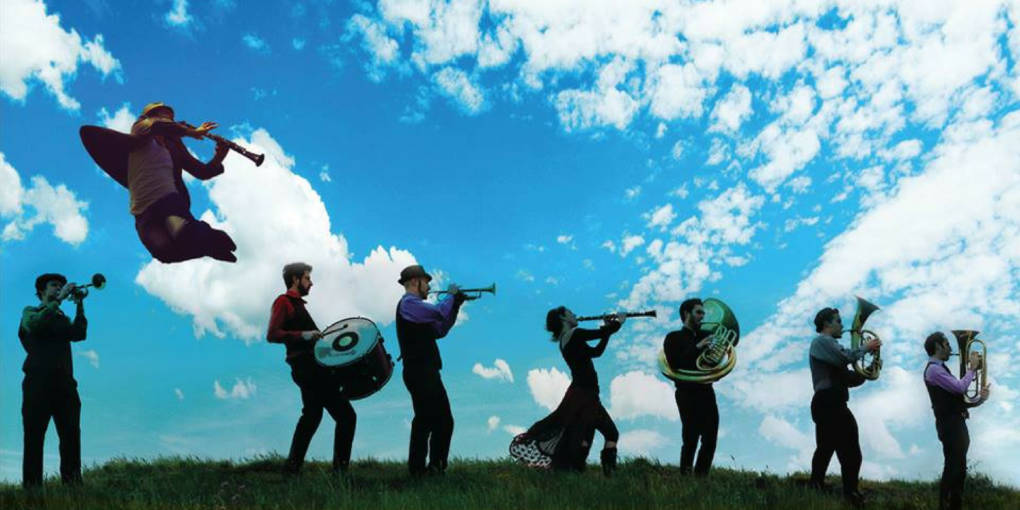
"caption": "Brass band Inspector Gadje and clarinetist Ismail Lumanovski specialize in Balkan Romani music.",
"description": "Brass band Inspector Gadje and clarinetist Ismail Lumanovski specialize in Balkan Romani music.",
"title": "inspector gadje",
"credit": "Sefa Karatekin / Anastasia Kuba ",
"status": "inherit",
"isLoading": false,
"fetchFailed": false
},
"arts_13867801": {
"type": "attachments",
"id": "arts_13867801",
"meta": {
"index": "attachments_1716263798",
"site": "arts",
"id": "13867801",
"found": true
},
"parent": 13867775,
"imgSizes": {
"twentyfourteen-full-width": {
"file": "https://ww2.kqed.org/app/uploads/sites/2/2019/10/UNDISCOVERED-1038x576.jpg",
"width": 1038,
"mimeType": "image/jpeg",
"height": 576
},
"thumbnail": {
"file": "https://ww2.kqed.org/app/uploads/sites/2/2019/10/UNDISCOVERED-160x90.jpg",
"width": 160,
"mimeType": "image/jpeg",
"height": 90
},
"post-thumbnail": {
"file": "https://ww2.kqed.org/app/uploads/sites/2/2019/10/UNDISCOVERED-672x372.jpg",
"width": 672,
"mimeType": "image/jpeg",
"height": 372
},
"kqedFullSize": {
"file": "https://ww2.kqed.org/app/uploads/sites/2/2019/10/UNDISCOVERED.jpg",
"width": 1920,
"height": 1080
},
"large": {
"file": "https://ww2.kqed.org/app/uploads/sites/2/2019/10/UNDISCOVERED-1020x574.jpg",
"width": 1020,
"mimeType": "image/jpeg",
"height": 574
},
"complete_open_graph": {
"file": "https://ww2.kqed.org/app/uploads/sites/2/2019/10/UNDISCOVERED-1200x675.jpg",
"width": 1200,
"mimeType": "image/jpeg",
"height": 675
},
"full-width": {
"file": "https://ww2.kqed.org/app/uploads/sites/2/2019/10/UNDISCOVERED-1920x1080.jpg",
"width": 1920,
"mimeType": "image/jpeg",
"height": 1080
},
"medium": {
"file": "https://ww2.kqed.org/app/uploads/sites/2/2019/10/UNDISCOVERED-800x450.jpg",
"width": 800,
"mimeType": "image/jpeg",
"height": 450
},
"medium_large": {
"file": "https://ww2.kqed.org/app/uploads/sites/2/2019/10/UNDISCOVERED-768x432.jpg",
"width": 768,
"mimeType": "image/jpeg",
"height": 432
}
},
"publishDate": 1570483830,
"modified": 1570483929,
"caption": "A scene from UNDSCVRD SF.",
"description": "A scene from UNDSCVRD SF.",
"title": "UNDISCOVERED",
"credit": "Kristen Soller",
"status": "inherit",
"isLoading": false,
"fetchFailed": false
},
"arts_13856520": {
"type": "attachments",
"id": "arts_13856520",
"meta": {
"index": "attachments_1716263798",
"site": "arts",
"id": "13856520",
"found": true
},
"parent": 13856498,
"imgSizes": {
"twentyfourteen-full-width": {
"file": "https://ww2.kqed.org/app/uploads/sites/2/2019/05/AlphabetRockers-1038x576.jpg",
"width": 1038,
"mimeType": "image/jpeg",
"height": 576
},
"thumbnail": {
"file": "https://ww2.kqed.org/app/uploads/sites/2/2019/05/AlphabetRockers-160x90.jpg",
"width": 160,
"mimeType": "image/jpeg",
"height": 90
},
"post-thumbnail": {
"file": "https://ww2.kqed.org/app/uploads/sites/2/2019/05/AlphabetRockers-672x372.jpg",
"width": 672,
"mimeType": "image/jpeg",
"height": 372
},
"kqedFullSize": {
"file": "https://ww2.kqed.org/app/uploads/sites/2/2019/05/AlphabetRockers.jpg",
"width": 1920,
"height": 1080
},
"large": {
"file": "https://ww2.kqed.org/app/uploads/sites/2/2019/05/AlphabetRockers-1020x574.jpg",
"width": 1020,
"mimeType": "image/jpeg",
"height": 574
},
"complete_open_graph": {
"file": "https://ww2.kqed.org/app/uploads/sites/2/2019/05/AlphabetRockers-1200x675.jpg",
"width": 1200,
"mimeType": "image/jpeg",
"height": 675
},
"full-width": {
"file": "https://ww2.kqed.org/app/uploads/sites/2/2019/05/AlphabetRockers-1920x1080.jpg",
"width": 1920,
"mimeType": "image/jpeg",
"height": 1080
},
"medium": {
"file": "https://ww2.kqed.org/app/uploads/sites/2/2019/05/AlphabetRockers-800x450.jpg",
"width": 800,
"mimeType": "image/jpeg",
"height": 450
},
"medium_large": {
"file": "https://ww2.kqed.org/app/uploads/sites/2/2019/05/AlphabetRockers-768x432.jpg",
"width": 768,
"mimeType": "image/jpeg",
"height": 432
}
},
"publishDate": 1556910278,
"modified": 1556910315,
"caption": "The Alphabet Rockers, with a cross-section of their all-ages listeners.",
"description": "The Alphabet Rockers, with a cross-section of their all-ages listeners.",
"title": "AlphabetRockers",
"credit": "Courtesy Alphabet Rockers",
"status": "inherit",
"isLoading": false,
"fetchFailed": false
},
"arts_13867642": {
"type": "attachments",
"id": "arts_13867642",
"meta": {
"index": "attachments_1716263798",
"site": "arts",
"id": "13867642",
"found": true
},
"parent": 13867579,
"imgSizes": {
"twentyfourteen-full-width": {
"file": "https://ww2.kqed.org/app/uploads/sites/2/2019/10/Nissly-1038x576.jpg",
"width": 1038,
"mimeType": "image/jpeg",
"height": 576
},
"thumbnail": {
"file": "https://ww2.kqed.org/app/uploads/sites/2/2019/10/Nissly-160x90.jpg",
"width": 160,
"mimeType": "image/jpeg",
"height": 90
},
"post-thumbnail": {
"file": "https://ww2.kqed.org/app/uploads/sites/2/2019/10/Nissly-672x372.jpg",
"width": 672,
"mimeType": "image/jpeg",
"height": 372
},
"kqedFullSize": {
"file": "https://ww2.kqed.org/app/uploads/sites/2/2019/10/Nissly.jpg",
"width": 1920,
"height": 1080
},
"large": {
"file": "https://ww2.kqed.org/app/uploads/sites/2/2019/10/Nissly-1020x574.jpg",
"width": 1020,
"mimeType": "image/jpeg",
"height": 574
},
"complete_open_graph": {
"file": "https://ww2.kqed.org/app/uploads/sites/2/2019/10/Nissly-1200x675.jpg",
"width": 1200,
"mimeType": "image/jpeg",
"height": 675
},
"full-width": {
"file": "https://ww2.kqed.org/app/uploads/sites/2/2019/10/Nissly-1920x1080.jpg",
"width": 1920,
"mimeType": "image/jpeg",
"height": 1080
},
"medium": {
"file": "https://ww2.kqed.org/app/uploads/sites/2/2019/10/Nissly-800x450.jpg",
"width": 800,
"mimeType": "image/jpeg",
"height": 450
},
"medium_large": {
"file": "https://ww2.kqed.org/app/uploads/sites/2/2019/10/Nissly-768x432.jpg",
"width": 768,
"mimeType": "image/jpeg",
"height": 432
}
},
"publishDate": 1570134591,
"modified": 1570134609,
"caption": "Composer Adam Schoenberg (left) and percussionist Jacob Nissly.",
"description": "Composer Adam Schoenberg (left) and percussionist Jacob Nissly.",
"title": "Nissly",
"credit": "Cody Pickens",
"status": "inherit",
"isLoading": false,
"fetchFailed": false
},
"arts_13867618": {
"type": "attachments",
"id": "arts_13867618",
"meta": {
"index": "attachments_1716263798",
"site": "arts",
"id": "13867618",
"found": true
},
"parent": 13867617,
"imgSizes": {
"twentyfourteen-full-width": {
"file": "https://ww2.kqed.org/app/uploads/sites/2/2019/10/gettyimages-176441914-5c198a21053b03c61b60db4fb4c515849c90e1c5-1038x576.jpg",
"width": 1038,
"mimeType": "image/jpeg",
"height": 576
},
"thumbnail": {
"file": "https://ww2.kqed.org/app/uploads/sites/2/2019/10/gettyimages-176441914-5c198a21053b03c61b60db4fb4c515849c90e1c5-160x120.jpg",
"width": 160,
"mimeType": "image/jpeg",
"height": 120
},
"post-thumbnail": {
"file": "https://ww2.kqed.org/app/uploads/sites/2/2019/10/gettyimages-176441914-5c198a21053b03c61b60db4fb4c515849c90e1c5-672x372.jpg",
"width": 672,
"mimeType": "image/jpeg",
"height": 372
},
"kqedFullSize": {
"file": "https://ww2.kqed.org/app/uploads/sites/2/2019/10/gettyimages-176441914-5c198a21053b03c61b60db4fb4c515849c90e1c5.jpg",
"width": 2048,
"height": 1537
},
"large": {
"file": "https://ww2.kqed.org/app/uploads/sites/2/2019/10/gettyimages-176441914-5c198a21053b03c61b60db4fb4c515849c90e1c5-1020x766.jpg",
"width": 1020,
"mimeType": "image/jpeg",
"height": 766
},
"complete_open_graph": {
"file": "https://ww2.kqed.org/app/uploads/sites/2/2019/10/gettyimages-176441914-5c198a21053b03c61b60db4fb4c515849c90e1c5-1200x901.jpg",
"width": 1200,
"mimeType": "image/jpeg",
"height": 901
},
"full-width": {
"file": "https://ww2.kqed.org/app/uploads/sites/2/2019/10/gettyimages-176441914-5c198a21053b03c61b60db4fb4c515849c90e1c5-1920x1441.jpg",
"width": 1920,
"mimeType": "image/jpeg",
"height": 1441
},
"medium": {
"file": "https://ww2.kqed.org/app/uploads/sites/2/2019/10/gettyimages-176441914-5c198a21053b03c61b60db4fb4c515849c90e1c5-800x601.jpg",
"width": 800,
"mimeType": "image/jpeg",
"height": 601
},
"medium_large": {
"file": "https://ww2.kqed.org/app/uploads/sites/2/2019/10/gettyimages-176441914-5c198a21053b03c61b60db4fb4c515849c90e1c5-768x577.jpg",
"width": 768,
"mimeType": "image/jpeg",
"height": 577
}
},
"publishDate": 1570128168,
"modified": 1570128667,
"caption": "Kim Shattuck, photographed during an event at the Grammy Museum in Los Angeles on Aug. 12, 2013.",
"description": "Kim Shattuck, photographed during an event at the Grammy Museum in Los Angeles on Aug. 12, 2013.",
"title": "Kim Shattuck, photographed during an event at the Grammy Museum in Los Angeles on Aug. 12, 2013.",
"credit": "Mark Sullivan/WireImage/Getty Images",
"status": "inherit",
"isLoading": false,
"fetchFailed": false
}
},
"audioPlayerReducer": {
"postId": "stream_live",
"isPaused": true,
"isPlaying": false,
"pfsActive": false,
"pledgeModalIsOpen": true,
"playerDrawerIsOpen": false,
"liveAudioPlayStartedAt": 0,
"liveAudioPlayContext": ""
},
"authorsReducer": {
"byline_arts_13868122": {
"type": "authors",
"id": "byline_arts_13868122",
"meta": {
"override": true
},
"slug": "byline_arts_13868122",
"name": "Anastasia Tsioulcas",
"isLoading": false
},
"byline_arts_13867617": {
"type": "authors",
"id": "byline_arts_13867617",
"meta": {
"override": true
},
"slug": "byline_arts_13867617",
"name": "Lars Gotrich",
"isLoading": false
},
"shotchkiss": {
"type": "authors",
"id": "61",
"meta": {
"index": "authors_1716337520",
"id": "61",
"found": true
},
"name": "Sarah Hotchkiss",
"firstName": "Sarah",
"lastName": "Hotchkiss",
"slug": "shotchkiss",
"email": "shotchkiss@kqed.org",
"display_author_email": true,
"staff_mastheads": [
"arts"
],
"title": "Senior Editor",
"bio": "Sarah Hotchkiss is a San Francisco \u003ca href=\"http://www.sarahhotchkiss.com\">artist\u003c/a> and arts writer. In 2019, she received the Dorothea & Leo Rabkin Foundation grant for visual art journalism and in 2020 she received a Society of Professional Journalists, Northern California award for excellence in arts and culture reporting.",
"avatar": "https://secure.gravatar.com/avatar/bc662df144b3d27fd8b1b6f1c2a420d34e91e53154d411bb7ad353cc8b6cea8d?s=600&d=blank&r=g",
"twitter": null,
"bluesky": null,
"facebook": null,
"instagram": null,
"linkedin": null,
"sites": [
{
"site": "",
"roles": [
"editor"
]
},
{
"site": "arts",
"roles": [
"Contributor",
"administrator"
]
},
{
"site": "artschool",
"roles": [
"administrator"
]
},
{
"site": "news",
"roles": [
"editor"
]
},
{
"site": "pop",
"roles": [
"administrator"
]
},
{
"site": "bayareabites",
"roles": [
"editor"
]
},
{
"site": "spark",
"roles": [
"editor"
]
},
{
"site": "checkplease",
"roles": [
"editor"
]
}
],
"headData": {
"title": "Sarah Hotchkiss | KQED",
"description": "Senior Editor",
"ogImgSrc": "https://secure.gravatar.com/avatar/bc662df144b3d27fd8b1b6f1c2a420d34e91e53154d411bb7ad353cc8b6cea8d?s=600&d=blank&r=g",
"twImgSrc": "https://secure.gravatar.com/avatar/bc662df144b3d27fd8b1b6f1c2a420d34e91e53154d411bb7ad353cc8b6cea8d?s=600&d=blank&r=g"
},
"isLoading": false,
"link": "/author/shotchkiss"
},
"gmeline": {
"type": "authors",
"id": "185",
"meta": {
"index": "authors_1716337520",
"id": "185",
"found": true
},
"name": "Gabe Meline",
"firstName": "Gabe",
"lastName": "Meline",
"slug": "gmeline",
"email": "gmeline@kqed.org",
"display_author_email": true,
"staff_mastheads": [
"arts"
],
"title": "Senior Editor, KQED Arts & Culture",
"bio": "Gabe Meline entered journalism at age 15 making photocopied zines, and has since earned awards from the Edward R. Murrow Awards, the Society for Professional Journalists, the Online Journalism Awards, the Association of Alternative Newsweeklies and the California Newspaper Publishers Association. Prior to KQED, he was the editor of the \u003cem>North Bay Bohemian\u003c/em> and a touring musician. He lives with his wife and daughter in his hometown of Santa Rosa, CA.",
"avatar": "https://secure.gravatar.com/avatar/5bebe57be0d8bc2dd318934feb47299e2d2d10cba28d09d8d7afb389a2ce2bdd?s=600&d=blank&r=g",
"twitter": null,
"bluesky": null,
"facebook": null,
"instagram": null,
"linkedin": null,
"sites": [
{
"site": "",
"roles": [
"editor"
]
},
{
"site": "arts",
"roles": [
"administrator"
]
},
{
"site": "artschool",
"roles": [
"editor"
]
},
{
"site": "news",
"roles": [
"author"
]
},
{
"site": "pop",
"roles": [
"editor"
]
},
{
"site": "bayareabites",
"roles": [
"editor"
]
},
{
"site": "food",
"roles": [
"editor"
]
},
{
"site": "forum",
"roles": [
"administrator"
]
},
{
"site": "liveblog",
"roles": [
"editor"
]
},
{
"site": "hiphop",
"roles": [
"editor"
]
}
],
"headData": {
"title": "Gabe Meline | KQED",
"description": "Senior Editor, KQED Arts & Culture",
"ogImgSrc": "https://secure.gravatar.com/avatar/5bebe57be0d8bc2dd318934feb47299e2d2d10cba28d09d8d7afb389a2ce2bdd?s=600&d=blank&r=g",
"twImgSrc": "https://secure.gravatar.com/avatar/5bebe57be0d8bc2dd318934feb47299e2d2d10cba28d09d8d7afb389a2ce2bdd?s=600&d=blank&r=g"
},
"isLoading": false,
"link": "/author/gmeline"
},
"cveltman": {
"type": "authors",
"id": "8608",
"meta": {
"index": "authors_1716337520",
"id": "8608",
"found": true
},
"name": "Chloe Veltman",
"firstName": "Chloe",
"lastName": "Veltman",
"slug": "cveltman",
"email": "cveltman@kqed.org",
"display_author_email": true,
"staff_mastheads": [],
"title": "Arts and Culture Reporter",
"bio": "Chloe Veltman is a former arts and culture reporter for KQED. Prior to joining the organization, she launched and led the arts bureau at Colorado Public Radio, served as the Bay Area's culture columnist for the New York Times, and was the founder, host and executive producer of VoiceBox, a national award-winning weekly podcast/radio show and live events series all about the human voice. Chloe is the recipient of numerous prizes, grants and fellowships including a Webby Award for her work on interactive storytelling, both the John S Knight Journalism Fellowship and Humanities Center Fellowship at Stanford University, the Sundance Arts Writing Fellowship and a Library of Congress Research Fellowship. She is the author of the book \"On Acting\" and has appeared as a guest lecturer at Yale University and the San Francisco Conservatory of Music among other institutions. She holds a BA in english literature from King's College, Cambridge, and a Masters in Dramaturgy from the Central School of Speech and Drama/Harvard Institute for Advanced Theater Training.\r\n\u003ca href=\"https://www.chloeveltman.com\">www.chloeveltman.com\u003c/a>",
"avatar": "https://secure.gravatar.com/avatar/55403394b00a1ddab683952c2eb2cf85?s=600&d=blank&r=g",
"twitter": "chloeveltman",
"facebook": null,
"instagram": null,
"linkedin": null,
"sites": [
{
"site": "arts",
"roles": []
},
{
"site": "news",
"roles": [
"author"
]
},
{
"site": "pop",
"roles": [
"editor"
]
},
{
"site": "science",
"roles": []
}
],
"headData": {
"title": "Chloe Veltman | KQED",
"description": "Arts and Culture Reporter",
"ogImgSrc": "https://secure.gravatar.com/avatar/55403394b00a1ddab683952c2eb2cf85?s=600&d=blank&r=g",
"twImgSrc": "https://secure.gravatar.com/avatar/55403394b00a1ddab683952c2eb2cf85?s=600&d=blank&r=g"
},
"isLoading": false,
"link": "/author/cveltman"
},
"ralexandra": {
"type": "authors",
"id": "11242",
"meta": {
"index": "authors_1716337520",
"id": "11242",
"found": true
},
"name": "Rae Alexandra",
"firstName": "Rae",
"lastName": "Alexandra",
"slug": "ralexandra",
"email": "ralexandra@kqed.org",
"display_author_email": true,
"staff_mastheads": [],
"title": "Reporter/Producer",
"bio": "Rae Alexandra is a Reporter/Producer for KQED Arts & Culture, and the creator/author of the \u003ca href=\"https://www.kqed.org/arts/program/rebel-girls-from-bay-area-history\">Rebel Girls From Bay Area History\u003c/a> and \u003ca href=\"https://www.kqed.org/bizarrebayarea\">Bizarre Bay Area\u003c/a> series. Her debut book, \u003ca href=\"https://citylights.com/politics-current-events-history/unsung-heroines35-women-who-changed/\">Unsung Heroines: 35 Women Who Changed the Bay Area\u003c/a> was published by City Lights in March 2026. In 2023, Rae was awarded an SPJ Excellence in Journalism Award for Arts & Culture. Rae was born and raised in Wales and subsequently — even after two decades in Northern California — still uses phrases that regularly baffle her coworkers.",
"avatar": "https://secure.gravatar.com/avatar/edfee8176c80cc0a382b051190f5341997df378a934a5774dcb0977732dfd401?s=600&d=blank&r=g",
"twitter": null,
"bluesky": null,
"facebook": null,
"instagram": null,
"linkedin": null,
"sites": [
{
"site": "arts",
"roles": [
"subscriber"
]
},
{
"site": "news",
"roles": [
"subscriber"
]
},
{
"site": "pop",
"roles": [
"subscriber"
]
},
{
"site": "bayareabites",
"roles": [
"subscriber"
]
},
{
"site": "science",
"roles": [
"subscriber"
]
}
],
"headData": {
"title": "Rae Alexandra | KQED",
"description": "Reporter/Producer",
"ogImgSrc": "https://secure.gravatar.com/avatar/edfee8176c80cc0a382b051190f5341997df378a934a5774dcb0977732dfd401?s=600&d=blank&r=g",
"twImgSrc": "https://secure.gravatar.com/avatar/edfee8176c80cc0a382b051190f5341997df378a934a5774dcb0977732dfd401?s=600&d=blank&r=g"
},
"isLoading": false,
"link": "/author/ralexandra"
},
"nvoynovskaya": {
"type": "authors",
"id": "11387",
"meta": {
"index": "authors_1716337520",
"id": "11387",
"found": true
},
"name": "Nastia Voynovskaya",
"firstName": "Nastia",
"lastName": "Voynovskaya",
"slug": "nvoynovskaya",
"email": "nvoynovskaya@kqed.org",
"display_author_email": false,
"staff_mastheads": [
"arts"
],
"title": "Editor and reporter",
"bio": "Nastia Voynovskaya is a reporter, editor and host at KQED Arts & Culture. She's been covering the arts in the Bay Area for over a decade, with a focus on music, queer culture, labor issues and grassroots organizing. She has edited KQED story series such as Trans Bay: A History of San Francisco's Gender-Diverse Community, and co-created KQED's Bay Area hip-hop history project, That's My Word. Nastia's work has been recognized by the Society of Professional Journalists and San Francisco Press Club. She regularly appears on podcasts and radio programs, including NPR's All Songs Considered, and hosts live events where music, culture and conversation meet.",
"avatar": "https://secure.gravatar.com/avatar/5025ee460e5a85d69ca20ea6c6f2f80d7e17795c828f61ea3aecfcd924e9042e?s=600&d=blank&r=g",
"twitter": null,
"bluesky": null,
"facebook": null,
"instagram": "https://www.instagram.com/nananastia/",
"linkedin": null,
"sites": [
{
"site": "",
"roles": [
"editor"
]
},
{
"site": "arts",
"roles": [
"administrator"
]
},
{
"site": "news",
"roles": [
"editor"
]
},
{
"site": "pop",
"roles": [
"administrator"
]
},
{
"site": "bayareabites",
"roles": [
"editor"
]
},
{
"site": "podcasts",
"roles": [
"editor"
]
},
{
"site": "hiphop",
"roles": [
"editor"
]
}
],
"headData": {
"title": "Nastia Voynovskaya | KQED",
"description": "Editor and reporter",
"ogImgSrc": "https://secure.gravatar.com/avatar/5025ee460e5a85d69ca20ea6c6f2f80d7e17795c828f61ea3aecfcd924e9042e?s=600&d=blank&r=g",
"twImgSrc": "https://secure.gravatar.com/avatar/5025ee460e5a85d69ca20ea6c6f2f80d7e17795c828f61ea3aecfcd924e9042e?s=600&d=blank&r=g"
},
"isLoading": false,
"link": "/author/nvoynovskaya"
},
"ogpenn": {
"type": "authors",
"id": "11491",
"meta": {
"index": "authors_1716337520",
"id": "11491",
"found": true
},
"name": "Pendarvis Harshaw",
"firstName": "Pendarvis",
"lastName": "Harshaw",
"slug": "ogpenn",
"email": "ogpenn@gmail.com",
"display_author_email": false,
"staff_mastheads": [
"arts"
],
"title": "Community Engagement Reporter",
"bio": "Pendarvis Harshaw is an educator, host and writer with KQED Arts.",
"avatar": "https://secure.gravatar.com/avatar/972b77ee8e3f346ae2b00622661187fbfabd059b5693bbdc1475ea7a722fd4cd?s=600&d=blank&r=g",
"twitter": null,
"bluesky": null,
"facebook": null,
"instagram": "ogpenn",
"linkedin": null,
"sites": [
{
"site": "arts",
"roles": [
"administrator"
]
},
{
"site": "news",
"roles": [
"editor"
]
},
{
"site": "bayareabites",
"roles": [
"author"
]
},
{
"site": "hiphop",
"roles": [
"editor"
]
}
],
"headData": {
"title": "Pendarvis Harshaw | KQED",
"description": "Community Engagement Reporter",
"ogImgSrc": "https://secure.gravatar.com/avatar/972b77ee8e3f346ae2b00622661187fbfabd059b5693bbdc1475ea7a722fd4cd?s=600&d=blank&r=g",
"twImgSrc": "https://secure.gravatar.com/avatar/972b77ee8e3f346ae2b00622661187fbfabd059b5693bbdc1475ea7a722fd4cd?s=600&d=blank&r=g"
},
"isLoading": false,
"link": "/author/ogpenn"
}
},
"pagesReducer": {
"arts_category_music": {
"type": "terms",
"id": "arts_69",
"meta": {
"index": "terms_1716263798",
"site": "arts",
"id": "69",
"score": 10.85186
},
"featImg": null,
"name": "Music",
"description": null,
"taxonomy": "category",
"headData": {
"twImgId": null,
"twTitle": null,
"ogTitle": null,
"ogImgId": null,
"twDescription": null,
"description": null,
"title": "Music Archives | KQED Arts",
"ogDescription": null
},
"ttid": 70,
"slug": "music",
"isLoading": false,
"title": "Music",
"pageMeta": {
"site": "arts",
"WpPageTemplate": "page-topic-editorial",
"currentPage": 137
},
"blocks": [
{
"blockName": "kqed/post-list",
"attrs": {
"layout": "cardArticle2",
"query": "posts/arts?category=music",
"seeMore": false,
"paginated": true,
"page": 137
}
},
{
"blockName": "kqed/ad"
}
]
}
},
"pfsSessionReducer": {},
"postsReducer": {
"stream_live": {
"type": "live",
"id": "stream_live",
"audioUrl": "https://streams.kqed.org/kqedradio",
"title": "Live Stream",
"excerpt": "Live Stream information currently unavailable.",
"link": "/radio",
"featImg": "",
"label": {
"name": "KQED Live",
"link": "/"
}
},
"stream_kqedNewscast": {
"type": "posts",
"id": "stream_kqedNewscast",
"audioUrl": "https://www.kqed.org/.stream/anon/radio/RDnews/newscast.mp3?_=1",
"title": "KQED Newscast",
"featImg": "",
"label": {
"name": "88.5 FM",
"link": "/"
}
},
"arts_13868108": {
"type": "posts",
"id": "arts_13868108",
"meta": {
"index": "posts_1716263798",
"site": "arts",
"id": "13868108",
"score": null,
"sort": [
1571083141000
]
},
"guestAuthors": [],
"slug": "burning-man-no-spectators-oakland-museum",
"title": "Burning Man Exhibit at Oakland Museum Asks Few Questions of Festival's Purpose",
"publishDate": 1571083141,
"format": "standard",
"headTitle": "Burning Man Exhibit at Oakland Museum Asks Few Questions of Festival’s Purpose | KQED",
"labelTerm": {
"term": 140,
"site": "arts"
},
"content": "\u003cp>Burning Man is a polarizing topic here in the Bay Area, where the arts and music festival was founded in 1986 at Baker Beach in San Francisco.\u003c/p>\n\u003cp>For some, it’s not just a yearly gathering, but an entire lifestyle—one that may or may not include a penchant for fire-twirling; a love for deep house and dubstep; and a uniform of top hats, goggles, faux fur and/or white dreads. Meanwhile, many who stay behind in the Bay Area during Burning Man week actually \u003cem>\u003ca href=\"https://www.thrillist.com/lifestyle/san-francisco/things-to-do-in-sf-during-burning-man\" target=\"_blank\" rel=\"noopener noreferrer\">celebrate\u003c/a>\u003c/em> when all the Burners leave town for their annual pilgrimage to Black Rock City, Nevada, where the festival takes place every August.\u003c/p>\n\u003cfigure id=\"attachment_13868166\" class=\"wp-caption alignright\" style=\"max-width: 800px\">\u003cimg loading=\"lazy\" decoding=\"async\" class=\"size-medium wp-image-13868166\" src=\"https://ww2.kqed.org/arts/wp-content/uploads/sites/2/2019/10/IMG_7342-800x1067.jpg\" alt=\"'Temple of Reunion' by David Best.\" width=\"800\" height=\"1067\" srcset=\"https://cdn.kqed.org/wp-content/uploads/sites/2/2019/10/IMG_7342.jpg 800w, https://cdn.kqed.org/wp-content/uploads/sites/2/2019/10/IMG_7342-160x213.jpg 160w, https://cdn.kqed.org/wp-content/uploads/sites/2/2019/10/IMG_7342-768x1024.jpg 768w\" sizes=\"(max-width: 800px) 100vw, 800px\">\u003cfigcaption class=\"wp-caption-text\">‘Temple of Reunion’ by David Best. \u003ccite>(Nastia Voynovskaya)\u003c/cite>\u003c/figcaption>\u003c/figure>\n\u003cp>Even if Burning Man rubs you the wrong way, the principles of the festival are ones most progressive people can get behind: radical self-expression, communal effort and civic responsibility, to name a few. But because of its execution—namely the fact that it costs thousands of dollars to attend when factoring ticket costs, vehicle passes, transportation, food and desert survival gear—it falls short on its professed ideal of “radical inclusion,” and attracts a \u003ca href=\"https://qz.com/1112285/burning-man-census-data-show-is-most-demographically-similar-to-massachussets/\" target=\"_blank\" rel=\"noopener noreferrer\">mostly white, affluent audience\u003c/a>, including a growing number of Silicon Valley tech elite. (In 2018, Burning Man reported that the median household income of attendees was $101,700, and that 76 percent of them were white.)\u003c/p>\n\u003cp>\u003cem>No Spectators: The Art of Burning Man\u003c/em>, a new exhibit at Oakland Museum of California, aims to bring out the best in Burning Man’s utopian vision, and allow laypeople to see some of its most impressive installation art without spending an entire paycheck, or several, to go to the Playa. In this final stop of a touring exhibition organized by the Smithsonian American Art Museum’s Renwick Gallery, the show celebrates Burning Man’s important place as a catalyst of maker culture and industrial arts, but ultimately leaves cultural analysis to be desired.\u003c/p>\n\u003cp>In the museum courtyard outside the main gallery space, an elaborate wooden temple by David Best—clearly inspired by Southeast Asian Buddhist architecture—replicates the elaborate, ephemeral structures he annually creates at Burning Man. Called \u003cem>Temple of Reunion\u003c/em>, the piece invites museum-goers to write homages to lost loved ones on its wooden blocks. In the desert, Best’s temples are burned at the end of the week in a cathartic ritual.\u003c/p>\n\u003cp>Within the gallery, \u003cem>Gamelatron Bidadari\u003c/em>, a sound installation by Aaron Taylor Kuffner, features mechanized Indonesian gongs that ring out in calming, meditative tones. The skilled craftsmanship and visual appeal of \u003cem>Temple of Reunion\u003c/em> and \u003cem>Gamelatron Bidadari\u003c/em> are undeniable, and they are some of the most beautiful pieces in the exhibit. Both by white artists, these pieces nevertheless over-rely on Eastern religious aesthetics, removing their cultural significance by placing them in the drug-fueled spectacle of the Playa (and now its homage in the museum).\u003c/p>\n\u003cp>It’s precisely this casual attitude towards cultural appropriation—and the ways Burners consume non-white aesthetics at an event largely bereft of people of color—that makes the disconnect between Burning Man and its utopian principles off-putting to many, including at least one artist in the exhibit itself.\u003c/p>\n\u003cfigure id=\"attachment_13868179\" class=\"wp-caption aligncenter\" style=\"max-width: 800px\">\u003cimg loading=\"lazy\" decoding=\"async\" class=\"size-medium wp-image-13868179\" src=\"https://ww2.kqed.org/arts/wp-content/uploads/sites/2/2019/10/Tin-Pan-Dragon-800x572.jpg\" alt=\"Duane Flatmo, Tin Pan Dragon , 2006.\" width=\"800\" height=\"572\" srcset=\"https://cdn.kqed.org/wp-content/uploads/sites/2/2019/10/Tin-Pan-Dragon-800x572.jpg 800w, https://cdn.kqed.org/wp-content/uploads/sites/2/2019/10/Tin-Pan-Dragon-160x114.jpg 160w, https://cdn.kqed.org/wp-content/uploads/sites/2/2019/10/Tin-Pan-Dragon-768x549.jpg 768w, https://cdn.kqed.org/wp-content/uploads/sites/2/2019/10/Tin-Pan-Dragon-1020x729.jpg 1020w, https://cdn.kqed.org/wp-content/uploads/sites/2/2019/10/Tin-Pan-Dragon-1200x858.jpg 1200w, https://cdn.kqed.org/wp-content/uploads/sites/2/2019/10/Tin-Pan-Dragon.jpg 1920w\" sizes=\"(max-width: 800px) 100vw, 800px\">\u003cfigcaption class=\"wp-caption-text\">Duane Flatmo, Tin Pan Dragon , 2006. \u003ccite>(Libby Weiler)\u003c/cite>\u003c/figcaption>\u003c/figure>\n\u003cp>“I have a little bit of a cognitive dissonance going on with Burning Man,” says Rachel Sadd (a.k.a. Rachel McCrafty), a Bay Area artist who created an interactive piece for the exhibit called \u003cem>Gift-o-Matic\u003c/em>, where viewers can make necklaces and origami butterflies to put in a giant gumball machine for others to take home. “The amazing, life-changing experiences, the art, the desert sun, the challenges, the things I learn about myself—things I love. Things I don’t love? So much effort, resources, thought and passion are put together to express the voice of a single group of artists—white men—to a singular audience: predominantly white people.”\u003c/p>\n\u003cp>Even with these ongoing conversations within and outside of the Burning Man community, the show is populated with placards touting Burning Man’s activist-sounding ideals, with little thought to whether the festival lives up to its stated principles. Walking through it, I wished that—like many OMCA shows have skillfully done (most recently, \u003ca href=\"https://www.kqed.org/arts/13854867/at-omca-californias-past-present-and-future-is-queer\" target=\"_blank\" rel=\"noopener noreferrer\">\u003cem>Queer California\u003c/em>\u003c/a>)—it would have made a greater effort to realistically examine the festival’s broader social context.\u003c/p>\n\u003cp>An adjoining smaller exhibition, \u003cem>City of Dust: The Evolution of Burning Man\u003c/em>, organized by the Nevada Museum of Art, does little to examine how Burning Man’s reputation at large transformed from an anarchist hippie gathering to a playground for the rich, instead displaying early flyers and photos from Burning Man’s Baker Beach days. There’s also little information about \u003ca href=\"https://www.billboard.com/articles/news/dance/8527874/evolution-electronic-music-burning-man\" target=\"_blank\" rel=\"noopener noreferrer\">music at Burning Man\u003c/a>, which has coalesced into its own subgenre, and how the festival is now regarded as an electronic dance music (EDM) destination. With high-profile acts like Diplo and Flume performing in recent years, Burning Man’s EDM aspect certainly adds to a mainstream, commercial appeal largely unmentioned in the exhibit.\u003c/p>\n\u003cfigure id=\"attachment_13868167\" class=\"wp-caption aligncenter\" style=\"max-width: 800px\">\u003cimg loading=\"lazy\" decoding=\"async\" class=\"size-medium wp-image-13868167\" src=\"https://ww2.kqed.org/arts/wp-content/uploads/sites/2/2019/10/Inner-Orbit-800x534.jpg\" alt=\"HYBYCOZO, Inner Orbit , 2017.\" width=\"800\" height=\"534\" srcset=\"https://cdn.kqed.org/wp-content/uploads/sites/2/2019/10/Inner-Orbit-800x534.jpg 800w, https://cdn.kqed.org/wp-content/uploads/sites/2/2019/10/Inner-Orbit-160x107.jpg 160w, https://cdn.kqed.org/wp-content/uploads/sites/2/2019/10/Inner-Orbit-768x512.jpg 768w, https://cdn.kqed.org/wp-content/uploads/sites/2/2019/10/Inner-Orbit-1020x681.jpg 1020w, https://cdn.kqed.org/wp-content/uploads/sites/2/2019/10/Inner-Orbit-1200x801.jpg 1200w, https://cdn.kqed.org/wp-content/uploads/sites/2/2019/10/Inner-Orbit.jpg 1920w\" sizes=\"(max-width: 800px) 100vw, 800px\">\u003cfigcaption class=\"wp-caption-text\">HYBYCOZO, Inner Orbit, 2017. \u003ccite>(Image courtesy of the Cincinnati Art Museum, photography by Leigh Vukov.)\u003c/cite>\u003c/figcaption>\u003c/figure>\n\u003cp>Without this context, \u003cem>No Spectators\u003c/em> does a good job inspiring its audience to \u003cem>want\u003c/em> to believe in Burning Man’s ideals through sheer eye candy. A bus converted into a silent movie theater—complete with a ticket window and seating—by the 150-person collective Five Ton Crane attests to the impressive teamwork and trust that Burners tap into to make the event possible.\u003c/p>\n\u003cp>\u003cem>Shrumen Lumen\u003c/em>, two glowing, LED-lit mushrooms by FoldHaus Art Collective, convey an otherworldly, magical atmosphere. And works like HYBYCOZO’s \u003cem>Inner Orbit: Lvov\u003c/em> and \u003cem>Trocto—\u003c/em>two hanging, steel geometric sculptures with intricate laser-cut patterns casting dazzling shadows—speak to Burning Man artists’ embrace of emerging fabrication technologies.\u003c/p>\n\u003cp>Still, as much as Burning Man professes to be a radical, intentional utopia that exists parallel to our materialistic, detached society, no art exists in a vacuum. And without the right social context, \u003cem>No Spectators\u003c/em> reads as a surface-level celebration of a cultural phenomenon with so many other angles worthy of exploration.\u003c/p>\n\u003cp>\u003cimg loading=\"lazy\" decoding=\"async\" class=\"aligncenter size-medium wp-image-12127869\" src=\"https://ww2.kqed.org/arts/wp-content/uploads/sites/2/2016/09/Q.Logo_.Break_-800x78.jpg\" alt=\"\" width=\"800\" height=\"78\" srcset=\"https://cdn.kqed.org/wp-content/uploads/sites/2/2016/09/Q.Logo_.Break_.jpg 800w, https://cdn.kqed.org/wp-content/uploads/sites/2/2016/09/Q.Logo_.Break_-400x39.jpg 400w, https://cdn.kqed.org/wp-content/uploads/sites/2/2016/09/Q.Logo_.Break_-768x75.jpg 768w\" sizes=\"(max-width: 800px) 100vw, 800px\">\u003c/p>\n\u003cp>No Spectators: The Art of Burning Man\u003cem> is on view at Oakland Museum of California through Feb. 16, 2020. \u003ca href=\"https://museumca.org/exhibit/no-spectators-art-burning-man\" target=\"_blank\" rel=\"noopener noreferrer\">Details here\u003c/a>. \u003c/em>\u003c/p>\n\u003cp>[ad fullwidth]\u003c/p>\n\u003cp>[ad floatright]\u003c/p>\n",
"blocks": [],
"excerpt": "The Burning Man-themed exhibition 'No Spectators' misses a sense of the festival's disconnect from its utopian ideals. ",
"status": "publish",
"parent": 0,
"modified": 1726766085,
"stats": {
"hasAudio": false,
"hasVideo": false,
"hasChartOrMap": false,
"iframeSrcs": [],
"hasGoogleForm": false,
"hasGallery": false,
"hasHearkenModule": false,
"hasPolis": false,
"paragraphCount": 17,
"wordCount": 1093
},
"headData": {
"title": "Burning Man Exhibit at Oakland Museum Asks Few Questions of Festival's Purpose | KQED",
"description": "The Burning Man-themed exhibition 'No Spectators' misses a sense of the festival's disconnect from its utopian ideals. ",
"ogTitle": "",
"ogDescription": "",
"ogImgId": "",
"twTitle": "",
"twDescription": "",
"twImgId": "",
"schema": {
"@context": "https://schema.org",
"@type": "Article",
"headline": "Burning Man Exhibit at Oakland Museum Asks Few Questions of Festival's Purpose",
"datePublished": "2019-10-14T12:59:01-07:00",
"dateModified": "2024-09-19T10:14:45-07:00",
"image": "https://cdn.kqed.org/wp-content/uploads/2020/02/KQED-OG-Image@1x.png"
}
},
"sticky": false,
"templateType": "standard",
"featuredImageType": "standard",
"startTime": 1570863600,
"endTime": 1581840000,
"startTimeString": "Oct. 12, 2019–Feb. 16, 2020",
"venueName": "Oakland Museum of California",
"venueAddress": "1000 Oak St., Oakland",
"eventLink": "https://museumca.org/exhibit/no-spectators-art-burning-man",
"excludeFromSiteSearch": "Include",
"articleAge": "0",
"path": "/arts/13868108/burning-man-no-spectators-oakland-museum",
"audioTrackLength": null,
"parsedContent": [
{
"type": "contentString",
"content": "\u003cdiv class=\"post-body\">\u003cp>\u003cp>Burning Man is a polarizing topic here in the Bay Area, where the arts and music festival was founded in 1986 at Baker Beach in San Francisco.\u003c/p>\n\u003cp>For some, it’s not just a yearly gathering, but an entire lifestyle—one that may or may not include a penchant for fire-twirling; a love for deep house and dubstep; and a uniform of top hats, goggles, faux fur and/or white dreads. Meanwhile, many who stay behind in the Bay Area during Burning Man week actually \u003cem>\u003ca href=\"https://www.thrillist.com/lifestyle/san-francisco/things-to-do-in-sf-during-burning-man\" target=\"_blank\" rel=\"noopener noreferrer\">celebrate\u003c/a>\u003c/em> when all the Burners leave town for their annual pilgrimage to Black Rock City, Nevada, where the festival takes place every August.\u003c/p>\n\u003cfigure id=\"attachment_13868166\" class=\"wp-caption alignright\" style=\"max-width: 800px\">\u003cimg loading=\"lazy\" decoding=\"async\" class=\"size-medium wp-image-13868166\" src=\"https://ww2.kqed.org/arts/wp-content/uploads/sites/2/2019/10/IMG_7342-800x1067.jpg\" alt=\"'Temple of Reunion' by David Best.\" width=\"800\" height=\"1067\" srcset=\"https://cdn.kqed.org/wp-content/uploads/sites/2/2019/10/IMG_7342.jpg 800w, https://cdn.kqed.org/wp-content/uploads/sites/2/2019/10/IMG_7342-160x213.jpg 160w, https://cdn.kqed.org/wp-content/uploads/sites/2/2019/10/IMG_7342-768x1024.jpg 768w\" sizes=\"(max-width: 800px) 100vw, 800px\">\u003cfigcaption class=\"wp-caption-text\">‘Temple of Reunion’ by David Best. \u003ccite>(Nastia Voynovskaya)\u003c/cite>\u003c/figcaption>\u003c/figure>\n\u003cp>Even if Burning Man rubs you the wrong way, the principles of the festival are ones most progressive people can get behind: radical self-expression, communal effort and civic responsibility, to name a few. But because of its execution—namely the fact that it costs thousands of dollars to attend when factoring ticket costs, vehicle passes, transportation, food and desert survival gear—it falls short on its professed ideal of “radical inclusion,” and attracts a \u003ca href=\"https://qz.com/1112285/burning-man-census-data-show-is-most-demographically-similar-to-massachussets/\" target=\"_blank\" rel=\"noopener noreferrer\">mostly white, affluent audience\u003c/a>, including a growing number of Silicon Valley tech elite. (In 2018, Burning Man reported that the median household income of attendees was $101,700, and that 76 percent of them were white.)\u003c/p>\n\u003cp>\u003cem>No Spectators: The Art of Burning Man\u003c/em>, a new exhibit at Oakland Museum of California, aims to bring out the best in Burning Man’s utopian vision, and allow laypeople to see some of its most impressive installation art without spending an entire paycheck, or several, to go to the Playa. In this final stop of a touring exhibition organized by the Smithsonian American Art Museum’s Renwick Gallery, the show celebrates Burning Man’s important place as a catalyst of maker culture and industrial arts, but ultimately leaves cultural analysis to be desired.\u003c/p>\n\u003cp>In the museum courtyard outside the main gallery space, an elaborate wooden temple by David Best—clearly inspired by Southeast Asian Buddhist architecture—replicates the elaborate, ephemeral structures he annually creates at Burning Man. Called \u003cem>Temple of Reunion\u003c/em>, the piece invites museum-goers to write homages to lost loved ones on its wooden blocks. In the desert, Best’s temples are burned at the end of the week in a cathartic ritual.\u003c/p>\n\u003cp>Within the gallery, \u003cem>Gamelatron Bidadari\u003c/em>, a sound installation by Aaron Taylor Kuffner, features mechanized Indonesian gongs that ring out in calming, meditative tones. The skilled craftsmanship and visual appeal of \u003cem>Temple of Reunion\u003c/em> and \u003cem>Gamelatron Bidadari\u003c/em> are undeniable, and they are some of the most beautiful pieces in the exhibit. Both by white artists, these pieces nevertheless over-rely on Eastern religious aesthetics, removing their cultural significance by placing them in the drug-fueled spectacle of the Playa (and now its homage in the museum).\u003c/p>\n\u003cp>It’s precisely this casual attitude towards cultural appropriation—and the ways Burners consume non-white aesthetics at an event largely bereft of people of color—that makes the disconnect between Burning Man and its utopian principles off-putting to many, including at least one artist in the exhibit itself.\u003c/p>\n\u003cfigure id=\"attachment_13868179\" class=\"wp-caption aligncenter\" style=\"max-width: 800px\">\u003cimg loading=\"lazy\" decoding=\"async\" class=\"size-medium wp-image-13868179\" src=\"https://ww2.kqed.org/arts/wp-content/uploads/sites/2/2019/10/Tin-Pan-Dragon-800x572.jpg\" alt=\"Duane Flatmo, Tin Pan Dragon , 2006.\" width=\"800\" height=\"572\" srcset=\"https://cdn.kqed.org/wp-content/uploads/sites/2/2019/10/Tin-Pan-Dragon-800x572.jpg 800w, https://cdn.kqed.org/wp-content/uploads/sites/2/2019/10/Tin-Pan-Dragon-160x114.jpg 160w, https://cdn.kqed.org/wp-content/uploads/sites/2/2019/10/Tin-Pan-Dragon-768x549.jpg 768w, https://cdn.kqed.org/wp-content/uploads/sites/2/2019/10/Tin-Pan-Dragon-1020x729.jpg 1020w, https://cdn.kqed.org/wp-content/uploads/sites/2/2019/10/Tin-Pan-Dragon-1200x858.jpg 1200w, https://cdn.kqed.org/wp-content/uploads/sites/2/2019/10/Tin-Pan-Dragon.jpg 1920w\" sizes=\"(max-width: 800px) 100vw, 800px\">\u003cfigcaption class=\"wp-caption-text\">Duane Flatmo, Tin Pan Dragon , 2006. \u003ccite>(Libby Weiler)\u003c/cite>\u003c/figcaption>\u003c/figure>\n\u003cp>“I have a little bit of a cognitive dissonance going on with Burning Man,” says Rachel Sadd (a.k.a. Rachel McCrafty), a Bay Area artist who created an interactive piece for the exhibit called \u003cem>Gift-o-Matic\u003c/em>, where viewers can make necklaces and origami butterflies to put in a giant gumball machine for others to take home. “The amazing, life-changing experiences, the art, the desert sun, the challenges, the things I learn about myself—things I love. Things I don’t love? So much effort, resources, thought and passion are put together to express the voice of a single group of artists—white men—to a singular audience: predominantly white people.”\u003c/p>\n\u003cp>Even with these ongoing conversations within and outside of the Burning Man community, the show is populated with placards touting Burning Man’s activist-sounding ideals, with little thought to whether the festival lives up to its stated principles. Walking through it, I wished that—like many OMCA shows have skillfully done (most recently, \u003ca href=\"https://www.kqed.org/arts/13854867/at-omca-californias-past-present-and-future-is-queer\" target=\"_blank\" rel=\"noopener noreferrer\">\u003cem>Queer California\u003c/em>\u003c/a>)—it would have made a greater effort to realistically examine the festival’s broader social context.\u003c/p>\n\u003cp>An adjoining smaller exhibition, \u003cem>City of Dust: The Evolution of Burning Man\u003c/em>, organized by the Nevada Museum of Art, does little to examine how Burning Man’s reputation at large transformed from an anarchist hippie gathering to a playground for the rich, instead displaying early flyers and photos from Burning Man’s Baker Beach days. There’s also little information about \u003ca href=\"https://www.billboard.com/articles/news/dance/8527874/evolution-electronic-music-burning-man\" target=\"_blank\" rel=\"noopener noreferrer\">music at Burning Man\u003c/a>, which has coalesced into its own subgenre, and how the festival is now regarded as an electronic dance music (EDM) destination. With high-profile acts like Diplo and Flume performing in recent years, Burning Man’s EDM aspect certainly adds to a mainstream, commercial appeal largely unmentioned in the exhibit.\u003c/p>\n\u003cfigure id=\"attachment_13868167\" class=\"wp-caption aligncenter\" style=\"max-width: 800px\">\u003cimg loading=\"lazy\" decoding=\"async\" class=\"size-medium wp-image-13868167\" src=\"https://ww2.kqed.org/arts/wp-content/uploads/sites/2/2019/10/Inner-Orbit-800x534.jpg\" alt=\"HYBYCOZO, Inner Orbit , 2017.\" width=\"800\" height=\"534\" srcset=\"https://cdn.kqed.org/wp-content/uploads/sites/2/2019/10/Inner-Orbit-800x534.jpg 800w, https://cdn.kqed.org/wp-content/uploads/sites/2/2019/10/Inner-Orbit-160x107.jpg 160w, https://cdn.kqed.org/wp-content/uploads/sites/2/2019/10/Inner-Orbit-768x512.jpg 768w, https://cdn.kqed.org/wp-content/uploads/sites/2/2019/10/Inner-Orbit-1020x681.jpg 1020w, https://cdn.kqed.org/wp-content/uploads/sites/2/2019/10/Inner-Orbit-1200x801.jpg 1200w, https://cdn.kqed.org/wp-content/uploads/sites/2/2019/10/Inner-Orbit.jpg 1920w\" sizes=\"(max-width: 800px) 100vw, 800px\">\u003cfigcaption class=\"wp-caption-text\">HYBYCOZO, Inner Orbit, 2017. \u003ccite>(Image courtesy of the Cincinnati Art Museum, photography by Leigh Vukov.)\u003c/cite>\u003c/figcaption>\u003c/figure>\n\u003cp>Without this context, \u003cem>No Spectators\u003c/em> does a good job inspiring its audience to \u003cem>want\u003c/em> to believe in Burning Man’s ideals through sheer eye candy. A bus converted into a silent movie theater—complete with a ticket window and seating—by the 150-person collective Five Ton Crane attests to the impressive teamwork and trust that Burners tap into to make the event possible.\u003c/p>\n\u003cp>\u003cem>Shrumen Lumen\u003c/em>, two glowing, LED-lit mushrooms by FoldHaus Art Collective, convey an otherworldly, magical atmosphere. And works like HYBYCOZO’s \u003cem>Inner Orbit: Lvov\u003c/em> and \u003cem>Trocto—\u003c/em>two hanging, steel geometric sculptures with intricate laser-cut patterns casting dazzling shadows—speak to Burning Man artists’ embrace of emerging fabrication technologies.\u003c/p>\n\u003cp>Still, as much as Burning Man professes to be a radical, intentional utopia that exists parallel to our materialistic, detached society, no art exists in a vacuum. And without the right social context, \u003cem>No Spectators\u003c/em> reads as a surface-level celebration of a cultural phenomenon with so many other angles worthy of exploration.\u003c/p>\n\u003cp>\u003cimg loading=\"lazy\" decoding=\"async\" class=\"aligncenter size-medium wp-image-12127869\" src=\"https://ww2.kqed.org/arts/wp-content/uploads/sites/2/2016/09/Q.Logo_.Break_-800x78.jpg\" alt=\"\" width=\"800\" height=\"78\" srcset=\"https://cdn.kqed.org/wp-content/uploads/sites/2/2016/09/Q.Logo_.Break_.jpg 800w, https://cdn.kqed.org/wp-content/uploads/sites/2/2016/09/Q.Logo_.Break_-400x39.jpg 400w, https://cdn.kqed.org/wp-content/uploads/sites/2/2016/09/Q.Logo_.Break_-768x75.jpg 768w\" sizes=\"(max-width: 800px) 100vw, 800px\">\u003c/p>\n\u003cp>No Spectators: The Art of Burning Man\u003cem> is on view at Oakland Museum of California through Feb. 16, 2020. \u003ca href=\"https://museumca.org/exhibit/no-spectators-art-burning-man\" target=\"_blank\" rel=\"noopener noreferrer\">Details here\u003c/a>. \u003c/em>\u003c/p>\n\u003cp>\u003c/p>\u003c/div>",
"attributes": {
"named": {},
"numeric": []
}
},
{
"type": "component",
"content": "",
"name": "ad",
"attributes": {
"named": {
"label": "fullwidth"
},
"numeric": [
"fullwidth"
]
}
},
{
"type": "contentString",
"content": "\u003cdiv class=\"post-body\">\u003cp>\u003c/p>\n\u003cp>\u003c/p>\u003c/div>",
"attributes": {
"named": {},
"numeric": []
}
},
{
"type": "component",
"content": "",
"name": "ad",
"attributes": {
"named": {
"label": "floatright"
},
"numeric": [
"floatright"
]
}
},
{
"type": "contentString",
"content": "\u003cdiv class=\"post-body\">\u003cp>\u003c/p>\n\u003c/div>\u003c/p>",
"attributes": {
"named": {},
"numeric": []
}
}
],
"link": "/arts/13868108/burning-man-no-spectators-oakland-museum",
"authors": [
"11387"
],
"programs": [
"arts_140"
],
"categories": [
"arts_2303",
"arts_69",
"arts_70"
],
"tags": [
"arts_1335",
"arts_2767",
"arts_1118",
"arts_2755",
"arts_769"
],
"featImg": "arts_13868165",
"label": "arts_140"
},
"arts_13868122": {
"type": "posts",
"id": "arts_13868122",
"meta": {
"index": "posts_1716263798",
"site": "arts",
"id": "13868122",
"score": null,
"sort": [
1570811706000
]
},
"guestAuthors": [],
"slug": "princes-estate-condemns-trumps-use-of-purple-rain-at-campaign-rally",
"title": "Prince's Estate Condemns Trump's Use Of 'Purple Rain' At Campaign Rally",
"publishDate": 1570811706,
"format": "standard",
"headTitle": "Prince’s Estate Condemns Trump’s Use Of ‘Purple Rain’ At Campaign Rally | KQED",
"labelTerm": {
"term": 137,
"site": "arts"
},
"content": "\u003cp>Among all the other things that transpired \u003ca href=\"https://www.mprnews.org/story/2019/10/10/trump-aims-to-turn-impeachment-probe-into-campaign-asset-at-minneapolis-rally\">at\u003c/a> and \u003ca href=\"https://www.npr.org/2019/10/09/768697916/trump-faces-protests-in-minneapolis-during-his-campaign-rally\">around\u003c/a> President Trump’s reelection campaign in Minneapolis Thursday night, his team played the music of a hometown hero: Prince’s “Purple Rain.” Soon after, the estate of Minnesota’s late musical hero made it clear just how unhappy it was — and \u003ca href=\"https://twitter.com/prince/status/1182484599781416960?s=20\">shared\u003c/a> a letter from Trump’s legal team from a year ago, in which the campaign explicitly promised not to use Prince’s music.\u003c/p>\n\u003cp>Politicians soundtracking – or co-opting, depending on your point of view — famous songs is a familiar conundrum for artists. Candidates want well-known, usually mood-boosting hits to get the crowd going. (One notable exception: the rather doleful “You Can’t Always Get What You Want” by the Rolling Stones, which was a favorite for then-candidate Donald J. Trump in 2016.)\u003c/p>\n\u003cp>https://twitter.com/prince/status/1182484599781416960\u003c/p>\n\u003cp> \u003c/p>\n\u003cp>As long as they pay for the rights to the songs, candidates in the U.S. are \u003ca href=\"https://www.npr.org/sections/therecord/2016/07/22/487022287/cleveland-rocked-music-at-the-republican-national-convention\">generally\u003c/a> legally free to use any music they like, no matter how at odds the artists’ own politics may be from those on the campaign trail. (During his remarks at Minneapolis’ Target Center Thursday night, Trump \u003ca href=\"https://www.youtube.com/watch?time_continue=15&v=Kh3ZB_oX9cY\">said\u003c/a>: “I didn’t need Beyoncé and Jay-Z, and I didn’t need little Bruce Springsteen” to secure his 2016 electoral victory.)\u003c/p>\n\u003cp>[ad fullwidth]\u003c/p>\n\u003cp>As Melinda Newman \u003ca href=\"https://www.forbes.com/sites/melindanewman/2016/07/19/why-queen-cannot-stop-trumps-use-of-we-are-the-champions/#5d02a6386d4b\">observed\u003c/a> in \u003cem>Forbes\u003c/em> in July 2016, “The sad truth is for many artists, they cannot keep their songs from being used in this context even if they vehemently disagree with the politician who is using the song.” The only restrictions relate to political commercials.\u003c/p>\n\u003cp>\u003c/p>\n\u003cp>But the Prince estate might stand in a different position, due to a letter from the Trump campaign it posted to Twitter on Thursday night, and as of publication has been retweeted 28,000 times. Dated October 15, 2018, and written by the law firm Jones Day on behalf of the president’s reelection campaign, the Trump team specifically says that “going forward,” the campaign will not use any of Prince’s music at Trump rallies and other campaign events, after the estate requested it. (However, it does not stipulate how long such an agreement might last.) Given that, it looks like this situation will be one for the lawyers.\u003c/p>\n\u003cdiv class=\"fullattribution\">Copyright 2019 \u003ca href=\"https://www.npr.org\" target=\"_blank\" rel=\"noopener\">NPR\u003c/a>.\u003c/div>\n\n",
"blocks": [],
"excerpt": "According to Prince's estate, President Trump had promised not to use any of the icon's music during his campaign.",
"status": "publish",
"parent": 0,
"modified": 1726704482,
"stats": {
"hasAudio": false,
"hasVideo": false,
"hasChartOrMap": false,
"iframeSrcs": [],
"hasGoogleForm": false,
"hasGallery": false,
"hasHearkenModule": false,
"hasPolis": false,
"paragraphCount": 7,
"wordCount": 408
},
"headData": {
"title": "Prince's Estate Condemns Trump's Use Of 'Purple Rain' At Campaign Rally | KQED",
"description": "According to Prince's estate, President Trump had promised not to use any of the icon's music during his campaign.",
"ogTitle": "",
"ogDescription": "",
"ogImgId": "",
"twTitle": "",
"twDescription": "",
"twImgId": "",
"schema": {
"@context": "https://schema.org",
"@type": "Article",
"headline": "Prince's Estate Condemns Trump's Use Of 'Purple Rain' At Campaign Rally",
"datePublished": "2019-10-11T09:35:06-07:00",
"dateModified": "2024-09-18T17:08:02-07:00",
"image": "https://cdn.kqed.org/wp-content/uploads/2020/02/KQED-OG-Image@1x.png"
}
},
"sticky": false,
"nprImageCredit": "Frank Micelotta",
"nprByline": "Anastasia Tsioulcas",
"nprImageAgency": "Getty Images",
"nprStoryId": "769251857",
"nprApiLink": "http://api.npr.org/query?id=769251857&apiKey=MDAxOTAwOTE4MDEyMTkxMDAzNjczZDljZA004",
"nprHtmlLink": "https://www.npr.org/2019/10/11/769251857/princes-estate-condemns-trumps-use-of-purple-rain-at-campaign-rally?ft=nprml&f=769251857",
"nprRetrievedStory": "1",
"nprPubDate": "Fri, 11 Oct 2019 10:34:00 -0400",
"nprStoryDate": "Fri, 11 Oct 2019 10:14:00 -0400",
"nprLastModifiedDate": "Fri, 11 Oct 2019 10:34:47 -0400",
"path": "/arts/13868122/princes-estate-condemns-trumps-use-of-purple-rain-at-campaign-rally",
"audioTrackLength": null,
"parsedContent": [
{
"type": "contentString",
"content": "\u003cdiv class=\"post-body\">\u003cp>\u003cp>Among all the other things that transpired \u003ca href=\"https://www.mprnews.org/story/2019/10/10/trump-aims-to-turn-impeachment-probe-into-campaign-asset-at-minneapolis-rally\">at\u003c/a> and \u003ca href=\"https://www.npr.org/2019/10/09/768697916/trump-faces-protests-in-minneapolis-during-his-campaign-rally\">around\u003c/a> President Trump’s reelection campaign in Minneapolis Thursday night, his team played the music of a hometown hero: Prince’s “Purple Rain.” Soon after, the estate of Minnesota’s late musical hero made it clear just how unhappy it was — and \u003ca href=\"https://twitter.com/prince/status/1182484599781416960?s=20\">shared\u003c/a> a letter from Trump’s legal team from a year ago, in which the campaign explicitly promised not to use Prince’s music.\u003c/p>\n\u003cp>Politicians soundtracking – or co-opting, depending on your point of view — famous songs is a familiar conundrum for artists. Candidates want well-known, usually mood-boosting hits to get the crowd going. (One notable exception: the rather doleful “You Can’t Always Get What You Want” by the Rolling Stones, which was a favorite for then-candidate Donald J. Trump in 2016.)\u003c/p>\u003c/p>\u003c/div>",
"attributes": {
"named": {},
"numeric": []
}
},
{
"type": "component",
"content": "",
"name": "singleTwitterStatus",
"attributes": {
"named": {
"id": "1182484599781416960"
},
"numeric": []
}
},
{
"type": "contentString",
"content": "\u003cdiv class=\"post-body\">\u003cp>\n\u003cp> \u003c/p>\n\u003cp>As long as they pay for the rights to the songs, candidates in the U.S. are \u003ca href=\"https://www.npr.org/sections/therecord/2016/07/22/487022287/cleveland-rocked-music-at-the-republican-national-convention\">generally\u003c/a> legally free to use any music they like, no matter how at odds the artists’ own politics may be from those on the campaign trail. (During his remarks at Minneapolis’ Target Center Thursday night, Trump \u003ca href=\"https://www.youtube.com/watch?time_continue=15&v=Kh3ZB_oX9cY\">said\u003c/a>: “I didn’t need Beyoncé and Jay-Z, and I didn’t need little Bruce Springsteen” to secure his 2016 electoral victory.)\u003c/p>\n\u003cp>\u003c/p>\u003c/div>",
"attributes": {
"named": {},
"numeric": []
}
},
{
"type": "component",
"content": "",
"name": "ad",
"attributes": {
"named": {
"label": "fullwidth"
},
"numeric": [
"fullwidth"
]
}
},
{
"type": "contentString",
"content": "\u003cdiv class=\"post-body\">\u003cp>\u003c/p>\n\u003cp>As Melinda Newman \u003ca href=\"https://www.forbes.com/sites/melindanewman/2016/07/19/why-queen-cannot-stop-trumps-use-of-we-are-the-champions/#5d02a6386d4b\">observed\u003c/a> in \u003cem>Forbes\u003c/em> in July 2016, “The sad truth is for many artists, they cannot keep their songs from being used in this context even if they vehemently disagree with the politician who is using the song.” The only restrictions relate to political commercials.\u003c/p>\n\u003cp>\u003c/p>\n\u003cp>But the Prince estate might stand in a different position, due to a letter from the Trump campaign it posted to Twitter on Thursday night, and as of publication has been retweeted 28,000 times. Dated October 15, 2018, and written by the law firm Jones Day on behalf of the president’s reelection campaign, the Trump team specifically says that “going forward,” the campaign will not use any of Prince’s music at Trump rallies and other campaign events, after the estate requested it. (However, it does not stipulate how long such an agreement might last.) Given that, it looks like this situation will be one for the lawyers.\u003c/p>\n\u003cdiv class=\"fullattribution\">Copyright 2019 \u003ca href=\"https://www.npr.org\" target=\"_blank\" rel=\"noopener\">NPR\u003c/a>.\u003c/div>\n\n\u003c/div>\u003c/p>",
"attributes": {
"named": {},
"numeric": []
}
}
],
"link": "/arts/13868122/princes-estate-condemns-trumps-use-of-purple-rain-at-campaign-rally",
"authors": [
"byline_arts_13868122"
],
"categories": [
"arts_69",
"arts_235",
"arts_75"
],
"affiliates": [
"arts_137"
],
"featImg": "arts_13868123",
"label": "arts_137"
},
"arts_13868089": {
"type": "posts",
"id": "arts_13868089",
"meta": {
"index": "posts_1716263798",
"site": "arts",
"id": "13868089",
"score": null,
"sort": [
1570806639000
]
},
"guestAuthors": [],
"slug": "the-do-list-life-is-living-janelle-monae-stereolab-and-more",
"title": "The Do List: Life is Living, Janelle Monáe, Stereolab and More",
"publishDate": 1570806639,
"format": "audio",
"headTitle": "The Do List: Life is Living, Janelle Monáe, Stereolab and More | KQED",
"labelTerm": {
"term": 140,
"site": "arts"
},
"content": "\u003cp>Looking for things to do in the Bay Area this weekend? The Do List has you covered with concerts, festivals, exhibitions, plays, performances and more.\u003c/p>\n\u003cp>You can listen to this week’s episode above with Gabe Meline, Sarah Hotchkiss, Nastia Voynovskaya and Rae Alexandra, or read about our picks below.\u003c/p>\n\u003cp>\u003cstrong>Life Is Living Festival\u003c/strong>: The Life is Living festival is an annual party in the park with a purpose. Their tagline? “Keeping Oakland Oakland Since 2008.” You’ll get live performances from Elle Varner (a marvelous singer who’s been in Oakland before, and who counts \u003ca href=\"https://www.vibe.com/2012/09/michelle-obama-endorses-elle-varner\" rel=\"noopener\" target=\"_blank\">Michelle Obama among her fans\u003c/a>), Shyan’G, Drew Banga and more, plus dance classes, theater, skateboarding, and local vendors. But the important thing this year is the 50th anniversary of the \u003ca href=\"https://www.kqed.org/arts/13867337/the-black-panther-partys-free-breakfast-program-a-50-year-old-blueprint\" rel=\"noopener\" target=\"_blank\">Black Panthers’ free breakfast program\u003c/a>; from 10 to noon, breakfast is served, including by some of the \u003ca href=\"https://www.kqed.org/arts/13867337/the-black-panther-partys-free-breakfast-program-a-50-year-old-blueprint\" rel=\"noopener\" target=\"_blank\">very same people\u003c/a> who helped found the program in 1969. The festival runs from 10am–7pm on Saturday, Oct. 12, at Lil Bobby Hutton Park (a.k.a. DeFremery Park) in Oakland. \u003ca href=\"https://lil19.youthspeaks.org/\" rel=\"noopener\" target=\"_blank\">Details here\u003c/a>.\u003c/p>\n\u003cp>\u003cstrong>‘The Last Black Man in San Francisco’\u003c/strong>: On Friday, Oct. 11, you have a chance to see \u003cem>The Last Black Man in San Francisco\u003c/em>, a movie that wowed audiences earlier this year with its poetic depiction of two black friends trying to carve out space for themselves in the rapidly gentrifying city. It’s playing at PROXY, a free outdoor “walk-in” theater in Hayes Valley, right off of Patricia’s Green. You’ll recognize \u003ca href=\"https://www.kqed.org/arts/13864913/after-last-black-man-and-us-singer-mike-marshall-gets-a-second-chance\" rel=\"noopener\" target=\"_blank\">Mike Marshall\u003c/a>‘s version of \u003ca href=\"https://www.youtube.com/watch?v=3d3QbwWnLbc\" rel=\"noopener\" target=\"_blank\">this popular song\u003c/a> in the film, and much of the movie’s action takes place in the Fillmore, so this is a rare treat to see it just a few blocks from its setting. That’s Oct. 11, at 6pm. \u003ca href=\"http://proxysf.net/events/2019-proxy-fall-film-fest-the-last-black-man-in-san-francisco/\" rel=\"noopener\" target=\"_blank\">Details here\u003c/a>.\u003c/p>\n\u003cp>\u003cstrong>Janelle Monáe and the Roots\u003c/strong>: Janelle Monáe came to the Mission District a few years back to \u003ca href=\"https://www.kqed.org/arts/10912273/janelle-monae-jidenna-to-perform-sunday-at-mission-district-rally\" rel=\"noopener\" target=\"_blank\">lead a march against police brutality\u003c/a>, and now, she’s coming back—and bringing the Roots with her—for another good cause. A full 100% of the proceeds from this week’s show go to Tipping Point, a nonprofit that fights poverty in the Bay Area by funding organizations doing on-the-ground work to address homelessness and disparities in employment, housing and education. If you haven’t seen Monáe live, she puts on a killer show that celebrates queer black identity through a sci-fi lens. She and the Roots play the Fox Theater in Oakland on Oct. 12. \u003ca href=\"http://thefoxoakland.com/events/janelle-monae\" rel=\"noopener\" target=\"_blank\">Details here\u003c/a>.\u003c/p>\n\u003cp>[ad fullwidth]\u003c/p>\n\u003cp>\u003cstrong>Tommy Orange\u003c/strong>: Every year, the San Francisco Public Library picks one book for its \u003cem>One City One Book\u003c/em> program. This year, their pick is \u003cem>There There\u003c/em>, by local author Tommy Orange, which tells the story of generations of interconnected Native Americans living in Oakland. Sarah loved this book, and can’t wait for more people to read it so she can talk about it more. Orange speaks at the main branch of the San Francisco Public Library on Wednesday, Oct. 16, at 6pm. \u003ca href=\"https://sfpl.org/?pg=1035343001\" rel=\"noopener\" target=\"_blank\">Details here\u003c/a>.\u003c/p>\n\u003cp>\u003cstrong>Morbid Desire\u003c/strong>: If you’re one of those people that starts celebrating Halloween the second October starts, the historic Camron-Stanford House in Oakland has an excellent exhibit to get you in the mood. \u003cem>Morbid Desire\u003c/em> has been running annually for the last four years, and is all about the strange, dark world of Victorian mourning customs. It’s a little bit different each year—this time around, the focus is on funeral rites—but it’s always educational, and always entertaining. For Rae, the best part is the fashion; particularly the \u003cem>memento mori\u003c/em> jewelry, much of which contains braided human hair and other things you probably wouldn’t want to touch. There are three tours of the exhibit every Sunday in October, and the Camron-Stanford staff are incredibly knowledgeable and enthusiastic, so it’s always a fun, if rather gothic, way to spend the afternoon. \u003ca href=\"https://cshouse.org/\" rel=\"noopener\" target=\"_blank\">Details here\u003c/a>.\u003c/p>\n\u003cp>\u003cstrong>Darius Jones\u003c/strong>: Here’s a chance to see a rising saxophone star from New York who’s been praised all over the country for his innovative, poetic use of the instrument. Don’t expect easy listening—Jones’ work can get dark, and tense, drawing from the history of African-American blues, spirituals and gospel. He headlines the Center for New Music, a jewel of the Bay Area’s experimental music scene; the nonprofit space provides a much-needed venue for avant-garde artists to experiment outside of the pressure to be commercially successful. The tickets are always affordable, and 100% of the door goes to the artist. It’s a place where getting weird is encouraged, and Darius Jones’ show is a benefit for the space. That’s at the Center for New Music on Oct. 12. \u003ca href=\"https://centerfornewmusic.com/calendar/darius-jones-c4nm-benefit/\" rel=\"noopener\" target=\"_blank\">Details here\u003c/a>.\u003c/p>\n\u003cp>\u003c/p>\n\u003cp>\u003cstrong>Stereolab\u003c/strong>: We can’t forget the return of Stereolab, the fiercely creative prog / new wave / lounge band. After a long hiatus, they play three reunion shows at the Fillmore in San Francisco next week, Oct. 17–19. \u003ca href=\"https://thefillmore.com/\" rel=\"noopener\" target=\"_blank\">Details here\u003c/a>.\u003c/p>\n\n",
"blocks": [],
"excerpt": "Listen to KQED's picks for things to do in the Bay Area from Oct. 10–17, 2019.",
"status": "publish",
"parent": 0,
"modified": 1726766093,
"stats": {
"hasAudio": false,
"hasVideo": false,
"hasChartOrMap": false,
"iframeSrcs": [],
"hasGoogleForm": false,
"hasGallery": false,
"hasHearkenModule": false,
"hasPolis": false,
"paragraphCount": 11,
"wordCount": 881
},
"headData": {
"title": "The Do List: Life is Living, Janelle Monáe, Stereolab and More | KQED",
"description": "Listen to KQED's picks for things to do in the Bay Area from Oct. 10–17, 2019.",
"ogTitle": "",
"ogDescription": "",
"ogImgId": "",
"twTitle": "",
"twDescription": "",
"twImgId": "",
"schema": {
"@context": "https://schema.org",
"@type": "Article",
"headline": "The Do List: Life is Living, Janelle Monáe, Stereolab and More",
"datePublished": "2019-10-11T08:10:39-07:00",
"dateModified": "2024-09-19T10:14:53-07:00",
"image": "https://cdn.kqed.org/wp-content/uploads/2020/02/KQED-OG-Image@1x.png"
}
},
"audioUrl": "http://ww2.kqed.org/podcasts/wp-content/uploads/sites/77/2019/10/TheDoListforThursdayOct.10-SundayOct.13mix1-online-audio-converter.com_.mp3",
"sticky": false,
"audioTrackLength": 349,
"templateType": "standard",
"featuredImageType": "standard",
"startTime": 1570690800,
"endTime": 1571295600,
"startTimeString": "Oct. 10–17, 2019",
"path": "/arts/13868089/the-do-list-life-is-living-janelle-monae-stereolab-and-more",
"parsedContent": [
{
"type": "contentString",
"content": "\u003cdiv class=\"post-body\">\u003cp>\u003cp>Looking for things to do in the Bay Area this weekend? The Do List has you covered with concerts, festivals, exhibitions, plays, performances and more.\u003c/p>\n\u003cp>You can listen to this week’s episode above with Gabe Meline, Sarah Hotchkiss, Nastia Voynovskaya and Rae Alexandra, or read about our picks below.\u003c/p>\n\u003cp>\u003cstrong>Life Is Living Festival\u003c/strong>: The Life is Living festival is an annual party in the park with a purpose. Their tagline? “Keeping Oakland Oakland Since 2008.” You’ll get live performances from Elle Varner (a marvelous singer who’s been in Oakland before, and who counts \u003ca href=\"https://www.vibe.com/2012/09/michelle-obama-endorses-elle-varner\" rel=\"noopener\" target=\"_blank\">Michelle Obama among her fans\u003c/a>), Shyan’G, Drew Banga and more, plus dance classes, theater, skateboarding, and local vendors. But the important thing this year is the 50th anniversary of the \u003ca href=\"https://www.kqed.org/arts/13867337/the-black-panther-partys-free-breakfast-program-a-50-year-old-blueprint\" rel=\"noopener\" target=\"_blank\">Black Panthers’ free breakfast program\u003c/a>; from 10 to noon, breakfast is served, including by some of the \u003ca href=\"https://www.kqed.org/arts/13867337/the-black-panther-partys-free-breakfast-program-a-50-year-old-blueprint\" rel=\"noopener\" target=\"_blank\">very same people\u003c/a> who helped found the program in 1969. The festival runs from 10am–7pm on Saturday, Oct. 12, at Lil Bobby Hutton Park (a.k.a. DeFremery Park) in Oakland. \u003ca href=\"https://lil19.youthspeaks.org/\" rel=\"noopener\" target=\"_blank\">Details here\u003c/a>.\u003c/p>\n\u003cp>\u003cstrong>‘The Last Black Man in San Francisco’\u003c/strong>: On Friday, Oct. 11, you have a chance to see \u003cem>The Last Black Man in San Francisco\u003c/em>, a movie that wowed audiences earlier this year with its poetic depiction of two black friends trying to carve out space for themselves in the rapidly gentrifying city. It’s playing at PROXY, a free outdoor “walk-in” theater in Hayes Valley, right off of Patricia’s Green. You’ll recognize \u003ca href=\"https://www.kqed.org/arts/13864913/after-last-black-man-and-us-singer-mike-marshall-gets-a-second-chance\" rel=\"noopener\" target=\"_blank\">Mike Marshall\u003c/a>‘s version of \u003ca href=\"https://www.youtube.com/watch?v=3d3QbwWnLbc\" rel=\"noopener\" target=\"_blank\">this popular song\u003c/a> in the film, and much of the movie’s action takes place in the Fillmore, so this is a rare treat to see it just a few blocks from its setting. That’s Oct. 11, at 6pm. \u003ca href=\"http://proxysf.net/events/2019-proxy-fall-film-fest-the-last-black-man-in-san-francisco/\" rel=\"noopener\" target=\"_blank\">Details here\u003c/a>.\u003c/p>\n\u003cp>\u003cstrong>Janelle Monáe and the Roots\u003c/strong>: Janelle Monáe came to the Mission District a few years back to \u003ca href=\"https://www.kqed.org/arts/10912273/janelle-monae-jidenna-to-perform-sunday-at-mission-district-rally\" rel=\"noopener\" target=\"_blank\">lead a march against police brutality\u003c/a>, and now, she’s coming back—and bringing the Roots with her—for another good cause. A full 100% of the proceeds from this week’s show go to Tipping Point, a nonprofit that fights poverty in the Bay Area by funding organizations doing on-the-ground work to address homelessness and disparities in employment, housing and education. If you haven’t seen Monáe live, she puts on a killer show that celebrates queer black identity through a sci-fi lens. She and the Roots play the Fox Theater in Oakland on Oct. 12. \u003ca href=\"http://thefoxoakland.com/events/janelle-monae\" rel=\"noopener\" target=\"_blank\">Details here\u003c/a>.\u003c/p>\n\u003cp>\u003c/p>\u003c/div>",
"attributes": {
"named": {},
"numeric": []
}
},
{
"type": "component",
"content": "",
"name": "ad",
"attributes": {
"named": {
"label": "fullwidth"
},
"numeric": [
"fullwidth"
]
}
},
{
"type": "contentString",
"content": "\u003cdiv class=\"post-body\">\u003cp>\u003c/p>\n\u003cp>\u003cstrong>Tommy Orange\u003c/strong>: Every year, the San Francisco Public Library picks one book for its \u003cem>One City One Book\u003c/em> program. This year, their pick is \u003cem>There There\u003c/em>, by local author Tommy Orange, which tells the story of generations of interconnected Native Americans living in Oakland. Sarah loved this book, and can’t wait for more people to read it so she can talk about it more. Orange speaks at the main branch of the San Francisco Public Library on Wednesday, Oct. 16, at 6pm. \u003ca href=\"https://sfpl.org/?pg=1035343001\" rel=\"noopener\" target=\"_blank\">Details here\u003c/a>.\u003c/p>\n\u003cp>\u003cstrong>Morbid Desire\u003c/strong>: If you’re one of those people that starts celebrating Halloween the second October starts, the historic Camron-Stanford House in Oakland has an excellent exhibit to get you in the mood. \u003cem>Morbid Desire\u003c/em> has been running annually for the last four years, and is all about the strange, dark world of Victorian mourning customs. It’s a little bit different each year—this time around, the focus is on funeral rites—but it’s always educational, and always entertaining. For Rae, the best part is the fashion; particularly the \u003cem>memento mori\u003c/em> jewelry, much of which contains braided human hair and other things you probably wouldn’t want to touch. There are three tours of the exhibit every Sunday in October, and the Camron-Stanford staff are incredibly knowledgeable and enthusiastic, so it’s always a fun, if rather gothic, way to spend the afternoon. \u003ca href=\"https://cshouse.org/\" rel=\"noopener\" target=\"_blank\">Details here\u003c/a>.\u003c/p>\n\u003cp>\u003cstrong>Darius Jones\u003c/strong>: Here’s a chance to see a rising saxophone star from New York who’s been praised all over the country for his innovative, poetic use of the instrument. Don’t expect easy listening—Jones’ work can get dark, and tense, drawing from the history of African-American blues, spirituals and gospel. He headlines the Center for New Music, a jewel of the Bay Area’s experimental music scene; the nonprofit space provides a much-needed venue for avant-garde artists to experiment outside of the pressure to be commercially successful. The tickets are always affordable, and 100% of the door goes to the artist. It’s a place where getting weird is encouraged, and Darius Jones’ show is a benefit for the space. That’s at the Center for New Music on Oct. 12. \u003ca href=\"https://centerfornewmusic.com/calendar/darius-jones-c4nm-benefit/\" rel=\"noopener\" target=\"_blank\">Details here\u003c/a>.\u003c/p>\n\u003cp>\u003c/p>\n\u003cp>\u003cstrong>Stereolab\u003c/strong>: We can’t forget the return of Stereolab, the fiercely creative prog / new wave / lounge band. After a long hiatus, they play three reunion shows at the Fillmore in San Francisco next week, Oct. 17–19. \u003ca href=\"https://thefillmore.com/\" rel=\"noopener\" target=\"_blank\">Details here\u003c/a>.\u003c/p>\n\n\u003c/div>\u003c/p>",
"attributes": {
"named": {},
"numeric": []
}
}
],
"link": "/arts/13868089/the-do-list-life-is-living-janelle-monae-stereolab-and-more",
"authors": [
"185"
],
"programs": [
"arts_140"
],
"categories": [
"arts_73",
"arts_74",
"arts_69",
"arts_967",
"arts_70"
],
"tags": [
"arts_928",
"arts_3607",
"arts_1118",
"arts_977",
"arts_3944",
"arts_4001",
"arts_8787",
"arts_1334",
"arts_2996"
],
"featImg": "arts_13868114",
"label": "arts_140"
},
"arts_13867938": {
"type": "posts",
"id": "arts_13867938",
"meta": {
"index": "posts_1716263798",
"site": "arts",
"id": "13867938",
"score": null,
"sort": [
1570752010000
]
},
"guestAuthors": [],
"slug": "rico-g-r-i-c-o-gs-philosophies-oakland",
"title": "R.i.c.o G's Philosophies on Learning to Let Go",
"publishDate": 1570752010,
"format": "standard",
"headTitle": "R.i.c.o G’s Philosophies on Learning to Let Go | KQED",
"labelTerm": {
"site": "arts"
},
"content": "\u003cp>\u003cspan style=\"font-size: 4.6875em;float: left;line-height: 0.733em;padding: 0.05em 0.1em 0 0;font-family: times, serif, georgia\">W\u003c/span>hen my family and I walked into a close friend’s house for a small gathering last Saturday afternoon, yoga instructor Shakira Scott was there—Apple TV remote in hand—saying we were just in time to watch this short comedy film, \u003cem>Hella Vegan\u003c/em>, starring R.i.c.o. G.\u003c/p>\n\u003cp>\u003cimg loading=\"lazy\" decoding=\"async\" class=\"alignright size-thumbnail wp-image-13833985\" src=\"https://ww2.kqed.org/arts/wp-content/uploads/sites/2/2018/05/OGPenn.Cap_-160x184.jpg\" alt=\"\" width=\"160\" height=\"184\" srcset=\"https://cdn.kqed.org/wp-content/uploads/sites/2/2018/05/OGPenn.Cap_-160x184.jpg 160w, https://cdn.kqed.org/wp-content/uploads/sites/2/2018/05/OGPenn.Cap_.jpg 180w\" sizes=\"(max-width: 160px) 100vw, 160px\">\u003c/p>\n\u003cp>I jumped. This guy is everywhere. “How are you connected to him?” I asked her.\u003c/p>\n\u003cp>Scott replied that she’s been cast in the role of his love interest in a separate upcoming film written by Jordan Skipper. They’d just shot the first scene the day before.\u003c/p>\n\u003cp>\u003cem>Of course\u003c/em> R.i.c.o is doing a love film, I thought. The short \u003ca href=\"https://vimeo.com/349229286\" target=\"_blank\" rel=\"noopener\">Hella Vegan\u003c/a>, also written by Jordan Skipper, is comedic social commentary. R.i.c.o.’s is also in LaTajh Weaver’s \u003ca href=\"https://www.kickstarter.com/projects/902481180/cycles-a-web-series-reclaiming-our-own-stories-of\" target=\"_blank\" rel=\"noopener\">Cycles\u003c/a>, a web series focused on cyclical violence in urban communities. So, a romantic role means he’s just about covered all the bases. Now I’m just waiting for a horror film.\u003c/p>\n\u003cp>[ad fullwidth]\u003c/p>\n\u003cp>Scott, who recently led the \u003ca href=\"https://www.sfgate.com/raiders/article/yoga-oakland-raiders-hard-knocks-marshawn-lynch-14301920.php\" target=\"_blank\" rel=\"noopener\">Oakland Raiders\u003c/a> through some yoga workouts for a segment that appeared on HBO’s series \u003cem>Hard Knocks\u003c/em>, then told me R.i.c.o also produced music for her yoga videos. \u003cem>Of course\u003c/em>, I forgot he’s been making beats too; he recently dropped a beat tape called \u003ca href=\"https://soundcloud.com/ricog28/sets/sayless\" target=\"_blank\" rel=\"noopener\">\u003cem>Say Less\u003c/em>\u003c/a>.\u003c/p>\n\u003cp>Scott laughed and told me she first met R.i.c.o back in the day, when he used to walk around with a mic and loudspeaker, freestyling on Telegraph. \u003cem>Of course\u003c/em>—I almost forgot that I used to see him over there too; so many late night moves to Rudy’s Can’t Fail for the French toast would lead me to crossing his path.\u003c/p>\n\u003cp>Dude is everywhere.\u003c/p>\n\u003cp>Did I mention we went to Edna Brewer Middle School together? He was two grades behind me, so I didn’t know him that well. But again, even as a kid, I’d still see him everywhere.\u003c/p>\n\u003cp>Kinda makes you wonder what goes through his mind, doesn’t it? What keeps him motivated to put himself out there?\u003c/p>\n\u003cp>So, I asked him.\u003c/p>\n\u003cfigure id=\"attachment_13867942\" class=\"wp-caption alignnone\" style=\"max-width: 800px\">\u003cimg loading=\"lazy\" decoding=\"async\" class=\"size-medium wp-image-13867942\" src=\"https://ww2.kqed.org/arts/wp-content/uploads/sites/2/2019/10/LRG__DSC6044-800x535.jpg\" alt=\"R.i.c.o G at the mini park on 14th and Willow Street in West Oakland\" width=\"800\" height=\"535\" srcset=\"https://cdn.kqed.org/wp-content/uploads/sites/2/2019/10/LRG__DSC6044-800x535.jpg 800w, https://cdn.kqed.org/wp-content/uploads/sites/2/2019/10/LRG__DSC6044-160x107.jpg 160w, https://cdn.kqed.org/wp-content/uploads/sites/2/2019/10/LRG__DSC6044-768x513.jpg 768w, https://cdn.kqed.org/wp-content/uploads/sites/2/2019/10/LRG__DSC6044-1020x682.jpg 1020w, https://cdn.kqed.org/wp-content/uploads/sites/2/2019/10/LRG__DSC6044-1200x802.jpg 1200w, https://cdn.kqed.org/wp-content/uploads/sites/2/2019/10/LRG__DSC6044.jpg 1616w\" sizes=\"(max-width: 800px) 100vw, 800px\">\u003cfigcaption class=\"wp-caption-text\">R.i.c.o G at the mini park on 14th and Willow Street in West Oakland \u003ccite>(Pendarvis Harshaw)\u003c/cite>\u003c/figcaption>\u003c/figure>\n\u003cp>\u003cspan style=\"font-size: 4.6875em;float: left;line-height: 0.733em;padding: 0.05em 0.1em 0 0;font-family: times, serif, georgia\">“G\u003c/span>iving a fuck is overrated,” R.i.c.o G told me, by way of an answer, as we sat in the smoker’s section of 7th West in West Oakland. It might sound like the title of \u003ca href=\"https://www.goodreads.com/book/show/28257707-the-subtle-art-of-not-giving-a-f-ck\" target=\"_blank\" rel=\"noopener\">a bestselling book\u003c/a>, but it’s true: that driving philosophy is what allows him to be liberated as an artist. “That’s how I’m able to sing on a track, that’s how I’m able to be free,” he explained.\u003c/p>\n\u003cp>On his hip-hop album from this past summer, \u003ca href=\"https://soundcloud.com/ricog28/sets/patientlydonewaiting\" target=\"_blank\" rel=\"noopener\">\u003cem>Patiently Done Waiting\u003c/em>\u003c/a>, R.i.c.o G taps into his love for rock and R&B music—without overthinking it.\u003c/p>\n\u003cp>“When people ask what music I listen to, I can never answer it straight,” R.i.c.o G said. “I might be listening to the Ramones, I might be listening to Beyoncé. If I told people I do leg day at the gym to Beyoncé’s ‘Before I Let Go,’ no one would believe me,” he said with a laugh.\u003c/p>\n\u003cp>Although he does sing, it’s more harmonizing—he doesn’t hit any Beyoncé-like notes on the album—and yeah, he does his own version of the Ramones’ classic “I Wanna Be Sedated.”\u003c/p>\n\u003cp>And within his musical explorations, he drops subtle philosophies about his approach to work, art and life. That’s what garnered my interest, the philosophies—I mean, it’s not often you meet an MC from Oakland who attended Hofstra University and now works as a mental health counselor at a public school. So we talked about it.\u003c/p>\n\u003cp>On the song, Fly Away, Rico G says, “If you don’t run / you cannot be chased.” He says that’s emblematic of the mind state a lot of us have. “A lot of the time, being chased is metaphorical—it’s a feeling,” Rico G said. “The shit that you avoid is the shit you think about all day.”\u003c/p>\n\u003cp>“It’s like you’re mentally running,” I said, and looked at my notes for the next lyrics to ask him about.\u003c/p>\n\u003cp>“Playing hide-and-go-get-it / Found a dope stash when I was looking for hugs and kisses / Put it back just because I knew whose it was / at a young age I understood why they needed funds.”\u003c/p>\n\u003cp>I asked him: \u003cem>what does this mean?\u003c/em>\u003c/p>\n\u003cp>“That’s that Manzanita Center shit!” R.i.c.o. said, almost jumping up from the wood bench.\u003c/p>\n\u003cp>At a young age, he told me, he knew what a crack rock looked like. “I had always seen people with hella spitters (bagged up crack) under their tongue, so when I saw that bag—I put it back—I’m not going to touch that,” said R.i.c.o.\u003c/p>\n\u003cp>“That was a part of my growing up… I knew my place at that moment. I’m not a street dude. I don’t rob people for their crack and go sell it, that’s not me.”\u003c/p>\n\u003cp>\u003cem>Not a street dude, but exposed to street shit\u003c/em>. I fall into that column too. Even spent some significant moments from my formative years at that same community center.\u003c/p>\n\u003cp>I asked about the next line, “Stop bringing pistols to the party / all that street shit be fucking up the art scene.”\u003c/p>\n\u003cp>“Art murmur, first Friday,” R.i.c.o. said solemnly.\u003c/p>\n\u003cp>He was talking about \u003ca href=\"https://oaklandish.com/blogs/news/first-friday-violence-a-symptom-of-the-city-s-disease\">the 2013 death of Kiante Campbell\u003c/a>, who I wrote about, as he was the younger brother of \u003ca href=\"https://www.eastbaytimes.com/2006/11/20/man-fatally-shot-outside-complex-in-n-oakland/\">Marcel Campbell\u003c/a>, a childhood friend of mine who was also killed in 2006.\u003c/p>\n\u003cp>I told R.i.c.o. the line also made me think of the \u003ca href=\"https://www.eastbayexpress.com/oakland/reflections-on-the-15th-street-tragedy/Content?oid=4947666\">2016 killing\u003c/a> of Terrence “T-Mack” McCrary and Craig Fletcher-Cooks.\u003c/p>\n\u003cp>“I was there!” said R.i.c.o, as he explained running from gunfire that night during an arts event on 15th Street in downtown Oakland. He then lamented the notion of violence even coming into the arts arena.\u003c/p>\n\u003cp>“Bruh, it’s crazy. That’s bootsie. That blocks our progress. The way everyone speaks of Oakland in the old days, there was a universal code—there were certain places where certain shit just didn’t go down,” said R.i.c.o, just as Langston, a open mic host and 7th West employee, came up to us to let us know happy hour was ending.\u003c/p>\n\u003cfigure id=\"attachment_13867943\" class=\"wp-caption alignnone\" style=\"max-width: 800px\">\u003cimg loading=\"lazy\" decoding=\"async\" class=\"size-medium wp-image-13867943\" src=\"https://ww2.kqed.org/arts/wp-content/uploads/sites/2/2019/10/LRG__DSC6030-800x535.jpg\" alt=\"\" width=\"800\" height=\"535\" srcset=\"https://cdn.kqed.org/wp-content/uploads/sites/2/2019/10/LRG__DSC6030-800x535.jpg 800w, https://cdn.kqed.org/wp-content/uploads/sites/2/2019/10/LRG__DSC6030-160x107.jpg 160w, https://cdn.kqed.org/wp-content/uploads/sites/2/2019/10/LRG__DSC6030-768x513.jpg 768w, https://cdn.kqed.org/wp-content/uploads/sites/2/2019/10/LRG__DSC6030-1020x682.jpg 1020w, https://cdn.kqed.org/wp-content/uploads/sites/2/2019/10/LRG__DSC6030-1200x802.jpg 1200w, https://cdn.kqed.org/wp-content/uploads/sites/2/2019/10/LRG__DSC6030.jpg 1616w\" sizes=\"(max-width: 800px) 100vw, 800px\">\u003cfigcaption class=\"wp-caption-text\">R.i.c.o stands for “real is currently over looked.” \u003ccite>(Pendarvis Harshaw)\u003c/cite>\u003c/figcaption>\u003c/figure>\n\u003cp>\u003cspan style=\"font-size: 4.6875em;float: left;line-height: 0.733em;padding: 0.05em 0.1em 0 0;font-family: times, serif, georgia\">I\u003c/span> asked R.i.c.o. about the title of the album, and how it ties into his overall mind state at this point in his life.\u003c/p>\n\u003cp>“’Patiently done waiting’ is not being mad at anybody. And at the same time, saying: ‘fuck everybody’,” R.i.c.o said. “Not in a negative way,” he added, with a laugh.\u003c/p>\n\u003cp>He rattled off a list of recent happenings that have caused him to push the gas pedal on his career: his father’s death and his best friend’s little brother’s murder. He mentioned romantic relationships that didn’t pan out, and reflected on the role he played in them. Even mentioned music producers not sending him tracks after they said they would.\u003c/p>\n\u003cp>“Just ’cause somebody cats off on you, that’s no excuse not be successful,” R.i.c.o said. “It just means you have to demand more of yourself. And then meet that demand.”\u003c/p>\n\u003cp>[ad floatright]\u003c/p>\n\u003cp>And a significant part of meeting that demand is simply showing up. R.i.c.o G seems to get that.\u003c/p>\n\n",
"blocks": [],
"excerpt": "The Oakland actor and musician is everywhere these days—partly due to not overthinking everything, he tells Pendarvis Harshaw.",
"status": "publish",
"parent": 0,
"modified": 1726766099,
"stats": {
"hasAudio": false,
"hasVideo": false,
"hasChartOrMap": false,
"iframeSrcs": [],
"hasGoogleForm": false,
"hasGallery": false,
"hasHearkenModule": false,
"hasPolis": false,
"paragraphCount": 37,
"wordCount": 1407
},
"headData": {
"title": "R.i.c.o G's Philosophies on Learning to Let Go | KQED",
"description": "The Oakland actor and musician is everywhere these days—partly due to not overthinking everything, he tells Pendarvis Harshaw.",
"ogTitle": "",
"ogDescription": "",
"ogImgId": "",
"twTitle": "",
"twDescription": "",
"twImgId": "",
"schema": {
"@context": "https://schema.org",
"@type": "Article",
"headline": "R.i.c.o G's Philosophies on Learning to Let Go",
"datePublished": "2019-10-10T17:00:10-07:00",
"dateModified": "2024-09-19T10:14:59-07:00",
"image": "https://cdn.kqed.org/wp-content/uploads/2020/02/KQED-OG-Image@1x.png"
}
},
"sticky": false,
"templateType": "standard",
"featuredImageType": "standard",
"path": "/arts/13867938/rico-g-r-i-c-o-gs-philosophies-oakland",
"audioTrackLength": null,
"parsedContent": [
{
"type": "contentString",
"content": "\u003cdiv class=\"post-body\">\u003cp>\u003cp>\u003cspan style=\"font-size: 4.6875em;float: left;line-height: 0.733em;padding: 0.05em 0.1em 0 0;font-family: times, serif, georgia\">W\u003c/span>hen my family and I walked into a close friend’s house for a small gathering last Saturday afternoon, yoga instructor Shakira Scott was there—Apple TV remote in hand—saying we were just in time to watch this short comedy film, \u003cem>Hella Vegan\u003c/em>, starring R.i.c.o. G.\u003c/p>\n\u003cp>\u003cimg loading=\"lazy\" decoding=\"async\" class=\"alignright size-thumbnail wp-image-13833985\" src=\"https://ww2.kqed.org/arts/wp-content/uploads/sites/2/2018/05/OGPenn.Cap_-160x184.jpg\" alt=\"\" width=\"160\" height=\"184\" srcset=\"https://cdn.kqed.org/wp-content/uploads/sites/2/2018/05/OGPenn.Cap_-160x184.jpg 160w, https://cdn.kqed.org/wp-content/uploads/sites/2/2018/05/OGPenn.Cap_.jpg 180w\" sizes=\"(max-width: 160px) 100vw, 160px\">\u003c/p>\n\u003cp>I jumped. This guy is everywhere. “How are you connected to him?” I asked her.\u003c/p>\n\u003cp>Scott replied that she’s been cast in the role of his love interest in a separate upcoming film written by Jordan Skipper. They’d just shot the first scene the day before.\u003c/p>\n\u003cp>\u003cem>Of course\u003c/em> R.i.c.o is doing a love film, I thought. The short \u003ca href=\"https://vimeo.com/349229286\" target=\"_blank\" rel=\"noopener\">Hella Vegan\u003c/a>, also written by Jordan Skipper, is comedic social commentary. R.i.c.o.’s is also in LaTajh Weaver’s \u003ca href=\"https://www.kickstarter.com/projects/902481180/cycles-a-web-series-reclaiming-our-own-stories-of\" target=\"_blank\" rel=\"noopener\">Cycles\u003c/a>, a web series focused on cyclical violence in urban communities. So, a romantic role means he’s just about covered all the bases. Now I’m just waiting for a horror film.\u003c/p>\n\u003cp>\u003c/p>\u003c/div>",
"attributes": {
"named": {},
"numeric": []
}
},
{
"type": "component",
"content": "",
"name": "ad",
"attributes": {
"named": {
"label": "fullwidth"
},
"numeric": [
"fullwidth"
]
}
},
{
"type": "contentString",
"content": "\u003cdiv class=\"post-body\">\u003cp>\u003c/p>\n\u003cp>Scott, who recently led the \u003ca href=\"https://www.sfgate.com/raiders/article/yoga-oakland-raiders-hard-knocks-marshawn-lynch-14301920.php\" target=\"_blank\" rel=\"noopener\">Oakland Raiders\u003c/a> through some yoga workouts for a segment that appeared on HBO’s series \u003cem>Hard Knocks\u003c/em>, then told me R.i.c.o also produced music for her yoga videos. \u003cem>Of course\u003c/em>, I forgot he’s been making beats too; he recently dropped a beat tape called \u003ca href=\"https://soundcloud.com/ricog28/sets/sayless\" target=\"_blank\" rel=\"noopener\">\u003cem>Say Less\u003c/em>\u003c/a>.\u003c/p>\n\u003cp>Scott laughed and told me she first met R.i.c.o back in the day, when he used to walk around with a mic and loudspeaker, freestyling on Telegraph. \u003cem>Of course\u003c/em>—I almost forgot that I used to see him over there too; so many late night moves to Rudy’s Can’t Fail for the French toast would lead me to crossing his path.\u003c/p>\n\u003cp>Dude is everywhere.\u003c/p>\n\u003cp>Did I mention we went to Edna Brewer Middle School together? He was two grades behind me, so I didn’t know him that well. But again, even as a kid, I’d still see him everywhere.\u003c/p>\n\u003cp>Kinda makes you wonder what goes through his mind, doesn’t it? What keeps him motivated to put himself out there?\u003c/p>\n\u003cp>So, I asked him.\u003c/p>\n\u003cfigure id=\"attachment_13867942\" class=\"wp-caption alignnone\" style=\"max-width: 800px\">\u003cimg loading=\"lazy\" decoding=\"async\" class=\"size-medium wp-image-13867942\" src=\"https://ww2.kqed.org/arts/wp-content/uploads/sites/2/2019/10/LRG__DSC6044-800x535.jpg\" alt=\"R.i.c.o G at the mini park on 14th and Willow Street in West Oakland\" width=\"800\" height=\"535\" srcset=\"https://cdn.kqed.org/wp-content/uploads/sites/2/2019/10/LRG__DSC6044-800x535.jpg 800w, https://cdn.kqed.org/wp-content/uploads/sites/2/2019/10/LRG__DSC6044-160x107.jpg 160w, https://cdn.kqed.org/wp-content/uploads/sites/2/2019/10/LRG__DSC6044-768x513.jpg 768w, https://cdn.kqed.org/wp-content/uploads/sites/2/2019/10/LRG__DSC6044-1020x682.jpg 1020w, https://cdn.kqed.org/wp-content/uploads/sites/2/2019/10/LRG__DSC6044-1200x802.jpg 1200w, https://cdn.kqed.org/wp-content/uploads/sites/2/2019/10/LRG__DSC6044.jpg 1616w\" sizes=\"(max-width: 800px) 100vw, 800px\">\u003cfigcaption class=\"wp-caption-text\">R.i.c.o G at the mini park on 14th and Willow Street in West Oakland \u003ccite>(Pendarvis Harshaw)\u003c/cite>\u003c/figcaption>\u003c/figure>\n\u003cp>\u003cspan style=\"font-size: 4.6875em;float: left;line-height: 0.733em;padding: 0.05em 0.1em 0 0;font-family: times, serif, georgia\">“G\u003c/span>iving a fuck is overrated,” R.i.c.o G told me, by way of an answer, as we sat in the smoker’s section of 7th West in West Oakland. It might sound like the title of \u003ca href=\"https://www.goodreads.com/book/show/28257707-the-subtle-art-of-not-giving-a-f-ck\" target=\"_blank\" rel=\"noopener\">a bestselling book\u003c/a>, but it’s true: that driving philosophy is what allows him to be liberated as an artist. “That’s how I’m able to sing on a track, that’s how I’m able to be free,” he explained.\u003c/p>\n\u003cp>On his hip-hop album from this past summer, \u003ca href=\"https://soundcloud.com/ricog28/sets/patientlydonewaiting\" target=\"_blank\" rel=\"noopener\">\u003cem>Patiently Done Waiting\u003c/em>\u003c/a>, R.i.c.o G taps into his love for rock and R&B music—without overthinking it.\u003c/p>\n\u003cp>“When people ask what music I listen to, I can never answer it straight,” R.i.c.o G said. “I might be listening to the Ramones, I might be listening to Beyoncé. If I told people I do leg day at the gym to Beyoncé’s ‘Before I Let Go,’ no one would believe me,” he said with a laugh.\u003c/p>\n\u003cp>Although he does sing, it’s more harmonizing—he doesn’t hit any Beyoncé-like notes on the album—and yeah, he does his own version of the Ramones’ classic “I Wanna Be Sedated.”\u003c/p>\n\u003cp>And within his musical explorations, he drops subtle philosophies about his approach to work, art and life. That’s what garnered my interest, the philosophies—I mean, it’s not often you meet an MC from Oakland who attended Hofstra University and now works as a mental health counselor at a public school. So we talked about it.\u003c/p>\n\u003cp>On the song, Fly Away, Rico G says, “If you don’t run / you cannot be chased.” He says that’s emblematic of the mind state a lot of us have. “A lot of the time, being chased is metaphorical—it’s a feeling,” Rico G said. “The shit that you avoid is the shit you think about all day.”\u003c/p>\n\u003cp>“It’s like you’re mentally running,” I said, and looked at my notes for the next lyrics to ask him about.\u003c/p>\n\u003cp>“Playing hide-and-go-get-it / Found a dope stash when I was looking for hugs and kisses / Put it back just because I knew whose it was / at a young age I understood why they needed funds.”\u003c/p>\n\u003cp>I asked him: \u003cem>what does this mean?\u003c/em>\u003c/p>\n\u003cp>“That’s that Manzanita Center shit!” R.i.c.o. said, almost jumping up from the wood bench.\u003c/p>\n\u003cp>At a young age, he told me, he knew what a crack rock looked like. “I had always seen people with hella spitters (bagged up crack) under their tongue, so when I saw that bag—I put it back—I’m not going to touch that,” said R.i.c.o.\u003c/p>\n\u003cp>“That was a part of my growing up… I knew my place at that moment. I’m not a street dude. I don’t rob people for their crack and go sell it, that’s not me.”\u003c/p>\n\u003cp>\u003cem>Not a street dude, but exposed to street shit\u003c/em>. I fall into that column too. Even spent some significant moments from my formative years at that same community center.\u003c/p>\n\u003cp>I asked about the next line, “Stop bringing pistols to the party / all that street shit be fucking up the art scene.”\u003c/p>\n\u003cp>“Art murmur, first Friday,” R.i.c.o. said solemnly.\u003c/p>\n\u003cp>He was talking about \u003ca href=\"https://oaklandish.com/blogs/news/first-friday-violence-a-symptom-of-the-city-s-disease\">the 2013 death of Kiante Campbell\u003c/a>, who I wrote about, as he was the younger brother of \u003ca href=\"https://www.eastbaytimes.com/2006/11/20/man-fatally-shot-outside-complex-in-n-oakland/\">Marcel Campbell\u003c/a>, a childhood friend of mine who was also killed in 2006.\u003c/p>\n\u003cp>I told R.i.c.o. the line also made me think of the \u003ca href=\"https://www.eastbayexpress.com/oakland/reflections-on-the-15th-street-tragedy/Content?oid=4947666\">2016 killing\u003c/a> of Terrence “T-Mack” McCrary and Craig Fletcher-Cooks.\u003c/p>\n\u003cp>“I was there!” said R.i.c.o, as he explained running from gunfire that night during an arts event on 15th Street in downtown Oakland. He then lamented the notion of violence even coming into the arts arena.\u003c/p>\n\u003cp>“Bruh, it’s crazy. That’s bootsie. That blocks our progress. The way everyone speaks of Oakland in the old days, there was a universal code—there were certain places where certain shit just didn’t go down,” said R.i.c.o, just as Langston, a open mic host and 7th West employee, came up to us to let us know happy hour was ending.\u003c/p>\n\u003cfigure id=\"attachment_13867943\" class=\"wp-caption alignnone\" style=\"max-width: 800px\">\u003cimg loading=\"lazy\" decoding=\"async\" class=\"size-medium wp-image-13867943\" src=\"https://ww2.kqed.org/arts/wp-content/uploads/sites/2/2019/10/LRG__DSC6030-800x535.jpg\" alt=\"\" width=\"800\" height=\"535\" srcset=\"https://cdn.kqed.org/wp-content/uploads/sites/2/2019/10/LRG__DSC6030-800x535.jpg 800w, https://cdn.kqed.org/wp-content/uploads/sites/2/2019/10/LRG__DSC6030-160x107.jpg 160w, https://cdn.kqed.org/wp-content/uploads/sites/2/2019/10/LRG__DSC6030-768x513.jpg 768w, https://cdn.kqed.org/wp-content/uploads/sites/2/2019/10/LRG__DSC6030-1020x682.jpg 1020w, https://cdn.kqed.org/wp-content/uploads/sites/2/2019/10/LRG__DSC6030-1200x802.jpg 1200w, https://cdn.kqed.org/wp-content/uploads/sites/2/2019/10/LRG__DSC6030.jpg 1616w\" sizes=\"(max-width: 800px) 100vw, 800px\">\u003cfigcaption class=\"wp-caption-text\">R.i.c.o stands for “real is currently over looked.” \u003ccite>(Pendarvis Harshaw)\u003c/cite>\u003c/figcaption>\u003c/figure>\n\u003cp>\u003cspan style=\"font-size: 4.6875em;float: left;line-height: 0.733em;padding: 0.05em 0.1em 0 0;font-family: times, serif, georgia\">I\u003c/span> asked R.i.c.o. about the title of the album, and how it ties into his overall mind state at this point in his life.\u003c/p>\n\u003cp>“’Patiently done waiting’ is not being mad at anybody. And at the same time, saying: ‘fuck everybody’,” R.i.c.o said. “Not in a negative way,” he added, with a laugh.\u003c/p>\n\u003cp>He rattled off a list of recent happenings that have caused him to push the gas pedal on his career: his father’s death and his best friend’s little brother’s murder. He mentioned romantic relationships that didn’t pan out, and reflected on the role he played in them. Even mentioned music producers not sending him tracks after they said they would.\u003c/p>\n\u003cp>“Just ’cause somebody cats off on you, that’s no excuse not be successful,” R.i.c.o said. “It just means you have to demand more of yourself. And then meet that demand.”\u003c/p>\n\u003cp>\u003c/p>\u003c/div>",
"attributes": {
"named": {},
"numeric": []
}
},
{
"type": "component",
"content": "",
"name": "ad",
"attributes": {
"named": {
"label": "floatright"
},
"numeric": [
"floatright"
]
}
},
{
"type": "contentString",
"content": "\u003cdiv class=\"post-body\">\u003cp>\u003c/p>\n\u003cp>And a significant part of meeting that demand is simply showing up. R.i.c.o G seems to get that.\u003c/p>\n\n\u003c/div>\u003c/p>",
"attributes": {
"named": {},
"numeric": []
}
}
],
"link": "/arts/13867938/rico-g-r-i-c-o-gs-philosophies-oakland",
"authors": [
"11491"
],
"categories": [
"arts_74",
"arts_69"
],
"tags": [
"arts_1143",
"arts_2356"
],
"featImg": "arts_13867941",
"label": "arts"
},
"arts_13867924": {
"type": "posts",
"id": "arts_13867924",
"meta": {
"index": "posts_1716263798",
"site": "arts",
"id": "13867924",
"score": null,
"sort": [
1570750578000
]
},
"parent": 0,
"labelTerm": {
"site": "arts"
},
"blocks": [],
"publishDate": 1570750578,
"format": "standard",
"title": "Ticket Alert: Sinead O'Connor at August Hall in San Francisco",
"headTitle": "Ticket Alert: Sinead O’Connor at August Hall in San Francisco | KQED",
"content": "\u003cp>Lest you be unconvinced of Sinead O’Connor’s abilities of persuasion in the year of our Lord 2019, allow me to direct you to \u003ca href=\"https://www.youtube.com/watch?v=5KuGUP-C9Ko\" rel=\"noopener\" target=\"_blank\">this clip of her singing “Nothing Compares 2 U”\u003c/a> last month on \u003cem>The Late Late Show\u003c/em>, where, sure, her intonation isn’t perfect, but \u003cem>that isn’t the point\u003c/em>. What you see in this clip is a woman who’s been dragged to hell and back for \u003ca href=\"https://www.youtube.com/watch?v=UJfOffaVmy8\" rel=\"noopener\" target=\"_blank\">simply saying\u003c/a> what was \u003ca href=\"https://en.wikipedia.org/wiki/Roman_Catholic_Diocese_of_Oakland#Child_molestation_scandals\" rel=\"noopener\" target=\"_blank\">under our noses\u003c/a> the whole time, singing a composition by \u003ca href=\"https://www.kqed.org/arts/11514986/we-are-gathered-here-today-to-get-through-this-thing-called-life\" rel=\"noopener\" target=\"_blank\">the greatest songwriter of the past 30 years\u003c/a>, and still hitting you in the feels.\u003c/p>\n\u003cp>The point of this is to say that Sinead O’Connor is playing at the relatively small August Hall on Feb. 7, 2020. She hasn’t played the Bay Area in over five years. Tickets, priced at $50, are bound to go fast, and they go on sale to the general public on Friday, Oct. 11, at 10am. You might wanna pick some up at \u003ca href=\"https://www.augusthallsf.com/event/9968975/sinead-o-connor/\" rel=\"noopener\" target=\"_blank\">this link right here\u003c/a>.\u003c/p>\n\u003cp>[ad fullwidth]\u003c/p>\u003cp>\u003c/p>\n",
"stats": {
"hasVideo": false,
"hasChartOrMap": false,
"hasAudio": false,
"hasPolis": false,
"wordCount": 181,
"hasGoogleForm": false,
"hasGallery": false,
"hasHearkenModule": false,
"iframeSrcs": [],
"paragraphCount": 4
},
"modified": 1705022004,
"excerpt": "Tickets for her show at the relatively small August Hall go on sale Friday, Oct. 11.",
"headData": {
"twImgId": "",
"twTitle": "",
"ogTitle": "",
"ogImgId": "",
"twDescription": "",
"description": "Tickets for her show at the relatively small August Hall go on sale Friday, Oct. 11.",
"title": "Ticket Alert: Sinead O'Connor at August Hall in San Francisco | KQED",
"ogDescription": "",
"schema": {
"@context": "https://schema.org",
"@type": "Article",
"headline": "Ticket Alert: Sinead O'Connor at August Hall in San Francisco",
"datePublished": "2019-10-10T16:36:18-07:00",
"dateModified": "2024-01-11T17:13:24-08:00",
"image": "https://cdn.kqed.org/wp-content/uploads/2020/02/KQED-OG-Image@1x.png"
}
},
"guestAuthors": [],
"slug": "ticket-alert-sinead-oconnor-at-august-hall-in-san-francisco",
"status": "publish",
"templateType": "standard",
"featuredImageType": "standard",
"sticky": false,
"path": "/arts/13867924/ticket-alert-sinead-oconnor-at-august-hall-in-san-francisco",
"audioTrackLength": null,
"parsedContent": [
{
"type": "contentString",
"content": "\u003cdiv class=\"post-body\">\u003cp>\u003cp>Lest you be unconvinced of Sinead O’Connor’s abilities of persuasion in the year of our Lord 2019, allow me to direct you to \u003ca href=\"https://www.youtube.com/watch?v=5KuGUP-C9Ko\" rel=\"noopener\" target=\"_blank\">this clip of her singing “Nothing Compares 2 U”\u003c/a> last month on \u003cem>The Late Late Show\u003c/em>, where, sure, her intonation isn’t perfect, but \u003cem>that isn’t the point\u003c/em>. What you see in this clip is a woman who’s been dragged to hell and back for \u003ca href=\"https://www.youtube.com/watch?v=UJfOffaVmy8\" rel=\"noopener\" target=\"_blank\">simply saying\u003c/a> what was \u003ca href=\"https://en.wikipedia.org/wiki/Roman_Catholic_Diocese_of_Oakland#Child_molestation_scandals\" rel=\"noopener\" target=\"_blank\">under our noses\u003c/a> the whole time, singing a composition by \u003ca href=\"https://www.kqed.org/arts/11514986/we-are-gathered-here-today-to-get-through-this-thing-called-life\" rel=\"noopener\" target=\"_blank\">the greatest songwriter of the past 30 years\u003c/a>, and still hitting you in the feels.\u003c/p>\n\u003cp>The point of this is to say that Sinead O’Connor is playing at the relatively small August Hall on Feb. 7, 2020. She hasn’t played the Bay Area in over five years. Tickets, priced at $50, are bound to go fast, and they go on sale to the general public on Friday, Oct. 11, at 10am. You might wanna pick some up at \u003ca href=\"https://www.augusthallsf.com/event/9968975/sinead-o-connor/\" rel=\"noopener\" target=\"_blank\">this link right here\u003c/a>.\u003c/p>\n\u003cp>\u003c/p>\u003c/div>",
"attributes": {
"named": {},
"numeric": []
}
},
{
"type": "component",
"content": "",
"name": "ad",
"attributes": {
"named": {
"label": "fullwidth"
},
"numeric": [
"fullwidth"
]
}
},
{
"type": "contentString",
"content": "\u003cdiv class=\"post-body\">\u003cp>\u003c/p>\u003cp>\u003c/p>\n\u003c/div>\u003c/p>",
"attributes": {
"named": {},
"numeric": []
}
}
],
"link": "/arts/13867924/ticket-alert-sinead-oconnor-at-august-hall-in-san-francisco",
"authors": [
"185"
],
"categories": [
"arts_69"
],
"tags": [
"arts_700"
],
"featImg": "arts_13867940",
"label": "arts"
},
"arts_13867982": {
"type": "posts",
"id": "arts_13867982",
"meta": {
"index": "posts_1716263798",
"site": "arts",
"id": "13867982",
"score": null,
"sort": [
1570734037000
]
},
"parent": 0,
"labelTerm": {
"site": "arts"
},
"blocks": [],
"publishDate": 1570734037,
"format": "standard",
"title": "Shake Like It's 1989: 'Klub Rupturre!!' Turns Loma Prieta Quake Into TV Dance Party",
"headTitle": "Shake Like It’s 1989: ‘Klub Rupturre!!’ Turns Loma Prieta Quake Into TV Dance Party | KQED",
"content": "\u003cp>On the monitor atop a pedestal at Black & White Projects, a woman in a white shoulder-padded blazer hosts an \u003ci>American Bandstand\u003c/i>-style dance show called \u003ci>\u003ca href=\"https://blackandwhiteprojects.com/2019/08/24/wofford-2019/\" target=\"_blank\" rel=\"noopener\">Klub Rupturre!!\u003c/a>\u003c/i>\u003c/p>\n\u003cp>“Deep beneath the earth here in California, we’re ready to get things shaking with another exciting tectonic episode of our never-ending party,” she says into her mic. Behind her, dancers in black and white outfits gyrate against a set decorated in jagged colors and patterns. The image is slightly disintegrated, as if reception is coming in spottily on an old CRT monitor. It’s almost believable as a relic from another era, possibly dubbed off of a station like KOFY-TV in the late 1980s.\u003c/p>\n\u003cfigure id=\"attachment_13868001\" class=\"wp-caption aligncenter\" style=\"max-width: 1200px\">\u003cimg loading=\"lazy\" decoding=\"async\" src=\"https://ww2.kqed.org/arts/wp-content/uploads/sites/2/2019/10/kr_vw2_1200.jpg\" alt=\"Installation view of 'Klub Rupturre!!' at Black & White Projects in San Francisco.\" width=\"1200\" height=\"900\" class=\"size-full wp-image-13868001\" srcset=\"https://cdn.kqed.org/wp-content/uploads/sites/2/2019/10/kr_vw2_1200.jpg 1200w, https://cdn.kqed.org/wp-content/uploads/sites/2/2019/10/kr_vw2_1200-160x120.jpg 160w, https://cdn.kqed.org/wp-content/uploads/sites/2/2019/10/kr_vw2_1200-800x600.jpg 800w, https://cdn.kqed.org/wp-content/uploads/sites/2/2019/10/kr_vw2_1200-768x576.jpg 768w, https://cdn.kqed.org/wp-content/uploads/sites/2/2019/10/kr_vw2_1200-1020x765.jpg 1020w\" sizes=\"(max-width: 1200px) 100vw, 1200px\">\u003cfigcaption class=\"wp-caption-text\">Installation view of ‘Klub Rupturre!!’ at Black & White Projects in San Francisco. \u003ccite>(Courtesy of the artist)\u003c/cite>\u003c/figcaption>\u003c/figure>\n\u003cp>But then here, at this artist-run gallery inside San Francisco’s Pacific Felt Factory, and now, in the present day, the host’s words sink in. \u003cem>Deep beneath the earth?\u003c/em> “On today’s show, we’ll be bringing you a top ten countdown for what is sure to be the BEST earthquake of 1989,” she continues. Lisa Stansfield’s “All Around the World” begins to play, and the camera pans to capture the dancers’ era-appropriate moves.\u003c/p>\n\u003cp>As you’ve likely deduced, there is no actual place called Klub Rupturre!!, and the host (artist Jenifer Wofford) isn’t an actual Dick Clark-type personality, though her delivery is hammy and wonderfully winking. Wofford’s installation, on view through Oct. 26, nods to the lo-fi TV-20 show \u003ci>\u003ca href=\"https://www.youtube.com/watch?v=dnuNWExgsWI\" rel=\"noopener\" target=\"_blank\">Dance Party\u003c/a>\u003c/i>, using the vehicle of the regional dance show to mark the 30th anniversary of the 1989 Loma Prieta earthquake. Through its somewhat discordant lens, it slyly looks back at the massive economic, social and physical shifts left in its wake, sneaking in a few messages about emergency preparedness along the way.\u003c/p>\n\u003cp>Wofford was a teenager in 1989, living with her parents in Walnut Creek. She didn’t actually feel the quake—she was driving back from visiting friends at Cal Poly when the 6.9-magnitude tremblor hit. But she did witness its aftermath. “In my personal mythology,” she says, “this was the most dramatic violent moment of forced change.”\u003c/p>\n\u003cfigure id=\"attachment_13868003\" class=\"wp-caption aligncenter\" style=\"max-width: 1200px\">\u003cimg loading=\"lazy\" decoding=\"async\" class=\"size-full wp-image-13868003\" src=\"https://ww2.kqed.org/arts/wp-content/uploads/sites/2/2019/10/kr_vs3_1200.jpg\" alt=\"“The idea was that it would be just a little bit creepy and amateurish, somewhere between 'Twin Peaks' and cable access comedy,” says Wofford of her faux-TV dance party 'Klub Rupturre!!'\" width=\"1200\" height=\"750\" srcset=\"https://cdn.kqed.org/wp-content/uploads/sites/2/2019/10/kr_vs3_1200.jpg 1200w, https://cdn.kqed.org/wp-content/uploads/sites/2/2019/10/kr_vs3_1200-160x100.jpg 160w, https://cdn.kqed.org/wp-content/uploads/sites/2/2019/10/kr_vs3_1200-800x500.jpg 800w, https://cdn.kqed.org/wp-content/uploads/sites/2/2019/10/kr_vs3_1200-768x480.jpg 768w, https://cdn.kqed.org/wp-content/uploads/sites/2/2019/10/kr_vs3_1200-1020x638.jpg 1020w\" sizes=\"(max-width: 1200px) 100vw, 1200px\">\u003cfigcaption class=\"wp-caption-text\">“The idea was that it would be just a little bit creepy and amateurish, somewhere between ‘Twin Peaks’ and cable access comedy,” says Wofford of her faux-TV dance party ‘Klub Rupturre!!’ \u003ccite>(Courtesy of the artist)\u003c/cite>\u003c/figcaption>\u003c/figure>\n\u003cp>Today she’s an artist and educator, and her practice spans a variety of media. She makes paintings, videos, \u003ca href=\"http://wofflehouse.com/portfolio/dearly-beloved-a-karaoke-chapel/\" target=\"_blank\" rel=\"noopener\">performative installations\u003c/a>, digital drawings of \u003ca href=\"http://wofflehouse.com/portfolio/73playoffs/\" target=\"_blank\" rel=\"noopener\">pivotal moments in pop culture\u003c/a>, and for over two decades she’s been one third of the Filipina-American collaborative trio \u003ca href=\"http://wofflehouse.com/mob/\" target=\"_blank\" rel=\"noopener\">Mail Order Brides\u003c/a> (or M.O.B.).\u003c/p>\n\u003cp>Wofford first found herself drawn to the 1989 earthquake as an artistic focus in 2014, as the Bay Area readied itself to mark the event’s 25th anniversary. Right around the same time, her sister became a San Francisco firefighter. Newly aware of the intricacies of emergency management—and just how thinly stretched our emergency services will be when a similarly large disaster occurs—Wofford was inspired to become \u003ca href=\"https://sf-fire.org/neighborhood-emergency-response-team-nert\" target=\"_blank\" rel=\"noopener\">NERT\u003c/a> (Neighborhood Emergency Response Team) certified and start spreading the gospel of self-sufficient preparedness.\u003c/p>\n\u003cp>“I’m not going to be running into a burning building and saving lives, but I started looking at ways in which, as an artist, I could be put to some kind of purpose,” she says.\u003c/p>\n\u003cfigure id=\"attachment_13868002\" class=\"wp-caption aligncenter\" style=\"max-width: 1200px\">\u003cimg loading=\"lazy\" decoding=\"async\" src=\"https://ww2.kqed.org/arts/wp-content/uploads/sites/2/2019/10/bay-bridge-1989_1200.jpg\" alt=\"An illustration from Wofford's series 'Earthquake Weather.'\" width=\"1200\" height=\"960\" class=\"size-full wp-image-13868002\" srcset=\"https://cdn.kqed.org/wp-content/uploads/sites/2/2019/10/bay-bridge-1989_1200.jpg 1200w, https://cdn.kqed.org/wp-content/uploads/sites/2/2019/10/bay-bridge-1989_1200-160x128.jpg 160w, https://cdn.kqed.org/wp-content/uploads/sites/2/2019/10/bay-bridge-1989_1200-800x640.jpg 800w, https://cdn.kqed.org/wp-content/uploads/sites/2/2019/10/bay-bridge-1989_1200-768x614.jpg 768w, https://cdn.kqed.org/wp-content/uploads/sites/2/2019/10/bay-bridge-1989_1200-1020x816.jpg 1020w\" sizes=\"(max-width: 1200px) 100vw, 1200px\">\u003cfigcaption class=\"wp-caption-text\">An illustration from Wofford’s series ‘Earthquake Weather.’ \u003ccite>(Courtesy of the artist)\u003c/cite>\u003c/figcaption>\u003c/figure>\n\u003cp>Something she could do, she realized, was remind younger generations and new Bay Area residents just how destabilizing and destructive earthquakes can be. In the web-based project \u003ci>\u003ca href=\"http://1989quake.com/\" target=\"_blank\" rel=\"noopener\">Earthquake Weather\u003c/a>\u003c/i>, currently on view as part of the Chinese Culture Center’s \u003ci>\u003ca href=\"https://www.kqed.org/arts/13866698/artists-excavate-the-events-of-1989-in-cccs-task-of-remembrance\" target=\"_blank\" rel=\"noopener\">Task of Remembrance\u003c/a>\u003c/i> exhibition, she gathered stories from people who remembered the quake, illustrating selections in her clean, graphic-novel style. The collection captures the vast array of experiences in 1989: a kid excited to eat melting ice cream when the power was out in Santa Cruz, a news anchor who worked through the night to share facts with her viewers, a man who abandoned his car on the Bay Bridge.\u003c/p>\n\u003cp>In the years since 2014, Wofford’s come to think of the earthquake as so much more than a historic moment in Bay Area history. 1989 was a year of global shifts—Tiananmen Square, the fall of the Berlin Wall, Czechoslovakia’s Velvet Revolution, the beginning of the end of apartheid in South Africa—and the Loma Prieta earthquake was a local manifestation of those sweeping changes.\u003c/p>\n\u003cp>In \u003ci>Klub Rupturre!!\u003c/i>, Wofford touches on those changes in her countdown introductions, each one coming off as a prescient, pithy spiel. For Babyface’s “It’s No Crime,” at No. 6, she presages the dot-com boom about to take over the Bay Area: “A tune that will pump in a whole lot of cash and very few consequences not long after this quake tears things apart. Can we give it up for globalization and neoliberal capitalism?”\u003c/p>\n\u003cfigure id=\"attachment_13868005\" class=\"wp-caption aligncenter\" style=\"max-width: 1200px\">\u003cimg loading=\"lazy\" decoding=\"async\" src=\"https://ww2.kqed.org/arts/wp-content/uploads/sites/2/2019/10/kr_vs6_1200.jpg\" alt=\"Dancers perform in the 'Klub Rupturre!!' video.\" width=\"1200\" height=\"750\" class=\"size-full wp-image-13868005\" srcset=\"https://cdn.kqed.org/wp-content/uploads/sites/2/2019/10/kr_vs6_1200.jpg 1200w, https://cdn.kqed.org/wp-content/uploads/sites/2/2019/10/kr_vs6_1200-160x100.jpg 160w, https://cdn.kqed.org/wp-content/uploads/sites/2/2019/10/kr_vs6_1200-800x500.jpg 800w, https://cdn.kqed.org/wp-content/uploads/sites/2/2019/10/kr_vs6_1200-768x480.jpg 768w, https://cdn.kqed.org/wp-content/uploads/sites/2/2019/10/kr_vs6_1200-1020x638.jpg 1020w\" sizes=\"(max-width: 1200px) 100vw, 1200px\">\u003cfigcaption class=\"wp-caption-text\">Dancers perform in the ‘Klub Rupturre!!’ video. \u003ccite>(Courtesy of the artist)\u003c/cite>\u003c/figcaption>\u003c/figure>\n\u003cp>Other intros broach subjects of multiculturalism, the steady stream of longtime Bay Area residents leaving the region, and the communities that came together in the wake of the disaster. The countdown ends with “\u003ca href=\"https://soundcloud.com/waste-not-want/xtraloveable-super-seismic\" target=\"_blank\" rel=\"noopener\">Super Seismic\u003c/a>,” a song written and recorded specifically for \u003ci>Klub Rupturre!!\u003c/i> in the popular style of 1989: \u003ca href=\"https://www.buzzfeed.com/alix/50-flawless-new-jack-swing-songs-thatll-take-you-back\" rel=\"noopener\" target=\"_blank\">new jack swing\u003c/a>. (The lyrics nod to a well-known Silicon Valley motto that takes on new meaning in the context of the quake: “M.O.V.E. FAST! B.R.E.A.K. THINGS!”) In the middle of the song, a 15-second siren (the length of the Loma Prieta quake) interrupts the synth beat—and the dancers’ renditions of the Roger Rabbit and Running Man.\u003c/p>\n\u003cp>It’s clear Wofford and her dancers, choreographed by Kim Acebo Arteche, are having a lot of fun. And that feeling is contagious when visiting Black & White Projects, where colored lights swirl around the same frenetic backdrop and turn it into an enticing dancefloor. But the underlying messages are dead serious. “On the most pragmatic level, I don’t care if they hold the history sacred. I just want them to be aware that emergency preparedness is real,” Wofford says of her audience.\u003c/p>\n\u003cp>“This isn’t a fake crazy dance party, this is a very real thing that happens all the time.”\u003c/p>\n\u003cp>\u003cimg loading=\"lazy\" decoding=\"async\" class=\"aligncenter size-full wp-image-12127869\" src=\"https://ww2.kqed.org/arts/wp-content/uploads/sites/2/2016/09/Q.Logo_.Break_.jpg\" alt=\"\" width=\"800\" height=\"78\" srcset=\"https://cdn.kqed.org/wp-content/uploads/sites/2/2016/09/Q.Logo_.Break_.jpg 800w, https://cdn.kqed.org/wp-content/uploads/sites/2/2016/09/Q.Logo_.Break_-400x39.jpg 400w, https://cdn.kqed.org/wp-content/uploads/sites/2/2016/09/Q.Logo_.Break_-768x75.jpg 768w\" sizes=\"(max-width: 800px) 100vw, 800px\">\u003c/p>\n\u003cp>\u003ci>‘Klub Rupturre!!’ is on view at Black & White Projects through Oct. 26. The show hosts an actual TV dance party (which will also be live-streamed) on Thursday, Oct. 17, 7–10pm, on the 30th anniversary of the Loma Prieta earthquake. \u003ca href=\"https://www.facebook.com/events/633017084186250/\" target=\"_blank\" rel=\"noopener\">Details here\u003c/a>.\u003c/i>\u003c/p>\n\u003cp>[ad fullwidth]\u003c/p>\n\u003cp>[ad floatright]\u003c/p>\n",
"stats": {
"hasVideo": false,
"hasChartOrMap": false,
"hasAudio": false,
"hasPolis": false,
"wordCount": 1200,
"hasGoogleForm": false,
"hasGallery": false,
"hasHearkenModule": false,
"iframeSrcs": [],
"paragraphCount": 18
},
"modified": 1705022007,
"excerpt": "Artist Jenifer Wofford's installation at Black & White Projects marks the 30th anniversary of the earthquake with a Top 10 countdown.",
"headData": {
"twImgId": "",
"twTitle": "",
"ogTitle": "",
"ogImgId": "",
"twDescription": "",
"description": "Artist Jenifer Wofford's installation at Black & White Projects marks the 30th anniversary of the earthquake with a Top 10 countdown.",
"title": "Shake Like It's 1989: 'Klub Rupturre!!' Turns Loma Prieta Quake Into TV Dance Party | KQED",
"ogDescription": "",
"schema": {
"@context": "https://schema.org",
"@type": "Article",
"headline": "Shake Like It's 1989: 'Klub Rupturre!!' Turns Loma Prieta Quake Into TV Dance Party",
"datePublished": "2019-10-10T12:00:37-07:00",
"dateModified": "2024-01-11T17:13:27-08:00",
"image": "https://cdn.kqed.org/wp-content/uploads/2020/02/KQED-OG-Image@1x.png"
}
},
"guestAuthors": [],
"slug": "shake-like-its-1989-klub-rupturre-turns-loma-prieta-quake-into-tv-dance-party",
"status": "publish",
"templateType": "standard",
"featuredImageType": "standard",
"sticky": false,
"path": "/arts/13867982/shake-like-its-1989-klub-rupturre-turns-loma-prieta-quake-into-tv-dance-party",
"audioTrackLength": null,
"parsedContent": [
{
"type": "contentString",
"content": "\u003cdiv class=\"post-body\">\u003cp>\u003cp>On the monitor atop a pedestal at Black & White Projects, a woman in a white shoulder-padded blazer hosts an \u003ci>American Bandstand\u003c/i>-style dance show called \u003ci>\u003ca href=\"https://blackandwhiteprojects.com/2019/08/24/wofford-2019/\" target=\"_blank\" rel=\"noopener\">Klub Rupturre!!\u003c/a>\u003c/i>\u003c/p>\n\u003cp>“Deep beneath the earth here in California, we’re ready to get things shaking with another exciting tectonic episode of our never-ending party,” she says into her mic. Behind her, dancers in black and white outfits gyrate against a set decorated in jagged colors and patterns. The image is slightly disintegrated, as if reception is coming in spottily on an old CRT monitor. It’s almost believable as a relic from another era, possibly dubbed off of a station like KOFY-TV in the late 1980s.\u003c/p>\n\u003cfigure id=\"attachment_13868001\" class=\"wp-caption aligncenter\" style=\"max-width: 1200px\">\u003cimg loading=\"lazy\" decoding=\"async\" src=\"https://ww2.kqed.org/arts/wp-content/uploads/sites/2/2019/10/kr_vw2_1200.jpg\" alt=\"Installation view of 'Klub Rupturre!!' at Black & White Projects in San Francisco.\" width=\"1200\" height=\"900\" class=\"size-full wp-image-13868001\" srcset=\"https://cdn.kqed.org/wp-content/uploads/sites/2/2019/10/kr_vw2_1200.jpg 1200w, https://cdn.kqed.org/wp-content/uploads/sites/2/2019/10/kr_vw2_1200-160x120.jpg 160w, https://cdn.kqed.org/wp-content/uploads/sites/2/2019/10/kr_vw2_1200-800x600.jpg 800w, https://cdn.kqed.org/wp-content/uploads/sites/2/2019/10/kr_vw2_1200-768x576.jpg 768w, https://cdn.kqed.org/wp-content/uploads/sites/2/2019/10/kr_vw2_1200-1020x765.jpg 1020w\" sizes=\"(max-width: 1200px) 100vw, 1200px\">\u003cfigcaption class=\"wp-caption-text\">Installation view of ‘Klub Rupturre!!’ at Black & White Projects in San Francisco. \u003ccite>(Courtesy of the artist)\u003c/cite>\u003c/figcaption>\u003c/figure>\n\u003cp>But then here, at this artist-run gallery inside San Francisco’s Pacific Felt Factory, and now, in the present day, the host’s words sink in. \u003cem>Deep beneath the earth?\u003c/em> “On today’s show, we’ll be bringing you a top ten countdown for what is sure to be the BEST earthquake of 1989,” she continues. Lisa Stansfield’s “All Around the World” begins to play, and the camera pans to capture the dancers’ era-appropriate moves.\u003c/p>\n\u003cp>As you’ve likely deduced, there is no actual place called Klub Rupturre!!, and the host (artist Jenifer Wofford) isn’t an actual Dick Clark-type personality, though her delivery is hammy and wonderfully winking. Wofford’s installation, on view through Oct. 26, nods to the lo-fi TV-20 show \u003ci>\u003ca href=\"https://www.youtube.com/watch?v=dnuNWExgsWI\" rel=\"noopener\" target=\"_blank\">Dance Party\u003c/a>\u003c/i>, using the vehicle of the regional dance show to mark the 30th anniversary of the 1989 Loma Prieta earthquake. Through its somewhat discordant lens, it slyly looks back at the massive economic, social and physical shifts left in its wake, sneaking in a few messages about emergency preparedness along the way.\u003c/p>\n\u003cp>Wofford was a teenager in 1989, living with her parents in Walnut Creek. She didn’t actually feel the quake—she was driving back from visiting friends at Cal Poly when the 6.9-magnitude tremblor hit. But she did witness its aftermath. “In my personal mythology,” she says, “this was the most dramatic violent moment of forced change.”\u003c/p>\n\u003cfigure id=\"attachment_13868003\" class=\"wp-caption aligncenter\" style=\"max-width: 1200px\">\u003cimg loading=\"lazy\" decoding=\"async\" class=\"size-full wp-image-13868003\" src=\"https://ww2.kqed.org/arts/wp-content/uploads/sites/2/2019/10/kr_vs3_1200.jpg\" alt=\"“The idea was that it would be just a little bit creepy and amateurish, somewhere between 'Twin Peaks' and cable access comedy,” says Wofford of her faux-TV dance party 'Klub Rupturre!!'\" width=\"1200\" height=\"750\" srcset=\"https://cdn.kqed.org/wp-content/uploads/sites/2/2019/10/kr_vs3_1200.jpg 1200w, https://cdn.kqed.org/wp-content/uploads/sites/2/2019/10/kr_vs3_1200-160x100.jpg 160w, https://cdn.kqed.org/wp-content/uploads/sites/2/2019/10/kr_vs3_1200-800x500.jpg 800w, https://cdn.kqed.org/wp-content/uploads/sites/2/2019/10/kr_vs3_1200-768x480.jpg 768w, https://cdn.kqed.org/wp-content/uploads/sites/2/2019/10/kr_vs3_1200-1020x638.jpg 1020w\" sizes=\"(max-width: 1200px) 100vw, 1200px\">\u003cfigcaption class=\"wp-caption-text\">“The idea was that it would be just a little bit creepy and amateurish, somewhere between ‘Twin Peaks’ and cable access comedy,” says Wofford of her faux-TV dance party ‘Klub Rupturre!!’ \u003ccite>(Courtesy of the artist)\u003c/cite>\u003c/figcaption>\u003c/figure>\n\u003cp>Today she’s an artist and educator, and her practice spans a variety of media. She makes paintings, videos, \u003ca href=\"http://wofflehouse.com/portfolio/dearly-beloved-a-karaoke-chapel/\" target=\"_blank\" rel=\"noopener\">performative installations\u003c/a>, digital drawings of \u003ca href=\"http://wofflehouse.com/portfolio/73playoffs/\" target=\"_blank\" rel=\"noopener\">pivotal moments in pop culture\u003c/a>, and for over two decades she’s been one third of the Filipina-American collaborative trio \u003ca href=\"http://wofflehouse.com/mob/\" target=\"_blank\" rel=\"noopener\">Mail Order Brides\u003c/a> (or M.O.B.).\u003c/p>\n\u003cp>Wofford first found herself drawn to the 1989 earthquake as an artistic focus in 2014, as the Bay Area readied itself to mark the event’s 25th anniversary. Right around the same time, her sister became a San Francisco firefighter. Newly aware of the intricacies of emergency management—and just how thinly stretched our emergency services will be when a similarly large disaster occurs—Wofford was inspired to become \u003ca href=\"https://sf-fire.org/neighborhood-emergency-response-team-nert\" target=\"_blank\" rel=\"noopener\">NERT\u003c/a> (Neighborhood Emergency Response Team) certified and start spreading the gospel of self-sufficient preparedness.\u003c/p>\n\u003cp>“I’m not going to be running into a burning building and saving lives, but I started looking at ways in which, as an artist, I could be put to some kind of purpose,” she says.\u003c/p>\n\u003cfigure id=\"attachment_13868002\" class=\"wp-caption aligncenter\" style=\"max-width: 1200px\">\u003cimg loading=\"lazy\" decoding=\"async\" src=\"https://ww2.kqed.org/arts/wp-content/uploads/sites/2/2019/10/bay-bridge-1989_1200.jpg\" alt=\"An illustration from Wofford's series 'Earthquake Weather.'\" width=\"1200\" height=\"960\" class=\"size-full wp-image-13868002\" srcset=\"https://cdn.kqed.org/wp-content/uploads/sites/2/2019/10/bay-bridge-1989_1200.jpg 1200w, https://cdn.kqed.org/wp-content/uploads/sites/2/2019/10/bay-bridge-1989_1200-160x128.jpg 160w, https://cdn.kqed.org/wp-content/uploads/sites/2/2019/10/bay-bridge-1989_1200-800x640.jpg 800w, https://cdn.kqed.org/wp-content/uploads/sites/2/2019/10/bay-bridge-1989_1200-768x614.jpg 768w, https://cdn.kqed.org/wp-content/uploads/sites/2/2019/10/bay-bridge-1989_1200-1020x816.jpg 1020w\" sizes=\"(max-width: 1200px) 100vw, 1200px\">\u003cfigcaption class=\"wp-caption-text\">An illustration from Wofford’s series ‘Earthquake Weather.’ \u003ccite>(Courtesy of the artist)\u003c/cite>\u003c/figcaption>\u003c/figure>\n\u003cp>Something she could do, she realized, was remind younger generations and new Bay Area residents just how destabilizing and destructive earthquakes can be. In the web-based project \u003ci>\u003ca href=\"http://1989quake.com/\" target=\"_blank\" rel=\"noopener\">Earthquake Weather\u003c/a>\u003c/i>, currently on view as part of the Chinese Culture Center’s \u003ci>\u003ca href=\"https://www.kqed.org/arts/13866698/artists-excavate-the-events-of-1989-in-cccs-task-of-remembrance\" target=\"_blank\" rel=\"noopener\">Task of Remembrance\u003c/a>\u003c/i> exhibition, she gathered stories from people who remembered the quake, illustrating selections in her clean, graphic-novel style. The collection captures the vast array of experiences in 1989: a kid excited to eat melting ice cream when the power was out in Santa Cruz, a news anchor who worked through the night to share facts with her viewers, a man who abandoned his car on the Bay Bridge.\u003c/p>\n\u003cp>In the years since 2014, Wofford’s come to think of the earthquake as so much more than a historic moment in Bay Area history. 1989 was a year of global shifts—Tiananmen Square, the fall of the Berlin Wall, Czechoslovakia’s Velvet Revolution, the beginning of the end of apartheid in South Africa—and the Loma Prieta earthquake was a local manifestation of those sweeping changes.\u003c/p>\n\u003cp>In \u003ci>Klub Rupturre!!\u003c/i>, Wofford touches on those changes in her countdown introductions, each one coming off as a prescient, pithy spiel. For Babyface’s “It’s No Crime,” at No. 6, she presages the dot-com boom about to take over the Bay Area: “A tune that will pump in a whole lot of cash and very few consequences not long after this quake tears things apart. Can we give it up for globalization and neoliberal capitalism?”\u003c/p>\n\u003cfigure id=\"attachment_13868005\" class=\"wp-caption aligncenter\" style=\"max-width: 1200px\">\u003cimg loading=\"lazy\" decoding=\"async\" src=\"https://ww2.kqed.org/arts/wp-content/uploads/sites/2/2019/10/kr_vs6_1200.jpg\" alt=\"Dancers perform in the 'Klub Rupturre!!' video.\" width=\"1200\" height=\"750\" class=\"size-full wp-image-13868005\" srcset=\"https://cdn.kqed.org/wp-content/uploads/sites/2/2019/10/kr_vs6_1200.jpg 1200w, https://cdn.kqed.org/wp-content/uploads/sites/2/2019/10/kr_vs6_1200-160x100.jpg 160w, https://cdn.kqed.org/wp-content/uploads/sites/2/2019/10/kr_vs6_1200-800x500.jpg 800w, https://cdn.kqed.org/wp-content/uploads/sites/2/2019/10/kr_vs6_1200-768x480.jpg 768w, https://cdn.kqed.org/wp-content/uploads/sites/2/2019/10/kr_vs6_1200-1020x638.jpg 1020w\" sizes=\"(max-width: 1200px) 100vw, 1200px\">\u003cfigcaption class=\"wp-caption-text\">Dancers perform in the ‘Klub Rupturre!!’ video. \u003ccite>(Courtesy of the artist)\u003c/cite>\u003c/figcaption>\u003c/figure>\n\u003cp>Other intros broach subjects of multiculturalism, the steady stream of longtime Bay Area residents leaving the region, and the communities that came together in the wake of the disaster. The countdown ends with “\u003ca href=\"https://soundcloud.com/waste-not-want/xtraloveable-super-seismic\" target=\"_blank\" rel=\"noopener\">Super Seismic\u003c/a>,” a song written and recorded specifically for \u003ci>Klub Rupturre!!\u003c/i> in the popular style of 1989: \u003ca href=\"https://www.buzzfeed.com/alix/50-flawless-new-jack-swing-songs-thatll-take-you-back\" rel=\"noopener\" target=\"_blank\">new jack swing\u003c/a>. (The lyrics nod to a well-known Silicon Valley motto that takes on new meaning in the context of the quake: “M.O.V.E. FAST! B.R.E.A.K. THINGS!”) In the middle of the song, a 15-second siren (the length of the Loma Prieta quake) interrupts the synth beat—and the dancers’ renditions of the Roger Rabbit and Running Man.\u003c/p>\n\u003cp>It’s clear Wofford and her dancers, choreographed by Kim Acebo Arteche, are having a lot of fun. And that feeling is contagious when visiting Black & White Projects, where colored lights swirl around the same frenetic backdrop and turn it into an enticing dancefloor. But the underlying messages are dead serious. “On the most pragmatic level, I don’t care if they hold the history sacred. I just want them to be aware that emergency preparedness is real,” Wofford says of her audience.\u003c/p>\n\u003cp>“This isn’t a fake crazy dance party, this is a very real thing that happens all the time.”\u003c/p>\n\u003cp>\u003cimg loading=\"lazy\" decoding=\"async\" class=\"aligncenter size-full wp-image-12127869\" src=\"https://ww2.kqed.org/arts/wp-content/uploads/sites/2/2016/09/Q.Logo_.Break_.jpg\" alt=\"\" width=\"800\" height=\"78\" srcset=\"https://cdn.kqed.org/wp-content/uploads/sites/2/2016/09/Q.Logo_.Break_.jpg 800w, https://cdn.kqed.org/wp-content/uploads/sites/2/2016/09/Q.Logo_.Break_-400x39.jpg 400w, https://cdn.kqed.org/wp-content/uploads/sites/2/2016/09/Q.Logo_.Break_-768x75.jpg 768w\" sizes=\"(max-width: 800px) 100vw, 800px\">\u003c/p>\n\u003cp>\u003ci>‘Klub Rupturre!!’ is on view at Black & White Projects through Oct. 26. The show hosts an actual TV dance party (which will also be live-streamed) on Thursday, Oct. 17, 7–10pm, on the 30th anniversary of the Loma Prieta earthquake. \u003ca href=\"https://www.facebook.com/events/633017084186250/\" target=\"_blank\" rel=\"noopener\">Details here\u003c/a>.\u003c/i>\u003c/p>\n\u003cp>\u003c/p>\u003c/div>",
"attributes": {
"named": {},
"numeric": []
}
},
{
"type": "component",
"content": "",
"name": "ad",
"attributes": {
"named": {
"label": "fullwidth"
},
"numeric": [
"fullwidth"
]
}
},
{
"type": "contentString",
"content": "\u003cdiv class=\"post-body\">\u003cp>\u003c/p>\n\u003cp>\u003c/p>\u003c/div>",
"attributes": {
"named": {},
"numeric": []
}
},
{
"type": "component",
"content": "",
"name": "ad",
"attributes": {
"named": {
"label": "floatright"
},
"numeric": [
"floatright"
]
}
},
{
"type": "contentString",
"content": "\u003cdiv class=\"post-body\">\u003cp>\u003c/p>\n\u003c/div>\u003c/p>",
"attributes": {
"named": {},
"numeric": []
}
}
],
"link": "/arts/13867982/shake-like-its-1989-klub-rupturre-turns-loma-prieta-quake-into-tv-dance-party",
"authors": [
"61"
],
"categories": [
"arts_69",
"arts_70"
],
"tags": [
"arts_1118",
"arts_596",
"arts_2792"
],
"featImg": "arts_13868000",
"label": "arts"
},
"arts_13867962": {
"type": "posts",
"id": "arts_13867962",
"meta": {
"index": "posts_1716263798",
"site": "arts",
"id": "13867962",
"score": null,
"sort": [
1570733428000
]
},
"parent": 0,
"labelTerm": {
"site": "arts"
},
"blocks": [],
"publishDate": 1570733428,
"format": "standard",
"title": "Not Just 'Joker': America's Been Ignoring Gary Glitter's Pedophilia For Years",
"headTitle": "Not Just ‘Joker’: America’s Been Ignoring Gary Glitter’s Pedophilia For Years | KQED",
"content": "\u003cp>\u003cem>\u003cstrong>UPDATE\u003c/strong>: According to the \u003c/em>\u003ca href=\"https://www.latimes.com/entertainment-arts/music/story/2019-10-11/joker-gary-glitter-rock-and-roll-part-2\" target=\"_blank\" rel=\"noopener noreferrer\">Los Angeles Times\u003c/a>\u003cem>, an unnamed spokesman at Gary Glitter’s label in London asserts that “\u003ca href=\"https://www.latimes.com/entertainment-arts/music/story/2019-10-11/joker-gary-glitter-rock-and-roll-part-2\" target=\"_blank\" rel=\"noopener noreferrer\">Gary Glitter does not get paid\u003c/a>” for the use of “Rock and Roll Part 2,” reporting that Glitter sold his publishing rights to the song over 20 years ago. This article’s text has been amended to reflect that.\u003c/em>\u003c/p>\n\u003cp>There’s a scene in Todd Phillips’ controversial new \u003cem>Joker\u003c/em> movie in which Joaquin Phoenix’s tortured lead is finally fully transformed from outcast Arthur Fleck into the dangerously bombastic Joker. As he embraces his new role, he is seen dancing down some stairs to the sounds of 1972’s “\u003ca href=\"https://www.youtube.com/watch?v=8OJ01psE6wc\" target=\"_blank\" rel=\"noopener noreferrer\">Rock & Roll Part 2\u003c/a>” by Gary Glitter—and it’s created a furor. (Well, on top of the one that already existed, about centering a movie on a murderous protagonist who gets that way via social rejection.)\u003c/p>\n\u003cp>It’s not for nothing. Glitter, a British glam rocker who found fame with outrageous clothes and catchy songs in the ’70s and early ’80s, is a pariah in his home country, thanks to his status as a \u003ca href=\"https://www.bbc.com/news/uk-31657929\" target=\"_blank\" rel=\"noopener noreferrer\">convicted pedophile and unapologetic\u003c/a> sexual abuser. Glitter’s rap sheet is long and horrifying. In 1999, he was placed on Britain’s sex offender register and sentenced to four months in prison after 4,000 images of child pornography (some featuring children \u003ca href=\"https://www.bbc.com/news/uk-31015347\" target=\"_blank\" rel=\"noopener noreferrer\">under the age of 6\u003c/a>) were discovered on his laptop.\u003c/p>\n\u003cp>After his release, he fled to Cambodia where he was eventually \u003ca href=\"https://www.theguardian.com/uk/2003/jan/08/childprotection.children\" target=\"_blank\" rel=\"noopener noreferrer\">deported for sex tourism\u003c/a>. In 2005 and 2006, he came to the attention of Vietnamese police after preying on \u003ca href=\"https://www.theguardian.com/world/2006/mar/03/ukcrime.uk\" target=\"_blank\" rel=\"noopener noreferrer\">multiple young girls\u003c/a>, including children as young as 10 and 11-years old, and a 15-year-old who was said to be living with him. He served three years in Thủ Đức Prison, was barred from \u003ca href=\"https://www.telegraph.co.uk/news/newstopics/garyglitter/3103578/Glitter-banned-from-France-and-Spain.html\" target=\"_blank\" rel=\"noopener noreferrer\">at least 19 countries\u003c/a>, including the Philippines, Cuba, Cambodia and Thailand, and was subsequently \u003ca href=\"https://www.telegraph.co.uk/news/celebritynews/2573385/Gary-Glitter-to-be-deported-to-Britain-on-Tuesday.html\" target=\"_blank\" rel=\"noopener noreferrer\">deported to the U.K.\u003c/a> in 2008.\u003c/p>\n\u003cp>During 2014 and 2015, as part of a \u003ca href=\"https://en.wikipedia.org/wiki/Operation_Yewtree\" target=\"_blank\" rel=\"noopener noreferrer\">sweeping investigation\u003c/a> that brought down a wealth of prominent TV, radio and music personalities in the U.K., Glitter was charged with a multitude of sexual offenses relating to multiple children \u003ca href=\"https://www.theguardian.com/uk-news/2015/feb/05/gary-glitter-guilty-child-sex-offences\" target=\"_blank\" rel=\"noopener noreferrer\">under the age of 14\u003c/a> (one of whom was 8). He is currently serving 16 years in prison.\u003c/p>\n\u003cp>[ad fullwidth]\u003c/p>\n\u003cp>Of all the songs in all the world that Joker could have used for this scene, there is surely no justification in choosing one by this particular monster. There are plenty of stompy old rock ‘n’ roll hits, similar in genre to “Rock and Roll Part 2,” that aren’t going to raise the profile of a pedophile.\u003c/p>\n\u003cp>In truth though, the movie is just one in a long line of American products that have actively ignored the crimes of Gary Glitter. In 2006, \u003ca href=\"https://www.youtube.com/watch?v=UhF8JKHAZuA\" target=\"_blank\" rel=\"noopener noreferrer\">\u003cem>The Office\u003c/em> featured\u003c/a> “Rock & Roll Part 2” in an episode. In 2004, \u003cem>Meet the Fockers\u003c/em> used it during a \u003ca href=\"https://www.youtube.com/watch?v=flqu8TAROss\" target=\"_blank\" rel=\"noopener noreferrer\">football-related scene\u003c/a>. In 2012, \u003cem>Silver Linings Playbook\u003c/em> included it in a \u003ca href=\"https://www.youtube.com/watch?time_continue=31&v=kAvh8NeUlHo\" target=\"_blank\" rel=\"noopener noreferrer\">movie trailer\u003c/a> that was in heavy rotation on television. The choice to put the track in those last two was probably related to sports sub-plots—before \u003cem>Joker\u003c/em>, “Rock & Roll Part 2” was best known for being in heavy rotation at sporting events around the country.\u003c/p>\n\u003cp>Most commonly referred to as “The Hey Song” by sports fans, the track started \u003ca href=\"https://www.youtube.com/watch?v=2gdi7B7NKr4\" target=\"_blank\" rel=\"noopener noreferrer\">its sporting life\u003c/a> in hockey, when in 1974, Michigan’s Kalamazoo Wings began using it as a soundtrack to their arrival on the ice. When the team’s marketing director Kevin O’Brien moved to the NHL, he took the song with him to the Colorado Rockies, and it promptly became a staple across Denver sports. The Chicago Bulls adopted the track in the ’90s and it quickly spread to stadiums around the country.\u003c/p>\n\u003cp>While the NFL banned the use of the track at \u003ca href=\"https://www.nj.com/parenting/2012/02/gary_glitter_song_banned_from.html\" target=\"_blank\" rel=\"noopener noreferrer\">2012’s Super Bowl\u003c/a> as a direct result of Glitter-related controversies, the NHL and minor leagues continue to use it, and the NBA and MLB have yet to enforce official bans. In fact, the track is now so ingrained in American life, even the Democratic National Convention \u003ca href=\"https://www.spin.com/2012/09/democrats-inexplicably-play-child-molester-gary-glitter-at-convention/\" target=\"_blank\" rel=\"noopener noreferrer\">played it in 2012\u003c/a>.\u003c/p>\n\u003cp>America’s ability to ignore Glitter’s crimes becomes even more shocking when one considers the behavior of usually outspoken feminist Joan Jett. Jett continues to perform her 1981 single “Do You Wanna Touch Me (Oh Yeah)” despite the fact that it was originally written and released by Glitter in 1973.\u003c/p>\n\u003cp>Here she is performing it earlier this year in Australia:\u003c/p>\n\u003cp>https://www.youtube.com/watch?v=nbjbrsirs4M\u003c/p>\n\u003cp>Jett has kept that song alive and, according to a \u003ca href=\"https://www.telegraph.co.uk/news/celebritynews/3277806/Gary-Glitter-to-get-100000-royalties-for-song-used-in-Hewlett-Packard-advert.html\" target=\"_blank\" rel=\"noopener noreferrer\">2008 report in \u003cem>The Telegraph\u003c/em>\u003c/a>, Glitter has profited. After Hewlett Packard used Jett’s version in \u003ca href=\"https://www.youtube.com/watch?time_continue=1&v=UR830Os72k0\" target=\"_blank\" rel=\"noopener noreferrer\">a commercial\u003c/a> that year, Glitter reportedly earned up to $122,000 (£100,000). The computer company only \u003ca href=\"https://www.upi.com/Entertainment_News/2008/11/11/HP-yanks-commercial-with-Gary-Glitter-song/25011226432244/\" target=\"_blank\" rel=\"noopener noreferrer\">pulled the commercial\u003c/a> after receiving multiple complaints, including one from the editor of \u003ca href=\"https://www.abusewatch.net/\" target=\"_blank\" rel=\"noopener noreferrer\">AbuseWatch.net\u003c/a>, Evin Daly. That didn’t stop Gwyneth Paltrow and the cast of \u003cem>Glee\u003c/em> from doing \u003ca href=\"https://www.youtube.com/watch?v=a3aMRxHS0sY\" target=\"_blank\" rel=\"noopener noreferrer\">a cover of the song\u003c/a> on the show in 2011.\u003c/p>\n\u003cp>The discussion around how and when we can separate art from disgraced artists is complex and ongoing—especially in the age of #MeToo. For every discussion that arises about another abusive musician, there are ten people waiting in the wings to remind you that \u003ca href=\"https://www.thrillist.com/entertainment/nation/i-lost-my-virginity-to-david-bowie\" target=\"_blank\" rel=\"noopener noreferrer\">David Bowie\u003c/a>, \u003ca href=\"https://www.thedailybeast.com/led-zeppelins-controversial-legacy-thievery-underage-groupies-and-the-mud-shark-incident\" target=\"_blank\" rel=\"noopener noreferrer\">Led Zeppelin\u003c/a>, \u003ca href=\"https://www.mirror.co.uk/news/uk-news/rolling-stones-bill-wyman-contacted-1795749\" target=\"_blank\" rel=\"noopener noreferrer\">The Rolling Stones\u003c/a>, Aerosmith’s \u003ca href=\"http://www.feelnumb.com/2011/01/22/steven-tyler-once-had-14-year-old-girlfriend-that-her-parents-signed-over-to-him/\" target=\"_blank\" rel=\"noopener noreferrer\">Steven Tyler\u003c/a> and Red Hot Chili Peppers’ \u003ca href=\"https://www.disasterserum.com/your-favorite-rockstar-is-probably-a-creep\" target=\"_blank\" rel=\"noopener noreferrer\">Anthony Kiedis\u003c/a> all had sex with underage girls. And for those ten people, there are another 20 who want to tell you that all of those statutory rapes happened during a “different time,” and with fans that have, at least \u003ca href=\"https://jezebel.com/what-should-we-say-about-david-bowie-and-lori-maddox-1754533894\" target=\"_blank\" rel=\"noopener noreferrer\">sometimes\u003c/a>, expressed no regrets about what happened.\u003c/p>\n\u003cp>The question remains: why risk potentially rewarding someone this grotesque? If there is one place we should all be able to agree, it’s on the fact that Gary Glitter is the worst kind of long-term predatory pedophile, one who has traveled around the world specifically in pursuit of his illegal sexual predilection, completely undeterred by either prison time or public shaming.\u003c/p>\n\u003cp>[ad floatright]\u003c/p>\n\u003cp>While complaining about Glitter no doubt plays into \u003cem>Joker\u003c/em>‘s twisted marketing strategy, if anything positive is to come from this particular soundtrack choice, we should see it as a chance to recognize just how badly America needs to erase this kind of artist from the public consciousness. Cancel culture is supposed to be in full swing, but if we as a nation can’t even say no to the musical output of a criminal as heinous as Gary Glitter, how will we ever begin to address the ethics of more complex situations?\u003c/p>\n\n",
"stats": {
"hasVideo": true,
"hasChartOrMap": false,
"hasAudio": false,
"hasPolis": false,
"wordCount": 1173,
"hasGoogleForm": false,
"hasGallery": false,
"hasHearkenModule": false,
"iframeSrcs": [],
"paragraphCount": 17
},
"modified": 1705022009,
"excerpt": "The ongoing use of Gary Glitter's music on soundtracks and commercials in American is proof that so-called \"Cancel Culture\" doesn't actually exist. ",
"headData": {
"twImgId": "",
"twTitle": "",
"ogTitle": "",
"ogImgId": "",
"twDescription": "",
"description": "The ongoing use of Gary Glitter's music on soundtracks and commercials in American is proof that so-called "Cancel Culture" doesn't actually exist. ",
"title": "Not Just 'Joker': America's Been Ignoring Gary Glitter's Pedophilia For Years | KQED",
"ogDescription": "",
"schema": {
"@context": "https://schema.org",
"@type": "Article",
"headline": "Not Just 'Joker': America's Been Ignoring Gary Glitter's Pedophilia For Years",
"datePublished": "2019-10-10T11:50:28-07:00",
"dateModified": "2024-01-11T17:13:29-08:00",
"image": "https://cdn.kqed.org/wp-content/uploads/2020/02/KQED-OG-Image@1x.png"
}
},
"guestAuthors": [],
"slug": "not-just-joker-americas-been-ignoring-gary-glitters-pedophilia-for-years",
"status": "publish",
"templateType": "standard",
"excludeFromSiteSearch": "Include",
"featuredImageType": "standard",
"sticky": false,
"articleAge": "0",
"path": "/arts/13867962/not-just-joker-americas-been-ignoring-gary-glitters-pedophilia-for-years",
"audioTrackLength": null,
"parsedContent": [
{
"type": "contentString",
"content": "\u003cdiv class=\"post-body\">\u003cp>\u003cp>\u003cem>\u003cstrong>UPDATE\u003c/strong>: According to the \u003c/em>\u003ca href=\"https://www.latimes.com/entertainment-arts/music/story/2019-10-11/joker-gary-glitter-rock-and-roll-part-2\" target=\"_blank\" rel=\"noopener noreferrer\">Los Angeles Times\u003c/a>\u003cem>, an unnamed spokesman at Gary Glitter’s label in London asserts that “\u003ca href=\"https://www.latimes.com/entertainment-arts/music/story/2019-10-11/joker-gary-glitter-rock-and-roll-part-2\" target=\"_blank\" rel=\"noopener noreferrer\">Gary Glitter does not get paid\u003c/a>” for the use of “Rock and Roll Part 2,” reporting that Glitter sold his publishing rights to the song over 20 years ago. This article’s text has been amended to reflect that.\u003c/em>\u003c/p>\n\u003cp>There’s a scene in Todd Phillips’ controversial new \u003cem>Joker\u003c/em> movie in which Joaquin Phoenix’s tortured lead is finally fully transformed from outcast Arthur Fleck into the dangerously bombastic Joker. As he embraces his new role, he is seen dancing down some stairs to the sounds of 1972’s “\u003ca href=\"https://www.youtube.com/watch?v=8OJ01psE6wc\" target=\"_blank\" rel=\"noopener noreferrer\">Rock & Roll Part 2\u003c/a>” by Gary Glitter—and it’s created a furor. (Well, on top of the one that already existed, about centering a movie on a murderous protagonist who gets that way via social rejection.)\u003c/p>\n\u003cp>It’s not for nothing. Glitter, a British glam rocker who found fame with outrageous clothes and catchy songs in the ’70s and early ’80s, is a pariah in his home country, thanks to his status as a \u003ca href=\"https://www.bbc.com/news/uk-31657929\" target=\"_blank\" rel=\"noopener noreferrer\">convicted pedophile and unapologetic\u003c/a> sexual abuser. Glitter’s rap sheet is long and horrifying. In 1999, he was placed on Britain’s sex offender register and sentenced to four months in prison after 4,000 images of child pornography (some featuring children \u003ca href=\"https://www.bbc.com/news/uk-31015347\" target=\"_blank\" rel=\"noopener noreferrer\">under the age of 6\u003c/a>) were discovered on his laptop.\u003c/p>\n\u003cp>After his release, he fled to Cambodia where he was eventually \u003ca href=\"https://www.theguardian.com/uk/2003/jan/08/childprotection.children\" target=\"_blank\" rel=\"noopener noreferrer\">deported for sex tourism\u003c/a>. In 2005 and 2006, he came to the attention of Vietnamese police after preying on \u003ca href=\"https://www.theguardian.com/world/2006/mar/03/ukcrime.uk\" target=\"_blank\" rel=\"noopener noreferrer\">multiple young girls\u003c/a>, including children as young as 10 and 11-years old, and a 15-year-old who was said to be living with him. He served three years in Thủ Đức Prison, was barred from \u003ca href=\"https://www.telegraph.co.uk/news/newstopics/garyglitter/3103578/Glitter-banned-from-France-and-Spain.html\" target=\"_blank\" rel=\"noopener noreferrer\">at least 19 countries\u003c/a>, including the Philippines, Cuba, Cambodia and Thailand, and was subsequently \u003ca href=\"https://www.telegraph.co.uk/news/celebritynews/2573385/Gary-Glitter-to-be-deported-to-Britain-on-Tuesday.html\" target=\"_blank\" rel=\"noopener noreferrer\">deported to the U.K.\u003c/a> in 2008.\u003c/p>\n\u003cp>During 2014 and 2015, as part of a \u003ca href=\"https://en.wikipedia.org/wiki/Operation_Yewtree\" target=\"_blank\" rel=\"noopener noreferrer\">sweeping investigation\u003c/a> that brought down a wealth of prominent TV, radio and music personalities in the U.K., Glitter was charged with a multitude of sexual offenses relating to multiple children \u003ca href=\"https://www.theguardian.com/uk-news/2015/feb/05/gary-glitter-guilty-child-sex-offences\" target=\"_blank\" rel=\"noopener noreferrer\">under the age of 14\u003c/a> (one of whom was 8). He is currently serving 16 years in prison.\u003c/p>\n\u003cp>\u003c/p>\u003c/div>",
"attributes": {
"named": {},
"numeric": []
}
},
{
"type": "component",
"content": "",
"name": "ad",
"attributes": {
"named": {
"label": "fullwidth"
},
"numeric": [
"fullwidth"
]
}
},
{
"type": "contentString",
"content": "\u003cdiv class=\"post-body\">\u003cp>\u003c/p>\n\u003cp>Of all the songs in all the world that Joker could have used for this scene, there is surely no justification in choosing one by this particular monster. There are plenty of stompy old rock ‘n’ roll hits, similar in genre to “Rock and Roll Part 2,” that aren’t going to raise the profile of a pedophile.\u003c/p>\n\u003cp>In truth though, the movie is just one in a long line of American products that have actively ignored the crimes of Gary Glitter. In 2006, \u003ca href=\"https://www.youtube.com/watch?v=UhF8JKHAZuA\" target=\"_blank\" rel=\"noopener noreferrer\">\u003cem>The Office\u003c/em> featured\u003c/a> “Rock & Roll Part 2” in an episode. In 2004, \u003cem>Meet the Fockers\u003c/em> used it during a \u003ca href=\"https://www.youtube.com/watch?v=flqu8TAROss\" target=\"_blank\" rel=\"noopener noreferrer\">football-related scene\u003c/a>. In 2012, \u003cem>Silver Linings Playbook\u003c/em> included it in a \u003ca href=\"https://www.youtube.com/watch?time_continue=31&v=kAvh8NeUlHo\" target=\"_blank\" rel=\"noopener noreferrer\">movie trailer\u003c/a> that was in heavy rotation on television. The choice to put the track in those last two was probably related to sports sub-plots—before \u003cem>Joker\u003c/em>, “Rock & Roll Part 2” was best known for being in heavy rotation at sporting events around the country.\u003c/p>\n\u003cp>Most commonly referred to as “The Hey Song” by sports fans, the track started \u003ca href=\"https://www.youtube.com/watch?v=2gdi7B7NKr4\" target=\"_blank\" rel=\"noopener noreferrer\">its sporting life\u003c/a> in hockey, when in 1974, Michigan’s Kalamazoo Wings began using it as a soundtrack to their arrival on the ice. When the team’s marketing director Kevin O’Brien moved to the NHL, he took the song with him to the Colorado Rockies, and it promptly became a staple across Denver sports. The Chicago Bulls adopted the track in the ’90s and it quickly spread to stadiums around the country.\u003c/p>\n\u003cp>While the NFL banned the use of the track at \u003ca href=\"https://www.nj.com/parenting/2012/02/gary_glitter_song_banned_from.html\" target=\"_blank\" rel=\"noopener noreferrer\">2012’s Super Bowl\u003c/a> as a direct result of Glitter-related controversies, the NHL and minor leagues continue to use it, and the NBA and MLB have yet to enforce official bans. In fact, the track is now so ingrained in American life, even the Democratic National Convention \u003ca href=\"https://www.spin.com/2012/09/democrats-inexplicably-play-child-molester-gary-glitter-at-convention/\" target=\"_blank\" rel=\"noopener noreferrer\">played it in 2012\u003c/a>.\u003c/p>\n\u003cp>America’s ability to ignore Glitter’s crimes becomes even more shocking when one considers the behavior of usually outspoken feminist Joan Jett. Jett continues to perform her 1981 single “Do You Wanna Touch Me (Oh Yeah)” despite the fact that it was originally written and released by Glitter in 1973.\u003c/p>\n\u003cp>Here she is performing it earlier this year in Australia:\u003c/p>\u003c/p>\u003cp>\u003cspan class='utils-parseShortcode-shortcodes-__youtubeShortcode__embedYoutube'>\n \u003cspan class='utils-parseShortcode-shortcodes-__youtubeShortcode__embedYoutubeInside'>\n \u003ciframe\n loading='lazy'\n class='utils-parseShortcode-shortcodes-__youtubeShortcode__youtubePlayer'\n type='text/html'\n src='//www.youtube.com/embed/nbjbrsirs4M'\n title='//www.youtube.com/embed/nbjbrsirs4M'\n allowfullscreen='true'\n style='border:0;'>\u003c/iframe>\n \u003c/span>\n \u003c/span>\u003c/p>\u003cp>\u003cp>Jett has kept that song alive and, according to a \u003ca href=\"https://www.telegraph.co.uk/news/celebritynews/3277806/Gary-Glitter-to-get-100000-royalties-for-song-used-in-Hewlett-Packard-advert.html\" target=\"_blank\" rel=\"noopener noreferrer\">2008 report in \u003cem>The Telegraph\u003c/em>\u003c/a>, Glitter has profited. After Hewlett Packard used Jett’s version in \u003ca href=\"https://www.youtube.com/watch?time_continue=1&v=UR830Os72k0\" target=\"_blank\" rel=\"noopener noreferrer\">a commercial\u003c/a> that year, Glitter reportedly earned up to $122,000 (£100,000). The computer company only \u003ca href=\"https://www.upi.com/Entertainment_News/2008/11/11/HP-yanks-commercial-with-Gary-Glitter-song/25011226432244/\" target=\"_blank\" rel=\"noopener noreferrer\">pulled the commercial\u003c/a> after receiving multiple complaints, including one from the editor of \u003ca href=\"https://www.abusewatch.net/\" target=\"_blank\" rel=\"noopener noreferrer\">AbuseWatch.net\u003c/a>, Evin Daly. That didn’t stop Gwyneth Paltrow and the cast of \u003cem>Glee\u003c/em> from doing \u003ca href=\"https://www.youtube.com/watch?v=a3aMRxHS0sY\" target=\"_blank\" rel=\"noopener noreferrer\">a cover of the song\u003c/a> on the show in 2011.\u003c/p>\n\u003cp>The discussion around how and when we can separate art from disgraced artists is complex and ongoing—especially in the age of #MeToo. For every discussion that arises about another abusive musician, there are ten people waiting in the wings to remind you that \u003ca href=\"https://www.thrillist.com/entertainment/nation/i-lost-my-virginity-to-david-bowie\" target=\"_blank\" rel=\"noopener noreferrer\">David Bowie\u003c/a>, \u003ca href=\"https://www.thedailybeast.com/led-zeppelins-controversial-legacy-thievery-underage-groupies-and-the-mud-shark-incident\" target=\"_blank\" rel=\"noopener noreferrer\">Led Zeppelin\u003c/a>, \u003ca href=\"https://www.mirror.co.uk/news/uk-news/rolling-stones-bill-wyman-contacted-1795749\" target=\"_blank\" rel=\"noopener noreferrer\">The Rolling Stones\u003c/a>, Aerosmith’s \u003ca href=\"http://www.feelnumb.com/2011/01/22/steven-tyler-once-had-14-year-old-girlfriend-that-her-parents-signed-over-to-him/\" target=\"_blank\" rel=\"noopener noreferrer\">Steven Tyler\u003c/a> and Red Hot Chili Peppers’ \u003ca href=\"https://www.disasterserum.com/your-favorite-rockstar-is-probably-a-creep\" target=\"_blank\" rel=\"noopener noreferrer\">Anthony Kiedis\u003c/a> all had sex with underage girls. And for those ten people, there are another 20 who want to tell you that all of those statutory rapes happened during a “different time,” and with fans that have, at least \u003ca href=\"https://jezebel.com/what-should-we-say-about-david-bowie-and-lori-maddox-1754533894\" target=\"_blank\" rel=\"noopener noreferrer\">sometimes\u003c/a>, expressed no regrets about what happened.\u003c/p>\n\u003cp>The question remains: why risk potentially rewarding someone this grotesque? If there is one place we should all be able to agree, it’s on the fact that Gary Glitter is the worst kind of long-term predatory pedophile, one who has traveled around the world specifically in pursuit of his illegal sexual predilection, completely undeterred by either prison time or public shaming.\u003c/p>\n\u003cp>\u003c/p>\u003c/div>",
"attributes": {
"named": {},
"numeric": []
}
},
{
"type": "component",
"content": "",
"name": "ad",
"attributes": {
"named": {
"label": "floatright"
},
"numeric": [
"floatright"
]
}
},
{
"type": "contentString",
"content": "\u003cdiv class=\"post-body\">\u003cp>\u003c/p>\n\u003cp>While complaining about Glitter no doubt plays into \u003cem>Joker\u003c/em>‘s twisted marketing strategy, if anything positive is to come from this particular soundtrack choice, we should see it as a chance to recognize just how badly America needs to erase this kind of artist from the public consciousness. Cancel culture is supposed to be in full swing, but if we as a nation can’t even say no to the musical output of a criminal as heinous as Gary Glitter, how will we ever begin to address the ethics of more complex situations?\u003c/p>\n\n\u003c/div>\u003c/p>",
"attributes": {
"named": {},
"numeric": []
}
}
],
"link": "/arts/13867962/not-just-joker-americas-been-ignoring-gary-glitters-pedophilia-for-years",
"authors": [
"11242"
],
"categories": [
"arts_2303",
"arts_74",
"arts_69",
"arts_75"
],
"tags": [
"arts_2798",
"arts_2767",
"arts_4959"
],
"featImg": "arts_13867969",
"label": "arts"
},
"arts_13867721": {
"type": "posts",
"id": "arts_13867721",
"meta": {
"index": "posts_1716263798",
"site": "arts",
"id": "13867721",
"score": null,
"sort": [
1570667099000
]
},
"parent": 0,
"labelTerm": {
"site": "arts"
},
"blocks": [],
"publishDate": 1570667099,
"format": "standard",
"title": "In the Balkan Brass Scene, a Conversation About Racism Unfolds",
"headTitle": "In the Balkan Brass Scene, a Conversation About Racism Unfolds | KQED",
"content": "\u003cp>The word “gypsy” is everywhere. Herbal apothecaries, hippie clothing stores and restaurants use it to \u003ca href=\"https://www.yelp.com/biz/queen-hippie-gypsy-oakland-3?osq=gypsy\" target=\"_blank\" rel=\"noopener\">conjure\u003c/a> an exotic, free-spirited allure. And for numerous brass bands across the country, it’s shorthand for a horn-driven, percussive style of Balkan folk music.\u003c/p>\n\u003cp>Yet many don’t realize that the word “gypsy” is an ethnic slur against the Romani community, which has endured centuries of oppression in Europe and faces discrimination in the United States today. The Balkan brass band \u003ca href=\"http://www.inspectorgadje.com/\" target=\"_blank\" rel=\"noopener\">Inspector Gadje\u003c/a>, a 14-piece ensemble trained on the music of Romani masters, are part of a longstanding effort in the Bay Area to combat Romani stereotypes and draw attention to the culture from which this popular style originates.\u003c/p>\n\u003cp>Born out of the activist \u003ca href=\"https://www.kqed.org/arts/13808995/meet-brass-liberation-orchestra-a-radical-brass-band-drumming-up-energy-at-protests\" target=\"_blank\" rel=\"noopener\">Brass Liberation Orchestra\u003c/a>—a radical ensemble that drums up enthusiasm at protests—Inspector Gadje specializes in Southeastern European Romani music with a twist. On Oct. 12 at the Rickshaw Stop in San Francisco, the 14-piece band is accompanies virtuoso clarinetist \u003ca href=\"https://www.ismaillumanovski.com/\" target=\"_blank\" rel=\"noopener\">Ismail Lumanovski\u003c/a>, a star of the Balkman music scene in the U.S. and abroad, and one of the most popular Romani musicians on this side of the Atlantic.\u003c/p>\n\u003cp>https://youtu.be/_Mx2u-RdW5Q\u003c/p>\n\u003cp>In the Romani language, \u003cem>gadje\u003c/em> is a term for a non-Romani person (similar to \u003cem>gringo\u003c/em> in Spanish), and in Inspector Gadje’s case, it serves as a reminder of their status as guests in the Romani culture. The group was born out of a collaboration with the Sebastopol-based arts nonprofit \u003ca href=\"http://www.voiceofroma.com/\" target=\"_blank\" rel=\"noopener\">Voice of Roma\u003c/a>, a coalition of Romani activists and allies who use music as a tool for education and cultural exchange.\u003c/p>\n\u003cp>[ad fullwidth]\u003c/p>\n\u003cp>A fan of Brass Liberation Orchestra’s activism, Voice of Roma founder Shani Rifati enlisted members of the band to learn Romani music for a tour he organized in 2010. After six months of study under celebrated Romani multi-instrumentalist Rumen “Sali” Shopov, the members of BLO fell in love with the bouncy, danceable genre, which shares sensibilities with Middle Eastern and Eastern European folk music as well as jazz. [aside postid='arts_13859794']\u003c/p>\n\u003cp>“We all caught this bug, so by the end of the project most of us wanted to keep playing this music,” says Inspector Gadje percussionist and bandleader Marco Peris. “So with their permission, Inspector Gadje was born.”\u003c/p>\n\u003cp>Lumanovski came into the picture to give Inspector Gadje a master class, which turned into a years-long collaborative relationship. He and Inspector Gadje have toured the globe together, and recorded a live album in 2017.\u003c/p>\n\u003cp>\u003cspan style=\"font-weight: 400\">“I like working with Inspector Gadje because it actually expands my view of how people see Balkan music, and what can be done so it could be represented in the world in a way that can be legit and creative at the same time,” says Lumanovski. “\u003c/span>\u003cspan style=\"font-weight: 400\">What I do with Inspector Gadje is not just playing traditional melodies, which we do, but trying to compose new music that’s inspired by Balkan music, and create a new language basically.”\u003c/span>\u003c/p>\n\u003cfigure id=\"attachment_13867990\" class=\"wp-caption aligncenter\" style=\"max-width: 800px\">\u003cimg loading=\"lazy\" decoding=\"async\" class=\"size-medium wp-image-13867990\" src=\"https://ww2.kqed.org/arts/wp-content/uploads/sites/2/2019/10/Inspector-Gadje-By-John-Nilsen-3-800x450.jpg\" alt=\"Brass band Inspector Gadje and clarinetist Ismail Lumanovski.\" width=\"800\" height=\"450\" srcset=\"https://cdn.kqed.org/wp-content/uploads/sites/2/2019/10/Inspector-Gadje-By-John-Nilsen-3-800x450.jpg 800w, https://cdn.kqed.org/wp-content/uploads/sites/2/2019/10/Inspector-Gadje-By-John-Nilsen-3-160x90.jpg 160w, https://cdn.kqed.org/wp-content/uploads/sites/2/2019/10/Inspector-Gadje-By-John-Nilsen-3-768x432.jpg 768w, https://cdn.kqed.org/wp-content/uploads/sites/2/2019/10/Inspector-Gadje-By-John-Nilsen-3-1020x574.jpg 1020w, https://cdn.kqed.org/wp-content/uploads/sites/2/2019/10/Inspector-Gadje-By-John-Nilsen-3-1200x675.jpg 1200w, https://cdn.kqed.org/wp-content/uploads/sites/2/2019/10/Inspector-Gadje-By-John-Nilsen-3.jpg 1920w\" sizes=\"(max-width: 800px) 100vw, 800px\">\u003cfigcaption class=\"wp-caption-text\">Brass band Inspector Gadje and clarinetist Ismail Lumanovski. \u003ccite>(John Nilsen)\u003c/cite>\u003c/figcaption>\u003c/figure>\n\u003ch2>Centuries of displacement lost in translation\u003c/h2>\n\u003cp>As non-Romani musicians specializing in the Romani musical tradition, the members of Inspector Gadje use their popularity in the Bay Area’s live music scene to draw attention to the Romani community, and educate the wider public about cultural sensitivity. Back in Italy, where Peris is originally from, he helped organize legal support for Romani families whose children were excluded from public schools. And Inspector Gadje’s website devotes a section to Voice of Roma’s efforts to educate the wider U.S. public about the offensiveness of the term “gypsy” and how it reinforces harmful racial and ethnic stereotypes.\u003c/p>\n\u003cp>Indeed, many people in the United States associate the word “gypsy” with a free-spirited, nomadic romanticism. But Rifati says that the stereotypical, pejorative term stems from a centuries-long history of displacement of and discrimination against Roma in virtually every European country they’ve inhabited since the Middle Ages, when they migrated from India to Europe.\u003c/p>\n\u003cp>Across Europe, Romani people have long been treated as second-class citizens and sequestered into slums. \u003cspan style=\"font-weight: 400\">“Then what’s there left for me as Roma?” says Rifati in a phone call from Berlin, where he now lives. “Just the road. It’s not by choice, it’s by necessity.”\u003c/span>\u003c/p>\n\u003cp>Many examples in recent history back this notion: Romani people were targeted by the Nazis during the Holocaust. And more recently, 100,000 Roma were stripped of citizenship rights in 1993 when Czechoslovakia split into two separate republics following the collapse of the Soviet Union. Today in Kosovo (once part of Yugoslavia, where Rifati was raised), many Roma, who make up 10 percent of the population, live in segregated settlements and are discriminated against in jobs and education.\u003c/p>\n\u003ch2>Reclaiming a pejorative term\u003c/h2>\n\u003cp>Anthropologist Carol Silverman, who sits on the board of Voice of Roma, says structural discrimination persists against Romani people in the United States today, especially in courts, policing, social services and mainstream media. \u003cspan style=\"font-weight: 400\">“Certain crimes are associated, structurally, with Roma,” she says. For instance, the word “gypped,” a synonym of “swindled,” stems from “gypsy.”\u003c/span>\u003c/p>\n\u003cp>\u003cspan style=\"font-weight: 400\">“In fact, many police departments in the U.S. still have criminal divisions of investigative assumptions that there’s ‘gypsy criminality,'” Silverman adds. \u003c/span>\u003c/p>\n\u003cp>\u003cspan style=\"font-weight: 400\">To Rifati, equating the word “gypsy” with free-spirited wanderers erases centuries of oppression and exclusion from mainstream society. “I am not Gypsy, because that’s how the white men used to call us,” Rifati says, adding that in his home country, he was unable to work in his field as a chemist because of racist discrimination. “It’s inaccurate, it’s offensive and it’s wrong.”\u003c/span>\u003c/p>\n\u003cp>Still, Lumanovski, who lives in New York, says it’s more common for him to encounter well-meaning ignorance about his culture in America than overt racism, and doesn’t mind so much if bands use the word “gypsy” to refer to the style of music. His other band, the \u003ca href=\"https://www.nygypsyallstars.com/\" target=\"_blank\" rel=\"noopener\">New York Gypsy All-Stars\u003c/a>, has been praised on Huffington Post and Salon. He says he wouldn’t have chosen that band name himself, “but a manager who I trusted—a producer of a big festival—put that name for us, and I don’t feel like we’re doing anything wrong with that,” he says.\u003c/p>\n\u003cp>https://youtu.be/vBvRpYNPxzo\u003c/p>\n\u003cp>Still, Lumanovski concedes, “I\u003cspan style=\"font-weight: 400\">f I translate that word in Macedonian or any language in the Balkans, it would sound discriminatory,” he says. “\u003c/span>\u003cspan style=\"font-weight: 400\">Of course, I wish everyone would understand the culture and not use the g-word, but I understand people [in the United States] are not using it to discriminate.”\u003c/span>\u003c/p>\n\u003cp>[ad floatright]\u003c/p>\n\u003cp>As far as Peris and Inspector Gadje are concerned, it’s up to Romani people if they want to use the word “gypsy” for themselves. Inspector Gadje’s mission, rather, is to educate the broader public. As Peris says, “I only have a problem with if you want to use the word to your advantage, and you have no connection and no understanding of the culture.”\u003c/p>\n\n",
"stats": {
"hasVideo": false,
"hasChartOrMap": false,
"hasAudio": false,
"hasPolis": false,
"wordCount": 1261,
"hasGoogleForm": false,
"hasGallery": false,
"hasHearkenModule": false,
"iframeSrcs": [],
"paragraphCount": 20
},
"modified": 1705022015,
"excerpt": "Inspector Gadje and other musicians and activists want Americans to take \"gypsy\" out of their vocabulary. ",
"headData": {
"twImgId": "",
"twTitle": "",
"ogTitle": "",
"ogImgId": "",
"twDescription": "",
"description": "Inspector Gadje and other musicians and activists want Americans to take "gypsy" out of their vocabulary. ",
"title": "In the Balkan Brass Scene, a Conversation About Racism Unfolds | KQED",
"ogDescription": "",
"schema": {
"@context": "https://schema.org",
"@type": "Article",
"headline": "In the Balkan Brass Scene, a Conversation About Racism Unfolds",
"datePublished": "2019-10-09T17:24:59-07:00",
"dateModified": "2024-01-11T17:13:35-08:00",
"image": "https://cdn.kqed.org/wp-content/uploads/2020/02/KQED-OG-Image@1x.png"
}
},
"guestAuthors": [],
"slug": "in-the-balkan-brass-scene-a-conversation-about-racism-unfolds",
"status": "publish",
"templateType": "standard",
"featuredImageType": "standard",
"sticky": false,
"path": "/arts/13867721/in-the-balkan-brass-scene-a-conversation-about-racism-unfolds",
"audioTrackLength": null,
"parsedContent": [
{
"type": "contentString",
"content": "\u003cdiv class=\"post-body\">\u003cp>\u003cp>The word “gypsy” is everywhere. Herbal apothecaries, hippie clothing stores and restaurants use it to \u003ca href=\"https://www.yelp.com/biz/queen-hippie-gypsy-oakland-3?osq=gypsy\" target=\"_blank\" rel=\"noopener\">conjure\u003c/a> an exotic, free-spirited allure. And for numerous brass bands across the country, it’s shorthand for a horn-driven, percussive style of Balkan folk music.\u003c/p>\n\u003cp>Yet many don’t realize that the word “gypsy” is an ethnic slur against the Romani community, which has endured centuries of oppression in Europe and faces discrimination in the United States today. The Balkan brass band \u003ca href=\"http://www.inspectorgadje.com/\" target=\"_blank\" rel=\"noopener\">Inspector Gadje\u003c/a>, a 14-piece ensemble trained on the music of Romani masters, are part of a longstanding effort in the Bay Area to combat Romani stereotypes and draw attention to the culture from which this popular style originates.\u003c/p>\n\u003cp>Born out of the activist \u003ca href=\"https://www.kqed.org/arts/13808995/meet-brass-liberation-orchestra-a-radical-brass-band-drumming-up-energy-at-protests\" target=\"_blank\" rel=\"noopener\">Brass Liberation Orchestra\u003c/a>—a radical ensemble that drums up enthusiasm at protests—Inspector Gadje specializes in Southeastern European Romani music with a twist. On Oct. 12 at the Rickshaw Stop in San Francisco, the 14-piece band is accompanies virtuoso clarinetist \u003ca href=\"https://www.ismaillumanovski.com/\" target=\"_blank\" rel=\"noopener\">Ismail Lumanovski\u003c/a>, a star of the Balkman music scene in the U.S. and abroad, and one of the most popular Romani musicians on this side of the Atlantic.\u003c/p>\u003c/p>\u003cp>\u003cspan class='utils-parseShortcode-shortcodes-__youtubeShortcode__embedYoutube'>\n \u003cspan class='utils-parseShortcode-shortcodes-__youtubeShortcode__embedYoutubeInside'>\n \u003ciframe\n loading='lazy'\n class='utils-parseShortcode-shortcodes-__youtubeShortcode__youtubePlayer'\n type='text/html'\n src='//www.youtube.com/embed/_Mx2u-RdW5Q'\n title='//www.youtube.com/embed/_Mx2u-RdW5Q'\n allowfullscreen='true'\n style='border:0;'>\u003c/iframe>\n \u003c/span>\n \u003c/span>\u003c/p>\u003cp>\u003cp>In the Romani language, \u003cem>gadje\u003c/em> is a term for a non-Romani person (similar to \u003cem>gringo\u003c/em> in Spanish), and in Inspector Gadje’s case, it serves as a reminder of their status as guests in the Romani culture. The group was born out of a collaboration with the Sebastopol-based arts nonprofit \u003ca href=\"http://www.voiceofroma.com/\" target=\"_blank\" rel=\"noopener\">Voice of Roma\u003c/a>, a coalition of Romani activists and allies who use music as a tool for education and cultural exchange.\u003c/p>\n\u003cp>\u003c/p>\u003c/div>",
"attributes": {
"named": {},
"numeric": []
}
},
{
"type": "component",
"content": "",
"name": "ad",
"attributes": {
"named": {
"label": "fullwidth"
},
"numeric": [
"fullwidth"
]
}
},
{
"type": "contentString",
"content": "\u003cdiv class=\"post-body\">\u003cp>\u003c/p>\n\u003cp>A fan of Brass Liberation Orchestra’s activism, Voice of Roma founder Shani Rifati enlisted members of the band to learn Romani music for a tour he organized in 2010. After six months of study under celebrated Romani multi-instrumentalist Rumen “Sali” Shopov, the members of BLO fell in love with the bouncy, danceable genre, which shares sensibilities with Middle Eastern and Eastern European folk music as well as jazz. \u003c/p>\u003c/div>",
"attributes": {
"named": {},
"numeric": []
}
},
{
"type": "component",
"content": "",
"name": "aside",
"attributes": {
"named": {
"postid": "arts_13859794",
"label": ""
},
"numeric": []
}
},
{
"type": "contentString",
"content": "\u003cdiv class=\"post-body\">\u003cp>\u003c/p>\n\u003cp>“We all caught this bug, so by the end of the project most of us wanted to keep playing this music,” says Inspector Gadje percussionist and bandleader Marco Peris. “So with their permission, Inspector Gadje was born.”\u003c/p>\n\u003cp>Lumanovski came into the picture to give Inspector Gadje a master class, which turned into a years-long collaborative relationship. He and Inspector Gadje have toured the globe together, and recorded a live album in 2017.\u003c/p>\n\u003cp>\u003cspan style=\"font-weight: 400\">“I like working with Inspector Gadje because it actually expands my view of how people see Balkan music, and what can be done so it could be represented in the world in a way that can be legit and creative at the same time,” says Lumanovski. “\u003c/span>\u003cspan style=\"font-weight: 400\">What I do with Inspector Gadje is not just playing traditional melodies, which we do, but trying to compose new music that’s inspired by Balkan music, and create a new language basically.”\u003c/span>\u003c/p>\n\u003cfigure id=\"attachment_13867990\" class=\"wp-caption aligncenter\" style=\"max-width: 800px\">\u003cimg loading=\"lazy\" decoding=\"async\" class=\"size-medium wp-image-13867990\" src=\"https://ww2.kqed.org/arts/wp-content/uploads/sites/2/2019/10/Inspector-Gadje-By-John-Nilsen-3-800x450.jpg\" alt=\"Brass band Inspector Gadje and clarinetist Ismail Lumanovski.\" width=\"800\" height=\"450\" srcset=\"https://cdn.kqed.org/wp-content/uploads/sites/2/2019/10/Inspector-Gadje-By-John-Nilsen-3-800x450.jpg 800w, https://cdn.kqed.org/wp-content/uploads/sites/2/2019/10/Inspector-Gadje-By-John-Nilsen-3-160x90.jpg 160w, https://cdn.kqed.org/wp-content/uploads/sites/2/2019/10/Inspector-Gadje-By-John-Nilsen-3-768x432.jpg 768w, https://cdn.kqed.org/wp-content/uploads/sites/2/2019/10/Inspector-Gadje-By-John-Nilsen-3-1020x574.jpg 1020w, https://cdn.kqed.org/wp-content/uploads/sites/2/2019/10/Inspector-Gadje-By-John-Nilsen-3-1200x675.jpg 1200w, https://cdn.kqed.org/wp-content/uploads/sites/2/2019/10/Inspector-Gadje-By-John-Nilsen-3.jpg 1920w\" sizes=\"(max-width: 800px) 100vw, 800px\">\u003cfigcaption class=\"wp-caption-text\">Brass band Inspector Gadje and clarinetist Ismail Lumanovski. \u003ccite>(John Nilsen)\u003c/cite>\u003c/figcaption>\u003c/figure>\n\u003ch2>Centuries of displacement lost in translation\u003c/h2>\n\u003cp>As non-Romani musicians specializing in the Romani musical tradition, the members of Inspector Gadje use their popularity in the Bay Area’s live music scene to draw attention to the Romani community, and educate the wider public about cultural sensitivity. Back in Italy, where Peris is originally from, he helped organize legal support for Romani families whose children were excluded from public schools. And Inspector Gadje’s website devotes a section to Voice of Roma’s efforts to educate the wider U.S. public about the offensiveness of the term “gypsy” and how it reinforces harmful racial and ethnic stereotypes.\u003c/p>\n\u003cp>Indeed, many people in the United States associate the word “gypsy” with a free-spirited, nomadic romanticism. But Rifati says that the stereotypical, pejorative term stems from a centuries-long history of displacement of and discrimination against Roma in virtually every European country they’ve inhabited since the Middle Ages, when they migrated from India to Europe.\u003c/p>\n\u003cp>Across Europe, Romani people have long been treated as second-class citizens and sequestered into slums. \u003cspan style=\"font-weight: 400\">“Then what’s there left for me as Roma?” says Rifati in a phone call from Berlin, where he now lives. “Just the road. It’s not by choice, it’s by necessity.”\u003c/span>\u003c/p>\n\u003cp>Many examples in recent history back this notion: Romani people were targeted by the Nazis during the Holocaust. And more recently, 100,000 Roma were stripped of citizenship rights in 1993 when Czechoslovakia split into two separate republics following the collapse of the Soviet Union. Today in Kosovo (once part of Yugoslavia, where Rifati was raised), many Roma, who make up 10 percent of the population, live in segregated settlements and are discriminated against in jobs and education.\u003c/p>\n\u003ch2>Reclaiming a pejorative term\u003c/h2>\n\u003cp>Anthropologist Carol Silverman, who sits on the board of Voice of Roma, says structural discrimination persists against Romani people in the United States today, especially in courts, policing, social services and mainstream media. \u003cspan style=\"font-weight: 400\">“Certain crimes are associated, structurally, with Roma,” she says. For instance, the word “gypped,” a synonym of “swindled,” stems from “gypsy.”\u003c/span>\u003c/p>\n\u003cp>\u003cspan style=\"font-weight: 400\">“In fact, many police departments in the U.S. still have criminal divisions of investigative assumptions that there’s ‘gypsy criminality,'” Silverman adds. \u003c/span>\u003c/p>\n\u003cp>\u003cspan style=\"font-weight: 400\">To Rifati, equating the word “gypsy” with free-spirited wanderers erases centuries of oppression and exclusion from mainstream society. “I am not Gypsy, because that’s how the white men used to call us,” Rifati says, adding that in his home country, he was unable to work in his field as a chemist because of racist discrimination. “It’s inaccurate, it’s offensive and it’s wrong.”\u003c/span>\u003c/p>\n\u003cp>Still, Lumanovski, who lives in New York, says it’s more common for him to encounter well-meaning ignorance about his culture in America than overt racism, and doesn’t mind so much if bands use the word “gypsy” to refer to the style of music. His other band, the \u003ca href=\"https://www.nygypsyallstars.com/\" target=\"_blank\" rel=\"noopener\">New York Gypsy All-Stars\u003c/a>, has been praised on Huffington Post and Salon. He says he wouldn’t have chosen that band name himself, “but a manager who I trusted—a producer of a big festival—put that name for us, and I don’t feel like we’re doing anything wrong with that,” he says.\u003c/p>\u003c/p>\u003cp>\u003cspan class='utils-parseShortcode-shortcodes-__youtubeShortcode__embedYoutube'>\n \u003cspan class='utils-parseShortcode-shortcodes-__youtubeShortcode__embedYoutubeInside'>\n \u003ciframe\n loading='lazy'\n class='utils-parseShortcode-shortcodes-__youtubeShortcode__youtubePlayer'\n type='text/html'\n src='//www.youtube.com/embed/vBvRpYNPxzo'\n title='//www.youtube.com/embed/vBvRpYNPxzo'\n allowfullscreen='true'\n style='border:0;'>\u003c/iframe>\n \u003c/span>\n \u003c/span>\u003c/p>\u003cp>\u003cp>Still, Lumanovski concedes, “I\u003cspan style=\"font-weight: 400\">f I translate that word in Macedonian or any language in the Balkans, it would sound discriminatory,” he says. “\u003c/span>\u003cspan style=\"font-weight: 400\">Of course, I wish everyone would understand the culture and not use the g-word, but I understand people [in the United States] are not using it to discriminate.”\u003c/span>\u003c/p>\n\u003cp>\u003c/p>\u003c/div>",
"attributes": {
"named": {},
"numeric": []
}
},
{
"type": "component",
"content": "",
"name": "ad",
"attributes": {
"named": {
"label": "floatright"
},
"numeric": [
"floatright"
]
}
},
{
"type": "contentString",
"content": "\u003cdiv class=\"post-body\">\u003cp>\u003c/p>\n\u003cp>As far as Peris and Inspector Gadje are concerned, it’s up to Romani people if they want to use the word “gypsy” for themselves. Inspector Gadje’s mission, rather, is to educate the broader public. As Peris says, “I only have a problem with if you want to use the word to your advantage, and you have no connection and no understanding of the culture.”\u003c/p>\n\n\u003c/div>\u003c/p>",
"attributes": {
"named": {},
"numeric": []
}
}
],
"link": "/arts/13867721/in-the-balkan-brass-scene-a-conversation-about-racism-unfolds",
"authors": [
"11387"
],
"categories": [
"arts_69",
"arts_235"
],
"tags": [
"arts_1118"
],
"featImg": "arts_13867992",
"label": "arts"
},
"arts_13867775": {
"type": "posts",
"id": "arts_13867775",
"meta": {
"index": "posts_1716263798",
"site": "arts",
"id": "13867775",
"score": null,
"sort": [
1570484046000
]
},
"guestAuthors": [],
"slug": "filipino-american-history-month-celebrated-at-undscvrd-sf",
"title": "Filipino-American History Month Celebrated at UNDSCVRD SF",
"publishDate": 1570484046,
"format": "standard",
"headTitle": "Filipino-American History Month Celebrated at UNDSCVRD SF | KQED",
"labelTerm": {
"term": 140,
"site": "arts"
},
"content": "\u003cp>Long before SOMA was home to tech companies like Airbnb and Zynga, the neighborhood was a thriving Filipino community, where artists flourished, public-service institutions served and war vets lived.\u003c/p>\n\u003cp>Which makes UNDSCVRD more than just a block party—it’s a historically significant one. The Filipino-focused night market in SOMA returns on Saturday Oct. 19, as friends, family and folks from all around San Francisco (and beyond) celebrate Filipino-American History Month.\u003c/p>\n\u003cp>The UNDSCVRD series of night markets, which has run each month (aside from those in the winter season) since 2017, is a “non-profit venture designed to jump-start economic activity and public awareness of \u003ca href=\"http://www.somapilipinas.org/\" target=\"_blank\" rel=\"noopener noreferrer\">\u003cstrong>SOMA Pilipinas\u003c/strong>\u003c/a>,” with an overall goal to revitalize the Filipino footprint in SOMA. \u003c/p>\n\u003cp>This month’s market, the last one of 2019, features artists from \u003ca href=\"https://www.apiculturalcenter.org/invocation\" target=\"_blank\" rel=\"noopener noreferrer\">A FRISCOPINX CYPHER\u003c/a>, as well as \u003ca href=\"http://www.djumami.com/\" target=\"_blank\" rel=\"noopener noreferrer\">DJ Umami\u003c/a> and political hip-hop artist \u003ca href=\"https://beatrockmusic.com/collections/bambu\" target=\"_blank\" rel=\"noopener noreferrer\">Bambu\u003c/a>. Food and vendors are on hand; and if you like hoops, there’s \u003ca href=\"https://www.undscvrdcourt.com/\">a basketball court too.\u003c/a>\u003c/p>\n\u003cp>\u003cstrong>\u003cem>—Pendarvis Harshaw\u003c/em>\u003c/strong>\u003c/p>\n\u003cp>[ad fullwidth]\u003c/p>\u003cp>\u003c/p>\n",
"blocks": [],
"excerpt": "This month's block party comes with food, art, and performances by Bambu, DJ Umami and more.",
"status": "publish",
"parent": 0,
"modified": 1726766107,
"stats": {
"hasAudio": false,
"hasVideo": false,
"hasChartOrMap": false,
"iframeSrcs": [],
"hasGoogleForm": false,
"hasGallery": false,
"hasHearkenModule": false,
"hasPolis": false,
"paragraphCount": 7,
"wordCount": 180
},
"headData": {
"title": "Filipino-American History Month Celebrated at UNDSCVRD SF | KQED",
"description": "This month's block party comes with food, art, and performances by Bambu, DJ Umami and more.",
"ogTitle": "",
"ogDescription": "",
"ogImgId": "",
"twTitle": "",
"twDescription": "",
"twImgId": "",
"schema": {
"@context": "https://schema.org",
"@type": "Article",
"headline": "Filipino-American History Month Celebrated at UNDSCVRD SF",
"datePublished": "2019-10-07T14:34:06-07:00",
"dateModified": "2024-09-19T10:15:07-07:00",
"image": "https://cdn.kqed.org/wp-content/uploads/2020/02/KQED-OG-Image@1x.png"
}
},
"sticky": false,
"templateType": "event",
"featuredImageType": "standard",
"startTime": 1571468400,
"endTime": 1571554800,
"startTimeString": "Oct. 19",
"venueName": "Stevenson and Seventh Streets, SOMA, San Francisco",
"eventLink": "https://www.eventbrite.com/e/undiscovered-sf-creative-night-market-october-2019-tickets-75075241067?aff=erelexpmlt",
"path": "/arts/13867775/filipino-american-history-month-celebrated-at-undscvrd-sf",
"audioTrackLength": null,
"parsedContent": [
{
"type": "contentString",
"content": "\u003cdiv class=\"post-body\">\u003cp>\u003cp>Long before SOMA was home to tech companies like Airbnb and Zynga, the neighborhood was a thriving Filipino community, where artists flourished, public-service institutions served and war vets lived.\u003c/p>\n\u003cp>Which makes UNDSCVRD more than just a block party—it’s a historically significant one. The Filipino-focused night market in SOMA returns on Saturday Oct. 19, as friends, family and folks from all around San Francisco (and beyond) celebrate Filipino-American History Month.\u003c/p>\n\u003cp>The UNDSCVRD series of night markets, which has run each month (aside from those in the winter season) since 2017, is a “non-profit venture designed to jump-start economic activity and public awareness of \u003ca href=\"http://www.somapilipinas.org/\" target=\"_blank\" rel=\"noopener noreferrer\">\u003cstrong>SOMA Pilipinas\u003c/strong>\u003c/a>,” with an overall goal to revitalize the Filipino footprint in SOMA. \u003c/p>\n\u003cp>This month’s market, the last one of 2019, features artists from \u003ca href=\"https://www.apiculturalcenter.org/invocation\" target=\"_blank\" rel=\"noopener noreferrer\">A FRISCOPINX CYPHER\u003c/a>, as well as \u003ca href=\"http://www.djumami.com/\" target=\"_blank\" rel=\"noopener noreferrer\">DJ Umami\u003c/a> and political hip-hop artist \u003ca href=\"https://beatrockmusic.com/collections/bambu\" target=\"_blank\" rel=\"noopener noreferrer\">Bambu\u003c/a>. Food and vendors are on hand; and if you like hoops, there’s \u003ca href=\"https://www.undscvrdcourt.com/\">a basketball court too.\u003c/a>\u003c/p>\n\u003cp>\u003cstrong>\u003cem>—Pendarvis Harshaw\u003c/em>\u003c/strong>\u003c/p>\n\u003cp>\u003c/p>\u003c/div>",
"attributes": {
"named": {},
"numeric": []
}
},
{
"type": "component",
"content": "",
"name": "ad",
"attributes": {
"named": {
"label": "fullwidth"
},
"numeric": [
"fullwidth"
]
}
},
{
"type": "contentString",
"content": "\u003cdiv class=\"post-body\">\u003cp>\u003c/p>\u003cp>\u003c/p>\n\u003c/div>\u003c/p>",
"attributes": {
"named": {},
"numeric": []
}
}
],
"link": "/arts/13867775/filipino-american-history-month-celebrated-at-undscvrd-sf",
"authors": [
"11491"
],
"programs": [
"arts_140"
],
"categories": [
"arts_69",
"arts_70"
],
"tags": [
"arts_2855",
"arts_831",
"arts_2640",
"arts_8836"
],
"featImg": "arts_13867801",
"label": "arts_140"
},
"arts_13856498": {
"type": "posts",
"id": "arts_13856498",
"meta": {
"index": "posts_1716263798",
"site": "arts",
"id": "13856498",
"score": null,
"sort": [
1570215656000
]
},
"parent": 0,
"labelTerm": {
"site": "arts",
"term": 8720
},
"blocks": [],
"publishDate": 1570215656,
"format": "audio",
"title": "Rightnowish: The Alphabet Rockers Bring 'The Love' to a New Generation",
"headTitle": "Rightnowish: The Alphabet Rockers Bring ‘The Love’ to a New Generation | KQED",
"content": "\u003cp>\u003cem>Note: This episode originally aired May 5, 2019\u003c/em>\u003c/p>\n\u003cp>Last year, the \u003ca href=\"http://alphabetrockers.com\">Alphabet Rockers\u003c/a>, a musical group comprised of four elementary school-aged folks and two adult mentors, were \u003ca href=\"https://www.kqed.org/arts/13816003/five-bay-area-artists-receive-nominations-for-2018-grammys\" target=\"_blank\" rel=\"noopener\">nominated for a Grammy\u003c/a> for their album, \u003cem>Rise, Shine, #Woke\u003c/em>. That project focused largely on identity, with \u003ca href=\"https://www.kqed.org/arts/12704362/alphabet-rockers-now-making-childrens-songs-about-social-issues\" target=\"_blank\" rel=\"noopener\">a specific look at racial identity\u003c/a>.\u003c/p>\n\u003cp>This year, the group is back with more music that explores tough topics. Their forthcoming album, \u003cem>The Love\u003c/em>, is set for release later this summer, with a focus on gender identity.\u003c/p>\n\u003cp>In talking to the next generation of Bay Area superstars—Tommy Sheppard III, Maya Fleming, Lillian Ellis and Kali de Jesus—it’s evident this is something that young folks want to talk about. With the guidance of Tommy Sheppard, Jr. and Kaitlin McGaw, the group is making music that’ll help all a wider audience of people further address topics that some might have a hard time navigating.\u003c/p>\n\u003cp>I caught up with the Alphabet Rockers crew at the \u003ca href=\"https://ww2.kqed.org/spark/destiny-arts-center/\" target=\"_blank\" rel=\"noopener\">Destiny Arts Center\u003c/a> in North Oakland, where they often rehearse. We discussed what it means to be Grammy-nominated, the podcast they’ll be launching soon, as well as songs and themes on \u003cem>The Love\u003c/em>.\u003c/p>\n\u003cp>[ad fullwidth]\u003c/p>\n\u003cp>\u003c/p>\n\u003cp>To hear all about it, click the link above.\u003c/p>\n\n",
"stats": {
"hasVideo": false,
"hasChartOrMap": false,
"hasAudio": false,
"hasPolis": false,
"wordCount": 212,
"hasGoogleForm": false,
"hasGallery": false,
"hasHearkenModule": false,
"iframeSrcs": [],
"paragraphCount": 8
},
"modified": 1705022035,
"excerpt": "The Grammy-nominated East Bay hip-hop group focuses on gender identity on their upcoming album.",
"headData": {
"twImgId": "",
"twTitle": "",
"ogTitle": "",
"ogImgId": "",
"twDescription": "",
"description": "The Grammy-nominated East Bay hip-hop group focuses on gender identity on their upcoming album.",
"title": "Rightnowish: The Alphabet Rockers Bring 'The Love' to a New Generation | KQED",
"ogDescription": "",
"schema": {
"@context": "https://schema.org",
"@type": "Article",
"headline": "Rightnowish: The Alphabet Rockers Bring 'The Love' to a New Generation",
"datePublished": "2019-10-04T12:00:56-07:00",
"dateModified": "2024-01-11T17:13:55-08:00",
"image": "https://cdn.kqed.org/wp-content/uploads/2020/02/KQED-OG-Image@1x.png"
}
},
"guestAuthors": [],
"slug": "rightnowish-the-alphabet-rockers-bring-the-love-to-a-new-generation",
"status": "publish",
"templateType": "standard",
"audioUrl": "https://www.kqed.org/.stream/anon/radio/rightnowish/2019/06/RightnowishEp11AlphabetRockersWeb.mp3",
"featuredImageType": "standard",
"sticky": false,
"audioTrackLength": 239,
"path": "/arts/13856498/rightnowish-the-alphabet-rockers-bring-the-love-to-a-new-generation",
"parsedContent": [
{
"type": "contentString",
"content": "\u003cdiv class=\"post-body\">\u003cp>\u003cp>\u003cem>Note: This episode originally aired May 5, 2019\u003c/em>\u003c/p>\n\u003cp>Last year, the \u003ca href=\"http://alphabetrockers.com\">Alphabet Rockers\u003c/a>, a musical group comprised of four elementary school-aged folks and two adult mentors, were \u003ca href=\"https://www.kqed.org/arts/13816003/five-bay-area-artists-receive-nominations-for-2018-grammys\" target=\"_blank\" rel=\"noopener\">nominated for a Grammy\u003c/a> for their album, \u003cem>Rise, Shine, #Woke\u003c/em>. That project focused largely on identity, with \u003ca href=\"https://www.kqed.org/arts/12704362/alphabet-rockers-now-making-childrens-songs-about-social-issues\" target=\"_blank\" rel=\"noopener\">a specific look at racial identity\u003c/a>.\u003c/p>\n\u003cp>This year, the group is back with more music that explores tough topics. Their forthcoming album, \u003cem>The Love\u003c/em>, is set for release later this summer, with a focus on gender identity.\u003c/p>\n\u003cp>In talking to the next generation of Bay Area superstars—Tommy Sheppard III, Maya Fleming, Lillian Ellis and Kali de Jesus—it’s evident this is something that young folks want to talk about. With the guidance of Tommy Sheppard, Jr. and Kaitlin McGaw, the group is making music that’ll help all a wider audience of people further address topics that some might have a hard time navigating.\u003c/p>\n\u003cp>I caught up with the Alphabet Rockers crew at the \u003ca href=\"https://ww2.kqed.org/spark/destiny-arts-center/\" target=\"_blank\" rel=\"noopener\">Destiny Arts Center\u003c/a> in North Oakland, where they often rehearse. We discussed what it means to be Grammy-nominated, the podcast they’ll be launching soon, as well as songs and themes on \u003cem>The Love\u003c/em>.\u003c/p>\n\u003cp>\u003c/p>\u003c/div>",
"attributes": {
"named": {},
"numeric": []
}
},
{
"type": "component",
"content": "",
"name": "ad",
"attributes": {
"named": {
"label": "fullwidth"
},
"numeric": [
"fullwidth"
]
}
},
{
"type": "contentString",
"content": "\u003cdiv class=\"post-body\">\u003cp>\u003c/p>\n\u003cp>\u003c/p>\n\u003cp>To hear all about it, click the link above.\u003c/p>\n\n\u003c/div>\u003c/p>",
"attributes": {
"named": {},
"numeric": []
}
}
],
"link": "/arts/13856498/rightnowish-the-alphabet-rockers-bring-the-love-to-a-new-generation",
"authors": [
"11491"
],
"programs": [
"arts_8720"
],
"categories": [
"arts_69",
"arts_21759"
],
"tags": [
"arts_1118",
"arts_1685",
"arts_831",
"arts_930",
"arts_1143",
"arts_6764"
],
"featImg": "arts_13856520",
"label": "arts_8720"
},
"arts_13867579": {
"type": "posts",
"id": "arts_13867579",
"meta": {
"index": "posts_1716263798",
"site": "arts",
"id": "13867579",
"score": null,
"sort": [
1570134881000
]
},
"guestAuthors": [],
"slug": "new-percussion-concerto-at-sf-symphony-takes-on-climate-change",
"title": "New Percussion Concerto at SF Symphony Takes On Climate Change",
"publishDate": 1570134881,
"format": "standard",
"headTitle": "New Percussion Concerto at SF Symphony Takes On Climate Change | KQED",
"labelTerm": {
"term": 140,
"site": "arts"
},
"content": "\u003cp>Los Angeles composer \u003ca href=\"https://adamschoenberg.com/\" target=\"_blank\" rel=\"noopener\">Adam Schoenberg\u003c/a> was on his way to a meeting with the \u003ca href=\"https://www.sfsymphony.org\" target=\"_blank\" rel=\"noopener\">San Francisco Symphony\u003c/a> to discuss a potential orchestral commission when he came across a magazine article about climate change, and immediately knew what his new musical work would be about.\u003c/p>\n\u003cp>“Despite the article’s main focus—the decade from 1979-1989 when we almost solved the global warming crisis—it still paints a grim future,” Schoenberg says of “\u003ca href=\"https://www.nytimes.com/interactive/2018/08/01/magazine/climate-change-losing-earth.html\" target=\"_blank\" rel=\"noopener\">Losing Earth: The Decade We Almost Stopped Climate Change\u003c/a>,” published in \u003cem>The New York Times Magazine\u003c/em> in August 2018. “Being a father of two young boys, I couldn’t help but wonder if my children would be able to survive the long term effects of global warming.”\u003c/p>\n\u003cp>The composer’s new concerto for solo percussion and orchestra, titled \u003ca href=\"https://www.sfsymphony.org/Buy-Tickets/2019-20/Pictures-Percussion.aspx\" target=\"_blank\" rel=\"noopener\">\u003cem>Losing Earth\u003c/em>\u003c/a> after the magazine article, employs the apocalyptic and ancient sounds of drums, vibraphones and other whackable and scrapable instruments to convey the instability of our megastorm-wildfire-and-flood-plagued planet, as well as a sense of urgency around human actions going forward.\u003c/p>\n\u003cp>“Since drums are the oldest instrument known to mankind besides the human voice, it felt natural to create a narrative that captured the state of our ever-changing planet using percussion,” Schoenberg says.\u003c/p>\n\u003cp>\u003ciframe loading=\"lazy\" title=\"Meet the SFS Musicians: Principal Percussionist Jacob Nissly\" width=\"640\" height=\"360\" src=\"https://www.youtube.com/embed/AIXsOiZnYz0?feature=oembed\" frameborder=\"0\" allow=\"accelerometer; autoplay; clipboard-write; encrypted-media; gyroscope; picture-in-picture; web-share\" referrerpolicy=\"strict-origin-when-cross-origin\" allowfullscreen>\u003c/iframe>\u003c/p>\n\u003cp>[ad fullwidth]\u003c/p>\n\u003cp>Divided into three sections, the concerto stars Jacob Nissly, the symphony’s principal percussionist and a longtime friend of the composer, in the solo role. Nissly says he will be ranging around the Davies Symphony Hall auditorium playing an array of different instruments during the course of the unusual, 23-minute piece.\u003c/p>\n\u003cp>“The solo part will at times be the melody, at times the rhythmic motor, and at other times simply a supporting texture and effect,” Nissly says. The percussionist, who has played the solo part in a couple of concertos with the San Francisco Symphony’s \u003ca href=\"http://sfsoundbox.com/\" target=\"_blank\" rel=\"noopener\">SoundBox\u003c/a> series in recent years, is particularly excited about the middle section of \u003cem>Losing Earth\u003c/em>. He says it stands in stark contrast to the piece’s booming, cataclysmic opening.\u003c/p>\n\u003cp>“It showcases some of the aspects of percussion that don’t always come to the forefront,” Nissly says. “Namely the soft, quiet, and sensitive capabilities.”\u003c/p>\n\u003cp>The Oct. 17-19 concerts are conducted by Cristian Macelaru. Also featured on the program is the symphonic poem D’un matin de printemps by the early 20th century French composer Lili Boulanger, and Maurice Ravel’s 1922 orchestration of the 19th century Russian composer Modest Mussorgsky’s beloved orchestral suite \u003cem>Pictures at an Exhibition\u003c/em>. \u003c/p>\n\u003cp>\u003c/p>\n\u003cp>\u003cem>—Chloe Veltman\u003c/em>\u003c/p>\n\n",
"blocks": [],
"excerpt": "Adam Schoenberg's 'Losing Earth' employs the apocalyptic sounds of drums, vibraphones and other percussion instruments.",
"status": "publish",
"parent": 0,
"modified": 1729111708,
"stats": {
"hasAudio": false,
"hasVideo": true,
"hasChartOrMap": false,
"iframeSrcs": [],
"hasGoogleForm": false,
"hasGallery": false,
"hasHearkenModule": false,
"hasPolis": false,
"paragraphCount": 12,
"wordCount": 446
},
"headData": {
"title": "New Percussion Concerto at SF Symphony Takes On Climate Change | KQED",
"description": "Adam Schoenberg's 'Losing Earth' employs the apocalyptic sounds of drums, vibraphones and other percussion instruments.",
"ogTitle": "",
"ogDescription": "",
"ogImgId": "",
"twTitle": "",
"twDescription": "",
"twImgId": "",
"schema": {
"@context": "https://schema.org",
"@type": "Article",
"headline": "New Percussion Concerto at SF Symphony Takes On Climate Change",
"datePublished": "2019-10-03T13:34:41-07:00",
"dateModified": "2024-10-16T13:48:28-07:00",
"image": "https://cdn.kqed.org/wp-content/uploads/2020/02/KQED-OG-Image@1x.png"
}
},
"sticky": false,
"templateType": "event",
"featuredImageType": "standard",
"startTime": 1571295600,
"endTime": 1571554800,
"startTimeString": "Oct. 17–19, 2019",
"venueName": "Davies Symphony Hall",
"venueAddress": "201 Van Ness Ave, San Francisco",
"eventLink": "https://www.sfsymphony.org/Buy-Tickets/2019-20/Pictures-Percussion.aspx",
"path": "/arts/13867579/new-percussion-concerto-at-sf-symphony-takes-on-climate-change",
"audioTrackLength": null,
"parsedContent": [
{
"type": "contentString",
"content": "\u003cdiv class=\"post-body\">\u003cp>\u003cp>Los Angeles composer \u003ca href=\"https://adamschoenberg.com/\" target=\"_blank\" rel=\"noopener\">Adam Schoenberg\u003c/a> was on his way to a meeting with the \u003ca href=\"https://www.sfsymphony.org\" target=\"_blank\" rel=\"noopener\">San Francisco Symphony\u003c/a> to discuss a potential orchestral commission when he came across a magazine article about climate change, and immediately knew what his new musical work would be about.\u003c/p>\n\u003cp>“Despite the article’s main focus—the decade from 1979-1989 when we almost solved the global warming crisis—it still paints a grim future,” Schoenberg says of “\u003ca href=\"https://www.nytimes.com/interactive/2018/08/01/magazine/climate-change-losing-earth.html\" target=\"_blank\" rel=\"noopener\">Losing Earth: The Decade We Almost Stopped Climate Change\u003c/a>,” published in \u003cem>The New York Times Magazine\u003c/em> in August 2018. “Being a father of two young boys, I couldn’t help but wonder if my children would be able to survive the long term effects of global warming.”\u003c/p>\n\u003cp>The composer’s new concerto for solo percussion and orchestra, titled \u003ca href=\"https://www.sfsymphony.org/Buy-Tickets/2019-20/Pictures-Percussion.aspx\" target=\"_blank\" rel=\"noopener\">\u003cem>Losing Earth\u003c/em>\u003c/a> after the magazine article, employs the apocalyptic and ancient sounds of drums, vibraphones and other whackable and scrapable instruments to convey the instability of our megastorm-wildfire-and-flood-plagued planet, as well as a sense of urgency around human actions going forward.\u003c/p>\n\u003cp>“Since drums are the oldest instrument known to mankind besides the human voice, it felt natural to create a narrative that captured the state of our ever-changing planet using percussion,” Schoenberg says.\u003c/p>\n\u003cp>\u003ciframe loading=\"lazy\" title=\"Meet the SFS Musicians: Principal Percussionist Jacob Nissly\" width=\"640\" height=\"360\" src=\"https://www.youtube.com/embed/AIXsOiZnYz0?feature=oembed\" frameborder=\"0\" allow=\"accelerometer; autoplay; clipboard-write; encrypted-media; gyroscope; picture-in-picture; web-share\" referrerpolicy=\"strict-origin-when-cross-origin\" allowfullscreen>\u003c/iframe>\u003c/p>\n\u003cp>\u003c/p>\u003c/div>",
"attributes": {
"named": {},
"numeric": []
}
},
{
"type": "component",
"content": "",
"name": "ad",
"attributes": {
"named": {
"label": "fullwidth"
},
"numeric": [
"fullwidth"
]
}
},
{
"type": "contentString",
"content": "\u003cdiv class=\"post-body\">\u003cp>\u003c/p>\n\u003cp>Divided into three sections, the concerto stars Jacob Nissly, the symphony’s principal percussionist and a longtime friend of the composer, in the solo role. Nissly says he will be ranging around the Davies Symphony Hall auditorium playing an array of different instruments during the course of the unusual, 23-minute piece.\u003c/p>\n\u003cp>“The solo part will at times be the melody, at times the rhythmic motor, and at other times simply a supporting texture and effect,” Nissly says. The percussionist, who has played the solo part in a couple of concertos with the San Francisco Symphony’s \u003ca href=\"http://sfsoundbox.com/\" target=\"_blank\" rel=\"noopener\">SoundBox\u003c/a> series in recent years, is particularly excited about the middle section of \u003cem>Losing Earth\u003c/em>. He says it stands in stark contrast to the piece’s booming, cataclysmic opening.\u003c/p>\n\u003cp>“It showcases some of the aspects of percussion that don’t always come to the forefront,” Nissly says. “Namely the soft, quiet, and sensitive capabilities.”\u003c/p>\n\u003cp>The Oct. 17-19 concerts are conducted by Cristian Macelaru. Also featured on the program is the symphonic poem D’un matin de printemps by the early 20th century French composer Lili Boulanger, and Maurice Ravel’s 1922 orchestration of the 19th century Russian composer Modest Mussorgsky’s beloved orchestral suite \u003cem>Pictures at an Exhibition\u003c/em>. \u003c/p>\n\u003cp>\u003c/p>\n\u003cp>\u003cem>—Chloe Veltman\u003c/em>\u003c/p>\n\n\u003c/div>\u003c/p>",
"attributes": {
"named": {},
"numeric": []
}
}
],
"link": "/arts/13867579/new-percussion-concerto-at-sf-symphony-takes-on-climate-change",
"authors": [
"8608"
],
"programs": [
"arts_140"
],
"categories": [
"arts_1",
"arts_22351",
"arts_69"
],
"tags": [
"arts_1407",
"arts_1367"
],
"featImg": "arts_13867642",
"label": "arts_140"
},
"arts_13867617": {
"type": "posts",
"id": "arts_13867617",
"meta": {
"index": "posts_1716263798",
"site": "arts",
"id": "13867617",
"score": null,
"sort": [
1570128811000
]
},
"parent": 0,
"labelTerm": {
"site": "arts",
"term": 137
},
"blocks": [],
"publishDate": 1570128811,
"format": "standard",
"title": "Kim Shattuck, an Enduring Presence in L.A. Punk, Dead at 56",
"headTitle": "Kim Shattuck, an Enduring Presence in L.A. Punk, Dead at 56 | KQED",
"content": "\u003cp>Kim Shattuck, the guitarist, singer and songwriter of The Muffs, The Pandoras and The Coolies died Wednesday after a two-year battle with ALS, as confirmed to \u003cem>NPR\u003c/em> by Omnivore Recordings co-founder Cheryl Pawelski. She was 56.\u003c/p>\n\u003cp>“We are very sorry to announce the passing of our bandmate and dear friend Kim Shattuck,” the Muffs’ Ronnie Barnett and Roy McDonald \u003ca href=\"https://www.facebook.com/TheMuffsMusic/posts/10156590341185382\">wrote in a statement\u003c/a>. “Besides being a brilliant songwriter, rocking guitarist and singer/screamer extraordinaire, Kim was a true force of nature. While battling ALS, Kim produced our last album, overseeing every part of the record from tracking to artwork. She was our best friend and playing her songs was an honor. Goodbye Kimba. We love you more than we could ever say.”\u003c/p>\n\u003cp>“All of us at Omnivore Recordings are devastated by the loss of our friend Kim Shattuck of The Muffs,” her most recent record label shares. “We’re thinking about all her friends and fans, especially her family and bandmates. Her creative fire will endure and inspire artists of tomorrow. We’re so grateful to have been in the audience and to have played a small part in getting more of her music out into the world.”\u003c/p>\n\u003cp>Shattuck was a music-world lifer, through and through. She spent much of the 1980s in The Pandoras, a band initially inspired by ’60s psychedelic and garage-rock and later went full-on Hollywood hard-rock. In 1991, after leaving The Pandoras, Shattuck and former bandmate Melanie Vammen formed The Muffs. While the L.A. band’s punky spunk was very much of its era—a cover of Kim Wilde’s “Kids in America” appeared on the \u003cem>Clueless\u003c/em> soundtrack and, it should be noted, inspired pretty much every cover of that song going forward—Shattuck’s gritty rasp and love for ’60s pop music sounded like nothing else on ’90s alternative-rock radio. The Muffs released five albums up until 1999—\u003cem>The Muffs; Blonder and Blonder; Happy Birthday to Me;\u003c/em> and\u003cem> Alert Today, Alive Tomorrow—\u003c/em>with studio returns in 2004 (\u003cem>Really Really Happy\u003c/em>) and 2014 (\u003cem>Whoop Dee Doo\u003c/em>). A new album, \u003cem>No Holiday\u003c/em>, is scheduled to be \u003ca href=\"http://omnivorerecordings.com/shop/no-holiday/\">released\u003c/a> on Oct. 18.\u003c/p>\n\u003cp>https://www.youtube.com/watch?v=vsxyaZhdW1s\u003c/p>\n\u003cp>[ad fullwidth]\u003c/p>\n\u003cp>While Shattuck had one foot in college radio and another in popular music, throughout her career she stuck to her roots by guesting on songs by underground punk bands like NOFX, Bowling for Soup, Fastbacks, The Mr. T Experience and The Dollyrots. She later joined the Pixies as a bassist on a 2013 tour following the departure of Kim Deal, but was dismissed after five months. (Of the exit, she \u003ca href=\"https://www.nme.com/news/music/pixies-39-1239648#djIPS2Qr8R7cZcFv.99\">told \u003cem>NME\u003c/em>\u003c/a>: “I get the feeling they’re more introverted people than I am.”)\u003c/p>\n\u003cp>More recently, Shattuck recently teamed up with Melanie Vammen to start The Coolies, which released its \u003ca href=\"https://thecoolieswcr.bandcamp.com/album/uh-oh-its-the-coolies\">debut EP\u003c/a> in July, with all profits going to The ALS Association Golden West Chapter. Shattuck never publicly revealed her diagnosis; asked why the band chose this charity, she told the online magazine \u003cem>Vents\u003c/em> \u003ca href=\"https://ventsmagazine.com/2019/07/11/interview-punk-supergroup-the-coolies-feat-kim-shattuck-melanie-vammen-and-palmyra-delran/\">in July\u003c/a>, “Sadly, it runs in my damn family, and that disease is a mystery to just about every scientist! We are definitely interested in finding a cure for ALS! Cure it already!”\u003c/p>\n\u003cp>Both contemporaries and young musicians paid tribute.\u003c/p>\n\u003cp>“So bummed Kim Shattuck died,” \u003ca href=\"https://www.npr.org/artists/647037067/the-distillers\">The Distillers\u003c/a>‘ Brody Dalle-Homme \u003ca href=\"https://twitter.com/BrodyDHomme/status/1179634196769230848\">writes on Twitter\u003c/a>. “She was HUGELY underrated. Badass guitar player and great voice, really cool songs.”\u003c/p>\n\u003cp>“RIP to Kim Shattuck. One of the all time great voices,” Damian Abraham of hardcore band \u003ca href=\"https://www.npr.org/artists/98800181/f-up\">F***** Up\u003c/a> says, \u003ca href=\"https://twitter.com/leftfordamian/status/1179545424291606528\">adding\u003c/a>, “LISTEN TO THE MUFFS!!!”\u003c/p>\n\u003cp>“A very big inspiration to me. Such style / huge tunes,” \u003ca href=\"https://www.npr.org/artists/166018370/waxahatchee\">Waxahatchee\u003c/a>‘s Katie Crutchfield writes on \u003ca href=\"https://www.instagram.com/p/B3IsQY1gQHB/\">Instagram\u003c/a>, sharing stills from The Muffs’ “Sad Tomorrow” video, a song that perfectly illustrates Shattuck’s hooky pop-punk prowess and vintage-store chic.\u003c/p>\n\u003cp>From the first ten seconds, you always knew it was a Muffs song. Shattuck screamed so sweetly, so savagely—and looked damn cool while doing so. Shattuck was a force of life who splashed vibrant colors onto punk, in songs both tough and vulnerable, with big power chords and bigger feelings about heartbreak, broken worlds and righteous anger.\u003c/p>\n\u003cp>\u003c/p>\n\u003cp>In an NPR Music project about women’s work in the music industry, Shattuck—always independent, forever punk—\u003ca href=\"https://www.npr.org/buckets/music/women/artist.php?artistId=100\">offered\u003c/a> a straightforward piece of advice: “Don’t get a manager. Do it yourself. Be true to your vision and be strong.”\u003c/p>\n\u003cdiv class=\"fullattribution\">\u003cem>Copyright 2019 NPR. To see more, visit \u003ca href=\"https://www.npr.org\" target=\"_blank\" rel=\"noopener\">NPR\u003c/a>.\u003cimg decoding=\"async\" src=\"https://www.google-analytics.com/__utm.gif?utmac=UA-5828686-4&utmdt=Kim+Shattuck%2C+An+Enduring+Presence+In+L.A.+Punk%2C+Dead+At+56&utme=8(APIKey)9(MDAxOTAwOTE4MDEyMTkxMDAzNjczZDljZA004)\">\u003c/em>\u003c/div>\n\n",
"stats": {
"hasVideo": true,
"hasChartOrMap": false,
"hasAudio": false,
"hasPolis": false,
"wordCount": 791,
"hasGoogleForm": false,
"hasGallery": false,
"hasHearkenModule": false,
"iframeSrcs": [],
"paragraphCount": 14
},
"modified": 1705022046,
"excerpt": "In addition to fronting The Muffs, The Pandoras and The Coolies, Shattuck lent her talents to a wide swath of some of L.A.'s most-beloved bands.",
"headData": {
"twImgId": "",
"twTitle": "",
"ogTitle": "",
"ogImgId": "",
"twDescription": "",
"description": "In addition to fronting The Muffs, The Pandoras and The Coolies, Shattuck lent her talents to a wide swath of some of L.A.'s most-beloved bands.",
"title": "Kim Shattuck, an Enduring Presence in L.A. Punk, Dead at 56 | KQED",
"ogDescription": "",
"schema": {
"@context": "https://schema.org",
"@type": "Article",
"headline": "Kim Shattuck, an Enduring Presence in L.A. Punk, Dead at 56",
"datePublished": "2019-10-03T11:53:31-07:00",
"dateModified": "2024-01-11T17:14:06-08:00",
"image": "https://cdn.kqed.org/wp-content/uploads/2020/02/KQED-OG-Image@1x.png"
}
},
"guestAuthors": [],
"slug": "kim-shattuck-an-enduring-presence-in-l-a-punk-dead-at-56",
"status": "publish",
"nprApiLink": "http://api.npr.org/query?id=766780466&apiKey=MDAxOTAwOTE4MDEyMTkxMDAzNjczZDljZA004",
"templateType": "standard",
"nprStoryDate": "Thu, 03 Oct 2019 11:46:00 -0400",
"nprLastModifiedDate": "Thu, 03 Oct 2019 13:36:47 -0400",
"featuredImageType": "standard",
"nprHtmlLink": "https://www.npr.org/2019/10/03/766780466/kim-shattuck-an-enduring-presence-in-l-a-punk-dead-at-56?ft=nprml&f=766780466",
"nprImageAgency": "WireImage/Getty Images",
"nprStoryId": "766780466",
"nprByline": "Lars Gotrich",
"sticky": false,
"nprImageCredit": "Mark Sullivan",
"nprRetrievedStory": "1",
"nprPubDate": "Thu, 03 Oct 2019 13:36:00 -0400",
"path": "/arts/13867617/kim-shattuck-an-enduring-presence-in-l-a-punk-dead-at-56",
"audioTrackLength": null,
"parsedContent": [
{
"type": "contentString",
"content": "\u003cdiv class=\"post-body\">\u003cp>\u003cp>Kim Shattuck, the guitarist, singer and songwriter of The Muffs, The Pandoras and The Coolies died Wednesday after a two-year battle with ALS, as confirmed to \u003cem>NPR\u003c/em> by Omnivore Recordings co-founder Cheryl Pawelski. She was 56.\u003c/p>\n\u003cp>“We are very sorry to announce the passing of our bandmate and dear friend Kim Shattuck,” the Muffs’ Ronnie Barnett and Roy McDonald \u003ca href=\"https://www.facebook.com/TheMuffsMusic/posts/10156590341185382\">wrote in a statement\u003c/a>. “Besides being a brilliant songwriter, rocking guitarist and singer/screamer extraordinaire, Kim was a true force of nature. While battling ALS, Kim produced our last album, overseeing every part of the record from tracking to artwork. She was our best friend and playing her songs was an honor. Goodbye Kimba. We love you more than we could ever say.”\u003c/p>\n\u003cp>“All of us at Omnivore Recordings are devastated by the loss of our friend Kim Shattuck of The Muffs,” her most recent record label shares. “We’re thinking about all her friends and fans, especially her family and bandmates. Her creative fire will endure and inspire artists of tomorrow. We’re so grateful to have been in the audience and to have played a small part in getting more of her music out into the world.”\u003c/p>\n\u003cp>Shattuck was a music-world lifer, through and through. She spent much of the 1980s in The Pandoras, a band initially inspired by ’60s psychedelic and garage-rock and later went full-on Hollywood hard-rock. In 1991, after leaving The Pandoras, Shattuck and former bandmate Melanie Vammen formed The Muffs. While the L.A. band’s punky spunk was very much of its era—a cover of Kim Wilde’s “Kids in America” appeared on the \u003cem>Clueless\u003c/em> soundtrack and, it should be noted, inspired pretty much every cover of that song going forward—Shattuck’s gritty rasp and love for ’60s pop music sounded like nothing else on ’90s alternative-rock radio. The Muffs released five albums up until 1999—\u003cem>The Muffs; Blonder and Blonder; Happy Birthday to Me;\u003c/em> and\u003cem> Alert Today, Alive Tomorrow—\u003c/em>with studio returns in 2004 (\u003cem>Really Really Happy\u003c/em>) and 2014 (\u003cem>Whoop Dee Doo\u003c/em>). A new album, \u003cem>No Holiday\u003c/em>, is scheduled to be \u003ca href=\"http://omnivorerecordings.com/shop/no-holiday/\">released\u003c/a> on Oct. 18.\u003c/p>\u003c/p>\u003cp>\u003cspan class='utils-parseShortcode-shortcodes-__youtubeShortcode__embedYoutube'>\n \u003cspan class='utils-parseShortcode-shortcodes-__youtubeShortcode__embedYoutubeInside'>\n \u003ciframe\n loading='lazy'\n class='utils-parseShortcode-shortcodes-__youtubeShortcode__youtubePlayer'\n type='text/html'\n src='//www.youtube.com/embed/vsxyaZhdW1s'\n title='//www.youtube.com/embed/vsxyaZhdW1s'\n allowfullscreen='true'\n style='border:0;'>\u003c/iframe>\n \u003c/span>\n \u003c/span>\u003c/p>\u003cp>\u003cp>\u003c/p>\u003c/div>",
"attributes": {
"named": {},
"numeric": []
}
},
{
"type": "component",
"content": "",
"name": "ad",
"attributes": {
"named": {
"label": "fullwidth"
},
"numeric": [
"fullwidth"
]
}
},
{
"type": "contentString",
"content": "\u003cdiv class=\"post-body\">\u003cp>\u003c/p>\n\u003cp>While Shattuck had one foot in college radio and another in popular music, throughout her career she stuck to her roots by guesting on songs by underground punk bands like NOFX, Bowling for Soup, Fastbacks, The Mr. T Experience and The Dollyrots. She later joined the Pixies as a bassist on a 2013 tour following the departure of Kim Deal, but was dismissed after five months. (Of the exit, she \u003ca href=\"https://www.nme.com/news/music/pixies-39-1239648#djIPS2Qr8R7cZcFv.99\">told \u003cem>NME\u003c/em>\u003c/a>: “I get the feeling they’re more introverted people than I am.”)\u003c/p>\n\u003cp>More recently, Shattuck recently teamed up with Melanie Vammen to start The Coolies, which released its \u003ca href=\"https://thecoolieswcr.bandcamp.com/album/uh-oh-its-the-coolies\">debut EP\u003c/a> in July, with all profits going to The ALS Association Golden West Chapter. Shattuck never publicly revealed her diagnosis; asked why the band chose this charity, she told the online magazine \u003cem>Vents\u003c/em> \u003ca href=\"https://ventsmagazine.com/2019/07/11/interview-punk-supergroup-the-coolies-feat-kim-shattuck-melanie-vammen-and-palmyra-delran/\">in July\u003c/a>, “Sadly, it runs in my damn family, and that disease is a mystery to just about every scientist! We are definitely interested in finding a cure for ALS! Cure it already!”\u003c/p>\n\u003cp>Both contemporaries and young musicians paid tribute.\u003c/p>\n\u003cp>“So bummed Kim Shattuck died,” \u003ca href=\"https://www.npr.org/artists/647037067/the-distillers\">The Distillers\u003c/a>‘ Brody Dalle-Homme \u003ca href=\"https://twitter.com/BrodyDHomme/status/1179634196769230848\">writes on Twitter\u003c/a>. “She was HUGELY underrated. Badass guitar player and great voice, really cool songs.”\u003c/p>\n\u003cp>“RIP to Kim Shattuck. One of the all time great voices,” Damian Abraham of hardcore band \u003ca href=\"https://www.npr.org/artists/98800181/f-up\">F***** Up\u003c/a> says, \u003ca href=\"https://twitter.com/leftfordamian/status/1179545424291606528\">adding\u003c/a>, “LISTEN TO THE MUFFS!!!”\u003c/p>\n\u003cp>“A very big inspiration to me. Such style / huge tunes,” \u003ca href=\"https://www.npr.org/artists/166018370/waxahatchee\">Waxahatchee\u003c/a>‘s Katie Crutchfield writes on \u003ca href=\"https://www.instagram.com/p/B3IsQY1gQHB/\">Instagram\u003c/a>, sharing stills from The Muffs’ “Sad Tomorrow” video, a song that perfectly illustrates Shattuck’s hooky pop-punk prowess and vintage-store chic.\u003c/p>\n\u003cp>From the first ten seconds, you always knew it was a Muffs song. Shattuck screamed so sweetly, so savagely—and looked damn cool while doing so. Shattuck was a force of life who splashed vibrant colors onto punk, in songs both tough and vulnerable, with big power chords and bigger feelings about heartbreak, broken worlds and righteous anger.\u003c/p>\n\u003cp>\u003c/p>\n\u003cp>In an NPR Music project about women’s work in the music industry, Shattuck—always independent, forever punk—\u003ca href=\"https://www.npr.org/buckets/music/women/artist.php?artistId=100\">offered\u003c/a> a straightforward piece of advice: “Don’t get a manager. Do it yourself. Be true to your vision and be strong.”\u003c/p>\n\u003cdiv class=\"fullattribution\">\u003cem>Copyright 2019 NPR. To see more, visit \u003ca href=\"https://www.npr.org\" target=\"_blank\" rel=\"noopener\">NPR\u003c/a>.\u003cimg decoding=\"async\" src=\"https://www.google-analytics.com/__utm.gif?utmac=UA-5828686-4&utmdt=Kim+Shattuck%2C+An+Enduring+Presence+In+L.A.+Punk%2C+Dead+At+56&utme=8(APIKey)9(MDAxOTAwOTE4MDEyMTkxMDAzNjczZDljZA004)\">\u003c/em>\u003c/div>\n\n\u003c/div>\u003c/p>",
"attributes": {
"named": {},
"numeric": []
}
}
],
"link": "/arts/13867617/kim-shattuck-an-enduring-presence-in-l-a-punk-dead-at-56",
"authors": [
"byline_arts_13867617"
],
"categories": [
"arts_69",
"arts_1564"
],
"tags": [
"arts_1091"
],
"affiliates": [
"arts_137"
],
"featImg": "arts_13867618",
"label": "arts_137"
}
},
"podcastsReducer": {
"isFetching": false,
"fetchFailed": false,
"hasFetched": false,
"podcasts": {}
},
"radioProgramsReducer": {
"isFetching": false,
"fetchFailed": false,
"hasFetched": false,
"radioPrograms": {}
},
"radioSearchSegmentsReducer": {},
"programsReducer": {
"all-things-considered": {
"id": "all-things-considered",
"title": "All Things Considered",
"info": "Every weekday, \u003cem>All Things Considered\u003c/em> hosts Robert Siegel, Audie Cornish, Ari Shapiro, and Kelly McEvers present the program's trademark mix of news, interviews, commentaries, reviews, and offbeat features. Michel Martin hosts on the weekends.",
"airtime": "MON-FRI 1pm-2pm, 4:30pm-6:30pm\u003cbr />SAT-SUN 5pm-6pm",
"imageSrc": "https://cdn.kqed.org/wp-content/uploads/2024/04/All-Things-Considered-Podcast-Tile-360x360-1.jpg",
"officialWebsiteLink": "https://www.npr.org/programs/all-things-considered/",
"meta": {
"site": "news",
"source": "npr"
},
"link": "/radio/program/all-things-considered"
},
"american-suburb-podcast": {
"id": "american-suburb-podcast",
"title": "American Suburb: The Podcast",
"tagline": "The flip side of gentrification, told through one town",
"info": "Gentrification is changing cities across America, forcing people from neighborhoods they have long called home. Call them the displaced. Now those priced out of the Bay Area are looking for a better life in an unlikely place. American Suburb follows this migration to one California town along the Delta, 45 miles from San Francisco. But is this once sleepy suburb ready for them?",
"imageSrc": "https://cdn.kqed.org/wp-content/uploads/2024/04/American-Suburb-Podcast-Tile-703x703-1.jpg",
"officialWebsiteLink": "/news/series/american-suburb-podcast",
"meta": {
"site": "news",
"source": "kqed",
"order": 19
},
"link": "/news/series/american-suburb-podcast/",
"subscribe": {
"npr": "https://rpb3r.app.goo.gl/RBrW",
"apple": "https://itunes.apple.com/WebObjects/MZStore.woa/wa/viewPodcast?mt=2&id=1287748328",
"tuneIn": "https://tunein.com/radio/American-Suburb-p1086805/",
"rss": "https://ww2.kqed.org/news/series/american-suburb-podcast/feed/podcast",
"google": "https://podcasts.google.com/feed/aHR0cHM6Ly9mZWVkcy5tZWdhcGhvbmUuZm0vS1FJTkMzMDExODgxNjA5"
}
},
"baycurious": {
"id": "baycurious",
"title": "Bay Curious",
"tagline": "Exploring the Bay Area, one question at a time",
"info": "KQED’s new podcast, Bay Curious, gets to the bottom of the mysteries — both profound and peculiar — that give the Bay Area its unique identity. And we’ll do it with your help! You ask the questions. You decide what Bay Curious investigates. And you join us on the journey to find the answers.",
"imageSrc": "https://cdn.kqed.org/wp-content/uploads/2024/04/Bay-Curious-Podcast-Tile-703x703-1.jpg",
"imageAlt": "KQED Bay Curious",
"officialWebsiteLink": "/news/series/baycurious",
"meta": {
"site": "news",
"source": "kqed",
"order": 3
},
"link": "/podcasts/baycurious",
"subscribe": {
"apple": "https://podcasts.apple.com/us/podcast/bay-curious/id1172473406",
"npr": "https://www.npr.org/podcasts/500557090/bay-curious",
"rss": "https://ww2.kqed.org/news/category/bay-curious-podcast/feed/podcast",
"amazon": "https://music.amazon.com/podcasts/9a90d476-aa04-455d-9a4c-0871ed6216d4/bay-curious",
"stitcher": "https://www.stitcher.com/podcast/kqed/bay-curious",
"spotify": "https://open.spotify.com/show/6O76IdmhixfijmhTZLIJ8k"
}
},
"bbc-world-service": {
"id": "bbc-world-service",
"title": "BBC World Service",
"info": "The day's top stories from BBC News compiled twice daily in the week, once at weekends.",
"airtime": "MON-FRI 9pm-10pm, TUE-FRI 1am-2am",
"imageSrc": "https://cdn.kqed.org/wp-content/uploads/2024/04/BBC-World-Service-Podcast-Tile-360x360-1.jpg",
"officialWebsiteLink": "https://www.bbc.co.uk/sounds/play/live:bbc_world_service",
"meta": {
"site": "news",
"source": "BBC World Service"
},
"link": "/radio/program/bbc-world-service",
"subscribe": {
"apple": "https://itunes.apple.com/us/podcast/global-news-podcast/id135067274?mt=2",
"tuneIn": "https://tunein.com/radio/BBC-World-Service-p455581/",
"rss": "https://podcasts.files.bbci.co.uk/p02nq0gn.rss"
}
},
"californiareport": {
"id": "californiareport",
"title": "The California Report",
"tagline": "California, day by day",
"info": "KQED’s statewide radio news program providing daily coverage of issues, trends and public policy decisions.",
"imageSrc": "https://cdn.kqed.org/wp-content/uploads/2024/04/The-California-Report-Podcast-Tile-703x703-1.jpg",
"imageAlt": "KQED The California Report",
"officialWebsiteLink": "/californiareport",
"meta": {
"site": "news",
"source": "kqed",
"order": 8
},
"link": "/californiareport",
"subscribe": {
"apple": "https://podcasts.apple.com/us/podcast/kqeds-the-california-report/id79681292",
"amazon": "https://music.amazon.com/podcasts/26099305-72af-4542-9dde-ac1807fe36d5/kqed-s-the-california-report",
"npr": "https://www.npr.org/podcasts/432285393/the-california-report",
"stitcher": "https://www.stitcher.com/podcast/kqedfm-kqeds-the-california-report-podcast-8838",
"rss": "https://ww2.kqed.org/news/tag/tcram/feed/podcast"
}
},
"californiareportmagazine": {
"id": "californiareportmagazine",
"title": "The California Report Magazine",
"tagline": "Your state, your stories",
"info": "Every week, The California Report Magazine takes you on a road trip for the ears: to visit the places and meet the people who make California unique. The in-depth storytelling podcast from the California Report.",
"airtime": "FRI 4:30pm-5pm, 6:30pm-7pm, 11pm-11:30pm",
"imageSrc": "https://cdn.kqed.org/wp-content/uploads/2024/04/The-California-Report-Magazine-Podcast-Tile-703x703-1.jpg",
"imageAlt": "KQED The California Report Magazine",
"officialWebsiteLink": "/californiareportmagazine",
"meta": {
"site": "news",
"source": "kqed",
"order": 10
},
"link": "/californiareportmagazine",
"subscribe": {
"apple": "https://podcasts.apple.com/us/podcast/the-california-report-magazine/id1314750545",
"google": "https://podcasts.google.com/feed/aHR0cHM6Ly9mZWVkcy5tZWdhcGhvbmUuZm0vS1FJTkM3NjkwNjk1OTAz",
"npr": "https://www.npr.org/podcasts/564733126/the-california-report-magazine",
"stitcher": "https://www.stitcher.com/podcast/kqed/the-california-report-magazine",
"rss": "https://ww2.kqed.org/news/tag/tcrmag/feed/podcast"
}
},
"city-arts": {
"id": "city-arts",
"title": "City Arts & Lectures",
"info": "A one-hour radio program to hear celebrated writers, artists and thinkers address contemporary ideas and values, often discussing the creative process. Please note: tapes or transcripts are not available",
"imageSrc": "https://ww2.kqed.org/radio/wp-content/uploads/sites/50/2018/05/cityartsandlecture-300x300.jpg",
"officialWebsiteLink": "https://www.cityarts.net/",
"airtime": "SUN 1pm-2pm, TUE 10pm, WED 1am",
"meta": {
"site": "news",
"source": "City Arts & Lectures"
},
"link": "https://www.cityarts.net",
"subscribe": {
"tuneIn": "https://tunein.com/radio/City-Arts-and-Lectures-p692/",
"rss": "https://www.cityarts.net/feed/"
}
},
"closealltabs": {
"id": "closealltabs",
"title": "Close All Tabs",
"tagline": "Your irreverent guide to the trends redefining our world",
"info": "Close All Tabs breaks down how digital culture shapes our world through thoughtful insights and irreverent humor.",
"imageSrc": "https://cdn.kqed.org/wp-content/uploads/2025/02/CAT_2_Tile-scaled.jpg",
"imageAlt": "KQED Close All Tabs",
"officialWebsiteLink": "/podcasts/closealltabs",
"meta": {
"site": "news",
"source": "kqed",
"order": 1
},
"link": "/podcasts/closealltabs",
"subscribe": {
"apple": "https://podcasts.apple.com/us/podcast/close-all-tabs/id214663465",
"rss": "https://feeds.megaphone.fm/KQINC6993880386",
"amazon": "https://music.amazon.com/podcasts/92d9d4ac-67a3-4eed-b10a-fb45d45b1ef2/close-all-tabs",
"spotify": "https://open.spotify.com/show/6LAJFHnGK1pYXYzv6SIol6?si=deb0cae19813417c"
}
},
"code-switch-life-kit": {
"id": "code-switch-life-kit",
"title": "Code Switch / Life Kit",
"info": "\u003cem>Code Switch\u003c/em>, which listeners will hear in the first part of the hour, has fearless and much-needed conversations about race. Hosted by journalists of color, the show tackles the subject of race head-on, exploring how it impacts every part of society — from politics and pop culture to history, sports and more.\u003cbr />\u003cbr />\u003cem>Life Kit\u003c/em>, which will be in the second part of the hour, guides you through spaces and feelings no one prepares you for — from finances to mental health, from workplace microaggressions to imposter syndrome, from relationships to parenting. The show features experts with real world experience and shares their knowledge. Because everyone needs a little help being human.\u003cbr />\u003cbr />\u003ca href=\"https://www.npr.org/podcasts/510312/codeswitch\">\u003cem>Code Switch\u003c/em> offical site and podcast\u003c/a>\u003cbr />\u003ca href=\"https://www.npr.org/lifekit\">\u003cem>Life Kit\u003c/em> offical site and podcast\u003c/a>\u003cbr />",
"airtime": "SUN 9pm-10pm",
"imageSrc": "https://cdn.kqed.org/wp-content/uploads/2024/04/Code-Switch-Life-Kit-Podcast-Tile-360x360-1.jpg",
"meta": {
"site": "radio",
"source": "npr"
},
"link": "/radio/program/code-switch-life-kit",
"subscribe": {
"apple": "https://podcasts.apple.com/podcast/1112190608?mt=2&at=11l79Y&ct=nprdirectory",
"google": "https://podcasts.google.com/feed/aHR0cHM6Ly93d3cubnByLm9yZy9yc3MvcG9kY2FzdC5waHA_aWQ9NTEwMzEy",
"spotify": "https://open.spotify.com/show/3bExJ9JQpkwNhoHvaIIuyV",
"rss": "https://feeds.npr.org/510312/podcast.xml"
}
},
"commonwealth-club": {
"id": "commonwealth-club",
"title": "Commonwealth Club of California Podcast",
"info": "The Commonwealth Club of California is the nation's oldest and largest public affairs forum. As a non-partisan forum, The Club brings to the public airwaves diverse viewpoints on important topics. The Club's weekly radio broadcast - the oldest in the U.S., dating back to 1924 - is carried across the nation on public radio stations and is now podcasting. Our website archive features audio of our recent programs, as well as selected speeches from our long and distinguished history. This podcast feed is usually updated twice a week and is always un-edited.",
"airtime": "THU 10pm, FRI 1am",
"imageSrc": "https://cdn.kqed.org/wp-content/uploads/2024/04/Commonwealth-Club-Podcast-Tile-360x360-1.jpg",
"officialWebsiteLink": "https://www.commonwealthclub.org/podcasts",
"meta": {
"site": "news",
"source": "Commonwealth Club of California"
},
"link": "/radio/program/commonwealth-club",
"subscribe": {
"apple": "https://itunes.apple.com/us/podcast/commonwealth-club-of-california-podcast/id976334034?mt=2",
"google": "https://podcasts.google.com/feed/aHR0cDovL3d3dy5jb21tb253ZWFsdGhjbHViLm9yZy9hdWRpby9wb2RjYXN0L3dlZWtseS54bWw",
"tuneIn": "https://tunein.com/radio/Commonwealth-Club-of-California-p1060/"
}
},
"forum": {
"id": "forum",
"title": "Forum",
"tagline": "The conversation starts here",
"info": "KQED’s live call-in program discussing local, state, national and international issues, as well as in-depth interviews.",
"airtime": "MON-FRI 9am-11am, 10pm-11pm",
"imageSrc": "https://cdn.kqed.org/wp-content/uploads/2024/04/Forum-Podcast-Tile-703x703-1.jpg",
"imageAlt": "KQED Forum with Mina Kim and Alexis Madrigal",
"officialWebsiteLink": "/forum",
"meta": {
"site": "news",
"source": "kqed",
"order": 9
},
"link": "/forum",
"subscribe": {
"apple": "https://podcasts.apple.com/us/podcast/kqeds-forum/id73329719",
"google": "https://podcasts.google.com/feed/aHR0cHM6Ly9mZWVkcy5tZWdhcGhvbmUuZm0vS1FJTkM5NTU3MzgxNjMz",
"npr": "https://www.npr.org/podcasts/432307980/forum",
"stitcher": "https://www.stitcher.com/podcast/kqedfm-kqeds-forum-podcast",
"rss": "https://feeds.megaphone.fm/KQINC9557381633"
}
},
"freakonomics-radio": {
"id": "freakonomics-radio",
"title": "Freakonomics Radio",
"info": "Freakonomics Radio is a one-hour award-winning podcast and public-radio project hosted by Stephen Dubner, with co-author Steve Levitt as a regular guest. It is produced in partnership with WNYC.",
"imageSrc": "https://ww2.kqed.org/news/wp-content/uploads/sites/10/2018/05/freakonomicsRadio.png",
"officialWebsiteLink": "http://freakonomics.com/",
"airtime": "SUN 1am-2am, SAT 3pm-4pm",
"meta": {
"site": "radio",
"source": "WNYC"
},
"link": "/radio/program/freakonomics-radio",
"subscribe": {
"npr": "https://rpb3r.app.goo.gl/4s8b",
"apple": "https://itunes.apple.com/us/podcast/freakonomics-radio/id354668519",
"tuneIn": "https://tunein.com/podcasts/WNYC-Podcasts/Freakonomics-Radio-p272293/",
"rss": "https://feeds.feedburner.com/freakonomicsradio"
}
},
"fresh-air": {
"id": "fresh-air",
"title": "Fresh Air",
"info": "Hosted by Terry Gross, \u003cem>Fresh Air from WHYY\u003c/em> is the Peabody Award-winning weekday magazine of contemporary arts and issues. One of public radio's most popular programs, Fresh Air features intimate conversations with today's biggest luminaries.",
"airtime": "MON-FRI 7pm-8pm",
"imageSrc": "https://cdn.kqed.org/wp-content/uploads/2024/04/Fresh-Air-Podcast-Tile-360x360-1.jpg",
"officialWebsiteLink": "https://www.npr.org/programs/fresh-air/",
"meta": {
"site": "radio",
"source": "npr"
},
"link": "/radio/program/fresh-air",
"subscribe": {
"npr": "https://rpb3r.app.goo.gl/4s8b",
"apple": "https://itunes.apple.com/WebObjects/MZStore.woa/wa/viewPodcast?s=143441&mt=2&id=214089682&at=11l79Y&ct=nprdirectory",
"tuneIn": "https://tunein.com/radio/Fresh-Air-p17/",
"rss": "https://feeds.npr.org/381444908/podcast.xml"
}
},
"here-and-now": {
"id": "here-and-now",
"title": "Here & Now",
"info": "A live production of NPR and WBUR Boston, in collaboration with stations across the country, Here & Now reflects the fluid world of news as it's happening in the middle of the day, with timely, in-depth news, interviews and conversation. Hosted by Robin Young, Jeremy Hobson and Tonya Mosley.",
"airtime": "MON-THU 11am-12pm",
"imageSrc": "https://cdn.kqed.org/wp-content/uploads/2024/04/Here-And-Now-Podcast-Tile-360x360-1.jpg",
"officialWebsiteLink": "http://www.wbur.org/hereandnow",
"meta": {
"site": "news",
"source": "npr"
},
"link": "/radio/program/here-and-now",
"subsdcribe": {
"apple": "https://itunes.apple.com/WebObjects/MZStore.woa/wa/viewPodcast?mt=2&id=426698661",
"tuneIn": "https://tunein.com/radio/Here--Now-p211/",
"rss": "https://feeds.npr.org/510051/podcast.xml"
}
},
"hidden-brain": {
"id": "hidden-brain",
"title": "Hidden Brain",
"info": "Shankar Vedantam uses science and storytelling to reveal the unconscious patterns that drive human behavior, shape our choices and direct our relationships.",
"imageSrc": "https://ww2.kqed.org/radio/wp-content/uploads/sites/50/2018/05/hiddenbrain.jpg",
"officialWebsiteLink": "https://www.npr.org/series/423302056/hidden-brain",
"airtime": "SUN 7pm-8pm",
"meta": {
"site": "news",
"source": "NPR"
},
"link": "/radio/program/hidden-brain",
"subscribe": {
"apple": "https://itunes.apple.com/us/podcast/hidden-brain/id1028908750?mt=2",
"tuneIn": "https://tunein.com/podcasts/Science-Podcasts/Hidden-Brain-p787503/",
"rss": "https://feeds.npr.org/510308/podcast.xml"
}
},
"how-i-built-this": {
"id": "how-i-built-this",
"title": "How I Built This with Guy Raz",
"info": "Guy Raz dives into the stories behind some of the world's best known companies. How I Built This weaves a narrative journey about innovators, entrepreneurs and idealists—and the movements they built.",
"imageSrc": "https://ww2.kqed.org/news/wp-content/uploads/sites/10/2018/05/howIBuiltThis.png",
"officialWebsiteLink": "https://www.npr.org/podcasts/510313/how-i-built-this",
"airtime": "SUN 7:30pm-8pm",
"meta": {
"site": "news",
"source": "npr"
},
"link": "/radio/program/how-i-built-this",
"subscribe": {
"npr": "https://rpb3r.app.goo.gl/3zxy",
"apple": "https://itunes.apple.com/us/podcast/how-i-built-this-with-guy-raz/id1150510297?mt=2",
"tuneIn": "https://tunein.com/podcasts/Arts--Culture-Podcasts/How-I-Built-This-p910896/",
"rss": "https://feeds.npr.org/510313/podcast.xml"
}
},
"hyphenacion": {
"id": "hyphenacion",
"title": "Hyphenación",
"tagline": "Where conversation and cultura meet",
"info": "What kind of no sabo word is Hyphenación? For us, it’s about living within a hyphenation. Like being a third-gen Mexican-American from the Texas border now living that Bay Area Chicano life. Like Xorje! Each week we bring together a couple of hyphenated Latinos to talk all about personal life choices: family, careers, relationships, belonging … everything is on the table. ",
"imageSrc": "https://cdn.kqed.org/wp-content/uploads/2025/03/Hyphenacion_FinalAssets_PodcastTile.png",
"imageAlt": "KQED Hyphenación",
"officialWebsiteLink": "/podcasts/hyphenacion",
"meta": {
"site": "news",
"source": "kqed",
"order": 15
},
"link": "/podcasts/hyphenacion",
"subscribe": {
"apple": "https://podcasts.apple.com/us/podcast/hyphenaci%C3%B3n/id1191591838",
"spotify": "https://open.spotify.com/show/2p3Fifq96nw9BPcmFdIq0o?si=39209f7b25774f38",
"youtube": "https://www.youtube.com/c/kqedarts",
"amazon": "https://music.amazon.com/podcasts/6c3dd23c-93fb-4aab-97ba-1725fa6315f1/hyphenaci%C3%B3n",
"rss": "https://feeds.megaphone.fm/KQINC2275451163"
}
},
"jerrybrown": {
"id": "jerrybrown",
"title": "The Political Mind of Jerry Brown",
"tagline": "Lessons from a lifetime in politics",
"info": "The Political Mind of Jerry Brown brings listeners the wisdom of the former Governor, Mayor, and presidential candidate. Scott Shafer interviewed Brown for more than 40 hours, covering the former governor's life and half-century in the political game – and Brown has some lessons he'd like to share. ",
"imageSrc": "https://cdn.kqed.org/wp-content/uploads/2024/04/The-Political-Mind-of-Jerry-Brown-Podcast-Tile-703x703-1.jpg",
"imageAlt": "KQED The Political Mind of Jerry Brown",
"officialWebsiteLink": "/podcasts/jerrybrown",
"meta": {
"site": "news",
"source": "kqed",
"order": 18
},
"link": "/podcasts/jerrybrown",
"subscribe": {
"npr": "https://www.npr.org/podcasts/790253322/the-political-mind-of-jerry-brown",
"apple": "https://itunes.apple.com/us/podcast/id1492194549",
"rss": "https://ww2.kqed.org/news/series/jerrybrown/feed/podcast/",
"tuneIn": "http://tun.in/pjGcK",
"stitcher": "https://www.stitcher.com/podcast/kqed/the-political-mind-of-jerry-brown",
"spotify": "https://open.spotify.com/show/54C1dmuyFyKMFttY6X2j6r?si=K8SgRCoISNK6ZbjpXrX5-w",
"amazon": "https://music.amazon.com/podcasts/44420f75-3b0e-4301-ab3b-16da6b09e543/the-political-mind-of-jerry-brown"
}
},
"latino-usa": {
"id": "latino-usa",
"title": "Latino USA",
"airtime": "MON 1am-2am, SUN 6pm-7pm",
"info": "Latino USA, the radio journal of news and culture, is the only national, English-language radio program produced from a Latino perspective.",
"imageSrc": "https://ww2.kqed.org/radio/wp-content/uploads/sites/50/2018/04/latinoUsa.jpg",
"officialWebsiteLink": "http://latinousa.org/",
"meta": {
"site": "news",
"source": "npr"
},
"link": "/radio/program/latino-usa",
"subscribe": {
"npr": "https://rpb3r.app.goo.gl/xtTd",
"apple": "https://itunes.apple.com/WebObjects/MZStore.woa/wa/viewPodcast?s=143441&mt=2&id=79681317&at=11l79Y&ct=nprdirectory",
"tuneIn": "https://tunein.com/radio/Latino-USA-p621/",
"rss": "https://feeds.npr.org/510016/podcast.xml"
}
},
"marketplace": {
"id": "marketplace",
"title": "Marketplace",
"info": "Our flagship program, helmed by Kai Ryssdal, examines what the day in money delivered, through stories, conversations, newsworthy numbers and more. Updated Monday through Friday at about 3:30 p.m. PT.",
"airtime": "MON-FRI 4pm-4:30pm, MON-WED 6:30pm-7pm",
"imageSrc": "https://cdn.kqed.org/wp-content/uploads/2024/04/Marketplace-Podcast-Tile-360x360-1.jpg",
"officialWebsiteLink": "https://www.marketplace.org/",
"meta": {
"site": "news",
"source": "American Public Media"
},
"link": "/radio/program/marketplace",
"subscribe": {
"apple": "https://itunes.apple.com/WebObjects/MZStore.woa/wa/viewPodcast?s=143441&mt=2&id=201853034&at=11l79Y&ct=nprdirectory",
"tuneIn": "https://tunein.com/radio/APM-Marketplace-p88/",
"rss": "https://feeds.publicradio.org/public_feeds/marketplace-pm/rss/rss"
}
},
"masters-of-scale": {
"id": "masters-of-scale",
"title": "Masters of Scale",
"info": "Masters of Scale is an original podcast in which LinkedIn co-founder and Greylock Partner Reid Hoffman sets out to describe and prove theories that explain how great entrepreneurs take their companies from zero to a gazillion in ingenious fashion.",
"airtime": "Every other Wednesday June 12 through October 16 at 8pm (repeats Thursdays at 2am)",
"imageSrc": "https://cdn.kqed.org/wp-content/uploads/2024/04/Masters-of-Scale-Podcast-Tile-360x360-1.jpg",
"officialWebsiteLink": "https://mastersofscale.com/",
"meta": {
"site": "radio",
"source": "WaitWhat"
},
"link": "/radio/program/masters-of-scale",
"subscribe": {
"apple": "http://mastersofscale.app.link/",
"rss": "https://rss.art19.com/masters-of-scale"
}
},
"mindshift": {
"id": "mindshift",
"title": "MindShift",
"tagline": "A podcast about the future of learning and how we raise our kids",
"info": "The MindShift podcast explores the innovations in education that are shaping how kids learn. Hosts Ki Sung and Katrina Schwartz introduce listeners to educators, researchers, parents and students who are developing effective ways to improve how kids learn. We cover topics like how fed-up administrators are developing surprising tactics to deal with classroom disruptions; how listening to podcasts are helping kids develop reading skills; the consequences of overparenting; and why interdisciplinary learning can engage students on all ends of the traditional achievement spectrum. This podcast is part of the MindShift education site, a division of KQED News. KQED is an NPR/PBS member station based in San Francisco. You can also visit the MindShift website for episodes and supplemental blog posts or tweet us \u003ca href=\"https://twitter.com/MindShiftKQED\">@MindShiftKQED\u003c/a> or visit us at \u003ca href=\"/mindshift\">MindShift.KQED.org\u003c/a>",
"imageSrc": "https://cdn.kqed.org/wp-content/uploads/2024/04/Mindshift-Podcast-Tile-703x703-1.jpg",
"imageAlt": "KQED MindShift: How We Will Learn",
"officialWebsiteLink": "/mindshift/",
"meta": {
"site": "news",
"source": "kqed",
"order": 12
},
"link": "/podcasts/mindshift",
"subscribe": {
"apple": "https://podcasts.apple.com/us/podcast/mindshift-podcast/id1078765985",
"google": "https://podcasts.google.com/feed/aHR0cHM6Ly9mZWVkcy5tZWdhcGhvbmUuZm0vS1FJTkM1NzY0NjAwNDI5",
"npr": "https://www.npr.org/podcasts/464615685/mind-shift-podcast",
"stitcher": "https://www.stitcher.com/podcast/kqed/stories-teachers-share",
"spotify": "https://open.spotify.com/show/0MxSpNYZKNprFLCl7eEtyx"
}
},
"morning-edition": {
"id": "morning-edition",
"title": "Morning Edition",
"info": "\u003cem>Morning Edition\u003c/em> takes listeners around the country and the world with multi-faceted stories and commentaries every weekday. Hosts Steve Inskeep, David Greene and Rachel Martin bring you the latest breaking news and features to prepare you for the day.",
"airtime": "MON-FRI 3am-9am",
"imageSrc": "https://cdn.kqed.org/wp-content/uploads/2024/04/Morning-Edition-Podcast-Tile-360x360-1.jpg",
"officialWebsiteLink": "https://www.npr.org/programs/morning-edition/",
"meta": {
"site": "news",
"source": "npr"
},
"link": "/radio/program/morning-edition"
},
"onourwatch": {
"id": "onourwatch",
"title": "On Our Watch",
"tagline": "Deeply-reported investigative journalism",
"info": "For decades, the process for how police police themselves has been inconsistent – if not opaque. In some states, like California, these proceedings were completely hidden. After a new police transparency law unsealed scores of internal affairs files, our reporters set out to examine these cases and the shadow world of police discipline. On Our Watch brings listeners into the rooms where officers are questioned and witnesses are interrogated to find out who this system is really protecting. Is it the officers, or the public they've sworn to serve?",
"imageSrc": "https://cdn.kqed.org/wp-content/uploads/2024/04/On-Our-Watch-Podcast-Tile-703x703-1.jpg",
"imageAlt": "On Our Watch from NPR and KQED",
"officialWebsiteLink": "/podcasts/onourwatch",
"meta": {
"site": "news",
"source": "kqed",
"order": 11
},
"link": "/podcasts/onourwatch",
"subscribe": {
"apple": "https://podcasts.apple.com/podcast/id1567098962",
"google": "https://podcasts.google.com/feed/aHR0cHM6Ly9mZWVkcy5ucHIub3JnLzUxMDM2MC9wb2RjYXN0LnhtbD9zYz1nb29nbGVwb2RjYXN0cw",
"npr": "https://rpb3r.app.goo.gl/onourwatch",
"spotify": "https://open.spotify.com/show/0OLWoyizopu6tY1XiuX70x",
"tuneIn": "https://tunein.com/radio/On-Our-Watch-p1436229/",
"stitcher": "https://www.stitcher.com/show/on-our-watch",
"rss": "https://feeds.npr.org/510360/podcast.xml"
}
},
"on-the-media": {
"id": "on-the-media",
"title": "On The Media",
"info": "Our weekly podcast explores how the media 'sausage' is made, casts an incisive eye on fluctuations in the marketplace of ideas, and examines threats to the freedom of information and expression in America and abroad. For one hour a week, the show tries to lift the veil from the process of \"making media,\" especially news media, because it's through that lens that we see the world and the world sees us",
"airtime": "SUN 2pm-3pm, MON 12am-1am",
"imageSrc": "https://ww2.kqed.org/radio/wp-content/uploads/sites/50/2018/04/onTheMedia.png",
"officialWebsiteLink": "https://www.wnycstudios.org/shows/otm",
"meta": {
"site": "news",
"source": "wnyc"
},
"link": "/radio/program/on-the-media",
"subscribe": {
"apple": "https://itunes.apple.com/us/podcast/on-the-media/id73330715?mt=2",
"tuneIn": "https://tunein.com/radio/On-the-Media-p69/",
"rss": "http://feeds.wnyc.org/onthemedia"
}
},
"pbs-newshour": {
"id": "pbs-newshour",
"title": "PBS NewsHour",
"info": "Analysis, background reports and updates from the PBS NewsHour putting today's news in context.",
"airtime": "MON-FRI 3pm-4pm",
"imageSrc": "https://cdn.kqed.org/wp-content/uploads/2024/04/PBS-News-Hour-Podcast-Tile-360x360-1.jpg",
"officialWebsiteLink": "https://www.pbs.org/newshour/",
"meta": {
"site": "news",
"source": "pbs"
},
"link": "/radio/program/pbs-newshour",
"subscribe": {
"apple": "https://itunes.apple.com/us/podcast/pbs-newshour-full-show/id394432287?mt=2",
"tuneIn": "https://tunein.com/radio/PBS-NewsHour---Full-Show-p425698/",
"rss": "https://www.pbs.org/newshour/feeds/rss/podcasts/show"
}
},
"perspectives": {
"id": "perspectives",
"title": "Perspectives",
"tagline": "KQED's series of daily listener commentaries since 1991",
"info": "KQED's series of daily listener commentaries since 1991.",
"imageSrc": "https://cdn.kqed.org/wp-content/uploads/2025/01/Perspectives_Tile_Final.jpg",
"imageAlt": "KQED Perspectives",
"officialWebsiteLink": "/perspectives/",
"meta": {
"site": "radio",
"source": "kqed",
"order": 14
},
"link": "/perspectives",
"subscribe": {
"apple": "https://podcasts.apple.com/us/podcast/id73801135",
"npr": "https://www.npr.org/podcasts/432309616/perspectives",
"rss": "https://ww2.kqed.org/perspectives/category/perspectives/feed/",
"google": "https://podcasts.google.com/feed/aHR0cHM6Ly93dzIua3FlZC5vcmcvcGVyc3BlY3RpdmVzL2NhdGVnb3J5L3BlcnNwZWN0aXZlcy9mZWVkLw"
}
},
"planet-money": {
"id": "planet-money",
"title": "Planet Money",
"info": "The economy explained. Imagine you could call up a friend and say, Meet me at the bar and tell me what's going on with the economy. Now imagine that's actually a fun evening.",
"airtime": "SUN 3pm-4pm",
"imageSrc": "https://ww2.kqed.org/radio/wp-content/uploads/sites/50/2018/04/planetmoney.jpg",
"officialWebsiteLink": "https://www.npr.org/sections/money/",
"meta": {
"site": "news",
"source": "npr"
},
"link": "/radio/program/planet-money",
"subscribe": {
"npr": "https://rpb3r.app.goo.gl/M4f5",
"apple": "https://itunes.apple.com/us/podcast/planet-money/id290783428?mt=2",
"tuneIn": "https://tunein.com/podcasts/Business--Economics-Podcasts/Planet-Money-p164680/",
"rss": "https://feeds.npr.org/510289/podcast.xml"
}
},
"politicalbreakdown": {
"id": "politicalbreakdown",
"title": "Political Breakdown",
"tagline": "Politics from a personal perspective",
"info": "Political Breakdown is a new series that explores the political intersection of California and the nation. Each week hosts Scott Shafer and Marisa Lagos are joined with a new special guest to unpack politics -- with personality — and offer an insider’s glimpse at how politics happens.",
"airtime": "THU 6:30pm-7pm",
"imageSrc": "https://cdn.kqed.org/wp-content/uploads/2024/04/Political-Breakdown-2024-Podcast-Tile-703x703-1.jpg",
"imageAlt": "KQED Political Breakdown",
"officialWebsiteLink": "/podcasts/politicalbreakdown",
"meta": {
"site": "radio",
"source": "kqed",
"order": 5
},
"link": "/podcasts/politicalbreakdown",
"subscribe": {
"apple": "https://podcasts.apple.com/us/podcast/political-breakdown/id1327641087",
"amazon": "https://music.amazon.com/podcasts/e0c2d153-ad36-4c8d-901d-f1da6a724824/political-breakdown",
"npr": "https://www.npr.org/podcasts/572155894/political-breakdown",
"stitcher": "https://www.stitcher.com/podcast/kqed/political-breakdown",
"spotify": "https://open.spotify.com/show/07RVyIjIdk2WDuVehvBMoN",
"rss": "https://ww2.kqed.org/news/tag/political-breakdown/feed/podcast"
}
},
"possible": {
"id": "possible",
"title": "Possible",
"info": "Possible is hosted by entrepreneur Reid Hoffman and writer Aria Finger. Together in Possible, Hoffman and Finger lead enlightening discussions about building a brighter collective future. The show features interviews with visionary guests like Trevor Noah, Sam Altman and Janette Sadik-Khan. Possible paints an optimistic portrait of the world we can create through science, policy, business, art and our shared humanity. It asks: What if everything goes right for once? How can we get there? Each episode also includes a short fiction story generated by advanced AI GPT-4, serving as a thought-provoking springboard to speculate how humanity could leverage technology for good.",
"airtime": "SUN 2pm",
"imageSrc": "https://cdn.kqed.org/wp-content/uploads/2024/04/Possible-Podcast-Tile-360x360-1.jpg",
"officialWebsiteLink": "https://www.possible.fm/",
"meta": {
"site": "news",
"source": "Possible"
},
"link": "/radio/program/possible",
"subscribe": {
"apple": "https://podcasts.apple.com/us/podcast/possible/id1677184070",
"spotify": "https://open.spotify.com/show/730YpdUSNlMyPQwNnyjp4k"
}
},
"pri-the-world": {
"id": "pri-the-world",
"title": "PRI's The World: Latest Edition",
"info": "Each weekday, host Marco Werman and his team of producers bring you the world's most interesting stories in an hour of radio that reminds us just how small our planet really is.",
"airtime": "MON-FRI 2pm-3pm",
"imageSrc": "https://cdn.kqed.org/wp-content/uploads/2024/04/The-World-Podcast-Tile-360x360-1.jpg",
"officialWebsiteLink": "https://www.pri.org/programs/the-world",
"meta": {
"site": "news",
"source": "PRI"
},
"link": "/radio/program/pri-the-world",
"subscribe": {
"apple": "https://itunes.apple.com/us/podcast/pris-the-world-latest-edition/id278196007?mt=2",
"tuneIn": "https://tunein.com/podcasts/News--Politics-Podcasts/PRIs-The-World-p24/",
"rss": "http://feeds.feedburner.com/pri/theworld"
}
},
"radiolab": {
"id": "radiolab",
"title": "Radiolab",
"info": "A two-time Peabody Award-winner, Radiolab is an investigation told through sounds and stories, and centered around one big idea. In the Radiolab world, information sounds like music and science and culture collide. Hosted by Jad Abumrad and Robert Krulwich, the show is designed for listeners who demand skepticism, but appreciate wonder. WNYC Studios is the producer of other leading podcasts including Freakonomics Radio, Death, Sex & Money, On the Media and many more.",
"airtime": "SUN 12am-1am, SAT 2pm-3pm",
"imageSrc": "https://ww2.kqed.org/radio/wp-content/uploads/sites/50/2018/04/radiolab1400.png",
"officialWebsiteLink": "https://www.wnycstudios.org/shows/radiolab/",
"meta": {
"site": "science",
"source": "WNYC"
},
"link": "/radio/program/radiolab",
"subscribe": {
"apple": "https://itunes.apple.com/us/podcast/radiolab/id152249110?mt=2",
"tuneIn": "https://tunein.com/radio/RadioLab-p68032/",
"rss": "https://feeds.wnyc.org/radiolab"
}
},
"reveal": {
"id": "reveal",
"title": "Reveal",
"info": "Created by The Center for Investigative Reporting and PRX, Reveal is public radios first one-hour weekly radio show and podcast dedicated to investigative reporting. Credible, fact based and without a partisan agenda, Reveal combines the power and artistry of driveway moment storytelling with data-rich reporting on critically important issues. The result is stories that inform and inspire, arming our listeners with information to right injustices, hold the powerful accountable and improve lives.Reveal is hosted by Al Letson and showcases the award-winning work of CIR and newsrooms large and small across the nation. In a radio and podcast market crowded with choices, Reveal focuses on important and often surprising stories that illuminate the world for our listeners.",
"airtime": "SAT 4pm-5pm",
"imageSrc": "https://ww2.kqed.org/radio/wp-content/uploads/sites/50/2018/04/reveal300px.png",
"officialWebsiteLink": "https://www.revealnews.org/episodes/",
"meta": {
"site": "news",
"source": "npr"
},
"link": "/radio/program/reveal",
"subscribe": {
"apple": "https://itunes.apple.com/us/podcast/reveal/id886009669",
"tuneIn": "https://tunein.com/radio/Reveal-p679597/",
"rss": "http://feeds.revealradio.org/revealpodcast"
}
},
"rightnowish": {
"id": "rightnowish",
"title": "Rightnowish",
"tagline": "Art is where you find it",
"info": "Rightnowish digs into life in the Bay Area right now… ish. Journalist Pendarvis Harshaw takes us to galleries painted on the sides of liquor stores in West Oakland. We'll dance in warehouses in the Bayview, make smoothies with kids in South Berkeley, and listen to classical music in a 1984 Cutlass Supreme in Richmond. Every week, Pen talks to movers and shakers about how the Bay Area shapes what they create, and how they shape the place we call home.",
"imageSrc": "https://cdn.kqed.org/wp-content/uploads/2024/04/Rightnowish-Podcast-Tile-500x500-1.jpg",
"imageAlt": "KQED Rightnowish with Pendarvis Harshaw",
"officialWebsiteLink": "/podcasts/rightnowish",
"meta": {
"site": "arts",
"source": "kqed",
"order": 16
},
"link": "/podcasts/rightnowish",
"subscribe": {
"npr": "https://www.npr.org/podcasts/721590300/rightnowish",
"rss": "https://ww2.kqed.org/arts/programs/rightnowish/feed/podcast",
"apple": "https://podcasts.apple.com/us/podcast/rightnowish/id1482187648",
"stitcher": "https://www.stitcher.com/podcast/kqed/rightnowish",
"google": "https://podcasts.google.com/feed/aHR0cHM6Ly9mZWVkcy5tZWdhcGhvbmUuZm0vS1FJTkMxMjU5MTY3NDc4",
"spotify": "https://open.spotify.com/show/7kEJuafTzTVan7B78ttz1I"
}
},
"science-friday": {
"id": "science-friday",
"title": "Science Friday",
"info": "Science Friday is a weekly science talk show, broadcast live over public radio stations nationwide. Each week, the show focuses on science topics that are in the news and tries to bring an educated, balanced discussion to bear on the scientific issues at hand. Panels of expert guests join host Ira Flatow, a veteran science journalist, to discuss science and to take questions from listeners during the call-in portion of the program.",
"airtime": "FRI 11am-1pm",
"imageSrc": "https://cdn.kqed.org/wp-content/uploads/2024/04/Science-Friday-Podcast-Tile-360x360-1.jpg",
"officialWebsiteLink": "https://www.wnycstudios.org/shows/science-friday",
"meta": {
"site": "news",
"source": "npr"
},
"link": "/radio/program/science-friday",
"subscribe": {
"apple": "https://itunes.apple.com/WebObjects/MZStore.woa/wa/viewPodcast?s=143441&mt=2&id=73329284&at=11l79Y&ct=nprdirectory",
"tuneIn": "https://tunein.com/radio/Science-Friday-p394/",
"rss": "http://feeds.wnyc.org/science-friday"
}
},
"snap-judgment": {
"id": "snap-judgment",
"title": "Snap Judgment",
"tagline": "Real stories with killer beats",
"info": "The Snap Judgment radio show and podcast mixes real stories with killer beats to produce cinematic, dramatic radio. Snap's musical brand of storytelling dares listeners to see the world through the eyes of another. This is storytelling... with a BEAT!! Snap first aired on public radio stations nationwide in July 2010. Today, Snap Judgment airs on over 450 public radio stations and is brought to the airwaves by KQED & PRX.",
"airtime": "SAT 1pm-2pm, 9pm-10pm",
"imageSrc": "https://cdn.kqed.org/wp-content/uploads/2024/05/Snap-Judgment-Podcast-Tile-703x703-1.jpg",
"imageAlt": "KQED Snap Judgment",
"officialWebsiteLink": "https://snapjudgment.org",
"meta": {
"site": "arts",
"source": "kqed",
"order": 4
},
"link": "https://snapjudgment.org",
"subscribe": {
"apple": "https://podcasts.apple.com/us/podcast/snap-judgment/id283657561",
"npr": "https://www.npr.org/podcasts/449018144/snap-judgment",
"stitcher": "https://www.pandora.com/podcast/snap-judgment/PC:241?source=stitcher-sunset",
"spotify": "https://open.spotify.com/show/3Cct7ZWmxHNAtLgBTqjC5v",
"rss": "https://snap.feed.snapjudgment.org/"
}
},
"soldout": {
"id": "soldout",
"title": "SOLD OUT: Rethinking Housing in America",
"tagline": "A new future for housing",
"info": "Sold Out: Rethinking Housing in America",
"imageSrc": "https://cdn.kqed.org/wp-content/uploads/2024/04/Sold-Out-Podcast-Tile-703x703-1.jpg",
"imageAlt": "KQED Sold Out: Rethinking Housing in America",
"officialWebsiteLink": "/podcasts/soldout",
"meta": {
"site": "news",
"source": "kqed",
"order": 13
},
"link": "/podcasts/soldout",
"subscribe": {
"npr": "https://www.npr.org/podcasts/911586047/s-o-l-d-o-u-t-a-new-future-for-housing",
"apple": "https://podcasts.apple.com/us/podcast/introducing-sold-out-rethinking-housing-in-america/id1531354937",
"rss": "https://feeds.megaphone.fm/soldout",
"spotify": "https://open.spotify.com/show/38dTBSk2ISFoPiyYNoKn1X",
"stitcher": "https://www.stitcher.com/podcast/kqed/sold-out-rethinking-housing-in-america",
"tunein": "https://tunein.com/radio/SOLD-OUT-Rethinking-Housing-in-America-p1365871/"
}
},
"spooked": {
"id": "spooked",
"title": "Spooked",
"tagline": "True-life supernatural stories",
"info": "",
"imageSrc": "https://cdn.kqed.org/wp-content/uploads/2024/10/Spooked-Podcast-Tile-703x703-1.jpg",
"imageAlt": "KQED Spooked",
"officialWebsiteLink": "https://spookedpodcast.org/",
"meta": {
"site": "news",
"source": "kqed",
"order": 7
},
"link": "https://spookedpodcast.org/",
"subscribe": {
"apple": "https://podcasts.apple.com/us/podcast/spooked/id1279361017",
"npr": "https://www.npr.org/podcasts/549547848/snap-judgment-presents-spooked",
"spotify": "https://open.spotify.com/show/76571Rfl3m7PLJQZKQIGCT",
"rss": "https://feeds.simplecast.com/TBotaapn"
}
},
"tech-nation": {
"id": "tech-nation",
"title": "Tech Nation Radio Podcast",
"info": "Tech Nation is a weekly public radio program, hosted by Dr. Moira Gunn. Founded in 1993, it has grown from a simple interview show to a multi-faceted production, featuring conversations with noted technology and science leaders, and a weekly science and technology-related commentary.",
"airtime": "FRI 10pm",
"imageSrc": "https://cdn.kqed.org/wp-content/uploads/2024/04/Tech-Nation-Radio-Podcast-Tile-360x360-1.jpg",
"officialWebsiteLink": "http://technation.podomatic.com/",
"meta": {
"site": "science",
"source": "Tech Nation Media"
},
"link": "/radio/program/tech-nation",
"subscribe": {
"rss": "https://technation.podomatic.com/rss2.xml"
}
},
"ted-radio-hour": {
"id": "ted-radio-hour",
"title": "TED Radio Hour",
"info": "The TED Radio Hour is a journey through fascinating ideas, astonishing inventions, fresh approaches to old problems, and new ways to think and create.",
"airtime": "SUN 3pm-4pm, SAT 10pm-11pm",
"imageSrc": "https://ww2.kqed.org/radio/wp-content/uploads/sites/50/2018/04/tedRadioHour.jpg",
"officialWebsiteLink": "https://www.npr.org/programs/ted-radio-hour/?showDate=2018-06-22",
"meta": {
"site": "news",
"source": "npr"
},
"link": "/radio/program/ted-radio-hour",
"subscribe": {
"npr": "https://rpb3r.app.goo.gl/8vsS",
"apple": "https://itunes.apple.com/WebObjects/MZStore.woa/wa/viewPodcast?s=143441&mt=2&id=523121474&at=11l79Y&ct=nprdirectory",
"tuneIn": "https://tunein.com/radio/TED-Radio-Hour-p418021/",
"rss": "https://feeds.npr.org/510298/podcast.xml"
}
},
"thebay": {
"id": "thebay",
"title": "The Bay",
"tagline": "Local news to keep you rooted",
"info": "Host Devin Katayama walks you through the biggest story of the day with reporters and newsmakers.",
"imageSrc": "https://cdn.kqed.org/wp-content/uploads/2024/04/The-Bay-Podcast-Tile-703x703-1.jpg",
"imageAlt": "KQED The Bay",
"officialWebsiteLink": "/podcasts/thebay",
"meta": {
"site": "radio",
"source": "kqed",
"order": 2
},
"link": "/podcasts/thebay",
"subscribe": {
"apple": "https://podcasts.apple.com/us/podcast/the-bay/id1350043452",
"amazon": "https://music.amazon.com/podcasts/d800ea4c-7a2c-42f2-b861-edaf78a5db0b/the-bay",
"npr": "https://www.npr.org/podcasts/586725995/the-bay",
"stitcher": "https://www.stitcher.com/podcast/kqed/the-bay",
"spotify": "https://open.spotify.com/show/4BIKBKIujizLHlIlBNaAqQ",
"rss": "https://feeds.megaphone.fm/KQINC8259786327"
}
},
"thelatest": {
"id": "thelatest",
"title": "The Latest",
"tagline": "Trusted local news in real time",
"info": "",
"imageSrc": "https://cdn.kqed.org/wp-content/uploads/2025/05/The-Latest-2025-Podcast-Tile-703x703-1.jpg",
"imageAlt": "KQED The Latest",
"officialWebsiteLink": "/thelatest",
"meta": {
"site": "news",
"source": "kqed",
"order": 6
},
"link": "/thelatest",
"subscribe": {
"apple": "https://podcasts.apple.com/us/podcast/the-latest-from-kqed/id1197721799",
"npr": "https://www.npr.org/podcasts/1257949365/the-latest-from-k-q-e-d",
"spotify": "https://open.spotify.com/show/5KIIXMgM9GTi5AepwOYvIZ?si=bd3053fec7244dba",
"rss": "https://feeds.megaphone.fm/KQINC9137121918"
}
},
"theleap": {
"id": "theleap",
"title": "The Leap",
"tagline": "What if you closed your eyes, and jumped?",
"info": "Stories about people making dramatic, risky changes, told by award-winning public radio reporter Judy Campbell.",
"imageSrc": "https://cdn.kqed.org/wp-content/uploads/2024/04/The-Leap-Podcast-Tile-703x703-1.jpg",
"imageAlt": "KQED The Leap",
"officialWebsiteLink": "/podcasts/theleap",
"meta": {
"site": "news",
"source": "kqed",
"order": 17
},
"link": "/podcasts/theleap",
"subscribe": {
"apple": "https://podcasts.apple.com/us/podcast/the-leap/id1046668171",
"npr": "https://www.npr.org/podcasts/447248267/the-leap",
"stitcher": "https://www.stitcher.com/podcast/kqed/the-leap",
"spotify": "https://open.spotify.com/show/3sSlVHHzU0ytLwuGs1SD1U",
"rss": "https://ww2.kqed.org/news/programs/the-leap/feed/podcast"
}
},
"the-moth-radio-hour": {
"id": "the-moth-radio-hour",
"title": "The Moth Radio Hour",
"info": "Since its launch in 1997, The Moth has presented thousands of true stories, told live and without notes, to standing-room-only crowds worldwide. Moth storytellers stand alone, under a spotlight, with only a microphone and a roomful of strangers. The storyteller and the audience embark on a high-wire act of shared experience which is both terrifying and exhilarating. Since 2008, The Moth podcast has featured many of our favorite stories told live on Moth stages around the country. For information on all of our programs and live events, visit themoth.org.",
"airtime": "SAT 8pm-9pm and SUN 11am-12pm",
"imageSrc": "https://ww2.kqed.org/radio/wp-content/uploads/sites/50/2018/04/theMoth.jpg",
"officialWebsiteLink": "https://themoth.org/",
"meta": {
"site": "arts",
"source": "prx"
},
"link": "/radio/program/the-moth-radio-hour",
"subscribe": {
"apple": "https://itunes.apple.com/us/podcast/the-moth-podcast/id275699983?mt=2",
"tuneIn": "https://tunein.com/radio/The-Moth-p273888/",
"rss": "http://feeds.themoth.org/themothpodcast"
}
},
"the-new-yorker-radio-hour": {
"id": "the-new-yorker-radio-hour",
"title": "The New Yorker Radio Hour",
"info": "The New Yorker Radio Hour is a weekly program presented by the magazine's editor, David Remnick, and produced by WNYC Studios and The New Yorker. Each episode features a diverse mix of interviews, profiles, storytelling, and an occasional burst of humor inspired by the magazine, and shaped by its writers, artists, and editors. This isn't a radio version of a magazine, but something all its own, reflecting the rich possibilities of audio storytelling and conversation. Theme music for the show was composed and performed by Merrill Garbus of tUnE-YArDs.",
"airtime": "SAT 10am-11am",
"imageSrc": "https://cdn.kqed.org/wp-content/uploads/2024/04/The-New-Yorker-Podcast-Tile-360x360-1.jpg",
"officialWebsiteLink": "https://www.wnycstudios.org/shows/tnyradiohour",
"meta": {
"site": "arts",
"source": "WNYC"
},
"link": "/radio/program/the-new-yorker-radio-hour",
"subscribe": {
"apple": "https://itunes.apple.com/us/podcast/id1050430296",
"tuneIn": "https://tunein.com/podcasts/WNYC-Podcasts/New-Yorker-Radio-Hour-p803804/",
"rss": "https://feeds.feedburner.com/newyorkerradiohour"
}
},
"the-sam-sanders-show": {
"id": "the-sam-sanders-show",
"title": "The Sam Sanders Show",
"info": "One of public radio's most dynamic voices, Sam Sanders helped launch The NPR Politics Podcast and hosted NPR's hit show It's Been A Minute. Now, the award-winning host returns with something brand new, The Sam Sanders Show. Every week, Sam Sanders and friends dig into the culture that shapes our lives: what's driving the biggest trends, how artists really think, and even the memes you can't stop scrolling past. Sam is beloved for his way of unpacking the world and bringing you up close to fresh currents and engaging conversations. The Sam Sanders Show is smart, funny and always a good time.",
"airtime": "FRI 12-1pm AND SAT 11am-12pm",
"imageSrc": "https://cdn.kqed.org/wp-content/uploads/2025/11/The-Sam-Sanders-Show-Podcast-Tile-400x400-1.jpg",
"officialWebsiteLink": "https://www.kcrw.com/shows/the-sam-sanders-show/latest",
"meta": {
"site": "arts",
"source": "KCRW"
},
"link": "https://www.kcrw.com/shows/the-sam-sanders-show/latest",
"subscribe": {
"rss": "https://feed.cdnstream1.com/zjb/feed/download/ac/28/59/ac28594c-e1d0-4231-8728-61865cdc80e8.xml"
}
},
"the-splendid-table": {
"id": "the-splendid-table",
"title": "The Splendid Table",
"info": "\u003cem>The Splendid Table\u003c/em> hosts our nation's conversations about cooking, sustainability and food culture.",
"imageSrc": "https://cdn.kqed.org/wp-content/uploads/2024/04/The-Splendid-Table-Podcast-Tile-360x360-1.jpg",
"officialWebsiteLink": "https://www.splendidtable.org/",
"airtime": "SUN 10-11 pm",
"meta": {
"site": "radio",
"source": "npr"
},
"link": "/radio/program/the-splendid-table"
},
"this-american-life": {
"id": "this-american-life",
"title": "This American Life",
"info": "This American Life is a weekly public radio show, heard by 2.2 million people on more than 500 stations. Another 2.5 million people download the weekly podcast. It is hosted by Ira Glass, produced in collaboration with Chicago Public Media, delivered to stations by PRX The Public Radio Exchange, and has won all of the major broadcasting awards.",
"airtime": "SAT 12pm-1pm, 7pm-8pm",
"imageSrc": "https://ww2.kqed.org/radio/wp-content/uploads/sites/50/2018/04/thisAmericanLife.png",
"officialWebsiteLink": "https://www.thisamericanlife.org/",
"meta": {
"site": "news",
"source": "wbez"
},
"link": "/radio/program/this-american-life",
"subscribe": {
"apple": "https://itunes.apple.com/WebObjects/MZStore.woa/wa/viewPodcast?s=143441&mt=2&id=201671138&at=11l79Y&ct=nprdirectory",
"rss": "https://www.thisamericanlife.org/podcast/rss.xml"
}
},
"tinydeskradio": {
"id": "tinydeskradio",
"title": "Tiny Desk Radio",
"info": "We're bringing the best of Tiny Desk to the airwaves, only on public radio.",
"airtime": "SUN 8pm and SAT 9pm",
"imageSrc": "https://cdn.kqed.org/wp-content/uploads/2025/04/300x300-For-Member-Station-Logo-Tiny-Desk-Radio-@2x.png",
"officialWebsiteLink": "https://www.npr.org/series/g-s1-52030/tiny-desk-radio",
"meta": {
"site": "news",
"source": "npr"
},
"link": "/radio/program/tinydeskradio",
"subscribe": {
"rss": "https://feeds.npr.org/g-s1-52030/rss.xml"
}
},
"wait-wait-dont-tell-me": {
"id": "wait-wait-dont-tell-me",
"title": "Wait Wait... Don't Tell Me!",
"info": "Peter Sagal and Bill Kurtis host the weekly NPR News quiz show alongside some of the best and brightest news and entertainment personalities.",
"airtime": "SUN 10am-11am, SAT 11am-12pm, SAT 6pm-7pm",
"imageSrc": "https://cdn.kqed.org/wp-content/uploads/2024/04/Wait-Wait-Podcast-Tile-300x300-1.jpg",
"officialWebsiteLink": "https://www.npr.org/programs/wait-wait-dont-tell-me/",
"meta": {
"site": "news",
"source": "npr"
},
"link": "/radio/program/wait-wait-dont-tell-me",
"subscribe": {
"npr": "https://rpb3r.app.goo.gl/Xogv",
"apple": "https://itunes.apple.com/WebObjects/MZStore.woa/wa/viewPodcast?s=143441&mt=2&id=121493804&at=11l79Y&ct=nprdirectory",
"tuneIn": "https://tunein.com/radio/Wait-Wait-Dont-Tell-Me-p46/",
"rss": "https://feeds.npr.org/344098539/podcast.xml"
}
},
"weekend-edition-saturday": {
"id": "weekend-edition-saturday",
"title": "Weekend Edition Saturday",
"info": "Weekend Edition Saturday wraps up the week's news and offers a mix of analysis and features on a wide range of topics, including arts, sports, entertainment, and human interest stories. The two-hour program is hosted by NPR's Peabody Award-winning Scott Simon.",
"airtime": "SAT 5am-10am",
"imageSrc": "https://cdn.kqed.org/wp-content/uploads/2024/04/Weekend-Edition-Podcast-Tile-360x360-1.jpg",
"officialWebsiteLink": "https://www.npr.org/programs/weekend-edition-saturday/",
"meta": {
"site": "news",
"source": "npr"
},
"link": "/radio/program/weekend-edition-saturday"
},
"weekend-edition-sunday": {
"id": "weekend-edition-sunday",
"title": "Weekend Edition Sunday",
"info": "Weekend Edition Sunday features interviews with newsmakers, artists, scientists, politicians, musicians, writers, theologians and historians. The program has covered news events from Nelson Mandela's 1990 release from a South African prison to the capture of Saddam Hussein.",
"airtime": "SUN 5am-10am",
"imageSrc": "https://cdn.kqed.org/wp-content/uploads/2024/04/Weekend-Edition-Podcast-Tile-360x360-1.jpg",
"officialWebsiteLink": "https://www.npr.org/programs/weekend-edition-sunday/",
"meta": {
"site": "news",
"source": "npr"
},
"link": "/radio/program/weekend-edition-sunday"
}
},
"racesReducer": {},
"racesGenElectionReducer": {},
"racesGenElection2026Reducer": {},
"racesGenElection2026PresidentialReducer": {},
"radioSchedulesReducer": {},
"listsReducer": {
"posts/arts?category=music": {
"isFetching": false,
"latestQuery": {
"from": 1632,
"size": 12
},
"vitalsOnly": false,
"totalRequested": 12,
"isLoading": false,
"isLoadingMore": true,
"total": {
"value": 4933,
"relation": "eq"
},
"items": [
"arts_13868108",
"arts_13868122",
"arts_13868089",
"arts_13867938",
"arts_13867924",
"arts_13867982",
"arts_13867962",
"arts_13867721",
"arts_13867775",
"arts_13856498",
"arts_13867579",
"arts_13867617"
],
"complete": true
}
},
"recallGuideReducer": {
"intros": {},
"policy": {},
"candidates": {}
},
"savedArticleReducer": {
"articles": [],
"status": {}
},
"newslettersReducer": {
"isFetching": false,
"fetchFailed": false,
"hasFetched": false,
"newsletters": {},
"isSubscribing": false,
"isUnsubscribing": false,
"subscribedNewsletters": {}
},
"termsReducer": {
"about": {
"name": "About",
"type": "terms",
"id": "about",
"slug": "about",
"link": "/about",
"taxonomy": "site"
},
"arts": {
"name": "Arts & Culture",
"grouping": [
"arts",
"pop",
"trulyca"
],
"description": "KQED Arts provides daily in-depth coverage of the Bay Area's music, art, film, performing arts, literature and arts news, as well as cultural commentary and criticism.",
"type": "terms",
"id": "arts",
"slug": "arts",
"link": "/arts",
"taxonomy": "site"
},
"artschool": {
"name": "Art School",
"parent": "arts",
"type": "terms",
"id": "artschool",
"slug": "artschool",
"link": "/artschool",
"taxonomy": "site"
},
"bayareabites": {
"name": "KQED food",
"grouping": [
"food",
"bayareabites",
"checkplease"
],
"parent": "food",
"type": "terms",
"id": "bayareabites",
"slug": "bayareabites",
"link": "/food",
"taxonomy": "site"
},
"bayareahiphop": {
"name": "Bay Area Hiphop",
"type": "terms",
"id": "bayareahiphop",
"slug": "bayareahiphop",
"link": "/bayareahiphop",
"taxonomy": "site"
},
"campaign21": {
"name": "Campaign 21",
"type": "terms",
"id": "campaign21",
"slug": "campaign21",
"link": "/campaign21",
"taxonomy": "site"
},
"careers": {
"name": "Careers",
"type": "terms",
"id": "careers",
"slug": "careers",
"link": "/careers",
"taxonomy": "site"
},
"checkplease": {
"name": "KQED food",
"grouping": [
"food",
"bayareabites",
"checkplease"
],
"parent": "food",
"type": "terms",
"id": "checkplease",
"slug": "checkplease",
"link": "/food",
"taxonomy": "site"
},
"education": {
"name": "Education",
"grouping": [
"education"
],
"type": "terms",
"id": "education",
"slug": "education",
"link": "/education",
"taxonomy": "site"
},
"elections": {
"name": "Elections",
"type": "terms",
"id": "elections",
"slug": "elections",
"link": "/elections",
"taxonomy": "site"
},
"events": {
"name": "Events",
"type": "terms",
"id": "events",
"slug": "events",
"link": "/events",
"taxonomy": "site"
},
"event": {
"name": "Event",
"alias": "events",
"type": "terms",
"id": "event",
"slug": "event",
"link": "/event",
"taxonomy": "site"
},
"filmschoolshorts": {
"name": "Film School Shorts",
"type": "terms",
"id": "filmschoolshorts",
"slug": "filmschoolshorts",
"link": "/filmschoolshorts",
"taxonomy": "site"
},
"food": {
"name": "KQED food",
"grouping": [
"food",
"bayareabites",
"checkplease"
],
"type": "terms",
"id": "food",
"slug": "food",
"link": "/food",
"taxonomy": "site"
},
"forum": {
"name": "Forum",
"relatedContentQuery": "posts/forum?",
"parent": "news",
"type": "terms",
"id": "forum",
"slug": "forum",
"link": "/forum",
"taxonomy": "site"
},
"futureofyou": {
"name": "Future of You",
"grouping": [
"science",
"futureofyou"
],
"parent": "science",
"type": "terms",
"id": "futureofyou",
"slug": "futureofyou",
"link": "/futureofyou",
"taxonomy": "site"
},
"jpepinheart": {
"name": "KQED food",
"relatedContentQuery": "posts/food,bayareabites,checkplease",
"parent": "food",
"type": "terms",
"id": "jpepinheart",
"slug": "jpepinheart",
"link": "/food",
"taxonomy": "site"
},
"liveblog": {
"name": "Live Blog",
"type": "terms",
"id": "liveblog",
"slug": "liveblog",
"link": "/liveblog",
"taxonomy": "site"
},
"livetv": {
"name": "Live TV",
"parent": "tv",
"type": "terms",
"id": "livetv",
"slug": "livetv",
"link": "/livetv",
"taxonomy": "site"
},
"lowdown": {
"name": "The Lowdown",
"relatedContentQuery": "posts/lowdown?",
"parent": "news",
"type": "terms",
"id": "lowdown",
"slug": "lowdown",
"link": "/lowdown",
"taxonomy": "site"
},
"mindshift": {
"name": "Mindshift",
"parent": "news",
"description": "MindShift explores the future of education by highlighting the innovative – and sometimes counterintuitive – ways educators and parents are helping all children succeed.",
"type": "terms",
"id": "mindshift",
"slug": "mindshift",
"link": "/mindshift",
"taxonomy": "site"
},
"news": {
"name": "News",
"grouping": [
"news",
"forum"
],
"type": "terms",
"id": "news",
"slug": "news",
"link": "/news",
"taxonomy": "site"
},
"newsletters": {
"name": "newsletters",
"type": "terms",
"id": "newsletters",
"slug": "newsletters",
"link": "/newsletters",
"taxonomy": "site"
},
"perspectives": {
"name": "Perspectives",
"parent": "radio",
"type": "terms",
"id": "perspectives",
"slug": "perspectives",
"link": "/perspectives",
"taxonomy": "site"
},
"podcasts": {
"name": "Podcasts",
"type": "terms",
"id": "podcasts",
"slug": "podcasts",
"link": "/podcasts",
"taxonomy": "site"
},
"pop": {
"name": "Pop",
"parent": "arts",
"type": "terms",
"id": "pop",
"slug": "pop",
"link": "/pop",
"taxonomy": "site"
},
"pressroom": {
"name": "Pressroom",
"type": "terms",
"id": "pressroom",
"slug": "pressroom",
"link": "/pressroom",
"taxonomy": "site"
},
"quest": {
"name": "Quest",
"parent": "science",
"type": "terms",
"id": "quest",
"slug": "quest",
"link": "/quest",
"taxonomy": "site"
},
"radio": {
"name": "Radio",
"grouping": [
"forum",
"perspectives"
],
"description": "Listen to KQED Public Radio – home of Forum and The California Report – on 88.5 FM in San Francisco, 89.3 FM in Sacramento, 88.3 FM in Santa Rosa and 88.1 FM in Martinez.",
"type": "terms",
"id": "radio",
"slug": "radio",
"link": "/radio",
"taxonomy": "site"
},
"root": {
"name": "KQED",
"image": "https://ww2.kqed.org/app/uploads/2020/02/KQED-OG-Image@1x.png",
"imageWidth": 1200,
"imageHeight": 630,
"headData": {
"title": "KQED | News, Radio, Podcasts, TV | Public Media for Northern California",
"description": "KQED provides public radio, television, and independent reporting on issues that matter to the Bay Area. We’re the NPR and PBS member station for Northern California."
},
"type": "terms",
"id": "root",
"slug": "root",
"link": "/root",
"taxonomy": "site"
},
"science": {
"name": "Science",
"grouping": [
"science",
"futureofyou"
],
"description": "KQED Science brings you award-winning science and environment coverage from the Bay Area and beyond.",
"type": "terms",
"id": "science",
"slug": "science",
"link": "/science",
"taxonomy": "site"
},
"stateofhealth": {
"name": "State of Health",
"parent": "science",
"type": "terms",
"id": "stateofhealth",
"slug": "stateofhealth",
"link": "/stateofhealth",
"taxonomy": "site"
},
"support": {
"name": "Support",
"type": "terms",
"id": "support",
"slug": "support",
"link": "/support",
"taxonomy": "site"
},
"thedolist": {
"name": "The Do List",
"parent": "arts",
"type": "terms",
"id": "thedolist",
"slug": "thedolist",
"link": "/thedolist",
"taxonomy": "site"
},
"trulyca": {
"name": "Truly CA",
"grouping": [
"arts",
"pop",
"trulyca"
],
"parent": "arts",
"type": "terms",
"id": "trulyca",
"slug": "trulyca",
"link": "/trulyca",
"taxonomy": "site"
},
"tv": {
"name": "TV",
"type": "terms",
"id": "tv",
"slug": "tv",
"link": "/tv",
"taxonomy": "site"
},
"voterguide": {
"name": "Voter Guide",
"parent": "elections",
"alias": "elections",
"type": "terms",
"id": "voterguide",
"slug": "voterguide",
"link": "/voterguide",
"taxonomy": "site"
},
"guiaelectoral": {
"name": "Guia Electoral",
"parent": "elections",
"alias": "elections",
"type": "terms",
"id": "guiaelectoral",
"slug": "guiaelectoral",
"link": "/guiaelectoral",
"taxonomy": "site"
},
"arts_category_music": {
"isLoading": true
},
"arts_69": {
"type": "terms",
"id": "arts_69",
"meta": {
"index": "terms_1716263798",
"site": "arts",
"id": "69",
"found": true
},
"relationships": {},
"featImg": null,
"name": "Music",
"description": null,
"taxonomy": "category",
"headData": {
"twImgId": null,
"twTitle": null,
"ogTitle": null,
"ogImgId": null,
"twDescription": null,
"description": null,
"title": "Music Archives | KQED Arts",
"ogDescription": null
},
"ttid": 70,
"slug": "music",
"isLoading": false,
"link": "/arts/category/music"
},
"arts_140": {
"type": "terms",
"id": "arts_140",
"meta": {
"index": "terms_1716263798",
"site": "arts",
"id": "140",
"found": true
},
"relationships": {},
"name": "The Do List",
"slug": "the-do-list",
"taxonomy": "program",
"description": null,
"featImg": "https://cdn.kqed.org/wp-content/uploads/sites/2/2015/11/The-Do-LIst-logo-2014-horizontal-015.png",
"headData": {
"title": "The Do List Archives | KQED Arts",
"description": null,
"ogTitle": null,
"ogDescription": null,
"ogImgId": null,
"twTitle": null,
"twDescription": null,
"twImgId": null
},
"ttid": 141,
"isLoading": false,
"link": "/arts/program/the-do-list"
},
"arts_2303": {
"type": "terms",
"id": "arts_2303",
"meta": {
"index": "terms_1716263798",
"site": "arts",
"id": "2303",
"found": true
},
"relationships": {},
"featImg": null,
"name": "Commentary",
"description": null,
"taxonomy": "category",
"headData": {
"twImgId": null,
"twTitle": null,
"ogTitle": null,
"ogImgId": null,
"twDescription": null,
"description": null,
"title": "Commentary Archives | KQED Arts",
"ogDescription": null
},
"ttid": 2315,
"slug": "commentary",
"isLoading": false,
"link": "/arts/category/commentary"
},
"arts_70": {
"type": "terms",
"id": "arts_70",
"meta": {
"index": "terms_1716263798",
"site": "arts",
"id": "70",
"found": true
},
"relationships": {},
"featImg": null,
"name": "Visual Arts",
"description": null,
"taxonomy": "category",
"headData": {
"twImgId": null,
"twTitle": null,
"ogTitle": null,
"ogImgId": null,
"twDescription": null,
"description": null,
"title": "Visual Arts Archives | KQED Arts",
"ogDescription": null
},
"ttid": 71,
"slug": "visualarts",
"isLoading": false,
"link": "/arts/category/visualarts"
},
"arts_1335": {
"type": "terms",
"id": "arts_1335",
"meta": {
"index": "terms_1716263798",
"site": "arts",
"id": "1335",
"found": true
},
"relationships": {},
"featImg": null,
"name": "Burning Man",
"description": null,
"taxonomy": "tag",
"headData": {
"twImgId": null,
"twTitle": null,
"ogTitle": null,
"ogImgId": null,
"twDescription": null,
"description": null,
"title": "Burning Man Archives | KQED Arts",
"ogDescription": null
},
"ttid": 1347,
"slug": "burning-man",
"isLoading": false,
"link": "/arts/tag/burning-man"
},
"arts_2767": {
"type": "terms",
"id": "arts_2767",
"meta": {
"index": "terms_1716263798",
"site": "arts",
"id": "2767",
"found": true
},
"relationships": {},
"featImg": null,
"name": "commentary",
"description": null,
"taxonomy": "tag",
"headData": {
"twImgId": null,
"twTitle": null,
"ogTitle": null,
"ogImgId": null,
"twDescription": null,
"description": null,
"title": "commentary Archives | KQED Arts",
"ogDescription": null
},
"ttid": 2779,
"slug": "commentary",
"isLoading": false,
"link": "/arts/tag/commentary"
},
"arts_1118": {
"type": "terms",
"id": "arts_1118",
"meta": {
"index": "terms_1716263798",
"site": "arts",
"id": "1118",
"found": true
},
"relationships": {},
"featImg": null,
"name": "featured",
"description": null,
"taxonomy": "tag",
"headData": {
"twImgId": null,
"twTitle": null,
"ogTitle": null,
"ogImgId": null,
"twDescription": null,
"description": null,
"title": "featured Archives | KQED Arts",
"ogDescription": null
},
"ttid": 1135,
"slug": "featured",
"isLoading": false,
"link": "/arts/tag/featured"
},
"arts_2755": {
"type": "terms",
"id": "arts_2755",
"meta": {
"index": "terms_1716263798",
"site": "arts",
"id": "2755",
"found": true
},
"relationships": {},
"featImg": null,
"name": "Oakland Museum of California",
"description": null,
"taxonomy": "tag",
"headData": {
"twImgId": null,
"twTitle": null,
"ogTitle": null,
"ogImgId": null,
"twDescription": null,
"description": null,
"title": "Oakland Museum of California Archives | KQED Arts",
"ogDescription": null
},
"ttid": 2767,
"slug": "oakland-museum-of-california",
"isLoading": false,
"link": "/arts/tag/oakland-museum-of-california"
},
"arts_769": {
"type": "terms",
"id": "arts_769",
"meta": {
"index": "terms_1716263798",
"site": "arts",
"id": "769",
"found": true
},
"relationships": {},
"featImg": null,
"name": "review",
"description": null,
"taxonomy": "tag",
"headData": {
"twImgId": null,
"twTitle": null,
"ogTitle": null,
"ogImgId": null,
"twDescription": null,
"description": null,
"title": "review Archives | KQED Arts",
"ogDescription": null
},
"ttid": 787,
"slug": "review",
"isLoading": false,
"link": "/arts/tag/review"
},
"arts_235": {
"type": "terms",
"id": "arts_235",
"meta": {
"index": "terms_1716263798",
"site": "arts",
"id": "235",
"found": true
},
"relationships": {},
"featImg": null,
"name": "News",
"description": null,
"taxonomy": "category",
"headData": {
"twImgId": null,
"twTitle": null,
"ogTitle": null,
"ogImgId": null,
"twDescription": null,
"description": null,
"title": "News Archives | KQED Arts",
"ogDescription": null
},
"ttid": 236,
"slug": "news",
"isLoading": false,
"link": "/arts/category/news"
},
"arts_75": {
"type": "terms",
"id": "arts_75",
"meta": {
"index": "terms_1716263798",
"site": "arts",
"id": "75",
"found": true
},
"relationships": {},
"featImg": null,
"name": "Pop Culture",
"description": null,
"taxonomy": "category",
"headData": {
"twImgId": null,
"twTitle": null,
"ogTitle": null,
"ogImgId": null,
"twDescription": null,
"description": null,
"title": "Pop Culture Archives | KQED Arts",
"ogDescription": null
},
"ttid": 76,
"slug": "popculture",
"isLoading": false,
"link": "/arts/category/popculture"
},
"arts_137": {
"type": "terms",
"id": "arts_137",
"meta": {
"index": "terms_1716263798",
"site": "arts",
"id": "137",
"found": true
},
"relationships": {},
"featImg": "https://ww2.kqed.org/app/uploads/sites/2/2014/04/logo-npr-lg1.png",
"name": "NPR",
"description": null,
"taxonomy": "affiliate",
"headData": {
"twImgId": null,
"twTitle": null,
"ogTitle": null,
"ogImgId": null,
"twDescription": null,
"description": null,
"title": "NPR Archives | KQED Arts",
"ogDescription": null
},
"ttid": 138,
"slug": "npr",
"isLoading": false,
"link": "/arts/affiliate/npr"
},
"arts_73": {
"type": "terms",
"id": "arts_73",
"meta": {
"index": "terms_1716263798",
"site": "arts",
"id": "73",
"found": true
},
"relationships": {},
"featImg": null,
"name": "Books",
"description": null,
"taxonomy": "category",
"headData": {
"twImgId": null,
"twTitle": null,
"ogTitle": null,
"ogImgId": null,
"twDescription": null,
"description": null,
"title": "Books Archives | KQED Arts",
"ogDescription": null
},
"ttid": 74,
"slug": "literature",
"isLoading": false,
"link": "/arts/category/literature"
},
"arts_74": {
"type": "terms",
"id": "arts_74",
"meta": {
"index": "terms_1716263798",
"site": "arts",
"id": "74",
"found": true
},
"relationships": {},
"featImg": null,
"name": "Movies",
"description": null,
"taxonomy": "category",
"headData": {
"twImgId": null,
"twTitle": null,
"ogTitle": null,
"ogImgId": null,
"twDescription": null,
"description": null,
"title": "Movies Archives | KQED Arts",
"ogDescription": null
},
"ttid": 75,
"slug": "movies",
"isLoading": false,
"link": "/arts/category/movies"
},
"arts_967": {
"type": "terms",
"id": "arts_967",
"meta": {
"index": "terms_1716263798",
"site": "arts",
"id": "967",
"found": true
},
"relationships": {},
"featImg": null,
"name": "Theater",
"description": null,
"taxonomy": "category",
"headData": {
"twImgId": null,
"twTitle": null,
"ogTitle": null,
"ogImgId": null,
"twDescription": null,
"description": null,
"title": "Theater Archives | KQED Arts",
"ogDescription": null
},
"ttid": 985,
"slug": "theater",
"isLoading": false,
"link": "/arts/category/theater"
},
"arts_928": {
"type": "terms",
"id": "arts_928",
"meta": {
"index": "terms_1716263798",
"site": "arts",
"id": "928",
"found": true
},
"relationships": {},
"featImg": null,
"name": "books",
"description": null,
"taxonomy": "tag",
"headData": {
"twImgId": null,
"twTitle": null,
"ogTitle": null,
"ogImgId": null,
"twDescription": null,
"description": null,
"title": "books Archives | KQED Arts",
"ogDescription": null
},
"ttid": 946,
"slug": "books",
"isLoading": false,
"link": "/arts/tag/books"
},
"arts_3607": {
"type": "terms",
"id": "arts_3607",
"meta": {
"index": "terms_1716263798",
"site": "arts",
"id": "3607",
"found": true
},
"relationships": {},
"featImg": null,
"name": "experimental music",
"description": null,
"taxonomy": "tag",
"headData": {
"twImgId": null,
"twTitle": null,
"ogTitle": null,
"ogImgId": null,
"twDescription": null,
"description": null,
"title": "experimental music Archives | KQED Arts",
"ogDescription": null
},
"ttid": 3619,
"slug": "experimental-music",
"isLoading": false,
"link": "/arts/tag/experimental-music"
},
"arts_977": {
"type": "terms",
"id": "arts_977",
"meta": {
"index": "terms_1716263798",
"site": "arts",
"id": "977",
"found": true
},
"relationships": {},
"name": "Film",
"slug": "film",
"taxonomy": "tag",
"description": null,
"featImg": null,
"headData": {
"title": "Film Archives | KQED Arts",
"description": null,
"ogTitle": null,
"ogDescription": null,
"ogImgId": null,
"twTitle": null,
"twDescription": null,
"twImgId": null
},
"ttid": 995,
"isLoading": false,
"link": "/arts/tag/film"
},
"arts_3944": {
"type": "terms",
"id": "arts_3944",
"meta": {
"index": "terms_1716263798",
"site": "arts",
"id": "3944",
"found": true
},
"relationships": {},
"featImg": null,
"name": "fox theater",
"description": null,
"taxonomy": "tag",
"headData": {
"twImgId": null,
"twTitle": null,
"ogTitle": null,
"ogImgId": null,
"twDescription": null,
"description": null,
"title": "fox theater Archives | KQED Arts",
"ogDescription": null
},
"ttid": 3956,
"slug": "fox-theater",
"isLoading": false,
"link": "/arts/tag/fox-theater"
},
"arts_4001": {
"type": "terms",
"id": "arts_4001",
"meta": {
"index": "terms_1716263798",
"site": "arts",
"id": "4001",
"found": true
},
"relationships": {},
"featImg": null,
"name": "janelle monae",
"description": null,
"taxonomy": "tag",
"headData": {
"twImgId": null,
"twTitle": null,
"ogTitle": null,
"ogImgId": null,
"twDescription": null,
"description": null,
"title": "janelle monae Archives | KQED Arts",
"ogDescription": null
},
"ttid": 4013,
"slug": "janelle-monae",
"isLoading": false,
"link": "/arts/tag/janelle-monae"
},
"arts_8787": {
"type": "terms",
"id": "arts_8787",
"meta": {
"index": "terms_1716263798",
"site": "arts",
"id": "8787",
"found": true
},
"relationships": {},
"featImg": null,
"name": "Life is Living",
"description": null,
"taxonomy": "tag",
"headData": {
"twImgId": null,
"twTitle": null,
"ogTitle": null,
"ogImgId": null,
"twDescription": null,
"description": null,
"title": "Life is Living Archives | KQED Arts",
"ogDescription": null
},
"ttid": 8799,
"slug": "life-is-living",
"isLoading": false,
"link": "/arts/tag/life-is-living"
},
"arts_1334": {
"type": "terms",
"id": "arts_1334",
"meta": {
"index": "terms_1716263798",
"site": "arts",
"id": "1334",
"found": true
},
"relationships": {},
"featImg": null,
"name": "the do list",
"description": null,
"taxonomy": "tag",
"headData": {
"twImgId": null,
"twTitle": null,
"ogTitle": null,
"ogImgId": null,
"twDescription": null,
"description": null,
"title": "the do list Archives | KQED Arts",
"ogDescription": null
},
"ttid": 1346,
"slug": "the-do-list",
"isLoading": false,
"link": "/arts/tag/the-do-list"
},
"arts_2996": {
"type": "terms",
"id": "arts_2996",
"meta": {
"index": "terms_1716263798",
"site": "arts",
"id": "2996",
"found": true
},
"relationships": {},
"featImg": null,
"name": "the fillmore",
"description": null,
"taxonomy": "tag",
"headData": {
"twImgId": null,
"twTitle": null,
"ogTitle": null,
"ogImgId": null,
"twDescription": null,
"description": null,
"title": "the fillmore Archives | KQED Arts",
"ogDescription": null
},
"ttid": 3008,
"slug": "the-fillmore",
"isLoading": false,
"link": "/arts/tag/the-fillmore"
},
"arts_1143": {
"type": "terms",
"id": "arts_1143",
"meta": {
"index": "terms_1716263798",
"site": "arts",
"id": "1143",
"found": true
},
"relationships": {},
"featImg": null,
"name": "Oakland",
"description": null,
"taxonomy": "tag",
"headData": {
"twImgId": null,
"twTitle": null,
"ogTitle": null,
"ogImgId": null,
"twDescription": null,
"description": null,
"title": "Oakland Archives | KQED Arts",
"ogDescription": null
},
"ttid": 692,
"slug": "oakland",
"isLoading": false,
"link": "/arts/tag/oakland"
},
"arts_2356": {
"type": "terms",
"id": "arts_2356",
"meta": {
"index": "terms_1716263798",
"site": "arts",
"id": "2356",
"found": true
},
"relationships": {},
"featImg": null,
"name": "ogpenn",
"description": null,
"taxonomy": "tag",
"headData": {
"twImgId": null,
"twTitle": null,
"ogTitle": null,
"ogImgId": null,
"twDescription": null,
"description": null,
"title": "ogpenn Archives | KQED Arts",
"ogDescription": null
},
"ttid": 2368,
"slug": "ogpenn",
"isLoading": false,
"link": "/arts/tag/ogpenn"
},
"arts_700": {
"type": "terms",
"id": "arts_700",
"meta": {
"index": "terms_1716263798",
"site": "arts",
"id": "700",
"found": true
},
"relationships": {},
"featImg": null,
"name": "ticket alert",
"description": null,
"taxonomy": "tag",
"headData": {
"twImgId": null,
"twTitle": null,
"ogTitle": null,
"ogImgId": null,
"twDescription": null,
"description": null,
"title": "ticket alert Archives | KQED Arts",
"ogDescription": null
},
"ttid": 711,
"slug": "ticket-alert",
"isLoading": false,
"link": "/arts/tag/ticket-alert"
},
"arts_596": {
"type": "terms",
"id": "arts_596",
"meta": {
"index": "terms_1716263798",
"site": "arts",
"id": "596",
"found": true
},
"relationships": {},
"featImg": null,
"name": "ntv",
"description": null,
"taxonomy": "tag",
"headData": {
"twImgId": null,
"twTitle": null,
"ogTitle": null,
"ogImgId": null,
"twDescription": null,
"description": null,
"title": "ntv Archives | KQED Arts",
"ogDescription": null
},
"ttid": 602,
"slug": "ntv",
"isLoading": false,
"link": "/arts/tag/ntv"
},
"arts_2792": {
"type": "terms",
"id": "arts_2792",
"meta": {
"index": "terms_1716263798",
"site": "arts",
"id": "2792",
"found": true
},
"relationships": {},
"featImg": null,
"name": "tv",
"description": null,
"taxonomy": "tag",
"headData": {
"twImgId": null,
"twTitle": null,
"ogTitle": null,
"ogImgId": null,
"twDescription": null,
"description": null,
"title": "tv Archives | KQED Arts",
"ogDescription": null
},
"ttid": 2804,
"slug": "tv",
"isLoading": false,
"link": "/arts/tag/tv"
},
"arts_2798": {
"type": "terms",
"id": "arts_2798",
"meta": {
"index": "terms_1716263798",
"site": "arts",
"id": "2798",
"found": true
},
"relationships": {},
"name": "#MeToo",
"slug": "metoo",
"taxonomy": "tag",
"description": null,
"featImg": null,
"headData": {
"title": "#MeToo | KQED Arts",
"description": null,
"ogTitle": null,
"ogDescription": null,
"ogImgId": null,
"twTitle": null,
"twDescription": null,
"twImgId": null
},
"ttid": 2810,
"isLoading": false,
"link": "/arts/tag/metoo"
},
"arts_4959": {
"type": "terms",
"id": "arts_4959",
"meta": {
"index": "terms_1716263798",
"site": "arts",
"id": "4959",
"found": true
},
"relationships": {},
"featImg": null,
"name": "sexual abuse",
"description": null,
"taxonomy": "tag",
"headData": {
"twImgId": null,
"twTitle": null,
"ogTitle": null,
"ogImgId": null,
"twDescription": null,
"description": null,
"title": "sexual abuse Archives | KQED Arts",
"ogDescription": null
},
"ttid": 4971,
"slug": "sexual-abuse",
"isLoading": false,
"link": "/arts/tag/sexual-abuse"
},
"arts_2855": {
"type": "terms",
"id": "arts_2855",
"meta": {
"index": "terms_1716263798",
"site": "arts",
"id": "2855",
"found": true
},
"relationships": {},
"featImg": null,
"name": "Filipino",
"description": null,
"taxonomy": "tag",
"headData": {
"twImgId": null,
"twTitle": null,
"ogTitle": null,
"ogImgId": null,
"twDescription": null,
"description": null,
"title": "Filipino Archives | KQED Arts",
"ogDescription": null
},
"ttid": 2867,
"slug": "filipino",
"isLoading": false,
"link": "/arts/tag/filipino"
},
"arts_831": {
"type": "terms",
"id": "arts_831",
"meta": {
"index": "terms_1716263798",
"site": "arts",
"id": "831",
"found": true
},
"relationships": {},
"featImg": null,
"name": "Hip Hop",
"description": null,
"taxonomy": "tag",
"headData": {
"twImgId": null,
"twTitle": null,
"socialTitle": "Fresh Off the Streets: Get Amped by the Bay's Hottest Hip-Hop Stories",
"ogTitle": null,
"ogImgId": null,
"twDescription": null,
"description": "Discover rising stars, hidden gems, and live events that'll keep your head nodding. Find your next favorite local hip hop artist right here.",
"metaRobotsNoIndex": "index",
"title": "Fresh Off the Streets: Get Amped by the Bay's Hottest Hip-Hop Stories",
"ogDescription": null
},
"ttid": 849,
"slug": "hip-hop",
"isLoading": false,
"link": "/arts/tag/hip-hop"
},
"arts_2640": {
"type": "terms",
"id": "arts_2640",
"meta": {
"index": "terms_1716263798",
"site": "arts",
"id": "2640",
"found": true
},
"relationships": {},
"featImg": null,
"name": "history",
"description": null,
"taxonomy": "tag",
"headData": {
"twImgId": null,
"twTitle": null,
"ogTitle": null,
"ogImgId": null,
"twDescription": null,
"description": null,
"title": "history Archives | KQED Arts",
"ogDescription": null
},
"ttid": 2652,
"slug": "history",
"isLoading": false,
"link": "/arts/tag/history"
},
"arts_8836": {
"type": "terms",
"id": "arts_8836",
"meta": {
"index": "terms_1716263798",
"site": "arts",
"id": "8836",
"found": true
},
"relationships": {},
"featImg": null,
"name": "SOMA Pilipinas",
"description": null,
"taxonomy": "tag",
"headData": {
"twImgId": null,
"twTitle": null,
"ogTitle": null,
"ogImgId": null,
"twDescription": null,
"description": null,
"title": "SOMA Pilipinas Archives | KQED Arts",
"ogDescription": null
},
"ttid": 8848,
"slug": "soma-pilipinas",
"isLoading": false,
"link": "/arts/tag/soma-pilipinas"
},
"arts_8720": {
"type": "terms",
"id": "arts_8720",
"meta": {
"index": "terms_1716263798",
"site": "arts",
"id": "8720",
"found": true
},
"relationships": {},
"featImg": null,
"name": "Rightnowish",
"description": null,
"taxonomy": "program",
"headData": {
"twImgId": null,
"twTitle": null,
"ogTitle": null,
"ogImgId": null,
"twDescription": null,
"description": null,
"title": "Rightnowish Archives | KQED Arts",
"ogDescription": null
},
"ttid": 8732,
"slug": "rightnowish",
"isLoading": false,
"link": "/arts/program/rightnowish"
},
"arts_21759": {
"type": "terms",
"id": "arts_21759",
"meta": {
"index": "terms_1716263798",
"site": "arts",
"id": "21759",
"found": true
},
"relationships": {},
"featImg": null,
"name": "Podcast",
"description": null,
"taxonomy": "category",
"headData": {
"twImgId": null,
"twTitle": null,
"ogTitle": null,
"ogImgId": null,
"twDescription": null,
"description": null,
"title": "Podcast Archives | KQED Arts",
"ogDescription": null
},
"ttid": 21771,
"slug": "podcast",
"isLoading": false,
"link": "/arts/category/podcast"
},
"arts_1685": {
"type": "terms",
"id": "arts_1685",
"meta": {
"index": "terms_1716263798",
"site": "arts",
"id": "1685",
"found": true
},
"relationships": {},
"featImg": null,
"name": "grammys",
"description": null,
"taxonomy": "tag",
"headData": {
"twImgId": null,
"twTitle": null,
"ogTitle": null,
"ogImgId": null,
"twDescription": null,
"description": null,
"title": "grammys Archives | KQED Arts",
"ogDescription": null
},
"ttid": 1697,
"slug": "grammys",
"isLoading": false,
"link": "/arts/tag/grammys"
},
"arts_930": {
"type": "terms",
"id": "arts_930",
"meta": {
"index": "terms_1716263798",
"site": "arts",
"id": "930",
"found": true
},
"relationships": {},
"featImg": null,
"name": "kids",
"description": null,
"taxonomy": "tag",
"headData": {
"twImgId": null,
"twTitle": null,
"ogTitle": null,
"ogImgId": null,
"twDescription": null,
"description": null,
"title": "kids Archives | KQED Arts",
"ogDescription": null
},
"ttid": 948,
"slug": "kids",
"isLoading": false,
"link": "/arts/tag/kids"
},
"arts_6764": {
"type": "terms",
"id": "arts_6764",
"meta": {
"index": "terms_1716263798",
"site": "arts",
"id": "6764",
"found": true
},
"relationships": {},
"featImg": "https://ww2.kqed.org/app/uploads/sites/2/2019/02/Rightnowish-Link-for-Social.jpg",
"name": "Rightnowish",
"description": "Art is where you find it. Each week, follow lifelong Oaklander, Pendarvis Harshaw, on a brief but memorable trip through the Bay Area’s creative hubs. ",
"taxonomy": "tag",
"headData": {
"twImgId": null,
"twTitle": null,
"ogTitle": null,
"ogImgId": null,
"twDescription": null,
"description": "Art is where you find it. Each week, follow lifelong Oaklander, Pendarvis Harshaw, on a brief but memorable trip through the Bay Area’s creative hubs.",
"title": "Rightnowish Archives | KQED Arts",
"ogDescription": null
},
"ttid": 6776,
"slug": "rightnowish",
"isLoading": false,
"link": "/arts/tag/rightnowish"
},
"arts_1": {
"type": "terms",
"id": "arts_1",
"meta": {
"index": "terms_1716263798",
"site": "arts",
"id": "1",
"found": true
},
"relationships": {},
"featImg": null,
"name": "Arts",
"description": null,
"taxonomy": "category",
"headData": {
"twImgId": null,
"twTitle": null,
"ogTitle": null,
"ogImgId": null,
"twDescription": null,
"description": null,
"title": "Arts Archives | KQED Arts",
"ogDescription": null
},
"ttid": 1,
"slug": "arts",
"isLoading": false,
"link": "/arts/category/arts"
},
"arts_22351": {
"type": "terms",
"id": "arts_22351",
"meta": {
"index": "terms_1716263798",
"site": "arts",
"id": "22351",
"found": true
},
"relationships": {},
"name": "Climate",
"slug": "climate",
"taxonomy": "category",
"description": null,
"featImg": null,
"headData": {
"title": "Climate | KQED Arts",
"description": null,
"ogTitle": null,
"ogDescription": null,
"ogImgId": null,
"twTitle": null,
"twDescription": null,
"twImgId": null
},
"ttid": 22363,
"isLoading": false,
"link": "/arts/category/climate"
},
"arts_1407": {
"type": "terms",
"id": "arts_1407",
"meta": {
"index": "terms_1716263798",
"site": "arts",
"id": "1407",
"found": true
},
"relationships": {},
"featImg": null,
"name": "climate change",
"description": null,
"taxonomy": "tag",
"headData": {
"twImgId": null,
"twTitle": null,
"ogTitle": null,
"ogImgId": null,
"twDescription": null,
"description": null,
"title": "climate change Archives | KQED Arts",
"ogDescription": null
},
"ttid": 1419,
"slug": "climate-change",
"isLoading": false,
"link": "/arts/tag/climate-change"
},
"arts_1367": {
"type": "terms",
"id": "arts_1367",
"meta": {
"index": "terms_1716263798",
"site": "arts",
"id": "1367",
"found": true
},
"relationships": {},
"featImg": null,
"name": "San Francisco Symphony",
"description": null,
"taxonomy": "tag",
"headData": {
"twImgId": null,
"twTitle": null,
"ogTitle": null,
"ogImgId": null,
"twDescription": null,
"description": null,
"title": "San Francisco Symphony Archives | KQED Arts",
"ogDescription": null
},
"ttid": 1379,
"slug": "san-francisco-symphony",
"isLoading": false,
"link": "/arts/tag/san-francisco-symphony"
},
"arts_1564": {
"type": "terms",
"id": "arts_1564",
"meta": {
"index": "terms_1716263798",
"site": "arts",
"id": "1564",
"found": true
},
"relationships": {},
"featImg": null,
"name": "Remembrance",
"description": null,
"taxonomy": "category",
"headData": {
"twImgId": null,
"twTitle": null,
"ogTitle": null,
"ogImgId": null,
"twDescription": null,
"description": null,
"title": "Remembrance Archives | KQED Arts",
"ogDescription": null
},
"ttid": 1576,
"slug": "remembrance",
"isLoading": false,
"link": "/arts/category/remembrance"
},
"arts_1091": {
"type": "terms",
"id": "arts_1091",
"meta": {
"index": "terms_1716263798",
"site": "arts",
"id": "1091",
"found": true
},
"relationships": {},
"featImg": null,
"name": "obit",
"description": null,
"taxonomy": "tag",
"headData": {
"twImgId": null,
"twTitle": null,
"ogTitle": null,
"ogImgId": null,
"twDescription": null,
"description": null,
"title": "obit Archives | KQED Arts",
"ogDescription": null
},
"ttid": 1108,
"slug": "obit",
"isLoading": false,
"link": "/arts/tag/obit"
}
},
"userPermissionsReducer": {
"wpLoggedIn": false
},
"eventsReducer": {},
"fssReducer": {},
"tvDailyScheduleReducer": {},
"tvWeeklyScheduleReducer": {},
"tvPrimetimeScheduleReducer": {},
"tvMonthlyScheduleReducer": {},
"userAccountReducer": {
"user": {
"email": null,
"emailStatus": "EMAIL_UNVALIDATED",
"loggedStatus": "LOGGED_OUT",
"loggingChecked": false,
"articles": [],
"firstName": null,
"lastName": null,
"phoneNumber": null,
"fetchingMembership": false,
"membershipError": false,
"memberships": [
{
"id": null,
"startDate": null,
"firstName": null,
"lastName": null,
"familyNumber": null,
"memberNumber": null,
"memberSince": null,
"expirationDate": null,
"pfsEligible": false,
"isSustaining": false,
"membershipLevel": "Prospect",
"membershipStatus": "Non Member",
"lastGiftDate": null,
"renewalDate": null,
"lastDonationAmount": null
}
]
},
"authModal": {
"isOpen": false,
"view": "LANDING_VIEW"
},
"error": null
},
"youthMediaReducer": {},
"checkPleaseReducer": {
"filterData": {
"region": {
"key": "Restaurant Region",
"filters": [
"Any Region"
]
},
"cuisine": {
"key": "Restaurant Cuisine",
"filters": [
"Any Cuisine"
]
}
},
"restaurantDataById": {},
"restaurantIdsSorted": [],
"error": null
},
"userAgentReducer": {
"userAgent": "Mozilla/5.0 AppleWebKit/537.36 (KHTML, like Gecko; compatible; ClaudeBot/1.0; +claudebot@anthropic.com)",
"isBot": true
},
"requestOutcomesReducer": {
"notFound": []
}
}