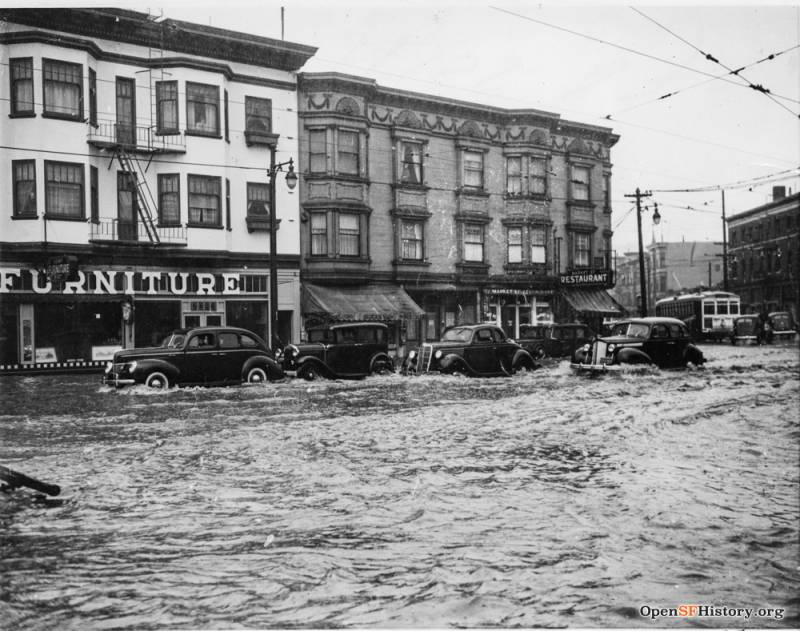
window.__IS_SSR__=true
window.__INITIAL_STATE__={
"attachmentsReducer": {
"audio_0": {
"type": "attachments",
"id": "audio_0",
"imgSizes": {
"kqedFullSize": {
"file": "https://ww2.kqed.org/news/wp-content/themes/KQED-unified/img/audio_bgs/background0.jpg"
}
}
},
"audio_1": {
"type": "attachments",
"id": "audio_1",
"imgSizes": {
"kqedFullSize": {
"file": "https://ww2.kqed.org/news/wp-content/themes/KQED-unified/img/audio_bgs/background1.jpg"
}
}
},
"audio_2": {
"type": "attachments",
"id": "audio_2",
"imgSizes": {
"kqedFullSize": {
"file": "https://ww2.kqed.org/news/wp-content/themes/KQED-unified/img/audio_bgs/background2.jpg"
}
}
},
"audio_3": {
"type": "attachments",
"id": "audio_3",
"imgSizes": {
"kqedFullSize": {
"file": "https://ww2.kqed.org/news/wp-content/themes/KQED-unified/img/audio_bgs/background3.jpg"
}
}
},
"audio_4": {
"type": "attachments",
"id": "audio_4",
"imgSizes": {
"kqedFullSize": {
"file": "https://ww2.kqed.org/news/wp-content/themes/KQED-unified/img/audio_bgs/background4.jpg"
}
}
},
"placeholder": {
"type": "attachments",
"id": "placeholder",
"imgSizes": {
"thumbnail": {
"file": "https://cdn.kqed.org/wp-content/uploads/2024/12/KQED-Default-Image-816638274-2000x1333-1-160x107.jpg",
"width": 160,
"height": 107,
"mimeType": "image/jpeg"
},
"medium": {
"file": "https://cdn.kqed.org/wp-content/uploads/2024/12/KQED-Default-Image-816638274-2000x1333-1-800x533.jpg",
"width": 800,
"height": 533,
"mimeType": "image/jpeg"
},
"medium_large": {
"file": "https://cdn.kqed.org/wp-content/uploads/2024/12/KQED-Default-Image-816638274-2000x1333-1-768x512.jpg",
"width": 768,
"height": 512,
"mimeType": "image/jpeg"
},
"large": {
"file": "https://cdn.kqed.org/wp-content/uploads/2024/12/KQED-Default-Image-816638274-2000x1333-1-1020x680.jpg",
"width": 1020,
"height": 680,
"mimeType": "image/jpeg"
},
"1536x1536": {
"file": "https://cdn.kqed.org/wp-content/uploads/2024/12/KQED-Default-Image-816638274-2000x1333-1-1536x1024.jpg",
"width": 1536,
"height": 1024,
"mimeType": "image/jpeg"
},
"fd-lrg": {
"file": "https://cdn.kqed.org/wp-content/uploads/2024/12/KQED-Default-Image-816638274-2000x1333-1-1536x1024.jpg",
"width": 1536,
"height": 1024,
"mimeType": "image/jpeg"
},
"fd-med": {
"file": "https://cdn.kqed.org/wp-content/uploads/2024/12/KQED-Default-Image-816638274-2000x1333-1-1020x680.jpg",
"width": 1020,
"height": 680,
"mimeType": "image/jpeg"
},
"fd-sm": {
"file": "https://cdn.kqed.org/wp-content/uploads/2024/12/KQED-Default-Image-816638274-2000x1333-1-800x533.jpg",
"width": 800,
"height": 533,
"mimeType": "image/jpeg"
},
"post-thumbnail": {
"file": "https://cdn.kqed.org/wp-content/uploads/2024/12/KQED-Default-Image-816638274-2000x1333-1-672x372.jpg",
"width": 672,
"height": 372,
"mimeType": "image/jpeg"
},
"twentyfourteen-full-width": {
"file": "https://cdn.kqed.org/wp-content/uploads/2024/12/KQED-Default-Image-816638274-2000x1333-1-1038x576.jpg",
"width": 1038,
"height": 576,
"mimeType": "image/jpeg"
},
"xxsmall": {
"file": "https://cdn.kqed.org/wp-content/uploads/2024/12/KQED-Default-Image-816638274-2000x1333-1-160x107.jpg",
"width": 160,
"height": 107,
"mimeType": "image/jpeg"
},
"xsmall": {
"file": "https://cdn.kqed.org/wp-content/uploads/2024/12/KQED-Default-Image-816638274-2000x1333-1-672x372.jpg",
"width": 672,
"height": 372,
"mimeType": "image/jpeg"
},
"small": {
"file": "https://cdn.kqed.org/wp-content/uploads/2024/12/KQED-Default-Image-816638274-2000x1333-1-672x372.jpg",
"width": 672,
"height": 372,
"mimeType": "image/jpeg"
},
"xlarge": {
"file": "https://cdn.kqed.org/wp-content/uploads/2024/12/KQED-Default-Image-816638274-2000x1333-1-1020x680.jpg",
"width": 1020,
"height": 680,
"mimeType": "image/jpeg"
},
"full-width": {
"file": "https://cdn.kqed.org/wp-content/uploads/2024/12/KQED-Default-Image-816638274-2000x1333-1-1920x1280.jpg",
"width": 1920,
"height": 1280,
"mimeType": "image/jpeg"
},
"guest-author-32": {
"file": "https://cdn.kqed.org/wp-content/uploads/2025/01/KQED-Default-Image-816638274-1333x1333-1-160x160.jpg",
"width": 32,
"height": 32,
"mimeType": "image/jpeg"
},
"guest-author-50": {
"file": "https://cdn.kqed.org/wp-content/uploads/2025/01/KQED-Default-Image-816638274-1333x1333-1-160x160.jpg",
"width": 50,
"height": 50,
"mimeType": "image/jpeg"
},
"guest-author-64": {
"file": "https://cdn.kqed.org/wp-content/uploads/2025/01/KQED-Default-Image-816638274-1333x1333-1-160x160.jpg",
"width": 64,
"height": 64,
"mimeType": "image/jpeg"
},
"guest-author-96": {
"file": "https://cdn.kqed.org/wp-content/uploads/2025/01/KQED-Default-Image-816638274-1333x1333-1-160x160.jpg",
"width": 96,
"height": 96,
"mimeType": "image/jpeg"
},
"guest-author-128": {
"file": "https://cdn.kqed.org/wp-content/uploads/2025/01/KQED-Default-Image-816638274-1333x1333-1-160x160.jpg",
"width": 128,
"height": 128,
"mimeType": "image/jpeg"
},
"detail": {
"file": "https://cdn.kqed.org/wp-content/uploads/2025/01/KQED-Default-Image-816638274-1333x1333-1-160x160.jpg",
"width": 160,
"height": 160,
"mimeType": "image/jpeg"
},
"kqedFullSize": {
"file": "https://cdn.kqed.org/wp-content/uploads/2024/12/KQED-Default-Image-816638274-2000x1333-1.jpg",
"width": 2000,
"height": 1333
}
}
},
"arts_13923721": {
"type": "attachments",
"id": "arts_13923721",
"meta": {
"index": "attachments_1716263798",
"site": "arts",
"id": "13923721",
"found": true
},
"parent": 13923663,
"imgSizes": {
"twentyfourteen-full-width": {
"file": "https://ww2.kqed.org/app/uploads/sites/2/2023/01/opensfhistory_wnp27.3180-1-1000x576.jpg",
"width": 1000,
"mimeType": "image/jpeg",
"height": 576
},
"thumbnail": {
"file": "https://ww2.kqed.org/app/uploads/sites/2/2023/01/opensfhistory_wnp27.3180-1-160x126.jpg",
"width": 160,
"mimeType": "image/jpeg",
"height": 126
},
"post-thumbnail": {
"file": "https://ww2.kqed.org/app/uploads/sites/2/2023/01/opensfhistory_wnp27.3180-1-672x372.jpg",
"width": 672,
"mimeType": "image/jpeg",
"height": 372
},
"kqedFullSize": {
"file": "https://ww2.kqed.org/app/uploads/sites/2/2023/01/opensfhistory_wnp27.3180-1.jpg",
"width": 1000,
"height": 789
},
"medium": {
"file": "https://ww2.kqed.org/app/uploads/sites/2/2023/01/opensfhistory_wnp27.3180-1-800x631.jpg",
"width": 800,
"mimeType": "image/jpeg",
"height": 631
},
"medium_large": {
"file": "https://ww2.kqed.org/app/uploads/sites/2/2023/01/opensfhistory_wnp27.3180-1-768x606.jpg",
"width": 768,
"mimeType": "image/jpeg",
"height": 606
}
},
"publishDate": 1673651766,
"modified": 1673657037,
"caption": "A flash flood, as seen on Apr. 4, 1941 on Market Street looking south towards Church Street.",
"description": null,
"title": "opensfhistory_wnp27.3180 (1)",
"credit": "OpenSFHistory / wnp27.3180",
"status": "inherit",
"altTag": "1940s-style cars driving through flooded a intersection in front of a store marked FURNITURE.",
"isLoading": false,
"fetchFailed": false
},
"arts_13922539": {
"type": "attachments",
"id": "arts_13922539",
"meta": {
"index": "attachments_1716263798",
"site": "arts",
"id": "13922539",
"found": true
},
"parent": 13922524,
"imgSizes": {
"twentyfourteen-full-width": {
"file": "https://ww2.kqed.org/app/uploads/sites/2/2022/12/Screen-Shot-2022-12-08-at-2.38.55-PM-1038x576.png",
"width": 1038,
"mimeType": "image/png",
"height": 576
},
"thumbnail": {
"file": "https://ww2.kqed.org/app/uploads/sites/2/2022/12/Screen-Shot-2022-12-08-at-2.38.55-PM-160x102.png",
"width": 160,
"mimeType": "image/png",
"height": 102
},
"post-thumbnail": {
"file": "https://ww2.kqed.org/app/uploads/sites/2/2022/12/Screen-Shot-2022-12-08-at-2.38.55-PM-672x372.png",
"width": 672,
"mimeType": "image/png",
"height": 372
},
"kqedFullSize": {
"file": "https://ww2.kqed.org/app/uploads/sites/2/2022/12/Screen-Shot-2022-12-08-at-2.38.55-PM.png",
"width": 1562,
"height": 992
},
"large": {
"file": "https://ww2.kqed.org/app/uploads/sites/2/2022/12/Screen-Shot-2022-12-08-at-2.38.55-PM-1020x648.png",
"width": 1020,
"mimeType": "image/png",
"height": 648
},
"1536x1536": {
"file": "https://ww2.kqed.org/app/uploads/sites/2/2022/12/Screen-Shot-2022-12-08-at-2.38.55-PM-1536x975.png",
"width": 1536,
"mimeType": "image/png",
"height": 975
},
"medium": {
"file": "https://ww2.kqed.org/app/uploads/sites/2/2022/12/Screen-Shot-2022-12-08-at-2.38.55-PM-800x508.png",
"width": 800,
"mimeType": "image/png",
"height": 508
},
"medium_large": {
"file": "https://ww2.kqed.org/app/uploads/sites/2/2022/12/Screen-Shot-2022-12-08-at-2.38.55-PM-768x488.png",
"width": 768,
"mimeType": "image/png",
"height": 488
}
},
"publishDate": 1670539157,
"modified": 1671435142,
"caption": "Marilyn Monroe kissing Joe DiMaggio inside the chambers of Judge Charles S. Peery, San Francisco City Hall, Jan. 14, 1954.",
"description": null,
"title": "Marilyn Monroe kissing Joe DiMaggio inside the chambers of Judge Charles S. Peery, San Francisco City Hall, Jan. 14, 1954.",
"credit": "Getty Images/ Bettmann",
"status": "inherit",
"altTag": "A beautiful blond woman in a high necked suit with soft white collar kisses a man in a formal dark suit with white shirt and dotted tie. Behind them are book shelves holding heavy, formal looking books.",
"isLoading": false,
"fetchFailed": false
},
"arts_13923223": {
"type": "attachments",
"id": "arts_13923223",
"meta": {
"index": "attachments_1716263798",
"site": "arts",
"id": "13923223",
"found": true
},
"parent": 13923222,
"imgSizes": {
"twentyfourteen-full-width": {
"file": "https://ww2.kqed.org/app/uploads/sites/2/2023/01/bmf_0981_wide-aac9dfe34bf5b9ebf991710bd58e3f00e046765f-1038x576.jpg",
"width": 1038,
"mimeType": "image/jpeg",
"height": 576
},
"thumbnail": {
"file": "https://ww2.kqed.org/app/uploads/sites/2/2023/01/bmf_0981_wide-aac9dfe34bf5b9ebf991710bd58e3f00e046765f-160x90.jpg",
"width": 160,
"mimeType": "image/jpeg",
"height": 90
},
"post-thumbnail": {
"file": "https://ww2.kqed.org/app/uploads/sites/2/2023/01/bmf_0981_wide-aac9dfe34bf5b9ebf991710bd58e3f00e046765f-672x372.jpg",
"width": 672,
"mimeType": "image/jpeg",
"height": 372
},
"kqedFullSize": {
"file": "https://ww2.kqed.org/app/uploads/sites/2/2023/01/bmf_0981_wide-aac9dfe34bf5b9ebf991710bd58e3f00e046765f-scaled-e1672774369393.jpg",
"width": 1920,
"height": 1080
},
"2048x2048": {
"file": "https://ww2.kqed.org/app/uploads/sites/2/2023/01/bmf_0981_wide-aac9dfe34bf5b9ebf991710bd58e3f00e046765f-2048x1152.jpg",
"width": 2048,
"mimeType": "image/jpeg",
"height": 1152
},
"large": {
"file": "https://ww2.kqed.org/app/uploads/sites/2/2023/01/bmf_0981_wide-aac9dfe34bf5b9ebf991710bd58e3f00e046765f-1020x574.jpg",
"width": 1020,
"mimeType": "image/jpeg",
"height": 574
},
"1536x1536": {
"file": "https://ww2.kqed.org/app/uploads/sites/2/2023/01/bmf_0981_wide-aac9dfe34bf5b9ebf991710bd58e3f00e046765f-1536x864.jpg",
"width": 1536,
"mimeType": "image/jpeg",
"height": 864
},
"full-width": {
"file": "https://ww2.kqed.org/app/uploads/sites/2/2023/01/bmf_0981_wide-aac9dfe34bf5b9ebf991710bd58e3f00e046765f-1920x1080.jpg",
"width": 1920,
"mimeType": "image/jpeg",
"height": 1080
},
"medium": {
"file": "https://ww2.kqed.org/app/uploads/sites/2/2023/01/bmf_0981_wide-aac9dfe34bf5b9ebf991710bd58e3f00e046765f-800x450.jpg",
"width": 800,
"mimeType": "image/jpeg",
"height": 450
},
"medium_large": {
"file": "https://ww2.kqed.org/app/uploads/sites/2/2023/01/bmf_0981_wide-aac9dfe34bf5b9ebf991710bd58e3f00e046765f-768x432.jpg",
"width": 768,
"mimeType": "image/jpeg",
"height": 432
}
},
"publishDate": 1672773066,
"modified": 1672774438,
"caption": "Jason Moran performs at the 2022 Newport Jazz Festival.",
"description": null,
"title": "Jason Moran performs at the 2022 Newport Jazz Festival.",
"credit": "Courtesy of Newport Jazz Festival",
"status": "inherit",
"altTag": "A Black man with neatly cropped beard stares down at a piano intently, as he plays on stage.",
"isLoading": false,
"fetchFailed": false
},
"arts_13921888": {
"type": "attachments",
"id": "arts_13921888",
"meta": {
"index": "attachments_1716263798",
"site": "arts",
"id": "13921888",
"found": true
},
"parent": 13921886,
"imgSizes": {
"twentyfourteen-full-width": {
"file": "https://ww2.kqed.org/app/uploads/sites/2/2022/11/Marie-Mason-Potts-1038x576.jpg",
"width": 1038,
"mimeType": "image/jpeg",
"height": 576
},
"thumbnail": {
"file": "https://ww2.kqed.org/app/uploads/sites/2/2022/11/Marie-Mason-Potts-160x90.jpg",
"width": 160,
"mimeType": "image/jpeg",
"height": 90
},
"post-thumbnail": {
"file": "https://ww2.kqed.org/app/uploads/sites/2/2022/11/Marie-Mason-Potts-672x372.jpg",
"width": 672,
"mimeType": "image/jpeg",
"height": 372
},
"kqedFullSize": {
"file": "https://ww2.kqed.org/app/uploads/sites/2/2022/11/Marie-Mason-Potts.jpg",
"width": 1920,
"height": 1080
},
"large": {
"file": "https://ww2.kqed.org/app/uploads/sites/2/2022/11/Marie-Mason-Potts-1020x574.jpg",
"width": 1020,
"mimeType": "image/jpeg",
"height": 574
},
"1536x1536": {
"file": "https://ww2.kqed.org/app/uploads/sites/2/2022/11/Marie-Mason-Potts-1536x864.jpg",
"width": 1536,
"mimeType": "image/jpeg",
"height": 864
},
"medium": {
"file": "https://ww2.kqed.org/app/uploads/sites/2/2022/11/Marie-Mason-Potts-800x450.jpg",
"width": 800,
"mimeType": "image/jpeg",
"height": 450
},
"medium_large": {
"file": "https://ww2.kqed.org/app/uploads/sites/2/2022/11/Marie-Mason-Potts-768x432.jpg",
"width": 768,
"mimeType": "image/jpeg",
"height": 432
}
},
"publishDate": 1669158959,
"modified": 1669158959,
"caption": null,
"description": null,
"title": "Marie Mason Potts",
"credit": null,
"status": "inherit",
"altTag": null,
"isLoading": false,
"fetchFailed": false
},
"arts_13921806": {
"type": "attachments",
"id": "arts_13921806",
"meta": {
"index": "attachments_1716263798",
"site": "arts",
"id": "13921806",
"found": true
},
"parent": 13921805,
"imgSizes": {
"twentyfourteen-full-width": {
"file": "https://ww2.kqed.org/app/uploads/sites/2/2022/11/03_Bruce_Free-Angela_1971-resized-1038x576.jpg",
"width": 1038,
"mimeType": "image/jpeg",
"height": 576
},
"thumbnail": {
"file": "https://ww2.kqed.org/app/uploads/sites/2/2022/11/03_Bruce_Free-Angela_1971-resized-160x123.jpg",
"width": 160,
"mimeType": "image/jpeg",
"height": 123
},
"post-thumbnail": {
"file": "https://ww2.kqed.org/app/uploads/sites/2/2022/11/03_Bruce_Free-Angela_1971-resized-672x372.jpg",
"width": 672,
"mimeType": "image/jpeg",
"height": 372
},
"kqedFullSize": {
"file": "https://ww2.kqed.org/app/uploads/sites/2/2022/11/03_Bruce_Free-Angela_1971-resized.jpg",
"width": 1650,
"height": 1270
},
"large": {
"file": "https://ww2.kqed.org/app/uploads/sites/2/2022/11/03_Bruce_Free-Angela_1971-resized-1020x785.jpg",
"width": 1020,
"mimeType": "image/jpeg",
"height": 785
},
"1536x1536": {
"file": "https://ww2.kqed.org/app/uploads/sites/2/2022/11/03_Bruce_Free-Angela_1971-resized-1536x1182.jpg",
"width": 1536,
"mimeType": "image/jpeg",
"height": 1182
},
"medium": {
"file": "https://ww2.kqed.org/app/uploads/sites/2/2022/11/03_Bruce_Free-Angela_1971-resized-800x616.jpg",
"width": 800,
"mimeType": "image/jpeg",
"height": 616
},
"medium_large": {
"file": "https://ww2.kqed.org/app/uploads/sites/2/2022/11/03_Bruce_Free-Angela_1971-resized-768x591.jpg",
"width": 768,
"mimeType": "image/jpeg",
"height": 591
}
},
"publishDate": 1668734206,
"modified": 1668734268,
"caption": "Herb Bruce, 'Free Angela poster,' 1971.",
"description": null,
"title": "03_Bruce_Free Angela_1971 resized",
"credit": "Lisbet Tellefsen Archive",
"status": "inherit",
"altTag": "Image of Angela Davis on red background with words \"Free\" and \"Angela\" in yellow",
"isLoading": false,
"fetchFailed": false
},
"arts_13921293": {
"type": "attachments",
"id": "arts_13921293",
"meta": {
"index": "attachments_1716263798",
"site": "arts",
"id": "13921293",
"found": true
},
"parent": 13921123,
"imgSizes": {
"twentyfourteen-full-width": {
"file": "https://ww2.kqed.org/app/uploads/sites/2/2022/11/GettyImages-640506395-1038x576.jpg",
"width": 1038,
"mimeType": "image/jpeg",
"height": 576
},
"thumbnail": {
"file": "https://ww2.kqed.org/app/uploads/sites/2/2022/11/GettyImages-640506395-160x128.jpg",
"width": 160,
"mimeType": "image/jpeg",
"height": 128
},
"post-thumbnail": {
"file": "https://ww2.kqed.org/app/uploads/sites/2/2022/11/GettyImages-640506395-672x372.jpg",
"width": 672,
"mimeType": "image/jpeg",
"height": 372
},
"kqedFullSize": {
"file": "https://ww2.kqed.org/app/uploads/sites/2/2022/11/GettyImages-640506395-scaled-e1667509448868.jpg",
"width": 1920,
"height": 1540
},
"2048x2048": {
"file": "https://ww2.kqed.org/app/uploads/sites/2/2022/11/GettyImages-640506395-2048x1643.jpg",
"width": 2048,
"mimeType": "image/jpeg",
"height": 1643
},
"large": {
"file": "https://ww2.kqed.org/app/uploads/sites/2/2022/11/GettyImages-640506395-1020x818.jpg",
"width": 1020,
"mimeType": "image/jpeg",
"height": 818
},
"1536x1536": {
"file": "https://ww2.kqed.org/app/uploads/sites/2/2022/11/GettyImages-640506395-1536x1232.jpg",
"width": 1536,
"mimeType": "image/jpeg",
"height": 1232
},
"full-width": {
"file": "https://ww2.kqed.org/app/uploads/sites/2/2022/11/GettyImages-640506395-1920x1540.jpg",
"width": 1920,
"mimeType": "image/jpeg",
"height": 1540
},
"medium": {
"file": "https://ww2.kqed.org/app/uploads/sites/2/2022/11/GettyImages-640506395-800x642.jpg",
"width": 800,
"mimeType": "image/jpeg",
"height": 642
},
"medium_large": {
"file": "https://ww2.kqed.org/app/uploads/sites/2/2022/11/GettyImages-640506395-768x616.jpg",
"width": 768,
"mimeType": "image/jpeg",
"height": 616
}
},
"publishDate": 1667509303,
"modified": 1667509741,
"caption": "The newly completed Bay Bridge before it opened, lit up with '8 million lumens of sodium lighting — more than 35 full moons' according to an 'Oakland Tribune' article from the time.",
"description": null,
"title": "The newly completed Bay Bridge before it opened, lit up with '8 million lumens of sodium lighting — more than 35 full moons' according to an 'Oakland Tribune' article from the time.",
"credit": null,
"status": "inherit",
"altTag": "A black and white image of the Oakland-San Francisco Bay Bridge, taken at dusk.",
"isLoading": false,
"fetchFailed": false
},
"arts_13921043": {
"type": "attachments",
"id": "arts_13921043",
"meta": {
"index": "attachments_1716263798",
"site": "arts",
"id": "13921043",
"found": true
},
"parent": 13920973,
"imgSizes": {
"twentyfourteen-full-width": {
"file": "https://ww2.kqed.org/app/uploads/sites/2/2022/10/Dodger-and-Sparky-1038x576.jpg",
"width": 1038,
"mimeType": "image/jpeg",
"height": 576
},
"thumbnail": {
"file": "https://ww2.kqed.org/app/uploads/sites/2/2022/10/Dodger-and-Sparky-160x99.jpg",
"width": 160,
"mimeType": "image/jpeg",
"height": 99
},
"post-thumbnail": {
"file": "https://ww2.kqed.org/app/uploads/sites/2/2022/10/Dodger-and-Sparky-672x372.jpg",
"width": 672,
"mimeType": "image/jpeg",
"height": 372
},
"kqedFullSize": {
"file": "https://ww2.kqed.org/app/uploads/sites/2/2022/10/Dodger-and-Sparky-scaled-e1666981911444.jpg",
"width": 1920,
"height": 1188
},
"2048x2048": {
"file": "https://ww2.kqed.org/app/uploads/sites/2/2022/10/Dodger-and-Sparky-2048x1267.jpg",
"width": 2048,
"mimeType": "image/jpeg",
"height": 1267
},
"large": {
"file": "https://ww2.kqed.org/app/uploads/sites/2/2022/10/Dodger-and-Sparky-1020x631.jpg",
"width": 1020,
"mimeType": "image/jpeg",
"height": 631
},
"1536x1536": {
"file": "https://ww2.kqed.org/app/uploads/sites/2/2022/10/Dodger-and-Sparky-1536x951.jpg",
"width": 1536,
"mimeType": "image/jpeg",
"height": 951
},
"full-width": {
"file": "https://ww2.kqed.org/app/uploads/sites/2/2022/10/Dodger-and-Sparky-1920x1188.jpg",
"width": 1920,
"mimeType": "image/jpeg",
"height": 1188
},
"medium": {
"file": "https://ww2.kqed.org/app/uploads/sites/2/2022/10/Dodger-and-Sparky-800x495.jpg",
"width": 800,
"mimeType": "image/jpeg",
"height": 495
},
"medium_large": {
"file": "https://ww2.kqed.org/app/uploads/sites/2/2022/10/Dodger-and-Sparky-768x475.jpg",
"width": 768,
"mimeType": "image/jpeg",
"height": 475
}
},
"publishDate": 1666981697,
"modified": 1666981945,
"caption": "(L) 'Man Who is Avoiding the Draft'; (R) Marilee Trabioli, as seen in 'Haight Ashbury Portraits 1967-1968' ",
"description": null,
"title": "(L) 'Man Who is Avoiding the Draft'; (R) Marilee Trabioli, as seen in 'Haight Ashbury Portraits 1967-1968'",
"credit": "Elaine Mayes",
"status": "inherit",
"altTag": "A young man with chin length hair sits listlessly on a front stoop; a woman wearing jeans, a denim vest and a white shirt tied up to reveal her stomach stands in a doorway in a masculine stance.",
"isLoading": false,
"fetchFailed": false
},
"arts_13921141": {
"type": "attachments",
"id": "arts_13921141",
"meta": {
"index": "attachments_1716263798",
"site": "arts",
"id": "13921141",
"found": true
},
"parent": 0,
"imgSizes": {
"twentyfourteen-full-width": {
"file": "https://ww2.kqed.org/app/uploads/sites/2/2022/10/yanez-1920px-1038x576.jpg",
"width": 1038,
"mimeType": "image/jpeg",
"height": 576
},
"thumbnail": {
"file": "https://ww2.kqed.org/app/uploads/sites/2/2022/10/yanez-1920px-160x91.jpg",
"width": 160,
"mimeType": "image/jpeg",
"height": 91
},
"post-thumbnail": {
"file": "https://ww2.kqed.org/app/uploads/sites/2/2022/10/yanez-1920px-672x372.jpg",
"width": 672,
"mimeType": "image/jpeg",
"height": 372
},
"kqedFullSize": {
"file": "https://ww2.kqed.org/app/uploads/sites/2/2022/10/yanez-1920px.jpg",
"width": 1920,
"height": 1087
},
"large": {
"file": "https://ww2.kqed.org/app/uploads/sites/2/2022/10/yanez-1920px-1020x577.jpg",
"width": 1020,
"mimeType": "image/jpeg",
"height": 577
},
"1536x1536": {
"file": "https://ww2.kqed.org/app/uploads/sites/2/2022/10/yanez-1920px-1536x870.jpg",
"width": 1536,
"mimeType": "image/jpeg",
"height": 870
},
"medium": {
"file": "https://ww2.kqed.org/app/uploads/sites/2/2022/10/yanez-1920px-800x453.jpg",
"width": 800,
"mimeType": "image/jpeg",
"height": 453
},
"medium_large": {
"file": "https://ww2.kqed.org/app/uploads/sites/2/2022/10/yanez-1920px-768x435.jpg",
"width": 768,
"mimeType": "image/jpeg",
"height": 435
}
},
"publishDate": 1667258433,
"modified": 1667258540,
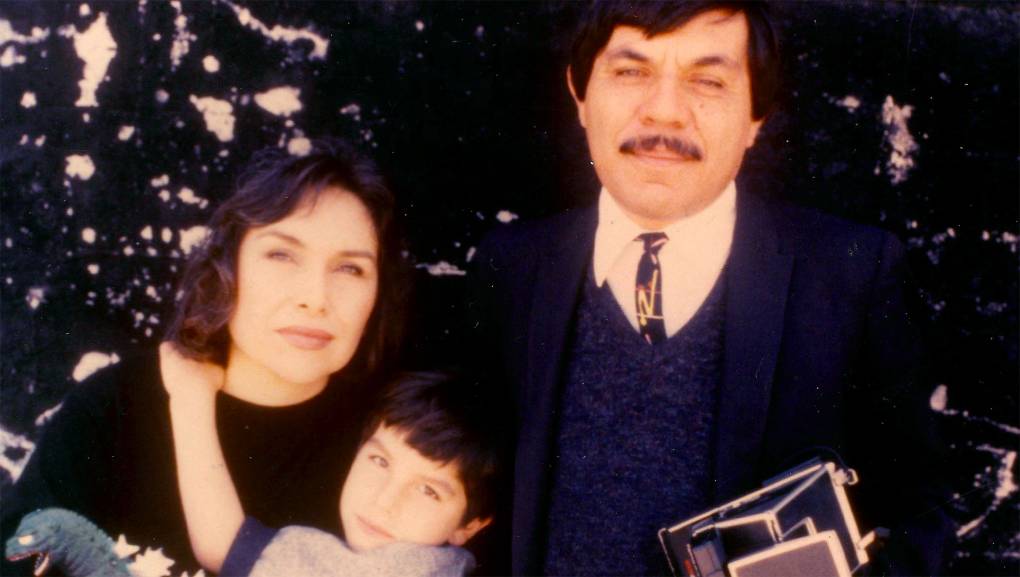
"caption": "Yólanda Lopez, Rio Yañez, and René Yañez pose for a family portrait. Each artists in their own right, have greatly contributed to the Chicano arts scene and cultivating the Day of the Dead tradition in San Francisco. ",
"description": null,
"title": "Rio, Rene, Yolanda_byJoeRamos",
"credit": "Photo by Joe Ramos Courtesy of Rene Yañez",
"status": "inherit",
"altTag": "A family photo of a young Rio Yañez in the center of his parents. His mother, on the left, holds Rio's toy Godzilla as he hugs her. His father, on the right, holding a vintage camera.",
"isLoading": false,
"fetchFailed": false
},
"arts_13919696": {
"type": "attachments",
"id": "arts_13919696",
"meta": {
"index": "attachments_1716263798",
"site": "arts",
"id": "13919696",
"found": true
},
"parent": 13919589,
"imgSizes": {
"twentyfourteen-full-width": {
"file": "https://ww2.kqed.org/app/uploads/sites/2/2022/09/opensfhistory_wnp26.1404-1000x576.jpg",
"width": 1000,
"mimeType": "image/jpeg",
"height": 576
},
"thumbnail": {
"file": "https://ww2.kqed.org/app/uploads/sites/2/2022/09/opensfhistory_wnp26.1404-160x125.jpg",
"width": 160,
"mimeType": "image/jpeg",
"height": 125
},
"post-thumbnail": {
"file": "https://ww2.kqed.org/app/uploads/sites/2/2022/09/opensfhistory_wnp26.1404-672x372.jpg",
"width": 672,
"mimeType": "image/jpeg",
"height": 372
},
"kqedFullSize": {
"file": "https://ww2.kqed.org/app/uploads/sites/2/2022/09/opensfhistory_wnp26.1404.jpg",
"width": 1000,
"height": 782
},
"medium": {
"file": "https://ww2.kqed.org/app/uploads/sites/2/2022/09/opensfhistory_wnp26.1404-800x626.jpg",
"width": 800,
"mimeType": "image/jpeg",
"height": 626
},
"medium_large": {
"file": "https://ww2.kqed.org/app/uploads/sites/2/2022/09/opensfhistory_wnp26.1404-768x601.jpg",
"width": 768,
"mimeType": "image/jpeg",
"height": 601
}
},
"publishDate": 1664304872,
"modified": 1666121274,
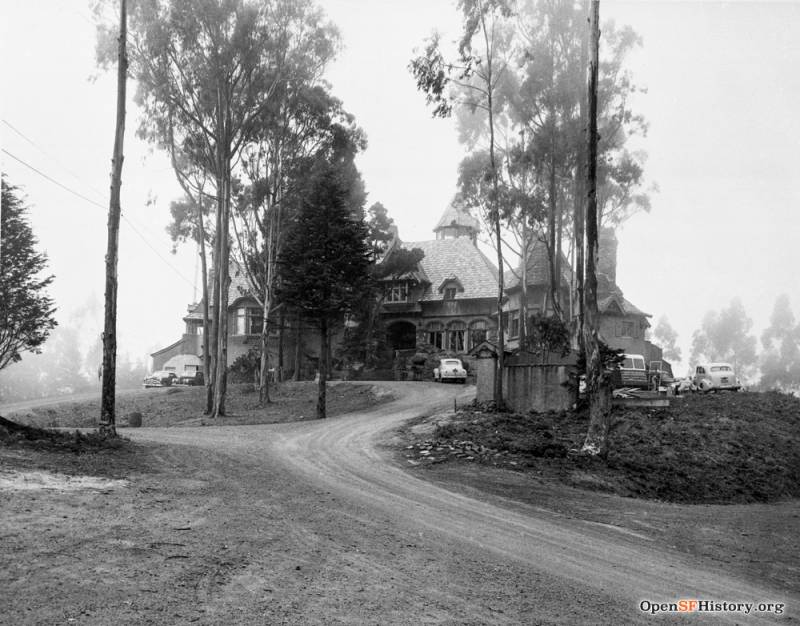
"caption": "Adolph Sutro's grandson lived in the mansion with his mother for 18 years.",
"description": null,
"title": "Adolph Sutro's grandson lived in the mansion with his mother for 18 years.",
"credit": "OpenSFHistory / wnp26.1404",
"status": "inherit",
"altTag": "A creepy and sprawling mansion lies under a blanket of fog at the end of a winding path.",
"isLoading": false,
"fetchFailed": false
},
"arts_13920337": {
"type": "attachments",
"id": "arts_13920337",
"meta": {
"index": "attachments_1716263798",
"site": "arts",
"id": "13920337",
"found": true
},
"parent": 13920320,
"imgSizes": {
"twentyfourteen-full-width": {
"file": "https://ww2.kqed.org/app/uploads/sites/2/2022/10/DSC04450-1038x576.jpg",
"width": 1038,
"mimeType": "image/jpeg",
"height": 576
},
"thumbnail": {
"file": "https://ww2.kqed.org/app/uploads/sites/2/2022/10/DSC04450-160x107.jpg",
"width": 160,
"mimeType": "image/jpeg",
"height": 107
},
"post-thumbnail": {
"file": "https://ww2.kqed.org/app/uploads/sites/2/2022/10/DSC04450-672x372.jpg",
"width": 672,
"mimeType": "image/jpeg",
"height": 372
},
"kqedFullSize": {
"file": "https://ww2.kqed.org/app/uploads/sites/2/2022/10/DSC04450.jpg",
"width": 1616,
"height": 1080
},
"large": {
"file": "https://ww2.kqed.org/app/uploads/sites/2/2022/10/DSC04450-1020x682.jpg",
"width": 1020,
"mimeType": "image/jpeg",
"height": 682
},
"1536x1536": {
"file": "https://ww2.kqed.org/app/uploads/sites/2/2022/10/DSC04450-1536x1027.jpg",
"width": 1536,
"mimeType": "image/jpeg",
"height": 1027
},
"medium": {
"file": "https://ww2.kqed.org/app/uploads/sites/2/2022/10/DSC04450-800x535.jpg",
"width": 800,
"mimeType": "image/jpeg",
"height": 535
},
"medium_large": {
"file": "https://ww2.kqed.org/app/uploads/sites/2/2022/10/DSC04450-768x513.jpg",
"width": 768,
"mimeType": "image/jpeg",
"height": 513
}
},
"publishDate": 1665686152,
"modified": 1665686270,
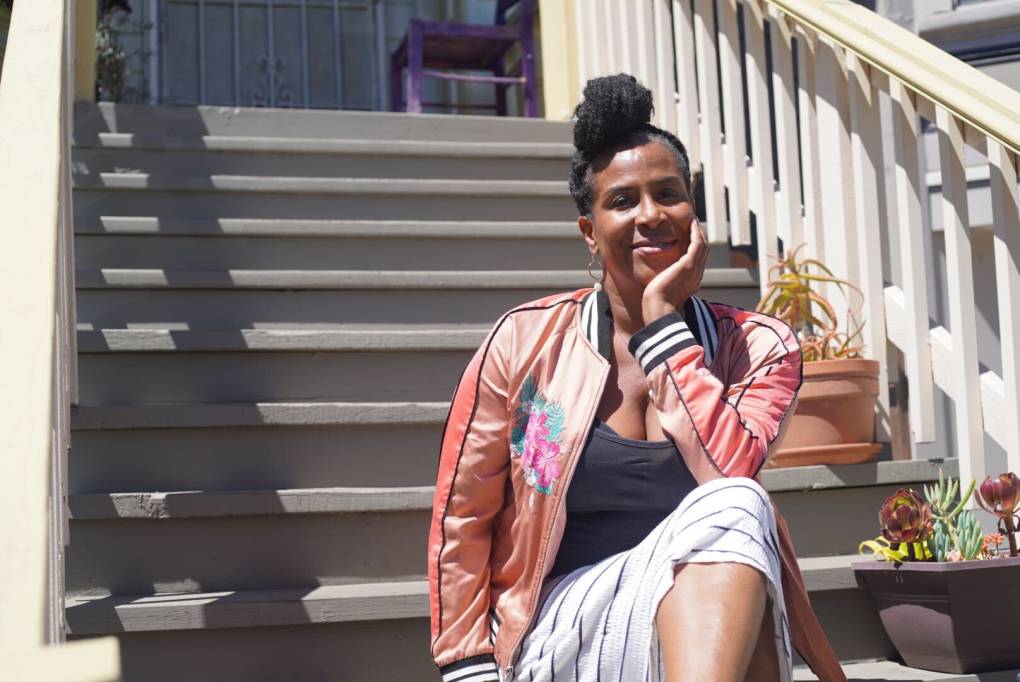
"caption": "Traci Bartlow, owner of B-Love's Guesthouse, sits on the porch of her property in West Oakland. ",
"description": "Traci Bartlow, owner of B-Love's Guesthouse, sits on the porch of her property in West Oakland. ",
"title": "Traci Bartlow, owner of B-Love's Guesthouse, sits on the porch of her property in West Oakland.",
"credit": "Pendarvis Harshaw",
"status": "inherit",
"altTag": "Traci Bartlow, owner of B-Love's Guesthouse, sits on the porch of her property in West Oakland.",
"isLoading": false,
"fetchFailed": false
},
"arts_13919704": {
"type": "attachments",
"id": "arts_13919704",
"meta": {
"index": "attachments_1716263798",
"site": "arts",
"id": "13919704",
"found": true
},
"parent": 13919491,
"imgSizes": {
"twentyfourteen-full-width": {
"file": "https://ww2.kqed.org/app/uploads/sites/2/2022/09/Elena-Zelayeta-1038x576.png",
"width": 1038,
"mimeType": "image/png",
"height": 576
},
"thumbnail": {
"file": "https://ww2.kqed.org/app/uploads/sites/2/2022/09/Elena-Zelayeta-160x90.png",
"width": 160,
"mimeType": "image/png",
"height": 90
},
"post-thumbnail": {
"file": "https://ww2.kqed.org/app/uploads/sites/2/2022/09/Elena-Zelayeta-672x372.png",
"width": 672,
"mimeType": "image/png",
"height": 372
},
"kqedFullSize": {
"file": "https://ww2.kqed.org/app/uploads/sites/2/2022/09/Elena-Zelayeta.png",
"width": 1920,
"height": 1080
},
"large": {
"file": "https://ww2.kqed.org/app/uploads/sites/2/2022/09/Elena-Zelayeta-1020x574.png",
"width": 1020,
"mimeType": "image/png",
"height": 574
},
"1536x1536": {
"file": "https://ww2.kqed.org/app/uploads/sites/2/2022/09/Elena-Zelayeta-1536x864.png",
"width": 1536,
"mimeType": "image/png",
"height": 864
},
"medium": {
"file": "https://ww2.kqed.org/app/uploads/sites/2/2022/09/Elena-Zelayeta-800x450.png",
"width": 800,
"mimeType": "image/png",
"height": 450
},
"medium_large": {
"file": "https://ww2.kqed.org/app/uploads/sites/2/2022/09/Elena-Zelayeta-768x432.png",
"width": 768,
"mimeType": "image/png",
"height": 432
}
},
"publishDate": 1664308864,
"modified": 1664308921,
"caption": null,
"description": null,
"title": "Elena Zelayeta",
"credit": null,
"status": "inherit",
"altTag": "A plump middle aged woman smiles contentedly in a kitchen.",
"isLoading": false,
"fetchFailed": false
},
"arts_13919758": {
"type": "attachments",
"id": "arts_13919758",
"meta": {
"index": "attachments_1716263798",
"site": "arts",
"id": "13919758",
"found": true
},
"parent": 13919752,
"imgSizes": {
"twentyfourteen-full-width": {
"file": "https://ww2.kqed.org/app/uploads/sites/2/2022/09/GettyImages-1241908125-1038x576.jpg",
"width": 1038,
"mimeType": "image/jpeg",
"height": 576
},
"thumbnail": {
"file": "https://ww2.kqed.org/app/uploads/sites/2/2022/09/GettyImages-1241908125-160x129.jpg",
"width": 160,
"mimeType": "image/jpeg",
"height": 129
},
"post-thumbnail": {
"file": "https://ww2.kqed.org/app/uploads/sites/2/2022/09/GettyImages-1241908125-672x372.jpg",
"width": 672,
"mimeType": "image/jpeg",
"height": 372
},
"kqedFullSize": {
"file": "https://ww2.kqed.org/app/uploads/sites/2/2022/09/GettyImages-1241908125-scaled-e1664387150301.jpg",
"width": 1920,
"height": 1550
},
"2048x2048": {
"file": "https://ww2.kqed.org/app/uploads/sites/2/2022/09/GettyImages-1241908125-2048x1653.jpg",
"width": 2048,
"mimeType": "image/jpeg",
"height": 1653
},
"large": {
"file": "https://ww2.kqed.org/app/uploads/sites/2/2022/09/GettyImages-1241908125-1020x823.jpg",
"width": 1020,
"mimeType": "image/jpeg",
"height": 823
},
"1536x1536": {
"file": "https://ww2.kqed.org/app/uploads/sites/2/2022/09/GettyImages-1241908125-1536x1239.jpg",
"width": 1536,
"mimeType": "image/jpeg",
"height": 1239
},
"full-width": {
"file": "https://ww2.kqed.org/app/uploads/sites/2/2022/09/GettyImages-1241908125-1920x1549.jpg",
"width": 1920,
"mimeType": "image/jpeg",
"height": 1549
},
"medium": {
"file": "https://ww2.kqed.org/app/uploads/sites/2/2022/09/GettyImages-1241908125-800x646.jpg",
"width": 800,
"mimeType": "image/jpeg",
"height": 646
},
"medium_large": {
"file": "https://ww2.kqed.org/app/uploads/sites/2/2022/09/GettyImages-1241908125-768x620.jpg",
"width": 768,
"mimeType": "image/jpeg",
"height": 620
}
},
"publishDate": 1664387036,
"modified": 1664387179,
"caption": "Lizzo live on stage in Burbank.",
"description": null,
"title": "Lizzo live on stage in Burbank.",
"credit": "Kevin Winter/Getty Images for iHeartRadio",
"status": "inherit",
"altTag": "A beautiful plump Black woman wearing flamboyant lilac shorts and dazzling top sings on stage.",
"isLoading": false,
"fetchFailed": false
}
},
"audioPlayerReducer": {
"postId": "stream_live",
"isPaused": true,
"isPlaying": false,
"pfsActive": false,
"pledgeModalIsOpen": true,
"playerDrawerIsOpen": false,
"liveAudioPlayStartedAt": 0,
"liveAudioPlayContext": ""
},
"authorsReducer": {
"byline_arts_13923222": {
"type": "authors",
"id": "byline_arts_13923222",
"meta": {
"override": true
},
"slug": "byline_arts_13923222",
"name": "Nate Chinen",
"isLoading": false
},
"byline_arts_13919752": {
"type": "authors",
"id": "byline_arts_13919752",
"meta": {
"override": true
},
"slug": "byline_arts_13919752",
"name": "Rachel Treisman",
"isLoading": false
},
"ralexandra": {
"type": "authors",
"id": "11242",
"meta": {
"index": "authors_1716337520",
"id": "11242",
"found": true
},
"name": "Rae Alexandra",
"firstName": "Rae",
"lastName": "Alexandra",
"slug": "ralexandra",
"email": "ralexandra@kqed.org",
"display_author_email": true,
"staff_mastheads": [],
"title": "Reporter/Producer",
"bio": "Rae Alexandra is a Reporter/Producer for KQED Arts & Culture, and the creator/author of the \u003ca href=\"https://www.kqed.org/arts/program/rebel-girls-from-bay-area-history\">Rebel Girls From Bay Area History\u003c/a> and \u003ca href=\"https://www.kqed.org/bizarrebayarea\">Bizarre Bay Area\u003c/a> series. Her debut book, \u003ca href=\"https://citylights.com/politics-current-events-history/unsung-heroines35-women-who-changed/\">Unsung Heroines: 35 Women Who Changed the Bay Area\u003c/a> was published by City Lights in March 2026. In 2023, Rae was awarded an SPJ Excellence in Journalism Award for Arts & Culture. Rae was born and raised in Wales and subsequently — even after two decades in Northern California — still uses phrases that regularly baffle her coworkers.",
"avatar": "https://secure.gravatar.com/avatar/edfee8176c80cc0a382b051190f5341997df378a934a5774dcb0977732dfd401?s=600&d=blank&r=g",
"twitter": null,
"bluesky": null,
"facebook": null,
"instagram": null,
"linkedin": null,
"sites": [
{
"site": "arts",
"roles": [
"subscriber"
]
},
{
"site": "news",
"roles": [
"subscriber"
]
},
{
"site": "pop",
"roles": [
"subscriber"
]
},
{
"site": "bayareabites",
"roles": [
"subscriber"
]
},
{
"site": "science",
"roles": [
"subscriber"
]
}
],
"headData": {
"title": "Rae Alexandra | KQED",
"description": "Reporter/Producer",
"ogImgSrc": "https://secure.gravatar.com/avatar/edfee8176c80cc0a382b051190f5341997df378a934a5774dcb0977732dfd401?s=600&d=blank&r=g",
"twImgSrc": "https://secure.gravatar.com/avatar/edfee8176c80cc0a382b051190f5341997df378a934a5774dcb0977732dfd401?s=600&d=blank&r=g"
},
"isLoading": false,
"link": "/author/ralexandra"
},
"aproehl": {
"type": "authors",
"id": "11296",
"meta": {
"index": "authors_1716337520",
"id": "11296",
"found": true
},
"name": "Ariana Proehl",
"firstName": "Ariana",
"lastName": "Proehl",
"slug": "aproehl",
"email": "aproehl@KQED.org",
"display_author_email": true,
"staff_mastheads": [
"news"
],
"title": "Culture Reporter, KQED",
"bio": "Ariana Proehl is a Culture Reporter and Host.",
"avatar": "https://secure.gravatar.com/avatar/c96b24567eb5bb3a4f8bb295ed53e232?s=600&d=blank&r=g",
"twitter": "ArianaProehl",
"facebook": null,
"instagram": null,
"linkedin": null,
"sites": [
{
"site": "arts",
"roles": []
},
{
"site": "news",
"roles": []
},
{
"site": "education",
"roles": []
},
{
"site": "forum",
"roles": []
}
],
"headData": {
"title": "Ariana Proehl | KQED",
"description": "Culture Reporter, KQED",
"ogImgSrc": "https://secure.gravatar.com/avatar/c96b24567eb5bb3a4f8bb295ed53e232?s=600&d=blank&r=g",
"twImgSrc": "https://secure.gravatar.com/avatar/c96b24567eb5bb3a4f8bb295ed53e232?s=600&d=blank&r=g"
},
"isLoading": false,
"link": "/author/aproehl"
},
"ogpenn": {
"type": "authors",
"id": "11491",
"meta": {
"index": "authors_1716337520",
"id": "11491",
"found": true
},
"name": "Pendarvis Harshaw",
"firstName": "Pendarvis",
"lastName": "Harshaw",
"slug": "ogpenn",
"email": "ogpenn@gmail.com",
"display_author_email": false,
"staff_mastheads": [
"arts"
],
"title": "Community Engagement Reporter",
"bio": "Pendarvis Harshaw is an educator, host and writer with KQED Arts.",
"avatar": "https://secure.gravatar.com/avatar/972b77ee8e3f346ae2b00622661187fbfabd059b5693bbdc1475ea7a722fd4cd?s=600&d=blank&r=g",
"twitter": null,
"bluesky": null,
"facebook": null,
"instagram": "ogpenn",
"linkedin": null,
"sites": [
{
"site": "arts",
"roles": [
"administrator"
]
},
{
"site": "news",
"roles": [
"editor"
]
},
{
"site": "bayareabites",
"roles": [
"author"
]
},
{
"site": "hiphop",
"roles": [
"editor"
]
}
],
"headData": {
"title": "Pendarvis Harshaw | KQED",
"description": "Community Engagement Reporter",
"ogImgSrc": "https://secure.gravatar.com/avatar/972b77ee8e3f346ae2b00622661187fbfabd059b5693bbdc1475ea7a722fd4cd?s=600&d=blank&r=g",
"twImgSrc": "https://secure.gravatar.com/avatar/972b77ee8e3f346ae2b00622661187fbfabd059b5693bbdc1475ea7a722fd4cd?s=600&d=blank&r=g"
},
"isLoading": false,
"link": "/author/ogpenn"
},
"mmedina": {
"type": "authors",
"id": "11528",
"meta": {
"index": "authors_1716337520",
"id": "11528",
"found": true
},
"name": "Marisol Medina-Cadena",
"firstName": "Marisol",
"lastName": "Medina-Cadena",
"slug": "mmedina",
"email": "mmedina@KQED.org",
"display_author_email": true,
"staff_mastheads": [],
"title": "Producer, Rightnowish Podcast",
"bio": "Marisol Medina-Cadena is a radio reporter and podcast producer. Before working at KQED, she produced for PBS member station, KCET, in Los Angeles. In 2017, Marisol won an Emmy Award for her work on the televised documentary, \u003cem>City Rising\u003c/em>, examining California's affordable housing crisis and the historical roots of gentrification.",
"avatar": "https://secure.gravatar.com/avatar/6c3db46a1cabb5e1fe9a365b5f4e681e?s=600&d=blank&r=g",
"twitter": "marisolreports",
"facebook": null,
"instagram": null,
"linkedin": null,
"sites": [
{
"site": "arts",
"roles": []
},
{
"site": "news",
"roles": [
"edit_others_posts"
]
}
],
"headData": {
"title": "Marisol Medina-Cadena | KQED",
"description": "Producer, Rightnowish Podcast",
"ogImgSrc": "https://secure.gravatar.com/avatar/6c3db46a1cabb5e1fe9a365b5f4e681e?s=600&d=blank&r=g",
"twImgSrc": "https://secure.gravatar.com/avatar/6c3db46a1cabb5e1fe9a365b5f4e681e?s=600&d=blank&r=g"
},
"isLoading": false,
"link": "/author/mmedina"
}
},
"pagesReducer": {
"arts_category_history": {
"type": "terms",
"id": "arts_7862",
"meta": {
"index": "terms_1716263798",
"site": "arts",
"id": "7862",
"score": 12.208591
},
"featImg": null,
"name": "History",
"description": null,
"taxonomy": "category",
"headData": {
"twImgId": null,
"twTitle": null,
"ogTitle": null,
"ogImgId": null,
"twDescription": null,
"description": null,
"title": "History Archives | KQED Arts",
"ogDescription": null
},
"ttid": 7874,
"slug": "history",
"isLoading": false,
"title": "History",
"pageMeta": {
"site": "arts",
"WpPageTemplate": "page-topic-editorial",
"currentPage": 19
},
"blocks": [
{
"blockName": "kqed/post-list",
"attrs": {
"layout": "cardArticle2",
"query": "posts/arts?category=history",
"seeMore": false,
"paginated": true,
"page": 19
}
},
{
"blockName": "kqed/ad"
}
]
}
},
"pfsSessionReducer": {},
"postsReducer": {
"stream_live": {
"type": "live",
"id": "stream_live",
"audioUrl": "https://streams.kqed.org/kqedradio",
"title": "Live Stream",
"excerpt": "Live Stream information currently unavailable.",
"link": "/radio",
"featImg": "",
"label": {
"name": "KQED Live",
"link": "/"
}
},
"stream_kqedNewscast": {
"type": "posts",
"id": "stream_kqedNewscast",
"audioUrl": "https://www.kqed.org/.stream/anon/radio/RDnews/newscast.mp3?_=1",
"title": "KQED Newscast",
"featImg": "",
"label": {
"name": "88.5 FM",
"link": "/"
}
},
"arts_13923663": {
"type": "posts",
"id": "arts_13923663",
"meta": {
"index": "posts_1716263798",
"site": "arts",
"id": "13923663",
"score": null,
"sort": [
1673658160000
]
},
"guestAuthors": [],
"slug": "surprise-the-bay-area-has-been-getting-hammered-with-floods-since-1862",
"title": "Surprise! The Bay Area Has Been Getting Hammered With Floods Since 1862",
"publishDate": 1673658160,
"format": "standard",
"headTitle": "Surprise! The Bay Area Has Been Getting Hammered With Floods Since 1862 | KQED",
"labelTerm": {
"site": "arts"
},
"content": "\u003cp>All this rain got you down? Sick to death of grey skies and finding out just how many boots you own that look kind of waterproof but, in reality, are not at all? Same.\u003c/p>\n\u003cp>[aside postid='news_11936674']If it makes you feel any better, this bleak, all-encompassing torrential rain we’ve been getting hammered by isn’t actually as unprecedented or freaky as some commentators would have you believe. Outside of the on-off drought we’ve long dealt with, stormy deluges of varying degrees have been flooding the Bay Area for about as far back as records go.\u003c/p>\n\u003cp>Before you fall into the abyss that is wondering why the region hasn’t gotten any better at dealing with heavy rainfall, let’s just take a look back at some storms of the past. May they remind us that one day — some day! —there will be an end to all of this depressing weather.\u003c/p>\n\u003ch2>1862\u003c/h2>\n\u003cfigure id=\"attachment_13923720\" class=\"wp-caption aligncenter\" style=\"max-width: 800px\">\u003cimg loading=\"lazy\" decoding=\"async\" class=\"size-medium wp-image-13923720\" src=\"https://ww2.kqed.org/app/uploads/sites/2/2023/01/Screen-Shot-2023-01-13-at-3.00.34-PM-800x804.png\" alt=\"\" width=\"800\" height=\"804\" srcset=\"https://cdn.kqed.org/wp-content/uploads/sites/2/2023/01/Screen-Shot-2023-01-13-at-3.00.34-PM-800x804.png 800w, https://cdn.kqed.org/wp-content/uploads/sites/2/2023/01/Screen-Shot-2023-01-13-at-3.00.34-PM-1020x1025.png 1020w, https://cdn.kqed.org/wp-content/uploads/sites/2/2023/01/Screen-Shot-2023-01-13-at-3.00.34-PM-160x161.png 160w, https://cdn.kqed.org/wp-content/uploads/sites/2/2023/01/Screen-Shot-2023-01-13-at-3.00.34-PM-768x772.png 768w, https://cdn.kqed.org/wp-content/uploads/sites/2/2023/01/Screen-Shot-2023-01-13-at-3.00.34-PM.png 1158w\" sizes=\"(max-width: 800px) 100vw, 800px\">\u003cfigcaption class=\"wp-caption-text\">Lithograph of K Street in Sacramento depicting the Great Flood of 1862.\u003c/figcaption>\u003c/figure>\n\u003cp>During a 15-day period between December 1861 and January 1862, nearly 20 inches of rain fell on San Francisco. The city wound up on the receiving end of 24 inches total over the course of a month. (By comparison, SF and Oakland have so far received 13 and a half inches of rain from these recent atmospheric rivers.) Sacramento had it far worse, though.\u003c/p>\n\u003cp>In January, 1862, the \u003cem>Sacramento Bee\u003c/em> reported that the “condition of the state” was “watery” — “a vast seas such as was never before witnessed here, and this entire district has become a series of desolation.” Between the Sacramento and San Joaquin Valleys, “what movable property such as houses and fences that the water might have left, was broken up and scattered by the joint action of wind and waves.” Livestock losses devastated the entire region. To offer assistance to their neighbors in the north, San Francisco quickly sent $5,000 in cash and “cooked provisions” to Sacramento. That was despite the fact that weather-related issues abounded in San Francisco even two months after the widespread floods.\u003c/p>\n\u003cp>[ad fullwidth]\u003c/p>\n\u003cp>On March 22, 1862, the \u003cem>Weekly Butte Democrat\u003c/em> reported a new disaster. “On Friday morning last, a lake, which has been forming in the vicinity of the Mission, among the hills, burst its banks and rushed forth in vast volume of water, tearing away gardens, banks, fences in its course. The pond, or lake, was nearly half a mile long and a quarter of a mile wide and over twenty feet deep. About 100 feet of the Market Street Railroad was carried away.”\u003c/p>\n\u003cp>Despite what you might have heard, the Bay Area has not seen floods this bad ever since.\u003c/p>\n\u003ch2>1904\u003c/h2>\n\u003cfigure id=\"attachment_13923676\" class=\"wp-caption aligncenter\" style=\"max-width: 800px\">\u003cimg loading=\"lazy\" decoding=\"async\" class=\"size-medium wp-image-13923676\" src=\"https://ww2.kqed.org/app/uploads/sites/2/2023/01/opensfhistory_wnp32.0307-800x466.jpg\" alt=\"Black and white image of classic San Francisco trolley running through an empty flooded street.\" width=\"800\" height=\"466\" srcset=\"https://cdn.kqed.org/wp-content/uploads/sites/2/2023/01/opensfhistory_wnp32.0307-800x466.jpg 800w, https://cdn.kqed.org/wp-content/uploads/sites/2/2023/01/opensfhistory_wnp32.0307-160x93.jpg 160w, https://cdn.kqed.org/wp-content/uploads/sites/2/2023/01/opensfhistory_wnp32.0307-768x447.jpg 768w, https://cdn.kqed.org/wp-content/uploads/sites/2/2023/01/opensfhistory_wnp32.0307.jpg 1000w\" sizes=\"(max-width: 800px) 100vw, 800px\">\u003cfigcaption class=\"wp-caption-text\">A United Railroads streetcar trundles through a flooded 16th Street (facing towards South Van Ness). \u003ccite>(OpenSFHistory / wnp32.0307)\u003c/cite>\u003c/figcaption>\u003c/figure>\n\u003cp>In September 1904, 3.25 inches of rain fell in San Francisco in 24 hours, breaking a city record. And things were bad across the entire region. The \u003cem>Bakersfield Morning Echo\u003c/em> reported that, “At Napa, San Jose, Stockton and many others, the rainfall has been unprecedented for September.”\u003c/p>\n\u003cp>Later that month, the \u003cem>Salt Lake City Tribune\u003c/em> noted: “The unprecedented rainstorms continue, the precipitation being … 4.42 inches, more than four times the amount ever before recorded [in San Francisco] in the month of September. At the Cliff House, several windows were broken by the spray driven in from the ocean.”\u003c/p>\n\u003ch2>1937\u003c/h2>\n\u003cfigure id=\"attachment_13923678\" class=\"wp-caption aligncenter\" style=\"max-width: 800px\">\u003cimg loading=\"lazy\" decoding=\"async\" class=\"size-medium wp-image-13923678\" src=\"https://ww2.kqed.org/app/uploads/sites/2/2023/01/opensfhistory_wnp30.0091-800x619.jpg\" alt=\"\" width=\"800\" height=\"619\" srcset=\"https://cdn.kqed.org/wp-content/uploads/sites/2/2023/01/opensfhistory_wnp30.0091-800x619.jpg 800w, https://cdn.kqed.org/wp-content/uploads/sites/2/2023/01/opensfhistory_wnp30.0091-160x124.jpg 160w, https://cdn.kqed.org/wp-content/uploads/sites/2/2023/01/opensfhistory_wnp30.0091-768x594.jpg 768w, https://cdn.kqed.org/wp-content/uploads/sites/2/2023/01/opensfhistory_wnp30.0091.jpg 1000w\" sizes=\"(max-width: 800px) 100vw, 800px\">\u003cfigcaption class=\"wp-caption-text\">1930s: A motorcar and a streetcar marked ‘CASTRO’, side-by-side, working their way through the flooded northeast corner of Church and Market. \u003ccite>(OpenSFHistory / wnp30.0091)\u003c/cite>\u003c/figcaption>\u003c/figure>\n\u003cp>At the end of 1937, the \u003cem>Pasadena Post \u003c/em>reported extensively on storms that were ravaging California. On Dec. 12, it described the situation in San Francisco thusly: “Planes grounded. Four ships battered. Shipping at a standstill. Slight damage from gales. Five persons killed, indirect result of storms.”\u003c/p>\n\u003cp>The following day, the paper reported: “Flood waters smashed through … the Sacramento and San Joaquin valleys today in the aftermath of one of the most severe rainstorms on record … The rest of the state was digging itself out of the mud and the debris left by receding waters.”\u003c/p>\n\u003ch2>1941\u003c/h2>\n\u003cfigure id=\"attachment_13923680\" class=\"wp-caption aligncenter\" style=\"max-width: 800px\">\u003cimg loading=\"lazy\" decoding=\"async\" class=\"size-medium wp-image-13923680\" src=\"https://ww2.kqed.org/app/uploads/sites/2/2023/01/opensfhistory_wnp27.4927-800x620.jpg\" alt=\"\" width=\"800\" height=\"620\" srcset=\"https://cdn.kqed.org/wp-content/uploads/sites/2/2023/01/opensfhistory_wnp27.4927-800x620.jpg 800w, https://cdn.kqed.org/wp-content/uploads/sites/2/2023/01/opensfhistory_wnp27.4927-160x124.jpg 160w, https://cdn.kqed.org/wp-content/uploads/sites/2/2023/01/opensfhistory_wnp27.4927-768x595.jpg 768w, https://cdn.kqed.org/wp-content/uploads/sites/2/2023/01/opensfhistory_wnp27.4927.jpg 1000w\" sizes=\"(max-width: 800px) 100vw, 800px\">\u003cfigcaption class=\"wp-caption-text\">View north at the intersection of Market and Church Streets, after a ‘flash flood’ that happened after the city was hit with almost an inch of rain in less than an hour. (For context, the block across the intersection is Safeway now.) \u003ccite>(OpenSFHistory / wnp27.4927)\u003c/cite>\u003c/figcaption>\u003c/figure>\n\u003cp>On April 4, 1941, the \u003cem>Contra Costa Gazette\u003c/em> wrote: “San Francisco, Oakland, Berkeley, El Cerrito, Mill Valley, San Rafael, Santa Rosa and peninsula cities reported one of the heaviest sustained rainfalls of their experience.\u003c/p>\n\u003cp>“In San Francisco, more than half an inch fell in 30 minutes. In Mill Valley, 1.87 inches of rain fell between midnight and 8 a.m. Marin County creeks filled quickly and overflowed over streets and highways. There were some landslides. Water also poured into the San Pablo underpass connecting with the San Francisco Oakland Bay bridge, trapping automobiles. There also was water in the South San Francisco underpass on Bayshore Highway.”\u003c/p>\n\u003ch2>1952\u003c/h2>\n\u003cfigure id=\"attachment_13923681\" class=\"wp-caption aligncenter\" style=\"max-width: 800px\">\u003cimg loading=\"lazy\" decoding=\"async\" class=\"size-medium wp-image-13923681\" src=\"https://ww2.kqed.org/app/uploads/sites/2/2023/01/opensfhistory_wnp27.7888-800x657.jpg\" alt=\"A man stands outside a corner store named Busy Bee Market behind a deserted flooded street.\" width=\"800\" height=\"657\" srcset=\"https://cdn.kqed.org/wp-content/uploads/sites/2/2023/01/opensfhistory_wnp27.7888-800x657.jpg 800w, https://cdn.kqed.org/wp-content/uploads/sites/2/2023/01/opensfhistory_wnp27.7888-160x131.jpg 160w, https://cdn.kqed.org/wp-content/uploads/sites/2/2023/01/opensfhistory_wnp27.7888-768x631.jpg 768w, https://cdn.kqed.org/wp-content/uploads/sites/2/2023/01/opensfhistory_wnp27.7888.jpg 1000w\" sizes=\"(max-width: 800px) 100vw, 800px\">\u003cfigcaption class=\"wp-caption-text\">46th and Irving flooded after a storm in November 1952. \u003ccite>(OpenSFHistory / wnp27.7888)\u003c/cite>\u003c/figcaption>\u003c/figure>\n\u003cp>This storm was so terrible, it was front page news all the way in South Carolina. On Jan. 15, 1952, the \u003cem>Times and Democrat \u003c/em>reported: “A raging storm roared across Northern California … It gave California its worst winter in half a century … Countless trees came down in hundreds of towns, breaking power and telephone lines. Many communities were without electricity or gas. San Francisco’s rainfall for the season reached 17.91 inches, the most on any comparable date since 1890.”\u003c/p>\n\u003ch2>1960\u003c/h2>\n\u003cfigure id=\"attachment_13923682\" class=\"wp-caption aligncenter\" style=\"max-width: 800px\">\u003cimg loading=\"lazy\" decoding=\"async\" class=\"size-medium wp-image-13923682\" src=\"https://ww2.kqed.org/app/uploads/sites/2/2023/01/opensfhistory_wnp27.7889-800x675.jpg\" alt=\"1950s style cars line up in two-way traffic on a flooded, tree-lined road. \" width=\"800\" height=\"675\" srcset=\"https://cdn.kqed.org/wp-content/uploads/sites/2/2023/01/opensfhistory_wnp27.7889-800x675.jpg 800w, https://cdn.kqed.org/wp-content/uploads/sites/2/2023/01/opensfhistory_wnp27.7889-160x135.jpg 160w, https://cdn.kqed.org/wp-content/uploads/sites/2/2023/01/opensfhistory_wnp27.7889-768x648.jpg 768w, https://cdn.kqed.org/wp-content/uploads/sites/2/2023/01/opensfhistory_wnp27.7889.jpg 1000w\" sizes=\"(max-width: 800px) 100vw, 800px\">\u003cfigcaption class=\"wp-caption-text\">In November 1960, the Park-Presidio Bypass through Golden Gate Park flooded after heavy early morning downpours. It caused chaos for commuters. \u003ccite>(OpenSFHistory / wnp27.7889)\u003c/cite>\u003c/figcaption>\u003c/figure>\n\u003cp>The massive storm of Nov. 1960 caused the most havoc in Oregon and Washington, but the aftermath in the Bay was newsworthy, as evidenced by the photo above. San Francisco got an inch and a quarter of rainfall in one day.\u003c/p>\n\u003ch2>1982\u003c/h2>\n\u003cfigure id=\"attachment_13923683\" class=\"wp-caption aligncenter\" style=\"max-width: 800px\">\u003cimg loading=\"lazy\" decoding=\"async\" class=\"size-medium wp-image-13923683\" src=\"https://ww2.kqed.org/app/uploads/sites/2/2023/01/GettyImages-1298879845-800x486.jpg\" alt=\"\" width=\"800\" height=\"486\" srcset=\"https://cdn.kqed.org/wp-content/uploads/sites/2/2023/01/GettyImages-1298879845-800x486.jpg 800w, https://cdn.kqed.org/wp-content/uploads/sites/2/2023/01/GettyImages-1298879845-1020x619.jpg 1020w, https://cdn.kqed.org/wp-content/uploads/sites/2/2023/01/GettyImages-1298879845-160x97.jpg 160w, https://cdn.kqed.org/wp-content/uploads/sites/2/2023/01/GettyImages-1298879845-768x466.jpg 768w, https://cdn.kqed.org/wp-content/uploads/sites/2/2023/01/GettyImages-1298879845-1536x932.jpg 1536w, https://cdn.kqed.org/wp-content/uploads/sites/2/2023/01/GettyImages-1298879845-2048x1243.jpg 2048w, https://cdn.kqed.org/wp-content/uploads/sites/2/2023/01/GettyImages-1298879845-1920x1165.jpg 1920w\" sizes=\"(max-width: 800px) 100vw, 800px\">\u003cfigcaption class=\"wp-caption-text\">Storms in January 1982 resulted in major landslides and flooding throughout the Bay Area. Here, a couple rows a dinghy through San Rafael. \u003ccite>(Vincent Maggiora/San Francisco Chronicle via Getty Images)\u003c/cite>\u003c/figcaption>\u003c/figure>\n\u003cp>The 1982 storms that pummeled the Bay were particularly horrendous. The \u003cem>Selma Enterprise\u003c/em> reported on Jan. 14, 1982 that, “More than three dozen people died in Bay Area rain, flooding and mudslides and seven north state counties have been declared disaster areas.”\u003c/p>\n\u003cp>The deluge blanketed the entire Bay Area, as seen in this graphic by the \u003cem>Modesto Bee\u003c/em>:\u003c/p>\n\u003cfigure id=\"attachment_13923716\" class=\"wp-caption aligncenter\" style=\"max-width: 800px\">\u003cimg loading=\"lazy\" decoding=\"async\" class=\"size-medium wp-image-13923716\" src=\"https://ww2.kqed.org/app/uploads/sites/2/2023/01/Screen-Shot-2023-01-13-at-12.46.56-PM-800x512.png\" alt=\"\" width=\"800\" height=\"512\" srcset=\"https://cdn.kqed.org/wp-content/uploads/sites/2/2023/01/Screen-Shot-2023-01-13-at-12.46.56-PM-800x512.png 800w, https://cdn.kqed.org/wp-content/uploads/sites/2/2023/01/Screen-Shot-2023-01-13-at-12.46.56-PM-1020x653.png 1020w, https://cdn.kqed.org/wp-content/uploads/sites/2/2023/01/Screen-Shot-2023-01-13-at-12.46.56-PM-160x102.png 160w, https://cdn.kqed.org/wp-content/uploads/sites/2/2023/01/Screen-Shot-2023-01-13-at-12.46.56-PM-768x492.png 768w, https://cdn.kqed.org/wp-content/uploads/sites/2/2023/01/Screen-Shot-2023-01-13-at-12.46.56-PM-1536x983.png 1536w, https://cdn.kqed.org/wp-content/uploads/sites/2/2023/01/Screen-Shot-2023-01-13-at-12.46.56-PM.png 1712w\" sizes=\"(max-width: 800px) 100vw, 800px\">\u003cfigcaption class=\"wp-caption-text\">The ‘Modesto Bee’ made this graphic to drive home the widespread destruction caused by the storms of January 1982. \u003ccite>(Modesto Bee / Bee Graphics)\u003c/cite>\u003c/figcaption>\u003c/figure>\n\u003cp>Here’s what the flooding looked like in Guerneville. Yikes.\u003c/p>\n\u003cfigure id=\"attachment_13923684\" class=\"wp-caption aligncenter\" style=\"max-width: 800px\">\u003cimg loading=\"lazy\" decoding=\"async\" class=\"size-medium wp-image-13923684\" src=\"https://ww2.kqed.org/app/uploads/sites/2/2023/01/GettyImages-1206294403-800x481.jpg\" alt=\"Eight people and a dog travel in a small motorboat in front of a sign that reads "Abby's Playland."\" width=\"800\" height=\"481\" srcset=\"https://cdn.kqed.org/wp-content/uploads/sites/2/2023/01/GettyImages-1206294403-800x481.jpg 800w, https://cdn.kqed.org/wp-content/uploads/sites/2/2023/01/GettyImages-1206294403-1020x613.jpg 1020w, https://cdn.kqed.org/wp-content/uploads/sites/2/2023/01/GettyImages-1206294403-160x96.jpg 160w, https://cdn.kqed.org/wp-content/uploads/sites/2/2023/01/GettyImages-1206294403-768x461.jpg 768w, https://cdn.kqed.org/wp-content/uploads/sites/2/2023/01/GettyImages-1206294403-1536x923.jpg 1536w, https://cdn.kqed.org/wp-content/uploads/sites/2/2023/01/GettyImages-1206294403-2048x1231.jpg 2048w, https://cdn.kqed.org/wp-content/uploads/sites/2/2023/01/GettyImages-1206294403-1920x1154.jpg 1920w\" sizes=\"(max-width: 800px) 100vw, 800px\">\u003cfigcaption class=\"wp-caption-text\">January 1982 flood in Guerneville. \u003ccite>(Steve Ringman/San Francisco Chronicle via Getty Images)\u003c/cite>\u003c/figcaption>\u003c/figure>\n\u003ch2>1996\u003c/h2>\n\u003cfigure id=\"attachment_13923686\" class=\"wp-caption aligncenter\" style=\"max-width: 800px\">\u003cimg loading=\"lazy\" decoding=\"async\" class=\"size-medium wp-image-13923686\" src=\"https://ww2.kqed.org/app/uploads/sites/2/2023/01/GettyImages-1321932265-800x471.jpg\" alt=\"\" width=\"800\" height=\"471\" srcset=\"https://cdn.kqed.org/wp-content/uploads/sites/2/2023/01/GettyImages-1321932265-800x471.jpg 800w, https://cdn.kqed.org/wp-content/uploads/sites/2/2023/01/GettyImages-1321932265-1020x600.jpg 1020w, https://cdn.kqed.org/wp-content/uploads/sites/2/2023/01/GettyImages-1321932265-160x94.jpg 160w, https://cdn.kqed.org/wp-content/uploads/sites/2/2023/01/GettyImages-1321932265-768x452.jpg 768w, https://cdn.kqed.org/wp-content/uploads/sites/2/2023/01/GettyImages-1321932265-1536x904.jpg 1536w, https://cdn.kqed.org/wp-content/uploads/sites/2/2023/01/GettyImages-1321932265.jpg 1569w\" sizes=\"(max-width: 800px) 100vw, 800px\">\u003cfigcaption class=\"wp-caption-text\">West bound I-580 in Oakland flooded on Dec. 10, 1996, after a levee at the Gallagher and Burke Quarry gave way, deluging tons of dirt and water onto the freeway below. Four vehicles got stuck in the aftermath. \u003ccite>(MICHAEL MACOR/The San Francisco Chronicle via Getty Images)\u003c/cite>\u003c/figcaption>\u003c/figure>\n\u003cp>In December 1996, nearly 68,000 homes between Eureka and San Luis Obispo — many of them in the East Bay — dealt with storm-related blackouts. San Rafael got hit hardest with 3.10 inches of rain in one day. The entire Bay Area was under a high wind advisory, SFO got hit with a rash of delays, and traffic chaos was everywhere. Parts of 101 got coned off, I-580 in Oakland was closed because of a broken water main, mudslides blocked Highway 17 between Los Gatos and Santa Cruz, and flooding shut down Highway 121 in Sonoma County.\u003c/p>\n\u003ch2>2005\u003c/h2>\n\u003cfigure id=\"attachment_13923685\" class=\"wp-caption aligncenter\" style=\"max-width: 800px\">\u003cimg loading=\"lazy\" decoding=\"async\" class=\"size-medium wp-image-13923685\" src=\"https://ww2.kqed.org/app/uploads/sites/2/2023/01/GettyImages-1321889625-800x533.jpg\" alt=\"Partially submerged SUVs work their way down a flooded road. Four men stand on the back of one vehicle.\" width=\"800\" height=\"533\" srcset=\"https://cdn.kqed.org/wp-content/uploads/sites/2/2023/01/GettyImages-1321889625-800x533.jpg 800w, https://cdn.kqed.org/wp-content/uploads/sites/2/2023/01/GettyImages-1321889625-1020x680.jpg 1020w, https://cdn.kqed.org/wp-content/uploads/sites/2/2023/01/GettyImages-1321889625-160x107.jpg 160w, https://cdn.kqed.org/wp-content/uploads/sites/2/2023/01/GettyImages-1321889625-768x512.jpg 768w, https://cdn.kqed.org/wp-content/uploads/sites/2/2023/01/GettyImages-1321889625-1536x1024.jpg 1536w, https://cdn.kqed.org/wp-content/uploads/sites/2/2023/01/GettyImages-1321889625-2048x1365.jpg 2048w, https://cdn.kqed.org/wp-content/uploads/sites/2/2023/01/GettyImages-1321889625-1920x1280.jpg 1920w\" sizes=\"(max-width: 800px) 100vw, 800px\">\u003cfigcaption class=\"wp-caption-text\">New Year’s Eve 2005/’06 on Soscal Street in Napa. It flooded with about four feet of water. \u003ccite>(Michael Macor/ The San Francisco Chronicle via Getty Images)\u003c/cite>\u003c/figcaption>\u003c/figure>\n\u003cp>2005 started with flooding in Sacramento, saw parts of Yosemite closed because of flooding in May, then ended with a series of storms.\u003c/p>\n\u003cp>Before 2006 got ready to roll in, the \u003cem>Modesto Bee\u003c/em> relayed that: “Areas north of the San Francisco Bay Area, already saturated from earlier onslaughts of rain and wind, bore the brunt of nature’s fury with rainfall totals averaging about four inches [in 24 hours]. Some mountainous areas near the Humboldt County coast got as much as six inches.” SFO had delays on “most flights” and parts of I-5 and 101 closed. Not a party.\u003c/p>\n\u003cp>[ad floatright]\u003c/p>\n\u003cp>If current forecasts are to be believed, the Bay is scheduled for a break in the rain next week … before more storms at the end of the month. Good luck out there.\u003c/p>\n\n",
"blocks": [],
"excerpt": "California is known for its dry conditions, but floods in the Bay Area go back as far as records do.",
"status": "publish",
"parent": 0,
"modified": 1726771159,
"stats": {
"hasAudio": false,
"hasVideo": false,
"hasChartOrMap": false,
"iframeSrcs": [],
"hasGoogleForm": false,
"hasGallery": false,
"hasHearkenModule": false,
"hasPolis": false,
"paragraphCount": 24,
"wordCount": 1514
},
"headData": {
"title": "Surprise! The Bay Area Has Been Getting Hammered With Floods Since 1862 | KQED",
"description": "California is known for its dry conditions, but floods in the Bay Area go back as far as records do.",
"ogTitle": "",
"ogDescription": "",
"ogImgId": "",
"twTitle": "",
"twDescription": "",
"twImgId": "",
"schema": {
"@context": "https://schema.org",
"@type": "Article",
"headline": "Surprise! The Bay Area Has Been Getting Hammered With Floods Since 1862",
"datePublished": "2023-01-13T17:02:40-08:00",
"dateModified": "2024-09-19T11:39:19-07:00",
"image": "https://cdn.kqed.org/wp-content/uploads/2020/02/KQED-OG-Image@1x.png"
}
},
"sticky": false,
"templateType": "standard",
"featuredImageType": "standard",
"excludeFromSiteSearch": "Include",
"articleAge": "0",
"path": "/arts/13923663/surprise-the-bay-area-has-been-getting-hammered-with-floods-since-1862",
"audioTrackLength": null,
"parsedContent": [
{
"type": "contentString",
"content": "\u003cdiv class=\"post-body\">\u003cp>\u003cp>All this rain got you down? Sick to death of grey skies and finding out just how many boots you own that look kind of waterproof but, in reality, are not at all? Same.\u003c/p>\n\u003cp>\u003c/p>\u003c/div>",
"attributes": {
"named": {},
"numeric": []
}
},
{
"type": "component",
"content": "",
"name": "aside",
"attributes": {
"named": {
"postid": "news_11936674",
"label": ""
},
"numeric": []
}
},
{
"type": "contentString",
"content": "\u003cdiv class=\"post-body\">\u003cp>If it makes you feel any better, this bleak, all-encompassing torrential rain we’ve been getting hammered by isn’t actually as unprecedented or freaky as some commentators would have you believe. Outside of the on-off drought we’ve long dealt with, stormy deluges of varying degrees have been flooding the Bay Area for about as far back as records go.\u003c/p>\n\u003cp>Before you fall into the abyss that is wondering why the region hasn’t gotten any better at dealing with heavy rainfall, let’s just take a look back at some storms of the past. May they remind us that one day — some day! —there will be an end to all of this depressing weather.\u003c/p>\n\u003ch2>1862\u003c/h2>\n\u003cfigure id=\"attachment_13923720\" class=\"wp-caption aligncenter\" style=\"max-width: 800px\">\u003cimg loading=\"lazy\" decoding=\"async\" class=\"size-medium wp-image-13923720\" src=\"https://ww2.kqed.org/app/uploads/sites/2/2023/01/Screen-Shot-2023-01-13-at-3.00.34-PM-800x804.png\" alt=\"\" width=\"800\" height=\"804\" srcset=\"https://cdn.kqed.org/wp-content/uploads/sites/2/2023/01/Screen-Shot-2023-01-13-at-3.00.34-PM-800x804.png 800w, https://cdn.kqed.org/wp-content/uploads/sites/2/2023/01/Screen-Shot-2023-01-13-at-3.00.34-PM-1020x1025.png 1020w, https://cdn.kqed.org/wp-content/uploads/sites/2/2023/01/Screen-Shot-2023-01-13-at-3.00.34-PM-160x161.png 160w, https://cdn.kqed.org/wp-content/uploads/sites/2/2023/01/Screen-Shot-2023-01-13-at-3.00.34-PM-768x772.png 768w, https://cdn.kqed.org/wp-content/uploads/sites/2/2023/01/Screen-Shot-2023-01-13-at-3.00.34-PM.png 1158w\" sizes=\"(max-width: 800px) 100vw, 800px\">\u003cfigcaption class=\"wp-caption-text\">Lithograph of K Street in Sacramento depicting the Great Flood of 1862.\u003c/figcaption>\u003c/figure>\n\u003cp>During a 15-day period between December 1861 and January 1862, nearly 20 inches of rain fell on San Francisco. The city wound up on the receiving end of 24 inches total over the course of a month. (By comparison, SF and Oakland have so far received 13 and a half inches of rain from these recent atmospheric rivers.) Sacramento had it far worse, though.\u003c/p>\n\u003cp>In January, 1862, the \u003cem>Sacramento Bee\u003c/em> reported that the “condition of the state” was “watery” — “a vast seas such as was never before witnessed here, and this entire district has become a series of desolation.” Between the Sacramento and San Joaquin Valleys, “what movable property such as houses and fences that the water might have left, was broken up and scattered by the joint action of wind and waves.” Livestock losses devastated the entire region. To offer assistance to their neighbors in the north, San Francisco quickly sent $5,000 in cash and “cooked provisions” to Sacramento. That was despite the fact that weather-related issues abounded in San Francisco even two months after the widespread floods.\u003c/p>\n\u003cp>\u003c/p>\u003c/div>",
"attributes": {
"named": {},
"numeric": []
}
},
{
"type": "component",
"content": "",
"name": "ad",
"attributes": {
"named": {
"label": "fullwidth"
},
"numeric": [
"fullwidth"
]
}
},
{
"type": "contentString",
"content": "\u003cdiv class=\"post-body\">\u003cp>\u003c/p>\n\u003cp>On March 22, 1862, the \u003cem>Weekly Butte Democrat\u003c/em> reported a new disaster. “On Friday morning last, a lake, which has been forming in the vicinity of the Mission, among the hills, burst its banks and rushed forth in vast volume of water, tearing away gardens, banks, fences in its course. The pond, or lake, was nearly half a mile long and a quarter of a mile wide and over twenty feet deep. About 100 feet of the Market Street Railroad was carried away.”\u003c/p>\n\u003cp>Despite what you might have heard, the Bay Area has not seen floods this bad ever since.\u003c/p>\n\u003ch2>1904\u003c/h2>\n\u003cfigure id=\"attachment_13923676\" class=\"wp-caption aligncenter\" style=\"max-width: 800px\">\u003cimg loading=\"lazy\" decoding=\"async\" class=\"size-medium wp-image-13923676\" src=\"https://ww2.kqed.org/app/uploads/sites/2/2023/01/opensfhistory_wnp32.0307-800x466.jpg\" alt=\"Black and white image of classic San Francisco trolley running through an empty flooded street.\" width=\"800\" height=\"466\" srcset=\"https://cdn.kqed.org/wp-content/uploads/sites/2/2023/01/opensfhistory_wnp32.0307-800x466.jpg 800w, https://cdn.kqed.org/wp-content/uploads/sites/2/2023/01/opensfhistory_wnp32.0307-160x93.jpg 160w, https://cdn.kqed.org/wp-content/uploads/sites/2/2023/01/opensfhistory_wnp32.0307-768x447.jpg 768w, https://cdn.kqed.org/wp-content/uploads/sites/2/2023/01/opensfhistory_wnp32.0307.jpg 1000w\" sizes=\"(max-width: 800px) 100vw, 800px\">\u003cfigcaption class=\"wp-caption-text\">A United Railroads streetcar trundles through a flooded 16th Street (facing towards South Van Ness). \u003ccite>(OpenSFHistory / wnp32.0307)\u003c/cite>\u003c/figcaption>\u003c/figure>\n\u003cp>In September 1904, 3.25 inches of rain fell in San Francisco in 24 hours, breaking a city record. And things were bad across the entire region. The \u003cem>Bakersfield Morning Echo\u003c/em> reported that, “At Napa, San Jose, Stockton and many others, the rainfall has been unprecedented for September.”\u003c/p>\n\u003cp>Later that month, the \u003cem>Salt Lake City Tribune\u003c/em> noted: “The unprecedented rainstorms continue, the precipitation being … 4.42 inches, more than four times the amount ever before recorded [in San Francisco] in the month of September. At the Cliff House, several windows were broken by the spray driven in from the ocean.”\u003c/p>\n\u003ch2>1937\u003c/h2>\n\u003cfigure id=\"attachment_13923678\" class=\"wp-caption aligncenter\" style=\"max-width: 800px\">\u003cimg loading=\"lazy\" decoding=\"async\" class=\"size-medium wp-image-13923678\" src=\"https://ww2.kqed.org/app/uploads/sites/2/2023/01/opensfhistory_wnp30.0091-800x619.jpg\" alt=\"\" width=\"800\" height=\"619\" srcset=\"https://cdn.kqed.org/wp-content/uploads/sites/2/2023/01/opensfhistory_wnp30.0091-800x619.jpg 800w, https://cdn.kqed.org/wp-content/uploads/sites/2/2023/01/opensfhistory_wnp30.0091-160x124.jpg 160w, https://cdn.kqed.org/wp-content/uploads/sites/2/2023/01/opensfhistory_wnp30.0091-768x594.jpg 768w, https://cdn.kqed.org/wp-content/uploads/sites/2/2023/01/opensfhistory_wnp30.0091.jpg 1000w\" sizes=\"(max-width: 800px) 100vw, 800px\">\u003cfigcaption class=\"wp-caption-text\">1930s: A motorcar and a streetcar marked ‘CASTRO’, side-by-side, working their way through the flooded northeast corner of Church and Market. \u003ccite>(OpenSFHistory / wnp30.0091)\u003c/cite>\u003c/figcaption>\u003c/figure>\n\u003cp>At the end of 1937, the \u003cem>Pasadena Post \u003c/em>reported extensively on storms that were ravaging California. On Dec. 12, it described the situation in San Francisco thusly: “Planes grounded. Four ships battered. Shipping at a standstill. Slight damage from gales. Five persons killed, indirect result of storms.”\u003c/p>\n\u003cp>The following day, the paper reported: “Flood waters smashed through … the Sacramento and San Joaquin valleys today in the aftermath of one of the most severe rainstorms on record … The rest of the state was digging itself out of the mud and the debris left by receding waters.”\u003c/p>\n\u003ch2>1941\u003c/h2>\n\u003cfigure id=\"attachment_13923680\" class=\"wp-caption aligncenter\" style=\"max-width: 800px\">\u003cimg loading=\"lazy\" decoding=\"async\" class=\"size-medium wp-image-13923680\" src=\"https://ww2.kqed.org/app/uploads/sites/2/2023/01/opensfhistory_wnp27.4927-800x620.jpg\" alt=\"\" width=\"800\" height=\"620\" srcset=\"https://cdn.kqed.org/wp-content/uploads/sites/2/2023/01/opensfhistory_wnp27.4927-800x620.jpg 800w, https://cdn.kqed.org/wp-content/uploads/sites/2/2023/01/opensfhistory_wnp27.4927-160x124.jpg 160w, https://cdn.kqed.org/wp-content/uploads/sites/2/2023/01/opensfhistory_wnp27.4927-768x595.jpg 768w, https://cdn.kqed.org/wp-content/uploads/sites/2/2023/01/opensfhistory_wnp27.4927.jpg 1000w\" sizes=\"(max-width: 800px) 100vw, 800px\">\u003cfigcaption class=\"wp-caption-text\">View north at the intersection of Market and Church Streets, after a ‘flash flood’ that happened after the city was hit with almost an inch of rain in less than an hour. (For context, the block across the intersection is Safeway now.) \u003ccite>(OpenSFHistory / wnp27.4927)\u003c/cite>\u003c/figcaption>\u003c/figure>\n\u003cp>On April 4, 1941, the \u003cem>Contra Costa Gazette\u003c/em> wrote: “San Francisco, Oakland, Berkeley, El Cerrito, Mill Valley, San Rafael, Santa Rosa and peninsula cities reported one of the heaviest sustained rainfalls of their experience.\u003c/p>\n\u003cp>“In San Francisco, more than half an inch fell in 30 minutes. In Mill Valley, 1.87 inches of rain fell between midnight and 8 a.m. Marin County creeks filled quickly and overflowed over streets and highways. There were some landslides. Water also poured into the San Pablo underpass connecting with the San Francisco Oakland Bay bridge, trapping automobiles. There also was water in the South San Francisco underpass on Bayshore Highway.”\u003c/p>\n\u003ch2>1952\u003c/h2>\n\u003cfigure id=\"attachment_13923681\" class=\"wp-caption aligncenter\" style=\"max-width: 800px\">\u003cimg loading=\"lazy\" decoding=\"async\" class=\"size-medium wp-image-13923681\" src=\"https://ww2.kqed.org/app/uploads/sites/2/2023/01/opensfhistory_wnp27.7888-800x657.jpg\" alt=\"A man stands outside a corner store named Busy Bee Market behind a deserted flooded street.\" width=\"800\" height=\"657\" srcset=\"https://cdn.kqed.org/wp-content/uploads/sites/2/2023/01/opensfhistory_wnp27.7888-800x657.jpg 800w, https://cdn.kqed.org/wp-content/uploads/sites/2/2023/01/opensfhistory_wnp27.7888-160x131.jpg 160w, https://cdn.kqed.org/wp-content/uploads/sites/2/2023/01/opensfhistory_wnp27.7888-768x631.jpg 768w, https://cdn.kqed.org/wp-content/uploads/sites/2/2023/01/opensfhistory_wnp27.7888.jpg 1000w\" sizes=\"(max-width: 800px) 100vw, 800px\">\u003cfigcaption class=\"wp-caption-text\">46th and Irving flooded after a storm in November 1952. \u003ccite>(OpenSFHistory / wnp27.7888)\u003c/cite>\u003c/figcaption>\u003c/figure>\n\u003cp>This storm was so terrible, it was front page news all the way in South Carolina. On Jan. 15, 1952, the \u003cem>Times and Democrat \u003c/em>reported: “A raging storm roared across Northern California … It gave California its worst winter in half a century … Countless trees came down in hundreds of towns, breaking power and telephone lines. Many communities were without electricity or gas. San Francisco’s rainfall for the season reached 17.91 inches, the most on any comparable date since 1890.”\u003c/p>\n\u003ch2>1960\u003c/h2>\n\u003cfigure id=\"attachment_13923682\" class=\"wp-caption aligncenter\" style=\"max-width: 800px\">\u003cimg loading=\"lazy\" decoding=\"async\" class=\"size-medium wp-image-13923682\" src=\"https://ww2.kqed.org/app/uploads/sites/2/2023/01/opensfhistory_wnp27.7889-800x675.jpg\" alt=\"1950s style cars line up in two-way traffic on a flooded, tree-lined road. \" width=\"800\" height=\"675\" srcset=\"https://cdn.kqed.org/wp-content/uploads/sites/2/2023/01/opensfhistory_wnp27.7889-800x675.jpg 800w, https://cdn.kqed.org/wp-content/uploads/sites/2/2023/01/opensfhistory_wnp27.7889-160x135.jpg 160w, https://cdn.kqed.org/wp-content/uploads/sites/2/2023/01/opensfhistory_wnp27.7889-768x648.jpg 768w, https://cdn.kqed.org/wp-content/uploads/sites/2/2023/01/opensfhistory_wnp27.7889.jpg 1000w\" sizes=\"(max-width: 800px) 100vw, 800px\">\u003cfigcaption class=\"wp-caption-text\">In November 1960, the Park-Presidio Bypass through Golden Gate Park flooded after heavy early morning downpours. It caused chaos for commuters. \u003ccite>(OpenSFHistory / wnp27.7889)\u003c/cite>\u003c/figcaption>\u003c/figure>\n\u003cp>The massive storm of Nov. 1960 caused the most havoc in Oregon and Washington, but the aftermath in the Bay was newsworthy, as evidenced by the photo above. San Francisco got an inch and a quarter of rainfall in one day.\u003c/p>\n\u003ch2>1982\u003c/h2>\n\u003cfigure id=\"attachment_13923683\" class=\"wp-caption aligncenter\" style=\"max-width: 800px\">\u003cimg loading=\"lazy\" decoding=\"async\" class=\"size-medium wp-image-13923683\" src=\"https://ww2.kqed.org/app/uploads/sites/2/2023/01/GettyImages-1298879845-800x486.jpg\" alt=\"\" width=\"800\" height=\"486\" srcset=\"https://cdn.kqed.org/wp-content/uploads/sites/2/2023/01/GettyImages-1298879845-800x486.jpg 800w, https://cdn.kqed.org/wp-content/uploads/sites/2/2023/01/GettyImages-1298879845-1020x619.jpg 1020w, https://cdn.kqed.org/wp-content/uploads/sites/2/2023/01/GettyImages-1298879845-160x97.jpg 160w, https://cdn.kqed.org/wp-content/uploads/sites/2/2023/01/GettyImages-1298879845-768x466.jpg 768w, https://cdn.kqed.org/wp-content/uploads/sites/2/2023/01/GettyImages-1298879845-1536x932.jpg 1536w, https://cdn.kqed.org/wp-content/uploads/sites/2/2023/01/GettyImages-1298879845-2048x1243.jpg 2048w, https://cdn.kqed.org/wp-content/uploads/sites/2/2023/01/GettyImages-1298879845-1920x1165.jpg 1920w\" sizes=\"(max-width: 800px) 100vw, 800px\">\u003cfigcaption class=\"wp-caption-text\">Storms in January 1982 resulted in major landslides and flooding throughout the Bay Area. Here, a couple rows a dinghy through San Rafael. \u003ccite>(Vincent Maggiora/San Francisco Chronicle via Getty Images)\u003c/cite>\u003c/figcaption>\u003c/figure>\n\u003cp>The 1982 storms that pummeled the Bay were particularly horrendous. The \u003cem>Selma Enterprise\u003c/em> reported on Jan. 14, 1982 that, “More than three dozen people died in Bay Area rain, flooding and mudslides and seven north state counties have been declared disaster areas.”\u003c/p>\n\u003cp>The deluge blanketed the entire Bay Area, as seen in this graphic by the \u003cem>Modesto Bee\u003c/em>:\u003c/p>\n\u003cfigure id=\"attachment_13923716\" class=\"wp-caption aligncenter\" style=\"max-width: 800px\">\u003cimg loading=\"lazy\" decoding=\"async\" class=\"size-medium wp-image-13923716\" src=\"https://ww2.kqed.org/app/uploads/sites/2/2023/01/Screen-Shot-2023-01-13-at-12.46.56-PM-800x512.png\" alt=\"\" width=\"800\" height=\"512\" srcset=\"https://cdn.kqed.org/wp-content/uploads/sites/2/2023/01/Screen-Shot-2023-01-13-at-12.46.56-PM-800x512.png 800w, https://cdn.kqed.org/wp-content/uploads/sites/2/2023/01/Screen-Shot-2023-01-13-at-12.46.56-PM-1020x653.png 1020w, https://cdn.kqed.org/wp-content/uploads/sites/2/2023/01/Screen-Shot-2023-01-13-at-12.46.56-PM-160x102.png 160w, https://cdn.kqed.org/wp-content/uploads/sites/2/2023/01/Screen-Shot-2023-01-13-at-12.46.56-PM-768x492.png 768w, https://cdn.kqed.org/wp-content/uploads/sites/2/2023/01/Screen-Shot-2023-01-13-at-12.46.56-PM-1536x983.png 1536w, https://cdn.kqed.org/wp-content/uploads/sites/2/2023/01/Screen-Shot-2023-01-13-at-12.46.56-PM.png 1712w\" sizes=\"(max-width: 800px) 100vw, 800px\">\u003cfigcaption class=\"wp-caption-text\">The ‘Modesto Bee’ made this graphic to drive home the widespread destruction caused by the storms of January 1982. \u003ccite>(Modesto Bee / Bee Graphics)\u003c/cite>\u003c/figcaption>\u003c/figure>\n\u003cp>Here’s what the flooding looked like in Guerneville. Yikes.\u003c/p>\n\u003cfigure id=\"attachment_13923684\" class=\"wp-caption aligncenter\" style=\"max-width: 800px\">\u003cimg loading=\"lazy\" decoding=\"async\" class=\"size-medium wp-image-13923684\" src=\"https://ww2.kqed.org/app/uploads/sites/2/2023/01/GettyImages-1206294403-800x481.jpg\" alt=\"Eight people and a dog travel in a small motorboat in front of a sign that reads "Abby's Playland."\" width=\"800\" height=\"481\" srcset=\"https://cdn.kqed.org/wp-content/uploads/sites/2/2023/01/GettyImages-1206294403-800x481.jpg 800w, https://cdn.kqed.org/wp-content/uploads/sites/2/2023/01/GettyImages-1206294403-1020x613.jpg 1020w, https://cdn.kqed.org/wp-content/uploads/sites/2/2023/01/GettyImages-1206294403-160x96.jpg 160w, https://cdn.kqed.org/wp-content/uploads/sites/2/2023/01/GettyImages-1206294403-768x461.jpg 768w, https://cdn.kqed.org/wp-content/uploads/sites/2/2023/01/GettyImages-1206294403-1536x923.jpg 1536w, https://cdn.kqed.org/wp-content/uploads/sites/2/2023/01/GettyImages-1206294403-2048x1231.jpg 2048w, https://cdn.kqed.org/wp-content/uploads/sites/2/2023/01/GettyImages-1206294403-1920x1154.jpg 1920w\" sizes=\"(max-width: 800px) 100vw, 800px\">\u003cfigcaption class=\"wp-caption-text\">January 1982 flood in Guerneville. \u003ccite>(Steve Ringman/San Francisco Chronicle via Getty Images)\u003c/cite>\u003c/figcaption>\u003c/figure>\n\u003ch2>1996\u003c/h2>\n\u003cfigure id=\"attachment_13923686\" class=\"wp-caption aligncenter\" style=\"max-width: 800px\">\u003cimg loading=\"lazy\" decoding=\"async\" class=\"size-medium wp-image-13923686\" src=\"https://ww2.kqed.org/app/uploads/sites/2/2023/01/GettyImages-1321932265-800x471.jpg\" alt=\"\" width=\"800\" height=\"471\" srcset=\"https://cdn.kqed.org/wp-content/uploads/sites/2/2023/01/GettyImages-1321932265-800x471.jpg 800w, https://cdn.kqed.org/wp-content/uploads/sites/2/2023/01/GettyImages-1321932265-1020x600.jpg 1020w, https://cdn.kqed.org/wp-content/uploads/sites/2/2023/01/GettyImages-1321932265-160x94.jpg 160w, https://cdn.kqed.org/wp-content/uploads/sites/2/2023/01/GettyImages-1321932265-768x452.jpg 768w, https://cdn.kqed.org/wp-content/uploads/sites/2/2023/01/GettyImages-1321932265-1536x904.jpg 1536w, https://cdn.kqed.org/wp-content/uploads/sites/2/2023/01/GettyImages-1321932265.jpg 1569w\" sizes=\"(max-width: 800px) 100vw, 800px\">\u003cfigcaption class=\"wp-caption-text\">West bound I-580 in Oakland flooded on Dec. 10, 1996, after a levee at the Gallagher and Burke Quarry gave way, deluging tons of dirt and water onto the freeway below. Four vehicles got stuck in the aftermath. \u003ccite>(MICHAEL MACOR/The San Francisco Chronicle via Getty Images)\u003c/cite>\u003c/figcaption>\u003c/figure>\n\u003cp>In December 1996, nearly 68,000 homes between Eureka and San Luis Obispo — many of them in the East Bay — dealt with storm-related blackouts. San Rafael got hit hardest with 3.10 inches of rain in one day. The entire Bay Area was under a high wind advisory, SFO got hit with a rash of delays, and traffic chaos was everywhere. Parts of 101 got coned off, I-580 in Oakland was closed because of a broken water main, mudslides blocked Highway 17 between Los Gatos and Santa Cruz, and flooding shut down Highway 121 in Sonoma County.\u003c/p>\n\u003ch2>2005\u003c/h2>\n\u003cfigure id=\"attachment_13923685\" class=\"wp-caption aligncenter\" style=\"max-width: 800px\">\u003cimg loading=\"lazy\" decoding=\"async\" class=\"size-medium wp-image-13923685\" src=\"https://ww2.kqed.org/app/uploads/sites/2/2023/01/GettyImages-1321889625-800x533.jpg\" alt=\"Partially submerged SUVs work their way down a flooded road. Four men stand on the back of one vehicle.\" width=\"800\" height=\"533\" srcset=\"https://cdn.kqed.org/wp-content/uploads/sites/2/2023/01/GettyImages-1321889625-800x533.jpg 800w, https://cdn.kqed.org/wp-content/uploads/sites/2/2023/01/GettyImages-1321889625-1020x680.jpg 1020w, https://cdn.kqed.org/wp-content/uploads/sites/2/2023/01/GettyImages-1321889625-160x107.jpg 160w, https://cdn.kqed.org/wp-content/uploads/sites/2/2023/01/GettyImages-1321889625-768x512.jpg 768w, https://cdn.kqed.org/wp-content/uploads/sites/2/2023/01/GettyImages-1321889625-1536x1024.jpg 1536w, https://cdn.kqed.org/wp-content/uploads/sites/2/2023/01/GettyImages-1321889625-2048x1365.jpg 2048w, https://cdn.kqed.org/wp-content/uploads/sites/2/2023/01/GettyImages-1321889625-1920x1280.jpg 1920w\" sizes=\"(max-width: 800px) 100vw, 800px\">\u003cfigcaption class=\"wp-caption-text\">New Year’s Eve 2005/’06 on Soscal Street in Napa. It flooded with about four feet of water. \u003ccite>(Michael Macor/ The San Francisco Chronicle via Getty Images)\u003c/cite>\u003c/figcaption>\u003c/figure>\n\u003cp>2005 started with flooding in Sacramento, saw parts of Yosemite closed because of flooding in May, then ended with a series of storms.\u003c/p>\n\u003cp>Before 2006 got ready to roll in, the \u003cem>Modesto Bee\u003c/em> relayed that: “Areas north of the San Francisco Bay Area, already saturated from earlier onslaughts of rain and wind, bore the brunt of nature’s fury with rainfall totals averaging about four inches [in 24 hours]. Some mountainous areas near the Humboldt County coast got as much as six inches.” SFO had delays on “most flights” and parts of I-5 and 101 closed. Not a party.\u003c/p>\n\u003cp>\u003c/p>\u003c/div>",
"attributes": {
"named": {},
"numeric": []
}
},
{
"type": "component",
"content": "",
"name": "ad",
"attributes": {
"named": {
"label": "floatright"
},
"numeric": [
"floatright"
]
}
},
{
"type": "contentString",
"content": "\u003cdiv class=\"post-body\">\u003cp>\u003c/p>\n\u003cp>If current forecasts are to be believed, the Bay is scheduled for a break in the rain next week … before more storms at the end of the month. Good luck out there.\u003c/p>\n\n\u003c/div>\u003c/p>",
"attributes": {
"named": {},
"numeric": []
}
}
],
"link": "/arts/13923663/surprise-the-bay-area-has-been-getting-hammered-with-floods-since-1862",
"authors": [
"11242"
],
"categories": [
"arts_1",
"arts_7862"
],
"tags": [
"arts_6660"
],
"featImg": "arts_13923721",
"label": "arts"
},
"arts_13922524": {
"type": "posts",
"id": "arts_13922524",
"meta": {
"index": "posts_1716263798",
"site": "arts",
"id": "13922524",
"score": null,
"sort": [
1673370048000
]
},
"guestAuthors": [],
"slug": "marilyn-monroe-joe-dimaggio-san-francisco-city-hall-wedding-1954",
"title": "How Marilyn Monroe and Joe DiMaggio’s Tumultuous Marriage Began in San Francisco",
"publishDate": 1673370048,
"format": "standard",
"headTitle": "How Marilyn Monroe and Joe DiMaggio’s Tumultuous Marriage Began in San Francisco | KQED",
"labelTerm": {
"site": "arts"
},
"content": "\u003cp>As 1954 dawned, America knew Marilyn Monroe and Joe DiMaggio were on the verge of marriage. The imminent nuptials were the subject of gossip everywhere, but no one had any idea where or when it would happen. When Monroe and her beau of two years showed up at San Francisco City Hall on Jan. 14, 1954, chaos ensued.\u003c/p>\n\u003cp>The trail of Monroe and DiMaggio’s possible wedding locations had been subject to rumors in the press for weeks. After a Las Vegas wedding ceremony was canceled by the pair — they were originally scheduled to marry at the Hotel El Rancho on Jan. 4 — something of a wild goose chase commenced for journalists and fans alike.\u003c/p>\n\u003cp>[aside postid='arts_13908259']When one reporter reached out to one of DiMaggio’s four sisters for information, she said the couple were “on a motor trip.” Some of the baseball legend’s friends told reporters that DiMaggio and Monroe were going back to Vegas in a few days to wed at a new location. When the papers couldn’t keep track of what was actually happening, they dramatically declared Monroe and DiMaggio “missing.”\u003c/p>\n\u003cp>Before they’d even arrived at City Hall with six friends in tow, news had leaked about Monroe and DiMaggio’s wedding plans. Monroe was happy to talk to the waiting reporters on the way into the building. “I met him two years ago on a blind date in Los Angeles,” she said, “and a couple of days ago we started talking about this.”\u003c/p>\n\u003cp>DiMaggio was less keen to deal with the assembled press. “All right fellas, I don’t want to rush you,” he said, “but we’ve got to get on with the ceremony.”\u003c/p>\n\u003cp>[ad fullwidth]\u003c/p>\n\u003cp>The couple were married inside Judge Charles S. Peery’s City Hall chambers at 1:45 p.m. David Dunn, the deputy county clerk, struggled to get through the throngs of people to even hand over the marriage license to the judge. Watching on inside the chambers were friends from DiMaggio’s circle — his brother Tom, his first baseball manager Frank “Lefty” O’Doul and his business partner Reno Barsocchini. Each of the men brought their wives. After the ceremony, photos were briefly taken of DiMaggio and Monroe locked in a kiss in front of a shelf full of law books.\u003c/p>\n\u003cp>According to a report in the \u003cem>San Francisco Examiner\u003c/em> the following day, getting the couple out of the building was no easy feat.\u003c/p>\n\u003cblockquote>\u003cp>They raced down the City Hall corridors pursued by press and public and made the mistake of heading for the Real Estate Department, which leads to exactly nowhere. Then they were forced to double back, dash through the pursuing crowds and run for the elevators. Scores of persons tried to beat them downstairs by running at breakneck speeds down the stairs.\u003c/p>\u003c/blockquote>\n\u003cp>By the time the small party exited the building, there was even more pandemonium waiting outside. Three hundred well-wishers, City Hall workers, autograph seekers and even more reporters had gathered to catch a glimpse of the couple.\u003c/p>\n\u003cfigure id=\"attachment_13922540\" class=\"wp-caption aligncenter\" style=\"max-width: 800px\">\u003cimg loading=\"lazy\" decoding=\"async\" class=\"size-medium wp-image-13922540\" src=\"https://ww2.kqed.org/app/uploads/sites/2/2022/12/GettyImages-517212694-800x666.jpg\" alt=\"A couple dressed in smart 1950s clothing squeeze through a large door, surrounded by photographers and press.\" width=\"800\" height=\"666\">\u003cfigcaption class=\"wp-caption-text\">Just married! Marilyn Monroe and Joe DiMaggio exit City Hall after a brief wedding ceremony, surrounded by press. \u003ccite>(Getty Images/ Bettmann)\u003c/cite>\u003c/figcaption>\u003c/figure>\n\u003cp>On the way out, DiMaggio was just as keen to get away from the throngs as he had been on the way in. “We’ve got to get going,” he said. “We’ve got to put a lot of miles behind us.” When asked by reporters where he and Monroe would honeymoon, DiMaggio replied, “North, south, west and east.” (In truth, they were heading to Japan.)\u003c/p>\n\u003cp>DiMaggio was more forthcoming about where the newlyweds planned to live, however. “We’ll probably be doing a lot of commuting, but San Francisco will be our headquarters,” he said. Despite his fame as a New York Yankee, DiMaggio was deeply attached to San Francisco; he was raised by his Sicilian parents in a ground-floor apartment at 2047 Taylor St., the eighth of nine children.\u003c/p>\n\u003cp>Before speeding off in a Cadillac, Monroe told the reporters she had no intention of leaving her career as an actress, but she was “looking forward to being a housewife too.”\u003c/p>\n\u003cfigure id=\"attachment_13922541\" class=\"wp-caption aligncenter\" style=\"max-width: 800px\">\u003cimg loading=\"lazy\" decoding=\"async\" class=\"size-medium wp-image-13922541\" src=\"https://ww2.kqed.org/app/uploads/sites/2/2022/12/GettyImages-517240042-800x627.jpg\" alt=\"Joe DiMaggio sits in the driver's seat of a Cadillac, Marilyn Monroe smiling by his side. They both look elated. Photographers are visible through the passenger window.\" width=\"800\" height=\"627\">\u003cfigcaption class=\"wp-caption-text\">Joe DiMaggio and Marilyn Monroe leave City Hall in a Cadillac as newlyweds. \u003ccite>(Getty Images/ Bettmann)\u003c/cite>\u003c/figcaption>\u003c/figure>\n\u003cp>Monroe and DiMaggio might have had a more glamorous wedding ceremony if they weren’t both already divorced. In 1942, Monroe donned a white dress and veil for her marriage to 21-year-old Jimmy Dougherty. She was just 16 at the time and the marriage lasted four years. DiMaggio married his first wife Dorothy Arnold at North Beach’s gorgeous Saints Peter and Paul Church on Washington Square in 1939. Their union lasted five years, resulting in the birth of one son, Joe Jr.\u003c/p>\n\u003cp>[aside postid='arts_13919569']As such, DiMaggio and Monroe’s wedding was cause for some scandal in 1954. A spokesman for the Roman Catholic Archdiocese of San Francisco publicly stated that DiMaggio was automatically excommunicated from the church when he remarried. (If DiMaggio was in the least bit phased by this piece of news, he never showed it.)\u003c/p>\n\u003cp>Despite DiMaggio’s assertion that the couple’s home base would be San Francisco, he and Monroe ended up spending most of their 10-month marriage in Los Angeles — something rumored to have strained the union. On his way out of both their Beverly Hills home and the marriage itself, a stone-faced DiMaggio is said to have told reporters, “I’ll never be coming back to this house.” He added, “San Francisco has always been my home.”\u003c/p>\n\u003cp>The press conference that followed DiMaggio’s exit saw a deeply vulnerable Monroe in floods of tears, though it was she that had filed for the divorce on the grounds of “mental cruelty.”\u003c/p>\n\u003cfigure id=\"attachment_13922545\" class=\"wp-caption aligncenter\" style=\"max-width: 800px\">\u003cimg loading=\"lazy\" decoding=\"async\" class=\"size-medium wp-image-13922545\" src=\"https://ww2.kqed.org/app/uploads/sites/2/2022/12/tears-800x653.jpg\" alt=\"Marilyn Monroe gazes out of a car's passenger side door, white handkerchief held over her mouth, shellshocked expression on her face.\" width=\"800\" height=\"653\">\u003cfigcaption class=\"wp-caption-text\">Marilyn Monroe, directly after announcing her separation from Joe DiMaggio. Much was made in the newspapers about how much she cried in her attorney’s car as they left. \u003ccite>(Getty Images/ Bettmann)\u003c/cite>\u003c/figcaption>\u003c/figure>\n\u003cp>Despite the sad end to the much-hyped relationship, DiMaggio regretted the split almost immediately. In one letter written to Monroe after their separation, DiMaggio wrote: “I love you and want to be with you … There is nothing I would like better than to restore your confidence in me … My heart split even wider seeing you cry in front of all those people.”\u003c/p>\n\u003cp>[aside postid='news_11891074']DiMaggio also wrote to Monroe: “Don’t know what your thoughts are about me, but I can tell you I love you sincerely — way deep in my heart, irregardless of anything.”\u003c/p>\n\u003cp>DiMaggio would later claim that his partnership with Monroe was the best relationship he ever had. In John and Rock Positano’s 2017 book, \u003cem>Dinner With DiMaggio\u003c/em>, the baseball legend is quoted saying: “We got along exceptionally well in every possible way. When we got together in the bedroom, it was like the gods were fighting; there were thunderclouds and lightning above us.” DiMaggio never remarried.\u003c/p>\n\u003cp>Eight years after the couple split, when Monroe died suddenly at her home on Aug. 4, 1962, DiMaggio was utterly devastated, unable to hold back tears even in front of reporters. Having reconnected with Monroe in 1961 after her split from Arthur Miller, it was DiMaggio who claimed Monroe’s body and arranged her funeral.\u003c/p>\n\u003cp>[ad floatright]\u003c/p>\n\u003cp>DiMaggio spent the rest of his life — another 37 years — sending roses to Monroe’s crypt at \u003ca href=\"https://www.dignitymemorial.com/funeral-homes/los-angeles-ca/pierce-brothers-westwood-village-memorial-park-and-mortuary/4798\">Pierce Brothers Memorial Park\u003c/a> in Los Angeles three times a week. It was a reflection of the dedication he felt on that day in 1954 when the pair tied the knot. If only they’d had a happier ending.\u003c/p>\n\n",
"blocks": [],
"excerpt": "The glamorous couple’s 1954 nuptials caused bedlam in and around SF City Hall. ",
"status": "publish",
"parent": 0,
"modified": 1726771160,
"stats": {
"hasAudio": false,
"hasVideo": false,
"hasChartOrMap": false,
"iframeSrcs": [],
"hasGoogleForm": false,
"hasGallery": false,
"hasHearkenModule": false,
"hasPolis": false,
"paragraphCount": 23,
"wordCount": 1342
},
"headData": {
"title": "Marilyn Monroe Married Joe DiMaggio at San Francisco City Hall | KQED",
"description": "The glamorous couple’s 1954 nuptials caused bedlam in and around SF City Hall. ",
"ogTitle": "How Marilyn Monroe and Joe DiMaggio’s Tumultuous Marriage Began in San Francisco",
"ogDescription": "",
"ogImgId": "",
"twTitle": "How Marilyn Monroe and Joe DiMaggio’s Tumultuous Marriage Began in San Francisco",
"twDescription": "",
"twImgId": "",
"socialTitle": "Marilyn Monroe Married Joe DiMaggio at San Francisco City Hall%%page%% %%sep%% KQED",
"schema": {
"@context": "https://schema.org",
"@type": "Article",
"headline": "How Marilyn Monroe and Joe DiMaggio’s Tumultuous Marriage Began in San Francisco",
"datePublished": "2023-01-10T09:00:48-08:00",
"dateModified": "2024-09-19T11:39:20-07:00",
"image": "https://cdn.kqed.org/wp-content/uploads/2020/02/KQED-OG-Image@1x.png"
}
},
"audioUrl": "https://traffic.omny.fm/d/clips/0af137ef-751e-4b19-a055-aaef00d2d578/ffca7e9f-6831-4[…]f-aaef00f5a073/c3ecba97-a2b9-4beb-992d-af9501720ac3/audio.mp3 ",
"sticky": false,
"templateType": "standard",
"featuredImageType": "standard",
"excludeFromSiteSearch": "Include",
"articleAge": "0",
"path": "/arts/13922524/marilyn-monroe-joe-dimaggio-san-francisco-city-hall-wedding-1954",
"audioTrackLength": null,
"parsedContent": [
{
"type": "contentString",
"content": "\u003cdiv class=\"post-body\">\u003cp>\u003cp>As 1954 dawned, America knew Marilyn Monroe and Joe DiMaggio were on the verge of marriage. The imminent nuptials were the subject of gossip everywhere, but no one had any idea where or when it would happen. When Monroe and her beau of two years showed up at San Francisco City Hall on Jan. 14, 1954, chaos ensued.\u003c/p>\n\u003cp>The trail of Monroe and DiMaggio’s possible wedding locations had been subject to rumors in the press for weeks. After a Las Vegas wedding ceremony was canceled by the pair — they were originally scheduled to marry at the Hotel El Rancho on Jan. 4 — something of a wild goose chase commenced for journalists and fans alike.\u003c/p>\n\u003cp>\u003c/p>\u003c/div>",
"attributes": {
"named": {},
"numeric": []
}
},
{
"type": "component",
"content": "",
"name": "aside",
"attributes": {
"named": {
"postid": "arts_13908259",
"label": ""
},
"numeric": []
}
},
{
"type": "contentString",
"content": "\u003cdiv class=\"post-body\">\u003cp>When one reporter reached out to one of DiMaggio’s four sisters for information, she said the couple were “on a motor trip.” Some of the baseball legend’s friends told reporters that DiMaggio and Monroe were going back to Vegas in a few days to wed at a new location. When the papers couldn’t keep track of what was actually happening, they dramatically declared Monroe and DiMaggio “missing.”\u003c/p>\n\u003cp>Before they’d even arrived at City Hall with six friends in tow, news had leaked about Monroe and DiMaggio’s wedding plans. Monroe was happy to talk to the waiting reporters on the way into the building. “I met him two years ago on a blind date in Los Angeles,” she said, “and a couple of days ago we started talking about this.”\u003c/p>\n\u003cp>DiMaggio was less keen to deal with the assembled press. “All right fellas, I don’t want to rush you,” he said, “but we’ve got to get on with the ceremony.”\u003c/p>\n\u003cp>\u003c/p>\u003c/div>",
"attributes": {
"named": {},
"numeric": []
}
},
{
"type": "component",
"content": "",
"name": "ad",
"attributes": {
"named": {
"label": "fullwidth"
},
"numeric": [
"fullwidth"
]
}
},
{
"type": "contentString",
"content": "\u003cdiv class=\"post-body\">\u003cp>\u003c/p>\n\u003cp>The couple were married inside Judge Charles S. Peery’s City Hall chambers at 1:45 p.m. David Dunn, the deputy county clerk, struggled to get through the throngs of people to even hand over the marriage license to the judge. Watching on inside the chambers were friends from DiMaggio’s circle — his brother Tom, his first baseball manager Frank “Lefty” O’Doul and his business partner Reno Barsocchini. Each of the men brought their wives. After the ceremony, photos were briefly taken of DiMaggio and Monroe locked in a kiss in front of a shelf full of law books.\u003c/p>\n\u003cp>According to a report in the \u003cem>San Francisco Examiner\u003c/em> the following day, getting the couple out of the building was no easy feat.\u003c/p>\n\u003cblockquote>\u003cp>They raced down the City Hall corridors pursued by press and public and made the mistake of heading for the Real Estate Department, which leads to exactly nowhere. Then they were forced to double back, dash through the pursuing crowds and run for the elevators. Scores of persons tried to beat them downstairs by running at breakneck speeds down the stairs.\u003c/p>\u003c/blockquote>\n\u003cp>By the time the small party exited the building, there was even more pandemonium waiting outside. Three hundred well-wishers, City Hall workers, autograph seekers and even more reporters had gathered to catch a glimpse of the couple.\u003c/p>\n\u003cfigure id=\"attachment_13922540\" class=\"wp-caption aligncenter\" style=\"max-width: 800px\">\u003cimg loading=\"lazy\" decoding=\"async\" class=\"size-medium wp-image-13922540\" src=\"https://ww2.kqed.org/app/uploads/sites/2/2022/12/GettyImages-517212694-800x666.jpg\" alt=\"A couple dressed in smart 1950s clothing squeeze through a large door, surrounded by photographers and press.\" width=\"800\" height=\"666\">\u003cfigcaption class=\"wp-caption-text\">Just married! Marilyn Monroe and Joe DiMaggio exit City Hall after a brief wedding ceremony, surrounded by press. \u003ccite>(Getty Images/ Bettmann)\u003c/cite>\u003c/figcaption>\u003c/figure>\n\u003cp>On the way out, DiMaggio was just as keen to get away from the throngs as he had been on the way in. “We’ve got to get going,” he said. “We’ve got to put a lot of miles behind us.” When asked by reporters where he and Monroe would honeymoon, DiMaggio replied, “North, south, west and east.” (In truth, they were heading to Japan.)\u003c/p>\n\u003cp>DiMaggio was more forthcoming about where the newlyweds planned to live, however. “We’ll probably be doing a lot of commuting, but San Francisco will be our headquarters,” he said. Despite his fame as a New York Yankee, DiMaggio was deeply attached to San Francisco; he was raised by his Sicilian parents in a ground-floor apartment at 2047 Taylor St., the eighth of nine children.\u003c/p>\n\u003cp>Before speeding off in a Cadillac, Monroe told the reporters she had no intention of leaving her career as an actress, but she was “looking forward to being a housewife too.”\u003c/p>\n\u003cfigure id=\"attachment_13922541\" class=\"wp-caption aligncenter\" style=\"max-width: 800px\">\u003cimg loading=\"lazy\" decoding=\"async\" class=\"size-medium wp-image-13922541\" src=\"https://ww2.kqed.org/app/uploads/sites/2/2022/12/GettyImages-517240042-800x627.jpg\" alt=\"Joe DiMaggio sits in the driver's seat of a Cadillac, Marilyn Monroe smiling by his side. They both look elated. Photographers are visible through the passenger window.\" width=\"800\" height=\"627\">\u003cfigcaption class=\"wp-caption-text\">Joe DiMaggio and Marilyn Monroe leave City Hall in a Cadillac as newlyweds. \u003ccite>(Getty Images/ Bettmann)\u003c/cite>\u003c/figcaption>\u003c/figure>\n\u003cp>Monroe and DiMaggio might have had a more glamorous wedding ceremony if they weren’t both already divorced. In 1942, Monroe donned a white dress and veil for her marriage to 21-year-old Jimmy Dougherty. She was just 16 at the time and the marriage lasted four years. DiMaggio married his first wife Dorothy Arnold at North Beach’s gorgeous Saints Peter and Paul Church on Washington Square in 1939. Their union lasted five years, resulting in the birth of one son, Joe Jr.\u003c/p>\n\u003cp>\u003c/p>\u003c/div>",
"attributes": {
"named": {},
"numeric": []
}
},
{
"type": "component",
"content": "",
"name": "aside",
"attributes": {
"named": {
"postid": "arts_13919569",
"label": ""
},
"numeric": []
}
},
{
"type": "contentString",
"content": "\u003cdiv class=\"post-body\">\u003cp>As such, DiMaggio and Monroe’s wedding was cause for some scandal in 1954. A spokesman for the Roman Catholic Archdiocese of San Francisco publicly stated that DiMaggio was automatically excommunicated from the church when he remarried. (If DiMaggio was in the least bit phased by this piece of news, he never showed it.)\u003c/p>\n\u003cp>Despite DiMaggio’s assertion that the couple’s home base would be San Francisco, he and Monroe ended up spending most of their 10-month marriage in Los Angeles — something rumored to have strained the union. On his way out of both their Beverly Hills home and the marriage itself, a stone-faced DiMaggio is said to have told reporters, “I’ll never be coming back to this house.” He added, “San Francisco has always been my home.”\u003c/p>\n\u003cp>The press conference that followed DiMaggio’s exit saw a deeply vulnerable Monroe in floods of tears, though it was she that had filed for the divorce on the grounds of “mental cruelty.”\u003c/p>\n\u003cfigure id=\"attachment_13922545\" class=\"wp-caption aligncenter\" style=\"max-width: 800px\">\u003cimg loading=\"lazy\" decoding=\"async\" class=\"size-medium wp-image-13922545\" src=\"https://ww2.kqed.org/app/uploads/sites/2/2022/12/tears-800x653.jpg\" alt=\"Marilyn Monroe gazes out of a car's passenger side door, white handkerchief held over her mouth, shellshocked expression on her face.\" width=\"800\" height=\"653\">\u003cfigcaption class=\"wp-caption-text\">Marilyn Monroe, directly after announcing her separation from Joe DiMaggio. Much was made in the newspapers about how much she cried in her attorney’s car as they left. \u003ccite>(Getty Images/ Bettmann)\u003c/cite>\u003c/figcaption>\u003c/figure>\n\u003cp>Despite the sad end to the much-hyped relationship, DiMaggio regretted the split almost immediately. In one letter written to Monroe after their separation, DiMaggio wrote: “I love you and want to be with you … There is nothing I would like better than to restore your confidence in me … My heart split even wider seeing you cry in front of all those people.”\u003c/p>\n\u003cp>\u003c/p>\u003c/div>",
"attributes": {
"named": {},
"numeric": []
}
},
{
"type": "component",
"content": "",
"name": "aside",
"attributes": {
"named": {
"postid": "news_11891074",
"label": ""
},
"numeric": []
}
},
{
"type": "contentString",
"content": "\u003cdiv class=\"post-body\">\u003cp>DiMaggio also wrote to Monroe: “Don’t know what your thoughts are about me, but I can tell you I love you sincerely — way deep in my heart, irregardless of anything.”\u003c/p>\n\u003cp>DiMaggio would later claim that his partnership with Monroe was the best relationship he ever had. In John and Rock Positano’s 2017 book, \u003cem>Dinner With DiMaggio\u003c/em>, the baseball legend is quoted saying: “We got along exceptionally well in every possible way. When we got together in the bedroom, it was like the gods were fighting; there were thunderclouds and lightning above us.” DiMaggio never remarried.\u003c/p>\n\u003cp>Eight years after the couple split, when Monroe died suddenly at her home on Aug. 4, 1962, DiMaggio was utterly devastated, unable to hold back tears even in front of reporters. Having reconnected with Monroe in 1961 after her split from Arthur Miller, it was DiMaggio who claimed Monroe’s body and arranged her funeral.\u003c/p>\n\u003cp>\u003c/p>\u003c/div>",
"attributes": {
"named": {},
"numeric": []
}
},
{
"type": "component",
"content": "",
"name": "ad",
"attributes": {
"named": {
"label": "floatright"
},
"numeric": [
"floatright"
]
}
},
{
"type": "contentString",
"content": "\u003cdiv class=\"post-body\">\u003cp>\u003c/p>\n\u003cp>DiMaggio spent the rest of his life — another 37 years — sending roses to Monroe’s crypt at \u003ca href=\"https://www.dignitymemorial.com/funeral-homes/los-angeles-ca/pierce-brothers-westwood-village-memorial-park-and-mortuary/4798\">Pierce Brothers Memorial Park\u003c/a> in Los Angeles three times a week. It was a reflection of the dedication he felt on that day in 1954 when the pair tied the knot. If only they’d had a happier ending.\u003c/p>\n\n\u003c/div>\u003c/p>",
"attributes": {
"named": {},
"numeric": []
}
}
],
"link": "/arts/13922524/marilyn-monroe-joe-dimaggio-san-francisco-city-hall-wedding-1954",
"authors": [
"11242"
],
"categories": [
"arts_1",
"arts_7862"
],
"tags": [
"arts_10772",
"arts_6660",
"arts_11323",
"arts_10278",
"arts_8393"
],
"featImg": "arts_13922539",
"label": "arts"
},
"arts_13923222": {
"type": "posts",
"id": "arts_13923222",
"meta": {
"index": "posts_1716263798",
"site": "arts",
"id": "13923222",
"score": null,
"sort": [
1672775109000
]
},
"parent": 0,
"labelTerm": {
"site": "arts",
"term": 137
},
"blocks": [],
"publishDate": 1672775109,
"format": "standard",
"title": "Jason Moran’s New Album Pays Tribute to Black Jazz Pioneer James Reese Europe",
"headTitle": "Jason Moran’s New Album Pays Tribute to Black Jazz Pioneer James Reese Europe | KQED",
"content": "\u003cp>The inspiration for Jason Moran’s new album, \u003cem>From the Dancehall to the Battlefield,\u003c/em> came from a distinguished source, who passed it down like a family heirloom. Randy Weston, a fellow pianist-composer in the jazz tradition, was still performing in his mid-80s a decade or so ago, when he welcomed Moran to his home in Brooklyn with an admonishment: \u003cem>You need to know about James Reese Europe.\u003c/em> (Weston, an NEA Jazz Master,\u003ca href=\"https://www.nytimes.com/2018/09/01/obituaries/randy-weston-dead.html\"> died in 2018\u003c/a> at 92.)\u003c/p>\n\u003cp>“He literally sat me down in his apartment with his wife, Fatoumata,” Moran tells NPR. “They gave me a five-hour history lesson about James Reese Europe. And Randy Weston has a way of talking about history, and especially diasporic Black history, in relationship to the music we make here in America; he’s always trying to find these ties. He locates James Reese Europe as kind of a seminal knot-maker in the line. It’s like, ‘You’ve got to know the guy who invented the Big Knot.’ And that was really where it started for me.”\u003c/p>\n\u003cp>James Reese Europe was a fearless pioneer in African-American history: a bandleader, composer and organizer who laid the groundwork for jazz in the early 20th century. He also founded and incorporated The Clef Club — a first-of-its-kind musicians’ union, contracting agency and social organization whose resident orchestra he brought to Carnegie Hall in 1912. (The ‘\u003ca href=\"https://www.carnegiehall.org/Explore/Articles/2021/03/31/When-Jazz-Arrived-at-Carnegie-Hall\">Concert of Negro Music\u003c/a>,’ as it was billed, is often remembered today as the first jazz concert in the prestigious concert hall, though “jazz” wasn’t a word Europe ever used.)\u003c/p>\n\u003cp>[aside postid='arts_13909444']America’s engagement in World War I plunged James Reese Europe into a different theater of operations. Commissioned as a lieutenant in the 369th Infantry, known as the Harlem Hellfighters, he formed a regimental band that garnered acclaim for its originality and syncopated fire. Europe’s friend Noble Sissle served as his drum major and the lyricist on a number of gripping songs from the front, like “\u003ca href=\"https://youtu.be/YeIET9ZIkGk\">On Patrol in No Man’s Land\u003c/a>,” composed in a field hospital after a gas attack. When the war was over, the 369th Infantry returned as heroes — marching up Fifth Avenue in a victory parade, with Europe’s band providing the beat.\u003c/p>\n\u003cp>For this and other reasons, Europe was a progenitor and pacesetter for American popular music, and for African-American culture; one of his contemporaries, pianist-composer Eubie Blake, later remembered him as “the Martin Luther King of music.” Scholars and historians in our time — like Dr. Tammy Kernodle, the University Distinguished Professor of Music at Miami University in Ohio, hold analogous views. “He’s such a pivotal figure,” Dr. Kernodle tells NPR, “and his influence crosses all types of spheres — social, intellectual, musical, cultural, political — so it’s unfortunate that he has not received the kind of attention that he deserves, because there’s so much that can be gleaned from his life and his career.”\u003c/p>\n\u003cp>[ad fullwidth]\u003c/p>\n\u003cp>Moran has been doing some of that gleaning, delving into research about Europe’s story and music, and considering what he means in the greater scheme of Black life. Several years ago he put together a multimedia tribute titled \u003cem>Harlem Hellfighters: James Reese Europe and The Absence Of Ruin, \u003c/em>presenting it at festivals abroad and the Kennedy Center.\u003ca href=\"https://www.npr.org/2018/12/07/674440715/a-century-later-an-illuminated-eulogy-for-a-jazz-pioneer\"> Covering that project for NPR Music\u003c/a> in 2018, Michelle Mercer wrote: “There’s more purposeful meaning in Moran’s song adaptations than a team of the most avid musicologists could hope to find.”\u003c/p>\n\u003cp>https://www.youtube.com/watch?v=2Y_0Fhg7G3c\u003c/p>\n\u003cp>The same is now true of \u003cem>From the Dancehall to the Battlefield, \u003c/em>which Moran has\u003ca href=\"https://jasonmoran.bandcamp.com/album/from-the-dancehall-to-the-battlefield\"> released digitally\u003c/a> through his own YES Records. A brilliant and often startling listen, it’s the latest act of radical reimagining from Moran, whose previous forays into Black music history include celebrated tributes to\u003ca href=\"https://www.npr.org/2014/09/13/347664601/modern-misbehavin-jason-moran-gets-into-the-mind-of-fats-waller\"> Fats Waller\u003c/a> and\u003ca href=\"https://www.npr.org/2015/10/08/446866440/jason-moran-plays-thelonious-monks-town-hall-concert\"> Thelonious Monk\u003c/a>. At the album’s center strides The Bandwagon, his flagship trio with bassist Tarus Mateen and drummer Nasheet Waits, who bring a headlong urgency to some of the songs, like Europe’s “Castle House Rag.” Elsewhere, Moran expands the frame to include collaborators like alto saxophonist Logan Richardson, clarinetist Darryl Harper and trumpeter David Adewumi.\u003c/p>\n\u003cp>[aside postid='arts_13914579']One elegiac track, “Flee as a Bird to your Mountain,” comes linked via interpretive segue to the Albert Ayler free-jazz anthem “Ghosts,” soulfully performed by tenor saxophonist Brian Settles. In his liner notes, Moran explains that “Flee as a Bird” was “a piece the 369th Infantry band played when a soldier did not return from the battlefield. Brian represents the restless soul fighting for his last breath before the last shovel full of dirt covers his body.”\u003c/p>\n\u003cp>The album’s overture and title track, “From the Dancehall to the Battlefield,” features a voiceover by Moran, putting the facts of the case in an urgent and poetic light. He notes that as a boy in Washington, D.C., James Reese Europe studied with violinist Joseph Douglass, grandson of the abolitionist Frederick Douglass — “because Douglass innately knew that liberation not only speaks from the mind, but also from instrument.” And he muses about the implications of Europe’s syncopated beat — “because syncopation is about urgency, pushing the beat ahead to apply the anticipation of the oncoming downbeat, an outlook that is inherently futuristic.”\u003c/p>\n\u003cp>Retrofitting the notion of Afrofuturism, as Moran explains, was part of the mission for the album. It’s one reason that his voiceover concludes with a bequest: “From to the dance hall to the battlefield,” he says, “and back home to you.” It’s why he has incorporated a sing-along into many of his performances over the last several years: using his composition “For James” as a means of activating his audiences, co-implicating them in Europe’s historical narrative. I’ve witnessed this a few times, in settings as intimate as The Village Vanguard and as grand as the Newport Jazz Festival — where, as Moran pointed out from the stage, the stone ramparts and cast-iron cannons at Fort Adams brought a layer of resonance to the music.\u003c/p>\n\u003cp>[ad floatright]\u003c/p>\n\u003cp>“For James” is the natural endpoint on Moran’s new album, and he decided to splice a couple of different recordings together. One includes the singing of an audience in Germany; another features the\u003ca href=\"https://www.369experience.com/\"> 369 Experience\u003c/a>, a band made up of HBCU students, playing the music of the Harlem Hellfighters. The track’s final seconds capture Moran addressing these students —invoking Randy Weston, with the understanding that just as the torch was handed over at that moment, it awaits a new generation to keep it moving forward.\u003c/p>\n\u003cdiv class=\"fullattribution\">\u003cem>Copyright 2023 NPR. To see more, \u003ca href=\"https://www.npr.org\" target=\"_blank\" rel=\"noopener noreferrer\">visit NPR\u003c/a>.\u003cimg decoding=\"async\" src=\"https://www.google-analytics.com/__utm.gif?utmac=UA-5828686-4&utmdt=Jason+Moran%27s+new+album+pays+tribute+to+Black+jazz+pioneer+James+Reese+Europe&utme=8(APIKey)9(MDAxOTAwOTE4MDEyMTkxMDAzNjczZDljZA004)\">\u003c/em>\u003c/div>\n\n",
"stats": {
"hasVideo": true,
"hasChartOrMap": false,
"hasAudio": false,
"hasPolis": false,
"wordCount": 1196,
"hasGoogleForm": false,
"hasGallery": false,
"hasHearkenModule": false,
"iframeSrcs": [],
"paragraphCount": 13
},
"modified": 1705006017,
"excerpt": "SFJAZZ Center's former resident artistic director honors Reese Europe on ‘From the Dancehall to the Battlefield.’",
"headData": {
"twImgId": "",
"twTitle": "",
"ogTitle": "",
"ogImgId": "",
"twDescription": "",
"description": "SFJAZZ Center's former resident artistic director honors Reese Europe on ‘From the Dancehall to the Battlefield.’",
"title": "Jason Moran’s New Album Pays Tribute to Black Jazz Pioneer James Reese Europe | KQED",
"ogDescription": "",
"schema": {
"@context": "https://schema.org",
"@type": "Article",
"headline": "Jason Moran’s New Album Pays Tribute to Black Jazz Pioneer James Reese Europe",
"datePublished": "2023-01-03T11:45:09-08:00",
"dateModified": "2024-01-11T12:46:57-08:00",
"image": "https://cdn.kqed.org/wp-content/uploads/2020/02/KQED-OG-Image@1x.png"
}
},
"guestAuthors": [],
"slug": "jason-morans-new-album-pays-tribute-to-black-jazz-pioneer-james-reese-europe",
"status": "publish",
"nprApiLink": "http://api.npr.org/query?id=1146543136&apiKey=MDAxOTAwOTE4MDEyMTkxMDAzNjczZDljZA004",
"templateType": "standard",
"nprStoryDate": "Mon, 02 Jan 2023 05:01:16 -0500",
"excludeFromSiteSearch": "Include",
"nprLastModifiedDate": "Tue, 03 Jan 2023 06:19:19 -0500",
"featuredImageType": "standard",
"nprHtmlLink": "https://www.npr.org/2023/01/02/1146543136/jason-morans-new-album-pays-tribute-to-black-jazz-pioneer-james-reese?ft=nprml&f=1146543136",
"nprAudio": "https://ondemand.npr.org/anon.npr-mp3/npr/me/2023/01/20230102_me_jason_morans_new_album_pays_tribute_to_black_jazz_pioneer_james_reese.mp3?orgId=1&topicId=1104&d=318&p=3&story=1146543136&ft=nprml&f=1146543136",
"nprImageAgency": "Courtesy of Newport Jazz Festival",
"nprAudioM3u": "http://api.npr.org/m3u/11146543137-178374.m3u?orgId=1&topicId=1104&d=318&p=3&story=1146543136&ft=nprml&f=1146543136",
"nprStoryId": "1146543136",
"nprByline": "Nate Chinen",
"sticky": false,
"showOnAuthorArchivePages": "No",
"articleAge": "0",
"nprRetrievedStory": "1",
"nprPubDate": "Tue, 03 Jan 2023 06:19:00 -0500",
"path": "/arts/13923222/jason-morans-new-album-pays-tribute-to-black-jazz-pioneer-james-reese-europe",
"audioUrl": "https://ondemand.npr.org/anon.npr-mp3/npr/me/2023/01/20230102_me_jason_morans_new_album_pays_tribute_to_black_jazz_pioneer_james_reese.mp3?orgId=1&topicId=1104&d=318&p=3&story=1146543136&ft=nprml&f=1146543136",
"audioTrackLength": null,
"parsedContent": [
{
"type": "contentString",
"content": "\u003cdiv class=\"post-body\">\u003cp>\u003cp>The inspiration for Jason Moran’s new album, \u003cem>From the Dancehall to the Battlefield,\u003c/em> came from a distinguished source, who passed it down like a family heirloom. Randy Weston, a fellow pianist-composer in the jazz tradition, was still performing in his mid-80s a decade or so ago, when he welcomed Moran to his home in Brooklyn with an admonishment: \u003cem>You need to know about James Reese Europe.\u003c/em> (Weston, an NEA Jazz Master,\u003ca href=\"https://www.nytimes.com/2018/09/01/obituaries/randy-weston-dead.html\"> died in 2018\u003c/a> at 92.)\u003c/p>\n\u003cp>“He literally sat me down in his apartment with his wife, Fatoumata,” Moran tells NPR. “They gave me a five-hour history lesson about James Reese Europe. And Randy Weston has a way of talking about history, and especially diasporic Black history, in relationship to the music we make here in America; he’s always trying to find these ties. He locates James Reese Europe as kind of a seminal knot-maker in the line. It’s like, ‘You’ve got to know the guy who invented the Big Knot.’ And that was really where it started for me.”\u003c/p>\n\u003cp>James Reese Europe was a fearless pioneer in African-American history: a bandleader, composer and organizer who laid the groundwork for jazz in the early 20th century. He also founded and incorporated The Clef Club — a first-of-its-kind musicians’ union, contracting agency and social organization whose resident orchestra he brought to Carnegie Hall in 1912. (The ‘\u003ca href=\"https://www.carnegiehall.org/Explore/Articles/2021/03/31/When-Jazz-Arrived-at-Carnegie-Hall\">Concert of Negro Music\u003c/a>,’ as it was billed, is often remembered today as the first jazz concert in the prestigious concert hall, though “jazz” wasn’t a word Europe ever used.)\u003c/p>\n\u003cp>\u003c/p>\u003c/div>",
"attributes": {
"named": {},
"numeric": []
}
},
{
"type": "component",
"content": "",
"name": "aside",
"attributes": {
"named": {
"postid": "arts_13909444",
"label": ""
},
"numeric": []
}
},
{
"type": "contentString",
"content": "\u003cdiv class=\"post-body\">\u003cp>America’s engagement in World War I plunged James Reese Europe into a different theater of operations. Commissioned as a lieutenant in the 369th Infantry, known as the Harlem Hellfighters, he formed a regimental band that garnered acclaim for its originality and syncopated fire. Europe’s friend Noble Sissle served as his drum major and the lyricist on a number of gripping songs from the front, like “\u003ca href=\"https://youtu.be/YeIET9ZIkGk\">On Patrol in No Man’s Land\u003c/a>,” composed in a field hospital after a gas attack. When the war was over, the 369th Infantry returned as heroes — marching up Fifth Avenue in a victory parade, with Europe’s band providing the beat.\u003c/p>\n\u003cp>For this and other reasons, Europe was a progenitor and pacesetter for American popular music, and for African-American culture; one of his contemporaries, pianist-composer Eubie Blake, later remembered him as “the Martin Luther King of music.” Scholars and historians in our time — like Dr. Tammy Kernodle, the University Distinguished Professor of Music at Miami University in Ohio, hold analogous views. “He’s such a pivotal figure,” Dr. Kernodle tells NPR, “and his influence crosses all types of spheres — social, intellectual, musical, cultural, political — so it’s unfortunate that he has not received the kind of attention that he deserves, because there’s so much that can be gleaned from his life and his career.”\u003c/p>\n\u003cp>\u003c/p>\u003c/div>",
"attributes": {
"named": {},
"numeric": []
}
},
{
"type": "component",
"content": "",
"name": "ad",
"attributes": {
"named": {
"label": "fullwidth"
},
"numeric": [
"fullwidth"
]
}
},
{
"type": "contentString",
"content": "\u003cdiv class=\"post-body\">\u003cp>\u003c/p>\n\u003cp>Moran has been doing some of that gleaning, delving into research about Europe’s story and music, and considering what he means in the greater scheme of Black life. Several years ago he put together a multimedia tribute titled \u003cem>Harlem Hellfighters: James Reese Europe and The Absence Of Ruin, \u003c/em>presenting it at festivals abroad and the Kennedy Center.\u003ca href=\"https://www.npr.org/2018/12/07/674440715/a-century-later-an-illuminated-eulogy-for-a-jazz-pioneer\"> Covering that project for NPR Music\u003c/a> in 2018, Michelle Mercer wrote: “There’s more purposeful meaning in Moran’s song adaptations than a team of the most avid musicologists could hope to find.”\u003c/p>\u003c/p>\u003cp>\u003cspan class='utils-parseShortcode-shortcodes-__youtubeShortcode__embedYoutube'>\n \u003cspan class='utils-parseShortcode-shortcodes-__youtubeShortcode__embedYoutubeInside'>\n \u003ciframe\n loading='lazy'\n class='utils-parseShortcode-shortcodes-__youtubeShortcode__youtubePlayer'\n type='text/html'\n src='//www.youtube.com/embed/2Y_0Fhg7G3c'\n title='//www.youtube.com/embed/2Y_0Fhg7G3c'\n allowfullscreen='true'\n style='border:0;'>\u003c/iframe>\n \u003c/span>\n \u003c/span>\u003c/p>\u003cp>\u003cp>The same is now true of \u003cem>From the Dancehall to the Battlefield, \u003c/em>which Moran has\u003ca href=\"https://jasonmoran.bandcamp.com/album/from-the-dancehall-to-the-battlefield\"> released digitally\u003c/a> through his own YES Records. A brilliant and often startling listen, it’s the latest act of radical reimagining from Moran, whose previous forays into Black music history include celebrated tributes to\u003ca href=\"https://www.npr.org/2014/09/13/347664601/modern-misbehavin-jason-moran-gets-into-the-mind-of-fats-waller\"> Fats Waller\u003c/a> and\u003ca href=\"https://www.npr.org/2015/10/08/446866440/jason-moran-plays-thelonious-monks-town-hall-concert\"> Thelonious Monk\u003c/a>. At the album’s center strides The Bandwagon, his flagship trio with bassist Tarus Mateen and drummer Nasheet Waits, who bring a headlong urgency to some of the songs, like Europe’s “Castle House Rag.” Elsewhere, Moran expands the frame to include collaborators like alto saxophonist Logan Richardson, clarinetist Darryl Harper and trumpeter David Adewumi.\u003c/p>\n\u003cp>\u003c/p>\u003c/div>",
"attributes": {
"named": {},
"numeric": []
}
},
{
"type": "component",
"content": "",
"name": "aside",
"attributes": {
"named": {
"postid": "arts_13914579",
"label": ""
},
"numeric": []
}
},
{
"type": "contentString",
"content": "\u003cdiv class=\"post-body\">\u003cp>One elegiac track, “Flee as a Bird to your Mountain,” comes linked via interpretive segue to the Albert Ayler free-jazz anthem “Ghosts,” soulfully performed by tenor saxophonist Brian Settles. In his liner notes, Moran explains that “Flee as a Bird” was “a piece the 369th Infantry band played when a soldier did not return from the battlefield. Brian represents the restless soul fighting for his last breath before the last shovel full of dirt covers his body.”\u003c/p>\n\u003cp>The album’s overture and title track, “From the Dancehall to the Battlefield,” features a voiceover by Moran, putting the facts of the case in an urgent and poetic light. He notes that as a boy in Washington, D.C., James Reese Europe studied with violinist Joseph Douglass, grandson of the abolitionist Frederick Douglass — “because Douglass innately knew that liberation not only speaks from the mind, but also from instrument.” And he muses about the implications of Europe’s syncopated beat — “because syncopation is about urgency, pushing the beat ahead to apply the anticipation of the oncoming downbeat, an outlook that is inherently futuristic.”\u003c/p>\n\u003cp>Retrofitting the notion of Afrofuturism, as Moran explains, was part of the mission for the album. It’s one reason that his voiceover concludes with a bequest: “From to the dance hall to the battlefield,” he says, “and back home to you.” It’s why he has incorporated a sing-along into many of his performances over the last several years: using his composition “For James” as a means of activating his audiences, co-implicating them in Europe’s historical narrative. I’ve witnessed this a few times, in settings as intimate as The Village Vanguard and as grand as the Newport Jazz Festival — where, as Moran pointed out from the stage, the stone ramparts and cast-iron cannons at Fort Adams brought a layer of resonance to the music.\u003c/p>\n\u003cp>\u003c/p>\u003c/div>",
"attributes": {
"named": {},
"numeric": []
}
},
{
"type": "component",
"content": "",
"name": "ad",
"attributes": {
"named": {
"label": "floatright"
},
"numeric": [
"floatright"
]
}
},
{
"type": "contentString",
"content": "\u003cdiv class=\"post-body\">\u003cp>\u003c/p>\n\u003cp>“For James” is the natural endpoint on Moran’s new album, and he decided to splice a couple of different recordings together. One includes the singing of an audience in Germany; another features the\u003ca href=\"https://www.369experience.com/\"> 369 Experience\u003c/a>, a band made up of HBCU students, playing the music of the Harlem Hellfighters. The track’s final seconds capture Moran addressing these students —invoking Randy Weston, with the understanding that just as the torch was handed over at that moment, it awaits a new generation to keep it moving forward.\u003c/p>\n\u003cdiv class=\"fullattribution\">\u003cem>Copyright 2023 NPR. To see more, \u003ca href=\"https://www.npr.org\" target=\"_blank\" rel=\"noopener noreferrer\">visit NPR\u003c/a>.\u003cimg decoding=\"async\" src=\"https://www.google-analytics.com/__utm.gif?utmac=UA-5828686-4&utmdt=Jason+Moran%27s+new+album+pays+tribute+to+Black+jazz+pioneer+James+Reese+Europe&utme=8(APIKey)9(MDAxOTAwOTE4MDEyMTkxMDAzNjczZDljZA004)\">\u003c/em>\u003c/div>\n\n\u003c/div>\u003c/p>",
"attributes": {
"named": {},
"numeric": []
}
}
],
"link": "/arts/13923222/jason-morans-new-album-pays-tribute-to-black-jazz-pioneer-james-reese-europe",
"authors": [
"byline_arts_13923222"
],
"categories": [
"arts_1",
"arts_7862",
"arts_69"
],
"tags": [
"arts_4003",
"arts_1420"
],
"affiliates": [
"arts_137"
],
"featImg": "arts_13923223",
"label": "arts_137"
},
"arts_13921886": {
"type": "posts",
"id": "arts_13921886",
"meta": {
"index": "posts_1716263798",
"site": "arts",
"id": "13921886",
"score": null,
"sort": [
1669852829000
]
},
"guestAuthors": [],
"slug": "the-indigenous-newspaper-editor-who-galvanized-native-americans",
"title": "The Indigenous Newspaper Editor Who Galvanized Native Americans",
"publishDate": 1669852829,
"format": "standard",
"headTitle": "The Indigenous Newspaper Editor Who Galvanized Native Americans | KQED",
"labelTerm": {},
"content": "\u003cp>[dropcap]I[/dropcap]n 1949, Marie Mason Potts took on a role that would transform the latter half of her life. She became editor of \u003cem>Smoke Signal, \u003c/em>the first newspaper in California to be written, edited and controlled exclusively by Indigenous Americans. Potts took over just as a new, post-war wave of Native American activism was swelling. And what she did with the paper for the next 30 years would indelibly impact the lives of countless Indigenous people all over America.\u003c/p>\n\u003cp>\u003cem>Smoke Signal\u003c/em> was first established by Potts’ youngest daughter, Kitty Flores, on behalf of the Federated Indians of California (FIC). Its first issue published in January 1948, when Flores was just 22. When Flores was forced to relocate for her husband’s job, Potts — who had contributed to the paper for the past 18 months — wasn’t about to let \u003cem>Smoke Signal\u003c/em> fall out of print. She remained dedicated to it, even during times of personal crisis, for the rest of her life.\u003c/p>\n\u003cp>\u003cem>Smoke Signal’\u003c/em>s initial goal was to unify disparate Indigenous communities so that they could work together as one force. “In Unity, There is Strength” its masthead declared, issue after issue. However, the longer Potts worked on the paper, the more embedded she became in every aspect of Indigenous activism — something she had already been involved with since her teens. Potts’ work at the paper ultimately transcended the normal commitments of a reporter or editor, and stretched into the realms of personal advice and legal assistance.\u003c/p>\n\u003cp>[aside postid='arts_13882943']When \u003cem>Smoke Signal’\u003c/em>s readers were struggling to deal with government officials or institutions, Potts sent them the forms they needed, instructions on how to file them and a list of official contacts who might be able to assist with land claims, civil rights issues and other legal battles. Potts’ willingness to be so hands-on provided essential support for Native communities in California — but her impact was much wider.\u003c/p>\n\u003cp>\u003cem>Smoke Signal’\u003c/em>s longevity was due not just to Potts’ knowledge and dedication to its readers, but to how successfully the paper reflected the communities it was serving. Potts recognized that writing about activism alone would not hold a large enough audience’s attention. So alongside news, analysis and regular columns, she made sure there were notices of obituaries, births and events — and, crucially, not a small amount of humor.\u003c/p>\n\u003cp>[ad fullwidth]\u003c/p>\n\u003cp>“An Indian was being interviewed for a position,” one \u003cem>Smoke Signal\u003c/em> joke read. “Among the questions asked was, ‘Do you know a foreign language?’ His reply was: ‘Yes. English.’”\u003c/p>\n\u003cp>[dropcap]P[/dropcap]otts knew the importance of levity during dark times. Indeed, she had endured plenty of her own. Potts was born in Big Meadow, Plumas County, the ancestral lands of the Northern Maidu. Today, we know it as Taylorsville, a name given to the area by white settlers during the Gold Rush. Potts’ birth, in fact, was the result of a rape committed by a white prospector. On the subject of her biological father and others like him, Potts once said, “They called the child a half-breed. I don’t know why they were ashamed of fathering a child. But that’s white society for you. My father was one of those sons o’ bitches.”\u003c/p>\n\u003cp>At five years old, Potts was enrolled — terrified and convinced she would be murdered — at the government-operated Greenville Indian School. She attended alongside several cousins and her older sister and brother. (The three siblings were given the last name Mason while attending.) By the time Potts had graduated from Pennsylvania’s Carlisle Indian Industrial School in 1915, she had no homeland to return to. Big Meadow had been submerged under a new hydroelectric reservoir, \u003ca href=\"https://www.lakealmanorarea.com/\" target=\"_blank\" rel=\"noopener noreferrer\">Lake Almanor\u003c/a>.\u003c/p>\n\u003cp>Potts never recovered from the loss of her homeland. But she captured its splendor in \u003cem>The Northern Maidu\u003c/em>, a book Potts wrote in 1971 to leave a permanent record of how her people had lived.\u003c/p>\n\u003cblockquote>\u003cp>How wonderful it was, lying awake at night sometimes, to hear the coyotes bark and the hoot owls uttering their calls among the trees. Sometimes there would be the running clatter of squirrels on the bark slabs above us; and in spring and summer, just as it grew light before the sun rose, there came the enchantment of the bird chorus, the orchestra of the Great Spirit all around us. That clean pine smell on the morning wind — where can we find it now?\u003c/p>\u003c/blockquote>\n\u003cp>Though Carlisle was an institution founded on ideas of settler colonialism, Potts thoroughly enjoyed her time there. She was an eager student and a social butterfly who thrived because she was able to connect with Indigenous people from all over the country. Her circle of girlfriends included women from the Chippewa, Cherokee, Pomo, Cayuga, Konkow and Pawnee nations. Carlisle was also where Potts cultivated an interest in journalism, while contributing to the school’s two newspapers, the \u003cem>Arrow \u003c/em>and the\u003cem> Red Man.\u003c/em>\u003c/p>\n\u003cp>[aside postid='arts_13889944']Shortly after graduation, Potts married Hensley Henry Potts, of the Konkow nation. (“A branch of the Maidu, but we didn’t speak the same Indian language,” she later explained.) The couple quickly got to work building their family. Raising children would dominate the next two decades for Potts. The couple’s first daughter, Josephine, arrived in 1916. Then came Jeanne in 1918, William in 1920, Nora in 1921, Pansy in 1922 and Kitty in 1924.\u003c/p>\n\u003cp>With the Potts’ large family, however, came much tragedy. William died in infancy, Kitty was killed in a car crash in her mid-twenties, and Josephine passed on before she’d reached the age of 30. Potts found great comfort in her 20 grandchildren and, of course, in fighting to improve the lives of those that remained around her.\u003c/p>\n\u003cp>[dropcap]O[/dropcap]nce her children were grown, Potts had more time to dedicate to her personal passions. She moved to Sacramento in 1942 and went to work lecturing at Sacramento State about her heritage, Native American history and cultural preservation. She gave speeches all over the country about Indigenous issues — and her years raising a family came in handy. That background enabled her to talk to groups of small children and at youth groups, after she’d given speeches at civic organizations and churches.\u003c/p>\n\u003cp>Potts’ commitment to \u003cem>Smoke Signal\u003c/em> spurred on her activism everywhere else. Starting in 1950, she chaired the “Indian exhibit” at the California State Fair. During the Korean and Vietnam Wars, she ensured Native American veterans, and those still fighting overseas, received free copies of the newspaper. In the ‘60s, she was western regional vice president of the California League for American Indians, an organization that helped Indigenous people access higher education. She also assisted the National Congress of American Indians with their community outreach and activism. She planned and attended countless Indigenous conferences, providing detailed summaries of each for \u003cem>Smoke Signal\u003c/em> readers.\u003c/p>\n\u003cp>[aside postid='arts_13870041']When Potts’ grandson (one of Pansy’s children) took part in the occupation of Alcatraz, not only did she spend time on the island with him and his fellow protesters, she actively assisted them. She printed their “\u003ca href=\"https://libguides.uml.edu/c.php?g=945022&p=6878950#:~:text=Proclamation%20to%20the%20Great%20White,Indians%20by%20right%20of%20discovery.\" target=\"_blank\" rel=\"noopener noreferrer\">Proclamation to the Great White Father and All His People\u003c/a>” on the front page of \u003cem>Smoke Signal,\u003c/em> along with a list of supplies and equipment that the occupiers needed. She helped to distribute and collect petitions in support of the occupation.\u003c/p>\n\u003cp>Just as Potts knew the importance of providing humor alongside the news in \u003cem>Smoke Signal\u003c/em>, she also understood that joy and revelry were useful tools in the struggle. In addition to traveling with Maidu dancers to demonstrate traditional dances and explain their significance to others, Potts had also enthusiastically assisted in bringing back the annual Bear Dance.\u003c/p>\n\u003cp>In \u003cem>The Northern Maidu\u003c/em>, Potts explained:\u003c/p>\n\u003cblockquote>\u003cp>From ancient times, the Maidu observed a Spring ceremony which took place when the first edible shoots came through the ground … It was an offering of thanks for having survived the winter, as well as an appeasement, not only to the bear spirits, but to the rattlesnakes … The grizzly bear was a symbol of life to us. If he had survived the winter, so had the tribe.\u003c/p>\u003c/blockquote>\n\u003cp>It was after traveling to the Bear Dance in Janesville in June 1978 that Potts’ spirit took the “no looking back” journey to the great “unknown.” The location felt fated. It was just 25 miles from Potts’ birthplace in Susanville. She was 83. When Potts died, \u003cem>Smoke Signal\u003c/em> died with her. But the paper’s legacy lives on — a testament to a life lived passionately, thoughtfully and in a near-constant state of service.\u003c/p>\n\u003cp>\u003cimg loading=\"lazy\" decoding=\"async\" class=\"aligncenter size-medium wp-image-12127869\" src=\"https://ww2.kqed.org/arts/wp-content/uploads/sites/2/2016/09/Q.Logo_.Break_-800x78.jpg\" alt=\"\" width=\"800\" height=\"78\" srcset=\"https://cdn.kqed.org/wp-content/uploads/sites/2/2016/09/Q.Logo_.Break_.jpg 800w, https://cdn.kqed.org/wp-content/uploads/sites/2/2016/09/Q.Logo_.Break_-400x39.jpg 400w, https://cdn.kqed.org/wp-content/uploads/sites/2/2016/09/Q.Logo_.Break_-768x75.jpg 768w\" sizes=\"auto, (max-width: 800px) 100vw, 800px\">\u003c/p>\n\u003cp>\u003cem>To learn about other Rebel Girls from Bay Area History, visit the \u003ca href=\"https://www.kqed.org/rebelgirls\" target=\"_blank\" rel=\"noopener noreferrer\">Rebel Girls homepage\u003c/a>.\u003c/em>\u003c/p>\n\u003cp>[ad floatright]\u003c/p>\n\u003cp>\u003cem>A book celebrating women from the Rebel Girls series, \u003ca href=\"https://citylights.com/politics-current-events-history/unsung-heroines35-women-who-changed/\">‘Unsung Heroines: 35 Women Who Changed the Bay Area,’\u003c/a> is available now from City Lights.\u003c/em>\u003c/p>\n\n",
"blocks": [],
"excerpt": "Marie Mason Potts blurred the lines between journalism and community organizing — but she knew the importance of humor too. ",
"status": "publish",
"parent": 0,
"modified": 1769719867,
"stats": {
"hasAudio": false,
"hasVideo": false,
"hasChartOrMap": false,
"iframeSrcs": [],
"hasGoogleForm": false,
"hasGallery": false,
"hasHearkenModule": false,
"hasPolis": false,
"paragraphCount": 25,
"wordCount": 1536
},
"headData": {
"title": "The Indigenous Newspaper Editor Who Galvanized Native Americans | KQED",
"description": "Marie Mason Potts blurred the lines between journalism and community organizing — but she knew the importance of humor too. ",
"ogTitle": "",
"ogDescription": "",
"ogImgId": "",
"twTitle": "",
"twDescription": "",
"twImgId": "",
"schema": {
"@context": "https://schema.org",
"@type": "Article",
"headline": "The Indigenous Newspaper Editor Who Galvanized Native Americans",
"datePublished": "2022-11-30T16:00:29-08:00",
"dateModified": "2026-01-29T12:51:07-08:00",
"image": "https://cdn.kqed.org/wp-content/uploads/2020/02/KQED-OG-Image@1x.png"
}
},
"primaryCategory": {
"termId": 1,
"slug": "arts",
"name": "Arts"
},
"source": "Rebel Girls",
"sourceUrl": "https://www.kqed.org/rebelgirls",
"audioUrl": "https://traffic.omny.fm/d/clips/0af137ef-751e-4b19-a055-aaef00d2d578/ffca7e9f-6831-4[…]f-aaef00f5a073/7981c90f-962f-4026-bbcb-af6a016cb5a9/audio.mp3",
"sticky": false,
"templateType": "standard",
"featuredImageType": "standard",
"excludeFromSiteSearch": "Include",
"articleAge": "0",
"path": "/arts/13921886/the-indigenous-newspaper-editor-who-galvanized-native-americans",
"audioTrackLength": null,
"parsedContent": [
{
"type": "contentString",
"content": "\u003cdiv class=\"post-body\">\u003cp>\u003cp>\u003c/p>\u003cp>\u003cspan class=\"utils-parseShortcode-shortcodes-__dropcapShortcode__dropcap\">I\u003c/span>\u003c/p>\u003cp>n 1949, Marie Mason Potts took on a role that would transform the latter half of her life. She became editor of \u003cem>Smoke Signal, \u003c/em>the first newspaper in California to be written, edited and controlled exclusively by Indigenous Americans. Potts took over just as a new, post-war wave of Native American activism was swelling. And what she did with the paper for the next 30 years would indelibly impact the lives of countless Indigenous people all over America.\u003c/p>\n\u003cp>\u003cem>Smoke Signal\u003c/em> was first established by Potts’ youngest daughter, Kitty Flores, on behalf of the Federated Indians of California (FIC). Its first issue published in January 1948, when Flores was just 22. When Flores was forced to relocate for her husband’s job, Potts — who had contributed to the paper for the past 18 months — wasn’t about to let \u003cem>Smoke Signal\u003c/em> fall out of print. She remained dedicated to it, even during times of personal crisis, for the rest of her life.\u003c/p>\n\u003cp>\u003cem>Smoke Signal’\u003c/em>s initial goal was to unify disparate Indigenous communities so that they could work together as one force. “In Unity, There is Strength” its masthead declared, issue after issue. However, the longer Potts worked on the paper, the more embedded she became in every aspect of Indigenous activism — something she had already been involved with since her teens. Potts’ work at the paper ultimately transcended the normal commitments of a reporter or editor, and stretched into the realms of personal advice and legal assistance.\u003c/p>\n\u003cp>\u003c/p>\u003c/div>",
"attributes": {
"named": {},
"numeric": []
}
},
{
"type": "component",
"content": "",
"name": "aside",
"attributes": {
"named": {
"postid": "arts_13882943",
"label": ""
},
"numeric": []
}
},
{
"type": "contentString",
"content": "\u003cdiv class=\"post-body\">\u003cp>When \u003cem>Smoke Signal’\u003c/em>s readers were struggling to deal with government officials or institutions, Potts sent them the forms they needed, instructions on how to file them and a list of official contacts who might be able to assist with land claims, civil rights issues and other legal battles. Potts’ willingness to be so hands-on provided essential support for Native communities in California — but her impact was much wider.\u003c/p>\n\u003cp>\u003cem>Smoke Signal’\u003c/em>s longevity was due not just to Potts’ knowledge and dedication to its readers, but to how successfully the paper reflected the communities it was serving. Potts recognized that writing about activism alone would not hold a large enough audience’s attention. So alongside news, analysis and regular columns, she made sure there were notices of obituaries, births and events — and, crucially, not a small amount of humor.\u003c/p>\n\u003cp>\u003c/p>\u003c/div>",
"attributes": {
"named": {},
"numeric": []
}
},
{
"type": "component",
"content": "",
"name": "ad",
"attributes": {
"named": {
"label": "fullwidth"
},
"numeric": [
"fullwidth"
]
}
},
{
"type": "contentString",
"content": "\u003cdiv class=\"post-body\">\u003cp>\u003c/p>\n\u003cp>“An Indian was being interviewed for a position,” one \u003cem>Smoke Signal\u003c/em> joke read. “Among the questions asked was, ‘Do you know a foreign language?’ His reply was: ‘Yes. English.’”\u003c/p>\n\u003cp>\u003c/p>\u003cp>\u003cspan class=\"utils-parseShortcode-shortcodes-__dropcapShortcode__dropcap\">P\u003c/span>\u003c/p>\u003cp>otts knew the importance of levity during dark times. Indeed, she had endured plenty of her own. Potts was born in Big Meadow, Plumas County, the ancestral lands of the Northern Maidu. Today, we know it as Taylorsville, a name given to the area by white settlers during the Gold Rush. Potts’ birth, in fact, was the result of a rape committed by a white prospector. On the subject of her biological father and others like him, Potts once said, “They called the child a half-breed. I don’t know why they were ashamed of fathering a child. But that’s white society for you. My father was one of those sons o’ bitches.”\u003c/p>\n\u003cp>At five years old, Potts was enrolled — terrified and convinced she would be murdered — at the government-operated Greenville Indian School. She attended alongside several cousins and her older sister and brother. (The three siblings were given the last name Mason while attending.) By the time Potts had graduated from Pennsylvania’s Carlisle Indian Industrial School in 1915, she had no homeland to return to. Big Meadow had been submerged under a new hydroelectric reservoir, \u003ca href=\"https://www.lakealmanorarea.com/\" target=\"_blank\" rel=\"noopener noreferrer\">Lake Almanor\u003c/a>.\u003c/p>\n\u003cp>Potts never recovered from the loss of her homeland. But she captured its splendor in \u003cem>The Northern Maidu\u003c/em>, a book Potts wrote in 1971 to leave a permanent record of how her people had lived.\u003c/p>\n\u003cblockquote>\u003cp>How wonderful it was, lying awake at night sometimes, to hear the coyotes bark and the hoot owls uttering their calls among the trees. Sometimes there would be the running clatter of squirrels on the bark slabs above us; and in spring and summer, just as it grew light before the sun rose, there came the enchantment of the bird chorus, the orchestra of the Great Spirit all around us. That clean pine smell on the morning wind — where can we find it now?\u003c/p>\u003c/blockquote>\n\u003cp>Though Carlisle was an institution founded on ideas of settler colonialism, Potts thoroughly enjoyed her time there. She was an eager student and a social butterfly who thrived because she was able to connect with Indigenous people from all over the country. Her circle of girlfriends included women from the Chippewa, Cherokee, Pomo, Cayuga, Konkow and Pawnee nations. Carlisle was also where Potts cultivated an interest in journalism, while contributing to the school’s two newspapers, the \u003cem>Arrow \u003c/em>and the\u003cem> Red Man.\u003c/em>\u003c/p>\n\u003cp>\u003c/p>\u003c/div>",
"attributes": {
"named": {},
"numeric": []
}
},
{
"type": "component",
"content": "",
"name": "aside",
"attributes": {
"named": {
"postid": "arts_13889944",
"label": ""
},
"numeric": []
}
},
{
"type": "contentString",
"content": "\u003cdiv class=\"post-body\">\u003cp>Shortly after graduation, Potts married Hensley Henry Potts, of the Konkow nation. (“A branch of the Maidu, but we didn’t speak the same Indian language,” she later explained.) The couple quickly got to work building their family. Raising children would dominate the next two decades for Potts. The couple’s first daughter, Josephine, arrived in 1916. Then came Jeanne in 1918, William in 1920, Nora in 1921, Pansy in 1922 and Kitty in 1924.\u003c/p>\n\u003cp>With the Potts’ large family, however, came much tragedy. William died in infancy, Kitty was killed in a car crash in her mid-twenties, and Josephine passed on before she’d reached the age of 30. Potts found great comfort in her 20 grandchildren and, of course, in fighting to improve the lives of those that remained around her.\u003c/p>\n\u003cp>\u003c/p>\u003cp>\u003cspan class=\"utils-parseShortcode-shortcodes-__dropcapShortcode__dropcap\">O\u003c/span>\u003c/p>\u003cp>nce her children were grown, Potts had more time to dedicate to her personal passions. She moved to Sacramento in 1942 and went to work lecturing at Sacramento State about her heritage, Native American history and cultural preservation. She gave speeches all over the country about Indigenous issues — and her years raising a family came in handy. That background enabled her to talk to groups of small children and at youth groups, after she’d given speeches at civic organizations and churches.\u003c/p>\n\u003cp>Potts’ commitment to \u003cem>Smoke Signal\u003c/em> spurred on her activism everywhere else. Starting in 1950, she chaired the “Indian exhibit” at the California State Fair. During the Korean and Vietnam Wars, she ensured Native American veterans, and those still fighting overseas, received free copies of the newspaper. In the ‘60s, she was western regional vice president of the California League for American Indians, an organization that helped Indigenous people access higher education. She also assisted the National Congress of American Indians with their community outreach and activism. She planned and attended countless Indigenous conferences, providing detailed summaries of each for \u003cem>Smoke Signal\u003c/em> readers.\u003c/p>\n\u003cp>\u003c/p>\u003c/div>",
"attributes": {
"named": {},
"numeric": []
}
},
{
"type": "component",
"content": "",
"name": "aside",
"attributes": {
"named": {
"postid": "arts_13870041",
"label": ""
},
"numeric": []
}
},
{
"type": "contentString",
"content": "\u003cdiv class=\"post-body\">\u003cp>When Potts’ grandson (one of Pansy’s children) took part in the occupation of Alcatraz, not only did she spend time on the island with him and his fellow protesters, she actively assisted them. She printed their “\u003ca href=\"https://libguides.uml.edu/c.php?g=945022&p=6878950#:~:text=Proclamation%20to%20the%20Great%20White,Indians%20by%20right%20of%20discovery.\" target=\"_blank\" rel=\"noopener noreferrer\">Proclamation to the Great White Father and All His People\u003c/a>” on the front page of \u003cem>Smoke Signal,\u003c/em> along with a list of supplies and equipment that the occupiers needed. She helped to distribute and collect petitions in support of the occupation.\u003c/p>\n\u003cp>Just as Potts knew the importance of providing humor alongside the news in \u003cem>Smoke Signal\u003c/em>, she also understood that joy and revelry were useful tools in the struggle. In addition to traveling with Maidu dancers to demonstrate traditional dances and explain their significance to others, Potts had also enthusiastically assisted in bringing back the annual Bear Dance.\u003c/p>\n\u003cp>In \u003cem>The Northern Maidu\u003c/em>, Potts explained:\u003c/p>\n\u003cblockquote>\u003cp>From ancient times, the Maidu observed a Spring ceremony which took place when the first edible shoots came through the ground … It was an offering of thanks for having survived the winter, as well as an appeasement, not only to the bear spirits, but to the rattlesnakes … The grizzly bear was a symbol of life to us. If he had survived the winter, so had the tribe.\u003c/p>\u003c/blockquote>\n\u003cp>It was after traveling to the Bear Dance in Janesville in June 1978 that Potts’ spirit took the “no looking back” journey to the great “unknown.” The location felt fated. It was just 25 miles from Potts’ birthplace in Susanville. She was 83. When Potts died, \u003cem>Smoke Signal\u003c/em> died with her. But the paper’s legacy lives on — a testament to a life lived passionately, thoughtfully and in a near-constant state of service.\u003c/p>\n\u003cp>\u003cimg loading=\"lazy\" decoding=\"async\" class=\"aligncenter size-medium wp-image-12127869\" src=\"https://ww2.kqed.org/arts/wp-content/uploads/sites/2/2016/09/Q.Logo_.Break_-800x78.jpg\" alt=\"\" width=\"800\" height=\"78\" srcset=\"https://cdn.kqed.org/wp-content/uploads/sites/2/2016/09/Q.Logo_.Break_.jpg 800w, https://cdn.kqed.org/wp-content/uploads/sites/2/2016/09/Q.Logo_.Break_-400x39.jpg 400w, https://cdn.kqed.org/wp-content/uploads/sites/2/2016/09/Q.Logo_.Break_-768x75.jpg 768w\" sizes=\"auto, (max-width: 800px) 100vw, 800px\">\u003c/p>\n\u003cp>\u003cem>To learn about other Rebel Girls from Bay Area History, visit the \u003ca href=\"https://www.kqed.org/rebelgirls\" target=\"_blank\" rel=\"noopener noreferrer\">Rebel Girls homepage\u003c/a>.\u003c/em>\u003c/p>\n\u003cp>\u003c/p>\u003c/div>",
"attributes": {
"named": {},
"numeric": []
}
},
{
"type": "component",
"content": "",
"name": "ad",
"attributes": {
"named": {
"label": "floatright"
},
"numeric": [
"floatright"
]
}
},
{
"type": "contentString",
"content": "\u003cdiv class=\"post-body\">\u003cp>\u003c/p>\n\u003cp>\u003cem>A book celebrating women from the Rebel Girls series, \u003ca href=\"https://citylights.com/politics-current-events-history/unsung-heroines35-women-who-changed/\">‘Unsung Heroines: 35 Women Who Changed the Bay Area,’\u003c/a> is available now from City Lights.\u003c/em>\u003c/p>\n\n\u003c/div>\u003c/p>",
"attributes": {
"named": {},
"numeric": []
}
}
],
"link": "/arts/13921886/the-indigenous-newspaper-editor-who-galvanized-native-americans",
"authors": [
"11242"
],
"series": [
"arts_22303"
],
"categories": [
"arts_1",
"arts_7862"
],
"tags": [
"arts_10278",
"arts_7005",
"arts_3178",
"arts_1526",
"arts_21841",
"arts_5779"
],
"featImg": "arts_13921888",
"label": "source_arts_13921886"
},
"arts_13921805": {
"type": "posts",
"id": "arts_13921805",
"meta": {
"index": "posts_1716263798",
"site": "arts",
"id": "13921805",
"score": null,
"sort": [
1668787247000
]
},
"guestAuthors": [],
"slug": "omca-angela-davis-seize-the-time-influence-generations",
"title": "At OMCA, Angela Davis’ Influence is Felt Through Generations",
"publishDate": 1668787247,
"format": "standard",
"headTitle": "At OMCA, Angela Davis’ Influence is Felt Through Generations | KQED",
"labelTerm": {
"term": 140,
"site": "arts"
},
"content": "\u003cp>Her iconic afro silhouette. The recognizable cadence of her voice: both urgent and patient. Oakland-based activist and educator Angela Davis is a cultural icon whose life’s work has influenced so many. Her impact on generations past and present is the subject of \u003cem>\u003ca href=\"https://museumca.org/on-view/angela-davis-seize-the-time/\">Angela Davis – Seize the Time\u003c/a>\u003c/em>, an exhibition on view through June 11, 2023 at the Oakland Museum of California.\u003c/p>\n\u003cp>[aside postID='arts_13891079'] The show centers around Davis’ incarceration, trial and the global campaigns to “Free Angela Davis.” Posters and artwork inspired by Davis line the walls. There are buttons, newspapers and vinyl albums enclosed in a glass case, along with an original pamphlet of Nikki Giovanni’s “Poem of Angela Yvonne Davis.” A \u003ca href=\"https://www.youtube.com/watch?v=Jq5ck1VV_gI\">video interview\u003c/a> of Davis from 2019 plays on loop in one area – on a recent visit, her voice reverberates through the space as I walk around.\u003c/p>\n\u003cp>But at the heart of the exhibition is the extensive archive of documents and media collected over decades by community archivist \u003ca href=\"https://www.kqed.org/arts/13891079/the-archivist-and-the-activist-behind-a-new-book-about-angela-davis\">Lisbet Tellefsen\u003c/a>.\u003c/p>\n\u003cp>“Most archival material never sees the light of day in this way,” says Tellefsen. “You might get a poster exhibit. You might have a research project where you would go into the stacks and request a box where you could see a handful of documents. But it is really rare for this type of material in this amount to be actually seen on gallery walls. To me, that’s revelatory.”\u003c/p>\n\u003cfigure id=\"attachment_13921812\" class=\"wp-caption aligncenter\" style=\"max-width: 1280px\">\u003cimg loading=\"lazy\" decoding=\"async\" class=\"size-full wp-image-13921812\" src=\"https://ww2.kqed.org/app/uploads/sites/2/2022/11/Lisbet-at-exhibit-resized.jpg\" alt=\"Smiling woman stands against wall with profile of Angela Davis\" width=\"1280\" height=\"768\" srcset=\"https://cdn.kqed.org/wp-content/uploads/sites/2/2022/11/Lisbet-at-exhibit-resized.jpg 1280w, https://cdn.kqed.org/wp-content/uploads/sites/2/2022/11/Lisbet-at-exhibit-resized-800x480.jpg 800w, https://cdn.kqed.org/wp-content/uploads/sites/2/2022/11/Lisbet-at-exhibit-resized-1020x612.jpg 1020w, https://cdn.kqed.org/wp-content/uploads/sites/2/2022/11/Lisbet-at-exhibit-resized-160x96.jpg 160w, https://cdn.kqed.org/wp-content/uploads/sites/2/2022/11/Lisbet-at-exhibit-resized-768x461.jpg 768w\" sizes=\"(max-width: 1280px) 100vw, 1280px\">\u003cfigcaption class=\"wp-caption-text\">Archivist Lisbet Tellefsen stands at the entry to ‘Angela Davis – Seize the Time’ at the Oakland Museum of California. \u003ccite>(Christine Cueto)\u003c/cite>\u003c/figcaption>\u003c/figure>\n\u003cp>Tellefsen has known Davis socially for 40 years and was excited to preserve the history of Davis’ life and activism. “Every time I would visit Angela’s house, she would give me something else lying around,” Tellefsen recounts. “One time she took me to her storage unit in East Oakland and is giving me posters and I’m like, ‘Hey, I promise I’ll take good care of them.’”\u003c/p>\n\u003cp>[ad fullwidth]\u003c/p>\n\u003cp>Some of the very first Angela Davis posters Tellefsen collected — which are included in the show — came from a trip to Cuba in the mid-1980s, where the archivist stumbled across a shop selling old revolutionary posters, including ones in solidarity with African Americans, like Davis and the Black Panthers.\u003c/p>\n\u003cfigure id=\"attachment_13921807\" class=\"wp-caption aligncenter\" style=\"max-width: 2507px\">\u003cimg loading=\"lazy\" decoding=\"async\" class=\"size-full wp-image-13921807\" src=\"https://ww2.kqed.org/app/uploads/sites/2/2022/11/07_Federal-Bureau-of-Investigation-FBI_Wanted-by-the-FBI_Aug_19_1970.jpg\" alt=\"Black and white image of wanted poster with fingerprints and pictures\" width=\"2507\" height=\"2503\" srcset=\"https://cdn.kqed.org/wp-content/uploads/sites/2/2022/11/07_Federal-Bureau-of-Investigation-FBI_Wanted-by-the-FBI_Aug_19_1970.jpg 2507w, https://cdn.kqed.org/wp-content/uploads/sites/2/2022/11/07_Federal-Bureau-of-Investigation-FBI_Wanted-by-the-FBI_Aug_19_1970-800x799.jpg 800w, https://cdn.kqed.org/wp-content/uploads/sites/2/2022/11/07_Federal-Bureau-of-Investigation-FBI_Wanted-by-the-FBI_Aug_19_1970-1020x1018.jpg 1020w, https://cdn.kqed.org/wp-content/uploads/sites/2/2022/11/07_Federal-Bureau-of-Investigation-FBI_Wanted-by-the-FBI_Aug_19_1970-160x160.jpg 160w, https://cdn.kqed.org/wp-content/uploads/sites/2/2022/11/07_Federal-Bureau-of-Investigation-FBI_Wanted-by-the-FBI_Aug_19_1970-768x767.jpg 768w, https://cdn.kqed.org/wp-content/uploads/sites/2/2022/11/07_Federal-Bureau-of-Investigation-FBI_Wanted-by-the-FBI_Aug_19_1970-1536x1534.jpg 1536w, https://cdn.kqed.org/wp-content/uploads/sites/2/2022/11/07_Federal-Bureau-of-Investigation-FBI_Wanted-by-the-FBI_Aug_19_1970-2048x2045.jpg 2048w, https://cdn.kqed.org/wp-content/uploads/sites/2/2022/11/07_Federal-Bureau-of-Investigation-FBI_Wanted-by-the-FBI_Aug_19_1970-1920x1917.jpg 1920w\" sizes=\"(max-width: 2507px) 100vw, 2507px\">\u003cfigcaption class=\"wp-caption-text\">Federal Bureau of Investigation’s ‘Wanted by the FBI’ poster from August 18, 1970. \u003ccite>(Lisbet Tellefsen Archive)\u003c/cite>\u003c/figcaption>\u003c/figure>\n\u003cp>Another significant windfall for her collection came about 15 to 20 years ago when newspapers started liquidating their photo archives. Tellefsen was able to preserve thousands of Black Panther and Angela Davis Newswire photographs, some of which are on display in \u003cem>Seize the Time\u003c/em>.\u003c/p>\n\u003cp>“I started to see with all these pieces of the puzzle of her life story [how] her path was beginning to be reconstructed in a visual way,” Tellefsen says. “I started to look for more material and more threads. And as I embraced it as an archiving project, there was no detail too small.”\u003c/p>\n\u003cp>In the final room of the exhibit, I flip through binders of more — somehow still more! — documents and images that didn’t make the cut to be hung on the walls. It’s striking, says Tellefsen, “that one person could generate so much material, you know, pre-internet.”\u003c/p>\n\u003cp>“She’s not a Kardashian, she’s not a president,” she says. “It’s like, really, what did it mean for a young Black woman from America to be a symbol all around the world?”\u003c/p>\n\u003cfigure id=\"attachment_13921809\" class=\"wp-caption aligncenter\" style=\"max-width: 1200px\">\u003cimg loading=\"lazy\" decoding=\"async\" class=\"size-full wp-image-13921809\" src=\"https://ww2.kqed.org/app/uploads/sites/2/2022/11/Angela-Davis-Royce-Hall-UCLA_1200.jpg\" alt=\"Overhead view of full lecture hall with Angela Davis on stage\" width=\"1200\" height=\"959\" srcset=\"https://cdn.kqed.org/wp-content/uploads/sites/2/2022/11/Angela-Davis-Royce-Hall-UCLA_1200.jpg 1200w, https://cdn.kqed.org/wp-content/uploads/sites/2/2022/11/Angela-Davis-Royce-Hall-UCLA_1200-800x639.jpg 800w, https://cdn.kqed.org/wp-content/uploads/sites/2/2022/11/Angela-Davis-Royce-Hall-UCLA_1200-1020x815.jpg 1020w, https://cdn.kqed.org/wp-content/uploads/sites/2/2022/11/Angela-Davis-Royce-Hall-UCLA_1200-160x128.jpg 160w, https://cdn.kqed.org/wp-content/uploads/sites/2/2022/11/Angela-Davis-Royce-Hall-UCLA_1200-768x614.jpg 768w\" sizes=\"(max-width: 1200px) 100vw, 1200px\">\u003cfigcaption class=\"wp-caption-text\">UCLA Lecture, Oct. 6, 1969, UPI Telephoto. \u003ccite>(Lisbet Tellefsen Archive)\u003c/cite>\u003c/figcaption>\u003c/figure>\n\u003ch2>‘I was inspired to take action’\u003c/h2>\n\u003cp>Angela Davis’ courage of conviction meant something special to my mother, Andrea Proehl. As a 21-year-old senior at UCLA in 1969, she served as a teaching assistant for a class taught by the then 25-year-old Angela Davis. So of course I took my mother to see the exhibit. She was struck by the very first image in the exhibition, which shows Angela Davis giving a lecture at UCLA’s Royce Hall in 1969.\u003c/p>\n\u003cp>“I remember we had a meeting of all the TAs on the lawn,” my mother recalls. “She was just very captivating as she was speaking to us. And it was not anything about the mechanics of the class. She was really speaking to us about the sense of responsibility as a human being on this planet, as well as being a good citizen.”\u003c/p>\n\u003cp>Davis taught in the philosophy department at UCLA until the UC Regents fired her for being a communist. My mother said there was a big uprising in the free speech area of campus when the news came down: “The Black Student Union was representing and everybody was out in force.”\u003c/p>\n\u003cp>Davis’ image still stirs feelings of my mother’s time as a young woman, energized by Davis and coming into her own. “Whenever I see her silhouette – you always know it’s her,” my mother reflects. “Always makes me happy in some way. Not so much brings a smile, but just good memories and I think [it] was such a good growth period for me.”\u003c/p>\n\u003cp>She adds, “I was inspired to take action and not just sit and watch.”\u003c/p>\n\u003cfigure id=\"attachment_13921811\" class=\"wp-caption aligncenter\" style=\"max-width: 1170px\">\u003cimg loading=\"lazy\" decoding=\"async\" class=\"size-full wp-image-13921811\" src=\"https://ww2.kqed.org/app/uploads/sites/2/2022/11/Erica-Persons.jpg\" alt=\"Young Black woman on stage in front of mic\" width=\"1170\" height=\"800\" srcset=\"https://cdn.kqed.org/wp-content/uploads/sites/2/2022/11/Erica-Persons.jpg 1170w, https://cdn.kqed.org/wp-content/uploads/sites/2/2022/11/Erica-Persons-800x547.jpg 800w, https://cdn.kqed.org/wp-content/uploads/sites/2/2022/11/Erica-Persons-1020x697.jpg 1020w, https://cdn.kqed.org/wp-content/uploads/sites/2/2022/11/Erica-Persons-160x109.jpg 160w, https://cdn.kqed.org/wp-content/uploads/sites/2/2022/11/Erica-Persons-768x525.jpg 768w\" sizes=\"(max-width: 1170px) 100vw, 1170px\">\u003cfigcaption class=\"wp-caption-text\">Erica Persons speaks at a Black History Month assembly at East Bay Innovation Academy. \u003ccite>(Courtesy of Erica Persons)\u003c/cite>\u003c/figcaption>\u003c/figure>\n\u003ch2>Davis’ enduring influence\u003c/h2>\n\u003cp>Today, Davis remains an influential activist and catalyst for change for younger generations. This is clear from Erica Persons, a 19-year-old Laney College student, who I spoke with during her visit to the museum.\u003c/p>\n\u003cp>“Auntie Angela, there she go!” Persons exclaims after taking in the show’s images. “She’s just so powerful in so many ways. It was a very meaningful and sacred experience to see her in that exhibit.”\u003c/p>\n\u003cp>Persons interns for the organization \u003ca href=\"https://rjoyoakland.org/\">RJOY: Restorative Justice for Oakland Youth\u003c/a>, founded by Fania Davis, Angela Davis’ sister. Persons also started and led two Black Student Unions at two different schools during her high school years, inspired by Davis and the Black Panther Party.\u003c/p>\n\u003cp>For Persons, Davis is an inspiration. “She’s just influenced me a whole lot just to speak out and not just be a bystander,” she says.\u003c/p>\n\u003cfigure id=\"attachment_13921810\" class=\"wp-caption aligncenter\" style=\"max-width: 1920px\">\u003cimg loading=\"lazy\" decoding=\"async\" class=\"size-full wp-image-13921810\" src=\"https://ww2.kqed.org/app/uploads/sites/2/2022/11/angela.jpg\" alt=\"Black woman in face mask raises right arm in solidarity\" width=\"1920\" height=\"1164\" srcset=\"https://cdn.kqed.org/wp-content/uploads/sites/2/2022/11/angela.jpg 1920w, https://cdn.kqed.org/wp-content/uploads/sites/2/2022/11/angela-800x485.jpg 800w, https://cdn.kqed.org/wp-content/uploads/sites/2/2022/11/angela-1020x618.jpg 1020w, https://cdn.kqed.org/wp-content/uploads/sites/2/2022/11/angela-160x97.jpg 160w, https://cdn.kqed.org/wp-content/uploads/sites/2/2022/11/angela-768x466.jpg 768w, https://cdn.kqed.org/wp-content/uploads/sites/2/2022/11/angela-1536x931.jpg 1536w\" sizes=\"(max-width: 1920px) 100vw, 1920px\">\u003cfigcaption class=\"wp-caption-text\">Angela Davis addresses the assembled crowd at a Juneteenth rally at the Port of Oakland on June 19, 2020. \u003ccite>(Beth LaBerge/KQED)\u003c/cite>\u003c/figcaption>\u003c/figure>\n\u003cp>And it’s not just Davis’ past actions that speak to the present. Persons points to Davis’ continued presence in the community and ongoing commitment to fighting for social justice. She remembers being at an Oakland rally for George Floyd in 2020 that Davis attended.\u003c/p>\n\u003cp>“She popped out and was talking to us and I just thought that was super meaningful ’cause she’s still very active in the community,” Persons says. “You know, she didn’t just leave.”\u003c/p>\n\u003cp>When we head out from the exhibit, Persons pauses to read one more placard in the show and learns something new: “She grew up in Alabama. I never knew that.” Persons always thought Davis was from Oakland. It’s no matter, though: “She still a Town legend.”\u003c/p>\n\u003cp>\u003cimg loading=\"lazy\" decoding=\"async\" class=\"aligncenter size-full wp-image-12127869\" src=\"https://ww2.kqed.org/app/uploads/sites/2/2016/09/Q.Logo_.Break_.jpg\" alt=\"\" width=\"800\" height=\"78\" srcset=\"https://cdn.kqed.org/wp-content/uploads/sites/2/2016/09/Q.Logo_.Break_.jpg 800w, https://cdn.kqed.org/wp-content/uploads/sites/2/2016/09/Q.Logo_.Break_-400x39.jpg 400w, https://cdn.kqed.org/wp-content/uploads/sites/2/2016/09/Q.Logo_.Break_-768x75.jpg 768w\" sizes=\"(max-width: 800px) 100vw, 800px\">\u003c/p>\n\u003cp>[ad floatright]\u003c/p>\n\u003cp>\u003ci>‘Angela Davis – Seize the Time’ is on view at the Oakland Museum of California through June 11, 2023. \u003ca href=\"https://museumca.org/on-view/angela-davis-seize-the-time/\">Details here\u003c/a>.\u003c/i>\u003c/p>\n\n",
"blocks": [],
"excerpt": "‘Seize the Time’ draws heavily from the archives of Lisbet Tellefsen to tell the enduring story of a local icon.",
"status": "publish",
"parent": 0,
"modified": 1726759196,
"stats": {
"hasAudio": false,
"hasVideo": false,
"hasChartOrMap": false,
"iframeSrcs": [],
"hasGoogleForm": false,
"hasGallery": false,
"hasHearkenModule": false,
"hasPolis": false,
"paragraphCount": 26,
"wordCount": 1293
},
"headData": {
"title": "At OMCA, Angela Davis’ Influence is Felt Through Generations | KQED",
"description": "‘Seize the Time’ draws heavily from the archives of Lisbet Tellefsen to tell the enduring story of a local icon.",
"ogTitle": "",
"ogDescription": "",
"ogImgId": "",
"twTitle": "",
"twDescription": "",
"twImgId": "",
"schema": {
"@context": "https://schema.org",
"@type": "Article",
"headline": "At OMCA, Angela Davis’ Influence is Felt Through Generations",
"datePublished": "2022-11-18T08:00:47-08:00",
"dateModified": "2024-09-19T08:19:56-07:00",
"image": "https://cdn.kqed.org/wp-content/uploads/2020/02/KQED-OG-Image@1x.png"
}
},
"audioUrl": "https://traffic.omny.fm/d/clips/0af137ef-751e-4b19-a055-aaef00d2d578/ffca7e9f-6831-4[…]f-aaef00f5a073/fb988ba5-e57c-4629-a40c-af4d012f8c66/audio.mp3",
"sticky": false,
"templateType": "standard",
"featuredImageType": "standard",
"excludeFromSiteSearch": "Include",
"showOnAuthorArchivePages": "No",
"path": "/arts/13921805/omca-angela-davis-seize-the-time-influence-generations",
"audioTrackLength": null,
"parsedContent": [
{
"type": "contentString",
"content": "\u003cdiv class=\"post-body\">\u003cp>\u003cp>Her iconic afro silhouette. The recognizable cadence of her voice: both urgent and patient. Oakland-based activist and educator Angela Davis is a cultural icon whose life’s work has influenced so many. Her impact on generations past and present is the subject of \u003cem>\u003ca href=\"https://museumca.org/on-view/angela-davis-seize-the-time/\">Angela Davis – Seize the Time\u003c/a>\u003c/em>, an exhibition on view through June 11, 2023 at the Oakland Museum of California.\u003c/p>\n\u003cp>\u003c/p>\u003c/div>",
"attributes": {
"named": {},
"numeric": []
}
},
{
"type": "component",
"content": "",
"name": "aside",
"attributes": {
"named": {
"postid": "arts_13891079",
"label": ""
},
"numeric": []
}
},
{
"type": "contentString",
"content": "\u003cdiv class=\"post-body\">\u003cp> The show centers around Davis’ incarceration, trial and the global campaigns to “Free Angela Davis.” Posters and artwork inspired by Davis line the walls. There are buttons, newspapers and vinyl albums enclosed in a glass case, along with an original pamphlet of Nikki Giovanni’s “Poem of Angela Yvonne Davis.” A \u003ca href=\"https://www.youtube.com/watch?v=Jq5ck1VV_gI\">video interview\u003c/a> of Davis from 2019 plays on loop in one area – on a recent visit, her voice reverberates through the space as I walk around.\u003c/p>\n\u003cp>But at the heart of the exhibition is the extensive archive of documents and media collected over decades by community archivist \u003ca href=\"https://www.kqed.org/arts/13891079/the-archivist-and-the-activist-behind-a-new-book-about-angela-davis\">Lisbet Tellefsen\u003c/a>.\u003c/p>\n\u003cp>“Most archival material never sees the light of day in this way,” says Tellefsen. “You might get a poster exhibit. You might have a research project where you would go into the stacks and request a box where you could see a handful of documents. But it is really rare for this type of material in this amount to be actually seen on gallery walls. To me, that’s revelatory.”\u003c/p>\n\u003cfigure id=\"attachment_13921812\" class=\"wp-caption aligncenter\" style=\"max-width: 1280px\">\u003cimg loading=\"lazy\" decoding=\"async\" class=\"size-full wp-image-13921812\" src=\"https://ww2.kqed.org/app/uploads/sites/2/2022/11/Lisbet-at-exhibit-resized.jpg\" alt=\"Smiling woman stands against wall with profile of Angela Davis\" width=\"1280\" height=\"768\" srcset=\"https://cdn.kqed.org/wp-content/uploads/sites/2/2022/11/Lisbet-at-exhibit-resized.jpg 1280w, https://cdn.kqed.org/wp-content/uploads/sites/2/2022/11/Lisbet-at-exhibit-resized-800x480.jpg 800w, https://cdn.kqed.org/wp-content/uploads/sites/2/2022/11/Lisbet-at-exhibit-resized-1020x612.jpg 1020w, https://cdn.kqed.org/wp-content/uploads/sites/2/2022/11/Lisbet-at-exhibit-resized-160x96.jpg 160w, https://cdn.kqed.org/wp-content/uploads/sites/2/2022/11/Lisbet-at-exhibit-resized-768x461.jpg 768w\" sizes=\"(max-width: 1280px) 100vw, 1280px\">\u003cfigcaption class=\"wp-caption-text\">Archivist Lisbet Tellefsen stands at the entry to ‘Angela Davis – Seize the Time’ at the Oakland Museum of California. \u003ccite>(Christine Cueto)\u003c/cite>\u003c/figcaption>\u003c/figure>\n\u003cp>Tellefsen has known Davis socially for 40 years and was excited to preserve the history of Davis’ life and activism. “Every time I would visit Angela’s house, she would give me something else lying around,” Tellefsen recounts. “One time she took me to her storage unit in East Oakland and is giving me posters and I’m like, ‘Hey, I promise I’ll take good care of them.’”\u003c/p>\n\u003cp>\u003c/p>\u003c/div>",
"attributes": {
"named": {},
"numeric": []
}
},
{
"type": "component",
"content": "",
"name": "ad",
"attributes": {
"named": {
"label": "fullwidth"
},
"numeric": [
"fullwidth"
]
}
},
{
"type": "contentString",
"content": "\u003cdiv class=\"post-body\">\u003cp>\u003c/p>\n\u003cp>Some of the very first Angela Davis posters Tellefsen collected — which are included in the show — came from a trip to Cuba in the mid-1980s, where the archivist stumbled across a shop selling old revolutionary posters, including ones in solidarity with African Americans, like Davis and the Black Panthers.\u003c/p>\n\u003cfigure id=\"attachment_13921807\" class=\"wp-caption aligncenter\" style=\"max-width: 2507px\">\u003cimg loading=\"lazy\" decoding=\"async\" class=\"size-full wp-image-13921807\" src=\"https://ww2.kqed.org/app/uploads/sites/2/2022/11/07_Federal-Bureau-of-Investigation-FBI_Wanted-by-the-FBI_Aug_19_1970.jpg\" alt=\"Black and white image of wanted poster with fingerprints and pictures\" width=\"2507\" height=\"2503\" srcset=\"https://cdn.kqed.org/wp-content/uploads/sites/2/2022/11/07_Federal-Bureau-of-Investigation-FBI_Wanted-by-the-FBI_Aug_19_1970.jpg 2507w, https://cdn.kqed.org/wp-content/uploads/sites/2/2022/11/07_Federal-Bureau-of-Investigation-FBI_Wanted-by-the-FBI_Aug_19_1970-800x799.jpg 800w, https://cdn.kqed.org/wp-content/uploads/sites/2/2022/11/07_Federal-Bureau-of-Investigation-FBI_Wanted-by-the-FBI_Aug_19_1970-1020x1018.jpg 1020w, https://cdn.kqed.org/wp-content/uploads/sites/2/2022/11/07_Federal-Bureau-of-Investigation-FBI_Wanted-by-the-FBI_Aug_19_1970-160x160.jpg 160w, https://cdn.kqed.org/wp-content/uploads/sites/2/2022/11/07_Federal-Bureau-of-Investigation-FBI_Wanted-by-the-FBI_Aug_19_1970-768x767.jpg 768w, https://cdn.kqed.org/wp-content/uploads/sites/2/2022/11/07_Federal-Bureau-of-Investigation-FBI_Wanted-by-the-FBI_Aug_19_1970-1536x1534.jpg 1536w, https://cdn.kqed.org/wp-content/uploads/sites/2/2022/11/07_Federal-Bureau-of-Investigation-FBI_Wanted-by-the-FBI_Aug_19_1970-2048x2045.jpg 2048w, https://cdn.kqed.org/wp-content/uploads/sites/2/2022/11/07_Federal-Bureau-of-Investigation-FBI_Wanted-by-the-FBI_Aug_19_1970-1920x1917.jpg 1920w\" sizes=\"(max-width: 2507px) 100vw, 2507px\">\u003cfigcaption class=\"wp-caption-text\">Federal Bureau of Investigation’s ‘Wanted by the FBI’ poster from August 18, 1970. \u003ccite>(Lisbet Tellefsen Archive)\u003c/cite>\u003c/figcaption>\u003c/figure>\n\u003cp>Another significant windfall for her collection came about 15 to 20 years ago when newspapers started liquidating their photo archives. Tellefsen was able to preserve thousands of Black Panther and Angela Davis Newswire photographs, some of which are on display in \u003cem>Seize the Time\u003c/em>.\u003c/p>\n\u003cp>“I started to see with all these pieces of the puzzle of her life story [how] her path was beginning to be reconstructed in a visual way,” Tellefsen says. “I started to look for more material and more threads. And as I embraced it as an archiving project, there was no detail too small.”\u003c/p>\n\u003cp>In the final room of the exhibit, I flip through binders of more — somehow still more! — documents and images that didn’t make the cut to be hung on the walls. It’s striking, says Tellefsen, “that one person could generate so much material, you know, pre-internet.”\u003c/p>\n\u003cp>“She’s not a Kardashian, she’s not a president,” she says. “It’s like, really, what did it mean for a young Black woman from America to be a symbol all around the world?”\u003c/p>\n\u003cfigure id=\"attachment_13921809\" class=\"wp-caption aligncenter\" style=\"max-width: 1200px\">\u003cimg loading=\"lazy\" decoding=\"async\" class=\"size-full wp-image-13921809\" src=\"https://ww2.kqed.org/app/uploads/sites/2/2022/11/Angela-Davis-Royce-Hall-UCLA_1200.jpg\" alt=\"Overhead view of full lecture hall with Angela Davis on stage\" width=\"1200\" height=\"959\" srcset=\"https://cdn.kqed.org/wp-content/uploads/sites/2/2022/11/Angela-Davis-Royce-Hall-UCLA_1200.jpg 1200w, https://cdn.kqed.org/wp-content/uploads/sites/2/2022/11/Angela-Davis-Royce-Hall-UCLA_1200-800x639.jpg 800w, https://cdn.kqed.org/wp-content/uploads/sites/2/2022/11/Angela-Davis-Royce-Hall-UCLA_1200-1020x815.jpg 1020w, https://cdn.kqed.org/wp-content/uploads/sites/2/2022/11/Angela-Davis-Royce-Hall-UCLA_1200-160x128.jpg 160w, https://cdn.kqed.org/wp-content/uploads/sites/2/2022/11/Angela-Davis-Royce-Hall-UCLA_1200-768x614.jpg 768w\" sizes=\"(max-width: 1200px) 100vw, 1200px\">\u003cfigcaption class=\"wp-caption-text\">UCLA Lecture, Oct. 6, 1969, UPI Telephoto. \u003ccite>(Lisbet Tellefsen Archive)\u003c/cite>\u003c/figcaption>\u003c/figure>\n\u003ch2>‘I was inspired to take action’\u003c/h2>\n\u003cp>Angela Davis’ courage of conviction meant something special to my mother, Andrea Proehl. As a 21-year-old senior at UCLA in 1969, she served as a teaching assistant for a class taught by the then 25-year-old Angela Davis. So of course I took my mother to see the exhibit. She was struck by the very first image in the exhibition, which shows Angela Davis giving a lecture at UCLA’s Royce Hall in 1969.\u003c/p>\n\u003cp>“I remember we had a meeting of all the TAs on the lawn,” my mother recalls. “She was just very captivating as she was speaking to us. And it was not anything about the mechanics of the class. She was really speaking to us about the sense of responsibility as a human being on this planet, as well as being a good citizen.”\u003c/p>\n\u003cp>Davis taught in the philosophy department at UCLA until the UC Regents fired her for being a communist. My mother said there was a big uprising in the free speech area of campus when the news came down: “The Black Student Union was representing and everybody was out in force.”\u003c/p>\n\u003cp>Davis’ image still stirs feelings of my mother’s time as a young woman, energized by Davis and coming into her own. “Whenever I see her silhouette – you always know it’s her,” my mother reflects. “Always makes me happy in some way. Not so much brings a smile, but just good memories and I think [it] was such a good growth period for me.”\u003c/p>\n\u003cp>She adds, “I was inspired to take action and not just sit and watch.”\u003c/p>\n\u003cfigure id=\"attachment_13921811\" class=\"wp-caption aligncenter\" style=\"max-width: 1170px\">\u003cimg loading=\"lazy\" decoding=\"async\" class=\"size-full wp-image-13921811\" src=\"https://ww2.kqed.org/app/uploads/sites/2/2022/11/Erica-Persons.jpg\" alt=\"Young Black woman on stage in front of mic\" width=\"1170\" height=\"800\" srcset=\"https://cdn.kqed.org/wp-content/uploads/sites/2/2022/11/Erica-Persons.jpg 1170w, https://cdn.kqed.org/wp-content/uploads/sites/2/2022/11/Erica-Persons-800x547.jpg 800w, https://cdn.kqed.org/wp-content/uploads/sites/2/2022/11/Erica-Persons-1020x697.jpg 1020w, https://cdn.kqed.org/wp-content/uploads/sites/2/2022/11/Erica-Persons-160x109.jpg 160w, https://cdn.kqed.org/wp-content/uploads/sites/2/2022/11/Erica-Persons-768x525.jpg 768w\" sizes=\"(max-width: 1170px) 100vw, 1170px\">\u003cfigcaption class=\"wp-caption-text\">Erica Persons speaks at a Black History Month assembly at East Bay Innovation Academy. \u003ccite>(Courtesy of Erica Persons)\u003c/cite>\u003c/figcaption>\u003c/figure>\n\u003ch2>Davis’ enduring influence\u003c/h2>\n\u003cp>Today, Davis remains an influential activist and catalyst for change for younger generations. This is clear from Erica Persons, a 19-year-old Laney College student, who I spoke with during her visit to the museum.\u003c/p>\n\u003cp>“Auntie Angela, there she go!” Persons exclaims after taking in the show’s images. “She’s just so powerful in so many ways. It was a very meaningful and sacred experience to see her in that exhibit.”\u003c/p>\n\u003cp>Persons interns for the organization \u003ca href=\"https://rjoyoakland.org/\">RJOY: Restorative Justice for Oakland Youth\u003c/a>, founded by Fania Davis, Angela Davis’ sister. Persons also started and led two Black Student Unions at two different schools during her high school years, inspired by Davis and the Black Panther Party.\u003c/p>\n\u003cp>For Persons, Davis is an inspiration. “She’s just influenced me a whole lot just to speak out and not just be a bystander,” she says.\u003c/p>\n\u003cfigure id=\"attachment_13921810\" class=\"wp-caption aligncenter\" style=\"max-width: 1920px\">\u003cimg loading=\"lazy\" decoding=\"async\" class=\"size-full wp-image-13921810\" src=\"https://ww2.kqed.org/app/uploads/sites/2/2022/11/angela.jpg\" alt=\"Black woman in face mask raises right arm in solidarity\" width=\"1920\" height=\"1164\" srcset=\"https://cdn.kqed.org/wp-content/uploads/sites/2/2022/11/angela.jpg 1920w, https://cdn.kqed.org/wp-content/uploads/sites/2/2022/11/angela-800x485.jpg 800w, https://cdn.kqed.org/wp-content/uploads/sites/2/2022/11/angela-1020x618.jpg 1020w, https://cdn.kqed.org/wp-content/uploads/sites/2/2022/11/angela-160x97.jpg 160w, https://cdn.kqed.org/wp-content/uploads/sites/2/2022/11/angela-768x466.jpg 768w, https://cdn.kqed.org/wp-content/uploads/sites/2/2022/11/angela-1536x931.jpg 1536w\" sizes=\"(max-width: 1920px) 100vw, 1920px\">\u003cfigcaption class=\"wp-caption-text\">Angela Davis addresses the assembled crowd at a Juneteenth rally at the Port of Oakland on June 19, 2020. \u003ccite>(Beth LaBerge/KQED)\u003c/cite>\u003c/figcaption>\u003c/figure>\n\u003cp>And it’s not just Davis’ past actions that speak to the present. Persons points to Davis’ continued presence in the community and ongoing commitment to fighting for social justice. She remembers being at an Oakland rally for George Floyd in 2020 that Davis attended.\u003c/p>\n\u003cp>“She popped out and was talking to us and I just thought that was super meaningful ’cause she’s still very active in the community,” Persons says. “You know, she didn’t just leave.”\u003c/p>\n\u003cp>When we head out from the exhibit, Persons pauses to read one more placard in the show and learns something new: “She grew up in Alabama. I never knew that.” Persons always thought Davis was from Oakland. It’s no matter, though: “She still a Town legend.”\u003c/p>\n\u003cp>\u003cimg loading=\"lazy\" decoding=\"async\" class=\"aligncenter size-full wp-image-12127869\" src=\"https://ww2.kqed.org/app/uploads/sites/2/2016/09/Q.Logo_.Break_.jpg\" alt=\"\" width=\"800\" height=\"78\" srcset=\"https://cdn.kqed.org/wp-content/uploads/sites/2/2016/09/Q.Logo_.Break_.jpg 800w, https://cdn.kqed.org/wp-content/uploads/sites/2/2016/09/Q.Logo_.Break_-400x39.jpg 400w, https://cdn.kqed.org/wp-content/uploads/sites/2/2016/09/Q.Logo_.Break_-768x75.jpg 768w\" sizes=\"(max-width: 800px) 100vw, 800px\">\u003c/p>\n\u003cp>\u003c/p>\u003c/div>",
"attributes": {
"named": {},
"numeric": []
}
},
{
"type": "component",
"content": "",
"name": "ad",
"attributes": {
"named": {
"label": "floatright"
},
"numeric": [
"floatright"
]
}
},
{
"type": "contentString",
"content": "\u003cdiv class=\"post-body\">\u003cp>\u003c/p>\n\u003cp>\u003ci>‘Angela Davis – Seize the Time’ is on view at the Oakland Museum of California through June 11, 2023. \u003ca href=\"https://museumca.org/on-view/angela-davis-seize-the-time/\">Details here\u003c/a>.\u003c/i>\u003c/p>\n\n\u003c/div>\u003c/p>",
"attributes": {
"named": {},
"numeric": []
}
}
],
"link": "/arts/13921805/omca-angela-davis-seize-the-time-influence-generations",
"authors": [
"11296"
],
"programs": [
"arts_140"
],
"categories": [
"arts_1",
"arts_7862",
"arts_70"
],
"tags": [
"arts_4906",
"arts_10342",
"arts_2755",
"arts_769",
"arts_585"
],
"featImg": "arts_13921806",
"label": "arts_140"
},
"arts_13921123": {
"type": "posts",
"id": "arts_13921123",
"meta": {
"index": "posts_1716263798",
"site": "arts",
"id": "13921123",
"score": null,
"sort": [
1667577205000
]
},
"guestAuthors": [],
"slug": "bay-bridge-anniversary-1936-opening-fdr-celebrations-sf-oakland",
"title": "The Bay Bridge’s 1936 Opening Was Four Days of Non-Stop Drama",
"publishDate": 1667577205,
"format": "standard",
"headTitle": "The Bay Bridge’s 1936 Opening Was Four Days of Non-Stop Drama | KQED",
"labelTerm": {
"site": "arts"
},
"content": "\u003cp>Picture it. The Bay Area. November 1936. The first of the region’s two major bridges just got finished. The world is starting to feel smaller. Your brain is struggling to keep up with all of the feats of engineering going on in your midst, and the future feels closer than ever. What do you do?\u003c/p>\n\u003cp>You write a poem, that’s what.\u003c/p>\n\u003cp>I’m not kidding. The opening of the San Francisco-Oakland Bay Bridge inspired \u003cem>a lot\u003c/em> of poetry. A lot of \u003cem>really bad\u003c/em> poetry.\u003c/p>\n\u003cp>Here’s one the \u003cem>Sacramento Bee \u003c/em>saw fit to publish on Nov. 12 — the same day the Bay Bridge first opened to traffic:\u003c/p>\n\u003cblockquote>\u003cp>I like a bridge —\u003cbr>\nIt cries ‘Come on,\u003cbr>\nI’ll take you there from here and here and from there\u003cbr>\nAnd save you time and toll.’\u003c/p>\u003c/blockquote>\n\u003cblockquote>\u003cp>I like a bridge —\u003cbr>\nIt breathes romance;\u003cbr>\n‘There’s new adventure on the further side\u003cbr>\nAnd I will help you cross.’\u003c/p>\n\u003cp>I like a bridge —\u003cbr>\nIt makes me think\u003cbr>\nThat when a worry comes, my mind will find\u003cbr>\nSomewhere a friendly bridge.\u003c/p>\u003c/blockquote>\n\u003cp>No, I don’t know either.\u003c/p>\n\u003cp>[ad fullwidth]\u003c/p>\n\u003cp>A less bad poem by Jack Burroughs also made it into the\u003cem> Oakland Tribune \u003c/em>that week:\u003c/p>\n\u003cblockquote>\u003cp>We’ve watched you grow from a buttress low\u003cbr>\nTo a towering spread of steel\u003cbr>\nYour form arose with hammer blows\u003cbr>\nAnd the turn of the spinner’s wheel.\u003c/p>\n\u003cp>Now you stand complete and our eyes you greet\u003cbr>\nWith the fruit of a thousand thoughts\u003cbr>\nA span flung wide from the Oakland side\u003cbr>\nTo the Port of the Argonauts.\u003c/p>\n\u003cp>We have seen you write of a victor’s might\u003cbr>\nOf a battle fought and won.\u003cbr>\nYou’ve spanned the Bay and you seem to say:\u003cbr>\n‘I’m the link that makes you one!’\u003c/p>\u003c/blockquote>\n\u003cp>Certainly, poetry was the chosen medium in which to feel overwrought that month. Schoolchildren in Berkeley, Oakland, Alameda and Piedmont were all given assignments to write poems about the brand new bridge. Even \u003ca href=\"https://localwiki.org/oakland/Grant_Miller_Mortuary\" target=\"_blank\" rel=\"noopener noreferrer\">Grant D. Miller\u003c/a>, Alameda County’s coroner (\u003cem>the actual coroner!\u003c/em>) felt the need to share some rhyming words of wisdom about “this modern miracle … the Bay Bridge.”\u003c/p>\n\u003cp>In a large newspaper ad, Miller shared:\u003c/p>\n\u003cblockquote>\u003cp>The bridge that links the cities\u003cbr>\nis gleaming in the sun,\u003cbr>\nIts towers capped and saddled,\u003cbr>\nits massive cables spun.\u003c/p>\u003c/blockquote>\n\u003cp>Nice one, Grant.\u003c/p>\n\u003cp>Looking back, you kind of can’t blame everyone for temporarily lapsing into overly dramatic fugue states. Everything about the Bay Bridge was almost unfathomably huge. The construction had cost $77 million (which was actually under budget). It had taken three years, 152,000 tons of steel, 30,000 tons of reinforcing steel, 70,815 miles of cable wire, 1 million cubic yards of concrete, 1.3 million barrels of cement, 200,000 gallons of paint, 30 million feet of boards and 55 million man hours to complete. Hell, PG&E had to lay a 25,000-foot long underwater power cable before the work could even start.\u003c/p>\n\u003cp>The bridge’s completion also felt a little miraculous, given how unfinished it had looked just months before the opening.\u003c/p>\n\u003cfigure id=\"attachment_13921130\" class=\"wp-caption aligncenter\" style=\"max-width: 800px\">\u003cimg loading=\"lazy\" decoding=\"async\" class=\"size-medium wp-image-13921130\" src=\"https://ww2.kqed.org/app/uploads/sites/2/2022/10/opensfhistory_wnp14.4782-800x469.jpg\" alt=\"The Bay Bridge's towers and cables stand in the Bay, but have no roadways.\" width=\"800\" height=\"469\" srcset=\"https://cdn.kqed.org/wp-content/uploads/sites/2/2022/10/opensfhistory_wnp14.4782-800x469.jpg 800w, https://cdn.kqed.org/wp-content/uploads/sites/2/2022/10/opensfhistory_wnp14.4782-160x94.jpg 160w, https://cdn.kqed.org/wp-content/uploads/sites/2/2022/10/opensfhistory_wnp14.4782-768x450.jpg 768w, https://cdn.kqed.org/wp-content/uploads/sites/2/2022/10/opensfhistory_wnp14.4782.jpg 1000w\" sizes=\"(max-width: 800px) 100vw, 800px\">\u003cfigcaption class=\"wp-caption-text\">This is what the Bay Bridge looked like at the start of 1936. Literally nowhere to put cars. \u003ccite>(OpenSFHistory / wnp14.4782)\u003c/cite>\u003c/figcaption>\u003c/figure>\n\u003cp>This is what the San Francisco side (specifically Perry, near Fourth St.) looked like in September 1935:\u003c/p>\n\u003cfigure id=\"attachment_13921124\" class=\"wp-caption aligncenter\" style=\"max-width: 800px\">\u003cimg loading=\"lazy\" decoding=\"async\" class=\"size-medium wp-image-13921124\" src=\"https://ww2.kqed.org/app/uploads/sites/2/2022/10/opensfhistory_wnp14.3350-800x612.jpg\" alt=\"A very rickety-looking construction of wooden boards to make up a section of bridge.\" width=\"800\" height=\"612\" srcset=\"https://cdn.kqed.org/wp-content/uploads/sites/2/2022/10/opensfhistory_wnp14.3350-800x612.jpg 800w, https://cdn.kqed.org/wp-content/uploads/sites/2/2022/10/opensfhistory_wnp14.3350-160x122.jpg 160w, https://cdn.kqed.org/wp-content/uploads/sites/2/2022/10/opensfhistory_wnp14.3350-768x588.jpg 768w, https://cdn.kqed.org/wp-content/uploads/sites/2/2022/10/opensfhistory_wnp14.3350.jpg 1000w\" sizes=\"(max-width: 800px) 100vw, 800px\">\u003cfigcaption class=\"wp-caption-text\">The Bay Bridge 14 months before opening, looking like a backyard treehouse with lofty ambitions. \u003ccite>(OpenSFHistory / wnp14.3350)\u003c/cite>\u003c/figcaption>\u003c/figure>\n\u003cp>Here’s the Eastern cantilever section that same year:\u003c/p>\n\u003cfigure id=\"attachment_13921132\" class=\"wp-caption aligncenter\" style=\"max-width: 800px\">\u003cimg loading=\"lazy\" decoding=\"async\" class=\"size-medium wp-image-13921132\" src=\"https://ww2.kqed.org/app/uploads/sites/2/2022/10/opensfhistory_wnp27.3599-800x496.jpg\" alt=\"An unfinished bridge stretches out into open waters.\" width=\"800\" height=\"496\" srcset=\"https://cdn.kqed.org/wp-content/uploads/sites/2/2022/10/opensfhistory_wnp27.3599-800x496.jpg 800w, https://cdn.kqed.org/wp-content/uploads/sites/2/2022/10/opensfhistory_wnp27.3599-160x99.jpg 160w, https://cdn.kqed.org/wp-content/uploads/sites/2/2022/10/opensfhistory_wnp27.3599-768x476.jpg 768w, https://cdn.kqed.org/wp-content/uploads/sites/2/2022/10/opensfhistory_wnp27.3599.jpg 1000w\" sizes=\"(max-width: 800px) 100vw, 800px\">\u003cfigcaption class=\"wp-caption-text\">Evel Knievel could’ve done something really cool with this. \u003ccite>(OpenSFHistory / wnp27.3599)\u003c/cite>\u003c/figcaption>\u003c/figure>\n\u003cp>On top of that, folks were also in a tizzy about the small matter of San Francisco and Oakland suddenly being indelibly connected. At one point, the\u003cem> San Francisco Examiner\u003c/em> pondered whether “this new metropolitan area, knit into a single unit” would be called “San Fran-Oakland” or “Oak-Francisco.” (We owe a debt of gratitude to the 1930s humans who refused to allow these terms to catch on.)\u003c/p>\n\u003cp>Needless to say, when the work on the bridge was finally finished, the entire region celebrated in a variety of consistently over-the-top ways. After the poetry had been penned, then came the parades. The first one, on Nov. 11, took over 30 blocks of downtown Oakland.\u003c/p>\n\u003cfigure id=\"attachment_13921183\" class=\"wp-caption aligncenter\" style=\"max-width: 768px\">\u003cimg loading=\"lazy\" decoding=\"async\" class=\"size-full wp-image-13921183\" src=\"https://ww2.kqed.org/app/uploads/sites/2/2022/11/Screen-Shot-2022-11-01-at-2.42.19-PM.png\" alt=\"A hand drawn map of downtown Oakland and Lake Merritt with arrows depicting a parade route.\" width=\"768\" height=\"874\" srcset=\"https://cdn.kqed.org/wp-content/uploads/sites/2/2022/11/Screen-Shot-2022-11-01-at-2.42.19-PM.png 768w, https://cdn.kqed.org/wp-content/uploads/sites/2/2022/11/Screen-Shot-2022-11-01-at-2.42.19-PM-160x182.png 160w\" sizes=\"(max-width: 768px) 100vw, 768px\">\u003cfigcaption class=\"wp-caption-text\">The Armistice Day parade route, as seen in ‘The Oakland Tribune’ on Nov. 9, 1936. It was the largest parade in Oakland’s history. \u003ccite>(Newspapers.com/ Oakland Tribune)\u003c/cite>\u003c/figcaption>\u003c/figure>\n\u003cp>The Armistice Day party was meant to honor the lives of those lost in World War I, while also marveling at the possibilities for the future that were symbolized by the Bay Bridge.\u003c/p>\n\u003cfigure id=\"attachment_13921232\" class=\"wp-caption aligncenter\" style=\"max-width: 800px\">\u003cimg loading=\"lazy\" decoding=\"async\" class=\"size-medium wp-image-13921232\" src=\"https://ww2.kqed.org/app/uploads/sites/2/2022/11/GettyImages-1172276945-800x569.jpg\" alt=\"\" width=\"800\" height=\"569\" srcset=\"https://cdn.kqed.org/wp-content/uploads/sites/2/2022/11/GettyImages-1172276945-800x569.jpg 800w, https://cdn.kqed.org/wp-content/uploads/sites/2/2022/11/GettyImages-1172276945-1020x726.jpg 1020w, https://cdn.kqed.org/wp-content/uploads/sites/2/2022/11/GettyImages-1172276945-160x114.jpg 160w, https://cdn.kqed.org/wp-content/uploads/sites/2/2022/11/GettyImages-1172276945-768x547.jpg 768w, https://cdn.kqed.org/wp-content/uploads/sites/2/2022/11/GettyImages-1172276945-1536x1093.jpg 1536w, https://cdn.kqed.org/wp-content/uploads/sites/2/2022/11/GettyImages-1172276945-2048x1458.jpg 2048w, https://cdn.kqed.org/wp-content/uploads/sites/2/2022/11/GettyImages-1172276945-1920x1367.jpg 1920w\" sizes=\"(max-width: 800px) 100vw, 800px\">\u003cfigcaption class=\"wp-caption-text\">The Armistice Day parade moving along Broadway in Oakland, Nov. 11, 1936. \u003ccite>(MediaNews Group/Oakland Tribune via Getty Images)\u003c/cite>\u003c/figcaption>\u003c/figure>\n\u003cp>Holding the largest parade in Oakland history apparently didn’t feel quite big enough because, that day, there was also a luncheon, a military pageant, a football game, a ball \u003cem>and\u003c/em> fireworks. All of which, believe it or not, was merely the opening act for the actual bridge opening on Nov. 12. Which was, as you may have guessed by now, completely bonkers.\u003c/p>\n\u003cp>The day started with Franklin D. Roosevelt hitting a little button in the Oval Office, which turned on traffic signals on the bridge. This activation of the lights was a more measured gesture to Northern California than the one FDR had offered at the beginning of Bay Bridge construction. That time, the little button on his desk set off a dynamite explosion on Yerba Buena Island.\u003c/p>\n\u003cp>One can only assume that this is how people showed off before the internet existed.\u003c/p>\n\u003cfigure id=\"attachment_13921252\" class=\"wp-caption aligncenter\" style=\"max-width: 800px\">\u003cimg loading=\"lazy\" decoding=\"async\" class=\"size-medium wp-image-13921252\" src=\"https://ww2.kqed.org/app/uploads/sites/2/2022/11/GettyImages-515450230-1-800x623.jpg\" alt=\"A distinguished older man sits at his desk about to press down on a device that resembles a morse code machine.\" width=\"800\" height=\"623\" srcset=\"https://cdn.kqed.org/wp-content/uploads/sites/2/2022/11/GettyImages-515450230-1-800x623.jpg 800w, https://cdn.kqed.org/wp-content/uploads/sites/2/2022/11/GettyImages-515450230-1-1020x794.jpg 1020w, https://cdn.kqed.org/wp-content/uploads/sites/2/2022/11/GettyImages-515450230-1-160x125.jpg 160w, https://cdn.kqed.org/wp-content/uploads/sites/2/2022/11/GettyImages-515450230-1-768x598.jpg 768w, https://cdn.kqed.org/wp-content/uploads/sites/2/2022/11/GettyImages-515450230-1.jpg 1024w\" sizes=\"(max-width: 800px) 100vw, 800px\">\u003cfigcaption class=\"wp-caption-text\">FDR, very casually messing with our traffic lights. \u003ccite>(Getty Images/ Bettmann)\u003c/cite>\u003c/figcaption>\u003c/figure>\n\u003cp>Once those lights were on, cars could begin crossing. Truly, the Bay Bridge started as it continues to this day — with way, \u003cem>way\u003c/em> too much traffic.\u003c/p>\n\u003cfigure id=\"attachment_13921292\" class=\"wp-caption aligncenter\" style=\"max-width: 800px\">\u003cimg loading=\"lazy\" decoding=\"async\" class=\"size-medium wp-image-13921292\" src=\"https://ww2.kqed.org/app/uploads/sites/2/2022/11/GettyImages-1006179310-800x498.jpg\" alt=\"Cars lined up as far as the eye can see, in eight lanes.\" width=\"800\" height=\"498\">\u003cfigcaption class=\"wp-caption-text\">Cars line up at the toll plaza to be some of the first to cross the Bay Bridge. \u003ccite>(Digital First Media Group/Oakland Tribune via Getty Images)\u003c/cite>\u003c/figcaption>\u003c/figure>\n\u003cp>Meanwhile, there was a bridge dedication on both sides of the Bay, while an Army and Navy air show roared overhead. \u003cem>In\u003c/em> the bay, there was a regatta, as well as races involving fishing boats, a merchant life boat, the Sea Scouts and rowing clubs. There were demonstrations by the Coast Guard and the fire-boat service. San Francisco also held swimming and diving competitions at Aquatic Park, and the day culminated in firework displays at either end of the bridge. So, bedlam basically.\u003c/p>\n\u003cp>[aside postid='arts_13910308']There was so much going on at the same time, one radio journalist decided that the easiest way to see it all was by climbing 400 feet to the top of the Bay Bridge’s tower and reporting from there. He stayed up there all day despite objections from his editor that his script might get blown away. (Journalists, amiright?)\u003c/p>\n\u003cp>Those of you accustomed to forking over $7 each time you cross might be interested to hear what then-Governor Frank Finley Merriam declared at the opening. “This bridge belongs to the generation,” he said. “We built it and we shall pay for it. But in a broader sense it belongs to the generations that are to come. When the youths of today became the citizens of tomorrow, they will use it without cost.”\u003c/p>\n\u003cp>Sure, Frank. Sure.\u003c/p>\n\u003cfigure id=\"attachment_13921143\" class=\"wp-caption aligncenter\" style=\"max-width: 800px\">\u003cimg loading=\"lazy\" decoding=\"async\" class=\"size-medium wp-image-13921143\" src=\"https://ww2.kqed.org/app/uploads/sites/2/2022/10/opensfhistory_wnp14.12323-800x646.jpg\" alt=\"\" width=\"800\" height=\"646\" srcset=\"https://cdn.kqed.org/wp-content/uploads/sites/2/2022/10/opensfhistory_wnp14.12323-800x646.jpg 800w, https://cdn.kqed.org/wp-content/uploads/sites/2/2022/10/opensfhistory_wnp14.12323-160x129.jpg 160w, https://cdn.kqed.org/wp-content/uploads/sites/2/2022/10/opensfhistory_wnp14.12323-768x620.jpg 768w, https://cdn.kqed.org/wp-content/uploads/sites/2/2022/10/opensfhistory_wnp14.12323.jpg 1000w\" sizes=\"(max-width: 800px) 100vw, 800px\">\u003cfigcaption class=\"wp-caption-text\">The Bay Bridge Dedication Pageant parade marched down Market St. on Nov. 13, 1936, between decorations that resembled the new bridge. \u003ccite>(OpenSFHistory / wnp14.12323)\u003c/cite>\u003c/figcaption>\u003c/figure>\n\u003cp>Things didn’t get any less dramatic on Day Three. A parade dominated downtown San Francisco from the Ferry Building to Civic Center. Per a report that week from the \u003cem>San Francisco Examiner\u003c/em>, the floats —“a type finer than any which have been shown hereabouts in the past” — depicted “the past, present and future of the Metropolitan Bay Area.”\u003c/p>\n\u003cfigure id=\"attachment_13921126\" class=\"wp-caption aligncenter\" style=\"max-width: 800px\">\u003cimg loading=\"lazy\" decoding=\"async\" class=\"size-medium wp-image-13921126\" src=\"https://ww2.kqed.org/app/uploads/sites/2/2022/10/opensfhistory_wnp14.4476-800x541.jpg\" alt=\"A float carrying a replica of San Francisco's city hall, plus the new Bay Bridge rolls past spectators.\" width=\"800\" height=\"541\" srcset=\"https://cdn.kqed.org/wp-content/uploads/sites/2/2022/10/opensfhistory_wnp14.4476-800x541.jpg 800w, https://cdn.kqed.org/wp-content/uploads/sites/2/2022/10/opensfhistory_wnp14.4476-160x108.jpg 160w, https://cdn.kqed.org/wp-content/uploads/sites/2/2022/10/opensfhistory_wnp14.4476-768x519.jpg 768w, https://cdn.kqed.org/wp-content/uploads/sites/2/2022/10/opensfhistory_wnp14.4476.jpg 1000w\" sizes=\"(max-width: 800px) 100vw, 800px\">\u003cfigcaption class=\"wp-caption-text\">Nov 13, 1936:\u003cbr>The Bay Bridge Dedication Pageant parade, featuring here a ‘Flying A’ gasoline float. \u003ccite>(OpenSFHistory / wnp14.4476)\u003c/cite>\u003c/figcaption>\u003c/figure>\n\u003cp>The parade also, weirdly, facilitated the first horse crossing on the Bay Bridge. The horse in question was named Sundown, he was owned by California Highway patrolman Mark Freitas, and the two were traveling to San Francisco to take part in the pageantry.\u003c/p>\n\u003cfigure id=\"attachment_13921251\" class=\"wp-caption aligncenter\" style=\"max-width: 800px\">\u003cimg loading=\"lazy\" decoding=\"async\" class=\"size-medium wp-image-13921251\" src=\"https://ww2.kqed.org/app/uploads/sites/2/2022/11/GettyImages-1006179288-800x586.jpg\" alt=\"A black horse stands in an open top cart being towed by a classic 1930s car.\" width=\"800\" height=\"586\" srcset=\"https://cdn.kqed.org/wp-content/uploads/sites/2/2022/11/GettyImages-1006179288-800x586.jpg 800w, https://cdn.kqed.org/wp-content/uploads/sites/2/2022/11/GettyImages-1006179288-1020x747.jpg 1020w, https://cdn.kqed.org/wp-content/uploads/sites/2/2022/11/GettyImages-1006179288-160x117.jpg 160w, https://cdn.kqed.org/wp-content/uploads/sites/2/2022/11/GettyImages-1006179288-768x563.jpg 768w, https://cdn.kqed.org/wp-content/uploads/sites/2/2022/11/GettyImages-1006179288.jpg 1024w\" sizes=\"(max-width: 800px) 100vw, 800px\">\u003cfigcaption class=\"wp-caption-text\">Sundown on the Bay Bridge. \u003ccite>(Digital First Media Group/Oakland Tribune via Getty Images)\u003c/cite>\u003c/figcaption>\u003c/figure>\n\u003cp>Sundown, the futuristic floats, marching bands, a 150-foot-long dragon from Chinatown and hordes of dancing girls made their way down Market St., in what the \u003cem>Examiner\u003c/em> described as “a kaleidoscopic procession of gaiety.” They were surrounded on all sides by “miles of garlands and miles of painted canvas, hundreds of immense colored pylons and replicas of bridges, all designed to form a perfect picture of the spirit of the fiesta.”\u003c/p>\n\u003cp>[aside postid='arts_13913489']Fun fact: One of those bridge replicas wound up smashing through the window of a sporting goods shop a few days later. The \u003cem>Examiner\u003c/em> reported that “heavy trolley wires and lamp standards were torn down in the crash. Traffic was disrupted more than an hour,” and had to be diverted to Mission St.\u003c/p>\n\u003cfigure id=\"attachment_13960576\" class=\"wp-caption aligncenter\" style=\"max-width: 1536px\">\u003cimg loading=\"lazy\" decoding=\"async\" class=\"size-full wp-image-13960576\" src=\"https://cdn.kqed.org/wp-content/uploads/sites/2/2022/11/20240627_150310-scaled-e1719613641842.jpg\" alt=\"1930s-style artwork depicting crowds gathered in front of the Bay Bridge with a rainbow curved across the sky.\" width=\"1536\" height=\"1920\">\u003cfigcaption class=\"wp-caption-text\">A souvenir program for the Bay Bridge’s opening celebrations. \u003ccite>(Courtesy of the San Francisco History Center)\u003c/cite>\u003c/figcaption>\u003c/figure>\n\u003cp>The parade caused a traffic jam of sorts too — a human one. “They were clustered on the heads of statuary at the Donahue monuments at Bush and Battery,” the \u003cem>Examiner\u003c/em> reported. “They climbed on the precarious silver arch that linked the street decorations at the Palace Hotel, they clung to dizzy cornices of the buildings, and in window embrasures, showering snow storms of paper upon the marching throngs. Perspiring police threw up their hands as time and again the cheering spectators broke through into the line of march.”\u003c/p>\n\u003cp>[ad floatright]\u003c/p>\n\u003cp>After a final burst of revelry on the 14th, the party was over. The \u003cem>Oakland Tribune\u003c/em> called the bridge opening “the greatest event in the history of the Bay region.” The \u003cem>Examiner\u003c/em> declared: “San Francisco has seen nothing like it. The Portola Festival, the homecoming of the troops from the World War, the spontaneous Mardi Gras of New Year’s Eve — roll them all in to one and they’d give but feeble whispers compared to yesterday’s mighty cheer.”\u003c/p>\n\n",
"blocks": [],
"excerpt": "Parades, parties, pageantry and way too much bad poetry. The Bay Bridge's 1936 opening was bedlam.",
"status": "publish",
"parent": 0,
"modified": 1726771167,
"stats": {
"hasAudio": false,
"hasVideo": false,
"hasChartOrMap": false,
"iframeSrcs": [],
"hasGoogleForm": false,
"hasGallery": false,
"hasHearkenModule": false,
"hasPolis": false,
"paragraphCount": 39,
"wordCount": 1773
},
"headData": {
"title": "The Bay Bridge Turns 86: Revisit its 1936 Opening | KQED",
"description": "Parades, parties, pageantry and way too much bad poetry. The Bay Bridge's 1936 opening was bedlam.",
"ogTitle": "The Bay Bridge’s 1936 Opening Was Four Days of Non-Stop Drama",
"ogDescription": "",
"ogImgId": "",
"twTitle": "The Bay Bridge’s 1936 Opening Was Four Days of Non-Stop Drama",
"twDescription": "",
"twImgId": "",
"socialTitle": "The Bay Bridge Turns 86: Revisit its 1936 Opening%%page%% %%sep%% KQED",
"schema": {
"@context": "https://schema.org",
"@type": "Article",
"headline": "The Bay Bridge’s 1936 Opening Was Four Days of Non-Stop Drama",
"datePublished": "2022-11-04T08:53:25-07:00",
"dateModified": "2024-09-19T11:39:27-07:00",
"image": "https://cdn.kqed.org/wp-content/uploads/2020/02/KQED-OG-Image@1x.png"
}
},
"sticky": false,
"templateType": "standard",
"featuredImageType": "standard",
"excludeFromSiteSearch": "Include",
"articleAge": "0",
"path": "/arts/13921123/bay-bridge-anniversary-1936-opening-fdr-celebrations-sf-oakland",
"audioTrackLength": null,
"parsedContent": [
{
"type": "contentString",
"content": "\u003cdiv class=\"post-body\">\u003cp>\u003cp>Picture it. The Bay Area. November 1936. The first of the region’s two major bridges just got finished. The world is starting to feel smaller. Your brain is struggling to keep up with all of the feats of engineering going on in your midst, and the future feels closer than ever. What do you do?\u003c/p>\n\u003cp>You write a poem, that’s what.\u003c/p>\n\u003cp>I’m not kidding. The opening of the San Francisco-Oakland Bay Bridge inspired \u003cem>a lot\u003c/em> of poetry. A lot of \u003cem>really bad\u003c/em> poetry.\u003c/p>\n\u003cp>Here’s one the \u003cem>Sacramento Bee \u003c/em>saw fit to publish on Nov. 12 — the same day the Bay Bridge first opened to traffic:\u003c/p>\n\u003cblockquote>\u003cp>I like a bridge —\u003cbr>\nIt cries ‘Come on,\u003cbr>\nI’ll take you there from here and here and from there\u003cbr>\nAnd save you time and toll.’\u003c/p>\u003c/blockquote>\n\u003cblockquote>\u003cp>I like a bridge —\u003cbr>\nIt breathes romance;\u003cbr>\n‘There’s new adventure on the further side\u003cbr>\nAnd I will help you cross.’\u003c/p>\n\u003cp>I like a bridge —\u003cbr>\nIt makes me think\u003cbr>\nThat when a worry comes, my mind will find\u003cbr>\nSomewhere a friendly bridge.\u003c/p>\u003c/blockquote>\n\u003cp>No, I don’t know either.\u003c/p>\n\u003cp>\u003c/p>\u003c/div>",
"attributes": {
"named": {},
"numeric": []
}
},
{
"type": "component",
"content": "",
"name": "ad",
"attributes": {
"named": {
"label": "fullwidth"
},
"numeric": [
"fullwidth"
]
}
},
{
"type": "contentString",
"content": "\u003cdiv class=\"post-body\">\u003cp>\u003c/p>\n\u003cp>A less bad poem by Jack Burroughs also made it into the\u003cem> Oakland Tribune \u003c/em>that week:\u003c/p>\n\u003cblockquote>\u003cp>We’ve watched you grow from a buttress low\u003cbr>\nTo a towering spread of steel\u003cbr>\nYour form arose with hammer blows\u003cbr>\nAnd the turn of the spinner’s wheel.\u003c/p>\n\u003cp>Now you stand complete and our eyes you greet\u003cbr>\nWith the fruit of a thousand thoughts\u003cbr>\nA span flung wide from the Oakland side\u003cbr>\nTo the Port of the Argonauts.\u003c/p>\n\u003cp>We have seen you write of a victor’s might\u003cbr>\nOf a battle fought and won.\u003cbr>\nYou’ve spanned the Bay and you seem to say:\u003cbr>\n‘I’m the link that makes you one!’\u003c/p>\u003c/blockquote>\n\u003cp>Certainly, poetry was the chosen medium in which to feel overwrought that month. Schoolchildren in Berkeley, Oakland, Alameda and Piedmont were all given assignments to write poems about the brand new bridge. Even \u003ca href=\"https://localwiki.org/oakland/Grant_Miller_Mortuary\" target=\"_blank\" rel=\"noopener noreferrer\">Grant D. Miller\u003c/a>, Alameda County’s coroner (\u003cem>the actual coroner!\u003c/em>) felt the need to share some rhyming words of wisdom about “this modern miracle … the Bay Bridge.”\u003c/p>\n\u003cp>In a large newspaper ad, Miller shared:\u003c/p>\n\u003cblockquote>\u003cp>The bridge that links the cities\u003cbr>\nis gleaming in the sun,\u003cbr>\nIts towers capped and saddled,\u003cbr>\nits massive cables spun.\u003c/p>\u003c/blockquote>\n\u003cp>Nice one, Grant.\u003c/p>\n\u003cp>Looking back, you kind of can’t blame everyone for temporarily lapsing into overly dramatic fugue states. Everything about the Bay Bridge was almost unfathomably huge. The construction had cost $77 million (which was actually under budget). It had taken three years, 152,000 tons of steel, 30,000 tons of reinforcing steel, 70,815 miles of cable wire, 1 million cubic yards of concrete, 1.3 million barrels of cement, 200,000 gallons of paint, 30 million feet of boards and 55 million man hours to complete. Hell, PG&E had to lay a 25,000-foot long underwater power cable before the work could even start.\u003c/p>\n\u003cp>The bridge’s completion also felt a little miraculous, given how unfinished it had looked just months before the opening.\u003c/p>\n\u003cfigure id=\"attachment_13921130\" class=\"wp-caption aligncenter\" style=\"max-width: 800px\">\u003cimg loading=\"lazy\" decoding=\"async\" class=\"size-medium wp-image-13921130\" src=\"https://ww2.kqed.org/app/uploads/sites/2/2022/10/opensfhistory_wnp14.4782-800x469.jpg\" alt=\"The Bay Bridge's towers and cables stand in the Bay, but have no roadways.\" width=\"800\" height=\"469\" srcset=\"https://cdn.kqed.org/wp-content/uploads/sites/2/2022/10/opensfhistory_wnp14.4782-800x469.jpg 800w, https://cdn.kqed.org/wp-content/uploads/sites/2/2022/10/opensfhistory_wnp14.4782-160x94.jpg 160w, https://cdn.kqed.org/wp-content/uploads/sites/2/2022/10/opensfhistory_wnp14.4782-768x450.jpg 768w, https://cdn.kqed.org/wp-content/uploads/sites/2/2022/10/opensfhistory_wnp14.4782.jpg 1000w\" sizes=\"(max-width: 800px) 100vw, 800px\">\u003cfigcaption class=\"wp-caption-text\">This is what the Bay Bridge looked like at the start of 1936. Literally nowhere to put cars. \u003ccite>(OpenSFHistory / wnp14.4782)\u003c/cite>\u003c/figcaption>\u003c/figure>\n\u003cp>This is what the San Francisco side (specifically Perry, near Fourth St.) looked like in September 1935:\u003c/p>\n\u003cfigure id=\"attachment_13921124\" class=\"wp-caption aligncenter\" style=\"max-width: 800px\">\u003cimg loading=\"lazy\" decoding=\"async\" class=\"size-medium wp-image-13921124\" src=\"https://ww2.kqed.org/app/uploads/sites/2/2022/10/opensfhistory_wnp14.3350-800x612.jpg\" alt=\"A very rickety-looking construction of wooden boards to make up a section of bridge.\" width=\"800\" height=\"612\" srcset=\"https://cdn.kqed.org/wp-content/uploads/sites/2/2022/10/opensfhistory_wnp14.3350-800x612.jpg 800w, https://cdn.kqed.org/wp-content/uploads/sites/2/2022/10/opensfhistory_wnp14.3350-160x122.jpg 160w, https://cdn.kqed.org/wp-content/uploads/sites/2/2022/10/opensfhistory_wnp14.3350-768x588.jpg 768w, https://cdn.kqed.org/wp-content/uploads/sites/2/2022/10/opensfhistory_wnp14.3350.jpg 1000w\" sizes=\"(max-width: 800px) 100vw, 800px\">\u003cfigcaption class=\"wp-caption-text\">The Bay Bridge 14 months before opening, looking like a backyard treehouse with lofty ambitions. \u003ccite>(OpenSFHistory / wnp14.3350)\u003c/cite>\u003c/figcaption>\u003c/figure>\n\u003cp>Here’s the Eastern cantilever section that same year:\u003c/p>\n\u003cfigure id=\"attachment_13921132\" class=\"wp-caption aligncenter\" style=\"max-width: 800px\">\u003cimg loading=\"lazy\" decoding=\"async\" class=\"size-medium wp-image-13921132\" src=\"https://ww2.kqed.org/app/uploads/sites/2/2022/10/opensfhistory_wnp27.3599-800x496.jpg\" alt=\"An unfinished bridge stretches out into open waters.\" width=\"800\" height=\"496\" srcset=\"https://cdn.kqed.org/wp-content/uploads/sites/2/2022/10/opensfhistory_wnp27.3599-800x496.jpg 800w, https://cdn.kqed.org/wp-content/uploads/sites/2/2022/10/opensfhistory_wnp27.3599-160x99.jpg 160w, https://cdn.kqed.org/wp-content/uploads/sites/2/2022/10/opensfhistory_wnp27.3599-768x476.jpg 768w, https://cdn.kqed.org/wp-content/uploads/sites/2/2022/10/opensfhistory_wnp27.3599.jpg 1000w\" sizes=\"(max-width: 800px) 100vw, 800px\">\u003cfigcaption class=\"wp-caption-text\">Evel Knievel could’ve done something really cool with this. \u003ccite>(OpenSFHistory / wnp27.3599)\u003c/cite>\u003c/figcaption>\u003c/figure>\n\u003cp>On top of that, folks were also in a tizzy about the small matter of San Francisco and Oakland suddenly being indelibly connected. At one point, the\u003cem> San Francisco Examiner\u003c/em> pondered whether “this new metropolitan area, knit into a single unit” would be called “San Fran-Oakland” or “Oak-Francisco.” (We owe a debt of gratitude to the 1930s humans who refused to allow these terms to catch on.)\u003c/p>\n\u003cp>Needless to say, when the work on the bridge was finally finished, the entire region celebrated in a variety of consistently over-the-top ways. After the poetry had been penned, then came the parades. The first one, on Nov. 11, took over 30 blocks of downtown Oakland.\u003c/p>\n\u003cfigure id=\"attachment_13921183\" class=\"wp-caption aligncenter\" style=\"max-width: 768px\">\u003cimg loading=\"lazy\" decoding=\"async\" class=\"size-full wp-image-13921183\" src=\"https://ww2.kqed.org/app/uploads/sites/2/2022/11/Screen-Shot-2022-11-01-at-2.42.19-PM.png\" alt=\"A hand drawn map of downtown Oakland and Lake Merritt with arrows depicting a parade route.\" width=\"768\" height=\"874\" srcset=\"https://cdn.kqed.org/wp-content/uploads/sites/2/2022/11/Screen-Shot-2022-11-01-at-2.42.19-PM.png 768w, https://cdn.kqed.org/wp-content/uploads/sites/2/2022/11/Screen-Shot-2022-11-01-at-2.42.19-PM-160x182.png 160w\" sizes=\"(max-width: 768px) 100vw, 768px\">\u003cfigcaption class=\"wp-caption-text\">The Armistice Day parade route, as seen in ‘The Oakland Tribune’ on Nov. 9, 1936. It was the largest parade in Oakland’s history. \u003ccite>(Newspapers.com/ Oakland Tribune)\u003c/cite>\u003c/figcaption>\u003c/figure>\n\u003cp>The Armistice Day party was meant to honor the lives of those lost in World War I, while also marveling at the possibilities for the future that were symbolized by the Bay Bridge.\u003c/p>\n\u003cfigure id=\"attachment_13921232\" class=\"wp-caption aligncenter\" style=\"max-width: 800px\">\u003cimg loading=\"lazy\" decoding=\"async\" class=\"size-medium wp-image-13921232\" src=\"https://ww2.kqed.org/app/uploads/sites/2/2022/11/GettyImages-1172276945-800x569.jpg\" alt=\"\" width=\"800\" height=\"569\" srcset=\"https://cdn.kqed.org/wp-content/uploads/sites/2/2022/11/GettyImages-1172276945-800x569.jpg 800w, https://cdn.kqed.org/wp-content/uploads/sites/2/2022/11/GettyImages-1172276945-1020x726.jpg 1020w, https://cdn.kqed.org/wp-content/uploads/sites/2/2022/11/GettyImages-1172276945-160x114.jpg 160w, https://cdn.kqed.org/wp-content/uploads/sites/2/2022/11/GettyImages-1172276945-768x547.jpg 768w, https://cdn.kqed.org/wp-content/uploads/sites/2/2022/11/GettyImages-1172276945-1536x1093.jpg 1536w, https://cdn.kqed.org/wp-content/uploads/sites/2/2022/11/GettyImages-1172276945-2048x1458.jpg 2048w, https://cdn.kqed.org/wp-content/uploads/sites/2/2022/11/GettyImages-1172276945-1920x1367.jpg 1920w\" sizes=\"(max-width: 800px) 100vw, 800px\">\u003cfigcaption class=\"wp-caption-text\">The Armistice Day parade moving along Broadway in Oakland, Nov. 11, 1936. \u003ccite>(MediaNews Group/Oakland Tribune via Getty Images)\u003c/cite>\u003c/figcaption>\u003c/figure>\n\u003cp>Holding the largest parade in Oakland history apparently didn’t feel quite big enough because, that day, there was also a luncheon, a military pageant, a football game, a ball \u003cem>and\u003c/em> fireworks. All of which, believe it or not, was merely the opening act for the actual bridge opening on Nov. 12. Which was, as you may have guessed by now, completely bonkers.\u003c/p>\n\u003cp>The day started with Franklin D. Roosevelt hitting a little button in the Oval Office, which turned on traffic signals on the bridge. This activation of the lights was a more measured gesture to Northern California than the one FDR had offered at the beginning of Bay Bridge construction. That time, the little button on his desk set off a dynamite explosion on Yerba Buena Island.\u003c/p>\n\u003cp>One can only assume that this is how people showed off before the internet existed.\u003c/p>\n\u003cfigure id=\"attachment_13921252\" class=\"wp-caption aligncenter\" style=\"max-width: 800px\">\u003cimg loading=\"lazy\" decoding=\"async\" class=\"size-medium wp-image-13921252\" src=\"https://ww2.kqed.org/app/uploads/sites/2/2022/11/GettyImages-515450230-1-800x623.jpg\" alt=\"A distinguished older man sits at his desk about to press down on a device that resembles a morse code machine.\" width=\"800\" height=\"623\" srcset=\"https://cdn.kqed.org/wp-content/uploads/sites/2/2022/11/GettyImages-515450230-1-800x623.jpg 800w, https://cdn.kqed.org/wp-content/uploads/sites/2/2022/11/GettyImages-515450230-1-1020x794.jpg 1020w, https://cdn.kqed.org/wp-content/uploads/sites/2/2022/11/GettyImages-515450230-1-160x125.jpg 160w, https://cdn.kqed.org/wp-content/uploads/sites/2/2022/11/GettyImages-515450230-1-768x598.jpg 768w, https://cdn.kqed.org/wp-content/uploads/sites/2/2022/11/GettyImages-515450230-1.jpg 1024w\" sizes=\"(max-width: 800px) 100vw, 800px\">\u003cfigcaption class=\"wp-caption-text\">FDR, very casually messing with our traffic lights. \u003ccite>(Getty Images/ Bettmann)\u003c/cite>\u003c/figcaption>\u003c/figure>\n\u003cp>Once those lights were on, cars could begin crossing. Truly, the Bay Bridge started as it continues to this day — with way, \u003cem>way\u003c/em> too much traffic.\u003c/p>\n\u003cfigure id=\"attachment_13921292\" class=\"wp-caption aligncenter\" style=\"max-width: 800px\">\u003cimg loading=\"lazy\" decoding=\"async\" class=\"size-medium wp-image-13921292\" src=\"https://ww2.kqed.org/app/uploads/sites/2/2022/11/GettyImages-1006179310-800x498.jpg\" alt=\"Cars lined up as far as the eye can see, in eight lanes.\" width=\"800\" height=\"498\">\u003cfigcaption class=\"wp-caption-text\">Cars line up at the toll plaza to be some of the first to cross the Bay Bridge. \u003ccite>(Digital First Media Group/Oakland Tribune via Getty Images)\u003c/cite>\u003c/figcaption>\u003c/figure>\n\u003cp>Meanwhile, there was a bridge dedication on both sides of the Bay, while an Army and Navy air show roared overhead. \u003cem>In\u003c/em> the bay, there was a regatta, as well as races involving fishing boats, a merchant life boat, the Sea Scouts and rowing clubs. There were demonstrations by the Coast Guard and the fire-boat service. San Francisco also held swimming and diving competitions at Aquatic Park, and the day culminated in firework displays at either end of the bridge. So, bedlam basically.\u003c/p>\n\u003cp>\u003c/p>\u003c/div>",
"attributes": {
"named": {},
"numeric": []
}
},
{
"type": "component",
"content": "",
"name": "aside",
"attributes": {
"named": {
"postid": "arts_13910308",
"label": ""
},
"numeric": []
}
},
{
"type": "contentString",
"content": "\u003cdiv class=\"post-body\">\u003cp>There was so much going on at the same time, one radio journalist decided that the easiest way to see it all was by climbing 400 feet to the top of the Bay Bridge’s tower and reporting from there. He stayed up there all day despite objections from his editor that his script might get blown away. (Journalists, amiright?)\u003c/p>\n\u003cp>Those of you accustomed to forking over $7 each time you cross might be interested to hear what then-Governor Frank Finley Merriam declared at the opening. “This bridge belongs to the generation,” he said. “We built it and we shall pay for it. But in a broader sense it belongs to the generations that are to come. When the youths of today became the citizens of tomorrow, they will use it without cost.”\u003c/p>\n\u003cp>Sure, Frank. Sure.\u003c/p>\n\u003cfigure id=\"attachment_13921143\" class=\"wp-caption aligncenter\" style=\"max-width: 800px\">\u003cimg loading=\"lazy\" decoding=\"async\" class=\"size-medium wp-image-13921143\" src=\"https://ww2.kqed.org/app/uploads/sites/2/2022/10/opensfhistory_wnp14.12323-800x646.jpg\" alt=\"\" width=\"800\" height=\"646\" srcset=\"https://cdn.kqed.org/wp-content/uploads/sites/2/2022/10/opensfhistory_wnp14.12323-800x646.jpg 800w, https://cdn.kqed.org/wp-content/uploads/sites/2/2022/10/opensfhistory_wnp14.12323-160x129.jpg 160w, https://cdn.kqed.org/wp-content/uploads/sites/2/2022/10/opensfhistory_wnp14.12323-768x620.jpg 768w, https://cdn.kqed.org/wp-content/uploads/sites/2/2022/10/opensfhistory_wnp14.12323.jpg 1000w\" sizes=\"(max-width: 800px) 100vw, 800px\">\u003cfigcaption class=\"wp-caption-text\">The Bay Bridge Dedication Pageant parade marched down Market St. on Nov. 13, 1936, between decorations that resembled the new bridge. \u003ccite>(OpenSFHistory / wnp14.12323)\u003c/cite>\u003c/figcaption>\u003c/figure>\n\u003cp>Things didn’t get any less dramatic on Day Three. A parade dominated downtown San Francisco from the Ferry Building to Civic Center. Per a report that week from the \u003cem>San Francisco Examiner\u003c/em>, the floats —“a type finer than any which have been shown hereabouts in the past” — depicted “the past, present and future of the Metropolitan Bay Area.”\u003c/p>\n\u003cfigure id=\"attachment_13921126\" class=\"wp-caption aligncenter\" style=\"max-width: 800px\">\u003cimg loading=\"lazy\" decoding=\"async\" class=\"size-medium wp-image-13921126\" src=\"https://ww2.kqed.org/app/uploads/sites/2/2022/10/opensfhistory_wnp14.4476-800x541.jpg\" alt=\"A float carrying a replica of San Francisco's city hall, plus the new Bay Bridge rolls past spectators.\" width=\"800\" height=\"541\" srcset=\"https://cdn.kqed.org/wp-content/uploads/sites/2/2022/10/opensfhistory_wnp14.4476-800x541.jpg 800w, https://cdn.kqed.org/wp-content/uploads/sites/2/2022/10/opensfhistory_wnp14.4476-160x108.jpg 160w, https://cdn.kqed.org/wp-content/uploads/sites/2/2022/10/opensfhistory_wnp14.4476-768x519.jpg 768w, https://cdn.kqed.org/wp-content/uploads/sites/2/2022/10/opensfhistory_wnp14.4476.jpg 1000w\" sizes=\"(max-width: 800px) 100vw, 800px\">\u003cfigcaption class=\"wp-caption-text\">Nov 13, 1936:\u003cbr>The Bay Bridge Dedication Pageant parade, featuring here a ‘Flying A’ gasoline float. \u003ccite>(OpenSFHistory / wnp14.4476)\u003c/cite>\u003c/figcaption>\u003c/figure>\n\u003cp>The parade also, weirdly, facilitated the first horse crossing on the Bay Bridge. The horse in question was named Sundown, he was owned by California Highway patrolman Mark Freitas, and the two were traveling to San Francisco to take part in the pageantry.\u003c/p>\n\u003cfigure id=\"attachment_13921251\" class=\"wp-caption aligncenter\" style=\"max-width: 800px\">\u003cimg loading=\"lazy\" decoding=\"async\" class=\"size-medium wp-image-13921251\" src=\"https://ww2.kqed.org/app/uploads/sites/2/2022/11/GettyImages-1006179288-800x586.jpg\" alt=\"A black horse stands in an open top cart being towed by a classic 1930s car.\" width=\"800\" height=\"586\" srcset=\"https://cdn.kqed.org/wp-content/uploads/sites/2/2022/11/GettyImages-1006179288-800x586.jpg 800w, https://cdn.kqed.org/wp-content/uploads/sites/2/2022/11/GettyImages-1006179288-1020x747.jpg 1020w, https://cdn.kqed.org/wp-content/uploads/sites/2/2022/11/GettyImages-1006179288-160x117.jpg 160w, https://cdn.kqed.org/wp-content/uploads/sites/2/2022/11/GettyImages-1006179288-768x563.jpg 768w, https://cdn.kqed.org/wp-content/uploads/sites/2/2022/11/GettyImages-1006179288.jpg 1024w\" sizes=\"(max-width: 800px) 100vw, 800px\">\u003cfigcaption class=\"wp-caption-text\">Sundown on the Bay Bridge. \u003ccite>(Digital First Media Group/Oakland Tribune via Getty Images)\u003c/cite>\u003c/figcaption>\u003c/figure>\n\u003cp>Sundown, the futuristic floats, marching bands, a 150-foot-long dragon from Chinatown and hordes of dancing girls made their way down Market St., in what the \u003cem>Examiner\u003c/em> described as “a kaleidoscopic procession of gaiety.” They were surrounded on all sides by “miles of garlands and miles of painted canvas, hundreds of immense colored pylons and replicas of bridges, all designed to form a perfect picture of the spirit of the fiesta.”\u003c/p>\n\u003cp>\u003c/p>\u003c/div>",
"attributes": {
"named": {},
"numeric": []
}
},
{
"type": "component",
"content": "",
"name": "aside",
"attributes": {
"named": {
"postid": "arts_13913489",
"label": ""
},
"numeric": []
}
},
{
"type": "contentString",
"content": "\u003cdiv class=\"post-body\">\u003cp>Fun fact: One of those bridge replicas wound up smashing through the window of a sporting goods shop a few days later. The \u003cem>Examiner\u003c/em> reported that “heavy trolley wires and lamp standards were torn down in the crash. Traffic was disrupted more than an hour,” and had to be diverted to Mission St.\u003c/p>\n\u003cfigure id=\"attachment_13960576\" class=\"wp-caption aligncenter\" style=\"max-width: 1536px\">\u003cimg loading=\"lazy\" decoding=\"async\" class=\"size-full wp-image-13960576\" src=\"https://cdn.kqed.org/wp-content/uploads/sites/2/2022/11/20240627_150310-scaled-e1719613641842.jpg\" alt=\"1930s-style artwork depicting crowds gathered in front of the Bay Bridge with a rainbow curved across the sky.\" width=\"1536\" height=\"1920\">\u003cfigcaption class=\"wp-caption-text\">A souvenir program for the Bay Bridge’s opening celebrations. \u003ccite>(Courtesy of the San Francisco History Center)\u003c/cite>\u003c/figcaption>\u003c/figure>\n\u003cp>The parade caused a traffic jam of sorts too — a human one. “They were clustered on the heads of statuary at the Donahue monuments at Bush and Battery,” the \u003cem>Examiner\u003c/em> reported. “They climbed on the precarious silver arch that linked the street decorations at the Palace Hotel, they clung to dizzy cornices of the buildings, and in window embrasures, showering snow storms of paper upon the marching throngs. Perspiring police threw up their hands as time and again the cheering spectators broke through into the line of march.”\u003c/p>\n\u003cp>\u003c/p>\u003c/div>",
"attributes": {
"named": {},
"numeric": []
}
},
{
"type": "component",
"content": "",
"name": "ad",
"attributes": {
"named": {
"label": "floatright"
},
"numeric": [
"floatright"
]
}
},
{
"type": "contentString",
"content": "\u003cdiv class=\"post-body\">\u003cp>\u003c/p>\n\u003cp>After a final burst of revelry on the 14th, the party was over. The \u003cem>Oakland Tribune\u003c/em> called the bridge opening “the greatest event in the history of the Bay region.” The \u003cem>Examiner\u003c/em> declared: “San Francisco has seen nothing like it. The Portola Festival, the homecoming of the troops from the World War, the spontaneous Mardi Gras of New Year’s Eve — roll them all in to one and they’d give but feeble whispers compared to yesterday’s mighty cheer.”\u003c/p>\n\n\u003c/div>\u003c/p>",
"attributes": {
"named": {},
"numeric": []
}
}
],
"link": "/arts/13921123/bay-bridge-anniversary-1936-opening-fdr-celebrations-sf-oakland",
"authors": [
"11242"
],
"categories": [
"arts_1",
"arts_7862"
],
"tags": [
"arts_6660",
"arts_10342",
"arts_10278",
"arts_1143",
"arts_1146"
],
"featImg": "arts_13921293",
"label": "arts"
},
"arts_13920973": {
"type": "posts",
"id": "arts_13920973",
"meta": {
"index": "posts_1716263798",
"site": "arts",
"id": "13920973",
"score": null,
"sort": [
1667315098000
]
},
"guestAuthors": [],
"slug": "haight-ashbury-photography-elaine-mayes-summer-of-love-san-francisco",
"title": "Elaine Mayes’ Portraits Offer a Starker View of the Haight’s Summer of Love",
"publishDate": 1667315098,
"format": "standard",
"headTitle": "Elaine Mayes’ Portraits Offer a Starker View of the Haight’s Summer of Love | KQED",
"labelTerm": {
"site": "arts"
},
"content": "\u003cp>A pretty young woman, age 18, sits cross-legged on a pillow-strewn nook. Her long blonde hair is parted in the center, her slender arms are neatly arranged in her lap, but her facial expression is forlorn.\u003c/p>\n\u003cp>Another young woman sits cross-legged on the grass in Golden Gate Park. Her curly hair is parted in the middle and her wrists decorated with beads, but her face is downbeat.\u003c/p>\n\u003cp>A 16-year-old boy, shirtless underneath a velvet jacket, leans against a tree, arms folded defensively in front of him, looking cynical and serious.\u003c/p>\n\u003cfigure id=\"attachment_13921000\" class=\"wp-caption aligncenter\" style=\"max-width: 800px\">\u003cimg loading=\"lazy\" decoding=\"async\" class=\"size-medium wp-image-13921000\" src=\"https://ww2.kqed.org/app/uploads/sites/2/2022/10/Frank-and-Ruth-800x400.jpg\" alt=\"\" width=\"800\" height=\"400\" srcset=\"https://cdn.kqed.org/wp-content/uploads/sites/2/2022/10/Frank-and-Ruth-800x400.jpg 800w, https://cdn.kqed.org/wp-content/uploads/sites/2/2022/10/Frank-and-Ruth-1020x510.jpg 1020w, https://cdn.kqed.org/wp-content/uploads/sites/2/2022/10/Frank-and-Ruth-160x80.jpg 160w, https://cdn.kqed.org/wp-content/uploads/sites/2/2022/10/Frank-and-Ruth-768x384.jpg 768w, https://cdn.kqed.org/wp-content/uploads/sites/2/2022/10/Frank-and-Ruth-1536x768.jpg 1536w, https://cdn.kqed.org/wp-content/uploads/sites/2/2022/10/Frank-and-Ruth-2048x1024.jpg 2048w, https://cdn.kqed.org/wp-content/uploads/sites/2/2022/10/Frank-and-Ruth-1920x960.jpg 1920w\" sizes=\"(max-width: 800px) 100vw, 800px\">\u003cfigcaption class=\"wp-caption-text\">Frank French (L) and Ruth Murphy (R), two of the young subjects of Elaine Mayes’ new book, ‘Haight Ashbury Portraits 1967-1968’. \u003ccite>(Elaine Mayes)\u003c/cite>\u003c/figcaption>\u003c/figure>\n\u003cp>\u003ca href=\"https://www.elainemayesphoto.com/\" target=\"_blank\" rel=\"noopener noreferrer\">Elaine Mayes\u003c/a>’ new book, \u003ca href=\"https://www.damianieditore.com/en-US/product/836\" target=\"_blank\" rel=\"noopener noreferrer\">\u003cem>Haight Ashbury Portraits 1967-1968\u003c/em>\u003c/a>, is full of photographs like these. They are of young people caught in an historic moment. Teenagers in the midst of rebelling against the status quo while also being simultaneously crushed by it. There are a few exceptions to the rule, but the vast majority of Mayes’ subjects carry an air of concern that belies their youthful features.\u003c/p>\n\u003cp>Mayes’ images offer a more measured depiction of the Summer of Love than is typically presented in these kinds of retrospectives. In her introduction to the 43 images collected here, the photographer explains that she simply asked her subjects “to pose or sit naturally, to look into the camera and project their image onto the film.” The results speak volumes about the stress placed on young people in the era of the draft.\u003c/p>\n\u003cfigure id=\"attachment_13921005\" class=\"wp-caption aligncenter\" style=\"max-width: 800px\">\u003cimg loading=\"lazy\" decoding=\"async\" class=\"size-medium wp-image-13921005\" src=\"https://ww2.kqed.org/app/uploads/sites/2/2022/10/Rebel-and-Cathleen-800x400.jpg\" alt=\"A Black man wearing denim jeans and jacket standing in a wooded area; a teenage girl sitting on a leather couch in a simple white robe.\" width=\"800\" height=\"400\">\u003cfigcaption class=\"wp-caption-text\">Rebel (L) and Cathleen (R), two young people living in the Haight in 1968. \u003ccite>(Elaine Mayes)\u003c/cite>\u003c/figcaption>\u003c/figure>\n\u003cp>Mayes’ Haight Ashbury photography isn’t concerned with directly documenting the hedonism of the period. There is no carefree dancing in the park here, no nudity and — despite \u003ca href=\"https://www.kqed.org/arts/13310178/she-photographed-jimi-hendrix-without-knowing-his-name\" target=\"_blank\" rel=\"noopener noreferrer\">Mayes also being known for her Monterey Pop photos\u003c/a> — no live music.\u003c/p>\n\u003cp>[ad fullwidth]\u003c/p>\n\u003cp>Instead, Mayes catches the individuals at the center of a whirlwind in quiet, contemplative repose, after the music, the party, the protest has stopped. The aura of the time is captured in the small details — peace signs hanging around necks, messages scrawled on walls about love and war and religion. Subjects sit in rooms decorated with rock ‘n’ roll posters, with guitars, empty cups and dirty ashtrays strewn around them. A few of Mayes’ male subjects remain nameless because they were avoiding the draft at the time she took the picture.\u003c/p>\n\u003cfigure id=\"attachment_13921001\" class=\"wp-caption aligncenter\" style=\"max-width: 800px\">\u003cimg loading=\"lazy\" decoding=\"async\" class=\"size-medium wp-image-13921001\" src=\"https://ww2.kqed.org/app/uploads/sites/2/2022/10/Screen-Shot-2022-10-27-at-2.01.26-PM-800x568.png\" alt=\"\" width=\"800\" height=\"568\" srcset=\"https://cdn.kqed.org/wp-content/uploads/sites/2/2022/10/Screen-Shot-2022-10-27-at-2.01.26-PM-800x568.png 800w, https://cdn.kqed.org/wp-content/uploads/sites/2/2022/10/Screen-Shot-2022-10-27-at-2.01.26-PM-1020x724.png 1020w, https://cdn.kqed.org/wp-content/uploads/sites/2/2022/10/Screen-Shot-2022-10-27-at-2.01.26-PM-160x114.png 160w, https://cdn.kqed.org/wp-content/uploads/sites/2/2022/10/Screen-Shot-2022-10-27-at-2.01.26-PM-768x545.png 768w, https://cdn.kqed.org/wp-content/uploads/sites/2/2022/10/Screen-Shot-2022-10-27-at-2.01.26-PM-1536x1090.png 1536w, https://cdn.kqed.org/wp-content/uploads/sites/2/2022/10/Screen-Shot-2022-10-27-at-2.01.26-PM.png 1620w\" sizes=\"(max-width: 800px) 100vw, 800px\">\u003cfigcaption class=\"wp-caption-text\">(L-R) Shari Maynard 19, Red Pappas 18, Stefanie Wyatt 17, Michael 20, and Sean Herrick 18, gather on Haight Street front steps in August 1968. \u003ccite>(Elaine Mayes)\u003c/cite>\u003c/figcaption>\u003c/figure>\n\u003cp>[aside postid='arts_13310178']Mayes’ work doesn’t offer the broad overview or the depth that Jim Marshall’s collection of photos did in his excellent 2014 book,\u003cem> \u003ca href=\"https://www.jimmarshallphotographyllc.com/haight-love-rock-and-revolution\">The Haight: Love, Rock and Revolution\u003c/a>\u003c/em>. But it does offer a quieter, more introspective view of the kids who were there. Kids that — as \u003cem>Haight Ashbury Portraits 1967-1968\u003c/em> so brilliantly encapsulates — were often lost and simply trying to find their place in a world that was pushing down hard on their young shoulders.\u003c/p>\n\u003cp>\u003cimg loading=\"lazy\" decoding=\"async\" class=\"aligncenter size-medium wp-image-12127869\" src=\"https://ww2.kqed.org/arts/wp-content/uploads/sites/2/2016/09/Q.Logo_.Break_-800x78.jpg\" alt=\"\" width=\"800\" height=\"78\" srcset=\"https://cdn.kqed.org/wp-content/uploads/sites/2/2016/09/Q.Logo_.Break_.jpg 800w, https://cdn.kqed.org/wp-content/uploads/sites/2/2016/09/Q.Logo_.Break_-400x39.jpg 400w, https://cdn.kqed.org/wp-content/uploads/sites/2/2016/09/Q.Logo_.Break_-768x75.jpg 768w\" sizes=\"(max-width: 800px) 100vw, 800px\">\u003c/p>\n\u003cp>\u003c/p>\n\u003cp>\u003cem>‘Haight Ashbury Portraits 1967-1968’ by Elaine Mayes is out Nov. 8, 2022, published by Damiani.\u003c/em>\u003c/p>\n\n",
"blocks": [],
"excerpt": "Mayes' new book looks beyond peace and love, documenting the stress of young people in the Vietnam War era.",
"status": "publish",
"parent": 0,
"modified": 1726771169,
"stats": {
"hasAudio": false,
"hasVideo": false,
"hasChartOrMap": false,
"iframeSrcs": [],
"hasGoogleForm": false,
"hasGallery": false,
"hasHearkenModule": false,
"hasPolis": false,
"paragraphCount": 12,
"wordCount": 557
},
"headData": {
"title": "Review: 'Haight Ashbury Portraits 1967-1968' by Elaine Mayes | KQED",
"description": "Mayes' new book looks beyond peace and love, documenting the stress of young people in the Vietnam War era.",
"ogTitle": "Elaine Mayes’ Portraits Offer a Starker View of the Haight’s Summer of Love",
"ogDescription": "",
"ogImgId": "",
"twTitle": "Elaine Mayes’ Portraits Offer a Starker View of the Haight’s Summer of Love",
"twDescription": "",
"twImgId": "",
"socialTitle": "Review: 'Haight Ashbury Portraits 1967-1968' by Elaine Mayes %%page%% %%sep%% KQED",
"schema": {
"@context": "https://schema.org",
"@type": "Article",
"headline": "Elaine Mayes’ Portraits Offer a Starker View of the Haight’s Summer of Love",
"datePublished": "2022-11-01T08:04:58-07:00",
"dateModified": "2024-09-19T11:39:29-07:00",
"image": "https://cdn.kqed.org/wp-content/uploads/2020/02/KQED-OG-Image@1x.png"
}
},
"sticky": false,
"templateType": "standard",
"featuredImageType": "standard",
"excludeFromSiteSearch": "Include",
"articleAge": "0",
"path": "/arts/13920973/haight-ashbury-photography-elaine-mayes-summer-of-love-san-francisco",
"audioTrackLength": null,
"parsedContent": [
{
"type": "contentString",
"content": "\u003cdiv class=\"post-body\">\u003cp>\u003cp>A pretty young woman, age 18, sits cross-legged on a pillow-strewn nook. Her long blonde hair is parted in the center, her slender arms are neatly arranged in her lap, but her facial expression is forlorn.\u003c/p>\n\u003cp>Another young woman sits cross-legged on the grass in Golden Gate Park. Her curly hair is parted in the middle and her wrists decorated with beads, but her face is downbeat.\u003c/p>\n\u003cp>A 16-year-old boy, shirtless underneath a velvet jacket, leans against a tree, arms folded defensively in front of him, looking cynical and serious.\u003c/p>\n\u003cfigure id=\"attachment_13921000\" class=\"wp-caption aligncenter\" style=\"max-width: 800px\">\u003cimg loading=\"lazy\" decoding=\"async\" class=\"size-medium wp-image-13921000\" src=\"https://ww2.kqed.org/app/uploads/sites/2/2022/10/Frank-and-Ruth-800x400.jpg\" alt=\"\" width=\"800\" height=\"400\" srcset=\"https://cdn.kqed.org/wp-content/uploads/sites/2/2022/10/Frank-and-Ruth-800x400.jpg 800w, https://cdn.kqed.org/wp-content/uploads/sites/2/2022/10/Frank-and-Ruth-1020x510.jpg 1020w, https://cdn.kqed.org/wp-content/uploads/sites/2/2022/10/Frank-and-Ruth-160x80.jpg 160w, https://cdn.kqed.org/wp-content/uploads/sites/2/2022/10/Frank-and-Ruth-768x384.jpg 768w, https://cdn.kqed.org/wp-content/uploads/sites/2/2022/10/Frank-and-Ruth-1536x768.jpg 1536w, https://cdn.kqed.org/wp-content/uploads/sites/2/2022/10/Frank-and-Ruth-2048x1024.jpg 2048w, https://cdn.kqed.org/wp-content/uploads/sites/2/2022/10/Frank-and-Ruth-1920x960.jpg 1920w\" sizes=\"(max-width: 800px) 100vw, 800px\">\u003cfigcaption class=\"wp-caption-text\">Frank French (L) and Ruth Murphy (R), two of the young subjects of Elaine Mayes’ new book, ‘Haight Ashbury Portraits 1967-1968’. \u003ccite>(Elaine Mayes)\u003c/cite>\u003c/figcaption>\u003c/figure>\n\u003cp>\u003ca href=\"https://www.elainemayesphoto.com/\" target=\"_blank\" rel=\"noopener noreferrer\">Elaine Mayes\u003c/a>’ new book, \u003ca href=\"https://www.damianieditore.com/en-US/product/836\" target=\"_blank\" rel=\"noopener noreferrer\">\u003cem>Haight Ashbury Portraits 1967-1968\u003c/em>\u003c/a>, is full of photographs like these. They are of young people caught in an historic moment. Teenagers in the midst of rebelling against the status quo while also being simultaneously crushed by it. There are a few exceptions to the rule, but the vast majority of Mayes’ subjects carry an air of concern that belies their youthful features.\u003c/p>\n\u003cp>Mayes’ images offer a more measured depiction of the Summer of Love than is typically presented in these kinds of retrospectives. In her introduction to the 43 images collected here, the photographer explains that she simply asked her subjects “to pose or sit naturally, to look into the camera and project their image onto the film.” The results speak volumes about the stress placed on young people in the era of the draft.\u003c/p>\n\u003cfigure id=\"attachment_13921005\" class=\"wp-caption aligncenter\" style=\"max-width: 800px\">\u003cimg loading=\"lazy\" decoding=\"async\" class=\"size-medium wp-image-13921005\" src=\"https://ww2.kqed.org/app/uploads/sites/2/2022/10/Rebel-and-Cathleen-800x400.jpg\" alt=\"A Black man wearing denim jeans and jacket standing in a wooded area; a teenage girl sitting on a leather couch in a simple white robe.\" width=\"800\" height=\"400\">\u003cfigcaption class=\"wp-caption-text\">Rebel (L) and Cathleen (R), two young people living in the Haight in 1968. \u003ccite>(Elaine Mayes)\u003c/cite>\u003c/figcaption>\u003c/figure>\n\u003cp>Mayes’ Haight Ashbury photography isn’t concerned with directly documenting the hedonism of the period. There is no carefree dancing in the park here, no nudity and — despite \u003ca href=\"https://www.kqed.org/arts/13310178/she-photographed-jimi-hendrix-without-knowing-his-name\" target=\"_blank\" rel=\"noopener noreferrer\">Mayes also being known for her Monterey Pop photos\u003c/a> — no live music.\u003c/p>\n\u003cp>\u003c/p>\u003c/div>",
"attributes": {
"named": {},
"numeric": []
}
},
{
"type": "component",
"content": "",
"name": "ad",
"attributes": {
"named": {
"label": "fullwidth"
},
"numeric": [
"fullwidth"
]
}
},
{
"type": "contentString",
"content": "\u003cdiv class=\"post-body\">\u003cp>\u003c/p>\n\u003cp>Instead, Mayes catches the individuals at the center of a whirlwind in quiet, contemplative repose, after the music, the party, the protest has stopped. The aura of the time is captured in the small details — peace signs hanging around necks, messages scrawled on walls about love and war and religion. Subjects sit in rooms decorated with rock ‘n’ roll posters, with guitars, empty cups and dirty ashtrays strewn around them. A few of Mayes’ male subjects remain nameless because they were avoiding the draft at the time she took the picture.\u003c/p>\n\u003cfigure id=\"attachment_13921001\" class=\"wp-caption aligncenter\" style=\"max-width: 800px\">\u003cimg loading=\"lazy\" decoding=\"async\" class=\"size-medium wp-image-13921001\" src=\"https://ww2.kqed.org/app/uploads/sites/2/2022/10/Screen-Shot-2022-10-27-at-2.01.26-PM-800x568.png\" alt=\"\" width=\"800\" height=\"568\" srcset=\"https://cdn.kqed.org/wp-content/uploads/sites/2/2022/10/Screen-Shot-2022-10-27-at-2.01.26-PM-800x568.png 800w, https://cdn.kqed.org/wp-content/uploads/sites/2/2022/10/Screen-Shot-2022-10-27-at-2.01.26-PM-1020x724.png 1020w, https://cdn.kqed.org/wp-content/uploads/sites/2/2022/10/Screen-Shot-2022-10-27-at-2.01.26-PM-160x114.png 160w, https://cdn.kqed.org/wp-content/uploads/sites/2/2022/10/Screen-Shot-2022-10-27-at-2.01.26-PM-768x545.png 768w, https://cdn.kqed.org/wp-content/uploads/sites/2/2022/10/Screen-Shot-2022-10-27-at-2.01.26-PM-1536x1090.png 1536w, https://cdn.kqed.org/wp-content/uploads/sites/2/2022/10/Screen-Shot-2022-10-27-at-2.01.26-PM.png 1620w\" sizes=\"(max-width: 800px) 100vw, 800px\">\u003cfigcaption class=\"wp-caption-text\">(L-R) Shari Maynard 19, Red Pappas 18, Stefanie Wyatt 17, Michael 20, and Sean Herrick 18, gather on Haight Street front steps in August 1968. \u003ccite>(Elaine Mayes)\u003c/cite>\u003c/figcaption>\u003c/figure>\n\u003cp>\u003c/p>\u003c/div>",
"attributes": {
"named": {},
"numeric": []
}
},
{
"type": "component",
"content": "",
"name": "aside",
"attributes": {
"named": {
"postid": "arts_13310178",
"label": ""
},
"numeric": []
}
},
{
"type": "contentString",
"content": "\u003cdiv class=\"post-body\">\u003cp>Mayes’ work doesn’t offer the broad overview or the depth that Jim Marshall’s collection of photos did in his excellent 2014 book,\u003cem> \u003ca href=\"https://www.jimmarshallphotographyllc.com/haight-love-rock-and-revolution\">The Haight: Love, Rock and Revolution\u003c/a>\u003c/em>. But it does offer a quieter, more introspective view of the kids who were there. Kids that — as \u003cem>Haight Ashbury Portraits 1967-1968\u003c/em> so brilliantly encapsulates — were often lost and simply trying to find their place in a world that was pushing down hard on their young shoulders.\u003c/p>\n\u003cp>\u003cimg loading=\"lazy\" decoding=\"async\" class=\"aligncenter size-medium wp-image-12127869\" src=\"https://ww2.kqed.org/arts/wp-content/uploads/sites/2/2016/09/Q.Logo_.Break_-800x78.jpg\" alt=\"\" width=\"800\" height=\"78\" srcset=\"https://cdn.kqed.org/wp-content/uploads/sites/2/2016/09/Q.Logo_.Break_.jpg 800w, https://cdn.kqed.org/wp-content/uploads/sites/2/2016/09/Q.Logo_.Break_-400x39.jpg 400w, https://cdn.kqed.org/wp-content/uploads/sites/2/2016/09/Q.Logo_.Break_-768x75.jpg 768w\" sizes=\"(max-width: 800px) 100vw, 800px\">\u003c/p>\n\u003cp>\u003c/p>\n\u003cp>\u003cem>‘Haight Ashbury Portraits 1967-1968’ by Elaine Mayes is out Nov. 8, 2022, published by Damiani.\u003c/em>\u003c/p>\n\n\u003c/div>\u003c/p>",
"attributes": {
"named": {},
"numeric": []
}
}
],
"link": "/arts/13920973/haight-ashbury-photography-elaine-mayes-summer-of-love-san-francisco",
"authors": [
"11242"
],
"categories": [
"arts_1",
"arts_73",
"arts_7862",
"arts_75"
],
"tags": [
"arts_5426",
"arts_10278",
"arts_822",
"arts_1146",
"arts_1761",
"arts_901"
],
"featImg": "arts_13921043",
"label": "arts"
},
"arts_13920993": {
"type": "posts",
"id": "arts_13920993",
"meta": {
"index": "posts_1716263798",
"site": "arts",
"id": "13920993",
"score": null,
"sort": [
1666951216000
]
},
"guestAuthors": [],
"slug": "a-family-tradition-of-altar-making-as-told-by-rio-yanez",
"title": "A Family Tradition of Altar Making, As Told by Rio Yañez",
"publishDate": 1666951216,
"format": "audio",
"headTitle": "A Family Tradition of Altar Making, As Told by Rio Yañez | KQED",
"labelTerm": {
"term": 8720,
"site": "arts"
},
"content": "\u003cp>\u003cspan style=\"font-weight: 400;\">At the heart of Día de los Muertos is a celebration of the cycle of life. It’s a time to talk with our dead. We sing to them, prepare altars with flower and food offerings, and share stories to keep their memories alive. It’s both a sacred and joyous time.\u003c/span>\u003c/p>\n\u003cp>\u003cspan style=\"font-weight: 400;\">Here in the Bay Area, we go all out for the tradition. Elaborate public altars are constructed in \u003c/span>\u003ca href=\"https://www.dayofthedeadsf.org/\">\u003cspan style=\"font-weight: 400;\">parks\u003c/span>\u003c/a>\u003cspan style=\"font-weight: 400;\">, schools, and \u003ca href=\"https://www.schoolofartsandculture.org/events/2019/11/2/avenida-de-altares-amp-cumbia-g7kzt-82smw\">community spaces\u003c/a>. Museums and \u003c/span>\u003ca href=\"https://richmondartcenter.org/exhibitions/de-fantasias-y-realidades/\">\u003cspan style=\"font-weight: 400;\">galleries\u003c/span>\u003c/a>\u003cspan style=\"font-weight: 400;\"> have exhibits with Day of the Dead themed art and \u003ca href=\"https://missionculturalcenter.org/event/day-of-the-dead-events/\">installations\u003c/a>. It’s truly a moment of visibility for Latino and Latinx culture and tradition.\u003c/span>\u003c/p>\n\u003cp>\u003cspan style=\"font-weight: 400;\">But it wasn’t always this way in the Bay Area or the United States, for that matter. To shed light on the history of how Day of the Dead became such a significant tradition in San Francisco, we are talking to artist and curator Rio Yañez.\u003c/span>\u003c/p>\n\u003cfigure id=\"attachment_13921006\" class=\"wp-caption aligncenter\" style=\"max-width: 800px\">\u003cimg loading=\"lazy\" decoding=\"async\" class=\"size-medium wp-image-13921006\" src=\"https://ww2.kqed.org/app/uploads/sites/2/2022/10/Rio-and-Rene-Polaroid-800x800.jpg\" alt=\"A polaroid photo of young Rio Yañez holding a comic book and embraced by his father Rene.\" width=\"800\" height=\"800\" srcset=\"https://cdn.kqed.org/wp-content/uploads/sites/2/2022/10/Rio-and-Rene-Polaroid-800x800.jpg 800w, https://cdn.kqed.org/wp-content/uploads/sites/2/2022/10/Rio-and-Rene-Polaroid-160x160.jpg 160w, https://cdn.kqed.org/wp-content/uploads/sites/2/2022/10/Rio-and-Rene-Polaroid-768x768.jpg 768w, https://cdn.kqed.org/wp-content/uploads/sites/2/2022/10/Rio-and-Rene-Polaroid.jpg 960w\" sizes=\"(max-width: 800px) 100vw, 800px\">\u003cfigcaption class=\"wp-caption-text\">Father and son, Rene and Rio Yañez co-curated Day of the Dead Altar exhibits at SOMArts until Rene’s passing. \u003ccite>(Courtesy of Rio Yañez)\u003c/cite>\u003c/figcaption>\u003c/figure>\n\u003cp>\u003cspan style=\"font-weight: 400;\">His father, \u003c/span>\u003ca href=\"https://rioyanez.com/\">\u003cspan style=\"font-weight: 400;\">Rene Yañez\u003c/span>\u003c/a>\u003cspan style=\"font-weight: 400;\">, is credited with helping start the Day of the Dead procession that runs through the Mission. The procession (now in its 41st year) started in 1981 and was an extension of the curatorial and educational work Rene Yañez and other Chicano/Latino artists were doing at \u003ca href=\"http://www.galeriadelaraza.org/\">Galería de La Raza\u003c/a> to educate the community about Dia de los Muertos. \u003c/span>\u003c/p>\n\u003cp>\u003cspan style=\"font-weight: 400;\">Rio carries the legacy forward by continuing to curate annual Day of the Dead altar exhibits that his father, Rene, started at SOMArts. In doing so, he also continues his parents’ work of mentoring younger artists. Now in its 23rd year at \u003ca href=\"https://somarts.org/\">SOMArts\u003c/a>, this year’s Day of the Dead show is titled, “\u003ca href=\"https://somarts.org/event/toloveandbeloved/\">To Love and Be Loved in Return\u003c/a>,” and invites viewers to collectively grieve and heal. The exhibit is open through November 4th and can also be viewed \u003ca href=\"https://somarts.org/toloveandbeloved-virtual/\">virtually\u003c/a>. \u003c/span>\u003c/p>\n\u003cfigure id=\"attachment_13921007\" class=\"wp-caption aligncenter\" style=\"max-width: 640px\">\u003cimg loading=\"lazy\" decoding=\"async\" class=\"wp-image-13921007 size-large\" src=\"https://ww2.kqed.org/app/uploads/sites/2/2022/10/IMG_1138-1020x1020.jpg\" alt=\"A light up lantern sculpture made with papel picado cut outs. Patterns include hummingbirds and hearts. \" width=\"640\" height=\"640\" srcset=\"https://cdn.kqed.org/wp-content/uploads/sites/2/2022/10/IMG_1138-1020x1020.jpg 1020w, https://cdn.kqed.org/wp-content/uploads/sites/2/2022/10/IMG_1138-800x800.jpg 800w, https://cdn.kqed.org/wp-content/uploads/sites/2/2022/10/IMG_1138-160x160.jpg 160w, https://cdn.kqed.org/wp-content/uploads/sites/2/2022/10/IMG_1138-768x768.jpg 768w, https://cdn.kqed.org/wp-content/uploads/sites/2/2022/10/IMG_1138-1536x1536.jpg 1536w, https://cdn.kqed.org/wp-content/uploads/sites/2/2022/10/IMG_1138-2048x2048.jpg 2048w, https://cdn.kqed.org/wp-content/uploads/sites/2/2022/10/IMG_1138-1920x1920.jpg 1920w\" sizes=\"(max-width: 640px) 100vw, 640px\">\u003cfigcaption class=\"wp-caption-text\">Day of the Dead altar sculpture at SOMArts by Victor-Mario Zaballa. \u003ccite>(Marisol Medina-Cadena/KQED)\u003c/cite>\u003c/figcaption>\u003c/figure>\n\u003cp>\u003c!-- iframe plugin v.4.3 wordpress.org/plugins/iframe/ -->\u003cbr>\n\u003ciframe loading=\"lazy\" frameborder=\"0\" height=\"200\" scrolling=\"no\" src=\"https://playlist.megaphone.fm?e=KQINC3684311534&light=true\" width=\"100%\" class=\"iframe-class\">\u003c/iframe>\u003c/p>\n\u003cp>[ad fullwidth]\u003c/p>\n\u003cp>\u003ca href=\"https://bit.ly/3sD5yV6\">Read the podcast transcript\u003c/a>.\u003c/p>\n\u003cp>\u003cb>Below are lightly edited excerpts of my conversation with Rio Yañez\u003c/b>\u003c/p>\n\u003cp>\u003ci>\u003cspan style=\"font-weight: 400;\">Marisol: Do you remember your earliest memory of celebrating Day of the Dead in San Francisco? \u003c/span>\u003c/i>\u003c/p>\n\u003cp>\u003cspan style=\"font-weight: 400;\"> \u003c/span>\u003cspan style=\"font-weight: 400;\">Rio: It would probably be watching my dad assemble an altar at Galeria de la Raza on 24th and Bryant Street here in San Francisco in an art gallery that he was the creative director of. I just remember sitting on the carpet of the gallery and looking at my dad assemble it and I was so little. It was probably before I could walk. So it just seemed like he was putting together some sort of like puzzle or some sort of like sculpture. I just remember the colors! It was black and white and then these, like, pastel purples. \u003c/span>\u003c/p>\n\u003cp>\u003ci>\u003cspan style=\"font-weight: 400;\">Marisol: Growing up, do you remember any conversations with your mom? Like when she was teaching you the tradition, creating a home altar… Was there any explicit conversation about, oh, “the way we do it here in California, in San Francisco isn’t necessarily the way it’s done in Mexico”? For example, like we don’t spend the night in cemeteries… \u003c/span>\u003c/i>\u003c/p>\n\u003cp>\u003cspan style=\"font-weight: 400;\">Rio: I think it’s always been for my family, and I think really the roots of it in San Francisco have always been very Mexican-American, without the pretense of doing like a super “authentic,” you know, replication of what’s being practiced in Mexico. \u003c/span>\u003c/p>\n\u003cp>\u003cspan style=\"font-weight: 400;\">To me… the procession, the altars, the art exhibits like it, it’s very 2nd generation. It’s very Mexican-American. I think it’s always been about kind of making something that’s our own and not necessarily just trying to duplicate something. \u003c/span>\u003c/p>\n\u003cp>\u003ci>\u003cspan style=\"font-weight: 400;\">Marisol: Separate from your curatorial artistic practice. I’m just curious for your home altar or your private altar. What are some of the things you’re going to put on your altar for your parents and why? \u003c/span>\u003c/i>\u003c/p>\n\u003cp>\u003cspan style=\"font-weight: 400;\"> \u003c/span>\u003cspan style=\"font-weight: 400;\">Rio: So for my dad, outside of being a curator, when he would get home, he just loved to draw in his sketchbooks. And, you know, his routine was just always to brew a cup of coffee and roll a joint and work at his sketchbook. And so art supplies coffee and a little bit of mota is always what I leave out for him. \u003c/span>\u003c/p>\n\u003cp>\u003cspan style=\"font-weight: 400;\">Rio: For my mom… I left out some of her favorite CDs in in our altar and photographs of her uncle, who is the reason why she came to the Bay Area in the first place. Even in grief, having lost both of my parents in the recent years, there’s just a lot of joy in making these things and sharing them with them for the night. \u003c/span>\u003c/p>\n\u003cp>\u003c/p>\n\u003cp> \u003c/p>\n\n",
"blocks": [],
"excerpt": "In the Día de los Muertos tradition, Rio Yañez shares memories of his parents, Yólanda Lopez and Rene Yañez.",
"status": "publish",
"parent": 0,
"modified": 1726759233,
"stats": {
"hasAudio": true,
"hasVideo": false,
"hasChartOrMap": false,
"iframeSrcs": [],
"hasGoogleForm": false,
"hasGallery": false,
"hasHearkenModule": false,
"hasPolis": false,
"paragraphCount": 16,
"wordCount": 853
},
"headData": {
"title": "A Family Tradition of Altar Making, As Told by Rio Yañez | KQED",
"description": "In the Día de los Muertos tradition, Rio Yañez shares memories of his parents, Yólanda Lopez and Rene Yañez.",
"ogTitle": "",
"ogDescription": "",
"ogImgId": "",
"twTitle": "",
"twDescription": "",
"twImgId": "",
"schema": {
"@context": "https://schema.org",
"@type": "Article",
"headline": "A Family Tradition of Altar Making, As Told by Rio Yañez",
"datePublished": "2022-10-28T03:00:16-07:00",
"dateModified": "2024-09-19T08:20:33-07:00",
"image": "https://cdn.kqed.org/wp-content/uploads/2020/02/KQED-OG-Image@1x.png"
}
},
"audioUrl": "https://www.podtrac.com/pts/redirect.mp3/traffic.megaphone.fm/KQINC3684311534.mp3?updated=1666923397",
"sticky": false,
"excludeFromSiteSearch": "Include",
"path": "/arts/13920993/a-family-tradition-of-altar-making-as-told-by-rio-yanez",
"audioTrackLength": null,
"parsedContent": [
{
"type": "contentString",
"content": "\u003cdiv class=\"post-body\">\u003cp>\u003cp>\u003cspan style=\"font-weight: 400;\">At the heart of Día de los Muertos is a celebration of the cycle of life. It’s a time to talk with our dead. We sing to them, prepare altars with flower and food offerings, and share stories to keep their memories alive. It’s both a sacred and joyous time.\u003c/span>\u003c/p>\n\u003cp>\u003cspan style=\"font-weight: 400;\">Here in the Bay Area, we go all out for the tradition. Elaborate public altars are constructed in \u003c/span>\u003ca href=\"https://www.dayofthedeadsf.org/\">\u003cspan style=\"font-weight: 400;\">parks\u003c/span>\u003c/a>\u003cspan style=\"font-weight: 400;\">, schools, and \u003ca href=\"https://www.schoolofartsandculture.org/events/2019/11/2/avenida-de-altares-amp-cumbia-g7kzt-82smw\">community spaces\u003c/a>. Museums and \u003c/span>\u003ca href=\"https://richmondartcenter.org/exhibitions/de-fantasias-y-realidades/\">\u003cspan style=\"font-weight: 400;\">galleries\u003c/span>\u003c/a>\u003cspan style=\"font-weight: 400;\"> have exhibits with Day of the Dead themed art and \u003ca href=\"https://missionculturalcenter.org/event/day-of-the-dead-events/\">installations\u003c/a>. It’s truly a moment of visibility for Latino and Latinx culture and tradition.\u003c/span>\u003c/p>\n\u003cp>\u003cspan style=\"font-weight: 400;\">But it wasn’t always this way in the Bay Area or the United States, for that matter. To shed light on the history of how Day of the Dead became such a significant tradition in San Francisco, we are talking to artist and curator Rio Yañez.\u003c/span>\u003c/p>\n\u003cfigure id=\"attachment_13921006\" class=\"wp-caption aligncenter\" style=\"max-width: 800px\">\u003cimg loading=\"lazy\" decoding=\"async\" class=\"size-medium wp-image-13921006\" src=\"https://ww2.kqed.org/app/uploads/sites/2/2022/10/Rio-and-Rene-Polaroid-800x800.jpg\" alt=\"A polaroid photo of young Rio Yañez holding a comic book and embraced by his father Rene.\" width=\"800\" height=\"800\" srcset=\"https://cdn.kqed.org/wp-content/uploads/sites/2/2022/10/Rio-and-Rene-Polaroid-800x800.jpg 800w, https://cdn.kqed.org/wp-content/uploads/sites/2/2022/10/Rio-and-Rene-Polaroid-160x160.jpg 160w, https://cdn.kqed.org/wp-content/uploads/sites/2/2022/10/Rio-and-Rene-Polaroid-768x768.jpg 768w, https://cdn.kqed.org/wp-content/uploads/sites/2/2022/10/Rio-and-Rene-Polaroid.jpg 960w\" sizes=\"(max-width: 800px) 100vw, 800px\">\u003cfigcaption class=\"wp-caption-text\">Father and son, Rene and Rio Yañez co-curated Day of the Dead Altar exhibits at SOMArts until Rene’s passing. \u003ccite>(Courtesy of Rio Yañez)\u003c/cite>\u003c/figcaption>\u003c/figure>\n\u003cp>\u003cspan style=\"font-weight: 400;\">His father, \u003c/span>\u003ca href=\"https://rioyanez.com/\">\u003cspan style=\"font-weight: 400;\">Rene Yañez\u003c/span>\u003c/a>\u003cspan style=\"font-weight: 400;\">, is credited with helping start the Day of the Dead procession that runs through the Mission. The procession (now in its 41st year) started in 1981 and was an extension of the curatorial and educational work Rene Yañez and other Chicano/Latino artists were doing at \u003ca href=\"http://www.galeriadelaraza.org/\">Galería de La Raza\u003c/a> to educate the community about Dia de los Muertos. \u003c/span>\u003c/p>\n\u003cp>\u003cspan style=\"font-weight: 400;\">Rio carries the legacy forward by continuing to curate annual Day of the Dead altar exhibits that his father, Rene, started at SOMArts. In doing so, he also continues his parents’ work of mentoring younger artists. Now in its 23rd year at \u003ca href=\"https://somarts.org/\">SOMArts\u003c/a>, this year’s Day of the Dead show is titled, “\u003ca href=\"https://somarts.org/event/toloveandbeloved/\">To Love and Be Loved in Return\u003c/a>,” and invites viewers to collectively grieve and heal. The exhibit is open through November 4th and can also be viewed \u003ca href=\"https://somarts.org/toloveandbeloved-virtual/\">virtually\u003c/a>. \u003c/span>\u003c/p>\n\u003cfigure id=\"attachment_13921007\" class=\"wp-caption aligncenter\" style=\"max-width: 640px\">\u003cimg loading=\"lazy\" decoding=\"async\" class=\"wp-image-13921007 size-large\" src=\"https://ww2.kqed.org/app/uploads/sites/2/2022/10/IMG_1138-1020x1020.jpg\" alt=\"A light up lantern sculpture made with papel picado cut outs. Patterns include hummingbirds and hearts. \" width=\"640\" height=\"640\" srcset=\"https://cdn.kqed.org/wp-content/uploads/sites/2/2022/10/IMG_1138-1020x1020.jpg 1020w, https://cdn.kqed.org/wp-content/uploads/sites/2/2022/10/IMG_1138-800x800.jpg 800w, https://cdn.kqed.org/wp-content/uploads/sites/2/2022/10/IMG_1138-160x160.jpg 160w, https://cdn.kqed.org/wp-content/uploads/sites/2/2022/10/IMG_1138-768x768.jpg 768w, https://cdn.kqed.org/wp-content/uploads/sites/2/2022/10/IMG_1138-1536x1536.jpg 1536w, https://cdn.kqed.org/wp-content/uploads/sites/2/2022/10/IMG_1138-2048x2048.jpg 2048w, https://cdn.kqed.org/wp-content/uploads/sites/2/2022/10/IMG_1138-1920x1920.jpg 1920w\" sizes=\"(max-width: 640px) 100vw, 640px\">\u003cfigcaption class=\"wp-caption-text\">Day of the Dead altar sculpture at SOMArts by Victor-Mario Zaballa. \u003ccite>(Marisol Medina-Cadena/KQED)\u003c/cite>\u003c/figcaption>\u003c/figure>\n\u003cp>\u003c!-- iframe plugin v.4.3 wordpress.org/plugins/iframe/ -->\u003cbr>\n\u003ciframe loading=\"lazy\" frameborder=\"0\" height=\"200\" scrolling=\"no\" src=\"https://playlist.megaphone.fm?e=KQINC3684311534&light=true\" width=\"100%\" class=\"iframe-class\">\u003c/iframe>\u003c/p>\n\u003cp>\u003c/p>\u003c/div>",
"attributes": {
"named": {},
"numeric": []
}
},
{
"type": "component",
"content": "",
"name": "ad",
"attributes": {
"named": {
"label": "fullwidth"
},
"numeric": [
"fullwidth"
]
}
},
{
"type": "contentString",
"content": "\u003cdiv class=\"post-body\">\u003cp>\u003c/p>\n\u003cp>\u003ca href=\"https://bit.ly/3sD5yV6\">Read the podcast transcript\u003c/a>.\u003c/p>\n\u003cp>\u003cb>Below are lightly edited excerpts of my conversation with Rio Yañez\u003c/b>\u003c/p>\n\u003cp>\u003ci>\u003cspan style=\"font-weight: 400;\">Marisol: Do you remember your earliest memory of celebrating Day of the Dead in San Francisco? \u003c/span>\u003c/i>\u003c/p>\n\u003cp>\u003cspan style=\"font-weight: 400;\"> \u003c/span>\u003cspan style=\"font-weight: 400;\">Rio: It would probably be watching my dad assemble an altar at Galeria de la Raza on 24th and Bryant Street here in San Francisco in an art gallery that he was the creative director of. I just remember sitting on the carpet of the gallery and looking at my dad assemble it and I was so little. It was probably before I could walk. So it just seemed like he was putting together some sort of like puzzle or some sort of like sculpture. I just remember the colors! It was black and white and then these, like, pastel purples. \u003c/span>\u003c/p>\n\u003cp>\u003ci>\u003cspan style=\"font-weight: 400;\">Marisol: Growing up, do you remember any conversations with your mom? Like when she was teaching you the tradition, creating a home altar… Was there any explicit conversation about, oh, “the way we do it here in California, in San Francisco isn’t necessarily the way it’s done in Mexico”? For example, like we don’t spend the night in cemeteries… \u003c/span>\u003c/i>\u003c/p>\n\u003cp>\u003cspan style=\"font-weight: 400;\">Rio: I think it’s always been for my family, and I think really the roots of it in San Francisco have always been very Mexican-American, without the pretense of doing like a super “authentic,” you know, replication of what’s being practiced in Mexico. \u003c/span>\u003c/p>\n\u003cp>\u003cspan style=\"font-weight: 400;\">To me… the procession, the altars, the art exhibits like it, it’s very 2nd generation. It’s very Mexican-American. I think it’s always been about kind of making something that’s our own and not necessarily just trying to duplicate something. \u003c/span>\u003c/p>\n\u003cp>\u003ci>\u003cspan style=\"font-weight: 400;\">Marisol: Separate from your curatorial artistic practice. I’m just curious for your home altar or your private altar. What are some of the things you’re going to put on your altar for your parents and why? \u003c/span>\u003c/i>\u003c/p>\n\u003cp>\u003cspan style=\"font-weight: 400;\"> \u003c/span>\u003cspan style=\"font-weight: 400;\">Rio: So for my dad, outside of being a curator, when he would get home, he just loved to draw in his sketchbooks. And, you know, his routine was just always to brew a cup of coffee and roll a joint and work at his sketchbook. And so art supplies coffee and a little bit of mota is always what I leave out for him. \u003c/span>\u003c/p>\n\u003cp>\u003cspan style=\"font-weight: 400;\">Rio: For my mom… I left out some of her favorite CDs in in our altar and photographs of her uncle, who is the reason why she came to the Bay Area in the first place. Even in grief, having lost both of my parents in the recent years, there’s just a lot of joy in making these things and sharing them with them for the night. \u003c/span>\u003c/p>\n\u003cp>\u003c/p>\n\u003cp> \u003c/p>\n\n\u003c/div>\u003c/p>",
"attributes": {
"named": {},
"numeric": []
}
}
],
"link": "/arts/13920993/a-family-tradition-of-altar-making-as-told-by-rio-yanez",
"authors": [
"11528"
],
"programs": [
"arts_8720"
],
"categories": [
"arts_1",
"arts_7862"
],
"tags": [
"arts_9111",
"arts_2839",
"arts_3447",
"arts_5747",
"arts_1257"
],
"featImg": "arts_13921141",
"label": "arts_8720"
},
"arts_13919589": {
"type": "posts",
"id": "arts_13919589",
"meta": {
"index": "posts_1716263798",
"site": "arts",
"id": "13919589",
"score": null,
"sort": [
1666127832000
]
},
"guestAuthors": [],
"slug": "haunted-mansion-sutro-tower-kgo-television",
"title": "A ‘Haunted Mansion’ Once Stood Directly Under Sutro Tower",
"publishDate": 1666127832,
"format": "standard",
"headTitle": "A ‘Haunted Mansion’ Once Stood Directly Under Sutro Tower | KQED",
"labelTerm": {
"site": "arts"
},
"content": "\u003cp>In 1930, Adolph Gilbert Sutro decided to build a mansion on land that had been in his family since his more famous grandfather purchased it in the 1870s.\u003c/p>\n\u003cp>The plot of land, though it came with views of San Francisco and the East Bay stretching all the way to Mount Diablo, was a cold and uninviting place that got swallowed by thick fog on a daily basis. It had but one hidden entrance, at the end of a narrow lane, encased on all sides by dense rows of trees and tangled blackberry vines. Still, Sutro decided that this isolated southern crest of Mount Sutro would be the perfect place to build his dream home. A mansion that, 40 years later, more closely resembled something out of a nightmare.\u003c/p>\n\u003cp>[aside postid='arts_13881990']Sutro’s mansion, dubbed La Avanzada, cost $250,000 to build (about $5.4 million in 2022 money) and was designed by English architect \u003ca href=\"https://en.wikipedia.org/wiki/Harold_G._Stoner\">Harold G. Stoner\u003c/a>. It had three stories, 15 rooms, a footprint of 15,000 square feet, and several turrets. It had unusual features like big stone lions at its entrance, a door completely covered with animal hide, and wall sconces that could accommodate torches. Each room was decorated elaborately with wood panels, stained glass and spider-web motifs. One room even resembled a Swiss chalet.\u003c/p>\n\u003cp>Sutro lived in the mansion with his mother for 18 years, but when they left, they did so in a hurry. In August 1948, Sutro sold his home for less than half of what he had spent on building it. The buyer? A brand-new television station, KGO-TV.\u003c/p>\n\u003cfigure id=\"attachment_13919697\" class=\"wp-caption aligncenter\" style=\"max-width: 795px\">\u003cimg loading=\"lazy\" decoding=\"async\" class=\"size-full wp-image-13919697\" src=\"https://ww2.kqed.org/app/uploads/sites/2/2022/09/opensfhistory_wnp26.1405.jpg\" alt=\"An old mansion with turrets and multiple levels sits incongruously with a giant communications tower emerging from directly behind it.\" width=\"795\" height=\"1000\" srcset=\"https://cdn.kqed.org/wp-content/uploads/sites/2/2022/09/opensfhistory_wnp26.1405.jpg 795w, https://cdn.kqed.org/wp-content/uploads/sites/2/2022/09/opensfhistory_wnp26.1405-160x201.jpg 160w, https://cdn.kqed.org/wp-content/uploads/sites/2/2022/09/opensfhistory_wnp26.1405-768x966.jpg 768w\" sizes=\"(max-width: 795px) 100vw, 795px\">\u003cfigcaption class=\"wp-caption-text\">When KGO-TV moved into the mansion, it was responsible for putting up the first tower and antenna on Mount Sutro. \u003ccite>(OpenSFHistory / wnp26.1405)\u003c/cite>\u003c/figcaption>\u003c/figure>\n\u003cp>KGO Radio had long operated out of 420 Taylor St. in downtown San Francisco, but those studios were not equipped to accommodate a TV station. KGO’s chief engineer A. E. “Shorty” Evans scouted suitable locations and landed on the Sutro mansion as the perfect place to build out a studio. (In 1949, the \u003cem>San Francisco Examiner\u003c/em> called it “the finest site in the Bay Area for the purpose.”) A director of engineering for Channel 7 named Harry Jacobs was brought in to build a 500-foot transmission tower for KGO-TV. It took a year to construct and had a range of 60 miles.\u003c/p>\n\u003cp>[ad fullwidth]\u003c/p>\n\u003cp>KGO agreed to terms in its real estate contract that forbade the company from altering the mansion’s exterior or cutting down trees on the property’s five acres, unless it was absolutely necessary. The TV station even agreed to have no more than 25 people on the land at any given time. In the channel’s earliest days, that was doable — it broadcast for only 12 hours per week. (Within a year, that amount had increased to 35 hours.)\u003c/p>\n\u003cp>Inside the house, the former library acted as a rehearsal studio. The mansion’s ballroom hosted variety shows. Its great hall was used as an “auxiliary studio for live telecasts.” The lounges were remodeled for office use, and the bedrooms were locked up altogether. It didn’t take long for Sutro’s former house to get a creepy reputation. KGO-TV staff members nicknamed it “the haunted mansion” and complained about working in such strange environs.\u003c/p>\n\u003cp>In a 1977 \u003cem>Berkeley Gazette\u003c/em> column, a former employee named George Tashman recalled:\u003c/p>\n\u003cblockquote>\u003cp>I did some telecasting for KGO-TV at the time, and driving up the curving, tortuous road to the mansion — which resembled nothing so much as Castle Dracula — was a dreadful job. But coming out after a broadcast, and finding the entire road socked in by fog made driving down a two-man operation: one to drive and one to stand next to the left fender and walk on the white line for guidance.\u003c/p>\u003c/blockquote>\n\u003cp>Still, local people and media held a fascination with the mansion. “Imagination could have a splendid time making [the house] an eerie background for thrills and excitement,” the \u003cem>Oakland Tribune\u003c/em> reported in 1969. “Especially on a dark night with the wind whipping the tall eucalyptus trees and the fog curling up the hill to blot out the lights below.” The newspaper described the property as “brooding and baffling.”\u003c/p>\n\u003cp>KGO-TV endured only four years — between 1949 and 1953 — of filming and broadcasting in the mansion. At that time, the studios temporarily moved to Taylor Street, before arriving in 1954 at their new headquarters at 277 Golden Gate Ave. Only KGO-TV’s trusty engineers remained behind at the house.\u003c/p>\n\u003cfigure id=\"attachment_13919698\" class=\"wp-caption aligncenter\" style=\"max-width: 788px\">\u003cimg loading=\"lazy\" decoding=\"async\" class=\"size-full wp-image-13919698\" src=\"https://ww2.kqed.org/app/uploads/sites/2/2022/09/opensfhistory_wnp14.4746.jpg\" alt=\"The KGO-TV mansion, as viewed from beneath, with a TV truck parked outside, and giant transmission tower stretching up into the sky.\" width=\"788\" height=\"1000\" srcset=\"https://cdn.kqed.org/wp-content/uploads/sites/2/2022/09/opensfhistory_wnp14.4746.jpg 788w, https://cdn.kqed.org/wp-content/uploads/sites/2/2022/09/opensfhistory_wnp14.4746-160x203.jpg 160w, https://cdn.kqed.org/wp-content/uploads/sites/2/2022/09/opensfhistory_wnp14.4746-768x975.jpg 768w\" sizes=\"(max-width: 788px) 100vw, 788px\">\u003cfigcaption class=\"wp-caption-text\">The KGO-TV mansion, as viewed from beneath, with a ramshackle TV truck parked outside, and giant transmission tower thrusting up into the sky. \u003ccite>(OpenSFHistory / wnp14.4746)\u003c/cite>\u003c/figcaption>\u003c/figure>\n\u003cp>By the end of the ’60s, the city had decided the mysterious old mansion had to go. Arguments, hearings and legal battles about how and where to build a better transmitter and higher tower for the Bay Area’s television stations had been dragging on since 1956. The Federal Aviation Agency objected to Mount San Bruno as a location because of its close proximity to the airport, so Mount Sutro became the chosen place. The new $4 million tower was intended to eliminate the frequency with which Bay Area television viewers needed to adjust their TV antennas.\u003c/p>\n\u003cp>[aside postid='arts_13917340']In 1969, ground was broken for the construction of the Sutro Tower as we know it today. Adolph G. Sutro’s once protected home was deemed a fire hazard, eyesore and vandal attraction — by then, the windows were regularly broken by thrill seekers and had long been boarded up. The now-dilapidated mansion was unceremoniously demolished.\u003c/p>\n\u003cp>That is, except for the two lions that once greeted visitors at the front of Adolph G. Sutro’s house — which originally come from his grandfather’s Virginia City home. As the mansion was destroyed, the lions were gifted to San Francisco Parks and Recreation and moved to Meadow Park at Fort Mason. It’s unclear now where they ultimately ended up. (The lion currently at Sutro Heights Park came from the original Sutro mansion that overlooked Sutro Baths.)\u003c/p>\n\u003cp>Today, all that remains of the mansion is a set of stone stairs that sits within a restricted area underneath Sutro Tower. KQED Network Systems Engineer Michael Kadel had to brave steep slopes and a group of beehives to get the photo below.\u003c/p>\n\u003cfigure id=\"attachment_13920496\" class=\"wp-caption aligncenter\" style=\"max-width: 800px\">\u003cimg loading=\"lazy\" decoding=\"async\" class=\"size-medium wp-image-13920496\" src=\"https://ww2.kqed.org/app/uploads/sites/2/2022/10/2022-10-18-07.08.57-800x450.jpg\" alt=\"An old set of stone stairs hidden under leaves and overgrowth.\" width=\"800\" height=\"450\">\u003cfigcaption class=\"wp-caption-text\">The mansion’s old front steps as they look today. \u003ccite>(Michael Kadel)\u003c/cite>\u003c/figcaption>\u003c/figure>\n\u003cp>[aside postid='arts_13883118']As construction neared its end, the new Sutro Tower — with its 3.5 million pounds of steel, anchored by 15 million pounds of cement — was considered by neighbors to be far uglier than the mansion ever had been. In 1972, just months away from the tower’s completion, the \u003cem>San Francisco Examiner\u003c/em> called it an “ungainly, ugly, iron atrocity” — a far cry from how the structure is viewed today.\u003c/p>\n\u003cp>[ad floatright]\u003c/p>\n\u003cp>As for Adolph G. Sutro? After selling his mansion to KGO-TV, he resided in San Luis Rey near San Diego until his mother’s death in 1961. At that point, he moved to the Portuguese island of Madeira where he died in 1981. According to newspaper reports, he also owned a mysterious mansion there, though no trace of it can be found today — a fate that befell so many of his family’s homes.\u003c/p>\n\n",
"blocks": [],
"excerpt": "Adolph Sutro’s grandson owned a mansion in Twin Peaks until he sold to KGO in 1948. Twenty years later, it was gone.",
"status": "publish",
"parent": 0,
"modified": 1726771170,
"stats": {
"hasAudio": false,
"hasVideo": false,
"hasChartOrMap": false,
"iframeSrcs": [],
"hasGoogleForm": false,
"hasGallery": false,
"hasHearkenModule": false,
"hasPolis": false,
"paragraphCount": 19,
"wordCount": 1274
},
"headData": {
"title": "A ‘Haunted Mansion’ Once Stood Directly Under Sutro Tower | KQED",
"description": "Adolph Sutro’s grandson owned a mansion in Twin Peaks until he sold to KGO in 1948. Twenty years later, it was gone.",
"ogTitle": "",
"ogDescription": "",
"ogImgId": "",
"twTitle": "",
"twDescription": "",
"twImgId": "",
"schema": {
"@context": "https://schema.org",
"@type": "Article",
"headline": "A ‘Haunted Mansion’ Once Stood Directly Under Sutro Tower",
"datePublished": "2022-10-18T14:17:12-07:00",
"dateModified": "2024-09-19T11:39:30-07:00",
"image": "https://cdn.kqed.org/wp-content/uploads/2020/02/KQED-OG-Image@1x.png"
}
},
"audioUrl": "https://traffic.omny.fm/d/clips/0af137ef-751e-4b19-a055-aaef00d2d578/ffca7e9f-6831-4[…]f-aaef00f5a073/46b06dde-7a2e-4ac0-86ab-af5001371fe9/audio.mp3",
"sticky": false,
"templateType": "standard",
"featuredImageType": "standard",
"excludeFromSiteSearch": "Include",
"articleAge": "0",
"path": "/arts/13919589/haunted-mansion-sutro-tower-kgo-television",
"audioTrackLength": null,
"parsedContent": [
{
"type": "contentString",
"content": "\u003cdiv class=\"post-body\">\u003cp>\u003cp>In 1930, Adolph Gilbert Sutro decided to build a mansion on land that had been in his family since his more famous grandfather purchased it in the 1870s.\u003c/p>\n\u003cp>The plot of land, though it came with views of San Francisco and the East Bay stretching all the way to Mount Diablo, was a cold and uninviting place that got swallowed by thick fog on a daily basis. It had but one hidden entrance, at the end of a narrow lane, encased on all sides by dense rows of trees and tangled blackberry vines. Still, Sutro decided that this isolated southern crest of Mount Sutro would be the perfect place to build his dream home. A mansion that, 40 years later, more closely resembled something out of a nightmare.\u003c/p>\n\u003cp>\u003c/p>\u003c/div>",
"attributes": {
"named": {},
"numeric": []
}
},
{
"type": "component",
"content": "",
"name": "aside",
"attributes": {
"named": {
"postid": "arts_13881990",
"label": ""
},
"numeric": []
}
},
{
"type": "contentString",
"content": "\u003cdiv class=\"post-body\">\u003cp>Sutro’s mansion, dubbed La Avanzada, cost $250,000 to build (about $5.4 million in 2022 money) and was designed by English architect \u003ca href=\"https://en.wikipedia.org/wiki/Harold_G._Stoner\">Harold G. Stoner\u003c/a>. It had three stories, 15 rooms, a footprint of 15,000 square feet, and several turrets. It had unusual features like big stone lions at its entrance, a door completely covered with animal hide, and wall sconces that could accommodate torches. Each room was decorated elaborately with wood panels, stained glass and spider-web motifs. One room even resembled a Swiss chalet.\u003c/p>\n\u003cp>Sutro lived in the mansion with his mother for 18 years, but when they left, they did so in a hurry. In August 1948, Sutro sold his home for less than half of what he had spent on building it. The buyer? A brand-new television station, KGO-TV.\u003c/p>\n\u003cfigure id=\"attachment_13919697\" class=\"wp-caption aligncenter\" style=\"max-width: 795px\">\u003cimg loading=\"lazy\" decoding=\"async\" class=\"size-full wp-image-13919697\" src=\"https://ww2.kqed.org/app/uploads/sites/2/2022/09/opensfhistory_wnp26.1405.jpg\" alt=\"An old mansion with turrets and multiple levels sits incongruously with a giant communications tower emerging from directly behind it.\" width=\"795\" height=\"1000\" srcset=\"https://cdn.kqed.org/wp-content/uploads/sites/2/2022/09/opensfhistory_wnp26.1405.jpg 795w, https://cdn.kqed.org/wp-content/uploads/sites/2/2022/09/opensfhistory_wnp26.1405-160x201.jpg 160w, https://cdn.kqed.org/wp-content/uploads/sites/2/2022/09/opensfhistory_wnp26.1405-768x966.jpg 768w\" sizes=\"(max-width: 795px) 100vw, 795px\">\u003cfigcaption class=\"wp-caption-text\">When KGO-TV moved into the mansion, it was responsible for putting up the first tower and antenna on Mount Sutro. \u003ccite>(OpenSFHistory / wnp26.1405)\u003c/cite>\u003c/figcaption>\u003c/figure>\n\u003cp>KGO Radio had long operated out of 420 Taylor St. in downtown San Francisco, but those studios were not equipped to accommodate a TV station. KGO’s chief engineer A. E. “Shorty” Evans scouted suitable locations and landed on the Sutro mansion as the perfect place to build out a studio. (In 1949, the \u003cem>San Francisco Examiner\u003c/em> called it “the finest site in the Bay Area for the purpose.”) A director of engineering for Channel 7 named Harry Jacobs was brought in to build a 500-foot transmission tower for KGO-TV. It took a year to construct and had a range of 60 miles.\u003c/p>\n\u003cp>\u003c/p>\u003c/div>",
"attributes": {
"named": {},
"numeric": []
}
},
{
"type": "component",
"content": "",
"name": "ad",
"attributes": {
"named": {
"label": "fullwidth"
},
"numeric": [
"fullwidth"
]
}
},
{
"type": "contentString",
"content": "\u003cdiv class=\"post-body\">\u003cp>\u003c/p>\n\u003cp>KGO agreed to terms in its real estate contract that forbade the company from altering the mansion’s exterior or cutting down trees on the property’s five acres, unless it was absolutely necessary. The TV station even agreed to have no more than 25 people on the land at any given time. In the channel’s earliest days, that was doable — it broadcast for only 12 hours per week. (Within a year, that amount had increased to 35 hours.)\u003c/p>\n\u003cp>Inside the house, the former library acted as a rehearsal studio. The mansion’s ballroom hosted variety shows. Its great hall was used as an “auxiliary studio for live telecasts.” The lounges were remodeled for office use, and the bedrooms were locked up altogether. It didn’t take long for Sutro’s former house to get a creepy reputation. KGO-TV staff members nicknamed it “the haunted mansion” and complained about working in such strange environs.\u003c/p>\n\u003cp>In a 1977 \u003cem>Berkeley Gazette\u003c/em> column, a former employee named George Tashman recalled:\u003c/p>\n\u003cblockquote>\u003cp>I did some telecasting for KGO-TV at the time, and driving up the curving, tortuous road to the mansion — which resembled nothing so much as Castle Dracula — was a dreadful job. But coming out after a broadcast, and finding the entire road socked in by fog made driving down a two-man operation: one to drive and one to stand next to the left fender and walk on the white line for guidance.\u003c/p>\u003c/blockquote>\n\u003cp>Still, local people and media held a fascination with the mansion. “Imagination could have a splendid time making [the house] an eerie background for thrills and excitement,” the \u003cem>Oakland Tribune\u003c/em> reported in 1969. “Especially on a dark night with the wind whipping the tall eucalyptus trees and the fog curling up the hill to blot out the lights below.” The newspaper described the property as “brooding and baffling.”\u003c/p>\n\u003cp>KGO-TV endured only four years — between 1949 and 1953 — of filming and broadcasting in the mansion. At that time, the studios temporarily moved to Taylor Street, before arriving in 1954 at their new headquarters at 277 Golden Gate Ave. Only KGO-TV’s trusty engineers remained behind at the house.\u003c/p>\n\u003cfigure id=\"attachment_13919698\" class=\"wp-caption aligncenter\" style=\"max-width: 788px\">\u003cimg loading=\"lazy\" decoding=\"async\" class=\"size-full wp-image-13919698\" src=\"https://ww2.kqed.org/app/uploads/sites/2/2022/09/opensfhistory_wnp14.4746.jpg\" alt=\"The KGO-TV mansion, as viewed from beneath, with a TV truck parked outside, and giant transmission tower stretching up into the sky.\" width=\"788\" height=\"1000\" srcset=\"https://cdn.kqed.org/wp-content/uploads/sites/2/2022/09/opensfhistory_wnp14.4746.jpg 788w, https://cdn.kqed.org/wp-content/uploads/sites/2/2022/09/opensfhistory_wnp14.4746-160x203.jpg 160w, https://cdn.kqed.org/wp-content/uploads/sites/2/2022/09/opensfhistory_wnp14.4746-768x975.jpg 768w\" sizes=\"(max-width: 788px) 100vw, 788px\">\u003cfigcaption class=\"wp-caption-text\">The KGO-TV mansion, as viewed from beneath, with a ramshackle TV truck parked outside, and giant transmission tower thrusting up into the sky. \u003ccite>(OpenSFHistory / wnp14.4746)\u003c/cite>\u003c/figcaption>\u003c/figure>\n\u003cp>By the end of the ’60s, the city had decided the mysterious old mansion had to go. Arguments, hearings and legal battles about how and where to build a better transmitter and higher tower for the Bay Area’s television stations had been dragging on since 1956. The Federal Aviation Agency objected to Mount San Bruno as a location because of its close proximity to the airport, so Mount Sutro became the chosen place. The new $4 million tower was intended to eliminate the frequency with which Bay Area television viewers needed to adjust their TV antennas.\u003c/p>\n\u003cp>\u003c/p>\u003c/div>",
"attributes": {
"named": {},
"numeric": []
}
},
{
"type": "component",
"content": "",
"name": "aside",
"attributes": {
"named": {
"postid": "arts_13917340",
"label": ""
},
"numeric": []
}
},
{
"type": "contentString",
"content": "\u003cdiv class=\"post-body\">\u003cp>In 1969, ground was broken for the construction of the Sutro Tower as we know it today. Adolph G. Sutro’s once protected home was deemed a fire hazard, eyesore and vandal attraction — by then, the windows were regularly broken by thrill seekers and had long been boarded up. The now-dilapidated mansion was unceremoniously demolished.\u003c/p>\n\u003cp>That is, except for the two lions that once greeted visitors at the front of Adolph G. Sutro’s house — which originally come from his grandfather’s Virginia City home. As the mansion was destroyed, the lions were gifted to San Francisco Parks and Recreation and moved to Meadow Park at Fort Mason. It’s unclear now where they ultimately ended up. (The lion currently at Sutro Heights Park came from the original Sutro mansion that overlooked Sutro Baths.)\u003c/p>\n\u003cp>Today, all that remains of the mansion is a set of stone stairs that sits within a restricted area underneath Sutro Tower. KQED Network Systems Engineer Michael Kadel had to brave steep slopes and a group of beehives to get the photo below.\u003c/p>\n\u003cfigure id=\"attachment_13920496\" class=\"wp-caption aligncenter\" style=\"max-width: 800px\">\u003cimg loading=\"lazy\" decoding=\"async\" class=\"size-medium wp-image-13920496\" src=\"https://ww2.kqed.org/app/uploads/sites/2/2022/10/2022-10-18-07.08.57-800x450.jpg\" alt=\"An old set of stone stairs hidden under leaves and overgrowth.\" width=\"800\" height=\"450\">\u003cfigcaption class=\"wp-caption-text\">The mansion’s old front steps as they look today. \u003ccite>(Michael Kadel)\u003c/cite>\u003c/figcaption>\u003c/figure>\n\u003cp>\u003c/p>\u003c/div>",
"attributes": {
"named": {},
"numeric": []
}
},
{
"type": "component",
"content": "",
"name": "aside",
"attributes": {
"named": {
"postid": "arts_13883118",
"label": ""
},
"numeric": []
}
},
{
"type": "contentString",
"content": "\u003cdiv class=\"post-body\">\u003cp>As construction neared its end, the new Sutro Tower — with its 3.5 million pounds of steel, anchored by 15 million pounds of cement — was considered by neighbors to be far uglier than the mansion ever had been. In 1972, just months away from the tower’s completion, the \u003cem>San Francisco Examiner\u003c/em> called it an “ungainly, ugly, iron atrocity” — a far cry from how the structure is viewed today.\u003c/p>\n\u003cp>\u003c/p>\u003c/div>",
"attributes": {
"named": {},
"numeric": []
}
},
{
"type": "component",
"content": "",
"name": "ad",
"attributes": {
"named": {
"label": "floatright"
},
"numeric": [
"floatright"
]
}
},
{
"type": "contentString",
"content": "\u003cdiv class=\"post-body\">\u003cp>\u003c/p>\n\u003cp>As for Adolph G. Sutro? After selling his mansion to KGO-TV, he resided in San Luis Rey near San Diego until his mother’s death in 1961. At that point, he moved to the Portuguese island of Madeira where he died in 1981. According to newspaper reports, he also owned a mysterious mansion there, though no trace of it can be found today — a fate that befell so many of his family’s homes.\u003c/p>\n\n\u003c/div>\u003c/p>",
"attributes": {
"named": {},
"numeric": []
}
}
],
"link": "/arts/13919589/haunted-mansion-sutro-tower-kgo-television",
"authors": [
"11242"
],
"categories": [
"arts_1",
"arts_7862"
],
"tags": [
"arts_6660",
"arts_14353",
"arts_10342",
"arts_10278",
"arts_15375"
],
"featImg": "arts_13919696",
"label": "arts"
},
"arts_13920320": {
"type": "posts",
"id": "arts_13920320",
"meta": {
"index": "posts_1716263798",
"site": "arts",
"id": "13920320",
"score": null,
"sort": [
1665741657000
]
},
"guestAuthors": [],
"slug": "preserving-oakland-arts-and-culture-at-b-loves-guesthouse",
"title": "Preserving Oakland Arts and Culture at B-Love’s Guesthouse",
"publishDate": 1665741657,
"format": "audio",
"headTitle": "Preserving Oakland Arts and Culture at B-Love’s Guesthouse | KQED",
"labelTerm": {},
"content": "\u003cp>Inside of a classic Queen Anne Victorian in West Oakland, photographer \u003ca href=\"https://www.instagram.com/tracibartlow/\" target=\"_blank\" rel=\"noopener noreferrer\">Traci Bartlow\u003c/a> displays beautifully framed images of the people who shaped hip-hop culture here in the Bay Area, and across the nation.\u003c/p>\n\u003cp>Her exhibition, \u003cem>\u003ca href=\"https://www.eventbrite.com/e/the-gallery-experience-at-b-loves-guest-house-tickets-403783887477\" target=\"_blank\" rel=\"noopener noreferrer\">Oakland Picture Lady: Tales of the 90’s Girl\u003c/a>\u003c/em>, features photos of Outkast and Queen Latifah, Busta Rhymes and ODB, alongside images of the Luniz and Shock-G, as well as E-40 and The Click.\u003c/p>\n\u003cp>While the photos tell a story about what life was like in growing up in Oakland, it’s her house that tells the complex story of multiple generations of Black folks, land ownership and community appreciation.\u003c/p>\n\u003cp>Traci is the owner of \u003ca href=\"https://www.b-lovesguesthouse.com/\" target=\"_blank\" rel=\"noopener noreferrer\">B-Love’s Guesthouse\u003c/a>, which is a photography museum \u003cem>and\u003c/em> a boutique hotel. With its picturesque front porch and flourishing garden in the back, the building features seven different rooms that folks can rent.\u003c/p>\n\u003cfigure id=\"attachment_13920339\" class=\"wp-caption aligncenter\" style=\"max-width: 800px\">\u003cimg loading=\"lazy\" decoding=\"async\" class=\"size-medium wp-image-13920339\" src=\"https://ww2.kqed.org/app/uploads/sites/2/2022/10/DSC04426-800x535.jpg\" alt=\"Traci Bartlow holds up an image of the wash house her mother once owned in East Oakland. \" width=\"800\" height=\"535\" srcset=\"https://cdn.kqed.org/wp-content/uploads/sites/2/2022/10/DSC04426-800x535.jpg 800w, https://cdn.kqed.org/wp-content/uploads/sites/2/2022/10/DSC04426-1020x682.jpg 1020w, https://cdn.kqed.org/wp-content/uploads/sites/2/2022/10/DSC04426-160x107.jpg 160w, https://cdn.kqed.org/wp-content/uploads/sites/2/2022/10/DSC04426-768x513.jpg 768w, https://cdn.kqed.org/wp-content/uploads/sites/2/2022/10/DSC04426-1536x1027.jpg 1536w, https://cdn.kqed.org/wp-content/uploads/sites/2/2022/10/DSC04426.jpg 1616w\" sizes=\"(max-width: 800px) 100vw, 800px\">\u003cfigcaption class=\"wp-caption-text\">Traci Bartlow holds up an image of the washhouse her mother once owned in East Oakland. \u003ccite>(Pendarvis Harshaw)\u003c/cite>\u003c/figcaption>\u003c/figure>\n\u003cp>An \u003ca href=\"https://www.alvinailey.org/school\">Ailey School\u003c/a> graduate turned \u003ca href=\"https://www.youtube.com/watch?v=LjBa6yqRau4\">Emmy-winning dancer\u003c/a> and choreographer, Traci fell in love with the arts through what she experienced in her neighborhood as a child. Block parties and family functions introduced her to her love of dance.\u003c/p>\n\u003cp>Born and raised in East Oakland, she also saw firsthand the importance of a neighborhood hub by watching the multiple ways people would use her mother’s washhouse. It wasn’t just a laundromat but a corner store, a place to get your prom dress made or pick up your Avon order.\u003c/p>\n\u003cp>She acquired her current home from the late Eddie Mae Holmes, a Black woman who once owned multiple properties in West Oakland. And Traci envisioned using the space for the purposes of artistic expression and community gatherings, including showcasing her work.\u003c/p>\n\u003cfigure id=\"attachment_13920342\" class=\"wp-caption aligncenter\" style=\"max-width: 800px\">\u003cimg loading=\"lazy\" decoding=\"async\" class=\"wp-image-13920342 size-medium\" src=\"https://ww2.kqed.org/app/uploads/sites/2/2022/10/DSC04446-800x535.jpg\" alt=\"Traci Bartlow.\" width=\"800\" height=\"535\" srcset=\"https://cdn.kqed.org/wp-content/uploads/sites/2/2022/10/DSC04446-800x535.jpg 800w, https://cdn.kqed.org/wp-content/uploads/sites/2/2022/10/DSC04446-1020x682.jpg 1020w, https://cdn.kqed.org/wp-content/uploads/sites/2/2022/10/DSC04446-160x107.jpg 160w, https://cdn.kqed.org/wp-content/uploads/sites/2/2022/10/DSC04446-768x513.jpg 768w, https://cdn.kqed.org/wp-content/uploads/sites/2/2022/10/DSC04446-1536x1027.jpg 1536w, https://cdn.kqed.org/wp-content/uploads/sites/2/2022/10/DSC04446.jpg 1616w\" sizes=\"(max-width: 800px) 100vw, 800px\">\u003cfigcaption class=\"wp-caption-text\">Traci Bartlow sits on the stairwell of her Queen Ann Victorian home in West Oakland \u003ccite>(Pendarvis Harshaw)\u003c/cite>\u003c/figcaption>\u003c/figure>\n\u003cp>Now B-Love’s Guesthouse stands as a home for hip-hop history and a safe haven for folks to come together.\u003c/p>\n\u003cp>This week we take a tour of the property and walk down memory lane through her photos. If you’re interested after listening to this episode, you can take a \u003ca href=\"https://www.eventbrite.com/e/the-gallery-experience-at-b-loves-guest-house-tickets-403783887477\">tour\u003c/a> too.\u003c/p>\n\u003cp>\u003c!-- iframe plugin v.4.3 wordpress.org/plugins/iframe/ -->\u003cbr>\n\u003ciframe loading=\"lazy\" frameborder=\"0\" height=\"200\" scrolling=\"no\" src=\"https://playlist.megaphone.fm?e=KQINC5621038255&light=true\" width=\"100%\" class=\"iframe-class\">\u003c/iframe>\u003c/p>\n\u003cp>\u003cspan style=\"font-weight: 400\">\u003ca href=\"https://bit.ly/3TiAwgf\">Read the transcript\u003c/a>.\u003c/span>\u003c/p>\n\u003cp>\u003cstrong>Below are lightly edited excerpts of my conversation with Traci Bartlow.\u003c/strong>\u003c/p>\n\u003cp>\u003cem>\u003cspan style=\"font-weight: 400\">Pen: \u003c/span>Just a few blocks from the women of the Black Panther Party mural and West Oakland BART station is Traci Bartlow’s home and hotel, B-Love’s Guesthouse. It’s on a residential street with lots of history.\u003c/em>\u003c/p>\n\u003cp>Traci:\u003cspan style=\"font-weight: 400\"> I acquired the house in 2007 from a team of people that would buy houses, flip them, and then sell them. They bought the house from a woman named Eddie Mae Holmes. And Ms. Holmes was an African-American woman that came to West Oakland when she was 14 years old. And, through her family ownership, she acquired this house, this house on the corner. And in 1965, she had that apartment building around the corner built. On the lower level of the apartment building, she had Holmes Barber Shop. So Ms. Holmes is one of those black women in the community that was providing in so many different ways for everyone. \u003c/span>\u003c/p>\n\u003cp>\u003cem>\u003cspan style=\"font-weight: 400\">Pen: \u003c/span> About 15 years ago, Traci converted her home into a guesthouse. People can choose from one of seven rooms for an overnight stay. And at the same time, folks can enjoy the framed photos from Traci’s archives. Her photos are a time machine, instantly transporting me back to the East Oakland that I knew as a youth. \u003c/em>\u003c/p>\n\u003cp>\u003cspan style=\"font-weight: 400\">[aside postid='arts_13891300']Traci: These are people that I grew up with. You know, we went to middle school and high school together. My mother owned the laundromat on 98th and Birch, and so everyone would come and do their laundry at my mom’s laundromat. And her business wasn’t just where you can do your laundry. It was like a community center where my mom had a sewing machine in the corner and she would do alterations and she would make prom dresses and make outfits for people. She also sold Avon, and we had a little store in the back where you could buy candy and chips and sandwiches. I would make homemade cookies and we would have those ghetto Icees, you know, like Kool-Aid in a cup. So people were always coming to the laundromat. \u003c/span>\u003c/p>\n\u003cp>\u003cem>\u003cspan style=\"font-weight: 400\">Pen: \u003c/span> Even before she got into photography, Traci was already into the arts. At age 19, she was awarded a scholarship to study dance at the \u003ca href=\"https://www.alvinailey.org/school\">Ailey School\u003c/a> in New York. After finishing the two-year professional dance training program, she took performing gigs across the globe. One thing led to another and Traci dabbled in modeling before picking up the camera herself. \u003c/em>\u003c/p>\n\u003cp>\u003cspan style=\"font-weight: 400\">Traci: I would also find myself at modeling shoots and just be like, ‘What kind of light is that? Oh, that’s a diffuser? What does that do?’ \u003c/span>It was just like this natural progression of me knowing about photography and wanting to learn more. \u003cspan style=\"font-weight: 400\">I’m self-taught, so I started photographing other dancers. And you’ll see many images from this photo shoot, because this was an assignment I gave myself to practice with high speed film. \u003c/span>\u003c/p>\n\u003cp> \u003c/p>\n\u003cp>\u003cimg loading=\"lazy\" decoding=\"async\" class=\"aligncenter size-full wp-image-12127869\" src=\"https://ww2.kqed.org/app/uploads/sites/2/2016/09/Q.Logo_.Break_.jpg\" alt=\"\" width=\"800\" height=\"78\" srcset=\"https://cdn.kqed.org/wp-content/uploads/sites/2/2016/09/Q.Logo_.Break_.jpg 800w, https://cdn.kqed.org/wp-content/uploads/sites/2/2016/09/Q.Logo_.Break_-400x39.jpg 400w, https://cdn.kqed.org/wp-content/uploads/sites/2/2016/09/Q.Logo_.Break_-768x75.jpg 768w\" sizes=\"(max-width: 800px) 100vw, 800px\">\u003c/p>\n\u003cp>\u003cstrong>\u003cem>Rightnowish is an arts and culture podcast produced at KQED. Listen to it wherever you get your podcasts or click the play button at the top of this page and subscribe to the show on \u003ca href=\"https://www.npr.org/podcasts/721590300/rightnowish\">NPR One\u003c/a>, \u003ca href=\"https://open.spotify.com/show/7kEJuafTzTVan7B78ttz1I\">Spotify\u003c/a>, \u003ca href=\"https://podcasts.apple.com/us/podcast/rightnowish/id1482187648\">Apple Podcasts\u003c/a>, \u003ca href=\"https://tunein.com/podcasts/Arts--Culture-Podcasts/Rightnowish-p1258245/\">TuneIn\u003c/a>, \u003ca href=\"https://www.stitcher.com/podcast/kqed/rightnowish\">Stitcher\u003c/a> or wherever you get your podcasts. \u003c/em>\u003c/strong>\u003c/p>\n\u003cp>[ad fullwidth]\u003c/p>\n\u003cp>\u003c/p>\n",
"blocks": [],
"excerpt": "Traci Bartlow's home is a showcase for her work and holds the history of her West Oakland neighborhood.",
"status": "publish",
"parent": 0,
"modified": 1726759255,
"stats": {
"hasAudio": true,
"hasVideo": false,
"hasChartOrMap": false,
"iframeSrcs": [],
"hasGoogleForm": false,
"hasGallery": false,
"hasHearkenModule": false,
"hasPolis": false,
"paragraphCount": 22,
"wordCount": 956
},
"headData": {
"title": "Preserving Oakland Arts and Culture at B-Love’s Guesthouse | KQED",
"description": "Traci Bartlow's home is a showcase for her work and holds the history of her West Oakland neighborhood.",
"ogTitle": "",
"ogDescription": "",
"ogImgId": "",
"twTitle": "",
"twDescription": "",
"twImgId": "",
"schema": {
"@context": "https://schema.org",
"@type": "Article",
"headline": "Preserving Oakland Arts and Culture at B-Love’s Guesthouse",
"datePublished": "2022-10-14T03:00:57-07:00",
"dateModified": "2024-09-19T08:20:55-07:00",
"image": "https://cdn.kqed.org/wp-content/uploads/2020/02/KQED-OG-Image@1x.png"
}
},
"source": "Rightnowish ",
"sourceUrl": "https://www.kqed.org/podcasts/rightnowish",
"audioUrl": "https://www.podtrac.com/pts/redirect.mp3/traffic.megaphone.fm/KQINC5621038255.mp3?updated=1665703768",
"sticky": false,
"templateType": "standard",
"featuredImageType": "standard",
"excludeFromSiteSearch": "Include",
"path": "/arts/13920320/preserving-oakland-arts-and-culture-at-b-loves-guesthouse",
"audioTrackLength": null,
"parsedContent": [
{
"type": "contentString",
"content": "\u003cdiv class=\"post-body\">\u003cp>\u003cp>Inside of a classic Queen Anne Victorian in West Oakland, photographer \u003ca href=\"https://www.instagram.com/tracibartlow/\" target=\"_blank\" rel=\"noopener noreferrer\">Traci Bartlow\u003c/a> displays beautifully framed images of the people who shaped hip-hop culture here in the Bay Area, and across the nation.\u003c/p>\n\u003cp>Her exhibition, \u003cem>\u003ca href=\"https://www.eventbrite.com/e/the-gallery-experience-at-b-loves-guest-house-tickets-403783887477\" target=\"_blank\" rel=\"noopener noreferrer\">Oakland Picture Lady: Tales of the 90’s Girl\u003c/a>\u003c/em>, features photos of Outkast and Queen Latifah, Busta Rhymes and ODB, alongside images of the Luniz and Shock-G, as well as E-40 and The Click.\u003c/p>\n\u003cp>While the photos tell a story about what life was like in growing up in Oakland, it’s her house that tells the complex story of multiple generations of Black folks, land ownership and community appreciation.\u003c/p>\n\u003cp>Traci is the owner of \u003ca href=\"https://www.b-lovesguesthouse.com/\" target=\"_blank\" rel=\"noopener noreferrer\">B-Love’s Guesthouse\u003c/a>, which is a photography museum \u003cem>and\u003c/em> a boutique hotel. With its picturesque front porch and flourishing garden in the back, the building features seven different rooms that folks can rent.\u003c/p>\n\u003cfigure id=\"attachment_13920339\" class=\"wp-caption aligncenter\" style=\"max-width: 800px\">\u003cimg loading=\"lazy\" decoding=\"async\" class=\"size-medium wp-image-13920339\" src=\"https://ww2.kqed.org/app/uploads/sites/2/2022/10/DSC04426-800x535.jpg\" alt=\"Traci Bartlow holds up an image of the wash house her mother once owned in East Oakland. \" width=\"800\" height=\"535\" srcset=\"https://cdn.kqed.org/wp-content/uploads/sites/2/2022/10/DSC04426-800x535.jpg 800w, https://cdn.kqed.org/wp-content/uploads/sites/2/2022/10/DSC04426-1020x682.jpg 1020w, https://cdn.kqed.org/wp-content/uploads/sites/2/2022/10/DSC04426-160x107.jpg 160w, https://cdn.kqed.org/wp-content/uploads/sites/2/2022/10/DSC04426-768x513.jpg 768w, https://cdn.kqed.org/wp-content/uploads/sites/2/2022/10/DSC04426-1536x1027.jpg 1536w, https://cdn.kqed.org/wp-content/uploads/sites/2/2022/10/DSC04426.jpg 1616w\" sizes=\"(max-width: 800px) 100vw, 800px\">\u003cfigcaption class=\"wp-caption-text\">Traci Bartlow holds up an image of the washhouse her mother once owned in East Oakland. \u003ccite>(Pendarvis Harshaw)\u003c/cite>\u003c/figcaption>\u003c/figure>\n\u003cp>An \u003ca href=\"https://www.alvinailey.org/school\">Ailey School\u003c/a> graduate turned \u003ca href=\"https://www.youtube.com/watch?v=LjBa6yqRau4\">Emmy-winning dancer\u003c/a> and choreographer, Traci fell in love with the arts through what she experienced in her neighborhood as a child. Block parties and family functions introduced her to her love of dance.\u003c/p>\n\u003cp>Born and raised in East Oakland, she also saw firsthand the importance of a neighborhood hub by watching the multiple ways people would use her mother’s washhouse. It wasn’t just a laundromat but a corner store, a place to get your prom dress made or pick up your Avon order.\u003c/p>\n\u003cp>She acquired her current home from the late Eddie Mae Holmes, a Black woman who once owned multiple properties in West Oakland. And Traci envisioned using the space for the purposes of artistic expression and community gatherings, including showcasing her work.\u003c/p>\n\u003cfigure id=\"attachment_13920342\" class=\"wp-caption aligncenter\" style=\"max-width: 800px\">\u003cimg loading=\"lazy\" decoding=\"async\" class=\"wp-image-13920342 size-medium\" src=\"https://ww2.kqed.org/app/uploads/sites/2/2022/10/DSC04446-800x535.jpg\" alt=\"Traci Bartlow.\" width=\"800\" height=\"535\" srcset=\"https://cdn.kqed.org/wp-content/uploads/sites/2/2022/10/DSC04446-800x535.jpg 800w, https://cdn.kqed.org/wp-content/uploads/sites/2/2022/10/DSC04446-1020x682.jpg 1020w, https://cdn.kqed.org/wp-content/uploads/sites/2/2022/10/DSC04446-160x107.jpg 160w, https://cdn.kqed.org/wp-content/uploads/sites/2/2022/10/DSC04446-768x513.jpg 768w, https://cdn.kqed.org/wp-content/uploads/sites/2/2022/10/DSC04446-1536x1027.jpg 1536w, https://cdn.kqed.org/wp-content/uploads/sites/2/2022/10/DSC04446.jpg 1616w\" sizes=\"(max-width: 800px) 100vw, 800px\">\u003cfigcaption class=\"wp-caption-text\">Traci Bartlow sits on the stairwell of her Queen Ann Victorian home in West Oakland \u003ccite>(Pendarvis Harshaw)\u003c/cite>\u003c/figcaption>\u003c/figure>\n\u003cp>Now B-Love’s Guesthouse stands as a home for hip-hop history and a safe haven for folks to come together.\u003c/p>\n\u003cp>This week we take a tour of the property and walk down memory lane through her photos. If you’re interested after listening to this episode, you can take a \u003ca href=\"https://www.eventbrite.com/e/the-gallery-experience-at-b-loves-guest-house-tickets-403783887477\">tour\u003c/a> too.\u003c/p>\n\u003cp>\u003c!-- iframe plugin v.4.3 wordpress.org/plugins/iframe/ -->\u003cbr>\n\u003ciframe loading=\"lazy\" frameborder=\"0\" height=\"200\" scrolling=\"no\" src=\"https://playlist.megaphone.fm?e=KQINC5621038255&light=true\" width=\"100%\" class=\"iframe-class\">\u003c/iframe>\u003c/p>\n\u003cp>\u003cspan style=\"font-weight: 400\">\u003ca href=\"https://bit.ly/3TiAwgf\">Read the transcript\u003c/a>.\u003c/span>\u003c/p>\n\u003cp>\u003cstrong>Below are lightly edited excerpts of my conversation with Traci Bartlow.\u003c/strong>\u003c/p>\n\u003cp>\u003cem>\u003cspan style=\"font-weight: 400\">Pen: \u003c/span>Just a few blocks from the women of the Black Panther Party mural and West Oakland BART station is Traci Bartlow’s home and hotel, B-Love’s Guesthouse. It’s on a residential street with lots of history.\u003c/em>\u003c/p>\n\u003cp>Traci:\u003cspan style=\"font-weight: 400\"> I acquired the house in 2007 from a team of people that would buy houses, flip them, and then sell them. They bought the house from a woman named Eddie Mae Holmes. And Ms. Holmes was an African-American woman that came to West Oakland when she was 14 years old. And, through her family ownership, she acquired this house, this house on the corner. And in 1965, she had that apartment building around the corner built. On the lower level of the apartment building, she had Holmes Barber Shop. So Ms. Holmes is one of those black women in the community that was providing in so many different ways for everyone. \u003c/span>\u003c/p>\n\u003cp>\u003cem>\u003cspan style=\"font-weight: 400\">Pen: \u003c/span> About 15 years ago, Traci converted her home into a guesthouse. People can choose from one of seven rooms for an overnight stay. And at the same time, folks can enjoy the framed photos from Traci’s archives. Her photos are a time machine, instantly transporting me back to the East Oakland that I knew as a youth. \u003c/em>\u003c/p>\n\u003cp>\u003cspan style=\"font-weight: 400\">\u003c/p>\u003c/div>",
"attributes": {
"named": {},
"numeric": []
}
},
{
"type": "component",
"content": "",
"name": "aside",
"attributes": {
"named": {
"postid": "arts_13891300",
"label": ""
},
"numeric": []
}
},
{
"type": "contentString",
"content": "\u003cdiv class=\"post-body\">\u003cp>Traci: These are people that I grew up with. You know, we went to middle school and high school together. My mother owned the laundromat on 98th and Birch, and so everyone would come and do their laundry at my mom’s laundromat. And her business wasn’t just where you can do your laundry. It was like a community center where my mom had a sewing machine in the corner and she would do alterations and she would make prom dresses and make outfits for people. She also sold Avon, and we had a little store in the back where you could buy candy and chips and sandwiches. I would make homemade cookies and we would have those ghetto Icees, you know, like Kool-Aid in a cup. So people were always coming to the laundromat. \u003c/span>\u003c/p>\n\u003cp>\u003cem>\u003cspan style=\"font-weight: 400\">Pen: \u003c/span> Even before she got into photography, Traci was already into the arts. At age 19, she was awarded a scholarship to study dance at the \u003ca href=\"https://www.alvinailey.org/school\">Ailey School\u003c/a> in New York. After finishing the two-year professional dance training program, she took performing gigs across the globe. One thing led to another and Traci dabbled in modeling before picking up the camera herself. \u003c/em>\u003c/p>\n\u003cp>\u003cspan style=\"font-weight: 400\">Traci: I would also find myself at modeling shoots and just be like, ‘What kind of light is that? Oh, that’s a diffuser? What does that do?’ \u003c/span>It was just like this natural progression of me knowing about photography and wanting to learn more. \u003cspan style=\"font-weight: 400\">I’m self-taught, so I started photographing other dancers. And you’ll see many images from this photo shoot, because this was an assignment I gave myself to practice with high speed film. \u003c/span>\u003c/p>\n\u003cp> \u003c/p>\n\u003cp>\u003cimg loading=\"lazy\" decoding=\"async\" class=\"aligncenter size-full wp-image-12127869\" src=\"https://ww2.kqed.org/app/uploads/sites/2/2016/09/Q.Logo_.Break_.jpg\" alt=\"\" width=\"800\" height=\"78\" srcset=\"https://cdn.kqed.org/wp-content/uploads/sites/2/2016/09/Q.Logo_.Break_.jpg 800w, https://cdn.kqed.org/wp-content/uploads/sites/2/2016/09/Q.Logo_.Break_-400x39.jpg 400w, https://cdn.kqed.org/wp-content/uploads/sites/2/2016/09/Q.Logo_.Break_-768x75.jpg 768w\" sizes=\"(max-width: 800px) 100vw, 800px\">\u003c/p>\n\u003cp>\u003cstrong>\u003cem>Rightnowish is an arts and culture podcast produced at KQED. Listen to it wherever you get your podcasts or click the play button at the top of this page and subscribe to the show on \u003ca href=\"https://www.npr.org/podcasts/721590300/rightnowish\">NPR One\u003c/a>, \u003ca href=\"https://open.spotify.com/show/7kEJuafTzTVan7B78ttz1I\">Spotify\u003c/a>, \u003ca href=\"https://podcasts.apple.com/us/podcast/rightnowish/id1482187648\">Apple Podcasts\u003c/a>, \u003ca href=\"https://tunein.com/podcasts/Arts--Culture-Podcasts/Rightnowish-p1258245/\">TuneIn\u003c/a>, \u003ca href=\"https://www.stitcher.com/podcast/kqed/rightnowish\">Stitcher\u003c/a> or wherever you get your podcasts. \u003c/em>\u003c/strong>\u003c/p>\n\u003cp>\u003c/p>\u003c/div>",
"attributes": {
"named": {},
"numeric": []
}
},
{
"type": "component",
"content": "",
"name": "ad",
"attributes": {
"named": {
"label": "fullwidth"
},
"numeric": [
"fullwidth"
]
}
},
{
"type": "contentString",
"content": "\u003cdiv class=\"post-body\">\u003cp>\u003c/p>\n\u003cp>\u003c/p>\n\u003c/div>\u003c/p>",
"attributes": {
"named": {},
"numeric": []
}
}
],
"link": "/arts/13920320/preserving-oakland-arts-and-culture-at-b-loves-guesthouse",
"authors": [
"11491",
"11528"
],
"programs": [
"arts_8720"
],
"categories": [
"arts_1",
"arts_7862",
"arts_21759",
"arts_70"
],
"tags": [
"arts_18829",
"arts_4097",
"arts_831",
"arts_2640",
"arts_1143",
"arts_822",
"arts_2533"
],
"featImg": "arts_13920337",
"label": "source_arts_13920320"
},
"arts_13919491": {
"type": "posts",
"id": "arts_13919491",
"meta": {
"index": "posts_1716263798",
"site": "arts",
"id": "13919491",
"score": null,
"sort": [
1664563512000
]
},
"guestAuthors": [],
"slug": "elena-zelayeta-mexican-cooking-san-francisco",
"title": "The Blind Chef Who Brought Mexican Food to the American Masses",
"publishDate": 1664563512,
"format": "standard",
"headTitle": "The Blind Chef Who Brought Mexican Food to the American Masses | KQED",
"labelTerm": {},
"content": "\u003cp>[dropcap]I[/dropcap]t was the strangest of restaurants. Situated on the top floor of a Green Street apartment building, diners were asked to leave their coats in a bedroom, walk through the kitchen to get to a table, and take a seat in one of four small, separate dining rooms.\u003c/p>\n\u003cp>Still, customers came from all over San Francisco, lining up in the hallway for a chance to eat at Elena Zelayeta’s apartment. Her cheese-stuffed green peppers, enchiladas and chilies rellenos were the stuff of legend around the city. And, if not for the depression, there’s a good chance no one would ever have tasted them.\u003c/p>\n\u003cp>[aside postid='arts_13906189']When 1930 began, Zelayeta was working as a secretary and her husband of five years, Lorenzo, was employed as a structural engineer. As soon as the depression hit, they both lost their jobs and had to scramble to support their four-year-old son, Lawrence. Zelayeta came up with the idea of opening a restaurant. She had learned to cook as a child from her Spanish mother and the chefs who worked at her parents’ hotel in El Mineral del Oro, a small mining town on the outskirts of Pachuca, Mexico. Concerned about being a good wife, Zelayeta had honed her culinary skills carefully after getting married.\u003c/p>\n\u003cp>Once Zelayeta started inviting the public into her home, the 32-year-old immediately took on a punishing schedule. She worked seven days a week, rising at 5 a.m. each day and working until midnight. It wasn’t easy, but Zelayeta greatly appreciated her faithful clientele. Not only was Mexican cuisine in general not yet popular with white diners, but hostilities towards Latinos were at an all-time high due to the national work shortage. Zelayeta’s cooking skills were enough to silence the skeptical and attract a diverse group of customers. At her restaurant’s peak popularity, she prepared and served over 100 meals a day.\u003c/p>\n\u003cp>Zelayeta’s faith and bravery had paid off. She would soon need more of both.\u003c/p>\n\u003cp>[ad fullwidth]\u003c/p>\n\u003cp>[dropcap]W[/dropcap]ithin three years of opening her apartment doors, Zelayeta’s popularity outgrew the space. She reopened her restaurant in a more formal setting: the \u003ca href=\"https://www.kinggeorge.com/\" target=\"_blank\" rel=\"noopener noreferrer\">King George Hotel\u003c/a> near Union Square. This time it had a name: Elena’s Mexican Village. By all accounts, it was a vibrant, colorful place to spend an evening. Zelayeta herself was known to emerge from the kitchen, greet people and dance joyfully through the dining room, much to customers’ delight.\u003c/p>\n\u003cp>[aside postid='arts_13909738']A twist of fate arrived in 1934. Zelayeta had been left with permanent eye damage after suffering a bout of scarlet fever as an infant. The popular chef noticed her eyes beginning to fall out of focus; she stopped being able to recognize customers at the restaurant until they were within inches. Zelayeta finally visited a doctor, who told her the situation was hopeless. A detached retina and severe cataract were about to render her blind, and there was no way to stop it. Compounding Zelayeta’s fears at the time was something else — she was pregnant.\u003c/p>\n\u003cp>As Zelayeta lost her sight, she fell into a deep depression. “At first I was in darkness,” she said later. “I had watched my sight go. I would look in the mirror, and gradually I saw my image growing dimmer and dimmer.” A few days after going completely blind, in total despair, Zelayeta attempted to throw herself from her seventh-story apartment window. Lorenzo caught her in the act and pulled her back from the ledge. Two months later, her second son was born. “Billy’s coming was like an Easter for me,” Zelayeta recognized later. “Not just a birth, but a rebirth.”\u003c/p>\n\u003cp>Still, the period after going blind was a tough one for Zelayeta. When she left the restaurant in the hands of other chefs, diners slowly stopped coming. At home, Zelayeta slowly learned how to live without sight while also fighting a deep depression. “For two years I was in the dark,” she said in a 1944 interview. “Then I said to myself, ‘Elena, you aren’t being anything but a burden to your family.’ So I changed.”\u003c/p>\n\u003cp>Zelayeta decided to live as she had before her sight loss. Gradually, she taught herself to cook again, relying on her sense of touch and smell to re-master her favorite dishes. She timed how long things had been in the oven based on radio programming. She started inviting more guests over, and attended movies and dances. She found silver linings in her sight loss. “To me, people cannot age,” she said later. “I can see them as I saw them 10 years ago. Young, pretty, never growing old.”\u003c/p>\n\u003cp>In 1944, Zelayeta turned a major corner. She began teaching cookery classes at the San Francisco Center for the Blind. That same year, the chef wrote and released her first book, \u003cem>Elena’s Famous Mexican and Spanish Recipes.\u003c/em> The tome included many of the dishes she had served in her restaurant, and her warm personality was a constant presence throughout. In her introduction, she noted that “All recipes have been thoroughly tested. All carry my wishes for \u003cem>buena suerte\u003c/em>!” The book was an immediate success and went on to sell half a million copies. Zelayeta was finally able to pay off the debts she’d accrued after she lost the restaurant.\u003c/p>\n\u003cp>[aside postid='arts_13906222']Zelayeta’s status as the only blind cooking teacher in the United States meant that her skills stayed in demand. At the invitation of the Mexican government, she visited Mexico City and established a rehabilitation program for people who had lost their sight. She also traveled all over America teaching blind students how to prepare their own meals. One of the things that made Zelayeta such a great teacher was her wicked sense of humor, captured in a 1950 Chicago Tribune story.\u003c/p>\n\u003cp>“Elena rocks with glee when she tells the story of the young lad who had just been blinded and was so despondent he wouldn’t bathe,” the paper reported. “Elena was going to see that he bathed, if she had to do the job herself. She escorted the boy to the bathroom while he protested in embarrassment. ‘What’s the difference — we’re both blind as bats!’ she jollied him.”\u003c/p>\n\u003cp>[dropcap]S[/dropcap]adly, in 1945, tragedy struck Zelayeta’s life once more. Her husband Lorenzo was killed in a catastrophic collision on Bayshore Highway when his car was flipped by a Greyhound bus. (\u003ca href=\"https://casetext.com/case/zelayeta-v-pacific-greyhound-lines\" target=\"_blank\" rel=\"noopener noreferrer\">Zelayeta would later win $75,000 in a wrongful death lawsuit\u003c/a>.)\u003c/p>\n\u003cp>Her grief, recovery and many experiences teaching blind students inspired Zelayeta’s second book, 1947’s \u003cem>Elena’s Lessons in Living\u003c/em>. It proved so uplifting and full of comforting wisdom, Zelayeta found herself inundated by strangers with personal questions and requests for advice — some of whom would show up to her home and knock on her door. She began speaking regularly at women’s clubs. Around this time, the president of Mexico even decorated Zelayeta for her “service to humanity.”\u003c/p>\n\u003cp>By 1950, Zelayeta was considered the foremost authority on Mexican cooking in America. So it made sense when a brand new San Francisco television station, KGO-TV, asked her to host her own show. She was the first Latina with a televised cooking show in the United States. For 15 minutes every Friday, \u003cem>\u003ca href=\"https://diva.sfsu.edu/collections/sfbatv/bundles/189406\" target=\"_blank\" rel=\"noopener noreferrer\">Fun to Eat with Elena\u003c/a> \u003c/em>announced its arrival with a catchy jingle and an image of her two books. During the show, her son Billy regularly appeared to fetch things from around the kitchen for her. Somebody had to. Every week, too, the crew attached strings to Zelayeta’s ankles and pulled on them to let her know which direction to turn for the camera.\u003c/p>\n\u003cp>Zelayeta’s ambitions grew further. In 1951, she opened \u003cem>Elena’s Food Specialties\u003c/em>, a frozen food enterprise run by her son Lawrence out of a building on South Van Ness in the Mission. The new affordability of home freezers allowed Zelayeta’s food to be enjoyed anywhere there were people with iceboxes. When not busy with her own company, she also served as a consultant to Lawry’s Foods Inc. in the development of Mexican products.\u003c/p>\n\u003cp>[aside postid='arts_13894842']As if that weren’t enough to keep Zelayeta busy, three more cookbooks followed. In 1952, \u003cem>Elena’s Fiesta Recipes\u003c/em> featured dishes she cooked for her own family. In 1958, \u003cem>Elena’s Secrets of Mexican Cooking\u003c/em> arrived and was hailed the “definitive volume on the subject” by the New York Times. The year 1967 brought \u003cem>Elena’s Favorite Foods, California\u003c/em> Style, a reflection on how Mexican and American cuisines had successfully mingled together. Somehow, Zelayeta also found time to write a memoir, titled simply \u003cem>Elena\u003c/em>.\u003c/p>\n\u003cp>Elena Zelayeta died in 1974 at the age of 76, following a stroke. Today, though her books are hard to find and her legacy has been largely forgotten, her influence looms large on Mexican food in Northern California. Perhaps even more importantly, Zelayeta lived her life as the very picture of creative resilience. She overcame tough odds again and again, and never lost her infectious smile, sharp sense of humor or desire to help others.\u003c/p>\n\u003cp>“Many of us want everyone to adjust to us,” she said in a 1950 interview. “We should begin with ourselves. There is little we can do about others. But there is much we can do to improve ourselves.”\u003c/p>\n\u003cp>\u003cimg loading=\"lazy\" decoding=\"async\" class=\"aligncenter size-medium wp-image-12127869\" src=\"https://ww2.kqed.org/arts/wp-content/uploads/sites/2/2016/09/Q.Logo_.Break_-800x78.jpg\" alt=\"\" width=\"800\" height=\"78\" srcset=\"https://cdn.kqed.org/wp-content/uploads/sites/2/2016/09/Q.Logo_.Break_.jpg 800w, https://cdn.kqed.org/wp-content/uploads/sites/2/2016/09/Q.Logo_.Break_-400x39.jpg 400w, https://cdn.kqed.org/wp-content/uploads/sites/2/2016/09/Q.Logo_.Break_-768x75.jpg 768w\" sizes=\"auto, (max-width: 800px) 100vw, 800px\">\u003c/p>\n\u003cp>\u003cem>To learn about other Rebel Girls from Bay Area History, visit the \u003ca href=\"https://www.kqed.org/rebelgirls\" target=\"_blank\" rel=\"noopener noreferrer\">Rebel Girls homepage\u003c/a>.\u003c/em>\u003c/p>\n\u003cp>[ad floatright]\u003c/p>\n\u003cp>\u003cem>A book celebrating women from the Rebel Girls series, \u003ca href=\"https://citylights.com/politics-current-events-history/unsung-heroines35-women-who-changed/\">‘Unsung Heroines: 35 Women Who Changed the Bay Area,’\u003c/a> is available now from City Lights.\u003c/em>\u003c/p>\n\n",
"blocks": [],
"excerpt": "Elena Zelayeta became the first Latina to host a televised cooking show in the United States.",
"status": "publish",
"parent": 0,
"modified": 1769719896,
"stats": {
"hasAudio": false,
"hasVideo": false,
"hasChartOrMap": false,
"iframeSrcs": [],
"hasGoogleForm": false,
"hasGallery": false,
"hasHearkenModule": false,
"hasPolis": false,
"paragraphCount": 25,
"wordCount": 1691
},
"headData": {
"title": "The Blind Chef Who Brought Mexican Food to the American Masses | KQED",
"description": "Elena Zelayeta became the first Latina to host a televised cooking show in the United States.",
"ogTitle": "",
"ogDescription": "",
"ogImgId": "",
"twTitle": "",
"twDescription": "",
"twImgId": "",
"schema": {
"@context": "https://schema.org",
"@type": "Article",
"headline": "The Blind Chef Who Brought Mexican Food to the American Masses",
"datePublished": "2022-09-30T11:45:12-07:00",
"dateModified": "2026-01-29T12:51:36-08:00",
"image": "https://cdn.kqed.org/wp-content/uploads/2020/02/KQED-OG-Image@1x.png"
}
},
"primaryCategory": {
"termId": 1,
"slug": "arts",
"name": "Arts"
},
"source": "Rebel Girls",
"sourceUrl": "https://www.kqed.org/rebelgirls",
"audioUrl": "https://traffic.omny.fm/d/clips/0af137ef-751e-4b19-a055-aaef00d2d578/ffca7e9f-6831-4[…]f-aaef00f5a073/f5d8c197-6275-4e2c-aab4-af410110b422/audio.mp3",
"sticky": false,
"WpOldSlug": "the-blind-chef-who-brought-mexican-food-to-the-american-masses",
"templateType": "standard",
"featuredImageType": "standard",
"excludeFromSiteSearch": "Include",
"articleAge": "0",
"path": "/arts/13919491/elena-zelayeta-mexican-cooking-san-francisco",
"audioTrackLength": null,
"parsedContent": [
{
"type": "contentString",
"content": "\u003cdiv class=\"post-body\">\u003cp>\u003cp>\u003c/p>\u003cp>\u003cspan class=\"utils-parseShortcode-shortcodes-__dropcapShortcode__dropcap\">I\u003c/span>\u003c/p>\u003cp>t was the strangest of restaurants. Situated on the top floor of a Green Street apartment building, diners were asked to leave their coats in a bedroom, walk through the kitchen to get to a table, and take a seat in one of four small, separate dining rooms.\u003c/p>\n\u003cp>Still, customers came from all over San Francisco, lining up in the hallway for a chance to eat at Elena Zelayeta’s apartment. Her cheese-stuffed green peppers, enchiladas and chilies rellenos were the stuff of legend around the city. And, if not for the depression, there’s a good chance no one would ever have tasted them.\u003c/p>\n\u003cp>\u003c/p>\u003c/div>",
"attributes": {
"named": {},
"numeric": []
}
},
{
"type": "component",
"content": "",
"name": "aside",
"attributes": {
"named": {
"postid": "arts_13906189",
"label": ""
},
"numeric": []
}
},
{
"type": "contentString",
"content": "\u003cdiv class=\"post-body\">\u003cp>When 1930 began, Zelayeta was working as a secretary and her husband of five years, Lorenzo, was employed as a structural engineer. As soon as the depression hit, they both lost their jobs and had to scramble to support their four-year-old son, Lawrence. Zelayeta came up with the idea of opening a restaurant. She had learned to cook as a child from her Spanish mother and the chefs who worked at her parents’ hotel in El Mineral del Oro, a small mining town on the outskirts of Pachuca, Mexico. Concerned about being a good wife, Zelayeta had honed her culinary skills carefully after getting married.\u003c/p>\n\u003cp>Once Zelayeta started inviting the public into her home, the 32-year-old immediately took on a punishing schedule. She worked seven days a week, rising at 5 a.m. each day and working until midnight. It wasn’t easy, but Zelayeta greatly appreciated her faithful clientele. Not only was Mexican cuisine in general not yet popular with white diners, but hostilities towards Latinos were at an all-time high due to the national work shortage. Zelayeta’s cooking skills were enough to silence the skeptical and attract a diverse group of customers. At her restaurant’s peak popularity, she prepared and served over 100 meals a day.\u003c/p>\n\u003cp>Zelayeta’s faith and bravery had paid off. She would soon need more of both.\u003c/p>\n\u003cp>\u003c/p>\u003c/div>",
"attributes": {
"named": {},
"numeric": []
}
},
{
"type": "component",
"content": "",
"name": "ad",
"attributes": {
"named": {
"label": "fullwidth"
},
"numeric": [
"fullwidth"
]
}
},
{
"type": "contentString",
"content": "\u003cdiv class=\"post-body\">\u003cp>\u003c/p>\n\u003cp>\u003c/p>\u003cp>\u003cspan class=\"utils-parseShortcode-shortcodes-__dropcapShortcode__dropcap\">W\u003c/span>\u003c/p>\u003cp>ithin three years of opening her apartment doors, Zelayeta’s popularity outgrew the space. She reopened her restaurant in a more formal setting: the \u003ca href=\"https://www.kinggeorge.com/\" target=\"_blank\" rel=\"noopener noreferrer\">King George Hotel\u003c/a> near Union Square. This time it had a name: Elena’s Mexican Village. By all accounts, it was a vibrant, colorful place to spend an evening. Zelayeta herself was known to emerge from the kitchen, greet people and dance joyfully through the dining room, much to customers’ delight.\u003c/p>\n\u003cp>\u003c/p>\u003c/div>",
"attributes": {
"named": {},
"numeric": []
}
},
{
"type": "component",
"content": "",
"name": "aside",
"attributes": {
"named": {
"postid": "arts_13909738",
"label": ""
},
"numeric": []
}
},
{
"type": "contentString",
"content": "\u003cdiv class=\"post-body\">\u003cp>A twist of fate arrived in 1934. Zelayeta had been left with permanent eye damage after suffering a bout of scarlet fever as an infant. The popular chef noticed her eyes beginning to fall out of focus; she stopped being able to recognize customers at the restaurant until they were within inches. Zelayeta finally visited a doctor, who told her the situation was hopeless. A detached retina and severe cataract were about to render her blind, and there was no way to stop it. Compounding Zelayeta’s fears at the time was something else — she was pregnant.\u003c/p>\n\u003cp>As Zelayeta lost her sight, she fell into a deep depression. “At first I was in darkness,” she said later. “I had watched my sight go. I would look in the mirror, and gradually I saw my image growing dimmer and dimmer.” A few days after going completely blind, in total despair, Zelayeta attempted to throw herself from her seventh-story apartment window. Lorenzo caught her in the act and pulled her back from the ledge. Two months later, her second son was born. “Billy’s coming was like an Easter for me,” Zelayeta recognized later. “Not just a birth, but a rebirth.”\u003c/p>\n\u003cp>Still, the period after going blind was a tough one for Zelayeta. When she left the restaurant in the hands of other chefs, diners slowly stopped coming. At home, Zelayeta slowly learned how to live without sight while also fighting a deep depression. “For two years I was in the dark,” she said in a 1944 interview. “Then I said to myself, ‘Elena, you aren’t being anything but a burden to your family.’ So I changed.”\u003c/p>\n\u003cp>Zelayeta decided to live as she had before her sight loss. Gradually, she taught herself to cook again, relying on her sense of touch and smell to re-master her favorite dishes. She timed how long things had been in the oven based on radio programming. She started inviting more guests over, and attended movies and dances. She found silver linings in her sight loss. “To me, people cannot age,” she said later. “I can see them as I saw them 10 years ago. Young, pretty, never growing old.”\u003c/p>\n\u003cp>In 1944, Zelayeta turned a major corner. She began teaching cookery classes at the San Francisco Center for the Blind. That same year, the chef wrote and released her first book, \u003cem>Elena’s Famous Mexican and Spanish Recipes.\u003c/em> The tome included many of the dishes she had served in her restaurant, and her warm personality was a constant presence throughout. In her introduction, she noted that “All recipes have been thoroughly tested. All carry my wishes for \u003cem>buena suerte\u003c/em>!” The book was an immediate success and went on to sell half a million copies. Zelayeta was finally able to pay off the debts she’d accrued after she lost the restaurant.\u003c/p>\n\u003cp>\u003c/p>\u003c/div>",
"attributes": {
"named": {},
"numeric": []
}
},
{
"type": "component",
"content": "",
"name": "aside",
"attributes": {
"named": {
"postid": "arts_13906222",
"label": ""
},
"numeric": []
}
},
{
"type": "contentString",
"content": "\u003cdiv class=\"post-body\">\u003cp>Zelayeta’s status as the only blind cooking teacher in the United States meant that her skills stayed in demand. At the invitation of the Mexican government, she visited Mexico City and established a rehabilitation program for people who had lost their sight. She also traveled all over America teaching blind students how to prepare their own meals. One of the things that made Zelayeta such a great teacher was her wicked sense of humor, captured in a 1950 Chicago Tribune story.\u003c/p>\n\u003cp>“Elena rocks with glee when she tells the story of the young lad who had just been blinded and was so despondent he wouldn’t bathe,” the paper reported. “Elena was going to see that he bathed, if she had to do the job herself. She escorted the boy to the bathroom while he protested in embarrassment. ‘What’s the difference — we’re both blind as bats!’ she jollied him.”\u003c/p>\n\u003cp>\u003c/p>\u003cp>\u003cspan class=\"utils-parseShortcode-shortcodes-__dropcapShortcode__dropcap\">S\u003c/span>\u003c/p>\u003cp>adly, in 1945, tragedy struck Zelayeta’s life once more. Her husband Lorenzo was killed in a catastrophic collision on Bayshore Highway when his car was flipped by a Greyhound bus. (\u003ca href=\"https://casetext.com/case/zelayeta-v-pacific-greyhound-lines\" target=\"_blank\" rel=\"noopener noreferrer\">Zelayeta would later win $75,000 in a wrongful death lawsuit\u003c/a>.)\u003c/p>\n\u003cp>Her grief, recovery and many experiences teaching blind students inspired Zelayeta’s second book, 1947’s \u003cem>Elena’s Lessons in Living\u003c/em>. It proved so uplifting and full of comforting wisdom, Zelayeta found herself inundated by strangers with personal questions and requests for advice — some of whom would show up to her home and knock on her door. She began speaking regularly at women’s clubs. Around this time, the president of Mexico even decorated Zelayeta for her “service to humanity.”\u003c/p>\n\u003cp>By 1950, Zelayeta was considered the foremost authority on Mexican cooking in America. So it made sense when a brand new San Francisco television station, KGO-TV, asked her to host her own show. She was the first Latina with a televised cooking show in the United States. For 15 minutes every Friday, \u003cem>\u003ca href=\"https://diva.sfsu.edu/collections/sfbatv/bundles/189406\" target=\"_blank\" rel=\"noopener noreferrer\">Fun to Eat with Elena\u003c/a> \u003c/em>announced its arrival with a catchy jingle and an image of her two books. During the show, her son Billy regularly appeared to fetch things from around the kitchen for her. Somebody had to. Every week, too, the crew attached strings to Zelayeta’s ankles and pulled on them to let her know which direction to turn for the camera.\u003c/p>\n\u003cp>Zelayeta’s ambitions grew further. In 1951, she opened \u003cem>Elena’s Food Specialties\u003c/em>, a frozen food enterprise run by her son Lawrence out of a building on South Van Ness in the Mission. The new affordability of home freezers allowed Zelayeta’s food to be enjoyed anywhere there were people with iceboxes. When not busy with her own company, she also served as a consultant to Lawry’s Foods Inc. in the development of Mexican products.\u003c/p>\n\u003cp>\u003c/p>\u003c/div>",
"attributes": {
"named": {},
"numeric": []
}
},
{
"type": "component",
"content": "",
"name": "aside",
"attributes": {
"named": {
"postid": "arts_13894842",
"label": ""
},
"numeric": []
}
},
{
"type": "contentString",
"content": "\u003cdiv class=\"post-body\">\u003cp>As if that weren’t enough to keep Zelayeta busy, three more cookbooks followed. In 1952, \u003cem>Elena’s Fiesta Recipes\u003c/em> featured dishes she cooked for her own family. In 1958, \u003cem>Elena’s Secrets of Mexican Cooking\u003c/em> arrived and was hailed the “definitive volume on the subject” by the New York Times. The year 1967 brought \u003cem>Elena’s Favorite Foods, California\u003c/em> Style, a reflection on how Mexican and American cuisines had successfully mingled together. Somehow, Zelayeta also found time to write a memoir, titled simply \u003cem>Elena\u003c/em>.\u003c/p>\n\u003cp>Elena Zelayeta died in 1974 at the age of 76, following a stroke. Today, though her books are hard to find and her legacy has been largely forgotten, her influence looms large on Mexican food in Northern California. Perhaps even more importantly, Zelayeta lived her life as the very picture of creative resilience. She overcame tough odds again and again, and never lost her infectious smile, sharp sense of humor or desire to help others.\u003c/p>\n\u003cp>“Many of us want everyone to adjust to us,” she said in a 1950 interview. “We should begin with ourselves. There is little we can do about others. But there is much we can do to improve ourselves.”\u003c/p>\n\u003cp>\u003cimg loading=\"lazy\" decoding=\"async\" class=\"aligncenter size-medium wp-image-12127869\" src=\"https://ww2.kqed.org/arts/wp-content/uploads/sites/2/2016/09/Q.Logo_.Break_-800x78.jpg\" alt=\"\" width=\"800\" height=\"78\" srcset=\"https://cdn.kqed.org/wp-content/uploads/sites/2/2016/09/Q.Logo_.Break_.jpg 800w, https://cdn.kqed.org/wp-content/uploads/sites/2/2016/09/Q.Logo_.Break_-400x39.jpg 400w, https://cdn.kqed.org/wp-content/uploads/sites/2/2016/09/Q.Logo_.Break_-768x75.jpg 768w\" sizes=\"auto, (max-width: 800px) 100vw, 800px\">\u003c/p>\n\u003cp>\u003cem>To learn about other Rebel Girls from Bay Area History, visit the \u003ca href=\"https://www.kqed.org/rebelgirls\" target=\"_blank\" rel=\"noopener noreferrer\">Rebel Girls homepage\u003c/a>.\u003c/em>\u003c/p>\n\u003cp>\u003c/p>\u003c/div>",
"attributes": {
"named": {},
"numeric": []
}
},
{
"type": "component",
"content": "",
"name": "ad",
"attributes": {
"named": {
"label": "floatright"
},
"numeric": [
"floatright"
]
}
},
{
"type": "contentString",
"content": "\u003cdiv class=\"post-body\">\u003cp>\u003c/p>\n\u003cp>\u003cem>A book celebrating women from the Rebel Girls series, \u003ca href=\"https://citylights.com/politics-current-events-history/unsung-heroines35-women-who-changed/\">‘Unsung Heroines: 35 Women Who Changed the Bay Area,’\u003c/a> is available now from City Lights.\u003c/em>\u003c/p>\n\n\u003c/div>\u003c/p>",
"attributes": {
"named": {},
"numeric": []
}
}
],
"link": "/arts/13919491/elena-zelayeta-mexican-cooking-san-francisco",
"authors": [
"11242"
],
"series": [
"arts_22303"
],
"categories": [
"arts_1",
"arts_7862"
],
"tags": [
"arts_1297",
"arts_2640",
"arts_1257",
"arts_21841"
],
"featImg": "arts_13919704",
"label": "source_arts_13919491"
},
"arts_13919752": {
"type": "posts",
"id": "arts_13919752",
"meta": {
"index": "posts_1716263798",
"site": "arts",
"id": "13919752",
"score": null,
"sort": [
1664387652000
]
},
"parent": 0,
"labelTerm": {
"site": "arts",
"term": 137
},
"blocks": [],
"publishDate": 1664387652,
"format": "standard",
"title": "Lizzo Played James Madison's Crystal Flute Onstage in D.C., Proving History Rocks",
"headTitle": "Lizzo Played James Madison’s Crystal Flute Onstage in D.C., Proving History Rocks | KQED",
"content": "\u003cp>Some people visit Washington, D.C., for the tourist attractions, like monuments and museums. They probably don’t expect to see history being made at a pop concert—but that’s what happened to an arena full of fans at Lizzo’s concert Tuesday night.\u003c/p>\n\u003cp>The superstar singer, rapper and classically trained flutist took a quick but momentous break from the setlist of “The Special Tour” to play a crystal flute that was owned by former President James Madison and loaned to her by the Library of Congress.\u003c/p>\n\u003cp>That makes Lizzo the first and only person to play the centuries-old flute, she \u003ca href=\"https://twitter.com/lizzo/status/1575003731640274944?s=20&t=0ViPkYJzGgjR-QFMojQcLQ\" target=\"_blank\" rel=\"noopener noreferrer\">said in a tweet\u003c/a>.\u003c/p>\n\u003cp>“NOBODY HAS EVER HEARD THIS FAMOUS CRYSTAL FLUTE BEFORE,” she wrote. “NOW YOU HAVE.”\u003c/p>\n\u003cp>https://twitter.com/lizzo/status/1575003731640274944\u003c/p>\n\u003cp>[ad fullwidth]\u003c/p>\n\u003cp>A French fluter made the ornate instrument in 1813 specifically for Madison in honor of his second inauguration, according to the \u003ca href=\"https://blogs.loc.gov/loc/2018/10/the-mystery-of-james-madisons-crystal-flute/\" target=\"_blank\" rel=\"noopener noreferrer\">Library of Congress\u003c/a>. It says it’s possible that the flute was one of a handful of valuables that former first lady Dolley Madison took with her from the White House as she fled just before \u003ca href=\"https://www.senate.gov/artandhistory/history/common/generic/August_Burning_Washington.htm\" target=\"_blank\" rel=\"noopener noreferrer\">British troops set fire to Washington, D.C.\u003c/a>, in 1814.\u003c/p>\n\u003cp>[aside postid='arts_13858111']So how did it make its way onto the Capital One Arena stage and into the hands of the chart-topping artist? With a lot of security, is the short answer.\u003c/p>\n\u003cp>Here’s the longer version. The flute is among the more than 1,800 flutes that now live in the Library of Congress, which has the largest such collection in the world, according to Carla Hayden, the librarian of Congress (a position nominated by the U.S. president and confirmed by the Senate). Notably, Hayden is \u003ca href=\"https://www.npr.org/sections/thetwo-way/2016/07/14/485992207/senate-approves-carla-hayden-as-new-librarian-of-congress\" target=\"_blank\" rel=\"noopener noreferrer\">the first woman\u003c/a> and first African American to hold the title.\u003c/p>\n\u003cp>On Friday, Hayden \u003ca href=\"https://twitter.com/LibnOfCongress/status/1573327405196115969?s=20&t=CpqHhg8oL4qbpku5CuRPQQ\">tagged Lizzo in a tweet\u003c/a> showcasing some of Library’s flutes — including Madison’s — and inviting her “to come see it and even play a couple when you are in D.C. next week.”\u003c/p>\n\u003cp>“Like your song they are ‘Good as hell,’ ” she added, with a winking emoji.\u003c/p>\n\u003cp>https://twitter.com/LibnOfCongress/status/1573327405196115969\u003c/p>\n\u003cp>Lizzo quickly RSVP’ed with an enthusiastic tweet of her own:\u003c/p>\n\u003cp>It’s worth noting that Lizzo has been \u003ca href=\"https://www.cbsnews.com/news/extended-interview-lizzo-on-her-flute-and-being-a-band-geek/\" target=\"_blank\" rel=\"noopener noreferrer\">playing the flute since she was in grade school\u003c/a>, first learning by ear and then in private lessons (she initially dreamed of becoming a concert flautist before getting into rap and singing). She whips out her flute—which is named Sasha after Beyonce’s “I Am Sasha Fierce” and has its own \u003ca href=\"https://www.instagram.com/sashabefluting/?hl=en\" target=\"_blank\" rel=\"noopener noreferrer\">Instagram account\u003c/a>—often, including on \u003ca href=\"https://www.youtube.com/watch?v=KhctLo_qS10\" target=\"_blank\" rel=\"noopener noreferrer\">\u003cem>Saturday Night Live\u003c/em>\u003c/a> and at her \u003ca href=\"https://www.youtube.com/watch?v=DFiLdByWIDY\" target=\"_blank\" rel=\"noopener noreferrer\">NPR Tiny Desk Concert\u003c/a>.\u003c/p>\n\u003cp>On Monday, a \u003ca href=\"https://twitter.com/AntonioDeLoeraB/status/1574473966957346824?s=20&t=c6MDbjT_yBLRiQS7mojDqw\" target=\"_blank\" rel=\"noopener noreferrer\">patron tweeted\u003c/a> that they had spotted Lizzo at the Library of Congress and that Hayden had personally asked if it was OK with them if she broke the library’s “quiet rule” to play the flute (they said yes, of course). The Library of Congress also dropped a hint about its celebrity visitor, \u003ca href=\"https://twitter.com/librarycongress/status/1574912334769840128?s=20&t=Bfr7x3jPsfloIXbxtYMNyQ\" target=\"_blank\" rel=\"noopener noreferrer\">tweeting a photo\u003c/a> of a sign with Lizzo’s picture and a piece of tape reading, in all caps, “flute guest.”\u003c/p>\n\u003cp>[aside postid='arts_13882779']Handlers brought the flute onstage at Lizzo’s concert the next night. Clad in a shimmering bodysuit, she gingerly accepted the instrument and carried it carefully to the standing microphone a few steps away, remarking that “it’s like playing out of a wine glass, so be patient.”\u003c/p>\n\u003cp>Lizzo lined up her fingers and played a clear, reverberating note—then widened her eyes and stuck out her tongue in apparent amazement. She played another trill while twerking to the beat, as the audience roared. After that she returned the instrument and ran back to the mic.\u003c/p>\n\u003cp>“B***h, I just twerked and played James Madison’s crystal flute from the 1800s,” she exclaimed. “We just made history tonight!”\u003c/p>\n\u003cp>She thanked the Library of Congress for “preserving our history and making history freaking cool.”\u003c/p>\n\u003cp>Carrie Arnold, who was in the crowd on Tuesday, told NPR that the moment felt like a celebration of progress, in a way.\u003c/p>\n\u003cp>“It’s not often you see a founding father’s personal artifacts reclaimed as a symbol of pop culture and a celebration [of] Black female empowerment,” she wrote via text. “It was so uniquely a moment that could only happen in D.C. and … the audience took pride in that.”\u003c/p>\n\u003cp>The library later tweeted that the flute had made it back safely, thanks to an escort from Capitol Police, and hinted it will be sharing more from Lizzo’s visit soon.\u003c/p>\n\u003cp>https://twitter.com/librarycongress/status/1574969878208978944?s=20&t=vUjG12byGM7710kwVW0v7Q\u003c/p>\n\u003cp>In the meantime, D.C. residents as well as history buffs and Lizzo fans from far and wide are amplifying the \u003ca href=\"https://twitter.com/search?q=lizzo%20flute&src=typed_query\" target=\"_blank\" rel=\"noopener noreferrer\">videos on social media\u003c/a> and praising all involved for making the unforgettable moment possible—and especially Lizzo for championing the importance of history. As she said herself onstage:\u003c/p>\n\u003cp>\u003c/p>\n\u003cp>“History is freaking cool, you guys!”\u003c/p>\n\u003cdiv class=\"fullattribution\">Copyright 2022 NPR. To see more, \u003ca href=\"https://www.npr.org\" target=\"_blank\" rel=\"noopener noreferrer\">visit NPR\u003c/a>.\u003cimg decoding=\"async\" src=\"https://www.google-analytics.com/__utm.gif?utmac=UA-5828686-4&utmdt=Lizzo+played+James+Madison%27s+crystal+flute+onstage+in+D.C.%2C+proving+history+rocks&utme=8(APIKey)9(MDAxOTAwOTE4MDEyMTkxMDAzNjczZDljZA004)\">\u003c/div>\n\n",
"stats": {
"hasVideo": false,
"hasChartOrMap": false,
"hasAudio": false,
"hasPolis": false,
"wordCount": 889,
"hasGoogleForm": false,
"hasGallery": false,
"hasHearkenModule": false,
"iframeSrcs": [],
"paragraphCount": 23
},
"modified": 1705006330,
"excerpt": "The Library of Congress invited Lizzo to check out its flute collection during her tour. Then there was twerking.",
"headData": {
"twImgId": "",
"twTitle": "",
"ogTitle": "",
"ogImgId": "",
"twDescription": "",
"description": "The Library of Congress invited Lizzo to check out its flute collection during her tour. Then there was twerking.",
"title": "Lizzo Played James Madison's Crystal Flute Onstage in D.C., Proving History Rocks | KQED",
"ogDescription": "",
"schema": {
"@context": "https://schema.org",
"@type": "Article",
"headline": "Lizzo Played James Madison's Crystal Flute Onstage in D.C., Proving History Rocks",
"datePublished": "2022-09-28T10:54:12-07:00",
"dateModified": "2024-01-11T12:52:10-08:00",
"image": "https://cdn.kqed.org/wp-content/uploads/2020/02/KQED-OG-Image@1x.png"
}
},
"guestAuthors": [],
"slug": "lizzo-played-james-madisons-crystal-flute-onstage-in-d-c-proving-history-rocks",
"status": "publish",
"nprApiLink": "http://api.npr.org/query?id=1125564856&apiKey=MDAxOTAwOTE4MDEyMTkxMDAzNjczZDljZA004",
"templateType": "standard",
"nprStoryDate": "Wed, 28 Sep 2022 09:16:19 -0400",
"excludeFromSiteSearch": "Include",
"nprLastModifiedDate": "Wed, 28 Sep 2022 09:51:30 -0400",
"featuredImageType": "standard",
"nprHtmlLink": "https://www.npr.org/2022/09/28/1125564856/lizzo-james-madison-crystal-flute-concert?ft=nprml&f=1125564856",
"nprImageAgency": "Getty Images",
"nprStoryId": "1125564856",
"nprByline": "Rachel Treisman",
"sticky": false,
"nprImageCredit": "Frazer Harrison",
"showOnAuthorArchivePages": "No",
"nprRetrievedStory": "1",
"nprPubDate": "Wed, 28 Sep 2022 09:51:00 -0400",
"path": "/arts/13919752/lizzo-played-james-madisons-crystal-flute-onstage-in-d-c-proving-history-rocks",
"audioTrackLength": null,
"parsedContent": [
{
"type": "contentString",
"content": "\u003cdiv class=\"post-body\">\u003cp>\u003cp>Some people visit Washington, D.C., for the tourist attractions, like monuments and museums. They probably don’t expect to see history being made at a pop concert—but that’s what happened to an arena full of fans at Lizzo’s concert Tuesday night.\u003c/p>\n\u003cp>The superstar singer, rapper and classically trained flutist took a quick but momentous break from the setlist of “The Special Tour” to play a crystal flute that was owned by former President James Madison and loaned to her by the Library of Congress.\u003c/p>\n\u003cp>That makes Lizzo the first and only person to play the centuries-old flute, she \u003ca href=\"https://twitter.com/lizzo/status/1575003731640274944?s=20&t=0ViPkYJzGgjR-QFMojQcLQ\" target=\"_blank\" rel=\"noopener noreferrer\">said in a tweet\u003c/a>.\u003c/p>\n\u003cp>“NOBODY HAS EVER HEARD THIS FAMOUS CRYSTAL FLUTE BEFORE,” she wrote. “NOW YOU HAVE.”\u003c/p>\u003c/p>\u003c/div>",
"attributes": {
"named": {},
"numeric": []
}
},
{
"type": "component",
"content": "",
"name": "singleTwitterStatus",
"attributes": {
"named": {
"id": "1575003731640274944"
},
"numeric": []
}
},
{
"type": "contentString",
"content": "\u003cdiv class=\"post-body\">\u003cp>\n\u003cp>\u003c/p>\u003c/div>",
"attributes": {
"named": {},
"numeric": []
}
},
{
"type": "component",
"content": "",
"name": "ad",
"attributes": {
"named": {
"label": "fullwidth"
},
"numeric": [
"fullwidth"
]
}
},
{
"type": "contentString",
"content": "\u003cdiv class=\"post-body\">\u003cp>\u003c/p>\n\u003cp>A French fluter made the ornate instrument in 1813 specifically for Madison in honor of his second inauguration, according to the \u003ca href=\"https://blogs.loc.gov/loc/2018/10/the-mystery-of-james-madisons-crystal-flute/\" target=\"_blank\" rel=\"noopener noreferrer\">Library of Congress\u003c/a>. It says it’s possible that the flute was one of a handful of valuables that former first lady Dolley Madison took with her from the White House as she fled just before \u003ca href=\"https://www.senate.gov/artandhistory/history/common/generic/August_Burning_Washington.htm\" target=\"_blank\" rel=\"noopener noreferrer\">British troops set fire to Washington, D.C.\u003c/a>, in 1814.\u003c/p>\n\u003cp>\u003c/p>\u003c/div>",
"attributes": {
"named": {},
"numeric": []
}
},
{
"type": "component",
"content": "",
"name": "aside",
"attributes": {
"named": {
"postid": "arts_13858111",
"label": ""
},
"numeric": []
}
},
{
"type": "contentString",
"content": "\u003cdiv class=\"post-body\">\u003cp>So how did it make its way onto the Capital One Arena stage and into the hands of the chart-topping artist? With a lot of security, is the short answer.\u003c/p>\n\u003cp>Here’s the longer version. The flute is among the more than 1,800 flutes that now live in the Library of Congress, which has the largest such collection in the world, according to Carla Hayden, the librarian of Congress (a position nominated by the U.S. president and confirmed by the Senate). Notably, Hayden is \u003ca href=\"https://www.npr.org/sections/thetwo-way/2016/07/14/485992207/senate-approves-carla-hayden-as-new-librarian-of-congress\" target=\"_blank\" rel=\"noopener noreferrer\">the first woman\u003c/a> and first African American to hold the title.\u003c/p>\n\u003cp>On Friday, Hayden \u003ca href=\"https://twitter.com/LibnOfCongress/status/1573327405196115969?s=20&t=CpqHhg8oL4qbpku5CuRPQQ\">tagged Lizzo in a tweet\u003c/a> showcasing some of Library’s flutes — including Madison’s — and inviting her “to come see it and even play a couple when you are in D.C. next week.”\u003c/p>\n\u003cp>“Like your song they are ‘Good as hell,’ ” she added, with a winking emoji.\u003c/p>\u003c/p>\u003c/div>",
"attributes": {
"named": {},
"numeric": []
}
},
{
"type": "component",
"content": "",
"name": "singleTwitterStatus",
"attributes": {
"named": {
"id": "1573327405196115969"
},
"numeric": []
}
},
{
"type": "contentString",
"content": "\u003cdiv class=\"post-body\">\u003cp>\n\u003cp>Lizzo quickly RSVP’ed with an enthusiastic tweet of her own:\u003c/p>\n\u003cp>It’s worth noting that Lizzo has been \u003ca href=\"https://www.cbsnews.com/news/extended-interview-lizzo-on-her-flute-and-being-a-band-geek/\" target=\"_blank\" rel=\"noopener noreferrer\">playing the flute since she was in grade school\u003c/a>, first learning by ear and then in private lessons (she initially dreamed of becoming a concert flautist before getting into rap and singing). She whips out her flute—which is named Sasha after Beyonce’s “I Am Sasha Fierce” and has its own \u003ca href=\"https://www.instagram.com/sashabefluting/?hl=en\" target=\"_blank\" rel=\"noopener noreferrer\">Instagram account\u003c/a>—often, including on \u003ca href=\"https://www.youtube.com/watch?v=KhctLo_qS10\" target=\"_blank\" rel=\"noopener noreferrer\">\u003cem>Saturday Night Live\u003c/em>\u003c/a> and at her \u003ca href=\"https://www.youtube.com/watch?v=DFiLdByWIDY\" target=\"_blank\" rel=\"noopener noreferrer\">NPR Tiny Desk Concert\u003c/a>.\u003c/p>\n\u003cp>On Monday, a \u003ca href=\"https://twitter.com/AntonioDeLoeraB/status/1574473966957346824?s=20&t=c6MDbjT_yBLRiQS7mojDqw\" target=\"_blank\" rel=\"noopener noreferrer\">patron tweeted\u003c/a> that they had spotted Lizzo at the Library of Congress and that Hayden had personally asked if it was OK with them if she broke the library’s “quiet rule” to play the flute (they said yes, of course). The Library of Congress also dropped a hint about its celebrity visitor, \u003ca href=\"https://twitter.com/librarycongress/status/1574912334769840128?s=20&t=Bfr7x3jPsfloIXbxtYMNyQ\" target=\"_blank\" rel=\"noopener noreferrer\">tweeting a photo\u003c/a> of a sign with Lizzo’s picture and a piece of tape reading, in all caps, “flute guest.”\u003c/p>\n\u003cp>\u003c/p>\u003c/div>",
"attributes": {
"named": {},
"numeric": []
}
},
{
"type": "component",
"content": "",
"name": "aside",
"attributes": {
"named": {
"postid": "arts_13882779",
"label": ""
},
"numeric": []
}
},
{
"type": "contentString",
"content": "\u003cdiv class=\"post-body\">\u003cp>Handlers brought the flute onstage at Lizzo’s concert the next night. Clad in a shimmering bodysuit, she gingerly accepted the instrument and carried it carefully to the standing microphone a few steps away, remarking that “it’s like playing out of a wine glass, so be patient.”\u003c/p>\n\u003cp>Lizzo lined up her fingers and played a clear, reverberating note—then widened her eyes and stuck out her tongue in apparent amazement. She played another trill while twerking to the beat, as the audience roared. After that she returned the instrument and ran back to the mic.\u003c/p>\n\u003cp>“B***h, I just twerked and played James Madison’s crystal flute from the 1800s,” she exclaimed. “We just made history tonight!”\u003c/p>\n\u003cp>She thanked the Library of Congress for “preserving our history and making history freaking cool.”\u003c/p>\n\u003cp>Carrie Arnold, who was in the crowd on Tuesday, told NPR that the moment felt like a celebration of progress, in a way.\u003c/p>\n\u003cp>“It’s not often you see a founding father’s personal artifacts reclaimed as a symbol of pop culture and a celebration [of] Black female empowerment,” she wrote via text. “It was so uniquely a moment that could only happen in D.C. and … the audience took pride in that.”\u003c/p>\n\u003cp>The library later tweeted that the flute had made it back safely, thanks to an escort from Capitol Police, and hinted it will be sharing more from Lizzo’s visit soon.\u003c/p>\u003c/p>\u003c/div>",
"attributes": {
"named": {},
"numeric": []
}
},
{
"type": "component",
"content": "",
"name": "singleTwitterStatus",
"attributes": {
"named": {
"id": "1574969878208978944"
},
"numeric": []
}
},
{
"type": "contentString",
"content": "\u003cdiv class=\"post-body\">\u003cp>\n\u003cp>In the meantime, D.C. residents as well as history buffs and Lizzo fans from far and wide are amplifying the \u003ca href=\"https://twitter.com/search?q=lizzo%20flute&src=typed_query\" target=\"_blank\" rel=\"noopener noreferrer\">videos on social media\u003c/a> and praising all involved for making the unforgettable moment possible—and especially Lizzo for championing the importance of history. As she said herself onstage:\u003c/p>\n\u003cp>\u003c/p>\n\u003cp>“History is freaking cool, you guys!”\u003c/p>\n\u003cdiv class=\"fullattribution\">Copyright 2022 NPR. To see more, \u003ca href=\"https://www.npr.org\" target=\"_blank\" rel=\"noopener noreferrer\">visit NPR\u003c/a>.\u003cimg decoding=\"async\" src=\"https://www.google-analytics.com/__utm.gif?utmac=UA-5828686-4&utmdt=Lizzo+played+James+Madison%27s+crystal+flute+onstage+in+D.C.%2C+proving+history+rocks&utme=8(APIKey)9(MDAxOTAwOTE4MDEyMTkxMDAzNjczZDljZA004)\">\u003c/div>\n\n\u003c/div>\u003c/p>",
"attributes": {
"named": {},
"numeric": []
}
}
],
"link": "/arts/13919752/lizzo-played-james-madisons-crystal-flute-onstage-in-d-c-proving-history-rocks",
"authors": [
"byline_arts_13919752"
],
"categories": [
"arts_1",
"arts_7862",
"arts_69",
"arts_75"
],
"tags": [
"arts_2968"
],
"affiliates": [
"arts_137"
],
"featImg": "arts_13919758",
"label": "arts_137"
}
},
"podcastsReducer": {
"isFetching": false,
"fetchFailed": false,
"hasFetched": false,
"podcasts": {}
},
"radioProgramsReducer": {
"isFetching": false,
"fetchFailed": false,
"hasFetched": false,
"radioPrograms": {}
},
"radioSearchSegmentsReducer": {},
"programsReducer": {
"all-things-considered": {
"id": "all-things-considered",
"title": "All Things Considered",
"info": "Every weekday, \u003cem>All Things Considered\u003c/em> hosts Robert Siegel, Audie Cornish, Ari Shapiro, and Kelly McEvers present the program's trademark mix of news, interviews, commentaries, reviews, and offbeat features. Michel Martin hosts on the weekends.",
"airtime": "MON-FRI 1pm-2pm, 4:30pm-6:30pm\u003cbr />SAT-SUN 5pm-6pm",
"imageSrc": "https://cdn.kqed.org/wp-content/uploads/2024/04/All-Things-Considered-Podcast-Tile-360x360-1.jpg",
"officialWebsiteLink": "https://www.npr.org/programs/all-things-considered/",
"meta": {
"site": "news",
"source": "npr"
},
"link": "/radio/program/all-things-considered"
},
"american-suburb-podcast": {
"id": "american-suburb-podcast",
"title": "American Suburb: The Podcast",
"tagline": "The flip side of gentrification, told through one town",
"info": "Gentrification is changing cities across America, forcing people from neighborhoods they have long called home. Call them the displaced. Now those priced out of the Bay Area are looking for a better life in an unlikely place. American Suburb follows this migration to one California town along the Delta, 45 miles from San Francisco. But is this once sleepy suburb ready for them?",
"imageSrc": "https://cdn.kqed.org/wp-content/uploads/2024/04/American-Suburb-Podcast-Tile-703x703-1.jpg",
"officialWebsiteLink": "/news/series/american-suburb-podcast",
"meta": {
"site": "news",
"source": "kqed",
"order": 19
},
"link": "/news/series/american-suburb-podcast/",
"subscribe": {
"npr": "https://rpb3r.app.goo.gl/RBrW",
"apple": "https://itunes.apple.com/WebObjects/MZStore.woa/wa/viewPodcast?mt=2&id=1287748328",
"tuneIn": "https://tunein.com/radio/American-Suburb-p1086805/",
"rss": "https://ww2.kqed.org/news/series/american-suburb-podcast/feed/podcast",
"google": "https://podcasts.google.com/feed/aHR0cHM6Ly9mZWVkcy5tZWdhcGhvbmUuZm0vS1FJTkMzMDExODgxNjA5"
}
},
"baycurious": {
"id": "baycurious",
"title": "Bay Curious",
"tagline": "Exploring the Bay Area, one question at a time",
"info": "KQED’s new podcast, Bay Curious, gets to the bottom of the mysteries — both profound and peculiar — that give the Bay Area its unique identity. And we’ll do it with your help! You ask the questions. You decide what Bay Curious investigates. And you join us on the journey to find the answers.",
"imageSrc": "https://cdn.kqed.org/wp-content/uploads/2024/04/Bay-Curious-Podcast-Tile-703x703-1.jpg",
"imageAlt": "KQED Bay Curious",
"officialWebsiteLink": "/news/series/baycurious",
"meta": {
"site": "news",
"source": "kqed",
"order": 3
},
"link": "/podcasts/baycurious",
"subscribe": {
"apple": "https://podcasts.apple.com/us/podcast/bay-curious/id1172473406",
"npr": "https://www.npr.org/podcasts/500557090/bay-curious",
"rss": "https://ww2.kqed.org/news/category/bay-curious-podcast/feed/podcast",
"amazon": "https://music.amazon.com/podcasts/9a90d476-aa04-455d-9a4c-0871ed6216d4/bay-curious",
"stitcher": "https://www.stitcher.com/podcast/kqed/bay-curious",
"spotify": "https://open.spotify.com/show/6O76IdmhixfijmhTZLIJ8k"
}
},
"bbc-world-service": {
"id": "bbc-world-service",
"title": "BBC World Service",
"info": "The day's top stories from BBC News compiled twice daily in the week, once at weekends.",
"airtime": "MON-FRI 9pm-10pm, TUE-FRI 1am-2am",
"imageSrc": "https://cdn.kqed.org/wp-content/uploads/2024/04/BBC-World-Service-Podcast-Tile-360x360-1.jpg",
"officialWebsiteLink": "https://www.bbc.co.uk/sounds/play/live:bbc_world_service",
"meta": {
"site": "news",
"source": "BBC World Service"
},
"link": "/radio/program/bbc-world-service",
"subscribe": {
"apple": "https://itunes.apple.com/us/podcast/global-news-podcast/id135067274?mt=2",
"tuneIn": "https://tunein.com/radio/BBC-World-Service-p455581/",
"rss": "https://podcasts.files.bbci.co.uk/p02nq0gn.rss"
}
},
"californiareport": {
"id": "californiareport",
"title": "The California Report",
"tagline": "California, day by day",
"info": "KQED’s statewide radio news program providing daily coverage of issues, trends and public policy decisions.",
"imageSrc": "https://cdn.kqed.org/wp-content/uploads/2024/04/The-California-Report-Podcast-Tile-703x703-1.jpg",
"imageAlt": "KQED The California Report",
"officialWebsiteLink": "/californiareport",
"meta": {
"site": "news",
"source": "kqed",
"order": 8
},
"link": "/californiareport",
"subscribe": {
"apple": "https://podcasts.apple.com/us/podcast/kqeds-the-california-report/id79681292",
"amazon": "https://music.amazon.com/podcasts/26099305-72af-4542-9dde-ac1807fe36d5/kqed-s-the-california-report",
"npr": "https://www.npr.org/podcasts/432285393/the-california-report",
"stitcher": "https://www.stitcher.com/podcast/kqedfm-kqeds-the-california-report-podcast-8838",
"rss": "https://ww2.kqed.org/news/tag/tcram/feed/podcast"
}
},
"californiareportmagazine": {
"id": "californiareportmagazine",
"title": "The California Report Magazine",
"tagline": "Your state, your stories",
"info": "Every week, The California Report Magazine takes you on a road trip for the ears: to visit the places and meet the people who make California unique. The in-depth storytelling podcast from the California Report.",
"airtime": "FRI 4:30pm-5pm, 6:30pm-7pm, 11pm-11:30pm",
"imageSrc": "https://cdn.kqed.org/wp-content/uploads/2024/04/The-California-Report-Magazine-Podcast-Tile-703x703-1.jpg",
"imageAlt": "KQED The California Report Magazine",
"officialWebsiteLink": "/californiareportmagazine",
"meta": {
"site": "news",
"source": "kqed",
"order": 10
},
"link": "/californiareportmagazine",
"subscribe": {
"apple": "https://podcasts.apple.com/us/podcast/the-california-report-magazine/id1314750545",
"google": "https://podcasts.google.com/feed/aHR0cHM6Ly9mZWVkcy5tZWdhcGhvbmUuZm0vS1FJTkM3NjkwNjk1OTAz",
"npr": "https://www.npr.org/podcasts/564733126/the-california-report-magazine",
"stitcher": "https://www.stitcher.com/podcast/kqed/the-california-report-magazine",
"rss": "https://ww2.kqed.org/news/tag/tcrmag/feed/podcast"
}
},
"city-arts": {
"id": "city-arts",
"title": "City Arts & Lectures",
"info": "A one-hour radio program to hear celebrated writers, artists and thinkers address contemporary ideas and values, often discussing the creative process. Please note: tapes or transcripts are not available",
"imageSrc": "https://ww2.kqed.org/radio/wp-content/uploads/sites/50/2018/05/cityartsandlecture-300x300.jpg",
"officialWebsiteLink": "https://www.cityarts.net/",
"airtime": "SUN 1pm-2pm, TUE 10pm, WED 1am",
"meta": {
"site": "news",
"source": "City Arts & Lectures"
},
"link": "https://www.cityarts.net",
"subscribe": {
"tuneIn": "https://tunein.com/radio/City-Arts-and-Lectures-p692/",
"rss": "https://www.cityarts.net/feed/"
}
},
"closealltabs": {
"id": "closealltabs",
"title": "Close All Tabs",
"tagline": "Your irreverent guide to the trends redefining our world",
"info": "Close All Tabs breaks down how digital culture shapes our world through thoughtful insights and irreverent humor.",
"imageSrc": "https://cdn.kqed.org/wp-content/uploads/2025/02/CAT_2_Tile-scaled.jpg",
"imageAlt": "KQED Close All Tabs",
"officialWebsiteLink": "/podcasts/closealltabs",
"meta": {
"site": "news",
"source": "kqed",
"order": 1
},
"link": "/podcasts/closealltabs",
"subscribe": {
"apple": "https://podcasts.apple.com/us/podcast/close-all-tabs/id214663465",
"rss": "https://feeds.megaphone.fm/KQINC6993880386",
"amazon": "https://music.amazon.com/podcasts/92d9d4ac-67a3-4eed-b10a-fb45d45b1ef2/close-all-tabs",
"spotify": "https://open.spotify.com/show/6LAJFHnGK1pYXYzv6SIol6?si=deb0cae19813417c"
}
},
"code-switch-life-kit": {
"id": "code-switch-life-kit",
"title": "Code Switch / Life Kit",
"info": "\u003cem>Code Switch\u003c/em>, which listeners will hear in the first part of the hour, has fearless and much-needed conversations about race. Hosted by journalists of color, the show tackles the subject of race head-on, exploring how it impacts every part of society — from politics and pop culture to history, sports and more.\u003cbr />\u003cbr />\u003cem>Life Kit\u003c/em>, which will be in the second part of the hour, guides you through spaces and feelings no one prepares you for — from finances to mental health, from workplace microaggressions to imposter syndrome, from relationships to parenting. The show features experts with real world experience and shares their knowledge. Because everyone needs a little help being human.\u003cbr />\u003cbr />\u003ca href=\"https://www.npr.org/podcasts/510312/codeswitch\">\u003cem>Code Switch\u003c/em> offical site and podcast\u003c/a>\u003cbr />\u003ca href=\"https://www.npr.org/lifekit\">\u003cem>Life Kit\u003c/em> offical site and podcast\u003c/a>\u003cbr />",
"airtime": "SUN 9pm-10pm",
"imageSrc": "https://cdn.kqed.org/wp-content/uploads/2024/04/Code-Switch-Life-Kit-Podcast-Tile-360x360-1.jpg",
"meta": {
"site": "radio",
"source": "npr"
},
"link": "/radio/program/code-switch-life-kit",
"subscribe": {
"apple": "https://podcasts.apple.com/podcast/1112190608?mt=2&at=11l79Y&ct=nprdirectory",
"google": "https://podcasts.google.com/feed/aHR0cHM6Ly93d3cubnByLm9yZy9yc3MvcG9kY2FzdC5waHA_aWQ9NTEwMzEy",
"spotify": "https://open.spotify.com/show/3bExJ9JQpkwNhoHvaIIuyV",
"rss": "https://feeds.npr.org/510312/podcast.xml"
}
},
"commonwealth-club": {
"id": "commonwealth-club",
"title": "Commonwealth Club of California Podcast",
"info": "The Commonwealth Club of California is the nation's oldest and largest public affairs forum. As a non-partisan forum, The Club brings to the public airwaves diverse viewpoints on important topics. The Club's weekly radio broadcast - the oldest in the U.S., dating back to 1924 - is carried across the nation on public radio stations and is now podcasting. Our website archive features audio of our recent programs, as well as selected speeches from our long and distinguished history. This podcast feed is usually updated twice a week and is always un-edited.",
"airtime": "THU 10pm, FRI 1am",
"imageSrc": "https://cdn.kqed.org/wp-content/uploads/2024/04/Commonwealth-Club-Podcast-Tile-360x360-1.jpg",
"officialWebsiteLink": "https://www.commonwealthclub.org/podcasts",
"meta": {
"site": "news",
"source": "Commonwealth Club of California"
},
"link": "/radio/program/commonwealth-club",
"subscribe": {
"apple": "https://itunes.apple.com/us/podcast/commonwealth-club-of-california-podcast/id976334034?mt=2",
"google": "https://podcasts.google.com/feed/aHR0cDovL3d3dy5jb21tb253ZWFsdGhjbHViLm9yZy9hdWRpby9wb2RjYXN0L3dlZWtseS54bWw",
"tuneIn": "https://tunein.com/radio/Commonwealth-Club-of-California-p1060/"
}
},
"forum": {
"id": "forum",
"title": "Forum",
"tagline": "The conversation starts here",
"info": "KQED’s live call-in program discussing local, state, national and international issues, as well as in-depth interviews.",
"airtime": "MON-FRI 9am-11am, 10pm-11pm",
"imageSrc": "https://cdn.kqed.org/wp-content/uploads/2024/04/Forum-Podcast-Tile-703x703-1.jpg",
"imageAlt": "KQED Forum with Mina Kim and Alexis Madrigal",
"officialWebsiteLink": "/forum",
"meta": {
"site": "news",
"source": "kqed",
"order": 9
},
"link": "/forum",
"subscribe": {
"apple": "https://podcasts.apple.com/us/podcast/kqeds-forum/id73329719",
"google": "https://podcasts.google.com/feed/aHR0cHM6Ly9mZWVkcy5tZWdhcGhvbmUuZm0vS1FJTkM5NTU3MzgxNjMz",
"npr": "https://www.npr.org/podcasts/432307980/forum",
"stitcher": "https://www.stitcher.com/podcast/kqedfm-kqeds-forum-podcast",
"rss": "https://feeds.megaphone.fm/KQINC9557381633"
}
},
"freakonomics-radio": {
"id": "freakonomics-radio",
"title": "Freakonomics Radio",
"info": "Freakonomics Radio is a one-hour award-winning podcast and public-radio project hosted by Stephen Dubner, with co-author Steve Levitt as a regular guest. It is produced in partnership with WNYC.",
"imageSrc": "https://ww2.kqed.org/news/wp-content/uploads/sites/10/2018/05/freakonomicsRadio.png",
"officialWebsiteLink": "http://freakonomics.com/",
"airtime": "SUN 1am-2am, SAT 3pm-4pm",
"meta": {
"site": "radio",
"source": "WNYC"
},
"link": "/radio/program/freakonomics-radio",
"subscribe": {
"npr": "https://rpb3r.app.goo.gl/4s8b",
"apple": "https://itunes.apple.com/us/podcast/freakonomics-radio/id354668519",
"tuneIn": "https://tunein.com/podcasts/WNYC-Podcasts/Freakonomics-Radio-p272293/",
"rss": "https://feeds.feedburner.com/freakonomicsradio"
}
},
"fresh-air": {
"id": "fresh-air",
"title": "Fresh Air",
"info": "Hosted by Terry Gross, \u003cem>Fresh Air from WHYY\u003c/em> is the Peabody Award-winning weekday magazine of contemporary arts and issues. One of public radio's most popular programs, Fresh Air features intimate conversations with today's biggest luminaries.",
"airtime": "MON-FRI 7pm-8pm",
"imageSrc": "https://cdn.kqed.org/wp-content/uploads/2024/04/Fresh-Air-Podcast-Tile-360x360-1.jpg",
"officialWebsiteLink": "https://www.npr.org/programs/fresh-air/",
"meta": {
"site": "radio",
"source": "npr"
},
"link": "/radio/program/fresh-air",
"subscribe": {
"npr": "https://rpb3r.app.goo.gl/4s8b",
"apple": "https://itunes.apple.com/WebObjects/MZStore.woa/wa/viewPodcast?s=143441&mt=2&id=214089682&at=11l79Y&ct=nprdirectory",
"tuneIn": "https://tunein.com/radio/Fresh-Air-p17/",
"rss": "https://feeds.npr.org/381444908/podcast.xml"
}
},
"here-and-now": {
"id": "here-and-now",
"title": "Here & Now",
"info": "A live production of NPR and WBUR Boston, in collaboration with stations across the country, Here & Now reflects the fluid world of news as it's happening in the middle of the day, with timely, in-depth news, interviews and conversation. Hosted by Robin Young, Jeremy Hobson and Tonya Mosley.",
"airtime": "MON-THU 11am-12pm",
"imageSrc": "https://cdn.kqed.org/wp-content/uploads/2024/04/Here-And-Now-Podcast-Tile-360x360-1.jpg",
"officialWebsiteLink": "http://www.wbur.org/hereandnow",
"meta": {
"site": "news",
"source": "npr"
},
"link": "/radio/program/here-and-now",
"subsdcribe": {
"apple": "https://itunes.apple.com/WebObjects/MZStore.woa/wa/viewPodcast?mt=2&id=426698661",
"tuneIn": "https://tunein.com/radio/Here--Now-p211/",
"rss": "https://feeds.npr.org/510051/podcast.xml"
}
},
"hidden-brain": {
"id": "hidden-brain",
"title": "Hidden Brain",
"info": "Shankar Vedantam uses science and storytelling to reveal the unconscious patterns that drive human behavior, shape our choices and direct our relationships.",
"imageSrc": "https://ww2.kqed.org/radio/wp-content/uploads/sites/50/2018/05/hiddenbrain.jpg",
"officialWebsiteLink": "https://www.npr.org/series/423302056/hidden-brain",
"airtime": "SUN 7pm-8pm",
"meta": {
"site": "news",
"source": "NPR"
},
"link": "/radio/program/hidden-brain",
"subscribe": {
"apple": "https://itunes.apple.com/us/podcast/hidden-brain/id1028908750?mt=2",
"tuneIn": "https://tunein.com/podcasts/Science-Podcasts/Hidden-Brain-p787503/",
"rss": "https://feeds.npr.org/510308/podcast.xml"
}
},
"how-i-built-this": {
"id": "how-i-built-this",
"title": "How I Built This with Guy Raz",
"info": "Guy Raz dives into the stories behind some of the world's best known companies. How I Built This weaves a narrative journey about innovators, entrepreneurs and idealists—and the movements they built.",
"imageSrc": "https://ww2.kqed.org/news/wp-content/uploads/sites/10/2018/05/howIBuiltThis.png",
"officialWebsiteLink": "https://www.npr.org/podcasts/510313/how-i-built-this",
"airtime": "SUN 7:30pm-8pm",
"meta": {
"site": "news",
"source": "npr"
},
"link": "/radio/program/how-i-built-this",
"subscribe": {
"npr": "https://rpb3r.app.goo.gl/3zxy",
"apple": "https://itunes.apple.com/us/podcast/how-i-built-this-with-guy-raz/id1150510297?mt=2",
"tuneIn": "https://tunein.com/podcasts/Arts--Culture-Podcasts/How-I-Built-This-p910896/",
"rss": "https://feeds.npr.org/510313/podcast.xml"
}
},
"hyphenacion": {
"id": "hyphenacion",
"title": "Hyphenación",
"tagline": "Where conversation and cultura meet",
"info": "What kind of no sabo word is Hyphenación? For us, it’s about living within a hyphenation. Like being a third-gen Mexican-American from the Texas border now living that Bay Area Chicano life. Like Xorje! Each week we bring together a couple of hyphenated Latinos to talk all about personal life choices: family, careers, relationships, belonging … everything is on the table. ",
"imageSrc": "https://cdn.kqed.org/wp-content/uploads/2025/03/Hyphenacion_FinalAssets_PodcastTile.png",
"imageAlt": "KQED Hyphenación",
"officialWebsiteLink": "/podcasts/hyphenacion",
"meta": {
"site": "news",
"source": "kqed",
"order": 15
},
"link": "/podcasts/hyphenacion",
"subscribe": {
"apple": "https://podcasts.apple.com/us/podcast/hyphenaci%C3%B3n/id1191591838",
"spotify": "https://open.spotify.com/show/2p3Fifq96nw9BPcmFdIq0o?si=39209f7b25774f38",
"youtube": "https://www.youtube.com/c/kqedarts",
"amazon": "https://music.amazon.com/podcasts/6c3dd23c-93fb-4aab-97ba-1725fa6315f1/hyphenaci%C3%B3n",
"rss": "https://feeds.megaphone.fm/KQINC2275451163"
}
},
"jerrybrown": {
"id": "jerrybrown",
"title": "The Political Mind of Jerry Brown",
"tagline": "Lessons from a lifetime in politics",
"info": "The Political Mind of Jerry Brown brings listeners the wisdom of the former Governor, Mayor, and presidential candidate. Scott Shafer interviewed Brown for more than 40 hours, covering the former governor's life and half-century in the political game – and Brown has some lessons he'd like to share. ",
"imageSrc": "https://cdn.kqed.org/wp-content/uploads/2024/04/The-Political-Mind-of-Jerry-Brown-Podcast-Tile-703x703-1.jpg",
"imageAlt": "KQED The Political Mind of Jerry Brown",
"officialWebsiteLink": "/podcasts/jerrybrown",
"meta": {
"site": "news",
"source": "kqed",
"order": 18
},
"link": "/podcasts/jerrybrown",
"subscribe": {
"npr": "https://www.npr.org/podcasts/790253322/the-political-mind-of-jerry-brown",
"apple": "https://itunes.apple.com/us/podcast/id1492194549",
"rss": "https://ww2.kqed.org/news/series/jerrybrown/feed/podcast/",
"tuneIn": "http://tun.in/pjGcK",
"stitcher": "https://www.stitcher.com/podcast/kqed/the-political-mind-of-jerry-brown",
"spotify": "https://open.spotify.com/show/54C1dmuyFyKMFttY6X2j6r?si=K8SgRCoISNK6ZbjpXrX5-w",
"amazon": "https://music.amazon.com/podcasts/44420f75-3b0e-4301-ab3b-16da6b09e543/the-political-mind-of-jerry-brown"
}
},
"latino-usa": {
"id": "latino-usa",
"title": "Latino USA",
"airtime": "MON 1am-2am, SUN 6pm-7pm",
"info": "Latino USA, the radio journal of news and culture, is the only national, English-language radio program produced from a Latino perspective.",
"imageSrc": "https://ww2.kqed.org/radio/wp-content/uploads/sites/50/2018/04/latinoUsa.jpg",
"officialWebsiteLink": "http://latinousa.org/",
"meta": {
"site": "news",
"source": "npr"
},
"link": "/radio/program/latino-usa",
"subscribe": {
"npr": "https://rpb3r.app.goo.gl/xtTd",
"apple": "https://itunes.apple.com/WebObjects/MZStore.woa/wa/viewPodcast?s=143441&mt=2&id=79681317&at=11l79Y&ct=nprdirectory",
"tuneIn": "https://tunein.com/radio/Latino-USA-p621/",
"rss": "https://feeds.npr.org/510016/podcast.xml"
}
},
"marketplace": {
"id": "marketplace",
"title": "Marketplace",
"info": "Our flagship program, helmed by Kai Ryssdal, examines what the day in money delivered, through stories, conversations, newsworthy numbers and more. Updated Monday through Friday at about 3:30 p.m. PT.",
"airtime": "MON-FRI 4pm-4:30pm, MON-WED 6:30pm-7pm",
"imageSrc": "https://cdn.kqed.org/wp-content/uploads/2024/04/Marketplace-Podcast-Tile-360x360-1.jpg",
"officialWebsiteLink": "https://www.marketplace.org/",
"meta": {
"site": "news",
"source": "American Public Media"
},
"link": "/radio/program/marketplace",
"subscribe": {
"apple": "https://itunes.apple.com/WebObjects/MZStore.woa/wa/viewPodcast?s=143441&mt=2&id=201853034&at=11l79Y&ct=nprdirectory",
"tuneIn": "https://tunein.com/radio/APM-Marketplace-p88/",
"rss": "https://feeds.publicradio.org/public_feeds/marketplace-pm/rss/rss"
}
},
"masters-of-scale": {
"id": "masters-of-scale",
"title": "Masters of Scale",
"info": "Masters of Scale is an original podcast in which LinkedIn co-founder and Greylock Partner Reid Hoffman sets out to describe and prove theories that explain how great entrepreneurs take their companies from zero to a gazillion in ingenious fashion.",
"airtime": "Every other Wednesday June 12 through October 16 at 8pm (repeats Thursdays at 2am)",
"imageSrc": "https://cdn.kqed.org/wp-content/uploads/2024/04/Masters-of-Scale-Podcast-Tile-360x360-1.jpg",
"officialWebsiteLink": "https://mastersofscale.com/",
"meta": {
"site": "radio",
"source": "WaitWhat"
},
"link": "/radio/program/masters-of-scale",
"subscribe": {
"apple": "http://mastersofscale.app.link/",
"rss": "https://rss.art19.com/masters-of-scale"
}
},
"mindshift": {
"id": "mindshift",
"title": "MindShift",
"tagline": "A podcast about the future of learning and how we raise our kids",
"info": "The MindShift podcast explores the innovations in education that are shaping how kids learn. Hosts Ki Sung and Katrina Schwartz introduce listeners to educators, researchers, parents and students who are developing effective ways to improve how kids learn. We cover topics like how fed-up administrators are developing surprising tactics to deal with classroom disruptions; how listening to podcasts are helping kids develop reading skills; the consequences of overparenting; and why interdisciplinary learning can engage students on all ends of the traditional achievement spectrum. This podcast is part of the MindShift education site, a division of KQED News. KQED is an NPR/PBS member station based in San Francisco. You can also visit the MindShift website for episodes and supplemental blog posts or tweet us \u003ca href=\"https://twitter.com/MindShiftKQED\">@MindShiftKQED\u003c/a> or visit us at \u003ca href=\"/mindshift\">MindShift.KQED.org\u003c/a>",
"imageSrc": "https://cdn.kqed.org/wp-content/uploads/2024/04/Mindshift-Podcast-Tile-703x703-1.jpg",
"imageAlt": "KQED MindShift: How We Will Learn",
"officialWebsiteLink": "/mindshift/",
"meta": {
"site": "news",
"source": "kqed",
"order": 12
},
"link": "/podcasts/mindshift",
"subscribe": {
"apple": "https://podcasts.apple.com/us/podcast/mindshift-podcast/id1078765985",
"google": "https://podcasts.google.com/feed/aHR0cHM6Ly9mZWVkcy5tZWdhcGhvbmUuZm0vS1FJTkM1NzY0NjAwNDI5",
"npr": "https://www.npr.org/podcasts/464615685/mind-shift-podcast",
"stitcher": "https://www.stitcher.com/podcast/kqed/stories-teachers-share",
"spotify": "https://open.spotify.com/show/0MxSpNYZKNprFLCl7eEtyx"
}
},
"morning-edition": {
"id": "morning-edition",
"title": "Morning Edition",
"info": "\u003cem>Morning Edition\u003c/em> takes listeners around the country and the world with multi-faceted stories and commentaries every weekday. Hosts Steve Inskeep, David Greene and Rachel Martin bring you the latest breaking news and features to prepare you for the day.",
"airtime": "MON-FRI 3am-9am",
"imageSrc": "https://cdn.kqed.org/wp-content/uploads/2024/04/Morning-Edition-Podcast-Tile-360x360-1.jpg",
"officialWebsiteLink": "https://www.npr.org/programs/morning-edition/",
"meta": {
"site": "news",
"source": "npr"
},
"link": "/radio/program/morning-edition"
},
"onourwatch": {
"id": "onourwatch",
"title": "On Our Watch",
"tagline": "Deeply-reported investigative journalism",
"info": "For decades, the process for how police police themselves has been inconsistent – if not opaque. In some states, like California, these proceedings were completely hidden. After a new police transparency law unsealed scores of internal affairs files, our reporters set out to examine these cases and the shadow world of police discipline. On Our Watch brings listeners into the rooms where officers are questioned and witnesses are interrogated to find out who this system is really protecting. Is it the officers, or the public they've sworn to serve?",
"imageSrc": "https://cdn.kqed.org/wp-content/uploads/2024/04/On-Our-Watch-Podcast-Tile-703x703-1.jpg",
"imageAlt": "On Our Watch from NPR and KQED",
"officialWebsiteLink": "/podcasts/onourwatch",
"meta": {
"site": "news",
"source": "kqed",
"order": 11
},
"link": "/podcasts/onourwatch",
"subscribe": {
"apple": "https://podcasts.apple.com/podcast/id1567098962",
"google": "https://podcasts.google.com/feed/aHR0cHM6Ly9mZWVkcy5ucHIub3JnLzUxMDM2MC9wb2RjYXN0LnhtbD9zYz1nb29nbGVwb2RjYXN0cw",
"npr": "https://rpb3r.app.goo.gl/onourwatch",
"spotify": "https://open.spotify.com/show/0OLWoyizopu6tY1XiuX70x",
"tuneIn": "https://tunein.com/radio/On-Our-Watch-p1436229/",
"stitcher": "https://www.stitcher.com/show/on-our-watch",
"rss": "https://feeds.npr.org/510360/podcast.xml"
}
},
"on-the-media": {
"id": "on-the-media",
"title": "On The Media",
"info": "Our weekly podcast explores how the media 'sausage' is made, casts an incisive eye on fluctuations in the marketplace of ideas, and examines threats to the freedom of information and expression in America and abroad. For one hour a week, the show tries to lift the veil from the process of \"making media,\" especially news media, because it's through that lens that we see the world and the world sees us",
"airtime": "SUN 2pm-3pm, MON 12am-1am",
"imageSrc": "https://ww2.kqed.org/radio/wp-content/uploads/sites/50/2018/04/onTheMedia.png",
"officialWebsiteLink": "https://www.wnycstudios.org/shows/otm",
"meta": {
"site": "news",
"source": "wnyc"
},
"link": "/radio/program/on-the-media",
"subscribe": {
"apple": "https://itunes.apple.com/us/podcast/on-the-media/id73330715?mt=2",
"tuneIn": "https://tunein.com/radio/On-the-Media-p69/",
"rss": "http://feeds.wnyc.org/onthemedia"
}
},
"pbs-newshour": {
"id": "pbs-newshour",
"title": "PBS NewsHour",
"info": "Analysis, background reports and updates from the PBS NewsHour putting today's news in context.",
"airtime": "MON-FRI 3pm-4pm",
"imageSrc": "https://cdn.kqed.org/wp-content/uploads/2024/04/PBS-News-Hour-Podcast-Tile-360x360-1.jpg",
"officialWebsiteLink": "https://www.pbs.org/newshour/",
"meta": {
"site": "news",
"source": "pbs"
},
"link": "/radio/program/pbs-newshour",
"subscribe": {
"apple": "https://itunes.apple.com/us/podcast/pbs-newshour-full-show/id394432287?mt=2",
"tuneIn": "https://tunein.com/radio/PBS-NewsHour---Full-Show-p425698/",
"rss": "https://www.pbs.org/newshour/feeds/rss/podcasts/show"
}
},
"perspectives": {
"id": "perspectives",
"title": "Perspectives",
"tagline": "KQED's series of daily listener commentaries since 1991",
"info": "KQED's series of daily listener commentaries since 1991.",
"imageSrc": "https://cdn.kqed.org/wp-content/uploads/2025/01/Perspectives_Tile_Final.jpg",
"imageAlt": "KQED Perspectives",
"officialWebsiteLink": "/perspectives/",
"meta": {
"site": "radio",
"source": "kqed",
"order": 14
},
"link": "/perspectives",
"subscribe": {
"apple": "https://podcasts.apple.com/us/podcast/id73801135",
"npr": "https://www.npr.org/podcasts/432309616/perspectives",
"rss": "https://ww2.kqed.org/perspectives/category/perspectives/feed/",
"google": "https://podcasts.google.com/feed/aHR0cHM6Ly93dzIua3FlZC5vcmcvcGVyc3BlY3RpdmVzL2NhdGVnb3J5L3BlcnNwZWN0aXZlcy9mZWVkLw"
}
},
"planet-money": {
"id": "planet-money",
"title": "Planet Money",
"info": "The economy explained. Imagine you could call up a friend and say, Meet me at the bar and tell me what's going on with the economy. Now imagine that's actually a fun evening.",
"airtime": "SUN 3pm-4pm",
"imageSrc": "https://ww2.kqed.org/radio/wp-content/uploads/sites/50/2018/04/planetmoney.jpg",
"officialWebsiteLink": "https://www.npr.org/sections/money/",
"meta": {
"site": "news",
"source": "npr"
},
"link": "/radio/program/planet-money",
"subscribe": {
"npr": "https://rpb3r.app.goo.gl/M4f5",
"apple": "https://itunes.apple.com/us/podcast/planet-money/id290783428?mt=2",
"tuneIn": "https://tunein.com/podcasts/Business--Economics-Podcasts/Planet-Money-p164680/",
"rss": "https://feeds.npr.org/510289/podcast.xml"
}
},
"politicalbreakdown": {
"id": "politicalbreakdown",
"title": "Political Breakdown",
"tagline": "Politics from a personal perspective",
"info": "Political Breakdown is a new series that explores the political intersection of California and the nation. Each week hosts Scott Shafer and Marisa Lagos are joined with a new special guest to unpack politics -- with personality — and offer an insider’s glimpse at how politics happens.",
"airtime": "THU 6:30pm-7pm",
"imageSrc": "https://cdn.kqed.org/wp-content/uploads/2024/04/Political-Breakdown-2024-Podcast-Tile-703x703-1.jpg",
"imageAlt": "KQED Political Breakdown",
"officialWebsiteLink": "/podcasts/politicalbreakdown",
"meta": {
"site": "radio",
"source": "kqed",
"order": 5
},
"link": "/podcasts/politicalbreakdown",
"subscribe": {
"apple": "https://podcasts.apple.com/us/podcast/political-breakdown/id1327641087",
"amazon": "https://music.amazon.com/podcasts/e0c2d153-ad36-4c8d-901d-f1da6a724824/political-breakdown",
"npr": "https://www.npr.org/podcasts/572155894/political-breakdown",
"stitcher": "https://www.stitcher.com/podcast/kqed/political-breakdown",
"spotify": "https://open.spotify.com/show/07RVyIjIdk2WDuVehvBMoN",
"rss": "https://ww2.kqed.org/news/tag/political-breakdown/feed/podcast"
}
},
"possible": {
"id": "possible",
"title": "Possible",
"info": "Possible is hosted by entrepreneur Reid Hoffman and writer Aria Finger. Together in Possible, Hoffman and Finger lead enlightening discussions about building a brighter collective future. The show features interviews with visionary guests like Trevor Noah, Sam Altman and Janette Sadik-Khan. Possible paints an optimistic portrait of the world we can create through science, policy, business, art and our shared humanity. It asks: What if everything goes right for once? How can we get there? Each episode also includes a short fiction story generated by advanced AI GPT-4, serving as a thought-provoking springboard to speculate how humanity could leverage technology for good.",
"airtime": "SUN 2pm",
"imageSrc": "https://cdn.kqed.org/wp-content/uploads/2024/04/Possible-Podcast-Tile-360x360-1.jpg",
"officialWebsiteLink": "https://www.possible.fm/",
"meta": {
"site": "news",
"source": "Possible"
},
"link": "/radio/program/possible",
"subscribe": {
"apple": "https://podcasts.apple.com/us/podcast/possible/id1677184070",
"spotify": "https://open.spotify.com/show/730YpdUSNlMyPQwNnyjp4k"
}
},
"pri-the-world": {
"id": "pri-the-world",
"title": "PRI's The World: Latest Edition",
"info": "Each weekday, host Marco Werman and his team of producers bring you the world's most interesting stories in an hour of radio that reminds us just how small our planet really is.",
"airtime": "MON-FRI 2pm-3pm",
"imageSrc": "https://cdn.kqed.org/wp-content/uploads/2024/04/The-World-Podcast-Tile-360x360-1.jpg",
"officialWebsiteLink": "https://www.pri.org/programs/the-world",
"meta": {
"site": "news",
"source": "PRI"
},
"link": "/radio/program/pri-the-world",
"subscribe": {
"apple": "https://itunes.apple.com/us/podcast/pris-the-world-latest-edition/id278196007?mt=2",
"tuneIn": "https://tunein.com/podcasts/News--Politics-Podcasts/PRIs-The-World-p24/",
"rss": "http://feeds.feedburner.com/pri/theworld"
}
},
"radiolab": {
"id": "radiolab",
"title": "Radiolab",
"info": "A two-time Peabody Award-winner, Radiolab is an investigation told through sounds and stories, and centered around one big idea. In the Radiolab world, information sounds like music and science and culture collide. Hosted by Jad Abumrad and Robert Krulwich, the show is designed for listeners who demand skepticism, but appreciate wonder. WNYC Studios is the producer of other leading podcasts including Freakonomics Radio, Death, Sex & Money, On the Media and many more.",
"airtime": "SUN 12am-1am, SAT 2pm-3pm",
"imageSrc": "https://ww2.kqed.org/radio/wp-content/uploads/sites/50/2018/04/radiolab1400.png",
"officialWebsiteLink": "https://www.wnycstudios.org/shows/radiolab/",
"meta": {
"site": "science",
"source": "WNYC"
},
"link": "/radio/program/radiolab",
"subscribe": {
"apple": "https://itunes.apple.com/us/podcast/radiolab/id152249110?mt=2",
"tuneIn": "https://tunein.com/radio/RadioLab-p68032/",
"rss": "https://feeds.wnyc.org/radiolab"
}
},
"reveal": {
"id": "reveal",
"title": "Reveal",
"info": "Created by The Center for Investigative Reporting and PRX, Reveal is public radios first one-hour weekly radio show and podcast dedicated to investigative reporting. Credible, fact based and without a partisan agenda, Reveal combines the power and artistry of driveway moment storytelling with data-rich reporting on critically important issues. The result is stories that inform and inspire, arming our listeners with information to right injustices, hold the powerful accountable and improve lives.Reveal is hosted by Al Letson and showcases the award-winning work of CIR and newsrooms large and small across the nation. In a radio and podcast market crowded with choices, Reveal focuses on important and often surprising stories that illuminate the world for our listeners.",
"airtime": "SAT 4pm-5pm",
"imageSrc": "https://ww2.kqed.org/radio/wp-content/uploads/sites/50/2018/04/reveal300px.png",
"officialWebsiteLink": "https://www.revealnews.org/episodes/",
"meta": {
"site": "news",
"source": "npr"
},
"link": "/radio/program/reveal",
"subscribe": {
"apple": "https://itunes.apple.com/us/podcast/reveal/id886009669",
"tuneIn": "https://tunein.com/radio/Reveal-p679597/",
"rss": "http://feeds.revealradio.org/revealpodcast"
}
},
"rightnowish": {
"id": "rightnowish",
"title": "Rightnowish",
"tagline": "Art is where you find it",
"info": "Rightnowish digs into life in the Bay Area right now… ish. Journalist Pendarvis Harshaw takes us to galleries painted on the sides of liquor stores in West Oakland. We'll dance in warehouses in the Bayview, make smoothies with kids in South Berkeley, and listen to classical music in a 1984 Cutlass Supreme in Richmond. Every week, Pen talks to movers and shakers about how the Bay Area shapes what they create, and how they shape the place we call home.",
"imageSrc": "https://cdn.kqed.org/wp-content/uploads/2024/04/Rightnowish-Podcast-Tile-500x500-1.jpg",
"imageAlt": "KQED Rightnowish with Pendarvis Harshaw",
"officialWebsiteLink": "/podcasts/rightnowish",
"meta": {
"site": "arts",
"source": "kqed",
"order": 16
},
"link": "/podcasts/rightnowish",
"subscribe": {
"npr": "https://www.npr.org/podcasts/721590300/rightnowish",
"rss": "https://ww2.kqed.org/arts/programs/rightnowish/feed/podcast",
"apple": "https://podcasts.apple.com/us/podcast/rightnowish/id1482187648",
"stitcher": "https://www.stitcher.com/podcast/kqed/rightnowish",
"google": "https://podcasts.google.com/feed/aHR0cHM6Ly9mZWVkcy5tZWdhcGhvbmUuZm0vS1FJTkMxMjU5MTY3NDc4",
"spotify": "https://open.spotify.com/show/7kEJuafTzTVan7B78ttz1I"
}
},
"science-friday": {
"id": "science-friday",
"title": "Science Friday",
"info": "Science Friday is a weekly science talk show, broadcast live over public radio stations nationwide. Each week, the show focuses on science topics that are in the news and tries to bring an educated, balanced discussion to bear on the scientific issues at hand. Panels of expert guests join host Ira Flatow, a veteran science journalist, to discuss science and to take questions from listeners during the call-in portion of the program.",
"airtime": "FRI 11am-1pm",
"imageSrc": "https://cdn.kqed.org/wp-content/uploads/2024/04/Science-Friday-Podcast-Tile-360x360-1.jpg",
"officialWebsiteLink": "https://www.wnycstudios.org/shows/science-friday",
"meta": {
"site": "news",
"source": "npr"
},
"link": "/radio/program/science-friday",
"subscribe": {
"apple": "https://itunes.apple.com/WebObjects/MZStore.woa/wa/viewPodcast?s=143441&mt=2&id=73329284&at=11l79Y&ct=nprdirectory",
"tuneIn": "https://tunein.com/radio/Science-Friday-p394/",
"rss": "http://feeds.wnyc.org/science-friday"
}
},
"snap-judgment": {
"id": "snap-judgment",
"title": "Snap Judgment",
"tagline": "Real stories with killer beats",
"info": "The Snap Judgment radio show and podcast mixes real stories with killer beats to produce cinematic, dramatic radio. Snap's musical brand of storytelling dares listeners to see the world through the eyes of another. This is storytelling... with a BEAT!! Snap first aired on public radio stations nationwide in July 2010. Today, Snap Judgment airs on over 450 public radio stations and is brought to the airwaves by KQED & PRX.",
"airtime": "SAT 1pm-2pm, 9pm-10pm",
"imageSrc": "https://cdn.kqed.org/wp-content/uploads/2024/05/Snap-Judgment-Podcast-Tile-703x703-1.jpg",
"imageAlt": "KQED Snap Judgment",
"officialWebsiteLink": "https://snapjudgment.org",
"meta": {
"site": "arts",
"source": "kqed",
"order": 4
},
"link": "https://snapjudgment.org",
"subscribe": {
"apple": "https://podcasts.apple.com/us/podcast/snap-judgment/id283657561",
"npr": "https://www.npr.org/podcasts/449018144/snap-judgment",
"stitcher": "https://www.pandora.com/podcast/snap-judgment/PC:241?source=stitcher-sunset",
"spotify": "https://open.spotify.com/show/3Cct7ZWmxHNAtLgBTqjC5v",
"rss": "https://snap.feed.snapjudgment.org/"
}
},
"soldout": {
"id": "soldout",
"title": "SOLD OUT: Rethinking Housing in America",
"tagline": "A new future for housing",
"info": "Sold Out: Rethinking Housing in America",
"imageSrc": "https://cdn.kqed.org/wp-content/uploads/2024/04/Sold-Out-Podcast-Tile-703x703-1.jpg",
"imageAlt": "KQED Sold Out: Rethinking Housing in America",
"officialWebsiteLink": "/podcasts/soldout",
"meta": {
"site": "news",
"source": "kqed",
"order": 13
},
"link": "/podcasts/soldout",
"subscribe": {
"npr": "https://www.npr.org/podcasts/911586047/s-o-l-d-o-u-t-a-new-future-for-housing",
"apple": "https://podcasts.apple.com/us/podcast/introducing-sold-out-rethinking-housing-in-america/id1531354937",
"rss": "https://feeds.megaphone.fm/soldout",
"spotify": "https://open.spotify.com/show/38dTBSk2ISFoPiyYNoKn1X",
"stitcher": "https://www.stitcher.com/podcast/kqed/sold-out-rethinking-housing-in-america",
"tunein": "https://tunein.com/radio/SOLD-OUT-Rethinking-Housing-in-America-p1365871/"
}
},
"spooked": {
"id": "spooked",
"title": "Spooked",
"tagline": "True-life supernatural stories",
"info": "",
"imageSrc": "https://cdn.kqed.org/wp-content/uploads/2024/10/Spooked-Podcast-Tile-703x703-1.jpg",
"imageAlt": "KQED Spooked",
"officialWebsiteLink": "https://spookedpodcast.org/",
"meta": {
"site": "news",
"source": "kqed",
"order": 7
},
"link": "https://spookedpodcast.org/",
"subscribe": {
"apple": "https://podcasts.apple.com/us/podcast/spooked/id1279361017",
"npr": "https://www.npr.org/podcasts/549547848/snap-judgment-presents-spooked",
"spotify": "https://open.spotify.com/show/76571Rfl3m7PLJQZKQIGCT",
"rss": "https://feeds.simplecast.com/TBotaapn"
}
},
"tech-nation": {
"id": "tech-nation",
"title": "Tech Nation Radio Podcast",
"info": "Tech Nation is a weekly public radio program, hosted by Dr. Moira Gunn. Founded in 1993, it has grown from a simple interview show to a multi-faceted production, featuring conversations with noted technology and science leaders, and a weekly science and technology-related commentary.",
"airtime": "FRI 10pm",
"imageSrc": "https://cdn.kqed.org/wp-content/uploads/2024/04/Tech-Nation-Radio-Podcast-Tile-360x360-1.jpg",
"officialWebsiteLink": "http://technation.podomatic.com/",
"meta": {
"site": "science",
"source": "Tech Nation Media"
},
"link": "/radio/program/tech-nation",
"subscribe": {
"rss": "https://technation.podomatic.com/rss2.xml"
}
},
"ted-radio-hour": {
"id": "ted-radio-hour",
"title": "TED Radio Hour",
"info": "The TED Radio Hour is a journey through fascinating ideas, astonishing inventions, fresh approaches to old problems, and new ways to think and create.",
"airtime": "SUN 3pm-4pm, SAT 10pm-11pm",
"imageSrc": "https://ww2.kqed.org/radio/wp-content/uploads/sites/50/2018/04/tedRadioHour.jpg",
"officialWebsiteLink": "https://www.npr.org/programs/ted-radio-hour/?showDate=2018-06-22",
"meta": {
"site": "news",
"source": "npr"
},
"link": "/radio/program/ted-radio-hour",
"subscribe": {
"npr": "https://rpb3r.app.goo.gl/8vsS",
"apple": "https://itunes.apple.com/WebObjects/MZStore.woa/wa/viewPodcast?s=143441&mt=2&id=523121474&at=11l79Y&ct=nprdirectory",
"tuneIn": "https://tunein.com/radio/TED-Radio-Hour-p418021/",
"rss": "https://feeds.npr.org/510298/podcast.xml"
}
},
"thebay": {
"id": "thebay",
"title": "The Bay",
"tagline": "Local news to keep you rooted",
"info": "Host Devin Katayama walks you through the biggest story of the day with reporters and newsmakers.",
"imageSrc": "https://cdn.kqed.org/wp-content/uploads/2024/04/The-Bay-Podcast-Tile-703x703-1.jpg",
"imageAlt": "KQED The Bay",
"officialWebsiteLink": "/podcasts/thebay",
"meta": {
"site": "radio",
"source": "kqed",
"order": 2
},
"link": "/podcasts/thebay",
"subscribe": {
"apple": "https://podcasts.apple.com/us/podcast/the-bay/id1350043452",
"amazon": "https://music.amazon.com/podcasts/d800ea4c-7a2c-42f2-b861-edaf78a5db0b/the-bay",
"npr": "https://www.npr.org/podcasts/586725995/the-bay",
"stitcher": "https://www.stitcher.com/podcast/kqed/the-bay",
"spotify": "https://open.spotify.com/show/4BIKBKIujizLHlIlBNaAqQ",
"rss": "https://feeds.megaphone.fm/KQINC8259786327"
}
},
"thelatest": {
"id": "thelatest",
"title": "The Latest",
"tagline": "Trusted local news in real time",
"info": "",
"imageSrc": "https://cdn.kqed.org/wp-content/uploads/2025/05/The-Latest-2025-Podcast-Tile-703x703-1.jpg",
"imageAlt": "KQED The Latest",
"officialWebsiteLink": "/thelatest",
"meta": {
"site": "news",
"source": "kqed",
"order": 6
},
"link": "/thelatest",
"subscribe": {
"apple": "https://podcasts.apple.com/us/podcast/the-latest-from-kqed/id1197721799",
"npr": "https://www.npr.org/podcasts/1257949365/the-latest-from-k-q-e-d",
"spotify": "https://open.spotify.com/show/5KIIXMgM9GTi5AepwOYvIZ?si=bd3053fec7244dba",
"rss": "https://feeds.megaphone.fm/KQINC9137121918"
}
},
"theleap": {
"id": "theleap",
"title": "The Leap",
"tagline": "What if you closed your eyes, and jumped?",
"info": "Stories about people making dramatic, risky changes, told by award-winning public radio reporter Judy Campbell.",
"imageSrc": "https://cdn.kqed.org/wp-content/uploads/2024/04/The-Leap-Podcast-Tile-703x703-1.jpg",
"imageAlt": "KQED The Leap",
"officialWebsiteLink": "/podcasts/theleap",
"meta": {
"site": "news",
"source": "kqed",
"order": 17
},
"link": "/podcasts/theleap",
"subscribe": {
"apple": "https://podcasts.apple.com/us/podcast/the-leap/id1046668171",
"npr": "https://www.npr.org/podcasts/447248267/the-leap",
"stitcher": "https://www.stitcher.com/podcast/kqed/the-leap",
"spotify": "https://open.spotify.com/show/3sSlVHHzU0ytLwuGs1SD1U",
"rss": "https://ww2.kqed.org/news/programs/the-leap/feed/podcast"
}
},
"the-moth-radio-hour": {
"id": "the-moth-radio-hour",
"title": "The Moth Radio Hour",
"info": "Since its launch in 1997, The Moth has presented thousands of true stories, told live and without notes, to standing-room-only crowds worldwide. Moth storytellers stand alone, under a spotlight, with only a microphone and a roomful of strangers. The storyteller and the audience embark on a high-wire act of shared experience which is both terrifying and exhilarating. Since 2008, The Moth podcast has featured many of our favorite stories told live on Moth stages around the country. For information on all of our programs and live events, visit themoth.org.",
"airtime": "SAT 8pm-9pm and SUN 11am-12pm",
"imageSrc": "https://ww2.kqed.org/radio/wp-content/uploads/sites/50/2018/04/theMoth.jpg",
"officialWebsiteLink": "https://themoth.org/",
"meta": {
"site": "arts",
"source": "prx"
},
"link": "/radio/program/the-moth-radio-hour",
"subscribe": {
"apple": "https://itunes.apple.com/us/podcast/the-moth-podcast/id275699983?mt=2",
"tuneIn": "https://tunein.com/radio/The-Moth-p273888/",
"rss": "http://feeds.themoth.org/themothpodcast"
}
},
"the-new-yorker-radio-hour": {
"id": "the-new-yorker-radio-hour",
"title": "The New Yorker Radio Hour",
"info": "The New Yorker Radio Hour is a weekly program presented by the magazine's editor, David Remnick, and produced by WNYC Studios and The New Yorker. Each episode features a diverse mix of interviews, profiles, storytelling, and an occasional burst of humor inspired by the magazine, and shaped by its writers, artists, and editors. This isn't a radio version of a magazine, but something all its own, reflecting the rich possibilities of audio storytelling and conversation. Theme music for the show was composed and performed by Merrill Garbus of tUnE-YArDs.",
"airtime": "SAT 10am-11am",
"imageSrc": "https://cdn.kqed.org/wp-content/uploads/2024/04/The-New-Yorker-Podcast-Tile-360x360-1.jpg",
"officialWebsiteLink": "https://www.wnycstudios.org/shows/tnyradiohour",
"meta": {
"site": "arts",
"source": "WNYC"
},
"link": "/radio/program/the-new-yorker-radio-hour",
"subscribe": {
"apple": "https://itunes.apple.com/us/podcast/id1050430296",
"tuneIn": "https://tunein.com/podcasts/WNYC-Podcasts/New-Yorker-Radio-Hour-p803804/",
"rss": "https://feeds.feedburner.com/newyorkerradiohour"
}
},
"the-sam-sanders-show": {
"id": "the-sam-sanders-show",
"title": "The Sam Sanders Show",
"info": "One of public radio's most dynamic voices, Sam Sanders helped launch The NPR Politics Podcast and hosted NPR's hit show It's Been A Minute. Now, the award-winning host returns with something brand new, The Sam Sanders Show. Every week, Sam Sanders and friends dig into the culture that shapes our lives: what's driving the biggest trends, how artists really think, and even the memes you can't stop scrolling past. Sam is beloved for his way of unpacking the world and bringing you up close to fresh currents and engaging conversations. The Sam Sanders Show is smart, funny and always a good time.",
"airtime": "FRI 12-1pm AND SAT 11am-12pm",
"imageSrc": "https://cdn.kqed.org/wp-content/uploads/2025/11/The-Sam-Sanders-Show-Podcast-Tile-400x400-1.jpg",
"officialWebsiteLink": "https://www.kcrw.com/shows/the-sam-sanders-show/latest",
"meta": {
"site": "arts",
"source": "KCRW"
},
"link": "https://www.kcrw.com/shows/the-sam-sanders-show/latest",
"subscribe": {
"rss": "https://feed.cdnstream1.com/zjb/feed/download/ac/28/59/ac28594c-e1d0-4231-8728-61865cdc80e8.xml"
}
},
"the-splendid-table": {
"id": "the-splendid-table",
"title": "The Splendid Table",
"info": "\u003cem>The Splendid Table\u003c/em> hosts our nation's conversations about cooking, sustainability and food culture.",
"imageSrc": "https://cdn.kqed.org/wp-content/uploads/2024/04/The-Splendid-Table-Podcast-Tile-360x360-1.jpg",
"officialWebsiteLink": "https://www.splendidtable.org/",
"airtime": "SUN 10-11 pm",
"meta": {
"site": "radio",
"source": "npr"
},
"link": "/radio/program/the-splendid-table"
},
"this-american-life": {
"id": "this-american-life",
"title": "This American Life",
"info": "This American Life is a weekly public radio show, heard by 2.2 million people on more than 500 stations. Another 2.5 million people download the weekly podcast. It is hosted by Ira Glass, produced in collaboration with Chicago Public Media, delivered to stations by PRX The Public Radio Exchange, and has won all of the major broadcasting awards.",
"airtime": "SAT 12pm-1pm, 7pm-8pm",
"imageSrc": "https://ww2.kqed.org/radio/wp-content/uploads/sites/50/2018/04/thisAmericanLife.png",
"officialWebsiteLink": "https://www.thisamericanlife.org/",
"meta": {
"site": "news",
"source": "wbez"
},
"link": "/radio/program/this-american-life",
"subscribe": {
"apple": "https://itunes.apple.com/WebObjects/MZStore.woa/wa/viewPodcast?s=143441&mt=2&id=201671138&at=11l79Y&ct=nprdirectory",
"rss": "https://www.thisamericanlife.org/podcast/rss.xml"
}
},
"tinydeskradio": {
"id": "tinydeskradio",
"title": "Tiny Desk Radio",
"info": "We're bringing the best of Tiny Desk to the airwaves, only on public radio.",
"airtime": "SUN 8pm and SAT 9pm",
"imageSrc": "https://cdn.kqed.org/wp-content/uploads/2025/04/300x300-For-Member-Station-Logo-Tiny-Desk-Radio-@2x.png",
"officialWebsiteLink": "https://www.npr.org/series/g-s1-52030/tiny-desk-radio",
"meta": {
"site": "news",
"source": "npr"
},
"link": "/radio/program/tinydeskradio",
"subscribe": {
"rss": "https://feeds.npr.org/g-s1-52030/rss.xml"
}
},
"wait-wait-dont-tell-me": {
"id": "wait-wait-dont-tell-me",
"title": "Wait Wait... Don't Tell Me!",
"info": "Peter Sagal and Bill Kurtis host the weekly NPR News quiz show alongside some of the best and brightest news and entertainment personalities.",
"airtime": "SUN 10am-11am, SAT 11am-12pm, SAT 6pm-7pm",
"imageSrc": "https://cdn.kqed.org/wp-content/uploads/2024/04/Wait-Wait-Podcast-Tile-300x300-1.jpg",
"officialWebsiteLink": "https://www.npr.org/programs/wait-wait-dont-tell-me/",
"meta": {
"site": "news",
"source": "npr"
},
"link": "/radio/program/wait-wait-dont-tell-me",
"subscribe": {
"npr": "https://rpb3r.app.goo.gl/Xogv",
"apple": "https://itunes.apple.com/WebObjects/MZStore.woa/wa/viewPodcast?s=143441&mt=2&id=121493804&at=11l79Y&ct=nprdirectory",
"tuneIn": "https://tunein.com/radio/Wait-Wait-Dont-Tell-Me-p46/",
"rss": "https://feeds.npr.org/344098539/podcast.xml"
}
},
"weekend-edition-saturday": {
"id": "weekend-edition-saturday",
"title": "Weekend Edition Saturday",
"info": "Weekend Edition Saturday wraps up the week's news and offers a mix of analysis and features on a wide range of topics, including arts, sports, entertainment, and human interest stories. The two-hour program is hosted by NPR's Peabody Award-winning Scott Simon.",
"airtime": "SAT 5am-10am",
"imageSrc": "https://cdn.kqed.org/wp-content/uploads/2024/04/Weekend-Edition-Podcast-Tile-360x360-1.jpg",
"officialWebsiteLink": "https://www.npr.org/programs/weekend-edition-saturday/",
"meta": {
"site": "news",
"source": "npr"
},
"link": "/radio/program/weekend-edition-saturday"
},
"weekend-edition-sunday": {
"id": "weekend-edition-sunday",
"title": "Weekend Edition Sunday",
"info": "Weekend Edition Sunday features interviews with newsmakers, artists, scientists, politicians, musicians, writers, theologians and historians. The program has covered news events from Nelson Mandela's 1990 release from a South African prison to the capture of Saddam Hussein.",
"airtime": "SUN 5am-10am",
"imageSrc": "https://cdn.kqed.org/wp-content/uploads/2024/04/Weekend-Edition-Podcast-Tile-360x360-1.jpg",
"officialWebsiteLink": "https://www.npr.org/programs/weekend-edition-sunday/",
"meta": {
"site": "news",
"source": "npr"
},
"link": "/radio/program/weekend-edition-sunday"
}
},
"racesReducer": {},
"racesGenElectionReducer": {},
"racesGenElection2026Reducer": {},
"radioSchedulesReducer": {},
"listsReducer": {
"posts/arts?category=history": {
"isFetching": false,
"latestQuery": {
"from": 216,
"size": 12
},
"vitalsOnly": false,
"totalRequested": 12,
"isLoading": false,
"isLoadingMore": true,
"total": {
"value": 397,
"relation": "eq"
},
"items": [
"arts_13923663",
"arts_13922524",
"arts_13923222",
"arts_13921886",
"arts_13921805",
"arts_13921123",
"arts_13920973",
"arts_13920993",
"arts_13919589",
"arts_13920320",
"arts_13919491",
"arts_13919752"
],
"complete": true
}
},
"recallGuideReducer": {
"intros": {},
"policy": {},
"candidates": {}
},
"savedArticleReducer": {
"articles": [],
"status": {}
},
"newslettersReducer": {
"isFetching": false,
"fetchFailed": false,
"hasFetched": false,
"newsletters": {},
"isSubscribing": false,
"isUnsubscribing": false,
"subscribedNewsletters": {}
},
"termsReducer": {
"about": {
"name": "About",
"type": "terms",
"id": "about",
"slug": "about",
"link": "/about",
"taxonomy": "site"
},
"arts": {
"name": "Arts & Culture",
"grouping": [
"arts",
"pop",
"trulyca"
],
"description": "KQED Arts provides daily in-depth coverage of the Bay Area's music, art, film, performing arts, literature and arts news, as well as cultural commentary and criticism.",
"type": "terms",
"id": "arts",
"slug": "arts",
"link": "/arts",
"taxonomy": "site"
},
"artschool": {
"name": "Art School",
"parent": "arts",
"type": "terms",
"id": "artschool",
"slug": "artschool",
"link": "/artschool",
"taxonomy": "site"
},
"bayareabites": {
"name": "KQED food",
"grouping": [
"food",
"bayareabites",
"checkplease"
],
"parent": "food",
"type": "terms",
"id": "bayareabites",
"slug": "bayareabites",
"link": "/food",
"taxonomy": "site"
},
"bayareahiphop": {
"name": "Bay Area Hiphop",
"type": "terms",
"id": "bayareahiphop",
"slug": "bayareahiphop",
"link": "/bayareahiphop",
"taxonomy": "site"
},
"campaign21": {
"name": "Campaign 21",
"type": "terms",
"id": "campaign21",
"slug": "campaign21",
"link": "/campaign21",
"taxonomy": "site"
},
"careers": {
"name": "Careers",
"type": "terms",
"id": "careers",
"slug": "careers",
"link": "/careers",
"taxonomy": "site"
},
"checkplease": {
"name": "KQED food",
"grouping": [
"food",
"bayareabites",
"checkplease"
],
"parent": "food",
"type": "terms",
"id": "checkplease",
"slug": "checkplease",
"link": "/food",
"taxonomy": "site"
},
"education": {
"name": "Education",
"grouping": [
"education"
],
"type": "terms",
"id": "education",
"slug": "education",
"link": "/education",
"taxonomy": "site"
},
"elections": {
"name": "Elections",
"type": "terms",
"id": "elections",
"slug": "elections",
"link": "/elections",
"taxonomy": "site"
},
"events": {
"name": "Events",
"type": "terms",
"id": "events",
"slug": "events",
"link": "/events",
"taxonomy": "site"
},
"event": {
"name": "Event",
"alias": "events",
"type": "terms",
"id": "event",
"slug": "event",
"link": "/event",
"taxonomy": "site"
},
"filmschoolshorts": {
"name": "Film School Shorts",
"type": "terms",
"id": "filmschoolshorts",
"slug": "filmschoolshorts",
"link": "/filmschoolshorts",
"taxonomy": "site"
},
"food": {
"name": "KQED food",
"grouping": [
"food",
"bayareabites",
"checkplease"
],
"type": "terms",
"id": "food",
"slug": "food",
"link": "/food",
"taxonomy": "site"
},
"forum": {
"name": "Forum",
"relatedContentQuery": "posts/forum?",
"parent": "news",
"type": "terms",
"id": "forum",
"slug": "forum",
"link": "/forum",
"taxonomy": "site"
},
"futureofyou": {
"name": "Future of You",
"grouping": [
"science",
"futureofyou"
],
"parent": "science",
"type": "terms",
"id": "futureofyou",
"slug": "futureofyou",
"link": "/futureofyou",
"taxonomy": "site"
},
"jpepinheart": {
"name": "KQED food",
"relatedContentQuery": "posts/food,bayareabites,checkplease",
"parent": "food",
"type": "terms",
"id": "jpepinheart",
"slug": "jpepinheart",
"link": "/food",
"taxonomy": "site"
},
"liveblog": {
"name": "Live Blog",
"type": "terms",
"id": "liveblog",
"slug": "liveblog",
"link": "/liveblog",
"taxonomy": "site"
},
"livetv": {
"name": "Live TV",
"parent": "tv",
"type": "terms",
"id": "livetv",
"slug": "livetv",
"link": "/livetv",
"taxonomy": "site"
},
"lowdown": {
"name": "The Lowdown",
"relatedContentQuery": "posts/lowdown?",
"parent": "news",
"type": "terms",
"id": "lowdown",
"slug": "lowdown",
"link": "/lowdown",
"taxonomy": "site"
},
"mindshift": {
"name": "Mindshift",
"parent": "news",
"description": "MindShift explores the future of education by highlighting the innovative – and sometimes counterintuitive – ways educators and parents are helping all children succeed.",
"type": "terms",
"id": "mindshift",
"slug": "mindshift",
"link": "/mindshift",
"taxonomy": "site"
},
"news": {
"name": "News",
"grouping": [
"news",
"forum"
],
"type": "terms",
"id": "news",
"slug": "news",
"link": "/news",
"taxonomy": "site"
},
"newsletters": {
"name": "newsletters",
"type": "terms",
"id": "newsletters",
"slug": "newsletters",
"link": "/newsletters",
"taxonomy": "site"
},
"perspectives": {
"name": "Perspectives",
"parent": "radio",
"type": "terms",
"id": "perspectives",
"slug": "perspectives",
"link": "/perspectives",
"taxonomy": "site"
},
"podcasts": {
"name": "Podcasts",
"type": "terms",
"id": "podcasts",
"slug": "podcasts",
"link": "/podcasts",
"taxonomy": "site"
},
"pop": {
"name": "Pop",
"parent": "arts",
"type": "terms",
"id": "pop",
"slug": "pop",
"link": "/pop",
"taxonomy": "site"
},
"pressroom": {
"name": "Pressroom",
"type": "terms",
"id": "pressroom",
"slug": "pressroom",
"link": "/pressroom",
"taxonomy": "site"
},
"quest": {
"name": "Quest",
"parent": "science",
"type": "terms",
"id": "quest",
"slug": "quest",
"link": "/quest",
"taxonomy": "site"
},
"radio": {
"name": "Radio",
"grouping": [
"forum",
"perspectives"
],
"description": "Listen to KQED Public Radio – home of Forum and The California Report – on 88.5 FM in San Francisco, 89.3 FM in Sacramento, 88.3 FM in Santa Rosa and 88.1 FM in Martinez.",
"type": "terms",
"id": "radio",
"slug": "radio",
"link": "/radio",
"taxonomy": "site"
},
"root": {
"name": "KQED",
"image": "https://ww2.kqed.org/app/uploads/2020/02/KQED-OG-Image@1x.png",
"imageWidth": 1200,
"imageHeight": 630,
"headData": {
"title": "KQED | News, Radio, Podcasts, TV | Public Media for Northern California",
"description": "KQED provides public radio, television, and independent reporting on issues that matter to the Bay Area. We’re the NPR and PBS member station for Northern California."
},
"type": "terms",
"id": "root",
"slug": "root",
"link": "/root",
"taxonomy": "site"
},
"science": {
"name": "Science",
"grouping": [
"science",
"futureofyou"
],
"description": "KQED Science brings you award-winning science and environment coverage from the Bay Area and beyond.",
"type": "terms",
"id": "science",
"slug": "science",
"link": "/science",
"taxonomy": "site"
},
"stateofhealth": {
"name": "State of Health",
"parent": "science",
"type": "terms",
"id": "stateofhealth",
"slug": "stateofhealth",
"link": "/stateofhealth",
"taxonomy": "site"
},
"support": {
"name": "Support",
"type": "terms",
"id": "support",
"slug": "support",
"link": "/support",
"taxonomy": "site"
},
"thedolist": {
"name": "The Do List",
"parent": "arts",
"type": "terms",
"id": "thedolist",
"slug": "thedolist",
"link": "/thedolist",
"taxonomy": "site"
},
"trulyca": {
"name": "Truly CA",
"grouping": [
"arts",
"pop",
"trulyca"
],
"parent": "arts",
"type": "terms",
"id": "trulyca",
"slug": "trulyca",
"link": "/trulyca",
"taxonomy": "site"
},
"tv": {
"name": "TV",
"type": "terms",
"id": "tv",
"slug": "tv",
"link": "/tv",
"taxonomy": "site"
},
"voterguide": {
"name": "Voter Guide",
"parent": "elections",
"alias": "elections",
"type": "terms",
"id": "voterguide",
"slug": "voterguide",
"link": "/voterguide",
"taxonomy": "site"
},
"guiaelectoral": {
"name": "Guia Electoral",
"parent": "elections",
"alias": "elections",
"type": "terms",
"id": "guiaelectoral",
"slug": "guiaelectoral",
"link": "/guiaelectoral",
"taxonomy": "site"
},
"arts_category_history": {
"isLoading": true
},
"arts_7862": {
"type": "terms",
"id": "arts_7862",
"meta": {
"index": "terms_1716263798",
"site": "arts",
"id": "7862",
"found": true
},
"relationships": {},
"featImg": null,
"name": "History",
"description": null,
"taxonomy": "category",
"headData": {
"twImgId": null,
"twTitle": null,
"ogTitle": null,
"ogImgId": null,
"twDescription": null,
"description": null,
"title": "History Archives | KQED Arts",
"ogDescription": null
},
"ttid": 7874,
"slug": "history",
"isLoading": false,
"link": "/arts/category/history"
},
"source_arts_13921886": {
"type": "terms",
"id": "source_arts_13921886",
"meta": {
"override": true
},
"name": "Rebel Girls",
"link": "https://www.kqed.org/rebelgirls",
"isLoading": false
},
"source_arts_13920320": {
"type": "terms",
"id": "source_arts_13920320",
"meta": {
"override": true
},
"name": "Rightnowish ",
"link": "https://www.kqed.org/podcasts/rightnowish",
"isLoading": false
},
"source_arts_13919491": {
"type": "terms",
"id": "source_arts_13919491",
"meta": {
"override": true
},
"name": "Rebel Girls",
"link": "https://www.kqed.org/rebelgirls",
"isLoading": false
},
"arts_1": {
"type": "terms",
"id": "arts_1",
"meta": {
"index": "terms_1716263798",
"site": "arts",
"id": "1",
"found": true
},
"relationships": {},
"featImg": null,
"name": "Arts",
"description": null,
"taxonomy": "category",
"headData": {
"twImgId": null,
"twTitle": null,
"ogTitle": null,
"ogImgId": null,
"twDescription": null,
"description": null,
"title": "Arts Archives | KQED Arts",
"ogDescription": null
},
"ttid": 1,
"slug": "arts",
"isLoading": false,
"link": "/arts/category/arts"
},
"arts_6660": {
"type": "terms",
"id": "arts_6660",
"meta": {
"index": "terms_1716263798",
"site": "arts",
"id": "6660",
"found": true
},
"relationships": {},
"featImg": null,
"name": "bay area history",
"description": null,
"taxonomy": "tag",
"headData": {
"twImgId": null,
"twTitle": null,
"ogTitle": null,
"ogImgId": null,
"twDescription": null,
"description": null,
"title": "bay area history Archives | KQED Arts",
"ogDescription": null
},
"ttid": 6672,
"slug": "bay-area-history",
"isLoading": false,
"link": "/arts/tag/bay-area-history"
},
"arts_10772": {
"type": "terms",
"id": "arts_10772",
"meta": {
"index": "terms_1716263798",
"site": "arts",
"id": "10772",
"found": true
},
"relationships": {},
"name": "1950s",
"slug": "1950s",
"taxonomy": "tag",
"description": null,
"featImg": null,
"headData": {
"title": "1950s | KQED Arts",
"description": null,
"ogTitle": null,
"ogDescription": null,
"ogImgId": null,
"twTitle": null,
"twDescription": null,
"twImgId": null
},
"ttid": 10784,
"isLoading": false,
"link": "/arts/tag/1950s"
},
"arts_11323": {
"type": "terms",
"id": "arts_11323",
"meta": {
"index": "terms_1716263798",
"site": "arts",
"id": "11323",
"found": true
},
"relationships": {},
"featImg": null,
"name": "celebrities",
"description": null,
"taxonomy": "tag",
"headData": {
"twImgId": null,
"twTitle": null,
"ogTitle": null,
"ogImgId": null,
"twDescription": null,
"description": null,
"title": "celebrities Archives | KQED Arts",
"ogDescription": null
},
"ttid": 11335,
"slug": "celebrities",
"isLoading": false,
"link": "/arts/tag/celebrities"
},
"arts_10278": {
"type": "terms",
"id": "arts_10278",
"meta": {
"index": "terms_1716263798",
"site": "arts",
"id": "10278",
"found": true
},
"relationships": {},
"featImg": null,
"name": "featured-arts",
"description": null,
"taxonomy": "tag",
"headData": {
"twImgId": null,
"twTitle": null,
"ogTitle": null,
"ogImgId": null,
"twDescription": null,
"description": null,
"title": "featured-arts Archives | KQED Arts",
"ogDescription": null
},
"ttid": 10290,
"slug": "featured-arts",
"isLoading": false,
"link": "/arts/tag/featured-arts"
},
"arts_8393": {
"type": "terms",
"id": "arts_8393",
"meta": {
"index": "terms_1716263798",
"site": "arts",
"id": "8393",
"found": true
},
"relationships": {},
"featImg": null,
"name": "hollywood",
"description": null,
"taxonomy": "tag",
"headData": {
"twImgId": null,
"twTitle": null,
"ogTitle": null,
"ogImgId": null,
"twDescription": null,
"description": null,
"title": "hollywood Archives | KQED Arts",
"ogDescription": null
},
"ttid": 8405,
"slug": "hollywood",
"isLoading": false,
"link": "/arts/tag/hollywood"
},
"arts_69": {
"type": "terms",
"id": "arts_69",
"meta": {
"index": "terms_1716263798",
"site": "arts",
"id": "69",
"found": true
},
"relationships": {},
"featImg": null,
"name": "Music",
"description": null,
"taxonomy": "category",
"headData": {
"twImgId": null,
"twTitle": null,
"ogTitle": null,
"ogImgId": null,
"twDescription": null,
"description": null,
"title": "Music Archives | KQED Arts",
"ogDescription": null
},
"ttid": 70,
"slug": "music",
"isLoading": false,
"link": "/arts/category/music"
},
"arts_4003": {
"type": "terms",
"id": "arts_4003",
"meta": {
"index": "terms_1716263798",
"site": "arts",
"id": "4003",
"found": true
},
"relationships": {},
"featImg": null,
"name": "afrofuturism",
"description": null,
"taxonomy": "tag",
"headData": {
"twImgId": null,
"twTitle": null,
"ogTitle": null,
"ogImgId": null,
"twDescription": null,
"description": null,
"title": "afrofuturism Archives | KQED Arts",
"ogDescription": null
},
"ttid": 4015,
"slug": "afrofuturism",
"isLoading": false,
"link": "/arts/tag/afrofuturism"
},
"arts_1420": {
"type": "terms",
"id": "arts_1420",
"meta": {
"index": "terms_1716263798",
"site": "arts",
"id": "1420",
"found": true
},
"relationships": {},
"featImg": null,
"name": "jazz",
"description": null,
"taxonomy": "tag",
"headData": {
"twImgId": null,
"twTitle": null,
"ogTitle": null,
"ogImgId": null,
"twDescription": null,
"description": null,
"title": "jazz Archives | KQED Arts",
"ogDescription": null
},
"ttid": 1432,
"slug": "jazz",
"isLoading": false,
"link": "/arts/tag/jazz"
},
"arts_137": {
"type": "terms",
"id": "arts_137",
"meta": {
"index": "terms_1716263798",
"site": "arts",
"id": "137",
"found": true
},
"relationships": {},
"featImg": "https://ww2.kqed.org/app/uploads/sites/2/2014/04/logo-npr-lg1.png",
"name": "NPR",
"description": null,
"taxonomy": "affiliate",
"headData": {
"twImgId": null,
"twTitle": null,
"ogTitle": null,
"ogImgId": null,
"twDescription": null,
"description": null,
"title": "NPR Archives | KQED Arts",
"ogDescription": null
},
"ttid": 138,
"slug": "npr",
"isLoading": false,
"link": "/arts/affiliate/npr"
},
"arts_22303": {
"type": "terms",
"id": "arts_22303",
"meta": {
"index": "terms_1716263798",
"site": "arts",
"id": "22303",
"found": true
},
"relationships": {},
"name": "Rebel Girls from Bay Area History",
"slug": "rebelgirls",
"taxonomy": "series",
"description": null,
"featImg": null,
"headData": {
"title": "Rebel Girls from Bay Area History | KQED Arts",
"description": null,
"ogTitle": null,
"ogDescription": null,
"ogImgId": null,
"twTitle": null,
"twDescription": null,
"twImgId": null
},
"ttid": 22315,
"isLoading": false,
"link": "/arts/series/rebelgirls"
},
"arts_7005": {
"type": "terms",
"id": "arts_7005",
"meta": {
"index": "terms_1716263798",
"site": "arts",
"id": "7005",
"found": true
},
"relationships": {},
"featImg": null,
"name": "Indigenous",
"description": null,
"taxonomy": "tag",
"headData": {
"twImgId": null,
"twTitle": null,
"ogTitle": null,
"ogImgId": null,
"twDescription": null,
"description": null,
"title": "Indigenous Archives | KQED Arts",
"ogDescription": null
},
"ttid": 7017,
"slug": "indigenous",
"isLoading": false,
"link": "/arts/tag/indigenous"
},
"arts_3178": {
"type": "terms",
"id": "arts_3178",
"meta": {
"index": "terms_1716263798",
"site": "arts",
"id": "3178",
"found": true
},
"relationships": {},
"featImg": null,
"name": "native american",
"description": null,
"taxonomy": "tag",
"headData": {
"twImgId": null,
"twTitle": null,
"ogTitle": null,
"ogImgId": null,
"twDescription": null,
"description": null,
"title": "native american Archives | KQED Arts",
"ogDescription": null
},
"ttid": 3190,
"slug": "native-american",
"isLoading": false,
"link": "/arts/tag/native-american"
},
"arts_1526": {
"type": "terms",
"id": "arts_1526",
"meta": {
"index": "terms_1716263798",
"site": "arts",
"id": "1526",
"found": true
},
"relationships": {},
"featImg": null,
"name": "prison",
"description": null,
"taxonomy": "tag",
"headData": {
"twImgId": null,
"twTitle": null,
"ogTitle": null,
"ogImgId": null,
"twDescription": null,
"description": null,
"title": "prison Archives | KQED Arts",
"ogDescription": null
},
"ttid": 1538,
"slug": "prison",
"isLoading": false,
"link": "/arts/tag/prison"
},
"arts_21841": {
"type": "terms",
"id": "arts_21841",
"meta": {
"index": "terms_1716263798",
"site": "arts",
"id": "21841",
"found": true
},
"relationships": {},
"featImg": null,
"name": "rebelgirls",
"description": null,
"taxonomy": "tag",
"headData": {
"twImgId": null,
"twTitle": null,
"ogTitle": null,
"ogImgId": null,
"twDescription": null,
"description": null,
"title": "rebelgirls Archives | KQED Arts",
"ogDescription": null
},
"ttid": 21853,
"slug": "rebelgirls",
"isLoading": false,
"link": "/arts/tag/rebelgirls"
},
"arts_5779": {
"type": "terms",
"id": "arts_5779",
"meta": {
"index": "terms_1716263798",
"site": "arts",
"id": "5779",
"found": true
},
"relationships": {},
"featImg": null,
"name": "sacramento",
"description": null,
"taxonomy": "tag",
"headData": {
"twImgId": null,
"twTitle": null,
"ogTitle": null,
"ogImgId": null,
"twDescription": null,
"description": null,
"title": "sacramento Archives | KQED Arts",
"ogDescription": null
},
"ttid": 5791,
"slug": "sacramento",
"isLoading": false,
"link": "/arts/tag/sacramento"
},
"arts_140": {
"type": "terms",
"id": "arts_140",
"meta": {
"index": "terms_1716263798",
"site": "arts",
"id": "140",
"found": true
},
"relationships": {},
"name": "The Do List",
"slug": "the-do-list",
"taxonomy": "program",
"description": null,
"featImg": "https://cdn.kqed.org/wp-content/uploads/sites/2/2015/11/The-Do-LIst-logo-2014-horizontal-015.png",
"headData": {
"title": "The Do List Archives | KQED Arts",
"description": null,
"ogTitle": null,
"ogDescription": null,
"ogImgId": null,
"twTitle": null,
"twDescription": null,
"twImgId": null
},
"ttid": 141,
"isLoading": false,
"link": "/arts/program/the-do-list"
},
"arts_70": {
"type": "terms",
"id": "arts_70",
"meta": {
"index": "terms_1716263798",
"site": "arts",
"id": "70",
"found": true
},
"relationships": {},
"featImg": null,
"name": "Visual Arts",
"description": null,
"taxonomy": "category",
"headData": {
"twImgId": null,
"twTitle": null,
"ogTitle": null,
"ogImgId": null,
"twDescription": null,
"description": null,
"title": "Visual Arts Archives | KQED Arts",
"ogDescription": null
},
"ttid": 71,
"slug": "visualarts",
"isLoading": false,
"link": "/arts/category/visualarts"
},
"arts_4906": {
"type": "terms",
"id": "arts_4906",
"meta": {
"index": "terms_1716263798",
"site": "arts",
"id": "4906",
"found": true
},
"relationships": {},
"featImg": null,
"name": "angela davis",
"description": null,
"taxonomy": "tag",
"headData": {
"twImgId": null,
"twTitle": null,
"ogTitle": null,
"ogImgId": null,
"twDescription": null,
"description": null,
"title": "angela davis Archives | KQED Arts",
"ogDescription": null
},
"ttid": 4918,
"slug": "angela-davis",
"isLoading": false,
"link": "/arts/tag/angela-davis"
},
"arts_10342": {
"type": "terms",
"id": "arts_10342",
"meta": {
"index": "terms_1716263798",
"site": "arts",
"id": "10342",
"found": true
},
"relationships": {},
"featImg": null,
"name": "editorspick",
"description": null,
"taxonomy": "tag",
"headData": {
"twImgId": null,
"twTitle": null,
"ogTitle": null,
"ogImgId": null,
"twDescription": null,
"description": null,
"title": "editorspick Archives | KQED Arts",
"ogDescription": null
},
"ttid": 10354,
"slug": "editorspick",
"isLoading": false,
"link": "/arts/tag/editorspick"
},
"arts_2755": {
"type": "terms",
"id": "arts_2755",
"meta": {
"index": "terms_1716263798",
"site": "arts",
"id": "2755",
"found": true
},
"relationships": {},
"featImg": null,
"name": "Oakland Museum of California",
"description": null,
"taxonomy": "tag",
"headData": {
"twImgId": null,
"twTitle": null,
"ogTitle": null,
"ogImgId": null,
"twDescription": null,
"description": null,
"title": "Oakland Museum of California Archives | KQED Arts",
"ogDescription": null
},
"ttid": 2767,
"slug": "oakland-museum-of-california",
"isLoading": false,
"link": "/arts/tag/oakland-museum-of-california"
},
"arts_769": {
"type": "terms",
"id": "arts_769",
"meta": {
"index": "terms_1716263798",
"site": "arts",
"id": "769",
"found": true
},
"relationships": {},
"featImg": null,
"name": "review",
"description": null,
"taxonomy": "tag",
"headData": {
"twImgId": null,
"twTitle": null,
"ogTitle": null,
"ogImgId": null,
"twDescription": null,
"description": null,
"title": "review Archives | KQED Arts",
"ogDescription": null
},
"ttid": 787,
"slug": "review",
"isLoading": false,
"link": "/arts/tag/review"
},
"arts_585": {
"type": "terms",
"id": "arts_585",
"meta": {
"index": "terms_1716263798",
"site": "arts",
"id": "585",
"found": true
},
"relationships": {},
"featImg": null,
"name": "thedolist",
"description": null,
"taxonomy": "tag",
"headData": {
"twImgId": null,
"twTitle": null,
"ogTitle": null,
"ogImgId": null,
"twDescription": null,
"description": null,
"title": "thedolist Archives | KQED Arts",
"ogDescription": null
},
"ttid": 590,
"slug": "thedolist",
"isLoading": false,
"link": "/arts/tag/thedolist"
},
"arts_1143": {
"type": "terms",
"id": "arts_1143",
"meta": {
"index": "terms_1716263798",
"site": "arts",
"id": "1143",
"found": true
},
"relationships": {},
"featImg": null,
"name": "Oakland",
"description": null,
"taxonomy": "tag",
"headData": {
"twImgId": null,
"twTitle": null,
"ogTitle": null,
"ogImgId": null,
"twDescription": null,
"description": null,
"title": "Oakland Archives | KQED Arts",
"ogDescription": null
},
"ttid": 692,
"slug": "oakland",
"isLoading": false,
"link": "/arts/tag/oakland"
},
"arts_1146": {
"type": "terms",
"id": "arts_1146",
"meta": {
"index": "terms_1716263798",
"site": "arts",
"id": "1146",
"found": true
},
"relationships": {},
"featImg": null,
"name": "San Francisco",
"description": null,
"taxonomy": "tag",
"headData": {
"twImgId": null,
"twTitle": null,
"ogTitle": null,
"ogImgId": null,
"twDescription": null,
"description": null,
"title": "San Francisco Archives | KQED Arts",
"ogDescription": null
},
"ttid": 701,
"slug": "san-francisco",
"isLoading": false,
"link": "/arts/tag/san-francisco"
},
"arts_73": {
"type": "terms",
"id": "arts_73",
"meta": {
"index": "terms_1716263798",
"site": "arts",
"id": "73",
"found": true
},
"relationships": {},
"featImg": null,
"name": "Books",
"description": null,
"taxonomy": "category",
"headData": {
"twImgId": null,
"twTitle": null,
"ogTitle": null,
"ogImgId": null,
"twDescription": null,
"description": null,
"title": "Books Archives | KQED Arts",
"ogDescription": null
},
"ttid": 74,
"slug": "literature",
"isLoading": false,
"link": "/arts/category/literature"
},
"arts_75": {
"type": "terms",
"id": "arts_75",
"meta": {
"index": "terms_1716263798",
"site": "arts",
"id": "75",
"found": true
},
"relationships": {},
"featImg": null,
"name": "Pop Culture",
"description": null,
"taxonomy": "category",
"headData": {
"twImgId": null,
"twTitle": null,
"ogTitle": null,
"ogImgId": null,
"twDescription": null,
"description": null,
"title": "Pop Culture Archives | KQED Arts",
"ogDescription": null
},
"ttid": 76,
"slug": "popculture",
"isLoading": false,
"link": "/arts/category/popculture"
},
"arts_5426": {
"type": "terms",
"id": "arts_5426",
"meta": {
"index": "terms_1716263798",
"site": "arts",
"id": "5426",
"found": true
},
"relationships": {},
"name": "1960s",
"slug": "1960s",
"taxonomy": "tag",
"description": null,
"featImg": null,
"headData": {
"title": "1960s | KQED Arts",
"description": null,
"ogTitle": null,
"ogDescription": null,
"ogImgId": null,
"twTitle": null,
"twDescription": null,
"twImgId": null
},
"ttid": 5438,
"isLoading": false,
"link": "/arts/tag/1960s"
},
"arts_822": {
"type": "terms",
"id": "arts_822",
"meta": {
"index": "terms_1716263798",
"site": "arts",
"id": "822",
"found": true
},
"relationships": {},
"featImg": null,
"name": "photography",
"description": null,
"taxonomy": "tag",
"headData": {
"twImgId": null,
"twTitle": null,
"ogTitle": null,
"ogImgId": null,
"twDescription": null,
"description": null,
"title": "photography Archives | KQED Arts",
"ogDescription": null
},
"ttid": 840,
"slug": "photography",
"isLoading": false,
"link": "/arts/tag/photography"
},
"arts_1761": {
"type": "terms",
"id": "arts_1761",
"meta": {
"index": "terms_1716263798",
"site": "arts",
"id": "1761",
"found": true
},
"relationships": {},
"featImg": null,
"name": "summer of love",
"description": null,
"taxonomy": "tag",
"headData": {
"twImgId": null,
"twTitle": null,
"ogTitle": null,
"ogImgId": null,
"twDescription": null,
"description": null,
"title": "summer of love Archives | KQED Arts",
"ogDescription": null
},
"ttid": 1773,
"slug": "summer-of-love",
"isLoading": false,
"link": "/arts/tag/summer-of-love"
},
"arts_901": {
"type": "terms",
"id": "arts_901",
"meta": {
"index": "terms_1716263798",
"site": "arts",
"id": "901",
"found": true
},
"relationships": {},
"featImg": null,
"name": "visual art",
"description": null,
"taxonomy": "tag",
"headData": {
"twImgId": null,
"twTitle": null,
"ogTitle": null,
"ogImgId": null,
"twDescription": null,
"description": null,
"title": "visual art Archives | KQED Arts",
"ogDescription": null
},
"ttid": 919,
"slug": "visual-art",
"isLoading": false,
"link": "/arts/tag/visual-art"
},
"arts_8720": {
"type": "terms",
"id": "arts_8720",
"meta": {
"index": "terms_1716263798",
"site": "arts",
"id": "8720",
"found": true
},
"relationships": {},
"featImg": null,
"name": "Rightnowish",
"description": null,
"taxonomy": "program",
"headData": {
"twImgId": null,
"twTitle": null,
"ogTitle": null,
"ogImgId": null,
"twDescription": null,
"description": null,
"title": "Rightnowish Archives | KQED Arts",
"ogDescription": null
},
"ttid": 8732,
"slug": "rightnowish",
"isLoading": false,
"link": "/arts/program/rightnowish"
},
"arts_9111": {
"type": "terms",
"id": "arts_9111",
"meta": {
"index": "terms_1716263798",
"site": "arts",
"id": "9111",
"found": true
},
"relationships": {},
"featImg": null,
"name": "chicano art",
"description": null,
"taxonomy": "tag",
"headData": {
"twImgId": null,
"twTitle": null,
"ogTitle": null,
"ogImgId": null,
"twDescription": null,
"description": null,
"title": "chicano art Archives | KQED Arts",
"ogDescription": null
},
"ttid": 9123,
"slug": "chicano-art",
"isLoading": false,
"link": "/arts/tag/chicano-art"
},
"arts_2839": {
"type": "terms",
"id": "arts_2839",
"meta": {
"index": "terms_1716263798",
"site": "arts",
"id": "2839",
"found": true
},
"relationships": {},
"featImg": null,
"name": "dia de los muertos",
"description": null,
"taxonomy": "tag",
"headData": {
"twImgId": null,
"twTitle": null,
"ogTitle": null,
"ogImgId": null,
"twDescription": null,
"description": null,
"title": "dia de los muertos Archives | KQED Arts",
"ogDescription": null
},
"ttid": 2851,
"slug": "dia-de-los-muertos",
"isLoading": false,
"link": "/arts/tag/dia-de-los-muertos"
},
"arts_3447": {
"type": "terms",
"id": "arts_3447",
"meta": {
"index": "terms_1716263798",
"site": "arts",
"id": "3447",
"found": true
},
"relationships": {},
"featImg": null,
"name": "galeria de la raza",
"description": null,
"taxonomy": "tag",
"headData": {
"twImgId": null,
"twTitle": null,
"ogTitle": null,
"ogImgId": null,
"twDescription": null,
"description": null,
"title": "galeria de la raza Archives | KQED Arts",
"ogDescription": null
},
"ttid": 3459,
"slug": "galeria-de-la-raza",
"isLoading": false,
"link": "/arts/tag/galeria-de-la-raza"
},
"arts_5747": {
"type": "terms",
"id": "arts_5747",
"meta": {
"index": "terms_1716263798",
"site": "arts",
"id": "5747",
"found": true
},
"relationships": {},
"featImg": null,
"name": "latinx",
"description": null,
"taxonomy": "tag",
"headData": {
"twImgId": null,
"twTitle": null,
"ogTitle": null,
"ogImgId": null,
"twDescription": null,
"description": null,
"title": "latinx Archives | KQED Arts",
"ogDescription": null
},
"ttid": 5759,
"slug": "latinx",
"isLoading": false,
"link": "/arts/tag/latinx"
},
"arts_1257": {
"type": "terms",
"id": "arts_1257",
"meta": {
"index": "terms_1716263798",
"site": "arts",
"id": "1257",
"found": true
},
"relationships": {},
"featImg": null,
"name": "Mission District",
"description": null,
"taxonomy": "tag",
"headData": {
"twImgId": null,
"twTitle": null,
"ogTitle": null,
"ogImgId": null,
"twDescription": null,
"description": null,
"title": "Mission District Archives | KQED Arts",
"ogDescription": null
},
"ttid": 1269,
"slug": "mission-district",
"isLoading": false,
"link": "/arts/tag/mission-district"
},
"arts_14353": {
"type": "terms",
"id": "arts_14353",
"meta": {
"index": "terms_1716263798",
"site": "arts",
"id": "14353",
"found": true
},
"relationships": {},
"featImg": null,
"name": "bizarrebayarea",
"description": null,
"taxonomy": "tag",
"headData": {
"twImgId": null,
"twTitle": null,
"ogTitle": null,
"ogImgId": null,
"twDescription": null,
"description": null,
"title": "bizarrebayarea Archives | KQED Arts",
"ogDescription": null
},
"ttid": 14365,
"slug": "bizarrebayarea",
"isLoading": false,
"link": "/arts/tag/bizarrebayarea"
},
"arts_15375": {
"type": "terms",
"id": "arts_15375",
"meta": {
"index": "terms_1716263798",
"site": "arts",
"id": "15375",
"found": true
},
"relationships": {},
"featImg": null,
"name": "KGO-TV",
"description": null,
"taxonomy": "tag",
"headData": {
"twImgId": null,
"twTitle": null,
"ogTitle": null,
"ogImgId": null,
"twDescription": null,
"description": null,
"title": "KGO-TV Archives | KQED Arts",
"ogDescription": null
},
"ttid": 15387,
"slug": "kgo-tv",
"isLoading": false,
"link": "/arts/tag/kgo-tv"
},
"arts_21759": {
"type": "terms",
"id": "arts_21759",
"meta": {
"index": "terms_1716263798",
"site": "arts",
"id": "21759",
"found": true
},
"relationships": {},
"featImg": null,
"name": "Podcast",
"description": null,
"taxonomy": "category",
"headData": {
"twImgId": null,
"twTitle": null,
"ogTitle": null,
"ogImgId": null,
"twDescription": null,
"description": null,
"title": "Podcast Archives | KQED Arts",
"ogDescription": null
},
"ttid": 21771,
"slug": "podcast",
"isLoading": false,
"link": "/arts/category/podcast"
},
"arts_18829": {
"type": "terms",
"id": "arts_18829",
"meta": {
"index": "terms_1716263798",
"site": "arts",
"id": "18829",
"found": true
},
"relationships": {},
"featImg": null,
"name": "B-Love's Guesthouse",
"description": null,
"taxonomy": "tag",
"headData": {
"twImgId": null,
"twTitle": null,
"ogTitle": null,
"ogImgId": null,
"twDescription": null,
"description": null,
"title": "B-Love's Guesthouse Archives | KQED Arts",
"ogDescription": null
},
"ttid": 18841,
"slug": "b-loves-guesthouse",
"isLoading": false,
"link": "/arts/tag/b-loves-guesthouse"
},
"arts_4097": {
"type": "terms",
"id": "arts_4097",
"meta": {
"index": "terms_1716263798",
"site": "arts",
"id": "4097",
"found": true
},
"relationships": {},
"featImg": null,
"name": "black history",
"description": null,
"taxonomy": "tag",
"headData": {
"twImgId": null,
"twTitle": null,
"ogTitle": null,
"ogImgId": null,
"twDescription": null,
"description": null,
"title": "black history Archives | KQED Arts",
"ogDescription": null
},
"ttid": 4109,
"slug": "black-history",
"isLoading": false,
"link": "/arts/tag/black-history"
},
"arts_831": {
"type": "terms",
"id": "arts_831",
"meta": {
"index": "terms_1716263798",
"site": "arts",
"id": "831",
"found": true
},
"relationships": {},
"featImg": null,
"name": "Hip Hop",
"description": null,
"taxonomy": "tag",
"headData": {
"twImgId": null,
"twTitle": null,
"socialTitle": "Fresh Off the Streets: Get Amped by the Bay's Hottest Hip-Hop Stories",
"ogTitle": null,
"ogImgId": null,
"twDescription": null,
"description": "Discover rising stars, hidden gems, and live events that'll keep your head nodding. Find your next favorite local hip hop artist right here.",
"metaRobotsNoIndex": "index",
"title": "Fresh Off the Streets: Get Amped by the Bay's Hottest Hip-Hop Stories",
"ogDescription": null
},
"ttid": 849,
"slug": "hip-hop",
"isLoading": false,
"link": "/arts/tag/hip-hop"
},
"arts_2640": {
"type": "terms",
"id": "arts_2640",
"meta": {
"index": "terms_1716263798",
"site": "arts",
"id": "2640",
"found": true
},
"relationships": {},
"featImg": null,
"name": "history",
"description": null,
"taxonomy": "tag",
"headData": {
"twImgId": null,
"twTitle": null,
"ogTitle": null,
"ogImgId": null,
"twDescription": null,
"description": null,
"title": "history Archives | KQED Arts",
"ogDescription": null
},
"ttid": 2652,
"slug": "history",
"isLoading": false,
"link": "/arts/tag/history"
},
"arts_2533": {
"type": "terms",
"id": "arts_2533",
"meta": {
"index": "terms_1716263798",
"site": "arts",
"id": "2533",
"found": true
},
"relationships": {},
"featImg": null,
"name": "West Oakland",
"description": null,
"taxonomy": "tag",
"headData": {
"twImgId": null,
"twTitle": null,
"ogTitle": null,
"ogImgId": null,
"twDescription": null,
"description": null,
"title": "West Oakland Archives | KQED Arts",
"ogDescription": null
},
"ttid": 2545,
"slug": "west-oakland",
"isLoading": false,
"link": "/arts/tag/west-oakland"
},
"arts_1297": {
"type": "terms",
"id": "arts_1297",
"meta": {
"index": "terms_1716263798",
"site": "arts",
"id": "1297",
"found": true
},
"relationships": {},
"featImg": null,
"name": "food",
"description": null,
"taxonomy": "tag",
"headData": {
"twImgId": null,
"twTitle": null,
"ogTitle": null,
"ogImgId": null,
"twDescription": null,
"description": null,
"title": "food Archives | KQED Arts",
"ogDescription": null
},
"ttid": 1309,
"slug": "food",
"isLoading": false,
"link": "/arts/tag/food"
},
"arts_2968": {
"type": "terms",
"id": "arts_2968",
"meta": {
"index": "terms_1716263798",
"site": "arts",
"id": "2968",
"found": true
},
"relationships": {},
"featImg": null,
"name": "Lizzo",
"description": null,
"taxonomy": "tag",
"headData": {
"twImgId": null,
"twTitle": null,
"ogTitle": null,
"ogImgId": null,
"twDescription": null,
"description": null,
"title": "Lizzo Archives | KQED Arts",
"ogDescription": null
},
"ttid": 2980,
"slug": "lizzo",
"isLoading": false,
"link": "/arts/tag/lizzo"
}
},
"userPermissionsReducer": {
"wpLoggedIn": false
},
"eventsReducer": {},
"fssReducer": {},
"tvDailyScheduleReducer": {},
"tvWeeklyScheduleReducer": {},
"tvPrimetimeScheduleReducer": {},
"tvMonthlyScheduleReducer": {},
"userAccountReducer": {
"user": {
"email": null,
"emailStatus": "EMAIL_UNVALIDATED",
"loggedStatus": "LOGGED_OUT",
"loggingChecked": false,
"articles": [],
"firstName": null,
"lastName": null,
"phoneNumber": null,
"fetchingMembership": false,
"membershipError": false,
"memberships": [
{
"id": null,
"startDate": null,
"firstName": null,
"lastName": null,
"familyNumber": null,
"memberNumber": null,
"memberSince": null,
"expirationDate": null,
"pfsEligible": false,
"isSustaining": false,
"membershipLevel": "Prospect",
"membershipStatus": "Non Member",
"lastGiftDate": null,
"renewalDate": null,
"lastDonationAmount": null
}
]
},
"authModal": {
"isOpen": false,
"view": "LANDING_VIEW"
},
"error": null
},
"youthMediaReducer": {},
"checkPleaseReducer": {
"filterData": {
"region": {
"key": "Restaurant Region",
"filters": [
"Any Region"
]
},
"cuisine": {
"key": "Restaurant Cuisine",
"filters": [
"Any Cuisine"
]
}
},
"restaurantDataById": {},
"restaurantIdsSorted": [],
"error": null
},
"userAgentReducer": {
"userAgent": "Mozilla/5.0 AppleWebKit/537.36 (KHTML, like Gecko; compatible; ClaudeBot/1.0; +claudebot@anthropic.com)",
"isBot": true
},
"requestOutcomesReducer": {
"notFound": []
}
}