window.__IS_SSR__=true
window.__INITIAL_STATE__={
"attachmentsReducer": {
"audio_0": {
"type": "attachments",
"id": "audio_0",
"imgSizes": {
"kqedFullSize": {
"file": "https://ww2.kqed.org/news/wp-content/themes/KQED-unified/img/audio_bgs/background0.jpg"
}
}
},
"audio_1": {
"type": "attachments",
"id": "audio_1",
"imgSizes": {
"kqedFullSize": {
"file": "https://ww2.kqed.org/news/wp-content/themes/KQED-unified/img/audio_bgs/background1.jpg"
}
}
},
"audio_2": {
"type": "attachments",
"id": "audio_2",
"imgSizes": {
"kqedFullSize": {
"file": "https://ww2.kqed.org/news/wp-content/themes/KQED-unified/img/audio_bgs/background2.jpg"
}
}
},
"audio_3": {
"type": "attachments",
"id": "audio_3",
"imgSizes": {
"kqedFullSize": {
"file": "https://ww2.kqed.org/news/wp-content/themes/KQED-unified/img/audio_bgs/background3.jpg"
}
}
},
"audio_4": {
"type": "attachments",
"id": "audio_4",
"imgSizes": {
"kqedFullSize": {
"file": "https://ww2.kqed.org/news/wp-content/themes/KQED-unified/img/audio_bgs/background4.jpg"
}
}
},
"placeholder": {
"type": "attachments",
"id": "placeholder",
"imgSizes": {
"thumbnail": {
"file": "https://cdn.kqed.org/wp-content/uploads/2024/12/KQED-Default-Image-816638274-2000x1333-1-160x107.jpg",
"width": 160,
"height": 107,
"mimeType": "image/jpeg"
},
"medium": {
"file": "https://cdn.kqed.org/wp-content/uploads/2024/12/KQED-Default-Image-816638274-2000x1333-1-800x533.jpg",
"width": 800,
"height": 533,
"mimeType": "image/jpeg"
},
"medium_large": {
"file": "https://cdn.kqed.org/wp-content/uploads/2024/12/KQED-Default-Image-816638274-2000x1333-1-768x512.jpg",
"width": 768,
"height": 512,
"mimeType": "image/jpeg"
},
"large": {
"file": "https://cdn.kqed.org/wp-content/uploads/2024/12/KQED-Default-Image-816638274-2000x1333-1-1020x680.jpg",
"width": 1020,
"height": 680,
"mimeType": "image/jpeg"
},
"1536x1536": {
"file": "https://cdn.kqed.org/wp-content/uploads/2024/12/KQED-Default-Image-816638274-2000x1333-1-1536x1024.jpg",
"width": 1536,
"height": 1024,
"mimeType": "image/jpeg"
},
"fd-lrg": {
"file": "https://cdn.kqed.org/wp-content/uploads/2024/12/KQED-Default-Image-816638274-2000x1333-1-1536x1024.jpg",
"width": 1536,
"height": 1024,
"mimeType": "image/jpeg"
},
"fd-med": {
"file": "https://cdn.kqed.org/wp-content/uploads/2024/12/KQED-Default-Image-816638274-2000x1333-1-1020x680.jpg",
"width": 1020,
"height": 680,
"mimeType": "image/jpeg"
},
"fd-sm": {
"file": "https://cdn.kqed.org/wp-content/uploads/2024/12/KQED-Default-Image-816638274-2000x1333-1-800x533.jpg",
"width": 800,
"height": 533,
"mimeType": "image/jpeg"
},
"post-thumbnail": {
"file": "https://cdn.kqed.org/wp-content/uploads/2024/12/KQED-Default-Image-816638274-2000x1333-1-672x372.jpg",
"width": 672,
"height": 372,
"mimeType": "image/jpeg"
},
"twentyfourteen-full-width": {
"file": "https://cdn.kqed.org/wp-content/uploads/2024/12/KQED-Default-Image-816638274-2000x1333-1-1038x576.jpg",
"width": 1038,
"height": 576,
"mimeType": "image/jpeg"
},
"xxsmall": {
"file": "https://cdn.kqed.org/wp-content/uploads/2024/12/KQED-Default-Image-816638274-2000x1333-1-160x107.jpg",
"width": 160,
"height": 107,
"mimeType": "image/jpeg"
},
"xsmall": {
"file": "https://cdn.kqed.org/wp-content/uploads/2024/12/KQED-Default-Image-816638274-2000x1333-1-672x372.jpg",
"width": 672,
"height": 372,
"mimeType": "image/jpeg"
},
"small": {
"file": "https://cdn.kqed.org/wp-content/uploads/2024/12/KQED-Default-Image-816638274-2000x1333-1-672x372.jpg",
"width": 672,
"height": 372,
"mimeType": "image/jpeg"
},
"xlarge": {
"file": "https://cdn.kqed.org/wp-content/uploads/2024/12/KQED-Default-Image-816638274-2000x1333-1-1020x680.jpg",
"width": 1020,
"height": 680,
"mimeType": "image/jpeg"
},
"full-width": {
"file": "https://cdn.kqed.org/wp-content/uploads/2024/12/KQED-Default-Image-816638274-2000x1333-1-1920x1280.jpg",
"width": 1920,
"height": 1280,
"mimeType": "image/jpeg"
},
"guest-author-32": {
"file": "https://cdn.kqed.org/wp-content/uploads/2025/01/KQED-Default-Image-816638274-1333x1333-1-160x160.jpg",
"width": 32,
"height": 32,
"mimeType": "image/jpeg"
},
"guest-author-50": {
"file": "https://cdn.kqed.org/wp-content/uploads/2025/01/KQED-Default-Image-816638274-1333x1333-1-160x160.jpg",
"width": 50,
"height": 50,
"mimeType": "image/jpeg"
},
"guest-author-64": {
"file": "https://cdn.kqed.org/wp-content/uploads/2025/01/KQED-Default-Image-816638274-1333x1333-1-160x160.jpg",
"width": 64,
"height": 64,
"mimeType": "image/jpeg"
},
"guest-author-96": {
"file": "https://cdn.kqed.org/wp-content/uploads/2025/01/KQED-Default-Image-816638274-1333x1333-1-160x160.jpg",
"width": 96,
"height": 96,
"mimeType": "image/jpeg"
},
"guest-author-128": {
"file": "https://cdn.kqed.org/wp-content/uploads/2025/01/KQED-Default-Image-816638274-1333x1333-1-160x160.jpg",
"width": 128,
"height": 128,
"mimeType": "image/jpeg"
},
"detail": {
"file": "https://cdn.kqed.org/wp-content/uploads/2025/01/KQED-Default-Image-816638274-1333x1333-1-160x160.jpg",
"width": 160,
"height": 160,
"mimeType": "image/jpeg"
},
"kqedFullSize": {
"file": "https://cdn.kqed.org/wp-content/uploads/2024/12/KQED-Default-Image-816638274-2000x1333-1.jpg",
"width": 2000,
"height": 1333
}
}
},
"arts_13861568": {
"type": "attachments",
"id": "arts_13861568",
"meta": {
"index": "attachments_1716263798",
"site": "arts",
"id": "13861568",
"found": true
},
"parent": 13861567,
"imgSizes": {
"twentyfourteen-full-width": {
"file": "https://ww2.kqed.org/app/uploads/sites/2/2019/07/takei-af4b03b0b9294188e44d18766071370d43a1b8e7-1038x576.jpg",
"width": 1038,
"mimeType": "image/jpeg",
"height": 576
},
"thumbnail": {
"file": "https://ww2.kqed.org/app/uploads/sites/2/2019/07/takei-af4b03b0b9294188e44d18766071370d43a1b8e7-160x120.jpg",
"width": 160,
"mimeType": "image/jpeg",
"height": 120
},
"post-thumbnail": {
"file": "https://ww2.kqed.org/app/uploads/sites/2/2019/07/takei-af4b03b0b9294188e44d18766071370d43a1b8e7-672x372.jpg",
"width": 672,
"mimeType": "image/jpeg",
"height": 372
},
"kqedFullSize": {
"file": "https://ww2.kqed.org/app/uploads/sites/2/2019/07/takei-af4b03b0b9294188e44d18766071370d43a1b8e7.jpg",
"width": 1396,
"height": 1048
},
"large": {
"file": "https://ww2.kqed.org/app/uploads/sites/2/2019/07/takei-af4b03b0b9294188e44d18766071370d43a1b8e7-1020x766.jpg",
"width": 1020,
"mimeType": "image/jpeg",
"height": 766
},
"complete_open_graph": {
"file": "https://ww2.kqed.org/app/uploads/sites/2/2019/07/takei-af4b03b0b9294188e44d18766071370d43a1b8e7-1200x901.jpg",
"width": 1200,
"mimeType": "image/jpeg",
"height": 901
},
"medium": {
"file": "https://ww2.kqed.org/app/uploads/sites/2/2019/07/takei-af4b03b0b9294188e44d18766071370d43a1b8e7-800x601.jpg",
"width": 800,
"mimeType": "image/jpeg",
"height": 601
},
"medium_large": {
"file": "https://ww2.kqed.org/app/uploads/sites/2/2019/07/takei-af4b03b0b9294188e44d18766071370d43a1b8e7-768x577.jpg",
"width": 768,
"mimeType": "image/jpeg",
"height": 577
}
},
"publishDate": 1563386264,
"modified": 1563386303,
"caption": "They Called Us Enemy, by George Takei",
"description": "'They Called Us Enemy,' by George Takei",
"title": "They Called Us Enemy, by George Takei",
"credit": null,
"status": "inherit",
"isLoading": false,
"fetchFailed": false
},
"arts_13861529": {
"type": "attachments",
"id": "arts_13861529",
"meta": {
"index": "attachments_1716263798",
"site": "arts",
"id": "13861529",
"found": true
},
"parent": 13861527,
"imgSizes": {
"thumbnail": {
"file": "https://ww2.kqed.org/app/uploads/sites/2/2019/07/loc3_custom-cbfc43c027ddf4c9fce82d11e16a49e788e1f11e-s800-c85-160x104.jpg",
"width": 160,
"mimeType": "image/jpeg",
"height": 104
},
"post-thumbnail": {
"file": "https://ww2.kqed.org/app/uploads/sites/2/2019/07/loc3_custom-cbfc43c027ddf4c9fce82d11e16a49e788e1f11e-s800-c85-672x372.jpg",
"width": 672,
"mimeType": "image/jpeg",
"height": 372
},
"kqedFullSize": {
"file": "https://ww2.kqed.org/app/uploads/sites/2/2019/07/loc3_custom-cbfc43c027ddf4c9fce82d11e16a49e788e1f11e-s800-c85.jpg",
"width": 800,
"height": 520
},
"medium": {
"file": "https://ww2.kqed.org/app/uploads/sites/2/2019/07/loc3_custom-cbfc43c027ddf4c9fce82d11e16a49e788e1f11e-s800-c85-800x520.jpg",
"width": 800,
"mimeType": "image/jpeg",
"height": 520
},
"medium_large": {
"file": "https://ww2.kqed.org/app/uploads/sites/2/2019/07/loc3_custom-cbfc43c027ddf4c9fce82d11e16a49e788e1f11e-s800-c85-768x499.jpg",
"width": 768,
"mimeType": "image/jpeg",
"height": 499
}
},
"publishDate": 1563319832,
"modified": 1563319861,
"caption": "A cartoon, published in 1891, titled \"Where the Blame Lies.\" shows a man gesturing toward a crowd of immigrants — including the \"German socialist,\" \"Italian brigand\" and \"English convict.\" The gesturing man tells a sagging Uncle Sam: \"If Immigration was properly Restricted you would no longer be troubled with Anarchy, Socialism, the Mafia and such kindred evils!\"",
"description": "A cartoon, published in 1891, titled \"Where the Blame Lies.\" shows a man gesturing toward a crowd of immigrants — including the \"German socialist,\" \"Italian brigand\" and \"English convict.\" The gesturing man tells a sagging Uncle Sam: \"If Immigration was properly Restricted you would no longer be troubled with Anarchy, Socialism, the Mafia and such kindred evils!\"",
"title": "loc3_custom-cbfc43c027ddf4c9fce82d11e16a49e788e1f11e-s800-c85",
"credit": "Sackett & Wilhelms Litho. Co./Library of Congress",
"status": "inherit",
"isLoading": false,
"fetchFailed": false
},
"arts_13845350": {
"type": "attachments",
"id": "arts_13845350",
"meta": {
"index": "attachments_1716263798",
"site": "arts",
"id": "13845350",
"found": true
},
"parent": 13845330,
"imgSizes": {
"twentyfourteen-full-width": {
"file": "https://ww2.kqed.org/app/uploads/sites/2/2018/11/two-spirit-cover-image-1038x576.png",
"width": 1038,
"mimeType": "image/png",
"height": 576
},
"thumbnail": {
"file": "https://ww2.kqed.org/app/uploads/sites/2/2018/11/two-spirit-cover-image-160x90.png",
"width": 160,
"mimeType": "image/png",
"height": 90
},
"post-thumbnail": {
"file": "https://ww2.kqed.org/app/uploads/sites/2/2018/11/two-spirit-cover-image-672x372.png",
"width": 672,
"mimeType": "image/png",
"height": 372
},
"kqedFullSize": {
"file": "https://ww2.kqed.org/app/uploads/sites/2/2018/11/two-spirit-cover-image.png",
"width": 1067,
"height": 600
},
"large": {
"file": "https://ww2.kqed.org/app/uploads/sites/2/2018/11/two-spirit-cover-image-1020x574.png",
"width": 1020,
"mimeType": "image/png",
"height": 574
},
"guest-author-50": {
"file": "https://ww2.kqed.org/app/uploads/sites/2/2018/11/two-spirit-cover-image-50x50.png",
"width": 50,
"mimeType": "image/png",
"height": 50
},
"guest-author-96": {
"file": "https://ww2.kqed.org/app/uploads/sites/2/2018/11/two-spirit-cover-image-96x96.png",
"width": 96,
"mimeType": "image/png",
"height": 96
},
"medium": {
"file": "https://ww2.kqed.org/app/uploads/sites/2/2018/11/two-spirit-cover-image-800x450.png",
"width": 800,
"mimeType": "image/png",
"height": 450
},
"guest-author-64": {
"file": "https://ww2.kqed.org/app/uploads/sites/2/2018/11/two-spirit-cover-image-64x64.png",
"width": 64,
"mimeType": "image/png",
"height": 64
},
"guest-author-32": {
"file": "https://ww2.kqed.org/app/uploads/sites/2/2018/11/two-spirit-cover-image-32x32.png",
"width": 32,
"mimeType": "image/png",
"height": 32
},
"detail": {
"file": "https://ww2.kqed.org/app/uploads/sites/2/2018/11/two-spirit-cover-image-150x150.png",
"width": 150,
"mimeType": "image/png",
"height": 150
},
"medium_large": {
"file": "https://ww2.kqed.org/app/uploads/sites/2/2018/11/two-spirit-cover-image-768x432.png",
"width": 768,
"mimeType": "image/png",
"height": 432
},
"guest-author-128": {
"file": "https://ww2.kqed.org/app/uploads/sites/2/2018/11/two-spirit-cover-image-128x128.png",
"width": 128,
"mimeType": "image/png",
"height": 128
}
},
"publishDate": 1542758739,
"modified": 1542758944,
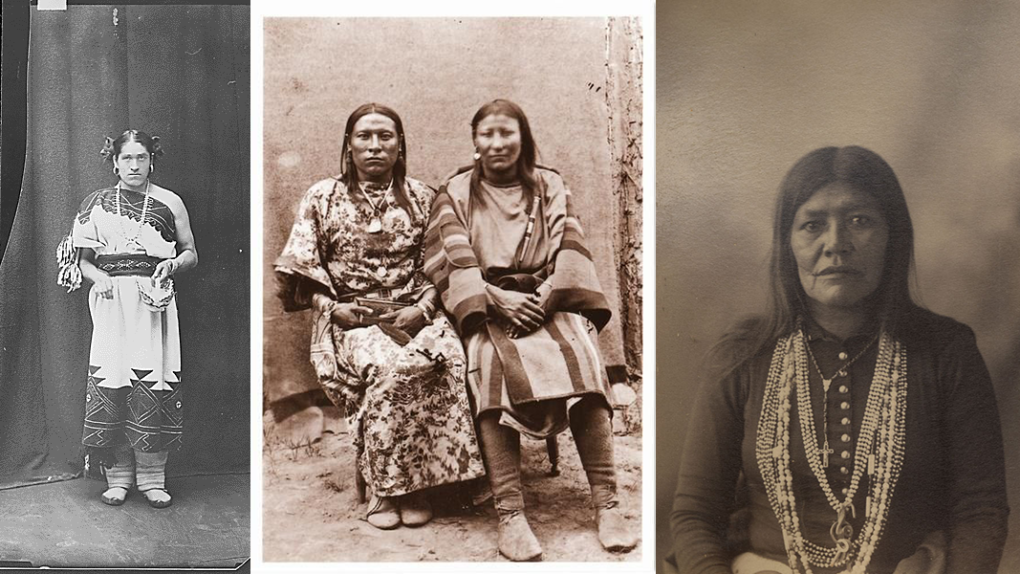
"caption": "We'wha (left), Osh-Tisch (center) and Dahteste (right). ",
"description": "We'wha (left), Osh-Tisch (center) and Dahteste (right). ",
"title": "two spirit cover image",
"credit": "John K. Hillers, Image Courtesy of: Smithsonian Institute/John H. Fouch/F.A. Rinehart, Image Courtsey of Omaha Public Library",
"status": "inherit",
"isLoading": false,
"fetchFailed": false
},
"arts_13911708": {
"type": "attachments",
"id": "arts_13911708",
"meta": {
"index": "attachments_1716263798",
"site": "arts",
"id": "13911708",
"found": true
},
"parent": 13911699,
"imgSizes": {
"twentyfourteen-full-width": {
"file": "https://ww2.kqed.org/app/uploads/sites/2/2022/04/18209259_10211377713176108_2159195679304479848_o-1038x576.jpg",
"width": 1038,
"mimeType": "image/jpeg",
"height": 576
},
"thumbnail": {
"file": "https://ww2.kqed.org/app/uploads/sites/2/2022/04/18209259_10211377713176108_2159195679304479848_o-160x90.jpg",
"width": 160,
"mimeType": "image/jpeg",
"height": 90
},
"post-thumbnail": {
"file": "https://ww2.kqed.org/app/uploads/sites/2/2022/04/18209259_10211377713176108_2159195679304479848_o-672x372.jpg",
"width": 672,
"mimeType": "image/jpeg",
"height": 372
},
"kqedFullSize": {
"file": "https://ww2.kqed.org/app/uploads/sites/2/2022/04/18209259_10211377713176108_2159195679304479848_o.jpg",
"width": 1920,
"height": 1080
},
"large": {
"file": "https://ww2.kqed.org/app/uploads/sites/2/2022/04/18209259_10211377713176108_2159195679304479848_o-1020x574.jpg",
"width": 1020,
"mimeType": "image/jpeg",
"height": 574
},
"1536x1536": {
"file": "https://ww2.kqed.org/app/uploads/sites/2/2022/04/18209259_10211377713176108_2159195679304479848_o-1536x864.jpg",
"width": 1536,
"mimeType": "image/jpeg",
"height": 864
},
"medium": {
"file": "https://ww2.kqed.org/app/uploads/sites/2/2022/04/18209259_10211377713176108_2159195679304479848_o-800x450.jpg",
"width": 800,
"mimeType": "image/jpeg",
"height": 450
},
"medium_large": {
"file": "https://ww2.kqed.org/app/uploads/sites/2/2022/04/18209259_10211377713176108_2159195679304479848_o-768x432.jpg",
"width": 768,
"mimeType": "image/jpeg",
"height": 432
}
},
"publishDate": 1649586006,
"modified": 1649586943,
"caption": "Courthouse Square on Friday, April 28, 2017, the night before its formal grand reunification ceremony. ",
"description": "Courthouse Square on Friday, April 28, 2017, the night before its formal grand reunification ceremony. ",
"title": "18209259_10211377713176108_2159195679304479848_o",
"credit": "Gabe Meline/KQED",
"status": "inherit",
"altTag": "A skyline at night with a clock tower, a moon, and a large bunya-bunya tree.",
"isLoading": false,
"fetchFailed": false
}
},
"audioPlayerReducer": {
"postId": "stream_live",
"isPaused": true,
"isPlaying": false,
"pfsActive": false,
"pledgeModalIsOpen": true,
"playerDrawerIsOpen": false,
"liveAudioPlayStartedAt": 0,
"liveAudioPlayContext": ""
},
"authorsReducer": {
"byline_arts_13861567": {
"type": "authors",
"id": "byline_arts_13861567",
"meta": {
"override": true
},
"slug": "byline_arts_13861567",
"name": "Etelka Lehoczky",
"isLoading": false
},
"byline_arts_13861527": {
"type": "authors",
"id": "byline_arts_13861527",
"meta": {
"override": true
},
"slug": "byline_arts_13861527",
"name": "Colin Dwyer, Andrew Limbong",
"isLoading": false
},
"byline_arts_13845330": {
"type": "authors",
"id": "byline_arts_13845330",
"meta": {
"override": true
},
"slug": "byline_arts_13845330",
"name": "Samuel White Swan-Perkins",
"isLoading": false
},
"gmeline": {
"type": "authors",
"id": "185",
"meta": {
"index": "authors_1716337520",
"id": "185",
"found": true
},
"name": "Gabe Meline",
"firstName": "Gabe",
"lastName": "Meline",
"slug": "gmeline",
"email": "gmeline@kqed.org",
"display_author_email": true,
"staff_mastheads": [
"arts"
],
"title": "Senior Editor, KQED Arts & Culture",
"bio": "Gabe Meline entered journalism at age 15 making photocopied zines, and has since earned awards from the Edward R. Murrow Awards, the Society for Professional Journalists, the Online Journalism Awards, the Association of Alternative Newsweeklies and the California Newspaper Publishers Association. Prior to KQED, he was the editor of the \u003cem>North Bay Bohemian\u003c/em> and a touring musician. He lives with his wife and daughter in his hometown of Santa Rosa, CA.",
"avatar": "https://secure.gravatar.com/avatar/5bebe57be0d8bc2dd318934feb47299e2d2d10cba28d09d8d7afb389a2ce2bdd?s=600&d=blank&r=g",
"twitter": null,
"bluesky": null,
"facebook": null,
"instagram": null,
"linkedin": null,
"sites": [
{
"site": "",
"roles": [
"editor"
]
},
{
"site": "arts",
"roles": [
"administrator"
]
},
{
"site": "artschool",
"roles": [
"editor"
]
},
{
"site": "news",
"roles": [
"author"
]
},
{
"site": "pop",
"roles": [
"editor"
]
},
{
"site": "bayareabites",
"roles": [
"editor"
]
},
{
"site": "food",
"roles": [
"editor"
]
},
{
"site": "forum",
"roles": [
"administrator"
]
},
{
"site": "liveblog",
"roles": [
"editor"
]
},
{
"site": "hiphop",
"roles": [
"editor"
]
}
],
"headData": {
"title": "Gabe Meline | KQED",
"description": "Senior Editor, KQED Arts & Culture",
"ogImgSrc": "https://secure.gravatar.com/avatar/5bebe57be0d8bc2dd318934feb47299e2d2d10cba28d09d8d7afb389a2ce2bdd?s=600&d=blank&r=g",
"twImgSrc": "https://secure.gravatar.com/avatar/5bebe57be0d8bc2dd318934feb47299e2d2d10cba28d09d8d7afb389a2ce2bdd?s=600&d=blank&r=g"
},
"isLoading": false,
"link": "/author/gmeline"
}
},
"pagesReducer": {
"arts_category_history": {
"type": "terms",
"id": "arts_7862",
"meta": {
"index": "terms_1716263798",
"site": "arts",
"id": "7862",
"score": 12.207073
},
"featImg": null,
"name": "History",
"description": null,
"taxonomy": "category",
"headData": {
"twImgId": null,
"twTitle": null,
"ogTitle": null,
"ogImgId": null,
"twDescription": null,
"description": null,
"title": "History Archives | KQED Arts",
"ogDescription": null
},
"ttid": 7874,
"slug": "history",
"isLoading": false,
"title": "History",
"pageMeta": {
"site": "arts",
"WpPageTemplate": "page-topic-editorial",
"currentPage": 34
},
"blocks": [
{
"blockName": "kqed/post-list",
"attrs": {
"layout": "cardArticle2",
"query": "posts/arts?category=history",
"seeMore": false,
"paginated": true,
"page": 34
}
},
{
"blockName": "kqed/ad"
}
]
}
},
"pfsSessionReducer": {},
"postsReducer": {
"stream_live": {
"type": "live",
"id": "stream_live",
"audioUrl": "https://hls.kqed.org/hls/kqed_app/playlist.m3u8",
"title": "Live Stream",
"excerpt": "Live Stream information currently unavailable.",
"link": "/radio",
"featImg": "",
"label": {
"name": "KQED Live",
"link": "/"
}
},
"stream_kqedNewscast": {
"type": "posts",
"id": "stream_kqedNewscast",
"audioUrl": "https://www.kqed.org/.stream/anon/radio/RDnews/newscast.mp3?_=1",
"title": "KQED Newscast",
"featImg": "",
"label": {
"name": "88.5 FM",
"link": "/"
}
},
"arts_13861567": {
"type": "posts",
"id": "arts_13861567",
"meta": {
"index": "posts_1716263798",
"site": "arts",
"id": "13861567",
"score": null,
"sort": [
1563386840000
]
},
"guestAuthors": [],
"slug": "george-takei-recalls-time-in-an-american-internment-camp-in-they-called-us-enemy",
"title": "George Takei Recalls Time In An American Internment Camp In 'They Called Us Enemy'",
"publishDate": 1563386840,
"format": "aside",
"headTitle": "George Takei Recalls Time In An American Internment Camp In ‘They Called Us Enemy’ | KQED",
"labelTerm": {
"term": 137,
"site": "arts"
},
"content": "\u003cfigure id=\"attachment_13861576\" class=\"wp-caption alignright\" style=\"max-width: 800px\">\u003cimg loading=\"lazy\" decoding=\"async\" class=\"size-medium wp-image-13861576\" src=\"https://ww2.kqed.org/arts/wp-content/uploads/sites/2/2019/07/theycalledusenemy-cover-800x1158.jpeg\" alt=\"'They Called Us Enemy' by George Takei, Justin Eisinger, Steven Scott and Harmony Becker.\" width=\"800\" height=\"1158\">\u003cfigcaption class=\"wp-caption-text\">‘They Called Us Enemy’\u003cbr>by George Takei, Justin Eisinger, Steven Scott and Harmony Becker.\u003c/figcaption>\u003c/figure>\n\u003cp>“Shame is a cruel thing,” writes George Takei in \u003cem>They Called Us Enemy\u003c/em>, his new graphic novel about his childhood years in an American concentration camp during World War II. “It should rest on the perpetrators, but they don’t carry it the way the victims do.”\u003c/p>\n\u003cp>This irony becomes most evident at the conclusion of Takei’s book, where he depicts the U.S. government’s tardy attempts to establish a sense of collective shame about America’s wartime internment of Japanese Americans. “Here we admit a wrong: Here we reaffirm our commitment as a nation to equal justice under law,” President Reagan is shown saying in 1988. But no matter how polished his words — or how many zeros on the restitution check Takei receives in 1991 — such attempts at official remorse ring hollow. What the government did to Takei and some 120,000 other Japanese Americans can’t be undone, no matter how many speeches public officials deliver or how many checks they send.\u003c/p>\n\u003cp>The very structure of Takei’s narrative underlines this fact more than a political speech ever could. It’s young George’s point of view that shapes the story, imbuing it with childlike energy. Even as the Takeis are wrenched from their home, transported hundreds of miles and forced to live in camps, young George’s openness and curiosity are unflagging. His outlook provides a striking contrast to government officials’ stale attempts to explain, excuse and ultimately seek forgiveness for the evil they’ve done.\u003c/p>\n\u003cfigure id=\"attachment_13861572\" class=\"wp-caption aligncenter\" style=\"max-width: 800px\">\u003cimg loading=\"lazy\" decoding=\"async\" class=\"size-full wp-image-13861572\" src=\"https://ww2.kqed.org/arts/wp-content/uploads/sites/2/2019/07/takei3_custom.jpg\" alt=\"An image from 'They Called Us Enemy.'\" width=\"800\" height=\"247\" srcset=\"https://cdn.kqed.org/wp-content/uploads/sites/2/2019/07/takei3_custom.jpg 800w, https://cdn.kqed.org/wp-content/uploads/sites/2/2019/07/takei3_custom-160x49.jpg 160w, https://cdn.kqed.org/wp-content/uploads/sites/2/2019/07/takei3_custom-768x237.jpg 768w\" sizes=\"(max-width: 800px) 100vw, 800px\">\u003cfigcaption class=\"wp-caption-text\">An image from ‘They Called Us Enemy.’ \u003ccite>(Top Shelf Productions)\u003c/cite>\u003c/figcaption>\u003c/figure>\n\u003cp>In fact, despite the grimness of its subject matter, \u003cem>They Called Us Enemy\u003c/em> is a lively, vibrant book. After years spent acting on stage and screen (he’s best known for his role as \u003cem>Star Trek\u003c/em>‘s Lieutenant Sulu), Takei has clearly learned a lot about shaping and directing his audience’s emotions. He’s helped by his co-writers, Justin Eisinger and Steven Scott, and artist Harmony Becker. It’s a shame Becker’s artwork isn’t in color, but she provides a master class on what one can do in a black-and-white format. By incorporating textures ranging from fine hatching to Ben Day dots, she demonstrates how digitally created drawings can have all the dimensionality of work drafted on paper.\u003c/p>\n\u003cp>Becker also helps dramatize the contrast between George’s and his parents’ experiences of their ordeal. It’s spring of 1942 when Takei’s family is first taken from their Los Angeles home. Allowed to keep only what they can carry, Takei’s parents must sell off their belongings for next to nothing. At one point they’re forced to sleep in horses’ stalls, but George views this as an adventure: “We get to sleep where the horses slept! Fun!” For his parents, of course, it’s no such thing. “It was a devastating blow,” Takei writes. “They had worked so hard to buy a two-bedroom house and raise a family… Now we were crammed into a single, smelly horse stall.”\u003c/p>\n\u003cp>That’s the first of numerous occasions when young George’s innocence protects him. When everyone is forced to wear tags — “to keep track of us, like cattle” — he thinks it’s just another train ticket. “I saw people crying and couldn’t understand why,” he remembers. At one camp, another boy tells him the barbed wire is there to keep dinosaurs out. For Takei’s parents, meanwhile, it’s a constant struggle to maintain a sense of order and humanity. Takei’s father helps other families settle in and serves as a translator and mediator, while Takei’s mother sews clothes and makes curtains and rugs.\u003c/p>\n\u003cfigure id=\"attachment_13861573\" class=\"wp-caption aligncenter\" style=\"max-width: 800px\">\u003cimg loading=\"lazy\" decoding=\"async\" class=\"size-full wp-image-13861573\" src=\"https://ww2.kqed.org/arts/wp-content/uploads/sites/2/2019/07/takei4_custom.jpg\" alt=\"An image from 'They Called Us Enemy,' by George Takei. \" width=\"800\" height=\"246\" srcset=\"https://cdn.kqed.org/wp-content/uploads/sites/2/2019/07/takei4_custom.jpg 800w, https://cdn.kqed.org/wp-content/uploads/sites/2/2019/07/takei4_custom-160x49.jpg 160w, https://cdn.kqed.org/wp-content/uploads/sites/2/2019/07/takei4_custom-768x236.jpg 768w\" sizes=\"(max-width: 800px) 100vw, 800px\">\u003cfigcaption class=\"wp-caption-text\">An image from ‘They Called Us Enemy,’ by George Takei. \u003ccite>(Top Shelf Productions)\u003c/cite>\u003c/figcaption>\u003c/figure>\n\u003cp>The family’s ordeal doesn’t end in the camps. Once the Takeis are allowed to return to Los Angeles in 1945, they have to live on the street. Enrolled in public school, George endures discrimination from a racist teacher and begins to feel the shame his parents felt. “I was old enough by then to understand that camp was something like jail, but could not fully grasp what we had done to be sent there,” he remembers. As he grows up and becomes an actor, he fights a two-pronged battle: to overcome shame and to reconcile his experiences with America’s stated ideals.\u003c/p>\n\u003cp>It’s a struggle that can probably only be fully understood by a survivor of internment — and probably not by politicians seeking exculpation for acts of bureaucratic evil. But Takei hopes some of those politicians will try. He concludes \u003cem>They Called Us Enemy \u003c/em>with a critique of our current government’s policies treating certain people as “Enemy.”\u003c/p>\n\u003cp>Takei closes with a quote from President Obama saying, in part, that “history … must be a manual for how to avoid repeating the mistakes of the past.” It may be too late to undo what was done to Japanese Americans almost 70 years ago, but Takei suggests it’s not too late to learn from it.\u003c/p>\n\u003cp>\u003cem>Etelka Lehoczky has written about books for\u003c/em> The Atlantic, The Los Angeles Review of Books \u003cem>and\u003c/em> The New York Times. \u003cem>She tweets at\u003c/em> \u003ca href=\"https://urldefense.proofpoint.com/v2/url?u=https-3A__twitter.com_EtelkaL&d=DwMFaQ&c=E2nBno7hEddFhl23N5nD1Q&r=eDR3RhrQF9JBI8Rzx0SRPw&m=vR6dskFG6Pki76w8marL327xnaWSpIVAqnkFp2Pm3ak&s=Mdo8__hjawldjbQthelAboNsxAd-9SFUx24643NrlUM&e=\">@EtelkaL\u003c/a>.\u003c/p>\n\u003cdiv class=\"fullattribution\">Copyright 2019 \u003ca href=\"https://www.npr.org\">NPR\u003c/a>.\u003c/div>\n\u003cp>[ad fullwidth]\u003c/p>\n\u003cp>\u003c/p>\n",
"blocks": [],
"excerpt": "Through his graphic memoir, the 'Star Trek' actor-turned-author shows that while it may be too late to undo the WWII incarceration of Japanese Americans, it's not too late to learn from it.",
"status": "publish",
"parent": 0,
"modified": 1726766656,
"stats": {
"hasAudio": false,
"hasVideo": false,
"hasChartOrMap": false,
"iframeSrcs": [],
"hasGoogleForm": false,
"hasGallery": false,
"hasHearkenModule": false,
"hasPolis": false,
"paragraphCount": 12,
"wordCount": 963
},
"headData": {
"title": "George Takei Recalls Time In An American Internment Camp In 'They Called Us Enemy' | KQED",
"description": "Through his graphic memoir, the 'Star Trek' actor-turned-author shows that while it may be too late to undo the WWII incarceration of Japanese Americans, it's not too late to learn from it.",
"ogTitle": "",
"ogDescription": "",
"ogImgId": "",
"twTitle": "",
"twDescription": "",
"twImgId": "",
"schema": {
"@context": "https://schema.org",
"@type": "Article",
"headline": "George Takei Recalls Time In An American Internment Camp In 'They Called Us Enemy'",
"datePublished": "2019-07-17T11:07:20-07:00",
"dateModified": "2024-09-19T10:24:16-07:00",
"image": "https://cdn.kqed.org/wp-content/uploads/2020/02/KQED-OG-Image@1x.png"
}
},
"sticky": false,
"nprByline": "Etelka Lehoczky",
"nprImageAgency": "Top Shelf Productions",
"nprStoryId": "742558996",
"nprApiLink": "http://api.npr.org/query?id=742558996&apiKey=MDAxOTAwOTE4MDEyMTkxMDAzNjczZDljZA004",
"nprHtmlLink": "https://www.npr.org/2019/07/17/742558996/george-takei-recalls-time-in-an-american-internment-camp-in-they-called-us-enemy?ft=nprml&f=742558996",
"nprRetrievedStory": "1",
"nprPubDate": "Wed, 17 Jul 2019 11:13:00 -0400",
"nprStoryDate": "Wed, 17 Jul 2019 08:04:00 -0400",
"nprLastModifiedDate": "Wed, 17 Jul 2019 11:13:18 -0400",
"path": "/arts/13861567/george-takei-recalls-time-in-an-american-internment-camp-in-they-called-us-enemy",
"audioTrackLength": null,
"parsedContent": [
{
"type": "contentString",
"content": "\u003cdiv class=\"post-body\">\u003cp>\u003cfigure id=\"attachment_13861576\" class=\"wp-caption alignright\" style=\"max-width: 800px\">\u003cimg loading=\"lazy\" decoding=\"async\" class=\"size-medium wp-image-13861576\" src=\"https://ww2.kqed.org/arts/wp-content/uploads/sites/2/2019/07/theycalledusenemy-cover-800x1158.jpeg\" alt=\"'They Called Us Enemy' by George Takei, Justin Eisinger, Steven Scott and Harmony Becker.\" width=\"800\" height=\"1158\">\u003cfigcaption class=\"wp-caption-text\">‘They Called Us Enemy’\u003cbr>by George Takei, Justin Eisinger, Steven Scott and Harmony Becker.\u003c/figcaption>\u003c/figure>\n\u003cp>“Shame is a cruel thing,” writes George Takei in \u003cem>They Called Us Enemy\u003c/em>, his new graphic novel about his childhood years in an American concentration camp during World War II. “It should rest on the perpetrators, but they don’t carry it the way the victims do.”\u003c/p>\n\u003cp>This irony becomes most evident at the conclusion of Takei’s book, where he depicts the U.S. government’s tardy attempts to establish a sense of collective shame about America’s wartime internment of Japanese Americans. “Here we admit a wrong: Here we reaffirm our commitment as a nation to equal justice under law,” President Reagan is shown saying in 1988. But no matter how polished his words — or how many zeros on the restitution check Takei receives in 1991 — such attempts at official remorse ring hollow. What the government did to Takei and some 120,000 other Japanese Americans can’t be undone, no matter how many speeches public officials deliver or how many checks they send.\u003c/p>\n\u003cp>The very structure of Takei’s narrative underlines this fact more than a political speech ever could. It’s young George’s point of view that shapes the story, imbuing it with childlike energy. Even as the Takeis are wrenched from their home, transported hundreds of miles and forced to live in camps, young George’s openness and curiosity are unflagging. His outlook provides a striking contrast to government officials’ stale attempts to explain, excuse and ultimately seek forgiveness for the evil they’ve done.\u003c/p>\n\u003cfigure id=\"attachment_13861572\" class=\"wp-caption aligncenter\" style=\"max-width: 800px\">\u003cimg loading=\"lazy\" decoding=\"async\" class=\"size-full wp-image-13861572\" src=\"https://ww2.kqed.org/arts/wp-content/uploads/sites/2/2019/07/takei3_custom.jpg\" alt=\"An image from 'They Called Us Enemy.'\" width=\"800\" height=\"247\" srcset=\"https://cdn.kqed.org/wp-content/uploads/sites/2/2019/07/takei3_custom.jpg 800w, https://cdn.kqed.org/wp-content/uploads/sites/2/2019/07/takei3_custom-160x49.jpg 160w, https://cdn.kqed.org/wp-content/uploads/sites/2/2019/07/takei3_custom-768x237.jpg 768w\" sizes=\"(max-width: 800px) 100vw, 800px\">\u003cfigcaption class=\"wp-caption-text\">An image from ‘They Called Us Enemy.’ \u003ccite>(Top Shelf Productions)\u003c/cite>\u003c/figcaption>\u003c/figure>\n\u003cp>In fact, despite the grimness of its subject matter, \u003cem>They Called Us Enemy\u003c/em> is a lively, vibrant book. After years spent acting on stage and screen (he’s best known for his role as \u003cem>Star Trek\u003c/em>‘s Lieutenant Sulu), Takei has clearly learned a lot about shaping and directing his audience’s emotions. He’s helped by his co-writers, Justin Eisinger and Steven Scott, and artist Harmony Becker. It’s a shame Becker’s artwork isn’t in color, but she provides a master class on what one can do in a black-and-white format. By incorporating textures ranging from fine hatching to Ben Day dots, she demonstrates how digitally created drawings can have all the dimensionality of work drafted on paper.\u003c/p>\n\u003cp>Becker also helps dramatize the contrast between George’s and his parents’ experiences of their ordeal. It’s spring of 1942 when Takei’s family is first taken from their Los Angeles home. Allowed to keep only what they can carry, Takei’s parents must sell off their belongings for next to nothing. At one point they’re forced to sleep in horses’ stalls, but George views this as an adventure: “We get to sleep where the horses slept! Fun!” For his parents, of course, it’s no such thing. “It was a devastating blow,” Takei writes. “They had worked so hard to buy a two-bedroom house and raise a family… Now we were crammed into a single, smelly horse stall.”\u003c/p>\n\u003cp>That’s the first of numerous occasions when young George’s innocence protects him. When everyone is forced to wear tags — “to keep track of us, like cattle” — he thinks it’s just another train ticket. “I saw people crying and couldn’t understand why,” he remembers. At one camp, another boy tells him the barbed wire is there to keep dinosaurs out. For Takei’s parents, meanwhile, it’s a constant struggle to maintain a sense of order and humanity. Takei’s father helps other families settle in and serves as a translator and mediator, while Takei’s mother sews clothes and makes curtains and rugs.\u003c/p>\n\u003cfigure id=\"attachment_13861573\" class=\"wp-caption aligncenter\" style=\"max-width: 800px\">\u003cimg loading=\"lazy\" decoding=\"async\" class=\"size-full wp-image-13861573\" src=\"https://ww2.kqed.org/arts/wp-content/uploads/sites/2/2019/07/takei4_custom.jpg\" alt=\"An image from 'They Called Us Enemy,' by George Takei. \" width=\"800\" height=\"246\" srcset=\"https://cdn.kqed.org/wp-content/uploads/sites/2/2019/07/takei4_custom.jpg 800w, https://cdn.kqed.org/wp-content/uploads/sites/2/2019/07/takei4_custom-160x49.jpg 160w, https://cdn.kqed.org/wp-content/uploads/sites/2/2019/07/takei4_custom-768x236.jpg 768w\" sizes=\"(max-width: 800px) 100vw, 800px\">\u003cfigcaption class=\"wp-caption-text\">An image from ‘They Called Us Enemy,’ by George Takei. \u003ccite>(Top Shelf Productions)\u003c/cite>\u003c/figcaption>\u003c/figure>\n\u003cp>The family’s ordeal doesn’t end in the camps. Once the Takeis are allowed to return to Los Angeles in 1945, they have to live on the street. Enrolled in public school, George endures discrimination from a racist teacher and begins to feel the shame his parents felt. “I was old enough by then to understand that camp was something like jail, but could not fully grasp what we had done to be sent there,” he remembers. As he grows up and becomes an actor, he fights a two-pronged battle: to overcome shame and to reconcile his experiences with America’s stated ideals.\u003c/p>\n\u003cp>It’s a struggle that can probably only be fully understood by a survivor of internment — and probably not by politicians seeking exculpation for acts of bureaucratic evil. But Takei hopes some of those politicians will try. He concludes \u003cem>They Called Us Enemy \u003c/em>with a critique of our current government’s policies treating certain people as “Enemy.”\u003c/p>\n\u003cp>Takei closes with a quote from President Obama saying, in part, that “history … must be a manual for how to avoid repeating the mistakes of the past.” It may be too late to undo what was done to Japanese Americans almost 70 years ago, but Takei suggests it’s not too late to learn from it.\u003c/p>\n\u003cp>\u003cem>Etelka Lehoczky has written about books for\u003c/em> The Atlantic, The Los Angeles Review of Books \u003cem>and\u003c/em> The New York Times. \u003cem>She tweets at\u003c/em> \u003ca href=\"https://urldefense.proofpoint.com/v2/url?u=https-3A__twitter.com_EtelkaL&d=DwMFaQ&c=E2nBno7hEddFhl23N5nD1Q&r=eDR3RhrQF9JBI8Rzx0SRPw&m=vR6dskFG6Pki76w8marL327xnaWSpIVAqnkFp2Pm3ak&s=Mdo8__hjawldjbQthelAboNsxAd-9SFUx24643NrlUM&e=\">@EtelkaL\u003c/a>.\u003c/p>\n\u003cdiv class=\"fullattribution\">Copyright 2019 \u003ca href=\"https://www.npr.org\">NPR\u003c/a>.\u003c/div>\n\u003cp>\u003c/p>\u003c/div>",
"attributes": {
"named": {},
"numeric": []
}
},
{
"type": "component",
"content": "",
"name": "ad",
"attributes": {
"named": {
"label": "fullwidth"
},
"numeric": [
"fullwidth"
]
}
},
{
"type": "contentString",
"content": "\u003cdiv class=\"post-body\">\u003cp>\u003c/p>\n\u003cp>\u003c/p>\n\u003c/div>\u003c/p>",
"attributes": {
"named": {},
"numeric": []
}
}
],
"link": "/arts/13861567/george-takei-recalls-time-in-an-american-internment-camp-in-they-called-us-enemy",
"authors": [
"byline_arts_13861567"
],
"categories": [
"arts_73",
"arts_7862"
],
"tags": [
"arts_4672",
"arts_11323",
"arts_5422"
],
"affiliates": [
"arts_137"
],
"featImg": "arts_13861568",
"label": "arts_137"
},
"arts_13861527": {
"type": "posts",
"id": "arts_13861527",
"meta": {
"index": "posts_1716263798",
"site": "arts",
"id": "13861527",
"score": null,
"sort": [
1563320308000
]
},
"parent": 0,
"labelTerm": {
"site": "arts",
"term": 137
},
"blocks": [],
"publishDate": 1563320308,
"format": "aside",
"title": "'Go Back Where You Came From': The Long Rhetorical Roots Of Trump's Racist Tweets",
"headTitle": "‘Go Back Where You Came From’: The Long Rhetorical Roots Of Trump’s Racist Tweets | KQED",
"content": "\u003cfigure id=\"attachment_13861530\" class=\"wp-caption alignright\" style=\"max-width: 714px\">\u003cimg loading=\"lazy\" decoding=\"async\" class=\"size-full wp-image-13861530\" src=\"https://ww2.kqed.org/arts/wp-content/uploads/sites/2/2019/07/YouCanComeBack.jpg\" alt='\"You can go back to wherever you came from\" Editorial cartoon drawing shows \"L.B.J.\" standing on the back of a truck with another man labeled \"89th Congress\" who wields a hand truck for the removal of \"Immigration Snobbery\" from the Statue of Liberty.' width=\"714\" height=\"809\" srcset=\"https://cdn.kqed.org/wp-content/uploads/sites/2/2019/07/YouCanComeBack.jpg 714w, https://cdn.kqed.org/wp-content/uploads/sites/2/2019/07/YouCanComeBack-160x181.jpg 160w\" sizes=\"(max-width: 714px) 100vw, 714px\">\u003cfigcaption class=\"wp-caption-text\">Editorial cartoon drawing shows “L.B.J.” standing on the back of a truck with another man labeled “89th Congress” who wields a hand truck for the removal of “Immigration Snobbery” from the Statue of Liberty. \u003ccite>(Herbert Block, 1965 / Library of Congress)\u003c/cite>\u003c/figcaption>\u003c/figure>\n\u003cp>When President Trump \u003ca href=\"https://www.npr.org/2019/07/14/741630889/congresswomen-denounce-trump-tweets-telling-them-to-go-back-to-their-home-countr\">tweeted his racist remarks\u003c/a> Sunday, asking why certain Democratic congresswomen don’t just “go back and help fix the totally broken and crime infested places from which they came,” he did not just take aim at the \u003ca href=\"https://www.npr.org/2019/07/15/741771445/trump-continues-twitter-assault-on-4-minority-congresswomen\">four women of color\u003c/a> — three of whom were born in the U.S.\u003c/p>\n\u003cp>He did so using a taunt that has long, deeply entrenched roots in American history: Why don’t you just go back where you came from?\u003c/p>\n\u003cp>The question doesn’t always appear in those precise words, nor does it always surface in the same situations. And it doesn’t always get directed at the same groups of people — far from it, in fact. But more often than not, it conveys the same sentiment: You — and others like you — are not welcome here.\u003c/p>\n\u003cp>“There have been different phrases that have been used,” says \u003ca href=\"https://gspm.gwu.edu/dr-michael-cornfield\">Michael Cornfield\u003c/a>, a scholar of rhetoric at \u003ca href=\"https://gspm.gwu.edu/\">George Washington University\u003c/a>, “but the idea that we don’t have any more room for people, or those people don’t look like us, this is a long, ugly strain in American history.”\u003c/p>\n\u003cp>\u003ca href=\"https://www.uh.edu/class/english/people/faculty/wingard/\">Jennifer Wingard\u003c/a>, a University of Houston professor who has looked at rhetoric and immigrant communities, traces this sentiment at least to 1798, when the U.S. passed a series of laws — together known as the the \u003ca href=\"http://www.ushistory.org/us/19e.asp\">Alien and Sedition Acts\u003c/a> — that were aimed at making citizenship more difficult for immigrants and deportation easier for U.S. authorities to carry out.\u003c/p>\n\u003cp>“The legislation is actually constructed for the ability to remove immigrants who are saying things against the U.S. government,” she says, explaining that these laws were passed in a tumultuous political climate.\u003c/p>\n\u003cp>“We were starting to see different political parties and different politicians arguing for different ways that the government should be run. And it just happened that politically, they could try to maintain and try to withhold the status quo by putting it on the backs of immigrants.”\u003c/p>\n\u003cp>Those laws established a pattern, she says, that would resurface with new waves of immigration and new perceived threats — from the Great Famine in Ireland and the Spanish-American War to the Great Depression and the attacks on Sept. 11.\u003c/p>\n\u003cfigure id=\"attachment_13861531\" class=\"wp-caption aligncenter\" style=\"max-width: 800px\">\u003cimg loading=\"lazy\" decoding=\"async\" class=\"size-full wp-image-13861531\" src=\"https://ww2.kqed.org/arts/wp-content/uploads/sites/2/2019/07/loc1_custom-1326a615b4a7e8dc6bd2d95e37044709ae1a8755-s800-c85.jpg\" alt=\"This cartoon, published around 1855, reflects the pervasive anti-Catholic sentiment of the era — perhaps best epitomized by the rise of the Know-Nothings, a nativist political party. Catholics, led by the pope, are depicted as an invading force of foreigners, rebuffed by a man dressed like Uncle Sam, who likens them to the anti-Christ.\" width=\"800\" height=\"610\" srcset=\"https://cdn.kqed.org/wp-content/uploads/sites/2/2019/07/loc1_custom-1326a615b4a7e8dc6bd2d95e37044709ae1a8755-s800-c85.jpg 800w, https://cdn.kqed.org/wp-content/uploads/sites/2/2019/07/loc1_custom-1326a615b4a7e8dc6bd2d95e37044709ae1a8755-s800-c85-160x122.jpg 160w, https://cdn.kqed.org/wp-content/uploads/sites/2/2019/07/loc1_custom-1326a615b4a7e8dc6bd2d95e37044709ae1a8755-s800-c85-768x586.jpg 768w\" sizes=\"(max-width: 800px) 100vw, 800px\">\u003cfigcaption class=\"wp-caption-text\">This cartoon, published around 1855, reflects the pervasive anti-Catholic sentiment of the era — perhaps best epitomized by the rise of the Know-Nothings, a nativist political party. Catholics, led by the pope, are depicted as an invading force of foreigners, rebuffed by a man dressed like Uncle Sam, who likens them to the anti-Christ. \u003ccite>(Nathaniel Currier/Library of Congress)\u003c/cite>\u003c/figcaption>\u003c/figure>\n\u003cp>“Every wave of immigration that gets in sees the next wave as the threat. That is the wave that is now going to take the jobs, that is now going to take things away,” Wingard says. “The latest flow in is always the one that seems the most threatening.”\u003c/p>\n\u003cp>\u003ca href=\"https://www.american.edu/cas/faculty/akraut.cfm\">Alan Kraut\u003c/a>, a scholar at American University who is writing a history of anti-immigrant feeling in the U.S., says he saw this kind of thing play out firsthand when he was a child growing up in the Bronx.\u003c/p>\n\u003cp>“When kids had a fight in the street and the kids were from different ethnic groups, one kid would often say to the other: ‘You and your parents go back where you came from,’ ” Kraut recalls.\u003c/p>\n\u003cp>“You know, it could mean Brooklyn. But it could also mean go back where you came from — you know, Russian Jews who came to the United States, southern Italians who came to the United States, Puerto Ricans newly arrived,” he continues. “So when this came out of the mouth of this president who’s from Queens, it sounded almost like a child saying that in my memory on the streets of New York.”\u003c/p>\n\u003cp>The process renews often, Wingard says, and she says the sentiment remains steady even if the names of the targeted groups change.\u003c/p>\n\u003cfigure id=\"attachment_13861529\" class=\"wp-caption aligncenter\" style=\"max-width: 800px\">\u003cimg loading=\"lazy\" decoding=\"async\" class=\"size-full wp-image-13861529\" src=\"https://ww2.kqed.org/arts/wp-content/uploads/sites/2/2019/07/loc3_custom-cbfc43c027ddf4c9fce82d11e16a49e788e1f11e-s800-c85.jpg\" alt='A cartoon, published in 1891, titled \"Where the Blame Lies.\" shows a man gesturing toward a crowd of immigrants — including the \"German socialist,\" \"Italian brigand\" and \"English convict.\" The gesturing man tells a sagging Uncle Sam: \"If Immigration was properly Restricted you would no longer be troubled with Anarchy, Socialism, the Mafia and such kindred evils!\"' width=\"800\" height=\"520\" srcset=\"https://cdn.kqed.org/wp-content/uploads/sites/2/2019/07/loc3_custom-cbfc43c027ddf4c9fce82d11e16a49e788e1f11e-s800-c85.jpg 800w, https://cdn.kqed.org/wp-content/uploads/sites/2/2019/07/loc3_custom-cbfc43c027ddf4c9fce82d11e16a49e788e1f11e-s800-c85-160x104.jpg 160w, https://cdn.kqed.org/wp-content/uploads/sites/2/2019/07/loc3_custom-cbfc43c027ddf4c9fce82d11e16a49e788e1f11e-s800-c85-768x499.jpg 768w\" sizes=\"(max-width: 800px) 100vw, 800px\">\u003cfigcaption class=\"wp-caption-text\">A cartoon, published in 1891, titled “Where the Blame Lies.” shows a man gesturing toward a crowd of immigrants — including the “German socialist,” “Italian brigand” and “English convict.” The gesturing man tells a sagging Uncle Sam: “If Immigration was properly Restricted you would no longer be troubled with Anarchy, Socialism, the Mafia and such kindred evils!” \u003ccite>(Sackett & Wilhelms Litho. Co./Library of Congress)\u003c/cite>\u003c/figcaption>\u003c/figure>\n\u003cp>“There’s a fancy theoretical term — it’s called a palimpsest,” says \u003ca href=\"https://www.uh.edu/class/english/people/faculty/wingard/\">Jennifer Wingard\u003c/a>, a rhetoric scholar at the \u003ca href=\"https://www.uh.edu/\">University of Houston\u003c/a>. A palimpsest, she explains, is a text that has been erased and overwritten — but that nevertheless continues to bear many of the markings and meanings largely concealed beneath the new writing.\u003c/p>\n\u003cp>“They carry these sentiments that we have seen over centuries, but then they get repurposed for the current moment — and a phrase like that [racist taunt] becomes almost like a shorthand for anti-immigrant sentiment,” Wingard says. “You know, ‘go back where you came from’ is the same as ‘go back to your own country’ is the same as ‘you are not allowed here’ is the same as ‘no immigrants allowed.’ Yet it carries all of this historical shorthand with it.”\u003c/p>\n\u003cp>Cornfield says it’s partly the statement’s variability that makes it so powerful.\u003c/p>\n\u003cp>“It plays to the fear that somehow America is getting too full or that the mixing of ethnicities and races would somehow aggravate issues,” he says. “It’s a potent phrase and part of its potency is its ambiguity.”\u003c/p>\n\u003cp>It’s simplicity, too.\u003c/p>\n\u003cp>“When you use a phrase like this, you’re just asking people to forget about context and forget about policy choices,” he adds, “and just get angry at people who don’t look or sound like you do.”\u003c/p>\n\u003cp>\u003cem>Copyright 2019 NPR. To see more, visit \u003ca href=\"https://www.npr.org/\">NPR\u003c/a>.\u003c/em>\u003c/p>\n\u003cp>[ad fullwidth]\u003c/p>\n\u003cp>\u003c/p>\n",
"stats": {
"hasVideo": false,
"hasChartOrMap": false,
"hasAudio": false,
"hasPolis": false,
"wordCount": 1090,
"hasGoogleForm": false,
"hasGallery": false,
"hasHearkenModule": false,
"iframeSrcs": [],
"paragraphCount": 22
},
"modified": 1705022537,
"excerpt": "When the president told several new congresswomen of color to \"go back\" to where they came from, he borrowed nativist language about as old as the country itself. Here's a little history.",
"headData": {
"twImgId": "",
"twTitle": "",
"ogTitle": "",
"ogImgId": "",
"twDescription": "",
"description": "When the president told several new congresswomen of color to "go back" to where they came from, he borrowed nativist language about as old as the country itself. Here's a little history.",
"title": "'Go Back Where You Came From': The Long Rhetorical Roots Of Trump's Racist Tweets | KQED",
"ogDescription": "",
"schema": {
"@context": "https://schema.org",
"@type": "Article",
"headline": "'Go Back Where You Came From': The Long Rhetorical Roots Of Trump's Racist Tweets",
"datePublished": "2019-07-16T16:38:28-07:00",
"dateModified": "2024-01-11T17:22:17-08:00",
"image": "https://cdn.kqed.org/wp-content/uploads/2020/02/KQED-OG-Image@1x.png"
}
},
"guestAuthors": [],
"slug": "go-back-where-you-came-from-the-long-rhetorical-roots-of-trumps-racist-tweets",
"status": "publish",
"nprByline": "Colin Dwyer, Andrew Limbong",
"sticky": false,
"path": "/arts/13861527/go-back-where-you-came-from-the-long-rhetorical-roots-of-trumps-racist-tweets",
"audioTrackLength": null,
"parsedContent": [
{
"type": "contentString",
"content": "\u003cdiv class=\"post-body\">\u003cp>\u003cfigure id=\"attachment_13861530\" class=\"wp-caption alignright\" style=\"max-width: 714px\">\u003cimg loading=\"lazy\" decoding=\"async\" class=\"size-full wp-image-13861530\" src=\"https://ww2.kqed.org/arts/wp-content/uploads/sites/2/2019/07/YouCanComeBack.jpg\" alt='\"You can go back to wherever you came from\" Editorial cartoon drawing shows \"L.B.J.\" standing on the back of a truck with another man labeled \"89th Congress\" who wields a hand truck for the removal of \"Immigration Snobbery\" from the Statue of Liberty.' width=\"714\" height=\"809\" srcset=\"https://cdn.kqed.org/wp-content/uploads/sites/2/2019/07/YouCanComeBack.jpg 714w, https://cdn.kqed.org/wp-content/uploads/sites/2/2019/07/YouCanComeBack-160x181.jpg 160w\" sizes=\"(max-width: 714px) 100vw, 714px\">\u003cfigcaption class=\"wp-caption-text\">Editorial cartoon drawing shows “L.B.J.” standing on the back of a truck with another man labeled “89th Congress” who wields a hand truck for the removal of “Immigration Snobbery” from the Statue of Liberty. \u003ccite>(Herbert Block, 1965 / Library of Congress)\u003c/cite>\u003c/figcaption>\u003c/figure>\n\u003cp>When President Trump \u003ca href=\"https://www.npr.org/2019/07/14/741630889/congresswomen-denounce-trump-tweets-telling-them-to-go-back-to-their-home-countr\">tweeted his racist remarks\u003c/a> Sunday, asking why certain Democratic congresswomen don’t just “go back and help fix the totally broken and crime infested places from which they came,” he did not just take aim at the \u003ca href=\"https://www.npr.org/2019/07/15/741771445/trump-continues-twitter-assault-on-4-minority-congresswomen\">four women of color\u003c/a> — three of whom were born in the U.S.\u003c/p>\n\u003cp>He did so using a taunt that has long, deeply entrenched roots in American history: Why don’t you just go back where you came from?\u003c/p>\n\u003cp>The question doesn’t always appear in those precise words, nor does it always surface in the same situations. And it doesn’t always get directed at the same groups of people — far from it, in fact. But more often than not, it conveys the same sentiment: You — and others like you — are not welcome here.\u003c/p>\n\u003cp>“There have been different phrases that have been used,” says \u003ca href=\"https://gspm.gwu.edu/dr-michael-cornfield\">Michael Cornfield\u003c/a>, a scholar of rhetoric at \u003ca href=\"https://gspm.gwu.edu/\">George Washington University\u003c/a>, “but the idea that we don’t have any more room for people, or those people don’t look like us, this is a long, ugly strain in American history.”\u003c/p>\n\u003cp>\u003ca href=\"https://www.uh.edu/class/english/people/faculty/wingard/\">Jennifer Wingard\u003c/a>, a University of Houston professor who has looked at rhetoric and immigrant communities, traces this sentiment at least to 1798, when the U.S. passed a series of laws — together known as the the \u003ca href=\"http://www.ushistory.org/us/19e.asp\">Alien and Sedition Acts\u003c/a> — that were aimed at making citizenship more difficult for immigrants and deportation easier for U.S. authorities to carry out.\u003c/p>\n\u003cp>“The legislation is actually constructed for the ability to remove immigrants who are saying things against the U.S. government,” she says, explaining that these laws were passed in a tumultuous political climate.\u003c/p>\n\u003cp>“We were starting to see different political parties and different politicians arguing for different ways that the government should be run. And it just happened that politically, they could try to maintain and try to withhold the status quo by putting it on the backs of immigrants.”\u003c/p>\n\u003cp>Those laws established a pattern, she says, that would resurface with new waves of immigration and new perceived threats — from the Great Famine in Ireland and the Spanish-American War to the Great Depression and the attacks on Sept. 11.\u003c/p>\n\u003cfigure id=\"attachment_13861531\" class=\"wp-caption aligncenter\" style=\"max-width: 800px\">\u003cimg loading=\"lazy\" decoding=\"async\" class=\"size-full wp-image-13861531\" src=\"https://ww2.kqed.org/arts/wp-content/uploads/sites/2/2019/07/loc1_custom-1326a615b4a7e8dc6bd2d95e37044709ae1a8755-s800-c85.jpg\" alt=\"This cartoon, published around 1855, reflects the pervasive anti-Catholic sentiment of the era — perhaps best epitomized by the rise of the Know-Nothings, a nativist political party. Catholics, led by the pope, are depicted as an invading force of foreigners, rebuffed by a man dressed like Uncle Sam, who likens them to the anti-Christ.\" width=\"800\" height=\"610\" srcset=\"https://cdn.kqed.org/wp-content/uploads/sites/2/2019/07/loc1_custom-1326a615b4a7e8dc6bd2d95e37044709ae1a8755-s800-c85.jpg 800w, https://cdn.kqed.org/wp-content/uploads/sites/2/2019/07/loc1_custom-1326a615b4a7e8dc6bd2d95e37044709ae1a8755-s800-c85-160x122.jpg 160w, https://cdn.kqed.org/wp-content/uploads/sites/2/2019/07/loc1_custom-1326a615b4a7e8dc6bd2d95e37044709ae1a8755-s800-c85-768x586.jpg 768w\" sizes=\"(max-width: 800px) 100vw, 800px\">\u003cfigcaption class=\"wp-caption-text\">This cartoon, published around 1855, reflects the pervasive anti-Catholic sentiment of the era — perhaps best epitomized by the rise of the Know-Nothings, a nativist political party. Catholics, led by the pope, are depicted as an invading force of foreigners, rebuffed by a man dressed like Uncle Sam, who likens them to the anti-Christ. \u003ccite>(Nathaniel Currier/Library of Congress)\u003c/cite>\u003c/figcaption>\u003c/figure>\n\u003cp>“Every wave of immigration that gets in sees the next wave as the threat. That is the wave that is now going to take the jobs, that is now going to take things away,” Wingard says. “The latest flow in is always the one that seems the most threatening.”\u003c/p>\n\u003cp>\u003ca href=\"https://www.american.edu/cas/faculty/akraut.cfm\">Alan Kraut\u003c/a>, a scholar at American University who is writing a history of anti-immigrant feeling in the U.S., says he saw this kind of thing play out firsthand when he was a child growing up in the Bronx.\u003c/p>\n\u003cp>“When kids had a fight in the street and the kids were from different ethnic groups, one kid would often say to the other: ‘You and your parents go back where you came from,’ ” Kraut recalls.\u003c/p>\n\u003cp>“You know, it could mean Brooklyn. But it could also mean go back where you came from — you know, Russian Jews who came to the United States, southern Italians who came to the United States, Puerto Ricans newly arrived,” he continues. “So when this came out of the mouth of this president who’s from Queens, it sounded almost like a child saying that in my memory on the streets of New York.”\u003c/p>\n\u003cp>The process renews often, Wingard says, and she says the sentiment remains steady even if the names of the targeted groups change.\u003c/p>\n\u003cfigure id=\"attachment_13861529\" class=\"wp-caption aligncenter\" style=\"max-width: 800px\">\u003cimg loading=\"lazy\" decoding=\"async\" class=\"size-full wp-image-13861529\" src=\"https://ww2.kqed.org/arts/wp-content/uploads/sites/2/2019/07/loc3_custom-cbfc43c027ddf4c9fce82d11e16a49e788e1f11e-s800-c85.jpg\" alt='A cartoon, published in 1891, titled \"Where the Blame Lies.\" shows a man gesturing toward a crowd of immigrants — including the \"German socialist,\" \"Italian brigand\" and \"English convict.\" The gesturing man tells a sagging Uncle Sam: \"If Immigration was properly Restricted you would no longer be troubled with Anarchy, Socialism, the Mafia and such kindred evils!\"' width=\"800\" height=\"520\" srcset=\"https://cdn.kqed.org/wp-content/uploads/sites/2/2019/07/loc3_custom-cbfc43c027ddf4c9fce82d11e16a49e788e1f11e-s800-c85.jpg 800w, https://cdn.kqed.org/wp-content/uploads/sites/2/2019/07/loc3_custom-cbfc43c027ddf4c9fce82d11e16a49e788e1f11e-s800-c85-160x104.jpg 160w, https://cdn.kqed.org/wp-content/uploads/sites/2/2019/07/loc3_custom-cbfc43c027ddf4c9fce82d11e16a49e788e1f11e-s800-c85-768x499.jpg 768w\" sizes=\"(max-width: 800px) 100vw, 800px\">\u003cfigcaption class=\"wp-caption-text\">A cartoon, published in 1891, titled “Where the Blame Lies.” shows a man gesturing toward a crowd of immigrants — including the “German socialist,” “Italian brigand” and “English convict.” The gesturing man tells a sagging Uncle Sam: “If Immigration was properly Restricted you would no longer be troubled with Anarchy, Socialism, the Mafia and such kindred evils!” \u003ccite>(Sackett & Wilhelms Litho. Co./Library of Congress)\u003c/cite>\u003c/figcaption>\u003c/figure>\n\u003cp>“There’s a fancy theoretical term — it’s called a palimpsest,” says \u003ca href=\"https://www.uh.edu/class/english/people/faculty/wingard/\">Jennifer Wingard\u003c/a>, a rhetoric scholar at the \u003ca href=\"https://www.uh.edu/\">University of Houston\u003c/a>. A palimpsest, she explains, is a text that has been erased and overwritten — but that nevertheless continues to bear many of the markings and meanings largely concealed beneath the new writing.\u003c/p>\n\u003cp>“They carry these sentiments that we have seen over centuries, but then they get repurposed for the current moment — and a phrase like that [racist taunt] becomes almost like a shorthand for anti-immigrant sentiment,” Wingard says. “You know, ‘go back where you came from’ is the same as ‘go back to your own country’ is the same as ‘you are not allowed here’ is the same as ‘no immigrants allowed.’ Yet it carries all of this historical shorthand with it.”\u003c/p>\n\u003cp>Cornfield says it’s partly the statement’s variability that makes it so powerful.\u003c/p>\n\u003cp>“It plays to the fear that somehow America is getting too full or that the mixing of ethnicities and races would somehow aggravate issues,” he says. “It’s a potent phrase and part of its potency is its ambiguity.”\u003c/p>\n\u003cp>It’s simplicity, too.\u003c/p>\n\u003cp>“When you use a phrase like this, you’re just asking people to forget about context and forget about policy choices,” he adds, “and just get angry at people who don’t look or sound like you do.”\u003c/p>\n\u003cp>\u003cem>Copyright 2019 NPR. To see more, visit \u003ca href=\"https://www.npr.org/\">NPR\u003c/a>.\u003c/em>\u003c/p>\n\u003cp>\u003c/p>\u003c/div>",
"attributes": {
"named": {},
"numeric": []
}
},
{
"type": "component",
"content": "",
"name": "ad",
"attributes": {
"named": {
"label": "fullwidth"
},
"numeric": [
"fullwidth"
]
}
},
{
"type": "contentString",
"content": "\u003cdiv class=\"post-body\">\u003cp>\u003c/p>\n\u003cp>\u003c/p>\n\u003c/div>\u003c/p>",
"attributes": {
"named": {},
"numeric": []
}
}
],
"link": "/arts/13861527/go-back-where-you-came-from-the-long-rhetorical-roots-of-trumps-racist-tweets",
"authors": [
"byline_arts_13861527"
],
"categories": [
"arts_1",
"arts_7862",
"arts_235"
],
"tags": [
"arts_1753",
"arts_2640",
"arts_596"
],
"affiliates": [
"arts_137"
],
"featImg": "arts_13861529",
"label": "arts_137"
},
"arts_13845330": {
"type": "posts",
"id": "arts_13845330",
"meta": {
"index": "posts_1716263798",
"site": "arts",
"id": "13845330",
"score": null,
"sort": [
1542762751000
]
},
"guestAuthors": [],
"slug": "5-two-spirit-heroes-who-paved-the-way-for-todays-native-lgbtq-community",
"title": "5 Two-Spirit Heroes Who Paved the Way for Today's Native LGBTQ+ Community",
"publishDate": 1542762751,
"format": "standard",
"headTitle": "5 Two-Spirit Heroes Who Paved the Way for Today’s Native LGBTQ+ Community | KQED",
"labelTerm": {
"term": 22492,
"site": "arts"
},
"content": "\u003cp>In the 1990s, Indian Country (as we called it) was a very different place for Native Americans. Our rural communities were isolated, with communication limited to landlines and the mail. Cigarette and beer companies frequently sponsored our powwows, recycling was unheard of, and the entire Native scene portrayed itself as very straight. Not straight-\u003cem>laced\u003c/em>, per se, but really hetero.\u003c/p>\n\u003cp>The term “Two Spirit” for LGBTQ+ Native Americans didn’t exist yet, at least not outside Ojibwe Territory. As for the concept—let’s just say that there were plenty of MCs making \u003cem>winkte\u003c/em> (gay) jokes at the powwows I attended in the early ’90s. Still, in spite of prejudice, it was common knowledge that in “the old days,” most of our Nations accepted and honored gender fluidity.\u003c/p>\n\u003cp>I recall one of my elders sharing about a man from home who was \u003cem>that way\u003c/em>. “I don’t like it,” I remember her telling me as she braided me up for one of our dances, “but we love N. and so—not my way, mind you.” I don’t recall the rest of the conversation, but I understood her comments to mean that \u003cem>winkte\u003c/em> was not OK.\u003c/p>\n\u003cp>Fast forward a couple of decades, and \u003cem>wow\u003c/em>.\u003c/p>\n\u003cp>Not only did the Native-American population skyrocket in North America, but we’ve gone through a major shift in how Two Spirits are recognized and treated. Today, dozens of Two Spirit organizations exist across the United States and Canada (North Valley Two Spirits, represent!). We have several of our own powwows, 501c3s and models that help sustain and preserve the Two Spirit way of life.\u003c/p>\n\u003cp>[ad fullwidth]\u003c/p>\n\u003cp>To get a sense of where we are today, let’s take a look back at some of the original Two-Spirit heroes who helped light the way.\u003c/p>\n\u003cp>\u003cem>Please know that gender and pronouns can be fluid in Native America, so this article uses the gender-neutral pronoun “they,” plus male and female pronouns.\u003c/em>\u003c/p>\n\u003cfigure id=\"attachment_13845341\" class=\"wp-caption alignright\" style=\"max-width: 446px\">\u003cimg loading=\"lazy\" decoding=\"async\" class=\"size-full wp-image-13845341\" src=\"https://ww2.kqed.org/arts/wp-content/uploads/sites/2/2018/11/OshTisch_TwoSpirits.jpg\" alt=\"Osh Tisch and their spouse. \" width=\"446\" height=\"631\" srcset=\"https://cdn.kqed.org/wp-content/uploads/sites/2/2018/11/OshTisch_TwoSpirits.jpg 446w, https://cdn.kqed.org/wp-content/uploads/sites/2/2018/11/OshTisch_TwoSpirits-160x226.jpg 160w, https://cdn.kqed.org/wp-content/uploads/sites/2/2018/11/OshTisch_TwoSpirits-240x340.jpg 240w, https://cdn.kqed.org/wp-content/uploads/sites/2/2018/11/OshTisch_TwoSpirits-375x531.jpg 375w\" sizes=\"auto, (max-width: 446px) 100vw, 446px\">\u003cfigcaption class=\"wp-caption-text\">Osh Tisch and their spouse. \u003ccite>(John H. Fouch Retrieve from Montana: The Magazine of Western History Vol. 44, No. 2 (Spring, 1994), pp. 2-17 (JSTOR))\u003c/cite>\u003c/figcaption>\u003c/figure>\n\u003ch2>Osh-Tisch (Apsáalooke or Crow)\u003c/h2>\n\u003cp>Osh-Tisch was a keeper of the Badé tradition—a male-bodied person in the Crow community who lived their daily life in a feminine role. Earning their name “Finds Them And Kills Them” in a fight against the Lakota, Osh-Tisch was a revered member of the tribe who had a lodge, a family and was considered a leader among the Badé. By the 1880s, missionaries began the process of attempting to “whitemanize” the Crow. Obsessed with “The Code of Religious Offenses,” a moral directive that forbade non-Christian spiritual practices, they began persecuting Natives over their dating and marriage traditions, which were often in opposition to the Christian European standard of lifelong heterosexual monogamy. Throughout the 1920s, tribal members who refused to abandon their traditions were penalized or imprisoned and their families’ treaty rations were cut or denied.\u003c/p>\n\u003cp>It wasn’t long before Osh-Tisch and other Two Spirits became a target of the code and were imprisoned. But the Crow chiefs and warriors spoke out in support of Two Spirit values. They pushed hard against U.S. federal agents, ultimately gaining the Badés\u003cem>’\u003c/em> release.\u003c/p>\n\u003cfigure id=\"attachment_13845343\" class=\"wp-caption alignright\" style=\"max-width: 377px\">\u003cimg loading=\"lazy\" decoding=\"async\" class=\"size-full wp-image-13845343\" src=\"https://ww2.kqed.org/arts/wp-content/uploads/sites/2/2018/11/WeWha_TwoSpirit.gif\" alt=\"We'wha. \" width=\"377\" height=\"600\">\u003cfigcaption class=\"wp-caption-text\">We’wha. \u003ccite>(: John K. Hillers, Image Courtesy of: Smithsonian Institute. )\u003c/cite>\u003c/figcaption>\u003c/figure>\n\u003ch2>We’wha (Zuni)\u003c/h2>\n\u003cp>A Lhamana (Zuni Two Spirit) from the area that is now New Mexico, We’wha was born a male-bodied person who wore a mix of women’s and men’s clothing. They performed tasks that were typically divided by gender roles, distinguished as both a weaver and potter as well as a hunter and spiritual leader.\u003c/p>\n\u003cp>We’wha spoke English and struck up friendships with white outsiders, including the anthropologist Matilda Coxe Stevenson. They even traveled to Washington, D.C. in 1886 and met President Grover Cleveland. Largely perceived as a cisgender woman, We’wha became the toast of the town on this trip and gained a degree of national celebrity.\u003c/p>\n\u003cp>Things didn’t go as well for the Zuni tribe, however. Similar to the experiences of the Crow, Christian missionaries arrived at Zuni (modern-day New Mexico and Arizona) in 1877, intent on converting the community. The Lhamana were imprisoned and the Zuni fought for their eventual release.\u003c/p>\n\u003cp>After getting out of prison, We’wha walked 40 miles back to the reservation and returned to their former life: leading ceremonies, making pottery, weaving with the women and hunting with the men.\u003c/p>\n\u003cfigure id=\"attachment_13845344\" class=\"wp-caption alignright\" style=\"max-width: 377px\">\u003cimg loading=\"lazy\" decoding=\"async\" class=\"size-full wp-image-13845344\" src=\"https://ww2.kqed.org/arts/wp-content/uploads/sites/2/2018/11/Hastiin_TwoSpirits.jpg\" alt=\"Hastiin Klah.\" width=\"377\" height=\"463\" srcset=\"https://cdn.kqed.org/wp-content/uploads/sites/2/2018/11/Hastiin_TwoSpirits.jpg 377w, https://cdn.kqed.org/wp-content/uploads/sites/2/2018/11/Hastiin_TwoSpirits-160x196.jpg 160w\" sizes=\"auto, (max-width: 377px) 100vw, 377px\">\u003cfigcaption class=\"wp-caption-text\">Hastiin Klah. \u003ccite>(T. Harmon Parkhurst, Image Courtesy of Palace of the Governors Photo Archives, New Mexico History Museum, Santa Fe.)\u003c/cite>\u003c/figcaption>\u003c/figure>\n\u003ch2>Hastiin Klah (Diné)\u003c/h2>\n\u003cp>Hastiin Klah was a master sand painter, chanter, weaver and healer. There are four genders in Diné tradition and Klah was considered a Nádleehi (or “one who changes”)—an individual who exhibits the characteristics ascribed to the opposite sex. According to historical sources, Klah is believed to have been intersex.\u003c/p>\n\u003cp>Born in 1867, Klah represented the Bear Mountain area (now Fort Wingate, New Mexico) and was considered exceptional in a multitude of areas. As a youth, Klah had a gift for traditional chants, which often take days to correctly recite. He learned weaving from his mother and sister, and traveled across the U.S. to showcase these skills at the 1893 World’s Columbian Exposition in Chicago.\u003c/p>\n\u003cp>Klah single-handedly saved the Navajo weaving tradition in the face of religious persecution. In 1921, he met heiress Mary Cabot Wheelwright and the two became close friends. Together, they formed the Wheelwright Museum of the American Indian in Santa Fe. Klah was integral in the museum’s design, implementation and curation; he even blessed its grounds. He passed away before the museum opened in 1937.\u003c/p>\n\u003cfigure id=\"attachment_13845345\" class=\"wp-caption alignright\" style=\"max-width: 288px\">\u003cimg loading=\"lazy\" decoding=\"async\" class=\"size-full wp-image-13845345\" src=\"https://ww2.kqed.org/arts/wp-content/uploads/sites/2/2018/11/Lozen_Dahteste_CloseUp_TwoSpirits.jpg\" alt=\"Close-up of Lozen and Dahteste with Geronimo and fellow Apache Indian prisoners on their way to Florida by train (1886).\" width=\"288\" height=\"224\" srcset=\"https://cdn.kqed.org/wp-content/uploads/sites/2/2018/11/Lozen_Dahteste_CloseUp_TwoSpirits.jpg 288w, https://cdn.kqed.org/wp-content/uploads/sites/2/2018/11/Lozen_Dahteste_CloseUp_TwoSpirits-160x124.jpg 160w, https://cdn.kqed.org/wp-content/uploads/sites/2/2018/11/Lozen_Dahteste_CloseUp_TwoSpirits-240x187.jpg 240w\" sizes=\"auto, (max-width: 288px) 100vw, 288px\">\u003cfigcaption class=\"wp-caption-text\">Close-up of Lozen and Dahteste with Geronimo and fellow Apache Indian prisoners on their way to Florida by train (1886). \u003ccite>(Image Courtesy of State Archives of Florida, Florida Memory. )\u003c/cite>\u003c/figcaption>\u003c/figure>\n\u003ch2>Lozen and Dahteste (Chiricahua Apache)\u003c/h2>\n\u003cp>For 30 years, the U.S. Army attempted to capture Goyaałé (more widely known as Geronimo), a prominent Apache leader and medicine man. Among his band of warriors, two stand out: Lozen and Dahteste.\u003c/p>\n\u003cp>Lozen was the sister of Geronimo’s right-hand man, Victorio. She was among the fiercest warriors, a medicine woman gifted with powerful visions. Her strength in military strategy became apparent from an early age.\u003c/p>\n\u003cp>After her brother was killed in battle, a distraught Lozen exacted her revenge on the U.S. Army in true warrior fashion: returning to the warpath quickly, purposefully and with deadly results. At least four other Apache women aided Lozen’s campaign against the U.S. Army, but none like Dahteste. Dahteste was a scout, messenger and mediator. She was married and fought alongside her husband, but her “battle buddy,” Lozen, was always nearby.\u003c/p>\n\u003cp>In the 1880s, the U.S. Army negotiated the surrender of Geronimo and his people. Many Apache were sent to Florida and lived out the rest of their days in confinement at Fort Marion. Dahteste spent eight years as a prisoner of war at Fort Marion and 19 years at Fort Sill, Oklahoma. Upon her release, she relocated to Whitetail on the Mescalero Apache Reservation in New Mexico. She owned many sheep (a sign of wealth to many Southwestern tribes) and had a hired man to help keep them. She was often seen riding around the reservation in a pickup, dressed in full regalia. She outplayed everyone in baseball and lived in peace on Mescalero Reservation until her death in 1955.\u003c/p>\n\u003cp>Sadly, her friend and fellow warrior, Lozen, lived out the rest of her life in a very different way. She died of tuberculosis while imprisoned in Alabama, never returning to her homeland.\u003c/p>\n\u003cp>\u003cimg loading=\"lazy\" decoding=\"async\" class=\"aligncenter size-medium wp-image-12127869\" src=\"https://ww2.kqed.org/arts/wp-content/uploads/sites/2/2016/09/Q.Logo_.Break_-800x78.jpg\" alt=\"\" width=\"800\" height=\"78\" srcset=\"https://cdn.kqed.org/wp-content/uploads/sites/2/2016/09/Q.Logo_.Break_.jpg 800w, https://cdn.kqed.org/wp-content/uploads/sites/2/2016/09/Q.Logo_.Break_-400x39.jpg 400w, https://cdn.kqed.org/wp-content/uploads/sites/2/2016/09/Q.Logo_.Break_-768x75.jpg 768w\" sizes=\"auto, (max-width: 800px) 100vw, 800px\">\u003c/p>\n\u003cp>[ad floatright]\u003c/p>\n\u003cp>\u003cem>Samuel White Swan-Perkins is a freelance journalist who regularly contributes to The Huffington Post, Native News Online, Powwows.com and other media organizations. He’s a co-founder of the Indigenous Support Collaborative (ISCNC) and owner of White Swan-Perkins Cultural Consulting. Based in Butte County, California, Perkins continues indigenous traditions as a powwow singer and member of the Kiowa Gourd Dance Society.\u003c/em>\u003c/p>\n\n",
"blocks": [],
"excerpt": "The term 'Two Spirit' for LGBTQ+ Native Americans didn’t exist in the nineteenth century—but these 5 groundbreaking figures did.",
"status": "publish",
"parent": 0,
"modified": 1750189192,
"stats": {
"hasAudio": false,
"hasVideo": false,
"hasChartOrMap": false,
"iframeSrcs": [],
"hasGoogleForm": false,
"hasGallery": false,
"hasHearkenModule": false,
"hasPolis": false,
"paragraphCount": 25,
"wordCount": 1418
},
"headData": {
"title": "5 Two-Spirit Heroes Who Paved the Way for Today's Native LGBTQ+ Community | KQED",
"description": "The term 'Two Spirit' for LGBTQ+ Native Americans didn’t exist in the nineteenth century—but these 5 groundbreaking figures did.",
"ogTitle": "",
"ogDescription": "",
"ogImgId": "",
"twTitle": "",
"twDescription": "",
"twImgId": "",
"schema": {
"@context": "https://schema.org",
"@type": "Article",
"headline": "5 Two-Spirit Heroes Who Paved the Way for Today's Native LGBTQ+ Community",
"datePublished": "2018-11-20T17:12:31-08:00",
"dateModified": "2025-06-17T12:39:52-07:00",
"image": "https://cdn.kqed.org/wp-content/uploads/2020/02/KQED-OG-Image@1x.png"
}
},
"sticky": false,
"nprByline": "Samuel White Swan-Perkins",
"nprStoryId": "kqed-13845330",
"templateType": "standard",
"featuredImageType": "standard",
"excludeFromSiteSearch": "Include",
"showOnAuthorArchivePages": "No",
"articleAge": "0",
"path": "/arts/13845330/5-two-spirit-heroes-who-paved-the-way-for-todays-native-lgbtq-community",
"audioTrackLength": null,
"parsedContent": [
{
"type": "contentString",
"content": "\u003cdiv class=\"post-body\">\u003cp>\u003cp>In the 1990s, Indian Country (as we called it) was a very different place for Native Americans. Our rural communities were isolated, with communication limited to landlines and the mail. Cigarette and beer companies frequently sponsored our powwows, recycling was unheard of, and the entire Native scene portrayed itself as very straight. Not straight-\u003cem>laced\u003c/em>, per se, but really hetero.\u003c/p>\n\u003cp>The term “Two Spirit” for LGBTQ+ Native Americans didn’t exist yet, at least not outside Ojibwe Territory. As for the concept—let’s just say that there were plenty of MCs making \u003cem>winkte\u003c/em> (gay) jokes at the powwows I attended in the early ’90s. Still, in spite of prejudice, it was common knowledge that in “the old days,” most of our Nations accepted and honored gender fluidity.\u003c/p>\n\u003cp>I recall one of my elders sharing about a man from home who was \u003cem>that way\u003c/em>. “I don’t like it,” I remember her telling me as she braided me up for one of our dances, “but we love N. and so—not my way, mind you.” I don’t recall the rest of the conversation, but I understood her comments to mean that \u003cem>winkte\u003c/em> was not OK.\u003c/p>\n\u003cp>Fast forward a couple of decades, and \u003cem>wow\u003c/em>.\u003c/p>\n\u003cp>Not only did the Native-American population skyrocket in North America, but we’ve gone through a major shift in how Two Spirits are recognized and treated. Today, dozens of Two Spirit organizations exist across the United States and Canada (North Valley Two Spirits, represent!). We have several of our own powwows, 501c3s and models that help sustain and preserve the Two Spirit way of life.\u003c/p>\n\u003cp>\u003c/p>\u003c/div>",
"attributes": {
"named": {},
"numeric": []
}
},
{
"type": "component",
"content": "",
"name": "ad",
"attributes": {
"named": {
"label": "fullwidth"
},
"numeric": [
"fullwidth"
]
}
},
{
"type": "contentString",
"content": "\u003cdiv class=\"post-body\">\u003cp>\u003c/p>\n\u003cp>To get a sense of where we are today, let’s take a look back at some of the original Two-Spirit heroes who helped light the way.\u003c/p>\n\u003cp>\u003cem>Please know that gender and pronouns can be fluid in Native America, so this article uses the gender-neutral pronoun “they,” plus male and female pronouns.\u003c/em>\u003c/p>\n\u003cfigure id=\"attachment_13845341\" class=\"wp-caption alignright\" style=\"max-width: 446px\">\u003cimg loading=\"lazy\" decoding=\"async\" class=\"size-full wp-image-13845341\" src=\"https://ww2.kqed.org/arts/wp-content/uploads/sites/2/2018/11/OshTisch_TwoSpirits.jpg\" alt=\"Osh Tisch and their spouse. \" width=\"446\" height=\"631\" srcset=\"https://cdn.kqed.org/wp-content/uploads/sites/2/2018/11/OshTisch_TwoSpirits.jpg 446w, https://cdn.kqed.org/wp-content/uploads/sites/2/2018/11/OshTisch_TwoSpirits-160x226.jpg 160w, https://cdn.kqed.org/wp-content/uploads/sites/2/2018/11/OshTisch_TwoSpirits-240x340.jpg 240w, https://cdn.kqed.org/wp-content/uploads/sites/2/2018/11/OshTisch_TwoSpirits-375x531.jpg 375w\" sizes=\"auto, (max-width: 446px) 100vw, 446px\">\u003cfigcaption class=\"wp-caption-text\">Osh Tisch and their spouse. \u003ccite>(John H. Fouch Retrieve from Montana: The Magazine of Western History Vol. 44, No. 2 (Spring, 1994), pp. 2-17 (JSTOR))\u003c/cite>\u003c/figcaption>\u003c/figure>\n\u003ch2>Osh-Tisch (Apsáalooke or Crow)\u003c/h2>\n\u003cp>Osh-Tisch was a keeper of the Badé tradition—a male-bodied person in the Crow community who lived their daily life in a feminine role. Earning their name “Finds Them And Kills Them” in a fight against the Lakota, Osh-Tisch was a revered member of the tribe who had a lodge, a family and was considered a leader among the Badé. By the 1880s, missionaries began the process of attempting to “whitemanize” the Crow. Obsessed with “The Code of Religious Offenses,” a moral directive that forbade non-Christian spiritual practices, they began persecuting Natives over their dating and marriage traditions, which were often in opposition to the Christian European standard of lifelong heterosexual monogamy. Throughout the 1920s, tribal members who refused to abandon their traditions were penalized or imprisoned and their families’ treaty rations were cut or denied.\u003c/p>\n\u003cp>It wasn’t long before Osh-Tisch and other Two Spirits became a target of the code and were imprisoned. But the Crow chiefs and warriors spoke out in support of Two Spirit values. They pushed hard against U.S. federal agents, ultimately gaining the Badés\u003cem>’\u003c/em> release.\u003c/p>\n\u003cfigure id=\"attachment_13845343\" class=\"wp-caption alignright\" style=\"max-width: 377px\">\u003cimg loading=\"lazy\" decoding=\"async\" class=\"size-full wp-image-13845343\" src=\"https://ww2.kqed.org/arts/wp-content/uploads/sites/2/2018/11/WeWha_TwoSpirit.gif\" alt=\"We'wha. \" width=\"377\" height=\"600\">\u003cfigcaption class=\"wp-caption-text\">We’wha. \u003ccite>(: John K. Hillers, Image Courtesy of: Smithsonian Institute. )\u003c/cite>\u003c/figcaption>\u003c/figure>\n\u003ch2>We’wha (Zuni)\u003c/h2>\n\u003cp>A Lhamana (Zuni Two Spirit) from the area that is now New Mexico, We’wha was born a male-bodied person who wore a mix of women’s and men’s clothing. They performed tasks that were typically divided by gender roles, distinguished as both a weaver and potter as well as a hunter and spiritual leader.\u003c/p>\n\u003cp>We’wha spoke English and struck up friendships with white outsiders, including the anthropologist Matilda Coxe Stevenson. They even traveled to Washington, D.C. in 1886 and met President Grover Cleveland. Largely perceived as a cisgender woman, We’wha became the toast of the town on this trip and gained a degree of national celebrity.\u003c/p>\n\u003cp>Things didn’t go as well for the Zuni tribe, however. Similar to the experiences of the Crow, Christian missionaries arrived at Zuni (modern-day New Mexico and Arizona) in 1877, intent on converting the community. The Lhamana were imprisoned and the Zuni fought for their eventual release.\u003c/p>\n\u003cp>After getting out of prison, We’wha walked 40 miles back to the reservation and returned to their former life: leading ceremonies, making pottery, weaving with the women and hunting with the men.\u003c/p>\n\u003cfigure id=\"attachment_13845344\" class=\"wp-caption alignright\" style=\"max-width: 377px\">\u003cimg loading=\"lazy\" decoding=\"async\" class=\"size-full wp-image-13845344\" src=\"https://ww2.kqed.org/arts/wp-content/uploads/sites/2/2018/11/Hastiin_TwoSpirits.jpg\" alt=\"Hastiin Klah.\" width=\"377\" height=\"463\" srcset=\"https://cdn.kqed.org/wp-content/uploads/sites/2/2018/11/Hastiin_TwoSpirits.jpg 377w, https://cdn.kqed.org/wp-content/uploads/sites/2/2018/11/Hastiin_TwoSpirits-160x196.jpg 160w\" sizes=\"auto, (max-width: 377px) 100vw, 377px\">\u003cfigcaption class=\"wp-caption-text\">Hastiin Klah. \u003ccite>(T. Harmon Parkhurst, Image Courtesy of Palace of the Governors Photo Archives, New Mexico History Museum, Santa Fe.)\u003c/cite>\u003c/figcaption>\u003c/figure>\n\u003ch2>Hastiin Klah (Diné)\u003c/h2>\n\u003cp>Hastiin Klah was a master sand painter, chanter, weaver and healer. There are four genders in Diné tradition and Klah was considered a Nádleehi (or “one who changes”)—an individual who exhibits the characteristics ascribed to the opposite sex. According to historical sources, Klah is believed to have been intersex.\u003c/p>\n\u003cp>Born in 1867, Klah represented the Bear Mountain area (now Fort Wingate, New Mexico) and was considered exceptional in a multitude of areas. As a youth, Klah had a gift for traditional chants, which often take days to correctly recite. He learned weaving from his mother and sister, and traveled across the U.S. to showcase these skills at the 1893 World’s Columbian Exposition in Chicago.\u003c/p>\n\u003cp>Klah single-handedly saved the Navajo weaving tradition in the face of religious persecution. In 1921, he met heiress Mary Cabot Wheelwright and the two became close friends. Together, they formed the Wheelwright Museum of the American Indian in Santa Fe. Klah was integral in the museum’s design, implementation and curation; he even blessed its grounds. He passed away before the museum opened in 1937.\u003c/p>\n\u003cfigure id=\"attachment_13845345\" class=\"wp-caption alignright\" style=\"max-width: 288px\">\u003cimg loading=\"lazy\" decoding=\"async\" class=\"size-full wp-image-13845345\" src=\"https://ww2.kqed.org/arts/wp-content/uploads/sites/2/2018/11/Lozen_Dahteste_CloseUp_TwoSpirits.jpg\" alt=\"Close-up of Lozen and Dahteste with Geronimo and fellow Apache Indian prisoners on their way to Florida by train (1886).\" width=\"288\" height=\"224\" srcset=\"https://cdn.kqed.org/wp-content/uploads/sites/2/2018/11/Lozen_Dahteste_CloseUp_TwoSpirits.jpg 288w, https://cdn.kqed.org/wp-content/uploads/sites/2/2018/11/Lozen_Dahteste_CloseUp_TwoSpirits-160x124.jpg 160w, https://cdn.kqed.org/wp-content/uploads/sites/2/2018/11/Lozen_Dahteste_CloseUp_TwoSpirits-240x187.jpg 240w\" sizes=\"auto, (max-width: 288px) 100vw, 288px\">\u003cfigcaption class=\"wp-caption-text\">Close-up of Lozen and Dahteste with Geronimo and fellow Apache Indian prisoners on their way to Florida by train (1886). \u003ccite>(Image Courtesy of State Archives of Florida, Florida Memory. )\u003c/cite>\u003c/figcaption>\u003c/figure>\n\u003ch2>Lozen and Dahteste (Chiricahua Apache)\u003c/h2>\n\u003cp>For 30 years, the U.S. Army attempted to capture Goyaałé (more widely known as Geronimo), a prominent Apache leader and medicine man. Among his band of warriors, two stand out: Lozen and Dahteste.\u003c/p>\n\u003cp>Lozen was the sister of Geronimo’s right-hand man, Victorio. She was among the fiercest warriors, a medicine woman gifted with powerful visions. Her strength in military strategy became apparent from an early age.\u003c/p>\n\u003cp>After her brother was killed in battle, a distraught Lozen exacted her revenge on the U.S. Army in true warrior fashion: returning to the warpath quickly, purposefully and with deadly results. At least four other Apache women aided Lozen’s campaign against the U.S. Army, but none like Dahteste. Dahteste was a scout, messenger and mediator. She was married and fought alongside her husband, but her “battle buddy,” Lozen, was always nearby.\u003c/p>\n\u003cp>In the 1880s, the U.S. Army negotiated the surrender of Geronimo and his people. Many Apache were sent to Florida and lived out the rest of their days in confinement at Fort Marion. Dahteste spent eight years as a prisoner of war at Fort Marion and 19 years at Fort Sill, Oklahoma. Upon her release, she relocated to Whitetail on the Mescalero Apache Reservation in New Mexico. She owned many sheep (a sign of wealth to many Southwestern tribes) and had a hired man to help keep them. She was often seen riding around the reservation in a pickup, dressed in full regalia. She outplayed everyone in baseball and lived in peace on Mescalero Reservation until her death in 1955.\u003c/p>\n\u003cp>Sadly, her friend and fellow warrior, Lozen, lived out the rest of her life in a very different way. She died of tuberculosis while imprisoned in Alabama, never returning to her homeland.\u003c/p>\n\u003cp>\u003cimg loading=\"lazy\" decoding=\"async\" class=\"aligncenter size-medium wp-image-12127869\" src=\"https://ww2.kqed.org/arts/wp-content/uploads/sites/2/2016/09/Q.Logo_.Break_-800x78.jpg\" alt=\"\" width=\"800\" height=\"78\" srcset=\"https://cdn.kqed.org/wp-content/uploads/sites/2/2016/09/Q.Logo_.Break_.jpg 800w, https://cdn.kqed.org/wp-content/uploads/sites/2/2016/09/Q.Logo_.Break_-400x39.jpg 400w, https://cdn.kqed.org/wp-content/uploads/sites/2/2016/09/Q.Logo_.Break_-768x75.jpg 768w\" sizes=\"auto, (max-width: 800px) 100vw, 800px\">\u003c/p>\n\u003cp>\u003c/p>\u003c/div>",
"attributes": {
"named": {},
"numeric": []
}
},
{
"type": "component",
"content": "",
"name": "ad",
"attributes": {
"named": {
"label": "floatright"
},
"numeric": [
"floatright"
]
}
},
{
"type": "contentString",
"content": "\u003cdiv class=\"post-body\">\u003cp>\u003c/p>\n\u003cp>\u003cem>Samuel White Swan-Perkins is a freelance journalist who regularly contributes to The Huffington Post, Native News Online, Powwows.com and other media organizations. He’s a co-founder of the Indigenous Support Collaborative (ISCNC) and owner of White Swan-Perkins Cultural Consulting. Based in Butte County, California, Perkins continues indigenous traditions as a powwow singer and member of the Kiowa Gourd Dance Society.\u003c/em>\u003c/p>\n\n\u003c/div>\u003c/p>",
"attributes": {
"named": {},
"numeric": []
}
}
],
"link": "/arts/13845330/5-two-spirit-heroes-who-paved-the-way-for-todays-native-lgbtq-community",
"authors": [
"byline_arts_13845330"
],
"series": [
"arts_22492"
],
"categories": [
"arts_1",
"arts_7862"
],
"tags": [
"arts_1118",
"arts_3226",
"arts_3178",
"arts_596",
"arts_702"
],
"featImg": "arts_13845350",
"label": "arts_22492"
},
"arts_13911699": {
"type": "posts",
"id": "arts_13911699",
"meta": {
"index": "posts_1716263798",
"site": "arts",
"id": "13911699",
"score": null,
"sort": [
1493481606000
]
},
"parent": 0,
"labelTerm": {
"site": "arts"
},
"blocks": [],
"publishDate": 1493481606,
"format": "standard",
"title": "The Calm of Courthouse Square",
"headTitle": "The Calm of Courthouse Square | KQED",
"content": "\u003cp>Liz and Lena and I walked down to Courthouse Square last night. Today’s the \u003ca href=\"https://www.pressdemocrat.com/article/news/reunified-old-courthouse-square-poised-to-make-its-debut-in-downtown-santa/?ref=related\" target=\"_blank\" rel=\"noopener noreferrer\">grand opening\u003c/a> ceremony with Chris Coursey and Gaye Lebaron and other official speeches, but we’d heard the fences were already down, and I couldn’t wait. Patching up a scar through he heart of the city is something I’d already waited for — for, oh, about 27 years.\u003c/p>\n\u003cp>Kids tumbled on the brand-new grass. Dogs ran circles around each other. Everyone turned around in a panoramic circle, pointing out new features, or trying to estimate where the old ones had been. There was a sense of hesitant excitement.\u003c/p>\n\u003cp>I overheard one guy nearby, sitting on benches, who shrugged. “I don’t know if I like it,” he said.\u003c/p>\n\u003cp>“Yeah,” his friend replied. “I’ll give it time, though.”\u003c/p>\n\u003cp>To those who grumble at the new square — a flat, expensive patch of concrete, they say — that may be my best advice. Give this new Courthouse Square time. We’ve got a lot of it.\u003c/p>\n\u003cp>[ad fullwidth]\u003c/p>\n\u003cp>\u003cimg loading=\"lazy\" decoding=\"async\" class=\"aligncenter size-full wp-image-13911700\" src=\"https://ww2.kqed.org/app/uploads/sites/2/2022/04/18157782_10211377597133207_2734933436833314751_n.jpg\" alt=\"\" width=\"800\" height=\"76\" srcset=\"https://cdn.kqed.org/wp-content/uploads/sites/2/2022/04/18157782_10211377597133207_2734933436833314751_n.jpg 800w, https://cdn.kqed.org/wp-content/uploads/sites/2/2022/04/18157782_10211377597133207_2734933436833314751_n-160x15.jpg 160w, https://cdn.kqed.org/wp-content/uploads/sites/2/2022/04/18157782_10211377597133207_2734933436833314751_n-768x73.jpg 768w\" sizes=\"(max-width: 800px) 100vw, 800px\">\u003c/p>\n\u003cp>You know the story by now: in 1966, the county outgrew its old courthouse, which anchored the center of Santa Rosa. The stately building was torn down, but instead of turning the land into an open park downtown, city planners ran Santa Rosa’s busiest street through it, squeezed some park features on either side, and, with a giant pair of scissors on opening day, cut a proud ribbon. It read: “Symbol of Progress.”\u003c/p>\n\u003cp>\u003cimg loading=\"lazy\" decoding=\"async\" class=\"aligncenter size-medium wp-image-13911701\" src=\"https://ww2.kqed.org/app/uploads/sites/2/2022/04/18156578_10211377613053605_8536823908719878453_o-800x701.jpg\" alt=\"\" width=\"800\" height=\"701\" srcset=\"https://cdn.kqed.org/wp-content/uploads/sites/2/2022/04/18156578_10211377613053605_8536823908719878453_o-800x701.jpg 800w, https://cdn.kqed.org/wp-content/uploads/sites/2/2022/04/18156578_10211377613053605_8536823908719878453_o-1020x894.jpg 1020w, https://cdn.kqed.org/wp-content/uploads/sites/2/2022/04/18156578_10211377613053605_8536823908719878453_o-160x140.jpg 160w, https://cdn.kqed.org/wp-content/uploads/sites/2/2022/04/18156578_10211377613053605_8536823908719878453_o-768x673.jpg 768w, https://cdn.kqed.org/wp-content/uploads/sites/2/2022/04/18156578_10211377613053605_8536823908719878453_o.jpg 1189w\" sizes=\"(max-width: 800px) 100vw, 800px\">\u003c/p>\n\u003cp>By the 1990s, that “progress” looked more like de-evolution. The mall had been built, putting mom ‘n’ pop stores out of business all over downtown, and a huge cluster of megastores like Best Buy and Costco had been erected on Santa Rosa Avenue. The street that was paved through Courthouse Square — which had doubled as the transit hub for the city’s loud, noxious city buses — played host to a \u003ca href=\"https://www.youtube.com/watch?v=AYz_iXO5Qjk\" target=\"_blank\" rel=\"noopener noreferrer\">constant stream of traffic, speeding right past\u003c/a>.\u003c/p>\n\u003cp>\u003cimg loading=\"lazy\" decoding=\"async\" class=\"aligncenter size-medium wp-image-13911702\" src=\"https://ww2.kqed.org/app/uploads/sites/2/2022/04/18192447_10211377718816249_3016441479001586066_o-800x568.jpg\" alt=\"\" width=\"800\" height=\"568\" srcset=\"https://cdn.kqed.org/wp-content/uploads/sites/2/2022/04/18192447_10211377718816249_3016441479001586066_o-800x568.jpg 800w, https://cdn.kqed.org/wp-content/uploads/sites/2/2022/04/18192447_10211377718816249_3016441479001586066_o-1020x725.jpg 1020w, https://cdn.kqed.org/wp-content/uploads/sites/2/2022/04/18192447_10211377718816249_3016441479001586066_o-160x114.jpg 160w, https://cdn.kqed.org/wp-content/uploads/sites/2/2022/04/18192447_10211377718816249_3016441479001586066_o-768x546.jpg 768w, https://cdn.kqed.org/wp-content/uploads/sites/2/2022/04/18192447_10211377718816249_3016441479001586066_o-1536x1091.jpg 1536w, https://cdn.kqed.org/wp-content/uploads/sites/2/2022/04/18192447_10211377718816249_3016441479001586066_o-1920x1364.jpg 1920w, https://cdn.kqed.org/wp-content/uploads/sites/2/2022/04/18192447_10211377718816249_3016441479001586066_o.jpg 2048w\" sizes=\"(max-width: 800px) 100vw, 800px\">\u003c/p>\n\u003cp>I started to loudly declare that Courthouse Square should be reunified — in my zine, in letters to the mayor, at parties. I was “that guy.” I had no hope that it would actually happen, but at least discovered I wasn’t alone: cutting Courthouse Square in half was cited, with ever more frequency, as one of Santa Rosa’s famous mistakes. One that maybe could be fixed. Demolishing the mall or re-routing the freeway were unfeasible pipe dreams. But reuniting Courthouse Square, as I learned through donating to various fundraisers and commissions and think-tanks, wasn’t such an unobtainable goal.\u003c/p>\n\u003cp>It took a long time. It only happened because of the \u003ca href=\"https://www.pressdemocrat.com/article/news/reunified-old-courthouse-square-poised-to-make-its-debut-in-downtown-santa/\" target=\"_blank\" rel=\"noopener noreferrer\">rare confluence\u003c/a> of a united city council, the right amount of funds at the right time, and a collective will to finally go for it. Today they open it officially, and cut a new kind of ribbon. One that might as well say: “Whoops, Progress Was Right Under Our Nose All Along.”\u003c/p>\n\u003cp>\u003cimg loading=\"lazy\" decoding=\"async\" class=\"aligncenter size-full wp-image-13911700\" src=\"https://ww2.kqed.org/app/uploads/sites/2/2022/04/18157782_10211377597133207_2734933436833314751_n.jpg\" alt=\"\" width=\"800\" height=\"76\" srcset=\"https://cdn.kqed.org/wp-content/uploads/sites/2/2022/04/18157782_10211377597133207_2734933436833314751_n.jpg 800w, https://cdn.kqed.org/wp-content/uploads/sites/2/2022/04/18157782_10211377597133207_2734933436833314751_n-160x15.jpg 160w, https://cdn.kqed.org/wp-content/uploads/sites/2/2022/04/18157782_10211377597133207_2734933436833314751_n-768x73.jpg 768w\" sizes=\"(max-width: 800px) 100vw, 800px\">\u003c/p>\n\u003cp>It’s intermission time. Some favorite memories of Courthouse Square:\u003c/p>\n\u003cp>1. The time the city tried putting speakers in the trees to pipe classical music into the square in an attempt to drive teenage punk rockers and derelicts out. (The idea failed spectacularly; in a \u003cem>Press Democrat\u003c/em> story about its efficacy, a homeless person was quoted: “I like it, but I wish they’d play some Mahler or Shostakovich. Beethoven is so \u003cem>common\u003c/em>.”) My friend Donovan was there the day that one of the speakers fell out of the tree and onto the ground. A group of punks ran over and started kicking it, until one of them said, “Hey, this is a nice speaker, it’s probably worth some money,” and they picked it up and ran off.\u003c/p>\n\u003cp>\u003cimg loading=\"lazy\" decoding=\"async\" class=\"aligncenter size-medium wp-image-13911703\" src=\"https://ww2.kqed.org/app/uploads/sites/2/2022/04/18199347_10211377825858925_7681476918943987217_n-800x600.jpg\" alt=\"\" width=\"800\" height=\"600\" srcset=\"https://cdn.kqed.org/wp-content/uploads/sites/2/2022/04/18199347_10211377825858925_7681476918943987217_n-800x600.jpg 800w, https://cdn.kqed.org/wp-content/uploads/sites/2/2022/04/18199347_10211377825858925_7681476918943987217_n-160x120.jpg 160w, https://cdn.kqed.org/wp-content/uploads/sites/2/2022/04/18199347_10211377825858925_7681476918943987217_n-768x576.jpg 768w, https://cdn.kqed.org/wp-content/uploads/sites/2/2022/04/18199347_10211377825858925_7681476918943987217_n.jpg 960w\" sizes=\"(max-width: 800px) 100vw, 800px\">\u003c/p>\n\u003cp>2. Jumping into the circular Rosenberg fountain with Evan late one night. We’d been walking around, complaining about how we were tired of observing the world from a distance, as teenagers do, and how we wanted to live more \u003cem>in\u003c/em> the world. We threw pebbles in the water and watched the ripples bounce off of the walls and overlap, discussing how every action has an impact. It was all very deep. Then I realized we were doing exactly what we’d been complaining about earlier — observing something, instead of living in it — and I turned around and dramatically fell backwards into the fountain. I made Evan do it too. We walked home soaked, determined from then onward to live differently.\u003c/p>\n\u003cp>3. Cutting school for a Gulf War protest in the square, 1991. The square was not only physically divided but politically divided: pro-war people on the East side, antiwar people on the West, both shouting at each other. I was sitting listening to speakers talk about oil and Middle East relations and Kuwait, when suddenly my mom appeared. “I thought I’d find you here!” she shouted across the crowd, pointing at me. I was busted for cutting school… or so I thought. My mom came over, sat down, put her arm around me and said she was proud of me. We hung out downtown the rest of the day.\u003c/p>\n\u003cp>\u003cimg loading=\"lazy\" decoding=\"async\" class=\"aligncenter size-medium wp-image-13911704\" src=\"https://ww2.kqed.org/app/uploads/sites/2/2022/04/18238100_10211377698575743_4982369222838759827_o-800x600.jpg\" alt=\"\" width=\"800\" height=\"600\" srcset=\"https://cdn.kqed.org/wp-content/uploads/sites/2/2022/04/18238100_10211377698575743_4982369222838759827_o-800x600.jpg 800w, https://cdn.kqed.org/wp-content/uploads/sites/2/2022/04/18238100_10211377698575743_4982369222838759827_o-1020x765.jpg 1020w, https://cdn.kqed.org/wp-content/uploads/sites/2/2022/04/18238100_10211377698575743_4982369222838759827_o-160x120.jpg 160w, https://cdn.kqed.org/wp-content/uploads/sites/2/2022/04/18238100_10211377698575743_4982369222838759827_o-768x576.jpg 768w, https://cdn.kqed.org/wp-content/uploads/sites/2/2022/04/18238100_10211377698575743_4982369222838759827_o-1536x1152.jpg 1536w, https://cdn.kqed.org/wp-content/uploads/sites/2/2022/04/18238100_10211377698575743_4982369222838759827_o.jpg 1920w\" sizes=\"(max-width: 800px) 100vw, 800px\">\u003c/p>\n\u003cp>4. Playing on Courthouse Square’s stage with my band Santiago, celebrating the release of our album about Santa Rosa, \u003cem>Rosenberg’s After Dark\u003c/em>. (I’d recorded the intro late at night sitting on a bench near the Rosenberg fountain; you can \u003ca href=\"https://www.youtube.com/watch?v=AYz_iXO5Qjk\" target=\"_blank\" rel=\"noopener noreferrer\">hear cars driving on the fake cobblestone\u003c/a> of the now-removed street in the background.) We brought Madigan’s Stationery and Eggen & Lance Mortuary signs to flank the stage. We had a song called “\u003ca href=\"https://www.youtube.com/watch?v=BY7g50PzgwQ\" target=\"_blank\" rel=\"noopener noreferrer\">The Calm of Courthouse Square\u003c/a>,” about finding peace in the square on Christmas morning after breaking up with a girl who’d wanted me to decide between staying in Santa Rosa or following her to a bigger, more exciting city. We opened \u003cem>and\u003c/em> closed our set with it. I’ve played at famous clubs from CBGB to the Fillmore, but headlining Courthouse Square was more special.\u003c/p>\n\u003cp>5. Finding \u003ca href=\"https://www.facebook.com/photo.php?fbid=10202580895261158&set=p.10202580895261158&type=1&theater\" target=\"_blank\" rel=\"noopener noreferrer\">two pot plants growing in Courthouse Square\u003c/a>! Crazy! They were only about six inches tall. I uprooted them and carried them home, where I planted them in larger and larger pots and watered them in our backyard until they grew taller than me. I don’t really smoke weed at all, but how often do you find it growing right in the middle of downtown? I gave away a lot of “Courthouse Kush” to friends that year.\u003c/p>\n\u003cp>6. Driving Lena home from the hospital when she was just one day old, and parking in front of Treehorn Books. “I’ll be right back,” I told Liz. I ran to the fountain and pooled some water in my hands, and walked back to the car, and to our new child. I trickled some of the water on her soft forehead. “Welcome to town,” I whispered.\u003c/p>\n\u003cp>\u003cimg loading=\"lazy\" decoding=\"async\" class=\"aligncenter size-full wp-image-13911700\" src=\"https://ww2.kqed.org/app/uploads/sites/2/2022/04/18157782_10211377597133207_2734933436833314751_n.jpg\" alt=\"\" width=\"800\" height=\"76\" srcset=\"https://cdn.kqed.org/wp-content/uploads/sites/2/2022/04/18157782_10211377597133207_2734933436833314751_n.jpg 800w, https://cdn.kqed.org/wp-content/uploads/sites/2/2022/04/18157782_10211377597133207_2734933436833314751_n-160x15.jpg 160w, https://cdn.kqed.org/wp-content/uploads/sites/2/2022/04/18157782_10211377597133207_2734933436833314751_n-768x73.jpg 768w\" sizes=\"(max-width: 800px) 100vw, 800px\">\u003c/p>\n\u003cp>I, of all people, should be sad and upset that the old square is gone. People who know my propensity for living in the past have joked that I was already nostalgic for the old square the minute they brought in the tractors. It’s true. I can’t help looking back.\u003c/p>\n\u003cp>But like the man said, nostalgia ain’t what it used to be. Santa Rosa has stayed the same, more or less, for the past 15 years, and I’m ready for some newness. Now, suddenly, we’re on a precipice of some major changes. The square is one of them. The SMART train is another. And lots of other changes add up to what could quickly be a very different Santa Rosa than the one we’ve known.\u003c/p>\n\u003cp>Around the square, a \u003ca href=\"https://www.pressdemocrat.com/article/news/hotel-plans-taking-shape-on-santa-rosas-old-courthouse-square/\" target=\"_blank\" rel=\"noopener noreferrer\">boutique hotel for tourists\u003c/a> complete with valet parking is coming soon. \u003ca href=\"https://www.sonomamag.com/category/biteclub?fbclid=IwAR1ATFQT6JJwmc6MhBQr0zefZLLcqGQpForARsZsG3KaVpGR6Qc06dk3_x8\" target=\"_blank\" rel=\"noopener noreferrer\">Eight new restaurants\u003c/a> are opening downtown in the next few months, bringing more handcrafted cocktails and artisanal menus. Even the Astro Motel is \u003ca href=\"https://www.pressdemocrat.com/article/news/spinster-sisters-restaurant-owners-buy-astro-motel-in-santa-rosa/\" target=\"_blank\" rel=\"noopener noreferrer\">being remodeled and reopening soon\u003c/a> as another boutique destination.\u003c/p>\n\u003cp>\u003cimg loading=\"lazy\" decoding=\"async\" class=\"aligncenter size-medium wp-image-13911705\" src=\"https://ww2.kqed.org/app/uploads/sites/2/2022/04/18192450_10211377705335912_6964387410853039091_o-800x600.jpg\" alt=\"\" width=\"800\" height=\"600\" srcset=\"https://cdn.kqed.org/wp-content/uploads/sites/2/2022/04/18192450_10211377705335912_6964387410853039091_o-800x600.jpg 800w, https://cdn.kqed.org/wp-content/uploads/sites/2/2022/04/18192450_10211377705335912_6964387410853039091_o-1020x765.jpg 1020w, https://cdn.kqed.org/wp-content/uploads/sites/2/2022/04/18192450_10211377705335912_6964387410853039091_o-160x120.jpg 160w, https://cdn.kqed.org/wp-content/uploads/sites/2/2022/04/18192450_10211377705335912_6964387410853039091_o-768x576.jpg 768w, https://cdn.kqed.org/wp-content/uploads/sites/2/2022/04/18192450_10211377705335912_6964387410853039091_o-1536x1152.jpg 1536w, https://cdn.kqed.org/wp-content/uploads/sites/2/2022/04/18192450_10211377705335912_6964387410853039091_o.jpg 1920w\" sizes=\"(max-width: 800px) 100vw, 800px\">\u003c/p>\n\u003cp>More and more, we find ourselves on “Best Places to Live” lists. The Russian River Brewing Co. is ground zero for our status as the \u003ca href=\"https://www.sfgate.com/beer/article/Santa-Rosa-dubbed-microbrew-capital-of-the-U-S-11084669.php?fbclid=IwAR2iJljIYdTBEJ5DYevugSf9BOS1knZ3Pf4XoZPIzFEywjU1fB0IX5_ooNg\" target=\"_blank\" rel=\"noopener noreferrer\">capital of craft beer\u003c/a>. Next door, what used to be Sawyer’s News selling magazines, racing forms and cigarettes is now an English-style tea parlor and a real estate sales office. Up the block, a storefront that sold shoes is now a financial planning service. Arrigoni’s, the 77-year-old family deli, is now a create-your-own-pizza place. And a restaurant from Healdsburg will soon take the place of La Bufa, the no-frills, family-run Mexican joint which \u003ca href=\"https://www.pressdemocrat.com/article/lifestyle/la-bufa-mexican-restaurant-in-santa-rosa-closing-after-42-years/\" target=\"_blank\" rel=\"noopener noreferrer\">closes Sunday after almost 45 years\u003c/a>.\u003c/p>\n\u003cp>Have you seen Clover’s new billboards? The ones that used to feature a cartoon cow and silly puns, and now present elegant phrases about their milk’s “mouthfeel”?\u003c/p>\n\u003cp>Santa Rosa has been on this trajectory for a while, transforming from the Redwood Empire to Wine Country. But it’s gonna come extra fast and hard in the next year or so.\u003c/p>\n\u003cp>\u003cimg loading=\"lazy\" decoding=\"async\" class=\"aligncenter size-full wp-image-13911700\" src=\"https://ww2.kqed.org/app/uploads/sites/2/2022/04/18157782_10211377597133207_2734933436833314751_n.jpg\" alt=\"\" width=\"800\" height=\"76\" srcset=\"https://cdn.kqed.org/wp-content/uploads/sites/2/2022/04/18157782_10211377597133207_2734933436833314751_n.jpg 800w, https://cdn.kqed.org/wp-content/uploads/sites/2/2022/04/18157782_10211377597133207_2734933436833314751_n-160x15.jpg 160w, https://cdn.kqed.org/wp-content/uploads/sites/2/2022/04/18157782_10211377597133207_2734933436833314751_n-768x73.jpg 768w\" sizes=\"(max-width: 800px) 100vw, 800px\">\u003c/p>\n\u003cp>Meanwhile, mere hours after the square’s fences came down yesterday, a man slept in a sleeping bag under the redwood trees. Twenty minutes later, Liz and I watched as a cop came and rustled him awake, and pulled out his ticket book.\u003c/p>\n\u003cp>We have an enormous housing problem in Santa Rosa, and more homeless than I can ever remember. I don’t know what to say to those who complain about homeless people without seeing the connection to the luxurification of Santa Rosa, except that you can only have so many landlords \u003ca href=\"https://www.airbnb.com/santa-rosa-ca/stays\" target=\"_blank\" rel=\"noopener noreferrer\">turning their units into permanent Airbnbs\u003c/a> for Pliny the Younger fans before there’s no place for people who grew up here to live.\u003c/p>\n\u003cp>\u003cimg loading=\"lazy\" decoding=\"async\" class=\"aligncenter size-medium wp-image-13911706\" src=\"https://ww2.kqed.org/app/uploads/sites/2/2022/04/18238440_10211377647174458_537120752881380645_o-800x450.jpg\" alt=\"\" width=\"800\" height=\"450\" srcset=\"https://cdn.kqed.org/wp-content/uploads/sites/2/2022/04/18238440_10211377647174458_537120752881380645_o-800x450.jpg 800w, https://cdn.kqed.org/wp-content/uploads/sites/2/2022/04/18238440_10211377647174458_537120752881380645_o-1020x574.jpg 1020w, https://cdn.kqed.org/wp-content/uploads/sites/2/2022/04/18238440_10211377647174458_537120752881380645_o-160x90.jpg 160w, https://cdn.kqed.org/wp-content/uploads/sites/2/2022/04/18238440_10211377647174458_537120752881380645_o-768x432.jpg 768w, https://cdn.kqed.org/wp-content/uploads/sites/2/2022/04/18238440_10211377647174458_537120752881380645_o-1536x864.jpg 1536w, https://cdn.kqed.org/wp-content/uploads/sites/2/2022/04/18238440_10211377647174458_537120752881380645_o.jpg 1920w\" sizes=\"(max-width: 800px) 100vw, 800px\">\u003c/p>\n\u003cp>Home sales here have hit their \u003ca href=\"https://www.pressdemocrat.com/article/news/sonoma-county-home-sales-median-price-fall-in-april/\" target=\"_blank\" rel=\"noopener noreferrer\">highest median price in history\u003c/a>, out of range for the average first-time buyer. Rents have skyrocketed, completely out of reach for most of my friends. And the freeway underpasses on Sixth Street and Ninth Street have become mini-villages of homeless people who simply can’t afford a basic roof over their head.\u003c/p>\n\u003cp>The city knows this, and is \u003ca href=\"https://www.pressdemocrat.com/article/news/santa-rosa-thinks-granny-units-could-help-solve-housing-crisis/?artslide=0&fbclid=IwAR0S-oYaMNSNxMn6BF4DvNsoCu9ZWooP8ZjGJBbPOiQ8uxhTIj-T0i2L6QE\" target=\"_blank\" rel=\"noopener noreferrer\">trying\u003c/a> to \u003ca href=\"https://www.facebook.com/FairandAffordableSantaRosa/\" target=\"_blank\" rel=\"noopener noreferrer\">address\u003c/a> it. But the changes Santa Rosa faces are going to come much faster than city policy. Meanwhile, the city wants the square to succeed, and an important part of that — in the eyes of many — is to keep it “nice,” “clean,” and “welcoming.”\u003c/p>\n\u003cp>In other words: clear of homeless people. I mean, we witnessed it right there, firsthand, after the square opened, as if on cue.\u003c/p>\n\u003cp>\u003cimg loading=\"lazy\" decoding=\"async\" class=\"aligncenter size-full wp-image-13911700\" src=\"https://ww2.kqed.org/app/uploads/sites/2/2022/04/18157782_10211377597133207_2734933436833314751_n.jpg\" alt=\"\" width=\"800\" height=\"76\" srcset=\"https://cdn.kqed.org/wp-content/uploads/sites/2/2022/04/18157782_10211377597133207_2734933436833314751_n.jpg 800w, https://cdn.kqed.org/wp-content/uploads/sites/2/2022/04/18157782_10211377597133207_2734933436833314751_n-160x15.jpg 160w, https://cdn.kqed.org/wp-content/uploads/sites/2/2022/04/18157782_10211377597133207_2734933436833314751_n-768x73.jpg 768w\" sizes=\"(max-width: 800px) 100vw, 800px\">\u003c/p>\n\u003cp>I’m nervous. I’m also excited. I don’t know what’s gonna happen. I do know that I love this city, and that today is a historic day for Santa Rosa. To the critics of the new square’s design, I say: It’s a canvas. I know of no construction project that doesn’t go in phases. (And, $10 million is cheap. \u003ca href=\"https://www.pressdemocrat.com/article/news/sonoma-states-120-million-green-center-takes-center-stage/?ref=related&gallery=2358864&artslide=0&fbclid=IwAR1XlYEGAuT4I8Z4J2V0TX8bJJmjw4bENE4LVH0beoqNveS57GeIDm_cGqk\" target=\"_blank\" rel=\"noopener noreferrer\">Really\u003c/a>.) Look at the photo earlier for what the square looked like when it opened in the early ’70s: flat, empty, a lot of concrete. Things adapt. Trees grow.\u003c/p>\n\u003cp>Ultimately, a town square is just that — a place. What makes it special are the people, and what they do with it. And time will tell what we do with this square. Some modern-looking LED towers are on the way. The \u003ca href=\"https://www.kqed.org/arts/11665156/ruth-asawa-fountain-delicately-removed-preserved-in-santa-rosa\" target=\"_blank\" rel=\"noopener noreferrer\">Ruth Asawa fountain will be reinstalled\u003c/a>. I, for one, would love to add a gazebo or permanent stage for speakers and musical performances.\u003c/p>\n\u003cp>But last night, as I noticed new plaques commemorating the old Rosenberg fountain and the current city council, I was glad to see an older plaque that someone decided to keep. Giving a brief history of the square, it includes the name “J. Carrillo.” That’s Julio Carrillo, someone I’ve written about at length, who donated his family’s land to help lay the foundation for Santa Rosa — including the land for the square. Developers and businessmen did their thing, and Santa Rosa flourished. Julio Carrillo, the son of Spanish settlers who drank and gambled as much as he believed in high-minded ideas, went broke.\u003c/p>\n\u003cp>\u003cimg loading=\"lazy\" decoding=\"async\" class=\"aligncenter size-medium wp-image-13911707\" src=\"https://ww2.kqed.org/app/uploads/sites/2/2022/04/18156338_10211377723096356_1643596746478933906_o-800x600.jpg\" alt=\"\" width=\"800\" height=\"600\" srcset=\"https://cdn.kqed.org/wp-content/uploads/sites/2/2022/04/18156338_10211377723096356_1643596746478933906_o-800x600.jpg 800w, https://cdn.kqed.org/wp-content/uploads/sites/2/2022/04/18156338_10211377723096356_1643596746478933906_o-1020x765.jpg 1020w, https://cdn.kqed.org/wp-content/uploads/sites/2/2022/04/18156338_10211377723096356_1643596746478933906_o-160x120.jpg 160w, https://cdn.kqed.org/wp-content/uploads/sites/2/2022/04/18156338_10211377723096356_1643596746478933906_o-768x576.jpg 768w, https://cdn.kqed.org/wp-content/uploads/sites/2/2022/04/18156338_10211377723096356_1643596746478933906_o-1536x1152.jpg 1536w, https://cdn.kqed.org/wp-content/uploads/sites/2/2022/04/18156338_10211377723096356_1643596746478933906_o.jpg 1920w\" sizes=\"(max-width: 800px) 100vw, 800px\">\u003c/p>\n\u003cp>Near the end of his life, Carrillo, basically penniless, worked as a janitor for the courthouse. By day, he and his wife sold tamales on the sidewalk to help support their large family. All this on valuable land he’d once owned, and naively signed over in service of a high-minded idea called Santa Rosa.\u003c/p>\n\u003cp>Change comes fast. Carrillo eventually got a prince’s funeral, with a huge crowd in the square, and a parade to the cemetery. And his name – some of it, at least – is memorialized on a plaque in this new, reunified square. But just like it was in Carrillo’s day, Santa Rosa is still a city of the haves and the have-nots.\u003c/p>\n\u003cp>There’s a grand metaphor to be made here about reunifying the square and reunifying our splintered city, divided by wealth and class and race, but I just can’t bring myself to be that hopeful. Not yet. But I’ll give it time.\u003c/p>\n\u003cp>As for today, and the big celebration in the new (finally!) reunified Courthouse Square, and this new era of downtown, whatever it may bring?\u003c/p>\n\u003cp>It’s our city. Our square. Let’s make it great. I’ll see you there.\u003c/p>\n\u003cp>[ad floatright]\u003c/p>\n\u003cp>\u003cimg loading=\"lazy\" decoding=\"async\" class=\"aligncenter size-full wp-image-13911700\" src=\"https://ww2.kqed.org/app/uploads/sites/2/2022/04/18157782_10211377597133207_2734933436833314751_n.jpg\" alt=\"\" width=\"800\" height=\"76\" srcset=\"https://cdn.kqed.org/wp-content/uploads/sites/2/2022/04/18157782_10211377597133207_2734933436833314751_n.jpg 800w, https://cdn.kqed.org/wp-content/uploads/sites/2/2022/04/18157782_10211377597133207_2734933436833314751_n-160x15.jpg 160w, https://cdn.kqed.org/wp-content/uploads/sites/2/2022/04/18157782_10211377597133207_2734933436833314751_n-768x73.jpg 768w\" sizes=\"(max-width: 800px) 100vw, 800px\">\u003c/p>\n\n",
"stats": {
"hasVideo": false,
"hasChartOrMap": false,
"hasAudio": false,
"hasPolis": false,
"wordCount": 2334,
"hasGoogleForm": false,
"hasGallery": false,
"hasHearkenModule": false,
"iframeSrcs": [],
"paragraphCount": 50
},
"modified": 1705030801,
"excerpt": "Gabe Meline, born and raised in Santa Rosa, reflects on the importance of reunifying Courthouse Square.",
"headData": {
"twImgId": "",
"twTitle": "",
"ogTitle": "",
"ogImgId": "",
"twDescription": "",
"description": "Gabe Meline, born and raised in Santa Rosa, reflects on the importance of reunifying Courthouse Square.",
"title": "The Calm of Courthouse Square | KQED",
"ogDescription": "",
"schema": {
"@context": "https://schema.org",
"@type": "Article",
"headline": "The Calm of Courthouse Square",
"datePublished": "2017-04-29T09:00:06-07:00",
"dateModified": "2024-01-11T19:40:01-08:00",
"image": "https://cdn.kqed.org/wp-content/uploads/2020/02/KQED-OG-Image@1x.png"
}
},
"guestAuthors": [],
"slug": "the-calm-of-courthouse-square",
"status": "publish",
"templateType": "standard",
"excludeFromSiteSearch": "Include",
"featuredImageType": "standard",
"sticky": false,
"articleAge": "0",
"path": "/arts/13911699/the-calm-of-courthouse-square",
"audioTrackLength": null,
"parsedContent": [
{
"type": "contentString",
"content": "\u003cdiv class=\"post-body\">\u003cp>\u003cp>Liz and Lena and I walked down to Courthouse Square last night. Today’s the \u003ca href=\"https://www.pressdemocrat.com/article/news/reunified-old-courthouse-square-poised-to-make-its-debut-in-downtown-santa/?ref=related\" target=\"_blank\" rel=\"noopener noreferrer\">grand opening\u003c/a> ceremony with Chris Coursey and Gaye Lebaron and other official speeches, but we’d heard the fences were already down, and I couldn’t wait. Patching up a scar through he heart of the city is something I’d already waited for — for, oh, about 27 years.\u003c/p>\n\u003cp>Kids tumbled on the brand-new grass. Dogs ran circles around each other. Everyone turned around in a panoramic circle, pointing out new features, or trying to estimate where the old ones had been. There was a sense of hesitant excitement.\u003c/p>\n\u003cp>I overheard one guy nearby, sitting on benches, who shrugged. “I don’t know if I like it,” he said.\u003c/p>\n\u003cp>“Yeah,” his friend replied. “I’ll give it time, though.”\u003c/p>\n\u003cp>To those who grumble at the new square — a flat, expensive patch of concrete, they say — that may be my best advice. Give this new Courthouse Square time. We’ve got a lot of it.\u003c/p>\n\u003cp>\u003c/p>\u003c/div>",
"attributes": {
"named": {},
"numeric": []
}
},
{
"type": "component",
"content": "",
"name": "ad",
"attributes": {
"named": {
"label": "fullwidth"
},
"numeric": [
"fullwidth"
]
}
},
{
"type": "contentString",
"content": "\u003cdiv class=\"post-body\">\u003cp>\u003c/p>\n\u003cp>\u003cimg loading=\"lazy\" decoding=\"async\" class=\"aligncenter size-full wp-image-13911700\" src=\"https://ww2.kqed.org/app/uploads/sites/2/2022/04/18157782_10211377597133207_2734933436833314751_n.jpg\" alt=\"\" width=\"800\" height=\"76\" srcset=\"https://cdn.kqed.org/wp-content/uploads/sites/2/2022/04/18157782_10211377597133207_2734933436833314751_n.jpg 800w, https://cdn.kqed.org/wp-content/uploads/sites/2/2022/04/18157782_10211377597133207_2734933436833314751_n-160x15.jpg 160w, https://cdn.kqed.org/wp-content/uploads/sites/2/2022/04/18157782_10211377597133207_2734933436833314751_n-768x73.jpg 768w\" sizes=\"(max-width: 800px) 100vw, 800px\">\u003c/p>\n\u003cp>You know the story by now: in 1966, the county outgrew its old courthouse, which anchored the center of Santa Rosa. The stately building was torn down, but instead of turning the land into an open park downtown, city planners ran Santa Rosa’s busiest street through it, squeezed some park features on either side, and, with a giant pair of scissors on opening day, cut a proud ribbon. It read: “Symbol of Progress.”\u003c/p>\n\u003cp>\u003cimg loading=\"lazy\" decoding=\"async\" class=\"aligncenter size-medium wp-image-13911701\" src=\"https://ww2.kqed.org/app/uploads/sites/2/2022/04/18156578_10211377613053605_8536823908719878453_o-800x701.jpg\" alt=\"\" width=\"800\" height=\"701\" srcset=\"https://cdn.kqed.org/wp-content/uploads/sites/2/2022/04/18156578_10211377613053605_8536823908719878453_o-800x701.jpg 800w, https://cdn.kqed.org/wp-content/uploads/sites/2/2022/04/18156578_10211377613053605_8536823908719878453_o-1020x894.jpg 1020w, https://cdn.kqed.org/wp-content/uploads/sites/2/2022/04/18156578_10211377613053605_8536823908719878453_o-160x140.jpg 160w, https://cdn.kqed.org/wp-content/uploads/sites/2/2022/04/18156578_10211377613053605_8536823908719878453_o-768x673.jpg 768w, https://cdn.kqed.org/wp-content/uploads/sites/2/2022/04/18156578_10211377613053605_8536823908719878453_o.jpg 1189w\" sizes=\"(max-width: 800px) 100vw, 800px\">\u003c/p>\n\u003cp>By the 1990s, that “progress” looked more like de-evolution. The mall had been built, putting mom ‘n’ pop stores out of business all over downtown, and a huge cluster of megastores like Best Buy and Costco had been erected on Santa Rosa Avenue. The street that was paved through Courthouse Square — which had doubled as the transit hub for the city’s loud, noxious city buses — played host to a \u003ca href=\"https://www.youtube.com/watch?v=AYz_iXO5Qjk\" target=\"_blank\" rel=\"noopener noreferrer\">constant stream of traffic, speeding right past\u003c/a>.\u003c/p>\n\u003cp>\u003cimg loading=\"lazy\" decoding=\"async\" class=\"aligncenter size-medium wp-image-13911702\" src=\"https://ww2.kqed.org/app/uploads/sites/2/2022/04/18192447_10211377718816249_3016441479001586066_o-800x568.jpg\" alt=\"\" width=\"800\" height=\"568\" srcset=\"https://cdn.kqed.org/wp-content/uploads/sites/2/2022/04/18192447_10211377718816249_3016441479001586066_o-800x568.jpg 800w, https://cdn.kqed.org/wp-content/uploads/sites/2/2022/04/18192447_10211377718816249_3016441479001586066_o-1020x725.jpg 1020w, https://cdn.kqed.org/wp-content/uploads/sites/2/2022/04/18192447_10211377718816249_3016441479001586066_o-160x114.jpg 160w, https://cdn.kqed.org/wp-content/uploads/sites/2/2022/04/18192447_10211377718816249_3016441479001586066_o-768x546.jpg 768w, https://cdn.kqed.org/wp-content/uploads/sites/2/2022/04/18192447_10211377718816249_3016441479001586066_o-1536x1091.jpg 1536w, https://cdn.kqed.org/wp-content/uploads/sites/2/2022/04/18192447_10211377718816249_3016441479001586066_o-1920x1364.jpg 1920w, https://cdn.kqed.org/wp-content/uploads/sites/2/2022/04/18192447_10211377718816249_3016441479001586066_o.jpg 2048w\" sizes=\"(max-width: 800px) 100vw, 800px\">\u003c/p>\n\u003cp>I started to loudly declare that Courthouse Square should be reunified — in my zine, in letters to the mayor, at parties. I was “that guy.” I had no hope that it would actually happen, but at least discovered I wasn’t alone: cutting Courthouse Square in half was cited, with ever more frequency, as one of Santa Rosa’s famous mistakes. One that maybe could be fixed. Demolishing the mall or re-routing the freeway were unfeasible pipe dreams. But reuniting Courthouse Square, as I learned through donating to various fundraisers and commissions and think-tanks, wasn’t such an unobtainable goal.\u003c/p>\n\u003cp>It took a long time. It only happened because of the \u003ca href=\"https://www.pressdemocrat.com/article/news/reunified-old-courthouse-square-poised-to-make-its-debut-in-downtown-santa/\" target=\"_blank\" rel=\"noopener noreferrer\">rare confluence\u003c/a> of a united city council, the right amount of funds at the right time, and a collective will to finally go for it. Today they open it officially, and cut a new kind of ribbon. One that might as well say: “Whoops, Progress Was Right Under Our Nose All Along.”\u003c/p>\n\u003cp>\u003cimg loading=\"lazy\" decoding=\"async\" class=\"aligncenter size-full wp-image-13911700\" src=\"https://ww2.kqed.org/app/uploads/sites/2/2022/04/18157782_10211377597133207_2734933436833314751_n.jpg\" alt=\"\" width=\"800\" height=\"76\" srcset=\"https://cdn.kqed.org/wp-content/uploads/sites/2/2022/04/18157782_10211377597133207_2734933436833314751_n.jpg 800w, https://cdn.kqed.org/wp-content/uploads/sites/2/2022/04/18157782_10211377597133207_2734933436833314751_n-160x15.jpg 160w, https://cdn.kqed.org/wp-content/uploads/sites/2/2022/04/18157782_10211377597133207_2734933436833314751_n-768x73.jpg 768w\" sizes=\"(max-width: 800px) 100vw, 800px\">\u003c/p>\n\u003cp>It’s intermission time. Some favorite memories of Courthouse Square:\u003c/p>\n\u003cp>1. The time the city tried putting speakers in the trees to pipe classical music into the square in an attempt to drive teenage punk rockers and derelicts out. (The idea failed spectacularly; in a \u003cem>Press Democrat\u003c/em> story about its efficacy, a homeless person was quoted: “I like it, but I wish they’d play some Mahler or Shostakovich. Beethoven is so \u003cem>common\u003c/em>.”) My friend Donovan was there the day that one of the speakers fell out of the tree and onto the ground. A group of punks ran over and started kicking it, until one of them said, “Hey, this is a nice speaker, it’s probably worth some money,” and they picked it up and ran off.\u003c/p>\n\u003cp>\u003cimg loading=\"lazy\" decoding=\"async\" class=\"aligncenter size-medium wp-image-13911703\" src=\"https://ww2.kqed.org/app/uploads/sites/2/2022/04/18199347_10211377825858925_7681476918943987217_n-800x600.jpg\" alt=\"\" width=\"800\" height=\"600\" srcset=\"https://cdn.kqed.org/wp-content/uploads/sites/2/2022/04/18199347_10211377825858925_7681476918943987217_n-800x600.jpg 800w, https://cdn.kqed.org/wp-content/uploads/sites/2/2022/04/18199347_10211377825858925_7681476918943987217_n-160x120.jpg 160w, https://cdn.kqed.org/wp-content/uploads/sites/2/2022/04/18199347_10211377825858925_7681476918943987217_n-768x576.jpg 768w, https://cdn.kqed.org/wp-content/uploads/sites/2/2022/04/18199347_10211377825858925_7681476918943987217_n.jpg 960w\" sizes=\"(max-width: 800px) 100vw, 800px\">\u003c/p>\n\u003cp>2. Jumping into the circular Rosenberg fountain with Evan late one night. We’d been walking around, complaining about how we were tired of observing the world from a distance, as teenagers do, and how we wanted to live more \u003cem>in\u003c/em> the world. We threw pebbles in the water and watched the ripples bounce off of the walls and overlap, discussing how every action has an impact. It was all very deep. Then I realized we were doing exactly what we’d been complaining about earlier — observing something, instead of living in it — and I turned around and dramatically fell backwards into the fountain. I made Evan do it too. We walked home soaked, determined from then onward to live differently.\u003c/p>\n\u003cp>3. Cutting school for a Gulf War protest in the square, 1991. The square was not only physically divided but politically divided: pro-war people on the East side, antiwar people on the West, both shouting at each other. I was sitting listening to speakers talk about oil and Middle East relations and Kuwait, when suddenly my mom appeared. “I thought I’d find you here!” she shouted across the crowd, pointing at me. I was busted for cutting school… or so I thought. My mom came over, sat down, put her arm around me and said she was proud of me. We hung out downtown the rest of the day.\u003c/p>\n\u003cp>\u003cimg loading=\"lazy\" decoding=\"async\" class=\"aligncenter size-medium wp-image-13911704\" src=\"https://ww2.kqed.org/app/uploads/sites/2/2022/04/18238100_10211377698575743_4982369222838759827_o-800x600.jpg\" alt=\"\" width=\"800\" height=\"600\" srcset=\"https://cdn.kqed.org/wp-content/uploads/sites/2/2022/04/18238100_10211377698575743_4982369222838759827_o-800x600.jpg 800w, https://cdn.kqed.org/wp-content/uploads/sites/2/2022/04/18238100_10211377698575743_4982369222838759827_o-1020x765.jpg 1020w, https://cdn.kqed.org/wp-content/uploads/sites/2/2022/04/18238100_10211377698575743_4982369222838759827_o-160x120.jpg 160w, https://cdn.kqed.org/wp-content/uploads/sites/2/2022/04/18238100_10211377698575743_4982369222838759827_o-768x576.jpg 768w, https://cdn.kqed.org/wp-content/uploads/sites/2/2022/04/18238100_10211377698575743_4982369222838759827_o-1536x1152.jpg 1536w, https://cdn.kqed.org/wp-content/uploads/sites/2/2022/04/18238100_10211377698575743_4982369222838759827_o.jpg 1920w\" sizes=\"(max-width: 800px) 100vw, 800px\">\u003c/p>\n\u003cp>4. Playing on Courthouse Square’s stage with my band Santiago, celebrating the release of our album about Santa Rosa, \u003cem>Rosenberg’s After Dark\u003c/em>. (I’d recorded the intro late at night sitting on a bench near the Rosenberg fountain; you can \u003ca href=\"https://www.youtube.com/watch?v=AYz_iXO5Qjk\" target=\"_blank\" rel=\"noopener noreferrer\">hear cars driving on the fake cobblestone\u003c/a> of the now-removed street in the background.) We brought Madigan’s Stationery and Eggen & Lance Mortuary signs to flank the stage. We had a song called “\u003ca href=\"https://www.youtube.com/watch?v=BY7g50PzgwQ\" target=\"_blank\" rel=\"noopener noreferrer\">The Calm of Courthouse Square\u003c/a>,” about finding peace in the square on Christmas morning after breaking up with a girl who’d wanted me to decide between staying in Santa Rosa or following her to a bigger, more exciting city. We opened \u003cem>and\u003c/em> closed our set with it. I’ve played at famous clubs from CBGB to the Fillmore, but headlining Courthouse Square was more special.\u003c/p>\n\u003cp>5. Finding \u003ca href=\"https://www.facebook.com/photo.php?fbid=10202580895261158&set=p.10202580895261158&type=1&theater\" target=\"_blank\" rel=\"noopener noreferrer\">two pot plants growing in Courthouse Square\u003c/a>! Crazy! They were only about six inches tall. I uprooted them and carried them home, where I planted them in larger and larger pots and watered them in our backyard until they grew taller than me. I don’t really smoke weed at all, but how often do you find it growing right in the middle of downtown? I gave away a lot of “Courthouse Kush” to friends that year.\u003c/p>\n\u003cp>6. Driving Lena home from the hospital when she was just one day old, and parking in front of Treehorn Books. “I’ll be right back,” I told Liz. I ran to the fountain and pooled some water in my hands, and walked back to the car, and to our new child. I trickled some of the water on her soft forehead. “Welcome to town,” I whispered.\u003c/p>\n\u003cp>\u003cimg loading=\"lazy\" decoding=\"async\" class=\"aligncenter size-full wp-image-13911700\" src=\"https://ww2.kqed.org/app/uploads/sites/2/2022/04/18157782_10211377597133207_2734933436833314751_n.jpg\" alt=\"\" width=\"800\" height=\"76\" srcset=\"https://cdn.kqed.org/wp-content/uploads/sites/2/2022/04/18157782_10211377597133207_2734933436833314751_n.jpg 800w, https://cdn.kqed.org/wp-content/uploads/sites/2/2022/04/18157782_10211377597133207_2734933436833314751_n-160x15.jpg 160w, https://cdn.kqed.org/wp-content/uploads/sites/2/2022/04/18157782_10211377597133207_2734933436833314751_n-768x73.jpg 768w\" sizes=\"(max-width: 800px) 100vw, 800px\">\u003c/p>\n\u003cp>I, of all people, should be sad and upset that the old square is gone. People who know my propensity for living in the past have joked that I was already nostalgic for the old square the minute they brought in the tractors. It’s true. I can’t help looking back.\u003c/p>\n\u003cp>But like the man said, nostalgia ain’t what it used to be. Santa Rosa has stayed the same, more or less, for the past 15 years, and I’m ready for some newness. Now, suddenly, we’re on a precipice of some major changes. The square is one of them. The SMART train is another. And lots of other changes add up to what could quickly be a very different Santa Rosa than the one we’ve known.\u003c/p>\n\u003cp>Around the square, a \u003ca href=\"https://www.pressdemocrat.com/article/news/hotel-plans-taking-shape-on-santa-rosas-old-courthouse-square/\" target=\"_blank\" rel=\"noopener noreferrer\">boutique hotel for tourists\u003c/a> complete with valet parking is coming soon. \u003ca href=\"https://www.sonomamag.com/category/biteclub?fbclid=IwAR1ATFQT6JJwmc6MhBQr0zefZLLcqGQpForARsZsG3KaVpGR6Qc06dk3_x8\" target=\"_blank\" rel=\"noopener noreferrer\">Eight new restaurants\u003c/a> are opening downtown in the next few months, bringing more handcrafted cocktails and artisanal menus. Even the Astro Motel is \u003ca href=\"https://www.pressdemocrat.com/article/news/spinster-sisters-restaurant-owners-buy-astro-motel-in-santa-rosa/\" target=\"_blank\" rel=\"noopener noreferrer\">being remodeled and reopening soon\u003c/a> as another boutique destination.\u003c/p>\n\u003cp>\u003cimg loading=\"lazy\" decoding=\"async\" class=\"aligncenter size-medium wp-image-13911705\" src=\"https://ww2.kqed.org/app/uploads/sites/2/2022/04/18192450_10211377705335912_6964387410853039091_o-800x600.jpg\" alt=\"\" width=\"800\" height=\"600\" srcset=\"https://cdn.kqed.org/wp-content/uploads/sites/2/2022/04/18192450_10211377705335912_6964387410853039091_o-800x600.jpg 800w, https://cdn.kqed.org/wp-content/uploads/sites/2/2022/04/18192450_10211377705335912_6964387410853039091_o-1020x765.jpg 1020w, https://cdn.kqed.org/wp-content/uploads/sites/2/2022/04/18192450_10211377705335912_6964387410853039091_o-160x120.jpg 160w, https://cdn.kqed.org/wp-content/uploads/sites/2/2022/04/18192450_10211377705335912_6964387410853039091_o-768x576.jpg 768w, https://cdn.kqed.org/wp-content/uploads/sites/2/2022/04/18192450_10211377705335912_6964387410853039091_o-1536x1152.jpg 1536w, https://cdn.kqed.org/wp-content/uploads/sites/2/2022/04/18192450_10211377705335912_6964387410853039091_o.jpg 1920w\" sizes=\"(max-width: 800px) 100vw, 800px\">\u003c/p>\n\u003cp>More and more, we find ourselves on “Best Places to Live” lists. The Russian River Brewing Co. is ground zero for our status as the \u003ca href=\"https://www.sfgate.com/beer/article/Santa-Rosa-dubbed-microbrew-capital-of-the-U-S-11084669.php?fbclid=IwAR2iJljIYdTBEJ5DYevugSf9BOS1knZ3Pf4XoZPIzFEywjU1fB0IX5_ooNg\" target=\"_blank\" rel=\"noopener noreferrer\">capital of craft beer\u003c/a>. Next door, what used to be Sawyer’s News selling magazines, racing forms and cigarettes is now an English-style tea parlor and a real estate sales office. Up the block, a storefront that sold shoes is now a financial planning service. Arrigoni’s, the 77-year-old family deli, is now a create-your-own-pizza place. And a restaurant from Healdsburg will soon take the place of La Bufa, the no-frills, family-run Mexican joint which \u003ca href=\"https://www.pressdemocrat.com/article/lifestyle/la-bufa-mexican-restaurant-in-santa-rosa-closing-after-42-years/\" target=\"_blank\" rel=\"noopener noreferrer\">closes Sunday after almost 45 years\u003c/a>.\u003c/p>\n\u003cp>Have you seen Clover’s new billboards? The ones that used to feature a cartoon cow and silly puns, and now present elegant phrases about their milk’s “mouthfeel”?\u003c/p>\n\u003cp>Santa Rosa has been on this trajectory for a while, transforming from the Redwood Empire to Wine Country. But it’s gonna come extra fast and hard in the next year or so.\u003c/p>\n\u003cp>\u003cimg loading=\"lazy\" decoding=\"async\" class=\"aligncenter size-full wp-image-13911700\" src=\"https://ww2.kqed.org/app/uploads/sites/2/2022/04/18157782_10211377597133207_2734933436833314751_n.jpg\" alt=\"\" width=\"800\" height=\"76\" srcset=\"https://cdn.kqed.org/wp-content/uploads/sites/2/2022/04/18157782_10211377597133207_2734933436833314751_n.jpg 800w, https://cdn.kqed.org/wp-content/uploads/sites/2/2022/04/18157782_10211377597133207_2734933436833314751_n-160x15.jpg 160w, https://cdn.kqed.org/wp-content/uploads/sites/2/2022/04/18157782_10211377597133207_2734933436833314751_n-768x73.jpg 768w\" sizes=\"(max-width: 800px) 100vw, 800px\">\u003c/p>\n\u003cp>Meanwhile, mere hours after the square’s fences came down yesterday, a man slept in a sleeping bag under the redwood trees. Twenty minutes later, Liz and I watched as a cop came and rustled him awake, and pulled out his ticket book.\u003c/p>\n\u003cp>We have an enormous housing problem in Santa Rosa, and more homeless than I can ever remember. I don’t know what to say to those who complain about homeless people without seeing the connection to the luxurification of Santa Rosa, except that you can only have so many landlords \u003ca href=\"https://www.airbnb.com/santa-rosa-ca/stays\" target=\"_blank\" rel=\"noopener noreferrer\">turning their units into permanent Airbnbs\u003c/a> for Pliny the Younger fans before there’s no place for people who grew up here to live.\u003c/p>\n\u003cp>\u003cimg loading=\"lazy\" decoding=\"async\" class=\"aligncenter size-medium wp-image-13911706\" src=\"https://ww2.kqed.org/app/uploads/sites/2/2022/04/18238440_10211377647174458_537120752881380645_o-800x450.jpg\" alt=\"\" width=\"800\" height=\"450\" srcset=\"https://cdn.kqed.org/wp-content/uploads/sites/2/2022/04/18238440_10211377647174458_537120752881380645_o-800x450.jpg 800w, https://cdn.kqed.org/wp-content/uploads/sites/2/2022/04/18238440_10211377647174458_537120752881380645_o-1020x574.jpg 1020w, https://cdn.kqed.org/wp-content/uploads/sites/2/2022/04/18238440_10211377647174458_537120752881380645_o-160x90.jpg 160w, https://cdn.kqed.org/wp-content/uploads/sites/2/2022/04/18238440_10211377647174458_537120752881380645_o-768x432.jpg 768w, https://cdn.kqed.org/wp-content/uploads/sites/2/2022/04/18238440_10211377647174458_537120752881380645_o-1536x864.jpg 1536w, https://cdn.kqed.org/wp-content/uploads/sites/2/2022/04/18238440_10211377647174458_537120752881380645_o.jpg 1920w\" sizes=\"(max-width: 800px) 100vw, 800px\">\u003c/p>\n\u003cp>Home sales here have hit their \u003ca href=\"https://www.pressdemocrat.com/article/news/sonoma-county-home-sales-median-price-fall-in-april/\" target=\"_blank\" rel=\"noopener noreferrer\">highest median price in history\u003c/a>, out of range for the average first-time buyer. Rents have skyrocketed, completely out of reach for most of my friends. And the freeway underpasses on Sixth Street and Ninth Street have become mini-villages of homeless people who simply can’t afford a basic roof over their head.\u003c/p>\n\u003cp>The city knows this, and is \u003ca href=\"https://www.pressdemocrat.com/article/news/santa-rosa-thinks-granny-units-could-help-solve-housing-crisis/?artslide=0&fbclid=IwAR0S-oYaMNSNxMn6BF4DvNsoCu9ZWooP8ZjGJBbPOiQ8uxhTIj-T0i2L6QE\" target=\"_blank\" rel=\"noopener noreferrer\">trying\u003c/a> to \u003ca href=\"https://www.facebook.com/FairandAffordableSantaRosa/\" target=\"_blank\" rel=\"noopener noreferrer\">address\u003c/a> it. But the changes Santa Rosa faces are going to come much faster than city policy. Meanwhile, the city wants the square to succeed, and an important part of that — in the eyes of many — is to keep it “nice,” “clean,” and “welcoming.”\u003c/p>\n\u003cp>In other words: clear of homeless people. I mean, we witnessed it right there, firsthand, after the square opened, as if on cue.\u003c/p>\n\u003cp>\u003cimg loading=\"lazy\" decoding=\"async\" class=\"aligncenter size-full wp-image-13911700\" src=\"https://ww2.kqed.org/app/uploads/sites/2/2022/04/18157782_10211377597133207_2734933436833314751_n.jpg\" alt=\"\" width=\"800\" height=\"76\" srcset=\"https://cdn.kqed.org/wp-content/uploads/sites/2/2022/04/18157782_10211377597133207_2734933436833314751_n.jpg 800w, https://cdn.kqed.org/wp-content/uploads/sites/2/2022/04/18157782_10211377597133207_2734933436833314751_n-160x15.jpg 160w, https://cdn.kqed.org/wp-content/uploads/sites/2/2022/04/18157782_10211377597133207_2734933436833314751_n-768x73.jpg 768w\" sizes=\"(max-width: 800px) 100vw, 800px\">\u003c/p>\n\u003cp>I’m nervous. I’m also excited. I don’t know what’s gonna happen. I do know that I love this city, and that today is a historic day for Santa Rosa. To the critics of the new square’s design, I say: It’s a canvas. I know of no construction project that doesn’t go in phases. (And, $10 million is cheap. \u003ca href=\"https://www.pressdemocrat.com/article/news/sonoma-states-120-million-green-center-takes-center-stage/?ref=related&gallery=2358864&artslide=0&fbclid=IwAR1XlYEGAuT4I8Z4J2V0TX8bJJmjw4bENE4LVH0beoqNveS57GeIDm_cGqk\" target=\"_blank\" rel=\"noopener noreferrer\">Really\u003c/a>.) Look at the photo earlier for what the square looked like when it opened in the early ’70s: flat, empty, a lot of concrete. Things adapt. Trees grow.\u003c/p>\n\u003cp>Ultimately, a town square is just that — a place. What makes it special are the people, and what they do with it. And time will tell what we do with this square. Some modern-looking LED towers are on the way. The \u003ca href=\"https://www.kqed.org/arts/11665156/ruth-asawa-fountain-delicately-removed-preserved-in-santa-rosa\" target=\"_blank\" rel=\"noopener noreferrer\">Ruth Asawa fountain will be reinstalled\u003c/a>. I, for one, would love to add a gazebo or permanent stage for speakers and musical performances.\u003c/p>\n\u003cp>But last night, as I noticed new plaques commemorating the old Rosenberg fountain and the current city council, I was glad to see an older plaque that someone decided to keep. Giving a brief history of the square, it includes the name “J. Carrillo.” That’s Julio Carrillo, someone I’ve written about at length, who donated his family’s land to help lay the foundation for Santa Rosa — including the land for the square. Developers and businessmen did their thing, and Santa Rosa flourished. Julio Carrillo, the son of Spanish settlers who drank and gambled as much as he believed in high-minded ideas, went broke.\u003c/p>\n\u003cp>\u003cimg loading=\"lazy\" decoding=\"async\" class=\"aligncenter size-medium wp-image-13911707\" src=\"https://ww2.kqed.org/app/uploads/sites/2/2022/04/18156338_10211377723096356_1643596746478933906_o-800x600.jpg\" alt=\"\" width=\"800\" height=\"600\" srcset=\"https://cdn.kqed.org/wp-content/uploads/sites/2/2022/04/18156338_10211377723096356_1643596746478933906_o-800x600.jpg 800w, https://cdn.kqed.org/wp-content/uploads/sites/2/2022/04/18156338_10211377723096356_1643596746478933906_o-1020x765.jpg 1020w, https://cdn.kqed.org/wp-content/uploads/sites/2/2022/04/18156338_10211377723096356_1643596746478933906_o-160x120.jpg 160w, https://cdn.kqed.org/wp-content/uploads/sites/2/2022/04/18156338_10211377723096356_1643596746478933906_o-768x576.jpg 768w, https://cdn.kqed.org/wp-content/uploads/sites/2/2022/04/18156338_10211377723096356_1643596746478933906_o-1536x1152.jpg 1536w, https://cdn.kqed.org/wp-content/uploads/sites/2/2022/04/18156338_10211377723096356_1643596746478933906_o.jpg 1920w\" sizes=\"(max-width: 800px) 100vw, 800px\">\u003c/p>\n\u003cp>Near the end of his life, Carrillo, basically penniless, worked as a janitor for the courthouse. By day, he and his wife sold tamales on the sidewalk to help support their large family. All this on valuable land he’d once owned, and naively signed over in service of a high-minded idea called Santa Rosa.\u003c/p>\n\u003cp>Change comes fast. Carrillo eventually got a prince’s funeral, with a huge crowd in the square, and a parade to the cemetery. And his name – some of it, at least – is memorialized on a plaque in this new, reunified square. But just like it was in Carrillo’s day, Santa Rosa is still a city of the haves and the have-nots.\u003c/p>\n\u003cp>There’s a grand metaphor to be made here about reunifying the square and reunifying our splintered city, divided by wealth and class and race, but I just can’t bring myself to be that hopeful. Not yet. But I’ll give it time.\u003c/p>\n\u003cp>As for today, and the big celebration in the new (finally!) reunified Courthouse Square, and this new era of downtown, whatever it may bring?\u003c/p>\n\u003cp>It’s our city. Our square. Let’s make it great. I’ll see you there.\u003c/p>\n\u003cp>\u003c/p>\u003c/div>",
"attributes": {
"named": {},
"numeric": []
}
},
{
"type": "component",
"content": "",
"name": "ad",
"attributes": {
"named": {
"label": "floatright"
},
"numeric": [
"floatright"
]
}
},
{
"type": "contentString",
"content": "\u003cdiv class=\"post-body\">\u003cp>\u003c/p>\n\u003cp>\u003cimg loading=\"lazy\" decoding=\"async\" class=\"aligncenter size-full wp-image-13911700\" src=\"https://ww2.kqed.org/app/uploads/sites/2/2022/04/18157782_10211377597133207_2734933436833314751_n.jpg\" alt=\"\" width=\"800\" height=\"76\" srcset=\"https://cdn.kqed.org/wp-content/uploads/sites/2/2022/04/18157782_10211377597133207_2734933436833314751_n.jpg 800w, https://cdn.kqed.org/wp-content/uploads/sites/2/2022/04/18157782_10211377597133207_2734933436833314751_n-160x15.jpg 160w, https://cdn.kqed.org/wp-content/uploads/sites/2/2022/04/18157782_10211377597133207_2734933436833314751_n-768x73.jpg 768w\" sizes=\"(max-width: 800px) 100vw, 800px\">\u003c/p>\n\n\u003c/div>\u003c/p>",
"attributes": {
"named": {},
"numeric": []
}
}
],
"link": "/arts/13911699/the-calm-of-courthouse-square",
"authors": [
"185"
],
"categories": [
"arts_1",
"arts_2303",
"arts_7862"
],
"tags": [
"arts_2767",
"arts_1332",
"arts_2640",
"arts_1355",
"arts_2721",
"arts_3217",
"arts_12237",
"arts_2845"
],
"featImg": "arts_13911708",
"label": "arts"
}
},
"podcastsReducer": {
"isFetching": false,
"fetchFailed": false,
"hasFetched": false,
"podcasts": {}
},
"radioProgramsReducer": {
"isFetching": false,
"fetchFailed": false,
"hasFetched": false,
"radioPrograms": {}
},
"radioSearchSegmentsReducer": {},
"programsReducer": {
"all-things-considered": {
"id": "all-things-considered",
"title": "All Things Considered",
"info": "Every weekday, \u003cem>All Things Considered\u003c/em> hosts Robert Siegel, Audie Cornish, Ari Shapiro, and Kelly McEvers present the program's trademark mix of news, interviews, commentaries, reviews, and offbeat features. Michel Martin hosts on the weekends.",
"airtime": "MON-FRI 1pm-2pm, 4:30pm-6:30pm\u003cbr />SAT-SUN 5pm-6pm",
"imageSrc": "https://cdn.kqed.org/wp-content/uploads/2024/04/All-Things-Considered-Podcast-Tile-360x360-1.jpg",
"officialWebsiteLink": "https://www.npr.org/programs/all-things-considered/",
"meta": {
"site": "news",
"source": "npr"
},
"link": "/radio/program/all-things-considered"
},
"american-suburb-podcast": {
"id": "american-suburb-podcast",
"title": "American Suburb: The Podcast",
"tagline": "The flip side of gentrification, told through one town",
"info": "Gentrification is changing cities across America, forcing people from neighborhoods they have long called home. Call them the displaced. Now those priced out of the Bay Area are looking for a better life in an unlikely place. American Suburb follows this migration to one California town along the Delta, 45 miles from San Francisco. But is this once sleepy suburb ready for them?",
"imageSrc": "https://cdn.kqed.org/wp-content/uploads/2024/04/American-Suburb-Podcast-Tile-703x703-1.jpg",
"officialWebsiteLink": "/news/series/american-suburb-podcast",
"meta": {
"site": "news",
"source": "kqed",
"order": 19
},
"link": "/news/series/american-suburb-podcast/",
"subscribe": {
"npr": "https://rpb3r.app.goo.gl/RBrW",
"apple": "https://itunes.apple.com/WebObjects/MZStore.woa/wa/viewPodcast?mt=2&id=1287748328",
"tuneIn": "https://tunein.com/radio/American-Suburb-p1086805/",
"rss": "https://ww2.kqed.org/news/series/american-suburb-podcast/feed/podcast",
"google": "https://podcasts.google.com/feed/aHR0cHM6Ly9mZWVkcy5tZWdhcGhvbmUuZm0vS1FJTkMzMDExODgxNjA5"
}
},
"baycurious": {
"id": "baycurious",
"title": "Bay Curious",
"tagline": "Exploring the Bay Area, one question at a time",
"info": "KQED’s new podcast, Bay Curious, gets to the bottom of the mysteries — both profound and peculiar — that give the Bay Area its unique identity. And we’ll do it with your help! You ask the questions. You decide what Bay Curious investigates. And you join us on the journey to find the answers.",
"imageSrc": "https://cdn.kqed.org/wp-content/uploads/2024/04/Bay-Curious-Podcast-Tile-703x703-1.jpg",
"imageAlt": "KQED Bay Curious",
"officialWebsiteLink": "/news/series/baycurious",
"meta": {
"site": "news",
"source": "kqed",
"order": 3
},
"link": "/podcasts/baycurious",
"subscribe": {
"apple": "https://podcasts.apple.com/us/podcast/bay-curious/id1172473406",
"npr": "https://www.npr.org/podcasts/500557090/bay-curious",
"rss": "https://ww2.kqed.org/news/category/bay-curious-podcast/feed/podcast",
"amazon": "https://music.amazon.com/podcasts/9a90d476-aa04-455d-9a4c-0871ed6216d4/bay-curious",
"stitcher": "https://www.stitcher.com/podcast/kqed/bay-curious",
"spotify": "https://open.spotify.com/show/6O76IdmhixfijmhTZLIJ8k"
}
},
"bbc-world-service": {
"id": "bbc-world-service",
"title": "BBC World Service",
"info": "The day's top stories from BBC News compiled twice daily in the week, once at weekends.",
"airtime": "MON-FRI 9pm-10pm, TUE-FRI 1am-2am",
"imageSrc": "https://cdn.kqed.org/wp-content/uploads/2024/04/BBC-World-Service-Podcast-Tile-360x360-1.jpg",
"officialWebsiteLink": "https://www.bbc.co.uk/sounds/play/live:bbc_world_service",
"meta": {
"site": "news",
"source": "BBC World Service"
},
"link": "/radio/program/bbc-world-service",
"subscribe": {
"apple": "https://itunes.apple.com/us/podcast/global-news-podcast/id135067274?mt=2",
"tuneIn": "https://tunein.com/radio/BBC-World-Service-p455581/",
"rss": "https://podcasts.files.bbci.co.uk/p02nq0gn.rss"
}
},
"californiareport": {
"id": "californiareport",
"title": "The California Report",
"tagline": "California, day by day",
"info": "KQED’s statewide radio news program providing daily coverage of issues, trends and public policy decisions.",
"imageSrc": "https://cdn.kqed.org/wp-content/uploads/2024/04/The-California-Report-Podcast-Tile-703x703-1.jpg",
"imageAlt": "KQED The California Report",
"officialWebsiteLink": "/californiareport",
"meta": {
"site": "news",
"source": "kqed",
"order": 8
},
"link": "/californiareport",
"subscribe": {
"apple": "https://podcasts.apple.com/us/podcast/kqeds-the-california-report/id79681292",
"amazon": "https://music.amazon.com/podcasts/26099305-72af-4542-9dde-ac1807fe36d5/kqed-s-the-california-report",
"npr": "https://www.npr.org/podcasts/432285393/the-california-report",
"stitcher": "https://www.stitcher.com/podcast/kqedfm-kqeds-the-california-report-podcast-8838",
"rss": "https://ww2.kqed.org/news/tag/tcram/feed/podcast"
}
},
"californiareportmagazine": {
"id": "californiareportmagazine",
"title": "The California Report Magazine",
"tagline": "Your state, your stories",
"info": "Every week, The California Report Magazine takes you on a road trip for the ears: to visit the places and meet the people who make California unique. The in-depth storytelling podcast from the California Report.",
"airtime": "FRI 4:30pm-5pm, 6:30pm-7pm, 11pm-11:30pm",
"imageSrc": "https://cdn.kqed.org/wp-content/uploads/2024/04/The-California-Report-Magazine-Podcast-Tile-703x703-1.jpg",
"imageAlt": "KQED The California Report Magazine",
"officialWebsiteLink": "/californiareportmagazine",
"meta": {
"site": "news",
"source": "kqed",
"order": 10
},
"link": "/californiareportmagazine",
"subscribe": {
"apple": "https://podcasts.apple.com/us/podcast/the-california-report-magazine/id1314750545",
"google": "https://podcasts.google.com/feed/aHR0cHM6Ly9mZWVkcy5tZWdhcGhvbmUuZm0vS1FJTkM3NjkwNjk1OTAz",
"npr": "https://www.npr.org/podcasts/564733126/the-california-report-magazine",
"stitcher": "https://www.stitcher.com/podcast/kqed/the-california-report-magazine",
"rss": "https://ww2.kqed.org/news/tag/tcrmag/feed/podcast"
}
},
"city-arts": {
"id": "city-arts",
"title": "City Arts & Lectures",
"info": "A one-hour radio program to hear celebrated writers, artists and thinkers address contemporary ideas and values, often discussing the creative process. Please note: tapes or transcripts are not available",
"imageSrc": "https://ww2.kqed.org/radio/wp-content/uploads/sites/50/2018/05/cityartsandlecture-300x300.jpg",
"officialWebsiteLink": "https://www.cityarts.net/",
"airtime": "SUN 1pm-2pm, TUE 10pm, WED 1am",
"meta": {
"site": "news",
"source": "City Arts & Lectures"
},
"link": "https://www.cityarts.net",
"subscribe": {
"tuneIn": "https://tunein.com/radio/City-Arts-and-Lectures-p692/",
"rss": "https://www.cityarts.net/feed/"
}
},
"closealltabs": {
"id": "closealltabs",
"title": "Close All Tabs",
"tagline": "Your irreverent guide to the trends redefining our world",
"info": "Close All Tabs breaks down how digital culture shapes our world through thoughtful insights and irreverent humor.",
"imageSrc": "https://cdn.kqed.org/wp-content/uploads/2025/02/CAT_2_Tile-scaled.jpg",
"imageAlt": "KQED Close All Tabs",
"officialWebsiteLink": "/podcasts/closealltabs",
"meta": {
"site": "news",
"source": "kqed",
"order": 1
},
"link": "/podcasts/closealltabs",
"subscribe": {
"apple": "https://podcasts.apple.com/us/podcast/close-all-tabs/id214663465",
"rss": "https://feeds.megaphone.fm/KQINC6993880386",
"amazon": "https://music.amazon.com/podcasts/92d9d4ac-67a3-4eed-b10a-fb45d45b1ef2/close-all-tabs",
"spotify": "https://open.spotify.com/show/6LAJFHnGK1pYXYzv6SIol6?si=deb0cae19813417c"
}
},
"code-switch-life-kit": {
"id": "code-switch-life-kit",
"title": "Code Switch / Life Kit",
"info": "\u003cem>Code Switch\u003c/em>, which listeners will hear in the first part of the hour, has fearless and much-needed conversations about race. Hosted by journalists of color, the show tackles the subject of race head-on, exploring how it impacts every part of society — from politics and pop culture to history, sports and more.\u003cbr />\u003cbr />\u003cem>Life Kit\u003c/em>, which will be in the second part of the hour, guides you through spaces and feelings no one prepares you for — from finances to mental health, from workplace microaggressions to imposter syndrome, from relationships to parenting. The show features experts with real world experience and shares their knowledge. Because everyone needs a little help being human.\u003cbr />\u003cbr />\u003ca href=\"https://www.npr.org/podcasts/510312/codeswitch\">\u003cem>Code Switch\u003c/em> offical site and podcast\u003c/a>\u003cbr />\u003ca href=\"https://www.npr.org/lifekit\">\u003cem>Life Kit\u003c/em> offical site and podcast\u003c/a>\u003cbr />",
"airtime": "SUN 9pm-10pm",
"imageSrc": "https://cdn.kqed.org/wp-content/uploads/2024/04/Code-Switch-Life-Kit-Podcast-Tile-360x360-1.jpg",
"meta": {
"site": "radio",
"source": "npr"
},
"link": "/radio/program/code-switch-life-kit",
"subscribe": {
"apple": "https://podcasts.apple.com/podcast/1112190608?mt=2&at=11l79Y&ct=nprdirectory",
"google": "https://podcasts.google.com/feed/aHR0cHM6Ly93d3cubnByLm9yZy9yc3MvcG9kY2FzdC5waHA_aWQ9NTEwMzEy",
"spotify": "https://open.spotify.com/show/3bExJ9JQpkwNhoHvaIIuyV",
"rss": "https://feeds.npr.org/510312/podcast.xml"
}
},
"commonwealth-club": {
"id": "commonwealth-club",
"title": "Commonwealth Club of California Podcast",
"info": "The Commonwealth Club of California is the nation's oldest and largest public affairs forum. As a non-partisan forum, The Club brings to the public airwaves diverse viewpoints on important topics. The Club's weekly radio broadcast - the oldest in the U.S., dating back to 1924 - is carried across the nation on public radio stations and is now podcasting. Our website archive features audio of our recent programs, as well as selected speeches from our long and distinguished history. This podcast feed is usually updated twice a week and is always un-edited.",
"airtime": "THU 10pm, FRI 1am",
"imageSrc": "https://cdn.kqed.org/wp-content/uploads/2024/04/Commonwealth-Club-Podcast-Tile-360x360-1.jpg",
"officialWebsiteLink": "https://www.commonwealthclub.org/podcasts",
"meta": {
"site": "news",
"source": "Commonwealth Club of California"
},
"link": "/radio/program/commonwealth-club",
"subscribe": {
"apple": "https://itunes.apple.com/us/podcast/commonwealth-club-of-california-podcast/id976334034?mt=2",
"google": "https://podcasts.google.com/feed/aHR0cDovL3d3dy5jb21tb253ZWFsdGhjbHViLm9yZy9hdWRpby9wb2RjYXN0L3dlZWtseS54bWw",
"tuneIn": "https://tunein.com/radio/Commonwealth-Club-of-California-p1060/"
}
},
"forum": {
"id": "forum",
"title": "Forum",
"tagline": "The conversation starts here",
"info": "KQED’s live call-in program discussing local, state, national and international issues, as well as in-depth interviews.",
"airtime": "MON-FRI 9am-11am, 10pm-11pm",
"imageSrc": "https://cdn.kqed.org/wp-content/uploads/2024/04/Forum-Podcast-Tile-703x703-1.jpg",
"imageAlt": "KQED Forum with Mina Kim and Alexis Madrigal",
"officialWebsiteLink": "/forum",
"meta": {
"site": "news",
"source": "kqed",
"order": 9
},
"link": "/forum",
"subscribe": {
"apple": "https://podcasts.apple.com/us/podcast/kqeds-forum/id73329719",
"google": "https://podcasts.google.com/feed/aHR0cHM6Ly9mZWVkcy5tZWdhcGhvbmUuZm0vS1FJTkM5NTU3MzgxNjMz",
"npr": "https://www.npr.org/podcasts/432307980/forum",
"stitcher": "https://www.stitcher.com/podcast/kqedfm-kqeds-forum-podcast",
"rss": "https://feeds.megaphone.fm/KQINC9557381633"
}
},
"freakonomics-radio": {
"id": "freakonomics-radio",
"title": "Freakonomics Radio",
"info": "Freakonomics Radio is a one-hour award-winning podcast and public-radio project hosted by Stephen Dubner, with co-author Steve Levitt as a regular guest. It is produced in partnership with WNYC.",
"imageSrc": "https://ww2.kqed.org/news/wp-content/uploads/sites/10/2018/05/freakonomicsRadio.png",
"officialWebsiteLink": "http://freakonomics.com/",
"airtime": "SUN 1am-2am, SAT 3pm-4pm",
"meta": {
"site": "radio",
"source": "WNYC"
},
"link": "/radio/program/freakonomics-radio",
"subscribe": {
"npr": "https://rpb3r.app.goo.gl/4s8b",
"apple": "https://itunes.apple.com/us/podcast/freakonomics-radio/id354668519",
"tuneIn": "https://tunein.com/podcasts/WNYC-Podcasts/Freakonomics-Radio-p272293/",
"rss": "https://feeds.feedburner.com/freakonomicsradio"
}
},
"fresh-air": {
"id": "fresh-air",
"title": "Fresh Air",
"info": "Hosted by Terry Gross, \u003cem>Fresh Air from WHYY\u003c/em> is the Peabody Award-winning weekday magazine of contemporary arts and issues. One of public radio's most popular programs, Fresh Air features intimate conversations with today's biggest luminaries.",
"airtime": "MON-FRI 7pm-8pm",
"imageSrc": "https://cdn.kqed.org/wp-content/uploads/2024/04/Fresh-Air-Podcast-Tile-360x360-1.jpg",
"officialWebsiteLink": "https://www.npr.org/programs/fresh-air/",
"meta": {
"site": "radio",
"source": "npr"
},
"link": "/radio/program/fresh-air",
"subscribe": {
"npr": "https://rpb3r.app.goo.gl/4s8b",
"apple": "https://itunes.apple.com/WebObjects/MZStore.woa/wa/viewPodcast?s=143441&mt=2&id=214089682&at=11l79Y&ct=nprdirectory",
"tuneIn": "https://tunein.com/radio/Fresh-Air-p17/",
"rss": "https://feeds.npr.org/381444908/podcast.xml"
}
},
"here-and-now": {
"id": "here-and-now",
"title": "Here & Now",
"info": "A live production of NPR and WBUR Boston, in collaboration with stations across the country, Here & Now reflects the fluid world of news as it's happening in the middle of the day, with timely, in-depth news, interviews and conversation. Hosted by Robin Young, Jeremy Hobson and Tonya Mosley.",
"airtime": "MON-THU 11am-12pm",
"imageSrc": "https://cdn.kqed.org/wp-content/uploads/2024/04/Here-And-Now-Podcast-Tile-360x360-1.jpg",
"officialWebsiteLink": "http://www.wbur.org/hereandnow",
"meta": {
"site": "news",
"source": "npr"
},
"link": "/radio/program/here-and-now",
"subsdcribe": {
"apple": "https://itunes.apple.com/WebObjects/MZStore.woa/wa/viewPodcast?mt=2&id=426698661",
"tuneIn": "https://tunein.com/radio/Here--Now-p211/",
"rss": "https://feeds.npr.org/510051/podcast.xml"
}
},
"hidden-brain": {
"id": "hidden-brain",
"title": "Hidden Brain",
"info": "Shankar Vedantam uses science and storytelling to reveal the unconscious patterns that drive human behavior, shape our choices and direct our relationships.",
"imageSrc": "https://ww2.kqed.org/radio/wp-content/uploads/sites/50/2018/05/hiddenbrain.jpg",
"officialWebsiteLink": "https://www.npr.org/series/423302056/hidden-brain",
"airtime": "SUN 7pm-8pm",
"meta": {
"site": "news",
"source": "NPR"
},
"link": "/radio/program/hidden-brain",
"subscribe": {
"apple": "https://itunes.apple.com/us/podcast/hidden-brain/id1028908750?mt=2",
"tuneIn": "https://tunein.com/podcasts/Science-Podcasts/Hidden-Brain-p787503/",
"rss": "https://feeds.npr.org/510308/podcast.xml"
}
},
"how-i-built-this": {
"id": "how-i-built-this",
"title": "How I Built This with Guy Raz",
"info": "Guy Raz dives into the stories behind some of the world's best known companies. How I Built This weaves a narrative journey about innovators, entrepreneurs and idealists—and the movements they built.",
"imageSrc": "https://ww2.kqed.org/news/wp-content/uploads/sites/10/2018/05/howIBuiltThis.png",
"officialWebsiteLink": "https://www.npr.org/podcasts/510313/how-i-built-this",
"airtime": "SUN 7:30pm-8pm",
"meta": {
"site": "news",
"source": "npr"
},
"link": "/radio/program/how-i-built-this",
"subscribe": {
"npr": "https://rpb3r.app.goo.gl/3zxy",
"apple": "https://itunes.apple.com/us/podcast/how-i-built-this-with-guy-raz/id1150510297?mt=2",
"tuneIn": "https://tunein.com/podcasts/Arts--Culture-Podcasts/How-I-Built-This-p910896/",
"rss": "https://feeds.npr.org/510313/podcast.xml"
}
},
"hyphenacion": {
"id": "hyphenacion",
"title": "Hyphenación",
"tagline": "Where conversation and cultura meet",
"info": "What kind of no sabo word is Hyphenación? For us, it’s about living within a hyphenation. Like being a third-gen Mexican-American from the Texas border now living that Bay Area Chicano life. Like Xorje! Each week we bring together a couple of hyphenated Latinos to talk all about personal life choices: family, careers, relationships, belonging … everything is on the table. ",
"imageSrc": "https://cdn.kqed.org/wp-content/uploads/2025/03/Hyphenacion_FinalAssets_PodcastTile.png",
"imageAlt": "KQED Hyphenación",
"officialWebsiteLink": "/podcasts/hyphenacion",
"meta": {
"site": "news",
"source": "kqed",
"order": 15
},
"link": "/podcasts/hyphenacion",
"subscribe": {
"apple": "https://podcasts.apple.com/us/podcast/hyphenaci%C3%B3n/id1191591838",
"spotify": "https://open.spotify.com/show/2p3Fifq96nw9BPcmFdIq0o?si=39209f7b25774f38",
"youtube": "https://www.youtube.com/c/kqedarts",
"amazon": "https://music.amazon.com/podcasts/6c3dd23c-93fb-4aab-97ba-1725fa6315f1/hyphenaci%C3%B3n",
"rss": "https://feeds.megaphone.fm/KQINC2275451163"
}
},
"jerrybrown": {
"id": "jerrybrown",
"title": "The Political Mind of Jerry Brown",
"tagline": "Lessons from a lifetime in politics",
"info": "The Political Mind of Jerry Brown brings listeners the wisdom of the former Governor, Mayor, and presidential candidate. Scott Shafer interviewed Brown for more than 40 hours, covering the former governor's life and half-century in the political game – and Brown has some lessons he'd like to share. ",
"imageSrc": "https://cdn.kqed.org/wp-content/uploads/2024/04/The-Political-Mind-of-Jerry-Brown-Podcast-Tile-703x703-1.jpg",
"imageAlt": "KQED The Political Mind of Jerry Brown",
"officialWebsiteLink": "/podcasts/jerrybrown",
"meta": {
"site": "news",
"source": "kqed",
"order": 18
},
"link": "/podcasts/jerrybrown",
"subscribe": {
"npr": "https://www.npr.org/podcasts/790253322/the-political-mind-of-jerry-brown",
"apple": "https://itunes.apple.com/us/podcast/id1492194549",
"rss": "https://ww2.kqed.org/news/series/jerrybrown/feed/podcast/",
"tuneIn": "http://tun.in/pjGcK",
"stitcher": "https://www.stitcher.com/podcast/kqed/the-political-mind-of-jerry-brown",
"spotify": "https://open.spotify.com/show/54C1dmuyFyKMFttY6X2j6r?si=K8SgRCoISNK6ZbjpXrX5-w",
"amazon": "https://music.amazon.com/podcasts/44420f75-3b0e-4301-ab3b-16da6b09e543/the-political-mind-of-jerry-brown"
}
},
"latino-usa": {
"id": "latino-usa",
"title": "Latino USA",
"airtime": "MON 1am-2am, SUN 6pm-7pm",
"info": "Latino USA, the radio journal of news and culture, is the only national, English-language radio program produced from a Latino perspective.",
"imageSrc": "https://ww2.kqed.org/radio/wp-content/uploads/sites/50/2018/04/latinoUsa.jpg",
"officialWebsiteLink": "http://latinousa.org/",
"meta": {
"site": "news",
"source": "npr"
},
"link": "/radio/program/latino-usa",
"subscribe": {
"npr": "https://rpb3r.app.goo.gl/xtTd",
"apple": "https://itunes.apple.com/WebObjects/MZStore.woa/wa/viewPodcast?s=143441&mt=2&id=79681317&at=11l79Y&ct=nprdirectory",
"tuneIn": "https://tunein.com/radio/Latino-USA-p621/",
"rss": "https://feeds.npr.org/510016/podcast.xml"
}
},
"marketplace": {
"id": "marketplace",
"title": "Marketplace",
"info": "Our flagship program, helmed by Kai Ryssdal, examines what the day in money delivered, through stories, conversations, newsworthy numbers and more. Updated Monday through Friday at about 3:30 p.m. PT.",
"airtime": "MON-FRI 4pm-4:30pm, MON-WED 6:30pm-7pm",
"imageSrc": "https://cdn.kqed.org/wp-content/uploads/2024/04/Marketplace-Podcast-Tile-360x360-1.jpg",
"officialWebsiteLink": "https://www.marketplace.org/",
"meta": {
"site": "news",
"source": "American Public Media"
},
"link": "/radio/program/marketplace",
"subscribe": {
"apple": "https://itunes.apple.com/WebObjects/MZStore.woa/wa/viewPodcast?s=143441&mt=2&id=201853034&at=11l79Y&ct=nprdirectory",
"tuneIn": "https://tunein.com/radio/APM-Marketplace-p88/",
"rss": "https://feeds.publicradio.org/public_feeds/marketplace-pm/rss/rss"
}
},
"masters-of-scale": {
"id": "masters-of-scale",
"title": "Masters of Scale",
"info": "Masters of Scale is an original podcast in which LinkedIn co-founder and Greylock Partner Reid Hoffman sets out to describe and prove theories that explain how great entrepreneurs take their companies from zero to a gazillion in ingenious fashion.",
"airtime": "Every other Wednesday June 12 through October 16 at 8pm (repeats Thursdays at 2am)",
"imageSrc": "https://cdn.kqed.org/wp-content/uploads/2024/04/Masters-of-Scale-Podcast-Tile-360x360-1.jpg",
"officialWebsiteLink": "https://mastersofscale.com/",
"meta": {
"site": "radio",
"source": "WaitWhat"
},
"link": "/radio/program/masters-of-scale",
"subscribe": {
"apple": "http://mastersofscale.app.link/",
"rss": "https://rss.art19.com/masters-of-scale"
}
},
"mindshift": {
"id": "mindshift",
"title": "MindShift",
"tagline": "A podcast about the future of learning and how we raise our kids",
"info": "The MindShift podcast explores the innovations in education that are shaping how kids learn. Hosts Ki Sung and Katrina Schwartz introduce listeners to educators, researchers, parents and students who are developing effective ways to improve how kids learn. We cover topics like how fed-up administrators are developing surprising tactics to deal with classroom disruptions; how listening to podcasts are helping kids develop reading skills; the consequences of overparenting; and why interdisciplinary learning can engage students on all ends of the traditional achievement spectrum. This podcast is part of the MindShift education site, a division of KQED News. KQED is an NPR/PBS member station based in San Francisco. You can also visit the MindShift website for episodes and supplemental blog posts or tweet us \u003ca href=\"https://twitter.com/MindShiftKQED\">@MindShiftKQED\u003c/a> or visit us at \u003ca href=\"/mindshift\">MindShift.KQED.org\u003c/a>",
"imageSrc": "https://cdn.kqed.org/wp-content/uploads/2024/04/Mindshift-Podcast-Tile-703x703-1.jpg",
"imageAlt": "KQED MindShift: How We Will Learn",
"officialWebsiteLink": "/mindshift/",
"meta": {
"site": "news",
"source": "kqed",
"order": 12
},
"link": "/podcasts/mindshift",
"subscribe": {
"apple": "https://podcasts.apple.com/us/podcast/mindshift-podcast/id1078765985",
"google": "https://podcasts.google.com/feed/aHR0cHM6Ly9mZWVkcy5tZWdhcGhvbmUuZm0vS1FJTkM1NzY0NjAwNDI5",
"npr": "https://www.npr.org/podcasts/464615685/mind-shift-podcast",
"stitcher": "https://www.stitcher.com/podcast/kqed/stories-teachers-share",
"spotify": "https://open.spotify.com/show/0MxSpNYZKNprFLCl7eEtyx"
}
},
"morning-edition": {
"id": "morning-edition",
"title": "Morning Edition",
"info": "\u003cem>Morning Edition\u003c/em> takes listeners around the country and the world with multi-faceted stories and commentaries every weekday. Hosts Steve Inskeep, David Greene and Rachel Martin bring you the latest breaking news and features to prepare you for the day.",
"airtime": "MON-FRI 3am-9am",
"imageSrc": "https://cdn.kqed.org/wp-content/uploads/2024/04/Morning-Edition-Podcast-Tile-360x360-1.jpg",
"officialWebsiteLink": "https://www.npr.org/programs/morning-edition/",
"meta": {
"site": "news",
"source": "npr"
},
"link": "/radio/program/morning-edition"
},
"onourwatch": {
"id": "onourwatch",
"title": "On Our Watch",
"tagline": "Deeply-reported investigative journalism",
"info": "For decades, the process for how police police themselves has been inconsistent – if not opaque. In some states, like California, these proceedings were completely hidden. After a new police transparency law unsealed scores of internal affairs files, our reporters set out to examine these cases and the shadow world of police discipline. On Our Watch brings listeners into the rooms where officers are questioned and witnesses are interrogated to find out who this system is really protecting. Is it the officers, or the public they've sworn to serve?",
"imageSrc": "https://cdn.kqed.org/wp-content/uploads/2024/04/On-Our-Watch-Podcast-Tile-703x703-1.jpg",
"imageAlt": "On Our Watch from NPR and KQED",
"officialWebsiteLink": "/podcasts/onourwatch",
"meta": {
"site": "news",
"source": "kqed",
"order": 11
},
"link": "/podcasts/onourwatch",
"subscribe": {
"apple": "https://podcasts.apple.com/podcast/id1567098962",
"google": "https://podcasts.google.com/feed/aHR0cHM6Ly9mZWVkcy5ucHIub3JnLzUxMDM2MC9wb2RjYXN0LnhtbD9zYz1nb29nbGVwb2RjYXN0cw",
"npr": "https://rpb3r.app.goo.gl/onourwatch",
"spotify": "https://open.spotify.com/show/0OLWoyizopu6tY1XiuX70x",
"tuneIn": "https://tunein.com/radio/On-Our-Watch-p1436229/",
"stitcher": "https://www.stitcher.com/show/on-our-watch",
"rss": "https://feeds.npr.org/510360/podcast.xml"
}
},
"on-the-media": {
"id": "on-the-media",
"title": "On The Media",
"info": "Our weekly podcast explores how the media 'sausage' is made, casts an incisive eye on fluctuations in the marketplace of ideas, and examines threats to the freedom of information and expression in America and abroad. For one hour a week, the show tries to lift the veil from the process of \"making media,\" especially news media, because it's through that lens that we see the world and the world sees us",
"airtime": "SUN 2pm-3pm, MON 12am-1am",
"imageSrc": "https://ww2.kqed.org/radio/wp-content/uploads/sites/50/2018/04/onTheMedia.png",
"officialWebsiteLink": "https://www.wnycstudios.org/shows/otm",
"meta": {
"site": "news",
"source": "wnyc"
},
"link": "/radio/program/on-the-media",
"subscribe": {
"apple": "https://itunes.apple.com/us/podcast/on-the-media/id73330715?mt=2",
"tuneIn": "https://tunein.com/radio/On-the-Media-p69/",
"rss": "http://feeds.wnyc.org/onthemedia"
}
},
"pbs-newshour": {
"id": "pbs-newshour",
"title": "PBS NewsHour",
"info": "Analysis, background reports and updates from the PBS NewsHour putting today's news in context.",
"airtime": "MON-FRI 3pm-4pm",
"imageSrc": "https://cdn.kqed.org/wp-content/uploads/2024/04/PBS-News-Hour-Podcast-Tile-360x360-1.jpg",
"officialWebsiteLink": "https://www.pbs.org/newshour/",
"meta": {
"site": "news",
"source": "pbs"
},
"link": "/radio/program/pbs-newshour",
"subscribe": {
"apple": "https://itunes.apple.com/us/podcast/pbs-newshour-full-show/id394432287?mt=2",
"tuneIn": "https://tunein.com/radio/PBS-NewsHour---Full-Show-p425698/",
"rss": "https://www.pbs.org/newshour/feeds/rss/podcasts/show"
}
},
"perspectives": {
"id": "perspectives",
"title": "Perspectives",
"tagline": "KQED's series of daily listener commentaries since 1991",
"info": "KQED's series of daily listener commentaries since 1991.",
"imageSrc": "https://cdn.kqed.org/wp-content/uploads/2025/01/Perspectives_Tile_Final.jpg",
"imageAlt": "KQED Perspectives",
"officialWebsiteLink": "/perspectives/",
"meta": {
"site": "radio",
"source": "kqed",
"order": 14
},
"link": "/perspectives",
"subscribe": {
"apple": "https://podcasts.apple.com/us/podcast/id73801135",
"npr": "https://www.npr.org/podcasts/432309616/perspectives",
"rss": "https://ww2.kqed.org/perspectives/category/perspectives/feed/",
"google": "https://podcasts.google.com/feed/aHR0cHM6Ly93dzIua3FlZC5vcmcvcGVyc3BlY3RpdmVzL2NhdGVnb3J5L3BlcnNwZWN0aXZlcy9mZWVkLw"
}
},
"planet-money": {
"id": "planet-money",
"title": "Planet Money",
"info": "The economy explained. Imagine you could call up a friend and say, Meet me at the bar and tell me what's going on with the economy. Now imagine that's actually a fun evening.",
"airtime": "SUN 3pm-4pm",
"imageSrc": "https://ww2.kqed.org/radio/wp-content/uploads/sites/50/2018/04/planetmoney.jpg",
"officialWebsiteLink": "https://www.npr.org/sections/money/",
"meta": {
"site": "news",
"source": "npr"
},
"link": "/radio/program/planet-money",
"subscribe": {
"npr": "https://rpb3r.app.goo.gl/M4f5",
"apple": "https://itunes.apple.com/us/podcast/planet-money/id290783428?mt=2",
"tuneIn": "https://tunein.com/podcasts/Business--Economics-Podcasts/Planet-Money-p164680/",
"rss": "https://feeds.npr.org/510289/podcast.xml"
}
},
"politicalbreakdown": {
"id": "politicalbreakdown",
"title": "Political Breakdown",
"tagline": "Politics from a personal perspective",
"info": "Political Breakdown is a new series that explores the political intersection of California and the nation. Each week hosts Scott Shafer and Marisa Lagos are joined with a new special guest to unpack politics -- with personality — and offer an insider’s glimpse at how politics happens.",
"airtime": "THU 6:30pm-7pm",
"imageSrc": "https://cdn.kqed.org/wp-content/uploads/2024/04/Political-Breakdown-2024-Podcast-Tile-703x703-1.jpg",
"imageAlt": "KQED Political Breakdown",
"officialWebsiteLink": "/podcasts/politicalbreakdown",
"meta": {
"site": "radio",
"source": "kqed",
"order": 5
},
"link": "/podcasts/politicalbreakdown",
"subscribe": {
"apple": "https://podcasts.apple.com/us/podcast/political-breakdown/id1327641087",
"amazon": "https://music.amazon.com/podcasts/e0c2d153-ad36-4c8d-901d-f1da6a724824/political-breakdown",
"npr": "https://www.npr.org/podcasts/572155894/political-breakdown",
"stitcher": "https://www.stitcher.com/podcast/kqed/political-breakdown",
"spotify": "https://open.spotify.com/show/07RVyIjIdk2WDuVehvBMoN",
"rss": "https://ww2.kqed.org/news/tag/political-breakdown/feed/podcast"
}
},
"possible": {
"id": "possible",
"title": "Possible",
"info": "Possible is hosted by entrepreneur Reid Hoffman and writer Aria Finger. Together in Possible, Hoffman and Finger lead enlightening discussions about building a brighter collective future. The show features interviews with visionary guests like Trevor Noah, Sam Altman and Janette Sadik-Khan. Possible paints an optimistic portrait of the world we can create through science, policy, business, art and our shared humanity. It asks: What if everything goes right for once? How can we get there? Each episode also includes a short fiction story generated by advanced AI GPT-4, serving as a thought-provoking springboard to speculate how humanity could leverage technology for good.",
"airtime": "SUN 2pm",
"imageSrc": "https://cdn.kqed.org/wp-content/uploads/2024/04/Possible-Podcast-Tile-360x360-1.jpg",
"officialWebsiteLink": "https://www.possible.fm/",
"meta": {
"site": "news",
"source": "Possible"
},
"link": "/radio/program/possible",
"subscribe": {
"apple": "https://podcasts.apple.com/us/podcast/possible/id1677184070",
"spotify": "https://open.spotify.com/show/730YpdUSNlMyPQwNnyjp4k"
}
},
"pri-the-world": {
"id": "pri-the-world",
"title": "PRI's The World: Latest Edition",
"info": "Each weekday, host Marco Werman and his team of producers bring you the world's most interesting stories in an hour of radio that reminds us just how small our planet really is.",
"airtime": "MON-FRI 2pm-3pm",
"imageSrc": "https://cdn.kqed.org/wp-content/uploads/2024/04/The-World-Podcast-Tile-360x360-1.jpg",
"officialWebsiteLink": "https://www.pri.org/programs/the-world",
"meta": {
"site": "news",
"source": "PRI"
},
"link": "/radio/program/pri-the-world",
"subscribe": {
"apple": "https://itunes.apple.com/us/podcast/pris-the-world-latest-edition/id278196007?mt=2",
"tuneIn": "https://tunein.com/podcasts/News--Politics-Podcasts/PRIs-The-World-p24/",
"rss": "http://feeds.feedburner.com/pri/theworld"
}
},
"radiolab": {
"id": "radiolab",
"title": "Radiolab",
"info": "A two-time Peabody Award-winner, Radiolab is an investigation told through sounds and stories, and centered around one big idea. In the Radiolab world, information sounds like music and science and culture collide. Hosted by Jad Abumrad and Robert Krulwich, the show is designed for listeners who demand skepticism, but appreciate wonder. WNYC Studios is the producer of other leading podcasts including Freakonomics Radio, Death, Sex & Money, On the Media and many more.",
"airtime": "SUN 12am-1am, SAT 2pm-3pm",
"imageSrc": "https://ww2.kqed.org/radio/wp-content/uploads/sites/50/2018/04/radiolab1400.png",
"officialWebsiteLink": "https://www.wnycstudios.org/shows/radiolab/",
"meta": {
"site": "science",
"source": "WNYC"
},
"link": "/radio/program/radiolab",
"subscribe": {
"apple": "https://itunes.apple.com/us/podcast/radiolab/id152249110?mt=2",
"tuneIn": "https://tunein.com/radio/RadioLab-p68032/",
"rss": "https://feeds.wnyc.org/radiolab"
}
},
"reveal": {
"id": "reveal",
"title": "Reveal",
"info": "Created by The Center for Investigative Reporting and PRX, Reveal is public radios first one-hour weekly radio show and podcast dedicated to investigative reporting. Credible, fact based and without a partisan agenda, Reveal combines the power and artistry of driveway moment storytelling with data-rich reporting on critically important issues. The result is stories that inform and inspire, arming our listeners with information to right injustices, hold the powerful accountable and improve lives.Reveal is hosted by Al Letson and showcases the award-winning work of CIR and newsrooms large and small across the nation. In a radio and podcast market crowded with choices, Reveal focuses on important and often surprising stories that illuminate the world for our listeners.",
"airtime": "SAT 4pm-5pm",
"imageSrc": "https://ww2.kqed.org/radio/wp-content/uploads/sites/50/2018/04/reveal300px.png",
"officialWebsiteLink": "https://www.revealnews.org/episodes/",
"meta": {
"site": "news",
"source": "npr"
},
"link": "/radio/program/reveal",
"subscribe": {
"apple": "https://itunes.apple.com/us/podcast/reveal/id886009669",
"tuneIn": "https://tunein.com/radio/Reveal-p679597/",
"rss": "http://feeds.revealradio.org/revealpodcast"
}
},
"rightnowish": {
"id": "rightnowish",
"title": "Rightnowish",
"tagline": "Art is where you find it",
"info": "Rightnowish digs into life in the Bay Area right now… ish. Journalist Pendarvis Harshaw takes us to galleries painted on the sides of liquor stores in West Oakland. We'll dance in warehouses in the Bayview, make smoothies with kids in South Berkeley, and listen to classical music in a 1984 Cutlass Supreme in Richmond. Every week, Pen talks to movers and shakers about how the Bay Area shapes what they create, and how they shape the place we call home.",
"imageSrc": "https://cdn.kqed.org/wp-content/uploads/2024/04/Rightnowish-Podcast-Tile-500x500-1.jpg",
"imageAlt": "KQED Rightnowish with Pendarvis Harshaw",
"officialWebsiteLink": "/podcasts/rightnowish",
"meta": {
"site": "arts",
"source": "kqed",
"order": 16
},
"link": "/podcasts/rightnowish",
"subscribe": {
"npr": "https://www.npr.org/podcasts/721590300/rightnowish",
"rss": "https://ww2.kqed.org/arts/programs/rightnowish/feed/podcast",
"apple": "https://podcasts.apple.com/us/podcast/rightnowish/id1482187648",
"stitcher": "https://www.stitcher.com/podcast/kqed/rightnowish",
"google": "https://podcasts.google.com/feed/aHR0cHM6Ly9mZWVkcy5tZWdhcGhvbmUuZm0vS1FJTkMxMjU5MTY3NDc4",
"spotify": "https://open.spotify.com/show/7kEJuafTzTVan7B78ttz1I"
}
},
"science-friday": {
"id": "science-friday",
"title": "Science Friday",
"info": "Science Friday is a weekly science talk show, broadcast live over public radio stations nationwide. Each week, the show focuses on science topics that are in the news and tries to bring an educated, balanced discussion to bear on the scientific issues at hand. Panels of expert guests join host Ira Flatow, a veteran science journalist, to discuss science and to take questions from listeners during the call-in portion of the program.",
"airtime": "FRI 11am-1pm",
"imageSrc": "https://cdn.kqed.org/wp-content/uploads/2024/04/Science-Friday-Podcast-Tile-360x360-1.jpg",
"officialWebsiteLink": "https://www.wnycstudios.org/shows/science-friday",
"meta": {
"site": "news",
"source": "npr"
},
"link": "/radio/program/science-friday",
"subscribe": {
"apple": "https://itunes.apple.com/WebObjects/MZStore.woa/wa/viewPodcast?s=143441&mt=2&id=73329284&at=11l79Y&ct=nprdirectory",
"tuneIn": "https://tunein.com/radio/Science-Friday-p394/",
"rss": "http://feeds.wnyc.org/science-friday"
}
},
"snap-judgment": {
"id": "snap-judgment",
"title": "Snap Judgment",
"tagline": "Real stories with killer beats",
"info": "The Snap Judgment radio show and podcast mixes real stories with killer beats to produce cinematic, dramatic radio. Snap's musical brand of storytelling dares listeners to see the world through the eyes of another. This is storytelling... with a BEAT!! Snap first aired on public radio stations nationwide in July 2010. Today, Snap Judgment airs on over 450 public radio stations and is brought to the airwaves by KQED & PRX.",
"airtime": "SAT 1pm-2pm, 9pm-10pm",
"imageSrc": "https://cdn.kqed.org/wp-content/uploads/2024/05/Snap-Judgment-Podcast-Tile-703x703-1.jpg",
"imageAlt": "KQED Snap Judgment",
"officialWebsiteLink": "https://snapjudgment.org",
"meta": {
"site": "arts",
"source": "kqed",
"order": 4
},
"link": "https://snapjudgment.org",
"subscribe": {
"apple": "https://podcasts.apple.com/us/podcast/snap-judgment/id283657561",
"npr": "https://www.npr.org/podcasts/449018144/snap-judgment",
"stitcher": "https://www.pandora.com/podcast/snap-judgment/PC:241?source=stitcher-sunset",
"spotify": "https://open.spotify.com/show/3Cct7ZWmxHNAtLgBTqjC5v",
"rss": "https://snap.feed.snapjudgment.org/"
}
},
"soldout": {
"id": "soldout",
"title": "SOLD OUT: Rethinking Housing in America",
"tagline": "A new future for housing",
"info": "Sold Out: Rethinking Housing in America",
"imageSrc": "https://cdn.kqed.org/wp-content/uploads/2024/04/Sold-Out-Podcast-Tile-703x703-1.jpg",
"imageAlt": "KQED Sold Out: Rethinking Housing in America",
"officialWebsiteLink": "/podcasts/soldout",
"meta": {
"site": "news",
"source": "kqed",
"order": 13
},
"link": "/podcasts/soldout",
"subscribe": {
"npr": "https://www.npr.org/podcasts/911586047/s-o-l-d-o-u-t-a-new-future-for-housing",
"apple": "https://podcasts.apple.com/us/podcast/introducing-sold-out-rethinking-housing-in-america/id1531354937",
"rss": "https://feeds.megaphone.fm/soldout",
"spotify": "https://open.spotify.com/show/38dTBSk2ISFoPiyYNoKn1X",
"stitcher": "https://www.stitcher.com/podcast/kqed/sold-out-rethinking-housing-in-america",
"tunein": "https://tunein.com/radio/SOLD-OUT-Rethinking-Housing-in-America-p1365871/"
}
},
"spooked": {
"id": "spooked",
"title": "Spooked",
"tagline": "True-life supernatural stories",
"info": "",
"imageSrc": "https://cdn.kqed.org/wp-content/uploads/2024/10/Spooked-Podcast-Tile-703x703-1.jpg",
"imageAlt": "KQED Spooked",
"officialWebsiteLink": "https://spookedpodcast.org/",
"meta": {
"site": "news",
"source": "kqed",
"order": 7
},
"link": "https://spookedpodcast.org/",
"subscribe": {
"apple": "https://podcasts.apple.com/us/podcast/spooked/id1279361017",
"npr": "https://www.npr.org/podcasts/549547848/snap-judgment-presents-spooked",
"spotify": "https://open.spotify.com/show/76571Rfl3m7PLJQZKQIGCT",
"rss": "https://feeds.simplecast.com/TBotaapn"
}
},
"tech-nation": {
"id": "tech-nation",
"title": "Tech Nation Radio Podcast",
"info": "Tech Nation is a weekly public radio program, hosted by Dr. Moira Gunn. Founded in 1993, it has grown from a simple interview show to a multi-faceted production, featuring conversations with noted technology and science leaders, and a weekly science and technology-related commentary.",
"airtime": "FRI 10pm",
"imageSrc": "https://cdn.kqed.org/wp-content/uploads/2024/04/Tech-Nation-Radio-Podcast-Tile-360x360-1.jpg",
"officialWebsiteLink": "http://technation.podomatic.com/",
"meta": {
"site": "science",
"source": "Tech Nation Media"
},
"link": "/radio/program/tech-nation",
"subscribe": {
"rss": "https://technation.podomatic.com/rss2.xml"
}
},
"ted-radio-hour": {
"id": "ted-radio-hour",
"title": "TED Radio Hour",
"info": "The TED Radio Hour is a journey through fascinating ideas, astonishing inventions, fresh approaches to old problems, and new ways to think and create.",
"airtime": "SUN 3pm-4pm, SAT 10pm-11pm",
"imageSrc": "https://ww2.kqed.org/radio/wp-content/uploads/sites/50/2018/04/tedRadioHour.jpg",
"officialWebsiteLink": "https://www.npr.org/programs/ted-radio-hour/?showDate=2018-06-22",
"meta": {
"site": "news",
"source": "npr"
},
"link": "/radio/program/ted-radio-hour",
"subscribe": {
"npr": "https://rpb3r.app.goo.gl/8vsS",
"apple": "https://itunes.apple.com/WebObjects/MZStore.woa/wa/viewPodcast?s=143441&mt=2&id=523121474&at=11l79Y&ct=nprdirectory",
"tuneIn": "https://tunein.com/radio/TED-Radio-Hour-p418021/",
"rss": "https://feeds.npr.org/510298/podcast.xml"
}
},
"thebay": {
"id": "thebay",
"title": "The Bay",
"tagline": "Local news to keep you rooted",
"info": "Host Devin Katayama walks you through the biggest story of the day with reporters and newsmakers.",
"imageSrc": "https://cdn.kqed.org/wp-content/uploads/2024/04/The-Bay-Podcast-Tile-703x703-1.jpg",
"imageAlt": "KQED The Bay",
"officialWebsiteLink": "/podcasts/thebay",
"meta": {
"site": "radio",
"source": "kqed",
"order": 2
},
"link": "/podcasts/thebay",
"subscribe": {
"apple": "https://podcasts.apple.com/us/podcast/the-bay/id1350043452",
"amazon": "https://music.amazon.com/podcasts/d800ea4c-7a2c-42f2-b861-edaf78a5db0b/the-bay",
"npr": "https://www.npr.org/podcasts/586725995/the-bay",
"stitcher": "https://www.stitcher.com/podcast/kqed/the-bay",
"spotify": "https://open.spotify.com/show/4BIKBKIujizLHlIlBNaAqQ",
"rss": "https://feeds.megaphone.fm/KQINC8259786327"
}
},
"thelatest": {
"id": "thelatest",
"title": "The Latest",
"tagline": "Trusted local news in real time",
"info": "",
"imageSrc": "https://cdn.kqed.org/wp-content/uploads/2025/05/The-Latest-2025-Podcast-Tile-703x703-1.jpg",
"imageAlt": "KQED The Latest",
"officialWebsiteLink": "/thelatest",
"meta": {
"site": "news",
"source": "kqed",
"order": 6
},
"link": "/thelatest",
"subscribe": {
"apple": "https://podcasts.apple.com/us/podcast/the-latest-from-kqed/id1197721799",
"npr": "https://www.npr.org/podcasts/1257949365/the-latest-from-k-q-e-d",
"spotify": "https://open.spotify.com/show/5KIIXMgM9GTi5AepwOYvIZ?si=bd3053fec7244dba",
"rss": "https://feeds.megaphone.fm/KQINC9137121918"
}
},
"theleap": {
"id": "theleap",
"title": "The Leap",
"tagline": "What if you closed your eyes, and jumped?",
"info": "Stories about people making dramatic, risky changes, told by award-winning public radio reporter Judy Campbell.",
"imageSrc": "https://cdn.kqed.org/wp-content/uploads/2024/04/The-Leap-Podcast-Tile-703x703-1.jpg",
"imageAlt": "KQED The Leap",
"officialWebsiteLink": "/podcasts/theleap",
"meta": {
"site": "news",
"source": "kqed",
"order": 17
},
"link": "/podcasts/theleap",
"subscribe": {
"apple": "https://podcasts.apple.com/us/podcast/the-leap/id1046668171",
"npr": "https://www.npr.org/podcasts/447248267/the-leap",
"stitcher": "https://www.stitcher.com/podcast/kqed/the-leap",
"spotify": "https://open.spotify.com/show/3sSlVHHzU0ytLwuGs1SD1U",
"rss": "https://ww2.kqed.org/news/programs/the-leap/feed/podcast"
}
},
"the-moth-radio-hour": {
"id": "the-moth-radio-hour",
"title": "The Moth Radio Hour",
"info": "Since its launch in 1997, The Moth has presented thousands of true stories, told live and without notes, to standing-room-only crowds worldwide. Moth storytellers stand alone, under a spotlight, with only a microphone and a roomful of strangers. The storyteller and the audience embark on a high-wire act of shared experience which is both terrifying and exhilarating. Since 2008, The Moth podcast has featured many of our favorite stories told live on Moth stages around the country. For information on all of our programs and live events, visit themoth.org.",
"airtime": "SAT 8pm-9pm and SUN 11am-12pm",
"imageSrc": "https://ww2.kqed.org/radio/wp-content/uploads/sites/50/2018/04/theMoth.jpg",
"officialWebsiteLink": "https://themoth.org/",
"meta": {
"site": "arts",
"source": "prx"
},
"link": "/radio/program/the-moth-radio-hour",
"subscribe": {
"apple": "https://itunes.apple.com/us/podcast/the-moth-podcast/id275699983?mt=2",
"tuneIn": "https://tunein.com/radio/The-Moth-p273888/",
"rss": "http://feeds.themoth.org/themothpodcast"
}
},
"the-new-yorker-radio-hour": {
"id": "the-new-yorker-radio-hour",
"title": "The New Yorker Radio Hour",
"info": "The New Yorker Radio Hour is a weekly program presented by the magazine's editor, David Remnick, and produced by WNYC Studios and The New Yorker. Each episode features a diverse mix of interviews, profiles, storytelling, and an occasional burst of humor inspired by the magazine, and shaped by its writers, artists, and editors. This isn't a radio version of a magazine, but something all its own, reflecting the rich possibilities of audio storytelling and conversation. Theme music for the show was composed and performed by Merrill Garbus of tUnE-YArDs.",
"airtime": "SAT 10am-11am",
"imageSrc": "https://cdn.kqed.org/wp-content/uploads/2024/04/The-New-Yorker-Podcast-Tile-360x360-1.jpg",
"officialWebsiteLink": "https://www.wnycstudios.org/shows/tnyradiohour",
"meta": {
"site": "arts",
"source": "WNYC"
},
"link": "/radio/program/the-new-yorker-radio-hour",
"subscribe": {
"apple": "https://itunes.apple.com/us/podcast/id1050430296",
"tuneIn": "https://tunein.com/podcasts/WNYC-Podcasts/New-Yorker-Radio-Hour-p803804/",
"rss": "https://feeds.feedburner.com/newyorkerradiohour"
}
},
"the-sam-sanders-show": {
"id": "the-sam-sanders-show",
"title": "The Sam Sanders Show",
"info": "One of public radio's most dynamic voices, Sam Sanders helped launch The NPR Politics Podcast and hosted NPR's hit show It's Been A Minute. Now, the award-winning host returns with something brand new, The Sam Sanders Show. Every week, Sam Sanders and friends dig into the culture that shapes our lives: what's driving the biggest trends, how artists really think, and even the memes you can't stop scrolling past. Sam is beloved for his way of unpacking the world and bringing you up close to fresh currents and engaging conversations. The Sam Sanders Show is smart, funny and always a good time.",
"airtime": "FRI 12-1pm AND SAT 11am-12pm",
"imageSrc": "https://cdn.kqed.org/wp-content/uploads/2025/11/The-Sam-Sanders-Show-Podcast-Tile-400x400-1.jpg",
"officialWebsiteLink": "https://www.kcrw.com/shows/the-sam-sanders-show/latest",
"meta": {
"site": "arts",
"source": "KCRW"
},
"link": "https://www.kcrw.com/shows/the-sam-sanders-show/latest",
"subscribe": {
"rss": "https://feed.cdnstream1.com/zjb/feed/download/ac/28/59/ac28594c-e1d0-4231-8728-61865cdc80e8.xml"
}
},
"the-splendid-table": {
"id": "the-splendid-table",
"title": "The Splendid Table",
"info": "\u003cem>The Splendid Table\u003c/em> hosts our nation's conversations about cooking, sustainability and food culture.",
"imageSrc": "https://cdn.kqed.org/wp-content/uploads/2024/04/The-Splendid-Table-Podcast-Tile-360x360-1.jpg",
"officialWebsiteLink": "https://www.splendidtable.org/",
"airtime": "SUN 10-11 pm",
"meta": {
"site": "radio",
"source": "npr"
},
"link": "/radio/program/the-splendid-table"
},
"this-american-life": {
"id": "this-american-life",
"title": "This American Life",
"info": "This American Life is a weekly public radio show, heard by 2.2 million people on more than 500 stations. Another 2.5 million people download the weekly podcast. It is hosted by Ira Glass, produced in collaboration with Chicago Public Media, delivered to stations by PRX The Public Radio Exchange, and has won all of the major broadcasting awards.",
"airtime": "SAT 12pm-1pm, 7pm-8pm",
"imageSrc": "https://ww2.kqed.org/radio/wp-content/uploads/sites/50/2018/04/thisAmericanLife.png",
"officialWebsiteLink": "https://www.thisamericanlife.org/",
"meta": {
"site": "news",
"source": "wbez"
},
"link": "/radio/program/this-american-life",
"subscribe": {
"apple": "https://itunes.apple.com/WebObjects/MZStore.woa/wa/viewPodcast?s=143441&mt=2&id=201671138&at=11l79Y&ct=nprdirectory",
"rss": "https://www.thisamericanlife.org/podcast/rss.xml"
}
},
"tinydeskradio": {
"id": "tinydeskradio",
"title": "Tiny Desk Radio",
"info": "We're bringing the best of Tiny Desk to the airwaves, only on public radio.",
"airtime": "SUN 8pm and SAT 9pm",
"imageSrc": "https://cdn.kqed.org/wp-content/uploads/2025/04/300x300-For-Member-Station-Logo-Tiny-Desk-Radio-@2x.png",
"officialWebsiteLink": "https://www.npr.org/series/g-s1-52030/tiny-desk-radio",
"meta": {
"site": "news",
"source": "npr"
},
"link": "/radio/program/tinydeskradio",
"subscribe": {
"rss": "https://feeds.npr.org/g-s1-52030/rss.xml"
}
},
"wait-wait-dont-tell-me": {
"id": "wait-wait-dont-tell-me",
"title": "Wait Wait... Don't Tell Me!",
"info": "Peter Sagal and Bill Kurtis host the weekly NPR News quiz show alongside some of the best and brightest news and entertainment personalities.",
"airtime": "SUN 10am-11am, SAT 11am-12pm, SAT 6pm-7pm",
"imageSrc": "https://cdn.kqed.org/wp-content/uploads/2024/04/Wait-Wait-Podcast-Tile-300x300-1.jpg",
"officialWebsiteLink": "https://www.npr.org/programs/wait-wait-dont-tell-me/",
"meta": {
"site": "news",
"source": "npr"
},
"link": "/radio/program/wait-wait-dont-tell-me",
"subscribe": {
"npr": "https://rpb3r.app.goo.gl/Xogv",
"apple": "https://itunes.apple.com/WebObjects/MZStore.woa/wa/viewPodcast?s=143441&mt=2&id=121493804&at=11l79Y&ct=nprdirectory",
"tuneIn": "https://tunein.com/radio/Wait-Wait-Dont-Tell-Me-p46/",
"rss": "https://feeds.npr.org/344098539/podcast.xml"
}
},
"weekend-edition-saturday": {
"id": "weekend-edition-saturday",
"title": "Weekend Edition Saturday",
"info": "Weekend Edition Saturday wraps up the week's news and offers a mix of analysis and features on a wide range of topics, including arts, sports, entertainment, and human interest stories. The two-hour program is hosted by NPR's Peabody Award-winning Scott Simon.",
"airtime": "SAT 5am-10am",
"imageSrc": "https://cdn.kqed.org/wp-content/uploads/2024/04/Weekend-Edition-Podcast-Tile-360x360-1.jpg",
"officialWebsiteLink": "https://www.npr.org/programs/weekend-edition-saturday/",
"meta": {
"site": "news",
"source": "npr"
},
"link": "/radio/program/weekend-edition-saturday"
},
"weekend-edition-sunday": {
"id": "weekend-edition-sunday",
"title": "Weekend Edition Sunday",
"info": "Weekend Edition Sunday features interviews with newsmakers, artists, scientists, politicians, musicians, writers, theologians and historians. The program has covered news events from Nelson Mandela's 1990 release from a South African prison to the capture of Saddam Hussein.",
"airtime": "SUN 5am-10am",
"imageSrc": "https://cdn.kqed.org/wp-content/uploads/2024/04/Weekend-Edition-Podcast-Tile-360x360-1.jpg",
"officialWebsiteLink": "https://www.npr.org/programs/weekend-edition-sunday/",
"meta": {
"site": "news",
"source": "npr"
},
"link": "/radio/program/weekend-edition-sunday"
}
},
"racesReducer": {},
"racesGenElectionReducer": {},
"racesGenElection2026Reducer": {},
"racesGeneralEl2026Reducer": {},
"radioSchedulesReducer": {},
"listsReducer": {
"posts/arts?category=history": {
"isFetching": false,
"latestQuery": {
"from": 396,
"size": 12
},
"vitalsOnly": false,
"totalRequested": 4,
"isLoading": false,
"isLoadingMore": true,
"total": {
"value": 400,
"relation": "eq"
},
"items": [
"arts_13861567",
"arts_13861527",
"arts_13845330",
"arts_13911699"
],
"complete": true
}
},
"recallGuideReducer": {
"intros": {},
"policy": {},
"candidates": {}
},
"savedArticleReducer": {
"articles": [],
"status": {}
},
"newslettersReducer": {
"isFetching": false,
"fetchFailed": false,
"hasFetched": false,
"newsletters": {},
"isSubscribing": false,
"isUnsubscribing": false,
"subscribedNewsletters": {}
},
"termsReducer": {
"about": {
"name": "About",
"type": "terms",
"id": "about",
"slug": "about",
"link": "/about",
"taxonomy": "site"
},
"arts": {
"name": "Arts & Culture",
"grouping": [
"arts",
"pop",
"trulyca"
],
"description": "KQED Arts provides daily in-depth coverage of the Bay Area's music, art, film, performing arts, literature and arts news, as well as cultural commentary and criticism.",
"type": "terms",
"id": "arts",
"slug": "arts",
"link": "/arts",
"taxonomy": "site"
},
"artschool": {
"name": "Art School",
"parent": "arts",
"type": "terms",
"id": "artschool",
"slug": "artschool",
"link": "/artschool",
"taxonomy": "site"
},
"bayareabites": {
"name": "KQED food",
"grouping": [
"food",
"bayareabites",
"checkplease"
],
"parent": "food",
"type": "terms",
"id": "bayareabites",
"slug": "bayareabites",
"link": "/food",
"taxonomy": "site"
},
"bayareahiphop": {
"name": "Bay Area Hiphop",
"type": "terms",
"id": "bayareahiphop",
"slug": "bayareahiphop",
"link": "/bayareahiphop",
"taxonomy": "site"
},
"campaign21": {
"name": "Campaign 21",
"type": "terms",
"id": "campaign21",
"slug": "campaign21",
"link": "/campaign21",
"taxonomy": "site"
},
"careers": {
"name": "Careers",
"type": "terms",
"id": "careers",
"slug": "careers",
"link": "/careers",
"taxonomy": "site"
},
"checkplease": {
"name": "KQED food",
"grouping": [
"food",
"bayareabites",
"checkplease"
],
"parent": "food",
"type": "terms",
"id": "checkplease",
"slug": "checkplease",
"link": "/food",
"taxonomy": "site"
},
"education": {
"name": "Education",
"grouping": [
"education"
],
"type": "terms",
"id": "education",
"slug": "education",
"link": "/education",
"taxonomy": "site"
},
"elections": {
"name": "Elections",
"type": "terms",
"id": "elections",
"slug": "elections",
"link": "/elections",
"taxonomy": "site"
},
"events": {
"name": "Events",
"type": "terms",
"id": "events",
"slug": "events",
"link": "/events",
"taxonomy": "site"
},
"event": {
"name": "Event",
"alias": "events",
"type": "terms",
"id": "event",
"slug": "event",
"link": "/event",
"taxonomy": "site"
},
"filmschoolshorts": {
"name": "Film School Shorts",
"type": "terms",
"id": "filmschoolshorts",
"slug": "filmschoolshorts",
"link": "/filmschoolshorts",
"taxonomy": "site"
},
"food": {
"name": "KQED food",
"grouping": [
"food",
"bayareabites",
"checkplease"
],
"type": "terms",
"id": "food",
"slug": "food",
"link": "/food",
"taxonomy": "site"
},
"forum": {
"name": "Forum",
"relatedContentQuery": "posts/forum?",
"parent": "news",
"type": "terms",
"id": "forum",
"slug": "forum",
"link": "/forum",
"taxonomy": "site"
},
"futureofyou": {
"name": "Future of You",
"grouping": [
"science",
"futureofyou"
],
"parent": "science",
"type": "terms",
"id": "futureofyou",
"slug": "futureofyou",
"link": "/futureofyou",
"taxonomy": "site"
},
"jpepinheart": {
"name": "KQED food",
"relatedContentQuery": "posts/food,bayareabites,checkplease",
"parent": "food",
"type": "terms",
"id": "jpepinheart",
"slug": "jpepinheart",
"link": "/food",
"taxonomy": "site"
},
"liveblog": {
"name": "Live Blog",
"type": "terms",
"id": "liveblog",
"slug": "liveblog",
"link": "/liveblog",
"taxonomy": "site"
},
"livetv": {
"name": "Live TV",
"parent": "tv",
"type": "terms",
"id": "livetv",
"slug": "livetv",
"link": "/livetv",
"taxonomy": "site"
},
"lowdown": {
"name": "The Lowdown",
"relatedContentQuery": "posts/lowdown?",
"parent": "news",
"type": "terms",
"id": "lowdown",
"slug": "lowdown",
"link": "/lowdown",
"taxonomy": "site"
},
"mindshift": {
"name": "Mindshift",
"parent": "news",
"description": "MindShift explores the future of education by highlighting the innovative – and sometimes counterintuitive – ways educators and parents are helping all children succeed.",
"type": "terms",
"id": "mindshift",
"slug": "mindshift",
"link": "/mindshift",
"taxonomy": "site"
},
"news": {
"name": "News",
"grouping": [
"news",
"forum"
],
"type": "terms",
"id": "news",
"slug": "news",
"link": "/news",
"taxonomy": "site"
},
"newsletters": {
"name": "newsletters",
"type": "terms",
"id": "newsletters",
"slug": "newsletters",
"link": "/newsletters",
"taxonomy": "site"
},
"perspectives": {
"name": "Perspectives",
"parent": "radio",
"type": "terms",
"id": "perspectives",
"slug": "perspectives",
"link": "/perspectives",
"taxonomy": "site"
},
"podcasts": {
"name": "Podcasts",
"type": "terms",
"id": "podcasts",
"slug": "podcasts",
"link": "/podcasts",
"taxonomy": "site"
},
"pop": {
"name": "Pop",
"parent": "arts",
"type": "terms",
"id": "pop",
"slug": "pop",
"link": "/pop",
"taxonomy": "site"
},
"pressroom": {
"name": "Pressroom",
"type": "terms",
"id": "pressroom",
"slug": "pressroom",
"link": "/pressroom",
"taxonomy": "site"
},
"quest": {
"name": "Quest",
"parent": "science",
"type": "terms",
"id": "quest",
"slug": "quest",
"link": "/quest",
"taxonomy": "site"
},
"radio": {
"name": "Radio",
"grouping": [
"forum",
"perspectives"
],
"description": "Listen to KQED Public Radio – home of Forum and The California Report – on 88.5 FM in San Francisco, 89.3 FM in Sacramento, 88.3 FM in Santa Rosa and 88.1 FM in Martinez.",
"type": "terms",
"id": "radio",
"slug": "radio",
"link": "/radio",
"taxonomy": "site"
},
"root": {
"name": "KQED",
"image": "https://ww2.kqed.org/app/uploads/2020/02/KQED-OG-Image@1x.png",
"imageWidth": 1200,
"imageHeight": 630,
"headData": {
"title": "KQED | News, Radio, Podcasts, TV | Public Media for Northern California",
"description": "KQED provides public radio, television, and independent reporting on issues that matter to the Bay Area. We’re the NPR and PBS member station for Northern California."
},
"type": "terms",
"id": "root",
"slug": "root",
"link": "/root",
"taxonomy": "site"
},
"science": {
"name": "Science",
"grouping": [
"science",
"futureofyou"
],
"description": "KQED Science brings you award-winning science and environment coverage from the Bay Area and beyond.",
"type": "terms",
"id": "science",
"slug": "science",
"link": "/science",
"taxonomy": "site"
},
"stateofhealth": {
"name": "State of Health",
"parent": "science",
"type": "terms",
"id": "stateofhealth",
"slug": "stateofhealth",
"link": "/stateofhealth",
"taxonomy": "site"
},
"support": {
"name": "Support",
"type": "terms",
"id": "support",
"slug": "support",
"link": "/support",
"taxonomy": "site"
},
"thedolist": {
"name": "The Do List",
"parent": "arts",
"type": "terms",
"id": "thedolist",
"slug": "thedolist",
"link": "/thedolist",
"taxonomy": "site"
},
"trulyca": {
"name": "Truly CA",
"grouping": [
"arts",
"pop",
"trulyca"
],
"parent": "arts",
"type": "terms",
"id": "trulyca",
"slug": "trulyca",
"link": "/trulyca",
"taxonomy": "site"
},
"tv": {
"name": "TV",
"type": "terms",
"id": "tv",
"slug": "tv",
"link": "/tv",
"taxonomy": "site"
},
"voterguide": {
"name": "Voter Guide",
"parent": "elections",
"alias": "elections",
"type": "terms",
"id": "voterguide",
"slug": "voterguide",
"link": "/voterguide",
"taxonomy": "site"
},
"guiaelectoral": {
"name": "Guia Electoral",
"parent": "elections",
"alias": "elections",
"type": "terms",
"id": "guiaelectoral",
"slug": "guiaelectoral",
"link": "/guiaelectoral",
"taxonomy": "site"
},
"arts_category_history": {
"isLoading": true
},
"arts_7862": {
"type": "terms",
"id": "arts_7862",
"meta": {
"index": "terms_1716263798",
"site": "arts",
"id": "7862",
"found": true
},
"relationships": {},
"featImg": null,
"name": "History",
"description": null,
"taxonomy": "category",
"headData": {
"twImgId": null,
"twTitle": null,
"ogTitle": null,
"ogImgId": null,
"twDescription": null,
"description": null,
"title": "History Archives | KQED Arts",
"ogDescription": null
},
"ttid": 7874,
"slug": "history",
"isLoading": false,
"link": "/arts/category/history"
},
"arts_73": {
"type": "terms",
"id": "arts_73",
"meta": {
"index": "terms_1716263798",
"site": "arts",
"id": "73",
"found": true
},
"relationships": {},
"featImg": null,
"name": "Books",
"description": null,
"taxonomy": "category",
"headData": {
"twImgId": null,
"twTitle": null,
"ogTitle": null,
"ogImgId": null,
"twDescription": null,
"description": null,
"title": "Books Archives | KQED Arts",
"ogDescription": null
},
"ttid": 74,
"slug": "literature",
"isLoading": false,
"link": "/arts/category/literature"
},
"arts_4672": {
"type": "terms",
"id": "arts_4672",
"meta": {
"index": "terms_1716263798",
"site": "arts",
"id": "4672",
"found": true
},
"relationships": {},
"featImg": null,
"name": "Asian American",
"description": null,
"taxonomy": "tag",
"headData": {
"twImgId": null,
"twTitle": null,
"ogTitle": null,
"ogImgId": null,
"twDescription": null,
"description": null,
"title": "Asian American Archives | KQED Arts",
"ogDescription": null
},
"ttid": 4684,
"slug": "asian-american",
"isLoading": false,
"link": "/arts/tag/asian-american"
},
"arts_11323": {
"type": "terms",
"id": "arts_11323",
"meta": {
"index": "terms_1716263798",
"site": "arts",
"id": "11323",
"found": true
},
"relationships": {},
"featImg": null,
"name": "celebrities",
"description": null,
"taxonomy": "tag",
"headData": {
"twImgId": null,
"twTitle": null,
"ogTitle": null,
"ogImgId": null,
"twDescription": null,
"description": null,
"title": "celebrities Archives | KQED Arts",
"ogDescription": null
},
"ttid": 11335,
"slug": "celebrities",
"isLoading": false,
"link": "/arts/tag/celebrities"
},
"arts_5422": {
"type": "terms",
"id": "arts_5422",
"meta": {
"index": "terms_1716263798",
"site": "arts",
"id": "5422",
"found": true
},
"relationships": {},
"featImg": null,
"name": "television",
"description": null,
"taxonomy": "tag",
"headData": {
"twImgId": null,
"twTitle": null,
"ogTitle": null,
"ogImgId": null,
"twDescription": null,
"description": null,
"title": "television Archives | KQED Arts",
"ogDescription": null
},
"ttid": 5434,
"slug": "television",
"isLoading": false,
"link": "/arts/tag/television"
},
"arts_137": {
"type": "terms",
"id": "arts_137",
"meta": {
"index": "terms_1716263798",
"site": "arts",
"id": "137",
"found": true
},
"relationships": {},
"featImg": "https://ww2.kqed.org/app/uploads/sites/2/2014/04/logo-npr-lg1.png",
"name": "NPR",
"description": null,
"taxonomy": "affiliate",
"headData": {
"twImgId": null,
"twTitle": null,
"ogTitle": null,
"ogImgId": null,
"twDescription": null,
"description": null,
"title": "NPR Archives | KQED Arts",
"ogDescription": null
},
"ttid": 138,
"slug": "npr",
"isLoading": false,
"link": "/arts/affiliate/npr"
},
"arts_1": {
"type": "terms",
"id": "arts_1",
"meta": {
"index": "terms_1716263798",
"site": "arts",
"id": "1",
"found": true
},
"relationships": {},
"featImg": null,
"name": "Arts",
"description": null,
"taxonomy": "category",
"headData": {
"twImgId": null,
"twTitle": null,
"ogTitle": null,
"ogImgId": null,
"twDescription": null,
"description": null,
"title": "Arts Archives | KQED Arts",
"ogDescription": null
},
"ttid": 1,
"slug": "arts",
"isLoading": false,
"link": "/arts/category/arts"
},
"arts_235": {
"type": "terms",
"id": "arts_235",
"meta": {
"index": "terms_1716263798",
"site": "arts",
"id": "235",
"found": true
},
"relationships": {},
"featImg": null,
"name": "News",
"description": null,
"taxonomy": "category",
"headData": {
"twImgId": null,
"twTitle": null,
"ogTitle": null,
"ogImgId": null,
"twDescription": null,
"description": null,
"title": "News Archives | KQED Arts",
"ogDescription": null
},
"ttid": 236,
"slug": "news",
"isLoading": false,
"link": "/arts/category/news"
},
"arts_1753": {
"type": "terms",
"id": "arts_1753",
"meta": {
"index": "terms_1716263798",
"site": "arts",
"id": "1753",
"found": true
},
"relationships": {},
"featImg": null,
"name": "Donald Trump",
"description": null,
"taxonomy": "tag",
"headData": {
"twImgId": null,
"twTitle": null,
"ogTitle": null,
"ogImgId": null,
"twDescription": null,
"description": null,
"title": "Donald Trump Archives | KQED Arts",
"ogDescription": null
},
"ttid": 1765,
"slug": "donald-trump",
"isLoading": false,
"link": "/arts/tag/donald-trump"
},
"arts_2640": {
"type": "terms",
"id": "arts_2640",
"meta": {
"index": "terms_1716263798",
"site": "arts",
"id": "2640",
"found": true
},
"relationships": {},
"featImg": null,
"name": "history",
"description": null,
"taxonomy": "tag",
"headData": {
"twImgId": null,
"twTitle": null,
"ogTitle": null,
"ogImgId": null,
"twDescription": null,
"description": null,
"title": "history Archives | KQED Arts",
"ogDescription": null
},
"ttid": 2652,
"slug": "history",
"isLoading": false,
"link": "/arts/tag/history"
},
"arts_596": {
"type": "terms",
"id": "arts_596",
"meta": {
"index": "terms_1716263798",
"site": "arts",
"id": "596",
"found": true
},
"relationships": {},
"featImg": null,
"name": "ntv",
"description": null,
"taxonomy": "tag",
"headData": {
"twImgId": null,
"twTitle": null,
"ogTitle": null,
"ogImgId": null,
"twDescription": null,
"description": null,
"title": "ntv Archives | KQED Arts",
"ogDescription": null
},
"ttid": 602,
"slug": "ntv",
"isLoading": false,
"link": "/arts/tag/ntv"
},
"arts_22492": {
"type": "terms",
"id": "arts_22492",
"meta": {
"index": "terms_1716263798",
"site": "arts",
"id": "22492",
"found": true
},
"relationships": {},
"name": "Trans Bay",
"slug": "trans-bay",
"taxonomy": "series",
"description": null,
"featImg": null,
"headData": {
"title": "Trans Bay | KQED Arts",
"description": null,
"ogTitle": null,
"ogDescription": null,
"ogImgId": null,
"twTitle": null,
"twDescription": null,
"twImgId": null
},
"ttid": 22504,
"isLoading": false,
"link": "/arts/series/trans-bay"
},
"arts_1118": {
"type": "terms",
"id": "arts_1118",
"meta": {
"index": "terms_1716263798",
"site": "arts",
"id": "1118",
"found": true
},
"relationships": {},
"featImg": null,
"name": "featured",
"description": null,
"taxonomy": "tag",
"headData": {
"twImgId": null,
"twTitle": null,
"ogTitle": null,
"ogImgId": null,
"twDescription": null,
"description": null,
"title": "featured Archives | KQED Arts",
"ogDescription": null
},
"ttid": 1135,
"slug": "featured",
"isLoading": false,
"link": "/arts/tag/featured"
},
"arts_3226": {
"type": "terms",
"id": "arts_3226",
"meta": {
"index": "terms_1716263798",
"site": "arts",
"id": "3226",
"found": true
},
"relationships": {},
"name": "LGBTQ+",
"slug": "lgbtq",
"taxonomy": "tag",
"description": null,
"featImg": null,
"headData": {
"title": "LGBTQ+ | KQED Arts",
"description": null,
"ogTitle": null,
"ogDescription": null,
"ogImgId": null,
"twTitle": null,
"twDescription": null,
"twImgId": null
},
"ttid": 3238,
"isLoading": false,
"link": "/arts/tag/lgbtq"
},
"arts_3178": {
"type": "terms",
"id": "arts_3178",
"meta": {
"index": "terms_1716263798",
"site": "arts",
"id": "3178",
"found": true
},
"relationships": {},
"featImg": null,
"name": "native american",
"description": null,
"taxonomy": "tag",
"headData": {
"twImgId": null,
"twTitle": null,
"ogTitle": null,
"ogImgId": null,
"twDescription": null,
"description": null,
"title": "native american Archives | KQED Arts",
"ogDescription": null
},
"ttid": 3190,
"slug": "native-american",
"isLoading": false,
"link": "/arts/tag/native-american"
},
"arts_702": {
"type": "terms",
"id": "arts_702",
"meta": {
"index": "terms_1716263798",
"site": "arts",
"id": "702",
"found": true
},
"relationships": {},
"featImg": null,
"name": "transgender",
"description": null,
"taxonomy": "tag",
"headData": {
"twImgId": null,
"twTitle": null,
"ogTitle": null,
"ogImgId": null,
"twDescription": null,
"description": null,
"title": "transgender Archives | KQED Arts",
"ogDescription": null
},
"ttid": 713,
"slug": "transgender",
"isLoading": false,
"link": "/arts/tag/transgender"
},
"arts_2303": {
"type": "terms",
"id": "arts_2303",
"meta": {
"index": "terms_1716263798",
"site": "arts",
"id": "2303",
"found": true
},
"relationships": {},
"featImg": null,
"name": "Commentary",
"description": null,
"taxonomy": "category",
"headData": {
"twImgId": null,
"twTitle": null,
"ogTitle": null,
"ogImgId": null,
"twDescription": null,
"description": null,
"title": "Commentary Archives | KQED Arts",
"ogDescription": null
},
"ttid": 2315,
"slug": "commentary",
"isLoading": false,
"link": "/arts/category/commentary"
},
"arts_2767": {
"type": "terms",
"id": "arts_2767",
"meta": {
"index": "terms_1716263798",
"site": "arts",
"id": "2767",
"found": true
},
"relationships": {},
"featImg": null,
"name": "commentary",
"description": null,
"taxonomy": "tag",
"headData": {
"twImgId": null,
"twTitle": null,
"ogTitle": null,
"ogImgId": null,
"twDescription": null,
"description": null,
"title": "commentary Archives | KQED Arts",
"ogDescription": null
},
"ttid": 2779,
"slug": "commentary",
"isLoading": false,
"link": "/arts/tag/commentary"
},
"arts_1332": {
"type": "terms",
"id": "arts_1332",
"meta": {
"index": "terms_1716263798",
"site": "arts",
"id": "1332",
"found": true
},
"relationships": {},
"featImg": null,
"name": "gentrification",
"description": null,
"taxonomy": "tag",
"headData": {
"twImgId": null,
"twTitle": null,
"ogTitle": null,
"ogImgId": null,
"twDescription": null,
"description": null,
"title": "gentrification Archives | KQED Arts",
"ogDescription": null
},
"ttid": 1344,
"slug": "gentrification",
"isLoading": false,
"link": "/arts/tag/gentrification"
},
"arts_1355": {
"type": "terms",
"id": "arts_1355",
"meta": {
"index": "terms_1716263798",
"site": "arts",
"id": "1355",
"found": true
},
"relationships": {},
"featImg": null,
"name": "homelessness",
"description": null,
"taxonomy": "tag",
"headData": {
"twImgId": null,
"twTitle": null,
"ogTitle": null,
"ogImgId": null,
"twDescription": null,
"description": null,
"title": "homelessness Archives | KQED Arts",
"ogDescription": null
},
"ttid": 1367,
"slug": "homelessness",
"isLoading": false,
"link": "/arts/tag/homelessness"
},
"arts_2721": {
"type": "terms",
"id": "arts_2721",
"meta": {
"index": "terms_1716263798",
"site": "arts",
"id": "2721",
"found": true
},
"relationships": {},
"featImg": null,
"name": "Santa Rosa",
"description": null,
"taxonomy": "tag",
"headData": {
"twImgId": null,
"twTitle": null,
"ogTitle": null,
"ogImgId": null,
"twDescription": null,
"description": null,
"title": "Santa Rosa Archives | KQED Arts",
"ogDescription": null
},
"ttid": 2733,
"slug": "santa-rosa",
"isLoading": false,
"link": "/arts/tag/santa-rosa"
},
"arts_3217": {
"type": "terms",
"id": "arts_3217",
"meta": {
"index": "terms_1716263798",
"site": "arts",
"id": "3217",
"found": true
},
"relationships": {},
"featImg": null,
"name": "sonoma county",
"description": null,
"taxonomy": "tag",
"headData": {
"twImgId": null,
"twTitle": null,
"ogTitle": null,
"ogImgId": null,
"twDescription": null,
"description": null,
"title": "sonoma county Archives | KQED Arts",
"ogDescription": null
},
"ttid": 3229,
"slug": "sonoma-county",
"isLoading": false,
"link": "/arts/tag/sonoma-county"
},
"arts_12237": {
"type": "terms",
"id": "arts_12237",
"meta": {
"index": "terms_1716263798",
"site": "arts",
"id": "12237",
"found": true
},
"relationships": {},
"featImg": null,
"name": "tourism",
"description": null,
"taxonomy": "tag",
"headData": {
"twImgId": null,
"twTitle": null,
"ogTitle": null,
"ogImgId": null,
"twDescription": null,
"description": null,
"title": "tourism Archives | KQED Arts",
"ogDescription": null
},
"ttid": 12249,
"slug": "tourism",
"isLoading": false,
"link": "/arts/tag/tourism"
},
"arts_2845": {
"type": "terms",
"id": "arts_2845",
"meta": {
"index": "terms_1716263798",
"site": "arts",
"id": "2845",
"found": true
},
"relationships": {},
"featImg": null,
"name": "wine country",
"description": null,
"taxonomy": "tag",
"headData": {
"twImgId": null,
"twTitle": null,
"ogTitle": null,
"ogImgId": null,
"twDescription": null,
"description": null,
"title": "wine country Archives | KQED Arts",
"ogDescription": null
},
"ttid": 2857,
"slug": "wine-country",
"isLoading": false,
"link": "/arts/tag/wine-country"
}
},
"userPermissionsReducer": {
"wpLoggedIn": false
},
"eventsReducer": {},
"fssReducer": {},
"tvDailyScheduleReducer": {},
"tvWeeklyScheduleReducer": {},
"tvPrimetimeScheduleReducer": {},
"tvMonthlyScheduleReducer": {},
"userAccountReducer": {
"user": {
"email": null,
"emailStatus": "EMAIL_UNVALIDATED",
"loggedStatus": "LOGGED_OUT",
"loggingChecked": false,
"articles": [],
"firstName": null,
"lastName": null,
"phoneNumber": null,
"fetchingMembership": false,
"membershipError": false,
"memberships": [
{
"id": null,
"startDate": null,
"firstName": null,
"lastName": null,
"familyNumber": null,
"memberNumber": null,
"memberSince": null,
"expirationDate": null,
"pfsEligible": false,
"isSustaining": false,
"membershipLevel": "Prospect",
"membershipStatus": "Non Member",
"lastGiftDate": null,
"renewalDate": null,
"lastDonationAmount": null
}
]
},
"authModal": {
"isOpen": false,
"view": "LANDING_VIEW"
},
"error": null
},
"youthMediaReducer": {},
"checkPleaseReducer": {
"filterData": {
"region": {
"key": "Restaurant Region",
"filters": [
"Any Region"
]
},
"cuisine": {
"key": "Restaurant Cuisine",
"filters": [
"Any Cuisine"
]
}
},
"restaurantDataById": {},
"restaurantIdsSorted": [],
"error": null
},
"userAgentReducer": {
"userAgent": "Mozilla/5.0 AppleWebKit/537.36 (KHTML, like Gecko; compatible; ClaudeBot/1.0; +claudebot@anthropic.com)",
"isBot": true
},
"requestOutcomesReducer": {
"notFound": []
},
"navPromosReducer": {
"isFetching": false,
"fetchFailed": false,
"hasFetched": true,
"promos": {
"news": {},
"podcasts-radio": {},
"video-tv": {},
"events": {},
"support": {
"name": "Shop exclusive Bay Area offers",
"link": "https://shop.kqed.org/",
"imageURL": "https://cdn.kqed.org/wp-content/uploads/2026/11/Nav-Support-KQED-Marketplace@2x-e29b8111.png",
"description": "100% of net proceeds go to support KQED’s mission."
}
}
}
}