window.__IS_SSR__=true
window.__INITIAL_STATE__={
"attachmentsReducer": {
"audio_0": {
"type": "attachments",
"id": "audio_0",
"imgSizes": {
"kqedFullSize": {
"file": "https://ww2.kqed.org/news/wp-content/themes/KQED-unified/img/audio_bgs/background0.jpg"
}
}
},
"audio_1": {
"type": "attachments",
"id": "audio_1",
"imgSizes": {
"kqedFullSize": {
"file": "https://ww2.kqed.org/news/wp-content/themes/KQED-unified/img/audio_bgs/background1.jpg"
}
}
},
"audio_2": {
"type": "attachments",
"id": "audio_2",
"imgSizes": {
"kqedFullSize": {
"file": "https://ww2.kqed.org/news/wp-content/themes/KQED-unified/img/audio_bgs/background2.jpg"
}
}
},
"audio_3": {
"type": "attachments",
"id": "audio_3",
"imgSizes": {
"kqedFullSize": {
"file": "https://ww2.kqed.org/news/wp-content/themes/KQED-unified/img/audio_bgs/background3.jpg"
}
}
},
"audio_4": {
"type": "attachments",
"id": "audio_4",
"imgSizes": {
"kqedFullSize": {
"file": "https://ww2.kqed.org/news/wp-content/themes/KQED-unified/img/audio_bgs/background4.jpg"
}
}
},
"placeholder": {
"type": "attachments",
"id": "placeholder",
"imgSizes": {
"thumbnail": {
"file": "https://cdn.kqed.org/wp-content/uploads/2024/12/KQED-Default-Image-816638274-2000x1333-1-160x107.jpg",
"width": 160,
"height": 107,
"mimeType": "image/jpeg"
},
"medium": {
"file": "https://cdn.kqed.org/wp-content/uploads/2024/12/KQED-Default-Image-816638274-2000x1333-1-800x533.jpg",
"width": 800,
"height": 533,
"mimeType": "image/jpeg"
},
"medium_large": {
"file": "https://cdn.kqed.org/wp-content/uploads/2024/12/KQED-Default-Image-816638274-2000x1333-1-768x512.jpg",
"width": 768,
"height": 512,
"mimeType": "image/jpeg"
},
"large": {
"file": "https://cdn.kqed.org/wp-content/uploads/2024/12/KQED-Default-Image-816638274-2000x1333-1-1020x680.jpg",
"width": 1020,
"height": 680,
"mimeType": "image/jpeg"
},
"1536x1536": {
"file": "https://cdn.kqed.org/wp-content/uploads/2024/12/KQED-Default-Image-816638274-2000x1333-1-1536x1024.jpg",
"width": 1536,
"height": 1024,
"mimeType": "image/jpeg"
},
"fd-lrg": {
"file": "https://cdn.kqed.org/wp-content/uploads/2024/12/KQED-Default-Image-816638274-2000x1333-1-1536x1024.jpg",
"width": 1536,
"height": 1024,
"mimeType": "image/jpeg"
},
"fd-med": {
"file": "https://cdn.kqed.org/wp-content/uploads/2024/12/KQED-Default-Image-816638274-2000x1333-1-1020x680.jpg",
"width": 1020,
"height": 680,
"mimeType": "image/jpeg"
},
"fd-sm": {
"file": "https://cdn.kqed.org/wp-content/uploads/2024/12/KQED-Default-Image-816638274-2000x1333-1-800x533.jpg",
"width": 800,
"height": 533,
"mimeType": "image/jpeg"
},
"post-thumbnail": {
"file": "https://cdn.kqed.org/wp-content/uploads/2024/12/KQED-Default-Image-816638274-2000x1333-1-672x372.jpg",
"width": 672,
"height": 372,
"mimeType": "image/jpeg"
},
"twentyfourteen-full-width": {
"file": "https://cdn.kqed.org/wp-content/uploads/2024/12/KQED-Default-Image-816638274-2000x1333-1-1038x576.jpg",
"width": 1038,
"height": 576,
"mimeType": "image/jpeg"
},
"xxsmall": {
"file": "https://cdn.kqed.org/wp-content/uploads/2024/12/KQED-Default-Image-816638274-2000x1333-1-160x107.jpg",
"width": 160,
"height": 107,
"mimeType": "image/jpeg"
},
"xsmall": {
"file": "https://cdn.kqed.org/wp-content/uploads/2024/12/KQED-Default-Image-816638274-2000x1333-1-672x372.jpg",
"width": 672,
"height": 372,
"mimeType": "image/jpeg"
},
"small": {
"file": "https://cdn.kqed.org/wp-content/uploads/2024/12/KQED-Default-Image-816638274-2000x1333-1-672x372.jpg",
"width": 672,
"height": 372,
"mimeType": "image/jpeg"
},
"xlarge": {
"file": "https://cdn.kqed.org/wp-content/uploads/2024/12/KQED-Default-Image-816638274-2000x1333-1-1020x680.jpg",
"width": 1020,
"height": 680,
"mimeType": "image/jpeg"
},
"full-width": {
"file": "https://cdn.kqed.org/wp-content/uploads/2024/12/KQED-Default-Image-816638274-2000x1333-1-1920x1280.jpg",
"width": 1920,
"height": 1280,
"mimeType": "image/jpeg"
},
"guest-author-32": {
"file": "https://cdn.kqed.org/wp-content/uploads/2025/01/KQED-Default-Image-816638274-1333x1333-1-160x160.jpg",
"width": 32,
"height": 32,
"mimeType": "image/jpeg"
},
"guest-author-50": {
"file": "https://cdn.kqed.org/wp-content/uploads/2025/01/KQED-Default-Image-816638274-1333x1333-1-160x160.jpg",
"width": 50,
"height": 50,
"mimeType": "image/jpeg"
},
"guest-author-64": {
"file": "https://cdn.kqed.org/wp-content/uploads/2025/01/KQED-Default-Image-816638274-1333x1333-1-160x160.jpg",
"width": 64,
"height": 64,
"mimeType": "image/jpeg"
},
"guest-author-96": {
"file": "https://cdn.kqed.org/wp-content/uploads/2025/01/KQED-Default-Image-816638274-1333x1333-1-160x160.jpg",
"width": 96,
"height": 96,
"mimeType": "image/jpeg"
},
"guest-author-128": {
"file": "https://cdn.kqed.org/wp-content/uploads/2025/01/KQED-Default-Image-816638274-1333x1333-1-160x160.jpg",
"width": 128,
"height": 128,
"mimeType": "image/jpeg"
},
"detail": {
"file": "https://cdn.kqed.org/wp-content/uploads/2025/01/KQED-Default-Image-816638274-1333x1333-1-160x160.jpg",
"width": 160,
"height": 160,
"mimeType": "image/jpeg"
},
"kqedFullSize": {
"file": "https://cdn.kqed.org/wp-content/uploads/2024/12/KQED-Default-Image-816638274-2000x1333-1.jpg",
"width": 2000,
"height": 1333
}
}
},
"science_2002525": {
"type": "attachments",
"id": "science_2002525",
"meta": {
"index": "attachments_1716263798",
"site": "science",
"id": "2002525",
"found": true
},
"title": "261102-El Nino Monterey-09-KQED",
"publishDate": 1793652648,
"status": "inherit",
"parent": 0,
"modified": 1793655395,
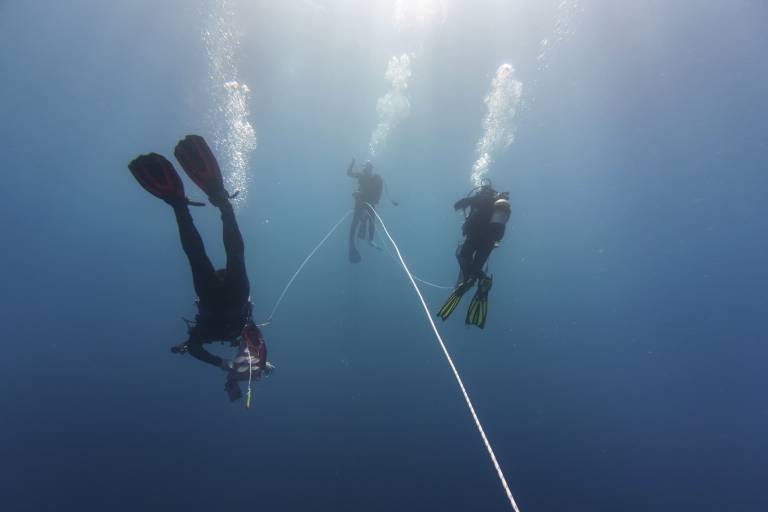
"caption": "During recent blue-water scuba diving operations, MBARI researchers observed gelatinous animals that typically live in tropical waters and were brought north into Central California by El Niño. Warm ocean temperatures from El Niño have reached Monterey Bay. Scientists say the shift in ocean temperatures could threaten local species and kelp forests.",
"credit": "Courtesy of Lena Vincent/MBARI",
"altTag": null,
"description": null,
"imgSizes": {
"thumbnail": {
"file": "https://cdn.kqed.org/wp-content/uploads/sites/35/2026/11/261102-El-Nino-Monterey-09-KQED-028650c2-160x107.jpg",
"width": 160,
"height": 107,
"mimeType": "image/jpeg"
},
"medium_large": {
"file": "https://cdn.kqed.org/wp-content/uploads/sites/35/2026/11/261102-El-Nino-Monterey-09-KQED-028650c2-768x512.jpg",
"width": 768,
"height": 512,
"mimeType": "image/jpeg"
},
"1536x1536": {
"file": "https://cdn.kqed.org/wp-content/uploads/sites/35/2026/11/261102-El-Nino-Monterey-09-KQED-028650c2-1536x1024.jpg",
"width": 1536,
"height": 1024,
"mimeType": "image/jpeg"
},
"post-thumbnail": {
"file": "https://cdn.kqed.org/wp-content/uploads/sites/35/2026/11/261102-El-Nino-Monterey-09-KQED-028650c2-672x372.jpg",
"width": 672,
"height": 372,
"mimeType": "image/jpeg"
},
"twentyfourteen-full-width": {
"file": "https://cdn.kqed.org/wp-content/uploads/sites/35/2026/11/261102-El-Nino-Monterey-09-KQED-028650c2-1038x576.jpg",
"width": 1038,
"height": 576,
"mimeType": "image/jpeg"
},
"npr-cds-wide": {
"file": "https://cdn.kqed.org/wp-content/uploads/sites/35/2026/11/261102-El-Nino-Monterey-09-KQED-028650c2-1200x675.jpg",
"width": 1200,
"height": 675,
"mimeType": "image/jpeg"
},
"npr-cds-square": {
"file": "https://cdn.kqed.org/wp-content/uploads/sites/35/2026/11/261102-El-Nino-Monterey-09-KQED-028650c2-600x600.jpg",
"width": 600,
"height": 600,
"mimeType": "image/jpeg"
},
"kqedFullSize": {
"file": "https://cdn.kqed.org/wp-content/uploads/sites/35/2026/11/261102-El-Nino-Monterey-09-KQED-028650c2.jpg",
"width": 2000,
"height": 1333
}
},
"isLoading": false,
"fetchFailed": false
},
"science_2002450": {
"type": "attachments",
"id": "science_2002450",
"meta": {
"index": "attachments_1716263798",
"site": "science",
"id": "2002450",
"found": true
},
"title": "261026-OCEANMOTION-NG-42-KQED",
"publishDate": 1793293093,
"status": "inherit",
"parent": 0,
"modified": 1793293182,
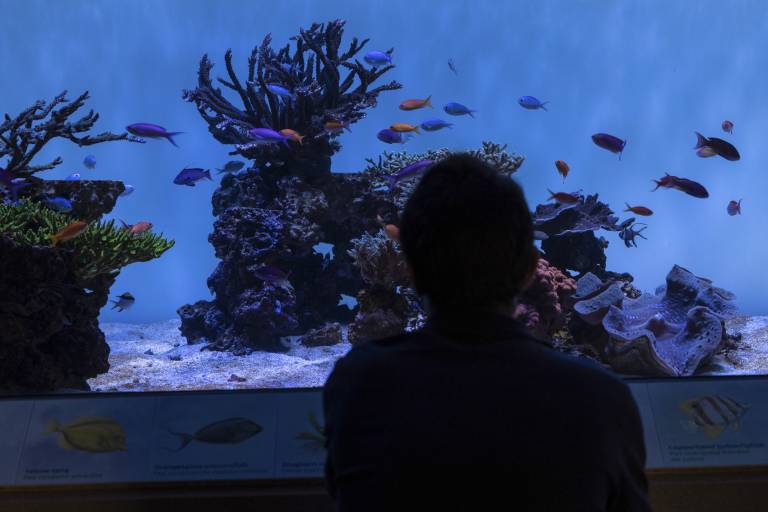
"caption": "The coral reef community in the new Ocean in Motion / La Danza del Mar exhibit at the Monterey Bay Aquarium in Monterey on Oct. 26, 2026.",
"credit": "Nina Glick/KQED",
"altTag": null,
"description": null,
"imgSizes": {
"thumbnail": {
"file": "https://cdn.kqed.org/wp-content/uploads/sites/35/2026/10/261026-OCEANMOTION-NG-42-KQED-0fd10596-160x107.jpg",
"width": 160,
"height": 107,
"mimeType": "image/jpeg"
},
"medium_large": {
"file": "https://cdn.kqed.org/wp-content/uploads/sites/35/2026/10/261026-OCEANMOTION-NG-42-KQED-0fd10596-768x512.jpg",
"width": 768,
"height": 512,
"mimeType": "image/jpeg"
},
"1536x1536": {
"file": "https://cdn.kqed.org/wp-content/uploads/sites/35/2026/10/261026-OCEANMOTION-NG-42-KQED-0fd10596-1536x1024.jpg",
"width": 1536,
"height": 1024,
"mimeType": "image/jpeg"
},
"post-thumbnail": {
"file": "https://cdn.kqed.org/wp-content/uploads/sites/35/2026/10/261026-OCEANMOTION-NG-42-KQED-0fd10596-672x372.jpg",
"width": 672,
"height": 372,
"mimeType": "image/jpeg"
},
"twentyfourteen-full-width": {
"file": "https://cdn.kqed.org/wp-content/uploads/sites/35/2026/10/261026-OCEANMOTION-NG-42-KQED-0fd10596-1038x576.jpg",
"width": 1038,
"height": 576,
"mimeType": "image/jpeg"
},
"npr-cds-wide": {
"file": "https://cdn.kqed.org/wp-content/uploads/sites/35/2026/10/261026-OCEANMOTION-NG-42-KQED-0fd10596-1200x675.jpg",
"width": 1200,
"height": 675,
"mimeType": "image/jpeg"
},
"npr-cds-square": {
"file": "https://cdn.kqed.org/wp-content/uploads/sites/35/2026/10/261026-OCEANMOTION-NG-42-KQED-0fd10596-600x600.jpg",
"width": 600,
"height": 600,
"mimeType": "image/jpeg"
},
"kqedFullSize": {
"file": "https://cdn.kqed.org/wp-content/uploads/sites/35/2026/10/261026-OCEANMOTION-NG-42-KQED-0fd10596.jpg",
"width": 2000,
"height": 1333
}
},
"isLoading": false,
"fetchFailed": false
},
"science_2002356": {
"type": "attachments",
"id": "science_2002356",
"meta": {
"index": "attachments_1716263798",
"site": "science",
"id": "2002356",
"found": true
},
"title": "KelvinWaveSoCalGetty",
"publishDate": 1792185986,
"status": "inherit",
"parent": 2002352,
"modified": 1792189612,
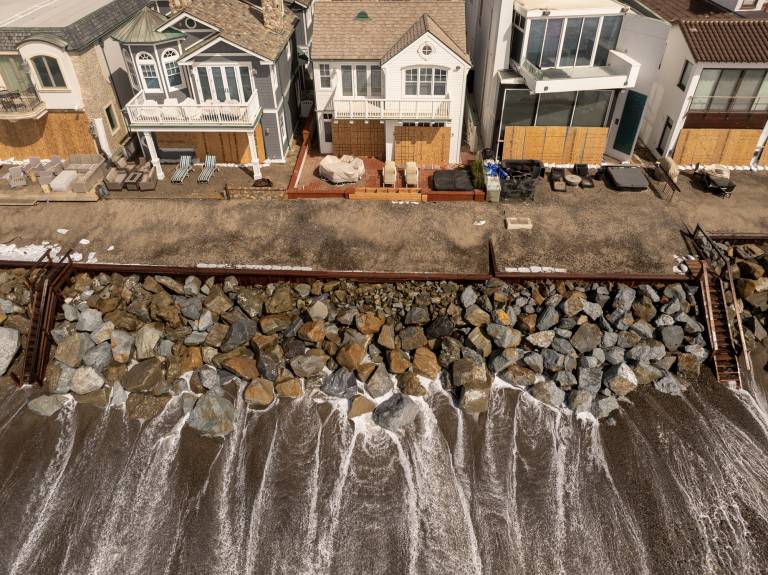
"caption": "In an aerial view, wave-damaged homes are boarded up as a powerful ocean surge and very high tides generated by Tropical Storm Rachel batter the Southern California coastline on Oct. 11, 2026, in the Capistrano Beach community of Dana Point, California.",
"credit": "David McNew/Getty Images",
"altTag": null,
"description": null,
"imgSizes": {
"thumbnail": {
"file": "https://cdn.kqed.org/wp-content/uploads/sites/35/2026/10/KelvinWaveSoCalGetty-7c572e43-160x120.jpg",
"width": 160,
"height": 120,
"mimeType": "image/jpeg"
},
"medium_large": {
"file": "https://cdn.kqed.org/wp-content/uploads/sites/35/2026/10/KelvinWaveSoCalGetty-7c572e43-768x575.jpg",
"width": 768,
"height": 575,
"mimeType": "image/jpeg"
},
"1536x1536": {
"file": "https://cdn.kqed.org/wp-content/uploads/sites/35/2026/10/KelvinWaveSoCalGetty-7c572e43-1536x1150.jpg",
"width": 1536,
"height": 1150,
"mimeType": "image/jpeg"
},
"post-thumbnail": {
"file": "https://cdn.kqed.org/wp-content/uploads/sites/35/2026/10/KelvinWaveSoCalGetty-7c572e43-672x372.jpg",
"width": 672,
"height": 372,
"mimeType": "image/jpeg"
},
"twentyfourteen-full-width": {
"file": "https://cdn.kqed.org/wp-content/uploads/sites/35/2026/10/KelvinWaveSoCalGetty-7c572e43-1038x576.jpg",
"width": 1038,
"height": 576,
"mimeType": "image/jpeg"
},
"npr-cds-wide": {
"file": "https://cdn.kqed.org/wp-content/uploads/sites/35/2026/10/KelvinWaveSoCalGetty-7c572e43-1200x675.jpg",
"width": 1200,
"height": 675,
"mimeType": "image/jpeg"
},
"npr-cds-square": {
"file": "https://cdn.kqed.org/wp-content/uploads/sites/35/2026/10/KelvinWaveSoCalGetty-7c572e43-600x600.jpg",
"width": 600,
"height": 600,
"mimeType": "image/jpeg"
},
"kqedFullSize": {
"file": "https://cdn.kqed.org/wp-content/uploads/sites/35/2026/10/KelvinWaveSoCalGetty-7c572e43.jpg",
"width": 2000,
"height": 1497
}
},
"isLoading": false,
"fetchFailed": false
},
"science_2002331": {
"type": "attachments",
"id": "science_2002331",
"meta": {
"index": "attachments_1716263798",
"site": "science",
"id": "2002331",
"found": true
},
"title": "BleachedCoral1",
"publishDate": 1792014100,
"status": "inherit",
"parent": 2002324,
"modified": 1792015268,
"caption": "Two coral colonies, one sick (pale) and one healthy, touch in a Stanford experiment showing that bleaching can be reversed when a thriving clone shares beneficial algae via contact.",
"credit": "Courtesy of Dan Griffin/GG Films",
"altTag": null,
"description": null,
"imgSizes": {
"thumbnail": {
"file": "https://cdn.kqed.org/wp-content/uploads/sites/35/2026/10/BleachedCoral1-ee610792-160x107.jpg",
"width": 160,
"height": 107,
"mimeType": "image/jpeg"
},
"medium_large": {
"file": "https://cdn.kqed.org/wp-content/uploads/sites/35/2026/10/BleachedCoral1-ee610792-768x512.jpg",
"width": 768,
"height": 512,
"mimeType": "image/jpeg"
},
"1536x1536": {
"file": "https://cdn.kqed.org/wp-content/uploads/sites/35/2026/10/BleachedCoral1-ee610792-1536x1024.jpg",
"width": 1536,
"height": 1024,
"mimeType": "image/jpeg"
},
"post-thumbnail": {
"file": "https://cdn.kqed.org/wp-content/uploads/sites/35/2026/10/BleachedCoral1-ee610792-672x372.jpg",
"width": 672,
"height": 372,
"mimeType": "image/jpeg"
},
"twentyfourteen-full-width": {
"file": "https://cdn.kqed.org/wp-content/uploads/sites/35/2026/10/BleachedCoral1-ee610792-1038x576.jpg",
"width": 1038,
"height": 576,
"mimeType": "image/jpeg"
},
"npr-cds-wide": {
"file": "https://cdn.kqed.org/wp-content/uploads/sites/35/2026/10/BleachedCoral1-ee610792-1200x675.jpg",
"width": 1200,
"height": 675,
"mimeType": "image/jpeg"
},
"npr-cds-square": {
"file": "https://cdn.kqed.org/wp-content/uploads/sites/35/2026/10/BleachedCoral1-ee610792-600x600.jpg",
"width": 600,
"height": 600,
"mimeType": "image/jpeg"
},
"kqedFullSize": {
"file": "https://cdn.kqed.org/wp-content/uploads/sites/35/2026/10/BleachedCoral1-ee610792.jpg",
"width": 2000,
"height": 1333
}
},
"isLoading": false,
"fetchFailed": false
},
"science_1982380": {
"type": "attachments",
"id": "science_1982380",
"meta": {
"index": "attachments_1716263798",
"site": "science",
"id": "1982380",
"found": true
},
"title": "US-CLIMATE-WEATHER-FLOOD",
"publishDate": 1682101079,
"status": "inherit",
"parent": 1979603,
"modified": 1791581709,
"caption": "An aerial picture taken on Jan. 3, 2022, shows an intersection completely flooded with ocean water during the \"King Tide\" in Mill Valley, California. \"King Tides\" occur when the Earth, moon and sun align in orbit to produce unusually high water levels and can cause local tidal flooding. Over time, sea level rise is raising the height of tidal systems. ",
"credit": "Josh Edelson/AFP via Getty Images",
"altTag": null,
"description": null,
"imgSizes": {
"medium": {
"file": "https://cdn.kqed.org/wp-content/uploads/sites/35/2028/06/GettyImages-1237523011-1-800x501.jpg",
"width": 800,
"height": 501,
"mimeType": "image/jpeg"
},
"large": {
"file": "https://cdn.kqed.org/wp-content/uploads/sites/35/2028/06/GettyImages-1237523011-1-1020x638.jpg",
"width": 1020,
"height": 638,
"mimeType": "image/jpeg"
},
"thumbnail": {
"file": "https://cdn.kqed.org/wp-content/uploads/sites/35/2028/06/GettyImages-1237523011-1-160x100.jpg",
"width": 160,
"height": 100,
"mimeType": "image/jpeg"
},
"medium_large": {
"file": "https://cdn.kqed.org/wp-content/uploads/sites/35/2028/06/GettyImages-1237523011-1-768x481.jpg",
"width": 768,
"height": 481,
"mimeType": "image/jpeg"
},
"post-thumbnail": {
"file": "https://cdn.kqed.org/wp-content/uploads/sites/35/2028/06/GettyImages-1237523011-1-672x372.jpg",
"width": 672,
"height": 372,
"mimeType": "image/jpeg"
},
"twentyfourteen-full-width": {
"file": "https://cdn.kqed.org/wp-content/uploads/sites/35/2028/06/GettyImages-1237523011-1-1024x576.jpg",
"width": 1024,
"height": 576,
"mimeType": "image/jpeg"
},
"kqedFullSize": {
"file": "https://cdn.kqed.org/wp-content/uploads/sites/35/2028/06/GettyImages-1237523011-1.jpg",
"width": 1024,
"height": 641
}
},
"isLoading": false,
"fetchFailed": false
},
"science_2001058": {
"type": "attachments",
"id": "science_2001058",
"meta": {
"index": "attachments_1716263798",
"site": "science",
"id": "2001058",
"found": true
},
"title": "260519-MarineHeatwave-29-BL_qed",
"publishDate": 1779471827,
"status": "inherit",
"parent": 0,
"modified": 1779471846,
"caption": "Visitors look at the Kelp Forest exhibit at the Monterey Bay Aquarium in Monterey on May 19, 2026, modeled after the kelp forests found along the Monterey Bay coast.",
"credit": "Beth LaBerge/KQED",
"altTag": null,
"description": null,
"imgSizes": {
"thumbnail": {
"file": "https://cdn.kqed.org/wp-content/uploads/sites/35/2026/05/260519-MarineHeatwave-29-BL_qed-160x107.jpg",
"width": 160,
"height": 107,
"mimeType": "image/jpeg"
},
"medium_large": {
"file": "https://cdn.kqed.org/wp-content/uploads/sites/35/2026/05/260519-MarineHeatwave-29-BL_qed-768x512.jpg",
"width": 768,
"height": 512,
"mimeType": "image/jpeg"
},
"1536x1536": {
"file": "https://cdn.kqed.org/wp-content/uploads/sites/35/2026/05/260519-MarineHeatwave-29-BL_qed-1536x1024.jpg",
"width": 1536,
"height": 1024,
"mimeType": "image/jpeg"
},
"post-thumbnail": {
"file": "https://cdn.kqed.org/wp-content/uploads/sites/35/2026/05/260519-MarineHeatwave-29-BL_qed-672x372.jpg",
"width": 672,
"height": 372,
"mimeType": "image/jpeg"
},
"twentyfourteen-full-width": {
"file": "https://cdn.kqed.org/wp-content/uploads/sites/35/2026/05/260519-MarineHeatwave-29-BL_qed-1038x576.jpg",
"width": 1038,
"height": 576,
"mimeType": "image/jpeg"
},
"npr-cds-wide": {
"file": "https://cdn.kqed.org/wp-content/uploads/sites/35/2026/05/260519-MarineHeatwave-29-BL_qed-1200x675.jpg",
"width": 1200,
"height": 675,
"mimeType": "image/jpeg"
},
"npr-cds-square": {
"file": "https://cdn.kqed.org/wp-content/uploads/sites/35/2026/05/260519-MarineHeatwave-29-BL_qed-600x600.jpg",
"width": 600,
"height": 600,
"mimeType": "image/jpeg"
},
"kqedFullSize": {
"file": "https://cdn.kqed.org/wp-content/uploads/sites/35/2026/05/260519-MarineHeatwave-29-BL_qed.jpg",
"width": 2000,
"height": 1333
}
},
"isLoading": false,
"fetchFailed": false
},
"science_2000929": {
"type": "attachments",
"id": "science_2000929",
"meta": {
"index": "attachments_1716263798",
"site": "science",
"id": "2000929",
"found": true
},
"title": "250403-BlueJellies-05-BL_qed",
"publishDate": 1777582774,
"status": "inherit",
"parent": 2000924,
"modified": 1777582782,
"caption": "Thousands of Velella velella, blue jellyfish-like creatures, are scattered along the beach at Aquatic Park in San Francisco on April 3, 2025, after washing up on shore.",
"credit": "Beth LaBerge/KQED",
"altTag": null,
"description": null,
"imgSizes": {
"thumbnail": {
"file": "https://cdn.kqed.org/wp-content/uploads/sites/35/2026/04/250403-BlueJellies-05-BL_qed-160x107.jpg",
"width": 160,
"height": 107,
"mimeType": "image/jpeg"
},
"medium_large": {
"file": "https://cdn.kqed.org/wp-content/uploads/sites/35/2026/04/250403-BlueJellies-05-BL_qed-768x512.jpg",
"width": 768,
"height": 512,
"mimeType": "image/jpeg"
},
"1536x1536": {
"file": "https://cdn.kqed.org/wp-content/uploads/sites/35/2026/04/250403-BlueJellies-05-BL_qed-1536x1024.jpg",
"width": 1536,
"height": 1024,
"mimeType": "image/jpeg"
},
"post-thumbnail": {
"file": "https://cdn.kqed.org/wp-content/uploads/sites/35/2026/04/250403-BlueJellies-05-BL_qed-672x372.jpg",
"width": 672,
"height": 372,
"mimeType": "image/jpeg"
},
"twentyfourteen-full-width": {
"file": "https://cdn.kqed.org/wp-content/uploads/sites/35/2026/04/250403-BlueJellies-05-BL_qed-1038x576.jpg",
"width": 1038,
"height": 576,
"mimeType": "image/jpeg"
},
"npr-cds-wide": {
"file": "https://cdn.kqed.org/wp-content/uploads/sites/35/2026/04/250403-BlueJellies-05-BL_qed-1200x675.jpg",
"width": 1200,
"height": 675,
"mimeType": "image/jpeg"
},
"npr-cds-square": {
"file": "https://cdn.kqed.org/wp-content/uploads/sites/35/2026/04/250403-BlueJellies-05-BL_qed-600x600.jpg",
"width": 600,
"height": 600,
"mimeType": "image/jpeg"
},
"kqedFullSize": {
"file": "https://cdn.kqed.org/wp-content/uploads/sites/35/2026/04/250403-BlueJellies-05-BL_qed.jpg",
"width": 1999,
"height": 1333
}
},
"isLoading": false,
"fetchFailed": false
},
"science_2000214": {
"type": "attachments",
"id": "science_2000214",
"meta": {
"index": "attachments_1716263798",
"site": "science",
"id": "2000214",
"found": true
},
"title": "FL2605",
"publishDate": 1772131640,
"status": "inherit",
"parent": 2000206,
"modified": 1772131769,
"caption": "A researcher collects a nasal swab sample from a symptomatic elephant seal-weaned pup for avian influenza testing. ",
"credit": "Courtesy of Frans Lanting for the Beltran Lab/UC Santa Cruz",
"altTag": null,
"description": null,
"imgSizes": {
"thumbnail": {
"file": "https://cdn.kqed.org/wp-content/uploads/sites/35/2026/02/SwabFar__AnoNuevo_Feb242026_Frans-Lanting-for-Beltran-Lab-UC-Santa-Cruz-NMFS-permit-28742-160x107.jpg",
"width": 160,
"height": 107,
"mimeType": "image/jpeg"
},
"medium_large": {
"file": "https://cdn.kqed.org/wp-content/uploads/sites/35/2026/02/SwabFar__AnoNuevo_Feb242026_Frans-Lanting-for-Beltran-Lab-UC-Santa-Cruz-NMFS-permit-28742-768x512.jpg",
"width": 768,
"height": 512,
"mimeType": "image/jpeg"
},
"1536x1536": {
"file": "https://cdn.kqed.org/wp-content/uploads/sites/35/2026/02/SwabFar__AnoNuevo_Feb242026_Frans-Lanting-for-Beltran-Lab-UC-Santa-Cruz-NMFS-permit-28742-1536x1024.jpg",
"width": 1536,
"height": 1024,
"mimeType": "image/jpeg"
},
"post-thumbnail": {
"file": "https://cdn.kqed.org/wp-content/uploads/sites/35/2026/02/SwabFar__AnoNuevo_Feb242026_Frans-Lanting-for-Beltran-Lab-UC-Santa-Cruz-NMFS-permit-28742-672x372.jpg",
"width": 672,
"height": 372,
"mimeType": "image/jpeg"
},
"twentyfourteen-full-width": {
"file": "https://cdn.kqed.org/wp-content/uploads/sites/35/2026/02/SwabFar__AnoNuevo_Feb242026_Frans-Lanting-for-Beltran-Lab-UC-Santa-Cruz-NMFS-permit-28742-1038x576.jpg",
"width": 1038,
"height": 576,
"mimeType": "image/jpeg"
},
"npr-cds-wide": {
"file": "https://cdn.kqed.org/wp-content/uploads/sites/35/2026/02/SwabFar__AnoNuevo_Feb242026_Frans-Lanting-for-Beltran-Lab-UC-Santa-Cruz-NMFS-permit-28742-1200x675.jpg",
"width": 1200,
"height": 675,
"mimeType": "image/jpeg"
},
"kqedFullSize": {
"file": "https://cdn.kqed.org/wp-content/uploads/sites/35/2026/02/SwabFar__AnoNuevo_Feb242026_Frans-Lanting-for-Beltran-Lab-UC-Santa-Cruz-NMFS-permit-28742.jpg",
"width": 2000,
"height": 1333
}
},
"isLoading": false,
"fetchFailed": false
},
"science_1999471": {
"type": "attachments",
"id": "science_1999471",
"meta": {
"index": "attachments_1716263798",
"site": "science",
"id": "1999471",
"found": true
},
"title": "241213-PortFlood-81_qed",
"publishDate": 1764718788,
"status": "inherit",
"parent": 1999461,
"modified": 1764718795,
"caption": "People walk along the Embarcadero during a high king tide in San Francisco on Dec. 13, 2024.",
"credit": "Beth LaBerge/KQED",
"altTag": null,
"description": null,
"imgSizes": {
"thumbnail": {
"file": "https://cdn.kqed.org/wp-content/uploads/sites/35/2025/12/241213-PortFlood-81_qed-160x107.jpg",
"width": 160,
"height": 107,
"mimeType": "image/jpeg"
},
"medium_large": {
"file": "https://cdn.kqed.org/wp-content/uploads/sites/35/2025/12/241213-PortFlood-81_qed-768x512.jpg",
"width": 768,
"height": 512,
"mimeType": "image/jpeg"
},
"1536x1536": {
"file": "https://cdn.kqed.org/wp-content/uploads/sites/35/2025/12/241213-PortFlood-81_qed-1536x1024.jpg",
"width": 1536,
"height": 1024,
"mimeType": "image/jpeg"
},
"post-thumbnail": {
"file": "https://cdn.kqed.org/wp-content/uploads/sites/35/2025/12/241213-PortFlood-81_qed-672x372.jpg",
"width": 672,
"height": 372,
"mimeType": "image/jpeg"
},
"twentyfourteen-full-width": {
"file": "https://cdn.kqed.org/wp-content/uploads/sites/35/2025/12/241213-PortFlood-81_qed-1038x576.jpg",
"width": 1038,
"height": 576,
"mimeType": "image/jpeg"
},
"npr-cds-wide": {
"file": "https://cdn.kqed.org/wp-content/uploads/sites/35/2025/12/241213-PortFlood-81_qed-1200x675.jpg",
"width": 1200,
"height": 675,
"mimeType": "image/jpeg"
},
"kqedFullSize": {
"file": "https://cdn.kqed.org/wp-content/uploads/sites/35/2025/12/241213-PortFlood-81_qed.jpg",
"width": 1999,
"height": 1333
}
},
"isLoading": false,
"fetchFailed": false
},
"science_1999371": {
"type": "attachments",
"id": "science_1999371",
"meta": {
"index": "attachments_1716263798",
"site": "science",
"id": "1999371",
"found": true
},
"title": "Alaska Refuge Road",
"publishDate": 1763681153,
"status": "inherit",
"parent": 1999366,
"modified": 1763681176,
"caption": "Interior Secretary Doug Burgum speaks during the annual Alaska Sustainable Energy Conference on June 3, 2025, in Anchorage, Alaska. ",
"credit": "Jenny Kane/AP Photo",
"altTag": null,
"description": null,
"imgSizes": {
"thumbnail": {
"file": "https://cdn.kqed.org/wp-content/uploads/sites/35/2025/11/DougBurgumAP-160x107.jpg",
"width": 160,
"height": 107,
"mimeType": "image/jpeg"
},
"medium_large": {
"file": "https://cdn.kqed.org/wp-content/uploads/sites/35/2025/11/DougBurgumAP-768x512.jpg",
"width": 768,
"height": 512,
"mimeType": "image/jpeg"
},
"1536x1536": {
"file": "https://cdn.kqed.org/wp-content/uploads/sites/35/2025/11/DougBurgumAP-1536x1024.jpg",
"width": 1536,
"height": 1024,
"mimeType": "image/jpeg"
},
"post-thumbnail": {
"file": "https://cdn.kqed.org/wp-content/uploads/sites/35/2025/11/DougBurgumAP-672x372.jpg",
"width": 672,
"height": 372,
"mimeType": "image/jpeg"
},
"twentyfourteen-full-width": {
"file": "https://cdn.kqed.org/wp-content/uploads/sites/35/2025/11/DougBurgumAP-1038x576.jpg",
"width": 1038,
"height": 576,
"mimeType": "image/jpeg"
},
"npr-cds-wide": {
"file": "https://cdn.kqed.org/wp-content/uploads/sites/35/2025/11/DougBurgumAP-1200x675.jpg",
"width": 1200,
"height": 675,
"mimeType": "image/jpeg"
},
"kqedFullSize": {
"file": "https://cdn.kqed.org/wp-content/uploads/sites/35/2025/11/DougBurgumAP.jpg",
"width": 2000,
"height": 1333
}
},
"isLoading": false,
"fetchFailed": false
},
"science_1994528": {
"type": "attachments",
"id": "science_1994528",
"meta": {
"index": "attachments_1716263798",
"site": "science",
"id": "1994528",
"found": true
},
"title": "004_KQED_BayviewBloodTesting_02252022_qed",
"publishDate": 1727370525,
"status": "inherit",
"parent": 1994526,
"modified": 1727370538,
"caption": "A view of the former Hunters Point Naval Shipyard from the Lennar at the Shipyard housing development on Feb. 25, 2022.",
"credit": "Beth LaBerge/KQED",
"altTag": null,
"description": null,
"imgSizes": {
"medium": {
"file": "https://cdn.kqed.org/wp-content/uploads/sites/35/2024/09/004_KQED_BayviewBloodTesting_02252022_qed-800x533.jpg",
"width": 800,
"height": 533,
"mimeType": "image/jpeg"
},
"large": {
"file": "https://cdn.kqed.org/wp-content/uploads/sites/35/2024/09/004_KQED_BayviewBloodTesting_02252022_qed-1020x680.jpg",
"width": 1020,
"height": 680,
"mimeType": "image/jpeg"
},
"thumbnail": {
"file": "https://cdn.kqed.org/wp-content/uploads/sites/35/2024/09/004_KQED_BayviewBloodTesting_02252022_qed-160x107.jpg",
"width": 160,
"height": 107,
"mimeType": "image/jpeg"
},
"medium_large": {
"file": "https://cdn.kqed.org/wp-content/uploads/sites/35/2024/09/004_KQED_BayviewBloodTesting_02252022_qed-768x512.jpg",
"width": 768,
"height": 512,
"mimeType": "image/jpeg"
},
"1536x1536": {
"file": "https://cdn.kqed.org/wp-content/uploads/sites/35/2024/09/004_KQED_BayviewBloodTesting_02252022_qed-1536x1024.jpg",
"width": 1536,
"height": 1024,
"mimeType": "image/jpeg"
},
"post-thumbnail": {
"file": "https://cdn.kqed.org/wp-content/uploads/sites/35/2024/09/004_KQED_BayviewBloodTesting_02252022_qed-672x372.jpg",
"width": 672,
"height": 372,
"mimeType": "image/jpeg"
},
"twentyfourteen-full-width": {
"file": "https://cdn.kqed.org/wp-content/uploads/sites/35/2024/09/004_KQED_BayviewBloodTesting_02252022_qed-1038x576.jpg",
"width": 1038,
"height": 576,
"mimeType": "image/jpeg"
},
"full-width": {
"file": "https://cdn.kqed.org/wp-content/uploads/sites/35/2024/09/004_KQED_BayviewBloodTesting_02252022_qed-1920x1280.jpg",
"width": 1920,
"height": 1280,
"mimeType": "image/jpeg"
},
"kqedFullSize": {
"file": "https://cdn.kqed.org/wp-content/uploads/sites/35/2024/09/004_KQED_BayviewBloodTesting_02252022_qed.jpg",
"width": 2000,
"height": 1333
}
},
"isLoading": false,
"fetchFailed": false
},
"science_1936848": {
"type": "attachments",
"id": "science_1936848",
"meta": {
"index": "attachments_1716263798",
"site": "science",
"id": "1936848",
"found": true
},
"parent": 1935067,
"imgSizes": {
"small": {
"file": "https://ww2.kqed.org/app/uploads/sites/35/2019/01/ARstormcurrent-520x244.gif",
"width": 520,
"mimeType": "image/gif",
"height": 244
},
"thumbnail": {
"file": "https://ww2.kqed.org/app/uploads/sites/35/2019/01/ARstormcurrent-160x75.gif",
"width": 160,
"mimeType": "image/gif",
"height": 75
},
"fd-sm": {
"file": "https://ww2.kqed.org/app/uploads/sites/35/2019/01/ARstormcurrent-960x451.gif",
"width": 960,
"mimeType": "image/gif",
"height": 451
},
"post-thumbnail": {
"file": "https://ww2.kqed.org/app/uploads/sites/35/2019/01/ARstormcurrent-672x372.gif",
"width": 672,
"mimeType": "image/gif",
"height": 372
},
"xsmall": {
"file": "https://ww2.kqed.org/app/uploads/sites/35/2019/01/ARstormcurrent-375x176.gif",
"width": 375,
"mimeType": "image/gif",
"height": 176
},
"kqedFullSize": {
"file": "https://ww2.kqed.org/app/uploads/sites/35/2019/01/ARstormcurrent.gif",
"width": 1000,
"height": 470
},
"guest-author-50": {
"file": "https://ww2.kqed.org/app/uploads/sites/35/2019/01/ARstormcurrent-50x50.gif",
"width": 50,
"mimeType": "image/gif",
"height": 50
},
"guest-author-96": {
"file": "https://ww2.kqed.org/app/uploads/sites/35/2019/01/ARstormcurrent-96x96.gif",
"width": 96,
"mimeType": "image/gif",
"height": 96
},
"medium": {
"file": "https://ww2.kqed.org/app/uploads/sites/35/2019/01/ARstormcurrent-800x376.gif",
"width": 800,
"mimeType": "image/gif",
"height": 376
},
"guest-author-64": {
"file": "https://ww2.kqed.org/app/uploads/sites/35/2019/01/ARstormcurrent-64x64.gif",
"width": 64,
"mimeType": "image/gif",
"height": 64
},
"guest-author-32": {
"file": "https://ww2.kqed.org/app/uploads/sites/35/2019/01/ARstormcurrent-32x32.gif",
"width": 32,
"mimeType": "image/gif",
"height": 32
},
"detail": {
"file": "https://ww2.kqed.org/app/uploads/sites/35/2019/01/ARstormcurrent-150x150.gif",
"width": 150,
"mimeType": "image/gif",
"height": 150
},
"medium_large": {
"file": "https://ww2.kqed.org/app/uploads/sites/35/2019/01/ARstormcurrent-768x361.gif",
"width": 768,
"mimeType": "image/gif",
"height": 361
},
"guest-author-128": {
"file": "https://ww2.kqed.org/app/uploads/sites/35/2019/01/ARstormcurrent-128x128.gif",
"width": 128,
"mimeType": "image/gif",
"height": 128
},
"xxsmall": {
"file": "https://ww2.kqed.org/app/uploads/sites/35/2019/01/ARstormcurrent-240x113.gif",
"width": 240,
"mimeType": "image/gif",
"height": 113
}
},
"publishDate": 1547666355,
"modified": 1547666506,
"caption": "Total precipitable water from Morphed Integrated Microwave Imagery at Cooperative Institute for Meteorological Satellite Studies.",
"description": null,
"title": "ARstormcurrent",
"credit": "Center for Western Weather and Water Extremes",
"status": "inherit",
"isLoading": false,
"fetchFailed": false
},
"science_1977202": {
"type": "attachments",
"id": "science_1977202",
"meta": {
"index": "attachments_1716263798",
"site": "science",
"id": "1977202",
"found": true
},
"parent": 1935067,
"imgSizes": {
"thumbnail": {
"file": "https://ww2.kqed.org/app/uploads/sites/35/2019/01/atmosphericrivers-160x76.png",
"width": 160,
"mimeType": "image/png",
"height": 76
},
"post-thumbnail": {
"file": "https://ww2.kqed.org/app/uploads/sites/35/2019/01/atmosphericrivers-672x372.png",
"width": 672,
"mimeType": "image/png",
"height": 372
},
"kqedFullSize": {
"file": "https://ww2.kqed.org/app/uploads/sites/35/2019/01/atmosphericrivers.png",
"width": 998,
"height": 471
},
"medium": {
"file": "https://ww2.kqed.org/app/uploads/sites/35/2019/01/atmosphericrivers-800x378.png",
"width": 800,
"mimeType": "image/png",
"height": 378
},
"medium_large": {
"file": "https://ww2.kqed.org/app/uploads/sites/35/2019/01/atmosphericrivers-768x362.png",
"width": 768,
"mimeType": "image/png",
"height": 362
}
},
"publishDate": 1634754133,
"modified": 1634754153,
"caption": null,
"description": null,
"title": "Atmospheric Rivers",
"credit": null,
"status": "inherit",
"altTag": "Atmospheric Rivers",
"isLoading": false,
"fetchFailed": false
}
},
"audioPlayerReducer": {
"postId": "stream_live",
"isPaused": true,
"isPlaying": false,
"pfsActive": false,
"pledgeModalIsOpen": true,
"playerDrawerIsOpen": false,
"liveAudioPlayStartedAt": 0,
"liveAudioPlayContext": ""
},
"authorsReducer": {
"dventon": {
"type": "authors",
"id": "11088",
"meta": {
"index": "authors_1716337520",
"id": "11088",
"found": true
},
"name": "Danielle Venton",
"firstName": "Danielle",
"lastName": "Venton",
"slug": "dventon",
"email": "dventon@kqed.org",
"display_author_email": true,
"staff_mastheads": [
"science"
],
"title": "Science reporter",
"bio": "Danielle Venton is a reporter for KQED Science. She covers wildfires, space and oceans (though she is prone to sea sickness).\r\n\r\nBefore joining KQED in 2015, Danielle was a staff reporter at KRCB in Sonoma County and a freelancer. She studied science communication at UC Santa Cruz and formerly worked at CERN in Geneva, Switzerland where she wrote about computing. She lives in Sonoma County and enjoys backpacking.",
"avatar": "https://secure.gravatar.com/avatar/37b292b5c40c8d93959c4f48d73b5286f41b7abd8588277e941905a3ed4c801c?s=600&d=blank&r=g",
"twitter": "DanielleVenton",
"bluesky": null,
"facebook": null,
"instagram": null,
"linkedin": null,
"sites": [
{
"site": "arts",
"roles": [
"contributor"
]
},
{
"site": "news",
"roles": [
"editor"
]
},
{
"site": "futureofyou",
"roles": [
"editor"
]
},
{
"site": "science",
"roles": [
"editor"
]
},
{
"site": "liveblog",
"roles": [
"contributor"
]
}
],
"headData": {
"title": "Danielle Venton | KQED",
"description": "Science reporter",
"ogImgSrc": "https://secure.gravatar.com/avatar/37b292b5c40c8d93959c4f48d73b5286f41b7abd8588277e941905a3ed4c801c?s=600&d=blank&r=g",
"twImgSrc": "https://secure.gravatar.com/avatar/37b292b5c40c8d93959c4f48d73b5286f41b7abd8588277e941905a3ed4c801c?s=600&d=blank&r=g"
},
"isLoading": false,
"link": "/author/dventon"
},
"parcuni": {
"type": "authors",
"id": "11368",
"meta": {
"index": "authors_1716337520",
"id": "11368",
"found": true
},
"name": "Peter Arcuni",
"firstName": "Peter",
"lastName": "Arcuni",
"slug": "parcuni",
"email": "parcuni@KQED.org",
"display_author_email": false,
"staff_mastheads": [
"science"
],
"title": "Reporter",
"bio": "Peter reports radio and online stories for \u003cem>KQED Science\u003c/em>. His work has also appeared on the \u003cem>The California Report\u003c/em> morning show and \u003cem>KQED News\u003c/em>. His production credits include \u003cem>The California Report, The California Report Magazine\u003c/em> and KQED's local news podcast \u003cem>The Bay\u003c/em>. Other credits include NPR's \u003cem>All Things Considered\u003c/em>, WNYC's \u003cem>Science Friday\u003c/em>, WBUR's \u003cem>Here & Now\u003c/em>, WIRED and SFGate. Peter graduated from Brown University and earned a master's degree in journalism from Stanford. He's covered everything from homelessness to wildfires, health, the environment, arts and Thanksgiving in San Quentin prison. In other lives, he played rock n roll music and studied neuroscience. You can email him at: parcuni@kqed.org",
"avatar": "https://secure.gravatar.com/avatar/d5032f6f27199d478af34ad2e1d98732?s=600&d=blank&r=g",
"twitter": "peterarcuni",
"facebook": null,
"instagram": null,
"linkedin": null,
"sites": [
{
"site": "news",
"roles": [
"editor"
]
},
{
"site": "science",
"roles": [
"editor"
]
}
],
"headData": {
"title": "Peter Arcuni | KQED",
"description": "Reporter",
"ogImgSrc": "https://secure.gravatar.com/avatar/d5032f6f27199d478af34ad2e1d98732?s=600&d=blank&r=g",
"twImgSrc": "https://secure.gravatar.com/avatar/d5032f6f27199d478af34ad2e1d98732?s=600&d=blank&r=g"
},
"isLoading": false,
"link": "/author/parcuni"
},
"kevinstark": {
"type": "authors",
"id": "11608",
"meta": {
"index": "authors_1716337520",
"id": "11608",
"found": true
},
"name": "Kevin Stark",
"firstName": "Kevin",
"lastName": "Stark",
"slug": "kevinstark",
"email": "kstark@kqed.org",
"display_author_email": true,
"staff_mastheads": [
"science"
],
"title": "Senior Editor",
"bio": "Kevin is a senior editor for KQED Science, managing the station's health and climate desks. His journalism career began in the Pacific Northwest, and he later became a lead reporter for the San Francisco Public Press. His work has appeared in Pacific Standard magazine, the Energy News Network, the Center for Investigative Reporting's Reveal and WBEZ in Chicago. Kevin joined KQED in 2019, and has covered issues related to energy, wildfire, climate change and the environment.",
"avatar": "https://secure.gravatar.com/avatar/365aaa4b597d3a8374f67504ff0facd323d7906e8eb4be0a7efd2427408e802c?s=600&d=blank&r=g",
"twitter": "starkkev",
"bluesky": null,
"facebook": null,
"instagram": null,
"linkedin": null,
"sites": [
{
"site": "",
"roles": [
"editor"
]
},
{
"site": "news",
"roles": [
"editor"
]
},
{
"site": "science",
"roles": [
"administrator"
]
}
],
"headData": {
"title": "Kevin Stark | KQED",
"description": "Senior Editor",
"ogImgSrc": "https://secure.gravatar.com/avatar/365aaa4b597d3a8374f67504ff0facd323d7906e8eb4be0a7efd2427408e802c?s=600&d=blank&r=g",
"twImgSrc": "https://secure.gravatar.com/avatar/365aaa4b597d3a8374f67504ff0facd323d7906e8eb4be0a7efd2427408e802c?s=600&d=blank&r=g"
},
"isLoading": false,
"link": "/author/kevinstark"
},
"smohamad": {
"type": "authors",
"id": "11631",
"meta": {
"index": "authors_1716337520",
"id": "11631",
"found": true
},
"name": "Sarah Mohamad",
"firstName": "Sarah",
"lastName": "Mohamad",
"slug": "smohamad",
"email": "smohamad@KQED.org",
"display_author_email": true,
"staff_mastheads": [],
"title": "Engagement Producer and Reporter, KQED Science",
"bio": "Sarah Mohamad is an audience engagement reporter and producer for KQED Science. She reports on audience-focused science and environment stories and manages the team's social media, newsletter, and engagement efforts. Prior to this role, she played a key role as project manager for NSF's \u003ca href=\"https://www.kqed.org/crackingthecode\">\u003cem>Cracking the Code: Influencing Millennial Science Engagement\u003c/em> \u003c/a>audience research.",
"avatar": "https://secure.gravatar.com/avatar/e6224957cd82d015183756ddde1f928013a563d7ca2e4565f8c4de1ec64886c5?s=600&d=blank&r=g",
"twitter": "sarahkmohamad",
"bluesky": null,
"facebook": null,
"instagram": null,
"linkedin": null,
"sites": [
{
"site": "",
"roles": [
"editor"
]
},
{
"site": "arts",
"roles": [
"editor"
]
},
{
"site": "news",
"roles": [
"editor"
]
},
{
"site": "about",
"roles": [
"editor"
]
},
{
"site": "science",
"roles": [
"editor"
]
}
],
"headData": {
"title": "Sarah Mohamad | KQED",
"description": "Engagement Producer and Reporter, KQED Science",
"ogImgSrc": "https://secure.gravatar.com/avatar/e6224957cd82d015183756ddde1f928013a563d7ca2e4565f8c4de1ec64886c5?s=600&d=blank&r=g",
"twImgSrc": "https://secure.gravatar.com/avatar/e6224957cd82d015183756ddde1f928013a563d7ca2e4565f8c4de1ec64886c5?s=600&d=blank&r=g"
},
"isLoading": false,
"link": "/author/smohamad"
},
"eromero": {
"type": "authors",
"id": "11746",
"meta": {
"index": "authors_1716337520",
"id": "11746",
"found": true
},
"name": "Ezra David Romero",
"firstName": "Ezra David",
"lastName": "Romero",
"slug": "eromero",
"email": "eromero@kqed.org",
"display_author_email": true,
"staff_mastheads": [
"news",
"science"
],
"title": "Climate Reporter",
"bio": "Ezra David Romero is a climate reporter for KQED News. He covers the absence and excess of water in the Bay Area — think sea level rise, flooding and drought. For nearly a decade he’s covered how warming temperatures are altering the lives of Californians. He’s reported on farmers worried their pistachio trees aren’t getting enough sleep, families desperate for water, scientists studying dying giant sequoias, and alongside firefighters containing wildfires. His work has appeared on local stations across California and nationally on public radio shows like Morning Edition, Here and Now, All Things Considered and Science Friday. ",
"avatar": "https://secure.gravatar.com/avatar/c76404d287c10ed40224227551ac36e24352c7306f106632caf6fead76f8801f?s=600&d=blank&r=g",
"twitter": "ezraromero",
"bluesky": null,
"facebook": null,
"instagram": null,
"linkedin": null,
"sites": [
{
"site": "arts",
"roles": [
"editor"
]
},
{
"site": "news",
"roles": [
"editor"
]
},
{
"site": "science",
"roles": [
"editor"
]
},
{
"site": "liveblog",
"roles": [
"author"
]
}
],
"headData": {
"title": "Ezra David Romero | KQED",
"description": "Climate Reporter",
"ogImgSrc": "https://secure.gravatar.com/avatar/c76404d287c10ed40224227551ac36e24352c7306f106632caf6fead76f8801f?s=600&d=blank&r=g",
"twImgSrc": "https://secure.gravatar.com/avatar/c76404d287c10ed40224227551ac36e24352c7306f106632caf6fead76f8801f?s=600&d=blank&r=g"
},
"isLoading": false,
"link": "/author/eromero"
},
"epeppel": {
"type": "authors",
"id": "11989",
"meta": {
"index": "authors_1716337520",
"id": "11989",
"found": true
},
"name": "Eliza Peppel",
"firstName": "Eliza",
"lastName": "Peppel",
"slug": "epeppel",
"email": "epeppel@kqed.org",
"display_author_email": false,
"staff_mastheads": [],
"title": null,
"bio": "Eliza is an award-winning journalist living in Oakland. She was previously a reporting fellow at KALW, where she reported daily news and long-form radio features. Eliza studied journalism at Fordham University in The Bronx during the COVID-19 pandemic. She grew up mainly in California and spent a few childhood years in Aix en Provence, France.",
"avatar": "https://secure.gravatar.com/avatar/20d9e17a06ee787c11052e6096319dd583b6376233d02383dab5eaeb874d5f56?s=600&d=blank&r=g",
"twitter": null,
"bluesky": null,
"facebook": null,
"instagram": null,
"linkedin": null,
"sites": [
{
"site": "news",
"roles": [
"subscriber"
]
},
{
"site": "science",
"roles": [
"subscriber"
]
}
],
"headData": {
"title": "Eliza Peppel | KQED",
"description": null,
"ogImgSrc": "https://secure.gravatar.com/avatar/20d9e17a06ee787c11052e6096319dd583b6376233d02383dab5eaeb874d5f56?s=600&d=blank&r=g",
"twImgSrc": "https://secure.gravatar.com/avatar/20d9e17a06ee787c11052e6096319dd583b6376233d02383dab5eaeb874d5f56?s=600&d=blank&r=g"
},
"isLoading": false,
"link": "/author/epeppel"
}
},
"pagesReducer": {
"science_category_oceans": {
"type": "terms",
"id": "science_2873",
"meta": {
"index": "terms_1716263798",
"site": "science",
"id": "2873",
"score": 12.939955
},
"featImg": null,
"name": "Oceans",
"description": null,
"taxonomy": "category",
"headData": {
"twImgId": null,
"twTitle": null,
"ogTitle": null,
"ogImgId": null,
"twDescription": null,
"description": null,
"title": "Oceans Archives | KQED Science",
"ogDescription": null
},
"ttid": 2873,
"slug": "oceans",
"isLoading": false,
"title": "Oceans",
"pageMeta": {
"site": "science",
"WpPageTemplate": "page-topic-editorial",
"currentPage": 1
},
"blocks": [
{
"blockName": "kqed/post-list",
"attrs": {
"layout": "cardArticle2",
"query": "posts/science?category=oceans",
"seeMore": false,
"paginated": true,
"page": 1
}
},
{
"blockName": "kqed/ad"
}
]
}
},
"pfsSessionReducer": {},
"postsReducer": {
"stream_live": {
"type": "live",
"id": "stream_live",
"audioUrl": "https://hls.kqed.org/hls/kqed_app/playlist.m3u8",
"title": "Live Stream",
"excerpt": "Live Stream information currently unavailable.",
"link": "/radio",
"featImg": "",
"label": {
"name": "KQED Live",
"link": "/"
}
},
"stream_kqedNewscast": {
"type": "posts",
"id": "stream_kqedNewscast",
"audioUrl": "https://www.kqed.org/.stream/anon/radio/RDnews/newscast.mp3?_=1",
"title": "KQED Newscast",
"featImg": "",
"label": {
"name": "88.5 FM",
"link": "/"
}
},
"science_2002509": {
"type": "posts",
"id": "science_2002509",
"meta": {
"index": "posts_1716263798",
"site": "science",
"id": "2002509",
"score": null,
"sort": [
1793658764000
]
},
"guestAuthors": [],
"slug": "el-nino-is-warming-monterey-bay-causing-trouble-for-ocean-life",
"title": "El Niño Is Warming Monterey Bay, Causing Trouble for Ocean Life",
"publishDate": 1793658764,
"format": "standard",
"headTitle": "El Niño Is Warming Monterey Bay, Causing Trouble for Ocean Life | KQED",
"labelTerm": {
"site": "science"
},
"content": "\n\u003cp class=\"wp-block-paragraph\">Ocean water temperatures in \u003ca href=\"https://www.kqed.org/science/2001047/scientists-worry-el-nino-could-supercharge-marine-heat-wave-roiling-coastal-california\">Monterey Bay\u003c/a> are now the warmest observed in more than \u003ca href=\"https://www.mbari.org/project/mbts/\">30 years\u003c/a> — clear evidence of El Niño’s arrival on the Central Coast, according to the Monterey Bay Aquarium Research Institute.\u003c/p>\n\n\n\n\u003cp class=\"wp-block-paragraph\">Researchers said the warming is partly due to \u003ca href=\"https://www.kqed.org/science/2002352/what-is-a-kelvin-wave-how-el-nino-can-raise-west-coast-sea-levels\">Kelvin waves\u003c/a>, a giant underwater swell that slowly delivers El Niño-associated warm water across the Pacific Ocean. \u003c/p>\n\n\n\n\u003cp class=\"wp-block-paragraph\">As many as three Kelvin waves have already moved up the California coast. Scientists tracking the phenomenon found a strong influx of warm water at depth, around 200 feet below the ocean’s surface, which is a “definitive signature of the arrival of El Niño,” researchers wrote in a recent \u003ca href=\"https://www.mbari.org/news/mbari-researchers-observe-the-arrival-of-el-nino-in-monterey-bay/\">post\u003c/a>. \u003c/p>\n\n\n\u003cdiv class=\"wp-block-image\">\n\u003cfigure class=\"aligncenter size-full\">\u003cimg loading=\"lazy\" decoding=\"async\" width=\"2000\" height=\"1475\" src=\"https://cdn.kqed.org/wp-content/uploads/sites/35/2026/11/261102-El-Nino-Monterey-06-KQED-38d02ea2.jpg\" alt=\"\" class=\"wp-image-2002522\" srcset=\"https://cdn.kqed.org/wp-content/uploads/sites/35/2026/11/261102-El-Nino-Monterey-06-KQED-38d02ea2.jpg 2000w, https://cdn.kqed.org/wp-content/uploads/sites/35/2026/11/261102-El-Nino-Monterey-06-KQED-38d02ea2-160x118.jpg 160w, https://cdn.kqed.org/wp-content/uploads/sites/35/2026/11/261102-El-Nino-Monterey-06-KQED-38d02ea2-768x566.jpg 768w, https://cdn.kqed.org/wp-content/uploads/sites/35/2026/11/261102-El-Nino-Monterey-06-KQED-38d02ea2-1536x1133.jpg 1536w\" sizes=\"auto, (max-width: 2000px) 100vw, 2000px\" />\u003cfigcaption class=\"wp-element-caption\">ROV Doc Ricketts and other advanced underwater technologies enable MBARI researchers to monitor the impacts of El Niño on deep-sea ecosystems. (Courtesy of Giovanna Sainz/MBARI)\u003c/figcaption>\u003c/figure>\n\u003c/div>\n\n\n\u003cp class=\"wp-block-paragraph\">Researchers wrote that as of Oct. 26, the temperature reached 18.18 degrees Celsius — roughly 64 degrees Fahrenheit — “surpassing the time-series record high set on November 19, 1997, during a previous El Niño event.”\u003c/p>\n\n\n\n\u003cp class=\"wp-block-paragraph\">“This current El Niño has been forecasted to be one of the strongest of the modern record and the M1 mooring confirms this forecast for Monterey Bay,” said senior scientist Francisco Chavez, of the institute’s buoy with instruments to about 300 feet below the surface of the ocean.\u003c/p>\n\n\n\n\u003cp class=\"wp-block-paragraph\">There’s an \u003ca href=\"https://www.cpc.ncep.noaa.gov/products/analysis_monitoring/enso_advisory/ensodisc.shtml\">83% chance\u003c/a> that this year’s El Niño will become “historic” this fall and winter, according to an October outlook from the National Oceanic and Atmospheric Administration’s Climate Prediction Center.\u003c/p>\n\n\n\u003cdiv class=\"wp-block-image\">\n\u003cfigure class=\"aligncenter size-full\">\u003cimg loading=\"lazy\" decoding=\"async\" width=\"1554\" height=\"648\" src=\"https://cdn.kqed.org/wp-content/uploads/sites/35/2026/11/261102-El-Nino-Monterey-02-KQED-cf641ff2.jpg\" alt=\"\" class=\"wp-image-2002518\" srcset=\"https://cdn.kqed.org/wp-content/uploads/sites/35/2026/11/261102-El-Nino-Monterey-02-KQED-cf641ff2.jpg 1554w, https://cdn.kqed.org/wp-content/uploads/sites/35/2026/11/261102-El-Nino-Monterey-02-KQED-cf641ff2-160x67.jpg 160w, https://cdn.kqed.org/wp-content/uploads/sites/35/2026/11/261102-El-Nino-Monterey-02-KQED-cf641ff2-768x320.jpg 768w, https://cdn.kqed.org/wp-content/uploads/sites/35/2026/11/261102-El-Nino-Monterey-02-KQED-cf641ff2-1536x640.jpg 1536w\" sizes=\"auto, (max-width: 1554px) 100vw, 1554px\" />\u003cfigcaption class=\"wp-element-caption\">MBARI has built a time series with nearly 40 years of hourly ocean temperature records in the heart of Monterey Bay at a depth of 60 meters (approximately 200 feet) underwater. All years are plotted as thin gray lines; the average year is the green line, and the current year is plotted in purple with the remainder of the previous year in dark green. The warmest measurement ever to date was observed on Oct. 26, 2026. (Courtesy of Francisco Chavez/2026 MBARI)\u003c/figcaption>\u003c/figure>\n\u003c/div>\n\n\n\u003cp class=\"wp-block-paragraph\">The seasonal climate pattern is marked by warming in the Pacific Ocean’s surface layer. When tropical trade winds weaken or reverse, warm ocean water near Asia can slosh toward the Pacific Coast. \u003c/p>\n\n\n\n\u003cp class=\"wp-block-paragraph\">That warming has many effects: it can reshape the jet stream and bring stormier weather, disrupt the ocean’s nutrient-rich upwelling, heat coastal waters, raise sea levels and stress marine life.\u003c/p>\n\n\n\n\u003cp class=\"wp-block-paragraph\">The absence of cool water near the surface can have major ramifications on ocean life. Chavez said the strongest impacts will likely occur this winter and spring.\u003c/p>\n\n\n\n\n\n\u003cp class=\"wp-block-paragraph\">“If it follows other El Niños, it’ll keep getting warmer and stay warm for six or more months,” Chavez said. \u003c/p>\n\n\n\n\u003cp class=\"wp-block-paragraph\">“But we won’t get as warm as Southern California has gotten.”\u003c/p>\n\n\n\n\u003cp class=\"wp-block-paragraph\">The scientists are closely \u003ca href=\"https://www.mbari.org/data/m1-mooring-real-time-plots/\">tracking\u003c/a> daily temperatures to provide context for ecological observations in the coming months. \u003c/p>\n\n\n\n\u003cp class=\"wp-block-paragraph\">The influx and presence of warm water for months will likely mean less food for whales, birds and other species. \u003c/p>\n\n\n\n\u003cp class=\"wp-block-paragraph\">Kelp could die or recede. It could also lead to meteorological impacts like intense rainfall and flooding.\u003c/p>\n\n\n\n\u003cp class=\"wp-block-paragraph\">Experts have already sighted warm-water species near the surface that aren’t usually seen in the region, including tropical species like the \u003ca href=\"https://www.montereybayaquarium.org/animals-the-ocean/animals-a-to-z/winged-comb-jelly\">winged comb jelly\u003c/a> and a \u003ca href=\"https://www.mbari.org/animal/red-siphonophore/\">rose siphonophore\u003c/a>. They also saw schools of halfmoon fish, which are usually found in Southern California. \u003c/p>\n\n\n\n\u003cfigure class=\"wp-block-gallery has-nested-images columns-default is-cropped wp-block-gallery-3 is-layout-flex wp-block-gallery-is-layout-flex\">\n\u003cfigure class=\"wp-block-image size-large\">\u003cimg loading=\"lazy\" decoding=\"async\" width=\"1430\" height=\"2000\" data-id=\"2002520\" src=\"https://cdn.kqed.org/wp-content/uploads/sites/35/2026/11/261102-El-Nino-Monterey-04-KQED-dbaad1ff.jpg\" alt=\"\" class=\"wp-image-2002520\" srcset=\"https://cdn.kqed.org/wp-content/uploads/sites/35/2026/11/261102-El-Nino-Monterey-04-KQED-dbaad1ff.jpg 1430w, https://cdn.kqed.org/wp-content/uploads/sites/35/2026/11/261102-El-Nino-Monterey-04-KQED-dbaad1ff-160x224.jpg 160w, https://cdn.kqed.org/wp-content/uploads/sites/35/2026/11/261102-El-Nino-Monterey-04-KQED-dbaad1ff-768x1074.jpg 768w, https://cdn.kqed.org/wp-content/uploads/sites/35/2026/11/261102-El-Nino-Monterey-04-KQED-dbaad1ff-1098x1536.jpg 1098w\" sizes=\"auto, (max-width: 1430px) 100vw, 1430px\" />\u003cfigcaption class=\"wp-element-caption\">MBARI researchers typically see the siphonophore Athorybia during their fieldwork in Mexico. (Courtesy of Anik Grearson/MBARI)\u003c/figcaption>\u003c/figure>\n\n\n\n\u003cfigure class=\"wp-block-image size-large\">\u003cimg loading=\"lazy\" decoding=\"async\" width=\"2000\" height=\"1688\" data-id=\"2002521\" src=\"https://cdn.kqed.org/wp-content/uploads/sites/35/2026/11/261102-El-Nino-Monterey-05-KQED-c65d01b9.jpg\" alt=\"\" class=\"wp-image-2002521\" srcset=\"https://cdn.kqed.org/wp-content/uploads/sites/35/2026/11/261102-El-Nino-Monterey-05-KQED-c65d01b9.jpg 2000w, https://cdn.kqed.org/wp-content/uploads/sites/35/2026/11/261102-El-Nino-Monterey-05-KQED-c65d01b9-160x135.jpg 160w, https://cdn.kqed.org/wp-content/uploads/sites/35/2026/11/261102-El-Nino-Monterey-05-KQED-c65d01b9-768x648.jpg 768w, https://cdn.kqed.org/wp-content/uploads/sites/35/2026/11/261102-El-Nino-Monterey-05-KQED-c65d01b9-1536x1296.jpg 1536w\" sizes=\"auto, (max-width: 2000px) 100vw, 2000px\" />\u003cfigcaption class=\"wp-element-caption\">MBARI researchers typically encounter the ctenophore Ocyropsis, recently spotted offshore of California’s Central Coast, in the tropical waters of Hawaii. (Courtesy of Steven Haddock/MBARI)\u003c/figcaption>\u003c/figure>\n\u003c/figure>\n\n\n\n\u003cp class=\"wp-block-paragraph\">“Typically, we collect tropical species like [winged comb jelly] while diving near Hawaii,” said Steven Haddock, a senior scientist with the institute. “Finding large reproductive individuals right in our own backyard was a real surprise.”\u003c/p>\n\n\n\n\u003cp class=\"wp-block-paragraph\">The warm-water species can affect local marine life and cause “cascading effects on the ocean food web,” researchers wrote. \u003c/p>\n\n\n\n\u003cp class=\"wp-block-paragraph\">“Seabirds are especially vulnerable to shifting food supplies, while whales find their habitat and feeding grounds compressed near the coast.”\u003c/p>\n\n\n\u003cdiv class=\"wp-block-image\">\n\u003cfigure class=\"aligncenter size-full\">\u003cimg loading=\"lazy\" decoding=\"async\" width=\"1920\" height=\"1080\" src=\"https://cdn.kqed.org/wp-content/uploads/sites/35/2026/11/261102-El-Nino-Monterey-07-KQED-742d4a96.jpg\" alt=\"\" class=\"wp-image-2002523\" srcset=\"https://cdn.kqed.org/wp-content/uploads/sites/35/2026/11/261102-El-Nino-Monterey-07-KQED-742d4a96.jpg 1920w, https://cdn.kqed.org/wp-content/uploads/sites/35/2026/11/261102-El-Nino-Monterey-07-KQED-742d4a96-160x90.jpg 160w, https://cdn.kqed.org/wp-content/uploads/sites/35/2026/11/261102-El-Nino-Monterey-07-KQED-742d4a96-768x432.jpg 768w, https://cdn.kqed.org/wp-content/uploads/sites/35/2026/11/261102-El-Nino-Monterey-07-KQED-742d4a96-1536x864.jpg 1536w, https://cdn.kqed.org/wp-content/uploads/sites/35/2026/11/261102-El-Nino-Monterey-07-KQED-742d4a96-1200x675.jpg 1200w\" sizes=\"auto, (max-width: 1920px) 100vw, 1920px\" />\u003cfigcaption class=\"wp-element-caption\">Large numbers of pelagic red crabs (Grimothea planipes) visit Monterey Bay during El Niño years, but MBARI has never observed juveniles of this warm-water crustacean this far north. (Courtesy of MBARI)\u003c/figcaption>\u003c/figure>\n\u003c/div>\n\n\n\u003cp class=\"wp-block-paragraph\">Other researchers have also spotted species at lower depths not usually found in Monterey Bay, including juvenile pelagic red crabs and several Humboldt squid.\u003c/p>\n\n\n\n\u003cp class=\"wp-block-paragraph\">“As a rule, these warm-water species are uncommon here in the cool depths of Monterey Bay,” BARI Senior Scientist Bruce Robison said. “These sightings are likely the first indicators of a transition in deep midwater community composition and structure, linked to the impending El Niño.”\u003c/p>\n",
"blocks": [
{
"blockName": "core/paragraph",
"attrs": {
"dropCap": false
},
"innerHTML": "\n\u003cp>Ocean water temperatures in \u003ca href=\"https://www.kqed.org/science/2001047/scientists-worry-el-nino-could-supercharge-marine-heat-wave-roiling-coastal-california\">Monterey Bay\u003c/a> are now the warmest observed in more than \u003ca href=\"https://www.mbari.org/project/mbts/\">30 years\u003c/a> — clear evidence of El Niño’s arrival on the Central Coast, according to the Monterey Bay Aquarium Research Institute.\u003c/p>\n",
"innerContent": [
"\n\u003cp>Ocean water temperatures in \u003ca href=\"https://www.kqed.org/science/2001047/scientists-worry-el-nino-could-supercharge-marine-heat-wave-roiling-coastal-california\">Monterey Bay\u003c/a> are now the warmest observed in more than \u003ca href=\"https://www.mbari.org/project/mbts/\">30 years\u003c/a> — clear evidence of El Niño’s arrival on the Central Coast, according to the Monterey Bay Aquarium Research Institute.\u003c/p>\n"
],
"innerBlocks": []
},
{
"blockName": "core/paragraph",
"attrs": {
"dropCap": false
},
"innerHTML": "\n\u003cp>Researchers said the warming is partly due to \u003ca href=\"https://www.kqed.org/science/2002352/what-is-a-kelvin-wave-how-el-nino-can-raise-west-coast-sea-levels\">Kelvin waves\u003c/a>, a giant underwater swell that slowly delivers El Niño-associated warm water across the Pacific Ocean. \u003c/p>\n",
"innerContent": [
"\n\u003cp>Researchers said the warming is partly due to \u003ca href=\"https://www.kqed.org/science/2002352/what-is-a-kelvin-wave-how-el-nino-can-raise-west-coast-sea-levels\">Kelvin waves\u003c/a>, a giant underwater swell that slowly delivers El Niño-associated warm water across the Pacific Ocean. \u003c/p>\n"
],
"innerBlocks": []
},
{
"blockName": "core/paragraph",
"attrs": {
"dropCap": false
},
"innerHTML": "\n\u003cp>As many as three Kelvin waves have already moved up the California coast. Scientists tracking the phenomenon found a strong influx of warm water at depth, around 200 feet below the ocean’s surface, which is a “definitive signature of the arrival of El Niño,” researchers wrote in a recent \u003ca href=\"https://www.mbari.org/news/mbari-researchers-observe-the-arrival-of-el-nino-in-monterey-bay/\">post\u003c/a>. \u003c/p>\n",
"innerContent": [
"\n\u003cp>As many as three Kelvin waves have already moved up the California coast. Scientists tracking the phenomenon found a strong influx of warm water at depth, around 200 feet below the ocean’s surface, which is a “definitive signature of the arrival of El Niño,” researchers wrote in a recent \u003ca href=\"https://www.mbari.org/news/mbari-researchers-observe-the-arrival-of-el-nino-in-monterey-bay/\">post\u003c/a>. \u003c/p>\n"
],
"innerBlocks": []
},
{
"blockName": "core/image",
"attrs": {
"id": 2002522,
"sizeSlug": "full",
"linkDestination": "none",
"align": "center",
"alt": "",
"srcset": "https://cdn.kqed.org/wp-content/uploads/sites/35/2026/11/261102-El-Nino-Monterey-06-KQED-38d02ea2.jpg 2000w, https://cdn.kqed.org/wp-content/uploads/sites/35/2026/11/261102-El-Nino-Monterey-06-KQED-38d02ea2-160x118.jpg 160w, https://cdn.kqed.org/wp-content/uploads/sites/35/2026/11/261102-El-Nino-Monterey-06-KQED-38d02ea2-768x566.jpg 768w, https://cdn.kqed.org/wp-content/uploads/sites/35/2026/11/261102-El-Nino-Monterey-06-KQED-38d02ea2-1536x1133.jpg 1536w",
"sizes": "(min-width: 992px) min(100vw, 1536px), (min-width: 768px) min(100vw, 1280px), min(100vw, 1020px)",
"isDecorative": false
},
"innerHTML": "\n\u003cfigure class=\"wp-block-image aligncenter size-full\">\u003cimg src=\"https://cdn.kqed.org/wp-content/uploads/sites/35/2026/11/261102-El-Nino-Monterey-06-KQED-38d02ea2.jpg\" alt=\"\" class=\"wp-image-2002522\" srcset=\"https://cdn.kqed.org/wp-content/uploads/sites/35/2026/11/261102-El-Nino-Monterey-06-KQED-38d02ea2.jpg 2000w, https://cdn.kqed.org/wp-content/uploads/sites/35/2026/11/261102-El-Nino-Monterey-06-KQED-38d02ea2-160x118.jpg 160w, https://cdn.kqed.org/wp-content/uploads/sites/35/2026/11/261102-El-Nino-Monterey-06-KQED-38d02ea2-768x566.jpg 768w, https://cdn.kqed.org/wp-content/uploads/sites/35/2026/11/261102-El-Nino-Monterey-06-KQED-38d02ea2-1536x1133.jpg 1536w\" sizes=\"(min-width: 992px) min(100vw, 1536px), (min-width: 768px) min(100vw, 1280px), min(100vw, 1020px)\"/>\u003cfigcaption class=\"wp-element-caption\">ROV Doc Ricketts and other advanced underwater technologies enable MBARI researchers to monitor the impacts of El Niño on deep-sea ecosystems. \u003ccite class=\"wp-inline-image-credit\"> (Courtesy of Giovanna Sainz/MBARI)\u003c/cite>\u003c/figcaption>\u003c/figure>\n",
"innerContent": [
"\n\u003cfigure class=\"wp-block-image aligncenter size-full\">\u003cimg src=\"https://cdn.kqed.org/wp-content/uploads/sites/35/2026/11/261102-El-Nino-Monterey-06-KQED-38d02ea2.jpg\" alt=\"\" class=\"wp-image-2002522\"/>\u003cfigcaption class=\"wp-element-caption\">ROV Doc Ricketts and other advanced underwater technologies enable MBARI researchers to monitor the impacts of El Niño on deep-sea ecosystems. \u003ccite class=\"wp-inline-image-credit\"> (Courtesy of Giovanna Sainz/MBARI)\u003c/cite>\u003c/figcaption>\u003c/figure>\n"
],
"innerBlocks": []
},
{
"blockName": "core/paragraph",
"attrs": {
"dropCap": false
},
"innerHTML": "\n\u003cp>Researchers wrote that as of Oct. 26, the temperature reached 18.18 degrees Celsius — roughly 64 degrees Fahrenheit — “surpassing the time-series record high set on November 19, 1997, during a previous El Niño event.”\u003c/p>\n",
"innerContent": [
"\n\u003cp>Researchers wrote that as of Oct. 26, the temperature reached 18.18 degrees Celsius — roughly 64 degrees Fahrenheit — “surpassing the time-series record high set on November 19, 1997, during a previous El Niño event.”\u003c/p>\n"
],
"innerBlocks": []
},
{
"blockName": "core/paragraph",
"attrs": {
"dropCap": false
},
"innerHTML": "\n\u003cp>“This current El Niño has been forecasted to be one of the strongest of the modern record and the M1 mooring confirms this forecast for Monterey Bay,” said senior scientist Francisco Chavez, of the institute’s buoy with instruments to about 300 feet below the surface of the ocean.\u003c/p>\n",
"innerContent": [
"\n\u003cp>“This current El Niño has been forecasted to be one of the strongest of the modern record and the M1 mooring confirms this forecast for Monterey Bay,” said senior scientist Francisco Chavez, of the institute’s buoy with instruments to about 300 feet below the surface of the ocean.\u003c/p>\n"
],
"innerBlocks": []
},
{
"blockName": "core/paragraph",
"attrs": {
"dropCap": false
},
"innerHTML": "\n\u003cp>There’s an \u003ca href=\"https://www.cpc.ncep.noaa.gov/products/analysis_monitoring/enso_advisory/ensodisc.shtml\">83% chance\u003c/a> that this year’s El Niño will become “historic” this fall and winter, according to an October outlook from the National Oceanic and Atmospheric Administration’s Climate Prediction Center.\u003c/p>\n",
"innerContent": [
"\n\u003cp>There’s an \u003ca href=\"https://www.cpc.ncep.noaa.gov/products/analysis_monitoring/enso_advisory/ensodisc.shtml\">83% chance\u003c/a> that this year’s El Niño will become “historic” this fall and winter, according to an October outlook from the National Oceanic and Atmospheric Administration’s Climate Prediction Center.\u003c/p>\n"
],
"innerBlocks": []
},
{
"blockName": "core/image",
"attrs": {
"id": 2002518,
"sizeSlug": "full",
"linkDestination": "none",
"align": "center",
"alt": "",
"srcset": "https://cdn.kqed.org/wp-content/uploads/sites/35/2026/11/261102-El-Nino-Monterey-02-KQED-cf641ff2.jpg 1554w, https://cdn.kqed.org/wp-content/uploads/sites/35/2026/11/261102-El-Nino-Monterey-02-KQED-cf641ff2-160x67.jpg 160w, https://cdn.kqed.org/wp-content/uploads/sites/35/2026/11/261102-El-Nino-Monterey-02-KQED-cf641ff2-768x320.jpg 768w, https://cdn.kqed.org/wp-content/uploads/sites/35/2026/11/261102-El-Nino-Monterey-02-KQED-cf641ff2-1536x640.jpg 1536w",
"sizes": "(min-width: 992px) min(100vw, 1536px), (min-width: 768px) min(100vw, 1280px), min(100vw, 1020px)",
"isDecorative": false
},
"innerHTML": "\n\u003cfigure class=\"wp-block-image aligncenter size-full\">\u003cimg src=\"https://cdn.kqed.org/wp-content/uploads/sites/35/2026/11/261102-El-Nino-Monterey-02-KQED-cf641ff2.jpg\" alt=\"\" class=\"wp-image-2002518\" srcset=\"https://cdn.kqed.org/wp-content/uploads/sites/35/2026/11/261102-El-Nino-Monterey-02-KQED-cf641ff2.jpg 1554w, https://cdn.kqed.org/wp-content/uploads/sites/35/2026/11/261102-El-Nino-Monterey-02-KQED-cf641ff2-160x67.jpg 160w, https://cdn.kqed.org/wp-content/uploads/sites/35/2026/11/261102-El-Nino-Monterey-02-KQED-cf641ff2-768x320.jpg 768w, https://cdn.kqed.org/wp-content/uploads/sites/35/2026/11/261102-El-Nino-Monterey-02-KQED-cf641ff2-1536x640.jpg 1536w\" sizes=\"(min-width: 992px) min(100vw, 1536px), (min-width: 768px) min(100vw, 1280px), min(100vw, 1020px)\"/>\u003cfigcaption class=\"wp-element-caption\">MBARI has built a time series with nearly 40 years of hourly ocean temperature records in the heart of Monterey Bay at a depth of 60 meters (approximately 200 feet) underwater. All years are plotted as thin gray lines; the average year is the green line, and the current year is plotted in purple with the remainder of the previous year in dark green. The warmest measurement ever to date was observed on Oct. 26, 2026.\u003ccite class=\"wp-inline-image-credit\"> (Courtesy of Francisco Chavez/2026 MBARI)\u003c/cite>\u003c/figcaption>\u003c/figure>\n",
"innerContent": [
"\n\u003cfigure class=\"wp-block-image aligncenter size-full\">\u003cimg src=\"https://cdn.kqed.org/wp-content/uploads/sites/35/2026/11/261102-El-Nino-Monterey-02-KQED-cf641ff2.jpg\" alt=\"\" class=\"wp-image-2002518\"/>\u003cfigcaption class=\"wp-element-caption\">MBARI has built a time series with nearly 40 years of hourly ocean temperature records in the heart of Monterey Bay at a depth of 60 meters (approximately 200 feet) underwater. All years are plotted as thin gray lines; the average year is the green line, and the current year is plotted in purple with the remainder of the previous year in dark green. The warmest measurement ever to date was observed on Oct. 26, 2026.\u003ccite class=\"wp-inline-image-credit\"> (Courtesy of Francisco Chavez/2026 MBARI)\u003c/cite>\u003c/figcaption>\u003c/figure>\n"
],
"innerBlocks": []
},
{
"blockName": "core/paragraph",
"attrs": {
"dropCap": false
},
"innerHTML": "\n\u003cp>The seasonal climate pattern is marked by warming in the Pacific Ocean’s surface layer. When tropical trade winds weaken or reverse, warm ocean water near Asia can slosh toward the Pacific Coast. \u003c/p>\n",
"innerContent": [
"\n\u003cp>The seasonal climate pattern is marked by warming in the Pacific Ocean’s surface layer. When tropical trade winds weaken or reverse, warm ocean water near Asia can slosh toward the Pacific Coast. \u003c/p>\n"
],
"innerBlocks": []
},
{
"blockName": "core/paragraph",
"attrs": {
"dropCap": false
},
"innerHTML": "\n\u003cp>That warming has many effects: it can reshape the jet stream and bring stormier weather, disrupt the ocean’s nutrient-rich upwelling, heat coastal waters, raise sea levels and stress marine life.\u003c/p>\n",
"innerContent": [
"\n\u003cp>That warming has many effects: it can reshape the jet stream and bring stormier weather, disrupt the ocean’s nutrient-rich upwelling, heat coastal waters, raise sea levels and stress marine life.\u003c/p>\n"
],
"innerBlocks": []
},
{
"blockName": "core/paragraph",
"attrs": {
"dropCap": false
},
"innerHTML": "\n\u003cp>The absence of cool water near the surface can have major ramifications on ocean life. Chavez said the strongest impacts will likely occur this winter and spring.\u003c/p>\n",
"innerContent": [
"\n\u003cp>The absence of cool water near the surface can have major ramifications on ocean life. Chavez said the strongest impacts will likely occur this winter and spring.\u003c/p>\n"
],
"innerBlocks": []
},
{
"blockName": "kqed-v2/related-articles",
"attrs": {
"postIds": [
"news_12105518"
],
"label": "Related Articles",
"maxPosts": 1,
"showImages": false,
"heroImage": "https://cdn.kqed.org/wp-content/uploads/sites/10/2026/10/261020-El-Nino-Future-01-KQED-7039cd15.jpg",
"query": "",
"labelWasCleared": false,
"heroImageAlt": "",
"heroImageLink": "",
"labelLink": "",
"alignment": "right",
"target": "_self",
"manualLinks": [],
"posts": []
},
"innerHTML": "",
"innerContent": [],
"innerBlocks": []
},
{
"blockName": "core/paragraph",
"attrs": {
"dropCap": false
},
"innerHTML": "\n\u003cp>“If it follows other El Niños, it’ll keep getting warmer and stay warm for six or more months,” Chavez said. \u003c/p>\n",
"innerContent": [
"\n\u003cp>“If it follows other El Niños, it’ll keep getting warmer and stay warm for six or more months,” Chavez said. \u003c/p>\n"
],
"innerBlocks": []
},
{
"blockName": "core/paragraph",
"attrs": {
"dropCap": false
},
"innerHTML": "\n\u003cp>“But we won’t get as warm as Southern California has gotten.”\u003c/p>\n",
"innerContent": [
"\n\u003cp>“But we won’t get as warm as Southern California has gotten.”\u003c/p>\n"
],
"innerBlocks": []
},
{
"blockName": "core/paragraph",
"attrs": {
"dropCap": false
},
"innerHTML": "\n\u003cp>The scientists are closely \u003ca href=\"https://www.mbari.org/data/m1-mooring-real-time-plots/\">tracking\u003c/a> daily temperatures to provide context for ecological observations in the coming months. \u003c/p>\n",
"innerContent": [
"\n\u003cp>The scientists are closely \u003ca href=\"https://www.mbari.org/data/m1-mooring-real-time-plots/\">tracking\u003c/a> daily temperatures to provide context for ecological observations in the coming months. \u003c/p>\n"
],
"innerBlocks": []
},
{
"blockName": "core/paragraph",
"attrs": {
"dropCap": false
},
"innerHTML": "\n\u003cp>The influx and presence of warm water for months will likely mean less food for whales, birds and other species. \u003c/p>\n",
"innerContent": [
"\n\u003cp>The influx and presence of warm water for months will likely mean less food for whales, birds and other species. \u003c/p>\n"
],
"innerBlocks": []
},
{
"blockName": "core/paragraph",
"attrs": {
"dropCap": false
},
"innerHTML": "\n\u003cp>Kelp could die or recede. It could also lead to meteorological impacts like intense rainfall and flooding.\u003c/p>\n",
"innerContent": [
"\n\u003cp>Kelp could die or recede. It could also lead to meteorological impacts like intense rainfall and flooding.\u003c/p>\n"
],
"innerBlocks": []
},
{
"blockName": "core/paragraph",
"attrs": {
"dropCap": false
},
"innerHTML": "\n\u003cp>Experts have already sighted warm-water species near the surface that aren’t usually seen in the region, including tropical species like the \u003ca href=\"https://www.montereybayaquarium.org/animals-the-ocean/animals-a-to-z/winged-comb-jelly\">winged comb jelly\u003c/a> and a \u003ca href=\"https://www.mbari.org/animal/red-siphonophore/\">rose siphonophore\u003c/a>. They also saw schools of halfmoon fish, which are usually found in Southern California. \u003c/p>\n",
"innerContent": [
"\n\u003cp>Experts have already sighted warm-water species near the surface that aren’t usually seen in the region, including tropical species like the \u003ca href=\"https://www.montereybayaquarium.org/animals-the-ocean/animals-a-to-z/winged-comb-jelly\">winged comb jelly\u003c/a> and a \u003ca href=\"https://www.mbari.org/animal/red-siphonophore/\">rose siphonophore\u003c/a>. They also saw schools of halfmoon fish, which are usually found in Southern California. \u003c/p>\n"
],
"innerBlocks": []
},
{
"blockName": "core/gallery",
"attrs": {
"linkTo": "none",
"images": [],
"ids": [],
"navigationButtonType": "icon",
"shortCodeTransforms": [],
"imageCrop": true,
"randomOrder": false,
"fixedHeight": true,
"sizeSlug": "large",
"allowResize": false,
"aspectRatio": "auto"
},
"innerHTML": "\n\u003cfigure class=\"wp-block-gallery has-nested-images columns-default is-cropped\">\n\n\u003c/figure>\n",
"innerContent": [
"\n\u003cfigure class=\"wp-block-gallery has-nested-images columns-default is-cropped\">",
null,
"\n\n",
null,
"\u003c/figure>\n"
],
"innerBlocks": [
{
"blockName": "core/image",
"attrs": {
"id": 2002520,
"sizeSlug": "large",
"linkDestination": "none",
"alt": "",
"isDecorative": false
},
"innerBlocks": [],
"innerHTML": "\n\u003cfigure class=\"wp-block-image size-large\">\u003cimg src=\"https://cdn.kqed.org/wp-content/uploads/sites/35/2026/11/261102-El-Nino-Monterey-04-KQED-dbaad1ff.jpg\" alt=\"\" class=\"wp-image-2002520\"/>\u003cfigcaption class=\"wp-element-caption\">MBARI researchers typically see the siphonophore Athorybia during their fieldwork in Mexico. \u003c/figcaption>\u003c/figure>\n",
"innerContent": [
"\n\u003cfigure class=\"wp-block-image size-large\">\u003cimg src=\"https://cdn.kqed.org/wp-content/uploads/sites/35/2026/11/261102-El-Nino-Monterey-04-KQED-dbaad1ff.jpg\" alt=\"\" class=\"wp-image-2002520\"/>\u003cfigcaption class=\"wp-element-caption\">MBARI researchers typically see the siphonophore Athorybia during their fieldwork in Mexico. \u003c/figcaption>\u003c/figure>\n"
]
},
{
"blockName": "core/image",
"attrs": {
"id": 2002521,
"sizeSlug": "large",
"linkDestination": "none",
"alt": "",
"isDecorative": false
},
"innerBlocks": [],
"innerHTML": "\n\u003cfigure class=\"wp-block-image size-large\">\u003cimg src=\"https://cdn.kqed.org/wp-content/uploads/sites/35/2026/11/261102-El-Nino-Monterey-05-KQED-c65d01b9.jpg\" alt=\"\" class=\"wp-image-2002521\"/>\u003cfigcaption class=\"wp-element-caption\">MBARI researchers typically encounter the ctenophore Ocyropsis, recently spotted offshore of California’s Central Coast, in the tropical waters of Hawaii. \u003c/figcaption>\u003c/figure>\n",
"innerContent": [
"\n\u003cfigure class=\"wp-block-image size-large\">\u003cimg src=\"https://cdn.kqed.org/wp-content/uploads/sites/35/2026/11/261102-El-Nino-Monterey-05-KQED-c65d01b9.jpg\" alt=\"\" class=\"wp-image-2002521\"/>\u003cfigcaption class=\"wp-element-caption\">MBARI researchers typically encounter the ctenophore Ocyropsis, recently spotted offshore of California’s Central Coast, in the tropical waters of Hawaii. \u003c/figcaption>\u003c/figure>\n"
]
}
]
},
{
"blockName": "core/paragraph",
"attrs": {
"dropCap": false
},
"innerHTML": "\n\u003cp>“Typically, we collect tropical species like [winged comb jelly] while diving near Hawaii,” said Steven Haddock, a senior scientist with the institute. “Finding large reproductive individuals right in our own backyard was a real surprise.”\u003c/p>\n",
"innerContent": [
"\n\u003cp>“Typically, we collect tropical species like [winged comb jelly] while diving near Hawaii,” said Steven Haddock, a senior scientist with the institute. “Finding large reproductive individuals right in our own backyard was a real surprise.”\u003c/p>\n"
],
"innerBlocks": []
},
{
"blockName": "core/paragraph",
"attrs": {
"dropCap": false
},
"innerHTML": "\n\u003cp>The warm-water species can affect local marine life and cause “cascading effects on the ocean food web,” researchers wrote. \u003c/p>\n",
"innerContent": [
"\n\u003cp>The warm-water species can affect local marine life and cause “cascading effects on the ocean food web,” researchers wrote. \u003c/p>\n"
],
"innerBlocks": []
},
{
"blockName": "core/paragraph",
"attrs": {
"dropCap": false
},
"innerHTML": "\n\u003cp>“Seabirds are especially vulnerable to shifting food supplies, while whales find their habitat and feeding grounds compressed near the coast.”\u003c/p>\n",
"innerContent": [
"\n\u003cp>“Seabirds are especially vulnerable to shifting food supplies, while whales find their habitat and feeding grounds compressed near the coast.”\u003c/p>\n"
],
"innerBlocks": []
},
{
"blockName": "core/image",
"attrs": {
"id": 2002523,
"sizeSlug": "full",
"linkDestination": "none",
"align": "center",
"alt": "",
"srcset": "https://cdn.kqed.org/wp-content/uploads/sites/35/2026/11/261102-El-Nino-Monterey-07-KQED-742d4a96.jpg 1920w, https://cdn.kqed.org/wp-content/uploads/sites/35/2026/11/261102-El-Nino-Monterey-07-KQED-742d4a96-160x90.jpg 160w, https://cdn.kqed.org/wp-content/uploads/sites/35/2026/11/261102-El-Nino-Monterey-07-KQED-742d4a96-768x432.jpg 768w, https://cdn.kqed.org/wp-content/uploads/sites/35/2026/11/261102-El-Nino-Monterey-07-KQED-742d4a96-1536x864.jpg 1536w, https://cdn.kqed.org/wp-content/uploads/sites/35/2026/11/261102-El-Nino-Monterey-07-KQED-742d4a96-1200x675.jpg 1200w",
"sizes": "(min-width: 992px) min(100vw, 1536px), (min-width: 768px) min(100vw, 1280px), min(100vw, 1020px)",
"isDecorative": false
},
"innerHTML": "\n\u003cfigure class=\"wp-block-image aligncenter size-full\">\u003cimg src=\"https://cdn.kqed.org/wp-content/uploads/sites/35/2026/11/261102-El-Nino-Monterey-07-KQED-742d4a96.jpg\" alt=\"\" class=\"wp-image-2002523\" srcset=\"https://cdn.kqed.org/wp-content/uploads/sites/35/2026/11/261102-El-Nino-Monterey-07-KQED-742d4a96.jpg 1920w, https://cdn.kqed.org/wp-content/uploads/sites/35/2026/11/261102-El-Nino-Monterey-07-KQED-742d4a96-160x90.jpg 160w, https://cdn.kqed.org/wp-content/uploads/sites/35/2026/11/261102-El-Nino-Monterey-07-KQED-742d4a96-768x432.jpg 768w, https://cdn.kqed.org/wp-content/uploads/sites/35/2026/11/261102-El-Nino-Monterey-07-KQED-742d4a96-1536x864.jpg 1536w, https://cdn.kqed.org/wp-content/uploads/sites/35/2026/11/261102-El-Nino-Monterey-07-KQED-742d4a96-1200x675.jpg 1200w\" sizes=\"(min-width: 992px) min(100vw, 1536px), (min-width: 768px) min(100vw, 1280px), min(100vw, 1020px)\"/>\u003cfigcaption class=\"wp-element-caption\">Large numbers of pelagic red crabs (Grimothea planipes) visit Monterey Bay during El Niño years, but MBARI has never observed juveniles of this warm-water crustacean this far north.\u003ccite class=\"wp-inline-image-credit\"> (Courtesy of MBARI)\u003c/cite>\u003c/figcaption>\u003c/figure>\n",
"innerContent": [
"\n\u003cfigure class=\"wp-block-image aligncenter size-full\">\u003cimg src=\"https://cdn.kqed.org/wp-content/uploads/sites/35/2026/11/261102-El-Nino-Monterey-07-KQED-742d4a96.jpg\" alt=\"\" class=\"wp-image-2002523\"/>\u003cfigcaption class=\"wp-element-caption\">Large numbers of pelagic red crabs (Grimothea planipes) visit Monterey Bay during El Niño years, but MBARI has never observed juveniles of this warm-water crustacean this far north.\u003ccite class=\"wp-inline-image-credit\"> (Courtesy of MBARI)\u003c/cite>\u003c/figcaption>\u003c/figure>\n"
],
"innerBlocks": []
},
{
"blockName": "core/paragraph",
"attrs": {
"dropCap": false
},
"innerHTML": "\n\u003cp>Other researchers have also spotted species at lower depths not usually found in Monterey Bay, including juvenile pelagic red crabs and several Humboldt squid.\u003c/p>\n",
"innerContent": [
"\n\u003cp>Other researchers have also spotted species at lower depths not usually found in Monterey Bay, including juvenile pelagic red crabs and several Humboldt squid.\u003c/p>\n"
],
"innerBlocks": []
},
{
"blockName": "core/paragraph",
"attrs": {
"dropCap": false
},
"innerHTML": "\n\u003cp>“As a rule, these warm-water species are uncommon here in the cool depths of Monterey Bay,” BARI Senior Scientist Bruce Robison said. “These sightings are likely the first indicators of a transition in deep midwater community composition and structure, linked to the impending El Niño.”\u003c/p>\n",
"innerContent": [
"\n\u003cp>“As a rule, these warm-water species are uncommon here in the cool depths of Monterey Bay,” BARI Senior Scientist Bruce Robison said. “These sightings are likely the first indicators of a transition in deep midwater community composition and structure, linked to the impending El Niño.”\u003c/p>\n"
],
"innerBlocks": []
}
],
"excerpt": "El Niño has pushed Monterey Bay’s ocean water temperatures to historic highs. One clear sign: warm-water species that are rarely seen offshore of the Central California Coast.",
"status": "publish",
"parent": 0,
"modified": 1793660202,
"stats": {
"hasAudio": false,
"hasVideo": false,
"hasChartOrMap": false,
"iframeSrcs": [],
"hasGoogleForm": false,
"hasGallery": false,
"hasHearkenModule": false,
"hasPolis": false,
"paragraphCount": 0,
"wordCount": 800
},
"headData": {
"title": "El Niño Is Warming Monterey Bay, Causing Trouble for Ocean Life | KQED",
"description": "El Niño has pushed Monterey Bay’s ocean water temperatures to historic highs. One clear sign: warm-water species that are rarely seen offshore of the Central California Coast.",
"ogTitle": "",
"ogDescription": "",
"ogImgId": "",
"twTitle": "",
"twDescription": "",
"twImgId": "",
"schema": {
"@context": "https://schema.org",
"@type": "Article",
"headline": "El Niño Is Warming Monterey Bay, Causing Trouble for Ocean Life",
"datePublished": "2026-11-02T14:32:44-08:00",
"dateModified": "2026-11-02T14:56:42-08:00",
"image": "https://cdn.kqed.org/wp-content/uploads/2020/02/KQED-OG-Image@1x.png"
}
},
"primaryCategory": {
"termId": 2873,
"slug": "oceans",
"name": "Oceans"
},
"sticky": false,
"nprStoryId": "kqed-2002509",
"templateType": "standard",
"featuredImageType": "standard",
"excludeFromSiteSearch": "Include",
"articleAge": "0",
"path": "/science/2002509/el-nino-is-warming-monterey-bay-causing-trouble-for-ocean-life",
"audioTrackLength": null,
"parsedContent": [
{
"type": "contentString",
"content": "\u003cdiv class=\"post-body\">\u003cp>\n\u003cp class=\"wp-block-paragraph\">Ocean water temperatures in \u003ca href=\"https://www.kqed.org/science/2001047/scientists-worry-el-nino-could-supercharge-marine-heat-wave-roiling-coastal-california\">Monterey Bay\u003c/a> are now the warmest observed in more than \u003ca href=\"https://www.mbari.org/project/mbts/\">30 years\u003c/a> — clear evidence of El Niño’s arrival on the Central Coast, according to the Monterey Bay Aquarium Research Institute.\u003c/p>\n\n\n\n\u003cp class=\"wp-block-paragraph\">Researchers said the warming is partly due to \u003ca href=\"https://www.kqed.org/science/2002352/what-is-a-kelvin-wave-how-el-nino-can-raise-west-coast-sea-levels\">Kelvin waves\u003c/a>, a giant underwater swell that slowly delivers El Niño-associated warm water across the Pacific Ocean. \u003c/p>\n\n\n\n\u003cp class=\"wp-block-paragraph\">As many as three Kelvin waves have already moved up the California coast. Scientists tracking the phenomenon found a strong influx of warm water at depth, around 200 feet below the ocean’s surface, which is a “definitive signature of the arrival of El Niño,” researchers wrote in a recent \u003ca href=\"https://www.mbari.org/news/mbari-researchers-observe-the-arrival-of-el-nino-in-monterey-bay/\">post\u003c/a>. \u003c/p>\n\n\n\u003cdiv class=\"wp-block-image\">\n\u003cfigure class=\"aligncenter size-full\">\u003cimg loading=\"lazy\" decoding=\"async\" width=\"2000\" height=\"1475\" src=\"https://cdn.kqed.org/wp-content/uploads/sites/35/2026/11/261102-El-Nino-Monterey-06-KQED-38d02ea2.jpg\" alt=\"\" class=\"wp-image-2002522\" srcset=\"https://cdn.kqed.org/wp-content/uploads/sites/35/2026/11/261102-El-Nino-Monterey-06-KQED-38d02ea2.jpg 2000w, https://cdn.kqed.org/wp-content/uploads/sites/35/2026/11/261102-El-Nino-Monterey-06-KQED-38d02ea2-160x118.jpg 160w, https://cdn.kqed.org/wp-content/uploads/sites/35/2026/11/261102-El-Nino-Monterey-06-KQED-38d02ea2-768x566.jpg 768w, https://cdn.kqed.org/wp-content/uploads/sites/35/2026/11/261102-El-Nino-Monterey-06-KQED-38d02ea2-1536x1133.jpg 1536w\" sizes=\"auto, (max-width: 2000px) 100vw, 2000px\" />\u003cfigcaption class=\"wp-element-caption\">ROV Doc Ricketts and other advanced underwater technologies enable MBARI researchers to monitor the impacts of El Niño on deep-sea ecosystems. (Courtesy of Giovanna Sainz/MBARI)\u003c/figcaption>\u003c/figure>\n\u003c/div>\n\n\n\u003cp class=\"wp-block-paragraph\">Researchers wrote that as of Oct. 26, the temperature reached 18.18 degrees Celsius — roughly 64 degrees Fahrenheit — “surpassing the time-series record high set on November 19, 1997, during a previous El Niño event.”\u003c/p>\n\n\n\n\u003cp class=\"wp-block-paragraph\">“This current El Niño has been forecasted to be one of the strongest of the modern record and the M1 mooring confirms this forecast for Monterey Bay,” said senior scientist Francisco Chavez, of the institute’s buoy with instruments to about 300 feet below the surface of the ocean.\u003c/p>\n\n\n\n\u003cp class=\"wp-block-paragraph\">There’s an \u003ca href=\"https://www.cpc.ncep.noaa.gov/products/analysis_monitoring/enso_advisory/ensodisc.shtml\">83% chance\u003c/a> that this year’s El Niño will become “historic” this fall and winter, according to an October outlook from the National Oceanic and Atmospheric Administration’s Climate Prediction Center.\u003c/p>\n\n\n\u003cdiv class=\"wp-block-image\">\n\u003cfigure class=\"aligncenter size-full\">\u003cimg loading=\"lazy\" decoding=\"async\" width=\"1554\" height=\"648\" src=\"https://cdn.kqed.org/wp-content/uploads/sites/35/2026/11/261102-El-Nino-Monterey-02-KQED-cf641ff2.jpg\" alt=\"\" class=\"wp-image-2002518\" srcset=\"https://cdn.kqed.org/wp-content/uploads/sites/35/2026/11/261102-El-Nino-Monterey-02-KQED-cf641ff2.jpg 1554w, https://cdn.kqed.org/wp-content/uploads/sites/35/2026/11/261102-El-Nino-Monterey-02-KQED-cf641ff2-160x67.jpg 160w, https://cdn.kqed.org/wp-content/uploads/sites/35/2026/11/261102-El-Nino-Monterey-02-KQED-cf641ff2-768x320.jpg 768w, https://cdn.kqed.org/wp-content/uploads/sites/35/2026/11/261102-El-Nino-Monterey-02-KQED-cf641ff2-1536x640.jpg 1536w\" sizes=\"auto, (max-width: 1554px) 100vw, 1554px\" />\u003cfigcaption class=\"wp-element-caption\">MBARI has built a time series with nearly 40 years of hourly ocean temperature records in the heart of Monterey Bay at a depth of 60 meters (approximately 200 feet) underwater. All years are plotted as thin gray lines; the average year is the green line, and the current year is plotted in purple with the remainder of the previous year in dark green. The warmest measurement ever to date was observed on Oct. 26, 2026. (Courtesy of Francisco Chavez/2026 MBARI)\u003c/figcaption>\u003c/figure>\n\u003c/div>\n\n\n\u003cp class=\"wp-block-paragraph\">The seasonal climate pattern is marked by warming in the Pacific Ocean’s surface layer. When tropical trade winds weaken or reverse, warm ocean water near Asia can slosh toward the Pacific Coast. \u003c/p>\n\n\n\n\u003cp class=\"wp-block-paragraph\">That warming has many effects: it can reshape the jet stream and bring stormier weather, disrupt the ocean’s nutrient-rich upwelling, heat coastal waters, raise sea levels and stress marine life.\u003c/p>\n\n\n\n\u003cp class=\"wp-block-paragraph\">The absence of cool water near the surface can have major ramifications on ocean life. Chavez said the strongest impacts will likely occur this winter and spring.\u003c/p>\n\n\n\n\n\n\u003cp class=\"wp-block-paragraph\">“If it follows other El Niños, it’ll keep getting warmer and stay warm for six or more months,” Chavez said. \u003c/p>\n\n\n\n\u003cp class=\"wp-block-paragraph\">“But we won’t get as warm as Southern California has gotten.”\u003c/p>\n\n\n\n\u003cp class=\"wp-block-paragraph\">The scientists are closely \u003ca href=\"https://www.mbari.org/data/m1-mooring-real-time-plots/\">tracking\u003c/a> daily temperatures to provide context for ecological observations in the coming months. \u003c/p>\n\n\n\n\u003cp class=\"wp-block-paragraph\">The influx and presence of warm water for months will likely mean less food for whales, birds and other species. \u003c/p>\n\n\n\n\u003cp class=\"wp-block-paragraph\">Kelp could die or recede. It could also lead to meteorological impacts like intense rainfall and flooding.\u003c/p>\n\n\n\n\u003cp class=\"wp-block-paragraph\">Experts have already sighted warm-water species near the surface that aren’t usually seen in the region, including tropical species like the \u003ca href=\"https://www.montereybayaquarium.org/animals-the-ocean/animals-a-to-z/winged-comb-jelly\">winged comb jelly\u003c/a> and a \u003ca href=\"https://www.mbari.org/animal/red-siphonophore/\">rose siphonophore\u003c/a>. They also saw schools of halfmoon fish, which are usually found in Southern California. \u003c/p>\n\n\n\n\u003cfigure class=\"wp-block-gallery has-nested-images columns-default is-cropped wp-block-gallery-3 is-layout-flex wp-block-gallery-is-layout-flex\">\n\u003cfigure class=\"wp-block-image size-large\">\u003cimg loading=\"lazy\" decoding=\"async\" width=\"1430\" height=\"2000\" data-id=\"2002520\" src=\"https://cdn.kqed.org/wp-content/uploads/sites/35/2026/11/261102-El-Nino-Monterey-04-KQED-dbaad1ff.jpg\" alt=\"\" class=\"wp-image-2002520\" srcset=\"https://cdn.kqed.org/wp-content/uploads/sites/35/2026/11/261102-El-Nino-Monterey-04-KQED-dbaad1ff.jpg 1430w, https://cdn.kqed.org/wp-content/uploads/sites/35/2026/11/261102-El-Nino-Monterey-04-KQED-dbaad1ff-160x224.jpg 160w, https://cdn.kqed.org/wp-content/uploads/sites/35/2026/11/261102-El-Nino-Monterey-04-KQED-dbaad1ff-768x1074.jpg 768w, https://cdn.kqed.org/wp-content/uploads/sites/35/2026/11/261102-El-Nino-Monterey-04-KQED-dbaad1ff-1098x1536.jpg 1098w\" sizes=\"auto, (max-width: 1430px) 100vw, 1430px\" />\u003cfigcaption class=\"wp-element-caption\">MBARI researchers typically see the siphonophore Athorybia during their fieldwork in Mexico. (Courtesy of Anik Grearson/MBARI)\u003c/figcaption>\u003c/figure>\n\n\n\n\u003cfigure class=\"wp-block-image size-large\">\u003cimg loading=\"lazy\" decoding=\"async\" width=\"2000\" height=\"1688\" data-id=\"2002521\" src=\"https://cdn.kqed.org/wp-content/uploads/sites/35/2026/11/261102-El-Nino-Monterey-05-KQED-c65d01b9.jpg\" alt=\"\" class=\"wp-image-2002521\" srcset=\"https://cdn.kqed.org/wp-content/uploads/sites/35/2026/11/261102-El-Nino-Monterey-05-KQED-c65d01b9.jpg 2000w, https://cdn.kqed.org/wp-content/uploads/sites/35/2026/11/261102-El-Nino-Monterey-05-KQED-c65d01b9-160x135.jpg 160w, https://cdn.kqed.org/wp-content/uploads/sites/35/2026/11/261102-El-Nino-Monterey-05-KQED-c65d01b9-768x648.jpg 768w, https://cdn.kqed.org/wp-content/uploads/sites/35/2026/11/261102-El-Nino-Monterey-05-KQED-c65d01b9-1536x1296.jpg 1536w\" sizes=\"auto, (max-width: 2000px) 100vw, 2000px\" />\u003cfigcaption class=\"wp-element-caption\">MBARI researchers typically encounter the ctenophore Ocyropsis, recently spotted offshore of California’s Central Coast, in the tropical waters of Hawaii. (Courtesy of Steven Haddock/MBARI)\u003c/figcaption>\u003c/figure>\n\u003c/figure>\n\n\n\n\u003cp class=\"wp-block-paragraph\">“Typically, we collect tropical species like [winged comb jelly] while diving near Hawaii,” said Steven Haddock, a senior scientist with the institute. “Finding large reproductive individuals right in our own backyard was a real surprise.”\u003c/p>\n\n\n\n\u003cp class=\"wp-block-paragraph\">The warm-water species can affect local marine life and cause “cascading effects on the ocean food web,” researchers wrote. \u003c/p>\n\n\n\n\u003cp class=\"wp-block-paragraph\">“Seabirds are especially vulnerable to shifting food supplies, while whales find their habitat and feeding grounds compressed near the coast.”\u003c/p>\n\n\n\u003cdiv class=\"wp-block-image\">\n\u003cfigure class=\"aligncenter size-full\">\u003cimg loading=\"lazy\" decoding=\"async\" width=\"1920\" height=\"1080\" src=\"https://cdn.kqed.org/wp-content/uploads/sites/35/2026/11/261102-El-Nino-Monterey-07-KQED-742d4a96.jpg\" alt=\"\" class=\"wp-image-2002523\" srcset=\"https://cdn.kqed.org/wp-content/uploads/sites/35/2026/11/261102-El-Nino-Monterey-07-KQED-742d4a96.jpg 1920w, https://cdn.kqed.org/wp-content/uploads/sites/35/2026/11/261102-El-Nino-Monterey-07-KQED-742d4a96-160x90.jpg 160w, https://cdn.kqed.org/wp-content/uploads/sites/35/2026/11/261102-El-Nino-Monterey-07-KQED-742d4a96-768x432.jpg 768w, https://cdn.kqed.org/wp-content/uploads/sites/35/2026/11/261102-El-Nino-Monterey-07-KQED-742d4a96-1536x864.jpg 1536w, https://cdn.kqed.org/wp-content/uploads/sites/35/2026/11/261102-El-Nino-Monterey-07-KQED-742d4a96-1200x675.jpg 1200w\" sizes=\"auto, (max-width: 1920px) 100vw, 1920px\" />\u003cfigcaption class=\"wp-element-caption\">Large numbers of pelagic red crabs (Grimothea planipes) visit Monterey Bay during El Niño years, but MBARI has never observed juveniles of this warm-water crustacean this far north. (Courtesy of MBARI)\u003c/figcaption>\u003c/figure>\n\u003c/div>\n\n\n\u003cp class=\"wp-block-paragraph\">Other researchers have also spotted species at lower depths not usually found in Monterey Bay, including juvenile pelagic red crabs and several Humboldt squid.\u003c/p>\n\n\n\n\u003cp class=\"wp-block-paragraph\">“As a rule, these warm-water species are uncommon here in the cool depths of Monterey Bay,” BARI Senior Scientist Bruce Robison said. “These sightings are likely the first indicators of a transition in deep midwater community composition and structure, linked to the impending El Niño.”\u003c/p>\n\u003c/div>\u003c/p>",
"attributes": {
"named": {},
"numeric": []
}
}
],
"link": "/science/2002509/el-nino-is-warming-monterey-bay-causing-trouble-for-ocean-life",
"authors": [
"11746"
],
"categories": [
"science_31",
"science_4550",
"science_40",
"science_2873",
"science_4450"
],
"tags": [
"science_5527",
"science_371",
"science_3265",
"science_2549",
"science_2688",
"science_268",
"science_1155",
"science_1126",
"science_255",
"science_804"
],
"featImg": "science_2002525",
"label": "science"
},
"science_2002455": {
"type": "posts",
"id": "science_2002455",
"meta": {
"index": "posts_1716263798",
"site": "science",
"id": "2002455",
"score": null,
"sort": [
1793358000000
]
},
"guestAuthors": [],
"slug": "at-monterey-bay-aquarium-kids-can-hop-like-fish-and-waddle-like-penguins",
"title": "At Monterey Bay Aquarium, Kids Can Hop Like Fish and Waddle Like Penguins",
"publishDate": 1793358000,
"format": "standard",
"headTitle": "At Monterey Bay Aquarium, Kids Can Hop Like Fish and Waddle Like Penguins | KQED",
"labelTerm": {
"site": "science"
},
"content": "\n\u003cp class=\"wp-block-paragraph\">On a recent morning at the Monterey Bay Aquarium, \u003ca href=\"https://www.montereybayaquarium.org/about-us/stories/rey-makes-a-splash\">Rey, the 12-year-old African penguin,\u003c/a> led the way through the aquarium’s newest exhibition, flapping its wings in greeting to the media gathered for a preview tour. \u003c/p>\n\n\n\n\u003cp class=\"wp-block-paragraph\">Just behind, a group of Rey’s penguin friends swam and waddled in a newly expanded habitat, large enough to fit a colony of 18 African penguins. In another section, leaping blennies — amphibious fish that live mostly on land — hop from one stone to another as water washes over their habitat. Nearby, seahorses curl their tails around bright-green seagrass, anchoring themselves against the current. In a larger tank, a bluespotted ribbontail ray glides over a colorful coral reef.\u003c/p>\n\n\n\n\u003cp class=\"wp-block-paragraph\">All of these animal movements share a common trait: they invite imitation. At the aquarium’s newest exhibition, Ocean in Motion / La Danza del Mar, set to open on Nov. 7, children can hop like blennies, twist like seahorses, peek through coral reefs and waddle like penguins. The bilingual exhibition is designed primarily for children ages 2 to 6 and their caregivers, though visitors of all ages are welcome. \u003c/p>\n\n\n\u003cdiv class=\"wp-block-image\">\n\u003cfigure class=\"aligncenter size-full\">\u003cimg loading=\"lazy\" decoding=\"async\" width=\"2000\" height=\"1333\" src=\"https://cdn.kqed.org/wp-content/uploads/sites/35/2026/10/261026-OCEANMOTION-NG-45-KQED-3b66a77e.jpg\" alt=\"\" class=\"wp-image-2002451\" srcset=\"https://cdn.kqed.org/wp-content/uploads/sites/35/2026/10/261026-OCEANMOTION-NG-45-KQED-3b66a77e.jpg 2000w, https://cdn.kqed.org/wp-content/uploads/sites/35/2026/10/261026-OCEANMOTION-NG-45-KQED-3b66a77e-160x107.jpg 160w, https://cdn.kqed.org/wp-content/uploads/sites/35/2026/10/261026-OCEANMOTION-NG-45-KQED-3b66a77e-768x512.jpg 768w, https://cdn.kqed.org/wp-content/uploads/sites/35/2026/10/261026-OCEANMOTION-NG-45-KQED-3b66a77e-1536x1024.jpg 1536w\" sizes=\"auto, (max-width: 2000px) 100vw, 2000px\" />\u003cfigcaption class=\"wp-element-caption\">Emily Saich, vice president of exhibitions at the Monterey Bay Aquarium, gives a tour of the new Ocean in Motion / La Danza del Mar exhibit at the Monterey Bay Aquarium in Monterey on Oct. 26, 2026. (Nina Glick/KQED)\u003c/figcaption>\u003c/figure>\n\u003c/div>\n\n\n\u003cp class=\"wp-block-paragraph\">“We wanted to create a space that was really welcoming to children, but also welcoming, calm and cozy for adults,” said Emily Saich, vice president of exhibitions at the aquarium. \u003c/p>\n\n\n\n\u003cp class=\"wp-block-paragraph\">The idea is that, by moving like animals, children may begin to understand them better and care about what happens to them. \u003c/p>\n\n\n\n\u003cp class=\"wp-block-paragraph\">“We know from research that one of the best ways to build empathy for that age group, 2- to 6-year-olds, is through mimicry and moving in relation to your world,” said Natalia Hurley, the aquarium’s interim chief operations officer and vice president of education and guest experience. \u003c/p>\n\n\n\n\u003cp class=\"wp-block-paragraph\">The hope, she said, is that those early connections will inspire children to become ocean stewards.\u003c/p>\n\n\n\n\u003cfigure class=\"wp-block-gallery has-nested-images columns-default is-cropped wp-block-gallery-1 is-layout-flex wp-block-gallery-is-layout-flex\">\n\u003cfigure class=\"wp-block-image size-large\">\u003cimg loading=\"lazy\" decoding=\"async\" width=\"2000\" height=\"1333\" data-id=\"2002448\" src=\"https://cdn.kqed.org/wp-content/uploads/sites/35/2026/10/261026-OCEANMOTION-NG-38-KQED-37d5a2ce.jpg\" alt=\"\" class=\"wp-image-2002448\" srcset=\"https://cdn.kqed.org/wp-content/uploads/sites/35/2026/10/261026-OCEANMOTION-NG-38-KQED-37d5a2ce.jpg 2000w, https://cdn.kqed.org/wp-content/uploads/sites/35/2026/10/261026-OCEANMOTION-NG-38-KQED-37d5a2ce-160x107.jpg 160w, https://cdn.kqed.org/wp-content/uploads/sites/35/2026/10/261026-OCEANMOTION-NG-38-KQED-37d5a2ce-768x512.jpg 768w, https://cdn.kqed.org/wp-content/uploads/sites/35/2026/10/261026-OCEANMOTION-NG-38-KQED-37d5a2ce-1536x1024.jpg 1536w\" sizes=\"auto, (max-width: 2000px) 100vw, 2000px\" />\u003cfigcaption class=\"wp-element-caption\">A leaping blenny on display in the new Ocean in Motion / La Danza del Mar exhibit at the Monterey Bay Aquarium in Monterey on Oct. 26, 2026. Visitors are encouraged to leap like a blenny. (Nina Glick/KQED)\u003c/figcaption>\u003c/figure>\n\n\n\n\u003cfigure class=\"wp-block-image size-large\">\u003cimg loading=\"lazy\" decoding=\"async\" width=\"2000\" height=\"1333\" data-id=\"2002449\" src=\"https://cdn.kqed.org/wp-content/uploads/sites/35/2026/10/261026-OCEANMOTION-NG-39-KQED-9e4a6364.jpg\" alt=\"\" class=\"wp-image-2002449\" srcset=\"https://cdn.kqed.org/wp-content/uploads/sites/35/2026/10/261026-OCEANMOTION-NG-39-KQED-9e4a6364.jpg 2000w, https://cdn.kqed.org/wp-content/uploads/sites/35/2026/10/261026-OCEANMOTION-NG-39-KQED-9e4a6364-160x107.jpg 160w, https://cdn.kqed.org/wp-content/uploads/sites/35/2026/10/261026-OCEANMOTION-NG-39-KQED-9e4a6364-768x512.jpg 768w, https://cdn.kqed.org/wp-content/uploads/sites/35/2026/10/261026-OCEANMOTION-NG-39-KQED-9e4a6364-1536x1024.jpg 1536w\" sizes=\"auto, (max-width: 2000px) 100vw, 2000px\" />\u003cfigcaption class=\"wp-element-caption\">Big-belly seahorses on display in the new Ocean in Motion / La Danza del Mar exhibit at the Monterey Bay Aquarium in Monterey on Oct. 26, 2026. Visitors are encouraged to hold on like a seahorse. (Nina Glick/KQED)\u003c/figcaption>\u003c/figure>\n\u003c/figure>\n\n\n\n\u003cp class=\"wp-block-paragraph\">Oversized seagrass towers invite children to wrap their arms around them, mimicking the way seahorses use their muscular, hand-like tails to hold onto vegetation. \u003c/p>\n\n\n\n\u003cp class=\"wp-block-paragraph\">Nearby, floor markings suggest where to hop between imaginary rocks, copying the movements of leaping blennies. \u003c/p>\n\n\n\n\u003cp class=\"wp-block-paragraph\">Although they are fish, blennies spend much of their time out of the water in the rocky upper intertidal zone. They can absorb oxygen through their skin and gills, allowing them to remain on damp rocks and leap between them.\u003c/p>\n\n\n\u003cdiv class=\"wp-block-image\">\n\u003cfigure class=\"aligncenter size-full\">\u003cimg loading=\"lazy\" decoding=\"async\" width=\"2000\" height=\"1333\" src=\"https://cdn.kqed.org/wp-content/uploads/sites/35/2026/10/261026-OCEANMOTION-NG-35-KQED-08e80a04.jpg\" alt=\"\" class=\"wp-image-2002447\" srcset=\"https://cdn.kqed.org/wp-content/uploads/sites/35/2026/10/261026-OCEANMOTION-NG-35-KQED-08e80a04.jpg 2000w, https://cdn.kqed.org/wp-content/uploads/sites/35/2026/10/261026-OCEANMOTION-NG-35-KQED-08e80a04-160x107.jpg 160w, https://cdn.kqed.org/wp-content/uploads/sites/35/2026/10/261026-OCEANMOTION-NG-35-KQED-08e80a04-768x512.jpg 768w, https://cdn.kqed.org/wp-content/uploads/sites/35/2026/10/261026-OCEANMOTION-NG-35-KQED-08e80a04-1536x1024.jpg 1536w\" sizes=\"auto, (max-width: 2000px) 100vw, 2000px\" />\u003cfigcaption class=\"wp-element-caption\">Garden eels on display in the new Ocean in Motion / La Danza del Mar exhibit at the Monterey Bay Aquarium in Monterey on Oct. 26, 2026. Visitors are encouraged to sway like an eel. (Nina Glick/KQED)\u003c/figcaption>\u003c/figure>\n\u003c/div>\n\n\n\u003cp class=\"wp-block-paragraph\">“They’re almost silly to watch, but they’re spectacular, constantly on the go,” said Paul Clarkson, the aquarium’s director of husbandry operations. \u003c/p>\n\n\n\n\u003cp class=\"wp-block-paragraph\">Seahorses, on the other hand, adapt in different ways. They are not strong swimmers, so their curled tails help them anchor themselves to seagrass and other structures rather than get swept away by currents. \u003c/p>\n\n\n\n\u003cp class=\"wp-block-paragraph\">Male seahorses get pregnant and can carry roughly 200 to 300 young, which hatch after about 25 days. At the exhibit, two males are currently pregnant. “I’m surprised about how well they thrive in the [wild] environment given that they’re so unusual,” Clarkson said. “They’re not great swimmers or predators. And they are quite delicate, and yet somehow they found a niche.”\u003c/p>\n\n\n\n\u003cp class=\"wp-block-paragraph\">Seahorses face pressures from habitat destruction, pollution and harvesting for traditional medicinal products. Warming waters can also force marine animals to shift their ranges. \u003c/p>\n\n\n\n\u003ch2 class=\"wp-block-heading\">Designed for playful exploration\u003c/h2>\n\n\n\n\u003cp class=\"wp-block-paragraph\">Beyond the animal habitats, the exhibit gives children room to explore at their own pace. \u003c/p>\n\n\n\n\u003cp class=\"wp-block-paragraph\">A coral reef-themed play structure offers places to climb, hide and peek through openings. A water-play area invites splashing, with tables at different heights and seating for adults. Natural light connects the gallery to the ocean beyond the aquarium’s windows. Calming music plays in the background.\u003c/p>\n\n\n\n\u003cp class=\"wp-block-paragraph\">Saich said her team spent five years developing the space and testing early concepts with children and caregivers. The team watched how they naturally respond to the animals and play structures. \u003c/p>\n\n\n\u003cdiv class=\"wp-block-image\">\n\u003cfigure class=\"aligncenter size-full\">\u003cimg loading=\"lazy\" decoding=\"async\" width=\"2000\" height=\"1333\" src=\"https://cdn.kqed.org/wp-content/uploads/sites/35/2026/10/261026-OCEANMOTION-NG-50-KQED-2e2aa0e1.jpg\" alt=\"\" class=\"wp-image-2002453\" srcset=\"https://cdn.kqed.org/wp-content/uploads/sites/35/2026/10/261026-OCEANMOTION-NG-50-KQED-2e2aa0e1.jpg 2000w, https://cdn.kqed.org/wp-content/uploads/sites/35/2026/10/261026-OCEANMOTION-NG-50-KQED-2e2aa0e1-160x107.jpg 160w, https://cdn.kqed.org/wp-content/uploads/sites/35/2026/10/261026-OCEANMOTION-NG-50-KQED-2e2aa0e1-768x512.jpg 768w, https://cdn.kqed.org/wp-content/uploads/sites/35/2026/10/261026-OCEANMOTION-NG-50-KQED-2e2aa0e1-1536x1024.jpg 1536w\" sizes=\"auto, (max-width: 2000px) 100vw, 2000px\" />\u003cfigcaption class=\"wp-element-caption\">The new Ocean in Motion / La Danza del Mar exhibit at the Monterey Bay Aquarium in Monterey on Oct. 26, 2026. (Nina Glick/KQED)\u003c/figcaption>\u003c/figure>\n\u003c/div>\n\n\n\u003cp class=\"wp-block-paragraph\">“Trusting children to tell us and respond to our designs on what they want to play with and what to do is important for us,” she said. \u003c/p>\n\n\n\n\u003cp class=\"wp-block-paragraph\">Exhibit labels use simple language and illustrations to describe animal movements. Caregivers can read them aloud, giving children words to connect with what they see and do. \u003c/p>\n\n\n\n\u003cp class=\"wp-block-paragraph\">Saich hopes the exhibit will feel like stepping inside the pages of a favorite children’s book, except the characters are alive. “Thinking about an adult reading their favorite children’s book to a child, but this is in all dimensions in real life, experiencing you’re inside the pages of that with live animals.”\u003c/p>\n\n\n\n\u003cp class=\"wp-block-paragraph\">The space also includes tactile animal sculptures, step-ups for younger visitors and wheelchair-accessible pathways. \u003c/p>\n\n\n\n\u003ch2 class=\"wp-block-heading\">Connecting with endangered species\u003c/h2>\n\n\n\n\u003cp class=\"wp-block-paragraph\">One of the exhibit’s main highlights is an expanded habitat for African penguins. Visitors can watch the birds swim, dive, preen and rest on rocky ledges, and then imitate their movements through digital interactives that display moving penguins on mirrors, inviting visitors to waddle and swim like the birds. \u003c/p>\n\n\n\n\u003cp class=\"wp-block-paragraph\">African penguins are critically endangered, facing food shortages linked to overfishing and warming waters due to climate change. \u003c/p>\n\n\n\u003cdiv class=\"wp-block-image\">\n\u003cfigure class=\"aligncenter size-full\">\u003cimg loading=\"lazy\" decoding=\"async\" width=\"2000\" height=\"1333\" src=\"https://cdn.kqed.org/wp-content/uploads/sites/35/2026/10/261026-OCEANMOTION-NG-7-KQED-69228c3d.jpg\" alt=\"\" class=\"wp-image-2002443\" srcset=\"https://cdn.kqed.org/wp-content/uploads/sites/35/2026/10/261026-OCEANMOTION-NG-7-KQED-69228c3d.jpg 2000w, https://cdn.kqed.org/wp-content/uploads/sites/35/2026/10/261026-OCEANMOTION-NG-7-KQED-69228c3d-160x107.jpg 160w, https://cdn.kqed.org/wp-content/uploads/sites/35/2026/10/261026-OCEANMOTION-NG-7-KQED-69228c3d-768x512.jpg 768w, https://cdn.kqed.org/wp-content/uploads/sites/35/2026/10/261026-OCEANMOTION-NG-7-KQED-69228c3d-1536x1024.jpg 1536w\" sizes=\"auto, (max-width: 2000px) 100vw, 2000px\" />\u003cfigcaption class=\"wp-element-caption\">A visitor watches the African penguins swim at the Monterey Bay Aquarium in Monterey on Oct. 26, 2026. The penguins make a return to public display at the aquarium with the new Ocean in Motion / La Danza del Mar exhibit. (Nina Glick/KQED)\u003c/figcaption>\u003c/figure>\n\u003c/div>\n\n\n\u003cp class=\"wp-block-paragraph\">The aquarium designed the new habitat to accommodate birds of different ages and physical abilities, with more swimming space and easier ways to leave the water. \u003c/p>\n\n\n\n\u003cp class=\"wp-block-paragraph\">Aimee Greenebaum, the aquarium’s curator for aviculture, said those design choices are part of the aquarium’s commitment to the birds’ well-being. \u003c/p>\n\n\n\n\u003cp class=\"wp-block-paragraph\">Some penguins live up into their thirties at the aquarium. “In the wild, 10 to 15 years is the average lifespan, so they do live quite a bit longer here,” she said. \u003c/p>\n\n\n\n\u003cp class=\"wp-block-paragraph\">She said the penguins receive “really great health benefits” at the aquarium, including attentive staff care and regular health monitoring. \u003c/p>\n\n\n\n\u003cfigure class=\"wp-block-gallery has-nested-images columns-default is-cropped wp-block-gallery-2 is-layout-flex wp-block-gallery-is-layout-flex\">\n\u003cfigure class=\"wp-block-image size-large\">\u003cimg loading=\"lazy\" decoding=\"async\" width=\"2000\" height=\"1333\" data-id=\"2002445\" src=\"https://cdn.kqed.org/wp-content/uploads/sites/35/2026/10/261026-OCEANMOTION-NG-30-KQED-52103839.jpg\" alt=\"\" class=\"wp-image-2002445\" srcset=\"https://cdn.kqed.org/wp-content/uploads/sites/35/2026/10/261026-OCEANMOTION-NG-30-KQED-52103839.jpg 2000w, https://cdn.kqed.org/wp-content/uploads/sites/35/2026/10/261026-OCEANMOTION-NG-30-KQED-52103839-160x107.jpg 160w, https://cdn.kqed.org/wp-content/uploads/sites/35/2026/10/261026-OCEANMOTION-NG-30-KQED-52103839-768x512.jpg 768w, https://cdn.kqed.org/wp-content/uploads/sites/35/2026/10/261026-OCEANMOTION-NG-30-KQED-52103839-1536x1024.jpg 1536w\" sizes=\"auto, (max-width: 2000px) 100vw, 2000px\" />\u003cfigcaption class=\"wp-element-caption\">African penguins swim at the Monterey Bay Aquarium in Monterey on Oct. 26, 2026. The penguins make a return to public display at the aquarium with the new Ocean in Motion / La Danza del Mar exhibit. (Nina Glick/KQED)\u003c/figcaption>\u003c/figure>\n\n\n\n\u003cfigure class=\"wp-block-image size-large\">\u003cimg loading=\"lazy\" decoding=\"async\" width=\"2000\" height=\"1333\" data-id=\"2002444\" src=\"https://cdn.kqed.org/wp-content/uploads/sites/35/2026/10/261026-OCEANMOTION-NG-28-KQED-1f3e64e3.jpg\" alt=\"\" class=\"wp-image-2002444\" srcset=\"https://cdn.kqed.org/wp-content/uploads/sites/35/2026/10/261026-OCEANMOTION-NG-28-KQED-1f3e64e3.jpg 2000w, https://cdn.kqed.org/wp-content/uploads/sites/35/2026/10/261026-OCEANMOTION-NG-28-KQED-1f3e64e3-160x107.jpg 160w, https://cdn.kqed.org/wp-content/uploads/sites/35/2026/10/261026-OCEANMOTION-NG-28-KQED-1f3e64e3-768x512.jpg 768w, https://cdn.kqed.org/wp-content/uploads/sites/35/2026/10/261026-OCEANMOTION-NG-28-KQED-1f3e64e3-1536x1024.jpg 1536w\" sizes=\"auto, (max-width: 2000px) 100vw, 2000px\" />\u003cfigcaption class=\"wp-element-caption\">The view from the African penguin area at the Monterey Bay Aquarium in Monterey on Oct. 26, 2026. The penguins make a return to public display at the aquarium with the new Ocean in Motion / La Danza del Mar exhibit. (Nina Glick/KQED)\u003c/figcaption>\u003c/figure>\n\u003c/figure>\n\n\n\n\u003cp class=\"wp-block-paragraph\">The birds’ individual personalities make them compelling ambassadors for their species. “Some of them are very curious, very playful. Some of them would rather not come over and play, which I totally respect,” she said. \u003c/p>\n\n\n\n\u003cp class=\"wp-block-paragraph\">Getting to know individual penguins, including through their names in exhibit graphics, can help visitors see them as more than a distant species in need of protection. \u003c/p>\n\n\n\n\u003cp class=\"wp-block-paragraph\">“It’s more important than ever now for people to feel that connection and do what they can to help African penguins, as well as all the animals that share our ocean,” she said.\u003c/p>\n",
"blocks": [
{
"blockName": "core/paragraph",
"attrs": {
"dropCap": false
},
"innerHTML": "\n\u003cp>On a recent morning at the Monterey Bay Aquarium, \u003ca href=\"https://www.montereybayaquarium.org/about-us/stories/rey-makes-a-splash\">Rey, the 12-year-old African penguin,\u003c/a> led the way through the aquarium’s newest exhibition, flapping its wings in greeting to the media gathered for a preview tour. \u003c/p>\n",
"innerContent": [
"\n\u003cp>On a recent morning at the Monterey Bay Aquarium, \u003ca href=\"https://www.montereybayaquarium.org/about-us/stories/rey-makes-a-splash\">Rey, the 12-year-old African penguin,\u003c/a> led the way through the aquarium’s newest exhibition, flapping its wings in greeting to the media gathered for a preview tour. \u003c/p>\n"
],
"innerBlocks": []
},
{
"blockName": "core/paragraph",
"attrs": {
"dropCap": false
},
"innerHTML": "\n\u003cp>Just behind, a group of Rey’s penguin friends swam and waddled in a newly expanded habitat, large enough to fit a colony of 18 African penguins. In another section, leaping blennies — amphibious fish that live mostly on land — hop from one stone to another as water washes over their habitat. Nearby, seahorses curl their tails around bright-green seagrass, anchoring themselves against the current. In a larger tank, a bluespotted ribbontail ray glides over a colorful coral reef.\u003c/p>\n",
"innerContent": [
"\n\u003cp>Just behind, a group of Rey’s penguin friends swam and waddled in a newly expanded habitat, large enough to fit a colony of 18 African penguins. In another section, leaping blennies — amphibious fish that live mostly on land — hop from one stone to another as water washes over their habitat. Nearby, seahorses curl their tails around bright-green seagrass, anchoring themselves against the current. In a larger tank, a bluespotted ribbontail ray glides over a colorful coral reef.\u003c/p>\n"
],
"innerBlocks": []
},
{
"blockName": "core/paragraph",
"attrs": {
"dropCap": false
},
"innerHTML": "\n\u003cp>All of these animal movements share a common trait: they invite imitation. At the aquarium’s newest exhibition, Ocean in Motion / La Danza del Mar, set to open on Nov. 7, children can hop like blennies, twist like seahorses, peek through coral reefs and waddle like penguins. The bilingual exhibition is designed primarily for children ages 2 to 6 and their caregivers, though visitors of all ages are welcome. \u003c/p>\n",
"innerContent": [
"\n\u003cp>All of these animal movements share a common trait: they invite imitation. At the aquarium’s newest exhibition, Ocean in Motion / La Danza del Mar, set to open on Nov. 7, children can hop like blennies, twist like seahorses, peek through coral reefs and waddle like penguins. The bilingual exhibition is designed primarily for children ages 2 to 6 and their caregivers, though visitors of all ages are welcome. \u003c/p>\n"
],
"innerBlocks": []
},
{
"blockName": "core/image",
"attrs": {
"id": 2002451,
"sizeSlug": "full",
"linkDestination": "none",
"align": "center",
"alt": "",
"srcset": "https://cdn.kqed.org/wp-content/uploads/sites/35/2026/10/261026-OCEANMOTION-NG-45-KQED-3b66a77e.jpg 2000w, https://cdn.kqed.org/wp-content/uploads/sites/35/2026/10/261026-OCEANMOTION-NG-45-KQED-3b66a77e-160x107.jpg 160w, https://cdn.kqed.org/wp-content/uploads/sites/35/2026/10/261026-OCEANMOTION-NG-45-KQED-3b66a77e-768x512.jpg 768w, https://cdn.kqed.org/wp-content/uploads/sites/35/2026/10/261026-OCEANMOTION-NG-45-KQED-3b66a77e-1536x1024.jpg 1536w",
"sizes": "(min-width: 992px) min(100vw, 1536px), (min-width: 768px) min(100vw, 1280px), min(100vw, 1020px)",
"isDecorative": false
},
"innerHTML": "\n\u003cfigure class=\"wp-block-image aligncenter size-full\">\u003cimg src=\"https://cdn.kqed.org/wp-content/uploads/sites/35/2026/10/261026-OCEANMOTION-NG-45-KQED-3b66a77e.jpg\" alt=\"\" class=\"wp-image-2002451\" srcset=\"https://cdn.kqed.org/wp-content/uploads/sites/35/2026/10/261026-OCEANMOTION-NG-45-KQED-3b66a77e.jpg 2000w, https://cdn.kqed.org/wp-content/uploads/sites/35/2026/10/261026-OCEANMOTION-NG-45-KQED-3b66a77e-160x107.jpg 160w, https://cdn.kqed.org/wp-content/uploads/sites/35/2026/10/261026-OCEANMOTION-NG-45-KQED-3b66a77e-768x512.jpg 768w, https://cdn.kqed.org/wp-content/uploads/sites/35/2026/10/261026-OCEANMOTION-NG-45-KQED-3b66a77e-1536x1024.jpg 1536w\" sizes=\"(min-width: 992px) min(100vw, 1536px), (min-width: 768px) min(100vw, 1280px), min(100vw, 1020px)\"/>\u003cfigcaption class=\"wp-element-caption\">Emily Saich, vice president of exhibitions at the Monterey Bay Aquarium, gives a tour of the new Ocean in Motion / La Danza del Mar exhibit at the Monterey Bay Aquarium in Monterey on Oct. 26, 2026.\u003ccite class=\"wp-inline-image-credit\"> (Nina Glick/KQED)\u003c/cite>\u003c/figcaption>\u003c/figure>\n",
"innerContent": [
"\n\u003cfigure class=\"wp-block-image aligncenter size-full\">\u003cimg src=\"https://cdn.kqed.org/wp-content/uploads/sites/35/2026/10/261026-OCEANMOTION-NG-45-KQED-3b66a77e.jpg\" alt=\"\" class=\"wp-image-2002451\"/>\u003cfigcaption class=\"wp-element-caption\">Emily Saich, vice president of exhibitions at the Monterey Bay Aquarium, gives a tour of the new Ocean in Motion / La Danza del Mar exhibit at the Monterey Bay Aquarium in Monterey on Oct. 26, 2026.\u003ccite class=\"wp-inline-image-credit\"> (Nina Glick/KQED)\u003c/cite>\u003c/figcaption>\u003c/figure>\n"
],
"innerBlocks": []
},
{
"blockName": "core/paragraph",
"attrs": {
"dropCap": false
},
"innerHTML": "\n\u003cp>“We wanted to create a space that was really welcoming to children, but also welcoming, calm and cozy for adults,” said Emily Saich, vice president of exhibitions at the aquarium. \u003c/p>\n",
"innerContent": [
"\n\u003cp>“We wanted to create a space that was really welcoming to children, but also welcoming, calm and cozy for adults,” said Emily Saich, vice president of exhibitions at the aquarium. \u003c/p>\n"
],
"innerBlocks": []
},
{
"blockName": "core/paragraph",
"attrs": {
"dropCap": false
},
"innerHTML": "\n\u003cp>The idea is that, by moving like animals, children may begin to understand them better and care about what happens to them. \u003c/p>\n",
"innerContent": [
"\n\u003cp>The idea is that, by moving like animals, children may begin to understand them better and care about what happens to them. \u003c/p>\n"
],
"innerBlocks": []
},
{
"blockName": "core/paragraph",
"attrs": {
"dropCap": false
},
"innerHTML": "\n\u003cp>“We know from research that one of the best ways to build empathy for that age group, 2- to 6-year-olds, is through mimicry and moving in relation to your world,” said Natalia Hurley, the aquarium’s interim chief operations officer and vice president of education and guest experience. \u003c/p>\n",
"innerContent": [
"\n\u003cp>“We know from research that one of the best ways to build empathy for that age group, 2- to 6-year-olds, is through mimicry and moving in relation to your world,” said Natalia Hurley, the aquarium’s interim chief operations officer and vice president of education and guest experience. \u003c/p>\n"
],
"innerBlocks": []
},
{
"blockName": "core/paragraph",
"attrs": {
"dropCap": false
},
"innerHTML": "\n\u003cp>The hope, she said, is that those early connections will inspire children to become ocean stewards.\u003c/p>\n",
"innerContent": [
"\n\u003cp>The hope, she said, is that those early connections will inspire children to become ocean stewards.\u003c/p>\n"
],
"innerBlocks": []
},
{
"blockName": "core/gallery",
"attrs": {
"linkTo": "none",
"images": [],
"ids": [],
"navigationButtonType": "icon",
"shortCodeTransforms": [],
"imageCrop": true,
"randomOrder": false,
"fixedHeight": true,
"sizeSlug": "large",
"allowResize": false,
"aspectRatio": "auto"
},
"innerHTML": "\n\u003cfigure class=\"wp-block-gallery has-nested-images columns-default is-cropped\">\n\n\u003c/figure>\n",
"innerContent": [
"\n\u003cfigure class=\"wp-block-gallery has-nested-images columns-default is-cropped\">",
null,
"\n\n",
null,
"\u003c/figure>\n"
],
"innerBlocks": [
{
"blockName": "core/image",
"attrs": {
"id": 2002448,
"sizeSlug": "large",
"linkDestination": "none",
"alt": "",
"isDecorative": false
},
"innerBlocks": [],
"innerHTML": "\n\u003cfigure class=\"wp-block-image size-large\">\u003cimg src=\"https://cdn.kqed.org/wp-content/uploads/sites/35/2026/10/261026-OCEANMOTION-NG-38-KQED-37d5a2ce.jpg\" alt=\"\" class=\"wp-image-2002448\"/>\u003cfigcaption class=\"wp-element-caption\">A leaping blenny on display in the new Ocean in Motion / La Danza del Mar exhibit at the Monterey Bay Aquarium in Monterey on Oct. 26, 2026. Visitors are encouraged to leap like a blenny.\u003c/figcaption>\u003c/figure>\n",
"innerContent": [
"\n\u003cfigure class=\"wp-block-image size-large\">\u003cimg src=\"https://cdn.kqed.org/wp-content/uploads/sites/35/2026/10/261026-OCEANMOTION-NG-38-KQED-37d5a2ce.jpg\" alt=\"\" class=\"wp-image-2002448\"/>\u003cfigcaption class=\"wp-element-caption\">A leaping blenny on display in the new Ocean in Motion / La Danza del Mar exhibit at the Monterey Bay Aquarium in Monterey on Oct. 26, 2026. Visitors are encouraged to leap like a blenny.\u003c/figcaption>\u003c/figure>\n"
]
},
{
"blockName": "core/image",
"attrs": {
"id": 2002449,
"sizeSlug": "large",
"linkDestination": "none",
"alt": "",
"isDecorative": false
},
"innerBlocks": [],
"innerHTML": "\n\u003cfigure class=\"wp-block-image size-large\">\u003cimg src=\"https://cdn.kqed.org/wp-content/uploads/sites/35/2026/10/261026-OCEANMOTION-NG-39-KQED-9e4a6364.jpg\" alt=\"\" class=\"wp-image-2002449\"/>\u003cfigcaption class=\"wp-element-caption\">Big-belly seahorses on display in the new Ocean in Motion / La Danza del Mar exhibit at the Monterey Bay Aquarium in Monterey on Oct. 26, 2026. Visitors are encouraged to hold on like a seahorse.\u003c/figcaption>\u003c/figure>\n",
"innerContent": [
"\n\u003cfigure class=\"wp-block-image size-large\">\u003cimg src=\"https://cdn.kqed.org/wp-content/uploads/sites/35/2026/10/261026-OCEANMOTION-NG-39-KQED-9e4a6364.jpg\" alt=\"\" class=\"wp-image-2002449\"/>\u003cfigcaption class=\"wp-element-caption\">Big-belly seahorses on display in the new Ocean in Motion / La Danza del Mar exhibit at the Monterey Bay Aquarium in Monterey on Oct. 26, 2026. Visitors are encouraged to hold on like a seahorse.\u003c/figcaption>\u003c/figure>\n"
]
}
]
},
{
"blockName": "core/paragraph",
"attrs": {
"dropCap": false
},
"innerHTML": "\n\u003cp>Oversized seagrass towers invite children to wrap their arms around them, mimicking the way seahorses use their muscular, hand-like tails to hold onto vegetation. \u003c/p>\n",
"innerContent": [
"\n\u003cp>Oversized seagrass towers invite children to wrap their arms around them, mimicking the way seahorses use their muscular, hand-like tails to hold onto vegetation. \u003c/p>\n"
],
"innerBlocks": []
},
{
"blockName": "core/paragraph",
"attrs": {
"dropCap": false
},
"innerHTML": "\n\u003cp>Nearby, floor markings suggest where to hop between imaginary rocks, copying the movements of leaping blennies. \u003c/p>\n",
"innerContent": [
"\n\u003cp>Nearby, floor markings suggest where to hop between imaginary rocks, copying the movements of leaping blennies. \u003c/p>\n"
],
"innerBlocks": []
},
{
"blockName": "core/paragraph",
"attrs": {
"dropCap": false
},
"innerHTML": "\n\u003cp>Although they are fish, blennies spend much of their time out of the water in the rocky upper intertidal zone. They can absorb oxygen through their skin and gills, allowing them to remain on damp rocks and leap between them.\u003c/p>\n",
"innerContent": [
"\n\u003cp>Although they are fish, blennies spend much of their time out of the water in the rocky upper intertidal zone. They can absorb oxygen through their skin and gills, allowing them to remain on damp rocks and leap between them.\u003c/p>\n"
],
"innerBlocks": []
},
{
"blockName": "core/image",
"attrs": {
"id": 2002447,
"sizeSlug": "full",
"linkDestination": "none",
"align": "center",
"alt": "",
"srcset": "https://cdn.kqed.org/wp-content/uploads/sites/35/2026/10/261026-OCEANMOTION-NG-35-KQED-08e80a04.jpg 2000w, https://cdn.kqed.org/wp-content/uploads/sites/35/2026/10/261026-OCEANMOTION-NG-35-KQED-08e80a04-160x107.jpg 160w, https://cdn.kqed.org/wp-content/uploads/sites/35/2026/10/261026-OCEANMOTION-NG-35-KQED-08e80a04-768x512.jpg 768w, https://cdn.kqed.org/wp-content/uploads/sites/35/2026/10/261026-OCEANMOTION-NG-35-KQED-08e80a04-1536x1024.jpg 1536w",
"sizes": "(min-width: 992px) min(100vw, 1536px), (min-width: 768px) min(100vw, 1280px), min(100vw, 1020px)",
"isDecorative": false
},
"innerHTML": "\n\u003cfigure class=\"wp-block-image aligncenter size-full\">\u003cimg src=\"https://cdn.kqed.org/wp-content/uploads/sites/35/2026/10/261026-OCEANMOTION-NG-35-KQED-08e80a04.jpg\" alt=\"\" class=\"wp-image-2002447\" srcset=\"https://cdn.kqed.org/wp-content/uploads/sites/35/2026/10/261026-OCEANMOTION-NG-35-KQED-08e80a04.jpg 2000w, https://cdn.kqed.org/wp-content/uploads/sites/35/2026/10/261026-OCEANMOTION-NG-35-KQED-08e80a04-160x107.jpg 160w, https://cdn.kqed.org/wp-content/uploads/sites/35/2026/10/261026-OCEANMOTION-NG-35-KQED-08e80a04-768x512.jpg 768w, https://cdn.kqed.org/wp-content/uploads/sites/35/2026/10/261026-OCEANMOTION-NG-35-KQED-08e80a04-1536x1024.jpg 1536w\" sizes=\"(min-width: 992px) min(100vw, 1536px), (min-width: 768px) min(100vw, 1280px), min(100vw, 1020px)\"/>\u003cfigcaption class=\"wp-element-caption\">Garden eels on display in the new Ocean in Motion / La Danza del Mar exhibit at the Monterey Bay Aquarium in Monterey on Oct. 26, 2026. Visitors are encouraged to sway like an eel.\u003ccite class=\"wp-inline-image-credit\"> (Nina Glick/KQED)\u003c/cite>\u003c/figcaption>\u003c/figure>\n",
"innerContent": [
"\n\u003cfigure class=\"wp-block-image aligncenter size-full\">\u003cimg src=\"https://cdn.kqed.org/wp-content/uploads/sites/35/2026/10/261026-OCEANMOTION-NG-35-KQED-08e80a04.jpg\" alt=\"\" class=\"wp-image-2002447\"/>\u003cfigcaption class=\"wp-element-caption\">Garden eels on display in the new Ocean in Motion / La Danza del Mar exhibit at the Monterey Bay Aquarium in Monterey on Oct. 26, 2026. Visitors are encouraged to sway like an eel.\u003ccite class=\"wp-inline-image-credit\"> (Nina Glick/KQED)\u003c/cite>\u003c/figcaption>\u003c/figure>\n"
],
"innerBlocks": []
},
{
"blockName": "core/paragraph",
"attrs": {
"dropCap": false
},
"innerHTML": "\n\u003cp>“They’re almost silly to watch, but they’re spectacular, constantly on the go,” said Paul Clarkson, the aquarium’s director of husbandry operations. \u003c/p>\n",
"innerContent": [
"\n\u003cp>“They’re almost silly to watch, but they’re spectacular, constantly on the go,” said Paul Clarkson, the aquarium’s director of husbandry operations. \u003c/p>\n"
],
"innerBlocks": []
},
{
"blockName": "core/paragraph",
"attrs": {
"dropCap": false
},
"innerHTML": "\n\u003cp>Seahorses, on the other hand, adapt in different ways. They are not strong swimmers, so their curled tails help them anchor themselves to seagrass and other structures rather than get swept away by currents. \u003c/p>\n",
"innerContent": [
"\n\u003cp>Seahorses, on the other hand, adapt in different ways. They are not strong swimmers, so their curled tails help them anchor themselves to seagrass and other structures rather than get swept away by currents. \u003c/p>\n"
],
"innerBlocks": []
},
{
"blockName": "core/paragraph",
"attrs": {
"dropCap": false
},
"innerHTML": "\n\u003cp>Male seahorses get pregnant and can carry roughly 200 to 300 young, which hatch after about 25 days. At the exhibit, two males are currently pregnant. “I’m surprised about how well they thrive in the [wild] environment given that they’re so unusual,” Clarkson said. “They’re not great swimmers or predators. And they are quite delicate, and yet somehow they found a niche.”\u003c/p>\n",
"innerContent": [
"\n\u003cp>Male seahorses get pregnant and can carry roughly 200 to 300 young, which hatch after about 25 days. At the exhibit, two males are currently pregnant. “I’m surprised about how well they thrive in the [wild] environment given that they’re so unusual,” Clarkson said. “They’re not great swimmers or predators. And they are quite delicate, and yet somehow they found a niche.”\u003c/p>\n"
],
"innerBlocks": []
},
{
"blockName": "core/paragraph",
"attrs": {
"dropCap": false
},
"innerHTML": "\n\u003cp>Seahorses face pressures from habitat destruction, pollution and harvesting for traditional medicinal products. Warming waters can also force marine animals to shift their ranges. \u003c/p>\n",
"innerContent": [
"\n\u003cp>Seahorses face pressures from habitat destruction, pollution and harvesting for traditional medicinal products. Warming waters can also force marine animals to shift their ranges. \u003c/p>\n"
],
"innerBlocks": []
},
{
"blockName": "core/heading",
"attrs": {
"text": "Designed for playful exploration",
"level": 2
},
"innerHTML": "\n\u003ch2 class=\"wp-block-heading\">Designed for playful exploration\u003c/h2>\n",
"innerContent": [
"\n\u003ch2 class=\"wp-block-heading\">Designed for playful exploration\u003c/h2>\n"
],
"innerBlocks": []
},
{
"blockName": "core/paragraph",
"attrs": {
"dropCap": false
},
"innerHTML": "\n\u003cp>Beyond the animal habitats, the exhibit gives children room to explore at their own pace. \u003c/p>\n",
"innerContent": [
"\n\u003cp>Beyond the animal habitats, the exhibit gives children room to explore at their own pace. \u003c/p>\n"
],
"innerBlocks": []
},
{
"blockName": "core/paragraph",
"attrs": {
"dropCap": false
},
"innerHTML": "\n\u003cp>A coral reef-themed play structure offers places to climb, hide and peek through openings. A water-play area invites splashing, with tables at different heights and seating for adults. Natural light connects the gallery to the ocean beyond the aquarium’s windows. Calming music plays in the background.\u003c/p>\n",
"innerContent": [
"\n\u003cp>A coral reef-themed play structure offers places to climb, hide and peek through openings. A water-play area invites splashing, with tables at different heights and seating for adults. Natural light connects the gallery to the ocean beyond the aquarium’s windows. Calming music plays in the background.\u003c/p>\n"
],
"innerBlocks": []
},
{
"blockName": "core/paragraph",
"attrs": {
"dropCap": false
},
"innerHTML": "\n\u003cp>Saich said her team spent five years developing the space and testing early concepts with children and caregivers. The team watched how they naturally respond to the animals and play structures. \u003c/p>\n",
"innerContent": [
"\n\u003cp>Saich said her team spent five years developing the space and testing early concepts with children and caregivers. The team watched how they naturally respond to the animals and play structures. \u003c/p>\n"
],
"innerBlocks": []
},
{
"blockName": "core/image",
"attrs": {
"id": 2002453,
"sizeSlug": "full",
"linkDestination": "none",
"align": "center",
"alt": "",
"srcset": "https://cdn.kqed.org/wp-content/uploads/sites/35/2026/10/261026-OCEANMOTION-NG-50-KQED-2e2aa0e1.jpg 2000w, https://cdn.kqed.org/wp-content/uploads/sites/35/2026/10/261026-OCEANMOTION-NG-50-KQED-2e2aa0e1-160x107.jpg 160w, https://cdn.kqed.org/wp-content/uploads/sites/35/2026/10/261026-OCEANMOTION-NG-50-KQED-2e2aa0e1-768x512.jpg 768w, https://cdn.kqed.org/wp-content/uploads/sites/35/2026/10/261026-OCEANMOTION-NG-50-KQED-2e2aa0e1-1536x1024.jpg 1536w",
"sizes": "(min-width: 992px) min(100vw, 1536px), (min-width: 768px) min(100vw, 1280px), min(100vw, 1020px)",
"isDecorative": false
},
"innerHTML": "\n\u003cfigure class=\"wp-block-image aligncenter size-full\">\u003cimg src=\"https://cdn.kqed.org/wp-content/uploads/sites/35/2026/10/261026-OCEANMOTION-NG-50-KQED-2e2aa0e1.jpg\" alt=\"\" class=\"wp-image-2002453\" srcset=\"https://cdn.kqed.org/wp-content/uploads/sites/35/2026/10/261026-OCEANMOTION-NG-50-KQED-2e2aa0e1.jpg 2000w, https://cdn.kqed.org/wp-content/uploads/sites/35/2026/10/261026-OCEANMOTION-NG-50-KQED-2e2aa0e1-160x107.jpg 160w, https://cdn.kqed.org/wp-content/uploads/sites/35/2026/10/261026-OCEANMOTION-NG-50-KQED-2e2aa0e1-768x512.jpg 768w, https://cdn.kqed.org/wp-content/uploads/sites/35/2026/10/261026-OCEANMOTION-NG-50-KQED-2e2aa0e1-1536x1024.jpg 1536w\" sizes=\"(min-width: 992px) min(100vw, 1536px), (min-width: 768px) min(100vw, 1280px), min(100vw, 1020px)\"/>\u003cfigcaption class=\"wp-element-caption\">The new Ocean in Motion / La Danza del Mar exhibit at the Monterey Bay Aquarium in Monterey on Oct. 26, 2026.\u003ccite class=\"wp-inline-image-credit\"> (Nina Glick/KQED)\u003c/cite>\u003c/figcaption>\u003c/figure>\n",
"innerContent": [
"\n\u003cfigure class=\"wp-block-image aligncenter size-full\">\u003cimg src=\"https://cdn.kqed.org/wp-content/uploads/sites/35/2026/10/261026-OCEANMOTION-NG-50-KQED-2e2aa0e1.jpg\" alt=\"\" class=\"wp-image-2002453\"/>\u003cfigcaption class=\"wp-element-caption\">The new Ocean in Motion / La Danza del Mar exhibit at the Monterey Bay Aquarium in Monterey on Oct. 26, 2026.\u003ccite class=\"wp-inline-image-credit\"> (Nina Glick/KQED)\u003c/cite>\u003c/figcaption>\u003c/figure>\n"
],
"innerBlocks": []
},
{
"blockName": "core/paragraph",
"attrs": {
"dropCap": false
},
"innerHTML": "\n\u003cp>“Trusting children to tell us and respond to our designs on what they want to play with and what to do is important for us,” she said. \u003c/p>\n",
"innerContent": [
"\n\u003cp>“Trusting children to tell us and respond to our designs on what they want to play with and what to do is important for us,” she said. \u003c/p>\n"
],
"innerBlocks": []
},
{
"blockName": "core/paragraph",
"attrs": {
"dropCap": false
},
"innerHTML": "\n\u003cp>Exhibit labels use simple language and illustrations to describe animal movements. Caregivers can read them aloud, giving children words to connect with what they see and do. \u003c/p>\n",
"innerContent": [
"\n\u003cp>Exhibit labels use simple language and illustrations to describe animal movements. Caregivers can read them aloud, giving children words to connect with what they see and do. \u003c/p>\n"
],
"innerBlocks": []
},
{
"blockName": "core/paragraph",
"attrs": {
"dropCap": false
},
"innerHTML": "\n\u003cp>Saich hopes the exhibit will feel like stepping inside the pages of a favorite children’s book, except the characters are alive. “Thinking about an adult reading their favorite children’s book to a child, but this is in all dimensions in real life, experiencing you’re inside the pages of that with live animals.”\u003c/p>\n",
"innerContent": [
"\n\u003cp>Saich hopes the exhibit will feel like stepping inside the pages of a favorite children’s book, except the characters are alive. “Thinking about an adult reading their favorite children’s book to a child, but this is in all dimensions in real life, experiencing you’re inside the pages of that with live animals.”\u003c/p>\n"
],
"innerBlocks": []
},
{
"blockName": "core/paragraph",
"attrs": {
"dropCap": false
},
"innerHTML": "\n\u003cp>The space also includes tactile animal sculptures, step-ups for younger visitors and wheelchair-accessible pathways. \u003c/p>\n",
"innerContent": [
"\n\u003cp>The space also includes tactile animal sculptures, step-ups for younger visitors and wheelchair-accessible pathways. \u003c/p>\n"
],
"innerBlocks": []
},
{
"blockName": "core/heading",
"attrs": {
"text": "Connecting with endangered species",
"level": 2
},
"innerHTML": "\n\u003ch2 class=\"wp-block-heading\">Connecting with endangered species\u003c/h2>\n",
"innerContent": [
"\n\u003ch2 class=\"wp-block-heading\">Connecting with endangered species\u003c/h2>\n"
],
"innerBlocks": []
},
{
"blockName": "core/paragraph",
"attrs": {
"dropCap": false
},
"innerHTML": "\n\u003cp>One of the exhibit’s main highlights is an expanded habitat for African penguins. Visitors can watch the birds swim, dive, preen and rest on rocky ledges, and then imitate their movements through digital interactives that display moving penguins on mirrors, inviting visitors to waddle and swim like the birds. \u003c/p>\n",
"innerContent": [
"\n\u003cp>One of the exhibit’s main highlights is an expanded habitat for African penguins. Visitors can watch the birds swim, dive, preen and rest on rocky ledges, and then imitate their movements through digital interactives that display moving penguins on mirrors, inviting visitors to waddle and swim like the birds. \u003c/p>\n"
],
"innerBlocks": []
},
{
"blockName": "core/paragraph",
"attrs": {
"dropCap": false
},
"innerHTML": "\n\u003cp>African penguins are critically endangered, facing food shortages linked to overfishing and warming waters due to climate change. \u003c/p>\n",
"innerContent": [
"\n\u003cp>African penguins are critically endangered, facing food shortages linked to overfishing and warming waters due to climate change. \u003c/p>\n"
],
"innerBlocks": []
},
{
"blockName": "core/image",
"attrs": {
"id": 2002443,
"sizeSlug": "full",
"linkDestination": "none",
"align": "center",
"alt": "",
"srcset": "https://cdn.kqed.org/wp-content/uploads/sites/35/2026/10/261026-OCEANMOTION-NG-7-KQED-69228c3d.jpg 2000w, https://cdn.kqed.org/wp-content/uploads/sites/35/2026/10/261026-OCEANMOTION-NG-7-KQED-69228c3d-160x107.jpg 160w, https://cdn.kqed.org/wp-content/uploads/sites/35/2026/10/261026-OCEANMOTION-NG-7-KQED-69228c3d-768x512.jpg 768w, https://cdn.kqed.org/wp-content/uploads/sites/35/2026/10/261026-OCEANMOTION-NG-7-KQED-69228c3d-1536x1024.jpg 1536w",
"sizes": "(min-width: 992px) min(100vw, 1536px), (min-width: 768px) min(100vw, 1280px), min(100vw, 1020px)",
"isDecorative": false
},
"innerHTML": "\n\u003cfigure class=\"wp-block-image aligncenter size-full\">\u003cimg src=\"https://cdn.kqed.org/wp-content/uploads/sites/35/2026/10/261026-OCEANMOTION-NG-7-KQED-69228c3d.jpg\" alt=\"\" class=\"wp-image-2002443\" srcset=\"https://cdn.kqed.org/wp-content/uploads/sites/35/2026/10/261026-OCEANMOTION-NG-7-KQED-69228c3d.jpg 2000w, https://cdn.kqed.org/wp-content/uploads/sites/35/2026/10/261026-OCEANMOTION-NG-7-KQED-69228c3d-160x107.jpg 160w, https://cdn.kqed.org/wp-content/uploads/sites/35/2026/10/261026-OCEANMOTION-NG-7-KQED-69228c3d-768x512.jpg 768w, https://cdn.kqed.org/wp-content/uploads/sites/35/2026/10/261026-OCEANMOTION-NG-7-KQED-69228c3d-1536x1024.jpg 1536w\" sizes=\"(min-width: 992px) min(100vw, 1536px), (min-width: 768px) min(100vw, 1280px), min(100vw, 1020px)\"/>\u003cfigcaption class=\"wp-element-caption\">A visitor watches the African penguins swim at the Monterey Bay Aquarium in Monterey on Oct. 26, 2026. The penguins make a return to public display at the aquarium with the new Ocean in Motion / La Danza del Mar exhibit.\u003ccite class=\"wp-inline-image-credit\"> (Nina Glick/KQED)\u003c/cite>\u003c/figcaption>\u003c/figure>\n",
"innerContent": [
"\n\u003cfigure class=\"wp-block-image aligncenter size-full\">\u003cimg src=\"https://cdn.kqed.org/wp-content/uploads/sites/35/2026/10/261026-OCEANMOTION-NG-7-KQED-69228c3d.jpg\" alt=\"\" class=\"wp-image-2002443\"/>\u003cfigcaption class=\"wp-element-caption\">A visitor watches the African penguins swim at the Monterey Bay Aquarium in Monterey on Oct. 26, 2026. The penguins make a return to public display at the aquarium with the new Ocean in Motion / La Danza del Mar exhibit.\u003ccite class=\"wp-inline-image-credit\"> (Nina Glick/KQED)\u003c/cite>\u003c/figcaption>\u003c/figure>\n"
],
"innerBlocks": []
},
{
"blockName": "core/paragraph",
"attrs": {
"dropCap": false
},
"innerHTML": "\n\u003cp>The aquarium designed the new habitat to accommodate birds of different ages and physical abilities, with more swimming space and easier ways to leave the water. \u003c/p>\n",
"innerContent": [
"\n\u003cp>The aquarium designed the new habitat to accommodate birds of different ages and physical abilities, with more swimming space and easier ways to leave the water. \u003c/p>\n"
],
"innerBlocks": []
},
{
"blockName": "core/paragraph",
"attrs": {
"dropCap": false
},
"innerHTML": "\n\u003cp>Aimee Greenebaum, the aquarium’s curator for aviculture, said those design choices are part of the aquarium’s commitment to the birds’ well-being. \u003c/p>\n",
"innerContent": [
"\n\u003cp>Aimee Greenebaum, the aquarium’s curator for aviculture, said those design choices are part of the aquarium’s commitment to the birds’ well-being. \u003c/p>\n"
],
"innerBlocks": []
},
{
"blockName": "core/paragraph",
"attrs": {
"dropCap": false
},
"innerHTML": "\n\u003cp>Some penguins live up into their thirties at the aquarium. “In the wild, 10 to 15 years is the average lifespan, so they do live quite a bit longer here,” she said. \u003c/p>\n",
"innerContent": [
"\n\u003cp>Some penguins live up into their thirties at the aquarium. “In the wild, 10 to 15 years is the average lifespan, so they do live quite a bit longer here,” she said. \u003c/p>\n"
],
"innerBlocks": []
},
{
"blockName": "core/paragraph",
"attrs": {
"dropCap": false
},
"innerHTML": "\n\u003cp>She said the penguins receive “really great health benefits” at the aquarium, including attentive staff care and regular health monitoring. \u003c/p>\n",
"innerContent": [
"\n\u003cp>She said the penguins receive “really great health benefits” at the aquarium, including attentive staff care and regular health monitoring. \u003c/p>\n"
],
"innerBlocks": []
},
{
"blockName": "core/gallery",
"attrs": {
"linkTo": "none",
"images": [],
"ids": [],
"navigationButtonType": "icon",
"shortCodeTransforms": [],
"imageCrop": true,
"randomOrder": false,
"fixedHeight": true,
"sizeSlug": "large",
"allowResize": false,
"aspectRatio": "auto"
},
"innerHTML": "\n\u003cfigure class=\"wp-block-gallery has-nested-images columns-default is-cropped\">\n\n\u003c/figure>\n",
"innerContent": [
"\n\u003cfigure class=\"wp-block-gallery has-nested-images columns-default is-cropped\">",
null,
"\n\n",
null,
"\u003c/figure>\n"
],
"innerBlocks": [
{
"blockName": "core/image",
"attrs": {
"id": 2002445,
"sizeSlug": "large",
"linkDestination": "none",
"alt": "",
"isDecorative": false
},
"innerBlocks": [],
"innerHTML": "\n\u003cfigure class=\"wp-block-image size-large\">\u003cimg src=\"https://cdn.kqed.org/wp-content/uploads/sites/35/2026/10/261026-OCEANMOTION-NG-30-KQED-52103839.jpg\" alt=\"\" class=\"wp-image-2002445\"/>\u003cfigcaption class=\"wp-element-caption\">African penguins swim at the Monterey Bay Aquarium in Monterey on Oct. 26, 2026. The penguins make a return to public display at the aquarium with the new Ocean in Motion / La Danza del Mar exhibit.\u003c/figcaption>\u003c/figure>\n",
"innerContent": [
"\n\u003cfigure class=\"wp-block-image size-large\">\u003cimg src=\"https://cdn.kqed.org/wp-content/uploads/sites/35/2026/10/261026-OCEANMOTION-NG-30-KQED-52103839.jpg\" alt=\"\" class=\"wp-image-2002445\"/>\u003cfigcaption class=\"wp-element-caption\">African penguins swim at the Monterey Bay Aquarium in Monterey on Oct. 26, 2026. The penguins make a return to public display at the aquarium with the new Ocean in Motion / La Danza del Mar exhibit.\u003c/figcaption>\u003c/figure>\n"
]
},
{
"blockName": "core/image",
"attrs": {
"id": 2002444,
"sizeSlug": "large",
"linkDestination": "none",
"alt": "",
"isDecorative": false
},
"innerBlocks": [],
"innerHTML": "\n\u003cfigure class=\"wp-block-image size-large\">\u003cimg src=\"https://cdn.kqed.org/wp-content/uploads/sites/35/2026/10/261026-OCEANMOTION-NG-28-KQED-1f3e64e3.jpg\" alt=\"\" class=\"wp-image-2002444\"/>\u003cfigcaption class=\"wp-element-caption\">The view from the African penguin area at the Monterey Bay Aquarium in Monterey on Oct. 26, 2026. The penguins make a return to public display at the aquarium with the new Ocean in Motion / La Danza del Mar exhibit.\u003c/figcaption>\u003c/figure>\n",
"innerContent": [
"\n\u003cfigure class=\"wp-block-image size-large\">\u003cimg src=\"https://cdn.kqed.org/wp-content/uploads/sites/35/2026/10/261026-OCEANMOTION-NG-28-KQED-1f3e64e3.jpg\" alt=\"\" class=\"wp-image-2002444\"/>\u003cfigcaption class=\"wp-element-caption\">The view from the African penguin area at the Monterey Bay Aquarium in Monterey on Oct. 26, 2026. The penguins make a return to public display at the aquarium with the new Ocean in Motion / La Danza del Mar exhibit.\u003c/figcaption>\u003c/figure>\n"
]
}
]
},
{
"blockName": "core/paragraph",
"attrs": {
"dropCap": false
},
"innerHTML": "\n\u003cp>The birds’ individual personalities make them compelling ambassadors for their species. “Some of them are very curious, very playful. Some of them would rather not come over and play, which I totally respect,” she said. \u003c/p>\n",
"innerContent": [
"\n\u003cp>The birds’ individual personalities make them compelling ambassadors for their species. “Some of them are very curious, very playful. Some of them would rather not come over and play, which I totally respect,” she said. \u003c/p>\n"
],
"innerBlocks": []
},
{
"blockName": "core/paragraph",
"attrs": {
"dropCap": false
},
"innerHTML": "\n\u003cp>Getting to know individual penguins, including through their names in exhibit graphics, can help visitors see them as more than a distant species in need of protection. \u003c/p>\n",
"innerContent": [
"\n\u003cp>Getting to know individual penguins, including through their names in exhibit graphics, can help visitors see them as more than a distant species in need of protection. \u003c/p>\n"
],
"innerBlocks": []
},
{
"blockName": "core/paragraph",
"attrs": {
"dropCap": false
},
"innerHTML": "\n\u003cp>“It’s more important than ever now for people to feel that connection and do what they can to help African penguins, as well as all the animals that share our ocean,” she said.\u003c/p>\n",
"innerContent": [
"\n\u003cp>“It’s more important than ever now for people to feel that connection and do what they can to help African penguins, as well as all the animals that share our ocean,” she said.\u003c/p>\n"
],
"innerBlocks": []
}
],
"excerpt": "The Aquarium’s new exhibit uses movement and play to help young visitors connect with ocean animals and learn why protecting them matters.",
"status": "publish",
"parent": 0,
"modified": 1793307001,
"stats": {
"hasAudio": false,
"hasVideo": false,
"hasChartOrMap": false,
"iframeSrcs": [],
"hasGoogleForm": false,
"hasGallery": false,
"hasHearkenModule": false,
"hasPolis": false,
"paragraphCount": 0,
"wordCount": 1351
},
"headData": {
"title": "At Monterey Bay Aquarium, Kids Can Hop Like Fish and Waddle Like Penguins | KQED",
"description": "The Aquarium’s new exhibit uses movement and play to help young visitors connect with ocean animals and learn why protecting them matters.",
"ogTitle": "",
"ogDescription": "",
"ogImgId": "",
"twTitle": "",
"twDescription": "",
"twImgId": "",
"schema": {
"@context": "https://schema.org",
"@type": "Article",
"headline": "At Monterey Bay Aquarium, Kids Can Hop Like Fish and Waddle Like Penguins",
"datePublished": "2026-10-30T04:00:00-07:00",
"dateModified": "2026-10-29T13:50:01-07:00",
"image": "https://cdn.kqed.org/wp-content/uploads/2020/02/KQED-OG-Image@1x.png"
}
},
"primaryCategory": {
"termId": 32,
"slug": "education",
"name": "Education"
},
"sticky": false,
"templateType": "standard",
"featuredImageType": "standard",
"excludeFromSiteSearch": "Include",
"articleAge": "0",
"path": "/science/2002455/at-monterey-bay-aquarium-kids-can-hop-like-fish-and-waddle-like-penguins",
"audioTrackLength": null,
"parsedContent": [
{
"type": "contentString",
"content": "\u003cdiv class=\"post-body\">\u003cp>\n\u003cp class=\"wp-block-paragraph\">On a recent morning at the Monterey Bay Aquarium, \u003ca href=\"https://www.montereybayaquarium.org/about-us/stories/rey-makes-a-splash\">Rey, the 12-year-old African penguin,\u003c/a> led the way through the aquarium’s newest exhibition, flapping its wings in greeting to the media gathered for a preview tour. \u003c/p>\n\n\n\n\u003cp class=\"wp-block-paragraph\">Just behind, a group of Rey’s penguin friends swam and waddled in a newly expanded habitat, large enough to fit a colony of 18 African penguins. In another section, leaping blennies — amphibious fish that live mostly on land — hop from one stone to another as water washes over their habitat. Nearby, seahorses curl their tails around bright-green seagrass, anchoring themselves against the current. In a larger tank, a bluespotted ribbontail ray glides over a colorful coral reef.\u003c/p>\n\n\n\n\u003cp class=\"wp-block-paragraph\">All of these animal movements share a common trait: they invite imitation. At the aquarium’s newest exhibition, Ocean in Motion / La Danza del Mar, set to open on Nov. 7, children can hop like blennies, twist like seahorses, peek through coral reefs and waddle like penguins. The bilingual exhibition is designed primarily for children ages 2 to 6 and their caregivers, though visitors of all ages are welcome. \u003c/p>\n\n\n\u003cdiv class=\"wp-block-image\">\n\u003cfigure class=\"aligncenter size-full\">\u003cimg loading=\"lazy\" decoding=\"async\" width=\"2000\" height=\"1333\" src=\"https://cdn.kqed.org/wp-content/uploads/sites/35/2026/10/261026-OCEANMOTION-NG-45-KQED-3b66a77e.jpg\" alt=\"\" class=\"wp-image-2002451\" srcset=\"https://cdn.kqed.org/wp-content/uploads/sites/35/2026/10/261026-OCEANMOTION-NG-45-KQED-3b66a77e.jpg 2000w, https://cdn.kqed.org/wp-content/uploads/sites/35/2026/10/261026-OCEANMOTION-NG-45-KQED-3b66a77e-160x107.jpg 160w, https://cdn.kqed.org/wp-content/uploads/sites/35/2026/10/261026-OCEANMOTION-NG-45-KQED-3b66a77e-768x512.jpg 768w, https://cdn.kqed.org/wp-content/uploads/sites/35/2026/10/261026-OCEANMOTION-NG-45-KQED-3b66a77e-1536x1024.jpg 1536w\" sizes=\"auto, (max-width: 2000px) 100vw, 2000px\" />\u003cfigcaption class=\"wp-element-caption\">Emily Saich, vice president of exhibitions at the Monterey Bay Aquarium, gives a tour of the new Ocean in Motion / La Danza del Mar exhibit at the Monterey Bay Aquarium in Monterey on Oct. 26, 2026. (Nina Glick/KQED)\u003c/figcaption>\u003c/figure>\n\u003c/div>\n\n\n\u003cp class=\"wp-block-paragraph\">“We wanted to create a space that was really welcoming to children, but also welcoming, calm and cozy for adults,” said Emily Saich, vice president of exhibitions at the aquarium. \u003c/p>\n\n\n\n\u003cp class=\"wp-block-paragraph\">The idea is that, by moving like animals, children may begin to understand them better and care about what happens to them. \u003c/p>\n\n\n\n\u003cp class=\"wp-block-paragraph\">“We know from research that one of the best ways to build empathy for that age group, 2- to 6-year-olds, is through mimicry and moving in relation to your world,” said Natalia Hurley, the aquarium’s interim chief operations officer and vice president of education and guest experience. \u003c/p>\n\n\n\n\u003cp class=\"wp-block-paragraph\">The hope, she said, is that those early connections will inspire children to become ocean stewards.\u003c/p>\n\n\n\n\u003cfigure class=\"wp-block-gallery has-nested-images columns-default is-cropped wp-block-gallery-1 is-layout-flex wp-block-gallery-is-layout-flex\">\n\u003cfigure class=\"wp-block-image size-large\">\u003cimg loading=\"lazy\" decoding=\"async\" width=\"2000\" height=\"1333\" data-id=\"2002448\" src=\"https://cdn.kqed.org/wp-content/uploads/sites/35/2026/10/261026-OCEANMOTION-NG-38-KQED-37d5a2ce.jpg\" alt=\"\" class=\"wp-image-2002448\" srcset=\"https://cdn.kqed.org/wp-content/uploads/sites/35/2026/10/261026-OCEANMOTION-NG-38-KQED-37d5a2ce.jpg 2000w, https://cdn.kqed.org/wp-content/uploads/sites/35/2026/10/261026-OCEANMOTION-NG-38-KQED-37d5a2ce-160x107.jpg 160w, https://cdn.kqed.org/wp-content/uploads/sites/35/2026/10/261026-OCEANMOTION-NG-38-KQED-37d5a2ce-768x512.jpg 768w, https://cdn.kqed.org/wp-content/uploads/sites/35/2026/10/261026-OCEANMOTION-NG-38-KQED-37d5a2ce-1536x1024.jpg 1536w\" sizes=\"auto, (max-width: 2000px) 100vw, 2000px\" />\u003cfigcaption class=\"wp-element-caption\">A leaping blenny on display in the new Ocean in Motion / La Danza del Mar exhibit at the Monterey Bay Aquarium in Monterey on Oct. 26, 2026. Visitors are encouraged to leap like a blenny. (Nina Glick/KQED)\u003c/figcaption>\u003c/figure>\n\n\n\n\u003cfigure class=\"wp-block-image size-large\">\u003cimg loading=\"lazy\" decoding=\"async\" width=\"2000\" height=\"1333\" data-id=\"2002449\" src=\"https://cdn.kqed.org/wp-content/uploads/sites/35/2026/10/261026-OCEANMOTION-NG-39-KQED-9e4a6364.jpg\" alt=\"\" class=\"wp-image-2002449\" srcset=\"https://cdn.kqed.org/wp-content/uploads/sites/35/2026/10/261026-OCEANMOTION-NG-39-KQED-9e4a6364.jpg 2000w, https://cdn.kqed.org/wp-content/uploads/sites/35/2026/10/261026-OCEANMOTION-NG-39-KQED-9e4a6364-160x107.jpg 160w, https://cdn.kqed.org/wp-content/uploads/sites/35/2026/10/261026-OCEANMOTION-NG-39-KQED-9e4a6364-768x512.jpg 768w, https://cdn.kqed.org/wp-content/uploads/sites/35/2026/10/261026-OCEANMOTION-NG-39-KQED-9e4a6364-1536x1024.jpg 1536w\" sizes=\"auto, (max-width: 2000px) 100vw, 2000px\" />\u003cfigcaption class=\"wp-element-caption\">Big-belly seahorses on display in the new Ocean in Motion / La Danza del Mar exhibit at the Monterey Bay Aquarium in Monterey on Oct. 26, 2026. Visitors are encouraged to hold on like a seahorse. (Nina Glick/KQED)\u003c/figcaption>\u003c/figure>\n\u003c/figure>\n\n\n\n\u003cp class=\"wp-block-paragraph\">Oversized seagrass towers invite children to wrap their arms around them, mimicking the way seahorses use their muscular, hand-like tails to hold onto vegetation. \u003c/p>\n\n\n\n\u003cp class=\"wp-block-paragraph\">Nearby, floor markings suggest where to hop between imaginary rocks, copying the movements of leaping blennies. \u003c/p>\n\n\n\n\u003cp class=\"wp-block-paragraph\">Although they are fish, blennies spend much of their time out of the water in the rocky upper intertidal zone. They can absorb oxygen through their skin and gills, allowing them to remain on damp rocks and leap between them.\u003c/p>\n\n\n\u003cdiv class=\"wp-block-image\">\n\u003cfigure class=\"aligncenter size-full\">\u003cimg loading=\"lazy\" decoding=\"async\" width=\"2000\" height=\"1333\" src=\"https://cdn.kqed.org/wp-content/uploads/sites/35/2026/10/261026-OCEANMOTION-NG-35-KQED-08e80a04.jpg\" alt=\"\" class=\"wp-image-2002447\" srcset=\"https://cdn.kqed.org/wp-content/uploads/sites/35/2026/10/261026-OCEANMOTION-NG-35-KQED-08e80a04.jpg 2000w, https://cdn.kqed.org/wp-content/uploads/sites/35/2026/10/261026-OCEANMOTION-NG-35-KQED-08e80a04-160x107.jpg 160w, https://cdn.kqed.org/wp-content/uploads/sites/35/2026/10/261026-OCEANMOTION-NG-35-KQED-08e80a04-768x512.jpg 768w, https://cdn.kqed.org/wp-content/uploads/sites/35/2026/10/261026-OCEANMOTION-NG-35-KQED-08e80a04-1536x1024.jpg 1536w\" sizes=\"auto, (max-width: 2000px) 100vw, 2000px\" />\u003cfigcaption class=\"wp-element-caption\">Garden eels on display in the new Ocean in Motion / La Danza del Mar exhibit at the Monterey Bay Aquarium in Monterey on Oct. 26, 2026. Visitors are encouraged to sway like an eel. (Nina Glick/KQED)\u003c/figcaption>\u003c/figure>\n\u003c/div>\n\n\n\u003cp class=\"wp-block-paragraph\">“They’re almost silly to watch, but they’re spectacular, constantly on the go,” said Paul Clarkson, the aquarium’s director of husbandry operations. \u003c/p>\n\n\n\n\u003cp class=\"wp-block-paragraph\">Seahorses, on the other hand, adapt in different ways. They are not strong swimmers, so their curled tails help them anchor themselves to seagrass and other structures rather than get swept away by currents. \u003c/p>\n\n\n\n\u003cp class=\"wp-block-paragraph\">Male seahorses get pregnant and can carry roughly 200 to 300 young, which hatch after about 25 days. At the exhibit, two males are currently pregnant. “I’m surprised about how well they thrive in the [wild] environment given that they’re so unusual,” Clarkson said. “They’re not great swimmers or predators. And they are quite delicate, and yet somehow they found a niche.”\u003c/p>\n\n\n\n\u003cp class=\"wp-block-paragraph\">Seahorses face pressures from habitat destruction, pollution and harvesting for traditional medicinal products. Warming waters can also force marine animals to shift their ranges. \u003c/p>\n\n\n\n\u003ch2 class=\"wp-block-heading\">Designed for playful exploration\u003c/h2>\n\n\n\n\u003cp class=\"wp-block-paragraph\">Beyond the animal habitats, the exhibit gives children room to explore at their own pace. \u003c/p>\n\n\n\n\u003cp class=\"wp-block-paragraph\">A coral reef-themed play structure offers places to climb, hide and peek through openings. A water-play area invites splashing, with tables at different heights and seating for adults. Natural light connects the gallery to the ocean beyond the aquarium’s windows. Calming music plays in the background.\u003c/p>\n\n\n\n\u003cp class=\"wp-block-paragraph\">Saich said her team spent five years developing the space and testing early concepts with children and caregivers. The team watched how they naturally respond to the animals and play structures. \u003c/p>\n\n\n\u003cdiv class=\"wp-block-image\">\n\u003cfigure class=\"aligncenter size-full\">\u003cimg loading=\"lazy\" decoding=\"async\" width=\"2000\" height=\"1333\" src=\"https://cdn.kqed.org/wp-content/uploads/sites/35/2026/10/261026-OCEANMOTION-NG-50-KQED-2e2aa0e1.jpg\" alt=\"\" class=\"wp-image-2002453\" srcset=\"https://cdn.kqed.org/wp-content/uploads/sites/35/2026/10/261026-OCEANMOTION-NG-50-KQED-2e2aa0e1.jpg 2000w, https://cdn.kqed.org/wp-content/uploads/sites/35/2026/10/261026-OCEANMOTION-NG-50-KQED-2e2aa0e1-160x107.jpg 160w, https://cdn.kqed.org/wp-content/uploads/sites/35/2026/10/261026-OCEANMOTION-NG-50-KQED-2e2aa0e1-768x512.jpg 768w, https://cdn.kqed.org/wp-content/uploads/sites/35/2026/10/261026-OCEANMOTION-NG-50-KQED-2e2aa0e1-1536x1024.jpg 1536w\" sizes=\"auto, (max-width: 2000px) 100vw, 2000px\" />\u003cfigcaption class=\"wp-element-caption\">The new Ocean in Motion / La Danza del Mar exhibit at the Monterey Bay Aquarium in Monterey on Oct. 26, 2026. (Nina Glick/KQED)\u003c/figcaption>\u003c/figure>\n\u003c/div>\n\n\n\u003cp class=\"wp-block-paragraph\">“Trusting children to tell us and respond to our designs on what they want to play with and what to do is important for us,” she said. \u003c/p>\n\n\n\n\u003cp class=\"wp-block-paragraph\">Exhibit labels use simple language and illustrations to describe animal movements. Caregivers can read them aloud, giving children words to connect with what they see and do. \u003c/p>\n\n\n\n\u003cp class=\"wp-block-paragraph\">Saich hopes the exhibit will feel like stepping inside the pages of a favorite children’s book, except the characters are alive. “Thinking about an adult reading their favorite children’s book to a child, but this is in all dimensions in real life, experiencing you’re inside the pages of that with live animals.”\u003c/p>\n\n\n\n\u003cp class=\"wp-block-paragraph\">The space also includes tactile animal sculptures, step-ups for younger visitors and wheelchair-accessible pathways. \u003c/p>\n\n\n\n\u003ch2 class=\"wp-block-heading\">Connecting with endangered species\u003c/h2>\n\n\n\n\u003cp class=\"wp-block-paragraph\">One of the exhibit’s main highlights is an expanded habitat for African penguins. Visitors can watch the birds swim, dive, preen and rest on rocky ledges, and then imitate their movements through digital interactives that display moving penguins on mirrors, inviting visitors to waddle and swim like the birds. \u003c/p>\n\n\n\n\u003cp class=\"wp-block-paragraph\">African penguins are critically endangered, facing food shortages linked to overfishing and warming waters due to climate change. \u003c/p>\n\n\n\u003cdiv class=\"wp-block-image\">\n\u003cfigure class=\"aligncenter size-full\">\u003cimg loading=\"lazy\" decoding=\"async\" width=\"2000\" height=\"1333\" src=\"https://cdn.kqed.org/wp-content/uploads/sites/35/2026/10/261026-OCEANMOTION-NG-7-KQED-69228c3d.jpg\" alt=\"\" class=\"wp-image-2002443\" srcset=\"https://cdn.kqed.org/wp-content/uploads/sites/35/2026/10/261026-OCEANMOTION-NG-7-KQED-69228c3d.jpg 2000w, https://cdn.kqed.org/wp-content/uploads/sites/35/2026/10/261026-OCEANMOTION-NG-7-KQED-69228c3d-160x107.jpg 160w, https://cdn.kqed.org/wp-content/uploads/sites/35/2026/10/261026-OCEANMOTION-NG-7-KQED-69228c3d-768x512.jpg 768w, https://cdn.kqed.org/wp-content/uploads/sites/35/2026/10/261026-OCEANMOTION-NG-7-KQED-69228c3d-1536x1024.jpg 1536w\" sizes=\"auto, (max-width: 2000px) 100vw, 2000px\" />\u003cfigcaption class=\"wp-element-caption\">A visitor watches the African penguins swim at the Monterey Bay Aquarium in Monterey on Oct. 26, 2026. The penguins make a return to public display at the aquarium with the new Ocean in Motion / La Danza del Mar exhibit. (Nina Glick/KQED)\u003c/figcaption>\u003c/figure>\n\u003c/div>\n\n\n\u003cp class=\"wp-block-paragraph\">The aquarium designed the new habitat to accommodate birds of different ages and physical abilities, with more swimming space and easier ways to leave the water. \u003c/p>\n\n\n\n\u003cp class=\"wp-block-paragraph\">Aimee Greenebaum, the aquarium’s curator for aviculture, said those design choices are part of the aquarium’s commitment to the birds’ well-being. \u003c/p>\n\n\n\n\u003cp class=\"wp-block-paragraph\">Some penguins live up into their thirties at the aquarium. “In the wild, 10 to 15 years is the average lifespan, so they do live quite a bit longer here,” she said. \u003c/p>\n\n\n\n\u003cp class=\"wp-block-paragraph\">She said the penguins receive “really great health benefits” at the aquarium, including attentive staff care and regular health monitoring. \u003c/p>\n\n\n\n\u003cfigure class=\"wp-block-gallery has-nested-images columns-default is-cropped wp-block-gallery-2 is-layout-flex wp-block-gallery-is-layout-flex\">\n\u003cfigure class=\"wp-block-image size-large\">\u003cimg loading=\"lazy\" decoding=\"async\" width=\"2000\" height=\"1333\" data-id=\"2002445\" src=\"https://cdn.kqed.org/wp-content/uploads/sites/35/2026/10/261026-OCEANMOTION-NG-30-KQED-52103839.jpg\" alt=\"\" class=\"wp-image-2002445\" srcset=\"https://cdn.kqed.org/wp-content/uploads/sites/35/2026/10/261026-OCEANMOTION-NG-30-KQED-52103839.jpg 2000w, https://cdn.kqed.org/wp-content/uploads/sites/35/2026/10/261026-OCEANMOTION-NG-30-KQED-52103839-160x107.jpg 160w, https://cdn.kqed.org/wp-content/uploads/sites/35/2026/10/261026-OCEANMOTION-NG-30-KQED-52103839-768x512.jpg 768w, https://cdn.kqed.org/wp-content/uploads/sites/35/2026/10/261026-OCEANMOTION-NG-30-KQED-52103839-1536x1024.jpg 1536w\" sizes=\"auto, (max-width: 2000px) 100vw, 2000px\" />\u003cfigcaption class=\"wp-element-caption\">African penguins swim at the Monterey Bay Aquarium in Monterey on Oct. 26, 2026. The penguins make a return to public display at the aquarium with the new Ocean in Motion / La Danza del Mar exhibit. (Nina Glick/KQED)\u003c/figcaption>\u003c/figure>\n\n\n\n\u003cfigure class=\"wp-block-image size-large\">\u003cimg loading=\"lazy\" decoding=\"async\" width=\"2000\" height=\"1333\" data-id=\"2002444\" src=\"https://cdn.kqed.org/wp-content/uploads/sites/35/2026/10/261026-OCEANMOTION-NG-28-KQED-1f3e64e3.jpg\" alt=\"\" class=\"wp-image-2002444\" srcset=\"https://cdn.kqed.org/wp-content/uploads/sites/35/2026/10/261026-OCEANMOTION-NG-28-KQED-1f3e64e3.jpg 2000w, https://cdn.kqed.org/wp-content/uploads/sites/35/2026/10/261026-OCEANMOTION-NG-28-KQED-1f3e64e3-160x107.jpg 160w, https://cdn.kqed.org/wp-content/uploads/sites/35/2026/10/261026-OCEANMOTION-NG-28-KQED-1f3e64e3-768x512.jpg 768w, https://cdn.kqed.org/wp-content/uploads/sites/35/2026/10/261026-OCEANMOTION-NG-28-KQED-1f3e64e3-1536x1024.jpg 1536w\" sizes=\"auto, (max-width: 2000px) 100vw, 2000px\" />\u003cfigcaption class=\"wp-element-caption\">The view from the African penguin area at the Monterey Bay Aquarium in Monterey on Oct. 26, 2026. The penguins make a return to public display at the aquarium with the new Ocean in Motion / La Danza del Mar exhibit. (Nina Glick/KQED)\u003c/figcaption>\u003c/figure>\n\u003c/figure>\n\n\n\n\u003cp class=\"wp-block-paragraph\">The birds’ individual personalities make them compelling ambassadors for their species. “Some of them are very curious, very playful. Some of them would rather not come over and play, which I totally respect,” she said. \u003c/p>\n\n\n\n\u003cp class=\"wp-block-paragraph\">Getting to know individual penguins, including through their names in exhibit graphics, can help visitors see them as more than a distant species in need of protection. \u003c/p>\n\n\n\n\u003cp class=\"wp-block-paragraph\">“It’s more important than ever now for people to feel that connection and do what they can to help African penguins, as well as all the animals that share our ocean,” she said.\u003c/p>\n\u003c/div>\u003c/p>",
"attributes": {
"named": {},
"numeric": []
}
}
],
"link": "/science/2002455/at-monterey-bay-aquarium-kids-can-hop-like-fish-and-waddle-like-penguins",
"authors": [
"11631"
],
"categories": [
"science_32",
"science_37",
"science_2873",
"science_4450"
],
"tags": [
"science_512",
"science_1947",
"science_4417",
"science_4414",
"science_2688",
"science_268",
"science_2698",
"science_324",
"science_309",
"science_346"
],
"featImg": "science_2002450",
"label": "science"
},
"science_2002352": {
"type": "posts",
"id": "science_2002352",
"meta": {
"index": "posts_1716263798",
"site": "science",
"id": "2002352",
"score": null,
"sort": [
1792441770000
]
},
"guestAuthors": [],
"slug": "what-is-a-kelvin-wave-how-el-nino-can-raise-west-coast-sea-levels",
"title": "What Is a Kelvin Wave? How El Niño Can Raise West Coast Sea Levels",
"publishDate": 1792441770,
"format": "standard",
"headTitle": "What Is a Kelvin Wave? How El Niño Can Raise West Coast Sea Levels | KQED",
"labelTerm": {},
"content": "\n\u003cp>\u003ca href=\"https://www.kqed.org/news/12104145/californias-el-nino-winter-could-be-profoundly-unsubtle-scientists-warn\">El Niño\u003c/a>‘s effects are already being felt on the West Coast. Communities are reeling from coastal flooding across Southern California and parts of the Bay Area.\u003c/p>\n\n\n\n\u003cp>The culprit? In part, scientists say the flooding is due to what they call a \u003ca href=\"https://www.kqed.org/news/12104037/a-perfect-storm-waves-and-tides-could-flood-bay-area-shorelines-this-week\">Kelvin wave\u003c/a>. \u003c/p>\n\n\n\n\u003cp>But this massive wave isn’t visible like a tsunami or a wave surfers can catch; it moves slowly beneath the ocean’s surface and is one of El Niño’s first effects, which could strengthen to historic intensity this winter. \u003c/p>\n\n\n\n\u003cp>“Kelvin waves are like the \u003ca href=\"https://science.nasa.gov/earth/nasa-satellites-observe-historic-2026-el-nino/\">heartbeat of El Niño\u003c/a>,” said Josh Willis, project scientist for sea level missions at NASA’s Jet Propulsion Laboratory in Southern California, in a recent post.\u003c/p>\n\n\n\n\u003cfigure class=\"wp-block-image size-full\">\u003cimg loading=\"lazy\" decoding=\"async\" width=\"2000\" height=\"1333\" src=\"https://cdn.kqed.org/wp-content/uploads/sites/35/2026/08/260807-El-Nino-Worst-01-KQED.jpg\" alt=\"\" class=\"wp-image-2001619\" srcset=\"https://cdn.kqed.org/wp-content/uploads/sites/35/2026/08/260807-El-Nino-Worst-01-KQED.jpg 2000w, https://cdn.kqed.org/wp-content/uploads/sites/35/2026/08/260807-El-Nino-Worst-01-KQED-160x107.jpg 160w, https://cdn.kqed.org/wp-content/uploads/sites/35/2026/08/260807-El-Nino-Worst-01-KQED-768x512.jpg 768w, https://cdn.kqed.org/wp-content/uploads/sites/35/2026/08/260807-El-Nino-Worst-01-KQED-1536x1024.jpg 1536w\" sizes=\"auto, (max-width: 2000px) 100vw, 2000px\" />\u003cfigcaption class=\"wp-element-caption\">Water floods the Embarcadero in San Francisco on March 17, 2026. (Courtesy of The Exploratorium)\u003c/figcaption>\u003c/figure>\n\n\n\n\u003cp>Kelvin waves can cause temporary sea level rise of several inches to more than a foot along the California coast and trigger minor flooding on their own. But when that pulse of water combines with high tides, storm-driven surface waves, thermal expansion from El Niño, and rising sea levels from human-caused climate change, flooding can be exacerbated. \u003c/p>\n\n\n\n\u003cp>“El Niño is a good opportunity to see where our vulnerabilities are throughout the state,” \u003ca href=\"https://www.youtube.com/watch?v=mmmXUkRp6-g\">said Mark Merrifield\u003c/a>, director of the Scripps Center for Climate Change Impacts and Adaptation. “It also is a sobering look at what we could expect with climate change.”\u003c/p>\n\n\n\n\u003cp>Here’s a look into the science behind how Kelvin waves form, their potential impact on the California coast and how the natural phenomenon could flood Bay Area neighborhoods. \u003c/p>\n\n\n\n\u003ch2 class=\"wp-block-heading\">What causes Kelvin waves?\u003c/h2>\n\n\n\n\u003cp>El Niño is marked by warming in the Pacific Ocean’s surface layer. Like an “\u003ca href=\"https://science.nasa.gov/earth/nasa-satellites-observe-historic-2026-el-nino/\">underwater freeway\u003c/a>,” Kelvin waves transfer heat from west to east and can stretch thousands of miles across the Pacific Ocean, according to NASA.\u003c/p>\n\n\n\n\u003cp>“Kelvin waves are a symptom of El Niño,” said Dillon Amaya, a professor at North Carolina State University, who studies marine extremes.\u003c/p>\n\n\n\n\u003cp>The ocean and the atmosphere are strongly connected, and as the water warms, the atmosphere responds by heating up. Normally, strong trade winds — permanent surface-level air currents — blow from east to west, pushing water across the equatorial Pacific toward Asia. \u003c/p>\n\n\n\n\u003cfigure class=\"wp-block-image size-full\">\u003cimg loading=\"lazy\" decoding=\"async\" width=\"1920\" height=\"1280\" src=\"https://cdn.kqed.org/wp-content/uploads/sites/35/2023/02/RS62627__qut.jpg\" alt=\"\" class=\"wp-image-1981523\" srcset=\"https://cdn.kqed.org/wp-content/uploads/sites/35/2023/02/RS62627__qut.jpg 1920w, https://cdn.kqed.org/wp-content/uploads/sites/35/2023/02/RS62627__qut-800x533.jpg 800w, https://cdn.kqed.org/wp-content/uploads/sites/35/2023/02/RS62627__qut-1020x680.jpg 1020w, https://cdn.kqed.org/wp-content/uploads/sites/35/2023/02/RS62627__qut-160x107.jpg 160w, https://cdn.kqed.org/wp-content/uploads/sites/35/2023/02/RS62627__qut-768x512.jpg 768w, https://cdn.kqed.org/wp-content/uploads/sites/35/2023/02/RS62627__qut-1536x1024.jpg 1536w\" sizes=\"auto, (max-width: 1920px) 100vw, 1920px\" />\u003cfigcaption class=\"wp-element-caption\">Seacliff Pier is seen heavily damaged by a rainstorm in Santa Cruz County, on Jan. 5, 2023. (Gabrielle Lurie/The San Francisco Chronicle via Getty Images)\u003c/figcaption>\u003c/figure>\n\n\n\n\u003cp>But as the water warms, the trade winds weaken or reverse as high pressure weakens or breaks down above the tropical Pacific Ocean. When winds change direction, immense amounts of water from the west slosh east, eventually hitting South America and splitting north and south.\u003c/p>\n\n\n\n\u003cp>That slow-moving ocean pulse is known as a Kelvin wave.\u003c/p>\n\n\n\n\u003cp>“Think of it like a bathtub where you’re pushing water from one end of the bathtub to the other,” said Michael Beck, professor and director of the Center for Coastal Climate Resilience at UC Santa Cruz.\u003c/p>\n\n\n\n\u003cp>The Kelvin wave travels at about 6 miles per hour (or about 150 miles per day) just above a cold layer of deep ocean water. The “disturbance inside the ocean” moves up the coastline, like a wave traveling around a sports stadium, said Severine Fournier, an ocean scientist at NASA’s Jet Propulsion Laboratory in Pasadena.\u003c/p>\n\n\n\n\u003cp>“The disturbance gets passed to the next person, and that disturbance is the sea level rise,” Fournier said.\u003c/p>\n\n\n\n\u003ch2 class=\"wp-block-heading\">How do Kelvin waves warm the Pacific Ocean?\u003c/h2>\n\n\n\n\u003cp>As a Kelvin wave develops, it thickens the warmer surface layer and pushes the deeper, colder layer beneath it, known as the thermocline. This takes place “at depths between 660 and 3,300 feet,” according to the National Oceanic and Atmospheric Administration.\u003c/p>\n\n\n\n\u003cp>“The area that’s just a bit beneath the surface of the water is where you see the greatest change in temperature,” Beck said. \u003c/p>\n\n\n\n\u003cfigure class=\"wp-block-image size-full\">\u003cimg loading=\"lazy\" decoding=\"async\" width=\"2000\" height=\"1334\" src=\"https://cdn.kqed.org/wp-content/uploads/sites/35/2026/06/260615-PACIFICAWAVE-12-BL-KQED.jpg\" alt=\"\" class=\"wp-image-2001339\" srcset=\"https://cdn.kqed.org/wp-content/uploads/sites/35/2026/06/260615-PACIFICAWAVE-12-BL-KQED.jpg 2000w, https://cdn.kqed.org/wp-content/uploads/sites/35/2026/06/260615-PACIFICAWAVE-12-BL-KQED-160x107.jpg 160w, https://cdn.kqed.org/wp-content/uploads/sites/35/2026/06/260615-PACIFICAWAVE-12-BL-KQED-768x512.jpg 768w, https://cdn.kqed.org/wp-content/uploads/sites/35/2026/06/260615-PACIFICAWAVE-12-BL-KQED-1536x1025.jpg 1536w\" sizes=\"auto, (max-width: 2000px) 100vw, 2000px\" />\u003cfigcaption class=\"wp-element-caption\">The coastline in Pacifica on June 15, 2026, where erosion remains an ongoing concern. (Beth LaBerge/KQED)\u003c/figcaption>\u003c/figure>\n\n\n\n\u003cp>This change ultimately confines cold water and disrupts the ocean’s nutrient-rich upwelling, which can warm surface water.\u003c/p>\n\n\n\n\u003cp>“If you had water or oil sitting on top of water, the wave is in the interface between oil and water,” said Sean Vitousek, a research oceanographer in the U.S. Geological Survey.\u003c/p>\n\n\n\n\u003ch2 class=\"wp-block-heading\">How do Kelvin waves raise sea levels?\u003c/h2>\n\n\n\n\u003cp>Think of a Kelvin wave as a massive bulge of warm, expanded water. Because it’s warmer, this massive subsurface wave displaces the cold water it pushes aside. As it crawls up the coast, local sea levels can rise from several inches to more than a foot.\u003c/p>\n\n\n\n\n\n\u003cp>But not all the rise felt on the West Coast right now is from a Kelvin wave. The Pacific Ocean is warmer because of the exceptionally strong El Niño event and a separate regional marine heat. Water expands as it warms, and this thermal expansion accounts for roughly an additional 6 to 10 inches of rise.\u003c/p>\n\n\n\n\u003cp>“During El Niño years the water levels are often higher,” said Melissa Lunden, a climate scientist-in-residence at the Exploratorium in San Francisco. Not every El Niño results in higher-than-average water levels, “but overall, the trend is increasing over the decades.”\u003c/p>\n\n\n\n\u003cp>This temporary sea level rise occurs on top of an existing rise of about 8 inches along the San Francisco coast since the 1890s due to long-term climate change. State scientists project another foot or more by 2050. \u003c/p>\n\n\n\n\u003ch2 class=\"wp-block-heading\">How long do Kelvin waves last?\u003c/h2>\n\n\n\n\u003cp>During an El Niño year, as many as six Kelvin waves can occur, and the temporarily high seas can last from weeks to more than a month, depending on the wave’s scale and other ocean and atmosphere conditions.\u003c/p>\n\n\n\n\u003cp>“It takes a long time for the sea state to relax back to where it wants to be,” Amaya said.\u003c/p>\n\n\n\n\u003ch2 class=\"wp-block-heading\">Can Kelvin waves cause flooding?\u003c/h2>\n\n\n\n\u003cp>Kelvin waves can cause flooding on their own, but other factors exacerbate the risk. \u003c/p>\n\n\n\n\u003cp>Beck said background sea level rise, thermal expansion during an El Niño, high tides, and storm surge can amplify flooding or erosion along the coastline. But he said storms “are the real kicker” for the California shoreline and can cause coastal and inland flooding.\u003c/p>\n\n\n\n\u003cp>“Winter storms come straight at us with really huge waves,” Beck said. “If they’re riding fifteen inches to twenty inches [of temporarily higher tides] when we’ve got full El Niño warming and depending upon the size of the Kelvin wave, that’s a lot of water and can hit in exactly the places where you don’t want to hit, like on roads or houses.”\u003c/p>\n\n\n\n\u003cfigure class=\"wp-block-image size-full\">\u003cimg loading=\"lazy\" decoding=\"async\" width=\"1999\" height=\"1333\" src=\"https://cdn.kqed.org/wp-content/uploads/sites/35/2026/10/061526Flooding_GH_011_qed-43703a5e.jpg\" alt=\"\" class=\"wp-image-2002358\" srcset=\"https://cdn.kqed.org/wp-content/uploads/sites/35/2026/10/061526Flooding_GH_011_qed-43703a5e.jpg 1999w, https://cdn.kqed.org/wp-content/uploads/sites/35/2026/10/061526Flooding_GH_011_qed-43703a5e-160x107.jpg 160w, https://cdn.kqed.org/wp-content/uploads/sites/35/2026/10/061526Flooding_GH_011_qed-43703a5e-768x512.jpg 768w, https://cdn.kqed.org/wp-content/uploads/sites/35/2026/10/061526Flooding_GH_011_qed-43703a5e-1536x1024.jpg 1536w\" sizes=\"auto, (max-width: 1999px) 100vw, 1999px\" />\u003cfigcaption class=\"wp-element-caption\">Plastic sheeting and sandbags are placed outside a home along Golden Hind Passage in Corte Madera on June 15, 2026, as residents prepare for potential king tide flooding. (Gustavo Hernandez/KQED)\u003c/figcaption>\u003c/figure>\n\n\n\n\u003cp>Add natural king tides, winter tides that are the highest of the year, and some places can experience even more inundation, said Daniel Swain, a climate scientist with UC Agriculture and Natural Resources \u003c/p>\n\n\n\n\u003cp>“We could get all of those stacked at once,” Swain said, noting that flooding can occur even if only a few of the potential impacts occur in tandem. This short-term flooding “could be comparable to, or greater than, the worst coastal flooding on record in the San Francisco Bay region,” Swain said.\u003c/p>\n\n\n\n\u003cp>El Niño-driven floodwaters can affect major infrastructure, homes, roads and airports. \u003c/p>\n\n\n\n\u003cfigure class=\"wp-block-image size-full\">\u003cimg loading=\"lazy\" decoding=\"async\" width=\"2000\" height=\"1348\" src=\"https://cdn.kqed.org/wp-content/uploads/sites/35/2026/02/FloodingCorteMaderaGetty.jpg\" alt=\"\" class=\"wp-image-2000074\" srcset=\"https://cdn.kqed.org/wp-content/uploads/sites/35/2026/02/FloodingCorteMaderaGetty.jpg 2000w, https://cdn.kqed.org/wp-content/uploads/sites/35/2026/02/FloodingCorteMaderaGetty-160x108.jpg 160w, https://cdn.kqed.org/wp-content/uploads/sites/35/2026/02/FloodingCorteMaderaGetty-768x518.jpg 768w, https://cdn.kqed.org/wp-content/uploads/sites/35/2026/02/FloodingCorteMaderaGetty-1536x1035.jpg 1536w\" sizes=\"auto, (max-width: 2000px) 100vw, 2000px\" />\u003cfigcaption class=\"wp-element-caption\">Pedestrians walk through floodwaters on Jan. 5, 2026, in Corte Madera, California. (Justin Sullivan/Getty Images)\u003c/figcaption>\u003c/figure>\n\n\n\n\u003cp>“Roads may be closed due to the low-lying areas being inundated with water, and if you do come around them, don’t drive around them because you don’t know the depths of the water,” said Karleisa Rogacheski, a meteorologist with the National Weather Service’s Bay Area office.\u003c/p>\n\n\n\n\u003cp>The potentially dangerous conditions may expose weaknesses in flood protections along California’s coastlines, said Kristina Hill, a professor in UC Berkeley’s College of Environmental Design who studies sea level rise. \u003c/p>\n\n\n\n\u003cp>Many cities, including San Francisco, have treated their waterfronts like “a medieval town with a wall around them,” Hill said. Others, like San Rafael in Marin County, have a patchwork of private levees. El Niño-fueled winters can test those barriers. \u003c/p>\n\n\n\n\u003cp>“We’ve been trying to fill the cracks in the bathtub by putting out little informal levees, and then occasionally a very big project like the San Francisco seawall,” Hill said. “We may see some of those informal things fail in surprising and important ways.”\u003c/p>\n\n\n\n\u003ch2 class=\"wp-block-heading\">Why are they called Kelvin waves? \u003c/h2>\n\n\n\n\u003cp>Michael Jacox, a research oceanographer with the Southwest Fisheries Science Center and the NOAA Physical Sciences Laboratory, said in a \u003ca href=\"https://www.fisheries.noaa.gov/feature-story/kelvin-waves-explained\">post\u003c/a> that Kelvin waves “are named after the prominent scientist, Lord Kelvin, who first described the unique wave phenomena in 1879.”\u003c/p>\n\n\n\n\u003cp>He also noted that “Kelvin waves are nothing new, and are a key part of El Niño events.”\u003c/p>\n",
"blocks": [
{
"blockName": "core/paragraph",
"attrs": {
"dropCap": false
},
"innerHTML": "\n\u003cp>\u003ca href=\"https://www.kqed.org/news/12104145/californias-el-nino-winter-could-be-profoundly-unsubtle-scientists-warn\">El Niño\u003c/a>‘s effects are already being felt on the West Coast. Communities are reeling from coastal flooding across Southern California and parts of the Bay Area.\u003c/p>\n",
"innerContent": [
"\n\u003cp>\u003ca href=\"https://www.kqed.org/news/12104145/californias-el-nino-winter-could-be-profoundly-unsubtle-scientists-warn\">El Niño\u003c/a>‘s effects are already being felt on the West Coast. Communities are reeling from coastal flooding across Southern California and parts of the Bay Area.\u003c/p>\n"
],
"innerBlocks": []
},
{
"blockName": "core/paragraph",
"attrs": {
"dropCap": false
},
"innerHTML": "\n\u003cp>The culprit? In part, scientists say the flooding is due to what they call a \u003ca href=\"https://www.kqed.org/news/12104037/a-perfect-storm-waves-and-tides-could-flood-bay-area-shorelines-this-week\">Kelvin wave\u003c/a>. \u003c/p>\n",
"innerContent": [
"\n\u003cp>The culprit? In part, scientists say the flooding is due to what they call a \u003ca href=\"https://www.kqed.org/news/12104037/a-perfect-storm-waves-and-tides-could-flood-bay-area-shorelines-this-week\">Kelvin wave\u003c/a>. \u003c/p>\n"
],
"innerBlocks": []
},
{
"blockName": "core/paragraph",
"attrs": {
"dropCap": false
},
"innerHTML": "\n\u003cp>But this massive wave isn’t visible like a tsunami or a wave surfers can catch; it moves slowly beneath the ocean’s surface and is one of El Niño’s first effects, which could strengthen to historic intensity this winter. \u003c/p>\n",
"innerContent": [
"\n\u003cp>But this massive wave isn’t visible like a tsunami or a wave surfers can catch; it moves slowly beneath the ocean’s surface and is one of El Niño’s first effects, which could strengthen to historic intensity this winter. \u003c/p>\n"
],
"innerBlocks": []
},
{
"blockName": "core/paragraph",
"attrs": {
"dropCap": false
},
"innerHTML": "\n\u003cp>“Kelvin waves are like the \u003ca href=\"https://science.nasa.gov/earth/nasa-satellites-observe-historic-2026-el-nino/\">heartbeat of El Niño\u003c/a>,” said Josh Willis, project scientist for sea level missions at NASA’s Jet Propulsion Laboratory in Southern California, in a recent post.\u003c/p>\n",
"innerContent": [
"\n\u003cp>“Kelvin waves are like the \u003ca href=\"https://science.nasa.gov/earth/nasa-satellites-observe-historic-2026-el-nino/\">heartbeat of El Niño\u003c/a>,” said Josh Willis, project scientist for sea level missions at NASA’s Jet Propulsion Laboratory in Southern California, in a recent post.\u003c/p>\n"
],
"innerBlocks": []
},
{
"blockName": "core/image",
"attrs": {
"id": 2001619,
"sizeSlug": "full",
"linkDestination": "none",
"alt": "",
"srcset": "https://cdn.kqed.org/wp-content/uploads/sites/35/2026/08/260807-El-Nino-Worst-01-KQED.jpg 2000w, https://cdn.kqed.org/wp-content/uploads/sites/35/2026/08/260807-El-Nino-Worst-01-KQED-160x107.jpg 160w, https://cdn.kqed.org/wp-content/uploads/sites/35/2026/08/260807-El-Nino-Worst-01-KQED-768x512.jpg 768w, https://cdn.kqed.org/wp-content/uploads/sites/35/2026/08/260807-El-Nino-Worst-01-KQED-1536x1024.jpg 1536w",
"sizes": "(min-width: 992px) min(100vw, 1536px), (min-width: 768px) min(100vw, 1280px), min(100vw, 1020px)"
},
"innerHTML": "\n\u003cfigure class=\"wp-block-image size-full\">\u003cimg src=\"https://cdn.kqed.org/wp-content/uploads/sites/35/2026/08/260807-El-Nino-Worst-01-KQED.jpg\" alt=\"\" class=\"wp-image-2001619\" srcset=\"https://cdn.kqed.org/wp-content/uploads/sites/35/2026/08/260807-El-Nino-Worst-01-KQED.jpg 2000w, https://cdn.kqed.org/wp-content/uploads/sites/35/2026/08/260807-El-Nino-Worst-01-KQED-160x107.jpg 160w, https://cdn.kqed.org/wp-content/uploads/sites/35/2026/08/260807-El-Nino-Worst-01-KQED-768x512.jpg 768w, https://cdn.kqed.org/wp-content/uploads/sites/35/2026/08/260807-El-Nino-Worst-01-KQED-1536x1024.jpg 1536w\" sizes=\"(min-width: 992px) min(100vw, 1536px), (min-width: 768px) min(100vw, 1280px), min(100vw, 1020px)\"/>\u003cfigcaption class=\"wp-element-caption\">Water floods the Embarcadero in San Francisco on March 17, 2026.\u003ccite class=\"wp-inline-image-credit\"> (Courtesy of The Exploratorium)\u003c/cite>\u003c/figcaption>\u003c/figure>\n",
"innerContent": [
"\n\u003cfigure class=\"wp-block-image size-full\">\u003cimg src=\"https://cdn.kqed.org/wp-content/uploads/sites/35/2026/08/260807-El-Nino-Worst-01-KQED.jpg\" alt=\"\" class=\"wp-image-2001619\"/>\u003cfigcaption class=\"wp-element-caption\">Water floods the Embarcadero in San Francisco on March 17, 2026.\u003ccite class=\"wp-inline-image-credit\"> (Courtesy of The Exploratorium)\u003c/cite>\u003c/figcaption>\u003c/figure>\n"
],
"innerBlocks": []
},
{
"blockName": "core/paragraph",
"attrs": {
"dropCap": false
},
"innerHTML": "\n\u003cp>Kelvin waves can cause temporary sea level rise of several inches to more than a foot along the California coast and trigger minor flooding on their own. But when that pulse of water combines with high tides, storm-driven surface waves, thermal expansion from El Niño, and rising sea levels from human-caused climate change, flooding can be exacerbated. \u003c/p>\n",
"innerContent": [
"\n\u003cp>Kelvin waves can cause temporary sea level rise of several inches to more than a foot along the California coast and trigger minor flooding on their own. But when that pulse of water combines with high tides, storm-driven surface waves, thermal expansion from El Niño, and rising sea levels from human-caused climate change, flooding can be exacerbated. \u003c/p>\n"
],
"innerBlocks": []
},
{
"blockName": "core/paragraph",
"attrs": {
"dropCap": false
},
"innerHTML": "\n\u003cp>“El Niño is a good opportunity to see where our vulnerabilities are throughout the state,” \u003ca href=\"https://www.youtube.com/watch?v=mmmXUkRp6-g\">said Mark Merrifield\u003c/a>, director of the Scripps Center for Climate Change Impacts and Adaptation. “It also is a sobering look at what we could expect with climate change.”\u003c/p>\n",
"innerContent": [
"\n\u003cp>“El Niño is a good opportunity to see where our vulnerabilities are throughout the state,” \u003ca href=\"https://www.youtube.com/watch?v=mmmXUkRp6-g\">said Mark Merrifield\u003c/a>, director of the Scripps Center for Climate Change Impacts and Adaptation. “It also is a sobering look at what we could expect with climate change.”\u003c/p>\n"
],
"innerBlocks": []
},
{
"blockName": "core/paragraph",
"attrs": {
"dropCap": false
},
"innerHTML": "\n\u003cp>Here’s a look into the science behind how Kelvin waves form, their potential impact on the California coast and how the natural phenomenon could flood Bay Area neighborhoods. \u003c/p>\n",
"innerContent": [
"\n\u003cp>Here’s a look into the science behind how Kelvin waves form, their potential impact on the California coast and how the natural phenomenon could flood Bay Area neighborhoods. \u003c/p>\n"
],
"innerBlocks": []
},
{
"blockName": "core/heading",
"attrs": {
"text": "What causes Kelvin waves?",
"level": 2
},
"innerHTML": "\n\u003ch2 class=\"wp-block-heading\">What causes Kelvin waves?\u003c/h2>\n",
"innerContent": [
"\n\u003ch2 class=\"wp-block-heading\">What causes Kelvin waves?\u003c/h2>\n"
],
"innerBlocks": []
},
{
"blockName": "core/paragraph",
"attrs": {
"dropCap": false
},
"innerHTML": "\n\u003cp>El Niño is marked by warming in the Pacific Ocean’s surface layer. Like an “\u003ca href=\"https://science.nasa.gov/earth/nasa-satellites-observe-historic-2026-el-nino/\">underwater freeway\u003c/a>,” Kelvin waves transfer heat from west to east and can stretch thousands of miles across the Pacific Ocean, according to NASA.\u003c/p>\n",
"innerContent": [
"\n\u003cp>El Niño is marked by warming in the Pacific Ocean’s surface layer. Like an “\u003ca href=\"https://science.nasa.gov/earth/nasa-satellites-observe-historic-2026-el-nino/\">underwater freeway\u003c/a>,” Kelvin waves transfer heat from west to east and can stretch thousands of miles across the Pacific Ocean, according to NASA.\u003c/p>\n"
],
"innerBlocks": []
},
{
"blockName": "core/paragraph",
"attrs": {
"dropCap": false
},
"innerHTML": "\n\u003cp>“Kelvin waves are a symptom of El Niño,” said Dillon Amaya, a professor at North Carolina State University, who studies marine extremes.\u003c/p>\n",
"innerContent": [
"\n\u003cp>“Kelvin waves are a symptom of El Niño,” said Dillon Amaya, a professor at North Carolina State University, who studies marine extremes.\u003c/p>\n"
],
"innerBlocks": []
},
{
"blockName": "core/paragraph",
"attrs": {
"dropCap": false
},
"innerHTML": "\n\u003cp>The ocean and the atmosphere are strongly connected, and as the water warms, the atmosphere responds by heating up. Normally, strong trade winds — permanent surface-level air currents — blow from east to west, pushing water across the equatorial Pacific toward Asia. \u003c/p>\n",
"innerContent": [
"\n\u003cp>The ocean and the atmosphere are strongly connected, and as the water warms, the atmosphere responds by heating up. Normally, strong trade winds — permanent surface-level air currents — blow from east to west, pushing water across the equatorial Pacific toward Asia. \u003c/p>\n"
],
"innerBlocks": []
},
{
"blockName": "core/image",
"attrs": {
"id": 1981523,
"sizeSlug": "full",
"linkDestination": "none",
"alt": "",
"srcset": "https://cdn.kqed.org/wp-content/uploads/sites/35/2023/02/RS62627__qut.jpg 1920w, https://cdn.kqed.org/wp-content/uploads/sites/35/2023/02/RS62627__qut-800x533.jpg 800w, https://cdn.kqed.org/wp-content/uploads/sites/35/2023/02/RS62627__qut-1020x680.jpg 1020w, https://cdn.kqed.org/wp-content/uploads/sites/35/2023/02/RS62627__qut-160x107.jpg 160w, https://cdn.kqed.org/wp-content/uploads/sites/35/2023/02/RS62627__qut-768x512.jpg 768w, https://cdn.kqed.org/wp-content/uploads/sites/35/2023/02/RS62627__qut-1536x1024.jpg 1536w",
"sizes": "(min-width: 992px) min(100vw, 1536px), (min-width: 768px) min(100vw, 1280px), min(100vw, 1020px)"
},
"innerHTML": "\n\u003cfigure class=\"wp-block-image size-full\">\u003cimg src=\"https://cdn.kqed.org/wp-content/uploads/sites/35/2023/02/RS62627__qut.jpg\" alt=\"\" class=\"wp-image-1981523\" srcset=\"https://cdn.kqed.org/wp-content/uploads/sites/35/2023/02/RS62627__qut.jpg 1920w, https://cdn.kqed.org/wp-content/uploads/sites/35/2023/02/RS62627__qut-800x533.jpg 800w, https://cdn.kqed.org/wp-content/uploads/sites/35/2023/02/RS62627__qut-1020x680.jpg 1020w, https://cdn.kqed.org/wp-content/uploads/sites/35/2023/02/RS62627__qut-160x107.jpg 160w, https://cdn.kqed.org/wp-content/uploads/sites/35/2023/02/RS62627__qut-768x512.jpg 768w, https://cdn.kqed.org/wp-content/uploads/sites/35/2023/02/RS62627__qut-1536x1024.jpg 1536w\" sizes=\"(min-width: 992px) min(100vw, 1536px), (min-width: 768px) min(100vw, 1280px), min(100vw, 1020px)\"/>\u003cfigcaption class=\"wp-element-caption\">Seacliff Pier is seen heavily damaged by a rainstorm in Santa Cruz County, on Jan. 5, 2023.\u003ccite class=\"wp-inline-image-credit\"> (Gabrielle Lurie/The San Francisco Chronicle via Getty Images)\u003c/cite>\u003c/figcaption>\u003c/figure>\n",
"innerContent": [
"\n\u003cfigure class=\"wp-block-image size-full\">\u003cimg src=\"https://cdn.kqed.org/wp-content/uploads/sites/35/2023/02/RS62627__qut.jpg\" alt=\"\" class=\"wp-image-1981523\"/>\u003cfigcaption class=\"wp-element-caption\">Seacliff Pier is seen heavily damaged by a rainstorm in Santa Cruz County, on Jan. 5, 2023.\u003ccite class=\"wp-inline-image-credit\"> (Gabrielle Lurie/The San Francisco Chronicle via Getty Images)\u003c/cite>\u003c/figcaption>\u003c/figure>\n"
],
"innerBlocks": []
},
{
"blockName": "core/paragraph",
"attrs": {
"dropCap": false
},
"innerHTML": "\n\u003cp>But as the water warms, the trade winds weaken or reverse as high pressure weakens or breaks down above the tropical Pacific Ocean. When winds change direction, immense amounts of water from the west slosh east, eventually hitting South America and splitting north and south.\u003c/p>\n",
"innerContent": [
"\n\u003cp>But as the water warms, the trade winds weaken or reverse as high pressure weakens or breaks down above the tropical Pacific Ocean. When winds change direction, immense amounts of water from the west slosh east, eventually hitting South America and splitting north and south.\u003c/p>\n"
],
"innerBlocks": []
},
{
"blockName": "core/paragraph",
"attrs": {
"dropCap": false
},
"innerHTML": "\n\u003cp>That slow-moving ocean pulse is known as a Kelvin wave.\u003c/p>\n",
"innerContent": [
"\n\u003cp>That slow-moving ocean pulse is known as a Kelvin wave.\u003c/p>\n"
],
"innerBlocks": []
},
{
"blockName": "core/paragraph",
"attrs": {
"dropCap": false
},
"innerHTML": "\n\u003cp>“Think of it like a bathtub where you’re pushing water from one end of the bathtub to the other,” said Michael Beck, professor and director of the Center for Coastal Climate Resilience at UC Santa Cruz.\u003c/p>\n",
"innerContent": [
"\n\u003cp>“Think of it like a bathtub where you’re pushing water from one end of the bathtub to the other,” said Michael Beck, professor and director of the Center for Coastal Climate Resilience at UC Santa Cruz.\u003c/p>\n"
],
"innerBlocks": []
},
{
"blockName": "core/paragraph",
"attrs": {
"dropCap": false
},
"innerHTML": "\n\u003cp>The Kelvin wave travels at about 6 miles per hour (or about 150 miles per day) just above a cold layer of deep ocean water. The “disturbance inside the ocean” moves up the coastline, like a wave traveling around a sports stadium, said Severine Fournier, an ocean scientist at NASA’s Jet Propulsion Laboratory in Pasadena.\u003c/p>\n",
"innerContent": [
"\n\u003cp>The Kelvin wave travels at about 6 miles per hour (or about 150 miles per day) just above a cold layer of deep ocean water. The “disturbance inside the ocean” moves up the coastline, like a wave traveling around a sports stadium, said Severine Fournier, an ocean scientist at NASA’s Jet Propulsion Laboratory in Pasadena.\u003c/p>\n"
],
"innerBlocks": []
},
{
"blockName": "core/paragraph",
"attrs": {
"dropCap": false
},
"innerHTML": "\n\u003cp>“The disturbance gets passed to the next person, and that disturbance is the sea level rise,” Fournier said.\u003c/p>\n",
"innerContent": [
"\n\u003cp>“The disturbance gets passed to the next person, and that disturbance is the sea level rise,” Fournier said.\u003c/p>\n"
],
"innerBlocks": []
},
{
"blockName": "core/heading",
"attrs": {
"text": "How do Kelvin waves warm the Pacific Ocean?",
"level": 2
},
"innerHTML": "\n\u003ch2 class=\"wp-block-heading\">How do Kelvin waves warm the Pacific Ocean?\u003c/h2>\n",
"innerContent": [
"\n\u003ch2 class=\"wp-block-heading\">How do Kelvin waves warm the Pacific Ocean?\u003c/h2>\n"
],
"innerBlocks": []
},
{
"blockName": "core/paragraph",
"attrs": {
"dropCap": false
},
"innerHTML": "\n\u003cp>As a Kelvin wave develops, it thickens the warmer surface layer and pushes the deeper, colder layer beneath it, known as the thermocline. This takes place “at depths between 660 and 3,300 feet,” according to the National Oceanic and Atmospheric Administration.\u003c/p>\n",
"innerContent": [
"\n\u003cp>As a Kelvin wave develops, it thickens the warmer surface layer and pushes the deeper, colder layer beneath it, known as the thermocline. This takes place “at depths between 660 and 3,300 feet,” according to the National Oceanic and Atmospheric Administration.\u003c/p>\n"
],
"innerBlocks": []
},
{
"blockName": "core/paragraph",
"attrs": {
"dropCap": false
},
"innerHTML": "\n\u003cp>“The area that’s just a bit beneath the surface of the water is where you see the greatest change in temperature,” Beck said. \u003c/p>\n",
"innerContent": [
"\n\u003cp>“The area that’s just a bit beneath the surface of the water is where you see the greatest change in temperature,” Beck said. \u003c/p>\n"
],
"innerBlocks": []
},
{
"blockName": "core/image",
"attrs": {
"id": 2001339,
"sizeSlug": "full",
"linkDestination": "none",
"alt": "",
"srcset": "https://cdn.kqed.org/wp-content/uploads/sites/35/2026/06/260615-PACIFICAWAVE-12-BL-KQED.jpg 2000w, https://cdn.kqed.org/wp-content/uploads/sites/35/2026/06/260615-PACIFICAWAVE-12-BL-KQED-160x107.jpg 160w, https://cdn.kqed.org/wp-content/uploads/sites/35/2026/06/260615-PACIFICAWAVE-12-BL-KQED-768x512.jpg 768w, https://cdn.kqed.org/wp-content/uploads/sites/35/2026/06/260615-PACIFICAWAVE-12-BL-KQED-1536x1025.jpg 1536w",
"sizes": "(min-width: 992px) min(100vw, 1536px), (min-width: 768px) min(100vw, 1280px), min(100vw, 1020px)"
},
"innerHTML": "\n\u003cfigure class=\"wp-block-image size-full\">\u003cimg src=\"https://cdn.kqed.org/wp-content/uploads/sites/35/2026/06/260615-PACIFICAWAVE-12-BL-KQED.jpg\" alt=\"\" class=\"wp-image-2001339\" srcset=\"https://cdn.kqed.org/wp-content/uploads/sites/35/2026/06/260615-PACIFICAWAVE-12-BL-KQED.jpg 2000w, https://cdn.kqed.org/wp-content/uploads/sites/35/2026/06/260615-PACIFICAWAVE-12-BL-KQED-160x107.jpg 160w, https://cdn.kqed.org/wp-content/uploads/sites/35/2026/06/260615-PACIFICAWAVE-12-BL-KQED-768x512.jpg 768w, https://cdn.kqed.org/wp-content/uploads/sites/35/2026/06/260615-PACIFICAWAVE-12-BL-KQED-1536x1025.jpg 1536w\" sizes=\"(min-width: 992px) min(100vw, 1536px), (min-width: 768px) min(100vw, 1280px), min(100vw, 1020px)\"/>\u003cfigcaption class=\"wp-element-caption\">The coastline in Pacifica on June 15, 2026, where erosion remains an ongoing concern.\u003ccite class=\"wp-inline-image-credit\"> (Beth LaBerge/KQED)\u003c/cite>\u003c/figcaption>\u003c/figure>\n",
"innerContent": [
"\n\u003cfigure class=\"wp-block-image size-full\">\u003cimg src=\"https://cdn.kqed.org/wp-content/uploads/sites/35/2026/06/260615-PACIFICAWAVE-12-BL-KQED.jpg\" alt=\"\" class=\"wp-image-2001339\"/>\u003cfigcaption class=\"wp-element-caption\">The coastline in Pacifica on June 15, 2026, where erosion remains an ongoing concern.\u003ccite class=\"wp-inline-image-credit\"> (Beth LaBerge/KQED)\u003c/cite>\u003c/figcaption>\u003c/figure>\n"
],
"innerBlocks": []
},
{
"blockName": "core/paragraph",
"attrs": {
"dropCap": false
},
"innerHTML": "\n\u003cp>This change ultimately confines cold water and disrupts the ocean’s nutrient-rich upwelling, which can warm surface water.\u003c/p>\n",
"innerContent": [
"\n\u003cp>This change ultimately confines cold water and disrupts the ocean’s nutrient-rich upwelling, which can warm surface water.\u003c/p>\n"
],
"innerBlocks": []
},
{
"blockName": "core/paragraph",
"attrs": {
"dropCap": false
},
"innerHTML": "\n\u003cp>“If you had water or oil sitting on top of water, the wave is in the interface between oil and water,” said Sean Vitousek, a research oceanographer in the U.S. Geological Survey.\u003c/p>\n",
"innerContent": [
"\n\u003cp>“If you had water or oil sitting on top of water, the wave is in the interface between oil and water,” said Sean Vitousek, a research oceanographer in the U.S. Geological Survey.\u003c/p>\n"
],
"innerBlocks": []
},
{
"blockName": "core/heading",
"attrs": {
"text": "How do Kelvin waves raise sea levels?",
"level": 2
},
"innerHTML": "\n\u003ch2 class=\"wp-block-heading\">How do Kelvin waves raise sea levels?\u003c/h2>\n",
"innerContent": [
"\n\u003ch2 class=\"wp-block-heading\">How do Kelvin waves raise sea levels?\u003c/h2>\n"
],
"innerBlocks": []
},
{
"blockName": "core/paragraph",
"attrs": {
"dropCap": false
},
"innerHTML": "\n\u003cp>Think of a Kelvin wave as a massive bulge of warm, expanded water. Because it’s warmer, this massive subsurface wave displaces the cold water it pushes aside. As it crawls up the coast, local sea levels can rise from several inches to more than a foot.\u003c/p>\n",
"innerContent": [
"\n\u003cp>Think of a Kelvin wave as a massive bulge of warm, expanded water. Because it’s warmer, this massive subsurface wave displaces the cold water it pushes aside. As it crawls up the coast, local sea levels can rise from several inches to more than a foot.\u003c/p>\n"
],
"innerBlocks": []
},
{
"blockName": "kqed-v2/related-articles",
"attrs": {
"postIds": [
"news_12104145"
],
"label": "Related Articles",
"maxPosts": 1,
"showImages": false,
"heroImage": "https://cdn.kqed.org/wp-content/uploads/sites/10/2026/10/ElNinoGetty-203e6b11.jpg",
"query": "",
"labelWasCleared": false,
"heroImageAlt": "",
"heroImageLink": "",
"labelLink": "",
"alignment": "right",
"target": "_self",
"manualLinks": [],
"posts": []
},
"innerHTML": "",
"innerContent": [],
"innerBlocks": []
},
{
"blockName": "core/paragraph",
"attrs": {
"dropCap": false
},
"innerHTML": "\n\u003cp>But not all the rise felt on the West Coast right now is from a Kelvin wave. The Pacific Ocean is warmer because of the exceptionally strong El Niño event and a separate regional marine heat. Water expands as it warms, and this thermal expansion accounts for roughly an additional 6 to 10 inches of rise.\u003c/p>\n",
"innerContent": [
"\n\u003cp>But not all the rise felt on the West Coast right now is from a Kelvin wave. The Pacific Ocean is warmer because of the exceptionally strong El Niño event and a separate regional marine heat. Water expands as it warms, and this thermal expansion accounts for roughly an additional 6 to 10 inches of rise.\u003c/p>\n"
],
"innerBlocks": []
},
{
"blockName": "core/paragraph",
"attrs": {
"dropCap": false
},
"innerHTML": "\n\u003cp>“During El Niño years the water levels are often higher,” said Melissa Lunden, a climate scientist-in-residence at the Exploratorium in San Francisco. Not every El Niño results in higher-than-average water levels, “but overall, the trend is increasing over the decades.”\u003c/p>\n",
"innerContent": [
"\n\u003cp>“During El Niño years the water levels are often higher,” said Melissa Lunden, a climate scientist-in-residence at the Exploratorium in San Francisco. Not every El Niño results in higher-than-average water levels, “but overall, the trend is increasing over the decades.”\u003c/p>\n"
],
"innerBlocks": []
},
{
"blockName": "core/paragraph",
"attrs": {
"dropCap": false
},
"innerHTML": "\n\u003cp>This temporary sea level rise occurs on top of an existing rise of about 8 inches along the San Francisco coast since the 1890s due to long-term climate change. State scientists project another foot or more by 2050. \u003c/p>\n",
"innerContent": [
"\n\u003cp>This temporary sea level rise occurs on top of an existing rise of about 8 inches along the San Francisco coast since the 1890s due to long-term climate change. State scientists project another foot or more by 2050. \u003c/p>\n"
],
"innerBlocks": []
},
{
"blockName": "core/heading",
"attrs": {
"text": "How long do Kelvin waves last?",
"level": 2
},
"innerHTML": "\n\u003ch2 class=\"wp-block-heading\">How long do Kelvin waves last?\u003c/h2>\n",
"innerContent": [
"\n\u003ch2 class=\"wp-block-heading\">How long do Kelvin waves last?\u003c/h2>\n"
],
"innerBlocks": []
},
{
"blockName": "core/paragraph",
"attrs": {
"dropCap": false
},
"innerHTML": "\n\u003cp>During an El Niño year, as many as six Kelvin waves can occur, and the temporarily high seas can last from weeks to more than a month, depending on the wave’s scale and other ocean and atmosphere conditions.\u003c/p>\n",
"innerContent": [
"\n\u003cp>During an El Niño year, as many as six Kelvin waves can occur, and the temporarily high seas can last from weeks to more than a month, depending on the wave’s scale and other ocean and atmosphere conditions.\u003c/p>\n"
],
"innerBlocks": []
},
{
"blockName": "core/paragraph",
"attrs": {
"dropCap": false
},
"innerHTML": "\n\u003cp>“It takes a long time for the sea state to relax back to where it wants to be,” Amaya said.\u003c/p>\n",
"innerContent": [
"\n\u003cp>“It takes a long time for the sea state to relax back to where it wants to be,” Amaya said.\u003c/p>\n"
],
"innerBlocks": []
},
{
"blockName": "core/heading",
"attrs": {
"text": "Can Kelvin waves cause flooding?",
"level": 2
},
"innerHTML": "\n\u003ch2 class=\"wp-block-heading\">Can Kelvin waves cause flooding?\u003c/h2>\n",
"innerContent": [
"\n\u003ch2 class=\"wp-block-heading\">Can Kelvin waves cause flooding?\u003c/h2>\n"
],
"innerBlocks": []
},
{
"blockName": "core/paragraph",
"attrs": {
"dropCap": false
},
"innerHTML": "\n\u003cp>Kelvin waves can cause flooding on their own, but other factors exacerbate the risk. \u003c/p>\n",
"innerContent": [
"\n\u003cp>Kelvin waves can cause flooding on their own, but other factors exacerbate the risk. \u003c/p>\n"
],
"innerBlocks": []
},
{
"blockName": "core/paragraph",
"attrs": {
"dropCap": false
},
"innerHTML": "\n\u003cp>Beck said background sea level rise, thermal expansion during an El Niño, high tides, and storm surge can amplify flooding or erosion along the coastline. But he said storms “are the real kicker” for the California shoreline and can cause coastal and inland flooding.\u003c/p>\n",
"innerContent": [
"\n\u003cp>Beck said background sea level rise, thermal expansion during an El Niño, high tides, and storm surge can amplify flooding or erosion along the coastline. But he said storms “are the real kicker” for the California shoreline and can cause coastal and inland flooding.\u003c/p>\n"
],
"innerBlocks": []
},
{
"blockName": "core/paragraph",
"attrs": {
"dropCap": false
},
"innerHTML": "\n\u003cp>“Winter storms come straight at us with really huge waves,” Beck said. “If they’re riding fifteen inches to twenty inches [of temporarily higher tides] when we’ve got full El Niño warming and depending upon the size of the Kelvin wave, that’s a lot of water and can hit in exactly the places where you don’t want to hit, like on roads or houses.”\u003c/p>\n",
"innerContent": [
"\n\u003cp>“Winter storms come straight at us with really huge waves,” Beck said. “If they’re riding fifteen inches to twenty inches [of temporarily higher tides] when we’ve got full El Niño warming and depending upon the size of the Kelvin wave, that’s a lot of water and can hit in exactly the places where you don’t want to hit, like on roads or houses.”\u003c/p>\n"
],
"innerBlocks": []
},
{
"blockName": "core/image",
"attrs": {
"id": 2002358,
"sizeSlug": "full",
"linkDestination": "none",
"alt": "",
"srcset": "https://cdn.kqed.org/wp-content/uploads/sites/35/2026/10/061526Flooding_GH_011_qed-43703a5e.jpg 1999w, https://cdn.kqed.org/wp-content/uploads/sites/35/2026/10/061526Flooding_GH_011_qed-43703a5e-160x107.jpg 160w, https://cdn.kqed.org/wp-content/uploads/sites/35/2026/10/061526Flooding_GH_011_qed-43703a5e-768x512.jpg 768w, https://cdn.kqed.org/wp-content/uploads/sites/35/2026/10/061526Flooding_GH_011_qed-43703a5e-1536x1024.jpg 1536w",
"sizes": "(min-width: 992px) min(100vw, 1536px), (min-width: 768px) min(100vw, 1280px), min(100vw, 1020px)"
},
"innerHTML": "\n\u003cfigure class=\"wp-block-image size-full\">\u003cimg src=\"https://cdn.kqed.org/wp-content/uploads/sites/35/2026/10/061526Flooding_GH_011_qed-43703a5e.jpg\" alt=\"\" class=\"wp-image-2002358\" srcset=\"https://cdn.kqed.org/wp-content/uploads/sites/35/2026/10/061526Flooding_GH_011_qed-43703a5e.jpg 1999w, https://cdn.kqed.org/wp-content/uploads/sites/35/2026/10/061526Flooding_GH_011_qed-43703a5e-160x107.jpg 160w, https://cdn.kqed.org/wp-content/uploads/sites/35/2026/10/061526Flooding_GH_011_qed-43703a5e-768x512.jpg 768w, https://cdn.kqed.org/wp-content/uploads/sites/35/2026/10/061526Flooding_GH_011_qed-43703a5e-1536x1024.jpg 1536w\" sizes=\"(min-width: 992px) min(100vw, 1536px), (min-width: 768px) min(100vw, 1280px), min(100vw, 1020px)\"/>\u003cfigcaption class=\"wp-element-caption\">Plastic sheeting and sandbags are placed outside a home along Golden Hind Passage in Corte Madera on June 15, 2026, as residents prepare for potential king tide flooding.\u003ccite class=\"wp-inline-image-credit\"> (Gustavo Hernandez/KQED)\u003c/cite>\u003c/figcaption>\u003c/figure>\n",
"innerContent": [
"\n\u003cfigure class=\"wp-block-image size-full\">\u003cimg src=\"https://cdn.kqed.org/wp-content/uploads/sites/35/2026/10/061526Flooding_GH_011_qed-43703a5e.jpg\" alt=\"\" class=\"wp-image-2002358\"/>\u003cfigcaption class=\"wp-element-caption\">Plastic sheeting and sandbags are placed outside a home along Golden Hind Passage in Corte Madera on June 15, 2026, as residents prepare for potential king tide flooding.\u003ccite class=\"wp-inline-image-credit\"> (Gustavo Hernandez/KQED)\u003c/cite>\u003c/figcaption>\u003c/figure>\n"
],
"innerBlocks": []
},
{
"blockName": "core/paragraph",
"attrs": {
"dropCap": false
},
"innerHTML": "\n\u003cp>Add natural king tides, winter tides that are the highest of the year, and some places can experience even more inundation, said Daniel Swain, a climate scientist with UC Agriculture and Natural Resources \u003c/p>\n",
"innerContent": [
"\n\u003cp>Add natural king tides, winter tides that are the highest of the year, and some places can experience even more inundation, said Daniel Swain, a climate scientist with UC Agriculture and Natural Resources \u003c/p>\n"
],
"innerBlocks": []
},
{
"blockName": "core/paragraph",
"attrs": {
"dropCap": false
},
"innerHTML": "\n\u003cp>“We could get all of those stacked at once,” Swain said, noting that flooding can occur even if only a few of the potential impacts occur in tandem. This short-term flooding “could be comparable to, or greater than, the worst coastal flooding on record in the San Francisco Bay region,” Swain said.\u003c/p>\n",
"innerContent": [
"\n\u003cp>“We could get all of those stacked at once,” Swain said, noting that flooding can occur even if only a few of the potential impacts occur in tandem. This short-term flooding “could be comparable to, or greater than, the worst coastal flooding on record in the San Francisco Bay region,” Swain said.\u003c/p>\n"
],
"innerBlocks": []
},
{
"blockName": "core/paragraph",
"attrs": {
"dropCap": false
},
"innerHTML": "\n\u003cp>El Niño-driven floodwaters can affect major infrastructure, homes, roads and airports. \u003c/p>\n",
"innerContent": [
"\n\u003cp>El Niño-driven floodwaters can affect major infrastructure, homes, roads and airports. \u003c/p>\n"
],
"innerBlocks": []
},
{
"blockName": "core/image",
"attrs": {
"id": 2000074,
"sizeSlug": "full",
"linkDestination": "none",
"alt": "",
"srcset": "https://cdn.kqed.org/wp-content/uploads/sites/35/2026/02/FloodingCorteMaderaGetty.jpg 2000w, https://cdn.kqed.org/wp-content/uploads/sites/35/2026/02/FloodingCorteMaderaGetty-160x108.jpg 160w, https://cdn.kqed.org/wp-content/uploads/sites/35/2026/02/FloodingCorteMaderaGetty-768x518.jpg 768w, https://cdn.kqed.org/wp-content/uploads/sites/35/2026/02/FloodingCorteMaderaGetty-1536x1035.jpg 1536w",
"sizes": "(min-width: 992px) min(100vw, 1536px), (min-width: 768px) min(100vw, 1280px), min(100vw, 1020px)"
},
"innerHTML": "\n\u003cfigure class=\"wp-block-image size-full\">\u003cimg src=\"https://cdn.kqed.org/wp-content/uploads/sites/35/2026/02/FloodingCorteMaderaGetty.jpg\" alt=\"\" class=\"wp-image-2000074\" srcset=\"https://cdn.kqed.org/wp-content/uploads/sites/35/2026/02/FloodingCorteMaderaGetty.jpg 2000w, https://cdn.kqed.org/wp-content/uploads/sites/35/2026/02/FloodingCorteMaderaGetty-160x108.jpg 160w, https://cdn.kqed.org/wp-content/uploads/sites/35/2026/02/FloodingCorteMaderaGetty-768x518.jpg 768w, https://cdn.kqed.org/wp-content/uploads/sites/35/2026/02/FloodingCorteMaderaGetty-1536x1035.jpg 1536w\" sizes=\"(min-width: 992px) min(100vw, 1536px), (min-width: 768px) min(100vw, 1280px), min(100vw, 1020px)\"/>\u003cfigcaption class=\"wp-element-caption\">Pedestrians walk through floodwaters on Jan. 5, 2026, in Corte Madera, California. \u003ccite class=\"wp-inline-image-credit\"> (Justin Sullivan/Getty Images)\u003c/cite>\u003c/figcaption>\u003c/figure>\n",
"innerContent": [
"\n\u003cfigure class=\"wp-block-image size-full\">\u003cimg src=\"https://cdn.kqed.org/wp-content/uploads/sites/35/2026/02/FloodingCorteMaderaGetty.jpg\" alt=\"\" class=\"wp-image-2000074\"/>\u003cfigcaption class=\"wp-element-caption\">Pedestrians walk through floodwaters on Jan. 5, 2026, in Corte Madera, California. \u003ccite class=\"wp-inline-image-credit\"> (Justin Sullivan/Getty Images)\u003c/cite>\u003c/figcaption>\u003c/figure>\n"
],
"innerBlocks": []
},
{
"blockName": "core/paragraph",
"attrs": {
"dropCap": false
},
"innerHTML": "\n\u003cp>“Roads may be closed due to the low-lying areas being inundated with water, and if you do come around them, don’t drive around them because you don’t know the depths of the water,” said Karleisa Rogacheski, a meteorologist with the National Weather Service’s Bay Area office.\u003c/p>\n",
"innerContent": [
"\n\u003cp>“Roads may be closed due to the low-lying areas being inundated with water, and if you do come around them, don’t drive around them because you don’t know the depths of the water,” said Karleisa Rogacheski, a meteorologist with the National Weather Service’s Bay Area office.\u003c/p>\n"
],
"innerBlocks": []
},
{
"blockName": "core/paragraph",
"attrs": {
"dropCap": false
},
"innerHTML": "\n\u003cp>The potentially dangerous conditions may expose weaknesses in flood protections along California’s coastlines, said Kristina Hill, a professor in UC Berkeley’s College of Environmental Design who studies sea level rise. \u003c/p>\n",
"innerContent": [
"\n\u003cp>The potentially dangerous conditions may expose weaknesses in flood protections along California’s coastlines, said Kristina Hill, a professor in UC Berkeley’s College of Environmental Design who studies sea level rise. \u003c/p>\n"
],
"innerBlocks": []
},
{
"blockName": "core/paragraph",
"attrs": {
"dropCap": false
},
"innerHTML": "\n\u003cp>Many cities, including San Francisco, have treated their waterfronts like “a medieval town with a wall around them,” Hill said. Others, like San Rafael in Marin County, have a patchwork of private levees. El Niño-fueled winters can test those barriers. \u003c/p>\n",
"innerContent": [
"\n\u003cp>Many cities, including San Francisco, have treated their waterfronts like “a medieval town with a wall around them,” Hill said. Others, like San Rafael in Marin County, have a patchwork of private levees. El Niño-fueled winters can test those barriers. \u003c/p>\n"
],
"innerBlocks": []
},
{
"blockName": "core/paragraph",
"attrs": {
"dropCap": false
},
"innerHTML": "\n\u003cp>“We’ve been trying to fill the cracks in the bathtub by putting out little informal levees, and then occasionally a very big project like the San Francisco seawall,” Hill said. “We may see some of those informal things fail in surprising and important ways.”\u003c/p>\n",
"innerContent": [
"\n\u003cp>“We’ve been trying to fill the cracks in the bathtub by putting out little informal levees, and then occasionally a very big project like the San Francisco seawall,” Hill said. “We may see some of those informal things fail in surprising and important ways.”\u003c/p>\n"
],
"innerBlocks": []
},
{
"blockName": "core/heading",
"attrs": {
"text": "Why are they called Kelvin waves?",
"level": 2
},
"innerHTML": "\n\u003ch2 class=\"wp-block-heading\">Why are they called Kelvin waves? \u003c/h2>\n",
"innerContent": [
"\n\u003ch2 class=\"wp-block-heading\">Why are they called Kelvin waves? \u003c/h2>\n"
],
"innerBlocks": []
},
{
"blockName": "core/paragraph",
"attrs": {
"dropCap": false
},
"innerHTML": "\n\u003cp>Michael Jacox, a research oceanographer with the Southwest Fisheries Science Center and the NOAA Physical Sciences Laboratory, said in a \u003ca href=\"https://www.fisheries.noaa.gov/feature-story/kelvin-waves-explained\">post\u003c/a> that Kelvin waves “are named after the prominent scientist, Lord Kelvin, who first described the unique wave phenomena in 1879.”\u003c/p>\n",
"innerContent": [
"\n\u003cp>Michael Jacox, a research oceanographer with the Southwest Fisheries Science Center and the NOAA Physical Sciences Laboratory, said in a \u003ca href=\"https://www.fisheries.noaa.gov/feature-story/kelvin-waves-explained\">post\u003c/a> that Kelvin waves “are named after the prominent scientist, Lord Kelvin, who first described the unique wave phenomena in 1879.”\u003c/p>\n"
],
"innerBlocks": []
},
{
"blockName": "core/paragraph",
"attrs": {
"dropCap": false
},
"innerHTML": "\n\u003cp>He also noted that “Kelvin waves are nothing new, and are a key part of El Niño events.”\u003c/p>\n",
"innerContent": [
"\n\u003cp>He also noted that “Kelvin waves are nothing new, and are a key part of El Niño events.”\u003c/p>\n"
],
"innerBlocks": []
}
],
"excerpt": "Not a Tsunami or a surfable wave, El Niño’s invisible Kelvin waves can push tides up along the Bay Area shoreline, increasing flood risk. ",
"status": "publish",
"parent": 0,
"modified": 1792441829,
"stats": {
"hasAudio": false,
"hasVideo": false,
"hasChartOrMap": false,
"iframeSrcs": [],
"hasGoogleForm": false,
"hasGallery": false,
"hasHearkenModule": false,
"hasPolis": false,
"paragraphCount": 37,
"wordCount": 1505
},
"headData": {
"title": "What Is a Kelvin Wave? How El Niño Can Raise West Coast Sea Levels | KQED",
"description": "Not a Tsunami or a surfable wave, El Niño’s invisible Kelvin waves can push tides up along the Bay Area shoreline, increasing flood risk. ",
"ogTitle": "",
"ogDescription": "",
"ogImgId": "",
"twTitle": "",
"twDescription": "",
"twImgId": "",
"schema": {
"@context": "https://schema.org",
"@type": "Article",
"headline": "What Is a Kelvin Wave? How El Niño Can Raise West Coast Sea Levels",
"datePublished": "2026-10-19T13:29:30-07:00",
"dateModified": "2026-10-19T13:30:29-07:00",
"image": "https://cdn.kqed.org/wp-content/uploads/2020/02/KQED-OG-Image@1x.png"
}
},
"primaryCategory": {
"termId": 31,
"slug": "climate",
"name": "Climate"
},
"source": "News",
"sticky": false,
"nprStoryId": "kqed-2002352",
"templateType": "standard",
"featuredImageType": "standard",
"excludeFromSiteSearch": "Include",
"articleAge": "0",
"path": "/science/2002352/what-is-a-kelvin-wave-how-el-nino-can-raise-west-coast-sea-levels",
"audioTrackLength": null,
"parsedContent": [
{
"type": "contentString",
"content": "\u003cdiv class=\"post-body\">\u003cp>\n\u003cp>\u003ca href=\"https://www.kqed.org/news/12104145/californias-el-nino-winter-could-be-profoundly-unsubtle-scientists-warn\">El Niño\u003c/a>‘s effects are already being felt on the West Coast. Communities are reeling from coastal flooding across Southern California and parts of the Bay Area.\u003c/p>\n\n\n\n\u003cp>The culprit? In part, scientists say the flooding is due to what they call a \u003ca href=\"https://www.kqed.org/news/12104037/a-perfect-storm-waves-and-tides-could-flood-bay-area-shorelines-this-week\">Kelvin wave\u003c/a>. \u003c/p>\n\n\n\n\u003cp>But this massive wave isn’t visible like a tsunami or a wave surfers can catch; it moves slowly beneath the ocean’s surface and is one of El Niño’s first effects, which could strengthen to historic intensity this winter. \u003c/p>\n\n\n\n\u003cp>“Kelvin waves are like the \u003ca href=\"https://science.nasa.gov/earth/nasa-satellites-observe-historic-2026-el-nino/\">heartbeat of El Niño\u003c/a>,” said Josh Willis, project scientist for sea level missions at NASA’s Jet Propulsion Laboratory in Southern California, in a recent post.\u003c/p>\n\n\n\n\u003cfigure class=\"wp-block-image size-full\">\u003cimg loading=\"lazy\" decoding=\"async\" width=\"2000\" height=\"1333\" src=\"https://cdn.kqed.org/wp-content/uploads/sites/35/2026/08/260807-El-Nino-Worst-01-KQED.jpg\" alt=\"\" class=\"wp-image-2001619\" srcset=\"https://cdn.kqed.org/wp-content/uploads/sites/35/2026/08/260807-El-Nino-Worst-01-KQED.jpg 2000w, https://cdn.kqed.org/wp-content/uploads/sites/35/2026/08/260807-El-Nino-Worst-01-KQED-160x107.jpg 160w, https://cdn.kqed.org/wp-content/uploads/sites/35/2026/08/260807-El-Nino-Worst-01-KQED-768x512.jpg 768w, https://cdn.kqed.org/wp-content/uploads/sites/35/2026/08/260807-El-Nino-Worst-01-KQED-1536x1024.jpg 1536w\" sizes=\"auto, (max-width: 2000px) 100vw, 2000px\" />\u003cfigcaption class=\"wp-element-caption\">Water floods the Embarcadero in San Francisco on March 17, 2026. (Courtesy of The Exploratorium)\u003c/figcaption>\u003c/figure>\n\n\n\n\u003cp>Kelvin waves can cause temporary sea level rise of several inches to more than a foot along the California coast and trigger minor flooding on their own. But when that pulse of water combines with high tides, storm-driven surface waves, thermal expansion from El Niño, and rising sea levels from human-caused climate change, flooding can be exacerbated. \u003c/p>\n\n\n\n\u003cp>“El Niño is a good opportunity to see where our vulnerabilities are throughout the state,” \u003ca href=\"https://www.youtube.com/watch?v=mmmXUkRp6-g\">said Mark Merrifield\u003c/a>, director of the Scripps Center for Climate Change Impacts and Adaptation. “It also is a sobering look at what we could expect with climate change.”\u003c/p>\n\n\n\n\u003cp>Here’s a look into the science behind how Kelvin waves form, their potential impact on the California coast and how the natural phenomenon could flood Bay Area neighborhoods. \u003c/p>\n\n\n\n\u003ch2 class=\"wp-block-heading\">What causes Kelvin waves?\u003c/h2>\n\n\n\n\u003cp>El Niño is marked by warming in the Pacific Ocean’s surface layer. Like an “\u003ca href=\"https://science.nasa.gov/earth/nasa-satellites-observe-historic-2026-el-nino/\">underwater freeway\u003c/a>,” Kelvin waves transfer heat from west to east and can stretch thousands of miles across the Pacific Ocean, according to NASA.\u003c/p>\n\n\n\n\u003cp>“Kelvin waves are a symptom of El Niño,” said Dillon Amaya, a professor at North Carolina State University, who studies marine extremes.\u003c/p>\n\n\n\n\u003cp>The ocean and the atmosphere are strongly connected, and as the water warms, the atmosphere responds by heating up. Normally, strong trade winds — permanent surface-level air currents — blow from east to west, pushing water across the equatorial Pacific toward Asia. \u003c/p>\n\n\n\n\u003cfigure class=\"wp-block-image size-full\">\u003cimg loading=\"lazy\" decoding=\"async\" width=\"1920\" height=\"1280\" src=\"https://cdn.kqed.org/wp-content/uploads/sites/35/2023/02/RS62627__qut.jpg\" alt=\"\" class=\"wp-image-1981523\" srcset=\"https://cdn.kqed.org/wp-content/uploads/sites/35/2023/02/RS62627__qut.jpg 1920w, https://cdn.kqed.org/wp-content/uploads/sites/35/2023/02/RS62627__qut-800x533.jpg 800w, https://cdn.kqed.org/wp-content/uploads/sites/35/2023/02/RS62627__qut-1020x680.jpg 1020w, https://cdn.kqed.org/wp-content/uploads/sites/35/2023/02/RS62627__qut-160x107.jpg 160w, https://cdn.kqed.org/wp-content/uploads/sites/35/2023/02/RS62627__qut-768x512.jpg 768w, https://cdn.kqed.org/wp-content/uploads/sites/35/2023/02/RS62627__qut-1536x1024.jpg 1536w\" sizes=\"auto, (max-width: 1920px) 100vw, 1920px\" />\u003cfigcaption class=\"wp-element-caption\">Seacliff Pier is seen heavily damaged by a rainstorm in Santa Cruz County, on Jan. 5, 2023. (Gabrielle Lurie/The San Francisco Chronicle via Getty Images)\u003c/figcaption>\u003c/figure>\n\n\n\n\u003cp>But as the water warms, the trade winds weaken or reverse as high pressure weakens or breaks down above the tropical Pacific Ocean. When winds change direction, immense amounts of water from the west slosh east, eventually hitting South America and splitting north and south.\u003c/p>\n\n\n\n\u003cp>That slow-moving ocean pulse is known as a Kelvin wave.\u003c/p>\n\n\n\n\u003cp>“Think of it like a bathtub where you’re pushing water from one end of the bathtub to the other,” said Michael Beck, professor and director of the Center for Coastal Climate Resilience at UC Santa Cruz.\u003c/p>\n\n\n\n\u003cp>The Kelvin wave travels at about 6 miles per hour (or about 150 miles per day) just above a cold layer of deep ocean water. The “disturbance inside the ocean” moves up the coastline, like a wave traveling around a sports stadium, said Severine Fournier, an ocean scientist at NASA’s Jet Propulsion Laboratory in Pasadena.\u003c/p>\n\n\n\n\u003cp>“The disturbance gets passed to the next person, and that disturbance is the sea level rise,” Fournier said.\u003c/p>\n\n\n\n\u003ch2 class=\"wp-block-heading\">How do Kelvin waves warm the Pacific Ocean?\u003c/h2>\n\n\n\n\u003cp>As a Kelvin wave develops, it thickens the warmer surface layer and pushes the deeper, colder layer beneath it, known as the thermocline. This takes place “at depths between 660 and 3,300 feet,” according to the National Oceanic and Atmospheric Administration.\u003c/p>\n\n\n\n\u003cp>“The area that’s just a bit beneath the surface of the water is where you see the greatest change in temperature,” Beck said. \u003c/p>\n\n\n\n\u003cfigure class=\"wp-block-image size-full\">\u003cimg loading=\"lazy\" decoding=\"async\" width=\"2000\" height=\"1334\" src=\"https://cdn.kqed.org/wp-content/uploads/sites/35/2026/06/260615-PACIFICAWAVE-12-BL-KQED.jpg\" alt=\"\" class=\"wp-image-2001339\" srcset=\"https://cdn.kqed.org/wp-content/uploads/sites/35/2026/06/260615-PACIFICAWAVE-12-BL-KQED.jpg 2000w, https://cdn.kqed.org/wp-content/uploads/sites/35/2026/06/260615-PACIFICAWAVE-12-BL-KQED-160x107.jpg 160w, https://cdn.kqed.org/wp-content/uploads/sites/35/2026/06/260615-PACIFICAWAVE-12-BL-KQED-768x512.jpg 768w, https://cdn.kqed.org/wp-content/uploads/sites/35/2026/06/260615-PACIFICAWAVE-12-BL-KQED-1536x1025.jpg 1536w\" sizes=\"auto, (max-width: 2000px) 100vw, 2000px\" />\u003cfigcaption class=\"wp-element-caption\">The coastline in Pacifica on June 15, 2026, where erosion remains an ongoing concern. (Beth LaBerge/KQED)\u003c/figcaption>\u003c/figure>\n\n\n\n\u003cp>This change ultimately confines cold water and disrupts the ocean’s nutrient-rich upwelling, which can warm surface water.\u003c/p>\n\n\n\n\u003cp>“If you had water or oil sitting on top of water, the wave is in the interface between oil and water,” said Sean Vitousek, a research oceanographer in the U.S. Geological Survey.\u003c/p>\n\n\n\n\u003ch2 class=\"wp-block-heading\">How do Kelvin waves raise sea levels?\u003c/h2>\n\n\n\n\u003cp>Think of a Kelvin wave as a massive bulge of warm, expanded water. Because it’s warmer, this massive subsurface wave displaces the cold water it pushes aside. As it crawls up the coast, local sea levels can rise from several inches to more than a foot.\u003c/p>\n\n\n\n\n\n\u003cp>But not all the rise felt on the West Coast right now is from a Kelvin wave. The Pacific Ocean is warmer because of the exceptionally strong El Niño event and a separate regional marine heat. Water expands as it warms, and this thermal expansion accounts for roughly an additional 6 to 10 inches of rise.\u003c/p>\n\n\n\n\u003cp>“During El Niño years the water levels are often higher,” said Melissa Lunden, a climate scientist-in-residence at the Exploratorium in San Francisco. Not every El Niño results in higher-than-average water levels, “but overall, the trend is increasing over the decades.”\u003c/p>\n\n\n\n\u003cp>This temporary sea level rise occurs on top of an existing rise of about 8 inches along the San Francisco coast since the 1890s due to long-term climate change. State scientists project another foot or more by 2050. \u003c/p>\n\n\n\n\u003ch2 class=\"wp-block-heading\">How long do Kelvin waves last?\u003c/h2>\n\n\n\n\u003cp>During an El Niño year, as many as six Kelvin waves can occur, and the temporarily high seas can last from weeks to more than a month, depending on the wave’s scale and other ocean and atmosphere conditions.\u003c/p>\n\n\n\n\u003cp>“It takes a long time for the sea state to relax back to where it wants to be,” Amaya said.\u003c/p>\n\n\n\n\u003ch2 class=\"wp-block-heading\">Can Kelvin waves cause flooding?\u003c/h2>\n\n\n\n\u003cp>Kelvin waves can cause flooding on their own, but other factors exacerbate the risk. \u003c/p>\n\n\n\n\u003cp>Beck said background sea level rise, thermal expansion during an El Niño, high tides, and storm surge can amplify flooding or erosion along the coastline. But he said storms “are the real kicker” for the California shoreline and can cause coastal and inland flooding.\u003c/p>\n\n\n\n\u003cp>“Winter storms come straight at us with really huge waves,” Beck said. “If they’re riding fifteen inches to twenty inches [of temporarily higher tides] when we’ve got full El Niño warming and depending upon the size of the Kelvin wave, that’s a lot of water and can hit in exactly the places where you don’t want to hit, like on roads or houses.”\u003c/p>\n\n\n\n\u003cfigure class=\"wp-block-image size-full\">\u003cimg loading=\"lazy\" decoding=\"async\" width=\"1999\" height=\"1333\" src=\"https://cdn.kqed.org/wp-content/uploads/sites/35/2026/10/061526Flooding_GH_011_qed-43703a5e.jpg\" alt=\"\" class=\"wp-image-2002358\" srcset=\"https://cdn.kqed.org/wp-content/uploads/sites/35/2026/10/061526Flooding_GH_011_qed-43703a5e.jpg 1999w, https://cdn.kqed.org/wp-content/uploads/sites/35/2026/10/061526Flooding_GH_011_qed-43703a5e-160x107.jpg 160w, https://cdn.kqed.org/wp-content/uploads/sites/35/2026/10/061526Flooding_GH_011_qed-43703a5e-768x512.jpg 768w, https://cdn.kqed.org/wp-content/uploads/sites/35/2026/10/061526Flooding_GH_011_qed-43703a5e-1536x1024.jpg 1536w\" sizes=\"auto, (max-width: 1999px) 100vw, 1999px\" />\u003cfigcaption class=\"wp-element-caption\">Plastic sheeting and sandbags are placed outside a home along Golden Hind Passage in Corte Madera on June 15, 2026, as residents prepare for potential king tide flooding. (Gustavo Hernandez/KQED)\u003c/figcaption>\u003c/figure>\n\n\n\n\u003cp>Add natural king tides, winter tides that are the highest of the year, and some places can experience even more inundation, said Daniel Swain, a climate scientist with UC Agriculture and Natural Resources \u003c/p>\n\n\n\n\u003cp>“We could get all of those stacked at once,” Swain said, noting that flooding can occur even if only a few of the potential impacts occur in tandem. This short-term flooding “could be comparable to, or greater than, the worst coastal flooding on record in the San Francisco Bay region,” Swain said.\u003c/p>\n\n\n\n\u003cp>El Niño-driven floodwaters can affect major infrastructure, homes, roads and airports. \u003c/p>\n\n\n\n\u003cfigure class=\"wp-block-image size-full\">\u003cimg loading=\"lazy\" decoding=\"async\" width=\"2000\" height=\"1348\" src=\"https://cdn.kqed.org/wp-content/uploads/sites/35/2026/02/FloodingCorteMaderaGetty.jpg\" alt=\"\" class=\"wp-image-2000074\" srcset=\"https://cdn.kqed.org/wp-content/uploads/sites/35/2026/02/FloodingCorteMaderaGetty.jpg 2000w, https://cdn.kqed.org/wp-content/uploads/sites/35/2026/02/FloodingCorteMaderaGetty-160x108.jpg 160w, https://cdn.kqed.org/wp-content/uploads/sites/35/2026/02/FloodingCorteMaderaGetty-768x518.jpg 768w, https://cdn.kqed.org/wp-content/uploads/sites/35/2026/02/FloodingCorteMaderaGetty-1536x1035.jpg 1536w\" sizes=\"auto, (max-width: 2000px) 100vw, 2000px\" />\u003cfigcaption class=\"wp-element-caption\">Pedestrians walk through floodwaters on Jan. 5, 2026, in Corte Madera, California. (Justin Sullivan/Getty Images)\u003c/figcaption>\u003c/figure>\n\n\n\n\u003cp>“Roads may be closed due to the low-lying areas being inundated with water, and if you do come around them, don’t drive around them because you don’t know the depths of the water,” said Karleisa Rogacheski, a meteorologist with the National Weather Service’s Bay Area office.\u003c/p>\n\n\n\n\u003cp>The potentially dangerous conditions may expose weaknesses in flood protections along California’s coastlines, said Kristina Hill, a professor in UC Berkeley’s College of Environmental Design who studies sea level rise. \u003c/p>\n\n\n\n\u003cp>Many cities, including San Francisco, have treated their waterfronts like “a medieval town with a wall around them,” Hill said. Others, like San Rafael in Marin County, have a patchwork of private levees. El Niño-fueled winters can test those barriers. \u003c/p>\n\n\n\n\u003cp>“We’ve been trying to fill the cracks in the bathtub by putting out little informal levees, and then occasionally a very big project like the San Francisco seawall,” Hill said. “We may see some of those informal things fail in surprising and important ways.”\u003c/p>\n\n\n\n\u003ch2 class=\"wp-block-heading\">Why are they called Kelvin waves? \u003c/h2>\n\n\n\n\u003cp>Michael Jacox, a research oceanographer with the Southwest Fisheries Science Center and the NOAA Physical Sciences Laboratory, said in a \u003ca href=\"https://www.fisheries.noaa.gov/feature-story/kelvin-waves-explained\">post\u003c/a> that Kelvin waves “are named after the prominent scientist, Lord Kelvin, who first described the unique wave phenomena in 1879.”\u003c/p>\n\n\n\n\u003cp>He also noted that “Kelvin waves are nothing new, and are a key part of El Niño events.”\u003c/p>\n\u003c/div>\u003c/p>",
"attributes": {
"named": {},
"numeric": []
}
}
],
"link": "/science/2002352/what-is-a-kelvin-wave-how-el-nino-can-raise-west-coast-sea-levels",
"authors": [
"11746"
],
"categories": [
"science_31",
"science_4550",
"science_40",
"science_2873",
"science_4450"
],
"tags": [
"science_5178",
"science_2455",
"science_5527",
"science_182",
"science_194",
"science_4417",
"science_4414",
"science_2114",
"science_1241",
"science_309",
"science_206"
],
"featImg": "science_2002356",
"label": "source_science_2002352"
},
"science_2002324": {
"type": "posts",
"id": "science_2002324",
"meta": {
"index": "posts_1716263798",
"site": "science",
"id": "2002324",
"score": null,
"sort": [
1792018500000
]
},
"guestAuthors": [],
"slug": "stanford-scientists-find-new-way-to-revive-bleached-coral",
"title": "Stanford Scientists Find New Way to Revive Bleached Coral",
"publishDate": 1792018500,
"format": "standard",
"headTitle": "Stanford Scientists Find New Way to Revive Bleached Coral | KQED",
"labelTerm": {},
"content": "\n\u003cp>Researchers at \u003ca href=\"https://www.kqed.org/news/tag/stanford-university\">Stanford University\u003c/a> have seen for the first time starving, struggling corals return to colorful, vibrant life within a matter of weeks by being placed in contact with healthy clones, genetically identical copies.\u003c/p>\n\n\n\n\u003cp>“This was shocking, stunning,” said Danny Collins, lead author of a study \u003ca href=\"https://www.science.org/doi/full/10.1126/sciadv.aeh1580\">published Monday\u003c/a>\u003cem>.\u003c/em> “We were blown away [to] actually watch the healthy coral restore the color of the bleached corals essentially right before our eyes.”\u003c/p>\n\n\n\n\u003cp>Color returned within days, with full recovery occurring in just seven weeks — the fastest documented recovery to date. \u003c/p>\n\n\n\n\u003cp>“It was so much faster and more intense than we ever expected,” said Collins, a Ph.D. student at the \u003ca href=\"https://sustainability.stanford.edu/\">Stanford Doerr School of Sustainability\u003c/a>.\u003c/p>\n\n\n\u003cdiv class=\"wp-block-image\">\n\u003cfigure class=\"aligncenter size-full\">\u003cimg loading=\"lazy\" decoding=\"async\" width=\"2000\" height=\"1451\" src=\"https://cdn.kqed.org/wp-content/uploads/sites/35/2026/10/BleachedCoral2-f688e9d8.jpg\" alt=\"\" class=\"wp-image-2002332\" srcset=\"https://cdn.kqed.org/wp-content/uploads/sites/35/2026/10/BleachedCoral2-f688e9d8.jpg 2000w, https://cdn.kqed.org/wp-content/uploads/sites/35/2026/10/BleachedCoral2-f688e9d8-160x116.jpg 160w, https://cdn.kqed.org/wp-content/uploads/sites/35/2026/10/BleachedCoral2-f688e9d8-768x557.jpg 768w, https://cdn.kqed.org/wp-content/uploads/sites/35/2026/10/BleachedCoral2-f688e9d8-1536x1114.jpg 1536w\" sizes=\"auto, (max-width: 2000px) 100vw, 2000px\" />\u003cfigcaption class=\"wp-element-caption\">Lead author Danny Collins is a Ph.D. student at the Stanford Doerr School of Sustainability. (Courtesy of Dan Griffin/GG Films)\u003c/figcaption>\u003c/figure>\n\u003c/div>\n\n\n\u003cp>The results, seen in aquarium-sourced corals in a laboratory setting at the \u003ca href=\"https://hopkinsmarinestation.stanford.edu/\">Hopkins Marine Station\u003c/a> in Monterey County, could lead to faster and more complete recovery for wild corals suffering bleaching.\u003c/p>\n\n\n\n\u003cp>When ocean waters warm too fast, corals — a type of animal known to researchers as “cnidarians” — kick out helpful algae that live within their cells. This can kill the coral. Bleaching intensifies as the planet warms, threatening reefs around the globe.\u003cbr>\u003cbr>Reefs are critical habitats, making up just 0.01% of the ocean floor; they support \u003ca href=\"https://www.wri.org/insights/decoding-coral-reefs\">a quarter of all marine life\u003c/a>. They help economies thrive and protect against flooding and coastal erosion. The Coral Reef Alliance predicts within the next 30 years that \u003ca href=\"https://coral.org/coral-reefs-101/global-threats/\">90% of reefs\u003c/a> will experience severe annual bleaching. \u003c/p>\n\n\n\n\u003cp>The exciting thing about this work, Collins said, “is the demonstration that these bleached corals are not a lost cause, but actually have a remarkable potential to be recovered.”\u003c/p>\n\n\n\n\u003ch2 class=\"wp-block-heading\">A serendipitous mishap leads to discovery\u003c/h2>\n\n\n\n\u003cp>Researchers knew that corals could become sick by touching objects holding dangerous bacteria. Last year, Collins looked at how corals catch disease when plastic waste settles on them. The plastic can harbor disease-causing bacteria and infect the coral.\u003c/p>\n\n\n\n\u003cp>“We were curious if we could harness that mechanism of contact, but instead of introducing bad guys that could cause disease, we could introduce good guys,” Collins said, “such as these beneficial algae that [healthy] corals harbor.”\u003c/p>\n\n\n\n\u003cp>Around the same time, Steve Palumbi, a professor in marine sciences at Stanford and study coauthor, saw in his lab that a sample colony had tipped over in a tank so that a healthy coral and a bleached one were touching each other. Where they touched, color returned to the sick coral.\u003c/p>\n\n\n\n\u003cfigure class=\"wp-block-gallery has-nested-images columns-default is-cropped wp-block-gallery-3 is-layout-flex wp-block-gallery-is-layout-flex\">\n\u003cfigure class=\"wp-block-image size-large\">\u003cimg loading=\"lazy\" decoding=\"async\" width=\"2000\" height=\"2420\" data-id=\"2002334\" src=\"https://cdn.kqed.org/wp-content/uploads/sites/35/2026/10/BleachedCoral4-0f8e49b2.jpg\" alt=\"\" class=\"wp-image-2002334\" srcset=\"https://cdn.kqed.org/wp-content/uploads/sites/35/2026/10/BleachedCoral4-0f8e49b2.jpg 2000w, https://cdn.kqed.org/wp-content/uploads/sites/35/2026/10/BleachedCoral4-0f8e49b2-160x194.jpg 160w, https://cdn.kqed.org/wp-content/uploads/sites/35/2026/10/BleachedCoral4-0f8e49b2-768x929.jpg 768w, https://cdn.kqed.org/wp-content/uploads/sites/35/2026/10/BleachedCoral4-0f8e49b2-1269x1536.jpg 1269w, https://cdn.kqed.org/wp-content/uploads/sites/35/2026/10/BleachedCoral4-0f8e49b2-1693x2048.jpg 1693w\" sizes=\"auto, (max-width: 2000px) 100vw, 2000px\" />\u003cfigcaption class=\"wp-element-caption\">A vibrant and healthy coral colony stands next to its starving identical twin. Corals are animals living symbiotically with photosynthetic algae in their tissues. When a coral is stressed by high heat, they expel these algae in a response known as bleaching. (Courtesy of Dan Griffin/GG Films)\u003c/figcaption>\u003c/figure>\n\n\n\n\u003cfigure class=\"wp-block-image size-large\">\u003cimg loading=\"lazy\" decoding=\"async\" width=\"1978\" height=\"2560\" data-id=\"2002333\" src=\"https://cdn.kqed.org/wp-content/uploads/sites/35/2026/10/BleachedCoral3-cdf79013-scaled.jpg\" alt=\"\" class=\"wp-image-2002333\" srcset=\"https://cdn.kqed.org/wp-content/uploads/sites/35/2026/10/BleachedCoral3-cdf79013-scaled.jpg 1978w, https://cdn.kqed.org/wp-content/uploads/sites/35/2026/10/BleachedCoral3-cdf79013-160x207.jpg 160w, https://cdn.kqed.org/wp-content/uploads/sites/35/2026/10/BleachedCoral3-cdf79013-768x994.jpg 768w, https://cdn.kqed.org/wp-content/uploads/sites/35/2026/10/BleachedCoral3-cdf79013-1187x1536.jpg 1187w, https://cdn.kqed.org/wp-content/uploads/sites/35/2026/10/BleachedCoral3-cdf79013-1583x2048.jpg 1583w\" sizes=\"auto, (max-width: 1978px) 100vw, 1978px\" />\u003cfigcaption class=\"wp-element-caption\">A healthy coral colony creates a nutrient bridge by fusing tissue with a bleached clone. Stanford researchers saw the fastest recorded coral recovery yet documented using this technique to revive bleached corals. (Courtesy of Dan Griffin/GG Films)\u003c/figcaption>\u003c/figure>\n\u003c/figure>\n\n\n\n\u003cp>So they tested it with other samples and were delighted with the results. The corals fused together, creating a nutrient bridge made of tissue, allowing the healthy individual to send over the life-giving, helpful algae.\u003c/p>\n\n\n\n\u003cp>“And within just a few weeks you get complete recovery,” Collins said.\u003c/p>\n\n\n\n\u003cp>They found the corals did not need to touch the entire time; just a brief period was needed, and the sick coral could quickly take it from there.\u003c/p>\n\n\n\n\u003ch2 class=\"wp-block-heading\">Next steps already underway\u003c/h2>\n\n\n\n\u003cp>Creating genetic coral clones and placing them in contact with bleached twins isn’t a feasible recovery route for wild coral; it would take too much work to create a genetically identical, healthy copy of every coral in advance of a bleaching event. But the research does point the way forward for other restoration approaches.\u003c/p>\n\n\n\n\n\n\u003cp>“The key finding is that these bleached corals have remarkable capacity for rapid recovery that was not fully appreciated,” Collins said. “And that if you can get healthy algae into those bleached coral by any means necessary, they can recover at incredible rates.”\u003c/p>\n\n\n\n\u003cp>Scientists have documented bleached corals recovering in the field. But the process can take years, and many corals never recover or never recover fully. He’s excited to try a new avenue that is unexplored: “We hope these inspire a new set of interventions for coral reef restoration for recovering bleached corals.”\u003c/p>\n\n\n\n\u003cp>He and colleagues are now at work finding ways to extract algae, replicate them in a lab, and spread them to bleached corals. He hopes to test the method at field sites in Hawaii and Palau in the coming months to years.\u003c/p>\n",
"blocks": [
{
"blockName": "core/paragraph",
"attrs": {
"dropCap": false
},
"innerHTML": "\n\u003cp>Researchers at \u003ca href=\"https://www.kqed.org/news/tag/stanford-university\">Stanford University\u003c/a> have seen for the first time starving, struggling corals return to colorful, vibrant life within a matter of weeks by being placed in contact with healthy clones, genetically identical copies.\u003c/p>\n",
"innerContent": [
"\n\u003cp>Researchers at \u003ca href=\"https://www.kqed.org/news/tag/stanford-university\">Stanford University\u003c/a> have seen for the first time starving, struggling corals return to colorful, vibrant life within a matter of weeks by being placed in contact with healthy clones, genetically identical copies.\u003c/p>\n"
],
"innerBlocks": []
},
{
"blockName": "core/paragraph",
"attrs": {
"dropCap": false
},
"innerHTML": "\n\u003cp>“This was shocking, stunning,” said Danny Collins, lead author of a study \u003ca href=\"https://www.science.org/doi/full/10.1126/sciadv.aeh1580\">published Monday\u003c/a>\u003cem>.\u003c/em> “We were blown away [to] actually watch the healthy coral restore the color of the bleached corals essentially right before our eyes.”\u003c/p>\n",
"innerContent": [
"\n\u003cp>“This was shocking, stunning,” said Danny Collins, lead author of a study \u003ca href=\"https://www.science.org/doi/full/10.1126/sciadv.aeh1580\">published Monday\u003c/a>\u003cem>.\u003c/em> “We were blown away [to] actually watch the healthy coral restore the color of the bleached corals essentially right before our eyes.”\u003c/p>\n"
],
"innerBlocks": []
},
{
"blockName": "core/paragraph",
"attrs": {
"dropCap": false
},
"innerHTML": "\n\u003cp>Color returned within days, with full recovery occurring in just seven weeks — the fastest documented recovery to date. \u003c/p>\n",
"innerContent": [
"\n\u003cp>Color returned within days, with full recovery occurring in just seven weeks — the fastest documented recovery to date. \u003c/p>\n"
],
"innerBlocks": []
},
{
"blockName": "core/paragraph",
"attrs": {
"dropCap": false
},
"innerHTML": "\n\u003cp>“It was so much faster and more intense than we ever expected,” said Collins, a Ph.D. student at the \u003ca href=\"https://sustainability.stanford.edu/\">Stanford Doerr School of Sustainability\u003c/a>.\u003c/p>\n",
"innerContent": [
"\n\u003cp>“It was so much faster and more intense than we ever expected,” said Collins, a Ph.D. student at the \u003ca href=\"https://sustainability.stanford.edu/\">Stanford Doerr School of Sustainability\u003c/a>.\u003c/p>\n"
],
"innerBlocks": []
},
{
"blockName": "core/image",
"attrs": {
"id": 2002332,
"sizeSlug": "full",
"linkDestination": "none",
"align": "center",
"alt": "",
"srcset": "https://cdn.kqed.org/wp-content/uploads/sites/35/2026/10/BleachedCoral2-f688e9d8.jpg 2000w, https://cdn.kqed.org/wp-content/uploads/sites/35/2026/10/BleachedCoral2-f688e9d8-160x116.jpg 160w, https://cdn.kqed.org/wp-content/uploads/sites/35/2026/10/BleachedCoral2-f688e9d8-768x557.jpg 768w, https://cdn.kqed.org/wp-content/uploads/sites/35/2026/10/BleachedCoral2-f688e9d8-1536x1114.jpg 1536w",
"sizes": "(min-width: 992px) min(100vw, 1536px), (min-width: 768px) min(100vw, 1280px), min(100vw, 1020px)"
},
"innerHTML": "\n\u003cfigure class=\"wp-block-image aligncenter size-full\">\u003cimg src=\"https://cdn.kqed.org/wp-content/uploads/sites/35/2026/10/BleachedCoral2-f688e9d8.jpg\" alt=\"\" class=\"wp-image-2002332\" srcset=\"https://cdn.kqed.org/wp-content/uploads/sites/35/2026/10/BleachedCoral2-f688e9d8.jpg 2000w, https://cdn.kqed.org/wp-content/uploads/sites/35/2026/10/BleachedCoral2-f688e9d8-160x116.jpg 160w, https://cdn.kqed.org/wp-content/uploads/sites/35/2026/10/BleachedCoral2-f688e9d8-768x557.jpg 768w, https://cdn.kqed.org/wp-content/uploads/sites/35/2026/10/BleachedCoral2-f688e9d8-1536x1114.jpg 1536w\" sizes=\"(min-width: 992px) min(100vw, 1536px), (min-width: 768px) min(100vw, 1280px), min(100vw, 1020px)\"/>\u003cfigcaption class=\"wp-element-caption\">Lead author Danny Collins is a Ph.D. student at the Stanford Doerr School of Sustainability.\u003ccite class=\"wp-inline-image-credit\"> (Courtesy of Dan Griffin/GG Films)\u003c/cite>\u003c/figcaption>\u003c/figure>\n",
"innerContent": [
"\n\u003cfigure class=\"wp-block-image aligncenter size-full\">\u003cimg src=\"https://cdn.kqed.org/wp-content/uploads/sites/35/2026/10/BleachedCoral2-f688e9d8.jpg\" alt=\"\" class=\"wp-image-2002332\"/>\u003cfigcaption class=\"wp-element-caption\">Lead author Danny Collins is a Ph.D. student at the Stanford Doerr School of Sustainability.\u003ccite class=\"wp-inline-image-credit\"> (Courtesy of Dan Griffin/GG Films)\u003c/cite>\u003c/figcaption>\u003c/figure>\n"
],
"innerBlocks": []
},
{
"blockName": "core/paragraph",
"attrs": {
"dropCap": false
},
"innerHTML": "\n\u003cp>The results, seen in aquarium-sourced corals in a laboratory setting at the \u003ca href=\"https://hopkinsmarinestation.stanford.edu/\">Hopkins Marine Station\u003c/a> in Monterey County, could lead to faster and more complete recovery for wild corals suffering bleaching.\u003c/p>\n",
"innerContent": [
"\n\u003cp>The results, seen in aquarium-sourced corals in a laboratory setting at the \u003ca href=\"https://hopkinsmarinestation.stanford.edu/\">Hopkins Marine Station\u003c/a> in Monterey County, could lead to faster and more complete recovery for wild corals suffering bleaching.\u003c/p>\n"
],
"innerBlocks": []
},
{
"blockName": "core/paragraph",
"attrs": {
"dropCap": false
},
"innerHTML": "\n\u003cp>When ocean waters warm too fast, corals — a type of animal known to researchers as “cnidarians” — kick out helpful algae that live within their cells. This can kill the coral. Bleaching intensifies as the planet warms, threatening reefs around the globe.\u003cbr>\u003cbr>Reefs are critical habitats, making up just 0.01% of the ocean floor; they support \u003ca href=\"https://www.wri.org/insights/decoding-coral-reefs\">a quarter of all marine life\u003c/a>. They help economies thrive and protect against flooding and coastal erosion. The Coral Reef Alliance predicts within the next 30 years that \u003ca href=\"https://coral.org/coral-reefs-101/global-threats/\">90% of reefs\u003c/a> will experience severe annual bleaching. \u003c/p>\n",
"innerContent": [
"\n\u003cp>When ocean waters warm too fast, corals — a type of animal known to researchers as “cnidarians” — kick out helpful algae that live within their cells. This can kill the coral. Bleaching intensifies as the planet warms, threatening reefs around the globe.\u003cbr>\u003cbr>Reefs are critical habitats, making up just 0.01% of the ocean floor; they support \u003ca href=\"https://www.wri.org/insights/decoding-coral-reefs\">a quarter of all marine life\u003c/a>. They help economies thrive and protect against flooding and coastal erosion. The Coral Reef Alliance predicts within the next 30 years that \u003ca href=\"https://coral.org/coral-reefs-101/global-threats/\">90% of reefs\u003c/a> will experience severe annual bleaching. \u003c/p>\n"
],
"innerBlocks": []
},
{
"blockName": "core/paragraph",
"attrs": {
"dropCap": false
},
"innerHTML": "\n\u003cp>The exciting thing about this work, Collins said, “is the demonstration that these bleached corals are not a lost cause, but actually have a remarkable potential to be recovered.”\u003c/p>\n",
"innerContent": [
"\n\u003cp>The exciting thing about this work, Collins said, “is the demonstration that these bleached corals are not a lost cause, but actually have a remarkable potential to be recovered.”\u003c/p>\n"
],
"innerBlocks": []
},
{
"blockName": "core/heading",
"attrs": {
"text": "A serendipitous mishap leads to discovery",
"level": 2
},
"innerHTML": "\n\u003ch2 class=\"wp-block-heading\">A serendipitous mishap leads to discovery\u003c/h2>\n",
"innerContent": [
"\n\u003ch2 class=\"wp-block-heading\">A serendipitous mishap leads to discovery\u003c/h2>\n"
],
"innerBlocks": []
},
{
"blockName": "core/paragraph",
"attrs": {
"dropCap": false
},
"innerHTML": "\n\u003cp>Researchers knew that corals could become sick by touching objects holding dangerous bacteria. Last year, Collins looked at how corals catch disease when plastic waste settles on them. The plastic can harbor disease-causing bacteria and infect the coral.\u003c/p>\n",
"innerContent": [
"\n\u003cp>Researchers knew that corals could become sick by touching objects holding dangerous bacteria. Last year, Collins looked at how corals catch disease when plastic waste settles on them. The plastic can harbor disease-causing bacteria and infect the coral.\u003c/p>\n"
],
"innerBlocks": []
},
{
"blockName": "core/paragraph",
"attrs": {
"dropCap": false
},
"innerHTML": "\n\u003cp>“We were curious if we could harness that mechanism of contact, but instead of introducing bad guys that could cause disease, we could introduce good guys,” Collins said, “such as these beneficial algae that [healthy] corals harbor.”\u003c/p>\n",
"innerContent": [
"\n\u003cp>“We were curious if we could harness that mechanism of contact, but instead of introducing bad guys that could cause disease, we could introduce good guys,” Collins said, “such as these beneficial algae that [healthy] corals harbor.”\u003c/p>\n"
],
"innerBlocks": []
},
{
"blockName": "core/paragraph",
"attrs": {
"dropCap": false
},
"innerHTML": "\n\u003cp>Around the same time, Steve Palumbi, a professor in marine sciences at Stanford and study coauthor, saw in his lab that a sample colony had tipped over in a tank so that a healthy coral and a bleached one were touching each other. Where they touched, color returned to the sick coral.\u003c/p>\n",
"innerContent": [
"\n\u003cp>Around the same time, Steve Palumbi, a professor in marine sciences at Stanford and study coauthor, saw in his lab that a sample colony had tipped over in a tank so that a healthy coral and a bleached one were touching each other. Where they touched, color returned to the sick coral.\u003c/p>\n"
],
"innerBlocks": []
},
{
"blockName": "core/gallery",
"attrs": {
"linkTo": "none",
"images": [],
"ids": [],
"shortCodeTransforms": [],
"imageCrop": true,
"randomOrder": false,
"fixedHeight": true,
"sizeSlug": "large",
"allowResize": false,
"aspectRatio": "auto"
},
"innerHTML": "\n\u003cfigure class=\"wp-block-gallery has-nested-images columns-default is-cropped\">\n\n\u003c/figure>\n",
"innerContent": [
"\n\u003cfigure class=\"wp-block-gallery has-nested-images columns-default is-cropped\">",
null,
"\n\n",
null,
"\u003c/figure>\n"
],
"innerBlocks": [
{
"blockName": "core/image",
"attrs": {
"id": 2002334,
"sizeSlug": "large",
"linkDestination": "none",
"alt": ""
},
"innerBlocks": [],
"innerHTML": "\n\u003cfigure class=\"wp-block-image size-large\">\u003cimg src=\"https://cdn.kqed.org/wp-content/uploads/sites/35/2026/10/BleachedCoral4-0f8e49b2.jpg\" alt=\"\" class=\"wp-image-2002334\"/>\u003cfigcaption class=\"wp-element-caption\">A vibrant and healthy coral colony stands next to its starving identical twin. Corals are animals living symbiotically with photosynthetic algae in their tissues. When a coral is stressed by high heat, they expel these algae in a response known as bleaching.\u003c/figcaption>\u003c/figure>\n",
"innerContent": [
"\n\u003cfigure class=\"wp-block-image size-large\">\u003cimg src=\"https://cdn.kqed.org/wp-content/uploads/sites/35/2026/10/BleachedCoral4-0f8e49b2.jpg\" alt=\"\" class=\"wp-image-2002334\"/>\u003cfigcaption class=\"wp-element-caption\">A vibrant and healthy coral colony stands next to its starving identical twin. Corals are animals living symbiotically with photosynthetic algae in their tissues. When a coral is stressed by high heat, they expel these algae in a response known as bleaching.\u003c/figcaption>\u003c/figure>\n"
]
},
{
"blockName": "core/image",
"attrs": {
"id": 2002333,
"sizeSlug": "large",
"linkDestination": "none",
"alt": ""
},
"innerBlocks": [],
"innerHTML": "\n\u003cfigure class=\"wp-block-image size-large\">\u003cimg src=\"https://cdn.kqed.org/wp-content/uploads/sites/35/2026/10/BleachedCoral3-cdf79013-scaled.jpg\" alt=\"\" class=\"wp-image-2002333\"/>\u003cfigcaption class=\"wp-element-caption\">A healthy coral colony creates a nutrient bridge by fusing tissue with a bleached clone. Stanford researchers saw the fastest recorded coral recovery yet documented using this technique to revive bleached corals.\u003c/figcaption>\u003c/figure>\n",
"innerContent": [
"\n\u003cfigure class=\"wp-block-image size-large\">\u003cimg src=\"https://cdn.kqed.org/wp-content/uploads/sites/35/2026/10/BleachedCoral3-cdf79013-scaled.jpg\" alt=\"\" class=\"wp-image-2002333\"/>\u003cfigcaption class=\"wp-element-caption\">A healthy coral colony creates a nutrient bridge by fusing tissue with a bleached clone. Stanford researchers saw the fastest recorded coral recovery yet documented using this technique to revive bleached corals.\u003c/figcaption>\u003c/figure>\n"
]
}
]
},
{
"blockName": "core/paragraph",
"attrs": {
"dropCap": false
},
"innerHTML": "\n\u003cp>So they tested it with other samples and were delighted with the results. The corals fused together, creating a nutrient bridge made of tissue, allowing the healthy individual to send over the life-giving, helpful algae.\u003c/p>\n",
"innerContent": [
"\n\u003cp>So they tested it with other samples and were delighted with the results. The corals fused together, creating a nutrient bridge made of tissue, allowing the healthy individual to send over the life-giving, helpful algae.\u003c/p>\n"
],
"innerBlocks": []
},
{
"blockName": "core/paragraph",
"attrs": {
"dropCap": false
},
"innerHTML": "\n\u003cp>“And within just a few weeks you get complete recovery,” Collins said.\u003c/p>\n",
"innerContent": [
"\n\u003cp>“And within just a few weeks you get complete recovery,” Collins said.\u003c/p>\n"
],
"innerBlocks": []
},
{
"blockName": "core/paragraph",
"attrs": {
"dropCap": false
},
"innerHTML": "\n\u003cp>They found the corals did not need to touch the entire time; just a brief period was needed, and the sick coral could quickly take it from there.\u003c/p>\n",
"innerContent": [
"\n\u003cp>They found the corals did not need to touch the entire time; just a brief period was needed, and the sick coral could quickly take it from there.\u003c/p>\n"
],
"innerBlocks": []
},
{
"blockName": "core/heading",
"attrs": {
"text": "Next steps already underway",
"level": 2
},
"innerHTML": "\n\u003ch2 class=\"wp-block-heading\">Next steps already underway\u003c/h2>\n",
"innerContent": [
"\n\u003ch2 class=\"wp-block-heading\">Next steps already underway\u003c/h2>\n"
],
"innerBlocks": []
},
{
"blockName": "core/paragraph",
"attrs": {
"dropCap": false
},
"innerHTML": "\n\u003cp>Creating genetic coral clones and placing them in contact with bleached twins isn’t a feasible recovery route for wild coral; it would take too much work to create a genetically identical, healthy copy of every coral in advance of a bleaching event. But the research does point the way forward for other restoration approaches.\u003c/p>\n",
"innerContent": [
"\n\u003cp>Creating genetic coral clones and placing them in contact with bleached twins isn’t a feasible recovery route for wild coral; it would take too much work to create a genetically identical, healthy copy of every coral in advance of a bleaching event. But the research does point the way forward for other restoration approaches.\u003c/p>\n"
],
"innerBlocks": []
},
{
"blockName": "kqed-v2/related-articles",
"attrs": {
"postIds": [
"science_1991266"
],
"label": "Related Articles",
"maxPosts": 1,
"showImages": false,
"heroImage": "https://cdn.kqed.org/wp-content/uploads/sites/35/2024/02/DL1102-To-Survive-Corals-Turn-the-Ocean-into-a-Giant-Snow-Globe-KQED-C-672x372.jpg",
"query": "",
"labelWasCleared": false,
"heroImageAlt": "",
"heroImageLink": "",
"labelLink": "",
"alignment": "right",
"target": "_self",
"manualLinks": [],
"posts": []
},
"innerHTML": "",
"innerContent": [],
"innerBlocks": []
},
{
"blockName": "core/paragraph",
"attrs": {
"dropCap": false
},
"innerHTML": "\n\u003cp>“The key finding is that these bleached corals have remarkable capacity for rapid recovery that was not fully appreciated,” Collins said. “And that if you can get healthy algae into those bleached coral by any means necessary, they can recover at incredible rates.”\u003c/p>\n",
"innerContent": [
"\n\u003cp>“The key finding is that these bleached corals have remarkable capacity for rapid recovery that was not fully appreciated,” Collins said. “And that if you can get healthy algae into those bleached coral by any means necessary, they can recover at incredible rates.”\u003c/p>\n"
],
"innerBlocks": []
},
{
"blockName": "core/paragraph",
"attrs": {
"dropCap": false
},
"innerHTML": "\n\u003cp>Scientists have documented bleached corals recovering in the field. But the process can take years, and many corals never recover or never recover fully. He’s excited to try a new avenue that is unexplored: “We hope these inspire a new set of interventions for coral reef restoration for recovering bleached corals.”\u003c/p>\n",
"innerContent": [
"\n\u003cp>Scientists have documented bleached corals recovering in the field. But the process can take years, and many corals never recover or never recover fully. He’s excited to try a new avenue that is unexplored: “We hope these inspire a new set of interventions for coral reef restoration for recovering bleached corals.”\u003c/p>\n"
],
"innerBlocks": []
},
{
"blockName": "core/paragraph",
"attrs": {
"dropCap": false
},
"innerHTML": "\n\u003cp>He and colleagues are now at work finding ways to extract algae, replicate them in a lab, and spread them to bleached corals. He hopes to test the method at field sites in Hawaii and Palau in the coming months to years.\u003c/p>\n",
"innerContent": [
"\n\u003cp>He and colleagues are now at work finding ways to extract algae, replicate them in a lab, and spread them to bleached corals. He hopes to test the method at field sites in Hawaii and Palau in the coming months to years.\u003c/p>\n"
],
"innerBlocks": []
}
],
"excerpt": "Bleached corals have a remarkable ability to recover when put in contact with a healthy clone and beneficial algae, Bay Area researchers announced in a study published Monday.",
"status": "publish",
"parent": 0,
"modified": 1792021455,
"stats": {
"hasAudio": false,
"hasVideo": false,
"hasChartOrMap": false,
"iframeSrcs": [],
"hasGoogleForm": false,
"hasGallery": false,
"hasHearkenModule": false,
"hasPolis": false,
"paragraphCount": 17,
"wordCount": 780
},
"headData": {
"title": "Stanford Scientists Find New Way to Revive Bleached Coral | KQED",
"description": "Bleached corals have a remarkable ability to recover when put in contact with a healthy clone and beneficial algae, Bay Area researchers announced in a study published Monday.",
"ogTitle": "",
"ogDescription": "",
"ogImgId": "",
"twTitle": "",
"twDescription": "",
"twImgId": "",
"schema": {
"@context": "https://schema.org",
"@type": "Article",
"headline": "Stanford Scientists Find New Way to Revive Bleached Coral",
"datePublished": "2026-10-14T15:55:00-07:00",
"dateModified": "2026-10-14T16:44:15-07:00",
"image": "https://cdn.kqed.org/wp-content/uploads/2020/02/KQED-OG-Image@1x.png"
}
},
"primaryCategory": {
"termId": 2873,
"slug": "oceans",
"name": "Oceans"
},
"source": "News",
"sticky": false,
"nprStoryId": "kqed-2002324",
"templateType": "standard",
"featuredImageType": "standard",
"excludeFromSiteSearch": "Include",
"articleAge": "0",
"path": "/science/2002324/stanford-scientists-find-new-way-to-revive-bleached-coral",
"audioTrackLength": null,
"parsedContent": [
{
"type": "contentString",
"content": "\u003cdiv class=\"post-body\">\u003cp>\n\u003cp>Researchers at \u003ca href=\"https://www.kqed.org/news/tag/stanford-university\">Stanford University\u003c/a> have seen for the first time starving, struggling corals return to colorful, vibrant life within a matter of weeks by being placed in contact with healthy clones, genetically identical copies.\u003c/p>\n\n\n\n\u003cp>“This was shocking, stunning,” said Danny Collins, lead author of a study \u003ca href=\"https://www.science.org/doi/full/10.1126/sciadv.aeh1580\">published Monday\u003c/a>\u003cem>.\u003c/em> “We were blown away [to] actually watch the healthy coral restore the color of the bleached corals essentially right before our eyes.”\u003c/p>\n\n\n\n\u003cp>Color returned within days, with full recovery occurring in just seven weeks — the fastest documented recovery to date. \u003c/p>\n\n\n\n\u003cp>“It was so much faster and more intense than we ever expected,” said Collins, a Ph.D. student at the \u003ca href=\"https://sustainability.stanford.edu/\">Stanford Doerr School of Sustainability\u003c/a>.\u003c/p>\n\n\n\u003cdiv class=\"wp-block-image\">\n\u003cfigure class=\"aligncenter size-full\">\u003cimg loading=\"lazy\" decoding=\"async\" width=\"2000\" height=\"1451\" src=\"https://cdn.kqed.org/wp-content/uploads/sites/35/2026/10/BleachedCoral2-f688e9d8.jpg\" alt=\"\" class=\"wp-image-2002332\" srcset=\"https://cdn.kqed.org/wp-content/uploads/sites/35/2026/10/BleachedCoral2-f688e9d8.jpg 2000w, https://cdn.kqed.org/wp-content/uploads/sites/35/2026/10/BleachedCoral2-f688e9d8-160x116.jpg 160w, https://cdn.kqed.org/wp-content/uploads/sites/35/2026/10/BleachedCoral2-f688e9d8-768x557.jpg 768w, https://cdn.kqed.org/wp-content/uploads/sites/35/2026/10/BleachedCoral2-f688e9d8-1536x1114.jpg 1536w\" sizes=\"auto, (max-width: 2000px) 100vw, 2000px\" />\u003cfigcaption class=\"wp-element-caption\">Lead author Danny Collins is a Ph.D. student at the Stanford Doerr School of Sustainability. (Courtesy of Dan Griffin/GG Films)\u003c/figcaption>\u003c/figure>\n\u003c/div>\n\n\n\u003cp>The results, seen in aquarium-sourced corals in a laboratory setting at the \u003ca href=\"https://hopkinsmarinestation.stanford.edu/\">Hopkins Marine Station\u003c/a> in Monterey County, could lead to faster and more complete recovery for wild corals suffering bleaching.\u003c/p>\n\n\n\n\u003cp>When ocean waters warm too fast, corals — a type of animal known to researchers as “cnidarians” — kick out helpful algae that live within their cells. This can kill the coral. Bleaching intensifies as the planet warms, threatening reefs around the globe.\u003cbr>\u003cbr>Reefs are critical habitats, making up just 0.01% of the ocean floor; they support \u003ca href=\"https://www.wri.org/insights/decoding-coral-reefs\">a quarter of all marine life\u003c/a>. They help economies thrive and protect against flooding and coastal erosion. The Coral Reef Alliance predicts within the next 30 years that \u003ca href=\"https://coral.org/coral-reefs-101/global-threats/\">90% of reefs\u003c/a> will experience severe annual bleaching. \u003c/p>\n\n\n\n\u003cp>The exciting thing about this work, Collins said, “is the demonstration that these bleached corals are not a lost cause, but actually have a remarkable potential to be recovered.”\u003c/p>\n\n\n\n\u003ch2 class=\"wp-block-heading\">A serendipitous mishap leads to discovery\u003c/h2>\n\n\n\n\u003cp>Researchers knew that corals could become sick by touching objects holding dangerous bacteria. Last year, Collins looked at how corals catch disease when plastic waste settles on them. The plastic can harbor disease-causing bacteria and infect the coral.\u003c/p>\n\n\n\n\u003cp>“We were curious if we could harness that mechanism of contact, but instead of introducing bad guys that could cause disease, we could introduce good guys,” Collins said, “such as these beneficial algae that [healthy] corals harbor.”\u003c/p>\n\n\n\n\u003cp>Around the same time, Steve Palumbi, a professor in marine sciences at Stanford and study coauthor, saw in his lab that a sample colony had tipped over in a tank so that a healthy coral and a bleached one were touching each other. Where they touched, color returned to the sick coral.\u003c/p>\n\n\n\n\u003cfigure class=\"wp-block-gallery has-nested-images columns-default is-cropped wp-block-gallery-3 is-layout-flex wp-block-gallery-is-layout-flex\">\n\u003cfigure class=\"wp-block-image size-large\">\u003cimg loading=\"lazy\" decoding=\"async\" width=\"2000\" height=\"2420\" data-id=\"2002334\" src=\"https://cdn.kqed.org/wp-content/uploads/sites/35/2026/10/BleachedCoral4-0f8e49b2.jpg\" alt=\"\" class=\"wp-image-2002334\" srcset=\"https://cdn.kqed.org/wp-content/uploads/sites/35/2026/10/BleachedCoral4-0f8e49b2.jpg 2000w, https://cdn.kqed.org/wp-content/uploads/sites/35/2026/10/BleachedCoral4-0f8e49b2-160x194.jpg 160w, https://cdn.kqed.org/wp-content/uploads/sites/35/2026/10/BleachedCoral4-0f8e49b2-768x929.jpg 768w, https://cdn.kqed.org/wp-content/uploads/sites/35/2026/10/BleachedCoral4-0f8e49b2-1269x1536.jpg 1269w, https://cdn.kqed.org/wp-content/uploads/sites/35/2026/10/BleachedCoral4-0f8e49b2-1693x2048.jpg 1693w\" sizes=\"auto, (max-width: 2000px) 100vw, 2000px\" />\u003cfigcaption class=\"wp-element-caption\">A vibrant and healthy coral colony stands next to its starving identical twin. Corals are animals living symbiotically with photosynthetic algae in their tissues. When a coral is stressed by high heat, they expel these algae in a response known as bleaching. (Courtesy of Dan Griffin/GG Films)\u003c/figcaption>\u003c/figure>\n\n\n\n\u003cfigure class=\"wp-block-image size-large\">\u003cimg loading=\"lazy\" decoding=\"async\" width=\"1978\" height=\"2560\" data-id=\"2002333\" src=\"https://cdn.kqed.org/wp-content/uploads/sites/35/2026/10/BleachedCoral3-cdf79013-scaled.jpg\" alt=\"\" class=\"wp-image-2002333\" srcset=\"https://cdn.kqed.org/wp-content/uploads/sites/35/2026/10/BleachedCoral3-cdf79013-scaled.jpg 1978w, https://cdn.kqed.org/wp-content/uploads/sites/35/2026/10/BleachedCoral3-cdf79013-160x207.jpg 160w, https://cdn.kqed.org/wp-content/uploads/sites/35/2026/10/BleachedCoral3-cdf79013-768x994.jpg 768w, https://cdn.kqed.org/wp-content/uploads/sites/35/2026/10/BleachedCoral3-cdf79013-1187x1536.jpg 1187w, https://cdn.kqed.org/wp-content/uploads/sites/35/2026/10/BleachedCoral3-cdf79013-1583x2048.jpg 1583w\" sizes=\"auto, (max-width: 1978px) 100vw, 1978px\" />\u003cfigcaption class=\"wp-element-caption\">A healthy coral colony creates a nutrient bridge by fusing tissue with a bleached clone. Stanford researchers saw the fastest recorded coral recovery yet documented using this technique to revive bleached corals. (Courtesy of Dan Griffin/GG Films)\u003c/figcaption>\u003c/figure>\n\u003c/figure>\n\n\n\n\u003cp>So they tested it with other samples and were delighted with the results. The corals fused together, creating a nutrient bridge made of tissue, allowing the healthy individual to send over the life-giving, helpful algae.\u003c/p>\n\n\n\n\u003cp>“And within just a few weeks you get complete recovery,” Collins said.\u003c/p>\n\n\n\n\u003cp>They found the corals did not need to touch the entire time; just a brief period was needed, and the sick coral could quickly take it from there.\u003c/p>\n\n\n\n\u003ch2 class=\"wp-block-heading\">Next steps already underway\u003c/h2>\n\n\n\n\u003cp>Creating genetic coral clones and placing them in contact with bleached twins isn’t a feasible recovery route for wild coral; it would take too much work to create a genetically identical, healthy copy of every coral in advance of a bleaching event. But the research does point the way forward for other restoration approaches.\u003c/p>\n\n\n\n\n\n\u003cp>“The key finding is that these bleached corals have remarkable capacity for rapid recovery that was not fully appreciated,” Collins said. “And that if you can get healthy algae into those bleached coral by any means necessary, they can recover at incredible rates.”\u003c/p>\n\n\n\n\u003cp>Scientists have documented bleached corals recovering in the field. But the process can take years, and many corals never recover or never recover fully. He’s excited to try a new avenue that is unexplored: “We hope these inspire a new set of interventions for coral reef restoration for recovering bleached corals.”\u003c/p>\n\n\n\n\u003cp>He and colleagues are now at work finding ways to extract algae, replicate them in a lab, and spread them to bleached corals. He hopes to test the method at field sites in Hawaii and Palau in the coming months to years.\u003c/p>\n\u003c/div>\u003c/p>",
"attributes": {
"named": {},
"numeric": []
}
}
],
"link": "/science/2002324/stanford-scientists-find-new-way-to-revive-bleached-coral",
"authors": [
"11088"
],
"categories": [
"science_31",
"science_35",
"science_40",
"science_2873",
"science_4450"
],
"tags": [
"science_5234",
"science_5232",
"science_192",
"science_4414",
"science_556",
"science_324",
"science_309"
],
"featImg": "science_2002331",
"label": "source_science_2002324"
},
"science_2002141": {
"type": "posts",
"id": "science_2002141",
"meta": {
"index": "posts_1716263798",
"site": "science",
"id": "2002141",
"score": null,
"sort": [
1791580483000
]
},
"guestAuthors": [],
"slug": "an-el-nino-driven-kelvin-wave-could-raise-bay-area-sea-levels-and-flooding-risk",
"title": "This Weekend, an El Niño-Driven ‘Kelvin Wave’ Will Raise Bay Area Sea Levels and Flooding Risk",
"publishDate": 1791580483,
"format": "standard",
"headTitle": "This Weekend, an El Niño-Driven ‘Kelvin Wave’ Will Raise Bay Area Sea Levels and Flooding Risk | KQED",
"labelTerm": {},
"content": "\n\u003cp>Scientists warn that a deep ocean wave driven by \u003ca href=\"https://www.kqed.org/news/12100741/a-powerful-el-nino-is-brewing-newsom-wants-california-ready-for-the-worst\">El Niño\u003c/a> conditions could raise \u003ca href=\"https://www.kqed.org/science/2001688/strong-el-nino-may-bring-record-sea-level-and-coastal-flooding-to-bay-area\">Bay Area sea levels\u003c/a> by as much as 9 inches by early next week. That’s on top of sea levels already more than \u003ca href=\"https://tidesandcurrents.noaa.gov/waterlevels.html?id=9414290\">6 inches above predicted levels\u003c/a> because of warm water along the West Coast.\u003c/p>\n\n\n\n\u003cp>Ocean scientists in Santa Cruz said they began noticing the change in water levels on Friday. \u003c/p>\n\n\n\n\u003cp>“We’re just beginning to see the first increases in sea levels associated with the current Kelvin wave,” said \u003ca href=\"https://campusdirectory.ucsc.edu/cd_detail?uid=mwbeck\">Mike Beck\u003c/a>, director of the Center for Coastal Climate Resilience at UC Santa Cruz. “By the end of the weekend we should probably see water levels a foot and a half above normal.”\u003c/p>\n\n\n\n\u003cp>Santa Cruz-based swimmer Anna Wolfe-Pauly went swimming with a group at Cowell Beach on Friday morning when she noticed the waves were bigger than normal.\u003c/p>\n\n\n\n\u003cp>“I was thinking maybe we need to get out of the water because it felt so severe to me,” Wolfe-Pauly said. “My friends were swimming about 200 yards ahead of me, and then all of a sudden I just couldn’t see them anymore, and I was like, that is a lot of water that just descended on the beach.”\u003c/p>\n\n\n\n\u003cfigure class=\"wp-block-image size-full\">\u003cimg loading=\"lazy\" decoding=\"async\" width=\"2000\" height=\"1364\" src=\"https://cdn.kqed.org/wp-content/uploads/sites/35/2028/06/GettyImages-1237523373-scaled-e1753215508590.jpg\" alt=\"A man wearing a white bike helmet, yellow jacket and black pants rides through several inches of water on a submerged bike trail. Hills and clouds are in the foreground.\" class=\"wp-image-1982386\"/>\u003cfigcaption class=\"wp-element-caption\">An aerial picture taken Jan. 3, 2022, shows a man riding a bike along a flooded Sausalito/Mill Valley bike path during a king tide in Mill Valley. King tides occur when the Earth, moon and sun align in orbit to produce unusually high water levels and can cause local tidal flooding. Over time, sea level rise is raising the height of tidal systems. (Josh Edelson/AFP via Getty Images)\u003c/figcaption>\u003c/figure>\n\n\n\n\u003cp>Researchers call the pulse of water moving up to the coast a “Kelvin wave” and said it will deliver even more El Niño-associated warm water. \u003c/p>\n\n\n\n\u003cp>“Kelvin waves are a symptom of El Niño,” said Dillon Amaya, a professor at North Carolina State University who studies how climate change affects waters off the U.S. coast. \u003c/p>\n\n\n\n\u003cp>There’s an 83% chance that this year’s El Niño will become “historic” this fall into winter, according to an \u003ca href=\"https://www.cpc.ncep.noaa.gov/products/analysis_monitoring/enso_advisory/ensodisc.shtml\">October outlook\u003c/a> from the National Oceanic and Atmospheric Administration’s Climate Prediction Center. \u003c/p>\n\n\n\n\u003cp>El Niño is marked by warming in the Pacific Ocean’s surface layer. When tropical trade winds weaken or reverse, warm ocean water near Asia can slosh toward the Pacific Coast. That warming has many effects: it can reshape the jet stream and bring \u003ca href=\"https://www.kqed.org/news/12087122/el-nino-is-here-heres-what-it-could-mean-for-the-bay-area-this-winter\">stormier weather\u003c/a>, disrupt the ocean’s nutrient-rich upwelling, heat coastal waters, raise sea levels and stress marine life. \u003c/p>\n\n\n\n\u003cp>Sean Vitousek, a research oceanographer with the U.S. Geological Survey, said it can also trigger Kelvin waves deep in the Pacific Ocean. \u003c/p>\n\n\n\n\n\n\u003cp>The energy first moves toward South America, and when it hits land, it splits and shifts north and south. \u003c/p>\n\n\n\n\u003cp>A Kelvin wave isn’t a surface wave like a tsunami or a “wall of water that’s moving up the coast or a wave that you can surf or that you’re going to see from the beach or from a boat,” Amaya said. \u003c/p>\n\n\n\n\u003cp>But rather, it’s “a disturbance inside the ocean” moving up the coastline a little bit like the wave that travels around a sports stadium, said Severine Fournier, an ocean scientist at NASA Jet Propulsion Laboratory in Pasadena. \u003c/p>\n\n\n\n\u003cp>“The wave travels around the stadium, but the people don’t run around,” Fournier said. “The disturbance gets passed to the next person, and that disturbance is the sea level rise deepening the warm layer of the ocean.” \u003c/p>\n\n\n\n\u003cp>During \u003ca href=\"https://www.kqed.org/news/12100741/a-powerful-el-nino-is-brewing-newsom-wants-california-ready-for-the-worst\">an El Niño year\u003c/a>, as many as six Kelvin waves can occur, and the temporarily high seas can last from days to weeks to months. Amaya said a first Kelvin wave moved up the coastline in May and June. A second wave is traveling about 6 miles per hour northward along the California coastline. Amaya said signs suggest a third wave is propagating around the equator. \u003c/p>\n\n\n\n\u003cp>Researchers worry that the extra push from these Kelvin waves alone will flood coastal areas, worsen erosion and challenge places like Santa Cruz or Pacifica with old sea walls that wrap along the water’s edge. But if the waves arrive during high tide or storms, scientists say flooding could hit low-lying areas like Santa Cruz, \u003ca href=\"https://www.kqed.org/science/1999871/after-king-tides-swamp-marin-san-rafael-weighs-billion-dollar-defenses-against-the-bay\">Marin County\u003c/a> or downtown San Francisco.\u003c/p>\n\n\n\n\u003cp>“The real concern is an increase in water levels when they come with really extreme wave events, and by the time we get to December, when we get our highest tides of the year, that’s when I have really great concerns,” Beck said. \u003c/p>\n\n\n\n\u003cp>Vitousek said high tides, called spring tides, will push above 6 feet around Oct. 11 and peak on Oct. 27 at 6.68 feet along San Francisco. King tides in late November could rise over 7 feet, and that will be “on top of the Kelvin wave,” Vitousek said.\u003c/p>\n\n\n\n\u003cfigure class=\"wp-block-image size-full\">\u003cimg loading=\"lazy\" decoding=\"async\" width=\"2000\" height=\"1348\" src=\"https://cdn.kqed.org/wp-content/uploads/sites/35/2026/02/FloodingCorteMaderaGetty.jpg\" alt=\"\" class=\"wp-image-2000074\" srcset=\"https://cdn.kqed.org/wp-content/uploads/sites/35/2026/02/FloodingCorteMaderaGetty.jpg 2000w, https://cdn.kqed.org/wp-content/uploads/sites/35/2026/02/FloodingCorteMaderaGetty-160x108.jpg 160w, https://cdn.kqed.org/wp-content/uploads/sites/35/2026/02/FloodingCorteMaderaGetty-768x518.jpg 768w, https://cdn.kqed.org/wp-content/uploads/sites/35/2026/02/FloodingCorteMaderaGetty-1536x1035.jpg 1536w\" sizes=\"auto, (max-width: 2000px) 100vw, 2000px\" />\u003cfigcaption class=\"wp-element-caption\">Pedestrians walk through floodwaters on Jan. 5, 2026, in Corte Madera. (Justin Sullivan/Getty Images)\u003c/figcaption>\u003c/figure>\n\n\n\n\u003cp>“That can create a situation where water is getting above critical thresholds that can cause more flooding, more cliff erosion, more dune erosion, more beach erosion,” Vitousek said.\u003c/p>\n\n\n\n\u003cp>Amaya said he wants to “temper expectations” and said the Kelvin wave is still weeks away from impacting the region.\u003c/p>\n\n\n\n\u003cp>“I’ve seen some people who are so concerned that they’re like making a run at Costco for water bottles, but that’s not where we’re at yet,” Amaya said.\u003c/p>\n\n\n\n\u003cp>Fournier wants people to understand that this Kelvin wave results from El Niño conditions.\u003c/p>\n\n\n\n\u003cp>“Whatever impacts we see in California, they’re a consequence, but El Niño is not coming,” Fournier said. “Sometimes people can’t differentiate the two.”\u003c/p>\n",
"blocks": [
{
"blockName": "core/paragraph",
"attrs": {
"dropCap": false
},
"innerHTML": "\n\u003cp>Scientists warn that a deep ocean wave driven by \u003ca href=\"https://www.kqed.org/news/12100741/a-powerful-el-nino-is-brewing-newsom-wants-california-ready-for-the-worst\">El Niño\u003c/a> conditions could raise \u003ca href=\"https://www.kqed.org/science/2001688/strong-el-nino-may-bring-record-sea-level-and-coastal-flooding-to-bay-area\">Bay Area sea levels\u003c/a> by as much as 9 inches by early next week. That’s on top of sea levels already more than \u003ca href=\"https://tidesandcurrents.noaa.gov/waterlevels.html?id=9414290\">6 inches above predicted levels\u003c/a> because of warm water along the West Coast.\u003c/p>\n",
"innerContent": [
"\n\u003cp>Scientists warn that a deep ocean wave driven by \u003ca href=\"https://www.kqed.org/news/12100741/a-powerful-el-nino-is-brewing-newsom-wants-california-ready-for-the-worst\">El Niño\u003c/a> conditions could raise \u003ca href=\"https://www.kqed.org/science/2001688/strong-el-nino-may-bring-record-sea-level-and-coastal-flooding-to-bay-area\">Bay Area sea levels\u003c/a> by as much as 9 inches by early next week. That’s on top of sea levels already more than \u003ca href=\"https://tidesandcurrents.noaa.gov/waterlevels.html?id=9414290\">6 inches above predicted levels\u003c/a> because of warm water along the West Coast.\u003c/p>\n"
],
"innerBlocks": []
},
{
"blockName": "core/paragraph",
"attrs": {
"dropCap": false
},
"innerHTML": "\n\u003cp>Ocean scientists in Santa Cruz said they began noticing the change in water levels on Friday. \u003c/p>\n",
"innerContent": [
"\n\u003cp>Ocean scientists in Santa Cruz said they began noticing the change in water levels on Friday. \u003c/p>\n"
],
"innerBlocks": []
},
{
"blockName": "core/paragraph",
"attrs": {
"dropCap": false
},
"innerHTML": "\n\u003cp>“We’re just beginning to see the first increases in sea levels associated with the current Kelvin wave,” said \u003ca href=\"https://campusdirectory.ucsc.edu/cd_detail?uid=mwbeck\">Mike Beck\u003c/a>, director of the Center for Coastal Climate Resilience at UC Santa Cruz. “By the end of the weekend we should probably see water levels a foot and a half above normal.”\u003c/p>\n",
"innerContent": [
"\n\u003cp>“We’re just beginning to see the first increases in sea levels associated with the current Kelvin wave,” said \u003ca href=\"https://campusdirectory.ucsc.edu/cd_detail?uid=mwbeck\">Mike Beck\u003c/a>, director of the Center for Coastal Climate Resilience at UC Santa Cruz. “By the end of the weekend we should probably see water levels a foot and a half above normal.”\u003c/p>\n"
],
"innerBlocks": []
},
{
"blockName": "core/paragraph",
"attrs": {
"dropCap": false
},
"innerHTML": "\n\u003cp>Santa Cruz-based swimmer Anna Wolfe-Pauly went swimming with a group at Cowell Beach on Friday morning when she noticed the waves were bigger than normal.\u003c/p>\n",
"innerContent": [
"\n\u003cp>Santa Cruz-based swimmer Anna Wolfe-Pauly went swimming with a group at Cowell Beach on Friday morning when she noticed the waves were bigger than normal.\u003c/p>\n"
],
"innerBlocks": []
},
{
"blockName": "core/paragraph",
"attrs": {
"dropCap": false
},
"innerHTML": "\n\u003cp>“I was thinking maybe we need to get out of the water because it felt so severe to me,” Wolfe-Pauly said. “My friends were swimming about 200 yards ahead of me, and then all of a sudden I just couldn’t see them anymore, and I was like, that is a lot of water that just descended on the beach.”\u003c/p>\n",
"innerContent": [
"\n\u003cp>“I was thinking maybe we need to get out of the water because it felt so severe to me,” Wolfe-Pauly said. “My friends were swimming about 200 yards ahead of me, and then all of a sudden I just couldn’t see them anymore, and I was like, that is a lot of water that just descended on the beach.”\u003c/p>\n"
],
"innerBlocks": []
},
{
"blockName": "core/image",
"attrs": {
"id": 1982386,
"sizeSlug": "full",
"linkDestination": "none",
"alt": "A man wearing a white bike helmet, yellow jacket and black pants rides through several inches of water on a submerged bike trail. Hills and clouds are in the foreground."
},
"innerHTML": "\n\u003cfigure class=\"wp-block-image size-full\">\u003cimg src=\"https://cdn.kqed.org/wp-content/uploads/sites/35/2028/06/GettyImages-1237523373-scaled-e1753215508590.jpg\" alt=\"A man wearing a white bike helmet, yellow jacket and black pants rides through several inches of water on a submerged bike trail. Hills and clouds are in the foreground.\" class=\"wp-image-1982386\"/>\u003cfigcaption class=\"wp-element-caption\">An aerial picture taken Jan. 3, 2022, shows a man riding a bike along a flooded Sausalito/Mill Valley bike path during a king tide in Mill Valley. King tides occur when the Earth, moon and sun align in orbit to produce unusually high water levels and can cause local tidal flooding. Over time, sea level rise is raising the height of tidal systems.\u003ccite class=\"wp-inline-image-credit\"> (Josh Edelson/AFP via Getty Images)\u003c/cite>\u003c/figcaption>\u003c/figure>\n",
"innerContent": [
"\n\u003cfigure class=\"wp-block-image size-full\">\u003cimg src=\"https://cdn.kqed.org/wp-content/uploads/sites/35/2028/06/GettyImages-1237523373-scaled-e1753215508590.jpg\" alt=\"A man wearing a white bike helmet, yellow jacket and black pants rides through several inches of water on a submerged bike trail. Hills and clouds are in the foreground.\" class=\"wp-image-1982386\"/>\u003cfigcaption class=\"wp-element-caption\">An aerial picture taken Jan. 3, 2022, shows a man riding a bike along a flooded Sausalito/Mill Valley bike path during a king tide in Mill Valley. King tides occur when the Earth, moon and sun align in orbit to produce unusually high water levels and can cause local tidal flooding. Over time, sea level rise is raising the height of tidal systems.\u003ccite class=\"wp-inline-image-credit\"> (Josh Edelson/AFP via Getty Images)\u003c/cite>\u003c/figcaption>\u003c/figure>\n"
],
"innerBlocks": []
},
{
"blockName": "core/paragraph",
"attrs": {
"dropCap": false
},
"innerHTML": "\n\u003cp>Researchers call the pulse of water moving up to the coast a “Kelvin wave” and said it will deliver even more El Niño-associated warm water. \u003c/p>\n",
"innerContent": [
"\n\u003cp>Researchers call the pulse of water moving up to the coast a “Kelvin wave” and said it will deliver even more El Niño-associated warm water. \u003c/p>\n"
],
"innerBlocks": []
},
{
"blockName": "core/paragraph",
"attrs": {
"dropCap": false
},
"innerHTML": "\n\u003cp>“Kelvin waves are a symptom of El Niño,” said Dillon Amaya, a professor at North Carolina State University who studies how climate change affects waters off the U.S. coast. \u003c/p>\n",
"innerContent": [
"\n\u003cp>“Kelvin waves are a symptom of El Niño,” said Dillon Amaya, a professor at North Carolina State University who studies how climate change affects waters off the U.S. coast. \u003c/p>\n"
],
"innerBlocks": []
},
{
"blockName": "core/paragraph",
"attrs": {
"dropCap": false
},
"innerHTML": "\n\u003cp>There’s an 83% chance that this year’s El Niño will become “historic” this fall into winter, according to an \u003ca href=\"https://www.cpc.ncep.noaa.gov/products/analysis_monitoring/enso_advisory/ensodisc.shtml\">October outlook\u003c/a> from the National Oceanic and Atmospheric Administration’s Climate Prediction Center. \u003c/p>\n",
"innerContent": [
"\n\u003cp>There’s an 83% chance that this year’s El Niño will become “historic” this fall into winter, according to an \u003ca href=\"https://www.cpc.ncep.noaa.gov/products/analysis_monitoring/enso_advisory/ensodisc.shtml\">October outlook\u003c/a> from the National Oceanic and Atmospheric Administration’s Climate Prediction Center. \u003c/p>\n"
],
"innerBlocks": []
},
{
"blockName": "core/paragraph",
"attrs": {
"dropCap": false
},
"innerHTML": "\n\u003cp>El Niño is marked by warming in the Pacific Ocean’s surface layer. When tropical trade winds weaken or reverse, warm ocean water near Asia can slosh toward the Pacific Coast. That warming has many effects: it can reshape the jet stream and bring \u003ca href=\"https://www.kqed.org/news/12087122/el-nino-is-here-heres-what-it-could-mean-for-the-bay-area-this-winter\">stormier weather\u003c/a>, disrupt the ocean’s nutrient-rich upwelling, heat coastal waters, raise sea levels and stress marine life. \u003c/p>\n",
"innerContent": [
"\n\u003cp>El Niño is marked by warming in the Pacific Ocean’s surface layer. When tropical trade winds weaken or reverse, warm ocean water near Asia can slosh toward the Pacific Coast. That warming has many effects: it can reshape the jet stream and bring \u003ca href=\"https://www.kqed.org/news/12087122/el-nino-is-here-heres-what-it-could-mean-for-the-bay-area-this-winter\">stormier weather\u003c/a>, disrupt the ocean’s nutrient-rich upwelling, heat coastal waters, raise sea levels and stress marine life. \u003c/p>\n"
],
"innerBlocks": []
},
{
"blockName": "core/paragraph",
"attrs": {
"dropCap": false
},
"innerHTML": "\n\u003cp>Sean Vitousek, a research oceanographer with the U.S. Geological Survey, said it can also trigger Kelvin waves deep in the Pacific Ocean. \u003c/p>\n",
"innerContent": [
"\n\u003cp>Sean Vitousek, a research oceanographer with the U.S. Geological Survey, said it can also trigger Kelvin waves deep in the Pacific Ocean. \u003c/p>\n"
],
"innerBlocks": []
},
{
"blockName": "kqed-v2/related-articles",
"attrs": {
"postIds": [
"news_12027540"
],
"label": "Related Articles",
"maxPosts": 1,
"showImages": false,
"heroImage": "https://cdn.kqed.org/wp-content/uploads/sites/10/2025/02/BayFarmShoreline_001_qed-1536x1024.jpg",
"query": "",
"labelWasCleared": false,
"heroImageAlt": "",
"heroImageLink": "",
"labelLink": "",
"alignment": "right",
"target": "_self",
"manualLinks": [],
"posts": []
},
"innerHTML": "",
"innerContent": [],
"innerBlocks": []
},
{
"blockName": "core/paragraph",
"attrs": {
"dropCap": false
},
"innerHTML": "\n\u003cp>The energy first moves toward South America, and when it hits land, it splits and shifts north and south. \u003c/p>\n",
"innerContent": [
"\n\u003cp>The energy first moves toward South America, and when it hits land, it splits and shifts north and south. \u003c/p>\n"
],
"innerBlocks": []
},
{
"blockName": "core/paragraph",
"attrs": {
"dropCap": false
},
"innerHTML": "\n\u003cp>A Kelvin wave isn’t a surface wave like a tsunami or a “wall of water that’s moving up the coast or a wave that you can surf or that you’re going to see from the beach or from a boat,” Amaya said. \u003c/p>\n",
"innerContent": [
"\n\u003cp>A Kelvin wave isn’t a surface wave like a tsunami or a “wall of water that’s moving up the coast or a wave that you can surf or that you’re going to see from the beach or from a boat,” Amaya said. \u003c/p>\n"
],
"innerBlocks": []
},
{
"blockName": "core/paragraph",
"attrs": {
"dropCap": false
},
"innerHTML": "\n\u003cp>But rather, it’s “a disturbance inside the ocean” moving up the coastline a little bit like the wave that travels around a sports stadium, said Severine Fournier, an ocean scientist at NASA Jet Propulsion Laboratory in Pasadena. \u003c/p>\n",
"innerContent": [
"\n\u003cp>But rather, it’s “a disturbance inside the ocean” moving up the coastline a little bit like the wave that travels around a sports stadium, said Severine Fournier, an ocean scientist at NASA Jet Propulsion Laboratory in Pasadena. \u003c/p>\n"
],
"innerBlocks": []
},
{
"blockName": "core/paragraph",
"attrs": {
"dropCap": false
},
"innerHTML": "\n\u003cp>“The wave travels around the stadium, but the people don’t run around,” Fournier said. “The disturbance gets passed to the next person, and that disturbance is the sea level rise deepening the warm layer of the ocean.” \u003c/p>\n",
"innerContent": [
"\n\u003cp>“The wave travels around the stadium, but the people don’t run around,” Fournier said. “The disturbance gets passed to the next person, and that disturbance is the sea level rise deepening the warm layer of the ocean.” \u003c/p>\n"
],
"innerBlocks": []
},
{
"blockName": "core/paragraph",
"attrs": {
"dropCap": false
},
"innerHTML": "\n\u003cp>During \u003ca href=\"https://www.kqed.org/news/12100741/a-powerful-el-nino-is-brewing-newsom-wants-california-ready-for-the-worst\">an El Niño year\u003c/a>, as many as six Kelvin waves can occur, and the temporarily high seas can last from days to weeks to months. Amaya said a first Kelvin wave moved up the coastline in May and June. A second wave is traveling about 6 miles per hour northward along the California coastline. Amaya said signs suggest a third wave is propagating around the equator. \u003c/p>\n",
"innerContent": [
"\n\u003cp>During \u003ca href=\"https://www.kqed.org/news/12100741/a-powerful-el-nino-is-brewing-newsom-wants-california-ready-for-the-worst\">an El Niño year\u003c/a>, as many as six Kelvin waves can occur, and the temporarily high seas can last from days to weeks to months. Amaya said a first Kelvin wave moved up the coastline in May and June. A second wave is traveling about 6 miles per hour northward along the California coastline. Amaya said signs suggest a third wave is propagating around the equator. \u003c/p>\n"
],
"innerBlocks": []
},
{
"blockName": "core/paragraph",
"attrs": {
"dropCap": false
},
"innerHTML": "\n\u003cp>Researchers worry that the extra push from these Kelvin waves alone will flood coastal areas, worsen erosion and challenge places like Santa Cruz or Pacifica with old sea walls that wrap along the water’s edge. But if the waves arrive during high tide or storms, scientists say flooding could hit low-lying areas like Santa Cruz, \u003ca href=\"https://www.kqed.org/science/1999871/after-king-tides-swamp-marin-san-rafael-weighs-billion-dollar-defenses-against-the-bay\">Marin County\u003c/a> or downtown San Francisco.\u003c/p>\n",
"innerContent": [
"\n\u003cp>Researchers worry that the extra push from these Kelvin waves alone will flood coastal areas, worsen erosion and challenge places like Santa Cruz or Pacifica with old sea walls that wrap along the water’s edge. But if the waves arrive during high tide or storms, scientists say flooding could hit low-lying areas like Santa Cruz, \u003ca href=\"https://www.kqed.org/science/1999871/after-king-tides-swamp-marin-san-rafael-weighs-billion-dollar-defenses-against-the-bay\">Marin County\u003c/a> or downtown San Francisco.\u003c/p>\n"
],
"innerBlocks": []
},
{
"blockName": "core/paragraph",
"attrs": {
"dropCap": false
},
"innerHTML": "\n\u003cp>“The real concern is an increase in water levels when they come with really extreme wave events, and by the time we get to December, when we get our highest tides of the year, that’s when I have really great concerns,” Beck said. \u003c/p>\n",
"innerContent": [
"\n\u003cp>“The real concern is an increase in water levels when they come with really extreme wave events, and by the time we get to December, when we get our highest tides of the year, that’s when I have really great concerns,” Beck said. \u003c/p>\n"
],
"innerBlocks": []
},
{
"blockName": "core/paragraph",
"attrs": {
"dropCap": false
},
"innerHTML": "\n\u003cp>Vitousek said high tides, called spring tides, will push above 6 feet around Oct. 11 and peak on Oct. 27 at 6.68 feet along San Francisco. King tides in late November could rise over 7 feet, and that will be “on top of the Kelvin wave,” Vitousek said.\u003c/p>\n",
"innerContent": [
"\n\u003cp>Vitousek said high tides, called spring tides, will push above 6 feet around Oct. 11 and peak on Oct. 27 at 6.68 feet along San Francisco. King tides in late November could rise over 7 feet, and that will be “on top of the Kelvin wave,” Vitousek said.\u003c/p>\n"
],
"innerBlocks": []
},
{
"blockName": "core/image",
"attrs": {
"id": 2000074,
"sizeSlug": "full",
"linkDestination": "none",
"alt": "",
"srcset": "https://cdn.kqed.org/wp-content/uploads/sites/35/2026/02/FloodingCorteMaderaGetty.jpg 2000w, https://cdn.kqed.org/wp-content/uploads/sites/35/2026/02/FloodingCorteMaderaGetty-160x108.jpg 160w, https://cdn.kqed.org/wp-content/uploads/sites/35/2026/02/FloodingCorteMaderaGetty-768x518.jpg 768w, https://cdn.kqed.org/wp-content/uploads/sites/35/2026/02/FloodingCorteMaderaGetty-1536x1035.jpg 1536w",
"sizes": "(min-width: 992px) min(100vw, 1536px), (min-width: 768px) min(100vw, 1280px), min(100vw, 1020px)"
},
"innerHTML": "\n\u003cfigure class=\"wp-block-image size-full\">\u003cimg src=\"https://cdn.kqed.org/wp-content/uploads/sites/35/2026/02/FloodingCorteMaderaGetty.jpg\" alt=\"\" class=\"wp-image-2000074\" srcset=\"https://cdn.kqed.org/wp-content/uploads/sites/35/2026/02/FloodingCorteMaderaGetty.jpg 2000w, https://cdn.kqed.org/wp-content/uploads/sites/35/2026/02/FloodingCorteMaderaGetty-160x108.jpg 160w, https://cdn.kqed.org/wp-content/uploads/sites/35/2026/02/FloodingCorteMaderaGetty-768x518.jpg 768w, https://cdn.kqed.org/wp-content/uploads/sites/35/2026/02/FloodingCorteMaderaGetty-1536x1035.jpg 1536w\" sizes=\"(min-width: 992px) min(100vw, 1536px), (min-width: 768px) min(100vw, 1280px), min(100vw, 1020px)\"/>\u003cfigcaption class=\"wp-element-caption\">Pedestrians walk through floodwaters on Jan. 5, 2026, in Corte Madera.\u003ccite class=\"wp-inline-image-credit\"> (Justin Sullivan/Getty Images)\u003c/cite>\u003c/figcaption>\u003c/figure>\n",
"innerContent": [
"\n\u003cfigure class=\"wp-block-image size-full\">\u003cimg src=\"https://cdn.kqed.org/wp-content/uploads/sites/35/2026/02/FloodingCorteMaderaGetty.jpg\" alt=\"\" class=\"wp-image-2000074\"/>\u003cfigcaption class=\"wp-element-caption\">Pedestrians walk through floodwaters on Jan. 5, 2026, in Corte Madera.\u003ccite class=\"wp-inline-image-credit\"> (Justin Sullivan/Getty Images)\u003c/cite>\u003c/figcaption>\u003c/figure>\n"
],
"innerBlocks": []
},
{
"blockName": "core/paragraph",
"attrs": {
"dropCap": false
},
"innerHTML": "\n\u003cp>“That can create a situation where water is getting above critical thresholds that can cause more flooding, more cliff erosion, more dune erosion, more beach erosion,” Vitousek said.\u003c/p>\n",
"innerContent": [
"\n\u003cp>“That can create a situation where water is getting above critical thresholds that can cause more flooding, more cliff erosion, more dune erosion, more beach erosion,” Vitousek said.\u003c/p>\n"
],
"innerBlocks": []
},
{
"blockName": "core/paragraph",
"attrs": {
"dropCap": false
},
"innerHTML": "\n\u003cp>Amaya said he wants to “temper expectations” and said the Kelvin wave is still weeks away from impacting the region.\u003c/p>\n",
"innerContent": [
"\n\u003cp>Amaya said he wants to “temper expectations” and said the Kelvin wave is still weeks away from impacting the region.\u003c/p>\n"
],
"innerBlocks": []
},
{
"blockName": "core/paragraph",
"attrs": {
"dropCap": false
},
"innerHTML": "\n\u003cp>“I’ve seen some people who are so concerned that they’re like making a run at Costco for water bottles, but that’s not where we’re at yet,” Amaya said.\u003c/p>\n",
"innerContent": [
"\n\u003cp>“I’ve seen some people who are so concerned that they’re like making a run at Costco for water bottles, but that’s not where we’re at yet,” Amaya said.\u003c/p>\n"
],
"innerBlocks": []
},
{
"blockName": "core/paragraph",
"attrs": {
"dropCap": false
},
"innerHTML": "\n\u003cp>Fournier wants people to understand that this Kelvin wave results from El Niño conditions.\u003c/p>\n",
"innerContent": [
"\n\u003cp>Fournier wants people to understand that this Kelvin wave results from El Niño conditions.\u003c/p>\n"
],
"innerBlocks": []
},
{
"blockName": "core/paragraph",
"attrs": {
"dropCap": false
},
"innerHTML": "\n\u003cp>“Whatever impacts we see in California, they’re a consequence, but El Niño is not coming,” Fournier said. “Sometimes people can’t differentiate the two.”\u003c/p>\n",
"innerContent": [
"\n\u003cp>“Whatever impacts we see in California, they’re a consequence, but El Niño is not coming,” Fournier said. “Sometimes people can’t differentiate the two.”\u003c/p>\n"
],
"innerBlocks": []
}
],
"excerpt": "The deep-ocean wave could push Bay Area tides up by a foot in October.",
"status": "publish",
"parent": 0,
"modified": 1791583285,
"stats": {
"hasAudio": false,
"hasVideo": false,
"hasChartOrMap": false,
"iframeSrcs": [],
"hasGoogleForm": false,
"hasGallery": false,
"hasHearkenModule": false,
"hasPolis": false,
"paragraphCount": 23,
"wordCount": 973
},
"headData": {
"title": "This Weekend, an El Niño-Driven ‘Kelvin Wave’ Will Raise Bay Area Sea Levels and Flooding Risk | KQED",
"description": "The deep-ocean wave could push Bay Area tides up by a foot in October.",
"ogTitle": "",
"ogDescription": "",
"ogImgId": "",
"twTitle": "",
"twDescription": "",
"twImgId": "",
"schema": {
"@context": "https://schema.org",
"@type": "Article",
"headline": "This Weekend, an El Niño-Driven ‘Kelvin Wave’ Will Raise Bay Area Sea Levels and Flooding Risk",
"datePublished": "2026-10-09T14:14:43-07:00",
"dateModified": "2026-10-09T15:01:25-07:00",
"image": "https://cdn.kqed.org/wp-content/uploads/2020/02/KQED-OG-Image@1x.png"
}
},
"primaryCategory": {
"termId": 31,
"slug": "climate",
"name": "Climate"
},
"source": "News",
"sticky": false,
"nprStoryId": "kqed-2002141",
"templateType": "standard",
"featuredImageType": "standard",
"excludeFromSiteSearch": "Include",
"articleAge": "0",
"path": "/science/2002141/an-el-nino-driven-kelvin-wave-could-raise-bay-area-sea-levels-and-flooding-risk",
"audioTrackLength": null,
"parsedContent": [
{
"type": "contentString",
"content": "\u003cdiv class=\"post-body\">\u003cp>\n\u003cp>Scientists warn that a deep ocean wave driven by \u003ca href=\"https://www.kqed.org/news/12100741/a-powerful-el-nino-is-brewing-newsom-wants-california-ready-for-the-worst\">El Niño\u003c/a> conditions could raise \u003ca href=\"https://www.kqed.org/science/2001688/strong-el-nino-may-bring-record-sea-level-and-coastal-flooding-to-bay-area\">Bay Area sea levels\u003c/a> by as much as 9 inches by early next week. That’s on top of sea levels already more than \u003ca href=\"https://tidesandcurrents.noaa.gov/waterlevels.html?id=9414290\">6 inches above predicted levels\u003c/a> because of warm water along the West Coast.\u003c/p>\n\n\n\n\u003cp>Ocean scientists in Santa Cruz said they began noticing the change in water levels on Friday. \u003c/p>\n\n\n\n\u003cp>“We’re just beginning to see the first increases in sea levels associated with the current Kelvin wave,” said \u003ca href=\"https://campusdirectory.ucsc.edu/cd_detail?uid=mwbeck\">Mike Beck\u003c/a>, director of the Center for Coastal Climate Resilience at UC Santa Cruz. “By the end of the weekend we should probably see water levels a foot and a half above normal.”\u003c/p>\n\n\n\n\u003cp>Santa Cruz-based swimmer Anna Wolfe-Pauly went swimming with a group at Cowell Beach on Friday morning when she noticed the waves were bigger than normal.\u003c/p>\n\n\n\n\u003cp>“I was thinking maybe we need to get out of the water because it felt so severe to me,” Wolfe-Pauly said. “My friends were swimming about 200 yards ahead of me, and then all of a sudden I just couldn’t see them anymore, and I was like, that is a lot of water that just descended on the beach.”\u003c/p>\n\n\n\n\u003cfigure class=\"wp-block-image size-full\">\u003cimg loading=\"lazy\" decoding=\"async\" width=\"2000\" height=\"1364\" src=\"https://cdn.kqed.org/wp-content/uploads/sites/35/2028/06/GettyImages-1237523373-scaled-e1753215508590.jpg\" alt=\"A man wearing a white bike helmet, yellow jacket and black pants rides through several inches of water on a submerged bike trail. Hills and clouds are in the foreground.\" class=\"wp-image-1982386\"/>\u003cfigcaption class=\"wp-element-caption\">An aerial picture taken Jan. 3, 2022, shows a man riding a bike along a flooded Sausalito/Mill Valley bike path during a king tide in Mill Valley. King tides occur when the Earth, moon and sun align in orbit to produce unusually high water levels and can cause local tidal flooding. Over time, sea level rise is raising the height of tidal systems. (Josh Edelson/AFP via Getty Images)\u003c/figcaption>\u003c/figure>\n\n\n\n\u003cp>Researchers call the pulse of water moving up to the coast a “Kelvin wave” and said it will deliver even more El Niño-associated warm water. \u003c/p>\n\n\n\n\u003cp>“Kelvin waves are a symptom of El Niño,” said Dillon Amaya, a professor at North Carolina State University who studies how climate change affects waters off the U.S. coast. \u003c/p>\n\n\n\n\u003cp>There’s an 83% chance that this year’s El Niño will become “historic” this fall into winter, according to an \u003ca href=\"https://www.cpc.ncep.noaa.gov/products/analysis_monitoring/enso_advisory/ensodisc.shtml\">October outlook\u003c/a> from the National Oceanic and Atmospheric Administration’s Climate Prediction Center. \u003c/p>\n\n\n\n\u003cp>El Niño is marked by warming in the Pacific Ocean’s surface layer. When tropical trade winds weaken or reverse, warm ocean water near Asia can slosh toward the Pacific Coast. That warming has many effects: it can reshape the jet stream and bring \u003ca href=\"https://www.kqed.org/news/12087122/el-nino-is-here-heres-what-it-could-mean-for-the-bay-area-this-winter\">stormier weather\u003c/a>, disrupt the ocean’s nutrient-rich upwelling, heat coastal waters, raise sea levels and stress marine life. \u003c/p>\n\n\n\n\u003cp>Sean Vitousek, a research oceanographer with the U.S. Geological Survey, said it can also trigger Kelvin waves deep in the Pacific Ocean. \u003c/p>\n\n\n\n\n\n\u003cp>The energy first moves toward South America, and when it hits land, it splits and shifts north and south. \u003c/p>\n\n\n\n\u003cp>A Kelvin wave isn’t a surface wave like a tsunami or a “wall of water that’s moving up the coast or a wave that you can surf or that you’re going to see from the beach or from a boat,” Amaya said. \u003c/p>\n\n\n\n\u003cp>But rather, it’s “a disturbance inside the ocean” moving up the coastline a little bit like the wave that travels around a sports stadium, said Severine Fournier, an ocean scientist at NASA Jet Propulsion Laboratory in Pasadena. \u003c/p>\n\n\n\n\u003cp>“The wave travels around the stadium, but the people don’t run around,” Fournier said. “The disturbance gets passed to the next person, and that disturbance is the sea level rise deepening the warm layer of the ocean.” \u003c/p>\n\n\n\n\u003cp>During \u003ca href=\"https://www.kqed.org/news/12100741/a-powerful-el-nino-is-brewing-newsom-wants-california-ready-for-the-worst\">an El Niño year\u003c/a>, as many as six Kelvin waves can occur, and the temporarily high seas can last from days to weeks to months. Amaya said a first Kelvin wave moved up the coastline in May and June. A second wave is traveling about 6 miles per hour northward along the California coastline. Amaya said signs suggest a third wave is propagating around the equator. \u003c/p>\n\n\n\n\u003cp>Researchers worry that the extra push from these Kelvin waves alone will flood coastal areas, worsen erosion and challenge places like Santa Cruz or Pacifica with old sea walls that wrap along the water’s edge. But if the waves arrive during high tide or storms, scientists say flooding could hit low-lying areas like Santa Cruz, \u003ca href=\"https://www.kqed.org/science/1999871/after-king-tides-swamp-marin-san-rafael-weighs-billion-dollar-defenses-against-the-bay\">Marin County\u003c/a> or downtown San Francisco.\u003c/p>\n\n\n\n\u003cp>“The real concern is an increase in water levels when they come with really extreme wave events, and by the time we get to December, when we get our highest tides of the year, that’s when I have really great concerns,” Beck said. \u003c/p>\n\n\n\n\u003cp>Vitousek said high tides, called spring tides, will push above 6 feet around Oct. 11 and peak on Oct. 27 at 6.68 feet along San Francisco. King tides in late November could rise over 7 feet, and that will be “on top of the Kelvin wave,” Vitousek said.\u003c/p>\n\n\n\n\u003cfigure class=\"wp-block-image size-full\">\u003cimg loading=\"lazy\" decoding=\"async\" width=\"2000\" height=\"1348\" src=\"https://cdn.kqed.org/wp-content/uploads/sites/35/2026/02/FloodingCorteMaderaGetty.jpg\" alt=\"\" class=\"wp-image-2000074\" srcset=\"https://cdn.kqed.org/wp-content/uploads/sites/35/2026/02/FloodingCorteMaderaGetty.jpg 2000w, https://cdn.kqed.org/wp-content/uploads/sites/35/2026/02/FloodingCorteMaderaGetty-160x108.jpg 160w, https://cdn.kqed.org/wp-content/uploads/sites/35/2026/02/FloodingCorteMaderaGetty-768x518.jpg 768w, https://cdn.kqed.org/wp-content/uploads/sites/35/2026/02/FloodingCorteMaderaGetty-1536x1035.jpg 1536w\" sizes=\"auto, (max-width: 2000px) 100vw, 2000px\" />\u003cfigcaption class=\"wp-element-caption\">Pedestrians walk through floodwaters on Jan. 5, 2026, in Corte Madera. (Justin Sullivan/Getty Images)\u003c/figcaption>\u003c/figure>\n\n\n\n\u003cp>“That can create a situation where water is getting above critical thresholds that can cause more flooding, more cliff erosion, more dune erosion, more beach erosion,” Vitousek said.\u003c/p>\n\n\n\n\u003cp>Amaya said he wants to “temper expectations” and said the Kelvin wave is still weeks away from impacting the region.\u003c/p>\n\n\n\n\u003cp>“I’ve seen some people who are so concerned that they’re like making a run at Costco for water bottles, but that’s not where we’re at yet,” Amaya said.\u003c/p>\n\n\n\n\u003cp>Fournier wants people to understand that this Kelvin wave results from El Niño conditions.\u003c/p>\n\n\n\n\u003cp>“Whatever impacts we see in California, they’re a consequence, but El Niño is not coming,” Fournier said. “Sometimes people can’t differentiate the two.”\u003c/p>\n\u003c/div>\u003c/p>",
"attributes": {
"named": {},
"numeric": []
}
}
],
"link": "/science/2002141/an-el-nino-driven-kelvin-wave-could-raise-bay-area-sea-levels-and-flooding-risk",
"authors": [
"11746"
],
"categories": [
"science_31",
"science_35",
"science_4550",
"science_40",
"science_2873",
"science_4450"
],
"tags": [
"science_856",
"science_5178",
"science_5527",
"science_182",
"science_194",
"science_4414",
"science_4833",
"science_206",
"science_365"
],
"featImg": "science_1982380",
"label": "source_science_2002141"
},
"science_2001047": {
"type": "posts",
"id": "science_2001047",
"meta": {
"index": "posts_1716263798",
"site": "science",
"id": "2001047",
"score": null,
"sort": [
1779793254000
]
},
"guestAuthors": [],
"slug": "scientists-worry-el-nino-could-supercharge-marine-heat-wave-roiling-coastal-california",
"title": "Scientists Worry El Niño Could Supercharge Marine Heat Wave Roiling Coastal California",
"publishDate": 1779793254,
"format": "standard",
"headTitle": "Scientists Worry El Niño Could Supercharge Marine Heat Wave Roiling Coastal California | KQED",
"labelTerm": {},
"content": "\u003cp>On a recent plunge into \u003ca href=\"https://www.kqed.org/news/12028741/rare-video-captures-super-pod-of-2000-dolphins-breaching-playing-off-monterey-coast\">Monterey Bay\u003c/a>, Dr. Anita Giraldo Ospina noticed the water was oddly warm.\u003c/p>\n\u003cp>“It definitely feels comfortable, let’s put it that way,” said Giraldo Ospina, principal investigator of coastal ecosystems at the \u003ca href=\"https://www.kqed.org/news/12059734/monterey-bay-aquarium-revives-30-year-old-otter-tee-worn-by-taylor-swift\">Monterey Bay Aquarium\u003c/a>.\u003c/p>\n\u003cp>She’s part of ongoing research projects into how kelp species are repopulating the area. She collects \u003cspan style=\"font-weight: 400\">kelp \u003c/span>spores and tiny baby urchin from glass slides and rectangular broom heads anchored to the seafloor and stores them in plastic bags.\u003c/p>\n\u003cp>[ad fullwidth]\u003c/p>\n\u003cp>“It looks pretty green down there,” Giraldo Ospina said. “We try to keep all the water in the bag because that’s where larvae settle into the brushes and that might be what’s floating in the water.”\u003c/p>\n\u003cp>\u003cspan style=\"font-weight: 400\">Baby kelp need cold, nutrient rich water to mature into tall, strong adult stipes. \u003c/span> Giraldo Ospina worries that a massive, ongoing \u003ca href=\"https://omny.fm/shows/kqed-segmented-audio/a-heat-wave-in-the-pacific-ocean-is-killing-birds-on-cas-coast\">marine heat wave\u003c/a>, which has already raised coastal waters \u003ca href=\"https://www.fisheries.noaa.gov/feature-story/west-coast-waters-experiencing-another-large-marine-heatwave\">by 3 to 4 degrees Fahrenheit\u003c/a>, \u003cspan style=\"font-weight: 400\">could disrupt efforts to regrow kelp forests vital to the Monterey Bay ecosystem, depending on how warm it becomes. \u003c/span>\u003c/p>\n\u003cfigure id=\"attachment_2001054\" class=\"wp-caption aligncenter\" style=\"max-width: 2000px\">\u003cimg loading=\"lazy\" decoding=\"async\" class=\"size-full wp-image-2001054\" src=\"https://cdn.kqed.org/wp-content/uploads/sites/35/2026/05/260519-MARINEHEATWAVE-14-BL-KQED.jpg\" alt=\"\" width=\"2000\" height=\"1333\" srcset=\"https://cdn.kqed.org/wp-content/uploads/sites/35/2026/05/260519-MARINEHEATWAVE-14-BL-KQED.jpg 2000w, https://cdn.kqed.org/wp-content/uploads/sites/35/2026/05/260519-MARINEHEATWAVE-14-BL-KQED-160x107.jpg 160w, https://cdn.kqed.org/wp-content/uploads/sites/35/2026/05/260519-MARINEHEATWAVE-14-BL-KQED-768x512.jpg 768w, https://cdn.kqed.org/wp-content/uploads/sites/35/2026/05/260519-MARINEHEATWAVE-14-BL-KQED-1536x1024.jpg 1536w\" sizes=\"auto, (max-width: 2000px) 100vw, 2000px\" />\u003cfigcaption class=\"wp-caption-text\">Conservation science director April Ridlon (left) and research scientist Dr. Anita Giraldo Ospina look at the Kelp Forest exhibit at the Monterey Bay Aquarium on May 19, 2026. The exhibit is modeled after the kelp forests found along the Monterey Bay coast. \u003ccite>(Beth LaBerge/KQED)\u003c/cite>\u003c/figcaption>\u003c/figure>\n\u003cp>“We have seen kelp recovering, and we don’t know if that trend is going to continue, if we continue to have these warm waters,” Giraldo Ospina said.\u003c/p>\n\u003cp>It’s the seventh marine heat wave in seven years and could be amplified by a developing \u003ca href=\"https://www.kqed.org/news/12083376/an-incoming-super-el-nino-may-bring-california-a-wet-hot-winter\">super El Niño\u003c/a>, which has the potential to raise sea surface temperatures even higher. This combined influence could disrupt ecosystems, harm or kill local marine life and attract other species north.\u003c/p>\n\u003cp>“With El Niño, the fear is that the kelp that persisted [past the marine heat wave] may now decline, and recovering kelp may not get a chance to get back to what they were before,” Giraldo Ospina said.\u003c/p>\n\u003ch2>‘More dead birds than living ones being found’\u003c/h2>\n\u003cp>Even a few degrees of warming can set an ecosystem out of whack and lead to the die-off of almost entire populations. As of May 20, the International Bird Rescue in Fairfield has treated \u003ca href=\"https://www.birdrescue.org/2026-california-starvation-event/\">288 starving birds\u003c/a>, including brown pelicans, cormorants and common murres.\u003c/p>\n\u003cp>“They are the same birds people are reporting finding dead on beaches, especially in Southern California, but now in Northern California as well,” said JD Bergeron, the group’s CEO.\u003c/p>\n\u003cfigure id=\"attachment_2001051\" class=\"wp-caption aligncenter\" style=\"max-width: 2000px\">\u003cimg loading=\"lazy\" decoding=\"async\" class=\"size-full wp-image-2001051\" src=\"https://cdn.kqed.org/wp-content/uploads/sites/35/2026/05/260519-MARINEHEATWAVE-02-BL-KQED.jpg\" alt=\"\" width=\"2000\" height=\"1333\" srcset=\"https://cdn.kqed.org/wp-content/uploads/sites/35/2026/05/260519-MARINEHEATWAVE-02-BL-KQED.jpg 2000w, https://cdn.kqed.org/wp-content/uploads/sites/35/2026/05/260519-MARINEHEATWAVE-02-BL-KQED-160x107.jpg 160w, https://cdn.kqed.org/wp-content/uploads/sites/35/2026/05/260519-MARINEHEATWAVE-02-BL-KQED-768x512.jpg 768w, https://cdn.kqed.org/wp-content/uploads/sites/35/2026/05/260519-MARINEHEATWAVE-02-BL-KQED-1536x1024.jpg 1536w\" sizes=\"auto, (max-width: 2000px) 100vw, 2000px\" />\u003cfigcaption class=\"wp-caption-text\">Kelp floats in a kelp forest in Monterey Bay outside the Monterey Bay Aquarium on May 19, 2026. \u003ccite>(Beth LaBerge/KQED)\u003c/cite>\u003c/figcaption>\u003c/figure>\n\u003cp>Bergeron said one theory is that small schooling fish — favorite food for shore birds — are seeking colder water deeper in the ocean, beyond the birds’ reach. So they do not have enough food to eat.\u003c/p>\n\u003cp>“We have had very regular concerns with brown pelican starvation events, but this one does feel a little bit different,” Bergeron said. “We’re seeing a lot more dead birds than living ones being found.”\u003c/p>\n\u003cp>A marine heat wave off the coast of California forms when southerly winds from a semi-permanent area of high pressure weaken between Hawaii and the state.[aside postID=news_12068644 hero='https://cdn.kqed.org/wp-content/uploads/sites/10/2026/01/MarinCountyFloodingAP.jpg']The winds normally help cool the top layer of the ocean through evaporation and by mixing it with deep, cold water. Without the wind, this thin top layer warms.\u003c/p>\n\u003cp>The current ocean warming \u003ca href=\"https://www.integratedecosystemassessment.noaa.gov/regions/california-current/california-current-marine-heatwave-tracker-blobtracker\">began last May\u003c/a> near Eastern Asia and spread across the Pacific.\u003c/p>\n\u003cp>Some waters have had little break since mid-2025, with more than 200 days of elevated temperatures, according to researchers with Climate Central, who said \u003ca href=\"https://www.climatecentral.org/climate-shift-index-alert/severe-marine-heatwave-climate-change-California-Mexico\">human-caused climate change has significantly intensified the marine heat wave\u003c/a>.\u003c/p>\n\u003cp>Up to 45% of the ocean impacted “is experiencing conditions that are at least six times more likely due to human-caused warming,” Climate Central said.\u003c/p>\n\u003cp>Without climate change, they wrote, the heat wave’s footprint would be 36% smaller.\u003c/p>\n\u003ch2>How could El Niño make the marine heat wave worse?\u003c/h2>\n\u003cp>An El Niño event can weaken winds and slow the upwelling of cold, nutrient-rich water, which could further intensify the marine heat wave. Without that strong mixing, warm water lingers at the surface, causing temperatures to spike.\u003c/p>\n\u003cp>“All the ingredients are there for a strong El Niño,” said Tom Di Liberto, media director and climate scientist with Climate Central. “If you’re making cookies, you’ve already mixed the dough, but haven’t baked them yet. We still have to wait to see if, in the summer months, these cookies get put in the oven to see if we have that strong El Niño form.”\u003c/p>\n\u003cfigure id=\"attachment_2001055\" class=\"wp-caption aligncenter\" style=\"max-width: 2000px\">\u003cimg loading=\"lazy\" decoding=\"async\" class=\"size-full wp-image-2001055\" src=\"https://cdn.kqed.org/wp-content/uploads/sites/35/2026/05/260519-MARINEHEATWAVE-27-BL-KQED.jpg\" alt=\"\" width=\"2000\" height=\"1333\" srcset=\"https://cdn.kqed.org/wp-content/uploads/sites/35/2026/05/260519-MARINEHEATWAVE-27-BL-KQED.jpg 2000w, https://cdn.kqed.org/wp-content/uploads/sites/35/2026/05/260519-MARINEHEATWAVE-27-BL-KQED-160x107.jpg 160w, https://cdn.kqed.org/wp-content/uploads/sites/35/2026/05/260519-MARINEHEATWAVE-27-BL-KQED-768x512.jpg 768w, https://cdn.kqed.org/wp-content/uploads/sites/35/2026/05/260519-MARINEHEATWAVE-27-BL-KQED-1536x1024.jpg 1536w\" sizes=\"auto, (max-width: 2000px) 100vw, 2000px\" />\u003cfigcaption class=\"wp-caption-text\">The Kelp Forest exhibit at the Monterey Bay Aquarium in Monterey, on May 19, 2026, modeled after the kelp forests found along the Monterey Bay coast. \u003ccite>(Beth LaBerge/KQED)\u003c/cite>\u003c/figcaption>\u003c/figure>\n\u003cp>Daniel Swain, a climate scientist with UC Agriculture and Natural Resources, said in a recent live-streamed office hours series that while El Niño is not directly related to the marine heat wave, “later this year, it’s actually quite likely that El Niño will reinforce this tropical warming.”\u003c/p>\n\u003cp>Because El Niño refers to the “sloshing of water from the tropics to the Eastern Pacific it can and does impact sea surface temperatures along the California coast,” said Alexander Gershunov, a research meteorologist at the Scripps Institute of Oceanography at UC San Diego.\u003c/p>\n\u003cp>“It can even result in very different species of fish appearing off the coast here as the upwelling shuts down,” Gershunov said.\u003c/p>\n\u003ch2>‘They’re in a really, really fragile state’\u003c/h2>\n\u003cp>If waters get even warmer, \u003ca href=\"https://www.ucdavis.edu/climate/news/unprecedented-number-of-warm-water-species-moved-northward-during-marine-heatwave\">jellyfish, crabs, dolphins, sea turtles\u003c/a> and other species could move into colder habitats, said \u003cspan style=\"font-weight: 400\">Dr. \u003c/span>April Ridlon, director of science for the U.S. Ocean Conservation at the Monterey Bay Aquarium.\u003c/p>\n\u003cp>“The more we change the ecosystems, the more possible it is for those warm water species not just to arrive every once in a while and be a novelty and a news article, but for the fundamental composition of the ecosystems to change over time because the warm waters just don’t stop,” Ridlon said.\u003c/p>\n\u003cp>Ridlon said the current marine heat wave reminds her of “\u003ca href=\"https://www.kqed.org/science/1123047/the-blob-is-back-what-warm-ocean-mass-means-for-weather-wildlife\">The Blob\u003c/a>,” a warming event that ended about a decade ago. It decimated about \u003ca href=\"https://www.kqed.org/science/1949757/massive-california-kelp-decline-linked-to-ocean-heat-wave-voracious-sea-urchins\">60% of kelp\u003c/a> along the Central Coast and nearly all of the kelp off the coast of Northern California.\u003c/p>\n\u003cfigure id=\"attachment_2001057\" class=\"wp-caption aligncenter\" style=\"max-width: 2000px\">\u003cimg loading=\"lazy\" decoding=\"async\" class=\"size-full wp-image-2001057\" src=\"https://cdn.kqed.org/wp-content/uploads/sites/35/2026/05/260519-MarineHeatwave-25-BL_qed.jpg\" alt=\"\" width=\"2000\" height=\"1333\" srcset=\"https://cdn.kqed.org/wp-content/uploads/sites/35/2026/05/260519-MarineHeatwave-25-BL_qed.jpg 2000w, https://cdn.kqed.org/wp-content/uploads/sites/35/2026/05/260519-MarineHeatwave-25-BL_qed-160x107.jpg 160w, https://cdn.kqed.org/wp-content/uploads/sites/35/2026/05/260519-MarineHeatwave-25-BL_qed-768x512.jpg 768w, https://cdn.kqed.org/wp-content/uploads/sites/35/2026/05/260519-MarineHeatwave-25-BL_qed-1536x1024.jpg 1536w\" sizes=\"auto, (max-width: 2000px) 100vw, 2000px\" />\u003cfigcaption class=\"wp-caption-text\">Purple sea urchins and giant kelp sit in a touch pool in the Kelp Forest exhibit at the Monterey Bay Aquarium in Monterey on May 19, 2026. \u003ccite>(Beth LaBerge/KQED)\u003c/cite>\u003c/figcaption>\u003c/figure>\n\u003cp>Warming water accelerates the metabolism of \u003ca href=\"https://news.berkeley.edu/2025/11/14/even-moderate-heat-waves-depress-sea-urchin-reproduction-along-the-pacific-coast/\">purple urchins\u003c/a>, causing the marine animal to voraciously devour kelp forests. \u003cspan style=\"font-weight: 400\">Even after the kelp disappears, they can survive as “zombie urchins” in a low-energy state, said Daniel Okamoto, a professor in the Department of Integrative Biology at UC Berkeley.\u003c/span>\u003c/p>\n\u003cp>“They can sit there for decades and just hang out,” Okamoto said. “Anytime the kelp tries to come back, they have the potential to graze it down.”\u003c/p>\n\u003cp>He’s also worried about red abalone, whose populations have declined by up to 95% off California’s North Coast. Unlike urchins, they can’t survive in starvation mode.\u003c/p>\n\u003cfigure id=\"attachment_2001052\" class=\"wp-caption aligncenter\" style=\"max-width: 2000px\">\u003cimg loading=\"lazy\" decoding=\"async\" class=\"size-full wp-image-2001052\" src=\"https://cdn.kqed.org/wp-content/uploads/sites/35/2026/05/260519-MARINEHEATWAVE-10-BL-KQED.jpg\" alt=\"\" width=\"2000\" height=\"1333\" srcset=\"https://cdn.kqed.org/wp-content/uploads/sites/35/2026/05/260519-MARINEHEATWAVE-10-BL-KQED.jpg 2000w, https://cdn.kqed.org/wp-content/uploads/sites/35/2026/05/260519-MARINEHEATWAVE-10-BL-KQED-160x107.jpg 160w, https://cdn.kqed.org/wp-content/uploads/sites/35/2026/05/260519-MARINEHEATWAVE-10-BL-KQED-768x512.jpg 768w, https://cdn.kqed.org/wp-content/uploads/sites/35/2026/05/260519-MARINEHEATWAVE-10-BL-KQED-1536x1024.jpg 1536w\" sizes=\"auto, (max-width: 2000px) 100vw, 2000px\" />\u003cfigcaption class=\"wp-caption-text\">Kelp floats in a kelp forest in Monterey Bay outside the Monterey Bay Aquarium on May 19, 2026. \u003ccite>(Beth LaBerge/KQED)\u003c/cite>\u003c/figcaption>\u003c/figure>\n\u003cp>“They’re in a really, really fragile state,” Okamoto said. “The impending marine heat wave may cause some additional harm on top of what’s already been done.”\u003c/p>\n\u003cp>Sunflower sea stars nearly vanished off the California coast when an \u003ca href=\"https://www.ucdavis.edu/climate/news/falling-stars\">ocean warming\u003c/a> event accelerated the effects of a marine plant disease.\u003c/p>\n\u003cp>“I don’t even think anybody really appreciated their importance until they were gone,” Okamoto said. It was the “equivalent of their global pandemic that wiped out most of those organisms.”\u003c/p>\n",
"blocks": [],
"excerpt": "A widespread marine heat wave and brewing El Niño could further threaten California kelp, sea birds and marine ecosystems.",
"status": "publish",
"parent": 0,
"modified": 1788977918,
"stats": {
"hasAudio": false,
"hasVideo": false,
"hasChartOrMap": false,
"iframeSrcs": [],
"hasGoogleForm": false,
"hasGallery": false,
"hasHearkenModule": false,
"hasPolis": false,
"paragraphCount": 32,
"wordCount": 1329
},
"headData": {
"title": "Scientists Worry El Niño Could Supercharge Marine Heat Wave Roiling Coastal California | KQED",
"description": "A widespread marine heat wave and brewing El Niño could further threaten California kelp, sea birds and marine ecosystems.",
"ogTitle": "",
"ogDescription": "",
"ogImgId": "",
"twTitle": "",
"twDescription": "",
"twImgId": "",
"schema": {
"@context": "https://schema.org",
"@type": "Article",
"headline": "Scientists Worry El Niño Could Supercharge Marine Heat Wave Roiling Coastal California",
"datePublished": "2026-05-26T04:00:54-07:00",
"dateModified": "2026-09-09T11:18:38-07:00",
"image": "https://cdn.kqed.org/wp-content/uploads/2020/02/KQED-OG-Image@1x.png"
}
},
"primaryCategory": {
"termId": 31,
"slug": "climate",
"name": "Climate"
},
"source": "News",
"audioUrl": "https://traffic.omny.fm/d/clips/0af137ef-751e-4b19-a055-aaef00d2d578/ffca7e9f-6831-41c5-bcaf-aaef00f5a073/53307f34-cdfa-49ab-bda4-b46301125d4f/audio.mp3",
"sticky": false,
"nprStoryId": "kqed-2001047",
"templateType": "standard",
"featuredImageType": "standard",
"excludeFromSiteSearch": "Include",
"articleAge": "0",
"path": "/science/2001047/scientists-worry-el-nino-could-supercharge-marine-heat-wave-roiling-coastal-california",
"audioTrackLength": null,
"parsedContent": [
{
"type": "contentString",
"content": "\u003cdiv class=\"post-body\">\u003cp>\u003cp>On a recent plunge into \u003ca href=\"https://www.kqed.org/news/12028741/rare-video-captures-super-pod-of-2000-dolphins-breaching-playing-off-monterey-coast\">Monterey Bay\u003c/a>, Dr. Anita Giraldo Ospina noticed the water was oddly warm.\u003c/p>\n\u003cp>“It definitely feels comfortable, let’s put it that way,” said Giraldo Ospina, principal investigator of coastal ecosystems at the \u003ca href=\"https://www.kqed.org/news/12059734/monterey-bay-aquarium-revives-30-year-old-otter-tee-worn-by-taylor-swift\">Monterey Bay Aquarium\u003c/a>.\u003c/p>\n\u003cp>She’s part of ongoing research projects into how kelp species are repopulating the area. She collects \u003cspan style=\"font-weight: 400\">kelp \u003c/span>spores and tiny baby urchin from glass slides and rectangular broom heads anchored to the seafloor and stores them in plastic bags.\u003c/p>\n\u003cp>\u003c/p>\u003c/div>",
"attributes": {
"named": {},
"numeric": []
}
},
{
"type": "component",
"content": "",
"name": "ad",
"attributes": {
"named": {
"label": "fullwidth"
},
"numeric": [
"fullwidth"
]
}
},
{
"type": "contentString",
"content": "\u003cdiv class=\"post-body\">\u003cp>\u003c/p>\n\u003cp>“It looks pretty green down there,” Giraldo Ospina said. “We try to keep all the water in the bag because that’s where larvae settle into the brushes and that might be what’s floating in the water.”\u003c/p>\n\u003cp>\u003cspan style=\"font-weight: 400\">Baby kelp need cold, nutrient rich water to mature into tall, strong adult stipes. \u003c/span> Giraldo Ospina worries that a massive, ongoing \u003ca href=\"https://omny.fm/shows/kqed-segmented-audio/a-heat-wave-in-the-pacific-ocean-is-killing-birds-on-cas-coast\">marine heat wave\u003c/a>, which has already raised coastal waters \u003ca href=\"https://www.fisheries.noaa.gov/feature-story/west-coast-waters-experiencing-another-large-marine-heatwave\">by 3 to 4 degrees Fahrenheit\u003c/a>, \u003cspan style=\"font-weight: 400\">could disrupt efforts to regrow kelp forests vital to the Monterey Bay ecosystem, depending on how warm it becomes. \u003c/span>\u003c/p>\n\u003cfigure id=\"attachment_2001054\" class=\"wp-caption aligncenter\" style=\"max-width: 2000px\">\u003cimg loading=\"lazy\" decoding=\"async\" class=\"size-full wp-image-2001054\" src=\"https://cdn.kqed.org/wp-content/uploads/sites/35/2026/05/260519-MARINEHEATWAVE-14-BL-KQED.jpg\" alt=\"\" width=\"2000\" height=\"1333\" srcset=\"https://cdn.kqed.org/wp-content/uploads/sites/35/2026/05/260519-MARINEHEATWAVE-14-BL-KQED.jpg 2000w, https://cdn.kqed.org/wp-content/uploads/sites/35/2026/05/260519-MARINEHEATWAVE-14-BL-KQED-160x107.jpg 160w, https://cdn.kqed.org/wp-content/uploads/sites/35/2026/05/260519-MARINEHEATWAVE-14-BL-KQED-768x512.jpg 768w, https://cdn.kqed.org/wp-content/uploads/sites/35/2026/05/260519-MARINEHEATWAVE-14-BL-KQED-1536x1024.jpg 1536w\" sizes=\"auto, (max-width: 2000px) 100vw, 2000px\" />\u003cfigcaption class=\"wp-caption-text\">Conservation science director April Ridlon (left) and research scientist Dr. Anita Giraldo Ospina look at the Kelp Forest exhibit at the Monterey Bay Aquarium on May 19, 2026. The exhibit is modeled after the kelp forests found along the Monterey Bay coast. \u003ccite>(Beth LaBerge/KQED)\u003c/cite>\u003c/figcaption>\u003c/figure>\n\u003cp>“We have seen kelp recovering, and we don’t know if that trend is going to continue, if we continue to have these warm waters,” Giraldo Ospina said.\u003c/p>\n\u003cp>It’s the seventh marine heat wave in seven years and could be amplified by a developing \u003ca href=\"https://www.kqed.org/news/12083376/an-incoming-super-el-nino-may-bring-california-a-wet-hot-winter\">super El Niño\u003c/a>, which has the potential to raise sea surface temperatures even higher. This combined influence could disrupt ecosystems, harm or kill local marine life and attract other species north.\u003c/p>\n\u003cp>“With El Niño, the fear is that the kelp that persisted [past the marine heat wave] may now decline, and recovering kelp may not get a chance to get back to what they were before,” Giraldo Ospina said.\u003c/p>\n\u003ch2>‘More dead birds than living ones being found’\u003c/h2>\n\u003cp>Even a few degrees of warming can set an ecosystem out of whack and lead to the die-off of almost entire populations. As of May 20, the International Bird Rescue in Fairfield has treated \u003ca href=\"https://www.birdrescue.org/2026-california-starvation-event/\">288 starving birds\u003c/a>, including brown pelicans, cormorants and common murres.\u003c/p>\n\u003cp>“They are the same birds people are reporting finding dead on beaches, especially in Southern California, but now in Northern California as well,” said JD Bergeron, the group’s CEO.\u003c/p>\n\u003cfigure id=\"attachment_2001051\" class=\"wp-caption aligncenter\" style=\"max-width: 2000px\">\u003cimg loading=\"lazy\" decoding=\"async\" class=\"size-full wp-image-2001051\" src=\"https://cdn.kqed.org/wp-content/uploads/sites/35/2026/05/260519-MARINEHEATWAVE-02-BL-KQED.jpg\" alt=\"\" width=\"2000\" height=\"1333\" srcset=\"https://cdn.kqed.org/wp-content/uploads/sites/35/2026/05/260519-MARINEHEATWAVE-02-BL-KQED.jpg 2000w, https://cdn.kqed.org/wp-content/uploads/sites/35/2026/05/260519-MARINEHEATWAVE-02-BL-KQED-160x107.jpg 160w, https://cdn.kqed.org/wp-content/uploads/sites/35/2026/05/260519-MARINEHEATWAVE-02-BL-KQED-768x512.jpg 768w, https://cdn.kqed.org/wp-content/uploads/sites/35/2026/05/260519-MARINEHEATWAVE-02-BL-KQED-1536x1024.jpg 1536w\" sizes=\"auto, (max-width: 2000px) 100vw, 2000px\" />\u003cfigcaption class=\"wp-caption-text\">Kelp floats in a kelp forest in Monterey Bay outside the Monterey Bay Aquarium on May 19, 2026. \u003ccite>(Beth LaBerge/KQED)\u003c/cite>\u003c/figcaption>\u003c/figure>\n\u003cp>Bergeron said one theory is that small schooling fish — favorite food for shore birds — are seeking colder water deeper in the ocean, beyond the birds’ reach. So they do not have enough food to eat.\u003c/p>\n\u003cp>“We have had very regular concerns with brown pelican starvation events, but this one does feel a little bit different,” Bergeron said. “We’re seeing a lot more dead birds than living ones being found.”\u003c/p>\n\u003cp>A marine heat wave off the coast of California forms when southerly winds from a semi-permanent area of high pressure weaken between Hawaii and the state.\u003c/p>\u003c/div>",
"attributes": {
"named": {},
"numeric": []
}
},
{
"type": "component",
"content": "",
"name": "aside",
"attributes": {
"named": {
"postid": "news_12068644",
"hero": "https://cdn.kqed.org/wp-content/uploads/sites/10/2026/01/MarinCountyFloodingAP.jpg",
"label": ""
},
"numeric": []
}
},
{
"type": "contentString",
"content": "\u003cdiv class=\"post-body\">\u003cp>The winds normally help cool the top layer of the ocean through evaporation and by mixing it with deep, cold water. Without the wind, this thin top layer warms.\u003c/p>\n\u003cp>The current ocean warming \u003ca href=\"https://www.integratedecosystemassessment.noaa.gov/regions/california-current/california-current-marine-heatwave-tracker-blobtracker\">began last May\u003c/a> near Eastern Asia and spread across the Pacific.\u003c/p>\n\u003cp>Some waters have had little break since mid-2025, with more than 200 days of elevated temperatures, according to researchers with Climate Central, who said \u003ca href=\"https://www.climatecentral.org/climate-shift-index-alert/severe-marine-heatwave-climate-change-California-Mexico\">human-caused climate change has significantly intensified the marine heat wave\u003c/a>.\u003c/p>\n\u003cp>Up to 45% of the ocean impacted “is experiencing conditions that are at least six times more likely due to human-caused warming,” Climate Central said.\u003c/p>\n\u003cp>Without climate change, they wrote, the heat wave’s footprint would be 36% smaller.\u003c/p>\n\u003ch2>How could El Niño make the marine heat wave worse?\u003c/h2>\n\u003cp>An El Niño event can weaken winds and slow the upwelling of cold, nutrient-rich water, which could further intensify the marine heat wave. Without that strong mixing, warm water lingers at the surface, causing temperatures to spike.\u003c/p>\n\u003cp>“All the ingredients are there for a strong El Niño,” said Tom Di Liberto, media director and climate scientist with Climate Central. “If you’re making cookies, you’ve already mixed the dough, but haven’t baked them yet. We still have to wait to see if, in the summer months, these cookies get put in the oven to see if we have that strong El Niño form.”\u003c/p>\n\u003cfigure id=\"attachment_2001055\" class=\"wp-caption aligncenter\" style=\"max-width: 2000px\">\u003cimg loading=\"lazy\" decoding=\"async\" class=\"size-full wp-image-2001055\" src=\"https://cdn.kqed.org/wp-content/uploads/sites/35/2026/05/260519-MARINEHEATWAVE-27-BL-KQED.jpg\" alt=\"\" width=\"2000\" height=\"1333\" srcset=\"https://cdn.kqed.org/wp-content/uploads/sites/35/2026/05/260519-MARINEHEATWAVE-27-BL-KQED.jpg 2000w, https://cdn.kqed.org/wp-content/uploads/sites/35/2026/05/260519-MARINEHEATWAVE-27-BL-KQED-160x107.jpg 160w, https://cdn.kqed.org/wp-content/uploads/sites/35/2026/05/260519-MARINEHEATWAVE-27-BL-KQED-768x512.jpg 768w, https://cdn.kqed.org/wp-content/uploads/sites/35/2026/05/260519-MARINEHEATWAVE-27-BL-KQED-1536x1024.jpg 1536w\" sizes=\"auto, (max-width: 2000px) 100vw, 2000px\" />\u003cfigcaption class=\"wp-caption-text\">The Kelp Forest exhibit at the Monterey Bay Aquarium in Monterey, on May 19, 2026, modeled after the kelp forests found along the Monterey Bay coast. \u003ccite>(Beth LaBerge/KQED)\u003c/cite>\u003c/figcaption>\u003c/figure>\n\u003cp>Daniel Swain, a climate scientist with UC Agriculture and Natural Resources, said in a recent live-streamed office hours series that while El Niño is not directly related to the marine heat wave, “later this year, it’s actually quite likely that El Niño will reinforce this tropical warming.”\u003c/p>\n\u003cp>Because El Niño refers to the “sloshing of water from the tropics to the Eastern Pacific it can and does impact sea surface temperatures along the California coast,” said Alexander Gershunov, a research meteorologist at the Scripps Institute of Oceanography at UC San Diego.\u003c/p>\n\u003cp>“It can even result in very different species of fish appearing off the coast here as the upwelling shuts down,” Gershunov said.\u003c/p>\n\u003ch2>‘They’re in a really, really fragile state’\u003c/h2>\n\u003cp>If waters get even warmer, \u003ca href=\"https://www.ucdavis.edu/climate/news/unprecedented-number-of-warm-water-species-moved-northward-during-marine-heatwave\">jellyfish, crabs, dolphins, sea turtles\u003c/a> and other species could move into colder habitats, said \u003cspan style=\"font-weight: 400\">Dr. \u003c/span>April Ridlon, director of science for the U.S. Ocean Conservation at the Monterey Bay Aquarium.\u003c/p>\n\u003cp>“The more we change the ecosystems, the more possible it is for those warm water species not just to arrive every once in a while and be a novelty and a news article, but for the fundamental composition of the ecosystems to change over time because the warm waters just don’t stop,” Ridlon said.\u003c/p>\n\u003cp>Ridlon said the current marine heat wave reminds her of “\u003ca href=\"https://www.kqed.org/science/1123047/the-blob-is-back-what-warm-ocean-mass-means-for-weather-wildlife\">The Blob\u003c/a>,” a warming event that ended about a decade ago. It decimated about \u003ca href=\"https://www.kqed.org/science/1949757/massive-california-kelp-decline-linked-to-ocean-heat-wave-voracious-sea-urchins\">60% of kelp\u003c/a> along the Central Coast and nearly all of the kelp off the coast of Northern California.\u003c/p>\n\u003cfigure id=\"attachment_2001057\" class=\"wp-caption aligncenter\" style=\"max-width: 2000px\">\u003cimg loading=\"lazy\" decoding=\"async\" class=\"size-full wp-image-2001057\" src=\"https://cdn.kqed.org/wp-content/uploads/sites/35/2026/05/260519-MarineHeatwave-25-BL_qed.jpg\" alt=\"\" width=\"2000\" height=\"1333\" srcset=\"https://cdn.kqed.org/wp-content/uploads/sites/35/2026/05/260519-MarineHeatwave-25-BL_qed.jpg 2000w, https://cdn.kqed.org/wp-content/uploads/sites/35/2026/05/260519-MarineHeatwave-25-BL_qed-160x107.jpg 160w, https://cdn.kqed.org/wp-content/uploads/sites/35/2026/05/260519-MarineHeatwave-25-BL_qed-768x512.jpg 768w, https://cdn.kqed.org/wp-content/uploads/sites/35/2026/05/260519-MarineHeatwave-25-BL_qed-1536x1024.jpg 1536w\" sizes=\"auto, (max-width: 2000px) 100vw, 2000px\" />\u003cfigcaption class=\"wp-caption-text\">Purple sea urchins and giant kelp sit in a touch pool in the Kelp Forest exhibit at the Monterey Bay Aquarium in Monterey on May 19, 2026. \u003ccite>(Beth LaBerge/KQED)\u003c/cite>\u003c/figcaption>\u003c/figure>\n\u003cp>Warming water accelerates the metabolism of \u003ca href=\"https://news.berkeley.edu/2025/11/14/even-moderate-heat-waves-depress-sea-urchin-reproduction-along-the-pacific-coast/\">purple urchins\u003c/a>, causing the marine animal to voraciously devour kelp forests. \u003cspan style=\"font-weight: 400\">Even after the kelp disappears, they can survive as “zombie urchins” in a low-energy state, said Daniel Okamoto, a professor in the Department of Integrative Biology at UC Berkeley.\u003c/span>\u003c/p>\n\u003cp>“They can sit there for decades and just hang out,” Okamoto said. “Anytime the kelp tries to come back, they have the potential to graze it down.”\u003c/p>\n\u003cp>He’s also worried about red abalone, whose populations have declined by up to 95% off California’s North Coast. Unlike urchins, they can’t survive in starvation mode.\u003c/p>\n\u003cfigure id=\"attachment_2001052\" class=\"wp-caption aligncenter\" style=\"max-width: 2000px\">\u003cimg loading=\"lazy\" decoding=\"async\" class=\"size-full wp-image-2001052\" src=\"https://cdn.kqed.org/wp-content/uploads/sites/35/2026/05/260519-MARINEHEATWAVE-10-BL-KQED.jpg\" alt=\"\" width=\"2000\" height=\"1333\" srcset=\"https://cdn.kqed.org/wp-content/uploads/sites/35/2026/05/260519-MARINEHEATWAVE-10-BL-KQED.jpg 2000w, https://cdn.kqed.org/wp-content/uploads/sites/35/2026/05/260519-MARINEHEATWAVE-10-BL-KQED-160x107.jpg 160w, https://cdn.kqed.org/wp-content/uploads/sites/35/2026/05/260519-MARINEHEATWAVE-10-BL-KQED-768x512.jpg 768w, https://cdn.kqed.org/wp-content/uploads/sites/35/2026/05/260519-MARINEHEATWAVE-10-BL-KQED-1536x1024.jpg 1536w\" sizes=\"auto, (max-width: 2000px) 100vw, 2000px\" />\u003cfigcaption class=\"wp-caption-text\">Kelp floats in a kelp forest in Monterey Bay outside the Monterey Bay Aquarium on May 19, 2026. \u003ccite>(Beth LaBerge/KQED)\u003c/cite>\u003c/figcaption>\u003c/figure>\n\u003cp>“They’re in a really, really fragile state,” Okamoto said. “The impending marine heat wave may cause some additional harm on top of what’s already been done.”\u003c/p>\n\u003cp>Sunflower sea stars nearly vanished off the California coast when an \u003ca href=\"https://www.ucdavis.edu/climate/news/falling-stars\">ocean warming\u003c/a> event accelerated the effects of a marine plant disease.\u003c/p>\n\u003cp>“I don’t even think anybody really appreciated their importance until they were gone,” Okamoto said. It was the “equivalent of their global pandemic that wiped out most of those organisms.”\u003c/p>\n\u003c/div>\u003c/p>",
"attributes": {
"named": {},
"numeric": []
}
}
],
"link": "/science/2001047/scientists-worry-el-nino-could-supercharge-marine-heat-wave-roiling-coastal-california",
"authors": [
"11746"
],
"categories": [
"science_31",
"science_35",
"science_40",
"science_2873",
"science_4450"
],
"tags": [
"science_182",
"science_194",
"science_4417",
"science_4414",
"science_383",
"science_2688",
"science_2698",
"science_324",
"science_309"
],
"featImg": "science_2001058",
"label": "source_science_2001047"
},
"science_2000924": {
"type": "posts",
"id": "science_2000924",
"meta": {
"index": "posts_1716263798",
"site": "science",
"id": "2000924",
"score": null,
"sort": [
1777583281000
]
},
"guestAuthors": [],
"slug": "velella-velella-san-francisco-bay-area-beaches-2026-where-to-see-by-the-wind-sailors-blue-jellyfish-like-creatures",
"title": "Bay Area Beaches Are Chock-Full of Mysterious Blue Creatures Again. Here’s How to See Them",
"publishDate": 1777583281,
"format": "standard",
"headTitle": "Bay Area Beaches Are Chock-Full of Mysterious Blue Creatures Again. Here’s How to See Them | KQED",
"labelTerm": {},
"content": "\u003cp>They’re an otherworldly sight: blue and iridescent. They have no clear eyes, mouths or body parts analogous to our own.\u003c/p>\n\u003cp>And rising from one side — is it their back; hard to tell — is a transparent sail, which these little seafarers use to catch the wind.\u003c/p>\n\u003cp>Sightings of \u003cem>Velella velella\u003c/em>, also known as “by-the-wind sailors,” have proliferated along the Bay Area coastline this week, captivating beachgoers and drawing the attention of the climate- and ocean-curious.\u003c/p>\n\u003cp>\u003ca href=\"https://www.kqed.org/science/1996552/thousands-mysterious-blue-creatures-bay-area-beaches-san-francisco\">These compelling creatures visited our shores last year, too\u003c/a>. But this year they seem especially abundant — to the extent that “beaches in this area appear blue from a distance because of the numbers of \u003cem>Velella \u003c/em>right now,” according to Jackie Sones, research coordinator at the UC Davis Bodega Marine Reserve in Bodega Bay.\u003c/p>\n\u003cp>[ad fullwidth]\u003c/p>\n\u003ch2>What \u003cem>are \u003c/em>these things?\u003cstrong>\u003cbr>\n\u003c/strong>\u003c/h2>\n\u003cp>\u003cem>Velella velella\u003c/em> are best described as colonies of cells, living and working together. They’re classified as hydrozoans, related to jellyfish and sea anemones.\u003c/p>\n\u003cp>Every specimen has a gas-filled “float” or raft, with a mantle surrounding it, tentacles dangling below to catch prey and a mouth at the center of its underside.\u003c/p>\n\u003cp>https://twitter.com/hinzebruce/status/2048962245716251125?s=46&t=PMxn5DJx4Cr-fWgaQBUvVA\u003c/p>\n\u003cp>They also have reproductive structures that bud off tiny, jellyfish-like offspring and a sail that rises from the top of the raft to catch the prevailing wind.\u003c/p>\n\u003cp>These sailors eat plankton and are eaten by larger animals, including ocean sunfish (aka \u003ca href=\"https://www.kqed.org/science/1938601/strangest-fish-ive-ever-seen-scientists-shocked-by-rare-giant-sunfish-in-california\">\u003cem>Mola mola\u003c/em>\u003c/a>) — itself one of evolution’s strangest and most delightful concoctions.\u003c/p>\n\u003ch2>Where can I see \u003cem>Velella velella\u003c/em> in the Bay Area?\u003c/h2>\n\u003cp>They’ve been reported in San Francisco — at Baker Beach, Crissy Field and Ocean Beach — as well as along Santa Cruz, Pescadero and in Bodega Bay.\u003c/p>\n\u003cp>Head to your local stretch of coast, and there’s a chance you’ll spot them.\u003c/p>\n\u003ch2>For how much longer will I be able to see them?\u003c/h2>\n\u003cp>How long they’ll stick around depends on the wind. Velella velella often appear in spring or early summer in Northern California, when upwelling and winds align to help them proliferate and be pushed ashore. The good news, though: Sightings tend to last days to weeks.\u003c/p>\n\u003cp>That’s because of springtime \u003ca href=\"https://oceanservice.noaa.gov/facts/upwelling.html\">“upwelling” \u003c/a>in the ocean: When deep and cold water rises toward the surface. “Upwelling brings lots of nutrients, and lots of nutrients bring phytoplankton and zooplankton,” Raphael Kudela, professor of ocean science at UC Santa Cruz, told KQED in 2025.\u003c/p>\n\u003cfigure id=\"attachment_2000932\" class=\"wp-caption aligncenter\" style=\"max-width: 1999px\">\u003cimg loading=\"lazy\" decoding=\"async\" class=\"size-full wp-image-2000932\" src=\"https://cdn.kqed.org/wp-content/uploads/sites/35/2026/04/250403-BlueJellies-08-BL_qed.jpg\" alt=\"\" width=\"1999\" height=\"1333\" srcset=\"https://cdn.kqed.org/wp-content/uploads/sites/35/2026/04/250403-BlueJellies-08-BL_qed.jpg 1999w, https://cdn.kqed.org/wp-content/uploads/sites/35/2026/04/250403-BlueJellies-08-BL_qed-160x107.jpg 160w, https://cdn.kqed.org/wp-content/uploads/sites/35/2026/04/250403-BlueJellies-08-BL_qed-768x512.jpg 768w, https://cdn.kqed.org/wp-content/uploads/sites/35/2026/04/250403-BlueJellies-08-BL_qed-1536x1024.jpg 1536w\" sizes=\"auto, (max-width: 1999px) 100vw, 1999px\">\u003cfigcaption class=\"wp-caption-text\">Thousands of Velella velella, blue jellyfish-like creatures, are scattered along the beach at Aquatic Park in San Francisco on April 3, 2025, after washing up on shore. \u003ccite>(Beth LaBerge/KQED)\u003c/cite>\u003c/figcaption>\u003c/figure>\n\u003cp>This year, they could persist longer. Velella numbers are linked to warm water, and the Pacific Ocean is experiencing a marine heat wave, with the possibility of a strong El Niño system developing. If that happens — and if prevailing winds keep pushing them onshore — we could continue to see by-the-wind sailors through the summer.\u003c/p>\n\u003ch2>Can I touch \u003cem>Velella velella\u003c/em>?\u003c/h2>\n\u003cp>Yes, cautiously. Handling \u003cem>Velella velella\u003c/em> doesn’t pose much risk, especially if they’re dead and dried out.\u003c/p>\n\u003cp>Be warned, though: Living Velella do have stinging tentacles, like their Portuguese man o’ war cousins. A child or dog putting one in their mouth could get hurt.\u003c/p>\n\u003cfigure id=\"attachment_1996556\" class=\"wp-caption aligncenter\" style=\"max-width: 2000px\">\u003cimg loading=\"lazy\" decoding=\"async\" class=\"size-full wp-image-1996556\" src=\"https://cdn.kqed.org/wp-content/uploads/sites/35/2025/04/250403-BLUEJELLIES-16-BL-KQED.jpg\" alt=\"\" width=\"2000\" height=\"1333\" srcset=\"https://cdn.kqed.org/wp-content/uploads/sites/35/2025/04/250403-BLUEJELLIES-16-BL-KQED.jpg 2000w, https://cdn.kqed.org/wp-content/uploads/sites/35/2025/04/250403-BLUEJELLIES-16-BL-KQED-800x533.jpg 800w, https://cdn.kqed.org/wp-content/uploads/sites/35/2025/04/250403-BLUEJELLIES-16-BL-KQED-1020x680.jpg 1020w, https://cdn.kqed.org/wp-content/uploads/sites/35/2025/04/250403-BLUEJELLIES-16-BL-KQED-160x107.jpg 160w, https://cdn.kqed.org/wp-content/uploads/sites/35/2025/04/250403-BLUEJELLIES-16-BL-KQED-768x512.jpg 768w, https://cdn.kqed.org/wp-content/uploads/sites/35/2025/04/250403-BLUEJELLIES-16-BL-KQED-1536x1024.jpg 1536w, https://cdn.kqed.org/wp-content/uploads/sites/35/2025/04/250403-BLUEJELLIES-16-BL-KQED-1920x1280.jpg 1920w\" sizes=\"auto, (max-width: 2000px) 100vw, 2000px\">\u003cfigcaption class=\"wp-caption-text\">Thousands of Velella velella are scattered along the beach at Aquatic Park in San Francisco on April 3, 2025. \u003ccite>(Beth LaBerge/KQED)\u003c/cite>\u003c/figcaption>\u003c/figure>\n\u003ch2>Are they here because of global warming?\u003c/h2>\n\u003cp>Maybe — but not necessarily.\u003c/p>\n\u003cp>While their appearance is fairly typical this time of year, climate change is nonetheless expected to \u003ca href=\"https://www.kqed.org/science/1982750/blue-jellyfish-like-creatures-ride-california-waves-a-climate-change-indicator\">increase the frequency and intensity of marine heat waves\u003c/a>, likely leading to more abundant and frequent sightings of \u003cem>Velella velella\u003c/em>.\u003c/p>\n\u003cp>\u003cem>KQED’s \u003c/em>\u003ca href=\"https://www.kqed.org/author/smohamad\">\u003cem>Sarah Mohamad\u003c/em>\u003c/a>\u003cem> contributed reporting to this story.\u003c/em>\u003c/p>\n\u003cp>\u003c/p>\n",
"blocks": [],
"excerpt": "Why are all those Velella velella — also known as “by-the-wind sailors” — washing up in the Bay Area right now, and where to spot them.",
"status": "publish",
"parent": 0,
"modified": 1777584463,
"stats": {
"hasAudio": false,
"hasVideo": false,
"hasChartOrMap": false,
"iframeSrcs": [],
"hasGoogleForm": false,
"hasGallery": false,
"hasHearkenModule": false,
"hasPolis": false,
"paragraphCount": 20,
"wordCount": 659
},
"headData": {
"title": "Bay Area Beaches Are Chock-Full of Mysterious Blue Creatures Again. Here’s How to See Them | KQED",
"description": "Why are all those Velella velella — also known as “by-the-wind sailors” — washing up in the Bay Area right now, and where to spot them.",
"ogTitle": "",
"ogDescription": "",
"ogImgId": "",
"twTitle": "",
"twDescription": "",
"twImgId": "",
"schema": {
"@context": "https://schema.org",
"@type": "Article",
"headline": "Bay Area Beaches Are Chock-Full of Mysterious Blue Creatures Again. Here’s How to See Them",
"datePublished": "2026-04-30T14:08:01-07:00",
"dateModified": "2026-04-30T14:27:43-07:00",
"image": "https://cdn.kqed.org/wp-content/uploads/2020/02/KQED-OG-Image@1x.png"
}
},
"primaryCategory": {
"termId": 4550,
"slug": "local",
"name": "Local"
},
"source": "News",
"sticky": false,
"nprStoryId": "kqed-2000924",
"templateType": "standard",
"featuredImageType": "standard",
"excludeFromSiteSearch": "Include",
"articleAge": "0",
"path": "/science/2000924/velella-velella-san-francisco-bay-area-beaches-2026-where-to-see-by-the-wind-sailors-blue-jellyfish-like-creatures",
"audioTrackLength": null,
"parsedContent": [
{
"type": "contentString",
"content": "\u003cdiv class=\"post-body\">\u003cp>\u003cp>They’re an otherworldly sight: blue and iridescent. They have no clear eyes, mouths or body parts analogous to our own.\u003c/p>\n\u003cp>And rising from one side — is it their back; hard to tell — is a transparent sail, which these little seafarers use to catch the wind.\u003c/p>\n\u003cp>Sightings of \u003cem>Velella velella\u003c/em>, also known as “by-the-wind sailors,” have proliferated along the Bay Area coastline this week, captivating beachgoers and drawing the attention of the climate- and ocean-curious.\u003c/p>\n\u003cp>\u003ca href=\"https://www.kqed.org/science/1996552/thousands-mysterious-blue-creatures-bay-area-beaches-san-francisco\">These compelling creatures visited our shores last year, too\u003c/a>. But this year they seem especially abundant — to the extent that “beaches in this area appear blue from a distance because of the numbers of \u003cem>Velella \u003c/em>right now,” according to Jackie Sones, research coordinator at the UC Davis Bodega Marine Reserve in Bodega Bay.\u003c/p>\n\u003cp>\u003c/p>\u003c/div>",
"attributes": {
"named": {},
"numeric": []
}
},
{
"type": "component",
"content": "",
"name": "ad",
"attributes": {
"named": {
"label": "fullwidth"
},
"numeric": [
"fullwidth"
]
}
},
{
"type": "contentString",
"content": "\u003cdiv class=\"post-body\">\u003cp>\u003c/p>\n\u003ch2>What \u003cem>are \u003c/em>these things?\u003cstrong>\u003cbr>\n\u003c/strong>\u003c/h2>\n\u003cp>\u003cem>Velella velella\u003c/em> are best described as colonies of cells, living and working together. They’re classified as hydrozoans, related to jellyfish and sea anemones.\u003c/p>\n\u003cp>Every specimen has a gas-filled “float” or raft, with a mantle surrounding it, tentacles dangling below to catch prey and a mouth at the center of its underside.\u003c/p>\u003c/p>\u003c/div>",
"attributes": {
"named": {},
"numeric": []
}
},
{
"type": "component",
"content": "",
"name": "singleTwitterStatus",
"attributes": {
"named": {
"id": "2048962245716251125"
},
"numeric": []
}
},
{
"type": "contentString",
"content": "\u003cdiv class=\"post-body\">\u003cp>\n\u003cp>They also have reproductive structures that bud off tiny, jellyfish-like offspring and a sail that rises from the top of the raft to catch the prevailing wind.\u003c/p>\n\u003cp>These sailors eat plankton and are eaten by larger animals, including ocean sunfish (aka \u003ca href=\"https://www.kqed.org/science/1938601/strangest-fish-ive-ever-seen-scientists-shocked-by-rare-giant-sunfish-in-california\">\u003cem>Mola mola\u003c/em>\u003c/a>) — itself one of evolution’s strangest and most delightful concoctions.\u003c/p>\n\u003ch2>Where can I see \u003cem>Velella velella\u003c/em> in the Bay Area?\u003c/h2>\n\u003cp>They’ve been reported in San Francisco — at Baker Beach, Crissy Field and Ocean Beach — as well as along Santa Cruz, Pescadero and in Bodega Bay.\u003c/p>\n\u003cp>Head to your local stretch of coast, and there’s a chance you’ll spot them.\u003c/p>\n\u003ch2>For how much longer will I be able to see them?\u003c/h2>\n\u003cp>How long they’ll stick around depends on the wind. Velella velella often appear in spring or early summer in Northern California, when upwelling and winds align to help them proliferate and be pushed ashore. The good news, though: Sightings tend to last days to weeks.\u003c/p>\n\u003cp>That’s because of springtime \u003ca href=\"https://oceanservice.noaa.gov/facts/upwelling.html\">“upwelling” \u003c/a>in the ocean: When deep and cold water rises toward the surface. “Upwelling brings lots of nutrients, and lots of nutrients bring phytoplankton and zooplankton,” Raphael Kudela, professor of ocean science at UC Santa Cruz, told KQED in 2025.\u003c/p>\n\u003cfigure id=\"attachment_2000932\" class=\"wp-caption aligncenter\" style=\"max-width: 1999px\">\u003cimg loading=\"lazy\" decoding=\"async\" class=\"size-full wp-image-2000932\" src=\"https://cdn.kqed.org/wp-content/uploads/sites/35/2026/04/250403-BlueJellies-08-BL_qed.jpg\" alt=\"\" width=\"1999\" height=\"1333\" srcset=\"https://cdn.kqed.org/wp-content/uploads/sites/35/2026/04/250403-BlueJellies-08-BL_qed.jpg 1999w, https://cdn.kqed.org/wp-content/uploads/sites/35/2026/04/250403-BlueJellies-08-BL_qed-160x107.jpg 160w, https://cdn.kqed.org/wp-content/uploads/sites/35/2026/04/250403-BlueJellies-08-BL_qed-768x512.jpg 768w, https://cdn.kqed.org/wp-content/uploads/sites/35/2026/04/250403-BlueJellies-08-BL_qed-1536x1024.jpg 1536w\" sizes=\"auto, (max-width: 1999px) 100vw, 1999px\">\u003cfigcaption class=\"wp-caption-text\">Thousands of Velella velella, blue jellyfish-like creatures, are scattered along the beach at Aquatic Park in San Francisco on April 3, 2025, after washing up on shore. \u003ccite>(Beth LaBerge/KQED)\u003c/cite>\u003c/figcaption>\u003c/figure>\n\u003cp>This year, they could persist longer. Velella numbers are linked to warm water, and the Pacific Ocean is experiencing a marine heat wave, with the possibility of a strong El Niño system developing. If that happens — and if prevailing winds keep pushing them onshore — we could continue to see by-the-wind sailors through the summer.\u003c/p>\n\u003ch2>Can I touch \u003cem>Velella velella\u003c/em>?\u003c/h2>\n\u003cp>Yes, cautiously. Handling \u003cem>Velella velella\u003c/em> doesn’t pose much risk, especially if they’re dead and dried out.\u003c/p>\n\u003cp>Be warned, though: Living Velella do have stinging tentacles, like their Portuguese man o’ war cousins. A child or dog putting one in their mouth could get hurt.\u003c/p>\n\u003cfigure id=\"attachment_1996556\" class=\"wp-caption aligncenter\" style=\"max-width: 2000px\">\u003cimg loading=\"lazy\" decoding=\"async\" class=\"size-full wp-image-1996556\" src=\"https://cdn.kqed.org/wp-content/uploads/sites/35/2025/04/250403-BLUEJELLIES-16-BL-KQED.jpg\" alt=\"\" width=\"2000\" height=\"1333\" srcset=\"https://cdn.kqed.org/wp-content/uploads/sites/35/2025/04/250403-BLUEJELLIES-16-BL-KQED.jpg 2000w, https://cdn.kqed.org/wp-content/uploads/sites/35/2025/04/250403-BLUEJELLIES-16-BL-KQED-800x533.jpg 800w, https://cdn.kqed.org/wp-content/uploads/sites/35/2025/04/250403-BLUEJELLIES-16-BL-KQED-1020x680.jpg 1020w, https://cdn.kqed.org/wp-content/uploads/sites/35/2025/04/250403-BLUEJELLIES-16-BL-KQED-160x107.jpg 160w, https://cdn.kqed.org/wp-content/uploads/sites/35/2025/04/250403-BLUEJELLIES-16-BL-KQED-768x512.jpg 768w, https://cdn.kqed.org/wp-content/uploads/sites/35/2025/04/250403-BLUEJELLIES-16-BL-KQED-1536x1024.jpg 1536w, https://cdn.kqed.org/wp-content/uploads/sites/35/2025/04/250403-BLUEJELLIES-16-BL-KQED-1920x1280.jpg 1920w\" sizes=\"auto, (max-width: 2000px) 100vw, 2000px\">\u003cfigcaption class=\"wp-caption-text\">Thousands of Velella velella are scattered along the beach at Aquatic Park in San Francisco on April 3, 2025. \u003ccite>(Beth LaBerge/KQED)\u003c/cite>\u003c/figcaption>\u003c/figure>\n\u003ch2>Are they here because of global warming?\u003c/h2>\n\u003cp>Maybe — but not necessarily.\u003c/p>\n\u003cp>While their appearance is fairly typical this time of year, climate change is nonetheless expected to \u003ca href=\"https://www.kqed.org/science/1982750/blue-jellyfish-like-creatures-ride-california-waves-a-climate-change-indicator\">increase the frequency and intensity of marine heat waves\u003c/a>, likely leading to more abundant and frequent sightings of \u003cem>Velella velella\u003c/em>.\u003c/p>\n\u003cp>\u003cem>KQED’s \u003c/em>\u003ca href=\"https://www.kqed.org/author/smohamad\">\u003cem>Sarah Mohamad\u003c/em>\u003c/a>\u003cem> contributed reporting to this story.\u003c/em>\u003c/p>\n\u003cp>\u003c/p>\n\u003c/div>\u003c/p>",
"attributes": {
"named": {},
"numeric": []
}
}
],
"link": "/science/2000924/velella-velella-san-francisco-bay-area-beaches-2026-where-to-see-by-the-wind-sailors-blue-jellyfish-like-creatures",
"authors": [
"11088"
],
"categories": [
"science_4550",
"science_40",
"science_2873",
"science_4450"
],
"tags": [
"science_4992",
"science_856",
"science_1602",
"science_5178",
"science_5468",
"science_4414",
"science_2688",
"science_324",
"science_5183",
"science_309"
],
"featImg": "science_2000929",
"label": "source_science_2000924"
},
"science_2000206": {
"type": "posts",
"id": "science_2000206",
"meta": {
"index": "posts_1716263798",
"site": "science",
"id": "2000206",
"score": null,
"sort": [
1772132043000
]
},
"guestAuthors": [],
"slug": "officials-confirm-small-bird-flu-outbreak-in-elephant-seals-at-ano-nuevo-state-park",
"title": "Officials Confirm Small Bird Flu ‘Outbreak’ in Elephant Seals at Año Nuevo State Park",
"publishDate": 1772132043,
"format": "standard",
"headTitle": "Officials Confirm Small Bird Flu ‘Outbreak’ in Elephant Seals at Año Nuevo State Park | KQED",
"labelTerm": {},
"content": "\u003cp>Scientists have confirmed that seven weaned northern elephant seal pups at the park tested positive for highly pathogenic avian influenza, known as H5N1.\u003c/p>\n\u003cp>The confirmation, provided by the U.S. Department of Agriculture’s National Veterinary Services Laboratory, marks \u003ca href=\"https://www.kqed.org/news/tag/california\">California\u003c/a>’s first confirmed detection of the virus in a marine mammal.\u003c/p>\n\u003cp>Researchers estimate that about 30 seals, mostly recently weaned pups, plus one adult male, have died so far. Additional samples are still being processed, and officials say the outbreak appears to have been caught early.\u003c/p>\n\u003cp>[ad fullwidth]\u003c/p>\n\u003cp>“We think we were able to witness the very start,” said Christine Johnson, a professor of epidemiology at UC Davis.\u003c/p>\n\u003cp>Field teams already monitoring the colony noticed a slight uptick in dead seals late last week and observed animals showing neurological symptoms, including tremors, weakness and seizure-like activity.\u003c/p>\n\u003cp>During a post-mortem exam on one known female weaned pup, veterinarians found signs that the disease moved quickly.\u003c/p>\n\u003cfigure id=\"attachment_2000215\" class=\"wp-caption aligncenter\" style=\"max-width: 2000px\">\u003cimg loading=\"lazy\" decoding=\"async\" class=\"size-full wp-image-2000215\" src=\"https://cdn.kqed.org/wp-content/uploads/sites/35/2026/02/WeanedPupGroup_AnoNuevo_Feb242026_Frans-Lanting-for-Beltran-Lab-UC-Santa-Cruz-NMFS-permit-28742.jpg.jpg\" alt=\"\" width=\"2000\" height=\"1333\" srcset=\"https://cdn.kqed.org/wp-content/uploads/sites/35/2026/02/WeanedPupGroup_AnoNuevo_Feb242026_Frans-Lanting-for-Beltran-Lab-UC-Santa-Cruz-NMFS-permit-28742.jpg.jpg 2000w, https://cdn.kqed.org/wp-content/uploads/sites/35/2026/02/WeanedPupGroup_AnoNuevo_Feb242026_Frans-Lanting-for-Beltran-Lab-UC-Santa-Cruz-NMFS-permit-28742.jpg-160x107.jpg 160w, https://cdn.kqed.org/wp-content/uploads/sites/35/2026/02/WeanedPupGroup_AnoNuevo_Feb242026_Frans-Lanting-for-Beltran-Lab-UC-Santa-Cruz-NMFS-permit-28742.jpg-768x512.jpg 768w, https://cdn.kqed.org/wp-content/uploads/sites/35/2026/02/WeanedPupGroup_AnoNuevo_Feb242026_Frans-Lanting-for-Beltran-Lab-UC-Santa-Cruz-NMFS-permit-28742.jpg-1536x1024.jpg 1536w\" sizes=\"auto, (max-width: 2000px) 100vw, 2000px\">\u003cfigcaption class=\"wp-caption-text\">A group of healthy weaned elephant seal pups on the beach at Año Nuevo State Park. The variation in fur color is a normal process of molting each year. \u003ccite>(Frans Lanting for the Beltran Lab/UC Santa Cruz)\u003c/cite>\u003c/figcaption>\u003c/figure>\n\u003cp>“The animal was in excellent nutritional condition,” said Megan Moriarty, a wildlife veterinarian at UC Santa Cruz. “That means she likely died quickly from a disease process that happened rapidly, as opposed to something more chronic.”\u003c/p>\n\u003cp>Moriarty said the seal showed significant damage to the brain and lungs — findings consistent with the neurological symptoms researchers had observed in the seals out in the field.\u003c/p>\n\u003cp>Highly pathogenic avian influenza was first identified in 1996 and has since spread globally, largely through poultry. The current North American outbreak began in late 2021 and has affected wild birds, poultry, dairy cows and multiple mammal species. Two prior U.S. marine mammal outbreaks — in Maine in 2022 and Washington state in 2023 — were linked to bird-to-seal transmission and were relatively short-lived.\u003c/p>\n\u003cp>“For people, the risk is low,” Johnson said. But she emphasized that the bird flu is a zoonotic virus, meaning it can spread from animals to humans through close contact, in rare instances. Officials are urging visitors to stay at least 150 yards away from marine mammals, keep pets leashed and avoid touching sick or dead wildlife.[aside postID=science_2000171 hero='https://cdn.kqed.org/wp-content/uploads/sites/35/2026/02/RESIZE_Ano-Nuevo-SP_Jan-2024_Mandatory-courtesy-CA-State-Parks.jpg']At the park, public elephant seal tours have been canceled for the remainder of the season. California State Parks said the decision was made “out of an abundance of caution” to protect both wildlife and to avoid inadvertently spreading the virus through foot traffic in affected areas.\u003c/p>\n\u003cp>Año Nuevo State Park hosts one of the most intensively studied elephant seal colonies in the world, led by researchers at UC Santa Cruz. About 3,000 seals use the mainland site during the winter breeding season, and scientists have tracked more than 55,000 individuals over six decades through flipper tags and long-term monitoring.\u003c/p>\n\u003cp>“That long-term individual-based data set gives us a really unparalleled opportunity to understand how this virus affects uniquely identifiable animals,” said Roxanne Beltran, who leads the program at UC Santa Cruz.\u003c/p>\n\u003cp>So far, the outbreak appears concentrated among weaned pups — young seals that have recently been left behind after their mothers return to sea. Two weeks ago, researchers counted roughly 930 pups and weanlings on the beach. Beltran said about 95% of adult females had already departed on their foraging migrations when the outbreak began, a detail scientists hope may limit broader impact.\u003c/p>\n\u003cp>“Avian influenza has affected only a small proportion of the weaned pups at this time,” Beltran said. “There are still thousands, apparently healthy animals in this population.”\u003c/p>\n\u003cp>Still, researchers are bracing for uncertainty. In South America in 2023, H5N1 devastated southern elephant seals in Argentina, with major pup losses that altered the population’s trajectory.\u003c/p>\n\u003cfigure id=\"attachment_2000217\" class=\"wp-caption aligncenter\" style=\"max-width: 2000px\">\u003cimg loading=\"lazy\" decoding=\"async\" class=\"size-full wp-image-2000217\" src=\"https://cdn.kqed.org/wp-content/uploads/sites/35/2026/02/Boots_AnoNuevo_Feb242026_Frans-Lanting-for-Beltran-Lab-UC-Santa-Cruz-NMFS-permit-28742.jpg\" alt=\"\" width=\"2000\" height=\"1333\" srcset=\"https://cdn.kqed.org/wp-content/uploads/sites/35/2026/02/Boots_AnoNuevo_Feb242026_Frans-Lanting-for-Beltran-Lab-UC-Santa-Cruz-NMFS-permit-28742.jpg 2000w, https://cdn.kqed.org/wp-content/uploads/sites/35/2026/02/Boots_AnoNuevo_Feb242026_Frans-Lanting-for-Beltran-Lab-UC-Santa-Cruz-NMFS-permit-28742-160x107.jpg 160w, https://cdn.kqed.org/wp-content/uploads/sites/35/2026/02/Boots_AnoNuevo_Feb242026_Frans-Lanting-for-Beltran-Lab-UC-Santa-Cruz-NMFS-permit-28742-768x512.jpg 768w, https://cdn.kqed.org/wp-content/uploads/sites/35/2026/02/Boots_AnoNuevo_Feb242026_Frans-Lanting-for-Beltran-Lab-UC-Santa-Cruz-NMFS-permit-28742-1536x1024.jpg 1536w\" sizes=\"auto, (max-width: 2000px) 100vw, 2000px\">\u003cfigcaption class=\"wp-caption-text\">Researchers disinfect field boots to prevent the spread of disease. \u003ccite>(Courtesy of Frans Lanting for the Beltran Lab/UC Santa Cruz)\u003c/cite>\u003c/figcaption>\u003c/figure>\n\u003cp>“A change in the number of pups that survive in a given year has a really, really long-lasting consequence,” Beltran said. Northern elephant seals can live more than 20 years, and population shifts ripple across decades.\u003c/p>\n\u003cp>Scientists do not yet know how the virus is spreading at Año Nuevo — whether through direct contact with infected birds, environmental exposure such as feces, or seal-to-seal transmission. Genetic sequencing of the virus is underway and could take weeks to clarify whether it matches the dominant bird strain circulating now.\u003c/p>\n\u003cp>Meanwhile, monitoring has intensified. Teams are conducting systematic beach surveys, collecting samples from sick animals, flying drones to assess colony-wide health and coordinating across agencies, including NOAA Fisheries and The Marine Mammal Center.\u003c/p>\n\u003cp>At The Marine Mammal Center in Marin County, responders have temporarily paused hands-on responses for elephant and harbor seals while assessing risks.\u003c/p>\n\u003cp>“My biggest concern is that this perpetuates and continues to spread and paralyzes the operations,” said Dominic Travis, the center’s chief executive. “We’re going to be assessing that day by day.”\u003c/p>\n\u003cp>\u003c/p>\n",
"blocks": [],
"excerpt": "Seven elephant seals at Año Nuevo State Park tested positive for bird flu. About 30 seals have died in what officials call a small, early-stage outbreak. Public tours are canceled.",
"status": "publish",
"parent": 0,
"modified": 1772222644,
"stats": {
"hasAudio": false,
"hasVideo": false,
"hasChartOrMap": false,
"iframeSrcs": [],
"hasGoogleForm": false,
"hasGallery": false,
"hasHearkenModule": false,
"hasPolis": false,
"paragraphCount": 22,
"wordCount": 896
},
"headData": {
"title": "Officials Confirm Small Bird Flu ‘Outbreak’ in Elephant Seals at Año Nuevo State Park | KQED",
"description": "Seven elephant seals at Año Nuevo State Park tested positive for bird flu. About 30 seals have died in what officials call a small, early-stage outbreak. Public tours are canceled.",
"ogTitle": "",
"ogDescription": "",
"ogImgId": "",
"twTitle": "",
"twDescription": "",
"twImgId": "",
"schema": {
"@context": "https://schema.org",
"@type": "Article",
"headline": "Officials Confirm Small Bird Flu ‘Outbreak’ in Elephant Seals at Año Nuevo State Park",
"datePublished": "2026-02-26T10:54:03-08:00",
"dateModified": "2026-02-27T12:04:04-08:00",
"image": "https://cdn.kqed.org/wp-content/uploads/2020/02/KQED-OG-Image@1x.png"
}
},
"primaryCategory": {
"termId": 2874,
"slug": "animals",
"name": "Animals"
},
"source": "News",
"audioUrl": "https://traffic.omny.fm/d/clips/0af137ef-751e-4b19-a055-aaef00d2d578/ffca7e9f-6831-4[…]f-aaef00f5a073/365b33cc-84dc-426e-9f4d-b3fe011c59f8/audio.mp3",
"sticky": false,
"nprStoryId": "kqed-2000206",
"templateType": "standard",
"featuredImageType": "standard",
"excludeFromSiteSearch": "Include",
"articleAge": "0",
"path": "/science/2000206/officials-confirm-small-bird-flu-outbreak-in-elephant-seals-at-ano-nuevo-state-park",
"audioTrackLength": null,
"parsedContent": [
{
"type": "contentString",
"content": "\u003cdiv class=\"post-body\">\u003cp>\u003cp>Scientists have confirmed that seven weaned northern elephant seal pups at the park tested positive for highly pathogenic avian influenza, known as H5N1.\u003c/p>\n\u003cp>The confirmation, provided by the U.S. Department of Agriculture’s National Veterinary Services Laboratory, marks \u003ca href=\"https://www.kqed.org/news/tag/california\">California\u003c/a>’s first confirmed detection of the virus in a marine mammal.\u003c/p>\n\u003cp>Researchers estimate that about 30 seals, mostly recently weaned pups, plus one adult male, have died so far. Additional samples are still being processed, and officials say the outbreak appears to have been caught early.\u003c/p>\n\u003cp>\u003c/p>\u003c/div>",
"attributes": {
"named": {},
"numeric": []
}
},
{
"type": "component",
"content": "",
"name": "ad",
"attributes": {
"named": {
"label": "fullwidth"
},
"numeric": [
"fullwidth"
]
}
},
{
"type": "contentString",
"content": "\u003cdiv class=\"post-body\">\u003cp>\u003c/p>\n\u003cp>“We think we were able to witness the very start,” said Christine Johnson, a professor of epidemiology at UC Davis.\u003c/p>\n\u003cp>Field teams already monitoring the colony noticed a slight uptick in dead seals late last week and observed animals showing neurological symptoms, including tremors, weakness and seizure-like activity.\u003c/p>\n\u003cp>During a post-mortem exam on one known female weaned pup, veterinarians found signs that the disease moved quickly.\u003c/p>\n\u003cfigure id=\"attachment_2000215\" class=\"wp-caption aligncenter\" style=\"max-width: 2000px\">\u003cimg loading=\"lazy\" decoding=\"async\" class=\"size-full wp-image-2000215\" src=\"https://cdn.kqed.org/wp-content/uploads/sites/35/2026/02/WeanedPupGroup_AnoNuevo_Feb242026_Frans-Lanting-for-Beltran-Lab-UC-Santa-Cruz-NMFS-permit-28742.jpg.jpg\" alt=\"\" width=\"2000\" height=\"1333\" srcset=\"https://cdn.kqed.org/wp-content/uploads/sites/35/2026/02/WeanedPupGroup_AnoNuevo_Feb242026_Frans-Lanting-for-Beltran-Lab-UC-Santa-Cruz-NMFS-permit-28742.jpg.jpg 2000w, https://cdn.kqed.org/wp-content/uploads/sites/35/2026/02/WeanedPupGroup_AnoNuevo_Feb242026_Frans-Lanting-for-Beltran-Lab-UC-Santa-Cruz-NMFS-permit-28742.jpg-160x107.jpg 160w, https://cdn.kqed.org/wp-content/uploads/sites/35/2026/02/WeanedPupGroup_AnoNuevo_Feb242026_Frans-Lanting-for-Beltran-Lab-UC-Santa-Cruz-NMFS-permit-28742.jpg-768x512.jpg 768w, https://cdn.kqed.org/wp-content/uploads/sites/35/2026/02/WeanedPupGroup_AnoNuevo_Feb242026_Frans-Lanting-for-Beltran-Lab-UC-Santa-Cruz-NMFS-permit-28742.jpg-1536x1024.jpg 1536w\" sizes=\"auto, (max-width: 2000px) 100vw, 2000px\">\u003cfigcaption class=\"wp-caption-text\">A group of healthy weaned elephant seal pups on the beach at Año Nuevo State Park. The variation in fur color is a normal process of molting each year. \u003ccite>(Frans Lanting for the Beltran Lab/UC Santa Cruz)\u003c/cite>\u003c/figcaption>\u003c/figure>\n\u003cp>“The animal was in excellent nutritional condition,” said Megan Moriarty, a wildlife veterinarian at UC Santa Cruz. “That means she likely died quickly from a disease process that happened rapidly, as opposed to something more chronic.”\u003c/p>\n\u003cp>Moriarty said the seal showed significant damage to the brain and lungs — findings consistent with the neurological symptoms researchers had observed in the seals out in the field.\u003c/p>\n\u003cp>Highly pathogenic avian influenza was first identified in 1996 and has since spread globally, largely through poultry. The current North American outbreak began in late 2021 and has affected wild birds, poultry, dairy cows and multiple mammal species. Two prior U.S. marine mammal outbreaks — in Maine in 2022 and Washington state in 2023 — were linked to bird-to-seal transmission and were relatively short-lived.\u003c/p>\n\u003cp>“For people, the risk is low,” Johnson said. But she emphasized that the bird flu is a zoonotic virus, meaning it can spread from animals to humans through close contact, in rare instances. Officials are urging visitors to stay at least 150 yards away from marine mammals, keep pets leashed and avoid touching sick or dead wildlife.\u003c/p>\u003c/div>",
"attributes": {
"named": {},
"numeric": []
}
},
{
"type": "component",
"content": "",
"name": "aside",
"attributes": {
"named": {
"postid": "science_2000171",
"hero": "https://cdn.kqed.org/wp-content/uploads/sites/35/2026/02/RESIZE_Ano-Nuevo-SP_Jan-2024_Mandatory-courtesy-CA-State-Parks.jpg",
"label": ""
},
"numeric": []
}
},
{
"type": "contentString",
"content": "\u003cdiv class=\"post-body\">\u003cp>At the park, public elephant seal tours have been canceled for the remainder of the season. California State Parks said the decision was made “out of an abundance of caution” to protect both wildlife and to avoid inadvertently spreading the virus through foot traffic in affected areas.\u003c/p>\n\u003cp>Año Nuevo State Park hosts one of the most intensively studied elephant seal colonies in the world, led by researchers at UC Santa Cruz. About 3,000 seals use the mainland site during the winter breeding season, and scientists have tracked more than 55,000 individuals over six decades through flipper tags and long-term monitoring.\u003c/p>\n\u003cp>“That long-term individual-based data set gives us a really unparalleled opportunity to understand how this virus affects uniquely identifiable animals,” said Roxanne Beltran, who leads the program at UC Santa Cruz.\u003c/p>\n\u003cp>So far, the outbreak appears concentrated among weaned pups — young seals that have recently been left behind after their mothers return to sea. Two weeks ago, researchers counted roughly 930 pups and weanlings on the beach. Beltran said about 95% of adult females had already departed on their foraging migrations when the outbreak began, a detail scientists hope may limit broader impact.\u003c/p>\n\u003cp>“Avian influenza has affected only a small proportion of the weaned pups at this time,” Beltran said. “There are still thousands, apparently healthy animals in this population.”\u003c/p>\n\u003cp>Still, researchers are bracing for uncertainty. In South America in 2023, H5N1 devastated southern elephant seals in Argentina, with major pup losses that altered the population’s trajectory.\u003c/p>\n\u003cfigure id=\"attachment_2000217\" class=\"wp-caption aligncenter\" style=\"max-width: 2000px\">\u003cimg loading=\"lazy\" decoding=\"async\" class=\"size-full wp-image-2000217\" src=\"https://cdn.kqed.org/wp-content/uploads/sites/35/2026/02/Boots_AnoNuevo_Feb242026_Frans-Lanting-for-Beltran-Lab-UC-Santa-Cruz-NMFS-permit-28742.jpg\" alt=\"\" width=\"2000\" height=\"1333\" srcset=\"https://cdn.kqed.org/wp-content/uploads/sites/35/2026/02/Boots_AnoNuevo_Feb242026_Frans-Lanting-for-Beltran-Lab-UC-Santa-Cruz-NMFS-permit-28742.jpg 2000w, https://cdn.kqed.org/wp-content/uploads/sites/35/2026/02/Boots_AnoNuevo_Feb242026_Frans-Lanting-for-Beltran-Lab-UC-Santa-Cruz-NMFS-permit-28742-160x107.jpg 160w, https://cdn.kqed.org/wp-content/uploads/sites/35/2026/02/Boots_AnoNuevo_Feb242026_Frans-Lanting-for-Beltran-Lab-UC-Santa-Cruz-NMFS-permit-28742-768x512.jpg 768w, https://cdn.kqed.org/wp-content/uploads/sites/35/2026/02/Boots_AnoNuevo_Feb242026_Frans-Lanting-for-Beltran-Lab-UC-Santa-Cruz-NMFS-permit-28742-1536x1024.jpg 1536w\" sizes=\"auto, (max-width: 2000px) 100vw, 2000px\">\u003cfigcaption class=\"wp-caption-text\">Researchers disinfect field boots to prevent the spread of disease. \u003ccite>(Courtesy of Frans Lanting for the Beltran Lab/UC Santa Cruz)\u003c/cite>\u003c/figcaption>\u003c/figure>\n\u003cp>“A change in the number of pups that survive in a given year has a really, really long-lasting consequence,” Beltran said. Northern elephant seals can live more than 20 years, and population shifts ripple across decades.\u003c/p>\n\u003cp>Scientists do not yet know how the virus is spreading at Año Nuevo — whether through direct contact with infected birds, environmental exposure such as feces, or seal-to-seal transmission. Genetic sequencing of the virus is underway and could take weeks to clarify whether it matches the dominant bird strain circulating now.\u003c/p>\n\u003cp>Meanwhile, monitoring has intensified. Teams are conducting systematic beach surveys, collecting samples from sick animals, flying drones to assess colony-wide health and coordinating across agencies, including NOAA Fisheries and The Marine Mammal Center.\u003c/p>\n\u003cp>At The Marine Mammal Center in Marin County, responders have temporarily paused hands-on responses for elephant and harbor seals while assessing risks.\u003c/p>\n\u003cp>“My biggest concern is that this perpetuates and continues to spread and paralyzes the operations,” said Dominic Travis, the center’s chief executive. “We’re going to be assessing that day by day.”\u003c/p>\n\u003cp>\u003c/p>\n\u003c/div>\u003c/p>",
"attributes": {
"named": {},
"numeric": []
}
}
],
"link": "/science/2000206/officials-confirm-small-bird-flu-outbreak-in-elephant-seals-at-ano-nuevo-state-park",
"authors": [
"11631"
],
"categories": [
"science_2874",
"science_39",
"science_40",
"science_2873",
"science_4450"
],
"tags": [
"science_1120",
"science_4414",
"science_5181",
"science_2549",
"science_2409",
"science_2688",
"science_1396",
"science_4277",
"science_5163",
"science_309"
],
"featImg": "science_2000214",
"label": "source_science_2000206"
},
"science_1999461": {
"type": "posts",
"id": "science_1999461",
"meta": {
"index": "posts_1716263798",
"site": "science",
"id": "1999461",
"score": null,
"sort": [
1764781240000
]
},
"guestAuthors": [],
"slug": "king-tides-to-flood-bay-area-shorelines-this-week-heres-where-and-when-to-safely-see-them",
"title": "King Tides to Flood Bay Area Shorelines This Week. Here's Where and When to Safely See Them",
"publishDate": 1764781240,
"format": "standard",
"headTitle": "King Tides to Flood Bay Area Shorelines This Week. Here’s Where and When to Safely See Them | KQED",
"labelTerm": {},
"content": "\u003cp>Beachgoers across the Bay Area and the coast are in for some of the \u003ca href=\"https://www.kqed.org/news/12018103/king-tides-foreshadow-far-wetter-future-sf-shoreline\">highest tides\u003c/a> of the year this week.\u003c/p>\n\u003cp>King tides — caused by a stronger-than-normal\u003ca href=\"https://www.kqed.org/science/1955598/king-tides-are-here-why-they-happen-and--they-teach-us\"> gravitational pull\u003c/a> when the sun, moon and Earth align — could push water onto low-lying areas. Parts of Highway 101 in Marin County often flood during these events, as do communities like San Rafael and San Francisco’s Embarcadero.\u003c/p>\n\u003cp>At the other end of the tidal cycle, tidepoolers can expect some of the lowest astronomical tides of the year, too.\u003c/p>\n\u003cp>[ad fullwidth]\u003c/p>\n\u003cp>The negative \u003ca href=\"https://www.kqed.org/science/1991709/the-best-places-to-go-tide-pooling-in-the-bay-area\">low tide\u003c/a> can unveil submerged rocky habitats and species usually hidden from onlookers. Beachgoers can glimpse urchin, algae, California muscles, and — if they are lucky — octopuses and other creatures, said Erin Hubach, an interpretive programs specialist with the Monterey Bay Aquarium.\u003c/p>\n\u003cp>The tidal extremes will build through Friday, before slowly returning to normal this weekend into next week. The National Weather Service’s Bay Area office issued a coastal flood advisory for minor flooding due to high tides from Tuesday through 3 p.m. Sunday for communities along San Francisco Bay, San Pablo Bay and Monterey Bay. Forecasters said that the tides and high surf through Wednesday could lead to unexpected sneaker waves and advised taking caution when visiting the coastline.\u003c/p>\n\u003cfigure id=\"attachment_1999469\" class=\"wp-caption aligncenter\" style=\"max-width: 2000px\">\u003cimg loading=\"lazy\" decoding=\"async\" class=\"size-full wp-image-1999469\" src=\"https://cdn.kqed.org/wp-content/uploads/sites/35/2025/12/241213-PortFlood-74_qed.jpg\" alt=\"\" width=\"2000\" height=\"1333\" srcset=\"https://cdn.kqed.org/wp-content/uploads/sites/35/2025/12/241213-PortFlood-74_qed.jpg 2000w, https://cdn.kqed.org/wp-content/uploads/sites/35/2025/12/241213-PortFlood-74_qed-160x107.jpg 160w, https://cdn.kqed.org/wp-content/uploads/sites/35/2025/12/241213-PortFlood-74_qed-768x512.jpg 768w, https://cdn.kqed.org/wp-content/uploads/sites/35/2025/12/241213-PortFlood-74_qed-1536x1024.jpg 1536w\" sizes=\"auto, (max-width: 2000px) 100vw, 2000px\">\u003cfigcaption class=\"wp-caption-text\">Water flows onto the sidewalk during a high king tide at Pier 14 along the Embarcadero in San Francisco on Dec. 13, 2024. \u003ccite>(Beth LaBerge/KQED)\u003c/cite>\u003c/figcaption>\u003c/figure>\n\u003cp>The \u003ca href=\"https://www.coastal.ca.gov/kingtides/participate.html\">California King Tides Project\u003c/a>, a citizen science project tracking the impact of rising sea levels, encourages people to send photos of the high tides as part of an ongoing citizen science project. Manager Annie Kohut Frankel said the images will help planners, researchers and communicators understand current coastal vulnerabilities and how severe sea level rise could inundate areas in the coming decades.\u003c/p>\n\u003cp>“There are places that are already impacted by these extremely high tides,” Kohut Frankel said. “For our project, if you know of a place that floods, we appreciate you going and taking a photo of it.”\u003c/p>\n\u003cp>Today, California’s king tides mainly cause ponding on roads and other short-term nuisance flooding. However, scientists point out that they foreshadow a far wetter future due to sea-level rise caused by human-caused climate change. Climate scientists predict that melting ice caps and expanding ocean waters could cause the \u003ca href=\"https://www.kqed.org/science/1997729/oysters-snails-and-a-wall-that-protects-against-climate-change-one-tile-at-a-time\">seas to rise\u003c/a> anywhere between a foot by 2050 and more than 6 feet by the end of the century.[aside postID=news_12018103 hero='https://cdn.kqed.org/wp-content/uploads/sites/10/2024/12/241213-PortFlood-24-1020x679.jpg']“It’s kind of a signal for the future,” said Dalton Behringer, a meteorologist with the National Weather Service’s Bay Area office. “If you’re flooding now, it’s not gonna get any better, certainly in the future.”\u003c/p>\n\u003cp>Some coastal areas have built tall flood protections to protect against future flooding, but not the Canal neighborhood in San Rafael. The city in Marin County is shaped like a bowl, and its makeshift levees, some constructed with plywood or concrete, and pumps are already struggling, said Carly Finkle, senior policy manager with the nonprofit Canal Alliance.\u003c/p>\n\u003cp>“Water will overtop and flow onto the streets in a couple of different areas,” Finkle said. Although she said sometimes the floodwaters impact “people’s cars and access to people’s homes.”\u003c/p>\n\u003cp>Finkle encourages the public to see for themselves how the higher-than-usual tides are already affecting communities like San Rafael. Canal Alliance, alongside the City of San Rafael and other groups, is hosting a \u003ca href=\"https://www.cityofsanrafael.org/event/high-tide-day-december-2025/\">tour\u003c/a> on Saturday from 9 a.m. to noon.\u003c/p>\n\u003cp>“There’s really informal infrastructure that’s blocking the water,” Finkle said. “If those pieces of plywood keep keeping the water out as they have, then we shouldn’t see catastrophic flooding, but it’s also gonna be an important opportunity to go out and see how flimsy they are.”\u003c/p>\n\u003cp>A second round of king tides will occur in early January.\u003c/p>\n\u003ch2>When will tides be the highest and lowest?\u003c/h2>\n\u003cp>Weather Service forecasters said that in the San Francisco area, water could push more than a foot above the ground level in low-lying areas. They also note that high tide varies by about 90 minutes, and high surf could exacerbate the flooding. The highest chance of flooding is on Thursday and Friday morning.\u003c/p>\n\u003cp>To find out the exact times of low and high tides, use the National Oceanic and Atmospheric Administration’s \u003ca href=\"https://tidesandcurrents.noaa.gov/tide_predictions.html\">tide predictions online tool\u003c/a> or other sites like \u003ca href=\"http://tideforecast.com\">tideforecast.com.\u003c/a>\u003c/p>\n\u003cfigure id=\"attachment_1999474\" class=\"wp-caption aligncenter\" style=\"max-width: 1999px\">\u003cimg loading=\"lazy\" decoding=\"async\" class=\"size-full wp-image-1999474\" src=\"https://cdn.kqed.org/wp-content/uploads/sites/35/2025/12/241213-PortFlood-54_qed.jpg\" alt=\"\" width=\"1999\" height=\"1333\" srcset=\"https://cdn.kqed.org/wp-content/uploads/sites/35/2025/12/241213-PortFlood-54_qed.jpg 1999w, https://cdn.kqed.org/wp-content/uploads/sites/35/2025/12/241213-PortFlood-54_qed-160x107.jpg 160w, https://cdn.kqed.org/wp-content/uploads/sites/35/2025/12/241213-PortFlood-54_qed-768x512.jpg 768w, https://cdn.kqed.org/wp-content/uploads/sites/35/2025/12/241213-PortFlood-54_qed-1536x1024.jpg 1536w\" sizes=\"auto, (max-width: 1999px) 100vw, 1999px\">\u003cfigcaption class=\"wp-caption-text\">A person walks on a flooded sidewalk during a high king tide at Pier 14 along the Embarcadero in San Francisco on Dec. 13, 2024. \u003ccite>(Beth LaBerge/KQED)\u003c/cite>\u003c/figcaption>\u003c/figure>\n\u003cp>\u003cstrong>San Francisco high tides:\u003c/strong>\u003c/p>\n\u003cul>\n\u003cli>Tuesday at 8:24 a.m.\u003c/li>\n\u003cli>Wednesday at 9:04 a.m.\u003c/li>\n\u003cli>Thursday at 9:48 a.m.\u003c/li>\n\u003cli>Friday at 10:35 a.m.\u003c/li>\n\u003cli>Saturday at 11:25 a.m.\u003c/li>\n\u003cli>Sunday at 12:17 a.m.\u003c/li>\n\u003c/ul>\n\u003cp>\u003cstrong>San Francisco low tides:\u003c/strong>\u003c/p>\n\u003cul>\n\u003cli>Tuesday at 3:15 p.m.\u003c/li>\n\u003cli>Wednesday at 4:02 p.m.\u003c/li>\n\u003cli>Thursday at 4:50 p.m.\u003c/li>\n\u003cli>Friday at 5:40 p.m.\u003c/li>\n\u003cli>Saturday at 6:30 p.m.\u003c/li>\n\u003cli>Sunday at 8:12 p.m.\u003c/li>\n\u003c/ul>\n\u003ch2>What to know about visiting the water’s edge\u003c/h2>\n\u003cp>Coastal experts suggest caution. At high tides, visitors should pay close attention to where they park to make sure their cars aren’t flooded. At low tide, experts advise explorers to wear waterproof, non-slippery shoes, a head lamp and always head out with a buddy.\u003c/p>\n\u003cp>Hubach, with the Monterey Bay Aquarium, said to always pay close attention to the ocean in case a big wave sneaks up. She also said the lowest tides are occurring around dusk and into the early evening, so be extra careful when walking on coastal reefs.\u003c/p>\n\u003cfigure id=\"attachment_1999476\" class=\"wp-caption aligncenter\" style=\"max-width: 2000px\">\u003cimg loading=\"lazy\" decoding=\"async\" class=\"size-full wp-image-1999476\" src=\"https://cdn.kqed.org/wp-content/uploads/sites/35/2025/12/241213-PortFlood-37_qed.jpg\" alt=\"\" width=\"2000\" height=\"1333\" srcset=\"https://cdn.kqed.org/wp-content/uploads/sites/35/2025/12/241213-PortFlood-37_qed.jpg 2000w, https://cdn.kqed.org/wp-content/uploads/sites/35/2025/12/241213-PortFlood-37_qed-160x107.jpg 160w, https://cdn.kqed.org/wp-content/uploads/sites/35/2025/12/241213-PortFlood-37_qed-768x512.jpg 768w, https://cdn.kqed.org/wp-content/uploads/sites/35/2025/12/241213-PortFlood-37_qed-1536x1024.jpg 1536w\" sizes=\"auto, (max-width: 2000px) 100vw, 2000px\">\u003cfigcaption class=\"wp-caption-text\">Water flows onto the sidewalk during a high king tide at Pier 14 along the Embarcadero in San Francisco on Dec. 13, 2024. \u003ccite>(Beth LaBerge/KQED)\u003c/cite>\u003c/figcaption>\u003c/figure>\n\u003cp>“Watch for big waves and watch where you step, not only for the slippery factor of the rocks, but also because there might be animals hidden underneath things,” Hubach said.\u003c/p>\n\u003cp>She said there’s a bonus of visiting tide pools when it’s dark outside: “Sometimes different animals hang out in the tide pools at night versus during the daytime.”\u003c/p>\n\u003cp>Tides can seemingly rise fast or unexpectedly when you are having a good time looking at critters usually unseen, she added.\u003c/p>\n\u003cp>“The important thing is to take only pictures, take memories with you, and leave only footprints,” Hubach said.\u003c/p>\n\u003ch2>Where to see king tides and low tides\u003c/h2>\n\u003cp>While ocean visitors can see the impact of the high and low tides all around the rim of the bay and edge of the sea, a \u003ca href=\"https://www.coastal.ca.gov/kingtides/\">number of official outings\u003c/a> are taking place across the region this week.\u003c/p>\n\u003cp>\u003cstrong>Thursday, Dec. 4:\u003c/strong>\u003c/p>\n\u003cp>\u003cstrong>San Francisco:\u003c/strong> \u003ca href=\"https://www.exploratorium.edu/visit/calendar/after-dark-royal-tides\">After Dark: Royal Tides at the Exploratorium\u003c/a>, Pier 15 (Embarcadero at Green Street), 6-10 p.m. Learn about how king tides shadow a future with human-caused climate change, and how coastal communities are responding to sea level rise.\u003c/p>\n\u003cfigure id=\"attachment_1999477\" class=\"wp-caption aligncenter\" style=\"max-width: 2000px\">\u003cimg loading=\"lazy\" decoding=\"async\" class=\"size-full wp-image-1999477\" src=\"https://cdn.kqed.org/wp-content/uploads/sites/35/2025/12/241213-PortFlood-31_qed.jpg\" alt=\"\" width=\"2000\" height=\"1333\" srcset=\"https://cdn.kqed.org/wp-content/uploads/sites/35/2025/12/241213-PortFlood-31_qed.jpg 2000w, https://cdn.kqed.org/wp-content/uploads/sites/35/2025/12/241213-PortFlood-31_qed-160x107.jpg 160w, https://cdn.kqed.org/wp-content/uploads/sites/35/2025/12/241213-PortFlood-31_qed-768x512.jpg 768w, https://cdn.kqed.org/wp-content/uploads/sites/35/2025/12/241213-PortFlood-31_qed-1536x1024.jpg 1536w\" sizes=\"auto, (max-width: 2000px) 100vw, 2000px\">\u003cfigcaption class=\"wp-caption-text\">Water flows onto the sidewalk during a high king tide at Pier 14 along the Embarcadero in San Francisco on Dec. 13, 2024. \u003ccite>(Beth LaBerge/KQED)\u003c/cite>\u003c/figcaption>\u003c/figure>\n\u003cp>\u003cstrong>Friday, Dec. 5:\u003c/strong>\u003c/p>\n\u003cp>\u003cstrong>Pescadero:\u003c/strong> \u003ca href=\"https://docs.google.com/forms/d/e/1FAIpQLSepeRFHVr40lXqWB2kRQZSdR20V2lQykoAZM85EgFKP9mTeGg/viewform\">King Tides and Marsh Trails at Pescadero State Beach\u003c/a>\u003cbr>\nCentral Pescadero Beach Access Parking Lot, Pescadero, San Mateo County 9 a.m. Organizers discuss coastal resilience before a trail walk into the marsh.\u003c/p>\n\u003cp>\u003cstrong>Saturday, Dec. 6:\u003c/strong>\u003c/p>\n\u003cp>\u003cstrong>San Rafael:\u003c/strong> \u003ca href=\"https://www.cityofsanrafael.org/event/high-tide-day-december-2025/\">High Tide Day\u003c/a>, 711 Grand Avenue, 9 a.m. to noon. The City of San Rafael and a number of local organizations will provide community science kits to explore how low-lying spots along the waterfront are affected by high tides.\u003c/p>\n\u003cp>\u003cstrong>San Rafael:\u003c/strong>\u003ca href=\"https://friendsofchinacamp.org/event/watch-the-king-tide-roll-in/\"> King Tides in China Camp\u003c/a> at China Camp State Park, Marin County, Turtle Back Trailhead off of North San Pedro Road from 10 a.m. to 1 p.m. Friends of China Camp hosts a tabling event to explore how these extreme high tides give us a glimpse into the future of sea level rise.\u003c/p>\n\u003cp>\u003cstrong>Alameda:\u003c/strong> \u003ca href=\"https://anc.apm.activecommunities.com/ebparks/activity/search/detail/57589?onlineSiteId=0&from_original_cui=true\">King Tide at the Cove \u003c/a>from 11:30 a.m. to 12:30 p.m. Doug Siden Visitor Center at Crab Cove, 1252 McKay Avenue, Alameda. The Oakland Alameda Adaptation Committee and the East Bay Regional Parks District host a watch party at the marine protected area.\u003c/p>\n\u003cp>\u003cstrong>Palo Alto:\u003c/strong> \u003ca href=\"https://www.eventbrite.com/e/2025-king-tides-walk-at-the-baylands-tickets-1748876710319?aff=oddtdtcreator\">King Tides Walk\u003c/a> from 11:30 a.m. to 1:30 p.m. EcoCenter, 2560 Embarcadero Road, Palo Alto. The event will include a science talk about tides and a walk through the Baylands.\u003c/p>\n\u003cp>\u003cstrong>Alviso and Menlo Park:\u003c/strong> \u003ca href=\"https://www.eventbrite.com/e/december-2025-king-tides-in-alviso-tickets-1968823260371\">December 2025 King Tides in Alviso\u003c/a> at Don Edwards San Francisco Bay National Wildlife Refuge. 1751 Grand Blvd., Alviso, Santa Clara County. Noon to 1 p.m. The San Francisco Bay Wildlife Society presents a free guided walk to discover the highest tides of the year. Register \u003ca href=\"https://www.eventbrite.com/e/december-2025-king-tides-at-pond-sf2-tickets-1969953667449?utm-campaign=social&utm-content=attendeeshare&utm-medium=discovery&utm-term=listing&utm-source=cp&aff=ebdsshcopyurl\">here\u003c/a> for the Menlo Park location.\u003c/p>\n\u003cp>\u003cstrong>Pescadero:\u003c/strong> \u003ca href=\"https://docs.google.com/forms/d/e/1FAIpQLSepeRFHVr40lXqWB2kRQZSdR20V2lQykoAZM85EgFKP9mTeGg/viewform\">King Tides and Marsh Trails at Pescadero State Beach\u003c/a>\u003cbr>\nCentral Pescadero Beach Access Parking Lot, Pescadero, San Mateo County 9:30 a.m. Organizers discuss coastal resilience before a trail walk into the marsh.\u003c/p>\n\u003cp>[ad floatright]\u003c/p>\n",
"blocks": [],
"excerpt": "This week’s extra high tide could flood shorelines across the Bay Area, offering a preview of how rising seas could reshape the region. ",
"status": "publish",
"parent": 0,
"modified": 1764954461,
"stats": {
"hasAudio": false,
"hasVideo": false,
"hasChartOrMap": false,
"iframeSrcs": [],
"hasGoogleForm": false,
"hasGallery": false,
"hasHearkenModule": false,
"hasPolis": false,
"paragraphCount": 37,
"wordCount": 1568
},
"headData": {
"title": "King Tides to Flood Bay Area Shorelines This Week. Here's Where and When to Safely See Them | KQED",
"description": "This week’s extra high tide could flood shorelines across the Bay Area, offering a preview of how rising seas could reshape the region. ",
"ogTitle": "",
"ogDescription": "",
"ogImgId": "",
"twTitle": "",
"twDescription": "",
"twImgId": "",
"schema": {
"@context": "https://schema.org",
"@type": "Article",
"headline": "King Tides to Flood Bay Area Shorelines This Week. Here's Where and When to Safely See Them",
"datePublished": "2025-12-03T09:00:40-08:00",
"dateModified": "2025-12-05T09:07:41-08:00",
"image": "https://cdn.kqed.org/wp-content/uploads/2020/02/KQED-OG-Image@1x.png"
}
},
"primaryCategory": {
"termId": 31,
"slug": "climate",
"name": "Climate"
},
"source": "News",
"audioUrl": "https://traffic.omny.fm/d/clips/0af137ef-751e-4b19-a055-aaef00d2d578/ffca7e9f-6831-41c5-bcaf-aaef00f5a073/98eb1f73-b381-4088-9101-b3a9012ee985/audio.mp3",
"sticky": false,
"nprStoryId": "kqed-1999461",
"templateType": "standard",
"featuredImageType": "standard",
"excludeFromSiteSearch": "Include",
"articleAge": "0",
"path": "/science/1999461/king-tides-to-flood-bay-area-shorelines-this-week-heres-where-and-when-to-safely-see-them",
"audioTrackLength": null,
"parsedContent": [
{
"type": "contentString",
"content": "\u003cdiv class=\"post-body\">\u003cp>\u003cp>Beachgoers across the Bay Area and the coast are in for some of the \u003ca href=\"https://www.kqed.org/news/12018103/king-tides-foreshadow-far-wetter-future-sf-shoreline\">highest tides\u003c/a> of the year this week.\u003c/p>\n\u003cp>King tides — caused by a stronger-than-normal\u003ca href=\"https://www.kqed.org/science/1955598/king-tides-are-here-why-they-happen-and--they-teach-us\"> gravitational pull\u003c/a> when the sun, moon and Earth align — could push water onto low-lying areas. Parts of Highway 101 in Marin County often flood during these events, as do communities like San Rafael and San Francisco’s Embarcadero.\u003c/p>\n\u003cp>At the other end of the tidal cycle, tidepoolers can expect some of the lowest astronomical tides of the year, too.\u003c/p>\n\u003cp>\u003c/p>\u003c/div>",
"attributes": {
"named": {},
"numeric": []
}
},
{
"type": "component",
"content": "",
"name": "ad",
"attributes": {
"named": {
"label": "fullwidth"
},
"numeric": [
"fullwidth"
]
}
},
{
"type": "contentString",
"content": "\u003cdiv class=\"post-body\">\u003cp>\u003c/p>\n\u003cp>The negative \u003ca href=\"https://www.kqed.org/science/1991709/the-best-places-to-go-tide-pooling-in-the-bay-area\">low tide\u003c/a> can unveil submerged rocky habitats and species usually hidden from onlookers. Beachgoers can glimpse urchin, algae, California muscles, and — if they are lucky — octopuses and other creatures, said Erin Hubach, an interpretive programs specialist with the Monterey Bay Aquarium.\u003c/p>\n\u003cp>The tidal extremes will build through Friday, before slowly returning to normal this weekend into next week. The National Weather Service’s Bay Area office issued a coastal flood advisory for minor flooding due to high tides from Tuesday through 3 p.m. Sunday for communities along San Francisco Bay, San Pablo Bay and Monterey Bay. Forecasters said that the tides and high surf through Wednesday could lead to unexpected sneaker waves and advised taking caution when visiting the coastline.\u003c/p>\n\u003cfigure id=\"attachment_1999469\" class=\"wp-caption aligncenter\" style=\"max-width: 2000px\">\u003cimg loading=\"lazy\" decoding=\"async\" class=\"size-full wp-image-1999469\" src=\"https://cdn.kqed.org/wp-content/uploads/sites/35/2025/12/241213-PortFlood-74_qed.jpg\" alt=\"\" width=\"2000\" height=\"1333\" srcset=\"https://cdn.kqed.org/wp-content/uploads/sites/35/2025/12/241213-PortFlood-74_qed.jpg 2000w, https://cdn.kqed.org/wp-content/uploads/sites/35/2025/12/241213-PortFlood-74_qed-160x107.jpg 160w, https://cdn.kqed.org/wp-content/uploads/sites/35/2025/12/241213-PortFlood-74_qed-768x512.jpg 768w, https://cdn.kqed.org/wp-content/uploads/sites/35/2025/12/241213-PortFlood-74_qed-1536x1024.jpg 1536w\" sizes=\"auto, (max-width: 2000px) 100vw, 2000px\">\u003cfigcaption class=\"wp-caption-text\">Water flows onto the sidewalk during a high king tide at Pier 14 along the Embarcadero in San Francisco on Dec. 13, 2024. \u003ccite>(Beth LaBerge/KQED)\u003c/cite>\u003c/figcaption>\u003c/figure>\n\u003cp>The \u003ca href=\"https://www.coastal.ca.gov/kingtides/participate.html\">California King Tides Project\u003c/a>, a citizen science project tracking the impact of rising sea levels, encourages people to send photos of the high tides as part of an ongoing citizen science project. Manager Annie Kohut Frankel said the images will help planners, researchers and communicators understand current coastal vulnerabilities and how severe sea level rise could inundate areas in the coming decades.\u003c/p>\n\u003cp>“There are places that are already impacted by these extremely high tides,” Kohut Frankel said. “For our project, if you know of a place that floods, we appreciate you going and taking a photo of it.”\u003c/p>\n\u003cp>Today, California’s king tides mainly cause ponding on roads and other short-term nuisance flooding. However, scientists point out that they foreshadow a far wetter future due to sea-level rise caused by human-caused climate change. Climate scientists predict that melting ice caps and expanding ocean waters could cause the \u003ca href=\"https://www.kqed.org/science/1997729/oysters-snails-and-a-wall-that-protects-against-climate-change-one-tile-at-a-time\">seas to rise\u003c/a> anywhere between a foot by 2050 and more than 6 feet by the end of the century.\u003c/p>\u003c/div>",
"attributes": {
"named": {},
"numeric": []
}
},
{
"type": "component",
"content": "",
"name": "aside",
"attributes": {
"named": {
"postid": "news_12018103",
"hero": "https://cdn.kqed.org/wp-content/uploads/sites/10/2024/12/241213-PortFlood-24-1020x679.jpg",
"label": ""
},
"numeric": []
}
},
{
"type": "contentString",
"content": "\u003cdiv class=\"post-body\">\u003cp>“It’s kind of a signal for the future,” said Dalton Behringer, a meteorologist with the National Weather Service’s Bay Area office. “If you’re flooding now, it’s not gonna get any better, certainly in the future.”\u003c/p>\n\u003cp>Some coastal areas have built tall flood protections to protect against future flooding, but not the Canal neighborhood in San Rafael. The city in Marin County is shaped like a bowl, and its makeshift levees, some constructed with plywood or concrete, and pumps are already struggling, said Carly Finkle, senior policy manager with the nonprofit Canal Alliance.\u003c/p>\n\u003cp>“Water will overtop and flow onto the streets in a couple of different areas,” Finkle said. Although she said sometimes the floodwaters impact “people’s cars and access to people’s homes.”\u003c/p>\n\u003cp>Finkle encourages the public to see for themselves how the higher-than-usual tides are already affecting communities like San Rafael. Canal Alliance, alongside the City of San Rafael and other groups, is hosting a \u003ca href=\"https://www.cityofsanrafael.org/event/high-tide-day-december-2025/\">tour\u003c/a> on Saturday from 9 a.m. to noon.\u003c/p>\n\u003cp>“There’s really informal infrastructure that’s blocking the water,” Finkle said. “If those pieces of plywood keep keeping the water out as they have, then we shouldn’t see catastrophic flooding, but it’s also gonna be an important opportunity to go out and see how flimsy they are.”\u003c/p>\n\u003cp>A second round of king tides will occur in early January.\u003c/p>\n\u003ch2>When will tides be the highest and lowest?\u003c/h2>\n\u003cp>Weather Service forecasters said that in the San Francisco area, water could push more than a foot above the ground level in low-lying areas. They also note that high tide varies by about 90 minutes, and high surf could exacerbate the flooding. The highest chance of flooding is on Thursday and Friday morning.\u003c/p>\n\u003cp>To find out the exact times of low and high tides, use the National Oceanic and Atmospheric Administration’s \u003ca href=\"https://tidesandcurrents.noaa.gov/tide_predictions.html\">tide predictions online tool\u003c/a> or other sites like \u003ca href=\"http://tideforecast.com\">tideforecast.com.\u003c/a>\u003c/p>\n\u003cfigure id=\"attachment_1999474\" class=\"wp-caption aligncenter\" style=\"max-width: 1999px\">\u003cimg loading=\"lazy\" decoding=\"async\" class=\"size-full wp-image-1999474\" src=\"https://cdn.kqed.org/wp-content/uploads/sites/35/2025/12/241213-PortFlood-54_qed.jpg\" alt=\"\" width=\"1999\" height=\"1333\" srcset=\"https://cdn.kqed.org/wp-content/uploads/sites/35/2025/12/241213-PortFlood-54_qed.jpg 1999w, https://cdn.kqed.org/wp-content/uploads/sites/35/2025/12/241213-PortFlood-54_qed-160x107.jpg 160w, https://cdn.kqed.org/wp-content/uploads/sites/35/2025/12/241213-PortFlood-54_qed-768x512.jpg 768w, https://cdn.kqed.org/wp-content/uploads/sites/35/2025/12/241213-PortFlood-54_qed-1536x1024.jpg 1536w\" sizes=\"auto, (max-width: 1999px) 100vw, 1999px\">\u003cfigcaption class=\"wp-caption-text\">A person walks on a flooded sidewalk during a high king tide at Pier 14 along the Embarcadero in San Francisco on Dec. 13, 2024. \u003ccite>(Beth LaBerge/KQED)\u003c/cite>\u003c/figcaption>\u003c/figure>\n\u003cp>\u003cstrong>San Francisco high tides:\u003c/strong>\u003c/p>\n\u003cul>\n\u003cli>Tuesday at 8:24 a.m.\u003c/li>\n\u003cli>Wednesday at 9:04 a.m.\u003c/li>\n\u003cli>Thursday at 9:48 a.m.\u003c/li>\n\u003cli>Friday at 10:35 a.m.\u003c/li>\n\u003cli>Saturday at 11:25 a.m.\u003c/li>\n\u003cli>Sunday at 12:17 a.m.\u003c/li>\n\u003c/ul>\n\u003cp>\u003cstrong>San Francisco low tides:\u003c/strong>\u003c/p>\n\u003cul>\n\u003cli>Tuesday at 3:15 p.m.\u003c/li>\n\u003cli>Wednesday at 4:02 p.m.\u003c/li>\n\u003cli>Thursday at 4:50 p.m.\u003c/li>\n\u003cli>Friday at 5:40 p.m.\u003c/li>\n\u003cli>Saturday at 6:30 p.m.\u003c/li>\n\u003cli>Sunday at 8:12 p.m.\u003c/li>\n\u003c/ul>\n\u003ch2>What to know about visiting the water’s edge\u003c/h2>\n\u003cp>Coastal experts suggest caution. At high tides, visitors should pay close attention to where they park to make sure their cars aren’t flooded. At low tide, experts advise explorers to wear waterproof, non-slippery shoes, a head lamp and always head out with a buddy.\u003c/p>\n\u003cp>Hubach, with the Monterey Bay Aquarium, said to always pay close attention to the ocean in case a big wave sneaks up. She also said the lowest tides are occurring around dusk and into the early evening, so be extra careful when walking on coastal reefs.\u003c/p>\n\u003cfigure id=\"attachment_1999476\" class=\"wp-caption aligncenter\" style=\"max-width: 2000px\">\u003cimg loading=\"lazy\" decoding=\"async\" class=\"size-full wp-image-1999476\" src=\"https://cdn.kqed.org/wp-content/uploads/sites/35/2025/12/241213-PortFlood-37_qed.jpg\" alt=\"\" width=\"2000\" height=\"1333\" srcset=\"https://cdn.kqed.org/wp-content/uploads/sites/35/2025/12/241213-PortFlood-37_qed.jpg 2000w, https://cdn.kqed.org/wp-content/uploads/sites/35/2025/12/241213-PortFlood-37_qed-160x107.jpg 160w, https://cdn.kqed.org/wp-content/uploads/sites/35/2025/12/241213-PortFlood-37_qed-768x512.jpg 768w, https://cdn.kqed.org/wp-content/uploads/sites/35/2025/12/241213-PortFlood-37_qed-1536x1024.jpg 1536w\" sizes=\"auto, (max-width: 2000px) 100vw, 2000px\">\u003cfigcaption class=\"wp-caption-text\">Water flows onto the sidewalk during a high king tide at Pier 14 along the Embarcadero in San Francisco on Dec. 13, 2024. \u003ccite>(Beth LaBerge/KQED)\u003c/cite>\u003c/figcaption>\u003c/figure>\n\u003cp>“Watch for big waves and watch where you step, not only for the slippery factor of the rocks, but also because there might be animals hidden underneath things,” Hubach said.\u003c/p>\n\u003cp>She said there’s a bonus of visiting tide pools when it’s dark outside: “Sometimes different animals hang out in the tide pools at night versus during the daytime.”\u003c/p>\n\u003cp>Tides can seemingly rise fast or unexpectedly when you are having a good time looking at critters usually unseen, she added.\u003c/p>\n\u003cp>“The important thing is to take only pictures, take memories with you, and leave only footprints,” Hubach said.\u003c/p>\n\u003ch2>Where to see king tides and low tides\u003c/h2>\n\u003cp>While ocean visitors can see the impact of the high and low tides all around the rim of the bay and edge of the sea, a \u003ca href=\"https://www.coastal.ca.gov/kingtides/\">number of official outings\u003c/a> are taking place across the region this week.\u003c/p>\n\u003cp>\u003cstrong>Thursday, Dec. 4:\u003c/strong>\u003c/p>\n\u003cp>\u003cstrong>San Francisco:\u003c/strong> \u003ca href=\"https://www.exploratorium.edu/visit/calendar/after-dark-royal-tides\">After Dark: Royal Tides at the Exploratorium\u003c/a>, Pier 15 (Embarcadero at Green Street), 6-10 p.m. Learn about how king tides shadow a future with human-caused climate change, and how coastal communities are responding to sea level rise.\u003c/p>\n\u003cfigure id=\"attachment_1999477\" class=\"wp-caption aligncenter\" style=\"max-width: 2000px\">\u003cimg loading=\"lazy\" decoding=\"async\" class=\"size-full wp-image-1999477\" src=\"https://cdn.kqed.org/wp-content/uploads/sites/35/2025/12/241213-PortFlood-31_qed.jpg\" alt=\"\" width=\"2000\" height=\"1333\" srcset=\"https://cdn.kqed.org/wp-content/uploads/sites/35/2025/12/241213-PortFlood-31_qed.jpg 2000w, https://cdn.kqed.org/wp-content/uploads/sites/35/2025/12/241213-PortFlood-31_qed-160x107.jpg 160w, https://cdn.kqed.org/wp-content/uploads/sites/35/2025/12/241213-PortFlood-31_qed-768x512.jpg 768w, https://cdn.kqed.org/wp-content/uploads/sites/35/2025/12/241213-PortFlood-31_qed-1536x1024.jpg 1536w\" sizes=\"auto, (max-width: 2000px) 100vw, 2000px\">\u003cfigcaption class=\"wp-caption-text\">Water flows onto the sidewalk during a high king tide at Pier 14 along the Embarcadero in San Francisco on Dec. 13, 2024. \u003ccite>(Beth LaBerge/KQED)\u003c/cite>\u003c/figcaption>\u003c/figure>\n\u003cp>\u003cstrong>Friday, Dec. 5:\u003c/strong>\u003c/p>\n\u003cp>\u003cstrong>Pescadero:\u003c/strong> \u003ca href=\"https://docs.google.com/forms/d/e/1FAIpQLSepeRFHVr40lXqWB2kRQZSdR20V2lQykoAZM85EgFKP9mTeGg/viewform\">King Tides and Marsh Trails at Pescadero State Beach\u003c/a>\u003cbr>\nCentral Pescadero Beach Access Parking Lot, Pescadero, San Mateo County 9 a.m. Organizers discuss coastal resilience before a trail walk into the marsh.\u003c/p>\n\u003cp>\u003cstrong>Saturday, Dec. 6:\u003c/strong>\u003c/p>\n\u003cp>\u003cstrong>San Rafael:\u003c/strong> \u003ca href=\"https://www.cityofsanrafael.org/event/high-tide-day-december-2025/\">High Tide Day\u003c/a>, 711 Grand Avenue, 9 a.m. to noon. The City of San Rafael and a number of local organizations will provide community science kits to explore how low-lying spots along the waterfront are affected by high tides.\u003c/p>\n\u003cp>\u003cstrong>San Rafael:\u003c/strong>\u003ca href=\"https://friendsofchinacamp.org/event/watch-the-king-tide-roll-in/\"> King Tides in China Camp\u003c/a> at China Camp State Park, Marin County, Turtle Back Trailhead off of North San Pedro Road from 10 a.m. to 1 p.m. Friends of China Camp hosts a tabling event to explore how these extreme high tides give us a glimpse into the future of sea level rise.\u003c/p>\n\u003cp>\u003cstrong>Alameda:\u003c/strong> \u003ca href=\"https://anc.apm.activecommunities.com/ebparks/activity/search/detail/57589?onlineSiteId=0&from_original_cui=true\">King Tide at the Cove \u003c/a>from 11:30 a.m. to 12:30 p.m. Doug Siden Visitor Center at Crab Cove, 1252 McKay Avenue, Alameda. The Oakland Alameda Adaptation Committee and the East Bay Regional Parks District host a watch party at the marine protected area.\u003c/p>\n\u003cp>\u003cstrong>Palo Alto:\u003c/strong> \u003ca href=\"https://www.eventbrite.com/e/2025-king-tides-walk-at-the-baylands-tickets-1748876710319?aff=oddtdtcreator\">King Tides Walk\u003c/a> from 11:30 a.m. to 1:30 p.m. EcoCenter, 2560 Embarcadero Road, Palo Alto. The event will include a science talk about tides and a walk through the Baylands.\u003c/p>\n\u003cp>\u003cstrong>Alviso and Menlo Park:\u003c/strong> \u003ca href=\"https://www.eventbrite.com/e/december-2025-king-tides-in-alviso-tickets-1968823260371\">December 2025 King Tides in Alviso\u003c/a> at Don Edwards San Francisco Bay National Wildlife Refuge. 1751 Grand Blvd., Alviso, Santa Clara County. Noon to 1 p.m. The San Francisco Bay Wildlife Society presents a free guided walk to discover the highest tides of the year. Register \u003ca href=\"https://www.eventbrite.com/e/december-2025-king-tides-at-pond-sf2-tickets-1969953667449?utm-campaign=social&utm-content=attendeeshare&utm-medium=discovery&utm-term=listing&utm-source=cp&aff=ebdsshcopyurl\">here\u003c/a> for the Menlo Park location.\u003c/p>\n\u003cp>\u003cstrong>Pescadero:\u003c/strong> \u003ca href=\"https://docs.google.com/forms/d/e/1FAIpQLSepeRFHVr40lXqWB2kRQZSdR20V2lQykoAZM85EgFKP9mTeGg/viewform\">King Tides and Marsh Trails at Pescadero State Beach\u003c/a>\u003cbr>\nCentral Pescadero Beach Access Parking Lot, Pescadero, San Mateo County 9:30 a.m. Organizers discuss coastal resilience before a trail walk into the marsh.\u003c/p>\n\u003cp>\u003c/p>\u003c/div>",
"attributes": {
"named": {},
"numeric": []
}
},
{
"type": "component",
"content": "",
"name": "ad",
"attributes": {
"named": {
"label": "floatright"
},
"numeric": [
"floatright"
]
}
},
{
"type": "contentString",
"content": "\u003cdiv class=\"post-body\">\u003cp>\u003c/p>\n\u003c/div>\u003c/p>",
"attributes": {
"named": {},
"numeric": []
}
}
],
"link": "/science/1999461/king-tides-to-flood-bay-area-shorelines-this-week-heres-where-and-when-to-safely-see-them",
"authors": [
"11746"
],
"categories": [
"science_31",
"science_4550",
"science_40",
"science_2873",
"science_4450"
],
"tags": [
"science_4992",
"science_5178",
"science_4417",
"science_4414",
"science_2114",
"science_324"
],
"featImg": "science_1999471",
"label": "source_science_1999461"
},
"science_1999366": {
"type": "posts",
"id": "science_1999366",
"meta": {
"index": "posts_1716263798",
"site": "science",
"id": "1999366",
"score": null,
"sort": [
1763681792000
]
},
"guestAuthors": [],
"slug": "california-leaders-blast-trumps-idiotic-plan-to-kickstart-offshore-oil-drilling",
"title": "California Leaders Blast Trump’s ‘Idiotic’ Plan to Kickstart Offshore Oil Drilling",
"publishDate": 1763681792,
"format": "standard",
"headTitle": "California Leaders Blast Trump’s ‘Idiotic’ Plan to Kickstart Offshore Oil Drilling | KQED",
"labelTerm": {},
"content": "\u003cp>The Trump administration on Thursday released its plan to open up federal waters off the coast of California \u003ca href=\"https://www.kqed.org/science/1941182/california-and-offshore-drilling-like-oil-and-water\">to oil drilling\u003c/a>, taking a momentous step that state leaders and environmentalists had long expected.\u003c/p>\n\u003cp>The Interior Department’s proposal, which sets up a direct confrontation with Sacramento on energy and climate change, would also allow drilling in federal waters off the coast of Alaska and the Southeastern U.S.\u003c/p>\n\u003cp>It would rip up a ban on new offshore drilling in most of these places that President Joe Biden signed a few weeks before he left office. President Trump signed an executive order repealing that ban on his first day in office, and last month, a federal judge in Louisiana ruled Biden had \u003ca href=\"https://www.reuters.com/world/biden-ban-offshore-drilling-vast-areas-was-illegal-court-rules-2025-10-03/\">overstepped his authority\u003c/a>.\u003c/p>\n\u003cp>[ad fullwidth]\u003c/p>\n\u003cp>Administration officials argued that the move to open federal waters to new oil and gas leases will help restore energy security and protect American jobs.\u003c/p>\n\u003cp>“By moving forward with the development of a robust, forward-thinking leasing plan, we are ensuring that America’s offshore industry stays strong, our workers stay employed, and our nation remains energy dominant for decades to come,” Interior Secretary Doug Burgum said in a press release.\u003c/p>\n\u003cfigure id=\"attachment_1999368\" class=\"wp-caption aligncenter\" style=\"max-width: 1680px\">\u003cimg loading=\"lazy\" decoding=\"async\" class=\"size-full wp-image-1999368\" src=\"https://cdn.kqed.org/wp-content/uploads/sites/35/2025/11/OffshoreDrilling.jpg\" alt=\"\" width=\"1680\" height=\"1230\" srcset=\"https://cdn.kqed.org/wp-content/uploads/sites/35/2025/11/OffshoreDrilling.jpg 1680w, https://cdn.kqed.org/wp-content/uploads/sites/35/2025/11/OffshoreDrilling-160x117.jpg 160w, https://cdn.kqed.org/wp-content/uploads/sites/35/2025/11/OffshoreDrilling-768x562.jpg 768w, https://cdn.kqed.org/wp-content/uploads/sites/35/2025/11/OffshoreDrilling-1536x1125.jpg 1536w\" sizes=\"auto, (max-width: 1680px) 100vw, 1680px\">\u003cfigcaption class=\"wp-caption-text\">A Bureau of Ocean Energy Management map details where the agency wants to allow new oil and gas drilling. \u003ccite>(Courtesy of Bureau of Ocean Energy Management)\u003c/cite>\u003c/figcaption>\u003c/figure>\n\u003cp>Gov. Gavin Newsom previously said the plan would be “dead on arrival” and \u003ca href=\"https://www.kqed.org/science/1999192/california-moves-to-fill-the-void-left-by-the-federal-government-on-the-world-stage\">promised attendees at an international climate conference\u003c/a> last week that California would immediately sue.\u003c/p>\n\u003cp>On Thursday, his office quickly blasted the proposal as “idiotic,” “reckless” and said that it “endangers our coastal economy and communities and hurts the well-being of Californians.”\u003c/p>\n\u003cp>Companies have drilled very little oil \u003ca href=\"https://www.kqed.org/news/12035274/the-future-of-oil-drilling-off-californias-coast-could-be-at-stake-in-a-hearing-today\">off the coast of California\u003c/a> since the 1969 Union Oil platform blowout spilled 4.2 million barrels of crude into the waters 6 miles off the coast of Santa Barbara, catalyzing an environmental movement.[aside postID=news_12063468 hero='https://cdn.kqed.org/wp-content/uploads/sites/10/2025/11/SealBeachOilRigGetty.jpg']Newsom’s press release included a photo of a bird covered in crude oil, with a caption that said, “If Trump gets his way, coming to a beach near you soon!”\u003c/p>\n\u003cp>Numerous California lawmakers, including Sen. Alex Padilla and Rep. Jared Huffman, hastily convened a press call to push back on the plan.\u003c/p>\n\u003cp>Padilla called it “another outrageous announcement” from an “out of control administration.”\u003c/p>\n\u003cp>Rep. Jimmy Panetta compared the proposal to Trump’s controversial renovation of the White House. “The California coastline is not the East Wing of the White House,” he said.\u003c/p>\n\u003cp>The Democratic lawmakers are supporting legislation that would prohibit new oil and gas leases off the West Coast.\u003c/p>\n\u003cp>The public will have a 60-day window to comment on the plan when it appears in the Federal Register on Monday.\u003c/p>\n\u003cp>\u003c/p>\n",
"blocks": [],
"excerpt": "The Interior Department released its plan to open up federal waters off California’s coast to oil drilling, setting up a direct confrontation with Sacramento on energy and climate change.",
"status": "publish",
"parent": 0,
"modified": 1768601360,
"stats": {
"hasAudio": false,
"hasVideo": false,
"hasChartOrMap": false,
"iframeSrcs": [],
"hasGoogleForm": false,
"hasGallery": false,
"hasHearkenModule": false,
"hasPolis": false,
"paragraphCount": 15,
"wordCount": 491
},
"headData": {
"title": "California Leaders Blast Trump’s ‘Idiotic’ Plan to Kickstart Offshore Oil Drilling | KQED",
"description": "The Interior Department released its plan to open up federal waters off California’s coast to oil drilling, setting up a direct confrontation with Sacramento on energy and climate change.",
"ogTitle": "",
"ogDescription": "",
"ogImgId": "",
"twTitle": "",
"twDescription": "",
"twImgId": "",
"schema": {
"@context": "https://schema.org",
"@type": "Article",
"headline": "California Leaders Blast Trump’s ‘Idiotic’ Plan to Kickstart Offshore Oil Drilling",
"datePublished": "2025-11-20T15:36:32-08:00",
"dateModified": "2026-01-16T14:09:20-08:00",
"image": "https://cdn.kqed.org/wp-content/uploads/2020/02/KQED-OG-Image@1x.png"
}
},
"primaryCategory": {
"termId": 35,
"slug": "environment",
"name": "Environment"
},
"source": "News",
"sticky": false,
"nprStoryId": "kqed-1999366",
"templateType": "standard",
"featuredImageType": "standard",
"excludeFromSiteSearch": "Include",
"showOnAuthorArchivePages": "No",
"articleAge": "0",
"path": "/science/1999366/california-leaders-blast-trumps-idiotic-plan-to-kickstart-offshore-oil-drilling",
"audioTrackLength": null,
"parsedContent": [
{
"type": "contentString",
"content": "\u003cdiv class=\"post-body\">\u003cp>\u003cp>The Trump administration on Thursday released its plan to open up federal waters off the coast of California \u003ca href=\"https://www.kqed.org/science/1941182/california-and-offshore-drilling-like-oil-and-water\">to oil drilling\u003c/a>, taking a momentous step that state leaders and environmentalists had long expected.\u003c/p>\n\u003cp>The Interior Department’s proposal, which sets up a direct confrontation with Sacramento on energy and climate change, would also allow drilling in federal waters off the coast of Alaska and the Southeastern U.S.\u003c/p>\n\u003cp>It would rip up a ban on new offshore drilling in most of these places that President Joe Biden signed a few weeks before he left office. President Trump signed an executive order repealing that ban on his first day in office, and last month, a federal judge in Louisiana ruled Biden had \u003ca href=\"https://www.reuters.com/world/biden-ban-offshore-drilling-vast-areas-was-illegal-court-rules-2025-10-03/\">overstepped his authority\u003c/a>.\u003c/p>\n\u003cp>\u003c/p>\u003c/div>",
"attributes": {
"named": {},
"numeric": []
}
},
{
"type": "component",
"content": "",
"name": "ad",
"attributes": {
"named": {
"label": "fullwidth"
},
"numeric": [
"fullwidth"
]
}
},
{
"type": "contentString",
"content": "\u003cdiv class=\"post-body\">\u003cp>\u003c/p>\n\u003cp>Administration officials argued that the move to open federal waters to new oil and gas leases will help restore energy security and protect American jobs.\u003c/p>\n\u003cp>“By moving forward with the development of a robust, forward-thinking leasing plan, we are ensuring that America’s offshore industry stays strong, our workers stay employed, and our nation remains energy dominant for decades to come,” Interior Secretary Doug Burgum said in a press release.\u003c/p>\n\u003cfigure id=\"attachment_1999368\" class=\"wp-caption aligncenter\" style=\"max-width: 1680px\">\u003cimg loading=\"lazy\" decoding=\"async\" class=\"size-full wp-image-1999368\" src=\"https://cdn.kqed.org/wp-content/uploads/sites/35/2025/11/OffshoreDrilling.jpg\" alt=\"\" width=\"1680\" height=\"1230\" srcset=\"https://cdn.kqed.org/wp-content/uploads/sites/35/2025/11/OffshoreDrilling.jpg 1680w, https://cdn.kqed.org/wp-content/uploads/sites/35/2025/11/OffshoreDrilling-160x117.jpg 160w, https://cdn.kqed.org/wp-content/uploads/sites/35/2025/11/OffshoreDrilling-768x562.jpg 768w, https://cdn.kqed.org/wp-content/uploads/sites/35/2025/11/OffshoreDrilling-1536x1125.jpg 1536w\" sizes=\"auto, (max-width: 1680px) 100vw, 1680px\">\u003cfigcaption class=\"wp-caption-text\">A Bureau of Ocean Energy Management map details where the agency wants to allow new oil and gas drilling. \u003ccite>(Courtesy of Bureau of Ocean Energy Management)\u003c/cite>\u003c/figcaption>\u003c/figure>\n\u003cp>Gov. Gavin Newsom previously said the plan would be “dead on arrival” and \u003ca href=\"https://www.kqed.org/science/1999192/california-moves-to-fill-the-void-left-by-the-federal-government-on-the-world-stage\">promised attendees at an international climate conference\u003c/a> last week that California would immediately sue.\u003c/p>\n\u003cp>On Thursday, his office quickly blasted the proposal as “idiotic,” “reckless” and said that it “endangers our coastal economy and communities and hurts the well-being of Californians.”\u003c/p>\n\u003cp>Companies have drilled very little oil \u003ca href=\"https://www.kqed.org/news/12035274/the-future-of-oil-drilling-off-californias-coast-could-be-at-stake-in-a-hearing-today\">off the coast of California\u003c/a> since the 1969 Union Oil platform blowout spilled 4.2 million barrels of crude into the waters 6 miles off the coast of Santa Barbara, catalyzing an environmental movement.\u003c/p>\u003c/div>",
"attributes": {
"named": {},
"numeric": []
}
},
{
"type": "component",
"content": "",
"name": "aside",
"attributes": {
"named": {
"postid": "news_12063468",
"hero": "https://cdn.kqed.org/wp-content/uploads/sites/10/2025/11/SealBeachOilRigGetty.jpg",
"label": ""
},
"numeric": []
}
},
{
"type": "contentString",
"content": "\u003cdiv class=\"post-body\">\u003cp>Newsom’s press release included a photo of a bird covered in crude oil, with a caption that said, “If Trump gets his way, coming to a beach near you soon!”\u003c/p>\n\u003cp>Numerous California lawmakers, including Sen. Alex Padilla and Rep. Jared Huffman, hastily convened a press call to push back on the plan.\u003c/p>\n\u003cp>Padilla called it “another outrageous announcement” from an “out of control administration.”\u003c/p>\n\u003cp>Rep. Jimmy Panetta compared the proposal to Trump’s controversial renovation of the White House. “The California coastline is not the East Wing of the White House,” he said.\u003c/p>\n\u003cp>The Democratic lawmakers are supporting legislation that would prohibit new oil and gas leases off the West Coast.\u003c/p>\n\u003cp>The public will have a 60-day window to comment on the plan when it appears in the Federal Register on Monday.\u003c/p>\n\u003cp>\u003c/p>\n\u003c/div>\u003c/p>",
"attributes": {
"named": {},
"numeric": []
}
}
],
"link": "/science/1999366/california-leaders-blast-trumps-idiotic-plan-to-kickstart-offshore-oil-drilling",
"authors": [
"11608",
"11989"
],
"categories": [
"science_31",
"science_35",
"science_40",
"science_2873"
],
"tags": [
"science_505",
"science_194",
"science_192",
"science_4417",
"science_4414",
"science_324",
"science_1264",
"science_5375",
"science_554"
],
"featImg": "science_1999371",
"label": "source_science_1999366"
},
"science_1999345": {
"type": "posts",
"id": "science_1999345",
"meta": {
"index": "posts_1716263798",
"site": "science",
"id": "1999345",
"score": null,
"sort": [
1763665246000
]
},
"guestAuthors": [],
"slug": "hundreds-of-california-and-bay-area-hazardous-sites-could-face-future-flooding",
"title": "Hundreds of California and Bay Area Hazardous Sites Could Face Future Flooding",
"publishDate": 1763665246,
"format": "standard",
"headTitle": "Hundreds of California and Bay Area Hazardous Sites Could Face Future Flooding | KQED",
"labelTerm": {},
"content": "\u003cp>Power plants. Sewage treatment facilities. Fossil fuel ports. Radioactively contaminated sites. These are just a few of the 249 \u003ca href=\"https://www.kqed.org/science/1979092/how-rising-sea-levels-could-push-up-a-toxic-soup-into-bay-area-neighborhoods\">hazardous sites\u003c/a> across the Bay Area that could flood as seas rise in the coming decades in the worst-case scenario, according to a new report published Thursday in the journal Nature Communications.\u003c/p>\n\u003cp>The researchers project that 5,500 hazardous sites across the nation could be at risk of coastal flooding by the end of the century. Around two-thirds of these facilities are at risk of coastal flooding within the next 25 years, during 100-year flood events. “Historically underserved communities” are more likely to live near hazardous sites prone to flooding, the scientists wrote in a preview of the study.\u003c/p>\n\u003cp>Researchers from Climate Central, UCLA, UC Berkeley and Nanjing University collaborated on the study.\u003c/p>\n\u003cp>[ad fullwidth]\u003c/p>\n\u003cp>“The motivation for the study is that sea level rise is rising quickly, often more than projected, and is anticipated to more than double by 2050 worldwide,” said \u003ca href=\"https://publichealth.berkeley.edu/people/rachel-morello-frosch\">Rachel Morello-Frosch\u003c/a>, a professor of environmental science, policy and management at UC Berkeley.\u003c/p>\n\u003cp>Seven states account for almost 80% of the hazardous sites at-risk by the end of the century. California is among them with 471 locations. That’s if human-caused climate change continues unchecked. State scientists predict more than a foot of bay rise by 2050 and over 6 feet by the end of the century in the \u003ca href=\"https://opc.ca.gov/wp-content/uploads/2024/05/California-Sea-Level-Rise-Guidance-2024-508.pdf\">worst-case scenario\u003c/a>.\u003c/p>\n\u003cp>The list includes facilities that pose a risk to public health and communities: contaminated sites, former defense sites, businesses that handle sewage, toxic waste, oil and gas wells and other pollutants.\u003c/p>\n\u003cfigure id=\"attachment_1970668\" class=\"wp-caption aligncenter\" style=\"max-width: 1920px\">\u003cimg loading=\"lazy\" decoding=\"async\" class=\"size-full wp-image-1970668\" src=\"https://cdn.kqed.org/wp-content/uploads/sites/35/2020/10/RS45431_GettyImages-1134096431-qut-1.jpg\" alt=\"An aerial view of a very large container ship docked at a port.\" width=\"1920\" height=\"1249\" srcset=\"https://cdn.kqed.org/wp-content/uploads/sites/35/2020/10/RS45431_GettyImages-1134096431-qut-1.jpg 1920w, https://cdn.kqed.org/wp-content/uploads/sites/35/2020/10/RS45431_GettyImages-1134096431-qut-1-800x520.jpg 800w, https://cdn.kqed.org/wp-content/uploads/sites/35/2020/10/RS45431_GettyImages-1134096431-qut-1-1020x664.jpg 1020w, https://cdn.kqed.org/wp-content/uploads/sites/35/2020/10/RS45431_GettyImages-1134096431-qut-1-160x104.jpg 160w, https://cdn.kqed.org/wp-content/uploads/sites/35/2020/10/RS45431_GettyImages-1134096431-qut-1-768x500.jpg 768w, https://cdn.kqed.org/wp-content/uploads/sites/35/2020/10/RS45431_GettyImages-1134096431-qut-1-1536x999.jpg 1536w\" sizes=\"auto, (max-width: 1920px) 100vw, 1920px\">\u003cfigcaption class=\"wp-caption-text\">An aerial view of container ships docked at the Port of Oakland on March 6, 2019. \u003ccite>(Justin Sullivan/Getty Images)\u003c/cite>\u003c/figcaption>\u003c/figure>\n\u003cp>“We could avoid some of this flooding if we were to stabilize and then reduce our greenhouse gas emissions,” said \u003ca href=\"https://ph.ucla.edu/about/faculty-staff-directory/lara-cushing\">Lara Cushing\u003c/a>, associate professor of environmental health sciences at UCLA.\u003c/p>\n\u003cp>But sea level rise won’t just mean water lapping over shorelines. As the bay rises, it will push groundwater up inland. The researchers noted that there could be more or fewer potential problem sites, as the study did not account for groundwater rise or the increasing intensity of storms.\u003c/p>\n\u003cp>Previous research examining rising groundwater found that more than 5,000 toxic sites may be \u003ca href=\"https://www.kqed.org/science/1983106/map-more-than-5000-toxic-sites-along-sf-bay-are-threatened-by-rising-groundwater-new-study-finds\">impacted along San Francisco Bay\u003c/a> alone. A KQED analysis from 2022 found that in the Bay Area community of West Oakland, \u003ca href=\"https://www.kqed.org/science/1980255/a-lesson-in-discrimination-a-toxic-sea-level-rise-crisis-threatens-west-oakland\">more than 100 sites\u003c/a> are at risk from both rising seas and groundwater.[aside postID=news_12027540 hero='https://cdn.kqed.org/wp-content/uploads/sites/10/2025/02/BayFarmShoreline_001_qed-1020x680.jpg']The new count includes some of the region’s most contaminated sites, like the defunct \u003ca href=\"https://www.kqed.org/science/1999023/navy-took-11-months-to-alert-sf-to-airborne-plutonium-at-hunters-point-shipyard-site\">Hunters Point Naval Shipyard\u003c/a>. The U.S. Navy polluted the shipyard soil and groundwater with radioactive chemicals, heavy metals and petroleum fuels when it decontaminated ships, fouling the surface water and sediment in the San Francisco Bay, too. The Environmental Protection Agency declared it one of the nation’s most contaminated sites in 1989.\u003c/p>\n\u003cp>The research team found that neighborhoods most at risk have a higher “proportion of renters, households living in poverty, residents who identify as Hispanic, linguistically isolated households, households without vehicles, seniors, and non-voters than neighborhoods without at-risk facilities,” the scientists wrote in a press release.\u003c/p>\n\u003cp>Cushing said there could be as many as 300 fewer places at risk across the country if leaders and companies globally aggressively reduce emissions.\u003c/p>\n\u003cp>If people come into contact with floodwaters tainted by hazardous materials — sewage from wastewater treatment plants, heavy metals from refineries, or oils from fossil fuel facilities — the health impacts to people ramp up, said \u003ca href=\"https://sph.umd.edu/people/sacoby-wilson\">Sacoby Wilson\u003c/a>, a professor of global, environmental, and occupational health at the University of Maryland.\u003c/p>\n\u003cp>In the aftermath of a flood, the “\u003ca href=\"https://www.kqed.org/science/1979092/how-rising-sea-levels-could-push-up-a-toxic-soup-into-bay-area-neighborhoods\">toxic soup\u003c/a>” people may encounter could exacerbate health conditions. Wilson said exposure, depending on the chemical or sewage, during a flooding event near a hazardous site could lead to fevers, rashes, E. coli-related illness, and other symptoms.\u003c/p>\n\u003cp>“You have compounding vulnerability when it comes to their socioeconomic status and in some cases, the role of racism that led to that disproportionate burden,” Wilson said.\u003c/p>\n\u003cp>Federal lawmakers \u003ca href=\"https://www.kqed.org/science/1997954/lawmakers-push-to-map-groundwater-before-it-swamps-americas-infrastructure\">introduced legislation\u003c/a> in July that, if passed, would \u003ca href=\"https://www.congress.gov/bill/119th-congress/house-bill/4144/all-actions\">set aside $5 million\u003c/a> over the next year for the United States Geological Survey to study and map groundwater rise nationally through 2100. The agency would also need to identify priority areas that are at increased risk of flooding.\u003c/p>\n\u003cp>\u003c/p>\n",
"blocks": [],
"excerpt": "A new study warns that rising seas could flood nearly 250 Bay Area Hazardous sites, putting already vulnerable communities at greater risk of toxic exposure.",
"status": "publish",
"parent": 0,
"modified": 1763674074,
"stats": {
"hasAudio": false,
"hasVideo": false,
"hasChartOrMap": false,
"iframeSrcs": [],
"hasGoogleForm": false,
"hasGallery": false,
"hasHearkenModule": false,
"hasPolis": false,
"paragraphCount": 17,
"wordCount": 766
},
"headData": {
"title": "Hundreds of California and Bay Area Hazardous Sites Could Face Future Flooding | KQED",
"description": "A new study warns that rising seas could flood nearly 250 Bay Area Hazardous sites, putting already vulnerable communities at greater risk of toxic exposure.",
"ogTitle": "",
"ogDescription": "",
"ogImgId": "",
"twTitle": "",
"twDescription": "",
"twImgId": "",
"schema": {
"@context": "https://schema.org",
"@type": "Article",
"headline": "Hundreds of California and Bay Area Hazardous Sites Could Face Future Flooding",
"datePublished": "2025-11-20T11:00:46-08:00",
"dateModified": "2025-11-20T13:27:54-08:00",
"image": "https://cdn.kqed.org/wp-content/uploads/2020/02/KQED-OG-Image@1x.png"
}
},
"primaryCategory": {
"termId": 31,
"slug": "climate",
"name": "Climate"
},
"source": "News",
"sticky": false,
"nprStoryId": "kqed-1999345",
"templateType": "standard",
"featuredImageType": "standard",
"excludeFromSiteSearch": "Include",
"articleAge": "0",
"path": "/science/1999345/hundreds-of-california-and-bay-area-hazardous-sites-could-face-future-flooding",
"audioTrackLength": null,
"parsedContent": [
{
"type": "contentString",
"content": "\u003cdiv class=\"post-body\">\u003cp>\u003cp>Power plants. Sewage treatment facilities. Fossil fuel ports. Radioactively contaminated sites. These are just a few of the 249 \u003ca href=\"https://www.kqed.org/science/1979092/how-rising-sea-levels-could-push-up-a-toxic-soup-into-bay-area-neighborhoods\">hazardous sites\u003c/a> across the Bay Area that could flood as seas rise in the coming decades in the worst-case scenario, according to a new report published Thursday in the journal Nature Communications.\u003c/p>\n\u003cp>The researchers project that 5,500 hazardous sites across the nation could be at risk of coastal flooding by the end of the century. Around two-thirds of these facilities are at risk of coastal flooding within the next 25 years, during 100-year flood events. “Historically underserved communities” are more likely to live near hazardous sites prone to flooding, the scientists wrote in a preview of the study.\u003c/p>\n\u003cp>Researchers from Climate Central, UCLA, UC Berkeley and Nanjing University collaborated on the study.\u003c/p>\n\u003cp>\u003c/p>\u003c/div>",
"attributes": {
"named": {},
"numeric": []
}
},
{
"type": "component",
"content": "",
"name": "ad",
"attributes": {
"named": {
"label": "fullwidth"
},
"numeric": [
"fullwidth"
]
}
},
{
"type": "contentString",
"content": "\u003cdiv class=\"post-body\">\u003cp>\u003c/p>\n\u003cp>“The motivation for the study is that sea level rise is rising quickly, often more than projected, and is anticipated to more than double by 2050 worldwide,” said \u003ca href=\"https://publichealth.berkeley.edu/people/rachel-morello-frosch\">Rachel Morello-Frosch\u003c/a>, a professor of environmental science, policy and management at UC Berkeley.\u003c/p>\n\u003cp>Seven states account for almost 80% of the hazardous sites at-risk by the end of the century. California is among them with 471 locations. That’s if human-caused climate change continues unchecked. State scientists predict more than a foot of bay rise by 2050 and over 6 feet by the end of the century in the \u003ca href=\"https://opc.ca.gov/wp-content/uploads/2024/05/California-Sea-Level-Rise-Guidance-2024-508.pdf\">worst-case scenario\u003c/a>.\u003c/p>\n\u003cp>The list includes facilities that pose a risk to public health and communities: contaminated sites, former defense sites, businesses that handle sewage, toxic waste, oil and gas wells and other pollutants.\u003c/p>\n\u003cfigure id=\"attachment_1970668\" class=\"wp-caption aligncenter\" style=\"max-width: 1920px\">\u003cimg loading=\"lazy\" decoding=\"async\" class=\"size-full wp-image-1970668\" src=\"https://cdn.kqed.org/wp-content/uploads/sites/35/2020/10/RS45431_GettyImages-1134096431-qut-1.jpg\" alt=\"An aerial view of a very large container ship docked at a port.\" width=\"1920\" height=\"1249\" srcset=\"https://cdn.kqed.org/wp-content/uploads/sites/35/2020/10/RS45431_GettyImages-1134096431-qut-1.jpg 1920w, https://cdn.kqed.org/wp-content/uploads/sites/35/2020/10/RS45431_GettyImages-1134096431-qut-1-800x520.jpg 800w, https://cdn.kqed.org/wp-content/uploads/sites/35/2020/10/RS45431_GettyImages-1134096431-qut-1-1020x664.jpg 1020w, https://cdn.kqed.org/wp-content/uploads/sites/35/2020/10/RS45431_GettyImages-1134096431-qut-1-160x104.jpg 160w, https://cdn.kqed.org/wp-content/uploads/sites/35/2020/10/RS45431_GettyImages-1134096431-qut-1-768x500.jpg 768w, https://cdn.kqed.org/wp-content/uploads/sites/35/2020/10/RS45431_GettyImages-1134096431-qut-1-1536x999.jpg 1536w\" sizes=\"auto, (max-width: 1920px) 100vw, 1920px\">\u003cfigcaption class=\"wp-caption-text\">An aerial view of container ships docked at the Port of Oakland on March 6, 2019. \u003ccite>(Justin Sullivan/Getty Images)\u003c/cite>\u003c/figcaption>\u003c/figure>\n\u003cp>“We could avoid some of this flooding if we were to stabilize and then reduce our greenhouse gas emissions,” said \u003ca href=\"https://ph.ucla.edu/about/faculty-staff-directory/lara-cushing\">Lara Cushing\u003c/a>, associate professor of environmental health sciences at UCLA.\u003c/p>\n\u003cp>But sea level rise won’t just mean water lapping over shorelines. As the bay rises, it will push groundwater up inland. The researchers noted that there could be more or fewer potential problem sites, as the study did not account for groundwater rise or the increasing intensity of storms.\u003c/p>\n\u003cp>Previous research examining rising groundwater found that more than 5,000 toxic sites may be \u003ca href=\"https://www.kqed.org/science/1983106/map-more-than-5000-toxic-sites-along-sf-bay-are-threatened-by-rising-groundwater-new-study-finds\">impacted along San Francisco Bay\u003c/a> alone. A KQED analysis from 2022 found that in the Bay Area community of West Oakland, \u003ca href=\"https://www.kqed.org/science/1980255/a-lesson-in-discrimination-a-toxic-sea-level-rise-crisis-threatens-west-oakland\">more than 100 sites\u003c/a> are at risk from both rising seas and groundwater.\u003c/p>\u003c/div>",
"attributes": {
"named": {},
"numeric": []
}
},
{
"type": "component",
"content": "",
"name": "aside",
"attributes": {
"named": {
"postid": "news_12027540",
"hero": "https://cdn.kqed.org/wp-content/uploads/sites/10/2025/02/BayFarmShoreline_001_qed-1020x680.jpg",
"label": ""
},
"numeric": []
}
},
{
"type": "contentString",
"content": "\u003cdiv class=\"post-body\">\u003cp>The new count includes some of the region’s most contaminated sites, like the defunct \u003ca href=\"https://www.kqed.org/science/1999023/navy-took-11-months-to-alert-sf-to-airborne-plutonium-at-hunters-point-shipyard-site\">Hunters Point Naval Shipyard\u003c/a>. The U.S. Navy polluted the shipyard soil and groundwater with radioactive chemicals, heavy metals and petroleum fuels when it decontaminated ships, fouling the surface water and sediment in the San Francisco Bay, too. The Environmental Protection Agency declared it one of the nation’s most contaminated sites in 1989.\u003c/p>\n\u003cp>The research team found that neighborhoods most at risk have a higher “proportion of renters, households living in poverty, residents who identify as Hispanic, linguistically isolated households, households without vehicles, seniors, and non-voters than neighborhoods without at-risk facilities,” the scientists wrote in a press release.\u003c/p>\n\u003cp>Cushing said there could be as many as 300 fewer places at risk across the country if leaders and companies globally aggressively reduce emissions.\u003c/p>\n\u003cp>If people come into contact with floodwaters tainted by hazardous materials — sewage from wastewater treatment plants, heavy metals from refineries, or oils from fossil fuel facilities — the health impacts to people ramp up, said \u003ca href=\"https://sph.umd.edu/people/sacoby-wilson\">Sacoby Wilson\u003c/a>, a professor of global, environmental, and occupational health at the University of Maryland.\u003c/p>\n\u003cp>In the aftermath of a flood, the “\u003ca href=\"https://www.kqed.org/science/1979092/how-rising-sea-levels-could-push-up-a-toxic-soup-into-bay-area-neighborhoods\">toxic soup\u003c/a>” people may encounter could exacerbate health conditions. Wilson said exposure, depending on the chemical or sewage, during a flooding event near a hazardous site could lead to fevers, rashes, E. coli-related illness, and other symptoms.\u003c/p>\n\u003cp>“You have compounding vulnerability when it comes to their socioeconomic status and in some cases, the role of racism that led to that disproportionate burden,” Wilson said.\u003c/p>\n\u003cp>Federal lawmakers \u003ca href=\"https://www.kqed.org/science/1997954/lawmakers-push-to-map-groundwater-before-it-swamps-americas-infrastructure\">introduced legislation\u003c/a> in July that, if passed, would \u003ca href=\"https://www.congress.gov/bill/119th-congress/house-bill/4144/all-actions\">set aside $5 million\u003c/a> over the next year for the United States Geological Survey to study and map groundwater rise nationally through 2100. The agency would also need to identify priority areas that are at increased risk of flooding.\u003c/p>\n\u003cp>\u003c/p>\n\u003c/div>\u003c/p>",
"attributes": {
"named": {},
"numeric": []
}
}
],
"link": "/science/1999345/hundreds-of-california-and-bay-area-hazardous-sites-could-face-future-flooding",
"authors": [
"11746"
],
"categories": [
"science_31",
"science_35",
"science_40",
"science_2873",
"science_4450",
"science_98"
],
"tags": [
"science_194",
"science_4414",
"science_4277",
"science_4833",
"science_206",
"science_5399",
"science_381"
],
"featImg": "science_1994528",
"label": "source_science_1999345"
},
"science_1935067": {
"type": "posts",
"id": "science_1935067",
"meta": {
"index": "posts_1716263798",
"site": "science",
"id": "1935067",
"score": null,
"sort": [
1762987301000
]
},
"guestAuthors": [],
"slug": "rivers-in-the-sky-what-you-need-to-know-about-atmospheric-river-storms",
"title": "Rivers in the Sky: What You Need to Know About Atmospheric River Storms",
"publishDate": 1762987301,
"format": "image",
"headTitle": "Rivers in the Sky: What You Need to Know About Atmospheric River Storms | KQED",
"labelTerm": {
"site": "science"
},
"content": "\u003cp>If you live in \u003ca href=\"https://www.kqed.org/news/tag/california\">California\u003c/a>, you’ve likely heard the term “\u003ca href=\"https://www.noaa.gov/stories/what-are-atmospheric-rivers\">atmospheric river\u003c/a>” thrown around recently. The West Coast is slammed by an onslaught of these massive, fast-moving storm systems every winter, and the Bay Area and much of California are now bracing \u003ca href=\"https://www.kqed.org/science/1999200/bay-area-braces-for-heavy-rain-fierce-winds-during-thursday-morning-commute\">for another soaking\u003c/a> over the next few days.\u003c/p>\n\u003cp>These storms can transport more than \u003ca href=\"https://cw3e.ucsd.edu/wp-content/uploads/2017/07/Ralphetal2017-JHMDropsondes.pdf\">25 times\u003c/a> the moisture that flows through the mouth of the Mississippi River.\u003c/p>\n\u003cp>Atmospheric rivers are a normal winter weather pattern for California, which relies on them to replenish its water supply. Strong or extreme atmospheric rivers can trigger heavy rainfall and major flooding.\u003c/p>\n\u003cp>[ad fullwidth]\u003c/p>\n\u003cp>For example, in 2022, a family of atmospheric rivers dumped so much rain over California that \u003ca href=\"https://www.kqed.org/science/1984643/reluctant-retreat-one-familys-fight-against-climate-induced-flooding\">levees crumbled\u003c/a> from the force and intensity of the water, destroying hundreds of homes and disrupting life for thousands of people.\u003c/p>\n\u003cp>But \u003ca href=\"https://weatherwest.com/about\">Daniel Swain\u003c/a>, a climate scientist with UC Agriculture and Natural Resources, said their intensity doesn’t always translate into big rain or snowfall totals or flooding.\u003c/p>\n\u003cfigure id=\"attachment_1999210\" class=\"wp-caption aligncenter\" style=\"max-width: 2000px\">\u003cimg loading=\"lazy\" decoding=\"async\" class=\"size-full wp-image-1999210\" src=\"https://cdn.kqed.org/wp-content/uploads/sites/35/2025/11/016_SanFrancisco_AtmosphericRiver_12132021_qed.jpg\" alt=\"\" width=\"2000\" height=\"1331\" srcset=\"https://cdn.kqed.org/wp-content/uploads/sites/35/2025/11/016_SanFrancisco_AtmosphericRiver_12132021_qed.jpg 2000w, https://cdn.kqed.org/wp-content/uploads/sites/35/2025/11/016_SanFrancisco_AtmosphericRiver_12132021_qed-160x106.jpg 160w, https://cdn.kqed.org/wp-content/uploads/sites/35/2025/11/016_SanFrancisco_AtmosphericRiver_12132021_qed-768x511.jpg 768w, https://cdn.kqed.org/wp-content/uploads/sites/35/2025/11/016_SanFrancisco_AtmosphericRiver_12132021_qed-1536x1022.jpg 1536w\" sizes=\"auto, (max-width: 2000px) 100vw, 2000px\">\u003cfigcaption class=\"wp-caption-text\">A person holds an umbrella while walking along the Embarcadero in San Francisco on Dec. 13, 2021. \u003ccite>(Beth LaBerge/KQED)\u003c/cite>\u003c/figcaption>\u003c/figure>\n\u003cp>“Sometimes, people conflate [that] atmospheric rivers equal a big bad storm,” Swain explained in his weekly \u003ca href=\"https://www.youtube.com/watch?time_continue=1&v=4i3IzkVKxis&embeds_referring_euri=https%3A%2F%2Fx.com%2F&source_ve_path=Mjg2NjY\">livestream\u003c/a>. “That’s not always going to be true. Sometimes they’re quite gentle, gradual or beneficial. Sometimes, though, they can be a big problem.”\u003c/p>\n\u003cp>As you’re breaking out those rain slickers, boots and umbrellas, here’s what you need to know about atmospheric rivers — sometimes referred to as “ARs.”\u003c/p>\n\u003ch2>So what are atmospheric rivers?\u003c/h2>\n\u003cp>“Giant rivers of water vapor in the sky with strong winds pushing them along.”\u003c/p>\n\u003cp>That’s how \u003ca href=\"http://scrippsscholars.ucsd.edu/mralph\">Marty Ralph\u003c/a>, a leading AR researcher and director of the \u003ca href=\"http://cw3e.ucsd.edu/\">Center for Western Weather and Water Extremes\u003c/a>, or CW3E, in La Jolla, describes them. A typical AR can be 300 miles wide, a mile deep and more than 1,000 miles long.[aside postID=science_1999200 hero='https://cdn.kqed.org/wp-content/uploads/sites/35/2016/01/RS17955_IMG_2112-qut-1440x1080.jpg']“They’re the biggest freshwater rivers on Earth,” Ralph says.\u003c/p>\n\u003cp>In addition to being long, fast and packed with moisture, ARs can behave erratically, changing direction unpredictably.\u003c/p>\n\u003ch2>How do they happen?\u003c/h2>\n\u003cp>Atmospheric rivers commonly begin as warm water storms over the Pacific Ocean, where evaporation creates a high concentration of moisture in the air.\u003c/p>\n\u003cp>Prevailing winds give ARs their distinctive shape and probably helped give rise to their comparisons to a fire hose, pointed at California.\u003c/p>\n\u003cp>When ARs are blown over land, the giant streams of moisture they contain cool and condense, causing heavy snow or downpours, depending on the elevation. The term “\u003ca href=\"https://oceanservice.noaa.gov/facts/pineapple-express.html\">Pineapple Express\u003c/a>” (not \u003ca href=\"https://www.youtube.com/watch?v=BWZt4v6b1hI\">this \u003cem>Pineapple Express\u003c/em>\u003c/a>) refers to ARs that form in tropical regions of the Pacific, often around Hawaii.\u003c/p>\n\u003cp>These can pound the west coast of North America from California to Canada with intense storms.\u003c/p>\n\u003ch2>But what makes ARs different from other storms?\u003c/h2>\n\u003cp>Atmospheric rivers are categorized by a unit of measurement called Integrated Water Vapor Transport (IVT). IVT takes into account both the amount of water vapor in the system and the wind that moves it around, making it flow like a, well, giant river in the atmosphere.\u003c/p>\n\u003cp>For a storm to be classified as an AR, it must reach an IVT threshold of 250 units. An atmospheric river with IVT of 1,000 or more is considered “extreme.” ARs fall into five categories, from “weak” to “exceptional.” \u003ca class=\"c-link\" href=\"https://twitter.com/PaulKPIX/status/1610048056329920512/photo/1\" target=\"_blank\" rel=\"noopener noreferrer\" data-stringify-link=\"https://twitter.com/PaulKPIX/status/1610048056329920512/photo/1\" data-sk=\"tooltip_parent\" data-remove-tab-index=\"true\">Wednesday’s storm is expected to be a Category 3\u003c/a>, or “strong,” according to data from CW3E.\u003c/p>\n\u003ch2>Are atmospheric rivers good or bad?\u003c/h2>\n\u003cp>Atmospheric rivers produce up to \u003ca href=\"https://scripps.ucsd.edu/news/californias-climate-future-suggests-more-volatility-and-key-role-atmospheric-rivers\">50% of California’s precipitation annually\u003c/a> and \u003ca href=\"http://cw3e.ucsd.edu/wp-content/uploads/2017/08/Gershunov_et_al-2017-Geophysical_Research_Letters.pdf\">65% seasonally (PDF)\u003c/a>. According to Ralph, the state gets one to two dozen AR storms per year. When we have fewer, we get … yes, that would be drought.\u003c/p>\n\u003cp>“Atmospheric rivers \u003ca href=\"https://escholarship.org/uc/item/1hq3504j\">make or break our water year in California\u003c/a>,” Ralph says.\u003c/p>\n\u003cp>However, when we get too much AR storm activity, look out.\u003c/p>\n\u003cfigure id=\"attachment_1981243\" class=\"wp-caption aligncenter\" style=\"max-width: 2000px\">\u003cimg loading=\"lazy\" decoding=\"async\" class=\"size-full wp-image-1981243\" src=\"https://cdn.kqed.org/wp-content/uploads/sites/35/2023/01/view-from-g-iv-flying-over-ar-system-during-mission-010923-credit-rich-henning-noaa_custom-87334cc6caa619682ee57703124d39d5e27efe25-scaled-e1762987716825.jpg\" alt=\"The NOAA Hurricane Hunters plane wing seen above clouds in the clear sky.\" width=\"2000\" height=\"1308\">\u003cfigcaption class=\"wp-caption-text\">The NOAA Hurricane Hunters fly above an atmospheric river on January 9th, 2023, preparing to drop instruments into the storm to aid with weather forecasts. \u003ccite>(Rich Henning/NOAA)\u003c/cite>\u003c/figcaption>\u003c/figure>\n\u003cp>A typical atmospheric river event lasts about a day. Problems begin when they last longer in duration or occur back-to-back. This can lead to \u003ca href=\"https://www.esrl.noaa.gov/psd/outreach/resources/handouts/atmos_rivers.pdf\">major hazards\u003c/a> like flooding, mudslides or ash flow in the aftermath of wildfires.\u003c/p>\n\u003cp>Research suggests that atmospheric rivers contributed to the \u003ca href=\"https://ghrc.nsstc.nasa.gov/home/content/atmospheric-rivers-and-lake-oroville-dam-stress\">collapse of both spillways at Oroville Dam\u003c/a> in February 2017.\u003c/p>\n\u003cp>ARs were also undoubtedly behind the worst floods in California’s history, when the state capital of \u003ca href=\"https://www.scientificamerican.com/article/atmospheric-rivers-california-megaflood-lessons-from-forgotten-catastrophe/\">Sacramento was inundated\u003c/a> during the winter of 1861–62.\u003c/p>\n\u003cp>\u003cem>Atmospheric rivers don’t just affect California. Here’s a quick Canadian take on them:\u003c/em>\u003c/p>\n\u003cp>[youtube https://www.youtube.com/watch?v=b9Rn7HhmV5E&w=560&h=315]\u003c/p>\n\u003ch2>Should I be worried?\u003c/h2>\n\u003cp>Though ARs don’t get assigned names, like hurricanes, they are the “900-pound gorilla” of West Coast weather.\u003c/p>\n\u003cp>“For the West Coast, they are really our big storms,” says \u003ca href=\"https://scripps.ucsd.edu/profiles/jkalansky\">Julie Kalansky\u003c/a>, operations manager at CW3E.\u003c/p>\n\u003cp>The problem in the past has been that atmospheric rivers have been hard to forecast. While satellites provide some information, ARs are relatively low-lying storm systems, which means they’re often obscured from space by higher altitude clouds.\u003c/p>\n\u003cfigure id=\"attachment_1999213\" class=\"wp-caption aligncenter\" style=\"max-width: 2000px\">\u003cimg loading=\"lazy\" decoding=\"async\" class=\"size-full wp-image-1999213\" src=\"https://cdn.kqed.org/wp-content/uploads/sites/35/2025/11/007_SanFrancisco_AtmosphericRiver_12132021_qed.jpg\" alt=\"\" width=\"2000\" height=\"1331\" srcset=\"https://cdn.kqed.org/wp-content/uploads/sites/35/2025/11/007_SanFrancisco_AtmosphericRiver_12132021_qed.jpg 2000w, https://cdn.kqed.org/wp-content/uploads/sites/35/2025/11/007_SanFrancisco_AtmosphericRiver_12132021_qed-160x106.jpg 160w, https://cdn.kqed.org/wp-content/uploads/sites/35/2025/11/007_SanFrancisco_AtmosphericRiver_12132021_qed-768x511.jpg 768w, https://cdn.kqed.org/wp-content/uploads/sites/35/2025/11/007_SanFrancisco_AtmosphericRiver_12132021_qed-1536x1022.jpg 1536w\" sizes=\"auto, (max-width: 2000px) 100vw, 2000px\">\u003cfigcaption class=\"wp-caption-text\">People wait at a Muni stop on Mission Street in the rain on Dec. 13, 2021. \u003ccite>(Beth LaBerge/KQED)\u003c/cite>\u003c/figcaption>\u003c/figure>\n\u003cp>Atmospheric rivers fall into five categories, from “weak” to “exceptional.” \u003ca class=\"c-link\" href=\"https://twitter.com/PaulKPIX/status/1610048056329920512/photo/1\" target=\"_blank\" rel=\"noopener noreferrer\" data-stringify-link=\"https://twitter.com/PaulKPIX/status/1610048056329920512/photo/1\" data-sk=\"tooltip_parent\" data-remove-tab-index=\"true\">Wednesday’s storm is expected to be a Category 3\u003c/a>, or “strong,” according to data from CW3E.\u003c/p>\n\u003cp>In recent years, Ralph and his colleagues at the Scripps Institution of Oceanography, as well as the Air Force and the National Oceanic and Atmospheric Administration, have been working to \u003ca href=\"https://scripps.ucsd.edu/news/scripps-institution-oceanography-air-force-noaa-poised-probe-atmospheric-rivers\">better understand AR phenomena\u003c/a>.\u003c/p>\n\u003cp>They’re using techniques like flying aircraft along the path of atmospheric rivers and dropping weather sensors called “dropsondes” directly into them from above.\u003c/p>\n\u003ch2>How is climate change affecting ARs?\u003c/h2>\n\u003cp>Ralph says there is still more research to be done, but atmospheric rivers are increasingly appearing in climate models. He notes that the recently released \u003ca href=\"https://www.kqed.org/science/1934809/federal-report-climate-change-already-hurting-u-s-communities\">National Climate Assessment\u003c/a> added ARs to the list of extreme weather threats.\u003c/p>\n\u003cp>One thing appears to be clear: The warmer the atmosphere, the more moisture an atmospheric river can contain.\u003c/p>\n\u003cp>Ralph says this may not increase the frequency of atmospheric rivers in the future, but will make them more intense.\u003c/p>\n\u003cp>“They will be stronger,” Ralph says, “That’s pretty much a consensus in the [scientific] community.”\u003c/p>\n\u003cp>\u003cem>A version of this story was originally published on Jan. 16, 2019.\u003c/em>\u003c/p>\n\u003cp>\u003cem>KQED’s Senior Science Editor Kevin Stark, Science Editor Craig Miller and Jenny Pritchett contributed to this post.\u003c/em>\u003c/p>\n\u003cp>[ad floatright]\u003c/p>\n",
"blocks": [],
"excerpt": "If you live in California, you've likely heard the term \"atmospheric river\" thrown around recently. These fast-moving storms produce up to 50% of the Golden State’s precipitation annually — and an atmospheric river is expected to bring strong winds and pouring rain to the West Coast this week.",
"status": "publish",
"parent": 0,
"modified": 1762989542,
"stats": {
"hasAudio": false,
"hasVideo": true,
"hasChartOrMap": false,
"iframeSrcs": [],
"hasGoogleForm": false,
"hasGallery": false,
"hasHearkenModule": false,
"hasPolis": false,
"paragraphCount": 38,
"wordCount": 1175
},
"headData": {
"title": "Rivers in the Sky: What You Need to Know About Atmospheric River Storms | KQED",
"description": "If you live in California, you've likely heard the term "atmospheric river" thrown around recently. These fast-moving storms produce up to 50% of the Golden State’s precipitation annually — and an atmospheric river is expected to bring strong winds and pouring rain to the West Coast this week.",
"ogTitle": "",
"ogDescription": "",
"ogImgId": "science_1977202",
"twTitle": "",
"twDescription": "",
"twImgId": "science_1977202",
"schema": {
"@context": "https://schema.org",
"@type": "Article",
"headline": "Rivers in the Sky: What You Need to Know About Atmospheric River Storms",
"datePublished": "2025-11-12T14:41:41-08:00",
"dateModified": "2025-11-12T15:19:02-08:00",
"image": "https://cdn.kqed.org/wp-content/uploads/2020/02/KQED-OG-Image@1x.png"
}
},
"primaryCategory": {
"termId": 31,
"slug": "climate",
"name": "Climate"
},
"sticky": false,
"templateType": "standard",
"featuredImageType": "standard",
"excludeFromSiteSearch": "Include",
"articleAge": "0",
"path": "/science/1935067/rivers-in-the-sky-what-you-need-to-know-about-atmospheric-river-storms",
"audioTrackLength": null,
"parsedContent": [
{
"type": "contentString",
"content": "\u003cdiv class=\"post-body\">\u003cp>\u003cp>If you live in \u003ca href=\"https://www.kqed.org/news/tag/california\">California\u003c/a>, you’ve likely heard the term “\u003ca href=\"https://www.noaa.gov/stories/what-are-atmospheric-rivers\">atmospheric river\u003c/a>” thrown around recently. The West Coast is slammed by an onslaught of these massive, fast-moving storm systems every winter, and the Bay Area and much of California are now bracing \u003ca href=\"https://www.kqed.org/science/1999200/bay-area-braces-for-heavy-rain-fierce-winds-during-thursday-morning-commute\">for another soaking\u003c/a> over the next few days.\u003c/p>\n\u003cp>These storms can transport more than \u003ca href=\"https://cw3e.ucsd.edu/wp-content/uploads/2017/07/Ralphetal2017-JHMDropsondes.pdf\">25 times\u003c/a> the moisture that flows through the mouth of the Mississippi River.\u003c/p>\n\u003cp>Atmospheric rivers are a normal winter weather pattern for California, which relies on them to replenish its water supply. Strong or extreme atmospheric rivers can trigger heavy rainfall and major flooding.\u003c/p>\n\u003cp>\u003c/p>\u003c/div>",
"attributes": {
"named": {},
"numeric": []
}
},
{
"type": "component",
"content": "",
"name": "ad",
"attributes": {
"named": {
"label": "fullwidth"
},
"numeric": [
"fullwidth"
]
}
},
{
"type": "contentString",
"content": "\u003cdiv class=\"post-body\">\u003cp>\u003c/p>\n\u003cp>For example, in 2022, a family of atmospheric rivers dumped so much rain over California that \u003ca href=\"https://www.kqed.org/science/1984643/reluctant-retreat-one-familys-fight-against-climate-induced-flooding\">levees crumbled\u003c/a> from the force and intensity of the water, destroying hundreds of homes and disrupting life for thousands of people.\u003c/p>\n\u003cp>But \u003ca href=\"https://weatherwest.com/about\">Daniel Swain\u003c/a>, a climate scientist with UC Agriculture and Natural Resources, said their intensity doesn’t always translate into big rain or snowfall totals or flooding.\u003c/p>\n\u003cfigure id=\"attachment_1999210\" class=\"wp-caption aligncenter\" style=\"max-width: 2000px\">\u003cimg loading=\"lazy\" decoding=\"async\" class=\"size-full wp-image-1999210\" src=\"https://cdn.kqed.org/wp-content/uploads/sites/35/2025/11/016_SanFrancisco_AtmosphericRiver_12132021_qed.jpg\" alt=\"\" width=\"2000\" height=\"1331\" srcset=\"https://cdn.kqed.org/wp-content/uploads/sites/35/2025/11/016_SanFrancisco_AtmosphericRiver_12132021_qed.jpg 2000w, https://cdn.kqed.org/wp-content/uploads/sites/35/2025/11/016_SanFrancisco_AtmosphericRiver_12132021_qed-160x106.jpg 160w, https://cdn.kqed.org/wp-content/uploads/sites/35/2025/11/016_SanFrancisco_AtmosphericRiver_12132021_qed-768x511.jpg 768w, https://cdn.kqed.org/wp-content/uploads/sites/35/2025/11/016_SanFrancisco_AtmosphericRiver_12132021_qed-1536x1022.jpg 1536w\" sizes=\"auto, (max-width: 2000px) 100vw, 2000px\">\u003cfigcaption class=\"wp-caption-text\">A person holds an umbrella while walking along the Embarcadero in San Francisco on Dec. 13, 2021. \u003ccite>(Beth LaBerge/KQED)\u003c/cite>\u003c/figcaption>\u003c/figure>\n\u003cp>“Sometimes, people conflate [that] atmospheric rivers equal a big bad storm,” Swain explained in his weekly \u003ca href=\"https://www.youtube.com/watch?time_continue=1&v=4i3IzkVKxis&embeds_referring_euri=https%3A%2F%2Fx.com%2F&source_ve_path=Mjg2NjY\">livestream\u003c/a>. “That’s not always going to be true. Sometimes they’re quite gentle, gradual or beneficial. Sometimes, though, they can be a big problem.”\u003c/p>\n\u003cp>As you’re breaking out those rain slickers, boots and umbrellas, here’s what you need to know about atmospheric rivers — sometimes referred to as “ARs.”\u003c/p>\n\u003ch2>So what are atmospheric rivers?\u003c/h2>\n\u003cp>“Giant rivers of water vapor in the sky with strong winds pushing them along.”\u003c/p>\n\u003cp>That’s how \u003ca href=\"http://scrippsscholars.ucsd.edu/mralph\">Marty Ralph\u003c/a>, a leading AR researcher and director of the \u003ca href=\"http://cw3e.ucsd.edu/\">Center for Western Weather and Water Extremes\u003c/a>, or CW3E, in La Jolla, describes them. A typical AR can be 300 miles wide, a mile deep and more than 1,000 miles long.\u003c/p>\u003c/div>",
"attributes": {
"named": {},
"numeric": []
}
},
{
"type": "component",
"content": "",
"name": "aside",
"attributes": {
"named": {
"postid": "science_1999200",
"hero": "https://cdn.kqed.org/wp-content/uploads/sites/35/2016/01/RS17955_IMG_2112-qut-1440x1080.jpg",
"label": ""
},
"numeric": []
}
},
{
"type": "contentString",
"content": "\u003cdiv class=\"post-body\">\u003cp>“They’re the biggest freshwater rivers on Earth,” Ralph says.\u003c/p>\n\u003cp>In addition to being long, fast and packed with moisture, ARs can behave erratically, changing direction unpredictably.\u003c/p>\n\u003ch2>How do they happen?\u003c/h2>\n\u003cp>Atmospheric rivers commonly begin as warm water storms over the Pacific Ocean, where evaporation creates a high concentration of moisture in the air.\u003c/p>\n\u003cp>Prevailing winds give ARs their distinctive shape and probably helped give rise to their comparisons to a fire hose, pointed at California.\u003c/p>\n\u003cp>When ARs are blown over land, the giant streams of moisture they contain cool and condense, causing heavy snow or downpours, depending on the elevation. The term “\u003ca href=\"https://oceanservice.noaa.gov/facts/pineapple-express.html\">Pineapple Express\u003c/a>” (not \u003ca href=\"https://www.youtube.com/watch?v=BWZt4v6b1hI\">this \u003cem>Pineapple Express\u003c/em>\u003c/a>) refers to ARs that form in tropical regions of the Pacific, often around Hawaii.\u003c/p>\n\u003cp>These can pound the west coast of North America from California to Canada with intense storms.\u003c/p>\n\u003ch2>But what makes ARs different from other storms?\u003c/h2>\n\u003cp>Atmospheric rivers are categorized by a unit of measurement called Integrated Water Vapor Transport (IVT). IVT takes into account both the amount of water vapor in the system and the wind that moves it around, making it flow like a, well, giant river in the atmosphere.\u003c/p>\n\u003cp>For a storm to be classified as an AR, it must reach an IVT threshold of 250 units. An atmospheric river with IVT of 1,000 or more is considered “extreme.” ARs fall into five categories, from “weak” to “exceptional.” \u003ca class=\"c-link\" href=\"https://twitter.com/PaulKPIX/status/1610048056329920512/photo/1\" target=\"_blank\" rel=\"noopener noreferrer\" data-stringify-link=\"https://twitter.com/PaulKPIX/status/1610048056329920512/photo/1\" data-sk=\"tooltip_parent\" data-remove-tab-index=\"true\">Wednesday’s storm is expected to be a Category 3\u003c/a>, or “strong,” according to data from CW3E.\u003c/p>\n\u003ch2>Are atmospheric rivers good or bad?\u003c/h2>\n\u003cp>Atmospheric rivers produce up to \u003ca href=\"https://scripps.ucsd.edu/news/californias-climate-future-suggests-more-volatility-and-key-role-atmospheric-rivers\">50% of California’s precipitation annually\u003c/a> and \u003ca href=\"http://cw3e.ucsd.edu/wp-content/uploads/2017/08/Gershunov_et_al-2017-Geophysical_Research_Letters.pdf\">65% seasonally (PDF)\u003c/a>. According to Ralph, the state gets one to two dozen AR storms per year. When we have fewer, we get … yes, that would be drought.\u003c/p>\n\u003cp>“Atmospheric rivers \u003ca href=\"https://escholarship.org/uc/item/1hq3504j\">make or break our water year in California\u003c/a>,” Ralph says.\u003c/p>\n\u003cp>However, when we get too much AR storm activity, look out.\u003c/p>\n\u003cfigure id=\"attachment_1981243\" class=\"wp-caption aligncenter\" style=\"max-width: 2000px\">\u003cimg loading=\"lazy\" decoding=\"async\" class=\"size-full wp-image-1981243\" src=\"https://cdn.kqed.org/wp-content/uploads/sites/35/2023/01/view-from-g-iv-flying-over-ar-system-during-mission-010923-credit-rich-henning-noaa_custom-87334cc6caa619682ee57703124d39d5e27efe25-scaled-e1762987716825.jpg\" alt=\"The NOAA Hurricane Hunters plane wing seen above clouds in the clear sky.\" width=\"2000\" height=\"1308\">\u003cfigcaption class=\"wp-caption-text\">The NOAA Hurricane Hunters fly above an atmospheric river on January 9th, 2023, preparing to drop instruments into the storm to aid with weather forecasts. \u003ccite>(Rich Henning/NOAA)\u003c/cite>\u003c/figcaption>\u003c/figure>\n\u003cp>A typical atmospheric river event lasts about a day. Problems begin when they last longer in duration or occur back-to-back. This can lead to \u003ca href=\"https://www.esrl.noaa.gov/psd/outreach/resources/handouts/atmos_rivers.pdf\">major hazards\u003c/a> like flooding, mudslides or ash flow in the aftermath of wildfires.\u003c/p>\n\u003cp>Research suggests that atmospheric rivers contributed to the \u003ca href=\"https://ghrc.nsstc.nasa.gov/home/content/atmospheric-rivers-and-lake-oroville-dam-stress\">collapse of both spillways at Oroville Dam\u003c/a> in February 2017.\u003c/p>\n\u003cp>ARs were also undoubtedly behind the worst floods in California’s history, when the state capital of \u003ca href=\"https://www.scientificamerican.com/article/atmospheric-rivers-california-megaflood-lessons-from-forgotten-catastrophe/\">Sacramento was inundated\u003c/a> during the winter of 1861–62.\u003c/p>\n\u003cp>\u003cem>Atmospheric rivers don’t just affect California. Here’s a quick Canadian take on them:\u003c/em>\u003c/p>\n\u003cp>\u003c/p>\u003cp>\u003cspan class='utils-parseShortcode-shortcodes-__youtubeShortcode__embedYoutube'>\n \u003cspan class='utils-parseShortcode-shortcodes-__youtubeShortcode__embedYoutubeInside'>\n \u003ciframe\n loading='lazy'\n class='utils-parseShortcode-shortcodes-__youtubeShortcode__youtubePlayer'\n type='text/html'\n src='//www.youtube.com/embed/b9Rn7HhmV5E'\n title='//www.youtube.com/embed/b9Rn7HhmV5E'\n allowfullscreen='true'\n style='border:0;'>\u003c/iframe>\n \u003c/span>\n \u003c/span>\u003c/p>\u003cp>\u003c/p>\n\u003ch2>Should I be worried?\u003c/h2>\n\u003cp>Though ARs don’t get assigned names, like hurricanes, they are the “900-pound gorilla” of West Coast weather.\u003c/p>\n\u003cp>“For the West Coast, they are really our big storms,” says \u003ca href=\"https://scripps.ucsd.edu/profiles/jkalansky\">Julie Kalansky\u003c/a>, operations manager at CW3E.\u003c/p>\n\u003cp>The problem in the past has been that atmospheric rivers have been hard to forecast. While satellites provide some information, ARs are relatively low-lying storm systems, which means they’re often obscured from space by higher altitude clouds.\u003c/p>\n\u003cfigure id=\"attachment_1999213\" class=\"wp-caption aligncenter\" style=\"max-width: 2000px\">\u003cimg loading=\"lazy\" decoding=\"async\" class=\"size-full wp-image-1999213\" src=\"https://cdn.kqed.org/wp-content/uploads/sites/35/2025/11/007_SanFrancisco_AtmosphericRiver_12132021_qed.jpg\" alt=\"\" width=\"2000\" height=\"1331\" srcset=\"https://cdn.kqed.org/wp-content/uploads/sites/35/2025/11/007_SanFrancisco_AtmosphericRiver_12132021_qed.jpg 2000w, https://cdn.kqed.org/wp-content/uploads/sites/35/2025/11/007_SanFrancisco_AtmosphericRiver_12132021_qed-160x106.jpg 160w, https://cdn.kqed.org/wp-content/uploads/sites/35/2025/11/007_SanFrancisco_AtmosphericRiver_12132021_qed-768x511.jpg 768w, https://cdn.kqed.org/wp-content/uploads/sites/35/2025/11/007_SanFrancisco_AtmosphericRiver_12132021_qed-1536x1022.jpg 1536w\" sizes=\"auto, (max-width: 2000px) 100vw, 2000px\">\u003cfigcaption class=\"wp-caption-text\">People wait at a Muni stop on Mission Street in the rain on Dec. 13, 2021. \u003ccite>(Beth LaBerge/KQED)\u003c/cite>\u003c/figcaption>\u003c/figure>\n\u003cp>Atmospheric rivers fall into five categories, from “weak” to “exceptional.” \u003ca class=\"c-link\" href=\"https://twitter.com/PaulKPIX/status/1610048056329920512/photo/1\" target=\"_blank\" rel=\"noopener noreferrer\" data-stringify-link=\"https://twitter.com/PaulKPIX/status/1610048056329920512/photo/1\" data-sk=\"tooltip_parent\" data-remove-tab-index=\"true\">Wednesday’s storm is expected to be a Category 3\u003c/a>, or “strong,” according to data from CW3E.\u003c/p>\n\u003cp>In recent years, Ralph and his colleagues at the Scripps Institution of Oceanography, as well as the Air Force and the National Oceanic and Atmospheric Administration, have been working to \u003ca href=\"https://scripps.ucsd.edu/news/scripps-institution-oceanography-air-force-noaa-poised-probe-atmospheric-rivers\">better understand AR phenomena\u003c/a>.\u003c/p>\n\u003cp>They’re using techniques like flying aircraft along the path of atmospheric rivers and dropping weather sensors called “dropsondes” directly into them from above.\u003c/p>\n\u003ch2>How is climate change affecting ARs?\u003c/h2>\n\u003cp>Ralph says there is still more research to be done, but atmospheric rivers are increasingly appearing in climate models. He notes that the recently released \u003ca href=\"https://www.kqed.org/science/1934809/federal-report-climate-change-already-hurting-u-s-communities\">National Climate Assessment\u003c/a> added ARs to the list of extreme weather threats.\u003c/p>\n\u003cp>One thing appears to be clear: The warmer the atmosphere, the more moisture an atmospheric river can contain.\u003c/p>\n\u003cp>Ralph says this may not increase the frequency of atmospheric rivers in the future, but will make them more intense.\u003c/p>\n\u003cp>“They will be stronger,” Ralph says, “That’s pretty much a consensus in the [scientific] community.”\u003c/p>\n\u003cp>\u003cem>A version of this story was originally published on Jan. 16, 2019.\u003c/em>\u003c/p>\n\u003cp>\u003cem>KQED’s Senior Science Editor Kevin Stark, Science Editor Craig Miller and Jenny Pritchett contributed to this post.\u003c/em>\u003c/p>\n\u003cp>\u003c/p>\u003c/div>",
"attributes": {
"named": {},
"numeric": []
}
},
{
"type": "component",
"content": "",
"name": "ad",
"attributes": {
"named": {
"label": "floatright"
},
"numeric": [
"floatright"
]
}
},
{
"type": "contentString",
"content": "\u003cdiv class=\"post-body\">\u003cp>\u003c/p>\n\u003c/div>\u003c/p>",
"attributes": {
"named": {},
"numeric": []
}
}
],
"link": "/science/1935067/rivers-in-the-sky-what-you-need-to-know-about-atmospheric-river-storms",
"authors": [
"11368",
"11746"
],
"categories": [
"science_31",
"science_40",
"science_2873",
"science_4450",
"science_98"
],
"tags": [
"science_2227",
"science_2924",
"science_182",
"science_3832",
"science_3834",
"science_1213"
],
"featImg": "science_1936848",
"label": "science"
}
},
"podcastsReducer": {
"isFetching": false,
"fetchFailed": false,
"hasFetched": false,
"podcasts": {}
},
"radioProgramsReducer": {
"isFetching": false,
"fetchFailed": false,
"hasFetched": false,
"radioPrograms": {}
},
"radioSearchSegmentsReducer": {},
"programsReducer": {
"all-things-considered": {
"id": "all-things-considered",
"title": "All Things Considered",
"info": "Every weekday, \u003cem>All Things Considered\u003c/em> hosts Robert Siegel, Audie Cornish, Ari Shapiro, and Kelly McEvers present the program's trademark mix of news, interviews, commentaries, reviews, and offbeat features. Michel Martin hosts on the weekends.",
"airtime": "MON-FRI 1pm-2pm, 4:30pm-6:30pm\u003cbr />SAT-SUN 5pm-6pm",
"imageSrc": "https://cdn.kqed.org/wp-content/uploads/2024/04/All-Things-Considered-Podcast-Tile-360x360-1.jpg",
"officialWebsiteLink": "https://www.npr.org/programs/all-things-considered/",
"meta": {
"site": "news",
"source": "npr"
},
"link": "/radio/program/all-things-considered"
},
"american-suburb-podcast": {
"id": "american-suburb-podcast",
"title": "American Suburb: The Podcast",
"tagline": "The flip side of gentrification, told through one town",
"info": "Gentrification is changing cities across America, forcing people from neighborhoods they have long called home. Call them the displaced. Now those priced out of the Bay Area are looking for a better life in an unlikely place. American Suburb follows this migration to one California town along the Delta, 45 miles from San Francisco. But is this once sleepy suburb ready for them?",
"imageSrc": "https://cdn.kqed.org/wp-content/uploads/2024/04/American-Suburb-Podcast-Tile-703x703-1.jpg",
"officialWebsiteLink": "/news/series/american-suburb-podcast",
"meta": {
"site": "news",
"source": "kqed",
"order": 19
},
"link": "/news/series/american-suburb-podcast/",
"subscribe": {
"npr": "https://rpb3r.app.goo.gl/RBrW",
"apple": "https://itunes.apple.com/WebObjects/MZStore.woa/wa/viewPodcast?mt=2&id=1287748328",
"tuneIn": "https://tunein.com/radio/American-Suburb-p1086805/",
"rss": "https://ww2.kqed.org/news/series/american-suburb-podcast/feed/podcast",
"google": "https://podcasts.google.com/feed/aHR0cHM6Ly9mZWVkcy5tZWdhcGhvbmUuZm0vS1FJTkMzMDExODgxNjA5"
}
},
"baycurious": {
"id": "baycurious",
"title": "Bay Curious",
"tagline": "Exploring the Bay Area, one question at a time",
"info": "KQED’s new podcast, Bay Curious, gets to the bottom of the mysteries — both profound and peculiar — that give the Bay Area its unique identity. And we’ll do it with your help! You ask the questions. You decide what Bay Curious investigates. And you join us on the journey to find the answers.",
"imageSrc": "https://cdn.kqed.org/wp-content/uploads/2024/04/Bay-Curious-Podcast-Tile-703x703-1.jpg",
"imageAlt": "KQED Bay Curious",
"officialWebsiteLink": "/news/series/baycurious",
"meta": {
"site": "news",
"source": "kqed",
"order": 3
},
"link": "/podcasts/baycurious",
"subscribe": {
"apple": "https://podcasts.apple.com/us/podcast/bay-curious/id1172473406",
"npr": "https://www.npr.org/podcasts/500557090/bay-curious",
"rss": "https://ww2.kqed.org/news/category/bay-curious-podcast/feed/podcast",
"amazon": "https://music.amazon.com/podcasts/9a90d476-aa04-455d-9a4c-0871ed6216d4/bay-curious",
"stitcher": "https://www.stitcher.com/podcast/kqed/bay-curious",
"spotify": "https://open.spotify.com/show/6O76IdmhixfijmhTZLIJ8k"
}
},
"bbc-world-service": {
"id": "bbc-world-service",
"title": "BBC World Service",
"info": "The day's top stories from BBC News compiled twice daily in the week, once at weekends.",
"airtime": "MON-FRI 9pm-10pm, TUE-FRI 1am-2am",
"imageSrc": "https://cdn.kqed.org/wp-content/uploads/2024/04/BBC-World-Service-Podcast-Tile-360x360-1.jpg",
"officialWebsiteLink": "https://www.bbc.co.uk/sounds/play/live:bbc_world_service",
"meta": {
"site": "news",
"source": "BBC World Service"
},
"link": "/radio/program/bbc-world-service",
"subscribe": {
"apple": "https://itunes.apple.com/us/podcast/global-news-podcast/id135067274?mt=2",
"tuneIn": "https://tunein.com/radio/BBC-World-Service-p455581/",
"rss": "https://podcasts.files.bbci.co.uk/p02nq0gn.rss"
}
},
"californiareport": {
"id": "californiareport",
"title": "The California Report",
"tagline": "California, day by day",
"info": "KQED’s statewide radio news program providing daily coverage of issues, trends and public policy decisions.",
"imageSrc": "https://cdn.kqed.org/wp-content/uploads/2024/04/The-California-Report-Podcast-Tile-703x703-1.jpg",
"imageAlt": "KQED The California Report",
"officialWebsiteLink": "/californiareport",
"meta": {
"site": "news",
"source": "kqed",
"order": 8
},
"link": "/californiareport",
"subscribe": {
"apple": "https://podcasts.apple.com/us/podcast/kqeds-the-california-report/id79681292",
"amazon": "https://music.amazon.com/podcasts/26099305-72af-4542-9dde-ac1807fe36d5/kqed-s-the-california-report",
"npr": "https://www.npr.org/podcasts/432285393/the-california-report",
"stitcher": "https://www.stitcher.com/podcast/kqedfm-kqeds-the-california-report-podcast-8838",
"rss": "https://ww2.kqed.org/news/tag/tcram/feed/podcast"
}
},
"californiareportmagazine": {
"id": "californiareportmagazine",
"title": "The California Report Magazine",
"tagline": "Your state, your stories",
"info": "Every week, The California Report Magazine takes you on a road trip for the ears: to visit the places and meet the people who make California unique. The in-depth storytelling podcast from the California Report.",
"airtime": "FRI 4:30pm-5pm, 6:30pm-7pm, 11pm-11:30pm",
"imageSrc": "https://cdn.kqed.org/wp-content/uploads/2024/04/The-California-Report-Magazine-Podcast-Tile-703x703-1.jpg",
"imageAlt": "KQED The California Report Magazine",
"officialWebsiteLink": "/californiareportmagazine",
"meta": {
"site": "news",
"source": "kqed",
"order": 10
},
"link": "/californiareportmagazine",
"subscribe": {
"apple": "https://podcasts.apple.com/us/podcast/the-california-report-magazine/id1314750545",
"google": "https://podcasts.google.com/feed/aHR0cHM6Ly9mZWVkcy5tZWdhcGhvbmUuZm0vS1FJTkM3NjkwNjk1OTAz",
"npr": "https://www.npr.org/podcasts/564733126/the-california-report-magazine",
"stitcher": "https://www.stitcher.com/podcast/kqed/the-california-report-magazine",
"rss": "https://ww2.kqed.org/news/tag/tcrmag/feed/podcast"
}
},
"city-arts": {
"id": "city-arts",
"title": "City Arts & Lectures",
"info": "A one-hour radio program to hear celebrated writers, artists and thinkers address contemporary ideas and values, often discussing the creative process. Please note: tapes or transcripts are not available",
"imageSrc": "https://ww2.kqed.org/radio/wp-content/uploads/sites/50/2018/05/cityartsandlecture-300x300.jpg",
"officialWebsiteLink": "https://www.cityarts.net/",
"airtime": "SUN 1pm-2pm, TUE 10pm, WED 1am",
"meta": {
"site": "news",
"source": "City Arts & Lectures"
},
"link": "https://www.cityarts.net",
"subscribe": {
"tuneIn": "https://tunein.com/radio/City-Arts-and-Lectures-p692/",
"rss": "https://www.cityarts.net/feed/"
}
},
"closealltabs": {
"id": "closealltabs",
"title": "Close All Tabs",
"tagline": "Your irreverent guide to the trends redefining our world",
"info": "Close All Tabs breaks down how digital culture shapes our world through thoughtful insights and irreverent humor.",
"imageSrc": "https://cdn.kqed.org/wp-content/uploads/2025/02/CAT_2_Tile-scaled.jpg",
"imageAlt": "KQED Close All Tabs",
"officialWebsiteLink": "/podcasts/closealltabs",
"meta": {
"site": "news",
"source": "kqed",
"order": 1
},
"link": "/podcasts/closealltabs",
"subscribe": {
"apple": "https://podcasts.apple.com/us/podcast/close-all-tabs/id214663465",
"rss": "https://feeds.megaphone.fm/KQINC6993880386",
"amazon": "https://music.amazon.com/podcasts/92d9d4ac-67a3-4eed-b10a-fb45d45b1ef2/close-all-tabs",
"spotify": "https://open.spotify.com/show/6LAJFHnGK1pYXYzv6SIol6?si=deb0cae19813417c"
}
},
"code-switch-life-kit": {
"id": "code-switch-life-kit",
"title": "Code Switch / Life Kit",
"info": "\u003cem>Code Switch\u003c/em>, which listeners will hear in the first part of the hour, has fearless and much-needed conversations about race. Hosted by journalists of color, the show tackles the subject of race head-on, exploring how it impacts every part of society — from politics and pop culture to history, sports and more.\u003cbr />\u003cbr />\u003cem>Life Kit\u003c/em>, which will be in the second part of the hour, guides you through spaces and feelings no one prepares you for — from finances to mental health, from workplace microaggressions to imposter syndrome, from relationships to parenting. The show features experts with real world experience and shares their knowledge. Because everyone needs a little help being human.\u003cbr />\u003cbr />\u003ca href=\"https://www.npr.org/podcasts/510312/codeswitch\">\u003cem>Code Switch\u003c/em> offical site and podcast\u003c/a>\u003cbr />\u003ca href=\"https://www.npr.org/lifekit\">\u003cem>Life Kit\u003c/em> offical site and podcast\u003c/a>\u003cbr />",
"airtime": "SUN 9pm-10pm",
"imageSrc": "https://cdn.kqed.org/wp-content/uploads/2024/04/Code-Switch-Life-Kit-Podcast-Tile-360x360-1.jpg",
"meta": {
"site": "radio",
"source": "npr"
},
"link": "/radio/program/code-switch-life-kit",
"subscribe": {
"apple": "https://podcasts.apple.com/podcast/1112190608?mt=2&at=11l79Y&ct=nprdirectory",
"google": "https://podcasts.google.com/feed/aHR0cHM6Ly93d3cubnByLm9yZy9yc3MvcG9kY2FzdC5waHA_aWQ9NTEwMzEy",
"spotify": "https://open.spotify.com/show/3bExJ9JQpkwNhoHvaIIuyV",
"rss": "https://feeds.npr.org/510312/podcast.xml"
}
},
"commonwealth-club": {
"id": "commonwealth-club",
"title": "Commonwealth Club of California Podcast",
"info": "The Commonwealth Club of California is the nation's oldest and largest public affairs forum. As a non-partisan forum, The Club brings to the public airwaves diverse viewpoints on important topics. The Club's weekly radio broadcast - the oldest in the U.S., dating back to 1924 - is carried across the nation on public radio stations and is now podcasting. Our website archive features audio of our recent programs, as well as selected speeches from our long and distinguished history. This podcast feed is usually updated twice a week and is always un-edited.",
"airtime": "THU 10pm, FRI 1am",
"imageSrc": "https://cdn.kqed.org/wp-content/uploads/2024/04/Commonwealth-Club-Podcast-Tile-360x360-1.jpg",
"officialWebsiteLink": "https://www.commonwealthclub.org/podcasts",
"meta": {
"site": "news",
"source": "Commonwealth Club of California"
},
"link": "/radio/program/commonwealth-club",
"subscribe": {
"apple": "https://itunes.apple.com/us/podcast/commonwealth-club-of-california-podcast/id976334034?mt=2",
"google": "https://podcasts.google.com/feed/aHR0cDovL3d3dy5jb21tb253ZWFsdGhjbHViLm9yZy9hdWRpby9wb2RjYXN0L3dlZWtseS54bWw",
"tuneIn": "https://tunein.com/radio/Commonwealth-Club-of-California-p1060/"
}
},
"forum": {
"id": "forum",
"title": "Forum",
"tagline": "The conversation starts here",
"info": "KQED’s live call-in program discussing local, state, national and international issues, as well as in-depth interviews.",
"airtime": "MON-FRI 9am-11am, 10pm-11pm",
"imageSrc": "https://cdn.kqed.org/wp-content/uploads/2024/04/Forum-Podcast-Tile-703x703-1.jpg",
"imageAlt": "KQED Forum with Mina Kim and Alexis Madrigal",
"officialWebsiteLink": "/forum",
"meta": {
"site": "news",
"source": "kqed",
"order": 9
},
"link": "/forum",
"subscribe": {
"apple": "https://podcasts.apple.com/us/podcast/kqeds-forum/id73329719",
"google": "https://podcasts.google.com/feed/aHR0cHM6Ly9mZWVkcy5tZWdhcGhvbmUuZm0vS1FJTkM5NTU3MzgxNjMz",
"npr": "https://www.npr.org/podcasts/432307980/forum",
"stitcher": "https://www.stitcher.com/podcast/kqedfm-kqeds-forum-podcast",
"rss": "https://feeds.megaphone.fm/KQINC9557381633"
}
},
"freakonomics-radio": {
"id": "freakonomics-radio",
"title": "Freakonomics Radio",
"info": "Freakonomics Radio is a one-hour award-winning podcast and public-radio project hosted by Stephen Dubner, with co-author Steve Levitt as a regular guest. It is produced in partnership with WNYC.",
"imageSrc": "https://ww2.kqed.org/news/wp-content/uploads/sites/10/2018/05/freakonomicsRadio.png",
"officialWebsiteLink": "http://freakonomics.com/",
"airtime": "SUN 1am-2am, SAT 3pm-4pm",
"meta": {
"site": "radio",
"source": "WNYC"
},
"link": "/radio/program/freakonomics-radio",
"subscribe": {
"npr": "https://rpb3r.app.goo.gl/4s8b",
"apple": "https://itunes.apple.com/us/podcast/freakonomics-radio/id354668519",
"tuneIn": "https://tunein.com/podcasts/WNYC-Podcasts/Freakonomics-Radio-p272293/",
"rss": "https://feeds.feedburner.com/freakonomicsradio"
}
},
"fresh-air": {
"id": "fresh-air",
"title": "Fresh Air",
"info": "Hosted by Terry Gross, \u003cem>Fresh Air from WHYY\u003c/em> is the Peabody Award-winning weekday magazine of contemporary arts and issues. One of public radio's most popular programs, Fresh Air features intimate conversations with today's biggest luminaries.",
"airtime": "MON-FRI 7pm-8pm",
"imageSrc": "https://cdn.kqed.org/wp-content/uploads/2024/04/Fresh-Air-Podcast-Tile-360x360-1.jpg",
"officialWebsiteLink": "https://www.npr.org/programs/fresh-air/",
"meta": {
"site": "radio",
"source": "npr"
},
"link": "/radio/program/fresh-air",
"subscribe": {
"npr": "https://rpb3r.app.goo.gl/4s8b",
"apple": "https://itunes.apple.com/WebObjects/MZStore.woa/wa/viewPodcast?s=143441&mt=2&id=214089682&at=11l79Y&ct=nprdirectory",
"tuneIn": "https://tunein.com/radio/Fresh-Air-p17/",
"rss": "https://feeds.npr.org/381444908/podcast.xml"
}
},
"here-and-now": {
"id": "here-and-now",
"title": "Here & Now",
"info": "A live production of NPR and WBUR Boston, in collaboration with stations across the country, Here & Now reflects the fluid world of news as it's happening in the middle of the day, with timely, in-depth news, interviews and conversation. Hosted by Robin Young, Jeremy Hobson and Tonya Mosley.",
"airtime": "MON-THU 11am-12pm",
"imageSrc": "https://cdn.kqed.org/wp-content/uploads/2024/04/Here-And-Now-Podcast-Tile-360x360-1.jpg",
"officialWebsiteLink": "http://www.wbur.org/hereandnow",
"meta": {
"site": "news",
"source": "npr"
},
"link": "/radio/program/here-and-now",
"subsdcribe": {
"apple": "https://itunes.apple.com/WebObjects/MZStore.woa/wa/viewPodcast?mt=2&id=426698661",
"tuneIn": "https://tunein.com/radio/Here--Now-p211/",
"rss": "https://feeds.npr.org/510051/podcast.xml"
}
},
"hidden-brain": {
"id": "hidden-brain",
"title": "Hidden Brain",
"info": "Shankar Vedantam uses science and storytelling to reveal the unconscious patterns that drive human behavior, shape our choices and direct our relationships.",
"imageSrc": "https://ww2.kqed.org/radio/wp-content/uploads/sites/50/2018/05/hiddenbrain.jpg",
"officialWebsiteLink": "https://www.npr.org/series/423302056/hidden-brain",
"airtime": "SUN 7pm-8pm",
"meta": {
"site": "news",
"source": "NPR"
},
"link": "/radio/program/hidden-brain",
"subscribe": {
"apple": "https://itunes.apple.com/us/podcast/hidden-brain/id1028908750?mt=2",
"tuneIn": "https://tunein.com/podcasts/Science-Podcasts/Hidden-Brain-p787503/",
"rss": "https://feeds.npr.org/510308/podcast.xml"
}
},
"how-i-built-this": {
"id": "how-i-built-this",
"title": "How I Built This with Guy Raz",
"info": "Guy Raz dives into the stories behind some of the world's best known companies. How I Built This weaves a narrative journey about innovators, entrepreneurs and idealists—and the movements they built.",
"imageSrc": "https://ww2.kqed.org/news/wp-content/uploads/sites/10/2018/05/howIBuiltThis.png",
"officialWebsiteLink": "https://www.npr.org/podcasts/510313/how-i-built-this",
"airtime": "SUN 7:30pm-8pm",
"meta": {
"site": "news",
"source": "npr"
},
"link": "/radio/program/how-i-built-this",
"subscribe": {
"npr": "https://rpb3r.app.goo.gl/3zxy",
"apple": "https://itunes.apple.com/us/podcast/how-i-built-this-with-guy-raz/id1150510297?mt=2",
"tuneIn": "https://tunein.com/podcasts/Arts--Culture-Podcasts/How-I-Built-This-p910896/",
"rss": "https://feeds.npr.org/510313/podcast.xml"
}
},
"hyphenacion": {
"id": "hyphenacion",
"title": "Hyphenación",
"tagline": "Where conversation and cultura meet",
"info": "What kind of no sabo word is Hyphenación? For us, it’s about living within a hyphenation. Like being a third-gen Mexican-American from the Texas border now living that Bay Area Chicano life. Like Xorje! Each week we bring together a couple of hyphenated Latinos to talk all about personal life choices: family, careers, relationships, belonging … everything is on the table. ",
"imageSrc": "https://cdn.kqed.org/wp-content/uploads/2025/03/Hyphenacion_FinalAssets_PodcastTile.png",
"imageAlt": "KQED Hyphenación",
"officialWebsiteLink": "/podcasts/hyphenacion",
"meta": {
"site": "news",
"source": "kqed",
"order": 15
},
"link": "/podcasts/hyphenacion",
"subscribe": {
"apple": "https://podcasts.apple.com/us/podcast/hyphenaci%C3%B3n/id1191591838",
"spotify": "https://open.spotify.com/show/2p3Fifq96nw9BPcmFdIq0o?si=39209f7b25774f38",
"youtube": "https://www.youtube.com/c/kqedarts",
"amazon": "https://music.amazon.com/podcasts/6c3dd23c-93fb-4aab-97ba-1725fa6315f1/hyphenaci%C3%B3n",
"rss": "https://feeds.megaphone.fm/KQINC2275451163"
}
},
"jerrybrown": {
"id": "jerrybrown",
"title": "The Political Mind of Jerry Brown",
"tagline": "Lessons from a lifetime in politics",
"info": "The Political Mind of Jerry Brown brings listeners the wisdom of the former Governor, Mayor, and presidential candidate. Scott Shafer interviewed Brown for more than 40 hours, covering the former governor's life and half-century in the political game – and Brown has some lessons he'd like to share. ",
"imageSrc": "https://cdn.kqed.org/wp-content/uploads/2024/04/The-Political-Mind-of-Jerry-Brown-Podcast-Tile-703x703-1.jpg",
"imageAlt": "KQED The Political Mind of Jerry Brown",
"officialWebsiteLink": "/podcasts/jerrybrown",
"meta": {
"site": "news",
"source": "kqed",
"order": 18
},
"link": "/podcasts/jerrybrown",
"subscribe": {
"npr": "https://www.npr.org/podcasts/790253322/the-political-mind-of-jerry-brown",
"apple": "https://itunes.apple.com/us/podcast/id1492194549",
"rss": "https://ww2.kqed.org/news/series/jerrybrown/feed/podcast/",
"tuneIn": "http://tun.in/pjGcK",
"stitcher": "https://www.stitcher.com/podcast/kqed/the-political-mind-of-jerry-brown",
"spotify": "https://open.spotify.com/show/54C1dmuyFyKMFttY6X2j6r?si=K8SgRCoISNK6ZbjpXrX5-w",
"amazon": "https://music.amazon.com/podcasts/44420f75-3b0e-4301-ab3b-16da6b09e543/the-political-mind-of-jerry-brown"
}
},
"latino-usa": {
"id": "latino-usa",
"title": "Latino USA",
"airtime": "MON 1am-2am, SUN 6pm-7pm",
"info": "Latino USA, the radio journal of news and culture, is the only national, English-language radio program produced from a Latino perspective.",
"imageSrc": "https://ww2.kqed.org/radio/wp-content/uploads/sites/50/2018/04/latinoUsa.jpg",
"officialWebsiteLink": "http://latinousa.org/",
"meta": {
"site": "news",
"source": "npr"
},
"link": "/radio/program/latino-usa",
"subscribe": {
"npr": "https://rpb3r.app.goo.gl/xtTd",
"apple": "https://itunes.apple.com/WebObjects/MZStore.woa/wa/viewPodcast?s=143441&mt=2&id=79681317&at=11l79Y&ct=nprdirectory",
"tuneIn": "https://tunein.com/radio/Latino-USA-p621/",
"rss": "https://feeds.npr.org/510016/podcast.xml"
}
},
"marketplace": {
"id": "marketplace",
"title": "Marketplace",
"info": "Our flagship program, helmed by Kai Ryssdal, examines what the day in money delivered, through stories, conversations, newsworthy numbers and more. Updated Monday through Friday at about 3:30 p.m. PT.",
"airtime": "MON-FRI 4pm-4:30pm, MON-WED 6:30pm-7pm",
"imageSrc": "https://cdn.kqed.org/wp-content/uploads/2024/04/Marketplace-Podcast-Tile-360x360-1.jpg",
"officialWebsiteLink": "https://www.marketplace.org/",
"meta": {
"site": "news",
"source": "American Public Media"
},
"link": "/radio/program/marketplace",
"subscribe": {
"apple": "https://itunes.apple.com/WebObjects/MZStore.woa/wa/viewPodcast?s=143441&mt=2&id=201853034&at=11l79Y&ct=nprdirectory",
"tuneIn": "https://tunein.com/radio/APM-Marketplace-p88/",
"rss": "https://feeds.publicradio.org/public_feeds/marketplace-pm/rss/rss"
}
},
"masters-of-scale": {
"id": "masters-of-scale",
"title": "Masters of Scale",
"info": "Masters of Scale is an original podcast in which LinkedIn co-founder and Greylock Partner Reid Hoffman sets out to describe and prove theories that explain how great entrepreneurs take their companies from zero to a gazillion in ingenious fashion.",
"airtime": "Every other Wednesday June 12 through October 16 at 8pm (repeats Thursdays at 2am)",
"imageSrc": "https://cdn.kqed.org/wp-content/uploads/2024/04/Masters-of-Scale-Podcast-Tile-360x360-1.jpg",
"officialWebsiteLink": "https://mastersofscale.com/",
"meta": {
"site": "radio",
"source": "WaitWhat"
},
"link": "/radio/program/masters-of-scale",
"subscribe": {
"apple": "http://mastersofscale.app.link/",
"rss": "https://rss.art19.com/masters-of-scale"
}
},
"mindshift": {
"id": "mindshift",
"title": "MindShift",
"tagline": "A podcast about the future of learning and how we raise our kids",
"info": "The MindShift podcast explores the innovations in education that are shaping how kids learn. Hosts Ki Sung and Katrina Schwartz introduce listeners to educators, researchers, parents and students who are developing effective ways to improve how kids learn. We cover topics like how fed-up administrators are developing surprising tactics to deal with classroom disruptions; how listening to podcasts are helping kids develop reading skills; the consequences of overparenting; and why interdisciplinary learning can engage students on all ends of the traditional achievement spectrum. This podcast is part of the MindShift education site, a division of KQED News. KQED is an NPR/PBS member station based in San Francisco. You can also visit the MindShift website for episodes and supplemental blog posts or tweet us \u003ca href=\"https://twitter.com/MindShiftKQED\">@MindShiftKQED\u003c/a> or visit us at \u003ca href=\"/mindshift\">MindShift.KQED.org\u003c/a>",
"imageSrc": "https://cdn.kqed.org/wp-content/uploads/2024/04/Mindshift-Podcast-Tile-703x703-1.jpg",
"imageAlt": "KQED MindShift: How We Will Learn",
"officialWebsiteLink": "/mindshift/",
"meta": {
"site": "news",
"source": "kqed",
"order": 12
},
"link": "/podcasts/mindshift",
"subscribe": {
"apple": "https://podcasts.apple.com/us/podcast/mindshift-podcast/id1078765985",
"google": "https://podcasts.google.com/feed/aHR0cHM6Ly9mZWVkcy5tZWdhcGhvbmUuZm0vS1FJTkM1NzY0NjAwNDI5",
"npr": "https://www.npr.org/podcasts/464615685/mind-shift-podcast",
"stitcher": "https://www.stitcher.com/podcast/kqed/stories-teachers-share",
"spotify": "https://open.spotify.com/show/0MxSpNYZKNprFLCl7eEtyx"
}
},
"morning-edition": {
"id": "morning-edition",
"title": "Morning Edition",
"info": "\u003cem>Morning Edition\u003c/em> takes listeners around the country and the world with multi-faceted stories and commentaries every weekday. Hosts Steve Inskeep, David Greene and Rachel Martin bring you the latest breaking news and features to prepare you for the day.",
"airtime": "MON-FRI 3am-9am",
"imageSrc": "https://cdn.kqed.org/wp-content/uploads/2024/04/Morning-Edition-Podcast-Tile-360x360-1.jpg",
"officialWebsiteLink": "https://www.npr.org/programs/morning-edition/",
"meta": {
"site": "news",
"source": "npr"
},
"link": "/radio/program/morning-edition"
},
"onourwatch": {
"id": "onourwatch",
"title": "On Our Watch",
"tagline": "Deeply-reported investigative journalism",
"info": "For decades, the process for how police police themselves has been inconsistent – if not opaque. In some states, like California, these proceedings were completely hidden. After a new police transparency law unsealed scores of internal affairs files, our reporters set out to examine these cases and the shadow world of police discipline. On Our Watch brings listeners into the rooms where officers are questioned and witnesses are interrogated to find out who this system is really protecting. Is it the officers, or the public they've sworn to serve?",
"imageSrc": "https://cdn.kqed.org/wp-content/uploads/2024/04/On-Our-Watch-Podcast-Tile-703x703-1.jpg",
"imageAlt": "On Our Watch from NPR and KQED",
"officialWebsiteLink": "/podcasts/onourwatch",
"meta": {
"site": "news",
"source": "kqed",
"order": 11
},
"link": "/podcasts/onourwatch",
"subscribe": {
"apple": "https://podcasts.apple.com/podcast/id1567098962",
"google": "https://podcasts.google.com/feed/aHR0cHM6Ly9mZWVkcy5ucHIub3JnLzUxMDM2MC9wb2RjYXN0LnhtbD9zYz1nb29nbGVwb2RjYXN0cw",
"npr": "https://rpb3r.app.goo.gl/onourwatch",
"spotify": "https://open.spotify.com/show/0OLWoyizopu6tY1XiuX70x",
"tuneIn": "https://tunein.com/radio/On-Our-Watch-p1436229/",
"stitcher": "https://www.stitcher.com/show/on-our-watch",
"rss": "https://feeds.npr.org/510360/podcast.xml"
}
},
"on-the-media": {
"id": "on-the-media",
"title": "On The Media",
"info": "Our weekly podcast explores how the media 'sausage' is made, casts an incisive eye on fluctuations in the marketplace of ideas, and examines threats to the freedom of information and expression in America and abroad. For one hour a week, the show tries to lift the veil from the process of \"making media,\" especially news media, because it's through that lens that we see the world and the world sees us",
"airtime": "SUN 2pm-3pm, MON 12am-1am",
"imageSrc": "https://ww2.kqed.org/radio/wp-content/uploads/sites/50/2018/04/onTheMedia.png",
"officialWebsiteLink": "https://www.wnycstudios.org/shows/otm",
"meta": {
"site": "news",
"source": "wnyc"
},
"link": "/radio/program/on-the-media",
"subscribe": {
"apple": "https://itunes.apple.com/us/podcast/on-the-media/id73330715?mt=2",
"tuneIn": "https://tunein.com/radio/On-the-Media-p69/",
"rss": "http://feeds.wnyc.org/onthemedia"
}
},
"pbs-newshour": {
"id": "pbs-newshour",
"title": "PBS NewsHour",
"info": "Analysis, background reports and updates from the PBS NewsHour putting today's news in context.",
"airtime": "MON-FRI 3pm-4pm",
"imageSrc": "https://cdn.kqed.org/wp-content/uploads/2024/04/PBS-News-Hour-Podcast-Tile-360x360-1.jpg",
"officialWebsiteLink": "https://www.pbs.org/newshour/",
"meta": {
"site": "news",
"source": "pbs"
},
"link": "/radio/program/pbs-newshour",
"subscribe": {
"apple": "https://itunes.apple.com/us/podcast/pbs-newshour-full-show/id394432287?mt=2",
"tuneIn": "https://tunein.com/radio/PBS-NewsHour---Full-Show-p425698/",
"rss": "https://www.pbs.org/newshour/feeds/rss/podcasts/show"
}
},
"perspectives": {
"id": "perspectives",
"title": "Perspectives",
"tagline": "KQED's series of daily listener commentaries since 1991",
"info": "KQED's series of daily listener commentaries since 1991.",
"imageSrc": "https://cdn.kqed.org/wp-content/uploads/2025/01/Perspectives_Tile_Final.jpg",
"imageAlt": "KQED Perspectives",
"officialWebsiteLink": "/perspectives/",
"meta": {
"site": "radio",
"source": "kqed",
"order": 14
},
"link": "/perspectives",
"subscribe": {
"apple": "https://podcasts.apple.com/us/podcast/id73801135",
"npr": "https://www.npr.org/podcasts/432309616/perspectives",
"rss": "https://ww2.kqed.org/perspectives/category/perspectives/feed/",
"google": "https://podcasts.google.com/feed/aHR0cHM6Ly93dzIua3FlZC5vcmcvcGVyc3BlY3RpdmVzL2NhdGVnb3J5L3BlcnNwZWN0aXZlcy9mZWVkLw"
}
},
"planet-money": {
"id": "planet-money",
"title": "Planet Money",
"info": "The economy explained. Imagine you could call up a friend and say, Meet me at the bar and tell me what's going on with the economy. Now imagine that's actually a fun evening.",
"airtime": "SUN 3pm-4pm",
"imageSrc": "https://ww2.kqed.org/radio/wp-content/uploads/sites/50/2018/04/planetmoney.jpg",
"officialWebsiteLink": "https://www.npr.org/sections/money/",
"meta": {
"site": "news",
"source": "npr"
},
"link": "/radio/program/planet-money",
"subscribe": {
"npr": "https://rpb3r.app.goo.gl/M4f5",
"apple": "https://itunes.apple.com/us/podcast/planet-money/id290783428?mt=2",
"tuneIn": "https://tunein.com/podcasts/Business--Economics-Podcasts/Planet-Money-p164680/",
"rss": "https://feeds.npr.org/510289/podcast.xml"
}
},
"politicalbreakdown": {
"id": "politicalbreakdown",
"title": "Political Breakdown",
"tagline": "Politics from a personal perspective",
"info": "Political Breakdown is a new series that explores the political intersection of California and the nation. Each week hosts Scott Shafer and Marisa Lagos are joined with a new special guest to unpack politics -- with personality — and offer an insider’s glimpse at how politics happens.",
"airtime": "THU 6:30pm-7pm",
"imageSrc": "https://cdn.kqed.org/wp-content/uploads/2024/04/Political-Breakdown-2024-Podcast-Tile-703x703-1.jpg",
"imageAlt": "KQED Political Breakdown",
"officialWebsiteLink": "/podcasts/politicalbreakdown",
"meta": {
"site": "radio",
"source": "kqed",
"order": 5
},
"link": "/podcasts/politicalbreakdown",
"subscribe": {
"apple": "https://podcasts.apple.com/us/podcast/political-breakdown/id1327641087",
"amazon": "https://music.amazon.com/podcasts/e0c2d153-ad36-4c8d-901d-f1da6a724824/political-breakdown",
"npr": "https://www.npr.org/podcasts/572155894/political-breakdown",
"stitcher": "https://www.stitcher.com/podcast/kqed/political-breakdown",
"spotify": "https://open.spotify.com/show/07RVyIjIdk2WDuVehvBMoN",
"rss": "https://ww2.kqed.org/news/tag/political-breakdown/feed/podcast"
}
},
"possible": {
"id": "possible",
"title": "Possible",
"info": "Possible is hosted by entrepreneur Reid Hoffman and writer Aria Finger. Together in Possible, Hoffman and Finger lead enlightening discussions about building a brighter collective future. The show features interviews with visionary guests like Trevor Noah, Sam Altman and Janette Sadik-Khan. Possible paints an optimistic portrait of the world we can create through science, policy, business, art and our shared humanity. It asks: What if everything goes right for once? How can we get there? Each episode also includes a short fiction story generated by advanced AI GPT-4, serving as a thought-provoking springboard to speculate how humanity could leverage technology for good.",
"airtime": "SUN 2pm",
"imageSrc": "https://cdn.kqed.org/wp-content/uploads/2024/04/Possible-Podcast-Tile-360x360-1.jpg",
"officialWebsiteLink": "https://www.possible.fm/",
"meta": {
"site": "news",
"source": "Possible"
},
"link": "/radio/program/possible",
"subscribe": {
"apple": "https://podcasts.apple.com/us/podcast/possible/id1677184070",
"spotify": "https://open.spotify.com/show/730YpdUSNlMyPQwNnyjp4k"
}
},
"pri-the-world": {
"id": "pri-the-world",
"title": "PRI's The World: Latest Edition",
"info": "Each weekday, host Marco Werman and his team of producers bring you the world's most interesting stories in an hour of radio that reminds us just how small our planet really is.",
"airtime": "MON-FRI 2pm-3pm",
"imageSrc": "https://cdn.kqed.org/wp-content/uploads/2024/04/The-World-Podcast-Tile-360x360-1.jpg",
"officialWebsiteLink": "https://www.pri.org/programs/the-world",
"meta": {
"site": "news",
"source": "PRI"
},
"link": "/radio/program/pri-the-world",
"subscribe": {
"apple": "https://itunes.apple.com/us/podcast/pris-the-world-latest-edition/id278196007?mt=2",
"tuneIn": "https://tunein.com/podcasts/News--Politics-Podcasts/PRIs-The-World-p24/",
"rss": "http://feeds.feedburner.com/pri/theworld"
}
},
"radiolab": {
"id": "radiolab",
"title": "Radiolab",
"info": "A two-time Peabody Award-winner, Radiolab is an investigation told through sounds and stories, and centered around one big idea. In the Radiolab world, information sounds like music and science and culture collide. Hosted by Jad Abumrad and Robert Krulwich, the show is designed for listeners who demand skepticism, but appreciate wonder. WNYC Studios is the producer of other leading podcasts including Freakonomics Radio, Death, Sex & Money, On the Media and many more.",
"airtime": "SUN 12am-1am, SAT 2pm-3pm",
"imageSrc": "https://ww2.kqed.org/radio/wp-content/uploads/sites/50/2018/04/radiolab1400.png",
"officialWebsiteLink": "https://www.wnycstudios.org/shows/radiolab/",
"meta": {
"site": "science",
"source": "WNYC"
},
"link": "/radio/program/radiolab",
"subscribe": {
"apple": "https://itunes.apple.com/us/podcast/radiolab/id152249110?mt=2",
"tuneIn": "https://tunein.com/radio/RadioLab-p68032/",
"rss": "https://feeds.wnyc.org/radiolab"
}
},
"reveal": {
"id": "reveal",
"title": "Reveal",
"info": "Created by The Center for Investigative Reporting and PRX, Reveal is public radios first one-hour weekly radio show and podcast dedicated to investigative reporting. Credible, fact based and without a partisan agenda, Reveal combines the power and artistry of driveway moment storytelling with data-rich reporting on critically important issues. The result is stories that inform and inspire, arming our listeners with information to right injustices, hold the powerful accountable and improve lives.Reveal is hosted by Al Letson and showcases the award-winning work of CIR and newsrooms large and small across the nation. In a radio and podcast market crowded with choices, Reveal focuses on important and often surprising stories that illuminate the world for our listeners.",
"airtime": "SAT 4pm-5pm",
"imageSrc": "https://ww2.kqed.org/radio/wp-content/uploads/sites/50/2018/04/reveal300px.png",
"officialWebsiteLink": "https://www.revealnews.org/episodes/",
"meta": {
"site": "news",
"source": "npr"
},
"link": "/radio/program/reveal",
"subscribe": {
"apple": "https://itunes.apple.com/us/podcast/reveal/id886009669",
"tuneIn": "https://tunein.com/radio/Reveal-p679597/",
"rss": "http://feeds.revealradio.org/revealpodcast"
}
},
"rightnowish": {
"id": "rightnowish",
"title": "Rightnowish",
"tagline": "Art is where you find it",
"info": "Rightnowish digs into life in the Bay Area right now… ish. Journalist Pendarvis Harshaw takes us to galleries painted on the sides of liquor stores in West Oakland. We'll dance in warehouses in the Bayview, make smoothies with kids in South Berkeley, and listen to classical music in a 1984 Cutlass Supreme in Richmond. Every week, Pen talks to movers and shakers about how the Bay Area shapes what they create, and how they shape the place we call home.",
"imageSrc": "https://cdn.kqed.org/wp-content/uploads/2024/04/Rightnowish-Podcast-Tile-500x500-1.jpg",
"imageAlt": "KQED Rightnowish with Pendarvis Harshaw",
"officialWebsiteLink": "/podcasts/rightnowish",
"meta": {
"site": "arts",
"source": "kqed",
"order": 16
},
"link": "/podcasts/rightnowish",
"subscribe": {
"npr": "https://www.npr.org/podcasts/721590300/rightnowish",
"rss": "https://ww2.kqed.org/arts/programs/rightnowish/feed/podcast",
"apple": "https://podcasts.apple.com/us/podcast/rightnowish/id1482187648",
"stitcher": "https://www.stitcher.com/podcast/kqed/rightnowish",
"google": "https://podcasts.google.com/feed/aHR0cHM6Ly9mZWVkcy5tZWdhcGhvbmUuZm0vS1FJTkMxMjU5MTY3NDc4",
"spotify": "https://open.spotify.com/show/7kEJuafTzTVan7B78ttz1I"
}
},
"science-friday": {
"id": "science-friday",
"title": "Science Friday",
"info": "Science Friday is a weekly science talk show, broadcast live over public radio stations nationwide. Each week, the show focuses on science topics that are in the news and tries to bring an educated, balanced discussion to bear on the scientific issues at hand. Panels of expert guests join host Ira Flatow, a veteran science journalist, to discuss science and to take questions from listeners during the call-in portion of the program.",
"airtime": "FRI 11am-1pm",
"imageSrc": "https://cdn.kqed.org/wp-content/uploads/2024/04/Science-Friday-Podcast-Tile-360x360-1.jpg",
"officialWebsiteLink": "https://www.wnycstudios.org/shows/science-friday",
"meta": {
"site": "news",
"source": "npr"
},
"link": "/radio/program/science-friday",
"subscribe": {
"apple": "https://itunes.apple.com/WebObjects/MZStore.woa/wa/viewPodcast?s=143441&mt=2&id=73329284&at=11l79Y&ct=nprdirectory",
"tuneIn": "https://tunein.com/radio/Science-Friday-p394/",
"rss": "http://feeds.wnyc.org/science-friday"
}
},
"snap-judgment": {
"id": "snap-judgment",
"title": "Snap Judgment",
"tagline": "Real stories with killer beats",
"info": "The Snap Judgment radio show and podcast mixes real stories with killer beats to produce cinematic, dramatic radio. Snap's musical brand of storytelling dares listeners to see the world through the eyes of another. This is storytelling... with a BEAT!! Snap first aired on public radio stations nationwide in July 2010. Today, Snap Judgment airs on over 450 public radio stations and is brought to the airwaves by KQED & PRX.",
"airtime": "SAT 1pm-2pm, 9pm-10pm",
"imageSrc": "https://cdn.kqed.org/wp-content/uploads/2024/05/Snap-Judgment-Podcast-Tile-703x703-1.jpg",
"imageAlt": "KQED Snap Judgment",
"officialWebsiteLink": "https://snapjudgment.org",
"meta": {
"site": "arts",
"source": "kqed",
"order": 4
},
"link": "https://snapjudgment.org",
"subscribe": {
"apple": "https://podcasts.apple.com/us/podcast/snap-judgment/id283657561",
"npr": "https://www.npr.org/podcasts/449018144/snap-judgment",
"stitcher": "https://www.pandora.com/podcast/snap-judgment/PC:241?source=stitcher-sunset",
"spotify": "https://open.spotify.com/show/3Cct7ZWmxHNAtLgBTqjC5v",
"rss": "https://snap.feed.snapjudgment.org/"
}
},
"soldout": {
"id": "soldout",
"title": "SOLD OUT: Rethinking Housing in America",
"tagline": "A new future for housing",
"info": "Sold Out: Rethinking Housing in America",
"imageSrc": "https://cdn.kqed.org/wp-content/uploads/2024/04/Sold-Out-Podcast-Tile-703x703-1.jpg",
"imageAlt": "KQED Sold Out: Rethinking Housing in America",
"officialWebsiteLink": "/podcasts/soldout",
"meta": {
"site": "news",
"source": "kqed",
"order": 13
},
"link": "/podcasts/soldout",
"subscribe": {
"npr": "https://www.npr.org/podcasts/911586047/s-o-l-d-o-u-t-a-new-future-for-housing",
"apple": "https://podcasts.apple.com/us/podcast/introducing-sold-out-rethinking-housing-in-america/id1531354937",
"rss": "https://feeds.megaphone.fm/soldout",
"spotify": "https://open.spotify.com/show/38dTBSk2ISFoPiyYNoKn1X",
"stitcher": "https://www.stitcher.com/podcast/kqed/sold-out-rethinking-housing-in-america",
"tunein": "https://tunein.com/radio/SOLD-OUT-Rethinking-Housing-in-America-p1365871/"
}
},
"spooked": {
"id": "spooked",
"title": "Spooked",
"tagline": "True-life supernatural stories",
"info": "",
"imageSrc": "https://cdn.kqed.org/wp-content/uploads/2024/10/Spooked-Podcast-Tile-703x703-1.jpg",
"imageAlt": "KQED Spooked",
"officialWebsiteLink": "https://spookedpodcast.org/",
"meta": {
"site": "news",
"source": "kqed",
"order": 7
},
"link": "https://spookedpodcast.org/",
"subscribe": {
"apple": "https://podcasts.apple.com/us/podcast/spooked/id1279361017",
"npr": "https://www.npr.org/podcasts/549547848/snap-judgment-presents-spooked",
"spotify": "https://open.spotify.com/show/76571Rfl3m7PLJQZKQIGCT",
"rss": "https://feeds.simplecast.com/TBotaapn"
}
},
"tech-nation": {
"id": "tech-nation",
"title": "Tech Nation Radio Podcast",
"info": "Tech Nation is a weekly public radio program, hosted by Dr. Moira Gunn. Founded in 1993, it has grown from a simple interview show to a multi-faceted production, featuring conversations with noted technology and science leaders, and a weekly science and technology-related commentary.",
"airtime": "FRI 10pm",
"imageSrc": "https://cdn.kqed.org/wp-content/uploads/2024/04/Tech-Nation-Radio-Podcast-Tile-360x360-1.jpg",
"officialWebsiteLink": "http://technation.podomatic.com/",
"meta": {
"site": "science",
"source": "Tech Nation Media"
},
"link": "/radio/program/tech-nation",
"subscribe": {
"rss": "https://technation.podomatic.com/rss2.xml"
}
},
"ted-radio-hour": {
"id": "ted-radio-hour",
"title": "TED Radio Hour",
"info": "The TED Radio Hour is a journey through fascinating ideas, astonishing inventions, fresh approaches to old problems, and new ways to think and create.",
"airtime": "SUN 3pm-4pm, SAT 10pm-11pm",
"imageSrc": "https://ww2.kqed.org/radio/wp-content/uploads/sites/50/2018/04/tedRadioHour.jpg",
"officialWebsiteLink": "https://www.npr.org/programs/ted-radio-hour/?showDate=2018-06-22",
"meta": {
"site": "news",
"source": "npr"
},
"link": "/radio/program/ted-radio-hour",
"subscribe": {
"npr": "https://rpb3r.app.goo.gl/8vsS",
"apple": "https://itunes.apple.com/WebObjects/MZStore.woa/wa/viewPodcast?s=143441&mt=2&id=523121474&at=11l79Y&ct=nprdirectory",
"tuneIn": "https://tunein.com/radio/TED-Radio-Hour-p418021/",
"rss": "https://feeds.npr.org/510298/podcast.xml"
}
},
"thebay": {
"id": "thebay",
"title": "The Bay",
"tagline": "Local news to keep you rooted",
"info": "Host Devin Katayama walks you through the biggest story of the day with reporters and newsmakers.",
"imageSrc": "https://cdn.kqed.org/wp-content/uploads/2024/04/The-Bay-Podcast-Tile-703x703-1.jpg",
"imageAlt": "KQED The Bay",
"officialWebsiteLink": "/podcasts/thebay",
"meta": {
"site": "radio",
"source": "kqed",
"order": 2
},
"link": "/podcasts/thebay",
"subscribe": {
"apple": "https://podcasts.apple.com/us/podcast/the-bay/id1350043452",
"amazon": "https://music.amazon.com/podcasts/d800ea4c-7a2c-42f2-b861-edaf78a5db0b/the-bay",
"npr": "https://www.npr.org/podcasts/586725995/the-bay",
"stitcher": "https://www.stitcher.com/podcast/kqed/the-bay",
"spotify": "https://open.spotify.com/show/4BIKBKIujizLHlIlBNaAqQ",
"rss": "https://feeds.megaphone.fm/KQINC8259786327"
}
},
"thelatest": {
"id": "thelatest",
"title": "The Latest",
"tagline": "Trusted local news in real time",
"info": "",
"imageSrc": "https://cdn.kqed.org/wp-content/uploads/2025/05/The-Latest-2025-Podcast-Tile-703x703-1.jpg",
"imageAlt": "KQED The Latest",
"officialWebsiteLink": "/thelatest",
"meta": {
"site": "news",
"source": "kqed",
"order": 6
},
"link": "/thelatest",
"subscribe": {
"apple": "https://podcasts.apple.com/us/podcast/the-latest-from-kqed/id1197721799",
"npr": "https://www.npr.org/podcasts/1257949365/the-latest-from-k-q-e-d",
"spotify": "https://open.spotify.com/show/5KIIXMgM9GTi5AepwOYvIZ?si=bd3053fec7244dba",
"rss": "https://feeds.megaphone.fm/KQINC9137121918"
}
},
"theleap": {
"id": "theleap",
"title": "The Leap",
"tagline": "What if you closed your eyes, and jumped?",
"info": "Stories about people making dramatic, risky changes, told by award-winning public radio reporter Judy Campbell.",
"imageSrc": "https://cdn.kqed.org/wp-content/uploads/2024/04/The-Leap-Podcast-Tile-703x703-1.jpg",
"imageAlt": "KQED The Leap",
"officialWebsiteLink": "/podcasts/theleap",
"meta": {
"site": "news",
"source": "kqed",
"order": 17
},
"link": "/podcasts/theleap",
"subscribe": {
"apple": "https://podcasts.apple.com/us/podcast/the-leap/id1046668171",
"npr": "https://www.npr.org/podcasts/447248267/the-leap",
"stitcher": "https://www.stitcher.com/podcast/kqed/the-leap",
"spotify": "https://open.spotify.com/show/3sSlVHHzU0ytLwuGs1SD1U",
"rss": "https://ww2.kqed.org/news/programs/the-leap/feed/podcast"
}
},
"the-moth-radio-hour": {
"id": "the-moth-radio-hour",
"title": "The Moth Radio Hour",
"info": "Since its launch in 1997, The Moth has presented thousands of true stories, told live and without notes, to standing-room-only crowds worldwide. Moth storytellers stand alone, under a spotlight, with only a microphone and a roomful of strangers. The storyteller and the audience embark on a high-wire act of shared experience which is both terrifying and exhilarating. Since 2008, The Moth podcast has featured many of our favorite stories told live on Moth stages around the country. For information on all of our programs and live events, visit themoth.org.",
"airtime": "SAT 8pm-9pm and SUN 11am-12pm",
"imageSrc": "https://ww2.kqed.org/radio/wp-content/uploads/sites/50/2018/04/theMoth.jpg",
"officialWebsiteLink": "https://themoth.org/",
"meta": {
"site": "arts",
"source": "prx"
},
"link": "/radio/program/the-moth-radio-hour",
"subscribe": {
"apple": "https://itunes.apple.com/us/podcast/the-moth-podcast/id275699983?mt=2",
"tuneIn": "https://tunein.com/radio/The-Moth-p273888/",
"rss": "http://feeds.themoth.org/themothpodcast"
}
},
"the-new-yorker-radio-hour": {
"id": "the-new-yorker-radio-hour",
"title": "The New Yorker Radio Hour",
"info": "The New Yorker Radio Hour is a weekly program presented by the magazine's editor, David Remnick, and produced by WNYC Studios and The New Yorker. Each episode features a diverse mix of interviews, profiles, storytelling, and an occasional burst of humor inspired by the magazine, and shaped by its writers, artists, and editors. This isn't a radio version of a magazine, but something all its own, reflecting the rich possibilities of audio storytelling and conversation. Theme music for the show was composed and performed by Merrill Garbus of tUnE-YArDs.",
"airtime": "SAT 10am-11am",
"imageSrc": "https://cdn.kqed.org/wp-content/uploads/2024/04/The-New-Yorker-Podcast-Tile-360x360-1.jpg",
"officialWebsiteLink": "https://www.wnycstudios.org/shows/tnyradiohour",
"meta": {
"site": "arts",
"source": "WNYC"
},
"link": "/radio/program/the-new-yorker-radio-hour",
"subscribe": {
"apple": "https://itunes.apple.com/us/podcast/id1050430296",
"tuneIn": "https://tunein.com/podcasts/WNYC-Podcasts/New-Yorker-Radio-Hour-p803804/",
"rss": "https://feeds.feedburner.com/newyorkerradiohour"
}
},
"the-sam-sanders-show": {
"id": "the-sam-sanders-show",
"title": "The Sam Sanders Show",
"info": "One of public radio's most dynamic voices, Sam Sanders helped launch The NPR Politics Podcast and hosted NPR's hit show It's Been A Minute. Now, the award-winning host returns with something brand new, The Sam Sanders Show. Every week, Sam Sanders and friends dig into the culture that shapes our lives: what's driving the biggest trends, how artists really think, and even the memes you can't stop scrolling past. Sam is beloved for his way of unpacking the world and bringing you up close to fresh currents and engaging conversations. The Sam Sanders Show is smart, funny and always a good time.",
"airtime": "FRI 12-1pm AND SAT 11am-12pm",
"imageSrc": "https://cdn.kqed.org/wp-content/uploads/2025/11/The-Sam-Sanders-Show-Podcast-Tile-400x400-1.jpg",
"officialWebsiteLink": "https://www.kcrw.com/shows/the-sam-sanders-show/latest",
"meta": {
"site": "arts",
"source": "KCRW"
},
"link": "https://www.kcrw.com/shows/the-sam-sanders-show/latest",
"subscribe": {
"rss": "https://feed.cdnstream1.com/zjb/feed/download/ac/28/59/ac28594c-e1d0-4231-8728-61865cdc80e8.xml"
}
},
"the-splendid-table": {
"id": "the-splendid-table",
"title": "The Splendid Table",
"info": "\u003cem>The Splendid Table\u003c/em> hosts our nation's conversations about cooking, sustainability and food culture.",
"imageSrc": "https://cdn.kqed.org/wp-content/uploads/2024/04/The-Splendid-Table-Podcast-Tile-360x360-1.jpg",
"officialWebsiteLink": "https://www.splendidtable.org/",
"airtime": "SUN 10-11 pm",
"meta": {
"site": "radio",
"source": "npr"
},
"link": "/radio/program/the-splendid-table"
},
"this-american-life": {
"id": "this-american-life",
"title": "This American Life",
"info": "This American Life is a weekly public radio show, heard by 2.2 million people on more than 500 stations. Another 2.5 million people download the weekly podcast. It is hosted by Ira Glass, produced in collaboration with Chicago Public Media, delivered to stations by PRX The Public Radio Exchange, and has won all of the major broadcasting awards.",
"airtime": "SAT 12pm-1pm, 7pm-8pm",
"imageSrc": "https://ww2.kqed.org/radio/wp-content/uploads/sites/50/2018/04/thisAmericanLife.png",
"officialWebsiteLink": "https://www.thisamericanlife.org/",
"meta": {
"site": "news",
"source": "wbez"
},
"link": "/radio/program/this-american-life",
"subscribe": {
"apple": "https://itunes.apple.com/WebObjects/MZStore.woa/wa/viewPodcast?s=143441&mt=2&id=201671138&at=11l79Y&ct=nprdirectory",
"rss": "https://www.thisamericanlife.org/podcast/rss.xml"
}
},
"tinydeskradio": {
"id": "tinydeskradio",
"title": "Tiny Desk Radio",
"info": "We're bringing the best of Tiny Desk to the airwaves, only on public radio.",
"airtime": "SUN 8pm and SAT 9pm",
"imageSrc": "https://cdn.kqed.org/wp-content/uploads/2025/04/300x300-For-Member-Station-Logo-Tiny-Desk-Radio-@2x.png",
"officialWebsiteLink": "https://www.npr.org/series/g-s1-52030/tiny-desk-radio",
"meta": {
"site": "news",
"source": "npr"
},
"link": "/radio/program/tinydeskradio",
"subscribe": {
"rss": "https://feeds.npr.org/g-s1-52030/rss.xml"
}
},
"wait-wait-dont-tell-me": {
"id": "wait-wait-dont-tell-me",
"title": "Wait Wait... Don't Tell Me!",
"info": "Peter Sagal and Bill Kurtis host the weekly NPR News quiz show alongside some of the best and brightest news and entertainment personalities.",
"airtime": "SUN 10am-11am, SAT 11am-12pm, SAT 6pm-7pm",
"imageSrc": "https://cdn.kqed.org/wp-content/uploads/2024/04/Wait-Wait-Podcast-Tile-300x300-1.jpg",
"officialWebsiteLink": "https://www.npr.org/programs/wait-wait-dont-tell-me/",
"meta": {
"site": "news",
"source": "npr"
},
"link": "/radio/program/wait-wait-dont-tell-me",
"subscribe": {
"npr": "https://rpb3r.app.goo.gl/Xogv",
"apple": "https://itunes.apple.com/WebObjects/MZStore.woa/wa/viewPodcast?s=143441&mt=2&id=121493804&at=11l79Y&ct=nprdirectory",
"tuneIn": "https://tunein.com/radio/Wait-Wait-Dont-Tell-Me-p46/",
"rss": "https://feeds.npr.org/344098539/podcast.xml"
}
},
"weekend-edition-saturday": {
"id": "weekend-edition-saturday",
"title": "Weekend Edition Saturday",
"info": "Weekend Edition Saturday wraps up the week's news and offers a mix of analysis and features on a wide range of topics, including arts, sports, entertainment, and human interest stories. The two-hour program is hosted by NPR's Peabody Award-winning Scott Simon.",
"airtime": "SAT 5am-10am",
"imageSrc": "https://cdn.kqed.org/wp-content/uploads/2024/04/Weekend-Edition-Podcast-Tile-360x360-1.jpg",
"officialWebsiteLink": "https://www.npr.org/programs/weekend-edition-saturday/",
"meta": {
"site": "news",
"source": "npr"
},
"link": "/radio/program/weekend-edition-saturday"
},
"weekend-edition-sunday": {
"id": "weekend-edition-sunday",
"title": "Weekend Edition Sunday",
"info": "Weekend Edition Sunday features interviews with newsmakers, artists, scientists, politicians, musicians, writers, theologians and historians. The program has covered news events from Nelson Mandela's 1990 release from a South African prison to the capture of Saddam Hussein.",
"airtime": "SUN 5am-10am",
"imageSrc": "https://cdn.kqed.org/wp-content/uploads/2024/04/Weekend-Edition-Podcast-Tile-360x360-1.jpg",
"officialWebsiteLink": "https://www.npr.org/programs/weekend-edition-sunday/",
"meta": {
"site": "news",
"source": "npr"
},
"link": "/radio/program/weekend-edition-sunday"
}
},
"racesReducer": {},
"racesGenElectionReducer": {},
"racesGenElection2026Reducer": {},
"racesGeneralEl2026Reducer": {},
"radioSchedulesReducer": {},
"listsReducer": {
"posts/science?category=oceans": {
"isFetching": false,
"latestQuery": {
"from": 0,
"size": 12
},
"vitalsOnly": false,
"totalRequested": 12,
"isLoading": false,
"isLoadingMore": true,
"total": {
"value": 251,
"relation": "eq"
},
"items": [
"science_2002509",
"science_2002455",
"science_2002352",
"science_2002324",
"science_2002141",
"science_2001047",
"science_2000924",
"science_2000206",
"science_1999461",
"science_1999366",
"science_1999345",
"science_1935067"
],
"complete": true
}
},
"recallGuideReducer": {
"intros": {},
"policy": {},
"candidates": {}
},
"savedArticleReducer": {
"articles": [],
"status": {}
},
"newslettersReducer": {
"isFetching": false,
"fetchFailed": false,
"hasFetched": false,
"newsletters": {},
"isSubscribing": false,
"isUnsubscribing": false,
"subscribedNewsletters": {}
},
"termsReducer": {
"about": {
"name": "About",
"type": "terms",
"id": "about",
"slug": "about",
"link": "/about",
"taxonomy": "site"
},
"arts": {
"name": "Arts & Culture",
"grouping": [
"arts",
"pop",
"trulyca"
],
"description": "KQED Arts provides daily in-depth coverage of the Bay Area's music, art, film, performing arts, literature and arts news, as well as cultural commentary and criticism.",
"type": "terms",
"id": "arts",
"slug": "arts",
"link": "/arts",
"taxonomy": "site"
},
"artschool": {
"name": "Art School",
"parent": "arts",
"type": "terms",
"id": "artschool",
"slug": "artschool",
"link": "/artschool",
"taxonomy": "site"
},
"bayareabites": {
"name": "KQED food",
"grouping": [
"food",
"bayareabites",
"checkplease"
],
"parent": "food",
"type": "terms",
"id": "bayareabites",
"slug": "bayareabites",
"link": "/food",
"taxonomy": "site"
},
"bayareahiphop": {
"name": "Bay Area Hiphop",
"type": "terms",
"id": "bayareahiphop",
"slug": "bayareahiphop",
"link": "/bayareahiphop",
"taxonomy": "site"
},
"campaign21": {
"name": "Campaign 21",
"type": "terms",
"id": "campaign21",
"slug": "campaign21",
"link": "/campaign21",
"taxonomy": "site"
},
"careers": {
"name": "Careers",
"type": "terms",
"id": "careers",
"slug": "careers",
"link": "/careers",
"taxonomy": "site"
},
"checkplease": {
"name": "KQED food",
"grouping": [
"food",
"bayareabites",
"checkplease"
],
"parent": "food",
"type": "terms",
"id": "checkplease",
"slug": "checkplease",
"link": "/food",
"taxonomy": "site"
},
"education": {
"name": "Education",
"grouping": [
"education"
],
"type": "terms",
"id": "education",
"slug": "education",
"link": "/education",
"taxonomy": "site"
},
"elections": {
"name": "Elections",
"type": "terms",
"id": "elections",
"slug": "elections",
"link": "/elections",
"taxonomy": "site"
},
"events": {
"name": "Events",
"type": "terms",
"id": "events",
"slug": "events",
"link": "/events",
"taxonomy": "site"
},
"event": {
"name": "Event",
"alias": "events",
"type": "terms",
"id": "event",
"slug": "event",
"link": "/event",
"taxonomy": "site"
},
"filmschoolshorts": {
"name": "Film School Shorts",
"type": "terms",
"id": "filmschoolshorts",
"slug": "filmschoolshorts",
"link": "/filmschoolshorts",
"taxonomy": "site"
},
"food": {
"name": "KQED food",
"grouping": [
"food",
"bayareabites",
"checkplease"
],
"type": "terms",
"id": "food",
"slug": "food",
"link": "/food",
"taxonomy": "site"
},
"forum": {
"name": "Forum",
"relatedContentQuery": "posts/forum?",
"parent": "news",
"type": "terms",
"id": "forum",
"slug": "forum",
"link": "/forum",
"taxonomy": "site"
},
"futureofyou": {
"name": "Future of You",
"grouping": [
"science",
"futureofyou"
],
"parent": "science",
"type": "terms",
"id": "futureofyou",
"slug": "futureofyou",
"link": "/futureofyou",
"taxonomy": "site"
},
"jpepinheart": {
"name": "KQED food",
"relatedContentQuery": "posts/food,bayareabites,checkplease",
"parent": "food",
"type": "terms",
"id": "jpepinheart",
"slug": "jpepinheart",
"link": "/food",
"taxonomy": "site"
},
"liveblog": {
"name": "Live Blog",
"type": "terms",
"id": "liveblog",
"slug": "liveblog",
"link": "/liveblog",
"taxonomy": "site"
},
"livetv": {
"name": "Live TV",
"parent": "tv",
"type": "terms",
"id": "livetv",
"slug": "livetv",
"link": "/livetv",
"taxonomy": "site"
},
"lowdown": {
"name": "The Lowdown",
"relatedContentQuery": "posts/lowdown?",
"parent": "news",
"type": "terms",
"id": "lowdown",
"slug": "lowdown",
"link": "/lowdown",
"taxonomy": "site"
},
"mindshift": {
"name": "Mindshift",
"parent": "news",
"description": "MindShift explores the future of education by highlighting the innovative – and sometimes counterintuitive – ways educators and parents are helping all children succeed.",
"type": "terms",
"id": "mindshift",
"slug": "mindshift",
"link": "/mindshift",
"taxonomy": "site"
},
"news": {
"name": "News",
"grouping": [
"news",
"forum"
],
"type": "terms",
"id": "news",
"slug": "news",
"link": "/news",
"taxonomy": "site"
},
"newsletters": {
"name": "newsletters",
"type": "terms",
"id": "newsletters",
"slug": "newsletters",
"link": "/newsletters",
"taxonomy": "site"
},
"perspectives": {
"name": "Perspectives",
"parent": "radio",
"type": "terms",
"id": "perspectives",
"slug": "perspectives",
"link": "/perspectives",
"taxonomy": "site"
},
"podcasts": {
"name": "Podcasts",
"type": "terms",
"id": "podcasts",
"slug": "podcasts",
"link": "/podcasts",
"taxonomy": "site"
},
"pop": {
"name": "Pop",
"parent": "arts",
"type": "terms",
"id": "pop",
"slug": "pop",
"link": "/pop",
"taxonomy": "site"
},
"pressroom": {
"name": "Pressroom",
"type": "terms",
"id": "pressroom",
"slug": "pressroom",
"link": "/pressroom",
"taxonomy": "site"
},
"quest": {
"name": "Quest",
"parent": "science",
"type": "terms",
"id": "quest",
"slug": "quest",
"link": "/quest",
"taxonomy": "site"
},
"radio": {
"name": "Radio",
"grouping": [
"forum",
"perspectives"
],
"description": "Listen to KQED Public Radio – home of Forum and The California Report – on 88.5 FM in San Francisco, 89.3 FM in Sacramento, 88.3 FM in Santa Rosa and 88.1 FM in Martinez.",
"type": "terms",
"id": "radio",
"slug": "radio",
"link": "/radio",
"taxonomy": "site"
},
"root": {
"name": "KQED",
"image": "https://ww2.kqed.org/app/uploads/2020/02/KQED-OG-Image@1x.png",
"imageWidth": 1200,
"imageHeight": 630,
"headData": {
"title": "KQED | News, Radio, Podcasts, TV | Public Media for Northern California",
"description": "KQED provides public radio, television, and independent reporting on issues that matter to the Bay Area. We’re the NPR and PBS member station for Northern California."
},
"type": "terms",
"id": "root",
"slug": "root",
"link": "/root",
"taxonomy": "site"
},
"science": {
"name": "Science",
"grouping": [
"science",
"futureofyou"
],
"description": "KQED Science brings you award-winning science and environment coverage from the Bay Area and beyond.",
"type": "terms",
"id": "science",
"slug": "science",
"link": "/science",
"taxonomy": "site"
},
"stateofhealth": {
"name": "State of Health",
"parent": "science",
"type": "terms",
"id": "stateofhealth",
"slug": "stateofhealth",
"link": "/stateofhealth",
"taxonomy": "site"
},
"support": {
"name": "Support",
"type": "terms",
"id": "support",
"slug": "support",
"link": "/support",
"taxonomy": "site"
},
"thedolist": {
"name": "The Do List",
"parent": "arts",
"type": "terms",
"id": "thedolist",
"slug": "thedolist",
"link": "/thedolist",
"taxonomy": "site"
},
"trulyca": {
"name": "Truly CA",
"grouping": [
"arts",
"pop",
"trulyca"
],
"parent": "arts",
"type": "terms",
"id": "trulyca",
"slug": "trulyca",
"link": "/trulyca",
"taxonomy": "site"
},
"tv": {
"name": "TV",
"type": "terms",
"id": "tv",
"slug": "tv",
"link": "/tv",
"taxonomy": "site"
},
"voterguide": {
"name": "Voter Guide",
"parent": "elections",
"alias": "elections",
"type": "terms",
"id": "voterguide",
"slug": "voterguide",
"link": "/voterguide",
"taxonomy": "site"
},
"guiaelectoral": {
"name": "Guia Electoral",
"parent": "elections",
"alias": "elections",
"type": "terms",
"id": "guiaelectoral",
"slug": "guiaelectoral",
"link": "/guiaelectoral",
"taxonomy": "site"
},
"science_category_oceans": {
"isLoading": true
},
"science_2873": {
"type": "terms",
"id": "science_2873",
"meta": {
"index": "terms_1716263798",
"site": "science",
"id": "2873",
"found": true
},
"relationships": {},
"featImg": null,
"name": "Oceans",
"description": null,
"taxonomy": "category",
"headData": {
"twImgId": null,
"twTitle": null,
"ogTitle": null,
"ogImgId": null,
"twDescription": null,
"description": null,
"title": "Oceans Archives | KQED Science",
"ogDescription": null
},
"ttid": 2873,
"slug": "oceans",
"isLoading": false,
"link": "/science/category/oceans"
},
"source_science_2002352": {
"type": "terms",
"id": "source_science_2002352",
"meta": {
"override": true
},
"name": "News",
"isLoading": false
},
"source_science_2002324": {
"type": "terms",
"id": "source_science_2002324",
"meta": {
"override": true
},
"name": "News",
"isLoading": false
},
"source_science_2002141": {
"type": "terms",
"id": "source_science_2002141",
"meta": {
"override": true
},
"name": "News",
"isLoading": false
},
"source_science_2001047": {
"type": "terms",
"id": "source_science_2001047",
"meta": {
"override": true
},
"name": "News",
"isLoading": false
},
"source_science_2000924": {
"type": "terms",
"id": "source_science_2000924",
"meta": {
"override": true
},
"name": "News",
"isLoading": false
},
"source_science_2000206": {
"type": "terms",
"id": "source_science_2000206",
"meta": {
"override": true
},
"name": "News",
"isLoading": false
},
"source_science_1999461": {
"type": "terms",
"id": "source_science_1999461",
"meta": {
"override": true
},
"name": "News",
"isLoading": false
},
"source_science_1999366": {
"type": "terms",
"id": "source_science_1999366",
"meta": {
"override": true
},
"name": "News",
"isLoading": false
},
"source_science_1999345": {
"type": "terms",
"id": "source_science_1999345",
"meta": {
"override": true
},
"name": "News",
"isLoading": false
},
"science_31": {
"type": "terms",
"id": "science_31",
"meta": {
"index": "terms_1716263798",
"site": "science",
"id": "31",
"found": true
},
"relationships": {},
"featImg": null,
"name": "Climate",
"description": null,
"taxonomy": "category",
"headData": {
"twImgId": null,
"twTitle": null,
"ogTitle": null,
"ogImgId": null,
"twDescription": null,
"description": null,
"title": "Climate Archives | KQED Science",
"ogDescription": null
},
"ttid": 33,
"slug": "climate",
"isLoading": false,
"link": "/science/category/climate"
},
"science_4550": {
"type": "terms",
"id": "science_4550",
"meta": {
"index": "terms_1716263798",
"site": "science",
"id": "4550",
"found": true
},
"relationships": {},
"featImg": null,
"name": "Local",
"description": null,
"taxonomy": "category",
"headData": {
"twImgId": null,
"twTitle": null,
"ogTitle": null,
"ogImgId": null,
"twDescription": null,
"description": null,
"title": "Local Archives | KQED Science",
"ogDescription": null
},
"ttid": 4550,
"slug": "local",
"isLoading": false,
"link": "/science/category/local"
},
"science_40": {
"type": "terms",
"id": "science_40",
"meta": {
"index": "terms_1716263798",
"site": "science",
"id": "40",
"found": true
},
"relationships": {},
"featImg": null,
"name": "News",
"description": null,
"taxonomy": "category",
"headData": {
"twImgId": null,
"twTitle": null,
"ogTitle": null,
"ogImgId": null,
"twDescription": null,
"description": null,
"title": "News Archives | KQED Science",
"ogDescription": null
},
"ttid": 42,
"slug": "news",
"isLoading": false,
"link": "/science/category/news"
},
"science_4450": {
"type": "terms",
"id": "science_4450",
"meta": {
"index": "terms_1716263798",
"site": "science",
"id": "4450",
"found": true
},
"relationships": {},
"featImg": null,
"name": "Science",
"description": null,
"taxonomy": "category",
"headData": {
"twImgId": null,
"twTitle": null,
"ogTitle": null,
"ogImgId": null,
"twDescription": null,
"description": null,
"title": "Science Archives | KQED Science",
"ogDescription": null
},
"ttid": 4450,
"slug": "science",
"isLoading": false,
"link": "/science/category/science"
},
"science_5527": {
"type": "terms",
"id": "science_5527",
"meta": {
"index": "terms_1716263798",
"site": "science",
"id": "5527",
"found": true
},
"relationships": {},
"name": "California coast",
"slug": "california-coast",
"taxonomy": "tag",
"description": null,
"featImg": null,
"headData": {
"title": "California coast | KQED Science",
"description": null,
"ogTitle": null,
"ogDescription": null,
"ogImgId": null,
"twTitle": null,
"twDescription": null,
"twImgId": null
},
"ttid": 5527,
"isLoading": false,
"link": "/science/tag/california-coast"
},
"science_371": {
"type": "terms",
"id": "science_371",
"meta": {
"index": "terms_1716263798",
"site": "science",
"id": "371",
"found": true
},
"relationships": {},
"featImg": null,
"name": "el nino",
"description": null,
"taxonomy": "tag",
"headData": {
"twImgId": null,
"twTitle": null,
"ogTitle": null,
"ogImgId": null,
"twDescription": null,
"description": null,
"title": "el nino Archives | KQED Science",
"ogDescription": null
},
"ttid": 377,
"slug": "el-nino",
"isLoading": false,
"link": "/science/tag/el-nino"
},
"science_3265": {
"type": "terms",
"id": "science_3265",
"meta": {
"index": "terms_1716263798",
"site": "science",
"id": "3265",
"found": true
},
"relationships": {},
"featImg": null,
"name": "kelp forest",
"description": null,
"taxonomy": "tag",
"headData": {
"twImgId": null,
"twTitle": null,
"ogTitle": null,
"ogImgId": null,
"twDescription": null,
"description": null,
"title": "kelp forest Archives | KQED Science",
"ogDescription": null
},
"ttid": 3265,
"slug": "kelp-forest",
"isLoading": false,
"link": "/science/tag/kelp-forest"
},
"science_2549": {
"type": "terms",
"id": "science_2549",
"meta": {
"index": "terms_1716263798",
"site": "science",
"id": "2549",
"found": true
},
"relationships": {},
"featImg": null,
"name": "marine animals",
"description": null,
"taxonomy": "tag",
"headData": {
"twImgId": null,
"twTitle": null,
"ogTitle": null,
"ogImgId": null,
"twDescription": null,
"description": null,
"title": "marine animals Archives | KQED Science",
"ogDescription": null
},
"ttid": 2561,
"slug": "marine-animals",
"isLoading": false,
"link": "/science/tag/marine-animals"
},
"science_2688": {
"type": "terms",
"id": "science_2688",
"meta": {
"index": "terms_1716263798",
"site": "science",
"id": "2688",
"found": true
},
"relationships": {},
"featImg": null,
"name": "marine life",
"description": null,
"taxonomy": "tag",
"headData": {
"twImgId": null,
"twTitle": null,
"ogTitle": null,
"ogImgId": null,
"twDescription": null,
"description": null,
"title": "marine life Archives | KQED Science",
"ogDescription": null
},
"ttid": 2700,
"slug": "marine-life",
"isLoading": false,
"link": "/science/tag/marine-life"
},
"science_268": {
"type": "terms",
"id": "science_268",
"meta": {
"index": "terms_1716263798",
"site": "science",
"id": "268",
"found": true
},
"relationships": {},
"featImg": null,
"name": "Monterey Bay",
"description": null,
"taxonomy": "tag",
"headData": {
"twImgId": null,
"twTitle": null,
"ogTitle": null,
"ogImgId": null,
"twDescription": null,
"description": null,
"title": "Monterey Bay Archives | KQED Science",
"ogDescription": null
},
"ttid": 272,
"slug": "monterey-bay",
"isLoading": false,
"link": "/science/tag/monterey-bay"
},
"science_1155": {
"type": "terms",
"id": "science_1155",
"meta": {
"index": "terms_1716263798",
"site": "science",
"id": "1155",
"found": true
},
"relationships": {},
"featImg": null,
"name": "pacific ocean",
"description": null,
"taxonomy": "tag",
"headData": {
"twImgId": null,
"twTitle": null,
"ogTitle": null,
"ogImgId": null,
"twDescription": null,
"description": null,
"title": "pacific ocean Archives | KQED Science",
"ogDescription": null
},
"ttid": 1164,
"slug": "pacific-ocean",
"isLoading": false,
"link": "/science/tag/pacific-ocean"
},
"science_1126": {
"type": "terms",
"id": "science_1126",
"meta": {
"index": "terms_1716263798",
"site": "science",
"id": "1126",
"found": true
},
"relationships": {},
"featImg": null,
"name": "rainfall",
"description": null,
"taxonomy": "tag",
"headData": {
"twImgId": null,
"twTitle": null,
"ogTitle": null,
"ogImgId": null,
"twDescription": null,
"description": null,
"title": "rainfall Archives | KQED Science",
"ogDescription": null
},
"ttid": 1134,
"slug": "rainfall",
"isLoading": false,
"link": "/science/tag/rainfall"
},
"science_255": {
"type": "terms",
"id": "science_255",
"meta": {
"index": "terms_1716263798",
"site": "science",
"id": "255",
"found": true
},
"relationships": {},
"featImg": null,
"name": "whales",
"description": null,
"taxonomy": "tag",
"headData": {
"twImgId": null,
"twTitle": null,
"ogTitle": null,
"ogImgId": null,
"twDescription": null,
"description": null,
"title": "whales Archives | KQED Science",
"ogDescription": null
},
"ttid": 259,
"slug": "whales",
"isLoading": false,
"link": "/science/tag/whales"
},
"science_804": {
"type": "terms",
"id": "science_804",
"meta": {
"index": "terms_1716263798",
"site": "science",
"id": "804",
"found": true
},
"relationships": {},
"featImg": null,
"name": "wildlife",
"description": null,
"taxonomy": "tag",
"headData": {
"twImgId": null,
"twTitle": null,
"ogTitle": null,
"ogImgId": null,
"twDescription": null,
"description": null,
"title": "wildlife Archives | KQED Science",
"ogDescription": null
},
"ttid": 811,
"slug": "wildlife",
"isLoading": false,
"link": "/science/tag/wildlife"
},
"science_5217": {
"type": "terms",
"id": "science_5217",
"meta": {
"index": "terms_1716263798",
"site": "science",
"id": "5217",
"found": true
},
"relationships": {},
"featImg": null,
"name": "California",
"description": null,
"taxonomy": "interest",
"headData": {
"twImgId": null,
"twTitle": null,
"ogTitle": null,
"ogImgId": null,
"twDescription": null,
"description": null,
"title": "California Archives | KQED Science",
"ogDescription": null
},
"ttid": 5217,
"slug": "california",
"isLoading": false,
"link": "/science/interest/california"
},
"science_5229": {
"type": "terms",
"id": "science_5229",
"meta": {
"index": "terms_1716263798",
"site": "science",
"id": "5229",
"found": true
},
"relationships": {},
"featImg": null,
"name": "Climate",
"description": null,
"taxonomy": "interest",
"headData": {
"twImgId": null,
"twTitle": null,
"ogTitle": null,
"ogImgId": null,
"twDescription": null,
"description": null,
"title": "Climate Archives | KQED Science",
"ogDescription": null
},
"ttid": 5229,
"slug": "climate",
"isLoading": false,
"link": "/science/interest/climate"
},
"science_5212": {
"type": "terms",
"id": "science_5212",
"meta": {
"index": "terms_1716263798",
"site": "science",
"id": "5212",
"found": true
},
"relationships": {},
"featImg": null,
"name": "News",
"description": null,
"taxonomy": "interest",
"headData": {
"twImgId": null,
"twTitle": null,
"ogTitle": null,
"ogImgId": null,
"twDescription": null,
"description": null,
"title": "News Archives | KQED Science",
"ogDescription": null
},
"ttid": 5212,
"slug": "news",
"isLoading": false,
"link": "/science/interest/news"
},
"science_32": {
"type": "terms",
"id": "science_32",
"meta": {
"index": "terms_1716263798",
"site": "science",
"id": "32",
"found": true
},
"relationships": {},
"featImg": null,
"name": "Education",
"description": null,
"taxonomy": "category",
"headData": {
"twImgId": null,
"twTitle": null,
"ogTitle": null,
"ogImgId": null,
"twDescription": null,
"description": null,
"title": "Education Archives | KQED Science",
"ogDescription": null
},
"ttid": 34,
"slug": "education",
"isLoading": false,
"link": "/science/category/education"
},
"science_37": {
"type": "terms",
"id": "science_37",
"meta": {
"index": "terms_1716263798",
"site": "science",
"id": "37",
"found": true
},
"relationships": {},
"featImg": null,
"name": "Events",
"description": null,
"taxonomy": "category",
"headData": {
"twImgId": null,
"twTitle": null,
"ogTitle": null,
"ogImgId": null,
"twDescription": null,
"description": null,
"title": "Events Archives | KQED Science",
"ogDescription": null
},
"ttid": 39,
"slug": "events",
"isLoading": false,
"link": "/science/category/events"
},
"science_512": {
"type": "terms",
"id": "science_512",
"meta": {
"index": "terms_1716263798",
"site": "science",
"id": "512",
"found": true
},
"relationships": {},
"featImg": null,
"name": "children",
"description": null,
"taxonomy": "tag",
"headData": {
"twImgId": null,
"twTitle": null,
"ogTitle": null,
"ogImgId": null,
"twDescription": null,
"description": null,
"title": "children Archives | KQED Science",
"ogDescription": null
},
"ttid": 518,
"slug": "children",
"isLoading": false,
"link": "/science/tag/children"
},
"science_1947": {
"type": "terms",
"id": "science_1947",
"meta": {
"index": "terms_1716263798",
"site": "science",
"id": "1947",
"found": true
},
"relationships": {},
"featImg": null,
"name": "education",
"description": null,
"taxonomy": "tag",
"headData": {
"twImgId": null,
"twTitle": null,
"ogTitle": null,
"ogImgId": null,
"twDescription": null,
"description": null,
"title": "education Archives | KQED Science",
"ogDescription": null
},
"ttid": 1958,
"slug": "education-2",
"isLoading": false,
"link": "/science/tag/education-2"
},
"science_4417": {
"type": "terms",
"id": "science_4417",
"meta": {
"index": "terms_1716263798",
"site": "science",
"id": "4417",
"found": true
},
"relationships": {},
"featImg": null,
"name": "featured-news",
"description": null,
"taxonomy": "tag",
"headData": {
"twImgId": null,
"twTitle": null,
"ogTitle": null,
"ogImgId": null,
"twDescription": null,
"description": null,
"title": "featured-news Archives | KQED Science",
"ogDescription": null
},
"ttid": 4417,
"slug": "featured-news",
"isLoading": false,
"link": "/science/tag/featured-news"
},
"science_4414": {
"type": "terms",
"id": "science_4414",
"meta": {
"index": "terms_1716263798",
"site": "science",
"id": "4414",
"found": true
},
"relationships": {},
"featImg": null,
"name": "featured-science",
"description": null,
"taxonomy": "tag",
"headData": {
"twImgId": null,
"twTitle": null,
"ogTitle": null,
"ogImgId": null,
"twDescription": null,
"description": null,
"title": "featured-science Archives | KQED Science",
"ogDescription": null
},
"ttid": 4414,
"slug": "featured-science",
"isLoading": false,
"link": "/science/tag/featured-science"
},
"science_2698": {
"type": "terms",
"id": "science_2698",
"meta": {
"index": "terms_1716263798",
"site": "science",
"id": "2698",
"found": true
},
"relationships": {},
"featImg": null,
"name": "Monterey Bay Aquarium",
"description": null,
"taxonomy": "tag",
"headData": {
"twImgId": null,
"twTitle": null,
"ogTitle": null,
"ogImgId": null,
"twDescription": null,
"description": null,
"title": "Monterey Bay Aquarium Archives | KQED Science",
"ogDescription": null
},
"ttid": 2190,
"slug": "monterey-bay-aquarium",
"isLoading": false,
"link": "/science/tag/monterey-bay-aquarium"
},
"science_324": {
"type": "terms",
"id": "science_324",
"meta": {
"index": "terms_1716263798",
"site": "science",
"id": "324",
"found": true
},
"relationships": {},
"featImg": null,
"name": "oceans",
"description": null,
"taxonomy": "tag",
"headData": {
"twImgId": null,
"twTitle": null,
"ogTitle": null,
"ogImgId": null,
"twDescription": null,
"description": null,
"title": "oceans Archives | KQED Science",
"ogDescription": null
},
"ttid": 330,
"slug": "oceans",
"isLoading": false,
"link": "/science/tag/oceans"
},
"science_309": {
"type": "terms",
"id": "science_309",
"meta": {
"index": "terms_1716263798",
"site": "science",
"id": "309",
"found": true
},
"relationships": {},
"featImg": null,
"name": "science",
"description": null,
"taxonomy": "tag",
"headData": {
"twImgId": null,
"twTitle": null,
"ogTitle": null,
"ogImgId": null,
"twDescription": null,
"description": null,
"title": "science Archives | KQED Science",
"ogDescription": null
},
"ttid": 314,
"slug": "science",
"isLoading": false,
"link": "/science/tag/science"
},
"science_346": {
"type": "terms",
"id": "science_346",
"meta": {
"index": "terms_1716263798",
"site": "science",
"id": "346",
"found": true
},
"relationships": {},
"featImg": null,
"name": "science education",
"description": null,
"taxonomy": "tag",
"headData": {
"twImgId": null,
"twTitle": null,
"ogTitle": null,
"ogImgId": null,
"twDescription": null,
"description": null,
"title": "science education Archives | KQED Science",
"ogDescription": null
},
"ttid": 352,
"slug": "science-education",
"isLoading": false,
"link": "/science/tag/science-education"
},
"science_5225": {
"type": "terms",
"id": "science_5225",
"meta": {
"index": "terms_1716263798",
"site": "science",
"id": "5225",
"found": true
},
"relationships": {},
"featImg": null,
"name": "Education",
"description": null,
"taxonomy": "interest",
"headData": {
"twImgId": null,
"twTitle": null,
"ogTitle": null,
"ogImgId": null,
"twDescription": null,
"description": null,
"title": "Education Archives | KQED Science",
"ogDescription": null
},
"ttid": 5225,
"slug": "education",
"isLoading": false,
"link": "/science/interest/education"
},
"science_5216": {
"type": "terms",
"id": "science_5216",
"meta": {
"index": "terms_1716263798",
"site": "science",
"id": "5216",
"found": true
},
"relationships": {},
"featImg": null,
"name": "Science",
"description": null,
"taxonomy": "interest",
"headData": {
"twImgId": null,
"twTitle": null,
"ogTitle": null,
"ogImgId": null,
"twDescription": null,
"description": null,
"title": "Science Archives | KQED Science",
"ogDescription": null
},
"ttid": 5216,
"slug": "science",
"isLoading": false,
"link": "/science/interest/science"
},
"science_5178": {
"type": "terms",
"id": "science_5178",
"meta": {
"index": "terms_1716263798",
"site": "science",
"id": "5178",
"found": true
},
"relationships": {},
"featImg": null,
"name": "California",
"description": null,
"taxonomy": "tag",
"headData": {
"twImgId": null,
"twTitle": null,
"ogTitle": null,
"ogImgId": null,
"twDescription": null,
"description": null,
"title": "California Archives | KQED Science",
"ogDescription": null
},
"ttid": 5178,
"slug": "california",
"isLoading": false,
"link": "/science/tag/california"
},
"science_2455": {
"type": "terms",
"id": "science_2455",
"meta": {
"index": "terms_1716263798",
"site": "science",
"id": "2455",
"found": true
},
"relationships": {},
"featImg": null,
"name": "California climate",
"description": null,
"taxonomy": "tag",
"headData": {
"twImgId": null,
"twTitle": null,
"ogTitle": null,
"ogImgId": null,
"twDescription": null,
"description": null,
"title": "California climate Archives | KQED Science",
"ogDescription": null
},
"ttid": 2467,
"slug": "california-climate",
"isLoading": false,
"link": "/science/tag/california-climate"
},
"science_182": {
"type": "terms",
"id": "science_182",
"meta": {
"index": "terms_1716263798",
"site": "science",
"id": "182",
"found": true
},
"relationships": {},
"featImg": null,
"name": "climate",
"description": null,
"taxonomy": "tag",
"headData": {
"twImgId": null,
"twTitle": null,
"ogTitle": null,
"ogImgId": null,
"twDescription": null,
"description": null,
"title": "climate Archives | KQED Science",
"ogDescription": null
},
"ttid": 186,
"slug": "climate-2",
"isLoading": false,
"link": "/science/tag/climate-2"
},
"science_194": {
"type": "terms",
"id": "science_194",
"meta": {
"index": "terms_1716263798",
"site": "science",
"id": "194",
"found": true
},
"relationships": {},
"featImg": null,
"name": "climate change",
"description": null,
"taxonomy": "tag",
"headData": {
"twImgId": null,
"twTitle": null,
"ogTitle": null,
"ogImgId": null,
"twDescription": null,
"description": null,
"title": "climate change Archives | KQED Science",
"ogDescription": null
},
"ttid": 198,
"slug": "climate-change",
"isLoading": false,
"link": "/science/tag/climate-change"
},
"science_2114": {
"type": "terms",
"id": "science_2114",
"meta": {
"index": "terms_1716263798",
"site": "science",
"id": "2114",
"found": true
},
"relationships": {},
"featImg": null,
"name": "flooding",
"description": null,
"taxonomy": "tag",
"headData": {
"twImgId": null,
"twTitle": null,
"ogTitle": null,
"ogImgId": null,
"twDescription": null,
"description": null,
"title": "flooding Archives | KQED Science",
"ogDescription": null
},
"ttid": 2125,
"slug": "flooding",
"isLoading": false,
"link": "/science/tag/flooding"
},
"science_1241": {
"type": "terms",
"id": "science_1241",
"meta": {
"index": "terms_1716263798",
"site": "science",
"id": "1241",
"found": true
},
"relationships": {},
"featImg": null,
"name": "king tides",
"description": null,
"taxonomy": "tag",
"headData": {
"twImgId": null,
"twTitle": null,
"ogTitle": null,
"ogImgId": null,
"twDescription": null,
"description": null,
"title": "king tides Archives | KQED Science",
"ogDescription": null
},
"ttid": 1250,
"slug": "king-tides",
"isLoading": false,
"link": "/science/tag/king-tides"
},
"science_206": {
"type": "terms",
"id": "science_206",
"meta": {
"index": "terms_1716263798",
"site": "science",
"id": "206",
"found": true
},
"relationships": {},
"featImg": null,
"name": "sea level rise",
"description": null,
"taxonomy": "tag",
"headData": {
"twImgId": null,
"twTitle": null,
"ogTitle": null,
"ogImgId": null,
"twDescription": null,
"description": null,
"title": "sea level rise Archives | KQED Science",
"ogDescription": null
},
"ttid": 210,
"slug": "sea-level-rise",
"isLoading": false,
"link": "/science/tag/sea-level-rise"
},
"science_35": {
"type": "terms",
"id": "science_35",
"meta": {
"index": "terms_1716263798",
"site": "science",
"id": "35",
"found": true
},
"relationships": {},
"featImg": null,
"name": "Environment",
"description": null,
"taxonomy": "category",
"headData": {
"twImgId": null,
"twTitle": null,
"ogTitle": null,
"ogImgId": null,
"twDescription": null,
"description": null,
"title": "Environment Archives | KQED Science",
"ogDescription": null
},
"ttid": 37,
"slug": "environment",
"isLoading": false,
"link": "/science/category/environment"
},
"science_5234": {
"type": "terms",
"id": "science_5234",
"meta": {
"index": "terms_1716263798",
"site": "science",
"id": "5234",
"found": true
},
"relationships": {},
"featImg": null,
"name": "coral reefs",
"description": null,
"taxonomy": "tag",
"headData": {
"twImgId": null,
"twTitle": null,
"ogTitle": null,
"ogImgId": null,
"twDescription": null,
"description": null,
"title": "coral reefs Archives | KQED Science",
"ogDescription": null
},
"ttid": 5234,
"slug": "coral-reefs",
"isLoading": false,
"link": "/science/tag/coral-reefs"
},
"science_5232": {
"type": "terms",
"id": "science_5232",
"meta": {
"index": "terms_1716263798",
"site": "science",
"id": "5232",
"found": true
},
"relationships": {},
"featImg": null,
"name": "corals",
"description": null,
"taxonomy": "tag",
"headData": {
"twImgId": null,
"twTitle": null,
"ogTitle": null,
"ogImgId": null,
"twDescription": null,
"description": null,
"title": "corals Archives | KQED Science",
"ogDescription": null
},
"ttid": 5232,
"slug": "corals",
"isLoading": false,
"link": "/science/tag/corals"
},
"science_192": {
"type": "terms",
"id": "science_192",
"meta": {
"index": "terms_1716263798",
"site": "science",
"id": "192",
"found": true
},
"relationships": {},
"featImg": null,
"name": "environment",
"description": null,
"taxonomy": "tag",
"headData": {
"twImgId": null,
"twTitle": null,
"ogTitle": null,
"ogImgId": null,
"twDescription": null,
"description": null,
"title": "environment Archives | KQED Science",
"ogDescription": null
},
"ttid": 196,
"slug": "environment-2",
"isLoading": false,
"link": "/science/tag/environment-2"
},
"science_556": {
"type": "terms",
"id": "science_556",
"meta": {
"index": "terms_1716263798",
"site": "science",
"id": "556",
"found": true
},
"relationships": {},
"featImg": null,
"name": "global warming",
"description": null,
"taxonomy": "tag",
"headData": {
"twImgId": null,
"twTitle": null,
"ogTitle": null,
"ogImgId": null,
"twDescription": null,
"description": null,
"title": "global warming Archives | KQED Science",
"ogDescription": null
},
"ttid": 562,
"slug": "global-warming",
"isLoading": false,
"link": "/science/tag/global-warming"
},
"science_856": {
"type": "terms",
"id": "science_856",
"meta": {
"index": "terms_1716263798",
"site": "science",
"id": "856",
"found": true
},
"relationships": {},
"featImg": null,
"name": "bay area",
"description": null,
"taxonomy": "tag",
"headData": {
"twImgId": null,
"twTitle": null,
"ogTitle": null,
"ogImgId": null,
"twDescription": null,
"description": null,
"title": "bay area Archives | KQED Science",
"ogDescription": null
},
"ttid": 862,
"slug": "bay-area",
"isLoading": false,
"link": "/science/tag/bay-area"
},
"science_4833": {
"type": "terms",
"id": "science_4833",
"meta": {
"index": "terms_1716263798",
"site": "science",
"id": "4833",
"found": true
},
"relationships": {},
"featImg": null,
"name": "rising sea levels",
"description": null,
"taxonomy": "tag",
"headData": {
"twImgId": null,
"twTitle": null,
"ogTitle": null,
"ogImgId": null,
"twDescription": null,
"description": null,
"title": "rising sea levels Archives | KQED Science",
"ogDescription": null
},
"ttid": 4833,
"slug": "rising-sea-levels",
"isLoading": false,
"link": "/science/tag/rising-sea-levels"
},
"science_365": {
"type": "terms",
"id": "science_365",
"meta": {
"index": "terms_1716263798",
"site": "science",
"id": "365",
"found": true
},
"relationships": {},
"featImg": null,
"name": "weather",
"description": null,
"taxonomy": "tag",
"headData": {
"twImgId": null,
"twTitle": null,
"ogTitle": null,
"ogImgId": null,
"twDescription": null,
"description": null,
"title": "weather Archives | KQED Science",
"ogDescription": null
},
"ttid": 371,
"slug": "weather",
"isLoading": false,
"link": "/science/tag/weather"
},
"science_383": {
"type": "terms",
"id": "science_383",
"meta": {
"index": "terms_1716263798",
"site": "science",
"id": "383",
"found": true
},
"relationships": {},
"featImg": null,
"name": "heat wave",
"description": null,
"taxonomy": "tag",
"headData": {
"twImgId": null,
"twTitle": null,
"ogTitle": null,
"ogImgId": null,
"twDescription": null,
"description": null,
"title": "heat wave Archives | KQED Science",
"ogDescription": null
},
"ttid": 389,
"slug": "heat-wave",
"isLoading": false,
"link": "/science/tag/heat-wave"
},
"science_4992": {
"type": "terms",
"id": "science_4992",
"meta": {
"index": "terms_1716263798",
"site": "science",
"id": "4992",
"found": true
},
"relationships": {},
"featImg": null,
"name": "audience-news",
"description": null,
"taxonomy": "tag",
"headData": {
"twImgId": null,
"twTitle": null,
"ogTitle": null,
"ogImgId": null,
"twDescription": null,
"description": null,
"title": "audience-news Archives | KQED Science",
"ogDescription": null
},
"ttid": 4992,
"slug": "audience-news",
"isLoading": false,
"link": "/science/tag/audience-news"
},
"science_1602": {
"type": "terms",
"id": "science_1602",
"meta": {
"index": "terms_1716263798",
"site": "science",
"id": "1602",
"found": true
},
"relationships": {},
"featImg": null,
"name": "beach",
"description": null,
"taxonomy": "tag",
"headData": {
"twImgId": null,
"twTitle": null,
"ogTitle": null,
"ogImgId": null,
"twDescription": null,
"description": null,
"title": "beach Archives | KQED Science",
"ogDescription": null
},
"ttid": 1611,
"slug": "beach",
"isLoading": false,
"link": "/science/tag/beach"
},
"science_5468": {
"type": "terms",
"id": "science_5468",
"meta": {
"index": "terms_1716263798",
"site": "science",
"id": "5468",
"found": true
},
"relationships": {},
"name": "featured-audience-news",
"slug": "featured-audience-news",
"taxonomy": "tag",
"description": null,
"featImg": null,
"headData": {
"title": "featured-audience-news | KQED Science",
"description": null,
"ogTitle": null,
"ogDescription": null,
"ogImgId": null,
"twTitle": null,
"twDescription": null,
"twImgId": null
},
"ttid": 5468,
"isLoading": false,
"link": "/science/tag/featured-audience-news"
},
"science_5183": {
"type": "terms",
"id": "science_5183",
"meta": {
"index": "terms_1716263798",
"site": "science",
"id": "5183",
"found": true
},
"relationships": {},
"featImg": null,
"name": "San Francisco",
"description": null,
"taxonomy": "tag",
"headData": {
"twImgId": null,
"twTitle": null,
"ogTitle": null,
"ogImgId": null,
"twDescription": null,
"description": null,
"title": "San Francisco Archives | KQED Science",
"ogDescription": null
},
"ttid": 5183,
"slug": "san-francisco",
"isLoading": false,
"link": "/science/tag/san-francisco"
},
"science_2874": {
"type": "terms",
"id": "science_2874",
"meta": {
"index": "terms_1716263798",
"site": "science",
"id": "2874",
"found": true
},
"relationships": {},
"featImg": null,
"name": "Animals",
"description": null,
"taxonomy": "category",
"headData": {
"twImgId": null,
"twTitle": null,
"ogTitle": null,
"ogImgId": null,
"twDescription": null,
"description": null,
"title": "Animals Archives | KQED Science",
"ogDescription": null
},
"ttid": 2874,
"slug": "animals",
"isLoading": false,
"link": "/science/category/animals"
},
"science_39": {
"type": "terms",
"id": "science_39",
"meta": {
"index": "terms_1716263798",
"site": "science",
"id": "39",
"found": true
},
"relationships": {},
"featImg": null,
"name": "Health",
"description": null,
"taxonomy": "category",
"headData": {
"twImgId": null,
"twTitle": null,
"ogTitle": null,
"ogImgId": null,
"twDescription": null,
"description": null,
"title": "Health Archives | KQED Science",
"ogDescription": null
},
"ttid": 41,
"slug": "health",
"isLoading": false,
"link": "/science/category/health"
},
"science_1120": {
"type": "terms",
"id": "science_1120",
"meta": {
"index": "terms_1716263798",
"site": "science",
"id": "1120",
"found": true
},
"relationships": {},
"featImg": null,
"name": "animals",
"description": null,
"taxonomy": "tag",
"headData": {
"twImgId": null,
"twTitle": null,
"ogTitle": null,
"ogImgId": null,
"twDescription": null,
"description": null,
"title": "animals Archives | KQED Science",
"ogDescription": null
},
"ttid": 1128,
"slug": "animals",
"isLoading": false,
"link": "/science/tag/animals"
},
"science_5181": {
"type": "terms",
"id": "science_5181",
"meta": {
"index": "terms_1716263798",
"site": "science",
"id": "5181",
"found": true
},
"relationships": {},
"featImg": null,
"name": "health",
"description": null,
"taxonomy": "tag",
"headData": {
"twImgId": null,
"twTitle": null,
"ogTitle": null,
"ogImgId": null,
"twDescription": null,
"description": null,
"title": "health Archives | KQED Science",
"ogDescription": null
},
"ttid": 5181,
"slug": "health",
"isLoading": false,
"link": "/science/tag/health"
},
"science_2409": {
"type": "terms",
"id": "science_2409",
"meta": {
"index": "terms_1716263798",
"site": "science",
"id": "2409",
"found": true
},
"relationships": {},
"featImg": null,
"name": "marine biology",
"description": null,
"taxonomy": "tag",
"headData": {
"twImgId": null,
"twTitle": null,
"ogTitle": null,
"ogImgId": null,
"twDescription": null,
"description": null,
"title": "marine biology Archives | KQED Science",
"ogDescription": null
},
"ttid": 2421,
"slug": "marine-biology",
"isLoading": false,
"link": "/science/tag/marine-biology"
},
"science_1396": {
"type": "terms",
"id": "science_1396",
"meta": {
"index": "terms_1716263798",
"site": "science",
"id": "1396",
"found": true
},
"relationships": {},
"featImg": null,
"name": "marine mammals",
"description": null,
"taxonomy": "tag",
"headData": {
"twImgId": null,
"twTitle": null,
"ogTitle": null,
"ogImgId": null,
"twDescription": null,
"description": null,
"title": "marine mammals Archives | KQED Science",
"ogDescription": null
},
"ttid": 1405,
"slug": "marine-mammals",
"isLoading": false,
"link": "/science/tag/marine-mammals"
},
"science_4277": {
"type": "terms",
"id": "science_4277",
"meta": {
"index": "terms_1716263798",
"site": "science",
"id": "4277",
"found": true
},
"relationships": {},
"featImg": null,
"name": "Public health",
"description": null,
"taxonomy": "tag",
"headData": {
"twImgId": null,
"twTitle": null,
"ogTitle": null,
"ogImgId": null,
"twDescription": null,
"description": null,
"title": "Public health Archives | KQED Science",
"ogDescription": null
},
"ttid": 4277,
"slug": "public-health",
"isLoading": false,
"link": "/science/tag/public-health"
},
"science_5163": {
"type": "terms",
"id": "science_5163",
"meta": {
"index": "terms_1716263798",
"site": "science",
"id": "5163",
"found": true
},
"relationships": {},
"featImg": null,
"name": "San Mateo",
"description": null,
"taxonomy": "tag",
"headData": {
"twImgId": null,
"twTitle": null,
"ogTitle": null,
"ogImgId": null,
"twDescription": null,
"description": null,
"title": "San Mateo Archives | KQED Science",
"ogDescription": null
},
"ttid": 5163,
"slug": "san-mateo",
"isLoading": false,
"link": "/science/tag/san-mateo"
},
"science_5226": {
"type": "terms",
"id": "science_5226",
"meta": {
"index": "terms_1716263798",
"site": "science",
"id": "5226",
"found": true
},
"relationships": {},
"featImg": null,
"name": "Health",
"description": null,
"taxonomy": "interest",
"headData": {
"twImgId": null,
"twTitle": null,
"ogTitle": null,
"ogImgId": null,
"twDescription": null,
"description": null,
"title": "Health Archives | KQED Science",
"ogDescription": null
},
"ttid": 5226,
"slug": "health",
"isLoading": false,
"link": "/science/interest/health"
},
"science_5208": {
"type": "terms",
"id": "science_5208",
"meta": {
"index": "terms_1716263798",
"site": "science",
"id": "5208",
"found": true
},
"relationships": {},
"featImg": null,
"name": "San Francisco",
"description": null,
"taxonomy": "interest",
"headData": {
"twImgId": null,
"twTitle": null,
"ogTitle": null,
"ogImgId": null,
"twDescription": null,
"description": null,
"title": "San Francisco Archives | KQED Science",
"ogDescription": null
},
"ttid": 5208,
"slug": "san-francisco",
"isLoading": false,
"link": "/science/interest/san-francisco"
},
"science_505": {
"type": "terms",
"id": "science_505",
"meta": {
"index": "terms_1716263798",
"site": "science",
"id": "505",
"found": true
},
"relationships": {},
"featImg": null,
"name": "air pollution",
"description": null,
"taxonomy": "tag",
"headData": {
"twImgId": null,
"twTitle": null,
"ogTitle": null,
"ogImgId": null,
"twDescription": null,
"description": null,
"title": "air pollution Archives | KQED Science",
"ogDescription": null
},
"ttid": 511,
"slug": "air-pollution",
"isLoading": false,
"link": "/science/tag/air-pollution"
},
"science_1264": {
"type": "terms",
"id": "science_1264",
"meta": {
"index": "terms_1716263798",
"site": "science",
"id": "1264",
"found": true
},
"relationships": {},
"featImg": null,
"name": "offshore drilling",
"description": null,
"taxonomy": "tag",
"headData": {
"twImgId": null,
"twTitle": null,
"ogTitle": null,
"ogImgId": null,
"twDescription": null,
"description": null,
"title": "offshore drilling Archives | KQED Science",
"ogDescription": null
},
"ttid": 1273,
"slug": "offshore-drilling",
"isLoading": false,
"link": "/science/tag/offshore-drilling"
},
"science_5375": {
"type": "terms",
"id": "science_5375",
"meta": {
"index": "terms_1716263798",
"site": "science",
"id": "5375",
"found": true
},
"relationships": {},
"name": "politics",
"slug": "politics",
"taxonomy": "tag",
"description": null,
"featImg": null,
"headData": {
"title": "politics | KQED Science",
"description": null,
"ogTitle": null,
"ogDescription": null,
"ogImgId": null,
"twTitle": null,
"twDescription": null,
"twImgId": null
},
"ttid": 5375,
"isLoading": false,
"link": "/science/tag/politics"
},
"science_554": {
"type": "terms",
"id": "science_554",
"meta": {
"index": "terms_1716263798",
"site": "science",
"id": "554",
"found": true
},
"relationships": {},
"featImg": null,
"name": "pollution",
"description": null,
"taxonomy": "tag",
"headData": {
"twImgId": null,
"twTitle": null,
"ogTitle": null,
"ogImgId": null,
"twDescription": null,
"description": null,
"title": "pollution Archives | KQED Science",
"ogDescription": null
},
"ttid": 560,
"slug": "pollution",
"isLoading": false,
"link": "/science/tag/pollution"
},
"science_98": {
"type": "terms",
"id": "science_98",
"meta": {
"index": "terms_1716263798",
"site": "science",
"id": "98",
"found": true
},
"relationships": {},
"featImg": null,
"name": "Water",
"description": null,
"taxonomy": "category",
"headData": {
"twImgId": null,
"twTitle": null,
"ogTitle": null,
"ogImgId": null,
"twDescription": null,
"description": null,
"title": "Water Archives | KQED Science",
"ogDescription": null
},
"ttid": 102,
"slug": "water",
"isLoading": false,
"link": "/science/category/water"
},
"science_5399": {
"type": "terms",
"id": "science_5399",
"meta": {
"index": "terms_1716263798",
"site": "science",
"id": "5399",
"found": true
},
"relationships": {},
"name": "sewage",
"slug": "sewage",
"taxonomy": "tag",
"description": null,
"featImg": null,
"headData": {
"title": "sewage | KQED Science",
"description": null,
"ogTitle": null,
"ogDescription": null,
"ogImgId": null,
"twTitle": null,
"twDescription": null,
"twImgId": null
},
"ttid": 5399,
"isLoading": false,
"link": "/science/tag/sewage"
},
"science_381": {
"type": "terms",
"id": "science_381",
"meta": {
"index": "terms_1716263798",
"site": "science",
"id": "381",
"found": true
},
"relationships": {},
"featImg": null,
"name": "toxics",
"description": null,
"taxonomy": "tag",
"headData": {
"twImgId": null,
"twTitle": null,
"ogTitle": null,
"ogImgId": null,
"twDescription": null,
"description": null,
"title": "toxics Archives | KQED Science",
"ogDescription": null
},
"ttid": 387,
"slug": "toxics",
"isLoading": false,
"link": "/science/tag/toxics"
},
"science_2227": {
"type": "terms",
"id": "science_2227",
"meta": {
"index": "terms_1716263798",
"site": "science",
"id": "2227",
"found": true
},
"relationships": {},
"featImg": null,
"name": "atmospheric river",
"description": null,
"taxonomy": "tag",
"headData": {
"twImgId": null,
"twTitle": null,
"ogTitle": null,
"ogImgId": null,
"twDescription": null,
"description": null,
"title": "atmospheric river Archives | KQED Science",
"ogDescription": null
},
"ttid": 2239,
"slug": "atmospheric-river",
"isLoading": false,
"link": "/science/tag/atmospheric-river"
},
"science_2924": {
"type": "terms",
"id": "science_2924",
"meta": {
"index": "terms_1716263798",
"site": "science",
"id": "2924",
"found": true
},
"relationships": {},
"featImg": null,
"name": "Bay Area weather",
"description": null,
"taxonomy": "tag",
"headData": {
"twImgId": null,
"twTitle": null,
"ogTitle": null,
"ogImgId": null,
"twDescription": null,
"description": null,
"title": "Bay Area weather Archives | KQED Science",
"ogDescription": null
},
"ttid": 2924,
"slug": "bay-area-weather",
"isLoading": false,
"link": "/science/tag/bay-area-weather"
},
"science_3832": {
"type": "terms",
"id": "science_3832",
"meta": {
"index": "terms_1716263798",
"site": "science",
"id": "3832",
"found": true
},
"relationships": {},
"featImg": null,
"name": "FeatureText",
"description": null,
"taxonomy": "tag",
"headData": {
"twImgId": null,
"twTitle": null,
"ogTitle": null,
"ogImgId": null,
"twDescription": null,
"description": null,
"title": "FeatureText Archives | KQED Science",
"ogDescription": null
},
"ttid": 3832,
"slug": "featuretext",
"isLoading": false,
"link": "/science/tag/featuretext"
},
"science_3834": {
"type": "terms",
"id": "science_3834",
"meta": {
"index": "terms_1716263798",
"site": "science",
"id": "3834",
"found": true
},
"relationships": {},
"featImg": null,
"name": "Freelance",
"description": null,
"taxonomy": "tag",
"headData": {
"twImgId": null,
"twTitle": null,
"ogTitle": null,
"ogImgId": null,
"twDescription": null,
"description": null,
"title": "Freelance Archives | KQED Science",
"ogDescription": null
},
"ttid": 3834,
"slug": "freelance",
"isLoading": false,
"link": "/science/tag/freelance"
},
"science_1213": {
"type": "terms",
"id": "science_1213",
"meta": {
"index": "terms_1716263798",
"site": "science",
"id": "1213",
"found": true
},
"relationships": {},
"featImg": null,
"name": "rain",
"description": null,
"taxonomy": "tag",
"headData": {
"twImgId": null,
"twTitle": null,
"ogTitle": null,
"ogImgId": null,
"twDescription": null,
"description": null,
"title": "rain Archives | KQED Science",
"ogDescription": null
},
"ttid": 1222,
"slug": "rain",
"isLoading": false,
"link": "/science/tag/rain"
}
},
"userPermissionsReducer": {
"wpLoggedIn": false
},
"eventsReducer": {},
"fssReducer": {},
"tvDailyScheduleReducer": {},
"tvWeeklyScheduleReducer": {},
"tvPrimetimeScheduleReducer": {},
"tvMonthlyScheduleReducer": {},
"userAccountReducer": {
"user": {
"email": null,
"emailStatus": "EMAIL_UNVALIDATED",
"loggedStatus": "LOGGED_OUT",
"loggingChecked": false,
"articles": [],
"firstName": null,
"lastName": null,
"phoneNumber": null,
"fetchingMembership": false,
"membershipError": false,
"memberships": [
{
"id": null,
"startDate": null,
"firstName": null,
"lastName": null,
"familyNumber": null,
"memberNumber": null,
"memberSince": null,
"expirationDate": null,
"pfsEligible": false,
"isSustaining": false,
"membershipLevel": "Prospect",
"membershipStatus": "Non Member",
"lastGiftDate": null,
"renewalDate": null,
"lastDonationAmount": null
}
]
},
"authModal": {
"isOpen": false,
"view": "LANDING_VIEW"
},
"error": null
},
"youthMediaReducer": {},
"checkPleaseReducer": {
"filterData": {
"region": {
"key": "Restaurant Region",
"filters": [
"Any Region"
]
},
"cuisine": {
"key": "Restaurant Cuisine",
"filters": [
"Any Cuisine"
]
}
},
"restaurantDataById": {},
"restaurantIdsSorted": [],
"error": null
},
"userAgentReducer": {
"userAgent": "Mozilla/5.0 AppleWebKit/537.36 (KHTML, like Gecko; compatible; ClaudeBot/1.0; +claudebot@anthropic.com)",
"isBot": true
},
"requestOutcomesReducer": {
"notFound": []
},
"navPromosReducer": {
"isFetching": false,
"fetchFailed": false,
"hasFetched": true,
"promos": {
"news": {
"name": "2026 Voter Guide",
"link": "/voterguide",
"imageURL": "https://cdn.kqed.org/wp-content/uploads/2026/10/Nav-News-Nov2026ElectionCoverage@2x-7bd4aad4.png",
"description": "Get informed in minutes with our Voter Guide for California’s November 3 election."
},
"podcasts-radio": {},
"video-tv": {},
"events": {},
"support": {}
}
}
}