Stanford Scientists Find New Way to Revive Bleached Coral
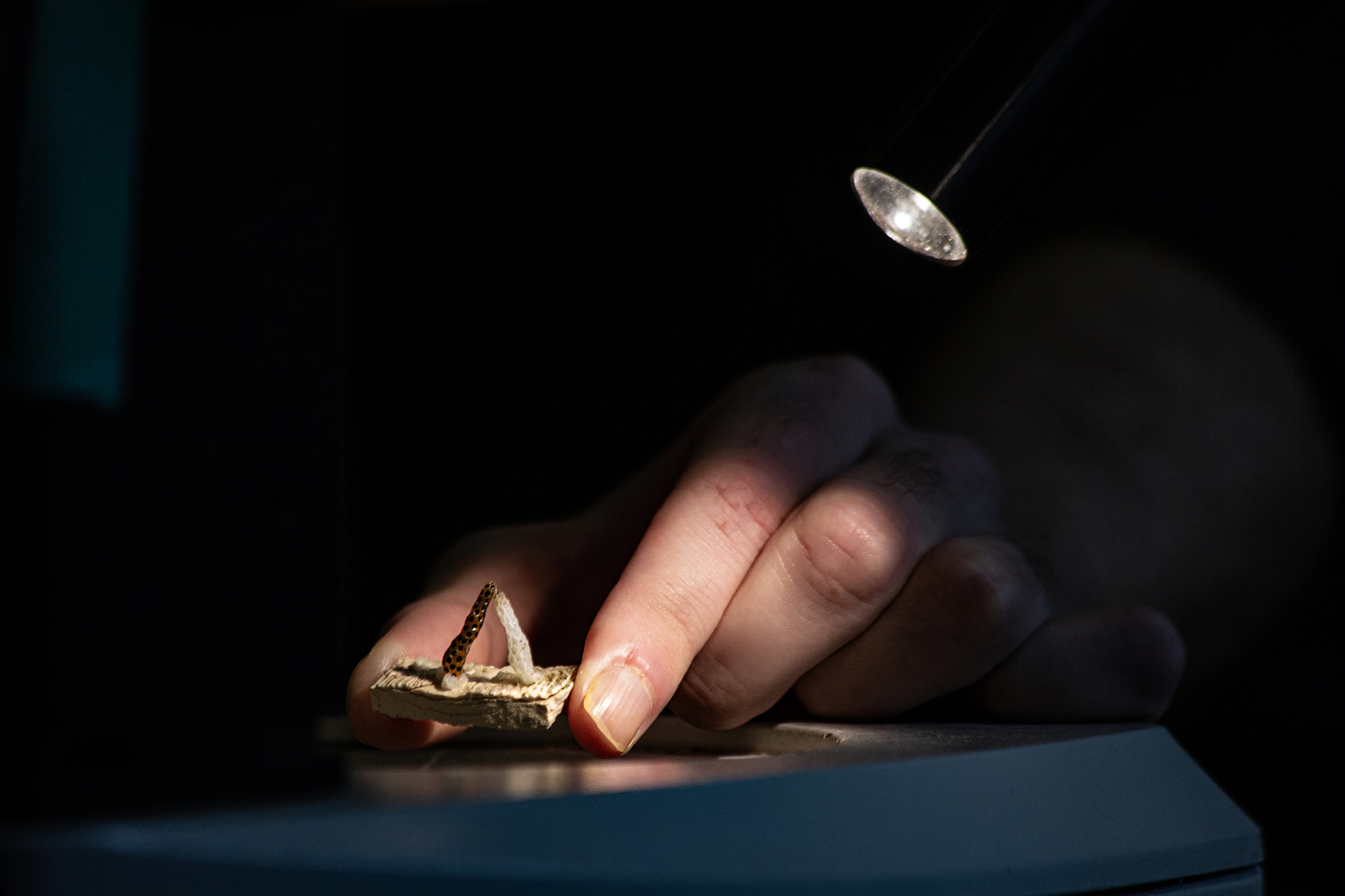
Researchers at Stanford University have seen for the first time starving, struggling corals return to colorful vibrant life within a matter of weeks by being placed in contact with healthy clones, genetically identical copies.
“This was shocking, stunning,” said Danny Collins, lead author of a study published Monday. “We were blown away [to] actually watch the healthy coral restore the color of the bleached corals essentially right before our eyes.”
Color returned within days, with full recovery occurring in just seven weeks — the fastest documented recovery to date.
“It was so much faster and more intense than we ever expected,” said Collins, a Ph.D. student at the Stanford Doerr School of Sustainability.
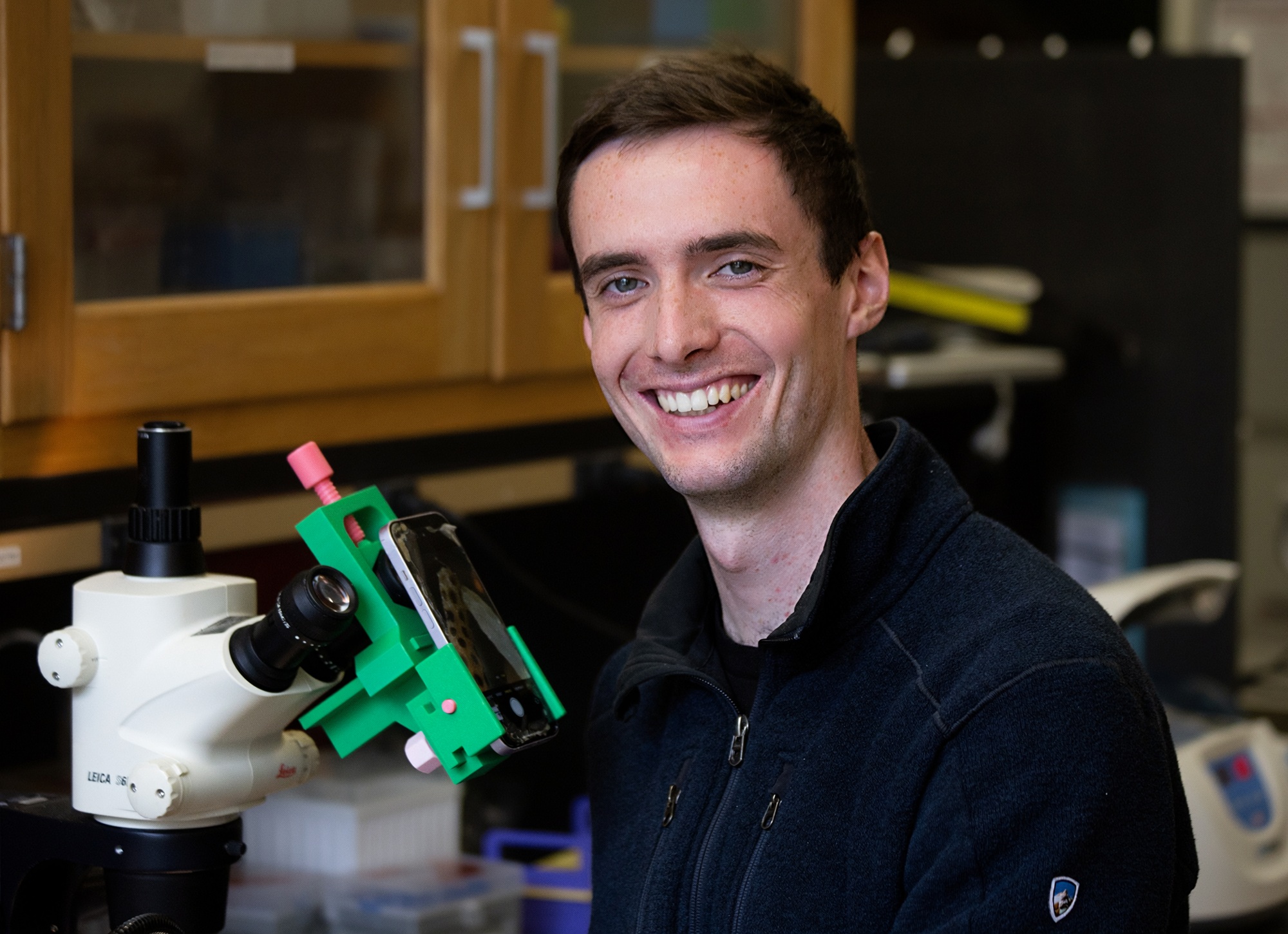
The results, seen in aquarium-sourced corals in a laboratory setting at the Hopkins Marine Station in Monterey County, could lead to faster and more complete recovery for wild corals suffering bleaching.
When ocean waters warm too fast, corals — a type of animal known to researchers as “cnidarians” — kick out helpful algae that live within their cells. This can kill the coral. Bleaching intensifies as the planet warms, threatening reefs around the globe.
Reefs are critical habitat, making up just 0.01% of the ocean floor, they support a quarter of all marine life. They help economies thrive and protect against flooding and coastal erosion. The Coral Reef Alliance predicts within the next 30 years that 90% of reefs will experience severe annual bleaching.
The exciting thing about this work, Collins said, “is the demonstration that these bleached corals are not a lost cause, but actually have a remarkable potential to be recovered.”
A serendipitous mishap leads to discovery
Researchers knew that corals could sicken by touching objects holding dangerous bacteria. Last year Collins looked at how corals catch disease when plastic waste settles on them. The plastic can harbor disease-causing bacteria and infect the coral.
“We were curious if we could harness that mechanism of contact but instead of introducing bad guys that could cause disease, we could introduce good guys,” Collins said, “such as these beneficial algae that [healthy] corals harbor.”
Around the same time, Steve Palumbi, a professor in marine sciences at Stanford and study coauthor, saw in his lab that a sample colony had tipped over in a tank so that a healthy coral and a bleached one were touching each other. Where they touched color returned to the sick coral.
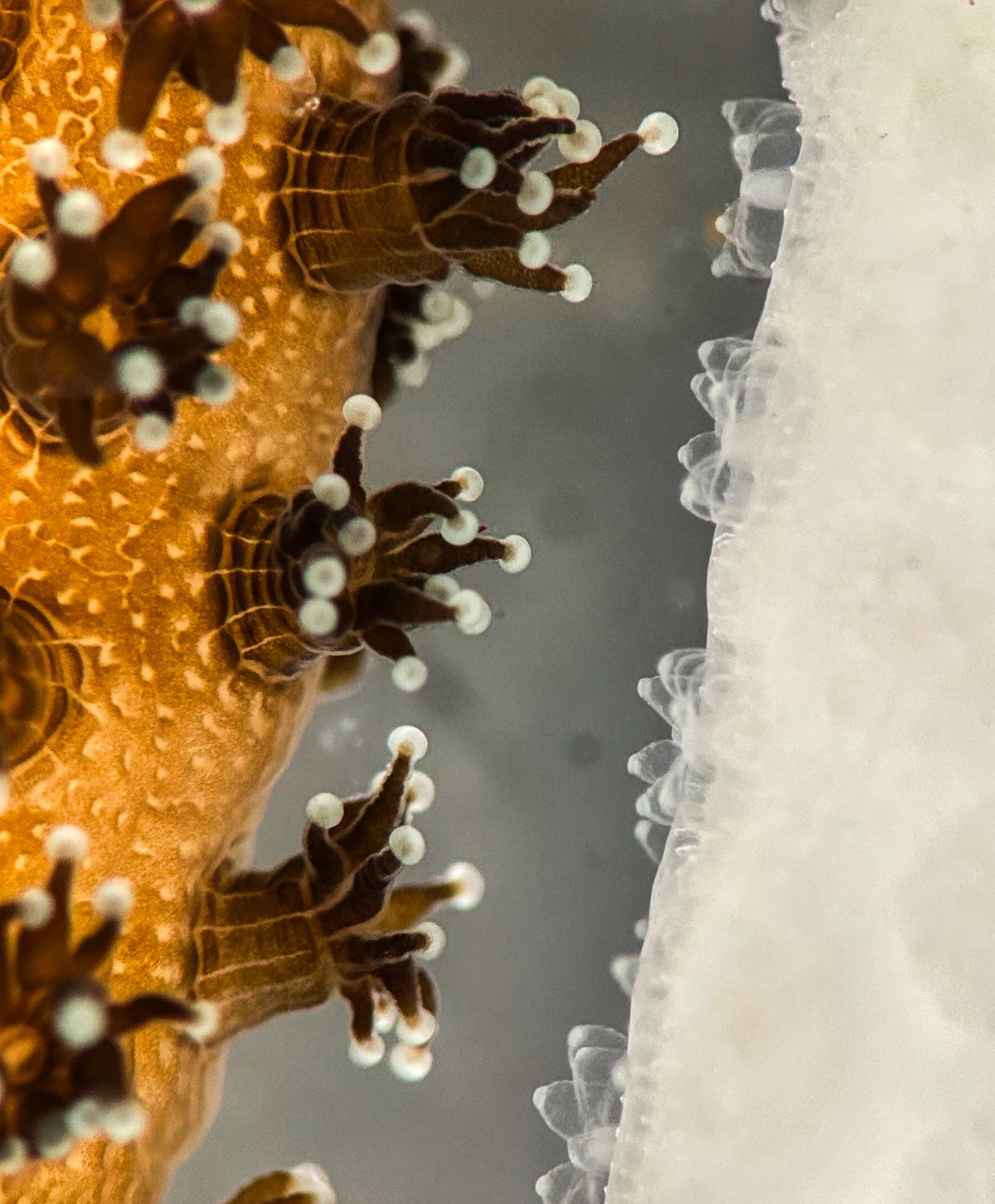
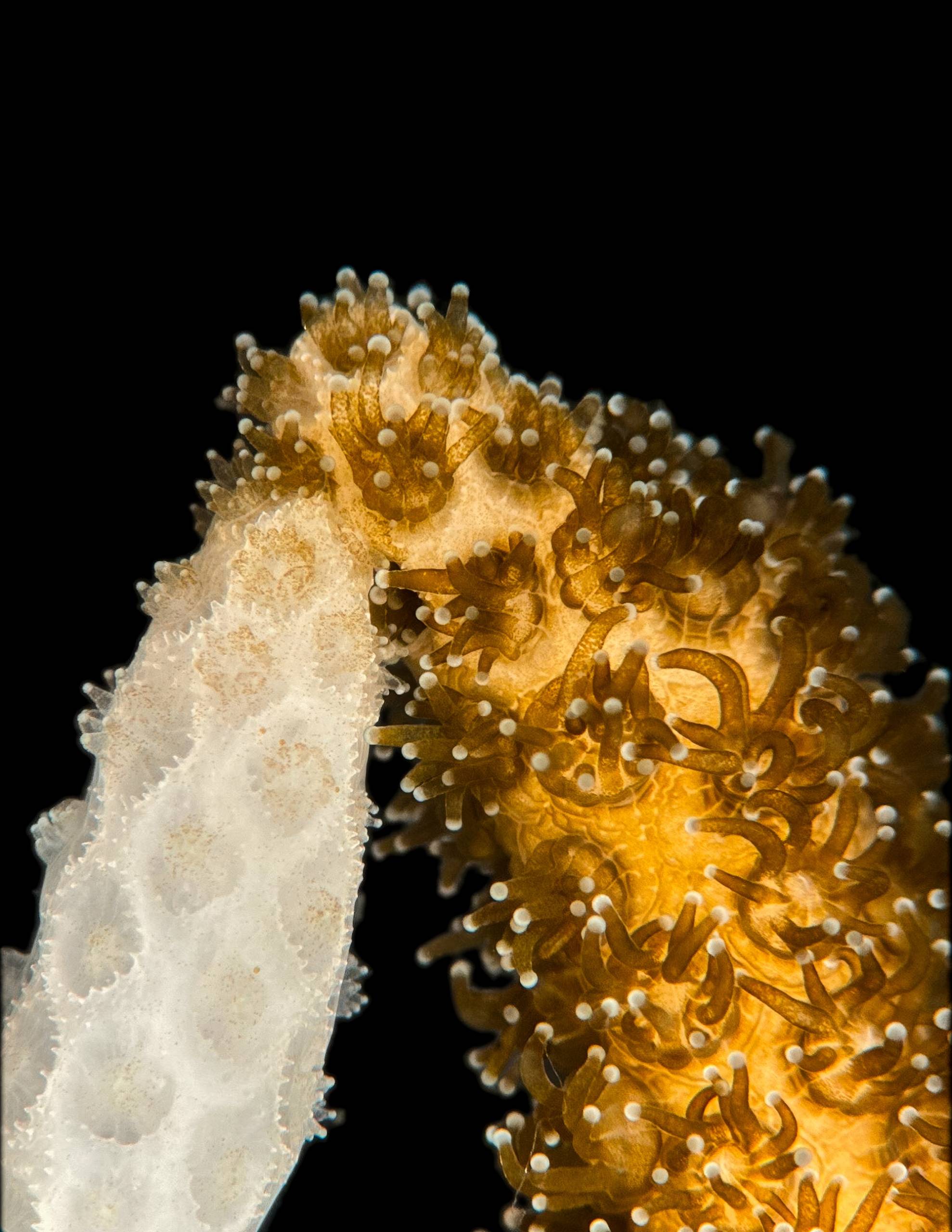
So they tested it with other samples and were delighted with the results. The corals fused together, creating a nutrient bridge made of tissue allowing the healthy individual to send over the life-giving helpful algae.
“And within just a few weeks you get complete recovery,” Collins said.
They found the corals did not need to touch the entire time; just a brief period was needed, and the sick coral could quickly take it from there.
Next steps already underway
Creating genetic coral clones and placing them in contact with bleached twins isn’t a feasible recovery route for wild coral, it would take too much work to create a genetically identical, healthy copy of every coral in advance of a bleaching event. But the research does point the way forward for other restoration approaches.
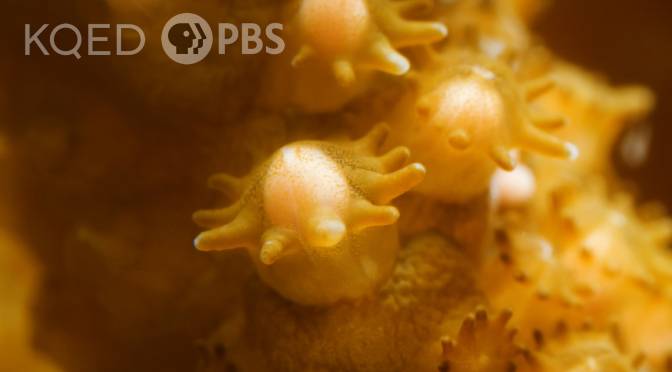
“The key finding is that these bleached corals have remarkable capacity for rapid recovery that was not fully appreciated,” Collins said. “And that if you can get healthy algae into those bleached coral by any means necessary, they can recover at incredible rates.”
Scientists have documented bleached corals recovering in the field. But the process can take years and many corals never recover or never recover fully. He’s excited to try a new avenue that is unexplored: “We hope these inspire a new set of interventions for coral reef restoration for recovering bleached corals.”
He and colleagues are now at work finding ways to extract algae, replicate them in a lab, and spread them to bleached corals. He hopes to test the method at field sites in Hawaii and Palau in the coming months to years.