window.__IS_SSR__=true
window.__INITIAL_STATE__={
"attachmentsReducer": {
"audio_0": {
"type": "attachments",
"id": "audio_0",
"imgSizes": {
"kqedFullSize": {
"file": "https://ww2.kqed.org/news/wp-content/themes/KQED-unified/img/audio_bgs/background0.jpg"
}
}
},
"audio_1": {
"type": "attachments",
"id": "audio_1",
"imgSizes": {
"kqedFullSize": {
"file": "https://ww2.kqed.org/news/wp-content/themes/KQED-unified/img/audio_bgs/background1.jpg"
}
}
},
"audio_2": {
"type": "attachments",
"id": "audio_2",
"imgSizes": {
"kqedFullSize": {
"file": "https://ww2.kqed.org/news/wp-content/themes/KQED-unified/img/audio_bgs/background2.jpg"
}
}
},
"audio_3": {
"type": "attachments",
"id": "audio_3",
"imgSizes": {
"kqedFullSize": {
"file": "https://ww2.kqed.org/news/wp-content/themes/KQED-unified/img/audio_bgs/background3.jpg"
}
}
},
"audio_4": {
"type": "attachments",
"id": "audio_4",
"imgSizes": {
"kqedFullSize": {
"file": "https://ww2.kqed.org/news/wp-content/themes/KQED-unified/img/audio_bgs/background4.jpg"
}
}
},
"placeholder": {
"type": "attachments",
"id": "placeholder",
"imgSizes": {
"thumbnail": {
"file": "https://cdn.kqed.org/wp-content/uploads/2024/12/KQED-Default-Image-816638274-2000x1333-1-160x107.jpg",
"width": 160,
"height": 107,
"mimeType": "image/jpeg"
},
"medium": {
"file": "https://cdn.kqed.org/wp-content/uploads/2024/12/KQED-Default-Image-816638274-2000x1333-1-800x533.jpg",
"width": 800,
"height": 533,
"mimeType": "image/jpeg"
},
"medium_large": {
"file": "https://cdn.kqed.org/wp-content/uploads/2024/12/KQED-Default-Image-816638274-2000x1333-1-768x512.jpg",
"width": 768,
"height": 512,
"mimeType": "image/jpeg"
},
"large": {
"file": "https://cdn.kqed.org/wp-content/uploads/2024/12/KQED-Default-Image-816638274-2000x1333-1-1020x680.jpg",
"width": 1020,
"height": 680,
"mimeType": "image/jpeg"
},
"1536x1536": {
"file": "https://cdn.kqed.org/wp-content/uploads/2024/12/KQED-Default-Image-816638274-2000x1333-1-1536x1024.jpg",
"width": 1536,
"height": 1024,
"mimeType": "image/jpeg"
},
"fd-lrg": {
"file": "https://cdn.kqed.org/wp-content/uploads/2024/12/KQED-Default-Image-816638274-2000x1333-1-1536x1024.jpg",
"width": 1536,
"height": 1024,
"mimeType": "image/jpeg"
},
"fd-med": {
"file": "https://cdn.kqed.org/wp-content/uploads/2024/12/KQED-Default-Image-816638274-2000x1333-1-1020x680.jpg",
"width": 1020,
"height": 680,
"mimeType": "image/jpeg"
},
"fd-sm": {
"file": "https://cdn.kqed.org/wp-content/uploads/2024/12/KQED-Default-Image-816638274-2000x1333-1-800x533.jpg",
"width": 800,
"height": 533,
"mimeType": "image/jpeg"
},
"post-thumbnail": {
"file": "https://cdn.kqed.org/wp-content/uploads/2024/12/KQED-Default-Image-816638274-2000x1333-1-672x372.jpg",
"width": 672,
"height": 372,
"mimeType": "image/jpeg"
},
"twentyfourteen-full-width": {
"file": "https://cdn.kqed.org/wp-content/uploads/2024/12/KQED-Default-Image-816638274-2000x1333-1-1038x576.jpg",
"width": 1038,
"height": 576,
"mimeType": "image/jpeg"
},
"xxsmall": {
"file": "https://cdn.kqed.org/wp-content/uploads/2024/12/KQED-Default-Image-816638274-2000x1333-1-160x107.jpg",
"width": 160,
"height": 107,
"mimeType": "image/jpeg"
},
"xsmall": {
"file": "https://cdn.kqed.org/wp-content/uploads/2024/12/KQED-Default-Image-816638274-2000x1333-1-672x372.jpg",
"width": 672,
"height": 372,
"mimeType": "image/jpeg"
},
"small": {
"file": "https://cdn.kqed.org/wp-content/uploads/2024/12/KQED-Default-Image-816638274-2000x1333-1-672x372.jpg",
"width": 672,
"height": 372,
"mimeType": "image/jpeg"
},
"xlarge": {
"file": "https://cdn.kqed.org/wp-content/uploads/2024/12/KQED-Default-Image-816638274-2000x1333-1-1020x680.jpg",
"width": 1020,
"height": 680,
"mimeType": "image/jpeg"
},
"full-width": {
"file": "https://cdn.kqed.org/wp-content/uploads/2024/12/KQED-Default-Image-816638274-2000x1333-1-1920x1280.jpg",
"width": 1920,
"height": 1280,
"mimeType": "image/jpeg"
},
"guest-author-32": {
"file": "https://cdn.kqed.org/wp-content/uploads/2025/01/KQED-Default-Image-816638274-1333x1333-1-160x160.jpg",
"width": 32,
"height": 32,
"mimeType": "image/jpeg"
},
"guest-author-50": {
"file": "https://cdn.kqed.org/wp-content/uploads/2025/01/KQED-Default-Image-816638274-1333x1333-1-160x160.jpg",
"width": 50,
"height": 50,
"mimeType": "image/jpeg"
},
"guest-author-64": {
"file": "https://cdn.kqed.org/wp-content/uploads/2025/01/KQED-Default-Image-816638274-1333x1333-1-160x160.jpg",
"width": 64,
"height": 64,
"mimeType": "image/jpeg"
},
"guest-author-96": {
"file": "https://cdn.kqed.org/wp-content/uploads/2025/01/KQED-Default-Image-816638274-1333x1333-1-160x160.jpg",
"width": 96,
"height": 96,
"mimeType": "image/jpeg"
},
"guest-author-128": {
"file": "https://cdn.kqed.org/wp-content/uploads/2025/01/KQED-Default-Image-816638274-1333x1333-1-160x160.jpg",
"width": 128,
"height": 128,
"mimeType": "image/jpeg"
},
"detail": {
"file": "https://cdn.kqed.org/wp-content/uploads/2025/01/KQED-Default-Image-816638274-1333x1333-1-160x160.jpg",
"width": 160,
"height": 160,
"mimeType": "image/jpeg"
},
"kqedFullSize": {
"file": "https://cdn.kqed.org/wp-content/uploads/2024/12/KQED-Default-Image-816638274-2000x1333-1.jpg",
"width": 2000,
"height": 1333
}
}
},
"science_1975856": {
"type": "attachments",
"id": "science_1975856",
"meta": {
"index": "attachments_1716263798",
"site": "science",
"id": "1975856",
"found": true
},
"parent": 1975855,
"imgSizes": {
"twentyfourteen-full-width": {
"file": "https://ww2.kqed.org/app/uploads/sites/35/2021/07/07172021_Hollman_PU_Sized_16-1038x576.jpg",
"width": 1038,
"mimeType": "image/jpeg",
"height": 576
},
"thumbnail": {
"file": "https://ww2.kqed.org/app/uploads/sites/35/2021/07/07172021_Hollman_PU_Sized_16-160x107.jpg",
"width": 160,
"mimeType": "image/jpeg",
"height": 107
},
"post-thumbnail": {
"file": "https://ww2.kqed.org/app/uploads/sites/35/2021/07/07172021_Hollman_PU_Sized_16-672x372.jpg",
"width": 672,
"mimeType": "image/jpeg",
"height": 372
},
"kqedFullSize": {
"file": "https://ww2.kqed.org/app/uploads/sites/35/2021/07/07172021_Hollman_PU_Sized_16.jpg",
"width": 2000,
"height": 1333
},
"large": {
"file": "https://ww2.kqed.org/app/uploads/sites/35/2021/07/07172021_Hollman_PU_Sized_16-1020x680.jpg",
"width": 1020,
"mimeType": "image/jpeg",
"height": 680
},
"1536x1536": {
"file": "https://ww2.kqed.org/app/uploads/sites/35/2021/07/07172021_Hollman_PU_Sized_16-1536x1024.jpg",
"width": 1536,
"mimeType": "image/jpeg",
"height": 1024
},
"full-width": {
"file": "https://ww2.kqed.org/app/uploads/sites/35/2021/07/07172021_Hollman_PU_Sized_16-1920x1280.jpg",
"width": 1920,
"mimeType": "image/jpeg",
"height": 1280
},
"medium": {
"file": "https://ww2.kqed.org/app/uploads/sites/35/2021/07/07172021_Hollman_PU_Sized_16-800x533.jpg",
"width": 800,
"mimeType": "image/jpeg",
"height": 533
},
"medium_large": {
"file": "https://ww2.kqed.org/app/uploads/sites/35/2021/07/07172021_Hollman_PU_Sized_16-768x512.jpg",
"width": 768,
"mimeType": "image/jpeg",
"height": 512
}
},
"publishDate": 1626715573,
"modified": 1626715605,
"caption": "Will Hollman stands for a portrait with his son next to a rose bush outside of his home in the San Fernando Valley, on July 17, 2021. \"I am a proud father, I love my kids and it is my duty to be a parent,\" Hollman said. \"I'm fighting a lot of battles.\" ",
"description": null,
"title": "07172021_Hollman_PU_Sized_16",
"credit": "Pablo Unzueta/CalMatters",
"status": "inherit",
"altTag": null,
"isLoading": false,
"fetchFailed": false
},
"science_1975880": {
"type": "attachments",
"id": "science_1975880",
"meta": {
"index": "attachments_1716263798",
"site": "science",
"id": "1975880",
"found": true
},
"parent": 1975879,
"imgSizes": {
"twentyfourteen-full-width": {
"file": "https://ww2.kqed.org/app/uploads/sites/35/2021/07/RS25740_0M6A2596-qut-1038x576.jpg",
"width": 1038,
"mimeType": "image/jpeg",
"height": 576
},
"thumbnail": {
"file": "https://ww2.kqed.org/app/uploads/sites/35/2021/07/RS25740_0M6A2596-qut-160x107.jpg",
"width": 160,
"mimeType": "image/jpeg",
"height": 107
},
"post-thumbnail": {
"file": "https://ww2.kqed.org/app/uploads/sites/35/2021/07/RS25740_0M6A2596-qut-672x372.jpg",
"width": 672,
"mimeType": "image/jpeg",
"height": 372
},
"kqedFullSize": {
"file": "https://ww2.kqed.org/app/uploads/sites/35/2021/07/RS25740_0M6A2596-qut.jpg",
"width": 1920,
"height": 1280
},
"large": {
"file": "https://ww2.kqed.org/app/uploads/sites/35/2021/07/RS25740_0M6A2596-qut-1020x680.jpg",
"width": 1020,
"mimeType": "image/jpeg",
"height": 680
},
"1536x1536": {
"file": "https://ww2.kqed.org/app/uploads/sites/35/2021/07/RS25740_0M6A2596-qut-1536x1024.jpg",
"width": 1536,
"mimeType": "image/jpeg",
"height": 1024
},
"medium": {
"file": "https://ww2.kqed.org/app/uploads/sites/35/2021/07/RS25740_0M6A2596-qut-800x533.jpg",
"width": 800,
"mimeType": "image/jpeg",
"height": 533
},
"medium_large": {
"file": "https://ww2.kqed.org/app/uploads/sites/35/2021/07/RS25740_0M6A2596-qut-768x512.jpg",
"width": 768,
"mimeType": "image/jpeg",
"height": 512
}
},
"publishDate": 1626803979,
"modified": 1626804059,
"caption": "A fisherman waits under the shade of his umbrella during a heat wave.",
"description": "A fisherman waits under the shade of his umbrella during a heat wave.",
"title": "RS25740_0M6A2596-qut",
"credit": "Arash Malekzadeh/KQED",
"status": "inherit",
"altTag": "A fisherman waits under the shade of his umbrella during a heat wave.",
"isLoading": false,
"fetchFailed": false
},
"science_1975845": {
"type": "attachments",
"id": "science_1975845",
"meta": {
"index": "attachments_1716263798",
"site": "science",
"id": "1975845",
"found": true
},
"parent": 0,
"imgSizes": {
"twentyfourteen-full-width": {
"file": "https://ww2.kqed.org/app/uploads/sites/35/2021/07/FI_FINAL_PUNCA-1038x576.jpg",
"width": 1038,
"mimeType": "image/jpeg",
"height": 576
},
"thumbnail": {
"file": "https://ww2.kqed.org/app/uploads/sites/35/2021/07/FI_FINAL_PUNCA-160x90.jpg",
"width": 160,
"mimeType": "image/jpeg",
"height": 90
},
"post-thumbnail": {
"file": "https://ww2.kqed.org/app/uploads/sites/35/2021/07/FI_FINAL_PUNCA-672x372.jpg",
"width": 672,
"mimeType": "image/jpeg",
"height": 372
},
"kqedFullSize": {
"file": "https://ww2.kqed.org/app/uploads/sites/35/2021/07/FI_FINAL_PUNCA.jpg",
"width": 1920,
"height": 1080
},
"large": {
"file": "https://ww2.kqed.org/app/uploads/sites/35/2021/07/FI_FINAL_PUNCA-1020x574.jpg",
"width": 1020,
"mimeType": "image/jpeg",
"height": 574
},
"1536x1536": {
"file": "https://ww2.kqed.org/app/uploads/sites/35/2021/07/FI_FINAL_PUNCA-1536x864.jpg",
"width": 1536,
"mimeType": "image/jpeg",
"height": 864
},
"medium": {
"file": "https://ww2.kqed.org/app/uploads/sites/35/2021/07/FI_FINAL_PUNCA-800x450.jpg",
"width": 800,
"mimeType": "image/jpeg",
"height": 450
},
"medium_large": {
"file": "https://ww2.kqed.org/app/uploads/sites/35/2021/07/FI_FINAL_PUNCA-768x432.jpg",
"width": 768,
"mimeType": "image/jpeg",
"height": 432
}
},
"publishDate": 1626556024,
"modified": 1626624778,
"caption": "Bootleg Fire, Oregon; Salt Fire, California; Beckwourth Complex, California.",
"description": null,
"title": "Punishing Fires",
"credit": "Images provided by Planet Labs",
"status": "inherit",
"altTag": "Punishing Fires",
"isLoading": false,
"fetchFailed": false
},
"science_1975784": {
"type": "attachments",
"id": "science_1975784",
"meta": {
"index": "attachments_1716263798",
"site": "science",
"id": "1975784",
"found": true
},
"parent": 1975782,
"imgSizes": {
"twentyfourteen-full-width": {
"file": "https://ww2.kqed.org/app/uploads/sites/35/2021/07/RS49942_046_MendocinoCounty_LakeMendocinoDrought_06112021-qut-1-1038x576.jpg",
"width": 1038,
"mimeType": "image/jpeg",
"height": 576
},
"thumbnail": {
"file": "https://ww2.kqed.org/app/uploads/sites/35/2021/07/RS49942_046_MendocinoCounty_LakeMendocinoDrought_06112021-qut-1-160x107.jpg",
"width": 160,
"mimeType": "image/jpeg",
"height": 107
},
"post-thumbnail": {
"file": "https://ww2.kqed.org/app/uploads/sites/35/2021/07/RS49942_046_MendocinoCounty_LakeMendocinoDrought_06112021-qut-1-672x372.jpg",
"width": 672,
"mimeType": "image/jpeg",
"height": 372
},
"kqedFullSize": {
"file": "https://ww2.kqed.org/app/uploads/sites/35/2021/07/RS49942_046_MendocinoCounty_LakeMendocinoDrought_06112021-qut-1.jpg",
"width": 1920,
"height": 1278
},
"large": {
"file": "https://ww2.kqed.org/app/uploads/sites/35/2021/07/RS49942_046_MendocinoCounty_LakeMendocinoDrought_06112021-qut-1-1020x679.jpg",
"width": 1020,
"mimeType": "image/jpeg",
"height": 679
},
"1536x1536": {
"file": "https://ww2.kqed.org/app/uploads/sites/35/2021/07/RS49942_046_MendocinoCounty_LakeMendocinoDrought_06112021-qut-1-1536x1022.jpg",
"width": 1536,
"mimeType": "image/jpeg",
"height": 1022
},
"medium": {
"file": "https://ww2.kqed.org/app/uploads/sites/35/2021/07/RS49942_046_MendocinoCounty_LakeMendocinoDrought_06112021-qut-1-800x533.jpg",
"width": 800,
"mimeType": "image/jpeg",
"height": 533
},
"medium_large": {
"file": "https://ww2.kqed.org/app/uploads/sites/35/2021/07/RS49942_046_MendocinoCounty_LakeMendocinoDrought_06112021-qut-1-768x511.jpg",
"width": 768,
"mimeType": "image/jpeg",
"height": 511
}
},
"publishDate": 1626402634,
"modified": 1626471182,
"caption": "A boat dock surrounded by dry ground at Lake Mendocino on June 11, 2021.",
"description": null,
"title": "RS49942_046_MendocinoCounty_LakeMendocinoDrought_06112021-qut-1",
"credit": "Beth LaBerge/KQED",
"status": "inherit",
"altTag": null,
"isLoading": false,
"fetchFailed": false
},
"science_1975789": {
"type": "attachments",
"id": "science_1975789",
"meta": {
"index": "attachments_1716263798",
"site": "science",
"id": "1975789",
"found": true
},
"parent": 1975788,
"imgSizes": {
"twentyfourteen-full-width": {
"file": "https://ww2.kqed.org/app/uploads/sites/35/2021/07/ucsf_neurosurgery_chang_215_custom-a89ad9c50b2270461e22ea8b9e140cd183b49c6e-1038x576.jpg",
"width": 1038,
"mimeType": "image/jpeg",
"height": 576
},
"thumbnail": {
"file": "https://ww2.kqed.org/app/uploads/sites/35/2021/07/ucsf_neurosurgery_chang_215_custom-a89ad9c50b2270461e22ea8b9e140cd183b49c6e-160x107.jpg",
"width": 160,
"mimeType": "image/jpeg",
"height": 107
},
"post-thumbnail": {
"file": "https://ww2.kqed.org/app/uploads/sites/35/2021/07/ucsf_neurosurgery_chang_215_custom-a89ad9c50b2270461e22ea8b9e140cd183b49c6e-672x372.jpg",
"width": 672,
"mimeType": "image/jpeg",
"height": 372
},
"kqedFullSize": {
"file": "https://ww2.kqed.org/app/uploads/sites/35/2021/07/ucsf_neurosurgery_chang_215_custom-a89ad9c50b2270461e22ea8b9e140cd183b49c6e.jpg",
"width": 2000,
"height": 1335
},
"large": {
"file": "https://ww2.kqed.org/app/uploads/sites/35/2021/07/ucsf_neurosurgery_chang_215_custom-a89ad9c50b2270461e22ea8b9e140cd183b49c6e-1020x681.jpg",
"width": 1020,
"mimeType": "image/jpeg",
"height": 681
},
"1536x1536": {
"file": "https://ww2.kqed.org/app/uploads/sites/35/2021/07/ucsf_neurosurgery_chang_215_custom-a89ad9c50b2270461e22ea8b9e140cd183b49c6e-1536x1025.jpg",
"width": 1536,
"mimeType": "image/jpeg",
"height": 1025
},
"full-width": {
"file": "https://ww2.kqed.org/app/uploads/sites/35/2021/07/ucsf_neurosurgery_chang_215_custom-a89ad9c50b2270461e22ea8b9e140cd183b49c6e-1920x1282.jpg",
"width": 1920,
"mimeType": "image/jpeg",
"height": 1282
},
"medium": {
"file": "https://ww2.kqed.org/app/uploads/sites/35/2021/07/ucsf_neurosurgery_chang_215_custom-a89ad9c50b2270461e22ea8b9e140cd183b49c6e-800x534.jpg",
"width": 800,
"mimeType": "image/jpeg",
"height": 534
},
"medium_large": {
"file": "https://ww2.kqed.org/app/uploads/sites/35/2021/07/ucsf_neurosurgery_chang_215_custom-a89ad9c50b2270461e22ea8b9e140cd183b49c6e-768x513.jpg",
"width": 768,
"mimeType": "image/jpeg",
"height": 513
}
},
"publishDate": 1626454018,
"modified": 1626454567,
"caption": "Neurosurgeon Edward Chang performs brain surgery at UCSF.",
"description": null,
"title": "UCSF neurosurgeon Edward Chang says a system that lets a man express his thoughts at 15 words a minute is just the beginning for computer-mediated communication.",
"credit": "Barbara Ries/UCSF",
"status": "inherit",
"altTag": null,
"isLoading": false,
"fetchFailed": false
},
"science_1975774": {
"type": "attachments",
"id": "science_1975774",
"meta": {
"index": "attachments_1716263798",
"site": "science",
"id": "1975774",
"found": true
},
"parent": 1975761,
"imgSizes": {
"twentyfourteen-full-width": {
"file": "https://ww2.kqed.org/app/uploads/sites/35/2021/07/1920x1080-sacramento-san-joaquin-river-delta-1038x576.jpg",
"width": 1038,
"mimeType": "image/jpeg",
"height": 576
},
"thumbnail": {
"file": "https://ww2.kqed.org/app/uploads/sites/35/2021/07/1920x1080-sacramento-san-joaquin-river-delta-160x90.jpg",
"width": 160,
"mimeType": "image/jpeg",
"height": 90
},
"post-thumbnail": {
"file": "https://ww2.kqed.org/app/uploads/sites/35/2021/07/1920x1080-sacramento-san-joaquin-river-delta-672x372.jpg",
"width": 672,
"mimeType": "image/jpeg",
"height": 372
},
"kqedFullSize": {
"file": "https://ww2.kqed.org/app/uploads/sites/35/2021/07/1920x1080-sacramento-san-joaquin-river-delta.jpg",
"width": 1920,
"height": 1080
},
"large": {
"file": "https://ww2.kqed.org/app/uploads/sites/35/2021/07/1920x1080-sacramento-san-joaquin-river-delta-1020x574.jpg",
"width": 1020,
"mimeType": "image/jpeg",
"height": 574
},
"1536x1536": {
"file": "https://ww2.kqed.org/app/uploads/sites/35/2021/07/1920x1080-sacramento-san-joaquin-river-delta-1536x864.jpg",
"width": 1536,
"mimeType": "image/jpeg",
"height": 864
},
"medium": {
"file": "https://ww2.kqed.org/app/uploads/sites/35/2021/07/1920x1080-sacramento-san-joaquin-river-delta-800x450.jpg",
"width": 800,
"mimeType": "image/jpeg",
"height": 450
},
"medium_large": {
"file": "https://ww2.kqed.org/app/uploads/sites/35/2021/07/1920x1080-sacramento-san-joaquin-river-delta-768x432.jpg",
"width": 768,
"mimeType": "image/jpeg",
"height": 432
}
},
"publishDate": 1626375286,
"modified": 1626375590,
"caption": "Water birds fly over the Sacramento-San Joaquin River Delta, which boasts a diversity of flora and fauna that thrive in wetlands about the size of Orange County.",
"description": null,
"title": "1920x1080 sacramento-san-joaquin-river-delta",
"credit": "Photo: Luis Sinco/Los Angeles Times via Getty Images",
"status": "inherit",
"altTag": "Water birds fly over the Sacramento-San Joaquin River Delta",
"isLoading": false,
"fetchFailed": false
},
"science_1975758": {
"type": "attachments",
"id": "science_1975758",
"meta": {
"index": "attachments_1716263798",
"site": "science",
"id": "1975758",
"found": true
},
"parent": 1975752,
"imgSizes": {
"twentyfourteen-full-width": {
"file": "https://ww2.kqed.org/app/uploads/sites/35/2021/07/RS50219_GettyImages-1232049474-1-qut-1038x576.jpg",
"width": 1038,
"mimeType": "image/jpeg",
"height": 576
},
"thumbnail": {
"file": "https://ww2.kqed.org/app/uploads/sites/35/2021/07/RS50219_GettyImages-1232049474-1-qut-160x106.jpg",
"width": 160,
"mimeType": "image/jpeg",
"height": 106
},
"post-thumbnail": {
"file": "https://ww2.kqed.org/app/uploads/sites/35/2021/07/RS50219_GettyImages-1232049474-1-qut-672x372.jpg",
"width": 672,
"mimeType": "image/jpeg",
"height": 372
},
"kqedFullSize": {
"file": "https://ww2.kqed.org/app/uploads/sites/35/2021/07/RS50219_GettyImages-1232049474-1-qut.jpg",
"width": 1920,
"height": 1269
},
"large": {
"file": "https://ww2.kqed.org/app/uploads/sites/35/2021/07/RS50219_GettyImages-1232049474-1-qut-1020x674.jpg",
"width": 1020,
"mimeType": "image/jpeg",
"height": 674
},
"1536x1536": {
"file": "https://ww2.kqed.org/app/uploads/sites/35/2021/07/RS50219_GettyImages-1232049474-1-qut-1536x1015.jpg",
"width": 1536,
"mimeType": "image/jpeg",
"height": 1015
},
"medium": {
"file": "https://ww2.kqed.org/app/uploads/sites/35/2021/07/RS50219_GettyImages-1232049474-1-qut-800x529.jpg",
"width": 800,
"mimeType": "image/jpeg",
"height": 529
},
"medium_large": {
"file": "https://ww2.kqed.org/app/uploads/sites/35/2021/07/RS50219_GettyImages-1232049474-1-qut-768x508.jpg",
"width": 768,
"mimeType": "image/jpeg",
"height": 508
}
},
"publishDate": 1626288999,
"modified": 1626453334,
"caption": "A picture taken on March 25, 2021, shows smoke and vapor billowing from the Bobov Dol Thermal Power Plant, near the village of Golemo Selo. With its belching smokestacks, the Bulgarian coal plant of Bobov Dol symbolizes the type of industry the EU aims to eliminate — and the obstacles it faces in its green transition. ",
"description": null,
"title": "BULGARIA-EU-ENVIRONMENT-VOTE",
"credit": "Nikolay Doychinov/AFP via Getty Images",
"status": "inherit",
"altTag": null,
"isLoading": false,
"fetchFailed": false
},
"science_1975653": {
"type": "attachments",
"id": "science_1975653",
"meta": {
"index": "attachments_1716263798",
"site": "science",
"id": "1975653",
"found": true
},
"parent": 1975648,
"imgSizes": {
"twentyfourteen-full-width": {
"file": "https://ww2.kqed.org/app/uploads/sites/35/2021/07/DEEP_812_The_Axolotl_Salamander_Doesnt_Wanna_Grow_Up_KQED-1038x576.jpg",
"width": 1038,
"mimeType": "image/jpeg",
"height": 576
},
"thumbnail": {
"file": "https://ww2.kqed.org/app/uploads/sites/35/2021/07/DEEP_812_The_Axolotl_Salamander_Doesnt_Wanna_Grow_Up_KQED-160x90.jpg",
"width": 160,
"mimeType": "image/jpeg",
"height": 90
},
"post-thumbnail": {
"file": "https://ww2.kqed.org/app/uploads/sites/35/2021/07/DEEP_812_The_Axolotl_Salamander_Doesnt_Wanna_Grow_Up_KQED-672x372.jpg",
"width": 672,
"mimeType": "image/jpeg",
"height": 372
},
"kqedFullSize": {
"file": "https://ww2.kqed.org/app/uploads/sites/35/2021/07/DEEP_812_The_Axolotl_Salamander_Doesnt_Wanna_Grow_Up_KQED.jpg",
"width": 1920,
"height": 1080
},
"large": {
"file": "https://ww2.kqed.org/app/uploads/sites/35/2021/07/DEEP_812_The_Axolotl_Salamander_Doesnt_Wanna_Grow_Up_KQED-1020x574.jpg",
"width": 1020,
"mimeType": "image/jpeg",
"height": 574
},
"1536x1536": {
"file": "https://ww2.kqed.org/app/uploads/sites/35/2021/07/DEEP_812_The_Axolotl_Salamander_Doesnt_Wanna_Grow_Up_KQED-1536x864.jpg",
"width": 1536,
"mimeType": "image/jpeg",
"height": 864
},
"medium": {
"file": "https://ww2.kqed.org/app/uploads/sites/35/2021/07/DEEP_812_The_Axolotl_Salamander_Doesnt_Wanna_Grow_Up_KQED-800x450.jpg",
"width": 800,
"mimeType": "image/jpeg",
"height": 450
},
"medium_large": {
"file": "https://ww2.kqed.org/app/uploads/sites/35/2021/07/DEEP_812_The_Axolotl_Salamander_Doesnt_Wanna_Grow_Up_KQED-768x432.jpg",
"width": 768,
"mimeType": "image/jpeg",
"height": 432
}
},
"publishDate": 1625294445,
"modified": 1625294651,
"caption": "A young axolotl salamander hatchling. ",
"description": "A young axolotl salamander hatchling. ",
"title": "DEEP_812_The_Axolotl_Salamander_Doesnt_Wanna_Grow_Up_KQED",
"credit": "Mike Seely/KQED",
"status": "inherit",
"altTag": null,
"isLoading": false,
"fetchFailed": false
},
"science_1975723": {
"type": "attachments",
"id": "science_1975723",
"meta": {
"index": "attachments_1716263798",
"site": "science",
"id": "1975723",
"found": true
},
"parent": 1975710,
"imgSizes": {
"twentyfourteen-full-width": {
"file": "https://ww2.kqed.org/app/uploads/sites/35/2021/07/RS50216_GettyImages-1268341218-qut-1038x576.jpg",
"width": 1038,
"mimeType": "image/jpeg",
"height": 576
},
"thumbnail": {
"file": "https://ww2.kqed.org/app/uploads/sites/35/2021/07/RS50216_GettyImages-1268341218-qut-160x107.jpg",
"width": 160,
"mimeType": "image/jpeg",
"height": 107
},
"post-thumbnail": {
"file": "https://ww2.kqed.org/app/uploads/sites/35/2021/07/RS50216_GettyImages-1268341218-qut-672x372.jpg",
"width": 672,
"mimeType": "image/jpeg",
"height": 372
},
"kqedFullSize": {
"file": "https://ww2.kqed.org/app/uploads/sites/35/2021/07/RS50216_GettyImages-1268341218-qut.jpg",
"width": 1920,
"height": 1281
},
"large": {
"file": "https://ww2.kqed.org/app/uploads/sites/35/2021/07/RS50216_GettyImages-1268341218-qut-1020x681.jpg",
"width": 1020,
"mimeType": "image/jpeg",
"height": 681
},
"1536x1536": {
"file": "https://ww2.kqed.org/app/uploads/sites/35/2021/07/RS50216_GettyImages-1268341218-qut-1536x1025.jpg",
"width": 1536,
"mimeType": "image/jpeg",
"height": 1025
},
"medium": {
"file": "https://ww2.kqed.org/app/uploads/sites/35/2021/07/RS50216_GettyImages-1268341218-qut-800x534.jpg",
"width": 800,
"mimeType": "image/jpeg",
"height": 534
},
"medium_large": {
"file": "https://ww2.kqed.org/app/uploads/sites/35/2021/07/RS50216_GettyImages-1268341218-qut-768x512.jpg",
"width": 768,
"mimeType": "image/jpeg",
"height": 512
}
},
"publishDate": 1625776546,
"modified": 1625776634,
"caption": "Mike Saladino installs a Merv 13 HVAC filter at a Gold's Gym.",
"description": "Mike Saladino installs a Merv 13 HVAC filter at a Gold's Gym.",
"title": "New York State Allows Gyms And Museums To Re-Open Amid COVID-19 Pandemic",
"credit": "Al Bello/Getty Images",
"status": "inherit",
"altTag": null,
"isLoading": false,
"fetchFailed": false
},
"science_1975714": {
"type": "attachments",
"id": "science_1975714",
"meta": {
"index": "attachments_1716263798",
"site": "science",
"id": "1975714",
"found": true
},
"parent": 1975707,
"imgSizes": {
"twentyfourteen-full-width": {
"file": "https://ww2.kqed.org/app/uploads/sites/35/2021/07/RS50215_GettyImages-1233516072-qut-1038x576.jpg",
"width": 1038,
"mimeType": "image/jpeg",
"height": 576
},
"thumbnail": {
"file": "https://ww2.kqed.org/app/uploads/sites/35/2021/07/RS50215_GettyImages-1233516072-qut-160x107.jpg",
"width": 160,
"mimeType": "image/jpeg",
"height": 107
},
"post-thumbnail": {
"file": "https://ww2.kqed.org/app/uploads/sites/35/2021/07/RS50215_GettyImages-1233516072-qut-672x372.jpg",
"width": 672,
"mimeType": "image/jpeg",
"height": 372
},
"kqedFullSize": {
"file": "https://ww2.kqed.org/app/uploads/sites/35/2021/07/RS50215_GettyImages-1233516072-qut.jpg",
"width": 1920,
"height": 1280
},
"large": {
"file": "https://ww2.kqed.org/app/uploads/sites/35/2021/07/RS50215_GettyImages-1233516072-qut-1020x680.jpg",
"width": 1020,
"mimeType": "image/jpeg",
"height": 680
},
"1536x1536": {
"file": "https://ww2.kqed.org/app/uploads/sites/35/2021/07/RS50215_GettyImages-1233516072-qut-1536x1024.jpg",
"width": 1536,
"mimeType": "image/jpeg",
"height": 1024
},
"medium": {
"file": "https://ww2.kqed.org/app/uploads/sites/35/2021/07/RS50215_GettyImages-1233516072-qut-800x533.jpg",
"width": 800,
"mimeType": "image/jpeg",
"height": 533
},
"medium_large": {
"file": "https://ww2.kqed.org/app/uploads/sites/35/2021/07/RS50215_GettyImages-1233516072-qut-768x512.jpg",
"width": 768,
"mimeType": "image/jpeg",
"height": 512
}
},
"publishDate": 1625772957,
"modified": 1625776897,
"caption": "Extreme heat danger signage stands as visitors walk along sand dunes at sunset inside Death Valley National Park in June 17, 2021 in Inyo County, California.",
"description": "Extreme heat danger signage stands as visitors walk along sand dunes at sunset inside Death Valley National Park in June 17, 2021 in Inyo County, California.",
"title": "US-ENVIRONMENT-DROUGHT-CLIMATE",
"credit": "Patrick T. Fallon/AFP via Getty Images",
"status": "inherit",
"altTag": null,
"isLoading": false,
"fetchFailed": false
},
"science_1975697": {
"type": "attachments",
"id": "science_1975697",
"meta": {
"index": "attachments_1716263798",
"site": "science",
"id": "1975697",
"found": true
},
"parent": 1975694,
"imgSizes": {
"twentyfourteen-full-width": {
"file": "https://ww2.kqed.org/app/uploads/sites/35/2021/07/Forests_SantaClaraRiver_DroughtMortality_Gross-scaled-1-1038x576.jpeg",
"width": 1038,
"mimeType": "image/jpeg",
"height": 576
},
"thumbnail": {
"file": "https://ww2.kqed.org/app/uploads/sites/35/2021/07/Forests_SantaClaraRiver_DroughtMortality_Gross-scaled-1-160x120.jpeg",
"width": 160,
"mimeType": "image/jpeg",
"height": 120
},
"post-thumbnail": {
"file": "https://ww2.kqed.org/app/uploads/sites/35/2021/07/Forests_SantaClaraRiver_DroughtMortality_Gross-scaled-1-672x372.jpeg",
"width": 672,
"mimeType": "image/jpeg",
"height": 372
},
"kqedFullSize": {
"file": "https://ww2.kqed.org/app/uploads/sites/35/2021/07/Forests_SantaClaraRiver_DroughtMortality_Gross-scaled-1.jpeg",
"width": 2560,
"height": 1920
},
"2048x2048": {
"file": "https://ww2.kqed.org/app/uploads/sites/35/2021/07/Forests_SantaClaraRiver_DroughtMortality_Gross-scaled-1-2048x1536.jpeg",
"width": 2048,
"mimeType": "image/jpeg",
"height": 1536
},
"large": {
"file": "https://ww2.kqed.org/app/uploads/sites/35/2021/07/Forests_SantaClaraRiver_DroughtMortality_Gross-scaled-1-1020x765.jpeg",
"width": 1020,
"mimeType": "image/jpeg",
"height": 765
},
"1536x1536": {
"file": "https://ww2.kqed.org/app/uploads/sites/35/2021/07/Forests_SantaClaraRiver_DroughtMortality_Gross-scaled-1-1536x1152.jpeg",
"width": 1536,
"mimeType": "image/jpeg",
"height": 1152
},
"full-width": {
"file": "https://ww2.kqed.org/app/uploads/sites/35/2021/07/Forests_SantaClaraRiver_DroughtMortality_Gross-scaled-1-1920x1440.jpeg",
"width": 1920,
"mimeType": "image/jpeg",
"height": 1440
},
"medium": {
"file": "https://ww2.kqed.org/app/uploads/sites/35/2021/07/Forests_SantaClaraRiver_DroughtMortality_Gross-scaled-1-800x600.jpeg",
"width": 800,
"mimeType": "image/jpeg",
"height": 600
},
"medium_large": {
"file": "https://ww2.kqed.org/app/uploads/sites/35/2021/07/Forests_SantaClaraRiver_DroughtMortality_Gross-scaled-1-768x576.jpeg",
"width": 768,
"mimeType": "image/jpeg",
"height": 576
}
},
"publishDate": 1625685859,
"modified": 1625685890,
"caption": "A riparian woodland along the Santa Clara River in Southern California experienced almost 100 percent mortality during the state's historic drought that lasted from 2012 to 2016. ",
"description": null,
"title": "Forests_SantaClaraRiver_DroughtMortality_Gross-scaled",
"credit": "John Stella/InsideClimate News",
"status": "inherit",
"altTag": null,
"isLoading": false,
"fetchFailed": false
},
"science_1975691": {
"type": "attachments",
"id": "science_1975691",
"meta": {
"index": "attachments_1716263798",
"site": "science",
"id": "1975691",
"found": true
},
"parent": 1975665,
"imgSizes": {
"twentyfourteen-full-width": {
"file": "https://ww2.kqed.org/app/uploads/sites/35/2021/07/Camping-Wildfire-1038x576.jpg",
"width": 1038,
"mimeType": "image/jpeg",
"height": 576
},
"thumbnail": {
"file": "https://ww2.kqed.org/app/uploads/sites/35/2021/07/Camping-Wildfire-160x107.jpg",
"width": 160,
"mimeType": "image/jpeg",
"height": 107
},
"post-thumbnail": {
"file": "https://ww2.kqed.org/app/uploads/sites/35/2021/07/Camping-Wildfire-672x372.jpg",
"width": 672,
"mimeType": "image/jpeg",
"height": 372
},
"kqedFullSize": {
"file": "https://ww2.kqed.org/app/uploads/sites/35/2021/07/Camping-Wildfire-scaled.jpg",
"width": 2560,
"height": 1707
},
"2048x2048": {
"file": "https://ww2.kqed.org/app/uploads/sites/35/2021/07/Camping-Wildfire-2048x1365.jpg",
"width": 2048,
"mimeType": "image/jpeg",
"height": 1365
},
"large": {
"file": "https://ww2.kqed.org/app/uploads/sites/35/2021/07/Camping-Wildfire-1020x680.jpg",
"width": 1020,
"mimeType": "image/jpeg",
"height": 680
},
"1536x1536": {
"file": "https://ww2.kqed.org/app/uploads/sites/35/2021/07/Camping-Wildfire-1536x1024.jpg",
"width": 1536,
"mimeType": "image/jpeg",
"height": 1024
},
"full-width": {
"file": "https://ww2.kqed.org/app/uploads/sites/35/2021/07/Camping-Wildfire-1920x1280.jpg",
"width": 1920,
"mimeType": "image/jpeg",
"height": 1280
},
"medium": {
"file": "https://ww2.kqed.org/app/uploads/sites/35/2021/07/Camping-Wildfire-800x533.jpg",
"width": 800,
"mimeType": "image/jpeg",
"height": 533
},
"medium_large": {
"file": "https://ww2.kqed.org/app/uploads/sites/35/2021/07/Camping-Wildfire-768x512.jpg",
"width": 768,
"mimeType": "image/jpeg",
"height": 512
}
},
"publishDate": 1625679193,
"modified": 1625679995,
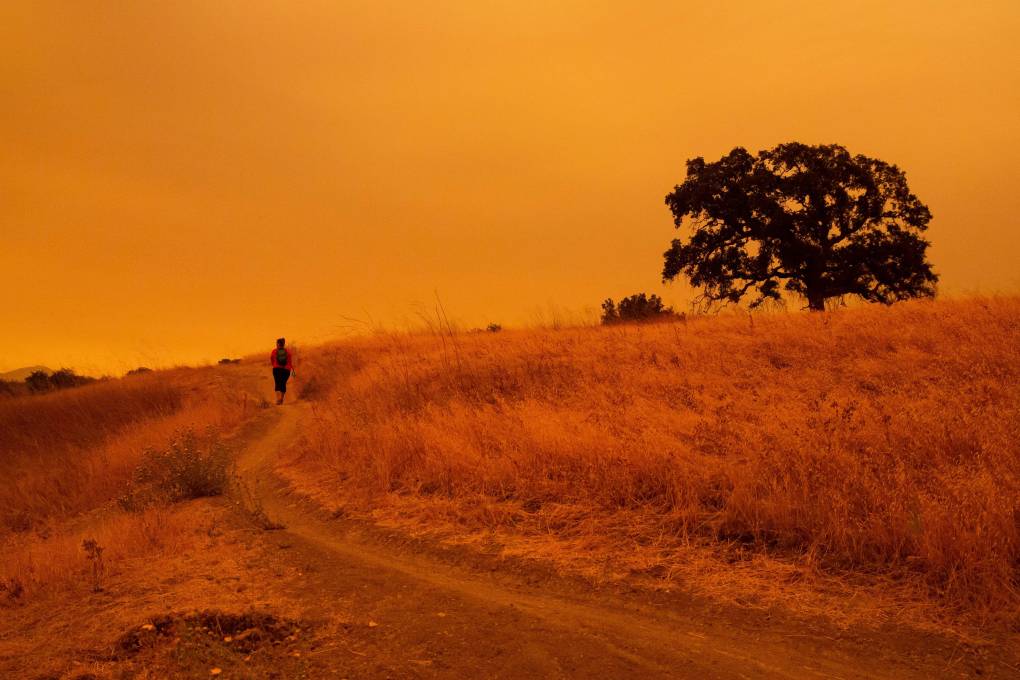
"caption": "A hiker walks below an orange sky filled with wildfire smoke on the Limeridge Open Space hiking trails in Concord, California on September 9, 2020. Dangerous dry winds whipped up California's record-breaking wildfires and ignited new blazes, as hundreds were evacuated by helicopter.",
"description": null,
"title": "US-CALIFORNIA-FIRE",
"credit": "Brittany Hosea-Small/AFP/Getty Images",
"status": "inherit",
"altTag": null,
"isLoading": false,
"fetchFailed": false
}
},
"audioPlayerReducer": {
"postId": "stream_live",
"isPaused": true,
"isPlaying": false,
"pfsActive": false,
"pledgeModalIsOpen": true,
"playerDrawerIsOpen": false,
"liveAudioPlayStartedAt": 0,
"liveAudioPlayContext": ""
},
"authorsReducer": {
"byline_science_1975855": {
"type": "authors",
"id": "byline_science_1975855",
"meta": {
"override": true
},
"slug": "byline_science_1975855",
"name": "Jackie Botts \u003cbr />CalMatters\u003cbr>",
"isLoading": false
},
"byline_science_1975788": {
"type": "authors",
"id": "byline_science_1975788",
"meta": {
"override": true
},
"slug": "byline_science_1975788",
"name": "Jon Hamilton \u003cbr />NPR\u003cbr>",
"isLoading": false
},
"byline_science_1975761": {
"type": "authors",
"id": "byline_science_1975761",
"meta": {
"override": true
},
"slug": "byline_science_1975761",
"name": "Liza Gross \u003cbr />InsideClimate News\u003cbr>",
"isLoading": false
},
"byline_science_1975752": {
"type": "authors",
"id": "byline_science_1975752",
"meta": {
"override": true
},
"slug": "byline_science_1975752",
"name": "Lorne Cook and David McHugh \u003cbr />AP\u003cbr> ",
"isLoading": false
},
"byline_science_1975694": {
"type": "authors",
"id": "byline_science_1975694",
"meta": {
"override": true
},
"slug": "byline_science_1975694",
"name": "Liza Gross \u003cbr />InsideClimate News\u003cbr>",
"isLoading": false
},
"lklivans": {
"type": "authors",
"id": "8648",
"meta": {
"index": "authors_1716337520",
"id": "8648",
"found": true
},
"name": "Laura Klivans",
"firstName": "Laura",
"lastName": "Klivans",
"slug": "lklivans",
"email": "lklivans@kqed.org",
"display_author_email": true,
"staff_mastheads": [
"news",
"science"
],
"title": "Reporter",
"bio": "Laura Klivans is an award-winning science reporter for KQED News, where she covers climate change with an eye on both groundbreaking progress and gaps in action. She is the former host of KQED's blockbuster video series about tiny, amazing animals, \u003cem>Deep Look\u003c/em>. Her work reaches national audiences through NPR, \u003cem>Here & Now, \u003c/em>PRI, and other major outlets. \r\n\r\nLaura’s won five Northern California Area Emmy Awards for Deep Look and First Place in the Greater Bay Area Journalism Awards for a podcast exploring how one Oakland neighborhood teamed up to reduce planet-heating pollution.\r\n\r\nBeyond her reporting, she hosts and moderates events. In the past, she taught audio storytelling at the UC Berkeley Graduate School of Journalism, led international education programs, worked with immigrants and refugees along the Thai-Burmese border, taught high schoolers sex ed, and was an actress. \r\n\r\nShe's a former UC Berkeley Human Rights Fellow, USC Center for Health Journalism's California Fellow and Coro Fellow in Public Affairs. Laura has a master’s in journalism from UC Berkeley, a master’s in education from Harvard, and an undergraduate degree from Northwestern University.\r\n\r\nShe loves trying to riddle the meaning out of vanity license plates.",
"avatar": "https://secure.gravatar.com/avatar/2d2ecd1550a494cc10ad4a503406965585902124739e775a9b3817eebf1d88be?s=600&d=blank&r=g",
"twitter": "lauraklivans",
"bluesky": null,
"facebook": null,
"instagram": null,
"linkedin": null,
"sites": [
{
"site": "news",
"roles": [
"editor"
]
},
{
"site": "stateofhealth",
"roles": [
"contributor",
"editor"
]
},
{
"site": "science",
"roles": [
"editor"
]
},
{
"site": "forum",
"roles": [
"editor"
]
}
],
"headData": {
"title": "Laura Klivans | KQED",
"description": "Reporter",
"ogImgSrc": "https://secure.gravatar.com/avatar/2d2ecd1550a494cc10ad4a503406965585902124739e775a9b3817eebf1d88be?s=600&d=blank&r=g",
"twImgSrc": "https://secure.gravatar.com/avatar/2d2ecd1550a494cc10ad4a503406965585902124739e775a9b3817eebf1d88be?s=600&d=blank&r=g"
},
"isLoading": false,
"link": "/author/lklivans"
},
"mseely": {
"type": "authors",
"id": "11095",
"meta": {
"index": "authors_1716337520",
"id": "11095",
"found": true
},
"name": "Mike Seely",
"firstName": "Mike",
"lastName": "Seely",
"slug": "mseely",
"email": "mseely@kqed.org",
"display_author_email": false,
"staff_mastheads": [
"science"
],
"title": "Producer",
"bio": "Mike is a Digital Media Producer for KQED Science and Post Production Coordinator for \u003ca href=\"https://www.youtube.com/user/KQEDDeepLook\" target=\"_blank\" rel=\"noopener noreferrer\">Deep Look\u003c/a>. Prior to his work at KQED, he worked independently for 15 years as a director, producer and cinematographer of documentary films about art, science, and social issues, collaborating with independent directors, corporate clients, non-profits, digital and broadcast networks. Previous to filmmaking life, he majored in biology as an undergrad at Oberlin College, and worked as a wildlife biologist on bird and seal population studies in California. He also holds an M.A. in Documentary Film Production from Stanford University.",
"avatar": "https://secure.gravatar.com/avatar/f9c5c6f7135a7c3fc0ce85114f7b05dd18e0b71af78a2d6770a1b09a921d8425?s=600&d=blank&r=g",
"twitter": null,
"bluesky": null,
"facebook": null,
"instagram": null,
"linkedin": null,
"sites": [
{
"site": "arts",
"roles": [
"subscriber"
]
},
{
"site": "science",
"roles": [
"author"
]
}
],
"headData": {
"title": "Mike Seely | KQED",
"description": "Producer",
"ogImgSrc": "https://secure.gravatar.com/avatar/f9c5c6f7135a7c3fc0ce85114f7b05dd18e0b71af78a2d6770a1b09a921d8425?s=600&d=blank&r=g",
"twImgSrc": "https://secure.gravatar.com/avatar/f9c5c6f7135a7c3fc0ce85114f7b05dd18e0b71af78a2d6770a1b09a921d8425?s=600&d=blank&r=g"
},
"isLoading": false,
"link": "/author/mseely"
},
"parcuni": {
"type": "authors",
"id": "11368",
"meta": {
"index": "authors_1716337520",
"id": "11368",
"found": true
},
"name": "Peter Arcuni",
"firstName": "Peter",
"lastName": "Arcuni",
"slug": "parcuni",
"email": "parcuni@KQED.org",
"display_author_email": false,
"staff_mastheads": [
"science"
],
"title": "Reporter",
"bio": "Peter reports radio and online stories for \u003cem>KQED Science\u003c/em>. His work has also appeared on the \u003cem>The California Report\u003c/em> morning show and \u003cem>KQED News\u003c/em>. His production credits include \u003cem>The California Report, The California Report Magazine\u003c/em> and KQED's local news podcast \u003cem>The Bay\u003c/em>. Other credits include NPR's \u003cem>All Things Considered\u003c/em>, WNYC's \u003cem>Science Friday\u003c/em>, WBUR's \u003cem>Here & Now\u003c/em>, WIRED and SFGate. Peter graduated from Brown University and earned a master's degree in journalism from Stanford. He's covered everything from homelessness to wildfires, health, the environment, arts and Thanksgiving in San Quentin prison. In other lives, he played rock n roll music and studied neuroscience. You can email him at: parcuni@kqed.org",
"avatar": "https://secure.gravatar.com/avatar/d5032f6f27199d478af34ad2e1d98732?s=600&d=blank&r=g",
"twitter": "peterarcuni",
"facebook": null,
"instagram": null,
"linkedin": null,
"sites": [
{
"site": "news",
"roles": [
"editor"
]
},
{
"site": "science",
"roles": [
"editor"
]
}
],
"headData": {
"title": "Peter Arcuni | KQED",
"description": "Reporter",
"ogImgSrc": "https://secure.gravatar.com/avatar/d5032f6f27199d478af34ad2e1d98732?s=600&d=blank&r=g",
"twImgSrc": "https://secure.gravatar.com/avatar/d5032f6f27199d478af34ad2e1d98732?s=600&d=blank&r=g"
},
"isLoading": false,
"link": "/author/parcuni"
},
"rdillon": {
"type": "authors",
"id": "11495",
"meta": {
"index": "authors_1716337520",
"id": "11495",
"found": true
},
"name": "Raquel Maria Dillon",
"firstName": "Raquel Maria",
"lastName": "Dillon",
"slug": "rdillon",
"email": "rdillon@kqed.org",
"display_author_email": false,
"staff_mastheads": [],
"title": null,
"bio": "Raquel Maria Dillon was a reporter and host for KQED News. Previously, she produced the daily statewide California Report, edited newscasts, and covered health and education stories. Before returning to the Bay Area in 2016, she worked in Los Angeles as a wire reporter and one-woman-band video journalist for the Associated Press, where she shot, edited and reported breaking news and features across the West. Her work has appeared online and in print around the globe, and also on NPR’s Morning Edition, All Things Considered, Here and Now, Marketplace, On The Media, and Studio 360. She previously edited and mentored up-and-coming reporters at KALW, produced social videos for Timeline.com, and was a local TV news videographer for KTVU and digital producer for KNTV. She got her start as a Radio News Trainee at KQED, produced a weekly public affairs roundtable show for OPB, and covered health and politics at New Hampshire Public Radio. She has a BA in political science from Barnard College and a MA in video journalism from UC Berkeley, where she was awarded the Faith Fancher Scholarship and a Student Emmy. She has received numerous local awards from the Associated Press and the Society of Professional Journalists.",
"avatar": "https://secure.gravatar.com/avatar/b8e02ae982913d0950df605910267c1b?s=600&d=blank&r=g",
"twitter": "RaquelMDillon",
"facebook": null,
"instagram": null,
"linkedin": null,
"sites": [
{
"site": "news",
"roles": [
"subscriber"
]
},
{
"site": "stateofhealth",
"roles": [
"editor"
]
},
{
"site": "science",
"roles": [
"editor"
]
},
{
"site": "forum",
"roles": [
"editor"
]
}
],
"headData": {
"title": "Raquel Maria Dillon | KQED",
"description": null,
"ogImgSrc": "https://secure.gravatar.com/avatar/b8e02ae982913d0950df605910267c1b?s=600&d=blank&r=g",
"twImgSrc": "https://secure.gravatar.com/avatar/b8e02ae982913d0950df605910267c1b?s=600&d=blank&r=g"
},
"isLoading": false,
"link": "/author/rdillon"
},
"thailye": {
"type": "authors",
"id": "11501",
"meta": {
"index": "authors_1716337520",
"id": "11501",
"found": true
},
"name": "Teodros Hailye",
"firstName": "Teodros",
"lastName": "Hailye",
"slug": "thailye",
"email": "thailye@KQED.org",
"display_author_email": false,
"staff_mastheads": [],
"title": "Information Designer",
"bio": null,
"avatar": "https://secure.gravatar.com/avatar/bfb755f5a66ebaccd414e310b7d7c94a?s=600&d=blank&r=g",
"twitter": null,
"facebook": null,
"instagram": null,
"linkedin": null,
"sites": [
{
"site": "science",
"roles": []
}
],
"headData": {
"title": "Teodros Hailye | KQED",
"description": "Information Designer",
"ogImgSrc": "https://secure.gravatar.com/avatar/bfb755f5a66ebaccd414e310b7d7c94a?s=600&d=blank&r=g",
"twImgSrc": "https://secure.gravatar.com/avatar/bfb755f5a66ebaccd414e310b7d7c94a?s=600&d=blank&r=g"
},
"isLoading": false,
"link": "/author/thailye"
},
"kevinstark": {
"type": "authors",
"id": "11608",
"meta": {
"index": "authors_1716337520",
"id": "11608",
"found": true
},
"name": "Kevin Stark",
"firstName": "Kevin",
"lastName": "Stark",
"slug": "kevinstark",
"email": "kstark@kqed.org",
"display_author_email": true,
"staff_mastheads": [
"science"
],
"title": "Senior Editor",
"bio": "Kevin is a senior editor for KQED Science, managing the station's health and climate desks. His journalism career began in the Pacific Northwest, and he later became a lead reporter for the San Francisco Public Press. His work has appeared in Pacific Standard magazine, the Energy News Network, the Center for Investigative Reporting's Reveal and WBEZ in Chicago. Kevin joined KQED in 2019, and has covered issues related to energy, wildfire, climate change and the environment.",
"avatar": "https://secure.gravatar.com/avatar/365aaa4b597d3a8374f67504ff0facd323d7906e8eb4be0a7efd2427408e802c?s=600&d=blank&r=g",
"twitter": "starkkev",
"bluesky": null,
"facebook": null,
"instagram": null,
"linkedin": null,
"sites": [
{
"site": "",
"roles": [
"editor"
]
},
{
"site": "news",
"roles": [
"editor"
]
},
{
"site": "science",
"roles": [
"administrator"
]
}
],
"headData": {
"title": "Kevin Stark | KQED",
"description": "Senior Editor",
"ogImgSrc": "https://secure.gravatar.com/avatar/365aaa4b597d3a8374f67504ff0facd323d7906e8eb4be0a7efd2427408e802c?s=600&d=blank&r=g",
"twImgSrc": "https://secure.gravatar.com/avatar/365aaa4b597d3a8374f67504ff0facd323d7906e8eb4be0a7efd2427408e802c?s=600&d=blank&r=g"
},
"isLoading": false,
"link": "/author/kevinstark"
},
"eromero": {
"type": "authors",
"id": "11746",
"meta": {
"index": "authors_1716337520",
"id": "11746",
"found": true
},
"name": "Ezra David Romero",
"firstName": "Ezra David",
"lastName": "Romero",
"slug": "eromero",
"email": "eromero@kqed.org",
"display_author_email": true,
"staff_mastheads": [
"news",
"science"
],
"title": "Climate Reporter",
"bio": "Ezra David Romero is a climate reporter for KQED News. He covers the absence and excess of water in the Bay Area — think sea level rise, flooding and drought. For nearly a decade he’s covered how warming temperatures are altering the lives of Californians. He’s reported on farmers worried their pistachio trees aren’t getting enough sleep, families desperate for water, scientists studying dying giant sequoias, and alongside firefighters containing wildfires. His work has appeared on local stations across California and nationally on public radio shows like Morning Edition, Here and Now, All Things Considered and Science Friday. ",
"avatar": "https://secure.gravatar.com/avatar/c76404d287c10ed40224227551ac36e24352c7306f106632caf6fead76f8801f?s=600&d=blank&r=g",
"twitter": "ezraromero",
"bluesky": null,
"facebook": null,
"instagram": null,
"linkedin": null,
"sites": [
{
"site": "arts",
"roles": [
"editor"
]
},
{
"site": "news",
"roles": [
"editor"
]
},
{
"site": "science",
"roles": [
"editor"
]
},
{
"site": "liveblog",
"roles": [
"author"
]
}
],
"headData": {
"title": "Ezra David Romero | KQED",
"description": "Climate Reporter",
"ogImgSrc": "https://secure.gravatar.com/avatar/c76404d287c10ed40224227551ac36e24352c7306f106632caf6fead76f8801f?s=600&d=blank&r=g",
"twImgSrc": "https://secure.gravatar.com/avatar/c76404d287c10ed40224227551ac36e24352c7306f106632caf6fead76f8801f?s=600&d=blank&r=g"
},
"isLoading": false,
"link": "/author/eromero"
}
},
"pagesReducer": {
"science_category_news": {
"type": "terms",
"id": "science_40",
"meta": {
"index": "terms_1716263798",
"site": "science",
"id": "40",
"score": 10.813459
},
"featImg": null,
"name": "News",
"description": null,
"taxonomy": "category",
"headData": {
"twImgId": null,
"twTitle": null,
"ogTitle": null,
"ogImgId": null,
"twDescription": null,
"description": null,
"title": "News Archives | KQED Science",
"ogDescription": null
},
"ttid": 42,
"slug": "news",
"isLoading": false,
"title": "News",
"pageMeta": {
"site": "science",
"WpPageTemplate": "page-topic-editorial",
"currentPage": 72
},
"blocks": [
{
"blockName": "kqed/post-list",
"attrs": {
"layout": "cardArticle2",
"query": "posts/science?category=news",
"seeMore": false,
"paginated": true,
"page": 72
}
},
{
"blockName": "kqed/ad"
}
]
}
},
"pfsSessionReducer": {},
"postsReducer": {
"stream_live": {
"type": "live",
"id": "stream_live",
"audioUrl": "https://streams.kqed.org/kqedradio",
"title": "Live Stream",
"excerpt": "Live Stream information currently unavailable.",
"link": "/radio",
"featImg": "",
"label": {
"name": "KQED Live",
"link": "/"
}
},
"stream_kqedNewscast": {
"type": "posts",
"id": "stream_kqedNewscast",
"audioUrl": "https://www.kqed.org/.stream/anon/radio/RDnews/newscast.mp3?_=1",
"title": "KQED Newscast",
"featImg": "",
"label": {
"name": "88.5 FM",
"link": "/"
}
},
"science_1975855": {
"type": "posts",
"id": "science_1975855",
"meta": {
"index": "posts_1716263798",
"site": "science",
"id": "1975855",
"score": null,
"sort": [
1626827433000
]
},
"parent": 0,
"labelTerm": {},
"blocks": [],
"publishDate": 1626827433,
"format": "standard",
"title": "Unpaid Utility Bills? California Will Pay Off $2 Billion to Avoid Shutoffs",
"headTitle": "Unpaid Utility Bills? California Will Pay Off $2 Billion to Avoid Shutoffs | KQED",
"content": "\u003cp>Two years ago the Los Angeles Department of Water and Power shut off electricity at Will Hollman’s home in the San Fernando Valley, forcing the family to rely on a gasoline generator. In late June of this year, the department disconnected the water, too — despite a \u003ca href=\"https://www.gov.ca.gov/wp-content/uploads/2020/04/4.2.20-EO-N-42-20.pdf\" target=\"_blank\" rel=\"noopener noreferrer\">statewide moratorium on water shutoffs\u003c/a> that Gov. Gavin Newsom \u003ca href=\"https://www.gov.ca.gov/wp-content/uploads/2021/06/6.11.21-EO-N-08-21-signed.pdf\" target=\"_blank\" rel=\"noopener noreferrer\">recently extended through Sept. 30\u003c/a>.\u003c/p>\n\u003cp>Hollman, his 10-year-old son and his 16-year-old stepdaughter endured 11 days of temperatures in the high 90s to low 100s without water or power. For 11 days, they camped out in air-conditioned grocery stores, Starbucks or his truck. They couchsurfed and used friends’ showers. Hollman played it off with the kids as some kind of fun obstacle course.\u003c/p>\n\u003cp>He called the department’s customer service, and said a representative told him that he must pay off his utility debt of $9,064.13 — largely consisting of charges that Hollman disputes as erroneous — before water or power could be restored.\u003c/p>\n\u003cp>“It’s been demoralizing, humiliating,” Hollman said on the eighth day. “I have a history of paying my bills, working, being a good provider. You… start having feelings of failure as a parent.”\u003c/p>\n\u003cp>Ultimately the state’s water agency convinced the LA department to turn on Hollman’s water.\u003c/p>\n\u003cp>[ad fullwidth]\u003c/p>\n\u003cp>Those 11 days without water or power are a window into what could happen to millions of Californians in the coming months and years, depending on how swiftly and effectively the state distributes relief.\u003c/p>\n\u003cp>Official estimates of unpaid water and energy bills accumulated during the pandemic verge on $2.7 billion, affecting a few million Californians — and \u003ca href=\"https://youtu.be/SozYyHYaDUI?t=2096\" target=\"_blank\" rel=\"noopener noreferrer\">those figures have been growing\u003c/a> rapidly.\u003c/p>\n\u003cp>The state has so far prioritized rent relief — keeping people housed — over utilities relief. A spokesperson for the state’s COVID-19 Rent Relief program said that of the $158 million distributed as of July 16, less than $40,000 had gone to utilities relief. Utility debt makes up about 6% of all assistance requested so far.\u003c/p>\n\u003cp>On July 11, lawmakers revealed a plan to use one-time federal relief money to address the debt. The deal is a patchwork of new programs to forgive $2 billion of utilities debt and old programs to help households chip away at the rest, with a wide range of eligibility criteria and timelines. But it doesn’t extend current shutoff moratoria past Sept. 30.\u003c/p>\n\u003cp>“We’re laser-focused on getting this assistance out the door as quickly as possible,” Newsom said in a statement about ongoing rent relief and the utilities relief plan. He has signed the \u003ca href=\"https://www.gov.ca.gov/2021/07/16/governor-newsom-signs-state-budget-legislation-7-16-21/\" target=\"_blank\" rel=\"noopener noreferrer\">energy bills relief into law\u003c/a>, while the water bills relief still awaits his signature.\u003c/p>\n\u003cp>This will be an important “reboot” to protect Californians and utility companies, said Ellen Hanak, director of the Water Policy Center at the Public Policy Institute of California.\u003c/p>\n\u003cp>“You don’t want people to be shut off from basic services,” Hanak said, “But it’s also a hit to the entire community if utilities aren’t able to balance their books, because that can have all sorts of ripple effects on the abilities of water and electrical systems to run well.”\u003c/p>\n\u003cp>When it comes to forgiving California’s utility debt, key questions remain:\u003c/p>\n\u003cul>\n\u003cli>Will $2 billion be nearly enough?\u003c/li>\n\u003cli>Can the money be distributed quickly enough to prevent shutoffs?\u003c/li>\n\u003c/ul>\n\u003cp>“For public health and safety, it’s important for people to have roofs over their heads, clean water and power. Those are all pieces of the puzzle,” Hanak said.\u003c/p>\n\u003cp id=\"h-a-catch-22-at-la-s-utilities-department\">\u003cstrong>A Catch-22 at \u003c/strong>\u003cstrong>LA’s Utilities Department?\u003c/strong>\u003c/p>\n\u003cp>Hollman’s utilities troubles began well before the pandemic.\u003c/p>\n\u003cp>After opening an account in 2017, he began receiving unusually high electricity charges topping $1,000 — even during months when no one was living in the house because he was staying with his parents — which Hollman attributes to billing errors by the LA utility.\u003c/p>\n\u003cp>Under financial stress following a messy separation, Hollman said he let the bills pile up.\u003c/p>\n\u003cp>By early 2019, his unpaid balance had mounted to nearly $9,000. He applied for $2,000 of assistance from the Los Angeles County Department of Public Social Services to keep service on. But the water agency insisted on full payment of his bill, according to correspondence from his social worker reviewed by CalMatters. In March of 2019, the department shut off his power due to non-payment. He bought a generator.\u003c/p>\n\u003cp>Following the power shutoff, the electricity charges continued, labeled as “unmetered estimated consumption” in bills reviewed by CalMatters, meaning the utility generated them without checking Hollman’s meter. In December 2019, a customer service representative credited his account with several thousand dollars, but, according to Hollman, told him that the department couldn’t stop the continuing energy charges or issue more credits until a technician read his meter.\u003c/p>\n\u003cp>Which required that the power be turned back on.\u003c/p>\n\u003cp>Which couldn’t happen until he paid off the debt.\u003c/p>\n\u003cp>As Hollman tells it, he was caught in a Catch-22.\u003c/p>\n\u003cp>In April 2020, amid the first pandemic surge, the LA utilities department closed Hollman’s account with an unpaid balance of $9,064.13, meaning that he couldn’t open a new account until he paid off the debt, which could affect his credit score or be taken to small claims court. But, Hollman said, a representative promised that water would stay on while the pandemic lasted. For over a year, it did — until a technician arrived unannounced in late June.\u003c/p>\n\u003cp>The LA utilities department tells a somewhat different story. In a statement, a department spokesperson said that it had disconnected Hollman’s water in October 2017 and power in March 2019 because Hollman had made no payments since opening his account in March 2017. The spokesperson said the department turned off his water twice more after detecting unauthorized use, in April 2019 and again this past June, when it “came to light to LADWP… that water service had illegally been turned back on.”\u003c/p>\n\u003cp>While declining to comment on the high “unmetered estimated consumption” charges or Hollman’s apparent Catch-22, the spokesperson said the department restored water service in early July “in an attempt to work out a payment plan… for the water and power that was consumed since 2017.”\u003c/p>\n\u003cp>Hollman disputes that he illegally reconnected the water, saying it never stopped flowing and that he never received notices it would be shut off. He said that a water department representative told him last week that he had to pay a third of his outstanding bill — money that he said he doesn’t have — before he can qualify for a payment plan.\u003c/p>\n\u003cp id=\"h-mounting-debt-and-shutoffs-despite-protections\">\u003cstrong>Mounting Debt, and Shutoffs Despite Protections\u003c/strong>\u003c/p>\n\u003cp>Hollman is not alone. Despite shutoff protections, the California State Water Resources Control Board has received 308 \u003ca href=\"https://watershut-off.covid19.ca.gov/#:~:text=State%20of%20California%20COVID%2D19%20Water%20Shutoff%20Report&text=If%20you%20require%20translation%20assistance,submitting%20a%20water%20shutoff%20report.\" target=\"_blank\" rel=\"noopener noreferrer\">reports of water disconnections during the pandemic\u003c/a>. No agency tracks power shutoffs.\u003c/p>\n\u003cp>A spokesperson said the state water board got water restored in each case, including for Hollman.\u003c/p>\n\u003cp>In February, the state water board estimated that \u003ca href=\"https://calmatters.org/california-divide/2021/01/water-debt-california-households-face-water-shutoffs/\" target=\"_blank\" rel=\"noopener noreferrer\">1.6 million households were late on water bills that totaled over $1 billion across California\u003c/a>, and were growing quickly. The California Municipal Utilities Association estimated \u003ca href=\"https://higherlogicdownload.s3.amazonaws.com/CSDA/b24702e8-8a42-4614-8c45-bc3cba37ea2c/UploadedImages/Advocate/Take_Action/covid19_utility_debt_assistance_coalition_letter.pdf\" target=\"_blank\" rel=\"noopener noreferrer\">unpaid energy bills at publicly owned utilities topped $300 million\u003c/a>, while close to 4 million customers of investor-owned utilities were behind on energy bills, totaling $1.4 billion, as of late June, according to a California Public Utilities Commission spokesperson.\u003c/p>\n\u003cp>Many people don’t know that they are still protected from shutoffs. Some no longer are.\u003c/p>\n\u003cp>When the state reopened in mid-June, Newsom \u003ca href=\"https://www.gov.ca.gov/wp-content/uploads/2021/06/6.11.21-EO-N-08-21-signed.pdf\" target=\"_blank\" rel=\"noopener noreferrer\">quietly extended the moratorium on water shutoffs to Sept. 30.\u003c/a> One water system has already said \u003ca href=\"https://www.padredam.org/CivicAlerts.aspx?AID=231\" target=\"_blank\" rel=\"noopener noreferrer\">that it will resume shutoffs the next day.\u003c/a>\u003c/p>\n\u003cp>The California Public Utilities Commission \u003ca href=\"https://docs.cpuc.ca.gov/PublishedDocs/Published/G000/M389/K401/389401945.PDF\" target=\"_blank\" rel=\"noopener noreferrer\">also extended the power shutoff moratorium to Sept. 30\u003c/a>, days before it was set to expire on June 30. But that only applies to customers of investor-owned utilities, leaving the quarter of Californians served by publicly owned utilities vulnerable, said Mad Stano, an energy equity attorney at the Greenlining Institute, a racial justice nonprofit.\u003c/p>\n\u003cp>LA’s water department is the largest publicly owned utility in \u003ca href=\"https://www.kqed.org/news/11747148/map-public-power-providers-in-california\" target=\"_blank\" rel=\"noopener noreferrer\">the United States\u003c/a>. During the pandemic, customers’ unpaid bills there increased more than 10-fold, from $37 million accrued during 2019 to $400 million accrued during the first eight months of the pandemic, according to a state Water Board report. \u003ca href=\"https://clkrep.lacity.org/onlinedocs/2021/21-0540_misc_05-19-21.pdf\" target=\"_blank\" rel=\"noopener noreferrer\">More than one in five customers behind on bills had debt over $1,000\u003c/a>. The department has voluntarily chosen to extend its own moratorium on shutoffs for nonpayment, according to a spokesperson, but has not yet announced an end date. It has also not publicized that decision.\u003c/p>\n\u003cp>\u003ca href=\"https://calmatters.org/california-divide/2021/01/water-debt-california-households-face-water-shutoffs/\" target=\"_blank\" rel=\"noopener noreferrer\">Deborah Bell-Holt\u003c/a> didn’t know.\u003c/p>\n\u003cfigure id=\"attachment_1975857\" class=\"wp-caption alignright\" style=\"max-width: 683px\">\u003cimg loading=\"lazy\" decoding=\"async\" class=\"size-full wp-image-1975857\" src=\"https://ww2.kqed.org/app/uploads/sites/35/2021/07/01212021_WaterDebt_SH_03-scaled-1.jpg\" alt=\"\" width=\"683\" height=\"1024\" srcset=\"https://cdn.kqed.org/wp-content/uploads/sites/35/2021/07/01212021_WaterDebt_SH_03-scaled-1.jpg 683w, https://cdn.kqed.org/wp-content/uploads/sites/35/2021/07/01212021_WaterDebt_SH_03-scaled-1-160x240.jpg 160w\" sizes=\"(max-width: 683px) 100vw, 683px\">\u003cfigcaption class=\"wp-caption-text\">Deborah Bell-Holt sits in front of her house in Jefferson Park near Downtown Los Angeles on Jan. 21, 2021, holding her water and power bill. \u003ccite>(Shae Hammond/CalMatters)\u003c/cite>\u003c/figcaption>\u003c/figure>\n\u003cp>Her utilities bill ballooned to $19,308.45 during the pandemic as her South Los Angeles household grew to include 12 children, grandchildren and friends.\u003c/p>\n\u003cp>Bell-Holt assumed that disconnections would start June 30, when evictions were set to begin had lawmakers not made \u003ca href=\"https://calmatters.org/housing/2021/06/california-eviction-moratorium-deal/\" target=\"_blank\" rel=\"noopener noreferrer\">a last-minute deal.\u003c/a> She scrambled to send the department $500 in late May and $200 on June 25th, hoping a few payments would stave off shutoffs. To afford that, she said she took out a $500 loan with 347% interest, which she’s still paying back.\u003c/p>\n\u003cp>Bell-Holt said that if she’d known she wasn’t at risk on June 30, “I wouldn’t put us in a hole like that.”\u003c/p>\n\u003cp>The state and utilities haven’t done enough to inform Californians about protections, Stano contends. “The state needs to require… communications to people so they don’t make financial decisions that they don’t have to make,” they said.\u003c/p>\n\u003cp id=\"h-living-without-water-or-power\">\u003cstrong>Living Without Water or Power\u003c/strong>\u003c/p>\n\u003cp>On Hollman’s third day this summer without water or power, it hit 100 degrees outside. Inside the house was even hotter.\u003c/p>\n\u003cp>Hollman and his kids are used to life without air conditioning in one of California’s hottest regions. Their generator — which requires $10 of fuel per day, on average — only powers the lights, electronics and refrigerator. Normally, Hollman might cool the house by hosing down the roof and outdoor plants.\u003c/p>\n\u003cp>Instead, the family lingered at McDonald’s. “It becomes very difficult to keep your spirit up, but you have to for your kids,” Hollman said. “You can’t crack.”\u003c/p>\n\u003cp>On the fifth day, his son thanked Hollman for the best day ever, after the two spent the afternoon cutting through the heat on skateboards.\u003c/p>\n\u003cp>On the ninth morning, Hollman ran out of generator fuel. He reminded his kids not to open the refrigerator, so the food wouldn’t spoil. He knew his car’s radiator was low, but he was out of coolant and bottled water. He crossed his fingers that the old truck wouldn’t overheat on the way to the gas station. It did.\u003c/p>\n\u003cp>“It’s a dance that people shouldn’t have to f—ing do,” Hollman said.\u003c/p>\n\u003cfigure id=\"attachment_1975859\" class=\"wp-caption alignnone\" style=\"max-width: 800px\">\u003cimg loading=\"lazy\" decoding=\"async\" class=\"size-medium wp-image-1975859\" src=\"https://ww2.kqed.org/app/uploads/sites/35/2021/07/07172021_Hollman_PU_Sized_03-800x533.jpg\" alt=\"\" width=\"800\" height=\"533\" srcset=\"https://cdn.kqed.org/wp-content/uploads/sites/35/2021/07/07172021_Hollman_PU_Sized_03-800x533.jpg 800w, https://cdn.kqed.org/wp-content/uploads/sites/35/2021/07/07172021_Hollman_PU_Sized_03-1020x680.jpg 1020w, https://cdn.kqed.org/wp-content/uploads/sites/35/2021/07/07172021_Hollman_PU_Sized_03-160x107.jpg 160w, https://cdn.kqed.org/wp-content/uploads/sites/35/2021/07/07172021_Hollman_PU_Sized_03-768x512.jpg 768w, https://cdn.kqed.org/wp-content/uploads/sites/35/2021/07/07172021_Hollman_PU_Sized_03.jpg 1200w\" sizes=\"(max-width: 800px) 100vw, 800px\">\u003cfigcaption class=\"wp-caption-text\">Will Hollman’s day typically begins by filling this container with gas for the generator he’s relied on since electricity was shut off to his San Fernando Valley home. \u003ccite>(Pablo Unzueta/CalMatters)\u003c/cite>\u003c/figcaption>\u003c/figure>\n\u003cp id=\"h-relief-on-the-way-for-california-utility-bills\">\u003cstrong>Relief On the Way\u003c/strong> \u003cstrong>for California Utility Bills\u003c/strong>\u003c/p>\n\u003cp>Theoretically, lawmakers’ new deal could prevent more people from that dance.\u003c/p>\n\u003cp>In May, \u003ca href=\"http://www.ebudget.ca.gov/FullBudgetSummary.pdf\" target=\"_blank\" rel=\"noopener noreferrer\">Newsom proposed $2 billion to relieve utilities debt\u003c/a>. Legislators agreed to the price tag in June, but continued negotiating the distribution plan in private.\u003c/p>\n\u003cp>\u003ca href=\"https://calmatters.org/newsletters/whatmatters/2021/07/california-budget-legislature/\" target=\"_blank\" rel=\"noopener noreferrer\">The result is two budget bills\u003c/a> that would create new programs that pay utilities directly to forgive customer debt accrued during the pandemic, prioritizing those at greatest risk of shutoffs. The \u003ca href=\"https://leginfo.legislature.ca.gov/faces/billNavClient.xhtml?bill_id=202120220SB135\" target=\"_blank\" rel=\"noopener noreferrer\">California Arrearage Payment Program\u003c/a> would forgive $994 million in energy debt, while the \u003ca href=\"https://leginfo.legislature.ca.gov/faces/billNavClient.xhtml?bill_id=202120220SB148\" target=\"_blank\" rel=\"noopener noreferrer\">California Water and Wastewater Arrearage Payment Program\u003c/a> would forgive \u003ca href=\"https://leginfo.legislature.ca.gov/faces/billNavClient.xhtml?bill_id=202120220SB129\" target=\"_blank\" rel=\"noopener noreferrer\">$985 million\u003c/a>.\u003c/p>\n\u003cp>In both cases, utilities must opt in. They must also offer all customers with pandemic debt a payment plan that would protect them from shutoffs as long as they enroll and stay current on the plan. Plus, the first forbids energy utilities from disconnecting power to a customer for 90 days after applying forgiveness to their account. Neither bill extends the shutoff moratoria, though the \u003ca href=\"https://docs.cpuc.ca.gov/PublishedDocs/Published/G000/M393/K048/393048062.PDF\" target=\"_blank\" rel=\"noopener noreferrer\">Public Utilities Commission has extended a moratorium\u003c/a> on shutoffs for a segment of water utilities, which cover about 16% of customers.\u003c/p>\n\u003cp>The pending legislation also funnels an unspecified amount of federal relief money into two \u003ca href=\"https://www.csd.ca.gov/Pages/LIHEAPProgram.aspx\">existing\u003c/a> \u003ca href=\"https://www.acf.hhs.gov/ocs/programs/lihwap\" target=\"_blank\" rel=\"noopener noreferrer\">programs\u003c/a> for which households must be income-eligible and apply for the assistance.\u003c/p>\n\u003cp>It’s unclear whether Hollman will be eligible for the programs, given that he accrued his debt before the COVID-19 pandemic. He may be at risk of another water shutoff soon.\u003c/p>\n\u003cp id=\"h-a-repeat-of-rent-relief-troubles\">\u003cstrong>A Repeat of Rent Relief Troubles?\u003c/strong>\u003c/p>\n\u003cp>The state has created countless new assistance programs during the pandemic — many mired by \u003ca href=\"https://calmatters.org/california-divide/2020/12/why-few-farmworkers-isolate-in-californias-free-covid-19-hotel-rooms/\" target=\"_blank\" rel=\"noopener noreferrer\">delays\u003c/a>, \u003ca href=\"https://calmatters.org/california-divide/2020/05/undocumented-immigrants-state-disaster-aid-unreachable/\" target=\"_blank\" rel=\"noopener noreferrer\">bureaucracy\u003c/a> and \u003ca href=\"https://calmatters.org/economy/2021/01/bank-of-america-lost-hundreds-of-millions-on-california-unemployment-fiasco/\" target=\"_blank\" rel=\"noopener noreferrer\">scandals\u003c/a>.\u003c/p>\n\u003cp>The state’s \u003ca href=\"https://housing.ca.gov/covid_rr/\" target=\"_blank\" rel=\"noopener noreferrer\">COVID rent relief program\u003c/a> is one example. As \u003ca href=\"https://calmatters.org/housing/2021/04/california-rent-relief-tenants/\" target=\"_blank\" rel=\"noopener noreferrer\">CalMatters reported\u003c/a>, lengthy online applications available in too few languages initially blocked access to vulnerable renters, while distribution has been painfully slow.\u003c/p>\n\u003cp>The California utility bill debt forgiveness programs proposed last week sidestep some of these problems by requiring utilities, instead of customers, to apply, and by not requiring customers to prove eligibility. Advocates cheered that choice, but worried lawmakers didn’t go far enough to prevent shutoffs.\u003c/p>\n\u003cp>The water program legislation requires the water board to start distributing funds by Nov. 1. But that’s a month after the shutoff moratorium ends, said Jennifer Clary, California state director of nonprofit Clean Water Action. “I’m a little concerned about that gap,” she said.\u003c/p>\n\u003cp>Stano of the Greenlining Institute said that the bill language doesn’t prevent publicly owned utilities from shutting off power right now. They said it also doesn’t provide enough guidance to ensure that payment plans are sufficiently accessible and reasonable to keep people safe from shutoffs — especially given that only about two-thirds of the debt is expected to be forgiven.\u003c/p>\n\u003cp>“We will not be celebrating anything until the risk of disconnection is removed,” said Stano, who is pushing for the energy shutoff moratorium to be extended past Sept. 30.\u003c/p>\n\u003cp>A life-long Democrat, Hollman finds his faith in government assistance tested. He says he’s never relied much on it until his work as a telecommunications salesman for brick-and-mortar businesses came to a sudden halt last March. He applied for unemployment benefits so that he could focus on overseeing his children’s virtual schooling without any electricity coming to the house, but the checks don’t cover rent, food and generator fuel. He borrowed money, sold assets and made partial rent payments.\u003c/p>\n\u003cp>Like millions of Californians, Hollman has run into \u003ca href=\"https://calmatters.org/explainers/california-edd-unemployment-crisis-explained/\" target=\"_blank\" rel=\"noopener noreferrer\">unemployment benefits snafus.\u003c/a>\u003c/p>\n\u003cp>The last one happened several nights after the water department turned the water back on. Hollman received his unemployment payment to his Bank of America unemployment benefits account, but said when he tried paying bills the next morning, the money had already been withdrawn. He said he filed reports of identity theft with police and the Employment Development Department.\u003c/p>\n\u003cp>Hollman also said he called his landlord to tell him he wouldn’t be able to make July’s rent — and that he hasn’t heard back about the $5,000 in rent relief he’s applied for from the city of Los Angeles. He said he planned to find work this summer, but has been in crisis mode since the water shutoff.\u003c/p>\n\u003cp>[ad floatright]\u003c/p>\n\u003cp>“It can’t be understated,” Hollman texted, “how delicate the balance of survival is.”\u003c/p>\n\n",
"stats": {
"hasVideo": false,
"hasChartOrMap": false,
"hasAudio": false,
"hasPolis": false,
"wordCount": 2755,
"hasGoogleForm": false,
"hasGallery": false,
"hasHearkenModule": false,
"iframeSrcs": [],
"paragraphCount": 63
},
"modified": 1704846509,
"excerpt": "Lawmakers have agreed to pay off $2 billion of Californians’ utilities debt, but haven’t extended the shutoff moratoria past Sept. 30. One family’s experience of surviving a heat wave without water or power reveals what’s at stake.",
"headData": {
"twImgId": "",
"twTitle": "",
"ogTitle": "",
"ogImgId": "",
"twDescription": "",
"description": "Lawmakers have agreed to pay off $2 billion of Californians’ utilities debt, but haven’t extended the shutoff moratoria past Sept. 30. One family’s experience of surviving a heat wave without water or power reveals what’s at stake.",
"title": "Unpaid Utility Bills? California Will Pay Off $2 Billion to Avoid Shutoffs | KQED",
"ogDescription": "",
"schema": {
"@context": "https://schema.org",
"@type": "Article",
"headline": "Unpaid Utility Bills? California Will Pay Off $2 Billion to Avoid Shutoffs",
"datePublished": "2021-07-20T17:30:33-07:00",
"dateModified": "2024-01-09T16:28:29-08:00",
"image": "https://cdn.kqed.org/wp-content/uploads/2020/02/KQED-OG-Image@1x.png"
}
},
"guestAuthors": [],
"slug": "unpaid-utility-bills-california-will-pay-off-2-billion-to-avoid-shutoffs",
"status": "publish",
"nprByline": "Jackie Botts \u003cbr />CalMatters\u003cbr>",
"sticky": false,
"source": "CalMatters",
"path": "/science/1975855/unpaid-utility-bills-california-will-pay-off-2-billion-to-avoid-shutoffs",
"audioTrackLength": null,
"parsedContent": [
{
"type": "contentString",
"content": "\u003cdiv class=\"post-body\">\u003cp>\u003cp>Two years ago the Los Angeles Department of Water and Power shut off electricity at Will Hollman’s home in the San Fernando Valley, forcing the family to rely on a gasoline generator. In late June of this year, the department disconnected the water, too — despite a \u003ca href=\"https://www.gov.ca.gov/wp-content/uploads/2020/04/4.2.20-EO-N-42-20.pdf\" target=\"_blank\" rel=\"noopener noreferrer\">statewide moratorium on water shutoffs\u003c/a> that Gov. Gavin Newsom \u003ca href=\"https://www.gov.ca.gov/wp-content/uploads/2021/06/6.11.21-EO-N-08-21-signed.pdf\" target=\"_blank\" rel=\"noopener noreferrer\">recently extended through Sept. 30\u003c/a>.\u003c/p>\n\u003cp>Hollman, his 10-year-old son and his 16-year-old stepdaughter endured 11 days of temperatures in the high 90s to low 100s without water or power. For 11 days, they camped out in air-conditioned grocery stores, Starbucks or his truck. They couchsurfed and used friends’ showers. Hollman played it off with the kids as some kind of fun obstacle course.\u003c/p>\n\u003cp>He called the department’s customer service, and said a representative told him that he must pay off his utility debt of $9,064.13 — largely consisting of charges that Hollman disputes as erroneous — before water or power could be restored.\u003c/p>\n\u003cp>“It’s been demoralizing, humiliating,” Hollman said on the eighth day. “I have a history of paying my bills, working, being a good provider. You… start having feelings of failure as a parent.”\u003c/p>\n\u003cp>Ultimately the state’s water agency convinced the LA department to turn on Hollman’s water.\u003c/p>\n\u003cp>\u003c/p>\u003c/div>",
"attributes": {
"named": {},
"numeric": []
}
},
{
"type": "component",
"content": "",
"name": "ad",
"attributes": {
"named": {
"label": "fullwidth"
},
"numeric": [
"fullwidth"
]
}
},
{
"type": "contentString",
"content": "\u003cdiv class=\"post-body\">\u003cp>\u003c/p>\n\u003cp>Those 11 days without water or power are a window into what could happen to millions of Californians in the coming months and years, depending on how swiftly and effectively the state distributes relief.\u003c/p>\n\u003cp>Official estimates of unpaid water and energy bills accumulated during the pandemic verge on $2.7 billion, affecting a few million Californians — and \u003ca href=\"https://youtu.be/SozYyHYaDUI?t=2096\" target=\"_blank\" rel=\"noopener noreferrer\">those figures have been growing\u003c/a> rapidly.\u003c/p>\n\u003cp>The state has so far prioritized rent relief — keeping people housed — over utilities relief. A spokesperson for the state’s COVID-19 Rent Relief program said that of the $158 million distributed as of July 16, less than $40,000 had gone to utilities relief. Utility debt makes up about 6% of all assistance requested so far.\u003c/p>\n\u003cp>On July 11, lawmakers revealed a plan to use one-time federal relief money to address the debt. The deal is a patchwork of new programs to forgive $2 billion of utilities debt and old programs to help households chip away at the rest, with a wide range of eligibility criteria and timelines. But it doesn’t extend current shutoff moratoria past Sept. 30.\u003c/p>\n\u003cp>“We’re laser-focused on getting this assistance out the door as quickly as possible,” Newsom said in a statement about ongoing rent relief and the utilities relief plan. He has signed the \u003ca href=\"https://www.gov.ca.gov/2021/07/16/governor-newsom-signs-state-budget-legislation-7-16-21/\" target=\"_blank\" rel=\"noopener noreferrer\">energy bills relief into law\u003c/a>, while the water bills relief still awaits his signature.\u003c/p>\n\u003cp>This will be an important “reboot” to protect Californians and utility companies, said Ellen Hanak, director of the Water Policy Center at the Public Policy Institute of California.\u003c/p>\n\u003cp>“You don’t want people to be shut off from basic services,” Hanak said, “But it’s also a hit to the entire community if utilities aren’t able to balance their books, because that can have all sorts of ripple effects on the abilities of water and electrical systems to run well.”\u003c/p>\n\u003cp>When it comes to forgiving California’s utility debt, key questions remain:\u003c/p>\n\u003cul>\n\u003cli>Will $2 billion be nearly enough?\u003c/li>\n\u003cli>Can the money be distributed quickly enough to prevent shutoffs?\u003c/li>\n\u003c/ul>\n\u003cp>“For public health and safety, it’s important for people to have roofs over their heads, clean water and power. Those are all pieces of the puzzle,” Hanak said.\u003c/p>\n\u003cp id=\"h-a-catch-22-at-la-s-utilities-department\">\u003cstrong>A Catch-22 at \u003c/strong>\u003cstrong>LA’s Utilities Department?\u003c/strong>\u003c/p>\n\u003cp>Hollman’s utilities troubles began well before the pandemic.\u003c/p>\n\u003cp>After opening an account in 2017, he began receiving unusually high electricity charges topping $1,000 — even during months when no one was living in the house because he was staying with his parents — which Hollman attributes to billing errors by the LA utility.\u003c/p>\n\u003cp>Under financial stress following a messy separation, Hollman said he let the bills pile up.\u003c/p>\n\u003cp>By early 2019, his unpaid balance had mounted to nearly $9,000. He applied for $2,000 of assistance from the Los Angeles County Department of Public Social Services to keep service on. But the water agency insisted on full payment of his bill, according to correspondence from his social worker reviewed by CalMatters. In March of 2019, the department shut off his power due to non-payment. He bought a generator.\u003c/p>\n\u003cp>Following the power shutoff, the electricity charges continued, labeled as “unmetered estimated consumption” in bills reviewed by CalMatters, meaning the utility generated them without checking Hollman’s meter. In December 2019, a customer service representative credited his account with several thousand dollars, but, according to Hollman, told him that the department couldn’t stop the continuing energy charges or issue more credits until a technician read his meter.\u003c/p>\n\u003cp>Which required that the power be turned back on.\u003c/p>\n\u003cp>Which couldn’t happen until he paid off the debt.\u003c/p>\n\u003cp>As Hollman tells it, he was caught in a Catch-22.\u003c/p>\n\u003cp>In April 2020, amid the first pandemic surge, the LA utilities department closed Hollman’s account with an unpaid balance of $9,064.13, meaning that he couldn’t open a new account until he paid off the debt, which could affect his credit score or be taken to small claims court. But, Hollman said, a representative promised that water would stay on while the pandemic lasted. For over a year, it did — until a technician arrived unannounced in late June.\u003c/p>\n\u003cp>The LA utilities department tells a somewhat different story. In a statement, a department spokesperson said that it had disconnected Hollman’s water in October 2017 and power in March 2019 because Hollman had made no payments since opening his account in March 2017. The spokesperson said the department turned off his water twice more after detecting unauthorized use, in April 2019 and again this past June, when it “came to light to LADWP… that water service had illegally been turned back on.”\u003c/p>\n\u003cp>While declining to comment on the high “unmetered estimated consumption” charges or Hollman’s apparent Catch-22, the spokesperson said the department restored water service in early July “in an attempt to work out a payment plan… for the water and power that was consumed since 2017.”\u003c/p>\n\u003cp>Hollman disputes that he illegally reconnected the water, saying it never stopped flowing and that he never received notices it would be shut off. He said that a water department representative told him last week that he had to pay a third of his outstanding bill — money that he said he doesn’t have — before he can qualify for a payment plan.\u003c/p>\n\u003cp id=\"h-mounting-debt-and-shutoffs-despite-protections\">\u003cstrong>Mounting Debt, and Shutoffs Despite Protections\u003c/strong>\u003c/p>\n\u003cp>Hollman is not alone. Despite shutoff protections, the California State Water Resources Control Board has received 308 \u003ca href=\"https://watershut-off.covid19.ca.gov/#:~:text=State%20of%20California%20COVID%2D19%20Water%20Shutoff%20Report&text=If%20you%20require%20translation%20assistance,submitting%20a%20water%20shutoff%20report.\" target=\"_blank\" rel=\"noopener noreferrer\">reports of water disconnections during the pandemic\u003c/a>. No agency tracks power shutoffs.\u003c/p>\n\u003cp>A spokesperson said the state water board got water restored in each case, including for Hollman.\u003c/p>\n\u003cp>In February, the state water board estimated that \u003ca href=\"https://calmatters.org/california-divide/2021/01/water-debt-california-households-face-water-shutoffs/\" target=\"_blank\" rel=\"noopener noreferrer\">1.6 million households were late on water bills that totaled over $1 billion across California\u003c/a>, and were growing quickly. The California Municipal Utilities Association estimated \u003ca href=\"https://higherlogicdownload.s3.amazonaws.com/CSDA/b24702e8-8a42-4614-8c45-bc3cba37ea2c/UploadedImages/Advocate/Take_Action/covid19_utility_debt_assistance_coalition_letter.pdf\" target=\"_blank\" rel=\"noopener noreferrer\">unpaid energy bills at publicly owned utilities topped $300 million\u003c/a>, while close to 4 million customers of investor-owned utilities were behind on energy bills, totaling $1.4 billion, as of late June, according to a California Public Utilities Commission spokesperson.\u003c/p>\n\u003cp>Many people don’t know that they are still protected from shutoffs. Some no longer are.\u003c/p>\n\u003cp>When the state reopened in mid-June, Newsom \u003ca href=\"https://www.gov.ca.gov/wp-content/uploads/2021/06/6.11.21-EO-N-08-21-signed.pdf\" target=\"_blank\" rel=\"noopener noreferrer\">quietly extended the moratorium on water shutoffs to Sept. 30.\u003c/a> One water system has already said \u003ca href=\"https://www.padredam.org/CivicAlerts.aspx?AID=231\" target=\"_blank\" rel=\"noopener noreferrer\">that it will resume shutoffs the next day.\u003c/a>\u003c/p>\n\u003cp>The California Public Utilities Commission \u003ca href=\"https://docs.cpuc.ca.gov/PublishedDocs/Published/G000/M389/K401/389401945.PDF\" target=\"_blank\" rel=\"noopener noreferrer\">also extended the power shutoff moratorium to Sept. 30\u003c/a>, days before it was set to expire on June 30. But that only applies to customers of investor-owned utilities, leaving the quarter of Californians served by publicly owned utilities vulnerable, said Mad Stano, an energy equity attorney at the Greenlining Institute, a racial justice nonprofit.\u003c/p>\n\u003cp>LA’s water department is the largest publicly owned utility in \u003ca href=\"https://www.kqed.org/news/11747148/map-public-power-providers-in-california\" target=\"_blank\" rel=\"noopener noreferrer\">the United States\u003c/a>. During the pandemic, customers’ unpaid bills there increased more than 10-fold, from $37 million accrued during 2019 to $400 million accrued during the first eight months of the pandemic, according to a state Water Board report. \u003ca href=\"https://clkrep.lacity.org/onlinedocs/2021/21-0540_misc_05-19-21.pdf\" target=\"_blank\" rel=\"noopener noreferrer\">More than one in five customers behind on bills had debt over $1,000\u003c/a>. The department has voluntarily chosen to extend its own moratorium on shutoffs for nonpayment, according to a spokesperson, but has not yet announced an end date. It has also not publicized that decision.\u003c/p>\n\u003cp>\u003ca href=\"https://calmatters.org/california-divide/2021/01/water-debt-california-households-face-water-shutoffs/\" target=\"_blank\" rel=\"noopener noreferrer\">Deborah Bell-Holt\u003c/a> didn’t know.\u003c/p>\n\u003cfigure id=\"attachment_1975857\" class=\"wp-caption alignright\" style=\"max-width: 683px\">\u003cimg loading=\"lazy\" decoding=\"async\" class=\"size-full wp-image-1975857\" src=\"https://ww2.kqed.org/app/uploads/sites/35/2021/07/01212021_WaterDebt_SH_03-scaled-1.jpg\" alt=\"\" width=\"683\" height=\"1024\" srcset=\"https://cdn.kqed.org/wp-content/uploads/sites/35/2021/07/01212021_WaterDebt_SH_03-scaled-1.jpg 683w, https://cdn.kqed.org/wp-content/uploads/sites/35/2021/07/01212021_WaterDebt_SH_03-scaled-1-160x240.jpg 160w\" sizes=\"(max-width: 683px) 100vw, 683px\">\u003cfigcaption class=\"wp-caption-text\">Deborah Bell-Holt sits in front of her house in Jefferson Park near Downtown Los Angeles on Jan. 21, 2021, holding her water and power bill. \u003ccite>(Shae Hammond/CalMatters)\u003c/cite>\u003c/figcaption>\u003c/figure>\n\u003cp>Her utilities bill ballooned to $19,308.45 during the pandemic as her South Los Angeles household grew to include 12 children, grandchildren and friends.\u003c/p>\n\u003cp>Bell-Holt assumed that disconnections would start June 30, when evictions were set to begin had lawmakers not made \u003ca href=\"https://calmatters.org/housing/2021/06/california-eviction-moratorium-deal/\" target=\"_blank\" rel=\"noopener noreferrer\">a last-minute deal.\u003c/a> She scrambled to send the department $500 in late May and $200 on June 25th, hoping a few payments would stave off shutoffs. To afford that, she said she took out a $500 loan with 347% interest, which she’s still paying back.\u003c/p>\n\u003cp>Bell-Holt said that if she’d known she wasn’t at risk on June 30, “I wouldn’t put us in a hole like that.”\u003c/p>\n\u003cp>The state and utilities haven’t done enough to inform Californians about protections, Stano contends. “The state needs to require… communications to people so they don’t make financial decisions that they don’t have to make,” they said.\u003c/p>\n\u003cp id=\"h-living-without-water-or-power\">\u003cstrong>Living Without Water or Power\u003c/strong>\u003c/p>\n\u003cp>On Hollman’s third day this summer without water or power, it hit 100 degrees outside. Inside the house was even hotter.\u003c/p>\n\u003cp>Hollman and his kids are used to life without air conditioning in one of California’s hottest regions. Their generator — which requires $10 of fuel per day, on average — only powers the lights, electronics and refrigerator. Normally, Hollman might cool the house by hosing down the roof and outdoor plants.\u003c/p>\n\u003cp>Instead, the family lingered at McDonald’s. “It becomes very difficult to keep your spirit up, but you have to for your kids,” Hollman said. “You can’t crack.”\u003c/p>\n\u003cp>On the fifth day, his son thanked Hollman for the best day ever, after the two spent the afternoon cutting through the heat on skateboards.\u003c/p>\n\u003cp>On the ninth morning, Hollman ran out of generator fuel. He reminded his kids not to open the refrigerator, so the food wouldn’t spoil. He knew his car’s radiator was low, but he was out of coolant and bottled water. He crossed his fingers that the old truck wouldn’t overheat on the way to the gas station. It did.\u003c/p>\n\u003cp>“It’s a dance that people shouldn’t have to f—ing do,” Hollman said.\u003c/p>\n\u003cfigure id=\"attachment_1975859\" class=\"wp-caption alignnone\" style=\"max-width: 800px\">\u003cimg loading=\"lazy\" decoding=\"async\" class=\"size-medium wp-image-1975859\" src=\"https://ww2.kqed.org/app/uploads/sites/35/2021/07/07172021_Hollman_PU_Sized_03-800x533.jpg\" alt=\"\" width=\"800\" height=\"533\" srcset=\"https://cdn.kqed.org/wp-content/uploads/sites/35/2021/07/07172021_Hollman_PU_Sized_03-800x533.jpg 800w, https://cdn.kqed.org/wp-content/uploads/sites/35/2021/07/07172021_Hollman_PU_Sized_03-1020x680.jpg 1020w, https://cdn.kqed.org/wp-content/uploads/sites/35/2021/07/07172021_Hollman_PU_Sized_03-160x107.jpg 160w, https://cdn.kqed.org/wp-content/uploads/sites/35/2021/07/07172021_Hollman_PU_Sized_03-768x512.jpg 768w, https://cdn.kqed.org/wp-content/uploads/sites/35/2021/07/07172021_Hollman_PU_Sized_03.jpg 1200w\" sizes=\"(max-width: 800px) 100vw, 800px\">\u003cfigcaption class=\"wp-caption-text\">Will Hollman’s day typically begins by filling this container with gas for the generator he’s relied on since electricity was shut off to his San Fernando Valley home. \u003ccite>(Pablo Unzueta/CalMatters)\u003c/cite>\u003c/figcaption>\u003c/figure>\n\u003cp id=\"h-relief-on-the-way-for-california-utility-bills\">\u003cstrong>Relief On the Way\u003c/strong> \u003cstrong>for California Utility Bills\u003c/strong>\u003c/p>\n\u003cp>Theoretically, lawmakers’ new deal could prevent more people from that dance.\u003c/p>\n\u003cp>In May, \u003ca href=\"http://www.ebudget.ca.gov/FullBudgetSummary.pdf\" target=\"_blank\" rel=\"noopener noreferrer\">Newsom proposed $2 billion to relieve utilities debt\u003c/a>. Legislators agreed to the price tag in June, but continued negotiating the distribution plan in private.\u003c/p>\n\u003cp>\u003ca href=\"https://calmatters.org/newsletters/whatmatters/2021/07/california-budget-legislature/\" target=\"_blank\" rel=\"noopener noreferrer\">The result is two budget bills\u003c/a> that would create new programs that pay utilities directly to forgive customer debt accrued during the pandemic, prioritizing those at greatest risk of shutoffs. The \u003ca href=\"https://leginfo.legislature.ca.gov/faces/billNavClient.xhtml?bill_id=202120220SB135\" target=\"_blank\" rel=\"noopener noreferrer\">California Arrearage Payment Program\u003c/a> would forgive $994 million in energy debt, while the \u003ca href=\"https://leginfo.legislature.ca.gov/faces/billNavClient.xhtml?bill_id=202120220SB148\" target=\"_blank\" rel=\"noopener noreferrer\">California Water and Wastewater Arrearage Payment Program\u003c/a> would forgive \u003ca href=\"https://leginfo.legislature.ca.gov/faces/billNavClient.xhtml?bill_id=202120220SB129\" target=\"_blank\" rel=\"noopener noreferrer\">$985 million\u003c/a>.\u003c/p>\n\u003cp>In both cases, utilities must opt in. They must also offer all customers with pandemic debt a payment plan that would protect them from shutoffs as long as they enroll and stay current on the plan. Plus, the first forbids energy utilities from disconnecting power to a customer for 90 days after applying forgiveness to their account. Neither bill extends the shutoff moratoria, though the \u003ca href=\"https://docs.cpuc.ca.gov/PublishedDocs/Published/G000/M393/K048/393048062.PDF\" target=\"_blank\" rel=\"noopener noreferrer\">Public Utilities Commission has extended a moratorium\u003c/a> on shutoffs for a segment of water utilities, which cover about 16% of customers.\u003c/p>\n\u003cp>The pending legislation also funnels an unspecified amount of federal relief money into two \u003ca href=\"https://www.csd.ca.gov/Pages/LIHEAPProgram.aspx\">existing\u003c/a> \u003ca href=\"https://www.acf.hhs.gov/ocs/programs/lihwap\" target=\"_blank\" rel=\"noopener noreferrer\">programs\u003c/a> for which households must be income-eligible and apply for the assistance.\u003c/p>\n\u003cp>It’s unclear whether Hollman will be eligible for the programs, given that he accrued his debt before the COVID-19 pandemic. He may be at risk of another water shutoff soon.\u003c/p>\n\u003cp id=\"h-a-repeat-of-rent-relief-troubles\">\u003cstrong>A Repeat of Rent Relief Troubles?\u003c/strong>\u003c/p>\n\u003cp>The state has created countless new assistance programs during the pandemic — many mired by \u003ca href=\"https://calmatters.org/california-divide/2020/12/why-few-farmworkers-isolate-in-californias-free-covid-19-hotel-rooms/\" target=\"_blank\" rel=\"noopener noreferrer\">delays\u003c/a>, \u003ca href=\"https://calmatters.org/california-divide/2020/05/undocumented-immigrants-state-disaster-aid-unreachable/\" target=\"_blank\" rel=\"noopener noreferrer\">bureaucracy\u003c/a> and \u003ca href=\"https://calmatters.org/economy/2021/01/bank-of-america-lost-hundreds-of-millions-on-california-unemployment-fiasco/\" target=\"_blank\" rel=\"noopener noreferrer\">scandals\u003c/a>.\u003c/p>\n\u003cp>The state’s \u003ca href=\"https://housing.ca.gov/covid_rr/\" target=\"_blank\" rel=\"noopener noreferrer\">COVID rent relief program\u003c/a> is one example. As \u003ca href=\"https://calmatters.org/housing/2021/04/california-rent-relief-tenants/\" target=\"_blank\" rel=\"noopener noreferrer\">CalMatters reported\u003c/a>, lengthy online applications available in too few languages initially blocked access to vulnerable renters, while distribution has been painfully slow.\u003c/p>\n\u003cp>The California utility bill debt forgiveness programs proposed last week sidestep some of these problems by requiring utilities, instead of customers, to apply, and by not requiring customers to prove eligibility. Advocates cheered that choice, but worried lawmakers didn’t go far enough to prevent shutoffs.\u003c/p>\n\u003cp>The water program legislation requires the water board to start distributing funds by Nov. 1. But that’s a month after the shutoff moratorium ends, said Jennifer Clary, California state director of nonprofit Clean Water Action. “I’m a little concerned about that gap,” she said.\u003c/p>\n\u003cp>Stano of the Greenlining Institute said that the bill language doesn’t prevent publicly owned utilities from shutting off power right now. They said it also doesn’t provide enough guidance to ensure that payment plans are sufficiently accessible and reasonable to keep people safe from shutoffs — especially given that only about two-thirds of the debt is expected to be forgiven.\u003c/p>\n\u003cp>“We will not be celebrating anything until the risk of disconnection is removed,” said Stano, who is pushing for the energy shutoff moratorium to be extended past Sept. 30.\u003c/p>\n\u003cp>A life-long Democrat, Hollman finds his faith in government assistance tested. He says he’s never relied much on it until his work as a telecommunications salesman for brick-and-mortar businesses came to a sudden halt last March. He applied for unemployment benefits so that he could focus on overseeing his children’s virtual schooling without any electricity coming to the house, but the checks don’t cover rent, food and generator fuel. He borrowed money, sold assets and made partial rent payments.\u003c/p>\n\u003cp>Like millions of Californians, Hollman has run into \u003ca href=\"https://calmatters.org/explainers/california-edd-unemployment-crisis-explained/\" target=\"_blank\" rel=\"noopener noreferrer\">unemployment benefits snafus.\u003c/a>\u003c/p>\n\u003cp>The last one happened several nights after the water department turned the water back on. Hollman received his unemployment payment to his Bank of America unemployment benefits account, but said when he tried paying bills the next morning, the money had already been withdrawn. He said he filed reports of identity theft with police and the Employment Development Department.\u003c/p>\n\u003cp>Hollman also said he called his landlord to tell him he wouldn’t be able to make July’s rent — and that he hasn’t heard back about the $5,000 in rent relief he’s applied for from the city of Los Angeles. He said he planned to find work this summer, but has been in crisis mode since the water shutoff.\u003c/p>\n\u003cp>\u003c/p>\u003c/div>",
"attributes": {
"named": {},
"numeric": []
}
},
{
"type": "component",
"content": "",
"name": "ad",
"attributes": {
"named": {
"label": "floatright"
},
"numeric": [
"floatright"
]
}
},
{
"type": "contentString",
"content": "\u003cdiv class=\"post-body\">\u003cp>\u003c/p>\n\u003cp>“It can’t be understated,” Hollman texted, “how delicate the balance of survival is.”\u003c/p>\n\n\u003c/div>\u003c/p>",
"attributes": {
"named": {},
"numeric": []
}
}
],
"link": "/science/1975855/unpaid-utility-bills-california-will-pay-off-2-billion-to-avoid-shutoffs",
"authors": [
"byline_science_1975855"
],
"categories": [
"science_31",
"science_33",
"science_35",
"science_40",
"science_4450",
"science_98"
],
"tags": [
"science_3969",
"science_4329",
"science_134"
],
"featImg": "science_1975856",
"label": "source_science_1975855"
},
"science_1975879": {
"type": "posts",
"id": "science_1975879",
"meta": {
"index": "posts_1716263798",
"site": "science",
"id": "1975879",
"score": null,
"sort": [
1626826574000
]
},
"parent": 0,
"labelTerm": {},
"blocks": [],
"publishDate": 1626826574,
"format": "audio",
"title": "More Heat Waves Coming, Scientists Say. But The Health Impacts Are Largely Preventable",
"headTitle": "More Heat Waves Coming, Scientists Say. But The Health Impacts Are Largely Preventable | KQED",
"content": "\u003cp>The heat goes on, the heat goes on.\u003c/p>\n\u003cp>California has baked under blistering heat this summer, as temperatures in Death Valley climbed to 130 degrees earlier this month, one of the hottest recorded temperatures on Earth. And there’s still more summer to go.\u003c/p>\n\u003cp>The state’s July heat wave followed one in the Pacific Northwest that was so hot it buckled streets and melted power cables around Portland, Oregon.\u003c/p>\n\u003cp>https://twitter.com/PDXStreetcar/status/1409287314870837253?ref_src=twsrc%5Etfw%7Ctwcamp%5Etweetembed%7Ctwterm%5E1409287314870837253%7Ctwgr%5E%7Ctwcon%5Es1_c10&ref_url=https%3A%2F%2Fwww.npr.org%2F2021%2F06%2F29%2F1011269025%2Fphotos-the-pacific-northwest-heatwave-is-melting-power-cables-and-buckling-roads\u003c/p>\n\u003cp>Climate scientists have long warned that severe heat waves will be one result of humans belching tons of planet warming gases into the atmosphere. And they say the heat is here to stay, and with time, these events will only increase due to a changing climate.\u003c/p>\n\u003cp>[ad fullwidth]\u003c/p>\n\u003cp>“Of all the extreme weather events that are tied to climate change, heat waves are the ones that are most telling,” says Sean Sublette, meteorologist at the science and news organization Climate Central. “That’s the kind of event that ties most directly to a warming climate. Just statistically, if the overall temperature of the planet is going up, you’re going to have hotter spells than you had in the past.”\u003c/p>\n\u003cp>\u003cstrong>What Does Science Tell Us About the Long-term Trends for Heat Waves? \u003c/strong>\u003c/p>\n\u003cp>They’ll increase: in how hot they get, in how long they last, and in how frequently they happen. We do have some control here, however. One way is through mitigation.\u003c/p>\n\u003cp>“Mitigation is actually reducing how much greenhouse gases we are putting out into the atmosphere,” says Jane Baldwin, assistant professor of Earth Systems Science at the UC Irvine. “And hopefully at some point reducing the actual levels of greenhouse gases in the atmosphere, which would reduce global warming and in turn curtail these trends.”\u003c/p>\n\u003cp>Climate Central’s Sublette says society would need to make rapid and dramatic changes to perhaps experience a leveling off of warming before the century’s end. “Look, there’s room for some optimism,” he says. “We’ve made big changes in society before. So this can be done. We just have to decide that it’s important.”\u003c/p>\n\u003cp>Secondly, we have control over how we adapt to heat waves.\u003c/p>\n\u003cp>“The good news here is that there is a fair amount of evidence that heat wave related health impacts, at least, are largely preventable,” Baldwin adds.\u003c/p>\n\u003cp>\u003ca href=\"https://www.kqed.org/news/11878134/bay-area-heat-wave-how-to-stay-safe-during-dangerously-hot-weather\" target=\"_blank\" rel=\"noopener noreferrer\">Here are some tips\u003c/a> on how to protect yourself during a heatwave.\u003c/p>\n\u003cp>\u003cstrong>How are Heat Waves Dangerous?\u003c/strong>\u003c/p>\n\u003cp>Humans can acclimatize to very hot temperatures — if they are well adjusted, generally healthy and hydrated, then their bodies can manage heat up to a point. It takes about two weeks to acclimatize to new climates or sudden temperature changes. For people with certain pre-existing conditions, or those in more vulnerable groups, dealing with heat can be harder.\u003c/p>\n\u003cp>Here’s what’s happening inside a person’s body when confronting high temperatures.\u003c/p>\n\u003cp>When their blood warms, the brain signals the body to shift blood flow, moving heat away from vital organs, like the brain, heart, and lungs, to the surface of the body. This triggers sweating, and resulting evaporation, the final step of moving heat from the body into the outside environment.\u003c/p>\n\u003cp>We run into problems when these physiological systems fail. Certain groups of people are more vulnerable to heat than others, including:\u003c/p>\n\u003cul>\n\u003cli style=\"list-style-type: none\">\n\u003cul>\n\u003cli>Older adults. We become less able to adjust to heat the more we age. Older adults are also at risk due to social isolation, therefore it is essential that family, neighbors, and friends check on elderly people who live alone during a heat wave, making sure they can access a cooling center if needed.“Even if you don’t know them well, try to make that connection, even if it’s just getting a phone number ahead of time and then just calling and checking,” says Helene Margolis, associate adjunct professor of medicine at UC Davis School of Medicine.\u003c/li>\n\u003cli>Children. Check in on what your kid’s schools or extracurricular groups are doing to make sure they’re safe from heat. Children don’t perceive thirst as well as adults, so remind them to drink water.\u003c/li>\n\u003cli>Teenage and young adult athletes. This group has higher instances of death from heat illnesses due to exertion.\u003c/li>\n\u003cli>People with some pre-existing conditions. These include heart disease, high blood pressure, chronic obstructive pulmonary disease, asthma, obesity and diabetes. Taking certain\u003ca href=\"https://mha.ohio.gov/Portals/0/assets/ResearchersAndMedia/News%20and%20Events/NewsNowBlog/2020%20heat-related%20illness%20brochure.pdf?ver=2020-07-15-141754-190\" target=\"_blank\" rel=\"noopener noreferrer\"> common medications\u003c/a> also puts some people at greater risk for heat illness.\u003c/li>\n\u003c/ul>\n\u003c/li>\n\u003c/ul>\n\u003cp>Beyond these categories, environmental factors also increase someone’s risk for heat illness, such as living in what are known in the public health world as “heat islands.” These neighborhoods typically have lots of heat-trapping asphalt and concrete, fewer trees and green spaces, and can be \u003ca href=\"https://www.epa.gov/heatislands/learn-about-heat-islands#:~:text=A%20review%20of%20research%20studies,2%E2%80%935%C2%B0F%20higher.\" target=\"_blank\" rel=\"noopener noreferrer\">five or more degrees hotter than surrounding areas\u003c/a>. Heat islands are often in urban centers, but can be outside of them too.\u003c/p>\n\u003cp>Even without a major heat spike, people living in these areas can suffer due to persistent heat, especially if buildings don’t cool down well at night, giving their bodies time to recover.\u003c/p>\n\u003cp>“People are getting sick from the heat. It’s causing them to go to emergency rooms,” says Jen Brady, senior data analyst at Climate Central.\u003c/p>\n\u003cp>If our body temperature reaches 103-104 degrees Fahrenheit, we are at risk of heat illness and heat stroke, which can be deadly.\u003c/p>\n\u003cp>If you or someone you know exhibits symptoms of heat stroke, call 911 immediately. Symptoms are: a temperature over 103 degrees; red, hot, dry or damp skin; fast pulse; nausea; headache; dizziness; confusion; or passing out. While waiting for help, move the person to a cooler area and help them reduce their temperature with a shower or wet towels. Do not give them anything to drink as they could pass out, and the liquid could obstruct their airway. More symptoms of other kinds of heat-related illnesses, and what to do if you see them, are listed on the \u003ca href=\"https://www.cdc.gov/disasters/extremeheat/warning.html\" target=\"_blank\" rel=\"noopener noreferrer\">website\u003c/a> of the Centers for Disease Control and Prevention.\u003c/p>\n\u003cp>Heat fatalities are underreported, say meteorologist Sublette, because they are not as visually gripping as tornadoes or hurricanes.\u003c/p>\n\u003cp>[ad floatright]\u003c/p>\n\u003cp>But, Sublette says, “When we look at the multi-year average, heat kills more than any other extreme weather event.”\u003c/p>\n\n",
"stats": {
"hasVideo": false,
"hasChartOrMap": false,
"hasAudio": false,
"hasPolis": false,
"wordCount": 1117,
"hasGoogleForm": false,
"hasGallery": false,
"hasHearkenModule": false,
"iframeSrcs": [],
"paragraphCount": 26
},
"modified": 1704846510,
"excerpt": "Heat waves are getting hotter, lasting longer, and happening more frequently. But mitigation and adaptation can help, especially for those most vulnerable. ",
"headData": {
"twImgId": "",
"twTitle": "",
"ogTitle": "",
"ogImgId": "",
"twDescription": "",
"description": "Heat waves are getting hotter, lasting longer, and happening more frequently. But mitigation and adaptation can help, especially for those most vulnerable. ",
"title": "More Heat Waves Coming, Scientists Say. But The Health Impacts Are Largely Preventable | KQED",
"ogDescription": "",
"schema": {
"@context": "https://schema.org",
"@type": "Article",
"headline": "More Heat Waves Coming, Scientists Say. But The Health Impacts Are Largely Preventable",
"datePublished": "2021-07-20T17:16:14-07:00",
"dateModified": "2024-01-09T16:28:30-08:00",
"image": "https://cdn.kqed.org/wp-content/uploads/2020/02/KQED-OG-Image@1x.png"
}
},
"guestAuthors": [],
"slug": "more-heat-waves-coming-scientists-say-but-the-health-impacts-are-largely-preventable",
"status": "publish",
"audioUrl": "https://traffic.omny.fm/d/clips/0af137ef-751e-4b19-a055-aaef00d2d578/ffca7e9f-6831-4[…]f-aaef00f5a073/e38c6404-69d4-4471-9dfc-ad6401235f40/audio.mp3",
"sticky": false,
"source": "Heat",
"path": "/science/1975879/more-heat-waves-coming-scientists-say-but-the-health-impacts-are-largely-preventable",
"audioTrackLength": null,
"parsedContent": [
{
"type": "contentString",
"content": "\u003cdiv class=\"post-body\">\u003cp>\u003cp>The heat goes on, the heat goes on.\u003c/p>\n\u003cp>California has baked under blistering heat this summer, as temperatures in Death Valley climbed to 130 degrees earlier this month, one of the hottest recorded temperatures on Earth. And there’s still more summer to go.\u003c/p>\n\u003cp>The state’s July heat wave followed one in the Pacific Northwest that was so hot it buckled streets and melted power cables around Portland, Oregon.\u003c/p>\u003c/p>\u003c/div>",
"attributes": {
"named": {},
"numeric": []
}
},
{
"type": "component",
"content": "",
"name": "singleTwitterStatus",
"attributes": {
"named": {
"id": "1409287314870837253"
},
"numeric": []
}
},
{
"type": "contentString",
"content": "\u003cdiv class=\"post-body\">\u003cp>\n\u003cp>Climate scientists have long warned that severe heat waves will be one result of humans belching tons of planet warming gases into the atmosphere. And they say the heat is here to stay, and with time, these events will only increase due to a changing climate.\u003c/p>\n\u003cp>\u003c/p>\u003c/div>",
"attributes": {
"named": {},
"numeric": []
}
},
{
"type": "component",
"content": "",
"name": "ad",
"attributes": {
"named": {
"label": "fullwidth"
},
"numeric": [
"fullwidth"
]
}
},
{
"type": "contentString",
"content": "\u003cdiv class=\"post-body\">\u003cp>\u003c/p>\n\u003cp>“Of all the extreme weather events that are tied to climate change, heat waves are the ones that are most telling,” says Sean Sublette, meteorologist at the science and news organization Climate Central. “That’s the kind of event that ties most directly to a warming climate. Just statistically, if the overall temperature of the planet is going up, you’re going to have hotter spells than you had in the past.”\u003c/p>\n\u003cp>\u003cstrong>What Does Science Tell Us About the Long-term Trends for Heat Waves? \u003c/strong>\u003c/p>\n\u003cp>They’ll increase: in how hot they get, in how long they last, and in how frequently they happen. We do have some control here, however. One way is through mitigation.\u003c/p>\n\u003cp>“Mitigation is actually reducing how much greenhouse gases we are putting out into the atmosphere,” says Jane Baldwin, assistant professor of Earth Systems Science at the UC Irvine. “And hopefully at some point reducing the actual levels of greenhouse gases in the atmosphere, which would reduce global warming and in turn curtail these trends.”\u003c/p>\n\u003cp>Climate Central’s Sublette says society would need to make rapid and dramatic changes to perhaps experience a leveling off of warming before the century’s end. “Look, there’s room for some optimism,” he says. “We’ve made big changes in society before. So this can be done. We just have to decide that it’s important.”\u003c/p>\n\u003cp>Secondly, we have control over how we adapt to heat waves.\u003c/p>\n\u003cp>“The good news here is that there is a fair amount of evidence that heat wave related health impacts, at least, are largely preventable,” Baldwin adds.\u003c/p>\n\u003cp>\u003ca href=\"https://www.kqed.org/news/11878134/bay-area-heat-wave-how-to-stay-safe-during-dangerously-hot-weather\" target=\"_blank\" rel=\"noopener noreferrer\">Here are some tips\u003c/a> on how to protect yourself during a heatwave.\u003c/p>\n\u003cp>\u003cstrong>How are Heat Waves Dangerous?\u003c/strong>\u003c/p>\n\u003cp>Humans can acclimatize to very hot temperatures — if they are well adjusted, generally healthy and hydrated, then their bodies can manage heat up to a point. It takes about two weeks to acclimatize to new climates or sudden temperature changes. For people with certain pre-existing conditions, or those in more vulnerable groups, dealing with heat can be harder.\u003c/p>\n\u003cp>Here’s what’s happening inside a person’s body when confronting high temperatures.\u003c/p>\n\u003cp>When their blood warms, the brain signals the body to shift blood flow, moving heat away from vital organs, like the brain, heart, and lungs, to the surface of the body. This triggers sweating, and resulting evaporation, the final step of moving heat from the body into the outside environment.\u003c/p>\n\u003cp>We run into problems when these physiological systems fail. Certain groups of people are more vulnerable to heat than others, including:\u003c/p>\n\u003cul>\n\u003cli style=\"list-style-type: none\">\n\u003cul>\n\u003cli>Older adults. We become less able to adjust to heat the more we age. Older adults are also at risk due to social isolation, therefore it is essential that family, neighbors, and friends check on elderly people who live alone during a heat wave, making sure they can access a cooling center if needed.“Even if you don’t know them well, try to make that connection, even if it’s just getting a phone number ahead of time and then just calling and checking,” says Helene Margolis, associate adjunct professor of medicine at UC Davis School of Medicine.\u003c/li>\n\u003cli>Children. Check in on what your kid’s schools or extracurricular groups are doing to make sure they’re safe from heat. Children don’t perceive thirst as well as adults, so remind them to drink water.\u003c/li>\n\u003cli>Teenage and young adult athletes. This group has higher instances of death from heat illnesses due to exertion.\u003c/li>\n\u003cli>People with some pre-existing conditions. These include heart disease, high blood pressure, chronic obstructive pulmonary disease, asthma, obesity and diabetes. Taking certain\u003ca href=\"https://mha.ohio.gov/Portals/0/assets/ResearchersAndMedia/News%20and%20Events/NewsNowBlog/2020%20heat-related%20illness%20brochure.pdf?ver=2020-07-15-141754-190\" target=\"_blank\" rel=\"noopener noreferrer\"> common medications\u003c/a> also puts some people at greater risk for heat illness.\u003c/li>\n\u003c/ul>\n\u003c/li>\n\u003c/ul>\n\u003cp>Beyond these categories, environmental factors also increase someone’s risk for heat illness, such as living in what are known in the public health world as “heat islands.” These neighborhoods typically have lots of heat-trapping asphalt and concrete, fewer trees and green spaces, and can be \u003ca href=\"https://www.epa.gov/heatislands/learn-about-heat-islands#:~:text=A%20review%20of%20research%20studies,2%E2%80%935%C2%B0F%20higher.\" target=\"_blank\" rel=\"noopener noreferrer\">five or more degrees hotter than surrounding areas\u003c/a>. Heat islands are often in urban centers, but can be outside of them too.\u003c/p>\n\u003cp>Even without a major heat spike, people living in these areas can suffer due to persistent heat, especially if buildings don’t cool down well at night, giving their bodies time to recover.\u003c/p>\n\u003cp>“People are getting sick from the heat. It’s causing them to go to emergency rooms,” says Jen Brady, senior data analyst at Climate Central.\u003c/p>\n\u003cp>If our body temperature reaches 103-104 degrees Fahrenheit, we are at risk of heat illness and heat stroke, which can be deadly.\u003c/p>\n\u003cp>If you or someone you know exhibits symptoms of heat stroke, call 911 immediately. Symptoms are: a temperature over 103 degrees; red, hot, dry or damp skin; fast pulse; nausea; headache; dizziness; confusion; or passing out. While waiting for help, move the person to a cooler area and help them reduce their temperature with a shower or wet towels. Do not give them anything to drink as they could pass out, and the liquid could obstruct their airway. More symptoms of other kinds of heat-related illnesses, and what to do if you see them, are listed on the \u003ca href=\"https://www.cdc.gov/disasters/extremeheat/warning.html\" target=\"_blank\" rel=\"noopener noreferrer\">website\u003c/a> of the Centers for Disease Control and Prevention.\u003c/p>\n\u003cp>Heat fatalities are underreported, say meteorologist Sublette, because they are not as visually gripping as tornadoes or hurricanes.\u003c/p>\n\u003cp>\u003c/p>\u003c/div>",
"attributes": {
"named": {},
"numeric": []
}
},
{
"type": "component",
"content": "",
"name": "ad",
"attributes": {
"named": {
"label": "floatright"
},
"numeric": [
"floatright"
]
}
},
{
"type": "contentString",
"content": "\u003cdiv class=\"post-body\">\u003cp>\u003c/p>\n\u003cp>But, Sublette says, “When we look at the multi-year average, heat kills more than any other extreme weather event.”\u003c/p>\n\n\u003c/div>\u003c/p>",
"attributes": {
"named": {},
"numeric": []
}
}
],
"link": "/science/1975879/more-heat-waves-coming-scientists-say-but-the-health-impacts-are-largely-preventable",
"authors": [
"8648"
],
"categories": [
"science_31",
"science_35",
"science_39",
"science_40",
"science_4450"
],
"tags": [
"science_4417",
"science_4414",
"science_2184"
],
"featImg": "science_1975880",
"label": "source_science_1975879"
},
"science_1975814": {
"type": "posts",
"id": "science_1975814",
"meta": {
"index": "posts_1716263798",
"site": "science",
"id": "1975814",
"score": null,
"sort": [
1626699604000
]
},
"parent": 0,
"labelTerm": {},
"blocks": [],
"publishDate": 1626699604,
"format": "standard",
"title": "A Harrowing California Fire Season is Here, Fueled by Historic Drought",
"headTitle": "A Harrowing California Fire Season is Here, Fueled by Historic Drought | KQED",
"content": "\u003cp>Two years of record dry winters and scorching early summer heat waves have primed forests across California to burn, just as the state heads into the hottest months of summer.\u003c/p>\n\u003cp>Fire season is here; fast, furious and early — exacerbated by dry conditions across most of the state, Paul Rogers, with the Mercury News, \u003ca href=\"https://www.mercurynews.com/2021/07/11/how-bad-is-this-fire-season-in-california-really-going-to-be/\">\u003cspan class=\"s1\">reported,\u003c/span>\u003c/a> writing that “memories of last year’s destructive fires are still fresh.”\u003c/p>\n\u003cp>“Remember, last year we saw the most acres burned in California as we’d ever seen in recorded history — 4.3 million acres burned,” Rogers said. “One out of every 24 acres of land in California burned last year. This year, like last year, it’s all about drought.”\u003c/p>\n\u003cp>And California is not alone, wildfires are ripping through forests, torching homes, and forcing evacuations \u003ca href=\"https://www.kqed.org/news/11881024/we-are-under-extreme-weather-conditions-wildfires-rage-from-california-to-alaska\">\u003cspan class=\"s1\">across the Western U.S.\u003c/span>\u003c/a> The largest wildfire of the year has incinerated an area more than twice the size of the city of Portland and is still burning in southwestern Oregon.\u003c/p>\n\u003cp>Rogers and KQED’s Raquel Maria Dillon spoke with Brian Watt, KQED’s morning news anchor, about how the drought is exacerbating the fire season.\u003c/p>\n\u003cfigure id=\"attachment_1975816\" class=\"wp-caption alignright\" style=\"max-width: 800px\">\u003cimg loading=\"lazy\" decoding=\"async\" class=\"size-medium wp-image-1975816\" src=\"https://ww2.kqed.org/app/uploads/sites/35/2021/07/BOOTLEG_OR_20210709-800x1422.jpg\" alt=\"\" width=\"800\" height=\"1422\" srcset=\"https://cdn.kqed.org/wp-content/uploads/sites/35/2021/07/BOOTLEG_OR_20210709-800x1422.jpg 800w, https://cdn.kqed.org/wp-content/uploads/sites/35/2021/07/BOOTLEG_OR_20210709-1020x1813.jpg 1020w, https://cdn.kqed.org/wp-content/uploads/sites/35/2021/07/BOOTLEG_OR_20210709-160x284.jpg 160w, https://cdn.kqed.org/wp-content/uploads/sites/35/2021/07/BOOTLEG_OR_20210709-768x1365.jpg 768w, https://cdn.kqed.org/wp-content/uploads/sites/35/2021/07/BOOTLEG_OR_20210709-864x1536.jpg 864w, https://cdn.kqed.org/wp-content/uploads/sites/35/2021/07/BOOTLEG_OR_20210709.jpg 1080w\" sizes=\"(max-width: 800px) 100vw, 800px\">\u003cfigcaption class=\"wp-caption-text\">Oregon’s Bootleg Fire. \u003ccite>(Image provided by Planet Labs)\u003c/cite>\u003c/figcaption>\u003c/figure>\n\u003cp>\u003cem>This conversation has been lightly edited for length and clarity.\u003c/em>\u003c/p>\n\u003cp>\u003cstrong>Brian Watt: We’ve been told this fire season is already starting off worse than in previous years. Exactly how bad are we talking?\u003c/strong>\u003c/p>\n\u003cp>Paul Rogers: There’s good news and bad news. From January 1 to July 6, California had 4,922 wildfires on state, federal and private land. That is 720 more than we had a year ago over the same time period. The good news is those fires haven’t burned as many acres as we’ve seen in some previous years. They burned 83,000 acres — twice as much as last year during the same time period, but not any kind of record. The reason is because firefighters are on edge right now. They’re throwing all sorts of resources at these fires when they start. Lots of planes, helicopters, boots on the ground. So far, they’ve put most of them out pretty quickly.\u003c/p>\n\u003cp>\u003cstrong>Brian Watt: It’s really hard to imagine this fire situation getting worse. Walk us through what is making this fire season so dire.\u003c/strong>\u003c/p>\n\u003cp>Paul Rogers: I know a lot of folks have gone camping. And if you think when you go camping and you’re sitting there trying to start a campfire, everybody knows wet wood doesn’t really burn very well. But dry wood or dry brush burn very easily. And unfortunately, just about everything around the state right now is dry. And that’s because we’re in the worst drought that California has experienced in 50-years. San Jose experienced its driest year ever in 128 years of record keeping. It got about the same amount of rain — five inches — as Las Vegas or Palm Springs gets in a normal year. And the same in San Francisco, which experienced its third driest year since the gold rush in 1849. This is similar all across California.\u003c/p>\n\u003cp>\u003cstrong>Brian Watt: Add to that, climate change is making our heat waves hotter.\u003c/strong>\u003c/p>\n\u003cp>Paul Rogers: Which further dries out the soil and vegetation. And on top of all that, we’ve had about 100 years of fire suppression. Historically, when you look at forests throughout California, conifer forests up in the Sierra Nevada burned about every decade or two, naturally due to lightning strikes. Those fires cleared out dead vegetation. They left the forests with something like 40 or 50 trees per acre, and those forests were healthy. But after 100 hundred years of people putting out fires, we’ve now got up to 400 trees per acre in some places. The forests are unnaturally thick. They’re choked with dead vegetation. When they do burn, they burn hotter and out of control.\u003c/p>\n\u003cp>\u003cstrong>Brian Watt: Both of you talked to San Jose State researchers who are studying the dry conditions. What have they found?\u003c/strong>\u003c/p>\n\u003cp>Raquel Maria Dillon: Fire scientists are seeing lower vegetation moisture levels than ever before — well, since they started eight years ago measuring in the Bay Area. The researchers know this because they’ve been testing native plants that have evolved to survive and thrive in California. They snip off twigs from a bush called chamise at the same locations every two weeks. They measure that plant material to see how much moisture it holds. The issue is that in a fire, this kind of dry, semi-dormant vegetation becomes fuel for the flames. In firefighting, fuel is trees, grass, brush or buildings. And it’s one of the three sides of the triangle that firefighters talk about when they assess the risk of a major wildfire. The other sides are weather conditions and topography.\u003c/p>\n\u003cfigure id=\"attachment_1975825\" class=\"wp-caption alignnone\" style=\"max-width: 800px\">\u003cimg loading=\"lazy\" decoding=\"async\" class=\"size-medium wp-image-1975825\" src=\"https://ww2.kqed.org/app/uploads/sites/35/2021/07/LAVA_CA_20210628-800x450.jpg\" alt=\"\" width=\"800\" height=\"450\" srcset=\"https://cdn.kqed.org/wp-content/uploads/sites/35/2021/07/LAVA_CA_20210628-800x450.jpg 800w, https://cdn.kqed.org/wp-content/uploads/sites/35/2021/07/LAVA_CA_20210628-1020x574.jpg 1020w, https://cdn.kqed.org/wp-content/uploads/sites/35/2021/07/LAVA_CA_20210628-160x90.jpg 160w, https://cdn.kqed.org/wp-content/uploads/sites/35/2021/07/LAVA_CA_20210628-768x432.jpg 768w, https://cdn.kqed.org/wp-content/uploads/sites/35/2021/07/LAVA_CA_20210628-1536x864.jpg 1536w, https://cdn.kqed.org/wp-content/uploads/sites/35/2021/07/LAVA_CA_20210628.jpg 1920w\" sizes=\"(max-width: 800px) 100vw, 800px\">\u003cfigcaption class=\"wp-caption-text\">The Lava Fire was ignited by a lightning strike northeast of the community of Weed, California. This image has been rotated. \u003ccite>(Image provided by Planet Labs.)\u003c/cite>\u003c/figcaption>\u003c/figure>\n\u003cp>\u003cstrong>Brian Watt: What do these dry conditions mean for fire danger around the Bay Area?\u003c/strong>\u003c/p>\n\u003cp>Paul Rogers: Well, all places are not created equal when it comes to fire danger. There’s an area that fire experts call the wildland urban interface, or WUI, and that’s basically places where homes have been built right next to forests and chaparral, and other fire-prone areas. Those types of places are at particular risk. Think about communities in the East Bay Hills, where we had the historic Oakland Hills fire in 1991 that killed 25 people and burned nearly 3,000 homes, towns like Mill Valley up against Mount Tamalpais, towns in the Santa Cruz Mountains from Los Gatos all the way up to Boulder Creek, where the CZU fire burned a thousand homes last year and also all around Lake Tahoe. That’s a particular risk. It’s surrounded by forest and there are very few roads in and out.\u003c/p>\n\u003cp>\u003cstrong>Brian Watt: How are fire officials in the Bay Area getting ready for this, to respond to this elevated risk?\u003c/strong>\u003c/p>\n\u003cp>Raquel Maria Dillon: Well, it sort of depends on the jurisdiction and their budget. One example is in Berkeley, where the city is sending an extra $12 million to the fire department to prepare to improve emergency warning systems and clear more dry brush and other fire prevention projects. That money came from a ballot measure that Berkeley voters passed in 2020. Fire officials and elected officials are also begging homeowners to clear away vegetation around their homes. They say it’s a neighborhood effort and everybody has to be in it together because these neighborhoods have burned before.\u003c/p>\n\u003cp>\u003cstrong>Brian Watt: Anyone who has hiked in the East Bay Hills recently knows, it just feels dry out there. How exactly are the dry conditions affecting the forests in the region?\u003c/strong>\u003c/p>\n\u003cfigure id=\"attachment_1975826\" class=\"wp-caption alignright\" style=\"max-width: 800px\">\u003cimg loading=\"lazy\" decoding=\"async\" class=\"size-medium wp-image-1975826\" src=\"https://ww2.kqed.org/app/uploads/sites/35/2021/07/DRYGULCH_WA_20210710-800x1422.jpg\" alt=\"\" width=\"800\" height=\"1422\" srcset=\"https://cdn.kqed.org/wp-content/uploads/sites/35/2021/07/DRYGULCH_WA_20210710-800x1422.jpg 800w, https://cdn.kqed.org/wp-content/uploads/sites/35/2021/07/DRYGULCH_WA_20210710-1020x1813.jpg 1020w, https://cdn.kqed.org/wp-content/uploads/sites/35/2021/07/DRYGULCH_WA_20210710-160x284.jpg 160w, https://cdn.kqed.org/wp-content/uploads/sites/35/2021/07/DRYGULCH_WA_20210710-768x1365.jpg 768w, https://cdn.kqed.org/wp-content/uploads/sites/35/2021/07/DRYGULCH_WA_20210710-864x1536.jpg 864w, https://cdn.kqed.org/wp-content/uploads/sites/35/2021/07/DRYGULCH_WA_20210710.jpg 1080w\" sizes=\"(max-width: 800px) 100vw, 800px\">\u003cfigcaption class=\"wp-caption-text\">Washington’s Dry Gulch Fire. \u003ccite>(Image provided by Planet Labs.)\u003c/cite>\u003c/figcaption>\u003c/figure>\n\u003cp>Raquel Maria Dillon: Yeah, it’s dry all over. In my backyard. In the forests and parks. The entire region is experiencing a tree die-off. Foresters with the East Bay Regional Parks District first identified dead or dying trees this spring. They don’t know exactly what’s causing this tree mortality, but it’s affecting all different kinds of species. It’s likely drought-related, but it could be bark beetles or a fungus.\u003c/p>\n\u003cp>At this point, it doesn’t matter to them. They’re focused on mitigation, and that means clearing away dead trees and brush and conducting controlled burns. But that kind of thing is expensive. The parks district in the East Bay has spent more than $5 million on vegetation management in the past couple of years. Now, their big goal is to expand prescribed burns, which is super complicated here because there are so many different jurisdictions that have a say in when and how they can burn. Plus, there are valid concerns about air quality. But fire officials are surprisingly hopeful because of the recent episodes of extremely bad air quality. The public is more open to prescribed burns than ever before.\u003c/p>\n\u003cp>\u003cstrong>Brian Watt: Paul, we’ve been hearing about prescribed burns and that controlled burns are actually key to restoring forest health and mitigating big fire. How is California doing with prescribed burns?\u003c/strong>\u003c/p>\n\u003cp>Paul Rogers: Not particularly well. The state has 100 million acres in total land area, about 20 million acres are forests that need to be thinned or cleared with prescribed fires. The problem is that you can’t do these kinds of controlled burns in the summer. They explode out of control. What you have to do is mechanical thinning. First, you’ve got to get out there with chainsaws. But there isn’t really much of a market for a lot of this dead wood. It’s expensive. It’s going to be a big job. California treated about 300,000 acres last year and needs to do about a million acres a year. It’ll take many years and billions of dollars to get this job done.\u003c/p>\n\u003cp>\u003cstrong>Brian Watt: Could we be coming up on a situation where we’ve got fire season, and then we’ve got prescribed burn season?\u003c/strong>\u003c/p>\n\u003cp>Paul Rogers: Yes, I think so.\u003c/p>\n\u003cp>\u003cstrong>Brian Watt: Prescribed fire season?\u003c/strong>\u003c/p>\n\u003cp>Paul Rogers: Prescribed burns work best when the ground is a little bit wet and you don’t have the risk of the fires getting out of control. Once officials do a mechanical thinning of an area, they have to come back with prescribed burns to keep the conditions right; that continues in perpetuity, when you live in an area with a Mediterranean climate that’s prone to fire.\u003c/p>\n\u003cp>[ad fullwidth]\u003c/p>\n\u003cp>[ad floatright]\u003c/p>\n",
"stats": {
"hasVideo": false,
"hasChartOrMap": false,
"hasAudio": false,
"hasPolis": false,
"wordCount": 1674,
"hasGoogleForm": false,
"hasGallery": false,
"hasHearkenModule": false,
"iframeSrcs": [],
"paragraphCount": 29
},
"modified": 1704846513,
"excerpt": "California is not alone, wildfires are ripping through forests, torching homes, and forcing evacuations across the West.",
"headData": {
"twImgId": "",
"twTitle": "",
"ogTitle": "",
"ogImgId": "",
"twDescription": "",
"description": "California is not alone, wildfires are ripping through forests, torching homes, and forcing evacuations across the West.",
"title": "A Harrowing California Fire Season is Here, Fueled by Historic Drought | KQED",
"ogDescription": "",
"schema": {
"@context": "https://schema.org",
"@type": "Article",
"headline": "A Harrowing California Fire Season is Here, Fueled by Historic Drought",
"datePublished": "2021-07-19T06:00:04-07:00",
"dateModified": "2024-01-09T16:28:33-08:00",
"image": "https://cdn.kqed.org/wp-content/uploads/2020/02/KQED-OG-Image@1x.png"
}
},
"guestAuthors": [],
"slug": "a-punishing-california-fire-season-is-here-fueled-by-historic-drought",
"status": "publish",
"audioUrl": "https://traffic.omny.fm/d/clips/0af137ef-751e-4b19-a055-aaef00d2d578/ffca7e9f-6831-4[…]f-aaef00f5a073/c95ce76f-8674-426f-b85e-ad6a0128135e/audio.mp3",
"sticky": false,
"source": "Wildfire",
"path": "/science/1975814/a-punishing-california-fire-season-is-here-fueled-by-historic-drought",
"audioTrackLength": null,
"parsedContent": [
{
"type": "contentString",
"content": "\u003cdiv class=\"post-body\">\u003cp>\u003cp>Two years of record dry winters and scorching early summer heat waves have primed forests across California to burn, just as the state heads into the hottest months of summer.\u003c/p>\n\u003cp>Fire season is here; fast, furious and early — exacerbated by dry conditions across most of the state, Paul Rogers, with the Mercury News, \u003ca href=\"https://www.mercurynews.com/2021/07/11/how-bad-is-this-fire-season-in-california-really-going-to-be/\">\u003cspan class=\"s1\">reported,\u003c/span>\u003c/a> writing that “memories of last year’s destructive fires are still fresh.”\u003c/p>\n\u003cp>“Remember, last year we saw the most acres burned in California as we’d ever seen in recorded history — 4.3 million acres burned,” Rogers said. “One out of every 24 acres of land in California burned last year. This year, like last year, it’s all about drought.”\u003c/p>\n\u003cp>And California is not alone, wildfires are ripping through forests, torching homes, and forcing evacuations \u003ca href=\"https://www.kqed.org/news/11881024/we-are-under-extreme-weather-conditions-wildfires-rage-from-california-to-alaska\">\u003cspan class=\"s1\">across the Western U.S.\u003c/span>\u003c/a> The largest wildfire of the year has incinerated an area more than twice the size of the city of Portland and is still burning in southwestern Oregon.\u003c/p>\n\u003cp>Rogers and KQED’s Raquel Maria Dillon spoke with Brian Watt, KQED’s morning news anchor, about how the drought is exacerbating the fire season.\u003c/p>\n\u003cfigure id=\"attachment_1975816\" class=\"wp-caption alignright\" style=\"max-width: 800px\">\u003cimg loading=\"lazy\" decoding=\"async\" class=\"size-medium wp-image-1975816\" src=\"https://ww2.kqed.org/app/uploads/sites/35/2021/07/BOOTLEG_OR_20210709-800x1422.jpg\" alt=\"\" width=\"800\" height=\"1422\" srcset=\"https://cdn.kqed.org/wp-content/uploads/sites/35/2021/07/BOOTLEG_OR_20210709-800x1422.jpg 800w, https://cdn.kqed.org/wp-content/uploads/sites/35/2021/07/BOOTLEG_OR_20210709-1020x1813.jpg 1020w, https://cdn.kqed.org/wp-content/uploads/sites/35/2021/07/BOOTLEG_OR_20210709-160x284.jpg 160w, https://cdn.kqed.org/wp-content/uploads/sites/35/2021/07/BOOTLEG_OR_20210709-768x1365.jpg 768w, https://cdn.kqed.org/wp-content/uploads/sites/35/2021/07/BOOTLEG_OR_20210709-864x1536.jpg 864w, https://cdn.kqed.org/wp-content/uploads/sites/35/2021/07/BOOTLEG_OR_20210709.jpg 1080w\" sizes=\"(max-width: 800px) 100vw, 800px\">\u003cfigcaption class=\"wp-caption-text\">Oregon’s Bootleg Fire. \u003ccite>(Image provided by Planet Labs)\u003c/cite>\u003c/figcaption>\u003c/figure>\n\u003cp>\u003cem>This conversation has been lightly edited for length and clarity.\u003c/em>\u003c/p>\n\u003cp>\u003cstrong>Brian Watt: We’ve been told this fire season is already starting off worse than in previous years. Exactly how bad are we talking?\u003c/strong>\u003c/p>\n\u003cp>Paul Rogers: There’s good news and bad news. From January 1 to July 6, California had 4,922 wildfires on state, federal and private land. That is 720 more than we had a year ago over the same time period. The good news is those fires haven’t burned as many acres as we’ve seen in some previous years. They burned 83,000 acres — twice as much as last year during the same time period, but not any kind of record. The reason is because firefighters are on edge right now. They’re throwing all sorts of resources at these fires when they start. Lots of planes, helicopters, boots on the ground. So far, they’ve put most of them out pretty quickly.\u003c/p>\n\u003cp>\u003cstrong>Brian Watt: It’s really hard to imagine this fire situation getting worse. Walk us through what is making this fire season so dire.\u003c/strong>\u003c/p>\n\u003cp>Paul Rogers: I know a lot of folks have gone camping. And if you think when you go camping and you’re sitting there trying to start a campfire, everybody knows wet wood doesn’t really burn very well. But dry wood or dry brush burn very easily. And unfortunately, just about everything around the state right now is dry. And that’s because we’re in the worst drought that California has experienced in 50-years. San Jose experienced its driest year ever in 128 years of record keeping. It got about the same amount of rain — five inches — as Las Vegas or Palm Springs gets in a normal year. And the same in San Francisco, which experienced its third driest year since the gold rush in 1849. This is similar all across California.\u003c/p>\n\u003cp>\u003cstrong>Brian Watt: Add to that, climate change is making our heat waves hotter.\u003c/strong>\u003c/p>\n\u003cp>Paul Rogers: Which further dries out the soil and vegetation. And on top of all that, we’ve had about 100 years of fire suppression. Historically, when you look at forests throughout California, conifer forests up in the Sierra Nevada burned about every decade or two, naturally due to lightning strikes. Those fires cleared out dead vegetation. They left the forests with something like 40 or 50 trees per acre, and those forests were healthy. But after 100 hundred years of people putting out fires, we’ve now got up to 400 trees per acre in some places. The forests are unnaturally thick. They’re choked with dead vegetation. When they do burn, they burn hotter and out of control.\u003c/p>\n\u003cp>\u003cstrong>Brian Watt: Both of you talked to San Jose State researchers who are studying the dry conditions. What have they found?\u003c/strong>\u003c/p>\n\u003cp>Raquel Maria Dillon: Fire scientists are seeing lower vegetation moisture levels than ever before — well, since they started eight years ago measuring in the Bay Area. The researchers know this because they’ve been testing native plants that have evolved to survive and thrive in California. They snip off twigs from a bush called chamise at the same locations every two weeks. They measure that plant material to see how much moisture it holds. The issue is that in a fire, this kind of dry, semi-dormant vegetation becomes fuel for the flames. In firefighting, fuel is trees, grass, brush or buildings. And it’s one of the three sides of the triangle that firefighters talk about when they assess the risk of a major wildfire. The other sides are weather conditions and topography.\u003c/p>\n\u003cfigure id=\"attachment_1975825\" class=\"wp-caption alignnone\" style=\"max-width: 800px\">\u003cimg loading=\"lazy\" decoding=\"async\" class=\"size-medium wp-image-1975825\" src=\"https://ww2.kqed.org/app/uploads/sites/35/2021/07/LAVA_CA_20210628-800x450.jpg\" alt=\"\" width=\"800\" height=\"450\" srcset=\"https://cdn.kqed.org/wp-content/uploads/sites/35/2021/07/LAVA_CA_20210628-800x450.jpg 800w, https://cdn.kqed.org/wp-content/uploads/sites/35/2021/07/LAVA_CA_20210628-1020x574.jpg 1020w, https://cdn.kqed.org/wp-content/uploads/sites/35/2021/07/LAVA_CA_20210628-160x90.jpg 160w, https://cdn.kqed.org/wp-content/uploads/sites/35/2021/07/LAVA_CA_20210628-768x432.jpg 768w, https://cdn.kqed.org/wp-content/uploads/sites/35/2021/07/LAVA_CA_20210628-1536x864.jpg 1536w, https://cdn.kqed.org/wp-content/uploads/sites/35/2021/07/LAVA_CA_20210628.jpg 1920w\" sizes=\"(max-width: 800px) 100vw, 800px\">\u003cfigcaption class=\"wp-caption-text\">The Lava Fire was ignited by a lightning strike northeast of the community of Weed, California. This image has been rotated. \u003ccite>(Image provided by Planet Labs.)\u003c/cite>\u003c/figcaption>\u003c/figure>\n\u003cp>\u003cstrong>Brian Watt: What do these dry conditions mean for fire danger around the Bay Area?\u003c/strong>\u003c/p>\n\u003cp>Paul Rogers: Well, all places are not created equal when it comes to fire danger. There’s an area that fire experts call the wildland urban interface, or WUI, and that’s basically places where homes have been built right next to forests and chaparral, and other fire-prone areas. Those types of places are at particular risk. Think about communities in the East Bay Hills, where we had the historic Oakland Hills fire in 1991 that killed 25 people and burned nearly 3,000 homes, towns like Mill Valley up against Mount Tamalpais, towns in the Santa Cruz Mountains from Los Gatos all the way up to Boulder Creek, where the CZU fire burned a thousand homes last year and also all around Lake Tahoe. That’s a particular risk. It’s surrounded by forest and there are very few roads in and out.\u003c/p>\n\u003cp>\u003cstrong>Brian Watt: How are fire officials in the Bay Area getting ready for this, to respond to this elevated risk?\u003c/strong>\u003c/p>\n\u003cp>Raquel Maria Dillon: Well, it sort of depends on the jurisdiction and their budget. One example is in Berkeley, where the city is sending an extra $12 million to the fire department to prepare to improve emergency warning systems and clear more dry brush and other fire prevention projects. That money came from a ballot measure that Berkeley voters passed in 2020. Fire officials and elected officials are also begging homeowners to clear away vegetation around their homes. They say it’s a neighborhood effort and everybody has to be in it together because these neighborhoods have burned before.\u003c/p>\n\u003cp>\u003cstrong>Brian Watt: Anyone who has hiked in the East Bay Hills recently knows, it just feels dry out there. How exactly are the dry conditions affecting the forests in the region?\u003c/strong>\u003c/p>\n\u003cfigure id=\"attachment_1975826\" class=\"wp-caption alignright\" style=\"max-width: 800px\">\u003cimg loading=\"lazy\" decoding=\"async\" class=\"size-medium wp-image-1975826\" src=\"https://ww2.kqed.org/app/uploads/sites/35/2021/07/DRYGULCH_WA_20210710-800x1422.jpg\" alt=\"\" width=\"800\" height=\"1422\" srcset=\"https://cdn.kqed.org/wp-content/uploads/sites/35/2021/07/DRYGULCH_WA_20210710-800x1422.jpg 800w, https://cdn.kqed.org/wp-content/uploads/sites/35/2021/07/DRYGULCH_WA_20210710-1020x1813.jpg 1020w, https://cdn.kqed.org/wp-content/uploads/sites/35/2021/07/DRYGULCH_WA_20210710-160x284.jpg 160w, https://cdn.kqed.org/wp-content/uploads/sites/35/2021/07/DRYGULCH_WA_20210710-768x1365.jpg 768w, https://cdn.kqed.org/wp-content/uploads/sites/35/2021/07/DRYGULCH_WA_20210710-864x1536.jpg 864w, https://cdn.kqed.org/wp-content/uploads/sites/35/2021/07/DRYGULCH_WA_20210710.jpg 1080w\" sizes=\"(max-width: 800px) 100vw, 800px\">\u003cfigcaption class=\"wp-caption-text\">Washington’s Dry Gulch Fire. \u003ccite>(Image provided by Planet Labs.)\u003c/cite>\u003c/figcaption>\u003c/figure>\n\u003cp>Raquel Maria Dillon: Yeah, it’s dry all over. In my backyard. In the forests and parks. The entire region is experiencing a tree die-off. Foresters with the East Bay Regional Parks District first identified dead or dying trees this spring. They don’t know exactly what’s causing this tree mortality, but it’s affecting all different kinds of species. It’s likely drought-related, but it could be bark beetles or a fungus.\u003c/p>\n\u003cp>At this point, it doesn’t matter to them. They’re focused on mitigation, and that means clearing away dead trees and brush and conducting controlled burns. But that kind of thing is expensive. The parks district in the East Bay has spent more than $5 million on vegetation management in the past couple of years. Now, their big goal is to expand prescribed burns, which is super complicated here because there are so many different jurisdictions that have a say in when and how they can burn. Plus, there are valid concerns about air quality. But fire officials are surprisingly hopeful because of the recent episodes of extremely bad air quality. The public is more open to prescribed burns than ever before.\u003c/p>\n\u003cp>\u003cstrong>Brian Watt: Paul, we’ve been hearing about prescribed burns and that controlled burns are actually key to restoring forest health and mitigating big fire. How is California doing with prescribed burns?\u003c/strong>\u003c/p>\n\u003cp>Paul Rogers: Not particularly well. The state has 100 million acres in total land area, about 20 million acres are forests that need to be thinned or cleared with prescribed fires. The problem is that you can’t do these kinds of controlled burns in the summer. They explode out of control. What you have to do is mechanical thinning. First, you’ve got to get out there with chainsaws. But there isn’t really much of a market for a lot of this dead wood. It’s expensive. It’s going to be a big job. California treated about 300,000 acres last year and needs to do about a million acres a year. It’ll take many years and billions of dollars to get this job done.\u003c/p>\n\u003cp>\u003cstrong>Brian Watt: Could we be coming up on a situation where we’ve got fire season, and then we’ve got prescribed burn season?\u003c/strong>\u003c/p>\n\u003cp>Paul Rogers: Yes, I think so.\u003c/p>\n\u003cp>\u003cstrong>Brian Watt: Prescribed fire season?\u003c/strong>\u003c/p>\n\u003cp>Paul Rogers: Prescribed burns work best when the ground is a little bit wet and you don’t have the risk of the fires getting out of control. Once officials do a mechanical thinning of an area, they have to come back with prescribed burns to keep the conditions right; that continues in perpetuity, when you live in an area with a Mediterranean climate that’s prone to fire.\u003c/p>\n\u003cp>\u003c/p>\u003c/div>",
"attributes": {
"named": {},
"numeric": []
}
},
{
"type": "component",
"content": "",
"name": "ad",
"attributes": {
"named": {
"label": "fullwidth"
},
"numeric": [
"fullwidth"
]
}
},
{
"type": "contentString",
"content": "\u003cdiv class=\"post-body\">\u003cp>\u003c/p>\n\u003cp>\u003c/p>\u003c/div>",
"attributes": {
"named": {},
"numeric": []
}
},
{
"type": "component",
"content": "",
"name": "ad",
"attributes": {
"named": {
"label": "floatright"
},
"numeric": [
"floatright"
]
}
},
{
"type": "contentString",
"content": "\u003cdiv class=\"post-body\">\u003cp>\u003c/p>\n\u003c/div>\u003c/p>",
"attributes": {
"named": {},
"numeric": []
}
}
],
"link": "/science/1975814/a-punishing-california-fire-season-is-here-fueled-by-historic-drought",
"authors": [
"11608",
"11501"
],
"categories": [
"science_31",
"science_35",
"science_40",
"science_4450",
"science_3730"
],
"tags": [
"science_194",
"science_4414",
"science_2184",
"science_113"
],
"featImg": "science_1975845",
"label": "source_science_1975814"
},
"science_1975782": {
"type": "posts",
"id": "science_1975782",
"meta": {
"index": "posts_1716263798",
"site": "science",
"id": "1975782",
"score": null,
"sort": [
1626470908000
]
},
"parent": 0,
"labelTerm": {},
"blocks": [],
"publishDate": 1626470908,
"format": "standard",
"title": "Drought-Stricken California Hasn't Mandated Statewide Water Restrictions. Here's Why",
"headTitle": "Drought-Stricken California Hasn’t Mandated Statewide Water Restrictions. Here’s Why | KQED",
"content": "\u003cp>After two consecutive dry winters and a series of early summer heat waves, the vast majority of California is gripped by drought.\u003c/p>\n\u003cp>Water levels in reservoirs like Lake Oroville, Shasta Lake and \u003ca href=\"https://www.kqed.org/science/1975549/russian-river-drought-sonoma-and-mendocino-residents-save-the-little-water-they-have\" target=\"_blank\" rel=\"noopener noreferrer\">\u003cspan style=\"font-weight: 400\">Lake Mendocino \u003c/span>\u003c/a>\u003cspan style=\"font-weight: 400\">are dangerously low. \u003ca href=\"https://calmatters.org/california-divide/2021/06/california-water-drought-shortage-crisis-well-failure-teviston/\">Wells in parts of the San Joaquin Valley\u003c/a> and along the Russian River are drying up, and local water officials have mandated water restrictions up to 40% in some areas.\u003c/span>\u003c/p>\n\u003cp>[pullquote align='right' citation='\u003cspan style=\"font-weight: 400\">Veronica Garibay\u003c/span>']‘It’s 109 degrees in Fresno today. Imagine having to work outside all day and come home and not being able to shower in your own home. I think it’s infuriating, and disappointing and sort of feels hopeless. Have we not learned our lesson here?’[/pullquote]\u003c/p>\n\u003cp>Already, more than \u003cspan style=\"font-weight: 400\">\u003ca href=\"https://droughtmonitor.unl.edu/CurrentMap/StateDroughtMonitor.aspx?CA\">85%\u003c/a> of California is experiencing extreme drought conditions, according to the latest drought monitor released on July 15, and experts forewarn a third year of drought could be on the horizon if the state doesn’t see significant winter rain storms.\u003c/span>\u003c/p>\n\u003cp>Former Gov. Jerry Brown required Californians to conserve \u003ca href=\"https://www.scientificamerican.com/article/california-governor-orders-25-reduction-in-water-usage-statewide/\">25%\u003c/a> of their water during the third year of the last major drought. State leaders have not yet taken that step during this year.\u003c/p>\n\u003cp>[ad fullwidth]\u003c/p>\n\u003cp>Last week, Gov. Gavin Newsom asked for a \u003ca href=\"https://www.youtube.com/watch?v=AcDjaknk4QU\" target=\"_blank\" rel=\"noopener noreferrer\">15% voluntary statewide water reduction, \u003c/a>noting California isn’t what he called a “nanny state.”\u003c/p>\n\u003cp>“We’re not trying to be oppressive,” Newsom said during a press conference. “Again, these are voluntary standards.”\u003c/p>\n\u003cp>\u003ca href=\"https://water.ca.gov/Executive-Bios-Director\">\u003cspan style=\"font-weight: 400\">Karla Nemeth\u003c/span>\u003c/a>, director of the California Department of Water Resources, says one reason for the voluntary restrictions is that Californian’s water use is down 16% compared to the last drought. That’s when many people ditched their grassy lawns in favor of native plants and rock gardens. Others have installed home graywater systems.\u003c/p>\n\u003cp>Nemeth says water officials are pursuing a more targeted approach this time around, relying on regional restrictions to reduce water waste, with the recognition that water supplies vary across the state.\u003c/p>\n\u003cp>But, she says, if the rains don’t fall, the state could require water savings again.\u003c/p>\n\u003cp>“By the end of this year, if we’re preparing for another extraordinarily dry year, then we could see California move towards mandatory water reduction,” she said.\u003c/p>\n\u003cp>During the last drought, the state asked for water conservation before requiring it, but many Californians shrugged off that ask.\u003c/p>\n\u003cp>Nemeth says she expects more compliance this time around. “I actually believe that we are going to see some better results from voluntary water conservation this year than we did during the [last] drought,” she said.\u003c/p>\n\u003cp>Even with all that California is facing — heat waves, wildfire risk and lack of rain — \u003ca href=\"https://watershed.ucdavis.edu/people/jay-r-lund\" target=\"_blank\" rel=\"noopener noreferrer\">\u003cspan style=\"font-weight: 400\">UC Davis water resources expert Jay Lund\u003c/span>\u003c/a>\u003cspan style=\"font-weight: 400\"> says requiring places that don’t need to conserve as much water right now, like Los Angeles and San Francisco, would “make them less receptive to being told later on when you really need to conserve a lot of water to do so.” \u003c/span>\u003c/p>\n\u003cp>Lund says the slow rollout of drought emergency declarations and restrictions is about “retaining” the public’s trust, recognizing that conditions could stay dry for a long time.\u003c/p>\n\u003cp>“I think particularly in this era where [people are] a lot more distrustful of government, we really need to be careful with the public’s trust and to treat that as a scarce resource,” Lund said. “In this case, there’s a lot of precedent for not pressing urban water conservation too hard, especially when most of the state is in fairly good shape — at least most of the population.”\u003c/p>\n\u003cp>\u003cstrong>Rethinking How California Manages Water\u003c/strong>\u003c/p>\n\u003cp>But for many people who live in places like the San Joaquin Valley where wells are going dry, the light water restrictions feels like a gut punch, says \u003ca href=\"https://twitter.com/vgaribay19\" target=\"_blank\" rel=\"noopener noreferrer\">\u003cspan style=\"font-weight: 400\">Veronica Garibay\u003c/span>\u003c/a>\u003cspan style=\"font-weight: 400\">, co-executive director with the Leadership Counsel for Justice and Accountability. \u003c/span>\u003c/p>\n\u003cp>“It’s 109 degrees in Fresno today,” she said over Zoom during the second week of July. “Imagine having to work outside all day and come home and not being able to shower in your own home. I think it’s infuriating, and disappointing and sort of feels hopeless. Have we not learned our lesson here?”\u003c/p>\n\u003cp>Garibay’s group advocates for communities in the Central Valley and the Coachella Valley where the drought is making existing inequities worse. She hopes existing legislation will help bring drought relief to communities dealing with the worst of the drought.\u003c/p>\n\u003cp>“Why is the burden on communities and people of color in particular, who have the least access to safe water and are disproportionately impacted by dry wells and access to safe drinking water to begin with?” she asked.\u003c/p>\n\u003cp>With the most vulnerable in mind, \u003ca href=\"https://twitter.com/frkearns?ref_src=twsrc%5Egoogle%7Ctwcamp%5Eserp%7Ctwgr%5Eauthor\">Faith Kearns\u003c/a>, a scientist for the California Institute of Water Resources, says it’s time officials started thinking of drought as a chronic issue, as opposed to an acute idea where California could be saved by rain each year.\u003c/p>\n\u003cp>“I think the set of actions we might take will start to look a little bit different,” she said. “I don’t totally know what those are yet. Maybe those voluntary water reductions are permanent.”\u003c/p>\n\u003cp>Whether the current reductions become part of our permanent California way of life is still to be determined, but scientists like Kearns say climate change is stressing the state’s water system.\u003c/p>\n\u003cp>Solutions for future dry times in California may require the state to rethink how it manages water, Kearns says, beyond measures needed to get the state through this drought. Water managers need to consider that the state is experiencing a “drier, hotter climate.”\u003c/p>\n\u003cp>“It’s not an acute issue where we’re having a drought emergency, but one where we’re really going, ‘No, this is the long-term trend, and we need to be long-term adapting to it,’ ” she said.\u003c/p>\n\u003cp>\u003cstrong>Blessed With a Wet Winter? ‘It’s Equally Likely That We Won’t Be’\u003c/strong>\u003c/p>\n\u003cp>Stanford University’s \u003ca href=\"https://earth.stanford.edu/people/noah-diffenbaugh\">\u003cspan style=\"font-weight: 400\">Noah Diffenbaugh\u003c/span>\u003c/a>\u003cspan style=\"font-weight: 400\"> says people should adhere to the 15% voluntary restriction as if it were mandatory. \u003c/span>\u003c/p>\n\u003cp>“We don’t have drought relief on the horizon and we can expect these conditions to intensify,” he said.\u003c/p>\n\u003cp>Diffenbaugh has authored scientific papers with titles like “\u003ca href=\"https://pubmed.ncbi.nlm.nih.gov/25733875/\">Anthropogenic warming has increased drought risk in California\u003c/a>.” But, he says he still didn’t expect the state to be “in this severe drought, this soon.”\u003c/p>\n\u003cp>“But we shouldn’t be surprised,” he said. “And there’s not a lot of reason to expect that we’ll just get out of it soon, either.”\u003c/p>\n\u003cp>The last multiyear drought lasted from 2011 to 2017. If it is any indicator of what could happen this time around, then all water restrictions should be taken seriously. That’s because the outlook for a wet winter is likely still less then 50-50, says UCLA climate scientist \u003ca href=\"https://twitter.com/Weather_West\" target=\"_blank\" rel=\"noopener noreferrer\">\u003cspan style=\"font-weight: 400\">Daniel Swain\u003c/span>\u003c/a>\u003cspan style=\"font-weight: 400\">. \u003c/span>\u003c/p>\n\u003cp>“The situation is arguably more precarious than last time,” he said. “Now we could be blessed with a wet winter, but it’s equally likely that we won’t be and that we could see another dry winter. There’s a decent chance that things actually get worse still before they get better. And that’s pretty concerning, because they’re already quite serious.”\u003c/p>\n\u003cp>But Swain says a wet fall would be contrary to the trend: California is having shorter rainy seasons, more concentrated in the winter. And some scientists consider California’s current dry period as part of the West’s \u003ca href=\"https://science.sciencemag.org/content/368/6488/314\">\u003cspan style=\"font-weight: 400\">megadrought, \u003c/span>\u003c/a>the first to be \u003cspan style=\"font-weight: 400\">driven by human-caused climate change.\u003c/span>\u003c/p>\n\u003cp>[ad floatright]\u003c/p>\n\u003cp>“My fervent hope is that we see some early onset to the rainy season this year,” he said. “It’s possible. There’s no indication of it, but it’s hypothetically possible.”\u003c/p>\n\n",
"stats": {
"hasVideo": false,
"hasChartOrMap": false,
"hasAudio": false,
"hasPolis": false,
"wordCount": 1377,
"hasGoogleForm": false,
"hasGallery": false,
"hasHearkenModule": false,
"iframeSrcs": [],
"paragraphCount": 37
},
"modified": 1704846515,
"excerpt": "Water officials are pursuing a more targeted approach to restrictions this drought, relying on regional water reduction mandates. ",
"headData": {
"twImgId": "",
"twTitle": "",
"ogTitle": "",
"ogImgId": "",
"twDescription": "",
"description": "Water officials are pursuing a more targeted approach to restrictions this drought, relying on regional water reduction mandates. ",
"title": "Drought-Stricken California Hasn't Mandated Statewide Water Restrictions. Here's Why | KQED",
"ogDescription": "",
"schema": {
"@context": "https://schema.org",
"@type": "Article",
"headline": "Drought-Stricken California Hasn't Mandated Statewide Water Restrictions. Here's Why",
"datePublished": "2021-07-16T14:28:28-07:00",
"dateModified": "2024-01-09T16:28:35-08:00",
"image": "https://cdn.kqed.org/wp-content/uploads/2020/02/KQED-OG-Image@1x.png"
}
},
"guestAuthors": [],
"slug": "drought-stricken-california-hasnt-mandated-statewide-water-restrictions-heres-why",
"status": "publish",
"audioUrl": "https://traffic.omny.fm/d/clips/0af137ef-751e-4b19-a055-aaef00d2d578/ffca7e9f-6831-41c5-bcaf-aaef00f5a073/c2d29383-38a1-4048-866c-ad6500f6d44c/audio.mp3",
"sticky": false,
"source": "Drought",
"path": "/science/1975782/drought-stricken-california-hasnt-mandated-statewide-water-restrictions-heres-why",
"audioTrackLength": null,
"parsedContent": [
{
"type": "contentString",
"content": "\u003cdiv class=\"post-body\">\u003cp>\u003cp>After two consecutive dry winters and a series of early summer heat waves, the vast majority of California is gripped by drought.\u003c/p>\n\u003cp>Water levels in reservoirs like Lake Oroville, Shasta Lake and \u003ca href=\"https://www.kqed.org/science/1975549/russian-river-drought-sonoma-and-mendocino-residents-save-the-little-water-they-have\" target=\"_blank\" rel=\"noopener noreferrer\">\u003cspan style=\"font-weight: 400\">Lake Mendocino \u003c/span>\u003c/a>\u003cspan style=\"font-weight: 400\">are dangerously low. \u003ca href=\"https://calmatters.org/california-divide/2021/06/california-water-drought-shortage-crisis-well-failure-teviston/\">Wells in parts of the San Joaquin Valley\u003c/a> and along the Russian River are drying up, and local water officials have mandated water restrictions up to 40% in some areas.\u003c/span>\u003c/p>\n\u003cp>\u003c/p>\u003c/div>",
"attributes": {
"named": {},
"numeric": []
}
},
{
"type": "component",
"content": "‘It’s 109 degrees in Fresno today. Imagine having to work outside all day and come home and not being able to shower in your own home. I think it’s infuriating, and disappointing and sort of feels hopeless. Have we not learned our lesson here?’",
"name": "pullquote",
"attributes": {
"named": {
"align": "right",
"citation": "\u003cspan style=\"font-weight: 400\">Veronica Garibay\u003c/span>",
"label": ""
},
"numeric": []
}
},
{
"type": "contentString",
"content": "\u003cdiv class=\"post-body\">\u003cp>\u003c/p>\n\u003cp>Already, more than \u003cspan style=\"font-weight: 400\">\u003ca href=\"https://droughtmonitor.unl.edu/CurrentMap/StateDroughtMonitor.aspx?CA\">85%\u003c/a> of California is experiencing extreme drought conditions, according to the latest drought monitor released on July 15, and experts forewarn a third year of drought could be on the horizon if the state doesn’t see significant winter rain storms.\u003c/span>\u003c/p>\n\u003cp>Former Gov. Jerry Brown required Californians to conserve \u003ca href=\"https://www.scientificamerican.com/article/california-governor-orders-25-reduction-in-water-usage-statewide/\">25%\u003c/a> of their water during the third year of the last major drought. State leaders have not yet taken that step during this year.\u003c/p>\n\u003cp>\u003c/p>\u003c/div>",
"attributes": {
"named": {},
"numeric": []
}
},
{
"type": "component",
"content": "",
"name": "ad",
"attributes": {
"named": {
"label": "fullwidth"
},
"numeric": [
"fullwidth"
]
}
},
{
"type": "contentString",
"content": "\u003cdiv class=\"post-body\">\u003cp>\u003c/p>\n\u003cp>Last week, Gov. Gavin Newsom asked for a \u003ca href=\"https://www.youtube.com/watch?v=AcDjaknk4QU\" target=\"_blank\" rel=\"noopener noreferrer\">15% voluntary statewide water reduction, \u003c/a>noting California isn’t what he called a “nanny state.”\u003c/p>\n\u003cp>“We’re not trying to be oppressive,” Newsom said during a press conference. “Again, these are voluntary standards.”\u003c/p>\n\u003cp>\u003ca href=\"https://water.ca.gov/Executive-Bios-Director\">\u003cspan style=\"font-weight: 400\">Karla Nemeth\u003c/span>\u003c/a>, director of the California Department of Water Resources, says one reason for the voluntary restrictions is that Californian’s water use is down 16% compared to the last drought. That’s when many people ditched their grassy lawns in favor of native plants and rock gardens. Others have installed home graywater systems.\u003c/p>\n\u003cp>Nemeth says water officials are pursuing a more targeted approach this time around, relying on regional restrictions to reduce water waste, with the recognition that water supplies vary across the state.\u003c/p>\n\u003cp>But, she says, if the rains don’t fall, the state could require water savings again.\u003c/p>\n\u003cp>“By the end of this year, if we’re preparing for another extraordinarily dry year, then we could see California move towards mandatory water reduction,” she said.\u003c/p>\n\u003cp>During the last drought, the state asked for water conservation before requiring it, but many Californians shrugged off that ask.\u003c/p>\n\u003cp>Nemeth says she expects more compliance this time around. “I actually believe that we are going to see some better results from voluntary water conservation this year than we did during the [last] drought,” she said.\u003c/p>\n\u003cp>Even with all that California is facing — heat waves, wildfire risk and lack of rain — \u003ca href=\"https://watershed.ucdavis.edu/people/jay-r-lund\" target=\"_blank\" rel=\"noopener noreferrer\">\u003cspan style=\"font-weight: 400\">UC Davis water resources expert Jay Lund\u003c/span>\u003c/a>\u003cspan style=\"font-weight: 400\"> says requiring places that don’t need to conserve as much water right now, like Los Angeles and San Francisco, would “make them less receptive to being told later on when you really need to conserve a lot of water to do so.” \u003c/span>\u003c/p>\n\u003cp>Lund says the slow rollout of drought emergency declarations and restrictions is about “retaining” the public’s trust, recognizing that conditions could stay dry for a long time.\u003c/p>\n\u003cp>“I think particularly in this era where [people are] a lot more distrustful of government, we really need to be careful with the public’s trust and to treat that as a scarce resource,” Lund said. “In this case, there’s a lot of precedent for not pressing urban water conservation too hard, especially when most of the state is in fairly good shape — at least most of the population.”\u003c/p>\n\u003cp>\u003cstrong>Rethinking How California Manages Water\u003c/strong>\u003c/p>\n\u003cp>But for many people who live in places like the San Joaquin Valley where wells are going dry, the light water restrictions feels like a gut punch, says \u003ca href=\"https://twitter.com/vgaribay19\" target=\"_blank\" rel=\"noopener noreferrer\">\u003cspan style=\"font-weight: 400\">Veronica Garibay\u003c/span>\u003c/a>\u003cspan style=\"font-weight: 400\">, co-executive director with the Leadership Counsel for Justice and Accountability. \u003c/span>\u003c/p>\n\u003cp>“It’s 109 degrees in Fresno today,” she said over Zoom during the second week of July. “Imagine having to work outside all day and come home and not being able to shower in your own home. I think it’s infuriating, and disappointing and sort of feels hopeless. Have we not learned our lesson here?”\u003c/p>\n\u003cp>Garibay’s group advocates for communities in the Central Valley and the Coachella Valley where the drought is making existing inequities worse. She hopes existing legislation will help bring drought relief to communities dealing with the worst of the drought.\u003c/p>\n\u003cp>“Why is the burden on communities and people of color in particular, who have the least access to safe water and are disproportionately impacted by dry wells and access to safe drinking water to begin with?” she asked.\u003c/p>\n\u003cp>With the most vulnerable in mind, \u003ca href=\"https://twitter.com/frkearns?ref_src=twsrc%5Egoogle%7Ctwcamp%5Eserp%7Ctwgr%5Eauthor\">Faith Kearns\u003c/a>, a scientist for the California Institute of Water Resources, says it’s time officials started thinking of drought as a chronic issue, as opposed to an acute idea where California could be saved by rain each year.\u003c/p>\n\u003cp>“I think the set of actions we might take will start to look a little bit different,” she said. “I don’t totally know what those are yet. Maybe those voluntary water reductions are permanent.”\u003c/p>\n\u003cp>Whether the current reductions become part of our permanent California way of life is still to be determined, but scientists like Kearns say climate change is stressing the state’s water system.\u003c/p>\n\u003cp>Solutions for future dry times in California may require the state to rethink how it manages water, Kearns says, beyond measures needed to get the state through this drought. Water managers need to consider that the state is experiencing a “drier, hotter climate.”\u003c/p>\n\u003cp>“It’s not an acute issue where we’re having a drought emergency, but one where we’re really going, ‘No, this is the long-term trend, and we need to be long-term adapting to it,’ ” she said.\u003c/p>\n\u003cp>\u003cstrong>Blessed With a Wet Winter? ‘It’s Equally Likely That We Won’t Be’\u003c/strong>\u003c/p>\n\u003cp>Stanford University’s \u003ca href=\"https://earth.stanford.edu/people/noah-diffenbaugh\">\u003cspan style=\"font-weight: 400\">Noah Diffenbaugh\u003c/span>\u003c/a>\u003cspan style=\"font-weight: 400\"> says people should adhere to the 15% voluntary restriction as if it were mandatory. \u003c/span>\u003c/p>\n\u003cp>“We don’t have drought relief on the horizon and we can expect these conditions to intensify,” he said.\u003c/p>\n\u003cp>Diffenbaugh has authored scientific papers with titles like “\u003ca href=\"https://pubmed.ncbi.nlm.nih.gov/25733875/\">Anthropogenic warming has increased drought risk in California\u003c/a>.” But, he says he still didn’t expect the state to be “in this severe drought, this soon.”\u003c/p>\n\u003cp>“But we shouldn’t be surprised,” he said. “And there’s not a lot of reason to expect that we’ll just get out of it soon, either.”\u003c/p>\n\u003cp>The last multiyear drought lasted from 2011 to 2017. If it is any indicator of what could happen this time around, then all water restrictions should be taken seriously. That’s because the outlook for a wet winter is likely still less then 50-50, says UCLA climate scientist \u003ca href=\"https://twitter.com/Weather_West\" target=\"_blank\" rel=\"noopener noreferrer\">\u003cspan style=\"font-weight: 400\">Daniel Swain\u003c/span>\u003c/a>\u003cspan style=\"font-weight: 400\">. \u003c/span>\u003c/p>\n\u003cp>“The situation is arguably more precarious than last time,” he said. “Now we could be blessed with a wet winter, but it’s equally likely that we won’t be and that we could see another dry winter. There’s a decent chance that things actually get worse still before they get better. And that’s pretty concerning, because they’re already quite serious.”\u003c/p>\n\u003cp>But Swain says a wet fall would be contrary to the trend: California is having shorter rainy seasons, more concentrated in the winter. And some scientists consider California’s current dry period as part of the West’s \u003ca href=\"https://science.sciencemag.org/content/368/6488/314\">\u003cspan style=\"font-weight: 400\">megadrought, \u003c/span>\u003c/a>the first to be \u003cspan style=\"font-weight: 400\">driven by human-caused climate change.\u003c/span>\u003c/p>\n\u003cp>\u003c/p>\u003c/div>",
"attributes": {
"named": {},
"numeric": []
}
},
{
"type": "component",
"content": "",
"name": "ad",
"attributes": {
"named": {
"label": "floatright"
},
"numeric": [
"floatright"
]
}
},
{
"type": "contentString",
"content": "\u003cdiv class=\"post-body\">\u003cp>\u003c/p>\n\u003cp>“My fervent hope is that we see some early onset to the rainy season this year,” he said. “It’s possible. There’s no indication of it, but it’s hypothetically possible.”\u003c/p>\n\n\u003c/div>\u003c/p>",
"attributes": {
"named": {},
"numeric": []
}
}
],
"link": "/science/1975782/drought-stricken-california-hasnt-mandated-statewide-water-restrictions-heres-why",
"authors": [
"11746"
],
"categories": [
"science_31",
"science_35",
"science_40",
"science_4450",
"science_98"
],
"tags": [
"science_194",
"science_572",
"science_4414",
"science_201"
],
"featImg": "science_1975784",
"label": "source_science_1975782"
},
"science_1975788": {
"type": "posts",
"id": "science_1975788",
"meta": {
"index": "posts_1716263798",
"site": "science",
"id": "1975788",
"score": null,
"sort": [
1626461594000
]
},
"parent": 0,
"labelTerm": {},
"blocks": [],
"publishDate": 1626461594,
"format": "standard",
"title": "Experimental Brain Implant Lets Man With Paralysis Turn His Thoughts Into Words",
"headTitle": "Experimental Brain Implant Lets Man With Paralysis Turn His Thoughts Into Words | KQED",
"content": "\u003cp>A man who is unable to move or speak can now generate words and sentences on a computer using only his thoughts.\u003c/p>\n\u003cp>The ability comes from an experimental implanted device that decodes signals in the man’s brain that once controlled his vocal tract, as researchers \u003ca href=\"http://www.nejm.org/doi/full/10.1056/NEJMoa2027540\" target=\"_blank\" rel=\"noopener noreferrer\">reported\u003c/a> Wednesday in \u003cem>The New England Journal of Medicine\u003c/em>.\u003c/p>\n\u003cp>The man is currently limited to a vocabulary of just 50 words and communicates at a rate of about 15 words per minute, which is much slower than natural speech.\u003c/p>\n\u003cp>“This tells us that it’s possible,” says \u003ca href=\"https://profiles.ucsf.edu/edward.chang\" target=\"_blank\" rel=\"noopener noreferrer\">Edward Chang\u003c/a>, a neurosurgeon at the University of California, San Francisco. “I think there’s a huge runway to make this better over time.”\u003c/p>\n\u003cp>A device that allowed people who can’t speak to communicate using brain circuits previously used for speech would be “more natural, and hopefully effortless compared to current assistive devices,” says \u003ca href=\"https://bme.gatech.edu/bme/faculty/Chethan-Pandarinath\" target=\"_blank\" rel=\"noopener noreferrer\">Chethan Pandarinath\u003c/a>, an assistant professor in the Department of Biomedical Engineering at Emory University and Georgia Tech.\u003c/p>\n\u003cp>[ad fullwidth]\u003c/p>\n\u003cp>Currently, people with paralysis who have lost the ability to speak usually rely on devices that use eye or head movements to spell out words one letter at a time. Some use a device that allows them to control a computer cursor with thoughts.\u003c/p>\n\u003cp>Chang’s team wanted to find a better solution for the man, identified only as BRAVO1 to protect his privacy. The name refers to his status as the first patient in a study called BRAVO, or Brain-Computer Interface Restoration of Arm and Voice.\u003c/p>\n\u003cp>BRAVO1, who is in his late 30s, has been paralyzed and unable to speak since he had a stroke 15 years ago, Chang says.\u003c/p>\n\u003cp>“The stroke left him nearly completely paralyzed in his arms and legs but also in the muscles of his vocal tract,” Chang says. But the areas of the brain that once issued speech commands are intact.\u003c/p>\n\u003cp>\u003cstrong>Dormant Brain Signals Tapped for Communication\u003c/strong>\u003c/p>\n\u003cp>Previously, Chang’s team had developed a system designed to recognize the brain signals associated with the intention to speak specific words. Tests showed that the system worked in people who were still able to move and speak.\u003c/p>\n\u003cp>But success was far from certain in someone such as BRAVO1, Chang says.\u003c/p>\n\u003cp>“We didn’t know if the speech commands in the brain would still work after 15 years,” he says. “And even if we could revive those dormant brain signals for speech, could we actually translate those into full words?”\u003c/p>\n\u003cp>To find out, the team implanted sensors on the surface of the man’s brain. Then it had a computer study the patterns of electrical activity produced when he attempted to speak 50 different words. The process took months.\u003c/p>\n\u003cp>Once BRAVO1 could reliably generate words on a computer screen, the team began having him form sentences. To help improve accuracy, the team added a program that analyzed the context of each word as it was added.\u003c/p>\n\u003cp>The system is a bit like the texting software on most smartphones. “So, for example, if one word is just not decoded correctly, this autocorrect function can correct it,” Chang says.\u003c/p>\n\u003cp>After months of adjustments to the system, the man was able to generate a word reliably every four seconds, or roughly 15 words per minute.\u003c/p>\n\u003cp>“Normal speech is on the order of 120, 150 words per minute, so there’s a lot of room to improve,” Chang says.\u003c/p>\n\u003cp>A device able to decode words in the brain could eventually help thousands of people who’ve had a stroke or a traumatic brain injury, says \u003ca href=\"https://profiles.stanford.edu/krishna-shenoy\" target=\"_blank\" rel=\"noopener noreferrer\">Krishna Shenoy\u003c/a>, a professor in the School of Engineering at Stanford University.\u003c/p>\n\u003cp>Such a device might also help people with \u003ca href=\"https://www.ninds.nih.gov/Disorders/Patient-Caregiver-Education/Fact-Sheets/Amyotrophic-Lateral-Sclerosis-ALS-Fact-Sheet\" target=\"_blank\" rel=\"noopener noreferrer\">amyotrophic lateral sclerosis\u003c/a>, or ALS, a paralyzing disease that eventually makes it impossible to speak, Shenoy says.\u003c/p>\n\u003cp>The ability to recognize even 50 words in the brain is a huge achievement, Shenoy says. “But I think that’s just the tip of the iceberg. I think that could easily become 500 or 5,000 words.”\u003c/p>\n\u003cp>Until that happens though, devices that recognize entire words will be limited to basic communication.\u003c/p>\n\u003cp>\u003cstrong>Keeping Some Thoughts Private and Others Public\u003c/strong>\u003c/p>\n\u003cp>In the meantime, brain implants that allow people to spell out words keep getting better, Shenoy says. Earlier this year, he and a team published results of a \u003ca href=\"https://www.npr.org/sections/health-shots/2021/05/12/996141182/paralyzed-man-communicates-by-imagining-handwriting\">study\u003c/a> showing that people could spell quickly and accurately using a device that decoded the brain signals usually used for handwriting.\u003c/p>\n\u003cp>“We know far more now than 10 years ago or 20 years about how to eavesdrop on those conversations in the brain,” Shenoy says.\u003c/p>\n\u003cp>That sort of eavesdropping could compromise a person’s privacy though, Pandarinath says. That’s because devices wired directly to the brain could make it hard for people to separate private thoughts from those they choose to make public, he says.\u003c/p>\n\u003cp>“We want to make sure the devices we create allow that separation, allow people to be able to think their private thoughts without anything just being broadcast to the world,” he says.\u003c/p>\n\u003cp>\u003c/p>\n\u003cp>That may be easier with devices that rely on brain signals that control muscles, he says. That’s because these signals generally aren’t sent unless a person makes a conscious attempt at movement.\u003c/p>\n\u003cdiv class=\"fullattribution\">Copyright 2021 NPR. To see more, visit https://www.npr.org.\u003cimg decoding=\"async\" src=\"https://www.google-analytics.com/__utm.gif?utmac=UA-5828686-4&utmdt=Experimental+Brain+Implant+Lets+Man+With+Paralysis+Turn+His+Thoughts+Into+Words&utme=8(APIKey)9(MDAxOTAwOTE4MDEyMTkxMDAzNjczZDljZA004)\">\u003c/div>\n\n",
"stats": {
"hasVideo": false,
"hasChartOrMap": false,
"hasAudio": false,
"hasPolis": false,
"wordCount": 917,
"hasGoogleForm": false,
"hasGallery": false,
"hasHearkenModule": false,
"iframeSrcs": [],
"paragraphCount": 30
},
"modified": 1704846517,
"excerpt": "A stroke left a man paralyzed and speechless. Now a device that decodes brain signals is letting him generate words and sentences.",
"headData": {
"twImgId": "",
"twTitle": "",
"ogTitle": "",
"ogImgId": "",
"twDescription": "",
"description": "A stroke left a man paralyzed and speechless. Now a device that decodes brain signals is letting him generate words and sentences.",
"title": "Experimental Brain Implant Lets Man With Paralysis Turn His Thoughts Into Words | KQED",
"ogDescription": "",
"schema": {
"@context": "https://schema.org",
"@type": "Article",
"headline": "Experimental Brain Implant Lets Man With Paralysis Turn His Thoughts Into Words",
"datePublished": "2021-07-16T11:53:14-07:00",
"dateModified": "2024-01-09T16:28:37-08:00",
"image": "https://cdn.kqed.org/wp-content/uploads/2020/02/KQED-OG-Image@1x.png"
}
},
"guestAuthors": [],
"slug": "experimental-brain-implant-lets-man-with-paralysis-turn-his-thoughts-into-words",
"status": "publish",
"nprApiLink": "http://api.npr.org/query?id=1016028911&apiKey=MDAxOTAwOTE4MDEyMTkxMDAzNjczZDljZA004",
"nprStoryDate": "Wed, 14 Jul 2021 17:00:00 -0400",
"nprLastModifiedDate": "Thu, 15 Jul 2021 16:28:07 -0400",
"nprHtmlLink": "https://www.npr.org/sections/health-shots/2021/07/14/1016028911/experimental-brain-implant-lets-man-with-paralysis-turn-his-thoughts-into-words?ft=nprml&f=1016028911",
"nprAudio": "https://ondemand.npr.org/anon.npr-mp3/npr/atc/2021/07/20210714_atc_experimental_brain_implant_lets_man_with_paralysis_turn_his_thoughts_into_words.mp3?orgId=1&topicId=1128&d=216&p=2&story=1016028911&ft=nprml&f=1016028911",
"nprImageAgency": "Barbara Ries/UCSF",
"source": "NPR",
"nprAudioM3u": "http://api.npr.org/m3u/11016093469-daef5c.m3u?orgId=1&topicId=1128&d=216&p=2&story=1016028911&ft=nprml&f=1016028911",
"nprStoryId": "1016028911",
"nprByline": "Jon Hamilton \u003cbr />NPR\u003cbr>",
"sticky": false,
"nprRetrievedStory": "1",
"nprPubDate": "Thu, 15 Jul 2021 16:28:00 -0400",
"path": "/science/1975788/experimental-brain-implant-lets-man-with-paralysis-turn-his-thoughts-into-words",
"audioUrl": "https://ondemand.npr.org/anon.npr-mp3/npr/atc/2021/07/20210714_atc_experimental_brain_implant_lets_man_with_paralysis_turn_his_thoughts_into_words.mp3?orgId=1&topicId=1128&d=216&p=2&story=1016028911&ft=nprml&f=1016028911",
"audioTrackLength": null,
"parsedContent": [
{
"type": "contentString",
"content": "\u003cdiv class=\"post-body\">\u003cp>\u003cp>A man who is unable to move or speak can now generate words and sentences on a computer using only his thoughts.\u003c/p>\n\u003cp>The ability comes from an experimental implanted device that decodes signals in the man’s brain that once controlled his vocal tract, as researchers \u003ca href=\"http://www.nejm.org/doi/full/10.1056/NEJMoa2027540\" target=\"_blank\" rel=\"noopener noreferrer\">reported\u003c/a> Wednesday in \u003cem>The New England Journal of Medicine\u003c/em>.\u003c/p>\n\u003cp>The man is currently limited to a vocabulary of just 50 words and communicates at a rate of about 15 words per minute, which is much slower than natural speech.\u003c/p>\n\u003cp>“This tells us that it’s possible,” says \u003ca href=\"https://profiles.ucsf.edu/edward.chang\" target=\"_blank\" rel=\"noopener noreferrer\">Edward Chang\u003c/a>, a neurosurgeon at the University of California, San Francisco. “I think there’s a huge runway to make this better over time.”\u003c/p>\n\u003cp>A device that allowed people who can’t speak to communicate using brain circuits previously used for speech would be “more natural, and hopefully effortless compared to current assistive devices,” says \u003ca href=\"https://bme.gatech.edu/bme/faculty/Chethan-Pandarinath\" target=\"_blank\" rel=\"noopener noreferrer\">Chethan Pandarinath\u003c/a>, an assistant professor in the Department of Biomedical Engineering at Emory University and Georgia Tech.\u003c/p>\n\u003cp>\u003c/p>\u003c/div>",
"attributes": {
"named": {},
"numeric": []
}
},
{
"type": "component",
"content": "",
"name": "ad",
"attributes": {
"named": {
"label": "fullwidth"
},
"numeric": [
"fullwidth"
]
}
},
{
"type": "contentString",
"content": "\u003cdiv class=\"post-body\">\u003cp>\u003c/p>\n\u003cp>Currently, people with paralysis who have lost the ability to speak usually rely on devices that use eye or head movements to spell out words one letter at a time. Some use a device that allows them to control a computer cursor with thoughts.\u003c/p>\n\u003cp>Chang’s team wanted to find a better solution for the man, identified only as BRAVO1 to protect his privacy. The name refers to his status as the first patient in a study called BRAVO, or Brain-Computer Interface Restoration of Arm and Voice.\u003c/p>\n\u003cp>BRAVO1, who is in his late 30s, has been paralyzed and unable to speak since he had a stroke 15 years ago, Chang says.\u003c/p>\n\u003cp>“The stroke left him nearly completely paralyzed in his arms and legs but also in the muscles of his vocal tract,” Chang says. But the areas of the brain that once issued speech commands are intact.\u003c/p>\n\u003cp>\u003cstrong>Dormant Brain Signals Tapped for Communication\u003c/strong>\u003c/p>\n\u003cp>Previously, Chang’s team had developed a system designed to recognize the brain signals associated with the intention to speak specific words. Tests showed that the system worked in people who were still able to move and speak.\u003c/p>\n\u003cp>But success was far from certain in someone such as BRAVO1, Chang says.\u003c/p>\n\u003cp>“We didn’t know if the speech commands in the brain would still work after 15 years,” he says. “And even if we could revive those dormant brain signals for speech, could we actually translate those into full words?”\u003c/p>\n\u003cp>To find out, the team implanted sensors on the surface of the man’s brain. Then it had a computer study the patterns of electrical activity produced when he attempted to speak 50 different words. The process took months.\u003c/p>\n\u003cp>Once BRAVO1 could reliably generate words on a computer screen, the team began having him form sentences. To help improve accuracy, the team added a program that analyzed the context of each word as it was added.\u003c/p>\n\u003cp>The system is a bit like the texting software on most smartphones. “So, for example, if one word is just not decoded correctly, this autocorrect function can correct it,” Chang says.\u003c/p>\n\u003cp>After months of adjustments to the system, the man was able to generate a word reliably every four seconds, or roughly 15 words per minute.\u003c/p>\n\u003cp>“Normal speech is on the order of 120, 150 words per minute, so there’s a lot of room to improve,” Chang says.\u003c/p>\n\u003cp>A device able to decode words in the brain could eventually help thousands of people who’ve had a stroke or a traumatic brain injury, says \u003ca href=\"https://profiles.stanford.edu/krishna-shenoy\" target=\"_blank\" rel=\"noopener noreferrer\">Krishna Shenoy\u003c/a>, a professor in the School of Engineering at Stanford University.\u003c/p>\n\u003cp>Such a device might also help people with \u003ca href=\"https://www.ninds.nih.gov/Disorders/Patient-Caregiver-Education/Fact-Sheets/Amyotrophic-Lateral-Sclerosis-ALS-Fact-Sheet\" target=\"_blank\" rel=\"noopener noreferrer\">amyotrophic lateral sclerosis\u003c/a>, or ALS, a paralyzing disease that eventually makes it impossible to speak, Shenoy says.\u003c/p>\n\u003cp>The ability to recognize even 50 words in the brain is a huge achievement, Shenoy says. “But I think that’s just the tip of the iceberg. I think that could easily become 500 or 5,000 words.”\u003c/p>\n\u003cp>Until that happens though, devices that recognize entire words will be limited to basic communication.\u003c/p>\n\u003cp>\u003cstrong>Keeping Some Thoughts Private and Others Public\u003c/strong>\u003c/p>\n\u003cp>In the meantime, brain implants that allow people to spell out words keep getting better, Shenoy says. Earlier this year, he and a team published results of a \u003ca href=\"https://www.npr.org/sections/health-shots/2021/05/12/996141182/paralyzed-man-communicates-by-imagining-handwriting\">study\u003c/a> showing that people could spell quickly and accurately using a device that decoded the brain signals usually used for handwriting.\u003c/p>\n\u003cp>“We know far more now than 10 years ago or 20 years about how to eavesdrop on those conversations in the brain,” Shenoy says.\u003c/p>\n\u003cp>That sort of eavesdropping could compromise a person’s privacy though, Pandarinath says. That’s because devices wired directly to the brain could make it hard for people to separate private thoughts from those they choose to make public, he says.\u003c/p>\n\u003cp>“We want to make sure the devices we create allow that separation, allow people to be able to think their private thoughts without anything just being broadcast to the world,” he says.\u003c/p>\n\u003cp>\u003c/p>\n\u003cp>That may be easier with devices that rely on brain signals that control muscles, he says. That’s because these signals generally aren’t sent unless a person makes a conscious attempt at movement.\u003c/p>\n\u003cdiv class=\"fullattribution\">Copyright 2021 NPR. To see more, visit https://www.npr.org.\u003cimg decoding=\"async\" src=\"https://www.google-analytics.com/__utm.gif?utmac=UA-5828686-4&utmdt=Experimental+Brain+Implant+Lets+Man+With+Paralysis+Turn+His+Thoughts+Into+Words&utme=8(APIKey)9(MDAxOTAwOTE4MDEyMTkxMDAzNjczZDljZA004)\">\u003c/div>\n\n\u003c/div>\u003c/p>",
"attributes": {
"named": {},
"numeric": []
}
}
],
"link": "/science/1975788/experimental-brain-implant-lets-man-with-paralysis-turn-his-thoughts-into-words",
"authors": [
"byline_science_1975788"
],
"categories": [
"science_39",
"science_3890",
"science_40",
"science_4450"
],
"tags": [
"science_4414",
"science_4154",
"science_2936"
],
"featImg": "science_1975789",
"label": "source_science_1975788"
},
"science_1975761": {
"type": "posts",
"id": "science_1975761",
"meta": {
"index": "posts_1716263798",
"site": "science",
"id": "1975761",
"score": null,
"sort": [
1626376318000
]
},
"parent": 0,
"labelTerm": {},
"blocks": [],
"publishDate": 1626376318,
"format": "standard",
"title": "A Delta in Distress",
"headTitle": "A Delta in Distress | KQED",
"content": "\u003cp>Global warming has already left its mark on the backbone of California’s water supply, and represents a growing threat to its first developed agricultural region, state experts have warned in \u003ca href=\"https://deltacouncil.ca.gov/delta-plan/climate-change\" target=\"_blank\" rel=\"noopener noreferrer\">a new study\u003c/a>.\u003c/p>\n\u003cp>The Sacramento-San Joaquin Delta fuels California’s $3 trillion economy, including its $50 billion agricultural industry, sustains more than 750 plant and animal species and supplies 27 million people with drinking water.\u003c/p>\n\u003cp>But global warming is likely to destabilize the landscape that made the delta a biodiversity and agricultural hotspot, according to a study released late last month by a state agency charged with preparing the region for the climate crisis.\u003c/p>\n\u003cp>The sprawling island-studded delta, about an hour’s drive northeast from San Francisco, is fed by a network of streams and tributaries as intricate and life-sustaining as the veins that carry blood to the heart, making the estuary a critical ecological resource for diverse wildlife populations.\u003c/p>\n\u003cp>It’s also the linchpin of the state’s water supply. Starting in the 1930s, federal and state agencies built a massive maze of dams, reservoirs, pumping stations, levees and canals to transfer the state’s most coveted resource from the water-rich north to farms and cities in the thirsty southern reaches of the state.\u003c/p>\n\u003cp>[ad fullwidth]\u003c/p>\n\u003cp>But climate change threatens to drain California’s lifeblood as it pummels the delta with more frequent and more extreme heat waves, prolonged droughts, air-polluting wildfires and severe flooding, reported the Delta Stewardship Council, a California agency established in 2009 to ensure water supply reliability for the state and ecosystem resiliency for the delta.\u003c/p>\n\u003cp>The law mandated the council to consider “the future impact of climate change and sea level rise” in restoring an ecosystem transformed by agricultural and urban development. Its \u003ca href=\"https://deltacouncil.ca.gov/delta-plan/climate-change\" target=\"_blank\" rel=\"noopener noreferrer\">Delta Adapts\u003c/a> report provided the first in-depth analysis of the potential risks climate change may pose to the region’s natural and agricultural resources.\u003c/p>\n\u003cp>“This report is a quantum leap forward,” said Letitia Grenier, resilient landscapes program director for the San Francisco Estuary Institute, who did not contribute to the report. “Finally, we have a comprehensive look at the issues with climate change for the delta.”\u003c/p>\n\u003cp>Climate change is on track to disrupt nearly every aspect of delta life, the council’s expert panel of scientists, planners and engineers concluded.\u003c/p>\n\u003cp>\u003cimg loading=\"lazy\" decoding=\"async\" class=\"alignleft size-full wp-image-1975762\" src=\"https://ww2.kqed.org/app/uploads/sites/35/2021/07/SacramentoDeltaSinking700px.png\" alt=\"A color coded map shows land sibsidance in the Sacramento Delta Valley\" width=\"700\" height=\"746\" srcset=\"https://cdn.kqed.org/wp-content/uploads/sites/35/2021/07/SacramentoDeltaSinking700px.png 700w, https://cdn.kqed.org/wp-content/uploads/sites/35/2021/07/SacramentoDeltaSinking700px-160x171.png 160w\" sizes=\"(max-width: 700px) 100vw, 700px\">\u003c/p>\n\u003cp>The delta’s \u003ca href=\"http://delta.ca.gov/wp-content/uploads/2020/07/Ag-ESP-update-agricultural-trends-FINAL-508.pdf\">$1.7 billion\u003c/a> agricultural industry will face serious threats from extreme heat, temperature-related water stress, drought and flooding.\u003c/p>\n\u003cp>Farmers will also see yield losses from a less predictable water supply, warmer winters that rob fruit and nut trees of their required chilling hours and longer periods of extreme heat and flooding, particularly toward the latter half of the century. Warmer temperatures may also expand the range, survival and abundance of crop pests and pathogens.\u003c/p>\n\u003cp>Crops in different regions of the delta will show variable responses to these stressors, said Kaylee Griffith, an environmental scientist who led the synthesis of climate impacts on agriculture for the Delta Stewardship Council. “But in general, higher temperatures will stress out plants and may change the yield of crops. Plus fruit and nut trees are really sensitive to heat changes.”\u003c/p>\n\u003cp>Beyond coping with changing heat and precipitation patterns like the rest of the world, the delta also faces the dual threat of rising sea level and sinking land, Griffith said.\u003c/p>\n\u003cp>“More than a thousand miles of levees protect islands and tracts that are often subsided below sea level,” Griffith said. “And these levees are at risk of overtopping from high flood levels.”\u003c/p>\n\u003cp>Within the next three decades, more than a third of the delta’s 415,000 farmland acres could be submerged under floodwaters due to sea level rise, heavy storms and altered stream flows, costing farmers more than $150 million.\u003c/p>\n\u003cp>Flooding helped shape the vast wetlands that supported native fish and millions of migratory birds before European settlers started converting marshes and woodlands to farms in the 1850s.\u003c/p>\n\u003cp>Reshaping the region turned the delta into the largest swath of prime farmland in California. But it also destroyed most of the tidal wetland habitat that supported the region’s natural resilience to shifting climatic conditions.\u003c/p>\n\u003cp>The delta once covered half a million acres of freshwater inland marsh. Delta rivers harbored salmon runs so thick that the fish touched each other. Grizzly bears feasted on the spawning hordes as elk grazed in the marsh.\u003c/p>\n\u003cp>The region sustained a remarkably productive food web. “I’ve called it the refrigerator of California,” Grenier said.\u003c/p>\n\u003cp>“Tidal marshes rank as one of the most valuable ecosystems on earth. They’re also incredibly valuable to people.”\u003c/p>\n\u003cp>These marshes provide coastal flood protection, enhance water quality by processing nutrients in wastewater, produce biodiverse food webs and sequester carbon. Yet 98 percent of this extraordinary inland freshwater marsh is gone.\u003c/p>\n\u003cp>When you lose such a productive floodplain, Grenier said, “you lose all the services that went along with it.”\u003c/p>\n\u003cp>\u003cstrong>Recognizing Historic Harms\u003c/strong>\u003c/p>\n\u003cp>The delta may look nothing like the vibrant marshland of the past, but it’s still the largest freshwater estuary on the West Coast. It’s also California’s most crucial water source, supplying two-thirds of the state’s cities and millions of acres of farmland with drinking and irrigation water.\u003c/p>\n\u003cp>But the human engineering that harnessed the delta’s bounty for cities and farms has contributed to its current fragility and challenges, Grenier said.\u003c/p>\n\u003cp>Three years ago, a growing recognition of that fragility inspired the Delta Stewardship Council to assess the region’s vulnerability to climate impacts and develop a plan to mitigate them by restoring its resilience.\u003c/p>\n\u003cp>Council staff worked with technical advisors and community groups to study different emissions scenarios through the end of the century. That allowed them to identify the delta’s most vulnerable regions as a first step toward helping policymakers craft climate adaptation plans.\u003c/p>\n\u003cp>“Half a million people or more who live in the region will experience the local impacts of flooding, sea level rise, water quality concerns and harmful algal blooms, along with the heat and wildfire smoke that impacts the whole state,” said Jessica Rudnick, an environmental social scientist with the Delta Stewardship Council.\u003c/p>\n\u003cp>Figuring out how to restore ecosystems to mitigate these impacts will require unprecedented coordination among different agencies and levels of government, Rudnick said. “There’s going to be tension there.”\u003c/p>\n\u003cfigure id=\"attachment_1975768\" class=\"wp-caption aligncenter\" style=\"max-width: 1536px\">\u003cimg loading=\"lazy\" decoding=\"async\" class=\"size-full wp-image-1975768\" src=\"https://ww2.kqed.org/app/uploads/sites/35/2021/07/fishing_david-mcnew-getty-1536x1032-2.jpg\" alt=\" A fisherman casts his line into the Sacramento River in the Sacramento-San Joaquin River Delta on September 29, 2005 south of Sacramento, California.\" width=\"1536\" height=\"1032\" srcset=\"https://cdn.kqed.org/wp-content/uploads/sites/35/2021/07/fishing_david-mcnew-getty-1536x1032-2.jpg 1536w, https://cdn.kqed.org/wp-content/uploads/sites/35/2021/07/fishing_david-mcnew-getty-1536x1032-2-800x538.jpg 800w, https://cdn.kqed.org/wp-content/uploads/sites/35/2021/07/fishing_david-mcnew-getty-1536x1032-2-1020x685.jpg 1020w, https://cdn.kqed.org/wp-content/uploads/sites/35/2021/07/fishing_david-mcnew-getty-1536x1032-2-160x108.jpg 160w, https://cdn.kqed.org/wp-content/uploads/sites/35/2021/07/fishing_david-mcnew-getty-1536x1032-2-768x516.jpg 768w\" sizes=\"(max-width: 1536px) 100vw, 1536px\">\u003cfigcaption class=\"wp-caption-text\">A fisherman casts his line into the Sacramento River in the Sacramento-San Joaquin River Delta on September 29, 2005 south of Sacramento, California. Officials say that the dikes of the Sacramento-San Joaquin River Delta are in worse shape than those that broke and flooded New Orleans during Hurricane Katrina. \u003ccite>(Photo: David McNew/Getty Images)\u003c/cite>\u003c/figcaption>\u003c/figure>\n\u003cp>Grenier added that any effective climate change plans will require recognizing that agriculture and ecology are intimately connected. “Accepting that and dealing with that are what we all need to do,” she said.\u003c/p>\n\u003cp>That starts with understanding how transforming the landscape has eroded the very foundation of the region’s agriculture.\u003c/p>\n\u003cp>Draining the tidal marshlands that sustained “California’s refrigerator” gave farmers access to exceptionally fertile soil. The region’s peat soils, which formed as freshwater plants in the wetlands decayed, produce nearly 50 percent higher yields per acre than the state average.\u003c/p>\n\u003cp>But the soils that produce that bounty are disappearing.\u003c/p>\n\u003cp>Freshwater floodplains are classic agricultural places for people all over the planet because they create such fertile farmland, Grenier said.\u003c/p>\n\u003cp>Unfortunately, they were built on peat soils, which lose carbon dioxide and elevation as they dry out, she said. “That’s bad for climate change because it’s actually putting greenhouse gases into the atmosphere. It’s also really bad for people and property because those lands are sinking.”\u003c/p>\n\u003cp>The islands have lost half their soil since the 1850s. Some have sunk 25 feet or more below sea level. Many delta islands are now lower than the levees around them, making crops and remnant freshwater wetlands highly vulnerable to rising seas and saltwater intrusion.\u003c/p>\n\u003cp>Within the next three decades, more than 42,000 residents and 148,000 farmland acres and local businesses could be inundated, threatening more than $10 billion in infrastructure such as hospitals, natural gas pipelines and canals, and $2 billion in revenues.\u003c/p>\n\u003cp>By 2085, the council team warned, those figures will double and nearly two-thirds of delta farmland will be at risk of flooding.\u003c/p>\n\u003cp>\u003cstrong>Weighing Crop Risks\u003c/strong>\u003c/p>\n\u003cp>The delta will probably see only modest increases in annual precipitation. But more of it will be packed into a narrower window, with much more falling as severe rainstorms rather than as snow that stores water in the mountains.\u003c/p>\n\u003cp>These changing precipitation patterns will overload state water systems’ ability to capture and store overflows, increasing the risk of flooding in the winter and early spring and of shortfalls during normally dry summers and droughts.\u003c/p>\n\u003cp>California has always bounced between episodes of drought and heavy rains. But multiyear droughts and water scarcity are likely to become more common, jeopardizing water deliveries to farms, cities and industries.\u003c/p>\n\u003cp>Severe droughts like the unprecedented drought from 2012 to 2016 will be five to seven times more likely to occur by 2050, causing widespread economic losses. The last two years alone of that unprecedented drought caused $3.8 billion in statewide agricultural losses, according to a 2018 study in the Journal of Water Resources and Management.\u003c/p>\n\u003cp>Droughts often bring severe heat, which decreases yields by affecting plant growth, reducing produce quality and increasing plants’ susceptibility to pests and pathogens.\u003c/p>\n\u003cp>“One of the most prominent challenges for delta agriculture will be figuring out how to lessen those effects and whether crops should be switched to accommodate the new regime,” said Griffith.\u003c/p>\n\u003cp>Droughts also upset the balance between fresh and saltwater, which flows in from San Francisco Bay as stream levels drop. Models predict that sea level in San Francisco Bay will likely rise two-and-a-half feet by 2100, making saltwater intrusions far more challenging to control.\u003c/p>\n\u003cp>\u003cstrong>Winners and Losers\u003c/strong>\u003cbr>\nAs a changing climate disrupts delta life, vulnerable communities will be hit hardest.\u003c/p>\n\u003cp>There are a number of vulnerable populations in the southern regions, particularly near the city of Stockton and in some of the small rural towns throughout the delta, Rudnick said. Communities that are spread out have fewer resources and less capacity to adapt, and already have more exposure to environmental contaminants, such as air pollution.\u003c/p>\n\u003cp>Sixty-five percent of residents who face a high risk of flooding live in communities with lower levels of education and income, lower English proficiency and fewer resources to prepare for and respond to an emergency.\u003c/p>\n\u003cp>“We need to be thinking about solutions that really protect the people who are most vulnerable and who are going to feel the worst of the impacts,” Rudnick said.\u003c/p>\n\u003cp>History shows that the impacts of drought are not distributed equally. Most of the delta’s small drinking water systems and wells are considered at lower risk of drought and water shortages compared to the state as a whole. But delta counties also include communities that fall into the top ten percent of \u003ca href=\"https://water.ca.gov/-/media/DWR-Website/Web-Pages/Programs/Water-Use-And-Efficiency/Urban-Water-Use-Efficiency/CDAG/Part-2-Appendix-2-Small-Water-Supplier-Results-Final.pdf\">at-risk groups\u003c/a> in the state due to declining groundwater levels or poor water quality.\u003c/p>\n\u003cp>And farmworkers, who are already highly exposed to extreme conditions, will face even more health risks as the globe warms, Rudnick said. “They are most vulnerable to extreme heat and poor air quality days and more chemical exposure as we need more inputs to sustain high productivity.”\u003c/p>\n\u003cp>It’s important to identify regions where farm laborers will be most vulnerable, Rudnick said, and what type of crops may present the greatest health risks for them.\u003c/p>\n\u003cp>The future for delta agriculture is not entirely bleak. The region might become a refuge for crops that can no longer be grown in other parts of the Central Valley that heat up by midcentury.\u003c/p>\n\u003cp>And hotter, longer delta summers might boost yields of some crops, though those gains might come at the expense of quality.\u003c/p>\n\u003cp>\u003cstrong>No Time to Wait\u003c/strong>\u003cbr>\nWhile scientists consider how climate change may alter the delta in the future, farmers are already feeling the impacts, Rudnick said. “They’re on the frontlines facing these climate threats and are very aware of how they might impact their businesses.”\u003c/p>\n\u003cp>Research suggests that emphasizing the on-farm benefits of adopting different climate-smart practices is more effective than trying to motivate farmers based on what will reduce the most greenhouse gas emissions, she said.\u003c/p>\n\u003cp>The state offers technical assistance and grants to help farmers reduce their carbon footprint by increasing irrigation efficiency, using cover crops to build healthy soils and absorb carbon and creating habitat for pollinators, birds and native predators to replace harmful chemicals with natural pest control.\u003c/p>\n\u003cp>Creating a resilient delta will require working together and moving beyond the old fights over water flows for farms versus endangered fish and between preserving land for agriculture versus wetland restoration, Grenier said.\u003c/p>\n\u003cp>“This report shows that actually, given the challenges we face, we all are aligned in needing a more functional and resilient ecosystem,” Grenier said. “Because there isn’t a future for water supply or endangered fish or agriculture or restoration unless we coordinate better at the large scale and make these more functional, healthy ecosystems.”\u003c/p>\n\u003cp>Agency officials are keenly aware of the threats climate change presents, Griffith said, but conflicting missions among different agencies have made them slow to act. “We’re hoping that this report is going to bring together a united vision for what needs to be done.”\u003c/p>\n\u003cp>Rudnick believes that government agencies will feel growing pressure to act from delta residents who increasingly feel the impacts of climate change.\u003c/p>\n\u003cp>“We all lived through a horrible fire season in 2020,” said Rudnick, who pointed to studies showing that when people have personal experience of climate’s impacts they’re more likely to push for government action.\u003c/p>\n\u003cp>“So I do anticipate that we’ll see more calls on our government as more and more people become impacted by climate extremes.”\u003c/p>\n\u003cp>[ad floatright]\u003c/p>\n\u003cp>\u003cem>\u003ca href=\"https://insideclimatenews.org/\" target=\"_blank\" rel=\"noopener noreferrer\">InsideClimate News\u003c/a> is a nonprofit, independent news organization that covers climate, energy and the environment. Sign up for the ICN newsletter \u003ca href=\"https://insideclimatenews.org/newsletter\" target=\"_blank\" rel=\"noopener noreferrer\">here\u003c/a>.\u003c/em>\u003c/p>\n\n",
"stats": {
"hasVideo": false,
"hasChartOrMap": false,
"hasAudio": false,
"hasPolis": false,
"wordCount": 2438,
"hasGoogleForm": false,
"hasGallery": false,
"hasHearkenModule": false,
"iframeSrcs": [],
"paragraphCount": 68
},
"modified": 1704846519,
"excerpt": "Global warming endangers the viability of the most crucial water resource for California’s cities and agricultural industry, state officials warn.",
"headData": {
"twImgId": "",
"twTitle": "",
"ogTitle": "",
"ogImgId": "",
"twDescription": "",
"description": "Global warming endangers the viability of the most crucial water resource for California’s cities and agricultural industry, state officials warn.",
"title": "A Delta in Distress | KQED",
"ogDescription": "",
"schema": {
"@context": "https://schema.org",
"@type": "Article",
"headline": "A Delta in Distress",
"datePublished": "2021-07-15T12:11:58-07:00",
"dateModified": "2024-01-09T16:28:39-08:00",
"image": "https://cdn.kqed.org/wp-content/uploads/2020/02/KQED-OG-Image@1x.png"
}
},
"guestAuthors": [],
"slug": "a-delta-in-distress",
"status": "publish",
"nprByline": "Liza Gross \u003cbr />InsideClimate News\u003cbr>",
"sticky": false,
"source": "InsideClimate News",
"path": "/science/1975761/a-delta-in-distress",
"audioTrackLength": null,
"parsedContent": [
{
"type": "contentString",
"content": "\u003cdiv class=\"post-body\">\u003cp>\u003cp>Global warming has already left its mark on the backbone of California’s water supply, and represents a growing threat to its first developed agricultural region, state experts have warned in \u003ca href=\"https://deltacouncil.ca.gov/delta-plan/climate-change\" target=\"_blank\" rel=\"noopener noreferrer\">a new study\u003c/a>.\u003c/p>\n\u003cp>The Sacramento-San Joaquin Delta fuels California’s $3 trillion economy, including its $50 billion agricultural industry, sustains more than 750 plant and animal species and supplies 27 million people with drinking water.\u003c/p>\n\u003cp>But global warming is likely to destabilize the landscape that made the delta a biodiversity and agricultural hotspot, according to a study released late last month by a state agency charged with preparing the region for the climate crisis.\u003c/p>\n\u003cp>The sprawling island-studded delta, about an hour’s drive northeast from San Francisco, is fed by a network of streams and tributaries as intricate and life-sustaining as the veins that carry blood to the heart, making the estuary a critical ecological resource for diverse wildlife populations.\u003c/p>\n\u003cp>It’s also the linchpin of the state’s water supply. Starting in the 1930s, federal and state agencies built a massive maze of dams, reservoirs, pumping stations, levees and canals to transfer the state’s most coveted resource from the water-rich north to farms and cities in the thirsty southern reaches of the state.\u003c/p>\n\u003cp>\u003c/p>\u003c/div>",
"attributes": {
"named": {},
"numeric": []
}
},
{
"type": "component",
"content": "",
"name": "ad",
"attributes": {
"named": {
"label": "fullwidth"
},
"numeric": [
"fullwidth"
]
}
},
{
"type": "contentString",
"content": "\u003cdiv class=\"post-body\">\u003cp>\u003c/p>\n\u003cp>But climate change threatens to drain California’s lifeblood as it pummels the delta with more frequent and more extreme heat waves, prolonged droughts, air-polluting wildfires and severe flooding, reported the Delta Stewardship Council, a California agency established in 2009 to ensure water supply reliability for the state and ecosystem resiliency for the delta.\u003c/p>\n\u003cp>The law mandated the council to consider “the future impact of climate change and sea level rise” in restoring an ecosystem transformed by agricultural and urban development. Its \u003ca href=\"https://deltacouncil.ca.gov/delta-plan/climate-change\" target=\"_blank\" rel=\"noopener noreferrer\">Delta Adapts\u003c/a> report provided the first in-depth analysis of the potential risks climate change may pose to the region’s natural and agricultural resources.\u003c/p>\n\u003cp>“This report is a quantum leap forward,” said Letitia Grenier, resilient landscapes program director for the San Francisco Estuary Institute, who did not contribute to the report. “Finally, we have a comprehensive look at the issues with climate change for the delta.”\u003c/p>\n\u003cp>Climate change is on track to disrupt nearly every aspect of delta life, the council’s expert panel of scientists, planners and engineers concluded.\u003c/p>\n\u003cp>\u003cimg loading=\"lazy\" decoding=\"async\" class=\"alignleft size-full wp-image-1975762\" src=\"https://ww2.kqed.org/app/uploads/sites/35/2021/07/SacramentoDeltaSinking700px.png\" alt=\"A color coded map shows land sibsidance in the Sacramento Delta Valley\" width=\"700\" height=\"746\" srcset=\"https://cdn.kqed.org/wp-content/uploads/sites/35/2021/07/SacramentoDeltaSinking700px.png 700w, https://cdn.kqed.org/wp-content/uploads/sites/35/2021/07/SacramentoDeltaSinking700px-160x171.png 160w\" sizes=\"(max-width: 700px) 100vw, 700px\">\u003c/p>\n\u003cp>The delta’s \u003ca href=\"http://delta.ca.gov/wp-content/uploads/2020/07/Ag-ESP-update-agricultural-trends-FINAL-508.pdf\">$1.7 billion\u003c/a> agricultural industry will face serious threats from extreme heat, temperature-related water stress, drought and flooding.\u003c/p>\n\u003cp>Farmers will also see yield losses from a less predictable water supply, warmer winters that rob fruit and nut trees of their required chilling hours and longer periods of extreme heat and flooding, particularly toward the latter half of the century. Warmer temperatures may also expand the range, survival and abundance of crop pests and pathogens.\u003c/p>\n\u003cp>Crops in different regions of the delta will show variable responses to these stressors, said Kaylee Griffith, an environmental scientist who led the synthesis of climate impacts on agriculture for the Delta Stewardship Council. “But in general, higher temperatures will stress out plants and may change the yield of crops. Plus fruit and nut trees are really sensitive to heat changes.”\u003c/p>\n\u003cp>Beyond coping with changing heat and precipitation patterns like the rest of the world, the delta also faces the dual threat of rising sea level and sinking land, Griffith said.\u003c/p>\n\u003cp>“More than a thousand miles of levees protect islands and tracts that are often subsided below sea level,” Griffith said. “And these levees are at risk of overtopping from high flood levels.”\u003c/p>\n\u003cp>Within the next three decades, more than a third of the delta’s 415,000 farmland acres could be submerged under floodwaters due to sea level rise, heavy storms and altered stream flows, costing farmers more than $150 million.\u003c/p>\n\u003cp>Flooding helped shape the vast wetlands that supported native fish and millions of migratory birds before European settlers started converting marshes and woodlands to farms in the 1850s.\u003c/p>\n\u003cp>Reshaping the region turned the delta into the largest swath of prime farmland in California. But it also destroyed most of the tidal wetland habitat that supported the region’s natural resilience to shifting climatic conditions.\u003c/p>\n\u003cp>The delta once covered half a million acres of freshwater inland marsh. Delta rivers harbored salmon runs so thick that the fish touched each other. Grizzly bears feasted on the spawning hordes as elk grazed in the marsh.\u003c/p>\n\u003cp>The region sustained a remarkably productive food web. “I’ve called it the refrigerator of California,” Grenier said.\u003c/p>\n\u003cp>“Tidal marshes rank as one of the most valuable ecosystems on earth. They’re also incredibly valuable to people.”\u003c/p>\n\u003cp>These marshes provide coastal flood protection, enhance water quality by processing nutrients in wastewater, produce biodiverse food webs and sequester carbon. Yet 98 percent of this extraordinary inland freshwater marsh is gone.\u003c/p>\n\u003cp>When you lose such a productive floodplain, Grenier said, “you lose all the services that went along with it.”\u003c/p>\n\u003cp>\u003cstrong>Recognizing Historic Harms\u003c/strong>\u003c/p>\n\u003cp>The delta may look nothing like the vibrant marshland of the past, but it’s still the largest freshwater estuary on the West Coast. It’s also California’s most crucial water source, supplying two-thirds of the state’s cities and millions of acres of farmland with drinking and irrigation water.\u003c/p>\n\u003cp>But the human engineering that harnessed the delta’s bounty for cities and farms has contributed to its current fragility and challenges, Grenier said.\u003c/p>\n\u003cp>Three years ago, a growing recognition of that fragility inspired the Delta Stewardship Council to assess the region’s vulnerability to climate impacts and develop a plan to mitigate them by restoring its resilience.\u003c/p>\n\u003cp>Council staff worked with technical advisors and community groups to study different emissions scenarios through the end of the century. That allowed them to identify the delta’s most vulnerable regions as a first step toward helping policymakers craft climate adaptation plans.\u003c/p>\n\u003cp>“Half a million people or more who live in the region will experience the local impacts of flooding, sea level rise, water quality concerns and harmful algal blooms, along with the heat and wildfire smoke that impacts the whole state,” said Jessica Rudnick, an environmental social scientist with the Delta Stewardship Council.\u003c/p>\n\u003cp>Figuring out how to restore ecosystems to mitigate these impacts will require unprecedented coordination among different agencies and levels of government, Rudnick said. “There’s going to be tension there.”\u003c/p>\n\u003cfigure id=\"attachment_1975768\" class=\"wp-caption aligncenter\" style=\"max-width: 1536px\">\u003cimg loading=\"lazy\" decoding=\"async\" class=\"size-full wp-image-1975768\" src=\"https://ww2.kqed.org/app/uploads/sites/35/2021/07/fishing_david-mcnew-getty-1536x1032-2.jpg\" alt=\" A fisherman casts his line into the Sacramento River in the Sacramento-San Joaquin River Delta on September 29, 2005 south of Sacramento, California.\" width=\"1536\" height=\"1032\" srcset=\"https://cdn.kqed.org/wp-content/uploads/sites/35/2021/07/fishing_david-mcnew-getty-1536x1032-2.jpg 1536w, https://cdn.kqed.org/wp-content/uploads/sites/35/2021/07/fishing_david-mcnew-getty-1536x1032-2-800x538.jpg 800w, https://cdn.kqed.org/wp-content/uploads/sites/35/2021/07/fishing_david-mcnew-getty-1536x1032-2-1020x685.jpg 1020w, https://cdn.kqed.org/wp-content/uploads/sites/35/2021/07/fishing_david-mcnew-getty-1536x1032-2-160x108.jpg 160w, https://cdn.kqed.org/wp-content/uploads/sites/35/2021/07/fishing_david-mcnew-getty-1536x1032-2-768x516.jpg 768w\" sizes=\"(max-width: 1536px) 100vw, 1536px\">\u003cfigcaption class=\"wp-caption-text\">A fisherman casts his line into the Sacramento River in the Sacramento-San Joaquin River Delta on September 29, 2005 south of Sacramento, California. Officials say that the dikes of the Sacramento-San Joaquin River Delta are in worse shape than those that broke and flooded New Orleans during Hurricane Katrina. \u003ccite>(Photo: David McNew/Getty Images)\u003c/cite>\u003c/figcaption>\u003c/figure>\n\u003cp>Grenier added that any effective climate change plans will require recognizing that agriculture and ecology are intimately connected. “Accepting that and dealing with that are what we all need to do,” she said.\u003c/p>\n\u003cp>That starts with understanding how transforming the landscape has eroded the very foundation of the region’s agriculture.\u003c/p>\n\u003cp>Draining the tidal marshlands that sustained “California’s refrigerator” gave farmers access to exceptionally fertile soil. The region’s peat soils, which formed as freshwater plants in the wetlands decayed, produce nearly 50 percent higher yields per acre than the state average.\u003c/p>\n\u003cp>But the soils that produce that bounty are disappearing.\u003c/p>\n\u003cp>Freshwater floodplains are classic agricultural places for people all over the planet because they create such fertile farmland, Grenier said.\u003c/p>\n\u003cp>Unfortunately, they were built on peat soils, which lose carbon dioxide and elevation as they dry out, she said. “That’s bad for climate change because it’s actually putting greenhouse gases into the atmosphere. It’s also really bad for people and property because those lands are sinking.”\u003c/p>\n\u003cp>The islands have lost half their soil since the 1850s. Some have sunk 25 feet or more below sea level. Many delta islands are now lower than the levees around them, making crops and remnant freshwater wetlands highly vulnerable to rising seas and saltwater intrusion.\u003c/p>\n\u003cp>Within the next three decades, more than 42,000 residents and 148,000 farmland acres and local businesses could be inundated, threatening more than $10 billion in infrastructure such as hospitals, natural gas pipelines and canals, and $2 billion in revenues.\u003c/p>\n\u003cp>By 2085, the council team warned, those figures will double and nearly two-thirds of delta farmland will be at risk of flooding.\u003c/p>\n\u003cp>\u003cstrong>Weighing Crop Risks\u003c/strong>\u003c/p>\n\u003cp>The delta will probably see only modest increases in annual precipitation. But more of it will be packed into a narrower window, with much more falling as severe rainstorms rather than as snow that stores water in the mountains.\u003c/p>\n\u003cp>These changing precipitation patterns will overload state water systems’ ability to capture and store overflows, increasing the risk of flooding in the winter and early spring and of shortfalls during normally dry summers and droughts.\u003c/p>\n\u003cp>California has always bounced between episodes of drought and heavy rains. But multiyear droughts and water scarcity are likely to become more common, jeopardizing water deliveries to farms, cities and industries.\u003c/p>\n\u003cp>Severe droughts like the unprecedented drought from 2012 to 2016 will be five to seven times more likely to occur by 2050, causing widespread economic losses. The last two years alone of that unprecedented drought caused $3.8 billion in statewide agricultural losses, according to a 2018 study in the Journal of Water Resources and Management.\u003c/p>\n\u003cp>Droughts often bring severe heat, which decreases yields by affecting plant growth, reducing produce quality and increasing plants’ susceptibility to pests and pathogens.\u003c/p>\n\u003cp>“One of the most prominent challenges for delta agriculture will be figuring out how to lessen those effects and whether crops should be switched to accommodate the new regime,” said Griffith.\u003c/p>\n\u003cp>Droughts also upset the balance between fresh and saltwater, which flows in from San Francisco Bay as stream levels drop. Models predict that sea level in San Francisco Bay will likely rise two-and-a-half feet by 2100, making saltwater intrusions far more challenging to control.\u003c/p>\n\u003cp>\u003cstrong>Winners and Losers\u003c/strong>\u003cbr>\nAs a changing climate disrupts delta life, vulnerable communities will be hit hardest.\u003c/p>\n\u003cp>There are a number of vulnerable populations in the southern regions, particularly near the city of Stockton and in some of the small rural towns throughout the delta, Rudnick said. Communities that are spread out have fewer resources and less capacity to adapt, and already have more exposure to environmental contaminants, such as air pollution.\u003c/p>\n\u003cp>Sixty-five percent of residents who face a high risk of flooding live in communities with lower levels of education and income, lower English proficiency and fewer resources to prepare for and respond to an emergency.\u003c/p>\n\u003cp>“We need to be thinking about solutions that really protect the people who are most vulnerable and who are going to feel the worst of the impacts,” Rudnick said.\u003c/p>\n\u003cp>History shows that the impacts of drought are not distributed equally. Most of the delta’s small drinking water systems and wells are considered at lower risk of drought and water shortages compared to the state as a whole. But delta counties also include communities that fall into the top ten percent of \u003ca href=\"https://water.ca.gov/-/media/DWR-Website/Web-Pages/Programs/Water-Use-And-Efficiency/Urban-Water-Use-Efficiency/CDAG/Part-2-Appendix-2-Small-Water-Supplier-Results-Final.pdf\">at-risk groups\u003c/a> in the state due to declining groundwater levels or poor water quality.\u003c/p>\n\u003cp>And farmworkers, who are already highly exposed to extreme conditions, will face even more health risks as the globe warms, Rudnick said. “They are most vulnerable to extreme heat and poor air quality days and more chemical exposure as we need more inputs to sustain high productivity.”\u003c/p>\n\u003cp>It’s important to identify regions where farm laborers will be most vulnerable, Rudnick said, and what type of crops may present the greatest health risks for them.\u003c/p>\n\u003cp>The future for delta agriculture is not entirely bleak. The region might become a refuge for crops that can no longer be grown in other parts of the Central Valley that heat up by midcentury.\u003c/p>\n\u003cp>And hotter, longer delta summers might boost yields of some crops, though those gains might come at the expense of quality.\u003c/p>\n\u003cp>\u003cstrong>No Time to Wait\u003c/strong>\u003cbr>\nWhile scientists consider how climate change may alter the delta in the future, farmers are already feeling the impacts, Rudnick said. “They’re on the frontlines facing these climate threats and are very aware of how they might impact their businesses.”\u003c/p>\n\u003cp>Research suggests that emphasizing the on-farm benefits of adopting different climate-smart practices is more effective than trying to motivate farmers based on what will reduce the most greenhouse gas emissions, she said.\u003c/p>\n\u003cp>The state offers technical assistance and grants to help farmers reduce their carbon footprint by increasing irrigation efficiency, using cover crops to build healthy soils and absorb carbon and creating habitat for pollinators, birds and native predators to replace harmful chemicals with natural pest control.\u003c/p>\n\u003cp>Creating a resilient delta will require working together and moving beyond the old fights over water flows for farms versus endangered fish and between preserving land for agriculture versus wetland restoration, Grenier said.\u003c/p>\n\u003cp>“This report shows that actually, given the challenges we face, we all are aligned in needing a more functional and resilient ecosystem,” Grenier said. “Because there isn’t a future for water supply or endangered fish or agriculture or restoration unless we coordinate better at the large scale and make these more functional, healthy ecosystems.”\u003c/p>\n\u003cp>Agency officials are keenly aware of the threats climate change presents, Griffith said, but conflicting missions among different agencies have made them slow to act. “We’re hoping that this report is going to bring together a united vision for what needs to be done.”\u003c/p>\n\u003cp>Rudnick believes that government agencies will feel growing pressure to act from delta residents who increasingly feel the impacts of climate change.\u003c/p>\n\u003cp>“We all lived through a horrible fire season in 2020,” said Rudnick, who pointed to studies showing that when people have personal experience of climate’s impacts they’re more likely to push for government action.\u003c/p>\n\u003cp>“So I do anticipate that we’ll see more calls on our government as more and more people become impacted by climate extremes.”\u003c/p>\n\u003cp>\u003c/p>\u003c/div>",
"attributes": {
"named": {},
"numeric": []
}
},
{
"type": "component",
"content": "",
"name": "ad",
"attributes": {
"named": {
"label": "floatright"
},
"numeric": [
"floatright"
]
}
},
{
"type": "contentString",
"content": "\u003cdiv class=\"post-body\">\u003cp>\u003c/p>\n\u003cp>\u003cem>\u003ca href=\"https://insideclimatenews.org/\" target=\"_blank\" rel=\"noopener noreferrer\">InsideClimate News\u003c/a> is a nonprofit, independent news organization that covers climate, energy and the environment. Sign up for the ICN newsletter \u003ca href=\"https://insideclimatenews.org/newsletter\" target=\"_blank\" rel=\"noopener noreferrer\">here\u003c/a>.\u003c/em>\u003c/p>\n\n\u003c/div>\u003c/p>",
"attributes": {
"named": {},
"numeric": []
}
}
],
"link": "/science/1975761/a-delta-in-distress",
"authors": [
"byline_science_1975761"
],
"categories": [
"science_31",
"science_40",
"science_4450",
"science_98"
],
"tags": [
"science_194",
"science_4414",
"science_4122",
"science_201"
],
"featImg": "science_1975774",
"label": "source_science_1975761"
},
"science_1975752": {
"type": "posts",
"id": "science_1975752",
"meta": {
"index": "posts_1716263798",
"site": "science",
"id": "1975752",
"score": null,
"sort": [
1626290703000
]
},
"parent": 0,
"labelTerm": {},
"blocks": [],
"publishDate": 1626290703,
"format": "standard",
"title": "Europe Has an Ambitious New Climate Plan That Imagines a Dramatic Cut in Emissions",
"headTitle": "Europe Has an Ambitious New Climate Plan That Imagines a Dramatic Cut in Emissions | KQED",
"content": "\u003cp>The European Union unveiled sweeping new legislation Wednesday to help meet its pledge to cut emissions of the gases that cause global warming by 55% over this decade, including a controversial plan to tax foreign companies for the pollution they cause.\u003c/p>\n\u003cp>The legislation presented by the EU’s executive branch, the European Commission, encompasses about a dozen \u003ca href=\"https://ec.europa.eu/info/sites/default/files/chapeau_communication.pdf\">major proposals\u003c/a>, ranging from the de-facto phasing out of gasoline and diesel cars by 2035 to new levies on gases from heating buildings.\u003c/p>\n\u003cp>They involve a revamp of the bloc’s emissions trading program, under which companies pay for carbon dioxide they emit, and introduce taxes on shipping and aviation fuels for the first time.\u003c/p>\n\u003cp>Most of the proposals build on existing laws that were designed to meet the EU’s old goal of a 40% cut in greenhouse gas emissions by 2030 compared to 1990 levels — and must be endorsed by the 27 member countries and EU lawmakers.\u003c/p>\n\u003cp>World leaders agreed six years ago in Paris to work to keep global temperatures from increasing more than 2 degrees Celsius (3.6 degrees Fahrenheit), and ideally no more than 1.5 degrees C (2.7 F) by the end of the century. Scientists say both goals will be missed by a wide margin unless drastic steps are taken to reduce emissions.\u003c/p>\n\u003cp>[ad fullwidth]\u003c/p>\n\u003cp>“The principle is simple: emission of CO2 must have a price, a price on CO2 that incentivizes consumers, producers and innovators to choose the clean technologies, to go toward the clean and sustainable products,” European Commission President Ursula von der Leyen said.\u003c/p>\n\u003cp>The commission wants to exploit the public mood for change provoked by the COVID-19 pandemic. It’s already channeling more than one-third of a massive recovery package aimed at reviving European economies ravaged by coronavirus restrictions into climate-oriented goals.\u003c/p>\n\u003cp>The aim of the “Fit for 55” legislation, commission officials say, is to ween the continent off fossil fuels and take better care of the environment by policy design, rather than be forced into desperate measures at some future climatic tipping point, when it’s all but too late.\u003c/p>\n\u003cp>European Commission Executive Vice President Frans Timmermans said that by failing to act now, “we would fail our children and grandchildren, who in my view, if we don’t fix this, will be fighting wars over water and food.”\u003c/p>\n\u003cp>Given the implications, the proposals are certain to be subject to intense lobbying from industry and environmental groups as they pass through the legislative process over at least the next year. They’ll also face resistance because of the very different energy mixes in member countries, ranging from coal-reliant Poland to nuclear-dependent France.\u003c/p>\n\u003cp>Germany’s environment minister, Svenja Schulze, said negotiations need to focus on maintaining the ambitious targets in a reliable way, be fair to the poor and ensure all of Europe “goes down this path together.”\u003c/p>\n\u003cp>“National solo efforts won’t lead to the goal,” she said. “There needs to be a coordinated, massive expansion of sun and wind power from the North Sea to the Mediterranean.”\u003c/p>\n\u003cp>Echoing the thoughts of some climate scientists, Oxfam EU head Evelien van Roemburg urged the member countries and lawmakers to be more ambitious than the European Commission.\u003c/p>\n\u003cp>“They must step up ambition by ensuring all EU climate rules contribute to carbon emission cuts of at least 65% in 2030, rather than the current 55%,” she said.\u003c/p>\n\u003cp>Among the legislation’s most controversial elements is a plan for a “Carbon Border Adjustment Mechanism.” It would impose duties on foreign companies and therefore increase the price of certain goods, notably steel, aluminum, concrete and fertilizer.\u003c/p>\n\u003cp>The aim is to ease pressure on European producers that cut emissions but struggle to compete with importers that don’t have the same environmental restrictions.\u003c/p>\n\u003cp>The question is how the EU — known for its staunch defense of open trade — will ensure that the carbon tax complies with World Trade Organization rules and not be considered a protectionist measure.\u003c/p>\n\u003cp>Another concern is the need to help those likely to be hit by rising energy prices. The commission is proposing the creation of a “social climate fund” worth several billion euros to help those who might be hardest hit.\u003c/p>\n\u003cp>“This fund will support income and it will support investments to tackle energy poverty and to cut bills for vulnerable households and small businesses,” von der Leyen said.\u003c/p>\n\u003cp>But Martha Myers, a member of the climate justice team at Friends of the Earth Europe, said the decision to extend emissions trading to buildings “throws low-income people into high energy price waters while offering only a swimming float of support to relieve energy poverty.”\u003c/p>\n\u003cp>Under Fit for 55, a drastic acceleration in sales of battery-powered cars also is likely as the EU aims for a 100% reduction in auto emissions.\u003c/p>\n\u003cp>Hildegard Müller, president of the German Association of the Automobile Industry, said the industry supports the EU goal of reaching climate neutrality by 2050. But she said that goal can only be accomplished “if the consumers and companies can implement these goals.”\u003c/p>\n\u003cp>\u003c/p>\n\u003cp>Müller warned of a “substantial” impact on jobs at auto suppliers that would struggle with the pace of the changeover.\u003c/p>\n\u003cdiv class=\"fullattribution\">Copyright 2021 NPR. To see more, visit https://www.npr.org.\u003cimg decoding=\"async\" src=\"https://www.google-analytics.com/__utm.gif?utmac=UA-5828686-4&utmdt=Europe+Has+An+Ambitious+New+Climate+Plan+That+Imagines+A+Dramatic+Cut+In+Emissions&utme=8(APIKey)9(MDAxOTAwOTE4MDEyMTkxMDAzNjczZDljZA004)\">\u003c/div>\n\n",
"stats": {
"hasVideo": false,
"hasChartOrMap": false,
"hasAudio": false,
"hasPolis": false,
"wordCount": 923,
"hasGoogleForm": false,
"hasGallery": false,
"hasHearkenModule": false,
"iframeSrcs": [],
"paragraphCount": 25
},
"modified": 1704846521,
"excerpt": "A sweeping proposal unveiled by the European Union on Wednesday would look to cut emissions of the gases that cause global warming by 55% by the end of this decade. ",
"headData": {
"twImgId": "",
"twTitle": "",
"ogTitle": "",
"ogImgId": "",
"twDescription": "",
"description": "A sweeping proposal unveiled by the European Union on Wednesday would look to cut emissions of the gases that cause global warming by 55% by the end of this decade. ",
"title": "Europe Has an Ambitious New Climate Plan That Imagines a Dramatic Cut in Emissions | KQED",
"ogDescription": "",
"schema": {
"@context": "https://schema.org",
"@type": "Article",
"headline": "Europe Has an Ambitious New Climate Plan That Imagines a Dramatic Cut in Emissions",
"datePublished": "2021-07-14T12:25:03-07:00",
"dateModified": "2024-01-09T16:28:41-08:00",
"image": "https://cdn.kqed.org/wp-content/uploads/2020/02/KQED-OG-Image@1x.png"
}
},
"guestAuthors": [],
"slug": "europe-has-an-ambitious-new-climate-plan-that-imagines-a-dramatic-cut-in-emissions",
"status": "publish",
"nprApiLink": "http://api.npr.org/query?id=1015984262&apiKey=MDAxOTAwOTE4MDEyMTkxMDAzNjczZDljZA004",
"nprByline": "Lorne Cook and David McHugh \u003cbr />AP\u003cbr> ",
"nprStoryDate": "Wed, 14 Jul 2021 11:35:37 -0400",
"nprLastModifiedDate": "Wed, 14 Jul 2021 11:35:37 -0400",
"sticky": false,
"nprHtmlLink": "https://www.npr.org/2021/07/14/1015984262/europe-has-an-ambitious-new-climate-plan-that-imagines-a-dramatic-cut-in-emissio?ft=nprml&f=1015984262",
"nprImageAgency": "AP",
"nprImageCredit": "Virginia Mayo",
"source": "AP",
"nprStoryId": "1015984262",
"nprRetrievedStory": "1",
"nprPubDate": "Wed, 14 Jul 2021 11:35:00 -0400",
"path": "/science/1975752/europe-has-an-ambitious-new-climate-plan-that-imagines-a-dramatic-cut-in-emissions",
"audioTrackLength": null,
"parsedContent": [
{
"type": "contentString",
"content": "\u003cdiv class=\"post-body\">\u003cp>\u003cp>The European Union unveiled sweeping new legislation Wednesday to help meet its pledge to cut emissions of the gases that cause global warming by 55% over this decade, including a controversial plan to tax foreign companies for the pollution they cause.\u003c/p>\n\u003cp>The legislation presented by the EU’s executive branch, the European Commission, encompasses about a dozen \u003ca href=\"https://ec.europa.eu/info/sites/default/files/chapeau_communication.pdf\">major proposals\u003c/a>, ranging from the de-facto phasing out of gasoline and diesel cars by 2035 to new levies on gases from heating buildings.\u003c/p>\n\u003cp>They involve a revamp of the bloc’s emissions trading program, under which companies pay for carbon dioxide they emit, and introduce taxes on shipping and aviation fuels for the first time.\u003c/p>\n\u003cp>Most of the proposals build on existing laws that were designed to meet the EU’s old goal of a 40% cut in greenhouse gas emissions by 2030 compared to 1990 levels — and must be endorsed by the 27 member countries and EU lawmakers.\u003c/p>\n\u003cp>World leaders agreed six years ago in Paris to work to keep global temperatures from increasing more than 2 degrees Celsius (3.6 degrees Fahrenheit), and ideally no more than 1.5 degrees C (2.7 F) by the end of the century. Scientists say both goals will be missed by a wide margin unless drastic steps are taken to reduce emissions.\u003c/p>\n\u003cp>\u003c/p>\u003c/div>",
"attributes": {
"named": {},
"numeric": []
}
},
{
"type": "component",
"content": "",
"name": "ad",
"attributes": {
"named": {
"label": "fullwidth"
},
"numeric": [
"fullwidth"
]
}
},
{
"type": "contentString",
"content": "\u003cdiv class=\"post-body\">\u003cp>\u003c/p>\n\u003cp>“The principle is simple: emission of CO2 must have a price, a price on CO2 that incentivizes consumers, producers and innovators to choose the clean technologies, to go toward the clean and sustainable products,” European Commission President Ursula von der Leyen said.\u003c/p>\n\u003cp>The commission wants to exploit the public mood for change provoked by the COVID-19 pandemic. It’s already channeling more than one-third of a massive recovery package aimed at reviving European economies ravaged by coronavirus restrictions into climate-oriented goals.\u003c/p>\n\u003cp>The aim of the “Fit for 55” legislation, commission officials say, is to ween the continent off fossil fuels and take better care of the environment by policy design, rather than be forced into desperate measures at some future climatic tipping point, when it’s all but too late.\u003c/p>\n\u003cp>European Commission Executive Vice President Frans Timmermans said that by failing to act now, “we would fail our children and grandchildren, who in my view, if we don’t fix this, will be fighting wars over water and food.”\u003c/p>\n\u003cp>Given the implications, the proposals are certain to be subject to intense lobbying from industry and environmental groups as they pass through the legislative process over at least the next year. They’ll also face resistance because of the very different energy mixes in member countries, ranging from coal-reliant Poland to nuclear-dependent France.\u003c/p>\n\u003cp>Germany’s environment minister, Svenja Schulze, said negotiations need to focus on maintaining the ambitious targets in a reliable way, be fair to the poor and ensure all of Europe “goes down this path together.”\u003c/p>\n\u003cp>“National solo efforts won’t lead to the goal,” she said. “There needs to be a coordinated, massive expansion of sun and wind power from the North Sea to the Mediterranean.”\u003c/p>\n\u003cp>Echoing the thoughts of some climate scientists, Oxfam EU head Evelien van Roemburg urged the member countries and lawmakers to be more ambitious than the European Commission.\u003c/p>\n\u003cp>“They must step up ambition by ensuring all EU climate rules contribute to carbon emission cuts of at least 65% in 2030, rather than the current 55%,” she said.\u003c/p>\n\u003cp>Among the legislation’s most controversial elements is a plan for a “Carbon Border Adjustment Mechanism.” It would impose duties on foreign companies and therefore increase the price of certain goods, notably steel, aluminum, concrete and fertilizer.\u003c/p>\n\u003cp>The aim is to ease pressure on European producers that cut emissions but struggle to compete with importers that don’t have the same environmental restrictions.\u003c/p>\n\u003cp>The question is how the EU — known for its staunch defense of open trade — will ensure that the carbon tax complies with World Trade Organization rules and not be considered a protectionist measure.\u003c/p>\n\u003cp>Another concern is the need to help those likely to be hit by rising energy prices. The commission is proposing the creation of a “social climate fund” worth several billion euros to help those who might be hardest hit.\u003c/p>\n\u003cp>“This fund will support income and it will support investments to tackle energy poverty and to cut bills for vulnerable households and small businesses,” von der Leyen said.\u003c/p>\n\u003cp>But Martha Myers, a member of the climate justice team at Friends of the Earth Europe, said the decision to extend emissions trading to buildings “throws low-income people into high energy price waters while offering only a swimming float of support to relieve energy poverty.”\u003c/p>\n\u003cp>Under Fit for 55, a drastic acceleration in sales of battery-powered cars also is likely as the EU aims for a 100% reduction in auto emissions.\u003c/p>\n\u003cp>Hildegard Müller, president of the German Association of the Automobile Industry, said the industry supports the EU goal of reaching climate neutrality by 2050. But she said that goal can only be accomplished “if the consumers and companies can implement these goals.”\u003c/p>\n\u003cp>\u003c/p>\n\u003cp>Müller warned of a “substantial” impact on jobs at auto suppliers that would struggle with the pace of the changeover.\u003c/p>\n\u003cdiv class=\"fullattribution\">Copyright 2021 NPR. To see more, visit https://www.npr.org.\u003cimg decoding=\"async\" src=\"https://www.google-analytics.com/__utm.gif?utmac=UA-5828686-4&utmdt=Europe+Has+An+Ambitious+New+Climate+Plan+That+Imagines+A+Dramatic+Cut+In+Emissions&utme=8(APIKey)9(MDAxOTAwOTE4MDEyMTkxMDAzNjczZDljZA004)\">\u003c/div>\n\n\u003c/div>\u003c/p>",
"attributes": {
"named": {},
"numeric": []
}
}
],
"link": "/science/1975752/europe-has-an-ambitious-new-climate-plan-that-imagines-a-dramatic-cut-in-emissions",
"authors": [
"byline_science_1975752"
],
"categories": [
"science_31",
"science_40",
"science_4450"
],
"tags": [
"science_194"
],
"featImg": "science_1975758",
"label": "source_science_1975752"
},
"science_1975648": {
"type": "posts",
"id": "science_1975648",
"meta": {
"index": "posts_1716263798",
"site": "science",
"id": "1975648",
"score": null,
"sort": [
1626181250000
]
},
"guestAuthors": [],
"slug": "the-axolotl-salamander-doesnt-wanna-grow-up",
"title": "The Axolotl Salamander Doesn't Wanna Grow Up",
"publishDate": 1626181250,
"format": "video",
"headTitle": "The Axolotl Salamander Doesn’t Wanna Grow Up | KQED",
"labelTerm": {
"term": 1935,
"site": "science"
},
"content": "\u003cp>[dl_subscribe]\u003cem>Native to the lakes of Mexico City, the axolotl stays in the water its whole life, swimming with a tail fin and breathing through frilly external gills. It’s nearly extinct in the wild, but survives in research labs the world over, studied for its amazing regenerative abilities. With our help, can these beloved creatures thrive once again in their ancestral home?\u003c/em>\u003c/p>\n\u003ch3>TRANSCRIPT\u003c/h3>\n\u003cp>\u003cspan style=\"font-weight: 400\">The axolotl isn’t just a frilly salamander with a half-smile and a blank stare.\u003c/span>\u003c/p>\n\u003cp>\u003cspan style=\"font-weight: 400\">It’s named after an Aztec god, who escaped death by morphing into this amphibian shape.\u003c/span>\u003c/p>\n\u003cp>\u003cspan style=\"font-weight: 400\">It’s a creature that’s a bridge between worlds: the spiritual and the natural; the aquatic and the terrestrial; survival and extinction. \u003c/span>\u003c/p>\n\u003cp>[pullquote]\u003cbr>\nADDITIONAL RESOURCES\u003c/p>\n\u003cp>[ad fullwidth]\u003c/p>\n\u003cp>\u003ca href=\"https://www.biographic.com/mexico-city-and-its-sacred-salamanders/\">Check out this video produced by bioGraphic and the California Academy of Sciences\u003c/a> that dives deeper into the cultural significance and conservation work being done in Mexico City to help preserve axolotls in the wild. Portions of this video (produced by filmmaker \u003ca href=\"http://www.katiegarrett.co.uk/\">Katie Garrett\u003c/a>), were licensed for use in our Deep Look episode.\u003c/p>\n\u003cp>\u003ca href=\"https://www.smithsonianmag.com/science-nature/complete-axolotl-genome-could-reveal-secret-regenerating-tissues-180971335/\">Learn more about the work being done to unravel the secrets of axolotl’s powers of limb regeneration\u003c/a>, and how it might someday be applied to human medicine. [/pullquote]\u003c/p>\n\u003cp>\u003cspan style=\"font-weight: 400\">Like most of its salamander relatives, the axolotl begins its life as a tiny, translucent egg laid underwater. It grows into a tadpole — a larva with gills and a flattened, fin-shaped tail. In time, many salamanders shed these features, develop lungs, and crawl onto land. But the axolotl never makes the transition ashore. Even as it grows — up to a foot in length — it hangs on to its larval lifestyle. \u003c/span>\u003c/p>\n\u003cp>\u003cspan style=\"font-weight: 400\">The gills are reddish-purple from the blood cells pulsing through them, pulling oxygen directly from the water. To breathe, it just flaps those gills.\u003c/span>\u003c/p>\n\u003cp>\u003cspan style=\"font-weight: 400\">But if that doesn’t work — like if there’s not enough oxygen in the water — the axolotl has a backup: fully functional lungs it can use to gulp air from the surface. These organs are evolutionary leftovers from when its ancestors lived on land. The axolotl’s lungs are a rare example of cryptic metamorphosis — when an animal matures to its next stage of development internally, but doesn’t show it on the outside.\u003c/span>\u003c/p>\n\u003cp>\u003cspan style=\"font-weight: 400\">Despite its flexibility, this magnificent vertebrate is in trouble.\u003c/span>\u003c/p>\n\u003cp>\u003cspan style=\"font-weight: 400\">Since the 16th century, the axolotl’s native habitat, Lake Xochimilco in Mexico City, has been built over and polluted as this megacity grew. Now the lake is just a few canals, where the axolotls battle invasive predators, and warming waters from climate change. Here, in the remnants of their ancestral home, only a few hundred are left. \u003c/span>\u003c/p>\n\u003cp>\u003cspan style=\"font-weight: 400\">But scattered across the globe, you’ll find thousands of them — not in the wild though. They’re in research labs. Scientists are impressed by the axolotl’s ability to rapidly regenerate damaged limbs, organs, even parts of their brain. And that’s amazing for a vertebrate — an animal with a backbone — like us. Harnessing this healing ability for humans would be a breakthrough.\u003c/span>\u003c/p>\n\u003cp>\u003cspan style=\"font-weight: 400\">But what does it mean if an animal is thriving only in captivity? \u003c/span>\u003c/p>\n\u003cp>\u003cspan style=\"font-weight: 400\">What is a species without its natural habitat?\u003c/span>\u003c/p>\n\u003cp>\u003cspan style=\"font-weight: 400\">To preserve what’s left of the axolotl’s wild home, a team of biologists at the National Autonomous University of Mexico started an innovative collaboration. They work with farmers of the chinampas — the traditional floating gardens along the Xochimilco canals where the animals still live.\u003c/span>\u003c/p>\n\u003cp>\u003cspan style=\"font-weight: 400\">The farmers filter canal water for crops through native aquatic plants and gravel, without the use of pesticides. This protects axolotls from both pollution and invasive predators.\u003c/span>\u003c/p>\n\u003cp>\u003cspan style=\"font-weight: 400\">For many in Mexico City, axolotls have come to symbolize the connection between humans and the natural world. \u003c/span>\u003c/p>\n\u003cp>\u003c/p>\n\u003cp>\u003cspan style=\"font-weight: 400\">Humans have put axolotls and our environment in peril. But with traditional knowledge, respect, and some ingenuity, we can give these remarkable animals a chance to come back. \u003c/span>\u003c/p>\n\n",
"blocks": [],
"excerpt": null,
"status": "publish",
"parent": 0,
"modified": 1738877103,
"stats": {
"hasAudio": false,
"hasVideo": false,
"hasChartOrMap": false,
"iframeSrcs": [],
"hasGoogleForm": false,
"hasGallery": false,
"hasHearkenModule": false,
"hasPolis": false,
"paragraphCount": 21,
"wordCount": 682
},
"headData": {
"title": "The Axolotl Salamander Doesn't Wanna Grow Up | KQED",
"description": "Native to the lakes of Mexico City, the axolotl stays in the water its whole life, swimming with a tail fin and breathing through frilly external gills. It’s nearly extinct in the wild, but survives in research labs the world over, studied for its amazing regenerative abilities. With our help, can these beloved creatures thrive once again in their ancestral home? TRANSCRIPT The axolotl isn’t just a frilly salamander with a half-smile and a blank stare. It’s named after an Aztec god, who escaped death by morphing into this amphibian shape. It’s a creature that’s a bridge between worlds: the",
"ogTitle": "",
"ogDescription": "",
"ogImgId": "",
"twTitle": "",
"twDescription": "",
"twImgId": "",
"schema": {
"@context": "https://schema.org",
"@type": "Article",
"headline": "The Axolotl Salamander Doesn't Wanna Grow Up",
"datePublished": "2021-07-13T06:00:50-07:00",
"dateModified": "2025-02-06T13:25:03-08:00",
"image": "https://cdn.kqed.org/wp-content/uploads/2020/02/KQED-OG-Image@1x.png"
}
},
"videoEmbed": "https://youtu.be/tBEf7wqbroM",
"pbsMediaId": "3056993378",
"sticky": false,
"excludeFromSiteSearch": "Include",
"articleAge": "0",
"path": "/science/1975648/the-axolotl-salamander-doesnt-wanna-grow-up",
"audioTrackLength": null,
"parsedContent": [
{
"type": "contentString",
"content": "\u003cdiv class=\"post-body\">\u003cp>\u003cp>\u003c/p>\u003c/div>",
"attributes": {
"named": {},
"numeric": []
}
},
{
"type": "component",
"content": "",
"name": "dl_subscribe",
"attributes": {
"named": {
"label": ""
},
"numeric": []
}
},
{
"type": "contentString",
"content": "\u003cdiv class=\"post-body\">\u003cp>\u003cem>Native to the lakes of Mexico City, the axolotl stays in the water its whole life, swimming with a tail fin and breathing through frilly external gills. It’s nearly extinct in the wild, but survives in research labs the world over, studied for its amazing regenerative abilities. With our help, can these beloved creatures thrive once again in their ancestral home?\u003c/em>\u003c/p>\n\u003ch3>TRANSCRIPT\u003c/h3>\n\u003cp>\u003cspan style=\"font-weight: 400\">The axolotl isn’t just a frilly salamander with a half-smile and a blank stare.\u003c/span>\u003c/p>\n\u003cp>\u003cspan style=\"font-weight: 400\">It’s named after an Aztec god, who escaped death by morphing into this amphibian shape.\u003c/span>\u003c/p>\n\u003cp>\u003cspan style=\"font-weight: 400\">It’s a creature that’s a bridge between worlds: the spiritual and the natural; the aquatic and the terrestrial; survival and extinction. \u003c/span>\u003c/p>\n\u003cp>\u003c/p>\u003c/div>",
"attributes": {
"named": {},
"numeric": []
}
},
{
"type": "component",
"content": "\u003cbr>\nADDITIONAL RESOURCES\u003c/p>\n\u003cp>[ad fullwidth]\u003c/p>\n\u003cp>\u003ca href=\"https://www.biographic.com/mexico-city-and-its-sacred-salamanders/\">Check out this video produced by bioGraphic and the California Academy of Sciences\u003c/a> that dives deeper into the cultural significance and conservation work being done in Mexico City to help preserve axolotls in the wild. Portions of this video (produced by filmmaker \u003ca href=\"http://www.katiegarrett.co.uk/\">Katie Garrett\u003c/a>), were licensed for use in our Deep Look episode.\u003c/p>\n\u003cp>\u003ca href=\"https://www.smithsonianmag.com/science-nature/complete-axolotl-genome-could-reveal-secret-regenerating-tissues-180971335/\">Learn more about the work being done to unravel the secrets of axolotl’s powers of limb regeneration\u003c/a>, and how it might someday be applied to human medicine. ",
"name": "pullquote",
"attributes": {
"named": {
"label": ""
},
"numeric": []
}
},
{
"type": "contentString",
"content": "\u003cdiv class=\"post-body\">\u003cp>\u003c/p>\n\u003cp>\u003cspan style=\"font-weight: 400\">Like most of its salamander relatives, the axolotl begins its life as a tiny, translucent egg laid underwater. It grows into a tadpole — a larva with gills and a flattened, fin-shaped tail. In time, many salamanders shed these features, develop lungs, and crawl onto land. But the axolotl never makes the transition ashore. Even as it grows — up to a foot in length — it hangs on to its larval lifestyle. \u003c/span>\u003c/p>\n\u003cp>\u003cspan style=\"font-weight: 400\">The gills are reddish-purple from the blood cells pulsing through them, pulling oxygen directly from the water. To breathe, it just flaps those gills.\u003c/span>\u003c/p>\n\u003cp>\u003cspan style=\"font-weight: 400\">But if that doesn’t work — like if there’s not enough oxygen in the water — the axolotl has a backup: fully functional lungs it can use to gulp air from the surface. These organs are evolutionary leftovers from when its ancestors lived on land. The axolotl’s lungs are a rare example of cryptic metamorphosis — when an animal matures to its next stage of development internally, but doesn’t show it on the outside.\u003c/span>\u003c/p>\n\u003cp>\u003cspan style=\"font-weight: 400\">Despite its flexibility, this magnificent vertebrate is in trouble.\u003c/span>\u003c/p>\n\u003cp>\u003cspan style=\"font-weight: 400\">Since the 16th century, the axolotl’s native habitat, Lake Xochimilco in Mexico City, has been built over and polluted as this megacity grew. Now the lake is just a few canals, where the axolotls battle invasive predators, and warming waters from climate change. Here, in the remnants of their ancestral home, only a few hundred are left. \u003c/span>\u003c/p>\n\u003cp>\u003cspan style=\"font-weight: 400\">But scattered across the globe, you’ll find thousands of them — not in the wild though. They’re in research labs. Scientists are impressed by the axolotl’s ability to rapidly regenerate damaged limbs, organs, even parts of their brain. And that’s amazing for a vertebrate — an animal with a backbone — like us. Harnessing this healing ability for humans would be a breakthrough.\u003c/span>\u003c/p>\n\u003cp>\u003cspan style=\"font-weight: 400\">But what does it mean if an animal is thriving only in captivity? \u003c/span>\u003c/p>\n\u003cp>\u003cspan style=\"font-weight: 400\">What is a species without its natural habitat?\u003c/span>\u003c/p>\n\u003cp>\u003cspan style=\"font-weight: 400\">To preserve what’s left of the axolotl’s wild home, a team of biologists at the National Autonomous University of Mexico started an innovative collaboration. They work with farmers of the chinampas — the traditional floating gardens along the Xochimilco canals where the animals still live.\u003c/span>\u003c/p>\n\u003cp>\u003cspan style=\"font-weight: 400\">The farmers filter canal water for crops through native aquatic plants and gravel, without the use of pesticides. This protects axolotls from both pollution and invasive predators.\u003c/span>\u003c/p>\n\u003cp>\u003cspan style=\"font-weight: 400\">For many in Mexico City, axolotls have come to symbolize the connection between humans and the natural world. \u003c/span>\u003c/p>\n\u003cp>\u003c/p>\n\u003cp>\u003cspan style=\"font-weight: 400\">Humans have put axolotls and our environment in peril. But with traditional knowledge, respect, and some ingenuity, we can give these remarkable animals a chance to come back. \u003c/span>\u003c/p>\n\n\u003c/div>\u003c/p>",
"attributes": {
"named": {},
"numeric": []
}
}
],
"link": "/science/1975648/the-axolotl-salamander-doesnt-wanna-grow-up",
"authors": [
"11095"
],
"series": [
"science_1935"
],
"categories": [
"science_2874",
"science_30",
"science_40",
"science_4450",
"science_86"
],
"tags": [
"science_4414"
],
"featImg": "science_1975653",
"label": "science_1935"
},
"science_1975710": {
"type": "posts",
"id": "science_1975710",
"meta": {
"index": "posts_1716263798",
"site": "science",
"id": "1975710",
"score": null,
"sort": [
1625785879000
]
},
"parent": 0,
"labelTerm": {
"site": "science"
},
"blocks": [],
"publishDate": 1625785879,
"format": "standard",
"title": "How to Keep Indoor Air Clean During a Wildfire",
"headTitle": "How to Keep Indoor Air Clean During a Wildfire | KQED",
"content": "\u003cp>Wildfire smoke is \u003ca href=\"https://www.cdc.gov/air/wildfire-smoke/default.htm#:~:text=Wildfire%20smoke%20can%20make%20anyone,Trouble%20breathing\" target=\"_blank\" rel=\"noopener noreferrer\">incredibly unhealthy\u003c/a> for all people, and especially for those with asthma, chronic obstructive pulmonary disease and heart disease. Children, pregnant women and firefighters are also extremely vulnerable to the negative health impacts of wildfire smoke.\u003c/p>\n\u003cp>It’s best to stay indoors on days when smoke outside reaches unhealthy levels.\u003c/p>\n\u003cp>As California and the Bay Area brace for what could be another severe fire season, KQED spoke with scientists and engineers about how to keep indoor air clean — both at home and in shared spaces.\u003c/p>\n\u003cp>[ad fullwidth]\u003c/p>\n\u003ch3>Clean Air at Home\u003c/h3>\n\u003cp>Keep windows and doors closed and focus on cleaning the air inside your home. You can do that with an air purifier that uses a high-efficiency particulate air filter, or HEPA filter. These \u003ca href=\"https://www.nytimes.com/wirecutter/lists/get-better-indoor-air-quality/\" target=\"_blank\" rel=\"noopener noreferrer\">portable air purifiers\u003c/a> force air through a filter, which catches harmful particles like those from smoke, dust or mold. HEPA filters are particularly good at cleaning the air in smaller spaces or individual rooms. While these purifiers won’t remove all hazardous particles from the air, studies have shown that they are \u003ca href=\"https://ntrs.nasa.gov/citations/20170005166\" target=\"_blank\" rel=\"noopener noreferrer\">effective at reducing them\u003c/a>.\u003c/p>\n\u003cp>Portable HEPA air purifiers can be purchased online and in stores. They range in cost, but you \u003ca href=\"https://www.nytimes.com/wirecutter/reviews/best-air-purifier/\" target=\"_blank\" rel=\"noopener noreferrer\">don’t have to spring for top price\u003c/a> to get top quality. Alternatively, some people are building \u003ca href=\"https://www.kqed.org/science/1968863/helping-kids-protect-themselves-from-dirty-air-one-diy-filter-at-a-time\" target=\"_blank\" rel=\"noopener noreferrer\">their own air purifiers\u003c/a> out of a box fan, a minimum efficiency reporting value — or MERV filter — and heavy-duty tape, for a price of roughly $50.\u003c/p>\n\u003cp>\u003ca href=\"https://cires.colorado.edu/council-fellows/jose-luis-jimenez\" target=\"_blank\" rel=\"noopener noreferrer\">Jose-Luis Jimenez\u003c/a>, a chemistry professor at the University of Colorado Boulder, says the do-it-yourself purifiers work. But it’s important not to leave them unattended, as it could be a fire hazard if the fan gets too hot, Jimenez says.\u003c/p>\n\u003cp>For those running air conditioning units, check that they are not bringing in outside air. If outside air is coming in, make sure it passes through a MERV filter, preferably MERV 14, 15 or 16.\u003c/p>\n\u003cp>Additionally, it’s important to reduce the amount of indoor air pollution we create, says \u003ca href=\"https://wcec.ucdavis.edu/about/directory/theresa-pistochini/\" target=\"_blank\" rel=\"noopener noreferrer\">Theresa Pistochini\u003c/a>, an engineering manager at the UC Davis Energy and Efficiency Institute and Western Cooling Efficiency Center.\u003c/p>\n\u003cp>“Avoid generating other pollutants indoors: temporarily avoid cooking on a gas stove, candles, incense, etc.,” she said. “Shut off kitchen and bathroom exhaust fans to reduce air exchange with [the] outdoors.”\u003c/p>\n\u003ch3>Clean Air in Shared Spaces\u003c/h3>\n\u003cp>Smoke particles range in size — from large to ultra fine. \u003ca href=\"https://www.pdx.edu/engineering/dean\" target=\"_blank\" rel=\"noopener noreferrer\">Richard Corsi\u003c/a>, dean of engineering and computer science at Portland State University, says using strong MERV filters in building HVAC systems is the most effective in catching very small particles. The air filters used in HVAC systems have ratings. If your HVAC system can accommodate it, a MERV 14, 15, 16 or a HEPA filter is ideal.\u003c/p>\n\u003cp>If buildings can’t accommodate stronger filters, Corsi advises not using the building for the time being.\u003c/p>\n\u003cp>To learn about the capacity of filters used in HVAC systems, it may be best to ask the facilities department, a building manager or human resources. Portable HEPA air filters can further clean the indoor air.\u003c/p>\n\u003cp>\u003cem>This post is adapted from \u003ca href=\"https://www.kqed.org/science/1969474/the-air-qualitys-terrible-out-there-so-how-can-you-keep-it-clean-indoors\" target=\"_blank\" rel=\"noopener noreferrer\">an earlier KQED story.\u003c/a>\u003c/em>\u003c/p>\n\u003cp>\u003c/p>\n",
"stats": {
"hasVideo": false,
"hasChartOrMap": false,
"hasAudio": false,
"hasPolis": false,
"wordCount": 534,
"hasGoogleForm": false,
"hasGallery": false,
"hasHearkenModule": false,
"iframeSrcs": [],
"paragraphCount": 15
},
"modified": 1704846526,
"excerpt": "From air purifiers to reducing indoor air pollution, there are things you can do to keep indoor air clean.",
"headData": {
"twImgId": "",
"twTitle": "",
"ogTitle": "",
"ogImgId": "",
"twDescription": "",
"description": "From air purifiers to reducing indoor air pollution, there are things you can do to keep indoor air clean.",
"title": "How to Keep Indoor Air Clean During a Wildfire | KQED",
"ogDescription": "",
"schema": {
"@context": "https://schema.org",
"@type": "Article",
"headline": "How to Keep Indoor Air Clean During a Wildfire",
"datePublished": "2021-07-08T16:11:19-07:00",
"dateModified": "2024-01-09T16:28:46-08:00",
"image": "https://cdn.kqed.org/wp-content/uploads/2020/02/KQED-OG-Image@1x.png"
}
},
"guestAuthors": [],
"slug": "how-to-keep-indoor-air-clean-during-a-wildfire",
"status": "publish",
"sticky": false,
"path": "/science/1975710/how-to-keep-indoor-air-clean-during-a-wildfire",
"audioTrackLength": null,
"parsedContent": [
{
"type": "contentString",
"content": "\u003cdiv class=\"post-body\">\u003cp>\u003cp>Wildfire smoke is \u003ca href=\"https://www.cdc.gov/air/wildfire-smoke/default.htm#:~:text=Wildfire%20smoke%20can%20make%20anyone,Trouble%20breathing\" target=\"_blank\" rel=\"noopener noreferrer\">incredibly unhealthy\u003c/a> for all people, and especially for those with asthma, chronic obstructive pulmonary disease and heart disease. Children, pregnant women and firefighters are also extremely vulnerable to the negative health impacts of wildfire smoke.\u003c/p>\n\u003cp>It’s best to stay indoors on days when smoke outside reaches unhealthy levels.\u003c/p>\n\u003cp>As California and the Bay Area brace for what could be another severe fire season, KQED spoke with scientists and engineers about how to keep indoor air clean — both at home and in shared spaces.\u003c/p>\n\u003cp>\u003c/p>\u003c/div>",
"attributes": {
"named": {},
"numeric": []
}
},
{
"type": "component",
"content": "",
"name": "ad",
"attributes": {
"named": {
"label": "fullwidth"
},
"numeric": [
"fullwidth"
]
}
},
{
"type": "contentString",
"content": "\u003cdiv class=\"post-body\">\u003cp>\u003c/p>\n\u003ch3>Clean Air at Home\u003c/h3>\n\u003cp>Keep windows and doors closed and focus on cleaning the air inside your home. You can do that with an air purifier that uses a high-efficiency particulate air filter, or HEPA filter. These \u003ca href=\"https://www.nytimes.com/wirecutter/lists/get-better-indoor-air-quality/\" target=\"_blank\" rel=\"noopener noreferrer\">portable air purifiers\u003c/a> force air through a filter, which catches harmful particles like those from smoke, dust or mold. HEPA filters are particularly good at cleaning the air in smaller spaces or individual rooms. While these purifiers won’t remove all hazardous particles from the air, studies have shown that they are \u003ca href=\"https://ntrs.nasa.gov/citations/20170005166\" target=\"_blank\" rel=\"noopener noreferrer\">effective at reducing them\u003c/a>.\u003c/p>\n\u003cp>Portable HEPA air purifiers can be purchased online and in stores. They range in cost, but you \u003ca href=\"https://www.nytimes.com/wirecutter/reviews/best-air-purifier/\" target=\"_blank\" rel=\"noopener noreferrer\">don’t have to spring for top price\u003c/a> to get top quality. Alternatively, some people are building \u003ca href=\"https://www.kqed.org/science/1968863/helping-kids-protect-themselves-from-dirty-air-one-diy-filter-at-a-time\" target=\"_blank\" rel=\"noopener noreferrer\">their own air purifiers\u003c/a> out of a box fan, a minimum efficiency reporting value — or MERV filter — and heavy-duty tape, for a price of roughly $50.\u003c/p>\n\u003cp>\u003ca href=\"https://cires.colorado.edu/council-fellows/jose-luis-jimenez\" target=\"_blank\" rel=\"noopener noreferrer\">Jose-Luis Jimenez\u003c/a>, a chemistry professor at the University of Colorado Boulder, says the do-it-yourself purifiers work. But it’s important not to leave them unattended, as it could be a fire hazard if the fan gets too hot, Jimenez says.\u003c/p>\n\u003cp>For those running air conditioning units, check that they are not bringing in outside air. If outside air is coming in, make sure it passes through a MERV filter, preferably MERV 14, 15 or 16.\u003c/p>\n\u003cp>Additionally, it’s important to reduce the amount of indoor air pollution we create, says \u003ca href=\"https://wcec.ucdavis.edu/about/directory/theresa-pistochini/\" target=\"_blank\" rel=\"noopener noreferrer\">Theresa Pistochini\u003c/a>, an engineering manager at the UC Davis Energy and Efficiency Institute and Western Cooling Efficiency Center.\u003c/p>\n\u003cp>“Avoid generating other pollutants indoors: temporarily avoid cooking on a gas stove, candles, incense, etc.,” she said. “Shut off kitchen and bathroom exhaust fans to reduce air exchange with [the] outdoors.”\u003c/p>\n\u003ch3>Clean Air in Shared Spaces\u003c/h3>\n\u003cp>Smoke particles range in size — from large to ultra fine. \u003ca href=\"https://www.pdx.edu/engineering/dean\" target=\"_blank\" rel=\"noopener noreferrer\">Richard Corsi\u003c/a>, dean of engineering and computer science at Portland State University, says using strong MERV filters in building HVAC systems is the most effective in catching very small particles. The air filters used in HVAC systems have ratings. If your HVAC system can accommodate it, a MERV 14, 15, 16 or a HEPA filter is ideal.\u003c/p>\n\u003cp>If buildings can’t accommodate stronger filters, Corsi advises not using the building for the time being.\u003c/p>\n\u003cp>To learn about the capacity of filters used in HVAC systems, it may be best to ask the facilities department, a building manager or human resources. Portable HEPA air filters can further clean the indoor air.\u003c/p>\n\u003cp>\u003cem>This post is adapted from \u003ca href=\"https://www.kqed.org/science/1969474/the-air-qualitys-terrible-out-there-so-how-can-you-keep-it-clean-indoors\" target=\"_blank\" rel=\"noopener noreferrer\">an earlier KQED story.\u003c/a>\u003c/em>\u003c/p>\n\u003cp>\u003c/p>\n\u003c/div>\u003c/p>",
"attributes": {
"named": {},
"numeric": []
}
}
],
"link": "/science/1975710/how-to-keep-indoor-air-clean-during-a-wildfire",
"authors": [
"8648"
],
"categories": [
"science_35",
"science_39",
"science_40",
"science_4450",
"science_3730"
],
"tags": [
"science_3693"
],
"featImg": "science_1975723",
"label": "science"
},
"science_1975707": {
"type": "posts",
"id": "science_1975707",
"meta": {
"index": "posts_1716263798",
"site": "science",
"id": "1975707",
"score": null,
"sort": [
1625774591000
]
},
"guestAuthors": [],
"slug": "another-california-heat-wave-will-bake-forests-already-primed-to-burn",
"title": "Another California Heat Wave Will Bake Forests Already Primed to Burn",
"publishDate": 1625774591,
"format": "standard",
"headTitle": "Another California Heat Wave Will Bake Forests Already Primed to Burn | KQED",
"labelTerm": {},
"content": "\u003cp>May Gray, June Gloom, No-Sky July … whatever you call it, the marine layer and California’s coastal summer weather patterns are insulating the Bay Area from yet another punishing summer heat wave descending on the Central Valley.\u003c/p>\n\u003cp>While inland areas will broil this weekend, the forecast for cities around the bay is warm, but not uncomfortable.\u003c/p>\n\u003cp>Meteorologists are still sizing up the projections, and say the heat \u003ca href=\"https://twitter.com/Weather_West/status/1412437780353847297\">isn’t likely to break all-time records\u003c/a> like the heatwave that cooked the Pacific Northwest last month.\u003c/p>\n\u003cp>Carbon pollution is trapping heat and warming the planet, causing more frequent and severe heat waves, even as companies and governments continue to emit planet warming gases with little abatement.\u003c/p>\n\u003cp>A pre-print study released Wednesday by an international group of climate researchers found that the Pacific Northwest heat wave would’ve been “virtually impossible without human-caused climate change.”\u003c/p>\n\u003cp>[ad fullwidth]\u003c/p>\n\u003cp>The \u003ca href=\"https://www.worldweatherattribution.org/\">World Weather Attribution\u003c/a> group produced the \u003ca href=\"https://www.worldweatherattribution.org/western-north-american-extreme-heat-virtually-impossible-without-human-caused-climate-change/\">rapid-turnaround modeling\u003c/a> of the extreme weather event. The researchers predict similar heat waves will be increasingly common in a warming world, although the conclusions have not yet been scrutinized through a peer review process.\u003c/p>\n\u003cp>Hidden away in coastal fog, residents of the inner Bay Area could almost forget that June saw \u003ca href=\"https://twitter.com/rgrahamwx/status/1411512917380435974?s=20\" target=\"_blank\" rel=\"noopener noreferrer\">daily temperature records\u003c/a> crushed all across the state. For the Sierra and other interior regions of California, it was the hottest June in more than a century of record keeping, according to \u003ca href=\"https://weatherwest.com/archives/9899\" target=\"_blank\" rel=\"noopener noreferrer\">climate scientists\u003c/a>.\u003c/p>\n\u003cp>The baking continues. The National Weather Service issued a heat warning for the Bay Area region which lasts until Sunday, July 11. Residents of the far eastern parts of the region — Antioch, Brentwood, Napa and Livermore — face triple-digit temperatures, hotter nights and homes that likely won’t cool off in the evening, all of which compound to create \u003ca href=\"https://twitter.com/NWSBayArea/status/1413098019562479616\">health dangers\u003c/a>.\u003c/p>\n\u003cp>https://twitter.com/NWSBayArea/status/1412857360977068036\u003c/p>\n\u003cp>The good news for the Bay Area is that the marine layer will function as natural air conditioning for the coast, as it usually does this time of year. The bad news is that statewide, forests are extremely dry and vulnerable to wildfire. Scorching temps will likely only create more heightened risk of a big fire.\u003c/p>\n\u003ch3>Heat Could Bring a ‘Significant Health Risk’\u003c/h3>\n\u003cp>The incoming weather event — a couple days of heat brought on by a high pressure system moving in from the southeast — is fairly normal, said Jan Null, meteorologist with Golden Gate Weather Services, but cautioned that high temperatures can be dangerous.\u003c/p>\n\u003cp>“When we start seeing temperatures in the upper 90s and past 100, there is a significant health risk in people overexerting themselves, especially when they’re not acclimated to it,” he said.\u003c/p>\n\u003cp>If you live west of the East Bay Hills, or wear shorts when it’s 60 degrees out, that’s you, likely to be poorly acclimated to heat.\u003c/p>\n\u003cp>The heatwave won’t extend to the coast “because there just isn’t enough offshore flow to overcome the strong marine influence this time of year and to fully suppress the marine layer,” wrote Daniel Swain, a climate scientist at UCLA’s Institute of the Environment and Sustainability, on his blog, \u003ca href=\"https://weatherwest.com/archives/9899\" target=\"_blank\" rel=\"noopener noreferrer\">WeatherWest\u003c/a>. Most of the state’s population lives in places where cool ocean air provides some relief from summer heat, like the Bay Area, Los Angeles and San Diego metro regions.\u003c/p>\n\u003cp>“This is a pattern we’ve seen occur somewhat frequently in recent years, with searing heat inland yet quite mild conditions where the marine influence hangs on, and which also makes for a rather strange reality,” he wrote.\u003c/p>\n\u003cp>Later in the season, when high pressure and hot air push toward the coast, effectively turning off the coast’s natural AC, the extreme temperatures will likely push out to the Pacific.\u003c/p>\n\u003ch3>Hot Temperatures Intensify Already Bone Dry Conditions\u003c/h3>\n\u003cp>This particular heat wave will bake an abnormally dry landscape, priming it further to burn. Much of the Bay Area is in an exceptional drought, the highest category on the \u003ca href=\"https://droughtmonitor.unl.edu/CurrentMap/StateDroughtMonitor.aspx?CA\" target=\"_blank\" rel=\"noopener noreferrer\">U.S. Drought Monitor\u003c/a>.\u003c/p>\n\u003cp>Scott Stephens, a forestry professor at UC Berkeley is seeing evidence of that first hand in the Plumas County town of Quincy, where he’s teaching a summer field course for undergraduates.\u003c/p>\n\u003cp>He said after several weeks of temperatures above 90 degrees, plants there are “already showing signs that look like August: leaves starting to shrivel, shutting shut down because moisture is being depleted by the heat.”\u003c/p>\n\u003cp>“The hot temperatures plus the combination of two years of below average precipitation this year is really worrisome because that lower moisture is going to make fire behavior more extreme, spread rates more extreme,” he said.\u003c/p>\n\u003cp>It’s typical for plants and trees to dry out in the summer in California’s Mediterranean climate, but not typically this fast, Stephens said. During the state’s last major drought, which lasted from 2012 to 2016, more than 120 million trees in the Sierra Nevada succumbed to bark beetles infestation and drought.\u003c/p>\n\u003cp>Those stands of dead trees and dry timber fueled blazes like the Creek Fire, which ignited near Shaver Lake last September and burned for nearly four months, consuming an area larger than the city of Los Angeles, almost 600 square miles of forest.\u003c/p>\n\u003cp>Stephens notes that the northern tier of the Sierra has not yet experienced a similar tree die off during this drought, although he’s seeing an increase in bark beetle activity.\u003c/p>\n\u003cp>“If we put two more years of drought and warm conditions on this part of California, I’m afraid we might see the same kind of disaster,” he said.\u003c/p>\n\u003cp>Stephens blames decades of fire suppression and poor forest management for the larger fires in recent years, making parched land more vulnerable to extreme fire behavior. These policy failures are compounded by rising average summer temperatures.\u003c/p>\n\u003cp>\u003c/p>\n\u003cp>“You put climate change on top of [years of fire suppression] and it makes it worse,” he said. “We’ve got warmer periods, lower fuel moistures, snow melting earlier. All of this is contributing to what fire is doing,” he said.\u003c/p>\n\n",
"blocks": [],
"excerpt": "Inland areas of California will broil this weekend, but the forecast for cities around the bay is warm, not uncomfortable.",
"status": "publish",
"parent": 0,
"modified": 1725577041,
"stats": {
"hasAudio": false,
"hasVideo": false,
"hasChartOrMap": false,
"iframeSrcs": [],
"hasGoogleForm": false,
"hasGallery": false,
"hasHearkenModule": false,
"hasPolis": false,
"paragraphCount": 27,
"wordCount": 1047
},
"headData": {
"title": "Another California Heat Wave Will Bake Forests Already Primed to Burn | KQED",
"description": "Inland areas of California will broil this weekend, but the forecast for cities around the bay is warm, not uncomfortable.",
"ogTitle": "",
"ogDescription": "",
"ogImgId": "",
"twTitle": "",
"twDescription": "",
"twImgId": "",
"schema": {
"@context": "https://schema.org",
"@type": "Article",
"headline": "Another California Heat Wave Will Bake Forests Already Primed to Burn",
"datePublished": "2021-07-08T13:03:11-07:00",
"dateModified": "2024-09-05T15:57:21-07:00",
"image": "https://cdn.kqed.org/wp-content/uploads/2020/02/KQED-OG-Image@1x.png"
}
},
"source": "Heat ",
"sticky": false,
"path": "/science/1975707/another-california-heat-wave-will-bake-forests-already-primed-to-burn",
"audioTrackLength": null,
"parsedContent": [
{
"type": "contentString",
"content": "\u003cdiv class=\"post-body\">\u003cp>\u003cp>May Gray, June Gloom, No-Sky July … whatever you call it, the marine layer and California’s coastal summer weather patterns are insulating the Bay Area from yet another punishing summer heat wave descending on the Central Valley.\u003c/p>\n\u003cp>While inland areas will broil this weekend, the forecast for cities around the bay is warm, but not uncomfortable.\u003c/p>\n\u003cp>Meteorologists are still sizing up the projections, and say the heat \u003ca href=\"https://twitter.com/Weather_West/status/1412437780353847297\">isn’t likely to break all-time records\u003c/a> like the heatwave that cooked the Pacific Northwest last month.\u003c/p>\n\u003cp>Carbon pollution is trapping heat and warming the planet, causing more frequent and severe heat waves, even as companies and governments continue to emit planet warming gases with little abatement.\u003c/p>\n\u003cp>A pre-print study released Wednesday by an international group of climate researchers found that the Pacific Northwest heat wave would’ve been “virtually impossible without human-caused climate change.”\u003c/p>\n\u003cp>\u003c/p>\u003c/div>",
"attributes": {
"named": {},
"numeric": []
}
},
{
"type": "component",
"content": "",
"name": "ad",
"attributes": {
"named": {
"label": "fullwidth"
},
"numeric": [
"fullwidth"
]
}
},
{
"type": "contentString",
"content": "\u003cdiv class=\"post-body\">\u003cp>\u003c/p>\n\u003cp>The \u003ca href=\"https://www.worldweatherattribution.org/\">World Weather Attribution\u003c/a> group produced the \u003ca href=\"https://www.worldweatherattribution.org/western-north-american-extreme-heat-virtually-impossible-without-human-caused-climate-change/\">rapid-turnaround modeling\u003c/a> of the extreme weather event. The researchers predict similar heat waves will be increasingly common in a warming world, although the conclusions have not yet been scrutinized through a peer review process.\u003c/p>\n\u003cp>Hidden away in coastal fog, residents of the inner Bay Area could almost forget that June saw \u003ca href=\"https://twitter.com/rgrahamwx/status/1411512917380435974?s=20\" target=\"_blank\" rel=\"noopener noreferrer\">daily temperature records\u003c/a> crushed all across the state. For the Sierra and other interior regions of California, it was the hottest June in more than a century of record keeping, according to \u003ca href=\"https://weatherwest.com/archives/9899\" target=\"_blank\" rel=\"noopener noreferrer\">climate scientists\u003c/a>.\u003c/p>\n\u003cp>The baking continues. The National Weather Service issued a heat warning for the Bay Area region which lasts until Sunday, July 11. Residents of the far eastern parts of the region — Antioch, Brentwood, Napa and Livermore — face triple-digit temperatures, hotter nights and homes that likely won’t cool off in the evening, all of which compound to create \u003ca href=\"https://twitter.com/NWSBayArea/status/1413098019562479616\">health dangers\u003c/a>.\u003c/p>\u003c/p>\u003c/div>",
"attributes": {
"named": {},
"numeric": []
}
},
{
"type": "component",
"content": "",
"name": "singleTwitterStatus",
"attributes": {
"named": {
"id": "1412857360977068036"
},
"numeric": []
}
},
{
"type": "contentString",
"content": "\u003cdiv class=\"post-body\">\u003cp>\n\u003cp>The good news for the Bay Area is that the marine layer will function as natural air conditioning for the coast, as it usually does this time of year. The bad news is that statewide, forests are extremely dry and vulnerable to wildfire. Scorching temps will likely only create more heightened risk of a big fire.\u003c/p>\n\u003ch3>Heat Could Bring a ‘Significant Health Risk’\u003c/h3>\n\u003cp>The incoming weather event — a couple days of heat brought on by a high pressure system moving in from the southeast — is fairly normal, said Jan Null, meteorologist with Golden Gate Weather Services, but cautioned that high temperatures can be dangerous.\u003c/p>\n\u003cp>“When we start seeing temperatures in the upper 90s and past 100, there is a significant health risk in people overexerting themselves, especially when they’re not acclimated to it,” he said.\u003c/p>\n\u003cp>If you live west of the East Bay Hills, or wear shorts when it’s 60 degrees out, that’s you, likely to be poorly acclimated to heat.\u003c/p>\n\u003cp>The heatwave won’t extend to the coast “because there just isn’t enough offshore flow to overcome the strong marine influence this time of year and to fully suppress the marine layer,” wrote Daniel Swain, a climate scientist at UCLA’s Institute of the Environment and Sustainability, on his blog, \u003ca href=\"https://weatherwest.com/archives/9899\" target=\"_blank\" rel=\"noopener noreferrer\">WeatherWest\u003c/a>. Most of the state’s population lives in places where cool ocean air provides some relief from summer heat, like the Bay Area, Los Angeles and San Diego metro regions.\u003c/p>\n\u003cp>“This is a pattern we’ve seen occur somewhat frequently in recent years, with searing heat inland yet quite mild conditions where the marine influence hangs on, and which also makes for a rather strange reality,” he wrote.\u003c/p>\n\u003cp>Later in the season, when high pressure and hot air push toward the coast, effectively turning off the coast’s natural AC, the extreme temperatures will likely push out to the Pacific.\u003c/p>\n\u003ch3>Hot Temperatures Intensify Already Bone Dry Conditions\u003c/h3>\n\u003cp>This particular heat wave will bake an abnormally dry landscape, priming it further to burn. Much of the Bay Area is in an exceptional drought, the highest category on the \u003ca href=\"https://droughtmonitor.unl.edu/CurrentMap/StateDroughtMonitor.aspx?CA\" target=\"_blank\" rel=\"noopener noreferrer\">U.S. Drought Monitor\u003c/a>.\u003c/p>\n\u003cp>Scott Stephens, a forestry professor at UC Berkeley is seeing evidence of that first hand in the Plumas County town of Quincy, where he’s teaching a summer field course for undergraduates.\u003c/p>\n\u003cp>He said after several weeks of temperatures above 90 degrees, plants there are “already showing signs that look like August: leaves starting to shrivel, shutting shut down because moisture is being depleted by the heat.”\u003c/p>\n\u003cp>“The hot temperatures plus the combination of two years of below average precipitation this year is really worrisome because that lower moisture is going to make fire behavior more extreme, spread rates more extreme,” he said.\u003c/p>\n\u003cp>It’s typical for plants and trees to dry out in the summer in California’s Mediterranean climate, but not typically this fast, Stephens said. During the state’s last major drought, which lasted from 2012 to 2016, more than 120 million trees in the Sierra Nevada succumbed to bark beetles infestation and drought.\u003c/p>\n\u003cp>Those stands of dead trees and dry timber fueled blazes like the Creek Fire, which ignited near Shaver Lake last September and burned for nearly four months, consuming an area larger than the city of Los Angeles, almost 600 square miles of forest.\u003c/p>\n\u003cp>Stephens notes that the northern tier of the Sierra has not yet experienced a similar tree die off during this drought, although he’s seeing an increase in bark beetle activity.\u003c/p>\n\u003cp>“If we put two more years of drought and warm conditions on this part of California, I’m afraid we might see the same kind of disaster,” he said.\u003c/p>\n\u003cp>Stephens blames decades of fire suppression and poor forest management for the larger fires in recent years, making parched land more vulnerable to extreme fire behavior. These policy failures are compounded by rising average summer temperatures.\u003c/p>\n\u003cp>\u003c/p>\n\u003cp>“You put climate change on top of [years of fire suppression] and it makes it worse,” he said. “We’ve got warmer periods, lower fuel moistures, snow melting earlier. All of this is contributing to what fire is doing,” he said.\u003c/p>\n\n\u003c/div>\u003c/p>",
"attributes": {
"named": {},
"numeric": []
}
}
],
"link": "/science/1975707/another-california-heat-wave-will-bake-forests-already-primed-to-burn",
"authors": [
"11495"
],
"categories": [
"science_31",
"science_39",
"science_40",
"science_4450",
"science_98",
"science_3730"
],
"tags": [
"science_194",
"science_572",
"science_4417",
"science_2184",
"science_383",
"science_365"
],
"featImg": "science_1975714",
"label": "source_science_1975707"
},
"science_1975694": {
"type": "posts",
"id": "science_1975694",
"meta": {
"index": "posts_1716263798",
"site": "science",
"id": "1975694",
"score": null,
"sort": [
1625688552000
]
},
"parent": 0,
"labelTerm": {},
"blocks": [],
"publishDate": 1625688552,
"format": "standard",
"title": "How California's Complex Water Delivery System Robs its 'Rainforests' of Resources",
"headTitle": "How California’s Complex Water Delivery System Robs its ‘Rainforests’ of Resources | KQED",
"content": "\u003cp>California’s perennially drought-parched Central Valley bears little resemblance to the vibrant landscape of the pre-Gold Rush days, when wild rivers sustained lush woodlands and floodplains teeming with life.\u003c/p>\n\u003cp>Trees at the center of these biodiversity hotspots evolved in an arid landscape sculpted by finely tuned exchanges between free-flowing rivers and the shallow aquifers below them. Streamside, or riparian, trees hitched their reproductive cycles to the rhythms of these water bodies, which ebbed and flowed through the seasons and with recurring floods and droughts.\u003c/p>\n\u003cp>But California’s massive system of dams and canals has robbed riparian trees of the resources they need to regenerate, recent research shows.\u003c/p>\n\u003cp>Every chance a tree has to spawn new life is tied to the variable flow of water on the landscape. As late-spring Sierra Nevada snowmelt sends water coursing through rivers, willows, cottonwoods and other riparian species release all their seeds at once. Spring floodwaters deposit their short-lived seeds in shallow bends in rivers or floodplains, where they germinate, and quickly send out roots to follow the water table as it drops over the summer. This reproductive strategy allowed riparian woodlands to propagate and thrive for millennia.\u003c/p>\n\u003cdiv id=\"mc_embed_signup_60e5eb8aaa853\" class=\"icn-newsletter-block icn-block alignwide with-icons hide-email-field\">\n\u003cdiv id=\"mc_embed_signup_scroll_60e5eb8aaa853\">\n\u003cp>In theory, these adaptations should also help riparian woodlands weather unpredictable water access under a changing climate.\u003c/p>\n\u003cp>But some 95% of the Central Valley’s riparian woodlands, along with the conditions they evolved in, have already been sacrificed, mainly to make the Central Valley an agricultural powerhouse. The scattered remnants face multiple threats, including droughts and floods intensified by climate change; manipulated streamflows that favor human over ecological needs; and shrinking aquifers left critically overdrawn by decades of unregulated groundwater pumping.\u003c/p>\n\u003cp>Now, researchers warn, these intensively managed water flows may be undermining the resilience of the state’s remaining riparian forests to both climatic changes and the increasing water demands that will come with a warming world.\u003c/p>\n\u003cp>Their study, \u003ca href=\"https://www.pnas.org/content/118/25/e2026453118\" target=\"_blank\" rel=\"noopener noreferrer\">published earlier this month in PNAS\u003c/a>, showed that managed waterways allowed riparian woodlands to stay greener later into the summer than those along natural rivers. This happened even in the driest parts of the state where groundwater overpumping has depleted aquifers. But that means the trees are relying on unnatural water flows from conveyance structures, said coauthor John Stella, a professor of sustainable resources management at the State University of New York’s College of Environmental Science and Forestry. And that, he added, is a serious problem.\u003c/p>\n\u003cp>“It’s not sustainable,” Stella said. “If we ever have to change the water delivery schedule, these trees are going to be left high and dry.”\u003c/p>\n\u003cp>\u003cstrong>Messing with Evolution\u003c/strong>\u003c/p>\n\u003cp>To understand how managed surface waters affect common riparian species, such as willow, cottonwood and valley oaks, the team drew on five years of groundwater, streamflow and satellite data. Satellite images detect canopy “greenness,” a measure of tree vitality that detects reduced photosynthesis and canopy dieback in response to drought-induced water stress. These datasets allowed the researchers to determine whether greenness varied with groundwater depth across woodlands near natural and managed waterways.\u003c/p>\n\u003cp>Streamside woodlands should be most sensitive to receding groundwater levels in late summer, when soil is drier and rivers low. As expected, the researchers found a tight connection between canopy health and the depth of groundwater along natural streams. All three tree species showed stress responses at greater groundwater depths.\u003c/p>\n\u003cp>To their surprise, the researchers also found that artificial subsidies, from agricultural and municipal water deliveries and treated wastewater discharges, disrupted the dependence on groundwater of riparian forests that had been optimized over evolutionary history.\u003c/p>\n\u003cp>“We didn’t really appreciate how much the altered streams were influencing the seasonal growth of these riparian woodlands,” said coauthor Michael Singer, a researcher at the UC Santa Barbara, and deputy director of the Water Research Institute at Cardiff University in the United Kingdom.\u003c/p>\n\u003cp>“It made us think about what happens to these forest trees over the long term,” Singer said. “Are they at risk because they are defying their natural genetic programming, which was set to respond to a declining water table from spring to summer?”\u003c/p>\n\u003cp>While healthy canopy growth during a drought in regions where groundwater basins are perilously low might seem like a good thing, the implications are ominous.\u003c/p>\n\u003cp>Research indicates that faster annual growth may doom trees to an early death, Singer said. “We suspect this may be the untimely fate for these riparian woodlands along streams with altered flow regimes and along artificial canals.”\u003c/p>\n\u003cp>Even more troubling, decoupling the trees’ ancient reliance on groundwater from their vegetative growth means there will be no way for dying forests to regenerate.\u003c/p>\n\u003cp>The altered flows of water and the channels that straightjacket the rivers limit opportunities for new trees to establish, Singer said. Stream flows are decreased in the spring and elevated in the summer, the opposite of what the trees have adapted to. So when trees release their seeds in the spring, the riverbank lacks the wet sediments they need to germinate in. Plus, structures along riverbanks limit seeds’ access to soil.\u003c/p>\n\u003cp>Once the existing trees die off, Singer explained, they probably will not be replaced because the cycle of flows and the natural features of the landscape won’t support the recruitment of new seedlings.\u003c/p>\n\u003cp>That’s what has happened along the San Joaquin River and its tributaries, said Stella. Canals and other diversion structures have cut off the rivers from their floodplains, leaving nowhere for seedlings to grow.\u003c/p>\n\u003cp>Even when seedlings do manage to get established along the water’s edge during the summer, when water managers deliver high flows to irrigate farms, they die after those deliveries suddenly stop in the fall and the water drops below their roots.\u003c/p>\n\u003cp>Although natural systems can be very resilient, said Stella, we’ve undermined the processes that drive riparian forest regeneration by damming major rivers, altering their flows and shackling their banks. “If the mature trees suffer, there isn’t a backup for them to regenerate.”\u003c/p>\n\u003cp>\u003cstrong>Losing Biodiversity\u003c/strong>\u003c/p>\n\u003cp>Climate change will place even more stress on the few remaining natural woodlands. As the globe warms, earlier snowmelt may disrupt the timing of spring flooding and seed release.\u003c/p>\n\u003cp>And if California loses more riparian woodlands, it will also lose their capacity to absorb carbon emissions.\u003c/p>\n\u003cp>“The Central Valley will sequester a lot less carbon than the Sierras because you don’t have as many trees,” said Stella. “But where you do have trees is in the riparian zone, and they sequester a lot more carbon than the valley’s grasslands and shrublands.”\u003c/p>\n\u003cp>Stella and his colleagues showed in a \u003ca href=\"https://onlinelibrary.wiley.com/doi/abs/10.1111/avsc.12400\" target=\"_blank\" rel=\"noopener noreferrer\">2018 study\u003c/a> that riparian woodlands accumulate carbon faster than most other forest types over 30- and 100-year periods.\u003c/p>\n\u003cdiv class=\"icn-donate-block\">\n\u003cp>But what may be even more important, Stella said, is the role riparian trees like valley oaks, cottonwoods and willows play in the ecosystem. “These are massive trees in an ecosystem that has few species of trees,” he said. “They’re what we call a foundation species. If they’re gone, the whole ecosystem unravels because of the number of functions these trees provide.”\u003c/p>\n\u003cp>California’s remaining riparian woodlands provide critical habitat for scores of the state’s imperiled species, including the red-legged frog, Chinook salmon and Swainson’s hawk. They harbor so much biodiversity they’re known as the rainforests of California.\u003c/p>\n\u003cp>Yet for all the ecosystem services these woodlands provide, no single piece of legislation protects them from the diverse impacts that ultimately threaten their survival.\u003c/p>\n\u003cp>“We protect these areas piecemeal,” Stella said. “But this piecemeal approach is not deliberate nor is it effective in protecting these hotspot ecosystems.”\u003c/p>\n\u003cp>With more than 90% of California’s unique, native freshwater species vulnerable to extinction within the next 100 years, Stella and his colleagues wrote in the PNAS study, “it is imperative that groundwater and surface water are managed to protect the broad ecohydrologic niches within natural riparian environments that support biodiversity and ecosystem function.”\u003c/p>\n\u003cp>That means adjusting water deliveries to better mimic the natural seasonal flows of rivers and their aquifers, Singer said. “Where possible, modifications to river channels could be made to support recruitment of new riparian forests.”\u003c/p>\n\u003cp>And groundwater managers need to make sure water levels stay within nine to 16 feet of the surface so riparian trees survive, Stella said. “If we’re drawing the water down far below the surface, they’re not going to make it.”\u003c/p>\n\u003cp>\u003cem>\u003ca href=\"https://insideclimatenews.org/\" target=\"_blank\" rel=\"noopener noreferrer\">InsideClimate News\u003c/a> is a nonprofit, independent news organization that covers climate, energy and the environment. Sign up for the ICN newsletter \u003ca href=\"https://insideclimatenews.org/newsletter\" target=\"_blank\" rel=\"noopener noreferrer\">here\u003c/a>.\u003c/em>\u003c/p>\n\u003c/div>\n\u003c/div>\n\u003c/div>\n\u003cp>[ad fullwidth]\u003c/p>\u003cp>[ad floatright]\u003c/p>\n",
"stats": {
"hasVideo": false,
"hasChartOrMap": false,
"hasAudio": false,
"hasPolis": false,
"wordCount": 1487,
"hasGoogleForm": false,
"hasGallery": false,
"hasHearkenModule": false,
"iframeSrcs": [],
"paragraphCount": 38
},
"modified": 1704846529,
"excerpt": "The highly engineered rivers that sustain California cities and farms upset streamside woodlands’ relationship with groundwater, a new study finds, jeopardizing their future in a changing climate.",
"headData": {
"twImgId": "",
"twTitle": "",
"ogTitle": "",
"ogImgId": "",
"twDescription": "",
"description": "The highly engineered rivers that sustain California cities and farms upset streamside woodlands’ relationship with groundwater, a new study finds, jeopardizing their future in a changing climate.",
"title": "How California's Complex Water Delivery System Robs its 'Rainforests' of Resources | KQED",
"ogDescription": "",
"schema": {
"@context": "https://schema.org",
"@type": "Article",
"headline": "How California's Complex Water Delivery System Robs its 'Rainforests' of Resources",
"datePublished": "2021-07-07T13:09:12-07:00",
"dateModified": "2024-01-09T16:28:49-08:00",
"image": "https://cdn.kqed.org/wp-content/uploads/2020/02/KQED-OG-Image@1x.png"
}
},
"guestAuthors": [],
"slug": "how-californias-complex-water-delivery-system-robs-its-rainforests-of-resources",
"status": "publish",
"nprByline": "Liza Gross \u003cbr />InsideClimate News\u003cbr>",
"sticky": false,
"source": "InsideClimate News",
"path": "/science/1975694/how-californias-complex-water-delivery-system-robs-its-rainforests-of-resources",
"audioTrackLength": null,
"parsedContent": [
{
"type": "contentString",
"content": "\u003cdiv class=\"post-body\">\u003cp>\u003cp>California’s perennially drought-parched Central Valley bears little resemblance to the vibrant landscape of the pre-Gold Rush days, when wild rivers sustained lush woodlands and floodplains teeming with life.\u003c/p>\n\u003cp>Trees at the center of these biodiversity hotspots evolved in an arid landscape sculpted by finely tuned exchanges between free-flowing rivers and the shallow aquifers below them. Streamside, or riparian, trees hitched their reproductive cycles to the rhythms of these water bodies, which ebbed and flowed through the seasons and with recurring floods and droughts.\u003c/p>\n\u003cp>But California’s massive system of dams and canals has robbed riparian trees of the resources they need to regenerate, recent research shows.\u003c/p>\n\u003cp>Every chance a tree has to spawn new life is tied to the variable flow of water on the landscape. As late-spring Sierra Nevada snowmelt sends water coursing through rivers, willows, cottonwoods and other riparian species release all their seeds at once. Spring floodwaters deposit their short-lived seeds in shallow bends in rivers or floodplains, where they germinate, and quickly send out roots to follow the water table as it drops over the summer. This reproductive strategy allowed riparian woodlands to propagate and thrive for millennia.\u003c/p>\n\u003cdiv id=\"mc_embed_signup_60e5eb8aaa853\" class=\"icn-newsletter-block icn-block alignwide with-icons hide-email-field\">\n\u003cdiv id=\"mc_embed_signup_scroll_60e5eb8aaa853\">\n\u003cp>In theory, these adaptations should also help riparian woodlands weather unpredictable water access under a changing climate.\u003c/p>\n\u003cp>But some 95% of the Central Valley’s riparian woodlands, along with the conditions they evolved in, have already been sacrificed, mainly to make the Central Valley an agricultural powerhouse. The scattered remnants face multiple threats, including droughts and floods intensified by climate change; manipulated streamflows that favor human over ecological needs; and shrinking aquifers left critically overdrawn by decades of unregulated groundwater pumping.\u003c/p>\n\u003cp>Now, researchers warn, these intensively managed water flows may be undermining the resilience of the state’s remaining riparian forests to both climatic changes and the increasing water demands that will come with a warming world.\u003c/p>\n\u003cp>Their study, \u003ca href=\"https://www.pnas.org/content/118/25/e2026453118\" target=\"_blank\" rel=\"noopener noreferrer\">published earlier this month in PNAS\u003c/a>, showed that managed waterways allowed riparian woodlands to stay greener later into the summer than those along natural rivers. This happened even in the driest parts of the state where groundwater overpumping has depleted aquifers. But that means the trees are relying on unnatural water flows from conveyance structures, said coauthor John Stella, a professor of sustainable resources management at the State University of New York’s College of Environmental Science and Forestry. And that, he added, is a serious problem.\u003c/p>\n\u003cp>“It’s not sustainable,” Stella said. “If we ever have to change the water delivery schedule, these trees are going to be left high and dry.”\u003c/p>\n\u003cp>\u003cstrong>Messing with Evolution\u003c/strong>\u003c/p>\n\u003cp>To understand how managed surface waters affect common riparian species, such as willow, cottonwood and valley oaks, the team drew on five years of groundwater, streamflow and satellite data. Satellite images detect canopy “greenness,” a measure of tree vitality that detects reduced photosynthesis and canopy dieback in response to drought-induced water stress. These datasets allowed the researchers to determine whether greenness varied with groundwater depth across woodlands near natural and managed waterways.\u003c/p>\n\u003cp>Streamside woodlands should be most sensitive to receding groundwater levels in late summer, when soil is drier and rivers low. As expected, the researchers found a tight connection between canopy health and the depth of groundwater along natural streams. All three tree species showed stress responses at greater groundwater depths.\u003c/p>\n\u003cp>To their surprise, the researchers also found that artificial subsidies, from agricultural and municipal water deliveries and treated wastewater discharges, disrupted the dependence on groundwater of riparian forests that had been optimized over evolutionary history.\u003c/p>\n\u003cp>“We didn’t really appreciate how much the altered streams were influencing the seasonal growth of these riparian woodlands,” said coauthor Michael Singer, a researcher at the UC Santa Barbara, and deputy director of the Water Research Institute at Cardiff University in the United Kingdom.\u003c/p>\n\u003cp>“It made us think about what happens to these forest trees over the long term,” Singer said. “Are they at risk because they are defying their natural genetic programming, which was set to respond to a declining water table from spring to summer?”\u003c/p>\n\u003cp>While healthy canopy growth during a drought in regions where groundwater basins are perilously low might seem like a good thing, the implications are ominous.\u003c/p>\n\u003cp>Research indicates that faster annual growth may doom trees to an early death, Singer said. “We suspect this may be the untimely fate for these riparian woodlands along streams with altered flow regimes and along artificial canals.”\u003c/p>\n\u003cp>Even more troubling, decoupling the trees’ ancient reliance on groundwater from their vegetative growth means there will be no way for dying forests to regenerate.\u003c/p>\n\u003cp>The altered flows of water and the channels that straightjacket the rivers limit opportunities for new trees to establish, Singer said. Stream flows are decreased in the spring and elevated in the summer, the opposite of what the trees have adapted to. So when trees release their seeds in the spring, the riverbank lacks the wet sediments they need to germinate in. Plus, structures along riverbanks limit seeds’ access to soil.\u003c/p>\n\u003cp>Once the existing trees die off, Singer explained, they probably will not be replaced because the cycle of flows and the natural features of the landscape won’t support the recruitment of new seedlings.\u003c/p>\n\u003cp>That’s what has happened along the San Joaquin River and its tributaries, said Stella. Canals and other diversion structures have cut off the rivers from their floodplains, leaving nowhere for seedlings to grow.\u003c/p>\n\u003cp>Even when seedlings do manage to get established along the water’s edge during the summer, when water managers deliver high flows to irrigate farms, they die after those deliveries suddenly stop in the fall and the water drops below their roots.\u003c/p>\n\u003cp>Although natural systems can be very resilient, said Stella, we’ve undermined the processes that drive riparian forest regeneration by damming major rivers, altering their flows and shackling their banks. “If the mature trees suffer, there isn’t a backup for them to regenerate.”\u003c/p>\n\u003cp>\u003cstrong>Losing Biodiversity\u003c/strong>\u003c/p>\n\u003cp>Climate change will place even more stress on the few remaining natural woodlands. As the globe warms, earlier snowmelt may disrupt the timing of spring flooding and seed release.\u003c/p>\n\u003cp>And if California loses more riparian woodlands, it will also lose their capacity to absorb carbon emissions.\u003c/p>\n\u003cp>“The Central Valley will sequester a lot less carbon than the Sierras because you don’t have as many trees,” said Stella. “But where you do have trees is in the riparian zone, and they sequester a lot more carbon than the valley’s grasslands and shrublands.”\u003c/p>\n\u003cp>Stella and his colleagues showed in a \u003ca href=\"https://onlinelibrary.wiley.com/doi/abs/10.1111/avsc.12400\" target=\"_blank\" rel=\"noopener noreferrer\">2018 study\u003c/a> that riparian woodlands accumulate carbon faster than most other forest types over 30- and 100-year periods.\u003c/p>\n\u003cdiv class=\"icn-donate-block\">\n\u003cp>But what may be even more important, Stella said, is the role riparian trees like valley oaks, cottonwoods and willows play in the ecosystem. “These are massive trees in an ecosystem that has few species of trees,” he said. “They’re what we call a foundation species. If they’re gone, the whole ecosystem unravels because of the number of functions these trees provide.”\u003c/p>\n\u003cp>California’s remaining riparian woodlands provide critical habitat for scores of the state’s imperiled species, including the red-legged frog, Chinook salmon and Swainson’s hawk. They harbor so much biodiversity they’re known as the rainforests of California.\u003c/p>\n\u003cp>Yet for all the ecosystem services these woodlands provide, no single piece of legislation protects them from the diverse impacts that ultimately threaten their survival.\u003c/p>\n\u003cp>“We protect these areas piecemeal,” Stella said. “But this piecemeal approach is not deliberate nor is it effective in protecting these hotspot ecosystems.”\u003c/p>\n\u003cp>With more than 90% of California’s unique, native freshwater species vulnerable to extinction within the next 100 years, Stella and his colleagues wrote in the PNAS study, “it is imperative that groundwater and surface water are managed to protect the broad ecohydrologic niches within natural riparian environments that support biodiversity and ecosystem function.”\u003c/p>\n\u003cp>That means adjusting water deliveries to better mimic the natural seasonal flows of rivers and their aquifers, Singer said. “Where possible, modifications to river channels could be made to support recruitment of new riparian forests.”\u003c/p>\n\u003cp>And groundwater managers need to make sure water levels stay within nine to 16 feet of the surface so riparian trees survive, Stella said. “If we’re drawing the water down far below the surface, they’re not going to make it.”\u003c/p>\n\u003cp>\u003cem>\u003ca href=\"https://insideclimatenews.org/\" target=\"_blank\" rel=\"noopener noreferrer\">InsideClimate News\u003c/a> is a nonprofit, independent news organization that covers climate, energy and the environment. Sign up for the ICN newsletter \u003ca href=\"https://insideclimatenews.org/newsletter\" target=\"_blank\" rel=\"noopener noreferrer\">here\u003c/a>.\u003c/em>\u003c/p>\n\u003c/div>\n\u003c/div>\n\u003c/div>\n\u003cp>\u003c/p>\u003c/div>",
"attributes": {
"named": {},
"numeric": []
}
},
{
"type": "component",
"content": "",
"name": "ad",
"attributes": {
"named": {
"label": "fullwidth"
},
"numeric": [
"fullwidth"
]
}
},
{
"type": "contentString",
"content": "\u003cdiv class=\"post-body\">\u003cp>\u003c/p>\u003cp>\u003c/p>\u003c/div>",
"attributes": {
"named": {},
"numeric": []
}
},
{
"type": "component",
"content": "",
"name": "ad",
"attributes": {
"named": {
"label": "floatright"
},
"numeric": [
"floatright"
]
}
},
{
"type": "contentString",
"content": "\u003cdiv class=\"post-body\">\u003cp>\u003c/p>\n\u003c/div>\u003c/p>",
"attributes": {
"named": {},
"numeric": []
}
}
],
"link": "/science/1975694/how-californias-complex-water-delivery-system-robs-its-rainforests-of-resources",
"authors": [
"byline_science_1975694"
],
"categories": [
"science_31",
"science_35",
"science_40",
"science_4450",
"science_98"
],
"tags": [
"science_572",
"science_4122"
],
"featImg": "science_1975697",
"label": "source_science_1975694"
},
"science_1975665": {
"type": "posts",
"id": "science_1975665",
"meta": {
"index": "posts_1716263798",
"site": "science",
"id": "1975665",
"score": null,
"sort": [
1625662807000
]
},
"guestAuthors": [],
"slug": "camping-this-fire-season-heres-how-to-prepare-and-stay-safe",
"title": "Camping This Fire Season? Here's How to Prepare and Stay Safe",
"publishDate": 1625662807,
"format": "image",
"headTitle": "Camping This Fire Season? Here’s How to Prepare and Stay Safe | KQED",
"labelTerm": {},
"content": "\u003cp>Summertime in California is synonymous with getting outdoors. Campers, hikers and backpackers flock to wilderness areas to disconnect from devices, connect with family and friends, take on new physical challenges, and push beyond mental limits.\u003c/p>\n\u003cp>For people like Brad Branan from Sacramento, this connection with the outdoors is inseparable from their love for the state.\u003c/p>\n\u003cp>“I started backpacking 20 years ago in California,” Branan said, “My love of California, the biggest thing is the outdoors.”\u003c/p>\n\u003cp>But for many, the growing intensity and unpredictability of fires is changing their relationship to California’s vast forests and wilderness. Wildfire season, which doesn’t typically peak in Northern California until the fall, increasingly overlaps with prime months for camping and backpacking.\u003c/p>\n\u003cp>Branan, a former Sacramento Bee reporter who currently works as a data analyst for the state, says he now makes backcountry reservations for three different spots at the same time in case wildfires or smokey air make his plans untenable. Sometimes, Branan says, he’s “been shut out of all of them.”\u003c/p>\n\u003cp>[ad fullwidth]\u003c/p>\n\u003cp>Last August, Branan was backpacking in the Ansel Adams Wilderness, south of Yosemite Valley in the Sierra Nevada, when heavy smoke from fire complexes burning across Northern California rolled in. Not wanting to hike through noxious and potentially dangerous smoke, he bailed on the trip two days early, hurrying back to his car.\u003c/p>\n\u003cp>Roughly a month later, rescue helicopters \u003ca href=\"https://www.sfchronicle.com/california-wildfires/article/Dra\" target=\"_blank\" rel=\"noopener noreferrer\">evacuated hundreds of campers\u003c/a> stranded at nearby Mammoth Pool Reservoir at the start of the Creek Fire. The blaze eventually burned more than 350,000 acres, covering the region in ash.\u003c/p>\n\u003cp>Already this summer, fires have \u003ca href=\"https://www.mercurynews.com/2021/06/22/map-inyo-creek-fire-shuts-mount-whitney-trailhead-hikers-forced-to-abandon-cars/\" target=\"_blank\" rel=\"noopener noreferrer\">led to evacuations\u003c/a> in Inyo National Forest near Mount Whitney and forests around Big Sur, and \u003ca href=\"https://www.visaliatimesdelta.com/story/news/2021/06/09/gold-fire-burns-35-acres-near-millerton-lake-hikers-rescued/7627339002/\" target=\"_blank\" rel=\"noopener noreferrer\">pilots airlifted two hikers\u003c/a> away from the Gold Fire near Fresno.\u003c/p>\n\u003cp>“If I leave California,” Branan said, “it will be because of the wildfire smoke.”\u003c/p>\n\u003cp>https://twitter.com/BradB_Outdoors/status/1407132173828714498\u003c/p>\n\u003cp>Branan says, for now, he’ll continue to get out to the backcountry, even if the danger for wildfires is high. This summer he’s planned trips to California’s Desolation Wilderness near Lake Tahoe, Yosemite and Lassen National Park.\u003c/p>\n\u003cp>Park rangers say there are things you can do to make hiking and camping trips safer during the wildfire season — and that preparation should start before you hit the trail.\u003c/p>\n\u003cp>“In a period of time where we’re clearly seeing more dangerous wildfires,” said Scott Elliott\u003cb>, \u003c/b>an emergency services chief for California State Parks, “Without getting paranoid about it, be mindful of the scenarios and mindful of escape routes and mindful of proper planning and communication.”\u003c/p>\n\u003cp>\u003cb>Check Fire Danger Before Your Trip and ‘Become a Weather Nerd’\u003c/b>\u003c/p>\n\u003cp>Elliott says hikers should be aware of where fires are burning and check park websites for advisories and trail closures before leaving for a trip.\u003c/p>\n\u003cp>“I think anybody who visits a park now, any time anybody goes out camping, really should become a weather nerd,” he added.\u003c/p>\n\u003cp>The old practice of checking the \u003ca href=\"https://apnews.com/article/nm-state-wire-bears-us-news-ap-top-news-wa-state-wire-7c5b8473d3f246ef94c1e5cd1d6ef333\" target=\"_blank\" rel=\"noopener noreferrer\">Smokey Bear\u003c/a> signs, Elliott says, is no longer sufficient. He suggests people visiting parks keep tabs on heat indexes, wind, and red flag warnings.\u003c/p>\n\u003cp>Richard Popchak, communications director for the nonprofit \u003ca href=\"https://www.ventanawild.org/\" target=\"_blank\" rel=\"noopener noreferrer\">Ventana Wilderness Alliance\u003c/a>, advises that when conditions are prime for wildfire, campers should consider postponing or relocating to a less risky area.\u003c/p>\n\u003cp>“We’ve reached that point where when people see red flag warnings and are aware that it’s extreme fire danger, it’s not the time to go camping or backpacking,” Popchak said.\u003c/p>\n\u003cp>When planning a big trip, rangers say people should identify a backup destination or plan to recreate closer to home.\u003c/p>\n\u003cp>\u003cb>Bring an Old Fashioned Paper Map and Have an Escape Route\u003c/b>\u003c/p>\n\u003cp>Many hikers rely on online maps and their cellphones. But paper maps don’t require battery power or reception.\u003c/p>\n\u003cfigure id=\"attachment_1975692\" class=\"wp-caption alignright\" style=\"max-width: 800px\">\u003cimg loading=\"lazy\" decoding=\"async\" class=\"size-medium wp-image-1975692\" src=\"https://ww2.kqed.org/app/uploads/sites/35/2021/07/GettyImages-151210725-800x533.jpg\" alt=\"\" width=\"800\" height=\"533\" srcset=\"https://cdn.kqed.org/wp-content/uploads/sites/35/2021/07/GettyImages-151210725-800x533.jpg 800w, https://cdn.kqed.org/wp-content/uploads/sites/35/2021/07/GettyImages-151210725-1020x680.jpg 1020w, https://cdn.kqed.org/wp-content/uploads/sites/35/2021/07/GettyImages-151210725-160x107.jpg 160w, https://cdn.kqed.org/wp-content/uploads/sites/35/2021/07/GettyImages-151210725-768x512.jpg 768w, https://cdn.kqed.org/wp-content/uploads/sites/35/2021/07/GettyImages-151210725-1536x1024.jpg 1536w, https://cdn.kqed.org/wp-content/uploads/sites/35/2021/07/GettyImages-151210725-2048x1365.jpg 2048w, https://cdn.kqed.org/wp-content/uploads/sites/35/2021/07/GettyImages-151210725-1920x1280.jpg 1920w\" sizes=\"(max-width: 800px) 100vw, 800px\">\u003cfigcaption class=\"wp-caption-text\">The Williams fire spreads in the Angeles National Forest on September 3, 2012. The fire put an early end to Labor Day weekend camping and hiking for vacationers who were evacuated from the area. \u003ccite>(David McNew/Getty Images)\u003c/cite>\u003c/figcaption>\u003c/figure>\n\u003cp>“Always bring a paper map in addition to whatever tech you have, just as a backup.” Elliott said.\u003c/p>\n\u003cp>If you are using digital maps, it’s a good idea to download them onto your device so you’re not reliant on a signal, as remote areas can have spotty reception. (The signal can be even worse during a wildfire.)\u003c/p>\n\u003cp>Before heading out on a trail, study your map to identify possible escape routes in case you need to evacuate. Having options is important for times when your intended route is in the path of flames or heavy smoke.\u003c/p>\n\u003cp>Popchak advises hikers “know which trails go where, even if they’re away from your base camp or your vehicle.”\u003c/p>\n\u003cp>Know that during evacuations, park rangers are often dispatched to help people get out and will post signs around with safe evacuation routes.\u003c/p>\n\u003cp>\u003cb>Consider a GPS Tracker\u003c/b>\u003c/p>\n\u003cp>When heading into the backcountry or other remote areas, consider a GPS tracker, sometimes called an emergency transponder or locator beacon. These satellite devices send out a ping with your location, which rescue crews can use to help find you in an emergency.\u003c/p>\n\u003cp>On his backpacking trips, Branan carries a locator that’s registered with the National Oceanic and Atmospheric Administration. GPS transponders are easily found at REI and other outdoor retailers.\u003c/p>\n\u003cp>“I highly recommend them,” he said. “They’re really easy to use, they last a long time and you don’t have to buy a service for them.”\u003c/p>\n\u003cp>\u003cb>More For the Packing List\u003c/b>\u003c/p>\n\u003cp>Here are a few other items rangers say hikers and campers should consider for wildfire season.\u003c/p>\n\u003cul>\n\u003cli>Plenty of water or a way to filter from streams or lakes.\u003c/li>\n\u003cli>An emergency blanket (made of thin, heat-reflective material and sometimes called “space blankets” or “heat sheets”) in case you have to spend the night somewhere unexpected.\u003c/li>\n\u003cli>A whistle. The universal distress signal is to whistle three times, pause for a few seconds, then repeat.\u003c/li>\n\u003cli>A battery-operated or hand crank emergency radio.\u003c/li>\n\u003c/ul>\n\u003cp>\u003cb>What To Do If You Smell Smoke or See Flames\u003c/b>\u003c/p>\n\u003cp>If you see flames, dense smoke, or hear about a fire in your area, Tina Boehle, a former ranger and current National Park Service spokesperson, says to find a safe escape route and get out of the park.\u003c/p>\n\u003cp>“Don’t lollygag,” she said, “This is not the time for further sightseeing. It’s time to get on the trail. Get out of there.”\u003c/p>\n\u003cp>Boehle notes that fire moves faster uphill than downhill, and recommends finding escape routes that move down away from hillsides. “You’ll also have access to more waterways,” she added.\u003c/p>\n\u003cp>While a fire is spreading, Boehle says less forested areas are generally safer.\u003c/p>\n\u003cp>“Look for clear meadows,” she said, “And areas where it is clear of any dry vegetation where you could wait out a fire if needed.”\u003c/p>\n\u003cp>\u003cb>Let Someone Know Where You’re Going and Sign Up For Alerts\u003c/b>\u003c/p>\n\u003cp>Boehle says when heading into the wilderness it’s important to let someone know where you’re going. It’s always a good idea, she says, to check in with a ranger when you arrive at a park. Registering for a permit and checking in helps park officials know where you’ll be in case of an emergency. Rangers can also help you assess the fire danger and identify evacuation routes.\u003c/p>\n\u003cp>Just like you should register for emergency alerts in your local county, signing up for alerts for the region you’re camping in can help you keep up-to-date with wildfires as you gear up for your trip.\u003c/p>\n\u003cp>\u003cb>Don’t Be the Cause of a Wildfire\u003c/b>\u003c/p>\n\u003cp>Lightning strikes have ignited some catastrophic wildfires in California, but many fires are caused by humans.\u003c/p>\n\u003cp>Parks have restrictions on campfires and stoves during periods of high fire danger. Boehle says to also be aware of cigarette embers or chains dragging from your vehicle, which could spark and potentially touch off a grass fire.\u003c/p>\n\u003cp>“You don’t want to be the cause of that fire,” she said. “Be responsible when you recreate in the outdoors and the wilderness, and keep that frame of mind that fires could happen anywhere if the conditions are right.\u003ci>”\u003c/i>\u003c/p>\n\u003cp>[ad floatright]\u003c/p>\n\u003cp>For more information on how to prepare for spending time outdoors during wildfire season, Boehle recommends people visit the \u003ca href=\"https://www.recreateresponsibly.org/wildfire-resources\" target=\"_blank\" rel=\"noopener noreferrer\">recreateresponsibly.org\u003c/a> website.\u003c/p>\n\n",
"blocks": [],
"excerpt": "Fire unpredictability is changing the relationship that many Californians have with the wilderness. Here are some tips before heading out on trail. ",
"status": "publish",
"parent": 0,
"modified": 1727135397,
"stats": {
"hasAudio": false,
"hasVideo": false,
"hasChartOrMap": false,
"iframeSrcs": [],
"hasGoogleForm": false,
"hasGallery": false,
"hasHearkenModule": false,
"hasPolis": false,
"paragraphCount": 48,
"wordCount": 1464
},
"headData": {
"title": "Camping This Fire Season? Here's How to Prepare and Stay Safe | KQED",
"description": "Fire unpredictability is changing the relationship that many Californians have with the wilderness. Here are some tips before heading out on trail. ",
"ogTitle": "",
"ogDescription": "",
"ogImgId": "",
"twTitle": "",
"twDescription": "",
"twImgId": "",
"schema": {
"@context": "https://schema.org",
"@type": "Article",
"headline": "Camping This Fire Season? Here's How to Prepare and Stay Safe",
"datePublished": "2021-07-07T06:00:07-07:00",
"dateModified": "2024-09-23T16:49:57-07:00",
"image": "https://cdn.kqed.org/wp-content/uploads/2020/02/KQED-OG-Image@1x.png"
}
},
"source": "Wildfire",
"audioUrl": "https://traffic.omny.fm/d/clips/0af137ef-751e-4b19-a055-aaef00d2d578/ffca7e9f-6831-4[…]f-aaef00f5a073/d81f19dc-dab7-449d-bfcb-ad5901257944/audio.mp3",
"sticky": false,
"path": "/science/1975665/camping-this-fire-season-heres-how-to-prepare-and-stay-safe",
"audioTrackLength": null,
"parsedContent": [
{
"type": "contentString",
"content": "\u003cdiv class=\"post-body\">\u003cp>\u003cp>Summertime in California is synonymous with getting outdoors. Campers, hikers and backpackers flock to wilderness areas to disconnect from devices, connect with family and friends, take on new physical challenges, and push beyond mental limits.\u003c/p>\n\u003cp>For people like Brad Branan from Sacramento, this connection with the outdoors is inseparable from their love for the state.\u003c/p>\n\u003cp>“I started backpacking 20 years ago in California,” Branan said, “My love of California, the biggest thing is the outdoors.”\u003c/p>\n\u003cp>But for many, the growing intensity and unpredictability of fires is changing their relationship to California’s vast forests and wilderness. Wildfire season, which doesn’t typically peak in Northern California until the fall, increasingly overlaps with prime months for camping and backpacking.\u003c/p>\n\u003cp>Branan, a former Sacramento Bee reporter who currently works as a data analyst for the state, says he now makes backcountry reservations for three different spots at the same time in case wildfires or smokey air make his plans untenable. Sometimes, Branan says, he’s “been shut out of all of them.”\u003c/p>\n\u003cp>\u003c/p>\u003c/div>",
"attributes": {
"named": {},
"numeric": []
}
},
{
"type": "component",
"content": "",
"name": "ad",
"attributes": {
"named": {
"label": "fullwidth"
},
"numeric": [
"fullwidth"
]
}
},
{
"type": "contentString",
"content": "\u003cdiv class=\"post-body\">\u003cp>\u003c/p>\n\u003cp>Last August, Branan was backpacking in the Ansel Adams Wilderness, south of Yosemite Valley in the Sierra Nevada, when heavy smoke from fire complexes burning across Northern California rolled in. Not wanting to hike through noxious and potentially dangerous smoke, he bailed on the trip two days early, hurrying back to his car.\u003c/p>\n\u003cp>Roughly a month later, rescue helicopters \u003ca href=\"https://www.sfchronicle.com/california-wildfires/article/Dra\" target=\"_blank\" rel=\"noopener noreferrer\">evacuated hundreds of campers\u003c/a> stranded at nearby Mammoth Pool Reservoir at the start of the Creek Fire. The blaze eventually burned more than 350,000 acres, covering the region in ash.\u003c/p>\n\u003cp>Already this summer, fires have \u003ca href=\"https://www.mercurynews.com/2021/06/22/map-inyo-creek-fire-shuts-mount-whitney-trailhead-hikers-forced-to-abandon-cars/\" target=\"_blank\" rel=\"noopener noreferrer\">led to evacuations\u003c/a> in Inyo National Forest near Mount Whitney and forests around Big Sur, and \u003ca href=\"https://www.visaliatimesdelta.com/story/news/2021/06/09/gold-fire-burns-35-acres-near-millerton-lake-hikers-rescued/7627339002/\" target=\"_blank\" rel=\"noopener noreferrer\">pilots airlifted two hikers\u003c/a> away from the Gold Fire near Fresno.\u003c/p>\n\u003cp>“If I leave California,” Branan said, “it will be because of the wildfire smoke.”\u003c/p>\u003c/p>\u003c/div>",
"attributes": {
"named": {},
"numeric": []
}
},
{
"type": "component",
"content": "",
"name": "singleTwitterStatus",
"attributes": {
"named": {
"id": "1407132173828714498"
},
"numeric": []
}
},
{
"type": "contentString",
"content": "\u003cdiv class=\"post-body\">\u003cp>\n\u003cp>Branan says, for now, he’ll continue to get out to the backcountry, even if the danger for wildfires is high. This summer he’s planned trips to California’s Desolation Wilderness near Lake Tahoe, Yosemite and Lassen National Park.\u003c/p>\n\u003cp>Park rangers say there are things you can do to make hiking and camping trips safer during the wildfire season — and that preparation should start before you hit the trail.\u003c/p>\n\u003cp>“In a period of time where we’re clearly seeing more dangerous wildfires,” said Scott Elliott\u003cb>, \u003c/b>an emergency services chief for California State Parks, “Without getting paranoid about it, be mindful of the scenarios and mindful of escape routes and mindful of proper planning and communication.”\u003c/p>\n\u003cp>\u003cb>Check Fire Danger Before Your Trip and ‘Become a Weather Nerd’\u003c/b>\u003c/p>\n\u003cp>Elliott says hikers should be aware of where fires are burning and check park websites for advisories and trail closures before leaving for a trip.\u003c/p>\n\u003cp>“I think anybody who visits a park now, any time anybody goes out camping, really should become a weather nerd,” he added.\u003c/p>\n\u003cp>The old practice of checking the \u003ca href=\"https://apnews.com/article/nm-state-wire-bears-us-news-ap-top-news-wa-state-wire-7c5b8473d3f246ef94c1e5cd1d6ef333\" target=\"_blank\" rel=\"noopener noreferrer\">Smokey Bear\u003c/a> signs, Elliott says, is no longer sufficient. He suggests people visiting parks keep tabs on heat indexes, wind, and red flag warnings.\u003c/p>\n\u003cp>Richard Popchak, communications director for the nonprofit \u003ca href=\"https://www.ventanawild.org/\" target=\"_blank\" rel=\"noopener noreferrer\">Ventana Wilderness Alliance\u003c/a>, advises that when conditions are prime for wildfire, campers should consider postponing or relocating to a less risky area.\u003c/p>\n\u003cp>“We’ve reached that point where when people see red flag warnings and are aware that it’s extreme fire danger, it’s not the time to go camping or backpacking,” Popchak said.\u003c/p>\n\u003cp>When planning a big trip, rangers say people should identify a backup destination or plan to recreate closer to home.\u003c/p>\n\u003cp>\u003cb>Bring an Old Fashioned Paper Map and Have an Escape Route\u003c/b>\u003c/p>\n\u003cp>Many hikers rely on online maps and their cellphones. But paper maps don’t require battery power or reception.\u003c/p>\n\u003cfigure id=\"attachment_1975692\" class=\"wp-caption alignright\" style=\"max-width: 800px\">\u003cimg loading=\"lazy\" decoding=\"async\" class=\"size-medium wp-image-1975692\" src=\"https://ww2.kqed.org/app/uploads/sites/35/2021/07/GettyImages-151210725-800x533.jpg\" alt=\"\" width=\"800\" height=\"533\" srcset=\"https://cdn.kqed.org/wp-content/uploads/sites/35/2021/07/GettyImages-151210725-800x533.jpg 800w, https://cdn.kqed.org/wp-content/uploads/sites/35/2021/07/GettyImages-151210725-1020x680.jpg 1020w, https://cdn.kqed.org/wp-content/uploads/sites/35/2021/07/GettyImages-151210725-160x107.jpg 160w, https://cdn.kqed.org/wp-content/uploads/sites/35/2021/07/GettyImages-151210725-768x512.jpg 768w, https://cdn.kqed.org/wp-content/uploads/sites/35/2021/07/GettyImages-151210725-1536x1024.jpg 1536w, https://cdn.kqed.org/wp-content/uploads/sites/35/2021/07/GettyImages-151210725-2048x1365.jpg 2048w, https://cdn.kqed.org/wp-content/uploads/sites/35/2021/07/GettyImages-151210725-1920x1280.jpg 1920w\" sizes=\"(max-width: 800px) 100vw, 800px\">\u003cfigcaption class=\"wp-caption-text\">The Williams fire spreads in the Angeles National Forest on September 3, 2012. The fire put an early end to Labor Day weekend camping and hiking for vacationers who were evacuated from the area. \u003ccite>(David McNew/Getty Images)\u003c/cite>\u003c/figcaption>\u003c/figure>\n\u003cp>“Always bring a paper map in addition to whatever tech you have, just as a backup.” Elliott said.\u003c/p>\n\u003cp>If you are using digital maps, it’s a good idea to download them onto your device so you’re not reliant on a signal, as remote areas can have spotty reception. (The signal can be even worse during a wildfire.)\u003c/p>\n\u003cp>Before heading out on a trail, study your map to identify possible escape routes in case you need to evacuate. Having options is important for times when your intended route is in the path of flames or heavy smoke.\u003c/p>\n\u003cp>Popchak advises hikers “know which trails go where, even if they’re away from your base camp or your vehicle.”\u003c/p>\n\u003cp>Know that during evacuations, park rangers are often dispatched to help people get out and will post signs around with safe evacuation routes.\u003c/p>\n\u003cp>\u003cb>Consider a GPS Tracker\u003c/b>\u003c/p>\n\u003cp>When heading into the backcountry or other remote areas, consider a GPS tracker, sometimes called an emergency transponder or locator beacon. These satellite devices send out a ping with your location, which rescue crews can use to help find you in an emergency.\u003c/p>\n\u003cp>On his backpacking trips, Branan carries a locator that’s registered with the National Oceanic and Atmospheric Administration. GPS transponders are easily found at REI and other outdoor retailers.\u003c/p>\n\u003cp>“I highly recommend them,” he said. “They’re really easy to use, they last a long time and you don’t have to buy a service for them.”\u003c/p>\n\u003cp>\u003cb>More For the Packing List\u003c/b>\u003c/p>\n\u003cp>Here are a few other items rangers say hikers and campers should consider for wildfire season.\u003c/p>\n\u003cul>\n\u003cli>Plenty of water or a way to filter from streams or lakes.\u003c/li>\n\u003cli>An emergency blanket (made of thin, heat-reflective material and sometimes called “space blankets” or “heat sheets”) in case you have to spend the night somewhere unexpected.\u003c/li>\n\u003cli>A whistle. The universal distress signal is to whistle three times, pause for a few seconds, then repeat.\u003c/li>\n\u003cli>A battery-operated or hand crank emergency radio.\u003c/li>\n\u003c/ul>\n\u003cp>\u003cb>What To Do If You Smell Smoke or See Flames\u003c/b>\u003c/p>\n\u003cp>If you see flames, dense smoke, or hear about a fire in your area, Tina Boehle, a former ranger and current National Park Service spokesperson, says to find a safe escape route and get out of the park.\u003c/p>\n\u003cp>“Don’t lollygag,” she said, “This is not the time for further sightseeing. It’s time to get on the trail. Get out of there.”\u003c/p>\n\u003cp>Boehle notes that fire moves faster uphill than downhill, and recommends finding escape routes that move down away from hillsides. “You’ll also have access to more waterways,” she added.\u003c/p>\n\u003cp>While a fire is spreading, Boehle says less forested areas are generally safer.\u003c/p>\n\u003cp>“Look for clear meadows,” she said, “And areas where it is clear of any dry vegetation where you could wait out a fire if needed.”\u003c/p>\n\u003cp>\u003cb>Let Someone Know Where You’re Going and Sign Up For Alerts\u003c/b>\u003c/p>\n\u003cp>Boehle says when heading into the wilderness it’s important to let someone know where you’re going. It’s always a good idea, she says, to check in with a ranger when you arrive at a park. Registering for a permit and checking in helps park officials know where you’ll be in case of an emergency. Rangers can also help you assess the fire danger and identify evacuation routes.\u003c/p>\n\u003cp>Just like you should register for emergency alerts in your local county, signing up for alerts for the region you’re camping in can help you keep up-to-date with wildfires as you gear up for your trip.\u003c/p>\n\u003cp>\u003cb>Don’t Be the Cause of a Wildfire\u003c/b>\u003c/p>\n\u003cp>Lightning strikes have ignited some catastrophic wildfires in California, but many fires are caused by humans.\u003c/p>\n\u003cp>Parks have restrictions on campfires and stoves during periods of high fire danger. Boehle says to also be aware of cigarette embers or chains dragging from your vehicle, which could spark and potentially touch off a grass fire.\u003c/p>\n\u003cp>“You don’t want to be the cause of that fire,” she said. “Be responsible when you recreate in the outdoors and the wilderness, and keep that frame of mind that fires could happen anywhere if the conditions are right.\u003ci>”\u003c/i>\u003c/p>\n\u003cp>\u003c/p>\u003c/div>",
"attributes": {
"named": {},
"numeric": []
}
},
{
"type": "component",
"content": "",
"name": "ad",
"attributes": {
"named": {
"label": "floatright"
},
"numeric": [
"floatright"
]
}
},
{
"type": "contentString",
"content": "\u003cdiv class=\"post-body\">\u003cp>\u003c/p>\n\u003cp>For more information on how to prepare for spending time outdoors during wildfire season, Boehle recommends people visit the \u003ca href=\"https://www.recreateresponsibly.org/wildfire-resources\" target=\"_blank\" rel=\"noopener noreferrer\">recreateresponsibly.org\u003c/a> website.\u003c/p>\n\n\u003c/div>\u003c/p>",
"attributes": {
"named": {},
"numeric": []
}
}
],
"link": "/science/1975665/camping-this-fire-season-heres-how-to-prepare-and-stay-safe",
"authors": [
"11368"
],
"programs": [
"science_5376"
],
"categories": [
"science_31",
"science_35",
"science_40",
"science_5141",
"science_43",
"science_4450",
"science_3423",
"science_3730"
],
"tags": [
"science_1942",
"science_182",
"science_4417",
"science_254",
"science_4729",
"science_113"
],
"featImg": "science_1975691",
"label": "source_science_1975665"
}
},
"podcastsReducer": {
"isFetching": false,
"fetchFailed": false,
"hasFetched": false,
"podcasts": {}
},
"radioProgramsReducer": {
"isFetching": false,
"fetchFailed": false,
"hasFetched": false,
"radioPrograms": {}
},
"radioSearchSegmentsReducer": {},
"programsReducer": {
"all-things-considered": {
"id": "all-things-considered",
"title": "All Things Considered",
"info": "Every weekday, \u003cem>All Things Considered\u003c/em> hosts Robert Siegel, Audie Cornish, Ari Shapiro, and Kelly McEvers present the program's trademark mix of news, interviews, commentaries, reviews, and offbeat features. Michel Martin hosts on the weekends.",
"airtime": "MON-FRI 1pm-2pm, 4:30pm-6:30pm\u003cbr />SAT-SUN 5pm-6pm",
"imageSrc": "https://cdn.kqed.org/wp-content/uploads/2024/04/All-Things-Considered-Podcast-Tile-360x360-1.jpg",
"officialWebsiteLink": "https://www.npr.org/programs/all-things-considered/",
"meta": {
"site": "news",
"source": "npr"
},
"link": "/radio/program/all-things-considered"
},
"american-suburb-podcast": {
"id": "american-suburb-podcast",
"title": "American Suburb: The Podcast",
"tagline": "The flip side of gentrification, told through one town",
"info": "Gentrification is changing cities across America, forcing people from neighborhoods they have long called home. Call them the displaced. Now those priced out of the Bay Area are looking for a better life in an unlikely place. American Suburb follows this migration to one California town along the Delta, 45 miles from San Francisco. But is this once sleepy suburb ready for them?",
"imageSrc": "https://cdn.kqed.org/wp-content/uploads/2024/04/American-Suburb-Podcast-Tile-703x703-1.jpg",
"officialWebsiteLink": "/news/series/american-suburb-podcast",
"meta": {
"site": "news",
"source": "kqed",
"order": 19
},
"link": "/news/series/american-suburb-podcast/",
"subscribe": {
"npr": "https://rpb3r.app.goo.gl/RBrW",
"apple": "https://itunes.apple.com/WebObjects/MZStore.woa/wa/viewPodcast?mt=2&id=1287748328",
"tuneIn": "https://tunein.com/radio/American-Suburb-p1086805/",
"rss": "https://ww2.kqed.org/news/series/american-suburb-podcast/feed/podcast",
"google": "https://podcasts.google.com/feed/aHR0cHM6Ly9mZWVkcy5tZWdhcGhvbmUuZm0vS1FJTkMzMDExODgxNjA5"
}
},
"baycurious": {
"id": "baycurious",
"title": "Bay Curious",
"tagline": "Exploring the Bay Area, one question at a time",
"info": "KQED’s new podcast, Bay Curious, gets to the bottom of the mysteries — both profound and peculiar — that give the Bay Area its unique identity. And we’ll do it with your help! You ask the questions. You decide what Bay Curious investigates. And you join us on the journey to find the answers.",
"imageSrc": "https://cdn.kqed.org/wp-content/uploads/2024/04/Bay-Curious-Podcast-Tile-703x703-1.jpg",
"imageAlt": "KQED Bay Curious",
"officialWebsiteLink": "/news/series/baycurious",
"meta": {
"site": "news",
"source": "kqed",
"order": 3
},
"link": "/podcasts/baycurious",
"subscribe": {
"apple": "https://podcasts.apple.com/us/podcast/bay-curious/id1172473406",
"npr": "https://www.npr.org/podcasts/500557090/bay-curious",
"rss": "https://ww2.kqed.org/news/category/bay-curious-podcast/feed/podcast",
"amazon": "https://music.amazon.com/podcasts/9a90d476-aa04-455d-9a4c-0871ed6216d4/bay-curious",
"stitcher": "https://www.stitcher.com/podcast/kqed/bay-curious",
"spotify": "https://open.spotify.com/show/6O76IdmhixfijmhTZLIJ8k"
}
},
"bbc-world-service": {
"id": "bbc-world-service",
"title": "BBC World Service",
"info": "The day's top stories from BBC News compiled twice daily in the week, once at weekends.",
"airtime": "MON-FRI 9pm-10pm, TUE-FRI 1am-2am",
"imageSrc": "https://cdn.kqed.org/wp-content/uploads/2024/04/BBC-World-Service-Podcast-Tile-360x360-1.jpg",
"officialWebsiteLink": "https://www.bbc.co.uk/sounds/play/live:bbc_world_service",
"meta": {
"site": "news",
"source": "BBC World Service"
},
"link": "/radio/program/bbc-world-service",
"subscribe": {
"apple": "https://itunes.apple.com/us/podcast/global-news-podcast/id135067274?mt=2",
"tuneIn": "https://tunein.com/radio/BBC-World-Service-p455581/",
"rss": "https://podcasts.files.bbci.co.uk/p02nq0gn.rss"
}
},
"californiareport": {
"id": "californiareport",
"title": "The California Report",
"tagline": "California, day by day",
"info": "KQED’s statewide radio news program providing daily coverage of issues, trends and public policy decisions.",
"imageSrc": "https://cdn.kqed.org/wp-content/uploads/2024/04/The-California-Report-Podcast-Tile-703x703-1.jpg",
"imageAlt": "KQED The California Report",
"officialWebsiteLink": "/californiareport",
"meta": {
"site": "news",
"source": "kqed",
"order": 8
},
"link": "/californiareport",
"subscribe": {
"apple": "https://podcasts.apple.com/us/podcast/kqeds-the-california-report/id79681292",
"amazon": "https://music.amazon.com/podcasts/26099305-72af-4542-9dde-ac1807fe36d5/kqed-s-the-california-report",
"npr": "https://www.npr.org/podcasts/432285393/the-california-report",
"stitcher": "https://www.stitcher.com/podcast/kqedfm-kqeds-the-california-report-podcast-8838",
"rss": "https://ww2.kqed.org/news/tag/tcram/feed/podcast"
}
},
"californiareportmagazine": {
"id": "californiareportmagazine",
"title": "The California Report Magazine",
"tagline": "Your state, your stories",
"info": "Every week, The California Report Magazine takes you on a road trip for the ears: to visit the places and meet the people who make California unique. The in-depth storytelling podcast from the California Report.",
"airtime": "FRI 4:30pm-5pm, 6:30pm-7pm, 11pm-11:30pm",
"imageSrc": "https://cdn.kqed.org/wp-content/uploads/2024/04/The-California-Report-Magazine-Podcast-Tile-703x703-1.jpg",
"imageAlt": "KQED The California Report Magazine",
"officialWebsiteLink": "/californiareportmagazine",
"meta": {
"site": "news",
"source": "kqed",
"order": 10
},
"link": "/californiareportmagazine",
"subscribe": {
"apple": "https://podcasts.apple.com/us/podcast/the-california-report-magazine/id1314750545",
"google": "https://podcasts.google.com/feed/aHR0cHM6Ly9mZWVkcy5tZWdhcGhvbmUuZm0vS1FJTkM3NjkwNjk1OTAz",
"npr": "https://www.npr.org/podcasts/564733126/the-california-report-magazine",
"stitcher": "https://www.stitcher.com/podcast/kqed/the-california-report-magazine",
"rss": "https://ww2.kqed.org/news/tag/tcrmag/feed/podcast"
}
},
"city-arts": {
"id": "city-arts",
"title": "City Arts & Lectures",
"info": "A one-hour radio program to hear celebrated writers, artists and thinkers address contemporary ideas and values, often discussing the creative process. Please note: tapes or transcripts are not available",
"imageSrc": "https://ww2.kqed.org/radio/wp-content/uploads/sites/50/2018/05/cityartsandlecture-300x300.jpg",
"officialWebsiteLink": "https://www.cityarts.net/",
"airtime": "SUN 1pm-2pm, TUE 10pm, WED 1am",
"meta": {
"site": "news",
"source": "City Arts & Lectures"
},
"link": "https://www.cityarts.net",
"subscribe": {
"tuneIn": "https://tunein.com/radio/City-Arts-and-Lectures-p692/",
"rss": "https://www.cityarts.net/feed/"
}
},
"closealltabs": {
"id": "closealltabs",
"title": "Close All Tabs",
"tagline": "Your irreverent guide to the trends redefining our world",
"info": "Close All Tabs breaks down how digital culture shapes our world through thoughtful insights and irreverent humor.",
"imageSrc": "https://cdn.kqed.org/wp-content/uploads/2025/02/CAT_2_Tile-scaled.jpg",
"imageAlt": "KQED Close All Tabs",
"officialWebsiteLink": "/podcasts/closealltabs",
"meta": {
"site": "news",
"source": "kqed",
"order": 1
},
"link": "/podcasts/closealltabs",
"subscribe": {
"apple": "https://podcasts.apple.com/us/podcast/close-all-tabs/id214663465",
"rss": "https://feeds.megaphone.fm/KQINC6993880386",
"amazon": "https://music.amazon.com/podcasts/92d9d4ac-67a3-4eed-b10a-fb45d45b1ef2/close-all-tabs",
"spotify": "https://open.spotify.com/show/6LAJFHnGK1pYXYzv6SIol6?si=deb0cae19813417c"
}
},
"code-switch-life-kit": {
"id": "code-switch-life-kit",
"title": "Code Switch / Life Kit",
"info": "\u003cem>Code Switch\u003c/em>, which listeners will hear in the first part of the hour, has fearless and much-needed conversations about race. Hosted by journalists of color, the show tackles the subject of race head-on, exploring how it impacts every part of society — from politics and pop culture to history, sports and more.\u003cbr />\u003cbr />\u003cem>Life Kit\u003c/em>, which will be in the second part of the hour, guides you through spaces and feelings no one prepares you for — from finances to mental health, from workplace microaggressions to imposter syndrome, from relationships to parenting. The show features experts with real world experience and shares their knowledge. Because everyone needs a little help being human.\u003cbr />\u003cbr />\u003ca href=\"https://www.npr.org/podcasts/510312/codeswitch\">\u003cem>Code Switch\u003c/em> offical site and podcast\u003c/a>\u003cbr />\u003ca href=\"https://www.npr.org/lifekit\">\u003cem>Life Kit\u003c/em> offical site and podcast\u003c/a>\u003cbr />",
"airtime": "SUN 9pm-10pm",
"imageSrc": "https://cdn.kqed.org/wp-content/uploads/2024/04/Code-Switch-Life-Kit-Podcast-Tile-360x360-1.jpg",
"meta": {
"site": "radio",
"source": "npr"
},
"link": "/radio/program/code-switch-life-kit",
"subscribe": {
"apple": "https://podcasts.apple.com/podcast/1112190608?mt=2&at=11l79Y&ct=nprdirectory",
"google": "https://podcasts.google.com/feed/aHR0cHM6Ly93d3cubnByLm9yZy9yc3MvcG9kY2FzdC5waHA_aWQ9NTEwMzEy",
"spotify": "https://open.spotify.com/show/3bExJ9JQpkwNhoHvaIIuyV",
"rss": "https://feeds.npr.org/510312/podcast.xml"
}
},
"commonwealth-club": {
"id": "commonwealth-club",
"title": "Commonwealth Club of California Podcast",
"info": "The Commonwealth Club of California is the nation's oldest and largest public affairs forum. As a non-partisan forum, The Club brings to the public airwaves diverse viewpoints on important topics. The Club's weekly radio broadcast - the oldest in the U.S., dating back to 1924 - is carried across the nation on public radio stations and is now podcasting. Our website archive features audio of our recent programs, as well as selected speeches from our long and distinguished history. This podcast feed is usually updated twice a week and is always un-edited.",
"airtime": "THU 10pm, FRI 1am",
"imageSrc": "https://cdn.kqed.org/wp-content/uploads/2024/04/Commonwealth-Club-Podcast-Tile-360x360-1.jpg",
"officialWebsiteLink": "https://www.commonwealthclub.org/podcasts",
"meta": {
"site": "news",
"source": "Commonwealth Club of California"
},
"link": "/radio/program/commonwealth-club",
"subscribe": {
"apple": "https://itunes.apple.com/us/podcast/commonwealth-club-of-california-podcast/id976334034?mt=2",
"google": "https://podcasts.google.com/feed/aHR0cDovL3d3dy5jb21tb253ZWFsdGhjbHViLm9yZy9hdWRpby9wb2RjYXN0L3dlZWtseS54bWw",
"tuneIn": "https://tunein.com/radio/Commonwealth-Club-of-California-p1060/"
}
},
"forum": {
"id": "forum",
"title": "Forum",
"tagline": "The conversation starts here",
"info": "KQED’s live call-in program discussing local, state, national and international issues, as well as in-depth interviews.",
"airtime": "MON-FRI 9am-11am, 10pm-11pm",
"imageSrc": "https://cdn.kqed.org/wp-content/uploads/2024/04/Forum-Podcast-Tile-703x703-1.jpg",
"imageAlt": "KQED Forum with Mina Kim and Alexis Madrigal",
"officialWebsiteLink": "/forum",
"meta": {
"site": "news",
"source": "kqed",
"order": 9
},
"link": "/forum",
"subscribe": {
"apple": "https://podcasts.apple.com/us/podcast/kqeds-forum/id73329719",
"google": "https://podcasts.google.com/feed/aHR0cHM6Ly9mZWVkcy5tZWdhcGhvbmUuZm0vS1FJTkM5NTU3MzgxNjMz",
"npr": "https://www.npr.org/podcasts/432307980/forum",
"stitcher": "https://www.stitcher.com/podcast/kqedfm-kqeds-forum-podcast",
"rss": "https://feeds.megaphone.fm/KQINC9557381633"
}
},
"freakonomics-radio": {
"id": "freakonomics-radio",
"title": "Freakonomics Radio",
"info": "Freakonomics Radio is a one-hour award-winning podcast and public-radio project hosted by Stephen Dubner, with co-author Steve Levitt as a regular guest. It is produced in partnership with WNYC.",
"imageSrc": "https://ww2.kqed.org/news/wp-content/uploads/sites/10/2018/05/freakonomicsRadio.png",
"officialWebsiteLink": "http://freakonomics.com/",
"airtime": "SUN 1am-2am, SAT 3pm-4pm",
"meta": {
"site": "radio",
"source": "WNYC"
},
"link": "/radio/program/freakonomics-radio",
"subscribe": {
"npr": "https://rpb3r.app.goo.gl/4s8b",
"apple": "https://itunes.apple.com/us/podcast/freakonomics-radio/id354668519",
"tuneIn": "https://tunein.com/podcasts/WNYC-Podcasts/Freakonomics-Radio-p272293/",
"rss": "https://feeds.feedburner.com/freakonomicsradio"
}
},
"fresh-air": {
"id": "fresh-air",
"title": "Fresh Air",
"info": "Hosted by Terry Gross, \u003cem>Fresh Air from WHYY\u003c/em> is the Peabody Award-winning weekday magazine of contemporary arts and issues. One of public radio's most popular programs, Fresh Air features intimate conversations with today's biggest luminaries.",
"airtime": "MON-FRI 7pm-8pm",
"imageSrc": "https://cdn.kqed.org/wp-content/uploads/2024/04/Fresh-Air-Podcast-Tile-360x360-1.jpg",
"officialWebsiteLink": "https://www.npr.org/programs/fresh-air/",
"meta": {
"site": "radio",
"source": "npr"
},
"link": "/radio/program/fresh-air",
"subscribe": {
"npr": "https://rpb3r.app.goo.gl/4s8b",
"apple": "https://itunes.apple.com/WebObjects/MZStore.woa/wa/viewPodcast?s=143441&mt=2&id=214089682&at=11l79Y&ct=nprdirectory",
"tuneIn": "https://tunein.com/radio/Fresh-Air-p17/",
"rss": "https://feeds.npr.org/381444908/podcast.xml"
}
},
"here-and-now": {
"id": "here-and-now",
"title": "Here & Now",
"info": "A live production of NPR and WBUR Boston, in collaboration with stations across the country, Here & Now reflects the fluid world of news as it's happening in the middle of the day, with timely, in-depth news, interviews and conversation. Hosted by Robin Young, Jeremy Hobson and Tonya Mosley.",
"airtime": "MON-THU 11am-12pm",
"imageSrc": "https://cdn.kqed.org/wp-content/uploads/2024/04/Here-And-Now-Podcast-Tile-360x360-1.jpg",
"officialWebsiteLink": "http://www.wbur.org/hereandnow",
"meta": {
"site": "news",
"source": "npr"
},
"link": "/radio/program/here-and-now",
"subsdcribe": {
"apple": "https://itunes.apple.com/WebObjects/MZStore.woa/wa/viewPodcast?mt=2&id=426698661",
"tuneIn": "https://tunein.com/radio/Here--Now-p211/",
"rss": "https://feeds.npr.org/510051/podcast.xml"
}
},
"hidden-brain": {
"id": "hidden-brain",
"title": "Hidden Brain",
"info": "Shankar Vedantam uses science and storytelling to reveal the unconscious patterns that drive human behavior, shape our choices and direct our relationships.",
"imageSrc": "https://ww2.kqed.org/radio/wp-content/uploads/sites/50/2018/05/hiddenbrain.jpg",
"officialWebsiteLink": "https://www.npr.org/series/423302056/hidden-brain",
"airtime": "SUN 7pm-8pm",
"meta": {
"site": "news",
"source": "NPR"
},
"link": "/radio/program/hidden-brain",
"subscribe": {
"apple": "https://itunes.apple.com/us/podcast/hidden-brain/id1028908750?mt=2",
"tuneIn": "https://tunein.com/podcasts/Science-Podcasts/Hidden-Brain-p787503/",
"rss": "https://feeds.npr.org/510308/podcast.xml"
}
},
"how-i-built-this": {
"id": "how-i-built-this",
"title": "How I Built This with Guy Raz",
"info": "Guy Raz dives into the stories behind some of the world's best known companies. How I Built This weaves a narrative journey about innovators, entrepreneurs and idealists—and the movements they built.",
"imageSrc": "https://ww2.kqed.org/news/wp-content/uploads/sites/10/2018/05/howIBuiltThis.png",
"officialWebsiteLink": "https://www.npr.org/podcasts/510313/how-i-built-this",
"airtime": "SUN 7:30pm-8pm",
"meta": {
"site": "news",
"source": "npr"
},
"link": "/radio/program/how-i-built-this",
"subscribe": {
"npr": "https://rpb3r.app.goo.gl/3zxy",
"apple": "https://itunes.apple.com/us/podcast/how-i-built-this-with-guy-raz/id1150510297?mt=2",
"tuneIn": "https://tunein.com/podcasts/Arts--Culture-Podcasts/How-I-Built-This-p910896/",
"rss": "https://feeds.npr.org/510313/podcast.xml"
}
},
"hyphenacion": {
"id": "hyphenacion",
"title": "Hyphenación",
"tagline": "Where conversation and cultura meet",
"info": "What kind of no sabo word is Hyphenación? For us, it’s about living within a hyphenation. Like being a third-gen Mexican-American from the Texas border now living that Bay Area Chicano life. Like Xorje! Each week we bring together a couple of hyphenated Latinos to talk all about personal life choices: family, careers, relationships, belonging … everything is on the table. ",
"imageSrc": "https://cdn.kqed.org/wp-content/uploads/2025/03/Hyphenacion_FinalAssets_PodcastTile.png",
"imageAlt": "KQED Hyphenación",
"officialWebsiteLink": "/podcasts/hyphenacion",
"meta": {
"site": "news",
"source": "kqed",
"order": 15
},
"link": "/podcasts/hyphenacion",
"subscribe": {
"apple": "https://podcasts.apple.com/us/podcast/hyphenaci%C3%B3n/id1191591838",
"spotify": "https://open.spotify.com/show/2p3Fifq96nw9BPcmFdIq0o?si=39209f7b25774f38",
"youtube": "https://www.youtube.com/c/kqedarts",
"amazon": "https://music.amazon.com/podcasts/6c3dd23c-93fb-4aab-97ba-1725fa6315f1/hyphenaci%C3%B3n",
"rss": "https://feeds.megaphone.fm/KQINC2275451163"
}
},
"jerrybrown": {
"id": "jerrybrown",
"title": "The Political Mind of Jerry Brown",
"tagline": "Lessons from a lifetime in politics",
"info": "The Political Mind of Jerry Brown brings listeners the wisdom of the former Governor, Mayor, and presidential candidate. Scott Shafer interviewed Brown for more than 40 hours, covering the former governor's life and half-century in the political game – and Brown has some lessons he'd like to share. ",
"imageSrc": "https://cdn.kqed.org/wp-content/uploads/2024/04/The-Political-Mind-of-Jerry-Brown-Podcast-Tile-703x703-1.jpg",
"imageAlt": "KQED The Political Mind of Jerry Brown",
"officialWebsiteLink": "/podcasts/jerrybrown",
"meta": {
"site": "news",
"source": "kqed",
"order": 18
},
"link": "/podcasts/jerrybrown",
"subscribe": {
"npr": "https://www.npr.org/podcasts/790253322/the-political-mind-of-jerry-brown",
"apple": "https://itunes.apple.com/us/podcast/id1492194549",
"rss": "https://ww2.kqed.org/news/series/jerrybrown/feed/podcast/",
"tuneIn": "http://tun.in/pjGcK",
"stitcher": "https://www.stitcher.com/podcast/kqed/the-political-mind-of-jerry-brown",
"spotify": "https://open.spotify.com/show/54C1dmuyFyKMFttY6X2j6r?si=K8SgRCoISNK6ZbjpXrX5-w",
"amazon": "https://music.amazon.com/podcasts/44420f75-3b0e-4301-ab3b-16da6b09e543/the-political-mind-of-jerry-brown"
}
},
"latino-usa": {
"id": "latino-usa",
"title": "Latino USA",
"airtime": "MON 1am-2am, SUN 6pm-7pm",
"info": "Latino USA, the radio journal of news and culture, is the only national, English-language radio program produced from a Latino perspective.",
"imageSrc": "https://ww2.kqed.org/radio/wp-content/uploads/sites/50/2018/04/latinoUsa.jpg",
"officialWebsiteLink": "http://latinousa.org/",
"meta": {
"site": "news",
"source": "npr"
},
"link": "/radio/program/latino-usa",
"subscribe": {
"npr": "https://rpb3r.app.goo.gl/xtTd",
"apple": "https://itunes.apple.com/WebObjects/MZStore.woa/wa/viewPodcast?s=143441&mt=2&id=79681317&at=11l79Y&ct=nprdirectory",
"tuneIn": "https://tunein.com/radio/Latino-USA-p621/",
"rss": "https://feeds.npr.org/510016/podcast.xml"
}
},
"marketplace": {
"id": "marketplace",
"title": "Marketplace",
"info": "Our flagship program, helmed by Kai Ryssdal, examines what the day in money delivered, through stories, conversations, newsworthy numbers and more. Updated Monday through Friday at about 3:30 p.m. PT.",
"airtime": "MON-FRI 4pm-4:30pm, MON-WED 6:30pm-7pm",
"imageSrc": "https://cdn.kqed.org/wp-content/uploads/2024/04/Marketplace-Podcast-Tile-360x360-1.jpg",
"officialWebsiteLink": "https://www.marketplace.org/",
"meta": {
"site": "news",
"source": "American Public Media"
},
"link": "/radio/program/marketplace",
"subscribe": {
"apple": "https://itunes.apple.com/WebObjects/MZStore.woa/wa/viewPodcast?s=143441&mt=2&id=201853034&at=11l79Y&ct=nprdirectory",
"tuneIn": "https://tunein.com/radio/APM-Marketplace-p88/",
"rss": "https://feeds.publicradio.org/public_feeds/marketplace-pm/rss/rss"
}
},
"masters-of-scale": {
"id": "masters-of-scale",
"title": "Masters of Scale",
"info": "Masters of Scale is an original podcast in which LinkedIn co-founder and Greylock Partner Reid Hoffman sets out to describe and prove theories that explain how great entrepreneurs take their companies from zero to a gazillion in ingenious fashion.",
"airtime": "Every other Wednesday June 12 through October 16 at 8pm (repeats Thursdays at 2am)",
"imageSrc": "https://cdn.kqed.org/wp-content/uploads/2024/04/Masters-of-Scale-Podcast-Tile-360x360-1.jpg",
"officialWebsiteLink": "https://mastersofscale.com/",
"meta": {
"site": "radio",
"source": "WaitWhat"
},
"link": "/radio/program/masters-of-scale",
"subscribe": {
"apple": "http://mastersofscale.app.link/",
"rss": "https://rss.art19.com/masters-of-scale"
}
},
"mindshift": {
"id": "mindshift",
"title": "MindShift",
"tagline": "A podcast about the future of learning and how we raise our kids",
"info": "The MindShift podcast explores the innovations in education that are shaping how kids learn. Hosts Ki Sung and Katrina Schwartz introduce listeners to educators, researchers, parents and students who are developing effective ways to improve how kids learn. We cover topics like how fed-up administrators are developing surprising tactics to deal with classroom disruptions; how listening to podcasts are helping kids develop reading skills; the consequences of overparenting; and why interdisciplinary learning can engage students on all ends of the traditional achievement spectrum. This podcast is part of the MindShift education site, a division of KQED News. KQED is an NPR/PBS member station based in San Francisco. You can also visit the MindShift website for episodes and supplemental blog posts or tweet us \u003ca href=\"https://twitter.com/MindShiftKQED\">@MindShiftKQED\u003c/a> or visit us at \u003ca href=\"/mindshift\">MindShift.KQED.org\u003c/a>",
"imageSrc": "https://cdn.kqed.org/wp-content/uploads/2024/04/Mindshift-Podcast-Tile-703x703-1.jpg",
"imageAlt": "KQED MindShift: How We Will Learn",
"officialWebsiteLink": "/mindshift/",
"meta": {
"site": "news",
"source": "kqed",
"order": 12
},
"link": "/podcasts/mindshift",
"subscribe": {
"apple": "https://podcasts.apple.com/us/podcast/mindshift-podcast/id1078765985",
"google": "https://podcasts.google.com/feed/aHR0cHM6Ly9mZWVkcy5tZWdhcGhvbmUuZm0vS1FJTkM1NzY0NjAwNDI5",
"npr": "https://www.npr.org/podcasts/464615685/mind-shift-podcast",
"stitcher": "https://www.stitcher.com/podcast/kqed/stories-teachers-share",
"spotify": "https://open.spotify.com/show/0MxSpNYZKNprFLCl7eEtyx"
}
},
"morning-edition": {
"id": "morning-edition",
"title": "Morning Edition",
"info": "\u003cem>Morning Edition\u003c/em> takes listeners around the country and the world with multi-faceted stories and commentaries every weekday. Hosts Steve Inskeep, David Greene and Rachel Martin bring you the latest breaking news and features to prepare you for the day.",
"airtime": "MON-FRI 3am-9am",
"imageSrc": "https://cdn.kqed.org/wp-content/uploads/2024/04/Morning-Edition-Podcast-Tile-360x360-1.jpg",
"officialWebsiteLink": "https://www.npr.org/programs/morning-edition/",
"meta": {
"site": "news",
"source": "npr"
},
"link": "/radio/program/morning-edition"
},
"onourwatch": {
"id": "onourwatch",
"title": "On Our Watch",
"tagline": "Deeply-reported investigative journalism",
"info": "For decades, the process for how police police themselves has been inconsistent – if not opaque. In some states, like California, these proceedings were completely hidden. After a new police transparency law unsealed scores of internal affairs files, our reporters set out to examine these cases and the shadow world of police discipline. On Our Watch brings listeners into the rooms where officers are questioned and witnesses are interrogated to find out who this system is really protecting. Is it the officers, or the public they've sworn to serve?",
"imageSrc": "https://cdn.kqed.org/wp-content/uploads/2024/04/On-Our-Watch-Podcast-Tile-703x703-1.jpg",
"imageAlt": "On Our Watch from NPR and KQED",
"officialWebsiteLink": "/podcasts/onourwatch",
"meta": {
"site": "news",
"source": "kqed",
"order": 11
},
"link": "/podcasts/onourwatch",
"subscribe": {
"apple": "https://podcasts.apple.com/podcast/id1567098962",
"google": "https://podcasts.google.com/feed/aHR0cHM6Ly9mZWVkcy5ucHIub3JnLzUxMDM2MC9wb2RjYXN0LnhtbD9zYz1nb29nbGVwb2RjYXN0cw",
"npr": "https://rpb3r.app.goo.gl/onourwatch",
"spotify": "https://open.spotify.com/show/0OLWoyizopu6tY1XiuX70x",
"tuneIn": "https://tunein.com/radio/On-Our-Watch-p1436229/",
"stitcher": "https://www.stitcher.com/show/on-our-watch",
"rss": "https://feeds.npr.org/510360/podcast.xml"
}
},
"on-the-media": {
"id": "on-the-media",
"title": "On The Media",
"info": "Our weekly podcast explores how the media 'sausage' is made, casts an incisive eye on fluctuations in the marketplace of ideas, and examines threats to the freedom of information and expression in America and abroad. For one hour a week, the show tries to lift the veil from the process of \"making media,\" especially news media, because it's through that lens that we see the world and the world sees us",
"airtime": "SUN 2pm-3pm, MON 12am-1am",
"imageSrc": "https://ww2.kqed.org/radio/wp-content/uploads/sites/50/2018/04/onTheMedia.png",
"officialWebsiteLink": "https://www.wnycstudios.org/shows/otm",
"meta": {
"site": "news",
"source": "wnyc"
},
"link": "/radio/program/on-the-media",
"subscribe": {
"apple": "https://itunes.apple.com/us/podcast/on-the-media/id73330715?mt=2",
"tuneIn": "https://tunein.com/radio/On-the-Media-p69/",
"rss": "http://feeds.wnyc.org/onthemedia"
}
},
"pbs-newshour": {
"id": "pbs-newshour",
"title": "PBS NewsHour",
"info": "Analysis, background reports and updates from the PBS NewsHour putting today's news in context.",
"airtime": "MON-FRI 3pm-4pm",
"imageSrc": "https://cdn.kqed.org/wp-content/uploads/2024/04/PBS-News-Hour-Podcast-Tile-360x360-1.jpg",
"officialWebsiteLink": "https://www.pbs.org/newshour/",
"meta": {
"site": "news",
"source": "pbs"
},
"link": "/radio/program/pbs-newshour",
"subscribe": {
"apple": "https://itunes.apple.com/us/podcast/pbs-newshour-full-show/id394432287?mt=2",
"tuneIn": "https://tunein.com/radio/PBS-NewsHour---Full-Show-p425698/",
"rss": "https://www.pbs.org/newshour/feeds/rss/podcasts/show"
}
},
"perspectives": {
"id": "perspectives",
"title": "Perspectives",
"tagline": "KQED's series of daily listener commentaries since 1991",
"info": "KQED's series of daily listener commentaries since 1991.",
"imageSrc": "https://cdn.kqed.org/wp-content/uploads/2025/01/Perspectives_Tile_Final.jpg",
"imageAlt": "KQED Perspectives",
"officialWebsiteLink": "/perspectives/",
"meta": {
"site": "radio",
"source": "kqed",
"order": 14
},
"link": "/perspectives",
"subscribe": {
"apple": "https://podcasts.apple.com/us/podcast/id73801135",
"npr": "https://www.npr.org/podcasts/432309616/perspectives",
"rss": "https://ww2.kqed.org/perspectives/category/perspectives/feed/",
"google": "https://podcasts.google.com/feed/aHR0cHM6Ly93dzIua3FlZC5vcmcvcGVyc3BlY3RpdmVzL2NhdGVnb3J5L3BlcnNwZWN0aXZlcy9mZWVkLw"
}
},
"planet-money": {
"id": "planet-money",
"title": "Planet Money",
"info": "The economy explained. Imagine you could call up a friend and say, Meet me at the bar and tell me what's going on with the economy. Now imagine that's actually a fun evening.",
"airtime": "SUN 3pm-4pm",
"imageSrc": "https://ww2.kqed.org/radio/wp-content/uploads/sites/50/2018/04/planetmoney.jpg",
"officialWebsiteLink": "https://www.npr.org/sections/money/",
"meta": {
"site": "news",
"source": "npr"
},
"link": "/radio/program/planet-money",
"subscribe": {
"npr": "https://rpb3r.app.goo.gl/M4f5",
"apple": "https://itunes.apple.com/us/podcast/planet-money/id290783428?mt=2",
"tuneIn": "https://tunein.com/podcasts/Business--Economics-Podcasts/Planet-Money-p164680/",
"rss": "https://feeds.npr.org/510289/podcast.xml"
}
},
"politicalbreakdown": {
"id": "politicalbreakdown",
"title": "Political Breakdown",
"tagline": "Politics from a personal perspective",
"info": "Political Breakdown is a new series that explores the political intersection of California and the nation. Each week hosts Scott Shafer and Marisa Lagos are joined with a new special guest to unpack politics -- with personality — and offer an insider’s glimpse at how politics happens.",
"airtime": "THU 6:30pm-7pm",
"imageSrc": "https://cdn.kqed.org/wp-content/uploads/2024/04/Political-Breakdown-2024-Podcast-Tile-703x703-1.jpg",
"imageAlt": "KQED Political Breakdown",
"officialWebsiteLink": "/podcasts/politicalbreakdown",
"meta": {
"site": "radio",
"source": "kqed",
"order": 5
},
"link": "/podcasts/politicalbreakdown",
"subscribe": {
"apple": "https://podcasts.apple.com/us/podcast/political-breakdown/id1327641087",
"amazon": "https://music.amazon.com/podcasts/e0c2d153-ad36-4c8d-901d-f1da6a724824/political-breakdown",
"npr": "https://www.npr.org/podcasts/572155894/political-breakdown",
"stitcher": "https://www.stitcher.com/podcast/kqed/political-breakdown",
"spotify": "https://open.spotify.com/show/07RVyIjIdk2WDuVehvBMoN",
"rss": "https://ww2.kqed.org/news/tag/political-breakdown/feed/podcast"
}
},
"possible": {
"id": "possible",
"title": "Possible",
"info": "Possible is hosted by entrepreneur Reid Hoffman and writer Aria Finger. Together in Possible, Hoffman and Finger lead enlightening discussions about building a brighter collective future. The show features interviews with visionary guests like Trevor Noah, Sam Altman and Janette Sadik-Khan. Possible paints an optimistic portrait of the world we can create through science, policy, business, art and our shared humanity. It asks: What if everything goes right for once? How can we get there? Each episode also includes a short fiction story generated by advanced AI GPT-4, serving as a thought-provoking springboard to speculate how humanity could leverage technology for good.",
"airtime": "SUN 2pm",
"imageSrc": "https://cdn.kqed.org/wp-content/uploads/2024/04/Possible-Podcast-Tile-360x360-1.jpg",
"officialWebsiteLink": "https://www.possible.fm/",
"meta": {
"site": "news",
"source": "Possible"
},
"link": "/radio/program/possible",
"subscribe": {
"apple": "https://podcasts.apple.com/us/podcast/possible/id1677184070",
"spotify": "https://open.spotify.com/show/730YpdUSNlMyPQwNnyjp4k"
}
},
"pri-the-world": {
"id": "pri-the-world",
"title": "PRI's The World: Latest Edition",
"info": "Each weekday, host Marco Werman and his team of producers bring you the world's most interesting stories in an hour of radio that reminds us just how small our planet really is.",
"airtime": "MON-FRI 2pm-3pm",
"imageSrc": "https://cdn.kqed.org/wp-content/uploads/2024/04/The-World-Podcast-Tile-360x360-1.jpg",
"officialWebsiteLink": "https://www.pri.org/programs/the-world",
"meta": {
"site": "news",
"source": "PRI"
},
"link": "/radio/program/pri-the-world",
"subscribe": {
"apple": "https://itunes.apple.com/us/podcast/pris-the-world-latest-edition/id278196007?mt=2",
"tuneIn": "https://tunein.com/podcasts/News--Politics-Podcasts/PRIs-The-World-p24/",
"rss": "http://feeds.feedburner.com/pri/theworld"
}
},
"radiolab": {
"id": "radiolab",
"title": "Radiolab",
"info": "A two-time Peabody Award-winner, Radiolab is an investigation told through sounds and stories, and centered around one big idea. In the Radiolab world, information sounds like music and science and culture collide. Hosted by Jad Abumrad and Robert Krulwich, the show is designed for listeners who demand skepticism, but appreciate wonder. WNYC Studios is the producer of other leading podcasts including Freakonomics Radio, Death, Sex & Money, On the Media and many more.",
"airtime": "SUN 12am-1am, SAT 2pm-3pm",
"imageSrc": "https://ww2.kqed.org/radio/wp-content/uploads/sites/50/2018/04/radiolab1400.png",
"officialWebsiteLink": "https://www.wnycstudios.org/shows/radiolab/",
"meta": {
"site": "science",
"source": "WNYC"
},
"link": "/radio/program/radiolab",
"subscribe": {
"apple": "https://itunes.apple.com/us/podcast/radiolab/id152249110?mt=2",
"tuneIn": "https://tunein.com/radio/RadioLab-p68032/",
"rss": "https://feeds.wnyc.org/radiolab"
}
},
"reveal": {
"id": "reveal",
"title": "Reveal",
"info": "Created by The Center for Investigative Reporting and PRX, Reveal is public radios first one-hour weekly radio show and podcast dedicated to investigative reporting. Credible, fact based and without a partisan agenda, Reveal combines the power and artistry of driveway moment storytelling with data-rich reporting on critically important issues. The result is stories that inform and inspire, arming our listeners with information to right injustices, hold the powerful accountable and improve lives.Reveal is hosted by Al Letson and showcases the award-winning work of CIR and newsrooms large and small across the nation. In a radio and podcast market crowded with choices, Reveal focuses on important and often surprising stories that illuminate the world for our listeners.",
"airtime": "SAT 4pm-5pm",
"imageSrc": "https://ww2.kqed.org/radio/wp-content/uploads/sites/50/2018/04/reveal300px.png",
"officialWebsiteLink": "https://www.revealnews.org/episodes/",
"meta": {
"site": "news",
"source": "npr"
},
"link": "/radio/program/reveal",
"subscribe": {
"apple": "https://itunes.apple.com/us/podcast/reveal/id886009669",
"tuneIn": "https://tunein.com/radio/Reveal-p679597/",
"rss": "http://feeds.revealradio.org/revealpodcast"
}
},
"rightnowish": {
"id": "rightnowish",
"title": "Rightnowish",
"tagline": "Art is where you find it",
"info": "Rightnowish digs into life in the Bay Area right now… ish. Journalist Pendarvis Harshaw takes us to galleries painted on the sides of liquor stores in West Oakland. We'll dance in warehouses in the Bayview, make smoothies with kids in South Berkeley, and listen to classical music in a 1984 Cutlass Supreme in Richmond. Every week, Pen talks to movers and shakers about how the Bay Area shapes what they create, and how they shape the place we call home.",
"imageSrc": "https://cdn.kqed.org/wp-content/uploads/2024/04/Rightnowish-Podcast-Tile-500x500-1.jpg",
"imageAlt": "KQED Rightnowish with Pendarvis Harshaw",
"officialWebsiteLink": "/podcasts/rightnowish",
"meta": {
"site": "arts",
"source": "kqed",
"order": 16
},
"link": "/podcasts/rightnowish",
"subscribe": {
"npr": "https://www.npr.org/podcasts/721590300/rightnowish",
"rss": "https://ww2.kqed.org/arts/programs/rightnowish/feed/podcast",
"apple": "https://podcasts.apple.com/us/podcast/rightnowish/id1482187648",
"stitcher": "https://www.stitcher.com/podcast/kqed/rightnowish",
"google": "https://podcasts.google.com/feed/aHR0cHM6Ly9mZWVkcy5tZWdhcGhvbmUuZm0vS1FJTkMxMjU5MTY3NDc4",
"spotify": "https://open.spotify.com/show/7kEJuafTzTVan7B78ttz1I"
}
},
"science-friday": {
"id": "science-friday",
"title": "Science Friday",
"info": "Science Friday is a weekly science talk show, broadcast live over public radio stations nationwide. Each week, the show focuses on science topics that are in the news and tries to bring an educated, balanced discussion to bear on the scientific issues at hand. Panels of expert guests join host Ira Flatow, a veteran science journalist, to discuss science and to take questions from listeners during the call-in portion of the program.",
"airtime": "FRI 11am-1pm",
"imageSrc": "https://cdn.kqed.org/wp-content/uploads/2024/04/Science-Friday-Podcast-Tile-360x360-1.jpg",
"officialWebsiteLink": "https://www.wnycstudios.org/shows/science-friday",
"meta": {
"site": "news",
"source": "npr"
},
"link": "/radio/program/science-friday",
"subscribe": {
"apple": "https://itunes.apple.com/WebObjects/MZStore.woa/wa/viewPodcast?s=143441&mt=2&id=73329284&at=11l79Y&ct=nprdirectory",
"tuneIn": "https://tunein.com/radio/Science-Friday-p394/",
"rss": "http://feeds.wnyc.org/science-friday"
}
},
"snap-judgment": {
"id": "snap-judgment",
"title": "Snap Judgment",
"tagline": "Real stories with killer beats",
"info": "The Snap Judgment radio show and podcast mixes real stories with killer beats to produce cinematic, dramatic radio. Snap's musical brand of storytelling dares listeners to see the world through the eyes of another. This is storytelling... with a BEAT!! Snap first aired on public radio stations nationwide in July 2010. Today, Snap Judgment airs on over 450 public radio stations and is brought to the airwaves by KQED & PRX.",
"airtime": "SAT 1pm-2pm, 9pm-10pm",
"imageSrc": "https://cdn.kqed.org/wp-content/uploads/2024/05/Snap-Judgment-Podcast-Tile-703x703-1.jpg",
"imageAlt": "KQED Snap Judgment",
"officialWebsiteLink": "https://snapjudgment.org",
"meta": {
"site": "arts",
"source": "kqed",
"order": 4
},
"link": "https://snapjudgment.org",
"subscribe": {
"apple": "https://podcasts.apple.com/us/podcast/snap-judgment/id283657561",
"npr": "https://www.npr.org/podcasts/449018144/snap-judgment",
"stitcher": "https://www.pandora.com/podcast/snap-judgment/PC:241?source=stitcher-sunset",
"spotify": "https://open.spotify.com/show/3Cct7ZWmxHNAtLgBTqjC5v",
"rss": "https://snap.feed.snapjudgment.org/"
}
},
"soldout": {
"id": "soldout",
"title": "SOLD OUT: Rethinking Housing in America",
"tagline": "A new future for housing",
"info": "Sold Out: Rethinking Housing in America",
"imageSrc": "https://cdn.kqed.org/wp-content/uploads/2024/04/Sold-Out-Podcast-Tile-703x703-1.jpg",
"imageAlt": "KQED Sold Out: Rethinking Housing in America",
"officialWebsiteLink": "/podcasts/soldout",
"meta": {
"site": "news",
"source": "kqed",
"order": 13
},
"link": "/podcasts/soldout",
"subscribe": {
"npr": "https://www.npr.org/podcasts/911586047/s-o-l-d-o-u-t-a-new-future-for-housing",
"apple": "https://podcasts.apple.com/us/podcast/introducing-sold-out-rethinking-housing-in-america/id1531354937",
"rss": "https://feeds.megaphone.fm/soldout",
"spotify": "https://open.spotify.com/show/38dTBSk2ISFoPiyYNoKn1X",
"stitcher": "https://www.stitcher.com/podcast/kqed/sold-out-rethinking-housing-in-america",
"tunein": "https://tunein.com/radio/SOLD-OUT-Rethinking-Housing-in-America-p1365871/"
}
},
"spooked": {
"id": "spooked",
"title": "Spooked",
"tagline": "True-life supernatural stories",
"info": "",
"imageSrc": "https://cdn.kqed.org/wp-content/uploads/2024/10/Spooked-Podcast-Tile-703x703-1.jpg",
"imageAlt": "KQED Spooked",
"officialWebsiteLink": "https://spookedpodcast.org/",
"meta": {
"site": "news",
"source": "kqed",
"order": 7
},
"link": "https://spookedpodcast.org/",
"subscribe": {
"apple": "https://podcasts.apple.com/us/podcast/spooked/id1279361017",
"npr": "https://www.npr.org/podcasts/549547848/snap-judgment-presents-spooked",
"spotify": "https://open.spotify.com/show/76571Rfl3m7PLJQZKQIGCT",
"rss": "https://feeds.simplecast.com/TBotaapn"
}
},
"tech-nation": {
"id": "tech-nation",
"title": "Tech Nation Radio Podcast",
"info": "Tech Nation is a weekly public radio program, hosted by Dr. Moira Gunn. Founded in 1993, it has grown from a simple interview show to a multi-faceted production, featuring conversations with noted technology and science leaders, and a weekly science and technology-related commentary.",
"airtime": "FRI 10pm",
"imageSrc": "https://cdn.kqed.org/wp-content/uploads/2024/04/Tech-Nation-Radio-Podcast-Tile-360x360-1.jpg",
"officialWebsiteLink": "http://technation.podomatic.com/",
"meta": {
"site": "science",
"source": "Tech Nation Media"
},
"link": "/radio/program/tech-nation",
"subscribe": {
"rss": "https://technation.podomatic.com/rss2.xml"
}
},
"ted-radio-hour": {
"id": "ted-radio-hour",
"title": "TED Radio Hour",
"info": "The TED Radio Hour is a journey through fascinating ideas, astonishing inventions, fresh approaches to old problems, and new ways to think and create.",
"airtime": "SUN 3pm-4pm, SAT 10pm-11pm",
"imageSrc": "https://ww2.kqed.org/radio/wp-content/uploads/sites/50/2018/04/tedRadioHour.jpg",
"officialWebsiteLink": "https://www.npr.org/programs/ted-radio-hour/?showDate=2018-06-22",
"meta": {
"site": "news",
"source": "npr"
},
"link": "/radio/program/ted-radio-hour",
"subscribe": {
"npr": "https://rpb3r.app.goo.gl/8vsS",
"apple": "https://itunes.apple.com/WebObjects/MZStore.woa/wa/viewPodcast?s=143441&mt=2&id=523121474&at=11l79Y&ct=nprdirectory",
"tuneIn": "https://tunein.com/radio/TED-Radio-Hour-p418021/",
"rss": "https://feeds.npr.org/510298/podcast.xml"
}
},
"thebay": {
"id": "thebay",
"title": "The Bay",
"tagline": "Local news to keep you rooted",
"info": "Host Devin Katayama walks you through the biggest story of the day with reporters and newsmakers.",
"imageSrc": "https://cdn.kqed.org/wp-content/uploads/2024/04/The-Bay-Podcast-Tile-703x703-1.jpg",
"imageAlt": "KQED The Bay",
"officialWebsiteLink": "/podcasts/thebay",
"meta": {
"site": "radio",
"source": "kqed",
"order": 2
},
"link": "/podcasts/thebay",
"subscribe": {
"apple": "https://podcasts.apple.com/us/podcast/the-bay/id1350043452",
"amazon": "https://music.amazon.com/podcasts/d800ea4c-7a2c-42f2-b861-edaf78a5db0b/the-bay",
"npr": "https://www.npr.org/podcasts/586725995/the-bay",
"stitcher": "https://www.stitcher.com/podcast/kqed/the-bay",
"spotify": "https://open.spotify.com/show/4BIKBKIujizLHlIlBNaAqQ",
"rss": "https://feeds.megaphone.fm/KQINC8259786327"
}
},
"thelatest": {
"id": "thelatest",
"title": "The Latest",
"tagline": "Trusted local news in real time",
"info": "",
"imageSrc": "https://cdn.kqed.org/wp-content/uploads/2025/05/The-Latest-2025-Podcast-Tile-703x703-1.jpg",
"imageAlt": "KQED The Latest",
"officialWebsiteLink": "/thelatest",
"meta": {
"site": "news",
"source": "kqed",
"order": 6
},
"link": "/thelatest",
"subscribe": {
"apple": "https://podcasts.apple.com/us/podcast/the-latest-from-kqed/id1197721799",
"npr": "https://www.npr.org/podcasts/1257949365/the-latest-from-k-q-e-d",
"spotify": "https://open.spotify.com/show/5KIIXMgM9GTi5AepwOYvIZ?si=bd3053fec7244dba",
"rss": "https://feeds.megaphone.fm/KQINC9137121918"
}
},
"theleap": {
"id": "theleap",
"title": "The Leap",
"tagline": "What if you closed your eyes, and jumped?",
"info": "Stories about people making dramatic, risky changes, told by award-winning public radio reporter Judy Campbell.",
"imageSrc": "https://cdn.kqed.org/wp-content/uploads/2024/04/The-Leap-Podcast-Tile-703x703-1.jpg",
"imageAlt": "KQED The Leap",
"officialWebsiteLink": "/podcasts/theleap",
"meta": {
"site": "news",
"source": "kqed",
"order": 17
},
"link": "/podcasts/theleap",
"subscribe": {
"apple": "https://podcasts.apple.com/us/podcast/the-leap/id1046668171",
"npr": "https://www.npr.org/podcasts/447248267/the-leap",
"stitcher": "https://www.stitcher.com/podcast/kqed/the-leap",
"spotify": "https://open.spotify.com/show/3sSlVHHzU0ytLwuGs1SD1U",
"rss": "https://ww2.kqed.org/news/programs/the-leap/feed/podcast"
}
},
"the-moth-radio-hour": {
"id": "the-moth-radio-hour",
"title": "The Moth Radio Hour",
"info": "Since its launch in 1997, The Moth has presented thousands of true stories, told live and without notes, to standing-room-only crowds worldwide. Moth storytellers stand alone, under a spotlight, with only a microphone and a roomful of strangers. The storyteller and the audience embark on a high-wire act of shared experience which is both terrifying and exhilarating. Since 2008, The Moth podcast has featured many of our favorite stories told live on Moth stages around the country. For information on all of our programs and live events, visit themoth.org.",
"airtime": "SAT 8pm-9pm and SUN 11am-12pm",
"imageSrc": "https://ww2.kqed.org/radio/wp-content/uploads/sites/50/2018/04/theMoth.jpg",
"officialWebsiteLink": "https://themoth.org/",
"meta": {
"site": "arts",
"source": "prx"
},
"link": "/radio/program/the-moth-radio-hour",
"subscribe": {
"apple": "https://itunes.apple.com/us/podcast/the-moth-podcast/id275699983?mt=2",
"tuneIn": "https://tunein.com/radio/The-Moth-p273888/",
"rss": "http://feeds.themoth.org/themothpodcast"
}
},
"the-new-yorker-radio-hour": {
"id": "the-new-yorker-radio-hour",
"title": "The New Yorker Radio Hour",
"info": "The New Yorker Radio Hour is a weekly program presented by the magazine's editor, David Remnick, and produced by WNYC Studios and The New Yorker. Each episode features a diverse mix of interviews, profiles, storytelling, and an occasional burst of humor inspired by the magazine, and shaped by its writers, artists, and editors. This isn't a radio version of a magazine, but something all its own, reflecting the rich possibilities of audio storytelling and conversation. Theme music for the show was composed and performed by Merrill Garbus of tUnE-YArDs.",
"airtime": "SAT 10am-11am",
"imageSrc": "https://cdn.kqed.org/wp-content/uploads/2024/04/The-New-Yorker-Podcast-Tile-360x360-1.jpg",
"officialWebsiteLink": "https://www.wnycstudios.org/shows/tnyradiohour",
"meta": {
"site": "arts",
"source": "WNYC"
},
"link": "/radio/program/the-new-yorker-radio-hour",
"subscribe": {
"apple": "https://itunes.apple.com/us/podcast/id1050430296",
"tuneIn": "https://tunein.com/podcasts/WNYC-Podcasts/New-Yorker-Radio-Hour-p803804/",
"rss": "https://feeds.feedburner.com/newyorkerradiohour"
}
},
"the-sam-sanders-show": {
"id": "the-sam-sanders-show",
"title": "The Sam Sanders Show",
"info": "One of public radio's most dynamic voices, Sam Sanders helped launch The NPR Politics Podcast and hosted NPR's hit show It's Been A Minute. Now, the award-winning host returns with something brand new, The Sam Sanders Show. Every week, Sam Sanders and friends dig into the culture that shapes our lives: what's driving the biggest trends, how artists really think, and even the memes you can't stop scrolling past. Sam is beloved for his way of unpacking the world and bringing you up close to fresh currents and engaging conversations. The Sam Sanders Show is smart, funny and always a good time.",
"airtime": "FRI 12-1pm AND SAT 11am-12pm",
"imageSrc": "https://cdn.kqed.org/wp-content/uploads/2025/11/The-Sam-Sanders-Show-Podcast-Tile-400x400-1.jpg",
"officialWebsiteLink": "https://www.kcrw.com/shows/the-sam-sanders-show/latest",
"meta": {
"site": "arts",
"source": "KCRW"
},
"link": "https://www.kcrw.com/shows/the-sam-sanders-show/latest",
"subscribe": {
"rss": "https://feed.cdnstream1.com/zjb/feed/download/ac/28/59/ac28594c-e1d0-4231-8728-61865cdc80e8.xml"
}
},
"the-splendid-table": {
"id": "the-splendid-table",
"title": "The Splendid Table",
"info": "\u003cem>The Splendid Table\u003c/em> hosts our nation's conversations about cooking, sustainability and food culture.",
"imageSrc": "https://cdn.kqed.org/wp-content/uploads/2024/04/The-Splendid-Table-Podcast-Tile-360x360-1.jpg",
"officialWebsiteLink": "https://www.splendidtable.org/",
"airtime": "SUN 10-11 pm",
"meta": {
"site": "radio",
"source": "npr"
},
"link": "/radio/program/the-splendid-table"
},
"this-american-life": {
"id": "this-american-life",
"title": "This American Life",
"info": "This American Life is a weekly public radio show, heard by 2.2 million people on more than 500 stations. Another 2.5 million people download the weekly podcast. It is hosted by Ira Glass, produced in collaboration with Chicago Public Media, delivered to stations by PRX The Public Radio Exchange, and has won all of the major broadcasting awards.",
"airtime": "SAT 12pm-1pm, 7pm-8pm",
"imageSrc": "https://ww2.kqed.org/radio/wp-content/uploads/sites/50/2018/04/thisAmericanLife.png",
"officialWebsiteLink": "https://www.thisamericanlife.org/",
"meta": {
"site": "news",
"source": "wbez"
},
"link": "/radio/program/this-american-life",
"subscribe": {
"apple": "https://itunes.apple.com/WebObjects/MZStore.woa/wa/viewPodcast?s=143441&mt=2&id=201671138&at=11l79Y&ct=nprdirectory",
"rss": "https://www.thisamericanlife.org/podcast/rss.xml"
}
},
"tinydeskradio": {
"id": "tinydeskradio",
"title": "Tiny Desk Radio",
"info": "We're bringing the best of Tiny Desk to the airwaves, only on public radio.",
"airtime": "SUN 8pm and SAT 9pm",
"imageSrc": "https://cdn.kqed.org/wp-content/uploads/2025/04/300x300-For-Member-Station-Logo-Tiny-Desk-Radio-@2x.png",
"officialWebsiteLink": "https://www.npr.org/series/g-s1-52030/tiny-desk-radio",
"meta": {
"site": "news",
"source": "npr"
},
"link": "/radio/program/tinydeskradio",
"subscribe": {
"rss": "https://feeds.npr.org/g-s1-52030/rss.xml"
}
},
"wait-wait-dont-tell-me": {
"id": "wait-wait-dont-tell-me",
"title": "Wait Wait... Don't Tell Me!",
"info": "Peter Sagal and Bill Kurtis host the weekly NPR News quiz show alongside some of the best and brightest news and entertainment personalities.",
"airtime": "SUN 10am-11am, SAT 11am-12pm, SAT 6pm-7pm",
"imageSrc": "https://cdn.kqed.org/wp-content/uploads/2024/04/Wait-Wait-Podcast-Tile-300x300-1.jpg",
"officialWebsiteLink": "https://www.npr.org/programs/wait-wait-dont-tell-me/",
"meta": {
"site": "news",
"source": "npr"
},
"link": "/radio/program/wait-wait-dont-tell-me",
"subscribe": {
"npr": "https://rpb3r.app.goo.gl/Xogv",
"apple": "https://itunes.apple.com/WebObjects/MZStore.woa/wa/viewPodcast?s=143441&mt=2&id=121493804&at=11l79Y&ct=nprdirectory",
"tuneIn": "https://tunein.com/radio/Wait-Wait-Dont-Tell-Me-p46/",
"rss": "https://feeds.npr.org/344098539/podcast.xml"
}
},
"weekend-edition-saturday": {
"id": "weekend-edition-saturday",
"title": "Weekend Edition Saturday",
"info": "Weekend Edition Saturday wraps up the week's news and offers a mix of analysis and features on a wide range of topics, including arts, sports, entertainment, and human interest stories. The two-hour program is hosted by NPR's Peabody Award-winning Scott Simon.",
"airtime": "SAT 5am-10am",
"imageSrc": "https://cdn.kqed.org/wp-content/uploads/2024/04/Weekend-Edition-Podcast-Tile-360x360-1.jpg",
"officialWebsiteLink": "https://www.npr.org/programs/weekend-edition-saturday/",
"meta": {
"site": "news",
"source": "npr"
},
"link": "/radio/program/weekend-edition-saturday"
},
"weekend-edition-sunday": {
"id": "weekend-edition-sunday",
"title": "Weekend Edition Sunday",
"info": "Weekend Edition Sunday features interviews with newsmakers, artists, scientists, politicians, musicians, writers, theologians and historians. The program has covered news events from Nelson Mandela's 1990 release from a South African prison to the capture of Saddam Hussein.",
"airtime": "SUN 5am-10am",
"imageSrc": "https://cdn.kqed.org/wp-content/uploads/2024/04/Weekend-Edition-Podcast-Tile-360x360-1.jpg",
"officialWebsiteLink": "https://www.npr.org/programs/weekend-edition-sunday/",
"meta": {
"site": "news",
"source": "npr"
},
"link": "/radio/program/weekend-edition-sunday"
}
},
"racesReducer": {},
"racesGenElectionReducer": {},
"racesGenElection2026Reducer": {},
"racesGenElection2026PresidentialReducer": {},
"radioSchedulesReducer": {},
"listsReducer": {
"posts/science?category=news": {
"isFetching": false,
"latestQuery": {
"from": 852,
"size": 12
},
"vitalsOnly": false,
"totalRequested": 12,
"isLoading": false,
"isLoadingMore": true,
"total": {
"value": 3379,
"relation": "eq"
},
"items": [
"science_1975855",
"science_1975879",
"science_1975814",
"science_1975782",
"science_1975788",
"science_1975761",
"science_1975752",
"science_1975648",
"science_1975710",
"science_1975707",
"science_1975694",
"science_1975665"
],
"complete": true
}
},
"recallGuideReducer": {
"intros": {},
"policy": {},
"candidates": {}
},
"savedArticleReducer": {
"articles": [],
"status": {}
},
"newslettersReducer": {
"isFetching": false,
"fetchFailed": false,
"hasFetched": false,
"newsletters": {},
"isSubscribing": false,
"isUnsubscribing": false,
"subscribedNewsletters": {}
},
"termsReducer": {
"about": {
"name": "About",
"type": "terms",
"id": "about",
"slug": "about",
"link": "/about",
"taxonomy": "site"
},
"arts": {
"name": "Arts & Culture",
"grouping": [
"arts",
"pop",
"trulyca"
],
"description": "KQED Arts provides daily in-depth coverage of the Bay Area's music, art, film, performing arts, literature and arts news, as well as cultural commentary and criticism.",
"type": "terms",
"id": "arts",
"slug": "arts",
"link": "/arts",
"taxonomy": "site"
},
"artschool": {
"name": "Art School",
"parent": "arts",
"type": "terms",
"id": "artschool",
"slug": "artschool",
"link": "/artschool",
"taxonomy": "site"
},
"bayareabites": {
"name": "KQED food",
"grouping": [
"food",
"bayareabites",
"checkplease"
],
"parent": "food",
"type": "terms",
"id": "bayareabites",
"slug": "bayareabites",
"link": "/food",
"taxonomy": "site"
},
"bayareahiphop": {
"name": "Bay Area Hiphop",
"type": "terms",
"id": "bayareahiphop",
"slug": "bayareahiphop",
"link": "/bayareahiphop",
"taxonomy": "site"
},
"campaign21": {
"name": "Campaign 21",
"type": "terms",
"id": "campaign21",
"slug": "campaign21",
"link": "/campaign21",
"taxonomy": "site"
},
"careers": {
"name": "Careers",
"type": "terms",
"id": "careers",
"slug": "careers",
"link": "/careers",
"taxonomy": "site"
},
"checkplease": {
"name": "KQED food",
"grouping": [
"food",
"bayareabites",
"checkplease"
],
"parent": "food",
"type": "terms",
"id": "checkplease",
"slug": "checkplease",
"link": "/food",
"taxonomy": "site"
},
"education": {
"name": "Education",
"grouping": [
"education"
],
"type": "terms",
"id": "education",
"slug": "education",
"link": "/education",
"taxonomy": "site"
},
"elections": {
"name": "Elections",
"type": "terms",
"id": "elections",
"slug": "elections",
"link": "/elections",
"taxonomy": "site"
},
"events": {
"name": "Events",
"type": "terms",
"id": "events",
"slug": "events",
"link": "/events",
"taxonomy": "site"
},
"event": {
"name": "Event",
"alias": "events",
"type": "terms",
"id": "event",
"slug": "event",
"link": "/event",
"taxonomy": "site"
},
"filmschoolshorts": {
"name": "Film School Shorts",
"type": "terms",
"id": "filmschoolshorts",
"slug": "filmschoolshorts",
"link": "/filmschoolshorts",
"taxonomy": "site"
},
"food": {
"name": "KQED food",
"grouping": [
"food",
"bayareabites",
"checkplease"
],
"type": "terms",
"id": "food",
"slug": "food",
"link": "/food",
"taxonomy": "site"
},
"forum": {
"name": "Forum",
"relatedContentQuery": "posts/forum?",
"parent": "news",
"type": "terms",
"id": "forum",
"slug": "forum",
"link": "/forum",
"taxonomy": "site"
},
"futureofyou": {
"name": "Future of You",
"grouping": [
"science",
"futureofyou"
],
"parent": "science",
"type": "terms",
"id": "futureofyou",
"slug": "futureofyou",
"link": "/futureofyou",
"taxonomy": "site"
},
"jpepinheart": {
"name": "KQED food",
"relatedContentQuery": "posts/food,bayareabites,checkplease",
"parent": "food",
"type": "terms",
"id": "jpepinheart",
"slug": "jpepinheart",
"link": "/food",
"taxonomy": "site"
},
"liveblog": {
"name": "Live Blog",
"type": "terms",
"id": "liveblog",
"slug": "liveblog",
"link": "/liveblog",
"taxonomy": "site"
},
"livetv": {
"name": "Live TV",
"parent": "tv",
"type": "terms",
"id": "livetv",
"slug": "livetv",
"link": "/livetv",
"taxonomy": "site"
},
"lowdown": {
"name": "The Lowdown",
"relatedContentQuery": "posts/lowdown?",
"parent": "news",
"type": "terms",
"id": "lowdown",
"slug": "lowdown",
"link": "/lowdown",
"taxonomy": "site"
},
"mindshift": {
"name": "Mindshift",
"parent": "news",
"description": "MindShift explores the future of education by highlighting the innovative – and sometimes counterintuitive – ways educators and parents are helping all children succeed.",
"type": "terms",
"id": "mindshift",
"slug": "mindshift",
"link": "/mindshift",
"taxonomy": "site"
},
"news": {
"name": "News",
"grouping": [
"news",
"forum"
],
"type": "terms",
"id": "news",
"slug": "news",
"link": "/news",
"taxonomy": "site"
},
"newsletters": {
"name": "newsletters",
"type": "terms",
"id": "newsletters",
"slug": "newsletters",
"link": "/newsletters",
"taxonomy": "site"
},
"perspectives": {
"name": "Perspectives",
"parent": "radio",
"type": "terms",
"id": "perspectives",
"slug": "perspectives",
"link": "/perspectives",
"taxonomy": "site"
},
"podcasts": {
"name": "Podcasts",
"type": "terms",
"id": "podcasts",
"slug": "podcasts",
"link": "/podcasts",
"taxonomy": "site"
},
"pop": {
"name": "Pop",
"parent": "arts",
"type": "terms",
"id": "pop",
"slug": "pop",
"link": "/pop",
"taxonomy": "site"
},
"pressroom": {
"name": "Pressroom",
"type": "terms",
"id": "pressroom",
"slug": "pressroom",
"link": "/pressroom",
"taxonomy": "site"
},
"quest": {
"name": "Quest",
"parent": "science",
"type": "terms",
"id": "quest",
"slug": "quest",
"link": "/quest",
"taxonomy": "site"
},
"radio": {
"name": "Radio",
"grouping": [
"forum",
"perspectives"
],
"description": "Listen to KQED Public Radio – home of Forum and The California Report – on 88.5 FM in San Francisco, 89.3 FM in Sacramento, 88.3 FM in Santa Rosa and 88.1 FM in Martinez.",
"type": "terms",
"id": "radio",
"slug": "radio",
"link": "/radio",
"taxonomy": "site"
},
"root": {
"name": "KQED",
"image": "https://ww2.kqed.org/app/uploads/2020/02/KQED-OG-Image@1x.png",
"imageWidth": 1200,
"imageHeight": 630,
"headData": {
"title": "KQED | News, Radio, Podcasts, TV | Public Media for Northern California",
"description": "KQED provides public radio, television, and independent reporting on issues that matter to the Bay Area. We’re the NPR and PBS member station for Northern California."
},
"type": "terms",
"id": "root",
"slug": "root",
"link": "/root",
"taxonomy": "site"
},
"science": {
"name": "Science",
"grouping": [
"science",
"futureofyou"
],
"description": "KQED Science brings you award-winning science and environment coverage from the Bay Area and beyond.",
"type": "terms",
"id": "science",
"slug": "science",
"link": "/science",
"taxonomy": "site"
},
"stateofhealth": {
"name": "State of Health",
"parent": "science",
"type": "terms",
"id": "stateofhealth",
"slug": "stateofhealth",
"link": "/stateofhealth",
"taxonomy": "site"
},
"support": {
"name": "Support",
"type": "terms",
"id": "support",
"slug": "support",
"link": "/support",
"taxonomy": "site"
},
"thedolist": {
"name": "The Do List",
"parent": "arts",
"type": "terms",
"id": "thedolist",
"slug": "thedolist",
"link": "/thedolist",
"taxonomy": "site"
},
"trulyca": {
"name": "Truly CA",
"grouping": [
"arts",
"pop",
"trulyca"
],
"parent": "arts",
"type": "terms",
"id": "trulyca",
"slug": "trulyca",
"link": "/trulyca",
"taxonomy": "site"
},
"tv": {
"name": "TV",
"type": "terms",
"id": "tv",
"slug": "tv",
"link": "/tv",
"taxonomy": "site"
},
"voterguide": {
"name": "Voter Guide",
"parent": "elections",
"alias": "elections",
"type": "terms",
"id": "voterguide",
"slug": "voterguide",
"link": "/voterguide",
"taxonomy": "site"
},
"guiaelectoral": {
"name": "Guia Electoral",
"parent": "elections",
"alias": "elections",
"type": "terms",
"id": "guiaelectoral",
"slug": "guiaelectoral",
"link": "/guiaelectoral",
"taxonomy": "site"
},
"science_category_news": {
"isLoading": true
},
"science_40": {
"type": "terms",
"id": "science_40",
"meta": {
"index": "terms_1716263798",
"site": "science",
"id": "40",
"found": true
},
"relationships": {},
"featImg": null,
"name": "News",
"description": null,
"taxonomy": "category",
"headData": {
"twImgId": null,
"twTitle": null,
"ogTitle": null,
"ogImgId": null,
"twDescription": null,
"description": null,
"title": "News Archives | KQED Science",
"ogDescription": null
},
"ttid": 42,
"slug": "news",
"isLoading": false,
"link": "/science/category/news"
},
"source_science_1975855": {
"type": "terms",
"id": "source_science_1975855",
"meta": {
"override": true
},
"name": "CalMatters",
"isLoading": false
},
"source_science_1975879": {
"type": "terms",
"id": "source_science_1975879",
"meta": {
"override": true
},
"name": "Heat",
"isLoading": false
},
"source_science_1975814": {
"type": "terms",
"id": "source_science_1975814",
"meta": {
"override": true
},
"name": "Wildfire",
"isLoading": false
},
"source_science_1975782": {
"type": "terms",
"id": "source_science_1975782",
"meta": {
"override": true
},
"name": "Drought",
"isLoading": false
},
"source_science_1975788": {
"type": "terms",
"id": "source_science_1975788",
"meta": {
"override": true
},
"name": "NPR",
"isLoading": false
},
"source_science_1975761": {
"type": "terms",
"id": "source_science_1975761",
"meta": {
"override": true
},
"name": "InsideClimate News",
"isLoading": false
},
"source_science_1975752": {
"type": "terms",
"id": "source_science_1975752",
"meta": {
"override": true
},
"name": "AP",
"isLoading": false
},
"source_science_1975707": {
"type": "terms",
"id": "source_science_1975707",
"meta": {
"override": true
},
"name": "Heat ",
"isLoading": false
},
"source_science_1975694": {
"type": "terms",
"id": "source_science_1975694",
"meta": {
"override": true
},
"name": "InsideClimate News",
"isLoading": false
},
"source_science_1975665": {
"type": "terms",
"id": "source_science_1975665",
"meta": {
"override": true
},
"name": "Wildfire",
"isLoading": false
},
"science_31": {
"type": "terms",
"id": "science_31",
"meta": {
"index": "terms_1716263798",
"site": "science",
"id": "31",
"found": true
},
"relationships": {},
"featImg": null,
"name": "Climate",
"description": null,
"taxonomy": "category",
"headData": {
"twImgId": null,
"twTitle": null,
"ogTitle": null,
"ogImgId": null,
"twDescription": null,
"description": null,
"title": "Climate Archives | KQED Science",
"ogDescription": null
},
"ttid": 33,
"slug": "climate",
"isLoading": false,
"link": "/science/category/climate"
},
"science_33": {
"type": "terms",
"id": "science_33",
"meta": {
"index": "terms_1716263798",
"site": "science",
"id": "33",
"found": true
},
"relationships": {},
"featImg": null,
"name": "Energy",
"description": null,
"taxonomy": "category",
"headData": {
"twImgId": null,
"twTitle": null,
"ogTitle": null,
"ogImgId": null,
"twDescription": null,
"description": null,
"title": "Energy Archives | KQED Science",
"ogDescription": null
},
"ttid": 35,
"slug": "energy",
"isLoading": false,
"link": "/science/category/energy"
},
"science_35": {
"type": "terms",
"id": "science_35",
"meta": {
"index": "terms_1716263798",
"site": "science",
"id": "35",
"found": true
},
"relationships": {},
"featImg": null,
"name": "Environment",
"description": null,
"taxonomy": "category",
"headData": {
"twImgId": null,
"twTitle": null,
"ogTitle": null,
"ogImgId": null,
"twDescription": null,
"description": null,
"title": "Environment Archives | KQED Science",
"ogDescription": null
},
"ttid": 37,
"slug": "environment",
"isLoading": false,
"link": "/science/category/environment"
},
"science_4450": {
"type": "terms",
"id": "science_4450",
"meta": {
"index": "terms_1716263798",
"site": "science",
"id": "4450",
"found": true
},
"relationships": {},
"featImg": null,
"name": "Science",
"description": null,
"taxonomy": "category",
"headData": {
"twImgId": null,
"twTitle": null,
"ogTitle": null,
"ogImgId": null,
"twDescription": null,
"description": null,
"title": "Science Archives | KQED Science",
"ogDescription": null
},
"ttid": 4450,
"slug": "science",
"isLoading": false,
"link": "/science/category/science"
},
"science_98": {
"type": "terms",
"id": "science_98",
"meta": {
"index": "terms_1716263798",
"site": "science",
"id": "98",
"found": true
},
"relationships": {},
"featImg": null,
"name": "Water",
"description": null,
"taxonomy": "category",
"headData": {
"twImgId": null,
"twTitle": null,
"ogTitle": null,
"ogImgId": null,
"twDescription": null,
"description": null,
"title": "Water Archives | KQED Science",
"ogDescription": null
},
"ttid": 102,
"slug": "water",
"isLoading": false,
"link": "/science/category/water"
},
"science_3969": {
"type": "terms",
"id": "science_3969",
"meta": {
"index": "terms_1716263798",
"site": "science",
"id": "3969",
"found": true
},
"relationships": {},
"featImg": null,
"name": "CALMATTERS",
"description": null,
"taxonomy": "tag",
"headData": {
"twImgId": null,
"twTitle": null,
"ogTitle": null,
"ogImgId": null,
"twDescription": null,
"description": null,
"title": "CALMATTERS Archives | KQED Science",
"ogDescription": null
},
"ttid": 3969,
"slug": "calmatters",
"isLoading": false,
"link": "/science/tag/calmatters"
},
"science_4329": {
"type": "terms",
"id": "science_4329",
"meta": {
"index": "terms_1716263798",
"site": "science",
"id": "4329",
"found": true
},
"relationships": {},
"featImg": null,
"name": "Coronavirus",
"description": null,
"taxonomy": "tag",
"headData": {
"twImgId": null,
"twTitle": null,
"ogTitle": null,
"ogImgId": null,
"twDescription": null,
"description": null,
"title": "Coronavirus Archives | KQED Science",
"ogDescription": null
},
"ttid": 4329,
"slug": "coronavirus",
"isLoading": false,
"link": "/science/tag/coronavirus"
},
"science_134": {
"type": "terms",
"id": "science_134",
"meta": {
"index": "terms_1716263798",
"site": "science",
"id": "134",
"found": true
},
"relationships": {},
"featImg": null,
"name": "energy",
"description": null,
"taxonomy": "tag",
"headData": {
"twImgId": null,
"twTitle": null,
"ogTitle": null,
"ogImgId": null,
"twDescription": null,
"description": null,
"title": "energy Archives | KQED Science",
"ogDescription": null
},
"ttid": 138,
"slug": "energy-2",
"isLoading": false,
"link": "/science/tag/energy-2"
},
"science_39": {
"type": "terms",
"id": "science_39",
"meta": {
"index": "terms_1716263798",
"site": "science",
"id": "39",
"found": true
},
"relationships": {},
"featImg": null,
"name": "Health",
"description": null,
"taxonomy": "category",
"headData": {
"twImgId": null,
"twTitle": null,
"ogTitle": null,
"ogImgId": null,
"twDescription": null,
"description": null,
"title": "Health Archives | KQED Science",
"ogDescription": null
},
"ttid": 41,
"slug": "health",
"isLoading": false,
"link": "/science/category/health"
},
"science_4417": {
"type": "terms",
"id": "science_4417",
"meta": {
"index": "terms_1716263798",
"site": "science",
"id": "4417",
"found": true
},
"relationships": {},
"featImg": null,
"name": "featured-news",
"description": null,
"taxonomy": "tag",
"headData": {
"twImgId": null,
"twTitle": null,
"ogTitle": null,
"ogImgId": null,
"twDescription": null,
"description": null,
"title": "featured-news Archives | KQED Science",
"ogDescription": null
},
"ttid": 4417,
"slug": "featured-news",
"isLoading": false,
"link": "/science/tag/featured-news"
},
"science_4414": {
"type": "terms",
"id": "science_4414",
"meta": {
"index": "terms_1716263798",
"site": "science",
"id": "4414",
"found": true
},
"relationships": {},
"featImg": null,
"name": "featured-science",
"description": null,
"taxonomy": "tag",
"headData": {
"twImgId": null,
"twTitle": null,
"ogTitle": null,
"ogImgId": null,
"twDescription": null,
"description": null,
"title": "featured-science Archives | KQED Science",
"ogDescription": null
},
"ttid": 4414,
"slug": "featured-science",
"isLoading": false,
"link": "/science/tag/featured-science"
},
"science_2184": {
"type": "terms",
"id": "science_2184",
"meta": {
"index": "terms_1716263798",
"site": "science",
"id": "2184",
"found": true
},
"relationships": {},
"featImg": null,
"name": "heat",
"description": null,
"taxonomy": "tag",
"headData": {
"twImgId": null,
"twTitle": null,
"ogTitle": null,
"ogImgId": null,
"twDescription": null,
"description": null,
"title": "heat Archives | KQED Science",
"ogDescription": null
},
"ttid": 2196,
"slug": "heat",
"isLoading": false,
"link": "/science/tag/heat"
},
"science_3730": {
"type": "terms",
"id": "science_3730",
"meta": {
"index": "terms_1716263798",
"site": "science",
"id": "3730",
"found": true
},
"relationships": {},
"featImg": null,
"name": "Wildfires",
"description": null,
"taxonomy": "category",
"headData": {
"twImgId": null,
"twTitle": null,
"ogTitle": null,
"ogImgId": null,
"twDescription": null,
"description": null,
"title": "Wildfires Archives | KQED Science",
"ogDescription": null
},
"ttid": 3730,
"slug": "wildfires",
"isLoading": false,
"link": "/science/category/wildfires"
},
"science_194": {
"type": "terms",
"id": "science_194",
"meta": {
"index": "terms_1716263798",
"site": "science",
"id": "194",
"found": true
},
"relationships": {},
"featImg": null,
"name": "climate change",
"description": null,
"taxonomy": "tag",
"headData": {
"twImgId": null,
"twTitle": null,
"ogTitle": null,
"ogImgId": null,
"twDescription": null,
"description": null,
"title": "climate change Archives | KQED Science",
"ogDescription": null
},
"ttid": 198,
"slug": "climate-change",
"isLoading": false,
"link": "/science/tag/climate-change"
},
"science_113": {
"type": "terms",
"id": "science_113",
"meta": {
"index": "terms_1716263798",
"site": "science",
"id": "113",
"found": true
},
"relationships": {},
"featImg": null,
"name": "wildfire",
"description": null,
"taxonomy": "tag",
"headData": {
"twImgId": null,
"twTitle": null,
"ogTitle": null,
"ogImgId": null,
"twDescription": null,
"description": null,
"title": "wildfire Archives | KQED Science",
"ogDescription": null
},
"ttid": 117,
"slug": "wildfire",
"isLoading": false,
"link": "/science/tag/wildfire"
},
"science_572": {
"type": "terms",
"id": "science_572",
"meta": {
"index": "terms_1716263798",
"site": "science",
"id": "572",
"found": true
},
"relationships": {},
"featImg": null,
"name": "drought",
"description": null,
"taxonomy": "tag",
"headData": {
"twImgId": null,
"twTitle": null,
"ogTitle": null,
"ogImgId": null,
"twDescription": null,
"description": null,
"title": "drought Archives | KQED Science",
"ogDescription": null
},
"ttid": 578,
"slug": "drought",
"isLoading": false,
"link": "/science/tag/drought"
},
"science_201": {
"type": "terms",
"id": "science_201",
"meta": {
"index": "terms_1716263798",
"site": "science",
"id": "201",
"found": true
},
"relationships": {},
"featImg": null,
"name": "water",
"description": null,
"taxonomy": "tag",
"headData": {
"twImgId": null,
"twTitle": null,
"ogTitle": null,
"ogImgId": null,
"twDescription": null,
"description": null,
"title": "water Archives | KQED Science",
"ogDescription": null
},
"ttid": 205,
"slug": "water-2",
"isLoading": false,
"link": "/science/tag/water-2"
},
"science_3890": {
"type": "terms",
"id": "science_3890",
"meta": {
"index": "terms_1716263798",
"site": "science",
"id": "3890",
"found": true
},
"relationships": {},
"featImg": null,
"name": "Medical Science",
"description": null,
"taxonomy": "category",
"headData": {
"twImgId": null,
"twTitle": null,
"ogTitle": null,
"ogImgId": null,
"twDescription": null,
"description": null,
"title": "Medical Science Archives | KQED Science",
"ogDescription": null
},
"ttid": 3890,
"slug": "medical-science",
"isLoading": false,
"link": "/science/category/medical-science"
},
"science_4154": {
"type": "terms",
"id": "science_4154",
"meta": {
"index": "terms_1716263798",
"site": "science",
"id": "4154",
"found": true
},
"relationships": {},
"featImg": null,
"name": "Medical science",
"description": null,
"taxonomy": "tag",
"headData": {
"twImgId": null,
"twTitle": null,
"ogTitle": null,
"ogImgId": null,
"twDescription": null,
"description": null,
"title": "Medical science Archives | KQED Science",
"ogDescription": null
},
"ttid": 4154,
"slug": "medical-science",
"isLoading": false,
"link": "/science/tag/medical-science"
},
"science_2936": {
"type": "terms",
"id": "science_2936",
"meta": {
"index": "terms_1716263798",
"site": "science",
"id": "2936",
"found": true
},
"relationships": {},
"featImg": null,
"name": "NPR",
"description": null,
"taxonomy": "tag",
"headData": {
"twImgId": null,
"twTitle": null,
"ogTitle": null,
"ogImgId": null,
"twDescription": null,
"description": null,
"title": "NPR Archives | KQED Science",
"ogDescription": null
},
"ttid": 2936,
"slug": "npr",
"isLoading": false,
"link": "/science/tag/npr"
},
"science_4122": {
"type": "terms",
"id": "science_4122",
"meta": {
"index": "terms_1716263798",
"site": "science",
"id": "4122",
"found": true
},
"relationships": {},
"featImg": null,
"name": "InsideClimate News",
"description": null,
"taxonomy": "tag",
"headData": {
"twImgId": null,
"twTitle": null,
"ogTitle": null,
"ogImgId": null,
"twDescription": null,
"description": null,
"title": "InsideClimate News Archives | KQED Science",
"ogDescription": null
},
"ttid": 4122,
"slug": "insideclimate-news",
"isLoading": false,
"link": "/science/tag/insideclimate-news"
},
"science_1935": {
"type": "terms",
"id": "science_1935",
"meta": {
"index": "terms_1716263798",
"site": "science",
"id": "1935",
"found": true
},
"relationships": {},
"featImg": null,
"name": "Deep Look",
"description": "[youtube https://www.youtube.com/watch?v=mpAc7SyETD4?rel=0&w=640&h=360]\r\n\r\n\u003cbr/>\r\n\r\n\u003ch2>About Deep Look\u003c/h2>\r\n\r\n[dl_subscribe]\r\n\r\n\u003cp>See the unseen at the very edge of our visible world. Get a new perspective on our place in the universe and meet extraordinary new friends. Explore big scientific mysteries by going incredibly small with Deep Look, a new ultra-HD (4K) short video series created by KQED San Francisco and presented by PBS Digital Studios.\u003c/p>\r\n\r\n\u003cp>Don't miss an episode! \u003ca href=\"http://goo.gl/8NwXqt\">SUBSCRIBE to Deep Look on YouTube.\u003c/a>\u003c/p>\r\n",
"taxonomy": "series",
"headData": {
"twImgId": null,
"twTitle": null,
"ogTitle": null,
"ogImgId": null,
"twDescription": null,
"description": "[youtube https://www.youtube.com/watch?v=mpAc7SyETD4?rel=0&w=640&h=360] About Deep Look [dl_subscribe] See the unseen at the very edge of our visible world. Get a new perspective on our place in the universe and meet extraordinary new friends. Explore big scientific mysteries by going incredibly small with Deep Look, a new ultra-HD (4K) short video series created by KQED San Francisco and presented by PBS Digital Studios. Don't miss an episode! SUBSCRIBE to Deep Look on YouTube.",
"title": "Deep Look Archives | KQED Science",
"ogDescription": null
},
"ttid": 1946,
"slug": "deep-look",
"isLoading": false,
"link": "/science/series/deep-look"
},
"science_2874": {
"type": "terms",
"id": "science_2874",
"meta": {
"index": "terms_1716263798",
"site": "science",
"id": "2874",
"found": true
},
"relationships": {},
"featImg": null,
"name": "Animals",
"description": null,
"taxonomy": "category",
"headData": {
"twImgId": null,
"twTitle": null,
"ogTitle": null,
"ogImgId": null,
"twDescription": null,
"description": null,
"title": "Animals Archives | KQED Science",
"ogDescription": null
},
"ttid": 2874,
"slug": "animals",
"isLoading": false,
"link": "/science/category/animals"
},
"science_30": {
"type": "terms",
"id": "science_30",
"meta": {
"index": "terms_1716263798",
"site": "science",
"id": "30",
"found": true
},
"relationships": {},
"featImg": null,
"name": "Biology",
"description": null,
"taxonomy": "category",
"headData": {
"twImgId": null,
"twTitle": null,
"ogTitle": null,
"ogImgId": null,
"twDescription": null,
"description": null,
"title": "Biology Archives | KQED Science",
"ogDescription": null
},
"ttid": 32,
"slug": "biology",
"isLoading": false,
"link": "/science/category/biology"
},
"science_86": {
"type": "terms",
"id": "science_86",
"meta": {
"index": "terms_1716263798",
"site": "science",
"id": "86",
"found": true
},
"relationships": {},
"featImg": null,
"name": "Video",
"description": null,
"taxonomy": "category",
"headData": {
"twImgId": null,
"twTitle": null,
"ogTitle": null,
"ogImgId": null,
"twDescription": null,
"description": null,
"title": "Video Archives | KQED Science",
"ogDescription": null
},
"ttid": 89,
"slug": "video",
"isLoading": false,
"link": "/science/category/video"
},
"science_3693": {
"type": "terms",
"id": "science_3693",
"meta": {
"index": "terms_1716263798",
"site": "science",
"id": "3693",
"found": true
},
"relationships": {},
"featImg": null,
"name": "wildfire smoke",
"description": null,
"taxonomy": "tag",
"headData": {
"twImgId": null,
"twTitle": null,
"ogTitle": null,
"ogImgId": null,
"twDescription": null,
"description": null,
"title": "wildfire smoke Archives | KQED Science",
"ogDescription": null
},
"ttid": 3693,
"slug": "wildfire-smoke",
"isLoading": false,
"link": "/science/tag/wildfire-smoke"
},
"science_383": {
"type": "terms",
"id": "science_383",
"meta": {
"index": "terms_1716263798",
"site": "science",
"id": "383",
"found": true
},
"relationships": {},
"featImg": null,
"name": "heat wave",
"description": null,
"taxonomy": "tag",
"headData": {
"twImgId": null,
"twTitle": null,
"ogTitle": null,
"ogImgId": null,
"twDescription": null,
"description": null,
"title": "heat wave Archives | KQED Science",
"ogDescription": null
},
"ttid": 389,
"slug": "heat-wave",
"isLoading": false,
"link": "/science/tag/heat-wave"
},
"science_365": {
"type": "terms",
"id": "science_365",
"meta": {
"index": "terms_1716263798",
"site": "science",
"id": "365",
"found": true
},
"relationships": {},
"featImg": null,
"name": "weather",
"description": null,
"taxonomy": "tag",
"headData": {
"twImgId": null,
"twTitle": null,
"ogTitle": null,
"ogImgId": null,
"twDescription": null,
"description": null,
"title": "weather Archives | KQED Science",
"ogDescription": null
},
"ttid": 371,
"slug": "weather",
"isLoading": false,
"link": "/science/tag/weather"
},
"science_5376": {
"type": "terms",
"id": "science_5376",
"meta": {
"index": "terms_1716263798",
"site": "science",
"id": "5376",
"found": true
},
"relationships": {},
"name": "Science Podcast",
"slug": "science-podcast",
"taxonomy": "program",
"description": null,
"featImg": null,
"headData": {
"title": "Science Podcast | KQED Science",
"description": null,
"ogTitle": null,
"ogDescription": null,
"ogImgId": null,
"twTitle": null,
"twDescription": null,
"twImgId": null
},
"ttid": 5376,
"isLoading": false,
"link": "/science/program/science-podcast"
},
"science_5141": {
"type": "terms",
"id": "science_5141",
"meta": {
"index": "terms_1716263798",
"site": "science",
"id": "5141",
"found": true
},
"relationships": {},
"featImg": null,
"name": "Podcast",
"description": null,
"taxonomy": "category",
"headData": {
"twImgId": null,
"twTitle": null,
"ogTitle": null,
"ogImgId": null,
"twDescription": null,
"description": null,
"title": "Podcast Archives | KQED Science",
"ogDescription": null
},
"ttid": 5141,
"slug": "podcast",
"isLoading": false,
"link": "/science/category/podcast"
},
"science_43": {
"type": "terms",
"id": "science_43",
"meta": {
"index": "terms_1716263798",
"site": "science",
"id": "43",
"found": true
},
"relationships": {},
"featImg": null,
"name": "Radio",
"description": null,
"taxonomy": "category",
"headData": {
"twImgId": null,
"twTitle": null,
"ogTitle": null,
"ogImgId": null,
"twDescription": null,
"description": null,
"title": "Radio Archives | KQED Science",
"ogDescription": null
},
"ttid": 45,
"slug": "radio",
"isLoading": false,
"link": "/science/category/radio"
},
"science_3423": {
"type": "terms",
"id": "science_3423",
"meta": {
"index": "terms_1716263798",
"site": "science",
"id": "3423",
"found": true
},
"relationships": {},
"featImg": null,
"name": "Science Podcast",
"description": null,
"taxonomy": "category",
"headData": {
"twImgId": null,
"twTitle": null,
"socialTitle": "Bay Area Science: Stories & Insights with KQED's Science Podcasts",
"ogTitle": null,
"ogImgId": null,
"twDescription": null,
"description": "Our captivating podcasts take you on a journey through the Bay Area's vibrant scientific landscape. Discover groundbreaking research & hear expert insights.",
"title": "Bay Area Science: Stories & Insights with KQED's Science Podcasts",
"ogDescription": null
},
"ttid": 3423,
"slug": "science-podcast",
"isLoading": false,
"link": "/science/category/science-podcast"
},
"science_1942": {
"type": "terms",
"id": "science_1942",
"meta": {
"index": "terms_1716263798",
"site": "science",
"id": "1942",
"found": true
},
"relationships": {},
"featImg": null,
"name": "California State Parks",
"description": null,
"taxonomy": "tag",
"headData": {
"twImgId": null,
"twTitle": null,
"ogTitle": null,
"ogImgId": null,
"twDescription": null,
"description": null,
"title": "California State Parks Archives | KQED Science",
"ogDescription": null
},
"ttid": 1953,
"slug": "california-state-parks",
"isLoading": false,
"link": "/science/tag/california-state-parks"
},
"science_182": {
"type": "terms",
"id": "science_182",
"meta": {
"index": "terms_1716263798",
"site": "science",
"id": "182",
"found": true
},
"relationships": {},
"featImg": null,
"name": "climate",
"description": null,
"taxonomy": "tag",
"headData": {
"twImgId": null,
"twTitle": null,
"ogTitle": null,
"ogImgId": null,
"twDescription": null,
"description": null,
"title": "climate Archives | KQED Science",
"ogDescription": null
},
"ttid": 186,
"slug": "climate-2",
"isLoading": false,
"link": "/science/tag/climate-2"
},
"science_254": {
"type": "terms",
"id": "science_254",
"meta": {
"index": "terms_1716263798",
"site": "science",
"id": "254",
"found": true
},
"relationships": {},
"featImg": null,
"name": "hiking",
"description": null,
"taxonomy": "tag",
"headData": {
"twImgId": null,
"twTitle": null,
"ogTitle": null,
"ogImgId": null,
"twDescription": null,
"description": null,
"title": "hiking Archives | KQED Science",
"ogDescription": null
},
"ttid": 258,
"slug": "hiking",
"isLoading": false,
"link": "/science/tag/hiking"
},
"science_4729": {
"type": "terms",
"id": "science_4729",
"meta": {
"index": "terms_1716263798",
"site": "science",
"id": "4729",
"found": true
},
"relationships": {},
"featImg": null,
"name": "outdoors",
"description": null,
"taxonomy": "tag",
"headData": {
"twImgId": null,
"twTitle": null,
"ogTitle": null,
"ogImgId": null,
"twDescription": null,
"description": null,
"title": "outdoors Archives | KQED Science",
"ogDescription": null
},
"ttid": 4729,
"slug": "outdoors",
"isLoading": false,
"link": "/science/tag/outdoors"
}
},
"userPermissionsReducer": {
"wpLoggedIn": false
},
"eventsReducer": {},
"fssReducer": {},
"tvDailyScheduleReducer": {},
"tvWeeklyScheduleReducer": {},
"tvPrimetimeScheduleReducer": {},
"tvMonthlyScheduleReducer": {},
"userAccountReducer": {
"user": {
"email": null,
"emailStatus": "EMAIL_UNVALIDATED",
"loggedStatus": "LOGGED_OUT",
"loggingChecked": false,
"articles": [],
"firstName": null,
"lastName": null,
"phoneNumber": null,
"fetchingMembership": false,
"membershipError": false,
"memberships": [
{
"id": null,
"startDate": null,
"firstName": null,
"lastName": null,
"familyNumber": null,
"memberNumber": null,
"memberSince": null,
"expirationDate": null,
"pfsEligible": false,
"isSustaining": false,
"membershipLevel": "Prospect",
"membershipStatus": "Non Member",
"lastGiftDate": null,
"renewalDate": null,
"lastDonationAmount": null
}
]
},
"authModal": {
"isOpen": false,
"view": "LANDING_VIEW"
},
"error": null
},
"youthMediaReducer": {},
"checkPleaseReducer": {
"filterData": {
"region": {
"key": "Restaurant Region",
"filters": [
"Any Region"
]
},
"cuisine": {
"key": "Restaurant Cuisine",
"filters": [
"Any Cuisine"
]
}
},
"restaurantDataById": {},
"restaurantIdsSorted": [],
"error": null
},
"userAgentReducer": {
"userAgent": "Mozilla/5.0 AppleWebKit/537.36 (KHTML, like Gecko; compatible; ClaudeBot/1.0; +claudebot@anthropic.com)",
"isBot": true
},
"requestOutcomesReducer": {
"notFound": []
}
}