window.__IS_SSR__=true
window.__INITIAL_STATE__={
"attachmentsReducer": {
"audio_0": {
"type": "attachments",
"id": "audio_0",
"imgSizes": {
"kqedFullSize": {
"file": "https://ww2.kqed.org/news/wp-content/themes/KQED-unified/img/audio_bgs/background0.jpg"
}
}
},
"audio_1": {
"type": "attachments",
"id": "audio_1",
"imgSizes": {
"kqedFullSize": {
"file": "https://ww2.kqed.org/news/wp-content/themes/KQED-unified/img/audio_bgs/background1.jpg"
}
}
},
"audio_2": {
"type": "attachments",
"id": "audio_2",
"imgSizes": {
"kqedFullSize": {
"file": "https://ww2.kqed.org/news/wp-content/themes/KQED-unified/img/audio_bgs/background2.jpg"
}
}
},
"audio_3": {
"type": "attachments",
"id": "audio_3",
"imgSizes": {
"kqedFullSize": {
"file": "https://ww2.kqed.org/news/wp-content/themes/KQED-unified/img/audio_bgs/background3.jpg"
}
}
},
"audio_4": {
"type": "attachments",
"id": "audio_4",
"imgSizes": {
"kqedFullSize": {
"file": "https://ww2.kqed.org/news/wp-content/themes/KQED-unified/img/audio_bgs/background4.jpg"
}
}
},
"placeholder": {
"type": "attachments",
"id": "placeholder",
"imgSizes": {
"thumbnail": {
"file": "https://cdn.kqed.org/wp-content/uploads/2024/12/KQED-Default-Image-816638274-2000x1333-1-160x107.jpg",
"width": 160,
"height": 107,
"mimeType": "image/jpeg"
},
"medium": {
"file": "https://cdn.kqed.org/wp-content/uploads/2024/12/KQED-Default-Image-816638274-2000x1333-1-800x533.jpg",
"width": 800,
"height": 533,
"mimeType": "image/jpeg"
},
"medium_large": {
"file": "https://cdn.kqed.org/wp-content/uploads/2024/12/KQED-Default-Image-816638274-2000x1333-1-768x512.jpg",
"width": 768,
"height": 512,
"mimeType": "image/jpeg"
},
"large": {
"file": "https://cdn.kqed.org/wp-content/uploads/2024/12/KQED-Default-Image-816638274-2000x1333-1-1020x680.jpg",
"width": 1020,
"height": 680,
"mimeType": "image/jpeg"
},
"1536x1536": {
"file": "https://cdn.kqed.org/wp-content/uploads/2024/12/KQED-Default-Image-816638274-2000x1333-1-1536x1024.jpg",
"width": 1536,
"height": 1024,
"mimeType": "image/jpeg"
},
"fd-lrg": {
"file": "https://cdn.kqed.org/wp-content/uploads/2024/12/KQED-Default-Image-816638274-2000x1333-1-1536x1024.jpg",
"width": 1536,
"height": 1024,
"mimeType": "image/jpeg"
},
"fd-med": {
"file": "https://cdn.kqed.org/wp-content/uploads/2024/12/KQED-Default-Image-816638274-2000x1333-1-1020x680.jpg",
"width": 1020,
"height": 680,
"mimeType": "image/jpeg"
},
"fd-sm": {
"file": "https://cdn.kqed.org/wp-content/uploads/2024/12/KQED-Default-Image-816638274-2000x1333-1-800x533.jpg",
"width": 800,
"height": 533,
"mimeType": "image/jpeg"
},
"post-thumbnail": {
"file": "https://cdn.kqed.org/wp-content/uploads/2024/12/KQED-Default-Image-816638274-2000x1333-1-672x372.jpg",
"width": 672,
"height": 372,
"mimeType": "image/jpeg"
},
"twentyfourteen-full-width": {
"file": "https://cdn.kqed.org/wp-content/uploads/2024/12/KQED-Default-Image-816638274-2000x1333-1-1038x576.jpg",
"width": 1038,
"height": 576,
"mimeType": "image/jpeg"
},
"xxsmall": {
"file": "https://cdn.kqed.org/wp-content/uploads/2024/12/KQED-Default-Image-816638274-2000x1333-1-160x107.jpg",
"width": 160,
"height": 107,
"mimeType": "image/jpeg"
},
"xsmall": {
"file": "https://cdn.kqed.org/wp-content/uploads/2024/12/KQED-Default-Image-816638274-2000x1333-1-672x372.jpg",
"width": 672,
"height": 372,
"mimeType": "image/jpeg"
},
"small": {
"file": "https://cdn.kqed.org/wp-content/uploads/2024/12/KQED-Default-Image-816638274-2000x1333-1-672x372.jpg",
"width": 672,
"height": 372,
"mimeType": "image/jpeg"
},
"xlarge": {
"file": "https://cdn.kqed.org/wp-content/uploads/2024/12/KQED-Default-Image-816638274-2000x1333-1-1020x680.jpg",
"width": 1020,
"height": 680,
"mimeType": "image/jpeg"
},
"full-width": {
"file": "https://cdn.kqed.org/wp-content/uploads/2024/12/KQED-Default-Image-816638274-2000x1333-1-1920x1280.jpg",
"width": 1920,
"height": 1280,
"mimeType": "image/jpeg"
},
"guest-author-32": {
"file": "https://cdn.kqed.org/wp-content/uploads/2025/01/KQED-Default-Image-816638274-1333x1333-1-160x160.jpg",
"width": 32,
"height": 32,
"mimeType": "image/jpeg"
},
"guest-author-50": {
"file": "https://cdn.kqed.org/wp-content/uploads/2025/01/KQED-Default-Image-816638274-1333x1333-1-160x160.jpg",
"width": 50,
"height": 50,
"mimeType": "image/jpeg"
},
"guest-author-64": {
"file": "https://cdn.kqed.org/wp-content/uploads/2025/01/KQED-Default-Image-816638274-1333x1333-1-160x160.jpg",
"width": 64,
"height": 64,
"mimeType": "image/jpeg"
},
"guest-author-96": {
"file": "https://cdn.kqed.org/wp-content/uploads/2025/01/KQED-Default-Image-816638274-1333x1333-1-160x160.jpg",
"width": 96,
"height": 96,
"mimeType": "image/jpeg"
},
"guest-author-128": {
"file": "https://cdn.kqed.org/wp-content/uploads/2025/01/KQED-Default-Image-816638274-1333x1333-1-160x160.jpg",
"width": 128,
"height": 128,
"mimeType": "image/jpeg"
},
"detail": {
"file": "https://cdn.kqed.org/wp-content/uploads/2025/01/KQED-Default-Image-816638274-1333x1333-1-160x160.jpg",
"width": 160,
"height": 160,
"mimeType": "image/jpeg"
},
"kqedFullSize": {
"file": "https://cdn.kqed.org/wp-content/uploads/2024/12/KQED-Default-Image-816638274-2000x1333-1.jpg",
"width": 2000,
"height": 1333
}
}
},
"science_1952305": {
"type": "attachments",
"id": "science_1952305",
"meta": {
"index": "attachments_1716263798",
"site": "science",
"id": "1952305",
"found": true
},
"parent": 1952304,
"imgSizes": {
"twentyfourteen-full-width": {
"file": "https://ww2.kqed.org/app/uploads/sites/35/2019/12/chewing-20gum-20lores_custom-79fdc5c5c2406ceb895cfc88b9c8598e66ddc656-1038x576.jpg",
"width": 1038,
"mimeType": "image/jpeg",
"height": 576
},
"thumbnail": {
"file": "https://ww2.kqed.org/app/uploads/sites/35/2019/12/chewing-20gum-20lores_custom-79fdc5c5c2406ceb895cfc88b9c8598e66ddc656-160x100.jpg",
"width": 160,
"mimeType": "image/jpeg",
"height": 100
},
"post-thumbnail": {
"file": "https://ww2.kqed.org/app/uploads/sites/35/2019/12/chewing-20gum-20lores_custom-79fdc5c5c2406ceb895cfc88b9c8598e66ddc656-672x372.jpg",
"width": 672,
"mimeType": "image/jpeg",
"height": 372
},
"kqedFullSize": {
"file": "https://ww2.kqed.org/app/uploads/sites/35/2019/12/chewing-20gum-20lores_custom-79fdc5c5c2406ceb895cfc88b9c8598e66ddc656.jpg",
"width": 1168,
"height": 731
},
"large": {
"file": "https://ww2.kqed.org/app/uploads/sites/35/2019/12/chewing-20gum-20lores_custom-79fdc5c5c2406ceb895cfc88b9c8598e66ddc656-1020x638.jpg",
"width": 1020,
"mimeType": "image/jpeg",
"height": 638
},
"medium": {
"file": "https://ww2.kqed.org/app/uploads/sites/35/2019/12/chewing-20gum-20lores_custom-79fdc5c5c2406ceb895cfc88b9c8598e66ddc656-800x501.jpg",
"width": 800,
"mimeType": "image/jpeg",
"height": 501
},
"medium_large": {
"file": "https://ww2.kqed.org/app/uploads/sites/35/2019/12/chewing-20gum-20lores_custom-79fdc5c5c2406ceb895cfc88b9c8598e66ddc656-768x481.jpg",
"width": 768,
"mimeType": "image/jpeg",
"height": 481
}
},
"publishDate": 1576690543,
"modified": 1576690543,
"caption": null,
"description": "A piece of birch pitch from Syltholm, in southern Denmark, has proved to be a remarkable source of ancient human DNA.",
"title": "A piece of birch pitch from Syltholm, in southern Denmark, has proved to be a remarkable source of ancient human DNA.",
"credit": null,
"status": "inherit",
"isLoading": false,
"fetchFailed": false
},
"science_1952210": {
"type": "attachments",
"id": "science_1952210",
"meta": {
"index": "attachments_1716263798",
"site": "science",
"id": "1952210",
"found": true
},
"parent": 1951748,
"imgSizes": {
"twentyfourteen-full-width": {
"file": "https://ww2.kqed.org/app/uploads/sites/35/2019/12/RS40503_2018-NSHM-Cover-Image-1-qut-1038x576.jpg",
"width": 1038,
"mimeType": "image/jpeg",
"height": 576
},
"thumbnail": {
"file": "https://ww2.kqed.org/app/uploads/sites/35/2019/12/RS40503_2018-NSHM-Cover-Image-1-qut-160x103.jpg",
"width": 160,
"mimeType": "image/jpeg",
"height": 103
},
"post-thumbnail": {
"file": "https://ww2.kqed.org/app/uploads/sites/35/2019/12/RS40503_2018-NSHM-Cover-Image-1-qut-672x372.jpg",
"width": 672,
"mimeType": "image/jpeg",
"height": 372
},
"kqedFullSize": {
"file": "https://ww2.kqed.org/app/uploads/sites/35/2019/12/RS40503_2018-NSHM-Cover-Image-1-qut.jpg",
"width": 1920,
"height": 1236
},
"large": {
"file": "https://ww2.kqed.org/app/uploads/sites/35/2019/12/RS40503_2018-NSHM-Cover-Image-1-qut-1020x657.jpg",
"width": 1020,
"mimeType": "image/jpeg",
"height": 657
},
"complete_open_graph": {
"file": "https://ww2.kqed.org/app/uploads/sites/35/2019/12/RS40503_2018-NSHM-Cover-Image-1-qut-1200x773.jpg",
"width": 1200,
"mimeType": "image/jpeg",
"height": 773
},
"full-width": {
"file": "https://ww2.kqed.org/app/uploads/sites/35/2019/12/RS40503_2018-NSHM-Cover-Image-1-qut-1920x1236.jpg",
"width": 1920,
"mimeType": "image/jpeg",
"height": 1236
},
"medium": {
"file": "https://ww2.kqed.org/app/uploads/sites/35/2019/12/RS40503_2018-NSHM-Cover-Image-1-qut-800x515.jpg",
"width": 800,
"mimeType": "image/jpeg",
"height": 515
},
"medium_large": {
"file": "https://ww2.kqed.org/app/uploads/sites/35/2019/12/RS40503_2018-NSHM-Cover-Image-1-qut-768x494.jpg",
"width": 768,
"mimeType": "image/jpeg",
"height": 494
}
},
"publishDate": 1576613263,
"modified": 1576614393,
"caption": "Map showing the chance of damaging earthquake shaking within 100 years.",
"description": null,
"title": "RS40503_2018 NSHM Cover Image (1)-qut",
"credit": "USGS",
"status": "inherit",
"isLoading": false,
"fetchFailed": false
},
"science_1951496": {
"type": "attachments",
"id": "science_1951496",
"meta": {
"index": "attachments_1716263798",
"site": "science",
"id": "1951496",
"found": true
},
"parent": 1951470,
"imgSizes": {
"twentyfourteen-full-width": {
"file": "https://ww2.kqed.org/app/uploads/sites/35/2019/12/RS40408_Copy-of-DSC00204-qut-1038x576.jpg",
"width": 1038,
"mimeType": "image/jpeg",
"height": 576
},
"thumbnail": {
"file": "https://ww2.kqed.org/app/uploads/sites/35/2019/12/RS40408_Copy-of-DSC00204-qut-160x107.jpg",
"width": 160,
"mimeType": "image/jpeg",
"height": 107
},
"post-thumbnail": {
"file": "https://ww2.kqed.org/app/uploads/sites/35/2019/12/RS40408_Copy-of-DSC00204-qut-672x372.jpg",
"width": 672,
"mimeType": "image/jpeg",
"height": 372
},
"kqedFullSize": {
"file": "https://ww2.kqed.org/app/uploads/sites/35/2019/12/RS40408_Copy-of-DSC00204-qut.jpg",
"width": 1920,
"height": 1280
},
"large": {
"file": "https://ww2.kqed.org/app/uploads/sites/35/2019/12/RS40408_Copy-of-DSC00204-qut-1020x680.jpg",
"width": 1020,
"mimeType": "image/jpeg",
"height": 680
},
"complete_open_graph": {
"file": "https://ww2.kqed.org/app/uploads/sites/35/2019/12/RS40408_Copy-of-DSC00204-qut-1200x800.jpg",
"width": 1200,
"mimeType": "image/jpeg",
"height": 800
},
"full-width": {
"file": "https://ww2.kqed.org/app/uploads/sites/35/2019/12/RS40408_Copy-of-DSC00204-qut-1920x1280.jpg",
"width": 1920,
"mimeType": "image/jpeg",
"height": 1280
},
"medium": {
"file": "https://ww2.kqed.org/app/uploads/sites/35/2019/12/RS40408_Copy-of-DSC00204-qut-800x533.jpg",
"width": 800,
"mimeType": "image/jpeg",
"height": 533
},
"medium_large": {
"file": "https://ww2.kqed.org/app/uploads/sites/35/2019/12/RS40408_Copy-of-DSC00204-qut-768x512.jpg",
"width": 768,
"mimeType": "image/jpeg",
"height": 512
}
},
"publishDate": 1576024678,
"modified": 1576024845,
"caption": "This smooth rock face at Corona Heights in San Francisco was polished by millions of years of geologic activity.",
"description": null,
"title": "RS40408_Copy of DSC00204-qut",
"credit": "Callan Bentley/Northern Virginia Community College",
"status": "inherit",
"isLoading": false,
"fetchFailed": false
},
"science_1949492": {
"type": "attachments",
"id": "science_1949492",
"meta": {
"index": "attachments_1716263798",
"site": "science",
"id": "1949492",
"found": true
},
"parent": 1949485,
"imgSizes": {
"twentyfourteen-full-width": {
"file": "https://ww2.kqed.org/app/uploads/sites/35/2019/10/GettyImages-1160708348-1038x576.jpg",
"width": 1038,
"mimeType": "image/jpeg",
"height": 576
},
"thumbnail": {
"file": "https://ww2.kqed.org/app/uploads/sites/35/2019/10/GettyImages-1160708348-160x107.jpg",
"width": 160,
"mimeType": "image/jpeg",
"height": 107
},
"post-thumbnail": {
"file": "https://ww2.kqed.org/app/uploads/sites/35/2019/10/GettyImages-1160708348-672x372.jpg",
"width": 672,
"mimeType": "image/jpeg",
"height": 372
},
"kqedFullSize": {
"file": "https://ww2.kqed.org/app/uploads/sites/35/2019/10/GettyImages-1160708348-e1571420168264.jpg",
"width": 1925,
"height": 1283
},
"large": {
"file": "https://ww2.kqed.org/app/uploads/sites/35/2019/10/GettyImages-1160708348-1020x680.jpg",
"width": 1020,
"mimeType": "image/jpeg",
"height": 680
},
"complete_open_graph": {
"file": "https://ww2.kqed.org/app/uploads/sites/35/2019/10/GettyImages-1160708348-1200x800.jpg",
"width": 1200,
"mimeType": "image/jpeg",
"height": 800
},
"full-width": {
"file": "https://ww2.kqed.org/app/uploads/sites/35/2019/10/GettyImages-1160708348-1920x1280.jpg",
"width": 1920,
"mimeType": "image/jpeg",
"height": 1280
},
"medium": {
"file": "https://ww2.kqed.org/app/uploads/sites/35/2019/10/GettyImages-1160708348-800x533.jpg",
"width": 800,
"mimeType": "image/jpeg",
"height": 533
},
"medium_large": {
"file": "https://ww2.kqed.org/app/uploads/sites/35/2019/10/GettyImages-1160708348-768x512.jpg",
"width": 768,
"mimeType": "image/jpeg",
"height": 512
}
},
"publishDate": 1571420087,
"modified": 1571420156,
"caption": "Ridgecrest residents take photos at a recent fault rupture following two large earthquakes in the area on July 7, 2019 near Ridgecrest, California. ",
"description": null,
"title": "Southern California Hit By Second Big Earthquake In Two Days",
"credit": "Mario Tama/Getty Images",
"status": "inherit",
"isLoading": false,
"fetchFailed": false
},
"science_1949473": {
"type": "attachments",
"id": "science_1949473",
"meta": {
"index": "attachments_1716263798",
"site": "science",
"id": "1949473",
"found": true
},
"title": "New Report Finds That S.F. Infrastructure Unprepared For Major Earthquake",
"publishDate": 1571413858,
"status": "inherit",
"parent": 1949350,
"modified": 1776804151,
"caption": "Pedestrians walk by a \"soft-story building\" on Feb. 2, 2009, in the Marina district of San Francisco. A report by the San Francisco Planning & Urban Research Association concluded that the city's infrastructure and buildings are unprepared for a major earthquake. The study suggests that owners of nearly 2,800 so-called \"soft-story buildings\" be forced to retrofit their property to avoid an estimated $1.5 billion in damages should a big quake happen.",
"credit": "Justin Sullivan/Getty Images",
"altTag": "A picture of a soft-story building in San Francisco.",
"description": "SAN FRANCISCO - FEBRUARY 02: Pedestrians walk by a \"soft-story building\" February 2, 2009 in the Marina district of San Francisco, California. A report by the San Francisco Planning & Urban Research Association concluded that the city's infrastructure and buildings are unpreapred for a major earthquake. The study suggests that owners of nearly 2,800 so-called \"soft-story buildings\" be forced to retrofit their property to avoid an estimated $1.5 billion in damages should a big quake happen. (Photo by Justin Sullivan/Getty Images)",
"imgSizes": {
"thumbnail": {
"file": "https://cdn.kqed.org/wp-content/uploads/sites/35/2019/10/Soft-Story-Buildings-Earthquake-160x98.jpg",
"width": 160,
"height": 98,
"mimeType": "image/jpeg"
},
"medium": {
"file": "https://cdn.kqed.org/wp-content/uploads/sites/35/2019/10/Soft-Story-Buildings-Earthquake-800x489.jpg",
"width": 800,
"height": 489,
"mimeType": "image/jpeg"
},
"medium_large": {
"file": "https://cdn.kqed.org/wp-content/uploads/sites/35/2019/10/Soft-Story-Buildings-Earthquake-768x470.jpg",
"width": 768,
"height": 470,
"mimeType": "image/jpeg"
},
"large": {
"file": "https://cdn.kqed.org/wp-content/uploads/sites/35/2019/10/Soft-Story-Buildings-Earthquake-1020x624.jpg",
"width": 1020,
"height": 624,
"mimeType": "image/jpeg"
},
"complete_open_graph": {
"file": "https://cdn.kqed.org/wp-content/uploads/sites/35/2019/10/Soft-Story-Buildings-Earthquake-1200x734.jpg",
"width": 1200,
"height": 734,
"mimeType": "image/jpeg"
},
"post-thumbnail": {
"file": "https://cdn.kqed.org/wp-content/uploads/sites/35/2019/10/Soft-Story-Buildings-Earthquake-672x372.jpg",
"width": 672,
"height": 372,
"mimeType": "image/jpeg"
},
"twentyfourteen-full-width": {
"file": "https://cdn.kqed.org/wp-content/uploads/sites/35/2019/10/Soft-Story-Buildings-Earthquake-1038x576.jpg",
"width": 1038,
"height": 576,
"mimeType": "image/jpeg"
},
"full-width": {
"file": "https://cdn.kqed.org/wp-content/uploads/sites/35/2019/10/Soft-Story-Buildings-Earthquake-1920x1174.jpg",
"width": 1920,
"height": 1174,
"mimeType": "image/jpeg"
},
"kqedFullSize": {
"file": "https://cdn.kqed.org/wp-content/uploads/sites/35/2019/10/Soft-Story-Buildings-Earthquake-e1571413875578.jpg",
"width": 1920,
"height": 1174
}
},
"isLoading": false,
"fetchFailed": false
},
"science_1949154": {
"type": "attachments",
"id": "science_1949154",
"meta": {
"index": "attachments_1716263798",
"site": "science",
"id": "1949154",
"found": true
},
"parent": 0,
"imgSizes": {
"twentyfourteen-full-width": {
"file": "https://ww2.kqed.org/app/uploads/sites/35/2019/10/03A-1038x576.jpg",
"width": 1038,
"mimeType": "image/jpeg",
"height": 576
},
"thumbnail": {
"file": "https://ww2.kqed.org/app/uploads/sites/35/2019/10/03A-160x90.jpg",
"width": 160,
"mimeType": "image/jpeg",
"height": 90
},
"post-thumbnail": {
"file": "https://ww2.kqed.org/app/uploads/sites/35/2019/10/03A-672x372.jpg",
"width": 672,
"mimeType": "image/jpeg",
"height": 372
},
"kqedFullSize": {
"file": "https://ww2.kqed.org/app/uploads/sites/35/2019/10/03A.jpg",
"width": 1920,
"height": 1080
},
"large": {
"file": "https://ww2.kqed.org/app/uploads/sites/35/2019/10/03A-1020x574.jpg",
"width": 1020,
"mimeType": "image/jpeg",
"height": 574
},
"complete_open_graph": {
"file": "https://ww2.kqed.org/app/uploads/sites/35/2019/10/03A-1200x675.jpg",
"width": 1200,
"mimeType": "image/jpeg",
"height": 675
},
"full-width": {
"file": "https://ww2.kqed.org/app/uploads/sites/35/2019/10/03A-1920x1080.jpg",
"width": 1920,
"mimeType": "image/jpeg",
"height": 1080
},
"medium": {
"file": "https://ww2.kqed.org/app/uploads/sites/35/2019/10/03A-800x450.jpg",
"width": 800,
"mimeType": "image/jpeg",
"height": 450
},
"medium_large": {
"file": "https://ww2.kqed.org/app/uploads/sites/35/2019/10/03A-768x432.jpg",
"width": 768,
"mimeType": "image/jpeg",
"height": 432
}
},
"publishDate": 1571068743,
"modified": 1571329131,
"caption": "A wrecked building in San Francisco's Marina district after the Loma Prieta quake of Oct. 17, 1989.",
"description": null,
"title": "03A",
"credit": "Getty Images",
"status": "inherit",
"isLoading": false,
"fetchFailed": false
},
"science_1949150": {
"type": "attachments",
"id": "science_1949150",
"meta": {
"index": "attachments_1716263798",
"site": "science",
"id": "1949150",
"found": true
},
"parent": 0,
"imgSizes": {
"twentyfourteen-full-width": {
"file": "https://ww2.kqed.org/app/uploads/sites/35/2019/10/01A-1038x576.jpg",
"width": 1038,
"mimeType": "image/jpeg",
"height": 576
},
"thumbnail": {
"file": "https://ww2.kqed.org/app/uploads/sites/35/2019/10/01A-160x90.jpg",
"width": 160,
"mimeType": "image/jpeg",
"height": 90
},
"post-thumbnail": {
"file": "https://ww2.kqed.org/app/uploads/sites/35/2019/10/01A-672x372.jpg",
"width": 672,
"mimeType": "image/jpeg",
"height": 372
},
"kqedFullSize": {
"file": "https://ww2.kqed.org/app/uploads/sites/35/2019/10/01A.jpg",
"width": 1920,
"height": 1080
},
"large": {
"file": "https://ww2.kqed.org/app/uploads/sites/35/2019/10/01A-1020x574.jpg",
"width": 1020,
"mimeType": "image/jpeg",
"height": 574
},
"complete_open_graph": {
"file": "https://ww2.kqed.org/app/uploads/sites/35/2019/10/01A-1200x675.jpg",
"width": 1200,
"mimeType": "image/jpeg",
"height": 675
},
"full-width": {
"file": "https://ww2.kqed.org/app/uploads/sites/35/2019/10/01A-1920x1080.jpg",
"width": 1920,
"mimeType": "image/jpeg",
"height": 1080
},
"medium": {
"file": "https://ww2.kqed.org/app/uploads/sites/35/2019/10/01A-800x450.jpg",
"width": 800,
"mimeType": "image/jpeg",
"height": 450
},
"medium_large": {
"file": "https://ww2.kqed.org/app/uploads/sites/35/2019/10/01A-768x432.jpg",
"width": 768,
"mimeType": "image/jpeg",
"height": 432
}
},
"publishDate": 1571068712,
"modified": 1571258193,
"caption": "Photo taken from the intersection of Beach and Divisadero streets, Oct 21, 1989, four days after the Loma Prieta earthquake struck.",
"description": null,
"title": "01A",
"credit": "Getty ",
"status": "inherit",
"isLoading": false,
"fetchFailed": false
},
"science_1945267": {
"type": "attachments",
"id": "science_1945267",
"meta": {
"index": "attachments_1716263798",
"site": "science",
"id": "1945267",
"found": true
},
"parent": 1945251,
"imgSizes": {
"twentyfourteen-full-width": {
"file": "https://ww2.kqed.org/app/uploads/sites/35/2019/07/Schmitt_as17-145-22157-1038x576.jpg",
"width": 1038,
"mimeType": "image/jpeg",
"height": 576
},
"thumbnail": {
"file": "https://ww2.kqed.org/app/uploads/sites/35/2019/07/Schmitt_as17-145-22157-160x131.jpg",
"width": 160,
"mimeType": "image/jpeg",
"height": 131
},
"post-thumbnail": {
"file": "https://ww2.kqed.org/app/uploads/sites/35/2019/07/Schmitt_as17-145-22157-672x372.jpg",
"width": 672,
"mimeType": "image/jpeg",
"height": 372
},
"kqedFullSize": {
"file": "https://ww2.kqed.org/app/uploads/sites/35/2019/07/Schmitt_as17-145-22157.jpg",
"width": 2000,
"height": 1643
},
"large": {
"file": "https://ww2.kqed.org/app/uploads/sites/35/2019/07/Schmitt_as17-145-22157-1020x838.jpg",
"width": 1020,
"mimeType": "image/jpeg",
"height": 838
},
"complete_open_graph": {
"file": "https://ww2.kqed.org/app/uploads/sites/35/2019/07/Schmitt_as17-145-22157-1200x986.jpg",
"width": 1200,
"mimeType": "image/jpeg",
"height": 986
},
"full-width": {
"file": "https://ww2.kqed.org/app/uploads/sites/35/2019/07/Schmitt_as17-145-22157-1920x1577.jpg",
"width": 1920,
"mimeType": "image/jpeg",
"height": 1577
},
"medium": {
"file": "https://ww2.kqed.org/app/uploads/sites/35/2019/07/Schmitt_as17-145-22157-800x657.jpg",
"width": 800,
"mimeType": "image/jpeg",
"height": 657
},
"medium_large": {
"file": "https://ww2.kqed.org/app/uploads/sites/35/2019/07/Schmitt_as17-145-22157-768x631.jpg",
"width": 768,
"mimeType": "image/jpeg",
"height": 631
}
},
"publishDate": 1563482284,
"modified": 1563482398,
"caption": "Astronaut-geologist Harrison \"Jack\" Schmitt gathers samples during Apollo 17 moonwalk. Some core samples taken have never been exposed to the Earth's atmosphere.",
"description": "Astronaut-geologist Harrison \"Jack\" Schmitt gathers samples during Apollo 17 moonwalk. Some core samples taken have never been exposed to the Earth's atmosphere.",
"title": "Schmitt_as17-145-22157",
"credit": "NASA",
"status": "inherit",
"isLoading": false,
"fetchFailed": false
},
"science_1943891": {
"type": "attachments",
"id": "science_1943891",
"meta": {
"index": "attachments_1716263798",
"site": "science",
"id": "1943891",
"found": true
},
"parent": 1943888,
"imgSizes": {
"twentyfourteen-full-width": {
"file": "https://ww2.kqed.org/app/uploads/sites/35/2019/06/iStock-948400656-1038x576.jpg",
"width": 1038,
"mimeType": "image/jpeg",
"height": 576
},
"thumbnail": {
"file": "https://ww2.kqed.org/app/uploads/sites/35/2019/06/iStock-948400656-160x99.jpg",
"width": 160,
"mimeType": "image/jpeg",
"height": 99
},
"post-thumbnail": {
"file": "https://ww2.kqed.org/app/uploads/sites/35/2019/06/iStock-948400656-672x372.jpg",
"width": 672,
"mimeType": "image/jpeg",
"height": 372
},
"kqedFullSize": {
"file": "https://ww2.kqed.org/app/uploads/sites/35/2019/06/iStock-948400656.jpg",
"width": 2048,
"height": 1263
},
"large": {
"file": "https://ww2.kqed.org/app/uploads/sites/35/2019/06/iStock-948400656-1020x629.jpg",
"width": 1020,
"mimeType": "image/jpeg",
"height": 629
},
"complete_open_graph": {
"file": "https://ww2.kqed.org/app/uploads/sites/35/2019/06/iStock-948400656-1200x740.jpg",
"width": 1200,
"mimeType": "image/jpeg",
"height": 740
},
"full-width": {
"file": "https://ww2.kqed.org/app/uploads/sites/35/2019/06/iStock-948400656-1920x1184.jpg",
"width": 1920,
"mimeType": "image/jpeg",
"height": 1184
},
"medium": {
"file": "https://ww2.kqed.org/app/uploads/sites/35/2019/06/iStock-948400656-800x493.jpg",
"width": 800,
"mimeType": "image/jpeg",
"height": 493
},
"medium_large": {
"file": "https://ww2.kqed.org/app/uploads/sites/35/2019/06/iStock-948400656-768x474.jpg",
"width": 768,
"mimeType": "image/jpeg",
"height": 474
}
},
"publishDate": 1561420512,
"modified": 1561420593,
"caption": null,
"description": null,
"title": "Reading Book on Beach",
"credit": "Sefa Ozel/IStock",
"status": "inherit",
"isLoading": false,
"fetchFailed": false
},
"science_30473": {
"type": "attachments",
"id": "science_30473",
"meta": {
"index": "attachments_1716263798",
"site": "science",
"id": "30473",
"found": true
},
"parent": 30444,
"imgSizes": {
"kqedFullSize": {
"file": "https://ww2.kqed.org/app/uploads/sites/35/2015/05/lassen-dev-area-2005-dotpolka.jpg",
"width": 800,
"height": 450
}
},
"publishDate": 1432318922,
"modified": 1432318952,
"caption": "A century later, the Devastated Area, wiped clean of its mature forest by the May 1915 Lassen eruption, is still recovering. (\u003ca href=\"https://www.flickr.com/photos/dotpolka/\">flickr/dotpolka\u003c/a>/\u003ca href=\"https://creativecommons.org/licenses/by-nc-nd/2.0/\">Creative Commons\u003c/a>)",
"description": null,
"title": "lassen-dev-area-2005-dotpolka",
"credit": null,
"status": "inherit",
"isLoading": false,
"fetchFailed": false
},
"science_1942000": {
"type": "attachments",
"id": "science_1942000",
"meta": {
"index": "attachments_1716263798",
"site": "science",
"id": "1942000",
"found": true
},
"parent": 1941980,
"imgSizes": {
"twentyfourteen-full-width": {
"file": "https://ww2.kqed.org/app/uploads/sites/35/2019/05/Game-of-Thrones-Kings-Landing-Location-2-1038x576.jpg",
"width": 1038,
"mimeType": "image/jpeg",
"height": 576
},
"thumbnail": {
"file": "https://ww2.kqed.org/app/uploads/sites/35/2019/05/Game-of-Thrones-Kings-Landing-Location-2-160x107.jpg",
"width": 160,
"mimeType": "image/jpeg",
"height": 107
},
"post-thumbnail": {
"file": "https://ww2.kqed.org/app/uploads/sites/35/2019/05/Game-of-Thrones-Kings-Landing-Location-2-672x372.jpg",
"width": 672,
"mimeType": "image/jpeg",
"height": 372
},
"kqedFullSize": {
"file": "https://ww2.kqed.org/app/uploads/sites/35/2019/05/Game-of-Thrones-Kings-Landing-Location-2.jpg",
"width": 1920,
"height": 1280
},
"large": {
"file": "https://ww2.kqed.org/app/uploads/sites/35/2019/05/Game-of-Thrones-Kings-Landing-Location-2-1020x680.jpg",
"width": 1020,
"mimeType": "image/jpeg",
"height": 680
},
"complete_open_graph": {
"file": "https://ww2.kqed.org/app/uploads/sites/35/2019/05/Game-of-Thrones-Kings-Landing-Location-2-1200x800.jpg",
"width": 1200,
"mimeType": "image/jpeg",
"height": 800
},
"full-width": {
"file": "https://ww2.kqed.org/app/uploads/sites/35/2019/05/Game-of-Thrones-Kings-Landing-Location-2-1920x1280.jpg",
"width": 1920,
"mimeType": "image/jpeg",
"height": 1280
},
"medium": {
"file": "https://ww2.kqed.org/app/uploads/sites/35/2019/05/Game-of-Thrones-Kings-Landing-Location-2-800x533.jpg",
"width": 800,
"mimeType": "image/jpeg",
"height": 533
},
"medium_large": {
"file": "https://ww2.kqed.org/app/uploads/sites/35/2019/05/Game-of-Thrones-Kings-Landing-Location-2-768x512.jpg",
"width": 768,
"mimeType": "image/jpeg",
"height": 512
}
},
"publishDate": 1558375885,
"modified": 1558377749,
"caption": null,
"description": null,
"title": "Game-of-Thrones-Kings-Landing-Location",
"credit": "Getty Images",
"status": "inherit",
"isLoading": false,
"fetchFailed": false
},
"science_1941003": {
"type": "attachments",
"id": "science_1941003",
"meta": {
"index": "attachments_1716263798",
"site": "science",
"id": "1941003",
"found": true
},
"parent": 1940997,
"imgSizes": {
"twentyfourteen-full-width": {
"file": "https://ww2.kqed.org/app/uploads/sites/35/2019/05/Retrofit_2072-1038x576.jpeg",
"width": 1038,
"mimeType": "image/jpeg",
"height": 576
},
"thumbnail": {
"file": "https://ww2.kqed.org/app/uploads/sites/35/2019/05/Retrofit_2072-160x120.jpeg",
"width": 160,
"mimeType": "image/jpeg",
"height": 120
},
"post-thumbnail": {
"file": "https://ww2.kqed.org/app/uploads/sites/35/2019/05/Retrofit_2072-672x372.jpeg",
"width": 672,
"mimeType": "image/jpeg",
"height": 372
},
"kqedFullSize": {
"file": "https://ww2.kqed.org/app/uploads/sites/35/2019/05/Retrofit_2072.jpeg",
"width": 1950,
"height": 1463
},
"large": {
"file": "https://ww2.kqed.org/app/uploads/sites/35/2019/05/Retrofit_2072-1020x765.jpeg",
"width": 1020,
"mimeType": "image/jpeg",
"height": 765
},
"complete_open_graph": {
"file": "https://ww2.kqed.org/app/uploads/sites/35/2019/05/Retrofit_2072-1200x900.jpeg",
"width": 1200,
"mimeType": "image/jpeg",
"height": 900
},
"full-width": {
"file": "https://ww2.kqed.org/app/uploads/sites/35/2019/05/Retrofit_2072-1920x1440.jpeg",
"width": 1920,
"mimeType": "image/jpeg",
"height": 1440
},
"medium": {
"file": "https://ww2.kqed.org/app/uploads/sites/35/2019/05/Retrofit_2072-800x600.jpeg",
"width": 800,
"mimeType": "image/jpeg",
"height": 600
},
"medium_large": {
"file": "https://ww2.kqed.org/app/uploads/sites/35/2019/05/Retrofit_2072-768x576.jpeg",
"width": 768,
"mimeType": "image/jpeg",
"height": 576
}
},
"publishDate": 1556738994,
"modified": 1556739284,
"caption": "A worker drills into the foundation of a house in east Oakland. The entire brace-and-bolt procedure can cost $10,000 or more per house.",
"description": "A worker drills into the foundation of a house in east Oakland. The entire brace-and-bolt procedure can cost $10,000 or more per house.",
"title": "Retrofit_2072",
"credit": "Craig Miller/KQED",
"status": "inherit",
"isLoading": false,
"fetchFailed": false
}
},
"audioPlayerReducer": {
"postId": "stream_live",
"isPaused": true,
"isPlaying": false,
"pfsActive": false,
"pledgeModalIsOpen": true,
"playerDrawerIsOpen": false,
"liveAudioPlayStartedAt": 0,
"liveAudioPlayContext": ""
},
"authorsReducer": {
"byline_science_1952304": {
"type": "authors",
"id": "byline_science_1952304",
"meta": {
"override": true
},
"slug": "byline_science_1952304",
"name": "Merrit Kennedy \u003cbr /> NPR \u003cbr>",
"isLoading": false
},
"byline_science_1949485": {
"type": "authors",
"id": "byline_science_1949485",
"meta": {
"override": true
},
"slug": "byline_science_1949485",
"name": "John Anticzak \u003cbr/>Associated Press\u003cbr>",
"isLoading": false
},
"byline_science_1949333": {
"type": "authors",
"id": "byline_science_1949333",
"meta": {
"override": true
},
"slug": "byline_science_1949333",
"name": "John Antczak\u003cbr />Associated Press",
"isLoading": false
},
"byline_science_1943888": {
"type": "authors",
"id": "byline_science_1943888",
"meta": {
"override": true
},
"slug": "byline_science_1943888",
"name": "Sarah Mupo \u003cbr/> STAT News \u003cbr>",
"isLoading": false
},
"byline_science_1941980": {
"type": "authors",
"id": "byline_science_1941980",
"meta": {
"override": true
},
"slug": "byline_science_1941980",
"name": "Sabin Zahirovic and Jo Condon \u003c/br>The Conversation\u003cbr>",
"isLoading": false
},
"cmiller": {
"type": "authors",
"id": "221",
"meta": {
"index": "authors_1716337520",
"id": "221",
"found": true
},
"name": "Craig Miller",
"firstName": "Craig",
"lastName": "Miller",
"slug": "cmiller",
"email": "craig@voxterra.net",
"display_author_email": false,
"staff_mastheads": [
"science"
],
"title": "Editor Emeritus, Science",
"bio": "Craig is a former KQED Science editor, specializing in weather, climate, water & energy issues, with a little seismology thrown in just to shake things up. Prior to that, he launched and led the station's award-winning multimedia project, Climate Watch. Craig is also an accomplished writer/producer of television documentaries, with a focus on natural resource issues.",
"avatar": "https://secure.gravatar.com/avatar/b91661df645e001a9cafe0861fa685f9?s=600&d=blank&r=g",
"twitter": "voxterra",
"facebook": null,
"instagram": null,
"linkedin": null,
"sites": [
{
"site": "news",
"roles": [
"author"
]
},
{
"site": "futureofyou",
"roles": [
"editor"
]
},
{
"site": "stateofhealth",
"roles": [
"author"
]
},
{
"site": "science",
"roles": [
"editor"
]
},
{
"site": "quest",
"roles": [
"editor"
]
}
],
"headData": {
"title": "Craig Miller | KQED",
"description": "Editor Emeritus, Science",
"ogImgSrc": "https://secure.gravatar.com/avatar/b91661df645e001a9cafe0861fa685f9?s=600&d=blank&r=g",
"twImgSrc": "https://secure.gravatar.com/avatar/b91661df645e001a9cafe0861fa685f9?s=600&d=blank&r=g"
},
"isLoading": false,
"link": "/author/cmiller"
},
"andrew-alden": {
"type": "authors",
"id": "6228",
"meta": {
"index": "authors_1716337520",
"id": "6228",
"found": true
},
"name": "Andrew Alden",
"firstName": "Andrew",
"lastName": "Alden",
"slug": "andrew-alden",
"email": "alden@andrew-alden.com",
"display_author_email": false,
"staff_mastheads": [],
"title": null,
"bio": "Andrew Alden earned his geology degree at the University of New Hampshire and moved back to the Bay Area to work at the U.S. Geological Survey for six years. He has \u003ca href=\"http://geology.about.com/\">written on geology for About.com\u003c/a> since its founding in 1997. In 2007, he started the Oakland Geology blog, which won recognition as \"Best of the East Bay\" from the \u003ci>East Bay Express\u003c/i> in 2010. In writing about geology in the Bay Area and surroundings, he hopes to share some of the useful and pleasurable insights that geologists give us—not just facts about the deep past, but an attitude that might be called the \u003ci>deep present\u003c/i>.\r\n\r\nRead his \u003ca href=\"http://science.kqed.org/quest/author/andrew-alden/\">previous contributions\u003c/a> to \u003ca href=\"http://http://science.kqed.org/quest/\">QUEST\u003c/a>, a project dedicated to exploring the Science of Sustainability.",
"avatar": "https://secure.gravatar.com/avatar/9eaa0afc32f98c5fc7ce634437334a64?s=600&d=blank&r=g",
"twitter": null,
"facebook": null,
"instagram": null,
"linkedin": null,
"sites": [
{
"site": "science",
"roles": [
"author"
]
},
{
"site": "quest",
"roles": [
"subscriber"
]
}
],
"headData": {
"title": "Andrew Alden | KQED",
"description": null,
"ogImgSrc": "https://secure.gravatar.com/avatar/9eaa0afc32f98c5fc7ce634437334a64?s=600&d=blank&r=g",
"twImgSrc": "https://secure.gravatar.com/avatar/9eaa0afc32f98c5fc7ce634437334a64?s=600&d=blank&r=g"
},
"isLoading": false,
"link": "/author/andrew-alden"
},
"lmoore": {
"type": "authors",
"id": "11577",
"meta": {
"index": "authors_1716337520",
"id": "11577",
"found": true
},
"name": "Lindsey Moore",
"firstName": "Lindsey",
"lastName": "Moore",
"slug": "lmoore",
"email": "lmoore@KQED.org",
"display_author_email": false,
"staff_mastheads": [],
"title": null,
"bio": null,
"avatar": "https://secure.gravatar.com/avatar/f31b7af72737fe390bb81e7c259f55ad?s=600&d=blank&r=g",
"twitter": null,
"facebook": null,
"instagram": null,
"linkedin": null,
"sites": [
{
"site": "science",
"roles": [
"editor"
]
}
],
"headData": {
"title": "Lindsey Moore | KQED",
"description": null,
"ogImgSrc": "https://secure.gravatar.com/avatar/f31b7af72737fe390bb81e7c259f55ad?s=600&d=blank&r=g",
"twImgSrc": "https://secure.gravatar.com/avatar/f31b7af72737fe390bb81e7c259f55ad?s=600&d=blank&r=g"
},
"isLoading": false,
"link": "/author/lmoore"
},
"kevinstark": {
"type": "authors",
"id": "11608",
"meta": {
"index": "authors_1716337520",
"id": "11608",
"found": true
},
"name": "Kevin Stark",
"firstName": "Kevin",
"lastName": "Stark",
"slug": "kevinstark",
"email": "kstark@kqed.org",
"display_author_email": true,
"staff_mastheads": [
"science"
],
"title": "Senior Editor",
"bio": "Kevin is a senior editor for KQED Science, managing the station's health and climate desks. His journalism career began in the Pacific Northwest, and he later became a lead reporter for the San Francisco Public Press. His work has appeared in Pacific Standard magazine, the Energy News Network, the Center for Investigative Reporting's Reveal and WBEZ in Chicago. Kevin joined KQED in 2019, and has covered issues related to energy, wildfire, climate change and the environment.",
"avatar": "https://secure.gravatar.com/avatar/365aaa4b597d3a8374f67504ff0facd323d7906e8eb4be0a7efd2427408e802c?s=600&d=blank&r=g",
"twitter": "starkkev",
"bluesky": null,
"facebook": null,
"instagram": null,
"linkedin": null,
"sites": [
{
"site": "",
"roles": [
"editor"
]
},
{
"site": "news",
"roles": [
"editor"
]
},
{
"site": "science",
"roles": [
"administrator"
]
}
],
"headData": {
"title": "Kevin Stark | KQED",
"description": "Senior Editor",
"ogImgSrc": "https://secure.gravatar.com/avatar/365aaa4b597d3a8374f67504ff0facd323d7906e8eb4be0a7efd2427408e802c?s=600&d=blank&r=g",
"twImgSrc": "https://secure.gravatar.com/avatar/365aaa4b597d3a8374f67504ff0facd323d7906e8eb4be0a7efd2427408e802c?s=600&d=blank&r=g"
},
"isLoading": false,
"link": "/author/kevinstark"
}
},
"pagesReducer": {
"science_category_geology": {
"type": "terms",
"id": "science_38",
"meta": {
"index": "terms_1716263798",
"site": "science",
"id": "38",
"score": 13.559036
},
"featImg": null,
"name": "Geology",
"description": null,
"taxonomy": "category",
"headData": {
"twImgId": null,
"twTitle": null,
"ogTitle": null,
"ogImgId": null,
"twDescription": null,
"description": null,
"title": "Geology Archives | KQED Science",
"ogDescription": null
},
"ttid": 40,
"slug": "geology",
"isLoading": false,
"title": "Geology",
"pageMeta": {
"site": "science",
"WpPageTemplate": "page-topic-editorial",
"currentPage": 2
},
"blocks": [
{
"blockName": "kqed/post-list",
"attrs": {
"layout": "cardArticle2",
"query": "posts/science?category=geology",
"seeMore": false,
"paginated": true,
"page": 2
}
},
{
"blockName": "kqed/ad"
}
]
}
},
"pfsSessionReducer": {},
"postsReducer": {
"stream_live": {
"type": "live",
"id": "stream_live",
"audioUrl": "https://hls.kqed.org/hls/kqed_app/playlist.m3u8",
"title": "Live Stream",
"excerpt": "Live Stream information currently unavailable.",
"link": "/radio",
"featImg": "",
"label": {
"name": "KQED Live",
"link": "/"
}
},
"stream_kqedNewscast": {
"type": "posts",
"id": "stream_kqedNewscast",
"audioUrl": "https://www.kqed.org/.stream/anon/radio/RDnews/newscast.mp3?_=1",
"title": "KQED Newscast",
"featImg": "",
"label": {
"name": "88.5 FM",
"link": "/"
}
},
"science_1952304": {
"type": "posts",
"id": "science_1952304",
"meta": {
"index": "posts_1716263798",
"site": "science",
"id": "1952304",
"score": null,
"sort": [
1576694587000
]
},
"parent": 0,
"labelTerm": {},
"blocks": [],
"publishDate": 1576694587,
"format": "standard",
"title": "Scientists Studied Thousand-Year-Old ‘Chewing Gum’ For Clues into Ancient Life",
"headTitle": "Scientists Studied Thousand-Year-Old ‘Chewing Gum’ For Clues into Ancient Life | KQED",
"content": "\u003cp>The dark little blob would be easy to overlook at an archaeological site.\u003c/p>\n\u003cp>\u003ca href=\"https://hannesschroeder.org/\" target=\"_blank\" rel=\"noopener noreferrer\">Hannes Schroeder\u003c/a>, a paleogeneticist at the University of Copenhagen, says a student brought it to him from a Stone Age site in Denmark and had a question: “Can we get DNA out of this?”\u003c/p>\n\u003cp>Schroeder remembers replying: “We don’t know, haven’t really tried, so let’s give it a go.”\u003c/p>\n\u003cp>The researchers think ancient people chewed the black-brown substance, known as birch pitch, which “was obtained by heating birch bark,” Schroeder says. He says it’s not clear \u003cem>why\u003c/em> they chewed the pitch, but it was likely to soften it up before using it as a kind of glue to stick sharp points onto weapons or tools. They may have even used it for medicinal purposes, such as a pain remedy for toothaches, because it is a mild antiseptic.\u003c/p>\n\u003cp>These were clues that the bit of “chewing gum” might contain human DNA, but the researchers expected it to be difficult to sequence it. After all, “it’s still quite challenging to get a complete ancient human genome from human remains,” Schroeder says.\u003c/p>\n\u003cp>[ad fullwidth]\u003c/p>\n\u003cp>But the DNA sequencing went better than anyone could have expected. The researchers were able to reconstruct a complete human genome. Schroeder says this is the first time that an entire ancient human genome has been extracted from anything other than human bones or teeth. The team published its findings in the \u003ca href=\"https://www.nature.com/articles/s41467-019-13549-9\" target=\"_blank\" rel=\"noopener noreferrer\">journal Nature Communications\u003c/a>.\u003c/p>\n\u003cp>Theis Jensen from the University of Copenhagen, who was working at the archaeological site, said in a statement that “almost everything is sealed in mud, which means that the preservation of organic remains is absolutely phenomenal.”\u003c/p>\n\u003cp>The DNA recovered from the gum tells us a lot about this woman who lived about 5,700 years ago. The researchers could figure out what she probably looked like: “She had this really striking combination of dark hair and dark skin and blue eyes,” Schroeder says.\u003c/p>\n\u003cp>Those features were common to other hunter-gatherers at the time in this area, he adds, which is now an island in Denmark called Lolland. He says the woman’s ancestors were hunter-gatherers from continental Europe.\u003c/p>\n\u003cp>She does not have any traces of ancestry from a group that had a very different lifestyle — farmers. Agricultural communities were beginning to spring up in Northern Europe at the time.\u003c/p>\n\u003cp>This suggests that “there were pockets of hunter-gatherers that survived in different parts of Northern Europe in the Neolithic,” he says, referring to the later part of the Stone Age.\u003c/p>\n\u003cp>It’s worth noting that while the DNA tells us a lot of information, Schroeder says there are certain things we will likely never know, such as her age.\u003c/p>\n\u003cp>Beyond her DNA, the scientists were also able to extract ancient microbes from her mouth that were sealed in the ancient gum. They found traces of the Epstein-Barr virus, which can cause infectious mononucleosis. They also extracted remnants of what could have been the woman’s last meal — duck and hazelnuts.\u003c/p>\n\u003cp>Schroeder says it’s unique to have DNA, traces of oral microbes and clues about diet all from a single individual. “It’s really a rich picture from this kind of inconspicuous, small lump of birch resin.”\u003c/p>\n\u003cp>\u003ca href=\"http://christinawarinner.com/about-us/christina-warinner/\" target=\"_blank\" rel=\"noopener noreferrer\">Christina Warinner\u003c/a>, a molecular archaeologist at Harvard University, says she thinks it was incredibly creative to try to recover genetic information from the ancient “chewing gum.” She found it striking “just how much human DNA there was — because oftentimes there are things that we find some human DNA in, but usually it’s very, very small amounts.”\u003c/p>\n\u003cp>She says that at this point, scientists have been able to accumulate thousands of ancient human genomes. “So each genome contributes to this bigger story, and as we get more and more information, we’re able to reconstruct so much more about the human past than we ever could before.”\u003c/p>\n\u003cp>Warinner says the chewing gum find says a lot about the technological revolution happening in her field right now. As the technology gets stronger, “we’re starting to realize that much more of the past is preserved than we ever thought,” she says.\u003c/p>\n\u003cp>Warinner recently tried analyzing chewed-up stems from a cave in Mexico, though unfortunately little information was preserved. As technology has dramatically improved, she says, scientists should be trying to test more objects that they find on archaeological sites for DNA.\u003c/p>\n\u003cp>“It gives me inspiration to go out and start looking for more of these unusual contexts in which we might find interesting information,” Warinner says.\u003c/p>\n\u003cp>\u003c/p>\n\u003cp>A pretty lofty legacy for a piece of gum.\u003c/p>\n\u003cdiv class=\"fullattribution\">Copyright 2019 NPR. To see more, visit https://www.npr.org.\u003cimg decoding=\"async\" src=\"https://www.google-analytics.com/__utm.gif?utmac=UA-5828686-4&utmdt=What+Ancient+%27Chewing+Gum%27+Can+Tell+Us+About+Life+5%2C700+Years+Ago&utme=8(APIKey)9(MDAxOTAwOTE4MDEyMTkxMDAzNjczZDljZA004)\">\u003c/div>\n\n",
"stats": {
"hasVideo": false,
"hasChartOrMap": false,
"hasAudio": false,
"hasPolis": false,
"wordCount": 825,
"hasGoogleForm": false,
"hasGallery": false,
"hasHearkenModule": false,
"iframeSrcs": [],
"paragraphCount": 22
},
"modified": 1704847987,
"excerpt": "Scientists say that, for the first time, they've managed to extract an entire ancient human genome from something other than human bones or teeth. It told them a lot about the person chewing the gum.",
"headData": {
"twImgId": "",
"twTitle": "",
"ogTitle": "",
"ogImgId": "",
"twDescription": "",
"description": "Scientists say that, for the first time, they've managed to extract an entire ancient human genome from something other than human bones or teeth. It told them a lot about the person chewing the gum.",
"title": "Scientists Studied Thousand-Year-Old ‘Chewing Gum’ For Clues into Ancient Life | KQED",
"ogDescription": "",
"schema": {
"@context": "https://schema.org",
"@type": "Article",
"headline": "Scientists Studied Thousand-Year-Old ‘Chewing Gum’ For Clues into Ancient Life",
"datePublished": "2019-12-18T10:43:07-08:00",
"dateModified": "2024-01-09T16:53:07-08:00",
"image": "https://cdn.kqed.org/wp-content/uploads/2020/02/KQED-OG-Image@1x.png"
}
},
"guestAuthors": [],
"slug": "scientists-studied-thousand-year-old-chewing-gum-for-clues-into-ancient-life",
"status": "publish",
"nprApiLink": "http://api.npr.org/query?id=788115779&apiKey=MDAxOTAwOTE4MDEyMTkxMDAzNjczZDljZA004",
"nprStoryDate": "Tue, 17 Dec 2019 14:49:00 -0500",
"nprLastModifiedDate": "Wed, 18 Dec 2019 09:36:55 -0500",
"nprHtmlLink": "https://www.npr.org/sections/health-shots/2019/12/17/788115779/what-ancient-chewing-gum-can-tell-us-about-life-5-700-years-ago?ft=nprml&f=788115779",
"nprAudio": "https://ondemand.npr.org/anon.npr-mp3/npr/atc/2019/12/20191217_atc_what_ancient_chewing_gum_can_tell_us_about_life_5700_years_ago_.mp3?orgId=1&topicId=1024&d=178&p=2&story=788115779&ft=nprml&f=788115779",
"nprImageAgency": "Nature Communications",
"source": "NPR",
"nprAudioM3u": "http://api.npr.org/m3u/1789036950-0eead1.m3u?orgId=1&topicId=1024&d=178&p=2&story=788115779&ft=nprml&f=788115779",
"nprStoryId": "788115779",
"nprByline": "Merrit Kennedy \u003cbr /> NPR \u003cbr>",
"sticky": false,
"audioTrackLength": 178,
"nprImageCredit": "Theis Jensen",
"nprRetrievedStory": "1",
"nprPubDate": "Wed, 18 Dec 2019 09:36:00 -0500",
"path": "/science/1952304/scientists-studied-thousand-year-old-chewing-gum-for-clues-into-ancient-life",
"audioUrl": "https://ondemand.npr.org/anon.npr-mp3/npr/atc/2019/12/20191217_atc_what_ancient_chewing_gum_can_tell_us_about_life_5700_years_ago_.mp3?orgId=1&topicId=1024&d=178&p=2&story=788115779&ft=nprml&f=788115779",
"parsedContent": [
{
"type": "contentString",
"content": "\u003cdiv class=\"post-body\">\u003cp>\u003cp>The dark little blob would be easy to overlook at an archaeological site.\u003c/p>\n\u003cp>\u003ca href=\"https://hannesschroeder.org/\" target=\"_blank\" rel=\"noopener noreferrer\">Hannes Schroeder\u003c/a>, a paleogeneticist at the University of Copenhagen, says a student brought it to him from a Stone Age site in Denmark and had a question: “Can we get DNA out of this?”\u003c/p>\n\u003cp>Schroeder remembers replying: “We don’t know, haven’t really tried, so let’s give it a go.”\u003c/p>\n\u003cp>The researchers think ancient people chewed the black-brown substance, known as birch pitch, which “was obtained by heating birch bark,” Schroeder says. He says it’s not clear \u003cem>why\u003c/em> they chewed the pitch, but it was likely to soften it up before using it as a kind of glue to stick sharp points onto weapons or tools. They may have even used it for medicinal purposes, such as a pain remedy for toothaches, because it is a mild antiseptic.\u003c/p>\n\u003cp>These were clues that the bit of “chewing gum” might contain human DNA, but the researchers expected it to be difficult to sequence it. After all, “it’s still quite challenging to get a complete ancient human genome from human remains,” Schroeder says.\u003c/p>\n\u003cp>\u003c/p>\u003c/div>",
"attributes": {
"named": {},
"numeric": []
}
},
{
"type": "component",
"content": "",
"name": "ad",
"attributes": {
"named": {
"label": "fullwidth"
},
"numeric": [
"fullwidth"
]
}
},
{
"type": "contentString",
"content": "\u003cdiv class=\"post-body\">\u003cp>\u003c/p>\n\u003cp>But the DNA sequencing went better than anyone could have expected. The researchers were able to reconstruct a complete human genome. Schroeder says this is the first time that an entire ancient human genome has been extracted from anything other than human bones or teeth. The team published its findings in the \u003ca href=\"https://www.nature.com/articles/s41467-019-13549-9\" target=\"_blank\" rel=\"noopener noreferrer\">journal Nature Communications\u003c/a>.\u003c/p>\n\u003cp>Theis Jensen from the University of Copenhagen, who was working at the archaeological site, said in a statement that “almost everything is sealed in mud, which means that the preservation of organic remains is absolutely phenomenal.”\u003c/p>\n\u003cp>The DNA recovered from the gum tells us a lot about this woman who lived about 5,700 years ago. The researchers could figure out what she probably looked like: “She had this really striking combination of dark hair and dark skin and blue eyes,” Schroeder says.\u003c/p>\n\u003cp>Those features were common to other hunter-gatherers at the time in this area, he adds, which is now an island in Denmark called Lolland. He says the woman’s ancestors were hunter-gatherers from continental Europe.\u003c/p>\n\u003cp>She does not have any traces of ancestry from a group that had a very different lifestyle — farmers. Agricultural communities were beginning to spring up in Northern Europe at the time.\u003c/p>\n\u003cp>This suggests that “there were pockets of hunter-gatherers that survived in different parts of Northern Europe in the Neolithic,” he says, referring to the later part of the Stone Age.\u003c/p>\n\u003cp>It’s worth noting that while the DNA tells us a lot of information, Schroeder says there are certain things we will likely never know, such as her age.\u003c/p>\n\u003cp>Beyond her DNA, the scientists were also able to extract ancient microbes from her mouth that were sealed in the ancient gum. They found traces of the Epstein-Barr virus, which can cause infectious mononucleosis. They also extracted remnants of what could have been the woman’s last meal — duck and hazelnuts.\u003c/p>\n\u003cp>Schroeder says it’s unique to have DNA, traces of oral microbes and clues about diet all from a single individual. “It’s really a rich picture from this kind of inconspicuous, small lump of birch resin.”\u003c/p>\n\u003cp>\u003ca href=\"http://christinawarinner.com/about-us/christina-warinner/\" target=\"_blank\" rel=\"noopener noreferrer\">Christina Warinner\u003c/a>, a molecular archaeologist at Harvard University, says she thinks it was incredibly creative to try to recover genetic information from the ancient “chewing gum.” She found it striking “just how much human DNA there was — because oftentimes there are things that we find some human DNA in, but usually it’s very, very small amounts.”\u003c/p>\n\u003cp>She says that at this point, scientists have been able to accumulate thousands of ancient human genomes. “So each genome contributes to this bigger story, and as we get more and more information, we’re able to reconstruct so much more about the human past than we ever could before.”\u003c/p>\n\u003cp>Warinner says the chewing gum find says a lot about the technological revolution happening in her field right now. As the technology gets stronger, “we’re starting to realize that much more of the past is preserved than we ever thought,” she says.\u003c/p>\n\u003cp>Warinner recently tried analyzing chewed-up stems from a cave in Mexico, though unfortunately little information was preserved. As technology has dramatically improved, she says, scientists should be trying to test more objects that they find on archaeological sites for DNA.\u003c/p>\n\u003cp>“It gives me inspiration to go out and start looking for more of these unusual contexts in which we might find interesting information,” Warinner says.\u003c/p>\n\u003cp>\u003c/p>\n\u003cp>A pretty lofty legacy for a piece of gum.\u003c/p>\n\u003cdiv class=\"fullattribution\">Copyright 2019 NPR. To see more, visit https://www.npr.org.\u003cimg decoding=\"async\" src=\"https://www.google-analytics.com/__utm.gif?utmac=UA-5828686-4&utmdt=What+Ancient+%27Chewing+Gum%27+Can+Tell+Us+About+Life+5%2C700+Years+Ago&utme=8(APIKey)9(MDAxOTAwOTE4MDEyMTkxMDAzNjczZDljZA004)\">\u003c/div>\n\n\u003c/div>\u003c/p>",
"attributes": {
"named": {},
"numeric": []
}
}
],
"link": "/science/1952304/scientists-studied-thousand-year-old-chewing-gum-for-clues-into-ancient-life",
"authors": [
"byline_science_1952304"
],
"categories": [
"science_30",
"science_36",
"science_38"
],
"featImg": "science_1952305",
"label": "source_science_1952304"
},
"science_1951748": {
"type": "posts",
"id": "science_1951748",
"meta": {
"index": "posts_1716263798",
"site": "science",
"id": "1951748",
"score": null,
"sort": [
1576614944000
]
},
"parent": 0,
"labelTerm": {},
"blocks": [],
"publishDate": 1576614944,
"format": "aside",
"title": "Map: Earthquake Shake Zones Around the U.S.",
"headTitle": "Map: Earthquake Shake Zones Around the U.S. | KQED",
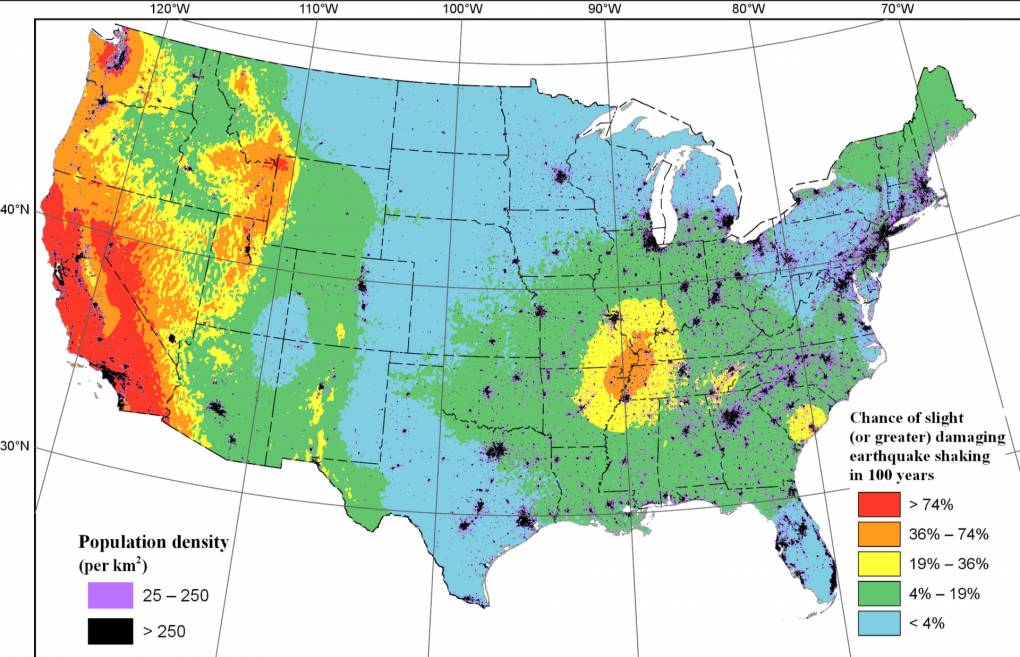
"content": "\u003cp>Researchers with the U.S. Geological Survey have refined their understanding of how soft basins of sedimentary rock below Earth’s surface amplify shaking from big earthquakes. The San Francisco Bay Area, Los Angeles, Seattle and Salt Lake City all have deep basins beneath them.\u003c/p>\n\u003cp>The study gives policymakers more detailed information to assess the strength of buildings during a major earthquake, and to guide homeowners in reinforcing their houses. The new estimates will be included in future building codes. The data has also been incorporated into the USGS hazard map that was released last week, and which you can see below.\u003c/p>\n\u003cp>Among the findings: a 25% increase in potential shaking for Walnut Creek and a 10% increase for San Jose over the last USGS hazard assessment in 2014.\u003c/p>\n\u003cp>\u003cem>Click on the map to see a larger version.\u003c/em>\u003c/p>\n\u003cfigure id=\"attachment_1952210\" class=\"wp-caption aligncenter\" style=\"max-width: 640px\">\u003ca href=\"https://ww2.kqed.org/app/uploads/sites/35/2019/12/RS40503_2018-NSHM-Cover-Image-1-qut.jpg\">\u003cimg loading=\"lazy\" decoding=\"async\" class=\"size-complete_open_graph wp-image-1952210\" src=\"https://ww2.kqed.org/app/uploads/sites/35/2019/12/RS40503_2018-NSHM-Cover-Image-1-qut-1200x773.jpg\" alt=\"\" width=\"640\" height=\"412\" srcset=\"https://cdn.kqed.org/wp-content/uploads/sites/35/2019/12/RS40503_2018-NSHM-Cover-Image-1-qut-1200x773.jpg 1200w, https://cdn.kqed.org/wp-content/uploads/sites/35/2019/12/RS40503_2018-NSHM-Cover-Image-1-qut-160x103.jpg 160w, https://cdn.kqed.org/wp-content/uploads/sites/35/2019/12/RS40503_2018-NSHM-Cover-Image-1-qut-800x515.jpg 800w, https://cdn.kqed.org/wp-content/uploads/sites/35/2019/12/RS40503_2018-NSHM-Cover-Image-1-qut-768x494.jpg 768w, https://cdn.kqed.org/wp-content/uploads/sites/35/2019/12/RS40503_2018-NSHM-Cover-Image-1-qut-1020x657.jpg 1020w, https://cdn.kqed.org/wp-content/uploads/sites/35/2019/12/RS40503_2018-NSHM-Cover-Image-1-qut.jpg 1920w\" sizes=\"(max-width: 640px) 100vw, 640px\">\u003c/a>\u003cfigcaption class=\"wp-caption-text\">Map showing the chance of damaging earthquake shaking within 100 years. \u003ccite>(USGS)\u003c/cite>\u003c/figcaption>\u003c/figure>\n\u003cp>“We looked at these core areas to try and estimate how we can better account for these shaking levels beneath urban areas across the western U.S.,” said Mark Petersen, a research geologist with the USGS, who presented the study at the American Geophysical Union’s annual fall conference in San Francisco last week.\u003c/p>\n\u003cp>[ad fullwidth]\u003c/p>\n\u003cp>The research on soft basins has been incorporated into the latest USGS earthquake \u003ca href=\"https://journals.sagepub.com/doi/full/10.1177/8755293019878199\" target=\"_blank\" rel=\"noopener noreferrer\">assessment\u003c/a>, which reports the potential for a large quake on the San Andreas and Cascadia faults remains high across the West Coast.\u003c/p>\n\u003cp>Already, the \u003ca href=\"https://www.nibs.org/page/bssc\" target=\"_blank\" rel=\"noopener noreferrer\">Building Seismic Safety Council\u003c/a>, an organization that provides guidance to the building industry on earthquake safety issues, voted to use the new models in its 2020 guidelines, the San Jose Mercury News \u003ca href=\"https://www.mercurynews.com/2019/12/12/did-you-feel-that-usgs-releases-new-earthquake-map/\" target=\"_blank\" rel=\"noopener noreferrer\">reported\u003c/a>.\u003c/p>\n\u003cp>\u003cstrong>Shaking Like Jelly\u003c/strong>\u003c/p>\n\u003cp>Geologists have long known that these basins increase the shaking in earthquakes of long duration. The basins form underground in places where rocks are warped into bowl-like shapes by tectonic stress.\u003c/p>\n\u003cp>Underground streams pass through the bowls and fill them with “soft sediments that can shake like a bowl filled with jelly, amplifying the shaking,” said Peterson. “Many times these deep basins overlay urban areas.”\u003c/p>\n\u003cp>The new shaking data is now a part of a USGS hazard model, which incorporates data on past earthquakes to help forecast where and how often future temblors will occur, their magnitude, and the intensity of the ground’s shaking. The models are based on where previous earthquakes have struck and the data obtained by geologists who study faults.\u003c/p>\n\u003cp>Policymakers and city officials incorporate the models into codes for buildings, bridges, roads and railways; the insurance industry uses them to assess risk;and they inform seismic stability studies of dams, power plants, schools and hospitals.\u003c/p>\n\u003cp>\u003c/p>\n\u003cp>Peterson says the models influence $1 trillion worth of construction and insurance costs annually in the U.S.\u003c/p>\n\n",
"stats": {
"hasVideo": false,
"hasChartOrMap": false,
"hasAudio": false,
"hasPolis": false,
"wordCount": 468,
"hasGoogleForm": false,
"hasGallery": false,
"hasHearkenModule": false,
"iframeSrcs": [],
"paragraphCount": 15
},
"modified": 1704847990,
"excerpt": "A new study gives policymakers more detailed information to assess the strength of buildings during a major earthquake, and to guide homeowners in reinforcing their houses.",
"headData": {
"twImgId": "",
"twTitle": "",
"ogTitle": "",
"ogImgId": "",
"twDescription": "",
"description": "A new study gives policymakers more detailed information to assess the strength of buildings during a major earthquake, and to guide homeowners in reinforcing their houses.",
"title": "Map: Earthquake Shake Zones Around the U.S. | KQED",
"ogDescription": "",
"schema": {
"@context": "https://schema.org",
"@type": "Article",
"headline": "Map: Earthquake Shake Zones Around the U.S.",
"datePublished": "2019-12-17T12:35:44-08:00",
"dateModified": "2024-01-09T16:53:10-08:00",
"image": "https://cdn.kqed.org/wp-content/uploads/2020/02/KQED-OG-Image@1x.png"
}
},
"guestAuthors": [],
"slug": "map-earthquake-shake-zones-around-the-u-s",
"status": "publish",
"sticky": false,
"source": "Earthquakes",
"path": "/science/1951748/map-earthquake-shake-zones-around-the-u-s",
"audioTrackLength": null,
"parsedContent": [
{
"type": "contentString",
"content": "\u003cdiv class=\"post-body\">\u003cp>\u003cp>Researchers with the U.S. Geological Survey have refined their understanding of how soft basins of sedimentary rock below Earth’s surface amplify shaking from big earthquakes. The San Francisco Bay Area, Los Angeles, Seattle and Salt Lake City all have deep basins beneath them.\u003c/p>\n\u003cp>The study gives policymakers more detailed information to assess the strength of buildings during a major earthquake, and to guide homeowners in reinforcing their houses. The new estimates will be included in future building codes. The data has also been incorporated into the USGS hazard map that was released last week, and which you can see below.\u003c/p>\n\u003cp>Among the findings: a 25% increase in potential shaking for Walnut Creek and a 10% increase for San Jose over the last USGS hazard assessment in 2014.\u003c/p>\n\u003cp>\u003cem>Click on the map to see a larger version.\u003c/em>\u003c/p>\n\u003cfigure id=\"attachment_1952210\" class=\"wp-caption aligncenter\" style=\"max-width: 640px\">\u003ca href=\"https://ww2.kqed.org/app/uploads/sites/35/2019/12/RS40503_2018-NSHM-Cover-Image-1-qut.jpg\">\u003cimg loading=\"lazy\" decoding=\"async\" class=\"size-complete_open_graph wp-image-1952210\" src=\"https://ww2.kqed.org/app/uploads/sites/35/2019/12/RS40503_2018-NSHM-Cover-Image-1-qut-1200x773.jpg\" alt=\"\" width=\"640\" height=\"412\" srcset=\"https://cdn.kqed.org/wp-content/uploads/sites/35/2019/12/RS40503_2018-NSHM-Cover-Image-1-qut-1200x773.jpg 1200w, https://cdn.kqed.org/wp-content/uploads/sites/35/2019/12/RS40503_2018-NSHM-Cover-Image-1-qut-160x103.jpg 160w, https://cdn.kqed.org/wp-content/uploads/sites/35/2019/12/RS40503_2018-NSHM-Cover-Image-1-qut-800x515.jpg 800w, https://cdn.kqed.org/wp-content/uploads/sites/35/2019/12/RS40503_2018-NSHM-Cover-Image-1-qut-768x494.jpg 768w, https://cdn.kqed.org/wp-content/uploads/sites/35/2019/12/RS40503_2018-NSHM-Cover-Image-1-qut-1020x657.jpg 1020w, https://cdn.kqed.org/wp-content/uploads/sites/35/2019/12/RS40503_2018-NSHM-Cover-Image-1-qut.jpg 1920w\" sizes=\"(max-width: 640px) 100vw, 640px\">\u003c/a>\u003cfigcaption class=\"wp-caption-text\">Map showing the chance of damaging earthquake shaking within 100 years. \u003ccite>(USGS)\u003c/cite>\u003c/figcaption>\u003c/figure>\n\u003cp>“We looked at these core areas to try and estimate how we can better account for these shaking levels beneath urban areas across the western U.S.,” said Mark Petersen, a research geologist with the USGS, who presented the study at the American Geophysical Union’s annual fall conference in San Francisco last week.\u003c/p>\n\u003cp>\u003c/p>\u003c/div>",
"attributes": {
"named": {},
"numeric": []
}
},
{
"type": "component",
"content": "",
"name": "ad",
"attributes": {
"named": {
"label": "fullwidth"
},
"numeric": [
"fullwidth"
]
}
},
{
"type": "contentString",
"content": "\u003cdiv class=\"post-body\">\u003cp>\u003c/p>\n\u003cp>The research on soft basins has been incorporated into the latest USGS earthquake \u003ca href=\"https://journals.sagepub.com/doi/full/10.1177/8755293019878199\" target=\"_blank\" rel=\"noopener noreferrer\">assessment\u003c/a>, which reports the potential for a large quake on the San Andreas and Cascadia faults remains high across the West Coast.\u003c/p>\n\u003cp>Already, the \u003ca href=\"https://www.nibs.org/page/bssc\" target=\"_blank\" rel=\"noopener noreferrer\">Building Seismic Safety Council\u003c/a>, an organization that provides guidance to the building industry on earthquake safety issues, voted to use the new models in its 2020 guidelines, the San Jose Mercury News \u003ca href=\"https://www.mercurynews.com/2019/12/12/did-you-feel-that-usgs-releases-new-earthquake-map/\" target=\"_blank\" rel=\"noopener noreferrer\">reported\u003c/a>.\u003c/p>\n\u003cp>\u003cstrong>Shaking Like Jelly\u003c/strong>\u003c/p>\n\u003cp>Geologists have long known that these basins increase the shaking in earthquakes of long duration. The basins form underground in places where rocks are warped into bowl-like shapes by tectonic stress.\u003c/p>\n\u003cp>Underground streams pass through the bowls and fill them with “soft sediments that can shake like a bowl filled with jelly, amplifying the shaking,” said Peterson. “Many times these deep basins overlay urban areas.”\u003c/p>\n\u003cp>The new shaking data is now a part of a USGS hazard model, which incorporates data on past earthquakes to help forecast where and how often future temblors will occur, their magnitude, and the intensity of the ground’s shaking. The models are based on where previous earthquakes have struck and the data obtained by geologists who study faults.\u003c/p>\n\u003cp>Policymakers and city officials incorporate the models into codes for buildings, bridges, roads and railways; the insurance industry uses them to assess risk;and they inform seismic stability studies of dams, power plants, schools and hospitals.\u003c/p>\n\u003cp>\u003c/p>\n\u003cp>Peterson says the models influence $1 trillion worth of construction and insurance costs annually in the U.S.\u003c/p>\n\n\u003c/div>\u003c/p>",
"attributes": {
"named": {},
"numeric": []
}
}
],
"link": "/science/1951748/map-earthquake-shake-zones-around-the-u-s",
"authors": [
"11608"
],
"categories": [
"science_38",
"science_40"
],
"tags": [
"science_3840",
"science_427",
"science_3370",
"science_838"
],
"featImg": "science_1952210",
"label": "source_science_1951748"
},
"science_1951470": {
"type": "posts",
"id": "science_1951470",
"meta": {
"index": "posts_1716263798",
"site": "science",
"id": "1951470",
"score": null,
"sort": [
1576073737000
]
},
"parent": 0,
"labelTerm": {},
"blocks": [],
"publishDate": 1576073737,
"format": "standard",
"title": "Take a Google Earth Tour of the Bay Area’s Most Epic Rock Formations",
"headTitle": "Take a Google Earth Tour of the Bay Area’s Most Epic Rock Formations | KQED",
"content": "\u003cp>In 1984, the American Geophysical Union published a guidebook of the Bay Area’s most striking rock formations designed by \u003ca href=\"https://eps.berkeley.edu/content/clyde-wahrhaftig\" target=\"_blank\" rel=\"noopener noreferrer\">Clyde Wahrhaftig\u003c/a>, a legendary UC Berkeley geologist.\u003c/p>\n\u003cp>[aside link1='https://www.agu.org/learn-and-develop/learn/streetcar2subduction/streetcar2subduction,Click here to take the tour']\u003c/p>\n\u003cp>“A Streetcar to Subduction and Other Plate Tectonic Trips by Public Transport in San Francisco” became a cult classic among geologists and attendees of AGU’s fall conference held in San Francisco.\u003c/p>\n\u003cp>Today, I imagine a hard copy would attract the attention of a Luddite wandering the aisles of his local public library. But digital natives? Maybe not so much.\u003c/p>\n\u003cp>Eureka! Enter Bay Area rock tour 2.0!\u003c/p>\n\u003cp>[ad fullwidth]\u003c/p>\n\u003cp>To mark the original publication’s 35th anniversary, scientists have transformed the tour into a Google Earth \u003ca href=\"https://www.agu.org/learn-and-develop/learn/streetcar2subduction/streetcar2subduction\" target=\"_blank\" rel=\"noopener noreferrer\">digital experience,\u003c/a> complete with photos and informational videos.\u003c/p>\n\u003cp>Now, using your phone and the Google Earth App, you can follow “Streetcar to Subduction” to blueschist and serpentinite rocks on \u003ca href=\"https://ww2.kqed.org/science/2019/12/09/flat-earth-believers-actually-love-science-they-just-like-conspiracies-more/\" target=\"_blank\" rel=\"noopener noreferrer\">Angel Island\u003c/a>, Jurassic period chert at \u003ca href=\"https://earth.google.com/web/@37.76704566,-122.43381827,47.43754245a,1232.46183976d,35y,0h,0t,0r/data=MicKJQojCiExS3Z6elhMWkFMYi16MUlWWnZQaW1nSzR5VFlZM28tT046AwoBMA?authuser=0\" target=\"_blank\" rel=\"noopener noreferrer\">Corona Heights\u003c/a> and the \u003ca href=\"https://earth.google.com/web/@37.54772427,-121.96628249,16.10883117a,1000d,35y,0h,0t,0r/data=MicKJQojCiExUHRZbTY0VEZHalpqR3JUem5DNl9mNDVEMGlKdmRpcF86AwoBMA?authuser=0\" target=\"_blank\" rel=\"noopener noreferrer\">Hayward Fault\u003c/a> in Central Park in Fremont, among other Bay Area geologic formations. True to the title, you can get to many of the locations on public transit.\u003c/p>\n\u003cp>Project lead \u003ca href=\"https://www.mcgill.ca/eps/kirkpatrick-0\" target=\"_blank\" rel=\"noopener noreferrer\">Jamie Kirkpatrick\u003c/a>, a geologist from McGill University, noted a couple of inspirations for updating Wahrhaftig’s tour.\u003c/p>\n\u003cp>“It’s the Bay Area and it’s beautiful and we like to go outside,” he said. “But also, the geology in this area is remarkable.”\u003c/p>\n\u003cp>https://youtu.be/_v6AODf57wA\u003c/p>\n\u003cp>Kirkpatrick appreciated the original guidebook, but he said that Wahrhaftig wrote using dense, scientific jargon. Also, the public transit route information and some of the science was out of date.\u003c/p>\n\u003cp>“We wanted to make a guidebook that people who live in the Bay Area could use,” Kirkpatrick said.\u003c/p>\n\u003cp>Don’t like the great outdoors? That’s fine. You can take the tour online without ever having to venture into the sun.\u003c/p>\n\u003cp>Find links to the individual tours \u003ca href=\"https://www.agu.org/learn-and-develop/learn/streetcar2subduction/streetcar2subduction\" target=\"_blank\" rel=\"noopener noreferrer\">here\u003c/a> and helpful instructions for using the guide \u003ca href=\"https://www.agu.org/learn-and-develop/learn/streetcar2subduction/streetcar2subduction\" target=\"_blank\" rel=\"noopener noreferrer\">here\u003c/a>.\u003c/p>\n\u003cp>\u003c/p>\n\u003cp>Geologists \u003ca href=\"http://www.nvcc.edu/home/cbentley/\" target=\"_blank\" rel=\"noopener noreferrer\">Callan Bentley\u003c/a>, Northern Virginia Community College; \u003ca href=\"http://www.sjsu.edu/geology/people/faculty/blisniuk/index.html\" target=\"_blank\" rel=\"noopener noreferrer\">Kim Blisniuk\u003c/a>, San Jose State University; \u003ca href=\"https://www.eps.mcgill.ca/~crowe/\" target=\"_blank\" rel=\"noopener noreferrer\">Christie Rowe\u003c/a>, McGill University; and \u003ca href=\"http://www.fresnostate.edu/csm/ees/faculty-staff/wakabayshi.html\" target=\"_blank\" rel=\"noopener noreferrer\">John Wakabayashi\u003c/a>, California State University, Fresno designed the virtual tour.\u003c/p>\n\n",
"stats": {
"hasVideo": false,
"hasChartOrMap": false,
"hasAudio": false,
"hasPolis": false,
"wordCount": 379,
"hasGoogleForm": false,
"hasGallery": false,
"hasHearkenModule": false,
"iframeSrcs": [],
"paragraphCount": 16
},
"modified": 1704848034,
"excerpt": "Geologists created a digital tour of rock formations at Angel Island, the Marin Headlands and other locations around the Bay Area. ",
"headData": {
"twImgId": "",
"twTitle": "",
"ogTitle": "",
"ogImgId": "",
"twDescription": "",
"description": "Geologists created a digital tour of rock formations at Angel Island, the Marin Headlands and other locations around the Bay Area. ",
"title": "Take a Google Earth Tour of the Bay Area’s Most Epic Rock Formations | KQED",
"ogDescription": "",
"schema": {
"@context": "https://schema.org",
"@type": "Article",
"headline": "Take a Google Earth Tour of the Bay Area’s Most Epic Rock Formations",
"datePublished": "2019-12-11T06:15:37-08:00",
"dateModified": "2024-01-09T16:53:54-08:00",
"image": "https://cdn.kqed.org/wp-content/uploads/2020/02/KQED-OG-Image@1x.png"
}
},
"guestAuthors": [],
"slug": "take-a-google-earth-tour-of-the-bay-areas-most-epic-rock-formations",
"status": "publish",
"sticky": false,
"source": "Geology",
"path": "/science/1951470/take-a-google-earth-tour-of-the-bay-areas-most-epic-rock-formations",
"audioTrackLength": null,
"parsedContent": [
{
"type": "contentString",
"content": "\u003cdiv class=\"post-body\">\u003cp>\u003cp>In 1984, the American Geophysical Union published a guidebook of the Bay Area’s most striking rock formations designed by \u003ca href=\"https://eps.berkeley.edu/content/clyde-wahrhaftig\" target=\"_blank\" rel=\"noopener noreferrer\">Clyde Wahrhaftig\u003c/a>, a legendary UC Berkeley geologist.\u003c/p>\n\u003cp>\u003c/p>\u003c/div>",
"attributes": {
"named": {},
"numeric": []
}
},
{
"type": "component",
"content": "",
"name": "aside",
"attributes": {
"named": {
"link1": "https://www.agu.org/learn-and-develop/learn/streetcar2subduction/streetcar2subduction,Click here to take the tour",
"label": ""
},
"numeric": []
}
},
{
"type": "contentString",
"content": "\u003cdiv class=\"post-body\">\u003cp>\u003c/p>\n\u003cp>“A Streetcar to Subduction and Other Plate Tectonic Trips by Public Transport in San Francisco” became a cult classic among geologists and attendees of AGU’s fall conference held in San Francisco.\u003c/p>\n\u003cp>Today, I imagine a hard copy would attract the attention of a Luddite wandering the aisles of his local public library. But digital natives? Maybe not so much.\u003c/p>\n\u003cp>Eureka! Enter Bay Area rock tour 2.0!\u003c/p>\n\u003cp>\u003c/p>\u003c/div>",
"attributes": {
"named": {},
"numeric": []
}
},
{
"type": "component",
"content": "",
"name": "ad",
"attributes": {
"named": {
"label": "fullwidth"
},
"numeric": [
"fullwidth"
]
}
},
{
"type": "contentString",
"content": "\u003cdiv class=\"post-body\">\u003cp>\u003c/p>\n\u003cp>To mark the original publication’s 35th anniversary, scientists have transformed the tour into a Google Earth \u003ca href=\"https://www.agu.org/learn-and-develop/learn/streetcar2subduction/streetcar2subduction\" target=\"_blank\" rel=\"noopener noreferrer\">digital experience,\u003c/a> complete with photos and informational videos.\u003c/p>\n\u003cp>Now, using your phone and the Google Earth App, you can follow “Streetcar to Subduction” to blueschist and serpentinite rocks on \u003ca href=\"https://ww2.kqed.org/science/2019/12/09/flat-earth-believers-actually-love-science-they-just-like-conspiracies-more/\" target=\"_blank\" rel=\"noopener noreferrer\">Angel Island\u003c/a>, Jurassic period chert at \u003ca href=\"https://earth.google.com/web/@37.76704566,-122.43381827,47.43754245a,1232.46183976d,35y,0h,0t,0r/data=MicKJQojCiExS3Z6elhMWkFMYi16MUlWWnZQaW1nSzR5VFlZM28tT046AwoBMA?authuser=0\" target=\"_blank\" rel=\"noopener noreferrer\">Corona Heights\u003c/a> and the \u003ca href=\"https://earth.google.com/web/@37.54772427,-121.96628249,16.10883117a,1000d,35y,0h,0t,0r/data=MicKJQojCiExUHRZbTY0VEZHalpqR3JUem5DNl9mNDVEMGlKdmRpcF86AwoBMA?authuser=0\" target=\"_blank\" rel=\"noopener noreferrer\">Hayward Fault\u003c/a> in Central Park in Fremont, among other Bay Area geologic formations. True to the title, you can get to many of the locations on public transit.\u003c/p>\n\u003cp>Project lead \u003ca href=\"https://www.mcgill.ca/eps/kirkpatrick-0\" target=\"_blank\" rel=\"noopener noreferrer\">Jamie Kirkpatrick\u003c/a>, a geologist from McGill University, noted a couple of inspirations for updating Wahrhaftig’s tour.\u003c/p>\n\u003cp>“It’s the Bay Area and it’s beautiful and we like to go outside,” he said. “But also, the geology in this area is remarkable.”\u003c/p>\u003c/p>\u003cp>\u003cspan class='utils-parseShortcode-shortcodes-__youtubeShortcode__embedYoutube'>\n \u003cspan class='utils-parseShortcode-shortcodes-__youtubeShortcode__embedYoutubeInside'>\n \u003ciframe\n loading='lazy'\n class='utils-parseShortcode-shortcodes-__youtubeShortcode__youtubePlayer'\n type='text/html'\n src='//www.youtube.com/embed/_v6AODf57wA'\n title='//www.youtube.com/embed/_v6AODf57wA'\n allowfullscreen='true'\n style='border:0;'>\u003c/iframe>\n \u003c/span>\n \u003c/span>\u003c/p>\u003cp>\u003cp>Kirkpatrick appreciated the original guidebook, but he said that Wahrhaftig wrote using dense, scientific jargon. Also, the public transit route information and some of the science was out of date.\u003c/p>\n\u003cp>“We wanted to make a guidebook that people who live in the Bay Area could use,” Kirkpatrick said.\u003c/p>\n\u003cp>Don’t like the great outdoors? That’s fine. You can take the tour online without ever having to venture into the sun.\u003c/p>\n\u003cp>Find links to the individual tours \u003ca href=\"https://www.agu.org/learn-and-develop/learn/streetcar2subduction/streetcar2subduction\" target=\"_blank\" rel=\"noopener noreferrer\">here\u003c/a> and helpful instructions for using the guide \u003ca href=\"https://www.agu.org/learn-and-develop/learn/streetcar2subduction/streetcar2subduction\" target=\"_blank\" rel=\"noopener noreferrer\">here\u003c/a>.\u003c/p>\n\u003cp>\u003c/p>\n\u003cp>Geologists \u003ca href=\"http://www.nvcc.edu/home/cbentley/\" target=\"_blank\" rel=\"noopener noreferrer\">Callan Bentley\u003c/a>, Northern Virginia Community College; \u003ca href=\"http://www.sjsu.edu/geology/people/faculty/blisniuk/index.html\" target=\"_blank\" rel=\"noopener noreferrer\">Kim Blisniuk\u003c/a>, San Jose State University; \u003ca href=\"https://www.eps.mcgill.ca/~crowe/\" target=\"_blank\" rel=\"noopener noreferrer\">Christie Rowe\u003c/a>, McGill University; and \u003ca href=\"http://www.fresnostate.edu/csm/ees/faculty-staff/wakabayshi.html\" target=\"_blank\" rel=\"noopener noreferrer\">John Wakabayashi\u003c/a>, California State University, Fresno designed the virtual tour.\u003c/p>\n\n\u003c/div>\u003c/p>",
"attributes": {
"named": {},
"numeric": []
}
}
],
"link": "/science/1951470/take-a-google-earth-tour-of-the-bay-areas-most-epic-rock-formations",
"authors": [
"11608"
],
"categories": [
"science_35",
"science_38",
"science_40"
],
"tags": [
"science_3840",
"science_3370",
"science_218"
],
"featImg": "science_1951496",
"label": "source_science_1951470"
},
"science_1949485": {
"type": "posts",
"id": "science_1949485",
"meta": {
"index": "posts_1716263798",
"site": "science",
"id": "1949485",
"score": null,
"sort": [
1571421604000
]
},
"parent": 0,
"labelTerm": {},
"blocks": [],
"publishDate": 1571421604,
"format": "standard",
"title": "SoCal’s Big July Quakes Strained a Fault That’s Been Quiet for 500 Years, Study Says",
"headTitle": "SoCal’s Big July Quakes Strained a Fault That’s Been Quiet for 500 Years, Study Says | KQED",
"content": "\u003cp class=\"c0154 c0149\">The earthquakes that hammered the Southern California desert near the town of Ridgecrest last summer involved ruptures on a web of interconnected faults and increased strain on a major nearby fault that has begun to slowly move, according to a new study.\u003c/p>\n\u003cp class=\"c0154 c0149\">Ruptures in the Ridgecrest earthquake sequence ended a few miles from the Garlock Fault, which runs east-west for 185 miles (300 kilometers) from the San Andreas Fault to Death Valley.\u003c/p>\n\u003cp class=\"c0154 c0149\">The Garlock Fault has been relatively quiet for 500 years. It now has begun a process called fault creep and has slipped 0.8 inch (2 centimeters) since July, the research found.\u003c/p>\n\u003cp class=\"c0154 c0149\">The study by geophysicists from the California Institute of Technology and NASA’s Jet Propulsion Laboratory was published in the journal \u003cem>Science\u003c/em> on Thursday, coinciding with the implementation of a statewide earthquake early warning system for the general public.\u003c/p>\n\u003cp class=\"c0154 c0149\">Southern California’s largest earthquake sequence in two decades began July 4 in the Mojave Desert about 120 miles (190 kilometers) north of Los Angeles.\u003c/p>\n\u003cp>[ad fullwidth]\u003c/p>\n\u003cp class=\"c0154 c0149\">A magnitude 6.4 foreshock was followed the next day by a magnitude 7.1 mainshock and then more than 100,000 aftershocks.\u003c/p>\n\u003cp class=\"c0154 c0149\">Zachary Ross, assistant professor of geophysics at Caltech and lead author of the paper, said in a statement that it was one of the most well-documented earthquake sequences in history.\u003c/p>\n\u003cp class=\"c0154 c0149\">Ross developed automated computer analysis of seismometer data to detect the huge number of aftershocks with precise location information, Caltech and JPL said in a press release.\u003c/p>\n\u003cp class=\"c0154 c0149\">The JPL scientists mapped surface ruptures of the faults with data from Japanese and European Space Agency radar satellites.\u003c/p>\n\u003cp class=\"c0154 c0149\">“I was surprised to see how much complexity there was and the number of faults that ruptured,” said Eric Fielding, a co-author of the study from JPL.\u003c/p>\n\u003cp class=\"c0154 c0149\">About 20 previously unknown crisscrossing faults were involved.\u003c/p>\n\u003cp class=\"c0154 c0149\">Ross said the 6.4 quake simultaneously broke faults at right angles to each other, which he characterized as surprising.\u003c/p>\n\u003cp class=\"c0154 c0149\">It was a commonly held idea that major earthquakes are caused by rupture of single long fault, but that has been reconsidered since a 1992 quake in the desert near Landers, California, ruptured several faults.\u003c/p>\n\u003cp class=\"c0154 c0149\">The Ridgecrest sequence adds evidence of a more complex process.\u003c/p>\n\u003cp class=\"c0154 c0149\">“It’s going to force people to think hard about how we quantify seismic hazard and whether our approach to defining faults needs to change,” Ross said. “We can’t just assume that the largest faults dominate the seismic hazard if many smaller faults can link up to create these major quakes.”\u003c/p>\n\u003cp class=\"c0154 c0149\">The study was published on the 30th anniversary of the deadly magnitude 6.9 Loma Prieta earthquake that badly damaged the San Francisco Bay area.\u003c/p>\n\u003cp class=\"c0154 c0149\">Gov. Gavin Newsom marked the occasion by formally announcing the launch of the nation’s first statewide earthquake early warning system.\u003c/p>\n\u003cp class=\"c0154 c0149\">Alerts previously were made available to schools, government agencies, industries and industries but not the general public, except in Los Angeles County where an app-based system has been in use since January.\u003c/p>\n\u003cp class=\"c0154 c0149\">The ShakeAlert system that has been under development by the U.S. Geological Survey and science institutions for years will now push alerts to cellphones through an app developed by the University of California, Berkeley, and the Wire Emergency Alert system.\u003c/p>\n\u003cp class=\"c0154 c0149\">ShakeAlert uses hundreds of seismic sensor stations to detect the start of an earthquake, calculate its location and strength and generate alerts that the app and WEA system send to phones in areas that are expected to have significant shaking.\u003c/p>\n\u003cp>\u003c/p>\n\u003cp class=\"c0154 c0149\">The intent is to provide seconds or tens of seconds in which people can protect themselves before shaking arrives at their location.\u003c/p>\n\n",
"stats": {
"hasVideo": false,
"hasChartOrMap": false,
"hasAudio": false,
"hasPolis": false,
"wordCount": 616,
"hasGoogleForm": false,
"hasGallery": false,
"hasHearkenModule": false,
"iframeSrcs": [],
"paragraphCount": 2
},
"modified": 1704848223,
"excerpt": "The Garlock Fault has been relatively quiet for 500 years. It now has begun a process called fault creep.",
"headData": {
"twImgId": "",
"twTitle": "",
"ogTitle": "",
"ogImgId": "",
"twDescription": "",
"description": "The Garlock Fault has been relatively quiet for 500 years. It now has begun a process called fault creep.",
"title": "SoCal’s Big July Quakes Strained a Fault That’s Been Quiet for 500 Years, Study Says | KQED",
"ogDescription": "",
"schema": {
"@context": "https://schema.org",
"@type": "Article",
"headline": "SoCal’s Big July Quakes Strained a Fault That’s Been Quiet for 500 Years, Study Says",
"datePublished": "2019-10-18T11:00:04-07:00",
"dateModified": "2024-01-09T16:57:03-08:00",
"image": "https://cdn.kqed.org/wp-content/uploads/2020/02/KQED-OG-Image@1x.png"
}
},
"guestAuthors": [],
"slug": "socals-big-july-quakes-strained-a-fault-thats-been-quiet-for-500-years-study-says",
"status": "publish",
"nprByline": "John Anticzak \u003cbr/>Associated Press\u003cbr>",
"sticky": false,
"source": "Associated Press",
"path": "/science/1949485/socals-big-july-quakes-strained-a-fault-thats-been-quiet-for-500-years-study-says",
"audioTrackLength": null,
"parsedContent": [
{
"type": "contentString",
"content": "\u003cdiv class=\"post-body\">\u003cp>\u003cp class=\"c0154 c0149\">The earthquakes that hammered the Southern California desert near the town of Ridgecrest last summer involved ruptures on a web of interconnected faults and increased strain on a major nearby fault that has begun to slowly move, according to a new study.\u003c/p>\n\u003cp class=\"c0154 c0149\">Ruptures in the Ridgecrest earthquake sequence ended a few miles from the Garlock Fault, which runs east-west for 185 miles (300 kilometers) from the San Andreas Fault to Death Valley.\u003c/p>\n\u003cp class=\"c0154 c0149\">The Garlock Fault has been relatively quiet for 500 years. It now has begun a process called fault creep and has slipped 0.8 inch (2 centimeters) since July, the research found.\u003c/p>\n\u003cp class=\"c0154 c0149\">The study by geophysicists from the California Institute of Technology and NASA’s Jet Propulsion Laboratory was published in the journal \u003cem>Science\u003c/em> on Thursday, coinciding with the implementation of a statewide earthquake early warning system for the general public.\u003c/p>\n\u003cp class=\"c0154 c0149\">Southern California’s largest earthquake sequence in two decades began July 4 in the Mojave Desert about 120 miles (190 kilometers) north of Los Angeles.\u003c/p>\n\u003cp>\u003c/p>\u003c/div>",
"attributes": {
"named": {},
"numeric": []
}
},
{
"type": "component",
"content": "",
"name": "ad",
"attributes": {
"named": {
"label": "fullwidth"
},
"numeric": [
"fullwidth"
]
}
},
{
"type": "contentString",
"content": "\u003cdiv class=\"post-body\">\u003cp>\u003c/p>\n\u003cp class=\"c0154 c0149\">A magnitude 6.4 foreshock was followed the next day by a magnitude 7.1 mainshock and then more than 100,000 aftershocks.\u003c/p>\n\u003cp class=\"c0154 c0149\">Zachary Ross, assistant professor of geophysics at Caltech and lead author of the paper, said in a statement that it was one of the most well-documented earthquake sequences in history.\u003c/p>\n\u003cp class=\"c0154 c0149\">Ross developed automated computer analysis of seismometer data to detect the huge number of aftershocks with precise location information, Caltech and JPL said in a press release.\u003c/p>\n\u003cp class=\"c0154 c0149\">The JPL scientists mapped surface ruptures of the faults with data from Japanese and European Space Agency radar satellites.\u003c/p>\n\u003cp class=\"c0154 c0149\">“I was surprised to see how much complexity there was and the number of faults that ruptured,” said Eric Fielding, a co-author of the study from JPL.\u003c/p>\n\u003cp class=\"c0154 c0149\">About 20 previously unknown crisscrossing faults were involved.\u003c/p>\n\u003cp class=\"c0154 c0149\">Ross said the 6.4 quake simultaneously broke faults at right angles to each other, which he characterized as surprising.\u003c/p>\n\u003cp class=\"c0154 c0149\">It was a commonly held idea that major earthquakes are caused by rupture of single long fault, but that has been reconsidered since a 1992 quake in the desert near Landers, California, ruptured several faults.\u003c/p>\n\u003cp class=\"c0154 c0149\">The Ridgecrest sequence adds evidence of a more complex process.\u003c/p>\n\u003cp class=\"c0154 c0149\">“It’s going to force people to think hard about how we quantify seismic hazard and whether our approach to defining faults needs to change,” Ross said. “We can’t just assume that the largest faults dominate the seismic hazard if many smaller faults can link up to create these major quakes.”\u003c/p>\n\u003cp class=\"c0154 c0149\">The study was published on the 30th anniversary of the deadly magnitude 6.9 Loma Prieta earthquake that badly damaged the San Francisco Bay area.\u003c/p>\n\u003cp class=\"c0154 c0149\">Gov. Gavin Newsom marked the occasion by formally announcing the launch of the nation’s first statewide earthquake early warning system.\u003c/p>\n\u003cp class=\"c0154 c0149\">Alerts previously were made available to schools, government agencies, industries and industries but not the general public, except in Los Angeles County where an app-based system has been in use since January.\u003c/p>\n\u003cp class=\"c0154 c0149\">The ShakeAlert system that has been under development by the U.S. Geological Survey and science institutions for years will now push alerts to cellphones through an app developed by the University of California, Berkeley, and the Wire Emergency Alert system.\u003c/p>\n\u003cp class=\"c0154 c0149\">ShakeAlert uses hundreds of seismic sensor stations to detect the start of an earthquake, calculate its location and strength and generate alerts that the app and WEA system send to phones in areas that are expected to have significant shaking.\u003c/p>\n\u003cp>\u003c/p>\n\u003cp class=\"c0154 c0149\">The intent is to provide seconds or tens of seconds in which people can protect themselves before shaking arrives at their location.\u003c/p>\n\n\u003c/div>\u003c/p>",
"attributes": {
"named": {},
"numeric": []
}
}
],
"link": "/science/1949485/socals-big-july-quakes-strained-a-fault-thats-been-quiet-for-500-years-study-says",
"authors": [
"byline_science_1949485"
],
"categories": [
"science_89",
"science_38"
],
"tags": [
"science_4081",
"science_257",
"science_3838",
"science_546"
],
"featImg": "science_1949492",
"label": "source_science_1949485"
},
"science_1949350": {
"type": "posts",
"id": "science_1949350",
"meta": {
"index": "posts_1716263798",
"site": "science",
"id": "1949350",
"score": null,
"sort": [
1571414057000
]
},
"parent": 0,
"labelTerm": {},
"blocks": [],
"publishDate": 1571414057,
"format": "standard",
"title": "Thousands of This Type of Building Still at Risk of Collapse in Bay Area Earthquake",
"headTitle": "Thousands of This Type of Building Still at Risk of Collapse in Bay Area Earthquake | KQED",
"content": "\u003cp>Beyond the collapse of the Bay Bridge, some of the most enduring images of the 1989 Loma Prieta earthquake came out of San Francisco’s Marina and Mission districts, where buildings were destroyed, fires erupted and rescue dogs were brought in to sniff the rubble for the missing. [pullquote align='right' citation='Roland Burgmann, geologist at UC Berkeley']‘We are in much better shape than we used to be. But, if a really big one hits right in the Bay Area, it’s not going to be pretty.’[/pullquote]\u003c/p>\n\u003cp>During the quake, the first stories of wood-framed residential buildings buckled, and some structures collapsed like Jenga towers with the bottom block removed.\u003c/p>\n\u003cp>Many of these buildings ascended from a first story with large windows, garages, or big doors, a design that compromised their structural framing.\u003c/p>\n\u003cp>In the last 30 years, and in the last decade in particular, urban planners across the region have pushed to reinforce these so-called soft-story structures, in recognition of their extreme vulnerability during a violent earthquake.\u003c/p>\n\u003cp>Since Loma Prieta, building owners and cities across the Bay Area have spent $1.2 billion on retrofits, according to a 2018 estimate by the U.S. Geological Survey.\u003c/p>\n\u003cp>[ad fullwidth]\u003c/p>\n\u003cp>Despite all this work, thousands of buildings across the region remain unremediated and at risk of collapse or severe damage.\u003c/p>\n\u003cp>“We are very fortunate in California that we have very good building codes now,” said Richard Allen, a Berkeley seismologist. “The challenge is that the older buildings are not up to those codes. When it comes to building safety, it comes down to when it was built.”\u003c/p>\n\u003cp>A huge amount of investment has gone into retrofitting these buildings, says Roland Burgmann, a geologist who teaches at UC Berkeley. “But there are still many structures that will not perform very well during an earthquake,” he said. “We are in much better shape than we used to be. But, if a really big one hits right in the Bay Area, it’s not going to be pretty.”\u003c/p>\n\u003cp>One problem is that the region’s building codes are governed by a patchwork of mandates and rules, says Douglas Given, an earthquake early-warning coordinator for USGS.\u003c/p>\n\u003cp>Even when cities have identified problematic buildings, they still struggle to get the work done, with funding as the biggest impediment, he says. “Either tax breaks or grants to get it done is what is needed.”\u003c/p>\n\u003cp>The problem has been complicated by the state’s housing crunch.\u003c/p>\n\u003cfigure id=\"attachment_22461\" class=\"wp-caption alignright\" style=\"max-width: 760px\">\u003ca href=\"https://ww2.kqed.org/science/wp-content/uploads/sites/35/2014/10/soft-story.jpeg\" target=\"_blank\" rel=\"noopener\">\u003cimg loading=\"lazy\" decoding=\"async\" class=\"wp-image-22461\" src=\"https://ww2.kqed.org/science/wp-content/uploads/sites/35/2014/10/soft-story.jpeg\" alt=\"Absence of adequate shear walls on the garage level exacerbated damage to this structure at the corner of Beach and Divisadero Streets, Marina District. [J.K. Nakata, U.S. Geological Survey]\" width=\"760\" height=\"512\">\u003c/a>\u003cfigcaption class=\"wp-caption-text\">Absence of adequate shear walls on the garage level exacerbated damage to this structure at the corner of Beach and Divisadero Streets in San Francisco’s Marina District. \u003ccite>(J.K. Nakata, U.S. Geological Survey)\u003c/cite>\u003c/figcaption>\u003c/figure>\n\u003cp>“The work could take stock off the market, in some cases, or it would price people out of the building once the expense of the retrofit is built into the rent,” said Given.\u003c/p>\n\u003cp>In October 2013, San Francisco became the first major city in California to require property owners to retrofit their wood-frame apartments with an open-ground first floor.\u003c/p>\n\u003cp>San Francisco’s Department of Building Inspection has identified 4,921 total soft-story buildings that currently need to be fixed\u003cstrong>. \u003c/strong>Since the mandate, the city has received permit applications to make the upgrades on 98% of these structures, and 65% of them are now completed.\u003c/p>\n\u003cp>“Of course, hundred percent is our target,” said Tom Hui, director of the the building inspection department. “Right now, with 98% percent of owners applying for permits, that’s very encouraging. Of course, we need to finish all the seismic work.”\u003c/p>\n\u003cp>Hui said the issue is urgent and must be addressed soon.\u003c/p>\n\u003cp>“After the 1989 earthquake, we saw a lot of damage in the Marina District and the Mission District that affected thousands of people.”\u003c/p>\n\u003cp>\u003cstrong>Lagging Behind\u003c/strong>\u003c/p>\n\u003cp>Some cities, like Berkeley, Alameda and Fremont, have followed San Francisco in requiring retrofits for the 270, 100, and 22 soft-story buildings, respectively, within each city’s limits.\u003c/p>\n\u003cp>This year, Oakland adopted a similar ordinance for 1,500 buildings, and Palo Alto is considering one for its 300.\u003c/p>\n\u003cp>But other cities, like San Jose, haven’t even compiled a full list of vulnerable residents. James Son, deputy director of San Jose’s planning and building department, says the city estimates it has about 1,400 soft-story buildings\u003c/p>\n\u003cp>In the early 2000s, Son said, a city engineer worked with a research team from San Jose State University to identify these properties, but the information was destroyed. Son called the loss “unfortunate.”\u003c/p>\n\u003cp>The San Jose City Council has asked its staff to look into incentivizing earthquake retrofits for homeowners; it has yet to require the repairs.\u003c/p>\n\u003cp>“It comes down to cost,” Son said. “We are working on incentives that would be the most cost-effective and attractive to building owners to retrofit their soft-story. We know that seismic activity can be devastating.”\u003c/p>\n\u003cp>Mountain View has also yet to mandate retrofits for its 488 soft-story buildings divided into 5,100 residential units.\u003c/p>\n\u003cp>“We are aware of those seismic concerns and are working on it,” said Wayne Chen, assistant community development director for Mountain View. “At the city council’s direction, we’ve started on this as a priority work plan.”\u003c/p>\n\u003cp>Under the city’s rent-stabilization rules, landlords can petition to raise rents to cover the cost of city-mandated building improvements over time.\u003c/p>\n\u003cp>Chen says the city is exploring whether to mandate retrofits within this program.\u003c/p>\n\u003cp>To be sure, retrofitting is a major expense. Reinforcing a weak first floor in San Francisco can cost between $60,000 and $1 million, according to the USGS estimate.\u003c/p>\n\u003cp>But some critics \u003ca href=\"https://www.latimes.com/local/lanow/la-me-quake-safety-bay-area-20180422-htmlstory.html\">say\u003c/a> the Bay Area, which has led the state in soft-story mitigation, is falling behind and missing a chance to leverage a ballooning tax base amidst a red-hot tech economy to pay for necessary fixes.\u003c/p>\n\u003cp>\u003c/p>\n\u003cp>Meanwhile, the earthquake hazard in the Bay Area remains high. A 2016 USGS earthquake \u003ca href=\"https://www.usgs.gov/faqs/what-probability-earthquake-will-occur-los-angeles-area-san-francisco-bay-area?qt-news_science_products=0#qt-news_science_products\">forecast\u003c/a> for the region found a 72% chance of at least a 6.7 magnitude earthquake sometime in the next 30 years.\u003c/p>\n\n",
"stats": {
"hasVideo": false,
"hasChartOrMap": false,
"hasAudio": false,
"hasPolis": false,
"wordCount": 1062,
"hasGoogleForm": false,
"hasGallery": false,
"hasHearkenModule": false,
"iframeSrcs": [],
"paragraphCount": 33
},
"modified": 1704848226,
"excerpt": "A billion dollars in retrofitting has still not been enough to fix all the vulnerable soft-story buildings in the region.",
"headData": {
"twImgId": "",
"twTitle": "",
"ogTitle": "",
"ogImgId": "",
"twDescription": "",
"description": "A billion dollars in retrofitting has still not been enough to fix all the vulnerable soft-story buildings in the region.",
"title": "Thousands of This Type of Building Still at Risk of Collapse in Bay Area Earthquake | KQED",
"ogDescription": "",
"schema": {
"@context": "https://schema.org",
"@type": "Article",
"headline": "Thousands of This Type of Building Still at Risk of Collapse in Bay Area Earthquake",
"datePublished": "2019-10-18T08:54:17-07:00",
"dateModified": "2024-01-09T16:57:06-08:00",
"image": "https://cdn.kqed.org/wp-content/uploads/2020/02/KQED-OG-Image@1x.png"
}
},
"guestAuthors": [],
"slug": "thousands-of-one-type-of-building-still-at-risk-of-collapse-in-bay-area-earthquake",
"status": "publish",
"sticky": false,
"source": "Earthquakes",
"path": "/science/1949350/thousands-of-one-type-of-building-still-at-risk-of-collapse-in-bay-area-earthquake",
"audioTrackLength": null,
"parsedContent": [
{
"type": "contentString",
"content": "\u003cdiv class=\"post-body\">\u003cp>\u003cp>Beyond the collapse of the Bay Bridge, some of the most enduring images of the 1989 Loma Prieta earthquake came out of San Francisco’s Marina and Mission districts, where buildings were destroyed, fires erupted and rescue dogs were brought in to sniff the rubble for the missing. \u003c/p>\u003c/div>",
"attributes": {
"named": {},
"numeric": []
}
},
{
"type": "component",
"content": "‘We are in much better shape than we used to be. But, if a really big one hits right in the Bay Area, it’s not going to be pretty.’",
"name": "pullquote",
"attributes": {
"named": {
"align": "right",
"citation": "Roland Burgmann, geologist at UC Berkeley",
"label": ""
},
"numeric": []
}
},
{
"type": "contentString",
"content": "\u003cdiv class=\"post-body\">\u003cp>\u003c/p>\n\u003cp>During the quake, the first stories of wood-framed residential buildings buckled, and some structures collapsed like Jenga towers with the bottom block removed.\u003c/p>\n\u003cp>Many of these buildings ascended from a first story with large windows, garages, or big doors, a design that compromised their structural framing.\u003c/p>\n\u003cp>In the last 30 years, and in the last decade in particular, urban planners across the region have pushed to reinforce these so-called soft-story structures, in recognition of their extreme vulnerability during a violent earthquake.\u003c/p>\n\u003cp>Since Loma Prieta, building owners and cities across the Bay Area have spent $1.2 billion on retrofits, according to a 2018 estimate by the U.S. Geological Survey.\u003c/p>\n\u003cp>\u003c/p>\u003c/div>",
"attributes": {
"named": {},
"numeric": []
}
},
{
"type": "component",
"content": "",
"name": "ad",
"attributes": {
"named": {
"label": "fullwidth"
},
"numeric": [
"fullwidth"
]
}
},
{
"type": "contentString",
"content": "\u003cdiv class=\"post-body\">\u003cp>\u003c/p>\n\u003cp>Despite all this work, thousands of buildings across the region remain unremediated and at risk of collapse or severe damage.\u003c/p>\n\u003cp>“We are very fortunate in California that we have very good building codes now,” said Richard Allen, a Berkeley seismologist. “The challenge is that the older buildings are not up to those codes. When it comes to building safety, it comes down to when it was built.”\u003c/p>\n\u003cp>A huge amount of investment has gone into retrofitting these buildings, says Roland Burgmann, a geologist who teaches at UC Berkeley. “But there are still many structures that will not perform very well during an earthquake,” he said. “We are in much better shape than we used to be. But, if a really big one hits right in the Bay Area, it’s not going to be pretty.”\u003c/p>\n\u003cp>One problem is that the region’s building codes are governed by a patchwork of mandates and rules, says Douglas Given, an earthquake early-warning coordinator for USGS.\u003c/p>\n\u003cp>Even when cities have identified problematic buildings, they still struggle to get the work done, with funding as the biggest impediment, he says. “Either tax breaks or grants to get it done is what is needed.”\u003c/p>\n\u003cp>The problem has been complicated by the state’s housing crunch.\u003c/p>\n\u003cfigure id=\"attachment_22461\" class=\"wp-caption alignright\" style=\"max-width: 760px\">\u003ca href=\"https://ww2.kqed.org/science/wp-content/uploads/sites/35/2014/10/soft-story.jpeg\" target=\"_blank\" rel=\"noopener\">\u003cimg loading=\"lazy\" decoding=\"async\" class=\"wp-image-22461\" src=\"https://ww2.kqed.org/science/wp-content/uploads/sites/35/2014/10/soft-story.jpeg\" alt=\"Absence of adequate shear walls on the garage level exacerbated damage to this structure at the corner of Beach and Divisadero Streets, Marina District. [J.K. Nakata, U.S. Geological Survey]\" width=\"760\" height=\"512\">\u003c/a>\u003cfigcaption class=\"wp-caption-text\">Absence of adequate shear walls on the garage level exacerbated damage to this structure at the corner of Beach and Divisadero Streets in San Francisco’s Marina District. \u003ccite>(J.K. Nakata, U.S. Geological Survey)\u003c/cite>\u003c/figcaption>\u003c/figure>\n\u003cp>“The work could take stock off the market, in some cases, or it would price people out of the building once the expense of the retrofit is built into the rent,” said Given.\u003c/p>\n\u003cp>In October 2013, San Francisco became the first major city in California to require property owners to retrofit their wood-frame apartments with an open-ground first floor.\u003c/p>\n\u003cp>San Francisco’s Department of Building Inspection has identified 4,921 total soft-story buildings that currently need to be fixed\u003cstrong>. \u003c/strong>Since the mandate, the city has received permit applications to make the upgrades on 98% of these structures, and 65% of them are now completed.\u003c/p>\n\u003cp>“Of course, hundred percent is our target,” said Tom Hui, director of the the building inspection department. “Right now, with 98% percent of owners applying for permits, that’s very encouraging. Of course, we need to finish all the seismic work.”\u003c/p>\n\u003cp>Hui said the issue is urgent and must be addressed soon.\u003c/p>\n\u003cp>“After the 1989 earthquake, we saw a lot of damage in the Marina District and the Mission District that affected thousands of people.”\u003c/p>\n\u003cp>\u003cstrong>Lagging Behind\u003c/strong>\u003c/p>\n\u003cp>Some cities, like Berkeley, Alameda and Fremont, have followed San Francisco in requiring retrofits for the 270, 100, and 22 soft-story buildings, respectively, within each city’s limits.\u003c/p>\n\u003cp>This year, Oakland adopted a similar ordinance for 1,500 buildings, and Palo Alto is considering one for its 300.\u003c/p>\n\u003cp>But other cities, like San Jose, haven’t even compiled a full list of vulnerable residents. James Son, deputy director of San Jose’s planning and building department, says the city estimates it has about 1,400 soft-story buildings\u003c/p>\n\u003cp>In the early 2000s, Son said, a city engineer worked with a research team from San Jose State University to identify these properties, but the information was destroyed. Son called the loss “unfortunate.”\u003c/p>\n\u003cp>The San Jose City Council has asked its staff to look into incentivizing earthquake retrofits for homeowners; it has yet to require the repairs.\u003c/p>\n\u003cp>“It comes down to cost,” Son said. “We are working on incentives that would be the most cost-effective and attractive to building owners to retrofit their soft-story. We know that seismic activity can be devastating.”\u003c/p>\n\u003cp>Mountain View has also yet to mandate retrofits for its 488 soft-story buildings divided into 5,100 residential units.\u003c/p>\n\u003cp>“We are aware of those seismic concerns and are working on it,” said Wayne Chen, assistant community development director for Mountain View. “At the city council’s direction, we’ve started on this as a priority work plan.”\u003c/p>\n\u003cp>Under the city’s rent-stabilization rules, landlords can petition to raise rents to cover the cost of city-mandated building improvements over time.\u003c/p>\n\u003cp>Chen says the city is exploring whether to mandate retrofits within this program.\u003c/p>\n\u003cp>To be sure, retrofitting is a major expense. Reinforcing a weak first floor in San Francisco can cost between $60,000 and $1 million, according to the USGS estimate.\u003c/p>\n\u003cp>But some critics \u003ca href=\"https://www.latimes.com/local/lanow/la-me-quake-safety-bay-area-20180422-htmlstory.html\">say\u003c/a> the Bay Area, which has led the state in soft-story mitigation, is falling behind and missing a chance to leverage a ballooning tax base amidst a red-hot tech economy to pay for necessary fixes.\u003c/p>\n\u003cp>\u003c/p>\n\u003cp>Meanwhile, the earthquake hazard in the Bay Area remains high. A 2016 USGS earthquake \u003ca href=\"https://www.usgs.gov/faqs/what-probability-earthquake-will-occur-los-angeles-area-san-francisco-bay-area?qt-news_science_products=0#qt-news_science_products\">forecast\u003c/a> for the region found a 72% chance of at least a 6.7 magnitude earthquake sometime in the next 30 years.\u003c/p>\n\n\u003c/div>\u003c/p>",
"attributes": {
"named": {},
"numeric": []
}
}
],
"link": "/science/1949350/thousands-of-one-type-of-building-still-at-risk-of-collapse-in-bay-area-earthquake",
"authors": [
"11608"
],
"categories": [
"science_38",
"science_40"
],
"tags": [
"science_427",
"science_3370",
"science_3832",
"science_1842"
],
"featImg": "science_1949473",
"label": "source_science_1949350"
},
"science_1949333": {
"type": "posts",
"id": "science_1949333",
"meta": {
"index": "posts_1716263798",
"site": "science",
"id": "1949333",
"score": null,
"sort": [
1571329240000
]
},
"parent": 0,
"labelTerm": {},
"blocks": [],
"publishDate": 1571329240,
"format": "standard",
"title": "Download California's New Earthquake Early Warning App",
"headTitle": "Download California’s New Earthquake Early Warning App | KQED",
"content": "\u003cp>Earthquake early warning alerts became publicly available throughout California Thursday for the first time, potentially giving people time to protect themselves from harm.\u003c/p>\n\u003cp>[pullquote]\u003cbr>\nDownload the MyShake app\u003c/p>\n\u003cul>\n\u003cli>\u003ca href=\"https://play.google.com/store/apps/details?id=edu.berkeley.bsl.myshake&hl=en_US\" target=\"_blank\" rel=\"noopener\">Google Play\u003c/a>\u003c/li>\n\u003cli>\u003ca href=\"https://apps.apple.com/app/id1467058529\" target=\"_blank\" rel=\"noopener\">iOS App Store\u003c/a>\u003c/li>\n\u003cli>\u003ca href=\"https://myshake.berkeley.edu/faq.html\" target=\"_blank\" rel=\"noopener\">MyShake FAQ\u003c/a>\u003c/li>\n\u003c/ul>\n\u003cp>[/pullquote]\u003c/p>\n\u003cp>The nation’s first statewide quake warning system coincides with the 30th anniversary of the Loma Prieta earthquake that ravaged the San Francisco Bay area on Oct. 17, 1989, as well as the annual Great Shakeout safety drill.\u003c/p>\n\u003cp>Warnings produced by the ShakeAlert system will be pushed through two delivery systems: a cellphone app called MyShake and the same wireless notification system that issues Amber Alerts, meaning people may receive both notifications.\u003c/p>\n\u003cp>Gov. Gavin Newsom, flanked by some of the state’s preeminent seismologists, announced the systems at a press conference, Thursday, noting the U.S. Geological Survey’s calculation that California has a 99.7% chance of being struck by at least a 6.7 magnitude earthquake within the next 30 years.\u003c/p>\n\u003cp>“It’s a rather jaw-dropping prediction,” Newsom said. “Particularly from experts that are cautious in making those types of predictions. That’s the reality we live in. … The price of admission to live here is preparation.”\u003c/p>\n\u003cp>At the same time he celebrated the launch of the technology, he took pains to qualify expectations for the app.\u003c/p>\n\u003cp>“We are confident that this app will do justice to what we are promoting; perfect, however, is not on the agenda,” he said. “We recognize this is a work in progress and we will have to iterate over the next few years.”\u003c/p>\n\u003cp>\u003cstrong>Available for Download\u003c/strong>\u003c/p>\n\u003cp>Despite that warning, Brian Ferguson, deputy director for crisis communication at the Office of Emergency Services, said the app “is at a place now where we’re satisfied with the performance and the testing, which has been very well done, (so) that we think we’re at a place where it’s not perfect but we can keep people safe, and that’s our ultimate threshold.” \u003c/p>\n\u003cp>Developed at the University of California, Berkeley, MyShake is available for download to \u003ca href=\"https://apps.apple.com/app/id1467058529\" target=\"_blank\" rel=\"noopener\">IOS users\u003c/a> through iTunes and through \u003ca href=\"https://play.google.com/store/apps/details?id=edu.berkeley.bsl.myshake&hl=en_US\" target=\"_blank\" rel=\"noopener\">GooglePlay\u003c/a> stores for Android phones.\u003c/p>\n\u003cp>“The alerts will only go to people that are going to feel shaking,” said Richard Allen, director of the UC Berkeley Seismological Laboratory.\u003c/p>\n\u003cp>The thresholds for an alert are an earthquake of magnitude 4.5 and shaking intensity level 3.\u003c/p>\n\u003cp>“Intensity 1 is you don’t feel it; intensity 2 is some people may feel it; intensity 3 is many people do feel it,” Allen said.\u003c/p>\n\u003cp>The ShakeAlert system is being developed by the U.S. Geological Survey and partners for the West Coast states. It is most complete in California.\u003c/p>\n\u003cp>[ad fullwidth]\u003c/p>\n\u003cp>The system does not predict earthquakes. Rather, it uses numerous seismic stations to detect the start of an earthquake and light-speed communications to send the data to computers that instantly calculate location, magnitude, intensity of shaking, creating alerts to be distributed to areas that will be affected.\u003c/p>\n\u003cp>Depending on distance from the epicenter, the alerts may give warnings of several seconds to a minute before shaking arrives at a given location — enough time to duck under desks, pull a knife away from a surgical patient or shut down elevators, trains and industrial processes.\u003c/p>\n\u003cp>After lengthy testing, alerts were made broadly available to businesses, utilities, schools and other entities last year. The only large-scale public notification is in Los Angeles County, where an alerting app developed for the city of Los Angeles hasn’t been triggered yet.\u003c/p>\n\u003cp>The MyShake system maintains a database of which cellphones are in 10-kilometer-by-10-kilometer (6.2-mile-by-6.2-mile) cell grids and pushes the alerts to phones in zones where at least level 3 shaking will occur, so receiving an alert is not based on which tower the phone is communicating with, Allen said.\u003c/p>\n\u003cp>The Wireless Emergency Alerts system, known as WEA, operates slightly differently.\u003cbr>\nWEA creates polygons that include cellphone towers, said Ryan Arba chief of the seismic hazards branch of the Office of Emergency Services.\u003c/p>\n\u003cp>“If your phone is currently communicating with that cell tower, the message will be broadcast to your phone,” he said.\u003c/p>\n\u003cp>A person will get an alert if they are outside a polygon but their phone is communicating with a tower inside the polygon, he said.\u003c/p>\n\u003cp>\u003cem>KQED’s Kevin Stark contributed to this post.\u003c/em>\u003c/p>\n\u003cp>\u003c/p>\n",
"stats": {
"hasVideo": false,
"hasChartOrMap": false,
"hasAudio": false,
"hasPolis": false,
"wordCount": 756,
"hasGoogleForm": false,
"hasGallery": false,
"hasHearkenModule": false,
"iframeSrcs": [],
"paragraphCount": 26
},
"modified": 1704848231,
"excerpt": "The nation's first statewide quake debuts, coinciding with the 30th anniversary of the Loma Prieta earthquake that ravaged the San Francisco Bay area on Oct. 17, 1989, as well as the annual Great Shakeout safety drill.\r\n",
"headData": {
"twImgId": "",
"twTitle": "",
"ogTitle": "",
"ogImgId": "",
"twDescription": "",
"description": "The nation's first statewide quake debuts, coinciding with the 30th anniversary of the Loma Prieta earthquake that ravaged the San Francisco Bay area on Oct. 17, 1989, as well as the annual Great Shakeout safety drill.\r\n",
"title": "Download California's New Earthquake Early Warning App | KQED",
"ogDescription": "",
"schema": {
"@context": "https://schema.org",
"@type": "Article",
"headline": "Download California's New Earthquake Early Warning App",
"datePublished": "2019-10-17T09:20:40-07:00",
"dateModified": "2024-01-09T16:57:11-08:00",
"image": "https://cdn.kqed.org/wp-content/uploads/2020/02/KQED-OG-Image@1x.png"
}
},
"guestAuthors": [],
"slug": "download-californias-new-earthquake-early-warning-app",
"status": "publish",
"nprByline": "John Antczak\u003cbr />Associated Press",
"sticky": false,
"source": "Earthquakes",
"path": "/science/1949333/download-californias-new-earthquake-early-warning-app",
"audioTrackLength": null,
"parsedContent": [
{
"type": "contentString",
"content": "\u003cdiv class=\"post-body\">\u003cp>\u003cp>Earthquake early warning alerts became publicly available throughout California Thursday for the first time, potentially giving people time to protect themselves from harm.\u003c/p>\n\u003cp>\u003c/p>\u003c/div>",
"attributes": {
"named": {},
"numeric": []
}
},
{
"type": "component",
"content": "\u003cbr>\nDownload the MyShake app\u003c/p>\n\u003cul>\n\u003cli>\u003ca href=\"https://play.google.com/store/apps/details?id=edu.berkeley.bsl.myshake&hl=en_US\" target=\"_blank\" rel=\"noopener\">Google Play\u003c/a>\u003c/li>\n\u003cli>\u003ca href=\"https://apps.apple.com/app/id1467058529\" target=\"_blank\" rel=\"noopener\">iOS App Store\u003c/a>\u003c/li>\n\u003cli>\u003ca href=\"https://myshake.berkeley.edu/faq.html\" target=\"_blank\" rel=\"noopener\">MyShake FAQ\u003c/a>\u003c/li>\n\u003c/ul>\n\u003cp>",
"name": "pullquote",
"attributes": {
"named": {
"label": ""
},
"numeric": []
}
},
{
"type": "contentString",
"content": "\u003cdiv class=\"post-body\">\u003cp>\u003c/p>\n\u003cp>The nation’s first statewide quake warning system coincides with the 30th anniversary of the Loma Prieta earthquake that ravaged the San Francisco Bay area on Oct. 17, 1989, as well as the annual Great Shakeout safety drill.\u003c/p>\n\u003cp>Warnings produced by the ShakeAlert system will be pushed through two delivery systems: a cellphone app called MyShake and the same wireless notification system that issues Amber Alerts, meaning people may receive both notifications.\u003c/p>\n\u003cp>Gov. Gavin Newsom, flanked by some of the state’s preeminent seismologists, announced the systems at a press conference, Thursday, noting the U.S. Geological Survey’s calculation that California has a 99.7% chance of being struck by at least a 6.7 magnitude earthquake within the next 30 years.\u003c/p>\n\u003cp>“It’s a rather jaw-dropping prediction,” Newsom said. “Particularly from experts that are cautious in making those types of predictions. That’s the reality we live in. … The price of admission to live here is preparation.”\u003c/p>\n\u003cp>At the same time he celebrated the launch of the technology, he took pains to qualify expectations for the app.\u003c/p>\n\u003cp>“We are confident that this app will do justice to what we are promoting; perfect, however, is not on the agenda,” he said. “We recognize this is a work in progress and we will have to iterate over the next few years.”\u003c/p>\n\u003cp>\u003cstrong>Available for Download\u003c/strong>\u003c/p>\n\u003cp>Despite that warning, Brian Ferguson, deputy director for crisis communication at the Office of Emergency Services, said the app “is at a place now where we’re satisfied with the performance and the testing, which has been very well done, (so) that we think we’re at a place where it’s not perfect but we can keep people safe, and that’s our ultimate threshold.” \u003c/p>\n\u003cp>Developed at the University of California, Berkeley, MyShake is available for download to \u003ca href=\"https://apps.apple.com/app/id1467058529\" target=\"_blank\" rel=\"noopener\">IOS users\u003c/a> through iTunes and through \u003ca href=\"https://play.google.com/store/apps/details?id=edu.berkeley.bsl.myshake&hl=en_US\" target=\"_blank\" rel=\"noopener\">GooglePlay\u003c/a> stores for Android phones.\u003c/p>\n\u003cp>“The alerts will only go to people that are going to feel shaking,” said Richard Allen, director of the UC Berkeley Seismological Laboratory.\u003c/p>\n\u003cp>The thresholds for an alert are an earthquake of magnitude 4.5 and shaking intensity level 3.\u003c/p>\n\u003cp>“Intensity 1 is you don’t feel it; intensity 2 is some people may feel it; intensity 3 is many people do feel it,” Allen said.\u003c/p>\n\u003cp>The ShakeAlert system is being developed by the U.S. Geological Survey and partners for the West Coast states. It is most complete in California.\u003c/p>\n\u003cp>\u003c/p>\u003c/div>",
"attributes": {
"named": {},
"numeric": []
}
},
{
"type": "component",
"content": "",
"name": "ad",
"attributes": {
"named": {
"label": "fullwidth"
},
"numeric": [
"fullwidth"
]
}
},
{
"type": "contentString",
"content": "\u003cdiv class=\"post-body\">\u003cp>\u003c/p>\n\u003cp>The system does not predict earthquakes. Rather, it uses numerous seismic stations to detect the start of an earthquake and light-speed communications to send the data to computers that instantly calculate location, magnitude, intensity of shaking, creating alerts to be distributed to areas that will be affected.\u003c/p>\n\u003cp>Depending on distance from the epicenter, the alerts may give warnings of several seconds to a minute before shaking arrives at a given location — enough time to duck under desks, pull a knife away from a surgical patient or shut down elevators, trains and industrial processes.\u003c/p>\n\u003cp>After lengthy testing, alerts were made broadly available to businesses, utilities, schools and other entities last year. The only large-scale public notification is in Los Angeles County, where an alerting app developed for the city of Los Angeles hasn’t been triggered yet.\u003c/p>\n\u003cp>The MyShake system maintains a database of which cellphones are in 10-kilometer-by-10-kilometer (6.2-mile-by-6.2-mile) cell grids and pushes the alerts to phones in zones where at least level 3 shaking will occur, so receiving an alert is not based on which tower the phone is communicating with, Allen said.\u003c/p>\n\u003cp>The Wireless Emergency Alerts system, known as WEA, operates slightly differently.\u003cbr>\nWEA creates polygons that include cellphone towers, said Ryan Arba chief of the seismic hazards branch of the Office of Emergency Services.\u003c/p>\n\u003cp>“If your phone is currently communicating with that cell tower, the message will be broadcast to your phone,” he said.\u003c/p>\n\u003cp>A person will get an alert if they are outside a polygon but their phone is communicating with a tower inside the polygon, he said.\u003c/p>\n\u003cp>\u003cem>KQED’s Kevin Stark contributed to this post.\u003c/em>\u003c/p>\n\u003cp>\u003c/p>\n\u003c/div>\u003c/p>",
"attributes": {
"named": {},
"numeric": []
}
}
],
"link": "/science/1949333/download-californias-new-earthquake-early-warning-app",
"authors": [
"byline_science_1949333"
],
"categories": [
"science_38",
"science_40"
],
"tags": [
"science_427",
"science_3838"
],
"featImg": "science_1949154",
"label": "source_science_1949333"
},
"science_1949166": {
"type": "posts",
"id": "science_1949166",
"meta": {
"index": "posts_1716263798",
"site": "science",
"id": "1949166",
"score": null,
"sort": [
1571321069000
]
},
"parent": 0,
"labelTerm": {},
"blocks": [],
"publishDate": 1571321069,
"format": "aside",
"title": "Photos: What San Francisco's Marina District Looked Like After Loma Prieta and Now",
"headTitle": "Photos: What San Francisco’s Marina District Looked Like After Loma Prieta and Now | KQED",
"content": "\u003cp>\u003cspan style=\"font-weight: 400;\">On Tuesday, Oct. 17, 1989, as evening rush hour was getting underway, a 6.9 magnitude earthquake with an epicenter near the Loma Prieta peak of the Santa Cruz Mountains shook the entire Bay Area. \u003c/span>\u003cspan style=\"font-weight: 400;\">The quake killed at least 63 people and injured about 3,700. After the quake, thousands of buildings became uninhabitable, including dozens in \u003c/span>\u003cspan style=\"font-weight: 400;\">San Francisco’s \u003c/span>\u003cspan style=\"font-weight: 400;\">Marina District\u003c/span>.\u003cspan style=\"font-weight: 400;\"> Below are photos of what four locations in the neighborhood looked like both after the quake and today.\u003c/span>\u003c/p>\n\u003ctable border=\"0\" width=\"98%\" cellspacing=\"0\" cellpadding=\"0\">\n\u003ctbody>\n\u003ctr>\n\u003ctd>\n\u003ctable border=\"0\" width=\"98%\" cellspacing=\"0\" cellpadding=\"0\">\n\u003ctbody>\n\u003ctr>\n\u003ctd style=\"text-align: left;\">\n\u003ch3> Divisadero north of Beach Street\u003c/h3>\n\u003c/td>\n\u003c/tr>\n\u003ctr>\n\u003ctd>\u003cimg decoding=\"async\" class=\"alignleft\" src=\"https://ww2.kqed.org/science/wp-content/uploads/sites/35/2019/10/01A.jpg\" alt=\"Loma Prieta 1989\" width=\"98%\">\u003c/td>\n\u003c/tr>\n\u003ctr>\n\u003ctd style=\"text-align: left;\">Oct. 21, 1989. \u003cem>Photo by Getty\u003c/em>\u003c/td>\n\u003c/tr>\n\u003ctr>\n\u003ctd>\u003cimg decoding=\"async\" class=\"alignleft\" src=\"https://ww2.kqed.org/science/wp-content/uploads/sites/35/2019/10/01B.jpg\" alt=\"Loma Prieta 2019\" width=\"98%\">\u003c/td>\n\u003c/tr>\n\u003ctr>\n\u003ctd style=\"text-align: left;\">Oct. 4, 2019. \u003cem>Photo by Lindsey Moore\u003c/em>\u003c/td>\n\u003c/tr>\n\u003c/tbody>\n\u003c/table>\n\u003c/td>\n\u003c/tr>\n\u003c/tbody>\n\u003c/table>\n\u003cp> \u003c/p>\n\u003ctable border=\"0\" width=\"98%\" cellspacing=\"0\" cellpadding=\"0\">\n\u003ctbody>\n\u003ctr>\n\u003ctd>\n\u003ctable border=\"0\" width=\"98%\" cellspacing=\"0\" cellpadding=\"0\">\n\u003ctbody>\n\u003ctr>\n\u003ctd style=\"text-align: left;\">\n\u003ch3>Fillmore Street near Cervantes Boulevard\u003c/h3>\n\u003c/td>\n\u003c/tr>\n\u003ctr>\n\u003ctd>\u003cimg decoding=\"async\" class=\"alignleft\" src=\"https://ww2.kqed.org/science/wp-content/uploads/sites/35/2019/10/02A.jpg\" alt=\"Loma Prieta 1989\" width=\"98%\">\u003c/td>\n\u003c/tr>\n\u003ctr>\n\u003ctd style=\"text-align: left;\">Oct. 17, 1989. \u003cem>Photo by Getty\u003c/em>\u003c/td>\n\u003c/tr>\n\u003ctr>\n\u003ctd>\u003cimg decoding=\"async\" class=\"alignleft\" src=\"https://ww2.kqed.org/science/wp-content/uploads/sites/35/2019/10/02B.jpg\" alt=\"Loma Prieta 2019\" width=\"98%\">\u003c/td>\n\u003c/tr>\n\u003ctr>\n\u003ctd style=\"text-align: left;\">Oct. 4, 2019. \u003cem>Photo by Lindsey Moore\u003c/em>\u003c/td>\n\u003c/tr>\n\u003c/tbody>\n\u003c/table>\n\u003c/td>\n\u003c/tr>\n\u003c/tbody>\n\u003c/table>\n\u003cp> \u003c/p>\n\u003ctable border=\"0\" width=\"98%\" cellspacing=\"0\" cellpadding=\"0\">\n\u003ctbody>\n\u003ctr>\n\u003ctd>\n\u003ctable border=\"0\" width=\"98%\" cellspacing=\"0\" cellpadding=\"0\">\n\u003ctbody>\n\u003ctr>\n\u003ctd style=\"text-align: left;\">\n\u003ch3>Corner of Jefferson and Divisadero streets\u003c/h3>\n\u003c/td>\n\u003c/tr>\n\u003ctr>\n\u003ctd>\u003cimg decoding=\"async\" class=\"alignleft\" src=\"https://ww2.kqed.org/science/wp-content/uploads/sites/35/2019/10/03A.jpg\" alt=\"Loma Prieta 1989\" width=\"98%\">\u003c/td>\n\u003c/tr>\n\u003ctr>\n\u003ctd style=\"text-align: left;\">Oct. 21, 1989. \u003cem>Photo by Getty\u003c/em>\u003c/td>\n\u003c/tr>\n\u003ctr>\n\u003ctd>\u003cimg decoding=\"async\" class=\"alignleft\" src=\"https://ww2.kqed.org/science/wp-content/uploads/sites/35/2019/10/03B.jpg\" alt=\"Loma Prieta 2019\" width=\"98%\">\u003c/td>\n\u003c/tr>\n\u003ctr>\n\u003ctd style=\"text-align: left;\">Oct. 4 2019. \u003cem>Photo by Lindsey Moore\u003c/em>\u003c/td>\n\u003c/tr>\n\u003c/tbody>\n\u003c/table>\n\u003c/td>\n\u003c/tr>\n\u003c/tbody>\n\u003c/table>\n\u003cp> \u003c/p>\n\u003ctable border=\"0\" width=\"98%\" cellspacing=\"0\" cellpadding=\"0\">\n\u003ctbody>\n\u003ctr>\n\u003ctd>\n\u003ctable border=\"0\" width=\"98%\" cellspacing=\"0\" cellpadding=\"0\">\n\u003ctbody>\n\u003ctr>\n\u003ctd style=\"text-align: left;\">\n\u003ch3>Corner of Beach and Divisadero streets\u003c/h3>\n\u003c/td>\n\u003c/tr>\n\u003ctr>\n\u003ctd>\u003cimg decoding=\"async\" class=\"alignleft\" src=\"https://ww2.kqed.org/science/wp-content/uploads/sites/35/2019/10/G01A.jpg\" alt=\"Loma Prieta 1989\" width=\"98%\">\u003c/td>\n\u003c/tr>\n\u003ctr>\n\u003ctd style=\"text-align: left;\">Oct. 17, 1989. \u003cem>Photo by Getty\u003c/em>\u003c/td>\n\u003c/tr>\n\u003ctr>\n\u003ctd>\u003cimg decoding=\"async\" class=\"alignleft\" src=\"https://ww2.kqed.org/science/wp-content/uploads/sites/35/2019/10/G01B.jpg\" alt=\"Loma Prieta 2019\" width=\"98%\">\u003c/td>\n\u003c/tr>\n\u003ctr>\n\u003ctd style=\"text-align: left;\">Oct. 15, 2019. \u003cem>Photo by Getty\u003c/em>.\u003c/td>\n\u003c/tr>\n\u003c/tbody>\n\u003c/table>\n\u003c/td>\n\u003c/tr>\n\u003c/tbody>\n\u003c/table>\n\u003cp>[ad fullwidth]\u003c/p>\u003cp>\u003c/p>\n",
"stats": {
"hasVideo": false,
"hasChartOrMap": false,
"hasAudio": false,
"hasPolis": false,
"wordCount": 165,
"hasGoogleForm": false,
"hasGallery": false,
"hasHearkenModule": false,
"iframeSrcs": [],
"paragraphCount": 3
},
"modified": 1704848232,
"excerpt": "Afer the quake, thousands of buildings became uninhabitable, including dozens in San Francisco’s Marina District.",
"headData": {
"twImgId": "",
"twTitle": "",
"ogTitle": "",
"ogImgId": "",
"twDescription": "",
"description": "Afer the quake, thousands of buildings became uninhabitable, including dozens in San Francisco’s Marina District.",
"title": "Photos: What San Francisco's Marina District Looked Like After Loma Prieta and Now | KQED",
"ogDescription": "",
"schema": {
"@context": "https://schema.org",
"@type": "Article",
"headline": "Photos: What San Francisco's Marina District Looked Like After Loma Prieta and Now",
"datePublished": "2019-10-17T07:04:29-07:00",
"dateModified": "2024-01-09T16:57:12-08:00",
"image": "https://cdn.kqed.org/wp-content/uploads/2020/02/KQED-OG-Image@1x.png"
}
},
"guestAuthors": [],
"slug": "photos-what-san-franciscos-marina-looked-like-after-loma-prieta-and-now",
"status": "publish",
"sticky": false,
"source": "Loma Prieta Anniversary",
"path": "/science/1949166/photos-what-san-franciscos-marina-looked-like-after-loma-prieta-and-now",
"audioTrackLength": null,
"parsedContent": [
{
"type": "contentString",
"content": "\u003cdiv class=\"post-body\">\u003cp>\u003cp>\u003cspan style=\"font-weight: 400;\">On Tuesday, Oct. 17, 1989, as evening rush hour was getting underway, a 6.9 magnitude earthquake with an epicenter near the Loma Prieta peak of the Santa Cruz Mountains shook the entire Bay Area. \u003c/span>\u003cspan style=\"font-weight: 400;\">The quake killed at least 63 people and injured about 3,700. After the quake, thousands of buildings became uninhabitable, including dozens in \u003c/span>\u003cspan style=\"font-weight: 400;\">San Francisco’s \u003c/span>\u003cspan style=\"font-weight: 400;\">Marina District\u003c/span>.\u003cspan style=\"font-weight: 400;\"> Below are photos of what four locations in the neighborhood looked like both after the quake and today.\u003c/span>\u003c/p>\n\u003ctable border=\"0\" width=\"98%\" cellspacing=\"0\" cellpadding=\"0\">\n\u003ctbody>\n\u003ctr>\n\u003ctd>\n\u003ctable border=\"0\" width=\"98%\" cellspacing=\"0\" cellpadding=\"0\">\n\u003ctbody>\n\u003ctr>\n\u003ctd style=\"text-align: left;\">\n\u003ch3> Divisadero north of Beach Street\u003c/h3>\n\u003c/td>\n\u003c/tr>\n\u003ctr>\n\u003ctd>\u003cimg decoding=\"async\" class=\"alignleft\" src=\"https://ww2.kqed.org/science/wp-content/uploads/sites/35/2019/10/01A.jpg\" alt=\"Loma Prieta 1989\" width=\"98%\">\u003c/td>\n\u003c/tr>\n\u003ctr>\n\u003ctd style=\"text-align: left;\">Oct. 21, 1989. \u003cem>Photo by Getty\u003c/em>\u003c/td>\n\u003c/tr>\n\u003ctr>\n\u003ctd>\u003cimg decoding=\"async\" class=\"alignleft\" src=\"https://ww2.kqed.org/science/wp-content/uploads/sites/35/2019/10/01B.jpg\" alt=\"Loma Prieta 2019\" width=\"98%\">\u003c/td>\n\u003c/tr>\n\u003ctr>\n\u003ctd style=\"text-align: left;\">Oct. 4, 2019. \u003cem>Photo by Lindsey Moore\u003c/em>\u003c/td>\n\u003c/tr>\n\u003c/tbody>\n\u003c/table>\n\u003c/td>\n\u003c/tr>\n\u003c/tbody>\n\u003c/table>\n\u003cp> \u003c/p>\n\u003ctable border=\"0\" width=\"98%\" cellspacing=\"0\" cellpadding=\"0\">\n\u003ctbody>\n\u003ctr>\n\u003ctd>\n\u003ctable border=\"0\" width=\"98%\" cellspacing=\"0\" cellpadding=\"0\">\n\u003ctbody>\n\u003ctr>\n\u003ctd style=\"text-align: left;\">\n\u003ch3>Fillmore Street near Cervantes Boulevard\u003c/h3>\n\u003c/td>\n\u003c/tr>\n\u003ctr>\n\u003ctd>\u003cimg decoding=\"async\" class=\"alignleft\" src=\"https://ww2.kqed.org/science/wp-content/uploads/sites/35/2019/10/02A.jpg\" alt=\"Loma Prieta 1989\" width=\"98%\">\u003c/td>\n\u003c/tr>\n\u003ctr>\n\u003ctd style=\"text-align: left;\">Oct. 17, 1989. \u003cem>Photo by Getty\u003c/em>\u003c/td>\n\u003c/tr>\n\u003ctr>\n\u003ctd>\u003cimg decoding=\"async\" class=\"alignleft\" src=\"https://ww2.kqed.org/science/wp-content/uploads/sites/35/2019/10/02B.jpg\" alt=\"Loma Prieta 2019\" width=\"98%\">\u003c/td>\n\u003c/tr>\n\u003ctr>\n\u003ctd style=\"text-align: left;\">Oct. 4, 2019. \u003cem>Photo by Lindsey Moore\u003c/em>\u003c/td>\n\u003c/tr>\n\u003c/tbody>\n\u003c/table>\n\u003c/td>\n\u003c/tr>\n\u003c/tbody>\n\u003c/table>\n\u003cp> \u003c/p>\n\u003ctable border=\"0\" width=\"98%\" cellspacing=\"0\" cellpadding=\"0\">\n\u003ctbody>\n\u003ctr>\n\u003ctd>\n\u003ctable border=\"0\" width=\"98%\" cellspacing=\"0\" cellpadding=\"0\">\n\u003ctbody>\n\u003ctr>\n\u003ctd style=\"text-align: left;\">\n\u003ch3>Corner of Jefferson and Divisadero streets\u003c/h3>\n\u003c/td>\n\u003c/tr>\n\u003ctr>\n\u003ctd>\u003cimg decoding=\"async\" class=\"alignleft\" src=\"https://ww2.kqed.org/science/wp-content/uploads/sites/35/2019/10/03A.jpg\" alt=\"Loma Prieta 1989\" width=\"98%\">\u003c/td>\n\u003c/tr>\n\u003ctr>\n\u003ctd style=\"text-align: left;\">Oct. 21, 1989. \u003cem>Photo by Getty\u003c/em>\u003c/td>\n\u003c/tr>\n\u003ctr>\n\u003ctd>\u003cimg decoding=\"async\" class=\"alignleft\" src=\"https://ww2.kqed.org/science/wp-content/uploads/sites/35/2019/10/03B.jpg\" alt=\"Loma Prieta 2019\" width=\"98%\">\u003c/td>\n\u003c/tr>\n\u003ctr>\n\u003ctd style=\"text-align: left;\">Oct. 4 2019. \u003cem>Photo by Lindsey Moore\u003c/em>\u003c/td>\n\u003c/tr>\n\u003c/tbody>\n\u003c/table>\n\u003c/td>\n\u003c/tr>\n\u003c/tbody>\n\u003c/table>\n\u003cp> \u003c/p>\n\u003ctable border=\"0\" width=\"98%\" cellspacing=\"0\" cellpadding=\"0\">\n\u003ctbody>\n\u003ctr>\n\u003ctd>\n\u003ctable border=\"0\" width=\"98%\" cellspacing=\"0\" cellpadding=\"0\">\n\u003ctbody>\n\u003ctr>\n\u003ctd style=\"text-align: left;\">\n\u003ch3>Corner of Beach and Divisadero streets\u003c/h3>\n\u003c/td>\n\u003c/tr>\n\u003ctr>\n\u003ctd>\u003cimg decoding=\"async\" class=\"alignleft\" src=\"https://ww2.kqed.org/science/wp-content/uploads/sites/35/2019/10/G01A.jpg\" alt=\"Loma Prieta 1989\" width=\"98%\">\u003c/td>\n\u003c/tr>\n\u003ctr>\n\u003ctd style=\"text-align: left;\">Oct. 17, 1989. \u003cem>Photo by Getty\u003c/em>\u003c/td>\n\u003c/tr>\n\u003ctr>\n\u003ctd>\u003cimg decoding=\"async\" class=\"alignleft\" src=\"https://ww2.kqed.org/science/wp-content/uploads/sites/35/2019/10/G01B.jpg\" alt=\"Loma Prieta 2019\" width=\"98%\">\u003c/td>\n\u003c/tr>\n\u003ctr>\n\u003ctd style=\"text-align: left;\">Oct. 15, 2019. \u003cem>Photo by Getty\u003c/em>.\u003c/td>\n\u003c/tr>\n\u003c/tbody>\n\u003c/table>\n\u003c/td>\n\u003c/tr>\n\u003c/tbody>\n\u003c/table>\n\u003cp>\u003c/p>\u003c/div>",
"attributes": {
"named": {},
"numeric": []
}
},
{
"type": "component",
"content": "",
"name": "ad",
"attributes": {
"named": {
"label": "fullwidth"
},
"numeric": [
"fullwidth"
]
}
},
{
"type": "contentString",
"content": "\u003cdiv class=\"post-body\">\u003cp>\u003c/p>\u003cp>\u003c/p>\n\u003c/div>\u003c/p>",
"attributes": {
"named": {},
"numeric": []
}
}
],
"link": "/science/1949166/photos-what-san-franciscos-marina-looked-like-after-loma-prieta-and-now",
"authors": [
"11577"
],
"categories": [
"science_38",
"science_40"
],
"tags": [
"science_427"
],
"featImg": "science_1949150",
"label": "source_science_1949166"
},
"science_1945251": {
"type": "posts",
"id": "science_1945251",
"meta": {
"index": "posts_1716263798",
"site": "science",
"id": "1945251",
"score": null,
"sort": [
1563778878000
]
},
"parent": 0,
"labelTerm": {},
"blocks": [],
"publishDate": 1563778878,
"format": "standard",
"title": "50 Years On, Moon Rocks Still Rock",
"headTitle": "50 Years On, Moon Rocks Still Rock | KQED",
"content": "\u003cp>\u003cspan style=\"font-size: 4.6875em;float: left;line-height: 0.733em;padding: 0.05em 0.1em 0 0;font-family: times, serif, georgia\">F\u003c/span>or astronomers, collectors and lunar enthusiasts in general, moon rocks, it seems, still rock.\u003c/p>\n\u003cp>Fifty years ago this month, Apollo 11 astronauts bagged and brought home the first specimens from the lunar surface: rocks, soil, and even dust.\u003c/p>\n\u003cp>[pullquote size='medium' citation='Kimberly Ennico Smith, NASA']‘Lunar samples are more valuable than the crown jewels.’[/pullquote]This week at Christie’s auction house in New York, buyers are \u003ca href=\"https://protect-us.mimecast.com/s/-n_nCVON1KCxE7PGtGL3i5?domain=onlineonly.christies.com\" target=\"_blank\" rel=\"noopener\">bidding on lunar meteorites\u003c/a> — small chunks of the moon that landed on Earth without the aid of NASA. Some are likely to sell for hundreds of thousands of dollars. In a related auction of moon memorabilia, a Christie’s auctioneer was apparently so impressed that a strap had picked up some lunar dust on an Apollo mission, that she declined to sell it, passing on the top bid of $38,000.\u003c/p>\n\u003cp>Scientists’ fascination is undiminished as well. Over the years, curators at the Johnson Space Center in Houston have provided more than 50,000 samples (many of them tiny, fragmentary bits) to scientists for study.\u003c/p>\n\u003cp>\u003cstrong>Locked Up for Posterity\u003c/strong>\u003c/p>\n\u003cp>\u003cspan style=\"font-size: 4.6875em;float: left;line-height: 0.733em;padding: 0.05em 0.1em 0 0;font-family: times, serif, georgia\">T\u003c/span>he six Apollo missions that made it to the moon brought back about \u003ca href=\"https://curator.jsc.nasa.gov/lunar/index.cfm#\" target=\"_blank\" rel=\"noopener\">845 pounds\u003c/a> of rocks, soil, and core samples, but much of it has been locked up in a NASA vault ever since their return, waiting for better analysis techniques to evolve. This fall, NASA will open some of those up for the first time.\u003c/p>\n\u003cfigure id=\"attachment_1945269\" class=\"wp-caption aligncenter\" style=\"max-width: 1950px\">\u003ca href=\"https://ww2.kqed.org/science/wp-content/uploads/sites/35/2019/07/S75-34419-lg.jpg\">\u003cimg loading=\"lazy\" decoding=\"async\" class=\"size-full wp-image-1945269\" src=\"https://ww2.kqed.org/science/wp-content/uploads/sites/35/2019/07/S75-34419-lg.jpg\" alt=\"Photo: moon rock from Apollo 17\" width=\"1950\" height=\"1560\" srcset=\"https://cdn.kqed.org/wp-content/uploads/sites/35/2019/07/S75-34419-lg.jpg 1950w, https://cdn.kqed.org/wp-content/uploads/sites/35/2019/07/S75-34419-lg-160x128.jpg 160w, https://cdn.kqed.org/wp-content/uploads/sites/35/2019/07/S75-34419-lg-800x640.jpg 800w, https://cdn.kqed.org/wp-content/uploads/sites/35/2019/07/S75-34419-lg-768x614.jpg 768w, https://cdn.kqed.org/wp-content/uploads/sites/35/2019/07/S75-34419-lg-1020x816.jpg 1020w, https://cdn.kqed.org/wp-content/uploads/sites/35/2019/07/S75-34419-lg-1200x960.jpg 1200w, https://cdn.kqed.org/wp-content/uploads/sites/35/2019/07/S75-34419-lg-1920x1536.jpg 1920w\" sizes=\"(max-width: 1950px) 100vw, 1950px\">\u003c/a>\u003cfigcaption class=\"wp-caption-text\">A lunar rock sample from Apollo 17, one of six manned NASA missions that brought back lunar specimens. \u003ccite>(NASA)\u003c/cite>\u003c/figcaption>\u003c/figure>\n\u003cp>“I’m definitely very excited about it,” says Richard Walroth, a scientist on one of nine teams that will get first crack at the newly unveiled moon matter. “It’s just almost surreal in a way, the thought that I get to work on samples that were brought back from the moon.”\u003c/p>\n\u003cp>He’ll be looking at the samples’ chemical properties, as part of a \u003ca href=\"https://www.nasa.gov/feature/ames/untouched-apollo-moon-rocks-to-be-studied-at-nasa-ames\" target=\"_blank\" rel=\"noopener\">team\u003c/a> at NASA Ames Research Center in Mountain View. His work could shed more light on the origins of the moon and Earth, since both bodies likely share a common geologic history.\u003c/p>\n\u003cp>“From a scientific perspective,” he explains, “we want to know how old the Earth is, we want to know how long ago did life arise on the Earth.\u003c/p>\n\u003cp>So far, the story line that scientists have advanced is that the moon is essentially shrapnel — a clump of debris flung from when a space object the size of Mars \u003ca href=\"https://www.space.com/36661-late-heavy-bombardment.html\" target=\"_blank\" rel=\"noopener\">collided \u003c/a>with Earth in its early stages.\u003c/p>\n\u003cp>“That impact would have completely sterilized the Earth,” says Walroth. “So at a minimum, it would provide an absolute oldest age for life to have arisen on the Earth, because there’s no way that life would have survived that dramatic of an impact.”\u003c/p>\n\u003cp>[youtube https://www.youtube.com/watch?v=eMcbgNPayY0&w=560&h=315]\u003cstrong>Orange is the New Gray\u003c/strong>\u003c/p>\n\u003cp>\u003cspan style=\"font-size: 4.6875em;float: left;line-height: 0.733em;padding: 0.05em 0.1em 0 0;font-family: times, serif, georgia\">W\u003c/span>hen Apollo 17 left the pad in December of 1972, it had something new on board: a geologist.\u003c/p>\n\u003cp>Harrison “Jack” Schmitt would become the first (and only) astronaut-scientist to walk on the moon. And he was barely able to contain his excitement.\u003c/p>\n\u003cp>“Oh my golly! Unbelievable,” he blurted out over the radio during his moonwalk.”I never thought I’d do geology this way.”\u003c/p>\n\u003cp>During his outing, he narrated various features of the topography and rocks he encountered until, there amid the grey lunar landscape: not green cheese, but one of the more startling discoveries from Apollo.\u003c/p>\n\u003cp>“Hey!,” Schmitt famously shouted to his fellow moonwalker, Gene Cernan. “There is orange soil! It is all over — orange!”\u003c/p>\n\u003cp>That “orange soil” turned out to be tiny beads of volcanic glass, from a volcanic eruption maybe 4 billion years ago.\u003c/p>\n\u003cfigure id=\"attachment_1945350\" class=\"wp-caption aligncenter\" style=\"max-width: 800px\">\u003ca href=\"https://ww2.kqed.org/science/wp-content/uploads/sites/35/2019/07/as17-143-21941-e1563583509215.jpeg\">\u003cimg loading=\"lazy\" decoding=\"async\" class=\"size-medium wp-image-1945350\" src=\"https://ww2.kqed.org/science/wp-content/uploads/sites/35/2019/07/as17-143-21941-e1563583509215-800x637.jpeg\" alt=\"Lunar module pilot astronaut Harrison 'Jack' Schmitt, the first, and only, only astronaut-scientist to walk on the moon.\" width=\"800\" height=\"637\" srcset=\"https://cdn.kqed.org/wp-content/uploads/sites/35/2019/07/as17-143-21941-e1563583509215-800x637.jpeg 800w, https://cdn.kqed.org/wp-content/uploads/sites/35/2019/07/as17-143-21941-e1563583509215-160x127.jpeg 160w, https://cdn.kqed.org/wp-content/uploads/sites/35/2019/07/as17-143-21941-e1563583509215-768x611.jpeg 768w, https://cdn.kqed.org/wp-content/uploads/sites/35/2019/07/as17-143-21941-e1563583509215-1020x812.jpeg 1020w, https://cdn.kqed.org/wp-content/uploads/sites/35/2019/07/as17-143-21941-e1563583509215-1200x955.jpeg 1200w, https://cdn.kqed.org/wp-content/uploads/sites/35/2019/07/as17-143-21941-e1563583509215-1920x1528.jpeg 1920w, https://cdn.kqed.org/wp-content/uploads/sites/35/2019/07/as17-143-21941-e1563583509215.jpeg 1974w\" sizes=\"(max-width: 800px) 100vw, 800px\">\u003c/a>\u003cfigcaption class=\"wp-caption-text\">Lunar module pilot astronaut Harrison ‘Jack’ Schmitt, the first, and only, only astronaut-scientist to walk on the moon. \u003ccite>(NASA)\u003c/cite>\u003c/figcaption>\u003c/figure>\n\u003cp>“Those samples have turned out to be some of the most important samples that we collected,” recalls Francis McCubbin, an astromaterials curator and one the keepers of NASA’s lunar sample collection. He says those glass beads helped unlock secrets into our collective past, and affirmed the foresight that someone at NASA had to wait for analytical tools to advance.\u003c/p>\n\u003cp>“Especially with more recent studies, within the last 10 years,” says McCubbin, “they’ve been one of the key samples for understanding the history of water on the moon and the fact that the moon had any water at all.”\u003c/p>\n\u003cp>That’s a fairly recent revelation…and lunar samples from Apollo helped provide some of the first clues.\u003c/p>\n\u003cp>\u003cstrong>The Crown Jewels\u003c/strong>\u003c/p>\n\u003cp>\u003cspan style=\"font-size: 4.6875em;float: left;line-height: 0.733em;padding: 0.05em 0.1em 0 0;font-family: times, serif, georgia\">“L\u003c/span>unar samples are more valuable than the crown jewels,” declares Kimberly Ennico Smith, a NASA astrophysicist who has been studying the moon from Earth for decades. As payload scientist on a \u003ca href=\"https://www.nasa.gov/ames/LCROSS\" target=\"_blank\" rel=\"noopener\">milestone lunar probe\u003c/a> in 2008, she helped explode the myth that the moon is bone-dry.\u003c/p>\n\u003cp>“When we look at the moon,” she says, “the moon becomes an opportunity to learn a lot more about our early Earth, because the early stages of the solar system, the early years of the solar system are recorded on the moon.”\u003c/p>\n\u003cp>Confirmation of water on the moon could also be a key to making the moon a way station for missions to more distant targets, such as Mars.\u003c/p>\n\u003cp>“One of the big challenges in launching anything into space is getting above the earth’s gravity well,” Ennico Smith explains. “If you’re able to build your infrastructure in space or from the surface of, say, the moon, which is nearby, a few days journey, and which has less gravity than the earth, and you’re able to make things in space that can sustain that infrastructure, it’s all about that type of exploration.”\u003c/p>\n\u003cp>Some of the 2200 samples in NASA’s collection will stay locked up awaiting further advances in technology. McCubbin says that 80% of the mass of the Apollo collection remains stored in a pristine condition, “so the collection will be able to sustain intense scientific study for generations to come.” Still, the prospect of gathering fresh samples, either robotically or by hand, has scientists salivating.\u003c/p>\n\u003cp>Jack Schmitt threw down the gauntlet to keep collecting lunar samples back in 1972.\u003c/p>\n\u003cp>“I think the next generation ought to accept this as a challenge,” he told Cernan while Mission Control listened in. “Let’s see ‘em leave footsteps like these some day.”\u003c/p>\n\u003cp>“The science is not over,” says Ennico Smith. “It’s far from over. There’s this exciting opportunity today looking at samples that were taken 45, 50 years ago, and then the future samples that will help us answer open questions.”\u003c/p>\n\u003cp>Those fresh footprints that Schmitt envisioned might appear sooner rather than later. NASA’s under heavy pressure to get boots back on the moon by 2024. And Ennico Smith isn’t content with more analysis of the lunar samples we already have.\u003c/p>\n\u003cp>“This new resurgence in actually getting more samples from the moon is going to once again change the way we think about the moon,” she says, “and how we use the moon, and also understand our place in the solar system.”\u003c/p>\n\u003cp>[ad fullwidth]\u003c/p>\n\u003cp>[ad floatright]\u003c/p>\n",
"stats": {
"hasVideo": true,
"hasChartOrMap": false,
"hasAudio": false,
"hasPolis": false,
"wordCount": 1271,
"hasGoogleForm": false,
"hasGallery": false,
"hasHearkenModule": false,
"iframeSrcs": [],
"paragraphCount": 34
},
"modified": 1704848486,
"excerpt": "Moon rocks were all the rage when Apollo crews brought back the first specimens. They still hold keys to many unanswered questions about the moon, the Earth, and the solar system.",
"headData": {
"twImgId": "",
"twTitle": "",
"ogTitle": "",
"ogImgId": "",
"twDescription": "",
"description": "Moon rocks were all the rage when Apollo crews brought back the first specimens. They still hold keys to many unanswered questions about the moon, the Earth, and the solar system.",
"title": "50 Years On, Moon Rocks Still Rock | KQED",
"ogDescription": "",
"schema": {
"@context": "https://schema.org",
"@type": "Article",
"headline": "50 Years On, Moon Rocks Still Rock",
"datePublished": "2019-07-22T00:01:18-07:00",
"dateModified": "2024-01-09T17:01:26-08:00",
"image": "https://cdn.kqed.org/wp-content/uploads/2020/02/KQED-OG-Image@1x.png"
}
},
"guestAuthors": [],
"slug": "50-years-on-moon-rocks-still-rock",
"status": "publish",
"audioUrl": "https://www.kqed.org/.stream/anon/radio/science/2019/07/MillerMoonRocks.mp3",
"sticky": false,
"source": "Astronomy",
"path": "/science/1945251/50-years-on-moon-rocks-still-rock",
"audioTrackLength": null,
"parsedContent": [
{
"type": "contentString",
"content": "\u003cdiv class=\"post-body\">\u003cp>\u003cp>\u003cspan style=\"font-size: 4.6875em;float: left;line-height: 0.733em;padding: 0.05em 0.1em 0 0;font-family: times, serif, georgia\">F\u003c/span>or astronomers, collectors and lunar enthusiasts in general, moon rocks, it seems, still rock.\u003c/p>\n\u003cp>Fifty years ago this month, Apollo 11 astronauts bagged and brought home the first specimens from the lunar surface: rocks, soil, and even dust.\u003c/p>\n\u003cp>\u003c/p>\u003c/div>",
"attributes": {
"named": {},
"numeric": []
}
},
{
"type": "component",
"content": "‘Lunar samples are more valuable than the crown jewels.’",
"name": "pullquote",
"attributes": {
"named": {
"size": "medium",
"citation": "Kimberly Ennico Smith, NASA",
"label": ""
},
"numeric": []
}
},
{
"type": "contentString",
"content": "\u003cdiv class=\"post-body\">\u003cp>This week at Christie’s auction house in New York, buyers are \u003ca href=\"https://protect-us.mimecast.com/s/-n_nCVON1KCxE7PGtGL3i5?domain=onlineonly.christies.com\" target=\"_blank\" rel=\"noopener\">bidding on lunar meteorites\u003c/a> — small chunks of the moon that landed on Earth without the aid of NASA. Some are likely to sell for hundreds of thousands of dollars. In a related auction of moon memorabilia, a Christie’s auctioneer was apparently so impressed that a strap had picked up some lunar dust on an Apollo mission, that she declined to sell it, passing on the top bid of $38,000.\u003c/p>\n\u003cp>Scientists’ fascination is undiminished as well. Over the years, curators at the Johnson Space Center in Houston have provided more than 50,000 samples (many of them tiny, fragmentary bits) to scientists for study.\u003c/p>\n\u003cp>\u003cstrong>Locked Up for Posterity\u003c/strong>\u003c/p>\n\u003cp>\u003cspan style=\"font-size: 4.6875em;float: left;line-height: 0.733em;padding: 0.05em 0.1em 0 0;font-family: times, serif, georgia\">T\u003c/span>he six Apollo missions that made it to the moon brought back about \u003ca href=\"https://curator.jsc.nasa.gov/lunar/index.cfm#\" target=\"_blank\" rel=\"noopener\">845 pounds\u003c/a> of rocks, soil, and core samples, but much of it has been locked up in a NASA vault ever since their return, waiting for better analysis techniques to evolve. This fall, NASA will open some of those up for the first time.\u003c/p>\n\u003cfigure id=\"attachment_1945269\" class=\"wp-caption aligncenter\" style=\"max-width: 1950px\">\u003ca href=\"https://ww2.kqed.org/science/wp-content/uploads/sites/35/2019/07/S75-34419-lg.jpg\">\u003cimg loading=\"lazy\" decoding=\"async\" class=\"size-full wp-image-1945269\" src=\"https://ww2.kqed.org/science/wp-content/uploads/sites/35/2019/07/S75-34419-lg.jpg\" alt=\"Photo: moon rock from Apollo 17\" width=\"1950\" height=\"1560\" srcset=\"https://cdn.kqed.org/wp-content/uploads/sites/35/2019/07/S75-34419-lg.jpg 1950w, https://cdn.kqed.org/wp-content/uploads/sites/35/2019/07/S75-34419-lg-160x128.jpg 160w, https://cdn.kqed.org/wp-content/uploads/sites/35/2019/07/S75-34419-lg-800x640.jpg 800w, https://cdn.kqed.org/wp-content/uploads/sites/35/2019/07/S75-34419-lg-768x614.jpg 768w, https://cdn.kqed.org/wp-content/uploads/sites/35/2019/07/S75-34419-lg-1020x816.jpg 1020w, https://cdn.kqed.org/wp-content/uploads/sites/35/2019/07/S75-34419-lg-1200x960.jpg 1200w, https://cdn.kqed.org/wp-content/uploads/sites/35/2019/07/S75-34419-lg-1920x1536.jpg 1920w\" sizes=\"(max-width: 1950px) 100vw, 1950px\">\u003c/a>\u003cfigcaption class=\"wp-caption-text\">A lunar rock sample from Apollo 17, one of six manned NASA missions that brought back lunar specimens. \u003ccite>(NASA)\u003c/cite>\u003c/figcaption>\u003c/figure>\n\u003cp>“I’m definitely very excited about it,” says Richard Walroth, a scientist on one of nine teams that will get first crack at the newly unveiled moon matter. “It’s just almost surreal in a way, the thought that I get to work on samples that were brought back from the moon.”\u003c/p>\n\u003cp>He’ll be looking at the samples’ chemical properties, as part of a \u003ca href=\"https://www.nasa.gov/feature/ames/untouched-apollo-moon-rocks-to-be-studied-at-nasa-ames\" target=\"_blank\" rel=\"noopener\">team\u003c/a> at NASA Ames Research Center in Mountain View. His work could shed more light on the origins of the moon and Earth, since both bodies likely share a common geologic history.\u003c/p>\n\u003cp>“From a scientific perspective,” he explains, “we want to know how old the Earth is, we want to know how long ago did life arise on the Earth.\u003c/p>\n\u003cp>So far, the story line that scientists have advanced is that the moon is essentially shrapnel — a clump of debris flung from when a space object the size of Mars \u003ca href=\"https://www.space.com/36661-late-heavy-bombardment.html\" target=\"_blank\" rel=\"noopener\">collided \u003c/a>with Earth in its early stages.\u003c/p>\n\u003cp>“That impact would have completely sterilized the Earth,” says Walroth. “So at a minimum, it would provide an absolute oldest age for life to have arisen on the Earth, because there’s no way that life would have survived that dramatic of an impact.”\u003c/p>\n\u003cp>\u003c/p>\u003cp>\u003cspan class='utils-parseShortcode-shortcodes-__youtubeShortcode__embedYoutube'>\n \u003cspan class='utils-parseShortcode-shortcodes-__youtubeShortcode__embedYoutubeInside'>\n \u003ciframe\n loading='lazy'\n class='utils-parseShortcode-shortcodes-__youtubeShortcode__youtubePlayer'\n type='text/html'\n src='//www.youtube.com/embed/eMcbgNPayY0'\n title='//www.youtube.com/embed/eMcbgNPayY0'\n allowfullscreen='true'\n style='border:0;'>\u003c/iframe>\n \u003c/span>\n \u003c/span>\u003c/p>\u003cp>\u003cstrong>Orange is the New Gray\u003c/strong>\u003c/p>\n\u003cp>\u003cspan style=\"font-size: 4.6875em;float: left;line-height: 0.733em;padding: 0.05em 0.1em 0 0;font-family: times, serif, georgia\">W\u003c/span>hen Apollo 17 left the pad in December of 1972, it had something new on board: a geologist.\u003c/p>\n\u003cp>Harrison “Jack” Schmitt would become the first (and only) astronaut-scientist to walk on the moon. And he was barely able to contain his excitement.\u003c/p>\n\u003cp>“Oh my golly! Unbelievable,” he blurted out over the radio during his moonwalk.”I never thought I’d do geology this way.”\u003c/p>\n\u003cp>During his outing, he narrated various features of the topography and rocks he encountered until, there amid the grey lunar landscape: not green cheese, but one of the more startling discoveries from Apollo.\u003c/p>\n\u003cp>“Hey!,” Schmitt famously shouted to his fellow moonwalker, Gene Cernan. “There is orange soil! It is all over — orange!”\u003c/p>\n\u003cp>That “orange soil” turned out to be tiny beads of volcanic glass, from a volcanic eruption maybe 4 billion years ago.\u003c/p>\n\u003cfigure id=\"attachment_1945350\" class=\"wp-caption aligncenter\" style=\"max-width: 800px\">\u003ca href=\"https://ww2.kqed.org/science/wp-content/uploads/sites/35/2019/07/as17-143-21941-e1563583509215.jpeg\">\u003cimg loading=\"lazy\" decoding=\"async\" class=\"size-medium wp-image-1945350\" src=\"https://ww2.kqed.org/science/wp-content/uploads/sites/35/2019/07/as17-143-21941-e1563583509215-800x637.jpeg\" alt=\"Lunar module pilot astronaut Harrison 'Jack' Schmitt, the first, and only, only astronaut-scientist to walk on the moon.\" width=\"800\" height=\"637\" srcset=\"https://cdn.kqed.org/wp-content/uploads/sites/35/2019/07/as17-143-21941-e1563583509215-800x637.jpeg 800w, https://cdn.kqed.org/wp-content/uploads/sites/35/2019/07/as17-143-21941-e1563583509215-160x127.jpeg 160w, https://cdn.kqed.org/wp-content/uploads/sites/35/2019/07/as17-143-21941-e1563583509215-768x611.jpeg 768w, https://cdn.kqed.org/wp-content/uploads/sites/35/2019/07/as17-143-21941-e1563583509215-1020x812.jpeg 1020w, https://cdn.kqed.org/wp-content/uploads/sites/35/2019/07/as17-143-21941-e1563583509215-1200x955.jpeg 1200w, https://cdn.kqed.org/wp-content/uploads/sites/35/2019/07/as17-143-21941-e1563583509215-1920x1528.jpeg 1920w, https://cdn.kqed.org/wp-content/uploads/sites/35/2019/07/as17-143-21941-e1563583509215.jpeg 1974w\" sizes=\"(max-width: 800px) 100vw, 800px\">\u003c/a>\u003cfigcaption class=\"wp-caption-text\">Lunar module pilot astronaut Harrison ‘Jack’ Schmitt, the first, and only, only astronaut-scientist to walk on the moon. \u003ccite>(NASA)\u003c/cite>\u003c/figcaption>\u003c/figure>\n\u003cp>“Those samples have turned out to be some of the most important samples that we collected,” recalls Francis McCubbin, an astromaterials curator and one the keepers of NASA’s lunar sample collection. He says those glass beads helped unlock secrets into our collective past, and affirmed the foresight that someone at NASA had to wait for analytical tools to advance.\u003c/p>\n\u003cp>“Especially with more recent studies, within the last 10 years,” says McCubbin, “they’ve been one of the key samples for understanding the history of water on the moon and the fact that the moon had any water at all.”\u003c/p>\n\u003cp>That’s a fairly recent revelation…and lunar samples from Apollo helped provide some of the first clues.\u003c/p>\n\u003cp>\u003cstrong>The Crown Jewels\u003c/strong>\u003c/p>\n\u003cp>\u003cspan style=\"font-size: 4.6875em;float: left;line-height: 0.733em;padding: 0.05em 0.1em 0 0;font-family: times, serif, georgia\">“L\u003c/span>unar samples are more valuable than the crown jewels,” declares Kimberly Ennico Smith, a NASA astrophysicist who has been studying the moon from Earth for decades. As payload scientist on a \u003ca href=\"https://www.nasa.gov/ames/LCROSS\" target=\"_blank\" rel=\"noopener\">milestone lunar probe\u003c/a> in 2008, she helped explode the myth that the moon is bone-dry.\u003c/p>\n\u003cp>“When we look at the moon,” she says, “the moon becomes an opportunity to learn a lot more about our early Earth, because the early stages of the solar system, the early years of the solar system are recorded on the moon.”\u003c/p>\n\u003cp>Confirmation of water on the moon could also be a key to making the moon a way station for missions to more distant targets, such as Mars.\u003c/p>\n\u003cp>“One of the big challenges in launching anything into space is getting above the earth’s gravity well,” Ennico Smith explains. “If you’re able to build your infrastructure in space or from the surface of, say, the moon, which is nearby, a few days journey, and which has less gravity than the earth, and you’re able to make things in space that can sustain that infrastructure, it’s all about that type of exploration.”\u003c/p>\n\u003cp>Some of the 2200 samples in NASA’s collection will stay locked up awaiting further advances in technology. McCubbin says that 80% of the mass of the Apollo collection remains stored in a pristine condition, “so the collection will be able to sustain intense scientific study for generations to come.” Still, the prospect of gathering fresh samples, either robotically or by hand, has scientists salivating.\u003c/p>\n\u003cp>Jack Schmitt threw down the gauntlet to keep collecting lunar samples back in 1972.\u003c/p>\n\u003cp>“I think the next generation ought to accept this as a challenge,” he told Cernan while Mission Control listened in. “Let’s see ‘em leave footsteps like these some day.”\u003c/p>\n\u003cp>“The science is not over,” says Ennico Smith. “It’s far from over. There’s this exciting opportunity today looking at samples that were taken 45, 50 years ago, and then the future samples that will help us answer open questions.”\u003c/p>\n\u003cp>Those fresh footprints that Schmitt envisioned might appear sooner rather than later. NASA’s under heavy pressure to get boots back on the moon by 2024. And Ennico Smith isn’t content with more analysis of the lunar samples we already have.\u003c/p>\n\u003cp>“This new resurgence in actually getting more samples from the moon is going to once again change the way we think about the moon,” she says, “and how we use the moon, and also understand our place in the solar system.”\u003c/p>\n\u003cp>\u003c/p>\u003c/div>",
"attributes": {
"named": {},
"numeric": []
}
},
{
"type": "component",
"content": "",
"name": "ad",
"attributes": {
"named": {
"label": "fullwidth"
},
"numeric": [
"fullwidth"
]
}
},
{
"type": "contentString",
"content": "\u003cdiv class=\"post-body\">\u003cp>\u003c/p>\n\u003cp>\u003c/p>\u003c/div>",
"attributes": {
"named": {},
"numeric": []
}
},
{
"type": "component",
"content": "",
"name": "ad",
"attributes": {
"named": {
"label": "floatright"
},
"numeric": [
"floatright"
]
}
},
{
"type": "contentString",
"content": "\u003cdiv class=\"post-body\">\u003cp>\u003c/p>\n\u003c/div>\u003c/p>",
"attributes": {
"named": {},
"numeric": []
}
}
],
"link": "/science/1945251/50-years-on-moon-rocks-still-rock",
"authors": [
"221"
],
"categories": [
"science_28",
"science_89",
"science_38",
"science_40",
"science_3947"
],
"tags": [
"science_3370",
"science_3833"
],
"featImg": "science_1945267",
"label": "source_science_1945251"
},
"science_1943888": {
"type": "posts",
"id": "science_1943888",
"meta": {
"index": "posts_1716263798",
"site": "science",
"id": "1943888",
"score": null,
"sort": [
1561555840000
]
},
"parent": 0,
"labelTerm": {},
"blocks": [],
"publishDate": 1561555840,
"format": "standard",
"title": "The Best Health and Science Books to Dip Into This Summer",
"headTitle": "The Best Health and Science Books to Dip Into This Summer | KQED",
"content": "\u003cp>\u003cspan class=\"big-cap-wrap\">\u003cspan class=\"big-cap\">T\u003c/span>\u003c/span>he first day of summer has arrived, and so has STAT’s annual book list of great reads in health, science, and medicine.\u003c/p>\n\u003cp>Read on for recommendations from CRISPR pioneer Jennifer Doudna and CDC Director Robert Redfield. Plus, STAT readers from Boston to Ireland to Australia share their picks, in addition to our staff. Enjoy!\u003c/p>\n\u003cp>\u003cstrong>Notable Figures\u003c/strong>\u003c/p>\n\u003cp>\u003cstrong>\u003ca href=\"https://www.amazon.com/gp/product/0805071806/ref=as_li_tl?ie=UTF8&camp=1789&creative=9325&creativeASIN=0805071806&linkCode=as2&tag=stat03d-20&linkId=7bf123ab6184f5cac33d58beddbb56f6\" target=\"_blank\" rel=\"noopener\">“Scientific Conversations: Interviews on Science from The New York Times”\u003c/a>\u003c/strong>\u003cbr>\n\u003cem>By Claudia Dreifus\u003c/em>\u003cbr>\nThis is an awesome collection of 38 interviews, published originally in the Science Times section of the New York Times, that captures the wonder and excitement of scientific discovery. As an outstanding journalist and a relative outsider to science, Dreifus elicits from her subjects the passion, frustration, inspiration and, ultimately, the joy of doing science. Her writing reminds me of the work of John McPhee: deep and expansive with a sense of fun. A great read!\u003cbr>\n\u003cem>— Jennifer Doudna, professor and HHMI Investigator, UC Berkeley; director, Innovative Genomics Institute of UC Berkeley/UCSF/Gladstone Institutes\u003c/em>\u003c/p>\n\u003cp>\u003cstrong>\u003ca href=\"https://www.amazon.com/gp/product/006122796X/ref=as_li_tl?ie=UTF8&camp=1789&creative=9325&creativeASIN=006122796X&linkCode=as2&tag=stat03d-20&linkId=7cfcc6b0801cc1e4c567331d7f105411\" target=\"_blank\" rel=\"noopener\">“Vaccinated: One Man’s Quest to Defeat the World’s Deadliest Diseases”\u003c/a>\u003c/strong>\u003cbr>\n\u003cem>By Paul A. Offit\u003c/em>\u003cbr>\nPhysicians, parents, and public health professionals seeking credible, timely information about the safety and effectiveness of vaccines will find those answers in Dr. Offit’s “Vaccinated.” He writes a compelling narrative, sharing the underlying science and historical context behind the vaccine regimen recommended today. This fact-based retrospective dispels myths and underscores the importance of immunization for children and adults alike. Readers will have a better understanding of the science-based reasoning to embrace vaccination for themselves, their families, and their communities.\u003cbr>\n\u003cem>— Dr. Robert R. Redfield, director of the Centers for Disease Control and Prevention\u003c/em>\u003c/p>\n\u003cp>[ad fullwidth]\u003c/p>\n\u003cp>\u003cstrong>\u003ca href=\"https://www.amazon.com/gp/product/0520229134/ref=as_li_tl?ie=UTF8&camp=1789&creative=9325&creativeASIN=0520229134&linkCode=as2&tag=stat03d-20&linkId=f6872536969b6885c29cba642778c5ca\" target=\"_blank\" rel=\"noopener\">“Infections and Inequalities: The Modern Plagues”\u003c/a>\u003c/strong>\u003cbr>\n\u003cem>By Paul Farmer\u003c/em>\u003cbr>\nThis book highlights so well the very inception of the Bill and Melinda Gates Medical Research Institute itself and our mission to develop treatments and preventive agents for diseases burdening the world’s poorest people. Tenderly, Farmer tells the stories of those who suffer, offering their complex circumstances in the face of overwhelming data. The Partners in Health co-founder challenges those determined to care for the most vulnerable to challenge the status quo. Although written 20 years ago, the stories ring truer than ever. Inequities in health have only become magnified and are now manifest in our own backyard. Although sobering, it is also inspiring and may make the reader leap to other resources such as “The Age of Living Machines” by Susan Hockfield, who posits that convergence across scientific disciplines led to the current technological capabilities. Can these not be leveraged with know-how and fortitude to meaningfully address inequities in health?\u003cbr>\n\u003cem>— Dr. Penny Heaton, CEO of the Bill and Melinda Gates Medical Research Institute\u003c/em>\u003c/p>\n\u003cp>\u003cstrong>\u003ca href=\"https://www.amazon.com/gp/product/1845291557/ref=as_li_tl?ie=UTF8&camp=1789&creative=9325&creativeASIN=1845291557&linkCode=as2&tag=stat03d-20&linkId=424b9e11f98c4fb76b3a018ce157005a\" target=\"_blank\" rel=\"noopener\">“A Brief History of Medicine: from Hippocrates to Gene Therapy”\u003c/a>\u003cbr>\n\u003c/strong>\u003cem>By Paul Strathern\u003cbr>\n\u003c/em>Among the many histories of medicine, Paul Strathern’s narrative stands out for its lively prose and colorful portraits of figures who broke with dogma and proved new paradigms. Even the expert reader will find much that is novel and nuanced, not only in stories about prominent characters like Galen and Harvey, but less well known individuals like the Venerable Bede, an English monk who revived Greek and Roman knowledge during the Dark Ages, and Al-Razi, an Islamic scholar who challenged Aristotle’s prevailing notions with experimental data and showed that pediatric disorders need not be viewed as untreatable and hopeless. Each chapter offers a rich tableau depicting advances in medical thinking based on astute observation and rigorous induction. Strathern brilliantly succeeds in both educating and entertaining his reader, a perfect blend for a summer treat.\u003cbr>\n\u003cem>— Dr. Jerome Groopman, New Yorker staff writer and author; Recanati Professor of Medicine, Harvard Medical School\u003c/em>\u003c/p>\n\u003cp>\u003cstrong>\u003ca href=\"https://www.amazon.com/gp/product/0345804570/ref=as_li_tl?ie=UTF8&camp=1789&creative=9325&creativeASIN=0345804570&linkCode=as2&tag=stat03d-20&linkId=137ae7f66e5eee834172c881aa8f1b7a\" target=\"_blank\" rel=\"noopener\">“The Evolution of Beauty: How Darwin’s Forgotten Theory of Mate Choice Shapes the Animal World—and Us”\u003c/a>\u003c/strong>\u003cbr>\n\u003cem>By Richard Prum\u003c/em>\u003cbr>\nWhether you agree with Prum or not, his case for renewed attention to Darwin’s theory of sexual selection — that considerations of beauty, and not just functional adaptation, shape evolution — is eye-opening. The book also reminds us that politics (in this case, 19th-century disapproval of Darwin’s views on female mate choice) can influence what we are taught about science. Even if you are skeptical, Prum will make you think twice about the natural world, and will definitely change how you look at ducks.\u003cbr>\n\u003cem>— Ron Klain, President Obama’s Ebola czar during the West African outbreak\u003c/em>\u003c/p>\n\u003cp>\u003ca href=\"https://www.amazon.com/gp/product/0062338781/ref=as_li_tl?ie=UTF8&camp=1789&creative=9325&creativeASIN=0062338781&linkCode=as2&tag=stat03d-20&linkId=a08377a6dbaebf506ffcb6efb996c457\" target=\"_blank\" rel=\"noopener\">\u003cstrong>“Bottle of Lies: The Inside Story of the Generic Drug Boom”\u003c/strong>\u003c/a>\u003cbr>\n\u003cem>By Katherine Eban\u003cbr>\n\u003c/em>In her fierce and fearless book, “Bottle of Lies,” the investigative journalist Katherine Eban takes us on a journey through the loosely regulated and often corrupt manufacture of generic drugs. Weaving together the story of a terrified but determined whistleblower from India, shady drug producers from China, and a notably timid FDA, Eban’s compelling book should serve as cautionary tale and a wake-up call for consumers, manufacturers, and physicians — “should” being the operative word.\u003cbr>\n\u003cem>— Deborah Blum, author of “The Poison Squad: One Chemist’s Single-Minded Crusade for Food Safety at the Turn of the Twentieth Century” and director of the Knight Science Journalism Program at MIT\u003c/em>\u003c/p>\n\u003cp>\u003cstrong>STAT Readers\u003c/strong>\u003c/p>\n\u003cp>\u003ca href=\"https://www.amazon.com/gp/product/0735224153/ref=as_li_tl?ie=UTF8&camp=1789&creative=9325&creativeASIN=0735224153&linkCode=as2&tag=stat03d-20&linkId=e88ba9aa97ec231e13dcca5e20cbc7bf\" target=\"_blank\" rel=\"noopener\">\u003cstrong>“How to Change Your Mind: What the New Science of Psychedelics Teaches Us About Consciousness, Dying, Addiction, Depression, and Transcendence”\u003c/strong>\u003c/a>\u003cbr>\n\u003cem>By Michael Pollan\u003c/em>\u003cbr>\nWith cannabis medicine now getting the attention it deserves, Michael Pollan has done a tremendous job at digging into the history of psychedelic use, both recreationally and in therapy, together with his own observations as a new psychedelic experimenter at the age of 60. All in all, a comprehensive history of the topic, together with interviews from key psychedelic researchers, and a call for serious researchers to think twice about hasty judgments surrounding this interesting compound.\u003cbr>\n\u003cem>— Jon Calder, Belfast, Northern Ireland\u003c/em>\u003c/p>\n\u003cp>\u003ca href=\"https://www.amazon.com/gp/product/006289627X/ref=as_li_tl?ie=UTF8&camp=1789&creative=9325&creativeASIN=006289627X&linkCode=as2&tag=stat03d-20&linkId=ea6fc765acd3cc5ad1ccd85342cb04ae\" target=\"_blank\" rel=\"noopener\">\u003cstrong>“Bitten: The Secret History of Lyme Disease and Biological Weapons”\u003c/strong>\u003c/a>\u003cbr>\n\u003cem>By Kris Newby\u003c/em>\u003cbr>\n“Bitten” is a riveting narrative that digs into the origins of the Lyme disease epidemic. It connects many dots with compelling evidence and page-turning storytelling that point to the likelihood that a bio-weaponized tick program gone awry could have contributed to the more virulent forms of tick-borne illnesses that have been wreaking havoc on unwitting people for the past five decades. Doctors are not well-trained on tick-borne illness, diagnostics are inadequate, and there are no career tracks in the field other than a few courageous pioneers. Biotech is largely on the sidelines. Yet millions of people are being disabled. Perhaps this book will help stir some action. After all, we all are just one bite away from a nightmare illness.\u003cbr>\n\u003cem>— Nancy Dougherty, Boston\u003c/em>\u003c/p>\n\u003cp>\u003ca href=\"https://www.amazon.com/gp/product/0544114515/ref=as_li_tl?ie=UTF8&camp=1789&creative=9325&creativeASIN=0544114515&linkCode=as2&tag=stat03d-20&linkId=4f6ff933051d07a5d66bb8d7906db1a2\" target=\"_blank\" rel=\"noopener\">\u003cstrong>“How Dogs Love Us: A Neuroscientist and His Adopted Dog Decode the Canine Brain”\u003c/strong>\u003c/a>\u003cbr>\n\u003cem>By Gregory Berns\u003c/em>\u003cbr>\nFabulous book for anyone interested in the realities of research. Getting MRI data on dogs to confirm the similarities in where dogs and human brains respond to stimuli sounds like a good idea. Getting permission to get the dogs into the places where there are MRIs, getting the dogs used to the MRI, selecting real-life animals, and the implications for the experimental conclusions is very different from what usually shows up in methods and results.\u003cbr>\n\u003cem>— Joanna Haas, Boston\u003c/em>\u003c/p>\n\u003cp>\u003ca href=\"https://www.amazon.com/gp/product/0316418080/ref=as_li_tl?ie=UTF8&camp=1789&creative=9325&creativeASIN=0316418080&linkCode=as2&tag=stat03d-20&linkId=ab87c536d62f16a84be8997dbe897c72\" target=\"_blank\" rel=\"noopener\">\u003cstrong>“The Perfect Predator: A Scientist’s Race to Save Her Husband from a Deadly Superbug”\u003c/strong>\u003c/a>\u003cbr>\n\u003cem>By Steffanie Strathdee and Thomas Patterson\u003cbr>\n\u003c/em>Riveting account of a scientist trying to save her husband through a combination of sheer will, determination, and cutting-edge science. It’s an amazing blend of mystery, thriller, and microbiology.\u003cbr>\n\u003cem>— Mallory Johnson, Berkeley, Calif.\u003c/em>\u003c/p>\n\u003cp>\u003ca href=\"https://www.amazon.com/gp/product/0671510576/ref=as_li_tl?ie=UTF8&camp=1789&creative=9325&creativeASIN=0671510576&linkCode=as2&tag=stat03d-20&linkId=cb77504e40e1a9467241ae7547ca194a\" target=\"_blank\" rel=\"noopener\">\u003cstrong>“The Billion Dollar Molecule: One Company’s Quest for the Perfect Drug”\u003c/strong>\u003c/a>\u003cbr>\n\u003cem>By Barry Werth\u003c/em>\u003cbr>\n“Billion Dollar Molecule” is a thrilling story about the development of a now powerful pharmaceutical company, its revolutionary approach in structure-based drug development, and how closely it came to failing along the way. At a time when people doubt the justifications of pricing for pharmaceutical drugs, peeking at the risks involved in development and the arduous journeys of the scientists involved through this story could add nuance to the conversation.\u003cbr>\n\u003cem>— Eric Kishel, Buffalo, N.Y.\u003c/em>\u003c/p>\n\u003cp>\u003ca href=\"https://www.amazon.com/gp/product/0190916834/ref=as_li_tl?ie=UTF8&camp=1789&creative=9325&creativeASIN=0190916834&linkCode=as2&tag=stat03d-20&linkId=4c465b27e88b48c0879f78555b17f6ef\" target=\"_blank\" rel=\"noopener\">\u003cstrong>“Well: What We Need to Talk About When We Talk About Health”\u003c/strong>\u003c/a>\u003cbr>\n\u003cem>By Sandro Galea\u003c/em>\u003cbr>\n“Well” moves beyond talk of health disparities as simply numbers and statistics, dissecting the factors that influence health and well-being. This is an excellent read for health professionals or anyone interested in better understanding all the variables that impact our decisions and behaviors, like power, politics, and luck.\u003cbr>\n\u003cem>— Jamie Klufts, Boston\u003c/em>\u003c/p>\n\u003cp>\u003ca href=\"https://www.amazon.com/gp/product/0312430000/ref=as_li_tl?ie=UTF8&camp=1789&creative=9325&creativeASIN=0312430000&linkCode=as2&tag=stat03d-20&linkId=35421e550159f565498198501246b2c1\" target=\"_blank\" rel=\"noopener\">\u003cstrong>“The Checklist Manifesto: How to Get Things Right”\u003c/strong>\u003c/a>\u003cbr>\n\u003cem>By Atul Gawande\u003c/em>\u003cbr>\nYears after reading it, the message and themes of this book still resonate with me. One for everyone involved in health.\u003cbr>\n\u003cem>— Eliza Metcalfe, Melbourne, Australia \u003c/em>\u003c/p>\n\u003cp>\u003ca href=\"https://www.amazon.com/gp/product/154164414X/ref=as_li_tl?ie=UTF8&camp=1789&creative=9325&creativeASIN=154164414X&linkCode=as2&tag=stat03d-20&linkId=9df8ac5f5bb7af175e206e2ce490fcfb\" target=\"_blank\" rel=\"noopener\">\u003cstrong>“Rigor Mortis: How Sloppy Science Creates Worthless Cures, Crushes Hope, and Wastes Billions”\u003c/strong>\u003c/a>\u003cbr>\n\u003cem>By Richard Harris\u003c/em>\u003cbr>\n“Rigor Mortis” delves into data reproducibility and scientific rigor in biomedical research. Using deft anecdotes and commentary, Harris explores how sociocultural forces and perverse incentives in funding mechanisms can conspire to create a dirge of confidence in the research process. Anyone interested in learning about how flawed science undermines medicine should pick up this book for a relatively quick and incisive read.\u003cbr>\n\u003cem>— Kyle Penrod, Providence, R.I.\u003c/em>\u003c/p>\n\u003cp>\u003ca href=\"https://www.amazon.com/gp/product/0316051632/ref=as_li_tl?ie=UTF8&camp=1789&creative=9325&creativeASIN=0316051632&linkCode=as2&tag=stat03d-20&linkId=102a5090c27ba3b32e74ee3014fa30fc\" target=\"_blank\" rel=\"noopener\">\u003cstrong>“The Disappearing Spoon: And Other True Tales of Madness, Love, and the History of the World from the Periodic Table of the Elements”\u003c/strong>\u003c/a>\u003cbr>\n\u003cem>By Sam Kean\u003c/em>\u003cbr>\nThis book is an entertaining and amazing look at the history of the periodic table and the discovery of the elements. Kean writes in a narrative fashion that gripped me from the very first page. This book is a must for lovers of science, history, and science history.\u003cbr>\n\u003cem>— Katie Reeves, Augusta, Ga.\u003c/em>\u003c/p>\n\u003cp>\u003cstrong>STAT Reporters\u003c/strong>\u003c/p>\n\u003cp>\u003ca href=\"https://www.amazon.com/gp/product/1608192075/ref=as_li_tl?ie=UTF8&camp=1789&creative=9325&creativeASIN=1608192075&linkCode=as2&tag=stat03d-20&linkId=7aa079684701270fecebca869fe0c79e\" target=\"_blank\" rel=\"noopener\">\u003cstrong>“Methland: The Death and Life of an American Small Town”\u003c/strong>\u003c/a>\u003cbr>\n\u003cem>By Nick Reding\u003c/em>\u003cbr>\nThe 2016 election sparked a national obsession with reporting from “flyover country” — a hasty attempt from the national media to remember the forgotten swathes of land between the coasts. But some of the resulting coverage was so full of caricatures it seemed like just another version of flying over. Stumbling across “Methland” in the public library provided a strong antidote to those datelines without depth. Nick Reding’s portraits of small-town Iowans who are cooking, using, or working against meth are so deeply reported that you feel as if you’ve met these people in the flesh. The details are striking — kids mixing “crank” in soda bottles as they tootle around on their bikes, a dealer investing in car selling and horse racing as fronts for her drug empire — but the book also has an impressive sweep: It chronicles rural economies overtaken by agricultural behemoths, towns left behind by everyone with the means to leave, and public health and existential crises ensnaring the people who remain.\u003cbr>\n\u003cem>— Eric Boodman, reporter\u003c/em>\u003c/p>\n\u003cp>\u003ca href=\"https://www.amazon.com/gp/product/1568585810/ref=as_li_tl?ie=UTF8&camp=1789&creative=9325&creativeASIN=1568585810&linkCode=as2&tag=stat03d-20&linkId=c7392af7e5427afc8fbd10e2f028fc99\" target=\"_blank\" rel=\"noopener\">\u003cstrong>“Ask Me About My Uterus: A Quest to Make Doctors Believe in Women’s Pain”\u003c/strong>\u003c/a>\u003cbr>\n\u003cem>By Abby Norman\u003c/em>\u003cbr>\nAny woman whose pain has been dismissed as being “part of what it means to be a woman” will highly relate to this book. “Ask Me About My Uterus” is the story of Abby Norman, whose long and frustrating journey of finding out what was causing her excruciating pain, unexplainable weight loss, and a host of other symptoms meant she had to drop out of college her freshman year. Norman describes how relationships and hobbies all fell by the wayside as the constant pain kept her at home. Only after she got a job at a hospital and spent hours educating herself did Norman finally get a diagnosis of endometriosis. The book weaves together Norman’s own story as well as research and evidence to indicate how medicine continues to ignore women’s pain. I learned a lot of things, but how to be more assertive when I visit with a physician is at the top of the list!\u003cbr>\n\u003cem>— Shraddha Chakradhar, reporter and Morning Rounds writer\u003c/em>\u003c/p>\n\u003cp>\u003ca href=\"https://www.amazon.com/gp/product/B07DP6MSJG/ref=as_li_tl?ie=UTF8&camp=1789&creative=9325&creativeASIN=B07DP6MSJG&linkCode=as2&tag=stat03d-20&linkId=169853d1a860b739e89a5805d07eee17\" target=\"_blank\" rel=\"noopener\">\u003cstrong>“Good to Go: What the Athlete in All of us Can Learn From the Strange Science of Recovery”\u003c/strong>\u003c/a>\u003cbr>\n\u003cem>By Christie Aschwanden\u003c/em>\u003cbr>\nLike many who live life with a daily dose of sweat, I’m always on the lookout for the best ways to recover from exercise and get myself back out the door. In her new book, science journalist and athlete Christie Aschwanden deftly unravels the complex web of science, pseudoscience, and downright bogus claims in the world of exercise recovery. She takes the reader into infrared saunas, ice baths, and float spas and tests techniques I’d never heard of (meditation headbands are a thing?) meant to help athletes bounce back from their hard efforts.\u003cbr>\n\u003cem>— Brittany Flaherty, news intern\u003c/em>\u003c/p>\n\u003cp>\u003ca href=\"https://www.amazon.com/gp/product/0812997417/ref=as_li_tl?ie=UTF8&camp=1789&creative=9325&creativeASIN=0812997417&linkCode=as2&tag=stat03d-20&linkId=3df4e39b8793e8725667e7c8b16161f3\" target=\"_blank\" rel=\"noopener\">\u003cstrong>“Lake Success”\u003c/strong>\u003c/a>\u003cbr>\n\u003cem>By Gary Shteyngart\u003c/em>\u003cbr>\n“Lake Success” is the story of Barry Cohen, a superlatively successful hedge fund manager whose enviable Manhattan life comes hideously unglued after he makes an ill-advised bet on what is clearly a stand-in for Valeant Pharmaceuticals. What ensues is a never sanguine, always empathetic, reliably funny portrait of a fabulously wealthy person who seems to have forgotten the concept of failure. It’s also a fascinating character study for those of us biotech schnooks who looked at alleged insider traders like Mathew Martoma and wondered how on earth they thought they’d get away with it all. Plus there’s fancy watches, generational angst, and a meditation on the creeping financialization of everything that promises to bring about a new Gilded Age. You know, beach stuff.\u003cbr>\n\u003cem>— Damian Garde, national biotech reporter\u003c/em>\u003c/p>\n\u003cp>\u003ca href=\"https://www.amazon.com/gp/product/1524732710/ref=as_li_tl?ie=UTF8&camp=1789&creative=9325&creativeASIN=1524732710&linkCode=as2&tag=stat03d-20&linkId=f0f49695f97eea1f87af0be2c561a5fe\" target=\"_blank\" rel=\"noopener\">\u003cstrong>“Inheritance: A Memoir of Genealogy, Paternity, and Love”\u003c/strong>\u003c/a>\u003cbr>\n\u003cem>By Dani Shapiro\u003c/em>\u003cbr>\nWherever she speaks during her book tour for “Inheritance,” memoirist Dani Shapiro is approached by people who, like her, discovered through a DNA spit test that their biological father is not who they thought he was, and that their family history is a lot more twisted than they realized. Indeed, when I heard her in Boston, a man stood up during the Q&A and announced he’d learned he was the product of a sperm donor who turned out to be a fertility doctor who’d fathered dozens of children. Shapiro’s book is a very personal story, but clearly one that resonates broadly in our DNA-obsessed age.\u003cbr>\n\u003cem>— Gideon Gil, managing editor\u003c/em>\u003c/p>\n\u003cp>\u003ca href=\"https://www.amazon.com/gp/product/1501168681/ref=as_li_tl?ie=UTF8&camp=1789&creative=9325&creativeASIN=1501168681&linkCode=as2&tag=stat03d-20&linkId=22c75b403593e8a3a77e635029a3d63f\" target=\"_blank\" rel=\"noopener\">\u003cstrong>“The Pioneers: The Heroic Story of the Settlers Who Brought The American Ideal West”\u003c/strong>\u003c/a>\u003cbr>\n\u003cem>By David McCullough\u003c/em>\u003cbr>\nA great way to gain perspective on the impact of modern medicine is to consider life before it arrived. McCullough’s account of the pioneers who settled America’s Northwest Territory — an area that includes the states of Ohio, Indiana, Illinois, Michigan, and Wisconsin — offers a window into the ruggedness required of both doctors and patients who stared down deadly illnesses in the unbroken wilderness with few defenses. Episodic disease outbreaks swept across the frontier like wildfire, often decimating settlements and taking the lives of multiple children in the same family. As a father living in present-day Ohio, it is hard to imagine the panic this must have instilled, and the resolve required to push forward despite the heart-wrenching costs. But this book has given me fresh insight and a few reasons to reconsider my own grievances in the relative utopia we’ve carved out of the Wild West.\u003cbr>\n\u003cem>— Casey Ross, national technology correspondent\u003c/em>\u003c/p>\n\u003cp>\u003ca href=\"https://www.amazon.com/gp/product/0812982525/ref=as_li_tl?ie=UTF8&camp=1789&creative=9325&creativeASIN=0812982525&linkCode=as2&tag=stat03d-20&linkId=ca6e6c07db5238906a40e5ea31a25d71\" target=\"_blank\" rel=\"noopener\">\u003cstrong>“Patient H.M.: A Story of Memory, Madness, and Family Secrets”\u003c/strong>\u003c/a>\u003cbr>\n\u003cem>By Luke Dittrich\u003c/em>\u003cbr>\nThe book weaves the neuroscience legend of Henry Molaison with author Luke Dittrich’s own family dramas. After Dittrich’s grandfather operated on Molaison’s brain in an effort to treat his debilitating epilepsy, he wasn’t able to form any short-term memories. For decades after the surgery, researchers worked with Molaison to better understand how human memory works. Patient H.M.’s story is interesting enough. But when the story is mentioned, the surgeon is usually a minor player. This time, Dittrich brings his grandfather to life — and uses his family’s own history to explore some of the darker chapters in neuroscience history.\u003cbr>\n\u003cem>— Kate Sheridan, reporter\u003c/em>\u003c/p>\n\u003cp>\u003ca href=\"https://www.amazon.com/gp/product/0525552960/ref=as_li_tl?ie=UTF8&camp=1789&creative=9325&creativeASIN=0525552960&linkCode=as2&tag=stat03d-20&linkId=0abcda54b107dd77066adae0db4d637f\" target=\"_blank\" rel=\"noopener\">\u003cstrong>“Darius The Great is Not Okay”\u003c/strong>\u003c/a>\u003cbr>\n\u003cem>By Adib Khorram\u003c/em>\u003cbr>\nAdib Khorram’s debut novel is about many things: identity, immigration, family, friendship. It’s also about living with clinical depression as a teen, and being a teen with a parent who has depression. Khorram is able to give readers a window into living with mental illness without making it the sole focus of the characters or their stories. And while it’s technically a young adult book, I’d recommend it to adults of all ages.\u003cbr>\n\u003cem>— Megan Thielking, reporter\u003c/em>\u003c/p>\n\u003cp>[ad floatright]\u003c/p>\n\u003cp>\u003cem>This \u003ca href=\"https://www.statnews.com/2019/05/01/from-protegee-to-whistleblower-a-former-theranos-scientist-says-elizabeth-holmes-should-come-forward-and-apologize/\">story\u003c/a> was originally published by \u003ca href=\"https://www.statnews.com/\">STAT\u003c/a>, an online publication of Boston Globe Media that covers health, medicine, and scientific discovery.\u003c/em>\u003c/p>\n\n",
"stats": {
"hasVideo": false,
"hasChartOrMap": false,
"hasAudio": false,
"hasPolis": false,
"wordCount": 2935,
"hasGoogleForm": false,
"hasGallery": false,
"hasHearkenModule": false,
"iframeSrcs": [],
"paragraphCount": 31
},
"modified": 1704848559,
"excerpt": "A collection of the best science books for summer produced by the health and medicine news site STAT.",
"headData": {
"twImgId": "",
"twTitle": "",
"ogTitle": "",
"ogImgId": "",
"twDescription": "",
"description": "A collection of the best science books for summer produced by the health and medicine news site STAT.",
"title": "The Best Health and Science Books to Dip Into This Summer | KQED",
"ogDescription": "",
"schema": {
"@context": "https://schema.org",
"@type": "Article",
"headline": "The Best Health and Science Books to Dip Into This Summer",
"datePublished": "2019-06-26T06:30:40-07:00",
"dateModified": "2024-01-09T17:02:39-08:00",
"image": "https://cdn.kqed.org/wp-content/uploads/2020/02/KQED-OG-Image@1x.png"
}
},
"guestAuthors": [],
"slug": "the-best-health-and-science-books-to-dip-into-this-summer",
"status": "publish",
"nprByline": "Sarah Mupo \u003cbr/> STAT News \u003cbr>",
"sticky": false,
"source": "STAT News",
"path": "/science/1943888/the-best-health-and-science-books-to-dip-into-this-summer",
"audioTrackLength": null,
"parsedContent": [
{
"type": "contentString",
"content": "\u003cdiv class=\"post-body\">\u003cp>\u003cp>\u003cspan class=\"big-cap-wrap\">\u003cspan class=\"big-cap\">T\u003c/span>\u003c/span>he first day of summer has arrived, and so has STAT’s annual book list of great reads in health, science, and medicine.\u003c/p>\n\u003cp>Read on for recommendations from CRISPR pioneer Jennifer Doudna and CDC Director Robert Redfield. Plus, STAT readers from Boston to Ireland to Australia share their picks, in addition to our staff. Enjoy!\u003c/p>\n\u003cp>\u003cstrong>Notable Figures\u003c/strong>\u003c/p>\n\u003cp>\u003cstrong>\u003ca href=\"https://www.amazon.com/gp/product/0805071806/ref=as_li_tl?ie=UTF8&camp=1789&creative=9325&creativeASIN=0805071806&linkCode=as2&tag=stat03d-20&linkId=7bf123ab6184f5cac33d58beddbb56f6\" target=\"_blank\" rel=\"noopener\">“Scientific Conversations: Interviews on Science from The New York Times”\u003c/a>\u003c/strong>\u003cbr>\n\u003cem>By Claudia Dreifus\u003c/em>\u003cbr>\nThis is an awesome collection of 38 interviews, published originally in the Science Times section of the New York Times, that captures the wonder and excitement of scientific discovery. As an outstanding journalist and a relative outsider to science, Dreifus elicits from her subjects the passion, frustration, inspiration and, ultimately, the joy of doing science. Her writing reminds me of the work of John McPhee: deep and expansive with a sense of fun. A great read!\u003cbr>\n\u003cem>— Jennifer Doudna, professor and HHMI Investigator, UC Berkeley; director, Innovative Genomics Institute of UC Berkeley/UCSF/Gladstone Institutes\u003c/em>\u003c/p>\n\u003cp>\u003cstrong>\u003ca href=\"https://www.amazon.com/gp/product/006122796X/ref=as_li_tl?ie=UTF8&camp=1789&creative=9325&creativeASIN=006122796X&linkCode=as2&tag=stat03d-20&linkId=7cfcc6b0801cc1e4c567331d7f105411\" target=\"_blank\" rel=\"noopener\">“Vaccinated: One Man’s Quest to Defeat the World’s Deadliest Diseases”\u003c/a>\u003c/strong>\u003cbr>\n\u003cem>By Paul A. Offit\u003c/em>\u003cbr>\nPhysicians, parents, and public health professionals seeking credible, timely information about the safety and effectiveness of vaccines will find those answers in Dr. Offit’s “Vaccinated.” He writes a compelling narrative, sharing the underlying science and historical context behind the vaccine regimen recommended today. This fact-based retrospective dispels myths and underscores the importance of immunization for children and adults alike. Readers will have a better understanding of the science-based reasoning to embrace vaccination for themselves, their families, and their communities.\u003cbr>\n\u003cem>— Dr. Robert R. Redfield, director of the Centers for Disease Control and Prevention\u003c/em>\u003c/p>\n\u003cp>\u003c/p>\u003c/div>",
"attributes": {
"named": {},
"numeric": []
}
},
{
"type": "component",
"content": "",
"name": "ad",
"attributes": {
"named": {
"label": "fullwidth"
},
"numeric": [
"fullwidth"
]
}
},
{
"type": "contentString",
"content": "\u003cdiv class=\"post-body\">\u003cp>\u003c/p>\n\u003cp>\u003cstrong>\u003ca href=\"https://www.amazon.com/gp/product/0520229134/ref=as_li_tl?ie=UTF8&camp=1789&creative=9325&creativeASIN=0520229134&linkCode=as2&tag=stat03d-20&linkId=f6872536969b6885c29cba642778c5ca\" target=\"_blank\" rel=\"noopener\">“Infections and Inequalities: The Modern Plagues”\u003c/a>\u003c/strong>\u003cbr>\n\u003cem>By Paul Farmer\u003c/em>\u003cbr>\nThis book highlights so well the very inception of the Bill and Melinda Gates Medical Research Institute itself and our mission to develop treatments and preventive agents for diseases burdening the world’s poorest people. Tenderly, Farmer tells the stories of those who suffer, offering their complex circumstances in the face of overwhelming data. The Partners in Health co-founder challenges those determined to care for the most vulnerable to challenge the status quo. Although written 20 years ago, the stories ring truer than ever. Inequities in health have only become magnified and are now manifest in our own backyard. Although sobering, it is also inspiring and may make the reader leap to other resources such as “The Age of Living Machines” by Susan Hockfield, who posits that convergence across scientific disciplines led to the current technological capabilities. Can these not be leveraged with know-how and fortitude to meaningfully address inequities in health?\u003cbr>\n\u003cem>— Dr. Penny Heaton, CEO of the Bill and Melinda Gates Medical Research Institute\u003c/em>\u003c/p>\n\u003cp>\u003cstrong>\u003ca href=\"https://www.amazon.com/gp/product/1845291557/ref=as_li_tl?ie=UTF8&camp=1789&creative=9325&creativeASIN=1845291557&linkCode=as2&tag=stat03d-20&linkId=424b9e11f98c4fb76b3a018ce157005a\" target=\"_blank\" rel=\"noopener\">“A Brief History of Medicine: from Hippocrates to Gene Therapy”\u003c/a>\u003cbr>\n\u003c/strong>\u003cem>By Paul Strathern\u003cbr>\n\u003c/em>Among the many histories of medicine, Paul Strathern’s narrative stands out for its lively prose and colorful portraits of figures who broke with dogma and proved new paradigms. Even the expert reader will find much that is novel and nuanced, not only in stories about prominent characters like Galen and Harvey, but less well known individuals like the Venerable Bede, an English monk who revived Greek and Roman knowledge during the Dark Ages, and Al-Razi, an Islamic scholar who challenged Aristotle’s prevailing notions with experimental data and showed that pediatric disorders need not be viewed as untreatable and hopeless. Each chapter offers a rich tableau depicting advances in medical thinking based on astute observation and rigorous induction. Strathern brilliantly succeeds in both educating and entertaining his reader, a perfect blend for a summer treat.\u003cbr>\n\u003cem>— Dr. Jerome Groopman, New Yorker staff writer and author; Recanati Professor of Medicine, Harvard Medical School\u003c/em>\u003c/p>\n\u003cp>\u003cstrong>\u003ca href=\"https://www.amazon.com/gp/product/0345804570/ref=as_li_tl?ie=UTF8&camp=1789&creative=9325&creativeASIN=0345804570&linkCode=as2&tag=stat03d-20&linkId=137ae7f66e5eee834172c881aa8f1b7a\" target=\"_blank\" rel=\"noopener\">“The Evolution of Beauty: How Darwin’s Forgotten Theory of Mate Choice Shapes the Animal World—and Us”\u003c/a>\u003c/strong>\u003cbr>\n\u003cem>By Richard Prum\u003c/em>\u003cbr>\nWhether you agree with Prum or not, his case for renewed attention to Darwin’s theory of sexual selection — that considerations of beauty, and not just functional adaptation, shape evolution — is eye-opening. The book also reminds us that politics (in this case, 19th-century disapproval of Darwin’s views on female mate choice) can influence what we are taught about science. Even if you are skeptical, Prum will make you think twice about the natural world, and will definitely change how you look at ducks.\u003cbr>\n\u003cem>— Ron Klain, President Obama’s Ebola czar during the West African outbreak\u003c/em>\u003c/p>\n\u003cp>\u003ca href=\"https://www.amazon.com/gp/product/0062338781/ref=as_li_tl?ie=UTF8&camp=1789&creative=9325&creativeASIN=0062338781&linkCode=as2&tag=stat03d-20&linkId=a08377a6dbaebf506ffcb6efb996c457\" target=\"_blank\" rel=\"noopener\">\u003cstrong>“Bottle of Lies: The Inside Story of the Generic Drug Boom”\u003c/strong>\u003c/a>\u003cbr>\n\u003cem>By Katherine Eban\u003cbr>\n\u003c/em>In her fierce and fearless book, “Bottle of Lies,” the investigative journalist Katherine Eban takes us on a journey through the loosely regulated and often corrupt manufacture of generic drugs. Weaving together the story of a terrified but determined whistleblower from India, shady drug producers from China, and a notably timid FDA, Eban’s compelling book should serve as cautionary tale and a wake-up call for consumers, manufacturers, and physicians — “should” being the operative word.\u003cbr>\n\u003cem>— Deborah Blum, author of “The Poison Squad: One Chemist’s Single-Minded Crusade for Food Safety at the Turn of the Twentieth Century” and director of the Knight Science Journalism Program at MIT\u003c/em>\u003c/p>\n\u003cp>\u003cstrong>STAT Readers\u003c/strong>\u003c/p>\n\u003cp>\u003ca href=\"https://www.amazon.com/gp/product/0735224153/ref=as_li_tl?ie=UTF8&camp=1789&creative=9325&creativeASIN=0735224153&linkCode=as2&tag=stat03d-20&linkId=e88ba9aa97ec231e13dcca5e20cbc7bf\" target=\"_blank\" rel=\"noopener\">\u003cstrong>“How to Change Your Mind: What the New Science of Psychedelics Teaches Us About Consciousness, Dying, Addiction, Depression, and Transcendence”\u003c/strong>\u003c/a>\u003cbr>\n\u003cem>By Michael Pollan\u003c/em>\u003cbr>\nWith cannabis medicine now getting the attention it deserves, Michael Pollan has done a tremendous job at digging into the history of psychedelic use, both recreationally and in therapy, together with his own observations as a new psychedelic experimenter at the age of 60. All in all, a comprehensive history of the topic, together with interviews from key psychedelic researchers, and a call for serious researchers to think twice about hasty judgments surrounding this interesting compound.\u003cbr>\n\u003cem>— Jon Calder, Belfast, Northern Ireland\u003c/em>\u003c/p>\n\u003cp>\u003ca href=\"https://www.amazon.com/gp/product/006289627X/ref=as_li_tl?ie=UTF8&camp=1789&creative=9325&creativeASIN=006289627X&linkCode=as2&tag=stat03d-20&linkId=ea6fc765acd3cc5ad1ccd85342cb04ae\" target=\"_blank\" rel=\"noopener\">\u003cstrong>“Bitten: The Secret History of Lyme Disease and Biological Weapons”\u003c/strong>\u003c/a>\u003cbr>\n\u003cem>By Kris Newby\u003c/em>\u003cbr>\n“Bitten” is a riveting narrative that digs into the origins of the Lyme disease epidemic. It connects many dots with compelling evidence and page-turning storytelling that point to the likelihood that a bio-weaponized tick program gone awry could have contributed to the more virulent forms of tick-borne illnesses that have been wreaking havoc on unwitting people for the past five decades. Doctors are not well-trained on tick-borne illness, diagnostics are inadequate, and there are no career tracks in the field other than a few courageous pioneers. Biotech is largely on the sidelines. Yet millions of people are being disabled. Perhaps this book will help stir some action. After all, we all are just one bite away from a nightmare illness.\u003cbr>\n\u003cem>— Nancy Dougherty, Boston\u003c/em>\u003c/p>\n\u003cp>\u003ca href=\"https://www.amazon.com/gp/product/0544114515/ref=as_li_tl?ie=UTF8&camp=1789&creative=9325&creativeASIN=0544114515&linkCode=as2&tag=stat03d-20&linkId=4f6ff933051d07a5d66bb8d7906db1a2\" target=\"_blank\" rel=\"noopener\">\u003cstrong>“How Dogs Love Us: A Neuroscientist and His Adopted Dog Decode the Canine Brain”\u003c/strong>\u003c/a>\u003cbr>\n\u003cem>By Gregory Berns\u003c/em>\u003cbr>\nFabulous book for anyone interested in the realities of research. Getting MRI data on dogs to confirm the similarities in where dogs and human brains respond to stimuli sounds like a good idea. Getting permission to get the dogs into the places where there are MRIs, getting the dogs used to the MRI, selecting real-life animals, and the implications for the experimental conclusions is very different from what usually shows up in methods and results.\u003cbr>\n\u003cem>— Joanna Haas, Boston\u003c/em>\u003c/p>\n\u003cp>\u003ca href=\"https://www.amazon.com/gp/product/0316418080/ref=as_li_tl?ie=UTF8&camp=1789&creative=9325&creativeASIN=0316418080&linkCode=as2&tag=stat03d-20&linkId=ab87c536d62f16a84be8997dbe897c72\" target=\"_blank\" rel=\"noopener\">\u003cstrong>“The Perfect Predator: A Scientist’s Race to Save Her Husband from a Deadly Superbug”\u003c/strong>\u003c/a>\u003cbr>\n\u003cem>By Steffanie Strathdee and Thomas Patterson\u003cbr>\n\u003c/em>Riveting account of a scientist trying to save her husband through a combination of sheer will, determination, and cutting-edge science. It’s an amazing blend of mystery, thriller, and microbiology.\u003cbr>\n\u003cem>— Mallory Johnson, Berkeley, Calif.\u003c/em>\u003c/p>\n\u003cp>\u003ca href=\"https://www.amazon.com/gp/product/0671510576/ref=as_li_tl?ie=UTF8&camp=1789&creative=9325&creativeASIN=0671510576&linkCode=as2&tag=stat03d-20&linkId=cb77504e40e1a9467241ae7547ca194a\" target=\"_blank\" rel=\"noopener\">\u003cstrong>“The Billion Dollar Molecule: One Company’s Quest for the Perfect Drug”\u003c/strong>\u003c/a>\u003cbr>\n\u003cem>By Barry Werth\u003c/em>\u003cbr>\n“Billion Dollar Molecule” is a thrilling story about the development of a now powerful pharmaceutical company, its revolutionary approach in structure-based drug development, and how closely it came to failing along the way. At a time when people doubt the justifications of pricing for pharmaceutical drugs, peeking at the risks involved in development and the arduous journeys of the scientists involved through this story could add nuance to the conversation.\u003cbr>\n\u003cem>— Eric Kishel, Buffalo, N.Y.\u003c/em>\u003c/p>\n\u003cp>\u003ca href=\"https://www.amazon.com/gp/product/0190916834/ref=as_li_tl?ie=UTF8&camp=1789&creative=9325&creativeASIN=0190916834&linkCode=as2&tag=stat03d-20&linkId=4c465b27e88b48c0879f78555b17f6ef\" target=\"_blank\" rel=\"noopener\">\u003cstrong>“Well: What We Need to Talk About When We Talk About Health”\u003c/strong>\u003c/a>\u003cbr>\n\u003cem>By Sandro Galea\u003c/em>\u003cbr>\n“Well” moves beyond talk of health disparities as simply numbers and statistics, dissecting the factors that influence health and well-being. This is an excellent read for health professionals or anyone interested in better understanding all the variables that impact our decisions and behaviors, like power, politics, and luck.\u003cbr>\n\u003cem>— Jamie Klufts, Boston\u003c/em>\u003c/p>\n\u003cp>\u003ca href=\"https://www.amazon.com/gp/product/0312430000/ref=as_li_tl?ie=UTF8&camp=1789&creative=9325&creativeASIN=0312430000&linkCode=as2&tag=stat03d-20&linkId=35421e550159f565498198501246b2c1\" target=\"_blank\" rel=\"noopener\">\u003cstrong>“The Checklist Manifesto: How to Get Things Right”\u003c/strong>\u003c/a>\u003cbr>\n\u003cem>By Atul Gawande\u003c/em>\u003cbr>\nYears after reading it, the message and themes of this book still resonate with me. One for everyone involved in health.\u003cbr>\n\u003cem>— Eliza Metcalfe, Melbourne, Australia \u003c/em>\u003c/p>\n\u003cp>\u003ca href=\"https://www.amazon.com/gp/product/154164414X/ref=as_li_tl?ie=UTF8&camp=1789&creative=9325&creativeASIN=154164414X&linkCode=as2&tag=stat03d-20&linkId=9df8ac5f5bb7af175e206e2ce490fcfb\" target=\"_blank\" rel=\"noopener\">\u003cstrong>“Rigor Mortis: How Sloppy Science Creates Worthless Cures, Crushes Hope, and Wastes Billions”\u003c/strong>\u003c/a>\u003cbr>\n\u003cem>By Richard Harris\u003c/em>\u003cbr>\n“Rigor Mortis” delves into data reproducibility and scientific rigor in biomedical research. Using deft anecdotes and commentary, Harris explores how sociocultural forces and perverse incentives in funding mechanisms can conspire to create a dirge of confidence in the research process. Anyone interested in learning about how flawed science undermines medicine should pick up this book for a relatively quick and incisive read.\u003cbr>\n\u003cem>— Kyle Penrod, Providence, R.I.\u003c/em>\u003c/p>\n\u003cp>\u003ca href=\"https://www.amazon.com/gp/product/0316051632/ref=as_li_tl?ie=UTF8&camp=1789&creative=9325&creativeASIN=0316051632&linkCode=as2&tag=stat03d-20&linkId=102a5090c27ba3b32e74ee3014fa30fc\" target=\"_blank\" rel=\"noopener\">\u003cstrong>“The Disappearing Spoon: And Other True Tales of Madness, Love, and the History of the World from the Periodic Table of the Elements”\u003c/strong>\u003c/a>\u003cbr>\n\u003cem>By Sam Kean\u003c/em>\u003cbr>\nThis book is an entertaining and amazing look at the history of the periodic table and the discovery of the elements. Kean writes in a narrative fashion that gripped me from the very first page. This book is a must for lovers of science, history, and science history.\u003cbr>\n\u003cem>— Katie Reeves, Augusta, Ga.\u003c/em>\u003c/p>\n\u003cp>\u003cstrong>STAT Reporters\u003c/strong>\u003c/p>\n\u003cp>\u003ca href=\"https://www.amazon.com/gp/product/1608192075/ref=as_li_tl?ie=UTF8&camp=1789&creative=9325&creativeASIN=1608192075&linkCode=as2&tag=stat03d-20&linkId=7aa079684701270fecebca869fe0c79e\" target=\"_blank\" rel=\"noopener\">\u003cstrong>“Methland: The Death and Life of an American Small Town”\u003c/strong>\u003c/a>\u003cbr>\n\u003cem>By Nick Reding\u003c/em>\u003cbr>\nThe 2016 election sparked a national obsession with reporting from “flyover country” — a hasty attempt from the national media to remember the forgotten swathes of land between the coasts. But some of the resulting coverage was so full of caricatures it seemed like just another version of flying over. Stumbling across “Methland” in the public library provided a strong antidote to those datelines without depth. Nick Reding’s portraits of small-town Iowans who are cooking, using, or working against meth are so deeply reported that you feel as if you’ve met these people in the flesh. The details are striking — kids mixing “crank” in soda bottles as they tootle around on their bikes, a dealer investing in car selling and horse racing as fronts for her drug empire — but the book also has an impressive sweep: It chronicles rural economies overtaken by agricultural behemoths, towns left behind by everyone with the means to leave, and public health and existential crises ensnaring the people who remain.\u003cbr>\n\u003cem>— Eric Boodman, reporter\u003c/em>\u003c/p>\n\u003cp>\u003ca href=\"https://www.amazon.com/gp/product/1568585810/ref=as_li_tl?ie=UTF8&camp=1789&creative=9325&creativeASIN=1568585810&linkCode=as2&tag=stat03d-20&linkId=c7392af7e5427afc8fbd10e2f028fc99\" target=\"_blank\" rel=\"noopener\">\u003cstrong>“Ask Me About My Uterus: A Quest to Make Doctors Believe in Women’s Pain”\u003c/strong>\u003c/a>\u003cbr>\n\u003cem>By Abby Norman\u003c/em>\u003cbr>\nAny woman whose pain has been dismissed as being “part of what it means to be a woman” will highly relate to this book. “Ask Me About My Uterus” is the story of Abby Norman, whose long and frustrating journey of finding out what was causing her excruciating pain, unexplainable weight loss, and a host of other symptoms meant she had to drop out of college her freshman year. Norman describes how relationships and hobbies all fell by the wayside as the constant pain kept her at home. Only after she got a job at a hospital and spent hours educating herself did Norman finally get a diagnosis of endometriosis. The book weaves together Norman’s own story as well as research and evidence to indicate how medicine continues to ignore women’s pain. I learned a lot of things, but how to be more assertive when I visit with a physician is at the top of the list!\u003cbr>\n\u003cem>— Shraddha Chakradhar, reporter and Morning Rounds writer\u003c/em>\u003c/p>\n\u003cp>\u003ca href=\"https://www.amazon.com/gp/product/B07DP6MSJG/ref=as_li_tl?ie=UTF8&camp=1789&creative=9325&creativeASIN=B07DP6MSJG&linkCode=as2&tag=stat03d-20&linkId=169853d1a860b739e89a5805d07eee17\" target=\"_blank\" rel=\"noopener\">\u003cstrong>“Good to Go: What the Athlete in All of us Can Learn From the Strange Science of Recovery”\u003c/strong>\u003c/a>\u003cbr>\n\u003cem>By Christie Aschwanden\u003c/em>\u003cbr>\nLike many who live life with a daily dose of sweat, I’m always on the lookout for the best ways to recover from exercise and get myself back out the door. In her new book, science journalist and athlete Christie Aschwanden deftly unravels the complex web of science, pseudoscience, and downright bogus claims in the world of exercise recovery. She takes the reader into infrared saunas, ice baths, and float spas and tests techniques I’d never heard of (meditation headbands are a thing?) meant to help athletes bounce back from their hard efforts.\u003cbr>\n\u003cem>— Brittany Flaherty, news intern\u003c/em>\u003c/p>\n\u003cp>\u003ca href=\"https://www.amazon.com/gp/product/0812997417/ref=as_li_tl?ie=UTF8&camp=1789&creative=9325&creativeASIN=0812997417&linkCode=as2&tag=stat03d-20&linkId=3df4e39b8793e8725667e7c8b16161f3\" target=\"_blank\" rel=\"noopener\">\u003cstrong>“Lake Success”\u003c/strong>\u003c/a>\u003cbr>\n\u003cem>By Gary Shteyngart\u003c/em>\u003cbr>\n“Lake Success” is the story of Barry Cohen, a superlatively successful hedge fund manager whose enviable Manhattan life comes hideously unglued after he makes an ill-advised bet on what is clearly a stand-in for Valeant Pharmaceuticals. What ensues is a never sanguine, always empathetic, reliably funny portrait of a fabulously wealthy person who seems to have forgotten the concept of failure. It’s also a fascinating character study for those of us biotech schnooks who looked at alleged insider traders like Mathew Martoma and wondered how on earth they thought they’d get away with it all. Plus there’s fancy watches, generational angst, and a meditation on the creeping financialization of everything that promises to bring about a new Gilded Age. You know, beach stuff.\u003cbr>\n\u003cem>— Damian Garde, national biotech reporter\u003c/em>\u003c/p>\n\u003cp>\u003ca href=\"https://www.amazon.com/gp/product/1524732710/ref=as_li_tl?ie=UTF8&camp=1789&creative=9325&creativeASIN=1524732710&linkCode=as2&tag=stat03d-20&linkId=f0f49695f97eea1f87af0be2c561a5fe\" target=\"_blank\" rel=\"noopener\">\u003cstrong>“Inheritance: A Memoir of Genealogy, Paternity, and Love”\u003c/strong>\u003c/a>\u003cbr>\n\u003cem>By Dani Shapiro\u003c/em>\u003cbr>\nWherever she speaks during her book tour for “Inheritance,” memoirist Dani Shapiro is approached by people who, like her, discovered through a DNA spit test that their biological father is not who they thought he was, and that their family history is a lot more twisted than they realized. Indeed, when I heard her in Boston, a man stood up during the Q&A and announced he’d learned he was the product of a sperm donor who turned out to be a fertility doctor who’d fathered dozens of children. Shapiro’s book is a very personal story, but clearly one that resonates broadly in our DNA-obsessed age.\u003cbr>\n\u003cem>— Gideon Gil, managing editor\u003c/em>\u003c/p>\n\u003cp>\u003ca href=\"https://www.amazon.com/gp/product/1501168681/ref=as_li_tl?ie=UTF8&camp=1789&creative=9325&creativeASIN=1501168681&linkCode=as2&tag=stat03d-20&linkId=22c75b403593e8a3a77e635029a3d63f\" target=\"_blank\" rel=\"noopener\">\u003cstrong>“The Pioneers: The Heroic Story of the Settlers Who Brought The American Ideal West”\u003c/strong>\u003c/a>\u003cbr>\n\u003cem>By David McCullough\u003c/em>\u003cbr>\nA great way to gain perspective on the impact of modern medicine is to consider life before it arrived. McCullough’s account of the pioneers who settled America’s Northwest Territory — an area that includes the states of Ohio, Indiana, Illinois, Michigan, and Wisconsin — offers a window into the ruggedness required of both doctors and patients who stared down deadly illnesses in the unbroken wilderness with few defenses. Episodic disease outbreaks swept across the frontier like wildfire, often decimating settlements and taking the lives of multiple children in the same family. As a father living in present-day Ohio, it is hard to imagine the panic this must have instilled, and the resolve required to push forward despite the heart-wrenching costs. But this book has given me fresh insight and a few reasons to reconsider my own grievances in the relative utopia we’ve carved out of the Wild West.\u003cbr>\n\u003cem>— Casey Ross, national technology correspondent\u003c/em>\u003c/p>\n\u003cp>\u003ca href=\"https://www.amazon.com/gp/product/0812982525/ref=as_li_tl?ie=UTF8&camp=1789&creative=9325&creativeASIN=0812982525&linkCode=as2&tag=stat03d-20&linkId=ca6e6c07db5238906a40e5ea31a25d71\" target=\"_blank\" rel=\"noopener\">\u003cstrong>“Patient H.M.: A Story of Memory, Madness, and Family Secrets”\u003c/strong>\u003c/a>\u003cbr>\n\u003cem>By Luke Dittrich\u003c/em>\u003cbr>\nThe book weaves the neuroscience legend of Henry Molaison with author Luke Dittrich’s own family dramas. After Dittrich’s grandfather operated on Molaison’s brain in an effort to treat his debilitating epilepsy, he wasn’t able to form any short-term memories. For decades after the surgery, researchers worked with Molaison to better understand how human memory works. Patient H.M.’s story is interesting enough. But when the story is mentioned, the surgeon is usually a minor player. This time, Dittrich brings his grandfather to life — and uses his family’s own history to explore some of the darker chapters in neuroscience history.\u003cbr>\n\u003cem>— Kate Sheridan, reporter\u003c/em>\u003c/p>\n\u003cp>\u003ca href=\"https://www.amazon.com/gp/product/0525552960/ref=as_li_tl?ie=UTF8&camp=1789&creative=9325&creativeASIN=0525552960&linkCode=as2&tag=stat03d-20&linkId=0abcda54b107dd77066adae0db4d637f\" target=\"_blank\" rel=\"noopener\">\u003cstrong>“Darius The Great is Not Okay”\u003c/strong>\u003c/a>\u003cbr>\n\u003cem>By Adib Khorram\u003c/em>\u003cbr>\nAdib Khorram’s debut novel is about many things: identity, immigration, family, friendship. It’s also about living with clinical depression as a teen, and being a teen with a parent who has depression. Khorram is able to give readers a window into living with mental illness without making it the sole focus of the characters or their stories. And while it’s technically a young adult book, I’d recommend it to adults of all ages.\u003cbr>\n\u003cem>— Megan Thielking, reporter\u003c/em>\u003c/p>\n\u003cp>\u003c/p>\u003c/div>",
"attributes": {
"named": {},
"numeric": []
}
},
{
"type": "component",
"content": "",
"name": "ad",
"attributes": {
"named": {
"label": "floatright"
},
"numeric": [
"floatright"
]
}
},
{
"type": "contentString",
"content": "\u003cdiv class=\"post-body\">\u003cp>\u003c/p>\n\u003cp>\u003cem>This \u003ca href=\"https://www.statnews.com/2019/05/01/from-protegee-to-whistleblower-a-former-theranos-scientist-says-elizabeth-holmes-should-come-forward-and-apologize/\">story\u003c/a> was originally published by \u003ca href=\"https://www.statnews.com/\">STAT\u003c/a>, an online publication of Boston Globe Media that covers health, medicine, and scientific discovery.\u003c/em>\u003c/p>\n\n\u003c/div>\u003c/p>",
"attributes": {
"named": {},
"numeric": []
}
}
],
"link": "/science/1943888/the-best-health-and-science-books-to-dip-into-this-summer",
"authors": [
"byline_science_1943888"
],
"categories": [
"science_2874",
"science_28",
"science_30",
"science_29",
"science_31",
"science_32",
"science_33",
"science_89",
"science_35",
"science_38",
"science_39",
"science_3890",
"science_40",
"science_2873",
"science_42",
"science_3947",
"science_98",
"science_3730"
],
"tags": [
"science_3838",
"science_309"
],
"featImg": "science_1943891",
"label": "source_science_1943888"
},
"science_30444": {
"type": "posts",
"id": "science_30444",
"meta": {
"index": "posts_1716263798",
"site": "science",
"id": "30444",
"score": null,
"sort": [
1558544793000
]
},
"parent": 0,
"labelTerm": {
"site": "science"
},
"blocks": [],
"publishDate": 1558544793,
"format": "aside",
"title": "Four Days in May: Mount Lassen Erupted 104 Years Ago",
"headTitle": "Four Days in May: Mount Lassen Erupted 104 Years Ago | KQED",
"content": "\u003cp>\u003cem>This post was originally published in 2015.\u003c/em>\u003c/p>\n\u003cp>https://www.youtube.com/watch?v=nZD9K4q55jk\u003c/p>\n\u003cp>One afternoon in the spring of 1914, Mount Lassen awoke with a cough, the sudden burst of steam and ash from its 10,500-foot summit startling residents of the northernmost Central Valley and surrounding mountains.\u003c/p>\n\u003cp>Burt McKenzie, a cattleman in the high meadows nearby, telephoned a Forest Service ranger and told him the mountain was “blowing up.” The ranger checked it out on snowshoes the next day. Soon he and other climbers confirmed that the explosion had left a smoking crater about 100 by 350 feet in size, ringed with fresh volcanic ash and puffing sulfurous fumes.\u003c/p>\n\u003cp>Similar activity continued for a year: small explosions and mostly harmless clouds of steam and ash. Newspapers entertained the country’s readers with the newest sensation from colorful California. Local photographers staked out the good spots and sold their images to all and sundry.\u003c/p>\n\u003cp>Since that time, geologists have learned to discount those historic newspaper stories and prize those historic photographs instead. Michael Clynne, who has studied Lassen for the U.S. Geological Survey since 1975, told an audience last month that about 1,000 different photographs survive showing Lassen in action. With their help and lots of scientific sleuthing, we have made sense of California’s first and only volcanic eruption since statehood.\u003c/p>\n\u003cfigure id=\"attachment_30477\" class=\"wp-caption aligncenter\" style=\"max-width: 600px\">\u003ca href=\"http://ww2.kqed.org/science/wp-content/uploads/sites/35/2015/05/loomis-oct20-1914.jpg\">\u003cimg loading=\"lazy\" decoding=\"async\" class=\"size-full wp-image-30477\" src=\"http://ww2.kqed.org/science/wp-content/uploads/sites/35/2015/05/loomis-oct20-1914.jpg\" alt=\"Mount Lassen crater, October 1914\" width=\"600\" height=\"469\">\u003c/a>\u003cfigcaption class=\"wp-caption-text\">Mount Lassen’s active crater on October 20, 1914. (Loomis/NPS)\u003c/figcaption>\u003c/figure>\n\u003cp>Mount Lassen was awake for just over three years, from that first blowout in May 1914 until a final burp in June 1917. It climaxed in a proper eruption, with red-hot lava and everything, over the four days of May 19-22, 1915 — 100 years ago this week.\u003c/p>\n\u003cp>The first year’s explosions were steam blowouts, triggered when rising magma met groundwater and flashed it into vapor. Geologists call these phreatic (“free-AT-ic”) events. From 1914 through the following spring there were almost 200 phreatic explosions, practically guaranteeing visitors the opportunity to see one.\u003c/p>\n\u003cfigure id=\"attachment_30478\" class=\"wp-caption aligncenter\" style=\"max-width: 600px\">\u003ca href=\"http://ww2.kqed.org/science/wp-content/uploads/sites/35/2015/05/lassen-steam-1914-loomis.png\">\u003cimg loading=\"lazy\" decoding=\"async\" class=\"size-full wp-image-30478\" src=\"http://ww2.kqed.org/science/wp-content/uploads/sites/35/2015/05/lassen-steam-1914-loomis.png\" alt=\"Steam explosion at Lassen, June 1914\" width=\"600\" height=\"524\">\u003c/a>\u003cfigcaption class=\"wp-caption-text\">Photographer Benjamin Franklin Loomis captured a typical phreatic explosion on June 14, 1914. This photo was taken from Manzanita Lake, northwest of Mount Lassen. (Loomis/NPS)\u003c/figcaption>\u003c/figure>\n\u003cp>The active crater slowly grew to about 1,000 feet. On May 14, 1915, it was seen to glow as real live lava rose up and congealed into a large dome. On May 19, a new crater opened with an explosion, shattering the dome and showering its glowing guts onto the northeast flank of Mount Lassen, which was 30 feet deep in snow after the El Niño winter of 1914-15.\u003c/p>\n\u003cp>That night and the next day there ensued a triple-whammy of damage. First an avalanche of snow and lava roared 4 miles down the mountainside, snapping off trees at the stump.\u003c/p>\n\u003cp>As the lava ended, the snow melted and started a large mudflow, or as geologists call it, a lahar (“la-HAR”). The lahar plowed 11 miles farther down the valley of Lost Creek, tearing out trees by the roots.\u003c/p>\n\u003cp>When the mudflow stopped, all of that meltwater seeped out in a large, muddy flood that swept over several ranch houses on its way to the Pit River, where it caused a massive fish kill. The ranchers escaped with their lives.\u003c/p>\n\u003cp>Then, on the afternoon of May 22, a classic-style eruption opened a new crater near the summit. A high column of ash formed a mushroom cloud, seen as far away as Eureka and Sacramento. Winds carried the high ash eastward in amounts that people noticed all the way across Nevada.\u003c/p>\n\u003cfigure id=\"attachment_30480\" class=\"wp-caption aligncenter\" style=\"max-width: 600px\">\u003ca href=\"http://ww2.kqed.org/science/wp-content/uploads/sites/35/2015/05/lassen-redbluff-22may-1915.png\">\u003cimg loading=\"lazy\" decoding=\"async\" class=\"size-full wp-image-30480\" src=\"http://ww2.kqed.org/science/wp-content/uploads/sites/35/2015/05/lassen-redbluff-22may-1915.png\" alt=\"May 22 eruption cloud seen at Red Bluff\" width=\"600\" height=\"547\">\u003c/a>\u003cfigcaption class=\"wp-caption-text\">The May 22 eruption sent a mushroom cloud 30,000 feet over Lassen, seen here from downtown Red Bluff, 37 miles away. (R. E. Stinson/NPS)\u003c/figcaption>\u003c/figure>\n\u003cp>The lower part of the eruption cloud descended upon Lassen’s northeast flank and started another triple-whammy, causing even greater damage to the forests, rivers, and ranches. First this time was a pyroclastic flow – a fiery avalanche of pulverized rock. For all the fearful spectacle, no one died that week.\u003c/p>\n\u003cp>After the climax of May 22, Lassen resumed its phreatic explosions, which continued for two more years and then sputtered out. The boiling mudpots and vapor-spewing fumaroles south of the volcano, already a tourist attraction in 1914, continued unchanged. And so it’s been ever since, the forest slowly returning to the Devastated Area.\u003c/p>\n\u003cp>Mount Lassen isn’t like the other Cascade volcanoes. The range is famous for its high, snow-capped peaks, from Shasta to Rainier and on up to Canada, but it includes a wide variety of volcano types.\u003c/p>\n\u003cp>The Lassen area is at the very southern end of the chain, where plate tectonic movements are gradually snuffing out the deep source of its vitality. There, magmas that rise into the Earth’s crust are made of stickier stuff than the typical Cascade recipe, and they also tend to burst out in a scattershot pattern rather than in one big vent.\u003c/p>\n\u003cp>In the Lassen area, short-lived eruptive episodes build lava domes and smaller structures. Lassen itself is a particularly large dome, one of the world’s biggest. It formed 27,000 years ago in a brief spasm of activity, and, to judge from the uniform age of its lava rocks, it had been inactive ever since.\u003c/p>\n\u003cfigure id=\"attachment_30479\" class=\"wp-caption aligncenter\" style=\"max-width: 600px\">\u003ca href=\"http://ww2.kqed.org/science/wp-content/uploads/sites/35/2015/05/lassen-hotrock-loomis.jpg\">\u003cimg loading=\"lazy\" decoding=\"async\" class=\"size-full wp-image-30479\" src=\"http://ww2.kqed.org/science/wp-content/uploads/sites/35/2015/05/lassen-hotrock-loomis.jpg\" alt=\"Hot Rock and the Devastated Area, May 22, 1915\" width=\"600\" height=\"442\">\u003c/a>\u003cfigcaption class=\"wp-caption-text\">On May 22, 1915, Loomis photographed the aftermath of the May 19 eruption. Hours later the peak erupted again, after Loomis had run out of glass plates and gone home. This area was given the name Devastated Area by the National Park Service. “Hot Rock” is part of a nature trail today. (Loomis/NPS)\u003c/figcaption>\u003c/figure>\n\u003cp>Given that geologic history, the 20th century eruption at Lassen looks like an oddity rather than a pattern — perhaps a mere coincidence. Geologists do not think Lassen is a Shasta in the making.\u003c/p>\n\u003cp>Nevertheless, Lassen’s most recent eruption will likely not be its last.\u003c/p>\n\u003cp>“The Lassen volcanic center is still active,” Clynne says, “and it will erupt again. It’s only a matter of time.”\u003c/p>\n\u003cp>The magma chamber is still there, but the molten rock is so choked with mineral crystals it can barely flow. Only a pulse of fresh magma from below could melt it a little and enable a new eruption.\u003c/p>\n\u003cp>Using seismographs, tiltmeters, satellite observations and other techniques, we can now monitor the space beneath the magma chamber and watch for new infusions of material. Lassen’s next eruptive episode may not happen at Mount Lassen, but whenever and wherever it starts, it won’t take us by surprise again.\u003c/p>\n\u003cp>[ad fullwidth]\u003c/p>\n\u003cp>[ad floatright]\u003c/p>\n",
"stats": {
"hasVideo": true,
"hasChartOrMap": false,
"hasAudio": false,
"hasPolis": false,
"wordCount": 1122,
"hasGoogleForm": false,
"hasGallery": false,
"hasHearkenModule": false,
"iframeSrcs": [],
"paragraphCount": 24
},
"modified": 1704848657,
"excerpt": "Mount Lassen awoke in a brief series of eruptions between 1914 and 1917, resulting in a mushrooming column of ash seen as far away as Eureka and Sacramento. ",
"headData": {
"twImgId": "",
"twTitle": "",
"ogTitle": "",
"ogImgId": "",
"twDescription": "",
"description": "Mount Lassen awoke in a brief series of eruptions between 1914 and 1917, resulting in a mushrooming column of ash seen as far away as Eureka and Sacramento. ",
"title": "Four Days in May: Mount Lassen Erupted 104 Years Ago | KQED",
"ogDescription": "",
"schema": {
"@context": "https://schema.org",
"@type": "Article",
"headline": "Four Days in May: Mount Lassen Erupted 104 Years Ago",
"datePublished": "2019-05-22T10:06:33-07:00",
"dateModified": "2024-01-09T17:04:17-08:00",
"image": "https://cdn.kqed.org/wp-content/uploads/2020/02/KQED-OG-Image@1x.png"
}
},
"guestAuthors": [],
"slug": "four-days-in-may-mount-lassen-erupted-100-years-ago",
"status": "publish",
"sticky": false,
"path": "/science/30444/four-days-in-may-mount-lassen-erupted-100-years-ago",
"audioTrackLength": null,
"parsedContent": [
{
"type": "contentString",
"content": "\u003cdiv class=\"post-body\">\u003cp>\u003cp>\u003cem>This post was originally published in 2015.\u003c/em>\u003c/p>\u003c/p>\u003cp>\u003cspan class='utils-parseShortcode-shortcodes-__youtubeShortcode__embedYoutube'>\n \u003cspan class='utils-parseShortcode-shortcodes-__youtubeShortcode__embedYoutubeInside'>\n \u003ciframe\n loading='lazy'\n class='utils-parseShortcode-shortcodes-__youtubeShortcode__youtubePlayer'\n type='text/html'\n src='//www.youtube.com/embed/nZD9K4q55jk'\n title='//www.youtube.com/embed/nZD9K4q55jk'\n allowfullscreen='true'\n style='border:0;'>\u003c/iframe>\n \u003c/span>\n \u003c/span>\u003c/p>\u003cp>\u003cp>One afternoon in the spring of 1914, Mount Lassen awoke with a cough, the sudden burst of steam and ash from its 10,500-foot summit startling residents of the northernmost Central Valley and surrounding mountains.\u003c/p>\n\u003cp>Burt McKenzie, a cattleman in the high meadows nearby, telephoned a Forest Service ranger and told him the mountain was “blowing up.” The ranger checked it out on snowshoes the next day. Soon he and other climbers confirmed that the explosion had left a smoking crater about 100 by 350 feet in size, ringed with fresh volcanic ash and puffing sulfurous fumes.\u003c/p>\n\u003cp>Similar activity continued for a year: small explosions and mostly harmless clouds of steam and ash. Newspapers entertained the country’s readers with the newest sensation from colorful California. Local photographers staked out the good spots and sold their images to all and sundry.\u003c/p>\n\u003cp>Since that time, geologists have learned to discount those historic newspaper stories and prize those historic photographs instead. Michael Clynne, who has studied Lassen for the U.S. Geological Survey since 1975, told an audience last month that about 1,000 different photographs survive showing Lassen in action. With their help and lots of scientific sleuthing, we have made sense of California’s first and only volcanic eruption since statehood.\u003c/p>\n\u003cfigure id=\"attachment_30477\" class=\"wp-caption aligncenter\" style=\"max-width: 600px\">\u003ca href=\"http://ww2.kqed.org/science/wp-content/uploads/sites/35/2015/05/loomis-oct20-1914.jpg\">\u003cimg loading=\"lazy\" decoding=\"async\" class=\"size-full wp-image-30477\" src=\"http://ww2.kqed.org/science/wp-content/uploads/sites/35/2015/05/loomis-oct20-1914.jpg\" alt=\"Mount Lassen crater, October 1914\" width=\"600\" height=\"469\">\u003c/a>\u003cfigcaption class=\"wp-caption-text\">Mount Lassen’s active crater on October 20, 1914. (Loomis/NPS)\u003c/figcaption>\u003c/figure>\n\u003cp>Mount Lassen was awake for just over three years, from that first blowout in May 1914 until a final burp in June 1917. It climaxed in a proper eruption, with red-hot lava and everything, over the four days of May 19-22, 1915 — 100 years ago this week.\u003c/p>\n\u003cp>The first year’s explosions were steam blowouts, triggered when rising magma met groundwater and flashed it into vapor. Geologists call these phreatic (“free-AT-ic”) events. From 1914 through the following spring there were almost 200 phreatic explosions, practically guaranteeing visitors the opportunity to see one.\u003c/p>\n\u003cfigure id=\"attachment_30478\" class=\"wp-caption aligncenter\" style=\"max-width: 600px\">\u003ca href=\"http://ww2.kqed.org/science/wp-content/uploads/sites/35/2015/05/lassen-steam-1914-loomis.png\">\u003cimg loading=\"lazy\" decoding=\"async\" class=\"size-full wp-image-30478\" src=\"http://ww2.kqed.org/science/wp-content/uploads/sites/35/2015/05/lassen-steam-1914-loomis.png\" alt=\"Steam explosion at Lassen, June 1914\" width=\"600\" height=\"524\">\u003c/a>\u003cfigcaption class=\"wp-caption-text\">Photographer Benjamin Franklin Loomis captured a typical phreatic explosion on June 14, 1914. This photo was taken from Manzanita Lake, northwest of Mount Lassen. (Loomis/NPS)\u003c/figcaption>\u003c/figure>\n\u003cp>The active crater slowly grew to about 1,000 feet. On May 14, 1915, it was seen to glow as real live lava rose up and congealed into a large dome. On May 19, a new crater opened with an explosion, shattering the dome and showering its glowing guts onto the northeast flank of Mount Lassen, which was 30 feet deep in snow after the El Niño winter of 1914-15.\u003c/p>\n\u003cp>That night and the next day there ensued a triple-whammy of damage. First an avalanche of snow and lava roared 4 miles down the mountainside, snapping off trees at the stump.\u003c/p>\n\u003cp>As the lava ended, the snow melted and started a large mudflow, or as geologists call it, a lahar (“la-HAR”). The lahar plowed 11 miles farther down the valley of Lost Creek, tearing out trees by the roots.\u003c/p>\n\u003cp>When the mudflow stopped, all of that meltwater seeped out in a large, muddy flood that swept over several ranch houses on its way to the Pit River, where it caused a massive fish kill. The ranchers escaped with their lives.\u003c/p>\n\u003cp>Then, on the afternoon of May 22, a classic-style eruption opened a new crater near the summit. A high column of ash formed a mushroom cloud, seen as far away as Eureka and Sacramento. Winds carried the high ash eastward in amounts that people noticed all the way across Nevada.\u003c/p>\n\u003cfigure id=\"attachment_30480\" class=\"wp-caption aligncenter\" style=\"max-width: 600px\">\u003ca href=\"http://ww2.kqed.org/science/wp-content/uploads/sites/35/2015/05/lassen-redbluff-22may-1915.png\">\u003cimg loading=\"lazy\" decoding=\"async\" class=\"size-full wp-image-30480\" src=\"http://ww2.kqed.org/science/wp-content/uploads/sites/35/2015/05/lassen-redbluff-22may-1915.png\" alt=\"May 22 eruption cloud seen at Red Bluff\" width=\"600\" height=\"547\">\u003c/a>\u003cfigcaption class=\"wp-caption-text\">The May 22 eruption sent a mushroom cloud 30,000 feet over Lassen, seen here from downtown Red Bluff, 37 miles away. (R. E. Stinson/NPS)\u003c/figcaption>\u003c/figure>\n\u003cp>The lower part of the eruption cloud descended upon Lassen’s northeast flank and started another triple-whammy, causing even greater damage to the forests, rivers, and ranches. First this time was a pyroclastic flow – a fiery avalanche of pulverized rock. For all the fearful spectacle, no one died that week.\u003c/p>\n\u003cp>After the climax of May 22, Lassen resumed its phreatic explosions, which continued for two more years and then sputtered out. The boiling mudpots and vapor-spewing fumaroles south of the volcano, already a tourist attraction in 1914, continued unchanged. And so it’s been ever since, the forest slowly returning to the Devastated Area.\u003c/p>\n\u003cp>Mount Lassen isn’t like the other Cascade volcanoes. The range is famous for its high, snow-capped peaks, from Shasta to Rainier and on up to Canada, but it includes a wide variety of volcano types.\u003c/p>\n\u003cp>The Lassen area is at the very southern end of the chain, where plate tectonic movements are gradually snuffing out the deep source of its vitality. There, magmas that rise into the Earth’s crust are made of stickier stuff than the typical Cascade recipe, and they also tend to burst out in a scattershot pattern rather than in one big vent.\u003c/p>\n\u003cp>In the Lassen area, short-lived eruptive episodes build lava domes and smaller structures. Lassen itself is a particularly large dome, one of the world’s biggest. It formed 27,000 years ago in a brief spasm of activity, and, to judge from the uniform age of its lava rocks, it had been inactive ever since.\u003c/p>\n\u003cfigure id=\"attachment_30479\" class=\"wp-caption aligncenter\" style=\"max-width: 600px\">\u003ca href=\"http://ww2.kqed.org/science/wp-content/uploads/sites/35/2015/05/lassen-hotrock-loomis.jpg\">\u003cimg loading=\"lazy\" decoding=\"async\" class=\"size-full wp-image-30479\" src=\"http://ww2.kqed.org/science/wp-content/uploads/sites/35/2015/05/lassen-hotrock-loomis.jpg\" alt=\"Hot Rock and the Devastated Area, May 22, 1915\" width=\"600\" height=\"442\">\u003c/a>\u003cfigcaption class=\"wp-caption-text\">On May 22, 1915, Loomis photographed the aftermath of the May 19 eruption. Hours later the peak erupted again, after Loomis had run out of glass plates and gone home. This area was given the name Devastated Area by the National Park Service. “Hot Rock” is part of a nature trail today. (Loomis/NPS)\u003c/figcaption>\u003c/figure>\n\u003cp>Given that geologic history, the 20th century eruption at Lassen looks like an oddity rather than a pattern — perhaps a mere coincidence. Geologists do not think Lassen is a Shasta in the making.\u003c/p>\n\u003cp>Nevertheless, Lassen’s most recent eruption will likely not be its last.\u003c/p>\n\u003cp>“The Lassen volcanic center is still active,” Clynne says, “and it will erupt again. It’s only a matter of time.”\u003c/p>\n\u003cp>The magma chamber is still there, but the molten rock is so choked with mineral crystals it can barely flow. Only a pulse of fresh magma from below could melt it a little and enable a new eruption.\u003c/p>\n\u003cp>Using seismographs, tiltmeters, satellite observations and other techniques, we can now monitor the space beneath the magma chamber and watch for new infusions of material. Lassen’s next eruptive episode may not happen at Mount Lassen, but whenever and wherever it starts, it won’t take us by surprise again.\u003c/p>\n\u003cp>\u003c/p>\u003c/div>",
"attributes": {
"named": {},
"numeric": []
}
},
{
"type": "component",
"content": "",
"name": "ad",
"attributes": {
"named": {
"label": "fullwidth"
},
"numeric": [
"fullwidth"
]
}
},
{
"type": "contentString",
"content": "\u003cdiv class=\"post-body\">\u003cp>\u003c/p>\n\u003cp>\u003c/p>\u003c/div>",
"attributes": {
"named": {},
"numeric": []
}
},
{
"type": "component",
"content": "",
"name": "ad",
"attributes": {
"named": {
"label": "floatright"
},
"numeric": [
"floatright"
]
}
},
{
"type": "contentString",
"content": "\u003cdiv class=\"post-body\">\u003cp>\u003c/p>\n\u003c/div>\u003c/p>",
"attributes": {
"named": {},
"numeric": []
}
}
],
"link": "/science/30444/four-days-in-may-mount-lassen-erupted-100-years-ago",
"authors": [
"6228"
],
"categories": [
"science_32",
"science_38",
"science_40"
],
"tags": [
"science_3832",
"science_3834",
"science_1999"
],
"featImg": "science_30473",
"label": "science"
},
"science_1941980": {
"type": "posts",
"id": "science_1941980",
"meta": {
"index": "posts_1716263798",
"site": "science",
"id": "1941980",
"score": null,
"sort": [
1558377771000
]
},
"parent": 0,
"labelTerm": {},
"blocks": [],
"publishDate": 1558377771,
"format": "aside",
"title": "Here's That 'Game of Thrones' Plate Tectonics Animation You've Been Waiting For",
"headTitle": "Here’s That ‘Game of Thrones’ Plate Tectonics Animation You’ve Been Waiting For | KQED",
"content": "\u003cp>[youtube https://www.youtube.com/watch?v=HB_ky-EAQtU&w=560&h=315]\u003c/p>\n\u003cp>Scientists are among the millions of die-hard Game of Thrones fans digesting the show’s \u003ca href=\"https://www.abc.net.au/news/2019-05-20/game-of-thrones-seaon-8-finale-viewers-nervous-about-end/11123026\">finale today\u003c/a>.\u003c/p>\n\u003cp>The striking landscape of Game of Thrones has led some researchers to build \u003ca href=\"https://arstechnica.com/science/2017/12/there-is-now-a-climate-model-of-the-world-of-game-of-thrones/\">climate simulations\u003c/a> that explain the erratic seasons depicted in the show, and others to piece together the \u003ca href=\"http://www.geologyin.com/2015/04/the-geology-of-game-of-thrones.html\">geological history\u003c/a>.\u003c/p>\n\u003cp>Inspired by \u003ca href=\"http://milestraer.com/the-geology-of-game-of-thrones/\">this work\u003c/a>, we have built the first plate tectonic reconstruction of the Game of Thrones continents. Tectonic plates are moving slabs that make up the outer layer of our planet, and behave like conveyor belts in the way they carry and drag continents around on the surface.\u003c/p>\n\u003cp>Even in this fantasy Game of Thrones world, geological processes like tectonic plate movement, earthquakes and volcanic eruptions would have been responsible for building the mountains, carving the rivers and creating vast oceans.\u003c/p>\n\u003cp>[ad fullwidth]\u003c/p>\n\u003ch2>Why Solve Tectonic ‘Jigsaw Puzzles’?\u003c/h2>\n\u003cp>Firstly, because even scientists are allowed a bit of fun now and then. But we also hope this map will help people better understand the science of plate tectonics, which is key to us knowing our past, present and even future world.\u003c/p>\n\u003cp>Plate tectonics can help us contextualise climate change and, like in the Game of Thrones world, \u003ca href=\"https://theconversation.com/how-eurasias-tianshan-mountains-set-a-stage-that-changed-the-world-102772\">geological events can influence political and social history\u003c/a>.\u003c/p>\n\u003cp>We built the tectonic maps using free community software, called \u003ca href=\"http://gplates.org/\">GPlates\u003c/a>, that we developed for \u003ca href=\"https://www.earthbyte.org/category/resources/data-models/global-regional-plate-motion-models/\">real-world tectonic modelling\u003c/a> in the School of Geosciences at the University of Sydney.\u003c/p>\n\u003cp>The animation first shows our model for Westeros and Essos, but also how we use the same technology to build a detailed representation of Earth’s tectonic evolution. The same technology is also used by \u003ca href=\"https://astrographer.wordpress.com/2013/08/22/using-gplates-for-realistic-worldbuilding/\">hobbyist “planet builders”\u003c/a> who create evolving maps that might be used in computer games, movies and TV shows, or other creative pursuits.\u003c/p>\n\u003ch2>Setting the Scene\u003c/h2>\n\u003cp>There is no doubt \u003ca href=\"https://arstechnica.com/gaming/2019/04/with-its-latest-battle-game-of-thrones-solidifies-its-seat-on-tvs-vfx-throne/\">high-budget visual effects\u003c/a>, a gripping storyline and power-plays between characters are key ingredients to the success of Game of Thrones. But so too are the captivating geological settings of the Seven Kingdoms.\u003c/p>\n\u003cp>The breathtaking cinematography across sweeping grasslands of the Dothraki steppe to the snow-capped volcanic peaks north of the Wall; each location depicting contrasting topography that has shaped vastly different societies.\u003c/p>\n\u003cp>The geology also informs the storyline. For example, the all-important Dragonglass (volcanic obsidian rock) and Valyrian steel is extracted from the volcanic cliffs around Dragonstone castle.\u003c/p>\n\u003ch2>How We Made Our Map\u003c/h2>\n\u003cp>In our day-to-day work we use the shapes of continents and the geology they carry to reconstruct how real tectonic plate “puzzle pieces” moved around on Earth over time.\u003c/p>\n\u003cp>In this project, we worked with “evidence” collected by us and others from the Game of Thrones fictional world. This included evidence of past volcanism and mountain building, which are often the smoking gun for tectonic plate convergence and collision.\u003c/p>\n\u003cp>The easiest part of the tectonic reconstruction takes place by working backwards from seafloor spreading, where continents have been ripped apart by the the churning interior of our planet.\u003c/p>\n\u003cp>In the case of the Games of Thrones world, we’ve assumed the continents of Westeros and Essos broke apart 25 million years ago to open the Narrow Sea. We mapped this occurring much like the unzipping of the African continent along the East African \u003ca href=\"https://www.nationalgeographic.org/encyclopedia/rift-valley/\">Rift Valley\u003c/a> at a similar time.\u003c/p>\n\u003cp>But as we go deeper in time, we lose a lot of geological evidence. This happens because of erosion, \u003ca href=\"https://theconversation.com/how-earths-continents-became-twisted-and-contorted-over-millions-of-years-116168\">continental collisions that build mountains\u003c/a> and subduction, where one tectonic plate sinks beneath another.\u003c/p>\n\u003cp>In the real world, although India is now part of the Eurasian continent, an ancient seaway called the Tethys once separated them \u003ca href=\"https://youtu.be/HB_ky-EAQtU?t=71\">before the continents collided about 45 million years ago\u003c/a>. The continental collision uplifted the Tibetan Plateau and the Himalayas, and in the process crushing and destroying geological evidence and obscuring accurate tectonic models of the region.\u003c/p>\n\u003cp>Our plate tectonic reconstructions back to the \u003ca href=\"https://www.livescience.com/38218-facts-about-pangaea.html\">Pangea supercontinent\u003c/a> at 250 million years ago are fairly accurate by just undoing seafloor spreading, but the restoration of older supercontinents are much more difficult.\u003c/p>\n\u003ch2>Knowing Our Planet\u003c/h2>\n\u003cp>Tectonic plate “jigsaw puzzles” models are vital for explaining the evolution and liveability of our planet.\u003c/p>\n\u003cp>Plate tectonics controls the arrangement of continents and seaways on geological timescales, rearranging ocean circulation and altering global climate.\u003c/p>\n\u003cp>Although much of this geological activity is too slow to be perceptible by humans, the geological past is littered with examples where \u003ca href=\"https://theconversation.com/unpacking-the-history-of-how-earth-feeds-life-and-life-changes-earth-103162\">sudden geological “shocks” to the living creatures on Earth\u003c/a> are caused by massive outpourings of volcanic rock and carbon dioxide, sometimes leading to mass extinctions. This may \u003ca href=\"https://theconversation.com/how-the-dinosaurs-went-extinct-asteroid-collision-triggered-potentially-deadly-volcanic-eruptions-112134\">have been a factor\u003c/a> in the death of nearly all the dinosaurs.\u003c/p>\n\u003cp>Tectonic reconstructions can inform climate simulations and help us contextualise current and future climate change. They can also lead us to find \u003ca href=\"https://www.auscope.org.au/posts/minerals-challenge\">mineral deposits\u003c/a> that may \u003ca href=\"https://theconversation.com/how-earths-continents-became-twisted-and-contorted-over-millions-of-years-116168\">help create a low-carbon society\u003c/a>.\u003c/p>\n\u003cp>And they’re fun to play with.\u003c/p>\n\u003cp>\u003cem>Research assistants Cian Clinton-Gray, Irene Koutsoumbis and Youseph Ibrahim contributed to creating the map and writing this article.\u003c/em>\u003c/p>\n\u003cp>\u003c/p>\n",
"stats": {
"hasVideo": true,
"hasChartOrMap": false,
"hasAudio": false,
"hasPolis": false,
"wordCount": 883,
"hasGoogleForm": false,
"hasGallery": false,
"hasHearkenModule": false,
"iframeSrcs": [],
"paragraphCount": 27
},
"modified": 1704848667,
"excerpt": "The striking landscape of Game of Thrones has led some researchers to build climate simulations that explain the erratic seasons depicted in the show, and others to piece together the geological history. Inspired by this work, geoscience researchers built the first plate tectonic reconstruction of the Game of Thrones continents.",
"headData": {
"twImgId": "",
"twTitle": "",
"ogTitle": "",
"ogImgId": "",
"twDescription": "",
"description": "The striking landscape of Game of Thrones has led some researchers to build climate simulations that explain the erratic seasons depicted in the show, and others to piece together the geological history. Inspired by this work, geoscience researchers built the first plate tectonic reconstruction of the Game of Thrones continents.",
"title": "Here's That 'Game of Thrones' Plate Tectonics Animation You've Been Waiting For | KQED",
"ogDescription": "",
"schema": {
"@context": "https://schema.org",
"@type": "Article",
"headline": "Here's That 'Game of Thrones' Plate Tectonics Animation You've Been Waiting For",
"datePublished": "2019-05-20T11:42:51-07:00",
"dateModified": "2024-01-09T17:04:27-08:00",
"image": "https://cdn.kqed.org/wp-content/uploads/2020/02/KQED-OG-Image@1x.png"
}
},
"guestAuthors": [],
"slug": "heres-that-game-of-thrones-plate-tectonics-animation-youve-been-waiting-for",
"status": "publish",
"nprByline": "Sabin Zahirovic and Jo Condon \u003c/br>The Conversation\u003cbr>",
"sticky": false,
"source": "Plate Tectonics",
"path": "/science/1941980/heres-that-game-of-thrones-plate-tectonics-animation-youve-been-waiting-for",
"audioTrackLength": null,
"parsedContent": [
{
"type": "contentString",
"content": "\u003cdiv class=\"post-body\">\u003cp>\u003cp>\u003c/p>\u003cp>\u003cspan class='utils-parseShortcode-shortcodes-__youtubeShortcode__embedYoutube'>\n \u003cspan class='utils-parseShortcode-shortcodes-__youtubeShortcode__embedYoutubeInside'>\n \u003ciframe\n loading='lazy'\n class='utils-parseShortcode-shortcodes-__youtubeShortcode__youtubePlayer'\n type='text/html'\n src='//www.youtube.com/embed/HB_ky-EAQtU'\n title='//www.youtube.com/embed/HB_ky-EAQtU'\n allowfullscreen='true'\n style='border:0;'>\u003c/iframe>\n \u003c/span>\n \u003c/span>\u003c/p>\u003cp>\u003c/p>\n\u003cp>Scientists are among the millions of die-hard Game of Thrones fans digesting the show’s \u003ca href=\"https://www.abc.net.au/news/2019-05-20/game-of-thrones-seaon-8-finale-viewers-nervous-about-end/11123026\">finale today\u003c/a>.\u003c/p>\n\u003cp>The striking landscape of Game of Thrones has led some researchers to build \u003ca href=\"https://arstechnica.com/science/2017/12/there-is-now-a-climate-model-of-the-world-of-game-of-thrones/\">climate simulations\u003c/a> that explain the erratic seasons depicted in the show, and others to piece together the \u003ca href=\"http://www.geologyin.com/2015/04/the-geology-of-game-of-thrones.html\">geological history\u003c/a>.\u003c/p>\n\u003cp>Inspired by \u003ca href=\"http://milestraer.com/the-geology-of-game-of-thrones/\">this work\u003c/a>, we have built the first plate tectonic reconstruction of the Game of Thrones continents. Tectonic plates are moving slabs that make up the outer layer of our planet, and behave like conveyor belts in the way they carry and drag continents around on the surface.\u003c/p>\n\u003cp>Even in this fantasy Game of Thrones world, geological processes like tectonic plate movement, earthquakes and volcanic eruptions would have been responsible for building the mountains, carving the rivers and creating vast oceans.\u003c/p>\n\u003cp>\u003c/p>\u003c/div>",
"attributes": {
"named": {},
"numeric": []
}
},
{
"type": "component",
"content": "",
"name": "ad",
"attributes": {
"named": {
"label": "fullwidth"
},
"numeric": [
"fullwidth"
]
}
},
{
"type": "contentString",
"content": "\u003cdiv class=\"post-body\">\u003cp>\u003c/p>\n\u003ch2>Why Solve Tectonic ‘Jigsaw Puzzles’?\u003c/h2>\n\u003cp>Firstly, because even scientists are allowed a bit of fun now and then. But we also hope this map will help people better understand the science of plate tectonics, which is key to us knowing our past, present and even future world.\u003c/p>\n\u003cp>Plate tectonics can help us contextualise climate change and, like in the Game of Thrones world, \u003ca href=\"https://theconversation.com/how-eurasias-tianshan-mountains-set-a-stage-that-changed-the-world-102772\">geological events can influence political and social history\u003c/a>.\u003c/p>\n\u003cp>We built the tectonic maps using free community software, called \u003ca href=\"http://gplates.org/\">GPlates\u003c/a>, that we developed for \u003ca href=\"https://www.earthbyte.org/category/resources/data-models/global-regional-plate-motion-models/\">real-world tectonic modelling\u003c/a> in the School of Geosciences at the University of Sydney.\u003c/p>\n\u003cp>The animation first shows our model for Westeros and Essos, but also how we use the same technology to build a detailed representation of Earth’s tectonic evolution. The same technology is also used by \u003ca href=\"https://astrographer.wordpress.com/2013/08/22/using-gplates-for-realistic-worldbuilding/\">hobbyist “planet builders”\u003c/a> who create evolving maps that might be used in computer games, movies and TV shows, or other creative pursuits.\u003c/p>\n\u003ch2>Setting the Scene\u003c/h2>\n\u003cp>There is no doubt \u003ca href=\"https://arstechnica.com/gaming/2019/04/with-its-latest-battle-game-of-thrones-solidifies-its-seat-on-tvs-vfx-throne/\">high-budget visual effects\u003c/a>, a gripping storyline and power-plays between characters are key ingredients to the success of Game of Thrones. But so too are the captivating geological settings of the Seven Kingdoms.\u003c/p>\n\u003cp>The breathtaking cinematography across sweeping grasslands of the Dothraki steppe to the snow-capped volcanic peaks north of the Wall; each location depicting contrasting topography that has shaped vastly different societies.\u003c/p>\n\u003cp>The geology also informs the storyline. For example, the all-important Dragonglass (volcanic obsidian rock) and Valyrian steel is extracted from the volcanic cliffs around Dragonstone castle.\u003c/p>\n\u003ch2>How We Made Our Map\u003c/h2>\n\u003cp>In our day-to-day work we use the shapes of continents and the geology they carry to reconstruct how real tectonic plate “puzzle pieces” moved around on Earth over time.\u003c/p>\n\u003cp>In this project, we worked with “evidence” collected by us and others from the Game of Thrones fictional world. This included evidence of past volcanism and mountain building, which are often the smoking gun for tectonic plate convergence and collision.\u003c/p>\n\u003cp>The easiest part of the tectonic reconstruction takes place by working backwards from seafloor spreading, where continents have been ripped apart by the the churning interior of our planet.\u003c/p>\n\u003cp>In the case of the Games of Thrones world, we’ve assumed the continents of Westeros and Essos broke apart 25 million years ago to open the Narrow Sea. We mapped this occurring much like the unzipping of the African continent along the East African \u003ca href=\"https://www.nationalgeographic.org/encyclopedia/rift-valley/\">Rift Valley\u003c/a> at a similar time.\u003c/p>\n\u003cp>But as we go deeper in time, we lose a lot of geological evidence. This happens because of erosion, \u003ca href=\"https://theconversation.com/how-earths-continents-became-twisted-and-contorted-over-millions-of-years-116168\">continental collisions that build mountains\u003c/a> and subduction, where one tectonic plate sinks beneath another.\u003c/p>\n\u003cp>In the real world, although India is now part of the Eurasian continent, an ancient seaway called the Tethys once separated them \u003ca href=\"https://youtu.be/HB_ky-EAQtU?t=71\">before the continents collided about 45 million years ago\u003c/a>. The continental collision uplifted the Tibetan Plateau and the Himalayas, and in the process crushing and destroying geological evidence and obscuring accurate tectonic models of the region.\u003c/p>\n\u003cp>Our plate tectonic reconstructions back to the \u003ca href=\"https://www.livescience.com/38218-facts-about-pangaea.html\">Pangea supercontinent\u003c/a> at 250 million years ago are fairly accurate by just undoing seafloor spreading, but the restoration of older supercontinents are much more difficult.\u003c/p>\n\u003ch2>Knowing Our Planet\u003c/h2>\n\u003cp>Tectonic plate “jigsaw puzzles” models are vital for explaining the evolution and liveability of our planet.\u003c/p>\n\u003cp>Plate tectonics controls the arrangement of continents and seaways on geological timescales, rearranging ocean circulation and altering global climate.\u003c/p>\n\u003cp>Although much of this geological activity is too slow to be perceptible by humans, the geological past is littered with examples where \u003ca href=\"https://theconversation.com/unpacking-the-history-of-how-earth-feeds-life-and-life-changes-earth-103162\">sudden geological “shocks” to the living creatures on Earth\u003c/a> are caused by massive outpourings of volcanic rock and carbon dioxide, sometimes leading to mass extinctions. This may \u003ca href=\"https://theconversation.com/how-the-dinosaurs-went-extinct-asteroid-collision-triggered-potentially-deadly-volcanic-eruptions-112134\">have been a factor\u003c/a> in the death of nearly all the dinosaurs.\u003c/p>\n\u003cp>Tectonic reconstructions can inform climate simulations and help us contextualise current and future climate change. They can also lead us to find \u003ca href=\"https://www.auscope.org.au/posts/minerals-challenge\">mineral deposits\u003c/a> that may \u003ca href=\"https://theconversation.com/how-earths-continents-became-twisted-and-contorted-over-millions-of-years-116168\">help create a low-carbon society\u003c/a>.\u003c/p>\n\u003cp>And they’re fun to play with.\u003c/p>\n\u003cp>\u003cem>Research assistants Cian Clinton-Gray, Irene Koutsoumbis and Youseph Ibrahim contributed to creating the map and writing this article.\u003c/em>\u003c/p>\n\u003cp>\u003c/p>\n\u003c/div>\u003c/p>",
"attributes": {
"named": {},
"numeric": []
}
}
],
"link": "/science/1941980/heres-that-game-of-thrones-plate-tectonics-animation-youve-been-waiting-for",
"authors": [
"byline_science_1941980"
],
"categories": [
"science_38",
"science_40"
],
"tags": [
"science_3838"
],
"featImg": "science_1942000",
"label": "source_science_1941980"
},
"science_1940997": {
"type": "posts",
"id": "science_1940997",
"meta": {
"index": "posts_1716263798",
"site": "science",
"id": "1940997",
"score": null,
"sort": [
1556755380000
]
},
"parent": 0,
"labelTerm": {},
"blocks": [],
"publishDate": 1556755380,
"format": "audio",
"title": "Thousands of California Homeowners Waiting on FEMA for Seismic Retrofits",
"headTitle": "Thousands of California Homeowners Waiting on FEMA for Seismic Retrofits | KQED",
"content": "\u003cp>Homeowners waiting for retrofits under the state’s \u003ca href=\"https://www.earthquakebracebolt.com/\" target=\"_blank\" rel=\"noopener\">Earthquake Brace and Bolt program\u003c/a> are stuck in limbo while federal funding for this year’s program is tied up in red tape. That has put thousands of planned retrofits on hold.\u003c/p>\n\u003cp>[pullquote citation=\"Glenn Pomeroy, CEO California Earthquake Authority\"]‘Someone who’s been told that they’ve been selected for the program, I don’t blame them for being frustrated.’[/pullquote]Every year, the California Earthquake Authority holds a lottery and doles out \u003ca href=\"https://www.earthquakebracebolt.com/HomeownerRegistration\" target=\"_blank\" rel=\"noopener\">grants of up to $3,000\u003c/a> for homeowners to have their houses retrofitted for earthquakes.\u003c/p>\n\u003cp>The program, which started in 2014, has been mostly financed by the California Earthquake Authority’s Loss Mitigation Fund, but this year officials were counting on the Federal Emergency Management Agency to bankroll at least half, and possibly all of the $6 million program.\u003c/p>\n\u003cp>“We’re still waiting,” says Glenn Pomeroy, CEO of the \u003ca href=\"https://www.earthquakeauthority.com/\" target=\"_blank\" rel=\"noopener\">California Earthquake Authority\u003c/a>, the same agency that underwrites earthquake insurance for homeowners. He says FEMA wants to see floor plans, which most homeowners don’t have on hand\u003cstrong>, \u003c/strong>or schedule site inspections to ensure that the work won’t affect any historical value the house might have.\u003c/p>\n\u003cp>To Pomeroy, that seems like a stretch. Typically contractors go into the basement or crawlspace of a home, run steel bolts through the bottom layer of framing into the foundation, and then nail plywood to the inside framing to add shear strength.\u003c/p>\n\u003cp>[ad fullwidth]\u003c/p>\n\u003cp>“It’s invisible from the outside, but it dramatically reduces the chances of that home sliding off the foundation,” says Pomeroy.\u003c/p>\n\u003cp>Some homes in the program date back to the 19th Century, but many were built as recently as 1979.\u003c/p>\n\u003cp>“We’re preserving historic homes, not interfering with them,” says Pomeroy, “and it frankly just doesn’t make sense to me that there’s this holdup in releasing these funds.”\u003c/p>\n\u003cp>The federal cash was money due from a presidential disaster declaration after the punishing winter storms of 2017. But because of the tangle of red tape, retrofits for the 2,000 homeowners already approved for the program have been on hold for about four months.\u003c/p>\n\u003cp>“Someone who’s been told that they’ve been selected for the program, I don’t blame them for being frustrated,” says Pomeroy. “We were hoping that we’d be providing the reimbursements for people to be retrofitting their homes already by now.”\u003c/p>\n\u003cp>But FEMA is bound by the National Historic Preservation Act to do the reviews before releasing any money, says agency spokesman Frank Mansell. The process, he admits, isn’t ideal in this case, as it appears the retrofits would have to be approved and funded one house at a time.\u003c/p>\n\u003cp>“This, as you can imagine, given the number of structures involved, is unwieldy at best,” he says.\u003cb>\u003c/b>\u003c/p>\n\u003cp>The state’s \u003ca href=\"http://ohp.parks.ca.gov/\" target=\"_blank\" rel=\"noopener\">Office of Historic Preservation\u003c/a> is in talks with federal officials to find some kind of shortcut, which ostensibly could be in place sometime in May.\u003c/p>\n\u003cp>“I think we’re really close, that’s the good news,” says Julianne Polanco, the state historic preservation officer.\u003c/p>\n\u003cp>“We’re trying to understand a way to meet everybody’s goal, which is to give the money out to people to brace and bolt their buildings, while making sure that the federal law, as we’ve been given, is met.”\u003c/p>\n\u003cp>Polanco says she’s hopeful that won’t mean individual site surveys of every house.\u003c/p>\n\u003cp>“It’s whatever means possible to determine the effects on a historic property,” she says.\u003c/p>\n\u003cp>Tired of waiting, the state has developed a partial workaround. CEA will use state money to get the program rolling while the FEMA funds remain tied up. But it will only cover about half the retrofits planned for this year.\u003c/p>\n\u003cp>“As bureaucratic as that sounds,” says Polanco, “we are working and have been working together very diligently to come up with a solution that can meet all masters and ultimately lead to those buildings being repaired and people can be that much safer.”\u003c/p>\n\u003cp>\u003c/p>\n\u003cp>https://www.youtube.com/watch?time_continue=65&v=ZgCv8YWO0C8\u003c/p>\n\n",
"stats": {
"hasVideo": true,
"hasChartOrMap": false,
"hasAudio": false,
"hasPolis": false,
"wordCount": 734,
"hasGoogleForm": false,
"hasGallery": false,
"hasHearkenModule": false,
"iframeSrcs": [],
"paragraphCount": 21
},
"modified": 1704848706,
"excerpt": "Homeowners waiting for retrofits under the state’s Earthquake Brace and Bolt program are stuck in limbo while federal funding for this year’s program is tied up in red tape. That has put thousands of planned retrofits on hold.",
"headData": {
"twImgId": "",
"twTitle": "",
"ogTitle": "",
"ogImgId": "",
"twDescription": "",
"description": "Homeowners waiting for retrofits under the state’s Earthquake Brace and Bolt program are stuck in limbo while federal funding for this year’s program is tied up in red tape. That has put thousands of planned retrofits on hold.",
"title": "Thousands of California Homeowners Waiting on FEMA for Seismic Retrofits | KQED",
"ogDescription": "",
"schema": {
"@context": "https://schema.org",
"@type": "Article",
"headline": "Thousands of California Homeowners Waiting on FEMA for Seismic Retrofits",
"datePublished": "2019-05-01T17:03:00-07:00",
"dateModified": "2024-01-09T17:05:06-08:00",
"image": "https://cdn.kqed.org/wp-content/uploads/2020/02/KQED-OG-Image@1x.png"
}
},
"guestAuthors": [],
"slug": "thousands-of-california-homeowners-still-waiting-on-fema-for-seismic-retrofit-money",
"status": "publish",
"audioUrl": "https://www.kqed.org/.stream/anon/radio/tcr/2019/05/MillerFEMARetrofit.mp3",
"sticky": false,
"audioTrackLength": 153,
"source": "Engineering",
"path": "/science/1940997/thousands-of-california-homeowners-still-waiting-on-fema-for-seismic-retrofit-money",
"audioDuration": 153000,
"parsedContent": [
{
"type": "contentString",
"content": "\u003cdiv class=\"post-body\">\u003cp>\u003cp>Homeowners waiting for retrofits under the state’s \u003ca href=\"https://www.earthquakebracebolt.com/\" target=\"_blank\" rel=\"noopener\">Earthquake Brace and Bolt program\u003c/a> are stuck in limbo while federal funding for this year’s program is tied up in red tape. That has put thousands of planned retrofits on hold.\u003c/p>\n\u003cp>\u003c/p>\u003c/div>",
"attributes": {
"named": {},
"numeric": []
}
},
{
"type": "component",
"content": "‘Someone who’s been told that they’ve been selected for the program, I don’t blame them for being frustrated.’",
"name": "pullquote",
"attributes": {
"named": {
"citation": "Glenn Pomeroy, CEO California Earthquake Authority",
"label": ""
},
"numeric": []
}
},
{
"type": "contentString",
"content": "\u003cdiv class=\"post-body\">\u003cp>Every year, the California Earthquake Authority holds a lottery and doles out \u003ca href=\"https://www.earthquakebracebolt.com/HomeownerRegistration\" target=\"_blank\" rel=\"noopener\">grants of up to $3,000\u003c/a> for homeowners to have their houses retrofitted for earthquakes.\u003c/p>\n\u003cp>The program, which started in 2014, has been mostly financed by the California Earthquake Authority’s Loss Mitigation Fund, but this year officials were counting on the Federal Emergency Management Agency to bankroll at least half, and possibly all of the $6 million program.\u003c/p>\n\u003cp>“We’re still waiting,” says Glenn Pomeroy, CEO of the \u003ca href=\"https://www.earthquakeauthority.com/\" target=\"_blank\" rel=\"noopener\">California Earthquake Authority\u003c/a>, the same agency that underwrites earthquake insurance for homeowners. He says FEMA wants to see floor plans, which most homeowners don’t have on hand\u003cstrong>, \u003c/strong>or schedule site inspections to ensure that the work won’t affect any historical value the house might have.\u003c/p>\n\u003cp>To Pomeroy, that seems like a stretch. Typically contractors go into the basement or crawlspace of a home, run steel bolts through the bottom layer of framing into the foundation, and then nail plywood to the inside framing to add shear strength.\u003c/p>\n\u003cp>\u003c/p>\u003c/div>",
"attributes": {
"named": {},
"numeric": []
}
},
{
"type": "component",
"content": "",
"name": "ad",
"attributes": {
"named": {
"label": "fullwidth"
},
"numeric": [
"fullwidth"
]
}
},
{
"type": "contentString",
"content": "\u003cdiv class=\"post-body\">\u003cp>\u003c/p>\n\u003cp>“It’s invisible from the outside, but it dramatically reduces the chances of that home sliding off the foundation,” says Pomeroy.\u003c/p>\n\u003cp>Some homes in the program date back to the 19th Century, but many were built as recently as 1979.\u003c/p>\n\u003cp>“We’re preserving historic homes, not interfering with them,” says Pomeroy, “and it frankly just doesn’t make sense to me that there’s this holdup in releasing these funds.”\u003c/p>\n\u003cp>The federal cash was money due from a presidential disaster declaration after the punishing winter storms of 2017. But because of the tangle of red tape, retrofits for the 2,000 homeowners already approved for the program have been on hold for about four months.\u003c/p>\n\u003cp>“Someone who’s been told that they’ve been selected for the program, I don’t blame them for being frustrated,” says Pomeroy. “We were hoping that we’d be providing the reimbursements for people to be retrofitting their homes already by now.”\u003c/p>\n\u003cp>But FEMA is bound by the National Historic Preservation Act to do the reviews before releasing any money, says agency spokesman Frank Mansell. The process, he admits, isn’t ideal in this case, as it appears the retrofits would have to be approved and funded one house at a time.\u003c/p>\n\u003cp>“This, as you can imagine, given the number of structures involved, is unwieldy at best,” he says.\u003cb>\u003c/b>\u003c/p>\n\u003cp>The state’s \u003ca href=\"http://ohp.parks.ca.gov/\" target=\"_blank\" rel=\"noopener\">Office of Historic Preservation\u003c/a> is in talks with federal officials to find some kind of shortcut, which ostensibly could be in place sometime in May.\u003c/p>\n\u003cp>“I think we’re really close, that’s the good news,” says Julianne Polanco, the state historic preservation officer.\u003c/p>\n\u003cp>“We’re trying to understand a way to meet everybody’s goal, which is to give the money out to people to brace and bolt their buildings, while making sure that the federal law, as we’ve been given, is met.”\u003c/p>\n\u003cp>Polanco says she’s hopeful that won’t mean individual site surveys of every house.\u003c/p>\n\u003cp>“It’s whatever means possible to determine the effects on a historic property,” she says.\u003c/p>\n\u003cp>Tired of waiting, the state has developed a partial workaround. CEA will use state money to get the program rolling while the FEMA funds remain tied up. But it will only cover about half the retrofits planned for this year.\u003c/p>\n\u003cp>“As bureaucratic as that sounds,” says Polanco, “we are working and have been working together very diligently to come up with a solution that can meet all masters and ultimately lead to those buildings being repaired and people can be that much safer.”\u003c/p>\n\u003cp>\u003c/p>\u003c/p>\u003cp>\u003cspan class='utils-parseShortcode-shortcodes-__youtubeShortcode__embedYoutube'>\n \u003cspan class='utils-parseShortcode-shortcodes-__youtubeShortcode__embedYoutubeInside'>\n \u003ciframe\n loading='lazy'\n class='utils-parseShortcode-shortcodes-__youtubeShortcode__youtubePlayer'\n type='text/html'\n src='//www.youtube.com/embed/ZgCv8YWO0C8'\n title='//www.youtube.com/embed/ZgCv8YWO0C8'\n allowfullscreen='true'\n style='border:0;'>\u003c/iframe>\n \u003c/span>\n \u003c/span>\u003c/p>\u003cp>\n\u003c/div>\u003c/p>",
"attributes": {
"named": {},
"numeric": []
}
}
],
"link": "/science/1940997/thousands-of-california-homeowners-still-waiting-on-fema-for-seismic-retrofit-money",
"authors": [
"221"
],
"categories": [
"science_89",
"science_38",
"science_40"
],
"tags": [
"science_3840",
"science_3370",
"science_316",
"science_3830"
],
"featImg": "science_1941003",
"label": "source_science_1940997"
}
},
"podcastsReducer": {
"isFetching": false,
"fetchFailed": false,
"hasFetched": false,
"podcasts": {}
},
"radioProgramsReducer": {
"isFetching": false,
"fetchFailed": false,
"hasFetched": false,
"radioPrograms": {}
},
"radioSearchSegmentsReducer": {},
"programsReducer": {
"all-things-considered": {
"id": "all-things-considered",
"title": "All Things Considered",
"info": "Every weekday, \u003cem>All Things Considered\u003c/em> hosts Robert Siegel, Audie Cornish, Ari Shapiro, and Kelly McEvers present the program's trademark mix of news, interviews, commentaries, reviews, and offbeat features. Michel Martin hosts on the weekends.",
"airtime": "MON-FRI 1pm-2pm, 4:30pm-6:30pm\u003cbr />SAT-SUN 5pm-6pm",
"imageSrc": "https://cdn.kqed.org/wp-content/uploads/2024/04/All-Things-Considered-Podcast-Tile-360x360-1.jpg",
"officialWebsiteLink": "https://www.npr.org/programs/all-things-considered/",
"meta": {
"site": "news",
"source": "npr"
},
"link": "/radio/program/all-things-considered"
},
"american-suburb-podcast": {
"id": "american-suburb-podcast",
"title": "American Suburb: The Podcast",
"tagline": "The flip side of gentrification, told through one town",
"info": "Gentrification is changing cities across America, forcing people from neighborhoods they have long called home. Call them the displaced. Now those priced out of the Bay Area are looking for a better life in an unlikely place. American Suburb follows this migration to one California town along the Delta, 45 miles from San Francisco. But is this once sleepy suburb ready for them?",
"imageSrc": "https://cdn.kqed.org/wp-content/uploads/2024/04/American-Suburb-Podcast-Tile-703x703-1.jpg",
"officialWebsiteLink": "/news/series/american-suburb-podcast",
"meta": {
"site": "news",
"source": "kqed",
"order": 19
},
"link": "/news/series/american-suburb-podcast/",
"subscribe": {
"npr": "https://rpb3r.app.goo.gl/RBrW",
"apple": "https://itunes.apple.com/WebObjects/MZStore.woa/wa/viewPodcast?mt=2&id=1287748328",
"tuneIn": "https://tunein.com/radio/American-Suburb-p1086805/",
"rss": "https://ww2.kqed.org/news/series/american-suburb-podcast/feed/podcast",
"google": "https://podcasts.google.com/feed/aHR0cHM6Ly9mZWVkcy5tZWdhcGhvbmUuZm0vS1FJTkMzMDExODgxNjA5"
}
},
"baycurious": {
"id": "baycurious",
"title": "Bay Curious",
"tagline": "Exploring the Bay Area, one question at a time",
"info": "KQED’s new podcast, Bay Curious, gets to the bottom of the mysteries — both profound and peculiar — that give the Bay Area its unique identity. And we’ll do it with your help! You ask the questions. You decide what Bay Curious investigates. And you join us on the journey to find the answers.",
"imageSrc": "https://cdn.kqed.org/wp-content/uploads/2024/04/Bay-Curious-Podcast-Tile-703x703-1.jpg",
"imageAlt": "KQED Bay Curious",
"officialWebsiteLink": "/news/series/baycurious",
"meta": {
"site": "news",
"source": "kqed",
"order": 3
},
"link": "/podcasts/baycurious",
"subscribe": {
"apple": "https://podcasts.apple.com/us/podcast/bay-curious/id1172473406",
"npr": "https://www.npr.org/podcasts/500557090/bay-curious",
"rss": "https://ww2.kqed.org/news/category/bay-curious-podcast/feed/podcast",
"amazon": "https://music.amazon.com/podcasts/9a90d476-aa04-455d-9a4c-0871ed6216d4/bay-curious",
"stitcher": "https://www.stitcher.com/podcast/kqed/bay-curious",
"spotify": "https://open.spotify.com/show/6O76IdmhixfijmhTZLIJ8k"
}
},
"bbc-world-service": {
"id": "bbc-world-service",
"title": "BBC World Service",
"info": "The day's top stories from BBC News compiled twice daily in the week, once at weekends.",
"airtime": "MON-FRI 9pm-10pm, TUE-FRI 1am-2am",
"imageSrc": "https://cdn.kqed.org/wp-content/uploads/2024/04/BBC-World-Service-Podcast-Tile-360x360-1.jpg",
"officialWebsiteLink": "https://www.bbc.co.uk/sounds/play/live:bbc_world_service",
"meta": {
"site": "news",
"source": "BBC World Service"
},
"link": "/radio/program/bbc-world-service",
"subscribe": {
"apple": "https://itunes.apple.com/us/podcast/global-news-podcast/id135067274?mt=2",
"tuneIn": "https://tunein.com/radio/BBC-World-Service-p455581/",
"rss": "https://podcasts.files.bbci.co.uk/p02nq0gn.rss"
}
},
"californiareport": {
"id": "californiareport",
"title": "The California Report",
"tagline": "California, day by day",
"info": "KQED’s statewide radio news program providing daily coverage of issues, trends and public policy decisions.",
"imageSrc": "https://cdn.kqed.org/wp-content/uploads/2024/04/The-California-Report-Podcast-Tile-703x703-1.jpg",
"imageAlt": "KQED The California Report",
"officialWebsiteLink": "/californiareport",
"meta": {
"site": "news",
"source": "kqed",
"order": 8
},
"link": "/californiareport",
"subscribe": {
"apple": "https://podcasts.apple.com/us/podcast/kqeds-the-california-report/id79681292",
"amazon": "https://music.amazon.com/podcasts/26099305-72af-4542-9dde-ac1807fe36d5/kqed-s-the-california-report",
"npr": "https://www.npr.org/podcasts/432285393/the-california-report",
"stitcher": "https://www.stitcher.com/podcast/kqedfm-kqeds-the-california-report-podcast-8838",
"rss": "https://ww2.kqed.org/news/tag/tcram/feed/podcast"
}
},
"californiareportmagazine": {
"id": "californiareportmagazine",
"title": "The California Report Magazine",
"tagline": "Your state, your stories",
"info": "Every week, The California Report Magazine takes you on a road trip for the ears: to visit the places and meet the people who make California unique. The in-depth storytelling podcast from the California Report.",
"airtime": "FRI 4:30pm-5pm, 6:30pm-7pm, 11pm-11:30pm",
"imageSrc": "https://cdn.kqed.org/wp-content/uploads/2024/04/The-California-Report-Magazine-Podcast-Tile-703x703-1.jpg",
"imageAlt": "KQED The California Report Magazine",
"officialWebsiteLink": "/californiareportmagazine",
"meta": {
"site": "news",
"source": "kqed",
"order": 10
},
"link": "/californiareportmagazine",
"subscribe": {
"apple": "https://podcasts.apple.com/us/podcast/the-california-report-magazine/id1314750545",
"google": "https://podcasts.google.com/feed/aHR0cHM6Ly9mZWVkcy5tZWdhcGhvbmUuZm0vS1FJTkM3NjkwNjk1OTAz",
"npr": "https://www.npr.org/podcasts/564733126/the-california-report-magazine",
"stitcher": "https://www.stitcher.com/podcast/kqed/the-california-report-magazine",
"rss": "https://ww2.kqed.org/news/tag/tcrmag/feed/podcast"
}
},
"city-arts": {
"id": "city-arts",
"title": "City Arts & Lectures",
"info": "A one-hour radio program to hear celebrated writers, artists and thinkers address contemporary ideas and values, often discussing the creative process. Please note: tapes or transcripts are not available",
"imageSrc": "https://ww2.kqed.org/radio/wp-content/uploads/sites/50/2018/05/cityartsandlecture-300x300.jpg",
"officialWebsiteLink": "https://www.cityarts.net/",
"airtime": "SUN 1pm-2pm, TUE 10pm, WED 1am",
"meta": {
"site": "news",
"source": "City Arts & Lectures"
},
"link": "https://www.cityarts.net",
"subscribe": {
"tuneIn": "https://tunein.com/radio/City-Arts-and-Lectures-p692/",
"rss": "https://www.cityarts.net/feed/"
}
},
"closealltabs": {
"id": "closealltabs",
"title": "Close All Tabs",
"tagline": "Your irreverent guide to the trends redefining our world",
"info": "Close All Tabs breaks down how digital culture shapes our world through thoughtful insights and irreverent humor.",
"imageSrc": "https://cdn.kqed.org/wp-content/uploads/2025/02/CAT_2_Tile-scaled.jpg",
"imageAlt": "KQED Close All Tabs",
"officialWebsiteLink": "/podcasts/closealltabs",
"meta": {
"site": "news",
"source": "kqed",
"order": 1
},
"link": "/podcasts/closealltabs",
"subscribe": {
"apple": "https://podcasts.apple.com/us/podcast/close-all-tabs/id214663465",
"rss": "https://feeds.megaphone.fm/KQINC6993880386",
"amazon": "https://music.amazon.com/podcasts/92d9d4ac-67a3-4eed-b10a-fb45d45b1ef2/close-all-tabs",
"spotify": "https://open.spotify.com/show/6LAJFHnGK1pYXYzv6SIol6?si=deb0cae19813417c"
}
},
"code-switch-life-kit": {
"id": "code-switch-life-kit",
"title": "Code Switch / Life Kit",
"info": "\u003cem>Code Switch\u003c/em>, which listeners will hear in the first part of the hour, has fearless and much-needed conversations about race. Hosted by journalists of color, the show tackles the subject of race head-on, exploring how it impacts every part of society — from politics and pop culture to history, sports and more.\u003cbr />\u003cbr />\u003cem>Life Kit\u003c/em>, which will be in the second part of the hour, guides you through spaces and feelings no one prepares you for — from finances to mental health, from workplace microaggressions to imposter syndrome, from relationships to parenting. The show features experts with real world experience and shares their knowledge. Because everyone needs a little help being human.\u003cbr />\u003cbr />\u003ca href=\"https://www.npr.org/podcasts/510312/codeswitch\">\u003cem>Code Switch\u003c/em> offical site and podcast\u003c/a>\u003cbr />\u003ca href=\"https://www.npr.org/lifekit\">\u003cem>Life Kit\u003c/em> offical site and podcast\u003c/a>\u003cbr />",
"airtime": "SUN 9pm-10pm",
"imageSrc": "https://cdn.kqed.org/wp-content/uploads/2024/04/Code-Switch-Life-Kit-Podcast-Tile-360x360-1.jpg",
"meta": {
"site": "radio",
"source": "npr"
},
"link": "/radio/program/code-switch-life-kit",
"subscribe": {
"apple": "https://podcasts.apple.com/podcast/1112190608?mt=2&at=11l79Y&ct=nprdirectory",
"google": "https://podcasts.google.com/feed/aHR0cHM6Ly93d3cubnByLm9yZy9yc3MvcG9kY2FzdC5waHA_aWQ9NTEwMzEy",
"spotify": "https://open.spotify.com/show/3bExJ9JQpkwNhoHvaIIuyV",
"rss": "https://feeds.npr.org/510312/podcast.xml"
}
},
"commonwealth-club": {
"id": "commonwealth-club",
"title": "Commonwealth Club of California Podcast",
"info": "The Commonwealth Club of California is the nation's oldest and largest public affairs forum. As a non-partisan forum, The Club brings to the public airwaves diverse viewpoints on important topics. The Club's weekly radio broadcast - the oldest in the U.S., dating back to 1924 - is carried across the nation on public radio stations and is now podcasting. Our website archive features audio of our recent programs, as well as selected speeches from our long and distinguished history. This podcast feed is usually updated twice a week and is always un-edited.",
"airtime": "THU 10pm, FRI 1am",
"imageSrc": "https://cdn.kqed.org/wp-content/uploads/2024/04/Commonwealth-Club-Podcast-Tile-360x360-1.jpg",
"officialWebsiteLink": "https://www.commonwealthclub.org/podcasts",
"meta": {
"site": "news",
"source": "Commonwealth Club of California"
},
"link": "/radio/program/commonwealth-club",
"subscribe": {
"apple": "https://itunes.apple.com/us/podcast/commonwealth-club-of-california-podcast/id976334034?mt=2",
"google": "https://podcasts.google.com/feed/aHR0cDovL3d3dy5jb21tb253ZWFsdGhjbHViLm9yZy9hdWRpby9wb2RjYXN0L3dlZWtseS54bWw",
"tuneIn": "https://tunein.com/radio/Commonwealth-Club-of-California-p1060/"
}
},
"forum": {
"id": "forum",
"title": "Forum",
"tagline": "The conversation starts here",
"info": "KQED’s live call-in program discussing local, state, national and international issues, as well as in-depth interviews.",
"airtime": "MON-FRI 9am-11am, 10pm-11pm",
"imageSrc": "https://cdn.kqed.org/wp-content/uploads/2024/04/Forum-Podcast-Tile-703x703-1.jpg",
"imageAlt": "KQED Forum with Mina Kim and Alexis Madrigal",
"officialWebsiteLink": "/forum",
"meta": {
"site": "news",
"source": "kqed",
"order": 9
},
"link": "/forum",
"subscribe": {
"apple": "https://podcasts.apple.com/us/podcast/kqeds-forum/id73329719",
"google": "https://podcasts.google.com/feed/aHR0cHM6Ly9mZWVkcy5tZWdhcGhvbmUuZm0vS1FJTkM5NTU3MzgxNjMz",
"npr": "https://www.npr.org/podcasts/432307980/forum",
"stitcher": "https://www.stitcher.com/podcast/kqedfm-kqeds-forum-podcast",
"rss": "https://feeds.megaphone.fm/KQINC9557381633"
}
},
"freakonomics-radio": {
"id": "freakonomics-radio",
"title": "Freakonomics Radio",
"info": "Freakonomics Radio is a one-hour award-winning podcast and public-radio project hosted by Stephen Dubner, with co-author Steve Levitt as a regular guest. It is produced in partnership with WNYC.",
"imageSrc": "https://ww2.kqed.org/news/wp-content/uploads/sites/10/2018/05/freakonomicsRadio.png",
"officialWebsiteLink": "http://freakonomics.com/",
"airtime": "SUN 1am-2am, SAT 3pm-4pm",
"meta": {
"site": "radio",
"source": "WNYC"
},
"link": "/radio/program/freakonomics-radio",
"subscribe": {
"npr": "https://rpb3r.app.goo.gl/4s8b",
"apple": "https://itunes.apple.com/us/podcast/freakonomics-radio/id354668519",
"tuneIn": "https://tunein.com/podcasts/WNYC-Podcasts/Freakonomics-Radio-p272293/",
"rss": "https://feeds.feedburner.com/freakonomicsradio"
}
},
"fresh-air": {
"id": "fresh-air",
"title": "Fresh Air",
"info": "Hosted by Terry Gross, \u003cem>Fresh Air from WHYY\u003c/em> is the Peabody Award-winning weekday magazine of contemporary arts and issues. One of public radio's most popular programs, Fresh Air features intimate conversations with today's biggest luminaries.",
"airtime": "MON-FRI 7pm-8pm",
"imageSrc": "https://cdn.kqed.org/wp-content/uploads/2024/04/Fresh-Air-Podcast-Tile-360x360-1.jpg",
"officialWebsiteLink": "https://www.npr.org/programs/fresh-air/",
"meta": {
"site": "radio",
"source": "npr"
},
"link": "/radio/program/fresh-air",
"subscribe": {
"npr": "https://rpb3r.app.goo.gl/4s8b",
"apple": "https://itunes.apple.com/WebObjects/MZStore.woa/wa/viewPodcast?s=143441&mt=2&id=214089682&at=11l79Y&ct=nprdirectory",
"tuneIn": "https://tunein.com/radio/Fresh-Air-p17/",
"rss": "https://feeds.npr.org/381444908/podcast.xml"
}
},
"here-and-now": {
"id": "here-and-now",
"title": "Here & Now",
"info": "A live production of NPR and WBUR Boston, in collaboration with stations across the country, Here & Now reflects the fluid world of news as it's happening in the middle of the day, with timely, in-depth news, interviews and conversation. Hosted by Robin Young, Jeremy Hobson and Tonya Mosley.",
"airtime": "MON-THU 11am-12pm",
"imageSrc": "https://cdn.kqed.org/wp-content/uploads/2024/04/Here-And-Now-Podcast-Tile-360x360-1.jpg",
"officialWebsiteLink": "http://www.wbur.org/hereandnow",
"meta": {
"site": "news",
"source": "npr"
},
"link": "/radio/program/here-and-now",
"subsdcribe": {
"apple": "https://itunes.apple.com/WebObjects/MZStore.woa/wa/viewPodcast?mt=2&id=426698661",
"tuneIn": "https://tunein.com/radio/Here--Now-p211/",
"rss": "https://feeds.npr.org/510051/podcast.xml"
}
},
"hidden-brain": {
"id": "hidden-brain",
"title": "Hidden Brain",
"info": "Shankar Vedantam uses science and storytelling to reveal the unconscious patterns that drive human behavior, shape our choices and direct our relationships.",
"imageSrc": "https://ww2.kqed.org/radio/wp-content/uploads/sites/50/2018/05/hiddenbrain.jpg",
"officialWebsiteLink": "https://www.npr.org/series/423302056/hidden-brain",
"airtime": "SUN 7pm-8pm",
"meta": {
"site": "news",
"source": "NPR"
},
"link": "/radio/program/hidden-brain",
"subscribe": {
"apple": "https://itunes.apple.com/us/podcast/hidden-brain/id1028908750?mt=2",
"tuneIn": "https://tunein.com/podcasts/Science-Podcasts/Hidden-Brain-p787503/",
"rss": "https://feeds.npr.org/510308/podcast.xml"
}
},
"how-i-built-this": {
"id": "how-i-built-this",
"title": "How I Built This with Guy Raz",
"info": "Guy Raz dives into the stories behind some of the world's best known companies. How I Built This weaves a narrative journey about innovators, entrepreneurs and idealists—and the movements they built.",
"imageSrc": "https://ww2.kqed.org/news/wp-content/uploads/sites/10/2018/05/howIBuiltThis.png",
"officialWebsiteLink": "https://www.npr.org/podcasts/510313/how-i-built-this",
"airtime": "SUN 7:30pm-8pm",
"meta": {
"site": "news",
"source": "npr"
},
"link": "/radio/program/how-i-built-this",
"subscribe": {
"npr": "https://rpb3r.app.goo.gl/3zxy",
"apple": "https://itunes.apple.com/us/podcast/how-i-built-this-with-guy-raz/id1150510297?mt=2",
"tuneIn": "https://tunein.com/podcasts/Arts--Culture-Podcasts/How-I-Built-This-p910896/",
"rss": "https://feeds.npr.org/510313/podcast.xml"
}
},
"hyphenacion": {
"id": "hyphenacion",
"title": "Hyphenación",
"tagline": "Where conversation and cultura meet",
"info": "What kind of no sabo word is Hyphenación? For us, it’s about living within a hyphenation. Like being a third-gen Mexican-American from the Texas border now living that Bay Area Chicano life. Like Xorje! Each week we bring together a couple of hyphenated Latinos to talk all about personal life choices: family, careers, relationships, belonging … everything is on the table. ",
"imageSrc": "https://cdn.kqed.org/wp-content/uploads/2025/03/Hyphenacion_FinalAssets_PodcastTile.png",
"imageAlt": "KQED Hyphenación",
"officialWebsiteLink": "/podcasts/hyphenacion",
"meta": {
"site": "news",
"source": "kqed",
"order": 15
},
"link": "/podcasts/hyphenacion",
"subscribe": {
"apple": "https://podcasts.apple.com/us/podcast/hyphenaci%C3%B3n/id1191591838",
"spotify": "https://open.spotify.com/show/2p3Fifq96nw9BPcmFdIq0o?si=39209f7b25774f38",
"youtube": "https://www.youtube.com/c/kqedarts",
"amazon": "https://music.amazon.com/podcasts/6c3dd23c-93fb-4aab-97ba-1725fa6315f1/hyphenaci%C3%B3n",
"rss": "https://feeds.megaphone.fm/KQINC2275451163"
}
},
"jerrybrown": {
"id": "jerrybrown",
"title": "The Political Mind of Jerry Brown",
"tagline": "Lessons from a lifetime in politics",
"info": "The Political Mind of Jerry Brown brings listeners the wisdom of the former Governor, Mayor, and presidential candidate. Scott Shafer interviewed Brown for more than 40 hours, covering the former governor's life and half-century in the political game – and Brown has some lessons he'd like to share. ",
"imageSrc": "https://cdn.kqed.org/wp-content/uploads/2024/04/The-Political-Mind-of-Jerry-Brown-Podcast-Tile-703x703-1.jpg",
"imageAlt": "KQED The Political Mind of Jerry Brown",
"officialWebsiteLink": "/podcasts/jerrybrown",
"meta": {
"site": "news",
"source": "kqed",
"order": 18
},
"link": "/podcasts/jerrybrown",
"subscribe": {
"npr": "https://www.npr.org/podcasts/790253322/the-political-mind-of-jerry-brown",
"apple": "https://itunes.apple.com/us/podcast/id1492194549",
"rss": "https://ww2.kqed.org/news/series/jerrybrown/feed/podcast/",
"tuneIn": "http://tun.in/pjGcK",
"stitcher": "https://www.stitcher.com/podcast/kqed/the-political-mind-of-jerry-brown",
"spotify": "https://open.spotify.com/show/54C1dmuyFyKMFttY6X2j6r?si=K8SgRCoISNK6ZbjpXrX5-w",
"amazon": "https://music.amazon.com/podcasts/44420f75-3b0e-4301-ab3b-16da6b09e543/the-political-mind-of-jerry-brown"
}
},
"latino-usa": {
"id": "latino-usa",
"title": "Latino USA",
"airtime": "MON 1am-2am, SUN 6pm-7pm",
"info": "Latino USA, the radio journal of news and culture, is the only national, English-language radio program produced from a Latino perspective.",
"imageSrc": "https://ww2.kqed.org/radio/wp-content/uploads/sites/50/2018/04/latinoUsa.jpg",
"officialWebsiteLink": "http://latinousa.org/",
"meta": {
"site": "news",
"source": "npr"
},
"link": "/radio/program/latino-usa",
"subscribe": {
"npr": "https://rpb3r.app.goo.gl/xtTd",
"apple": "https://itunes.apple.com/WebObjects/MZStore.woa/wa/viewPodcast?s=143441&mt=2&id=79681317&at=11l79Y&ct=nprdirectory",
"tuneIn": "https://tunein.com/radio/Latino-USA-p621/",
"rss": "https://feeds.npr.org/510016/podcast.xml"
}
},
"marketplace": {
"id": "marketplace",
"title": "Marketplace",
"info": "Our flagship program, helmed by Kai Ryssdal, examines what the day in money delivered, through stories, conversations, newsworthy numbers and more. Updated Monday through Friday at about 3:30 p.m. PT.",
"airtime": "MON-FRI 4pm-4:30pm, MON-WED 6:30pm-7pm",
"imageSrc": "https://cdn.kqed.org/wp-content/uploads/2024/04/Marketplace-Podcast-Tile-360x360-1.jpg",
"officialWebsiteLink": "https://www.marketplace.org/",
"meta": {
"site": "news",
"source": "American Public Media"
},
"link": "/radio/program/marketplace",
"subscribe": {
"apple": "https://itunes.apple.com/WebObjects/MZStore.woa/wa/viewPodcast?s=143441&mt=2&id=201853034&at=11l79Y&ct=nprdirectory",
"tuneIn": "https://tunein.com/radio/APM-Marketplace-p88/",
"rss": "https://feeds.publicradio.org/public_feeds/marketplace-pm/rss/rss"
}
},
"masters-of-scale": {
"id": "masters-of-scale",
"title": "Masters of Scale",
"info": "Masters of Scale is an original podcast in which LinkedIn co-founder and Greylock Partner Reid Hoffman sets out to describe and prove theories that explain how great entrepreneurs take their companies from zero to a gazillion in ingenious fashion.",
"airtime": "Every other Wednesday June 12 through October 16 at 8pm (repeats Thursdays at 2am)",
"imageSrc": "https://cdn.kqed.org/wp-content/uploads/2024/04/Masters-of-Scale-Podcast-Tile-360x360-1.jpg",
"officialWebsiteLink": "https://mastersofscale.com/",
"meta": {
"site": "radio",
"source": "WaitWhat"
},
"link": "/radio/program/masters-of-scale",
"subscribe": {
"apple": "http://mastersofscale.app.link/",
"rss": "https://rss.art19.com/masters-of-scale"
}
},
"mindshift": {
"id": "mindshift",
"title": "MindShift",
"tagline": "A podcast about the future of learning and how we raise our kids",
"info": "The MindShift podcast explores the innovations in education that are shaping how kids learn. Hosts Ki Sung and Katrina Schwartz introduce listeners to educators, researchers, parents and students who are developing effective ways to improve how kids learn. We cover topics like how fed-up administrators are developing surprising tactics to deal with classroom disruptions; how listening to podcasts are helping kids develop reading skills; the consequences of overparenting; and why interdisciplinary learning can engage students on all ends of the traditional achievement spectrum. This podcast is part of the MindShift education site, a division of KQED News. KQED is an NPR/PBS member station based in San Francisco. You can also visit the MindShift website for episodes and supplemental blog posts or tweet us \u003ca href=\"https://twitter.com/MindShiftKQED\">@MindShiftKQED\u003c/a> or visit us at \u003ca href=\"/mindshift\">MindShift.KQED.org\u003c/a>",
"imageSrc": "https://cdn.kqed.org/wp-content/uploads/2024/04/Mindshift-Podcast-Tile-703x703-1.jpg",
"imageAlt": "KQED MindShift: How We Will Learn",
"officialWebsiteLink": "/mindshift/",
"meta": {
"site": "news",
"source": "kqed",
"order": 12
},
"link": "/podcasts/mindshift",
"subscribe": {
"apple": "https://podcasts.apple.com/us/podcast/mindshift-podcast/id1078765985",
"google": "https://podcasts.google.com/feed/aHR0cHM6Ly9mZWVkcy5tZWdhcGhvbmUuZm0vS1FJTkM1NzY0NjAwNDI5",
"npr": "https://www.npr.org/podcasts/464615685/mind-shift-podcast",
"stitcher": "https://www.stitcher.com/podcast/kqed/stories-teachers-share",
"spotify": "https://open.spotify.com/show/0MxSpNYZKNprFLCl7eEtyx"
}
},
"morning-edition": {
"id": "morning-edition",
"title": "Morning Edition",
"info": "\u003cem>Morning Edition\u003c/em> takes listeners around the country and the world with multi-faceted stories and commentaries every weekday. Hosts Steve Inskeep, David Greene and Rachel Martin bring you the latest breaking news and features to prepare you for the day.",
"airtime": "MON-FRI 3am-9am",
"imageSrc": "https://cdn.kqed.org/wp-content/uploads/2024/04/Morning-Edition-Podcast-Tile-360x360-1.jpg",
"officialWebsiteLink": "https://www.npr.org/programs/morning-edition/",
"meta": {
"site": "news",
"source": "npr"
},
"link": "/radio/program/morning-edition"
},
"onourwatch": {
"id": "onourwatch",
"title": "On Our Watch",
"tagline": "Deeply-reported investigative journalism",
"info": "For decades, the process for how police police themselves has been inconsistent – if not opaque. In some states, like California, these proceedings were completely hidden. After a new police transparency law unsealed scores of internal affairs files, our reporters set out to examine these cases and the shadow world of police discipline. On Our Watch brings listeners into the rooms where officers are questioned and witnesses are interrogated to find out who this system is really protecting. Is it the officers, or the public they've sworn to serve?",
"imageSrc": "https://cdn.kqed.org/wp-content/uploads/2024/04/On-Our-Watch-Podcast-Tile-703x703-1.jpg",
"imageAlt": "On Our Watch from NPR and KQED",
"officialWebsiteLink": "/podcasts/onourwatch",
"meta": {
"site": "news",
"source": "kqed",
"order": 11
},
"link": "/podcasts/onourwatch",
"subscribe": {
"apple": "https://podcasts.apple.com/podcast/id1567098962",
"google": "https://podcasts.google.com/feed/aHR0cHM6Ly9mZWVkcy5ucHIub3JnLzUxMDM2MC9wb2RjYXN0LnhtbD9zYz1nb29nbGVwb2RjYXN0cw",
"npr": "https://rpb3r.app.goo.gl/onourwatch",
"spotify": "https://open.spotify.com/show/0OLWoyizopu6tY1XiuX70x",
"tuneIn": "https://tunein.com/radio/On-Our-Watch-p1436229/",
"stitcher": "https://www.stitcher.com/show/on-our-watch",
"rss": "https://feeds.npr.org/510360/podcast.xml"
}
},
"on-the-media": {
"id": "on-the-media",
"title": "On The Media",
"info": "Our weekly podcast explores how the media 'sausage' is made, casts an incisive eye on fluctuations in the marketplace of ideas, and examines threats to the freedom of information and expression in America and abroad. For one hour a week, the show tries to lift the veil from the process of \"making media,\" especially news media, because it's through that lens that we see the world and the world sees us",
"airtime": "SUN 2pm-3pm, MON 12am-1am",
"imageSrc": "https://ww2.kqed.org/radio/wp-content/uploads/sites/50/2018/04/onTheMedia.png",
"officialWebsiteLink": "https://www.wnycstudios.org/shows/otm",
"meta": {
"site": "news",
"source": "wnyc"
},
"link": "/radio/program/on-the-media",
"subscribe": {
"apple": "https://itunes.apple.com/us/podcast/on-the-media/id73330715?mt=2",
"tuneIn": "https://tunein.com/radio/On-the-Media-p69/",
"rss": "http://feeds.wnyc.org/onthemedia"
}
},
"pbs-newshour": {
"id": "pbs-newshour",
"title": "PBS NewsHour",
"info": "Analysis, background reports and updates from the PBS NewsHour putting today's news in context.",
"airtime": "MON-FRI 3pm-4pm",
"imageSrc": "https://cdn.kqed.org/wp-content/uploads/2024/04/PBS-News-Hour-Podcast-Tile-360x360-1.jpg",
"officialWebsiteLink": "https://www.pbs.org/newshour/",
"meta": {
"site": "news",
"source": "pbs"
},
"link": "/radio/program/pbs-newshour",
"subscribe": {
"apple": "https://itunes.apple.com/us/podcast/pbs-newshour-full-show/id394432287?mt=2",
"tuneIn": "https://tunein.com/radio/PBS-NewsHour---Full-Show-p425698/",
"rss": "https://www.pbs.org/newshour/feeds/rss/podcasts/show"
}
},
"perspectives": {
"id": "perspectives",
"title": "Perspectives",
"tagline": "KQED's series of daily listener commentaries since 1991",
"info": "KQED's series of daily listener commentaries since 1991.",
"imageSrc": "https://cdn.kqed.org/wp-content/uploads/2025/01/Perspectives_Tile_Final.jpg",
"imageAlt": "KQED Perspectives",
"officialWebsiteLink": "/perspectives/",
"meta": {
"site": "radio",
"source": "kqed",
"order": 14
},
"link": "/perspectives",
"subscribe": {
"apple": "https://podcasts.apple.com/us/podcast/id73801135",
"npr": "https://www.npr.org/podcasts/432309616/perspectives",
"rss": "https://ww2.kqed.org/perspectives/category/perspectives/feed/",
"google": "https://podcasts.google.com/feed/aHR0cHM6Ly93dzIua3FlZC5vcmcvcGVyc3BlY3RpdmVzL2NhdGVnb3J5L3BlcnNwZWN0aXZlcy9mZWVkLw"
}
},
"planet-money": {
"id": "planet-money",
"title": "Planet Money",
"info": "The economy explained. Imagine you could call up a friend and say, Meet me at the bar and tell me what's going on with the economy. Now imagine that's actually a fun evening.",
"airtime": "SUN 3pm-4pm",
"imageSrc": "https://ww2.kqed.org/radio/wp-content/uploads/sites/50/2018/04/planetmoney.jpg",
"officialWebsiteLink": "https://www.npr.org/sections/money/",
"meta": {
"site": "news",
"source": "npr"
},
"link": "/radio/program/planet-money",
"subscribe": {
"npr": "https://rpb3r.app.goo.gl/M4f5",
"apple": "https://itunes.apple.com/us/podcast/planet-money/id290783428?mt=2",
"tuneIn": "https://tunein.com/podcasts/Business--Economics-Podcasts/Planet-Money-p164680/",
"rss": "https://feeds.npr.org/510289/podcast.xml"
}
},
"politicalbreakdown": {
"id": "politicalbreakdown",
"title": "Political Breakdown",
"tagline": "Politics from a personal perspective",
"info": "Political Breakdown is a new series that explores the political intersection of California and the nation. Each week hosts Scott Shafer and Marisa Lagos are joined with a new special guest to unpack politics -- with personality — and offer an insider’s glimpse at how politics happens.",
"airtime": "THU 6:30pm-7pm",
"imageSrc": "https://cdn.kqed.org/wp-content/uploads/2024/04/Political-Breakdown-2024-Podcast-Tile-703x703-1.jpg",
"imageAlt": "KQED Political Breakdown",
"officialWebsiteLink": "/podcasts/politicalbreakdown",
"meta": {
"site": "radio",
"source": "kqed",
"order": 5
},
"link": "/podcasts/politicalbreakdown",
"subscribe": {
"apple": "https://podcasts.apple.com/us/podcast/political-breakdown/id1327641087",
"amazon": "https://music.amazon.com/podcasts/e0c2d153-ad36-4c8d-901d-f1da6a724824/political-breakdown",
"npr": "https://www.npr.org/podcasts/572155894/political-breakdown",
"stitcher": "https://www.stitcher.com/podcast/kqed/political-breakdown",
"spotify": "https://open.spotify.com/show/07RVyIjIdk2WDuVehvBMoN",
"rss": "https://ww2.kqed.org/news/tag/political-breakdown/feed/podcast"
}
},
"possible": {
"id": "possible",
"title": "Possible",
"info": "Possible is hosted by entrepreneur Reid Hoffman and writer Aria Finger. Together in Possible, Hoffman and Finger lead enlightening discussions about building a brighter collective future. The show features interviews with visionary guests like Trevor Noah, Sam Altman and Janette Sadik-Khan. Possible paints an optimistic portrait of the world we can create through science, policy, business, art and our shared humanity. It asks: What if everything goes right for once? How can we get there? Each episode also includes a short fiction story generated by advanced AI GPT-4, serving as a thought-provoking springboard to speculate how humanity could leverage technology for good.",
"airtime": "SUN 2pm",
"imageSrc": "https://cdn.kqed.org/wp-content/uploads/2024/04/Possible-Podcast-Tile-360x360-1.jpg",
"officialWebsiteLink": "https://www.possible.fm/",
"meta": {
"site": "news",
"source": "Possible"
},
"link": "/radio/program/possible",
"subscribe": {
"apple": "https://podcasts.apple.com/us/podcast/possible/id1677184070",
"spotify": "https://open.spotify.com/show/730YpdUSNlMyPQwNnyjp4k"
}
},
"pri-the-world": {
"id": "pri-the-world",
"title": "PRI's The World: Latest Edition",
"info": "Each weekday, host Marco Werman and his team of producers bring you the world's most interesting stories in an hour of radio that reminds us just how small our planet really is.",
"airtime": "MON-FRI 2pm-3pm",
"imageSrc": "https://cdn.kqed.org/wp-content/uploads/2024/04/The-World-Podcast-Tile-360x360-1.jpg",
"officialWebsiteLink": "https://www.pri.org/programs/the-world",
"meta": {
"site": "news",
"source": "PRI"
},
"link": "/radio/program/pri-the-world",
"subscribe": {
"apple": "https://itunes.apple.com/us/podcast/pris-the-world-latest-edition/id278196007?mt=2",
"tuneIn": "https://tunein.com/podcasts/News--Politics-Podcasts/PRIs-The-World-p24/",
"rss": "http://feeds.feedburner.com/pri/theworld"
}
},
"radiolab": {
"id": "radiolab",
"title": "Radiolab",
"info": "A two-time Peabody Award-winner, Radiolab is an investigation told through sounds and stories, and centered around one big idea. In the Radiolab world, information sounds like music and science and culture collide. Hosted by Jad Abumrad and Robert Krulwich, the show is designed for listeners who demand skepticism, but appreciate wonder. WNYC Studios is the producer of other leading podcasts including Freakonomics Radio, Death, Sex & Money, On the Media and many more.",
"airtime": "SUN 12am-1am, SAT 2pm-3pm",
"imageSrc": "https://ww2.kqed.org/radio/wp-content/uploads/sites/50/2018/04/radiolab1400.png",
"officialWebsiteLink": "https://www.wnycstudios.org/shows/radiolab/",
"meta": {
"site": "science",
"source": "WNYC"
},
"link": "/radio/program/radiolab",
"subscribe": {
"apple": "https://itunes.apple.com/us/podcast/radiolab/id152249110?mt=2",
"tuneIn": "https://tunein.com/radio/RadioLab-p68032/",
"rss": "https://feeds.wnyc.org/radiolab"
}
},
"reveal": {
"id": "reveal",
"title": "Reveal",
"info": "Created by The Center for Investigative Reporting and PRX, Reveal is public radios first one-hour weekly radio show and podcast dedicated to investigative reporting. Credible, fact based and without a partisan agenda, Reveal combines the power and artistry of driveway moment storytelling with data-rich reporting on critically important issues. The result is stories that inform and inspire, arming our listeners with information to right injustices, hold the powerful accountable and improve lives.Reveal is hosted by Al Letson and showcases the award-winning work of CIR and newsrooms large and small across the nation. In a radio and podcast market crowded with choices, Reveal focuses on important and often surprising stories that illuminate the world for our listeners.",
"airtime": "SAT 4pm-5pm",
"imageSrc": "https://ww2.kqed.org/radio/wp-content/uploads/sites/50/2018/04/reveal300px.png",
"officialWebsiteLink": "https://www.revealnews.org/episodes/",
"meta": {
"site": "news",
"source": "npr"
},
"link": "/radio/program/reveal",
"subscribe": {
"apple": "https://itunes.apple.com/us/podcast/reveal/id886009669",
"tuneIn": "https://tunein.com/radio/Reveal-p679597/",
"rss": "http://feeds.revealradio.org/revealpodcast"
}
},
"rightnowish": {
"id": "rightnowish",
"title": "Rightnowish",
"tagline": "Art is where you find it",
"info": "Rightnowish digs into life in the Bay Area right now… ish. Journalist Pendarvis Harshaw takes us to galleries painted on the sides of liquor stores in West Oakland. We'll dance in warehouses in the Bayview, make smoothies with kids in South Berkeley, and listen to classical music in a 1984 Cutlass Supreme in Richmond. Every week, Pen talks to movers and shakers about how the Bay Area shapes what they create, and how they shape the place we call home.",
"imageSrc": "https://cdn.kqed.org/wp-content/uploads/2024/04/Rightnowish-Podcast-Tile-500x500-1.jpg",
"imageAlt": "KQED Rightnowish with Pendarvis Harshaw",
"officialWebsiteLink": "/podcasts/rightnowish",
"meta": {
"site": "arts",
"source": "kqed",
"order": 16
},
"link": "/podcasts/rightnowish",
"subscribe": {
"npr": "https://www.npr.org/podcasts/721590300/rightnowish",
"rss": "https://ww2.kqed.org/arts/programs/rightnowish/feed/podcast",
"apple": "https://podcasts.apple.com/us/podcast/rightnowish/id1482187648",
"stitcher": "https://www.stitcher.com/podcast/kqed/rightnowish",
"google": "https://podcasts.google.com/feed/aHR0cHM6Ly9mZWVkcy5tZWdhcGhvbmUuZm0vS1FJTkMxMjU5MTY3NDc4",
"spotify": "https://open.spotify.com/show/7kEJuafTzTVan7B78ttz1I"
}
},
"science-friday": {
"id": "science-friday",
"title": "Science Friday",
"info": "Science Friday is a weekly science talk show, broadcast live over public radio stations nationwide. Each week, the show focuses on science topics that are in the news and tries to bring an educated, balanced discussion to bear on the scientific issues at hand. Panels of expert guests join host Ira Flatow, a veteran science journalist, to discuss science and to take questions from listeners during the call-in portion of the program.",
"airtime": "FRI 11am-1pm",
"imageSrc": "https://cdn.kqed.org/wp-content/uploads/2024/04/Science-Friday-Podcast-Tile-360x360-1.jpg",
"officialWebsiteLink": "https://www.wnycstudios.org/shows/science-friday",
"meta": {
"site": "news",
"source": "npr"
},
"link": "/radio/program/science-friday",
"subscribe": {
"apple": "https://itunes.apple.com/WebObjects/MZStore.woa/wa/viewPodcast?s=143441&mt=2&id=73329284&at=11l79Y&ct=nprdirectory",
"tuneIn": "https://tunein.com/radio/Science-Friday-p394/",
"rss": "http://feeds.wnyc.org/science-friday"
}
},
"snap-judgment": {
"id": "snap-judgment",
"title": "Snap Judgment",
"tagline": "Real stories with killer beats",
"info": "The Snap Judgment radio show and podcast mixes real stories with killer beats to produce cinematic, dramatic radio. Snap's musical brand of storytelling dares listeners to see the world through the eyes of another. This is storytelling... with a BEAT!! Snap first aired on public radio stations nationwide in July 2010. Today, Snap Judgment airs on over 450 public radio stations and is brought to the airwaves by KQED & PRX.",
"airtime": "SAT 1pm-2pm, 9pm-10pm",
"imageSrc": "https://cdn.kqed.org/wp-content/uploads/2024/05/Snap-Judgment-Podcast-Tile-703x703-1.jpg",
"imageAlt": "KQED Snap Judgment",
"officialWebsiteLink": "https://snapjudgment.org",
"meta": {
"site": "arts",
"source": "kqed",
"order": 4
},
"link": "https://snapjudgment.org",
"subscribe": {
"apple": "https://podcasts.apple.com/us/podcast/snap-judgment/id283657561",
"npr": "https://www.npr.org/podcasts/449018144/snap-judgment",
"stitcher": "https://www.pandora.com/podcast/snap-judgment/PC:241?source=stitcher-sunset",
"spotify": "https://open.spotify.com/show/3Cct7ZWmxHNAtLgBTqjC5v",
"rss": "https://snap.feed.snapjudgment.org/"
}
},
"soldout": {
"id": "soldout",
"title": "SOLD OUT: Rethinking Housing in America",
"tagline": "A new future for housing",
"info": "Sold Out: Rethinking Housing in America",
"imageSrc": "https://cdn.kqed.org/wp-content/uploads/2024/04/Sold-Out-Podcast-Tile-703x703-1.jpg",
"imageAlt": "KQED Sold Out: Rethinking Housing in America",
"officialWebsiteLink": "/podcasts/soldout",
"meta": {
"site": "news",
"source": "kqed",
"order": 13
},
"link": "/podcasts/soldout",
"subscribe": {
"npr": "https://www.npr.org/podcasts/911586047/s-o-l-d-o-u-t-a-new-future-for-housing",
"apple": "https://podcasts.apple.com/us/podcast/introducing-sold-out-rethinking-housing-in-america/id1531354937",
"rss": "https://feeds.megaphone.fm/soldout",
"spotify": "https://open.spotify.com/show/38dTBSk2ISFoPiyYNoKn1X",
"stitcher": "https://www.stitcher.com/podcast/kqed/sold-out-rethinking-housing-in-america",
"tunein": "https://tunein.com/radio/SOLD-OUT-Rethinking-Housing-in-America-p1365871/"
}
},
"spooked": {
"id": "spooked",
"title": "Spooked",
"tagline": "True-life supernatural stories",
"info": "",
"imageSrc": "https://cdn.kqed.org/wp-content/uploads/2024/10/Spooked-Podcast-Tile-703x703-1.jpg",
"imageAlt": "KQED Spooked",
"officialWebsiteLink": "https://spookedpodcast.org/",
"meta": {
"site": "news",
"source": "kqed",
"order": 7
},
"link": "https://spookedpodcast.org/",
"subscribe": {
"apple": "https://podcasts.apple.com/us/podcast/spooked/id1279361017",
"npr": "https://www.npr.org/podcasts/549547848/snap-judgment-presents-spooked",
"spotify": "https://open.spotify.com/show/76571Rfl3m7PLJQZKQIGCT",
"rss": "https://feeds.simplecast.com/TBotaapn"
}
},
"tech-nation": {
"id": "tech-nation",
"title": "Tech Nation Radio Podcast",
"info": "Tech Nation is a weekly public radio program, hosted by Dr. Moira Gunn. Founded in 1993, it has grown from a simple interview show to a multi-faceted production, featuring conversations with noted technology and science leaders, and a weekly science and technology-related commentary.",
"airtime": "FRI 10pm",
"imageSrc": "https://cdn.kqed.org/wp-content/uploads/2024/04/Tech-Nation-Radio-Podcast-Tile-360x360-1.jpg",
"officialWebsiteLink": "http://technation.podomatic.com/",
"meta": {
"site": "science",
"source": "Tech Nation Media"
},
"link": "/radio/program/tech-nation",
"subscribe": {
"rss": "https://technation.podomatic.com/rss2.xml"
}
},
"ted-radio-hour": {
"id": "ted-radio-hour",
"title": "TED Radio Hour",
"info": "The TED Radio Hour is a journey through fascinating ideas, astonishing inventions, fresh approaches to old problems, and new ways to think and create.",
"airtime": "SUN 3pm-4pm, SAT 10pm-11pm",
"imageSrc": "https://ww2.kqed.org/radio/wp-content/uploads/sites/50/2018/04/tedRadioHour.jpg",
"officialWebsiteLink": "https://www.npr.org/programs/ted-radio-hour/?showDate=2018-06-22",
"meta": {
"site": "news",
"source": "npr"
},
"link": "/radio/program/ted-radio-hour",
"subscribe": {
"npr": "https://rpb3r.app.goo.gl/8vsS",
"apple": "https://itunes.apple.com/WebObjects/MZStore.woa/wa/viewPodcast?s=143441&mt=2&id=523121474&at=11l79Y&ct=nprdirectory",
"tuneIn": "https://tunein.com/radio/TED-Radio-Hour-p418021/",
"rss": "https://feeds.npr.org/510298/podcast.xml"
}
},
"thebay": {
"id": "thebay",
"title": "The Bay",
"tagline": "Local news to keep you rooted",
"info": "Host Devin Katayama walks you through the biggest story of the day with reporters and newsmakers.",
"imageSrc": "https://cdn.kqed.org/wp-content/uploads/2024/04/The-Bay-Podcast-Tile-703x703-1.jpg",
"imageAlt": "KQED The Bay",
"officialWebsiteLink": "/podcasts/thebay",
"meta": {
"site": "radio",
"source": "kqed",
"order": 2
},
"link": "/podcasts/thebay",
"subscribe": {
"apple": "https://podcasts.apple.com/us/podcast/the-bay/id1350043452",
"amazon": "https://music.amazon.com/podcasts/d800ea4c-7a2c-42f2-b861-edaf78a5db0b/the-bay",
"npr": "https://www.npr.org/podcasts/586725995/the-bay",
"stitcher": "https://www.stitcher.com/podcast/kqed/the-bay",
"spotify": "https://open.spotify.com/show/4BIKBKIujizLHlIlBNaAqQ",
"rss": "https://feeds.megaphone.fm/KQINC8259786327"
}
},
"thelatest": {
"id": "thelatest",
"title": "The Latest",
"tagline": "Trusted local news in real time",
"info": "",
"imageSrc": "https://cdn.kqed.org/wp-content/uploads/2025/05/The-Latest-2025-Podcast-Tile-703x703-1.jpg",
"imageAlt": "KQED The Latest",
"officialWebsiteLink": "/thelatest",
"meta": {
"site": "news",
"source": "kqed",
"order": 6
},
"link": "/thelatest",
"subscribe": {
"apple": "https://podcasts.apple.com/us/podcast/the-latest-from-kqed/id1197721799",
"npr": "https://www.npr.org/podcasts/1257949365/the-latest-from-k-q-e-d",
"spotify": "https://open.spotify.com/show/5KIIXMgM9GTi5AepwOYvIZ?si=bd3053fec7244dba",
"rss": "https://feeds.megaphone.fm/KQINC9137121918"
}
},
"theleap": {
"id": "theleap",
"title": "The Leap",
"tagline": "What if you closed your eyes, and jumped?",
"info": "Stories about people making dramatic, risky changes, told by award-winning public radio reporter Judy Campbell.",
"imageSrc": "https://cdn.kqed.org/wp-content/uploads/2024/04/The-Leap-Podcast-Tile-703x703-1.jpg",
"imageAlt": "KQED The Leap",
"officialWebsiteLink": "/podcasts/theleap",
"meta": {
"site": "news",
"source": "kqed",
"order": 17
},
"link": "/podcasts/theleap",
"subscribe": {
"apple": "https://podcasts.apple.com/us/podcast/the-leap/id1046668171",
"npr": "https://www.npr.org/podcasts/447248267/the-leap",
"stitcher": "https://www.stitcher.com/podcast/kqed/the-leap",
"spotify": "https://open.spotify.com/show/3sSlVHHzU0ytLwuGs1SD1U",
"rss": "https://ww2.kqed.org/news/programs/the-leap/feed/podcast"
}
},
"the-moth-radio-hour": {
"id": "the-moth-radio-hour",
"title": "The Moth Radio Hour",
"info": "Since its launch in 1997, The Moth has presented thousands of true stories, told live and without notes, to standing-room-only crowds worldwide. Moth storytellers stand alone, under a spotlight, with only a microphone and a roomful of strangers. The storyteller and the audience embark on a high-wire act of shared experience which is both terrifying and exhilarating. Since 2008, The Moth podcast has featured many of our favorite stories told live on Moth stages around the country. For information on all of our programs and live events, visit themoth.org.",
"airtime": "SAT 8pm-9pm and SUN 11am-12pm",
"imageSrc": "https://ww2.kqed.org/radio/wp-content/uploads/sites/50/2018/04/theMoth.jpg",
"officialWebsiteLink": "https://themoth.org/",
"meta": {
"site": "arts",
"source": "prx"
},
"link": "/radio/program/the-moth-radio-hour",
"subscribe": {
"apple": "https://itunes.apple.com/us/podcast/the-moth-podcast/id275699983?mt=2",
"tuneIn": "https://tunein.com/radio/The-Moth-p273888/",
"rss": "http://feeds.themoth.org/themothpodcast"
}
},
"the-new-yorker-radio-hour": {
"id": "the-new-yorker-radio-hour",
"title": "The New Yorker Radio Hour",
"info": "The New Yorker Radio Hour is a weekly program presented by the magazine's editor, David Remnick, and produced by WNYC Studios and The New Yorker. Each episode features a diverse mix of interviews, profiles, storytelling, and an occasional burst of humor inspired by the magazine, and shaped by its writers, artists, and editors. This isn't a radio version of a magazine, but something all its own, reflecting the rich possibilities of audio storytelling and conversation. Theme music for the show was composed and performed by Merrill Garbus of tUnE-YArDs.",
"airtime": "SAT 10am-11am",
"imageSrc": "https://cdn.kqed.org/wp-content/uploads/2024/04/The-New-Yorker-Podcast-Tile-360x360-1.jpg",
"officialWebsiteLink": "https://www.wnycstudios.org/shows/tnyradiohour",
"meta": {
"site": "arts",
"source": "WNYC"
},
"link": "/radio/program/the-new-yorker-radio-hour",
"subscribe": {
"apple": "https://itunes.apple.com/us/podcast/id1050430296",
"tuneIn": "https://tunein.com/podcasts/WNYC-Podcasts/New-Yorker-Radio-Hour-p803804/",
"rss": "https://feeds.feedburner.com/newyorkerradiohour"
}
},
"the-sam-sanders-show": {
"id": "the-sam-sanders-show",
"title": "The Sam Sanders Show",
"info": "One of public radio's most dynamic voices, Sam Sanders helped launch The NPR Politics Podcast and hosted NPR's hit show It's Been A Minute. Now, the award-winning host returns with something brand new, The Sam Sanders Show. Every week, Sam Sanders and friends dig into the culture that shapes our lives: what's driving the biggest trends, how artists really think, and even the memes you can't stop scrolling past. Sam is beloved for his way of unpacking the world and bringing you up close to fresh currents and engaging conversations. The Sam Sanders Show is smart, funny and always a good time.",
"airtime": "FRI 12-1pm AND SAT 11am-12pm",
"imageSrc": "https://cdn.kqed.org/wp-content/uploads/2025/11/The-Sam-Sanders-Show-Podcast-Tile-400x400-1.jpg",
"officialWebsiteLink": "https://www.kcrw.com/shows/the-sam-sanders-show/latest",
"meta": {
"site": "arts",
"source": "KCRW"
},
"link": "https://www.kcrw.com/shows/the-sam-sanders-show/latest",
"subscribe": {
"rss": "https://feed.cdnstream1.com/zjb/feed/download/ac/28/59/ac28594c-e1d0-4231-8728-61865cdc80e8.xml"
}
},
"the-splendid-table": {
"id": "the-splendid-table",
"title": "The Splendid Table",
"info": "\u003cem>The Splendid Table\u003c/em> hosts our nation's conversations about cooking, sustainability and food culture.",
"imageSrc": "https://cdn.kqed.org/wp-content/uploads/2024/04/The-Splendid-Table-Podcast-Tile-360x360-1.jpg",
"officialWebsiteLink": "https://www.splendidtable.org/",
"airtime": "SUN 10-11 pm",
"meta": {
"site": "radio",
"source": "npr"
},
"link": "/radio/program/the-splendid-table"
},
"this-american-life": {
"id": "this-american-life",
"title": "This American Life",
"info": "This American Life is a weekly public radio show, heard by 2.2 million people on more than 500 stations. Another 2.5 million people download the weekly podcast. It is hosted by Ira Glass, produced in collaboration with Chicago Public Media, delivered to stations by PRX The Public Radio Exchange, and has won all of the major broadcasting awards.",
"airtime": "SAT 12pm-1pm, 7pm-8pm",
"imageSrc": "https://ww2.kqed.org/radio/wp-content/uploads/sites/50/2018/04/thisAmericanLife.png",
"officialWebsiteLink": "https://www.thisamericanlife.org/",
"meta": {
"site": "news",
"source": "wbez"
},
"link": "/radio/program/this-american-life",
"subscribe": {
"apple": "https://itunes.apple.com/WebObjects/MZStore.woa/wa/viewPodcast?s=143441&mt=2&id=201671138&at=11l79Y&ct=nprdirectory",
"rss": "https://www.thisamericanlife.org/podcast/rss.xml"
}
},
"tinydeskradio": {
"id": "tinydeskradio",
"title": "Tiny Desk Radio",
"info": "We're bringing the best of Tiny Desk to the airwaves, only on public radio.",
"airtime": "SUN 8pm and SAT 9pm",
"imageSrc": "https://cdn.kqed.org/wp-content/uploads/2025/04/300x300-For-Member-Station-Logo-Tiny-Desk-Radio-@2x.png",
"officialWebsiteLink": "https://www.npr.org/series/g-s1-52030/tiny-desk-radio",
"meta": {
"site": "news",
"source": "npr"
},
"link": "/radio/program/tinydeskradio",
"subscribe": {
"rss": "https://feeds.npr.org/g-s1-52030/rss.xml"
}
},
"wait-wait-dont-tell-me": {
"id": "wait-wait-dont-tell-me",
"title": "Wait Wait... Don't Tell Me!",
"info": "Peter Sagal and Bill Kurtis host the weekly NPR News quiz show alongside some of the best and brightest news and entertainment personalities.",
"airtime": "SUN 10am-11am, SAT 11am-12pm, SAT 6pm-7pm",
"imageSrc": "https://cdn.kqed.org/wp-content/uploads/2024/04/Wait-Wait-Podcast-Tile-300x300-1.jpg",
"officialWebsiteLink": "https://www.npr.org/programs/wait-wait-dont-tell-me/",
"meta": {
"site": "news",
"source": "npr"
},
"link": "/radio/program/wait-wait-dont-tell-me",
"subscribe": {
"npr": "https://rpb3r.app.goo.gl/Xogv",
"apple": "https://itunes.apple.com/WebObjects/MZStore.woa/wa/viewPodcast?s=143441&mt=2&id=121493804&at=11l79Y&ct=nprdirectory",
"tuneIn": "https://tunein.com/radio/Wait-Wait-Dont-Tell-Me-p46/",
"rss": "https://feeds.npr.org/344098539/podcast.xml"
}
},
"weekend-edition-saturday": {
"id": "weekend-edition-saturday",
"title": "Weekend Edition Saturday",
"info": "Weekend Edition Saturday wraps up the week's news and offers a mix of analysis and features on a wide range of topics, including arts, sports, entertainment, and human interest stories. The two-hour program is hosted by NPR's Peabody Award-winning Scott Simon.",
"airtime": "SAT 5am-10am",
"imageSrc": "https://cdn.kqed.org/wp-content/uploads/2024/04/Weekend-Edition-Podcast-Tile-360x360-1.jpg",
"officialWebsiteLink": "https://www.npr.org/programs/weekend-edition-saturday/",
"meta": {
"site": "news",
"source": "npr"
},
"link": "/radio/program/weekend-edition-saturday"
},
"weekend-edition-sunday": {
"id": "weekend-edition-sunday",
"title": "Weekend Edition Sunday",
"info": "Weekend Edition Sunday features interviews with newsmakers, artists, scientists, politicians, musicians, writers, theologians and historians. The program has covered news events from Nelson Mandela's 1990 release from a South African prison to the capture of Saddam Hussein.",
"airtime": "SUN 5am-10am",
"imageSrc": "https://cdn.kqed.org/wp-content/uploads/2024/04/Weekend-Edition-Podcast-Tile-360x360-1.jpg",
"officialWebsiteLink": "https://www.npr.org/programs/weekend-edition-sunday/",
"meta": {
"site": "news",
"source": "npr"
},
"link": "/radio/program/weekend-edition-sunday"
}
},
"racesReducer": {},
"racesGenElectionReducer": {},
"racesGenElection2026Reducer": {},
"racesGeneralEl2026Reducer": {},
"radioSchedulesReducer": {},
"listsReducer": {
"posts/science?category=geology": {
"isFetching": false,
"latestQuery": {
"from": 12,
"size": 12
},
"vitalsOnly": false,
"totalRequested": 12,
"isLoading": false,
"isLoadingMore": true,
"total": {
"value": 311,
"relation": "eq"
},
"items": [
"science_1952304",
"science_1951748",
"science_1951470",
"science_1949485",
"science_1949350",
"science_1949333",
"science_1949166",
"science_1945251",
"science_1943888",
"science_30444",
"science_1941980",
"science_1940997"
],
"complete": true
}
},
"recallGuideReducer": {
"intros": {},
"policy": {},
"candidates": {}
},
"savedArticleReducer": {
"articles": [],
"status": {}
},
"newslettersReducer": {
"isFetching": false,
"fetchFailed": false,
"hasFetched": false,
"newsletters": {},
"isSubscribing": false,
"isUnsubscribing": false,
"subscribedNewsletters": {}
},
"termsReducer": {
"about": {
"name": "About",
"type": "terms",
"id": "about",
"slug": "about",
"link": "/about",
"taxonomy": "site"
},
"arts": {
"name": "Arts & Culture",
"grouping": [
"arts",
"pop",
"trulyca"
],
"description": "KQED Arts provides daily in-depth coverage of the Bay Area's music, art, film, performing arts, literature and arts news, as well as cultural commentary and criticism.",
"type": "terms",
"id": "arts",
"slug": "arts",
"link": "/arts",
"taxonomy": "site"
},
"artschool": {
"name": "Art School",
"parent": "arts",
"type": "terms",
"id": "artschool",
"slug": "artschool",
"link": "/artschool",
"taxonomy": "site"
},
"bayareabites": {
"name": "KQED food",
"grouping": [
"food",
"bayareabites",
"checkplease"
],
"parent": "food",
"type": "terms",
"id": "bayareabites",
"slug": "bayareabites",
"link": "/food",
"taxonomy": "site"
},
"bayareahiphop": {
"name": "Bay Area Hiphop",
"type": "terms",
"id": "bayareahiphop",
"slug": "bayareahiphop",
"link": "/bayareahiphop",
"taxonomy": "site"
},
"campaign21": {
"name": "Campaign 21",
"type": "terms",
"id": "campaign21",
"slug": "campaign21",
"link": "/campaign21",
"taxonomy": "site"
},
"careers": {
"name": "Careers",
"type": "terms",
"id": "careers",
"slug": "careers",
"link": "/careers",
"taxonomy": "site"
},
"checkplease": {
"name": "KQED food",
"grouping": [
"food",
"bayareabites",
"checkplease"
],
"parent": "food",
"type": "terms",
"id": "checkplease",
"slug": "checkplease",
"link": "/food",
"taxonomy": "site"
},
"education": {
"name": "Education",
"grouping": [
"education"
],
"type": "terms",
"id": "education",
"slug": "education",
"link": "/education",
"taxonomy": "site"
},
"elections": {
"name": "Elections",
"type": "terms",
"id": "elections",
"slug": "elections",
"link": "/elections",
"taxonomy": "site"
},
"events": {
"name": "Events",
"type": "terms",
"id": "events",
"slug": "events",
"link": "/events",
"taxonomy": "site"
},
"event": {
"name": "Event",
"alias": "events",
"type": "terms",
"id": "event",
"slug": "event",
"link": "/event",
"taxonomy": "site"
},
"filmschoolshorts": {
"name": "Film School Shorts",
"type": "terms",
"id": "filmschoolshorts",
"slug": "filmschoolshorts",
"link": "/filmschoolshorts",
"taxonomy": "site"
},
"food": {
"name": "KQED food",
"grouping": [
"food",
"bayareabites",
"checkplease"
],
"type": "terms",
"id": "food",
"slug": "food",
"link": "/food",
"taxonomy": "site"
},
"forum": {
"name": "Forum",
"relatedContentQuery": "posts/forum?",
"parent": "news",
"type": "terms",
"id": "forum",
"slug": "forum",
"link": "/forum",
"taxonomy": "site"
},
"futureofyou": {
"name": "Future of You",
"grouping": [
"science",
"futureofyou"
],
"parent": "science",
"type": "terms",
"id": "futureofyou",
"slug": "futureofyou",
"link": "/futureofyou",
"taxonomy": "site"
},
"jpepinheart": {
"name": "KQED food",
"relatedContentQuery": "posts/food,bayareabites,checkplease",
"parent": "food",
"type": "terms",
"id": "jpepinheart",
"slug": "jpepinheart",
"link": "/food",
"taxonomy": "site"
},
"liveblog": {
"name": "Live Blog",
"type": "terms",
"id": "liveblog",
"slug": "liveblog",
"link": "/liveblog",
"taxonomy": "site"
},
"livetv": {
"name": "Live TV",
"parent": "tv",
"type": "terms",
"id": "livetv",
"slug": "livetv",
"link": "/livetv",
"taxonomy": "site"
},
"lowdown": {
"name": "The Lowdown",
"relatedContentQuery": "posts/lowdown?",
"parent": "news",
"type": "terms",
"id": "lowdown",
"slug": "lowdown",
"link": "/lowdown",
"taxonomy": "site"
},
"mindshift": {
"name": "Mindshift",
"parent": "news",
"description": "MindShift explores the future of education by highlighting the innovative – and sometimes counterintuitive – ways educators and parents are helping all children succeed.",
"type": "terms",
"id": "mindshift",
"slug": "mindshift",
"link": "/mindshift",
"taxonomy": "site"
},
"news": {
"name": "News",
"grouping": [
"news",
"forum"
],
"type": "terms",
"id": "news",
"slug": "news",
"link": "/news",
"taxonomy": "site"
},
"newsletters": {
"name": "newsletters",
"type": "terms",
"id": "newsletters",
"slug": "newsletters",
"link": "/newsletters",
"taxonomy": "site"
},
"perspectives": {
"name": "Perspectives",
"parent": "radio",
"type": "terms",
"id": "perspectives",
"slug": "perspectives",
"link": "/perspectives",
"taxonomy": "site"
},
"podcasts": {
"name": "Podcasts",
"type": "terms",
"id": "podcasts",
"slug": "podcasts",
"link": "/podcasts",
"taxonomy": "site"
},
"pop": {
"name": "Pop",
"parent": "arts",
"type": "terms",
"id": "pop",
"slug": "pop",
"link": "/pop",
"taxonomy": "site"
},
"pressroom": {
"name": "Pressroom",
"type": "terms",
"id": "pressroom",
"slug": "pressroom",
"link": "/pressroom",
"taxonomy": "site"
},
"quest": {
"name": "Quest",
"parent": "science",
"type": "terms",
"id": "quest",
"slug": "quest",
"link": "/quest",
"taxonomy": "site"
},
"radio": {
"name": "Radio",
"grouping": [
"forum",
"perspectives"
],
"description": "Listen to KQED Public Radio – home of Forum and The California Report – on 88.5 FM in San Francisco, 89.3 FM in Sacramento, 88.3 FM in Santa Rosa and 88.1 FM in Martinez.",
"type": "terms",
"id": "radio",
"slug": "radio",
"link": "/radio",
"taxonomy": "site"
},
"root": {
"name": "KQED",
"image": "https://ww2.kqed.org/app/uploads/2020/02/KQED-OG-Image@1x.png",
"imageWidth": 1200,
"imageHeight": 630,
"headData": {
"title": "KQED | News, Radio, Podcasts, TV | Public Media for Northern California",
"description": "KQED provides public radio, television, and independent reporting on issues that matter to the Bay Area. We’re the NPR and PBS member station for Northern California."
},
"type": "terms",
"id": "root",
"slug": "root",
"link": "/root",
"taxonomy": "site"
},
"science": {
"name": "Science",
"grouping": [
"science",
"futureofyou"
],
"description": "KQED Science brings you award-winning science and environment coverage from the Bay Area and beyond.",
"type": "terms",
"id": "science",
"slug": "science",
"link": "/science",
"taxonomy": "site"
},
"stateofhealth": {
"name": "State of Health",
"parent": "science",
"type": "terms",
"id": "stateofhealth",
"slug": "stateofhealth",
"link": "/stateofhealth",
"taxonomy": "site"
},
"support": {
"name": "Support",
"type": "terms",
"id": "support",
"slug": "support",
"link": "/support",
"taxonomy": "site"
},
"thedolist": {
"name": "The Do List",
"parent": "arts",
"type": "terms",
"id": "thedolist",
"slug": "thedolist",
"link": "/thedolist",
"taxonomy": "site"
},
"trulyca": {
"name": "Truly CA",
"grouping": [
"arts",
"pop",
"trulyca"
],
"parent": "arts",
"type": "terms",
"id": "trulyca",
"slug": "trulyca",
"link": "/trulyca",
"taxonomy": "site"
},
"tv": {
"name": "TV",
"type": "terms",
"id": "tv",
"slug": "tv",
"link": "/tv",
"taxonomy": "site"
},
"voterguide": {
"name": "Voter Guide",
"parent": "elections",
"alias": "elections",
"type": "terms",
"id": "voterguide",
"slug": "voterguide",
"link": "/voterguide",
"taxonomy": "site"
},
"guiaelectoral": {
"name": "Guia Electoral",
"parent": "elections",
"alias": "elections",
"type": "terms",
"id": "guiaelectoral",
"slug": "guiaelectoral",
"link": "/guiaelectoral",
"taxonomy": "site"
},
"science_category_geology": {
"isLoading": true
},
"science_38": {
"type": "terms",
"id": "science_38",
"meta": {
"index": "terms_1716263798",
"site": "science",
"id": "38",
"found": true
},
"relationships": {},
"featImg": null,
"name": "Geology",
"description": null,
"taxonomy": "category",
"headData": {
"twImgId": null,
"twTitle": null,
"ogTitle": null,
"ogImgId": null,
"twDescription": null,
"description": null,
"title": "Geology Archives | KQED Science",
"ogDescription": null
},
"ttid": 40,
"slug": "geology",
"isLoading": false,
"link": "/science/category/geology"
},
"source_science_1952304": {
"type": "terms",
"id": "source_science_1952304",
"meta": {
"override": true
},
"name": "NPR",
"isLoading": false
},
"source_science_1951748": {
"type": "terms",
"id": "source_science_1951748",
"meta": {
"override": true
},
"name": "Earthquakes",
"isLoading": false
},
"source_science_1951470": {
"type": "terms",
"id": "source_science_1951470",
"meta": {
"override": true
},
"name": "Geology",
"isLoading": false
},
"source_science_1949485": {
"type": "terms",
"id": "source_science_1949485",
"meta": {
"override": true
},
"name": "Associated Press",
"isLoading": false
},
"source_science_1949350": {
"type": "terms",
"id": "source_science_1949350",
"meta": {
"override": true
},
"name": "Earthquakes",
"isLoading": false
},
"source_science_1949333": {
"type": "terms",
"id": "source_science_1949333",
"meta": {
"override": true
},
"name": "Earthquakes",
"isLoading": false
},
"source_science_1949166": {
"type": "terms",
"id": "source_science_1949166",
"meta": {
"override": true
},
"name": "Loma Prieta Anniversary",
"isLoading": false
},
"source_science_1945251": {
"type": "terms",
"id": "source_science_1945251",
"meta": {
"override": true
},
"name": "Astronomy",
"isLoading": false
},
"source_science_1943888": {
"type": "terms",
"id": "source_science_1943888",
"meta": {
"override": true
},
"name": "STAT News",
"isLoading": false
},
"source_science_1941980": {
"type": "terms",
"id": "source_science_1941980",
"meta": {
"override": true
},
"name": "Plate Tectonics",
"isLoading": false
},
"source_science_1940997": {
"type": "terms",
"id": "source_science_1940997",
"meta": {
"override": true
},
"name": "Engineering",
"isLoading": false
},
"science_30": {
"type": "terms",
"id": "science_30",
"meta": {
"index": "terms_1716263798",
"site": "science",
"id": "30",
"found": true
},
"relationships": {},
"featImg": null,
"name": "Biology",
"description": null,
"taxonomy": "category",
"headData": {
"twImgId": null,
"twTitle": null,
"ogTitle": null,
"ogImgId": null,
"twDescription": null,
"description": null,
"title": "Biology Archives | KQED Science",
"ogDescription": null
},
"ttid": 32,
"slug": "biology",
"isLoading": false,
"link": "/science/category/biology"
},
"science_36": {
"type": "terms",
"id": "science_36",
"meta": {
"index": "terms_1716263798",
"site": "science",
"id": "36",
"found": true
},
"relationships": {},
"featImg": null,
"name": "Food",
"description": null,
"taxonomy": "category",
"headData": {
"twImgId": null,
"twTitle": null,
"ogTitle": null,
"ogImgId": null,
"twDescription": null,
"description": null,
"title": "Food Archives | KQED Science",
"ogDescription": null
},
"ttid": 38,
"slug": "food",
"isLoading": false,
"link": "/science/category/food"
},
"science_40": {
"type": "terms",
"id": "science_40",
"meta": {
"index": "terms_1716263798",
"site": "science",
"id": "40",
"found": true
},
"relationships": {},
"featImg": null,
"name": "News",
"description": null,
"taxonomy": "category",
"headData": {
"twImgId": null,
"twTitle": null,
"ogTitle": null,
"ogImgId": null,
"twDescription": null,
"description": null,
"title": "News Archives | KQED Science",
"ogDescription": null
},
"ttid": 42,
"slug": "news",
"isLoading": false,
"link": "/science/category/news"
},
"science_3840": {
"type": "terms",
"id": "science_3840",
"meta": {
"index": "terms_1716263798",
"site": "science",
"id": "3840",
"found": true
},
"relationships": {},
"featImg": null,
"name": "daily",
"description": null,
"taxonomy": "tag",
"headData": {
"twImgId": null,
"twTitle": null,
"ogTitle": null,
"ogImgId": null,
"twDescription": null,
"description": null,
"title": "daily Archives | KQED Science",
"ogDescription": null
},
"ttid": 3840,
"slug": "daily",
"isLoading": false,
"link": "/science/tag/daily"
},
"science_427": {
"type": "terms",
"id": "science_427",
"meta": {
"index": "terms_1716263798",
"site": "science",
"id": "427",
"found": true
},
"relationships": {},
"featImg": null,
"name": "earthquakes",
"description": null,
"taxonomy": "tag",
"headData": {
"twImgId": null,
"twTitle": null,
"ogTitle": null,
"ogImgId": null,
"twDescription": null,
"description": null,
"title": "earthquakes Archives | KQED Science",
"ogDescription": null
},
"ttid": 433,
"slug": "earthquakes",
"isLoading": false,
"link": "/science/tag/earthquakes"
},
"science_3370": {
"type": "terms",
"id": "science_3370",
"meta": {
"index": "terms_1716263798",
"site": "science",
"id": "3370",
"found": true
},
"relationships": {},
"featImg": null,
"name": "featured",
"description": null,
"taxonomy": "tag",
"headData": {
"twImgId": null,
"twTitle": null,
"ogTitle": null,
"ogImgId": null,
"twDescription": null,
"description": null,
"title": "featured Archives | KQED Science",
"ogDescription": null
},
"ttid": 3370,
"slug": "featured",
"isLoading": false,
"link": "/science/tag/featured"
},
"science_838": {
"type": "terms",
"id": "science_838",
"meta": {
"index": "terms_1716263798",
"site": "science",
"id": "838",
"found": true
},
"relationships": {},
"featImg": null,
"name": "USGS",
"description": null,
"taxonomy": "tag",
"headData": {
"twImgId": null,
"twTitle": null,
"ogTitle": null,
"ogImgId": null,
"twDescription": null,
"description": null,
"title": "USGS Archives | KQED Science",
"ogDescription": null
},
"ttid": 844,
"slug": "usgs-2",
"isLoading": false,
"link": "/science/tag/usgs-2"
},
"science_35": {
"type": "terms",
"id": "science_35",
"meta": {
"index": "terms_1716263798",
"site": "science",
"id": "35",
"found": true
},
"relationships": {},
"featImg": null,
"name": "Environment",
"description": null,
"taxonomy": "category",
"headData": {
"twImgId": null,
"twTitle": null,
"ogTitle": null,
"ogImgId": null,
"twDescription": null,
"description": null,
"title": "Environment Archives | KQED Science",
"ogDescription": null
},
"ttid": 37,
"slug": "environment",
"isLoading": false,
"link": "/science/category/environment"
},
"science_218": {
"type": "terms",
"id": "science_218",
"meta": {
"index": "terms_1716263798",
"site": "science",
"id": "218",
"found": true
},
"relationships": {},
"featImg": null,
"name": "geology",
"description": null,
"taxonomy": "tag",
"headData": {
"twImgId": null,
"twTitle": null,
"ogTitle": null,
"ogImgId": null,
"twDescription": null,
"description": null,
"title": "geology Archives | KQED Science",
"ogDescription": null
},
"ttid": 222,
"slug": "geology-2",
"isLoading": false,
"link": "/science/tag/geology-2"
},
"science_89": {
"type": "terms",
"id": "science_89",
"meta": {
"index": "terms_1716263798",
"site": "science",
"id": "89",
"found": true
},
"relationships": {},
"featImg": null,
"name": "Engineering",
"description": null,
"taxonomy": "category",
"headData": {
"twImgId": null,
"twTitle": null,
"ogTitle": null,
"ogImgId": null,
"twDescription": null,
"description": null,
"title": "Engineering Archives | KQED Science",
"ogDescription": null
},
"ttid": 92,
"slug": "engineering",
"isLoading": false,
"link": "/science/category/engineering"
},
"science_4081": {
"type": "terms",
"id": "science_4081",
"meta": {
"index": "terms_1716263798",
"site": "science",
"id": "4081",
"found": true
},
"relationships": {},
"featImg": null,
"name": "Associated Press",
"description": null,
"taxonomy": "tag",
"headData": {
"twImgId": null,
"twTitle": null,
"ogTitle": null,
"ogImgId": null,
"twDescription": null,
"description": null,
"title": "Associated Press Archives | KQED Science",
"ogDescription": null
},
"ttid": 4081,
"slug": "associated-press",
"isLoading": false,
"link": "/science/tag/associated-press"
},
"science_257": {
"type": "terms",
"id": "science_257",
"meta": {
"index": "terms_1716263798",
"site": "science",
"id": "257",
"found": true
},
"relationships": {},
"featImg": null,
"name": "earthquake",
"description": null,
"taxonomy": "tag",
"headData": {
"twImgId": null,
"twTitle": null,
"ogTitle": null,
"ogImgId": null,
"twDescription": null,
"description": null,
"title": "earthquake Archives | KQED Science",
"ogDescription": null
},
"ttid": 261,
"slug": "earthquake",
"isLoading": false,
"link": "/science/tag/earthquake"
},
"science_3838": {
"type": "terms",
"id": "science_3838",
"meta": {
"index": "terms_1716263798",
"site": "science",
"id": "3838",
"found": true
},
"relationships": {},
"featImg": null,
"name": "ingest",
"description": null,
"taxonomy": "tag",
"headData": {
"twImgId": null,
"twTitle": null,
"ogTitle": null,
"ogImgId": null,
"twDescription": null,
"description": null,
"title": "ingest Archives | KQED Science",
"ogDescription": null
},
"ttid": 3838,
"slug": "ingest",
"isLoading": false,
"link": "/science/tag/ingest"
},
"science_546": {
"type": "terms",
"id": "science_546",
"meta": {
"index": "terms_1716263798",
"site": "science",
"id": "546",
"found": true
},
"relationships": {},
"featImg": null,
"name": "san andreas fault",
"description": null,
"taxonomy": "tag",
"headData": {
"twImgId": null,
"twTitle": null,
"ogTitle": null,
"ogImgId": null,
"twDescription": null,
"description": null,
"title": "san andreas fault Archives | KQED Science",
"ogDescription": null
},
"ttid": 552,
"slug": "san-andreas-fault",
"isLoading": false,
"link": "/science/tag/san-andreas-fault"
},
"science_3832": {
"type": "terms",
"id": "science_3832",
"meta": {
"index": "terms_1716263798",
"site": "science",
"id": "3832",
"found": true
},
"relationships": {},
"featImg": null,
"name": "FeatureText",
"description": null,
"taxonomy": "tag",
"headData": {
"twImgId": null,
"twTitle": null,
"ogTitle": null,
"ogImgId": null,
"twDescription": null,
"description": null,
"title": "FeatureText Archives | KQED Science",
"ogDescription": null
},
"ttid": 3832,
"slug": "featuretext",
"isLoading": false,
"link": "/science/tag/featuretext"
},
"science_1842": {
"type": "terms",
"id": "science_1842",
"meta": {
"index": "terms_1716263798",
"site": "science",
"id": "1842",
"found": true
},
"relationships": {},
"featImg": null,
"name": "loma prieta earthquake",
"description": null,
"taxonomy": "tag",
"headData": {
"twImgId": null,
"twTitle": null,
"ogTitle": null,
"ogImgId": null,
"twDescription": null,
"description": null,
"title": "loma prieta earthquake Archives | KQED Science",
"ogDescription": null
},
"ttid": 1853,
"slug": "loma-prieta-earthquake",
"isLoading": false,
"link": "/science/tag/loma-prieta-earthquake"
},
"science_28": {
"type": "terms",
"id": "science_28",
"meta": {
"index": "terms_1716263798",
"site": "science",
"id": "28",
"found": true
},
"relationships": {},
"featImg": null,
"name": "Astronomy",
"description": "Explore the universe with KQED Science! Dive into the latest astronomy news, discover celestial events, and unravel the mysteries of outer space.",
"taxonomy": "category",
"headData": {
"twImgId": null,
"twTitle": null,
"ogTitle": null,
"ogImgId": null,
"twDescription": null,
"description": "Explore the universe with KQED Science! Dive into the latest astronomy news, discover celestial events, and unravel the mysteries of outer space.",
"title": "Astronomy Articles | KQED Science",
"ogDescription": null
},
"ttid": 30,
"slug": "astronomy",
"isLoading": false,
"link": "/science/category/astronomy"
},
"science_3947": {
"type": "terms",
"id": "science_3947",
"meta": {
"index": "terms_1716263798",
"site": "science",
"id": "3947",
"found": true
},
"relationships": {},
"featImg": null,
"name": "Space",
"description": null,
"taxonomy": "category",
"headData": {
"twImgId": null,
"twTitle": null,
"ogTitle": null,
"ogImgId": null,
"twDescription": null,
"description": null,
"title": "Space Archives | KQED Science",
"ogDescription": null
},
"ttid": 3947,
"slug": "space",
"isLoading": false,
"link": "/science/category/space"
},
"science_3833": {
"type": "terms",
"id": "science_3833",
"meta": {
"index": "terms_1716263798",
"site": "science",
"id": "3833",
"found": true
},
"relationships": {},
"featImg": null,
"name": "FeatureRadio",
"description": null,
"taxonomy": "tag",
"headData": {
"twImgId": null,
"twTitle": null,
"ogTitle": null,
"ogImgId": null,
"twDescription": null,
"description": null,
"title": "FeatureRadio Archives | KQED Science",
"ogDescription": null
},
"ttid": 3833,
"slug": "featureradio",
"isLoading": false,
"link": "/science/tag/featureradio"
},
"science_2874": {
"type": "terms",
"id": "science_2874",
"meta": {
"index": "terms_1716263798",
"site": "science",
"id": "2874",
"found": true
},
"relationships": {},
"featImg": null,
"name": "Animals",
"description": null,
"taxonomy": "category",
"headData": {
"twImgId": null,
"twTitle": null,
"ogTitle": null,
"ogImgId": null,
"twDescription": null,
"description": null,
"title": "Animals Archives | KQED Science",
"ogDescription": null
},
"ttid": 2874,
"slug": "animals",
"isLoading": false,
"link": "/science/category/animals"
},
"science_29": {
"type": "terms",
"id": "science_29",
"meta": {
"index": "terms_1716263798",
"site": "science",
"id": "29",
"found": true
},
"relationships": {},
"featImg": null,
"name": "Chemistry",
"description": null,
"taxonomy": "category",
"headData": {
"twImgId": null,
"twTitle": null,
"ogTitle": null,
"ogImgId": null,
"twDescription": null,
"description": null,
"title": "Chemistry Archives | KQED Science",
"ogDescription": null
},
"ttid": 31,
"slug": "chemistry",
"isLoading": false,
"link": "/science/category/chemistry"
},
"science_31": {
"type": "terms",
"id": "science_31",
"meta": {
"index": "terms_1716263798",
"site": "science",
"id": "31",
"found": true
},
"relationships": {},
"featImg": null,
"name": "Climate",
"description": null,
"taxonomy": "category",
"headData": {
"twImgId": null,
"twTitle": null,
"ogTitle": null,
"ogImgId": null,
"twDescription": null,
"description": null,
"title": "Climate Archives | KQED Science",
"ogDescription": null
},
"ttid": 33,
"slug": "climate",
"isLoading": false,
"link": "/science/category/climate"
},
"science_32": {
"type": "terms",
"id": "science_32",
"meta": {
"index": "terms_1716263798",
"site": "science",
"id": "32",
"found": true
},
"relationships": {},
"featImg": null,
"name": "Education",
"description": null,
"taxonomy": "category",
"headData": {
"twImgId": null,
"twTitle": null,
"ogTitle": null,
"ogImgId": null,
"twDescription": null,
"description": null,
"title": "Education Archives | KQED Science",
"ogDescription": null
},
"ttid": 34,
"slug": "education",
"isLoading": false,
"link": "/science/category/education"
},
"science_33": {
"type": "terms",
"id": "science_33",
"meta": {
"index": "terms_1716263798",
"site": "science",
"id": "33",
"found": true
},
"relationships": {},
"featImg": null,
"name": "Energy",
"description": null,
"taxonomy": "category",
"headData": {
"twImgId": null,
"twTitle": null,
"ogTitle": null,
"ogImgId": null,
"twDescription": null,
"description": null,
"title": "Energy Archives | KQED Science",
"ogDescription": null
},
"ttid": 35,
"slug": "energy",
"isLoading": false,
"link": "/science/category/energy"
},
"science_39": {
"type": "terms",
"id": "science_39",
"meta": {
"index": "terms_1716263798",
"site": "science",
"id": "39",
"found": true
},
"relationships": {},
"featImg": null,
"name": "Health",
"description": null,
"taxonomy": "category",
"headData": {
"twImgId": null,
"twTitle": null,
"ogTitle": null,
"ogImgId": null,
"twDescription": null,
"description": null,
"title": "Health Archives | KQED Science",
"ogDescription": null
},
"ttid": 41,
"slug": "health",
"isLoading": false,
"link": "/science/category/health"
},
"science_3890": {
"type": "terms",
"id": "science_3890",
"meta": {
"index": "terms_1716263798",
"site": "science",
"id": "3890",
"found": true
},
"relationships": {},
"featImg": null,
"name": "Medical Science",
"description": null,
"taxonomy": "category",
"headData": {
"twImgId": null,
"twTitle": null,
"ogTitle": null,
"ogImgId": null,
"twDescription": null,
"description": null,
"title": "Medical Science Archives | KQED Science",
"ogDescription": null
},
"ttid": 3890,
"slug": "medical-science",
"isLoading": false,
"link": "/science/category/medical-science"
},
"science_2873": {
"type": "terms",
"id": "science_2873",
"meta": {
"index": "terms_1716263798",
"site": "science",
"id": "2873",
"found": true
},
"relationships": {},
"featImg": null,
"name": "Oceans",
"description": null,
"taxonomy": "category",
"headData": {
"twImgId": null,
"twTitle": null,
"ogTitle": null,
"ogImgId": null,
"twDescription": null,
"description": null,
"title": "Oceans Archives | KQED Science",
"ogDescription": null
},
"ttid": 2873,
"slug": "oceans",
"isLoading": false,
"link": "/science/category/oceans"
},
"science_42": {
"type": "terms",
"id": "science_42",
"meta": {
"index": "terms_1716263798",
"site": "science",
"id": "42",
"found": true
},
"relationships": {},
"featImg": null,
"name": "Physics",
"description": null,
"taxonomy": "category",
"headData": {
"twImgId": null,
"twTitle": null,
"ogTitle": null,
"ogImgId": null,
"twDescription": null,
"description": null,
"title": "Physics Archives | KQED Science",
"ogDescription": null
},
"ttid": 44,
"slug": "physics",
"isLoading": false,
"link": "/science/category/physics"
},
"science_98": {
"type": "terms",
"id": "science_98",
"meta": {
"index": "terms_1716263798",
"site": "science",
"id": "98",
"found": true
},
"relationships": {},
"featImg": null,
"name": "Water",
"description": null,
"taxonomy": "category",
"headData": {
"twImgId": null,
"twTitle": null,
"ogTitle": null,
"ogImgId": null,
"twDescription": null,
"description": null,
"title": "Water Archives | KQED Science",
"ogDescription": null
},
"ttid": 102,
"slug": "water",
"isLoading": false,
"link": "/science/category/water"
},
"science_3730": {
"type": "terms",
"id": "science_3730",
"meta": {
"index": "terms_1716263798",
"site": "science",
"id": "3730",
"found": true
},
"relationships": {},
"featImg": null,
"name": "Wildfires",
"description": null,
"taxonomy": "category",
"headData": {
"twImgId": null,
"twTitle": null,
"ogTitle": null,
"ogImgId": null,
"twDescription": null,
"description": null,
"title": "Wildfires Archives | KQED Science",
"ogDescription": null
},
"ttid": 3730,
"slug": "wildfires",
"isLoading": false,
"link": "/science/category/wildfires"
},
"science_309": {
"type": "terms",
"id": "science_309",
"meta": {
"index": "terms_1716263798",
"site": "science",
"id": "309",
"found": true
},
"relationships": {},
"featImg": null,
"name": "science",
"description": null,
"taxonomy": "tag",
"headData": {
"twImgId": null,
"twTitle": null,
"ogTitle": null,
"ogImgId": null,
"twDescription": null,
"description": null,
"title": "science Archives | KQED Science",
"ogDescription": null
},
"ttid": 314,
"slug": "science",
"isLoading": false,
"link": "/science/tag/science"
},
"science_3834": {
"type": "terms",
"id": "science_3834",
"meta": {
"index": "terms_1716263798",
"site": "science",
"id": "3834",
"found": true
},
"relationships": {},
"featImg": null,
"name": "Freelance",
"description": null,
"taxonomy": "tag",
"headData": {
"twImgId": null,
"twTitle": null,
"ogTitle": null,
"ogImgId": null,
"twDescription": null,
"description": null,
"title": "Freelance Archives | KQED Science",
"ogDescription": null
},
"ttid": 3834,
"slug": "freelance",
"isLoading": false,
"link": "/science/tag/freelance"
},
"science_1999": {
"type": "terms",
"id": "science_1999",
"meta": {
"index": "terms_1716263798",
"site": "science",
"id": "1999",
"found": true
},
"relationships": {},
"featImg": null,
"name": "volcano",
"description": null,
"taxonomy": "tag",
"headData": {
"twImgId": null,
"twTitle": null,
"ogTitle": null,
"ogImgId": null,
"twDescription": null,
"description": null,
"title": "volcano Archives | KQED Science",
"ogDescription": null
},
"ttid": 2010,
"slug": "volcano",
"isLoading": false,
"link": "/science/tag/volcano"
},
"science_316": {
"type": "terms",
"id": "science_316",
"meta": {
"index": "terms_1716263798",
"site": "science",
"id": "316",
"found": true
},
"relationships": {},
"featImg": null,
"name": "FEMA",
"description": null,
"taxonomy": "tag",
"headData": {
"twImgId": null,
"twTitle": null,
"ogTitle": null,
"ogImgId": null,
"twDescription": null,
"description": null,
"title": "FEMA Archives | KQED Science",
"ogDescription": null
},
"ttid": 322,
"slug": "fema",
"isLoading": false,
"link": "/science/tag/fema"
},
"science_3830": {
"type": "terms",
"id": "science_3830",
"meta": {
"index": "terms_1716263798",
"site": "science",
"id": "3830",
"found": true
},
"relationships": {},
"featImg": null,
"name": "Staff",
"description": null,
"taxonomy": "tag",
"headData": {
"twImgId": null,
"twTitle": null,
"ogTitle": null,
"ogImgId": null,
"twDescription": null,
"description": null,
"title": "Staff Archives | KQED Science",
"ogDescription": null
},
"ttid": 3830,
"slug": "staff",
"isLoading": false,
"link": "/science/tag/staff"
}
},
"userPermissionsReducer": {
"wpLoggedIn": false
},
"eventsReducer": {},
"fssReducer": {},
"tvDailyScheduleReducer": {},
"tvWeeklyScheduleReducer": {},
"tvPrimetimeScheduleReducer": {},
"tvMonthlyScheduleReducer": {},
"userAccountReducer": {
"user": {
"email": null,
"emailStatus": "EMAIL_UNVALIDATED",
"loggedStatus": "LOGGED_OUT",
"loggingChecked": false,
"articles": [],
"firstName": null,
"lastName": null,
"phoneNumber": null,
"fetchingMembership": false,
"membershipError": false,
"memberships": [
{
"id": null,
"startDate": null,
"firstName": null,
"lastName": null,
"familyNumber": null,
"memberNumber": null,
"memberSince": null,
"expirationDate": null,
"pfsEligible": false,
"isSustaining": false,
"membershipLevel": "Prospect",
"membershipStatus": "Non Member",
"lastGiftDate": null,
"renewalDate": null,
"lastDonationAmount": null
}
]
},
"authModal": {
"isOpen": false,
"view": "LANDING_VIEW"
},
"error": null
},
"youthMediaReducer": {},
"checkPleaseReducer": {
"filterData": {
"region": {
"key": "Restaurant Region",
"filters": [
"Any Region"
]
},
"cuisine": {
"key": "Restaurant Cuisine",
"filters": [
"Any Cuisine"
]
}
},
"restaurantDataById": {},
"restaurantIdsSorted": [],
"error": null
},
"userAgentReducer": {
"userAgent": "Mozilla/5.0 AppleWebKit/537.36 (KHTML, like Gecko; compatible; ClaudeBot/1.0; +claudebot@anthropic.com)",
"isBot": true
},
"requestOutcomesReducer": {
"notFound": []
},
"navPromosReducer": {
"isFetching": false,
"fetchFailed": false,
"hasFetched": true,
"promos": {
"news": {
"name": "2026 Voter Guide",
"link": "/voterguide",
"imageURL": "https://cdn.kqed.org/wp-content/uploads/2026/10/Nav-News-Nov2026ElectionCoverage@2x-7bd4aad4.png",
"description": "Get informed in minutes with our Voter Guide for California’s November 3 election."
},
"podcasts-radio": {},
"video-tv": {},
"events": {},
"support": {}
}
}
}