window.__IS_SSR__=true
window.__INITIAL_STATE__={
"attachmentsReducer": {
"audio_0": {
"type": "attachments",
"id": "audio_0",
"imgSizes": {
"kqedFullSize": {
"file": "https://ww2.kqed.org/news/wp-content/themes/KQED-unified/img/audio_bgs/background0.jpg"
}
}
},
"audio_1": {
"type": "attachments",
"id": "audio_1",
"imgSizes": {
"kqedFullSize": {
"file": "https://ww2.kqed.org/news/wp-content/themes/KQED-unified/img/audio_bgs/background1.jpg"
}
}
},
"audio_2": {
"type": "attachments",
"id": "audio_2",
"imgSizes": {
"kqedFullSize": {
"file": "https://ww2.kqed.org/news/wp-content/themes/KQED-unified/img/audio_bgs/background2.jpg"
}
}
},
"audio_3": {
"type": "attachments",
"id": "audio_3",
"imgSizes": {
"kqedFullSize": {
"file": "https://ww2.kqed.org/news/wp-content/themes/KQED-unified/img/audio_bgs/background3.jpg"
}
}
},
"audio_4": {
"type": "attachments",
"id": "audio_4",
"imgSizes": {
"kqedFullSize": {
"file": "https://ww2.kqed.org/news/wp-content/themes/KQED-unified/img/audio_bgs/background4.jpg"
}
}
},
"placeholder": {
"type": "attachments",
"id": "placeholder",
"imgSizes": {
"thumbnail": {
"file": "https://cdn.kqed.org/wp-content/uploads/2024/12/KQED-Default-Image-816638274-2000x1333-1-160x107.jpg",
"width": 160,
"height": 107,
"mimeType": "image/jpeg"
},
"medium": {
"file": "https://cdn.kqed.org/wp-content/uploads/2024/12/KQED-Default-Image-816638274-2000x1333-1-800x533.jpg",
"width": 800,
"height": 533,
"mimeType": "image/jpeg"
},
"medium_large": {
"file": "https://cdn.kqed.org/wp-content/uploads/2024/12/KQED-Default-Image-816638274-2000x1333-1-768x512.jpg",
"width": 768,
"height": 512,
"mimeType": "image/jpeg"
},
"large": {
"file": "https://cdn.kqed.org/wp-content/uploads/2024/12/KQED-Default-Image-816638274-2000x1333-1-1020x680.jpg",
"width": 1020,
"height": 680,
"mimeType": "image/jpeg"
},
"1536x1536": {
"file": "https://cdn.kqed.org/wp-content/uploads/2024/12/KQED-Default-Image-816638274-2000x1333-1-1536x1024.jpg",
"width": 1536,
"height": 1024,
"mimeType": "image/jpeg"
},
"fd-lrg": {
"file": "https://cdn.kqed.org/wp-content/uploads/2024/12/KQED-Default-Image-816638274-2000x1333-1-1536x1024.jpg",
"width": 1536,
"height": 1024,
"mimeType": "image/jpeg"
},
"fd-med": {
"file": "https://cdn.kqed.org/wp-content/uploads/2024/12/KQED-Default-Image-816638274-2000x1333-1-1020x680.jpg",
"width": 1020,
"height": 680,
"mimeType": "image/jpeg"
},
"fd-sm": {
"file": "https://cdn.kqed.org/wp-content/uploads/2024/12/KQED-Default-Image-816638274-2000x1333-1-800x533.jpg",
"width": 800,
"height": 533,
"mimeType": "image/jpeg"
},
"post-thumbnail": {
"file": "https://cdn.kqed.org/wp-content/uploads/2024/12/KQED-Default-Image-816638274-2000x1333-1-672x372.jpg",
"width": 672,
"height": 372,
"mimeType": "image/jpeg"
},
"twentyfourteen-full-width": {
"file": "https://cdn.kqed.org/wp-content/uploads/2024/12/KQED-Default-Image-816638274-2000x1333-1-1038x576.jpg",
"width": 1038,
"height": 576,
"mimeType": "image/jpeg"
},
"xxsmall": {
"file": "https://cdn.kqed.org/wp-content/uploads/2024/12/KQED-Default-Image-816638274-2000x1333-1-160x107.jpg",
"width": 160,
"height": 107,
"mimeType": "image/jpeg"
},
"xsmall": {
"file": "https://cdn.kqed.org/wp-content/uploads/2024/12/KQED-Default-Image-816638274-2000x1333-1-672x372.jpg",
"width": 672,
"height": 372,
"mimeType": "image/jpeg"
},
"small": {
"file": "https://cdn.kqed.org/wp-content/uploads/2024/12/KQED-Default-Image-816638274-2000x1333-1-672x372.jpg",
"width": 672,
"height": 372,
"mimeType": "image/jpeg"
},
"xlarge": {
"file": "https://cdn.kqed.org/wp-content/uploads/2024/12/KQED-Default-Image-816638274-2000x1333-1-1020x680.jpg",
"width": 1020,
"height": 680,
"mimeType": "image/jpeg"
},
"full-width": {
"file": "https://cdn.kqed.org/wp-content/uploads/2024/12/KQED-Default-Image-816638274-2000x1333-1-1920x1280.jpg",
"width": 1920,
"height": 1280,
"mimeType": "image/jpeg"
},
"guest-author-32": {
"file": "https://cdn.kqed.org/wp-content/uploads/2025/01/KQED-Default-Image-816638274-1333x1333-1-160x160.jpg",
"width": 32,
"height": 32,
"mimeType": "image/jpeg"
},
"guest-author-50": {
"file": "https://cdn.kqed.org/wp-content/uploads/2025/01/KQED-Default-Image-816638274-1333x1333-1-160x160.jpg",
"width": 50,
"height": 50,
"mimeType": "image/jpeg"
},
"guest-author-64": {
"file": "https://cdn.kqed.org/wp-content/uploads/2025/01/KQED-Default-Image-816638274-1333x1333-1-160x160.jpg",
"width": 64,
"height": 64,
"mimeType": "image/jpeg"
},
"guest-author-96": {
"file": "https://cdn.kqed.org/wp-content/uploads/2025/01/KQED-Default-Image-816638274-1333x1333-1-160x160.jpg",
"width": 96,
"height": 96,
"mimeType": "image/jpeg"
},
"guest-author-128": {
"file": "https://cdn.kqed.org/wp-content/uploads/2025/01/KQED-Default-Image-816638274-1333x1333-1-160x160.jpg",
"width": 128,
"height": 128,
"mimeType": "image/jpeg"
},
"detail": {
"file": "https://cdn.kqed.org/wp-content/uploads/2025/01/KQED-Default-Image-816638274-1333x1333-1-160x160.jpg",
"width": 160,
"height": 160,
"mimeType": "image/jpeg"
},
"kqedFullSize": {
"file": "https://cdn.kqed.org/wp-content/uploads/2024/12/KQED-Default-Image-816638274-2000x1333-1.jpg",
"width": 2000,
"height": 1333
}
}
},
"science_1939637": {
"type": "attachments",
"id": "science_1939637",
"meta": {
"index": "attachments_1716263798",
"site": "science",
"id": "1939637",
"found": true
},
"parent": 1939628,
"imgSizes": {
"twentyfourteen-full-width": {
"file": "https://ww2.kqed.org/app/uploads/sites/35/2019/03/QuakeTest_Phone_1909-1038x576.jpeg",
"width": 1038,
"mimeType": "image/jpeg",
"height": 576
},
"thumbnail": {
"file": "https://ww2.kqed.org/app/uploads/sites/35/2019/03/QuakeTest_Phone_1909-160x116.jpeg",
"width": 160,
"mimeType": "image/jpeg",
"height": 116
},
"post-thumbnail": {
"file": "https://ww2.kqed.org/app/uploads/sites/35/2019/03/QuakeTest_Phone_1909-672x372.jpeg",
"width": 672,
"mimeType": "image/jpeg",
"height": 372
},
"kqedFullSize": {
"file": "https://ww2.kqed.org/app/uploads/sites/35/2019/03/QuakeTest_Phone_1909.jpeg",
"width": 1867,
"height": 1356
},
"large": {
"file": "https://ww2.kqed.org/app/uploads/sites/35/2019/03/QuakeTest_Phone_1909-1020x741.jpeg",
"width": 1020,
"mimeType": "image/jpeg",
"height": 741
},
"complete_open_graph": {
"file": "https://ww2.kqed.org/app/uploads/sites/35/2019/03/QuakeTest_Phone_1909-1200x872.jpeg",
"width": 1200,
"mimeType": "image/jpeg",
"height": 872
},
"guest-author-50": {
"file": "https://ww2.kqed.org/app/uploads/sites/35/2019/03/QuakeTest_Phone_1909-50x50.jpeg",
"width": 50,
"mimeType": "image/jpeg",
"height": 50
},
"guest-author-96": {
"file": "https://ww2.kqed.org/app/uploads/sites/35/2019/03/QuakeTest_Phone_1909-96x96.jpeg",
"width": 96,
"mimeType": "image/jpeg",
"height": 96
},
"medium": {
"file": "https://ww2.kqed.org/app/uploads/sites/35/2019/03/QuakeTest_Phone_1909-800x581.jpeg",
"width": 800,
"mimeType": "image/jpeg",
"height": 581
},
"guest-author-64": {
"file": "https://ww2.kqed.org/app/uploads/sites/35/2019/03/QuakeTest_Phone_1909-64x64.jpeg",
"width": 64,
"mimeType": "image/jpeg",
"height": 64
},
"guest-author-32": {
"file": "https://ww2.kqed.org/app/uploads/sites/35/2019/03/QuakeTest_Phone_1909-32x32.jpeg",
"width": 32,
"mimeType": "image/jpeg",
"height": 32
},
"medium_large": {
"file": "https://ww2.kqed.org/app/uploads/sites/35/2019/03/QuakeTest_Phone_1909-768x558.jpeg",
"width": 768,
"mimeType": "image/jpeg",
"height": 558
},
"guest-author-128": {
"file": "https://ww2.kqed.org/app/uploads/sites/35/2019/03/QuakeTest_Phone_1909-128x128.jpeg",
"width": 128,
"mimeType": "image/jpeg",
"height": 128
}
},
"publishDate": 1553737667,
"modified": 1553737771,
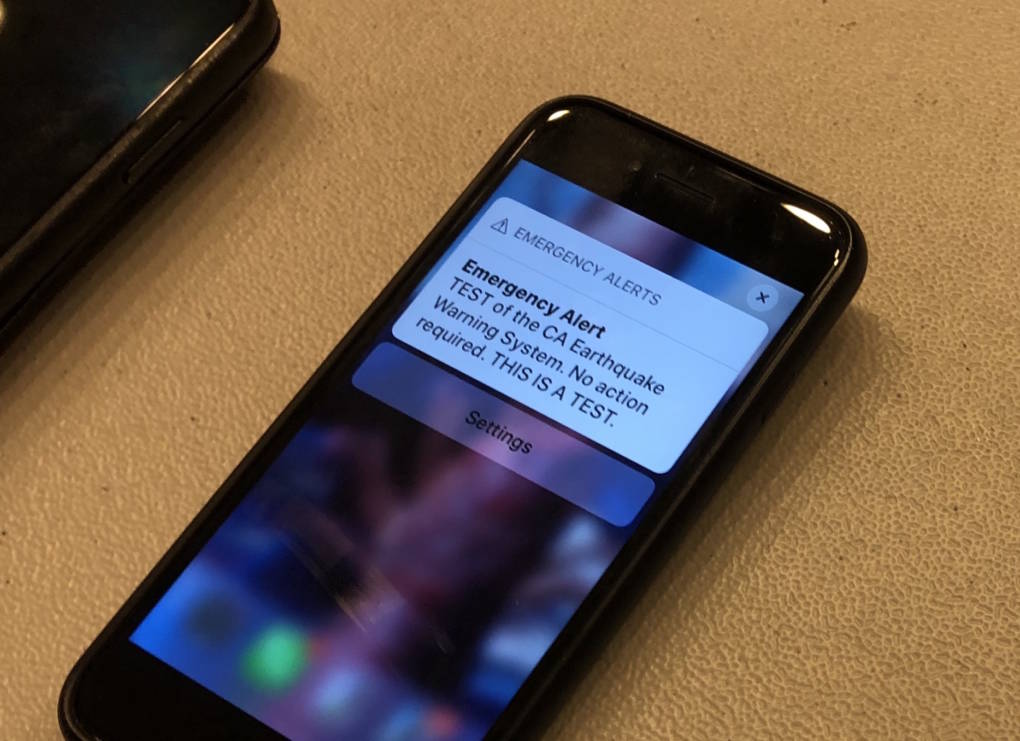
"caption": "Officials are beginning to test delivering earthquake warnings to mobile devices, as they do with Amber Alerts.",
"description": null,
"title": "QuakeTest_Phone_1909",
"credit": "Craig Miller/KQED",
"status": "inherit",
"isLoading": false,
"fetchFailed": false
},
"science_1938945": {
"type": "attachments",
"id": "science_1938945",
"meta": {
"index": "attachments_1716263798",
"site": "science",
"id": "1938945",
"found": true
},
"parent": 1938782,
"imgSizes": {
"thumbnail": {
"file": "https://ww2.kqed.org/app/uploads/sites/35/2019/03/volcano-160x99.jpg",
"width": 160,
"mimeType": "image/jpeg",
"height": 99
},
"post-thumbnail": {
"file": "https://ww2.kqed.org/app/uploads/sites/35/2019/03/volcano-626x372.jpg",
"width": 626,
"mimeType": "image/jpeg",
"height": 372
},
"kqedFullSize": {
"file": "https://ww2.kqed.org/app/uploads/sites/35/2019/03/volcano.jpg",
"width": 626,
"height": 389
},
"guest-author-50": {
"file": "https://ww2.kqed.org/app/uploads/sites/35/2019/03/volcano-50x50.jpg",
"width": 50,
"mimeType": "image/jpeg",
"height": 50
},
"guest-author-96": {
"file": "https://ww2.kqed.org/app/uploads/sites/35/2019/03/volcano-96x96.jpg",
"width": 96,
"mimeType": "image/jpeg",
"height": 96
},
"guest-author-64": {
"file": "https://ww2.kqed.org/app/uploads/sites/35/2019/03/volcano-64x64.jpg",
"width": 64,
"mimeType": "image/jpeg",
"height": 64
},
"guest-author-32": {
"file": "https://ww2.kqed.org/app/uploads/sites/35/2019/03/volcano-32x32.jpg",
"width": 32,
"mimeType": "image/jpeg",
"height": 32
},
"guest-author-128": {
"file": "https://ww2.kqed.org/app/uploads/sites/35/2019/03/volcano-128x128.jpg",
"width": 128,
"mimeType": "image/jpeg",
"height": 128
}
},
"publishDate": 1552097321,
"modified": 1552097544,
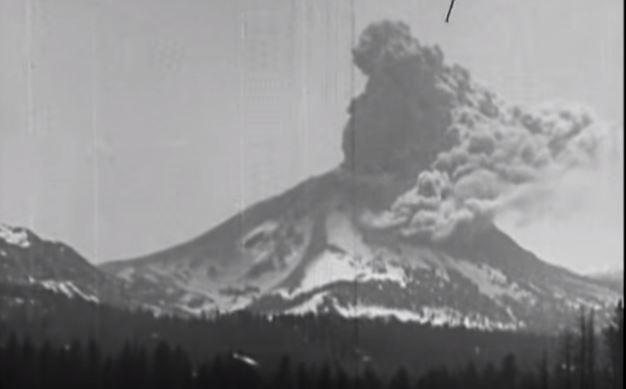
"caption": "Screenshot from film footage of an erupting Lassen Peak, sometime in the 1914-17 period.",
"description": null,
"title": "volcano",
"credit": "Shasta Historical Society",
"status": "inherit",
"isLoading": false,
"fetchFailed": false
},
"science_1936649": {
"type": "attachments",
"id": "science_1936649",
"meta": {
"index": "attachments_1716263798",
"site": "science",
"id": "1936649",
"found": true
},
"parent": 1936646,
"imgSizes": {
"small": {
"file": "https://ww2.kqed.org/app/uploads/sites/35/2019/01/radini1hr-65762ad6fa45b781b879f2bdb11dc13fa509db19-s800-c85-520x389.jpg",
"width": 520,
"mimeType": "image/jpeg",
"height": 389
},
"twentyfourteen-full-width": {
"file": "https://ww2.kqed.org/app/uploads/sites/35/2019/01/radini1hr-65762ad6fa45b781b879f2bdb11dc13fa509db19-s800-c85-800x576.jpg",
"width": 800,
"mimeType": "image/jpeg",
"height": 576
},
"thumbnail": {
"file": "https://ww2.kqed.org/app/uploads/sites/35/2019/01/radini1hr-65762ad6fa45b781b879f2bdb11dc13fa509db19-s800-c85-160x120.jpg",
"width": 160,
"mimeType": "image/jpeg",
"height": 120
},
"post-thumbnail": {
"file": "https://ww2.kqed.org/app/uploads/sites/35/2019/01/radini1hr-65762ad6fa45b781b879f2bdb11dc13fa509db19-s800-c85-672x372.jpg",
"width": 672,
"mimeType": "image/jpeg",
"height": 372
},
"xsmall": {
"file": "https://ww2.kqed.org/app/uploads/sites/35/2019/01/radini1hr-65762ad6fa45b781b879f2bdb11dc13fa509db19-s800-c85-375x281.jpg",
"width": 375,
"mimeType": "image/jpeg",
"height": 281
},
"kqedFullSize": {
"file": "https://ww2.kqed.org/app/uploads/sites/35/2019/01/radini1hr-65762ad6fa45b781b879f2bdb11dc13fa509db19-s800-c85.jpg",
"width": 800,
"height": 599
},
"guest-author-50": {
"file": "https://ww2.kqed.org/app/uploads/sites/35/2019/01/radini1hr-65762ad6fa45b781b879f2bdb11dc13fa509db19-s800-c85-50x50.jpg",
"width": 50,
"mimeType": "image/jpeg",
"height": 50
},
"guest-author-96": {
"file": "https://ww2.kqed.org/app/uploads/sites/35/2019/01/radini1hr-65762ad6fa45b781b879f2bdb11dc13fa509db19-s800-c85-96x96.jpg",
"width": 96,
"mimeType": "image/jpeg",
"height": 96
},
"medium": {
"file": "https://ww2.kqed.org/app/uploads/sites/35/2019/01/radini1hr-65762ad6fa45b781b879f2bdb11dc13fa509db19-s800-c85-800x599.jpg",
"width": 800,
"mimeType": "image/jpeg",
"height": 599
},
"guest-author-64": {
"file": "https://ww2.kqed.org/app/uploads/sites/35/2019/01/radini1hr-65762ad6fa45b781b879f2bdb11dc13fa509db19-s800-c85-64x64.jpg",
"width": 64,
"mimeType": "image/jpeg",
"height": 64
},
"guest-author-32": {
"file": "https://ww2.kqed.org/app/uploads/sites/35/2019/01/radini1hr-65762ad6fa45b781b879f2bdb11dc13fa509db19-s800-c85-32x32.jpg",
"width": 32,
"mimeType": "image/jpeg",
"height": 32
},
"detail": {
"file": "https://ww2.kqed.org/app/uploads/sites/35/2019/01/radini1hr-65762ad6fa45b781b879f2bdb11dc13fa509db19-s800-c85-150x150.jpg",
"width": 150,
"mimeType": "image/jpeg",
"height": 150
},
"medium_large": {
"file": "https://ww2.kqed.org/app/uploads/sites/35/2019/01/radini1hr-65762ad6fa45b781b879f2bdb11dc13fa509db19-s800-c85-768x575.jpg",
"width": 768,
"mimeType": "image/jpeg",
"height": 575
},
"guest-author-128": {
"file": "https://ww2.kqed.org/app/uploads/sites/35/2019/01/radini1hr-65762ad6fa45b781b879f2bdb11dc13fa509db19-s800-c85-128x128.jpg",
"width": 128,
"mimeType": "image/jpeg",
"height": 128
},
"xxsmall": {
"file": "https://ww2.kqed.org/app/uploads/sites/35/2019/01/radini1hr-65762ad6fa45b781b879f2bdb11dc13fa509db19-s800-c85-240x180.jpg",
"width": 240,
"mimeType": "image/jpeg",
"height": 180
}
},
"publishDate": 1547161934,
"modified": 1547161986,
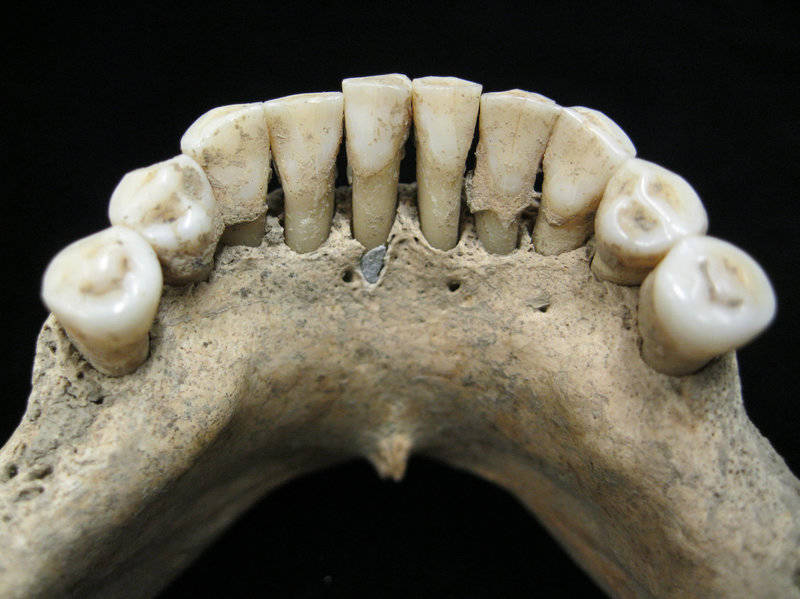
"caption": "A bit of lapis lazuli — a rich blue pigment — is trapped within a central tooth's dental tartar on this lower jaw of a European woman who died sometime between A.D. 997 and 1162.",
"description": null,
"title": "radini1hr-65762ad6fa45b781b879f2bdb11dc13fa509db19-s800-c85",
"credit": "Christina Warinner/Science Advances",
"status": "inherit",
"isLoading": false,
"fetchFailed": false
},
"science_1935823": {
"type": "attachments",
"id": "science_1935823",
"meta": {
"index": "attachments_1716263798",
"site": "science",
"id": "1935823",
"found": true
},
"parent": 1935668,
"imgSizes": {
"small": {
"file": "https://ww2.kqed.org/app/uploads/sites/35/2018/12/IMG_6882-520x390.jpg",
"width": 520,
"mimeType": "image/jpeg",
"height": 390
},
"twentyfourteen-full-width": {
"file": "https://ww2.kqed.org/app/uploads/sites/35/2018/12/IMG_6882-1038x576.jpg",
"width": 1038,
"mimeType": "image/jpeg",
"height": 576
},
"thumbnail": {
"file": "https://ww2.kqed.org/app/uploads/sites/35/2018/12/IMG_6882-160x120.jpg",
"width": 160,
"mimeType": "image/jpeg",
"height": 120
},
"fd-sm": {
"file": "https://ww2.kqed.org/app/uploads/sites/35/2018/12/IMG_6882-960x720.jpg",
"width": 960,
"mimeType": "image/jpeg",
"height": 720
},
"post-thumbnail": {
"file": "https://ww2.kqed.org/app/uploads/sites/35/2018/12/IMG_6882-672x372.jpg",
"width": 672,
"mimeType": "image/jpeg",
"height": 372
},
"xsmall": {
"file": "https://ww2.kqed.org/app/uploads/sites/35/2018/12/IMG_6882-375x281.jpg",
"width": 375,
"mimeType": "image/jpeg",
"height": 281
},
"kqedFullSize": {
"file": "https://ww2.kqed.org/app/uploads/sites/35/2018/12/IMG_6882.jpg",
"width": 2000,
"height": 1500
},
"large": {
"file": "https://ww2.kqed.org/app/uploads/sites/35/2018/12/IMG_6882-1020x765.jpg",
"width": 1020,
"mimeType": "image/jpeg",
"height": 765
},
"xlarge": {
"file": "https://ww2.kqed.org/app/uploads/sites/35/2018/12/IMG_6882-1180x885.jpg",
"width": 1180,
"mimeType": "image/jpeg",
"height": 885
},
"complete_open_graph": {
"file": "https://ww2.kqed.org/app/uploads/sites/35/2018/12/IMG_6882-1200x900.jpg",
"width": 1200,
"mimeType": "image/jpeg",
"height": 900
},
"guest-author-50": {
"file": "https://ww2.kqed.org/app/uploads/sites/35/2018/12/IMG_6882-50x50.jpg",
"width": 50,
"mimeType": "image/jpeg",
"height": 50
},
"guest-author-96": {
"file": "https://ww2.kqed.org/app/uploads/sites/35/2018/12/IMG_6882-96x96.jpg",
"width": 96,
"mimeType": "image/jpeg",
"height": 96
},
"medium": {
"file": "https://ww2.kqed.org/app/uploads/sites/35/2018/12/IMG_6882-800x600.jpg",
"width": 800,
"mimeType": "image/jpeg",
"height": 600
},
"guest-author-64": {
"file": "https://ww2.kqed.org/app/uploads/sites/35/2018/12/IMG_6882-64x64.jpg",
"width": 64,
"mimeType": "image/jpeg",
"height": 64
},
"guest-author-32": {
"file": "https://ww2.kqed.org/app/uploads/sites/35/2018/12/IMG_6882-32x32.jpg",
"width": 32,
"mimeType": "image/jpeg",
"height": 32
},
"fd-lrg": {
"file": "https://ww2.kqed.org/app/uploads/sites/35/2018/12/IMG_6882-1920x1440.jpg",
"width": 1920,
"mimeType": "image/jpeg",
"height": 1440
},
"fd-med": {
"file": "https://ww2.kqed.org/app/uploads/sites/35/2018/12/IMG_6882-1180x885.jpg",
"width": 1180,
"mimeType": "image/jpeg",
"height": 885
},
"full-width": {
"file": "https://ww2.kqed.org/app/uploads/sites/35/2018/12/IMG_6882-1920x1440.jpg",
"width": 1920,
"mimeType": "image/jpeg",
"height": 1440
},
"detail": {
"file": "https://ww2.kqed.org/app/uploads/sites/35/2018/12/IMG_6882-150x150.jpg",
"width": 150,
"mimeType": "image/jpeg",
"height": 150
},
"medium_large": {
"file": "https://ww2.kqed.org/app/uploads/sites/35/2018/12/IMG_6882-768x576.jpg",
"width": 768,
"mimeType": "image/jpeg",
"height": 576
},
"guest-author-128": {
"file": "https://ww2.kqed.org/app/uploads/sites/35/2018/12/IMG_6882-128x128.jpg",
"width": 128,
"mimeType": "image/jpeg",
"height": 128
},
"xxsmall": {
"file": "https://ww2.kqed.org/app/uploads/sites/35/2018/12/IMG_6882-240x180.jpg",
"width": 240,
"mimeType": "image/jpeg",
"height": 180
}
},
"publishDate": 1544829944,
"modified": 1544830070,
"caption": "Eldridge Moores in one of the road cuts where rocks reveal the origins of the Sierra Nevada.",
"description": "Eldridge Moores in one of the road cuts where rocks reveal the origins of the Sierra Nevada.",
"title": "IMG_6882",
"credit": "Craig Miller/KQED",
"status": "inherit",
"isLoading": false,
"fetchFailed": false
},
"science_1934976": {
"type": "attachments",
"id": "science_1934976",
"meta": {
"index": "attachments_1716263798",
"site": "science",
"id": "1934976",
"found": true
},
"parent": 1934969,
"imgSizes": {
"small": {
"file": "https://ww2.kqed.org/app/uploads/sites/35/2018/11/GettyImages-173465655-520x361.jpg",
"width": 520,
"mimeType": "image/jpeg",
"height": 361
},
"twentyfourteen-full-width": {
"file": "https://ww2.kqed.org/app/uploads/sites/35/2018/11/GettyImages-173465655-1038x576.jpg",
"width": 1038,
"mimeType": "image/jpeg",
"height": 576
},
"thumbnail": {
"file": "https://ww2.kqed.org/app/uploads/sites/35/2018/11/GettyImages-173465655-160x111.jpg",
"width": 160,
"mimeType": "image/jpeg",
"height": 111
},
"fd-sm": {
"file": "https://ww2.kqed.org/app/uploads/sites/35/2018/11/GettyImages-173465655-960x666.jpg",
"width": 960,
"mimeType": "image/jpeg",
"height": 666
},
"post-thumbnail": {
"file": "https://ww2.kqed.org/app/uploads/sites/35/2018/11/GettyImages-173465655-672x372.jpg",
"width": 672,
"mimeType": "image/jpeg",
"height": 372
},
"xsmall": {
"file": "https://ww2.kqed.org/app/uploads/sites/35/2018/11/GettyImages-173465655-375x260.jpg",
"width": 375,
"mimeType": "image/jpeg",
"height": 260
},
"kqedFullSize": {
"file": "https://ww2.kqed.org/app/uploads/sites/35/2018/11/GettyImages-173465655.jpg",
"width": 3000,
"height": 2082
},
"large": {
"file": "https://ww2.kqed.org/app/uploads/sites/35/2018/11/GettyImages-173465655-1020x708.jpg",
"width": 1020,
"mimeType": "image/jpeg",
"height": 708
},
"xlarge": {
"file": "https://ww2.kqed.org/app/uploads/sites/35/2018/11/GettyImages-173465655-1180x819.jpg",
"width": 1180,
"mimeType": "image/jpeg",
"height": 819
},
"complete_open_graph": {
"file": "https://ww2.kqed.org/app/uploads/sites/35/2018/11/GettyImages-173465655-1200x833.jpg",
"width": 1200,
"mimeType": "image/jpeg",
"height": 833
},
"guest-author-50": {
"file": "https://ww2.kqed.org/app/uploads/sites/35/2018/11/GettyImages-173465655-50x50.jpg",
"width": 50,
"mimeType": "image/jpeg",
"height": 50
},
"guest-author-96": {
"file": "https://ww2.kqed.org/app/uploads/sites/35/2018/11/GettyImages-173465655-96x96.jpg",
"width": 96,
"mimeType": "image/jpeg",
"height": 96
},
"medium": {
"file": "https://ww2.kqed.org/app/uploads/sites/35/2018/11/GettyImages-173465655-800x555.jpg",
"width": 800,
"mimeType": "image/jpeg",
"height": 555
},
"guest-author-64": {
"file": "https://ww2.kqed.org/app/uploads/sites/35/2018/11/GettyImages-173465655-64x64.jpg",
"width": 64,
"mimeType": "image/jpeg",
"height": 64
},
"guest-author-32": {
"file": "https://ww2.kqed.org/app/uploads/sites/35/2018/11/GettyImages-173465655-32x32.jpg",
"width": 32,
"mimeType": "image/jpeg",
"height": 32
},
"fd-lrg": {
"file": "https://ww2.kqed.org/app/uploads/sites/35/2018/11/GettyImages-173465655-1920x1332.jpg",
"width": 1920,
"mimeType": "image/jpeg",
"height": 1332
},
"fd-med": {
"file": "https://ww2.kqed.org/app/uploads/sites/35/2018/11/GettyImages-173465655-1180x819.jpg",
"width": 1180,
"mimeType": "image/jpeg",
"height": 819
},
"full-width": {
"file": "https://ww2.kqed.org/app/uploads/sites/35/2018/11/GettyImages-173465655-1920x1332.jpg",
"width": 1920,
"mimeType": "image/jpeg",
"height": 1332
},
"detail": {
"file": "https://ww2.kqed.org/app/uploads/sites/35/2018/11/GettyImages-173465655-150x150.jpg",
"width": 150,
"mimeType": "image/jpeg",
"height": 150
},
"medium_large": {
"file": "https://ww2.kqed.org/app/uploads/sites/35/2018/11/GettyImages-173465655-768x533.jpg",
"width": 768,
"mimeType": "image/jpeg",
"height": 533
},
"guest-author-128": {
"file": "https://ww2.kqed.org/app/uploads/sites/35/2018/11/GettyImages-173465655-128x128.jpg",
"width": 128,
"mimeType": "image/jpeg",
"height": 128
},
"xxsmall": {
"file": "https://ww2.kqed.org/app/uploads/sites/35/2018/11/GettyImages-173465655-240x167.jpg",
"width": 240,
"mimeType": "image/jpeg",
"height": 167
}
},
"publishDate": 1543428296,
"modified": 1563237574,
"caption": "A heat danger warning sign in Death Valley, which holds the record for the hottest month ever recorded on the planet.",
"description": "A heat danger warning sign in Death Valley, which holds the record for the hottest month ever recorded on the planet.",
"title": "Annual Badwater Ultra Marathon Held In Death Valley's Extreme Heat",
"credit": "David McNew/Getty Images",
"status": "inherit",
"isLoading": false,
"fetchFailed": false
},
"science_1933572": {
"type": "attachments",
"id": "science_1933572",
"meta": {
"index": "attachments_1716263798",
"site": "science",
"id": "1933572",
"found": true
},
"parent": 1933480,
"imgSizes": {
"small": {
"file": "https://ww2.kqed.org/app/uploads/sites/35/2018/10/RS23566_170111_KingTide_bhs09-qut-520x347.jpg",
"width": 520,
"mimeType": "image/jpeg",
"height": 347
},
"twentyfourteen-full-width": {
"file": "https://ww2.kqed.org/app/uploads/sites/35/2018/10/RS23566_170111_KingTide_bhs09-qut-1038x576.jpg",
"width": 1038,
"mimeType": "image/jpeg",
"height": 576
},
"thumbnail": {
"file": "https://ww2.kqed.org/app/uploads/sites/35/2018/10/RS23566_170111_KingTide_bhs09-qut-160x107.jpg",
"width": 160,
"mimeType": "image/jpeg",
"height": 107
},
"fd-sm": {
"file": "https://ww2.kqed.org/app/uploads/sites/35/2018/10/RS23566_170111_KingTide_bhs09-qut-960x640.jpg",
"width": 960,
"mimeType": "image/jpeg",
"height": 640
},
"post-thumbnail": {
"file": "https://ww2.kqed.org/app/uploads/sites/35/2018/10/RS23566_170111_KingTide_bhs09-qut-672x372.jpg",
"width": 672,
"mimeType": "image/jpeg",
"height": 372
},
"xsmall": {
"file": "https://ww2.kqed.org/app/uploads/sites/35/2018/10/RS23566_170111_KingTide_bhs09-qut-375x250.jpg",
"width": 375,
"mimeType": "image/jpeg",
"height": 250
},
"kqedFullSize": {
"file": "https://ww2.kqed.org/app/uploads/sites/35/2018/10/RS23566_170111_KingTide_bhs09-qut.jpg",
"width": 1920,
"height": 1280
},
"large": {
"file": "https://ww2.kqed.org/app/uploads/sites/35/2018/10/RS23566_170111_KingTide_bhs09-qut-1020x680.jpg",
"width": 1020,
"mimeType": "image/jpeg",
"height": 680
},
"xlarge": {
"file": "https://ww2.kqed.org/app/uploads/sites/35/2018/10/RS23566_170111_KingTide_bhs09-qut-1180x787.jpg",
"width": 1180,
"mimeType": "image/jpeg",
"height": 787
},
"complete_open_graph": {
"file": "https://ww2.kqed.org/app/uploads/sites/35/2018/10/RS23566_170111_KingTide_bhs09-qut-1200x800.jpg",
"width": 1200,
"mimeType": "image/jpeg",
"height": 800
},
"guest-author-50": {
"file": "https://ww2.kqed.org/app/uploads/sites/35/2018/10/RS23566_170111_KingTide_bhs09-qut-50x50.jpg",
"width": 50,
"mimeType": "image/jpeg",
"height": 50
},
"guest-author-96": {
"file": "https://ww2.kqed.org/app/uploads/sites/35/2018/10/RS23566_170111_KingTide_bhs09-qut-96x96.jpg",
"width": 96,
"mimeType": "image/jpeg",
"height": 96
},
"medium": {
"file": "https://ww2.kqed.org/app/uploads/sites/35/2018/10/RS23566_170111_KingTide_bhs09-qut-800x533.jpg",
"width": 800,
"mimeType": "image/jpeg",
"height": 533
},
"guest-author-64": {
"file": "https://ww2.kqed.org/app/uploads/sites/35/2018/10/RS23566_170111_KingTide_bhs09-qut-64x64.jpg",
"width": 64,
"mimeType": "image/jpeg",
"height": 64
},
"guest-author-32": {
"file": "https://ww2.kqed.org/app/uploads/sites/35/2018/10/RS23566_170111_KingTide_bhs09-qut-32x32.jpg",
"width": 32,
"mimeType": "image/jpeg",
"height": 32
},
"fd-lrg": {
"file": "https://ww2.kqed.org/app/uploads/sites/35/2018/10/RS23566_170111_KingTide_bhs09-qut-1920x1280.jpg",
"width": 1920,
"mimeType": "image/jpeg",
"height": 1280
},
"fd-med": {
"file": "https://ww2.kqed.org/app/uploads/sites/35/2018/10/RS23566_170111_KingTide_bhs09-qut-1180x787.jpg",
"width": 1180,
"mimeType": "image/jpeg",
"height": 787
},
"full-width": {
"file": "https://ww2.kqed.org/app/uploads/sites/35/2018/10/RS23566_170111_KingTide_bhs09-qut-1920x1280.jpg",
"width": 1920,
"mimeType": "image/jpeg",
"height": 1280
},
"detail": {
"file": "https://ww2.kqed.org/app/uploads/sites/35/2018/10/RS23566_170111_KingTide_bhs09-qut-150x150.jpg",
"width": 150,
"mimeType": "image/jpeg",
"height": 150
},
"medium_large": {
"file": "https://ww2.kqed.org/app/uploads/sites/35/2018/10/RS23566_170111_KingTide_bhs09-qut-768x512.jpg",
"width": 768,
"mimeType": "image/jpeg",
"height": 512
},
"guest-author-128": {
"file": "https://ww2.kqed.org/app/uploads/sites/35/2018/10/RS23566_170111_KingTide_bhs09-qut-128x128.jpg",
"width": 128,
"mimeType": "image/jpeg",
"height": 128
},
"xxsmall": {
"file": "https://ww2.kqed.org/app/uploads/sites/35/2018/10/RS23566_170111_KingTide_bhs09-qut-240x160.jpg",
"width": 240,
"mimeType": "image/jpeg",
"height": 160
}
},
"publishDate": 1540416692,
"modified": 1540416929,
"caption": "A rising bay is just one threat to San Francisco's Gold Rush-era seawall.",
"description": "A rising bay is just one threat to San Francisco's Gold Rush-era seawall.",
"title": "RS23566_170111_KingTide_bhs09-qut",
"credit": "Brittany Hosea-Small/KQED",
"status": "inherit",
"isLoading": false,
"fetchFailed": false
},
"science_1933225": {
"type": "attachments",
"id": "science_1933225",
"meta": {
"index": "attachments_1716263798",
"site": "science",
"id": "1933225",
"found": true
},
"parent": 1933223,
"imgSizes": {
"small": {
"file": "https://ww2.kqed.org/app/uploads/sites/35/2018/10/gettyimages-167393947_wide-5e33d1c27db7ad5eaec59872fd8e9d9c2c7ed1a9-s800-c85-520x293.jpg",
"width": 520,
"mimeType": "image/jpeg",
"height": 293
},
"thumbnail": {
"file": "https://ww2.kqed.org/app/uploads/sites/35/2018/10/gettyimages-167393947_wide-5e33d1c27db7ad5eaec59872fd8e9d9c2c7ed1a9-s800-c85-160x90.jpg",
"width": 160,
"mimeType": "image/jpeg",
"height": 90
},
"post-thumbnail": {
"file": "https://ww2.kqed.org/app/uploads/sites/35/2018/10/gettyimages-167393947_wide-5e33d1c27db7ad5eaec59872fd8e9d9c2c7ed1a9-s800-c85-672x372.jpg",
"width": 672,
"mimeType": "image/jpeg",
"height": 372
},
"xsmall": {
"file": "https://ww2.kqed.org/app/uploads/sites/35/2018/10/gettyimages-167393947_wide-5e33d1c27db7ad5eaec59872fd8e9d9c2c7ed1a9-s800-c85-375x211.jpg",
"width": 375,
"mimeType": "image/jpeg",
"height": 211
},
"kqedFullSize": {
"file": "https://ww2.kqed.org/app/uploads/sites/35/2018/10/gettyimages-167393947_wide-5e33d1c27db7ad5eaec59872fd8e9d9c2c7ed1a9-s800-c85.jpg",
"width": 800,
"height": 450
},
"guest-author-50": {
"file": "https://ww2.kqed.org/app/uploads/sites/35/2018/10/gettyimages-167393947_wide-5e33d1c27db7ad5eaec59872fd8e9d9c2c7ed1a9-s800-c85-50x50.jpg",
"width": 50,
"mimeType": "image/jpeg",
"height": 50
},
"guest-author-96": {
"file": "https://ww2.kqed.org/app/uploads/sites/35/2018/10/gettyimages-167393947_wide-5e33d1c27db7ad5eaec59872fd8e9d9c2c7ed1a9-s800-c85-96x96.jpg",
"width": 96,
"mimeType": "image/jpeg",
"height": 96
},
"medium": {
"file": "https://ww2.kqed.org/app/uploads/sites/35/2018/10/gettyimages-167393947_wide-5e33d1c27db7ad5eaec59872fd8e9d9c2c7ed1a9-s800-c85-800x450.jpg",
"width": 800,
"mimeType": "image/jpeg",
"height": 450
},
"guest-author-64": {
"file": "https://ww2.kqed.org/app/uploads/sites/35/2018/10/gettyimages-167393947_wide-5e33d1c27db7ad5eaec59872fd8e9d9c2c7ed1a9-s800-c85-64x64.jpg",
"width": 64,
"mimeType": "image/jpeg",
"height": 64
},
"guest-author-32": {
"file": "https://ww2.kqed.org/app/uploads/sites/35/2018/10/gettyimages-167393947_wide-5e33d1c27db7ad5eaec59872fd8e9d9c2c7ed1a9-s800-c85-32x32.jpg",
"width": 32,
"mimeType": "image/jpeg",
"height": 32
},
"detail": {
"file": "https://ww2.kqed.org/app/uploads/sites/35/2018/10/gettyimages-167393947_wide-5e33d1c27db7ad5eaec59872fd8e9d9c2c7ed1a9-s800-c85-150x150.jpg",
"width": 150,
"mimeType": "image/jpeg",
"height": 150
},
"medium_large": {
"file": "https://ww2.kqed.org/app/uploads/sites/35/2018/10/gettyimages-167393947_wide-5e33d1c27db7ad5eaec59872fd8e9d9c2c7ed1a9-s800-c85-768x432.jpg",
"width": 768,
"mimeType": "image/jpeg",
"height": 432
},
"guest-author-128": {
"file": "https://ww2.kqed.org/app/uploads/sites/35/2018/10/gettyimages-167393947_wide-5e33d1c27db7ad5eaec59872fd8e9d9c2c7ed1a9-s800-c85-128x128.jpg",
"width": 128,
"mimeType": "image/jpeg",
"height": 128
},
"xxsmall": {
"file": "https://ww2.kqed.org/app/uploads/sites/35/2018/10/gettyimages-167393947_wide-5e33d1c27db7ad5eaec59872fd8e9d9c2c7ed1a9-s800-c85-240x135.jpg",
"width": 240,
"mimeType": "image/jpeg",
"height": 135
}
},
"publishDate": 1539967179,
"modified": 1539967254,
"caption": "The Ross Ice Shelf, photographed in 2003. Researchers found that by monitoring the seismic effects of wind on the surface of a shelf, they could gain insight into its structural integrity.",
"description": null,
"title": "gettyimages-167393947_wide-5e33d1c27db7ad5eaec59872fd8e9d9c2c7ed1a9-s800-c85",
"credit": "De Agostini Picture Library/De Agostini/Getty Images",
"status": "inherit",
"isLoading": false,
"fetchFailed": false
},
"science_1984387": {
"type": "attachments",
"id": "science_1984387",
"meta": {
"index": "attachments_1716263798",
"site": "science",
"id": "1984387",
"found": true
},
"parent": 0,
"imgSizes": {
"twentyfourteen-full-width": {
"file": "https://ww2.kqed.org/app/uploads/sites/35/2023/09/M7-1038x576.jpg",
"width": 1038,
"mimeType": "image/jpeg",
"height": 576
},
"thumbnail": {
"file": "https://ww2.kqed.org/app/uploads/sites/35/2023/09/M7-160x90.jpg",
"width": 160,
"mimeType": "image/jpeg",
"height": 90
},
"post-thumbnail": {
"file": "https://ww2.kqed.org/app/uploads/sites/35/2023/09/M7-672x372.jpg",
"width": 672,
"mimeType": "image/jpeg",
"height": 372
},
"kqedFullSize": {
"file": "https://ww2.kqed.org/app/uploads/sites/35/2023/09/M7.jpg",
"width": 1920,
"height": 1080
},
"large": {
"file": "https://ww2.kqed.org/app/uploads/sites/35/2023/09/M7-1020x574.jpg",
"width": 1020,
"mimeType": "image/jpeg",
"height": 574
},
"1536x1536": {
"file": "https://ww2.kqed.org/app/uploads/sites/35/2023/09/M7-1536x864.jpg",
"width": 1536,
"mimeType": "image/jpeg",
"height": 864
},
"medium": {
"file": "https://ww2.kqed.org/app/uploads/sites/35/2023/09/M7-800x450.jpg",
"width": 800,
"mimeType": "image/jpeg",
"height": 450
},
"medium_large": {
"file": "https://ww2.kqed.org/app/uploads/sites/35/2023/09/M7-768x432.jpg",
"width": 768,
"mimeType": "image/jpeg",
"height": 432
}
},
"publishDate": 1695498028,
"modified": 1695498028,
"caption": null,
"description": null,
"title": "M7",
"credit": null,
"status": "inherit",
"altTag": null,
"isLoading": false,
"fetchFailed": false
},
"science_1932671": {
"type": "attachments",
"id": "science_1932671",
"meta": {
"index": "attachments_1716263798",
"site": "science",
"id": "1932671",
"found": true
},
"parent": 1932489,
"imgSizes": {
"small": {
"file": "https://ww2.kqed.org/app/uploads/sites/35/2018/10/IMG_0967-520x388.jpg",
"width": 520,
"mimeType": "image/jpeg",
"height": 388
},
"twentyfourteen-full-width": {
"file": "https://ww2.kqed.org/app/uploads/sites/35/2018/10/IMG_0967-1038x576.jpg",
"width": 1038,
"mimeType": "image/jpeg",
"height": 576
},
"thumbnail": {
"file": "https://ww2.kqed.org/app/uploads/sites/35/2018/10/IMG_0967-160x120.jpg",
"width": 160,
"mimeType": "image/jpeg",
"height": 120
},
"fd-sm": {
"file": "https://ww2.kqed.org/app/uploads/sites/35/2018/10/IMG_0967-960x717.jpg",
"width": 960,
"mimeType": "image/jpeg",
"height": 717
},
"post-thumbnail": {
"file": "https://ww2.kqed.org/app/uploads/sites/35/2018/10/IMG_0967-672x372.jpg",
"width": 672,
"mimeType": "image/jpeg",
"height": 372
},
"xsmall": {
"file": "https://ww2.kqed.org/app/uploads/sites/35/2018/10/IMG_0967-375x280.jpg",
"width": 375,
"mimeType": "image/jpeg",
"height": 280
},
"kqedFullSize": {
"file": "https://ww2.kqed.org/app/uploads/sites/35/2018/10/IMG_0967.jpg",
"width": 2000,
"height": 1494
},
"large": {
"file": "https://ww2.kqed.org/app/uploads/sites/35/2018/10/IMG_0967-1020x762.jpg",
"width": 1020,
"mimeType": "image/jpeg",
"height": 762
},
"xlarge": {
"file": "https://ww2.kqed.org/app/uploads/sites/35/2018/10/IMG_0967-1180x881.jpg",
"width": 1180,
"mimeType": "image/jpeg",
"height": 881
},
"complete_open_graph": {
"file": "https://ww2.kqed.org/app/uploads/sites/35/2018/10/IMG_0967-1200x896.jpg",
"width": 1200,
"mimeType": "image/jpeg",
"height": 896
},
"guest-author-50": {
"file": "https://ww2.kqed.org/app/uploads/sites/35/2018/10/IMG_0967-50x50.jpg",
"width": 50,
"mimeType": "image/jpeg",
"height": 50
},
"guest-author-96": {
"file": "https://ww2.kqed.org/app/uploads/sites/35/2018/10/IMG_0967-96x96.jpg",
"width": 96,
"mimeType": "image/jpeg",
"height": 96
},
"medium": {
"file": "https://ww2.kqed.org/app/uploads/sites/35/2018/10/IMG_0967-800x598.jpg",
"width": 800,
"mimeType": "image/jpeg",
"height": 598
},
"guest-author-64": {
"file": "https://ww2.kqed.org/app/uploads/sites/35/2018/10/IMG_0967-64x64.jpg",
"width": 64,
"mimeType": "image/jpeg",
"height": 64
},
"guest-author-32": {
"file": "https://ww2.kqed.org/app/uploads/sites/35/2018/10/IMG_0967-32x32.jpg",
"width": 32,
"mimeType": "image/jpeg",
"height": 32
},
"fd-lrg": {
"file": "https://ww2.kqed.org/app/uploads/sites/35/2018/10/IMG_0967-1920x1434.jpg",
"width": 1920,
"mimeType": "image/jpeg",
"height": 1434
},
"fd-med": {
"file": "https://ww2.kqed.org/app/uploads/sites/35/2018/10/IMG_0967-1180x881.jpg",
"width": 1180,
"mimeType": "image/jpeg",
"height": 881
},
"full-width": {
"file": "https://ww2.kqed.org/app/uploads/sites/35/2018/10/IMG_0967-1920x1434.jpg",
"width": 1920,
"mimeType": "image/jpeg",
"height": 1434
},
"detail": {
"file": "https://ww2.kqed.org/app/uploads/sites/35/2018/10/IMG_0967-150x150.jpg",
"width": 150,
"mimeType": "image/jpeg",
"height": 150
},
"medium_large": {
"file": "https://ww2.kqed.org/app/uploads/sites/35/2018/10/IMG_0967-768x574.jpg",
"width": 768,
"mimeType": "image/jpeg",
"height": 574
},
"guest-author-128": {
"file": "https://ww2.kqed.org/app/uploads/sites/35/2018/10/IMG_0967-128x128.jpg",
"width": 128,
"mimeType": "image/jpeg",
"height": 128
},
"xxsmall": {
"file": "https://ww2.kqed.org/app/uploads/sites/35/2018/10/IMG_0967-240x179.jpg",
"width": 240,
"mimeType": "image/jpeg",
"height": 179
}
},
"publishDate": 1539365365,
"modified": 1539365466,
"caption": "Berkeley-based SkyAlert is rolling out an earthquake warning app for smartphones.",
"description": "Berkeley-based SkyAlert is rolling out an earthquake warning app for smartphones.",
"title": "IMG_0967",
"credit": "Craig Miller/KQED",
"status": "inherit",
"isLoading": false,
"fetchFailed": false
},
"science_1930258": {
"type": "attachments",
"id": "science_1930258",
"meta": {
"index": "attachments_1716263798",
"site": "science",
"id": "1930258",
"found": true
},
"parent": 1928264,
"imgSizes": {
"small": {
"file": "https://ww2.kqed.org/app/uploads/sites/35/2018/08/serpentinite_cropped-1-520x338.jpg",
"width": 520,
"mimeType": "image/jpeg",
"height": 338
},
"twentyfourteen-full-width": {
"file": "https://ww2.kqed.org/app/uploads/sites/35/2018/08/serpentinite_cropped-1-1038x576.jpg",
"width": 1038,
"mimeType": "image/jpeg",
"height": 576
},
"thumbnail": {
"file": "https://ww2.kqed.org/app/uploads/sites/35/2018/08/serpentinite_cropped-1-160x104.jpg",
"width": 160,
"mimeType": "image/jpeg",
"height": 104
},
"fd-sm": {
"file": "https://ww2.kqed.org/app/uploads/sites/35/2018/08/serpentinite_cropped-1-960x624.jpg",
"width": 960,
"mimeType": "image/jpeg",
"height": 624
},
"post-thumbnail": {
"file": "https://ww2.kqed.org/app/uploads/sites/35/2018/08/serpentinite_cropped-1-672x372.jpg",
"width": 672,
"mimeType": "image/jpeg",
"height": 372
},
"xsmall": {
"file": "https://ww2.kqed.org/app/uploads/sites/35/2018/08/serpentinite_cropped-1-375x244.jpg",
"width": 375,
"mimeType": "image/jpeg",
"height": 244
},
"kqedFullSize": {
"file": "https://ww2.kqed.org/app/uploads/sites/35/2018/08/serpentinite_cropped-1.jpg",
"width": 1217,
"height": 791
},
"large": {
"file": "https://ww2.kqed.org/app/uploads/sites/35/2018/08/serpentinite_cropped-1-1020x663.jpg",
"width": 1020,
"mimeType": "image/jpeg",
"height": 663
},
"xlarge": {
"file": "https://ww2.kqed.org/app/uploads/sites/35/2018/08/serpentinite_cropped-1-1180x767.jpg",
"width": 1180,
"mimeType": "image/jpeg",
"height": 767
},
"complete_open_graph": {
"file": "https://ww2.kqed.org/app/uploads/sites/35/2018/08/serpentinite_cropped-1-1200x780.jpg",
"width": 1200,
"mimeType": "image/jpeg",
"height": 780
},
"guest-author-50": {
"file": "https://ww2.kqed.org/app/uploads/sites/35/2018/08/serpentinite_cropped-1-50x50.jpg",
"width": 50,
"mimeType": "image/jpeg",
"height": 50
},
"guest-author-96": {
"file": "https://ww2.kqed.org/app/uploads/sites/35/2018/08/serpentinite_cropped-1-96x96.jpg",
"width": 96,
"mimeType": "image/jpeg",
"height": 96
},
"medium": {
"file": "https://ww2.kqed.org/app/uploads/sites/35/2018/08/serpentinite_cropped-1-800x520.jpg",
"width": 800,
"mimeType": "image/jpeg",
"height": 520
},
"guest-author-64": {
"file": "https://ww2.kqed.org/app/uploads/sites/35/2018/08/serpentinite_cropped-1-64x64.jpg",
"width": 64,
"mimeType": "image/jpeg",
"height": 64
},
"guest-author-32": {
"file": "https://ww2.kqed.org/app/uploads/sites/35/2018/08/serpentinite_cropped-1-32x32.jpg",
"width": 32,
"mimeType": "image/jpeg",
"height": 32
},
"fd-med": {
"file": "https://ww2.kqed.org/app/uploads/sites/35/2018/08/serpentinite_cropped-1-1180x767.jpg",
"width": 1180,
"mimeType": "image/jpeg",
"height": 767
},
"detail": {
"file": "https://ww2.kqed.org/app/uploads/sites/35/2018/08/serpentinite_cropped-1-150x150.jpg",
"width": 150,
"mimeType": "image/jpeg",
"height": 150
},
"medium_large": {
"file": "https://ww2.kqed.org/app/uploads/sites/35/2018/08/serpentinite_cropped-1-768x499.jpg",
"width": 768,
"mimeType": "image/jpeg",
"height": 499
},
"guest-author-128": {
"file": "https://ww2.kqed.org/app/uploads/sites/35/2018/08/serpentinite_cropped-1-128x128.jpg",
"width": 128,
"mimeType": "image/jpeg",
"height": 128
},
"xxsmall": {
"file": "https://ww2.kqed.org/app/uploads/sites/35/2018/08/serpentinite_cropped-1-240x156.jpg",
"width": 240,
"mimeType": "image/jpeg",
"height": 156
}
},
"publishDate": 1535053393,
"modified": 1535053459,
"caption": "A serpentinite outcrop near the Presidio in San Francisco gets its green color from the chromium that is naturally present in the rock. Chromium-6, a toxic and carcinogenic form of the element, has been identified in much of California's groundwater.",
"description": null,
"title": "serpentinite_cropped",
"credit": "Haakon Fossen | University of Bergen",
"status": "inherit",
"isLoading": false,
"fetchFailed": false
},
"science_1927239": {
"type": "attachments",
"id": "science_1927239",
"meta": {
"index": "attachments_1716263798",
"site": "science",
"id": "1927239",
"found": true
},
"parent": 1927048,
"imgSizes": {
"small": {
"file": "https://ww2.kqed.org/app/uploads/sites/35/2018/07/iStock-695310402-520x347.jpg",
"width": 520,
"mimeType": "image/jpeg",
"height": 347
},
"twentyfourteen-full-width": {
"file": "https://ww2.kqed.org/app/uploads/sites/35/2018/07/iStock-695310402-1038x576.jpg",
"width": 1038,
"mimeType": "image/jpeg",
"height": 576
},
"thumbnail": {
"file": "https://ww2.kqed.org/app/uploads/sites/35/2018/07/iStock-695310402-160x107.jpg",
"width": 160,
"mimeType": "image/jpeg",
"height": 107
},
"fd-sm": {
"file": "https://ww2.kqed.org/app/uploads/sites/35/2018/07/iStock-695310402-960x640.jpg",
"width": 960,
"mimeType": "image/jpeg",
"height": 640
},
"post-thumbnail": {
"file": "https://ww2.kqed.org/app/uploads/sites/35/2018/07/iStock-695310402-672x372.jpg",
"width": 672,
"mimeType": "image/jpeg",
"height": 372
},
"xsmall": {
"file": "https://ww2.kqed.org/app/uploads/sites/35/2018/07/iStock-695310402-375x250.jpg",
"width": 375,
"mimeType": "image/jpeg",
"height": 250
},
"kqedFullSize": {
"file": "https://ww2.kqed.org/app/uploads/sites/35/2018/07/iStock-695310402.jpg",
"width": 5760,
"height": 3840
},
"large": {
"file": "https://ww2.kqed.org/app/uploads/sites/35/2018/07/iStock-695310402-1020x680.jpg",
"width": 1020,
"mimeType": "image/jpeg",
"height": 680
},
"xlarge": {
"file": "https://ww2.kqed.org/app/uploads/sites/35/2018/07/iStock-695310402-1180x787.jpg",
"width": 1180,
"mimeType": "image/jpeg",
"height": 787
},
"complete_open_graph": {
"file": "https://ww2.kqed.org/app/uploads/sites/35/2018/07/iStock-695310402-1200x800.jpg",
"width": 1200,
"mimeType": "image/jpeg",
"height": 800
},
"guest-author-50": {
"file": "https://ww2.kqed.org/app/uploads/sites/35/2018/07/iStock-695310402-50x50.jpg",
"width": 50,
"mimeType": "image/jpeg",
"height": 50
},
"guest-author-96": {
"file": "https://ww2.kqed.org/app/uploads/sites/35/2018/07/iStock-695310402-96x96.jpg",
"width": 96,
"mimeType": "image/jpeg",
"height": 96
},
"medium": {
"file": "https://ww2.kqed.org/app/uploads/sites/35/2018/07/iStock-695310402-800x533.jpg",
"width": 800,
"mimeType": "image/jpeg",
"height": 533
},
"guest-author-64": {
"file": "https://ww2.kqed.org/app/uploads/sites/35/2018/07/iStock-695310402-64x64.jpg",
"width": 64,
"mimeType": "image/jpeg",
"height": 64
},
"guest-author-32": {
"file": "https://ww2.kqed.org/app/uploads/sites/35/2018/07/iStock-695310402-32x32.jpg",
"width": 32,
"mimeType": "image/jpeg",
"height": 32
},
"fd-lrg": {
"file": "https://ww2.kqed.org/app/uploads/sites/35/2018/07/iStock-695310402-1920x1280.jpg",
"width": 1920,
"mimeType": "image/jpeg",
"height": 1280
},
"fd-med": {
"file": "https://ww2.kqed.org/app/uploads/sites/35/2018/07/iStock-695310402-1180x787.jpg",
"width": 1180,
"mimeType": "image/jpeg",
"height": 787
},
"full-width": {
"file": "https://ww2.kqed.org/app/uploads/sites/35/2018/07/iStock-695310402-1920x1280.jpg",
"width": 1920,
"mimeType": "image/jpeg",
"height": 1280
},
"detail": {
"file": "https://ww2.kqed.org/app/uploads/sites/35/2018/07/iStock-695310402-150x150.jpg",
"width": 150,
"mimeType": "image/jpeg",
"height": 150
},
"medium_large": {
"file": "https://ww2.kqed.org/app/uploads/sites/35/2018/07/iStock-695310402-768x512.jpg",
"width": 768,
"mimeType": "image/jpeg",
"height": 512
},
"guest-author-128": {
"file": "https://ww2.kqed.org/app/uploads/sites/35/2018/07/iStock-695310402-128x128.jpg",
"width": 128,
"mimeType": "image/jpeg",
"height": 128
},
"xxsmall": {
"file": "https://ww2.kqed.org/app/uploads/sites/35/2018/07/iStock-695310402-240x160.jpg",
"width": 240,
"mimeType": "image/jpeg",
"height": 160
}
},
"publishDate": 1531344829,
"modified": 1531344906,
"caption": "An image of an Oklahoma bridge in Southern Oklahoma on a Late Autumn Day.",
"description": null,
"title": "Picturesque Old Pennington Creek Bridge in Oklahoma",
"credit": "iStock",
"status": "inherit",
"isLoading": false,
"fetchFailed": false
},
"science_1926054": {
"type": "attachments",
"id": "science_1926054",
"meta": {
"index": "attachments_1716263798",
"site": "science",
"id": "1926054",
"found": true
},
"parent": 1925935,
"imgSizes": {
"small": {
"file": "https://ww2.kqed.org/app/uploads/sites/35/2018/06/average-fault-movement-slide-520x434.jpg",
"width": 520,
"mimeType": "image/jpeg",
"height": 434
},
"twentyfourteen-full-width": {
"file": "https://ww2.kqed.org/app/uploads/sites/35/2018/06/average-fault-movement-slide-848x576.jpg",
"width": 848,
"mimeType": "image/jpeg",
"height": 576
},
"thumbnail": {
"file": "https://ww2.kqed.org/app/uploads/sites/35/2018/06/average-fault-movement-slide-160x134.jpg",
"width": 160,
"mimeType": "image/jpeg",
"height": 134
},
"post-thumbnail": {
"file": "https://ww2.kqed.org/app/uploads/sites/35/2018/06/average-fault-movement-slide-672x372.jpg",
"width": 672,
"mimeType": "image/jpeg",
"height": 372
},
"xsmall": {
"file": "https://ww2.kqed.org/app/uploads/sites/35/2018/06/average-fault-movement-slide-375x313.jpg",
"width": 375,
"mimeType": "image/jpeg",
"height": 313
},
"kqedFullSize": {
"file": "https://ww2.kqed.org/app/uploads/sites/35/2018/06/average-fault-movement-slide.jpg",
"width": 848,
"height": 708
},
"guest-author-50": {
"file": "https://ww2.kqed.org/app/uploads/sites/35/2018/06/average-fault-movement-slide-50x50.jpg",
"width": 50,
"mimeType": "image/jpeg",
"height": 50
},
"guest-author-96": {
"file": "https://ww2.kqed.org/app/uploads/sites/35/2018/06/average-fault-movement-slide-96x96.jpg",
"width": 96,
"mimeType": "image/jpeg",
"height": 96
},
"medium": {
"file": "https://ww2.kqed.org/app/uploads/sites/35/2018/06/average-fault-movement-slide-800x668.jpg",
"width": 800,
"mimeType": "image/jpeg",
"height": 668
},
"guest-author-64": {
"file": "https://ww2.kqed.org/app/uploads/sites/35/2018/06/average-fault-movement-slide-64x64.jpg",
"width": 64,
"mimeType": "image/jpeg",
"height": 64
},
"guest-author-32": {
"file": "https://ww2.kqed.org/app/uploads/sites/35/2018/06/average-fault-movement-slide-32x32.jpg",
"width": 32,
"mimeType": "image/jpeg",
"height": 32
},
"detail": {
"file": "https://ww2.kqed.org/app/uploads/sites/35/2018/06/average-fault-movement-slide-150x150.jpg",
"width": 150,
"mimeType": "image/jpeg",
"height": 150
},
"medium_large": {
"file": "https://ww2.kqed.org/app/uploads/sites/35/2018/06/average-fault-movement-slide-768x641.jpg",
"width": 768,
"mimeType": "image/jpeg",
"height": 641
},
"guest-author-128": {
"file": "https://ww2.kqed.org/app/uploads/sites/35/2018/06/average-fault-movement-slide-128x128.jpg",
"width": 128,
"mimeType": "image/jpeg",
"height": 128
},
"xxsmall": {
"file": "https://ww2.kqed.org/app/uploads/sites/35/2018/06/average-fault-movement-slide-240x200.jpg",
"width": 240,
"mimeType": "image/jpeg",
"height": 200
}
},
"publishDate": 1529438984,
"modified": 1529439140,
"caption": "Average rate of movement for the ground along the San Andreas Fault (black line) in Central California between 2003 and 2010. Red shows southeast movement, blue shows northwest. The intensity of the color shows how fast areas moved on average.",
"description": "Average rate of movement for the ground along the San Andreas Fault (black line) in Central California between 2003 and 2010. Red shows southeast movement, blue shows northwest. The intensity of the color shows how fast areas moved on average.",
"title": "average-fault-movement-slide",
"credit": "M. Khoshmanesh/ASU",
"status": "inherit",
"isLoading": false,
"fetchFailed": false
}
},
"audioPlayerReducer": {
"postId": "stream_live",
"isPaused": true,
"isPlaying": false,
"pfsActive": false,
"pledgeModalIsOpen": true,
"playerDrawerIsOpen": false,
"liveAudioPlayStartedAt": 0,
"liveAudioPlayContext": ""
},
"authorsReducer": {
"byline_science_1936646": {
"type": "authors",
"id": "byline_science_1936646",
"meta": {
"override": true
},
"slug": "byline_science_1936646",
"name": "Nell Greenfieldboyce\u003c/br>",
"isLoading": false
},
"byline_science_1933223": {
"type": "authors",
"id": "byline_science_1933223",
"meta": {
"override": true
},
"slug": "byline_science_1933223",
"name": "Ruben Kimmelman, NPR",
"isLoading": false
},
"byline_science_1927048": {
"type": "authors",
"id": "byline_science_1927048",
"meta": {
"override": true
},
"slug": "byline_science_1927048",
"name": "The Associated Press",
"isLoading": false
},
"cmiller": {
"type": "authors",
"id": "221",
"meta": {
"index": "authors_1716337520",
"id": "221",
"found": true
},
"name": "Craig Miller",
"firstName": "Craig",
"lastName": "Miller",
"slug": "cmiller",
"email": "craig@voxterra.net",
"display_author_email": false,
"staff_mastheads": [
"science"
],
"title": "Editor Emeritus, Science",
"bio": "Craig is a former KQED Science editor, specializing in weather, climate, water & energy issues, with a little seismology thrown in just to shake things up. Prior to that, he launched and led the station's award-winning multimedia project, Climate Watch. Craig is also an accomplished writer/producer of television documentaries, with a focus on natural resource issues.",
"avatar": "https://secure.gravatar.com/avatar/b91661df645e001a9cafe0861fa685f9?s=600&d=blank&r=g",
"twitter": "voxterra",
"facebook": null,
"instagram": null,
"linkedin": null,
"sites": [
{
"site": "news",
"roles": [
"author"
]
},
{
"site": "futureofyou",
"roles": [
"editor"
]
},
{
"site": "stateofhealth",
"roles": [
"author"
]
},
{
"site": "science",
"roles": [
"editor"
]
},
{
"site": "quest",
"roles": [
"editor"
]
}
],
"headData": {
"title": "Craig Miller | KQED",
"description": "Editor Emeritus, Science",
"ogImgSrc": "https://secure.gravatar.com/avatar/b91661df645e001a9cafe0861fa685f9?s=600&d=blank&r=g",
"twImgSrc": "https://secure.gravatar.com/avatar/b91661df645e001a9cafe0861fa685f9?s=600&d=blank&r=g"
},
"isLoading": false,
"link": "/author/cmiller"
},
"kdomara": {
"type": "authors",
"id": "1459",
"meta": {
"index": "authors_1716337520",
"id": "1459",
"found": true
},
"name": "Kelly O'Mara",
"firstName": "Kelly",
"lastName": "O'Mara",
"slug": "kdomara",
"email": "komara@kqed.org",
"display_author_email": false,
"staff_mastheads": [
"news"
],
"title": "KQED Contributor",
"bio": "Kelly O'Mara is a writer and reporter in the San Francisco Bay Area. She writes about food, health, sports, travel, business and California news. Her work has appeared on KQED, online for Outside Magazine, epsnW, VICE and in Competitor Magazine, among others. Follow Kelly on Twitter \u003ca href=\"https://twitter.com/kellydomara\">@kellydomara\u003c/a>.",
"avatar": "https://secure.gravatar.com/avatar/768fec7412028b72f13bdd0f5f9d8186?s=600&d=blank&r=g",
"twitter": null,
"facebook": null,
"instagram": null,
"linkedin": null,
"sites": [
{
"site": "arts",
"roles": []
},
{
"site": "news",
"roles": []
},
{
"site": "bayareabites",
"roles": []
},
{
"site": "stateofhealth",
"roles": []
},
{
"site": "science",
"roles": []
},
{
"site": "checkplease",
"roles": [
"editor"
]
},
{
"site": "food",
"roles": []
},
{
"site": "forum",
"roles": [
"editor"
]
},
{
"site": "liveblog",
"roles": [
"editor"
]
}
],
"headData": {
"title": "Kelly O'Mara | KQED",
"description": "KQED Contributor",
"ogImgSrc": "https://secure.gravatar.com/avatar/768fec7412028b72f13bdd0f5f9d8186?s=600&d=blank&r=g",
"twImgSrc": "https://secure.gravatar.com/avatar/768fec7412028b72f13bdd0f5f9d8186?s=600&d=blank&r=g"
},
"isLoading": false,
"link": "/author/kdomara"
},
"mpeterson": {
"type": "authors",
"id": "11223",
"meta": {
"index": "authors_1716337520",
"id": "11223",
"found": true
},
"name": "Molly Peterson",
"firstName": "Molly",
"lastName": "Peterson",
"slug": "mpeterson",
"email": "mpeterson@kqed.org",
"display_author_email": false,
"staff_mastheads": [],
"title": null,
"bio": "Molly Peterson reports for KQED science and news on climate change, catastrophe and risk. Previously she was environment correspondent at Southern California Public Radio. Her work has also appeared at The New York Times, The Guardian, on NPR, at High Country News, on Code Switch, and other national outlets. She has been honored with awards from Public Radio News Directors Incorporated, Investigative Reporters and Editors, the Society for Professional Journalists, the Los Angeles Press Club, and RTNDA Edward R. Murrow awards, among others.",
"avatar": "https://secure.gravatar.com/avatar/7908e2807131f776cc8165c649530b05?s=600&d=blank&r=g",
"twitter": "Mollydacious",
"facebook": null,
"instagram": "https://www.instagram.com/radiomolly/",
"linkedin": null,
"sites": [
{
"site": "news",
"roles": [
"subscriber"
]
},
{
"site": "futureofyou",
"roles": [
"editor"
]
},
{
"site": "science",
"roles": [
"editor"
]
}
],
"headData": {
"title": "Molly Peterson | KQED",
"description": null,
"ogImgSrc": "https://secure.gravatar.com/avatar/7908e2807131f776cc8165c649530b05?s=600&d=blank&r=g",
"twImgSrc": "https://secure.gravatar.com/avatar/7908e2807131f776cc8165c649530b05?s=600&d=blank&r=g"
},
"isLoading": false,
"link": "/author/mpeterson"
},
"parcuni": {
"type": "authors",
"id": "11368",
"meta": {
"index": "authors_1716337520",
"id": "11368",
"found": true
},
"name": "Peter Arcuni",
"firstName": "Peter",
"lastName": "Arcuni",
"slug": "parcuni",
"email": "parcuni@KQED.org",
"display_author_email": false,
"staff_mastheads": [
"science"
],
"title": "Reporter",
"bio": "Peter reports radio and online stories for \u003cem>KQED Science\u003c/em>. His work has also appeared on the \u003cem>The California Report\u003c/em> morning show and \u003cem>KQED News\u003c/em>. His production credits include \u003cem>The California Report, The California Report Magazine\u003c/em> and KQED's local news podcast \u003cem>The Bay\u003c/em>. Other credits include NPR's \u003cem>All Things Considered\u003c/em>, WNYC's \u003cem>Science Friday\u003c/em>, WBUR's \u003cem>Here & Now\u003c/em>, WIRED and SFGate. Peter graduated from Brown University and earned a master's degree in journalism from Stanford. He's covered everything from homelessness to wildfires, health, the environment, arts and Thanksgiving in San Quentin prison. In other lives, he played rock n roll music and studied neuroscience. You can email him at: parcuni@kqed.org",
"avatar": "https://secure.gravatar.com/avatar/d5032f6f27199d478af34ad2e1d98732?s=600&d=blank&r=g",
"twitter": "peterarcuni",
"facebook": null,
"instagram": null,
"linkedin": null,
"sites": [
{
"site": "news",
"roles": [
"editor"
]
},
{
"site": "science",
"roles": [
"editor"
]
}
],
"headData": {
"title": "Peter Arcuni | KQED",
"description": "Reporter",
"ogImgSrc": "https://secure.gravatar.com/avatar/d5032f6f27199d478af34ad2e1d98732?s=600&d=blank&r=g",
"twImgSrc": "https://secure.gravatar.com/avatar/d5032f6f27199d478af34ad2e1d98732?s=600&d=blank&r=g"
},
"isLoading": false,
"link": "/author/parcuni"
},
"aahmed": {
"type": "authors",
"id": "11428",
"meta": {
"index": "authors_1716337520",
"id": "11428",
"found": true
},
"name": "Amel Ahmed",
"firstName": "Amel",
"lastName": "Ahmed",
"slug": "aahmed",
"email": "aahmed@kqed.org",
"display_author_email": false,
"staff_mastheads": [],
"title": "KQED Contributor",
"bio": "Amel Ahmed is a reporter for KQED. Prior to joining KQED, Amel worked at Al Jazeera America, Al Jazeera English, Democracy Now! and Punched Productions. She also helped produce \u003cem>Changing Face of Harlem\u003c/em>, a documentary that tracked gentrification in Harlem over a period of ten years. She is a 2013 graduate of Brooklyn Law School and is currently researching war on terror prosecutions for an upcoming book.",
"avatar": "https://secure.gravatar.com/avatar/c8b48ebc98e770640f3013c470d23f3e?s=600&d=blank&r=g",
"twitter": "amelscript",
"facebook": null,
"instagram": null,
"linkedin": null,
"sites": [
{
"site": "futureofyou",
"roles": []
},
{
"site": "science",
"roles": []
}
],
"headData": {
"title": "Amel Ahmed | KQED",
"description": "KQED Contributor",
"ogImgSrc": "https://secure.gravatar.com/avatar/c8b48ebc98e770640f3013c470d23f3e?s=600&d=blank&r=g",
"twImgSrc": "https://secure.gravatar.com/avatar/c8b48ebc98e770640f3013c470d23f3e?s=600&d=blank&r=g"
},
"isLoading": false,
"link": "/author/aahmed"
},
"aheidt": {
"type": "authors",
"id": "11520",
"meta": {
"index": "authors_1716337520",
"id": "11520",
"found": true
},
"name": "Amanda Heidt",
"firstName": "Amanda",
"lastName": "Heidt",
"slug": "aheidt",
"email": "aheidt@kqed.org",
"display_author_email": false,
"staff_mastheads": [],
"title": "KQED Contributor",
"bio": "Amanda Heidt was the 2018 Dr. Allen Fuhs KQED-CSUMB Fellow at KQED Science. Amanda came to KQED from Moss Landing Marine Laboratories, where her masters research uses molecular techniques to describe communities of meiofauna, small invertebrates living between grains of sand. She has a background in education, outreach, and science communication, fostered by a recent position with the Stanford Center for Ocean Solutions. She has a BS in Marine Science and a minor in Chemistry from the University of California, Santa Cruz. Her interests include climbing, diving, camping, baking, and reading. Find her on Twitter and Instagram @Scatter_Cushion.",
"avatar": "https://secure.gravatar.com/avatar/e646090632bd7fef75fff4616269ff8c?s=600&d=blank&r=g",
"twitter": "Scatter_Cushion",
"facebook": null,
"instagram": null,
"linkedin": null,
"sites": [
{
"site": "news",
"roles": [
"subscriber"
]
},
{
"site": "science",
"roles": []
}
],
"headData": {
"title": "Amanda Heidt | KQED",
"description": "KQED Contributor",
"ogImgSrc": "https://secure.gravatar.com/avatar/e646090632bd7fef75fff4616269ff8c?s=600&d=blank&r=g",
"twImgSrc": "https://secure.gravatar.com/avatar/e646090632bd7fef75fff4616269ff8c?s=600&d=blank&r=g"
},
"isLoading": false,
"link": "/author/aheidt"
}
},
"pagesReducer": {
"science_category_geology": {
"type": "terms",
"id": "science_38",
"meta": {
"index": "terms_1716263798",
"site": "science",
"id": "38",
"score": 13.559036
},
"featImg": null,
"name": "Geology",
"description": null,
"taxonomy": "category",
"headData": {
"twImgId": null,
"twTitle": null,
"ogTitle": null,
"ogImgId": null,
"twDescription": null,
"description": null,
"title": "Geology Archives | KQED Science",
"ogDescription": null
},
"ttid": 40,
"slug": "geology",
"isLoading": false,
"title": "Geology",
"pageMeta": {
"site": "science",
"WpPageTemplate": "page-topic-editorial",
"currentPage": 3
},
"blocks": [
{
"blockName": "kqed/post-list",
"attrs": {
"layout": "cardArticle2",
"query": "posts/science?category=geology",
"seeMore": false,
"paginated": true,
"page": 3
}
},
{
"blockName": "kqed/ad"
}
]
}
},
"pfsSessionReducer": {},
"postsReducer": {
"stream_live": {
"type": "live",
"id": "stream_live",
"audioUrl": "https://hls.kqed.org/hls/kqed_app/playlist.m3u8",
"title": "Live Stream",
"excerpt": "Live Stream information currently unavailable.",
"link": "/radio",
"featImg": "",
"label": {
"name": "KQED Live",
"link": "/"
}
},
"stream_kqedNewscast": {
"type": "posts",
"id": "stream_kqedNewscast",
"audioUrl": "https://www.kqed.org/.stream/anon/radio/RDnews/newscast.mp3?_=1",
"title": "KQED Newscast",
"featImg": "",
"label": {
"name": "88.5 FM",
"link": "/"
}
},
"science_1939628": {
"type": "posts",
"id": "science_1939628",
"meta": {
"index": "posts_1716263798",
"site": "science",
"id": "1939628",
"score": null,
"sort": [
1553738459000
]
},
"parent": 0,
"labelTerm": {},
"blocks": [],
"publishDate": 1553738459,
"format": "standard",
"title": "California 'That Much Closer' to Cellphone Earthquake Warnings After Oakland Test",
"headTitle": "California ‘That Much Closer’ to Cellphone Earthquake Warnings After Oakland Test | KQED",
"content": "\u003cp>Scientists and disaster-response officials say they’re encouraged after their first attempt to push out an alert from the state’s newly-developed earthquake warning system to cellphones, over the same network used for Amber Alerts.\u003c/p>\n\u003cp>State emergency services staff and scientists from the U.S. Geological Survey triggered the local test at 11 a.m. on Wednesday. About 4 seconds later, an array of cellphones laid out in the downtown Oakland test center started lighting up and sounding off with a symphony of the \u003ca href=\"https://www.youtube.com/watch?v=pHiqVHeSDvo\" target=\"_blank\" rel=\"noopener\">familiar tones\u003c/a> usually associated with \u003ca href=\"https://www.amberalert.gov/\" target=\"_blank\" rel=\"noopener\">Amber Alerts\u003c/a>. This time, though, the subsequent text message advised users that this was only a test and no action was required. For the experiment, phones of various make, model and vintage were arrayed at the command center, going back to the flip-phone era. Most appeared to respond, though with varying time lags. Officials seemed pleased with the early returns.\u003c/p>\n\u003cfigure id=\"attachment_1939636\" class=\"wp-caption alignleft\" style=\"max-width: 600px\">\u003ca href=\"https://ww2.kqed.org/science/wp-content/uploads/sites/35/2019/03/Array_1908.jpeg\">\u003cimg loading=\"lazy\" decoding=\"async\" class=\"wp-image-1939636 size-full\" src=\"https://ww2.kqed.org/science/wp-content/uploads/sites/35/2019/03/Array_1908.jpeg\" alt=\"Photo: phone array\" width=\"600\" height=\"800\" srcset=\"https://cdn.kqed.org/wp-content/uploads/sites/35/2019/03/Array_1908.jpeg 600w, https://cdn.kqed.org/wp-content/uploads/sites/35/2019/03/Array_1908-160x213.jpeg 160w\" sizes=\"(max-width: 600px) 100vw, 600px\">\u003c/a>\u003cfigcaption class=\"wp-caption-text\">Coordinators line up different cellphones to see how they respond to a test for earthquake warnings in downtown Oakland. \u003ccite>(Craig Miller/KQED)\u003c/cite>\u003c/figcaption>\u003c/figure>\n\u003cp>“This is a very big step,” says Ryan Arba, the test coordinator for the California Office of Emergency Services.\u003c/p>\n\u003cp>“We’re going to look at all the data in total,” he says “but we always have to remember that today, we have no seconds of warning,” a reference to the fact that California currently has no comprehensive warning system in place for earthquakes.\u003c/p>\n\u003cp>The recently-launched \u003ca href=\"https://www.shakealert.org/\" target=\"_blank\" rel=\"noopener\">ShakeAlert system\u003c/a>, co-developed by USGS and its university partners, provides anywhere from a few seconds to more than a minute of notice before shaking starts — but only to institutions participating in a pilot program. Ultimately, the goal is to give everyone with a cellphone a few seconds to “drop, cover, and hold on” before the earth moves.\u003c/p>\n\u003cp>“And you can actually be in a protected place before the shaking even starts,” notes Arba, “which I think is pretty cool.”\u003c/p>\n\u003cp>Wednesday’s test was not without its glitches: for instance iPad tablets in the test center did not pick up the alert. The challenge ahead is to get the system dialed in, so it’ll work quickly and reliably with all devices.\u003c/p>\n\u003cp>Toward that end, testers asked people within about a 10-block radius of Oakland’s City Hall, to note exactly when the alert hit their cellphones, and report it on the \u003ca href=\"https://www.caloes.ca.gov/cal-oes-divisions/earthquake-tsunami-volcano-programs/california-earthquake-early-warning-program\" target=\"_blank\" rel=\"noopener\">CalOES website\u003c/a>. As of Wednesday afternoon, more than 900 people had responded.\u003c/p>\n\u003cp>“The people responding to that survey will provide us that feedback that we need to see whether or not we should move forward with this option.”\u003cbr>\n[ad fullwidth]\u003cbr>\nExtensive testing of the ShakeAlert system has proven its potential. A West Coast-wide network of ground sensors detect the very first burb from a developing earthquake, calculates the potential shaking and time before it hits a given location, and issues an alarm before the secondary wave — the one we feel — arrives.\u003c/p>\n\u003cp>But according to Robert de Groot with the USGS, it’s still unknown if the cellular system will be fast enough to relay that information in time, when seconds count.\u003c/p>\n\u003cp>“That’s the part we’re testing,” he says, “so this is citizen science at its best: you have all these people with their multiplicity of devices on them and they’re gonna get this alert coming through them.”\u003c/p>\n\u003cp>Exactly when that will happen for everyone is still an open question, but officials say that with continued success in testing, it could be reality within a year’s time.\u003c/p>\n\u003cp>\u003c/p>\n",
"stats": {
"hasVideo": false,
"hasChartOrMap": false,
"hasAudio": false,
"hasPolis": false,
"wordCount": 618,
"hasGoogleForm": false,
"hasGallery": false,
"hasHearkenModule": false,
"iframeSrcs": [],
"paragraphCount": 13
},
"modified": 1704848766,
"excerpt": "Officials are trying out earthquake warnings on the system used for Amber Alerts.",
"headData": {
"twImgId": "",
"twTitle": "",
"ogTitle": "",
"ogImgId": "",
"twDescription": "",
"description": "Officials are trying out earthquake warnings on the system used for Amber Alerts.",
"title": "California 'That Much Closer' to Cellphone Earthquake Warnings After Oakland Test | KQED",
"ogDescription": "",
"schema": {
"@context": "https://schema.org",
"@type": "Article",
"headline": "California 'That Much Closer' to Cellphone Earthquake Warnings After Oakland Test",
"datePublished": "2019-03-27T19:00:59-07:00",
"dateModified": "2024-01-09T17:06:06-08:00",
"image": "https://cdn.kqed.org/wp-content/uploads/2020/02/KQED-OG-Image@1x.png"
}
},
"guestAuthors": [],
"slug": "california-that-much-closer-to-cell-phone-earthquake-warnings-after-oakland-test",
"status": "publish",
"sticky": false,
"source": "Engineering",
"path": "/science/1939628/california-that-much-closer-to-cell-phone-earthquake-warnings-after-oakland-test",
"audioTrackLength": null,
"parsedContent": [
{
"type": "contentString",
"content": "\u003cdiv class=\"post-body\">\u003cp>\u003cp>Scientists and disaster-response officials say they’re encouraged after their first attempt to push out an alert from the state’s newly-developed earthquake warning system to cellphones, over the same network used for Amber Alerts.\u003c/p>\n\u003cp>State emergency services staff and scientists from the U.S. Geological Survey triggered the local test at 11 a.m. on Wednesday. About 4 seconds later, an array of cellphones laid out in the downtown Oakland test center started lighting up and sounding off with a symphony of the \u003ca href=\"https://www.youtube.com/watch?v=pHiqVHeSDvo\" target=\"_blank\" rel=\"noopener\">familiar tones\u003c/a> usually associated with \u003ca href=\"https://www.amberalert.gov/\" target=\"_blank\" rel=\"noopener\">Amber Alerts\u003c/a>. This time, though, the subsequent text message advised users that this was only a test and no action was required. For the experiment, phones of various make, model and vintage were arrayed at the command center, going back to the flip-phone era. Most appeared to respond, though with varying time lags. Officials seemed pleased with the early returns.\u003c/p>\n\u003cfigure id=\"attachment_1939636\" class=\"wp-caption alignleft\" style=\"max-width: 600px\">\u003ca href=\"https://ww2.kqed.org/science/wp-content/uploads/sites/35/2019/03/Array_1908.jpeg\">\u003cimg loading=\"lazy\" decoding=\"async\" class=\"wp-image-1939636 size-full\" src=\"https://ww2.kqed.org/science/wp-content/uploads/sites/35/2019/03/Array_1908.jpeg\" alt=\"Photo: phone array\" width=\"600\" height=\"800\" srcset=\"https://cdn.kqed.org/wp-content/uploads/sites/35/2019/03/Array_1908.jpeg 600w, https://cdn.kqed.org/wp-content/uploads/sites/35/2019/03/Array_1908-160x213.jpeg 160w\" sizes=\"(max-width: 600px) 100vw, 600px\">\u003c/a>\u003cfigcaption class=\"wp-caption-text\">Coordinators line up different cellphones to see how they respond to a test for earthquake warnings in downtown Oakland. \u003ccite>(Craig Miller/KQED)\u003c/cite>\u003c/figcaption>\u003c/figure>\n\u003cp>“This is a very big step,” says Ryan Arba, the test coordinator for the California Office of Emergency Services.\u003c/p>\n\u003cp>“We’re going to look at all the data in total,” he says “but we always have to remember that today, we have no seconds of warning,” a reference to the fact that California currently has no comprehensive warning system in place for earthquakes.\u003c/p>\n\u003cp>The recently-launched \u003ca href=\"https://www.shakealert.org/\" target=\"_blank\" rel=\"noopener\">ShakeAlert system\u003c/a>, co-developed by USGS and its university partners, provides anywhere from a few seconds to more than a minute of notice before shaking starts — but only to institutions participating in a pilot program. Ultimately, the goal is to give everyone with a cellphone a few seconds to “drop, cover, and hold on” before the earth moves.\u003c/p>\n\u003cp>“And you can actually be in a protected place before the shaking even starts,” notes Arba, “which I think is pretty cool.”\u003c/p>\n\u003cp>Wednesday’s test was not without its glitches: for instance iPad tablets in the test center did not pick up the alert. The challenge ahead is to get the system dialed in, so it’ll work quickly and reliably with all devices.\u003c/p>\n\u003cp>Toward that end, testers asked people within about a 10-block radius of Oakland’s City Hall, to note exactly when the alert hit their cellphones, and report it on the \u003ca href=\"https://www.caloes.ca.gov/cal-oes-divisions/earthquake-tsunami-volcano-programs/california-earthquake-early-warning-program\" target=\"_blank\" rel=\"noopener\">CalOES website\u003c/a>. As of Wednesday afternoon, more than 900 people had responded.\u003c/p>\n\u003cp>“The people responding to that survey will provide us that feedback that we need to see whether or not we should move forward with this option.”\u003cbr>\n\u003c/p>\u003c/div>",
"attributes": {
"named": {},
"numeric": []
}
},
{
"type": "component",
"content": "",
"name": "ad",
"attributes": {
"named": {
"label": "fullwidth"
},
"numeric": [
"fullwidth"
]
}
},
{
"type": "contentString",
"content": "\u003cdiv class=\"post-body\">\u003cp>\u003cbr>\nExtensive testing of the ShakeAlert system has proven its potential. A West Coast-wide network of ground sensors detect the very first burb from a developing earthquake, calculates the potential shaking and time before it hits a given location, and issues an alarm before the secondary wave — the one we feel — arrives.\u003c/p>\n\u003cp>But according to Robert de Groot with the USGS, it’s still unknown if the cellular system will be fast enough to relay that information in time, when seconds count.\u003c/p>\n\u003cp>“That’s the part we’re testing,” he says, “so this is citizen science at its best: you have all these people with their multiplicity of devices on them and they’re gonna get this alert coming through them.”\u003c/p>\n\u003cp>Exactly when that will happen for everyone is still an open question, but officials say that with continued success in testing, it could be reality within a year’s time.\u003c/p>\n\u003cp>\u003c/p>\n\u003c/div>\u003c/p>",
"attributes": {
"named": {},
"numeric": []
}
}
],
"link": "/science/1939628/california-that-much-closer-to-cell-phone-earthquake-warnings-after-oakland-test",
"authors": [
"221"
],
"categories": [
"science_89",
"science_38",
"science_40"
],
"tags": [
"science_3840",
"science_3370",
"science_550",
"science_2677",
"science_3830",
"science_838"
],
"featImg": "science_1939637",
"label": "source_science_1939628"
},
"science_1938782": {
"type": "posts",
"id": "science_1938782",
"meta": {
"index": "posts_1716263798",
"site": "science",
"id": "1938782",
"score": null,
"sort": [
1552078501000
]
},
"parent": 0,
"labelTerm": {},
"blocks": [],
"publishDate": 1552078501,
"format": "aside",
"title": "Guess What, California? Now You Need to Prepare for Erupting Volcanoes",
"headTitle": "Guess What, California? Now You Need to Prepare for Erupting Volcanoes | KQED",
"content": "\u003cp>https://www.youtube.com/watch?v=nZD9K4q55jk\u003c/p>\n\u003cp>Earthquakes, wildfires, floods. If you live in California, you’re likely aware of these natural hazards and the dangers associated with them.\u003c/p>\n\u003cp>But according to a U.S. Geological Survey \u003ca href=\"https://pubs.er.usgs.gov/publication/sir20185159\" target=\"_blank\" rel=\"noopener\">report\u003c/a> released last week, California is also home to eight volcanic areas, posing threats categorized from moderate to very high. Seven of these areas are considered active, with molten rock bubbling underneath.\u003c/p>\n\u003cp>These volcanic hotpots span the length of California from Medicine Lake in the far northern region of the state down to Salton Buttes near the U.S.-Mexico border. Clear Lake volcanic field, in Lake County, is roughly 100 miles from both San Francisco and Sacramento.\u003c/p>\n\u003cp>Other active sites include Mount Shasta and Lassen Volcanic Center in Northern California, as well as Long Valley Volcanic Region near Mammoth Lakes, and Coso Volcanic Field, east of a string of unincorporated communities along Highway 395.\u003c/p>\n\u003cfigure id=\"attachment_1938836\" class=\"wp-caption alignnone\" style=\"max-width: 604px\">\u003cimg loading=\"lazy\" decoding=\"async\" class=\"size-full wp-image-1938836\" src=\"https://ww2.kqed.org/science/wp-content/uploads/sites/35/2019/03/img6940.png\" alt=\"\" width=\"604\" height=\"668\" srcset=\"https://cdn.kqed.org/wp-content/uploads/sites/35/2019/03/img6940.png 604w, https://cdn.kqed.org/wp-content/uploads/sites/35/2019/03/img6940-160x177.png 160w\" sizes=\"(max-width: 604px) 100vw, 604px\">\u003cfigcaption class=\"wp-caption-text\">Sites of California’s eight volcanic hotspots. \u003ccite>(USGS California Volcano Observatory)\u003c/cite>\u003c/figcaption>\u003c/figure>\n\u003cp>The \u003ca href=\"https://pubs.usgs.gov/sir/2018/5159/sir20185159.pdf\" target=\"_blank\" rel=\"noopener\">report\u003c/a>, titled “California’s Exposure to Volcanic Hazards,” was compiled by the USGS \u003ca href=\"https://volcanoes.usgs.gov/observatories/calvo/\" target=\"_blank\" rel=\"noopener\">California Volcano Observatory\u003c/a> in collaboration with the California Governor’s Office of Emergency Services and the California Geological Survey.\u003c/p>\n\u003cp>[ad fullwidth]\u003c/p>\n\u003cp>Based on records of volcanic history, geologists calculate the chance of an eruption in California over the next 30 years at 16 percent. For comparison, scientists have pegged the 30-year probability of a major earthquake in the Bay Area along the San Andreas Fault at about 22 percent.\u003c/p>\n\u003cp>Jessica Ball, a geologist with the California Volcano Observatory and a co-author on the report, says many Californians aren’t aware of the possibilities of a volcanic eruption in the state. Volcanoes operate over longer timescales, she said.\u003c/p>\n\u003cp>“In California, earthquakes tend to take front and center. We have had more of them in the 20th century and 21st century than we have had volcanic activity. So it’s sort of out of people’s memories that we’ve got active volcanoes in the state.”\u003c/p>\n\u003cp>The last \u003ca href=\"https://www.kqed.org/science/30444/four-days-in-may-mount-lassen-erupted-100-years-ago\" target=\"_blank\" rel=\"noopener\">series of eruptions\u003c/a> in California occurred from 1914 to 1917 within the Lassen Volcanic Center, with an explosive eruption of Lassen Peak on May 22, 1915. Lava flows, hot ash, mudslides and avalanches resulting from the eruptions had major impacts on the surrounding region.\u003c/p>\n\u003cp>https://www.youtube.com/watch?v=KvmInz9TgMw\u003c/p>\n\u003cp>The purpose of the report, which was requested by the Office of Emergency Services, was to compile scientific knowledge about volcanoes in California and outline the major hazards that could result should one erupt.\u003c/p>\n\u003cp>“Each volcano has its own hazards,” Ball said. Medicine Lake, for example, could face lava flows. Whereas the Lassen region should be more concerned with lahars (mudslides) or high-speed “pyroclastic flows” of ash and lava powered by pressurized gas, which are a main cause of eruption-related fatalities.\u003c/p>\n\u003cfigure id=\"attachment_1938839\" class=\"wp-caption alignnone\" style=\"max-width: 800px\">\u003cimg loading=\"lazy\" decoding=\"async\" class=\"size-medium wp-image-1938839\" src=\"https://ww2.kqed.org/science/wp-content/uploads/sites/35/2019/03/img6941_900w_863h-800x767.png\" alt=\"\" width=\"800\" height=\"767\" srcset=\"https://cdn.kqed.org/wp-content/uploads/sites/35/2019/03/img6941_900w_863h-800x767.png 800w, https://cdn.kqed.org/wp-content/uploads/sites/35/2019/03/img6941_900w_863h-160x153.png 160w, https://cdn.kqed.org/wp-content/uploads/sites/35/2019/03/img6941_900w_863h-768x736.png 768w, https://cdn.kqed.org/wp-content/uploads/sites/35/2019/03/img6941_900w_863h-32x32.png 32w, https://cdn.kqed.org/wp-content/uploads/sites/35/2019/03/img6941_900w_863h.png 900w\" sizes=\"(max-width: 800px) 100vw, 800px\">\u003cfigcaption class=\"wp-caption-text\">The possible hazards of a volcanic eruption in California. \u003ccite>(USGS California Volcano Observatory)\u003c/cite>\u003c/figcaption>\u003c/figure>\n\u003cp>Ball says the focus of the work was to home in on “populations, resources and infrastructure that are potentially in harm’s way.”\u003c/p>\n\u003cp>The urban areas that stand to be most affected are around Mount Shasta, where over 100,000 people live, work or travel within the hazard zone daily. Redding, in particular, lies relatively close to all three of the active volcanoes in far-northern California.\u003c/p>\n\u003cp>Mount Shasta last erupted in 1786. An eruption of Shasta, according to Ball, could result in a range of hazards with varying severity.\u003c/p>\n\u003cp>Volcanic ash clouds, for example, might pose a threat to air quality, flight patterns, road conditions, and water supply. Depending on the location and nature of the eruption, lava or pyroclastic flows could warrant evacuations.\u003c/p>\n\u003cp>“What we’re hoping is that our partners — land managers and emergency managers and decision-makers in the state — will take the information that we provided and start making their own plans for how to help people deal with these hazards,” Ball said.\u003c/p>\n\u003cp>Public Information Officer Shawn Boyd of the Office of Emergency Services says the agency incorporates the threat of California’s volcanoes into their emergency response planning.\u003c/p>\n\u003cp>Reports from USGS and the California Volcano Observatory are used to inform the state’s Volcano Preparedness Plan, which is part of California’s greater \u003ca href=\"https://www.caloes.ca.gov/PlanningPreparednessSite/Documents/California_State_Emergency_Plan_2017.pdf\" target=\"_blank\" rel=\"noopener\">emergency plan\u003c/a>.\u003c/p>\n\u003cp>“We look at the volcanic hazards in California the same way we do at any other disaster,” Boyd said.\u003c/p>\n\u003cp>Cynthia Pridmore, a geologist with the California Geological Survey who also contributed to the new USGS report, says it’s key for local agencies to stay informed about volcanic activity the same way they do for earthquakes, tsunamis and other dangers. For the general public, she says, the report is a chance to get prepared.\u003c/p>\n\u003cp>“If you’re in one of these regions, it’s just another reason you need to have one of those to-go kits.”\u003c/p>\n\u003cp>Volcanic activity in California is monitored by the Volcano Observatory n Menlo Park. Up-to-date information on all seven of California’s active volcanoes is available on its \u003ca href=\"https://volcanoes.usgs.gov/observatories/calvo/\" target=\"_blank\" rel=\"noopener\">website\u003c/a>.\u003c/p>\n\u003cp>In the event of an eruption, observatory will \u003ca href=\"https://volcanoes.usgs.gov/index.html\">issue alerts\u003c/a> and report to Cal OES to initiate emergency protocols along with local counties.\u003c/p>\n\u003cp>\u003c/p>\n\u003cp>“We don’t want [people] to get scared,” Ball says. “We’re not talking doomsday scenarios. We just want them to know that these hazards could happen sometime in the future and that they might be called on to make decisions about their safety and their livelihood.”\u003c/p>\n\n",
"stats": {
"hasVideo": true,
"hasChartOrMap": false,
"hasAudio": false,
"hasPolis": false,
"wordCount": 950,
"hasGoogleForm": false,
"hasGallery": false,
"hasHearkenModule": false,
"iframeSrcs": [],
"paragraphCount": 26
},
"modified": 1704848811,
"excerpt": "California could see a significant volcanic eruption sometime in the next 30 years, according to a report by the U.S. Geological Survey.",
"headData": {
"twImgId": "",
"twTitle": "",
"ogTitle": "",
"ogImgId": "",
"twDescription": "",
"description": "California could see a significant volcanic eruption sometime in the next 30 years, according to a report by the U.S. Geological Survey.",
"title": "Guess What, California? Now You Need to Prepare for Erupting Volcanoes | KQED",
"ogDescription": "",
"schema": {
"@context": "https://schema.org",
"@type": "Article",
"headline": "Guess What, California? Now You Need to Prepare for Erupting Volcanoes",
"datePublished": "2019-03-08T12:55:01-08:00",
"dateModified": "2024-01-09T17:06:51-08:00",
"image": "https://cdn.kqed.org/wp-content/uploads/2020/02/KQED-OG-Image@1x.png"
}
},
"guestAuthors": [],
"slug": "guess-what-california-now-you-need-to-prepare-for-erupting-volcanoes",
"status": "publish",
"sticky": false,
"source": "Geology",
"path": "/science/1938782/guess-what-california-now-you-need-to-prepare-for-erupting-volcanoes",
"audioTrackLength": null,
"parsedContent": [
{
"type": "contentString",
"content": "\u003cdiv class=\"post-body\">\u003cp>\u003c/p>\u003cp>\u003cspan class='utils-parseShortcode-shortcodes-__youtubeShortcode__embedYoutube'>\n \u003cspan class='utils-parseShortcode-shortcodes-__youtubeShortcode__embedYoutubeInside'>\n \u003ciframe\n loading='lazy'\n class='utils-parseShortcode-shortcodes-__youtubeShortcode__youtubePlayer'\n type='text/html'\n src='//www.youtube.com/embed/nZD9K4q55jk'\n title='//www.youtube.com/embed/nZD9K4q55jk'\n allowfullscreen='true'\n style='border:0;'>\u003c/iframe>\n \u003c/span>\n \u003c/span>\u003c/p>\u003cp>\u003cp>Earthquakes, wildfires, floods. If you live in California, you’re likely aware of these natural hazards and the dangers associated with them.\u003c/p>\n\u003cp>But according to a U.S. Geological Survey \u003ca href=\"https://pubs.er.usgs.gov/publication/sir20185159\" target=\"_blank\" rel=\"noopener\">report\u003c/a> released last week, California is also home to eight volcanic areas, posing threats categorized from moderate to very high. Seven of these areas are considered active, with molten rock bubbling underneath.\u003c/p>\n\u003cp>These volcanic hotpots span the length of California from Medicine Lake in the far northern region of the state down to Salton Buttes near the U.S.-Mexico border. Clear Lake volcanic field, in Lake County, is roughly 100 miles from both San Francisco and Sacramento.\u003c/p>\n\u003cp>Other active sites include Mount Shasta and Lassen Volcanic Center in Northern California, as well as Long Valley Volcanic Region near Mammoth Lakes, and Coso Volcanic Field, east of a string of unincorporated communities along Highway 395.\u003c/p>\n\u003cfigure id=\"attachment_1938836\" class=\"wp-caption alignnone\" style=\"max-width: 604px\">\u003cimg loading=\"lazy\" decoding=\"async\" class=\"size-full wp-image-1938836\" src=\"https://ww2.kqed.org/science/wp-content/uploads/sites/35/2019/03/img6940.png\" alt=\"\" width=\"604\" height=\"668\" srcset=\"https://cdn.kqed.org/wp-content/uploads/sites/35/2019/03/img6940.png 604w, https://cdn.kqed.org/wp-content/uploads/sites/35/2019/03/img6940-160x177.png 160w\" sizes=\"(max-width: 604px) 100vw, 604px\">\u003cfigcaption class=\"wp-caption-text\">Sites of California’s eight volcanic hotspots. \u003ccite>(USGS California Volcano Observatory)\u003c/cite>\u003c/figcaption>\u003c/figure>\n\u003cp>The \u003ca href=\"https://pubs.usgs.gov/sir/2018/5159/sir20185159.pdf\" target=\"_blank\" rel=\"noopener\">report\u003c/a>, titled “California’s Exposure to Volcanic Hazards,” was compiled by the USGS \u003ca href=\"https://volcanoes.usgs.gov/observatories/calvo/\" target=\"_blank\" rel=\"noopener\">California Volcano Observatory\u003c/a> in collaboration with the California Governor’s Office of Emergency Services and the California Geological Survey.\u003c/p>\n\u003cp>\u003c/p>\u003c/div>",
"attributes": {
"named": {},
"numeric": []
}
},
{
"type": "component",
"content": "",
"name": "ad",
"attributes": {
"named": {
"label": "fullwidth"
},
"numeric": [
"fullwidth"
]
}
},
{
"type": "contentString",
"content": "\u003cdiv class=\"post-body\">\u003cp>\u003c/p>\n\u003cp>Based on records of volcanic history, geologists calculate the chance of an eruption in California over the next 30 years at 16 percent. For comparison, scientists have pegged the 30-year probability of a major earthquake in the Bay Area along the San Andreas Fault at about 22 percent.\u003c/p>\n\u003cp>Jessica Ball, a geologist with the California Volcano Observatory and a co-author on the report, says many Californians aren’t aware of the possibilities of a volcanic eruption in the state. Volcanoes operate over longer timescales, she said.\u003c/p>\n\u003cp>“In California, earthquakes tend to take front and center. We have had more of them in the 20th century and 21st century than we have had volcanic activity. So it’s sort of out of people’s memories that we’ve got active volcanoes in the state.”\u003c/p>\n\u003cp>The last \u003ca href=\"https://www.kqed.org/science/30444/four-days-in-may-mount-lassen-erupted-100-years-ago\" target=\"_blank\" rel=\"noopener\">series of eruptions\u003c/a> in California occurred from 1914 to 1917 within the Lassen Volcanic Center, with an explosive eruption of Lassen Peak on May 22, 1915. Lava flows, hot ash, mudslides and avalanches resulting from the eruptions had major impacts on the surrounding region.\u003c/p>\u003c/p>\u003cp>\u003cspan class='utils-parseShortcode-shortcodes-__youtubeShortcode__embedYoutube'>\n \u003cspan class='utils-parseShortcode-shortcodes-__youtubeShortcode__embedYoutubeInside'>\n \u003ciframe\n loading='lazy'\n class='utils-parseShortcode-shortcodes-__youtubeShortcode__youtubePlayer'\n type='text/html'\n src='//www.youtube.com/embed/KvmInz9TgMw'\n title='//www.youtube.com/embed/KvmInz9TgMw'\n allowfullscreen='true'\n style='border:0;'>\u003c/iframe>\n \u003c/span>\n \u003c/span>\u003c/p>\u003cp>\u003cp>The purpose of the report, which was requested by the Office of Emergency Services, was to compile scientific knowledge about volcanoes in California and outline the major hazards that could result should one erupt.\u003c/p>\n\u003cp>“Each volcano has its own hazards,” Ball said. Medicine Lake, for example, could face lava flows. Whereas the Lassen region should be more concerned with lahars (mudslides) or high-speed “pyroclastic flows” of ash and lava powered by pressurized gas, which are a main cause of eruption-related fatalities.\u003c/p>\n\u003cfigure id=\"attachment_1938839\" class=\"wp-caption alignnone\" style=\"max-width: 800px\">\u003cimg loading=\"lazy\" decoding=\"async\" class=\"size-medium wp-image-1938839\" src=\"https://ww2.kqed.org/science/wp-content/uploads/sites/35/2019/03/img6941_900w_863h-800x767.png\" alt=\"\" width=\"800\" height=\"767\" srcset=\"https://cdn.kqed.org/wp-content/uploads/sites/35/2019/03/img6941_900w_863h-800x767.png 800w, https://cdn.kqed.org/wp-content/uploads/sites/35/2019/03/img6941_900w_863h-160x153.png 160w, https://cdn.kqed.org/wp-content/uploads/sites/35/2019/03/img6941_900w_863h-768x736.png 768w, https://cdn.kqed.org/wp-content/uploads/sites/35/2019/03/img6941_900w_863h-32x32.png 32w, https://cdn.kqed.org/wp-content/uploads/sites/35/2019/03/img6941_900w_863h.png 900w\" sizes=\"(max-width: 800px) 100vw, 800px\">\u003cfigcaption class=\"wp-caption-text\">The possible hazards of a volcanic eruption in California. \u003ccite>(USGS California Volcano Observatory)\u003c/cite>\u003c/figcaption>\u003c/figure>\n\u003cp>Ball says the focus of the work was to home in on “populations, resources and infrastructure that are potentially in harm’s way.”\u003c/p>\n\u003cp>The urban areas that stand to be most affected are around Mount Shasta, where over 100,000 people live, work or travel within the hazard zone daily. Redding, in particular, lies relatively close to all three of the active volcanoes in far-northern California.\u003c/p>\n\u003cp>Mount Shasta last erupted in 1786. An eruption of Shasta, according to Ball, could result in a range of hazards with varying severity.\u003c/p>\n\u003cp>Volcanic ash clouds, for example, might pose a threat to air quality, flight patterns, road conditions, and water supply. Depending on the location and nature of the eruption, lava or pyroclastic flows could warrant evacuations.\u003c/p>\n\u003cp>“What we’re hoping is that our partners — land managers and emergency managers and decision-makers in the state — will take the information that we provided and start making their own plans for how to help people deal with these hazards,” Ball said.\u003c/p>\n\u003cp>Public Information Officer Shawn Boyd of the Office of Emergency Services says the agency incorporates the threat of California’s volcanoes into their emergency response planning.\u003c/p>\n\u003cp>Reports from USGS and the California Volcano Observatory are used to inform the state’s Volcano Preparedness Plan, which is part of California’s greater \u003ca href=\"https://www.caloes.ca.gov/PlanningPreparednessSite/Documents/California_State_Emergency_Plan_2017.pdf\" target=\"_blank\" rel=\"noopener\">emergency plan\u003c/a>.\u003c/p>\n\u003cp>“We look at the volcanic hazards in California the same way we do at any other disaster,” Boyd said.\u003c/p>\n\u003cp>Cynthia Pridmore, a geologist with the California Geological Survey who also contributed to the new USGS report, says it’s key for local agencies to stay informed about volcanic activity the same way they do for earthquakes, tsunamis and other dangers. For the general public, she says, the report is a chance to get prepared.\u003c/p>\n\u003cp>“If you’re in one of these regions, it’s just another reason you need to have one of those to-go kits.”\u003c/p>\n\u003cp>Volcanic activity in California is monitored by the Volcano Observatory n Menlo Park. Up-to-date information on all seven of California’s active volcanoes is available on its \u003ca href=\"https://volcanoes.usgs.gov/observatories/calvo/\" target=\"_blank\" rel=\"noopener\">website\u003c/a>.\u003c/p>\n\u003cp>In the event of an eruption, observatory will \u003ca href=\"https://volcanoes.usgs.gov/index.html\">issue alerts\u003c/a> and report to Cal OES to initiate emergency protocols along with local counties.\u003c/p>\n\u003cp>\u003c/p>\n\u003cp>“We don’t want [people] to get scared,” Ball says. “We’re not talking doomsday scenarios. We just want them to know that these hazards could happen sometime in the future and that they might be called on to make decisions about their safety and their livelihood.”\u003c/p>\n\n\u003c/div>\u003c/p>",
"attributes": {
"named": {},
"numeric": []
}
}
],
"link": "/science/1938782/guess-what-california-now-you-need-to-prepare-for-erupting-volcanoes",
"authors": [
"11368"
],
"categories": [
"science_35",
"science_38",
"science_40"
],
"tags": [
"science_3840",
"science_3370",
"science_3834",
"science_838",
"science_1999",
"science_944"
],
"featImg": "science_1938945",
"label": "source_science_1938782"
},
"science_1936646": {
"type": "posts",
"id": "science_1936646",
"meta": {
"index": "posts_1716263798",
"site": "science",
"id": "1936646",
"score": null,
"sort": [
1547222410000
]
},
"parent": 0,
"labelTerm": {},
"blocks": [],
"publishDate": 1547222410,
"format": "standard",
"title": "What a Blue Speck Found in Ancient Teeth Could Reveal About Female Artists in the Middle Ages",
"headTitle": "What a Blue Speck Found in Ancient Teeth Could Reveal About Female Artists in the Middle Ages | KQED",
"content": "\u003cp>Tiny bits of blue pigment found in the teeth of a medieval skeleton reveal that more than 850 years ago, this seemingly ordinary woman was very likely involved in the production of lavishly illustrated sacred texts.\u003c/p>\n\u003cp>The unexpected discovery, \u003ca href=\"http://advances.sciencemag.org/content/5/1/eaau7126\">described\u003c/a> in the journal \u003cem>Science Advances,\u003c/em> astonished scientists who weren’t setting out to study female artists in the Middle Ages. It adds to a growing recognition that women, and not just monks, labored as the anonymous scribes who painstakingly copied manuscripts and decorated the pages to dazzle the eye.\u003c/p>\n\u003cp>This particular woman lived in a small religious community at Dalheim, Germany. Little is known about life there, says \u003ca href=\"http://christinawarinner.com/about-us/christina-warinner/\">Christina Warinner\u003c/a> of the Max Planck Institute for the Science of Human History in Germany.\u003c/p>\n\u003cp>“Basically all that remains are the stone foundations. A broken comb was found, but almost nothing else,” Warinner says. “There are no books that survived. There’s no art that survives. It’s known only from a handful of scraps of text that mention it in passing.”\u003c/p>\n\u003cp>She and a colleague were examining the teeth of skeletons from this community’s cemetery to see what had been preserved in the dental calculus, or tartar. Tartar forms from sticky plaque that traps remnants of food, bacteria and even pollen and then hardens over time.\u003c/p>\n\u003cp>[ad fullwidth]\u003c/p>\n\u003cp>“It’s really an extraordinary material,” Warinner says. “It’s actually the only part of your body that fossilizes while you’re still alive.”\u003c/p>\n\u003cfigure id=\"attachment_1936652\" class=\"wp-caption alignright\" style=\"max-width: 800px\">\u003cimg loading=\"lazy\" decoding=\"async\" class=\"size-medium wp-image-1936652\" src=\"https://ww2.kqed.org/science/wp-content/uploads/sites/35/2019/01/radini4hr-700e6788a93e5ef898448c2569c3ca8519910954-s1200-800x600.jpg\" alt=\"\" width=\"800\" height=\"600\" srcset=\"https://cdn.kqed.org/wp-content/uploads/sites/35/2019/01/radini4hr-700e6788a93e5ef898448c2569c3ca8519910954-s1200-800x600.jpg 800w, https://cdn.kqed.org/wp-content/uploads/sites/35/2019/01/radini4hr-700e6788a93e5ef898448c2569c3ca8519910954-s1200-160x120.jpg 160w, https://cdn.kqed.org/wp-content/uploads/sites/35/2019/01/radini4hr-700e6788a93e5ef898448c2569c3ca8519910954-s1200-768x576.jpg 768w, https://cdn.kqed.org/wp-content/uploads/sites/35/2019/01/radini4hr-700e6788a93e5ef898448c2569c3ca8519910954-s1200-240x180.jpg 240w, https://cdn.kqed.org/wp-content/uploads/sites/35/2019/01/radini4hr-700e6788a93e5ef898448c2569c3ca8519910954-s1200-375x281.jpg 375w, https://cdn.kqed.org/wp-content/uploads/sites/35/2019/01/radini4hr-700e6788a93e5ef898448c2569c3ca8519910954-s1200-520x390.jpg 520w, https://cdn.kqed.org/wp-content/uploads/sites/35/2019/01/radini4hr-700e6788a93e5ef898448c2569c3ca8519910954-s1200.jpg 915w\" sizes=\"(max-width: 800px) 100vw, 800px\">\u003cfigcaption class=\"wp-caption-text\">During the European Middle Ages, Afghanistan was the only known source of the rare blue stone lapis lazuli. \u003ccite>(Christina Warinner/Science Advances)\u003c/cite>\u003c/figcaption>\u003c/figure>\n\u003cp>Her colleague \u003ca href=\"https://www.york.ac.uk/archaeology/staff/research-staff/anita-radini/\">Anita Radini\u003c/a>, of the University of York in the United Kingdom, spotted something bright blue in the dental sample from this woman.\u003c/p>\n\u003cp>“It was absolutely unbelievable. It almost looked like there were robins’ eggs on the microscope slide — they were such vibrant blue particles,” Warinner recalls. “I remember joking around at the time that maybe we discovered an artist painting with lapis lazuli.”\u003c/p>\n\u003cp>The idea seemed absurd. After all, lapis lazuli was one of the most expensive pigments known in the Middle Ages. At the time, it came from just one source — a region of Afghanistan — and was used only by artists of exceptional skill.\u003c/p>\n\u003cp>“It was rare,” Warinner says. “It’s really iconic. It’s kind of the blue that we associate with the Middles Ages that’s absent in Roman art.”\u003c/p>\n\u003cp>The researchers turned to technologies that could analyze the elemental composition of the microscopic particles as well as the mineral structure. “And ultimately we did find that it was indeed lapis lazuli, which was really, really surprising,” Warinner says. “Once it all came together that this was lapis lazuli, and this was a woman, and she was in this kind of small, remote place, really far away from where this lapis lazuli would have come from or been traded from, it was pretty extraordinary.”\u003c/p>\n\u003cfigure id=\"attachment_1936647\" class=\"wp-caption alignnone\" style=\"max-width: 639px\">\u003cimg loading=\"lazy\" decoding=\"async\" class=\"size-full wp-image-1936647\" src=\"https://ww2.kqed.org/science/wp-content/uploads/sites/35/2019/01/lapis-1_enl-75cdb0a59fc72b4a25bd476677f69e61c92c3ead.jpe\" alt=\"\" width=\"639\" height=\"622\" srcset=\"https://cdn.kqed.org/wp-content/uploads/sites/35/2019/01/lapis-1_enl-75cdb0a59fc72b4a25bd476677f69e61c92c3ead.jpe 639w, https://cdn.kqed.org/wp-content/uploads/sites/35/2019/01/lapis-1_enl-75cdb0a59fc72b4a25bd476677f69e61c92c3ead-160x156.jpe 160w, https://cdn.kqed.org/wp-content/uploads/sites/35/2019/01/lapis-1_enl-75cdb0a59fc72b4a25bd476677f69e61c92c3ead-240x234.jpe 240w, https://cdn.kqed.org/wp-content/uploads/sites/35/2019/01/lapis-1_enl-75cdb0a59fc72b4a25bd476677f69e61c92c3ead-375x365.jpe 375w, https://cdn.kqed.org/wp-content/uploads/sites/35/2019/01/lapis-1_enl-75cdb0a59fc72b4a25bd476677f69e61c92c3ead-520x506.jpe 520w, https://cdn.kqed.org/wp-content/uploads/sites/35/2019/01/lapis-1_enl-75cdb0a59fc72b4a25bd476677f69e61c92c3ead-32x32.jpe 32w, https://cdn.kqed.org/wp-content/uploads/sites/35/2019/01/lapis-1_enl-75cdb0a59fc72b4a25bd476677f69e61c92c3ead-50x50.jpe 50w\" sizes=\"(max-width: 639px) 100vw, 639px\">\u003cfigcaption class=\"wp-caption-text\">This image shows Guda, a 12th century nun, and the inscription reads, “Guda, a sinful woman, wrote and painted this book.” It’s a rare example of a manuscript signed by a female scribe. \u003ccite>(Frankfurt University Library)\u003c/cite>\u003c/figcaption>\u003c/figure>\n\u003cp>Warinner reached out to \u003ca href=\"https://history.osu.edu/people/beach.174\">Alison Beach\u003c/a>, a professor of medieval history at Ohio State University in Columbus. “I realized this is a really sensational find,” Beach says.\u003c/p>\n\u003cp>“There’s quite a bit of evidence of female contributions to book production. And it’s gotten more attention in the past 20 years,” Beach says. “But I still think that image of the monk as the producer of books is very central and very resilient.”\u003c/p>\n\u003cp>Of those books that were signed with the name of the scribe before the 12th century, less than 1 percent can be attributed to women, the researchers write in their report. But Beach says it’s just impossible to know how widespread women’s participation was, because many libraries of medieval books have been lost to history. What’s more, most of the surviving books from this period were produced by scribes who did not sign their work.\u003c/p>\n\u003cp>“I’m still trying to convince colleagues that they should immediately consider female book production or ownership or use when they encounter an anonymous manuscript in the Middles Ages,” Beach says. “Was ‘anonymous’ a man or a woman? We really just don’t know for most of them.”\u003c/p>\n\u003cp>The researchers considered various explanations for how the blue pigment ended up in the woman’s teeth. One possibility is that she wasn’t an artist but rather engaged in devotional kissing of a decorated text. “You’d have to be doing a lot of kissing of a book over a lot of time to get that much lapis lazuli pigment,” Beach says. “That one seemed, to me, to be the least plausible.”\u003c/p>\n\u003cp>Another possibility was that the woman consumed the pigment as a kind of medicine. That also seems unlikely, given the lack of evidence that this was common in Germany in the 11th and 12th centuries. What’s more, the lapis lazuli residue was found more toward the front of the mouth than the back.\u003c/p>\n\u003cp>“I thought they made a nice case that because it is up near the lips, that it was most likely related to the notion of moistening the brush,” says \u003ca href=\"https://blair.vanderbilt.edu/bio/cynthia-cyrus\">Cynthia Cyrus\u003c/a> of Vanderbilt University, who has studied medieval scribes associated with women’s convents but was not part of the research team. “As you put the tip of the brush into your mouth to bring it to a point, a little bit of the pigment residue then makes its way into the dental structure. That would explain the differential between back of mouth and front of mouth.”\u003c/p>\n\u003cp>It is true that simply grinding lapis lazuli can produce fine, airborne dust that ends up on the lips and in the saliva, the researchers found — because Radini tried it herself.\u003c/p>\n\u003cp>However, given the small size of this religious community — only around 15 people — it’s likely that this artist produced her own materials rather than making them for sale or for someone else.\u003c/p>\n\u003cp>“You’re going to be creating your own pigments and using your pigments,” Cyrus says. “This individual may, in fact, have been doing both of those activities.”\u003c/p>\n\u003cp>In Cyrus’ view, this finding is extraordinary.\u003c/p>\n\u003cp>[ad floatright]\u003c/p>\n\u003cp>“It is a brand-new kind of evidence for scribal activity, and one that we haven’t been on the alert for,” she says. “We now know that evidence from teeth, and other skeletal remains, can really point towards what the daily life of a particular monastery was like. That will lead us to ask different questions when we’re doing excavations and combine different kinds of evidence to get a better understanding.”\u003c/p>\n\u003cdiv class=\"fullattribution\">\u003cem>Copyright 2019 NPR. To see more, visit \u003ca href=\"http://www.npr.org\">www.npr.org\u003c/a>.\u003cimg decoding=\"async\" src=\"https://www.google-analytics.com/__utm.gif?utmac=UA-5828686-4&utmdt=A+Blue+Clue+In+Medieval+Teeth+May+Bespeak+A+Woman%27s+Artistry+Circa+A.D.+1000+&utme=8(APIKey)9(MDAxOTAwOTE4MDEyMTkxMDAzNjczZDljZA004)\">\u003c/em>\u003c/div>\n\n",
"stats": {
"hasVideo": false,
"hasChartOrMap": false,
"hasAudio": false,
"hasPolis": false,
"wordCount": 1211,
"hasGoogleForm": false,
"hasGallery": false,
"hasHearkenModule": false,
"iframeSrcs": [],
"paragraphCount": 25
},
"modified": 1704927205,
"excerpt": "Analysis of fossilized dental tartar of a medieval woman buried in a German monastery reveals specks of blue to be lapis lazuli — a luxurious pigment used to create gorgeous illuminated manuscripts.",
"headData": {
"twImgId": "",
"twTitle": "",
"ogTitle": "",
"ogImgId": "",
"twDescription": "",
"description": "Analysis of fossilized dental tartar of a medieval woman buried in a German monastery reveals specks of blue to be lapis lazuli — a luxurious pigment used to create gorgeous illuminated manuscripts.",
"title": "What a Blue Speck Found in Ancient Teeth Could Reveal About Female Artists in the Middle Ages | KQED",
"ogDescription": "",
"schema": {
"@context": "https://schema.org",
"@type": "Article",
"headline": "What a Blue Speck Found in Ancient Teeth Could Reveal About Female Artists in the Middle Ages",
"datePublished": "2019-01-11T08:00:10-08:00",
"dateModified": "2024-01-10T14:53:25-08:00",
"image": "https://cdn.kqed.org/wp-content/uploads/2020/02/KQED-OG-Image@1x.png"
}
},
"guestAuthors": [],
"slug": "what-a-blue-speck-found-in-ancient-teeth-could-reveal-about-female-artists-in-the-middle-ages",
"status": "publish",
"nprApiLink": "http://api.npr.org/query?id=683283982&apiKey=MDAxOTAwOTE4MDEyMTkxMDAzNjczZDljZA004",
"nprStoryDate": "Wed, 09 Jan 2019 14:05:00 -0500",
"nprLastModifiedDate": "Wed, 09 Jan 2019 19:18:01 -0500",
"nprHtmlLink": "https://www.npr.org/sections/health-shots/2019/01/09/683283982/a-blue-clue-in-medieval-teeth-may-bespeak-a-womans-artistry-circa-1-000-a-d?ft=nprml&f=683283982",
"nprAudio": "https://ondemand.npr.org/anon.npr-mp3/npr/atc/2019/01/20190109_atc_a_blue_clue_in_medieval_teeth_may_bespeak_a_womans_artistry_circa_1000_ad.mp3?orgId=1&topicId=1128&d=215&p=2&story=683283982&ft=nprml&f=683283982",
"source": "Science",
"nprAudioM3u": "http://api.npr.org/m3u/1683732144-d4015a.m3u?orgId=1&topicId=1128&d=215&p=2&story=683283982&ft=nprml&f=683283982",
"nprStoryId": "683283982",
"nprByline": "Nell Greenfieldboyce\u003c/br>",
"sticky": false,
"audioTrackLength": 216,
"nprRetrievedStory": "1",
"nprPubDate": "Wed, 09 Jan 2019 19:18:00 -0500",
"path": "/science/1936646/what-a-blue-speck-found-in-ancient-teeth-could-reveal-about-female-artists-in-the-middle-ages",
"audioUrl": "https://ondemand.npr.org/anon.npr-mp3/npr/atc/2019/01/20190109_atc_a_blue_clue_in_medieval_teeth_may_bespeak_a_womans_artistry_circa_1000_ad.mp3?orgId=1&topicId=1128&d=215&p=2&story=683283982&ft=nprml&f=683283982",
"parsedContent": [
{
"type": "contentString",
"content": "\u003cdiv class=\"post-body\">\u003cp>\u003cp>Tiny bits of blue pigment found in the teeth of a medieval skeleton reveal that more than 850 years ago, this seemingly ordinary woman was very likely involved in the production of lavishly illustrated sacred texts.\u003c/p>\n\u003cp>The unexpected discovery, \u003ca href=\"http://advances.sciencemag.org/content/5/1/eaau7126\">described\u003c/a> in the journal \u003cem>Science Advances,\u003c/em> astonished scientists who weren’t setting out to study female artists in the Middle Ages. It adds to a growing recognition that women, and not just monks, labored as the anonymous scribes who painstakingly copied manuscripts and decorated the pages to dazzle the eye.\u003c/p>\n\u003cp>This particular woman lived in a small religious community at Dalheim, Germany. Little is known about life there, says \u003ca href=\"http://christinawarinner.com/about-us/christina-warinner/\">Christina Warinner\u003c/a> of the Max Planck Institute for the Science of Human History in Germany.\u003c/p>\n\u003cp>“Basically all that remains are the stone foundations. A broken comb was found, but almost nothing else,” Warinner says. “There are no books that survived. There’s no art that survives. It’s known only from a handful of scraps of text that mention it in passing.”\u003c/p>\n\u003cp>She and a colleague were examining the teeth of skeletons from this community’s cemetery to see what had been preserved in the dental calculus, or tartar. Tartar forms from sticky plaque that traps remnants of food, bacteria and even pollen and then hardens over time.\u003c/p>\n\u003cp>\u003c/p>\u003c/div>",
"attributes": {
"named": {},
"numeric": []
}
},
{
"type": "component",
"content": "",
"name": "ad",
"attributes": {
"named": {
"label": "fullwidth"
},
"numeric": [
"fullwidth"
]
}
},
{
"type": "contentString",
"content": "\u003cdiv class=\"post-body\">\u003cp>\u003c/p>\n\u003cp>“It’s really an extraordinary material,” Warinner says. “It’s actually the only part of your body that fossilizes while you’re still alive.”\u003c/p>\n\u003cfigure id=\"attachment_1936652\" class=\"wp-caption alignright\" style=\"max-width: 800px\">\u003cimg loading=\"lazy\" decoding=\"async\" class=\"size-medium wp-image-1936652\" src=\"https://ww2.kqed.org/science/wp-content/uploads/sites/35/2019/01/radini4hr-700e6788a93e5ef898448c2569c3ca8519910954-s1200-800x600.jpg\" alt=\"\" width=\"800\" height=\"600\" srcset=\"https://cdn.kqed.org/wp-content/uploads/sites/35/2019/01/radini4hr-700e6788a93e5ef898448c2569c3ca8519910954-s1200-800x600.jpg 800w, https://cdn.kqed.org/wp-content/uploads/sites/35/2019/01/radini4hr-700e6788a93e5ef898448c2569c3ca8519910954-s1200-160x120.jpg 160w, https://cdn.kqed.org/wp-content/uploads/sites/35/2019/01/radini4hr-700e6788a93e5ef898448c2569c3ca8519910954-s1200-768x576.jpg 768w, https://cdn.kqed.org/wp-content/uploads/sites/35/2019/01/radini4hr-700e6788a93e5ef898448c2569c3ca8519910954-s1200-240x180.jpg 240w, https://cdn.kqed.org/wp-content/uploads/sites/35/2019/01/radini4hr-700e6788a93e5ef898448c2569c3ca8519910954-s1200-375x281.jpg 375w, https://cdn.kqed.org/wp-content/uploads/sites/35/2019/01/radini4hr-700e6788a93e5ef898448c2569c3ca8519910954-s1200-520x390.jpg 520w, https://cdn.kqed.org/wp-content/uploads/sites/35/2019/01/radini4hr-700e6788a93e5ef898448c2569c3ca8519910954-s1200.jpg 915w\" sizes=\"(max-width: 800px) 100vw, 800px\">\u003cfigcaption class=\"wp-caption-text\">During the European Middle Ages, Afghanistan was the only known source of the rare blue stone lapis lazuli. \u003ccite>(Christina Warinner/Science Advances)\u003c/cite>\u003c/figcaption>\u003c/figure>\n\u003cp>Her colleague \u003ca href=\"https://www.york.ac.uk/archaeology/staff/research-staff/anita-radini/\">Anita Radini\u003c/a>, of the University of York in the United Kingdom, spotted something bright blue in the dental sample from this woman.\u003c/p>\n\u003cp>“It was absolutely unbelievable. It almost looked like there were robins’ eggs on the microscope slide — they were such vibrant blue particles,” Warinner recalls. “I remember joking around at the time that maybe we discovered an artist painting with lapis lazuli.”\u003c/p>\n\u003cp>The idea seemed absurd. After all, lapis lazuli was one of the most expensive pigments known in the Middle Ages. At the time, it came from just one source — a region of Afghanistan — and was used only by artists of exceptional skill.\u003c/p>\n\u003cp>“It was rare,” Warinner says. “It’s really iconic. It’s kind of the blue that we associate with the Middles Ages that’s absent in Roman art.”\u003c/p>\n\u003cp>The researchers turned to technologies that could analyze the elemental composition of the microscopic particles as well as the mineral structure. “And ultimately we did find that it was indeed lapis lazuli, which was really, really surprising,” Warinner says. “Once it all came together that this was lapis lazuli, and this was a woman, and she was in this kind of small, remote place, really far away from where this lapis lazuli would have come from or been traded from, it was pretty extraordinary.”\u003c/p>\n\u003cfigure id=\"attachment_1936647\" class=\"wp-caption alignnone\" style=\"max-width: 639px\">\u003cimg loading=\"lazy\" decoding=\"async\" class=\"size-full wp-image-1936647\" src=\"https://ww2.kqed.org/science/wp-content/uploads/sites/35/2019/01/lapis-1_enl-75cdb0a59fc72b4a25bd476677f69e61c92c3ead.jpe\" alt=\"\" width=\"639\" height=\"622\" srcset=\"https://cdn.kqed.org/wp-content/uploads/sites/35/2019/01/lapis-1_enl-75cdb0a59fc72b4a25bd476677f69e61c92c3ead.jpe 639w, https://cdn.kqed.org/wp-content/uploads/sites/35/2019/01/lapis-1_enl-75cdb0a59fc72b4a25bd476677f69e61c92c3ead-160x156.jpe 160w, https://cdn.kqed.org/wp-content/uploads/sites/35/2019/01/lapis-1_enl-75cdb0a59fc72b4a25bd476677f69e61c92c3ead-240x234.jpe 240w, https://cdn.kqed.org/wp-content/uploads/sites/35/2019/01/lapis-1_enl-75cdb0a59fc72b4a25bd476677f69e61c92c3ead-375x365.jpe 375w, https://cdn.kqed.org/wp-content/uploads/sites/35/2019/01/lapis-1_enl-75cdb0a59fc72b4a25bd476677f69e61c92c3ead-520x506.jpe 520w, https://cdn.kqed.org/wp-content/uploads/sites/35/2019/01/lapis-1_enl-75cdb0a59fc72b4a25bd476677f69e61c92c3ead-32x32.jpe 32w, https://cdn.kqed.org/wp-content/uploads/sites/35/2019/01/lapis-1_enl-75cdb0a59fc72b4a25bd476677f69e61c92c3ead-50x50.jpe 50w\" sizes=\"(max-width: 639px) 100vw, 639px\">\u003cfigcaption class=\"wp-caption-text\">This image shows Guda, a 12th century nun, and the inscription reads, “Guda, a sinful woman, wrote and painted this book.” It’s a rare example of a manuscript signed by a female scribe. \u003ccite>(Frankfurt University Library)\u003c/cite>\u003c/figcaption>\u003c/figure>\n\u003cp>Warinner reached out to \u003ca href=\"https://history.osu.edu/people/beach.174\">Alison Beach\u003c/a>, a professor of medieval history at Ohio State University in Columbus. “I realized this is a really sensational find,” Beach says.\u003c/p>\n\u003cp>“There’s quite a bit of evidence of female contributions to book production. And it’s gotten more attention in the past 20 years,” Beach says. “But I still think that image of the monk as the producer of books is very central and very resilient.”\u003c/p>\n\u003cp>Of those books that were signed with the name of the scribe before the 12th century, less than 1 percent can be attributed to women, the researchers write in their report. But Beach says it’s just impossible to know how widespread women’s participation was, because many libraries of medieval books have been lost to history. What’s more, most of the surviving books from this period were produced by scribes who did not sign their work.\u003c/p>\n\u003cp>“I’m still trying to convince colleagues that they should immediately consider female book production or ownership or use when they encounter an anonymous manuscript in the Middles Ages,” Beach says. “Was ‘anonymous’ a man or a woman? We really just don’t know for most of them.”\u003c/p>\n\u003cp>The researchers considered various explanations for how the blue pigment ended up in the woman’s teeth. One possibility is that she wasn’t an artist but rather engaged in devotional kissing of a decorated text. “You’d have to be doing a lot of kissing of a book over a lot of time to get that much lapis lazuli pigment,” Beach says. “That one seemed, to me, to be the least plausible.”\u003c/p>\n\u003cp>Another possibility was that the woman consumed the pigment as a kind of medicine. That also seems unlikely, given the lack of evidence that this was common in Germany in the 11th and 12th centuries. What’s more, the lapis lazuli residue was found more toward the front of the mouth than the back.\u003c/p>\n\u003cp>“I thought they made a nice case that because it is up near the lips, that it was most likely related to the notion of moistening the brush,” says \u003ca href=\"https://blair.vanderbilt.edu/bio/cynthia-cyrus\">Cynthia Cyrus\u003c/a> of Vanderbilt University, who has studied medieval scribes associated with women’s convents but was not part of the research team. “As you put the tip of the brush into your mouth to bring it to a point, a little bit of the pigment residue then makes its way into the dental structure. That would explain the differential between back of mouth and front of mouth.”\u003c/p>\n\u003cp>It is true that simply grinding lapis lazuli can produce fine, airborne dust that ends up on the lips and in the saliva, the researchers found — because Radini tried it herself.\u003c/p>\n\u003cp>However, given the small size of this religious community — only around 15 people — it’s likely that this artist produced her own materials rather than making them for sale or for someone else.\u003c/p>\n\u003cp>“You’re going to be creating your own pigments and using your pigments,” Cyrus says. “This individual may, in fact, have been doing both of those activities.”\u003c/p>\n\u003cp>In Cyrus’ view, this finding is extraordinary.\u003c/p>\n\u003cp>\u003c/p>\u003c/div>",
"attributes": {
"named": {},
"numeric": []
}
},
{
"type": "component",
"content": "",
"name": "ad",
"attributes": {
"named": {
"label": "floatright"
},
"numeric": [
"floatright"
]
}
},
{
"type": "contentString",
"content": "\u003cdiv class=\"post-body\">\u003cp>\u003c/p>\n\u003cp>“It is a brand-new kind of evidence for scribal activity, and one that we haven’t been on the alert for,” she says. “We now know that evidence from teeth, and other skeletal remains, can really point towards what the daily life of a particular monastery was like. That will lead us to ask different questions when we’re doing excavations and combine different kinds of evidence to get a better understanding.”\u003c/p>\n\u003cdiv class=\"fullattribution\">\u003cem>Copyright 2019 NPR. To see more, visit \u003ca href=\"http://www.npr.org\">www.npr.org\u003c/a>.\u003cimg decoding=\"async\" src=\"https://www.google-analytics.com/__utm.gif?utmac=UA-5828686-4&utmdt=A+Blue+Clue+In+Medieval+Teeth+May+Bespeak+A+Woman%27s+Artistry+Circa+A.D.+1000+&utme=8(APIKey)9(MDAxOTAwOTE4MDEyMTkxMDAzNjczZDljZA004)\">\u003c/em>\u003c/div>\n\n\u003c/div>\u003c/p>",
"attributes": {
"named": {},
"numeric": []
}
}
],
"link": "/science/1936646/what-a-blue-speck-found-in-ancient-teeth-could-reveal-about-female-artists-in-the-middle-ages",
"authors": [
"byline_science_1936646"
],
"categories": [
"science_35",
"science_38",
"science_16",
"science_40"
],
"tags": [
"science_305",
"science_349",
"science_218",
"science_3838"
],
"featImg": "science_1936649",
"label": "source_science_1936646"
},
"science_1935668": {
"type": "posts",
"id": "science_1935668",
"meta": {
"index": "posts_1716263798",
"site": "science",
"id": "1935668",
"score": null,
"sort": [
1545033664000
]
},
"parent": 0,
"labelTerm": {},
"blocks": [],
"publishDate": 1545033664,
"format": "audio",
"title": "Eldridge Moores: He Looked at a Jumble of Rocks and Saw the Sierra Being Born",
"headTitle": "Eldridge Moores: He Looked at a Jumble of Rocks and Saw the Sierra Being Born | KQED",
"content": "\u003cp>The new year will mark a half-century since a “seismic” shift in geology unfolded.\u003c/p>\n\u003cp>Eldridge Moores was a key thinker in that shift. He died in late October, but the longtime UC Davis professor and field researcher left a permanent mark on geology and a gaping hole in the hearts of those who admired him.\u003c/p>\n\u003cp>Moores was known as a man of the field but one of my most indelible memories of Eldridge was in his living room in Davis. Here was this near-octogenarian crawling around on all fours, unrolling giant geological maps, slipping off his shoes to weigh down the corners, then pointing out with obvious enthusiasm that the blue areas were rocks as much as 500 million years old — the oldest rocks in the Sierra Nevada.\u003c/p>\n\u003cfigure id=\"attachment_1935835\" class=\"wp-caption aligncenter\" style=\"max-width: 2000px\">\u003ca href=\"https://ww2.kqed.org/science/wp-content/uploads/sites/35/2018/12/IMG_6858.jpg\">\u003cimg loading=\"lazy\" decoding=\"async\" class=\"size-full wp-image-1935835\" src=\"https://ww2.kqed.org/science/wp-content/uploads/sites/35/2018/12/IMG_6858.jpg\" alt=\"Photo: Moores with map on floor\" width=\"2000\" height=\"1500\" srcset=\"https://cdn.kqed.org/wp-content/uploads/sites/35/2018/12/IMG_6858.jpg 2000w, https://cdn.kqed.org/wp-content/uploads/sites/35/2018/12/IMG_6858-160x120.jpg 160w, https://cdn.kqed.org/wp-content/uploads/sites/35/2018/12/IMG_6858-800x600.jpg 800w, https://cdn.kqed.org/wp-content/uploads/sites/35/2018/12/IMG_6858-768x576.jpg 768w, https://cdn.kqed.org/wp-content/uploads/sites/35/2018/12/IMG_6858-1020x765.jpg 1020w, https://cdn.kqed.org/wp-content/uploads/sites/35/2018/12/IMG_6858-1200x900.jpg 1200w, https://cdn.kqed.org/wp-content/uploads/sites/35/2018/12/IMG_6858-1920x1440.jpg 1920w, https://cdn.kqed.org/wp-content/uploads/sites/35/2018/12/IMG_6858-1180x885.jpg 1180w, https://cdn.kqed.org/wp-content/uploads/sites/35/2018/12/IMG_6858-960x720.jpg 960w, https://cdn.kqed.org/wp-content/uploads/sites/35/2018/12/IMG_6858-240x180.jpg 240w, https://cdn.kqed.org/wp-content/uploads/sites/35/2018/12/IMG_6858-375x281.jpg 375w, https://cdn.kqed.org/wp-content/uploads/sites/35/2018/12/IMG_6858-520x390.jpg 520w\" sizes=\"(max-width: 2000px) 100vw, 2000px\">\u003c/a>\u003cfigcaption class=\"wp-caption-text\">Moores in 2017, poring over geology maps in his Davis living room. \u003ccite>(Craig Miller/KQED)\u003c/cite>\u003c/figcaption>\u003c/figure>\n\u003cp>\u003cstrong>‘Incompetent’ Rock\u003c/strong>\u003c/p>\n\u003cp>I got another dose of that enduring youthfulness two years ago, chasing after him as he led me — at a brisk pace — down to the Yuba River bank. We were in search of the kind of \u003ca href=\"https://www.kqed.org/science/1537071/how-incompetent-rock-led-to-the-oroville-dam-crisis\" target=\"_blank\" rel=\"noopener\">“incompetent” rock\u003c/a> that contributed to the \u003ca href=\"https://www.kqed.org/science/1918649/report-long-term-systemic-failure-led-to-oroville-dam-crisis\" target=\"_blank\" rel=\"noopener\">catastrophic collapse\u003c/a> of two spillways at Oroville Dam.\u003c/p>\n\u003cp>“You can just dig it,” he said, as he hammered away at a patch of rusty-brown, flaky stone. “It’s on its way to becoming dirt.”\u003c/p>\n\u003cp>It turns out that weathered rock and rushing water are a poor combination for keeping dams in place.\u003c/p>\n\u003cp>Apart from his boundless energy, Moores’ real gift was his vision: his ability to “see” geologic history in a pile of rocks. He was one of the first to look at a jumble of stone and see in that the literal construction of the Sierra Nevada — the forces that made these mountains over hundreds of millions of years.\u003c/p>\n\u003cp>[youtube https://www.youtube.com/watch?v=hoPb8GrhWSM&w=560&h=315]\u003c/p>\n\u003cp>\u003cstrong>Pillows of Ocean Lava in the Mountains of California\u003c/strong>\u003c/p>\n\u003cp>Twenty-five years ago, author John McPhee trailed Moores around the Sierra for his book “\u003ca href=\"http://movies2.nytimes.com/books/98/07/05/specials/mcphee-california.html\" target=\"_blank\" rel=\"noopener\">Assembling California\u003c/a>\u003ci>.”\u003c/i> In it, Moores reveals how the Sierra Nevada range didn’t just pop up from the Earth’s crust, as geologists long thought; rather, the building blocks bubbled up from faraway rifts in the ocean floor called “spreading centers,” then transported thousands of miles on moving plates and piled up onto the North American continent.\u003c/p>\n\u003cp>In March of last year, Moores and I drove into the foothills of Yuba County, where the whole process is laid bare in road cuts along Highway 20. Moores would pull over and dodge the trucks roaring by to show me smooth, black, ocean remnants called \u003ca href=\"https://volcanoes.usgs.gov/vsc/glossary/pillow_lava.html\" target=\"_blank\" rel=\"noopener\">pillow lavas\u003c/a> bulging from the hillsides, and vertical layers of “\u003ca href=\"https://www.sandatlas.org/sheeted-dikes-of-the-troodos-ophiolite/\" target=\"_blank\" rel=\"noopener\">sheeted dikes\u003c/a>” striping the rock face. Moores is the one who decoded all this.\u003c/p>\n\u003cp>“It’s a forensic exercise,” he explained. “You’re dealing with an experiment which you didn’t design and is still going on. And you have no eyewitnesses to the processes when they went on 160 million years ago.”\u003c/p>\n\u003cp>While the notion had already been around for a century, the concept of plate tectonics was still a tough sell when Moores began his career in the 1950s.\u003c/p>\n\u003cp>“Oh, there was lots of resistance,” Moores recalled.\u003c/p>\n\u003cp>[ad fullwidth]\u003c/p>\n\u003cp>\u003cstrong>A Seismic Shift\u003c/strong>\u003c/p>\n\u003cp>In 1969, Neil Armstrong hopped down from his lunar module and declared a “giant leap for mankind.” Later that year, a lesser-known leap occurred when geologists gathered at Pacific Grove’s Asilomar conference center. At Asilomar, scientists began to unpack the mechanics of plate tectonics, the idea that the Earth’s crust is constantly moving, kind of floating around on a molten sea, miles below the surface.\u003c/p>\n\u003cp>“It was a very exciting time. I still get goosebumps even talking about it,” Moores recalled for me in 2017. “A turning point, I think it was, in the plate tectonic revolution, that was the watershed of geology.”\u003cb>\u003cbr>\n\u003c/b>\u003c/p>\n\u003cp>That “watershed” now informs much of what we know about earthquakes, volcanoes, and how today’s continents were formed.\u003c/p>\n\u003cp>Moores would eventually compile an eye-popping resumé: editor of Geology magazine by the 1980s, head of the Geological Society of America in the ’90s, and recipient of numerous awards\u003cstrong>, \u003c/strong>though some of his early work on tectonics wasn’t universally embraced.\u003c/p>\n\u003cp>“That didn’t exactly win over anybody very quickly,” Moores recalled, about an early paper he wrote during that time. “In fact, some people published an article saying, ‘We see no need for this.’ But they were wrong, I think.”\u003c/p>\n\u003cp>\u003cstrong>Supercontinents\u003c/strong>\u003c/p>\n\u003cp>In fact, the whole idea of continental drift — that there was one enormous “supercontinent” \u003ca href=\"https://www.livescience.com/38218-facts-about-pangaea.html\" target=\"_blank\" rel=\"noopener\">called Pangea\u003c/a> before it broke apart into the half-dozen we know today — got a major boost from Moores’ work.\u003c/p>\n\u003cp>Michael Oskin, who fills Moore’s old seat as chair of the UC Davis geology department, says it was Moores who discovered that rocks in Antarctica were identical to some in the southwestern U.S. That led to defining an even earlier mass, now \u003ca href=\"https://www.burkemuseum.org/geo_history_wa/Dance%20of%20the%20Giant%20Continents.htm\" target=\"_blank\" rel=\"noopener\">called Rodinia\u003c/a>, that broke up about 700 million years ago and reformed as Pangea.\u003c/p>\n\u003cp>“There’s an old saying that every scientific truth goes through three stages,” he told me. “First people say it conflicts with the Bible, [by which he meant conventional scientific views], and then they say it’s been discovered before, and finally they say they always knew it.”\u003c/p>\n\u003cfigure id=\"attachment_1935825\" class=\"wp-caption alignright\" style=\"max-width: 1280px\">\u003ca href=\"https://ww2.kqed.org/science/wp-content/uploads/sites/35/2018/12/IMG_6887-1.jpg\">\u003cimg loading=\"lazy\" decoding=\"async\" class=\"size-full wp-image-1935825\" src=\"https://ww2.kqed.org/science/wp-content/uploads/sites/35/2018/12/IMG_6887-1.jpg\" alt=\"Photo: Eldridge Moores poses with the reporter.\" width=\"1280\" height=\"960\" srcset=\"https://cdn.kqed.org/wp-content/uploads/sites/35/2018/12/IMG_6887-1.jpg 1280w, https://cdn.kqed.org/wp-content/uploads/sites/35/2018/12/IMG_6887-1-160x120.jpg 160w, https://cdn.kqed.org/wp-content/uploads/sites/35/2018/12/IMG_6887-1-800x600.jpg 800w, https://cdn.kqed.org/wp-content/uploads/sites/35/2018/12/IMG_6887-1-768x576.jpg 768w, https://cdn.kqed.org/wp-content/uploads/sites/35/2018/12/IMG_6887-1-1020x765.jpg 1020w, https://cdn.kqed.org/wp-content/uploads/sites/35/2018/12/IMG_6887-1-1200x900.jpg 1200w, https://cdn.kqed.org/wp-content/uploads/sites/35/2018/12/IMG_6887-1-1180x885.jpg 1180w, https://cdn.kqed.org/wp-content/uploads/sites/35/2018/12/IMG_6887-1-960x720.jpg 960w, https://cdn.kqed.org/wp-content/uploads/sites/35/2018/12/IMG_6887-1-240x180.jpg 240w, https://cdn.kqed.org/wp-content/uploads/sites/35/2018/12/IMG_6887-1-375x281.jpg 375w, https://cdn.kqed.org/wp-content/uploads/sites/35/2018/12/IMG_6887-1-520x390.jpg 520w\" sizes=\"(max-width: 1280px) 100vw, 1280px\">\u003c/a>\u003cfigcaption class=\"wp-caption-text\">Couldn’t resist: my selfie with the affable legend. \u003ccite>(Craig Miller/KQED)\u003c/cite>\u003c/figcaption>\u003c/figure>\n\u003cp>Moores once told McPhee that he saw his work not as a solo but an orchestral piece. At a packed memorial service in November, friends and colleagues called him a “Renaissance man.” True enough: his work on the forces below us earned him a permanent place in the geological renaissance.\u003c/p>\n\u003cp>“I had all this in my head, and I was so excited at the end of that period, I could not stand still,” he told me.\u003cb>\u003cbr>\n\u003c/b>\u003c/p>\n\u003cp>Eldridge Moores never really could stand still. He died in late October, while leading a group into the Sierra, sharing his vast knowledge and boundless enthusiasm for his rocks, one last time.\u003c/p>\n\u003cp>\u003c/p>\n",
"stats": {
"hasVideo": true,
"hasChartOrMap": false,
"hasAudio": false,
"hasPolis": false,
"wordCount": 1087,
"hasGoogleForm": false,
"hasGallery": false,
"hasHearkenModule": false,
"iframeSrcs": [],
"paragraphCount": 30
},
"modified": 1704927246,
"excerpt": "His geological investigative work in the Sierra Nevada helped cement new thinking about how California's predominant mountain range was formed. ",
"headData": {
"twImgId": "",
"twTitle": "",
"ogTitle": "",
"ogImgId": "",
"twDescription": "",
"description": "His geological investigative work in the Sierra Nevada helped cement new thinking about how California's predominant mountain range was formed. ",
"title": "Eldridge Moores: He Looked at a Jumble of Rocks and Saw the Sierra Being Born | KQED",
"ogDescription": "",
"schema": {
"@context": "https://schema.org",
"@type": "Article",
"headline": "Eldridge Moores: He Looked at a Jumble of Rocks and Saw the Sierra Being Born",
"datePublished": "2018-12-17T00:01:04-08:00",
"dateModified": "2024-01-10T14:54:06-08:00",
"image": "https://cdn.kqed.org/wp-content/uploads/2020/02/KQED-OG-Image@1x.png"
}
},
"guestAuthors": [],
"slug": "eldridge-moores-he-looked-at-a-jumble-of-rocks-and-saw-the-sierra-being-born",
"status": "publish",
"audioUrl": "https://www.kqed.org/.stream/anon/radio//2018/12/181217scienceMoores.mp3",
"sticky": false,
"audioTrackLength": 292,
"source": "Geology",
"path": "/science/1935668/eldridge-moores-he-looked-at-a-jumble-of-rocks-and-saw-the-sierra-being-born",
"audioDuration": 292000,
"parsedContent": [
{
"type": "contentString",
"content": "\u003cdiv class=\"post-body\">\u003cp>\u003cp>The new year will mark a half-century since a “seismic” shift in geology unfolded.\u003c/p>\n\u003cp>Eldridge Moores was a key thinker in that shift. He died in late October, but the longtime UC Davis professor and field researcher left a permanent mark on geology and a gaping hole in the hearts of those who admired him.\u003c/p>\n\u003cp>Moores was known as a man of the field but one of my most indelible memories of Eldridge was in his living room in Davis. Here was this near-octogenarian crawling around on all fours, unrolling giant geological maps, slipping off his shoes to weigh down the corners, then pointing out with obvious enthusiasm that the blue areas were rocks as much as 500 million years old — the oldest rocks in the Sierra Nevada.\u003c/p>\n\u003cfigure id=\"attachment_1935835\" class=\"wp-caption aligncenter\" style=\"max-width: 2000px\">\u003ca href=\"https://ww2.kqed.org/science/wp-content/uploads/sites/35/2018/12/IMG_6858.jpg\">\u003cimg loading=\"lazy\" decoding=\"async\" class=\"size-full wp-image-1935835\" src=\"https://ww2.kqed.org/science/wp-content/uploads/sites/35/2018/12/IMG_6858.jpg\" alt=\"Photo: Moores with map on floor\" width=\"2000\" height=\"1500\" srcset=\"https://cdn.kqed.org/wp-content/uploads/sites/35/2018/12/IMG_6858.jpg 2000w, https://cdn.kqed.org/wp-content/uploads/sites/35/2018/12/IMG_6858-160x120.jpg 160w, https://cdn.kqed.org/wp-content/uploads/sites/35/2018/12/IMG_6858-800x600.jpg 800w, https://cdn.kqed.org/wp-content/uploads/sites/35/2018/12/IMG_6858-768x576.jpg 768w, https://cdn.kqed.org/wp-content/uploads/sites/35/2018/12/IMG_6858-1020x765.jpg 1020w, https://cdn.kqed.org/wp-content/uploads/sites/35/2018/12/IMG_6858-1200x900.jpg 1200w, https://cdn.kqed.org/wp-content/uploads/sites/35/2018/12/IMG_6858-1920x1440.jpg 1920w, https://cdn.kqed.org/wp-content/uploads/sites/35/2018/12/IMG_6858-1180x885.jpg 1180w, https://cdn.kqed.org/wp-content/uploads/sites/35/2018/12/IMG_6858-960x720.jpg 960w, https://cdn.kqed.org/wp-content/uploads/sites/35/2018/12/IMG_6858-240x180.jpg 240w, https://cdn.kqed.org/wp-content/uploads/sites/35/2018/12/IMG_6858-375x281.jpg 375w, https://cdn.kqed.org/wp-content/uploads/sites/35/2018/12/IMG_6858-520x390.jpg 520w\" sizes=\"(max-width: 2000px) 100vw, 2000px\">\u003c/a>\u003cfigcaption class=\"wp-caption-text\">Moores in 2017, poring over geology maps in his Davis living room. \u003ccite>(Craig Miller/KQED)\u003c/cite>\u003c/figcaption>\u003c/figure>\n\u003cp>\u003cstrong>‘Incompetent’ Rock\u003c/strong>\u003c/p>\n\u003cp>I got another dose of that enduring youthfulness two years ago, chasing after him as he led me — at a brisk pace — down to the Yuba River bank. We were in search of the kind of \u003ca href=\"https://www.kqed.org/science/1537071/how-incompetent-rock-led-to-the-oroville-dam-crisis\" target=\"_blank\" rel=\"noopener\">“incompetent” rock\u003c/a> that contributed to the \u003ca href=\"https://www.kqed.org/science/1918649/report-long-term-systemic-failure-led-to-oroville-dam-crisis\" target=\"_blank\" rel=\"noopener\">catastrophic collapse\u003c/a> of two spillways at Oroville Dam.\u003c/p>\n\u003cp>“You can just dig it,” he said, as he hammered away at a patch of rusty-brown, flaky stone. “It’s on its way to becoming dirt.”\u003c/p>\n\u003cp>It turns out that weathered rock and rushing water are a poor combination for keeping dams in place.\u003c/p>\n\u003cp>Apart from his boundless energy, Moores’ real gift was his vision: his ability to “see” geologic history in a pile of rocks. He was one of the first to look at a jumble of stone and see in that the literal construction of the Sierra Nevada — the forces that made these mountains over hundreds of millions of years.\u003c/p>\n\u003cp>\u003c/p>\u003cp>\u003cspan class='utils-parseShortcode-shortcodes-__youtubeShortcode__embedYoutube'>\n \u003cspan class='utils-parseShortcode-shortcodes-__youtubeShortcode__embedYoutubeInside'>\n \u003ciframe\n loading='lazy'\n class='utils-parseShortcode-shortcodes-__youtubeShortcode__youtubePlayer'\n type='text/html'\n src='//www.youtube.com/embed/hoPb8GrhWSM'\n title='//www.youtube.com/embed/hoPb8GrhWSM'\n allowfullscreen='true'\n style='border:0;'>\u003c/iframe>\n \u003c/span>\n \u003c/span>\u003c/p>\u003cp>\u003c/p>\n\u003cp>\u003cstrong>Pillows of Ocean Lava in the Mountains of California\u003c/strong>\u003c/p>\n\u003cp>Twenty-five years ago, author John McPhee trailed Moores around the Sierra for his book “\u003ca href=\"http://movies2.nytimes.com/books/98/07/05/specials/mcphee-california.html\" target=\"_blank\" rel=\"noopener\">Assembling California\u003c/a>\u003ci>.”\u003c/i> In it, Moores reveals how the Sierra Nevada range didn’t just pop up from the Earth’s crust, as geologists long thought; rather, the building blocks bubbled up from faraway rifts in the ocean floor called “spreading centers,” then transported thousands of miles on moving plates and piled up onto the North American continent.\u003c/p>\n\u003cp>In March of last year, Moores and I drove into the foothills of Yuba County, where the whole process is laid bare in road cuts along Highway 20. Moores would pull over and dodge the trucks roaring by to show me smooth, black, ocean remnants called \u003ca href=\"https://volcanoes.usgs.gov/vsc/glossary/pillow_lava.html\" target=\"_blank\" rel=\"noopener\">pillow lavas\u003c/a> bulging from the hillsides, and vertical layers of “\u003ca href=\"https://www.sandatlas.org/sheeted-dikes-of-the-troodos-ophiolite/\" target=\"_blank\" rel=\"noopener\">sheeted dikes\u003c/a>” striping the rock face. Moores is the one who decoded all this.\u003c/p>\n\u003cp>“It’s a forensic exercise,” he explained. “You’re dealing with an experiment which you didn’t design and is still going on. And you have no eyewitnesses to the processes when they went on 160 million years ago.”\u003c/p>\n\u003cp>While the notion had already been around for a century, the concept of plate tectonics was still a tough sell when Moores began his career in the 1950s.\u003c/p>\n\u003cp>“Oh, there was lots of resistance,” Moores recalled.\u003c/p>\n\u003cp>\u003c/p>\u003c/div>",
"attributes": {
"named": {},
"numeric": []
}
},
{
"type": "component",
"content": "",
"name": "ad",
"attributes": {
"named": {
"label": "fullwidth"
},
"numeric": [
"fullwidth"
]
}
},
{
"type": "contentString",
"content": "\u003cdiv class=\"post-body\">\u003cp>\u003c/p>\n\u003cp>\u003cstrong>A Seismic Shift\u003c/strong>\u003c/p>\n\u003cp>In 1969, Neil Armstrong hopped down from his lunar module and declared a “giant leap for mankind.” Later that year, a lesser-known leap occurred when geologists gathered at Pacific Grove’s Asilomar conference center. At Asilomar, scientists began to unpack the mechanics of plate tectonics, the idea that the Earth’s crust is constantly moving, kind of floating around on a molten sea, miles below the surface.\u003c/p>\n\u003cp>“It was a very exciting time. I still get goosebumps even talking about it,” Moores recalled for me in 2017. “A turning point, I think it was, in the plate tectonic revolution, that was the watershed of geology.”\u003cb>\u003cbr>\n\u003c/b>\u003c/p>\n\u003cp>That “watershed” now informs much of what we know about earthquakes, volcanoes, and how today’s continents were formed.\u003c/p>\n\u003cp>Moores would eventually compile an eye-popping resumé: editor of Geology magazine by the 1980s, head of the Geological Society of America in the ’90s, and recipient of numerous awards\u003cstrong>, \u003c/strong>though some of his early work on tectonics wasn’t universally embraced.\u003c/p>\n\u003cp>“That didn’t exactly win over anybody very quickly,” Moores recalled, about an early paper he wrote during that time. “In fact, some people published an article saying, ‘We see no need for this.’ But they were wrong, I think.”\u003c/p>\n\u003cp>\u003cstrong>Supercontinents\u003c/strong>\u003c/p>\n\u003cp>In fact, the whole idea of continental drift — that there was one enormous “supercontinent” \u003ca href=\"https://www.livescience.com/38218-facts-about-pangaea.html\" target=\"_blank\" rel=\"noopener\">called Pangea\u003c/a> before it broke apart into the half-dozen we know today — got a major boost from Moores’ work.\u003c/p>\n\u003cp>Michael Oskin, who fills Moore’s old seat as chair of the UC Davis geology department, says it was Moores who discovered that rocks in Antarctica were identical to some in the southwestern U.S. That led to defining an even earlier mass, now \u003ca href=\"https://www.burkemuseum.org/geo_history_wa/Dance%20of%20the%20Giant%20Continents.htm\" target=\"_blank\" rel=\"noopener\">called Rodinia\u003c/a>, that broke up about 700 million years ago and reformed as Pangea.\u003c/p>\n\u003cp>“There’s an old saying that every scientific truth goes through three stages,” he told me. “First people say it conflicts with the Bible, [by which he meant conventional scientific views], and then they say it’s been discovered before, and finally they say they always knew it.”\u003c/p>\n\u003cfigure id=\"attachment_1935825\" class=\"wp-caption alignright\" style=\"max-width: 1280px\">\u003ca href=\"https://ww2.kqed.org/science/wp-content/uploads/sites/35/2018/12/IMG_6887-1.jpg\">\u003cimg loading=\"lazy\" decoding=\"async\" class=\"size-full wp-image-1935825\" src=\"https://ww2.kqed.org/science/wp-content/uploads/sites/35/2018/12/IMG_6887-1.jpg\" alt=\"Photo: Eldridge Moores poses with the reporter.\" width=\"1280\" height=\"960\" srcset=\"https://cdn.kqed.org/wp-content/uploads/sites/35/2018/12/IMG_6887-1.jpg 1280w, https://cdn.kqed.org/wp-content/uploads/sites/35/2018/12/IMG_6887-1-160x120.jpg 160w, https://cdn.kqed.org/wp-content/uploads/sites/35/2018/12/IMG_6887-1-800x600.jpg 800w, https://cdn.kqed.org/wp-content/uploads/sites/35/2018/12/IMG_6887-1-768x576.jpg 768w, https://cdn.kqed.org/wp-content/uploads/sites/35/2018/12/IMG_6887-1-1020x765.jpg 1020w, https://cdn.kqed.org/wp-content/uploads/sites/35/2018/12/IMG_6887-1-1200x900.jpg 1200w, https://cdn.kqed.org/wp-content/uploads/sites/35/2018/12/IMG_6887-1-1180x885.jpg 1180w, https://cdn.kqed.org/wp-content/uploads/sites/35/2018/12/IMG_6887-1-960x720.jpg 960w, https://cdn.kqed.org/wp-content/uploads/sites/35/2018/12/IMG_6887-1-240x180.jpg 240w, https://cdn.kqed.org/wp-content/uploads/sites/35/2018/12/IMG_6887-1-375x281.jpg 375w, https://cdn.kqed.org/wp-content/uploads/sites/35/2018/12/IMG_6887-1-520x390.jpg 520w\" sizes=\"(max-width: 1280px) 100vw, 1280px\">\u003c/a>\u003cfigcaption class=\"wp-caption-text\">Couldn’t resist: my selfie with the affable legend. \u003ccite>(Craig Miller/KQED)\u003c/cite>\u003c/figcaption>\u003c/figure>\n\u003cp>Moores once told McPhee that he saw his work not as a solo but an orchestral piece. At a packed memorial service in November, friends and colleagues called him a “Renaissance man.” True enough: his work on the forces below us earned him a permanent place in the geological renaissance.\u003c/p>\n\u003cp>“I had all this in my head, and I was so excited at the end of that period, I could not stand still,” he told me.\u003cb>\u003cbr>\n\u003c/b>\u003c/p>\n\u003cp>Eldridge Moores never really could stand still. He died in late October, while leading a group into the Sierra, sharing his vast knowledge and boundless enthusiasm for his rocks, one last time.\u003c/p>\n\u003cp>\u003c/p>\n\u003c/div>\u003c/p>",
"attributes": {
"named": {},
"numeric": []
}
}
],
"link": "/science/1935668/eldridge-moores-he-looked-at-a-jumble-of-rocks-and-saw-the-sierra-being-born",
"authors": [
"221"
],
"categories": [
"science_38",
"science_40"
],
"tags": [
"science_3370",
"science_3833",
"science_591",
"science_109",
"science_3830"
],
"featImg": "science_1935823",
"label": "source_science_1935668"
},
"science_1934969": {
"type": "posts",
"id": "science_1934969",
"meta": {
"index": "posts_1716263798",
"site": "science",
"id": "1934969",
"score": null,
"sort": [
1543432839000
]
},
"parent": 0,
"labelTerm": {},
"blocks": [],
"publishDate": 1543432839,
"format": "standard",
"title": "Two New Studies Affirm Things Are Getting Hotter Across Regions and Seasons",
"headTitle": "Two New Studies Affirm Things Are Getting Hotter Across Regions and Seasons | KQED",
"content": "\u003cp>A new Stanford \u003ca href=\"http://advances.sciencemag.org/content/4/11/eaau3487\" target=\"_blank\" rel=\"noopener\">study\u003c/a> released on Wednesday says hot and dry conditions are increasingly going to hit multiple regions at the same time — shrinking crop yields, destabilizing food prices and \u003ca href=\"https://ww2.kqed.org/science/2018/11/27/the-new-abnormal-climate-effects-on-the-fire-season-are-just-beginning/\" target=\"_blank\" rel=\"noopener\">laying the groundwork for large wildfires\u003c/a> like we’ve seen in California in recent years.\u003c/p>\n\u003cp>This comes on the heels of \u003ca href=\"https://news.agu.org/press-release/extreme-heat-increasing-both-summer-and-winter\" target=\"_blank\" rel=\"noopener\">another study\u003c/a> earlier this week from the American Geophysical Union which measured the rise in extreme heat events in both summer and winter. The AGU study was one of the first to also look at relative extreme temperatures — “hot” days in winter, cold days in summer.\u003c/p>\n\u003cp>[contextly_sidebar id=”8JMusayD4ShnLIZNCUDAIIPNFPKHrn2y”]The news, across the board, isn’t great.\u003c/p>\n\u003cp>The Stanford study examined historical data to quantify the odds that different regions experience hot and dry conditions in the same year. The authors calculated that before 1980 there was just a 5 percent likelihood that two separate regions would be dry and have extreme temperatures in the same year. Since then, the odds have risen to 20 percent.\u003c/p>\n\u003cp>This matters because in the past if one region was hot and dry, resulting in low crop yields, the agricultural surplus in another region might compensate. Increasingly, that’s no longer the case. For example, the odds that both China and India — two of the world’s largest agricultural producers — have low precipitation and extremely warm temperatures in the same year has increased from 5 percent to 15 percent.\u003c/p>\n\u003cp>[ad fullwidth]\u003c/p>\n\u003cp>“The global marketplace provides a hedge against localized extremes,” noted Noah Diffenbaugh, a Stanford climate scientist and co-author of the study, “and we’re already seeing an erosion of that climate buffer as extremes have increased in response to global warming,”\u003c/p>\n\u003cp>[contextly_sidebar id=”TsjrIDHEp4FADnyAbpod5wkpWGZyF75A”]“When these extremes occur simultaneously, it exacerbates the adverse impacts beyond what any of them would have caused separately,” said Ali Sarhadi, the study’s lead author and a post-doctoral fellow at Stanford.\u003c/p>\n\u003cp>The study also analyzed climate projections for future scenarios. Since the late 19th century, the global temperature has increased 1.8 degrees Fahrenheit. Moving forward, the study’s authors found, in many regions the odds increase to 75 percent that average temperatures will rise well beyond the normal range experienced this last century.\u003c/p>\n\u003cp>It’s not just going to get hotter in the summer, though. It’s going to get warmer in the winter too — which also has lasting implications.\u003c/p>\n\u003cp>The other \u003ca href=\"https://agupubs.onlinelibrary.wiley.com/doi/10.1029/2018JD029150\" target=\"_blank\" rel=\"noopener\">new study\u003c/a> released this week, from the American Geophysical Union, found both relative and absolute “extreme heat” events have increased across the U.S. and Canada since 1980, while both relative and absolute extreme cold events decreased. In other words, we’ve seen a rise in both overall extremes, like the absolute hottest days in summer, but also extremes for the normal range of that time of year, like unseasonably warm days in winter.\u003c/p>\n\u003cp>[contextly_sidebar id=”raaLWEhxCsVCnB6sFwUvZyRhRMQu8Rfv”]Relative extremes are changing faster than absolute extremes. And relative extremes can pose a higher ecological risk because the out-of-season weather impact species and plants.\u003c/p>\n\u003cp>“Relative temperature anomalies can trigger what are called phenological mismatches, where a mismatch in the temperature and the season can cause trees to bloom too early and birds and insects to migrate before there is appropriate food,” said Scott Sheridan, professor in geography at Kent State University and lead author of the AGU study.\u003c/p>\n\u003cp>For example, the unusually warm month of March in 2012, across the eastern and midwestern U.S., caused vegetation to bloom prematurely and then die off in subsequent frost, leading to large agricultural losses (2012 remains the hottest year on record in the continental U.S.). Mid-winter thaws and early-season heat can also have health impacts on vulnerable populations.\u003c/p>\n\u003cp>Extreme heat events have increased across 79 percent of the U.S. and Canada, with the trend greatest in the southern U.S. and northern Quebec. Relative extreme heat events have increased at a greater rate, averaging .22 more days per decade, with some parts of the southern U.S. showing an increase of up to one day per decade of relative extreme heat. At the same time, extreme cold events have decreased at higher rates.\u003c/p>\n\u003cp>[contextly_sidebar id=”rAZ2tFsSbR97GGfg5yu5iG9EVkxX7Oqx”]All of this comes in the wake of \u003ca href=\"https://www.kqed.org/science/1934809/federal-report-climate-change-already-hurting-u-s-communities\" target=\"_blank\" rel=\"noopener\">a federal report\u003c/a> released last week that outlined the ways climate change is already affecting Americans’ economic and physical health. The message from the various studies’ authors? Planners and policymakers at all levels need to start preparing for the new future — and can still take steps to decrease these impacts.\u003c/p>\n\u003cp>The Stanford study modeled what would happen if the 200 nations in the U.N. Paris agreement achieved their emission reductions targets. The authors found that would dramatically reduce the likelihood of compounding hot, dry conditions in multiple regions.\u003c/p>\n\u003cp>\u003c/p>\n\u003cp>“There are still options for mitigating these changes,” said Sarhadi.\u003c/p>\n\n",
"stats": {
"hasVideo": false,
"hasChartOrMap": false,
"hasAudio": false,
"hasPolis": false,
"wordCount": 849,
"hasGoogleForm": false,
"hasGallery": false,
"hasHearkenModule": false,
"iframeSrcs": [],
"paragraphCount": 19
},
"modified": 1704927282,
"excerpt": "One study finds an increase in the likelihood that multiple regions experience hot, dry conditions in the same year — another points to a rise in relative extreme heat events, year-round.",
"headData": {
"twImgId": "",
"twTitle": "",
"ogTitle": "",
"ogImgId": "",
"twDescription": "",
"description": "One study finds an increase in the likelihood that multiple regions experience hot, dry conditions in the same year — another points to a rise in relative extreme heat events, year-round.",
"title": "Two New Studies Affirm Things Are Getting Hotter Across Regions and Seasons | KQED",
"ogDescription": "",
"schema": {
"@context": "https://schema.org",
"@type": "Article",
"headline": "Two New Studies Affirm Things Are Getting Hotter Across Regions and Seasons",
"datePublished": "2018-11-28T11:20:39-08:00",
"dateModified": "2024-01-10T14:54:42-08:00",
"image": "https://cdn.kqed.org/wp-content/uploads/2020/02/KQED-OG-Image@1x.png"
}
},
"guestAuthors": [],
"slug": "two-new-studies-affirm-things-are-getting-hotter-across-regions-and-seasons",
"status": "publish",
"sticky": false,
"source": "Climate",
"path": "/science/1934969/two-new-studies-affirm-things-are-getting-hotter-across-regions-and-seasons",
"audioTrackLength": null,
"parsedContent": [
{
"type": "contentString",
"content": "\u003cdiv class=\"post-body\">\u003cp>\u003cp>A new Stanford \u003ca href=\"http://advances.sciencemag.org/content/4/11/eaau3487\" target=\"_blank\" rel=\"noopener\">study\u003c/a> released on Wednesday says hot and dry conditions are increasingly going to hit multiple regions at the same time — shrinking crop yields, destabilizing food prices and \u003ca href=\"https://ww2.kqed.org/science/2018/11/27/the-new-abnormal-climate-effects-on-the-fire-season-are-just-beginning/\" target=\"_blank\" rel=\"noopener\">laying the groundwork for large wildfires\u003c/a> like we’ve seen in California in recent years.\u003c/p>\n\u003cp>This comes on the heels of \u003ca href=\"https://news.agu.org/press-release/extreme-heat-increasing-both-summer-and-winter\" target=\"_blank\" rel=\"noopener\">another study\u003c/a> earlier this week from the American Geophysical Union which measured the rise in extreme heat events in both summer and winter. The AGU study was one of the first to also look at relative extreme temperatures — “hot” days in winter, cold days in summer.\u003c/p>\n\u003cp>\u003c/p>\u003cp>\u003c/p>\u003cp>The news, across the board, isn’t great.\u003c/p>\n\u003cp>The Stanford study examined historical data to quantify the odds that different regions experience hot and dry conditions in the same year. The authors calculated that before 1980 there was just a 5 percent likelihood that two separate regions would be dry and have extreme temperatures in the same year. Since then, the odds have risen to 20 percent.\u003c/p>\n\u003cp>This matters because in the past if one region was hot and dry, resulting in low crop yields, the agricultural surplus in another region might compensate. Increasingly, that’s no longer the case. For example, the odds that both China and India — two of the world’s largest agricultural producers — have low precipitation and extremely warm temperatures in the same year has increased from 5 percent to 15 percent.\u003c/p>\n\u003cp>\u003c/p>\u003c/div>",
"attributes": {
"named": {},
"numeric": []
}
},
{
"type": "component",
"content": "",
"name": "ad",
"attributes": {
"named": {
"label": "fullwidth"
},
"numeric": [
"fullwidth"
]
}
},
{
"type": "contentString",
"content": "\u003cdiv class=\"post-body\">\u003cp>\u003c/p>\n\u003cp>“The global marketplace provides a hedge against localized extremes,” noted Noah Diffenbaugh, a Stanford climate scientist and co-author of the study, “and we’re already seeing an erosion of that climate buffer as extremes have increased in response to global warming,”\u003c/p>\n\u003cp>\u003c/p>\u003cp>\u003c/p>\u003cp>“When these extremes occur simultaneously, it exacerbates the adverse impacts beyond what any of them would have caused separately,” said Ali Sarhadi, the study’s lead author and a post-doctoral fellow at Stanford.\u003c/p>\n\u003cp>The study also analyzed climate projections for future scenarios. Since the late 19th century, the global temperature has increased 1.8 degrees Fahrenheit. Moving forward, the study’s authors found, in many regions the odds increase to 75 percent that average temperatures will rise well beyond the normal range experienced this last century.\u003c/p>\n\u003cp>It’s not just going to get hotter in the summer, though. It’s going to get warmer in the winter too — which also has lasting implications.\u003c/p>\n\u003cp>The other \u003ca href=\"https://agupubs.onlinelibrary.wiley.com/doi/10.1029/2018JD029150\" target=\"_blank\" rel=\"noopener\">new study\u003c/a> released this week, from the American Geophysical Union, found both relative and absolute “extreme heat” events have increased across the U.S. and Canada since 1980, while both relative and absolute extreme cold events decreased. In other words, we’ve seen a rise in both overall extremes, like the absolute hottest days in summer, but also extremes for the normal range of that time of year, like unseasonably warm days in winter.\u003c/p>\n\u003cp>\u003c/p>\u003cp>\u003c/p>\u003cp>Relative extremes are changing faster than absolute extremes. And relative extremes can pose a higher ecological risk because the out-of-season weather impact species and plants.\u003c/p>\n\u003cp>“Relative temperature anomalies can trigger what are called phenological mismatches, where a mismatch in the temperature and the season can cause trees to bloom too early and birds and insects to migrate before there is appropriate food,” said Scott Sheridan, professor in geography at Kent State University and lead author of the AGU study.\u003c/p>\n\u003cp>For example, the unusually warm month of March in 2012, across the eastern and midwestern U.S., caused vegetation to bloom prematurely and then die off in subsequent frost, leading to large agricultural losses (2012 remains the hottest year on record in the continental U.S.). Mid-winter thaws and early-season heat can also have health impacts on vulnerable populations.\u003c/p>\n\u003cp>Extreme heat events have increased across 79 percent of the U.S. and Canada, with the trend greatest in the southern U.S. and northern Quebec. Relative extreme heat events have increased at a greater rate, averaging .22 more days per decade, with some parts of the southern U.S. showing an increase of up to one day per decade of relative extreme heat. At the same time, extreme cold events have decreased at higher rates.\u003c/p>\n\u003cp>\u003c/p>\u003cp>\u003c/p>\u003cp>All of this comes in the wake of \u003ca href=\"https://www.kqed.org/science/1934809/federal-report-climate-change-already-hurting-u-s-communities\" target=\"_blank\" rel=\"noopener\">a federal report\u003c/a> released last week that outlined the ways climate change is already affecting Americans’ economic and physical health. The message from the various studies’ authors? Planners and policymakers at all levels need to start preparing for the new future — and can still take steps to decrease these impacts.\u003c/p>\n\u003cp>The Stanford study modeled what would happen if the 200 nations in the U.N. Paris agreement achieved their emission reductions targets. The authors found that would dramatically reduce the likelihood of compounding hot, dry conditions in multiple regions.\u003c/p>\n\u003cp>\u003c/p>\n\u003cp>“There are still options for mitigating these changes,” said Sarhadi.\u003c/p>\n\n\u003c/div>\u003c/p>",
"attributes": {
"named": {},
"numeric": []
}
}
],
"link": "/science/1934969/two-new-studies-affirm-things-are-getting-hotter-across-regions-and-seasons",
"authors": [
"1459"
],
"categories": [
"science_31",
"science_38",
"science_40"
],
"tags": [
"science_194",
"science_3370",
"science_556",
"science_5187"
],
"featImg": "science_1934976",
"label": "source_science_1934969"
},
"science_1933480": {
"type": "posts",
"id": "science_1933480",
"meta": {
"index": "posts_1716263798",
"site": "science",
"id": "1933480",
"score": null,
"sort": [
1540796498000
]
},
"parent": 0,
"labelTerm": {},
"blocks": [],
"publishDate": 1540796498,
"format": "audio",
"title": "Before It Turns to ‘Jello,’ Embarcadero Seawall May Get Voter-Approved Upgrade",
"headTitle": "Before It Turns to ‘Jello,’ Embarcadero Seawall May Get Voter-Approved Upgrade | KQED",
"content": "\u003cp>In recent decades, San Franciscans have embraced the reborn Embarcadero waterfront as kind of front yard, and at noon on a weekday it crowds with tourists, skateboarders, entrepreneurs and other locals. But underneath wheels and feet, three and a half miles of seawall is cracking and crumbling, vulnerable to rising waters or a major earthquake.\u003c/p>\n\u003cp>Proposition A would authorize a $425 million general obligation bond to shore up the aging seawall, most of the money needed for initial repairs to its weakest sections.\u003c/p>\n\u003cp>If voters approve it, this bond would be merely the down payment on a multi-decade strengthening project, aimed at the acute risk of earthquakes and the creeping \u003ca href=\"https://www.kqed.org/science/1924579/like-it-or-not-the-water-is-coming-will-the-bay-area-defend-against-rising-seas-or-embrace-them\" target=\"_blank\" rel=\"noopener\">risk of rising seas\u003c/a>.\u003c/p>\n\u003cp>One hundred and sixty years ago, the city’s natural shore was a muddy crescent, arcing nearly a half-mile inland from the current waterfront. The Transamerica Pyramid, had it stood at that time, would be waterfront property.\u003c/p>\n\u003cfigure id=\"attachment_1933571\" class=\"wp-caption aligncenter\" style=\"max-width: 1000px\">\u003ca href=\"https://ww2.kqed.org/science/wp-content/uploads/sites/35/2018/10/1-Seawall_SanFranciscoBayView_SFPort_448KB.png\">\u003cimg loading=\"lazy\" decoding=\"async\" class=\"size-full wp-image-1933571\" src=\"https://ww2.kqed.org/science/wp-content/uploads/sites/35/2018/10/1-Seawall_SanFranciscoBayView_SFPort_448KB.png\" alt=\"Diagram: SF waterfront changes\" width=\"1000\" height=\"528\" srcset=\"https://cdn.kqed.org/wp-content/uploads/sites/35/2018/10/1-Seawall_SanFranciscoBayView_SFPort_448KB.png 1000w, https://cdn.kqed.org/wp-content/uploads/sites/35/2018/10/1-Seawall_SanFranciscoBayView_SFPort_448KB-160x84.png 160w, https://cdn.kqed.org/wp-content/uploads/sites/35/2018/10/1-Seawall_SanFranciscoBayView_SFPort_448KB-800x422.png 800w, https://cdn.kqed.org/wp-content/uploads/sites/35/2018/10/1-Seawall_SanFranciscoBayView_SFPort_448KB-768x406.png 768w, https://cdn.kqed.org/wp-content/uploads/sites/35/2018/10/1-Seawall_SanFranciscoBayView_SFPort_448KB-960x507.png 960w, https://cdn.kqed.org/wp-content/uploads/sites/35/2018/10/1-Seawall_SanFranciscoBayView_SFPort_448KB-240x127.png 240w, https://cdn.kqed.org/wp-content/uploads/sites/35/2018/10/1-Seawall_SanFranciscoBayView_SFPort_448KB-375x198.png 375w, https://cdn.kqed.org/wp-content/uploads/sites/35/2018/10/1-Seawall_SanFranciscoBayView_SFPort_448KB-520x275.png 520w\" sizes=\"(max-width: 1000px) 100vw, 1000px\">\u003c/a>\u003cfigcaption class=\"wp-caption-text\">San Francisco’s original waterfront was nearly a half-mile inland from the present Embarcadero. \u003ccite>(Yes on A)\u003c/cite>\u003c/figcaption>\u003c/figure>\n\u003cp>Those mud flats became a problem after the Gold Rush. Ships, whose return passage to home ports were funded only with prospectors’ dreams, were abandoned in shallow water. Some became saloons, or makeshift hotels. Running a ship aground intentionally helped build up sediment and bolstered legal land claims.\u003c/p>\n\u003cp>“It was just a mess,” says Lindy Lowe, resilience program director for the Port of San Francisco.\u003c/p>\n\u003cp>To tame this wildcat scene, the state of California began filling in coastal flats in 1878, and over 40 years pushed the waterfront farther into the bay.\u003c/p>\n\u003cp>[ad fullwidth]\u003c/p>\n\u003cp>\u003cstrong>When Terra Firma Turns to ‘Jello’\u003c/strong>\u003c/p>\n\u003cp>The seawall, built in pieces over decades, was a rough rock and brick trapezoid, a few feet wide at the bottom, topped with concrete. That’s what is now \u003ca href=\"https://geomaps.wr.usgs.gov/sfgeo/liquefaction/aboutliq.html\" target=\"_blank\" rel=\"noopener\">at risk from liquefaction\u003c/a>.\u003c/p>\n\u003cp>“If a significant seismic event were to occur, the solid ground would start to behave more like a liquid, like jello and spread,” says Lowe. “And so one of the risks to this seawall is that it could spread at least five feet out into the bay.”\u003c/p>\n\u003cp>Where, exactly, along the seawall Prop A money would go is the subject of a separate, already-funded but not-yet-completed study. A good guess is near the Ferry Building, where a breached seawall could send water into a transit tunnel opening, and cause problems in BART’s Transbay Tube.\u003c/p>\n\u003cfigure id=\"attachment_1933579\" class=\"wp-caption aligncenter\" style=\"max-width: 1920px\">\u003ca href=\"https://ww2.kqed.org/science/wp-content/uploads/sites/35/2018/10/RS30097_SEAWALL_002-qut.jpg\">\u003cimg loading=\"lazy\" decoding=\"async\" class=\"size-full wp-image-1933579\" src=\"https://ww2.kqed.org/science/wp-content/uploads/sites/35/2018/10/RS30097_SEAWALL_002-qut.jpg\" alt=\"Photo: section of SF seawall\" width=\"1920\" height=\"1282\" srcset=\"https://cdn.kqed.org/wp-content/uploads/sites/35/2018/10/RS30097_SEAWALL_002-qut.jpg 1920w, https://cdn.kqed.org/wp-content/uploads/sites/35/2018/10/RS30097_SEAWALL_002-qut-160x107.jpg 160w, https://cdn.kqed.org/wp-content/uploads/sites/35/2018/10/RS30097_SEAWALL_002-qut-800x534.jpg 800w, https://cdn.kqed.org/wp-content/uploads/sites/35/2018/10/RS30097_SEAWALL_002-qut-768x513.jpg 768w, https://cdn.kqed.org/wp-content/uploads/sites/35/2018/10/RS30097_SEAWALL_002-qut-1020x681.jpg 1020w, https://cdn.kqed.org/wp-content/uploads/sites/35/2018/10/RS30097_SEAWALL_002-qut-1200x801.jpg 1200w, https://cdn.kqed.org/wp-content/uploads/sites/35/2018/10/RS30097_SEAWALL_002-qut-1180x788.jpg 1180w, https://cdn.kqed.org/wp-content/uploads/sites/35/2018/10/RS30097_SEAWALL_002-qut-960x641.jpg 960w, https://cdn.kqed.org/wp-content/uploads/sites/35/2018/10/RS30097_SEAWALL_002-qut-240x160.jpg 240w, https://cdn.kqed.org/wp-content/uploads/sites/35/2018/10/RS30097_SEAWALL_002-qut-375x250.jpg 375w, https://cdn.kqed.org/wp-content/uploads/sites/35/2018/10/RS30097_SEAWALL_002-qut-520x347.jpg 520w\" sizes=\"(max-width: 1920px) 100vw, 1920px\">\u003c/a>\u003cfigcaption class=\"wp-caption-text\">San Francisco’s Gold Rush-era seawall is vulnerable to both earthquakes and rising tides. \u003ccite>( Lauren Hanussak/KQED)\u003c/cite>\u003c/figcaption>\u003c/figure>\n\u003cp>Beneath the Embarcadero roadway, a major quake could leave what Lowe calls “a utility highway” vulnerable too: water, power and communications systems that are critical to both emergency response and daily life throughout the city.\u003c/p>\n\u003cp>While earthquake readiness is at the heart of the port’s Phase 1 seawall plans, second and third phases stretching to the end of the century would re-imagine San Francisco’s waterfront entirely, to help protect against climate-driven sea level rise.\u003c/p>\n\u003cp>\u003cstrong>Bring Your Waders\u003c/strong>\u003c/p>\n\u003cp>San Francisco Bay was rising even as the seawall was being built; it’s come up 8 inches since 1900. Waves crash over the wall now, during high tides, and scientists project waters will rise along the waterfront up to two additional feet by mid-century, and five feet by 2100.\u003c/p>\n\u003cp>Port officials say it could cost up to $5 billion to re-create a waterfront that’s “resilient” to a rising bay, but plans – and future funding – aren’t set yet.\u003c/p>\n\u003cp>The only public opposition to Prop A comes from the San Francisco Libertarian Party, which argues that sea level rise is a slow-moving threat, and property owners should handle it (and seismic risk) on their own.\u003c/p>\n\u003cp>Supporters including Dignity Health, the Giants baseball franchise and several tech companies have poured about $900,000 into the \u003ca href=\"https://www.strongerseawall.com/?gclid=Cj0KCQjwsMDeBRDMARIsAKrOP7FrRoFN12zRwIgKN5aWJR8gSwY2MALCKMEGDnmgHk4Ygza6DWTfs8oaAvoREALw_wcB\" target=\"_blank\" rel=\"noopener\">campaign for seawall strengthening\u003c/a>. The mayor is for it, as is every city supervisor, including Jane Kim, who represents waterfront areas South of Market.\u003c/p>\n\u003cp>“It is incredibly important that we make prudent investments today to strengthen the sea wall [to] shield and strengthen the unbreakable bond between the city of San Francisco and the waterfront that we love so much,” Kim said, at an April press conference.\u003c/p>\n\u003cp>According to a port-sponsored poll from earlier this year, over 70 percent of San Franciscans agree, so the bond may well get the two-thirds approval required to pass.\u003c/p>\n\u003cp>\u003c/p>\n",
"stats": {
"hasVideo": false,
"hasChartOrMap": false,
"hasAudio": false,
"hasPolis": false,
"wordCount": 765,
"hasGoogleForm": false,
"hasGallery": false,
"hasHearkenModule": false,
"iframeSrcs": [],
"paragraphCount": 22
},
"modified": 1704927350,
"excerpt": "Backers say San Francisco Proposition A, a $425 million bond, is the only way to guarantee protection for three-and-a-half miles of San Francisco waterfront against earthquakes and rising seas.",
"headData": {
"twImgId": "",
"twTitle": "",
"ogTitle": "",
"ogImgId": "",
"twDescription": "",
"description": "Backers say San Francisco Proposition A, a $425 million bond, is the only way to guarantee protection for three-and-a-half miles of San Francisco waterfront against earthquakes and rising seas.",
"title": "Before It Turns to ‘Jello,’ Embarcadero Seawall May Get Voter-Approved Upgrade | KQED",
"ogDescription": "",
"schema": {
"@context": "https://schema.org",
"@type": "Article",
"headline": "Before It Turns to ‘Jello,’ Embarcadero Seawall May Get Voter-Approved Upgrade",
"datePublished": "2018-10-29T00:01:38-07:00",
"dateModified": "2024-01-10T14:55:50-08:00",
"image": "https://cdn.kqed.org/wp-content/uploads/2020/02/KQED-OG-Image@1x.png"
}
},
"guestAuthors": [],
"slug": "proposition-a-hundreds-of-millions-to-fix-san-franciscos-feeble-sea-wall",
"status": "publish",
"audioUrl": "https://www.kqed.org/.stream/anon/radio/science/2018/10/PetersonEmbrcSeaWall.mp3",
"sticky": false,
"source": "Engineering",
"path": "/science/1933480/proposition-a-hundreds-of-millions-to-fix-san-franciscos-feeble-sea-wall",
"audioTrackLength": null,
"parsedContent": [
{
"type": "contentString",
"content": "\u003cdiv class=\"post-body\">\u003cp>\u003cp>In recent decades, San Franciscans have embraced the reborn Embarcadero waterfront as kind of front yard, and at noon on a weekday it crowds with tourists, skateboarders, entrepreneurs and other locals. But underneath wheels and feet, three and a half miles of seawall is cracking and crumbling, vulnerable to rising waters or a major earthquake.\u003c/p>\n\u003cp>Proposition A would authorize a $425 million general obligation bond to shore up the aging seawall, most of the money needed for initial repairs to its weakest sections.\u003c/p>\n\u003cp>If voters approve it, this bond would be merely the down payment on a multi-decade strengthening project, aimed at the acute risk of earthquakes and the creeping \u003ca href=\"https://www.kqed.org/science/1924579/like-it-or-not-the-water-is-coming-will-the-bay-area-defend-against-rising-seas-or-embrace-them\" target=\"_blank\" rel=\"noopener\">risk of rising seas\u003c/a>.\u003c/p>\n\u003cp>One hundred and sixty years ago, the city’s natural shore was a muddy crescent, arcing nearly a half-mile inland from the current waterfront. The Transamerica Pyramid, had it stood at that time, would be waterfront property.\u003c/p>\n\u003cfigure id=\"attachment_1933571\" class=\"wp-caption aligncenter\" style=\"max-width: 1000px\">\u003ca href=\"https://ww2.kqed.org/science/wp-content/uploads/sites/35/2018/10/1-Seawall_SanFranciscoBayView_SFPort_448KB.png\">\u003cimg loading=\"lazy\" decoding=\"async\" class=\"size-full wp-image-1933571\" src=\"https://ww2.kqed.org/science/wp-content/uploads/sites/35/2018/10/1-Seawall_SanFranciscoBayView_SFPort_448KB.png\" alt=\"Diagram: SF waterfront changes\" width=\"1000\" height=\"528\" srcset=\"https://cdn.kqed.org/wp-content/uploads/sites/35/2018/10/1-Seawall_SanFranciscoBayView_SFPort_448KB.png 1000w, https://cdn.kqed.org/wp-content/uploads/sites/35/2018/10/1-Seawall_SanFranciscoBayView_SFPort_448KB-160x84.png 160w, https://cdn.kqed.org/wp-content/uploads/sites/35/2018/10/1-Seawall_SanFranciscoBayView_SFPort_448KB-800x422.png 800w, https://cdn.kqed.org/wp-content/uploads/sites/35/2018/10/1-Seawall_SanFranciscoBayView_SFPort_448KB-768x406.png 768w, https://cdn.kqed.org/wp-content/uploads/sites/35/2018/10/1-Seawall_SanFranciscoBayView_SFPort_448KB-960x507.png 960w, https://cdn.kqed.org/wp-content/uploads/sites/35/2018/10/1-Seawall_SanFranciscoBayView_SFPort_448KB-240x127.png 240w, https://cdn.kqed.org/wp-content/uploads/sites/35/2018/10/1-Seawall_SanFranciscoBayView_SFPort_448KB-375x198.png 375w, https://cdn.kqed.org/wp-content/uploads/sites/35/2018/10/1-Seawall_SanFranciscoBayView_SFPort_448KB-520x275.png 520w\" sizes=\"(max-width: 1000px) 100vw, 1000px\">\u003c/a>\u003cfigcaption class=\"wp-caption-text\">San Francisco’s original waterfront was nearly a half-mile inland from the present Embarcadero. \u003ccite>(Yes on A)\u003c/cite>\u003c/figcaption>\u003c/figure>\n\u003cp>Those mud flats became a problem after the Gold Rush. Ships, whose return passage to home ports were funded only with prospectors’ dreams, were abandoned in shallow water. Some became saloons, or makeshift hotels. Running a ship aground intentionally helped build up sediment and bolstered legal land claims.\u003c/p>\n\u003cp>“It was just a mess,” says Lindy Lowe, resilience program director for the Port of San Francisco.\u003c/p>\n\u003cp>To tame this wildcat scene, the state of California began filling in coastal flats in 1878, and over 40 years pushed the waterfront farther into the bay.\u003c/p>\n\u003cp>\u003c/p>\u003c/div>",
"attributes": {
"named": {},
"numeric": []
}
},
{
"type": "component",
"content": "",
"name": "ad",
"attributes": {
"named": {
"label": "fullwidth"
},
"numeric": [
"fullwidth"
]
}
},
{
"type": "contentString",
"content": "\u003cdiv class=\"post-body\">\u003cp>\u003c/p>\n\u003cp>\u003cstrong>When Terra Firma Turns to ‘Jello’\u003c/strong>\u003c/p>\n\u003cp>The seawall, built in pieces over decades, was a rough rock and brick trapezoid, a few feet wide at the bottom, topped with concrete. That’s what is now \u003ca href=\"https://geomaps.wr.usgs.gov/sfgeo/liquefaction/aboutliq.html\" target=\"_blank\" rel=\"noopener\">at risk from liquefaction\u003c/a>.\u003c/p>\n\u003cp>“If a significant seismic event were to occur, the solid ground would start to behave more like a liquid, like jello and spread,” says Lowe. “And so one of the risks to this seawall is that it could spread at least five feet out into the bay.”\u003c/p>\n\u003cp>Where, exactly, along the seawall Prop A money would go is the subject of a separate, already-funded but not-yet-completed study. A good guess is near the Ferry Building, where a breached seawall could send water into a transit tunnel opening, and cause problems in BART’s Transbay Tube.\u003c/p>\n\u003cfigure id=\"attachment_1933579\" class=\"wp-caption aligncenter\" style=\"max-width: 1920px\">\u003ca href=\"https://ww2.kqed.org/science/wp-content/uploads/sites/35/2018/10/RS30097_SEAWALL_002-qut.jpg\">\u003cimg loading=\"lazy\" decoding=\"async\" class=\"size-full wp-image-1933579\" src=\"https://ww2.kqed.org/science/wp-content/uploads/sites/35/2018/10/RS30097_SEAWALL_002-qut.jpg\" alt=\"Photo: section of SF seawall\" width=\"1920\" height=\"1282\" srcset=\"https://cdn.kqed.org/wp-content/uploads/sites/35/2018/10/RS30097_SEAWALL_002-qut.jpg 1920w, https://cdn.kqed.org/wp-content/uploads/sites/35/2018/10/RS30097_SEAWALL_002-qut-160x107.jpg 160w, https://cdn.kqed.org/wp-content/uploads/sites/35/2018/10/RS30097_SEAWALL_002-qut-800x534.jpg 800w, https://cdn.kqed.org/wp-content/uploads/sites/35/2018/10/RS30097_SEAWALL_002-qut-768x513.jpg 768w, https://cdn.kqed.org/wp-content/uploads/sites/35/2018/10/RS30097_SEAWALL_002-qut-1020x681.jpg 1020w, https://cdn.kqed.org/wp-content/uploads/sites/35/2018/10/RS30097_SEAWALL_002-qut-1200x801.jpg 1200w, https://cdn.kqed.org/wp-content/uploads/sites/35/2018/10/RS30097_SEAWALL_002-qut-1180x788.jpg 1180w, https://cdn.kqed.org/wp-content/uploads/sites/35/2018/10/RS30097_SEAWALL_002-qut-960x641.jpg 960w, https://cdn.kqed.org/wp-content/uploads/sites/35/2018/10/RS30097_SEAWALL_002-qut-240x160.jpg 240w, https://cdn.kqed.org/wp-content/uploads/sites/35/2018/10/RS30097_SEAWALL_002-qut-375x250.jpg 375w, https://cdn.kqed.org/wp-content/uploads/sites/35/2018/10/RS30097_SEAWALL_002-qut-520x347.jpg 520w\" sizes=\"(max-width: 1920px) 100vw, 1920px\">\u003c/a>\u003cfigcaption class=\"wp-caption-text\">San Francisco’s Gold Rush-era seawall is vulnerable to both earthquakes and rising tides. \u003ccite>( Lauren Hanussak/KQED)\u003c/cite>\u003c/figcaption>\u003c/figure>\n\u003cp>Beneath the Embarcadero roadway, a major quake could leave what Lowe calls “a utility highway” vulnerable too: water, power and communications systems that are critical to both emergency response and daily life throughout the city.\u003c/p>\n\u003cp>While earthquake readiness is at the heart of the port’s Phase 1 seawall plans, second and third phases stretching to the end of the century would re-imagine San Francisco’s waterfront entirely, to help protect against climate-driven sea level rise.\u003c/p>\n\u003cp>\u003cstrong>Bring Your Waders\u003c/strong>\u003c/p>\n\u003cp>San Francisco Bay was rising even as the seawall was being built; it’s come up 8 inches since 1900. Waves crash over the wall now, during high tides, and scientists project waters will rise along the waterfront up to two additional feet by mid-century, and five feet by 2100.\u003c/p>\n\u003cp>Port officials say it could cost up to $5 billion to re-create a waterfront that’s “resilient” to a rising bay, but plans – and future funding – aren’t set yet.\u003c/p>\n\u003cp>The only public opposition to Prop A comes from the San Francisco Libertarian Party, which argues that sea level rise is a slow-moving threat, and property owners should handle it (and seismic risk) on their own.\u003c/p>\n\u003cp>Supporters including Dignity Health, the Giants baseball franchise and several tech companies have poured about $900,000 into the \u003ca href=\"https://www.strongerseawall.com/?gclid=Cj0KCQjwsMDeBRDMARIsAKrOP7FrRoFN12zRwIgKN5aWJR8gSwY2MALCKMEGDnmgHk4Ygza6DWTfs8oaAvoREALw_wcB\" target=\"_blank\" rel=\"noopener\">campaign for seawall strengthening\u003c/a>. The mayor is for it, as is every city supervisor, including Jane Kim, who represents waterfront areas South of Market.\u003c/p>\n\u003cp>“It is incredibly important that we make prudent investments today to strengthen the sea wall [to] shield and strengthen the unbreakable bond between the city of San Francisco and the waterfront that we love so much,” Kim said, at an April press conference.\u003c/p>\n\u003cp>According to a port-sponsored poll from earlier this year, over 70 percent of San Franciscans agree, so the bond may well get the two-thirds approval required to pass.\u003c/p>\n\u003cp>\u003c/p>\n\u003c/div>\u003c/p>",
"attributes": {
"named": {},
"numeric": []
}
}
],
"link": "/science/1933480/proposition-a-hundreds-of-millions-to-fix-san-franciscos-feeble-sea-wall",
"authors": [
"11223"
],
"categories": [
"science_31",
"science_89",
"science_38",
"science_40",
"science_2873"
],
"tags": [
"science_194",
"science_427",
"science_2006",
"science_3370",
"science_206"
],
"featImg": "science_1933572",
"label": "source_science_1933480"
},
"science_1933223": {
"type": "posts",
"id": "science_1933223",
"meta": {
"index": "posts_1716263798",
"site": "science",
"id": "1933223",
"score": null,
"sort": [
1539967691000
]
},
"parent": 0,
"labelTerm": {},
"blocks": [],
"publishDate": 1539967691,
"format": "aside",
"title": "Listen to The Ice Shelf as It Makes Eerie Sounds",
"headTitle": "Listen to The Ice Shelf as It Makes Eerie Sounds | KQED",
"content": "\u003cp>https://www.youtube.com/watch?v=w56RxaX9THY\u003c/p>\n\u003cp>The “whistling” of the Ross Ice Shelf, Antarctica’s largest, is beautifully eerie. It’s also potentially a divining rod for changes to shelves’ composition that can be monitored in real time.\u003c/p>\n\u003cp>Listening to it, the opening moan of Fever Ray’s song \u003ca href=\"https://www.youtube.com/watch?v=EBAzlNJonO8\" target=\"_blank\" rel=\"noopener\">“If I Had A Heart”\u003c/a> comes to mind, or the dramatic composition \u003ca href=\"https://www.youtube.com/watch?v=fnoxu4ocQb0\" target=\"_blank\" rel=\"noopener\">\u003cem>Inuksuit\u003c/em>\u003c/a> from John Luther Adams:\u003c/p>\n\u003cp>To arrive at \u003ca href=\"https://news.agu.org/press-release/antarctic-ice-shelf-sings-as-winds-whip-across-its-surface/\" target=\"_blank\" rel=\"noopener\">their new recording\u003c/a>, twelve scientists working on the ice shelf burrowed 34 tools for measuring seismic activity into it, expecting to monitor its internal vibrations. They noticed, however, that surface wind glazing over the “firn” — the top layer of snow of the shelf — was feeding the sensors below.\u003c/p>\n\u003cp>What was at first considered to be “inconvenient ambient noise,” as the glaciologist Douglas R. MacAyeal put it in \u003ca href=\"https://agupubs.onlinelibrary.wiley.com/doi/10.1029/2018GL080366\" target=\"_blank\" rel=\"noopener\">a summation of the new findings\u003c/a>, ended up yielding valuable insights about the health of the shelf itself. The shelf’s song changes as its surface does; strong storms can rearrange the snow dunes atop it, causing that ice to vibrate at different frequencies — how fast the seismic waves travel through the snow changes as air temperatures at the surface fluctuate, in turn giving scientists data on the shelf’s structural integrity. Meaning whether or not it will break up, and thus raise sea levels. Not bad for a whistle or two. Or 34.\u003c/p>\n\u003cp>[ad fullwidth]\u003c/p>\n\u003cp>\u003c/p>\n\u003cp>“The reason we care so much about ice shelves is because their stability is so important to the stability of other ice masses,” Rick Aster, one of the authors of the study, tells NPR.\u003c/p>\n\u003cdiv>\n\u003cp>It’s worth noting that the recording above was not, in its original form, perceptible to human ears — the “song” was created by speeding up those seismic waves, allowing more casual observers to follow along.\u003c/p>\n\u003cp>“It gives people an intuitive feel that there are these waves bouncing around in the ice shelf that are sensitive to changes, like warming,” Aster said.\u003c/p>\n\u003cp>\u003cstrong>More Music From the Natural World\u003c/strong>\u003c/p>\n\u003cp>The New Orleans-based artist Quintron, through his company Quintronics, developed the Weather Warlock, a “giant analog synth” that is based around an F-major chord, but varies its resulting music due to input from the weather (temperature, wind, sun and rain) it’s experiencing at any given time. The result, which \u003ca href=\"http://weatherfortheblind.org/\" target=\"_blank\" rel=\"noopener\">you can stream 24 hours a day\u003c/a> from its current home in Los Angeles, is mercurial and meditative and worth leaving in your headphones for a while. “Our hope is that this instrument could be of some help to those experiencing any type of sleep disorder or to anyone suffering from stress or health issues which might benefit from a direct musical connection to nature,” its creators note. (They also note it is \u003cem>not\u003c/em> meant to offer any medical treatment.)\u003c/p>\n\u003cp>The Baka in southeastern Cameroon \u003ca href=\"https://www.youtube.com/watch?v=qLGX7EPODug\" target=\"_blank\" rel=\"noopener\">use water as a drum\u003c/a>, resulting in a fluent, calming rhythmic form.\u003c/p>\n\u003cp>Or, if you’re sick of Earth entirely, NASA has an archive of “spooky” space sounds — \u003ca href=\"https://www.nasa.gov/vision/universe/features/halloween_sounds.html\" target=\"_blank\" rel=\"noopener\">perfect for Halloween\u003c/a>. (Not so sure about \u003ca href=\"https://www.nasa.gov/sites/default/files/thumbnails/image/edu_happy_halloween_2015.jpg\" target=\"_blank\" rel=\"noopener\">that cover art\u003c/a>, however.)\u003c/p>\n\u003cp>\u003cstrong>\u003cem>Updated Oct. 18, 5:23 p.m. \u003c/em>\u003c/strong>\u003cem>with further information on \u003c/em>\u003cem>the value of wind’s seismic data.\u003c/em>\u003c/p>\n\u003c/div>\n\n",
"stats": {
"hasVideo": true,
"hasChartOrMap": false,
"hasAudio": false,
"hasPolis": false,
"wordCount": 578,
"hasGoogleForm": false,
"hasGallery": false,
"hasHearkenModule": false,
"iframeSrcs": [],
"paragraphCount": 14
},
"modified": 1704927371,
"excerpt": "Much to the researcher's surprise, the sounds ended up yielding valuable insights about the health of the shelf itself.",
"headData": {
"twImgId": "",
"twTitle": "",
"ogTitle": "",
"ogImgId": "",
"twDescription": "",
"description": "Much to the researcher's surprise, the sounds ended up yielding valuable insights about the health of the shelf itself.",
"title": "Listen to The Ice Shelf as It Makes Eerie Sounds | KQED",
"ogDescription": "",
"schema": {
"@context": "https://schema.org",
"@type": "Article",
"headline": "Listen to The Ice Shelf as It Makes Eerie Sounds",
"datePublished": "2018-10-19T09:48:11-07:00",
"dateModified": "2024-01-10T14:56:11-08:00",
"image": "https://cdn.kqed.org/wp-content/uploads/2020/02/KQED-OG-Image@1x.png"
}
},
"guestAuthors": [],
"slug": "listen-to-the-ice-shelf-as-it-makes-eerie-sounds",
"status": "publish",
"nprByline": "Ruben Kimmelman, NPR",
"sticky": false,
"source": "Environment",
"path": "/science/1933223/listen-to-the-ice-shelf-as-it-makes-eerie-sounds",
"audioTrackLength": null,
"parsedContent": [
{
"type": "contentString",
"content": "\u003cdiv class=\"post-body\">\u003cp>\u003c/p>\u003cp>\u003cspan class='utils-parseShortcode-shortcodes-__youtubeShortcode__embedYoutube'>\n \u003cspan class='utils-parseShortcode-shortcodes-__youtubeShortcode__embedYoutubeInside'>\n \u003ciframe\n loading='lazy'\n class='utils-parseShortcode-shortcodes-__youtubeShortcode__youtubePlayer'\n type='text/html'\n src='//www.youtube.com/embed/w56RxaX9THY'\n title='//www.youtube.com/embed/w56RxaX9THY'\n allowfullscreen='true'\n style='border:0;'>\u003c/iframe>\n \u003c/span>\n \u003c/span>\u003c/p>\u003cp>\u003cp>The “whistling” of the Ross Ice Shelf, Antarctica’s largest, is beautifully eerie. It’s also potentially a divining rod for changes to shelves’ composition that can be monitored in real time.\u003c/p>\n\u003cp>Listening to it, the opening moan of Fever Ray’s song \u003ca href=\"https://www.youtube.com/watch?v=EBAzlNJonO8\" target=\"_blank\" rel=\"noopener\">“If I Had A Heart”\u003c/a> comes to mind, or the dramatic composition \u003ca href=\"https://www.youtube.com/watch?v=fnoxu4ocQb0\" target=\"_blank\" rel=\"noopener\">\u003cem>Inuksuit\u003c/em>\u003c/a> from John Luther Adams:\u003c/p>\n\u003cp>To arrive at \u003ca href=\"https://news.agu.org/press-release/antarctic-ice-shelf-sings-as-winds-whip-across-its-surface/\" target=\"_blank\" rel=\"noopener\">their new recording\u003c/a>, twelve scientists working on the ice shelf burrowed 34 tools for measuring seismic activity into it, expecting to monitor its internal vibrations. They noticed, however, that surface wind glazing over the “firn” — the top layer of snow of the shelf — was feeding the sensors below.\u003c/p>\n\u003cp>What was at first considered to be “inconvenient ambient noise,” as the glaciologist Douglas R. MacAyeal put it in \u003ca href=\"https://agupubs.onlinelibrary.wiley.com/doi/10.1029/2018GL080366\" target=\"_blank\" rel=\"noopener\">a summation of the new findings\u003c/a>, ended up yielding valuable insights about the health of the shelf itself. The shelf’s song changes as its surface does; strong storms can rearrange the snow dunes atop it, causing that ice to vibrate at different frequencies — how fast the seismic waves travel through the snow changes as air temperatures at the surface fluctuate, in turn giving scientists data on the shelf’s structural integrity. Meaning whether or not it will break up, and thus raise sea levels. Not bad for a whistle or two. Or 34.\u003c/p>\n\u003cp>\u003c/p>\u003c/div>",
"attributes": {
"named": {},
"numeric": []
}
},
{
"type": "component",
"content": "",
"name": "ad",
"attributes": {
"named": {
"label": "fullwidth"
},
"numeric": [
"fullwidth"
]
}
},
{
"type": "contentString",
"content": "\u003cdiv class=\"post-body\">\u003cp>\u003c/p>\n\u003cp>\u003c/p>\n\u003cp>“The reason we care so much about ice shelves is because their stability is so important to the stability of other ice masses,” Rick Aster, one of the authors of the study, tells NPR.\u003c/p>\n\u003cdiv>\n\u003cp>It’s worth noting that the recording above was not, in its original form, perceptible to human ears — the “song” was created by speeding up those seismic waves, allowing more casual observers to follow along.\u003c/p>\n\u003cp>“It gives people an intuitive feel that there are these waves bouncing around in the ice shelf that are sensitive to changes, like warming,” Aster said.\u003c/p>\n\u003cp>\u003cstrong>More Music From the Natural World\u003c/strong>\u003c/p>\n\u003cp>The New Orleans-based artist Quintron, through his company Quintronics, developed the Weather Warlock, a “giant analog synth” that is based around an F-major chord, but varies its resulting music due to input from the weather (temperature, wind, sun and rain) it’s experiencing at any given time. The result, which \u003ca href=\"http://weatherfortheblind.org/\" target=\"_blank\" rel=\"noopener\">you can stream 24 hours a day\u003c/a> from its current home in Los Angeles, is mercurial and meditative and worth leaving in your headphones for a while. “Our hope is that this instrument could be of some help to those experiencing any type of sleep disorder or to anyone suffering from stress or health issues which might benefit from a direct musical connection to nature,” its creators note. (They also note it is \u003cem>not\u003c/em> meant to offer any medical treatment.)\u003c/p>\n\u003cp>The Baka in southeastern Cameroon \u003ca href=\"https://www.youtube.com/watch?v=qLGX7EPODug\" target=\"_blank\" rel=\"noopener\">use water as a drum\u003c/a>, resulting in a fluent, calming rhythmic form.\u003c/p>\n\u003cp>Or, if you’re sick of Earth entirely, NASA has an archive of “spooky” space sounds — \u003ca href=\"https://www.nasa.gov/vision/universe/features/halloween_sounds.html\" target=\"_blank\" rel=\"noopener\">perfect for Halloween\u003c/a>. (Not so sure about \u003ca href=\"https://www.nasa.gov/sites/default/files/thumbnails/image/edu_happy_halloween_2015.jpg\" target=\"_blank\" rel=\"noopener\">that cover art\u003c/a>, however.)\u003c/p>\n\u003cp>\u003cstrong>\u003cem>Updated Oct. 18, 5:23 p.m. \u003c/em>\u003c/strong>\u003cem>with further information on \u003c/em>\u003cem>the value of wind’s seismic data.\u003c/em>\u003c/p>\n\u003c/div>\n\n\u003c/div>\u003c/p>",
"attributes": {
"named": {},
"numeric": []
}
}
],
"link": "/science/1933223/listen-to-the-ice-shelf-as-it-makes-eerie-sounds",
"authors": [
"byline_science_1933223"
],
"categories": [
"science_31",
"science_35",
"science_38",
"science_40",
"science_2873"
],
"tags": [
"science_74",
"science_192"
],
"featImg": "science_1933225",
"label": "source_science_1933223"
},
"science_1933064": {
"type": "posts",
"id": "science_1933064",
"meta": {
"index": "posts_1716263798",
"site": "science",
"id": "1933064",
"score": null,
"sort": [
1539954013000
]
},
"parent": 0,
"labelTerm": {},
"blocks": [],
"publishDate": 1539954013,
"format": "aside",
"title": "Are You in the Severe Damage Zone for the Bay Area's Next Big Earthquake?",
"headTitle": "Are You in the Severe Damage Zone for the Bay Area’s Next Big Earthquake? | KQED",
"content": "\u003ch5>Vulnerable Resources Near a Ticking Time Bomb\u003c/h5>\n\u003cp style=\"line-height: 90%\">\u003cspan style=\"font-size: small\">\u003cem>The Hayward Fault is capable of producing a 7.0 earthquake over an area with hundreds of hospitals, schools, police and fire stations. A recent study found such an event would cause an estimated 800 deaths, 18,000 injuries and billions in damage. Click the arrow to view the map legend. Zoom in and click on the dots on the map to identify schools and emergency facilities near you, or use the magnifier icon to find your address. Source: USGS\u003c/em>\u003c/span>\u003cbr>\n\u003c!-- iframe plugin v.4.3 wordpress.org/plugins/iframe/ -->\u003cbr>\n\u003ciframe loading=\"lazy\" src=\"https://www.arcgis.com/apps/Embed/index.html?webmap=cd57f9659dad4de7aea6f295f587c334&extent=-122.8791,37.1125,-121.3808,38.3452&home=true&zoom=true&previewImage=false&scale=true&search=true&searchextent=false&details=true&legend=true&active_panel=legend&disable_scroll=true&theme=light\" width=\"100%\" height=\"500\" scrolling=\"yes\" class=\"iframe-class\" frameborder=\"0\">\u003c/iframe>\n\u003c/p>\n\u003cp>October 21 marks the anniversary of the “Great San Francisco Earthquake” — but not the one you’re thinking of.\u003c/p>\n\u003cp>On that date back in 1868, a major quake struck on the East Bay’s Hayward Fault. The jolt reached across the Bay and caused extensive damage in San Francisco, the region’s largest city, so the name stuck.\u003c/p>\n\u003cfigure id=\"attachment_1933234\" class=\"wp-caption aligncenter\" style=\"max-width: 1344px\">\u003ca href=\"https://ww2.kqed.org/science/wp-content/uploads/sites/35/2018/10/SLCourthouse_FI.jpg\">\u003cimg loading=\"lazy\" decoding=\"async\" class=\"size-full wp-image-1933234\" src=\"https://ww2.kqed.org/science/wp-content/uploads/sites/35/2018/10/SLCourthouse_FI.jpg\" alt=\"Photo: San Leandro courthouse ruins, 1868\" width=\"1344\" height=\"777\" srcset=\"https://cdn.kqed.org/wp-content/uploads/sites/35/2018/10/SLCourthouse_FI.jpg 1344w, https://cdn.kqed.org/wp-content/uploads/sites/35/2018/10/SLCourthouse_FI-160x93.jpg 160w, https://cdn.kqed.org/wp-content/uploads/sites/35/2018/10/SLCourthouse_FI-800x463.jpg 800w, https://cdn.kqed.org/wp-content/uploads/sites/35/2018/10/SLCourthouse_FI-768x444.jpg 768w, https://cdn.kqed.org/wp-content/uploads/sites/35/2018/10/SLCourthouse_FI-1020x590.jpg 1020w, https://cdn.kqed.org/wp-content/uploads/sites/35/2018/10/SLCourthouse_FI-1200x694.jpg 1200w, https://cdn.kqed.org/wp-content/uploads/sites/35/2018/10/SLCourthouse_FI-1180x682.jpg 1180w, https://cdn.kqed.org/wp-content/uploads/sites/35/2018/10/SLCourthouse_FI-960x555.jpg 960w, https://cdn.kqed.org/wp-content/uploads/sites/35/2018/10/SLCourthouse_FI-240x139.jpg 240w, https://cdn.kqed.org/wp-content/uploads/sites/35/2018/10/SLCourthouse_FI-375x217.jpg 375w, https://cdn.kqed.org/wp-content/uploads/sites/35/2018/10/SLCourthouse_FI-520x301.jpg 520w\" sizes=\"(max-width: 1344px) 100vw, 1344px\">\u003c/a>\u003cfigcaption class=\"wp-caption-text\">Ruins of the Alameda County courthouse in San Leandro, after an earthquake on the Hayward Fault on October 21, 1868. Afterward, the county seat moved to Oakland. \u003ccite>(The Bancroft Library, UC Berkeley)\u003c/cite>\u003c/figcaption>\u003c/figure>\n\u003cp>When a bigger one came along on the San Andreas Fault in the spring of 1906, the Great-Quake moniker was reassigned. But things have changed since 1906 and the Hayward is now considered the most urbanized fault in the nation. It runs for 40 miles through the East Bay’s most densely populated areas, not to mention key infrastructure such as airports, freeways, rail lines, and a major port.\u003c/p>\n\u003cp>Scientists say it’s also the most likely source for the Bay Area’s next “great quake.”\u003c/p>\n\u003cp>“The Hayward Fault is ready now,” said UC Berkeley seismologist Roland Burgmann. “It has built up all the energy it needs for a future event, so it could happen today, but it could also still wait another couple decades and then just have a somewhat larger event, because it took longer.”\u003c/p>\n\u003cp>Scientists \u003ca href=\"https://pubs.usgs.gov/fs/2016/3020/fs20163020.pdf\" target=\"_blank\" rel=\"noopener noreferrer\">have calculated\u003c/a> about a 30% chance that the Hayward will “break big” — with a M6.7 event or bigger — within 30 years.\u003cb>\u003c/b>\u003c/p>\n\u003cp>The recent \u003ca href=\"https://www.usgs.gov/natural-hazards/science-application-risk-reduction/science/haywired-scenario?qt-science_center_objects=0#qt-science_center_objects\" target=\"_blank\" rel=\"noopener noreferrer\">“HayWired” scenario\u003c/a> from the U.S. Geological Survey projects that in the aftermath of a magnitude 7.0 quake on the Hayward, 2,500 people would need immediate rescue. Serious questions remain about whether emergency responders could get to everyone’s aid, given that roads are likely to be blocked and water for fighting fires cut off in many areas — possibly for weeks or months.\u003c/p>\n\u003cp>“In terms of exposure of hospitals, schools, lifelines, it’s really unequaled,” says Burgmann.\u003cb>\u003c/b>\u003c/p>\n\u003cp>So, scientists have been trying to handicap where the fault is most likely to slip again, by mapping portions of the fault that are constantly slipping in slow-motion, or “creeping,” and portions that are “locked.”\u003c/p>\n\u003cp>Those locked portions hold the biggest quake potential because when they finally break loose, far more energy is released.\u003c/p>\n\u003cp>“If we know where the fault is locked versus creeping,” explains Burgmann, “we can much better say which areas, which neighborhoods are more strongly affected”\u003c/p>\n\u003cp>[youtube https://www.youtube.com/watch?v=_yZSSQmYG2E&w=560&h=315]\u003cbr>\nScientists haven’t pinned down exactly the epicenter of the 1868 quake, but are convinced that it broke on the southern segment of the Hayward Fault, which runs from Oakland, south through Fremont. The next major temblor, they conclude, is likely to be in about the same place.\u003c/p>\n\u003cp>The USGS calculates that\u003ca href=\"https://pubs.er.usgs.gov/publication/ofr20181168\" target=\"_blank\" rel=\"noopener noreferrer\"> as much as $80 billion\u003c/a> has gone into earthquake preparedness in the nearly three decades since the Loma Prieta quake, a M6.8 shaker that caused widespread damage throughout the Bay Area.\u003c/p>\n\u003cp>More than half of that has gone toward shoring up transportation infrastructure and health care facilities, according to the report. Another quarter was for upgrading privately owned buildings and schools, and the rest was “to strengthen the Bay Area’s water supply, government and emergency response buildings, electric and gas lines, cultural facilities, sewer lines, data centers and non-profit buildings.”\u003c/p>\n\u003cp>But achieving “resilience,” to use the current buzzword, is a project with no end in sight.\u003c/p>\n\u003cp>“It really takes building codes, planning by all the different agencies and communities involved to be more and more ready,” says Burgmann. “We’ll never be really ready.”\u003c/p>\n\u003cp>[ad fullwidth]\u003c/p>\n\u003cp>\u003c/p>\n",
"stats": {
"hasVideo": true,
"hasChartOrMap": true,
"hasAudio": false,
"hasPolis": false,
"wordCount": 747,
"hasGoogleForm": false,
"hasGallery": false,
"hasHearkenModule": false,
"iframeSrcs": [
"https://www.arcgis.com/apps/Embed/index.html"
],
"paragraphCount": 18
},
"modified": 1704927372,
"excerpt": "Many of the East Bay's most critical health and safety services such as fire stations and hospitals are situated practically on top of the Hayward Fault, in the zone of most severe damage. ",
"headData": {
"twImgId": "",
"twTitle": "",
"ogTitle": "",
"ogImgId": "",
"twDescription": "",
"description": "Many of the East Bay's most critical health and safety services such as fire stations and hospitals are situated practically on top of the Hayward Fault, in the zone of most severe damage. ",
"title": "Are You in the Severe Damage Zone for the Bay Area's Next Big Earthquake? | KQED",
"ogDescription": "",
"schema": {
"@context": "https://schema.org",
"@type": "Article",
"headline": "Are You in the Severe Damage Zone for the Bay Area's Next Big Earthquake?",
"datePublished": "2018-10-19T06:00:13-07:00",
"dateModified": "2024-01-10T14:56:12-08:00",
"image": "https://cdn.kqed.org/wp-content/uploads/2020/02/KQED-OG-Image@1x.png"
}
},
"guestAuthors": [],
"slug": "map-are-you-in-the-severe-damage-zone-for-the-bay-areas-next-big-earthquake",
"status": "publish",
"audioUrl": "https://www.kqed.org/.stream/anon/radio/science/2018/10/MillerHaywardQuake.mp3",
"excludeFromSiteSearch": "Include",
"sticky": false,
"audioTrackLength": 255,
"source": "Geology",
"articleAge": "0",
"path": "/science/1933064/map-are-you-in-the-severe-damage-zone-for-the-bay-areas-next-big-earthquake",
"audioDuration": 276000,
"parsedContent": [
{
"type": "contentString",
"content": "\u003cdiv class=\"post-body\">\u003cp>\u003ch5>Vulnerable Resources Near a Ticking Time Bomb\u003c/h5>\n\u003cp style=\"line-height: 90%\">\u003cspan style=\"font-size: small\">\u003cem>The Hayward Fault is capable of producing a 7.0 earthquake over an area with hundreds of hospitals, schools, police and fire stations. A recent study found such an event would cause an estimated 800 deaths, 18,000 injuries and billions in damage. Click the arrow to view the map legend. Zoom in and click on the dots on the map to identify schools and emergency facilities near you, or use the magnifier icon to find your address. Source: USGS\u003c/em>\u003c/span>\u003cbr>\n\u003c!-- iframe plugin v.4.3 wordpress.org/plugins/iframe/ -->\u003cbr>\n\u003ciframe loading=\"lazy\" src=\"https://www.arcgis.com/apps/Embed/index.html?webmap=cd57f9659dad4de7aea6f295f587c334&extent=-122.8791,37.1125,-121.3808,38.3452&home=true&zoom=true&previewImage=false&scale=true&search=true&searchextent=false&details=true&legend=true&active_panel=legend&disable_scroll=true&theme=light\" width=\"100%\" height=\"500\" scrolling=\"yes\" class=\"iframe-class\" frameborder=\"0\">\u003c/iframe>\n\u003c/p>\n\u003cp>October 21 marks the anniversary of the “Great San Francisco Earthquake” — but not the one you’re thinking of.\u003c/p>\n\u003cp>On that date back in 1868, a major quake struck on the East Bay’s Hayward Fault. The jolt reached across the Bay and caused extensive damage in San Francisco, the region’s largest city, so the name stuck.\u003c/p>\n\u003cfigure id=\"attachment_1933234\" class=\"wp-caption aligncenter\" style=\"max-width: 1344px\">\u003ca href=\"https://ww2.kqed.org/science/wp-content/uploads/sites/35/2018/10/SLCourthouse_FI.jpg\">\u003cimg loading=\"lazy\" decoding=\"async\" class=\"size-full wp-image-1933234\" src=\"https://ww2.kqed.org/science/wp-content/uploads/sites/35/2018/10/SLCourthouse_FI.jpg\" alt=\"Photo: San Leandro courthouse ruins, 1868\" width=\"1344\" height=\"777\" srcset=\"https://cdn.kqed.org/wp-content/uploads/sites/35/2018/10/SLCourthouse_FI.jpg 1344w, https://cdn.kqed.org/wp-content/uploads/sites/35/2018/10/SLCourthouse_FI-160x93.jpg 160w, https://cdn.kqed.org/wp-content/uploads/sites/35/2018/10/SLCourthouse_FI-800x463.jpg 800w, https://cdn.kqed.org/wp-content/uploads/sites/35/2018/10/SLCourthouse_FI-768x444.jpg 768w, https://cdn.kqed.org/wp-content/uploads/sites/35/2018/10/SLCourthouse_FI-1020x590.jpg 1020w, https://cdn.kqed.org/wp-content/uploads/sites/35/2018/10/SLCourthouse_FI-1200x694.jpg 1200w, https://cdn.kqed.org/wp-content/uploads/sites/35/2018/10/SLCourthouse_FI-1180x682.jpg 1180w, https://cdn.kqed.org/wp-content/uploads/sites/35/2018/10/SLCourthouse_FI-960x555.jpg 960w, https://cdn.kqed.org/wp-content/uploads/sites/35/2018/10/SLCourthouse_FI-240x139.jpg 240w, https://cdn.kqed.org/wp-content/uploads/sites/35/2018/10/SLCourthouse_FI-375x217.jpg 375w, https://cdn.kqed.org/wp-content/uploads/sites/35/2018/10/SLCourthouse_FI-520x301.jpg 520w\" sizes=\"(max-width: 1344px) 100vw, 1344px\">\u003c/a>\u003cfigcaption class=\"wp-caption-text\">Ruins of the Alameda County courthouse in San Leandro, after an earthquake on the Hayward Fault on October 21, 1868. Afterward, the county seat moved to Oakland. \u003ccite>(The Bancroft Library, UC Berkeley)\u003c/cite>\u003c/figcaption>\u003c/figure>\n\u003cp>When a bigger one came along on the San Andreas Fault in the spring of 1906, the Great-Quake moniker was reassigned. But things have changed since 1906 and the Hayward is now considered the most urbanized fault in the nation. It runs for 40 miles through the East Bay’s most densely populated areas, not to mention key infrastructure such as airports, freeways, rail lines, and a major port.\u003c/p>\n\u003cp>Scientists say it’s also the most likely source for the Bay Area’s next “great quake.”\u003c/p>\n\u003cp>“The Hayward Fault is ready now,” said UC Berkeley seismologist Roland Burgmann. “It has built up all the energy it needs for a future event, so it could happen today, but it could also still wait another couple decades and then just have a somewhat larger event, because it took longer.”\u003c/p>\n\u003cp>Scientists \u003ca href=\"https://pubs.usgs.gov/fs/2016/3020/fs20163020.pdf\" target=\"_blank\" rel=\"noopener noreferrer\">have calculated\u003c/a> about a 30% chance that the Hayward will “break big” — with a M6.7 event or bigger — within 30 years.\u003cb>\u003c/b>\u003c/p>\n\u003cp>The recent \u003ca href=\"https://www.usgs.gov/natural-hazards/science-application-risk-reduction/science/haywired-scenario?qt-science_center_objects=0#qt-science_center_objects\" target=\"_blank\" rel=\"noopener noreferrer\">“HayWired” scenario\u003c/a> from the U.S. Geological Survey projects that in the aftermath of a magnitude 7.0 quake on the Hayward, 2,500 people would need immediate rescue. Serious questions remain about whether emergency responders could get to everyone’s aid, given that roads are likely to be blocked and water for fighting fires cut off in many areas — possibly for weeks or months.\u003c/p>\n\u003cp>“In terms of exposure of hospitals, schools, lifelines, it’s really unequaled,” says Burgmann.\u003cb>\u003c/b>\u003c/p>\n\u003cp>So, scientists have been trying to handicap where the fault is most likely to slip again, by mapping portions of the fault that are constantly slipping in slow-motion, or “creeping,” and portions that are “locked.”\u003c/p>\n\u003cp>Those locked portions hold the biggest quake potential because when they finally break loose, far more energy is released.\u003c/p>\n\u003cp>“If we know where the fault is locked versus creeping,” explains Burgmann, “we can much better say which areas, which neighborhoods are more strongly affected”\u003c/p>\n\u003cp>\u003c/p>\u003cp>\u003cspan class='utils-parseShortcode-shortcodes-__youtubeShortcode__embedYoutube'>\n \u003cspan class='utils-parseShortcode-shortcodes-__youtubeShortcode__embedYoutubeInside'>\n \u003ciframe\n loading='lazy'\n class='utils-parseShortcode-shortcodes-__youtubeShortcode__youtubePlayer'\n type='text/html'\n src='//www.youtube.com/embed/_yZSSQmYG2E'\n title='//www.youtube.com/embed/_yZSSQmYG2E'\n allowfullscreen='true'\n style='border:0;'>\u003c/iframe>\n \u003c/span>\n \u003c/span>\u003c/p>\u003cp>\u003cbr>\nScientists haven’t pinned down exactly the epicenter of the 1868 quake, but are convinced that it broke on the southern segment of the Hayward Fault, which runs from Oakland, south through Fremont. The next major temblor, they conclude, is likely to be in about the same place.\u003c/p>\n\u003cp>The USGS calculates that\u003ca href=\"https://pubs.er.usgs.gov/publication/ofr20181168\" target=\"_blank\" rel=\"noopener noreferrer\"> as much as $80 billion\u003c/a> has gone into earthquake preparedness in the nearly three decades since the Loma Prieta quake, a M6.8 shaker that caused widespread damage throughout the Bay Area.\u003c/p>\n\u003cp>More than half of that has gone toward shoring up transportation infrastructure and health care facilities, according to the report. Another quarter was for upgrading privately owned buildings and schools, and the rest was “to strengthen the Bay Area’s water supply, government and emergency response buildings, electric and gas lines, cultural facilities, sewer lines, data centers and non-profit buildings.”\u003c/p>\n\u003cp>But achieving “resilience,” to use the current buzzword, is a project with no end in sight.\u003c/p>\n\u003cp>“It really takes building codes, planning by all the different agencies and communities involved to be more and more ready,” says Burgmann. “We’ll never be really ready.”\u003c/p>\n\u003cp>\u003c/p>\u003c/div>",
"attributes": {
"named": {},
"numeric": []
}
},
{
"type": "component",
"content": "",
"name": "ad",
"attributes": {
"named": {
"label": "fullwidth"
},
"numeric": [
"fullwidth"
]
}
},
{
"type": "contentString",
"content": "\u003cdiv class=\"post-body\">\u003cp>\u003c/p>\n\u003cp>\u003c/p>\n\u003c/div>\u003c/p>",
"attributes": {
"named": {},
"numeric": []
}
}
],
"link": "/science/1933064/map-are-you-in-the-severe-damage-zone-for-the-bay-areas-next-big-earthquake",
"authors": [
"221"
],
"categories": [
"science_38",
"science_40"
],
"tags": [
"science_257",
"science_3370",
"science_654",
"science_1864"
],
"featImg": "science_1984387",
"label": "source_science_1933064"
},
"science_1932489": {
"type": "posts",
"id": "science_1932489",
"meta": {
"index": "posts_1716263798",
"site": "science",
"id": "1932489",
"score": null,
"sort": [
1539700218000
]
},
"parent": 0,
"labelTerm": {},
"blocks": [],
"publishDate": 1539700218,
"format": "standard",
"title": "Pieces Finally Falling Into Place for Earthquake Warnings in California",
"headTitle": "Pieces Finally Falling Into Place for Earthquake Warnings in California | KQED",
"content": "\u003cp>This Thursday, Oct. 18, at 10:18 a.m., nearly a million school kids will presumably dive under tables and desks to “drop, cover and hold on” in the annual \u003ca href=\"https://www.shakeout.org/california/\" target=\"_blank\" rel=\"noopener\">Great Shakeout\u003c/a>, the annual statewide earthquake drill.\u003c/p>\n\u003cp>Traditionally, the presumption has been that this is what you do once the shaking starts — but efforts are accelerating to get warnings to people before the shaking starts, even if it’s with just a few seconds to spare.\u003c/p>\n\u003cp>After years of \u003ca href=\"https://www.kqed.org/science/208826/dude-wheres-my-earthquake-warning-system\" target=\"_blank\" rel=\"noopener\">sluggish progress\u003c/a> in California, there are signs that things are finally shakin’ on the quake warning front.\u003c/p>\n\u003cp>\u003cstrong>‘Ready for Prime Time’\u003c/strong>\u003c/p>\n\u003cp>Recently state, federal, and local officials — and scientists — crowded onto a Bay Area Rapid Transit rail car to officially roll out the \u003ca href=\"https://www.shakealert.org/\" target=\"_blank\" rel=\"noopener\">latest phase of ShakeAlert\u003c/a>, the statewide system designed to provide seconds of warning before the shaking of an earthquake arrives.\u003c/p>\n\u003cp>[ad fullwidth]\u003c/p>\n\u003cp>BART has been using ShakeAlert in an early pilot phase for about six years, to trigger a system-wide slowdown of trains at the first sign of an earthquake. But now the “early warning” system behind BART’s automatic slowdowns is available for any organization to try out, for its own purposes.\u003c/p>\n\u003cfigure id=\"attachment_1932672\" class=\"wp-caption alignright\" style=\"max-width: 2000px\">\u003ca href=\"https://ww2.kqed.org/science/wp-content/uploads/sites/35/2018/10/IMG_1035.jpg\">\u003cimg loading=\"lazy\" decoding=\"async\" class=\"wp-image-1932672 size-full\" src=\"https://ww2.kqed.org/science/wp-content/uploads/sites/35/2018/10/IMG_1035.jpg\" alt=\"Photo: Rep. Adam Schiff on board BART in Oakland\" width=\"2000\" height=\"1466\" srcset=\"https://cdn.kqed.org/wp-content/uploads/sites/35/2018/10/IMG_1035.jpg 2000w, https://cdn.kqed.org/wp-content/uploads/sites/35/2018/10/IMG_1035-160x117.jpg 160w, https://cdn.kqed.org/wp-content/uploads/sites/35/2018/10/IMG_1035-800x586.jpg 800w, https://cdn.kqed.org/wp-content/uploads/sites/35/2018/10/IMG_1035-768x563.jpg 768w, https://cdn.kqed.org/wp-content/uploads/sites/35/2018/10/IMG_1035-1020x748.jpg 1020w, https://cdn.kqed.org/wp-content/uploads/sites/35/2018/10/IMG_1035-1200x880.jpg 1200w, https://cdn.kqed.org/wp-content/uploads/sites/35/2018/10/IMG_1035-1920x1407.jpg 1920w, https://cdn.kqed.org/wp-content/uploads/sites/35/2018/10/IMG_1035-1180x865.jpg 1180w, https://cdn.kqed.org/wp-content/uploads/sites/35/2018/10/IMG_1035-960x704.jpg 960w, https://cdn.kqed.org/wp-content/uploads/sites/35/2018/10/IMG_1035-240x176.jpg 240w, https://cdn.kqed.org/wp-content/uploads/sites/35/2018/10/IMG_1035-375x275.jpg 375w, https://cdn.kqed.org/wp-content/uploads/sites/35/2018/10/IMG_1035-520x381.jpg 520w\" sizes=\"(max-width: 2000px) 100vw, 2000px\">\u003c/a>\u003cfigcaption class=\"wp-caption-text\">Strap hanger: Congressman Adam Schiff, on board BART to promote the ShakeAlert earthquake warning system, says he expects continued support for it in Congress. \u003ccite>(Craig Miller/KQED)\u003c/cite>\u003c/figcaption>\u003c/figure>\n\u003cp>“It’s now ready for prime time,” says Richard Allen, who heads the \u003ca href=\"http://seismo.berkeley.edu/\" target=\"_blank\" rel=\"noopener\">Berkeley Seismology Lab\u003c/a> and has been a key player in developing ShakeAlert. Allen says it’s “safe to say” that the core system — meaning the algorithms that translate signals from the state’s network of seismic sensors into instant warnings — are the world’s most advanced. Where California and the rest of the U.S. lag other countries like Mexico and Japan, he says, is in getting the word out to the broadest possible audience. What is billed as “ShakeAlert 2.0” is intended to help bridge that gap.\u003c/p>\n\u003cp>“This is a game changer, says State Senator Jerry Hill (D-San Mateo), “and a lifesaver.”\u003c/p>\n\u003cp>“And that’s what I think people don’t realize,” Hill went on, “that if you can predict when that shaking will start, and what we can do with that knowledge.”\u003c/p>\n\u003cp>With as little a few seconds warning, hospitals can halt surgeries and other delicate procedures, firehouse doors can open automatically, industrial process lines can stop, and school kids can “duck, cover, and hold on.”\u003c/p>\n\u003cp>\u003cstrong>The Network is Expanding\u003c/strong>\u003c/p>\n\u003cp>While BART was an unusually early adopter and claims bragging rights to being the nation’s first transit system with quake warning, about 50 more ShakeAlert pilot projects are launching with the new version. They range from schools to hospitals to the people who operate local water supply infrastructure.\u003c/p>\n\u003cp>Early this month, Interior Secretary Ryan Zinke issued an order fast-tracking the installation of more in-ground seismic sensors on federal lands, including national parks up and down the West Coast. Allen says that permitting has been “a real issue” in getting the network built out and called the order “great news.” Currently \u003ca href=\"https://www.cisn.org/\" target=\"_blank\" rel=\"noopener\">the California Integrated Seismic Network\u003c/a>, eventually numbering more than 1,100 sensors, is only about half complete, with most sensors clustered around major population centers such as Los Angeles and the Bay Area.\u003c/p>\n\u003cp>According to The Wall Street Journal, which obtained the order, Zinke “gave directors of agencies including the Bureau of Land Management, National Park Service and U.S. Fish and Wildlife Service 30 days to identify and help remove regulatory impediments to putting in the alert sensors.”\u003c/p>\n\u003cp>\u003cstrong>The Money is Coming Together\u003c/strong>\u003c/p>\n\u003cp>But building the system is one thing, keeping it going is another. And lack of funding has been a drag on the effort. In fact, the original legislation authorizing the network in California included no funding at all. Recently, however, the state budgeted $15 million to finish the buildout in California, hoped to be fully operational by 2021.\u003c/p>\n\u003cfigure id=\"attachment_1932864\" class=\"wp-caption aligncenter\" style=\"max-width: 1275px\">\u003ca href=\"https://ww2.kqed.org/science/wp-content/uploads/sites/35/2018/10/CA_EERStation_Status_September2018.jpg\">\u003cimg loading=\"lazy\" decoding=\"async\" class=\"size-full wp-image-1932864\" src=\"https://ww2.kqed.org/science/wp-content/uploads/sites/35/2018/10/CA_EERStation_Status_September2018.jpg\" alt=\"Map: California's seismic sensor network\" width=\"1275\" height=\"1650\" srcset=\"https://cdn.kqed.org/wp-content/uploads/sites/35/2018/10/CA_EERStation_Status_September2018.jpg 1275w, https://cdn.kqed.org/wp-content/uploads/sites/35/2018/10/CA_EERStation_Status_September2018-160x207.jpg 160w, https://cdn.kqed.org/wp-content/uploads/sites/35/2018/10/CA_EERStation_Status_September2018-800x1035.jpg 800w, https://cdn.kqed.org/wp-content/uploads/sites/35/2018/10/CA_EERStation_Status_September2018-768x994.jpg 768w, https://cdn.kqed.org/wp-content/uploads/sites/35/2018/10/CA_EERStation_Status_September2018-1020x1320.jpg 1020w, https://cdn.kqed.org/wp-content/uploads/sites/35/2018/10/CA_EERStation_Status_September2018-927x1200.jpg 927w, https://cdn.kqed.org/wp-content/uploads/sites/35/2018/10/CA_EERStation_Status_September2018-1180x1527.jpg 1180w, https://cdn.kqed.org/wp-content/uploads/sites/35/2018/10/CA_EERStation_Status_September2018-960x1242.jpg 960w, https://cdn.kqed.org/wp-content/uploads/sites/35/2018/10/CA_EERStation_Status_September2018-240x311.jpg 240w, https://cdn.kqed.org/wp-content/uploads/sites/35/2018/10/CA_EERStation_Status_September2018-375x485.jpg 375w, https://cdn.kqed.org/wp-content/uploads/sites/35/2018/10/CA_EERStation_Status_September2018-520x673.jpg 520w\" sizes=\"(max-width: 1275px) 100vw, 1275px\">\u003c/a>\u003cfigcaption class=\"wp-caption-text\">Seismic sensors (in green) are currently clustered around the most populated areas. Blue icons are sensors yet to be installed. \u003ccite>(CalOES)\u003c/cite>\u003c/figcaption>\u003c/figure>\n\u003cp>“I think the money will be there,” says Hill. Private interests, notably the Gordon and Betty Moore Foundation, have kicked in large sums to speed the effort.\u003c/p>\n\u003cp>“It’s a public-private partnership that I believe will be able to fund most of it as we go forward,” says Hill.\u003c/p>\n\u003cp>Federal money will be needed as well, to get to the $16 million dollars a year it will take to maintain the system in California.\u003c/p>\n\u003cp>Congressman Adam Schiff (D-Pasadena) says that so far, the effort has had rare bipartisan support in Congress.\u003c/p>\n\u003cp>“This will undoubtedly save lives and save untold billions of dollars in property damage,” says Schiff, “so it will pay for itself in many ways and it would be penny-wise and pound-foolish not to follow through.”\u003c/p>\n\u003cp>\u003cstrong>More Players in the Game\u003c/strong>\u003c/p>\n\u003cp>At the same time, private-sector developers are racing to get their own systems jump-started. \u003ca href=\"http://skyalertusa.com/\" target=\"_blank\" rel=\"noopener\">Berkeley-based SkyAlert USA\u003c/a> is rolling out a version that taps the ShakeAlert system for data, then sends out warnings via its smartphone app.\u003c/p>\n\u003cp>“I think this will really make a difference,” says SkyAlert CEO Alejandro Cantu, who imported the idea from Mexico, which already has a public alert system in place.\u003c/p>\n\u003cp>“We saw how this technology actually spread like a virus in Mexico and now everybody owns it,” notes Cantu. “This is exactly what we are going to be seeing in the U.S.”\u003c/p>\n\u003cp>Cantu says the system was literally a lifesaver during the magnitude 7.1 earthquake that rocked Mexico City just over a year ago.\u003c/p>\n\u003cp>“We received all these nice messages from users saying, ‘I received the warning, I got out of the building’ that literally collapsed behind them, saving their lives.”\u003c/p>\n\u003cp>Allen’s team at UC Berkeley is also developing a phone-based \u003ca href=\"https://myshake.berkeley.edu/\" target=\"_blank\" rel=\"noopener\">system called MyShake\u003c/a>. But unlike SkyAlert, which relies on the network of ground-based sensors, MyShake uses the built-in accelerometers in thousands of smartphones to detect a quake’s initial vibrations and turn them into speed-of-light warnings. While Cantu predicts that his app will be consumer-ready first, neither he nor Allen consider it a competition.\u003c/p>\n\u003cp>“We’re all really in it together,” says Cantu, “as we all get in a way to compete but also at the same time collaborate…it’s like we’re pushing everyone to be better.”\u003c/p>\n\u003cp>All of this leaves dangling the question of why California and the U.S. have lagged behind other quake-prone countries in rolling out a comprehensive quake warning system.\u003c/p>\n\u003cp>The answer could be darkly simple.\u003c/p>\n\u003cp>“Because we haven’t killed thousands of people in one earthquake yet,” says \u003ca href=\"http://drlucyjones.com/\" target=\"_blank\" rel=\"noopener\">Lucy Jones\u003c/a>, a Caltech seismologist and founder of the eponymous \u003ca href=\"http://drlucyjonescenter.org/\" target=\"_blank\" rel=\"noopener\">Center for Science and Society\u003c/a> in Burbank.\u003c/p>\n\u003cp>Jones recalls that Japan funded its system, after 5,000 people died in the 2005 Kobe earthquake. Likewise Mexico and China got serious about their warning systems after major quakes produced death tolls in the tens of thousands.\u003c/p>\n\u003cp>“It’s absolutely money and political will to do it,” says Jones. “And if you haven’t killed a lot of people in an earthquake, it’s hard to get the political will.”\u003c/p>\n\u003cp>[ad floatright]\u003c/p>\n\u003cp>“Other countries have implemented a system like this and we are actually lagging behind,” says Schiff, “and as prone as we are to earthquakes, that’s a very dangerous position to be in.”\u003c/p>\n\n",
"stats": {
"hasVideo": false,
"hasChartOrMap": false,
"hasAudio": false,
"hasPolis": false,
"wordCount": 1329,
"hasGoogleForm": false,
"hasGallery": false,
"hasHearkenModule": false,
"iframeSrcs": [],
"paragraphCount": 37
},
"modified": 1704927393,
"excerpt": "Lack of funding and a wealth of red tape have been some of the obstacles -- but the path may be starting to clear.",
"headData": {
"twImgId": "",
"twTitle": "",
"ogTitle": "",
"ogImgId": "",
"twDescription": "",
"description": "Lack of funding and a wealth of red tape have been some of the obstacles -- but the path may be starting to clear.",
"title": "Pieces Finally Falling Into Place for Earthquake Warnings in California | KQED",
"ogDescription": "",
"schema": {
"@context": "https://schema.org",
"@type": "Article",
"headline": "Pieces Finally Falling Into Place for Earthquake Warnings in California",
"datePublished": "2018-10-16T07:30:18-07:00",
"dateModified": "2024-01-10T14:56:33-08:00",
"image": "https://cdn.kqed.org/wp-content/uploads/2020/02/KQED-OG-Image@1x.png"
}
},
"guestAuthors": [],
"slug": "pieces-finally-falling-into-place-for-earthquake-warnings-in-california",
"status": "publish",
"sticky": false,
"source": "Geology",
"path": "/science/1932489/pieces-finally-falling-into-place-for-earthquake-warnings-in-california",
"audioTrackLength": null,
"parsedContent": [
{
"type": "contentString",
"content": "\u003cdiv class=\"post-body\">\u003cp>\u003cp>This Thursday, Oct. 18, at 10:18 a.m., nearly a million school kids will presumably dive under tables and desks to “drop, cover and hold on” in the annual \u003ca href=\"https://www.shakeout.org/california/\" target=\"_blank\" rel=\"noopener\">Great Shakeout\u003c/a>, the annual statewide earthquake drill.\u003c/p>\n\u003cp>Traditionally, the presumption has been that this is what you do once the shaking starts — but efforts are accelerating to get warnings to people before the shaking starts, even if it’s with just a few seconds to spare.\u003c/p>\n\u003cp>After years of \u003ca href=\"https://www.kqed.org/science/208826/dude-wheres-my-earthquake-warning-system\" target=\"_blank\" rel=\"noopener\">sluggish progress\u003c/a> in California, there are signs that things are finally shakin’ on the quake warning front.\u003c/p>\n\u003cp>\u003cstrong>‘Ready for Prime Time’\u003c/strong>\u003c/p>\n\u003cp>Recently state, federal, and local officials — and scientists — crowded onto a Bay Area Rapid Transit rail car to officially roll out the \u003ca href=\"https://www.shakealert.org/\" target=\"_blank\" rel=\"noopener\">latest phase of ShakeAlert\u003c/a>, the statewide system designed to provide seconds of warning before the shaking of an earthquake arrives.\u003c/p>\n\u003cp>\u003c/p>\u003c/div>",
"attributes": {
"named": {},
"numeric": []
}
},
{
"type": "component",
"content": "",
"name": "ad",
"attributes": {
"named": {
"label": "fullwidth"
},
"numeric": [
"fullwidth"
]
}
},
{
"type": "contentString",
"content": "\u003cdiv class=\"post-body\">\u003cp>\u003c/p>\n\u003cp>BART has been using ShakeAlert in an early pilot phase for about six years, to trigger a system-wide slowdown of trains at the first sign of an earthquake. But now the “early warning” system behind BART’s automatic slowdowns is available for any organization to try out, for its own purposes.\u003c/p>\n\u003cfigure id=\"attachment_1932672\" class=\"wp-caption alignright\" style=\"max-width: 2000px\">\u003ca href=\"https://ww2.kqed.org/science/wp-content/uploads/sites/35/2018/10/IMG_1035.jpg\">\u003cimg loading=\"lazy\" decoding=\"async\" class=\"wp-image-1932672 size-full\" src=\"https://ww2.kqed.org/science/wp-content/uploads/sites/35/2018/10/IMG_1035.jpg\" alt=\"Photo: Rep. Adam Schiff on board BART in Oakland\" width=\"2000\" height=\"1466\" srcset=\"https://cdn.kqed.org/wp-content/uploads/sites/35/2018/10/IMG_1035.jpg 2000w, https://cdn.kqed.org/wp-content/uploads/sites/35/2018/10/IMG_1035-160x117.jpg 160w, https://cdn.kqed.org/wp-content/uploads/sites/35/2018/10/IMG_1035-800x586.jpg 800w, https://cdn.kqed.org/wp-content/uploads/sites/35/2018/10/IMG_1035-768x563.jpg 768w, https://cdn.kqed.org/wp-content/uploads/sites/35/2018/10/IMG_1035-1020x748.jpg 1020w, https://cdn.kqed.org/wp-content/uploads/sites/35/2018/10/IMG_1035-1200x880.jpg 1200w, https://cdn.kqed.org/wp-content/uploads/sites/35/2018/10/IMG_1035-1920x1407.jpg 1920w, https://cdn.kqed.org/wp-content/uploads/sites/35/2018/10/IMG_1035-1180x865.jpg 1180w, https://cdn.kqed.org/wp-content/uploads/sites/35/2018/10/IMG_1035-960x704.jpg 960w, https://cdn.kqed.org/wp-content/uploads/sites/35/2018/10/IMG_1035-240x176.jpg 240w, https://cdn.kqed.org/wp-content/uploads/sites/35/2018/10/IMG_1035-375x275.jpg 375w, https://cdn.kqed.org/wp-content/uploads/sites/35/2018/10/IMG_1035-520x381.jpg 520w\" sizes=\"(max-width: 2000px) 100vw, 2000px\">\u003c/a>\u003cfigcaption class=\"wp-caption-text\">Strap hanger: Congressman Adam Schiff, on board BART to promote the ShakeAlert earthquake warning system, says he expects continued support for it in Congress. \u003ccite>(Craig Miller/KQED)\u003c/cite>\u003c/figcaption>\u003c/figure>\n\u003cp>“It’s now ready for prime time,” says Richard Allen, who heads the \u003ca href=\"http://seismo.berkeley.edu/\" target=\"_blank\" rel=\"noopener\">Berkeley Seismology Lab\u003c/a> and has been a key player in developing ShakeAlert. Allen says it’s “safe to say” that the core system — meaning the algorithms that translate signals from the state’s network of seismic sensors into instant warnings — are the world’s most advanced. Where California and the rest of the U.S. lag other countries like Mexico and Japan, he says, is in getting the word out to the broadest possible audience. What is billed as “ShakeAlert 2.0” is intended to help bridge that gap.\u003c/p>\n\u003cp>“This is a game changer, says State Senator Jerry Hill (D-San Mateo), “and a lifesaver.”\u003c/p>\n\u003cp>“And that’s what I think people don’t realize,” Hill went on, “that if you can predict when that shaking will start, and what we can do with that knowledge.”\u003c/p>\n\u003cp>With as little a few seconds warning, hospitals can halt surgeries and other delicate procedures, firehouse doors can open automatically, industrial process lines can stop, and school kids can “duck, cover, and hold on.”\u003c/p>\n\u003cp>\u003cstrong>The Network is Expanding\u003c/strong>\u003c/p>\n\u003cp>While BART was an unusually early adopter and claims bragging rights to being the nation’s first transit system with quake warning, about 50 more ShakeAlert pilot projects are launching with the new version. They range from schools to hospitals to the people who operate local water supply infrastructure.\u003c/p>\n\u003cp>Early this month, Interior Secretary Ryan Zinke issued an order fast-tracking the installation of more in-ground seismic sensors on federal lands, including national parks up and down the West Coast. Allen says that permitting has been “a real issue” in getting the network built out and called the order “great news.” Currently \u003ca href=\"https://www.cisn.org/\" target=\"_blank\" rel=\"noopener\">the California Integrated Seismic Network\u003c/a>, eventually numbering more than 1,100 sensors, is only about half complete, with most sensors clustered around major population centers such as Los Angeles and the Bay Area.\u003c/p>\n\u003cp>According to The Wall Street Journal, which obtained the order, Zinke “gave directors of agencies including the Bureau of Land Management, National Park Service and U.S. Fish and Wildlife Service 30 days to identify and help remove regulatory impediments to putting in the alert sensors.”\u003c/p>\n\u003cp>\u003cstrong>The Money is Coming Together\u003c/strong>\u003c/p>\n\u003cp>But building the system is one thing, keeping it going is another. And lack of funding has been a drag on the effort. In fact, the original legislation authorizing the network in California included no funding at all. Recently, however, the state budgeted $15 million to finish the buildout in California, hoped to be fully operational by 2021.\u003c/p>\n\u003cfigure id=\"attachment_1932864\" class=\"wp-caption aligncenter\" style=\"max-width: 1275px\">\u003ca href=\"https://ww2.kqed.org/science/wp-content/uploads/sites/35/2018/10/CA_EERStation_Status_September2018.jpg\">\u003cimg loading=\"lazy\" decoding=\"async\" class=\"size-full wp-image-1932864\" src=\"https://ww2.kqed.org/science/wp-content/uploads/sites/35/2018/10/CA_EERStation_Status_September2018.jpg\" alt=\"Map: California's seismic sensor network\" width=\"1275\" height=\"1650\" srcset=\"https://cdn.kqed.org/wp-content/uploads/sites/35/2018/10/CA_EERStation_Status_September2018.jpg 1275w, https://cdn.kqed.org/wp-content/uploads/sites/35/2018/10/CA_EERStation_Status_September2018-160x207.jpg 160w, https://cdn.kqed.org/wp-content/uploads/sites/35/2018/10/CA_EERStation_Status_September2018-800x1035.jpg 800w, https://cdn.kqed.org/wp-content/uploads/sites/35/2018/10/CA_EERStation_Status_September2018-768x994.jpg 768w, https://cdn.kqed.org/wp-content/uploads/sites/35/2018/10/CA_EERStation_Status_September2018-1020x1320.jpg 1020w, https://cdn.kqed.org/wp-content/uploads/sites/35/2018/10/CA_EERStation_Status_September2018-927x1200.jpg 927w, https://cdn.kqed.org/wp-content/uploads/sites/35/2018/10/CA_EERStation_Status_September2018-1180x1527.jpg 1180w, https://cdn.kqed.org/wp-content/uploads/sites/35/2018/10/CA_EERStation_Status_September2018-960x1242.jpg 960w, https://cdn.kqed.org/wp-content/uploads/sites/35/2018/10/CA_EERStation_Status_September2018-240x311.jpg 240w, https://cdn.kqed.org/wp-content/uploads/sites/35/2018/10/CA_EERStation_Status_September2018-375x485.jpg 375w, https://cdn.kqed.org/wp-content/uploads/sites/35/2018/10/CA_EERStation_Status_September2018-520x673.jpg 520w\" sizes=\"(max-width: 1275px) 100vw, 1275px\">\u003c/a>\u003cfigcaption class=\"wp-caption-text\">Seismic sensors (in green) are currently clustered around the most populated areas. Blue icons are sensors yet to be installed. \u003ccite>(CalOES)\u003c/cite>\u003c/figcaption>\u003c/figure>\n\u003cp>“I think the money will be there,” says Hill. Private interests, notably the Gordon and Betty Moore Foundation, have kicked in large sums to speed the effort.\u003c/p>\n\u003cp>“It’s a public-private partnership that I believe will be able to fund most of it as we go forward,” says Hill.\u003c/p>\n\u003cp>Federal money will be needed as well, to get to the $16 million dollars a year it will take to maintain the system in California.\u003c/p>\n\u003cp>Congressman Adam Schiff (D-Pasadena) says that so far, the effort has had rare bipartisan support in Congress.\u003c/p>\n\u003cp>“This will undoubtedly save lives and save untold billions of dollars in property damage,” says Schiff, “so it will pay for itself in many ways and it would be penny-wise and pound-foolish not to follow through.”\u003c/p>\n\u003cp>\u003cstrong>More Players in the Game\u003c/strong>\u003c/p>\n\u003cp>At the same time, private-sector developers are racing to get their own systems jump-started. \u003ca href=\"http://skyalertusa.com/\" target=\"_blank\" rel=\"noopener\">Berkeley-based SkyAlert USA\u003c/a> is rolling out a version that taps the ShakeAlert system for data, then sends out warnings via its smartphone app.\u003c/p>\n\u003cp>“I think this will really make a difference,” says SkyAlert CEO Alejandro Cantu, who imported the idea from Mexico, which already has a public alert system in place.\u003c/p>\n\u003cp>“We saw how this technology actually spread like a virus in Mexico and now everybody owns it,” notes Cantu. “This is exactly what we are going to be seeing in the U.S.”\u003c/p>\n\u003cp>Cantu says the system was literally a lifesaver during the magnitude 7.1 earthquake that rocked Mexico City just over a year ago.\u003c/p>\n\u003cp>“We received all these nice messages from users saying, ‘I received the warning, I got out of the building’ that literally collapsed behind them, saving their lives.”\u003c/p>\n\u003cp>Allen’s team at UC Berkeley is also developing a phone-based \u003ca href=\"https://myshake.berkeley.edu/\" target=\"_blank\" rel=\"noopener\">system called MyShake\u003c/a>. But unlike SkyAlert, which relies on the network of ground-based sensors, MyShake uses the built-in accelerometers in thousands of smartphones to detect a quake’s initial vibrations and turn them into speed-of-light warnings. While Cantu predicts that his app will be consumer-ready first, neither he nor Allen consider it a competition.\u003c/p>\n\u003cp>“We’re all really in it together,” says Cantu, “as we all get in a way to compete but also at the same time collaborate…it’s like we’re pushing everyone to be better.”\u003c/p>\n\u003cp>All of this leaves dangling the question of why California and the U.S. have lagged behind other quake-prone countries in rolling out a comprehensive quake warning system.\u003c/p>\n\u003cp>The answer could be darkly simple.\u003c/p>\n\u003cp>“Because we haven’t killed thousands of people in one earthquake yet,” says \u003ca href=\"http://drlucyjones.com/\" target=\"_blank\" rel=\"noopener\">Lucy Jones\u003c/a>, a Caltech seismologist and founder of the eponymous \u003ca href=\"http://drlucyjonescenter.org/\" target=\"_blank\" rel=\"noopener\">Center for Science and Society\u003c/a> in Burbank.\u003c/p>\n\u003cp>Jones recalls that Japan funded its system, after 5,000 people died in the 2005 Kobe earthquake. Likewise Mexico and China got serious about their warning systems after major quakes produced death tolls in the tens of thousands.\u003c/p>\n\u003cp>“It’s absolutely money and political will to do it,” says Jones. “And if you haven’t killed a lot of people in an earthquake, it’s hard to get the political will.”\u003c/p>\n\u003cp>\u003c/p>\u003c/div>",
"attributes": {
"named": {},
"numeric": []
}
},
{
"type": "component",
"content": "",
"name": "ad",
"attributes": {
"named": {
"label": "floatright"
},
"numeric": [
"floatright"
]
}
},
{
"type": "contentString",
"content": "\u003cdiv class=\"post-body\">\u003cp>\u003c/p>\n\u003cp>“Other countries have implemented a system like this and we are actually lagging behind,” says Schiff, “and as prone as we are to earthquakes, that’s a very dangerous position to be in.”\u003c/p>\n\n\u003c/div>\u003c/p>",
"attributes": {
"named": {},
"numeric": []
}
}
],
"link": "/science/1932489/pieces-finally-falling-into-place-for-earthquake-warnings-in-california",
"authors": [
"221"
],
"categories": [
"science_89",
"science_38",
"science_40"
],
"featImg": "science_1932671",
"label": "source_science_1932489"
},
"science_1928264": {
"type": "posts",
"id": "science_1928264",
"meta": {
"index": "posts_1716263798",
"site": "science",
"id": "1928264",
"score": null,
"sort": [
1537383697000
]
},
"parent": 0,
"labelTerm": {
"site": "science"
},
"blocks": [],
"publishDate": 1537383697,
"format": "standard",
"title": "California’s Plan to Store Water Underground Could Risk Contamination",
"headTitle": "California’s Plan to Store Water Underground Could Risk Contamination | KQED",
"content": "\u003cp>As California begins handing out $2.5 billion in state funds for several new \u003ca href=\"https://www.kqed.org/science/1927929/bay-area-water-supply-gets-billion-dollar-boost\">water management projects\u003c/a>, a shift is taking place in the ways officials are considering storing water. To contend with the \u003ca href=\"https://www.nature.com/articles/s41558-018-0140-y\">likelihood of future extreme droughts\u003c/a>, some of these \u003ca href=\"https://www.kqed.org/science/1927711/the-great-era-of-california-dam-building-may-be-over-heres-whats-next\">new strategies\u003c/a> rely on underground aquifers — an approach far removed from traditional dam-based water storage.\u003c/p>\n\u003cp>While diversifying the toolbelt of water management strategies will likely help insulate the state against loss, a group of researchers at Stanford University are drawing attention to a risk they say has long ridden under the radar of public consciousness: the introduction of dangerous chemicals into California groundwater, both through industrial and natural pathways.\u003c/p>\n\u003cp>\u003cstrong>Chromium in California\u003c/strong>\u003c/p>\n\u003cp>Chromium exists naturally in two main forms that are dependent on the local chemistry of the soils. One — chromium-3 \u003ca href=\"https://www.epa.gov/sites/production/files/2016-09/documents/chromium-compounds.pdf\">(Cr-3)\u003c/a> — is benign, and in fact can be beneficial in the body. But chromium-6 (Cr-6) is toxic, linked by the Occupational Safety and Health Administration with\u003ca href=\"https://www.osha.gov/SLTC/hexavalentchromium/healtheffects.html\"> health issues \u003c/a>including asthma-like symptoms, irritation of the nose, throat, eyes or skin, and in extreme cases lung cancer.\u003c/p>\n\u003cp>\u003ca href=\"https://pubs.acs.org/doi/10.1021/acs.est.7b06627\">New research\u003c/a> draws from a growing database of groundwater data to map the elemental metal chromium in wells across the state. Researchers included wells used by government agencies to monitor pollution and the progress of cleaning projects, in addition to wells used for drinking water.\u003c/p>\n\u003cp>While it occurs naturally, it can also enter the ground through human activities.\u003c/p>\n\u003cp>“People know we have industrial contamination,” says \u003ca href=\"https://profiles.stanford.edu/scott-fendorf\">Scott Fendorf\u003c/a> a Stanford soil chemist and co-author on the study. “That is clear within the data.”\u003c/p>\n\u003cp>Fendorf points to the work of activists who are fighting against industrial pollution, as Erin Brockovich did in her 1993 \u003ca href=\"https://www.pbs.org/newshour/science/science-jan-june13-hinkley_03-13\">court case\u003c/a> against Pacific Gas & Electric.\u003c/p>\n\u003cp>“That’s just not the only threat to groundwater. If you’re thinking larger, the natural contaminants are really widespread.”\u003c/p>\n\u003cp>This is particularly true in California, Fendorf says, where the geology is rich in chromium-carrying rocks.\u003c/p>\n\u003cul>\n\u003cli>\u003ca href=\"https://www.kqed.org/science/1927929/bay-area-water-supply-gets-billion-dollar-boost\">Also from KQED: These Bay Area Water Projects Got $1 Billion in Funding\u003c/a>\u003c/li>\n\u003c/ul>\n\u003cp>\u003cstrong>Where is it All Coming From?\u003c/strong>\u003c/p>\n\u003cp>\u003cspan style=\"font-weight: 400\">Fendorf and his collaborators found that all of the almost 16,000 wells they analyzed — spread throughout the majority of the state — showed Cr-6 present in low trace amounts. However, a smaller subset of wells, including 26 percent of monitoring wells and 7 percent of supply wells, had levels high enough to exceed a previous state-mandated maximum contaminant level (MCL) of 10 parts per billion (ppb).\u003c/span>\u003c/p>\n\u003cp>In addition to mapping chromium exposure throughout California, researchers wanted to identify the sources. By looking at other compounds found alongside Cr-6, they were able to identify three possible points of contamination: industry, agriculture, and natural input.\u003c/p>\n\u003cp>\u003cspan style=\"font-weight: 400\">Industries such as metal plating were linked to high Cr-6 levels in the areas outside of Los Angeles and the San Francisco Bay. Los Angeles is the largest manufacturing center in the United States, and San Francisco’s proximity to Silicon Valley drives much of its industrial growth. \u003c/span>\u003c/p>\n\u003cp>\u003cspan style=\"font-weight: 400\">In the more rural Central Valley, researchers found that chromium was being introduced into the groundwater through agricultural practices. The heavy use of fertilizers meant that chromium was often found alongside nitrogen-based compounds which provide nutrients for crops.\u003c/span>\u003c/p>\n\u003cp>But parts of the Central Valley also pointed to a different source, one that researchers highlighted in their study: the presence of natural chromium in the land itself and its ability to shift from benign to toxic over time.\u003c/p>\n\u003cp>\u003cspan style=\"font-weight: 400\">Within the rocks, chromium is found in areas where oceanic and continental plates come together, as in California where the Pacific plate and North American Plate meet along the San Andreas Fault. Serpentinite is a common rock found in these zones, to which chromium lends a distinctive green color.\u003c/span>\u003c/p>\n\u003cfigure id=\"attachment_1930018\" class=\"wp-caption alignnone\" style=\"max-width: 800px\">\u003cimg loading=\"lazy\" decoding=\"async\" class=\"wp-image-1930018 size-medium\" src=\"https://ww2.kqed.org/science/wp-content/uploads/sites/35/2018/08/BC-Serpentinite-800x600.jpg\" alt=\"\" width=\"800\" height=\"600\" srcset=\"https://cdn.kqed.org/wp-content/uploads/sites/35/2018/08/BC-Serpentinite-800x600.jpg 800w, https://cdn.kqed.org/wp-content/uploads/sites/35/2018/08/BC-Serpentinite-160x120.jpg 160w, https://cdn.kqed.org/wp-content/uploads/sites/35/2018/08/BC-Serpentinite-768x576.jpg 768w, https://cdn.kqed.org/wp-content/uploads/sites/35/2018/08/BC-Serpentinite-1020x765.jpg 1020w, https://cdn.kqed.org/wp-content/uploads/sites/35/2018/08/BC-Serpentinite-1200x900.jpg 1200w, https://cdn.kqed.org/wp-content/uploads/sites/35/2018/08/BC-Serpentinite-1180x885.jpg 1180w, https://cdn.kqed.org/wp-content/uploads/sites/35/2018/08/BC-Serpentinite-960x720.jpg 960w, https://cdn.kqed.org/wp-content/uploads/sites/35/2018/08/BC-Serpentinite-240x180.jpg 240w, https://cdn.kqed.org/wp-content/uploads/sites/35/2018/08/BC-Serpentinite-375x281.jpg 375w, https://cdn.kqed.org/wp-content/uploads/sites/35/2018/08/BC-Serpentinite-520x390.jpg 520w, https://cdn.kqed.org/wp-content/uploads/sites/35/2018/08/BC-Serpentinite.jpg 1632w\" sizes=\"(max-width: 800px) 100vw, 800px\">\u003cfigcaption class=\"wp-caption-text\">Chromium is responsible for the vivid green color of serpentinite rocks, which are common in California due to its geology. The oceanic Pacific plate and continental North American Plate meet along the San Andreas Fault, which runs the length of the state. \u003ccite>(Ian Newman)\u003c/cite>\u003c/figcaption>\u003c/figure>\n\u003cp>\u003cspan style=\"font-weight: 400\">Natural sources explained the chromium concentrations in the Sacramento and San Joaquin Valleys, which are close to natural outcroppings of serpentinite. It also explained how more isolated areas such as the Mojave could have elevated chromium levels despite being far from sources of industrial pollution.\u003c/span>\u003c/p>\n\u003cp>But according to Fendorf, humans have the capability to aggravate these natural processes through their activities. The intentional use of chemicals to clean up toxic industrial contamination in the soil (called \u003ca href=\"https://clu-in.org/download/Citizens/a_citizens_guide_to_in_situ_chemical_oxidation.pdf\">in-situ chemical oxidation\u003c/a>), for example, can have the unintended consequence of turning the relatively harmless form (Cr-3) into the more dangerous from (Cr-6).\u003c/p>\n\u003cp>Another culprit, he says, is the overdrawing of water from the underlying aquifer, often for agricultural use.\u003c/p>\n\u003cp>The water table is made of many stacked layers, alternating between sections of loose, wet gravel and sand and tightly-packed layers of fine clay.\u003c/p>\n\u003cp>“The clay acts as a sponge with all this naturally chromium-rich dirty water in it,” says Fendorf, “And when you start overdrawing, you put pressure on the clays and start pushing dirty water into the main water that you’re pumping out.”\u003c/p>\n\u003cp>\u003cstrong>How Much is Too Much?\u003c/strong>\u003c/p>\n\u003cp>\u003cspan style=\"font-weight: 400\">Ultimately, Fendorf’s work shows that industry and agriculture are responsible for the most concentrated sources of chromium contamination. However, the effects of natural chromium impact a much larger area of California and a greater proportion of the drinking water supply.\u003c/span>\u003c/p>\n\u003cp>But despite the fact that chromium is present throughout California, federal and state agencies are still scrambling to decide on an acceptable minimum level.\u003c/p>\n\u003caside class=\"pullquote alignright\">‘Our agency was formed for that purpose, to protect the groundwater basin that is so important. It has always been our top priority.’\u003ccite>Steve Bigley, Coachella Valley Water District\u003c/cite>\u003c/aside>\n\u003cp>While the EPA is tasked with setting federal MCLs, the maximum permissible level of a contaminant in drinking water, California has historically set many of its own thresholds with respect to environmental regulations.\u003c/p>\n\u003cp>In July 2014, California set the state MCL for Cr-6 in drinking water at 10 ppb due to the perceived risks of exposure. However, in September 2017 this threshold was suspended by a \u003ca href=\"https://www.waterboards.ca.gov/drinking_water/certlic/drinkingwater/Chromium6.html\">court ruling\u003c/a> for failing to consider the cost to agencies and industries attempting to comply with the ruling.\u003c/p>\n\u003cp>Currently, the \u003ca href=\"https://www.epa.gov/dwstandardsregulations/chromium-drinking-water\">federal\u003c/a> MCL (100 ppb) and the \u003ca href=\"https://www.waterboards.ca.gov/drinking_water/certlic/drinkingwater/Chromium6.html\">state\u003c/a> MCL (50 ppb) are at odds, with both entities working to establish new guidelines based on updated regulations.\u003c/p>\n\u003cp>\u003cstrong>Pilot Project Hints at Cleaner Future\u003c/strong>\u003c/p>\n\u003cp>\u003cspan style=\"font-weight: 400\">Fortunately, there are promising methods for treating toxic chromium contamination on the horizon.\u003c/span>\u003c/p>\n\u003cp>\u003ca href=\"https://www.linkedin.com/in/steve-bigley-21268820/\">Steve Bigley\u003c/a> is the Director for the Environmental Services department at the Coachella Valley Water District, a \u003ca href=\"http://ca-coachellavwd.civicplus.com/DocumentCenter/View/57/District-Boundary-Map-PDF?bidId=\">district\u003c/a> whose boundaries are split down the middle by the San Andreas Fault.\u003c/p>\n\u003cp>With so much naturally-occurring chromium ground up into the sands along the fault, management officials here have had to grapple with the Cr-6 issue for decades. As many as a third of their drinking water supply wells, all of which are pulling from local groundwater sources, were found to exceed the 10 ppb limit.\u003c/p>\n\u003cp>When the state rescinded its MCL in 2014, Bigley and his team had already begun a project to install costly treatment facilities to remove Cr-6 and remain compliant with the law.\u003c/p>\n\u003cp>[contextly_sidebar id=”qIU4OS2tKFSePD3YiQXBCQLOws3w3Xq5″]\u003c/p>\n\u003cp>With the regulations currently under review, Bigley says they were able to table such expensive projects and experiment with promising new technologies.\u003c/p>\n\u003cp>The water district recently completed a full-scale \u003ca href=\"http://www.cvwd.org/383/Stannous-Chloride-Demonstration-Project\">pilot project\u003c/a> to reduce Cr-6 to the relatively harmless Cr-3 using stannous chloride, an approved drinking water and food additive. They were able to quickly deploy inexpensive, easy-to-operate equipment capable of treating an entire water system over the course of two months.\u003c/p>\n\u003cp>“The benefits go so far beyond cost,” Bigley says. “It is much more environmentally friendly because it has a much smaller footprint and doesn’t produce the toxic wastes that come with conventional treatment technologies.”\u003c/p>\n\u003cp>\u003cstrong>California Eyes a New MCL\u003c/strong>\u003c/p>\n\u003cp>At the broader state level, water management agencies are taking notice.\u003c/p>\n\u003cp>Darrin Polhemus is the Deputy Director of the California State Water Resources Control Board’s Division of Water Quality, and he has made Cr-6 assessments priority number one for his department in 2018.\u003c/p>\n\u003cp>Following the removal of the previous regulations, they are now working with the \u003ca href=\"https://www.waterboards.ca.gov/drinking_water/certlic/drinkingwater/Chromium6.html\">Office of Environmental Health Hazard Assessment\u003c/a> to establish a new MCL which balances a suggested \u003ca href=\"https://oehha.ca.gov/media/downloads/water/chemicals/phg/cr6phg072911.pdf\">Public Health Goal\u003c/a> of 50 ppb against the economic cost inherent in treating affected drinking water.\u003c/p>\n\u003cp>“We’re not just trying to plug the hole that a judge found in our previous regulations,” he said. “We want to do a thorough job from scratch to incorporate new technology and research.”\u003c/p>\n\u003cp>He points to stannous chloride as one of several advances that have lowered the cost of treatment since the last round of research a \u003ca href=\"https://oehha.ca.gov/media/downloads/water/chemicals/phg/cr6phg072911.pdf\">decade ago\u003c/a>.\u003c/p>\n\u003cp>The State Water Resources Control Board expects to have a draft of their recommendation ready for public comment in the summer of 2019 and a final MCL established six to nine months later.\u003c/p>\n\u003cp>[ad fullwidth]\u003c/p>\n\u003cp>[ad floatright]\u003c/p>\n",
"stats": {
"hasVideo": false,
"hasChartOrMap": false,
"hasAudio": false,
"hasPolis": false,
"wordCount": 1568,
"hasGoogleForm": false,
"hasGallery": false,
"hasHearkenModule": false,
"iframeSrcs": [],
"paragraphCount": 46
},
"modified": 1704927477,
"excerpt": "California's unique geology may be putting state residents at risk from a natural but occasionally toxic element.",
"headData": {
"twImgId": "",
"twTitle": "",
"ogTitle": "",
"ogImgId": "",
"twDescription": "",
"description": "California's unique geology may be putting state residents at risk from a natural but occasionally toxic element.",
"title": "California’s Plan to Store Water Underground Could Risk Contamination | KQED",
"ogDescription": "",
"schema": {
"@context": "https://schema.org",
"@type": "Article",
"headline": "California’s Plan to Store Water Underground Could Risk Contamination",
"datePublished": "2018-09-19T12:01:37-07:00",
"dateModified": "2024-01-10T14:57:57-08:00",
"image": "https://cdn.kqed.org/wp-content/uploads/2020/02/KQED-OG-Image@1x.png"
}
},
"guestAuthors": [],
"slug": "californias-plan-for-underground-water-storage-will-increase-chromium-risk",
"status": "publish",
"sticky": false,
"path": "/science/1928264/californias-plan-for-underground-water-storage-will-increase-chromium-risk",
"audioTrackLength": null,
"parsedContent": [
{
"type": "contentString",
"content": "\u003cdiv class=\"post-body\">\u003cp>\u003cp>As California begins handing out $2.5 billion in state funds for several new \u003ca href=\"https://www.kqed.org/science/1927929/bay-area-water-supply-gets-billion-dollar-boost\">water management projects\u003c/a>, a shift is taking place in the ways officials are considering storing water. To contend with the \u003ca href=\"https://www.nature.com/articles/s41558-018-0140-y\">likelihood of future extreme droughts\u003c/a>, some of these \u003ca href=\"https://www.kqed.org/science/1927711/the-great-era-of-california-dam-building-may-be-over-heres-whats-next\">new strategies\u003c/a> rely on underground aquifers — an approach far removed from traditional dam-based water storage.\u003c/p>\n\u003cp>While diversifying the toolbelt of water management strategies will likely help insulate the state against loss, a group of researchers at Stanford University are drawing attention to a risk they say has long ridden under the radar of public consciousness: the introduction of dangerous chemicals into California groundwater, both through industrial and natural pathways.\u003c/p>\n\u003cp>\u003cstrong>Chromium in California\u003c/strong>\u003c/p>\n\u003cp>Chromium exists naturally in two main forms that are dependent on the local chemistry of the soils. One — chromium-3 \u003ca href=\"https://www.epa.gov/sites/production/files/2016-09/documents/chromium-compounds.pdf\">(Cr-3)\u003c/a> — is benign, and in fact can be beneficial in the body. But chromium-6 (Cr-6) is toxic, linked by the Occupational Safety and Health Administration with\u003ca href=\"https://www.osha.gov/SLTC/hexavalentchromium/healtheffects.html\"> health issues \u003c/a>including asthma-like symptoms, irritation of the nose, throat, eyes or skin, and in extreme cases lung cancer.\u003c/p>\n\u003cp>\u003ca href=\"https://pubs.acs.org/doi/10.1021/acs.est.7b06627\">New research\u003c/a> draws from a growing database of groundwater data to map the elemental metal chromium in wells across the state. Researchers included wells used by government agencies to monitor pollution and the progress of cleaning projects, in addition to wells used for drinking water.\u003c/p>\n\u003cp>While it occurs naturally, it can also enter the ground through human activities.\u003c/p>\n\u003cp>“People know we have industrial contamination,” says \u003ca href=\"https://profiles.stanford.edu/scott-fendorf\">Scott Fendorf\u003c/a> a Stanford soil chemist and co-author on the study. “That is clear within the data.”\u003c/p>\n\u003cp>Fendorf points to the work of activists who are fighting against industrial pollution, as Erin Brockovich did in her 1993 \u003ca href=\"https://www.pbs.org/newshour/science/science-jan-june13-hinkley_03-13\">court case\u003c/a> against Pacific Gas & Electric.\u003c/p>\n\u003cp>“That’s just not the only threat to groundwater. If you’re thinking larger, the natural contaminants are really widespread.”\u003c/p>\n\u003cp>This is particularly true in California, Fendorf says, where the geology is rich in chromium-carrying rocks.\u003c/p>\n\u003cul>\n\u003cli>\u003ca href=\"https://www.kqed.org/science/1927929/bay-area-water-supply-gets-billion-dollar-boost\">Also from KQED: These Bay Area Water Projects Got $1 Billion in Funding\u003c/a>\u003c/li>\n\u003c/ul>\n\u003cp>\u003cstrong>Where is it All Coming From?\u003c/strong>\u003c/p>\n\u003cp>\u003cspan style=\"font-weight: 400\">Fendorf and his collaborators found that all of the almost 16,000 wells they analyzed — spread throughout the majority of the state — showed Cr-6 present in low trace amounts. However, a smaller subset of wells, including 26 percent of monitoring wells and 7 percent of supply wells, had levels high enough to exceed a previous state-mandated maximum contaminant level (MCL) of 10 parts per billion (ppb).\u003c/span>\u003c/p>\n\u003cp>In addition to mapping chromium exposure throughout California, researchers wanted to identify the sources. By looking at other compounds found alongside Cr-6, they were able to identify three possible points of contamination: industry, agriculture, and natural input.\u003c/p>\n\u003cp>\u003cspan style=\"font-weight: 400\">Industries such as metal plating were linked to high Cr-6 levels in the areas outside of Los Angeles and the San Francisco Bay. Los Angeles is the largest manufacturing center in the United States, and San Francisco’s proximity to Silicon Valley drives much of its industrial growth. \u003c/span>\u003c/p>\n\u003cp>\u003cspan style=\"font-weight: 400\">In the more rural Central Valley, researchers found that chromium was being introduced into the groundwater through agricultural practices. The heavy use of fertilizers meant that chromium was often found alongside nitrogen-based compounds which provide nutrients for crops.\u003c/span>\u003c/p>\n\u003cp>But parts of the Central Valley also pointed to a different source, one that researchers highlighted in their study: the presence of natural chromium in the land itself and its ability to shift from benign to toxic over time.\u003c/p>\n\u003cp>\u003cspan style=\"font-weight: 400\">Within the rocks, chromium is found in areas where oceanic and continental plates come together, as in California where the Pacific plate and North American Plate meet along the San Andreas Fault. Serpentinite is a common rock found in these zones, to which chromium lends a distinctive green color.\u003c/span>\u003c/p>\n\u003cfigure id=\"attachment_1930018\" class=\"wp-caption alignnone\" style=\"max-width: 800px\">\u003cimg loading=\"lazy\" decoding=\"async\" class=\"wp-image-1930018 size-medium\" src=\"https://ww2.kqed.org/science/wp-content/uploads/sites/35/2018/08/BC-Serpentinite-800x600.jpg\" alt=\"\" width=\"800\" height=\"600\" srcset=\"https://cdn.kqed.org/wp-content/uploads/sites/35/2018/08/BC-Serpentinite-800x600.jpg 800w, https://cdn.kqed.org/wp-content/uploads/sites/35/2018/08/BC-Serpentinite-160x120.jpg 160w, https://cdn.kqed.org/wp-content/uploads/sites/35/2018/08/BC-Serpentinite-768x576.jpg 768w, https://cdn.kqed.org/wp-content/uploads/sites/35/2018/08/BC-Serpentinite-1020x765.jpg 1020w, https://cdn.kqed.org/wp-content/uploads/sites/35/2018/08/BC-Serpentinite-1200x900.jpg 1200w, https://cdn.kqed.org/wp-content/uploads/sites/35/2018/08/BC-Serpentinite-1180x885.jpg 1180w, https://cdn.kqed.org/wp-content/uploads/sites/35/2018/08/BC-Serpentinite-960x720.jpg 960w, https://cdn.kqed.org/wp-content/uploads/sites/35/2018/08/BC-Serpentinite-240x180.jpg 240w, https://cdn.kqed.org/wp-content/uploads/sites/35/2018/08/BC-Serpentinite-375x281.jpg 375w, https://cdn.kqed.org/wp-content/uploads/sites/35/2018/08/BC-Serpentinite-520x390.jpg 520w, https://cdn.kqed.org/wp-content/uploads/sites/35/2018/08/BC-Serpentinite.jpg 1632w\" sizes=\"(max-width: 800px) 100vw, 800px\">\u003cfigcaption class=\"wp-caption-text\">Chromium is responsible for the vivid green color of serpentinite rocks, which are common in California due to its geology. The oceanic Pacific plate and continental North American Plate meet along the San Andreas Fault, which runs the length of the state. \u003ccite>(Ian Newman)\u003c/cite>\u003c/figcaption>\u003c/figure>\n\u003cp>\u003cspan style=\"font-weight: 400\">Natural sources explained the chromium concentrations in the Sacramento and San Joaquin Valleys, which are close to natural outcroppings of serpentinite. It also explained how more isolated areas such as the Mojave could have elevated chromium levels despite being far from sources of industrial pollution.\u003c/span>\u003c/p>\n\u003cp>But according to Fendorf, humans have the capability to aggravate these natural processes through their activities. The intentional use of chemicals to clean up toxic industrial contamination in the soil (called \u003ca href=\"https://clu-in.org/download/Citizens/a_citizens_guide_to_in_situ_chemical_oxidation.pdf\">in-situ chemical oxidation\u003c/a>), for example, can have the unintended consequence of turning the relatively harmless form (Cr-3) into the more dangerous from (Cr-6).\u003c/p>\n\u003cp>Another culprit, he says, is the overdrawing of water from the underlying aquifer, often for agricultural use.\u003c/p>\n\u003cp>The water table is made of many stacked layers, alternating between sections of loose, wet gravel and sand and tightly-packed layers of fine clay.\u003c/p>\n\u003cp>“The clay acts as a sponge with all this naturally chromium-rich dirty water in it,” says Fendorf, “And when you start overdrawing, you put pressure on the clays and start pushing dirty water into the main water that you’re pumping out.”\u003c/p>\n\u003cp>\u003cstrong>How Much is Too Much?\u003c/strong>\u003c/p>\n\u003cp>\u003cspan style=\"font-weight: 400\">Ultimately, Fendorf’s work shows that industry and agriculture are responsible for the most concentrated sources of chromium contamination. However, the effects of natural chromium impact a much larger area of California and a greater proportion of the drinking water supply.\u003c/span>\u003c/p>\n\u003cp>But despite the fact that chromium is present throughout California, federal and state agencies are still scrambling to decide on an acceptable minimum level.\u003c/p>\n\u003caside class=\"pullquote alignright\">‘Our agency was formed for that purpose, to protect the groundwater basin that is so important. It has always been our top priority.’\u003ccite>Steve Bigley, Coachella Valley Water District\u003c/cite>\u003c/aside>\n\u003cp>While the EPA is tasked with setting federal MCLs, the maximum permissible level of a contaminant in drinking water, California has historically set many of its own thresholds with respect to environmental regulations.\u003c/p>\n\u003cp>In July 2014, California set the state MCL for Cr-6 in drinking water at 10 ppb due to the perceived risks of exposure. However, in September 2017 this threshold was suspended by a \u003ca href=\"https://www.waterboards.ca.gov/drinking_water/certlic/drinkingwater/Chromium6.html\">court ruling\u003c/a> for failing to consider the cost to agencies and industries attempting to comply with the ruling.\u003c/p>\n\u003cp>Currently, the \u003ca href=\"https://www.epa.gov/dwstandardsregulations/chromium-drinking-water\">federal\u003c/a> MCL (100 ppb) and the \u003ca href=\"https://www.waterboards.ca.gov/drinking_water/certlic/drinkingwater/Chromium6.html\">state\u003c/a> MCL (50 ppb) are at odds, with both entities working to establish new guidelines based on updated regulations.\u003c/p>\n\u003cp>\u003cstrong>Pilot Project Hints at Cleaner Future\u003c/strong>\u003c/p>\n\u003cp>\u003cspan style=\"font-weight: 400\">Fortunately, there are promising methods for treating toxic chromium contamination on the horizon.\u003c/span>\u003c/p>\n\u003cp>\u003ca href=\"https://www.linkedin.com/in/steve-bigley-21268820/\">Steve Bigley\u003c/a> is the Director for the Environmental Services department at the Coachella Valley Water District, a \u003ca href=\"http://ca-coachellavwd.civicplus.com/DocumentCenter/View/57/District-Boundary-Map-PDF?bidId=\">district\u003c/a> whose boundaries are split down the middle by the San Andreas Fault.\u003c/p>\n\u003cp>With so much naturally-occurring chromium ground up into the sands along the fault, management officials here have had to grapple with the Cr-6 issue for decades. As many as a third of their drinking water supply wells, all of which are pulling from local groundwater sources, were found to exceed the 10 ppb limit.\u003c/p>\n\u003cp>When the state rescinded its MCL in 2014, Bigley and his team had already begun a project to install costly treatment facilities to remove Cr-6 and remain compliant with the law.\u003c/p>\n\u003cp>\u003c/p>\u003cp>\u003c/p>\u003cp>\u003c/p>\n\u003cp>With the regulations currently under review, Bigley says they were able to table such expensive projects and experiment with promising new technologies.\u003c/p>\n\u003cp>The water district recently completed a full-scale \u003ca href=\"http://www.cvwd.org/383/Stannous-Chloride-Demonstration-Project\">pilot project\u003c/a> to reduce Cr-6 to the relatively harmless Cr-3 using stannous chloride, an approved drinking water and food additive. They were able to quickly deploy inexpensive, easy-to-operate equipment capable of treating an entire water system over the course of two months.\u003c/p>\n\u003cp>“The benefits go so far beyond cost,” Bigley says. “It is much more environmentally friendly because it has a much smaller footprint and doesn’t produce the toxic wastes that come with conventional treatment technologies.”\u003c/p>\n\u003cp>\u003cstrong>California Eyes a New MCL\u003c/strong>\u003c/p>\n\u003cp>At the broader state level, water management agencies are taking notice.\u003c/p>\n\u003cp>Darrin Polhemus is the Deputy Director of the California State Water Resources Control Board’s Division of Water Quality, and he has made Cr-6 assessments priority number one for his department in 2018.\u003c/p>\n\u003cp>Following the removal of the previous regulations, they are now working with the \u003ca href=\"https://www.waterboards.ca.gov/drinking_water/certlic/drinkingwater/Chromium6.html\">Office of Environmental Health Hazard Assessment\u003c/a> to establish a new MCL which balances a suggested \u003ca href=\"https://oehha.ca.gov/media/downloads/water/chemicals/phg/cr6phg072911.pdf\">Public Health Goal\u003c/a> of 50 ppb against the economic cost inherent in treating affected drinking water.\u003c/p>\n\u003cp>“We’re not just trying to plug the hole that a judge found in our previous regulations,” he said. “We want to do a thorough job from scratch to incorporate new technology and research.”\u003c/p>\n\u003cp>He points to stannous chloride as one of several advances that have lowered the cost of treatment since the last round of research a \u003ca href=\"https://oehha.ca.gov/media/downloads/water/chemicals/phg/cr6phg072911.pdf\">decade ago\u003c/a>.\u003c/p>\n\u003cp>The State Water Resources Control Board expects to have a draft of their recommendation ready for public comment in the summer of 2019 and a final MCL established six to nine months later.\u003c/p>\n\u003cp>\u003c/p>\u003c/div>",
"attributes": {
"named": {},
"numeric": []
}
},
{
"type": "component",
"content": "",
"name": "ad",
"attributes": {
"named": {
"label": "fullwidth"
},
"numeric": [
"fullwidth"
]
}
},
{
"type": "contentString",
"content": "\u003cdiv class=\"post-body\">\u003cp>\u003c/p>\n\u003cp>\u003c/p>\u003c/div>",
"attributes": {
"named": {},
"numeric": []
}
},
{
"type": "component",
"content": "",
"name": "ad",
"attributes": {
"named": {
"label": "floatright"
},
"numeric": [
"floatright"
]
}
},
{
"type": "contentString",
"content": "\u003cdiv class=\"post-body\">\u003cp>\u003c/p>\n\u003c/div>\u003c/p>",
"attributes": {
"named": {},
"numeric": []
}
}
],
"link": "/science/1928264/californias-plan-for-underground-water-storage-will-increase-chromium-risk",
"authors": [
"11520"
],
"categories": [
"science_29",
"science_35",
"science_38",
"science_39",
"science_40",
"science_98"
],
"tags": [
"science_3180",
"science_3370",
"science_490",
"science_201"
],
"featImg": "science_1930258",
"label": "science"
},
"science_1927048": {
"type": "posts",
"id": "science_1927048",
"meta": {
"index": "posts_1716263798",
"site": "science",
"id": "1927048",
"score": null,
"sort": [
1531152055000
]
},
"parent": 0,
"labelTerm": {},
"blocks": [],
"publishDate": 1531152055,
"format": "standard",
"title": "Oklahoma Sees More Severe Earthquakes, Fewer Overall",
"headTitle": "Oklahoma Sees More Severe Earthquakes, Fewer Overall | KQED",
"content": "\u003cp>Oklahoma’s 4.0 earthquakes are up significantly this year, but the overall rate of earthquakes is declining.[contextly_sidebar id=”VPdXhV17XHE5KQyFRFZgaXGQsWiJawet”]\u003c/p>\n\u003cp>Oklahoma has had six quakes of at least magnitude 4.0 halfway through this year, which is one more than all of last year. But the overall rate of earthquakes has declined, with 96 quakes of magnitude 3.0 or greater through June 30, compared with 144 at this point last year and 302 by the end of 2017, the Tulsa World reported. A magnitude 4.6 in April near Perry was the 12th largest in state history.\u003c/p>\n\u003cp>Scientists are largely seeing earthquakes on unmapped faults that were activated in 2014 by wastewater injection, said state seismologist Jake Walter. Scientists are researching specific mechanisms by which the state’s ongoing seismicity is triggered, he said. Wastewater can trigger the initial earthquakes, but quakes themselves can lead to more quakes.\u003c/p>\n\u003cp>“So in some ways the wastewater injection has created a new paradigm that defies how we would categorize main shocks and aftershocks if this were a fault that had slipped in a more natural setting,” he said.[contextly_sidebar id=”lMwZC9PJi1VHjhPugowEzATSkbZvu2mZ”]\u003c/p>\n\u003cp>Walter said that Oklahoma’s seismic risk appears to be similar to the latest hazard forecast put out by the U.S. Geological Survey in March. The agency calculated Oklahoma’s short-term hazard levels to be similar to active regions in California. The chance of earthquake damage in high-hazard areas of Oklahoma this year ranges from 1 percent to 14 percent, “much higher” than most parts of the U.S.\u003c/p>\n\u003cp>[ad fullwidth]\u003c/p>\u003cp>\u003c/p>\n",
"stats": {
"hasVideo": false,
"hasChartOrMap": false,
"hasAudio": false,
"hasPolis": false,
"wordCount": 273,
"hasGoogleForm": false,
"hasGallery": false,
"hasHearkenModule": false,
"iframeSrcs": [],
"paragraphCount": 7
},
"modified": 1704927722,
"excerpt": "Scientists are largely seeing earthquakes on unmapped faults that were activated in 2014 by wastewater injection.",
"headData": {
"twImgId": "",
"twTitle": "",
"ogTitle": "",
"ogImgId": "",
"twDescription": "",
"description": "Scientists are largely seeing earthquakes on unmapped faults that were activated in 2014 by wastewater injection.",
"title": "Oklahoma Sees More Severe Earthquakes, Fewer Overall | KQED",
"ogDescription": "",
"schema": {
"@context": "https://schema.org",
"@type": "Article",
"headline": "Oklahoma Sees More Severe Earthquakes, Fewer Overall",
"datePublished": "2018-07-09T09:00:55-07:00",
"dateModified": "2024-01-10T15:02:02-08:00",
"image": "https://cdn.kqed.org/wp-content/uploads/2020/02/KQED-OG-Image@1x.png"
}
},
"guestAuthors": [],
"slug": "oklahoma-sees-more-severe-earthquakes-fewer-overall",
"status": "publish",
"nprByline": "The Associated Press",
"sticky": false,
"source": "Environment",
"path": "/science/1927048/oklahoma-sees-more-severe-earthquakes-fewer-overall",
"audioTrackLength": null,
"parsedContent": [
{
"type": "contentString",
"content": "\u003cdiv class=\"post-body\">\u003cp>\u003cp>Oklahoma’s 4.0 earthquakes are up significantly this year, but the overall rate of earthquakes is declining.\u003c/p>\u003cp>\u003c/p>\u003cp>\u003c/p>\n\u003cp>Oklahoma has had six quakes of at least magnitude 4.0 halfway through this year, which is one more than all of last year. But the overall rate of earthquakes has declined, with 96 quakes of magnitude 3.0 or greater through June 30, compared with 144 at this point last year and 302 by the end of 2017, the Tulsa World reported. A magnitude 4.6 in April near Perry was the 12th largest in state history.\u003c/p>\n\u003cp>Scientists are largely seeing earthquakes on unmapped faults that were activated in 2014 by wastewater injection, said state seismologist Jake Walter. Scientists are researching specific mechanisms by which the state’s ongoing seismicity is triggered, he said. Wastewater can trigger the initial earthquakes, but quakes themselves can lead to more quakes.\u003c/p>\n\u003cp>“So in some ways the wastewater injection has created a new paradigm that defies how we would categorize main shocks and aftershocks if this were a fault that had slipped in a more natural setting,” he said.\u003c/p>\u003cp>\u003c/p>\u003cp>\u003c/p>\n\u003cp>Walter said that Oklahoma’s seismic risk appears to be similar to the latest hazard forecast put out by the U.S. Geological Survey in March. The agency calculated Oklahoma’s short-term hazard levels to be similar to active regions in California. The chance of earthquake damage in high-hazard areas of Oklahoma this year ranges from 1 percent to 14 percent, “much higher” than most parts of the U.S.\u003c/p>\n\u003cp>\u003c/p>\u003c/div>",
"attributes": {
"named": {},
"numeric": []
}
},
{
"type": "component",
"content": "",
"name": "ad",
"attributes": {
"named": {
"label": "fullwidth"
},
"numeric": [
"fullwidth"
]
}
},
{
"type": "contentString",
"content": "\u003cdiv class=\"post-body\">\u003cp>\u003c/p>\u003cp>\u003c/p>\n\u003c/div>\u003c/p>",
"attributes": {
"named": {},
"numeric": []
}
}
],
"link": "/science/1927048/oklahoma-sees-more-severe-earthquakes-fewer-overall",
"authors": [
"byline_science_1927048"
],
"categories": [
"science_31",
"science_35",
"science_38",
"science_40"
],
"tags": [
"science_257",
"science_192"
],
"featImg": "science_1927239",
"label": "source_science_1927048"
},
"science_1925935": {
"type": "posts",
"id": "science_1925935",
"meta": {
"index": "posts_1716263798",
"site": "science",
"id": "1925935",
"score": null,
"sort": [
1529440708000
]
},
"parent": 0,
"labelTerm": {},
"blocks": [],
"publishDate": 1529440708,
"format": "standard",
"title": "Slow, Steady Quakes May Increase Risk Along San Andreas",
"headTitle": "Slow, Steady Quakes May Increase Risk Along San Andreas | KQED",
"content": "\u003cp>Slow-moving earthquakes along the San Andreas Fault can trigger bigger, more destructive quakes, according to researchers at Arizona State University.\u003c/p>\n\u003cp>A \u003ca href=\"https://asunow.asu.edu/2018018-discoveries-asu-geophysicists-say-slow-earthquakes-san-andreas-fault-increase-risk-large-quakes\" target=\"_blank\" rel=\"noopener\">new study \u003c/a>published in the \u003ca href=\"https://www.nature.com/articles/s41561-018-0160-2\" target=\"_blank\" rel=\"noopener\">journal \u003cem>Nature Geoscience\u003c/em>\u003c/a> suggests that this slow movement, which can last for months at a time, calls into question current models of earthquake forecasting that may be underestimating the risks.[contextly_sidebar id=”Cin32PqYMqLHXGAq35PYNgeUM76fIJGr”]\u003c/p>\n\u003cp>Many scientist have believed these gradual movements provide a safe and steady release of energy, helping to reduce the risk of a huge quake. But the new findings indicate that the motion of this continuous creep is in fact not steady, but rather consists of episodes of acceleration and deceleration.\u003c/p>\n\u003cp>These stop-and-go movements along the central section of the fault line can place a lot of stress on the locked segments along the fault’s outer portions, according to Manoochehr Shirzaei, co-author and assistant professor at ASU’s \u003ca href=\"https://sese.asu.edu/\" target=\"_blank\" rel=\"noopener\">School of Earth and Space Exploration.\u003c/a>\u003c/p>\n\u003cp>“We found that movement on the fault began every one to two years and lasted for several months before stopping,” Shirzaei said in a\u003ca href=\"https://asunow.asu.edu/2018018-discoveries-asu-geophysicists-say-slow-earthquakes-san-andreas-fault-increase-risk-large-quakes\" target=\"_blank\" rel=\"noopener\"> statement.\u003c/a>\u003c/p>\n\u003cp>[ad fullwidth]\u003c/p>\n\u003cp>This stop-and-go motion is the result of high-pressure fluid in the fault zone, according to Mostafa Khoshmanesh, a graduate research assistant at SESE and the lead author.\u003c/p>\n\u003cp>“Fault rocks contain a fluid phase that’s trapped in gaps between particles, called pore spaces,” said Khoshmanesh in a statement. “Periodic compacting of fault materials causes a brief rise in fluid pressure, which unclamps the fault and eases the movement.”[contextly_sidebar id=”pf4TxlaWuQCVjqOLHeWuNfP1mryvZC6C”]\u003c/p>\n\u003cp>He links the phenomenon to two magnitude 7.9 earthquakes that occurred on the outer flanks of the fault line: Fort Tejon in 1857 and San Francisco in 1906.\u003c/p>\n\u003cfigure id=\"attachment_1922612\" class=\"wp-caption alignleft\" style=\"max-width: 800px\">\u003cimg loading=\"lazy\" decoding=\"async\" class=\"size-medium wp-image-1922612\" src=\"https://ww2.kqed.org/science/wp-content/uploads/sites/35/2018/04/1024px-Aftermath_of_San_Francisco_earthquake_1906-800x475.jpeg\" alt=\"Aftermath of the 1906 Quake, a photo taken by Arnold Genthe\" width=\"800\" height=\"475\" srcset=\"https://cdn.kqed.org/wp-content/uploads/sites/35/2018/04/1024px-Aftermath_of_San_Francisco_earthquake_1906-800x475.jpeg 800w, https://cdn.kqed.org/wp-content/uploads/sites/35/2018/04/1024px-Aftermath_of_San_Francisco_earthquake_1906-160x95.jpeg 160w, https://cdn.kqed.org/wp-content/uploads/sites/35/2018/04/1024px-Aftermath_of_San_Francisco_earthquake_1906-768x456.jpeg 768w, https://cdn.kqed.org/wp-content/uploads/sites/35/2018/04/1024px-Aftermath_of_San_Francisco_earthquake_1906-1020x606.jpeg 1020w, https://cdn.kqed.org/wp-content/uploads/sites/35/2018/04/1024px-Aftermath_of_San_Francisco_earthquake_1906-960x570.jpeg 960w, https://cdn.kqed.org/wp-content/uploads/sites/35/2018/04/1024px-Aftermath_of_San_Francisco_earthquake_1906-240x143.jpeg 240w, https://cdn.kqed.org/wp-content/uploads/sites/35/2018/04/1024px-Aftermath_of_San_Francisco_earthquake_1906-375x223.jpeg 375w, https://cdn.kqed.org/wp-content/uploads/sites/35/2018/04/1024px-Aftermath_of_San_Francisco_earthquake_1906-520x309.jpeg 520w, https://cdn.kqed.org/wp-content/uploads/sites/35/2018/04/1024px-Aftermath_of_San_Francisco_earthquake_1906.jpeg 1024w\" sizes=\"(max-width: 800px) 100vw, 800px\">\u003cfigcaption class=\"wp-caption-text\">Aftermath of the 1906 earthquake in San Francisco. \u003ccite>(Arnold Genthe/public domain)\u003c/cite>\u003c/figcaption>\u003c/figure>\n\u003cp>\u003cb>Satellite\u003c/b>\u003cstrong> Data\u003c/strong>\u003c/p>\n\u003cp>Researchers used satellite data from 2003 to 2010 to track month-to-month changes in the ground along the central part of the San Andreas Fault. They combined these observations with seismic records to produce a mathematical model.\u003c/p>\n\u003cp>“We found that this part of the fault has an average movement of about three centimeters a year, a little more than an inch,” Khoshmanesh said. “But at times the movement stops entirely, and at other times it has moved as much as 10 centimeters a year, or about four inches.”\u003c/p>\n\u003cp>Researchers say the findings are significant because they reveal a new type of fault motion that can trigger much larger, destructive earthquakes, a process that current models of earthquake forecasting systems don’t take into account.\u003c/p>\n\u003cp>“Based on our observations, we believe that seismic hazard in California is something that varies over time and is probably higher than what people have thought up to now,” Shirzaei says.\u003c/p>\n\u003cp>Current models are time-independent and don’t account for this variation in creep rate, he says. But “the hazard we discovered is time dependent and these periodic movements should be included in any models. Taking them into account will result in better models for earthquake prediction.”\u003c/p>\n\u003cp>\u003c/p>\n\u003cp>U.S. Geological Survey models show a \u003ca href=\"https://pubs.usgs.gov/fs/2015/3009/pdf/fs2015-3009.pdf\" target=\"_blank\" rel=\"noopener\">75 percent chance for a 7 magnitude or larger earthquake\u003c/a> in northern and southern California within the next 30 years.\u003c/p>\n\n",
"stats": {
"hasVideo": false,
"hasChartOrMap": false,
"hasAudio": false,
"hasPolis": false,
"wordCount": 572,
"hasGoogleForm": false,
"hasGallery": false,
"hasHearkenModule": false,
"iframeSrcs": [],
"paragraphCount": 17
},
"modified": 1704927789,
"excerpt": "The new findings call into question current models of earthquake forecasting systems that may be underestimating the risks.",
"headData": {
"twImgId": "",
"twTitle": "",
"ogTitle": "",
"ogImgId": "",
"twDescription": "",
"description": "The new findings call into question current models of earthquake forecasting systems that may be underestimating the risks.",
"title": "Slow, Steady Quakes May Increase Risk Along San Andreas | KQED",
"ogDescription": "",
"schema": {
"@context": "https://schema.org",
"@type": "Article",
"headline": "Slow, Steady Quakes May Increase Risk Along San Andreas",
"datePublished": "2018-06-19T13:38:28-07:00",
"dateModified": "2024-01-10T15:03:09-08:00",
"image": "https://cdn.kqed.org/wp-content/uploads/2020/02/KQED-OG-Image@1x.png"
}
},
"guestAuthors": [],
"slug": "slow-steady-quakes-may-increase-risk-along-san-andreas",
"status": "publish",
"sticky": false,
"source": "Geology",
"path": "/science/1925935/slow-steady-quakes-may-increase-risk-along-san-andreas",
"audioTrackLength": null,
"parsedContent": [
{
"type": "contentString",
"content": "\u003cdiv class=\"post-body\">\u003cp>\u003cp>Slow-moving earthquakes along the San Andreas Fault can trigger bigger, more destructive quakes, according to researchers at Arizona State University.\u003c/p>\n\u003cp>A \u003ca href=\"https://asunow.asu.edu/2018018-discoveries-asu-geophysicists-say-slow-earthquakes-san-andreas-fault-increase-risk-large-quakes\" target=\"_blank\" rel=\"noopener\">new study \u003c/a>published in the \u003ca href=\"https://www.nature.com/articles/s41561-018-0160-2\" target=\"_blank\" rel=\"noopener\">journal \u003cem>Nature Geoscience\u003c/em>\u003c/a> suggests that this slow movement, which can last for months at a time, calls into question current models of earthquake forecasting that may be underestimating the risks.\u003c/p>\u003cp>\u003c/p>\u003cp>\u003c/p>\n\u003cp>Many scientist have believed these gradual movements provide a safe and steady release of energy, helping to reduce the risk of a huge quake. But the new findings indicate that the motion of this continuous creep is in fact not steady, but rather consists of episodes of acceleration and deceleration.\u003c/p>\n\u003cp>These stop-and-go movements along the central section of the fault line can place a lot of stress on the locked segments along the fault’s outer portions, according to Manoochehr Shirzaei, co-author and assistant professor at ASU’s \u003ca href=\"https://sese.asu.edu/\" target=\"_blank\" rel=\"noopener\">School of Earth and Space Exploration.\u003c/a>\u003c/p>\n\u003cp>“We found that movement on the fault began every one to two years and lasted for several months before stopping,” Shirzaei said in a\u003ca href=\"https://asunow.asu.edu/2018018-discoveries-asu-geophysicists-say-slow-earthquakes-san-andreas-fault-increase-risk-large-quakes\" target=\"_blank\" rel=\"noopener\"> statement.\u003c/a>\u003c/p>\n\u003cp>\u003c/p>\u003c/div>",
"attributes": {
"named": {},
"numeric": []
}
},
{
"type": "component",
"content": "",
"name": "ad",
"attributes": {
"named": {
"label": "fullwidth"
},
"numeric": [
"fullwidth"
]
}
},
{
"type": "contentString",
"content": "\u003cdiv class=\"post-body\">\u003cp>\u003c/p>\n\u003cp>This stop-and-go motion is the result of high-pressure fluid in the fault zone, according to Mostafa Khoshmanesh, a graduate research assistant at SESE and the lead author.\u003c/p>\n\u003cp>“Fault rocks contain a fluid phase that’s trapped in gaps between particles, called pore spaces,” said Khoshmanesh in a statement. “Periodic compacting of fault materials causes a brief rise in fluid pressure, which unclamps the fault and eases the movement.”\u003c/p>\u003cp>\u003c/p>\u003cp>\u003c/p>\n\u003cp>He links the phenomenon to two magnitude 7.9 earthquakes that occurred on the outer flanks of the fault line: Fort Tejon in 1857 and San Francisco in 1906.\u003c/p>\n\u003cfigure id=\"attachment_1922612\" class=\"wp-caption alignleft\" style=\"max-width: 800px\">\u003cimg loading=\"lazy\" decoding=\"async\" class=\"size-medium wp-image-1922612\" src=\"https://ww2.kqed.org/science/wp-content/uploads/sites/35/2018/04/1024px-Aftermath_of_San_Francisco_earthquake_1906-800x475.jpeg\" alt=\"Aftermath of the 1906 Quake, a photo taken by Arnold Genthe\" width=\"800\" height=\"475\" srcset=\"https://cdn.kqed.org/wp-content/uploads/sites/35/2018/04/1024px-Aftermath_of_San_Francisco_earthquake_1906-800x475.jpeg 800w, https://cdn.kqed.org/wp-content/uploads/sites/35/2018/04/1024px-Aftermath_of_San_Francisco_earthquake_1906-160x95.jpeg 160w, https://cdn.kqed.org/wp-content/uploads/sites/35/2018/04/1024px-Aftermath_of_San_Francisco_earthquake_1906-768x456.jpeg 768w, https://cdn.kqed.org/wp-content/uploads/sites/35/2018/04/1024px-Aftermath_of_San_Francisco_earthquake_1906-1020x606.jpeg 1020w, https://cdn.kqed.org/wp-content/uploads/sites/35/2018/04/1024px-Aftermath_of_San_Francisco_earthquake_1906-960x570.jpeg 960w, https://cdn.kqed.org/wp-content/uploads/sites/35/2018/04/1024px-Aftermath_of_San_Francisco_earthquake_1906-240x143.jpeg 240w, https://cdn.kqed.org/wp-content/uploads/sites/35/2018/04/1024px-Aftermath_of_San_Francisco_earthquake_1906-375x223.jpeg 375w, https://cdn.kqed.org/wp-content/uploads/sites/35/2018/04/1024px-Aftermath_of_San_Francisco_earthquake_1906-520x309.jpeg 520w, https://cdn.kqed.org/wp-content/uploads/sites/35/2018/04/1024px-Aftermath_of_San_Francisco_earthquake_1906.jpeg 1024w\" sizes=\"(max-width: 800px) 100vw, 800px\">\u003cfigcaption class=\"wp-caption-text\">Aftermath of the 1906 earthquake in San Francisco. \u003ccite>(Arnold Genthe/public domain)\u003c/cite>\u003c/figcaption>\u003c/figure>\n\u003cp>\u003cb>Satellite\u003c/b>\u003cstrong> Data\u003c/strong>\u003c/p>\n\u003cp>Researchers used satellite data from 2003 to 2010 to track month-to-month changes in the ground along the central part of the San Andreas Fault. They combined these observations with seismic records to produce a mathematical model.\u003c/p>\n\u003cp>“We found that this part of the fault has an average movement of about three centimeters a year, a little more than an inch,” Khoshmanesh said. “But at times the movement stops entirely, and at other times it has moved as much as 10 centimeters a year, or about four inches.”\u003c/p>\n\u003cp>Researchers say the findings are significant because they reveal a new type of fault motion that can trigger much larger, destructive earthquakes, a process that current models of earthquake forecasting systems don’t take into account.\u003c/p>\n\u003cp>“Based on our observations, we believe that seismic hazard in California is something that varies over time and is probably higher than what people have thought up to now,” Shirzaei says.\u003c/p>\n\u003cp>Current models are time-independent and don’t account for this variation in creep rate, he says. But “the hazard we discovered is time dependent and these periodic movements should be included in any models. Taking them into account will result in better models for earthquake prediction.”\u003c/p>\n\u003cp>\u003c/p>\n\u003cp>U.S. Geological Survey models show a \u003ca href=\"https://pubs.usgs.gov/fs/2015/3009/pdf/fs2015-3009.pdf\" target=\"_blank\" rel=\"noopener\">75 percent chance for a 7 magnitude or larger earthquake\u003c/a> in northern and southern California within the next 30 years.\u003c/p>\n\n\u003c/div>\u003c/p>",
"attributes": {
"named": {},
"numeric": []
}
}
],
"link": "/science/1925935/slow-steady-quakes-may-increase-risk-along-san-andreas",
"authors": [
"11428"
],
"categories": [
"science_35",
"science_38",
"science_40"
],
"tags": [
"science_257",
"science_3370",
"science_3543",
"science_546",
"science_550"
],
"featImg": "science_1926054",
"label": "source_science_1925935"
}
},
"podcastsReducer": {
"isFetching": false,
"fetchFailed": false,
"hasFetched": false,
"podcasts": {}
},
"radioProgramsReducer": {
"isFetching": false,
"fetchFailed": false,
"hasFetched": false,
"radioPrograms": {}
},
"radioSearchSegmentsReducer": {},
"programsReducer": {
"all-things-considered": {
"id": "all-things-considered",
"title": "All Things Considered",
"info": "Every weekday, \u003cem>All Things Considered\u003c/em> hosts Robert Siegel, Audie Cornish, Ari Shapiro, and Kelly McEvers present the program's trademark mix of news, interviews, commentaries, reviews, and offbeat features. Michel Martin hosts on the weekends.",
"airtime": "MON-FRI 1pm-2pm, 4:30pm-6:30pm\u003cbr />SAT-SUN 5pm-6pm",
"imageSrc": "https://cdn.kqed.org/wp-content/uploads/2024/04/All-Things-Considered-Podcast-Tile-360x360-1.jpg",
"officialWebsiteLink": "https://www.npr.org/programs/all-things-considered/",
"meta": {
"site": "news",
"source": "npr"
},
"link": "/radio/program/all-things-considered"
},
"american-suburb-podcast": {
"id": "american-suburb-podcast",
"title": "American Suburb: The Podcast",
"tagline": "The flip side of gentrification, told through one town",
"info": "Gentrification is changing cities across America, forcing people from neighborhoods they have long called home. Call them the displaced. Now those priced out of the Bay Area are looking for a better life in an unlikely place. American Suburb follows this migration to one California town along the Delta, 45 miles from San Francisco. But is this once sleepy suburb ready for them?",
"imageSrc": "https://cdn.kqed.org/wp-content/uploads/2024/04/American-Suburb-Podcast-Tile-703x703-1.jpg",
"officialWebsiteLink": "/news/series/american-suburb-podcast",
"meta": {
"site": "news",
"source": "kqed",
"order": 19
},
"link": "/news/series/american-suburb-podcast/",
"subscribe": {
"npr": "https://rpb3r.app.goo.gl/RBrW",
"apple": "https://itunes.apple.com/WebObjects/MZStore.woa/wa/viewPodcast?mt=2&id=1287748328",
"tuneIn": "https://tunein.com/radio/American-Suburb-p1086805/",
"rss": "https://ww2.kqed.org/news/series/american-suburb-podcast/feed/podcast",
"google": "https://podcasts.google.com/feed/aHR0cHM6Ly9mZWVkcy5tZWdhcGhvbmUuZm0vS1FJTkMzMDExODgxNjA5"
}
},
"baycurious": {
"id": "baycurious",
"title": "Bay Curious",
"tagline": "Exploring the Bay Area, one question at a time",
"info": "KQED’s new podcast, Bay Curious, gets to the bottom of the mysteries — both profound and peculiar — that give the Bay Area its unique identity. And we’ll do it with your help! You ask the questions. You decide what Bay Curious investigates. And you join us on the journey to find the answers.",
"imageSrc": "https://cdn.kqed.org/wp-content/uploads/2024/04/Bay-Curious-Podcast-Tile-703x703-1.jpg",
"imageAlt": "KQED Bay Curious",
"officialWebsiteLink": "/news/series/baycurious",
"meta": {
"site": "news",
"source": "kqed",
"order": 3
},
"link": "/podcasts/baycurious",
"subscribe": {
"apple": "https://podcasts.apple.com/us/podcast/bay-curious/id1172473406",
"npr": "https://www.npr.org/podcasts/500557090/bay-curious",
"rss": "https://ww2.kqed.org/news/category/bay-curious-podcast/feed/podcast",
"amazon": "https://music.amazon.com/podcasts/9a90d476-aa04-455d-9a4c-0871ed6216d4/bay-curious",
"stitcher": "https://www.stitcher.com/podcast/kqed/bay-curious",
"spotify": "https://open.spotify.com/show/6O76IdmhixfijmhTZLIJ8k"
}
},
"bbc-world-service": {
"id": "bbc-world-service",
"title": "BBC World Service",
"info": "The day's top stories from BBC News compiled twice daily in the week, once at weekends.",
"airtime": "MON-FRI 9pm-10pm, TUE-FRI 1am-2am",
"imageSrc": "https://cdn.kqed.org/wp-content/uploads/2024/04/BBC-World-Service-Podcast-Tile-360x360-1.jpg",
"officialWebsiteLink": "https://www.bbc.co.uk/sounds/play/live:bbc_world_service",
"meta": {
"site": "news",
"source": "BBC World Service"
},
"link": "/radio/program/bbc-world-service",
"subscribe": {
"apple": "https://itunes.apple.com/us/podcast/global-news-podcast/id135067274?mt=2",
"tuneIn": "https://tunein.com/radio/BBC-World-Service-p455581/",
"rss": "https://podcasts.files.bbci.co.uk/p02nq0gn.rss"
}
},
"californiareport": {
"id": "californiareport",
"title": "The California Report",
"tagline": "California, day by day",
"info": "KQED’s statewide radio news program providing daily coverage of issues, trends and public policy decisions.",
"imageSrc": "https://cdn.kqed.org/wp-content/uploads/2024/04/The-California-Report-Podcast-Tile-703x703-1.jpg",
"imageAlt": "KQED The California Report",
"officialWebsiteLink": "/californiareport",
"meta": {
"site": "news",
"source": "kqed",
"order": 8
},
"link": "/californiareport",
"subscribe": {
"apple": "https://podcasts.apple.com/us/podcast/kqeds-the-california-report/id79681292",
"amazon": "https://music.amazon.com/podcasts/26099305-72af-4542-9dde-ac1807fe36d5/kqed-s-the-california-report",
"npr": "https://www.npr.org/podcasts/432285393/the-california-report",
"stitcher": "https://www.stitcher.com/podcast/kqedfm-kqeds-the-california-report-podcast-8838",
"rss": "https://ww2.kqed.org/news/tag/tcram/feed/podcast"
}
},
"californiareportmagazine": {
"id": "californiareportmagazine",
"title": "The California Report Magazine",
"tagline": "Your state, your stories",
"info": "Every week, The California Report Magazine takes you on a road trip for the ears: to visit the places and meet the people who make California unique. The in-depth storytelling podcast from the California Report.",
"airtime": "FRI 4:30pm-5pm, 6:30pm-7pm, 11pm-11:30pm",
"imageSrc": "https://cdn.kqed.org/wp-content/uploads/2024/04/The-California-Report-Magazine-Podcast-Tile-703x703-1.jpg",
"imageAlt": "KQED The California Report Magazine",
"officialWebsiteLink": "/californiareportmagazine",
"meta": {
"site": "news",
"source": "kqed",
"order": 10
},
"link": "/californiareportmagazine",
"subscribe": {
"apple": "https://podcasts.apple.com/us/podcast/the-california-report-magazine/id1314750545",
"google": "https://podcasts.google.com/feed/aHR0cHM6Ly9mZWVkcy5tZWdhcGhvbmUuZm0vS1FJTkM3NjkwNjk1OTAz",
"npr": "https://www.npr.org/podcasts/564733126/the-california-report-magazine",
"stitcher": "https://www.stitcher.com/podcast/kqed/the-california-report-magazine",
"rss": "https://ww2.kqed.org/news/tag/tcrmag/feed/podcast"
}
},
"city-arts": {
"id": "city-arts",
"title": "City Arts & Lectures",
"info": "A one-hour radio program to hear celebrated writers, artists and thinkers address contemporary ideas and values, often discussing the creative process. Please note: tapes or transcripts are not available",
"imageSrc": "https://ww2.kqed.org/radio/wp-content/uploads/sites/50/2018/05/cityartsandlecture-300x300.jpg",
"officialWebsiteLink": "https://www.cityarts.net/",
"airtime": "SUN 1pm-2pm, TUE 10pm, WED 1am",
"meta": {
"site": "news",
"source": "City Arts & Lectures"
},
"link": "https://www.cityarts.net",
"subscribe": {
"tuneIn": "https://tunein.com/radio/City-Arts-and-Lectures-p692/",
"rss": "https://www.cityarts.net/feed/"
}
},
"closealltabs": {
"id": "closealltabs",
"title": "Close All Tabs",
"tagline": "Your irreverent guide to the trends redefining our world",
"info": "Close All Tabs breaks down how digital culture shapes our world through thoughtful insights and irreverent humor.",
"imageSrc": "https://cdn.kqed.org/wp-content/uploads/2025/02/CAT_2_Tile-scaled.jpg",
"imageAlt": "KQED Close All Tabs",
"officialWebsiteLink": "/podcasts/closealltabs",
"meta": {
"site": "news",
"source": "kqed",
"order": 1
},
"link": "/podcasts/closealltabs",
"subscribe": {
"apple": "https://podcasts.apple.com/us/podcast/close-all-tabs/id214663465",
"rss": "https://feeds.megaphone.fm/KQINC6993880386",
"amazon": "https://music.amazon.com/podcasts/92d9d4ac-67a3-4eed-b10a-fb45d45b1ef2/close-all-tabs",
"spotify": "https://open.spotify.com/show/6LAJFHnGK1pYXYzv6SIol6?si=deb0cae19813417c"
}
},
"code-switch-life-kit": {
"id": "code-switch-life-kit",
"title": "Code Switch / Life Kit",
"info": "\u003cem>Code Switch\u003c/em>, which listeners will hear in the first part of the hour, has fearless and much-needed conversations about race. Hosted by journalists of color, the show tackles the subject of race head-on, exploring how it impacts every part of society — from politics and pop culture to history, sports and more.\u003cbr />\u003cbr />\u003cem>Life Kit\u003c/em>, which will be in the second part of the hour, guides you through spaces and feelings no one prepares you for — from finances to mental health, from workplace microaggressions to imposter syndrome, from relationships to parenting. The show features experts with real world experience and shares their knowledge. Because everyone needs a little help being human.\u003cbr />\u003cbr />\u003ca href=\"https://www.npr.org/podcasts/510312/codeswitch\">\u003cem>Code Switch\u003c/em> offical site and podcast\u003c/a>\u003cbr />\u003ca href=\"https://www.npr.org/lifekit\">\u003cem>Life Kit\u003c/em> offical site and podcast\u003c/a>\u003cbr />",
"airtime": "SUN 9pm-10pm",
"imageSrc": "https://cdn.kqed.org/wp-content/uploads/2024/04/Code-Switch-Life-Kit-Podcast-Tile-360x360-1.jpg",
"meta": {
"site": "radio",
"source": "npr"
},
"link": "/radio/program/code-switch-life-kit",
"subscribe": {
"apple": "https://podcasts.apple.com/podcast/1112190608?mt=2&at=11l79Y&ct=nprdirectory",
"google": "https://podcasts.google.com/feed/aHR0cHM6Ly93d3cubnByLm9yZy9yc3MvcG9kY2FzdC5waHA_aWQ9NTEwMzEy",
"spotify": "https://open.spotify.com/show/3bExJ9JQpkwNhoHvaIIuyV",
"rss": "https://feeds.npr.org/510312/podcast.xml"
}
},
"commonwealth-club": {
"id": "commonwealth-club",
"title": "Commonwealth Club of California Podcast",
"info": "The Commonwealth Club of California is the nation's oldest and largest public affairs forum. As a non-partisan forum, The Club brings to the public airwaves diverse viewpoints on important topics. The Club's weekly radio broadcast - the oldest in the U.S., dating back to 1924 - is carried across the nation on public radio stations and is now podcasting. Our website archive features audio of our recent programs, as well as selected speeches from our long and distinguished history. This podcast feed is usually updated twice a week and is always un-edited.",
"airtime": "THU 10pm, FRI 1am",
"imageSrc": "https://cdn.kqed.org/wp-content/uploads/2024/04/Commonwealth-Club-Podcast-Tile-360x360-1.jpg",
"officialWebsiteLink": "https://www.commonwealthclub.org/podcasts",
"meta": {
"site": "news",
"source": "Commonwealth Club of California"
},
"link": "/radio/program/commonwealth-club",
"subscribe": {
"apple": "https://itunes.apple.com/us/podcast/commonwealth-club-of-california-podcast/id976334034?mt=2",
"google": "https://podcasts.google.com/feed/aHR0cDovL3d3dy5jb21tb253ZWFsdGhjbHViLm9yZy9hdWRpby9wb2RjYXN0L3dlZWtseS54bWw",
"tuneIn": "https://tunein.com/radio/Commonwealth-Club-of-California-p1060/"
}
},
"forum": {
"id": "forum",
"title": "Forum",
"tagline": "The conversation starts here",
"info": "KQED’s live call-in program discussing local, state, national and international issues, as well as in-depth interviews.",
"airtime": "MON-FRI 9am-11am, 10pm-11pm",
"imageSrc": "https://cdn.kqed.org/wp-content/uploads/2024/04/Forum-Podcast-Tile-703x703-1.jpg",
"imageAlt": "KQED Forum with Mina Kim and Alexis Madrigal",
"officialWebsiteLink": "/forum",
"meta": {
"site": "news",
"source": "kqed",
"order": 9
},
"link": "/forum",
"subscribe": {
"apple": "https://podcasts.apple.com/us/podcast/kqeds-forum/id73329719",
"google": "https://podcasts.google.com/feed/aHR0cHM6Ly9mZWVkcy5tZWdhcGhvbmUuZm0vS1FJTkM5NTU3MzgxNjMz",
"npr": "https://www.npr.org/podcasts/432307980/forum",
"stitcher": "https://www.stitcher.com/podcast/kqedfm-kqeds-forum-podcast",
"rss": "https://feeds.megaphone.fm/KQINC9557381633"
}
},
"freakonomics-radio": {
"id": "freakonomics-radio",
"title": "Freakonomics Radio",
"info": "Freakonomics Radio is a one-hour award-winning podcast and public-radio project hosted by Stephen Dubner, with co-author Steve Levitt as a regular guest. It is produced in partnership with WNYC.",
"imageSrc": "https://ww2.kqed.org/news/wp-content/uploads/sites/10/2018/05/freakonomicsRadio.png",
"officialWebsiteLink": "http://freakonomics.com/",
"airtime": "SUN 1am-2am, SAT 3pm-4pm",
"meta": {
"site": "radio",
"source": "WNYC"
},
"link": "/radio/program/freakonomics-radio",
"subscribe": {
"npr": "https://rpb3r.app.goo.gl/4s8b",
"apple": "https://itunes.apple.com/us/podcast/freakonomics-radio/id354668519",
"tuneIn": "https://tunein.com/podcasts/WNYC-Podcasts/Freakonomics-Radio-p272293/",
"rss": "https://feeds.feedburner.com/freakonomicsradio"
}
},
"fresh-air": {
"id": "fresh-air",
"title": "Fresh Air",
"info": "Hosted by Terry Gross, \u003cem>Fresh Air from WHYY\u003c/em> is the Peabody Award-winning weekday magazine of contemporary arts and issues. One of public radio's most popular programs, Fresh Air features intimate conversations with today's biggest luminaries.",
"airtime": "MON-FRI 7pm-8pm",
"imageSrc": "https://cdn.kqed.org/wp-content/uploads/2024/04/Fresh-Air-Podcast-Tile-360x360-1.jpg",
"officialWebsiteLink": "https://www.npr.org/programs/fresh-air/",
"meta": {
"site": "radio",
"source": "npr"
},
"link": "/radio/program/fresh-air",
"subscribe": {
"npr": "https://rpb3r.app.goo.gl/4s8b",
"apple": "https://itunes.apple.com/WebObjects/MZStore.woa/wa/viewPodcast?s=143441&mt=2&id=214089682&at=11l79Y&ct=nprdirectory",
"tuneIn": "https://tunein.com/radio/Fresh-Air-p17/",
"rss": "https://feeds.npr.org/381444908/podcast.xml"
}
},
"here-and-now": {
"id": "here-and-now",
"title": "Here & Now",
"info": "A live production of NPR and WBUR Boston, in collaboration with stations across the country, Here & Now reflects the fluid world of news as it's happening in the middle of the day, with timely, in-depth news, interviews and conversation. Hosted by Robin Young, Jeremy Hobson and Tonya Mosley.",
"airtime": "MON-THU 11am-12pm",
"imageSrc": "https://cdn.kqed.org/wp-content/uploads/2024/04/Here-And-Now-Podcast-Tile-360x360-1.jpg",
"officialWebsiteLink": "http://www.wbur.org/hereandnow",
"meta": {
"site": "news",
"source": "npr"
},
"link": "/radio/program/here-and-now",
"subsdcribe": {
"apple": "https://itunes.apple.com/WebObjects/MZStore.woa/wa/viewPodcast?mt=2&id=426698661",
"tuneIn": "https://tunein.com/radio/Here--Now-p211/",
"rss": "https://feeds.npr.org/510051/podcast.xml"
}
},
"hidden-brain": {
"id": "hidden-brain",
"title": "Hidden Brain",
"info": "Shankar Vedantam uses science and storytelling to reveal the unconscious patterns that drive human behavior, shape our choices and direct our relationships.",
"imageSrc": "https://ww2.kqed.org/radio/wp-content/uploads/sites/50/2018/05/hiddenbrain.jpg",
"officialWebsiteLink": "https://www.npr.org/series/423302056/hidden-brain",
"airtime": "SUN 7pm-8pm",
"meta": {
"site": "news",
"source": "NPR"
},
"link": "/radio/program/hidden-brain",
"subscribe": {
"apple": "https://itunes.apple.com/us/podcast/hidden-brain/id1028908750?mt=2",
"tuneIn": "https://tunein.com/podcasts/Science-Podcasts/Hidden-Brain-p787503/",
"rss": "https://feeds.npr.org/510308/podcast.xml"
}
},
"how-i-built-this": {
"id": "how-i-built-this",
"title": "How I Built This with Guy Raz",
"info": "Guy Raz dives into the stories behind some of the world's best known companies. How I Built This weaves a narrative journey about innovators, entrepreneurs and idealists—and the movements they built.",
"imageSrc": "https://ww2.kqed.org/news/wp-content/uploads/sites/10/2018/05/howIBuiltThis.png",
"officialWebsiteLink": "https://www.npr.org/podcasts/510313/how-i-built-this",
"airtime": "SUN 7:30pm-8pm",
"meta": {
"site": "news",
"source": "npr"
},
"link": "/radio/program/how-i-built-this",
"subscribe": {
"npr": "https://rpb3r.app.goo.gl/3zxy",
"apple": "https://itunes.apple.com/us/podcast/how-i-built-this-with-guy-raz/id1150510297?mt=2",
"tuneIn": "https://tunein.com/podcasts/Arts--Culture-Podcasts/How-I-Built-This-p910896/",
"rss": "https://feeds.npr.org/510313/podcast.xml"
}
},
"hyphenacion": {
"id": "hyphenacion",
"title": "Hyphenación",
"tagline": "Where conversation and cultura meet",
"info": "What kind of no sabo word is Hyphenación? For us, it’s about living within a hyphenation. Like being a third-gen Mexican-American from the Texas border now living that Bay Area Chicano life. Like Xorje! Each week we bring together a couple of hyphenated Latinos to talk all about personal life choices: family, careers, relationships, belonging … everything is on the table. ",
"imageSrc": "https://cdn.kqed.org/wp-content/uploads/2025/03/Hyphenacion_FinalAssets_PodcastTile.png",
"imageAlt": "KQED Hyphenación",
"officialWebsiteLink": "/podcasts/hyphenacion",
"meta": {
"site": "news",
"source": "kqed",
"order": 15
},
"link": "/podcasts/hyphenacion",
"subscribe": {
"apple": "https://podcasts.apple.com/us/podcast/hyphenaci%C3%B3n/id1191591838",
"spotify": "https://open.spotify.com/show/2p3Fifq96nw9BPcmFdIq0o?si=39209f7b25774f38",
"youtube": "https://www.youtube.com/c/kqedarts",
"amazon": "https://music.amazon.com/podcasts/6c3dd23c-93fb-4aab-97ba-1725fa6315f1/hyphenaci%C3%B3n",
"rss": "https://feeds.megaphone.fm/KQINC2275451163"
}
},
"jerrybrown": {
"id": "jerrybrown",
"title": "The Political Mind of Jerry Brown",
"tagline": "Lessons from a lifetime in politics",
"info": "The Political Mind of Jerry Brown brings listeners the wisdom of the former Governor, Mayor, and presidential candidate. Scott Shafer interviewed Brown for more than 40 hours, covering the former governor's life and half-century in the political game – and Brown has some lessons he'd like to share. ",
"imageSrc": "https://cdn.kqed.org/wp-content/uploads/2024/04/The-Political-Mind-of-Jerry-Brown-Podcast-Tile-703x703-1.jpg",
"imageAlt": "KQED The Political Mind of Jerry Brown",
"officialWebsiteLink": "/podcasts/jerrybrown",
"meta": {
"site": "news",
"source": "kqed",
"order": 18
},
"link": "/podcasts/jerrybrown",
"subscribe": {
"npr": "https://www.npr.org/podcasts/790253322/the-political-mind-of-jerry-brown",
"apple": "https://itunes.apple.com/us/podcast/id1492194549",
"rss": "https://ww2.kqed.org/news/series/jerrybrown/feed/podcast/",
"tuneIn": "http://tun.in/pjGcK",
"stitcher": "https://www.stitcher.com/podcast/kqed/the-political-mind-of-jerry-brown",
"spotify": "https://open.spotify.com/show/54C1dmuyFyKMFttY6X2j6r?si=K8SgRCoISNK6ZbjpXrX5-w",
"amazon": "https://music.amazon.com/podcasts/44420f75-3b0e-4301-ab3b-16da6b09e543/the-political-mind-of-jerry-brown"
}
},
"latino-usa": {
"id": "latino-usa",
"title": "Latino USA",
"airtime": "MON 1am-2am, SUN 6pm-7pm",
"info": "Latino USA, the radio journal of news and culture, is the only national, English-language radio program produced from a Latino perspective.",
"imageSrc": "https://ww2.kqed.org/radio/wp-content/uploads/sites/50/2018/04/latinoUsa.jpg",
"officialWebsiteLink": "http://latinousa.org/",
"meta": {
"site": "news",
"source": "npr"
},
"link": "/radio/program/latino-usa",
"subscribe": {
"npr": "https://rpb3r.app.goo.gl/xtTd",
"apple": "https://itunes.apple.com/WebObjects/MZStore.woa/wa/viewPodcast?s=143441&mt=2&id=79681317&at=11l79Y&ct=nprdirectory",
"tuneIn": "https://tunein.com/radio/Latino-USA-p621/",
"rss": "https://feeds.npr.org/510016/podcast.xml"
}
},
"marketplace": {
"id": "marketplace",
"title": "Marketplace",
"info": "Our flagship program, helmed by Kai Ryssdal, examines what the day in money delivered, through stories, conversations, newsworthy numbers and more. Updated Monday through Friday at about 3:30 p.m. PT.",
"airtime": "MON-FRI 4pm-4:30pm, MON-WED 6:30pm-7pm",
"imageSrc": "https://cdn.kqed.org/wp-content/uploads/2024/04/Marketplace-Podcast-Tile-360x360-1.jpg",
"officialWebsiteLink": "https://www.marketplace.org/",
"meta": {
"site": "news",
"source": "American Public Media"
},
"link": "/radio/program/marketplace",
"subscribe": {
"apple": "https://itunes.apple.com/WebObjects/MZStore.woa/wa/viewPodcast?s=143441&mt=2&id=201853034&at=11l79Y&ct=nprdirectory",
"tuneIn": "https://tunein.com/radio/APM-Marketplace-p88/",
"rss": "https://feeds.publicradio.org/public_feeds/marketplace-pm/rss/rss"
}
},
"masters-of-scale": {
"id": "masters-of-scale",
"title": "Masters of Scale",
"info": "Masters of Scale is an original podcast in which LinkedIn co-founder and Greylock Partner Reid Hoffman sets out to describe and prove theories that explain how great entrepreneurs take their companies from zero to a gazillion in ingenious fashion.",
"airtime": "Every other Wednesday June 12 through October 16 at 8pm (repeats Thursdays at 2am)",
"imageSrc": "https://cdn.kqed.org/wp-content/uploads/2024/04/Masters-of-Scale-Podcast-Tile-360x360-1.jpg",
"officialWebsiteLink": "https://mastersofscale.com/",
"meta": {
"site": "radio",
"source": "WaitWhat"
},
"link": "/radio/program/masters-of-scale",
"subscribe": {
"apple": "http://mastersofscale.app.link/",
"rss": "https://rss.art19.com/masters-of-scale"
}
},
"mindshift": {
"id": "mindshift",
"title": "MindShift",
"tagline": "A podcast about the future of learning and how we raise our kids",
"info": "The MindShift podcast explores the innovations in education that are shaping how kids learn. Hosts Ki Sung and Katrina Schwartz introduce listeners to educators, researchers, parents and students who are developing effective ways to improve how kids learn. We cover topics like how fed-up administrators are developing surprising tactics to deal with classroom disruptions; how listening to podcasts are helping kids develop reading skills; the consequences of overparenting; and why interdisciplinary learning can engage students on all ends of the traditional achievement spectrum. This podcast is part of the MindShift education site, a division of KQED News. KQED is an NPR/PBS member station based in San Francisco. You can also visit the MindShift website for episodes and supplemental blog posts or tweet us \u003ca href=\"https://twitter.com/MindShiftKQED\">@MindShiftKQED\u003c/a> or visit us at \u003ca href=\"/mindshift\">MindShift.KQED.org\u003c/a>",
"imageSrc": "https://cdn.kqed.org/wp-content/uploads/2024/04/Mindshift-Podcast-Tile-703x703-1.jpg",
"imageAlt": "KQED MindShift: How We Will Learn",
"officialWebsiteLink": "/mindshift/",
"meta": {
"site": "news",
"source": "kqed",
"order": 12
},
"link": "/podcasts/mindshift",
"subscribe": {
"apple": "https://podcasts.apple.com/us/podcast/mindshift-podcast/id1078765985",
"google": "https://podcasts.google.com/feed/aHR0cHM6Ly9mZWVkcy5tZWdhcGhvbmUuZm0vS1FJTkM1NzY0NjAwNDI5",
"npr": "https://www.npr.org/podcasts/464615685/mind-shift-podcast",
"stitcher": "https://www.stitcher.com/podcast/kqed/stories-teachers-share",
"spotify": "https://open.spotify.com/show/0MxSpNYZKNprFLCl7eEtyx"
}
},
"morning-edition": {
"id": "morning-edition",
"title": "Morning Edition",
"info": "\u003cem>Morning Edition\u003c/em> takes listeners around the country and the world with multi-faceted stories and commentaries every weekday. Hosts Steve Inskeep, David Greene and Rachel Martin bring you the latest breaking news and features to prepare you for the day.",
"airtime": "MON-FRI 3am-9am",
"imageSrc": "https://cdn.kqed.org/wp-content/uploads/2024/04/Morning-Edition-Podcast-Tile-360x360-1.jpg",
"officialWebsiteLink": "https://www.npr.org/programs/morning-edition/",
"meta": {
"site": "news",
"source": "npr"
},
"link": "/radio/program/morning-edition"
},
"onourwatch": {
"id": "onourwatch",
"title": "On Our Watch",
"tagline": "Deeply-reported investigative journalism",
"info": "For decades, the process for how police police themselves has been inconsistent – if not opaque. In some states, like California, these proceedings were completely hidden. After a new police transparency law unsealed scores of internal affairs files, our reporters set out to examine these cases and the shadow world of police discipline. On Our Watch brings listeners into the rooms where officers are questioned and witnesses are interrogated to find out who this system is really protecting. Is it the officers, or the public they've sworn to serve?",
"imageSrc": "https://cdn.kqed.org/wp-content/uploads/2024/04/On-Our-Watch-Podcast-Tile-703x703-1.jpg",
"imageAlt": "On Our Watch from NPR and KQED",
"officialWebsiteLink": "/podcasts/onourwatch",
"meta": {
"site": "news",
"source": "kqed",
"order": 11
},
"link": "/podcasts/onourwatch",
"subscribe": {
"apple": "https://podcasts.apple.com/podcast/id1567098962",
"google": "https://podcasts.google.com/feed/aHR0cHM6Ly9mZWVkcy5ucHIub3JnLzUxMDM2MC9wb2RjYXN0LnhtbD9zYz1nb29nbGVwb2RjYXN0cw",
"npr": "https://rpb3r.app.goo.gl/onourwatch",
"spotify": "https://open.spotify.com/show/0OLWoyizopu6tY1XiuX70x",
"tuneIn": "https://tunein.com/radio/On-Our-Watch-p1436229/",
"stitcher": "https://www.stitcher.com/show/on-our-watch",
"rss": "https://feeds.npr.org/510360/podcast.xml"
}
},
"on-the-media": {
"id": "on-the-media",
"title": "On The Media",
"info": "Our weekly podcast explores how the media 'sausage' is made, casts an incisive eye on fluctuations in the marketplace of ideas, and examines threats to the freedom of information and expression in America and abroad. For one hour a week, the show tries to lift the veil from the process of \"making media,\" especially news media, because it's through that lens that we see the world and the world sees us",
"airtime": "SUN 2pm-3pm, MON 12am-1am",
"imageSrc": "https://ww2.kqed.org/radio/wp-content/uploads/sites/50/2018/04/onTheMedia.png",
"officialWebsiteLink": "https://www.wnycstudios.org/shows/otm",
"meta": {
"site": "news",
"source": "wnyc"
},
"link": "/radio/program/on-the-media",
"subscribe": {
"apple": "https://itunes.apple.com/us/podcast/on-the-media/id73330715?mt=2",
"tuneIn": "https://tunein.com/radio/On-the-Media-p69/",
"rss": "http://feeds.wnyc.org/onthemedia"
}
},
"pbs-newshour": {
"id": "pbs-newshour",
"title": "PBS NewsHour",
"info": "Analysis, background reports and updates from the PBS NewsHour putting today's news in context.",
"airtime": "MON-FRI 3pm-4pm",
"imageSrc": "https://cdn.kqed.org/wp-content/uploads/2024/04/PBS-News-Hour-Podcast-Tile-360x360-1.jpg",
"officialWebsiteLink": "https://www.pbs.org/newshour/",
"meta": {
"site": "news",
"source": "pbs"
},
"link": "/radio/program/pbs-newshour",
"subscribe": {
"apple": "https://itunes.apple.com/us/podcast/pbs-newshour-full-show/id394432287?mt=2",
"tuneIn": "https://tunein.com/radio/PBS-NewsHour---Full-Show-p425698/",
"rss": "https://www.pbs.org/newshour/feeds/rss/podcasts/show"
}
},
"perspectives": {
"id": "perspectives",
"title": "Perspectives",
"tagline": "KQED's series of daily listener commentaries since 1991",
"info": "KQED's series of daily listener commentaries since 1991.",
"imageSrc": "https://cdn.kqed.org/wp-content/uploads/2025/01/Perspectives_Tile_Final.jpg",
"imageAlt": "KQED Perspectives",
"officialWebsiteLink": "/perspectives/",
"meta": {
"site": "radio",
"source": "kqed",
"order": 14
},
"link": "/perspectives",
"subscribe": {
"apple": "https://podcasts.apple.com/us/podcast/id73801135",
"npr": "https://www.npr.org/podcasts/432309616/perspectives",
"rss": "https://ww2.kqed.org/perspectives/category/perspectives/feed/",
"google": "https://podcasts.google.com/feed/aHR0cHM6Ly93dzIua3FlZC5vcmcvcGVyc3BlY3RpdmVzL2NhdGVnb3J5L3BlcnNwZWN0aXZlcy9mZWVkLw"
}
},
"planet-money": {
"id": "planet-money",
"title": "Planet Money",
"info": "The economy explained. Imagine you could call up a friend and say, Meet me at the bar and tell me what's going on with the economy. Now imagine that's actually a fun evening.",
"airtime": "SUN 3pm-4pm",
"imageSrc": "https://ww2.kqed.org/radio/wp-content/uploads/sites/50/2018/04/planetmoney.jpg",
"officialWebsiteLink": "https://www.npr.org/sections/money/",
"meta": {
"site": "news",
"source": "npr"
},
"link": "/radio/program/planet-money",
"subscribe": {
"npr": "https://rpb3r.app.goo.gl/M4f5",
"apple": "https://itunes.apple.com/us/podcast/planet-money/id290783428?mt=2",
"tuneIn": "https://tunein.com/podcasts/Business--Economics-Podcasts/Planet-Money-p164680/",
"rss": "https://feeds.npr.org/510289/podcast.xml"
}
},
"politicalbreakdown": {
"id": "politicalbreakdown",
"title": "Political Breakdown",
"tagline": "Politics from a personal perspective",
"info": "Political Breakdown is a new series that explores the political intersection of California and the nation. Each week hosts Scott Shafer and Marisa Lagos are joined with a new special guest to unpack politics -- with personality — and offer an insider’s glimpse at how politics happens.",
"airtime": "THU 6:30pm-7pm",
"imageSrc": "https://cdn.kqed.org/wp-content/uploads/2024/04/Political-Breakdown-2024-Podcast-Tile-703x703-1.jpg",
"imageAlt": "KQED Political Breakdown",
"officialWebsiteLink": "/podcasts/politicalbreakdown",
"meta": {
"site": "radio",
"source": "kqed",
"order": 5
},
"link": "/podcasts/politicalbreakdown",
"subscribe": {
"apple": "https://podcasts.apple.com/us/podcast/political-breakdown/id1327641087",
"amazon": "https://music.amazon.com/podcasts/e0c2d153-ad36-4c8d-901d-f1da6a724824/political-breakdown",
"npr": "https://www.npr.org/podcasts/572155894/political-breakdown",
"stitcher": "https://www.stitcher.com/podcast/kqed/political-breakdown",
"spotify": "https://open.spotify.com/show/07RVyIjIdk2WDuVehvBMoN",
"rss": "https://ww2.kqed.org/news/tag/political-breakdown/feed/podcast"
}
},
"possible": {
"id": "possible",
"title": "Possible",
"info": "Possible is hosted by entrepreneur Reid Hoffman and writer Aria Finger. Together in Possible, Hoffman and Finger lead enlightening discussions about building a brighter collective future. The show features interviews with visionary guests like Trevor Noah, Sam Altman and Janette Sadik-Khan. Possible paints an optimistic portrait of the world we can create through science, policy, business, art and our shared humanity. It asks: What if everything goes right for once? How can we get there? Each episode also includes a short fiction story generated by advanced AI GPT-4, serving as a thought-provoking springboard to speculate how humanity could leverage technology for good.",
"airtime": "SUN 2pm",
"imageSrc": "https://cdn.kqed.org/wp-content/uploads/2024/04/Possible-Podcast-Tile-360x360-1.jpg",
"officialWebsiteLink": "https://www.possible.fm/",
"meta": {
"site": "news",
"source": "Possible"
},
"link": "/radio/program/possible",
"subscribe": {
"apple": "https://podcasts.apple.com/us/podcast/possible/id1677184070",
"spotify": "https://open.spotify.com/show/730YpdUSNlMyPQwNnyjp4k"
}
},
"pri-the-world": {
"id": "pri-the-world",
"title": "PRI's The World: Latest Edition",
"info": "Each weekday, host Marco Werman and his team of producers bring you the world's most interesting stories in an hour of radio that reminds us just how small our planet really is.",
"airtime": "MON-FRI 2pm-3pm",
"imageSrc": "https://cdn.kqed.org/wp-content/uploads/2024/04/The-World-Podcast-Tile-360x360-1.jpg",
"officialWebsiteLink": "https://www.pri.org/programs/the-world",
"meta": {
"site": "news",
"source": "PRI"
},
"link": "/radio/program/pri-the-world",
"subscribe": {
"apple": "https://itunes.apple.com/us/podcast/pris-the-world-latest-edition/id278196007?mt=2",
"tuneIn": "https://tunein.com/podcasts/News--Politics-Podcasts/PRIs-The-World-p24/",
"rss": "http://feeds.feedburner.com/pri/theworld"
}
},
"radiolab": {
"id": "radiolab",
"title": "Radiolab",
"info": "A two-time Peabody Award-winner, Radiolab is an investigation told through sounds and stories, and centered around one big idea. In the Radiolab world, information sounds like music and science and culture collide. Hosted by Jad Abumrad and Robert Krulwich, the show is designed for listeners who demand skepticism, but appreciate wonder. WNYC Studios is the producer of other leading podcasts including Freakonomics Radio, Death, Sex & Money, On the Media and many more.",
"airtime": "SUN 12am-1am, SAT 2pm-3pm",
"imageSrc": "https://ww2.kqed.org/radio/wp-content/uploads/sites/50/2018/04/radiolab1400.png",
"officialWebsiteLink": "https://www.wnycstudios.org/shows/radiolab/",
"meta": {
"site": "science",
"source": "WNYC"
},
"link": "/radio/program/radiolab",
"subscribe": {
"apple": "https://itunes.apple.com/us/podcast/radiolab/id152249110?mt=2",
"tuneIn": "https://tunein.com/radio/RadioLab-p68032/",
"rss": "https://feeds.wnyc.org/radiolab"
}
},
"reveal": {
"id": "reveal",
"title": "Reveal",
"info": "Created by The Center for Investigative Reporting and PRX, Reveal is public radios first one-hour weekly radio show and podcast dedicated to investigative reporting. Credible, fact based and without a partisan agenda, Reveal combines the power and artistry of driveway moment storytelling with data-rich reporting on critically important issues. The result is stories that inform and inspire, arming our listeners with information to right injustices, hold the powerful accountable and improve lives.Reveal is hosted by Al Letson and showcases the award-winning work of CIR and newsrooms large and small across the nation. In a radio and podcast market crowded with choices, Reveal focuses on important and often surprising stories that illuminate the world for our listeners.",
"airtime": "SAT 4pm-5pm",
"imageSrc": "https://ww2.kqed.org/radio/wp-content/uploads/sites/50/2018/04/reveal300px.png",
"officialWebsiteLink": "https://www.revealnews.org/episodes/",
"meta": {
"site": "news",
"source": "npr"
},
"link": "/radio/program/reveal",
"subscribe": {
"apple": "https://itunes.apple.com/us/podcast/reveal/id886009669",
"tuneIn": "https://tunein.com/radio/Reveal-p679597/",
"rss": "http://feeds.revealradio.org/revealpodcast"
}
},
"rightnowish": {
"id": "rightnowish",
"title": "Rightnowish",
"tagline": "Art is where you find it",
"info": "Rightnowish digs into life in the Bay Area right now… ish. Journalist Pendarvis Harshaw takes us to galleries painted on the sides of liquor stores in West Oakland. We'll dance in warehouses in the Bayview, make smoothies with kids in South Berkeley, and listen to classical music in a 1984 Cutlass Supreme in Richmond. Every week, Pen talks to movers and shakers about how the Bay Area shapes what they create, and how they shape the place we call home.",
"imageSrc": "https://cdn.kqed.org/wp-content/uploads/2024/04/Rightnowish-Podcast-Tile-500x500-1.jpg",
"imageAlt": "KQED Rightnowish with Pendarvis Harshaw",
"officialWebsiteLink": "/podcasts/rightnowish",
"meta": {
"site": "arts",
"source": "kqed",
"order": 16
},
"link": "/podcasts/rightnowish",
"subscribe": {
"npr": "https://www.npr.org/podcasts/721590300/rightnowish",
"rss": "https://ww2.kqed.org/arts/programs/rightnowish/feed/podcast",
"apple": "https://podcasts.apple.com/us/podcast/rightnowish/id1482187648",
"stitcher": "https://www.stitcher.com/podcast/kqed/rightnowish",
"google": "https://podcasts.google.com/feed/aHR0cHM6Ly9mZWVkcy5tZWdhcGhvbmUuZm0vS1FJTkMxMjU5MTY3NDc4",
"spotify": "https://open.spotify.com/show/7kEJuafTzTVan7B78ttz1I"
}
},
"science-friday": {
"id": "science-friday",
"title": "Science Friday",
"info": "Science Friday is a weekly science talk show, broadcast live over public radio stations nationwide. Each week, the show focuses on science topics that are in the news and tries to bring an educated, balanced discussion to bear on the scientific issues at hand. Panels of expert guests join host Ira Flatow, a veteran science journalist, to discuss science and to take questions from listeners during the call-in portion of the program.",
"airtime": "FRI 11am-1pm",
"imageSrc": "https://cdn.kqed.org/wp-content/uploads/2024/04/Science-Friday-Podcast-Tile-360x360-1.jpg",
"officialWebsiteLink": "https://www.wnycstudios.org/shows/science-friday",
"meta": {
"site": "news",
"source": "npr"
},
"link": "/radio/program/science-friday",
"subscribe": {
"apple": "https://itunes.apple.com/WebObjects/MZStore.woa/wa/viewPodcast?s=143441&mt=2&id=73329284&at=11l79Y&ct=nprdirectory",
"tuneIn": "https://tunein.com/radio/Science-Friday-p394/",
"rss": "http://feeds.wnyc.org/science-friday"
}
},
"snap-judgment": {
"id": "snap-judgment",
"title": "Snap Judgment",
"tagline": "Real stories with killer beats",
"info": "The Snap Judgment radio show and podcast mixes real stories with killer beats to produce cinematic, dramatic radio. Snap's musical brand of storytelling dares listeners to see the world through the eyes of another. This is storytelling... with a BEAT!! Snap first aired on public radio stations nationwide in July 2010. Today, Snap Judgment airs on over 450 public radio stations and is brought to the airwaves by KQED & PRX.",
"airtime": "SAT 1pm-2pm, 9pm-10pm",
"imageSrc": "https://cdn.kqed.org/wp-content/uploads/2024/05/Snap-Judgment-Podcast-Tile-703x703-1.jpg",
"imageAlt": "KQED Snap Judgment",
"officialWebsiteLink": "https://snapjudgment.org",
"meta": {
"site": "arts",
"source": "kqed",
"order": 4
},
"link": "https://snapjudgment.org",
"subscribe": {
"apple": "https://podcasts.apple.com/us/podcast/snap-judgment/id283657561",
"npr": "https://www.npr.org/podcasts/449018144/snap-judgment",
"stitcher": "https://www.pandora.com/podcast/snap-judgment/PC:241?source=stitcher-sunset",
"spotify": "https://open.spotify.com/show/3Cct7ZWmxHNAtLgBTqjC5v",
"rss": "https://snap.feed.snapjudgment.org/"
}
},
"soldout": {
"id": "soldout",
"title": "SOLD OUT: Rethinking Housing in America",
"tagline": "A new future for housing",
"info": "Sold Out: Rethinking Housing in America",
"imageSrc": "https://cdn.kqed.org/wp-content/uploads/2024/04/Sold-Out-Podcast-Tile-703x703-1.jpg",
"imageAlt": "KQED Sold Out: Rethinking Housing in America",
"officialWebsiteLink": "/podcasts/soldout",
"meta": {
"site": "news",
"source": "kqed",
"order": 13
},
"link": "/podcasts/soldout",
"subscribe": {
"npr": "https://www.npr.org/podcasts/911586047/s-o-l-d-o-u-t-a-new-future-for-housing",
"apple": "https://podcasts.apple.com/us/podcast/introducing-sold-out-rethinking-housing-in-america/id1531354937",
"rss": "https://feeds.megaphone.fm/soldout",
"spotify": "https://open.spotify.com/show/38dTBSk2ISFoPiyYNoKn1X",
"stitcher": "https://www.stitcher.com/podcast/kqed/sold-out-rethinking-housing-in-america",
"tunein": "https://tunein.com/radio/SOLD-OUT-Rethinking-Housing-in-America-p1365871/"
}
},
"spooked": {
"id": "spooked",
"title": "Spooked",
"tagline": "True-life supernatural stories",
"info": "",
"imageSrc": "https://cdn.kqed.org/wp-content/uploads/2024/10/Spooked-Podcast-Tile-703x703-1.jpg",
"imageAlt": "KQED Spooked",
"officialWebsiteLink": "https://spookedpodcast.org/",
"meta": {
"site": "news",
"source": "kqed",
"order": 7
},
"link": "https://spookedpodcast.org/",
"subscribe": {
"apple": "https://podcasts.apple.com/us/podcast/spooked/id1279361017",
"npr": "https://www.npr.org/podcasts/549547848/snap-judgment-presents-spooked",
"spotify": "https://open.spotify.com/show/76571Rfl3m7PLJQZKQIGCT",
"rss": "https://feeds.simplecast.com/TBotaapn"
}
},
"tech-nation": {
"id": "tech-nation",
"title": "Tech Nation Radio Podcast",
"info": "Tech Nation is a weekly public radio program, hosted by Dr. Moira Gunn. Founded in 1993, it has grown from a simple interview show to a multi-faceted production, featuring conversations with noted technology and science leaders, and a weekly science and technology-related commentary.",
"airtime": "FRI 10pm",
"imageSrc": "https://cdn.kqed.org/wp-content/uploads/2024/04/Tech-Nation-Radio-Podcast-Tile-360x360-1.jpg",
"officialWebsiteLink": "http://technation.podomatic.com/",
"meta": {
"site": "science",
"source": "Tech Nation Media"
},
"link": "/radio/program/tech-nation",
"subscribe": {
"rss": "https://technation.podomatic.com/rss2.xml"
}
},
"ted-radio-hour": {
"id": "ted-radio-hour",
"title": "TED Radio Hour",
"info": "The TED Radio Hour is a journey through fascinating ideas, astonishing inventions, fresh approaches to old problems, and new ways to think and create.",
"airtime": "SUN 3pm-4pm, SAT 10pm-11pm",
"imageSrc": "https://ww2.kqed.org/radio/wp-content/uploads/sites/50/2018/04/tedRadioHour.jpg",
"officialWebsiteLink": "https://www.npr.org/programs/ted-radio-hour/?showDate=2018-06-22",
"meta": {
"site": "news",
"source": "npr"
},
"link": "/radio/program/ted-radio-hour",
"subscribe": {
"npr": "https://rpb3r.app.goo.gl/8vsS",
"apple": "https://itunes.apple.com/WebObjects/MZStore.woa/wa/viewPodcast?s=143441&mt=2&id=523121474&at=11l79Y&ct=nprdirectory",
"tuneIn": "https://tunein.com/radio/TED-Radio-Hour-p418021/",
"rss": "https://feeds.npr.org/510298/podcast.xml"
}
},
"thebay": {
"id": "thebay",
"title": "The Bay",
"tagline": "Local news to keep you rooted",
"info": "Host Devin Katayama walks you through the biggest story of the day with reporters and newsmakers.",
"imageSrc": "https://cdn.kqed.org/wp-content/uploads/2024/04/The-Bay-Podcast-Tile-703x703-1.jpg",
"imageAlt": "KQED The Bay",
"officialWebsiteLink": "/podcasts/thebay",
"meta": {
"site": "radio",
"source": "kqed",
"order": 2
},
"link": "/podcasts/thebay",
"subscribe": {
"apple": "https://podcasts.apple.com/us/podcast/the-bay/id1350043452",
"amazon": "https://music.amazon.com/podcasts/d800ea4c-7a2c-42f2-b861-edaf78a5db0b/the-bay",
"npr": "https://www.npr.org/podcasts/586725995/the-bay",
"stitcher": "https://www.stitcher.com/podcast/kqed/the-bay",
"spotify": "https://open.spotify.com/show/4BIKBKIujizLHlIlBNaAqQ",
"rss": "https://feeds.megaphone.fm/KQINC8259786327"
}
},
"thelatest": {
"id": "thelatest",
"title": "The Latest",
"tagline": "Trusted local news in real time",
"info": "",
"imageSrc": "https://cdn.kqed.org/wp-content/uploads/2025/05/The-Latest-2025-Podcast-Tile-703x703-1.jpg",
"imageAlt": "KQED The Latest",
"officialWebsiteLink": "/thelatest",
"meta": {
"site": "news",
"source": "kqed",
"order": 6
},
"link": "/thelatest",
"subscribe": {
"apple": "https://podcasts.apple.com/us/podcast/the-latest-from-kqed/id1197721799",
"npr": "https://www.npr.org/podcasts/1257949365/the-latest-from-k-q-e-d",
"spotify": "https://open.spotify.com/show/5KIIXMgM9GTi5AepwOYvIZ?si=bd3053fec7244dba",
"rss": "https://feeds.megaphone.fm/KQINC9137121918"
}
},
"theleap": {
"id": "theleap",
"title": "The Leap",
"tagline": "What if you closed your eyes, and jumped?",
"info": "Stories about people making dramatic, risky changes, told by award-winning public radio reporter Judy Campbell.",
"imageSrc": "https://cdn.kqed.org/wp-content/uploads/2024/04/The-Leap-Podcast-Tile-703x703-1.jpg",
"imageAlt": "KQED The Leap",
"officialWebsiteLink": "/podcasts/theleap",
"meta": {
"site": "news",
"source": "kqed",
"order": 17
},
"link": "/podcasts/theleap",
"subscribe": {
"apple": "https://podcasts.apple.com/us/podcast/the-leap/id1046668171",
"npr": "https://www.npr.org/podcasts/447248267/the-leap",
"stitcher": "https://www.stitcher.com/podcast/kqed/the-leap",
"spotify": "https://open.spotify.com/show/3sSlVHHzU0ytLwuGs1SD1U",
"rss": "https://ww2.kqed.org/news/programs/the-leap/feed/podcast"
}
},
"the-moth-radio-hour": {
"id": "the-moth-radio-hour",
"title": "The Moth Radio Hour",
"info": "Since its launch in 1997, The Moth has presented thousands of true stories, told live and without notes, to standing-room-only crowds worldwide. Moth storytellers stand alone, under a spotlight, with only a microphone and a roomful of strangers. The storyteller and the audience embark on a high-wire act of shared experience which is both terrifying and exhilarating. Since 2008, The Moth podcast has featured many of our favorite stories told live on Moth stages around the country. For information on all of our programs and live events, visit themoth.org.",
"airtime": "SAT 8pm-9pm and SUN 11am-12pm",
"imageSrc": "https://ww2.kqed.org/radio/wp-content/uploads/sites/50/2018/04/theMoth.jpg",
"officialWebsiteLink": "https://themoth.org/",
"meta": {
"site": "arts",
"source": "prx"
},
"link": "/radio/program/the-moth-radio-hour",
"subscribe": {
"apple": "https://itunes.apple.com/us/podcast/the-moth-podcast/id275699983?mt=2",
"tuneIn": "https://tunein.com/radio/The-Moth-p273888/",
"rss": "http://feeds.themoth.org/themothpodcast"
}
},
"the-new-yorker-radio-hour": {
"id": "the-new-yorker-radio-hour",
"title": "The New Yorker Radio Hour",
"info": "The New Yorker Radio Hour is a weekly program presented by the magazine's editor, David Remnick, and produced by WNYC Studios and The New Yorker. Each episode features a diverse mix of interviews, profiles, storytelling, and an occasional burst of humor inspired by the magazine, and shaped by its writers, artists, and editors. This isn't a radio version of a magazine, but something all its own, reflecting the rich possibilities of audio storytelling and conversation. Theme music for the show was composed and performed by Merrill Garbus of tUnE-YArDs.",
"airtime": "SAT 10am-11am",
"imageSrc": "https://cdn.kqed.org/wp-content/uploads/2024/04/The-New-Yorker-Podcast-Tile-360x360-1.jpg",
"officialWebsiteLink": "https://www.wnycstudios.org/shows/tnyradiohour",
"meta": {
"site": "arts",
"source": "WNYC"
},
"link": "/radio/program/the-new-yorker-radio-hour",
"subscribe": {
"apple": "https://itunes.apple.com/us/podcast/id1050430296",
"tuneIn": "https://tunein.com/podcasts/WNYC-Podcasts/New-Yorker-Radio-Hour-p803804/",
"rss": "https://feeds.feedburner.com/newyorkerradiohour"
}
},
"the-sam-sanders-show": {
"id": "the-sam-sanders-show",
"title": "The Sam Sanders Show",
"info": "One of public radio's most dynamic voices, Sam Sanders helped launch The NPR Politics Podcast and hosted NPR's hit show It's Been A Minute. Now, the award-winning host returns with something brand new, The Sam Sanders Show. Every week, Sam Sanders and friends dig into the culture that shapes our lives: what's driving the biggest trends, how artists really think, and even the memes you can't stop scrolling past. Sam is beloved for his way of unpacking the world and bringing you up close to fresh currents and engaging conversations. The Sam Sanders Show is smart, funny and always a good time.",
"airtime": "FRI 12-1pm AND SAT 11am-12pm",
"imageSrc": "https://cdn.kqed.org/wp-content/uploads/2025/11/The-Sam-Sanders-Show-Podcast-Tile-400x400-1.jpg",
"officialWebsiteLink": "https://www.kcrw.com/shows/the-sam-sanders-show/latest",
"meta": {
"site": "arts",
"source": "KCRW"
},
"link": "https://www.kcrw.com/shows/the-sam-sanders-show/latest",
"subscribe": {
"rss": "https://feed.cdnstream1.com/zjb/feed/download/ac/28/59/ac28594c-e1d0-4231-8728-61865cdc80e8.xml"
}
},
"the-splendid-table": {
"id": "the-splendid-table",
"title": "The Splendid Table",
"info": "\u003cem>The Splendid Table\u003c/em> hosts our nation's conversations about cooking, sustainability and food culture.",
"imageSrc": "https://cdn.kqed.org/wp-content/uploads/2024/04/The-Splendid-Table-Podcast-Tile-360x360-1.jpg",
"officialWebsiteLink": "https://www.splendidtable.org/",
"airtime": "SUN 10-11 pm",
"meta": {
"site": "radio",
"source": "npr"
},
"link": "/radio/program/the-splendid-table"
},
"this-american-life": {
"id": "this-american-life",
"title": "This American Life",
"info": "This American Life is a weekly public radio show, heard by 2.2 million people on more than 500 stations. Another 2.5 million people download the weekly podcast. It is hosted by Ira Glass, produced in collaboration with Chicago Public Media, delivered to stations by PRX The Public Radio Exchange, and has won all of the major broadcasting awards.",
"airtime": "SAT 12pm-1pm, 7pm-8pm",
"imageSrc": "https://ww2.kqed.org/radio/wp-content/uploads/sites/50/2018/04/thisAmericanLife.png",
"officialWebsiteLink": "https://www.thisamericanlife.org/",
"meta": {
"site": "news",
"source": "wbez"
},
"link": "/radio/program/this-american-life",
"subscribe": {
"apple": "https://itunes.apple.com/WebObjects/MZStore.woa/wa/viewPodcast?s=143441&mt=2&id=201671138&at=11l79Y&ct=nprdirectory",
"rss": "https://www.thisamericanlife.org/podcast/rss.xml"
}
},
"tinydeskradio": {
"id": "tinydeskradio",
"title": "Tiny Desk Radio",
"info": "We're bringing the best of Tiny Desk to the airwaves, only on public radio.",
"airtime": "SUN 8pm and SAT 9pm",
"imageSrc": "https://cdn.kqed.org/wp-content/uploads/2025/04/300x300-For-Member-Station-Logo-Tiny-Desk-Radio-@2x.png",
"officialWebsiteLink": "https://www.npr.org/series/g-s1-52030/tiny-desk-radio",
"meta": {
"site": "news",
"source": "npr"
},
"link": "/radio/program/tinydeskradio",
"subscribe": {
"rss": "https://feeds.npr.org/g-s1-52030/rss.xml"
}
},
"wait-wait-dont-tell-me": {
"id": "wait-wait-dont-tell-me",
"title": "Wait Wait... Don't Tell Me!",
"info": "Peter Sagal and Bill Kurtis host the weekly NPR News quiz show alongside some of the best and brightest news and entertainment personalities.",
"airtime": "SUN 10am-11am, SAT 11am-12pm, SAT 6pm-7pm",
"imageSrc": "https://cdn.kqed.org/wp-content/uploads/2024/04/Wait-Wait-Podcast-Tile-300x300-1.jpg",
"officialWebsiteLink": "https://www.npr.org/programs/wait-wait-dont-tell-me/",
"meta": {
"site": "news",
"source": "npr"
},
"link": "/radio/program/wait-wait-dont-tell-me",
"subscribe": {
"npr": "https://rpb3r.app.goo.gl/Xogv",
"apple": "https://itunes.apple.com/WebObjects/MZStore.woa/wa/viewPodcast?s=143441&mt=2&id=121493804&at=11l79Y&ct=nprdirectory",
"tuneIn": "https://tunein.com/radio/Wait-Wait-Dont-Tell-Me-p46/",
"rss": "https://feeds.npr.org/344098539/podcast.xml"
}
},
"weekend-edition-saturday": {
"id": "weekend-edition-saturday",
"title": "Weekend Edition Saturday",
"info": "Weekend Edition Saturday wraps up the week's news and offers a mix of analysis and features on a wide range of topics, including arts, sports, entertainment, and human interest stories. The two-hour program is hosted by NPR's Peabody Award-winning Scott Simon.",
"airtime": "SAT 5am-10am",
"imageSrc": "https://cdn.kqed.org/wp-content/uploads/2024/04/Weekend-Edition-Podcast-Tile-360x360-1.jpg",
"officialWebsiteLink": "https://www.npr.org/programs/weekend-edition-saturday/",
"meta": {
"site": "news",
"source": "npr"
},
"link": "/radio/program/weekend-edition-saturday"
},
"weekend-edition-sunday": {
"id": "weekend-edition-sunday",
"title": "Weekend Edition Sunday",
"info": "Weekend Edition Sunday features interviews with newsmakers, artists, scientists, politicians, musicians, writers, theologians and historians. The program has covered news events from Nelson Mandela's 1990 release from a South African prison to the capture of Saddam Hussein.",
"airtime": "SUN 5am-10am",
"imageSrc": "https://cdn.kqed.org/wp-content/uploads/2024/04/Weekend-Edition-Podcast-Tile-360x360-1.jpg",
"officialWebsiteLink": "https://www.npr.org/programs/weekend-edition-sunday/",
"meta": {
"site": "news",
"source": "npr"
},
"link": "/radio/program/weekend-edition-sunday"
}
},
"racesReducer": {},
"racesGenElectionReducer": {},
"racesGenElection2026Reducer": {},
"racesGeneralEl2026Reducer": {},
"radioSchedulesReducer": {},
"listsReducer": {
"posts/science?category=geology": {
"isFetching": false,
"latestQuery": {
"from": 24,
"size": 12
},
"vitalsOnly": false,
"totalRequested": 12,
"isLoading": false,
"isLoadingMore": true,
"total": {
"value": 311,
"relation": "eq"
},
"items": [
"science_1939628",
"science_1938782",
"science_1936646",
"science_1935668",
"science_1934969",
"science_1933480",
"science_1933223",
"science_1933064",
"science_1932489",
"science_1928264",
"science_1927048",
"science_1925935"
],
"complete": true
}
},
"recallGuideReducer": {
"intros": {},
"policy": {},
"candidates": {}
},
"savedArticleReducer": {
"articles": [],
"status": {}
},
"newslettersReducer": {
"isFetching": false,
"fetchFailed": false,
"hasFetched": false,
"newsletters": {},
"isSubscribing": false,
"isUnsubscribing": false,
"subscribedNewsletters": {}
},
"termsReducer": {
"about": {
"name": "About",
"type": "terms",
"id": "about",
"slug": "about",
"link": "/about",
"taxonomy": "site"
},
"arts": {
"name": "Arts & Culture",
"grouping": [
"arts",
"pop",
"trulyca"
],
"description": "KQED Arts provides daily in-depth coverage of the Bay Area's music, art, film, performing arts, literature and arts news, as well as cultural commentary and criticism.",
"type": "terms",
"id": "arts",
"slug": "arts",
"link": "/arts",
"taxonomy": "site"
},
"artschool": {
"name": "Art School",
"parent": "arts",
"type": "terms",
"id": "artschool",
"slug": "artschool",
"link": "/artschool",
"taxonomy": "site"
},
"bayareabites": {
"name": "KQED food",
"grouping": [
"food",
"bayareabites",
"checkplease"
],
"parent": "food",
"type": "terms",
"id": "bayareabites",
"slug": "bayareabites",
"link": "/food",
"taxonomy": "site"
},
"bayareahiphop": {
"name": "Bay Area Hiphop",
"type": "terms",
"id": "bayareahiphop",
"slug": "bayareahiphop",
"link": "/bayareahiphop",
"taxonomy": "site"
},
"campaign21": {
"name": "Campaign 21",
"type": "terms",
"id": "campaign21",
"slug": "campaign21",
"link": "/campaign21",
"taxonomy": "site"
},
"careers": {
"name": "Careers",
"type": "terms",
"id": "careers",
"slug": "careers",
"link": "/careers",
"taxonomy": "site"
},
"checkplease": {
"name": "KQED food",
"grouping": [
"food",
"bayareabites",
"checkplease"
],
"parent": "food",
"type": "terms",
"id": "checkplease",
"slug": "checkplease",
"link": "/food",
"taxonomy": "site"
},
"education": {
"name": "Education",
"grouping": [
"education"
],
"type": "terms",
"id": "education",
"slug": "education",
"link": "/education",
"taxonomy": "site"
},
"elections": {
"name": "Elections",
"type": "terms",
"id": "elections",
"slug": "elections",
"link": "/elections",
"taxonomy": "site"
},
"events": {
"name": "Events",
"type": "terms",
"id": "events",
"slug": "events",
"link": "/events",
"taxonomy": "site"
},
"event": {
"name": "Event",
"alias": "events",
"type": "terms",
"id": "event",
"slug": "event",
"link": "/event",
"taxonomy": "site"
},
"filmschoolshorts": {
"name": "Film School Shorts",
"type": "terms",
"id": "filmschoolshorts",
"slug": "filmschoolshorts",
"link": "/filmschoolshorts",
"taxonomy": "site"
},
"food": {
"name": "KQED food",
"grouping": [
"food",
"bayareabites",
"checkplease"
],
"type": "terms",
"id": "food",
"slug": "food",
"link": "/food",
"taxonomy": "site"
},
"forum": {
"name": "Forum",
"relatedContentQuery": "posts/forum?",
"parent": "news",
"type": "terms",
"id": "forum",
"slug": "forum",
"link": "/forum",
"taxonomy": "site"
},
"futureofyou": {
"name": "Future of You",
"grouping": [
"science",
"futureofyou"
],
"parent": "science",
"type": "terms",
"id": "futureofyou",
"slug": "futureofyou",
"link": "/futureofyou",
"taxonomy": "site"
},
"jpepinheart": {
"name": "KQED food",
"relatedContentQuery": "posts/food,bayareabites,checkplease",
"parent": "food",
"type": "terms",
"id": "jpepinheart",
"slug": "jpepinheart",
"link": "/food",
"taxonomy": "site"
},
"liveblog": {
"name": "Live Blog",
"type": "terms",
"id": "liveblog",
"slug": "liveblog",
"link": "/liveblog",
"taxonomy": "site"
},
"livetv": {
"name": "Live TV",
"parent": "tv",
"type": "terms",
"id": "livetv",
"slug": "livetv",
"link": "/livetv",
"taxonomy": "site"
},
"lowdown": {
"name": "The Lowdown",
"relatedContentQuery": "posts/lowdown?",
"parent": "news",
"type": "terms",
"id": "lowdown",
"slug": "lowdown",
"link": "/lowdown",
"taxonomy": "site"
},
"mindshift": {
"name": "Mindshift",
"parent": "news",
"description": "MindShift explores the future of education by highlighting the innovative – and sometimes counterintuitive – ways educators and parents are helping all children succeed.",
"type": "terms",
"id": "mindshift",
"slug": "mindshift",
"link": "/mindshift",
"taxonomy": "site"
},
"news": {
"name": "News",
"grouping": [
"news",
"forum"
],
"type": "terms",
"id": "news",
"slug": "news",
"link": "/news",
"taxonomy": "site"
},
"newsletters": {
"name": "newsletters",
"type": "terms",
"id": "newsletters",
"slug": "newsletters",
"link": "/newsletters",
"taxonomy": "site"
},
"perspectives": {
"name": "Perspectives",
"parent": "radio",
"type": "terms",
"id": "perspectives",
"slug": "perspectives",
"link": "/perspectives",
"taxonomy": "site"
},
"podcasts": {
"name": "Podcasts",
"type": "terms",
"id": "podcasts",
"slug": "podcasts",
"link": "/podcasts",
"taxonomy": "site"
},
"pop": {
"name": "Pop",
"parent": "arts",
"type": "terms",
"id": "pop",
"slug": "pop",
"link": "/pop",
"taxonomy": "site"
},
"pressroom": {
"name": "Pressroom",
"type": "terms",
"id": "pressroom",
"slug": "pressroom",
"link": "/pressroom",
"taxonomy": "site"
},
"quest": {
"name": "Quest",
"parent": "science",
"type": "terms",
"id": "quest",
"slug": "quest",
"link": "/quest",
"taxonomy": "site"
},
"radio": {
"name": "Radio",
"grouping": [
"forum",
"perspectives"
],
"description": "Listen to KQED Public Radio – home of Forum and The California Report – on 88.5 FM in San Francisco, 89.3 FM in Sacramento, 88.3 FM in Santa Rosa and 88.1 FM in Martinez.",
"type": "terms",
"id": "radio",
"slug": "radio",
"link": "/radio",
"taxonomy": "site"
},
"root": {
"name": "KQED",
"image": "https://ww2.kqed.org/app/uploads/2020/02/KQED-OG-Image@1x.png",
"imageWidth": 1200,
"imageHeight": 630,
"headData": {
"title": "KQED | News, Radio, Podcasts, TV | Public Media for Northern California",
"description": "KQED provides public radio, television, and independent reporting on issues that matter to the Bay Area. We’re the NPR and PBS member station for Northern California."
},
"type": "terms",
"id": "root",
"slug": "root",
"link": "/root",
"taxonomy": "site"
},
"science": {
"name": "Science",
"grouping": [
"science",
"futureofyou"
],
"description": "KQED Science brings you award-winning science and environment coverage from the Bay Area and beyond.",
"type": "terms",
"id": "science",
"slug": "science",
"link": "/science",
"taxonomy": "site"
},
"stateofhealth": {
"name": "State of Health",
"parent": "science",
"type": "terms",
"id": "stateofhealth",
"slug": "stateofhealth",
"link": "/stateofhealth",
"taxonomy": "site"
},
"support": {
"name": "Support",
"type": "terms",
"id": "support",
"slug": "support",
"link": "/support",
"taxonomy": "site"
},
"thedolist": {
"name": "The Do List",
"parent": "arts",
"type": "terms",
"id": "thedolist",
"slug": "thedolist",
"link": "/thedolist",
"taxonomy": "site"
},
"trulyca": {
"name": "Truly CA",
"grouping": [
"arts",
"pop",
"trulyca"
],
"parent": "arts",
"type": "terms",
"id": "trulyca",
"slug": "trulyca",
"link": "/trulyca",
"taxonomy": "site"
},
"tv": {
"name": "TV",
"type": "terms",
"id": "tv",
"slug": "tv",
"link": "/tv",
"taxonomy": "site"
},
"voterguide": {
"name": "Voter Guide",
"parent": "elections",
"alias": "elections",
"type": "terms",
"id": "voterguide",
"slug": "voterguide",
"link": "/voterguide",
"taxonomy": "site"
},
"guiaelectoral": {
"name": "Guia Electoral",
"parent": "elections",
"alias": "elections",
"type": "terms",
"id": "guiaelectoral",
"slug": "guiaelectoral",
"link": "/guiaelectoral",
"taxonomy": "site"
},
"science_category_geology": {
"isLoading": true
},
"science_38": {
"type": "terms",
"id": "science_38",
"meta": {
"index": "terms_1716263798",
"site": "science",
"id": "38",
"found": true
},
"relationships": {},
"featImg": null,
"name": "Geology",
"description": null,
"taxonomy": "category",
"headData": {
"twImgId": null,
"twTitle": null,
"ogTitle": null,
"ogImgId": null,
"twDescription": null,
"description": null,
"title": "Geology Archives | KQED Science",
"ogDescription": null
},
"ttid": 40,
"slug": "geology",
"isLoading": false,
"link": "/science/category/geology"
},
"source_science_1939628": {
"type": "terms",
"id": "source_science_1939628",
"meta": {
"override": true
},
"name": "Engineering",
"isLoading": false
},
"source_science_1938782": {
"type": "terms",
"id": "source_science_1938782",
"meta": {
"override": true
},
"name": "Geology",
"isLoading": false
},
"source_science_1936646": {
"type": "terms",
"id": "source_science_1936646",
"meta": {
"override": true
},
"name": "Science",
"isLoading": false
},
"source_science_1935668": {
"type": "terms",
"id": "source_science_1935668",
"meta": {
"override": true
},
"name": "Geology",
"isLoading": false
},
"source_science_1934969": {
"type": "terms",
"id": "source_science_1934969",
"meta": {
"override": true
},
"name": "Climate",
"isLoading": false
},
"source_science_1933480": {
"type": "terms",
"id": "source_science_1933480",
"meta": {
"override": true
},
"name": "Engineering",
"isLoading": false
},
"source_science_1933223": {
"type": "terms",
"id": "source_science_1933223",
"meta": {
"override": true
},
"name": "Environment",
"isLoading": false
},
"source_science_1933064": {
"type": "terms",
"id": "source_science_1933064",
"meta": {
"override": true
},
"name": "Geology",
"isLoading": false
},
"source_science_1932489": {
"type": "terms",
"id": "source_science_1932489",
"meta": {
"override": true
},
"name": "Geology",
"isLoading": false
},
"source_science_1927048": {
"type": "terms",
"id": "source_science_1927048",
"meta": {
"override": true
},
"name": "Environment",
"isLoading": false
},
"source_science_1925935": {
"type": "terms",
"id": "source_science_1925935",
"meta": {
"override": true
},
"name": "Geology",
"isLoading": false
},
"science_89": {
"type": "terms",
"id": "science_89",
"meta": {
"index": "terms_1716263798",
"site": "science",
"id": "89",
"found": true
},
"relationships": {},
"featImg": null,
"name": "Engineering",
"description": null,
"taxonomy": "category",
"headData": {
"twImgId": null,
"twTitle": null,
"ogTitle": null,
"ogImgId": null,
"twDescription": null,
"description": null,
"title": "Engineering Archives | KQED Science",
"ogDescription": null
},
"ttid": 92,
"slug": "engineering",
"isLoading": false,
"link": "/science/category/engineering"
},
"science_40": {
"type": "terms",
"id": "science_40",
"meta": {
"index": "terms_1716263798",
"site": "science",
"id": "40",
"found": true
},
"relationships": {},
"featImg": null,
"name": "News",
"description": null,
"taxonomy": "category",
"headData": {
"twImgId": null,
"twTitle": null,
"ogTitle": null,
"ogImgId": null,
"twDescription": null,
"description": null,
"title": "News Archives | KQED Science",
"ogDescription": null
},
"ttid": 42,
"slug": "news",
"isLoading": false,
"link": "/science/category/news"
},
"science_3840": {
"type": "terms",
"id": "science_3840",
"meta": {
"index": "terms_1716263798",
"site": "science",
"id": "3840",
"found": true
},
"relationships": {},
"featImg": null,
"name": "daily",
"description": null,
"taxonomy": "tag",
"headData": {
"twImgId": null,
"twTitle": null,
"ogTitle": null,
"ogImgId": null,
"twDescription": null,
"description": null,
"title": "daily Archives | KQED Science",
"ogDescription": null
},
"ttid": 3840,
"slug": "daily",
"isLoading": false,
"link": "/science/tag/daily"
},
"science_3370": {
"type": "terms",
"id": "science_3370",
"meta": {
"index": "terms_1716263798",
"site": "science",
"id": "3370",
"found": true
},
"relationships": {},
"featImg": null,
"name": "featured",
"description": null,
"taxonomy": "tag",
"headData": {
"twImgId": null,
"twTitle": null,
"ogTitle": null,
"ogImgId": null,
"twDescription": null,
"description": null,
"title": "featured Archives | KQED Science",
"ogDescription": null
},
"ttid": 3370,
"slug": "featured",
"isLoading": false,
"link": "/science/tag/featured"
},
"science_550": {
"type": "terms",
"id": "science_550",
"meta": {
"index": "terms_1716263798",
"site": "science",
"id": "550",
"found": true
},
"relationships": {},
"featImg": null,
"name": "seismology",
"description": null,
"taxonomy": "tag",
"headData": {
"twImgId": null,
"twTitle": null,
"ogTitle": null,
"ogImgId": null,
"twDescription": null,
"description": null,
"title": "seismology Archives | KQED Science",
"ogDescription": null
},
"ttid": 556,
"slug": "seismology",
"isLoading": false,
"link": "/science/tag/seismology"
},
"science_2677": {
"type": "terms",
"id": "science_2677",
"meta": {
"index": "terms_1716263798",
"site": "science",
"id": "2677",
"found": true
},
"relationships": {},
"featImg": null,
"name": "ShakeAlert",
"description": null,
"taxonomy": "tag",
"headData": {
"twImgId": null,
"twTitle": null,
"ogTitle": null,
"ogImgId": null,
"twDescription": null,
"description": null,
"title": "ShakeAlert Archives | KQED Science",
"ogDescription": null
},
"ttid": 2689,
"slug": "shakealert",
"isLoading": false,
"link": "/science/tag/shakealert"
},
"science_3830": {
"type": "terms",
"id": "science_3830",
"meta": {
"index": "terms_1716263798",
"site": "science",
"id": "3830",
"found": true
},
"relationships": {},
"featImg": null,
"name": "Staff",
"description": null,
"taxonomy": "tag",
"headData": {
"twImgId": null,
"twTitle": null,
"ogTitle": null,
"ogImgId": null,
"twDescription": null,
"description": null,
"title": "Staff Archives | KQED Science",
"ogDescription": null
},
"ttid": 3830,
"slug": "staff",
"isLoading": false,
"link": "/science/tag/staff"
},
"science_838": {
"type": "terms",
"id": "science_838",
"meta": {
"index": "terms_1716263798",
"site": "science",
"id": "838",
"found": true
},
"relationships": {},
"featImg": null,
"name": "USGS",
"description": null,
"taxonomy": "tag",
"headData": {
"twImgId": null,
"twTitle": null,
"ogTitle": null,
"ogImgId": null,
"twDescription": null,
"description": null,
"title": "USGS Archives | KQED Science",
"ogDescription": null
},
"ttid": 844,
"slug": "usgs-2",
"isLoading": false,
"link": "/science/tag/usgs-2"
},
"science_35": {
"type": "terms",
"id": "science_35",
"meta": {
"index": "terms_1716263798",
"site": "science",
"id": "35",
"found": true
},
"relationships": {},
"featImg": null,
"name": "Environment",
"description": null,
"taxonomy": "category",
"headData": {
"twImgId": null,
"twTitle": null,
"ogTitle": null,
"ogImgId": null,
"twDescription": null,
"description": null,
"title": "Environment Archives | KQED Science",
"ogDescription": null
},
"ttid": 37,
"slug": "environment",
"isLoading": false,
"link": "/science/category/environment"
},
"science_3834": {
"type": "terms",
"id": "science_3834",
"meta": {
"index": "terms_1716263798",
"site": "science",
"id": "3834",
"found": true
},
"relationships": {},
"featImg": null,
"name": "Freelance",
"description": null,
"taxonomy": "tag",
"headData": {
"twImgId": null,
"twTitle": null,
"ogTitle": null,
"ogImgId": null,
"twDescription": null,
"description": null,
"title": "Freelance Archives | KQED Science",
"ogDescription": null
},
"ttid": 3834,
"slug": "freelance",
"isLoading": false,
"link": "/science/tag/freelance"
},
"science_1999": {
"type": "terms",
"id": "science_1999",
"meta": {
"index": "terms_1716263798",
"site": "science",
"id": "1999",
"found": true
},
"relationships": {},
"featImg": null,
"name": "volcano",
"description": null,
"taxonomy": "tag",
"headData": {
"twImgId": null,
"twTitle": null,
"ogTitle": null,
"ogImgId": null,
"twDescription": null,
"description": null,
"title": "volcano Archives | KQED Science",
"ogDescription": null
},
"ttid": 2010,
"slug": "volcano",
"isLoading": false,
"link": "/science/tag/volcano"
},
"science_944": {
"type": "terms",
"id": "science_944",
"meta": {
"index": "terms_1716263798",
"site": "science",
"id": "944",
"found": true
},
"relationships": {},
"featImg": null,
"name": "volcanoes",
"description": null,
"taxonomy": "tag",
"headData": {
"twImgId": null,
"twTitle": null,
"ogTitle": null,
"ogImgId": null,
"twDescription": null,
"description": null,
"title": "volcanoes Archives | KQED Science",
"ogDescription": null
},
"ttid": 951,
"slug": "volcanoes",
"isLoading": false,
"link": "/science/tag/volcanoes"
},
"science_16": {
"type": "terms",
"id": "science_16",
"meta": {
"index": "terms_1716263798",
"site": "science",
"id": "16",
"found": true
},
"relationships": {},
"featImg": null,
"name": "Import",
"description": null,
"taxonomy": "category",
"headData": {
"twImgId": null,
"twTitle": null,
"ogTitle": null,
"ogImgId": null,
"twDescription": null,
"description": null,
"title": "Import Archives | KQED Science",
"ogDescription": null
},
"ttid": 17,
"slug": "import",
"isLoading": false,
"link": "/science/category/import"
},
"science_305": {
"type": "terms",
"id": "science_305",
"meta": {
"index": "terms_1716263798",
"site": "science",
"id": "305",
"found": true
},
"relationships": {},
"featImg": null,
"name": "DNA",
"description": null,
"taxonomy": "tag",
"headData": {
"twImgId": null,
"twTitle": null,
"ogTitle": null,
"ogImgId": null,
"twDescription": null,
"description": null,
"title": "DNA Archives | KQED Science",
"ogDescription": null
},
"ttid": 310,
"slug": "dna",
"isLoading": false,
"link": "/science/tag/dna"
},
"science_349": {
"type": "terms",
"id": "science_349",
"meta": {
"index": "terms_1716263798",
"site": "science",
"id": "349",
"found": true
},
"relationships": {},
"featImg": null,
"name": "fossils",
"description": null,
"taxonomy": "tag",
"headData": {
"twImgId": null,
"twTitle": null,
"ogTitle": null,
"ogImgId": null,
"twDescription": null,
"description": null,
"title": "fossils Archives | KQED Science",
"ogDescription": null
},
"ttid": 355,
"slug": "fossils",
"isLoading": false,
"link": "/science/tag/fossils"
},
"science_218": {
"type": "terms",
"id": "science_218",
"meta": {
"index": "terms_1716263798",
"site": "science",
"id": "218",
"found": true
},
"relationships": {},
"featImg": null,
"name": "geology",
"description": null,
"taxonomy": "tag",
"headData": {
"twImgId": null,
"twTitle": null,
"ogTitle": null,
"ogImgId": null,
"twDescription": null,
"description": null,
"title": "geology Archives | KQED Science",
"ogDescription": null
},
"ttid": 222,
"slug": "geology-2",
"isLoading": false,
"link": "/science/tag/geology-2"
},
"science_3838": {
"type": "terms",
"id": "science_3838",
"meta": {
"index": "terms_1716263798",
"site": "science",
"id": "3838",
"found": true
},
"relationships": {},
"featImg": null,
"name": "ingest",
"description": null,
"taxonomy": "tag",
"headData": {
"twImgId": null,
"twTitle": null,
"ogTitle": null,
"ogImgId": null,
"twDescription": null,
"description": null,
"title": "ingest Archives | KQED Science",
"ogDescription": null
},
"ttid": 3838,
"slug": "ingest",
"isLoading": false,
"link": "/science/tag/ingest"
},
"science_3833": {
"type": "terms",
"id": "science_3833",
"meta": {
"index": "terms_1716263798",
"site": "science",
"id": "3833",
"found": true
},
"relationships": {},
"featImg": null,
"name": "FeatureRadio",
"description": null,
"taxonomy": "tag",
"headData": {
"twImgId": null,
"twTitle": null,
"ogTitle": null,
"ogImgId": null,
"twDescription": null,
"description": null,
"title": "FeatureRadio Archives | KQED Science",
"ogDescription": null
},
"ttid": 3833,
"slug": "featureradio",
"isLoading": false,
"link": "/science/tag/featureradio"
},
"science_591": {
"type": "terms",
"id": "science_591",
"meta": {
"index": "terms_1716263798",
"site": "science",
"id": "591",
"found": true
},
"relationships": {},
"featImg": null,
"name": "plate tectonics",
"description": null,
"taxonomy": "tag",
"headData": {
"twImgId": null,
"twTitle": null,
"ogTitle": null,
"ogImgId": null,
"twDescription": null,
"description": null,
"title": "plate tectonics Archives | KQED Science",
"ogDescription": null
},
"ttid": 597,
"slug": "plate-tectonics",
"isLoading": false,
"link": "/science/tag/plate-tectonics"
},
"science_109": {
"type": "terms",
"id": "science_109",
"meta": {
"index": "terms_1716263798",
"site": "science",
"id": "109",
"found": true
},
"relationships": {},
"featImg": null,
"name": "sierra nevada",
"description": null,
"taxonomy": "tag",
"headData": {
"twImgId": null,
"twTitle": null,
"ogTitle": null,
"ogImgId": null,
"twDescription": null,
"description": null,
"title": "sierra nevada Archives | KQED Science",
"ogDescription": null
},
"ttid": 113,
"slug": "sierra-nevada",
"isLoading": false,
"link": "/science/tag/sierra-nevada"
},
"science_31": {
"type": "terms",
"id": "science_31",
"meta": {
"index": "terms_1716263798",
"site": "science",
"id": "31",
"found": true
},
"relationships": {},
"featImg": null,
"name": "Climate",
"description": null,
"taxonomy": "category",
"headData": {
"twImgId": null,
"twTitle": null,
"ogTitle": null,
"ogImgId": null,
"twDescription": null,
"description": null,
"title": "Climate Archives | KQED Science",
"ogDescription": null
},
"ttid": 33,
"slug": "climate",
"isLoading": false,
"link": "/science/category/climate"
},
"science_194": {
"type": "terms",
"id": "science_194",
"meta": {
"index": "terms_1716263798",
"site": "science",
"id": "194",
"found": true
},
"relationships": {},
"featImg": null,
"name": "climate change",
"description": null,
"taxonomy": "tag",
"headData": {
"twImgId": null,
"twTitle": null,
"ogTitle": null,
"ogImgId": null,
"twDescription": null,
"description": null,
"title": "climate change Archives | KQED Science",
"ogDescription": null
},
"ttid": 198,
"slug": "climate-change",
"isLoading": false,
"link": "/science/tag/climate-change"
},
"science_556": {
"type": "terms",
"id": "science_556",
"meta": {
"index": "terms_1716263798",
"site": "science",
"id": "556",
"found": true
},
"relationships": {},
"featImg": null,
"name": "global warming",
"description": null,
"taxonomy": "tag",
"headData": {
"twImgId": null,
"twTitle": null,
"ogTitle": null,
"ogImgId": null,
"twDescription": null,
"description": null,
"title": "global warming Archives | KQED Science",
"ogDescription": null
},
"ttid": 562,
"slug": "global-warming",
"isLoading": false,
"link": "/science/tag/global-warming"
},
"science_5187": {
"type": "terms",
"id": "science_5187",
"meta": {
"index": "terms_1716263798",
"site": "science",
"id": "5187",
"found": true
},
"relationships": {},
"featImg": null,
"name": "Stanford University",
"description": null,
"taxonomy": "tag",
"headData": {
"twImgId": null,
"twTitle": null,
"ogTitle": null,
"ogImgId": null,
"twDescription": null,
"description": null,
"title": "Stanford University Archives | KQED Science",
"ogDescription": null
},
"ttid": 5187,
"slug": "stanford-university",
"isLoading": false,
"link": "/science/tag/stanford-university"
},
"science_2873": {
"type": "terms",
"id": "science_2873",
"meta": {
"index": "terms_1716263798",
"site": "science",
"id": "2873",
"found": true
},
"relationships": {},
"featImg": null,
"name": "Oceans",
"description": null,
"taxonomy": "category",
"headData": {
"twImgId": null,
"twTitle": null,
"ogTitle": null,
"ogImgId": null,
"twDescription": null,
"description": null,
"title": "Oceans Archives | KQED Science",
"ogDescription": null
},
"ttid": 2873,
"slug": "oceans",
"isLoading": false,
"link": "/science/category/oceans"
},
"science_427": {
"type": "terms",
"id": "science_427",
"meta": {
"index": "terms_1716263798",
"site": "science",
"id": "427",
"found": true
},
"relationships": {},
"featImg": null,
"name": "earthquakes",
"description": null,
"taxonomy": "tag",
"headData": {
"twImgId": null,
"twTitle": null,
"ogTitle": null,
"ogImgId": null,
"twDescription": null,
"description": null,
"title": "earthquakes Archives | KQED Science",
"ogDescription": null
},
"ttid": 433,
"slug": "earthquakes",
"isLoading": false,
"link": "/science/tag/earthquakes"
},
"science_2006": {
"type": "terms",
"id": "science_2006",
"meta": {
"index": "terms_1716263798",
"site": "science",
"id": "2006",
"found": true
},
"relationships": {},
"featImg": null,
"name": "election",
"description": null,
"taxonomy": "tag",
"headData": {
"twImgId": null,
"twTitle": null,
"ogTitle": null,
"ogImgId": null,
"twDescription": null,
"description": null,
"title": "election Archives | KQED Science",
"ogDescription": null
},
"ttid": 2017,
"slug": "election",
"isLoading": false,
"link": "/science/tag/election"
},
"science_206": {
"type": "terms",
"id": "science_206",
"meta": {
"index": "terms_1716263798",
"site": "science",
"id": "206",
"found": true
},
"relationships": {},
"featImg": null,
"name": "sea level rise",
"description": null,
"taxonomy": "tag",
"headData": {
"twImgId": null,
"twTitle": null,
"ogTitle": null,
"ogImgId": null,
"twDescription": null,
"description": null,
"title": "sea level rise Archives | KQED Science",
"ogDescription": null
},
"ttid": 210,
"slug": "sea-level-rise",
"isLoading": false,
"link": "/science/tag/sea-level-rise"
},
"science_74": {
"type": "terms",
"id": "science_74",
"meta": {
"index": "terms_1716263798",
"site": "science",
"id": "74",
"found": true
},
"relationships": {},
"featImg": null,
"name": "earth",
"description": null,
"taxonomy": "tag",
"headData": {
"twImgId": null,
"twTitle": null,
"ogTitle": null,
"ogImgId": null,
"twDescription": null,
"description": null,
"title": "earth Archives | KQED Science",
"ogDescription": null
},
"ttid": 77,
"slug": "earth",
"isLoading": false,
"link": "/science/tag/earth"
},
"science_192": {
"type": "terms",
"id": "science_192",
"meta": {
"index": "terms_1716263798",
"site": "science",
"id": "192",
"found": true
},
"relationships": {},
"featImg": null,
"name": "environment",
"description": null,
"taxonomy": "tag",
"headData": {
"twImgId": null,
"twTitle": null,
"ogTitle": null,
"ogImgId": null,
"twDescription": null,
"description": null,
"title": "environment Archives | KQED Science",
"ogDescription": null
},
"ttid": 196,
"slug": "environment-2",
"isLoading": false,
"link": "/science/tag/environment-2"
},
"science_257": {
"type": "terms",
"id": "science_257",
"meta": {
"index": "terms_1716263798",
"site": "science",
"id": "257",
"found": true
},
"relationships": {},
"featImg": null,
"name": "earthquake",
"description": null,
"taxonomy": "tag",
"headData": {
"twImgId": null,
"twTitle": null,
"ogTitle": null,
"ogImgId": null,
"twDescription": null,
"description": null,
"title": "earthquake Archives | KQED Science",
"ogDescription": null
},
"ttid": 261,
"slug": "earthquake",
"isLoading": false,
"link": "/science/tag/earthquake"
},
"science_654": {
"type": "terms",
"id": "science_654",
"meta": {
"index": "terms_1716263798",
"site": "science",
"id": "654",
"found": true
},
"relationships": {},
"featImg": null,
"name": "hayward fault",
"description": null,
"taxonomy": "tag",
"headData": {
"twImgId": null,
"twTitle": null,
"ogTitle": null,
"ogImgId": null,
"twDescription": null,
"description": null,
"title": "hayward fault Archives | KQED Science",
"ogDescription": null
},
"ttid": 660,
"slug": "hayward-fault",
"isLoading": false,
"link": "/science/tag/hayward-fault"
},
"science_1864": {
"type": "terms",
"id": "science_1864",
"meta": {
"index": "terms_1716263798",
"site": "science",
"id": "1864",
"found": true
},
"relationships": {},
"featImg": null,
"name": "seismic",
"description": null,
"taxonomy": "tag",
"headData": {
"twImgId": null,
"twTitle": null,
"ogTitle": null,
"ogImgId": null,
"twDescription": null,
"description": null,
"title": "seismic Archives | KQED Science",
"ogDescription": null
},
"ttid": 1875,
"slug": "seismic",
"isLoading": false,
"link": "/science/tag/seismic"
},
"science_29": {
"type": "terms",
"id": "science_29",
"meta": {
"index": "terms_1716263798",
"site": "science",
"id": "29",
"found": true
},
"relationships": {},
"featImg": null,
"name": "Chemistry",
"description": null,
"taxonomy": "category",
"headData": {
"twImgId": null,
"twTitle": null,
"ogTitle": null,
"ogImgId": null,
"twDescription": null,
"description": null,
"title": "Chemistry Archives | KQED Science",
"ogDescription": null
},
"ttid": 31,
"slug": "chemistry",
"isLoading": false,
"link": "/science/category/chemistry"
},
"science_39": {
"type": "terms",
"id": "science_39",
"meta": {
"index": "terms_1716263798",
"site": "science",
"id": "39",
"found": true
},
"relationships": {},
"featImg": null,
"name": "Health",
"description": null,
"taxonomy": "category",
"headData": {
"twImgId": null,
"twTitle": null,
"ogTitle": null,
"ogImgId": null,
"twDescription": null,
"description": null,
"title": "Health Archives | KQED Science",
"ogDescription": null
},
"ttid": 41,
"slug": "health",
"isLoading": false,
"link": "/science/category/health"
},
"science_98": {
"type": "terms",
"id": "science_98",
"meta": {
"index": "terms_1716263798",
"site": "science",
"id": "98",
"found": true
},
"relationships": {},
"featImg": null,
"name": "Water",
"description": null,
"taxonomy": "category",
"headData": {
"twImgId": null,
"twTitle": null,
"ogTitle": null,
"ogImgId": null,
"twDescription": null,
"description": null,
"title": "Water Archives | KQED Science",
"ogDescription": null
},
"ttid": 102,
"slug": "water",
"isLoading": false,
"link": "/science/category/water"
},
"science_3180": {
"type": "terms",
"id": "science_3180",
"meta": {
"index": "terms_1716263798",
"site": "science",
"id": "3180",
"found": true
},
"relationships": {},
"featImg": null,
"name": "California water supply",
"description": null,
"taxonomy": "tag",
"headData": {
"twImgId": null,
"twTitle": null,
"ogTitle": null,
"ogImgId": null,
"twDescription": null,
"description": null,
"title": "California water supply Archives | KQED Science",
"ogDescription": null
},
"ttid": 3180,
"slug": "california-water-supply",
"isLoading": false,
"link": "/science/tag/california-water-supply"
},
"science_490": {
"type": "terms",
"id": "science_490",
"meta": {
"index": "terms_1716263798",
"site": "science",
"id": "490",
"found": true
},
"relationships": {},
"featImg": null,
"name": "groundwater",
"description": null,
"taxonomy": "tag",
"headData": {
"twImgId": null,
"twTitle": null,
"ogTitle": null,
"ogImgId": null,
"twDescription": null,
"description": null,
"title": "groundwater Archives | KQED Science",
"ogDescription": null
},
"ttid": 496,
"slug": "groundwater",
"isLoading": false,
"link": "/science/tag/groundwater"
},
"science_201": {
"type": "terms",
"id": "science_201",
"meta": {
"index": "terms_1716263798",
"site": "science",
"id": "201",
"found": true
},
"relationships": {},
"featImg": null,
"name": "water",
"description": null,
"taxonomy": "tag",
"headData": {
"twImgId": null,
"twTitle": null,
"ogTitle": null,
"ogImgId": null,
"twDescription": null,
"description": null,
"title": "water Archives | KQED Science",
"ogDescription": null
},
"ttid": 205,
"slug": "water-2",
"isLoading": false,
"link": "/science/tag/water-2"
},
"science_3543": {
"type": "terms",
"id": "science_3543",
"meta": {
"index": "terms_1716263798",
"site": "science",
"id": "3543",
"found": true
},
"relationships": {},
"featImg": null,
"name": "research",
"description": null,
"taxonomy": "tag",
"headData": {
"twImgId": null,
"twTitle": null,
"ogTitle": null,
"ogImgId": null,
"twDescription": null,
"description": null,
"title": "research Archives | KQED Science",
"ogDescription": null
},
"ttid": 3543,
"slug": "research",
"isLoading": false,
"link": "/science/tag/research"
},
"science_546": {
"type": "terms",
"id": "science_546",
"meta": {
"index": "terms_1716263798",
"site": "science",
"id": "546",
"found": true
},
"relationships": {},
"featImg": null,
"name": "san andreas fault",
"description": null,
"taxonomy": "tag",
"headData": {
"twImgId": null,
"twTitle": null,
"ogTitle": null,
"ogImgId": null,
"twDescription": null,
"description": null,
"title": "san andreas fault Archives | KQED Science",
"ogDescription": null
},
"ttid": 552,
"slug": "san-andreas-fault",
"isLoading": false,
"link": "/science/tag/san-andreas-fault"
}
},
"userPermissionsReducer": {
"wpLoggedIn": false
},
"eventsReducer": {},
"fssReducer": {},
"tvDailyScheduleReducer": {},
"tvWeeklyScheduleReducer": {},
"tvPrimetimeScheduleReducer": {},
"tvMonthlyScheduleReducer": {},
"userAccountReducer": {
"user": {
"email": null,
"emailStatus": "EMAIL_UNVALIDATED",
"loggedStatus": "LOGGED_OUT",
"loggingChecked": false,
"articles": [],
"firstName": null,
"lastName": null,
"phoneNumber": null,
"fetchingMembership": false,
"membershipError": false,
"memberships": [
{
"id": null,
"startDate": null,
"firstName": null,
"lastName": null,
"familyNumber": null,
"memberNumber": null,
"memberSince": null,
"expirationDate": null,
"pfsEligible": false,
"isSustaining": false,
"membershipLevel": "Prospect",
"membershipStatus": "Non Member",
"lastGiftDate": null,
"renewalDate": null,
"lastDonationAmount": null
}
]
},
"authModal": {
"isOpen": false,
"view": "LANDING_VIEW"
},
"error": null
},
"youthMediaReducer": {},
"checkPleaseReducer": {
"filterData": {
"region": {
"key": "Restaurant Region",
"filters": [
"Any Region"
]
},
"cuisine": {
"key": "Restaurant Cuisine",
"filters": [
"Any Cuisine"
]
}
},
"restaurantDataById": {},
"restaurantIdsSorted": [],
"error": null
},
"userAgentReducer": {
"userAgent": "Mozilla/5.0 AppleWebKit/537.36 (KHTML, like Gecko; compatible; ClaudeBot/1.0; +claudebot@anthropic.com)",
"isBot": true
},
"requestOutcomesReducer": {
"notFound": []
},
"navPromosReducer": {
"isFetching": false,
"fetchFailed": false,
"hasFetched": true,
"promos": {
"news": {
"name": "2026 Voter Guide",
"link": "/voterguide",
"imageURL": "https://cdn.kqed.org/wp-content/uploads/2026/10/Nav-News-Nov2026ElectionCoverage@2x-7bd4aad4.png",
"description": "Get informed in minutes with our Voter Guide for California’s November 3 election."
},
"podcasts-radio": {},
"video-tv": {},
"events": {},
"support": {}
}
}
}