window.__IS_SSR__=true
window.__INITIAL_STATE__={
"attachmentsReducer": {
"audio_0": {
"type": "attachments",
"id": "audio_0",
"imgSizes": {
"kqedFullSize": {
"file": "https://ww2.kqed.org/news/wp-content/themes/KQED-unified/img/audio_bgs/background0.jpg"
}
}
},
"audio_1": {
"type": "attachments",
"id": "audio_1",
"imgSizes": {
"kqedFullSize": {
"file": "https://ww2.kqed.org/news/wp-content/themes/KQED-unified/img/audio_bgs/background1.jpg"
}
}
},
"audio_2": {
"type": "attachments",
"id": "audio_2",
"imgSizes": {
"kqedFullSize": {
"file": "https://ww2.kqed.org/news/wp-content/themes/KQED-unified/img/audio_bgs/background2.jpg"
}
}
},
"audio_3": {
"type": "attachments",
"id": "audio_3",
"imgSizes": {
"kqedFullSize": {
"file": "https://ww2.kqed.org/news/wp-content/themes/KQED-unified/img/audio_bgs/background3.jpg"
}
}
},
"audio_4": {
"type": "attachments",
"id": "audio_4",
"imgSizes": {
"kqedFullSize": {
"file": "https://ww2.kqed.org/news/wp-content/themes/KQED-unified/img/audio_bgs/background4.jpg"
}
}
},
"placeholder": {
"type": "attachments",
"id": "placeholder",
"imgSizes": {
"thumbnail": {
"file": "https://cdn.kqed.org/wp-content/uploads/2024/12/KQED-Default-Image-816638274-2000x1333-1-160x107.jpg",
"width": 160,
"height": 107,
"mimeType": "image/jpeg"
},
"medium": {
"file": "https://cdn.kqed.org/wp-content/uploads/2024/12/KQED-Default-Image-816638274-2000x1333-1-800x533.jpg",
"width": 800,
"height": 533,
"mimeType": "image/jpeg"
},
"medium_large": {
"file": "https://cdn.kqed.org/wp-content/uploads/2024/12/KQED-Default-Image-816638274-2000x1333-1-768x512.jpg",
"width": 768,
"height": 512,
"mimeType": "image/jpeg"
},
"large": {
"file": "https://cdn.kqed.org/wp-content/uploads/2024/12/KQED-Default-Image-816638274-2000x1333-1-1020x680.jpg",
"width": 1020,
"height": 680,
"mimeType": "image/jpeg"
},
"1536x1536": {
"file": "https://cdn.kqed.org/wp-content/uploads/2024/12/KQED-Default-Image-816638274-2000x1333-1-1536x1024.jpg",
"width": 1536,
"height": 1024,
"mimeType": "image/jpeg"
},
"fd-lrg": {
"file": "https://cdn.kqed.org/wp-content/uploads/2024/12/KQED-Default-Image-816638274-2000x1333-1-1536x1024.jpg",
"width": 1536,
"height": 1024,
"mimeType": "image/jpeg"
},
"fd-med": {
"file": "https://cdn.kqed.org/wp-content/uploads/2024/12/KQED-Default-Image-816638274-2000x1333-1-1020x680.jpg",
"width": 1020,
"height": 680,
"mimeType": "image/jpeg"
},
"fd-sm": {
"file": "https://cdn.kqed.org/wp-content/uploads/2024/12/KQED-Default-Image-816638274-2000x1333-1-800x533.jpg",
"width": 800,
"height": 533,
"mimeType": "image/jpeg"
},
"post-thumbnail": {
"file": "https://cdn.kqed.org/wp-content/uploads/2024/12/KQED-Default-Image-816638274-2000x1333-1-672x372.jpg",
"width": 672,
"height": 372,
"mimeType": "image/jpeg"
},
"twentyfourteen-full-width": {
"file": "https://cdn.kqed.org/wp-content/uploads/2024/12/KQED-Default-Image-816638274-2000x1333-1-1038x576.jpg",
"width": 1038,
"height": 576,
"mimeType": "image/jpeg"
},
"xxsmall": {
"file": "https://cdn.kqed.org/wp-content/uploads/2024/12/KQED-Default-Image-816638274-2000x1333-1-160x107.jpg",
"width": 160,
"height": 107,
"mimeType": "image/jpeg"
},
"xsmall": {
"file": "https://cdn.kqed.org/wp-content/uploads/2024/12/KQED-Default-Image-816638274-2000x1333-1-672x372.jpg",
"width": 672,
"height": 372,
"mimeType": "image/jpeg"
},
"small": {
"file": "https://cdn.kqed.org/wp-content/uploads/2024/12/KQED-Default-Image-816638274-2000x1333-1-672x372.jpg",
"width": 672,
"height": 372,
"mimeType": "image/jpeg"
},
"xlarge": {
"file": "https://cdn.kqed.org/wp-content/uploads/2024/12/KQED-Default-Image-816638274-2000x1333-1-1020x680.jpg",
"width": 1020,
"height": 680,
"mimeType": "image/jpeg"
},
"full-width": {
"file": "https://cdn.kqed.org/wp-content/uploads/2024/12/KQED-Default-Image-816638274-2000x1333-1-1920x1280.jpg",
"width": 1920,
"height": 1280,
"mimeType": "image/jpeg"
},
"guest-author-32": {
"file": "https://cdn.kqed.org/wp-content/uploads/2025/01/KQED-Default-Image-816638274-1333x1333-1-160x160.jpg",
"width": 32,
"height": 32,
"mimeType": "image/jpeg"
},
"guest-author-50": {
"file": "https://cdn.kqed.org/wp-content/uploads/2025/01/KQED-Default-Image-816638274-1333x1333-1-160x160.jpg",
"width": 50,
"height": 50,
"mimeType": "image/jpeg"
},
"guest-author-64": {
"file": "https://cdn.kqed.org/wp-content/uploads/2025/01/KQED-Default-Image-816638274-1333x1333-1-160x160.jpg",
"width": 64,
"height": 64,
"mimeType": "image/jpeg"
},
"guest-author-96": {
"file": "https://cdn.kqed.org/wp-content/uploads/2025/01/KQED-Default-Image-816638274-1333x1333-1-160x160.jpg",
"width": 96,
"height": 96,
"mimeType": "image/jpeg"
},
"guest-author-128": {
"file": "https://cdn.kqed.org/wp-content/uploads/2025/01/KQED-Default-Image-816638274-1333x1333-1-160x160.jpg",
"width": 128,
"height": 128,
"mimeType": "image/jpeg"
},
"detail": {
"file": "https://cdn.kqed.org/wp-content/uploads/2025/01/KQED-Default-Image-816638274-1333x1333-1-160x160.jpg",
"width": 160,
"height": 160,
"mimeType": "image/jpeg"
},
"kqedFullSize": {
"file": "https://cdn.kqed.org/wp-content/uploads/2024/12/KQED-Default-Image-816638274-2000x1333-1.jpg",
"width": 2000,
"height": 1333
}
}
},
"news_11824922": {
"type": "attachments",
"id": "news_11824922",
"meta": {
"index": "attachments_1716263798",
"site": "news",
"id": "11824922",
"found": true
},
"parent": 11824913,
"imgSizes": {
"apple_news_ca_landscape_5_5": {
"file": "https://ww2.kqed.org/app/uploads/sites/10/2020/06/amtrak-salinas190611a-1044x783.jpg",
"width": 1044,
"mimeType": "image/jpeg",
"height": 783
},
"apple_news_ca_square_4_0": {
"file": "https://ww2.kqed.org/app/uploads/sites/10/2020/06/amtrak-salinas190611a-470x470.jpg",
"width": 470,
"mimeType": "image/jpeg",
"height": 470
},
"twentyfourteen-full-width": {
"file": "https://ww2.kqed.org/app/uploads/sites/10/2020/06/amtrak-salinas190611a-1038x576.jpg",
"width": 1038,
"mimeType": "image/jpeg",
"height": 576
},
"thumbnail": {
"file": "https://ww2.kqed.org/app/uploads/sites/10/2020/06/amtrak-salinas190611a-160x107.jpg",
"width": 160,
"mimeType": "image/jpeg",
"height": 107
},
"post-thumbnail": {
"file": "https://ww2.kqed.org/app/uploads/sites/10/2020/06/amtrak-salinas190611a-672x372.jpg",
"width": 672,
"mimeType": "image/jpeg",
"height": 372
},
"kqedFullSize": {
"file": "https://ww2.kqed.org/app/uploads/sites/10/2020/06/amtrak-salinas190611a.jpg",
"width": 1920,
"height": 1280
},
"apple_news_ca_landscape_4_7": {
"file": "https://ww2.kqed.org/app/uploads/sites/10/2020/06/amtrak-salinas190611a-632x474.jpg",
"width": 632,
"mimeType": "image/jpeg",
"height": 474
},
"large": {
"file": "https://ww2.kqed.org/app/uploads/sites/10/2020/06/amtrak-salinas190611a-1020x680.jpg",
"width": 1020,
"mimeType": "image/jpeg",
"height": 680
},
"apple_news_ca_landscape_4_0": {
"file": "https://ww2.kqed.org/app/uploads/sites/10/2020/06/amtrak-salinas190611a-536x402.jpg",
"width": 536,
"mimeType": "image/jpeg",
"height": 402
},
"apple_news_ca_portrait_12_9": {
"file": "https://ww2.kqed.org/app/uploads/sites/10/2020/06/amtrak-salinas190611a-1122x1280.jpg",
"width": 1122,
"mimeType": "image/jpeg",
"height": 1280
},
"medium": {
"file": "https://ww2.kqed.org/app/uploads/sites/10/2020/06/amtrak-salinas190611a-800x533.jpg",
"width": 800,
"mimeType": "image/jpeg",
"height": 533
},
"apple_news_ca_portrait_4_0": {
"file": "https://ww2.kqed.org/app/uploads/sites/10/2020/06/amtrak-salinas190611a-354x472.jpg",
"width": 354,
"mimeType": "image/jpeg",
"height": 472
},
"apple_news_ca_portrait_9_7": {
"file": "https://ww2.kqed.org/app/uploads/sites/10/2020/06/amtrak-salinas190611a-840x1120.jpg",
"width": 840,
"mimeType": "image/jpeg",
"height": 1120
},
"apple_news_ca_landscape_12_9": {
"file": "https://ww2.kqed.org/app/uploads/sites/10/2020/06/amtrak-salinas190611a-1832x1280.jpg",
"width": 1832,
"mimeType": "image/jpeg",
"height": 1280
},
"apple_news_ca_square_9_7": {
"file": "https://ww2.kqed.org/app/uploads/sites/10/2020/06/amtrak-salinas190611a-1104x1104.jpg",
"width": 1104,
"mimeType": "image/jpeg",
"height": 1104
},
"apple_news_ca_portrait_4_7": {
"file": "https://ww2.kqed.org/app/uploads/sites/10/2020/06/amtrak-salinas190611a-414x552.jpg",
"width": 414,
"mimeType": "image/jpeg",
"height": 552
},
"apple_news_ca_square_12_9": {
"file": "https://ww2.kqed.org/app/uploads/sites/10/2020/06/amtrak-salinas190611a-1472x1280.jpg",
"width": 1472,
"mimeType": "image/jpeg",
"height": 1280
},
"apple_news_ca_portrait_5_5": {
"file": "https://ww2.kqed.org/app/uploads/sites/10/2020/06/amtrak-salinas190611a-687x916.jpg",
"width": 687,
"mimeType": "image/jpeg",
"height": 916
},
"full-width": {
"file": "https://ww2.kqed.org/app/uploads/sites/10/2020/06/amtrak-salinas190611a-1920x1280.jpg",
"width": 1920,
"mimeType": "image/jpeg",
"height": 1280
},
"apple_news_ca_square_4_7": {
"file": "https://ww2.kqed.org/app/uploads/sites/10/2020/06/amtrak-salinas190611a-550x550.jpg",
"width": 550,
"mimeType": "image/jpeg",
"height": 550
},
"apple_news_ca_landscape_9_7": {
"file": "https://ww2.kqed.org/app/uploads/sites/10/2020/06/amtrak-salinas190611a-1376x1032.jpg",
"width": 1376,
"mimeType": "image/jpeg",
"height": 1032
},
"apple_news_ca_square_5_5": {
"file": "https://ww2.kqed.org/app/uploads/sites/10/2020/06/amtrak-salinas190611a-912x912.jpg",
"width": 912,
"mimeType": "image/jpeg",
"height": 912
}
},
"publishDate": 1592432264,
"modified": 1592438408,
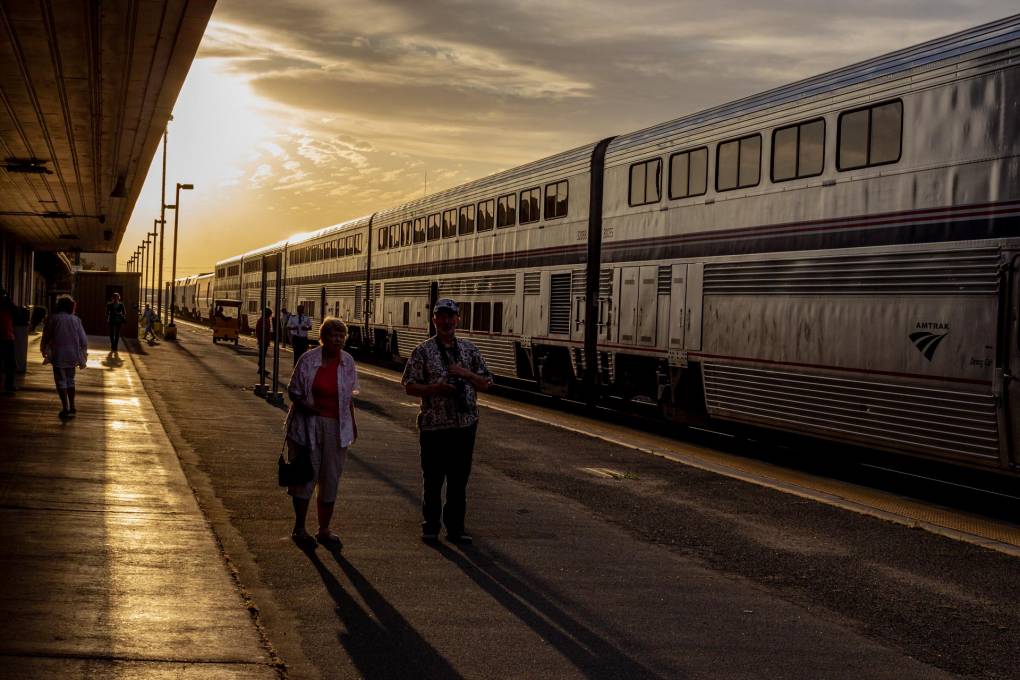
"caption": "Amtrak's Coast Starlight during a stop in Salinas in June 2019. ",
"description": "Amtrak's Coast Starlight during a stop in Salinas in June 2019. ",
"title": "Amtrak-Coast Starlight-Salinas",
"credit": "Dan Brekke/KQED",
"status": "inherit",
"isLoading": false,
"fetchFailed": false
},
"news_11823816": {
"type": "attachments",
"id": "news_11823816",
"meta": {
"index": "attachments_1716263798",
"site": "news",
"id": "11823816",
"found": true
},
"parent": 11823807,
"imgSizes": {
"apple_news_ca_landscape_5_5": {
"file": "https://ww2.kqed.org/app/uploads/sites/10/2020/06/SFPDmuni2-1044x783.jpg",
"width": 1044,
"mimeType": "image/jpeg",
"height": 783
},
"apple_news_ca_square_4_0": {
"file": "https://ww2.kqed.org/app/uploads/sites/10/2020/06/SFPDmuni2-470x470.jpg",
"width": 470,
"mimeType": "image/jpeg",
"height": 470
},
"twentyfourteen-full-width": {
"file": "https://ww2.kqed.org/app/uploads/sites/10/2020/06/SFPDmuni2-1038x576.jpg",
"width": 1038,
"mimeType": "image/jpeg",
"height": 576
},
"thumbnail": {
"file": "https://ww2.kqed.org/app/uploads/sites/10/2020/06/SFPDmuni2-160x120.jpg",
"width": 160,
"mimeType": "image/jpeg",
"height": 120
},
"post-thumbnail": {
"file": "https://ww2.kqed.org/app/uploads/sites/10/2020/06/SFPDmuni2-672x372.jpg",
"width": 672,
"mimeType": "image/jpeg",
"height": 372
},
"kqedFullSize": {
"file": "https://ww2.kqed.org/app/uploads/sites/10/2020/06/SFPDmuni2.jpg",
"width": 1900,
"height": 1425
},
"apple_news_ca_landscape_4_7": {
"file": "https://ww2.kqed.org/app/uploads/sites/10/2020/06/SFPDmuni2-632x474.jpg",
"width": 632,
"mimeType": "image/jpeg",
"height": 474
},
"large": {
"file": "https://ww2.kqed.org/app/uploads/sites/10/2020/06/SFPDmuni2-1020x765.jpg",
"width": 1020,
"mimeType": "image/jpeg",
"height": 765
},
"apple_news_ca_landscape_4_0": {
"file": "https://ww2.kqed.org/app/uploads/sites/10/2020/06/SFPDmuni2-536x402.jpg",
"width": 536,
"mimeType": "image/jpeg",
"height": 402
},
"apple_news_ca_portrait_12_9": {
"file": "https://ww2.kqed.org/app/uploads/sites/10/2020/06/SFPDmuni2-1122x1425.jpg",
"width": 1122,
"mimeType": "image/jpeg",
"height": 1425
},
"medium": {
"file": "https://ww2.kqed.org/app/uploads/sites/10/2020/06/SFPDmuni2-800x600.jpg",
"width": 800,
"mimeType": "image/jpeg",
"height": 600
},
"apple_news_ca_portrait_4_0": {
"file": "https://ww2.kqed.org/app/uploads/sites/10/2020/06/SFPDmuni2-354x472.jpg",
"width": 354,
"mimeType": "image/jpeg",
"height": 472
},
"apple_news_ca_portrait_9_7": {
"file": "https://ww2.kqed.org/app/uploads/sites/10/2020/06/SFPDmuni2-840x1120.jpg",
"width": 840,
"mimeType": "image/jpeg",
"height": 1120
},
"apple_news_ca_landscape_12_9": {
"file": "https://ww2.kqed.org/app/uploads/sites/10/2020/06/SFPDmuni2-1832x1374.jpg",
"width": 1832,
"mimeType": "image/jpeg",
"height": 1374
},
"apple_news_ca_square_9_7": {
"file": "https://ww2.kqed.org/app/uploads/sites/10/2020/06/SFPDmuni2-1104x1104.jpg",
"width": 1104,
"mimeType": "image/jpeg",
"height": 1104
},
"apple_news_ca_portrait_4_7": {
"file": "https://ww2.kqed.org/app/uploads/sites/10/2020/06/SFPDmuni2-414x552.jpg",
"width": 414,
"mimeType": "image/jpeg",
"height": 552
},
"apple_news_ca_square_12_9": {
"file": "https://ww2.kqed.org/app/uploads/sites/10/2020/06/SFPDmuni2-1472x1425.jpg",
"width": 1472,
"mimeType": "image/jpeg",
"height": 1425
},
"apple_news_ca_portrait_5_5": {
"file": "https://ww2.kqed.org/app/uploads/sites/10/2020/06/SFPDmuni2-687x916.jpg",
"width": 687,
"mimeType": "image/jpeg",
"height": 916
},
"apple_news_ca_square_4_7": {
"file": "https://ww2.kqed.org/app/uploads/sites/10/2020/06/SFPDmuni2-550x550.jpg",
"width": 550,
"mimeType": "image/jpeg",
"height": 550
},
"apple_news_ca_landscape_9_7": {
"file": "https://ww2.kqed.org/app/uploads/sites/10/2020/06/SFPDmuni2-1376x1032.jpg",
"width": 1376,
"mimeType": "image/jpeg",
"height": 1032
},
"apple_news_ca_square_5_5": {
"file": "https://ww2.kqed.org/app/uploads/sites/10/2020/06/SFPDmuni2-912x912.jpg",
"width": 912,
"mimeType": "image/jpeg",
"height": 912
}
},
"publishDate": 1591817242,
"modified": 1591822232,
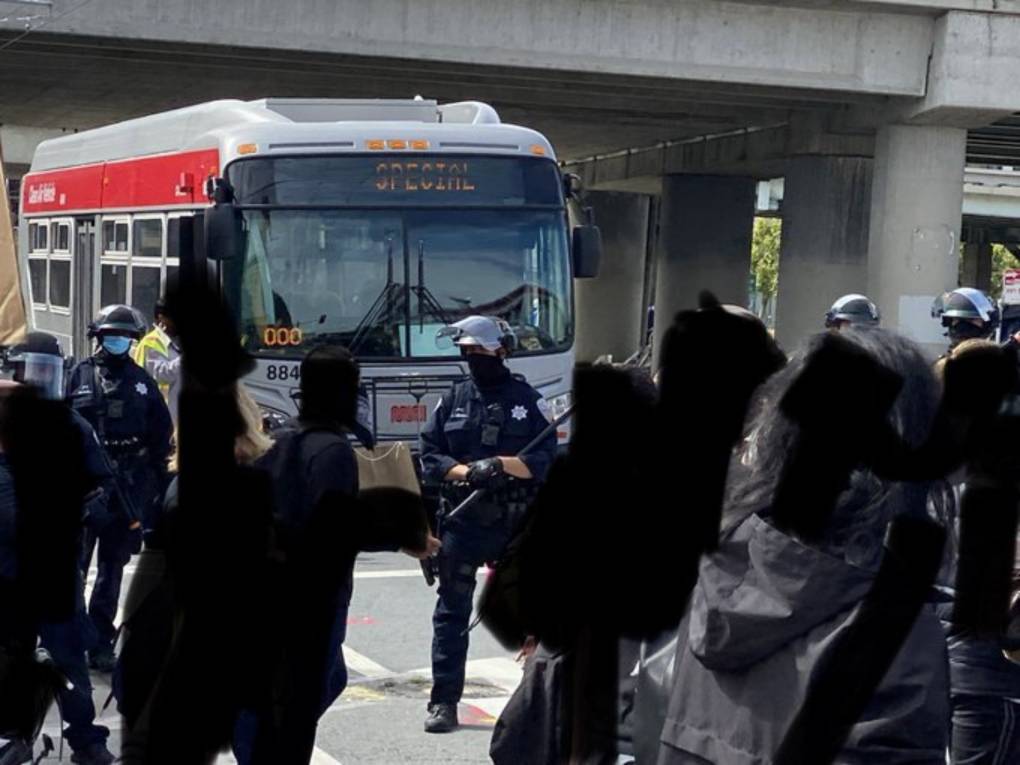
"caption": "Police form a line near 4th and Bryant streets in San Francisco, in front of a Muni bus some officers rode to the protest on May 31.",
"description": "Police form a line near 4th and Bryant streets in San Francisco, in front of a Muni bus some officers rode to the protest on May 31.",
"title": "SFPDmuni2",
"credit": "Courtesy of Chris Arvin",
"status": "inherit",
"isLoading": false,
"fetchFailed": false
},
"news_11820880": {
"type": "attachments",
"id": "news_11820880",
"meta": {
"index": "attachments_1716263798",
"site": "news",
"id": "11820880",
"found": true
},
"parent": 11820878,
"imgSizes": {
"apple_news_ca_landscape_5_5": {
"file": "https://ww2.kqed.org/app/uploads/sites/10/2020/05/RS43344_volunteer3-qut-1044x783.jpg",
"width": 1044,
"mimeType": "image/jpeg",
"height": 783
},
"apple_news_ca_square_4_0": {
"file": "https://ww2.kqed.org/app/uploads/sites/10/2020/05/RS43344_volunteer3-qut-470x470.jpg",
"width": 470,
"mimeType": "image/jpeg",
"height": 470
},
"twentyfourteen-full-width": {
"file": "https://ww2.kqed.org/app/uploads/sites/10/2020/05/RS43344_volunteer3-qut-1038x576.jpg",
"width": 1038,
"mimeType": "image/jpeg",
"height": 576
},
"thumbnail": {
"file": "https://ww2.kqed.org/app/uploads/sites/10/2020/05/RS43344_volunteer3-qut-160x139.jpg",
"width": 160,
"mimeType": "image/jpeg",
"height": 139
},
"post-thumbnail": {
"file": "https://ww2.kqed.org/app/uploads/sites/10/2020/05/RS43344_volunteer3-qut-672x372.jpg",
"width": 672,
"mimeType": "image/jpeg",
"height": 372
},
"kqedFullSize": {
"file": "https://ww2.kqed.org/app/uploads/sites/10/2020/05/RS43344_volunteer3-qut.jpg",
"width": 1920,
"height": 1665
},
"apple_news_ca_landscape_4_7": {
"file": "https://ww2.kqed.org/app/uploads/sites/10/2020/05/RS43344_volunteer3-qut-632x474.jpg",
"width": 632,
"mimeType": "image/jpeg",
"height": 474
},
"large": {
"file": "https://ww2.kqed.org/app/uploads/sites/10/2020/05/RS43344_volunteer3-qut-1020x885.jpg",
"width": 1020,
"mimeType": "image/jpeg",
"height": 885
},
"apple_news_ca_landscape_4_0": {
"file": "https://ww2.kqed.org/app/uploads/sites/10/2020/05/RS43344_volunteer3-qut-536x402.jpg",
"width": 536,
"mimeType": "image/jpeg",
"height": 402
},
"apple_news_ca_portrait_12_9": {
"file": "https://ww2.kqed.org/app/uploads/sites/10/2020/05/RS43344_volunteer3-qut-1122x1496.jpg",
"width": 1122,
"mimeType": "image/jpeg",
"height": 1496
},
"medium": {
"file": "https://ww2.kqed.org/app/uploads/sites/10/2020/05/RS43344_volunteer3-qut-800x694.jpg",
"width": 800,
"mimeType": "image/jpeg",
"height": 694
},
"apple_news_ca_portrait_4_0": {
"file": "https://ww2.kqed.org/app/uploads/sites/10/2020/05/RS43344_volunteer3-qut-354x472.jpg",
"width": 354,
"mimeType": "image/jpeg",
"height": 472
},
"apple_news_ca_portrait_9_7": {
"file": "https://ww2.kqed.org/app/uploads/sites/10/2020/05/RS43344_volunteer3-qut-840x1120.jpg",
"width": 840,
"mimeType": "image/jpeg",
"height": 1120
},
"apple_news_ca_landscape_12_9": {
"file": "https://ww2.kqed.org/app/uploads/sites/10/2020/05/RS43344_volunteer3-qut-1832x1374.jpg",
"width": 1832,
"mimeType": "image/jpeg",
"height": 1374
},
"apple_news_ca_square_9_7": {
"file": "https://ww2.kqed.org/app/uploads/sites/10/2020/05/RS43344_volunteer3-qut-1104x1104.jpg",
"width": 1104,
"mimeType": "image/jpeg",
"height": 1104
},
"apple_news_ca_portrait_4_7": {
"file": "https://ww2.kqed.org/app/uploads/sites/10/2020/05/RS43344_volunteer3-qut-414x552.jpg",
"width": 414,
"mimeType": "image/jpeg",
"height": 552
},
"apple_news_ca_square_12_9": {
"file": "https://ww2.kqed.org/app/uploads/sites/10/2020/05/RS43344_volunteer3-qut-1472x1472.jpg",
"width": 1472,
"mimeType": "image/jpeg",
"height": 1472
},
"apple_news_ca_portrait_5_5": {
"file": "https://ww2.kqed.org/app/uploads/sites/10/2020/05/RS43344_volunteer3-qut-687x916.jpg",
"width": 687,
"mimeType": "image/jpeg",
"height": 916
},
"full-width": {
"file": "https://ww2.kqed.org/app/uploads/sites/10/2020/05/RS43344_volunteer3-qut-1920x1665.jpg",
"width": 1920,
"mimeType": "image/jpeg",
"height": 1665
},
"apple_news_ca_square_4_7": {
"file": "https://ww2.kqed.org/app/uploads/sites/10/2020/05/RS43344_volunteer3-qut-550x550.jpg",
"width": 550,
"mimeType": "image/jpeg",
"height": 550
},
"apple_news_ca_landscape_9_7": {
"file": "https://ww2.kqed.org/app/uploads/sites/10/2020/05/RS43344_volunteer3-qut-1376x1032.jpg",
"width": 1376,
"mimeType": "image/jpeg",
"height": 1032
},
"apple_news_ca_square_5_5": {
"file": "https://ww2.kqed.org/app/uploads/sites/10/2020/05/RS43344_volunteer3-qut-912x912.jpg",
"width": 912,
"mimeType": "image/jpeg",
"height": 912
}
},
"publishDate": 1590535457,
"modified": 1591043660,
"caption": "A volunteer with Dames Do Care completes a delivery of personal protective equipment.",
"description": null,
"title": "A volunteer rider with Dames Do Care drops off a supply of medical masks.",
"credit": "Courtesy of TK",
"status": "inherit",
"isLoading": false,
"fetchFailed": false
},
"news_11818779": {
"type": "attachments",
"id": "news_11818779",
"meta": {
"index": "attachments_1716263798",
"site": "news",
"id": "11818779",
"found": true
},
"parent": 11818583,
"imgSizes": {
"apple_news_ca_landscape_5_5": {
"file": "https://ww2.kqed.org/app/uploads/sites/10/2020/05/729-MARQUEE-1-1044x720.jpg",
"width": 1044,
"mimeType": "image/jpeg",
"height": 720
},
"apple_news_ca_square_4_0": {
"file": "https://ww2.kqed.org/app/uploads/sites/10/2020/05/729-MARQUEE-1-470x470.jpg",
"width": 470,
"mimeType": "image/jpeg",
"height": 470
},
"twentyfourteen-full-width": {
"file": "https://ww2.kqed.org/app/uploads/sites/10/2020/05/729-MARQUEE-1-1038x576.jpg",
"width": 1038,
"mimeType": "image/jpeg",
"height": 576
},
"thumbnail": {
"file": "https://ww2.kqed.org/app/uploads/sites/10/2020/05/729-MARQUEE-1-160x90.jpg",
"width": 160,
"mimeType": "image/jpeg",
"height": 90
},
"post-thumbnail": {
"file": "https://ww2.kqed.org/app/uploads/sites/10/2020/05/729-MARQUEE-1-672x372.jpg",
"width": 672,
"mimeType": "image/jpeg",
"height": 372
},
"kqedFullSize": {
"file": "https://ww2.kqed.org/app/uploads/sites/10/2020/05/729-MARQUEE-1.jpg",
"width": 1280,
"height": 720
},
"apple_news_ca_landscape_4_7": {
"file": "https://ww2.kqed.org/app/uploads/sites/10/2020/05/729-MARQUEE-1-632x474.jpg",
"width": 632,
"mimeType": "image/jpeg",
"height": 474
},
"large": {
"file": "https://ww2.kqed.org/app/uploads/sites/10/2020/05/729-MARQUEE-1-1020x574.jpg",
"width": 1020,
"mimeType": "image/jpeg",
"height": 574
},
"apple_news_ca_landscape_4_0": {
"file": "https://ww2.kqed.org/app/uploads/sites/10/2020/05/729-MARQUEE-1-536x402.jpg",
"width": 536,
"mimeType": "image/jpeg",
"height": 402
},
"apple_news_ca_portrait_12_9": {
"file": "https://ww2.kqed.org/app/uploads/sites/10/2020/05/729-MARQUEE-1-1122x720.jpg",
"width": 1122,
"mimeType": "image/jpeg",
"height": 720
},
"medium": {
"file": "https://ww2.kqed.org/app/uploads/sites/10/2020/05/729-MARQUEE-1-800x450.jpg",
"width": 800,
"mimeType": "image/jpeg",
"height": 450
},
"apple_news_ca_portrait_4_0": {
"file": "https://ww2.kqed.org/app/uploads/sites/10/2020/05/729-MARQUEE-1-354x472.jpg",
"width": 354,
"mimeType": "image/jpeg",
"height": 472
},
"apple_news_ca_portrait_9_7": {
"file": "https://ww2.kqed.org/app/uploads/sites/10/2020/05/729-MARQUEE-1-840x720.jpg",
"width": 840,
"mimeType": "image/jpeg",
"height": 720
},
"apple_news_ca_square_9_7": {
"file": "https://ww2.kqed.org/app/uploads/sites/10/2020/05/729-MARQUEE-1-1104x720.jpg",
"width": 1104,
"mimeType": "image/jpeg",
"height": 720
},
"apple_news_ca_portrait_4_7": {
"file": "https://ww2.kqed.org/app/uploads/sites/10/2020/05/729-MARQUEE-1-414x552.jpg",
"width": 414,
"mimeType": "image/jpeg",
"height": 552
},
"apple_news_ca_portrait_5_5": {
"file": "https://ww2.kqed.org/app/uploads/sites/10/2020/05/729-MARQUEE-1-687x720.jpg",
"width": 687,
"mimeType": "image/jpeg",
"height": 720
},
"apple_news_ca_square_4_7": {
"file": "https://ww2.kqed.org/app/uploads/sites/10/2020/05/729-MARQUEE-1-550x550.jpg",
"width": 550,
"mimeType": "image/jpeg",
"height": 550
},
"apple_news_ca_square_5_5": {
"file": "https://ww2.kqed.org/app/uploads/sites/10/2020/05/729-MARQUEE-1-912x720.jpg",
"width": 912,
"mimeType": "image/jpeg",
"height": 720
}
},
"publishDate": 1589586302,
"modified": 1589586302,
"caption": null,
"description": null,
"title": "729 MARQUEE 1",
"credit": null,
"status": "inherit",
"isLoading": false,
"fetchFailed": false
},
"news_11812926": {
"type": "attachments",
"id": "news_11812926",
"meta": {
"index": "attachments_1716263798",
"site": "news",
"id": "11812926",
"found": true
},
"parent": 11812847,
"imgSizes": {
"apple_news_ca_landscape_5_5": {
"file": "https://ww2.kqed.org/app/uploads/sites/10/2020/04/transitrelief200417-1044x783.jpg",
"width": 1044,
"mimeType": "image/jpeg",
"height": 783
},
"apple_news_ca_square_4_0": {
"file": "https://ww2.kqed.org/app/uploads/sites/10/2020/04/transitrelief200417-470x470.jpg",
"width": 470,
"mimeType": "image/jpeg",
"height": 470
},
"twentyfourteen-full-width": {
"file": "https://ww2.kqed.org/app/uploads/sites/10/2020/04/transitrelief200417-1038x576.jpg",
"width": 1038,
"mimeType": "image/jpeg",
"height": 576
},
"thumbnail": {
"file": "https://ww2.kqed.org/app/uploads/sites/10/2020/04/transitrelief200417-160x107.jpg",
"width": 160,
"mimeType": "image/jpeg",
"height": 107
},
"post-thumbnail": {
"file": "https://ww2.kqed.org/app/uploads/sites/10/2020/04/transitrelief200417-672x372.jpg",
"width": 672,
"mimeType": "image/jpeg",
"height": 372
},
"kqedFullSize": {
"file": "https://ww2.kqed.org/app/uploads/sites/10/2020/04/transitrelief200417.jpg",
"width": 1920,
"height": 1280
},
"apple_news_ca_landscape_4_7": {
"file": "https://ww2.kqed.org/app/uploads/sites/10/2020/04/transitrelief200417-632x474.jpg",
"width": 632,
"mimeType": "image/jpeg",
"height": 474
},
"large": {
"file": "https://ww2.kqed.org/app/uploads/sites/10/2020/04/transitrelief200417-1020x680.jpg",
"width": 1020,
"mimeType": "image/jpeg",
"height": 680
},
"apple_news_ca_landscape_4_0": {
"file": "https://ww2.kqed.org/app/uploads/sites/10/2020/04/transitrelief200417-536x402.jpg",
"width": 536,
"mimeType": "image/jpeg",
"height": 402
},
"apple_news_ca_portrait_12_9": {
"file": "https://ww2.kqed.org/app/uploads/sites/10/2020/04/transitrelief200417-1122x1280.jpg",
"width": 1122,
"mimeType": "image/jpeg",
"height": 1280
},
"medium": {
"file": "https://ww2.kqed.org/app/uploads/sites/10/2020/04/transitrelief200417-800x533.jpg",
"width": 800,
"mimeType": "image/jpeg",
"height": 533
},
"apple_news_ca_portrait_4_0": {
"file": "https://ww2.kqed.org/app/uploads/sites/10/2020/04/transitrelief200417-354x472.jpg",
"width": 354,
"mimeType": "image/jpeg",
"height": 472
},
"apple_news_ca_portrait_9_7": {
"file": "https://ww2.kqed.org/app/uploads/sites/10/2020/04/transitrelief200417-840x1120.jpg",
"width": 840,
"mimeType": "image/jpeg",
"height": 1120
},
"apple_news_ca_landscape_12_9": {
"file": "https://ww2.kqed.org/app/uploads/sites/10/2020/04/transitrelief200417-1832x1280.jpg",
"width": 1832,
"mimeType": "image/jpeg",
"height": 1280
},
"apple_news_ca_square_9_7": {
"file": "https://ww2.kqed.org/app/uploads/sites/10/2020/04/transitrelief200417-1104x1104.jpg",
"width": 1104,
"mimeType": "image/jpeg",
"height": 1104
},
"apple_news_ca_portrait_4_7": {
"file": "https://ww2.kqed.org/app/uploads/sites/10/2020/04/transitrelief200417-414x552.jpg",
"width": 414,
"mimeType": "image/jpeg",
"height": 552
},
"apple_news_ca_square_12_9": {
"file": "https://ww2.kqed.org/app/uploads/sites/10/2020/04/transitrelief200417-1472x1280.jpg",
"width": 1472,
"mimeType": "image/jpeg",
"height": 1280
},
"apple_news_ca_portrait_5_5": {
"file": "https://ww2.kqed.org/app/uploads/sites/10/2020/04/transitrelief200417-687x916.jpg",
"width": 687,
"mimeType": "image/jpeg",
"height": 916
},
"full-width": {
"file": "https://ww2.kqed.org/app/uploads/sites/10/2020/04/transitrelief200417-1920x1280.jpg",
"width": 1920,
"mimeType": "image/jpeg",
"height": 1280
},
"apple_news_ca_square_4_7": {
"file": "https://ww2.kqed.org/app/uploads/sites/10/2020/04/transitrelief200417-550x550.jpg",
"width": 550,
"mimeType": "image/jpeg",
"height": 550
},
"apple_news_ca_landscape_9_7": {
"file": "https://ww2.kqed.org/app/uploads/sites/10/2020/04/transitrelief200417-1376x1032.jpg",
"width": 1376,
"mimeType": "image/jpeg",
"height": 1032
},
"apple_news_ca_square_5_5": {
"file": "https://ww2.kqed.org/app/uploads/sites/10/2020/04/transitrelief200417-912x912.jpg",
"width": 912,
"mimeType": "image/jpeg",
"height": 912
}
},
"publishDate": 1587160848,
"modified": 1587164253,
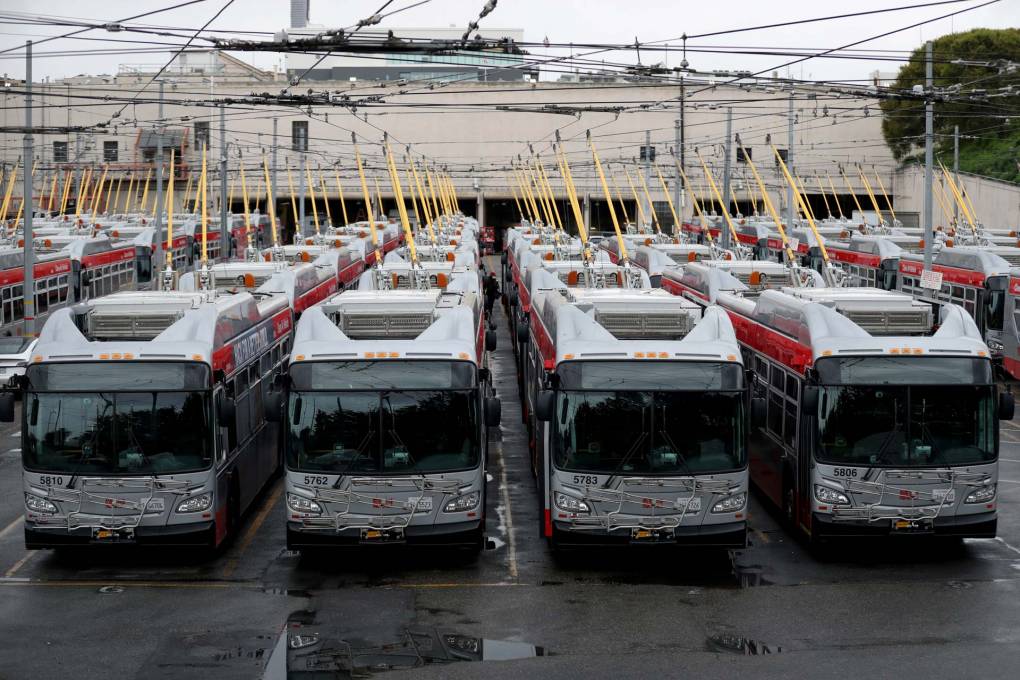
"caption": "Buses parked at a a San Francisco Muni yard on April 6, 2020.",
"description": "Buses parked at a a San Francisco Muni yard on April 6, 2020.",
"title": "San Francisco's Muni To Cut Majority Of Service During Coronavirus Shutdown",
"credit": "Justin Sullivan/Getty Images",
"status": "inherit",
"isLoading": false,
"fetchFailed": false
},
"news_11540138": {
"type": "attachments",
"id": "news_11540138",
"meta": {
"index": "attachments_1716263798",
"site": "news",
"id": "11540138",
"found": true
},
"parent": 11539532,
"imgSizes": {
"small": {
"file": "https://ww2.kqed.org/app/uploads/sites/10/2017/06/SMARTTrain.MAIN_-520x357.jpg",
"width": 520,
"mimeType": "image/jpeg",
"height": 357
},
"twentyfourteen-full-width": {
"file": "https://ww2.kqed.org/app/uploads/sites/10/2017/06/SMARTTrain.MAIN_-1038x576.jpg",
"width": 1038,
"mimeType": "image/jpeg",
"height": 576
},
"thumbnail": {
"file": "https://ww2.kqed.org/app/uploads/sites/10/2017/06/SMARTTrain.MAIN_-160x110.jpg",
"width": 160,
"mimeType": "image/jpeg",
"height": 110
},
"fd-sm": {
"file": "https://ww2.kqed.org/app/uploads/sites/10/2017/06/SMARTTrain.MAIN_-960x659.jpg",
"width": 960,
"mimeType": "image/jpeg",
"height": 659
},
"post-thumbnail": {
"file": "https://ww2.kqed.org/app/uploads/sites/10/2017/06/SMARTTrain.MAIN_-672x372.jpg",
"width": 672,
"mimeType": "image/jpeg",
"height": 372
},
"xsmall": {
"file": "https://ww2.kqed.org/app/uploads/sites/10/2017/06/SMARTTrain.MAIN_-375x257.jpg",
"width": 375,
"mimeType": "image/jpeg",
"height": 257
},
"kqedFullSize": {
"file": "https://ww2.kqed.org/app/uploads/sites/10/2017/06/SMARTTrain.MAIN_.jpg",
"width": 1920,
"height": 1317
},
"large": {
"file": "https://ww2.kqed.org/app/uploads/sites/10/2017/06/SMARTTrain.MAIN_-1020x700.jpg",
"width": 1020,
"mimeType": "image/jpeg",
"height": 700
},
"xlarge": {
"file": "https://ww2.kqed.org/app/uploads/sites/10/2017/06/SMARTTrain.MAIN_-1180x809.jpg",
"width": 1180,
"mimeType": "image/jpeg",
"height": 809
},
"guest-author-50": {
"file": "https://ww2.kqed.org/app/uploads/sites/10/2017/06/SMARTTrain.MAIN_-50x50.jpg",
"width": 50,
"mimeType": "image/jpeg",
"height": 50
},
"guest-author-96": {
"file": "https://ww2.kqed.org/app/uploads/sites/10/2017/06/SMARTTrain.MAIN_-96x96.jpg",
"width": 96,
"mimeType": "image/jpeg",
"height": 96
},
"medium": {
"file": "https://ww2.kqed.org/app/uploads/sites/10/2017/06/SMARTTrain.MAIN_-800x549.jpg",
"width": 800,
"mimeType": "image/jpeg",
"height": 549
},
"guest-author-64": {
"file": "https://ww2.kqed.org/app/uploads/sites/10/2017/06/SMARTTrain.MAIN_-64x64.jpg",
"width": 64,
"mimeType": "image/jpeg",
"height": 64
},
"guest-author-32": {
"file": "https://ww2.kqed.org/app/uploads/sites/10/2017/06/SMARTTrain.MAIN_-32x32.jpg",
"width": 32,
"mimeType": "image/jpeg",
"height": 32
},
"fd-lrg": {
"file": "https://ww2.kqed.org/app/uploads/sites/10/2017/06/SMARTTrain.MAIN_-1920x1317.jpg",
"width": 1920,
"mimeType": "image/jpeg",
"height": 1317
},
"fd-med": {
"file": "https://ww2.kqed.org/app/uploads/sites/10/2017/06/SMARTTrain.MAIN_-1180x809.jpg",
"width": 1180,
"mimeType": "image/jpeg",
"height": 809
},
"full-width": {
"file": "https://ww2.kqed.org/app/uploads/sites/10/2017/06/SMARTTrain.MAIN_-1920x1317.jpg",
"width": 1920,
"mimeType": "image/jpeg",
"height": 1317
},
"detail": {
"file": "https://ww2.kqed.org/app/uploads/sites/10/2017/06/SMARTTrain.MAIN_-150x150.jpg",
"width": 150,
"mimeType": "image/jpeg",
"height": 150
},
"guest-author-128": {
"file": "https://ww2.kqed.org/app/uploads/sites/10/2017/06/SMARTTrain.MAIN_-128x128.jpg",
"width": 128,
"mimeType": "image/jpeg",
"height": 128
},
"xxsmall": {
"file": "https://ww2.kqed.org/app/uploads/sites/10/2017/06/SMARTTrain.MAIN_-240x165.jpg",
"width": 240,
"mimeType": "image/jpeg",
"height": 165
}
},
"publishDate": 1498809607,
"modified": 1498860382,
"caption": "A SMART train awaits departure at the Rohnert Park station for a preview ride on June 29, 2017.",
"description": "A SMART train awaits departure at the Rohnert Park station for a preview ride, June 29, 2017.",
"title": "SMARTTrain.MAIN",
"credit": "Gabe Meline/KQED",
"status": "inherit",
"isLoading": false,
"fetchFailed": false
},
"news_11803468": {
"type": "attachments",
"id": "news_11803468",
"meta": {
"index": "attachments_1716263798",
"site": "news",
"id": "11803468",
"found": true
},
"parent": 11803400,
"imgSizes": {
"apple_news_ca_landscape_5_5": {
"file": "https://ww2.kqed.org/app/uploads/sites/10/2020/02/RS41024_002_KQED_TaxiDriversSFO_01302020_9899-qut-1044x783.jpg",
"width": 1044,
"mimeType": "image/jpeg",
"height": 783
},
"apple_news_ca_square_4_0": {
"file": "https://ww2.kqed.org/app/uploads/sites/10/2020/02/RS41024_002_KQED_TaxiDriversSFO_01302020_9899-qut-470x470.jpg",
"width": 470,
"mimeType": "image/jpeg",
"height": 470
},
"twentyfourteen-full-width": {
"file": "https://ww2.kqed.org/app/uploads/sites/10/2020/02/RS41024_002_KQED_TaxiDriversSFO_01302020_9899-qut-1038x576.jpg",
"width": 1038,
"mimeType": "image/jpeg",
"height": 576
},
"thumbnail": {
"file": "https://ww2.kqed.org/app/uploads/sites/10/2020/02/RS41024_002_KQED_TaxiDriversSFO_01302020_9899-qut-160x107.jpg",
"width": 160,
"mimeType": "image/jpeg",
"height": 107
},
"post-thumbnail": {
"file": "https://ww2.kqed.org/app/uploads/sites/10/2020/02/RS41024_002_KQED_TaxiDriversSFO_01302020_9899-qut-672x372.jpg",
"width": 672,
"mimeType": "image/jpeg",
"height": 372
},
"kqedFullSize": {
"file": "https://ww2.kqed.org/app/uploads/sites/10/2020/02/RS41024_002_KQED_TaxiDriversSFO_01302020_9899-qut.jpg",
"width": 1920,
"height": 1280
},
"apple_news_ca_landscape_4_7": {
"file": "https://ww2.kqed.org/app/uploads/sites/10/2020/02/RS41024_002_KQED_TaxiDriversSFO_01302020_9899-qut-632x474.jpg",
"width": 632,
"mimeType": "image/jpeg",
"height": 474
},
"large": {
"file": "https://ww2.kqed.org/app/uploads/sites/10/2020/02/RS41024_002_KQED_TaxiDriversSFO_01302020_9899-qut-1020x680.jpg",
"width": 1020,
"mimeType": "image/jpeg",
"height": 680
},
"apple_news_ca_landscape_4_0": {
"file": "https://ww2.kqed.org/app/uploads/sites/10/2020/02/RS41024_002_KQED_TaxiDriversSFO_01302020_9899-qut-536x402.jpg",
"width": 536,
"mimeType": "image/jpeg",
"height": 402
},
"apple_news_ca_portrait_12_9": {
"file": "https://ww2.kqed.org/app/uploads/sites/10/2020/02/RS41024_002_KQED_TaxiDriversSFO_01302020_9899-qut-1122x1280.jpg",
"width": 1122,
"mimeType": "image/jpeg",
"height": 1280
},
"medium": {
"file": "https://ww2.kqed.org/app/uploads/sites/10/2020/02/RS41024_002_KQED_TaxiDriversSFO_01302020_9899-qut-800x533.jpg",
"width": 800,
"mimeType": "image/jpeg",
"height": 533
},
"apple_news_ca_portrait_4_0": {
"file": "https://ww2.kqed.org/app/uploads/sites/10/2020/02/RS41024_002_KQED_TaxiDriversSFO_01302020_9899-qut-354x472.jpg",
"width": 354,
"mimeType": "image/jpeg",
"height": 472
},
"apple_news_ca_portrait_9_7": {
"file": "https://ww2.kqed.org/app/uploads/sites/10/2020/02/RS41024_002_KQED_TaxiDriversSFO_01302020_9899-qut-840x1120.jpg",
"width": 840,
"mimeType": "image/jpeg",
"height": 1120
},
"apple_news_ca_landscape_12_9": {
"file": "https://ww2.kqed.org/app/uploads/sites/10/2020/02/RS41024_002_KQED_TaxiDriversSFO_01302020_9899-qut-1832x1280.jpg",
"width": 1832,
"mimeType": "image/jpeg",
"height": 1280
},
"apple_news_ca_square_9_7": {
"file": "https://ww2.kqed.org/app/uploads/sites/10/2020/02/RS41024_002_KQED_TaxiDriversSFO_01302020_9899-qut-1104x1104.jpg",
"width": 1104,
"mimeType": "image/jpeg",
"height": 1104
},
"apple_news_ca_portrait_4_7": {
"file": "https://ww2.kqed.org/app/uploads/sites/10/2020/02/RS41024_002_KQED_TaxiDriversSFO_01302020_9899-qut-414x552.jpg",
"width": 414,
"mimeType": "image/jpeg",
"height": 552
},
"apple_news_ca_square_12_9": {
"file": "https://ww2.kqed.org/app/uploads/sites/10/2020/02/RS41024_002_KQED_TaxiDriversSFO_01302020_9899-qut-1472x1280.jpg",
"width": 1472,
"mimeType": "image/jpeg",
"height": 1280
},
"apple_news_ca_portrait_5_5": {
"file": "https://ww2.kqed.org/app/uploads/sites/10/2020/02/RS41024_002_KQED_TaxiDriversSFO_01302020_9899-qut-687x916.jpg",
"width": 687,
"mimeType": "image/jpeg",
"height": 916
},
"full-width": {
"file": "https://ww2.kqed.org/app/uploads/sites/10/2020/02/RS41024_002_KQED_TaxiDriversSFO_01302020_9899-qut-1920x1280.jpg",
"width": 1920,
"mimeType": "image/jpeg",
"height": 1280
},
"apple_news_ca_square_4_7": {
"file": "https://ww2.kqed.org/app/uploads/sites/10/2020/02/RS41024_002_KQED_TaxiDriversSFO_01302020_9899-qut-550x550.jpg",
"width": 550,
"mimeType": "image/jpeg",
"height": 550
},
"apple_news_ca_landscape_9_7": {
"file": "https://ww2.kqed.org/app/uploads/sites/10/2020/02/RS41024_002_KQED_TaxiDriversSFO_01302020_9899-qut-1376x1032.jpg",
"width": 1376,
"mimeType": "image/jpeg",
"height": 1032
},
"apple_news_ca_square_5_5": {
"file": "https://ww2.kqed.org/app/uploads/sites/10/2020/02/RS41024_002_KQED_TaxiDriversSFO_01302020_9899-qut-912x912.jpg",
"width": 912,
"mimeType": "image/jpeg",
"height": 912
}
},
"publishDate": 1582683097,
"modified": 1582683152,
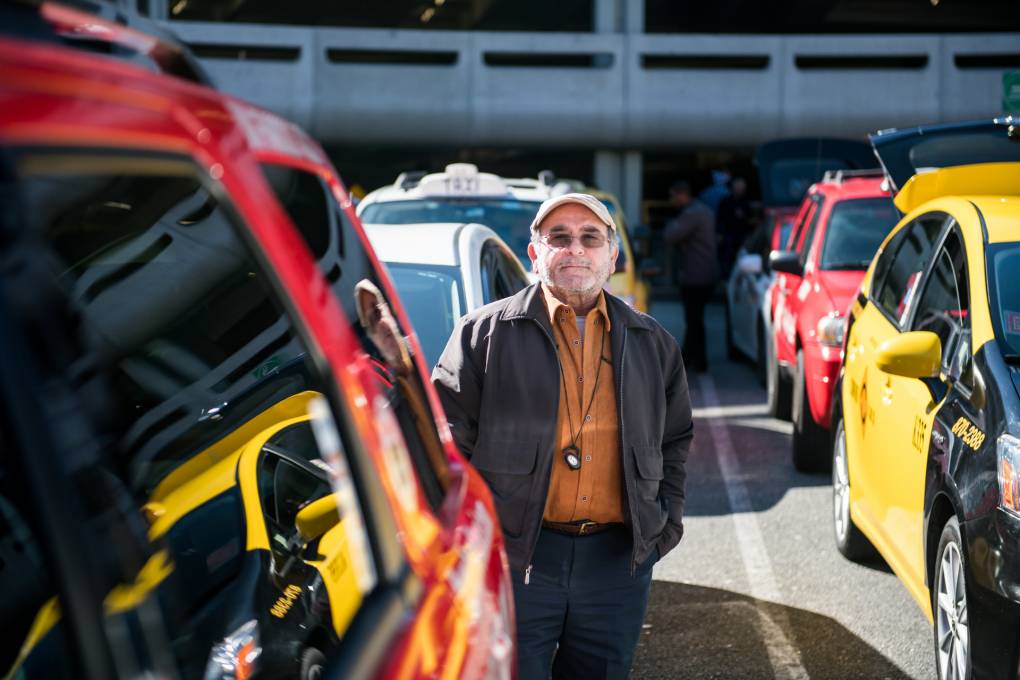
"caption": "Taxi driver Matt Sutter waits at the lower level of the short term parking garage at San Francisco International Airport (SFO) to pick up a fare on Jan. 30, 2020.",
"description": null,
"title": "RS41024_002_KQED_TaxiDriversSFO_01302020_9899-qut",
"credit": "Beth LaBerge/KQED",
"status": "inherit",
"isLoading": false,
"fetchFailed": false
},
"news_11803444": {
"type": "attachments",
"id": "news_11803444",
"meta": {
"index": "attachments_1716263798",
"site": "news",
"id": "11803444",
"found": true
},
"parent": 11803406,
"imgSizes": {
"apple_news_ca_landscape_5_5": {
"file": "https://ww2.kqed.org/app/uploads/sites/10/2020/02/TeslaCrash-1044x783.jpg",
"width": 1044,
"mimeType": "image/jpeg",
"height": 783
},
"apple_news_ca_square_4_0": {
"file": "https://ww2.kqed.org/app/uploads/sites/10/2020/02/TeslaCrash-470x470.jpg",
"width": 470,
"mimeType": "image/jpeg",
"height": 470
},
"twentyfourteen-full-width": {
"file": "https://ww2.kqed.org/app/uploads/sites/10/2020/02/TeslaCrash-1038x576.jpg",
"width": 1038,
"mimeType": "image/jpeg",
"height": 576
},
"thumbnail": {
"file": "https://ww2.kqed.org/app/uploads/sites/10/2020/02/TeslaCrash-160x88.jpg",
"width": 160,
"mimeType": "image/jpeg",
"height": 88
},
"post-thumbnail": {
"file": "https://ww2.kqed.org/app/uploads/sites/10/2020/02/TeslaCrash-672x372.jpg",
"width": 672,
"mimeType": "image/jpeg",
"height": 372
},
"kqedFullSize": {
"file": "https://ww2.kqed.org/app/uploads/sites/10/2020/02/TeslaCrash.jpg",
"width": 1691,
"height": 926
},
"apple_news_ca_landscape_4_7": {
"file": "https://ww2.kqed.org/app/uploads/sites/10/2020/02/TeslaCrash-632x474.jpg",
"width": 632,
"mimeType": "image/jpeg",
"height": 474
},
"large": {
"file": "https://ww2.kqed.org/app/uploads/sites/10/2020/02/TeslaCrash-1020x559.jpg",
"width": 1020,
"mimeType": "image/jpeg",
"height": 559
},
"apple_news_ca_landscape_4_0": {
"file": "https://ww2.kqed.org/app/uploads/sites/10/2020/02/TeslaCrash-536x402.jpg",
"width": 536,
"mimeType": "image/jpeg",
"height": 402
},
"apple_news_ca_portrait_12_9": {
"file": "https://ww2.kqed.org/app/uploads/sites/10/2020/02/TeslaCrash-1122x926.jpg",
"width": 1122,
"mimeType": "image/jpeg",
"height": 926
},
"medium": {
"file": "https://ww2.kqed.org/app/uploads/sites/10/2020/02/TeslaCrash-800x438.jpg",
"width": 800,
"mimeType": "image/jpeg",
"height": 438
},
"apple_news_ca_portrait_4_0": {
"file": "https://ww2.kqed.org/app/uploads/sites/10/2020/02/TeslaCrash-354x472.jpg",
"width": 354,
"mimeType": "image/jpeg",
"height": 472
},
"apple_news_ca_portrait_9_7": {
"file": "https://ww2.kqed.org/app/uploads/sites/10/2020/02/TeslaCrash-840x926.jpg",
"width": 840,
"mimeType": "image/jpeg",
"height": 926
},
"apple_news_ca_square_9_7": {
"file": "https://ww2.kqed.org/app/uploads/sites/10/2020/02/TeslaCrash-1104x926.jpg",
"width": 1104,
"mimeType": "image/jpeg",
"height": 926
},
"apple_news_ca_portrait_4_7": {
"file": "https://ww2.kqed.org/app/uploads/sites/10/2020/02/TeslaCrash-414x552.jpg",
"width": 414,
"mimeType": "image/jpeg",
"height": 552
},
"apple_news_ca_square_12_9": {
"file": "https://ww2.kqed.org/app/uploads/sites/10/2020/02/TeslaCrash-1472x926.jpg",
"width": 1472,
"mimeType": "image/jpeg",
"height": 926
},
"apple_news_ca_portrait_5_5": {
"file": "https://ww2.kqed.org/app/uploads/sites/10/2020/02/TeslaCrash-687x916.jpg",
"width": 687,
"mimeType": "image/jpeg",
"height": 916
},
"apple_news_ca_square_4_7": {
"file": "https://ww2.kqed.org/app/uploads/sites/10/2020/02/TeslaCrash-550x550.jpg",
"width": 550,
"mimeType": "image/jpeg",
"height": 550
},
"apple_news_ca_landscape_9_7": {
"file": "https://ww2.kqed.org/app/uploads/sites/10/2020/02/TeslaCrash-1376x926.jpg",
"width": 1376,
"mimeType": "image/jpeg",
"height": 926
},
"apple_news_ca_square_5_5": {
"file": "https://ww2.kqed.org/app/uploads/sites/10/2020/02/TeslaCrash-912x912.jpg",
"width": 912,
"mimeType": "image/jpeg",
"height": 912
}
},
"publishDate": 1582680060,
"modified": 1582680109,
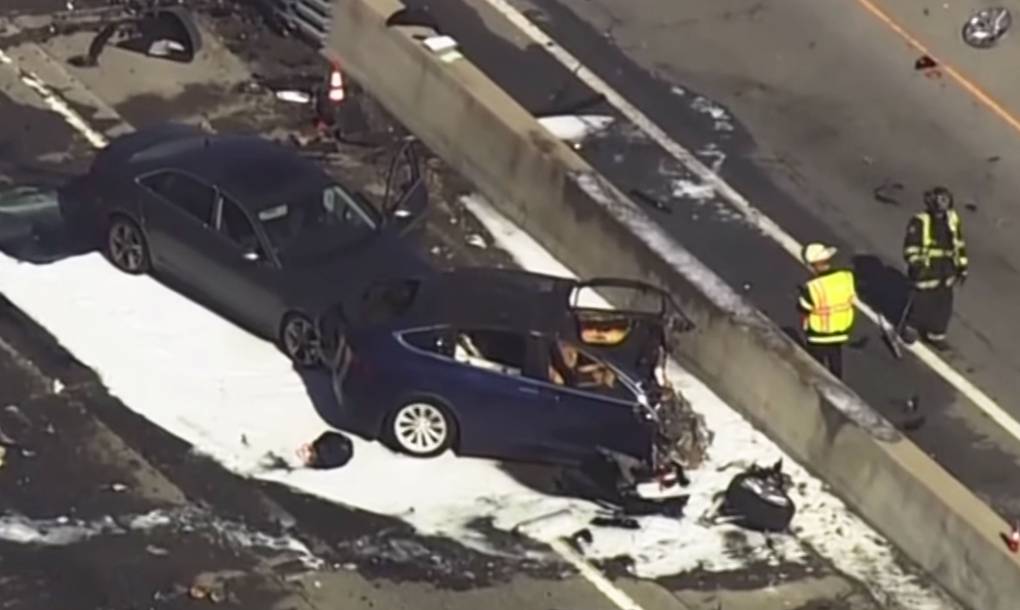
"caption": "A Tesla Model X driven by Walter Huang is pictured after crashing March 23, 2018, on U.S. 101 in Mountain View. Huang died of injuries suffered in the crash.",
"description": "A Tesla Model X driven by Walter Huang is pictured after crashing March 23, 2018, on U.S. 101 in Mountain View. Huang died of injuries suffered in the crash.",
"title": "TeslaCrash",
"credit": "\u003ca href=\"https://www.youtube.com/watch?v=ZdSSBL2VqOw&feature=emb_title\">LA Times/YouTube\u003c/a>",
"status": "inherit",
"isLoading": false,
"fetchFailed": false
},
"news_11802404": {
"type": "attachments",
"id": "news_11802404",
"meta": {
"index": "attachments_1716263798",
"site": "news",
"id": "11802404",
"found": true
},
"parent": 11801642,
"imgSizes": {
"apple_news_ca_square_4_0": {
"file": "https://ww2.kqed.org/app/uploads/sites/10/2020/02/Scooter-SJ-470x470.jpg",
"width": 470,
"mimeType": "image/jpeg",
"height": 470
},
"twentyfourteen-full-width": {
"file": "https://ww2.kqed.org/app/uploads/sites/10/2020/02/Scooter-SJ-1024x576.jpg",
"width": 1024,
"mimeType": "image/jpeg",
"height": 576
},
"thumbnail": {
"file": "https://ww2.kqed.org/app/uploads/sites/10/2020/02/Scooter-SJ-160x120.jpg",
"width": 160,
"mimeType": "image/jpeg",
"height": 120
},
"post-thumbnail": {
"file": "https://ww2.kqed.org/app/uploads/sites/10/2020/02/Scooter-SJ-672x372.jpg",
"width": 672,
"mimeType": "image/jpeg",
"height": 372
},
"kqedFullSize": {
"file": "https://ww2.kqed.org/app/uploads/sites/10/2020/02/Scooter-SJ.jpg",
"width": 1024,
"height": 768
},
"apple_news_ca_landscape_4_7": {
"file": "https://ww2.kqed.org/app/uploads/sites/10/2020/02/Scooter-SJ-632x474.jpg",
"width": 632,
"mimeType": "image/jpeg",
"height": 474
},
"large": {
"file": "https://ww2.kqed.org/app/uploads/sites/10/2020/02/Scooter-SJ-1020x765.jpg",
"width": 1020,
"mimeType": "image/jpeg",
"height": 765
},
"apple_news_ca_landscape_4_0": {
"file": "https://ww2.kqed.org/app/uploads/sites/10/2020/02/Scooter-SJ-536x402.jpg",
"width": 536,
"mimeType": "image/jpeg",
"height": 402
},
"medium": {
"file": "https://ww2.kqed.org/app/uploads/sites/10/2020/02/Scooter-SJ-800x600.jpg",
"width": 800,
"mimeType": "image/jpeg",
"height": 600
},
"apple_news_ca_portrait_4_0": {
"file": "https://ww2.kqed.org/app/uploads/sites/10/2020/02/Scooter-SJ-354x472.jpg",
"width": 354,
"mimeType": "image/jpeg",
"height": 472
},
"apple_news_ca_portrait_9_7": {
"file": "https://ww2.kqed.org/app/uploads/sites/10/2020/02/Scooter-SJ-840x768.jpg",
"width": 840,
"mimeType": "image/jpeg",
"height": 768
},
"apple_news_ca_portrait_4_7": {
"file": "https://ww2.kqed.org/app/uploads/sites/10/2020/02/Scooter-SJ-414x552.jpg",
"width": 414,
"mimeType": "image/jpeg",
"height": 552
},
"apple_news_ca_portrait_5_5": {
"file": "https://ww2.kqed.org/app/uploads/sites/10/2020/02/Scooter-SJ-687x768.jpg",
"width": 687,
"mimeType": "image/jpeg",
"height": 768
},
"apple_news_ca_square_4_7": {
"file": "https://ww2.kqed.org/app/uploads/sites/10/2020/02/Scooter-SJ-550x550.jpg",
"width": 550,
"mimeType": "image/jpeg",
"height": 550
},
"apple_news_ca_square_5_5": {
"file": "https://ww2.kqed.org/app/uploads/sites/10/2020/02/Scooter-SJ-912x768.jpg",
"width": 912,
"mimeType": "image/jpeg",
"height": 768
}
},
"publishDate": 1582141355,
"modified": 1582141382,
"caption": "A Lime scooter sits in the middle of a sidewalk in downtown San Jose. The city is working with e-scooter companies to keep scooters in bike lanes.",
"description": null,
"title": "Scooter-SJ",
"credit": "Adhiti Bandlamudi/KQED",
"status": "inherit",
"isLoading": false,
"fetchFailed": false
},
"news_11802225": {
"type": "attachments",
"id": "news_11802225",
"meta": {
"index": "attachments_1716263798",
"site": "news",
"id": "11802225",
"found": true
},
"parent": 11802205,
"imgSizes": {
"apple_news_ca_landscape_5_5": {
"file": "https://ww2.kqed.org/app/uploads/sites/10/2020/02/medallions_021820_final-1044x783.png",
"width": 1044,
"mimeType": "image/png",
"height": 783
},
"apple_news_ca_square_4_0": {
"file": "https://ww2.kqed.org/app/uploads/sites/10/2020/02/medallions_021820_final-470x470.png",
"width": 470,
"mimeType": "image/png",
"height": 470
},
"twentyfourteen-full-width": {
"file": "https://ww2.kqed.org/app/uploads/sites/10/2020/02/medallions_021820_final-1038x576.png",
"width": 1038,
"mimeType": "image/png",
"height": 576
},
"thumbnail": {
"file": "https://ww2.kqed.org/app/uploads/sites/10/2020/02/medallions_021820_final-160x109.png",
"width": 160,
"mimeType": "image/png",
"height": 109
},
"post-thumbnail": {
"file": "https://ww2.kqed.org/app/uploads/sites/10/2020/02/medallions_021820_final-672x372.png",
"width": 672,
"mimeType": "image/png",
"height": 372
},
"kqedFullSize": {
"file": "https://ww2.kqed.org/app/uploads/sites/10/2020/02/medallions_021820_final.png",
"width": 1920,
"height": 1303
},
"apple_news_ca_landscape_4_7": {
"file": "https://ww2.kqed.org/app/uploads/sites/10/2020/02/medallions_021820_final-632x474.png",
"width": 632,
"mimeType": "image/png",
"height": 474
},
"large": {
"file": "https://ww2.kqed.org/app/uploads/sites/10/2020/02/medallions_021820_final-1020x692.png",
"width": 1020,
"mimeType": "image/png",
"height": 692
},
"apple_news_ca_landscape_4_0": {
"file": "https://ww2.kqed.org/app/uploads/sites/10/2020/02/medallions_021820_final-536x402.png",
"width": 536,
"mimeType": "image/png",
"height": 402
},
"apple_news_ca_portrait_12_9": {
"file": "https://ww2.kqed.org/app/uploads/sites/10/2020/02/medallions_021820_final-1122x1303.png",
"width": 1122,
"mimeType": "image/png",
"height": 1303
},
"medium": {
"file": "https://ww2.kqed.org/app/uploads/sites/10/2020/02/medallions_021820_final-800x543.png",
"width": 800,
"mimeType": "image/png",
"height": 543
},
"apple_news_ca_portrait_4_0": {
"file": "https://ww2.kqed.org/app/uploads/sites/10/2020/02/medallions_021820_final-354x472.png",
"width": 354,
"mimeType": "image/png",
"height": 472
},
"apple_news_ca_portrait_9_7": {
"file": "https://ww2.kqed.org/app/uploads/sites/10/2020/02/medallions_021820_final-840x1120.png",
"width": 840,
"mimeType": "image/png",
"height": 1120
},
"apple_news_ca_landscape_12_9": {
"file": "https://ww2.kqed.org/app/uploads/sites/10/2020/02/medallions_021820_final-1832x1303.png",
"width": 1832,
"mimeType": "image/png",
"height": 1303
},
"apple_news_ca_square_9_7": {
"file": "https://ww2.kqed.org/app/uploads/sites/10/2020/02/medallions_021820_final-1104x1104.png",
"width": 1104,
"mimeType": "image/png",
"height": 1104
},
"apple_news_ca_portrait_4_7": {
"file": "https://ww2.kqed.org/app/uploads/sites/10/2020/02/medallions_021820_final-414x552.png",
"width": 414,
"mimeType": "image/png",
"height": 552
},
"apple_news_ca_square_12_9": {
"file": "https://ww2.kqed.org/app/uploads/sites/10/2020/02/medallions_021820_final-1472x1303.png",
"width": 1472,
"mimeType": "image/png",
"height": 1303
},
"apple_news_ca_portrait_5_5": {
"file": "https://ww2.kqed.org/app/uploads/sites/10/2020/02/medallions_021820_final-687x916.png",
"width": 687,
"mimeType": "image/png",
"height": 916
},
"full-width": {
"file": "https://ww2.kqed.org/app/uploads/sites/10/2020/02/medallions_021820_final-1920x1303.png",
"width": 1920,
"mimeType": "image/png",
"height": 1303
},
"apple_news_ca_square_4_7": {
"file": "https://ww2.kqed.org/app/uploads/sites/10/2020/02/medallions_021820_final-550x550.png",
"width": 550,
"mimeType": "image/png",
"height": 550
},
"apple_news_ca_landscape_9_7": {
"file": "https://ww2.kqed.org/app/uploads/sites/10/2020/02/medallions_021820_final-1376x1032.png",
"width": 1376,
"mimeType": "image/png",
"height": 1032
},
"apple_news_ca_square_5_5": {
"file": "https://ww2.kqed.org/app/uploads/sites/10/2020/02/medallions_021820_final-912x912.png",
"width": 912,
"mimeType": "image/png",
"height": 912
}
},
"publishDate": 1582070525,
"modified": 1582070561,
"caption": null,
"description": null,
"title": "medallions_021820_final",
"credit": null,
"status": "inherit",
"isLoading": false,
"fetchFailed": false
},
"news_11801216": {
"type": "attachments",
"id": "news_11801216",
"meta": {
"index": "attachments_1716263798",
"site": "news",
"id": "11801216",
"found": true
},
"parent": 11801215,
"imgSizes": {
"apple_news_ca_landscape_5_5": {
"file": "https://ww2.kqed.org/app/uploads/sites/10/2020/02/RS41228_005_KQED_TaxiDriversSFO_02062020_1642-qut-1044x783.jpg",
"width": 1044,
"mimeType": "image/jpeg",
"height": 783
},
"apple_news_ca_square_4_0": {
"file": "https://ww2.kqed.org/app/uploads/sites/10/2020/02/RS41228_005_KQED_TaxiDriversSFO_02062020_1642-qut-470x470.jpg",
"width": 470,
"mimeType": "image/jpeg",
"height": 470
},
"twentyfourteen-full-width": {
"file": "https://ww2.kqed.org/app/uploads/sites/10/2020/02/RS41228_005_KQED_TaxiDriversSFO_02062020_1642-qut-1038x576.jpg",
"width": 1038,
"mimeType": "image/jpeg",
"height": 576
},
"thumbnail": {
"file": "https://ww2.kqed.org/app/uploads/sites/10/2020/02/RS41228_005_KQED_TaxiDriversSFO_02062020_1642-qut-160x107.jpg",
"width": 160,
"mimeType": "image/jpeg",
"height": 107
},
"post-thumbnail": {
"file": "https://ww2.kqed.org/app/uploads/sites/10/2020/02/RS41228_005_KQED_TaxiDriversSFO_02062020_1642-qut-672x372.jpg",
"width": 672,
"mimeType": "image/jpeg",
"height": 372
},
"kqedFullSize": {
"file": "https://ww2.kqed.org/app/uploads/sites/10/2020/02/RS41228_005_KQED_TaxiDriversSFO_02062020_1642-qut.jpg",
"width": 1920,
"height": 1280
},
"apple_news_ca_landscape_4_7": {
"file": "https://ww2.kqed.org/app/uploads/sites/10/2020/02/RS41228_005_KQED_TaxiDriversSFO_02062020_1642-qut-632x474.jpg",
"width": 632,
"mimeType": "image/jpeg",
"height": 474
},
"large": {
"file": "https://ww2.kqed.org/app/uploads/sites/10/2020/02/RS41228_005_KQED_TaxiDriversSFO_02062020_1642-qut-1020x680.jpg",
"width": 1020,
"mimeType": "image/jpeg",
"height": 680
},
"apple_news_ca_landscape_4_0": {
"file": "https://ww2.kqed.org/app/uploads/sites/10/2020/02/RS41228_005_KQED_TaxiDriversSFO_02062020_1642-qut-536x402.jpg",
"width": 536,
"mimeType": "image/jpeg",
"height": 402
},
"apple_news_ca_portrait_12_9": {
"file": "https://ww2.kqed.org/app/uploads/sites/10/2020/02/RS41228_005_KQED_TaxiDriversSFO_02062020_1642-qut-1122x1280.jpg",
"width": 1122,
"mimeType": "image/jpeg",
"height": 1280
},
"medium": {
"file": "https://ww2.kqed.org/app/uploads/sites/10/2020/02/RS41228_005_KQED_TaxiDriversSFO_02062020_1642-qut-800x533.jpg",
"width": 800,
"mimeType": "image/jpeg",
"height": 533
},
"apple_news_ca_portrait_4_0": {
"file": "https://ww2.kqed.org/app/uploads/sites/10/2020/02/RS41228_005_KQED_TaxiDriversSFO_02062020_1642-qut-354x472.jpg",
"width": 354,
"mimeType": "image/jpeg",
"height": 472
},
"apple_news_ca_portrait_9_7": {
"file": "https://ww2.kqed.org/app/uploads/sites/10/2020/02/RS41228_005_KQED_TaxiDriversSFO_02062020_1642-qut-840x1120.jpg",
"width": 840,
"mimeType": "image/jpeg",
"height": 1120
},
"apple_news_ca_landscape_12_9": {
"file": "https://ww2.kqed.org/app/uploads/sites/10/2020/02/RS41228_005_KQED_TaxiDriversSFO_02062020_1642-qut-1832x1280.jpg",
"width": 1832,
"mimeType": "image/jpeg",
"height": 1280
},
"apple_news_ca_square_9_7": {
"file": "https://ww2.kqed.org/app/uploads/sites/10/2020/02/RS41228_005_KQED_TaxiDriversSFO_02062020_1642-qut-1104x1104.jpg",
"width": 1104,
"mimeType": "image/jpeg",
"height": 1104
},
"apple_news_ca_portrait_4_7": {
"file": "https://ww2.kqed.org/app/uploads/sites/10/2020/02/RS41228_005_KQED_TaxiDriversSFO_02062020_1642-qut-414x552.jpg",
"width": 414,
"mimeType": "image/jpeg",
"height": 552
},
"apple_news_ca_square_12_9": {
"file": "https://ww2.kqed.org/app/uploads/sites/10/2020/02/RS41228_005_KQED_TaxiDriversSFO_02062020_1642-qut-1472x1280.jpg",
"width": 1472,
"mimeType": "image/jpeg",
"height": 1280
},
"apple_news_ca_portrait_5_5": {
"file": "https://ww2.kqed.org/app/uploads/sites/10/2020/02/RS41228_005_KQED_TaxiDriversSFO_02062020_1642-qut-687x916.jpg",
"width": 687,
"mimeType": "image/jpeg",
"height": 916
},
"full-width": {
"file": "https://ww2.kqed.org/app/uploads/sites/10/2020/02/RS41228_005_KQED_TaxiDriversSFO_02062020_1642-qut-1920x1280.jpg",
"width": 1920,
"mimeType": "image/jpeg",
"height": 1280
},
"apple_news_ca_square_4_7": {
"file": "https://ww2.kqed.org/app/uploads/sites/10/2020/02/RS41228_005_KQED_TaxiDriversSFO_02062020_1642-qut-550x550.jpg",
"width": 550,
"mimeType": "image/jpeg",
"height": 550
},
"apple_news_ca_landscape_9_7": {
"file": "https://ww2.kqed.org/app/uploads/sites/10/2020/02/RS41228_005_KQED_TaxiDriversSFO_02062020_1642-qut-1376x1032.jpg",
"width": 1376,
"mimeType": "image/jpeg",
"height": 1032
},
"apple_news_ca_square_5_5": {
"file": "https://ww2.kqed.org/app/uploads/sites/10/2020/02/RS41228_005_KQED_TaxiDriversSFO_02062020_1642-qut-912x912.jpg",
"width": 912,
"mimeType": "image/jpeg",
"height": 912
}
},
"publishDate": 1581470200,
"modified": 1581485510,
"caption": "Taxi driver Ali Alikhani at San Francisco International Airport on Thursday, Feb. 6. As of 11:45am on Thursday, he had 1 passenger since starting work at 7:00 am that day. He said that being a taxi driver is not a healthy work situation. They rarely work just 8 hours a day, often working over 12 hours and still not making enough money. He said, \"workers in factories have protections for work conditions. Taxi drivers don't have that.\" \"What kind of life is that? Is this America?\"",
"description": null,
"title": "RS41228_005_KQED_TaxiDriversSFO_02062020_1642-qut",
"credit": "Beth LaBerge/KQED News",
"status": "inherit",
"isLoading": false,
"fetchFailed": false
},
"news_11801149": {
"type": "attachments",
"id": "news_11801149",
"meta": {
"index": "attachments_1716263798",
"site": "news",
"id": "11801149",
"found": true
},
"parent": 11801138,
"imgSizes": {
"apple_news_ca_landscape_5_5": {
"file": "https://ww2.kqed.org/app/uploads/sites/10/2020/02/Tesla-Mountain-View-Crash-1044x783.jpg",
"width": 1044,
"mimeType": "image/jpeg",
"height": 783
},
"apple_news_ca_square_4_0": {
"file": "https://ww2.kqed.org/app/uploads/sites/10/2020/02/Tesla-Mountain-View-Crash-470x470.jpg",
"width": 470,
"mimeType": "image/jpeg",
"height": 470
},
"twentyfourteen-full-width": {
"file": "https://ww2.kqed.org/app/uploads/sites/10/2020/02/Tesla-Mountain-View-Crash-1038x576.jpg",
"width": 1038,
"mimeType": "image/jpeg",
"height": 576
},
"thumbnail": {
"file": "https://ww2.kqed.org/app/uploads/sites/10/2020/02/Tesla-Mountain-View-Crash-160x96.jpg",
"width": 160,
"mimeType": "image/jpeg",
"height": 96
},
"post-thumbnail": {
"file": "https://ww2.kqed.org/app/uploads/sites/10/2020/02/Tesla-Mountain-View-Crash-672x372.jpg",
"width": 672,
"mimeType": "image/jpeg",
"height": 372
},
"kqedFullSize": {
"file": "https://ww2.kqed.org/app/uploads/sites/10/2020/02/Tesla-Mountain-View-Crash.jpg",
"width": 1920,
"height": 1148
},
"apple_news_ca_landscape_4_7": {
"file": "https://ww2.kqed.org/app/uploads/sites/10/2020/02/Tesla-Mountain-View-Crash-632x474.jpg",
"width": 632,
"mimeType": "image/jpeg",
"height": 474
},
"large": {
"file": "https://ww2.kqed.org/app/uploads/sites/10/2020/02/Tesla-Mountain-View-Crash-1020x610.jpg",
"width": 1020,
"mimeType": "image/jpeg",
"height": 610
},
"apple_news_ca_landscape_4_0": {
"file": "https://ww2.kqed.org/app/uploads/sites/10/2020/02/Tesla-Mountain-View-Crash-536x402.jpg",
"width": 536,
"mimeType": "image/jpeg",
"height": 402
},
"apple_news_ca_portrait_12_9": {
"file": "https://ww2.kqed.org/app/uploads/sites/10/2020/02/Tesla-Mountain-View-Crash-1122x1148.jpg",
"width": 1122,
"mimeType": "image/jpeg",
"height": 1148
},
"medium": {
"file": "https://ww2.kqed.org/app/uploads/sites/10/2020/02/Tesla-Mountain-View-Crash-800x478.jpg",
"width": 800,
"mimeType": "image/jpeg",
"height": 478
},
"apple_news_ca_portrait_4_0": {
"file": "https://ww2.kqed.org/app/uploads/sites/10/2020/02/Tesla-Mountain-View-Crash-354x472.jpg",
"width": 354,
"mimeType": "image/jpeg",
"height": 472
},
"apple_news_ca_portrait_9_7": {
"file": "https://ww2.kqed.org/app/uploads/sites/10/2020/02/Tesla-Mountain-View-Crash-840x1120.jpg",
"width": 840,
"mimeType": "image/jpeg",
"height": 1120
},
"apple_news_ca_landscape_12_9": {
"file": "https://ww2.kqed.org/app/uploads/sites/10/2020/02/Tesla-Mountain-View-Crash-1832x1148.jpg",
"width": 1832,
"mimeType": "image/jpeg",
"height": 1148
},
"apple_news_ca_square_9_7": {
"file": "https://ww2.kqed.org/app/uploads/sites/10/2020/02/Tesla-Mountain-View-Crash-1104x1104.jpg",
"width": 1104,
"mimeType": "image/jpeg",
"height": 1104
},
"apple_news_ca_portrait_4_7": {
"file": "https://ww2.kqed.org/app/uploads/sites/10/2020/02/Tesla-Mountain-View-Crash-414x552.jpg",
"width": 414,
"mimeType": "image/jpeg",
"height": 552
},
"apple_news_ca_square_12_9": {
"file": "https://ww2.kqed.org/app/uploads/sites/10/2020/02/Tesla-Mountain-View-Crash-1472x1148.jpg",
"width": 1472,
"mimeType": "image/jpeg",
"height": 1148
},
"apple_news_ca_portrait_5_5": {
"file": "https://ww2.kqed.org/app/uploads/sites/10/2020/02/Tesla-Mountain-View-Crash-687x916.jpg",
"width": 687,
"mimeType": "image/jpeg",
"height": 916
},
"full-width": {
"file": "https://ww2.kqed.org/app/uploads/sites/10/2020/02/Tesla-Mountain-View-Crash-1920x1148.jpg",
"width": 1920,
"mimeType": "image/jpeg",
"height": 1148
},
"apple_news_ca_square_4_7": {
"file": "https://ww2.kqed.org/app/uploads/sites/10/2020/02/Tesla-Mountain-View-Crash-550x550.jpg",
"width": 550,
"mimeType": "image/jpeg",
"height": 550
},
"apple_news_ca_landscape_9_7": {
"file": "https://ww2.kqed.org/app/uploads/sites/10/2020/02/Tesla-Mountain-View-Crash-1376x1032.jpg",
"width": 1376,
"mimeType": "image/jpeg",
"height": 1032
},
"apple_news_ca_square_5_5": {
"file": "https://ww2.kqed.org/app/uploads/sites/10/2020/02/Tesla-Mountain-View-Crash-912x912.jpg",
"width": 912,
"mimeType": "image/jpeg",
"height": 912
}
},
"publishDate": 1581458618,
"modified": 1581458766,
"caption": "A Tesla Model X driven by Walter Huang is pictured after crashing March 23, 2018, on U.S. 101 in Mountain View. Huang died of injuries suffered in the crash.",
"description": "A Tesla Model X driven by Walter Huang is pictured after crashing March 23, 2018, on U.S. 101 in Mountain View. Huang died of injuries suffered in the crash.",
"title": "Tesla-Mountain-View-Crash",
"credit": "\u003ca href=\"https://www.youtube.com/watch?v=ZdSSBL2VqOw&feature=emb_title\">LA Times/YouTube\u003c/a>",
"status": "inherit",
"isLoading": false,
"fetchFailed": false
}
},
"audioPlayerReducer": {
"postId": "stream_live",
"isPaused": true,
"isPlaying": false,
"pfsActive": false,
"pledgeModalIsOpen": true,
"playerDrawerIsOpen": false,
"liveAudioPlayStartedAt": 0,
"liveAudioPlayContext": ""
},
"authorsReducer": {
"byline_news_11803406": {
"type": "authors",
"id": "byline_news_11803406",
"meta": {
"override": true
},
"slug": "byline_news_11803406",
"name": "Tom Krisher \u003cbr> The Associated Press",
"isLoading": false
},
"byline_news_11801138": {
"type": "authors",
"id": "byline_news_11801138",
"meta": {
"override": true
},
"slug": "byline_news_11801138",
"name": "Tom Krisher and Olga Rodriguez \u003cbr> The Associated Press",
"isLoading": false
},
"danbrekke": {
"type": "authors",
"id": "222",
"meta": {
"index": "authors_1716337520",
"id": "222",
"found": true
},
"name": "Dan Brekke",
"firstName": "Dan",
"lastName": "Brekke",
"slug": "danbrekke",
"email": "dbrekke@kqed.org",
"display_author_email": true,
"staff_mastheads": [
"news",
"science"
],
"title": "KQED Editor and Reporter",
"bio": "Dan Brekke is a reporter and editor for KQED News, responsible for coverage of topics ranging from California water issues to the Bay Area's transportation challenges. In a newsroom career that began in Chicago in 1972, Dan has worked for \u003cem>The San Francisco Examiner,\u003c/em> Wired and TechTV and has been published in The New York Times, The New York Times Magazine, Business 2.0, Salon and elsewhere.\r\n\r\nSince joining KQED in 2007, Dan has reported, edited and produced both radio and online features and breaking news pieces. He has shared as both editor and reporter in four Society of Professional Journalists Norcal Excellence in Journalism awards and one Edward R. Murrow regional award. He was chosen for a spring 2017 residency at the Mesa Refuge to advance his research on California salmon.\r\n\r\nEmail Dan at: \u003ca href=\"mailto:dbrekke@kqed.org\">dbrekke@kqed.org\u003c/a>\r\n\r\n\u003cstrong>Twitter:\u003c/strong> \u003ca href=\"https://twitter.com/danbrekke\" rel=\"noopener noreferrer\">twitter.com/danbrekke\u003c/a>\r\n\u003cstrong>Facebook:\u003c/strong> \u003ca href=\"https://www.facebook.com/danbrekke\" rel=\"noopener noreferrer\">www.facebook.com/danbrekke\u003c/a>\r\n\u003cstrong>LinkedIn:\u003c/strong> \u003ca href=\"https://www.linkedin.com/in/danbrekke\" rel=\"noopener noreferrer\">www.linkedin.com/in/danbrekke\u003c/a>",
"avatar": "https://secure.gravatar.com/avatar/c8126230345efca3f7aa89b1a402be45?s=600&d=mm&r=g",
"twitter": "danbrekke",
"facebook": null,
"instagram": "https://www.instagram.com/dan.brekke/",
"linkedin": "https://www.linkedin.com/in/danbrekke/",
"sites": [
{
"site": "news",
"roles": [
"administrator",
"create_posts"
]
},
{
"site": "stateofhealth",
"roles": [
"editor"
]
},
{
"site": "science",
"roles": [
"editor"
]
},
{
"site": "quest",
"roles": [
"contributor"
]
},
{
"site": "food",
"roles": [
"contributor"
]
},
{
"site": "forum",
"roles": [
"contributor"
]
},
{
"site": "liveblog",
"roles": [
"editor"
]
}
],
"headData": {
"title": "Dan Brekke | KQED",
"description": "KQED Editor and Reporter",
"ogImgSrc": "https://secure.gravatar.com/avatar/c8126230345efca3f7aa89b1a402be45?s=600&d=mm&r=g",
"twImgSrc": "https://secure.gravatar.com/avatar/c8126230345efca3f7aa89b1a402be45?s=600&d=mm&r=g"
},
"isLoading": false,
"link": "/author/danbrekke"
},
"kqed": {
"type": "authors",
"id": "236",
"meta": {
"index": "authors_1716337520",
"id": "236",
"found": true
},
"name": "KQED News Staff",
"firstName": "KQED News Staff",
"lastName": null,
"slug": "kqed",
"email": "faq@kqed.org",
"display_author_email": false,
"staff_mastheads": [],
"title": null,
"bio": null,
"avatar": "https://secure.gravatar.com/avatar/ef0e801a68c4c54afa9180db14084167?s=600&d=blank&r=g",
"twitter": null,
"facebook": null,
"instagram": null,
"linkedin": null,
"sites": [
{
"site": "arts",
"roles": [
"contributor"
]
},
{
"site": "news",
"roles": [
"editor"
]
},
{
"site": "futureofyou",
"roles": [
"author"
]
}
],
"headData": {
"title": "KQED News Staff | KQED",
"description": null,
"ogImgSrc": "https://secure.gravatar.com/avatar/ef0e801a68c4c54afa9180db14084167?s=600&d=blank&r=g",
"twImgSrc": "https://secure.gravatar.com/avatar/ef0e801a68c4c54afa9180db14084167?s=600&d=blank&r=g"
},
"isLoading": false,
"link": "/author/kqed"
},
"samharnett": {
"type": "authors",
"id": "253",
"meta": {
"index": "authors_1716337520",
"id": "253",
"found": true
},
"name": "Sam Harnett",
"firstName": "Sam",
"lastName": "Harnett",
"slug": "samharnett",
"email": "samharnett@gmail.com",
"display_author_email": false,
"staff_mastheads": [],
"title": "KQED Contributor",
"bio": "Sam Harnett covered tech and work at KQED. He is the co-creator of \u003cem>\u003ca href=\"http://www.theworldaccordingtosound.org\">The World According to Sound\u003c/a>,\u003c/em> a 90-second podcast that features different sounds and the stories behind them.\r\n\r\nBefore coming to KQED, Sam worked as an independent reporter who contributed regularly to \u003cem>The California Report, Marketplace,\u003c/em> \u003cem>The World \u003c/em>and NPR.",
"avatar": "https://secure.gravatar.com/avatar/2538b972ac02f2b9546c7a6c59a0f3d0?s=600&d=blank&r=g",
"twitter": "Samwharnett",
"facebook": null,
"instagram": null,
"linkedin": null,
"sites": [
{
"site": "news",
"roles": [
"edit_others_posts",
"subscriber"
]
},
{
"site": "stateofhealth",
"roles": [
"author"
]
},
{
"site": "science",
"roles": [
"editor"
]
},
{
"site": "quest",
"roles": [
"subscriber"
]
}
],
"headData": {
"title": "Sam Harnett | KQED",
"description": "KQED Contributor",
"ogImgSrc": "https://secure.gravatar.com/avatar/2538b972ac02f2b9546c7a6c59a0f3d0?s=600&d=blank&r=g",
"twImgSrc": "https://secure.gravatar.com/avatar/2538b972ac02f2b9546c7a6c59a0f3d0?s=600&d=blank&r=g"
},
"isLoading": false,
"link": "/author/samharnett"
},
"markfiore": {
"type": "authors",
"id": "3236",
"meta": {
"index": "authors_1716337520",
"id": "3236",
"found": true
},
"name": "Mark Fiore",
"firstName": "Mark",
"lastName": "Fiore",
"slug": "markfiore",
"email": "mark@markfiore.com",
"display_author_email": false,
"staff_mastheads": [
"news"
],
"title": "KQED News Cartoonist",
"bio": "\u003ca href=\"http://www.MarkFiore.com\">MarkFiore.com\u003c/a> | \u003ca href=\"https://twitter.com/markfiore\">Follow on Twitter\u003c/a> | \u003ca href=\"https://www.facebook.com/pages/Mark-Fiore-Animated-Political-Cartoons/94451707396?ref=bookmarks\">Facebook\u003c/a> | \u003ca href=\"mailto:mark@markfiore.com\">email\u003c/a>\r\n\r\nPulitzer Prize-winner, Mark Fiore, who the Wall Street Journal has called “the undisputed guru of the form,” creates animated political cartoons in San Francisco, where his work has been featured regularly on the San Francisco Chronicle’s web site, SFGate.com. His work has appeared on Newsweek.com, Slate.com, CBSNews.com, MotherJones.com, DailyKos.com and NPR’s web site. Fiore’s political animation has appeared on CNN, Frontline, Bill Moyers Journal, Salon.com and cable and broadcast outlets across the globe.\r\n\r\nBeginning his professional life by drawing traditional political cartoons for newspapers, Fiore’s work appeared in publications ranging from the Washington Post to the Los Angeles Times. In the late 1990s, he began to experiment with animating political cartoons and, after a short stint at the San Jose Mercury News as their staff cartoonist, Fiore devoted all his energies to animation.\r\nGrowing up in California, Fiore also spent a good portion of his life in the backwoods of Idaho. It was this combination that shaped him politically. Mark majored in political science at Colorado College, where, in a perfect send-off for a cartoonist, he received his diploma in 1991 as commencement speaker Dick Cheney smiled approvingly.\r\nMark Fiore was awarded the Pulitzer Prize for political cartooning in 2010, a Robert F. Kennedy Journalism Award in 2004 and has twice received an Online Journalism Award for commentary from the Online News Association (2002, 2008). Fiore has received two awards for his work in new media from the National Cartoonists Society (2001, 2002), and in 2006 received The James Madison Freedom of Information Award from The Society of Professional Journalists.",
"avatar": "https://secure.gravatar.com/avatar/fc4e2a612b15b67bad0c6f0e1db4ca9b?s=600&d=blank&r=g",
"twitter": "MarkFiore",
"facebook": null,
"instagram": "https://www.instagram.com/markfiore/?hl=en",
"linkedin": null,
"sites": [
{
"site": "arts",
"roles": [
"contributor"
]
},
{
"site": "news",
"roles": [
"editor"
]
},
{
"site": "futureofyou",
"roles": [
"editor"
]
},
{
"site": "science",
"roles": [
"editor"
]
}
],
"headData": {
"title": "Mark Fiore | KQED",
"description": "KQED News Cartoonist",
"ogImgSrc": "https://secure.gravatar.com/avatar/fc4e2a612b15b67bad0c6f0e1db4ca9b?s=600&d=blank&r=g",
"twImgSrc": "https://secure.gravatar.com/avatar/fc4e2a612b15b67bad0c6f0e1db4ca9b?s=600&d=blank&r=g"
},
"isLoading": false,
"link": "/author/markfiore"
},
"dkatayama": {
"type": "authors",
"id": "7240",
"meta": {
"index": "authors_1716337520",
"id": "7240",
"found": true
},
"name": "Devin Katayama",
"firstName": "Devin",
"lastName": "Katayama",
"slug": "dkatayama",
"email": "dkatayama@kqed.org",
"display_author_email": true,
"staff_mastheads": [
"news"
],
"title": "Editor of Talent and Development",
"bio": "Devin Katayama is former Editor of Talent and Development for KQED. He supported our internship program and on-call staff by looking for equitable opportunities to improve the newsroom.\r\n\r\nHe previously hosted The Bay and American Suburb podcasts from KQED News. Prior to returning to the Bay Area in 2015, Devin was the education reporter for WFPL in Louisville and worked as a producer with radio stations in Chicago and Portland, OR. His work has appeared on NPR’s \u003cem>Morning Edition, All Things Considered, The Takeaway\u003c/em> and \u003cem>Here and Now.\u003c/em>\r\n\r\nDevin earned his MA in Journalism from Columbia College Chicago, where he was a Follett Fellow and the recipient of the 2011 Studs Terkel Community Media Workshop Scholarship for his story on Chicago's homeless youth. He won WBUR's 2014 Daniel Schorr award and a regional RTNDA Edward R. Murrow Award for his documentary \"At Risk\" that looked at issues facing some of Louisville's students. Devin has also received numerous local awards from the Associated Press and the Society of Professional Journalists.",
"avatar": "https://secure.gravatar.com/avatar/d0d2978a31002fb2de107921a8e18405?s=600&d=blank&r=g",
"twitter": "RadioDevin",
"facebook": null,
"instagram": null,
"linkedin": null,
"sites": [
{
"site": "arts",
"roles": []
},
{
"site": "news",
"roles": [
"author"
]
},
{
"site": "stateofhealth",
"roles": [
"author"
]
},
{
"site": "forum",
"roles": [
"editor"
]
},
{
"site": "perspectives",
"roles": [
"editor"
]
}
],
"headData": {
"title": "Devin Katayama | KQED",
"description": "Editor of Talent and Development",
"ogImgSrc": "https://secure.gravatar.com/avatar/d0d2978a31002fb2de107921a8e18405?s=600&d=blank&r=g",
"twImgSrc": "https://secure.gravatar.com/avatar/d0d2978a31002fb2de107921a8e18405?s=600&d=blank&r=g"
},
"isLoading": false,
"link": "/author/dkatayama"
},
"ecruzguevarra": {
"type": "authors",
"id": "8654",
"meta": {
"index": "authors_1716337520",
"id": "8654",
"found": true
},
"name": "Ericka Cruz Guevarra",
"firstName": "Ericka",
"lastName": "Cruz Guevarra",
"slug": "ecruzguevarra",
"email": "ecruzguevarra@kqed.org",
"display_author_email": true,
"staff_mastheads": [
"news"
],
"title": "Producer, The Bay Podcast",
"bio": "Ericka Cruz Guevarra is host of \u003ca href=\"https://www.kqed.org/podcasts/thebay\">\u003cem>The Bay\u003c/em>\u003c/a> podcast at KQED. Before host, she was the show’s producer. Her work in that capacity includes a three-part reported series on policing in Vallejo, which won a 2020 excellence in journalism award from the Society of Professional Journalists. Ericka has worked as a breaking news reporter at Oregon Public Broadcasting, helped produce the Code Switch podcast, and was KQED’s inaugural Raul Ramirez Diversity Fund intern. She’s also an alumna of NPR’s Next Generation Radio program. Send her an email if you have strong feelings about whether Fairfield and Suisun City are the Bay. Ericka is represented by SAG-AFTRA.",
"avatar": "https://secure.gravatar.com/avatar/25e5ab8d3d53fad2dcc7bb2b5c506b1a?s=600&d=blank&r=g",
"twitter": "NotoriousECG",
"facebook": null,
"instagram": null,
"linkedin": null,
"sites": [
{
"site": "arts",
"roles": [
"subscriber"
]
},
{
"site": "news",
"roles": [
"editor",
"manage_categories"
]
},
{
"site": "futureofyou",
"roles": [
"subscriber"
]
},
{
"site": "stateofhealth",
"roles": [
"subscriber"
]
},
{
"site": "science",
"roles": [
"editor"
]
},
{
"site": "forum",
"roles": [
"subscriber"
]
}
],
"headData": {
"title": "Ericka Cruz Guevarra | KQED",
"description": "Producer, The Bay Podcast",
"ogImgSrc": "https://secure.gravatar.com/avatar/25e5ab8d3d53fad2dcc7bb2b5c506b1a?s=600&d=blank&r=g",
"twImgSrc": "https://secure.gravatar.com/avatar/25e5ab8d3d53fad2dcc7bb2b5c506b1a?s=600&d=blank&r=g"
},
"isLoading": false,
"link": "/author/ecruzguevarra"
},
"btaylor": {
"type": "authors",
"id": "11365",
"meta": {
"index": "authors_1716337520",
"id": "11365",
"found": true
},
"name": "Bianca Taylor",
"firstName": "Bianca",
"lastName": "Taylor",
"slug": "btaylor",
"email": "btaylor@KQED.org",
"display_author_email": false,
"staff_mastheads": [
"news"
],
"title": "Host and Producer ",
"bio": "Bianca Taylor is a news producer and host of KQED's The Latest podcast.\r\n\r\nHer work with KQED has been honored by the Society of Professional Journalists NorCal, the Webby's, the Regional Murrow Awards, and ONA. She has also worked with NPR, the BBC World Service, and the Washington Post Creative Group.\r\n\r\nBianca is represented by SAG-AFTRA.",
"avatar": "https://secure.gravatar.com/avatar/6b9d3f6552dd10470c5d1c2e58cfe717?s=600&d=blank&r=g",
"twitter": "SoundsLkeBianca",
"facebook": null,
"instagram": null,
"linkedin": null,
"sites": [
{
"site": "arts",
"roles": [
"editor"
]
},
{
"site": "news",
"roles": [
"edit_others_posts",
"editor"
]
},
{
"site": "pop",
"roles": [
"editor"
]
},
{
"site": "bayareabites",
"roles": [
"author"
]
},
{
"site": "science",
"roles": [
"editor"
]
},
{
"site": "forum",
"roles": [
"editor"
]
},
{
"site": "radio",
"roles": [
"editor"
]
},
{
"site": "podcasts",
"roles": [
"editor"
]
}
],
"headData": {
"title": "Bianca Taylor | KQED",
"description": "Host and Producer ",
"ogImgSrc": "https://secure.gravatar.com/avatar/6b9d3f6552dd10470c5d1c2e58cfe717?s=600&d=blank&r=g",
"twImgSrc": "https://secure.gravatar.com/avatar/6b9d3f6552dd10470c5d1c2e58cfe717?s=600&d=blank&r=g"
},
"isLoading": false,
"link": "/author/btaylor"
},
"amontecillo": {
"type": "authors",
"id": "11649",
"meta": {
"index": "authors_1716337520",
"id": "11649",
"found": true
},
"name": "Alan Montecillo",
"firstName": "Alan",
"lastName": "Montecillo",
"slug": "amontecillo",
"email": "amontecillo@kqed.org",
"display_author_email": false,
"staff_mastheads": [
"news"
],
"title": "KQED Contributor",
"bio": "Alan Montecillo is the senior editor of \u003cem>\u003ca href=\"http://kqed.org/thebay\">The Bay\u003c/a>, \u003c/em> KQED's local news podcast. Before moving to the Bay Area, he worked as a senior talk show producer for WILL in Champaign-Urbana, Illinois and at Oregon Public Broadcasting in Portland, Oregon. He has won journalism awards from the Society of Professional Journalists Northern California, the Public Media Journalists Association, The Signal Awards, and has also received a regional Edward R. Murrow award. Alan is a Filipino American from Hong Kong and a graduate of Reed College.",
"avatar": "https://secure.gravatar.com/avatar/d5e4e7a76481969ccba76f4e2b5ccabc?s=600&d=blank&r=g",
"twitter": "alanmontecillo",
"facebook": null,
"instagram": null,
"linkedin": null,
"sites": [
{
"site": "",
"roles": [
"editor"
]
},
{
"site": "news",
"roles": [
"editor",
"manage_categories"
]
}
],
"headData": {
"title": "Alan Montecillo | KQED",
"description": "KQED Contributor",
"ogImgSrc": "https://secure.gravatar.com/avatar/d5e4e7a76481969ccba76f4e2b5ccabc?s=600&d=blank&r=g",
"twImgSrc": "https://secure.gravatar.com/avatar/d5e4e7a76481969ccba76f4e2b5ccabc?s=600&d=blank&r=g"
},
"isLoading": false,
"link": "/author/amontecillo"
},
"abandlamudi": {
"type": "authors",
"id": "11672",
"meta": {
"index": "authors_1716337520",
"id": "11672",
"found": true
},
"name": "Adhiti Bandlamudi",
"firstName": "Adhiti",
"lastName": "Bandlamudi",
"slug": "abandlamudi",
"email": "abandlamudi@kqed.org",
"display_author_email": false,
"staff_mastheads": [
"news"
],
"title": "KQED Housing Reporter",
"bio": "Adhiti Bandlamudi reports for KQED's Housing desk. She focuses on how housing gets built across the Bay Area. Before joining KQED in 2020, she reported for WUNC in Durham, North Carolina, WABE in Atlanta, Georgia and Capital Public Radio in Sacramento. In 2017, she was awarded a Kroc Fellowship at NPR where she reported on everything from sprinkles to the Golden State Killer's arrest. When she's not reporting, she's baking new recipes in her kitchen or watching movies with friends and family. She's originally from Georgia and has strong opinions about Great British Bake Off.",
"avatar": "https://secure.gravatar.com/avatar/868129c8b257bb99a3500e2c86a65400?s=600&d=mm&r=g",
"twitter": "oddity_adhiti",
"facebook": null,
"instagram": null,
"linkedin": null,
"sites": [
{
"site": "arts",
"roles": [
"author"
]
},
{
"site": "news",
"roles": [
"editor"
]
},
{
"site": "liveblog",
"roles": [
"author"
]
}
],
"headData": {
"title": "Adhiti Bandlamudi | KQED",
"description": "KQED Housing Reporter",
"ogImgSrc": "https://secure.gravatar.com/avatar/868129c8b257bb99a3500e2c86a65400?s=600&d=mm&r=g",
"twImgSrc": "https://secure.gravatar.com/avatar/868129c8b257bb99a3500e2c86a65400?s=600&d=mm&r=g"
},
"isLoading": false,
"link": "/author/abandlamudi"
},
"jrodriguez": {
"type": "authors",
"id": "11690",
"meta": {
"index": "authors_1716337520",
"id": "11690",
"found": true
},
"name": "Joe Fitzgerald Rodriguez",
"firstName": "Joe",
"lastName": "Fitzgerald Rodriguez",
"slug": "jrodriguez",
"email": "jrodriguez@kqed.org",
"display_author_email": true,
"staff_mastheads": [
"news"
],
"title": "Reporter and Producer",
"bio": "Joe Fitzgerald Rodriguez is a reporter and digital producer for KQED covering politics. Joe most recently wrote for the \u003cem>San Francisco Examiner\u003c/em> as a political columnist covering The City. He was raised in San Francisco and has spent his reporting career in his beloved, foggy, city by the bay. Joe was 12-years-old when he conducted his first interview in journalism, grilling former San Francisco Mayor Willie Brown for the Marina Middle School newspaper, \u003cem>The Penguin Press, \u003c/em>and he continues to report on the San Francisco Bay Area to this day.",
"avatar": "https://secure.gravatar.com/avatar/2247beb0564c1e9c62228d5649d2edac?s=600&d=blank&r=g",
"twitter": "FitztheReporter",
"facebook": null,
"instagram": "https://www.instagram.com/fitzthereporter/",
"linkedin": null,
"sites": [
{
"site": "",
"roles": [
"editor"
]
},
{
"site": "arts",
"roles": [
"editor"
]
},
{
"site": "news",
"roles": [
"editor"
]
},
{
"site": "science",
"roles": [
"editor"
]
},
{
"site": "elections",
"roles": [
"editor"
]
},
{
"site": "liveblog",
"roles": [
"editor"
]
}
],
"headData": {
"title": "Joe Fitzgerald Rodriguez | KQED",
"description": "Reporter and Producer",
"ogImgSrc": "https://secure.gravatar.com/avatar/2247beb0564c1e9c62228d5649d2edac?s=600&d=blank&r=g",
"twImgSrc": "https://secure.gravatar.com/avatar/2247beb0564c1e9c62228d5649d2edac?s=600&d=blank&r=g"
},
"isLoading": false,
"link": "/author/jrodriguez"
}
},
"pagesReducer": {
"news_tag_transportation": {
"type": "terms",
"id": "news_20517",
"meta": {
"index": "terms_1716263798",
"site": "news",
"id": "20517",
"score": 8.934682
},
"featImg": null,
"name": "transportation",
"description": null,
"taxonomy": "tag",
"headData": {
"twImgId": null,
"twTitle": null,
"ogTitle": null,
"ogImgId": null,
"twDescription": null,
"description": null,
"title": "transportation Archives | KQED News",
"ogDescription": null
},
"ttid": 20534,
"slug": "transportation",
"isLoading": false,
"title": "transportation",
"pageMeta": {
"site": "news",
"WpPageTemplate": "page-topic-editorial",
"currentPage": 29
},
"blocks": [
{
"blockName": "kqed/post-list",
"attrs": {
"layout": "cardArticle2",
"query": "posts/news?tag=transportation",
"seeMore": false,
"paginated": true,
"page": 29
}
},
{
"blockName": "kqed/ad"
}
]
}
},
"pfsSessionReducer": {},
"postsReducer": {
"stream_live": {
"type": "live",
"id": "stream_live",
"audioUrl": "https://streams.kqed.org/kqedradio",
"title": "Live Stream",
"excerpt": "Live Stream information currently unavailable.",
"link": "/radio",
"featImg": "",
"label": {
"name": "KQED Live",
"link": "/"
}
},
"stream_kqedNewscast": {
"type": "posts",
"id": "stream_kqedNewscast",
"audioUrl": "https://www.kqed.org/.stream/anon/radio/RDnews/newscast.mp3?_=1",
"title": "KQED Newscast",
"featImg": "",
"label": {
"name": "88.5 FM",
"link": "/"
}
},
"news_11824913": {
"type": "posts",
"id": "news_11824913",
"meta": {
"index": "posts_1716263798",
"site": "news",
"id": "11824913",
"score": null,
"sort": [
1592436116000
]
},
"guestAuthors": [],
"slug": "two-iconic-california-trains-face-schedule-cuts-as-pandemic-slows-long-distance-travel",
"title": "Two Iconic California Trains Face Schedule Cuts as Pandemic Slows Long-Distance Travel",
"publishDate": 1592436116,
"format": "image",
"headTitle": "Two Iconic California Trains Face Schedule Cuts as Pandemic Slows Long-Distance Travel | KQED",
"labelTerm": {
"site": "news"
},
"content": "\u003cp>Amtrak’s Coast Starlight and California Zephyr, favorites for generations of railfans and others traveling up and down the West Coast and across the country, will be cut to three days a week from its current daily schedule starting Oct. 1.\u003c/p>\n\u003cp>Those service reductions — among many the national passenger rail service will impose in response to the loss of ridership during the coronavirus pandemic — were announced earlier this week in \u003ca href=\"https://www.railwayage.com/passenger/intercity/amtrak-slashing-service-will-it-be-permanent/\" target=\"_blank\" rel=\"noopener noreferrer\">a memo to Amtrak employees\u003c/a> from one of the agency’s senior executives. The memo said the cuts are likely to result in layoffs or furloughs for workers on the long-distance trains.\u003c/p>\n\u003cp>Like other transportation services large and small, from airlines to ride-hailing services to rental car companies to public transit, Amtrak has suffered a devastating loss of ridership and revenue as Americans have curtailed travel during the pandemic.\u003c/p>\n\u003cp>In \u003ca href=\"https://media.amtrak.com/wp-content/uploads/2020/05/Amtrak-Supplemental-FY21-Funding-Letter-to-Congress-Final-Signed-5.25.20.pdf\" target=\"_blank\" rel=\"noopener noreferrer\">a letter to congressional leaders\u003c/a> last month, Amtrak CEO William Flynn said overall ridership had fallen 95% across the agency’s rail network, resulting in a $1.7 billion decline in revenue compared to fiscal 2019 — the last full budget year without a pandemic. Flynn said the agency forecasts a 50% ridership decline nationwide, from 32 million to 16 million, during the 12 months starting Oct. 1.\u003c/p>\n\u003cp>Besides the California Zephyr, which runs from Emeryville to Chicago, and Coast Starlight, which runs from Los Angeles to Seattle and has several Bay Area stops, the cuts will affect the Capitol Limited (Washington, D.C.-Chicago); the City of New Orleans (Chicago-New Orleans); Crescent (New York-Atlanta-New Orleans); Empire Builder (Chicago-Twin Cities-Seattle); Lake Shore Limited (New York-Chicago); Palmetto (New York-Savannah); Southwest Chief (Chicago-Los Angeles); and Texas Eagle (Chicago-San Antonio).\u003c/p>\n\u003cp>[ad fullwidth]\u003c/p>\n\u003cp>Two other long-distance trains, the Sunset Limited (New Orleans-Los Angeles) and Cardinal (New York-Cincinnati-Chicago) already operate three times a week. Amtrak said its Auto Train, which runs from the Washington, D.C., suburbs to the Orlando, Florida, area, is the only long-distance route that will continue to operate daily.\u003c/p>\n\u003cp>Amtrak has already suspended or reduced service on many state-supported regional routes, including California’s Capitol Corridor and San Joaquin trains.\u003c/p>\n\u003cp>Most of the long-distance trains have continued to operate with only minimal changes since shelter-at-home orders began to be imposed across the nation in March. One exception: Service on the California Zephyr west of Denver was \u003ca href=\"https://evilleeye.com/news-commentary/amtrak-employees-positive-covid-19-diagnosis-temporarily-suspends-california-zephyr-service/\" target=\"_blank\" rel=\"noopener noreferrer\">suspended for two weeks\u003c/a> at the end of March after an Amtrak employee tested positive for the coronavirus and other workers on the line were required to go into self-quarantine.\u003c/p>\n\u003cp>Amtrak spokeswoman Kimberly Woods said Wednesday that the service cuts will remain in place until at least the summer of 2021. Daily service on the long-distance routes could be restored if demand improves.\u003c/p>\n\u003cp>Jim Mathews, president and chief executive of the Rail Passengers Association advocacy group, said he thinks the cuts are shortsighted and will hurt long-term demand for these routes.\u003c/p>\n\u003cp>“The long-distance services declined the least among Amtrak’s three business lines during the coronavirus-induced slowdown, and its services remain essential to the hundreds of small communities across the United States with fewer options than Philadelphia or Boston or New York City,” Mathews said.\u003c/p>\n\u003cp>The agency said earlier this year it hoped to avoid layoffs. But this week’s memo, from Chief Marketing and Revenue Officer Roger Harris, and reported in Railway Age, signaled that workforce reductions are coming.\u003c/p>\n\u003cp>“We recognize these changes will impact our employees who support the Long-Distance Service Line,” Harris wrote. “… We still have work to do to determine how that will impact the employees who support this work. We are sensitive to the uncertainty that this announcement brings to our Long-Distance team. We will work quickly to determine what staffing reductions or furloughs will occur, and we will communicate these changes to you as soon as possible.”\u003c/p>\n\u003cp>\u003c/p>\n\u003cp>\u003cem>This story includes reporting from The Associated Press.\u003c/em>\u003c/p>\n\n",
"blocks": [],
"excerpt": "Amtrak announces that the Coast Starlight and California Zephyr, popular with generations of West Coast railfans, will run just three times a week instead of daily. ",
"status": "publish",
"parent": 0,
"modified": 1721125374,
"stats": {
"hasAudio": false,
"hasVideo": false,
"hasChartOrMap": false,
"iframeSrcs": [],
"hasGoogleForm": false,
"hasGallery": false,
"hasHearkenModule": false,
"hasPolis": false,
"paragraphCount": 16,
"wordCount": 678
},
"headData": {
"title": "Two Iconic California Trains Face Schedule Cuts as Pandemic Slows Long-Distance Travel | KQED",
"description": "Amtrak announces that the Coast Starlight and California Zephyr, popular with generations of West Coast railfans, will run just three times a week instead of daily. ",
"ogTitle": "",
"ogDescription": "",
"ogImgId": "",
"twTitle": "",
"twDescription": "",
"twImgId": "",
"schema": {
"@context": "https://schema.org",
"@type": "NewsArticle",
"headline": "Two Iconic California Trains Face Schedule Cuts as Pandemic Slows Long-Distance Travel",
"datePublished": "2020-06-17T16:21:56-07:00",
"dateModified": "2024-07-16T03:22:54-07:00",
"image": "https://cdn.kqed.org/wp-content/uploads/2020/02/KQED-OG-Image@1x.png",
"isAccessibleForFree": "True",
"publisher": {
"@type": "NewsMediaOrganization",
"@id": "https://www.kqed.org/#organization",
"name": "KQED",
"logo": "https://cdn.kqed.org/wp-content/uploads/2020/02/KQED-OG-Image@1x.png",
"url": "https://www.kqed.org",
"sameAs": [
"https://www.facebook.com/KQED",
"https://twitter.com/KQED",
"https://www.instagram.com/kqed/",
"https://www.tiktok.com/@kqedofficial",
"https://www.linkedin.com/company/kqed",
"https://www.youtube.com/channel/UCeC0IOo7i1P_61zVUWbJ4nw"
]
}
}
},
"sticky": false,
"path": "/news/11824913/two-iconic-california-trains-face-schedule-cuts-as-pandemic-slows-long-distance-travel",
"audioTrackLength": null,
"parsedContent": [
{
"type": "contentString",
"content": "\u003cdiv class=\"post-body\">\u003cp>\u003cp>Amtrak’s Coast Starlight and California Zephyr, favorites for generations of railfans and others traveling up and down the West Coast and across the country, will be cut to three days a week from its current daily schedule starting Oct. 1.\u003c/p>\n\u003cp>Those service reductions — among many the national passenger rail service will impose in response to the loss of ridership during the coronavirus pandemic — were announced earlier this week in \u003ca href=\"https://www.railwayage.com/passenger/intercity/amtrak-slashing-service-will-it-be-permanent/\" target=\"_blank\" rel=\"noopener noreferrer\">a memo to Amtrak employees\u003c/a> from one of the agency’s senior executives. The memo said the cuts are likely to result in layoffs or furloughs for workers on the long-distance trains.\u003c/p>\n\u003cp>Like other transportation services large and small, from airlines to ride-hailing services to rental car companies to public transit, Amtrak has suffered a devastating loss of ridership and revenue as Americans have curtailed travel during the pandemic.\u003c/p>\n\u003cp>In \u003ca href=\"https://media.amtrak.com/wp-content/uploads/2020/05/Amtrak-Supplemental-FY21-Funding-Letter-to-Congress-Final-Signed-5.25.20.pdf\" target=\"_blank\" rel=\"noopener noreferrer\">a letter to congressional leaders\u003c/a> last month, Amtrak CEO William Flynn said overall ridership had fallen 95% across the agency’s rail network, resulting in a $1.7 billion decline in revenue compared to fiscal 2019 — the last full budget year without a pandemic. Flynn said the agency forecasts a 50% ridership decline nationwide, from 32 million to 16 million, during the 12 months starting Oct. 1.\u003c/p>\n\u003cp>Besides the California Zephyr, which runs from Emeryville to Chicago, and Coast Starlight, which runs from Los Angeles to Seattle and has several Bay Area stops, the cuts will affect the Capitol Limited (Washington, D.C.-Chicago); the City of New Orleans (Chicago-New Orleans); Crescent (New York-Atlanta-New Orleans); Empire Builder (Chicago-Twin Cities-Seattle); Lake Shore Limited (New York-Chicago); Palmetto (New York-Savannah); Southwest Chief (Chicago-Los Angeles); and Texas Eagle (Chicago-San Antonio).\u003c/p>\n\u003cp>\u003c/p>\u003c/div>",
"attributes": {
"named": {},
"numeric": []
}
},
{
"type": "component",
"content": "",
"name": "ad",
"attributes": {
"named": {
"label": "fullwidth"
},
"numeric": [
"fullwidth"
]
}
},
{
"type": "contentString",
"content": "\u003cdiv class=\"post-body\">\u003cp>\u003c/p>\n\u003cp>Two other long-distance trains, the Sunset Limited (New Orleans-Los Angeles) and Cardinal (New York-Cincinnati-Chicago) already operate three times a week. Amtrak said its Auto Train, which runs from the Washington, D.C., suburbs to the Orlando, Florida, area, is the only long-distance route that will continue to operate daily.\u003c/p>\n\u003cp>Amtrak has already suspended or reduced service on many state-supported regional routes, including California’s Capitol Corridor and San Joaquin trains.\u003c/p>\n\u003cp>Most of the long-distance trains have continued to operate with only minimal changes since shelter-at-home orders began to be imposed across the nation in March. One exception: Service on the California Zephyr west of Denver was \u003ca href=\"https://evilleeye.com/news-commentary/amtrak-employees-positive-covid-19-diagnosis-temporarily-suspends-california-zephyr-service/\" target=\"_blank\" rel=\"noopener noreferrer\">suspended for two weeks\u003c/a> at the end of March after an Amtrak employee tested positive for the coronavirus and other workers on the line were required to go into self-quarantine.\u003c/p>\n\u003cp>Amtrak spokeswoman Kimberly Woods said Wednesday that the service cuts will remain in place until at least the summer of 2021. Daily service on the long-distance routes could be restored if demand improves.\u003c/p>\n\u003cp>Jim Mathews, president and chief executive of the Rail Passengers Association advocacy group, said he thinks the cuts are shortsighted and will hurt long-term demand for these routes.\u003c/p>\n\u003cp>“The long-distance services declined the least among Amtrak’s three business lines during the coronavirus-induced slowdown, and its services remain essential to the hundreds of small communities across the United States with fewer options than Philadelphia or Boston or New York City,” Mathews said.\u003c/p>\n\u003cp>The agency said earlier this year it hoped to avoid layoffs. But this week’s memo, from Chief Marketing and Revenue Officer Roger Harris, and reported in Railway Age, signaled that workforce reductions are coming.\u003c/p>\n\u003cp>“We recognize these changes will impact our employees who support the Long-Distance Service Line,” Harris wrote. “… We still have work to do to determine how that will impact the employees who support this work. We are sensitive to the uncertainty that this announcement brings to our Long-Distance team. We will work quickly to determine what staffing reductions or furloughs will occur, and we will communicate these changes to you as soon as possible.”\u003c/p>\n\u003cp>\u003c/p>\n\u003cp>\u003cem>This story includes reporting from The Associated Press.\u003c/em>\u003c/p>\n\n\u003c/div>\u003c/p>",
"attributes": {
"named": {},
"numeric": []
}
}
],
"link": "/news/11824913/two-iconic-california-trains-face-schedule-cuts-as-pandemic-slows-long-distance-travel",
"authors": [
"222"
],
"categories": [
"news_8",
"news_1397"
],
"tags": [
"news_1970",
"news_20517"
],
"featImg": "news_11824922",
"label": "news"
},
"news_11823807": {
"type": "posts",
"id": "news_11823807",
"meta": {
"index": "posts_1716263798",
"site": "news",
"id": "11823807",
"score": null,
"sort": [
1591820237000
]
},
"guestAuthors": [],
"slug": "muni-will-no-longer-take-cops-to-anti-police-brutality-protests",
"title": "Muni Will No Longer Take Cops to Anti-Police Brutality Protests",
"publishDate": 1591820237,
"format": "standard",
"headTitle": "Muni Will No Longer Take Cops to Anti-Police Brutality Protests | KQED",
"labelTerm": {
"site": "news"
},
"content": "\u003cp>Two Saturdays ago, demonstrators marching in San Francisco viewed a peculiar sight.\u003c/p>\n\u003cp>Some police, clad in full riot gear, did not arrive at Union Square in police cars, sirens blazing. Nor did they ride in on motorcycles, bicycles or even those armored vehicles — the Lenco BearCat — that have been ubiquitous in demonstrations across the United States. Instead, they arrived the way 720,000 people once traveled to work in San Francisco every day (before COVID-19, anyway) — by Muni bus.\u003c/p>\n\u003cp>After a public outcry and a quieter, internal rebellion by San Francisco’s own transportation agency employees, the years-long practice will end.\u003c/p>\n\u003cp>Muni buses will no longer transport police to political demonstrations about “police brutality,” the San Francisco Municipal Transportation Agency \u003ca href=\"https://twitter.com/sfmta_muni/status/1270391482080358407\">announced on Twitter\u003c/a> Tuesday.\u003c/p>\n\u003cp>It’s a small rebellion by a transit agency against local police, and particularly poignant after decades of mistrust between black Americans and public transportation agencies.\u003c/p>\n\u003cp>It was on a bus, after all, that Rosa Parks was met with racist orders to yield a seat to a white passenger in 1955 — and it was on a BART platform where Oscar Grant was shot and killed by a transit police officer as he lay unarmed on the ground in 2009.\u003c/p>\n\u003cp>The decision by Muni leadership came after turmoil both public and behind closed doors. And there are no rules in Muni’s books to prevent the practice in the future — yet.\u003c/p>\n\u003cp>[ad fullwidth]\u003c/p>\n\u003ch3>‘Infuriating’\u003c/h3>\n\u003cp>Lateefah Simon, president of the BART Board of Directors, is also a lifelong Muni rider. Growing up in San Francisco, Muni was part of the fabric of life: going to school, going to work and, yes, part of being arrested after a protest.\u003c/p>\n\u003cp>In 1991, a young, junior high school-aged Simon took a 38-Geary Muni bus from Presidio Middle School to an anti-Iraq war protest downtown. When she was arrested, police tossed her and other demonstrators on a Muni bus bound for juvenile hall.\u003c/p>\n\u003cp>“They sure did put us on a Muni bus,” she recalled.\u003c/p>\n\u003cp>But in the intervening decades, a movement in the transit community has risen to bring public transit onto the side of protesters and racial justice.\u003c/p>\n\u003cp>At the start of the George Floyd protests in May, one New York City bus driver inspired many in the world’s transit community. When detainees from a demonstration were loaded by the New York Police Department onto a city bus, the driver walked off, refusing to transport the protesters.\u003c/p>\n\u003cp>Crowds at Barclays Center, where the protesters were arrested, wildly cheered for the driver. The video went viral, and was viewed more than 12.5 million times as of June 10.\u003c/p>\n\u003cp>https://twitter.com/berniebromanny/status/1266528183454699521\u003c/p>\n\u003cp>But here in the Bay Area, transit-lovers skewered Muni after watching social media videos of police in riot gear emerge from Muni buses to counter protesters. The driver did not walk off, and on social media the agency was perceived as against protesters demanding the defense of black lives.\u003c/p>\n\u003cp>One of those self-described transit “geeks” against the practice is \u003ca href=\"https://twitter.com/_DaveSquare\">David Sorrell\u003c/a>, a UC Berkeley transit administrator. Sorrell, who is black, told KQED his industry is predominantly white, male and of an older generation. Sorrell grew up in Chicago without access to a car, so his love of buses and trains grew from a young age. He saw the world from the window of a train. In that light, Sorrell called Muni transporting police to a local protest “infuriating.”\u003c/p>\n\u003cp>“From an optics standpoint, and from a personal standpoint, it’s disappointing that the one thing that is supposed to connect our communities together is being used as a tool to stifle our freedoms of speech and assembly,” he said.\u003c/p>\n\u003cp>Sorrell was not the only one to express outrage online. Chris Arvin is a prominent figure in the world of local transit lovers, known for his cherubic happy-faced bus and train art which he sells as pins and shirts online.\u003c/p>\n\u003cp>Marshaling his thousands of online followers, Arvin blasted Muni for transporting police to protests. He noted that the agency was once dubbed “The People’s Railway” when it began in 1912, and should remain for the people — not cops.\u003c/p>\n\u003cp>https://twitter.com/chrisarvinsf/status/1267692093754896384\u003c/p>\n\u003cp>“During Sunday’s peaceful protest in support of black lives, I saw a police officer aim a rubber bullet gun directly at a woman who had her hands up,” Arvin told KQED. He also \u003ca href=\"https://twitter.com/chrisarvinsf/status/1270060589612544000\">tweeted a photo\u003c/a> of that moment. “Public transit buses should be solely for the benefit of riders, serving their transit needs, not to aid another agency in bringing weapons to a peaceful event.”\u003c/p>\n\u003cp>Even SFPD hasn’t kicked up a fuss about the move.\u003c/p>\n\u003cp>“We recognize we are all in the midst of a difficult, emotionally charged time as we come to terms with painful truths about the kind of policing that took George Floyd’s life in Minneapolis,” SFPD Sgt. Michael Andraychak said in a statement. “SFPD’s commitment to the safety and First Amendment rights of those we serve remains undiminished, of course, and we’ve adjusted our transportation and operations accordingly.”\u003c/p>\n\u003cp>While some are already praising the decision publicly, the decision is actually a reversal.\u003c/p>\n\u003ch3>Major U-turn\u003c/h3>\n\u003cp>Only one week ago, Muni leadership said the agency would continue to transport police to demonstrations.\u003c/p>\n\u003cp>Speaking to the SFMTA Board of Directors during their public meeting last Tuesday, Jeffrey Tumlin, director of SFMTA, said he was surprised to learn Muni buses were used to transport police, which he only learned after a photo of a bus transporting police was tweeted by this KQED reporter. Tumlin was swiftly met with criticism by Muni riders and his own staff.\u003c/p>\n\u003cp>“Two days ago, I learned from social media that our Muni buses are being used to transport police officers. This is apparently something the agency has been doing for many years,” Tumlin told the SFMTA board.\u003c/p>\n\u003cp>https://twitter.com/FitzTheReporter/status/1267202232472068097\u003c/p>\n\u003cp>He then detailed some legacy of public transit and racism, including San Francisco planners’ historical erasure of black neighborhoods, labeled as “blight,” to erect new freeways.\u003c/p>\n\u003cp>“So as I work to try to reform the horrific history within my own industry, I need to honor (SFPD) Chief Bill Scott’s leadership for structural change within his,” Tumlin added. “We’re a city department just like SFPD. SFPD officers are our colleagues.”\u003c/p>\n\u003cp>By the time Tumlin voiced his support for police, the outrage on social media against Muni had quieted. Protesters redirected their energies to police clashes in San Francisco and the Bay Area.\u003c/p>\n\u003cp>But internally, staffers from various SFMTA departments voiced their outrage to Tumlin. The relatively new SFMTA director had started his tenure in 2019 with bold promises to correct his agency’s historic injustices against the black community, and his new stance on police threatened to turn those words into mere lip service in the eyes of his staff.\u003c/p>\n\u003cp>Voices within the department began to organize. In just a few days, Tumlin threw his agency into reverse.\u003c/p>\n\u003ch3>Never Again? Not So Fast\u003c/h3>\n\u003cp>Already, some in the city are rebuking the agency for its new policy.\u003c/p>\n\u003cp>“Hey Muni, lose our number next time you need officers for fare evasion enforcement or removing problem passengers from your buses and trains,” the San Francisco Police Officers Association \u003ca href=\"https://twitter.com/SanFranciscoPOA/status/1270741418336645120?s=20\">wrote on Twitter\u003c/a>.\u003c/p>\n\u003cp>Should pressure mount from the police union to restore service, there is no regulation on SFMTA’s books preventing them from transporting police, only the promise of its director.\u003c/p>\n\u003cp>To prevent Muni from being used as police transport in the future, the city’s charter or SFMTA’s own policies may need to change.\u003c/p>\n\u003cp>There may be some support for such an action at the San Francisco Board of Supervisors. Supervisor Shamann Walton, who represents the historically black Bayview neighborhood of San Francisco, told KQED “I am not sure why SFMTA would be participating in militarizing our streets in these times of unrest and high tensions between community and law enforcement.”\u003c/p>\n\u003cp>There is some appetite to make this a permanent change at the SFMTA Board of Directors, which sets policy for the agency. Jane Natoli is a nominee by Mayor London Breed for an empty seat on the board, and is awaiting final approval for her seat by the Board of Supervisors. She called it “confirmation limbo.”\u003c/p>\n\u003cp>But, should the board appoint her, Natoli said she would work to enshrine a policy so Muni no longer transports police to city protests.\u003c/p>\n\u003cp>https://twitter.com/SanFranciscoPOA/status/1270741418336645120\u003c/p>\n\u003cp>“This is something that as soon as I saw, I was just shocked,” Natoli said. “I think that that shows that our values aren’t necessarily aligned with our actions.”\u003c/p>\n\u003cp>Should no local leaders act, bus drivers themselves may be the last line against the practice. They drive these special service buses on a volunteer basis.\u003c/p>\n\u003cp>Roger Marenco, president of Muni’s union, the Transport Workers Union Local 250-A, said his members value police when they help with assaults on bus drivers and understands the police’s desire to maintain peace at protests when break-ins occur.\u003c/p>\n\u003cp>He called it a “delicate line.” But Marenco also used to drive a bus himself.\u003c/p>\n\u003cp>“An officer taking away somebody’s life, that person is never coming back to life, ever,” Marenco said. “It just seems like, ‘why are we not standing up in solidarity in terms of this movement that is occurring here due to the murder of George Floyd?’”\u003c/p>\n\u003cp>“If it were me?” Marenco said, he would refuse to drive that bus.\u003c/p>\n\u003cp>[ad floatright]\u003c/p>\n",
"blocks": [],
"excerpt": "After public outcry, San Francisco Muni buses will no longer transport police to political demonstrations about 'police brutality,' the SFMTA announced Tuesday. ",
"status": "publish",
"parent": 0,
"modified": 1721125238,
"stats": {
"hasAudio": false,
"hasVideo": false,
"hasChartOrMap": false,
"iframeSrcs": [],
"hasGoogleForm": false,
"hasGallery": false,
"hasHearkenModule": false,
"hasPolis": false,
"paragraphCount": 45,
"wordCount": 1668
},
"headData": {
"title": "Muni Will No Longer Take Cops to Anti-Police Brutality Protests | KQED",
"description": "After public outcry, San Francisco Muni buses will no longer transport police to demonstrations about police brutality, the SFMTA announced Tuesday.",
"ogTitle": "",
"ogDescription": "",
"ogImgId": "",
"twTitle": "",
"twDescription": "",
"twImgId": "",
"socialDescription": "After public outcry, San Francisco Muni buses will no longer transport police to demonstrations about police brutality, the SFMTA announced Tuesday.",
"schema": {
"@context": "https://schema.org",
"@type": "NewsArticle",
"headline": "Muni Will No Longer Take Cops to Anti-Police Brutality Protests",
"datePublished": "2020-06-10T13:17:17-07:00",
"dateModified": "2024-07-16T03:20:38-07:00",
"image": "https://cdn.kqed.org/wp-content/uploads/2020/02/KQED-OG-Image@1x.png",
"isAccessibleForFree": "True",
"publisher": {
"@type": "NewsMediaOrganization",
"@id": "https://www.kqed.org/#organization",
"name": "KQED",
"logo": "https://cdn.kqed.org/wp-content/uploads/2020/02/KQED-OG-Image@1x.png",
"url": "https://www.kqed.org",
"sameAs": [
"https://www.facebook.com/KQED",
"https://twitter.com/KQED",
"https://www.instagram.com/kqed/",
"https://www.tiktok.com/@kqedofficial",
"https://www.linkedin.com/company/kqed",
"https://www.youtube.com/channel/UCeC0IOo7i1P_61zVUWbJ4nw"
]
}
}
},
"sticky": false,
"path": "/news/11823807/muni-will-no-longer-take-cops-to-anti-police-brutality-protests",
"audioTrackLength": null,
"parsedContent": [
{
"type": "contentString",
"content": "\u003cdiv class=\"post-body\">\u003cp>\u003cp>Two Saturdays ago, demonstrators marching in San Francisco viewed a peculiar sight.\u003c/p>\n\u003cp>Some police, clad in full riot gear, did not arrive at Union Square in police cars, sirens blazing. Nor did they ride in on motorcycles, bicycles or even those armored vehicles — the Lenco BearCat — that have been ubiquitous in demonstrations across the United States. Instead, they arrived the way 720,000 people once traveled to work in San Francisco every day (before COVID-19, anyway) — by Muni bus.\u003c/p>\n\u003cp>After a public outcry and a quieter, internal rebellion by San Francisco’s own transportation agency employees, the years-long practice will end.\u003c/p>\n\u003cp>Muni buses will no longer transport police to political demonstrations about “police brutality,” the San Francisco Municipal Transportation Agency \u003ca href=\"https://twitter.com/sfmta_muni/status/1270391482080358407\">announced on Twitter\u003c/a> Tuesday.\u003c/p>\n\u003cp>It’s a small rebellion by a transit agency against local police, and particularly poignant after decades of mistrust between black Americans and public transportation agencies.\u003c/p>\n\u003cp>It was on a bus, after all, that Rosa Parks was met with racist orders to yield a seat to a white passenger in 1955 — and it was on a BART platform where Oscar Grant was shot and killed by a transit police officer as he lay unarmed on the ground in 2009.\u003c/p>\n\u003cp>The decision by Muni leadership came after turmoil both public and behind closed doors. And there are no rules in Muni’s books to prevent the practice in the future — yet.\u003c/p>\n\u003cp>\u003c/p>\u003c/div>",
"attributes": {
"named": {},
"numeric": []
}
},
{
"type": "component",
"content": "",
"name": "ad",
"attributes": {
"named": {
"label": "fullwidth"
},
"numeric": [
"fullwidth"
]
}
},
{
"type": "contentString",
"content": "\u003cdiv class=\"post-body\">\u003cp>\u003c/p>\n\u003ch3>‘Infuriating’\u003c/h3>\n\u003cp>Lateefah Simon, president of the BART Board of Directors, is also a lifelong Muni rider. Growing up in San Francisco, Muni was part of the fabric of life: going to school, going to work and, yes, part of being arrested after a protest.\u003c/p>\n\u003cp>In 1991, a young, junior high school-aged Simon took a 38-Geary Muni bus from Presidio Middle School to an anti-Iraq war protest downtown. When she was arrested, police tossed her and other demonstrators on a Muni bus bound for juvenile hall.\u003c/p>\n\u003cp>“They sure did put us on a Muni bus,” she recalled.\u003c/p>\n\u003cp>But in the intervening decades, a movement in the transit community has risen to bring public transit onto the side of protesters and racial justice.\u003c/p>\n\u003cp>At the start of the George Floyd protests in May, one New York City bus driver inspired many in the world’s transit community. When detainees from a demonstration were loaded by the New York Police Department onto a city bus, the driver walked off, refusing to transport the protesters.\u003c/p>\n\u003cp>Crowds at Barclays Center, where the protesters were arrested, wildly cheered for the driver. The video went viral, and was viewed more than 12.5 million times as of June 10.\u003c/p>\u003c/p>\u003c/div>",
"attributes": {
"named": {},
"numeric": []
}
},
{
"type": "component",
"content": "",
"name": "singleTwitterStatus",
"attributes": {
"named": {
"id": "1266528183454699521"
},
"numeric": []
}
},
{
"type": "contentString",
"content": "\u003cdiv class=\"post-body\">\u003cp>\n\u003cp>But here in the Bay Area, transit-lovers skewered Muni after watching social media videos of police in riot gear emerge from Muni buses to counter protesters. The driver did not walk off, and on social media the agency was perceived as against protesters demanding the defense of black lives.\u003c/p>\n\u003cp>One of those self-described transit “geeks” against the practice is \u003ca href=\"https://twitter.com/_DaveSquare\">David Sorrell\u003c/a>, a UC Berkeley transit administrator. Sorrell, who is black, told KQED his industry is predominantly white, male and of an older generation. Sorrell grew up in Chicago without access to a car, so his love of buses and trains grew from a young age. He saw the world from the window of a train. In that light, Sorrell called Muni transporting police to a local protest “infuriating.”\u003c/p>\n\u003cp>“From an optics standpoint, and from a personal standpoint, it’s disappointing that the one thing that is supposed to connect our communities together is being used as a tool to stifle our freedoms of speech and assembly,” he said.\u003c/p>\n\u003cp>Sorrell was not the only one to express outrage online. Chris Arvin is a prominent figure in the world of local transit lovers, known for his cherubic happy-faced bus and train art which he sells as pins and shirts online.\u003c/p>\n\u003cp>Marshaling his thousands of online followers, Arvin blasted Muni for transporting police to protests. He noted that the agency was once dubbed “The People’s Railway” when it began in 1912, and should remain for the people — not cops.\u003c/p>\u003c/p>\u003c/div>",
"attributes": {
"named": {},
"numeric": []
}
},
{
"type": "component",
"content": "",
"name": "singleTwitterStatus",
"attributes": {
"named": {
"id": "1267692093754896384"
},
"numeric": []
}
},
{
"type": "contentString",
"content": "\u003cdiv class=\"post-body\">\u003cp>\n\u003cp>“During Sunday’s peaceful protest in support of black lives, I saw a police officer aim a rubber bullet gun directly at a woman who had her hands up,” Arvin told KQED. He also \u003ca href=\"https://twitter.com/chrisarvinsf/status/1270060589612544000\">tweeted a photo\u003c/a> of that moment. “Public transit buses should be solely for the benefit of riders, serving their transit needs, not to aid another agency in bringing weapons to a peaceful event.”\u003c/p>\n\u003cp>Even SFPD hasn’t kicked up a fuss about the move.\u003c/p>\n\u003cp>“We recognize we are all in the midst of a difficult, emotionally charged time as we come to terms with painful truths about the kind of policing that took George Floyd’s life in Minneapolis,” SFPD Sgt. Michael Andraychak said in a statement. “SFPD’s commitment to the safety and First Amendment rights of those we serve remains undiminished, of course, and we’ve adjusted our transportation and operations accordingly.”\u003c/p>\n\u003cp>While some are already praising the decision publicly, the decision is actually a reversal.\u003c/p>\n\u003ch3>Major U-turn\u003c/h3>\n\u003cp>Only one week ago, Muni leadership said the agency would continue to transport police to demonstrations.\u003c/p>\n\u003cp>Speaking to the SFMTA Board of Directors during their public meeting last Tuesday, Jeffrey Tumlin, director of SFMTA, said he was surprised to learn Muni buses were used to transport police, which he only learned after a photo of a bus transporting police was tweeted by this KQED reporter. Tumlin was swiftly met with criticism by Muni riders and his own staff.\u003c/p>\n\u003cp>“Two days ago, I learned from social media that our Muni buses are being used to transport police officers. This is apparently something the agency has been doing for many years,” Tumlin told the SFMTA board.\u003c/p>\u003c/p>\u003c/div>",
"attributes": {
"named": {},
"numeric": []
}
},
{
"type": "component",
"content": "",
"name": "singleTwitterStatus",
"attributes": {
"named": {
"id": "1267202232472068097"
},
"numeric": []
}
},
{
"type": "contentString",
"content": "\u003cdiv class=\"post-body\">\u003cp>\n\u003cp>He then detailed some legacy of public transit and racism, including San Francisco planners’ historical erasure of black neighborhoods, labeled as “blight,” to erect new freeways.\u003c/p>\n\u003cp>“So as I work to try to reform the horrific history within my own industry, I need to honor (SFPD) Chief Bill Scott’s leadership for structural change within his,” Tumlin added. “We’re a city department just like SFPD. SFPD officers are our colleagues.”\u003c/p>\n\u003cp>By the time Tumlin voiced his support for police, the outrage on social media against Muni had quieted. Protesters redirected their energies to police clashes in San Francisco and the Bay Area.\u003c/p>\n\u003cp>But internally, staffers from various SFMTA departments voiced their outrage to Tumlin. The relatively new SFMTA director had started his tenure in 2019 with bold promises to correct his agency’s historic injustices against the black community, and his new stance on police threatened to turn those words into mere lip service in the eyes of his staff.\u003c/p>\n\u003cp>Voices within the department began to organize. In just a few days, Tumlin threw his agency into reverse.\u003c/p>\n\u003ch3>Never Again? Not So Fast\u003c/h3>\n\u003cp>Already, some in the city are rebuking the agency for its new policy.\u003c/p>\n\u003cp>“Hey Muni, lose our number next time you need officers for fare evasion enforcement or removing problem passengers from your buses and trains,” the San Francisco Police Officers Association \u003ca href=\"https://twitter.com/SanFranciscoPOA/status/1270741418336645120?s=20\">wrote on Twitter\u003c/a>.\u003c/p>\n\u003cp>Should pressure mount from the police union to restore service, there is no regulation on SFMTA’s books preventing them from transporting police, only the promise of its director.\u003c/p>\n\u003cp>To prevent Muni from being used as police transport in the future, the city’s charter or SFMTA’s own policies may need to change.\u003c/p>\n\u003cp>There may be some support for such an action at the San Francisco Board of Supervisors. Supervisor Shamann Walton, who represents the historically black Bayview neighborhood of San Francisco, told KQED “I am not sure why SFMTA would be participating in militarizing our streets in these times of unrest and high tensions between community and law enforcement.”\u003c/p>\n\u003cp>There is some appetite to make this a permanent change at the SFMTA Board of Directors, which sets policy for the agency. Jane Natoli is a nominee by Mayor London Breed for an empty seat on the board, and is awaiting final approval for her seat by the Board of Supervisors. She called it “confirmation limbo.”\u003c/p>\n\u003cp>But, should the board appoint her, Natoli said she would work to enshrine a policy so Muni no longer transports police to city protests.\u003c/p>\u003c/p>\u003c/div>",
"attributes": {
"named": {},
"numeric": []
}
},
{
"type": "component",
"content": "",
"name": "singleTwitterStatus",
"attributes": {
"named": {
"id": "1270741418336645120"
},
"numeric": []
}
},
{
"type": "contentString",
"content": "\u003cdiv class=\"post-body\">\u003cp>\n\u003cp>“This is something that as soon as I saw, I was just shocked,” Natoli said. “I think that that shows that our values aren’t necessarily aligned with our actions.”\u003c/p>\n\u003cp>Should no local leaders act, bus drivers themselves may be the last line against the practice. They drive these special service buses on a volunteer basis.\u003c/p>\n\u003cp>Roger Marenco, president of Muni’s union, the Transport Workers Union Local 250-A, said his members value police when they help with assaults on bus drivers and understands the police’s desire to maintain peace at protests when break-ins occur.\u003c/p>\n\u003cp>He called it a “delicate line.” But Marenco also used to drive a bus himself.\u003c/p>\n\u003cp>“An officer taking away somebody’s life, that person is never coming back to life, ever,” Marenco said. “It just seems like, ‘why are we not standing up in solidarity in terms of this movement that is occurring here due to the murder of George Floyd?’”\u003c/p>\n\u003cp>“If it were me?” Marenco said, he would refuse to drive that bus.\u003c/p>\n\u003cp>\u003c/p>\u003c/div>",
"attributes": {
"named": {},
"numeric": []
}
},
{
"type": "component",
"content": "",
"name": "ad",
"attributes": {
"named": {
"label": "floatright"
},
"numeric": [
"floatright"
]
}
},
{
"type": "contentString",
"content": "\u003cdiv class=\"post-body\">\u003cp>\u003c/p>\n\u003c/div>\u003c/p>",
"attributes": {
"named": {},
"numeric": []
}
}
],
"link": "/news/11823807/muni-will-no-longer-take-cops-to-anti-police-brutality-protests",
"authors": [
"11690"
],
"categories": [
"news_6188",
"news_8",
"news_1397"
],
"tags": [
"news_27626",
"news_28031",
"news_320",
"news_116",
"news_745",
"news_1334",
"news_20331",
"news_20517"
],
"featImg": "news_11823816",
"label": "news"
},
"news_11820878": {
"type": "posts",
"id": "news_11820878",
"meta": {
"index": "posts_1716263798",
"site": "news",
"id": "11820878",
"score": null,
"sort": [
1590948027000
]
},
"guestAuthors": [],
"slug": "somebody-had-to-do-it-the-motorcyclists-delivering-lifesaving-supplies-to-the-bay-area",
"title": "'Somebody Had to Do It': The Motorcyclists Delivering Lifesaving Supplies to the Bay Area",
"publishDate": 1590948027,
"format": "standard",
"headTitle": "‘Somebody Had to Do It’: The Motorcyclists Delivering Lifesaving Supplies to the Bay Area | KQED",
"labelTerm": {
"term": 26731,
"site": "news"
},
"content": "\u003cp>It all started with a photo.\u003c/p>\n\u003cp>“[There was] this chick in her black leathers at night on a motorcycle with a mask on, and she was delivering PPE in New York,” says Lucy Carrera, a motorcycle mechanic who lives in Daly City. The photo appeared in a \u003ca href=\"https://www.vice.com/en_us/article/n7jm8d/motorcyclists-like-me-are-delivering-protective-gear-to-er-doctors\">March article on Vice\u003c/a> titled “Motorcyclists Like Me Are Delivering Protective Gear to ER Doctors.”\u003c/p>\n\u003cp>“And I was like, that is what I want to be doing,” Carrera says. “And maybe somebody else wants to do it, too.”\u003c/p>\n\u003cp>[pullquote align=\"right\" size=\"medium\" citation=\"Lucy Carrera\"]‘There was a scary lack of medical equipment. And people were making it. And it had to be delivered. Somebody had to do it.’[/pullquote]\u003c/p>\n\u003cp>Carrera has been a part of the San Francisco motorcycle collective, Dames Don’t Care, for about six years. Established in 2010, the group is open to all genders and levels of riders. Members go on monthly rides and help organize community events and charity fundraisers.\u003c/p>\n\u003cp>Two days after reading the Vice article, Carrera posted on the group’s Facebook page, asking if anyone would be interested in delivering medical supplies in the Bay Area by motorcycle.\u003c/p>\n\u003cp>Within hours, 20 volunteers had signed up and it grew from there. \u003c/p>\n\u003cp>“I was floored,” Carrera says. “So many people so fast wanted to do so much stuff to serve their own needs and to serve everybody else’s needs. … It was so uplifting. It was so inspiring.”\u003c/p>\n\u003cp>At first, there was a “healthy debate about staying the fuck home versus getting out and helping,” she adds.\u003c/p>\n\u003cp>[ad fullwidth]\u003c/p>\n\u003cp>Somebody had to do it. She and other riders were concerned not only about the risk of directly interacting with people, but also about the medical resources they would be diverting if they got into an accident in the delivery process and needed to go to the hospital.\u003c/p>\n\u003cp>Ultimately though, everyone decided that the cause outweighed the risks.\u003c/p>\n\u003cp>“There was a scary lack of medical equipment. And people were making it,” Carrera says. “And it had to be delivered. Somebody had to do it. And here we are all geared up, practically wearing PPE [personal protective equipment] anyway. It just made sense.”\u003c/p>\n\u003cp>From there, \u003ca href=\"http://damesdocare.com/\">Dames Do Care delivery\u003c/a> was born.\u003c/p>\n\u003cfigure id=\"attachment_11821658\" class=\"wp-caption alignnone\" style=\"max-width: 800px\">\u003cimg loading=\"lazy\" decoding=\"async\" class=\"size-medium wp-image-11821658\" src=\"https://ww2.kqed.org/app/uploads/sites/10/2020/05/RS43412_IMG_3379-1-qut-800x1067.jpg\" alt=\"\" width=\"800\" height=\"1067\" srcset=\"https://cdn.kqed.org/wp-content/uploads/sites/10/2020/05/RS43412_IMG_3379-1-qut-800x1067.jpg 800w, https://cdn.kqed.org/wp-content/uploads/sites/10/2020/05/RS43412_IMG_3379-1-qut-160x213.jpg 160w, https://cdn.kqed.org/wp-content/uploads/sites/10/2020/05/RS43412_IMG_3379-1-qut-1020x1360.jpg 1020w, https://cdn.kqed.org/wp-content/uploads/sites/10/2020/05/RS43412_IMG_3379-1-qut.jpg 1920w, https://cdn.kqed.org/wp-content/uploads/sites/10/2020/05/RS43412_IMG_3379-1-qut-1122x1496.jpg 1122w, https://cdn.kqed.org/wp-content/uploads/sites/10/2020/05/RS43412_IMG_3379-1-qut-840x1120.jpg 840w, https://cdn.kqed.org/wp-content/uploads/sites/10/2020/05/RS43412_IMG_3379-1-qut-687x916.jpg 687w, https://cdn.kqed.org/wp-content/uploads/sites/10/2020/05/RS43412_IMG_3379-1-qut-414x552.jpg 414w, https://cdn.kqed.org/wp-content/uploads/sites/10/2020/05/RS43412_IMG_3379-1-qut-354x472.jpg 354w\" sizes=\"(max-width: 800px) 100vw, 800px\">\u003cfigcaption class=\"wp-caption-text\">Volunteer riders carry these cards with them in case they get pulled over on their deliveries. \u003ccite>(Bianca Taylor/KQED)\u003c/cite>\u003c/figcaption>\u003c/figure>\n\u003cp>Partnering with local groups like \u003ca href=\"https://sites.google.com/view/makemeppebayarea/home\">Make Me PPE Bay Area\u003c/a>, Carrera and a team of volunteers began working nearly 12-hour days connecting people who were sewing (or sometimes 3D-printing) face masks with hospitals, clinics and other institutions in need of PPE. To date, the group has delivered more than 20,000 masks throughout the Bay Area.\u003c/p>\n\u003cp>For most deliveries, riders stuff their backpacks with the sanitized supplies. But some situations force them to get creative — like when they got a request to deliver an entire sewing machine to someone making masks.\u003c/p>\n\u003cp>https://www.instagram.com/p/B_eB6zsp4yN/\u003c/p>\n\u003cp>“That’s part of the fun,” Carrera laughs. “We don’t want you to tell us if we can set it on the bike because we all think we can carry, you know, half of our house on the bike.”\u003c/p>\n\u003cp>Dames Don’t Care founder Emily Wakeman is one of the riders who has helped Dames Do Care complete more than 400 deliveries since March. She says she’s had several “tear jerk moments,” including when the entire staff of a nursing home ran out to say thank you when she dropped off masks. She also met a man who told her that the group saved him local shipping costs, allowing him to ship the medical supplies to New York and Detroit.\u003c/p>\n\u003cp>“And I was like, oh my God, you know, at that point we’re affecting multiple cities. That’s amazing,” Wakeman says.\u003c/p>\n\u003cp>https://www.instagram.com/p/B_CD1HYp5r3/\u003c/p>\n\u003cp>And it wasn’t just the health workers who were feeling grateful. “I think motorcyclists that were riding with us got so much out of it, personally,” Wakeman says. \u003c/p>\n\u003cp>Volunteer riders proudly post photos of their loaded-up bikes on the \u003ca href=\"https://www.facebook.com/groups/DamesDoCareVolunteerDelivery\">Dames Do Care Facebook page\u003c/a>, giving thumbs up in thick motorcycle gloves, their faces scrunched but beaming under helmets and masks.\u003c/p>\n\u003cp>“Everyone initially was really excited both to have a good reason to ride, and it made us all feel good to … be able to be doing something other than just sitting around watching this all unfold out of control,” Carrera says.\u003c/p>\n\u003cfigure id=\"attachment_11821391\" class=\"wp-caption alignnone\" style=\"max-width: 800px\">\u003cimg loading=\"lazy\" decoding=\"async\" class=\"wp-image-11821391 size-medium\" src=\"https://ww2.kqed.org/app/uploads/sites/10/2020/05/makephotogallery.net_1590693000-e1590694182243-800x358.jpg\" alt=\"\" width=\"800\" height=\"358\" srcset=\"https://cdn.kqed.org/wp-content/uploads/sites/10/2020/05/makephotogallery.net_1590693000-e1590694182243.jpg 800w, https://cdn.kqed.org/wp-content/uploads/sites/10/2020/05/makephotogallery.net_1590693000-e1590694182243-160x72.jpg 160w\" sizes=\"(max-width: 800px) 100vw, 800px\">\u003cfigcaption class=\"wp-caption-text\">Volunteer riders give thumbs up during their Dames Do Care deliveries. \u003ccite>(Courtesy of Dames Do Care Volunteer Delivery Facebook group)\u003c/cite>\u003c/figcaption>\u003c/figure>\n\u003cp>At its peak, Dames was organizing up to 15 deliveries a day throughout the Bay Area. This has since slowed down, which Carrera thinks has something to do with decreasing PPE production and many volunteers returning to work — including her.\u003c/p>\n\u003cp>Although the effort started with COVID-19, Wakeman says she wants to keep the momentum of volunteer riding going long after shelter in place is over (whenever that may be.)\u003c/p>\n\u003cp>“I’m looking at getting a 501(c)(3) [nonprofit status] and kind of doing it a little more legit,” she says. “I would really like to continue the Dames Do Care doing awesome stuff for the Bay Area community.”\u003c/p>\n\u003cp>\u003c/p>\n",
"blocks": [],
"excerpt": "'Dames Do Care' organizes volunteers to deliver PPE supplies on their motorcycles throughout the Bay Area.",
"status": "publish",
"parent": 0,
"modified": 1721109504,
"stats": {
"hasAudio": false,
"hasVideo": false,
"hasChartOrMap": false,
"iframeSrcs": [],
"hasGoogleForm": false,
"hasGallery": false,
"hasHearkenModule": false,
"hasPolis": false,
"paragraphCount": 26,
"wordCount": 927
},
"headData": {
"title": "'Somebody Had to Do It': The Motorcyclists Delivering Lifesaving Supplies to the Bay Area | KQED",
"description": "'Dames Do Care' organizes volunteers to deliver PPE supplies on their motorcycles throughout the Bay Area.",
"ogTitle": "",
"ogDescription": "",
"ogImgId": "",
"twTitle": "",
"twDescription": "",
"twImgId": "",
"schema": {
"@context": "https://schema.org",
"@type": "NewsArticle",
"headline": "'Somebody Had to Do It': The Motorcyclists Delivering Lifesaving Supplies to the Bay Area",
"datePublished": "2020-05-31T11:00:27-07:00",
"dateModified": "2024-07-15T22:58:24-07:00",
"image": "https://cdn.kqed.org/wp-content/uploads/2020/02/KQED-OG-Image@1x.png",
"isAccessibleForFree": "True",
"publisher": {
"@type": "NewsMediaOrganization",
"@id": "https://www.kqed.org/#organization",
"name": "KQED",
"logo": "https://cdn.kqed.org/wp-content/uploads/2020/02/KQED-OG-Image@1x.png",
"url": "https://www.kqed.org",
"sameAs": [
"https://www.facebook.com/KQED",
"https://twitter.com/KQED",
"https://www.instagram.com/kqed/",
"https://www.tiktok.com/@kqedofficial",
"https://www.linkedin.com/company/kqed",
"https://www.youtube.com/channel/UCeC0IOo7i1P_61zVUWbJ4nw"
]
}
}
},
"audioUrl": "https://traffic.omny.fm/d/clips/0af137ef-751e-4b19-a055-aaef00d2d578/ffca7e9f-6831-41c5-bcaf-aaef00f5a073/21bff4b8-2561-452e-8df7-abca0182e67d/audio.mp3",
"sticky": false,
"path": "/news/11820878/somebody-had-to-do-it-the-motorcyclists-delivering-lifesaving-supplies-to-the-bay-area",
"audioTrackLength": null,
"parsedContent": [
{
"type": "contentString",
"content": "\u003cdiv class=\"post-body\">\u003cp>\u003cp>It all started with a photo.\u003c/p>\n\u003cp>“[There was] this chick in her black leathers at night on a motorcycle with a mask on, and she was delivering PPE in New York,” says Lucy Carrera, a motorcycle mechanic who lives in Daly City. The photo appeared in a \u003ca href=\"https://www.vice.com/en_us/article/n7jm8d/motorcyclists-like-me-are-delivering-protective-gear-to-er-doctors\">March article on Vice\u003c/a> titled “Motorcyclists Like Me Are Delivering Protective Gear to ER Doctors.”\u003c/p>\n\u003cp>“And I was like, that is what I want to be doing,” Carrera says. “And maybe somebody else wants to do it, too.”\u003c/p>\n\u003cp>\u003c/p>\u003c/div>",
"attributes": {
"named": {},
"numeric": []
}
},
{
"type": "component",
"content": "‘There was a scary lack of medical equipment. And people were making it. And it had to be delivered. Somebody had to do it.’",
"name": "pullquote",
"attributes": {
"named": {
"align": "right",
"size": "medium",
"citation": "Lucy Carrera",
"label": ""
},
"numeric": []
}
},
{
"type": "contentString",
"content": "\u003cdiv class=\"post-body\">\u003cp>\u003c/p>\n\u003cp>Carrera has been a part of the San Francisco motorcycle collective, Dames Don’t Care, for about six years. Established in 2010, the group is open to all genders and levels of riders. Members go on monthly rides and help organize community events and charity fundraisers.\u003c/p>\n\u003cp>Two days after reading the Vice article, Carrera posted on the group’s Facebook page, asking if anyone would be interested in delivering medical supplies in the Bay Area by motorcycle.\u003c/p>\n\u003cp>Within hours, 20 volunteers had signed up and it grew from there. \u003c/p>\n\u003cp>“I was floored,” Carrera says. “So many people so fast wanted to do so much stuff to serve their own needs and to serve everybody else’s needs. … It was so uplifting. It was so inspiring.”\u003c/p>\n\u003cp>At first, there was a “healthy debate about staying the fuck home versus getting out and helping,” she adds.\u003c/p>\n\u003cp>\u003c/p>\u003c/div>",
"attributes": {
"named": {},
"numeric": []
}
},
{
"type": "component",
"content": "",
"name": "ad",
"attributes": {
"named": {
"label": "fullwidth"
},
"numeric": [
"fullwidth"
]
}
},
{
"type": "contentString",
"content": "\u003cdiv class=\"post-body\">\u003cp>\u003c/p>\n\u003cp>Somebody had to do it. She and other riders were concerned not only about the risk of directly interacting with people, but also about the medical resources they would be diverting if they got into an accident in the delivery process and needed to go to the hospital.\u003c/p>\n\u003cp>Ultimately though, everyone decided that the cause outweighed the risks.\u003c/p>\n\u003cp>“There was a scary lack of medical equipment. And people were making it,” Carrera says. “And it had to be delivered. Somebody had to do it. And here we are all geared up, practically wearing PPE [personal protective equipment] anyway. It just made sense.”\u003c/p>\n\u003cp>From there, \u003ca href=\"http://damesdocare.com/\">Dames Do Care delivery\u003c/a> was born.\u003c/p>\n\u003cfigure id=\"attachment_11821658\" class=\"wp-caption alignnone\" style=\"max-width: 800px\">\u003cimg loading=\"lazy\" decoding=\"async\" class=\"size-medium wp-image-11821658\" src=\"https://ww2.kqed.org/app/uploads/sites/10/2020/05/RS43412_IMG_3379-1-qut-800x1067.jpg\" alt=\"\" width=\"800\" height=\"1067\" srcset=\"https://cdn.kqed.org/wp-content/uploads/sites/10/2020/05/RS43412_IMG_3379-1-qut-800x1067.jpg 800w, https://cdn.kqed.org/wp-content/uploads/sites/10/2020/05/RS43412_IMG_3379-1-qut-160x213.jpg 160w, https://cdn.kqed.org/wp-content/uploads/sites/10/2020/05/RS43412_IMG_3379-1-qut-1020x1360.jpg 1020w, https://cdn.kqed.org/wp-content/uploads/sites/10/2020/05/RS43412_IMG_3379-1-qut.jpg 1920w, https://cdn.kqed.org/wp-content/uploads/sites/10/2020/05/RS43412_IMG_3379-1-qut-1122x1496.jpg 1122w, https://cdn.kqed.org/wp-content/uploads/sites/10/2020/05/RS43412_IMG_3379-1-qut-840x1120.jpg 840w, https://cdn.kqed.org/wp-content/uploads/sites/10/2020/05/RS43412_IMG_3379-1-qut-687x916.jpg 687w, https://cdn.kqed.org/wp-content/uploads/sites/10/2020/05/RS43412_IMG_3379-1-qut-414x552.jpg 414w, https://cdn.kqed.org/wp-content/uploads/sites/10/2020/05/RS43412_IMG_3379-1-qut-354x472.jpg 354w\" sizes=\"(max-width: 800px) 100vw, 800px\">\u003cfigcaption class=\"wp-caption-text\">Volunteer riders carry these cards with them in case they get pulled over on their deliveries. \u003ccite>(Bianca Taylor/KQED)\u003c/cite>\u003c/figcaption>\u003c/figure>\n\u003cp>Partnering with local groups like \u003ca href=\"https://sites.google.com/view/makemeppebayarea/home\">Make Me PPE Bay Area\u003c/a>, Carrera and a team of volunteers began working nearly 12-hour days connecting people who were sewing (or sometimes 3D-printing) face masks with hospitals, clinics and other institutions in need of PPE. To date, the group has delivered more than 20,000 masks throughout the Bay Area.\u003c/p>\n\u003cp>For most deliveries, riders stuff their backpacks with the sanitized supplies. But some situations force them to get creative — like when they got a request to deliver an entire sewing machine to someone making masks.\u003c/p>\u003c/p>\u003c/div>",
"attributes": {
"named": {},
"numeric": []
}
},
{
"type": "component",
"content": "",
"name": "instagramLink",
"attributes": {
"named": {
"instagramUrl": "https://www.instagram.com/p/B_eB6zsp4yN/"
},
"numeric": []
}
},
{
"type": "contentString",
"content": "\u003cdiv class=\"post-body\">\u003cp>\u003cp>“That’s part of the fun,” Carrera laughs. “We don’t want you to tell us if we can set it on the bike because we all think we can carry, you know, half of our house on the bike.”\u003c/p>\n\u003cp>Dames Don’t Care founder Emily Wakeman is one of the riders who has helped Dames Do Care complete more than 400 deliveries since March. She says she’s had several “tear jerk moments,” including when the entire staff of a nursing home ran out to say thank you when she dropped off masks. She also met a man who told her that the group saved him local shipping costs, allowing him to ship the medical supplies to New York and Detroit.\u003c/p>\n\u003cp>“And I was like, oh my God, you know, at that point we’re affecting multiple cities. That’s amazing,” Wakeman says.\u003c/p>\u003c/p>\u003c/div>",
"attributes": {
"named": {},
"numeric": []
}
},
{
"type": "component",
"content": "",
"name": "instagramLink",
"attributes": {
"named": {
"instagramUrl": "https://www.instagram.com/p/B_CD1HYp5r3/"
},
"numeric": []
}
},
{
"type": "contentString",
"content": "\u003cdiv class=\"post-body\">\u003cp>\u003cp>And it wasn’t just the health workers who were feeling grateful. “I think motorcyclists that were riding with us got so much out of it, personally,” Wakeman says. \u003c/p>\n\u003cp>Volunteer riders proudly post photos of their loaded-up bikes on the \u003ca href=\"https://www.facebook.com/groups/DamesDoCareVolunteerDelivery\">Dames Do Care Facebook page\u003c/a>, giving thumbs up in thick motorcycle gloves, their faces scrunched but beaming under helmets and masks.\u003c/p>\n\u003cp>“Everyone initially was really excited both to have a good reason to ride, and it made us all feel good to … be able to be doing something other than just sitting around watching this all unfold out of control,” Carrera says.\u003c/p>\n\u003cfigure id=\"attachment_11821391\" class=\"wp-caption alignnone\" style=\"max-width: 800px\">\u003cimg loading=\"lazy\" decoding=\"async\" class=\"wp-image-11821391 size-medium\" src=\"https://ww2.kqed.org/app/uploads/sites/10/2020/05/makephotogallery.net_1590693000-e1590694182243-800x358.jpg\" alt=\"\" width=\"800\" height=\"358\" srcset=\"https://cdn.kqed.org/wp-content/uploads/sites/10/2020/05/makephotogallery.net_1590693000-e1590694182243.jpg 800w, https://cdn.kqed.org/wp-content/uploads/sites/10/2020/05/makephotogallery.net_1590693000-e1590694182243-160x72.jpg 160w\" sizes=\"(max-width: 800px) 100vw, 800px\">\u003cfigcaption class=\"wp-caption-text\">Volunteer riders give thumbs up during their Dames Do Care deliveries. \u003ccite>(Courtesy of Dames Do Care Volunteer Delivery Facebook group)\u003c/cite>\u003c/figcaption>\u003c/figure>\n\u003cp>At its peak, Dames was organizing up to 15 deliveries a day throughout the Bay Area. This has since slowed down, which Carrera thinks has something to do with decreasing PPE production and many volunteers returning to work — including her.\u003c/p>\n\u003cp>Although the effort started with COVID-19, Wakeman says she wants to keep the momentum of volunteer riding going long after shelter in place is over (whenever that may be.)\u003c/p>\n\u003cp>“I’m looking at getting a 501(c)(3) [nonprofit status] and kind of doing it a little more legit,” she says. “I would really like to continue the Dames Do Care doing awesome stuff for the Bay Area community.”\u003c/p>\n\u003cp>\u003c/p>\n\u003c/div>\u003c/p>",
"attributes": {
"named": {},
"numeric": []
}
}
],
"link": "/news/11820878/somebody-had-to-do-it-the-motorcyclists-delivering-lifesaving-supplies-to-the-bay-area",
"authors": [
"11365"
],
"programs": [
"news_72",
"news_26731"
],
"categories": [
"news_457",
"news_8"
],
"tags": [
"news_27350",
"news_27504",
"news_27684",
"news_20517"
],
"featImg": "news_11820880",
"label": "news_26731"
},
"news_11818583": {
"type": "posts",
"id": "news_11818583",
"meta": {
"index": "posts_1716263798",
"site": "news",
"id": "11818583",
"score": null,
"sort": [
1589586333000
]
},
"guestAuthors": [],
"slug": "ca-budget-deficit-regional-transit-woes-future-of-museums",
"title": "CA Budget Deficit, Regional Transit Woes, Future of Museums",
"publishDate": 1589586333,
"format": "video",
"headTitle": "CA Budget Deficit, Regional Transit Woes, Future of Museums | KQED",
"labelTerm": {
"term": 7052,
"site": "news"
},
"content": "\u003cp>\u003cb>Gov. Newsom Calls for Cuts, Cancellations, Congressional Aid to Close Budget Deficit\u003cbr>\n\u003c/b>\u003cspan style=\"font-weight: 400\">On Thursday, Gov. Gavin Newsom unveiled a revised state budget as California faces a deficit of more than $54 billion due to shrinking tax revenues and soaring job losses from the coronavirus pandemic. Newsom is calling for steep cuts to public education, asking state workers to take a 10% pay cut and canceling the expansion of programs and services intended to help low-income residents. Also this week, California state senators returned to Sacramento for the first time in nearly two months. Among their proposals are two innovative relief packages that would help people stay in their homes and offer tax credits to landlords in exchange for rent forgiveness. Meanwhile, House Democrats proposed this week a new, $3 trillion round of federal aid despite opposition from the White House and Senate Republicans.\u003c/span>\u003c/p>\n\u003cp>\u003cb>Guests:\u003c/b>\u003c/p>\n\u003cul>\n\u003cli style=\"font-weight: 400\">\u003cspan style=\"font-weight: 400\">Marisa Lagos, KQED politics and government correspondent\u003c/span>\u003c/li>\n\u003cli style=\"font-weight: 400\">\u003cspan style=\"font-weight: 400\">Scott Shafer, KQED senior editor of politics and government \u003c/span>\u003c/li>\n\u003c/ul>\n\u003cp>\u003cb>Coronavirus Takes Heavy Toll on Public Transit\u003cbr>\n\u003c/b>\u003cspan style=\"font-weight: 400\">This week, BART joined more than a dozen other national transit agencies to ask Congress for $33 billion in federal aid to help maintain services and prevent layoffs during the pandemic. BART alone is facing a $600 million deficit as ridership on its trains is down more than 90%. Bay Area transit agencies are already getting more than $1 billion from the first round of federal relief approved by congressional lawmakers in March. When the region eventually reopens, transit operators will need to assure commuters that it’s safe to use their buses, trains and ferries to return to workplaces.\u003c/span>\u003c/p>\n\u003cp>\u003cb>Guest:\u003c/b>\u003c/p>\n\u003cul>\n\u003cli style=\"font-weight: 400\">\u003cspan style=\"font-weight: 400\">Dan Brekke, KQED transportation editor\u003c/span>\u003c/li>\n\u003c/ul>\n\u003cp>\u003cb>Future of Museums Transformed by COVID-19\u003cbr>\n\u003c/b>\u003cspan style=\"font-weight: 400\">As the pandemic closures drag on, Bay Area museums are scrambling to stay solvent. Art museums have closed their doors, covered their paintings and turned out the lights. Other institutions have a core team still caring for animals and other living exhibits. All are facing significant budget shortfalls, and by some industry estimates, one-third of all museums nationwide won’t be able to afford to reopen. And for those that do, questions and uncertainty abound over how to keep staff and visitors safe through social distancing, reimagined exhibits and virtual tours of popular permanent collections. \u003c/span>\u003c/p>\n\u003cp>[ad fullwidth]\u003c/p>\n\u003cp>\u003c/p>\n\u003cp>\u003cb>Guests:\u003c/b>\u003c/p>\n\u003cul>\n\u003cli style=\"font-weight: 400\">\u003cspan style=\"font-weight: 400\">Scott Sampson, executive director, California Academy of Sciences\u003c/span>\u003c/li>\n\u003cli style=\"font-weight: 400\">\u003cspan style=\"font-weight: 400\">Jay Xu, CEO and director, Asian Art Museum of San Francisco\u003c/span>\u003c/li>\n\u003c/ul>\n\n",
"blocks": [],
"excerpt": null,
"status": "publish",
"parent": 0,
"modified": 1721124925,
"stats": {
"hasAudio": false,
"hasVideo": false,
"hasChartOrMap": false,
"iframeSrcs": [],
"hasGoogleForm": false,
"hasGallery": false,
"hasHearkenModule": false,
"hasPolis": false,
"paragraphCount": 8,
"wordCount": 404
},
"headData": {
"title": "CA Budget Deficit, Regional Transit Woes, Future of Museums | KQED",
"description": "Gov. Newsom Calls for Cuts, Cancellations, Congressional Aid to Close Budget Deficit On Thursday, Gov. Gavin Newsom unveiled a revised state budget as California faces a deficit of more than $54 billion due to shrinking tax revenues and soaring job losses from the coronavirus pandemic. Newsom is calling for steep cuts to public education, asking",
"ogTitle": "",
"ogDescription": "",
"ogImgId": "",
"twTitle": "",
"twDescription": "",
"twImgId": "",
"schema": {
"@context": "https://schema.org",
"@type": "NewsArticle",
"headline": "CA Budget Deficit, Regional Transit Woes, Future of Museums",
"datePublished": "2020-05-15T16:45:33-07:00",
"dateModified": "2024-07-16T03:15:25-07:00",
"image": "https://cdn.kqed.org/wp-content/uploads/2020/02/KQED-OG-Image@1x.png",
"isAccessibleForFree": "True",
"publisher": {
"@type": "NewsMediaOrganization",
"@id": "https://www.kqed.org/#organization",
"name": "KQED",
"logo": "https://cdn.kqed.org/wp-content/uploads/2020/02/KQED-OG-Image@1x.png",
"url": "https://www.kqed.org",
"sameAs": [
"https://www.facebook.com/KQED",
"https://twitter.com/KQED",
"https://www.instagram.com/kqed/",
"https://www.tiktok.com/@kqedofficial",
"https://www.linkedin.com/company/kqed",
"https://www.youtube.com/channel/UCeC0IOo7i1P_61zVUWbJ4nw"
]
}
}
},
"videoEmbed": "https://youtu.be/gGmE_hE4Zko",
"sticky": false,
"path": "/news/11818583/ca-budget-deficit-regional-transit-woes-future-of-museums",
"audioTrackLength": null,
"parsedContent": [
{
"type": "contentString",
"content": "\u003cdiv class=\"post-body\">\u003cp>\u003cp>\u003cb>Gov. Newsom Calls for Cuts, Cancellations, Congressional Aid to Close Budget Deficit\u003cbr>\n\u003c/b>\u003cspan style=\"font-weight: 400\">On Thursday, Gov. Gavin Newsom unveiled a revised state budget as California faces a deficit of more than $54 billion due to shrinking tax revenues and soaring job losses from the coronavirus pandemic. Newsom is calling for steep cuts to public education, asking state workers to take a 10% pay cut and canceling the expansion of programs and services intended to help low-income residents. Also this week, California state senators returned to Sacramento for the first time in nearly two months. Among their proposals are two innovative relief packages that would help people stay in their homes and offer tax credits to landlords in exchange for rent forgiveness. Meanwhile, House Democrats proposed this week a new, $3 trillion round of federal aid despite opposition from the White House and Senate Republicans.\u003c/span>\u003c/p>\n\u003cp>\u003cb>Guests:\u003c/b>\u003c/p>\n\u003cul>\n\u003cli style=\"font-weight: 400\">\u003cspan style=\"font-weight: 400\">Marisa Lagos, KQED politics and government correspondent\u003c/span>\u003c/li>\n\u003cli style=\"font-weight: 400\">\u003cspan style=\"font-weight: 400\">Scott Shafer, KQED senior editor of politics and government \u003c/span>\u003c/li>\n\u003c/ul>\n\u003cp>\u003cb>Coronavirus Takes Heavy Toll on Public Transit\u003cbr>\n\u003c/b>\u003cspan style=\"font-weight: 400\">This week, BART joined more than a dozen other national transit agencies to ask Congress for $33 billion in federal aid to help maintain services and prevent layoffs during the pandemic. BART alone is facing a $600 million deficit as ridership on its trains is down more than 90%. Bay Area transit agencies are already getting more than $1 billion from the first round of federal relief approved by congressional lawmakers in March. When the region eventually reopens, transit operators will need to assure commuters that it’s safe to use their buses, trains and ferries to return to workplaces.\u003c/span>\u003c/p>\n\u003cp>\u003cb>Guest:\u003c/b>\u003c/p>\n\u003cul>\n\u003cli style=\"font-weight: 400\">\u003cspan style=\"font-weight: 400\">Dan Brekke, KQED transportation editor\u003c/span>\u003c/li>\n\u003c/ul>\n\u003cp>\u003cb>Future of Museums Transformed by COVID-19\u003cbr>\n\u003c/b>\u003cspan style=\"font-weight: 400\">As the pandemic closures drag on, Bay Area museums are scrambling to stay solvent. Art museums have closed their doors, covered their paintings and turned out the lights. Other institutions have a core team still caring for animals and other living exhibits. All are facing significant budget shortfalls, and by some industry estimates, one-third of all museums nationwide won’t be able to afford to reopen. And for those that do, questions and uncertainty abound over how to keep staff and visitors safe through social distancing, reimagined exhibits and virtual tours of popular permanent collections. \u003c/span>\u003c/p>\n\u003cp>\u003c/p>\u003c/div>",
"attributes": {
"named": {},
"numeric": []
}
},
{
"type": "component",
"content": "",
"name": "ad",
"attributes": {
"named": {
"label": "fullwidth"
},
"numeric": [
"fullwidth"
]
}
},
{
"type": "contentString",
"content": "\u003cdiv class=\"post-body\">\u003cp>\u003c/p>\n\u003cp>\u003c/p>\n\u003cp>\u003cb>Guests:\u003c/b>\u003c/p>\n\u003cul>\n\u003cli style=\"font-weight: 400\">\u003cspan style=\"font-weight: 400\">Scott Sampson, executive director, California Academy of Sciences\u003c/span>\u003c/li>\n\u003cli style=\"font-weight: 400\">\u003cspan style=\"font-weight: 400\">Jay Xu, CEO and director, Asian Art Museum of San Francisco\u003c/span>\u003c/li>\n\u003c/ul>\n\n\u003c/div>\u003c/p>",
"attributes": {
"named": {},
"numeric": []
}
}
],
"link": "/news/11818583/ca-budget-deficit-regional-transit-woes-future-of-museums",
"authors": [
"236"
],
"programs": [
"news_7052"
],
"categories": [
"news_223",
"news_1758",
"news_6188",
"news_8",
"news_13",
"news_1397"
],
"tags": [
"news_19133",
"news_1653",
"news_402",
"news_20297",
"news_19177",
"news_20562",
"news_163",
"news_20517"
],
"featImg": "news_11818779",
"label": "news_7052"
},
"news_11812847": {
"type": "posts",
"id": "news_11812847",
"meta": {
"index": "posts_1716263798",
"site": "news",
"id": "11812847",
"score": null,
"sort": [
1587166569000
]
},
"parent": 0,
"labelTerm": {
"site": "news"
},
"blocks": [],
"publishDate": 1587166569,
"format": "standard",
"disqusTitle": "Battered by Pandemic, Bay Area Transit Agencies Line Up for 1st Round of Relief Money",
"title": "Battered by Pandemic, Bay Area Transit Agencies Line Up for 1st Round of Relief Money",
"headTitle": "KQED News",
"content": "\u003cp>Bay Area transit operators have hammered out a proposal to distribute newly available pandemic relief funding, cash intended to help the agencies survive a historic loss of ridership triggered by the coronavirus outbreak and to aid in rebuilding service once the immediate crisis is past.\u003c/p>\n\u003cp>Under a plan unveiled late Thursday, 24 agencies will split the funds to help cover operating losses projected at hundreds of millions of dollars.\u003c/p>\n\u003cp>\u003ca href=\"https://ww2.kqed.org/app/uploads/sites/10/2020/04/Screen-Shot-2020-04-17-at-1.29.57-PM.png\">\u003cimg class=\"alignright size-full wp-image-11812895\" src=\"https://ww2.kqed.org/app/uploads/sites/10/2020/04/Screen-Shot-2020-04-17-at-1.29.57-PM.png\" alt=\"Transit Relief Funds\" width=\"400\" height=\"686\" srcset=\"https://ww2.kqed.org/app/uploads/sites/10/2020/04/Screen-Shot-2020-04-17-at-1.29.57-PM.png 644w, https://ww2.kqed.org/app/uploads/sites/10/2020/04/Screen-Shot-2020-04-17-at-1.29.57-PM-160x274.png 160w\" sizes=\"(max-width: 400px) 100vw, 400px\">\u003c/a>\u003c/p>\n\u003cp>Under a blueprint that will be considered next week by the 21-member Metropolitan Transportation Commission, BART would get $252 million to help pay for ongoing operations. San Francisco's Muni is in line for $197 million, the East Bay's AC Transit would receive $80 million, the Santa Clara Valley Transportation Authority (VTA) $73 million and Caltrain $49 million.\u003c/p>\n\u003cp>The funds come from a $25 billion aid package for transit systems nationwide, approved as part of the federal government's $2.2 trillion Coronavirus Aid, Relief and Economic Security (CARES) Act.\u003c/p>\n\u003cp>Bay Area agencies, which like others around the country have seen ridership and revenue declines of 90% or more since the coronavirus outbreak prompted widespread shelter-at-home orders last month, are in line for a total of $1.3 billion. The first allocation announced Thursday represents about 60% of the available funds; the MTC says the remaining $520 million will be distributed later this year.\u003c/p>\n\u003cp>MTC spokesman Randy Rentschler said the funds were distributed proportionally based on the losses each agency has sustained so far.\u003c/p>\n\u003cp>\"We used a series of formulas that sought to mirror what the shortfall is for the operators based on what we know so far,\" Rentschler said.\u003c/p>\n\u003cp>Those shortfalls are steep, even as one agency after another slashes service to contain costs.\u003c/p>\n\u003cp>BART, which has suspended service after 9 p.m. and has cut the number of trains it runs the rest of the day in half, said earlier this month it \u003ca href=\"https://www.kqed.org/news/11811507/coronavirus-crisis-has-blown-a-big-hole-in-barts-budget-it-wont-be-fixed-soon\">expects a $173.5 million gap\u003c/a> between its expected and actual revenue through June 30. Agency management will offer a revised estimate next week.\u003c/p>\n\u003cp>San Francisco's Muni, which has suspended its Metro subway, streetcar and cable-car service and now runs buses \u003ca href=\"https://www.kqed.org/news/11810783/as-coronavirus-crisis-deepens-s-f-muni-forced-to-cancel-service-on-most-lines\">on just 17 of its normal 90 routes\u003c/a>, is expected to suffer a revenue decline of between $180 million and $260 million through June 30, according to the California Transit Association.\u003c/p>\n\u003cp>[ad fullwidth]\u003c/p>\n\u003cp>The organization says Caltrain, which has cut the number of trains it runs by more than half, is experiencing a fall of $2 million a week.\u003c/p>\n\u003cp>The group reports the figure for AC Transit, which has put virtually all of its transbay bus service on hold and is running its entire East Bay bus network on a Sunday schedule, is about $1.3 million a week.\u003c/p>\n\u003cp>Transportation officials say they assume that the recovery from their crash in ridership will be a long process. Some say it could take years to return to pre-pandemic patronage levels.\u003c/p>\n\u003cp>[aside postID=news_11811507 hero='https://ww2.kqed.org/app/uploads/sites/10/2020/04/bart-warmsprings-200212a-1020x727.jpg']In a presentation prepared for next week's meeting of the BART board of directors, for example, the agency's staff says ridership is likely to be affected by a long list of unknowns:\u003c/p>\n\u003cul>\n\u003cli>Whether seniors and others who may be vulnerable to COVID-19 may avoid taking transit\u003c/li>\n\u003cli>To what extent telecommuting will remain common for office workers\u003c/li>\n\u003cli>Whether Bay Area residents will cut the number of non-work, non-essential trips, regardless of the mode of transportation\u003c/li>\n\u003cli>The number of potential riders who will avoid trains too crowded for physical distancing\u003c/li>\n\u003cli>The possibility that a continuing severe recession and high unemployment will reduce work trips and tax revenue\u003c/li>\n\u003c/ul>\n\u003cp>BART's best-case budget scenario presented earlier this month projected that fare income would still be 15% below what the agency was taking in before the crisis.\u003c/p>\n\u003cp>\u003c/p>\n",
"disqusIdentifier": "11812847 https://ww2.kqed.org/news/?p=11812847",
"disqusUrl": "https://ww2.kqed.org/news/2020/04/17/battered-by-pandemic-bay-area-transit-agencies-line-up-for-1st-round-of-relief-money/",
"stats": {
"hasVideo": false,
"hasChartOrMap": false,
"hasAudio": false,
"hasPolis": false,
"wordCount": 648,
"hasGoogleForm": false,
"hasGallery": false,
"hasHearkenModule": false,
"iframeSrcs": [],
"paragraphCount": 18
},
"modified": 1587167311,
"excerpt": "A new proposal would distribute nearly $800 million in funds designed to help rail, bus and ferry operators to cover losses and get ready to restore service once the coronavirus crisis subsides.",
"headData": {
"twImgId": "",
"twTitle": "",
"ogTitle": "",
"ogImgId": "",
"twDescription": "",
"description": "A new proposal would distribute nearly $800 million to help transit operators cover losses and restore service once the coronavirus crisis subsides.",
"title": "Battered by Pandemic, Bay Area Transit Agencies Line Up for 1st Round of Relief Money | KQED",
"ogDescription": "",
"schema": {
"@context": "https://schema.org",
"@type": "NewsArticle",
"headline": "Battered by Pandemic, Bay Area Transit Agencies Line Up for 1st Round of Relief Money",
"datePublished": "2020-04-17T16:36:09-07:00",
"dateModified": "2020-04-17T16:48:31-07:00",
"image": "https://cdn.kqed.org/wp-content/uploads/2020/02/KQED-OG-Image@1x.png",
"isAccessibleForFree": "True",
"publisher": {
"@type": "NewsMediaOrganization",
"@id": "https://www.kqed.org/#organization",
"name": "KQED",
"logo": "https://cdn.kqed.org/wp-content/uploads/2020/02/KQED-OG-Image@1x.png",
"url": "https://www.kqed.org",
"sameAs": [
"https://www.facebook.com/KQED",
"https://twitter.com/KQED",
"https://www.instagram.com/kqed/",
"https://www.tiktok.com/@kqedofficial",
"https://www.linkedin.com/company/kqed",
"https://www.youtube.com/channel/UCeC0IOo7i1P_61zVUWbJ4nw"
]
}
}
},
"guestAuthors": [],
"slug": "battered-by-pandemic-bay-area-transit-agencies-line-up-for-1st-round-of-relief-money",
"status": "publish",
"path": "/news/11812847/battered-by-pandemic-bay-area-transit-agencies-line-up-for-1st-round-of-relief-money",
"audioTrackLength": null,
"parsedContent": [
{
"type": "contentString",
"content": "\u003cdiv class=\"post-body\">\u003cp>\u003cp>Bay Area transit operators have hammered out a proposal to distribute newly available pandemic relief funding, cash intended to help the agencies survive a historic loss of ridership triggered by the coronavirus outbreak and to aid in rebuilding service once the immediate crisis is past.\u003c/p>\n\u003cp>Under a plan unveiled late Thursday, 24 agencies will split the funds to help cover operating losses projected at hundreds of millions of dollars.\u003c/p>\n\u003cp>\u003ca href=\"https://ww2.kqed.org/app/uploads/sites/10/2020/04/Screen-Shot-2020-04-17-at-1.29.57-PM.png\">\u003cimg class=\"alignright size-full wp-image-11812895\" src=\"https://ww2.kqed.org/app/uploads/sites/10/2020/04/Screen-Shot-2020-04-17-at-1.29.57-PM.png\" alt=\"Transit Relief Funds\" width=\"400\" height=\"686\" srcset=\"https://ww2.kqed.org/app/uploads/sites/10/2020/04/Screen-Shot-2020-04-17-at-1.29.57-PM.png 644w, https://ww2.kqed.org/app/uploads/sites/10/2020/04/Screen-Shot-2020-04-17-at-1.29.57-PM-160x274.png 160w\" sizes=\"(max-width: 400px) 100vw, 400px\">\u003c/a>\u003c/p>\n\u003cp>Under a blueprint that will be considered next week by the 21-member Metropolitan Transportation Commission, BART would get $252 million to help pay for ongoing operations. San Francisco's Muni is in line for $197 million, the East Bay's AC Transit would receive $80 million, the Santa Clara Valley Transportation Authority (VTA) $73 million and Caltrain $49 million.\u003c/p>\n\u003cp>The funds come from a $25 billion aid package for transit systems nationwide, approved as part of the federal government's $2.2 trillion Coronavirus Aid, Relief and Economic Security (CARES) Act.\u003c/p>\n\u003cp>Bay Area agencies, which like others around the country have seen ridership and revenue declines of 90% or more since the coronavirus outbreak prompted widespread shelter-at-home orders last month, are in line for a total of $1.3 billion. The first allocation announced Thursday represents about 60% of the available funds; the MTC says the remaining $520 million will be distributed later this year.\u003c/p>\n\u003cp>MTC spokesman Randy Rentschler said the funds were distributed proportionally based on the losses each agency has sustained so far.\u003c/p>\n\u003cp>\"We used a series of formulas that sought to mirror what the shortfall is for the operators based on what we know so far,\" Rentschler said.\u003c/p>\n\u003cp>Those shortfalls are steep, even as one agency after another slashes service to contain costs.\u003c/p>\n\u003cp>BART, which has suspended service after 9 p.m. and has cut the number of trains it runs the rest of the day in half, said earlier this month it \u003ca href=\"https://www.kqed.org/news/11811507/coronavirus-crisis-has-blown-a-big-hole-in-barts-budget-it-wont-be-fixed-soon\">expects a $173.5 million gap\u003c/a> between its expected and actual revenue through June 30. Agency management will offer a revised estimate next week.\u003c/p>\n\u003cp>San Francisco's Muni, which has suspended its Metro subway, streetcar and cable-car service and now runs buses \u003ca href=\"https://www.kqed.org/news/11810783/as-coronavirus-crisis-deepens-s-f-muni-forced-to-cancel-service-on-most-lines\">on just 17 of its normal 90 routes\u003c/a>, is expected to suffer a revenue decline of between $180 million and $260 million through June 30, according to the California Transit Association.\u003c/p>\n\u003cp>\u003c/p>\u003c/div>",
"attributes": {
"named": {},
"numeric": []
}
},
{
"type": "component",
"content": "",
"name": "ad",
"attributes": {
"named": {
"label": "fullwidth"
},
"numeric": [
"fullwidth"
]
}
},
{
"type": "contentString",
"content": "\u003cdiv class=\"post-body\">\u003cp>\u003c/p>\n\u003cp>The organization says Caltrain, which has cut the number of trains it runs by more than half, is experiencing a fall of $2 million a week.\u003c/p>\n\u003cp>The group reports the figure for AC Transit, which has put virtually all of its transbay bus service on hold and is running its entire East Bay bus network on a Sunday schedule, is about $1.3 million a week.\u003c/p>\n\u003cp>Transportation officials say they assume that the recovery from their crash in ridership will be a long process. Some say it could take years to return to pre-pandemic patronage levels.\u003c/p>\n\u003cp>\u003c/p>\u003c/div>",
"attributes": {
"named": {},
"numeric": []
}
},
{
"type": "component",
"content": "",
"name": "aside",
"attributes": {
"named": {
"postid": "news_11811507",
"hero": "https://ww2.kqed.org/app/uploads/sites/10/2020/04/bart-warmsprings-200212a-1020x727.jpg",
"label": ""
},
"numeric": []
}
},
{
"type": "contentString",
"content": "\u003cdiv class=\"post-body\">\u003cp>In a presentation prepared for next week's meeting of the BART board of directors, for example, the agency's staff says ridership is likely to be affected by a long list of unknowns:\u003c/p>\n\u003cul>\n\u003cli>Whether seniors and others who may be vulnerable to COVID-19 may avoid taking transit\u003c/li>\n\u003cli>To what extent telecommuting will remain common for office workers\u003c/li>\n\u003cli>Whether Bay Area residents will cut the number of non-work, non-essential trips, regardless of the mode of transportation\u003c/li>\n\u003cli>The number of potential riders who will avoid trains too crowded for physical distancing\u003c/li>\n\u003cli>The possibility that a continuing severe recession and high unemployment will reduce work trips and tax revenue\u003c/li>\n\u003c/ul>\n\u003cp>BART's best-case budget scenario presented earlier this month projected that fare income would still be 15% below what the agency was taking in before the crisis.\u003c/p>\n\u003cp>\u003c/p>\n\u003c/div>\u003c/p>",
"attributes": {
"named": {},
"numeric": []
}
}
],
"link": "/news/11812847/battered-by-pandemic-bay-area-transit-agencies-line-up-for-1st-round-of-relief-money",
"authors": [
"222"
],
"categories": [
"news_8",
"news_1397"
],
"tags": [
"news_269",
"news_27350",
"news_27504",
"news_20008",
"news_3532",
"news_320",
"news_20517"
],
"featImg": "news_11812926",
"label": "news"
},
"news_11804544": {
"type": "posts",
"id": "news_11804544",
"meta": {
"index": "posts_1716263798",
"site": "news",
"id": "11804544",
"score": null,
"sort": [
1583307816000
]
},
"guestAuthors": [],
"slug": "smart-train-sales-tax-extension-headed-for-defeat-in-sonoma-and-marin",
"title": "Voters Reject SMART Train Sales Tax Extension in Sonoma and Marin",
"publishDate": 1583307816,
"format": "standard",
"headTitle": "Voters Reject SMART Train Sales Tax Extension in Sonoma and Marin | KQED",
"labelTerm": {},
"content": "\u003cp>The long-term future of the North Bay’s ambitious SMART train system has been thrown into doubt after the resounding defeat of a sales tax measure that would have extended the service’s funding for 30 years.\u003c/p>\n\u003cp>Measure I, which asked voters to continue a quarter-cent sales tax that supports Sonoma-Marin Area Rail Transit, or SMART, needed 66.67% to pass.\u003c/p>\n\u003cp>With 100% of precincts reporting early Wednesday morning, the measure fell far short of that level, with just 49.8% support in Sonoma County and 53.5% in Marin County.\u003c/p>\n\u003cp>For up to date vote counts see \u003ca href=\"https://www.kqed.org/elections/results\">KQED’s election result page\u003c/a>. County election officials generally officially announce whether the measures passed a month after the election.\u003c/p>\n\u003cp>Mike Arnold, a Novato economist and treasurer of the NotSoSMART campaign that opposed the tax, said Tuesday that the measure’s defeat was predictable given what he called the rail agency’s “dysfunction,” its relatively high operating costs and modest ridership numbers.\u003c/p>\n\u003cp>[ad fullwidth]\u003c/p>\n\u003cp>“The story is not that complicated,” said Arnold, who has opposed the rail system since its inception and fought the successful sales tax measure funding the transit agency in 2008. He pointed to federal government data that shows SMART, which has about 3,000 riders per weekday, spends about $37.60 for each passenger trip. That compares to $5 per trip for BART.\u003c/p>\n\u003cp>“It’s an incredible amount to be spending on something that doesn’t deliver very much,” Arnold said.\u003c/p>\n\u003cp>Over the last two months, the battle over the sales tax extension became the most expensive ballot measure campaign in North Bay history. With a total of more than $3 million spent on the issue, Measure I was also by far the costliest 2020 local ballot fight anywhere in the Bay Area, with a total more than five times higher than the No. 2 big-dollar race, \u003ca href=\"https://www.kqed.org/news/11805061/contentious-open-space-measure-in-danville-too-close-to-call\" target=\"_blank\" rel=\"noopener noreferrer\">Danville’s Measure Y\u003c/a> development proposition.\u003c/p>\n\u003cp>Sonoma County developer Molly Gallaher Flater donated nearly $2 million to fund the effort to defeat the SMART measure, campaign finance records show. The measure’s supporters raised more than $1.1 million, with about 90% of that cash coming from the Native American tribe that owns the Graton Casino in Rohnert Park.\u003c/p>\n\u003cp>The Measure I result is not the end of the SMART rail story. The current quarter-cent sales tax that funds the system runs through March 2029, and the agency will have to go to voters before then to get the levy extended.\u003c/p>\n\u003cp>NotSoSMART’s Mike Arnold said the vote should be a wake-up call for the agency’s appointed 12-member board, made up mostly of Marin and Sonoma elected officials. He argued that the board has failed to rein in “incredibly risky” operating decisions made by SMART managers. He and other opponents have accused SMART of not being transparent about how the agency is run, noting, for instance, that it only recently began releasing ridership reports.\u003c/p>\n\u003cp>“It’s going to require quite a reform of the agency for them to win back the trust of the voters,” Arnold said. One step in that direction would be to dismiss General Manager Farhad Mansourian, whose leadership SMART opponents have long criticized.\u003c/p>\n\u003cp>“There were a lot of accusations leveled against SMART, some more factual than others,” said Chris Rogers, a SMART board member and Santa Rosa City Council member. He acknowledged that the board must make strides to become more transparent and to demonstrate to voters that it’s in control of SMART’s budget.\u003c/p>\n\u003cp>“There were accusations we have no oversight over agency funding,” Rogers noted. “That’s categorically untrue. We need to do a better job of showing what that oversight is.”\u003c/p>\n\u003cp>Tuesday’s vote “doesn’t change the need for us to get people out of single occupancy vehicles and do a better job of explaining why SMART is something we need,” Rogers said.\u003c/p>\n\u003cp>Eric Lucan, a member of the Novato City Council now serving as the SMART board chair, argued as the first votes were being counted that SMART is on track to providing an effective commute service — citing, for instance, newly released data that shows weekday ridership in the first two months of 2020 rising about 30% compared to the previous year.\u003c/p>\n\u003cp>But he conceded that the agency has work to do to win wider public support.\u003c/p>\n\u003cp>“As a young agency, we’re always collecting feedback and trying to deliver the best possible service we can,” Lucan told KQED’s Mina Kim in an on-air interview.\u003c/p>\n\u003cp>North Bay voters approved the quarter-cent SMART sales tax in November 2008 by a vote of 69.6% yes. Strong support in Sonoma County, where Measure Q won a 73.7% yes vote, was decisive.\u003c/p>\n\u003cp>NotSoSMART’s Arnold said that the rail project’s opponents lacked funds in 2008 to mount a campaign in Sonoma County, which in 2008 had about 70,000 more voters than Marin.\u003c/p>\n\u003cp>He said that the $2 million war chest provided by Molly Gallaher Flater allowed the “No on I” forces to target Sonoma voters this time around. Returns showed Measure I with notably less support in Sonoma County than in Marin County.\u003c/p>\n\u003cp>Measure Q in 2008 envisioned a roughly 70-mile rail system that would include at least 14 stations and stretch from Cloverdale, at the northern edge of Sonoma County, to the Marin County town of Larkspur. The plan also included a cycling and pedestrian path that would parallel the rail line. [aside tag=\"election2020\" label=\"Election 2020\"]\u003c/p>\n\u003cp>But from the beginning, SMART struggled to deliver on those initial promises. Due in part to a shortfall in funding because of the Great Recession, the agency scaled back the initial schedule of the project’s completion.\u003c/p>\n\u003cp>SMART opened in 2017, running its two-car diesel electric trains between Charles M. Shulz-Sonoma County Airport and downtown San Rafael. The rail line, which has now been completed southward to Larkspur, covers about 45 miles and includes a dozen stations. The accompanying bike/pedestrian route has gone mostly uncompleted — a fact that led the major bicycling advocacy groups in the North Bay to withhold support for Measure I.\u003c/p>\n\u003cp>[ad floatright]\u003c/p>\n\u003cp>The SMART board of directors sought the sales tax extension to fund system expansion and a list of future capital needs, including buying new cars and building a new maintenance facility.\u003c/p>\n\n",
"blocks": [],
"excerpt": "A sales tax measure that would extend the North Bay’s rail transit system's funding through the year 2059 is falling far short of the required two-thirds vote needed for approval. ",
"status": "publish",
"parent": 0,
"modified": 1721110521,
"stats": {
"hasAudio": false,
"hasVideo": false,
"hasChartOrMap": false,
"iframeSrcs": [],
"hasGoogleForm": false,
"hasGallery": false,
"hasHearkenModule": false,
"hasPolis": false,
"paragraphCount": 27,
"wordCount": 1106
},
"headData": {
"title": "Voters Reject SMART Train Sales Tax Extension in Sonoma and Marin | KQED",
"description": "A sales tax measure that would extend the North Bay’s rail transit system's funding through the year 2059 is falling far short of the required two-thirds vote needed for approval. ",
"ogTitle": "",
"ogDescription": "",
"ogImgId": "",
"twTitle": "",
"twDescription": "",
"twImgId": "",
"schema": {
"@context": "https://schema.org",
"@type": "NewsArticle",
"headline": "Voters Reject SMART Train Sales Tax Extension in Sonoma and Marin",
"datePublished": "2020-03-03T23:43:36-08:00",
"dateModified": "2024-07-15T23:15:21-07:00",
"image": "https://cdn.kqed.org/wp-content/uploads/2020/02/KQED-OG-Image@1x.png",
"isAccessibleForFree": "True",
"publisher": {
"@type": "NewsMediaOrganization",
"@id": "https://www.kqed.org/#organization",
"name": "KQED",
"logo": "https://cdn.kqed.org/wp-content/uploads/2020/02/KQED-OG-Image@1x.png",
"url": "https://www.kqed.org",
"sameAs": [
"https://www.facebook.com/KQED",
"https://twitter.com/KQED",
"https://www.instagram.com/kqed/",
"https://www.tiktok.com/@kqedofficial",
"https://www.linkedin.com/company/kqed",
"https://www.youtube.com/channel/UCeC0IOo7i1P_61zVUWbJ4nw"
]
}
}
},
"source": "Election 2020",
"sourceUrl": "https://www.kqed.org/elections",
"sticky": false,
"templateType": "standard",
"featuredImageType": "standard",
"justInHeadline": "SMART Train sales tax extension headed for defeat",
"justInDateAndTime": 1583307780,
"path": "/news/11804544/smart-train-sales-tax-extension-headed-for-defeat-in-sonoma-and-marin",
"audioTrackLength": null,
"parsedContent": [
{
"type": "contentString",
"content": "\u003cdiv class=\"post-body\">\u003cp>\u003cp>The long-term future of the North Bay’s ambitious SMART train system has been thrown into doubt after the resounding defeat of a sales tax measure that would have extended the service’s funding for 30 years.\u003c/p>\n\u003cp>Measure I, which asked voters to continue a quarter-cent sales tax that supports Sonoma-Marin Area Rail Transit, or SMART, needed 66.67% to pass.\u003c/p>\n\u003cp>With 100% of precincts reporting early Wednesday morning, the measure fell far short of that level, with just 49.8% support in Sonoma County and 53.5% in Marin County.\u003c/p>\n\u003cp>For up to date vote counts see \u003ca href=\"https://www.kqed.org/elections/results\">KQED’s election result page\u003c/a>. County election officials generally officially announce whether the measures passed a month after the election.\u003c/p>\n\u003cp>Mike Arnold, a Novato economist and treasurer of the NotSoSMART campaign that opposed the tax, said Tuesday that the measure’s defeat was predictable given what he called the rail agency’s “dysfunction,” its relatively high operating costs and modest ridership numbers.\u003c/p>\n\u003cp>\u003c/p>\u003c/div>",
"attributes": {
"named": {},
"numeric": []
}
},
{
"type": "component",
"content": "",
"name": "ad",
"attributes": {
"named": {
"label": "fullwidth"
},
"numeric": [
"fullwidth"
]
}
},
{
"type": "contentString",
"content": "\u003cdiv class=\"post-body\">\u003cp>\u003c/p>\n\u003cp>“The story is not that complicated,” said Arnold, who has opposed the rail system since its inception and fought the successful sales tax measure funding the transit agency in 2008. He pointed to federal government data that shows SMART, which has about 3,000 riders per weekday, spends about $37.60 for each passenger trip. That compares to $5 per trip for BART.\u003c/p>\n\u003cp>“It’s an incredible amount to be spending on something that doesn’t deliver very much,” Arnold said.\u003c/p>\n\u003cp>Over the last two months, the battle over the sales tax extension became the most expensive ballot measure campaign in North Bay history. With a total of more than $3 million spent on the issue, Measure I was also by far the costliest 2020 local ballot fight anywhere in the Bay Area, with a total more than five times higher than the No. 2 big-dollar race, \u003ca href=\"https://www.kqed.org/news/11805061/contentious-open-space-measure-in-danville-too-close-to-call\" target=\"_blank\" rel=\"noopener noreferrer\">Danville’s Measure Y\u003c/a> development proposition.\u003c/p>\n\u003cp>Sonoma County developer Molly Gallaher Flater donated nearly $2 million to fund the effort to defeat the SMART measure, campaign finance records show. The measure’s supporters raised more than $1.1 million, with about 90% of that cash coming from the Native American tribe that owns the Graton Casino in Rohnert Park.\u003c/p>\n\u003cp>The Measure I result is not the end of the SMART rail story. The current quarter-cent sales tax that funds the system runs through March 2029, and the agency will have to go to voters before then to get the levy extended.\u003c/p>\n\u003cp>NotSoSMART’s Mike Arnold said the vote should be a wake-up call for the agency’s appointed 12-member board, made up mostly of Marin and Sonoma elected officials. He argued that the board has failed to rein in “incredibly risky” operating decisions made by SMART managers. He and other opponents have accused SMART of not being transparent about how the agency is run, noting, for instance, that it only recently began releasing ridership reports.\u003c/p>\n\u003cp>“It’s going to require quite a reform of the agency for them to win back the trust of the voters,” Arnold said. One step in that direction would be to dismiss General Manager Farhad Mansourian, whose leadership SMART opponents have long criticized.\u003c/p>\n\u003cp>“There were a lot of accusations leveled against SMART, some more factual than others,” said Chris Rogers, a SMART board member and Santa Rosa City Council member. He acknowledged that the board must make strides to become more transparent and to demonstrate to voters that it’s in control of SMART’s budget.\u003c/p>\n\u003cp>“There were accusations we have no oversight over agency funding,” Rogers noted. “That’s categorically untrue. We need to do a better job of showing what that oversight is.”\u003c/p>\n\u003cp>Tuesday’s vote “doesn’t change the need for us to get people out of single occupancy vehicles and do a better job of explaining why SMART is something we need,” Rogers said.\u003c/p>\n\u003cp>Eric Lucan, a member of the Novato City Council now serving as the SMART board chair, argued as the first votes were being counted that SMART is on track to providing an effective commute service — citing, for instance, newly released data that shows weekday ridership in the first two months of 2020 rising about 30% compared to the previous year.\u003c/p>\n\u003cp>But he conceded that the agency has work to do to win wider public support.\u003c/p>\n\u003cp>“As a young agency, we’re always collecting feedback and trying to deliver the best possible service we can,” Lucan told KQED’s Mina Kim in an on-air interview.\u003c/p>\n\u003cp>North Bay voters approved the quarter-cent SMART sales tax in November 2008 by a vote of 69.6% yes. Strong support in Sonoma County, where Measure Q won a 73.7% yes vote, was decisive.\u003c/p>\n\u003cp>NotSoSMART’s Arnold said that the rail project’s opponents lacked funds in 2008 to mount a campaign in Sonoma County, which in 2008 had about 70,000 more voters than Marin.\u003c/p>\n\u003cp>He said that the $2 million war chest provided by Molly Gallaher Flater allowed the “No on I” forces to target Sonoma voters this time around. Returns showed Measure I with notably less support in Sonoma County than in Marin County.\u003c/p>\n\u003cp>Measure Q in 2008 envisioned a roughly 70-mile rail system that would include at least 14 stations and stretch from Cloverdale, at the northern edge of Sonoma County, to the Marin County town of Larkspur. The plan also included a cycling and pedestrian path that would parallel the rail line. \u003c/p>\u003c/div>",
"attributes": {
"named": {},
"numeric": []
}
},
{
"type": "component",
"content": "",
"name": "aside",
"attributes": {
"named": {
"tag": "election2020",
"label": "Election 2020 "
},
"numeric": []
}
},
{
"type": "contentString",
"content": "\u003cdiv class=\"post-body\">\u003cp>\u003c/p>\n\u003cp>But from the beginning, SMART struggled to deliver on those initial promises. Due in part to a shortfall in funding because of the Great Recession, the agency scaled back the initial schedule of the project’s completion.\u003c/p>\n\u003cp>SMART opened in 2017, running its two-car diesel electric trains between Charles M. Shulz-Sonoma County Airport and downtown San Rafael. The rail line, which has now been completed southward to Larkspur, covers about 45 miles and includes a dozen stations. The accompanying bike/pedestrian route has gone mostly uncompleted — a fact that led the major bicycling advocacy groups in the North Bay to withhold support for Measure I.\u003c/p>\n\u003cp>\u003c/p>\u003c/div>",
"attributes": {
"named": {},
"numeric": []
}
},
{
"type": "component",
"content": "",
"name": "ad",
"attributes": {
"named": {
"label": "floatright"
},
"numeric": [
"floatright"
]
}
},
{
"type": "contentString",
"content": "\u003cdiv class=\"post-body\">\u003cp>\u003c/p>\n\u003cp>The SMART board of directors sought the sales tax extension to fund system expansion and a list of future capital needs, including buying new cars and building a new maintenance facility.\u003c/p>\n\n\u003c/div>\u003c/p>",
"attributes": {
"named": {},
"numeric": []
}
}
],
"link": "/news/11804544/smart-train-sales-tax-extension-headed-for-defeat-in-sonoma-and-marin",
"authors": [
"222"
],
"categories": [
"news_1397"
],
"tags": [
"news_28756",
"news_3729",
"news_17968",
"news_4981",
"news_20517"
],
"featImg": "news_11540138",
"label": "source_news_11804544"
},
"news_11803400": {
"type": "posts",
"id": "news_11803400",
"meta": {
"index": "posts_1716263798",
"site": "news",
"id": "11803400",
"score": null,
"sort": [
1582753902000
]
},
"guestAuthors": [],
"slug": "sf-taxi-drivers-who-go-every-week-to-city-hall-buy-back-our-medallions",
"title": "SF Taxi Drivers Who Go Every Week to City Hall: 'Buy Back Our Medallions'",
"publishDate": 1582753902,
"format": "standard",
"headTitle": "SF Taxi Drivers Who Go Every Week to City Hall: ‘Buy Back Our Medallions’ | KQED",
"labelTerm": {},
"content": "\u003cp>Every Tuesday at around 3 p.m., taxi drivers start filing into San Francisco City Hall. On a recent week in February, Matt Sutter is the first one to arrive.\u003c/p>\n\u003cp>Sutter is wearing track pants and a large, faded, gray T-shirt with a Chevy logo. He’s a core member of the Tuesday crew.\u003c/p>\n\u003cp>This group of about 10 drivers has been coming to City Hall weekly for almost three years to speak in the public comment section of the Board of Supervisors meeting. They have one mission: to get the city to buy back their $250,000 taxi medallions.\u003c/p>\n\u003cp>The city started selling medallions to drivers back in 2010, around the same time as the appearance of Lyft and Uber. Now drivers are struggling to make minimum wage, let alone pay down the loans on their medallions. They’re being crushed by the debt. Some have even \u003ca href=\"https://www.kqed.org/news/11798851/s-f-taxi-drivers-say-the-medallion-crisis-is-killing-them-literally\">died of stress-related illnesses\u003c/a>.\u003c/p>\n\u003cfigure id=\"attachment_11803475\" class=\"wp-caption alignnone\" style=\"max-width: 1920px\">\u003cimg loading=\"lazy\" decoding=\"async\" class=\"size-full wp-image-11803475\" src=\"https://ww2.kqed.org/app/uploads/sites/10/2020/02/RS41225_002_KQED_TaxiDriversSFO_02062020_1610-qut.jpg\" alt=\"\" width=\"1920\" height=\"1280\" srcset=\"https://cdn.kqed.org/wp-content/uploads/sites/10/2020/02/RS41225_002_KQED_TaxiDriversSFO_02062020_1610-qut.jpg 1920w, https://cdn.kqed.org/wp-content/uploads/sites/10/2020/02/RS41225_002_KQED_TaxiDriversSFO_02062020_1610-qut-160x107.jpg 160w, https://cdn.kqed.org/wp-content/uploads/sites/10/2020/02/RS41225_002_KQED_TaxiDriversSFO_02062020_1610-qut-800x533.jpg 800w, https://cdn.kqed.org/wp-content/uploads/sites/10/2020/02/RS41225_002_KQED_TaxiDriversSFO_02062020_1610-qut-1020x680.jpg 1020w\" sizes=\"(max-width: 1920px) 100vw, 1920px\">\u003cfigcaption class=\"wp-caption-text\">Bhupinder Singh, a taxi driver for the past 20 years, at San Francisco International Airport on Feb. 6, 2020. He has driven from Chico to SFO for the past 8 years to find passengers. \u003ccite>(Beth LaBerge/KQED)\u003c/cite>\u003c/figcaption>\u003c/figure>\n\u003cp>At 4 p.m., the drivers enter City Hall. They walk under the building’s large central dome, past couples taking wedding photographs and up the long flight of stairs. At the top, they peak into the Board of Supervisors room.\u003c/p>\n\u003cp>It’s packed with people. That’s not good — a busy room means a long agenda, and that means drivers will wait hours for the public comment period.\u003c/p>\n\u003cp>[pullquote size=\"medium\" align=\"right\" citation=\"Matt Sutter, San Francisco taxi driver\"]‘I hope you make the right decision by giving us back our money. That’s hard-earned family money.’[/pullquote]\u003c/p>\n\u003cp>The drivers finally get their chance to speak around 6:30 p.m. Each driver has just two minutes at the microphone to tell their story. One by one, they approach the podium.\u003c/p>\n\u003cp>“I hope you make the right decision by giving us back our money,” Sutter tells them. “That’s hard-earned family money.”\u003c/p>\n\u003cp>Harjeet Gargaria, another driver, says, “I don’t know if it’s because I look different — I look black, brown or whatever — but no one want to help us.”\u003c/p>\n\u003cp>Namdev Sharma is next. He wears a neatly pressed shirt tucked into a pair of slacks. It’s the outfit he always wears on City Hall days. His English isn’t perfect, and he has a few pages of handwritten notes. He carefully puts them on the lectern. But once he starts, he doesn’t even look at them.\u003c/p>\n\u003cp>“You must not forget us,” he says. “It is unfair. You must think. You must heed our voice. You putted us to a dying situation. You have power to create destiny of us.”\u003c/p>\n\u003cfigure id=\"attachment_11803474\" class=\"wp-caption alignnone\" style=\"max-width: 1920px\">\u003cimg loading=\"lazy\" decoding=\"async\" class=\"size-full wp-image-11803474\" src=\"https://ww2.kqed.org/app/uploads/sites/10/2020/02/RS41047_033_KQED_TaxiDriversSFO_01302020_0097-qut.jpg\" alt=\"\" width=\"1920\" height=\"1280\" srcset=\"https://cdn.kqed.org/wp-content/uploads/sites/10/2020/02/RS41047_033_KQED_TaxiDriversSFO_01302020_0097-qut.jpg 1920w, https://cdn.kqed.org/wp-content/uploads/sites/10/2020/02/RS41047_033_KQED_TaxiDriversSFO_01302020_0097-qut-160x107.jpg 160w, https://cdn.kqed.org/wp-content/uploads/sites/10/2020/02/RS41047_033_KQED_TaxiDriversSFO_01302020_0097-qut-800x533.jpg 800w, https://cdn.kqed.org/wp-content/uploads/sites/10/2020/02/RS41047_033_KQED_TaxiDriversSFO_01302020_0097-qut-1020x680.jpg 1020w\" sizes=\"(max-width: 1920px) 100vw, 1920px\">\u003cfigcaption class=\"wp-caption-text\">Taxis fill the lower level of the short term parking garage as they wait to pick up passengers at San Francisco International Airport (SFO) on Jan. 30, 2020. \u003ccite>(Beth LaBerge/KQED)\u003c/cite>\u003c/figcaption>\u003c/figure>\n\u003cp>It’s estimated that it would take the city $160 million to buy back the medallions. New York City is already beginning a debt relief program for its drivers.\u003c/p>\n\u003cp>So, what could be done here in San Francisco?\u003c/p>\n\u003cp>First, there’s the San Francisco Municipal Transportation Agency. The agency could potentially issue a bond to buy back the medallions. It has had the power to do so since voters approved Proposition A in 2007, but the SFMTA isn’t currently pursuing this route. If it did, it would need approval from the Board of Supervisors.\u003c/p>\n\u003cp>Another option is for the supervisors to fund a buyback program from the city budget.\u003c/p>\n\u003cp>Supervisor Dean Preston says something needs to be done.\u003c/p>\n\u003cp>“I think the city definitely owes a debt to the cab drivers who played by the rules for years, and then find themselves in financial dire straits through no fault of their own,” Preston said.\u003c/p>\n\u003cp>Preston isn’t the first supervisor to speak up. For the last two years, Supervisor Sandra Lee Fewer has argued that the whole medallion system is broken.\u003c/p>\n\u003cp>At a public meeting last June, Fewer said, “I personally don’t see any way out except to actually blow up the whole thing and redesign the whole thing over again.”\u003c/p>\n\u003cp>She thinks San Francisco should come up with money to help the drivers out. “I just think the burden these people are living under is incredible,” she said.\u003c/p>\n\u003cfigure id=\"attachment_11803471\" class=\"wp-caption alignnone\" style=\"max-width: 1920px\">\u003cimg loading=\"lazy\" decoding=\"async\" class=\"size-full wp-image-11803471\" src=\"https://ww2.kqed.org/app/uploads/sites/10/2020/02/RS41226_003_KQED_TaxiDriversSFO_02062020_1631-qut.jpg\" alt=\"taxi driver\" width=\"1920\" height=\"1280\" srcset=\"https://cdn.kqed.org/wp-content/uploads/sites/10/2020/02/RS41226_003_KQED_TaxiDriversSFO_02062020_1631-qut.jpg 1920w, https://cdn.kqed.org/wp-content/uploads/sites/10/2020/02/RS41226_003_KQED_TaxiDriversSFO_02062020_1631-qut-160x107.jpg 160w, https://cdn.kqed.org/wp-content/uploads/sites/10/2020/02/RS41226_003_KQED_TaxiDriversSFO_02062020_1631-qut-800x533.jpg 800w, https://cdn.kqed.org/wp-content/uploads/sites/10/2020/02/RS41226_003_KQED_TaxiDriversSFO_02062020_1631-qut-1020x680.jpg 1020w\" sizes=\"(max-width: 1920px) 100vw, 1920px\">\u003cfigcaption class=\"wp-caption-text\">Taxi driver Ali Alikhani at San Francisco International Airport on Feb. 6, 2020. As of 11:45 a.m., he has only had one passenger since starting work at 7 a.m. that day. He said that being a taxi driver is not a healthy work situation — they often work over 12 hours. He said, “Workers in factories have protections for work conditions. Taxi drivers don’t have that. What kind of life is that? Is this America?” \u003ccite>(Beth LaBerge/KQED)\u003c/cite>\u003c/figcaption>\u003c/figure>\n\u003cp>Seven supervisors told KQED they support the city looking into debt relief. They include Preston, Fewer, Matt Haney, Aaron Peskin, Hillary Ronen, Catherine Stefani and Shamann Walton.\u003c/p>\n\u003cp>Supervisors Rafael Mandelman and Gordon Mar are undecided. Ahsha Safai and Norman Yee did not respond. Neither did Mayor London Breed.\u003c/p>\n\u003cp>[aside tag=\"taxi\" label=\"related coverage\"]\u003c/p>\n\u003cp>San Francisco mayors have played a significant role in the \u003ca href=\"https://www.kqed.org/news/11694401/san-francisco-made-millions-selling-taxi-medallions-now-drivers-are-paying-the-price\">medallion debt crisis\u003c/a>. In 2010, then-mayor Gavin Newsom directed the SFMTA to start selling the medallions. Then, Mayor Ed Lee abdicated responsibility for regulating Uber and Lyft to the state. Now, seven hundred drivers, mostly immigrants of color, are being crushed in an unlevel playing field, and Breed has been silent.\u003c/p>\n\u003cp>Breed has not responded to repeated requests from KQED for comment on this issue. These requests date back to when she first arrived in office in 2018. For this story, her press office said, “Due to Mayor Breed’s busy schedule, she does not have a statement on this matter at this time.”\u003c/p>\n\u003cp>When the Board of Supervisors meeting is finally over at nearly 7 p.m., it has gotten dark and cold outside. Some of the drivers have long night shifts ahead of them.\u003c/p>\n\u003cp>Matt Sutter says he doesn’t know if what the drivers said at this particular meeting is going to have an impact, but he says at least they can leave knowing that they went in and tried to do something.\u003c/p>\n\u003cp>If nothing changes, he says, they’ll be back next week. He asks, “What other option do we have?”\u003c/p>\n\u003cp>[ad fullwidth]\u003c/p>\n\u003cp>[ad floatright]\u003c/p>\n",
"blocks": [],
"excerpt": "The group of about 10 drivers has one goal: to get the city to buy back the $250,000 medallions it sold to almost 700 drivers.",
"status": "publish",
"parent": 0,
"modified": 1729028611,
"stats": {
"hasAudio": false,
"hasVideo": false,
"hasChartOrMap": false,
"iframeSrcs": [],
"hasGoogleForm": false,
"hasGallery": false,
"hasHearkenModule": false,
"hasPolis": false,
"paragraphCount": 31,
"wordCount": 1133
},
"headData": {
"title": "SF Taxi Drivers Who Go Every Week to City Hall: 'Buy Back Our Medallions' | KQED",
"description": "The group of about 10 drivers has one goal: to get the city to buy back the $250,000 medallions it sold to almost 700 drivers.",
"ogTitle": "",
"ogDescription": "",
"ogImgId": "",
"twTitle": "",
"twDescription": "",
"twImgId": "",
"schema": {
"@context": "https://schema.org",
"@type": "NewsArticle",
"headline": "SF Taxi Drivers Who Go Every Week to City Hall: 'Buy Back Our Medallions'",
"datePublished": "2020-02-26T13:51:42-08:00",
"dateModified": "2024-10-15T14:43:31-07:00",
"image": "https://cdn.kqed.org/wp-content/uploads/2020/02/KQED-OG-Image@1x.png",
"isAccessibleForFree": "True",
"publisher": {
"@type": "NewsMediaOrganization",
"@id": "https://www.kqed.org/#organization",
"name": "KQED",
"logo": "https://cdn.kqed.org/wp-content/uploads/2020/02/KQED-OG-Image@1x.png",
"url": "https://www.kqed.org",
"sameAs": [
"https://www.facebook.com/KQED",
"https://twitter.com/KQED",
"https://www.instagram.com/kqed/",
"https://www.tiktok.com/@kqedofficial",
"https://www.linkedin.com/company/kqed",
"https://www.youtube.com/channel/UCeC0IOo7i1P_61zVUWbJ4nw"
]
}
}
},
"source": "Food",
"sourceUrl": "https://www.kqed.org/food",
"sticky": false,
"path": "/news/11803400/sf-taxi-drivers-who-go-every-week-to-city-hall-buy-back-our-medallions",
"audioTrackLength": null,
"parsedContent": [
{
"type": "contentString",
"content": "\u003cdiv class=\"post-body\">\u003cp>\u003cp>Every Tuesday at around 3 p.m., taxi drivers start filing into San Francisco City Hall. On a recent week in February, Matt Sutter is the first one to arrive.\u003c/p>\n\u003cp>Sutter is wearing track pants and a large, faded, gray T-shirt with a Chevy logo. He’s a core member of the Tuesday crew.\u003c/p>\n\u003cp>This group of about 10 drivers has been coming to City Hall weekly for almost three years to speak in the public comment section of the Board of Supervisors meeting. They have one mission: to get the city to buy back their $250,000 taxi medallions.\u003c/p>\n\u003cp>The city started selling medallions to drivers back in 2010, around the same time as the appearance of Lyft and Uber. Now drivers are struggling to make minimum wage, let alone pay down the loans on their medallions. They’re being crushed by the debt. Some have even \u003ca href=\"https://www.kqed.org/news/11798851/s-f-taxi-drivers-say-the-medallion-crisis-is-killing-them-literally\">died of stress-related illnesses\u003c/a>.\u003c/p>\n\u003cfigure id=\"attachment_11803475\" class=\"wp-caption alignnone\" style=\"max-width: 1920px\">\u003cimg loading=\"lazy\" decoding=\"async\" class=\"size-full wp-image-11803475\" src=\"https://ww2.kqed.org/app/uploads/sites/10/2020/02/RS41225_002_KQED_TaxiDriversSFO_02062020_1610-qut.jpg\" alt=\"\" width=\"1920\" height=\"1280\" srcset=\"https://cdn.kqed.org/wp-content/uploads/sites/10/2020/02/RS41225_002_KQED_TaxiDriversSFO_02062020_1610-qut.jpg 1920w, https://cdn.kqed.org/wp-content/uploads/sites/10/2020/02/RS41225_002_KQED_TaxiDriversSFO_02062020_1610-qut-160x107.jpg 160w, https://cdn.kqed.org/wp-content/uploads/sites/10/2020/02/RS41225_002_KQED_TaxiDriversSFO_02062020_1610-qut-800x533.jpg 800w, https://cdn.kqed.org/wp-content/uploads/sites/10/2020/02/RS41225_002_KQED_TaxiDriversSFO_02062020_1610-qut-1020x680.jpg 1020w\" sizes=\"(max-width: 1920px) 100vw, 1920px\">\u003cfigcaption class=\"wp-caption-text\">Bhupinder Singh, a taxi driver for the past 20 years, at San Francisco International Airport on Feb. 6, 2020. He has driven from Chico to SFO for the past 8 years to find passengers. \u003ccite>(Beth LaBerge/KQED)\u003c/cite>\u003c/figcaption>\u003c/figure>\n\u003cp>At 4 p.m., the drivers enter City Hall. They walk under the building’s large central dome, past couples taking wedding photographs and up the long flight of stairs. At the top, they peak into the Board of Supervisors room.\u003c/p>\n\u003cp>It’s packed with people. That’s not good — a busy room means a long agenda, and that means drivers will wait hours for the public comment period.\u003c/p>\n\u003cp>\u003c/p>\u003c/div>",
"attributes": {
"named": {},
"numeric": []
}
},
{
"type": "component",
"content": "‘I hope you make the right decision by giving us back our money. That’s hard-earned family money.’",
"name": "pullquote",
"attributes": {
"named": {
"size": "medium",
"align": "right",
"citation": "Matt Sutter, San Francisco taxi driver",
"label": ""
},
"numeric": []
}
},
{
"type": "contentString",
"content": "\u003cdiv class=\"post-body\">\u003cp>\u003c/p>\n\u003cp>The drivers finally get their chance to speak around 6:30 p.m. Each driver has just two minutes at the microphone to tell their story. One by one, they approach the podium.\u003c/p>\n\u003cp>“I hope you make the right decision by giving us back our money,” Sutter tells them. “That’s hard-earned family money.”\u003c/p>\n\u003cp>Harjeet Gargaria, another driver, says, “I don’t know if it’s because I look different — I look black, brown or whatever — but no one want to help us.”\u003c/p>\n\u003cp>Namdev Sharma is next. He wears a neatly pressed shirt tucked into a pair of slacks. It’s the outfit he always wears on City Hall days. His English isn’t perfect, and he has a few pages of handwritten notes. He carefully puts them on the lectern. But once he starts, he doesn’t even look at them.\u003c/p>\n\u003cp>“You must not forget us,” he says. “It is unfair. You must think. You must heed our voice. You putted us to a dying situation. You have power to create destiny of us.”\u003c/p>\n\u003cfigure id=\"attachment_11803474\" class=\"wp-caption alignnone\" style=\"max-width: 1920px\">\u003cimg loading=\"lazy\" decoding=\"async\" class=\"size-full wp-image-11803474\" src=\"https://ww2.kqed.org/app/uploads/sites/10/2020/02/RS41047_033_KQED_TaxiDriversSFO_01302020_0097-qut.jpg\" alt=\"\" width=\"1920\" height=\"1280\" srcset=\"https://cdn.kqed.org/wp-content/uploads/sites/10/2020/02/RS41047_033_KQED_TaxiDriversSFO_01302020_0097-qut.jpg 1920w, https://cdn.kqed.org/wp-content/uploads/sites/10/2020/02/RS41047_033_KQED_TaxiDriversSFO_01302020_0097-qut-160x107.jpg 160w, https://cdn.kqed.org/wp-content/uploads/sites/10/2020/02/RS41047_033_KQED_TaxiDriversSFO_01302020_0097-qut-800x533.jpg 800w, https://cdn.kqed.org/wp-content/uploads/sites/10/2020/02/RS41047_033_KQED_TaxiDriversSFO_01302020_0097-qut-1020x680.jpg 1020w\" sizes=\"(max-width: 1920px) 100vw, 1920px\">\u003cfigcaption class=\"wp-caption-text\">Taxis fill the lower level of the short term parking garage as they wait to pick up passengers at San Francisco International Airport (SFO) on Jan. 30, 2020. \u003ccite>(Beth LaBerge/KQED)\u003c/cite>\u003c/figcaption>\u003c/figure>\n\u003cp>It’s estimated that it would take the city $160 million to buy back the medallions. New York City is already beginning a debt relief program for its drivers.\u003c/p>\n\u003cp>So, what could be done here in San Francisco?\u003c/p>\n\u003cp>First, there’s the San Francisco Municipal Transportation Agency. The agency could potentially issue a bond to buy back the medallions. It has had the power to do so since voters approved Proposition A in 2007, but the SFMTA isn’t currently pursuing this route. If it did, it would need approval from the Board of Supervisors.\u003c/p>\n\u003cp>Another option is for the supervisors to fund a buyback program from the city budget.\u003c/p>\n\u003cp>Supervisor Dean Preston says something needs to be done.\u003c/p>\n\u003cp>“I think the city definitely owes a debt to the cab drivers who played by the rules for years, and then find themselves in financial dire straits through no fault of their own,” Preston said.\u003c/p>\n\u003cp>Preston isn’t the first supervisor to speak up. For the last two years, Supervisor Sandra Lee Fewer has argued that the whole medallion system is broken.\u003c/p>\n\u003cp>At a public meeting last June, Fewer said, “I personally don’t see any way out except to actually blow up the whole thing and redesign the whole thing over again.”\u003c/p>\n\u003cp>She thinks San Francisco should come up with money to help the drivers out. “I just think the burden these people are living under is incredible,” she said.\u003c/p>\n\u003cfigure id=\"attachment_11803471\" class=\"wp-caption alignnone\" style=\"max-width: 1920px\">\u003cimg loading=\"lazy\" decoding=\"async\" class=\"size-full wp-image-11803471\" src=\"https://ww2.kqed.org/app/uploads/sites/10/2020/02/RS41226_003_KQED_TaxiDriversSFO_02062020_1631-qut.jpg\" alt=\"taxi driver\" width=\"1920\" height=\"1280\" srcset=\"https://cdn.kqed.org/wp-content/uploads/sites/10/2020/02/RS41226_003_KQED_TaxiDriversSFO_02062020_1631-qut.jpg 1920w, https://cdn.kqed.org/wp-content/uploads/sites/10/2020/02/RS41226_003_KQED_TaxiDriversSFO_02062020_1631-qut-160x107.jpg 160w, https://cdn.kqed.org/wp-content/uploads/sites/10/2020/02/RS41226_003_KQED_TaxiDriversSFO_02062020_1631-qut-800x533.jpg 800w, https://cdn.kqed.org/wp-content/uploads/sites/10/2020/02/RS41226_003_KQED_TaxiDriversSFO_02062020_1631-qut-1020x680.jpg 1020w\" sizes=\"(max-width: 1920px) 100vw, 1920px\">\u003cfigcaption class=\"wp-caption-text\">Taxi driver Ali Alikhani at San Francisco International Airport on Feb. 6, 2020. As of 11:45 a.m., he has only had one passenger since starting work at 7 a.m. that day. He said that being a taxi driver is not a healthy work situation — they often work over 12 hours. He said, “Workers in factories have protections for work conditions. Taxi drivers don’t have that. What kind of life is that? Is this America?” \u003ccite>(Beth LaBerge/KQED)\u003c/cite>\u003c/figcaption>\u003c/figure>\n\u003cp>Seven supervisors told KQED they support the city looking into debt relief. They include Preston, Fewer, Matt Haney, Aaron Peskin, Hillary Ronen, Catherine Stefani and Shamann Walton.\u003c/p>\n\u003cp>Supervisors Rafael Mandelman and Gordon Mar are undecided. Ahsha Safai and Norman Yee did not respond. Neither did Mayor London Breed.\u003c/p>\n\u003cp>\u003c/p>\u003c/div>",
"attributes": {
"named": {},
"numeric": []
}
},
{
"type": "component",
"content": "",
"name": "aside",
"attributes": {
"named": {
"tag": "taxi",
"label": "related coverage "
},
"numeric": []
}
},
{
"type": "contentString",
"content": "\u003cdiv class=\"post-body\">\u003cp>\u003c/p>\n\u003cp>San Francisco mayors have played a significant role in the \u003ca href=\"https://www.kqed.org/news/11694401/san-francisco-made-millions-selling-taxi-medallions-now-drivers-are-paying-the-price\">medallion debt crisis\u003c/a>. In 2010, then-mayor Gavin Newsom directed the SFMTA to start selling the medallions. Then, Mayor Ed Lee abdicated responsibility for regulating Uber and Lyft to the state. Now, seven hundred drivers, mostly immigrants of color, are being crushed in an unlevel playing field, and Breed has been silent.\u003c/p>\n\u003cp>Breed has not responded to repeated requests from KQED for comment on this issue. These requests date back to when she first arrived in office in 2018. For this story, her press office said, “Due to Mayor Breed’s busy schedule, she does not have a statement on this matter at this time.”\u003c/p>\n\u003cp>When the Board of Supervisors meeting is finally over at nearly 7 p.m., it has gotten dark and cold outside. Some of the drivers have long night shifts ahead of them.\u003c/p>\n\u003cp>Matt Sutter says he doesn’t know if what the drivers said at this particular meeting is going to have an impact, but he says at least they can leave knowing that they went in and tried to do something.\u003c/p>\n\u003cp>If nothing changes, he says, they’ll be back next week. He asks, “What other option do we have?”\u003c/p>\n\u003cp>\u003c/p>\u003c/div>",
"attributes": {
"named": {},
"numeric": []
}
},
{
"type": "component",
"content": "",
"name": "ad",
"attributes": {
"named": {
"label": "fullwidth"
},
"numeric": [
"fullwidth"
]
}
},
{
"type": "contentString",
"content": "\u003cdiv class=\"post-body\">\u003cp>\u003c/p>\n\u003cp>\u003c/p>\u003c/div>",
"attributes": {
"named": {},
"numeric": []
}
},
{
"type": "component",
"content": "",
"name": "ad",
"attributes": {
"named": {
"label": "floatright"
},
"numeric": [
"floatright"
]
}
},
{
"type": "contentString",
"content": "\u003cdiv class=\"post-body\">\u003cp>\u003c/p>\n\u003c/div>\u003c/p>",
"attributes": {
"named": {},
"numeric": []
}
}
],
"link": "/news/11803400/sf-taxi-drivers-who-go-every-week-to-city-hall-buy-back-our-medallions",
"authors": [
"253"
],
"programs": [
"news_72"
],
"categories": [
"news_8",
"news_33520",
"news_13",
"news_248",
"news_1397"
],
"tags": [
"news_27045",
"news_6931",
"news_4524",
"news_17968",
"news_22800",
"news_4940",
"news_1631",
"news_20517",
"news_4523"
],
"featImg": "news_11803468",
"label": "source_news_11803400"
},
"news_11803406": {
"type": "posts",
"id": "news_11803406",
"meta": {
"index": "posts_1716263798",
"site": "news",
"id": "11803406",
"score": null,
"sort": [
1582681290000
]
},
"guestAuthors": [],
"slug": "apple-engineer-killed-in-tesla-crash-was-playing-smartphone-game-ntsb-says",
"title": "Apple Engineer Killed in Tesla Crash Was Playing Smartphone Game, NTSB Says",
"publishDate": 1582681290,
"format": "standard",
"headTitle": "Apple Engineer Killed in Tesla Crash Was Playing Smartphone Game, NTSB Says | KQED",
"labelTerm": {},
"content": "\u003cp>Tesla’s partially automated driving system steered an electric SUV into a concrete barrier on a Silicon Valley freeway because it was operating under conditions it couldn’t handle and because the driver likely was distracted by playing a game on his smartphone, the National Transportation Safety Board has found.\u003c/p>\n\u003cp>The board made the determination Tuesday in the fatal crash, and provided nine new recommendations to prevent partially automated vehicle crashes in the future. Among the recommendations is for tech companies to design smartphones and other electronic devices so they don’t operate if they are within a driver’s reach, unless it’s an emergency.\u003c/p>\n\u003cp>NTSB Chairman Robert Sumwalt said the problem of drivers distracted by smartphones will keep spreading if nothing is done.\u003c/p>\n\u003cp>[pullquote size=\"medium\" align=\"right\" citation=\"Robert Sumwalt, NTSB board chairman\"]‘When driving in the supposed ‘self-driving’ mode, you can’t read a book, you can’t watch a movie or TV show, you can’t text and you can’t play video games.’[/pullquote]\u003c/p>\n\u003cp>“If we don’t get on top of it, it’s going to be a coronavirus,” he said in calling for government regulations and company policies prohibiting driver use of smartphones.\u003c/p>\n\u003cp>Much of the board’s frustration was directed at the National Highway Traffic Safety Administration (NHTSA) and to Tesla, which have not acted on recommendations the NTSB passed two years ago. The NTSB investigates crashes but only has authority to make recommendations. NHTSA can enforce the advice, and manufacturers also can act on it.\u003c/p>\n\u003cp>But Sumwalt said if they don’t, “then we are wasting our time. Safety will not be improved. We are counting on them to do their job.”\u003c/p>\n\u003cp>For Tesla, the board repeated previous recommendations that it install safeguards to stop its Autopilot driving system from operating in conditions it wasn’t designed to navigate. The board also wants Tesla to design a more effective system to make sure the driver is always paying attention.\u003c/p>\n\u003cp>If Tesla doesn’t add driver monitoring safeguards, misuse of Autopilot is expected “and the risk for future crashes will remain,” the board wrote in one of its findings.\u003c/p>\n\u003cp>[ad fullwidth]\u003c/p>\n\u003cp>Tuesday’s hearing focused on the March 2018 \u003ca href=\"https://www.kqed.org/news/11658404/safety-agency-orders-probe-of-tesla-crash-and-fire-as-company-points-to-freeway-hazard\">crash\u003c/a> of a Tesla Model X SUV, in which Autopilot was engaged when the vehicle swerved and slammed into a concrete barrier dividing freeway and exit lanes in Mountain View, killing Apple engineer Walter Huang.\u003c/p>\n\u003cp>Just before the crash, the Tesla steered to the left into a paved area between the freeway travel lanes and an exit ramp, the NTSB said. It accelerated to 71 mph and crashed into the end of the concrete barrier. The car’s forward collision avoidance system didn’t alert Huang, and its automatic emergency braking did not activate, the NTSB said. Also, Huang did not brake, and there was no steering movement detected to avoid the crash, the board’s staff said. Huang had \u003ca href=\"https://www.kqed.org/news/11801138/apple-engineer-killed-in-tesla-crash-had-previously-complained-about-autopilot\">previously complained\u003c/a> about the SUV malfunctioning on the same stretch of Silicon Valley freeway.\u003c/p>\n\u003cp>NTSB staff members said they couldn’t pinpoint exactly why the car steered into the barrier, but it likely was a combination of faded lane lines, bright sunshine that affected the cameras and a closer-than-normal vehicle in the lane ahead of the Tesla.\u003c/p>\n\u003cp>The board also found that Huang likely would have lived \u003ca href=\"https://www.kqed.org/news/11773179/safety-board-says-chp-caltrans-lapses-played-part-in-delayed-repairs-before-fatal-tesla-crash\">if a cushion at the end of the barrier had been repaired\u003c/a> by California transportation officials. That cushion had been damaged in a crash 11 days before Huang was killed.\u003c/p>\n\u003cp>Recommendations to NHTSA included expanded testing to make sure partially automated systems can avoid running into common obstacles such as a barrier. The board also asks that NHTSA evaluate Autopilot to determine where it can safely operate and to develop and enforce standards for monitoring drivers so they pay attention while using the systems.\u003c/p>\n\u003cp>NHTSA has told the NTSB it has investigations open into 14 Tesla crashes and would use its enforcement of safety defects to take action if needed.\u003c/p>\n\u003cp>The agency issued a statement saying it will review the NTSB’s report and that all commercially available vehicles require human drivers to stay in control at all times.\u003c/p>\n\u003cp>“Distraction-affected crashes are a major concern, including those involving advanced driver assistance features,” the statement said.\u003c/p>\n\u003cp>[aside label='Related Coverage' tag='autopilot']Sumwalt said at the start of Tuesday’s hearing that systems like Autopilot cannot drive themselves, yet drivers continue to use them without paying attention.\u003c/p>\n\u003cp>“This means that when driving in the supposed ‘self-driving’ mode, you can’t read a book, you can’t watch a movie or TV show, you can’t text and you can’t play video games,” he said.\u003c/p>\n\u003cp>Under questioning from board members, Robert Molloy, the NTSB’s director of highway safety, said the NHTSA is taking a hands-off approach to regulating new automated driving systems like Autopilot. Molloy called the approach “misguided,” and said nothing is more disappointing than seeing recommendations ignored by Tesla and NHTSA.\u003c/p>\n\u003cp>“They need to do more,” he said of the federal highway safety agency.\u003c/p>\n\u003cp>Autopilot is designed to keep a vehicle in its lane and keep a safe distance from vehicles in front of it. It also can change lanes with driver approval. Tesla says Autopilot is intended to be used for driver assistance and that drivers must be ready to intervene at all times.\u003c/p>\n\u003cp>Sumwalt said the board had made recommendations to six automakers in 2017 to stop the problem and only Tesla has failed to respond.\u003c/p>\n\u003cp>Teslas can sense a driver applying force to the steering wheel, and if that doesn’t happen, it will issue visual and audio warnings. But monitoring steering wheel torque, “is a poor surrogate measure” of monitoring the driver, Ensar Becic, the NTSB’s human performance and automation highway safety expert told the board.\u003c/p>\n\u003cp>Messages were left Tuesday seeking comment from Tesla.\u003c/p>\n\u003cp>Sumwalt said the NTSB had called for technology more than nine years ago to disable distracting functions of smartphones while the user is driving, but no action has been taken.\u003c/p>\n\u003cp>Don Karol, the NTSB’s project manager for highway safety, told the board that the staff is recommending that cellphone companies program phones to automatically lock out distracting functions such as games and phone calls while someone is driving. The staff also recommends that companies enact policies to prevent use of company-issued cellphones while workers are driving.\u003c/p>\n\u003cp>Tesla has said Autopilot was put out initially in “beta,” meaning it was being tested and improved as bugs were identified, Karol told the board.\u003c/p>\n\u003cp>That brought a response from Vice Chairman Bruce Landsberg, who said if the system has known bugs, “it’s probably pretty foreseeable that somebody’s going to have a problem with it. And then they (Tesla) come back and say, ‘Oh, we warned you.’ “\u003c/p>\n\u003cp>[ad floatright]\u003c/p>\n",
"blocks": [],
"excerpt": "The federal safety board also determined that Tesla’s Autopilot system steered the electric SUV into a concrete barrier because it was operating under conditions it couldn't handle.",
"status": "publish",
"parent": 0,
"modified": 1729028615,
"stats": {
"hasAudio": false,
"hasVideo": false,
"hasChartOrMap": false,
"iframeSrcs": [],
"hasGoogleForm": false,
"hasGallery": false,
"hasHearkenModule": false,
"hasPolis": false,
"paragraphCount": 31,
"wordCount": 1201
},
"headData": {
"title": "Apple Engineer Killed in Tesla Crash Was Playing Smartphone Game, NTSB Says | KQED",
"description": "The federal safety board also determined that Tesla’s Autopilot system steered the electric SUV into a concrete barrier because it was operating under conditions it couldn't handle.",
"ogTitle": "",
"ogDescription": "",
"ogImgId": "",
"twTitle": "",
"twDescription": "",
"twImgId": "",
"schema": {
"@context": "https://schema.org",
"@type": "NewsArticle",
"headline": "Apple Engineer Killed in Tesla Crash Was Playing Smartphone Game, NTSB Says",
"datePublished": "2020-02-25T17:41:30-08:00",
"dateModified": "2024-10-15T14:43:35-07:00",
"image": "https://cdn.kqed.org/wp-content/uploads/2020/02/KQED-OG-Image@1x.png",
"isAccessibleForFree": "True",
"publisher": {
"@type": "NewsMediaOrganization",
"@id": "https://www.kqed.org/#organization",
"name": "KQED",
"logo": "https://cdn.kqed.org/wp-content/uploads/2020/02/KQED-OG-Image@1x.png",
"url": "https://www.kqed.org",
"sameAs": [
"https://www.facebook.com/KQED",
"https://twitter.com/KQED",
"https://www.instagram.com/kqed/",
"https://www.tiktok.com/@kqedofficial",
"https://www.linkedin.com/company/kqed",
"https://www.youtube.com/channel/UCeC0IOo7i1P_61zVUWbJ4nw"
]
}
}
},
"source": "News",
"sourceUrl": "http://www.kqed.org/news/",
"sticky": false,
"nprByline": "Tom Krisher \u003cbr> The Associated Press",
"path": "/news/11803406/apple-engineer-killed-in-tesla-crash-was-playing-smartphone-game-ntsb-says",
"audioTrackLength": null,
"parsedContent": [
{
"type": "contentString",
"content": "\u003cdiv class=\"post-body\">\u003cp>\u003cp>Tesla’s partially automated driving system steered an electric SUV into a concrete barrier on a Silicon Valley freeway because it was operating under conditions it couldn’t handle and because the driver likely was distracted by playing a game on his smartphone, the National Transportation Safety Board has found.\u003c/p>\n\u003cp>The board made the determination Tuesday in the fatal crash, and provided nine new recommendations to prevent partially automated vehicle crashes in the future. Among the recommendations is for tech companies to design smartphones and other electronic devices so they don’t operate if they are within a driver’s reach, unless it’s an emergency.\u003c/p>\n\u003cp>NTSB Chairman Robert Sumwalt said the problem of drivers distracted by smartphones will keep spreading if nothing is done.\u003c/p>\n\u003cp>\u003c/p>\u003c/div>",
"attributes": {
"named": {},
"numeric": []
}
},
{
"type": "component",
"content": "‘When driving in the supposed ‘self-driving’ mode, you can’t read a book, you can’t watch a movie or TV show, you can’t text and you can’t play video games.’",
"name": "pullquote",
"attributes": {
"named": {
"size": "medium",
"align": "right",
"citation": "Robert Sumwalt, NTSB board chairman",
"label": ""
},
"numeric": []
}
},
{
"type": "contentString",
"content": "\u003cdiv class=\"post-body\">\u003cp>\u003c/p>\n\u003cp>“If we don’t get on top of it, it’s going to be a coronavirus,” he said in calling for government regulations and company policies prohibiting driver use of smartphones.\u003c/p>\n\u003cp>Much of the board’s frustration was directed at the National Highway Traffic Safety Administration (NHTSA) and to Tesla, which have not acted on recommendations the NTSB passed two years ago. The NTSB investigates crashes but only has authority to make recommendations. NHTSA can enforce the advice, and manufacturers also can act on it.\u003c/p>\n\u003cp>But Sumwalt said if they don’t, “then we are wasting our time. Safety will not be improved. We are counting on them to do their job.”\u003c/p>\n\u003cp>For Tesla, the board repeated previous recommendations that it install safeguards to stop its Autopilot driving system from operating in conditions it wasn’t designed to navigate. The board also wants Tesla to design a more effective system to make sure the driver is always paying attention.\u003c/p>\n\u003cp>If Tesla doesn’t add driver monitoring safeguards, misuse of Autopilot is expected “and the risk for future crashes will remain,” the board wrote in one of its findings.\u003c/p>\n\u003cp>\u003c/p>\u003c/div>",
"attributes": {
"named": {},
"numeric": []
}
},
{
"type": "component",
"content": "",
"name": "ad",
"attributes": {
"named": {
"label": "fullwidth"
},
"numeric": [
"fullwidth"
]
}
},
{
"type": "contentString",
"content": "\u003cdiv class=\"post-body\">\u003cp>\u003c/p>\n\u003cp>Tuesday’s hearing focused on the March 2018 \u003ca href=\"https://www.kqed.org/news/11658404/safety-agency-orders-probe-of-tesla-crash-and-fire-as-company-points-to-freeway-hazard\">crash\u003c/a> of a Tesla Model X SUV, in which Autopilot was engaged when the vehicle swerved and slammed into a concrete barrier dividing freeway and exit lanes in Mountain View, killing Apple engineer Walter Huang.\u003c/p>\n\u003cp>Just before the crash, the Tesla steered to the left into a paved area between the freeway travel lanes and an exit ramp, the NTSB said. It accelerated to 71 mph and crashed into the end of the concrete barrier. The car’s forward collision avoidance system didn’t alert Huang, and its automatic emergency braking did not activate, the NTSB said. Also, Huang did not brake, and there was no steering movement detected to avoid the crash, the board’s staff said. Huang had \u003ca href=\"https://www.kqed.org/news/11801138/apple-engineer-killed-in-tesla-crash-had-previously-complained-about-autopilot\">previously complained\u003c/a> about the SUV malfunctioning on the same stretch of Silicon Valley freeway.\u003c/p>\n\u003cp>NTSB staff members said they couldn’t pinpoint exactly why the car steered into the barrier, but it likely was a combination of faded lane lines, bright sunshine that affected the cameras and a closer-than-normal vehicle in the lane ahead of the Tesla.\u003c/p>\n\u003cp>The board also found that Huang likely would have lived \u003ca href=\"https://www.kqed.org/news/11773179/safety-board-says-chp-caltrans-lapses-played-part-in-delayed-repairs-before-fatal-tesla-crash\">if a cushion at the end of the barrier had been repaired\u003c/a> by California transportation officials. That cushion had been damaged in a crash 11 days before Huang was killed.\u003c/p>\n\u003cp>Recommendations to NHTSA included expanded testing to make sure partially automated systems can avoid running into common obstacles such as a barrier. The board also asks that NHTSA evaluate Autopilot to determine where it can safely operate and to develop and enforce standards for monitoring drivers so they pay attention while using the systems.\u003c/p>\n\u003cp>NHTSA has told the NTSB it has investigations open into 14 Tesla crashes and would use its enforcement of safety defects to take action if needed.\u003c/p>\n\u003cp>The agency issued a statement saying it will review the NTSB’s report and that all commercially available vehicles require human drivers to stay in control at all times.\u003c/p>\n\u003cp>“Distraction-affected crashes are a major concern, including those involving advanced driver assistance features,” the statement said.\u003c/p>\n\u003cp>\u003c/p>\u003c/div>",
"attributes": {
"named": {},
"numeric": []
}
},
{
"type": "component",
"content": "",
"name": "aside",
"attributes": {
"named": {
"label": "Related Coverage ",
"tag": "autopilot"
},
"numeric": []
}
},
{
"type": "contentString",
"content": "\u003cdiv class=\"post-body\">\u003cp>Sumwalt said at the start of Tuesday’s hearing that systems like Autopilot cannot drive themselves, yet drivers continue to use them without paying attention.\u003c/p>\n\u003cp>“This means that when driving in the supposed ‘self-driving’ mode, you can’t read a book, you can’t watch a movie or TV show, you can’t text and you can’t play video games,” he said.\u003c/p>\n\u003cp>Under questioning from board members, Robert Molloy, the NTSB’s director of highway safety, said the NHTSA is taking a hands-off approach to regulating new automated driving systems like Autopilot. Molloy called the approach “misguided,” and said nothing is more disappointing than seeing recommendations ignored by Tesla and NHTSA.\u003c/p>\n\u003cp>“They need to do more,” he said of the federal highway safety agency.\u003c/p>\n\u003cp>Autopilot is designed to keep a vehicle in its lane and keep a safe distance from vehicles in front of it. It also can change lanes with driver approval. Tesla says Autopilot is intended to be used for driver assistance and that drivers must be ready to intervene at all times.\u003c/p>\n\u003cp>Sumwalt said the board had made recommendations to six automakers in 2017 to stop the problem and only Tesla has failed to respond.\u003c/p>\n\u003cp>Teslas can sense a driver applying force to the steering wheel, and if that doesn’t happen, it will issue visual and audio warnings. But monitoring steering wheel torque, “is a poor surrogate measure” of monitoring the driver, Ensar Becic, the NTSB’s human performance and automation highway safety expert told the board.\u003c/p>\n\u003cp>Messages were left Tuesday seeking comment from Tesla.\u003c/p>\n\u003cp>Sumwalt said the NTSB had called for technology more than nine years ago to disable distracting functions of smartphones while the user is driving, but no action has been taken.\u003c/p>\n\u003cp>Don Karol, the NTSB’s project manager for highway safety, told the board that the staff is recommending that cellphone companies program phones to automatically lock out distracting functions such as games and phone calls while someone is driving. The staff also recommends that companies enact policies to prevent use of company-issued cellphones while workers are driving.\u003c/p>\n\u003cp>Tesla has said Autopilot was put out initially in “beta,” meaning it was being tested and improved as bugs were identified, Karol told the board.\u003c/p>\n\u003cp>That brought a response from Vice Chairman Bruce Landsberg, who said if the system has known bugs, “it’s probably pretty foreseeable that somebody’s going to have a problem with it. And then they (Tesla) come back and say, ‘Oh, we warned you.’ “\u003c/p>\n\u003cp>\u003c/p>\u003c/div>",
"attributes": {
"named": {},
"numeric": []
}
},
{
"type": "component",
"content": "",
"name": "ad",
"attributes": {
"named": {
"label": "floatright"
},
"numeric": [
"floatright"
]
}
},
{
"type": "contentString",
"content": "\u003cdiv class=\"post-body\">\u003cp>\u003c/p>\n\u003c/div>\u003c/p>",
"attributes": {
"named": {},
"numeric": []
}
}
],
"link": "/news/11803406/apple-engineer-killed-in-tesla-crash-was-playing-smartphone-game-ntsb-says",
"authors": [
"byline_news_11803406"
],
"programs": [
"news_72"
],
"categories": [
"news_8",
"news_33520",
"news_248",
"news_1397"
],
"tags": [
"news_638",
"news_413",
"news_1631",
"news_57",
"news_20517",
"news_27483"
],
"featImg": "news_11803444",
"label": "source_news_11803406"
},
"news_11801642": {
"type": "posts",
"id": "news_11801642",
"meta": {
"index": "posts_1716263798",
"site": "news",
"id": "11801642",
"score": null,
"sort": [
1582146010000
]
},
"guestAuthors": [],
"slug": "sick-of-scooters-zooming-on-your-sidewalks-keeping-them-off-isnt-so-easy",
"title": "Sick of Scooter Riders on Your Sidewalks? Keeping Them Off Isn’t So Easy",
"publishDate": 1582146010,
"format": "audio",
"headTitle": "Sick of Scooter Riders on Your Sidewalks? Keeping Them Off Isn’t So Easy | KQED",
"labelTerm": {
"term": 72,
"site": "news"
},
"content": "\u003cp>It’s probably a common sight during your commute — electric scooters zooming down or being abandoned on sidewalks. The \u003ca href=\"https://www.sanjoseca.gov/your-government/departments-offices/transportation/micro-mobility\" target=\"_blank\" rel=\"noopener noreferrer\">City of San Jose\u003c/a> wants to be the first in the world to keep electric scooters in the bike lane.\u003c/p>\n\u003cp>Simran Rakhra, a fourth-year student at San Jose State University, rides Lime scooters occasionally when she’s running late to class. She said she usually rides on whatever path is the fastest.\u003c/p>\n\u003cp>“Honestly, if there’s a bike lane, I usually go on the bike lane so that I’m not in the way of people,” Rakhra said. “But if there’s nobody there, I’m going to be on the sidewalk.”\u003c/p>\n\u003cp>[pullquote size='medium' align='right' citation='Sam Liccardo, San Jose Mayor']‘I can’t tell you what the technology is going to be or whether it’ll be a whole assortment of them. But we’re going to use that as a standard for the rest of the industry.’[/pullquote]\u003c/p>\n\u003cp>According to California \u003ca href=\"https://www.dmv.ca.gov/portal/dmv/detail/vr/scooters\" target=\"_blank\" rel=\"noopener noreferrer\">state law\u003c/a>, electric scooters are allowed on bike paths, lanes, or trails, but not on sidewalks. But enforcing the law is an entirely different beast to tackle. The City of San Jose took the problem to the scooter companies themselves.\u003c/p>\n\u003cp>San Jose Mayor Sam Liccardo said the city is working with several app-based scooter companies to keep riders in bike lanes — and off sidewalks — using technology.\u003c/p>\n\u003cp>“I can’t tell you what the technology is going to be or whether it’ll be a whole assortment of them,” Liccardo said. “But we’re going to use that as a standard for the rest of the industry.”\u003c/p>\n\u003cp>One technology most companies are using is geofencing. It uses a person’s location and creates boundaries that a user has to stay in — similar to how Google Maps creates a specific geographic perimeter for a person to get to his or her destination. If the person deviates from that path, the app knows and will reroute accordingly to get back within the boundary.\u003c/p>\n\u003cp>[ad fullwidth]\u003c/p>\n\u003cp>\u003ca href=\"https://www.li.me/en-us/home\" target=\"_blank\" rel=\"noopener noreferrer\">Lime\u003c/a> is using geofencing — and detection technology — in its proposed solution to the city.\u003c/p>\n\u003cp>“When you look at the surface of a road compared to the surface of a sidewalk, they feel very different,” Sam Kang, Lime’s government relations director, said. “Where the road will be bumpier and inconsistent, the sidewalk tends to be smoother and whatever grooves it has tends to be a lot more consistent because of the tiles … that most sidewalks has.”\u003c/p>\n\u003cp>[aside label=\"related content\" tag=\"scooters\"]Lime scooters detect those differences and can identify with 95 percent accuracy whether someone is riding on the sidewalk or the road. Riders who spend more than half of their journey on a sidewalk get a reminder on their phone that riding on the sidewalk is illegal.\u003c/p>\n\u003cp>“And for more habitual offenders, we can send them a more stern warning and we can experiment with different educational ways in which we can try to alter rider behavior,” Kang said.\u003c/p>\n\u003cp>\u003ca href=\"https://gruv.app\" target=\"_blank\" rel=\"noopener noreferrer\">Grüv\u003c/a>, another electric scooter company, plans to go a step further with their new software, according to co-founder Alex Nesic.\u003c/p>\n\u003cp>“Rather than simply informing riders of bad behavior with the hope of nudging them toward better behavior, our approach is designed to decrease the vehicle speed to five miles per hour on sidewalks in real-time while alerting the rider simultaneously of the reason why,” Nesic said.\u003c/p>\n\u003cp>Colin Heyne, a public information manager with the San Jose Department of Transportation, said he has yet to see a company in San Jose that incorporates all of the e-scooter safety technologies available — one that detects sidewalk riding and one that reduces an e-scooter’s speed when on the sidewalk.\u003c/p>\n\u003cp>“Our next step will be to limit deployment of the [scooter] devices in the area defined in our regulations until companies are ready to deploy devices that meet our regulatory requirements,” Heyne said.\u003c/p>\n\u003cp>The city hopes to eventually require companies to incorporate the safety technologies that will encourage riders to stay away from sidewalks.\u003c/p>\n\u003cp>Rakhra, the SJSU student, said she rides her scooter on the sidewalk because she doesn’t always feel safe riding on the road. As she stands on 2nd street in downtown San Jose, she said, “If I’m trying to cross here, there is no bike lane … so it just depends on where you’re at.”\u003c/p>\n\u003cp>\u003c/p>\n",
"blocks": [],
"excerpt": "Electronic scooter companies are working with San Jose to develop technologies that will improve safety for riders and pedestrians. ",
"status": "publish",
"parent": 0,
"modified": 1729028623,
"stats": {
"hasAudio": false,
"hasVideo": false,
"hasChartOrMap": false,
"iframeSrcs": [],
"hasGoogleForm": false,
"hasGallery": false,
"hasHearkenModule": false,
"hasPolis": false,
"paragraphCount": 20,
"wordCount": 780
},
"headData": {
"title": "Sick of Scooter Riders on Your Sidewalks? Keeping Them Off Isn’t So Easy | KQED",
"description": "Electronic scooter companies are working with San Jose to develop technologies that will improve safety for riders and pedestrians. ",
"ogTitle": "",
"ogDescription": "",
"ogImgId": "",
"twTitle": "",
"twDescription": "",
"twImgId": "",
"schema": {
"@context": "https://schema.org",
"@type": "NewsArticle",
"headline": "Sick of Scooter Riders on Your Sidewalks? Keeping Them Off Isn’t So Easy",
"datePublished": "2020-02-19T13:00:10-08:00",
"dateModified": "2024-10-15T14:43:43-07:00",
"image": "https://cdn.kqed.org/wp-content/uploads/2020/02/KQED-OG-Image@1x.png",
"isAccessibleForFree": "True",
"publisher": {
"@type": "NewsMediaOrganization",
"@id": "https://www.kqed.org/#organization",
"name": "KQED",
"logo": "https://cdn.kqed.org/wp-content/uploads/2020/02/KQED-OG-Image@1x.png",
"url": "https://www.kqed.org",
"sameAs": [
"https://www.facebook.com/KQED",
"https://twitter.com/KQED",
"https://www.instagram.com/kqed/",
"https://www.tiktok.com/@kqedofficial",
"https://www.linkedin.com/company/kqed",
"https://www.youtube.com/channel/UCeC0IOo7i1P_61zVUWbJ4nw"
]
}
}
},
"audioUrl": "https://traffic.omny.fm/d/clips/0af137ef-751e-4b19-a055-aaef00d2d578/ffca7e9f-6831-41c5-bcaf-aaef00f5a073/e84dcfb6-b632-4cd3-836d-ab5f013518ab/audio.mp3",
"sticky": false,
"audioTrackLength": 151,
"path": "/news/11801642/sick-of-scooters-zooming-on-your-sidewalks-keeping-them-off-isnt-so-easy",
"parsedContent": [
{
"type": "contentString",
"content": "\u003cdiv class=\"post-body\">\u003cp>\u003cp>It’s probably a common sight during your commute — electric scooters zooming down or being abandoned on sidewalks. The \u003ca href=\"https://www.sanjoseca.gov/your-government/departments-offices/transportation/micro-mobility\" target=\"_blank\" rel=\"noopener noreferrer\">City of San Jose\u003c/a> wants to be the first in the world to keep electric scooters in the bike lane.\u003c/p>\n\u003cp>Simran Rakhra, a fourth-year student at San Jose State University, rides Lime scooters occasionally when she’s running late to class. She said she usually rides on whatever path is the fastest.\u003c/p>\n\u003cp>“Honestly, if there’s a bike lane, I usually go on the bike lane so that I’m not in the way of people,” Rakhra said. “But if there’s nobody there, I’m going to be on the sidewalk.”\u003c/p>\n\u003cp>\u003c/p>\u003c/div>",
"attributes": {
"named": {},
"numeric": []
}
},
{
"type": "component",
"content": "‘I can’t tell you what the technology is going to be or whether it’ll be a whole assortment of them. But we’re going to use that as a standard for the rest of the industry.’",
"name": "pullquote",
"attributes": {
"named": {
"size": "medium",
"align": "right",
"citation": "Sam Liccardo, San Jose Mayor",
"label": ""
},
"numeric": []
}
},
{
"type": "contentString",
"content": "\u003cdiv class=\"post-body\">\u003cp>\u003c/p>\n\u003cp>According to California \u003ca href=\"https://www.dmv.ca.gov/portal/dmv/detail/vr/scooters\" target=\"_blank\" rel=\"noopener noreferrer\">state law\u003c/a>, electric scooters are allowed on bike paths, lanes, or trails, but not on sidewalks. But enforcing the law is an entirely different beast to tackle. The City of San Jose took the problem to the scooter companies themselves.\u003c/p>\n\u003cp>San Jose Mayor Sam Liccardo said the city is working with several app-based scooter companies to keep riders in bike lanes — and off sidewalks — using technology.\u003c/p>\n\u003cp>“I can’t tell you what the technology is going to be or whether it’ll be a whole assortment of them,” Liccardo said. “But we’re going to use that as a standard for the rest of the industry.”\u003c/p>\n\u003cp>One technology most companies are using is geofencing. It uses a person’s location and creates boundaries that a user has to stay in — similar to how Google Maps creates a specific geographic perimeter for a person to get to his or her destination. If the person deviates from that path, the app knows and will reroute accordingly to get back within the boundary.\u003c/p>\n\u003cp>\u003c/p>\u003c/div>",
"attributes": {
"named": {},
"numeric": []
}
},
{
"type": "component",
"content": "",
"name": "ad",
"attributes": {
"named": {
"label": "fullwidth"
},
"numeric": [
"fullwidth"
]
}
},
{
"type": "contentString",
"content": "\u003cdiv class=\"post-body\">\u003cp>\u003c/p>\n\u003cp>\u003ca href=\"https://www.li.me/en-us/home\" target=\"_blank\" rel=\"noopener noreferrer\">Lime\u003c/a> is using geofencing — and detection technology — in its proposed solution to the city.\u003c/p>\n\u003cp>“When you look at the surface of a road compared to the surface of a sidewalk, they feel very different,” Sam Kang, Lime’s government relations director, said. “Where the road will be bumpier and inconsistent, the sidewalk tends to be smoother and whatever grooves it has tends to be a lot more consistent because of the tiles … that most sidewalks has.”\u003c/p>\n\u003cp>\u003c/p>\u003c/div>",
"attributes": {
"named": {},
"numeric": []
}
},
{
"type": "component",
"content": "",
"name": "aside",
"attributes": {
"named": {
"label": "related content ",
"tag": "scooters"
},
"numeric": []
}
},
{
"type": "contentString",
"content": "\u003cdiv class=\"post-body\">\u003cp>Lime scooters detect those differences and can identify with 95 percent accuracy whether someone is riding on the sidewalk or the road. Riders who spend more than half of their journey on a sidewalk get a reminder on their phone that riding on the sidewalk is illegal.\u003c/p>\n\u003cp>“And for more habitual offenders, we can send them a more stern warning and we can experiment with different educational ways in which we can try to alter rider behavior,” Kang said.\u003c/p>\n\u003cp>\u003ca href=\"https://gruv.app\" target=\"_blank\" rel=\"noopener noreferrer\">Grüv\u003c/a>, another electric scooter company, plans to go a step further with their new software, according to co-founder Alex Nesic.\u003c/p>\n\u003cp>“Rather than simply informing riders of bad behavior with the hope of nudging them toward better behavior, our approach is designed to decrease the vehicle speed to five miles per hour on sidewalks in real-time while alerting the rider simultaneously of the reason why,” Nesic said.\u003c/p>\n\u003cp>Colin Heyne, a public information manager with the San Jose Department of Transportation, said he has yet to see a company in San Jose that incorporates all of the e-scooter safety technologies available — one that detects sidewalk riding and one that reduces an e-scooter’s speed when on the sidewalk.\u003c/p>\n\u003cp>“Our next step will be to limit deployment of the [scooter] devices in the area defined in our regulations until companies are ready to deploy devices that meet our regulatory requirements,” Heyne said.\u003c/p>\n\u003cp>The city hopes to eventually require companies to incorporate the safety technologies that will encourage riders to stay away from sidewalks.\u003c/p>\n\u003cp>Rakhra, the SJSU student, said she rides her scooter on the sidewalk because she doesn’t always feel safe riding on the road. As she stands on 2nd street in downtown San Jose, she said, “If I’m trying to cross here, there is no bike lane … so it just depends on where you’re at.”\u003c/p>\n\u003cp>\u003c/p>\n\u003c/div>\u003c/p>",
"attributes": {
"named": {},
"numeric": []
}
}
],
"link": "/news/11801642/sick-of-scooters-zooming-on-your-sidewalks-keeping-them-off-isnt-so-easy",
"authors": [
"11672"
],
"programs": [
"news_72"
],
"categories": [
"news_1758",
"news_8",
"news_33520",
"news_13",
"news_248"
],
"tags": [
"news_27510",
"news_4524",
"news_17968",
"news_6413",
"news_18541",
"news_5711",
"news_22983",
"news_1631",
"news_20517"
],
"featImg": "news_11802404",
"label": "news_72"
},
"news_11802205": {
"type": "posts",
"id": "news_11802205",
"meta": {
"index": "posts_1716263798",
"site": "news",
"id": "11802205",
"score": null,
"sort": [
1582074245000
]
},
"guestAuthors": [],
"slug": "that-sinking-feeling-2",
"title": "That Sinking Feeling ...",
"publishDate": 1582074245,
"format": "standard",
"headTitle": "That Sinking Feeling … | KQED",
"labelTerm": {
"term": 18515,
"site": "news"
},
"content": "\u003cp>San Francisco made millions of dollars selling taxi medallions a decade ago, but now drivers say the crushing debt burden is \u003ca href=\"http://bit.ly/fioretaximedallions\">literally killing them\u003c/a>.\u003c/p>\n\u003cp>Before the rise of Uber and Lyft, the city raked in \u003ca href=\"https://www.kqed.org/news/11802107/medallion-crisis-leaves-cab-drivers-with-overwhelming-debt\">around $64 million\u003c/a> selling drivers a license – or medallion – to operate a cab for $250,000 a piece.\u003c/p>\n\u003cp>Soon after, new app-based ride service companies got a welcome reception at City Hall and things started going rapidly downhill for medallion owners.\u003c/p>\n\u003cp>Now, hundreds of taxi drivers are stuck with huge debt payments and a dying business.\u003c/p>\n\u003cp>[ad fullwidth]\u003c/p>\n\u003cp>\u003c/p>\n",
"blocks": [],
"excerpt": "San Francisco made millions selling taxi medallions a decade ago, but now drivers say the crushing debt burden is literally killing them. ",
"status": "publish",
"parent": 0,
"modified": 1721106147,
"stats": {
"hasAudio": false,
"hasVideo": false,
"hasChartOrMap": false,
"iframeSrcs": [],
"hasGoogleForm": false,
"hasGallery": false,
"hasHearkenModule": false,
"hasPolis": false,
"paragraphCount": 6,
"wordCount": 96
},
"headData": {
"title": "That Sinking Feeling ... | KQED",
"description": "San Francisco made millions selling taxi medallions a decade ago, but now drivers say the crushing debt burden is literally killing them. ",
"ogTitle": "",
"ogDescription": "",
"ogImgId": "",
"twTitle": "",
"twDescription": "",
"twImgId": "",
"schema": {
"@context": "https://schema.org",
"@type": "NewsArticle",
"headline": "That Sinking Feeling ...",
"datePublished": "2020-02-18T17:04:05-08:00",
"dateModified": "2024-07-15T22:02:27-07:00",
"image": "https://cdn.kqed.org/wp-content/uploads/2020/02/KQED-OG-Image@1x.png",
"isAccessibleForFree": "True",
"publisher": {
"@type": "NewsMediaOrganization",
"@id": "https://www.kqed.org/#organization",
"name": "KQED",
"logo": "https://cdn.kqed.org/wp-content/uploads/2020/02/KQED-OG-Image@1x.png",
"url": "https://www.kqed.org",
"sameAs": [
"https://www.facebook.com/KQED",
"https://twitter.com/KQED",
"https://www.instagram.com/kqed/",
"https://www.tiktok.com/@kqedofficial",
"https://www.linkedin.com/company/kqed",
"https://www.youtube.com/channel/UCeC0IOo7i1P_61zVUWbJ4nw"
]
}
}
},
"sticky": false,
"path": "/news/11802205/that-sinking-feeling-2",
"audioTrackLength": null,
"parsedContent": [
{
"type": "contentString",
"content": "\u003cdiv class=\"post-body\">\u003cp>\u003cp>San Francisco made millions of dollars selling taxi medallions a decade ago, but now drivers say the crushing debt burden is \u003ca href=\"http://bit.ly/fioretaximedallions\">literally killing them\u003c/a>.\u003c/p>\n\u003cp>Before the rise of Uber and Lyft, the city raked in \u003ca href=\"https://www.kqed.org/news/11802107/medallion-crisis-leaves-cab-drivers-with-overwhelming-debt\">around $64 million\u003c/a> selling drivers a license – or medallion – to operate a cab for $250,000 a piece.\u003c/p>\n\u003cp>Soon after, new app-based ride service companies got a welcome reception at City Hall and things started going rapidly downhill for medallion owners.\u003c/p>\n\u003cp>Now, hundreds of taxi drivers are stuck with huge debt payments and a dying business.\u003c/p>\n\u003cp>\u003c/p>\u003c/div>",
"attributes": {
"named": {},
"numeric": []
}
},
{
"type": "component",
"content": "",
"name": "ad",
"attributes": {
"named": {
"label": "fullwidth"
},
"numeric": [
"fullwidth"
]
}
},
{
"type": "contentString",
"content": "\u003cdiv class=\"post-body\">\u003cp>\u003c/p>\n\u003cp>\u003c/p>\n\u003c/div>\u003c/p>",
"attributes": {
"named": {},
"numeric": []
}
}
],
"link": "/news/11802205/that-sinking-feeling-2",
"authors": [
"3236"
],
"series": [
"news_18515"
],
"categories": [
"news_1758",
"news_457",
"news_8",
"news_13",
"news_1397"
],
"tags": [
"news_4524",
"news_20949",
"news_17968",
"news_2024",
"news_20517",
"news_4523"
],
"featImg": "news_11802225",
"label": "news_18515"
},
"news_11801215": {
"type": "posts",
"id": "news_11801215",
"meta": {
"index": "posts_1716263798",
"site": "news",
"id": "11801215",
"score": null,
"sort": [
1581505204000
]
},
"parent": 0,
"labelTerm": {},
"blocks": [],
"publishDate": 1581505204,
"format": "audio",
"title": "San Francisco's Man-Made Taxi Medallion Crisis",
"headTitle": "San Francisco’s Man-Made Taxi Medallion Crisis | KQED",
"content": "\u003cp>In 2010, San Francisco needed money. So it started charging $250,000 for taxi medallions, which allow drivers to operate their own cabs. The city also promised lenders that the taxi medallion market would stay afloat.\u003c/p>\n\u003cp>That same year a company called UberCab was founded. And, before long, Uber and Lyft crushed the taxicab industry. Some of the 700 taxi medallion holders in the city are now hundreds of thousands of dollars in debt. In some extreme cases, drivers have died from stress. And some drivers want San Francisco to step in with a big fix: buy back the medallions and pay off their debt.\u003c/p>\n\u003cp>\u003cstrong>Guest:\u003c/strong> \u003ca href=\"https://twitter.com/SamWHarnett\" target=\"_blank\" rel=\"noopener noreferrer\">Sam Harnett\u003c/a>, KQED Silicon Valley reporter\u003c/p>\n\u003cp>You can read more of Sam’s reporting on San Francisco’s taxi medallion crisis \u003ca href=\"https://www.kqed.org/news/11798851/s-f-taxi-drivers-say-the-medallion-crisis-is-killing-them-literally\" target=\"_blank\" rel=\"noopener noreferrer\">here.\u003c/a>\u003c/p>\n\u003cp>[ad fullwidth]\u003c/p>\u003cp>\u003c/p>\n",
"stats": {
"hasVideo": false,
"hasChartOrMap": false,
"hasAudio": false,
"hasPolis": false,
"wordCount": 132,
"hasGoogleForm": false,
"hasGallery": false,
"hasHearkenModule": false,
"iframeSrcs": [],
"paragraphCount": 6
},
"modified": 1700694483,
"excerpt": "In 2010, San Francisco started selling taxi medallions. Now, some drivers are in so much debt that the stress causes physical pain.",
"headData": {
"twImgId": "",
"twTitle": "",
"ogTitle": "",
"ogImgId": "",
"twDescription": "",
"description": "In 2010, San Francisco started selling taxi medallions. Now, some drivers are in so much debt that the stress causes physical pain.",
"title": "San Francisco's Man-Made Taxi Medallion Crisis | KQED",
"ogDescription": "",
"schema": {
"@context": "https://schema.org",
"@type": "NewsArticle",
"headline": "San Francisco's Man-Made Taxi Medallion Crisis",
"datePublished": "2020-02-12T03:00:04-08:00",
"dateModified": "2023-11-22T15:08:03-08:00",
"image": "https://cdn.kqed.org/wp-content/uploads/2020/02/KQED-OG-Image@1x.png",
"isAccessibleForFree": "True",
"publisher": {
"@type": "NewsMediaOrganization",
"@id": "https://www.kqed.org/#organization",
"name": "KQED",
"logo": "https://cdn.kqed.org/wp-content/uploads/2020/02/KQED-OG-Image@1x.png",
"url": "https://www.kqed.org",
"sameAs": [
"https://www.facebook.com/KQED",
"https://twitter.com/KQED",
"https://www.instagram.com/kqed/",
"https://www.tiktok.com/@kqedofficial",
"https://www.linkedin.com/company/kqed",
"https://www.youtube.com/channel/UCeC0IOo7i1P_61zVUWbJ4nw"
]
}
}
},
"guestAuthors": [],
"slug": "san-franciscos-man-made-taxi-medallion-crisis",
"status": "publish",
"sourceUrl": "https://www.kqed.org/news/tag/the-bay/",
"audioUrl": "https://www.kqed.org/.stream/anon/radio/thebay/2020/02/TaxiMedallions3mixdown.mp3",
"audioTrackLength": 880,
"source": "The Bay",
"path": "/news/11801215/san-franciscos-man-made-taxi-medallion-crisis",
"audioDuration": 880000,
"parsedContent": [
{
"type": "contentString",
"content": "\u003cdiv class=\"post-body\">\u003cp>\u003cp>In 2010, San Francisco needed money. So it started charging $250,000 for taxi medallions, which allow drivers to operate their own cabs. The city also promised lenders that the taxi medallion market would stay afloat.\u003c/p>\n\u003cp>That same year a company called UberCab was founded. And, before long, Uber and Lyft crushed the taxicab industry. Some of the 700 taxi medallion holders in the city are now hundreds of thousands of dollars in debt. In some extreme cases, drivers have died from stress. And some drivers want San Francisco to step in with a big fix: buy back the medallions and pay off their debt.\u003c/p>\n\u003cp>\u003cstrong>Guest:\u003c/strong> \u003ca href=\"https://twitter.com/SamWHarnett\" target=\"_blank\" rel=\"noopener noreferrer\">Sam Harnett\u003c/a>, KQED Silicon Valley reporter\u003c/p>\n\u003cp>You can read more of Sam’s reporting on San Francisco’s taxi medallion crisis \u003ca href=\"https://www.kqed.org/news/11798851/s-f-taxi-drivers-say-the-medallion-crisis-is-killing-them-literally\" target=\"_blank\" rel=\"noopener noreferrer\">here.\u003c/a>\u003c/p>\n\u003cp>\u003c/p>\u003c/div>",
"attributes": {
"named": {},
"numeric": []
}
},
{
"type": "component",
"content": "",
"name": "ad",
"attributes": {
"named": {
"label": "fullwidth"
},
"numeric": [
"fullwidth"
]
}
},
{
"type": "contentString",
"content": "\u003cdiv class=\"post-body\">\u003cp>\u003c/p>\u003cp>\u003c/p>\n\u003c/div>\u003c/p>",
"attributes": {
"named": {},
"numeric": []
}
}
],
"link": "/news/11801215/san-franciscos-man-made-taxi-medallion-crisis",
"authors": [
"7240",
"253",
"8654",
"11649"
],
"programs": [
"news_28779"
],
"categories": [
"news_8",
"news_33520"
],
"tags": [
"news_22620",
"news_22598",
"news_20517",
"news_4523"
],
"featImg": "news_11801216",
"label": "source_news_11801215"
},
"news_11801138": {
"type": "posts",
"id": "news_11801138",
"meta": {
"index": "posts_1716263798",
"site": "news",
"id": "11801138",
"score": null,
"sort": [
1581459583000
]
},
"guestAuthors": [],
"slug": "apple-engineer-killed-in-tesla-crash-had-previously-complained-about-autopilot",
"title": "Apple Engineer Killed in Tesla Crash Had Previously Complained About Autopilot",
"publishDate": 1581459583,
"format": "standard",
"headTitle": "Apple Engineer Killed in Tesla Crash Had Previously Complained About Autopilot | KQED",
"labelTerm": {
"site": "news"
},
"content": "\u003cp>An Apple engineer who died when his Tesla Model X slammed into a concrete barrier had previously complained about the SUV malfunctioning on the same stretch of Silicon Valley freeway.\u003c/p>\n\u003cp>His complaints were detailed in a \u003ca href=\"https://www.ntsb.gov/news/press-releases/Pages/NR20200211.aspx\">trove of documents released Tuesday\u003c/a> by federal investigators in two Tesla crashes involving Autopilot, one in the Bay Area and the other in Florida.\u003c/p>\n\u003cp>The National Transportation Safety Board is investigating the March 2018 \u003ca href=\"https://www.kqed.org/news/11658404/safety-agency-orders-probe-of-tesla-crash-and-fire-as-company-points-to-freeway-hazard\">crash\u003c/a> that killed Walter Huang, 38, near Mountain View. It’s also probing a crash in Delray Beach, Florida, that happened about a year later and killed driver Jeremy Banner.\u003c/p>\n\u003cp>The documents say Huang told his wife that Autopilot had previously veered his SUV toward the same barrier on U.S. 101 near Mountain View where he later crashed. Huang died at a hospital from his injuries. \u003c/p>\n\u003cp>“Walter said the car would veer toward the barrier in the mornings when he went to work,” the Huang family’s attorney wrote in a response to NTSB questions.\u003c/p>\n\u003cp>Records from an iPhone recovered from the crash site showed that Huang may have been using it before the accident. Records obtained from AT&T showed that data had been used while the vehicle was in motion, but the source of the transmissions couldn’t be determined, the NTSB wrote. One transmission was less than one minute before the crash.\u003c/p>\n\u003cp>Huang had described Autopilot’s previous malfunctioning to his brother, the Huang family attorney wrote, in addition to talking with a friend who owns a Model X. Huang, a software engineer, discussed with the friend how a patch to the Autopilot software affected its performance and made the Model X veer, according to the attorney.\u003c/p>\n\u003cp>[ad fullwidth]\u003c/p>\n\u003cp>The Huang family \u003ca href=\"https://www.kqed.org/news/11744271/lawsuit-blames-tesla-caltrans-for-death-of-driver-in-u-s-101-crash\">is suing Tesla, as well as Caltrans\u003c/a> for allegedly failing to maintain the highway.\u003c/p>\n\u003cp>Autopilot is a partially automated system designed to keep a vehicle in its lane and keep a safe distance from vehicles in front of it. It also can change lanes with driver approval. Tesla says Autopilot is intended to be used for driver assistance and that drivers must be ready to intervene at all times. \u003c/p>\n\u003cp>The full NTSB board is scheduled to hold a hearing on the Mountain View crash on Feb. 25. At that time, it will determine a cause and make safety recommendations.\u003c/p>\n\u003cp>NTSB staff members have already recommended that California transportation officials move faster to repair highway safety barriers damaged by vehicles.\u003c/p>\n\u003cp>A report from the agency says Caltrans failed to fix the barrier that was damaged in a crash 11 days before Huang was killed. In that incident, a 2010 Toyota Prius traveling over 75 mph crashed against the attenuator, a cushion that protects vehicles from hitting the end of concrete lane dividers. \u003c/p>\n\u003cp>The California Highway Patrol responded to the March 12 crash but did not notify Caltrans of the damage as required, the NTSB said.\u003c/p>\n\u003cp>[aside postID=news_11773179 hero='https://ww2.kqed.org/news/wp-content/uploads/sites/10/2019/09/101attenuator190909-1020x666.jpg']\u003c/p>\n\u003cp>Huang’s 2017 Tesla Model X was traveling at 71 mph when it crashed against the same attenuator, which the NTSB determined had been damaged and repaired more frequently than any other left-exit in Caltrans’ District 4, which includes all of the Bay Area. \u003c/p>\n\u003cp>In the three years before the Tesla crash, the device was struck at least five times, including one crash that resulted in fatalities. A car struck it again on May 20, 2018, about two months after the Tesla crash, the NTSB said. \u003c/p>\n\u003cp>Caltrans spokesman Matt Rocco said the department is reviewing the NTSB report to determine its next steps but declined to answer questions.\u003c/p>\n\u003cp>“Safety remains Caltrans top priority,” he said.\u003c/p>\n\u003cp>In the Florida crash, Banner turned on the Autopilot function of his Model 3 sedan 10 seconds before the crash, then took his hands off the steering wheel, NTSB documents said. The car then drove underneath a tractor-trailer that was crossing in front of it, sheering off the car’s roof and killing Banner. It was eerily similar to another Florida crash in 2016 in which a Tesla on Autopilot went beneath a semi trailer.\u003c/p>\n\u003cp>The NTSB said in a preliminary report that it still hasn’t determined the cause of the crash. According to the report, traffic was light on the four-lane highway and dawn was breaking when Banner, 50, set his speed at 69 mph and activated the autopilot as he headed to work. The speed limit was 55 mph. Seconds later, a tractor-trailer driven by Richard Wood, 45, pulled from a driveway and began to cross to the other side of the highway. \u003c/p>\n\u003cp>Wood said he saw two sets of car headlights coming toward him, but he thought he had time to make it across. “It was dark and it looked like the cars was back further than they was,” Wood told NTSB investigators four days after the crash. \u003c/p>\n\u003cp>A photo taken by the NTSB from Tesla’s front-end video camera showed Wood’s trailer fully blocking the road 1.5 seconds before the crash. Data from the Tesla’s computer shows that Banner hit his brakes less than a second before the crash, but the car went under the trailer. Wood says he saw a second car but it didn’t hit the trailer.\u003c/p>\n\u003cp>\u003c/p>\n",
"blocks": [],
"excerpt": "Walter Huang, who died in 2018 after his Tesla Model X slammed into a concrete barrier, had previously complained about the SUV malfunctioning on the same stretch of Silicon Valley freeway, according to NTSB documents.",
"status": "publish",
"parent": 0,
"modified": 1721123930,
"stats": {
"hasAudio": false,
"hasVideo": false,
"hasChartOrMap": false,
"iframeSrcs": [],
"hasGoogleForm": false,
"hasGallery": false,
"hasHearkenModule": false,
"hasPolis": false,
"paragraphCount": 24,
"wordCount": 906
},
"headData": {
"title": "Apple Engineer Killed in Tesla Crash Had Previously Complained About Autopilot | KQED",
"description": "Walter Huang, who died in 2018 after his Tesla Model X slammed into a concrete barrier, had previously complained about the SUV malfunctioning on the same stretch of Silicon Valley freeway, according to NTSB documents.",
"ogTitle": "",
"ogDescription": "",
"ogImgId": "",
"twTitle": "",
"twDescription": "",
"twImgId": "",
"schema": {
"@context": "https://schema.org",
"@type": "NewsArticle",
"headline": "Apple Engineer Killed in Tesla Crash Had Previously Complained About Autopilot",
"datePublished": "2020-02-11T14:19:43-08:00",
"dateModified": "2024-07-16T02:58:50-07:00",
"image": "https://cdn.kqed.org/wp-content/uploads/2020/02/KQED-OG-Image@1x.png",
"isAccessibleForFree": "True",
"publisher": {
"@type": "NewsMediaOrganization",
"@id": "https://www.kqed.org/#organization",
"name": "KQED",
"logo": "https://cdn.kqed.org/wp-content/uploads/2020/02/KQED-OG-Image@1x.png",
"url": "https://www.kqed.org",
"sameAs": [
"https://www.facebook.com/KQED",
"https://twitter.com/KQED",
"https://www.instagram.com/kqed/",
"https://www.tiktok.com/@kqedofficial",
"https://www.linkedin.com/company/kqed",
"https://www.youtube.com/channel/UCeC0IOo7i1P_61zVUWbJ4nw"
]
}
}
},
"sticky": false,
"nprByline": "Tom Krisher and Olga Rodriguez \u003cbr> The Associated Press",
"path": "/news/11801138/apple-engineer-killed-in-tesla-crash-had-previously-complained-about-autopilot",
"audioTrackLength": null,
"parsedContent": [
{
"type": "contentString",
"content": "\u003cdiv class=\"post-body\">\u003cp>\u003cp>An Apple engineer who died when his Tesla Model X slammed into a concrete barrier had previously complained about the SUV malfunctioning on the same stretch of Silicon Valley freeway.\u003c/p>\n\u003cp>His complaints were detailed in a \u003ca href=\"https://www.ntsb.gov/news/press-releases/Pages/NR20200211.aspx\">trove of documents released Tuesday\u003c/a> by federal investigators in two Tesla crashes involving Autopilot, one in the Bay Area and the other in Florida.\u003c/p>\n\u003cp>The National Transportation Safety Board is investigating the March 2018 \u003ca href=\"https://www.kqed.org/news/11658404/safety-agency-orders-probe-of-tesla-crash-and-fire-as-company-points-to-freeway-hazard\">crash\u003c/a> that killed Walter Huang, 38, near Mountain View. It’s also probing a crash in Delray Beach, Florida, that happened about a year later and killed driver Jeremy Banner.\u003c/p>\n\u003cp>The documents say Huang told his wife that Autopilot had previously veered his SUV toward the same barrier on U.S. 101 near Mountain View where he later crashed. Huang died at a hospital from his injuries. \u003c/p>\n\u003cp>“Walter said the car would veer toward the barrier in the mornings when he went to work,” the Huang family’s attorney wrote in a response to NTSB questions.\u003c/p>\n\u003cp>Records from an iPhone recovered from the crash site showed that Huang may have been using it before the accident. Records obtained from AT&T showed that data had been used while the vehicle was in motion, but the source of the transmissions couldn’t be determined, the NTSB wrote. One transmission was less than one minute before the crash.\u003c/p>\n\u003cp>Huang had described Autopilot’s previous malfunctioning to his brother, the Huang family attorney wrote, in addition to talking with a friend who owns a Model X. Huang, a software engineer, discussed with the friend how a patch to the Autopilot software affected its performance and made the Model X veer, according to the attorney.\u003c/p>\n\u003cp>\u003c/p>\u003c/div>",
"attributes": {
"named": {},
"numeric": []
}
},
{
"type": "component",
"content": "",
"name": "ad",
"attributes": {
"named": {
"label": "fullwidth"
},
"numeric": [
"fullwidth"
]
}
},
{
"type": "contentString",
"content": "\u003cdiv class=\"post-body\">\u003cp>\u003c/p>\n\u003cp>The Huang family \u003ca href=\"https://www.kqed.org/news/11744271/lawsuit-blames-tesla-caltrans-for-death-of-driver-in-u-s-101-crash\">is suing Tesla, as well as Caltrans\u003c/a> for allegedly failing to maintain the highway.\u003c/p>\n\u003cp>Autopilot is a partially automated system designed to keep a vehicle in its lane and keep a safe distance from vehicles in front of it. It also can change lanes with driver approval. Tesla says Autopilot is intended to be used for driver assistance and that drivers must be ready to intervene at all times. \u003c/p>\n\u003cp>The full NTSB board is scheduled to hold a hearing on the Mountain View crash on Feb. 25. At that time, it will determine a cause and make safety recommendations.\u003c/p>\n\u003cp>NTSB staff members have already recommended that California transportation officials move faster to repair highway safety barriers damaged by vehicles.\u003c/p>\n\u003cp>A report from the agency says Caltrans failed to fix the barrier that was damaged in a crash 11 days before Huang was killed. In that incident, a 2010 Toyota Prius traveling over 75 mph crashed against the attenuator, a cushion that protects vehicles from hitting the end of concrete lane dividers. \u003c/p>\n\u003cp>The California Highway Patrol responded to the March 12 crash but did not notify Caltrans of the damage as required, the NTSB said.\u003c/p>\n\u003cp>\u003c/p>\u003c/div>",
"attributes": {
"named": {},
"numeric": []
}
},
{
"type": "component",
"content": "",
"name": "aside",
"attributes": {
"named": {
"postid": "news_11773179",
"hero": "https://ww2.kqed.org/news/wp-content/uploads/sites/10/2019/09/101attenuator190909-1020x666.jpg",
"label": ""
},
"numeric": []
}
},
{
"type": "contentString",
"content": "\u003cdiv class=\"post-body\">\u003cp>\u003c/p>\n\u003cp>Huang’s 2017 Tesla Model X was traveling at 71 mph when it crashed against the same attenuator, which the NTSB determined had been damaged and repaired more frequently than any other left-exit in Caltrans’ District 4, which includes all of the Bay Area. \u003c/p>\n\u003cp>In the three years before the Tesla crash, the device was struck at least five times, including one crash that resulted in fatalities. A car struck it again on May 20, 2018, about two months after the Tesla crash, the NTSB said. \u003c/p>\n\u003cp>Caltrans spokesman Matt Rocco said the department is reviewing the NTSB report to determine its next steps but declined to answer questions.\u003c/p>\n\u003cp>“Safety remains Caltrans top priority,” he said.\u003c/p>\n\u003cp>In the Florida crash, Banner turned on the Autopilot function of his Model 3 sedan 10 seconds before the crash, then took his hands off the steering wheel, NTSB documents said. The car then drove underneath a tractor-trailer that was crossing in front of it, sheering off the car’s roof and killing Banner. It was eerily similar to another Florida crash in 2016 in which a Tesla on Autopilot went beneath a semi trailer.\u003c/p>\n\u003cp>The NTSB said in a preliminary report that it still hasn’t determined the cause of the crash. According to the report, traffic was light on the four-lane highway and dawn was breaking when Banner, 50, set his speed at 69 mph and activated the autopilot as he headed to work. The speed limit was 55 mph. Seconds later, a tractor-trailer driven by Richard Wood, 45, pulled from a driveway and began to cross to the other side of the highway. \u003c/p>\n\u003cp>Wood said he saw two sets of car headlights coming toward him, but he thought he had time to make it across. “It was dark and it looked like the cars was back further than they was,” Wood told NTSB investigators four days after the crash. \u003c/p>\n\u003cp>A photo taken by the NTSB from Tesla’s front-end video camera showed Wood’s trailer fully blocking the road 1.5 seconds before the crash. Data from the Tesla’s computer shows that Banner hit his brakes less than a second before the crash, but the car went under the trailer. Wood says he saw a second car but it didn’t hit the trailer.\u003c/p>\n\u003cp>\u003c/p>\n\u003c/div>\u003c/p>",
"attributes": {
"named": {},
"numeric": []
}
}
],
"link": "/news/11801138/apple-engineer-killed-in-tesla-crash-had-previously-complained-about-autopilot",
"authors": [
"byline_news_11801138"
],
"categories": [
"news_8",
"news_1397"
],
"tags": [
"news_638",
"news_949",
"news_57",
"news_20517",
"news_27483"
],
"featImg": "news_11801149",
"label": "news"
}
},
"podcastsReducer": {
"isFetching": false,
"fetchFailed": false,
"hasFetched": false,
"podcasts": {}
},
"radioProgramsReducer": {
"isFetching": false,
"fetchFailed": false,
"hasFetched": false,
"radioPrograms": {}
},
"programsReducer": {
"all-things-considered": {
"id": "all-things-considered",
"title": "All Things Considered",
"info": "Every weekday, \u003cem>All Things Considered\u003c/em> hosts Robert Siegel, Audie Cornish, Ari Shapiro, and Kelly McEvers present the program's trademark mix of news, interviews, commentaries, reviews, and offbeat features. Michel Martin hosts on the weekends.",
"airtime": "MON-FRI 1pm-2pm, 4:30pm-6:30pm\u003cbr />SAT-SUN 5pm-6pm",
"imageSrc": "https://cdn.kqed.org/wp-content/uploads/2024/04/All-Things-Considered-Podcast-Tile-360x360-1.jpg",
"officialWebsiteLink": "https://www.npr.org/programs/all-things-considered/",
"meta": {
"site": "news",
"source": "npr"
},
"link": "/radio/program/all-things-considered"
},
"american-suburb-podcast": {
"id": "american-suburb-podcast",
"title": "American Suburb: The Podcast",
"tagline": "The flip side of gentrification, told through one town",
"info": "Gentrification is changing cities across America, forcing people from neighborhoods they have long called home. Call them the displaced. Now those priced out of the Bay Area are looking for a better life in an unlikely place. American Suburb follows this migration to one California town along the Delta, 45 miles from San Francisco. But is this once sleepy suburb ready for them?",
"imageSrc": "https://cdn.kqed.org/wp-content/uploads/2024/04/American-Suburb-Podcast-Tile-703x703-1.jpg",
"officialWebsiteLink": "/news/series/american-suburb-podcast",
"meta": {
"site": "news",
"source": "kqed",
"order": 19
},
"link": "/news/series/american-suburb-podcast/",
"subscribe": {
"npr": "https://rpb3r.app.goo.gl/RBrW",
"apple": "https://itunes.apple.com/WebObjects/MZStore.woa/wa/viewPodcast?mt=2&id=1287748328",
"tuneIn": "https://tunein.com/radio/American-Suburb-p1086805/",
"rss": "https://ww2.kqed.org/news/series/american-suburb-podcast/feed/podcast",
"google": "https://podcasts.google.com/feed/aHR0cHM6Ly9mZWVkcy5tZWdhcGhvbmUuZm0vS1FJTkMzMDExODgxNjA5"
}
},
"baycurious": {
"id": "baycurious",
"title": "Bay Curious",
"tagline": "Exploring the Bay Area, one question at a time",
"info": "KQED’s new podcast, Bay Curious, gets to the bottom of the mysteries — both profound and peculiar — that give the Bay Area its unique identity. And we’ll do it with your help! You ask the questions. You decide what Bay Curious investigates. And you join us on the journey to find the answers.",
"imageSrc": "https://cdn.kqed.org/wp-content/uploads/2024/04/Bay-Curious-Podcast-Tile-703x703-1.jpg",
"imageAlt": "KQED Bay Curious",
"officialWebsiteLink": "/news/series/baycurious",
"meta": {
"site": "news",
"source": "kqed",
"order": 3
},
"link": "/podcasts/baycurious",
"subscribe": {
"apple": "https://podcasts.apple.com/us/podcast/bay-curious/id1172473406",
"npr": "https://www.npr.org/podcasts/500557090/bay-curious",
"rss": "https://ww2.kqed.org/news/category/bay-curious-podcast/feed/podcast",
"amazon": "https://music.amazon.com/podcasts/9a90d476-aa04-455d-9a4c-0871ed6216d4/bay-curious",
"stitcher": "https://www.stitcher.com/podcast/kqed/bay-curious",
"spotify": "https://open.spotify.com/show/6O76IdmhixfijmhTZLIJ8k"
}
},
"bbc-world-service": {
"id": "bbc-world-service",
"title": "BBC World Service",
"info": "The day's top stories from BBC News compiled twice daily in the week, once at weekends.",
"airtime": "MON-FRI 9pm-10pm, TUE-FRI 1am-2am",
"imageSrc": "https://cdn.kqed.org/wp-content/uploads/2024/04/BBC-World-Service-Podcast-Tile-360x360-1.jpg",
"officialWebsiteLink": "https://www.bbc.co.uk/sounds/play/live:bbc_world_service",
"meta": {
"site": "news",
"source": "BBC World Service"
},
"link": "/radio/program/bbc-world-service",
"subscribe": {
"apple": "https://itunes.apple.com/us/podcast/global-news-podcast/id135067274?mt=2",
"tuneIn": "https://tunein.com/radio/BBC-World-Service-p455581/",
"rss": "https://podcasts.files.bbci.co.uk/p02nq0gn.rss"
}
},
"californiareport": {
"id": "californiareport",
"title": "The California Report",
"tagline": "California, day by day",
"info": "KQED’s statewide radio news program providing daily coverage of issues, trends and public policy decisions.",
"imageSrc": "https://cdn.kqed.org/wp-content/uploads/2024/04/The-California-Report-Podcast-Tile-703x703-1.jpg",
"imageAlt": "KQED The California Report",
"officialWebsiteLink": "/californiareport",
"meta": {
"site": "news",
"source": "kqed",
"order": 8
},
"link": "/californiareport",
"subscribe": {
"apple": "https://podcasts.apple.com/us/podcast/kqeds-the-california-report/id79681292",
"amazon": "https://music.amazon.com/podcasts/26099305-72af-4542-9dde-ac1807fe36d5/kqed-s-the-california-report",
"npr": "https://www.npr.org/podcasts/432285393/the-california-report",
"stitcher": "https://www.stitcher.com/podcast/kqedfm-kqeds-the-california-report-podcast-8838",
"rss": "https://ww2.kqed.org/news/tag/tcram/feed/podcast"
}
},
"californiareportmagazine": {
"id": "californiareportmagazine",
"title": "The California Report Magazine",
"tagline": "Your state, your stories",
"info": "Every week, The California Report Magazine takes you on a road trip for the ears: to visit the places and meet the people who make California unique. The in-depth storytelling podcast from the California Report.",
"airtime": "FRI 4:30pm-5pm, 6:30pm-7pm, 11pm-11:30pm",
"imageSrc": "https://cdn.kqed.org/wp-content/uploads/2024/04/The-California-Report-Magazine-Podcast-Tile-703x703-1.jpg",
"imageAlt": "KQED The California Report Magazine",
"officialWebsiteLink": "/californiareportmagazine",
"meta": {
"site": "news",
"source": "kqed",
"order": 10
},
"link": "/californiareportmagazine",
"subscribe": {
"apple": "https://podcasts.apple.com/us/podcast/the-california-report-magazine/id1314750545",
"google": "https://podcasts.google.com/feed/aHR0cHM6Ly9mZWVkcy5tZWdhcGhvbmUuZm0vS1FJTkM3NjkwNjk1OTAz",
"npr": "https://www.npr.org/podcasts/564733126/the-california-report-magazine",
"stitcher": "https://www.stitcher.com/podcast/kqed/the-california-report-magazine",
"rss": "https://ww2.kqed.org/news/tag/tcrmag/feed/podcast"
}
},
"city-arts": {
"id": "city-arts",
"title": "City Arts & Lectures",
"info": "A one-hour radio program to hear celebrated writers, artists and thinkers address contemporary ideas and values, often discussing the creative process. Please note: tapes or transcripts are not available",
"imageSrc": "https://ww2.kqed.org/radio/wp-content/uploads/sites/50/2018/05/cityartsandlecture-300x300.jpg",
"officialWebsiteLink": "https://www.cityarts.net/",
"airtime": "SUN 1pm-2pm, TUE 10pm, WED 1am",
"meta": {
"site": "news",
"source": "City Arts & Lectures"
},
"link": "https://www.cityarts.net",
"subscribe": {
"tuneIn": "https://tunein.com/radio/City-Arts-and-Lectures-p692/",
"rss": "https://www.cityarts.net/feed/"
}
},
"closealltabs": {
"id": "closealltabs",
"title": "Close All Tabs",
"tagline": "Your irreverent guide to the trends redefining our world",
"info": "Close All Tabs breaks down how digital culture shapes our world through thoughtful insights and irreverent humor.",
"imageSrc": "https://cdn.kqed.org/wp-content/uploads/2025/02/CAT_2_Tile-scaled.jpg",
"imageAlt": "KQED Close All Tabs",
"officialWebsiteLink": "/podcasts/closealltabs",
"meta": {
"site": "news",
"source": "kqed",
"order": 1
},
"link": "/podcasts/closealltabs",
"subscribe": {
"apple": "https://podcasts.apple.com/us/podcast/close-all-tabs/id214663465",
"rss": "https://feeds.megaphone.fm/KQINC6993880386",
"amazon": "https://music.amazon.com/podcasts/92d9d4ac-67a3-4eed-b10a-fb45d45b1ef2/close-all-tabs",
"spotify": "https://open.spotify.com/show/6LAJFHnGK1pYXYzv6SIol6?si=deb0cae19813417c"
}
},
"code-switch-life-kit": {
"id": "code-switch-life-kit",
"title": "Code Switch / Life Kit",
"info": "\u003cem>Code Switch\u003c/em>, which listeners will hear in the first part of the hour, has fearless and much-needed conversations about race. Hosted by journalists of color, the show tackles the subject of race head-on, exploring how it impacts every part of society — from politics and pop culture to history, sports and more.\u003cbr />\u003cbr />\u003cem>Life Kit\u003c/em>, which will be in the second part of the hour, guides you through spaces and feelings no one prepares you for — from finances to mental health, from workplace microaggressions to imposter syndrome, from relationships to parenting. The show features experts with real world experience and shares their knowledge. Because everyone needs a little help being human.\u003cbr />\u003cbr />\u003ca href=\"https://www.npr.org/podcasts/510312/codeswitch\">\u003cem>Code Switch\u003c/em> offical site and podcast\u003c/a>\u003cbr />\u003ca href=\"https://www.npr.org/lifekit\">\u003cem>Life Kit\u003c/em> offical site and podcast\u003c/a>\u003cbr />",
"airtime": "SUN 9pm-10pm",
"imageSrc": "https://cdn.kqed.org/wp-content/uploads/2024/04/Code-Switch-Life-Kit-Podcast-Tile-360x360-1.jpg",
"meta": {
"site": "radio",
"source": "npr"
},
"link": "/radio/program/code-switch-life-kit",
"subscribe": {
"apple": "https://podcasts.apple.com/podcast/1112190608?mt=2&at=11l79Y&ct=nprdirectory",
"google": "https://podcasts.google.com/feed/aHR0cHM6Ly93d3cubnByLm9yZy9yc3MvcG9kY2FzdC5waHA_aWQ9NTEwMzEy",
"spotify": "https://open.spotify.com/show/3bExJ9JQpkwNhoHvaIIuyV",
"rss": "https://feeds.npr.org/510312/podcast.xml"
}
},
"commonwealth-club": {
"id": "commonwealth-club",
"title": "Commonwealth Club of California Podcast",
"info": "The Commonwealth Club of California is the nation's oldest and largest public affairs forum. As a non-partisan forum, The Club brings to the public airwaves diverse viewpoints on important topics. The Club's weekly radio broadcast - the oldest in the U.S., dating back to 1924 - is carried across the nation on public radio stations and is now podcasting. Our website archive features audio of our recent programs, as well as selected speeches from our long and distinguished history. This podcast feed is usually updated twice a week and is always un-edited.",
"airtime": "THU 10pm, FRI 1am",
"imageSrc": "https://cdn.kqed.org/wp-content/uploads/2024/04/Commonwealth-Club-Podcast-Tile-360x360-1.jpg",
"officialWebsiteLink": "https://www.commonwealthclub.org/podcasts",
"meta": {
"site": "news",
"source": "Commonwealth Club of California"
},
"link": "/radio/program/commonwealth-club",
"subscribe": {
"apple": "https://itunes.apple.com/us/podcast/commonwealth-club-of-california-podcast/id976334034?mt=2",
"google": "https://podcasts.google.com/feed/aHR0cDovL3d3dy5jb21tb253ZWFsdGhjbHViLm9yZy9hdWRpby9wb2RjYXN0L3dlZWtseS54bWw",
"tuneIn": "https://tunein.com/radio/Commonwealth-Club-of-California-p1060/"
}
},
"forum": {
"id": "forum",
"title": "Forum",
"tagline": "The conversation starts here",
"info": "KQED’s live call-in program discussing local, state, national and international issues, as well as in-depth interviews.",
"airtime": "MON-FRI 9am-11am, 10pm-11pm",
"imageSrc": "https://cdn.kqed.org/wp-content/uploads/2024/04/Forum-Podcast-Tile-703x703-1.jpg",
"imageAlt": "KQED Forum with Mina Kim and Alexis Madrigal",
"officialWebsiteLink": "/forum",
"meta": {
"site": "news",
"source": "kqed",
"order": 9
},
"link": "/forum",
"subscribe": {
"apple": "https://podcasts.apple.com/us/podcast/kqeds-forum/id73329719",
"google": "https://podcasts.google.com/feed/aHR0cHM6Ly9mZWVkcy5tZWdhcGhvbmUuZm0vS1FJTkM5NTU3MzgxNjMz",
"npr": "https://www.npr.org/podcasts/432307980/forum",
"stitcher": "https://www.stitcher.com/podcast/kqedfm-kqeds-forum-podcast",
"rss": "https://feeds.megaphone.fm/KQINC9557381633"
}
},
"freakonomics-radio": {
"id": "freakonomics-radio",
"title": "Freakonomics Radio",
"info": "Freakonomics Radio is a one-hour award-winning podcast and public-radio project hosted by Stephen Dubner, with co-author Steve Levitt as a regular guest. It is produced in partnership with WNYC.",
"imageSrc": "https://ww2.kqed.org/news/wp-content/uploads/sites/10/2018/05/freakonomicsRadio.png",
"officialWebsiteLink": "http://freakonomics.com/",
"airtime": "SUN 1am-2am, SAT 3pm-4pm",
"meta": {
"site": "radio",
"source": "WNYC"
},
"link": "/radio/program/freakonomics-radio",
"subscribe": {
"npr": "https://rpb3r.app.goo.gl/4s8b",
"apple": "https://itunes.apple.com/us/podcast/freakonomics-radio/id354668519",
"tuneIn": "https://tunein.com/podcasts/WNYC-Podcasts/Freakonomics-Radio-p272293/",
"rss": "https://feeds.feedburner.com/freakonomicsradio"
}
},
"fresh-air": {
"id": "fresh-air",
"title": "Fresh Air",
"info": "Hosted by Terry Gross, \u003cem>Fresh Air from WHYY\u003c/em> is the Peabody Award-winning weekday magazine of contemporary arts and issues. One of public radio's most popular programs, Fresh Air features intimate conversations with today's biggest luminaries.",
"airtime": "MON-FRI 7pm-8pm",
"imageSrc": "https://cdn.kqed.org/wp-content/uploads/2024/04/Fresh-Air-Podcast-Tile-360x360-1.jpg",
"officialWebsiteLink": "https://www.npr.org/programs/fresh-air/",
"meta": {
"site": "radio",
"source": "npr"
},
"link": "/radio/program/fresh-air",
"subscribe": {
"npr": "https://rpb3r.app.goo.gl/4s8b",
"apple": "https://itunes.apple.com/WebObjects/MZStore.woa/wa/viewPodcast?s=143441&mt=2&id=214089682&at=11l79Y&ct=nprdirectory",
"tuneIn": "https://tunein.com/radio/Fresh-Air-p17/",
"rss": "https://feeds.npr.org/381444908/podcast.xml"
}
},
"here-and-now": {
"id": "here-and-now",
"title": "Here & Now",
"info": "A live production of NPR and WBUR Boston, in collaboration with stations across the country, Here & Now reflects the fluid world of news as it's happening in the middle of the day, with timely, in-depth news, interviews and conversation. Hosted by Robin Young, Jeremy Hobson and Tonya Mosley.",
"airtime": "MON-THU 11am-12pm",
"imageSrc": "https://cdn.kqed.org/wp-content/uploads/2024/04/Here-And-Now-Podcast-Tile-360x360-1.jpg",
"officialWebsiteLink": "http://www.wbur.org/hereandnow",
"meta": {
"site": "news",
"source": "npr"
},
"link": "/radio/program/here-and-now",
"subsdcribe": {
"apple": "https://itunes.apple.com/WebObjects/MZStore.woa/wa/viewPodcast?mt=2&id=426698661",
"tuneIn": "https://tunein.com/radio/Here--Now-p211/",
"rss": "https://feeds.npr.org/510051/podcast.xml"
}
},
"hidden-brain": {
"id": "hidden-brain",
"title": "Hidden Brain",
"info": "Shankar Vedantam uses science and storytelling to reveal the unconscious patterns that drive human behavior, shape our choices and direct our relationships.",
"imageSrc": "https://ww2.kqed.org/radio/wp-content/uploads/sites/50/2018/05/hiddenbrain.jpg",
"officialWebsiteLink": "https://www.npr.org/series/423302056/hidden-brain",
"airtime": "SUN 7pm-8pm",
"meta": {
"site": "news",
"source": "NPR"
},
"link": "/radio/program/hidden-brain",
"subscribe": {
"apple": "https://itunes.apple.com/us/podcast/hidden-brain/id1028908750?mt=2",
"tuneIn": "https://tunein.com/podcasts/Science-Podcasts/Hidden-Brain-p787503/",
"rss": "https://feeds.npr.org/510308/podcast.xml"
}
},
"how-i-built-this": {
"id": "how-i-built-this",
"title": "How I Built This with Guy Raz",
"info": "Guy Raz dives into the stories behind some of the world's best known companies. How I Built This weaves a narrative journey about innovators, entrepreneurs and idealists—and the movements they built.",
"imageSrc": "https://ww2.kqed.org/news/wp-content/uploads/sites/10/2018/05/howIBuiltThis.png",
"officialWebsiteLink": "https://www.npr.org/podcasts/510313/how-i-built-this",
"airtime": "SUN 7:30pm-8pm",
"meta": {
"site": "news",
"source": "npr"
},
"link": "/radio/program/how-i-built-this",
"subscribe": {
"npr": "https://rpb3r.app.goo.gl/3zxy",
"apple": "https://itunes.apple.com/us/podcast/how-i-built-this-with-guy-raz/id1150510297?mt=2",
"tuneIn": "https://tunein.com/podcasts/Arts--Culture-Podcasts/How-I-Built-This-p910896/",
"rss": "https://feeds.npr.org/510313/podcast.xml"
}
},
"hyphenacion": {
"id": "hyphenacion",
"title": "Hyphenación",
"tagline": "Where conversation and cultura meet",
"info": "What kind of no sabo word is Hyphenación? For us, it’s about living within a hyphenation. Like being a third-gen Mexican-American from the Texas border now living that Bay Area Chicano life. Like Xorje! Each week we bring together a couple of hyphenated Latinos to talk all about personal life choices: family, careers, relationships, belonging … everything is on the table. ",
"imageSrc": "https://cdn.kqed.org/wp-content/uploads/2025/03/Hyphenacion_FinalAssets_PodcastTile.png",
"imageAlt": "KQED Hyphenación",
"officialWebsiteLink": "/podcasts/hyphenacion",
"meta": {
"site": "news",
"source": "kqed",
"order": 15
},
"link": "/podcasts/hyphenacion",
"subscribe": {
"apple": "https://podcasts.apple.com/us/podcast/hyphenaci%C3%B3n/id1191591838",
"spotify": "https://open.spotify.com/show/2p3Fifq96nw9BPcmFdIq0o?si=39209f7b25774f38",
"youtube": "https://www.youtube.com/c/kqedarts",
"amazon": "https://music.amazon.com/podcasts/6c3dd23c-93fb-4aab-97ba-1725fa6315f1/hyphenaci%C3%B3n",
"rss": "https://feeds.megaphone.fm/KQINC2275451163"
}
},
"jerrybrown": {
"id": "jerrybrown",
"title": "The Political Mind of Jerry Brown",
"tagline": "Lessons from a lifetime in politics",
"info": "The Political Mind of Jerry Brown brings listeners the wisdom of the former Governor, Mayor, and presidential candidate. Scott Shafer interviewed Brown for more than 40 hours, covering the former governor's life and half-century in the political game – and Brown has some lessons he'd like to share. ",
"imageSrc": "https://cdn.kqed.org/wp-content/uploads/2024/04/The-Political-Mind-of-Jerry-Brown-Podcast-Tile-703x703-1.jpg",
"imageAlt": "KQED The Political Mind of Jerry Brown",
"officialWebsiteLink": "/podcasts/jerrybrown",
"meta": {
"site": "news",
"source": "kqed",
"order": 18
},
"link": "/podcasts/jerrybrown",
"subscribe": {
"npr": "https://www.npr.org/podcasts/790253322/the-political-mind-of-jerry-brown",
"apple": "https://itunes.apple.com/us/podcast/id1492194549",
"rss": "https://ww2.kqed.org/news/series/jerrybrown/feed/podcast/",
"tuneIn": "http://tun.in/pjGcK",
"stitcher": "https://www.stitcher.com/podcast/kqed/the-political-mind-of-jerry-brown",
"spotify": "https://open.spotify.com/show/54C1dmuyFyKMFttY6X2j6r?si=K8SgRCoISNK6ZbjpXrX5-w",
"amazon": "https://music.amazon.com/podcasts/44420f75-3b0e-4301-ab3b-16da6b09e543/the-political-mind-of-jerry-brown"
}
},
"latino-usa": {
"id": "latino-usa",
"title": "Latino USA",
"airtime": "MON 1am-2am, SUN 6pm-7pm",
"info": "Latino USA, the radio journal of news and culture, is the only national, English-language radio program produced from a Latino perspective.",
"imageSrc": "https://ww2.kqed.org/radio/wp-content/uploads/sites/50/2018/04/latinoUsa.jpg",
"officialWebsiteLink": "http://latinousa.org/",
"meta": {
"site": "news",
"source": "npr"
},
"link": "/radio/program/latino-usa",
"subscribe": {
"npr": "https://rpb3r.app.goo.gl/xtTd",
"apple": "https://itunes.apple.com/WebObjects/MZStore.woa/wa/viewPodcast?s=143441&mt=2&id=79681317&at=11l79Y&ct=nprdirectory",
"tuneIn": "https://tunein.com/radio/Latino-USA-p621/",
"rss": "https://feeds.npr.org/510016/podcast.xml"
}
},
"marketplace": {
"id": "marketplace",
"title": "Marketplace",
"info": "Our flagship program, helmed by Kai Ryssdal, examines what the day in money delivered, through stories, conversations, newsworthy numbers and more. Updated Monday through Friday at about 3:30 p.m. PT.",
"airtime": "MON-FRI 4pm-4:30pm, MON-WED 6:30pm-7pm",
"imageSrc": "https://cdn.kqed.org/wp-content/uploads/2024/04/Marketplace-Podcast-Tile-360x360-1.jpg",
"officialWebsiteLink": "https://www.marketplace.org/",
"meta": {
"site": "news",
"source": "American Public Media"
},
"link": "/radio/program/marketplace",
"subscribe": {
"apple": "https://itunes.apple.com/WebObjects/MZStore.woa/wa/viewPodcast?s=143441&mt=2&id=201853034&at=11l79Y&ct=nprdirectory",
"tuneIn": "https://tunein.com/radio/APM-Marketplace-p88/",
"rss": "https://feeds.publicradio.org/public_feeds/marketplace-pm/rss/rss"
}
},
"masters-of-scale": {
"id": "masters-of-scale",
"title": "Masters of Scale",
"info": "Masters of Scale is an original podcast in which LinkedIn co-founder and Greylock Partner Reid Hoffman sets out to describe and prove theories that explain how great entrepreneurs take their companies from zero to a gazillion in ingenious fashion.",
"airtime": "Every other Wednesday June 12 through October 16 at 8pm (repeats Thursdays at 2am)",
"imageSrc": "https://cdn.kqed.org/wp-content/uploads/2024/04/Masters-of-Scale-Podcast-Tile-360x360-1.jpg",
"officialWebsiteLink": "https://mastersofscale.com/",
"meta": {
"site": "radio",
"source": "WaitWhat"
},
"link": "/radio/program/masters-of-scale",
"subscribe": {
"apple": "http://mastersofscale.app.link/",
"rss": "https://rss.art19.com/masters-of-scale"
}
},
"mindshift": {
"id": "mindshift",
"title": "MindShift",
"tagline": "A podcast about the future of learning and how we raise our kids",
"info": "The MindShift podcast explores the innovations in education that are shaping how kids learn. Hosts Ki Sung and Katrina Schwartz introduce listeners to educators, researchers, parents and students who are developing effective ways to improve how kids learn. We cover topics like how fed-up administrators are developing surprising tactics to deal with classroom disruptions; how listening to podcasts are helping kids develop reading skills; the consequences of overparenting; and why interdisciplinary learning can engage students on all ends of the traditional achievement spectrum. This podcast is part of the MindShift education site, a division of KQED News. KQED is an NPR/PBS member station based in San Francisco. You can also visit the MindShift website for episodes and supplemental blog posts or tweet us \u003ca href=\"https://twitter.com/MindShiftKQED\">@MindShiftKQED\u003c/a> or visit us at \u003ca href=\"/mindshift\">MindShift.KQED.org\u003c/a>",
"imageSrc": "https://cdn.kqed.org/wp-content/uploads/2024/04/Mindshift-Podcast-Tile-703x703-1.jpg",
"imageAlt": "KQED MindShift: How We Will Learn",
"officialWebsiteLink": "/mindshift/",
"meta": {
"site": "news",
"source": "kqed",
"order": 12
},
"link": "/podcasts/mindshift",
"subscribe": {
"apple": "https://podcasts.apple.com/us/podcast/mindshift-podcast/id1078765985",
"google": "https://podcasts.google.com/feed/aHR0cHM6Ly9mZWVkcy5tZWdhcGhvbmUuZm0vS1FJTkM1NzY0NjAwNDI5",
"npr": "https://www.npr.org/podcasts/464615685/mind-shift-podcast",
"stitcher": "https://www.stitcher.com/podcast/kqed/stories-teachers-share",
"spotify": "https://open.spotify.com/show/0MxSpNYZKNprFLCl7eEtyx"
}
},
"morning-edition": {
"id": "morning-edition",
"title": "Morning Edition",
"info": "\u003cem>Morning Edition\u003c/em> takes listeners around the country and the world with multi-faceted stories and commentaries every weekday. Hosts Steve Inskeep, David Greene and Rachel Martin bring you the latest breaking news and features to prepare you for the day.",
"airtime": "MON-FRI 3am-9am",
"imageSrc": "https://cdn.kqed.org/wp-content/uploads/2024/04/Morning-Edition-Podcast-Tile-360x360-1.jpg",
"officialWebsiteLink": "https://www.npr.org/programs/morning-edition/",
"meta": {
"site": "news",
"source": "npr"
},
"link": "/radio/program/morning-edition"
},
"onourwatch": {
"id": "onourwatch",
"title": "On Our Watch",
"tagline": "Deeply-reported investigative journalism",
"info": "For decades, the process for how police police themselves has been inconsistent – if not opaque. In some states, like California, these proceedings were completely hidden. After a new police transparency law unsealed scores of internal affairs files, our reporters set out to examine these cases and the shadow world of police discipline. On Our Watch brings listeners into the rooms where officers are questioned and witnesses are interrogated to find out who this system is really protecting. Is it the officers, or the public they've sworn to serve?",
"imageSrc": "https://cdn.kqed.org/wp-content/uploads/2024/04/On-Our-Watch-Podcast-Tile-703x703-1.jpg",
"imageAlt": "On Our Watch from NPR and KQED",
"officialWebsiteLink": "/podcasts/onourwatch",
"meta": {
"site": "news",
"source": "kqed",
"order": 11
},
"link": "/podcasts/onourwatch",
"subscribe": {
"apple": "https://podcasts.apple.com/podcast/id1567098962",
"google": "https://podcasts.google.com/feed/aHR0cHM6Ly9mZWVkcy5ucHIub3JnLzUxMDM2MC9wb2RjYXN0LnhtbD9zYz1nb29nbGVwb2RjYXN0cw",
"npr": "https://rpb3r.app.goo.gl/onourwatch",
"spotify": "https://open.spotify.com/show/0OLWoyizopu6tY1XiuX70x",
"tuneIn": "https://tunein.com/radio/On-Our-Watch-p1436229/",
"stitcher": "https://www.stitcher.com/show/on-our-watch",
"rss": "https://feeds.npr.org/510360/podcast.xml"
}
},
"on-the-media": {
"id": "on-the-media",
"title": "On The Media",
"info": "Our weekly podcast explores how the media 'sausage' is made, casts an incisive eye on fluctuations in the marketplace of ideas, and examines threats to the freedom of information and expression in America and abroad. For one hour a week, the show tries to lift the veil from the process of \"making media,\" especially news media, because it's through that lens that we see the world and the world sees us",
"airtime": "SUN 2pm-3pm, MON 12am-1am",
"imageSrc": "https://ww2.kqed.org/radio/wp-content/uploads/sites/50/2018/04/onTheMedia.png",
"officialWebsiteLink": "https://www.wnycstudios.org/shows/otm",
"meta": {
"site": "news",
"source": "wnyc"
},
"link": "/radio/program/on-the-media",
"subscribe": {
"apple": "https://itunes.apple.com/us/podcast/on-the-media/id73330715?mt=2",
"tuneIn": "https://tunein.com/radio/On-the-Media-p69/",
"rss": "http://feeds.wnyc.org/onthemedia"
}
},
"pbs-newshour": {
"id": "pbs-newshour",
"title": "PBS NewsHour",
"info": "Analysis, background reports and updates from the PBS NewsHour putting today's news in context.",
"airtime": "MON-FRI 3pm-4pm",
"imageSrc": "https://cdn.kqed.org/wp-content/uploads/2024/04/PBS-News-Hour-Podcast-Tile-360x360-1.jpg",
"officialWebsiteLink": "https://www.pbs.org/newshour/",
"meta": {
"site": "news",
"source": "pbs"
},
"link": "/radio/program/pbs-newshour",
"subscribe": {
"apple": "https://itunes.apple.com/us/podcast/pbs-newshour-full-show/id394432287?mt=2",
"tuneIn": "https://tunein.com/radio/PBS-NewsHour---Full-Show-p425698/",
"rss": "https://www.pbs.org/newshour/feeds/rss/podcasts/show"
}
},
"perspectives": {
"id": "perspectives",
"title": "Perspectives",
"tagline": "KQED's series of daily listener commentaries since 1991",
"info": "KQED's series of daily listener commentaries since 1991.",
"imageSrc": "https://cdn.kqed.org/wp-content/uploads/2025/01/Perspectives_Tile_Final.jpg",
"imageAlt": "KQED Perspectives",
"officialWebsiteLink": "/perspectives/",
"meta": {
"site": "radio",
"source": "kqed",
"order": 14
},
"link": "/perspectives",
"subscribe": {
"apple": "https://podcasts.apple.com/us/podcast/id73801135",
"npr": "https://www.npr.org/podcasts/432309616/perspectives",
"rss": "https://ww2.kqed.org/perspectives/category/perspectives/feed/",
"google": "https://podcasts.google.com/feed/aHR0cHM6Ly93dzIua3FlZC5vcmcvcGVyc3BlY3RpdmVzL2NhdGVnb3J5L3BlcnNwZWN0aXZlcy9mZWVkLw"
}
},
"planet-money": {
"id": "planet-money",
"title": "Planet Money",
"info": "The economy explained. Imagine you could call up a friend and say, Meet me at the bar and tell me what's going on with the economy. Now imagine that's actually a fun evening.",
"airtime": "SUN 3pm-4pm",
"imageSrc": "https://ww2.kqed.org/radio/wp-content/uploads/sites/50/2018/04/planetmoney.jpg",
"officialWebsiteLink": "https://www.npr.org/sections/money/",
"meta": {
"site": "news",
"source": "npr"
},
"link": "/radio/program/planet-money",
"subscribe": {
"npr": "https://rpb3r.app.goo.gl/M4f5",
"apple": "https://itunes.apple.com/us/podcast/planet-money/id290783428?mt=2",
"tuneIn": "https://tunein.com/podcasts/Business--Economics-Podcasts/Planet-Money-p164680/",
"rss": "https://feeds.npr.org/510289/podcast.xml"
}
},
"politicalbreakdown": {
"id": "politicalbreakdown",
"title": "Political Breakdown",
"tagline": "Politics from a personal perspective",
"info": "Political Breakdown is a new series that explores the political intersection of California and the nation. Each week hosts Scott Shafer and Marisa Lagos are joined with a new special guest to unpack politics -- with personality — and offer an insider’s glimpse at how politics happens.",
"airtime": "THU 6:30pm-7pm",
"imageSrc": "https://cdn.kqed.org/wp-content/uploads/2024/04/Political-Breakdown-2024-Podcast-Tile-703x703-1.jpg",
"imageAlt": "KQED Political Breakdown",
"officialWebsiteLink": "/podcasts/politicalbreakdown",
"meta": {
"site": "radio",
"source": "kqed",
"order": 5
},
"link": "/podcasts/politicalbreakdown",
"subscribe": {
"apple": "https://podcasts.apple.com/us/podcast/political-breakdown/id1327641087",
"amazon": "https://music.amazon.com/podcasts/e0c2d153-ad36-4c8d-901d-f1da6a724824/political-breakdown",
"npr": "https://www.npr.org/podcasts/572155894/political-breakdown",
"stitcher": "https://www.stitcher.com/podcast/kqed/political-breakdown",
"spotify": "https://open.spotify.com/show/07RVyIjIdk2WDuVehvBMoN",
"rss": "https://ww2.kqed.org/news/tag/political-breakdown/feed/podcast"
}
},
"possible": {
"id": "possible",
"title": "Possible",
"info": "Possible is hosted by entrepreneur Reid Hoffman and writer Aria Finger. Together in Possible, Hoffman and Finger lead enlightening discussions about building a brighter collective future. The show features interviews with visionary guests like Trevor Noah, Sam Altman and Janette Sadik-Khan. Possible paints an optimistic portrait of the world we can create through science, policy, business, art and our shared humanity. It asks: What if everything goes right for once? How can we get there? Each episode also includes a short fiction story generated by advanced AI GPT-4, serving as a thought-provoking springboard to speculate how humanity could leverage technology for good.",
"airtime": "SUN 2pm",
"imageSrc": "https://cdn.kqed.org/wp-content/uploads/2024/04/Possible-Podcast-Tile-360x360-1.jpg",
"officialWebsiteLink": "https://www.possible.fm/",
"meta": {
"site": "news",
"source": "Possible"
},
"link": "/radio/program/possible",
"subscribe": {
"apple": "https://podcasts.apple.com/us/podcast/possible/id1677184070",
"spotify": "https://open.spotify.com/show/730YpdUSNlMyPQwNnyjp4k"
}
},
"pri-the-world": {
"id": "pri-the-world",
"title": "PRI's The World: Latest Edition",
"info": "Each weekday, host Marco Werman and his team of producers bring you the world's most interesting stories in an hour of radio that reminds us just how small our planet really is.",
"airtime": "MON-FRI 2pm-3pm",
"imageSrc": "https://cdn.kqed.org/wp-content/uploads/2024/04/The-World-Podcast-Tile-360x360-1.jpg",
"officialWebsiteLink": "https://www.pri.org/programs/the-world",
"meta": {
"site": "news",
"source": "PRI"
},
"link": "/radio/program/pri-the-world",
"subscribe": {
"apple": "https://itunes.apple.com/us/podcast/pris-the-world-latest-edition/id278196007?mt=2",
"tuneIn": "https://tunein.com/podcasts/News--Politics-Podcasts/PRIs-The-World-p24/",
"rss": "http://feeds.feedburner.com/pri/theworld"
}
},
"radiolab": {
"id": "radiolab",
"title": "Radiolab",
"info": "A two-time Peabody Award-winner, Radiolab is an investigation told through sounds and stories, and centered around one big idea. In the Radiolab world, information sounds like music and science and culture collide. Hosted by Jad Abumrad and Robert Krulwich, the show is designed for listeners who demand skepticism, but appreciate wonder. WNYC Studios is the producer of other leading podcasts including Freakonomics Radio, Death, Sex & Money, On the Media and many more.",
"airtime": "SUN 12am-1am, SAT 2pm-3pm",
"imageSrc": "https://ww2.kqed.org/radio/wp-content/uploads/sites/50/2018/04/radiolab1400.png",
"officialWebsiteLink": "https://www.wnycstudios.org/shows/radiolab/",
"meta": {
"site": "science",
"source": "WNYC"
},
"link": "/radio/program/radiolab",
"subscribe": {
"apple": "https://itunes.apple.com/us/podcast/radiolab/id152249110?mt=2",
"tuneIn": "https://tunein.com/radio/RadioLab-p68032/",
"rss": "https://feeds.wnyc.org/radiolab"
}
},
"reveal": {
"id": "reveal",
"title": "Reveal",
"info": "Created by The Center for Investigative Reporting and PRX, Reveal is public radios first one-hour weekly radio show and podcast dedicated to investigative reporting. Credible, fact based and without a partisan agenda, Reveal combines the power and artistry of driveway moment storytelling with data-rich reporting on critically important issues. The result is stories that inform and inspire, arming our listeners with information to right injustices, hold the powerful accountable and improve lives.Reveal is hosted by Al Letson and showcases the award-winning work of CIR and newsrooms large and small across the nation. In a radio and podcast market crowded with choices, Reveal focuses on important and often surprising stories that illuminate the world for our listeners.",
"airtime": "SAT 4pm-5pm",
"imageSrc": "https://ww2.kqed.org/radio/wp-content/uploads/sites/50/2018/04/reveal300px.png",
"officialWebsiteLink": "https://www.revealnews.org/episodes/",
"meta": {
"site": "news",
"source": "npr"
},
"link": "/radio/program/reveal",
"subscribe": {
"apple": "https://itunes.apple.com/us/podcast/reveal/id886009669",
"tuneIn": "https://tunein.com/radio/Reveal-p679597/",
"rss": "http://feeds.revealradio.org/revealpodcast"
}
},
"rightnowish": {
"id": "rightnowish",
"title": "Rightnowish",
"tagline": "Art is where you find it",
"info": "Rightnowish digs into life in the Bay Area right now… ish. Journalist Pendarvis Harshaw takes us to galleries painted on the sides of liquor stores in West Oakland. We'll dance in warehouses in the Bayview, make smoothies with kids in South Berkeley, and listen to classical music in a 1984 Cutlass Supreme in Richmond. Every week, Pen talks to movers and shakers about how the Bay Area shapes what they create, and how they shape the place we call home.",
"imageSrc": "https://cdn.kqed.org/wp-content/uploads/2024/04/Rightnowish-Podcast-Tile-500x500-1.jpg",
"imageAlt": "KQED Rightnowish with Pendarvis Harshaw",
"officialWebsiteLink": "/podcasts/rightnowish",
"meta": {
"site": "arts",
"source": "kqed",
"order": 16
},
"link": "/podcasts/rightnowish",
"subscribe": {
"npr": "https://www.npr.org/podcasts/721590300/rightnowish",
"rss": "https://ww2.kqed.org/arts/programs/rightnowish/feed/podcast",
"apple": "https://podcasts.apple.com/us/podcast/rightnowish/id1482187648",
"stitcher": "https://www.stitcher.com/podcast/kqed/rightnowish",
"google": "https://podcasts.google.com/feed/aHR0cHM6Ly9mZWVkcy5tZWdhcGhvbmUuZm0vS1FJTkMxMjU5MTY3NDc4",
"spotify": "https://open.spotify.com/show/7kEJuafTzTVan7B78ttz1I"
}
},
"science-friday": {
"id": "science-friday",
"title": "Science Friday",
"info": "Science Friday is a weekly science talk show, broadcast live over public radio stations nationwide. Each week, the show focuses on science topics that are in the news and tries to bring an educated, balanced discussion to bear on the scientific issues at hand. Panels of expert guests join host Ira Flatow, a veteran science journalist, to discuss science and to take questions from listeners during the call-in portion of the program.",
"airtime": "FRI 11am-1pm",
"imageSrc": "https://cdn.kqed.org/wp-content/uploads/2024/04/Science-Friday-Podcast-Tile-360x360-1.jpg",
"officialWebsiteLink": "https://www.wnycstudios.org/shows/science-friday",
"meta": {
"site": "news",
"source": "npr"
},
"link": "/radio/program/science-friday",
"subscribe": {
"apple": "https://itunes.apple.com/WebObjects/MZStore.woa/wa/viewPodcast?s=143441&mt=2&id=73329284&at=11l79Y&ct=nprdirectory",
"tuneIn": "https://tunein.com/radio/Science-Friday-p394/",
"rss": "http://feeds.wnyc.org/science-friday"
}
},
"snap-judgment": {
"id": "snap-judgment",
"title": "Snap Judgment",
"tagline": "Real stories with killer beats",
"info": "The Snap Judgment radio show and podcast mixes real stories with killer beats to produce cinematic, dramatic radio. Snap's musical brand of storytelling dares listeners to see the world through the eyes of another. This is storytelling... with a BEAT!! Snap first aired on public radio stations nationwide in July 2010. Today, Snap Judgment airs on over 450 public radio stations and is brought to the airwaves by KQED & PRX.",
"airtime": "SAT 1pm-2pm, 9pm-10pm",
"imageSrc": "https://cdn.kqed.org/wp-content/uploads/2024/05/Snap-Judgment-Podcast-Tile-703x703-1.jpg",
"imageAlt": "KQED Snap Judgment",
"officialWebsiteLink": "https://snapjudgment.org",
"meta": {
"site": "arts",
"source": "kqed",
"order": 4
},
"link": "https://snapjudgment.org",
"subscribe": {
"apple": "https://podcasts.apple.com/us/podcast/snap-judgment/id283657561",
"npr": "https://www.npr.org/podcasts/449018144/snap-judgment",
"stitcher": "https://www.pandora.com/podcast/snap-judgment/PC:241?source=stitcher-sunset",
"spotify": "https://open.spotify.com/show/3Cct7ZWmxHNAtLgBTqjC5v",
"rss": "https://snap.feed.snapjudgment.org/"
}
},
"soldout": {
"id": "soldout",
"title": "SOLD OUT: Rethinking Housing in America",
"tagline": "A new future for housing",
"info": "Sold Out: Rethinking Housing in America",
"imageSrc": "https://cdn.kqed.org/wp-content/uploads/2024/04/Sold-Out-Podcast-Tile-703x703-1.jpg",
"imageAlt": "KQED Sold Out: Rethinking Housing in America",
"officialWebsiteLink": "/podcasts/soldout",
"meta": {
"site": "news",
"source": "kqed",
"order": 13
},
"link": "/podcasts/soldout",
"subscribe": {
"npr": "https://www.npr.org/podcasts/911586047/s-o-l-d-o-u-t-a-new-future-for-housing",
"apple": "https://podcasts.apple.com/us/podcast/introducing-sold-out-rethinking-housing-in-america/id1531354937",
"rss": "https://feeds.megaphone.fm/soldout",
"spotify": "https://open.spotify.com/show/38dTBSk2ISFoPiyYNoKn1X",
"stitcher": "https://www.stitcher.com/podcast/kqed/sold-out-rethinking-housing-in-america",
"tunein": "https://tunein.com/radio/SOLD-OUT-Rethinking-Housing-in-America-p1365871/"
}
},
"spooked": {
"id": "spooked",
"title": "Spooked",
"tagline": "True-life supernatural stories",
"info": "",
"imageSrc": "https://cdn.kqed.org/wp-content/uploads/2024/10/Spooked-Podcast-Tile-703x703-1.jpg",
"imageAlt": "KQED Spooked",
"officialWebsiteLink": "https://spookedpodcast.org/",
"meta": {
"site": "news",
"source": "kqed",
"order": 7
},
"link": "https://spookedpodcast.org/",
"subscribe": {
"apple": "https://podcasts.apple.com/us/podcast/spooked/id1279361017",
"npr": "https://www.npr.org/podcasts/549547848/snap-judgment-presents-spooked",
"spotify": "https://open.spotify.com/show/76571Rfl3m7PLJQZKQIGCT",
"rss": "https://feeds.simplecast.com/TBotaapn"
}
},
"tech-nation": {
"id": "tech-nation",
"title": "Tech Nation Radio Podcast",
"info": "Tech Nation is a weekly public radio program, hosted by Dr. Moira Gunn. Founded in 1993, it has grown from a simple interview show to a multi-faceted production, featuring conversations with noted technology and science leaders, and a weekly science and technology-related commentary.",
"airtime": "FRI 10pm",
"imageSrc": "https://cdn.kqed.org/wp-content/uploads/2024/04/Tech-Nation-Radio-Podcast-Tile-360x360-1.jpg",
"officialWebsiteLink": "http://technation.podomatic.com/",
"meta": {
"site": "science",
"source": "Tech Nation Media"
},
"link": "/radio/program/tech-nation",
"subscribe": {
"rss": "https://technation.podomatic.com/rss2.xml"
}
},
"ted-radio-hour": {
"id": "ted-radio-hour",
"title": "TED Radio Hour",
"info": "The TED Radio Hour is a journey through fascinating ideas, astonishing inventions, fresh approaches to old problems, and new ways to think and create.",
"airtime": "SUN 3pm-4pm, SAT 10pm-11pm",
"imageSrc": "https://ww2.kqed.org/radio/wp-content/uploads/sites/50/2018/04/tedRadioHour.jpg",
"officialWebsiteLink": "https://www.npr.org/programs/ted-radio-hour/?showDate=2018-06-22",
"meta": {
"site": "news",
"source": "npr"
},
"link": "/radio/program/ted-radio-hour",
"subscribe": {
"npr": "https://rpb3r.app.goo.gl/8vsS",
"apple": "https://itunes.apple.com/WebObjects/MZStore.woa/wa/viewPodcast?s=143441&mt=2&id=523121474&at=11l79Y&ct=nprdirectory",
"tuneIn": "https://tunein.com/radio/TED-Radio-Hour-p418021/",
"rss": "https://feeds.npr.org/510298/podcast.xml"
}
},
"thebay": {
"id": "thebay",
"title": "The Bay",
"tagline": "Local news to keep you rooted",
"info": "Host Devin Katayama walks you through the biggest story of the day with reporters and newsmakers.",
"imageSrc": "https://cdn.kqed.org/wp-content/uploads/2024/04/The-Bay-Podcast-Tile-703x703-1.jpg",
"imageAlt": "KQED The Bay",
"officialWebsiteLink": "/podcasts/thebay",
"meta": {
"site": "radio",
"source": "kqed",
"order": 2
},
"link": "/podcasts/thebay",
"subscribe": {
"apple": "https://podcasts.apple.com/us/podcast/the-bay/id1350043452",
"amazon": "https://music.amazon.com/podcasts/d800ea4c-7a2c-42f2-b861-edaf78a5db0b/the-bay",
"npr": "https://www.npr.org/podcasts/586725995/the-bay",
"stitcher": "https://www.stitcher.com/podcast/kqed/the-bay",
"spotify": "https://open.spotify.com/show/4BIKBKIujizLHlIlBNaAqQ",
"rss": "https://feeds.megaphone.fm/KQINC8259786327"
}
},
"thelatest": {
"id": "thelatest",
"title": "The Latest",
"tagline": "Trusted local news in real time",
"info": "",
"imageSrc": "https://cdn.kqed.org/wp-content/uploads/2025/05/The-Latest-2025-Podcast-Tile-703x703-1.jpg",
"imageAlt": "KQED The Latest",
"officialWebsiteLink": "/thelatest",
"meta": {
"site": "news",
"source": "kqed",
"order": 6
},
"link": "/thelatest",
"subscribe": {
"apple": "https://podcasts.apple.com/us/podcast/the-latest-from-kqed/id1197721799",
"npr": "https://www.npr.org/podcasts/1257949365/the-latest-from-k-q-e-d",
"spotify": "https://open.spotify.com/show/5KIIXMgM9GTi5AepwOYvIZ?si=bd3053fec7244dba",
"rss": "https://feeds.megaphone.fm/KQINC9137121918"
}
},
"theleap": {
"id": "theleap",
"title": "The Leap",
"tagline": "What if you closed your eyes, and jumped?",
"info": "Stories about people making dramatic, risky changes, told by award-winning public radio reporter Judy Campbell.",
"imageSrc": "https://cdn.kqed.org/wp-content/uploads/2024/04/The-Leap-Podcast-Tile-703x703-1.jpg",
"imageAlt": "KQED The Leap",
"officialWebsiteLink": "/podcasts/theleap",
"meta": {
"site": "news",
"source": "kqed",
"order": 17
},
"link": "/podcasts/theleap",
"subscribe": {
"apple": "https://podcasts.apple.com/us/podcast/the-leap/id1046668171",
"npr": "https://www.npr.org/podcasts/447248267/the-leap",
"stitcher": "https://www.stitcher.com/podcast/kqed/the-leap",
"spotify": "https://open.spotify.com/show/3sSlVHHzU0ytLwuGs1SD1U",
"rss": "https://ww2.kqed.org/news/programs/the-leap/feed/podcast"
}
},
"the-moth-radio-hour": {
"id": "the-moth-radio-hour",
"title": "The Moth Radio Hour",
"info": "Since its launch in 1997, The Moth has presented thousands of true stories, told live and without notes, to standing-room-only crowds worldwide. Moth storytellers stand alone, under a spotlight, with only a microphone and a roomful of strangers. The storyteller and the audience embark on a high-wire act of shared experience which is both terrifying and exhilarating. Since 2008, The Moth podcast has featured many of our favorite stories told live on Moth stages around the country. For information on all of our programs and live events, visit themoth.org.",
"airtime": "SAT 8pm-9pm and SUN 11am-12pm",
"imageSrc": "https://ww2.kqed.org/radio/wp-content/uploads/sites/50/2018/04/theMoth.jpg",
"officialWebsiteLink": "https://themoth.org/",
"meta": {
"site": "arts",
"source": "prx"
},
"link": "/radio/program/the-moth-radio-hour",
"subscribe": {
"apple": "https://itunes.apple.com/us/podcast/the-moth-podcast/id275699983?mt=2",
"tuneIn": "https://tunein.com/radio/The-Moth-p273888/",
"rss": "http://feeds.themoth.org/themothpodcast"
}
},
"the-new-yorker-radio-hour": {
"id": "the-new-yorker-radio-hour",
"title": "The New Yorker Radio Hour",
"info": "The New Yorker Radio Hour is a weekly program presented by the magazine's editor, David Remnick, and produced by WNYC Studios and The New Yorker. Each episode features a diverse mix of interviews, profiles, storytelling, and an occasional burst of humor inspired by the magazine, and shaped by its writers, artists, and editors. This isn't a radio version of a magazine, but something all its own, reflecting the rich possibilities of audio storytelling and conversation. Theme music for the show was composed and performed by Merrill Garbus of tUnE-YArDs.",
"airtime": "SAT 10am-11am",
"imageSrc": "https://cdn.kqed.org/wp-content/uploads/2024/04/The-New-Yorker-Podcast-Tile-360x360-1.jpg",
"officialWebsiteLink": "https://www.wnycstudios.org/shows/tnyradiohour",
"meta": {
"site": "arts",
"source": "WNYC"
},
"link": "/radio/program/the-new-yorker-radio-hour",
"subscribe": {
"apple": "https://itunes.apple.com/us/podcast/id1050430296",
"tuneIn": "https://tunein.com/podcasts/WNYC-Podcasts/New-Yorker-Radio-Hour-p803804/",
"rss": "https://feeds.feedburner.com/newyorkerradiohour"
}
},
"the-sam-sanders-show": {
"id": "the-sam-sanders-show",
"title": "The Sam Sanders Show",
"info": "One of public radio's most dynamic voices, Sam Sanders helped launch The NPR Politics Podcast and hosted NPR's hit show It's Been A Minute. Now, the award-winning host returns with something brand new, The Sam Sanders Show. Every week, Sam Sanders and friends dig into the culture that shapes our lives: what's driving the biggest trends, how artists really think, and even the memes you can't stop scrolling past. Sam is beloved for his way of unpacking the world and bringing you up close to fresh currents and engaging conversations. The Sam Sanders Show is smart, funny and always a good time.",
"airtime": "FRI 12-1pm AND SAT 11am-12pm",
"imageSrc": "https://cdn.kqed.org/wp-content/uploads/2025/11/The-Sam-Sanders-Show-Podcast-Tile-400x400-1.jpg",
"officialWebsiteLink": "https://www.kcrw.com/shows/the-sam-sanders-show/latest",
"meta": {
"site": "arts",
"source": "KCRW"
},
"link": "https://www.kcrw.com/shows/the-sam-sanders-show/latest",
"subscribe": {
"rss": "https://feed.cdnstream1.com/zjb/feed/download/ac/28/59/ac28594c-e1d0-4231-8728-61865cdc80e8.xml"
}
},
"the-splendid-table": {
"id": "the-splendid-table",
"title": "The Splendid Table",
"info": "\u003cem>The Splendid Table\u003c/em> hosts our nation's conversations about cooking, sustainability and food culture.",
"imageSrc": "https://cdn.kqed.org/wp-content/uploads/2024/04/The-Splendid-Table-Podcast-Tile-360x360-1.jpg",
"officialWebsiteLink": "https://www.splendidtable.org/",
"airtime": "SUN 10-11 pm",
"meta": {
"site": "radio",
"source": "npr"
},
"link": "/radio/program/the-splendid-table"
},
"this-american-life": {
"id": "this-american-life",
"title": "This American Life",
"info": "This American Life is a weekly public radio show, heard by 2.2 million people on more than 500 stations. Another 2.5 million people download the weekly podcast. It is hosted by Ira Glass, produced in collaboration with Chicago Public Media, delivered to stations by PRX The Public Radio Exchange, and has won all of the major broadcasting awards.",
"airtime": "SAT 12pm-1pm, 7pm-8pm",
"imageSrc": "https://ww2.kqed.org/radio/wp-content/uploads/sites/50/2018/04/thisAmericanLife.png",
"officialWebsiteLink": "https://www.thisamericanlife.org/",
"meta": {
"site": "news",
"source": "wbez"
},
"link": "/radio/program/this-american-life",
"subscribe": {
"apple": "https://itunes.apple.com/WebObjects/MZStore.woa/wa/viewPodcast?s=143441&mt=2&id=201671138&at=11l79Y&ct=nprdirectory",
"rss": "https://www.thisamericanlife.org/podcast/rss.xml"
}
},
"tinydeskradio": {
"id": "tinydeskradio",
"title": "Tiny Desk Radio",
"info": "We're bringing the best of Tiny Desk to the airwaves, only on public radio.",
"airtime": "SUN 8pm and SAT 9pm",
"imageSrc": "https://cdn.kqed.org/wp-content/uploads/2025/04/300x300-For-Member-Station-Logo-Tiny-Desk-Radio-@2x.png",
"officialWebsiteLink": "https://www.npr.org/series/g-s1-52030/tiny-desk-radio",
"meta": {
"site": "news",
"source": "npr"
},
"link": "/radio/program/tinydeskradio",
"subscribe": {
"rss": "https://feeds.npr.org/g-s1-52030/rss.xml"
}
},
"wait-wait-dont-tell-me": {
"id": "wait-wait-dont-tell-me",
"title": "Wait Wait... Don't Tell Me!",
"info": "Peter Sagal and Bill Kurtis host the weekly NPR News quiz show alongside some of the best and brightest news and entertainment personalities.",
"airtime": "SUN 10am-11am, SAT 11am-12pm, SAT 6pm-7pm",
"imageSrc": "https://cdn.kqed.org/wp-content/uploads/2024/04/Wait-Wait-Podcast-Tile-300x300-1.jpg",
"officialWebsiteLink": "https://www.npr.org/programs/wait-wait-dont-tell-me/",
"meta": {
"site": "news",
"source": "npr"
},
"link": "/radio/program/wait-wait-dont-tell-me",
"subscribe": {
"npr": "https://rpb3r.app.goo.gl/Xogv",
"apple": "https://itunes.apple.com/WebObjects/MZStore.woa/wa/viewPodcast?s=143441&mt=2&id=121493804&at=11l79Y&ct=nprdirectory",
"tuneIn": "https://tunein.com/radio/Wait-Wait-Dont-Tell-Me-p46/",
"rss": "https://feeds.npr.org/344098539/podcast.xml"
}
},
"weekend-edition-saturday": {
"id": "weekend-edition-saturday",
"title": "Weekend Edition Saturday",
"info": "Weekend Edition Saturday wraps up the week's news and offers a mix of analysis and features on a wide range of topics, including arts, sports, entertainment, and human interest stories. The two-hour program is hosted by NPR's Peabody Award-winning Scott Simon.",
"airtime": "SAT 5am-10am",
"imageSrc": "https://cdn.kqed.org/wp-content/uploads/2024/04/Weekend-Edition-Podcast-Tile-360x360-1.jpg",
"officialWebsiteLink": "https://www.npr.org/programs/weekend-edition-saturday/",
"meta": {
"site": "news",
"source": "npr"
},
"link": "/radio/program/weekend-edition-saturday"
},
"weekend-edition-sunday": {
"id": "weekend-edition-sunday",
"title": "Weekend Edition Sunday",
"info": "Weekend Edition Sunday features interviews with newsmakers, artists, scientists, politicians, musicians, writers, theologians and historians. The program has covered news events from Nelson Mandela's 1990 release from a South African prison to the capture of Saddam Hussein.",
"airtime": "SUN 5am-10am",
"imageSrc": "https://cdn.kqed.org/wp-content/uploads/2024/04/Weekend-Edition-Podcast-Tile-360x360-1.jpg",
"officialWebsiteLink": "https://www.npr.org/programs/weekend-edition-sunday/",
"meta": {
"site": "news",
"source": "npr"
},
"link": "/radio/program/weekend-edition-sunday"
}
},
"racesReducer": {},
"racesGenElectionReducer": {},
"racesGenElection2026Reducer": {},
"radioSchedulesReducer": {},
"listsReducer": {
"posts/news?tag=transportation": {
"isFetching": false,
"latestQuery": {
"from": 336,
"size": 12
},
"vitalsOnly": false,
"totalRequested": 12,
"isLoading": false,
"isLoadingMore": true,
"total": {
"value": 497,
"relation": "eq"
},
"items": [
"news_11824913",
"news_11823807",
"news_11820878",
"news_11818583",
"news_11812847",
"news_11804544",
"news_11803400",
"news_11803406",
"news_11801642",
"news_11802205",
"news_11801215",
"news_11801138"
],
"complete": true
}
},
"recallGuideReducer": {
"intros": {},
"policy": {},
"candidates": {}
},
"savedArticleReducer": {
"articles": [],
"status": {}
},
"newslettersReducer": {
"isFetching": false,
"fetchFailed": false,
"hasFetched": false,
"newsletters": {},
"isSubscribing": false,
"isUnsubscribing": false,
"subscribedNewsletters": {}
},
"termsReducer": {
"about": {
"name": "About",
"type": "terms",
"id": "about",
"slug": "about",
"link": "/about",
"taxonomy": "site"
},
"arts": {
"name": "Arts & Culture",
"grouping": [
"arts",
"pop",
"trulyca"
],
"description": "KQED Arts provides daily in-depth coverage of the Bay Area's music, art, film, performing arts, literature and arts news, as well as cultural commentary and criticism.",
"type": "terms",
"id": "arts",
"slug": "arts",
"link": "/arts",
"taxonomy": "site"
},
"artschool": {
"name": "Art School",
"parent": "arts",
"type": "terms",
"id": "artschool",
"slug": "artschool",
"link": "/artschool",
"taxonomy": "site"
},
"bayareabites": {
"name": "KQED food",
"grouping": [
"food",
"bayareabites",
"checkplease"
],
"parent": "food",
"type": "terms",
"id": "bayareabites",
"slug": "bayareabites",
"link": "/food",
"taxonomy": "site"
},
"bayareahiphop": {
"name": "Bay Area Hiphop",
"type": "terms",
"id": "bayareahiphop",
"slug": "bayareahiphop",
"link": "/bayareahiphop",
"taxonomy": "site"
},
"campaign21": {
"name": "Campaign 21",
"type": "terms",
"id": "campaign21",
"slug": "campaign21",
"link": "/campaign21",
"taxonomy": "site"
},
"careers": {
"name": "Careers",
"type": "terms",
"id": "careers",
"slug": "careers",
"link": "/careers",
"taxonomy": "site"
},
"checkplease": {
"name": "KQED food",
"grouping": [
"food",
"bayareabites",
"checkplease"
],
"parent": "food",
"type": "terms",
"id": "checkplease",
"slug": "checkplease",
"link": "/food",
"taxonomy": "site"
},
"education": {
"name": "Education",
"grouping": [
"education"
],
"type": "terms",
"id": "education",
"slug": "education",
"link": "/education",
"taxonomy": "site"
},
"elections": {
"name": "Elections",
"type": "terms",
"id": "elections",
"slug": "elections",
"link": "/elections",
"taxonomy": "site"
},
"events": {
"name": "Events",
"type": "terms",
"id": "events",
"slug": "events",
"link": "/events",
"taxonomy": "site"
},
"event": {
"name": "Event",
"alias": "events",
"type": "terms",
"id": "event",
"slug": "event",
"link": "/event",
"taxonomy": "site"
},
"filmschoolshorts": {
"name": "Film School Shorts",
"type": "terms",
"id": "filmschoolshorts",
"slug": "filmschoolshorts",
"link": "/filmschoolshorts",
"taxonomy": "site"
},
"food": {
"name": "KQED food",
"grouping": [
"food",
"bayareabites",
"checkplease"
],
"type": "terms",
"id": "food",
"slug": "food",
"link": "/food",
"taxonomy": "site"
},
"forum": {
"name": "Forum",
"relatedContentQuery": "posts/forum?",
"parent": "news",
"type": "terms",
"id": "forum",
"slug": "forum",
"link": "/forum",
"taxonomy": "site"
},
"futureofyou": {
"name": "Future of You",
"grouping": [
"science",
"futureofyou"
],
"parent": "science",
"type": "terms",
"id": "futureofyou",
"slug": "futureofyou",
"link": "/futureofyou",
"taxonomy": "site"
},
"jpepinheart": {
"name": "KQED food",
"relatedContentQuery": "posts/food,bayareabites,checkplease",
"parent": "food",
"type": "terms",
"id": "jpepinheart",
"slug": "jpepinheart",
"link": "/food",
"taxonomy": "site"
},
"liveblog": {
"name": "Live Blog",
"type": "terms",
"id": "liveblog",
"slug": "liveblog",
"link": "/liveblog",
"taxonomy": "site"
},
"livetv": {
"name": "Live TV",
"parent": "tv",
"type": "terms",
"id": "livetv",
"slug": "livetv",
"link": "/livetv",
"taxonomy": "site"
},
"lowdown": {
"name": "The Lowdown",
"relatedContentQuery": "posts/lowdown?",
"parent": "news",
"type": "terms",
"id": "lowdown",
"slug": "lowdown",
"link": "/lowdown",
"taxonomy": "site"
},
"mindshift": {
"name": "Mindshift",
"parent": "news",
"description": "MindShift explores the future of education by highlighting the innovative – and sometimes counterintuitive – ways educators and parents are helping all children succeed.",
"type": "terms",
"id": "mindshift",
"slug": "mindshift",
"link": "/mindshift",
"taxonomy": "site"
},
"news": {
"name": "News",
"grouping": [
"news",
"forum"
],
"type": "terms",
"id": "news",
"slug": "news",
"link": "/news",
"taxonomy": "site"
},
"newsletters": {
"name": "newsletters",
"type": "terms",
"id": "newsletters",
"slug": "newsletters",
"link": "/newsletters",
"taxonomy": "site"
},
"perspectives": {
"name": "Perspectives",
"parent": "radio",
"type": "terms",
"id": "perspectives",
"slug": "perspectives",
"link": "/perspectives",
"taxonomy": "site"
},
"podcasts": {
"name": "Podcasts",
"type": "terms",
"id": "podcasts",
"slug": "podcasts",
"link": "/podcasts",
"taxonomy": "site"
},
"pop": {
"name": "Pop",
"parent": "arts",
"type": "terms",
"id": "pop",
"slug": "pop",
"link": "/pop",
"taxonomy": "site"
},
"pressroom": {
"name": "Pressroom",
"type": "terms",
"id": "pressroom",
"slug": "pressroom",
"link": "/pressroom",
"taxonomy": "site"
},
"quest": {
"name": "Quest",
"parent": "science",
"type": "terms",
"id": "quest",
"slug": "quest",
"link": "/quest",
"taxonomy": "site"
},
"radio": {
"name": "Radio",
"grouping": [
"forum",
"perspectives"
],
"description": "Listen to KQED Public Radio – home of Forum and The California Report – on 88.5 FM in San Francisco, 89.3 FM in Sacramento, 88.3 FM in Santa Rosa and 88.1 FM in Martinez.",
"type": "terms",
"id": "radio",
"slug": "radio",
"link": "/radio",
"taxonomy": "site"
},
"root": {
"name": "KQED",
"image": "https://ww2.kqed.org/app/uploads/2020/02/KQED-OG-Image@1x.png",
"imageWidth": 1200,
"imageHeight": 630,
"headData": {
"title": "KQED | News, Radio, Podcasts, TV | Public Media for Northern California",
"description": "KQED provides public radio, television, and independent reporting on issues that matter to the Bay Area. We’re the NPR and PBS member station for Northern California."
},
"type": "terms",
"id": "root",
"slug": "root",
"link": "/root",
"taxonomy": "site"
},
"science": {
"name": "Science",
"grouping": [
"science",
"futureofyou"
],
"description": "KQED Science brings you award-winning science and environment coverage from the Bay Area and beyond.",
"type": "terms",
"id": "science",
"slug": "science",
"link": "/science",
"taxonomy": "site"
},
"stateofhealth": {
"name": "State of Health",
"parent": "science",
"type": "terms",
"id": "stateofhealth",
"slug": "stateofhealth",
"link": "/stateofhealth",
"taxonomy": "site"
},
"support": {
"name": "Support",
"type": "terms",
"id": "support",
"slug": "support",
"link": "/support",
"taxonomy": "site"
},
"thedolist": {
"name": "The Do List",
"parent": "arts",
"type": "terms",
"id": "thedolist",
"slug": "thedolist",
"link": "/thedolist",
"taxonomy": "site"
},
"trulyca": {
"name": "Truly CA",
"grouping": [
"arts",
"pop",
"trulyca"
],
"parent": "arts",
"type": "terms",
"id": "trulyca",
"slug": "trulyca",
"link": "/trulyca",
"taxonomy": "site"
},
"tv": {
"name": "TV",
"type": "terms",
"id": "tv",
"slug": "tv",
"link": "/tv",
"taxonomy": "site"
},
"voterguide": {
"name": "Voter Guide",
"parent": "elections",
"alias": "elections",
"type": "terms",
"id": "voterguide",
"slug": "voterguide",
"link": "/voterguide",
"taxonomy": "site"
},
"guiaelectoral": {
"name": "Guia Electoral",
"parent": "elections",
"alias": "elections",
"type": "terms",
"id": "guiaelectoral",
"slug": "guiaelectoral",
"link": "/guiaelectoral",
"taxonomy": "site"
},
"news_tag_transportation": {
"isLoading": true
},
"news_20517": {
"type": "terms",
"id": "news_20517",
"meta": {
"index": "terms_1716263798",
"site": "news",
"id": "20517",
"found": true
},
"relationships": {},
"featImg": null,
"name": "transportation",
"description": null,
"taxonomy": "tag",
"headData": {
"twImgId": null,
"twTitle": null,
"ogTitle": null,
"ogImgId": null,
"twDescription": null,
"description": null,
"title": "transportation Archives | KQED News",
"ogDescription": null
},
"ttid": 20534,
"slug": "transportation",
"isLoading": false,
"link": "/news/tag/transportation"
},
"source_news_11804544": {
"type": "terms",
"id": "source_news_11804544",
"meta": {
"override": true
},
"name": "Election 2020",
"link": "https://www.kqed.org/elections",
"isLoading": false
},
"source_news_11803400": {
"type": "terms",
"id": "source_news_11803400",
"meta": {
"override": true
},
"name": "Food",
"link": "https://www.kqed.org/food",
"isLoading": false
},
"source_news_11803406": {
"type": "terms",
"id": "source_news_11803406",
"meta": {
"override": true
},
"name": "News",
"link": "http://www.kqed.org/news/",
"isLoading": false
},
"source_news_11801215": {
"type": "terms",
"id": "source_news_11801215",
"meta": {
"override": true
},
"name": "The Bay",
"link": "https://www.kqed.org/news/tag/the-bay/",
"isLoading": false
},
"news_8": {
"type": "terms",
"id": "news_8",
"meta": {
"index": "terms_1716263798",
"site": "news",
"id": "8",
"found": true
},
"relationships": {},
"featImg": null,
"name": "News",
"description": null,
"taxonomy": "category",
"headData": {
"twImgId": null,
"twTitle": null,
"ogTitle": null,
"ogImgId": null,
"twDescription": null,
"description": null,
"title": "News Archives | KQED News",
"ogDescription": null
},
"ttid": 8,
"slug": "news",
"isLoading": false,
"link": "/news/category/news"
},
"news_1397": {
"type": "terms",
"id": "news_1397",
"meta": {
"index": "terms_1716263798",
"site": "news",
"id": "1397",
"found": true
},
"relationships": {},
"featImg": null,
"name": "Transportation",
"description": null,
"taxonomy": "category",
"headData": {
"twImgId": null,
"twTitle": null,
"ogTitle": null,
"ogImgId": null,
"twDescription": null,
"description": null,
"title": "Transportation Archives | KQED News",
"ogDescription": null
},
"ttid": 1409,
"slug": "transportation",
"isLoading": false,
"link": "/news/category/transportation"
},
"news_1970": {
"type": "terms",
"id": "news_1970",
"meta": {
"index": "terms_1716263798",
"site": "news",
"id": "1970",
"found": true
},
"relationships": {},
"name": "Amtrak",
"slug": "amtrak",
"taxonomy": "tag",
"description": null,
"featImg": null,
"headData": {
"title": "Amtrak | KQED News",
"description": null,
"ogTitle": null,
"ogDescription": null,
"ogImgId": null,
"twTitle": null,
"twDescription": null,
"twImgId": null,
"metaRobotsNoIndex": "noindex"
},
"ttid": 1985,
"isLoading": false,
"link": "/news/tag/amtrak"
},
"news_6188": {
"type": "terms",
"id": "news_6188",
"meta": {
"index": "terms_1716263798",
"site": "news",
"id": "6188",
"found": true
},
"relationships": {},
"featImg": null,
"name": "Law and Justice",
"description": null,
"taxonomy": "category",
"headData": {
"twImgId": null,
"twTitle": null,
"ogTitle": null,
"ogImgId": null,
"twDescription": null,
"description": null,
"title": "Law and Justice Archives | KQED News",
"ogDescription": null
},
"ttid": 6212,
"slug": "law-and-justice",
"isLoading": false,
"link": "/news/category/law-and-justice"
},
"news_27626": {
"type": "terms",
"id": "news_27626",
"meta": {
"index": "terms_1716263798",
"site": "news",
"id": "27626",
"found": true
},
"relationships": {},
"featImg": null,
"name": "featured-news",
"description": null,
"taxonomy": "tag",
"headData": {
"twImgId": null,
"twTitle": null,
"ogTitle": null,
"ogImgId": null,
"twDescription": null,
"description": null,
"title": "featured-news Archives | KQED News",
"ogDescription": null
},
"ttid": 27643,
"slug": "featured-news",
"isLoading": false,
"link": "/news/tag/featured-news"
},
"news_28031": {
"type": "terms",
"id": "news_28031",
"meta": {
"index": "terms_1716263798",
"site": "news",
"id": "28031",
"found": true
},
"relationships": {},
"featImg": null,
"name": "George Floyd",
"description": null,
"taxonomy": "tag",
"headData": {
"twImgId": null,
"twTitle": null,
"ogTitle": null,
"ogImgId": null,
"twDescription": null,
"description": null,
"title": "George Floyd Archives | KQED News",
"ogDescription": null
},
"ttid": 28048,
"slug": "george-floyd",
"isLoading": false,
"link": "/news/tag/george-floyd"
},
"news_320": {
"type": "terms",
"id": "news_320",
"meta": {
"index": "terms_1716263798",
"site": "news",
"id": "320",
"found": true
},
"relationships": {},
"featImg": null,
"name": "Muni",
"description": null,
"taxonomy": "tag",
"headData": {
"twImgId": null,
"twTitle": null,
"ogTitle": null,
"ogImgId": null,
"twDescription": null,
"description": null,
"title": "Muni Archives | KQED News",
"ogDescription": null
},
"ttid": 328,
"slug": "muni",
"isLoading": false,
"link": "/news/tag/muni"
},
"news_116": {
"type": "terms",
"id": "news_116",
"meta": {
"index": "terms_1716263798",
"site": "news",
"id": "116",
"found": true
},
"relationships": {},
"featImg": null,
"name": "police",
"description": null,
"taxonomy": "tag",
"headData": {
"twImgId": null,
"twTitle": null,
"ogTitle": null,
"ogImgId": null,
"twDescription": null,
"description": null,
"title": "police Archives | KQED News",
"ogDescription": null
},
"ttid": 120,
"slug": "police",
"isLoading": false,
"link": "/news/tag/police"
},
"news_745": {
"type": "terms",
"id": "news_745",
"meta": {
"index": "terms_1716263798",
"site": "news",
"id": "745",
"found": true
},
"relationships": {},
"featImg": null,
"name": "protests",
"description": null,
"taxonomy": "tag",
"headData": {
"twImgId": null,
"twTitle": null,
"ogTitle": null,
"ogImgId": null,
"twDescription": null,
"description": null,
"title": "protests Archives | KQED News",
"ogDescription": null
},
"ttid": 754,
"slug": "protests",
"isLoading": false,
"link": "/news/tag/protests"
},
"news_1334": {
"type": "terms",
"id": "news_1334",
"meta": {
"index": "terms_1716263798",
"site": "news",
"id": "1334",
"found": true
},
"relationships": {},
"featImg": null,
"name": "SFMTA",
"description": null,
"taxonomy": "tag",
"headData": {
"twImgId": null,
"twTitle": null,
"ogTitle": null,
"ogImgId": null,
"twDescription": null,
"description": null,
"title": "SFMTA Archives | KQED News",
"ogDescription": null
},
"ttid": 1346,
"slug": "sfmta",
"isLoading": false,
"link": "/news/tag/sfmta"
},
"news_20331": {
"type": "terms",
"id": "news_20331",
"meta": {
"index": "terms_1716263798",
"site": "news",
"id": "20331",
"found": true
},
"relationships": {},
"featImg": null,
"name": "SFPD",
"description": null,
"taxonomy": "tag",
"headData": {
"twImgId": null,
"twTitle": null,
"ogTitle": null,
"ogImgId": null,
"twDescription": null,
"description": null,
"title": "SFPD Archives | KQED News",
"ogDescription": null
},
"ttid": 20348,
"slug": "sfpd",
"isLoading": false,
"link": "/news/tag/sfpd"
},
"news_72": {
"type": "terms",
"id": "news_72",
"meta": {
"index": "terms_1716263798",
"site": "news",
"id": "72",
"found": true
},
"relationships": {},
"featImg": "https://ww2.kqed.org/app/uploads/sites/10/2014/10/TCR-2-Logo-Web-Banners-03.png",
"name": "The California Report",
"description": null,
"taxonomy": "program",
"headData": {
"twImgId": null,
"twTitle": null,
"ogTitle": null,
"ogImgId": null,
"twDescription": null,
"description": null,
"title": "The California Report Archives | KQED News",
"ogDescription": null
},
"ttid": 6969,
"slug": "the-california-report",
"isLoading": false,
"link": "/news/program/the-california-report"
},
"news_26731": {
"type": "terms",
"id": "news_26731",
"meta": {
"index": "terms_1716263798",
"site": "news",
"id": "26731",
"found": true
},
"relationships": {},
"featImg": null,
"name": "The California Report Magazine",
"description": null,
"taxonomy": "program",
"headData": {
"twImgId": null,
"twTitle": null,
"ogTitle": null,
"ogImgId": null,
"twDescription": null,
"description": null,
"title": "The California Report Magazine Archives | KQED News",
"ogDescription": null
},
"ttid": 26748,
"slug": "the-california-report-magazine",
"isLoading": false,
"link": "/news/program/the-california-report-magazine"
},
"news_457": {
"type": "terms",
"id": "news_457",
"meta": {
"index": "terms_1716263798",
"site": "news",
"id": "457",
"found": true
},
"relationships": {},
"featImg": null,
"name": "Health",
"description": null,
"taxonomy": "category",
"headData": {
"twImgId": null,
"twTitle": null,
"ogTitle": null,
"ogImgId": null,
"twDescription": null,
"description": null,
"title": "Health Archives | KQED News",
"ogDescription": null
},
"ttid": 16998,
"slug": "health",
"isLoading": false,
"link": "/news/category/health"
},
"news_27350": {
"type": "terms",
"id": "news_27350",
"meta": {
"index": "terms_1716263798",
"site": "news",
"id": "27350",
"found": true
},
"relationships": {},
"featImg": null,
"name": "coronavirus",
"description": null,
"taxonomy": "tag",
"headData": {
"twImgId": null,
"twTitle": null,
"ogTitle": null,
"ogImgId": null,
"twDescription": null,
"description": null,
"title": "coronavirus Archives | KQED News",
"ogDescription": null
},
"ttid": 27367,
"slug": "coronavirus",
"isLoading": false,
"link": "/news/tag/coronavirus"
},
"news_27504": {
"type": "terms",
"id": "news_27504",
"meta": {
"index": "terms_1716263798",
"site": "news",
"id": "27504",
"found": true
},
"relationships": {},
"featImg": null,
"name": "covid-19",
"description": null,
"taxonomy": "tag",
"headData": {
"twImgId": null,
"twTitle": null,
"ogTitle": null,
"ogImgId": null,
"twDescription": null,
"description": null,
"title": "covid-19 Archives | KQED News",
"ogDescription": null
},
"ttid": 27521,
"slug": "covid-19",
"isLoading": false,
"link": "/news/tag/covid-19"
},
"news_27684": {
"type": "terms",
"id": "news_27684",
"meta": {
"index": "terms_1716263798",
"site": "news",
"id": "27684",
"found": true
},
"relationships": {},
"featImg": null,
"name": "ppe",
"description": null,
"taxonomy": "tag",
"headData": {
"twImgId": null,
"twTitle": null,
"ogTitle": null,
"ogImgId": null,
"twDescription": null,
"description": null,
"title": "ppe Archives | KQED News",
"ogDescription": null
},
"ttid": 27701,
"slug": "ppe",
"isLoading": false,
"link": "/news/tag/ppe"
},
"news_7052": {
"type": "terms",
"id": "news_7052",
"meta": {
"index": "terms_1716263798",
"site": "news",
"id": "7052",
"found": true
},
"relationships": {
"ogImgId": {
"data": {
"type": "attachments",
"id": "news_117396"
}
}
},
"featImg": "https://ww2.kqed.org/app/uploads/sites/10/2014/10/KQED-Newsroom-Logo-Web-Banners-051.png",
"name": "KQED Newsroom",
"description": null,
"taxonomy": "program",
"headData": {
"twImgId": null,
"twTitle": null,
"ogTitle": "KQED Newsroom",
"ogImgId": "news_117396",
"twDescription": null,
"description": "KQED Newsroom airs every Friday on KQED-9",
"title": "KQED Newsroom | KQED Arts",
"ogDescription": "KQED Newsroom is our weekly show highlighting the issues that matter most to the people of Northern California."
},
"ttid": 7078,
"slug": "kqed-newsroom",
"isLoading": false,
"link": "/news/program/kqed-newsroom"
},
"news_223": {
"type": "terms",
"id": "news_223",
"meta": {
"index": "terms_1716263798",
"site": "news",
"id": "223",
"found": true
},
"relationships": {},
"featImg": null,
"name": "Arts and Culture",
"description": null,
"taxonomy": "category",
"headData": {
"twImgId": null,
"twTitle": null,
"ogTitle": null,
"ogImgId": null,
"twDescription": null,
"description": null,
"title": "Arts and Culture Archives | KQED News",
"ogDescription": null
},
"ttid": 231,
"slug": "arts-and-culture",
"isLoading": false,
"link": "/news/category/arts-and-culture"
},
"news_1758": {
"type": "terms",
"id": "news_1758",
"meta": {
"index": "terms_1716263798",
"site": "news",
"id": "1758",
"found": true
},
"relationships": {},
"featImg": null,
"name": "Economy",
"description": null,
"taxonomy": "category",
"headData": {
"twImgId": null,
"twTitle": null,
"ogTitle": null,
"ogImgId": null,
"twDescription": null,
"description": "Full coverage of the economy",
"title": "Economy Archives | KQED News",
"ogDescription": null
},
"ttid": 2648,
"slug": "economy",
"isLoading": false,
"link": "/news/category/economy"
},
"news_13": {
"type": "terms",
"id": "news_13",
"meta": {
"index": "terms_1716263798",
"site": "news",
"id": "13",
"found": true
},
"relationships": {},
"name": "Politics",
"slug": "politics",
"taxonomy": "category",
"description": null,
"featImg": null,
"headData": {
"title": "Politics | KQED News",
"description": null,
"ogTitle": null,
"ogDescription": null,
"ogImgId": null,
"twTitle": null,
"twDescription": null,
"twImgId": null
},
"ttid": 13,
"isLoading": false,
"link": "/news/category/politics"
},
"news_19133": {
"type": "terms",
"id": "news_19133",
"meta": {
"index": "terms_1716263798",
"site": "news",
"id": "19133",
"found": true
},
"relationships": {},
"featImg": null,
"name": "Arts",
"description": null,
"taxonomy": "tag",
"headData": {
"twImgId": null,
"twTitle": null,
"ogTitle": null,
"ogImgId": null,
"twDescription": null,
"description": null,
"title": "Arts Archives | KQED News",
"ogDescription": null
},
"ttid": 19150,
"slug": "arts",
"isLoading": false,
"link": "/news/tag/arts"
},
"news_1653": {
"type": "terms",
"id": "news_1653",
"meta": {
"index": "terms_1716263798",
"site": "news",
"id": "1653",
"found": true
},
"relationships": {},
"featImg": null,
"name": "California Academy of Sciences",
"description": null,
"taxonomy": "tag",
"headData": {
"twImgId": null,
"twTitle": null,
"ogTitle": null,
"ogImgId": null,
"twDescription": null,
"description": null,
"title": "California Academy of Sciences Archives | KQED News",
"ogDescription": null
},
"ttid": 1665,
"slug": "california-academy-of-sciences",
"isLoading": false,
"link": "/news/tag/california-academy-of-sciences"
},
"news_402": {
"type": "terms",
"id": "news_402",
"meta": {
"index": "terms_1716263798",
"site": "news",
"id": "402",
"found": true
},
"relationships": {},
"featImg": null,
"name": "California budget",
"description": null,
"taxonomy": "tag",
"headData": {
"twImgId": null,
"twTitle": null,
"ogTitle": null,
"ogImgId": null,
"twDescription": null,
"description": null,
"title": "California budget Archives | KQED News",
"ogDescription": null
},
"ttid": 410,
"slug": "california-budget",
"isLoading": false,
"link": "/news/tag/california-budget"
},
"news_20297": {
"type": "terms",
"id": "news_20297",
"meta": {
"index": "terms_1716263798",
"site": "news",
"id": "20297",
"found": true
},
"relationships": {},
"featImg": "https://ww2.kqed.org/app/uploads/sites/10/2014/10/KQED-Newsroom-Logo-Web-Banners-051.png",
"name": "KQED Newsroom Full Episodes",
"description": null,
"taxonomy": "tag",
"headData": {
"twImgId": null,
"twTitle": null,
"ogTitle": null,
"ogImgId": null,
"twDescription": null,
"description": null,
"title": "KQED Newsroom Full Episodes Archives | KQED News",
"ogDescription": null
},
"ttid": 20314,
"slug": "kqed-newsroom-episode",
"isLoading": false,
"link": "/news/tag/kqed-newsroom-episode"
},
"news_19177": {
"type": "terms",
"id": "news_19177",
"meta": {
"index": "terms_1716263798",
"site": "news",
"id": "19177",
"found": true
},
"relationships": {},
"featImg": null,
"name": "kqed-newsroom-featured",
"description": null,
"taxonomy": "tag",
"headData": {
"twImgId": null,
"twTitle": null,
"ogTitle": null,
"ogImgId": null,
"twDescription": null,
"description": null,
"title": "kqed-newsroom-featured Archives | KQED News",
"ogDescription": null
},
"ttid": 19194,
"slug": "kqed-newsroom-featured",
"isLoading": false,
"link": "/news/tag/kqed-newsroom-featured"
},
"news_20562": {
"type": "terms",
"id": "news_20562",
"meta": {
"index": "terms_1716263798",
"site": "news",
"id": "20562",
"found": true
},
"relationships": {},
"featImg": null,
"name": "Marisa Lagos",
"description": null,
"taxonomy": "tag",
"headData": {
"twImgId": null,
"twTitle": null,
"ogTitle": null,
"ogImgId": null,
"twDescription": null,
"description": null,
"title": "Marisa Lagos Archives | KQED News",
"ogDescription": null
},
"ttid": 20579,
"slug": "marisa-lagos",
"isLoading": false,
"link": "/news/tag/marisa-lagos"
},
"news_163": {
"type": "terms",
"id": "news_163",
"meta": {
"index": "terms_1716263798",
"site": "news",
"id": "163",
"found": true
},
"relationships": {},
"featImg": null,
"name": "Scott Shafer",
"description": null,
"taxonomy": "tag",
"headData": {
"twImgId": null,
"twTitle": null,
"ogTitle": null,
"ogImgId": null,
"twDescription": null,
"description": null,
"title": "Scott Shafer Archives | KQED News",
"ogDescription": null
},
"ttid": 170,
"slug": "scott-shafer",
"isLoading": false,
"link": "/news/tag/scott-shafer"
},
"news_269": {
"type": "terms",
"id": "news_269",
"meta": {
"index": "terms_1716263798",
"site": "news",
"id": "269",
"found": true
},
"relationships": {},
"featImg": null,
"name": "BART",
"description": null,
"taxonomy": "tag",
"headData": {
"twImgId": null,
"twTitle": null,
"ogTitle": null,
"ogImgId": null,
"twDescription": null,
"description": null,
"title": "BART Archives | KQED News",
"ogDescription": null
},
"ttid": 277,
"slug": "bart",
"isLoading": false,
"link": "/news/tag/bart"
},
"news_20008": {
"type": "terms",
"id": "news_20008",
"meta": {
"index": "terms_1716263798",
"site": "news",
"id": "20008",
"found": true
},
"relationships": {},
"featImg": null,
"name": "Metropolitan Transportation Commission",
"description": null,
"taxonomy": "tag",
"headData": {
"twImgId": null,
"twTitle": null,
"ogTitle": null,
"ogImgId": null,
"twDescription": null,
"description": null,
"title": "Metropolitan Transportation Commission Archives | KQED News",
"ogDescription": null
},
"ttid": 20025,
"slug": "metropolitan-transportation-commission",
"isLoading": false,
"link": "/news/tag/metropolitan-transportation-commission"
},
"news_3532": {
"type": "terms",
"id": "news_3532",
"meta": {
"index": "terms_1716263798",
"site": "news",
"id": "3532",
"found": true
},
"relationships": {},
"featImg": null,
"name": "MTC",
"description": null,
"taxonomy": "tag",
"headData": {
"twImgId": null,
"twTitle": null,
"ogTitle": null,
"ogImgId": null,
"twDescription": null,
"description": null,
"title": "MTC Archives | KQED News",
"ogDescription": null
},
"ttid": 3550,
"slug": "mtc",
"isLoading": false,
"link": "/news/tag/mtc"
},
"news_28756": {
"type": "terms",
"id": "news_28756",
"meta": {
"index": "terms_1716263798",
"site": "news",
"id": "28756",
"found": true
},
"relationships": {},
"name": "Election 2020",
"slug": "election-2020",
"taxonomy": "tag",
"description": null,
"featImg": null,
"headData": {
"title": "Election 2020 | KQED News",
"description": null,
"ogTitle": null,
"ogDescription": null,
"ogImgId": null,
"twTitle": null,
"twDescription": null,
"twImgId": null
},
"ttid": 28773,
"isLoading": false,
"link": "/news/tag/election-2020"
},
"news_3729": {
"type": "terms",
"id": "news_3729",
"meta": {
"index": "terms_1716263798",
"site": "news",
"id": "3729",
"found": true
},
"relationships": {},
"featImg": null,
"name": "Marin County",
"description": null,
"taxonomy": "tag",
"headData": {
"twImgId": null,
"twTitle": null,
"ogTitle": null,
"ogImgId": null,
"twDescription": null,
"description": null,
"title": "Marin County Archives | KQED News",
"ogDescription": null
},
"ttid": 3747,
"slug": "marin-county",
"isLoading": false,
"link": "/news/tag/marin-county"
},
"news_17968": {
"type": "terms",
"id": "news_17968",
"meta": {
"index": "terms_1716263798",
"site": "news",
"id": "17968",
"found": true
},
"relationships": {},
"name": "Politics",
"slug": "politics",
"taxonomy": "tag",
"description": null,
"featImg": null,
"headData": {
"title": "Politics | KQED News",
"description": null,
"ogTitle": null,
"ogDescription": null,
"ogImgId": null,
"twTitle": null,
"twDescription": null,
"twImgId": null
},
"ttid": 18002,
"isLoading": false,
"link": "/news/tag/politics"
},
"news_4981": {
"type": "terms",
"id": "news_4981",
"meta": {
"index": "terms_1716263798",
"site": "news",
"id": "4981",
"found": true
},
"relationships": {},
"featImg": null,
"name": "Sonoma County",
"description": null,
"taxonomy": "tag",
"headData": {
"twImgId": null,
"twTitle": null,
"ogTitle": null,
"ogImgId": null,
"twDescription": null,
"description": null,
"title": "Sonoma County Archives | KQED News",
"ogDescription": null
},
"ttid": 5000,
"slug": "sonoma-county",
"isLoading": false,
"link": "/news/tag/sonoma-county"
},
"news_33520": {
"type": "terms",
"id": "news_33520",
"meta": {
"index": "terms_1716263798",
"site": "news",
"id": "33520",
"found": true
},
"relationships": {},
"featImg": null,
"name": "Podcast",
"description": null,
"taxonomy": "category",
"headData": {
"twImgId": null,
"twTitle": null,
"ogTitle": null,
"ogImgId": null,
"twDescription": null,
"description": null,
"title": "Podcast Archives | KQED News",
"ogDescription": null
},
"ttid": 33537,
"slug": "podcast",
"isLoading": false,
"link": "/news/category/podcast"
},
"news_248": {
"type": "terms",
"id": "news_248",
"meta": {
"index": "terms_1716263798",
"site": "news",
"id": "248",
"found": true
},
"relationships": {},
"featImg": null,
"name": "Technology",
"description": null,
"taxonomy": "category",
"headData": {
"twImgId": null,
"twTitle": null,
"ogTitle": null,
"ogImgId": null,
"twDescription": null,
"description": null,
"title": "Technology Archives | KQED News",
"ogDescription": null
},
"ttid": 256,
"slug": "technology",
"isLoading": false,
"link": "/news/category/technology"
},
"news_27045": {
"type": "terms",
"id": "news_27045",
"meta": {
"index": "terms_1716263798",
"site": "news",
"id": "27045",
"found": true
},
"relationships": {},
"featImg": null,
"name": "Dean Preston",
"description": null,
"taxonomy": "tag",
"headData": {
"twImgId": null,
"twTitle": null,
"ogTitle": null,
"ogImgId": null,
"twDescription": null,
"description": null,
"title": "Dean Preston Archives | KQED News",
"ogDescription": null
},
"ttid": 27062,
"slug": "dean-preston",
"isLoading": false,
"link": "/news/tag/dean-preston"
},
"news_6931": {
"type": "terms",
"id": "news_6931",
"meta": {
"index": "terms_1716263798",
"site": "news",
"id": "6931",
"found": true
},
"relationships": {},
"featImg": null,
"name": "London Breed",
"description": null,
"taxonomy": "tag",
"headData": {
"twImgId": null,
"twTitle": null,
"ogTitle": null,
"ogImgId": null,
"twDescription": null,
"description": null,
"title": "London Breed Archives | KQED News",
"ogDescription": null
},
"ttid": 6955,
"slug": "london-breed",
"isLoading": false,
"link": "/news/tag/london-breed"
},
"news_4524": {
"type": "terms",
"id": "news_4524",
"meta": {
"index": "terms_1716263798",
"site": "news",
"id": "4524",
"found": true
},
"relationships": {},
"featImg": null,
"name": "Lyft",
"description": null,
"taxonomy": "tag",
"headData": {
"twImgId": null,
"twTitle": null,
"ogTitle": null,
"ogImgId": null,
"twDescription": null,
"description": null,
"title": "Lyft Archives | KQED News",
"ogDescription": null
},
"ttid": 4543,
"slug": "lyft",
"isLoading": false,
"link": "/news/tag/lyft"
},
"news_22800": {
"type": "terms",
"id": "news_22800",
"meta": {
"index": "terms_1716263798",
"site": "news",
"id": "22800",
"found": true
},
"relationships": {},
"featImg": null,
"name": "Sam Harnett",
"description": null,
"taxonomy": "tag",
"headData": {
"twImgId": null,
"twTitle": null,
"ogTitle": null,
"ogImgId": null,
"twDescription": null,
"description": null,
"title": "Sam Harnett Archives | KQED News",
"ogDescription": null
},
"ttid": 22817,
"slug": "sam-harnett",
"isLoading": false,
"link": "/news/tag/sam-harnett"
},
"news_4940": {
"type": "terms",
"id": "news_4940",
"meta": {
"index": "terms_1716263798",
"site": "news",
"id": "4940",
"found": true
},
"relationships": {},
"featImg": null,
"name": "San Francisco taxis",
"description": null,
"taxonomy": "tag",
"headData": {
"twImgId": null,
"twTitle": null,
"ogTitle": null,
"ogImgId": null,
"twDescription": null,
"description": null,
"title": "San Francisco taxis Archives | KQED News",
"ogDescription": null
},
"ttid": 4959,
"slug": "san-francisco-taxis",
"isLoading": false,
"link": "/news/tag/san-francisco-taxis"
},
"news_1631": {
"type": "terms",
"id": "news_1631",
"meta": {
"index": "terms_1716263798",
"site": "news",
"id": "1631",
"found": true
},
"relationships": {},
"name": "Technology",
"slug": "technology",
"taxonomy": "tag",
"description": null,
"featImg": null,
"headData": {
"title": "Technology | KQED News",
"description": null,
"ogTitle": null,
"ogDescription": null,
"ogImgId": null,
"twTitle": null,
"twDescription": null,
"twImgId": null
},
"ttid": 1643,
"isLoading": false,
"link": "/news/tag/technology"
},
"news_4523": {
"type": "terms",
"id": "news_4523",
"meta": {
"index": "terms_1716263798",
"site": "news",
"id": "4523",
"found": true
},
"relationships": {},
"featImg": null,
"name": "Uber",
"description": null,
"taxonomy": "tag",
"headData": {
"twImgId": null,
"twTitle": null,
"ogTitle": null,
"ogImgId": null,
"twDescription": null,
"description": null,
"title": "Uber Archives | KQED News",
"ogDescription": null
},
"ttid": 4542,
"slug": "uber",
"isLoading": false,
"link": "/news/tag/uber"
},
"news_638": {
"type": "terms",
"id": "news_638",
"meta": {
"index": "terms_1716263798",
"site": "news",
"id": "638",
"found": true
},
"relationships": {},
"featImg": null,
"name": "Mountain View",
"description": null,
"taxonomy": "tag",
"headData": {
"twImgId": null,
"twTitle": null,
"ogTitle": null,
"ogImgId": null,
"twDescription": null,
"description": null,
"title": "Mountain View Archives | KQED News",
"ogDescription": null
},
"ttid": 647,
"slug": "mountain-view",
"isLoading": false,
"link": "/news/tag/mountain-view"
},
"news_413": {
"type": "terms",
"id": "news_413",
"meta": {
"index": "terms_1716263798",
"site": "news",
"id": "413",
"found": true
},
"relationships": {},
"featImg": null,
"name": "NTSB",
"description": null,
"taxonomy": "tag",
"headData": {
"twImgId": null,
"twTitle": null,
"ogTitle": null,
"ogImgId": null,
"twDescription": null,
"description": null,
"title": "NTSB Archives | KQED News",
"ogDescription": null
},
"ttid": 422,
"slug": "ntsb",
"isLoading": false,
"link": "/news/tag/ntsb"
},
"news_57": {
"type": "terms",
"id": "news_57",
"meta": {
"index": "terms_1716263798",
"site": "news",
"id": "57",
"found": true
},
"relationships": {},
"featImg": null,
"name": "Tesla",
"description": null,
"taxonomy": "tag",
"headData": {
"twImgId": null,
"twTitle": null,
"ogTitle": null,
"ogImgId": null,
"twDescription": null,
"description": null,
"title": "Tesla Archives | KQED News",
"ogDescription": null
},
"ttid": 57,
"slug": "tesla",
"isLoading": false,
"link": "/news/tag/tesla"
},
"news_27483": {
"type": "terms",
"id": "news_27483",
"meta": {
"index": "terms_1716263798",
"site": "news",
"id": "27483",
"found": true
},
"relationships": {},
"featImg": null,
"name": "Walter Huang",
"description": null,
"taxonomy": "tag",
"headData": {
"twImgId": null,
"twTitle": null,
"ogTitle": null,
"ogImgId": null,
"twDescription": null,
"description": null,
"title": "Walter Huang Archives | KQED News",
"ogDescription": null
},
"ttid": 27500,
"slug": "walter-huang",
"isLoading": false,
"link": "/news/tag/walter-huang"
},
"news_27510": {
"type": "terms",
"id": "news_27510",
"meta": {
"index": "terms_1716263798",
"site": "news",
"id": "27510",
"found": true
},
"relationships": {},
"featImg": null,
"name": "Adhiti Bandlamudi",
"description": null,
"taxonomy": "tag",
"headData": {
"twImgId": null,
"twTitle": null,
"ogTitle": null,
"ogImgId": null,
"twDescription": null,
"description": null,
"title": "Adhiti Bandlamudi Archives | KQED News",
"ogDescription": null
},
"ttid": 27527,
"slug": "adhiti-bandlamudi",
"isLoading": false,
"link": "/news/tag/adhiti-bandlamudi"
},
"news_6413": {
"type": "terms",
"id": "news_6413",
"meta": {
"index": "terms_1716263798",
"site": "news",
"id": "6413",
"found": true
},
"relationships": {},
"featImg": null,
"name": "Sam Liccardo",
"description": null,
"taxonomy": "tag",
"headData": {
"twImgId": null,
"twTitle": null,
"ogTitle": null,
"ogImgId": null,
"twDescription": null,
"description": null,
"title": "Sam Liccardo Archives | KQED News",
"ogDescription": null
},
"ttid": 6437,
"slug": "sam-liccardo",
"isLoading": false,
"link": "/news/tag/sam-liccardo"
},
"news_18541": {
"type": "terms",
"id": "news_18541",
"meta": {
"index": "terms_1716263798",
"site": "news",
"id": "18541",
"found": true
},
"relationships": {},
"featImg": null,
"name": "San Jose",
"description": null,
"taxonomy": "tag",
"headData": {
"twImgId": null,
"twTitle": null,
"ogTitle": null,
"ogImgId": null,
"twDescription": null,
"description": null,
"title": "San Jose Archives | KQED News",
"ogDescription": null
},
"ttid": 91,
"slug": "san-jose",
"isLoading": false,
"link": "/news/tag/san-jose"
},
"news_5711": {
"type": "terms",
"id": "news_5711",
"meta": {
"index": "terms_1716263798",
"site": "news",
"id": "5711",
"found": true
},
"relationships": {},
"featImg": null,
"name": "San Jose State University",
"description": null,
"taxonomy": "tag",
"headData": {
"twImgId": null,
"twTitle": null,
"ogTitle": null,
"ogImgId": null,
"twDescription": null,
"description": null,
"title": "San Jose State University Archives | KQED News",
"ogDescription": null
},
"ttid": 5735,
"slug": "san-jose-state-university",
"isLoading": false,
"link": "/news/tag/san-jose-state-university"
},
"news_22983": {
"type": "terms",
"id": "news_22983",
"meta": {
"index": "terms_1716263798",
"site": "news",
"id": "22983",
"found": true
},
"relationships": {},
"featImg": null,
"name": "scooters",
"description": null,
"taxonomy": "tag",
"headData": {
"twImgId": null,
"twTitle": null,
"ogTitle": null,
"ogImgId": null,
"twDescription": null,
"description": null,
"title": "scooters Archives | KQED News",
"ogDescription": null
},
"ttid": 23000,
"slug": "scooters",
"isLoading": false,
"link": "/news/tag/scooters"
},
"news_18515": {
"type": "terms",
"id": "news_18515",
"meta": {
"index": "terms_1716263798",
"site": "news",
"id": "18515",
"found": true
},
"relationships": {},
"featImg": "https://ww2.kqed.org/app/uploads/sites/10/2015/09/DrawnBayHeader.jpg",
"name": "Mark Fiore: Drawn to the Bay",
"description": "\"Mark Fiore: Drawn to the Bay\" is a look at the Bay Area through the eyes of a longtime local cartoonist. Sometimes current, sometimes quirky, always interesting and engaging, you can find Drawn to the Bay here and on KQED’s Facebook, Twitter and Instagram feeds Monday through Friday. Mark Fiore is a Pulitzer Prize-winning political animator and cartoonist who hatched in California before the Intertubes were even invented.\r\n",
"taxonomy": "series",
"headData": {
"twImgId": null,
"twTitle": null,
"ogTitle": null,
"ogImgId": null,
"twDescription": null,
"description": "\"Mark Fiore: Drawn to the Bay\" is a look at the Bay Area through the eyes of a longtime local cartoonist. Sometimes current, sometimes quirky, always interesting and engaging, you can find Drawn to the Bay here and on KQED’s Facebook, Twitter and Instagram feeds Monday through Friday. Mark Fiore is a Pulitzer Prize-winning political animator and cartoonist who hatched in California before the Intertubes were even invented.",
"title": "Mark Fiore: Drawn to the Bay Archives | KQED News",
"ogDescription": null
},
"ttid": 18549,
"slug": "mark-fiore-drawn-to-the-bay",
"isLoading": false,
"link": "/news/series/mark-fiore-drawn-to-the-bay"
},
"news_20949": {
"type": "terms",
"id": "news_20949",
"meta": {
"index": "terms_1716263798",
"site": "news",
"id": "20949",
"found": true
},
"relationships": {},
"featImg": null,
"name": "mark-fiore-drawn-to-the-bay-featured",
"description": null,
"taxonomy": "tag",
"headData": {
"twImgId": null,
"twTitle": null,
"ogTitle": null,
"ogImgId": null,
"twDescription": null,
"description": null,
"title": "mark-fiore-drawn-to-the-bay-featured Archives | KQED News",
"ogDescription": null
},
"ttid": 20966,
"slug": "mark-fiore-drawn-to-the-bay-featured",
"isLoading": false,
"link": "/news/tag/mark-fiore-drawn-to-the-bay-featured"
},
"news_2024": {
"type": "terms",
"id": "news_2024",
"meta": {
"index": "terms_1716263798",
"site": "news",
"id": "2024",
"found": true
},
"relationships": {},
"featImg": null,
"name": "taxis",
"description": null,
"taxonomy": "tag",
"headData": {
"twImgId": null,
"twTitle": null,
"ogTitle": null,
"ogImgId": null,
"twDescription": null,
"description": null,
"title": "taxis Archives | KQED News",
"ogDescription": null
},
"ttid": 2039,
"slug": "taxis",
"isLoading": false,
"link": "/news/tag/taxis"
},
"news_28779": {
"type": "terms",
"id": "news_28779",
"meta": {
"index": "terms_1716263798",
"site": "news",
"id": "28779",
"found": true
},
"relationships": {},
"featImg": null,
"name": "The Bay",
"description": null,
"taxonomy": "program",
"headData": {
"twImgId": null,
"twTitle": null,
"ogTitle": null,
"ogImgId": null,
"twDescription": null,
"description": "The Bay is a daily news and culture program from KQED that covers the latest headlines, trends, and stories that matter to the Bay Area.",
"title": "The Bay Area Archives | KQED",
"ogDescription": null
},
"ttid": 28796,
"slug": "the-bay",
"isLoading": false,
"link": "/news/program/the-bay"
},
"news_22620": {
"type": "terms",
"id": "news_22620",
"meta": {
"index": "terms_1716263798",
"site": "news",
"id": "22620",
"found": true
},
"relationships": {},
"featImg": null,
"name": "Taxi",
"description": null,
"taxonomy": "tag",
"headData": {
"twImgId": null,
"twTitle": null,
"ogTitle": null,
"ogImgId": null,
"twDescription": null,
"description": null,
"title": "Taxi Archives | KQED News",
"ogDescription": null
},
"ttid": 22637,
"slug": "taxi",
"isLoading": false,
"link": "/news/tag/taxi"
},
"news_22598": {
"type": "terms",
"id": "news_22598",
"meta": {
"index": "terms_1716263798",
"site": "news",
"id": "22598",
"found": true
},
"relationships": {},
"featImg": null,
"name": "The Bay",
"description": "\u003cimg class=\"alignnone size-medium wp-image-11638190\" src=\"https://ww2.kqed.org/news/wp-content/uploads/sites/10/2018/02/TheBay_1200x6301.png\" alt=\"\" />\r\n\u003cbr/>\r\n\r\nEvery good story starts local. So that’s where we start. \u003ci>The Bay\u003c/i> is storytelling for daily news. KQED host Devin Katayama talks with reporters to help us make sense of what’s happening in the Bay Area. One story. One conversation. One idea.\r\n\r\n\u003cstrong>Subscribe to The Bay:\u003c/strong>\r\n\r\n\u003ca href=\"https://itunes.apple.com/us/podcast/the-bay/id1350043452?mt=2\">\u003cimg src=\"https://ww2.kqed.org/news/wp-content/uploads/sites/10/2018/01/Listen_on_Apple_Podcasts_sRGB_US-e1515635079510.png\" />\u003c/a>",
"taxonomy": "tag",
"headData": {
"twImgId": null,
"twTitle": null,
"ogTitle": null,
"ogImgId": null,
"twDescription": null,
"description": "Every good story starts local. So that’s where we start. The Bay is storytelling for daily news. KQED host Devin Katayama talks with reporters to help us make sense of what’s happening in the Bay Area. One story. One conversation. One idea. Subscribe to The Bay:",
"title": "The Bay Archives | KQED News",
"ogDescription": null
},
"ttid": 22615,
"slug": "the-bay",
"isLoading": false,
"link": "/news/tag/the-bay"
},
"news_949": {
"type": "terms",
"id": "news_949",
"meta": {
"index": "terms_1716263798",
"site": "news",
"id": "949",
"found": true
},
"relationships": {},
"featImg": null,
"name": "National Transportation Safety Board",
"description": null,
"taxonomy": "tag",
"headData": {
"twImgId": null,
"twTitle": null,
"ogTitle": null,
"ogImgId": null,
"twDescription": null,
"description": null,
"title": "National Transportation Safety Board Archives | KQED News",
"ogDescription": null
},
"ttid": 959,
"slug": "national-transportation-safety-board",
"isLoading": false,
"link": "/news/tag/national-transportation-safety-board"
}
},
"userPermissionsReducer": {
"wpLoggedIn": false
},
"eventsReducer": {},
"fssReducer": {},
"tvDailyScheduleReducer": {},
"tvWeeklyScheduleReducer": {},
"tvPrimetimeScheduleReducer": {},
"tvMonthlyScheduleReducer": {},
"userAccountReducer": {
"user": {
"email": null,
"emailStatus": "EMAIL_UNVALIDATED",
"loggedStatus": "LOGGED_OUT",
"loggingChecked": false,
"articles": [],
"firstName": null,
"lastName": null,
"phoneNumber": null,
"fetchingMembership": false,
"membershipError": false,
"memberships": [
{
"id": null,
"startDate": null,
"firstName": null,
"lastName": null,
"familyNumber": null,
"memberNumber": null,
"memberSince": null,
"expirationDate": null,
"pfsEligible": false,
"isSustaining": false,
"membershipLevel": "Prospect",
"membershipStatus": "Non Member",
"lastGiftDate": null,
"renewalDate": null,
"lastDonationAmount": null
}
]
},
"authModal": {
"isOpen": false,
"view": "LANDING_VIEW"
},
"error": null
},
"youthMediaReducer": {},
"checkPleaseReducer": {
"filterData": {
"region": {
"key": "Restaurant Region",
"filters": [
"Any Region"
]
},
"cuisine": {
"key": "Restaurant Cuisine",
"filters": [
"Any Cuisine"
]
}
},
"restaurantDataById": {},
"restaurantIdsSorted": [],
"error": null
},
"userAgentReducer": {
"userAgent": "Mozilla/5.0 AppleWebKit/537.36 (KHTML, like Gecko; compatible; ClaudeBot/1.0; +claudebot@anthropic.com)",
"isBot": true
}
}