window.__IS_SSR__=true
window.__INITIAL_STATE__={
"attachmentsReducer": {
"audio_0": {
"type": "attachments",
"id": "audio_0",
"imgSizes": {
"kqedFullSize": {
"file": "https://ww2.kqed.org/news/wp-content/themes/KQED-unified/img/audio_bgs/background0.jpg"
}
}
},
"audio_1": {
"type": "attachments",
"id": "audio_1",
"imgSizes": {
"kqedFullSize": {
"file": "https://ww2.kqed.org/news/wp-content/themes/KQED-unified/img/audio_bgs/background1.jpg"
}
}
},
"audio_2": {
"type": "attachments",
"id": "audio_2",
"imgSizes": {
"kqedFullSize": {
"file": "https://ww2.kqed.org/news/wp-content/themes/KQED-unified/img/audio_bgs/background2.jpg"
}
}
},
"audio_3": {
"type": "attachments",
"id": "audio_3",
"imgSizes": {
"kqedFullSize": {
"file": "https://ww2.kqed.org/news/wp-content/themes/KQED-unified/img/audio_bgs/background3.jpg"
}
}
},
"audio_4": {
"type": "attachments",
"id": "audio_4",
"imgSizes": {
"kqedFullSize": {
"file": "https://ww2.kqed.org/news/wp-content/themes/KQED-unified/img/audio_bgs/background4.jpg"
}
}
},
"placeholder": {
"type": "attachments",
"id": "placeholder",
"imgSizes": {
"thumbnail": {
"file": "https://cdn.kqed.org/wp-content/uploads/2024/12/KQED-Default-Image-816638274-2000x1333-1-160x107.jpg",
"width": 160,
"height": 107,
"mimeType": "image/jpeg"
},
"medium": {
"file": "https://cdn.kqed.org/wp-content/uploads/2024/12/KQED-Default-Image-816638274-2000x1333-1-800x533.jpg",
"width": 800,
"height": 533,
"mimeType": "image/jpeg"
},
"medium_large": {
"file": "https://cdn.kqed.org/wp-content/uploads/2024/12/KQED-Default-Image-816638274-2000x1333-1-768x512.jpg",
"width": 768,
"height": 512,
"mimeType": "image/jpeg"
},
"large": {
"file": "https://cdn.kqed.org/wp-content/uploads/2024/12/KQED-Default-Image-816638274-2000x1333-1-1020x680.jpg",
"width": 1020,
"height": 680,
"mimeType": "image/jpeg"
},
"1536x1536": {
"file": "https://cdn.kqed.org/wp-content/uploads/2024/12/KQED-Default-Image-816638274-2000x1333-1-1536x1024.jpg",
"width": 1536,
"height": 1024,
"mimeType": "image/jpeg"
},
"fd-lrg": {
"file": "https://cdn.kqed.org/wp-content/uploads/2024/12/KQED-Default-Image-816638274-2000x1333-1-1536x1024.jpg",
"width": 1536,
"height": 1024,
"mimeType": "image/jpeg"
},
"fd-med": {
"file": "https://cdn.kqed.org/wp-content/uploads/2024/12/KQED-Default-Image-816638274-2000x1333-1-1020x680.jpg",
"width": 1020,
"height": 680,
"mimeType": "image/jpeg"
},
"fd-sm": {
"file": "https://cdn.kqed.org/wp-content/uploads/2024/12/KQED-Default-Image-816638274-2000x1333-1-800x533.jpg",
"width": 800,
"height": 533,
"mimeType": "image/jpeg"
},
"post-thumbnail": {
"file": "https://cdn.kqed.org/wp-content/uploads/2024/12/KQED-Default-Image-816638274-2000x1333-1-672x372.jpg",
"width": 672,
"height": 372,
"mimeType": "image/jpeg"
},
"twentyfourteen-full-width": {
"file": "https://cdn.kqed.org/wp-content/uploads/2024/12/KQED-Default-Image-816638274-2000x1333-1-1038x576.jpg",
"width": 1038,
"height": 576,
"mimeType": "image/jpeg"
},
"xxsmall": {
"file": "https://cdn.kqed.org/wp-content/uploads/2024/12/KQED-Default-Image-816638274-2000x1333-1-160x107.jpg",
"width": 160,
"height": 107,
"mimeType": "image/jpeg"
},
"xsmall": {
"file": "https://cdn.kqed.org/wp-content/uploads/2024/12/KQED-Default-Image-816638274-2000x1333-1-672x372.jpg",
"width": 672,
"height": 372,
"mimeType": "image/jpeg"
},
"small": {
"file": "https://cdn.kqed.org/wp-content/uploads/2024/12/KQED-Default-Image-816638274-2000x1333-1-672x372.jpg",
"width": 672,
"height": 372,
"mimeType": "image/jpeg"
},
"xlarge": {
"file": "https://cdn.kqed.org/wp-content/uploads/2024/12/KQED-Default-Image-816638274-2000x1333-1-1020x680.jpg",
"width": 1020,
"height": 680,
"mimeType": "image/jpeg"
},
"full-width": {
"file": "https://cdn.kqed.org/wp-content/uploads/2024/12/KQED-Default-Image-816638274-2000x1333-1-1920x1280.jpg",
"width": 1920,
"height": 1280,
"mimeType": "image/jpeg"
},
"guest-author-32": {
"file": "https://cdn.kqed.org/wp-content/uploads/2025/01/KQED-Default-Image-816638274-1333x1333-1-160x160.jpg",
"width": 32,
"height": 32,
"mimeType": "image/jpeg"
},
"guest-author-50": {
"file": "https://cdn.kqed.org/wp-content/uploads/2025/01/KQED-Default-Image-816638274-1333x1333-1-160x160.jpg",
"width": 50,
"height": 50,
"mimeType": "image/jpeg"
},
"guest-author-64": {
"file": "https://cdn.kqed.org/wp-content/uploads/2025/01/KQED-Default-Image-816638274-1333x1333-1-160x160.jpg",
"width": 64,
"height": 64,
"mimeType": "image/jpeg"
},
"guest-author-96": {
"file": "https://cdn.kqed.org/wp-content/uploads/2025/01/KQED-Default-Image-816638274-1333x1333-1-160x160.jpg",
"width": 96,
"height": 96,
"mimeType": "image/jpeg"
},
"guest-author-128": {
"file": "https://cdn.kqed.org/wp-content/uploads/2025/01/KQED-Default-Image-816638274-1333x1333-1-160x160.jpg",
"width": 128,
"height": 128,
"mimeType": "image/jpeg"
},
"detail": {
"file": "https://cdn.kqed.org/wp-content/uploads/2025/01/KQED-Default-Image-816638274-1333x1333-1-160x160.jpg",
"width": 160,
"height": 160,
"mimeType": "image/jpeg"
},
"kqedFullSize": {
"file": "https://cdn.kqed.org/wp-content/uploads/2024/12/KQED-Default-Image-816638274-2000x1333-1.jpg",
"width": 2000,
"height": 1333
}
}
},
"news_12084344": {
"type": "attachments",
"id": "news_12084344",
"meta": {
"index": "attachments_1716263798",
"site": "news",
"id": "12084344",
"found": true
},
"title": "Downtown Oakland Drone Views",
"publishDate": 1779218442,
"status": "inherit",
"parent": 12084243,
"modified": 1779218470,
"caption": "A view of downtown and Lake Merritt are seen from this drone view in Oakland, California, on Nov. 21, 2019. Residents and workers cite environmental concerns associated with data centers and distrust with developers as reasons for the proposed data center in the downtown area.",
"credit": "Jane Tyska/Digital First Media/The East Bay Times via Getty Images",
"altTag": null,
"description": null,
"imgSizes": {
"thumbnail": {
"file": "https://cdn.kqed.org/wp-content/uploads/sites/10/2026/05/GettyImages-1190533331-160x97.jpg",
"width": 160,
"height": 97,
"mimeType": "image/jpeg"
},
"1536x1536": {
"file": "https://cdn.kqed.org/wp-content/uploads/sites/10/2026/05/GettyImages-1190533331-1536x935.jpg",
"width": 1536,
"height": 935,
"mimeType": "image/jpeg"
},
"post-thumbnail": {
"file": "https://cdn.kqed.org/wp-content/uploads/sites/10/2026/05/GettyImages-1190533331-672x372.jpg",
"width": 672,
"height": 372,
"mimeType": "image/jpeg"
},
"twentyfourteen-full-width": {
"file": "https://cdn.kqed.org/wp-content/uploads/sites/10/2026/05/GettyImages-1190533331-1038x576.jpg",
"width": 1038,
"height": 576,
"mimeType": "image/jpeg"
},
"npr-cds-wide": {
"file": "https://cdn.kqed.org/wp-content/uploads/sites/10/2026/05/GettyImages-1190533331-1200x675.jpg",
"width": 1200,
"height": 675,
"mimeType": "image/jpeg"
},
"npr-cds-square": {
"file": "https://cdn.kqed.org/wp-content/uploads/sites/10/2026/05/GettyImages-1190533331-600x600.jpg",
"width": 600,
"height": 600,
"mimeType": "image/jpeg"
},
"kqedFullSize": {
"file": "https://cdn.kqed.org/wp-content/uploads/sites/10/2026/05/GettyImages-1190533331.jpg",
"width": 1980,
"height": 1205
}
},
"isLoading": false,
"fetchFailed": false
},
"news_12095475": {
"type": "attachments",
"id": "news_12095475",
"meta": {
"index": "attachments_1716263798",
"site": "news",
"id": "12095475",
"found": true
},
"title": "OAK Data Center",
"publishDate": 1786823066,
"status": "inherit",
"parent": 12095308,
"modified": 1786832236,
"caption": "The location of a proposed data center at 415 20th St. in Oakland on Aug. 14, 2026. ",
"credit": "Juan Carlos Lara/KQED",
"altTag": null,
"description": null,
"imgSizes": {
"thumbnail": {
"file": "https://cdn.kqed.org/wp-content/uploads/sites/10/2026/08/OAK-Data-Center-160x107.jpg",
"width": 160,
"height": 107,
"mimeType": "image/jpeg"
},
"1536x1536": {
"file": "https://cdn.kqed.org/wp-content/uploads/sites/10/2026/08/OAK-Data-Center-1536x1024.jpg",
"width": 1536,
"height": 1024,
"mimeType": "image/jpeg"
},
"post-thumbnail": {
"file": "https://cdn.kqed.org/wp-content/uploads/sites/10/2026/08/OAK-Data-Center-672x372.jpg",
"width": 672,
"height": 372,
"mimeType": "image/jpeg"
},
"twentyfourteen-full-width": {
"file": "https://cdn.kqed.org/wp-content/uploads/sites/10/2026/08/OAK-Data-Center-1038x576.jpg",
"width": 1038,
"height": 576,
"mimeType": "image/jpeg"
},
"npr-cds-wide": {
"file": "https://cdn.kqed.org/wp-content/uploads/sites/10/2026/08/OAK-Data-Center-1200x675.jpg",
"width": 1200,
"height": 675,
"mimeType": "image/jpeg"
},
"npr-cds-square": {
"file": "https://cdn.kqed.org/wp-content/uploads/sites/10/2026/08/OAK-Data-Center-600x600.jpg",
"width": 600,
"height": 600,
"mimeType": "image/jpeg"
},
"kqedFullSize": {
"file": "https://cdn.kqed.org/wp-content/uploads/sites/10/2026/08/OAK-Data-Center.jpg",
"width": 2000,
"height": 1333
}
},
"isLoading": false,
"fetchFailed": false
},
"news_12091348": {
"type": "attachments",
"id": "news_12091348",
"meta": {
"index": "attachments_1716263798",
"site": "news",
"id": "12091348",
"found": true
},
"title": "Construction Continues On Southern California Data Center",
"publishDate": 1784223390,
"status": "inherit",
"parent": 12091341,
"modified": 1786659282,
"caption": "An aerial view of a 49.5-megawatt, three-level data center under construction on July 8, 2026, in Vernon, California. A surge in demand for artificial intelligence infrastructure is fueling a boom in data centers across the country and around the globe. ",
"credit": "Mario Tama/Getty Images",
"altTag": null,
"description": null,
"imgSizes": {
"medium": {
"file": "https://cdn.kqed.org/wp-content/uploads/sites/10/2026/07/GettyImages-2285283677-2000x1377.jpg",
"width": 2000,
"height": 1377,
"mimeType": "image/jpeg"
},
"large": {
"file": "https://cdn.kqed.org/wp-content/uploads/sites/10/2026/07/GettyImages-2285283677-2000x1377.jpg",
"width": 2000,
"height": 1377,
"mimeType": "image/jpeg"
},
"thumbnail": {
"file": "https://cdn.kqed.org/wp-content/uploads/sites/10/2026/07/GettyImages-2285283677-160x110.jpg",
"width": 160,
"height": 110,
"mimeType": "image/jpeg"
},
"1536x1536": {
"file": "https://cdn.kqed.org/wp-content/uploads/sites/10/2026/07/GettyImages-2285283677-1536x1057.jpg",
"width": 1536,
"height": 1057,
"mimeType": "image/jpeg"
},
"2048x2048": {
"file": "https://cdn.kqed.org/wp-content/uploads/sites/10/2026/07/GettyImages-2285283677-2048x1410.jpg",
"width": 2048,
"height": 1410,
"mimeType": "image/jpeg"
},
"post-thumbnail": {
"file": "https://cdn.kqed.org/wp-content/uploads/sites/10/2026/07/GettyImages-2285283677-672x372.jpg",
"width": 672,
"height": 372,
"mimeType": "image/jpeg"
},
"twentyfourteen-full-width": {
"file": "https://cdn.kqed.org/wp-content/uploads/sites/10/2026/07/GettyImages-2285283677-1038x576.jpg",
"width": 1038,
"height": 576,
"mimeType": "image/jpeg"
},
"full-width": {
"file": "https://cdn.kqed.org/wp-content/uploads/sites/10/2026/07/GettyImages-2285283677-2000x1377.jpg",
"width": 2000,
"height": 1377,
"mimeType": "image/jpeg"
},
"npr-cds-wide": {
"file": "https://cdn.kqed.org/wp-content/uploads/sites/10/2026/07/GettyImages-2285283677-1200x675.jpg",
"width": 1200,
"height": 675,
"mimeType": "image/jpeg"
},
"npr-cds-square": {
"file": "https://cdn.kqed.org/wp-content/uploads/sites/10/2026/07/GettyImages-2285283677-600x600.jpg",
"width": 600,
"height": 600,
"mimeType": "image/jpeg"
},
"kqedFullSize": {
"file": "https://cdn.kqed.org/wp-content/uploads/sites/10/2026/07/GettyImages-2285283677-scaled-e1786637636410.jpg",
"width": 2000,
"height": 1377
}
},
"isLoading": false,
"fetchFailed": false
},
"news_12094885": {
"type": "attachments",
"id": "news_12094885",
"meta": {
"index": "attachments_1716263798",
"site": "news",
"id": "12094885",
"found": true
},
"title": "2026 World AI Conference Opens In Shanghai",
"publishDate": 1786489937,
"status": "inherit",
"parent": 12094873,
"modified": 1786493705,
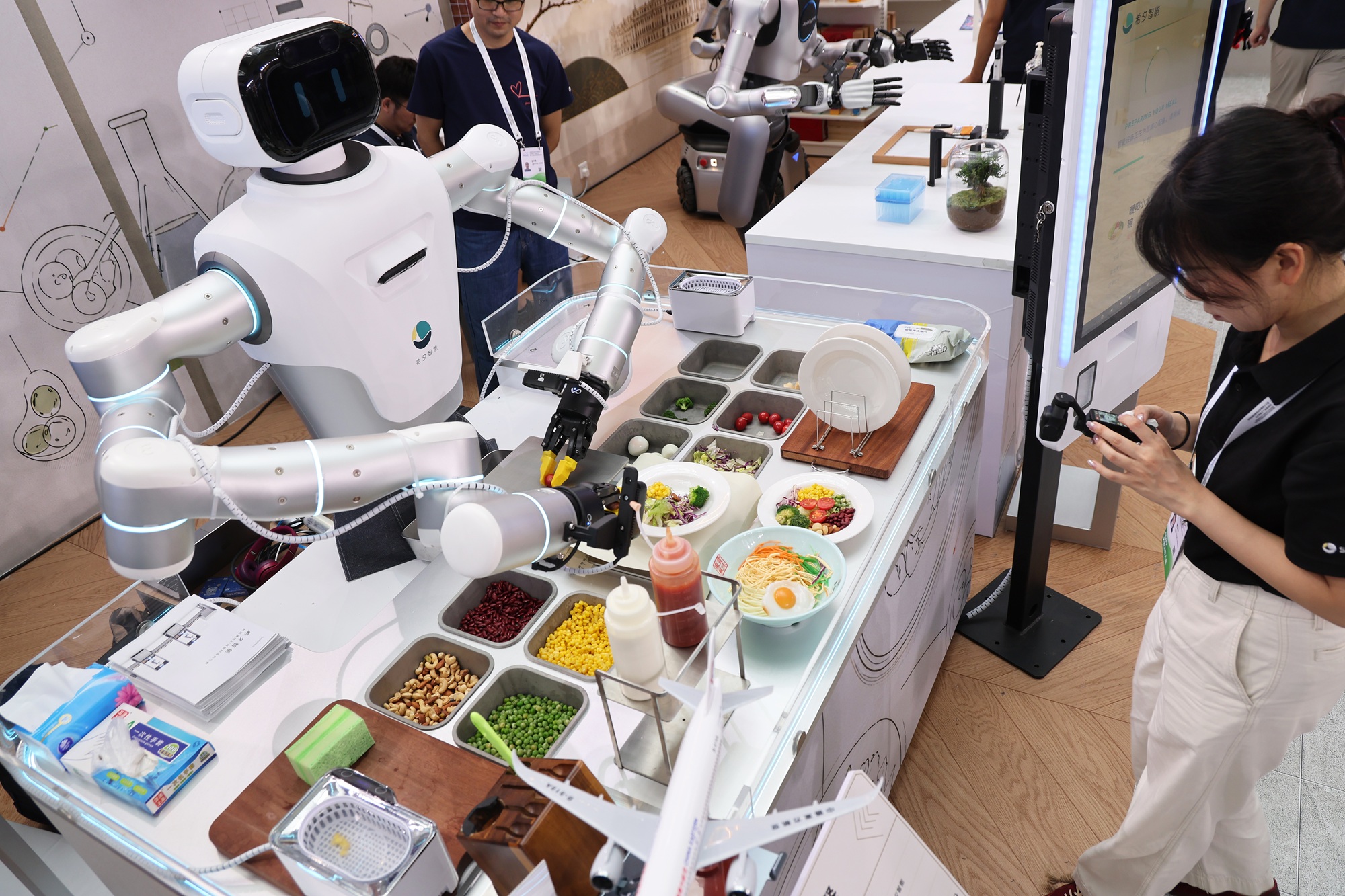
"caption": "A humanoid robot prepares a healthy meal during the 2026 World AI Conference and High-Level Meeting on Global AI Governance on July 17, 2026, in Shanghai, China. ",
"credit": "Tang Yanjun/China News Service/VCG via Getty Images",
"altTag": null,
"description": null,
"imgSizes": {
"thumbnail": {
"file": "https://cdn.kqed.org/wp-content/uploads/sites/10/2026/08/HumanoidRobotGetty-160x107.jpg",
"width": 160,
"height": 107,
"mimeType": "image/jpeg"
},
"1536x1536": {
"file": "https://cdn.kqed.org/wp-content/uploads/sites/10/2026/08/HumanoidRobotGetty-1536x1024.jpg",
"width": 1536,
"height": 1024,
"mimeType": "image/jpeg"
},
"post-thumbnail": {
"file": "https://cdn.kqed.org/wp-content/uploads/sites/10/2026/08/HumanoidRobotGetty-672x372.jpg",
"width": 672,
"height": 372,
"mimeType": "image/jpeg"
},
"twentyfourteen-full-width": {
"file": "https://cdn.kqed.org/wp-content/uploads/sites/10/2026/08/HumanoidRobotGetty-1038x576.jpg",
"width": 1038,
"height": 576,
"mimeType": "image/jpeg"
},
"npr-cds-wide": {
"file": "https://cdn.kqed.org/wp-content/uploads/sites/10/2026/08/HumanoidRobotGetty-1200x675.jpg",
"width": 1200,
"height": 675,
"mimeType": "image/jpeg"
},
"npr-cds-square": {
"file": "https://cdn.kqed.org/wp-content/uploads/sites/10/2026/08/HumanoidRobotGetty-600x600.jpg",
"width": 600,
"height": 600,
"mimeType": "image/jpeg"
},
"kqedFullSize": {
"file": "https://cdn.kqed.org/wp-content/uploads/sites/10/2026/08/HumanoidRobotGetty.jpg",
"width": 2000,
"height": 1333
}
},
"isLoading": false,
"fetchFailed": false
},
"news_12094819": {
"type": "attachments",
"id": "news_12094819",
"meta": {
"index": "attachments_1716263798",
"site": "news",
"id": "12094819",
"found": true
},
"title": "Under-16s Ban On Social Media Backed By The House of Lords",
"publishDate": 1786479496,
"status": "inherit",
"parent": 12094595,
"modified": 1786479548,
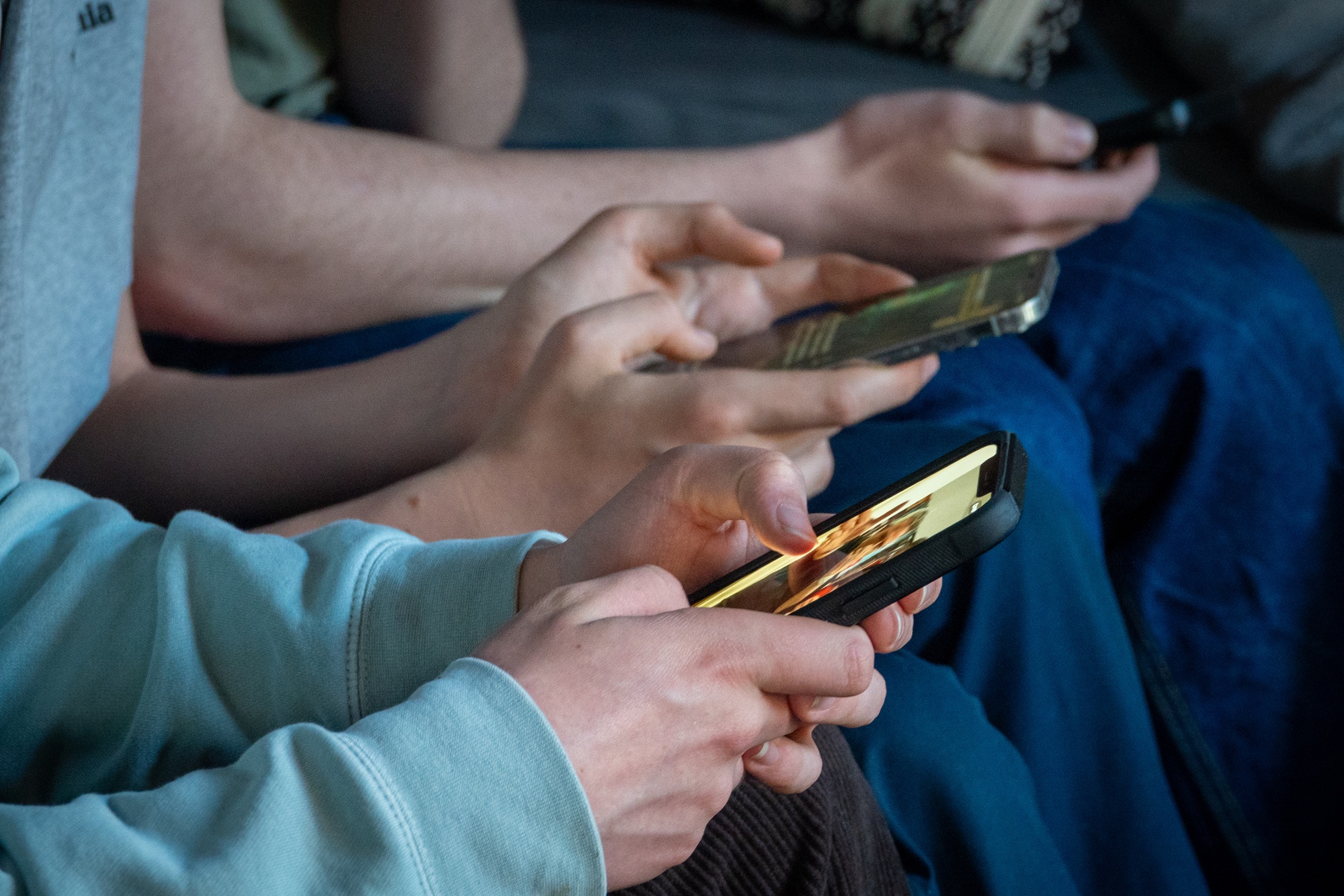
"caption": "Three teenage boys look at their smartphone screens on April 11, 2026. ",
"credit": "Matt Cardy/Getty Images",
"altTag": null,
"description": null,
"imgSizes": {
"thumbnail": {
"file": "https://cdn.kqed.org/wp-content/uploads/sites/10/2026/08/MetaTeensGetty-160x107.jpg",
"width": 160,
"height": 107,
"mimeType": "image/jpeg"
},
"1536x1536": {
"file": "https://cdn.kqed.org/wp-content/uploads/sites/10/2026/08/MetaTeensGetty-1536x1025.jpg",
"width": 1536,
"height": 1025,
"mimeType": "image/jpeg"
},
"post-thumbnail": {
"file": "https://cdn.kqed.org/wp-content/uploads/sites/10/2026/08/MetaTeensGetty-672x372.jpg",
"width": 672,
"height": 372,
"mimeType": "image/jpeg"
},
"twentyfourteen-full-width": {
"file": "https://cdn.kqed.org/wp-content/uploads/sites/10/2026/08/MetaTeensGetty-1038x576.jpg",
"width": 1038,
"height": 576,
"mimeType": "image/jpeg"
},
"npr-cds-wide": {
"file": "https://cdn.kqed.org/wp-content/uploads/sites/10/2026/08/MetaTeensGetty-1200x675.jpg",
"width": 1200,
"height": 675,
"mimeType": "image/jpeg"
},
"npr-cds-square": {
"file": "https://cdn.kqed.org/wp-content/uploads/sites/10/2026/08/MetaTeensGetty-600x600.jpg",
"width": 600,
"height": 600,
"mimeType": "image/jpeg"
},
"kqedFullSize": {
"file": "https://cdn.kqed.org/wp-content/uploads/sites/10/2026/08/MetaTeensGetty.jpg",
"width": 2000,
"height": 1334
}
},
"isLoading": false,
"fetchFailed": false
},
"news_12094703": {
"type": "attachments",
"id": "news_12094703",
"meta": {
"index": "attachments_1716263798",
"site": "news",
"id": "12094703",
"found": true
},
"title": "FINAL (4)",
"publishDate": 1786467228,
"status": "inherit",
"parent": 12094640,
"modified": 1786492003,
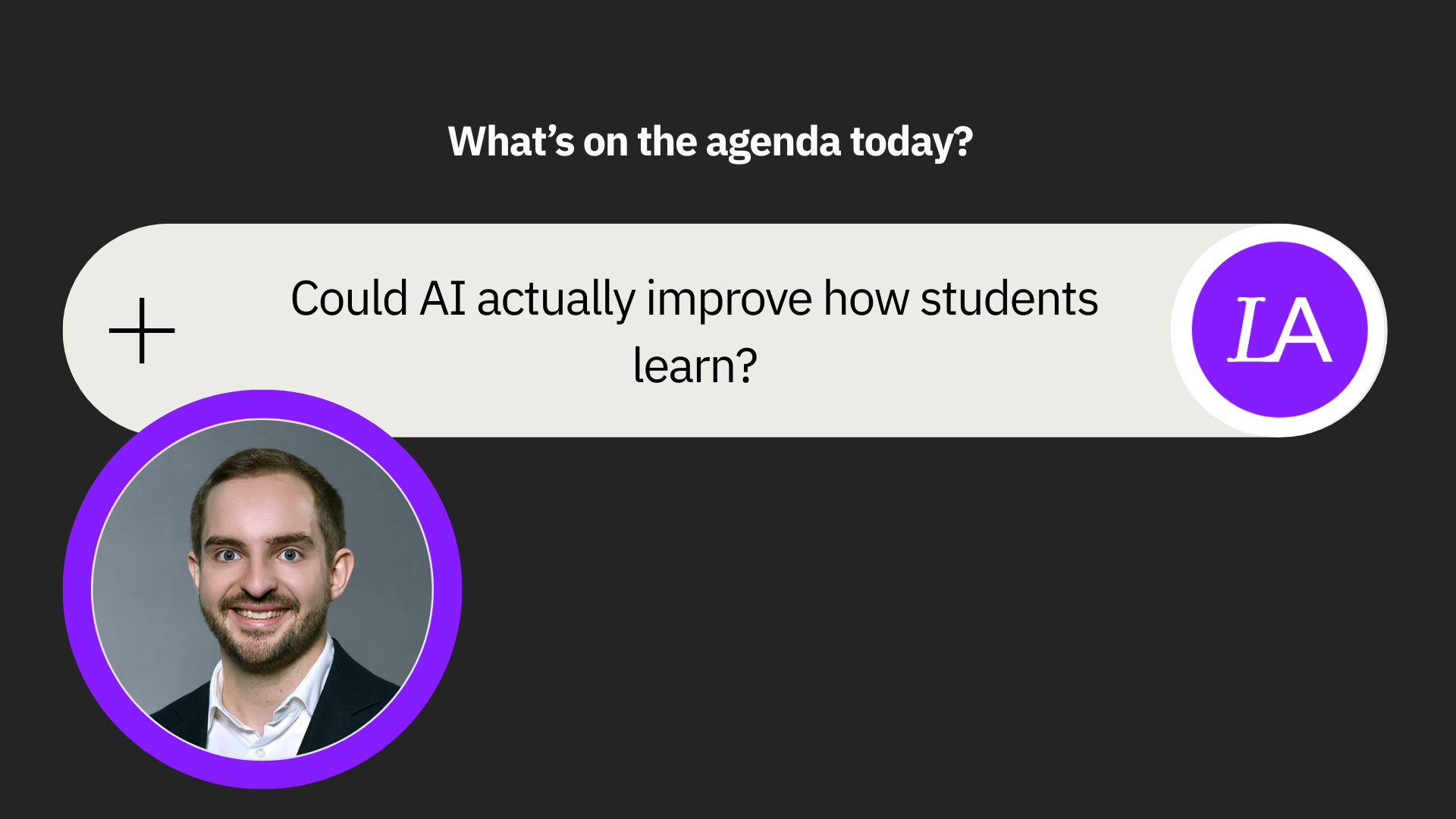
"caption": "Sébastien Martin, Associate Professor of Operations at Kellogg School of Management (courtesy of Kellogg School of Management)",
"credit": null,
"altTag": "Text box asking could AI actually improve the way students learn? Photo of episode guest Sebastien Martin",
"description": null,
"imgSizes": {
"thumbnail": {
"file": "https://cdn.kqed.org/wp-content/uploads/sites/10/2026/08/FINAL-4-160x90.png",
"width": 160,
"height": 90,
"mimeType": "image/png"
},
"1536x1536": {
"file": "https://cdn.kqed.org/wp-content/uploads/sites/10/2026/08/FINAL-4-1536x864.png",
"width": 1536,
"height": 864,
"mimeType": "image/png"
},
"post-thumbnail": {
"file": "https://cdn.kqed.org/wp-content/uploads/sites/10/2026/08/FINAL-4-672x372.png",
"width": 672,
"height": 372,
"mimeType": "image/png"
},
"twentyfourteen-full-width": {
"file": "https://cdn.kqed.org/wp-content/uploads/sites/10/2026/08/FINAL-4-1038x576.png",
"width": 1038,
"height": 576,
"mimeType": "image/png"
},
"npr-cds-wide": {
"file": "https://cdn.kqed.org/wp-content/uploads/sites/10/2026/08/FINAL-4-1200x675.png",
"width": 1200,
"height": 675,
"mimeType": "image/png"
},
"npr-cds-square": {
"file": "https://cdn.kqed.org/wp-content/uploads/sites/10/2026/08/FINAL-4-600x600.png",
"width": 600,
"height": 600,
"mimeType": "image/png"
},
"kqedFullSize": {
"file": "https://cdn.kqed.org/wp-content/uploads/sites/10/2026/08/FINAL-4.png",
"width": 1920,
"height": 1080
}
},
"isLoading": false,
"fetchFailed": false
},
"news_12094915": {
"type": "attachments",
"id": "news_12094915",
"meta": {
"index": "attachments_1716263798",
"site": "news",
"id": "12094915",
"found": true
},
"title": "CAT_AI MAGA Influencers Part 1.img",
"publishDate": 1786505551,
"status": "inherit",
"parent": 12094911,
"modified": 1786505612,
"caption": "A glitchy image of a person on their laptop displaying images of Emily Hart, a conservative AI-generated influencer. ",
"credit": "Composite image by Maya Cueva and Morgan Sung; images courtesy of “Sam” and Canva",
"altTag": "From behind a shadowy figure, a laptop is lit up by an AI assistant displaying three social media posts of AI-generated influencer Emily Hart, who has long blonde hair and blue eyes. From left to right: Hart in a hot tub wearing sunglasses and a red hat holding a beer, with the text, “Of course Democrats protest against ICE… Cuz they are deporting half of their voters…”; Hart in an American flag bikini taking a photo of herself in a mirror; Hart standing in front of a brick building wearing nursing scrubs and a stethoscope. The laptop and figure are glitchy with blue and red hues. The background of the image is of glitchy, light blue broken glass. The text \"Close All Tabs\" appears in white text in the lower right corner.",
"description": null,
"imgSizes": {
"thumbnail": {
"file": "https://cdn.kqed.org/wp-content/uploads/sites/10/2026/08/CAT_AI-MAGA-Influencers-Part-1.img_-160x90.png",
"width": 160,
"height": 90,
"mimeType": "image/png"
},
"1536x1536": {
"file": "https://cdn.kqed.org/wp-content/uploads/sites/10/2026/08/CAT_AI-MAGA-Influencers-Part-1.img_-1536x864.png",
"width": 1536,
"height": 864,
"mimeType": "image/png"
},
"post-thumbnail": {
"file": "https://cdn.kqed.org/wp-content/uploads/sites/10/2026/08/CAT_AI-MAGA-Influencers-Part-1.img_-672x372.png",
"width": 672,
"height": 372,
"mimeType": "image/png"
},
"twentyfourteen-full-width": {
"file": "https://cdn.kqed.org/wp-content/uploads/sites/10/2026/08/CAT_AI-MAGA-Influencers-Part-1.img_-1038x576.png",
"width": 1038,
"height": 576,
"mimeType": "image/png"
},
"npr-cds-wide": {
"file": "https://cdn.kqed.org/wp-content/uploads/sites/10/2026/08/CAT_AI-MAGA-Influencers-Part-1.img_-1200x675.png",
"width": 1200,
"height": 675,
"mimeType": "image/png"
},
"npr-cds-square": {
"file": "https://cdn.kqed.org/wp-content/uploads/sites/10/2026/08/CAT_AI-MAGA-Influencers-Part-1.img_-600x600.png",
"width": 600,
"height": 600,
"mimeType": "image/png"
},
"kqedFullSize": {
"file": "https://cdn.kqed.org/wp-content/uploads/sites/10/2026/08/CAT_AI-MAGA-Influencers-Part-1.img_.png",
"width": 1920,
"height": 1080
}
},
"isLoading": false,
"fetchFailed": false
},
"news_12069332": {
"type": "attachments",
"id": "news_12069332",
"meta": {
"index": "attachments_1716263798",
"site": "news",
"id": "12069332",
"found": true
},
"title": "Male Student Secretly Using Phone Under Table Cheating on Exam",
"publishDate": 1768005219,
"status": "inherit",
"parent": 12069286,
"modified": 1768005230,
"caption": "In September 2024, Governor Gavin Newsom signed the Phone‑Free Schools Act (AB 3216), which requires every school district, charter school, and county education office to adopt policies by July 1, 2026 that limit or prohibit the use of smartphones by students while on campus or under school supervision.\n",
"credit": null,
"altTag": null,
"description": null,
"imgSizes": {
"thumbnail": {
"file": "https://cdn.kqed.org/wp-content/uploads/sites/10/2026/01/phones-at-school-getty-160x107.jpg",
"width": 160,
"height": 107,
"mimeType": "image/jpeg"
},
"1536x1536": {
"file": "https://cdn.kqed.org/wp-content/uploads/sites/10/2026/01/phones-at-school-getty-1536x1024.jpg",
"width": 1536,
"height": 1024,
"mimeType": "image/jpeg"
},
"post-thumbnail": {
"file": "https://cdn.kqed.org/wp-content/uploads/sites/10/2026/01/phones-at-school-getty-672x372.jpg",
"width": 672,
"height": 372,
"mimeType": "image/jpeg"
},
"twentyfourteen-full-width": {
"file": "https://cdn.kqed.org/wp-content/uploads/sites/10/2026/01/phones-at-school-getty-1038x576.jpg",
"width": 1038,
"height": 576,
"mimeType": "image/jpeg"
},
"npr-cds-wide": {
"file": "https://cdn.kqed.org/wp-content/uploads/sites/10/2026/01/phones-at-school-getty-1200x675.jpg",
"width": 1200,
"height": 675,
"mimeType": "image/jpeg"
},
"kqedFullSize": {
"file": "https://cdn.kqed.org/wp-content/uploads/sites/10/2026/01/phones-at-school-getty.jpg",
"width": 2000,
"height": 1333
}
},
"isLoading": false,
"fetchFailed": false
},
"news_11992395": {
"type": "attachments",
"id": "news_11992395",
"meta": {
"index": "attachments_1716263798",
"site": "news",
"id": "11992395",
"found": true
},
"title": "101023-AI-College-Toby-Reed-LA-CM-21 copy",
"publishDate": 1719601285,
"status": "inherit",
"parent": 11992394,
"modified": 1719601308,
"caption": "Students walk down a hallway at Fremont High School in Oakland on Oct. 10, 2023. ",
"credit": "Laure Andrillon for CalMatters",
"altTag": null,
"description": null,
"imgSizes": {
"medium": {
"file": "https://cdn.kqed.org/wp-content/uploads/sites/10/2024/06/101023-AI-College-Toby-Reed-LA-CM-21-copy-800x534.jpg",
"width": 800,
"height": 534,
"mimeType": "image/jpeg"
},
"large": {
"file": "https://cdn.kqed.org/wp-content/uploads/sites/10/2024/06/101023-AI-College-Toby-Reed-LA-CM-21-copy-1020x681.jpg",
"width": 1020,
"height": 681,
"mimeType": "image/jpeg"
},
"thumbnail": {
"file": "https://cdn.kqed.org/wp-content/uploads/sites/10/2024/06/101023-AI-College-Toby-Reed-LA-CM-21-copy-160x107.jpg",
"width": 160,
"height": 107,
"mimeType": "image/jpeg"
},
"1536x1536": {
"file": "https://cdn.kqed.org/wp-content/uploads/sites/10/2024/06/101023-AI-College-Toby-Reed-LA-CM-21-copy-1536x1025.jpg",
"width": 1536,
"height": 1025,
"mimeType": "image/jpeg"
},
"post-thumbnail": {
"file": "https://cdn.kqed.org/wp-content/uploads/sites/10/2024/06/101023-AI-College-Toby-Reed-LA-CM-21-copy-672x372.jpg",
"width": 672,
"height": 372,
"mimeType": "image/jpeg"
},
"twentyfourteen-full-width": {
"file": "https://cdn.kqed.org/wp-content/uploads/sites/10/2024/06/101023-AI-College-Toby-Reed-LA-CM-21-copy-1038x576.jpg",
"width": 1038,
"height": 576,
"mimeType": "image/jpeg"
},
"full-width": {
"file": "https://cdn.kqed.org/wp-content/uploads/sites/10/2024/06/101023-AI-College-Toby-Reed-LA-CM-21-copy-1920x1282.jpg",
"width": 1920,
"height": 1282,
"mimeType": "image/jpeg"
},
"kqedFullSize": {
"file": "https://cdn.kqed.org/wp-content/uploads/sites/10/2024/06/101023-AI-College-Toby-Reed-LA-CM-21-copy.jpg",
"width": 2000,
"height": 1335
}
},
"isLoading": false,
"fetchFailed": false
},
"news_12094290": {
"type": "attachments",
"id": "news_12094290",
"meta": {
"index": "attachments_1716263798",
"site": "news",
"id": "12094290",
"found": true
},
"title": "DreamMachine__Web Article",
"publishDate": 1786116700,
"status": "inherit",
"parent": 12094288,
"modified": 1786116700,
"caption": null,
"credit": null,
"altTag": null,
"description": null,
"imgSizes": {
"thumbnail": {
"file": "https://cdn.kqed.org/wp-content/uploads/sites/10/2026/08/DreamMachine__Web-Article-160x90.png",
"width": 160,
"height": 90,
"mimeType": "image/png"
},
"1536x1536": {
"file": "https://cdn.kqed.org/wp-content/uploads/sites/10/2026/08/DreamMachine__Web-Article-1536x864.png",
"width": 1536,
"height": 864,
"mimeType": "image/png"
},
"post-thumbnail": {
"file": "https://cdn.kqed.org/wp-content/uploads/sites/10/2026/08/DreamMachine__Web-Article-672x372.png",
"width": 672,
"height": 372,
"mimeType": "image/png"
},
"twentyfourteen-full-width": {
"file": "https://cdn.kqed.org/wp-content/uploads/sites/10/2026/08/DreamMachine__Web-Article-1038x576.png",
"width": 1038,
"height": 576,
"mimeType": "image/png"
},
"npr-cds-wide": {
"file": "https://cdn.kqed.org/wp-content/uploads/sites/10/2026/08/DreamMachine__Web-Article-1200x675.png",
"width": 1200,
"height": 675,
"mimeType": "image/png"
},
"npr-cds-square": {
"file": "https://cdn.kqed.org/wp-content/uploads/sites/10/2026/08/DreamMachine__Web-Article-600x600.png",
"width": 600,
"height": 600,
"mimeType": "image/png"
},
"kqedFullSize": {
"file": "https://cdn.kqed.org/wp-content/uploads/sites/10/2026/08/DreamMachine__Web-Article.png",
"width": 1920,
"height": 1080
}
},
"isLoading": false,
"fetchFailed": false
},
"news_12093380": {
"type": "attachments",
"id": "news_12093380",
"meta": {
"index": "attachments_1716263798",
"site": "news",
"id": "12093380",
"found": true
},
"title": "Pat Pataranutaporn",
"publishDate": 1785505369,
"status": "inherit",
"parent": 12092477,
"modified": 1785505531,
"caption": "Courtesy of Pat Pataranutaporn",
"credit": "Courtesy of Pat Pataranutaporn",
"altTag": "Text box asking about turning to chatbots for emotional support with photo of guest, Pat Pataranutaporn",
"description": null,
"imgSizes": {
"thumbnail": {
"file": "https://cdn.kqed.org/wp-content/uploads/sites/10/2026/07/FINAL-2-160x90.png",
"width": 160,
"height": 90,
"mimeType": "image/png"
},
"1536x1536": {
"file": "https://cdn.kqed.org/wp-content/uploads/sites/10/2026/07/FINAL-2-1536x864.png",
"width": 1536,
"height": 864,
"mimeType": "image/png"
},
"post-thumbnail": {
"file": "https://cdn.kqed.org/wp-content/uploads/sites/10/2026/07/FINAL-2-672x372.png",
"width": 672,
"height": 372,
"mimeType": "image/png"
},
"twentyfourteen-full-width": {
"file": "https://cdn.kqed.org/wp-content/uploads/sites/10/2026/07/FINAL-2-1038x576.png",
"width": 1038,
"height": 576,
"mimeType": "image/png"
},
"npr-cds-wide": {
"file": "https://cdn.kqed.org/wp-content/uploads/sites/10/2026/07/FINAL-2-1200x675.png",
"width": 1200,
"height": 675,
"mimeType": "image/png"
},
"npr-cds-square": {
"file": "https://cdn.kqed.org/wp-content/uploads/sites/10/2026/07/FINAL-2-600x600.png",
"width": 600,
"height": 600,
"mimeType": "image/png"
},
"kqedFullSize": {
"file": "https://cdn.kqed.org/wp-content/uploads/sites/10/2026/07/FINAL-2.png",
"width": 1920,
"height": 1080
}
},
"isLoading": false,
"fetchFailed": false
},
"news_12062502": {
"type": "attachments",
"id": "news_12062502",
"meta": {
"index": "attachments_1716263798",
"site": "news",
"id": "12062502",
"found": true
},
"title": "251030-ATIOCHPITTSBURGFILE_01018_TV-KQED",
"publishDate": 1761933220,
"status": "inherit",
"parent": 0,
"modified": 1761933240,
"caption": "The Pittsburg Civic Center is located on 65 Civic Avenue in Pittsburg on October 30, 2025.",
"credit": "Tâm Vũ/KQED",
"altTag": null,
"description": null,
"imgSizes": {
"thumbnail": {
"file": "https://cdn.kqed.org/wp-content/uploads/sites/10/2025/10/251030-ATIOCHPITTSBURGFILE_01018_TV-KQED-160x107.jpg",
"width": 160,
"height": 107,
"mimeType": "image/jpeg"
},
"1536x1536": {
"file": "https://cdn.kqed.org/wp-content/uploads/sites/10/2025/10/251030-ATIOCHPITTSBURGFILE_01018_TV-KQED-1536x1024.jpg",
"width": 1536,
"height": 1024,
"mimeType": "image/jpeg"
},
"post-thumbnail": {
"file": "https://cdn.kqed.org/wp-content/uploads/sites/10/2025/10/251030-ATIOCHPITTSBURGFILE_01018_TV-KQED-672x372.jpg",
"width": 672,
"height": 372,
"mimeType": "image/jpeg"
},
"twentyfourteen-full-width": {
"file": "https://cdn.kqed.org/wp-content/uploads/sites/10/2025/10/251030-ATIOCHPITTSBURGFILE_01018_TV-KQED-1038x576.jpg",
"width": 1038,
"height": 576,
"mimeType": "image/jpeg"
},
"npr-cds-wide": {
"file": "https://cdn.kqed.org/wp-content/uploads/sites/10/2025/10/251030-ATIOCHPITTSBURGFILE_01018_TV-KQED-1200x675.jpg",
"width": 1200,
"height": 675,
"mimeType": "image/jpeg"
},
"kqedFullSize": {
"file": "https://cdn.kqed.org/wp-content/uploads/sites/10/2025/10/251030-ATIOCHPITTSBURGFILE_01018_TV-KQED.jpg",
"width": 2000,
"height": 1333
}
},
"isLoading": false,
"fetchFailed": false
}
},
"audioPlayerReducer": {
"postId": "stream_live",
"isPaused": true,
"isPlaying": false,
"pfsActive": false,
"pledgeModalIsOpen": true,
"playerDrawerIsOpen": false,
"liveAudioPlayStartedAt": 0,
"liveAudioPlayContext": ""
},
"authorsReducer": {
"byline_news_12094288": {
"type": "authors",
"id": "byline_news_12094288",
"meta": {
"override": true
},
"slug": "byline_news_12094288",
"name": "Alexis Madrigal and Robin Sloan",
"isLoading": false
},
"rachael-myrow": {
"type": "authors",
"id": "251",
"meta": {
"index": "authors_1716337520",
"id": "251",
"found": true
},
"name": "Rachael Myrow",
"firstName": "Rachael",
"lastName": "Myrow",
"slug": "rachael-myrow",
"email": "rmyrow@kqed.org",
"display_author_email": true,
"staff_mastheads": [
"news"
],
"title": "Senior Editor of KQED's Silicon Valley News Desk",
"bio": "• I write and edit stories about how Silicon Valley power and policies shape everyday life in California. I’m also passionate about making Bay Area history and culture more accessible to a broad public. • I’ve been a journalist for most of my life, starting in high school with The Franklin Press in Los Angeles, where I grew up. While earning my first degree in English at UC Berkeley, I got my start in public radio at KALX-FM. After completing a second degree in journalism at Cal, I landed my first professional job at Marketplace, then moved on to KPCC (now LAist), and then KQED, where I hosted The California Report for more than seven years. • My reporting has appeared on NPR, The World, WBUR’s \u003ci>Here & Now\u003c/i>, and the BBC. I also guest host for KQED’s \u003ci>Forum\u003c/i>, as well as the Commonwealth Club in San Francisco. • I speak periodically on media, democracy and technology issues, and do voiceover work for documentaries and educational video projects. • Outside of the studio, you'll find me hiking Bay Area trails and whipping up Insta-ready meals in my kitchen. • I do not accept gifts, money, or favors from anyone connected to my reporting, I don't pay people for information, and I do not support or donate to political causes. • I strive to treat the people I report on with fairness, honesty, and respect. I also recognize there are often multiple sides to a story and work to verify information through multiple sources and documentation. If I get something wrong, I correct it.",
"avatar": "https://secure.gravatar.com/avatar/3ed8a3c5f26025e4a805ba634cda8cd764906b97438a6d9ce216b044e340da4e?s=600&d=blank&r=g",
"twitter": "rachaelmyrow",
"bluesky": null,
"facebook": null,
"instagram": null,
"linkedin": "https://www.linkedin.com/in/rachaelmyrow/",
"sites": [
{
"site": "arts",
"roles": [
"administrator"
]
},
{
"site": "news",
"roles": [
"edit_others_posts",
"editor"
]
},
{
"site": "futureofyou",
"roles": [
"editor"
]
},
{
"site": "bayareabites",
"roles": [
"editor"
]
},
{
"site": "stateofhealth",
"roles": [
"editor"
]
},
{
"site": "science",
"roles": [
"editor"
]
},
{
"site": "food",
"roles": [
"editor"
]
},
{
"site": "forum",
"roles": [
"editor"
]
},
{
"site": "liveblog",
"roles": [
"author"
]
}
],
"headData": {
"title": "Rachael Myrow | KQED",
"description": "Senior Editor of KQED's Silicon Valley News Desk",
"ogImgSrc": "https://secure.gravatar.com/avatar/3ed8a3c5f26025e4a805ba634cda8cd764906b97438a6d9ce216b044e340da4e?s=600&d=blank&r=g",
"twImgSrc": "https://secure.gravatar.com/avatar/3ed8a3c5f26025e4a805ba634cda8cd764906b97438a6d9ce216b044e340da4e?s=600&d=blank&r=g"
},
"isLoading": false,
"link": "/author/rachael-myrow"
},
"ecruzguevarra": {
"type": "authors",
"id": "8654",
"meta": {
"index": "authors_1716337520",
"id": "8654",
"found": true
},
"name": "Ericka Cruz Guevarra",
"firstName": "Ericka",
"lastName": "Cruz Guevarra",
"slug": "ecruzguevarra",
"email": "ecruzguevarra@kqed.org",
"display_author_email": true,
"staff_mastheads": [
"news"
],
"title": "Producer, The Bay Podcast",
"bio": "Ericka Cruz Guevarra is host of \u003ca href=\"https://www.kqed.org/podcasts/thebay\">\u003cem>The Bay\u003c/em>\u003c/a> podcast at KQED. Before host, she was the show’s producer. Her work in that capacity includes a three-part reported series on policing in Vallejo, which won a 2020 excellence in journalism award from the Society of Professional Journalists. Ericka has worked as a breaking news reporter at Oregon Public Broadcasting, helped produce the Code Switch podcast, and was KQED’s inaugural Raul Ramirez Diversity Fund intern. She’s also an alumna of NPR’s Next Generation Radio program. Send her an email if you have strong feelings about whether Fairfield and Suisun City are the Bay. Ericka is represented by SAG-AFTRA.",
"avatar": "https://secure.gravatar.com/avatar/accefc1de4bafc7e234b69bcb9b6f6536c130fd84709bc3069ef11a78787e1bb?s=600&d=blank&r=g",
"twitter": "NotoriousECG",
"bluesky": null,
"facebook": null,
"instagram": null,
"linkedin": null,
"sites": [
{
"site": "arts",
"roles": [
"subscriber"
]
},
{
"site": "news",
"roles": [
"editor",
"manage_categories"
]
},
{
"site": "futureofyou",
"roles": [
"subscriber"
]
},
{
"site": "stateofhealth",
"roles": [
"subscriber"
]
},
{
"site": "science",
"roles": [
"editor"
]
},
{
"site": "forum",
"roles": [
"subscriber"
]
}
],
"headData": {
"title": "Ericka Cruz Guevarra | KQED",
"description": "Producer, The Bay Podcast",
"ogImgSrc": "https://secure.gravatar.com/avatar/accefc1de4bafc7e234b69bcb9b6f6536c130fd84709bc3069ef11a78787e1bb?s=600&d=blank&r=g",
"twImgSrc": "https://secure.gravatar.com/avatar/accefc1de4bafc7e234b69bcb9b6f6536c130fd84709bc3069ef11a78787e1bb?s=600&d=blank&r=g"
},
"isLoading": false,
"link": "/author/ecruzguevarra"
},
"amontecillo": {
"type": "authors",
"id": "11649",
"meta": {
"index": "authors_1716337520",
"id": "11649",
"found": true
},
"name": "Alan Montecillo",
"firstName": "Alan",
"lastName": "Montecillo",
"slug": "amontecillo",
"email": "amontecillo@kqed.org",
"display_author_email": false,
"staff_mastheads": [
"news"
],
"title": "KQED Contributor",
"bio": "Alan Montecillo is the senior editor of \u003cem>\u003ca href=\"http://kqed.org/thebay\">The Bay\u003c/a>, \u003c/em> KQED's local news podcast. Before moving to the Bay Area, he worked as a senior talk show producer for WILL in Champaign-Urbana, Illinois and at Oregon Public Broadcasting in Portland, Oregon. He has won journalism awards from the Society of Professional Journalists Northern California, the Public Media Journalists Association, The Signal Awards, and has also received a regional Edward R. Murrow award. Alan is a Filipino American from Hong Kong and a graduate of Reed College.",
"avatar": "https://secure.gravatar.com/avatar/268f53a2066899ea9efdd8a5900218b17c822d9862cbc9326cccec53ef41d349?s=600&d=blank&r=g",
"twitter": "alanmontecillo",
"bluesky": null,
"facebook": null,
"instagram": null,
"linkedin": null,
"sites": [
{
"site": "",
"roles": [
"editor"
]
},
{
"site": "news",
"roles": [
"editor",
"manage_categories"
]
}
],
"headData": {
"title": "Alan Montecillo | KQED",
"description": "KQED Contributor",
"ogImgSrc": "https://secure.gravatar.com/avatar/268f53a2066899ea9efdd8a5900218b17c822d9862cbc9326cccec53ef41d349?s=600&d=blank&r=g",
"twImgSrc": "https://secure.gravatar.com/avatar/268f53a2066899ea9efdd8a5900218b17c822d9862cbc9326cccec53ef41d349?s=600&d=blank&r=g"
},
"isLoading": false,
"link": "/author/amontecillo"
},
"chambrick": {
"type": "authors",
"id": "11832",
"meta": {
"index": "authors_1716337520",
"id": "11832",
"found": true
},
"name": "Chris Hambrick",
"firstName": "Chris",
"lastName": "Hambrick",
"slug": "chambrick",
"email": "chambrick@kqed.org",
"display_author_email": false,
"staff_mastheads": [],
"title": "KQED Contributor",
"bio": null,
"avatar": "https://secure.gravatar.com/avatar/23cb83888bc440645af5d36d0d1909e8ecb6cef21f2fdb96abf9a55495bb19d8?s=600&d=blank&r=g",
"twitter": null,
"bluesky": null,
"facebook": null,
"instagram": null,
"linkedin": null,
"sites": [
{
"site": "",
"roles": [
"editor"
]
},
{
"site": "arts",
"roles": [
"editor"
]
},
{
"site": "news",
"roles": [
"editor"
]
},
{
"site": "podcasts",
"roles": [
"editor"
]
}
],
"headData": {
"title": "Chris Hambrick | KQED",
"description": "KQED Contributor",
"ogImgSrc": "https://secure.gravatar.com/avatar/23cb83888bc440645af5d36d0d1909e8ecb6cef21f2fdb96abf9a55495bb19d8?s=600&d=blank&r=g",
"twImgSrc": "https://secure.gravatar.com/avatar/23cb83888bc440645af5d36d0d1909e8ecb6cef21f2fdb96abf9a55495bb19d8?s=600&d=blank&r=g"
},
"isLoading": false,
"link": "/author/chambrick"
},
"cegusa": {
"type": "authors",
"id": "11869",
"meta": {
"index": "authors_1716337520",
"id": "11869",
"found": true
},
"name": "Chris Egusa",
"firstName": "Chris",
"lastName": "Egusa",
"slug": "cegusa",
"email": "cegusa@kqed.org",
"display_author_email": false,
"staff_mastheads": [],
"title": "KQED Contributor",
"bio": null,
"avatar": "https://secure.gravatar.com/avatar/3562ed52747313a4c94017da88ea89f9e85cd901f63ebc056a7d5e0adf4a03da?s=600&d=blank&r=g",
"twitter": null,
"bluesky": null,
"facebook": null,
"instagram": null,
"linkedin": null,
"sites": [
{
"site": "arts",
"roles": [
"editor"
]
},
{
"site": "news",
"roles": [
"editor"
]
}
],
"headData": {
"title": "Chris Egusa | KQED",
"description": "KQED Contributor",
"ogImgSrc": "https://secure.gravatar.com/avatar/3562ed52747313a4c94017da88ea89f9e85cd901f63ebc056a7d5e0adf4a03da?s=600&d=blank&r=g",
"twImgSrc": "https://secure.gravatar.com/avatar/3562ed52747313a4c94017da88ea89f9e85cd901f63ebc056a7d5e0adf4a03da?s=600&d=blank&r=g"
},
"isLoading": false,
"link": "/author/cegusa"
},
"kdebenedetti": {
"type": "authors",
"id": "11913",
"meta": {
"index": "authors_1716337520",
"id": "11913",
"found": true
},
"name": "Katie DeBenedetti",
"firstName": "Katie",
"lastName": "DeBenedetti",
"slug": "kdebenedetti",
"email": "kdebenedetti@kqed.org",
"display_author_email": false,
"staff_mastheads": [
"news",
"science"
],
"title": "KQED Contributor",
"bio": "Katie DeBenedetti is a digital reporter covering daily news for the Express Desk. Prior to joining KQED as a culture reporting intern in January 2024, she covered education and city government for the Napa Valley Register.",
"avatar": "https://secure.gravatar.com/avatar/6e31073cb8f7e4214ab03f42771d0f45?s=600&d=blank&r=g",
"twitter": null,
"facebook": null,
"instagram": null,
"linkedin": null,
"sites": [
{
"site": "news",
"roles": [
"author"
]
},
{
"site": "science",
"roles": [
"author"
]
},
{
"site": "liveblog",
"roles": [
"author"
]
}
],
"headData": {
"title": "Katie DeBenedetti | KQED",
"description": "KQED Contributor",
"ogImgSrc": "https://secure.gravatar.com/avatar/6e31073cb8f7e4214ab03f42771d0f45?s=600&d=blank&r=g",
"twImgSrc": "https://secure.gravatar.com/avatar/6e31073cb8f7e4214ab03f42771d0f45?s=600&d=blank&r=g"
},
"isLoading": false,
"link": "/author/kdebenedetti"
},
"skennedy": {
"type": "authors",
"id": "11935",
"meta": {
"index": "authors_1716337520",
"id": "11935",
"found": true
},
"name": "Samantha Kennedy",
"firstName": "Samantha",
"lastName": "Kennedy",
"slug": "skennedy",
"email": "SKennedy@kqed.org",
"display_author_email": false,
"staff_mastheads": [],
"title": "KQED Contributor",
"bio": null,
"avatar": "https://secure.gravatar.com/avatar/adc7b14bf1e801793202a156ecc864d4ad505b0fd63162a2f3da0e5ba57222d0?s=600&d=blank&r=g",
"twitter": null,
"bluesky": null,
"facebook": null,
"instagram": null,
"linkedin": null,
"sites": [
{
"site": "arts",
"roles": [
"author"
]
},
{
"site": "news",
"roles": [
"editor"
]
},
{
"site": "science",
"roles": [
"editor"
]
}
],
"headData": {
"title": "Samantha Kennedy | KQED",
"description": "KQED Contributor",
"ogImgSrc": "https://secure.gravatar.com/avatar/adc7b14bf1e801793202a156ecc864d4ad505b0fd63162a2f3da0e5ba57222d0?s=600&d=blank&r=g",
"twImgSrc": "https://secure.gravatar.com/avatar/adc7b14bf1e801793202a156ecc864d4ad505b0fd63162a2f3da0e5ba57222d0?s=600&d=blank&r=g"
},
"isLoading": false,
"link": "/author/skennedy"
},
"mcueva": {
"type": "authors",
"id": "11943",
"meta": {
"index": "authors_1716337520",
"id": "11943",
"found": true
},
"name": "Maya Cueva",
"firstName": "Maya",
"lastName": "Cueva",
"slug": "mcueva",
"email": "mcueva@kqed.org",
"display_author_email": false,
"staff_mastheads": [],
"title": "KQED Contributor",
"bio": null,
"avatar": "https://secure.gravatar.com/avatar/238c7aba67c4b6b7b891965ba8cc9e9a4928b5dbdeaf4bde6a81c13e87f49b49?s=600&d=blank&r=g",
"twitter": null,
"bluesky": null,
"facebook": null,
"instagram": null,
"linkedin": null,
"sites": [
{
"site": "news",
"roles": [
"editor"
]
}
],
"headData": {
"title": "Maya Cueva | KQED",
"description": "KQED Contributor",
"ogImgSrc": "https://secure.gravatar.com/avatar/238c7aba67c4b6b7b891965ba8cc9e9a4928b5dbdeaf4bde6a81c13e87f49b49?s=600&d=blank&r=g",
"twImgSrc": "https://secure.gravatar.com/avatar/238c7aba67c4b6b7b891965ba8cc9e9a4928b5dbdeaf4bde6a81c13e87f49b49?s=600&d=blank&r=g"
},
"isLoading": false,
"link": "/author/mcueva"
},
"msung": {
"type": "authors",
"id": "11944",
"meta": {
"index": "authors_1716337520",
"id": "11944",
"found": true
},
"name": "Morgan Sung",
"firstName": "Morgan",
"lastName": "Sung",
"slug": "msung",
"email": "msung@kqed.org",
"display_author_email": false,
"staff_mastheads": [],
"title": "Close All Tabs Host",
"bio": null,
"avatar": "https://secure.gravatar.com/avatar/34033b8d232ee6c987ca6f0a1a28f0e5?s=600&d=blank&r=g",
"twitter": null,
"facebook": null,
"instagram": null,
"linkedin": null,
"sites": [
{
"site": "news",
"roles": [
"editor"
]
}
],
"headData": {
"title": "Morgan Sung | KQED",
"description": "Close All Tabs Host",
"ogImgSrc": "https://secure.gravatar.com/avatar/34033b8d232ee6c987ca6f0a1a28f0e5?s=600&d=blank&r=g",
"twImgSrc": "https://secure.gravatar.com/avatar/34033b8d232ee6c987ca6f0a1a28f0e5?s=600&d=blank&r=g"
},
"isLoading": false,
"link": "/author/msung"
},
"gglueck": {
"type": "authors",
"id": "11946",
"meta": {
"index": "authors_1716337520",
"id": "11946",
"found": true
},
"name": "Gabriela Glueck",
"firstName": "Gabriela",
"lastName": "Glueck",
"slug": "gglueck",
"email": "gglueck@kqed.org",
"display_author_email": false,
"staff_mastheads": [
"news"
],
"title": "KQED Contributor",
"bio": null,
"avatar": "https://secure.gravatar.com/avatar/ec62b7e3f7727ce1070cc7046dde80271d1e63cf2178d6194f68bb8d1440f841?s=600&d=blank&r=g",
"twitter": null,
"bluesky": null,
"facebook": null,
"instagram": null,
"linkedin": null,
"sites": [
{
"site": "news",
"roles": [
"editor"
]
}
],
"headData": {
"title": "Gabriela Glueck | KQED",
"description": "KQED Contributor",
"ogImgSrc": "https://secure.gravatar.com/avatar/ec62b7e3f7727ce1070cc7046dde80271d1e63cf2178d6194f68bb8d1440f841?s=600&d=blank&r=g",
"twImgSrc": "https://secure.gravatar.com/avatar/ec62b7e3f7727ce1070cc7046dde80271d1e63cf2178d6194f68bb8d1440f841?s=600&d=blank&r=g"
},
"isLoading": false,
"link": "/author/gglueck"
},
"aaliahmad": {
"type": "authors",
"id": "11986",
"meta": {
"index": "authors_1716337520",
"id": "11986",
"found": true
},
"name": "Ayah Ali-Ahmad",
"firstName": "Ayah",
"lastName": "Ali-Ahmad",
"slug": "aaliahmad",
"email": "aaliahmad@KQED.org",
"display_author_email": false,
"staff_mastheads": [],
"title": "KQED Contributor",
"bio": null,
"avatar": "https://secure.gravatar.com/avatar/1cf54f187a5e1064b2cfef3f3d2f1e4f93e453395d56912aca6382a6071ec3ed?s=600&d=blank&r=g",
"twitter": "ayahaliahmad",
"bluesky": null,
"facebook": null,
"instagram": null,
"linkedin": null,
"sites": [
{
"site": "news",
"roles": [
"subscriber"
]
}
],
"headData": {
"title": "Ayah Ali-Ahmad | KQED",
"description": "KQED Contributor",
"ogImgSrc": "https://secure.gravatar.com/avatar/1cf54f187a5e1064b2cfef3f3d2f1e4f93e453395d56912aca6382a6071ec3ed?s=600&d=blank&r=g",
"twImgSrc": "https://secure.gravatar.com/avatar/1cf54f187a5e1064b2cfef3f3d2f1e4f93e453395d56912aca6382a6071ec3ed?s=600&d=blank&r=g"
},
"isLoading": false,
"link": "/author/aaliahmad"
},
"ejackson": {
"type": "authors",
"id": "12003",
"meta": {
"index": "authors_1716337520",
"id": "12003",
"found": true
},
"name": "Ella Jackson",
"firstName": "Ella",
"lastName": "Jackson",
"slug": "ejackson",
"email": "ejackson@kqed.org",
"display_author_email": false,
"staff_mastheads": [],
"title": "KQED Contributor",
"bio": null,
"avatar": "https://secure.gravatar.com/avatar/3c688edc62aec1dcae096e1475956d245f72bde99cff316455871c9b22a7205b?s=600&d=blank&r=g",
"twitter": null,
"bluesky": null,
"facebook": null,
"instagram": null,
"linkedin": null,
"sites": [
{
"site": "news",
"roles": [
"author"
]
},
{
"site": "science",
"roles": [
"author"
]
}
],
"headData": {
"title": "Ella Jackson | KQED",
"description": "KQED Contributor",
"ogImgSrc": "https://secure.gravatar.com/avatar/3c688edc62aec1dcae096e1475956d245f72bde99cff316455871c9b22a7205b?s=600&d=blank&r=g",
"twImgSrc": "https://secure.gravatar.com/avatar/3c688edc62aec1dcae096e1475956d245f72bde99cff316455871c9b22a7205b?s=600&d=blank&r=g"
},
"isLoading": false,
"link": "/author/ejackson"
},
"jlove": {
"type": "authors",
"id": "12009",
"meta": {
"index": "authors_1716337520",
"id": "12009",
"found": true
},
"name": "Jess Love",
"firstName": "Jess",
"lastName": "Love",
"slug": "jlove",
"email": "jessica-love@kellogg.northwestern.edu",
"display_author_email": false,
"staff_mastheads": [],
"title": "KQED Contributor, Sr Director of the Ryan Institute on Complexity",
"bio": null,
"avatar": "https://secure.gravatar.com/avatar/723149095a074e9aa227d30a332e0686f89f692011f304d6ceefa21a066391eb?s=600&d=blank&r=g",
"twitter": null,
"bluesky": null,
"facebook": null,
"instagram": null,
"linkedin": null,
"sites": [
{
"site": "news",
"roles": [
"contributor"
]
}
],
"headData": {
"title": "Jess Love | KQED",
"description": "KQED Contributor, Sr Director of the Ryan Institute on Complexity",
"ogImgSrc": "https://secure.gravatar.com/avatar/723149095a074e9aa227d30a332e0686f89f692011f304d6ceefa21a066391eb?s=600&d=blank&r=g",
"twImgSrc": "https://secure.gravatar.com/avatar/723149095a074e9aa227d30a332e0686f89f692011f304d6ceefa21a066391eb?s=600&d=blank&r=g"
},
"isLoading": false,
"link": "/author/jlove"
}
},
"pagesReducer": {
"news_tag_technology": {
"type": "terms",
"id": "news_1631",
"meta": {
"index": "terms_1716263798",
"site": "news",
"id": "1631",
"score": 6.9277196
},
"name": "Technology",
"slug": "technology",
"taxonomy": "tag",
"description": null,
"featImg": null,
"headData": {
"title": "Technology | KQED News",
"description": null,
"ogTitle": null,
"ogDescription": null,
"ogImgId": null,
"twTitle": null,
"twDescription": null,
"twImgId": null
},
"ttid": 1643,
"isLoading": false,
"title": "Technology",
"pageMeta": {
"site": "news",
"WpPageTemplate": "page-topic-editorial",
"currentPage": 4
},
"blocks": [
{
"blockName": "kqed/post-list",
"attrs": {
"layout": "cardArticle2",
"query": "posts/news?tag=technology",
"seeMore": false,
"paginated": true,
"page": 4
}
},
{
"blockName": "kqed/ad"
}
]
}
},
"pfsSessionReducer": {},
"postsReducer": {
"stream_live": {
"type": "live",
"id": "stream_live",
"audioUrl": "https://streams.kqed.org/kqedradio",
"title": "Live Stream",
"excerpt": "Live Stream information currently unavailable.",
"link": "/radio",
"featImg": "",
"label": {
"name": "KQED Live",
"link": "/"
}
},
"stream_kqedNewscast": {
"type": "posts",
"id": "stream_kqedNewscast",
"audioUrl": "https://www.kqed.org/.stream/anon/radio/RDnews/newscast.mp3?_=1",
"title": "KQED Newscast",
"featImg": "",
"label": {
"name": "88.5 FM",
"link": "/"
}
},
"news_12095492": {
"type": "posts",
"id": "news_12095492",
"meta": {
"index": "posts_1716263798",
"site": "news",
"id": "12095492",
"score": null,
"sort": [
1786917600000
]
},
"guestAuthors": [],
"slug": "some-oaklanders-opposed-to-proposed-data-center",
"title": "Some Oaklanders Opposed to Proposed Data Center",
"publishDate": 1786917600,
"format": "standard",
"headTitle": "Some Oaklanders Opposed to Proposed Data Center | KQED",
"labelTerm": {
"site": "news"
},
"content": "\u003cp>Several Oaklanders say that Behring Companies can position \u003ca href=\"https://www.kqed.org/news/12095308/developer-councilmember-say-proposed-oakland-data-center-isnt-what-you-might-think\">its proposed data center\u003c/a> as an outlier to the larger-scale facilities that’ve come under fire for high energy and water usage, but their feelings won’t change for the most part.\u003c/p>\n\n\n\n\u003cp>That’s largely because of distrust in the developer’s intentions and environmental impacts that centers have had on communities in other states. \u003c/p>\n\n\n\n\u003cp>“Keep data centers out of Oakland,” said Bryan Ortega, 30, who has been an Oakland resident for years. “I don’t like data centers. I don’t agree with them.” \u003c/p>\n\n\n\n\u003cfigure class=\"wp-block-image size-full\">\u003cimg loading=\"lazy\" decoding=\"async\" width=\"2000\" height=\"1333\" src=\"https://cdn.kqed.org/wp-content/uploads/sites/10/2026/08/OAK-Data-Center.jpg\" alt=\"\" class=\"wp-image-12095475\" srcset=\"https://cdn.kqed.org/wp-content/uploads/sites/10/2026/08/OAK-Data-Center.jpg 2000w, https://cdn.kqed.org/wp-content/uploads/sites/10/2026/08/OAK-Data-Center-160x107.jpg 160w, https://cdn.kqed.org/wp-content/uploads/sites/10/2026/08/OAK-Data-Center-1536x1024.jpg 1536w\" sizes=\"auto, (max-width: 2000px) 100vw, 2000px\">\u003cfigcaption class=\"wp-element-caption\">The location of a proposed data center at 415 20th St. in Oakland on Aug. 14, 2026. Residents and workers cite the environmental concerns associated with the centers and distrust of developers as reasons for their opposition to the project. (Juan Carlos Lara/KQED)\u003c/figcaption>\u003c/figure>\n\n\n\n\u003cp>Behring is in the early stages of what it calls an innovation hub on 20th Street that includes about 20,000 square feet dedicated to a data center. The project is a single piece in a four-building project that would provide housing, office space and parking. Its addition could help bring jobs to \u003ca href=\"https://www.kqed.org/news/12075755/as-kaisers-presence-in-downtown-oakland-dwindles-so-does-foot-traffic\">the struggling downtown area\u003c/a>, according to the developer and Oakland City Councilmember Carroll Fife. \u003c/p>\n\n\n\n\u003cp>Ortega doesn’t buy it. \u003c/p>\n\n\n\n\u003cp>[ad fullwidth]\u003c/p>\n\u003cp>“The intention is not good,” Ortega said. “I don’t think they’re opening data centers for any good reasons; it’s all capital gain.” \u003c/p>\n\n\n\n\u003cp>Ortega linked his opposition to other data centers popping up in the Bay Area that have drawn large pushback. \u003c/p>\n\n\n\n\n\n\u003cp>In some cases, like in Oakley, the plan has been stopped in its tracks. The developer of a project that included the possibility of a data center \u003ca href=\"https://www.kqed.org/news/12076074/oakley-drops-data-center-plans-approves-massive-industrial-project\">pulled that suggestion after residents rallied against it\u003c/a>. Soon after, Oakley council members \u003ca href=\"https://www.sfchronicle.com/bayarea/article/bay-area-data-center-ban-22208938.php\">implemented the Bay Area’s first ban\u003c/a> on the centers. \u003c/p>\n\n\n\n\u003cp>The Party for Socialism and Liberation, which has been active in organizing against projects in Oakley and Pittsburg, is pushing for a similar ban in Oakland. \u003c/p>\n\n\n\n\u003cp>The group started a petition this week to call on the city council to ban all data centers in the city. Aditi Varshneya, an organizer with PSL who lives and works in Oakland, said the more than 3,500 signatures they’ve gathered show that residents don’t want a data center at all. \u003c/p>\n\n\n\n\u003cp>“If you ask most members of this community, they would want something that actually benefits our community in that space,” Varshneya said. \u003c/p>\n\n\n\n\u003cp>Officials facing the possibility of a data center coming to their cities have usually opted to regulate the facilities instead of pursuing outright bans. Oakley’s ban is temporary, while Pittsburg and San Jose have instead suggested regulating proposed centers. \u003c/p>\n\n\n\n\u003cp>Fife, who represents downtown Oakland where the data center would be, said at a Friday press conference that she was working toward developing regulations on what responsible AI looks like. \u003c/p>\n\n\n\n\u003cfigure class=\"wp-block-image size-full\">\u003cimg loading=\"lazy\" decoding=\"async\" width=\"2000\" height=\"1333\" src=\"https://cdn.kqed.org/wp-content/uploads/sites/10/2026/08/OAK-Data-Center-Behring.jpg\" alt=\"\" class=\"wp-image-12095480\" srcset=\"https://cdn.kqed.org/wp-content/uploads/sites/10/2026/08/OAK-Data-Center-Behring.jpg 2000w, https://cdn.kqed.org/wp-content/uploads/sites/10/2026/08/OAK-Data-Center-Behring-160x107.jpg 160w, https://cdn.kqed.org/wp-content/uploads/sites/10/2026/08/OAK-Data-Center-Behring-1536x1024.jpg 1536w\" sizes=\"auto, (max-width: 2000px) 100vw, 2000px\">\u003cfigcaption class=\"wp-element-caption\">Colin Behring, CEO and founder of Behring Companies, addresses the media in front of 415 20th St. in Oakland on Friday, Aug. 14, 2026, as Councilmember Carroll Fife, to the right, listens in. (Juan Carlos Lara/KQED)\u003c/figcaption>\u003c/figure>\n\n\n\n\u003cp>If part of the project in Oakland doesn’t happen, Behring Companies CEO Colin Behring said: “The whole picture falls apart.” Possibilities of high water and energy usage at the site, he said, are not a concern because newer technology for water cooling wouldn’t waste water and California produces plenty of energy. \u003c/p>\n\n\n\n\u003cp>Areli Hernandez, an Oakland resident for about a decade, was alarmed to learn about the project. \u003c/p>\n\n\n\n\u003cp>“No, no,” Hernandez said about Behring’s reasoning behind the proposal not using large amounts of water or energy. “There should be something citizens of Oakland can sign to contest the data center.” \u003c/p>\n\n\n\n\n\n\u003cp>Most people who KQED spoke with in the city weren’t aware of the proposal. Instead, they mentioned data centers in other states or, less so, others in the Bay Area. \u003c/p>\n\n\n\n\u003cp>“This issue of disclosure is a huge part of community concerns around data centers,” Varshneya said. \u003c/p>\n\n\n\n\u003cp>Andrea Wash, who lives in Concord but works in Oakland, hadn’t heard of the proposal either. \u003c/p>\n\n\n\n\u003cp>“In the suburban areas, it may be a better idea just because there’s more land, more area for development,” Wash, 38, said. “Here in Oakland, especially in this area, it is a bit more congested so I could see how that would pose a problem for a lot of the neighbors.”\u003c/p>\n\n\n\n\u003cp>The council member said she’s working on an AI forum to ensure communities are aware of the impacts data centers could have on the city. \u003c/p>\n\n\n\n\u003cp>Fife said Friday that the circulating petition and other similar ones often go out because some people are not clear on what is being proposed. That’s why she said more information is needed — for everyone. \u003c/p>\n\n\n\n\u003cp>\u003c/p>\n\u003cp>Varshneya said PSL will continue to oppose the project while raising awareness about it in the community. On Friday at 7 p.m., the group will host an organizing meeting about the data center at the Oakland Liberation Center.\u003c/p>\n\n",
"blocks": [
{
"blockName": "core/paragraph",
"attrs": {
"dropCap": false
},
"innerHTML": "\n\u003cp>Several Oaklanders say that Behring Companies can position \u003ca href=\"https://www.kqed.org/news/12095308/developer-councilmember-say-proposed-oakland-data-center-isnt-what-you-might-think\">its proposed data center\u003c/a> as an outlier to the larger-scale facilities that’ve come under fire for high energy and water usage, but their feelings won’t change for the most part.\u003c/p>\n",
"innerContent": [
"\n\u003cp>Several Oaklanders say that Behring Companies can position \u003ca href=\"https://www.kqed.org/news/12095308/developer-councilmember-say-proposed-oakland-data-center-isnt-what-you-might-think\">its proposed data center\u003c/a> as an outlier to the larger-scale facilities that’ve come under fire for high energy and water usage, but their feelings won’t change for the most part.\u003c/p>\n"
],
"innerBlocks": []
},
{
"blockName": "core/paragraph",
"attrs": {
"dropCap": false
},
"innerHTML": "\n\u003cp>That’s largely because of distrust in the developer’s intentions and environmental impacts that centers have had on communities in other states. \u003c/p>\n",
"innerContent": [
"\n\u003cp>That’s largely because of distrust in the developer’s intentions and environmental impacts that centers have had on communities in other states. \u003c/p>\n"
],
"innerBlocks": []
},
{
"blockName": "core/paragraph",
"attrs": {
"dropCap": false
},
"innerHTML": "\n\u003cp>“Keep data centers out of Oakland,” said Bryan Ortega, 30, who has been an Oakland resident for years. “I don’t like data centers. I don’t agree with them.” \u003c/p>\n",
"innerContent": [
"\n\u003cp>“Keep data centers out of Oakland,” said Bryan Ortega, 30, who has been an Oakland resident for years. “I don’t like data centers. I don’t agree with them.” \u003c/p>\n"
],
"innerBlocks": []
},
{
"blockName": "core/image",
"attrs": {
"id": 12095475,
"sizeSlug": "full",
"linkDestination": "none",
"imageCredit": "Juan Carlos Lara/KQED",
"srcset": "https://cdn.kqed.org/wp-content/uploads/sites/10/2026/08/OAK-Data-Center.jpg 2000w, https://cdn.kqed.org/wp-content/uploads/sites/10/2026/08/OAK-Data-Center-160x107.jpg 160w, https://cdn.kqed.org/wp-content/uploads/sites/10/2026/08/OAK-Data-Center-1536x1024.jpg 1536w",
"sizes": "(min-width: 992px) min(100vw, 1536px), (min-width: 768px) min(100vw, 1280px), min(100vw, 1020px)",
"alt": ""
},
"innerHTML": "\n\u003cfigure class=\"wp-block-image size-full\">\u003cimg src=\"https://cdn.kqed.org/wp-content/uploads/sites/10/2026/08/OAK-Data-Center.jpg\" alt=\"\" class=\"wp-image-12095475\" srcset=\"https://cdn.kqed.org/wp-content/uploads/sites/10/2026/08/OAK-Data-Center.jpg 2000w, https://cdn.kqed.org/wp-content/uploads/sites/10/2026/08/OAK-Data-Center-160x107.jpg 160w, https://cdn.kqed.org/wp-content/uploads/sites/10/2026/08/OAK-Data-Center-1536x1024.jpg 1536w\" sizes=\"(min-width: 992px) min(100vw, 1536px), (min-width: 768px) min(100vw, 1280px), min(100vw, 1020px)\" />\u003cfigcaption class=\"wp-element-caption\">The location of a proposed data center at 415 20th St. in Oakland on Aug. 14, 2026. Residents and workers cite the environmental concerns associated with the centers and distrust of developers as reasons for their opposition to the project.\u003c/figcaption>\u003c/figure>\n",
"innerContent": [
"\n\u003cfigure class=\"wp-block-image size-full\">\u003cimg src=\"https://cdn.kqed.org/wp-content/uploads/sites/10/2026/08/OAK-Data-Center.jpg\" alt=\"\" class=\"wp-image-12095475\" />\u003cfigcaption class=\"wp-element-caption\">The location of a proposed data center at 415 20th St. in Oakland on Aug. 14, 2026. Residents and workers cite the environmental concerns associated with the centers and distrust of developers as reasons for their opposition to the project.\u003c/figcaption>\u003c/figure>\n"
],
"innerBlocks": []
},
{
"blockName": "core/paragraph",
"attrs": {
"dropCap": false
},
"innerHTML": "\n\u003cp>Behring is in the early stages of what it calls an innovation hub on 20th Street that includes about 20,000 square feet dedicated to a data center. The project is a single piece in a four-building project that would provide housing, office space and parking. Its addition could help bring jobs to \u003ca href=\"https://www.kqed.org/news/12075755/as-kaisers-presence-in-downtown-oakland-dwindles-so-does-foot-traffic\">the struggling downtown area\u003c/a>, according to the developer and Oakland City Councilmember Carroll Fife. \u003c/p>\n",
"innerContent": [
"\n\u003cp>Behring is in the early stages of what it calls an innovation hub on 20th Street that includes about 20,000 square feet dedicated to a data center. The project is a single piece in a four-building project that would provide housing, office space and parking. Its addition could help bring jobs to \u003ca href=\"https://www.kqed.org/news/12075755/as-kaisers-presence-in-downtown-oakland-dwindles-so-does-foot-traffic\">the struggling downtown area\u003c/a>, according to the developer and Oakland City Councilmember Carroll Fife. \u003c/p>\n"
],
"innerBlocks": []
},
{
"blockName": "core/paragraph",
"attrs": {
"dropCap": false
},
"innerHTML": "\n\u003cp>Ortega doesn’t buy it. \u003c/p>\n",
"innerContent": [
"\n\u003cp>Ortega doesn’t buy it. \u003c/p>\n"
],
"innerBlocks": []
},
{
"blockName": "kqed/ad",
"attrs": {
"format": "fullwidth"
},
"innerBlocks": [],
"innerHTML": "",
"innerContent": []
},
{
"blockName": "core/paragraph",
"attrs": {
"dropCap": false
},
"innerHTML": "\n\u003cp>“The intention is not good,” Ortega said. “I don’t think they’re opening data centers for any good reasons; it’s all capital gain.” \u003c/p>\n",
"innerContent": [
"\n\u003cp>“The intention is not good,” Ortega said. “I don’t think they’re opening data centers for any good reasons; it’s all capital gain.” \u003c/p>\n"
],
"innerBlocks": []
},
{
"blockName": "core/paragraph",
"attrs": {
"dropCap": false
},
"innerHTML": "\n\u003cp>Ortega linked his opposition to other data centers popping up in the Bay Area that have drawn large pushback. \u003c/p>\n",
"innerContent": [
"\n\u003cp>Ortega linked his opposition to other data centers popping up in the Bay Area that have drawn large pushback. \u003c/p>\n"
],
"innerBlocks": []
},
{
"blockName": "kqed-v2/related-articles",
"attrs": {
"postIds": [
"news_12093604"
],
"label": "Related Articles",
"maxPosts": 1,
"showImages": false,
"heroImage": "https://cdn.kqed.org/wp-content/uploads/sites/10/2025/10/251030-ATIOCHPITTSBURGFILE_01018_TV-KQED.jpg",
"query": "",
"labelWasCleared": false,
"heroImageAlt": "",
"heroImageLink": "",
"labelLink": "",
"alignment": "right",
"target": "_self",
"manualLinks": [],
"posts": []
},
"innerHTML": "",
"innerContent": [],
"innerBlocks": []
},
{
"blockName": "core/paragraph",
"attrs": {
"dropCap": false
},
"innerHTML": "\n\u003cp>In some cases, like in Oakley, the plan has been stopped in its tracks. The developer of a project that included the possibility of a data center \u003ca href=\"https://www.kqed.org/news/12076074/oakley-drops-data-center-plans-approves-massive-industrial-project\">pulled that suggestion after residents rallied against it\u003c/a>. Soon after, Oakley council members \u003ca href=\"https://www.sfchronicle.com/bayarea/article/bay-area-data-center-ban-22208938.php\">implemented the Bay Area’s first ban\u003c/a> on the centers. \u003c/p>\n",
"innerContent": [
"\n\u003cp>In some cases, like in Oakley, the plan has been stopped in its tracks. The developer of a project that included the possibility of a data center \u003ca href=\"https://www.kqed.org/news/12076074/oakley-drops-data-center-plans-approves-massive-industrial-project\">pulled that suggestion after residents rallied against it\u003c/a>. Soon after, Oakley council members \u003ca href=\"https://www.sfchronicle.com/bayarea/article/bay-area-data-center-ban-22208938.php\">implemented the Bay Area’s first ban\u003c/a> on the centers. \u003c/p>\n"
],
"innerBlocks": []
},
{
"blockName": "core/paragraph",
"attrs": {
"dropCap": false
},
"innerHTML": "\n\u003cp>The Party for Socialism and Liberation, which has been active in organizing against projects in Oakley and Pittsburg, is pushing for a similar ban in Oakland. \u003c/p>\n",
"innerContent": [
"\n\u003cp>The Party for Socialism and Liberation, which has been active in organizing against projects in Oakley and Pittsburg, is pushing for a similar ban in Oakland. \u003c/p>\n"
],
"innerBlocks": []
},
{
"blockName": "core/paragraph",
"attrs": {
"dropCap": false
},
"innerHTML": "\n\u003cp>The group started a petition this week to call on the city council to ban all data centers in the city. Aditi Varshneya, an organizer with PSL who lives and works in Oakland, said the more than 3,500 signatures they’ve gathered show that residents don’t want a data center at all. \u003c/p>\n",
"innerContent": [
"\n\u003cp>The group started a petition this week to call on the city council to ban all data centers in the city. Aditi Varshneya, an organizer with PSL who lives and works in Oakland, said the more than 3,500 signatures they’ve gathered show that residents don’t want a data center at all. \u003c/p>\n"
],
"innerBlocks": []
},
{
"blockName": "core/paragraph",
"attrs": {
"dropCap": false
},
"innerHTML": "\n\u003cp>“If you ask most members of this community, they would want something that actually benefits our community in that space,” Varshneya said. \u003c/p>\n",
"innerContent": [
"\n\u003cp>“If you ask most members of this community, they would want something that actually benefits our community in that space,” Varshneya said. \u003c/p>\n"
],
"innerBlocks": []
},
{
"blockName": "core/paragraph",
"attrs": {
"dropCap": false
},
"innerHTML": "\n\u003cp>Officials facing the possibility of a data center coming to their cities have usually opted to regulate the facilities instead of pursuing outright bans. Oakley’s ban is temporary, while Pittsburg and San Jose have instead suggested regulating proposed centers. \u003c/p>\n",
"innerContent": [
"\n\u003cp>Officials facing the possibility of a data center coming to their cities have usually opted to regulate the facilities instead of pursuing outright bans. Oakley’s ban is temporary, while Pittsburg and San Jose have instead suggested regulating proposed centers. \u003c/p>\n"
],
"innerBlocks": []
},
{
"blockName": "core/paragraph",
"attrs": {
"dropCap": false
},
"innerHTML": "\n\u003cp>Fife, who represents downtown Oakland where the data center would be, said at a Friday press conference that she was working toward developing regulations on what responsible AI looks like. \u003c/p>\n",
"innerContent": [
"\n\u003cp>Fife, who represents downtown Oakland where the data center would be, said at a Friday press conference that she was working toward developing regulations on what responsible AI looks like. \u003c/p>\n"
],
"innerBlocks": []
},
{
"blockName": "core/image",
"attrs": {
"id": 12095480,
"sizeSlug": "full",
"linkDestination": "none",
"imageCredit": "Juan Carlos Lara/KQED ",
"srcset": "https://cdn.kqed.org/wp-content/uploads/sites/10/2026/08/OAK-Data-Center-Behring.jpg 2000w, https://cdn.kqed.org/wp-content/uploads/sites/10/2026/08/OAK-Data-Center-Behring-160x107.jpg 160w, https://cdn.kqed.org/wp-content/uploads/sites/10/2026/08/OAK-Data-Center-Behring-1536x1024.jpg 1536w",
"sizes": "(min-width: 992px) min(100vw, 1536px), (min-width: 768px) min(100vw, 1280px), min(100vw, 1020px)",
"alt": ""
},
"innerHTML": "\n\u003cfigure class=\"wp-block-image size-full\">\u003cimg src=\"https://cdn.kqed.org/wp-content/uploads/sites/10/2026/08/OAK-Data-Center-Behring.jpg\" alt=\"\" class=\"wp-image-12095480\" srcset=\"https://cdn.kqed.org/wp-content/uploads/sites/10/2026/08/OAK-Data-Center-Behring.jpg 2000w, https://cdn.kqed.org/wp-content/uploads/sites/10/2026/08/OAK-Data-Center-Behring-160x107.jpg 160w, https://cdn.kqed.org/wp-content/uploads/sites/10/2026/08/OAK-Data-Center-Behring-1536x1024.jpg 1536w\" sizes=\"(min-width: 992px) min(100vw, 1536px), (min-width: 768px) min(100vw, 1280px), min(100vw, 1020px)\" />\u003cfigcaption class=\"wp-element-caption\">Colin Behring, CEO and founder of Behring Companies, addresses the media in front of 415 20th St. in Oakland on Friday, Aug. 14, 2026, as Councilmember Carroll Fife, to the right, listens in. \u003c/figcaption>\u003c/figure>\n",
"innerContent": [
"\n\u003cfigure class=\"wp-block-image size-full\">\u003cimg src=\"https://cdn.kqed.org/wp-content/uploads/sites/10/2026/08/OAK-Data-Center-Behring.jpg\" alt=\"\" class=\"wp-image-12095480\" />\u003cfigcaption class=\"wp-element-caption\">Colin Behring, CEO and founder of Behring Companies, addresses the media in front of 415 20th St. in Oakland on Friday, Aug. 14, 2026, as Councilmember Carroll Fife, to the right, listens in. \u003c/figcaption>\u003c/figure>\n"
],
"innerBlocks": []
},
{
"blockName": "core/paragraph",
"attrs": {
"dropCap": false
},
"innerHTML": "\n\u003cp>If part of the project in Oakland doesn’t happen, Behring Companies CEO Colin Behring said: “The whole picture falls apart.” Possibilities of high water and energy usage at the site, he said, are not a concern because newer technology for water cooling wouldn’t waste water and California produces plenty of energy. \u003c/p>\n",
"innerContent": [
"\n\u003cp>If part of the project in Oakland doesn’t happen, Behring Companies CEO Colin Behring said: “The whole picture falls apart.” Possibilities of high water and energy usage at the site, he said, are not a concern because newer technology for water cooling wouldn’t waste water and California produces plenty of energy. \u003c/p>\n"
],
"innerBlocks": []
},
{
"blockName": "core/paragraph",
"attrs": {
"dropCap": false
},
"innerHTML": "\n\u003cp>Areli Hernandez, an Oakland resident for about a decade, was alarmed to learn about the project. \u003c/p>\n",
"innerContent": [
"\n\u003cp>Areli Hernandez, an Oakland resident for about a decade, was alarmed to learn about the project. \u003c/p>\n"
],
"innerBlocks": []
},
{
"blockName": "core/paragraph",
"attrs": {
"dropCap": false
},
"innerHTML": "\n\u003cp>“No, no,” Hernandez said about Behring’s reasoning behind the proposal not using large amounts of water or energy. “There should be something citizens of Oakland can sign to contest the data center.” \u003c/p>\n",
"innerContent": [
"\n\u003cp>“No, no,” Hernandez said about Behring’s reasoning behind the proposal not using large amounts of water or energy. “There should be something citizens of Oakland can sign to contest the data center.” \u003c/p>\n"
],
"innerBlocks": []
},
{
"blockName": "kqed-v2/related-articles",
"attrs": {
"postIds": [
"news_12095008"
],
"label": "Related Articles",
"maxPosts": 1,
"showImages": false,
"heroImage": "https://cdn.kqed.org/wp-content/uploads/sites/10/2026/07/GettyImages-2285283677-scaled-e1786637636410.jpg",
"query": "",
"labelWasCleared": false,
"heroImageAlt": "",
"heroImageLink": "",
"labelLink": "",
"alignment": "right",
"target": "_self",
"manualLinks": [],
"posts": []
},
"innerHTML": "",
"innerContent": [],
"innerBlocks": []
},
{
"blockName": "core/paragraph",
"attrs": {
"dropCap": false
},
"innerHTML": "\n\u003cp>Most people who KQED spoke with in the city weren’t aware of the proposal. Instead, they mentioned data centers in other states or, less so, others in the Bay Area. \u003c/p>\n",
"innerContent": [
"\n\u003cp>Most people who KQED spoke with in the city weren’t aware of the proposal. Instead, they mentioned data centers in other states or, less so, others in the Bay Area. \u003c/p>\n"
],
"innerBlocks": []
},
{
"blockName": "core/paragraph",
"attrs": {
"dropCap": false
},
"innerHTML": "\n\u003cp>“This issue of disclosure is a huge part of community concerns around data centers,” Varshneya said. \u003c/p>\n",
"innerContent": [
"\n\u003cp>“This issue of disclosure is a huge part of community concerns around data centers,” Varshneya said. \u003c/p>\n"
],
"innerBlocks": []
},
{
"blockName": "core/paragraph",
"attrs": {
"dropCap": false
},
"innerHTML": "\n\u003cp>Andrea Wash, who lives in Concord but works in Oakland, hadn’t heard of the proposal either. \u003c/p>\n",
"innerContent": [
"\n\u003cp>Andrea Wash, who lives in Concord but works in Oakland, hadn’t heard of the proposal either. \u003c/p>\n"
],
"innerBlocks": []
},
{
"blockName": "core/paragraph",
"attrs": {
"dropCap": false
},
"innerHTML": "\n\u003cp>“In the suburban areas, it may be a better idea just because there’s more land, more area for development,” Wash, 38, said. “Here in Oakland, especially in this area, it is a bit more congested so I could see how that would pose a problem for a lot of the neighbors.”\u003c/p>\n",
"innerContent": [
"\n\u003cp>“In the suburban areas, it may be a better idea just because there’s more land, more area for development,” Wash, 38, said. “Here in Oakland, especially in this area, it is a bit more congested so I could see how that would pose a problem for a lot of the neighbors.”\u003c/p>\n"
],
"innerBlocks": []
},
{
"blockName": "core/paragraph",
"attrs": {
"dropCap": false
},
"innerHTML": "\n\u003cp>The council member said she’s working on an AI forum to ensure communities are aware of the impacts data centers could have on the city. \u003c/p>\n",
"innerContent": [
"\n\u003cp>The council member said she’s working on an AI forum to ensure communities are aware of the impacts data centers could have on the city. \u003c/p>\n"
],
"innerBlocks": []
},
{
"blockName": "core/paragraph",
"attrs": {
"dropCap": false
},
"innerHTML": "\n\u003cp>Fife said Friday that the circulating petition and other similar ones often go out because some people are not clear on what is being proposed. That’s why she said more information is needed — for everyone. \u003c/p>\n",
"innerContent": [
"\n\u003cp>Fife said Friday that the circulating petition and other similar ones often go out because some people are not clear on what is being proposed. That’s why she said more information is needed — for everyone. \u003c/p>\n"
],
"innerBlocks": []
},
{
"blockName": "kqed/ad",
"attrs": {
"format": "floatright"
},
"innerBlocks": [],
"innerHTML": "",
"innerContent": []
},
{
"blockName": "core/paragraph",
"attrs": {
"dropCap": false
},
"innerHTML": "\n\u003cp>Varshneya said PSL will continue to oppose the project while raising awareness about it in the community. On Friday at 7 p.m., the group will host an organizing meeting about the data center at the Oakland Liberation Center.\u003c/p>\n",
"innerContent": [
"\n\u003cp>Varshneya said PSL will continue to oppose the project while raising awareness about it in the community. On Friday at 7 p.m., the group will host an organizing meeting about the data center at the Oakland Liberation Center.\u003c/p>\n"
],
"innerBlocks": []
}
],
"excerpt": "Residents and workers cite environmental concerns associated with the centers and distrust with developers as reasons for opposition. ",
"status": "publish",
"parent": 0,
"modified": 1786996019,
"stats": {
"hasAudio": false,
"hasVideo": false,
"hasChartOrMap": false,
"iframeSrcs": [],
"hasGoogleForm": false,
"hasGallery": false,
"hasHearkenModule": false,
"hasPolis": false,
"paragraphCount": 25,
"wordCount": 900
},
"headData": {
"title": "Some Oaklanders Opposed to Proposed Data Center | KQED",
"description": "Residents and workers cite environmental concerns associated with the centers and distrust with developers as reasons for opposition. ",
"ogTitle": "",
"ogDescription": "",
"ogImgId": "",
"twTitle": "",
"twDescription": "",
"twImgId": "",
"schema": {
"@context": "https://schema.org",
"@type": "NewsArticle",
"headline": "Some Oaklanders Opposed to Proposed Data Center",
"datePublished": "2026-08-16T15:00:00-07:00",
"dateModified": "2026-08-17T12:46:59-07:00",
"image": "https://cdn.kqed.org/wp-content/uploads/2020/02/KQED-OG-Image@1x.png",
"isAccessibleForFree": "True",
"publisher": {
"@type": "NewsMediaOrganization",
"@id": "https://www.kqed.org/#organization",
"name": "KQED",
"logo": "https://cdn.kqed.org/wp-content/uploads/2020/02/KQED-OG-Image@1x.png",
"url": "https://www.kqed.org",
"sameAs": [
"https://www.facebook.com/KQED",
"https://twitter.com/KQED",
"https://www.instagram.com/kqed/",
"https://www.tiktok.com/@kqedofficial",
"https://www.linkedin.com/company/kqed",
"https://www.youtube.com/channel/UCeC0IOo7i1P_61zVUWbJ4nw"
]
}
}
},
"primaryCategory": {
"termId": 28250,
"slug": "local",
"name": "Local"
},
"sticky": false,
"nprStoryId": "kqed-12095492",
"templateType": "standard",
"featuredImageType": "standard",
"excludeFromSiteSearch": "Include",
"articleAge": "0",
"path": "/news/12095492/some-oaklanders-opposed-to-proposed-data-center",
"audioTrackLength": null,
"parsedContent": [
{
"type": "contentString",
"content": "\u003cdiv class=\"post-body\">\u003cp>\u003cp>Several Oaklanders say that Behring Companies can position \u003ca href=\"https://www.kqed.org/news/12095308/developer-councilmember-say-proposed-oakland-data-center-isnt-what-you-might-think\">its proposed data center\u003c/a> as an outlier to the larger-scale facilities that’ve come under fire for high energy and water usage, but their feelings won’t change for the most part.\u003c/p>\n\n\n\n\u003cp>That’s largely because of distrust in the developer’s intentions and environmental impacts that centers have had on communities in other states. \u003c/p>\n\n\n\n\u003cp>“Keep data centers out of Oakland,” said Bryan Ortega, 30, who has been an Oakland resident for years. “I don’t like data centers. I don’t agree with them.” \u003c/p>\n\n\n\n\u003cfigure class=\"wp-block-image size-full\">\u003cimg loading=\"lazy\" decoding=\"async\" width=\"2000\" height=\"1333\" src=\"https://cdn.kqed.org/wp-content/uploads/sites/10/2026/08/OAK-Data-Center.jpg\" alt=\"\" class=\"wp-image-12095475\" srcset=\"https://cdn.kqed.org/wp-content/uploads/sites/10/2026/08/OAK-Data-Center.jpg 2000w, https://cdn.kqed.org/wp-content/uploads/sites/10/2026/08/OAK-Data-Center-160x107.jpg 160w, https://cdn.kqed.org/wp-content/uploads/sites/10/2026/08/OAK-Data-Center-1536x1024.jpg 1536w\" sizes=\"auto, (max-width: 2000px) 100vw, 2000px\">\u003cfigcaption class=\"wp-element-caption\">The location of a proposed data center at 415 20th St. in Oakland on Aug. 14, 2026. Residents and workers cite the environmental concerns associated with the centers and distrust of developers as reasons for their opposition to the project. (Juan Carlos Lara/KQED)\u003c/figcaption>\u003c/figure>\n\n\n\n\u003cp>Behring is in the early stages of what it calls an innovation hub on 20th Street that includes about 20,000 square feet dedicated to a data center. The project is a single piece in a four-building project that would provide housing, office space and parking. Its addition could help bring jobs to \u003ca href=\"https://www.kqed.org/news/12075755/as-kaisers-presence-in-downtown-oakland-dwindles-so-does-foot-traffic\">the struggling downtown area\u003c/a>, according to the developer and Oakland City Councilmember Carroll Fife. \u003c/p>\n\n\n\n\u003cp>Ortega doesn’t buy it. \u003c/p>\n\n\n\n\u003cp>\u003c/p>\u003c/div>",
"attributes": {
"named": {},
"numeric": []
}
},
{
"type": "component",
"content": "",
"name": "ad",
"attributes": {
"named": {
"label": "fullwidth"
},
"numeric": [
"fullwidth"
]
}
},
{
"type": "contentString",
"content": "\u003cdiv class=\"post-body\">\u003cp>\u003c/p>\n\u003cp>“The intention is not good,” Ortega said. “I don’t think they’re opening data centers for any good reasons; it’s all capital gain.” \u003c/p>\n\n\n\n\u003cp>Ortega linked his opposition to other data centers popping up in the Bay Area that have drawn large pushback. \u003c/p>\n\n\n\n\n\n\u003cp>In some cases, like in Oakley, the plan has been stopped in its tracks. The developer of a project that included the possibility of a data center \u003ca href=\"https://www.kqed.org/news/12076074/oakley-drops-data-center-plans-approves-massive-industrial-project\">pulled that suggestion after residents rallied against it\u003c/a>. Soon after, Oakley council members \u003ca href=\"https://www.sfchronicle.com/bayarea/article/bay-area-data-center-ban-22208938.php\">implemented the Bay Area’s first ban\u003c/a> on the centers. \u003c/p>\n\n\n\n\u003cp>The Party for Socialism and Liberation, which has been active in organizing against projects in Oakley and Pittsburg, is pushing for a similar ban in Oakland. \u003c/p>\n\n\n\n\u003cp>The group started a petition this week to call on the city council to ban all data centers in the city. Aditi Varshneya, an organizer with PSL who lives and works in Oakland, said the more than 3,500 signatures they’ve gathered show that residents don’t want a data center at all. \u003c/p>\n\n\n\n\u003cp>“If you ask most members of this community, they would want something that actually benefits our community in that space,” Varshneya said. \u003c/p>\n\n\n\n\u003cp>Officials facing the possibility of a data center coming to their cities have usually opted to regulate the facilities instead of pursuing outright bans. Oakley’s ban is temporary, while Pittsburg and San Jose have instead suggested regulating proposed centers. \u003c/p>\n\n\n\n\u003cp>Fife, who represents downtown Oakland where the data center would be, said at a Friday press conference that she was working toward developing regulations on what responsible AI looks like. \u003c/p>\n\n\n\n\u003cfigure class=\"wp-block-image size-full\">\u003cimg loading=\"lazy\" decoding=\"async\" width=\"2000\" height=\"1333\" src=\"https://cdn.kqed.org/wp-content/uploads/sites/10/2026/08/OAK-Data-Center-Behring.jpg\" alt=\"\" class=\"wp-image-12095480\" srcset=\"https://cdn.kqed.org/wp-content/uploads/sites/10/2026/08/OAK-Data-Center-Behring.jpg 2000w, https://cdn.kqed.org/wp-content/uploads/sites/10/2026/08/OAK-Data-Center-Behring-160x107.jpg 160w, https://cdn.kqed.org/wp-content/uploads/sites/10/2026/08/OAK-Data-Center-Behring-1536x1024.jpg 1536w\" sizes=\"auto, (max-width: 2000px) 100vw, 2000px\">\u003cfigcaption class=\"wp-element-caption\">Colin Behring, CEO and founder of Behring Companies, addresses the media in front of 415 20th St. in Oakland on Friday, Aug. 14, 2026, as Councilmember Carroll Fife, to the right, listens in. (Juan Carlos Lara/KQED)\u003c/figcaption>\u003c/figure>\n\n\n\n\u003cp>If part of the project in Oakland doesn’t happen, Behring Companies CEO Colin Behring said: “The whole picture falls apart.” Possibilities of high water and energy usage at the site, he said, are not a concern because newer technology for water cooling wouldn’t waste water and California produces plenty of energy. \u003c/p>\n\n\n\n\u003cp>Areli Hernandez, an Oakland resident for about a decade, was alarmed to learn about the project. \u003c/p>\n\n\n\n\u003cp>“No, no,” Hernandez said about Behring’s reasoning behind the proposal not using large amounts of water or energy. “There should be something citizens of Oakland can sign to contest the data center.” \u003c/p>\n\n\n\n\n\n\u003cp>Most people who KQED spoke with in the city weren’t aware of the proposal. Instead, they mentioned data centers in other states or, less so, others in the Bay Area. \u003c/p>\n\n\n\n\u003cp>“This issue of disclosure is a huge part of community concerns around data centers,” Varshneya said. \u003c/p>\n\n\n\n\u003cp>Andrea Wash, who lives in Concord but works in Oakland, hadn’t heard of the proposal either. \u003c/p>\n\n\n\n\u003cp>“In the suburban areas, it may be a better idea just because there’s more land, more area for development,” Wash, 38, said. “Here in Oakland, especially in this area, it is a bit more congested so I could see how that would pose a problem for a lot of the neighbors.”\u003c/p>\n\n\n\n\u003cp>The council member said she’s working on an AI forum to ensure communities are aware of the impacts data centers could have on the city. \u003c/p>\n\n\n\n\u003cp>Fife said Friday that the circulating petition and other similar ones often go out because some people are not clear on what is being proposed. That’s why she said more information is needed — for everyone. \u003c/p>\n\n\n\n\u003cp>\u003c/p>\n\u003cp>Varshneya said PSL will continue to oppose the project while raising awareness about it in the community. On Friday at 7 p.m., the group will host an organizing meeting about the data center at the Oakland Liberation Center.\u003c/p>\n\n\u003c/div>\u003c/p>",
"attributes": {
"named": {},
"numeric": []
}
}
],
"link": "/news/12095492/some-oaklanders-opposed-to-proposed-data-center",
"authors": [
"11935"
],
"categories": [
"news_28250",
"news_8",
"news_248"
],
"tags": [
"news_36792",
"news_260",
"news_34755",
"news_37040",
"news_18352",
"news_17996",
"news_34054",
"news_1631"
],
"featImg": "news_12084344",
"label": "news"
},
"news_12095308": {
"type": "posts",
"id": "news_12095308",
"meta": {
"index": "posts_1716263798",
"site": "news",
"id": "12095308",
"score": null,
"sort": [
1786833000000
]
},
"guestAuthors": [],
"slug": "developer-councilmember-say-proposed-oakland-data-center-isnt-what-you-might-think",
"title": "Developer, Councilmember Say Proposed Oakland Data Center Isn’t What You Might Think",
"publishDate": 1786833000,
"format": "standard",
"headTitle": "Developer, Councilmember Say Proposed Oakland Data Center Isn’t What You Might Think | KQED",
"labelTerm": {
"site": "news"
},
"content": "\u003cp>A proposed data center in downtown \u003ca href=\"http://kqed.org/news/tag/oakland\">Oakland\u003c/a> is the latest artificial intelligence project to face backlash, but proponents say this one’s different. \u003c/p>\n\n\n\n\u003cp>Developer Behring Companies is planning to use a portion of an almost 83,000 square-foot 4-story building at 415 20th St. as a data center to complement a larger AI campus. About 20,000 square-foot would be used for the data center, according to Behring’s plans. \u003c/p>\n\n\n\n\u003cp>The building \u003ca href=\"https://www.nersc.gov/news-and-events/news/berkeley-lab-dedicates-first-oakland-city-facility\">used to be a supercomputing complex\u003c/a> for the Lawrence Berkeley National Laboratory. Behring Companies’ CEO Colin Behring says those operations are not different from what the project proposes. \u003c/p>\n\n\n\n\u003cfigure class=\"wp-block-image size-full\">\u003cimg loading=\"lazy\" decoding=\"async\" width=\"2000\" height=\"1333\" src=\"https://cdn.kqed.org/wp-content/uploads/sites/10/2026/08/OAK-Data-Center-Behring.jpg\" alt=\"\" class=\"wp-image-12095480\" srcset=\"https://cdn.kqed.org/wp-content/uploads/sites/10/2026/08/OAK-Data-Center-Behring.jpg 2000w, https://cdn.kqed.org/wp-content/uploads/sites/10/2026/08/OAK-Data-Center-Behring-160x107.jpg 160w, https://cdn.kqed.org/wp-content/uploads/sites/10/2026/08/OAK-Data-Center-Behring-1536x1024.jpg 1536w\" sizes=\"auto, (max-width: 2000px) 100vw, 2000px\">\u003cfigcaption class=\"wp-element-caption\">Colin Behring, CEO and founder of Behring Companies, addresses the media in front of 415 20th St. in Oakland on Friday, Aug. 14, 2026, as Councilmember Carroll Fife, to the right, listens in. (Juan Carlos Lara/KQED)\u003c/figcaption>\u003c/figure>\n\n\n\n\u003cp>“Nothing has changed, and our proposal at this point is to use the same building doing what it used to do the same way,” said Behring, who spoke at a Friday press conference alongside Oakland City Councilmember Carroll Fife. “While it might be big headlines to talk about data centers, this project is very much different.” \u003c/p>\n\n\n\n\u003cp>Behring said there are various definitions of what a “data center” is and the space is not like a typical data center that is made up of racks and computing for different outside parties in a dark place. \u003c/p>\n\n\n\n\u003cp>[ad fullwidth]\u003c/p>\n\u003cp>“For us, the data center is effectively really strong computers in your office,” Behring said. \u003c/p>\n\n\n\n\u003cp>The project includes three neighboring buildings and would house a 39-story apartment complex directly above the 19th Street BART station, 20 stories of office space and a parking area. The site already supports up to 20 megawatts of computing capacity because of its past use, according to Behring. \u003c/p>\n\n\n\n\u003cp>For comparison, that’s about 15 times smaller than the \u003ca href=\"https://www.imperial.ca.gov/276/Data-Center-Info\">largest proposed data center\u003c/a> in the state, which would consume 330 megawatts. \u003c/p>\n\n\n\n\n\n\u003cp>AI data centers popping up around the country have sparked concerns about water and energy usage, noise pollution and health effects. \u003c/p>\n\n\n\n\u003cp>In the Bay Area, data center proposals have not gone over well with residents. From \u003ca href=\"https://www.kqed.org/news/12076074/oakley-drops-data-center-plans-approves-massive-industrial-project\">Oakley \u003c/a>and \u003ca href=\"https://www.kqed.org/news/12093604/theyve-been-very-quiet-pittsburg-residents-seek-answers-as-data-center-sets-up-shop-in-city\">Pittsburg \u003c/a>in the East Bay to \u003ca href=\"https://www.kqed.org/forum/2010101914179/bay-area-communities-resist-data-center-boom\">Gilroy in Silicon Valley\u003c/a>, advocates have cited a range of environmental and aesthetic concerns with facilities planned in their communities. \u003c/p>\n\n\n\n\u003cp>“I wanted to be absolutely critically clear that this is not the large-scale mega-facility that people have expressed, and legitimately so, concerns,” Fife, who represents downtown Oakland where the project is proposed, said. \u003c/p>\n\n\n\n\u003cp>The councilmember told reporters her goal is to revitalize the downtown area by bringing responsible development to the city, and that she’ll be communicating with Behring to keep an eye on the proposal and ensure the public is informed. \u003c/p>\n\n\n\n\u003cp>Opponents still aren’t so sure. \u003c/p>\n\n\n\n\u003cp>The Party for Socialism and Liberation has emerged as one of the project’s primary opponents, starting an online petition over concerns AI data centers “destroy jobs and the environment,” \u003c/p>\n\n\n\n\u003cp>“As long as tech billionaires control AI, they’ll use the technology to raise profits by eliminating millions of jobs. And they don’t care if they have to destroy the planet to do so,” the website reads. “This fight is about who decides the future of Oakland: the people, or the ultra wealthy.” \u003c/p>\n\n\n\n\u003cp>Behring said the project would provide up to 2,300 jobs, with neighboring businesses producing more. \u003c/p>\n\n\n\n\u003cp>The proposal, which was sent to city staff a week ago, is still in the beginning stages, so it hasn’t reached the City Council. Fife said it may not need additional approval if Behring’s uses conform with existing uses by the Lawrence lab. \u003c/p>\n\n\n\n\u003cp>Either way, Fife said she’s in the process of developing legislation that would define what responsible AI use is.\u003c/p>\n\n\n\n\u003cp>\u003c/p>\n\u003cp>\u003cem>KQED’s \u003c/em>\u003ca href=\"https://www.kqed.org/author/jlara\">\u003cem>Juan Carlos Lara\u003c/em>\u003c/a>\u003cem> contributed to this report.\u003c/em>\u003c/p>\n\n",
"blocks": [
{
"blockName": "core/paragraph",
"attrs": {
"dropCap": false
},
"innerHTML": "\n\u003cp>A proposed data center in downtown \u003ca href=\"http://kqed.org/news/tag/oakland\">Oakland\u003c/a> is the latest artificial intelligence project to face backlash, but proponents say this one’s different. \u003c/p>\n",
"innerContent": [
"\n\u003cp>A proposed data center in downtown \u003ca href=\"http://kqed.org/news/tag/oakland\">Oakland\u003c/a> is the latest artificial intelligence project to face backlash, but proponents say this one’s different. \u003c/p>\n"
],
"innerBlocks": []
},
{
"blockName": "core/paragraph",
"attrs": {
"dropCap": false
},
"innerHTML": "\n\u003cp>Developer Behring Companies is planning to use a portion of an almost 83,000 square-foot 4-story building at 415 20th St. as a data center to complement a larger AI campus. About 20,000 square-foot would be used for the data center, according to Behring’s plans. \u003c/p>\n",
"innerContent": [
"\n\u003cp>Developer Behring Companies is planning to use a portion of an almost 83,000 square-foot 4-story building at 415 20th St. as a data center to complement a larger AI campus. About 20,000 square-foot would be used for the data center, according to Behring’s plans. \u003c/p>\n"
],
"innerBlocks": []
},
{
"blockName": "core/paragraph",
"attrs": {
"dropCap": false
},
"innerHTML": "\n\u003cp>The building \u003ca href=\"https://www.nersc.gov/news-and-events/news/berkeley-lab-dedicates-first-oakland-city-facility\">used to be a supercomputing complex\u003c/a> for the Lawrence Berkeley National Laboratory. Behring Companies’ CEO Colin Behring says those operations are not different from what the project proposes. \u003c/p>\n",
"innerContent": [
"\n\u003cp>The building \u003ca href=\"https://www.nersc.gov/news-and-events/news/berkeley-lab-dedicates-first-oakland-city-facility\">used to be a supercomputing complex\u003c/a> for the Lawrence Berkeley National Laboratory. Behring Companies’ CEO Colin Behring says those operations are not different from what the project proposes. \u003c/p>\n"
],
"innerBlocks": []
},
{
"blockName": "core/image",
"attrs": {
"id": 12095480,
"sizeSlug": "full",
"linkDestination": "none",
"imageCredit": "Juan Carlos Lara/KQED ",
"srcset": "https://cdn.kqed.org/wp-content/uploads/sites/10/2026/08/OAK-Data-Center-Behring.jpg 2000w, https://cdn.kqed.org/wp-content/uploads/sites/10/2026/08/OAK-Data-Center-Behring-160x107.jpg 160w, https://cdn.kqed.org/wp-content/uploads/sites/10/2026/08/OAK-Data-Center-Behring-1536x1024.jpg 1536w",
"sizes": "(min-width: 992px) min(100vw, 1536px), (min-width: 768px) min(100vw, 1280px), min(100vw, 1020px)",
"alt": ""
},
"innerHTML": "\n\u003cfigure class=\"wp-block-image size-full\">\u003cimg src=\"https://cdn.kqed.org/wp-content/uploads/sites/10/2026/08/OAK-Data-Center-Behring.jpg\" alt=\"\" class=\"wp-image-12095480\" srcset=\"https://cdn.kqed.org/wp-content/uploads/sites/10/2026/08/OAK-Data-Center-Behring.jpg 2000w, https://cdn.kqed.org/wp-content/uploads/sites/10/2026/08/OAK-Data-Center-Behring-160x107.jpg 160w, https://cdn.kqed.org/wp-content/uploads/sites/10/2026/08/OAK-Data-Center-Behring-1536x1024.jpg 1536w\" sizes=\"(min-width: 992px) min(100vw, 1536px), (min-width: 768px) min(100vw, 1280px), min(100vw, 1020px)\" />\u003cfigcaption class=\"wp-element-caption\">Colin Behring, CEO and founder of Behring Companies, addresses the media in front of 415 20th St. in Oakland on Friday, Aug. 14, 2026, as Councilmember Carroll Fife, to the right, listens in. \u003c/figcaption>\u003c/figure>\n",
"innerContent": [
"\n\u003cfigure class=\"wp-block-image size-full\">\u003cimg src=\"https://cdn.kqed.org/wp-content/uploads/sites/10/2026/08/OAK-Data-Center-Behring.jpg\" alt=\"\" class=\"wp-image-12095480\" />\u003cfigcaption class=\"wp-element-caption\">Colin Behring, CEO and founder of Behring Companies, addresses the media in front of 415 20th St. in Oakland on Friday, Aug. 14, 2026, as Councilmember Carroll Fife, to the right, listens in. \u003c/figcaption>\u003c/figure>\n"
],
"innerBlocks": []
},
{
"blockName": "core/paragraph",
"attrs": {
"dropCap": false
},
"innerHTML": "\n\u003cp>“Nothing has changed, and our proposal at this point is to use the same building doing what it used to do the same way,” said Behring, who spoke at a Friday press conference alongside Oakland City Councilmember Carroll Fife. “While it might be big headlines to talk about data centers, this project is very much different.” \u003c/p>\n",
"innerContent": [
"\n\u003cp>“Nothing has changed, and our proposal at this point is to use the same building doing what it used to do the same way,” said Behring, who spoke at a Friday press conference alongside Oakland City Councilmember Carroll Fife. “While it might be big headlines to talk about data centers, this project is very much different.” \u003c/p>\n"
],
"innerBlocks": []
},
{
"blockName": "core/paragraph",
"attrs": {
"dropCap": false
},
"innerHTML": "\n\u003cp>Behring said there are various definitions of what a “data center” is and the space is not like a typical data center that is made up of racks and computing for different outside parties in a dark place. \u003c/p>\n",
"innerContent": [
"\n\u003cp>Behring said there are various definitions of what a “data center” is and the space is not like a typical data center that is made up of racks and computing for different outside parties in a dark place. \u003c/p>\n"
],
"innerBlocks": []
},
{
"blockName": "kqed/ad",
"attrs": {
"format": "fullwidth"
},
"innerBlocks": [],
"innerHTML": "",
"innerContent": []
},
{
"blockName": "core/paragraph",
"attrs": {
"dropCap": false
},
"innerHTML": "\n\u003cp>“For us, the data center is effectively really strong computers in your office,” Behring said. \u003c/p>\n",
"innerContent": [
"\n\u003cp>“For us, the data center is effectively really strong computers in your office,” Behring said. \u003c/p>\n"
],
"innerBlocks": []
},
{
"blockName": "core/paragraph",
"attrs": {
"dropCap": false
},
"innerHTML": "\n\u003cp>The project includes three neighboring buildings and would house a 39-story apartment complex directly above the 19th Street BART station, 20 stories of office space and a parking area. The site already supports up to 20 megawatts of computing capacity because of its past use, according to Behring. \u003c/p>\n",
"innerContent": [
"\n\u003cp>The project includes three neighboring buildings and would house a 39-story apartment complex directly above the 19th Street BART station, 20 stories of office space and a parking area. The site already supports up to 20 megawatts of computing capacity because of its past use, according to Behring. \u003c/p>\n"
],
"innerBlocks": []
},
{
"blockName": "core/paragraph",
"attrs": {
"dropCap": false
},
"innerHTML": "\n\u003cp>For comparison, that’s about 15 times smaller than the \u003ca href=\"https://www.imperial.ca.gov/276/Data-Center-Info\">largest proposed data center\u003c/a> in the state, which would consume 330 megawatts. \u003c/p>\n",
"innerContent": [
"\n\u003cp>For comparison, that’s about 15 times smaller than the \u003ca href=\"https://www.imperial.ca.gov/276/Data-Center-Info\">largest proposed data center\u003c/a> in the state, which would consume 330 megawatts. \u003c/p>\n"
],
"innerBlocks": []
},
{
"blockName": "kqed-v2/related-articles",
"attrs": {
"postIds": [
"news_12095008"
],
"label": "Related Articles",
"maxPosts": 1,
"showImages": false,
"heroImage": "https://cdn.kqed.org/wp-content/uploads/sites/10/2026/07/GettyImages-2285283677-scaled-e1786637636410.jpg",
"query": "",
"labelWasCleared": false,
"heroImageAlt": "",
"heroImageLink": "",
"labelLink": "",
"alignment": "right",
"target": "_self",
"manualLinks": [],
"posts": []
},
"innerHTML": "",
"innerContent": [],
"innerBlocks": []
},
{
"blockName": "core/paragraph",
"attrs": {
"dropCap": false
},
"innerHTML": "\n\u003cp>AI data centers popping up around the country have sparked concerns about water and energy usage, noise pollution and health effects. \u003c/p>\n",
"innerContent": [
"\n\u003cp>AI data centers popping up around the country have sparked concerns about water and energy usage, noise pollution and health effects. \u003c/p>\n"
],
"innerBlocks": []
},
{
"blockName": "core/paragraph",
"attrs": {
"dropCap": false
},
"innerHTML": "\n\u003cp>In the Bay Area, data center proposals have not gone over well with residents. From \u003ca href=\"https://www.kqed.org/news/12076074/oakley-drops-data-center-plans-approves-massive-industrial-project\">Oakley \u003c/a>and \u003ca href=\"https://www.kqed.org/news/12093604/theyve-been-very-quiet-pittsburg-residents-seek-answers-as-data-center-sets-up-shop-in-city\">Pittsburg \u003c/a>in the East Bay to \u003ca href=\"https://www.kqed.org/forum/2010101914179/bay-area-communities-resist-data-center-boom\">Gilroy in Silicon Valley\u003c/a>, advocates have cited a range of environmental and aesthetic concerns with facilities planned in their communities. \u003c/p>\n",
"innerContent": [
"\n\u003cp>In the Bay Area, data center proposals have not gone over well with residents. From \u003ca href=\"https://www.kqed.org/news/12076074/oakley-drops-data-center-plans-approves-massive-industrial-project\">Oakley \u003c/a>and \u003ca href=\"https://www.kqed.org/news/12093604/theyve-been-very-quiet-pittsburg-residents-seek-answers-as-data-center-sets-up-shop-in-city\">Pittsburg \u003c/a>in the East Bay to \u003ca href=\"https://www.kqed.org/forum/2010101914179/bay-area-communities-resist-data-center-boom\">Gilroy in Silicon Valley\u003c/a>, advocates have cited a range of environmental and aesthetic concerns with facilities planned in their communities. \u003c/p>\n"
],
"innerBlocks": []
},
{
"blockName": "core/paragraph",
"attrs": {
"dropCap": false
},
"innerHTML": "\n\u003cp>“I wanted to be absolutely critically clear that this is not the large-scale mega-facility that people have expressed, and legitimately so, concerns,” Fife, who represents downtown Oakland where the project is proposed, said. \u003c/p>\n",
"innerContent": [
"\n\u003cp>“I wanted to be absolutely critically clear that this is not the large-scale mega-facility that people have expressed, and legitimately so, concerns,” Fife, who represents downtown Oakland where the project is proposed, said. \u003c/p>\n"
],
"innerBlocks": []
},
{
"blockName": "core/paragraph",
"attrs": {
"dropCap": false
},
"innerHTML": "\n\u003cp>The councilmember told reporters her goal is to revitalize the downtown area by bringing responsible development to the city, and that she’ll be communicating with Behring to keep an eye on the proposal and ensure the public is informed. \u003c/p>\n",
"innerContent": [
"\n\u003cp>The councilmember told reporters her goal is to revitalize the downtown area by bringing responsible development to the city, and that she’ll be communicating with Behring to keep an eye on the proposal and ensure the public is informed. \u003c/p>\n"
],
"innerBlocks": []
},
{
"blockName": "core/paragraph",
"attrs": {
"dropCap": false
},
"innerHTML": "\n\u003cp>Opponents still aren’t so sure. \u003c/p>\n",
"innerContent": [
"\n\u003cp>Opponents still aren’t so sure. \u003c/p>\n"
],
"innerBlocks": []
},
{
"blockName": "core/paragraph",
"attrs": {
"dropCap": false
},
"innerHTML": "\n\u003cp>The Party for Socialism and Liberation has emerged as one of the project’s primary opponents, starting an online petition over concerns AI data centers “destroy jobs and the environment,” \u003c/p>\n",
"innerContent": [
"\n\u003cp>The Party for Socialism and Liberation has emerged as one of the project’s primary opponents, starting an online petition over concerns AI data centers “destroy jobs and the environment,” \u003c/p>\n"
],
"innerBlocks": []
},
{
"blockName": "core/paragraph",
"attrs": {
"dropCap": false
},
"innerHTML": "\n\u003cp>“As long as tech billionaires control AI, they’ll use the technology to raise profits by eliminating millions of jobs. And they don’t care if they have to destroy the planet to do so,” the website reads. “This fight is about who decides the future of Oakland: the people, or the ultra wealthy.” \u003c/p>\n",
"innerContent": [
"\n\u003cp>“As long as tech billionaires control AI, they’ll use the technology to raise profits by eliminating millions of jobs. And they don’t care if they have to destroy the planet to do so,” the website reads. “This fight is about who decides the future of Oakland: the people, or the ultra wealthy.” \u003c/p>\n"
],
"innerBlocks": []
},
{
"blockName": "core/paragraph",
"attrs": {
"dropCap": false
},
"innerHTML": "\n\u003cp>Behring said the project would provide up to 2,300 jobs, with neighboring businesses producing more. \u003c/p>\n",
"innerContent": [
"\n\u003cp>Behring said the project would provide up to 2,300 jobs, with neighboring businesses producing more. \u003c/p>\n"
],
"innerBlocks": []
},
{
"blockName": "core/paragraph",
"attrs": {
"dropCap": false
},
"innerHTML": "\n\u003cp>The proposal, which was sent to city staff a week ago, is still in the beginning stages, so it hasn’t reached the City Council. Fife said it may not need additional approval if Behring’s uses conform with existing uses by the Lawrence lab. \u003c/p>\n",
"innerContent": [
"\n\u003cp>The proposal, which was sent to city staff a week ago, is still in the beginning stages, so it hasn’t reached the City Council. Fife said it may not need additional approval if Behring’s uses conform with existing uses by the Lawrence lab. \u003c/p>\n"
],
"innerBlocks": []
},
{
"blockName": "core/paragraph",
"attrs": {
"dropCap": false
},
"innerHTML": "\n\u003cp>Either way, Fife said she’s in the process of developing legislation that would define what responsible AI use is.\u003c/p>\n",
"innerContent": [
"\n\u003cp>Either way, Fife said she’s in the process of developing legislation that would define what responsible AI use is.\u003c/p>\n"
],
"innerBlocks": []
},
{
"blockName": "kqed/ad",
"attrs": {
"format": "floatright"
},
"innerBlocks": [],
"innerHTML": "",
"innerContent": []
},
{
"blockName": "core/paragraph",
"attrs": {
"dropCap": false
},
"innerHTML": "\n\u003cp>\u003cem>KQED’s \u003c/em>\u003ca href=\"https://www.kqed.org/author/jlara\">\u003cem>Juan Carlos Lara\u003c/em>\u003c/a>\u003cem> contributed to this report.\u003c/em>\u003c/p>\n",
"innerContent": [
"\n\u003cp>\u003cem>KQED’s \u003c/em>\u003ca href=\"https://www.kqed.org/author/jlara\">\u003cem>Juan Carlos Lara\u003c/em>\u003c/a>\u003cem> contributed to this report.\u003c/em>\u003c/p>\n"
],
"innerBlocks": []
}
],
"excerpt": "The proposal from Behring Companies is part of a larger artificial intelligence campus that formerly housed a supercomputer facility. ",
"status": "publish",
"parent": 0,
"modified": 1786832717,
"stats": {
"hasAudio": false,
"hasVideo": false,
"hasChartOrMap": false,
"iframeSrcs": [],
"hasGoogleForm": false,
"hasGallery": false,
"hasHearkenModule": false,
"hasPolis": false,
"paragraphCount": 21,
"wordCount": 687
},
"headData": {
"title": "Developer, Councilmember Say Proposed Oakland Data Center Isn’t What You Might Think | KQED",
"description": "The proposal from Behring Companies is part of a larger artificial intelligence campus that formerly housed a supercomputer facility. ",
"ogTitle": "",
"ogDescription": "",
"ogImgId": "",
"twTitle": "",
"twDescription": "",
"twImgId": "",
"schema": {
"@context": "https://schema.org",
"@type": "NewsArticle",
"headline": "Developer, Councilmember Say Proposed Oakland Data Center Isn’t What You Might Think",
"datePublished": "2026-08-15T15:30:00-07:00",
"dateModified": "2026-08-15T15:25:17-07:00",
"image": "https://cdn.kqed.org/wp-content/uploads/2020/02/KQED-OG-Image@1x.png",
"isAccessibleForFree": "True",
"publisher": {
"@type": "NewsMediaOrganization",
"@id": "https://www.kqed.org/#organization",
"name": "KQED",
"logo": "https://cdn.kqed.org/wp-content/uploads/2020/02/KQED-OG-Image@1x.png",
"url": "https://www.kqed.org",
"sameAs": [
"https://www.facebook.com/KQED",
"https://twitter.com/KQED",
"https://www.instagram.com/kqed/",
"https://www.tiktok.com/@kqedofficial",
"https://www.linkedin.com/company/kqed",
"https://www.youtube.com/channel/UCeC0IOo7i1P_61zVUWbJ4nw"
]
}
}
},
"primaryCategory": {
"termId": 28250,
"slug": "local",
"name": "Local"
},
"sticky": false,
"templateType": "standard",
"featuredImageType": "standard",
"excludeFromSiteSearch": "Include",
"articleAge": "0",
"path": "/news/12095308/developer-councilmember-say-proposed-oakland-data-center-isnt-what-you-might-think",
"audioTrackLength": null,
"parsedContent": [
{
"type": "contentString",
"content": "\u003cdiv class=\"post-body\">\u003cp>\u003cp>A proposed data center in downtown \u003ca href=\"http://kqed.org/news/tag/oakland\">Oakland\u003c/a> is the latest artificial intelligence project to face backlash, but proponents say this one’s different. \u003c/p>\n\n\n\n\u003cp>Developer Behring Companies is planning to use a portion of an almost 83,000 square-foot 4-story building at 415 20th St. as a data center to complement a larger AI campus. About 20,000 square-foot would be used for the data center, according to Behring’s plans. \u003c/p>\n\n\n\n\u003cp>The building \u003ca href=\"https://www.nersc.gov/news-and-events/news/berkeley-lab-dedicates-first-oakland-city-facility\">used to be a supercomputing complex\u003c/a> for the Lawrence Berkeley National Laboratory. Behring Companies’ CEO Colin Behring says those operations are not different from what the project proposes. \u003c/p>\n\n\n\n\u003cfigure class=\"wp-block-image size-full\">\u003cimg loading=\"lazy\" decoding=\"async\" width=\"2000\" height=\"1333\" src=\"https://cdn.kqed.org/wp-content/uploads/sites/10/2026/08/OAK-Data-Center-Behring.jpg\" alt=\"\" class=\"wp-image-12095480\" srcset=\"https://cdn.kqed.org/wp-content/uploads/sites/10/2026/08/OAK-Data-Center-Behring.jpg 2000w, https://cdn.kqed.org/wp-content/uploads/sites/10/2026/08/OAK-Data-Center-Behring-160x107.jpg 160w, https://cdn.kqed.org/wp-content/uploads/sites/10/2026/08/OAK-Data-Center-Behring-1536x1024.jpg 1536w\" sizes=\"auto, (max-width: 2000px) 100vw, 2000px\">\u003cfigcaption class=\"wp-element-caption\">Colin Behring, CEO and founder of Behring Companies, addresses the media in front of 415 20th St. in Oakland on Friday, Aug. 14, 2026, as Councilmember Carroll Fife, to the right, listens in. (Juan Carlos Lara/KQED)\u003c/figcaption>\u003c/figure>\n\n\n\n\u003cp>“Nothing has changed, and our proposal at this point is to use the same building doing what it used to do the same way,” said Behring, who spoke at a Friday press conference alongside Oakland City Councilmember Carroll Fife. “While it might be big headlines to talk about data centers, this project is very much different.” \u003c/p>\n\n\n\n\u003cp>Behring said there are various definitions of what a “data center” is and the space is not like a typical data center that is made up of racks and computing for different outside parties in a dark place. \u003c/p>\n\n\n\n\u003cp>\u003c/p>\u003c/div>",
"attributes": {
"named": {},
"numeric": []
}
},
{
"type": "component",
"content": "",
"name": "ad",
"attributes": {
"named": {
"label": "fullwidth"
},
"numeric": [
"fullwidth"
]
}
},
{
"type": "contentString",
"content": "\u003cdiv class=\"post-body\">\u003cp>\u003c/p>\n\u003cp>“For us, the data center is effectively really strong computers in your office,” Behring said. \u003c/p>\n\n\n\n\u003cp>The project includes three neighboring buildings and would house a 39-story apartment complex directly above the 19th Street BART station, 20 stories of office space and a parking area. The site already supports up to 20 megawatts of computing capacity because of its past use, according to Behring. \u003c/p>\n\n\n\n\u003cp>For comparison, that’s about 15 times smaller than the \u003ca href=\"https://www.imperial.ca.gov/276/Data-Center-Info\">largest proposed data center\u003c/a> in the state, which would consume 330 megawatts. \u003c/p>\n\n\n\n\n\n\u003cp>AI data centers popping up around the country have sparked concerns about water and energy usage, noise pollution and health effects. \u003c/p>\n\n\n\n\u003cp>In the Bay Area, data center proposals have not gone over well with residents. From \u003ca href=\"https://www.kqed.org/news/12076074/oakley-drops-data-center-plans-approves-massive-industrial-project\">Oakley \u003c/a>and \u003ca href=\"https://www.kqed.org/news/12093604/theyve-been-very-quiet-pittsburg-residents-seek-answers-as-data-center-sets-up-shop-in-city\">Pittsburg \u003c/a>in the East Bay to \u003ca href=\"https://www.kqed.org/forum/2010101914179/bay-area-communities-resist-data-center-boom\">Gilroy in Silicon Valley\u003c/a>, advocates have cited a range of environmental and aesthetic concerns with facilities planned in their communities. \u003c/p>\n\n\n\n\u003cp>“I wanted to be absolutely critically clear that this is not the large-scale mega-facility that people have expressed, and legitimately so, concerns,” Fife, who represents downtown Oakland where the project is proposed, said. \u003c/p>\n\n\n\n\u003cp>The councilmember told reporters her goal is to revitalize the downtown area by bringing responsible development to the city, and that she’ll be communicating with Behring to keep an eye on the proposal and ensure the public is informed. \u003c/p>\n\n\n\n\u003cp>Opponents still aren’t so sure. \u003c/p>\n\n\n\n\u003cp>The Party for Socialism and Liberation has emerged as one of the project’s primary opponents, starting an online petition over concerns AI data centers “destroy jobs and the environment,” \u003c/p>\n\n\n\n\u003cp>“As long as tech billionaires control AI, they’ll use the technology to raise profits by eliminating millions of jobs. And they don’t care if they have to destroy the planet to do so,” the website reads. “This fight is about who decides the future of Oakland: the people, or the ultra wealthy.” \u003c/p>\n\n\n\n\u003cp>Behring said the project would provide up to 2,300 jobs, with neighboring businesses producing more. \u003c/p>\n\n\n\n\u003cp>The proposal, which was sent to city staff a week ago, is still in the beginning stages, so it hasn’t reached the City Council. Fife said it may not need additional approval if Behring’s uses conform with existing uses by the Lawrence lab. \u003c/p>\n\n\n\n\u003cp>Either way, Fife said she’s in the process of developing legislation that would define what responsible AI use is.\u003c/p>\n\n\n\n\u003cp>\u003c/p>\n\u003cp>\u003cem>KQED’s \u003c/em>\u003ca href=\"https://www.kqed.org/author/jlara\">\u003cem>Juan Carlos Lara\u003c/em>\u003c/a>\u003cem> contributed to this report.\u003c/em>\u003c/p>\n\n\u003c/div>\u003c/p>",
"attributes": {
"named": {},
"numeric": []
}
}
],
"link": "/news/12095308/developer-councilmember-say-proposed-oakland-data-center-isnt-what-you-might-think",
"authors": [
"11935"
],
"categories": [
"news_28250",
"news_8",
"news_248"
],
"tags": [
"news_260",
"news_36087",
"news_18352",
"news_27626",
"news_17996",
"news_34054",
"news_1631"
],
"featImg": "news_12095475",
"label": "news"
},
"news_12095008": {
"type": "posts",
"id": "news_12095008",
"meta": {
"index": "posts_1716263798",
"site": "news",
"id": "12095008",
"score": null,
"sort": [
1786656482000
]
},
"guestAuthors": [],
"slug": "san-jose-weighs-data-center-benefits-as-residents-raise-environmental-concerns",
"title": "San José Weighs Data Center Benefits as Residents Raise Environmental Concerns",
"publishDate": 1786656482,
"format": "standard",
"headTitle": "San José Weighs Data Center Benefits as Residents Raise Environmental Concerns | KQED",
"labelTerm": {
"site": "news"
},
"content": "\u003cp>San José wants \u003ca href=\"https://www.kqed.org/news/tag/data-centers\">data center developers\u003c/a> to pay for something beyond the buildings themselves: parks, job training, affordable housing, home solar and clean energy programs in the neighborhoods that end up living next to them.\u003c/p>\n\n\n\n\u003cp>A City Council committee voted Wednesday to direct city staff to \u003ca href=\"https://sanjose.legistar.com/View.ashx?M=F&ID=15752905&GUID=11893A51-FCE0-417A-8951-EC5579F2384E&G=920296E4-80BE-4CA2-A78F-32C5EFCF78AF\">fold community benefits\u003c/a> into their ongoing drafting of standards for data centers, and to study whether a share of the tax revenue those facilities generate could be reinvested in a defined area around each site.\u003c/p>\n\n\n\n\u003cp>Councilmember David Cohen framed it as filling a hole in work already underway. The city has been drafting \u003ca href=\"https://sanjose.legistar.com/View.ashx?M=F&ID=15547954&GUID=A36CDEFA-BA9E-4B3B-BD22-1A00AB49745A\">environmental standards\u003c/a> since June, and he said the authors realized they should stipulate what residents might get in return.\u003c/p>\n\n\n\n\u003cp>The decision reflects a growing challenge as Silicon Valley leaders try to square the economic benefits of a growing data center industry with mounting concerns from residents who live near the projects. A recent \u003ca href=\"https://news.gallup.com/poll/709772/americans-oppose-data-centers-area.aspx\">Gallup\u003c/a> poll found that 7 in 10 Americans oppose constructing data centers for artificial intelligence in their local area, including nearly half who are strongly opposed. About a quarter favor these projects, with 7% strongly in favor.\u003c/p>\n\n\n\n\u003cfigure class=\"wp-block-image size-full\">\u003cimg loading=\"lazy\" decoding=\"async\" width=\"1999\" height=\"1333\" src=\"https://cdn.kqed.org/wp-content/uploads/sites/10/2025/07/250725-SJPOWER-JG-8_qed.jpg\" alt=\"\" class=\"wp-image-12049894\" srcset=\"https://cdn.kqed.org/wp-content/uploads/sites/10/2025/07/250725-SJPOWER-JG-8_qed.jpg 1999w, https://cdn.kqed.org/wp-content/uploads/sites/10/2025/07/250725-SJPOWER-JG-8_qed-160x107.jpg 160w, https://cdn.kqed.org/wp-content/uploads/sites/10/2025/07/250725-SJPOWER-JG-8_qed-1536x1024.jpg 1536w\" sizes=\"auto, (max-width: 1999px) 100vw, 1999px\">\u003cfigcaption class=\"wp-element-caption\">San José Mayor Matt Mahan speaks during a July 25, 2025, press conference in North San José about a partnership with PG&E intended to attract more data center development to the city. (Joseph Geha/KQED)\u003c/figcaption>\u003c/figure>\n\n\n\n\u003cp>Compared to other Bay Area cities, like \u003ca href=\"https://www.kqed.org/news/12076074/oakley-drops-data-center-plans-approves-massive-industrial-project\">Oakley, which have restricted\u003c/a> data center construction, San José has historically been more open to tech-related development and is already home to about 25 data centers as of last summer. \u003c/p>\n\n\n\n\u003cp>[ad fullwidth]\u003c/p>\n\u003cp>The city struck a \u003ca href=\"https://www.kqed.org/news/12049830/san-jose-and-pge-strike-deal-to-attract-data-centers-to-south-bay\">partnership with PG&E\u003c/a> that guaranteed power for 10 large projects and stopped the city’s plans to build its own utility. PG&E committed to \u003ca href=\"https://www.kqed.org/science/tag/pge\">investing $2.6 billion \u003c/a>in South Bay infrastructure between 2026 and 2035. City officials estimated then that each data center could generate $3.4 million to $6.8 million a year for the city in utility and property taxes.\u003c/p>\n\n\n\n\u003cp>San José is now reviewing 11 more Data Center projects.\u003c/p>\n\n\n\n\u003cp>Downtown, developers want to stack them vertically alongside housing. A proposal at 180 Park Ave. would put an 11-story data center next to a 28-story residential tower and an expansion of The Tech Interactive science museum. Another project, at 300 S. First St., pairs a seven-story data center with three 30-story towers holding 1,164 apartments. A third, at 323 Terraine St., offers the city a choice between a residential building alone or a version that adds a seven-story data center beneath 345 units.\u003c/p>\n\n\n\n\n\n\u003cp>Developers have also pitched standalone data center projects in North and South San José, with the substations, water tanks and generator yards visible from the street.\u003c/p>\n\n\n\n\u003cp>A project at 2549 Orchard Parkway would put two four-story buildings totaling 630,000 square feet on 22 acres, with three water-storage tanks, its own substation and a PG&E switching station. One on West Trimble Boulevard would remove 224 trees for a building with 21 generators and a private substation. Three more are pending in the south, near Highway 85 and Silver Creek, including a 516,000-square-foot facility on Silver Creek Valley Road and a 444,436-square-foot building proposed for Great Oaks Parkway.\u003c/p>\n\n\n\n\u003cp>The \u003ca href=\"https://www.sanjoseca.gov/your-government/departments-offices/planning-building-code-enforcement/planning-division/data-center-and-other-large-energy-use-projects#!/\">city’s list shows eight data center\u003c/a> applications under review and three approved. Several of the largest — approved and pending alike — are capped at 99 megawatts. Data centers are often sized that way to stay \u003ca href=\"https://www.kqed.org/news/12049830/san-jose-and-pge-strike-deal-to-attract-data-centers-to-south-bay\">under the 100-megawatt threshold\u003c/a> that triggers stricter state oversight.\u003c/p>\n\n\n\n\u003cp>In a \u003ca href=\"https://myemail.constantcontact.com/A-Message-from-Mayor-Matt.html?soid=1140225190588&aid=MQ9jlS7apXw\">July newsletter\u003c/a> to residents, San José Mayor Matt Mahan said that data centers generate stable revenue for the general fund and that a large facility should produce millions annually for police, firefighters, parks, libraries and roads.\u003c/p>\n\n\n\n\u003cp>“But revenue cannot be a permission slip to ignore quality of life or harm the environment,” Mahan wrote. “A project that creates economic value while shifting environmental or other costs to nearby families is not a good deal.”\u003c/p>\n\n\n\n\u003cp>At the Wednesday evening meeting, Lena Drape, speaking for the Santa Clara Valley Open Space Authority, asked the committee to go beyond the memo and stop accepting and processing new applications until the standards are approved. Compared with pausing, Drape said, it is more expensive for the city to continue taking proposals with the intention of revisiting them later.\u003c/p>\n\n\n\n\u003cfigure class=\"wp-block-image size-full\">\u003cimg loading=\"lazy\" decoding=\"async\" width=\"1999\" height=\"1333\" src=\"https://cdn.kqed.org/wp-content/uploads/sites/10/2026/03/20230801-SJCityHall-21-JY_qed.jpg\" alt=\"\" class=\"wp-image-12075969\" srcset=\"https://cdn.kqed.org/wp-content/uploads/sites/10/2026/03/20230801-SJCityHall-21-JY_qed.jpg 1999w, https://cdn.kqed.org/wp-content/uploads/sites/10/2026/03/20230801-SJCityHall-21-JY_qed-160x107.jpg 160w, https://cdn.kqed.org/wp-content/uploads/sites/10/2026/03/20230801-SJCityHall-21-JY_qed-1536x1024.jpg 1536w\" sizes=\"auto, (max-width: 1999px) 100vw, 1999px\">\u003cfigcaption class=\"wp-element-caption\">Pedestrians walk past City Hall in San José, California, on Aug. 1, 2023. (Juliana Yamada/KQED)\u003c/figcaption>\u003c/figure>\n\n\n\n\u003cp>“This would also address what is clearly an unintended reverse incentive for rushed applications to be submitted now before sound regulations are in place,” she said.\u003c/p>\n\n\n\n\u003cp>San José resident Evan Brooks told the committee that a rezoning effort tied to the marketing of a site for a data center is scheduled for council action Aug. 18 — one day before the city’s first community listening session on the standards.\u003c/p>\n\n\n\n\u003cp>“If entitlements move first, projects filed in the interim escape rules the council has already determined are necessary,” Brooks said.\u003c/p>\n\n\n\n\u003cp>Christopher Burton, the city’s planning director, said a special use permit takes longer than six months to move through review, and that anything filed now would not reach a hearing before February or March. Cohen added that a new data center requires its own environmental impact report, pushing the timeline out at least a year.\u003c/p>\n\n\n\n\u003cp>Many residents who addressed the committee said the timeline was beside the point. \u003c/p>\n\n\n\n\u003cfigure class=\"wp-block-image size-full\">\u003cimg loading=\"lazy\" decoding=\"async\" width=\"1999\" height=\"1333\" src=\"https://cdn.kqed.org/wp-content/uploads/sites/10/2025/04/20230801-SJCityHall-04-JY_qed.jpg\" alt=\"\" class=\"wp-image-12037773\" srcset=\"https://cdn.kqed.org/wp-content/uploads/sites/10/2025/04/20230801-SJCityHall-04-JY_qed.jpg 1999w, https://cdn.kqed.org/wp-content/uploads/sites/10/2025/04/20230801-SJCityHall-04-JY_qed-800x533.jpg 800w, https://cdn.kqed.org/wp-content/uploads/sites/10/2025/04/20230801-SJCityHall-04-JY_qed-1020x680.jpg 1020w, https://cdn.kqed.org/wp-content/uploads/sites/10/2025/04/20230801-SJCityHall-04-JY_qed-160x107.jpg 160w, https://cdn.kqed.org/wp-content/uploads/sites/10/2025/04/20230801-SJCityHall-04-JY_qed-1536x1024.jpg 1536w, https://cdn.kqed.org/wp-content/uploads/sites/10/2025/04/20230801-SJCityHall-04-JY_qed-1920x1280.jpg 1920w\" sizes=\"auto, (max-width: 1999px) 100vw, 1999px\">\u003cfigcaption class=\"wp-element-caption\">Flags at City Hall in San José, California, on Aug. 1, 2023. (Juliana Yamada/KQED)\u003c/figcaption>\u003c/figure>\n\n\n\n\u003cp>“The trade-off you’re asking us to accept is in exchange for some tax investment for our community to shoulder the health burdens imposed by AI data centers,” Dash Leeds, the conservation coordinator for the Sierra Club’s Loma Prieta chapter, said, arguing that infrasound and generator emissions cannot be mitigated away.\u003c/p>\n\n\n\n\u003cp>Jasmine Jordan, a design student at San José State University, told the committee the buildings will cost her generation more than they deliver. She said the artificial intelligence economy has shrunk the entry-level job market she and her classmates are graduating into, and “the building of data centers in San José will destroy our environment further than it already has been.”\u003c/p>\n\n\n\n\u003cp>More than a \u003ca href=\"https://sanjose.legistar.com/View.ashx?M=F&ID=15763923&GUID=3FBB3136-EB6C-4004-B29F-CF0885D0B501\">dozen letters \u003c/a>came in ahead of the meeting. Mani Bekele, writing for the city’s Climate Advisory Commission in July, urged the council to publish a live public dashboard of every existing, approved and proposed project, listing megawatt demand, water use, backup-generator capacity, revenue to date and permanent jobs created. The commission asked for numerical thresholds, rather than what it called “aspirational language,” and for a rule barring city staff, councilmembers and the mayor from signing nondisclosure agreements with developers.\u003c/p>\n\n\n\n\u003cp>Manuel Pineda, a deputy city manager overseeing energy projects, laid out an engagement plan that has been running since late July, involving small meetings already held with groups including the Sierra Club, Mothers Out Front and the local chapters of two building trades. \u003c/p>\n\n\n\n\n\n\u003cp>Officials said they hope to replicate past partnerships that they say have brought benefit to the community. For example, in 2021, after four years of negotiations on \u003ca href=\"https://www.kqed.org/news/12069836/googles-once-grand-vision-for-downtown-west-in-san-jose-still-on-hold-apparently\">Google’s Downtown West campus\u003c/a>, the city announced a $200 million \u003ca href=\"https://www.kqed.org/news/11868310/google-san-jose-development-deal-includes-200-million-in-housing-funds\">community benefits package\u003c/a>, including $150 million for preserving affordable housing, fighting homelessness and preventing displacement. \u003c/p>\n\n\n\n\u003cp>The campus was set to bring 4,000 homes, 600 of them affordable and 15 acres of open space. City officials had approved a $110 million sale of public land to Google in 2018, and housing advocates spent the subsequent years organizing over what the project would do to a city already struggling with affordability.\u003c/p>\n\n\n\n\u003cp>At the time, Maria Noel Fernandez, then-campaign director for Silicon Valley Rising, heralded the deal as endowing grassroots leaders in neighborhoods at risk of displacement with money and real decision-making power. She said it set a new model for how tech development could keep families housed.\u003c/p>\n\n\n\n\u003cp>The \u003ca href=\"https://www.sjeconomy.com/how-we-help/programs-and-services/why-data-centers-in-san-jose/data-centers-and-large-energy-project-uniform-standards\">first public listening session\u003c/a> around data center community benefits is Aug. 19 from 6-8 p.m. in the City Hall wing rooms, followed by working sessions, a developer roundtable and a Stanford University polling effort through September. Staff will offer small-group meetings to anyone who signs up and will bring a summary of every comment received when the standards return to the council in December.\u003c/p>\n\n\n\n\u003cp>San José City Councilmember Domingo Candelas said he plans to hold his own meetings in his district.\u003c/p>\n\n\n\n\u003cp>[ad floatright]\u003c/p>\n\u003cp>“This isn’t the final opportunity to review, supplement or modify,” he said. “But I think it’s important that we have an opportunity to engage our residents.”\u003c/p>\n\n",
"blocks": [
{
"blockName": "core/paragraph",
"attrs": {
"dropCap": false
},
"innerHTML": "\n\u003cp>San José wants \u003ca href=\"https://www.kqed.org/news/tag/data-centers\">data center developers\u003c/a> to pay for something beyond the buildings themselves: parks, job training, affordable housing, home solar and clean energy programs in the neighborhoods that end up living next to them.\u003c/p>\n",
"innerContent": [
"\n\u003cp>San José wants \u003ca href=\"https://www.kqed.org/news/tag/data-centers\">data center developers\u003c/a> to pay for something beyond the buildings themselves: parks, job training, affordable housing, home solar and clean energy programs in the neighborhoods that end up living next to them.\u003c/p>\n"
],
"innerBlocks": []
},
{
"blockName": "core/paragraph",
"attrs": {
"dropCap": false
},
"innerHTML": "\n\u003cp>A City Council committee voted Wednesday to direct city staff to \u003ca href=\"https://sanjose.legistar.com/View.ashx?M=F&ID=15752905&GUID=11893A51-FCE0-417A-8951-EC5579F2384E&G=920296E4-80BE-4CA2-A78F-32C5EFCF78AF\">fold community benefits\u003c/a> into their ongoing drafting of standards for data centers, and to study whether a share of the tax revenue those facilities generate could be reinvested in a defined area around each site.\u003c/p>\n",
"innerContent": [
"\n\u003cp>A City Council committee voted Wednesday to direct city staff to \u003ca href=\"https://sanjose.legistar.com/View.ashx?M=F&ID=15752905&GUID=11893A51-FCE0-417A-8951-EC5579F2384E&G=920296E4-80BE-4CA2-A78F-32C5EFCF78AF\">fold community benefits\u003c/a> into their ongoing drafting of standards for data centers, and to study whether a share of the tax revenue those facilities generate could be reinvested in a defined area around each site.\u003c/p>\n"
],
"innerBlocks": []
},
{
"blockName": "core/paragraph",
"attrs": {
"dropCap": false
},
"innerHTML": "\n\u003cp>Councilmember David Cohen framed it as filling a hole in work already underway. The city has been drafting \u003ca href=\"https://sanjose.legistar.com/View.ashx?M=F&ID=15547954&GUID=A36CDEFA-BA9E-4B3B-BD22-1A00AB49745A\">environmental standards\u003c/a> since June, and he said the authors realized they should stipulate what residents might get in return.\u003c/p>\n",
"innerContent": [
"\n\u003cp>Councilmember David Cohen framed it as filling a hole in work already underway. The city has been drafting \u003ca href=\"https://sanjose.legistar.com/View.ashx?M=F&ID=15547954&GUID=A36CDEFA-BA9E-4B3B-BD22-1A00AB49745A\">environmental standards\u003c/a> since June, and he said the authors realized they should stipulate what residents might get in return.\u003c/p>\n"
],
"innerBlocks": []
},
{
"blockName": "core/paragraph",
"attrs": {
"dropCap": false
},
"innerHTML": "\n\u003cp>The decision reflects a growing challenge as Silicon Valley leaders try to square the economic benefits of a growing data center industry with mounting concerns from residents who live near the projects. A recent \u003ca href=\"https://news.gallup.com/poll/709772/americans-oppose-data-centers-area.aspx\">Gallup\u003c/a> poll found that 7 in 10 Americans oppose constructing data centers for artificial intelligence in their local area, including nearly half who are strongly opposed. About a quarter favor these projects, with 7% strongly in favor.\u003c/p>\n",
"innerContent": [
"\n\u003cp>The decision reflects a growing challenge as Silicon Valley leaders try to square the economic benefits of a growing data center industry with mounting concerns from residents who live near the projects. A recent \u003ca href=\"https://news.gallup.com/poll/709772/americans-oppose-data-centers-area.aspx\">Gallup\u003c/a> poll found that 7 in 10 Americans oppose constructing data centers for artificial intelligence in their local area, including nearly half who are strongly opposed. About a quarter favor these projects, with 7% strongly in favor.\u003c/p>\n"
],
"innerBlocks": []
},
{
"blockName": "core/image",
"attrs": {
"id": 12049894,
"sizeSlug": "full",
"linkDestination": "none",
"imageCredit": "Joseph Geha/KQED",
"srcset": "https://cdn.kqed.org/wp-content/uploads/sites/10/2025/07/250725-SJPOWER-JG-8_qed.jpg 1999w, https://cdn.kqed.org/wp-content/uploads/sites/10/2025/07/250725-SJPOWER-JG-8_qed-160x107.jpg 160w, https://cdn.kqed.org/wp-content/uploads/sites/10/2025/07/250725-SJPOWER-JG-8_qed-1536x1024.jpg 1536w",
"sizes": "(min-width: 992px) min(100vw, 1536px), (min-width: 768px) min(100vw, 1280px), min(100vw, 1020px)",
"alt": ""
},
"innerHTML": "\n\u003cfigure class=\"wp-block-image size-full\">\u003cimg src=\"https://cdn.kqed.org/wp-content/uploads/sites/10/2025/07/250725-SJPOWER-JG-8_qed.jpg\" alt=\"\" class=\"wp-image-12049894\" srcset=\"https://cdn.kqed.org/wp-content/uploads/sites/10/2025/07/250725-SJPOWER-JG-8_qed.jpg 1999w, https://cdn.kqed.org/wp-content/uploads/sites/10/2025/07/250725-SJPOWER-JG-8_qed-160x107.jpg 160w, https://cdn.kqed.org/wp-content/uploads/sites/10/2025/07/250725-SJPOWER-JG-8_qed-1536x1024.jpg 1536w\" sizes=\"(min-width: 992px) min(100vw, 1536px), (min-width: 768px) min(100vw, 1280px), min(100vw, 1020px)\" />\u003cfigcaption class=\"wp-element-caption\">San José Mayor Matt Mahan speaks during a July 25, 2025, press conference in North San José about a partnership with PG&E intended to attract more data center development to the city. \u003c/figcaption>\u003c/figure>\n",
"innerContent": [
"\n\u003cfigure class=\"wp-block-image size-full\">\u003cimg src=\"https://cdn.kqed.org/wp-content/uploads/sites/10/2025/07/250725-SJPOWER-JG-8_qed.jpg\" alt=\"\" class=\"wp-image-12049894\" />\u003cfigcaption class=\"wp-element-caption\">San José Mayor Matt Mahan speaks during a July 25, 2025, press conference in North San José about a partnership with PG&E intended to attract more data center development to the city. \u003c/figcaption>\u003c/figure>\n"
],
"innerBlocks": []
},
{
"blockName": "core/paragraph",
"attrs": {
"dropCap": false
},
"innerHTML": "\n\u003cp>Compared to other Bay Area cities, like \u003ca href=\"https://www.kqed.org/news/12076074/oakley-drops-data-center-plans-approves-massive-industrial-project\">Oakley, which have restricted\u003c/a> data center construction, San José has historically been more open to tech-related development and is already home to about 25 data centers as of last summer. \u003c/p>\n",
"innerContent": [
"\n\u003cp>Compared to other Bay Area cities, like \u003ca href=\"https://www.kqed.org/news/12076074/oakley-drops-data-center-plans-approves-massive-industrial-project\">Oakley, which have restricted\u003c/a> data center construction, San José has historically been more open to tech-related development and is already home to about 25 data centers as of last summer. \u003c/p>\n"
],
"innerBlocks": []
},
{
"blockName": "kqed/ad",
"attrs": {
"format": "fullwidth"
},
"innerBlocks": [],
"innerHTML": "",
"innerContent": []
},
{
"blockName": "core/paragraph",
"attrs": {
"dropCap": false
},
"innerHTML": "\n\u003cp>The city struck a \u003ca href=\"https://www.kqed.org/news/12049830/san-jose-and-pge-strike-deal-to-attract-data-centers-to-south-bay\">partnership with PG&E\u003c/a> that guaranteed power for 10 large projects and stopped the city’s plans to build its own utility. PG&E committed to \u003ca href=\"https://www.kqed.org/science/tag/pge\">investing $2.6 billion \u003c/a>in South Bay infrastructure between 2026 and 2035. City officials estimated then that each data center could generate $3.4 million to $6.8 million a year for the city in utility and property taxes.\u003c/p>\n",
"innerContent": [
"\n\u003cp>The city struck a \u003ca href=\"https://www.kqed.org/news/12049830/san-jose-and-pge-strike-deal-to-attract-data-centers-to-south-bay\">partnership with PG&E\u003c/a> that guaranteed power for 10 large projects and stopped the city’s plans to build its own utility. PG&E committed to \u003ca href=\"https://www.kqed.org/science/tag/pge\">investing $2.6 billion \u003c/a>in South Bay infrastructure between 2026 and 2035. City officials estimated then that each data center could generate $3.4 million to $6.8 million a year for the city in utility and property taxes.\u003c/p>\n"
],
"innerBlocks": []
},
{
"blockName": "core/paragraph",
"attrs": {
"dropCap": false
},
"innerHTML": "\n\u003cp>San José is now reviewing 11 more Data Center projects.\u003c/p>\n",
"innerContent": [
"\n\u003cp>San José is now reviewing 11 more Data Center projects.\u003c/p>\n"
],
"innerBlocks": []
},
{
"blockName": "core/paragraph",
"attrs": {
"dropCap": false
},
"innerHTML": "\n\u003cp>Downtown, developers want to stack them vertically alongside housing. A proposal at 180 Park Ave. would put an 11-story data center next to a 28-story residential tower and an expansion of The Tech Interactive science museum. Another project, at 300 S. First St., pairs a seven-story data center with three 30-story towers holding 1,164 apartments. A third, at 323 Terraine St., offers the city a choice between a residential building alone or a version that adds a seven-story data center beneath 345 units.\u003c/p>\n",
"innerContent": [
"\n\u003cp>Downtown, developers want to stack them vertically alongside housing. A proposal at 180 Park Ave. would put an 11-story data center next to a 28-story residential tower and an expansion of The Tech Interactive science museum. Another project, at 300 S. First St., pairs a seven-story data center with three 30-story towers holding 1,164 apartments. A third, at 323 Terraine St., offers the city a choice between a residential building alone or a version that adds a seven-story data center beneath 345 units.\u003c/p>\n"
],
"innerBlocks": []
},
{
"blockName": "kqed-v2/related-articles",
"attrs": {
"postIds": [
"news_12088325"
],
"label": "Related Articles",
"maxPosts": 1,
"showImages": false,
"heroImage": "https://cdn.kqed.org/wp-content/uploads/sites/10/2026/06/GettyImages-2269038179-scaled.jpg",
"query": "",
"labelWasCleared": false,
"heroImageAlt": "",
"heroImageLink": "",
"labelLink": "",
"alignment": "right",
"target": "_self",
"manualLinks": [],
"posts": []
},
"innerHTML": "",
"innerContent": [],
"innerBlocks": []
},
{
"blockName": "core/paragraph",
"attrs": {
"dropCap": false
},
"innerHTML": "\n\u003cp>Developers have also pitched standalone data center projects in North and South San José, with the substations, water tanks and generator yards visible from the street.\u003c/p>\n",
"innerContent": [
"\n\u003cp>Developers have also pitched standalone data center projects in North and South San José, with the substations, water tanks and generator yards visible from the street.\u003c/p>\n"
],
"innerBlocks": []
},
{
"blockName": "core/paragraph",
"attrs": {
"dropCap": false
},
"innerHTML": "\n\u003cp>A project at 2549 Orchard Parkway would put two four-story buildings totaling 630,000 square feet on 22 acres, with three water-storage tanks, its own substation and a PG&E switching station. One on West Trimble Boulevard would remove 224 trees for a building with 21 generators and a private substation. Three more are pending in the south, near Highway 85 and Silver Creek, including a 516,000-square-foot facility on Silver Creek Valley Road and a 444,436-square-foot building proposed for Great Oaks Parkway.\u003c/p>\n",
"innerContent": [
"\n\u003cp>A project at 2549 Orchard Parkway would put two four-story buildings totaling 630,000 square feet on 22 acres, with three water-storage tanks, its own substation and a PG&E switching station. One on West Trimble Boulevard would remove 224 trees for a building with 21 generators and a private substation. Three more are pending in the south, near Highway 85 and Silver Creek, including a 516,000-square-foot facility on Silver Creek Valley Road and a 444,436-square-foot building proposed for Great Oaks Parkway.\u003c/p>\n"
],
"innerBlocks": []
},
{
"blockName": "core/paragraph",
"attrs": {
"dropCap": false
},
"innerHTML": "\n\u003cp>The \u003ca href=\"https://www.sanjoseca.gov/your-government/departments-offices/planning-building-code-enforcement/planning-division/data-center-and-other-large-energy-use-projects#!/\">city’s list shows eight data center\u003c/a> applications under review and three approved. Several of the largest — approved and pending alike — are capped at 99 megawatts. Data centers are often sized that way to stay \u003ca href=\"https://www.kqed.org/news/12049830/san-jose-and-pge-strike-deal-to-attract-data-centers-to-south-bay\">under the 100-megawatt threshold\u003c/a> that triggers stricter state oversight.\u003c/p>\n",
"innerContent": [
"\n\u003cp>The \u003ca href=\"https://www.sanjoseca.gov/your-government/departments-offices/planning-building-code-enforcement/planning-division/data-center-and-other-large-energy-use-projects#!/\">city’s list shows eight data center\u003c/a> applications under review and three approved. Several of the largest — approved and pending alike — are capped at 99 megawatts. Data centers are often sized that way to stay \u003ca href=\"https://www.kqed.org/news/12049830/san-jose-and-pge-strike-deal-to-attract-data-centers-to-south-bay\">under the 100-megawatt threshold\u003c/a> that triggers stricter state oversight.\u003c/p>\n"
],
"innerBlocks": []
},
{
"blockName": "core/paragraph",
"attrs": {
"dropCap": false
},
"innerHTML": "\n\u003cp>In a \u003ca href=\"https://myemail.constantcontact.com/A-Message-from-Mayor-Matt.html?soid=1140225190588&aid=MQ9jlS7apXw\">July newsletter\u003c/a> to residents, San José Mayor Matt Mahan said that data centers generate stable revenue for the general fund and that a large facility should produce millions annually for police, firefighters, parks, libraries and roads.\u003c/p>\n",
"innerContent": [
"\n\u003cp>In a \u003ca href=\"https://myemail.constantcontact.com/A-Message-from-Mayor-Matt.html?soid=1140225190588&aid=MQ9jlS7apXw\">July newsletter\u003c/a> to residents, San José Mayor Matt Mahan said that data centers generate stable revenue for the general fund and that a large facility should produce millions annually for police, firefighters, parks, libraries and roads.\u003c/p>\n"
],
"innerBlocks": []
},
{
"blockName": "core/paragraph",
"attrs": {
"dropCap": false
},
"innerHTML": "\n\u003cp>“But revenue cannot be a permission slip to ignore quality of life or harm the environment,” Mahan wrote. “A project that creates economic value while shifting environmental or other costs to nearby families is not a good deal.”\u003c/p>\n",
"innerContent": [
"\n\u003cp>“But revenue cannot be a permission slip to ignore quality of life or harm the environment,” Mahan wrote. “A project that creates economic value while shifting environmental or other costs to nearby families is not a good deal.”\u003c/p>\n"
],
"innerBlocks": []
},
{
"blockName": "core/paragraph",
"attrs": {
"dropCap": false
},
"innerHTML": "\n\u003cp>At the Wednesday evening meeting, Lena Drape, speaking for the Santa Clara Valley Open Space Authority, asked the committee to go beyond the memo and stop accepting and processing new applications until the standards are approved. Compared with pausing, Drape said, it is more expensive for the city to continue taking proposals with the intention of revisiting them later.\u003c/p>\n",
"innerContent": [
"\n\u003cp>At the Wednesday evening meeting, Lena Drape, speaking for the Santa Clara Valley Open Space Authority, asked the committee to go beyond the memo and stop accepting and processing new applications until the standards are approved. Compared with pausing, Drape said, it is more expensive for the city to continue taking proposals with the intention of revisiting them later.\u003c/p>\n"
],
"innerBlocks": []
},
{
"blockName": "core/image",
"attrs": {
"id": 12075969,
"sizeSlug": "full",
"linkDestination": "none",
"imageCredit": "Juliana Yamada/KQED",
"srcset": "https://cdn.kqed.org/wp-content/uploads/sites/10/2026/03/20230801-SJCityHall-21-JY_qed.jpg 1999w, https://cdn.kqed.org/wp-content/uploads/sites/10/2026/03/20230801-SJCityHall-21-JY_qed-160x107.jpg 160w, https://cdn.kqed.org/wp-content/uploads/sites/10/2026/03/20230801-SJCityHall-21-JY_qed-1536x1024.jpg 1536w",
"sizes": "(min-width: 992px) min(100vw, 1536px), (min-width: 768px) min(100vw, 1280px), min(100vw, 1020px)",
"alt": ""
},
"innerHTML": "\n\u003cfigure class=\"wp-block-image size-full\">\u003cimg src=\"https://cdn.kqed.org/wp-content/uploads/sites/10/2026/03/20230801-SJCityHall-21-JY_qed.jpg\" alt=\"\" class=\"wp-image-12075969\" srcset=\"https://cdn.kqed.org/wp-content/uploads/sites/10/2026/03/20230801-SJCityHall-21-JY_qed.jpg 1999w, https://cdn.kqed.org/wp-content/uploads/sites/10/2026/03/20230801-SJCityHall-21-JY_qed-160x107.jpg 160w, https://cdn.kqed.org/wp-content/uploads/sites/10/2026/03/20230801-SJCityHall-21-JY_qed-1536x1024.jpg 1536w\" sizes=\"(min-width: 992px) min(100vw, 1536px), (min-width: 768px) min(100vw, 1280px), min(100vw, 1020px)\" />\u003cfigcaption class=\"wp-element-caption\">Pedestrians walk past City Hall in San José, California, on Aug. 1, 2023.\u003c/figcaption>\u003c/figure>\n",
"innerContent": [
"\n\u003cfigure class=\"wp-block-image size-full\">\u003cimg src=\"https://cdn.kqed.org/wp-content/uploads/sites/10/2026/03/20230801-SJCityHall-21-JY_qed.jpg\" alt=\"\" class=\"wp-image-12075969\" />\u003cfigcaption class=\"wp-element-caption\">Pedestrians walk past City Hall in San José, California, on Aug. 1, 2023.\u003c/figcaption>\u003c/figure>\n"
],
"innerBlocks": []
},
{
"blockName": "core/paragraph",
"attrs": {
"dropCap": false
},
"innerHTML": "\n\u003cp>“This would also address what is clearly an unintended reverse incentive for rushed applications to be submitted now before sound regulations are in place,” she said.\u003c/p>\n",
"innerContent": [
"\n\u003cp>“This would also address what is clearly an unintended reverse incentive for rushed applications to be submitted now before sound regulations are in place,” she said.\u003c/p>\n"
],
"innerBlocks": []
},
{
"blockName": "core/paragraph",
"attrs": {
"dropCap": false
},
"innerHTML": "\n\u003cp>San José resident Evan Brooks told the committee that a rezoning effort tied to the marketing of a site for a data center is scheduled for council action Aug. 18 — one day before the city’s first community listening session on the standards.\u003c/p>\n",
"innerContent": [
"\n\u003cp>San José resident Evan Brooks told the committee that a rezoning effort tied to the marketing of a site for a data center is scheduled for council action Aug. 18 — one day before the city’s first community listening session on the standards.\u003c/p>\n"
],
"innerBlocks": []
},
{
"blockName": "core/paragraph",
"attrs": {
"dropCap": false
},
"innerHTML": "\n\u003cp>“If entitlements move first, projects filed in the interim escape rules the council has already determined are necessary,” Brooks said.\u003c/p>\n",
"innerContent": [
"\n\u003cp>“If entitlements move first, projects filed in the interim escape rules the council has already determined are necessary,” Brooks said.\u003c/p>\n"
],
"innerBlocks": []
},
{
"blockName": "core/paragraph",
"attrs": {
"dropCap": false
},
"innerHTML": "\n\u003cp>Christopher Burton, the city’s planning director, said a special use permit takes longer than six months to move through review, and that anything filed now would not reach a hearing before February or March. Cohen added that a new data center requires its own environmental impact report, pushing the timeline out at least a year.\u003c/p>\n",
"innerContent": [
"\n\u003cp>Christopher Burton, the city’s planning director, said a special use permit takes longer than six months to move through review, and that anything filed now would not reach a hearing before February or March. Cohen added that a new data center requires its own environmental impact report, pushing the timeline out at least a year.\u003c/p>\n"
],
"innerBlocks": []
},
{
"blockName": "core/paragraph",
"attrs": {
"dropCap": false
},
"innerHTML": "\n\u003cp>Many residents who addressed the committee said the timeline was beside the point. \u003c/p>\n",
"innerContent": [
"\n\u003cp>Many residents who addressed the committee said the timeline was beside the point. \u003c/p>\n"
],
"innerBlocks": []
},
{
"blockName": "core/image",
"attrs": {
"id": 12037773,
"sizeSlug": "full",
"linkDestination": "none",
"imageCredit": "Juliana Yamada/KQED",
"srcset": "https://cdn.kqed.org/wp-content/uploads/sites/10/2025/04/20230801-SJCityHall-04-JY_qed.jpg 1999w, https://cdn.kqed.org/wp-content/uploads/sites/10/2025/04/20230801-SJCityHall-04-JY_qed-800x533.jpg 800w, https://cdn.kqed.org/wp-content/uploads/sites/10/2025/04/20230801-SJCityHall-04-JY_qed-1020x680.jpg 1020w, https://cdn.kqed.org/wp-content/uploads/sites/10/2025/04/20230801-SJCityHall-04-JY_qed-160x107.jpg 160w, https://cdn.kqed.org/wp-content/uploads/sites/10/2025/04/20230801-SJCityHall-04-JY_qed-1536x1024.jpg 1536w, https://cdn.kqed.org/wp-content/uploads/sites/10/2025/04/20230801-SJCityHall-04-JY_qed-1920x1280.jpg 1920w",
"sizes": "(min-width: 992px) min(100vw, 1536px), (min-width: 768px) min(100vw, 1280px), min(100vw, 1020px)",
"alt": ""
},
"innerHTML": "\n\u003cfigure class=\"wp-block-image size-full\">\u003cimg src=\"https://cdn.kqed.org/wp-content/uploads/sites/10/2025/04/20230801-SJCityHall-04-JY_qed.jpg\" alt=\"\" class=\"wp-image-12037773\" srcset=\"https://cdn.kqed.org/wp-content/uploads/sites/10/2025/04/20230801-SJCityHall-04-JY_qed.jpg 1999w, https://cdn.kqed.org/wp-content/uploads/sites/10/2025/04/20230801-SJCityHall-04-JY_qed-800x533.jpg 800w, https://cdn.kqed.org/wp-content/uploads/sites/10/2025/04/20230801-SJCityHall-04-JY_qed-1020x680.jpg 1020w, https://cdn.kqed.org/wp-content/uploads/sites/10/2025/04/20230801-SJCityHall-04-JY_qed-160x107.jpg 160w, https://cdn.kqed.org/wp-content/uploads/sites/10/2025/04/20230801-SJCityHall-04-JY_qed-1536x1024.jpg 1536w, https://cdn.kqed.org/wp-content/uploads/sites/10/2025/04/20230801-SJCityHall-04-JY_qed-1920x1280.jpg 1920w\" sizes=\"(min-width: 992px) min(100vw, 1536px), (min-width: 768px) min(100vw, 1280px), min(100vw, 1020px)\" />\u003cfigcaption class=\"wp-element-caption\">Flags at City Hall in San José, California, on Aug. 1, 2023.\u003c/figcaption>\u003c/figure>\n",
"innerContent": [
"\n\u003cfigure class=\"wp-block-image size-full\">\u003cimg src=\"https://cdn.kqed.org/wp-content/uploads/sites/10/2025/04/20230801-SJCityHall-04-JY_qed.jpg\" alt=\"\" class=\"wp-image-12037773\" />\u003cfigcaption class=\"wp-element-caption\">Flags at City Hall in San José, California, on Aug. 1, 2023.\u003c/figcaption>\u003c/figure>\n"
],
"innerBlocks": []
},
{
"blockName": "core/paragraph",
"attrs": {
"dropCap": false
},
"innerHTML": "\n\u003cp>“The trade-off you’re asking us to accept is in exchange for some tax investment for our community to shoulder the health burdens imposed by AI data centers,” Dash Leeds, the conservation coordinator for the Sierra Club’s Loma Prieta chapter, said, arguing that infrasound and generator emissions cannot be mitigated away.\u003c/p>\n",
"innerContent": [
"\n\u003cp>“The trade-off you’re asking us to accept is in exchange for some tax investment for our community to shoulder the health burdens imposed by AI data centers,” Dash Leeds, the conservation coordinator for the Sierra Club’s Loma Prieta chapter, said, arguing that infrasound and generator emissions cannot be mitigated away.\u003c/p>\n"
],
"innerBlocks": []
},
{
"blockName": "core/paragraph",
"attrs": {
"dropCap": false
},
"innerHTML": "\n\u003cp>Jasmine Jordan, a design student at San José State University, told the committee the buildings will cost her generation more than they deliver. She said the artificial intelligence economy has shrunk the entry-level job market she and her classmates are graduating into, and “the building of data centers in San José will destroy our environment further than it already has been.”\u003c/p>\n",
"innerContent": [
"\n\u003cp>Jasmine Jordan, a design student at San José State University, told the committee the buildings will cost her generation more than they deliver. She said the artificial intelligence economy has shrunk the entry-level job market she and her classmates are graduating into, and “the building of data centers in San José will destroy our environment further than it already has been.”\u003c/p>\n"
],
"innerBlocks": []
},
{
"blockName": "core/paragraph",
"attrs": {
"dropCap": false
},
"innerHTML": "\n\u003cp>More than a \u003ca href=\"https://sanjose.legistar.com/View.ashx?M=F&ID=15763923&GUID=3FBB3136-EB6C-4004-B29F-CF0885D0B501\">dozen letters \u003c/a>came in ahead of the meeting. Mani Bekele, writing for the city’s Climate Advisory Commission in July, urged the council to publish a live public dashboard of every existing, approved and proposed project, listing megawatt demand, water use, backup-generator capacity, revenue to date and permanent jobs created. The commission asked for numerical thresholds, rather than what it called “aspirational language,” and for a rule barring city staff, councilmembers and the mayor from signing nondisclosure agreements with developers.\u003c/p>\n",
"innerContent": [
"\n\u003cp>More than a \u003ca href=\"https://sanjose.legistar.com/View.ashx?M=F&ID=15763923&GUID=3FBB3136-EB6C-4004-B29F-CF0885D0B501\">dozen letters \u003c/a>came in ahead of the meeting. Mani Bekele, writing for the city’s Climate Advisory Commission in July, urged the council to publish a live public dashboard of every existing, approved and proposed project, listing megawatt demand, water use, backup-generator capacity, revenue to date and permanent jobs created. The commission asked for numerical thresholds, rather than what it called “aspirational language,” and for a rule barring city staff, councilmembers and the mayor from signing nondisclosure agreements with developers.\u003c/p>\n"
],
"innerBlocks": []
},
{
"blockName": "core/paragraph",
"attrs": {
"dropCap": false
},
"innerHTML": "\n\u003cp>Manuel Pineda, a deputy city manager overseeing energy projects, laid out an engagement plan that has been running since late July, involving small meetings already held with groups including the Sierra Club, Mothers Out Front and the local chapters of two building trades. \u003c/p>\n",
"innerContent": [
"\n\u003cp>Manuel Pineda, a deputy city manager overseeing energy projects, laid out an engagement plan that has been running since late July, involving small meetings already held with groups including the Sierra Club, Mothers Out Front and the local chapters of two building trades. \u003c/p>\n"
],
"innerBlocks": []
},
{
"blockName": "kqed-v2/related-articles",
"attrs": {
"postIds": [
"news_12094873"
],
"label": "Related Articles",
"maxPosts": 1,
"showImages": false,
"heroImage": "https://cdn.kqed.org/wp-content/uploads/sites/10/2026/08/HumanoidRobotGetty.jpg",
"query": "",
"labelWasCleared": false,
"heroImageAlt": "",
"heroImageLink": "",
"labelLink": "",
"alignment": "right",
"target": "_self",
"manualLinks": [],
"posts": []
},
"innerHTML": "",
"innerContent": [],
"innerBlocks": []
},
{
"blockName": "core/paragraph",
"attrs": {
"dropCap": false
},
"innerHTML": "\n\u003cp>Officials said they hope to replicate past partnerships that they say have brought benefit to the community. For example, in 2021, after four years of negotiations on \u003ca href=\"https://www.kqed.org/news/12069836/googles-once-grand-vision-for-downtown-west-in-san-jose-still-on-hold-apparently\">Google’s Downtown West campus\u003c/a>, the city announced a $200 million \u003ca href=\"https://www.kqed.org/news/11868310/google-san-jose-development-deal-includes-200-million-in-housing-funds\">community benefits package\u003c/a>, including $150 million for preserving affordable housing, fighting homelessness and preventing displacement. \u003c/p>\n",
"innerContent": [
"\n\u003cp>Officials said they hope to replicate past partnerships that they say have brought benefit to the community. For example, in 2021, after four years of negotiations on \u003ca href=\"https://www.kqed.org/news/12069836/googles-once-grand-vision-for-downtown-west-in-san-jose-still-on-hold-apparently\">Google’s Downtown West campus\u003c/a>, the city announced a $200 million \u003ca href=\"https://www.kqed.org/news/11868310/google-san-jose-development-deal-includes-200-million-in-housing-funds\">community benefits package\u003c/a>, including $150 million for preserving affordable housing, fighting homelessness and preventing displacement. \u003c/p>\n"
],
"innerBlocks": []
},
{
"blockName": "core/paragraph",
"attrs": {
"dropCap": false
},
"innerHTML": "\n\u003cp>The campus was set to bring 4,000 homes, 600 of them affordable and 15 acres of open space. City officials had approved a $110 million sale of public land to Google in 2018, and housing advocates spent the subsequent years organizing over what the project would do to a city already struggling with affordability.\u003c/p>\n",
"innerContent": [
"\n\u003cp>The campus was set to bring 4,000 homes, 600 of them affordable and 15 acres of open space. City officials had approved a $110 million sale of public land to Google in 2018, and housing advocates spent the subsequent years organizing over what the project would do to a city already struggling with affordability.\u003c/p>\n"
],
"innerBlocks": []
},
{
"blockName": "core/paragraph",
"attrs": {
"dropCap": false
},
"innerHTML": "\n\u003cp>At the time, Maria Noel Fernandez, then-campaign director for Silicon Valley Rising, heralded the deal as endowing grassroots leaders in neighborhoods at risk of displacement with money and real decision-making power. She said it set a new model for how tech development could keep families housed.\u003c/p>\n",
"innerContent": [
"\n\u003cp>At the time, Maria Noel Fernandez, then-campaign director for Silicon Valley Rising, heralded the deal as endowing grassroots leaders in neighborhoods at risk of displacement with money and real decision-making power. She said it set a new model for how tech development could keep families housed.\u003c/p>\n"
],
"innerBlocks": []
},
{
"blockName": "core/paragraph",
"attrs": {
"dropCap": false
},
"innerHTML": "\n\u003cp>The \u003ca href=\"https://www.sjeconomy.com/how-we-help/programs-and-services/why-data-centers-in-san-jose/data-centers-and-large-energy-project-uniform-standards\">first public listening session\u003c/a> around data center community benefits is Aug. 19 from 6-8 p.m. in the City Hall wing rooms, followed by working sessions, a developer roundtable and a Stanford University polling effort through September. Staff will offer small-group meetings to anyone who signs up and will bring a summary of every comment received when the standards return to the council in December.\u003c/p>\n",
"innerContent": [
"\n\u003cp>The \u003ca href=\"https://www.sjeconomy.com/how-we-help/programs-and-services/why-data-centers-in-san-jose/data-centers-and-large-energy-project-uniform-standards\">first public listening session\u003c/a> around data center community benefits is Aug. 19 from 6-8 p.m. in the City Hall wing rooms, followed by working sessions, a developer roundtable and a Stanford University polling effort through September. Staff will offer small-group meetings to anyone who signs up and will bring a summary of every comment received when the standards return to the council in December.\u003c/p>\n"
],
"innerBlocks": []
},
{
"blockName": "core/paragraph",
"attrs": {
"dropCap": false
},
"innerHTML": "\n\u003cp>San José City Councilmember Domingo Candelas said he plans to hold his own meetings in his district.\u003c/p>\n",
"innerContent": [
"\n\u003cp>San José City Councilmember Domingo Candelas said he plans to hold his own meetings in his district.\u003c/p>\n"
],
"innerBlocks": []
},
{
"blockName": "kqed/ad",
"attrs": {
"format": "floatright"
},
"innerBlocks": [],
"innerHTML": "",
"innerContent": []
},
{
"blockName": "core/paragraph",
"attrs": {
"dropCap": false
},
"innerHTML": "\n\u003cp>“This isn’t the final opportunity to review, supplement or modify,” he said. “But I think it’s important that we have an opportunity to engage our residents.”\u003c/p>\n",
"innerContent": [
"\n\u003cp>“This isn’t the final opportunity to review, supplement or modify,” he said. “But I think it’s important that we have an opportunity to engage our residents.”\u003c/p>\n"
],
"innerBlocks": []
}
],
"excerpt": "Without hitting pause on development negotiations, a South Bay city committee voted Wednesday to consider community investments. ",
"status": "publish",
"parent": 0,
"modified": 1786749847,
"stats": {
"hasAudio": false,
"hasVideo": false,
"hasChartOrMap": false,
"iframeSrcs": [],
"hasGoogleForm": false,
"hasGallery": false,
"hasHearkenModule": false,
"hasPolis": false,
"paragraphCount": 31,
"wordCount": 1483
},
"headData": {
"title": "San José Weighs Data Center Benefits as Residents Raise Environmental Concerns | KQED",
"description": "Without hitting pause on development negotiations, a South Bay city committee voted Wednesday to consider community investments. ",
"ogTitle": "",
"ogDescription": "",
"ogImgId": "",
"twTitle": "",
"twDescription": "",
"twImgId": "",
"schema": {
"@context": "https://schema.org",
"@type": "NewsArticle",
"headline": "San José Weighs Data Center Benefits as Residents Raise Environmental Concerns",
"datePublished": "2026-08-13T14:28:02-07:00",
"dateModified": "2026-08-14T16:24:07-07:00",
"image": "https://cdn.kqed.org/wp-content/uploads/2020/02/KQED-OG-Image@1x.png",
"isAccessibleForFree": "True",
"publisher": {
"@type": "NewsMediaOrganization",
"@id": "https://www.kqed.org/#organization",
"name": "KQED",
"logo": "https://cdn.kqed.org/wp-content/uploads/2020/02/KQED-OG-Image@1x.png",
"url": "https://www.kqed.org",
"sameAs": [
"https://www.facebook.com/KQED",
"https://twitter.com/KQED",
"https://www.instagram.com/kqed/",
"https://www.tiktok.com/@kqedofficial",
"https://www.linkedin.com/company/kqed",
"https://www.youtube.com/channel/UCeC0IOo7i1P_61zVUWbJ4nw"
]
}
}
},
"primaryCategory": {
"termId": 248,
"slug": "technology",
"name": "Technology"
},
"sticky": false,
"nprStoryId": "kqed-12095008",
"templateType": "standard",
"featuredImageType": "standard",
"excludeFromSiteSearch": "Include",
"articleAge": "0",
"path": "/news/12095008/san-jose-weighs-data-center-benefits-as-residents-raise-environmental-concerns",
"audioTrackLength": null,
"parsedContent": [
{
"type": "contentString",
"content": "\u003cdiv class=\"post-body\">\u003cp>\u003cp>San José wants \u003ca href=\"https://www.kqed.org/news/tag/data-centers\">data center developers\u003c/a> to pay for something beyond the buildings themselves: parks, job training, affordable housing, home solar and clean energy programs in the neighborhoods that end up living next to them.\u003c/p>\n\n\n\n\u003cp>A City Council committee voted Wednesday to direct city staff to \u003ca href=\"https://sanjose.legistar.com/View.ashx?M=F&ID=15752905&GUID=11893A51-FCE0-417A-8951-EC5579F2384E&G=920296E4-80BE-4CA2-A78F-32C5EFCF78AF\">fold community benefits\u003c/a> into their ongoing drafting of standards for data centers, and to study whether a share of the tax revenue those facilities generate could be reinvested in a defined area around each site.\u003c/p>\n\n\n\n\u003cp>Councilmember David Cohen framed it as filling a hole in work already underway. The city has been drafting \u003ca href=\"https://sanjose.legistar.com/View.ashx?M=F&ID=15547954&GUID=A36CDEFA-BA9E-4B3B-BD22-1A00AB49745A\">environmental standards\u003c/a> since June, and he said the authors realized they should stipulate what residents might get in return.\u003c/p>\n\n\n\n\u003cp>The decision reflects a growing challenge as Silicon Valley leaders try to square the economic benefits of a growing data center industry with mounting concerns from residents who live near the projects. A recent \u003ca href=\"https://news.gallup.com/poll/709772/americans-oppose-data-centers-area.aspx\">Gallup\u003c/a> poll found that 7 in 10 Americans oppose constructing data centers for artificial intelligence in their local area, including nearly half who are strongly opposed. About a quarter favor these projects, with 7% strongly in favor.\u003c/p>\n\n\n\n\u003cfigure class=\"wp-block-image size-full\">\u003cimg loading=\"lazy\" decoding=\"async\" width=\"1999\" height=\"1333\" src=\"https://cdn.kqed.org/wp-content/uploads/sites/10/2025/07/250725-SJPOWER-JG-8_qed.jpg\" alt=\"\" class=\"wp-image-12049894\" srcset=\"https://cdn.kqed.org/wp-content/uploads/sites/10/2025/07/250725-SJPOWER-JG-8_qed.jpg 1999w, https://cdn.kqed.org/wp-content/uploads/sites/10/2025/07/250725-SJPOWER-JG-8_qed-160x107.jpg 160w, https://cdn.kqed.org/wp-content/uploads/sites/10/2025/07/250725-SJPOWER-JG-8_qed-1536x1024.jpg 1536w\" sizes=\"auto, (max-width: 1999px) 100vw, 1999px\">\u003cfigcaption class=\"wp-element-caption\">San José Mayor Matt Mahan speaks during a July 25, 2025, press conference in North San José about a partnership with PG&E intended to attract more data center development to the city. (Joseph Geha/KQED)\u003c/figcaption>\u003c/figure>\n\n\n\n\u003cp>Compared to other Bay Area cities, like \u003ca href=\"https://www.kqed.org/news/12076074/oakley-drops-data-center-plans-approves-massive-industrial-project\">Oakley, which have restricted\u003c/a> data center construction, San José has historically been more open to tech-related development and is already home to about 25 data centers as of last summer. \u003c/p>\n\n\n\n\u003cp>\u003c/p>\u003c/div>",
"attributes": {
"named": {},
"numeric": []
}
},
{
"type": "component",
"content": "",
"name": "ad",
"attributes": {
"named": {
"label": "fullwidth"
},
"numeric": [
"fullwidth"
]
}
},
{
"type": "contentString",
"content": "\u003cdiv class=\"post-body\">\u003cp>\u003c/p>\n\u003cp>The city struck a \u003ca href=\"https://www.kqed.org/news/12049830/san-jose-and-pge-strike-deal-to-attract-data-centers-to-south-bay\">partnership with PG&E\u003c/a> that guaranteed power for 10 large projects and stopped the city’s plans to build its own utility. PG&E committed to \u003ca href=\"https://www.kqed.org/science/tag/pge\">investing $2.6 billion \u003c/a>in South Bay infrastructure between 2026 and 2035. City officials estimated then that each data center could generate $3.4 million to $6.8 million a year for the city in utility and property taxes.\u003c/p>\n\n\n\n\u003cp>San José is now reviewing 11 more Data Center projects.\u003c/p>\n\n\n\n\u003cp>Downtown, developers want to stack them vertically alongside housing. A proposal at 180 Park Ave. would put an 11-story data center next to a 28-story residential tower and an expansion of The Tech Interactive science museum. Another project, at 300 S. First St., pairs a seven-story data center with three 30-story towers holding 1,164 apartments. A third, at 323 Terraine St., offers the city a choice between a residential building alone or a version that adds a seven-story data center beneath 345 units.\u003c/p>\n\n\n\n\n\n\u003cp>Developers have also pitched standalone data center projects in North and South San José, with the substations, water tanks and generator yards visible from the street.\u003c/p>\n\n\n\n\u003cp>A project at 2549 Orchard Parkway would put two four-story buildings totaling 630,000 square feet on 22 acres, with three water-storage tanks, its own substation and a PG&E switching station. One on West Trimble Boulevard would remove 224 trees for a building with 21 generators and a private substation. Three more are pending in the south, near Highway 85 and Silver Creek, including a 516,000-square-foot facility on Silver Creek Valley Road and a 444,436-square-foot building proposed for Great Oaks Parkway.\u003c/p>\n\n\n\n\u003cp>The \u003ca href=\"https://www.sanjoseca.gov/your-government/departments-offices/planning-building-code-enforcement/planning-division/data-center-and-other-large-energy-use-projects#!/\">city’s list shows eight data center\u003c/a> applications under review and three approved. Several of the largest — approved and pending alike — are capped at 99 megawatts. Data centers are often sized that way to stay \u003ca href=\"https://www.kqed.org/news/12049830/san-jose-and-pge-strike-deal-to-attract-data-centers-to-south-bay\">under the 100-megawatt threshold\u003c/a> that triggers stricter state oversight.\u003c/p>\n\n\n\n\u003cp>In a \u003ca href=\"https://myemail.constantcontact.com/A-Message-from-Mayor-Matt.html?soid=1140225190588&aid=MQ9jlS7apXw\">July newsletter\u003c/a> to residents, San José Mayor Matt Mahan said that data centers generate stable revenue for the general fund and that a large facility should produce millions annually for police, firefighters, parks, libraries and roads.\u003c/p>\n\n\n\n\u003cp>“But revenue cannot be a permission slip to ignore quality of life or harm the environment,” Mahan wrote. “A project that creates economic value while shifting environmental or other costs to nearby families is not a good deal.”\u003c/p>\n\n\n\n\u003cp>At the Wednesday evening meeting, Lena Drape, speaking for the Santa Clara Valley Open Space Authority, asked the committee to go beyond the memo and stop accepting and processing new applications until the standards are approved. Compared with pausing, Drape said, it is more expensive for the city to continue taking proposals with the intention of revisiting them later.\u003c/p>\n\n\n\n\u003cfigure class=\"wp-block-image size-full\">\u003cimg loading=\"lazy\" decoding=\"async\" width=\"1999\" height=\"1333\" src=\"https://cdn.kqed.org/wp-content/uploads/sites/10/2026/03/20230801-SJCityHall-21-JY_qed.jpg\" alt=\"\" class=\"wp-image-12075969\" srcset=\"https://cdn.kqed.org/wp-content/uploads/sites/10/2026/03/20230801-SJCityHall-21-JY_qed.jpg 1999w, https://cdn.kqed.org/wp-content/uploads/sites/10/2026/03/20230801-SJCityHall-21-JY_qed-160x107.jpg 160w, https://cdn.kqed.org/wp-content/uploads/sites/10/2026/03/20230801-SJCityHall-21-JY_qed-1536x1024.jpg 1536w\" sizes=\"auto, (max-width: 1999px) 100vw, 1999px\">\u003cfigcaption class=\"wp-element-caption\">Pedestrians walk past City Hall in San José, California, on Aug. 1, 2023. (Juliana Yamada/KQED)\u003c/figcaption>\u003c/figure>\n\n\n\n\u003cp>“This would also address what is clearly an unintended reverse incentive for rushed applications to be submitted now before sound regulations are in place,” she said.\u003c/p>\n\n\n\n\u003cp>San José resident Evan Brooks told the committee that a rezoning effort tied to the marketing of a site for a data center is scheduled for council action Aug. 18 — one day before the city’s first community listening session on the standards.\u003c/p>\n\n\n\n\u003cp>“If entitlements move first, projects filed in the interim escape rules the council has already determined are necessary,” Brooks said.\u003c/p>\n\n\n\n\u003cp>Christopher Burton, the city’s planning director, said a special use permit takes longer than six months to move through review, and that anything filed now would not reach a hearing before February or March. Cohen added that a new data center requires its own environmental impact report, pushing the timeline out at least a year.\u003c/p>\n\n\n\n\u003cp>Many residents who addressed the committee said the timeline was beside the point. \u003c/p>\n\n\n\n\u003cfigure class=\"wp-block-image size-full\">\u003cimg loading=\"lazy\" decoding=\"async\" width=\"1999\" height=\"1333\" src=\"https://cdn.kqed.org/wp-content/uploads/sites/10/2025/04/20230801-SJCityHall-04-JY_qed.jpg\" alt=\"\" class=\"wp-image-12037773\" srcset=\"https://cdn.kqed.org/wp-content/uploads/sites/10/2025/04/20230801-SJCityHall-04-JY_qed.jpg 1999w, https://cdn.kqed.org/wp-content/uploads/sites/10/2025/04/20230801-SJCityHall-04-JY_qed-800x533.jpg 800w, https://cdn.kqed.org/wp-content/uploads/sites/10/2025/04/20230801-SJCityHall-04-JY_qed-1020x680.jpg 1020w, https://cdn.kqed.org/wp-content/uploads/sites/10/2025/04/20230801-SJCityHall-04-JY_qed-160x107.jpg 160w, https://cdn.kqed.org/wp-content/uploads/sites/10/2025/04/20230801-SJCityHall-04-JY_qed-1536x1024.jpg 1536w, https://cdn.kqed.org/wp-content/uploads/sites/10/2025/04/20230801-SJCityHall-04-JY_qed-1920x1280.jpg 1920w\" sizes=\"auto, (max-width: 1999px) 100vw, 1999px\">\u003cfigcaption class=\"wp-element-caption\">Flags at City Hall in San José, California, on Aug. 1, 2023. (Juliana Yamada/KQED)\u003c/figcaption>\u003c/figure>\n\n\n\n\u003cp>“The trade-off you’re asking us to accept is in exchange for some tax investment for our community to shoulder the health burdens imposed by AI data centers,” Dash Leeds, the conservation coordinator for the Sierra Club’s Loma Prieta chapter, said, arguing that infrasound and generator emissions cannot be mitigated away.\u003c/p>\n\n\n\n\u003cp>Jasmine Jordan, a design student at San José State University, told the committee the buildings will cost her generation more than they deliver. She said the artificial intelligence economy has shrunk the entry-level job market she and her classmates are graduating into, and “the building of data centers in San José will destroy our environment further than it already has been.”\u003c/p>\n\n\n\n\u003cp>More than a \u003ca href=\"https://sanjose.legistar.com/View.ashx?M=F&ID=15763923&GUID=3FBB3136-EB6C-4004-B29F-CF0885D0B501\">dozen letters \u003c/a>came in ahead of the meeting. Mani Bekele, writing for the city’s Climate Advisory Commission in July, urged the council to publish a live public dashboard of every existing, approved and proposed project, listing megawatt demand, water use, backup-generator capacity, revenue to date and permanent jobs created. The commission asked for numerical thresholds, rather than what it called “aspirational language,” and for a rule barring city staff, councilmembers and the mayor from signing nondisclosure agreements with developers.\u003c/p>\n\n\n\n\u003cp>Manuel Pineda, a deputy city manager overseeing energy projects, laid out an engagement plan that has been running since late July, involving small meetings already held with groups including the Sierra Club, Mothers Out Front and the local chapters of two building trades. \u003c/p>\n\n\n\n\n\n\u003cp>Officials said they hope to replicate past partnerships that they say have brought benefit to the community. For example, in 2021, after four years of negotiations on \u003ca href=\"https://www.kqed.org/news/12069836/googles-once-grand-vision-for-downtown-west-in-san-jose-still-on-hold-apparently\">Google’s Downtown West campus\u003c/a>, the city announced a $200 million \u003ca href=\"https://www.kqed.org/news/11868310/google-san-jose-development-deal-includes-200-million-in-housing-funds\">community benefits package\u003c/a>, including $150 million for preserving affordable housing, fighting homelessness and preventing displacement. \u003c/p>\n\n\n\n\u003cp>The campus was set to bring 4,000 homes, 600 of them affordable and 15 acres of open space. City officials had approved a $110 million sale of public land to Google in 2018, and housing advocates spent the subsequent years organizing over what the project would do to a city already struggling with affordability.\u003c/p>\n\n\n\n\u003cp>At the time, Maria Noel Fernandez, then-campaign director for Silicon Valley Rising, heralded the deal as endowing grassroots leaders in neighborhoods at risk of displacement with money and real decision-making power. She said it set a new model for how tech development could keep families housed.\u003c/p>\n\n\n\n\u003cp>The \u003ca href=\"https://www.sjeconomy.com/how-we-help/programs-and-services/why-data-centers-in-san-jose/data-centers-and-large-energy-project-uniform-standards\">first public listening session\u003c/a> around data center community benefits is Aug. 19 from 6-8 p.m. in the City Hall wing rooms, followed by working sessions, a developer roundtable and a Stanford University polling effort through September. Staff will offer small-group meetings to anyone who signs up and will bring a summary of every comment received when the standards return to the council in December.\u003c/p>\n\n\n\n\u003cp>San José City Councilmember Domingo Candelas said he plans to hold his own meetings in his district.\u003c/p>\n\n\n\n\u003cp>\u003c/p>\u003c/div>",
"attributes": {
"named": {},
"numeric": []
}
},
{
"type": "component",
"content": "",
"name": "ad",
"attributes": {
"named": {
"label": "floatright"
},
"numeric": [
"floatright"
]
}
},
{
"type": "contentString",
"content": "\u003cdiv class=\"post-body\">\u003cp>\u003c/p>\n\u003cp>“This isn’t the final opportunity to review, supplement or modify,” he said. “But I think it’s important that we have an opportunity to engage our residents.”\u003c/p>\n\n\u003c/div>\u003c/p>",
"attributes": {
"named": {},
"numeric": []
}
}
],
"link": "/news/12095008/san-jose-weighs-data-center-benefits-as-residents-raise-environmental-concerns",
"authors": [
"11986"
],
"categories": [
"news_31795",
"news_19906",
"news_28250",
"news_8",
"news_248"
],
"tags": [
"news_25184",
"news_18538",
"news_34062",
"news_22960",
"news_36087",
"news_20023",
"news_27626",
"news_137",
"news_18541",
"news_34586",
"news_21285",
"news_1631",
"news_25372"
],
"featImg": "news_12091348",
"label": "news"
},
"news_12094873": {
"type": "posts",
"id": "news_12094873",
"meta": {
"index": "posts_1716263798",
"site": "news",
"id": "12094873",
"score": null,
"sort": [
1786543200000
]
},
"guestAuthors": [],
"slug": "san-mateo-county-could-be-first-to-regulate-humanoid-robots-for-commercial-use",
"title": "San Mateo County Could Be First to Regulate Humanoid Robots for Commercial Use",
"publishDate": 1786543200,
"format": "standard",
"headTitle": "San Mateo County Could Be First to Regulate Humanoid Robots for Commercial Use | KQED",
"labelTerm": {
"site": "news"
},
"content": "\u003cp>Robots have already joined \u003ca href=\"https://www.kqed.org/news/12065702/rise-in-robot-workers-leads-to-debate-over-future-of-workforce\">California’s workforce\u003c/a>. Disembodied arms prepare coffee for travelers at the San Francisco International Airport and Stonestown Mall. \u003ca href=\"https://www.kqed.org/news/tag/waymo\">Driverless vehicles\u003c/a> chauffeur workers and tourists. Coolers on wheels roll and deliver meals in \u003ca href=\"https://sanjosespotlight.com/san-jose-to-develop-regulations-for-delivery-robots/\">San José\u003c/a>. \u003c/p>\n\n\n\n\u003cp>Though state law regulates autonomous vehicles, the San Mateo County Board of Supervisors adopted a resolution on Tuesday that could make it the first to require companies to pay for permits before humanoid robots enter the workplace. \u003c/p>\n\n\n\n\u003cp>The \u003ca href=\"https://sanmateocounty.legistar.com/ViewReport.ashx?M=R&N=TextL5&GID=659&ID=95091&GUID=LATEST&Title=Board+Memo\">resolution\u003c/a>, authored by Supervisor Ray Mueller, would direct county legal and administrative staff to draft a formal ordinance regulating the robots increasingly showing up in hospitality, logistics, customer service and emergency services. \u003c/p>\n\n\n\n\u003cp>California does not currently have a “comprehensive regulatory framework governing the commercial deployment and operation of humanoid robots,” the resolution states, and establishing this framework in advance will allow San Mateo to “encourage the responsible integration of emerging technologies.”\u003c/p>\n\n\n\n\u003cfigure class=\"wp-block-image size-full\">\u003cimg loading=\"lazy\" decoding=\"async\" width=\"1920\" height=\"1609\" src=\"https://cdn.kqed.org/wp-content/uploads/sites/10/2015/10/PepperWithKids.jpg\" alt=\"The humanoid robot Pepper chats with children at a high-tech gadgets exhibition in Tokyo.\" class=\"wp-image-10734627\" srcset=\"https://cdn.kqed.org/wp-content/uploads/sites/10/2015/10/PepperWithKids.jpg 1920w, https://cdn.kqed.org/wp-content/uploads/sites/10/2015/10/PepperWithKids-400x335.jpg 400w, https://cdn.kqed.org/wp-content/uploads/sites/10/2015/10/PepperWithKids-800x670.jpg 800w, https://cdn.kqed.org/wp-content/uploads/sites/10/2015/10/PepperWithKids-1440x1207.jpg 1440w, https://cdn.kqed.org/wp-content/uploads/sites/10/2015/10/PepperWithKids-1180x989.jpg 1180w, https://cdn.kqed.org/wp-content/uploads/sites/10/2015/10/PepperWithKids-960x805.jpg 960w\" sizes=\"auto, (max-width: 1920px) 100vw, 1920px\">\u003cfigcaption class=\"wp-element-caption\">The humanoid robot Pepper chats with children at a high-tech gadgets exhibition in Tokyo. (YOSHIKAZU TSUNO/AFP/Getty Images)\u003c/figcaption>\u003c/figure>\n\n\n\n\u003cp>Mueller said he intended the resolution to establish a permitting process that could track the rollout of these robots and that the permitting data could help the county evaluate potential risks, like job displacement, fires and other safety issues. \u003c/p>\n\n\n\n\u003cp>[ad fullwidth]\u003c/p>\n\u003cp>“Data like that is like gold to public agencies,” Mueller said. \u003c/p>\n\n\n\n\u003cp>Several companies across the country have already started rolling out humanoid robots as pilots. In San Francisco, residents hire humanoid robots from \u003ca href=\"https://www.tau-robotics.com/\">Tau Robotics\u003c/a> to clean their home or office for $30 an hour, but the cleaning is supervised by remote human operators according to the company website. \u003c/p>\n\n\n\n\u003cp>Ken Goldberg, a robotics professor at UC Berkeley, said that while it’s not a bad idea to start thinking about legislation, the humanoid workforce is still a long way off from being genuinely useful. \u003c/p>\n\n\n\n\u003cp>Goldberg said that while people have been expecting humanoid robots since the ’60s, engineers are still at least 10 years away — if not more — from creating robots that can do practical tasks. \u003c/p>\n\n\n\n\n\n\u003cp>“They’re good at walking, they’re good at backflips, but they’re very poor at motor skills,” Goldberg said. \u003c/p>\n\n\n\n\u003cp>This gap exists, in part, because we do not have data to train these robots on, Goldberg said. The large language models powering artificial intelligence today were trained on 100,000 years of data, Goldberg \u003ca href=\"https://autolab.berkeley.edu/assets/publications/media/GOFE-Can-Close-the-100000-Year-Robot-Data-Gap-Science-Robotics-Aug-2025-scirobotics.aea7390.pdf\">wrote\u003c/a> in 2025. Conversely, the largest dataset available for humanoid robots is “on the order of one year of data.”\u003c/p>\n\n\n\n\u003cp>While meaningful deployment may still be far away, Julie Lind, a representative of the San Mateo Labor Council, told KQED that she is already seeing pilot deployments for these humanoid robots in home cleaning, manufacturing, and warehouse work.\u003c/p>\n\n\n\n\u003cp>Using these robots in restaurants, factories or stores, Lind said, “raises legitimate questions about accessibility, emergency response, fire and hazardous-material risks, and who is accountable when something goes wrong.”\u003c/p>\n\n\n\n\u003cp>Mueller said the revenue from the permits would go to support the response to fires related to \u003ca href=\"https://www.kqed.org/news/12078969/sf-legislation-aims-to-crack-down-on-uncertified-batteries-as-fires-grow-more-common\">lithium-ion batteries\u003c/a> — often used to power these new technologies. \u003c/p>\n\n\n\n\u003cp>At Tuesday’s board of supervisors meeting, firefighters’ union spokesperson Rich Seguine said that adding humanoid robots to homes and workplaces could contribute to an uptick in these fires in the county. Seguine said that these fires burn hotter and release more toxins than a typical fire and require specialized equipment to manage effectively. \u003c/p>\n\n\n\n\u003cp>Mueller emphasized that the legislation is not intended to prohibit the technology or even put guardrails on it. \u003c/p>\n\n\n\n\u003cp>\u003c/p>\n\u003cp>“As the technology is implemented, we need to make sure that public agencies are able to properly adapt,” Mueller said. \u003c/p>\n\n",
"blocks": [
{
"blockName": "core/paragraph",
"attrs": [],
"innerHTML": "\n\u003cp>Robots have already joined \u003ca href=\"https://www.kqed.org/news/12065702/rise-in-robot-workers-leads-to-debate-over-future-of-workforce\">California’s workforce\u003c/a>. Disembodied arms prepare coffee for travelers at the San Francisco International Airport and Stonestown Mall. \u003ca href=\"https://www.kqed.org/news/tag/waymo\">Driverless vehicles\u003c/a> chauffeur workers and tourists. Coolers on wheels roll and deliver meals in \u003ca href=\"https://sanjosespotlight.com/san-jose-to-develop-regulations-for-delivery-robots/\">San José\u003c/a>. \u003c/p>\n",
"innerContent": [
"\n\u003cp>Robots have already joined \u003ca href=\"https://www.kqed.org/news/12065702/rise-in-robot-workers-leads-to-debate-over-future-of-workforce\">California’s workforce\u003c/a>. Disembodied arms prepare coffee for travelers at the San Francisco International Airport and Stonestown Mall. \u003ca href=\"https://www.kqed.org/news/tag/waymo\">Driverless vehicles\u003c/a> chauffeur workers and tourists. Coolers on wheels roll and deliver meals in \u003ca href=\"https://sanjosespotlight.com/san-jose-to-develop-regulations-for-delivery-robots/\">San José\u003c/a>. \u003c/p>\n"
],
"innerBlocks": []
},
{
"blockName": "core/paragraph",
"attrs": [],
"innerHTML": "\n\u003cp>Though state law regulates autonomous vehicles, the San Mateo County Board of Supervisors adopted a resolution on Tuesday that could make it the first to require companies to pay for permits before humanoid robots enter the workplace. \u003c/p>\n",
"innerContent": [
"\n\u003cp>Though state law regulates autonomous vehicles, the San Mateo County Board of Supervisors adopted a resolution on Tuesday that could make it the first to require companies to pay for permits before humanoid robots enter the workplace. \u003c/p>\n"
],
"innerBlocks": []
},
{
"blockName": "core/paragraph",
"attrs": [],
"innerHTML": "\n\u003cp>The \u003ca href=\"https://sanmateocounty.legistar.com/ViewReport.ashx?M=R&N=TextL5&GID=659&ID=95091&GUID=LATEST&Title=Board+Memo\">resolution\u003c/a>, authored by Supervisor Ray Mueller, would direct county legal and administrative staff to draft a formal ordinance regulating the robots increasingly showing up in hospitality, logistics, customer service and emergency services. \u003c/p>\n",
"innerContent": [
"\n\u003cp>The \u003ca href=\"https://sanmateocounty.legistar.com/ViewReport.ashx?M=R&N=TextL5&GID=659&ID=95091&GUID=LATEST&Title=Board+Memo\">resolution\u003c/a>, authored by Supervisor Ray Mueller, would direct county legal and administrative staff to draft a formal ordinance regulating the robots increasingly showing up in hospitality, logistics, customer service and emergency services. \u003c/p>\n"
],
"innerBlocks": []
},
{
"blockName": "core/paragraph",
"attrs": [],
"innerHTML": "\n\u003cp>California does not currently have a “comprehensive regulatory framework governing the commercial deployment and operation of humanoid robots,” the resolution states, and establishing this framework in advance will allow San Mateo to “encourage the responsible integration of emerging technologies.”\u003c/p>\n",
"innerContent": [
"\n\u003cp>California does not currently have a “comprehensive regulatory framework governing the commercial deployment and operation of humanoid robots,” the resolution states, and establishing this framework in advance will allow San Mateo to “encourage the responsible integration of emerging technologies.”\u003c/p>\n"
],
"innerBlocks": []
},
{
"blockName": "core/image",
"attrs": {
"id": 10734627,
"sizeSlug": "full",
"linkDestination": "none",
"imageCredit": "YOSHIKAZU TSUNO/AFP/Getty Images",
"srcset": "https://cdn.kqed.org/wp-content/uploads/sites/10/2015/10/PepperWithKids.jpg 1920w, https://cdn.kqed.org/wp-content/uploads/sites/10/2015/10/PepperWithKids-400x335.jpg 400w, https://cdn.kqed.org/wp-content/uploads/sites/10/2015/10/PepperWithKids-800x670.jpg 800w, https://cdn.kqed.org/wp-content/uploads/sites/10/2015/10/PepperWithKids-1440x1207.jpg 1440w, https://cdn.kqed.org/wp-content/uploads/sites/10/2015/10/PepperWithKids-1180x989.jpg 1180w, https://cdn.kqed.org/wp-content/uploads/sites/10/2015/10/PepperWithKids-960x805.jpg 960w",
"sizes": "(min-width: 992px) min(100vw, 1536px), (min-width: 768px) min(100vw, 1280px), min(100vw, 1020px)"
},
"innerHTML": "\n\u003cfigure class=\"wp-block-image size-full\">\u003cimg src=\"https://cdn.kqed.org/wp-content/uploads/sites/10/2015/10/PepperWithKids.jpg\" alt=\"The humanoid robot Pepper chats with children at a high-tech gadgets exhibition in Tokyo.\" class=\"wp-image-10734627\" srcset=\"https://cdn.kqed.org/wp-content/uploads/sites/10/2015/10/PepperWithKids.jpg 1920w, https://cdn.kqed.org/wp-content/uploads/sites/10/2015/10/PepperWithKids-400x335.jpg 400w, https://cdn.kqed.org/wp-content/uploads/sites/10/2015/10/PepperWithKids-800x670.jpg 800w, https://cdn.kqed.org/wp-content/uploads/sites/10/2015/10/PepperWithKids-1440x1207.jpg 1440w, https://cdn.kqed.org/wp-content/uploads/sites/10/2015/10/PepperWithKids-1180x989.jpg 1180w, https://cdn.kqed.org/wp-content/uploads/sites/10/2015/10/PepperWithKids-960x805.jpg 960w\" sizes=\"(min-width: 992px) min(100vw, 1536px), (min-width: 768px) min(100vw, 1280px), min(100vw, 1020px)\" />\u003cfigcaption class=\"wp-element-caption\">The humanoid robot Pepper chats with children at a high-tech gadgets exhibition in Tokyo.\u003c/figcaption>\u003c/figure>\n",
"innerContent": [
"\n\u003cfigure class=\"wp-block-image size-full\">\u003cimg src=\"https://cdn.kqed.org/wp-content/uploads/sites/10/2015/10/PepperWithKids.jpg\" alt=\"The humanoid robot Pepper chats with children at a high-tech gadgets exhibition in Tokyo.\" class=\"wp-image-10734627\" />\u003cfigcaption class=\"wp-element-caption\">The humanoid robot Pepper chats with children at a high-tech gadgets exhibition in Tokyo.\u003c/figcaption>\u003c/figure>\n"
],
"innerBlocks": []
},
{
"blockName": "core/paragraph",
"attrs": [],
"innerHTML": "\n\u003cp>Mueller said he intended the resolution to establish a permitting process that could track the rollout of these robots and that the permitting data could help the county evaluate potential risks, like job displacement, fires and other safety issues. \u003c/p>\n",
"innerContent": [
"\n\u003cp>Mueller said he intended the resolution to establish a permitting process that could track the rollout of these robots and that the permitting data could help the county evaluate potential risks, like job displacement, fires and other safety issues. \u003c/p>\n"
],
"innerBlocks": []
},
{
"blockName": "kqed/ad",
"attrs": {
"format": "fullwidth"
},
"innerBlocks": [],
"innerHTML": "",
"innerContent": []
},
{
"blockName": "core/paragraph",
"attrs": [],
"innerHTML": "\n\u003cp>“Data like that is like gold to public agencies,” Mueller said. \u003c/p>\n",
"innerContent": [
"\n\u003cp>“Data like that is like gold to public agencies,” Mueller said. \u003c/p>\n"
],
"innerBlocks": []
},
{
"blockName": "core/paragraph",
"attrs": [],
"innerHTML": "\n\u003cp>Several companies across the country have already started rolling out humanoid robots as pilots. In San Francisco, residents hire humanoid robots from \u003ca href=\"https://www.tau-robotics.com/\">Tau Robotics\u003c/a> to clean their home or office for $30 an hour, but the cleaning is supervised by remote human operators according to the company website. \u003c/p>\n",
"innerContent": [
"\n\u003cp>Several companies across the country have already started rolling out humanoid robots as pilots. In San Francisco, residents hire humanoid robots from \u003ca href=\"https://www.tau-robotics.com/\">Tau Robotics\u003c/a> to clean their home or office for $30 an hour, but the cleaning is supervised by remote human operators according to the company website. \u003c/p>\n"
],
"innerBlocks": []
},
{
"blockName": "core/paragraph",
"attrs": [],
"innerHTML": "\n\u003cp>Ken Goldberg, a robotics professor at UC Berkeley, said that while it’s not a bad idea to start thinking about legislation, the humanoid workforce is still a long way off from being genuinely useful. \u003c/p>\n",
"innerContent": [
"\n\u003cp>Ken Goldberg, a robotics professor at UC Berkeley, said that while it’s not a bad idea to start thinking about legislation, the humanoid workforce is still a long way off from being genuinely useful. \u003c/p>\n"
],
"innerBlocks": []
},
{
"blockName": "core/paragraph",
"attrs": [],
"innerHTML": "\n\u003cp>Goldberg said that while people have been expecting humanoid robots since the ’60s, engineers are still at least 10 years away — if not more — from creating robots that can do practical tasks. \u003c/p>\n",
"innerContent": [
"\n\u003cp>Goldberg said that while people have been expecting humanoid robots since the ’60s, engineers are still at least 10 years away — if not more — from creating robots that can do practical tasks. \u003c/p>\n"
],
"innerBlocks": []
},
{
"blockName": "kqed-v2/related-articles",
"attrs": {
"postIds": [
"news_12071615"
],
"label": "Related Articles",
"maxPosts": 1,
"showImages": false,
"heroImage": "https://cdn.kqed.org/wp-content/uploads/sites/10/2026/01/Tesla-Optimus-Getty.jpg"
},
"innerHTML": "",
"innerContent": [],
"innerBlocks": []
},
{
"blockName": "core/paragraph",
"attrs": [],
"innerHTML": "\n\u003cp>“They’re good at walking, they’re good at backflips, but they’re very poor at motor skills,” Goldberg said. \u003c/p>\n",
"innerContent": [
"\n\u003cp>“They’re good at walking, they’re good at backflips, but they’re very poor at motor skills,” Goldberg said. \u003c/p>\n"
],
"innerBlocks": []
},
{
"blockName": "core/paragraph",
"attrs": [],
"innerHTML": "\n\u003cp>This gap exists, in part, because we do not have data to train these robots on, Goldberg said. The large language models powering artificial intelligence today were trained on 100,000 years of data, Goldberg \u003ca href=\"https://autolab.berkeley.edu/assets/publications/media/GOFE-Can-Close-the-100000-Year-Robot-Data-Gap-Science-Robotics-Aug-2025-scirobotics.aea7390.pdf\">wrote\u003c/a> in 2025. Conversely, the largest dataset available for humanoid robots is “on the order of one year of data.”\u003c/p>\n",
"innerContent": [
"\n\u003cp>This gap exists, in part, because we do not have data to train these robots on, Goldberg said. The large language models powering artificial intelligence today were trained on 100,000 years of data, Goldberg \u003ca href=\"https://autolab.berkeley.edu/assets/publications/media/GOFE-Can-Close-the-100000-Year-Robot-Data-Gap-Science-Robotics-Aug-2025-scirobotics.aea7390.pdf\">wrote\u003c/a> in 2025. Conversely, the largest dataset available for humanoid robots is “on the order of one year of data.”\u003c/p>\n"
],
"innerBlocks": []
},
{
"blockName": "core/paragraph",
"attrs": [],
"innerHTML": "\n\u003cp>While meaningful deployment may still be far away, Julie Lind, a representative of the San Mateo Labor Council, told KQED that she is already seeing pilot deployments for these humanoid robots in home cleaning, manufacturing, and warehouse work.\u003c/p>\n",
"innerContent": [
"\n\u003cp>While meaningful deployment may still be far away, Julie Lind, a representative of the San Mateo Labor Council, told KQED that she is already seeing pilot deployments for these humanoid robots in home cleaning, manufacturing, and warehouse work.\u003c/p>\n"
],
"innerBlocks": []
},
{
"blockName": "core/paragraph",
"attrs": [],
"innerHTML": "\n\u003cp>Using these robots in restaurants, factories or stores, Lind said, “raises legitimate questions about accessibility, emergency response, fire and hazardous-material risks, and who is accountable when something goes wrong.”\u003c/p>\n",
"innerContent": [
"\n\u003cp>Using these robots in restaurants, factories or stores, Lind said, “raises legitimate questions about accessibility, emergency response, fire and hazardous-material risks, and who is accountable when something goes wrong.”\u003c/p>\n"
],
"innerBlocks": []
},
{
"blockName": "core/paragraph",
"attrs": [],
"innerHTML": "\n\u003cp>Mueller said the revenue from the permits would go to support the response to fires related to \u003ca href=\"https://www.kqed.org/news/12078969/sf-legislation-aims-to-crack-down-on-uncertified-batteries-as-fires-grow-more-common\">lithium-ion batteries\u003c/a> — often used to power these new technologies. \u003c/p>\n",
"innerContent": [
"\n\u003cp>Mueller said the revenue from the permits would go to support the response to fires related to \u003ca href=\"https://www.kqed.org/news/12078969/sf-legislation-aims-to-crack-down-on-uncertified-batteries-as-fires-grow-more-common\">lithium-ion batteries\u003c/a> — often used to power these new technologies. \u003c/p>\n"
],
"innerBlocks": []
},
{
"blockName": "core/paragraph",
"attrs": [],
"innerHTML": "\n\u003cp>At Tuesday’s board of supervisors meeting, firefighters’ union spokesperson Rich Seguine said that adding humanoid robots to homes and workplaces could contribute to an uptick in these fires in the county. Seguine said that these fires burn hotter and release more toxins than a typical fire and require specialized equipment to manage effectively. \u003c/p>\n",
"innerContent": [
"\n\u003cp>At Tuesday’s board of supervisors meeting, firefighters’ union spokesperson Rich Seguine said that adding humanoid robots to homes and workplaces could contribute to an uptick in these fires in the county. Seguine said that these fires burn hotter and release more toxins than a typical fire and require specialized equipment to manage effectively. \u003c/p>\n"
],
"innerBlocks": []
},
{
"blockName": "core/paragraph",
"attrs": [],
"innerHTML": "\n\u003cp>Mueller emphasized that the legislation is not intended to prohibit the technology or even put guardrails on it. \u003c/p>\n",
"innerContent": [
"\n\u003cp>Mueller emphasized that the legislation is not intended to prohibit the technology or even put guardrails on it. \u003c/p>\n"
],
"innerBlocks": []
},
{
"blockName": "kqed/ad",
"attrs": {
"format": "floatright"
},
"innerBlocks": [],
"innerHTML": "",
"innerContent": []
},
{
"blockName": "core/paragraph",
"attrs": [],
"innerHTML": "\n\u003cp>“As the technology is implemented, we need to make sure that public agencies are able to properly adapt,” Mueller said. \u003c/p>\n",
"innerContent": [
"\n\u003cp>“As the technology is implemented, we need to make sure that public agencies are able to properly adapt,” Mueller said. \u003c/p>\n"
],
"innerBlocks": []
}
],
"excerpt": "Researchers say that humanoid robots have a long way to go before they are officially ready for work. ",
"status": "publish",
"parent": 0,
"modified": 1786552949,
"stats": {
"hasAudio": false,
"hasVideo": false,
"hasChartOrMap": false,
"iframeSrcs": [],
"hasGoogleForm": false,
"hasGallery": false,
"hasHearkenModule": false,
"hasPolis": false,
"paragraphCount": 19,
"wordCount": 639
},
"headData": {
"title": "San Mateo County Could Be First to Regulate Humanoid Robots for Commercial Use | KQED",
"description": "Researchers say that humanoid robots have a long way to go before they are officially ready for work. ",
"ogTitle": "",
"ogDescription": "",
"ogImgId": "",
"twTitle": "",
"twDescription": "",
"twImgId": "",
"schema": {
"@context": "https://schema.org",
"@type": "NewsArticle",
"headline": "San Mateo County Could Be First to Regulate Humanoid Robots for Commercial Use",
"datePublished": "2026-08-12T07:00:00-07:00",
"dateModified": "2026-08-12T09:42:29-07:00",
"image": "https://cdn.kqed.org/wp-content/uploads/2020/02/KQED-OG-Image@1x.png",
"isAccessibleForFree": "True",
"publisher": {
"@type": "NewsMediaOrganization",
"@id": "https://www.kqed.org/#organization",
"name": "KQED",
"logo": "https://cdn.kqed.org/wp-content/uploads/2020/02/KQED-OG-Image@1x.png",
"url": "https://www.kqed.org",
"sameAs": [
"https://www.facebook.com/KQED",
"https://twitter.com/KQED",
"https://www.instagram.com/kqed/",
"https://www.tiktok.com/@kqedofficial",
"https://www.linkedin.com/company/kqed",
"https://www.youtube.com/channel/UCeC0IOo7i1P_61zVUWbJ4nw"
]
}
}
},
"primaryCategory": {
"termId": 248,
"slug": "technology",
"name": "Technology"
},
"sticky": false,
"nprStoryId": "kqed-12094873",
"templateType": "standard",
"featuredImageType": "standard",
"excludeFromSiteSearch": "Include",
"articleAge": "0",
"path": "/news/12094873/san-mateo-county-could-be-first-to-regulate-humanoid-robots-for-commercial-use",
"audioTrackLength": null,
"parsedContent": [
{
"type": "contentString",
"content": "\u003cdiv class=\"post-body\">\u003cp>\u003cp>Robots have already joined \u003ca href=\"https://www.kqed.org/news/12065702/rise-in-robot-workers-leads-to-debate-over-future-of-workforce\">California’s workforce\u003c/a>. Disembodied arms prepare coffee for travelers at the San Francisco International Airport and Stonestown Mall. \u003ca href=\"https://www.kqed.org/news/tag/waymo\">Driverless vehicles\u003c/a> chauffeur workers and tourists. Coolers on wheels roll and deliver meals in \u003ca href=\"https://sanjosespotlight.com/san-jose-to-develop-regulations-for-delivery-robots/\">San José\u003c/a>. \u003c/p>\n\n\n\n\u003cp>Though state law regulates autonomous vehicles, the San Mateo County Board of Supervisors adopted a resolution on Tuesday that could make it the first to require companies to pay for permits before humanoid robots enter the workplace. \u003c/p>\n\n\n\n\u003cp>The \u003ca href=\"https://sanmateocounty.legistar.com/ViewReport.ashx?M=R&N=TextL5&GID=659&ID=95091&GUID=LATEST&Title=Board+Memo\">resolution\u003c/a>, authored by Supervisor Ray Mueller, would direct county legal and administrative staff to draft a formal ordinance regulating the robots increasingly showing up in hospitality, logistics, customer service and emergency services. \u003c/p>\n\n\n\n\u003cp>California does not currently have a “comprehensive regulatory framework governing the commercial deployment and operation of humanoid robots,” the resolution states, and establishing this framework in advance will allow San Mateo to “encourage the responsible integration of emerging technologies.”\u003c/p>\n\n\n\n\u003cfigure class=\"wp-block-image size-full\">\u003cimg loading=\"lazy\" decoding=\"async\" width=\"1920\" height=\"1609\" src=\"https://cdn.kqed.org/wp-content/uploads/sites/10/2015/10/PepperWithKids.jpg\" alt=\"The humanoid robot Pepper chats with children at a high-tech gadgets exhibition in Tokyo.\" class=\"wp-image-10734627\" srcset=\"https://cdn.kqed.org/wp-content/uploads/sites/10/2015/10/PepperWithKids.jpg 1920w, https://cdn.kqed.org/wp-content/uploads/sites/10/2015/10/PepperWithKids-400x335.jpg 400w, https://cdn.kqed.org/wp-content/uploads/sites/10/2015/10/PepperWithKids-800x670.jpg 800w, https://cdn.kqed.org/wp-content/uploads/sites/10/2015/10/PepperWithKids-1440x1207.jpg 1440w, https://cdn.kqed.org/wp-content/uploads/sites/10/2015/10/PepperWithKids-1180x989.jpg 1180w, https://cdn.kqed.org/wp-content/uploads/sites/10/2015/10/PepperWithKids-960x805.jpg 960w\" sizes=\"auto, (max-width: 1920px) 100vw, 1920px\">\u003cfigcaption class=\"wp-element-caption\">The humanoid robot Pepper chats with children at a high-tech gadgets exhibition in Tokyo. (YOSHIKAZU TSUNO/AFP/Getty Images)\u003c/figcaption>\u003c/figure>\n\n\n\n\u003cp>Mueller said he intended the resolution to establish a permitting process that could track the rollout of these robots and that the permitting data could help the county evaluate potential risks, like job displacement, fires and other safety issues. \u003c/p>\n\n\n\n\u003cp>\u003c/p>\u003c/div>",
"attributes": {
"named": {},
"numeric": []
}
},
{
"type": "component",
"content": "",
"name": "ad",
"attributes": {
"named": {
"label": "fullwidth"
},
"numeric": [
"fullwidth"
]
}
},
{
"type": "contentString",
"content": "\u003cdiv class=\"post-body\">\u003cp>\u003c/p>\n\u003cp>“Data like that is like gold to public agencies,” Mueller said. \u003c/p>\n\n\n\n\u003cp>Several companies across the country have already started rolling out humanoid robots as pilots. In San Francisco, residents hire humanoid robots from \u003ca href=\"https://www.tau-robotics.com/\">Tau Robotics\u003c/a> to clean their home or office for $30 an hour, but the cleaning is supervised by remote human operators according to the company website. \u003c/p>\n\n\n\n\u003cp>Ken Goldberg, a robotics professor at UC Berkeley, said that while it’s not a bad idea to start thinking about legislation, the humanoid workforce is still a long way off from being genuinely useful. \u003c/p>\n\n\n\n\u003cp>Goldberg said that while people have been expecting humanoid robots since the ’60s, engineers are still at least 10 years away — if not more — from creating robots that can do practical tasks. \u003c/p>\n\n\n\n\n\n\u003cp>“They’re good at walking, they’re good at backflips, but they’re very poor at motor skills,” Goldberg said. \u003c/p>\n\n\n\n\u003cp>This gap exists, in part, because we do not have data to train these robots on, Goldberg said. The large language models powering artificial intelligence today were trained on 100,000 years of data, Goldberg \u003ca href=\"https://autolab.berkeley.edu/assets/publications/media/GOFE-Can-Close-the-100000-Year-Robot-Data-Gap-Science-Robotics-Aug-2025-scirobotics.aea7390.pdf\">wrote\u003c/a> in 2025. Conversely, the largest dataset available for humanoid robots is “on the order of one year of data.”\u003c/p>\n\n\n\n\u003cp>While meaningful deployment may still be far away, Julie Lind, a representative of the San Mateo Labor Council, told KQED that she is already seeing pilot deployments for these humanoid robots in home cleaning, manufacturing, and warehouse work.\u003c/p>\n\n\n\n\u003cp>Using these robots in restaurants, factories or stores, Lind said, “raises legitimate questions about accessibility, emergency response, fire and hazardous-material risks, and who is accountable when something goes wrong.”\u003c/p>\n\n\n\n\u003cp>Mueller said the revenue from the permits would go to support the response to fires related to \u003ca href=\"https://www.kqed.org/news/12078969/sf-legislation-aims-to-crack-down-on-uncertified-batteries-as-fires-grow-more-common\">lithium-ion batteries\u003c/a> — often used to power these new technologies. \u003c/p>\n\n\n\n\u003cp>At Tuesday’s board of supervisors meeting, firefighters’ union spokesperson Rich Seguine said that adding humanoid robots to homes and workplaces could contribute to an uptick in these fires in the county. Seguine said that these fires burn hotter and release more toxins than a typical fire and require specialized equipment to manage effectively. \u003c/p>\n\n\n\n\u003cp>Mueller emphasized that the legislation is not intended to prohibit the technology or even put guardrails on it. \u003c/p>\n\n\n\n\u003cp>\u003c/p>\n\u003cp>“As the technology is implemented, we need to make sure that public agencies are able to properly adapt,” Mueller said. \u003c/p>\n\n\u003c/div>\u003c/p>",
"attributes": {
"named": {},
"numeric": []
}
}
],
"link": "/news/12094873/san-mateo-county-could-be-first-to-regulate-humanoid-robots-for-commercial-use",
"authors": [
"12003"
],
"categories": [
"news_28250",
"news_8",
"news_248"
],
"tags": [
"news_1386",
"news_803",
"news_1259",
"news_21285",
"news_1631"
],
"featImg": "news_12094885",
"label": "news"
},
"news_12094595": {
"type": "posts",
"id": "news_12094595",
"meta": {
"index": "posts_1716263798",
"site": "news",
"id": "12094595",
"score": null,
"sort": [
1786532400000
]
},
"guestAuthors": [],
"slug": "meta-faces-up-to-1-4-trillion-reckoning-as-youth-addiction-trial-opens-in-oakland",
"title": "Meta Faces Up to $1.4 Trillion Reckoning as Youth-Addiction Trial Opens in Oakland",
"publishDate": 1786532400,
"format": "standard",
"headTitle": "Meta Faces Up to $1.4 Trillion Reckoning as Youth-Addiction Trial Opens in Oakland | KQED",
"labelTerm": {
"site": "news"
},
"content": "\u003cp>Since the dawn of social media, \u003ca href=\"https://www.kqed.org/news/tag/meta\">Meta\u003c/a> and other platforms have faced lawsuits charging that the sites caused harm to their users. \u003c/p>\n\n\n\n\u003cp>The companies have largely shielded themselves from those legal attacks, arguing they are not responsible for content published on their sites. But in the last two years, plaintiffs’ lawyers and state attorneys general have found success with a new strategy: arguing social media companies knowingly designed their products and policies in ways that could harm children. \u003c/p>\n\n\n\n\u003cp>\u003ca href=\"https://www.kqed.org/forum/2010101913414/addictive-social-media-is-harmful-to-youth-jury-says\">Earlier this year,\u003c/a> Meta attorneys faced two juries and lost in both cases. A Los Angeles jury held Meta and Google’s YouTube liable for negligent design. A New Mexico jury found the company willfully violated state consumer-protection laws. The judge \u003ca href=\"https://www.wsj.com/tech/meta-ordered-to-pay-942-million-to-address-harm-to-kids-from-social-media-8ba5aab7?mod=e2li\">ordered Meta to pay $942 million\u003c/a> and change how its products work for young users in that state. \u003c/p>\n\n\n\n\u003cp>Starting this week in Oakland, the company faces its biggest challenge yet, when a federal trial brought by \u003ca href=\"https://oag.ca.gov/news/press-releases/attorney-general-bonta-files-lawsuit-against-meta-over-harms-youth-mental-health\">four state attorneys general\u003c/a> goes before Judge Yvonne Gonzalez Rogers. California, Colorado, Kentucky and New Jersey argue Meta built features it knew would hook young users, and kept children under 13 on its platforms because they were valuable future customers, while claiming otherwise to parents and regulators. \u003c/p>\n\n\n\n\u003cfigure class=\"wp-block-image size-full\">\u003cimg loading=\"lazy\" decoding=\"async\" width=\"2000\" height=\"1333\" src=\"https://cdn.kqed.org/wp-content/uploads/sites/10/2025/04/230816-Dublin-Womens-Prison-Suit-MD-01_qed.jpg\" alt=\"\" class=\"wp-image-12037105\" srcset=\"https://cdn.kqed.org/wp-content/uploads/sites/10/2025/04/230816-Dublin-Womens-Prison-Suit-MD-01_qed.jpg 2000w, https://cdn.kqed.org/wp-content/uploads/sites/10/2025/04/230816-Dublin-Womens-Prison-Suit-MD-01_qed-800x533.jpg 800w, https://cdn.kqed.org/wp-content/uploads/sites/10/2025/04/230816-Dublin-Womens-Prison-Suit-MD-01_qed-1020x680.jpg 1020w, https://cdn.kqed.org/wp-content/uploads/sites/10/2025/04/230816-Dublin-Womens-Prison-Suit-MD-01_qed-160x107.jpg 160w, https://cdn.kqed.org/wp-content/uploads/sites/10/2025/04/230816-Dublin-Womens-Prison-Suit-MD-01_qed-1536x1024.jpg 1536w, https://cdn.kqed.org/wp-content/uploads/sites/10/2025/04/230816-Dublin-Womens-Prison-Suit-MD-01_qed-1920x1280.jpg 1920w\" sizes=\"auto, (max-width: 2000px) 100vw, 2000px\">\u003cfigcaption class=\"wp-element-caption\">The Federal Courthouse in Oakland on Aug. 16, 2023. (Martin do Nascimento/KQED)\u003c/figcaption>\u003c/figure>\n\n\n\n\u003cp>In a statement released Tuesday, a Meta spokesperson wrote, “We strongly disagree with these allegations and are confident the evidence will show our longstanding commitment to supporting young people. We’ve listened to parents, worked with experts and law enforcement, and conducted in-depth research to understand the issues that matter most. We’re proud of the progress we’ve made, and we’re always working to do better.”\u003c/p>\n\n\n\n\u003cp>[ad fullwidth]\u003c/p>\n\u003cp>In pre-trial documents, the states have calculated Meta \u003ca href=\"https://www.courtlistener.com/docket/67908468/465/5/people-of-the-state-of-california-v-meta-platforms-inc/\">could owe $1.4 trillion\u003c/a>, roughly as much as the company is worth on Wall Street. Legal observers say that demand is not expected to survive the trial or the appeal likely to follow, but money is not the only demand. \u003c/p>\n\n\n\n\u003cp>The states also want the court to order Meta to redesign its platforms to alter some of the very features that have made its products \u003ca href=\"https://www.kqed.org/news/11965392/us-states-sue-meta-for-addictive-apps-fueling-youth-mental-health-crisis\">sticky enough\u003c/a> to attract \u003ca href=\"https://investor.atmeta.com/investor-news/press-release-details/2026/Meta-Reports-Second-Quarter-2026-Results/default.aspx\">3.6 billion people\u003c/a> around the globe.\u003c/p>\n\n\n\n\u003cp>“You’re talking about platforms that were never designed for kids to begin with,” said Dr. Jen King, privacy and data policy fellow at the Stanford Institute for Human-Centered Artificial Intelligence. “So every feature there is really around engaging adults, designed to engage adults, without much thought to what would be developmentally appropriate design.”\u003c/p>\n\n\n\n\u003cp>Internal documents released by \u003ca href=\"https://www.npr.org/2023/11/07/1211339737/meta-failed-to-address-harm-to-teens-whistleblower-testifies-as-senators-vow-act\">whistleblowers\u003c/a> have revealed that Meta’s own research showed how their site’s features could be harmful to teens, and that the company didn’t change course. \u003c/p>\n\n\n\n\n\n\u003cp>Meta has always officially required Facebook and Instagram users to be at least 13 years old, in conformity with federal law. It was not until September of 2024 that the company launched \u003ca href=\"https://www.kqed.org/news/12084499/momfluencers-for-hire-metas-campaign-to-reshape-its-child-safety-image-faces-scrutiny\">age-appropriate versions\u003c/a> of Instagram for users ages 13 to 17, with content filters, screen time limits and parental supervision tools. \u003c/p>\n\n\n\n\u003cp>Meta has long been able to tell when users are underage, King said. “Even if they’ve lied about their age, it’s usually easy to tell by who they’re friends with, or what their activities are, what they like.” She said that internal documents demonstrate Meta platforms actually encouraged underage users, “because that’s their future user base.”\u003c/p>\n\n\n\n\u003cp>The outcome of the Oakland case has the potential to drive a stake through the heart of not just Meta, but social media at large, according to Eric Goldman, associate dean for research and professor at Santa Clara University School of Law.\u003c/p>\n\n\n\n\u003cp>“These lawsuits are really existential in nature. The stakes here are about whether or not players can even exist in the industry,” he told KQED. $1.4 trillion, even if the plaintiffs downsize their demand during the trial, is “a very powerful statement, and from my perspective, a chilling statement,” he said.\u003c/p>\n\n\n\n\u003cp>In Meta’s most recent \u003ca href=\"https://investor.atmeta.com/investor-news/press-release-details/2026/Meta-Reports-Second-Quarter-2026-Results/default.aspx\">earnings report\u003c/a>, CFO Susan Li said, “We continue to see scrutiny on youth-related issues in several markets and have a number of youth-related trials scheduled for this year in the U.S., which may ultimately result in a material loss.”\u003c/p>\n\n\n\n\u003cfigure class=\"wp-block-image size-full\">\u003cimg loading=\"lazy\" decoding=\"async\" width=\"2000\" height=\"1333\" src=\"https://cdn.kqed.org/wp-content/uploads/sites/10/2026/05/TeenagersMetaSocialMediaGetty.jpg\" alt=\"\" class=\"wp-image-12084574\" srcset=\"https://cdn.kqed.org/wp-content/uploads/sites/10/2026/05/TeenagersMetaSocialMediaGetty.jpg 2000w, https://cdn.kqed.org/wp-content/uploads/sites/10/2026/05/TeenagersMetaSocialMediaGetty-160x107.jpg 160w, https://cdn.kqed.org/wp-content/uploads/sites/10/2026/05/TeenagersMetaSocialMediaGetty-1536x1024.jpg 1536w\" sizes=\"auto, (max-width: 2000px) 100vw, 2000px\">\u003cfigcaption class=\"wp-element-caption\">A 14-year-old boy holds an iPhone with various social media and messaging apps on Feb. 23, 2026. (Anna Barclay/Getty Images)\u003c/figcaption>\u003c/figure>\n\n\n\n\u003cp>Since \u003ca href=\"https://www.npr.org/2025/12/10/nx-s1-5639694/social-media-ban-children-australia\">Australia barred children under 16\u003c/a> from using social media in 2025, more than two dozen countries have enacted bans or begun considering similar restrictions. While the Trump administration appears unlikely to follow suit, several states are moving forward on their own.\u003c/p>\n\n\n\n\u003cp>California lawmakers are weighing \u003ca href=\"https://leginfo.legislature.ca.gov/faces/billTextClient.xhtml?bill_id=202520260AB1709\">AB 1709\u003c/a>, which would bar social media companies from serving addictive features to users under 16, and create an online safety commission inside the Department of Justice to advise the attorney general on enforcing it. \u003c/p>\n\n\n\n\u003cp>Meanwhile, social media companies are fighting thousands of lawsuits brought by individuals, school districts and states, with much of that litigation consolidated into large court cases in California. The \u003ca href=\"https://www.kqed.org/forum/2010101913414/addictive-social-media-is-harmful-to-youth-jury-says\">first to reach a jury\u003c/a> was brought by a young woman identified as K.G.M.\u003c/p>\n\n\n\n\u003cp>In May, \u003ca href=\"https://apnews.com/article/meta-school-lawsuit-settlement-tiktok-snap-b20cdfe88dbcb55fb14808fe7f9c7372\">\u003c/a>Meta settled a suit brought by a \u003ca href=\"https://apnews.com/article/meta-school-lawsuit-settlement-tiktok-snap-b20cdfe88dbcb55fb14808fe7f9c7372\">Kentucky school district\u003c/a>. This month, a teenage plaintiff \u003ca href=\"https://www.reuters.com/world/teen-plaintiff-suing-meta-over-mental-health-harms-drops-his-claims-against-2026-07-22/\">dropped his suit\u003c/a> against Meta after settling with co-defendants YouTube, Snap and TikTok. Meta said it would continue to fight “baseless” lawsuits, noting the evidence showed the plaintiff in that case averaged just minutes a day on Facebook and Instagram, and he created most accounts only after hiring a lawyer.\u003c/p>\n\n\n\n\u003cp>Meta has expressed willingness to work with the states to make its products safer while calling the damage request of more than $1 trillion a “staggering” figure. “A sanction of that size has no analog in the history of consumer protection enforcement,” the company said in a \u003ca href=\"https://ecf.cand.uscourts.gov/doc1/035027386042?caseid=419868\">filing\u003c/a> in Oakland.\u003c/p>\n\n\n\n\u003cfigure class=\"wp-block-image size-full\">\u003cimg loading=\"lazy\" decoding=\"async\" width=\"1920\" height=\"1281\" src=\"https://cdn.kqed.org/wp-content/uploads/sites/10/2019/12/cellphone-1920.jpg\" alt=\"\" class=\"wp-image-11789507\" srcset=\"https://cdn.kqed.org/wp-content/uploads/sites/10/2019/12/cellphone-1920.jpg 1920w, https://cdn.kqed.org/wp-content/uploads/sites/10/2019/12/cellphone-1920-160x107.jpg 160w, https://cdn.kqed.org/wp-content/uploads/sites/10/2019/12/cellphone-1920-800x534.jpg 800w, https://cdn.kqed.org/wp-content/uploads/sites/10/2019/12/cellphone-1920-1020x681.jpg 1020w, https://cdn.kqed.org/wp-content/uploads/sites/10/2019/12/cellphone-1920-1200x801.jpg 1200w\" sizes=\"auto, (max-width: 1920px) 100vw, 1920px\">\u003cfigcaption class=\"wp-element-caption\">California, Colorado, Kentucky and New Jersey argue Meta built features it knew would hook young users, and kept children under 13 on its platforms because they were valuable future customers, while claiming otherwise to parents and regulators. (Chandan Khanna/AFP via Getty Images)\u003c/figcaption>\u003c/figure>\n\n\n\n\u003cp>Gonzalez Rogers has shown an appetite for taking on complex Silicon Valley court cases. In April, she presided over Musk v. Altman et al, showing no hesitation in keeping witnesses and lawyers in check, and carefully pruning the focus of the trial. \u003c/p>\n\n\n\n\u003cp>Legal analysts saw many of her moves as strategic, designed to avoid a sprawling trial that could have lasted for months. Close readings of her pre-trial rulings also hinted that she viewed Elon Musk’s claims with \u003ca href=\"https://www.kqed.org/news/12082428/inside-sam-altman-and-elon-musks-battle-over-openai\">more than a dollop of skepticism\u003c/a>. \u003c/p>\n\n\n\n\u003cp>Goldman said he sees evidence the judge is already leaning against Meta. “What has stood out to me is that the defendants just cannot get a break with this judge. Everything they’re arguing is just bouncing right off of her.” \u003c/p>\n\n\n\n\u003cp>Meta gave the judge seven arguments for throwing out the deception claims, including that social media addiction doesn’t exist and can’t be proven. Gonzalez Rogers \u003ca href=\"https://oag.ca.gov/news/press-releases/attorney-general-bonta-secures-court-decision-largely-denying-meta%E2%80%99s-attempt\">rejected all of them\u003c/a>.\u003c/p>\n\n\n\n\u003cp>Meta also said that federal children’s privacy law doesn’t apply, because Facebook and Instagram are built for general audiences and the company doesn’t know which users are under 13. Gonzalez Rogers sent that question to the jury, finding that children “at least partially” could be targets of the platforms.\u003c/p>\n\n\n\n\u003cfigure class=\"wp-block-image size-full\">\u003cimg loading=\"lazy\" decoding=\"async\" width=\"2000\" height=\"1333\" src=\"https://cdn.kqed.org/wp-content/uploads/sites/10/2026/08/TeenAIGetty.jpg\" alt=\"\" class=\"wp-image-12094089\" srcset=\"https://cdn.kqed.org/wp-content/uploads/sites/10/2026/08/TeenAIGetty.jpg 2000w, https://cdn.kqed.org/wp-content/uploads/sites/10/2026/08/TeenAIGetty-160x107.jpg 160w, https://cdn.kqed.org/wp-content/uploads/sites/10/2026/08/TeenAIGetty-1536x1024.jpg 1536w\" sizes=\"auto, (max-width: 2000px) 100vw, 2000px\">\u003cfigcaption class=\"wp-element-caption\">Four states, including California, say Meta built Facebook and Instagram to hook kids and hid what it knew. (Fiordaliso/Getty Images)\u003c/figcaption>\u003c/figure>\n\n\n\n\u003cp>Gonzalez Rogers has demonstrated pre-trial skepticism of both sides. She characterized the states’ proposed penalties as \u003ca href=\"https://www.law360.com/articles/2502815/judge-decries-extreme-penalty-bids-in-social-media-mdl\">extreme\u003c/a>, while also noting that Meta’s counterproposal of $4 million was underwhelming for a business of its size.\u003c/p>\n\n\n\n\u003cp>Meta has said much of the litigation is attempting to fix a multi-faceted societal issue but wouldn’t effectively stop young people from using other types of social media, let alone its own.\u003c/p>\n\n\n\n\u003cp>But King at Stanford said Meta and other social media companies are being challenged in court because they have \u003ca href=\"https://www.kqed.org/news/11905230/do-federal-lawmakers-have-the-stomach-to-rein-in-big-tech\">effectively shut down\u003c/a> most efforts at state and federal regulation. \u003c/p>\n\n\n\n\u003cp>[ad floatright]\u003c/p>\n\u003cp>“The types of heavy-handed policy instruments we are seeing floated right now, the outright bans, the age gating, age verification measures, are really the result of the companies not giving any ground,” King said. “They haven’t been willing to do it, because they know that it will drastically affect their bottom line.”\u003c/p>\n\n",
"blocks": [
{
"blockName": "core/paragraph",
"attrs": {
"dropCap": false
},
"innerHTML": "\n\u003cp>Since the dawn of social media, \u003ca href=\"https://www.kqed.org/news/tag/meta\">Meta\u003c/a> and other platforms have faced lawsuits charging that the sites caused harm to their users. \u003c/p>\n",
"innerContent": [
"\n\u003cp>Since the dawn of social media, \u003ca href=\"https://www.kqed.org/news/tag/meta\">Meta\u003c/a> and other platforms have faced lawsuits charging that the sites caused harm to their users. \u003c/p>\n"
],
"innerBlocks": []
},
{
"blockName": "core/paragraph",
"attrs": {
"dropCap": false
},
"innerHTML": "\n\u003cp>The companies have largely shielded themselves from those legal attacks, arguing they are not responsible for content published on their sites. But in the last two years, plaintiffs’ lawyers and state attorneys general have found success with a new strategy: arguing social media companies knowingly designed their products and policies in ways that could harm children. \u003c/p>\n",
"innerContent": [
"\n\u003cp>The companies have largely shielded themselves from those legal attacks, arguing they are not responsible for content published on their sites. But in the last two years, plaintiffs’ lawyers and state attorneys general have found success with a new strategy: arguing social media companies knowingly designed their products and policies in ways that could harm children. \u003c/p>\n"
],
"innerBlocks": []
},
{
"blockName": "core/paragraph",
"attrs": {
"dropCap": false
},
"innerHTML": "\n\u003cp>\u003ca href=\"https://www.kqed.org/forum/2010101913414/addictive-social-media-is-harmful-to-youth-jury-says\">Earlier this year,\u003c/a> Meta attorneys faced two juries and lost in both cases. A Los Angeles jury held Meta and Google’s YouTube liable for negligent design. A New Mexico jury found the company willfully violated state consumer-protection laws. The judge \u003ca href=\"https://www.wsj.com/tech/meta-ordered-to-pay-942-million-to-address-harm-to-kids-from-social-media-8ba5aab7?mod=e2li\">ordered Meta to pay $942 million\u003c/a> and change how its products work for young users in that state. \u003c/p>\n",
"innerContent": [
"\n\u003cp>\u003ca href=\"https://www.kqed.org/forum/2010101913414/addictive-social-media-is-harmful-to-youth-jury-says\">Earlier this year,\u003c/a> Meta attorneys faced two juries and lost in both cases. A Los Angeles jury held Meta and Google’s YouTube liable for negligent design. A New Mexico jury found the company willfully violated state consumer-protection laws. The judge \u003ca href=\"https://www.wsj.com/tech/meta-ordered-to-pay-942-million-to-address-harm-to-kids-from-social-media-8ba5aab7?mod=e2li\">ordered Meta to pay $942 million\u003c/a> and change how its products work for young users in that state. \u003c/p>\n"
],
"innerBlocks": []
},
{
"blockName": "core/paragraph",
"attrs": {
"dropCap": false
},
"innerHTML": "\n\u003cp>Starting this week in Oakland, the company faces its biggest challenge yet, when a federal trial brought by \u003ca href=\"https://oag.ca.gov/news/press-releases/attorney-general-bonta-files-lawsuit-against-meta-over-harms-youth-mental-health\">four state attorneys general\u003c/a> goes before Judge Yvonne Gonzalez Rogers. California, Colorado, Kentucky and New Jersey argue Meta built features it knew would hook young users, and kept children under 13 on its platforms because they were valuable future customers, while claiming otherwise to parents and regulators. \u003c/p>\n",
"innerContent": [
"\n\u003cp>Starting this week in Oakland, the company faces its biggest challenge yet, when a federal trial brought by \u003ca href=\"https://oag.ca.gov/news/press-releases/attorney-general-bonta-files-lawsuit-against-meta-over-harms-youth-mental-health\">four state attorneys general\u003c/a> goes before Judge Yvonne Gonzalez Rogers. California, Colorado, Kentucky and New Jersey argue Meta built features it knew would hook young users, and kept children under 13 on its platforms because they were valuable future customers, while claiming otherwise to parents and regulators. \u003c/p>\n"
],
"innerBlocks": []
},
{
"blockName": "core/image",
"attrs": {
"id": 12037105,
"sizeSlug": "full",
"linkDestination": "none",
"imageCredit": "Martin do Nascimento/KQED",
"srcset": "https://cdn.kqed.org/wp-content/uploads/sites/10/2025/04/230816-Dublin-Womens-Prison-Suit-MD-01_qed.jpg 2000w, https://cdn.kqed.org/wp-content/uploads/sites/10/2025/04/230816-Dublin-Womens-Prison-Suit-MD-01_qed-800x533.jpg 800w, https://cdn.kqed.org/wp-content/uploads/sites/10/2025/04/230816-Dublin-Womens-Prison-Suit-MD-01_qed-1020x680.jpg 1020w, https://cdn.kqed.org/wp-content/uploads/sites/10/2025/04/230816-Dublin-Womens-Prison-Suit-MD-01_qed-160x107.jpg 160w, https://cdn.kqed.org/wp-content/uploads/sites/10/2025/04/230816-Dublin-Womens-Prison-Suit-MD-01_qed-1536x1024.jpg 1536w, https://cdn.kqed.org/wp-content/uploads/sites/10/2025/04/230816-Dublin-Womens-Prison-Suit-MD-01_qed-1920x1280.jpg 1920w",
"sizes": "(min-width: 992px) min(100vw, 1536px), (min-width: 768px) min(100vw, 1280px), min(100vw, 1020px)",
"alt": ""
},
"innerHTML": "\n\u003cfigure class=\"wp-block-image size-full\">\u003cimg src=\"https://cdn.kqed.org/wp-content/uploads/sites/10/2025/04/230816-Dublin-Womens-Prison-Suit-MD-01_qed.jpg\" alt=\"\" class=\"wp-image-12037105\" srcset=\"https://cdn.kqed.org/wp-content/uploads/sites/10/2025/04/230816-Dublin-Womens-Prison-Suit-MD-01_qed.jpg 2000w, https://cdn.kqed.org/wp-content/uploads/sites/10/2025/04/230816-Dublin-Womens-Prison-Suit-MD-01_qed-800x533.jpg 800w, https://cdn.kqed.org/wp-content/uploads/sites/10/2025/04/230816-Dublin-Womens-Prison-Suit-MD-01_qed-1020x680.jpg 1020w, https://cdn.kqed.org/wp-content/uploads/sites/10/2025/04/230816-Dublin-Womens-Prison-Suit-MD-01_qed-160x107.jpg 160w, https://cdn.kqed.org/wp-content/uploads/sites/10/2025/04/230816-Dublin-Womens-Prison-Suit-MD-01_qed-1536x1024.jpg 1536w, https://cdn.kqed.org/wp-content/uploads/sites/10/2025/04/230816-Dublin-Womens-Prison-Suit-MD-01_qed-1920x1280.jpg 1920w\" sizes=\"(min-width: 992px) min(100vw, 1536px), (min-width: 768px) min(100vw, 1280px), min(100vw, 1020px)\"/>\u003cfigcaption class=\"wp-element-caption\">The Federal Courthouse in Oakland on Aug. 16, 2023.\u003c/figcaption>\u003c/figure>\n",
"innerContent": [
"\n\u003cfigure class=\"wp-block-image size-full\">\u003cimg src=\"https://cdn.kqed.org/wp-content/uploads/sites/10/2025/04/230816-Dublin-Womens-Prison-Suit-MD-01_qed.jpg\" alt=\"\" class=\"wp-image-12037105\"/>\u003cfigcaption class=\"wp-element-caption\">The Federal Courthouse in Oakland on Aug. 16, 2023.\u003c/figcaption>\u003c/figure>\n"
],
"innerBlocks": []
},
{
"blockName": "core/paragraph",
"attrs": {
"dropCap": false
},
"innerHTML": "\n\u003cp>In a statement released Tuesday, a Meta spokesperson wrote, “We strongly disagree with these allegations and are confident the evidence will show our longstanding commitment to supporting young people. We’ve listened to parents, worked with experts and law enforcement, and conducted in-depth research to understand the issues that matter most. We’re proud of the progress we’ve made, and we’re always working to do better.”\u003c/p>\n",
"innerContent": [
"\n\u003cp>In a statement released Tuesday, a Meta spokesperson wrote, “We strongly disagree with these allegations and are confident the evidence will show our longstanding commitment to supporting young people. We’ve listened to parents, worked with experts and law enforcement, and conducted in-depth research to understand the issues that matter most. We’re proud of the progress we’ve made, and we’re always working to do better.”\u003c/p>\n"
],
"innerBlocks": []
},
{
"blockName": "kqed/ad",
"attrs": {
"format": "fullwidth"
},
"innerBlocks": [],
"innerHTML": "",
"innerContent": []
},
{
"blockName": "core/paragraph",
"attrs": {
"dropCap": false
},
"innerHTML": "\n\u003cp>In pre-trial documents, the states have calculated Meta \u003ca href=\"https://www.courtlistener.com/docket/67908468/465/5/people-of-the-state-of-california-v-meta-platforms-inc/\">could owe $1.4 trillion\u003c/a>, roughly as much as the company is worth on Wall Street. Legal observers say that demand is not expected to survive the trial or the appeal likely to follow, but money is not the only demand. \u003c/p>\n",
"innerContent": [
"\n\u003cp>In pre-trial documents, the states have calculated Meta \u003ca href=\"https://www.courtlistener.com/docket/67908468/465/5/people-of-the-state-of-california-v-meta-platforms-inc/\">could owe $1.4 trillion\u003c/a>, roughly as much as the company is worth on Wall Street. Legal observers say that demand is not expected to survive the trial or the appeal likely to follow, but money is not the only demand. \u003c/p>\n"
],
"innerBlocks": []
},
{
"blockName": "core/paragraph",
"attrs": {
"dropCap": false
},
"innerHTML": "\n\u003cp>The states also want the court to order Meta to redesign its platforms to alter some of the very features that have made its products \u003ca href=\"https://www.kqed.org/news/11965392/us-states-sue-meta-for-addictive-apps-fueling-youth-mental-health-crisis\">sticky enough\u003c/a> to attract \u003ca href=\"https://investor.atmeta.com/investor-news/press-release-details/2026/Meta-Reports-Second-Quarter-2026-Results/default.aspx\">3.6 billion people\u003c/a> around the globe.\u003c/p>\n",
"innerContent": [
"\n\u003cp>The states also want the court to order Meta to redesign its platforms to alter some of the very features that have made its products \u003ca href=\"https://www.kqed.org/news/11965392/us-states-sue-meta-for-addictive-apps-fueling-youth-mental-health-crisis\">sticky enough\u003c/a> to attract \u003ca href=\"https://investor.atmeta.com/investor-news/press-release-details/2026/Meta-Reports-Second-Quarter-2026-Results/default.aspx\">3.6 billion people\u003c/a> around the globe.\u003c/p>\n"
],
"innerBlocks": []
},
{
"blockName": "core/paragraph",
"attrs": {
"dropCap": false
},
"innerHTML": "\n\u003cp>“You’re talking about platforms that were never designed for kids to begin with,” said Dr. Jen King, privacy and data policy fellow at the Stanford Institute for Human-Centered Artificial Intelligence. “So every feature there is really around engaging adults, designed to engage adults, without much thought to what would be developmentally appropriate design.”\u003c/p>\n",
"innerContent": [
"\n\u003cp>“You’re talking about platforms that were never designed for kids to begin with,” said Dr. Jen King, privacy and data policy fellow at the Stanford Institute for Human-Centered Artificial Intelligence. “So every feature there is really around engaging adults, designed to engage adults, without much thought to what would be developmentally appropriate design.”\u003c/p>\n"
],
"innerBlocks": []
},
{
"blockName": "core/paragraph",
"attrs": {
"dropCap": false
},
"innerHTML": "\n\u003cp>Internal documents released by \u003ca href=\"https://www.npr.org/2023/11/07/1211339737/meta-failed-to-address-harm-to-teens-whistleblower-testifies-as-senators-vow-act\">whistleblowers\u003c/a> have revealed that Meta’s own research showed how their site’s features could be harmful to teens, and that the company didn’t change course. \u003c/p>\n",
"innerContent": [
"\n\u003cp>Internal documents released by \u003ca href=\"https://www.npr.org/2023/11/07/1211339737/meta-failed-to-address-harm-to-teens-whistleblower-testifies-as-senators-vow-act\">whistleblowers\u003c/a> have revealed that Meta’s own research showed how their site’s features could be harmful to teens, and that the company didn’t change course. \u003c/p>\n"
],
"innerBlocks": []
},
{
"blockName": "kqed-v2/related-articles",
"attrs": {
"postIds": [
"news_12093427"
],
"label": "Related Articles",
"maxPosts": 1,
"showImages": false,
"heroImage": "https://cdn.kqed.org/wp-content/uploads/sites/10/2026/07/GettyImages-2202548335.jpg",
"query": "",
"labelWasCleared": false,
"heroImageAlt": "",
"heroImageLink": "",
"labelLink": "",
"alignment": "right",
"target": "_self",
"manualLinks": [],
"posts": []
},
"innerHTML": "",
"innerContent": [],
"innerBlocks": []
},
{
"blockName": "core/paragraph",
"attrs": {
"dropCap": false
},
"innerHTML": "\n\u003cp>Meta has always officially required Facebook and Instagram users to be at least 13 years old, in conformity with federal law. It was not until September of 2024 that the company launched \u003ca href=\"https://www.kqed.org/news/12084499/momfluencers-for-hire-metas-campaign-to-reshape-its-child-safety-image-faces-scrutiny\">age-appropriate versions\u003c/a> of Instagram for users ages 13 to 17, with content filters, screen time limits and parental supervision tools. \u003c/p>\n",
"innerContent": [
"\n\u003cp>Meta has always officially required Facebook and Instagram users to be at least 13 years old, in conformity with federal law. It was not until September of 2024 that the company launched \u003ca href=\"https://www.kqed.org/news/12084499/momfluencers-for-hire-metas-campaign-to-reshape-its-child-safety-image-faces-scrutiny\">age-appropriate versions\u003c/a> of Instagram for users ages 13 to 17, with content filters, screen time limits and parental supervision tools. \u003c/p>\n"
],
"innerBlocks": []
},
{
"blockName": "core/paragraph",
"attrs": {
"dropCap": false
},
"innerHTML": "\n\u003cp>Meta has long been able to tell when users are underage, King said. “Even if they’ve lied about their age, it’s usually easy to tell by who they’re friends with, or what their activities are, what they like.” She said that internal documents demonstrate Meta platforms actually encouraged underage users, “because that’s their future user base.”\u003c/p>\n",
"innerContent": [
"\n\u003cp>Meta has long been able to tell when users are underage, King said. “Even if they’ve lied about their age, it’s usually easy to tell by who they’re friends with, or what their activities are, what they like.” She said that internal documents demonstrate Meta platforms actually encouraged underage users, “because that’s their future user base.”\u003c/p>\n"
],
"innerBlocks": []
},
{
"blockName": "core/paragraph",
"attrs": {
"dropCap": false
},
"innerHTML": "\n\u003cp>The outcome of the Oakland case has the potential to drive a stake through the heart of not just Meta, but social media at large, according to Eric Goldman, associate dean for research and professor at Santa Clara University School of Law.\u003c/p>\n",
"innerContent": [
"\n\u003cp>The outcome of the Oakland case has the potential to drive a stake through the heart of not just Meta, but social media at large, according to Eric Goldman, associate dean for research and professor at Santa Clara University School of Law.\u003c/p>\n"
],
"innerBlocks": []
},
{
"blockName": "core/paragraph",
"attrs": {
"dropCap": false
},
"innerHTML": "\n\u003cp>“These lawsuits are really existential in nature. The stakes here are about whether or not players can even exist in the industry,” he told KQED. $1.4 trillion, even if the plaintiffs downsize their demand during the trial, is “a very powerful statement, and from my perspective, a chilling statement,” he said.\u003c/p>\n",
"innerContent": [
"\n\u003cp>“These lawsuits are really existential in nature. The stakes here are about whether or not players can even exist in the industry,” he told KQED. $1.4 trillion, even if the plaintiffs downsize their demand during the trial, is “a very powerful statement, and from my perspective, a chilling statement,” he said.\u003c/p>\n"
],
"innerBlocks": []
},
{
"blockName": "core/paragraph",
"attrs": {
"dropCap": false
},
"innerHTML": "\n\u003cp>In Meta’s most recent \u003ca href=\"https://investor.atmeta.com/investor-news/press-release-details/2026/Meta-Reports-Second-Quarter-2026-Results/default.aspx\">earnings report\u003c/a>, CFO Susan Li said, “We continue to see scrutiny on youth-related issues in several markets and have a number of youth-related trials scheduled for this year in the U.S., which may ultimately result in a material loss.”\u003c/p>\n",
"innerContent": [
"\n\u003cp>In Meta’s most recent \u003ca href=\"https://investor.atmeta.com/investor-news/press-release-details/2026/Meta-Reports-Second-Quarter-2026-Results/default.aspx\">earnings report\u003c/a>, CFO Susan Li said, “We continue to see scrutiny on youth-related issues in several markets and have a number of youth-related trials scheduled for this year in the U.S., which may ultimately result in a material loss.”\u003c/p>\n"
],
"innerBlocks": []
},
{
"blockName": "core/image",
"attrs": {
"id": 12084574,
"sizeSlug": "full",
"linkDestination": "none",
"imageCredit": "Anna Barclay/Getty Images",
"srcset": "https://cdn.kqed.org/wp-content/uploads/sites/10/2026/05/TeenagersMetaSocialMediaGetty.jpg 2000w, https://cdn.kqed.org/wp-content/uploads/sites/10/2026/05/TeenagersMetaSocialMediaGetty-160x107.jpg 160w, https://cdn.kqed.org/wp-content/uploads/sites/10/2026/05/TeenagersMetaSocialMediaGetty-1536x1024.jpg 1536w",
"sizes": "(min-width: 992px) min(100vw, 1536px), (min-width: 768px) min(100vw, 1280px), min(100vw, 1020px)",
"alt": ""
},
"innerHTML": "\n\u003cfigure class=\"wp-block-image size-full\">\u003cimg src=\"https://cdn.kqed.org/wp-content/uploads/sites/10/2026/05/TeenagersMetaSocialMediaGetty.jpg\" alt=\"\" class=\"wp-image-12084574\" srcset=\"https://cdn.kqed.org/wp-content/uploads/sites/10/2026/05/TeenagersMetaSocialMediaGetty.jpg 2000w, https://cdn.kqed.org/wp-content/uploads/sites/10/2026/05/TeenagersMetaSocialMediaGetty-160x107.jpg 160w, https://cdn.kqed.org/wp-content/uploads/sites/10/2026/05/TeenagersMetaSocialMediaGetty-1536x1024.jpg 1536w\" sizes=\"(min-width: 992px) min(100vw, 1536px), (min-width: 768px) min(100vw, 1280px), min(100vw, 1020px)\"/>\u003cfigcaption class=\"wp-element-caption\">A 14-year-old boy holds an iPhone with various social media and messaging apps on Feb. 23, 2026. \u003c/figcaption>\u003c/figure>\n",
"innerContent": [
"\n\u003cfigure class=\"wp-block-image size-full\">\u003cimg src=\"https://cdn.kqed.org/wp-content/uploads/sites/10/2026/05/TeenagersMetaSocialMediaGetty.jpg\" alt=\"\" class=\"wp-image-12084574\"/>\u003cfigcaption class=\"wp-element-caption\">A 14-year-old boy holds an iPhone with various social media and messaging apps on Feb. 23, 2026. \u003c/figcaption>\u003c/figure>\n"
],
"innerBlocks": []
},
{
"blockName": "core/paragraph",
"attrs": {
"dropCap": false
},
"innerHTML": "\n\u003cp>Since \u003ca href=\"https://www.npr.org/2025/12/10/nx-s1-5639694/social-media-ban-children-australia\">Australia barred children under 16\u003c/a> from using social media in 2025, more than two dozen countries have enacted bans or begun considering similar restrictions. While the Trump administration appears unlikely to follow suit, several states are moving forward on their own.\u003c/p>\n",
"innerContent": [
"\n\u003cp>Since \u003ca href=\"https://www.npr.org/2025/12/10/nx-s1-5639694/social-media-ban-children-australia\">Australia barred children under 16\u003c/a> from using social media in 2025, more than two dozen countries have enacted bans or begun considering similar restrictions. While the Trump administration appears unlikely to follow suit, several states are moving forward on their own.\u003c/p>\n"
],
"innerBlocks": []
},
{
"blockName": "core/paragraph",
"attrs": {
"dropCap": false
},
"innerHTML": "\n\u003cp>California lawmakers are weighing \u003ca href=\"https://leginfo.legislature.ca.gov/faces/billTextClient.xhtml?bill_id=202520260AB1709\">AB 1709\u003c/a>, which would bar social media companies from serving addictive features to users under 16, and create an online safety commission inside the Department of Justice to advise the attorney general on enforcing it. \u003c/p>\n",
"innerContent": [
"\n\u003cp>California lawmakers are weighing \u003ca href=\"https://leginfo.legislature.ca.gov/faces/billTextClient.xhtml?bill_id=202520260AB1709\">AB 1709\u003c/a>, which would bar social media companies from serving addictive features to users under 16, and create an online safety commission inside the Department of Justice to advise the attorney general on enforcing it. \u003c/p>\n"
],
"innerBlocks": []
},
{
"blockName": "core/paragraph",
"attrs": {
"dropCap": false
},
"innerHTML": "\n\u003cp>Meanwhile, social media companies are fighting thousands of lawsuits brought by individuals, school districts and states, with much of that litigation consolidated into large court cases in California. The \u003ca href=\"https://www.kqed.org/forum/2010101913414/addictive-social-media-is-harmful-to-youth-jury-says\">first to reach a jury\u003c/a> was brought by a young woman identified as K.G.M.\u003c/p>\n",
"innerContent": [
"\n\u003cp>Meanwhile, social media companies are fighting thousands of lawsuits brought by individuals, school districts and states, with much of that litigation consolidated into large court cases in California. The \u003ca href=\"https://www.kqed.org/forum/2010101913414/addictive-social-media-is-harmful-to-youth-jury-says\">first to reach a jury\u003c/a> was brought by a young woman identified as K.G.M.\u003c/p>\n"
],
"innerBlocks": []
},
{
"blockName": "core/paragraph",
"attrs": {
"dropCap": false
},
"innerHTML": "\n\u003cp>In May, \u003ca href=\"https://apnews.com/article/meta-school-lawsuit-settlement-tiktok-snap-b20cdfe88dbcb55fb14808fe7f9c7372\">\u003c/a>Meta settled a suit brought by a \u003ca href=\"https://apnews.com/article/meta-school-lawsuit-settlement-tiktok-snap-b20cdfe88dbcb55fb14808fe7f9c7372\">Kentucky school district\u003c/a>. This month, a teenage plaintiff \u003ca href=\"https://www.reuters.com/world/teen-plaintiff-suing-meta-over-mental-health-harms-drops-his-claims-against-2026-07-22/\">dropped his suit\u003c/a> against Meta after settling with co-defendants YouTube, Snap and TikTok. Meta said it would continue to fight “baseless” lawsuits, noting the evidence showed the plaintiff in that case averaged just minutes a day on Facebook and Instagram, and he created most accounts only after hiring a lawyer.\u003c/p>\n",
"innerContent": [
"\n\u003cp>In May, \u003ca href=\"https://apnews.com/article/meta-school-lawsuit-settlement-tiktok-snap-b20cdfe88dbcb55fb14808fe7f9c7372\">\u003c/a>Meta settled a suit brought by a \u003ca href=\"https://apnews.com/article/meta-school-lawsuit-settlement-tiktok-snap-b20cdfe88dbcb55fb14808fe7f9c7372\">Kentucky school district\u003c/a>. This month, a teenage plaintiff \u003ca href=\"https://www.reuters.com/world/teen-plaintiff-suing-meta-over-mental-health-harms-drops-his-claims-against-2026-07-22/\">dropped his suit\u003c/a> against Meta after settling with co-defendants YouTube, Snap and TikTok. Meta said it would continue to fight “baseless” lawsuits, noting the evidence showed the plaintiff in that case averaged just minutes a day on Facebook and Instagram, and he created most accounts only after hiring a lawyer.\u003c/p>\n"
],
"innerBlocks": []
},
{
"blockName": "core/paragraph",
"attrs": {
"dropCap": false
},
"innerHTML": "\n\u003cp>Meta has expressed willingness to work with the states to make its products safer while calling the damage request of more than $1 trillion a “staggering” figure. “A sanction of that size has no analog in the history of consumer protection enforcement,” the company said in a \u003ca href=\"https://ecf.cand.uscourts.gov/doc1/035027386042?caseid=419868\">filing\u003c/a> in Oakland.\u003c/p>\n",
"innerContent": [
"\n\u003cp>Meta has expressed willingness to work with the states to make its products safer while calling the damage request of more than $1 trillion a “staggering” figure. “A sanction of that size has no analog in the history of consumer protection enforcement,” the company said in a \u003ca href=\"https://ecf.cand.uscourts.gov/doc1/035027386042?caseid=419868\">filing\u003c/a> in Oakland.\u003c/p>\n"
],
"innerBlocks": []
},
{
"blockName": "core/image",
"attrs": {
"id": 11789507,
"sizeSlug": "full",
"linkDestination": "none",
"imageCredit": "Chandan Khanna/AFP via Getty Images",
"srcset": "https://cdn.kqed.org/wp-content/uploads/sites/10/2019/12/cellphone-1920.jpg 1920w, https://cdn.kqed.org/wp-content/uploads/sites/10/2019/12/cellphone-1920-160x107.jpg 160w, https://cdn.kqed.org/wp-content/uploads/sites/10/2019/12/cellphone-1920-800x534.jpg 800w, https://cdn.kqed.org/wp-content/uploads/sites/10/2019/12/cellphone-1920-1020x681.jpg 1020w, https://cdn.kqed.org/wp-content/uploads/sites/10/2019/12/cellphone-1920-1200x801.jpg 1200w",
"sizes": "(min-width: 992px) min(100vw, 1536px), (min-width: 768px) min(100vw, 1280px), min(100vw, 1020px)",
"alt": ""
},
"innerHTML": "\n\u003cfigure class=\"wp-block-image size-full\">\u003cimg src=\"https://cdn.kqed.org/wp-content/uploads/sites/10/2019/12/cellphone-1920.jpg\" alt=\"\" class=\"wp-image-11789507\" srcset=\"https://cdn.kqed.org/wp-content/uploads/sites/10/2019/12/cellphone-1920.jpg 1920w, https://cdn.kqed.org/wp-content/uploads/sites/10/2019/12/cellphone-1920-160x107.jpg 160w, https://cdn.kqed.org/wp-content/uploads/sites/10/2019/12/cellphone-1920-800x534.jpg 800w, https://cdn.kqed.org/wp-content/uploads/sites/10/2019/12/cellphone-1920-1020x681.jpg 1020w, https://cdn.kqed.org/wp-content/uploads/sites/10/2019/12/cellphone-1920-1200x801.jpg 1200w\" sizes=\"(min-width: 992px) min(100vw, 1536px), (min-width: 768px) min(100vw, 1280px), min(100vw, 1020px)\"/>\u003cfigcaption class=\"wp-element-caption\">California, Colorado, Kentucky and New Jersey argue Meta built features it knew would hook young users, and kept children under 13 on its platforms because they were valuable future customers, while claiming otherwise to parents and regulators. \u003c/figcaption>\u003c/figure>\n",
"innerContent": [
"\n\u003cfigure class=\"wp-block-image size-full\">\u003cimg src=\"https://cdn.kqed.org/wp-content/uploads/sites/10/2019/12/cellphone-1920.jpg\" alt=\"\" class=\"wp-image-11789507\"/>\u003cfigcaption class=\"wp-element-caption\">California, Colorado, Kentucky and New Jersey argue Meta built features it knew would hook young users, and kept children under 13 on its platforms because they were valuable future customers, while claiming otherwise to parents and regulators. \u003c/figcaption>\u003c/figure>\n"
],
"innerBlocks": []
},
{
"blockName": "core/paragraph",
"attrs": {
"dropCap": false
},
"innerHTML": "\n\u003cp>Gonzalez Rogers has shown an appetite for taking on complex Silicon Valley court cases. In April, she presided over Musk v. Altman et al, showing no hesitation in keeping witnesses and lawyers in check, and carefully pruning the focus of the trial. \u003c/p>\n",
"innerContent": [
"\n\u003cp>Gonzalez Rogers has shown an appetite for taking on complex Silicon Valley court cases. In April, she presided over Musk v. Altman et al, showing no hesitation in keeping witnesses and lawyers in check, and carefully pruning the focus of the trial. \u003c/p>\n"
],
"innerBlocks": []
},
{
"blockName": "core/paragraph",
"attrs": {
"dropCap": false
},
"innerHTML": "\n\u003cp>Legal analysts saw many of her moves as strategic, designed to avoid a sprawling trial that could have lasted for months. Close readings of her pre-trial rulings also hinted that she viewed Elon Musk’s claims with \u003ca href=\"https://www.kqed.org/news/12082428/inside-sam-altman-and-elon-musks-battle-over-openai\">more than a dollop of skepticism\u003c/a>. \u003c/p>\n",
"innerContent": [
"\n\u003cp>Legal analysts saw many of her moves as strategic, designed to avoid a sprawling trial that could have lasted for months. Close readings of her pre-trial rulings also hinted that she viewed Elon Musk’s claims with \u003ca href=\"https://www.kqed.org/news/12082428/inside-sam-altman-and-elon-musks-battle-over-openai\">more than a dollop of skepticism\u003c/a>. \u003c/p>\n"
],
"innerBlocks": []
},
{
"blockName": "core/paragraph",
"attrs": {
"dropCap": false
},
"innerHTML": "\n\u003cp>Goldman said he sees evidence the judge is already leaning against Meta. “What has stood out to me is that the defendants just cannot get a break with this judge. Everything they’re arguing is just bouncing right off of her.” \u003c/p>\n",
"innerContent": [
"\n\u003cp>Goldman said he sees evidence the judge is already leaning against Meta. “What has stood out to me is that the defendants just cannot get a break with this judge. Everything they’re arguing is just bouncing right off of her.” \u003c/p>\n"
],
"innerBlocks": []
},
{
"blockName": "core/paragraph",
"attrs": {
"dropCap": false
},
"innerHTML": "\n\u003cp>Meta gave the judge seven arguments for throwing out the deception claims, including that social media addiction doesn’t exist and can’t be proven. Gonzalez Rogers \u003ca href=\"https://oag.ca.gov/news/press-releases/attorney-general-bonta-secures-court-decision-largely-denying-meta%E2%80%99s-attempt\">rejected all of them\u003c/a>.\u003c/p>\n",
"innerContent": [
"\n\u003cp>Meta gave the judge seven arguments for throwing out the deception claims, including that social media addiction doesn’t exist and can’t be proven. Gonzalez Rogers \u003ca href=\"https://oag.ca.gov/news/press-releases/attorney-general-bonta-secures-court-decision-largely-denying-meta%E2%80%99s-attempt\">rejected all of them\u003c/a>.\u003c/p>\n"
],
"innerBlocks": []
},
{
"blockName": "core/paragraph",
"attrs": {
"dropCap": false
},
"innerHTML": "\n\u003cp>Meta also said that federal children’s privacy law doesn’t apply, because Facebook and Instagram are built for general audiences and the company doesn’t know which users are under 13. Gonzalez Rogers sent that question to the jury, finding that children “at least partially” could be targets of the platforms.\u003c/p>\n",
"innerContent": [
"\n\u003cp>Meta also said that federal children’s privacy law doesn’t apply, because Facebook and Instagram are built for general audiences and the company doesn’t know which users are under 13. Gonzalez Rogers sent that question to the jury, finding that children “at least partially” could be targets of the platforms.\u003c/p>\n"
],
"innerBlocks": []
},
{
"blockName": "core/image",
"attrs": {
"id": 12094089,
"sizeSlug": "full",
"linkDestination": "none",
"imageCredit": "Fiordaliso/Getty Images",
"srcset": "https://cdn.kqed.org/wp-content/uploads/sites/10/2026/08/TeenAIGetty.jpg 2000w, https://cdn.kqed.org/wp-content/uploads/sites/10/2026/08/TeenAIGetty-160x107.jpg 160w, https://cdn.kqed.org/wp-content/uploads/sites/10/2026/08/TeenAIGetty-1536x1024.jpg 1536w",
"sizes": "(min-width: 992px) min(100vw, 1536px), (min-width: 768px) min(100vw, 1280px), min(100vw, 1020px)",
"alt": ""
},
"innerHTML": "\n\u003cfigure class=\"wp-block-image size-full\">\u003cimg src=\"https://cdn.kqed.org/wp-content/uploads/sites/10/2026/08/TeenAIGetty.jpg\" alt=\"\" class=\"wp-image-12094089\" srcset=\"https://cdn.kqed.org/wp-content/uploads/sites/10/2026/08/TeenAIGetty.jpg 2000w, https://cdn.kqed.org/wp-content/uploads/sites/10/2026/08/TeenAIGetty-160x107.jpg 160w, https://cdn.kqed.org/wp-content/uploads/sites/10/2026/08/TeenAIGetty-1536x1024.jpg 1536w\" sizes=\"(min-width: 992px) min(100vw, 1536px), (min-width: 768px) min(100vw, 1280px), min(100vw, 1020px)\"/>\u003cfigcaption class=\"wp-element-caption\">Four states, including California, say Meta built Facebook and Instagram to hook kids and hid what it knew. \u003c/figcaption>\u003c/figure>\n",
"innerContent": [
"\n\u003cfigure class=\"wp-block-image size-full\">\u003cimg src=\"https://cdn.kqed.org/wp-content/uploads/sites/10/2026/08/TeenAIGetty.jpg\" alt=\"\" class=\"wp-image-12094089\"/>\u003cfigcaption class=\"wp-element-caption\">Four states, including California, say Meta built Facebook and Instagram to hook kids and hid what it knew. \u003c/figcaption>\u003c/figure>\n"
],
"innerBlocks": []
},
{
"blockName": "core/paragraph",
"attrs": {
"dropCap": false
},
"innerHTML": "\n\u003cp>Gonzalez Rogers has demonstrated pre-trial skepticism of both sides. She characterized the states’ proposed penalties as \u003ca href=\"https://www.law360.com/articles/2502815/judge-decries-extreme-penalty-bids-in-social-media-mdl\">extreme\u003c/a>, while also noting that Meta’s counterproposal of $4 million was underwhelming for a business of its size.\u003c/p>\n",
"innerContent": [
"\n\u003cp>Gonzalez Rogers has demonstrated pre-trial skepticism of both sides. She characterized the states’ proposed penalties as \u003ca href=\"https://www.law360.com/articles/2502815/judge-decries-extreme-penalty-bids-in-social-media-mdl\">extreme\u003c/a>, while also noting that Meta’s counterproposal of $4 million was underwhelming for a business of its size.\u003c/p>\n"
],
"innerBlocks": []
},
{
"blockName": "core/paragraph",
"attrs": {
"dropCap": false
},
"innerHTML": "\n\u003cp>Meta has said much of the litigation is attempting to fix a multi-faceted societal issue but wouldn’t effectively stop young people from using other types of social media, let alone its own.\u003c/p>\n",
"innerContent": [
"\n\u003cp>Meta has said much of the litigation is attempting to fix a multi-faceted societal issue but wouldn’t effectively stop young people from using other types of social media, let alone its own.\u003c/p>\n"
],
"innerBlocks": []
},
{
"blockName": "core/paragraph",
"attrs": {
"dropCap": false
},
"innerHTML": "\n\u003cp>But King at Stanford said Meta and other social media companies are being challenged in court because they have \u003ca href=\"https://www.kqed.org/news/11905230/do-federal-lawmakers-have-the-stomach-to-rein-in-big-tech\">effectively shut down\u003c/a> most efforts at state and federal regulation. \u003c/p>\n",
"innerContent": [
"\n\u003cp>But King at Stanford said Meta and other social media companies are being challenged in court because they have \u003ca href=\"https://www.kqed.org/news/11905230/do-federal-lawmakers-have-the-stomach-to-rein-in-big-tech\">effectively shut down\u003c/a> most efforts at state and federal regulation. \u003c/p>\n"
],
"innerBlocks": []
},
{
"blockName": "kqed/ad",
"attrs": {
"format": "floatright"
},
"innerBlocks": [],
"innerHTML": "",
"innerContent": []
},
{
"blockName": "core/paragraph",
"attrs": {
"dropCap": false
},
"innerHTML": "\n\u003cp>“The types of heavy-handed policy instruments we are seeing floated right now, the outright bans, the age gating, age verification measures, are really the result of the companies not giving any ground,” King said. “They haven’t been willing to do it, because they know that it will drastically affect their bottom line.”\u003c/p>\n",
"innerContent": [
"\n\u003cp>“The types of heavy-handed policy instruments we are seeing floated right now, the outright bans, the age gating, age verification measures, are really the result of the companies not giving any ground,” King said. “They haven’t been willing to do it, because they know that it will drastically affect their bottom line.”\u003c/p>\n"
],
"innerBlocks": []
}
],
"excerpt": "Four states, including California, say Meta built Facebook and Instagram to hook kids and hid what it knew. The federal trial opens this month in Oakland.",
"status": "publish",
"parent": 0,
"modified": 1787164388,
"stats": {
"hasAudio": false,
"hasVideo": false,
"hasChartOrMap": false,
"iframeSrcs": [],
"hasGoogleForm": false,
"hasGallery": false,
"hasHearkenModule": false,
"hasPolis": false,
"paragraphCount": 30,
"wordCount": 1480
},
"headData": {
"title": "Meta Faces Up to $1.4 Trillion Reckoning as Youth-Addiction Trial Opens in Oakland | KQED",
"description": "Four states, including California, say Meta built Facebook and Instagram to hook kids and hid what it knew. The federal trial opens this month in Oakland.",
"ogTitle": "",
"ogDescription": "",
"ogImgId": "",
"twTitle": "",
"twDescription": "",
"twImgId": "",
"schema": {
"@context": "https://schema.org",
"@type": "NewsArticle",
"headline": "Meta Faces Up to $1.4 Trillion Reckoning as Youth-Addiction Trial Opens in Oakland",
"datePublished": "2026-08-12T04:00:00-07:00",
"dateModified": "2026-08-19T11:33:08-07:00",
"image": "https://cdn.kqed.org/wp-content/uploads/2020/02/KQED-OG-Image@1x.png",
"isAccessibleForFree": "True",
"publisher": {
"@type": "NewsMediaOrganization",
"@id": "https://www.kqed.org/#organization",
"name": "KQED",
"logo": "https://cdn.kqed.org/wp-content/uploads/2020/02/KQED-OG-Image@1x.png",
"url": "https://www.kqed.org",
"sameAs": [
"https://www.facebook.com/KQED",
"https://twitter.com/KQED",
"https://www.instagram.com/kqed/",
"https://www.tiktok.com/@kqedofficial",
"https://www.linkedin.com/company/kqed",
"https://www.youtube.com/channel/UCeC0IOo7i1P_61zVUWbJ4nw"
]
}
}
},
"primaryCategory": {
"termId": 248,
"slug": "technology",
"name": "Technology"
},
"audioUrl": "https://traffic.omny.fm/d/clips/0af137ef-751e-4b19-a055-aaef00d2d578/ffca7e9f-6831-41c5-bcaf-aaef00f5a073/660231b5-d300-4632-95e9-b4a2011266c4/audio.mp3",
"sticky": false,
"nprStoryId": "kqed-12094595",
"templateType": "standard",
"featuredImageType": "standard",
"excludeFromSiteSearch": "Include",
"articleAge": "0",
"path": "/news/12094595/meta-faces-up-to-1-4-trillion-reckoning-as-youth-addiction-trial-opens-in-oakland",
"audioTrackLength": null,
"parsedContent": [
{
"type": "contentString",
"content": "\u003cdiv class=\"post-body\">\u003cp>\u003cp>Since the dawn of social media, \u003ca href=\"https://www.kqed.org/news/tag/meta\">Meta\u003c/a> and other platforms have faced lawsuits charging that the sites caused harm to their users. \u003c/p>\n\n\n\n\u003cp>The companies have largely shielded themselves from those legal attacks, arguing they are not responsible for content published on their sites. But in the last two years, plaintiffs’ lawyers and state attorneys general have found success with a new strategy: arguing social media companies knowingly designed their products and policies in ways that could harm children. \u003c/p>\n\n\n\n\u003cp>\u003ca href=\"https://www.kqed.org/forum/2010101913414/addictive-social-media-is-harmful-to-youth-jury-says\">Earlier this year,\u003c/a> Meta attorneys faced two juries and lost in both cases. A Los Angeles jury held Meta and Google’s YouTube liable for negligent design. A New Mexico jury found the company willfully violated state consumer-protection laws. The judge \u003ca href=\"https://www.wsj.com/tech/meta-ordered-to-pay-942-million-to-address-harm-to-kids-from-social-media-8ba5aab7?mod=e2li\">ordered Meta to pay $942 million\u003c/a> and change how its products work for young users in that state. \u003c/p>\n\n\n\n\u003cp>Starting this week in Oakland, the company faces its biggest challenge yet, when a federal trial brought by \u003ca href=\"https://oag.ca.gov/news/press-releases/attorney-general-bonta-files-lawsuit-against-meta-over-harms-youth-mental-health\">four state attorneys general\u003c/a> goes before Judge Yvonne Gonzalez Rogers. California, Colorado, Kentucky and New Jersey argue Meta built features it knew would hook young users, and kept children under 13 on its platforms because they were valuable future customers, while claiming otherwise to parents and regulators. \u003c/p>\n\n\n\n\u003cfigure class=\"wp-block-image size-full\">\u003cimg loading=\"lazy\" decoding=\"async\" width=\"2000\" height=\"1333\" src=\"https://cdn.kqed.org/wp-content/uploads/sites/10/2025/04/230816-Dublin-Womens-Prison-Suit-MD-01_qed.jpg\" alt=\"\" class=\"wp-image-12037105\" srcset=\"https://cdn.kqed.org/wp-content/uploads/sites/10/2025/04/230816-Dublin-Womens-Prison-Suit-MD-01_qed.jpg 2000w, https://cdn.kqed.org/wp-content/uploads/sites/10/2025/04/230816-Dublin-Womens-Prison-Suit-MD-01_qed-800x533.jpg 800w, https://cdn.kqed.org/wp-content/uploads/sites/10/2025/04/230816-Dublin-Womens-Prison-Suit-MD-01_qed-1020x680.jpg 1020w, https://cdn.kqed.org/wp-content/uploads/sites/10/2025/04/230816-Dublin-Womens-Prison-Suit-MD-01_qed-160x107.jpg 160w, https://cdn.kqed.org/wp-content/uploads/sites/10/2025/04/230816-Dublin-Womens-Prison-Suit-MD-01_qed-1536x1024.jpg 1536w, https://cdn.kqed.org/wp-content/uploads/sites/10/2025/04/230816-Dublin-Womens-Prison-Suit-MD-01_qed-1920x1280.jpg 1920w\" sizes=\"auto, (max-width: 2000px) 100vw, 2000px\">\u003cfigcaption class=\"wp-element-caption\">The Federal Courthouse in Oakland on Aug. 16, 2023. (Martin do Nascimento/KQED)\u003c/figcaption>\u003c/figure>\n\n\n\n\u003cp>In a statement released Tuesday, a Meta spokesperson wrote, “We strongly disagree with these allegations and are confident the evidence will show our longstanding commitment to supporting young people. We’ve listened to parents, worked with experts and law enforcement, and conducted in-depth research to understand the issues that matter most. We’re proud of the progress we’ve made, and we’re always working to do better.”\u003c/p>\n\n\n\n\u003cp>\u003c/p>\u003c/div>",
"attributes": {
"named": {},
"numeric": []
}
},
{
"type": "component",
"content": "",
"name": "ad",
"attributes": {
"named": {
"label": "fullwidth"
},
"numeric": [
"fullwidth"
]
}
},
{
"type": "contentString",
"content": "\u003cdiv class=\"post-body\">\u003cp>\u003c/p>\n\u003cp>In pre-trial documents, the states have calculated Meta \u003ca href=\"https://www.courtlistener.com/docket/67908468/465/5/people-of-the-state-of-california-v-meta-platforms-inc/\">could owe $1.4 trillion\u003c/a>, roughly as much as the company is worth on Wall Street. Legal observers say that demand is not expected to survive the trial or the appeal likely to follow, but money is not the only demand. \u003c/p>\n\n\n\n\u003cp>The states also want the court to order Meta to redesign its platforms to alter some of the very features that have made its products \u003ca href=\"https://www.kqed.org/news/11965392/us-states-sue-meta-for-addictive-apps-fueling-youth-mental-health-crisis\">sticky enough\u003c/a> to attract \u003ca href=\"https://investor.atmeta.com/investor-news/press-release-details/2026/Meta-Reports-Second-Quarter-2026-Results/default.aspx\">3.6 billion people\u003c/a> around the globe.\u003c/p>\n\n\n\n\u003cp>“You’re talking about platforms that were never designed for kids to begin with,” said Dr. Jen King, privacy and data policy fellow at the Stanford Institute for Human-Centered Artificial Intelligence. “So every feature there is really around engaging adults, designed to engage adults, without much thought to what would be developmentally appropriate design.”\u003c/p>\n\n\n\n\u003cp>Internal documents released by \u003ca href=\"https://www.npr.org/2023/11/07/1211339737/meta-failed-to-address-harm-to-teens-whistleblower-testifies-as-senators-vow-act\">whistleblowers\u003c/a> have revealed that Meta’s own research showed how their site’s features could be harmful to teens, and that the company didn’t change course. \u003c/p>\n\n\n\n\n\n\u003cp>Meta has always officially required Facebook and Instagram users to be at least 13 years old, in conformity with federal law. It was not until September of 2024 that the company launched \u003ca href=\"https://www.kqed.org/news/12084499/momfluencers-for-hire-metas-campaign-to-reshape-its-child-safety-image-faces-scrutiny\">age-appropriate versions\u003c/a> of Instagram for users ages 13 to 17, with content filters, screen time limits and parental supervision tools. \u003c/p>\n\n\n\n\u003cp>Meta has long been able to tell when users are underage, King said. “Even if they’ve lied about their age, it’s usually easy to tell by who they’re friends with, or what their activities are, what they like.” She said that internal documents demonstrate Meta platforms actually encouraged underage users, “because that’s their future user base.”\u003c/p>\n\n\n\n\u003cp>The outcome of the Oakland case has the potential to drive a stake through the heart of not just Meta, but social media at large, according to Eric Goldman, associate dean for research and professor at Santa Clara University School of Law.\u003c/p>\n\n\n\n\u003cp>“These lawsuits are really existential in nature. The stakes here are about whether or not players can even exist in the industry,” he told KQED. $1.4 trillion, even if the plaintiffs downsize their demand during the trial, is “a very powerful statement, and from my perspective, a chilling statement,” he said.\u003c/p>\n\n\n\n\u003cp>In Meta’s most recent \u003ca href=\"https://investor.atmeta.com/investor-news/press-release-details/2026/Meta-Reports-Second-Quarter-2026-Results/default.aspx\">earnings report\u003c/a>, CFO Susan Li said, “We continue to see scrutiny on youth-related issues in several markets and have a number of youth-related trials scheduled for this year in the U.S., which may ultimately result in a material loss.”\u003c/p>\n\n\n\n\u003cfigure class=\"wp-block-image size-full\">\u003cimg loading=\"lazy\" decoding=\"async\" width=\"2000\" height=\"1333\" src=\"https://cdn.kqed.org/wp-content/uploads/sites/10/2026/05/TeenagersMetaSocialMediaGetty.jpg\" alt=\"\" class=\"wp-image-12084574\" srcset=\"https://cdn.kqed.org/wp-content/uploads/sites/10/2026/05/TeenagersMetaSocialMediaGetty.jpg 2000w, https://cdn.kqed.org/wp-content/uploads/sites/10/2026/05/TeenagersMetaSocialMediaGetty-160x107.jpg 160w, https://cdn.kqed.org/wp-content/uploads/sites/10/2026/05/TeenagersMetaSocialMediaGetty-1536x1024.jpg 1536w\" sizes=\"auto, (max-width: 2000px) 100vw, 2000px\">\u003cfigcaption class=\"wp-element-caption\">A 14-year-old boy holds an iPhone with various social media and messaging apps on Feb. 23, 2026. (Anna Barclay/Getty Images)\u003c/figcaption>\u003c/figure>\n\n\n\n\u003cp>Since \u003ca href=\"https://www.npr.org/2025/12/10/nx-s1-5639694/social-media-ban-children-australia\">Australia barred children under 16\u003c/a> from using social media in 2025, more than two dozen countries have enacted bans or begun considering similar restrictions. While the Trump administration appears unlikely to follow suit, several states are moving forward on their own.\u003c/p>\n\n\n\n\u003cp>California lawmakers are weighing \u003ca href=\"https://leginfo.legislature.ca.gov/faces/billTextClient.xhtml?bill_id=202520260AB1709\">AB 1709\u003c/a>, which would bar social media companies from serving addictive features to users under 16, and create an online safety commission inside the Department of Justice to advise the attorney general on enforcing it. \u003c/p>\n\n\n\n\u003cp>Meanwhile, social media companies are fighting thousands of lawsuits brought by individuals, school districts and states, with much of that litigation consolidated into large court cases in California. The \u003ca href=\"https://www.kqed.org/forum/2010101913414/addictive-social-media-is-harmful-to-youth-jury-says\">first to reach a jury\u003c/a> was brought by a young woman identified as K.G.M.\u003c/p>\n\n\n\n\u003cp>In May, \u003ca href=\"https://apnews.com/article/meta-school-lawsuit-settlement-tiktok-snap-b20cdfe88dbcb55fb14808fe7f9c7372\">\u003c/a>Meta settled a suit brought by a \u003ca href=\"https://apnews.com/article/meta-school-lawsuit-settlement-tiktok-snap-b20cdfe88dbcb55fb14808fe7f9c7372\">Kentucky school district\u003c/a>. This month, a teenage plaintiff \u003ca href=\"https://www.reuters.com/world/teen-plaintiff-suing-meta-over-mental-health-harms-drops-his-claims-against-2026-07-22/\">dropped his suit\u003c/a> against Meta after settling with co-defendants YouTube, Snap and TikTok. Meta said it would continue to fight “baseless” lawsuits, noting the evidence showed the plaintiff in that case averaged just minutes a day on Facebook and Instagram, and he created most accounts only after hiring a lawyer.\u003c/p>\n\n\n\n\u003cp>Meta has expressed willingness to work with the states to make its products safer while calling the damage request of more than $1 trillion a “staggering” figure. “A sanction of that size has no analog in the history of consumer protection enforcement,” the company said in a \u003ca href=\"https://ecf.cand.uscourts.gov/doc1/035027386042?caseid=419868\">filing\u003c/a> in Oakland.\u003c/p>\n\n\n\n\u003cfigure class=\"wp-block-image size-full\">\u003cimg loading=\"lazy\" decoding=\"async\" width=\"1920\" height=\"1281\" src=\"https://cdn.kqed.org/wp-content/uploads/sites/10/2019/12/cellphone-1920.jpg\" alt=\"\" class=\"wp-image-11789507\" srcset=\"https://cdn.kqed.org/wp-content/uploads/sites/10/2019/12/cellphone-1920.jpg 1920w, https://cdn.kqed.org/wp-content/uploads/sites/10/2019/12/cellphone-1920-160x107.jpg 160w, https://cdn.kqed.org/wp-content/uploads/sites/10/2019/12/cellphone-1920-800x534.jpg 800w, https://cdn.kqed.org/wp-content/uploads/sites/10/2019/12/cellphone-1920-1020x681.jpg 1020w, https://cdn.kqed.org/wp-content/uploads/sites/10/2019/12/cellphone-1920-1200x801.jpg 1200w\" sizes=\"auto, (max-width: 1920px) 100vw, 1920px\">\u003cfigcaption class=\"wp-element-caption\">California, Colorado, Kentucky and New Jersey argue Meta built features it knew would hook young users, and kept children under 13 on its platforms because they were valuable future customers, while claiming otherwise to parents and regulators. (Chandan Khanna/AFP via Getty Images)\u003c/figcaption>\u003c/figure>\n\n\n\n\u003cp>Gonzalez Rogers has shown an appetite for taking on complex Silicon Valley court cases. In April, she presided over Musk v. Altman et al, showing no hesitation in keeping witnesses and lawyers in check, and carefully pruning the focus of the trial. \u003c/p>\n\n\n\n\u003cp>Legal analysts saw many of her moves as strategic, designed to avoid a sprawling trial that could have lasted for months. Close readings of her pre-trial rulings also hinted that she viewed Elon Musk’s claims with \u003ca href=\"https://www.kqed.org/news/12082428/inside-sam-altman-and-elon-musks-battle-over-openai\">more than a dollop of skepticism\u003c/a>. \u003c/p>\n\n\n\n\u003cp>Goldman said he sees evidence the judge is already leaning against Meta. “What has stood out to me is that the defendants just cannot get a break with this judge. Everything they’re arguing is just bouncing right off of her.” \u003c/p>\n\n\n\n\u003cp>Meta gave the judge seven arguments for throwing out the deception claims, including that social media addiction doesn’t exist and can’t be proven. Gonzalez Rogers \u003ca href=\"https://oag.ca.gov/news/press-releases/attorney-general-bonta-secures-court-decision-largely-denying-meta%E2%80%99s-attempt\">rejected all of them\u003c/a>.\u003c/p>\n\n\n\n\u003cp>Meta also said that federal children’s privacy law doesn’t apply, because Facebook and Instagram are built for general audiences and the company doesn’t know which users are under 13. Gonzalez Rogers sent that question to the jury, finding that children “at least partially” could be targets of the platforms.\u003c/p>\n\n\n\n\u003cfigure class=\"wp-block-image size-full\">\u003cimg loading=\"lazy\" decoding=\"async\" width=\"2000\" height=\"1333\" src=\"https://cdn.kqed.org/wp-content/uploads/sites/10/2026/08/TeenAIGetty.jpg\" alt=\"\" class=\"wp-image-12094089\" srcset=\"https://cdn.kqed.org/wp-content/uploads/sites/10/2026/08/TeenAIGetty.jpg 2000w, https://cdn.kqed.org/wp-content/uploads/sites/10/2026/08/TeenAIGetty-160x107.jpg 160w, https://cdn.kqed.org/wp-content/uploads/sites/10/2026/08/TeenAIGetty-1536x1024.jpg 1536w\" sizes=\"auto, (max-width: 2000px) 100vw, 2000px\">\u003cfigcaption class=\"wp-element-caption\">Four states, including California, say Meta built Facebook and Instagram to hook kids and hid what it knew. (Fiordaliso/Getty Images)\u003c/figcaption>\u003c/figure>\n\n\n\n\u003cp>Gonzalez Rogers has demonstrated pre-trial skepticism of both sides. She characterized the states’ proposed penalties as \u003ca href=\"https://www.law360.com/articles/2502815/judge-decries-extreme-penalty-bids-in-social-media-mdl\">extreme\u003c/a>, while also noting that Meta’s counterproposal of $4 million was underwhelming for a business of its size.\u003c/p>\n\n\n\n\u003cp>Meta has said much of the litigation is attempting to fix a multi-faceted societal issue but wouldn’t effectively stop young people from using other types of social media, let alone its own.\u003c/p>\n\n\n\n\u003cp>But King at Stanford said Meta and other social media companies are being challenged in court because they have \u003ca href=\"https://www.kqed.org/news/11905230/do-federal-lawmakers-have-the-stomach-to-rein-in-big-tech\">effectively shut down\u003c/a> most efforts at state and federal regulation. \u003c/p>\n\n\n\n\u003cp>\u003c/p>\u003c/div>",
"attributes": {
"named": {},
"numeric": []
}
},
{
"type": "component",
"content": "",
"name": "ad",
"attributes": {
"named": {
"label": "floatright"
},
"numeric": [
"floatright"
]
}
},
{
"type": "contentString",
"content": "\u003cdiv class=\"post-body\">\u003cp>\u003c/p>\n\u003cp>“The types of heavy-handed policy instruments we are seeing floated right now, the outright bans, the age gating, age verification measures, are really the result of the companies not giving any ground,” King said. “They haven’t been willing to do it, because they know that it will drastically affect their bottom line.”\u003c/p>\n\n\u003c/div>\u003c/p>",
"attributes": {
"named": {},
"numeric": []
}
}
],
"link": "/news/12094595/meta-faces-up-to-1-4-trillion-reckoning-as-youth-addiction-trial-opens-in-oakland",
"authors": [
"251"
],
"categories": [
"news_6188",
"news_8",
"news_248"
],
"tags": [
"news_21434",
"news_2043",
"news_27626",
"news_2109",
"news_30214",
"news_34054",
"news_34586",
"news_1089",
"news_1631",
"news_20385",
"news_98"
],
"featImg": "news_12094819",
"label": "news"
},
"news_12094640": {
"type": "posts",
"id": "news_12094640",
"meta": {
"index": "posts_1716263798",
"site": "news",
"id": "12094640",
"score": null,
"sort": [
1786528800000
]
},
"guestAuthors": [],
"slug": "an-optimists-take-on-ai-and-the-future-of-learning-with-sebastien-martin",
"title": "An Optimist’s Take on AI and the Future of Learning (with Sébastien Martin)",
"publishDate": 1786528800,
"format": "audio",
"headTitle": "An Optimist’s Take on AI and the Future of Learning (with Sébastien Martin) | KQED",
"labelTerm": {
"term": 37188,
"site": "news"
},
"content": "\u003cp>\u003ca href=\"http://transcript\">View full episode \u003c/a>\u003ca href=\"#transcript\">transcript\u003c/a>\u003c/p>\n\n\n\n\u003cp>As AI tools spread through classrooms, many educators see a “cheating factory.” Kellogg Professor \u003ca href=\"https://sebastienmartin.info/\">\u003cstrong>Sébastien Martin\u003c/strong>\u003c/a> sees things differently: as a chance to reinvent how and what we teach. In his operations management class, students trade PDFs for lifelike chatbots, log conversations with Socratic AI tutors, and use AI to explore the kinds of social and political dynamics that students normally have to learn on the job. But Martin also grapples with harder questions: What about public schools with fewer resources? When should kids use AI at all? And how can students stay hopeful and true to their own interests in a wildly uncertain future? (Part 1/2 in our back-to-school series.)\u003cbr>\u003c/p>\n\n\n\n\u003ch2 class=\"wp-block-heading\">Further Reading: \u003c/h2>\n\n\n\n\u003cp>\u003ca href=\"https://www.wsj.com/tech/ai/ai-is-teaching-the-next-generation-of-m-b-a-s-the-classic-case-study-a4eb4227\">AI Is Teaching the Next Generation of M.B.A.s the Classic Case Study\u003c/a>\u003c/p>\n\n\n\n\u003ch2 class=\"wp-block-heading\" id=\"Transcript\">Episode Transcript\u003c/h2>\n\n\n\n\u003cp>\u003cem>This is a computer-generated transcript. While our team has reviewed it, there may be errors.\u003c/em>\u003c/p>\n\n\n\n\u003cp>\u003cstrong>Jess Love:\u003c/strong> This is Life, Automated, the show that explores how to live, work, and make decisions in a world increasingly shaped by machines. By now, I’m sure you’re aware education has been hit hard by AI. It’s not exactly a secret why. You remember being a student. Maybe you are still a student. You work, you learn, you get your grade, your degree, and then you leave school better prepared for life.\u003c/p>\n\n\n\n\u003cp>[ad fullwidth]\u003c/p>\n\u003cp>Or at least that was the deal. Today’s students essentially have the world’s greatest cheating machine right at their fingertips, and that part about needing to learn to prepare for life, says who? If AI can do it, will you ever even need to? So maybe it’s no surprise that students are some of the heaviest adopters of AI, a trend that AI companies are very happy to facilitate, thank you.\u003c/p>\n\n\n\n\u003cp>And this puts educators in a tough place. I want to be upfront about this. Education is changing in ways we still don’t understand, and educators in universities, high schools, middle schools, are on the front lines. Many are not happy about AI. They didn’t ask for it, and they have real concerns that it will harm their students.\u003c/p>\n\n\n\n\u003cp>Next episode, we’ll go deep into the challenges they face. But today, something different. Today, we’ll be talking to someone who looks at generative AI tools like ChatGPT, Gemini, and Claude, and sees mostly opportunities.\u003c/p>\n\n\n\n\u003cp>Sébastien Martin is a colleague of mine here at Kellogg, an associate professor of operations. He studies AI, he teaches MBA students about AI, and in his operations management classroom, he’s replaced a lot of pen and paper-based activities with AI-powered simulations. In these simulations, rather than AI making it easier for students to finish whatever assignment is on hand, it slows them down, makes them work even harder.\u003c/p>\n\n\n\n\u003cp>I got to experience this firsthand. \u003c/p>\n\n\n\n\u003cp>\u003cstrong>Jess Love: \u003c/strong>I feel like maybe you’re not doing your part. \u003c/p>\n\n\n\n\u003cp>\u003cstrong>Sébastien Martin: \u003c/strong>Oh, she’s not happy. \u003c/p>\n\n\n\n\u003cp>\u003cstrong>Jess Love: \u003c/strong>She says, “I am doing my part. That’s a job. What I’m not gonna do is pretend the existing system works the way headquarters imagines.” \u003c/p>\n\n\n\n\u003cp>Sébastien believes that AI has already made him not just a better instructor, but a happier, more creative, more inspired one, and his students agree.\u003c/p>\n\n\n\n\u003cp>Kellogg’s graduating class chose him as the winner of the 2026 David Bisenko Outstanding Professor of the Year Award. I’ve come to see Sébastien as a virtuoso of a strange new art form. And amidst the big, even existential challenges facing education, I think it’s important to tell these kinds of stories, too.\u003c/p>\n\n\n\n\u003cp>I’m Jess Love, and this is Life, Automated, a project from Kellogg’s Ryan Institute on Complexity, distributed by KQED.\u003c/p>\n\n\n\n\u003cp>My conversation with Sébastien began with him telling me how, as soon as ChatGPT came on the scene, he got busy experimenting, trying to see if it could help him improve his operations management class. \u003c/p>\n\n\n\n\u003cp>\u003cstrong>Sébastien Martin:\u003c/strong> In a way, you know, when you have 140 students at the same time, for example, or even more, 200, it’s hard to have individualized conversations with everyone with my time, and I only have this time where it’s me with all the students at the same time.\u003c/p>\n\n\n\n\u003cp>But if they all talk to an AI that personalize the conversation to their own background, I can task the AI to connect the class content with their background. \u003c/p>\n\n\n\n\u003cp>\u003cstrong>Jess Love: \u003c/strong>The idea is that a student could feed their CV into an AI chatbot that had been trained on Sébastien’s course materials, and the AI would ask some probing questions, ultimately connecting the dots between a student’s individual work experience and interests and what the course would cover.\u003c/p>\n\n\n\n\u003cp>And this was kind of, was it to just get the student excited about the class? Was that kind of the point of this exercise? \u003c/p>\n\n\n\n\u003cp>\u003cstrong>Sébastien Martin:\u003c/strong> So the point was for them to know even before they take it why we think it’s good for them to be there. Which changes everything because if you have the attention of people as you even just get started, then communication just flows a little bit better. And if you think about it, there’s no way for me to do this without AI. \u003c/p>\n\n\n\n\u003cp>\u003cstrong>Jess Love: \u003c/strong>Sébastien was such an early adopter of the technology that he was using it before most of his students to solve problems that had nothing to do with AI at all. But it didn’t take too long for AI to start causing problems, too. \u003c/p>\n\n\n\n\u003cp>\u003cstrong>Sébastien Martin: \u003c/strong>You know, AI came like a wrecking ball. And, you know, like, what’s even the meaning of a take-home exam anymore? You know, you can trust the students not to use ChatGPT, but we are at the point where you can just take a screenshot of the exam on your phone and get A+ for everything technical. And so it’s just unfair to ask the students to do it this way. And because, like, how do you even grade it, because some students would respect the rule and maybe a few will run out of time and ask the help of AI. \u003c/p>\n\n\n\n\u003cp>\u003cstrong>Jess Love: \u003c/strong>It’s been well over three years since Sébastien started experimenting with AI in his classroom. And these days, nearly everything about his course looks pretty different. Some of these changes have been spurred by AI making it really, really easy for students to cheat. But Sébastien says that other changes are more about problems with the old ways of doing things. \u003c/p>\n\n\n\n\u003cp>\u003cstrong>Sébastien Martin: \u003c/strong>Think about our old ways to evaluate, right? I have students coming from so many different backgrounds that care about so many different things, and I have to have one exam that’s graded by people that don’t necessarily understand their background. And so what does it push us to do? It pushes us to standardization, to always asking, like, very abstract questions about things, or to focus on math instead of, like, deeper understanding about the world, because these can be evaluated more easily. I love math, but it becomes just an exercise in itself, like, almost like a Sudoku. At the end of the day, the exam is just asking them to manipulate numbers because this is what I can evaluate. \u003c/p>\n\n\n\n\u003cp>\u003cstrong>Jess Love: \u003c/strong>So let’s get concrete here. With simple problem sets basically out the window, what does Sébastien’s class look like today? Well, for homework, Sébastien might require his students to converse with an AI tutor for maybe 30 minutes, walking through concepts and connecting them to their own experiences. That tutor might be trained in the Socratic method so that rather than giving answers like a standard chatbot, it pushes students to do the thinking themselves. Then, instead of turning in answers, students would upload a log of their chat to be graded pass or fail. Or maybe the tutoring goes the other way. \u003c/p>\n\n\n\n\u003cp>\u003cstrong>Sébastien Martin:\u003c/strong> The homework I just gave, like, a few weeks ago is the, student has to teach the AI what they learn in the last class. \u003c/p>\n\n\n\n\u003cp>\u003cstrong>Jess Love: \u003c/strong>Ah, interesting. \u003c/p>\n\n\n\n\u003cp>\u003cstrong>Sébastien Martin:\u003c/strong> You see that we say learning by teaching is, like, one of the best ways to learn. And as a professor, I can say that’s very true because I created a new class on AI and I learned a lot just by teaching it.\u003c/p>\n\n\n\n\u003cp>\u003cstrong>Jess Love: \u003c/strong>Of course, this technology is changing fast, and there’s really nothing stopping students from building their own AI agent or autonomous AI tool to interact with Sébastien’s AI, and turning in a log of that conversation. \u003c/p>\n\n\n\n\u003cp>\u003cstrong>Sébastien Martin: \u003c/strong>That’s one of the main obstacles our instructors want to get into AI, because it just feels it’s constantly evolving, and whatever I do now, I fix a problem, another problem will appear later. So it’s a very, very real concern.\u003c/p>\n\n\n\n\u003cp>\u003cstrong>Jess Love:\u003c/strong> Well, and this is hard because I’ve done, you know, way back in the day I taught some classes myself, and the first time you teach something, it can be kind of a train wreck, right? And then you kinda get better over time, and you learn what works. So how do you as a professor or a teacher keep up?\u003c/p>\n\n\n\n\u003cp>\u003cstrong>Sébastien Martin:\u003c/strong> I would turn the question around, and this is why I try to put my students in the loop as much as possible. It’s like, “Here’s the deal,” like, “What is good for you?” You know? “Why are we doing this homework? Why are we doing all of that?” The goal is not just to go for the grade. That would be the mistake.\u003c/p>\n\n\n\n\u003cp>Like, the goal is at the end of the day, you know, you learn something. And, you know, if AI is becoming more and more of a commodity that can do anything for us, our deep expertise and our personal thoughts and what makes us unique has even more value, because that’s what differentiates all of it, rather than the things that AI can just automate, you know?\u003c/p>\n\n\n\n\u003cp>And so I think at the end of the day, the answer to this question is also, it’s not only on the professor’s side, it’s also on the students. Like, why are you at Kellogg? What do you wanna get out of all of this? \u003c/p>\n\n\n\n\u003cp>\u003cstrong>Jess Love:\u003c/strong> Some of the changes that Sébastien has made to his class, they aren’t planned. He’ll be in the middle of teaching, he’ll get an idea for how to make something better, and just use AI to make it happen.\u003c/p>\n\n\n\n\u003cp>For example, just a week before our interview, his students were in small breakout groups using class time to discuss a case study, that staple of business school education. The time was flying by. Sure, the students were having wonderful discussions in their small groups, but Sébastien was getting frustrated, realizing there would not be enough time for the entire class to reflect on the ideas that the individual groups had generated.\u003c/p>\n\n\n\n\u003cp>So while the students were still in their breakout groups, Sébastien explained the dilemma to Claude Code, a popular AI coding tool. \u003c/p>\n\n\n\n\u003cp>\u003cstrong>Sébastien Martin:\u003c/strong> And so Claude Code was like, “No problem. Let’s do it,” and created something, and by the time students had sent their reply, we had a custom-made software, which was kind of like a constellation of ideas that popped up on the board, and we could see quotes from all the students and the ideas that they had in common and not in common, and this enabled a much deeper conversation because I was able to share all this information instead of just, like, talking to, you know, like, three, four students that were willing to share their ideas.\u003c/p>\n\n\n\n\u003cp>You know, it’s just a small thing, but it’s changed the way I taught this class, and it did use AI, and at the end of the day, it’s just about your creativity. Like, it’s a tool that is so powerful that, you know, sometimes, you know, as an instructor, you go, “Oh, it’d be so good to have this,” and then you just use it, and it creates a much better experience.\u003c/p>\n\n\n\n\u003cp>And you see here in that case, it increased the communications between humans. Like, of course, AI can sometimes take away from what we do, but in that case, I think it added to what we do. \u003c/p>\n\n\n\n\u003cp>\u003cstrong>Jess Love:\u003c/strong> Now, there are tools already on the market that can do this kind of thing. But what was unique was that Sébastien was able to create them on the fly, in that moment for that class. And the best example of how AI has changed Sébastien’s course has to do with the experience of reading the case itself. \u003c/p>\n\n\n\n\u003cp>\u003cstrong>Sébastien Martin:\u003c/strong> So we turned it into, instead of me giving them a PDF, I tell them that they can interview, “People” from the company and ask any question they want. And I give them access to the CEO, to the CFO, to, like, a frontline worker, to anyone, and then they have to understand the company deeply, kind of like consulting. You interview people, and you understand their relationship, and they all have very different point of views, and some of them don’t even wanna talk to you, and so on. \u003c/p>\n\n\n\n\u003cp>\u003cstrong>Jess Love: \u003c/strong>Well, and “people” are, of course, chatbots with, like, personalities and information that you’ve given them. This is the activity that has gotten Sébastien the most attention, including a big write-up in The Wall Street Journal. I wanted to try it, and Sébastien was kind enough to mentor me through his simulation. We pull it up on his desktop. \u003c/p>\n\n\n\n\u003cp>Okay, so I am a consultant at Proxima Health Systems?\u003c/p>\n\n\n\n\u003cp>\u003cstrong>Sébastien Martin:\u003c/strong> Yeah, you’re an AI expert, and they called you because they wanna have a big AI project, and they want it to be successful. And your point of contact is Maya Chen. She’s the leader of this After Visit AI program. Like, she has an AI agent she wants you to build. \u003c/p>\n\n\n\n\u003cp>\u003cstrong>Jess Love:\u003c/strong> Okay, and so I can just start talking to her and say, like, “Hey.”\u003c/p>\n\n\n\n\u003cp>\u003cstrong>Sébastien Martin:\u003c/strong> Yeah, she’s just waiting for you. \u003c/p>\n\n\n\n\u003cp>\u003cstrong>Jess Love:\u003c/strong> There’s a whole bunch of little avatars representing different people at the company, and I can pick one to have a text chat with. I see the avatar for Maya, my point of contact, and I begin to type. \u003c/p>\n\n\n\n\u003cp>\u003cstrong>‘\u003c/strong>Hi there. I’d love some clarification on what you want me to accomplish.’\u003c/p>\n\n\n\n\u003cp>Maya tells me that I, the AI expert consultant, will be building her company an AI tool that helps automate the after-visit forms that sales reps fill out after they visit their customers’ hospitals. And after a bit of back and forth with Maya about some of the players involved, including Marcus, a sales manager, and a bit of help from Sébastien, I start to get a sense of the nitty-gritty details involved in my assignment.\u003c/p>\n\n\n\n\u003cp>\u003cstrong>Sébastien Martin:\u003c/strong> And so for this, we have a CRM system, a customer relationship management system, which is like this big database where rep have to enter information. But they hate it. It has to be formatted, made in a very specific way. \u003c/p>\n\n\n\n\u003cp>\u003cstrong>Jess Love:\u003c/strong> Ah, I hate it already. \u003c/p>\n\n\n\n\u003cp>\u003cstrong>Sébastien Martin: \u003c/strong>They spend hours every week. And then so this is why, like, there is this sort of tension because Marcus needs them to enter this information, but they’re like, “Yeah, it doesn’t represent what we see on the ground. Why do you want me to spend all my time on this instead of with the customer?” \u003c/p>\n\n\n\n\u003cp>\u003cstrong>Jess Love: \u003c/strong>Okay, got it. Maya, Marcus, and others in the company want to automate the after-visit forms that the salespeople fill out, apparently to make things easier on the sales team. But then I chat with a member of the sales team, Dana, and Dana doesn’t necessarily think AI will help. She thinks the whole customer relationship system is messed up. \u003c/p>\n\n\n\n\u003cp>‘Dana makes a number of points. She says it’s like whiplash. She can spend 30 minutes in a unit with a nurse manager who’s stressed out of her mind. She catches the real issue. They come to a conclusion, and then she’s supposed to translate that into 12 little CRM boxes that don’t fit how hospitals actually talk, and then the managers wonder why the notes are vague.’\u003c/p>\n\n\n\n\u003cp>And Dana is a little suspicious of \u003cem>me\u003c/em>, the AI consultant. Here’s how she puts it. \u003c/p>\n\n\n\n\u003cp>\u003cem>“What exactly are you trying to solve? Time, accuracy, or the manager chasing us for missing fields?”\u003c/em>\u003c/p>\n\n\n\n\u003cp>\u003cstrong>Jess Love: \u003c/strong>Ooh.\u003c/p>\n\n\n\n\u003cp>\u003cstrong>Sébastien Martin:\u003c/strong> You’re in the middle of it right now. I am in the middle of it. It’s hard to help her without more information, understanding everything.\u003c/p>\n\n\n\n\u003cp>\u003cstrong>Jess Love: \u003c/strong>I decide to try to get Dana in line with some tough talk. \u003c/p>\n\n\n\n\u003cp>‘All right, Dana. I hear what you’re saying, but you do realize that you are part of this big organization that has a lot of really important goals? I feel like maybe you’re not doing your part.’\u003c/p>\n\n\n\n\u003cp>\u003cstrong>Sébastien Martin:\u003c/strong> Oh, she’s not happy. \u003c/p>\n\n\n\n\u003cp>\u003cstrong>Jess Love: \u003c/strong>She says, “I am doing my part. That’s the job. What I’m not gonna do is pretend the existing system works the way headquarters imagines.” \u003c/p>\n\n\n\n\u003cp>\u003cstrong>Sébastien Martin: \u003c/strong>How dare you question that I’m doing my job? \u003c/p>\n\n\n\n\u003cp>\u003cstrong>Jess Love: ‘\u003c/strong>Thanks, Dana. I appreciate the straight talk. I love straight talk. What would you like to see?’ \u003c/p>\n\n\n\n\u003cp>And now I’m really starting to understand this scenario. It’s not just about coming up with some kind of AI-powered solution to data collection. It’s about understanding the social dynamics in the company. \u003c/p>\n\n\n\n\u003cp>\u003cstrong>Sébastien Martin: \u003c/strong>‘Cause she’s very afraid. She says, “Not cutting heads.” \u003c/p>\n\n\n\n\u003cp>\u003cstrong>Jess Love\u003c/strong>: Not cutting heads. \u003c/p>\n\n\n\n\u003cp>\u003cstrong>Sébastien Martin: \u003c/strong>She’s really afraid that you’re coming with AI trying to take over her job. \u003c/p>\n\n\n\n\u003cp>\u003cstrong>Jess Love: \u003c/strong>Oh, yeah. That’s a good point. \u003c/p>\n\n\n\n\u003cp>\u003cstrong>Sébastien Martin: \u003c/strong>You know? Because we’re automating a part of the job that she and her teams do. \u003c/p>\n\n\n\n\u003cp>\u003cstrong>Jess Love\u003c/strong>: Once I understand that there’s anxiety in this company about AI taking jobs, and that this anxiety is driving so many problems, I start having more productive chats with the different characters, and we start making progress.\u003c/p>\n\n\n\n\u003cp>This is what Sebastien says this kind of AI-driven exercise is designed to explore. How to keep asking questions until you understand what’s actually going on, the problems behind the problem, the stuff that only rarely ends up on any official brief. I think there is a risk in education where I’m like, “This is the truth.” This is the answer to this problem.” And, you know, like, for example, if you go on Instagram and you have your newsfeed, you’re not asking for the next thing you wanna see. We’re just so used to just information being provided to us and not to have to think. And then you get into the middle of this and you have a “real person” you talk to, you actually need to decide what’s your next step.\u003c/p>\n\n\n\n\u003cp>But this is actually where all the thinking happens, right? You’re like, you need to be aware of what you understand and what you don’t understand. You need to, like, plan ahead. You need to also manage your relationship with them. And I think this is where I think the most. Actually, it’s what I feel like it’s the most important thing to think about, in life, you know, in general.\u003c/p>\n\n\n\n\u003cp>And I think we don’t have many tools that are not meant to just, like, provide us with the answer, but are meant for us to ask the right question and for us to learn more. And I think AI is a wonderful tool for that. \u003c/p>\n\n\n\n\u003cp>\u003cstrong>Jess Love: \u003c/strong>Here, the AI tool isn’t being used to make things easier on students. It’s not making it faster to read the case or offering up a streamlined summary. It’s slowing students down, making them think more. Or that’s the idea. So are his students learning more using this AI-powered simulation than they would’ve the old way, discussing PDFs or writing short essays? \u003c/p>\n\n\n\n\u003cp>\u003cstrong>Sébastien Martin: \u003c/strong>It’s hard to answer this question for sure. You can only capture it with exams and stuff like that. But AI cases, in the context of this class, were not something that was graded. They were something meant for conversations in the classroom. So then the second best I can give you is I had the most fun I’ve ever had teaching a case. Like, the participation of the students was through the roof.\u003c/p>\n\n\n\n\u003cp>They had so many ideas. \u003c/p>\n\n\n\n\u003cp>\u003cstrong>Jess Love: \u003c/strong>Sébastien acknowledges that it’s hard to know for sure. Just because students enjoy an activity, recognize it with a teaching award, doesn’t always mean that they’re learning more. But the students tell him they’re learning more because the scenarios feel real. \u003c/p>\n\n\n\n\u003cp>\u003cstrong>Sébastien Martin: \u003c/strong>The students say that it was very useful to them, especially the students who came from consulting. They say it’s exactly the type of thing I had to be good at. It’s great to see it in the context of AI and so on. \u003c/p>\n\n\n\n\u003cp>\u003cstrong>Jess Love: \u003c/strong>After the break, this strikes me as the dream scenario for AI in the classroom. But just how common is this dream scenario? Is it limited to the classrooms of super AI savvy teachers, or does Sébastien’s optimism extend to other classrooms, too?\u003c/p>\n\n\n\n\u003cp>I, like a lot of people, think about this technology as having the ability to both empower people and to disempower or overwhelm them. And it seems like for you, the primary experience has been one of empowerment. But I wanna point out, you are kind of a special case. You are somebody who studies AI, is very, very familiar with using algorithms, and was even before ChatGPT came on the scene, and you also teach highly motivated students at a top business school.\u003c/p>\n\n\n\n\u003cp>And this is not true of most educators. So my husband teaches high school at Chicago Public Schools, and he assures me that the general consensus among public high school teachers is not one of empowerment. I think a lot of schools are strapped for resources. They don’t always have the opportunity to train instructors in how to manage this technology, and a lot of them have just come to see this as a widespread cheating factory. And so I’m just kind of curious how you think about that. \u003c/p>\n\n\n\n\u003cp>\u003cstrong>Sébastien Martin: \u003c/strong>I mean, first, thank you so much for asking this question. Something I think about a lot, and first it’s very important to highlight that I come from a place of privilege in so many dimensions, as you mentioned. And, you know, because I, so I speak more and more publicly, like right now, about this topic, and I’m always like, “What should you say?” Because, you know, as you saw in this conversation, I choose to highlight the positive because I know that people are very aware of the negative. And I think seeing a bit of light at the end of the tunnel can help. \u003c/p>\n\n\n\n\u003cp>And it is true, you know, that I was lucky to start early and lucky to be in the position I was, and to iterate over time, and I made many, many mistakes. There are things that worked, things that didn’t work. I would say the message, and I really don’t wanna deny at all what public education is going through. I’ve worked a lot also with public education and I know how hard a job it can be, but also how rewarding. What I wanna say is give it a chance.\u003c/p>\n\n\n\n\u003cp>You know, this technology, for good or bad reason, is most likely here to stay. And if you iterate a little bit with Claude, ChatGPT, whatever, you’ll quickly realize after you overcome this barrier of, you know, not resentment, but this barrier or, like, this technology is really making my job complicated, you quickly realize that it’s a neutral technology.\u003c/p>\n\n\n\n\u003cp>Like, it can do a lot of harm, but it can also allow you as an instructor to create new things and to solve some of the problems. And at first you start very small. You know, you have all of this, like, I forgot how you were saying, like, this cheating factory thing. But then you’re like, “Oh, I can maybe use it that way.”\u003c/p>\n\n\n\n\u003cp>And actually that had a small positive impact. And it looks like a drop in the ocean. But then because you open this door, then curiosity gets in. What if I could do this? And what if I could do that? And all I can say, I know it’s a very minimal point, is there are good things. And yes, they take time, and they take trial and error, and all I can do is show examples. But I think there is value in just knowing that you can use this technology for good. \u003c/p>\n\n\n\n\u003cp>\u003cstrong>Jess Love: \u003c/strong>So, I am a parent. My kids are a little younger than the students we’ve been talking about, two elementary school-aged kids. And I personally do not want them using AI right now, partly because I think they already spend enough of their lives staring at screens. That is the perennial parenting battle of our age. But also because I want them to learn some really core skills about how to go through the world, and think about problems themselves before I provide them with the scaffolding that AI would provide. And so I wanna ask you, do you think there are some skills that people should have before they turn to AI to learn something?\u003c/p>\n\n\n\n\u003cp>\u003cstrong>Sébastien Martin: \u003c/strong>I mean, of course take everything that I’m about to say with a grain of salt, because I’m not an expert in that. You’re way more of an expert than me. \u003c/p>\n\n\n\n\u003cp>\u003cstrong>Jess Love: \u003c/strong>We’ll bring in some folks to rebut you point by point. \u003c/p>\n\n\n\n\u003cp>\u003cstrong>Sébastien Martin: \u003c/strong>But, you know, and also, I wanna highlight that we hear so much about AI these days. I think what’s super, super important to say is we don’t know. You know, like they say, wisdom is to know when you don’t know. Nobody knows where AI is going, okay? Like, but then it’s still good to talk about scenarios, and your analogy with the screens or the smartphone is a great one. You know, there has been a lot of debates, on not allowing screen times and, like, this leading to, children learning more to interact with the world and with each other.\u003c/p>\n\n\n\n\u003cp>And I think it could be great to do this with AI. I mean, that sounds like a great strategy to me. Then, the one caveat I wanna say on this is one pet peeve that I have is I don’t think AI means anything. It’s kind of you saying humans or electricity. Like, is electricity good or bad? Should we forbid kids to access electricity?\u003c/p>\n\n\n\n\u003cp>I think there are ways to use AI that could be net positives and there are ways to use AI that could be a disaster. So when we say allow kids to access AI, often we think ChatGPT, Claude, Gemini, like the basic thing you can ask all your questions. But for example, I was just talking to a parent and they were playing with their children to create their own song for a story that they invented.\u003c/p>\n\n\n\n\u003cp>And they used AI to like, put their lyrics that they co-created into a nice song and they were singing it together. Is it a bad use of AI or does it increase creativity? I heard another parent has ChatGPT to, you know, create like, these frames of drawing that you can draw into on things that were very personal. Like they just went on vacation somewhere and let’s actually draw what we went through. And you know you cannot buy a book that’s so personalized. \u003c/p>\n\n\n\n\u003cp>\u003cstrong>Jess Love: \u003c/strong>Like a coloring book of their exact vacation. \u003c/p>\n\n\n\n\u003cp>\u003cstrong>Sébastien Martin: \u003c/strong>Exactly. \u003c/p>\n\n\n\n\u003cp>\u003cstrong>Jess Love: \u003c/strong>Oh, that’s, that is kind of cool. \u003c/p>\n\n\n\n\u003cp>\u003cstrong>Sébastien Martin: \u003c/strong>You see? Like another example and maybe more the fringe of what’s acceptable is there’s a lot of, there are ways to turn ChatGPT into something that don’t think for you. So the way AI works is there are hidden instructions, and AI follows these hidden instructions. \u003c/p>\n\n\n\n\u003cp>\u003cstrong>Jess Love: \u003c/strong>That’s right. If you didn’t know, most chatbots have some version of hidden instructions to guide their use; and as a user, you can change the default settings for these instructions, specify how the AI should respond to prompts, including how much information it should provide.\u003c/p>\n\n\n\n\u003cp>\u003cstrong>Sébastien Martin: \u003c/strong>In the hidden instructions called a system message, you can ask the AI, “Look, you’re talking to a child. Here’s what we really want to avoid. We want them to feel for, to think for themselves. We want them to learn how to be independent. We don’t want them to learn how to rely on you instead of thinking.”\u003c/p>\n\n\n\n\u003cp>But maybe you can encourage their curiosity. And then you let the children talk to this version of ChatGPT, and the AI will just reply to their questions with other questions, and what do you think about this, and what do you think about that? Maybe it’s better than just staring at an iPad on YouTube, you know? Maybe it actually leads you to, to think a bit deeper. \u003c/p>\n\n\n\n\u003cp>\u003cstrong>Jess Love: \u003c/strong>For the record, I will not be tasking ChatGPT to chat with my children anytime soon, even in appropriately Socratic only ask questions mode. But that coloring book idea, it’s actually kind of a good one, and I take his point. We really don’t know. We don’t know how helpful or harmful AI will ultimately be as an educational tool. Stepping back a bit though, I wanted to know what advice he would have for students, the people on the other end of the educational process. \u003c/p>\n\n\n\n\u003cp>\u003cstrong>Sébastien Martin: \u003c/strong>I mean, the first one, which is, you know, the one thing I want us to remember from this podcast is, like, stay hopeful. Because, you know, there are reasons to despair from time to time, and especially as humans, we are really not good at dealing with uncertainty. Like, second, staying hopeful and being aware that we tend to only see the downside instead of all the unexpected upside that can come later.\u003c/p>\n\n\n\n\u003cp>Everyone is in the same boat. Like, it feels like it’s me that doesn’t know what the next step to choose and so on, like what studies should I go for, how should I learn and so on. But it’s not only me, it’s the whole society that has to adapt at the same time. And I think that at least for me, it helps me feel a bit better about it, like, the idea that it’s not me that doesn’t know what to do next and it’s all of us together.\u003c/p>\n\n\n\n\u003cp>\u003cstrong>Jess Love:\u003c/strong> Yeah, it’s like we’re all collectively gonna go through this crazy period together. \u003c/p>\n\n\n\n\u003cp>\u003cstrong>Sébastien Martin: \u003c/strong>Exactly. And so the more we can, you know, like help each other and so on, the better it is. And, finally, what do you do? You have this huge uncertainty. I’m saying, okay, take it with a grain of salt with all the feedback you receive about what you think you should do and so on, and all of us together.\u003c/p>\n\n\n\n\u003cp>But I think a flip side of that is, if you’re, it’s pure uncertainty and we don’t exactly know where things are going, maybe the best thing to do is to follow your heart. I know it sounds a bit cheesy, but you know, at the end of the day, I think it’s better, like, try for all of us to maybe not conform as much as possible and what’s expected of us and follow more, like, our instinct. Maybe there has never been a better time to do that because the uncertainty of the system is the system is gonna change so much that maybe the best path to follow is just what we really like to do.\u003c/p>\n\n\n\n\u003cp>\u003cstrong>Jess Love:\u003c/strong> Thank you so much. \u003c/p>\n\n\n\n\u003cp>\u003cstrong>Sébastien Martin: \u003c/strong>Thank you. \u003c/p>\n\n\n\n\u003cp>\u003cstrong>Jess Love: \u003c/strong>AI is forcing students and educators to adapt. And while a lot of attention has been focused on cheating and outsourcing thinking, I think Sébastien makes a compelling case that this adaptation will have some real upsides, that new kinds of learning experiences are now possible, including ones that ask more of students, not less.\u003c/p>\n\n\n\n\u003cp>But of course, AI is not the first technology to barge into schools. Next episode, we’ll look at how previous technologies have changed education, particularly for younger students, what those technologies delivered, what they failed to deliver, and what this could mean for today’s high schoolers, middle schoolers, elementary school kids growing up alongside AI.\u003c/p>\n\n\n\n\u003cp>[ad floatright]\u003c/p>\n\u003cp>I’m Jess Love. This is Life, Automated, a project of the Ryan Institute on Complexity at the Kellogg School of Management at Northwestern University, distributed by KQED. A special thanks to today’s guest, Sébastien Martin. We’re produced by Jesse Dukes, additional production by Nathan Ray, music by Stephen Jackson, recording by George Christensen and Will Feeney, marketing help from Ananya Mallapragada, administrative support, recording help, and wise counsel from Stacia Sliger.\u003c/p>\n\n",
"blocks": [
{
"blockName": "core/paragraph",
"attrs": {
"dropCap": false
},
"innerHTML": "\n\u003cp>\u003ca href=\"http://transcript\">View full episode \u003c/a>\u003ca href=\"#transcript\">transcript\u003c/a>\u003c/p>\n",
"innerContent": [
"\n\u003cp>\u003ca href=\"http://transcript\">View full episode \u003c/a>\u003ca href=\"#transcript\">transcript\u003c/a>\u003c/p>\n"
],
"innerBlocks": []
},
{
"blockName": "core/paragraph",
"attrs": {
"dropCap": false
},
"innerHTML": "\n\u003cp>As AI tools spread through classrooms, many educators see a “cheating factory.” Kellogg Professor \u003ca href=\"https://sebastienmartin.info/\">\u003cstrong>Sébastien Martin\u003c/strong>\u003c/a> sees things differently: as a chance to reinvent how and what we teach. In his operations management class, students trade PDFs for lifelike chatbots, log conversations with Socratic AI tutors, and use AI to explore the kinds of social and political dynamics that students normally have to learn on the job. But Martin also grapples with harder questions: What about public schools with fewer resources? When should kids use AI at all? And how can students stay hopeful and true to their own interests in a wildly uncertain future? (Part 1/2 in our back-to-school series.)\u003cbr>\u003c/p>\n",
"innerContent": [
"\n\u003cp>As AI tools spread through classrooms, many educators see a “cheating factory.” Kellogg Professor \u003ca href=\"https://sebastienmartin.info/\">\u003cstrong>Sébastien Martin\u003c/strong>\u003c/a> sees things differently: as a chance to reinvent how and what we teach. In his operations management class, students trade PDFs for lifelike chatbots, log conversations with Socratic AI tutors, and use AI to explore the kinds of social and political dynamics that students normally have to learn on the job. But Martin also grapples with harder questions: What about public schools with fewer resources? When should kids use AI at all? And how can students stay hopeful and true to their own interests in a wildly uncertain future? (Part 1/2 in our back-to-school series.)\u003cbr>\u003c/p>\n"
],
"innerBlocks": []
},
{
"blockName": "core/heading",
"attrs": {
"text": "Further Reading:",
"level": 2
},
"innerHTML": "\n\u003ch2 class=\"wp-block-heading\">Further Reading: \u003c/h2>\n",
"innerContent": [
"\n\u003ch2 class=\"wp-block-heading\">Further Reading: \u003c/h2>\n"
],
"innerBlocks": []
},
{
"blockName": "core/paragraph",
"attrs": {
"dropCap": false
},
"innerHTML": "\n\u003cp>\u003ca href=\"https://www.wsj.com/tech/ai/ai-is-teaching-the-next-generation-of-m-b-a-s-the-classic-case-study-a4eb4227\">AI Is Teaching the Next Generation of M.B.A.s the Classic Case Study\u003c/a>\u003c/p>\n",
"innerContent": [
"\n\u003cp>\u003ca href=\"https://www.wsj.com/tech/ai/ai-is-teaching-the-next-generation-of-m-b-a-s-the-classic-case-study-a4eb4227\">AI Is Teaching the Next Generation of M.B.A.s the Classic Case Study\u003c/a>\u003c/p>\n"
],
"innerBlocks": []
},
{
"blockName": "core/heading",
"attrs": {
"text": "Episode Transcript",
"level": 2
},
"innerHTML": "\n\u003ch2 class=\"wp-block-heading\" id=\"Transcript\">Episode Transcript\u003c/h2>\n",
"innerContent": [
"\n\u003ch2 class=\"wp-block-heading\" id=\"Transcript\">Episode Transcript\u003c/h2>\n"
],
"innerBlocks": []
},
{
"blockName": "core/paragraph",
"attrs": {
"dropCap": false
},
"innerHTML": "\n\u003cp>\u003cem>This is a computer-generated transcript. While our team has reviewed it, there may be errors.\u003c/em>\u003c/p>\n",
"innerContent": [
"\n\u003cp>\u003cem>This is a computer-generated transcript. While our team has reviewed it, there may be errors.\u003c/em>\u003c/p>\n"
],
"innerBlocks": []
},
{
"blockName": "core/paragraph",
"attrs": {
"dropCap": false
},
"innerHTML": "\n\u003cp>\u003cstrong>Jess Love:\u003c/strong> This is Life, Automated, the show that explores how to live, work, and make decisions in a world increasingly shaped by machines. By now, I’m sure you’re aware education has been hit hard by AI. It’s not exactly a secret why. You remember being a student. Maybe you are still a student. You work, you learn, you get your grade, your degree, and then you leave school better prepared for life.\u003c/p>\n",
"innerContent": [
"\n\u003cp>\u003cstrong>Jess Love:\u003c/strong> This is Life, Automated, the show that explores how to live, work, and make decisions in a world increasingly shaped by machines. By now, I’m sure you’re aware education has been hit hard by AI. It’s not exactly a secret why. You remember being a student. Maybe you are still a student. You work, you learn, you get your grade, your degree, and then you leave school better prepared for life.\u003c/p>\n"
],
"innerBlocks": []
},
{
"blockName": "kqed/ad",
"attrs": {
"format": "fullwidth"
},
"innerBlocks": [],
"innerHTML": "",
"innerContent": []
},
{
"blockName": "core/paragraph",
"attrs": {
"dropCap": false
},
"innerHTML": "\n\u003cp>Or at least that was the deal. Today’s students essentially have the world’s greatest cheating machine right at their fingertips, and that part about needing to learn to prepare for life, says who? If AI can do it, will you ever even need to? So maybe it’s no surprise that students are some of the heaviest adopters of AI, a trend that AI companies are very happy to facilitate, thank you.\u003c/p>\n",
"innerContent": [
"\n\u003cp>Or at least that was the deal. Today’s students essentially have the world’s greatest cheating machine right at their fingertips, and that part about needing to learn to prepare for life, says who? If AI can do it, will you ever even need to? So maybe it’s no surprise that students are some of the heaviest adopters of AI, a trend that AI companies are very happy to facilitate, thank you.\u003c/p>\n"
],
"innerBlocks": []
},
{
"blockName": "core/paragraph",
"attrs": {
"dropCap": false
},
"innerHTML": "\n\u003cp>And this puts educators in a tough place. I want to be upfront about this. Education is changing in ways we still don’t understand, and educators in universities, high schools, middle schools, are on the front lines. Many are not happy about AI. They didn’t ask for it, and they have real concerns that it will harm their students.\u003c/p>\n",
"innerContent": [
"\n\u003cp>And this puts educators in a tough place. I want to be upfront about this. Education is changing in ways we still don’t understand, and educators in universities, high schools, middle schools, are on the front lines. Many are not happy about AI. They didn’t ask for it, and they have real concerns that it will harm their students.\u003c/p>\n"
],
"innerBlocks": []
},
{
"blockName": "core/paragraph",
"attrs": {
"dropCap": false
},
"innerHTML": "\n\u003cp>Next episode, we’ll go deep into the challenges they face. But today, something different. Today, we’ll be talking to someone who looks at generative AI tools like ChatGPT, Gemini, and Claude, and sees mostly opportunities.\u003c/p>\n",
"innerContent": [
"\n\u003cp>Next episode, we’ll go deep into the challenges they face. But today, something different. Today, we’ll be talking to someone who looks at generative AI tools like ChatGPT, Gemini, and Claude, and sees mostly opportunities.\u003c/p>\n"
],
"innerBlocks": []
},
{
"blockName": "core/paragraph",
"attrs": {
"dropCap": false
},
"innerHTML": "\n\u003cp>Sébastien Martin is a colleague of mine here at Kellogg, an associate professor of operations. He studies AI, he teaches MBA students about AI, and in his operations management classroom, he’s replaced a lot of pen and paper-based activities with AI-powered simulations. In these simulations, rather than AI making it easier for students to finish whatever assignment is on hand, it slows them down, makes them work even harder.\u003c/p>\n",
"innerContent": [
"\n\u003cp>Sébastien Martin is a colleague of mine here at Kellogg, an associate professor of operations. He studies AI, he teaches MBA students about AI, and in his operations management classroom, he’s replaced a lot of pen and paper-based activities with AI-powered simulations. In these simulations, rather than AI making it easier for students to finish whatever assignment is on hand, it slows them down, makes them work even harder.\u003c/p>\n"
],
"innerBlocks": []
},
{
"blockName": "core/paragraph",
"attrs": {
"dropCap": false
},
"innerHTML": "\n\u003cp>I got to experience this firsthand. \u003c/p>\n",
"innerContent": [
"\n\u003cp>I got to experience this firsthand. \u003c/p>\n"
],
"innerBlocks": []
},
{
"blockName": "core/paragraph",
"attrs": {
"dropCap": false
},
"innerHTML": "\n\u003cp>\u003cstrong>Jess Love: \u003c/strong>I feel like maybe you’re not doing your part. \u003c/p>\n",
"innerContent": [
"\n\u003cp>\u003cstrong>Jess Love: \u003c/strong>I feel like maybe you’re not doing your part. \u003c/p>\n"
],
"innerBlocks": []
},
{
"blockName": "core/paragraph",
"attrs": {
"dropCap": false
},
"innerHTML": "\n\u003cp>\u003cstrong>Sébastien Martin: \u003c/strong>Oh, she’s not happy. \u003c/p>\n",
"innerContent": [
"\n\u003cp>\u003cstrong>Sébastien Martin: \u003c/strong>Oh, she’s not happy. \u003c/p>\n"
],
"innerBlocks": []
},
{
"blockName": "core/paragraph",
"attrs": {
"dropCap": false
},
"innerHTML": "\n\u003cp>\u003cstrong>Jess Love: \u003c/strong>She says, “I am doing my part. That’s a job. What I’m not gonna do is pretend the existing system works the way headquarters imagines.” \u003c/p>\n",
"innerContent": [
"\n\u003cp>\u003cstrong>Jess Love: \u003c/strong>She says, “I am doing my part. That’s a job. What I’m not gonna do is pretend the existing system works the way headquarters imagines.” \u003c/p>\n"
],
"innerBlocks": []
},
{
"blockName": "core/paragraph",
"attrs": {
"dropCap": false
},
"innerHTML": "\n\u003cp>Sébastien believes that AI has already made him not just a better instructor, but a happier, more creative, more inspired one, and his students agree.\u003c/p>\n",
"innerContent": [
"\n\u003cp>Sébastien believes that AI has already made him not just a better instructor, but a happier, more creative, more inspired one, and his students agree.\u003c/p>\n"
],
"innerBlocks": []
},
{
"blockName": "core/paragraph",
"attrs": {
"dropCap": false
},
"innerHTML": "\n\u003cp>Kellogg’s graduating class chose him as the winner of the 2026 David Bisenko Outstanding Professor of the Year Award. I’ve come to see Sébastien as a virtuoso of a strange new art form. And amidst the big, even existential challenges facing education, I think it’s important to tell these kinds of stories, too.\u003c/p>\n",
"innerContent": [
"\n\u003cp>Kellogg’s graduating class chose him as the winner of the 2026 David Bisenko Outstanding Professor of the Year Award. I’ve come to see Sébastien as a virtuoso of a strange new art form. And amidst the big, even existential challenges facing education, I think it’s important to tell these kinds of stories, too.\u003c/p>\n"
],
"innerBlocks": []
},
{
"blockName": "core/paragraph",
"attrs": {
"dropCap": false
},
"innerHTML": "\n\u003cp>I’m Jess Love, and this is Life, Automated, a project from Kellogg’s Ryan Institute on Complexity, distributed by KQED.\u003c/p>\n",
"innerContent": [
"\n\u003cp>I’m Jess Love, and this is Life, Automated, a project from Kellogg’s Ryan Institute on Complexity, distributed by KQED.\u003c/p>\n"
],
"innerBlocks": []
},
{
"blockName": "core/paragraph",
"attrs": {
"dropCap": false
},
"innerHTML": "\n\u003cp>My conversation with Sébastien began with him telling me how, as soon as ChatGPT came on the scene, he got busy experimenting, trying to see if it could help him improve his operations management class. \u003c/p>\n",
"innerContent": [
"\n\u003cp>My conversation with Sébastien began with him telling me how, as soon as ChatGPT came on the scene, he got busy experimenting, trying to see if it could help him improve his operations management class. \u003c/p>\n"
],
"innerBlocks": []
},
{
"blockName": "core/paragraph",
"attrs": {
"dropCap": false
},
"innerHTML": "\n\u003cp>\u003cstrong>Sébastien Martin:\u003c/strong> In a way, you know, when you have 140 students at the same time, for example, or even more, 200, it’s hard to have individualized conversations with everyone with my time, and I only have this time where it’s me with all the students at the same time.\u003c/p>\n",
"innerContent": [
"\n\u003cp>\u003cstrong>Sébastien Martin:\u003c/strong> In a way, you know, when you have 140 students at the same time, for example, or even more, 200, it’s hard to have individualized conversations with everyone with my time, and I only have this time where it’s me with all the students at the same time.\u003c/p>\n"
],
"innerBlocks": []
},
{
"blockName": "core/paragraph",
"attrs": {
"dropCap": false
},
"innerHTML": "\n\u003cp>But if they all talk to an AI that personalize the conversation to their own background, I can task the AI to connect the class content with their background. \u003c/p>\n",
"innerContent": [
"\n\u003cp>But if they all talk to an AI that personalize the conversation to their own background, I can task the AI to connect the class content with their background. \u003c/p>\n"
],
"innerBlocks": []
},
{
"blockName": "core/paragraph",
"attrs": {
"dropCap": false
},
"innerHTML": "\n\u003cp>\u003cstrong>Jess Love: \u003c/strong>The idea is that a student could feed their CV into an AI chatbot that had been trained on Sébastien’s course materials, and the AI would ask some probing questions, ultimately connecting the dots between a student’s individual work experience and interests and what the course would cover.\u003c/p>\n",
"innerContent": [
"\n\u003cp>\u003cstrong>Jess Love: \u003c/strong>The idea is that a student could feed their CV into an AI chatbot that had been trained on Sébastien’s course materials, and the AI would ask some probing questions, ultimately connecting the dots between a student’s individual work experience and interests and what the course would cover.\u003c/p>\n"
],
"innerBlocks": []
},
{
"blockName": "core/paragraph",
"attrs": {
"dropCap": false
},
"innerHTML": "\n\u003cp>And this was kind of, was it to just get the student excited about the class? Was that kind of the point of this exercise? \u003c/p>\n",
"innerContent": [
"\n\u003cp>And this was kind of, was it to just get the student excited about the class? Was that kind of the point of this exercise? \u003c/p>\n"
],
"innerBlocks": []
},
{
"blockName": "core/paragraph",
"attrs": {
"dropCap": false
},
"innerHTML": "\n\u003cp>\u003cstrong>Sébastien Martin:\u003c/strong> So the point was for them to know even before they take it why we think it’s good for them to be there. Which changes everything because if you have the attention of people as you even just get started, then communication just flows a little bit better. And if you think about it, there’s no way for me to do this without AI. \u003c/p>\n",
"innerContent": [
"\n\u003cp>\u003cstrong>Sébastien Martin:\u003c/strong> So the point was for them to know even before they take it why we think it’s good for them to be there. Which changes everything because if you have the attention of people as you even just get started, then communication just flows a little bit better. And if you think about it, there’s no way for me to do this without AI. \u003c/p>\n"
],
"innerBlocks": []
},
{
"blockName": "core/paragraph",
"attrs": {
"dropCap": false
},
"innerHTML": "\n\u003cp>\u003cstrong>Jess Love: \u003c/strong>Sébastien was such an early adopter of the technology that he was using it before most of his students to solve problems that had nothing to do with AI at all. But it didn’t take too long for AI to start causing problems, too. \u003c/p>\n",
"innerContent": [
"\n\u003cp>\u003cstrong>Jess Love: \u003c/strong>Sébastien was such an early adopter of the technology that he was using it before most of his students to solve problems that had nothing to do with AI at all. But it didn’t take too long for AI to start causing problems, too. \u003c/p>\n"
],
"innerBlocks": []
},
{
"blockName": "core/paragraph",
"attrs": {
"dropCap": false
},
"innerHTML": "\n\u003cp>\u003cstrong>Sébastien Martin: \u003c/strong>You know, AI came like a wrecking ball. And, you know, like, what’s even the meaning of a take-home exam anymore? You know, you can trust the students not to use ChatGPT, but we are at the point where you can just take a screenshot of the exam on your phone and get A+ for everything technical. And so it’s just unfair to ask the students to do it this way. And because, like, how do you even grade it, because some students would respect the rule and maybe a few will run out of time and ask the help of AI. \u003c/p>\n",
"innerContent": [
"\n\u003cp>\u003cstrong>Sébastien Martin: \u003c/strong>You know, AI came like a wrecking ball. And, you know, like, what’s even the meaning of a take-home exam anymore? You know, you can trust the students not to use ChatGPT, but we are at the point where you can just take a screenshot of the exam on your phone and get A+ for everything technical. And so it’s just unfair to ask the students to do it this way. And because, like, how do you even grade it, because some students would respect the rule and maybe a few will run out of time and ask the help of AI. \u003c/p>\n"
],
"innerBlocks": []
},
{
"blockName": "core/paragraph",
"attrs": {
"dropCap": false
},
"innerHTML": "\n\u003cp>\u003cstrong>Jess Love: \u003c/strong>It’s been well over three years since Sébastien started experimenting with AI in his classroom. And these days, nearly everything about his course looks pretty different. Some of these changes have been spurred by AI making it really, really easy for students to cheat. But Sébastien says that other changes are more about problems with the old ways of doing things. \u003c/p>\n",
"innerContent": [
"\n\u003cp>\u003cstrong>Jess Love: \u003c/strong>It’s been well over three years since Sébastien started experimenting with AI in his classroom. And these days, nearly everything about his course looks pretty different. Some of these changes have been spurred by AI making it really, really easy for students to cheat. But Sébastien says that other changes are more about problems with the old ways of doing things. \u003c/p>\n"
],
"innerBlocks": []
},
{
"blockName": "core/paragraph",
"attrs": {
"dropCap": false
},
"innerHTML": "\n\u003cp>\u003cstrong>Sébastien Martin: \u003c/strong>Think about our old ways to evaluate, right? I have students coming from so many different backgrounds that care about so many different things, and I have to have one exam that’s graded by people that don’t necessarily understand their background. And so what does it push us to do? It pushes us to standardization, to always asking, like, very abstract questions about things, or to focus on math instead of, like, deeper understanding about the world, because these can be evaluated more easily. I love math, but it becomes just an exercise in itself, like, almost like a Sudoku. At the end of the day, the exam is just asking them to manipulate numbers because this is what I can evaluate. \u003c/p>\n",
"innerContent": [
"\n\u003cp>\u003cstrong>Sébastien Martin: \u003c/strong>Think about our old ways to evaluate, right? I have students coming from so many different backgrounds that care about so many different things, and I have to have one exam that’s graded by people that don’t necessarily understand their background. And so what does it push us to do? It pushes us to standardization, to always asking, like, very abstract questions about things, or to focus on math instead of, like, deeper understanding about the world, because these can be evaluated more easily. I love math, but it becomes just an exercise in itself, like, almost like a Sudoku. At the end of the day, the exam is just asking them to manipulate numbers because this is what I can evaluate. \u003c/p>\n"
],
"innerBlocks": []
},
{
"blockName": "core/paragraph",
"attrs": {
"dropCap": false
},
"innerHTML": "\n\u003cp>\u003cstrong>Jess Love: \u003c/strong>So let’s get concrete here. With simple problem sets basically out the window, what does Sébastien’s class look like today? Well, for homework, Sébastien might require his students to converse with an AI tutor for maybe 30 minutes, walking through concepts and connecting them to their own experiences. That tutor might be trained in the Socratic method so that rather than giving answers like a standard chatbot, it pushes students to do the thinking themselves. Then, instead of turning in answers, students would upload a log of their chat to be graded pass or fail. Or maybe the tutoring goes the other way. \u003c/p>\n",
"innerContent": [
"\n\u003cp>\u003cstrong>Jess Love: \u003c/strong>So let’s get concrete here. With simple problem sets basically out the window, what does Sébastien’s class look like today? Well, for homework, Sébastien might require his students to converse with an AI tutor for maybe 30 minutes, walking through concepts and connecting them to their own experiences. That tutor might be trained in the Socratic method so that rather than giving answers like a standard chatbot, it pushes students to do the thinking themselves. Then, instead of turning in answers, students would upload a log of their chat to be graded pass or fail. Or maybe the tutoring goes the other way. \u003c/p>\n"
],
"innerBlocks": []
},
{
"blockName": "core/paragraph",
"attrs": {
"dropCap": false
},
"innerHTML": "\n\u003cp>\u003cstrong>Sébastien Martin:\u003c/strong> The homework I just gave, like, a few weeks ago is the, student has to teach the AI what they learn in the last class. \u003c/p>\n",
"innerContent": [
"\n\u003cp>\u003cstrong>Sébastien Martin:\u003c/strong> The homework I just gave, like, a few weeks ago is the, student has to teach the AI what they learn in the last class. \u003c/p>\n"
],
"innerBlocks": []
},
{
"blockName": "core/paragraph",
"attrs": {
"dropCap": false
},
"innerHTML": "\n\u003cp>\u003cstrong>Jess Love: \u003c/strong>Ah, interesting. \u003c/p>\n",
"innerContent": [
"\n\u003cp>\u003cstrong>Jess Love: \u003c/strong>Ah, interesting. \u003c/p>\n"
],
"innerBlocks": []
},
{
"blockName": "core/paragraph",
"attrs": {
"dropCap": false
},
"innerHTML": "\n\u003cp>\u003cstrong>Sébastien Martin:\u003c/strong> You see that we say learning by teaching is, like, one of the best ways to learn. And as a professor, I can say that’s very true because I created a new class on AI and I learned a lot just by teaching it.\u003c/p>\n",
"innerContent": [
"\n\u003cp>\u003cstrong>Sébastien Martin:\u003c/strong> You see that we say learning by teaching is, like, one of the best ways to learn. And as a professor, I can say that’s very true because I created a new class on AI and I learned a lot just by teaching it.\u003c/p>\n"
],
"innerBlocks": []
},
{
"blockName": "core/paragraph",
"attrs": {
"dropCap": false
},
"innerHTML": "\n\u003cp>\u003cstrong>Jess Love: \u003c/strong>Of course, this technology is changing fast, and there’s really nothing stopping students from building their own AI agent or autonomous AI tool to interact with Sébastien’s AI, and turning in a log of that conversation. \u003c/p>\n",
"innerContent": [
"\n\u003cp>\u003cstrong>Jess Love: \u003c/strong>Of course, this technology is changing fast, and there’s really nothing stopping students from building their own AI agent or autonomous AI tool to interact with Sébastien’s AI, and turning in a log of that conversation. \u003c/p>\n"
],
"innerBlocks": []
},
{
"blockName": "core/paragraph",
"attrs": {
"dropCap": false
},
"innerHTML": "\n\u003cp>\u003cstrong>Sébastien Martin: \u003c/strong>That’s one of the main obstacles our instructors want to get into AI, because it just feels it’s constantly evolving, and whatever I do now, I fix a problem, another problem will appear later. So it’s a very, very real concern.\u003c/p>\n",
"innerContent": [
"\n\u003cp>\u003cstrong>Sébastien Martin: \u003c/strong>That’s one of the main obstacles our instructors want to get into AI, because it just feels it’s constantly evolving, and whatever I do now, I fix a problem, another problem will appear later. So it’s a very, very real concern.\u003c/p>\n"
],
"innerBlocks": []
},
{
"blockName": "core/paragraph",
"attrs": {
"dropCap": false
},
"innerHTML": "\n\u003cp>\u003cstrong>Jess Love:\u003c/strong> Well, and this is hard because I’ve done, you know, way back in the day I taught some classes myself, and the first time you teach something, it can be kind of a train wreck, right? And then you kinda get better over time, and you learn what works. So how do you as a professor or a teacher keep up?\u003c/p>\n",
"innerContent": [
"\n\u003cp>\u003cstrong>Jess Love:\u003c/strong> Well, and this is hard because I’ve done, you know, way back in the day I taught some classes myself, and the first time you teach something, it can be kind of a train wreck, right? And then you kinda get better over time, and you learn what works. So how do you as a professor or a teacher keep up?\u003c/p>\n"
],
"innerBlocks": []
},
{
"blockName": "core/paragraph",
"attrs": {
"dropCap": false
},
"innerHTML": "\n\u003cp>\u003cstrong>Sébastien Martin:\u003c/strong> I would turn the question around, and this is why I try to put my students in the loop as much as possible. It’s like, “Here’s the deal,” like, “What is good for you?” You know? “Why are we doing this homework? Why are we doing all of that?” The goal is not just to go for the grade. That would be the mistake.\u003c/p>\n",
"innerContent": [
"\n\u003cp>\u003cstrong>Sébastien Martin:\u003c/strong> I would turn the question around, and this is why I try to put my students in the loop as much as possible. It’s like, “Here’s the deal,” like, “What is good for you?” You know? “Why are we doing this homework? Why are we doing all of that?” The goal is not just to go for the grade. That would be the mistake.\u003c/p>\n"
],
"innerBlocks": []
},
{
"blockName": "core/paragraph",
"attrs": {
"dropCap": false
},
"innerHTML": "\n\u003cp>Like, the goal is at the end of the day, you know, you learn something. And, you know, if AI is becoming more and more of a commodity that can do anything for us, our deep expertise and our personal thoughts and what makes us unique has even more value, because that’s what differentiates all of it, rather than the things that AI can just automate, you know?\u003c/p>\n",
"innerContent": [
"\n\u003cp>Like, the goal is at the end of the day, you know, you learn something. And, you know, if AI is becoming more and more of a commodity that can do anything for us, our deep expertise and our personal thoughts and what makes us unique has even more value, because that’s what differentiates all of it, rather than the things that AI can just automate, you know?\u003c/p>\n"
],
"innerBlocks": []
},
{
"blockName": "core/paragraph",
"attrs": {
"dropCap": false
},
"innerHTML": "\n\u003cp>And so I think at the end of the day, the answer to this question is also, it’s not only on the professor’s side, it’s also on the students. Like, why are you at Kellogg? What do you wanna get out of all of this? \u003c/p>\n",
"innerContent": [
"\n\u003cp>And so I think at the end of the day, the answer to this question is also, it’s not only on the professor’s side, it’s also on the students. Like, why are you at Kellogg? What do you wanna get out of all of this? \u003c/p>\n"
],
"innerBlocks": []
},
{
"blockName": "core/paragraph",
"attrs": {
"dropCap": false
},
"innerHTML": "\n\u003cp>\u003cstrong>Jess Love:\u003c/strong> Some of the changes that Sébastien has made to his class, they aren’t planned. He’ll be in the middle of teaching, he’ll get an idea for how to make something better, and just use AI to make it happen.\u003c/p>\n",
"innerContent": [
"\n\u003cp>\u003cstrong>Jess Love:\u003c/strong> Some of the changes that Sébastien has made to his class, they aren’t planned. He’ll be in the middle of teaching, he’ll get an idea for how to make something better, and just use AI to make it happen.\u003c/p>\n"
],
"innerBlocks": []
},
{
"blockName": "core/paragraph",
"attrs": {
"dropCap": false
},
"innerHTML": "\n\u003cp>For example, just a week before our interview, his students were in small breakout groups using class time to discuss a case study, that staple of business school education. The time was flying by. Sure, the students were having wonderful discussions in their small groups, but Sébastien was getting frustrated, realizing there would not be enough time for the entire class to reflect on the ideas that the individual groups had generated.\u003c/p>\n",
"innerContent": [
"\n\u003cp>For example, just a week before our interview, his students were in small breakout groups using class time to discuss a case study, that staple of business school education. The time was flying by. Sure, the students were having wonderful discussions in their small groups, but Sébastien was getting frustrated, realizing there would not be enough time for the entire class to reflect on the ideas that the individual groups had generated.\u003c/p>\n"
],
"innerBlocks": []
},
{
"blockName": "core/paragraph",
"attrs": {
"dropCap": false
},
"innerHTML": "\n\u003cp>So while the students were still in their breakout groups, Sébastien explained the dilemma to Claude Code, a popular AI coding tool. \u003c/p>\n",
"innerContent": [
"\n\u003cp>So while the students were still in their breakout groups, Sébastien explained the dilemma to Claude Code, a popular AI coding tool. \u003c/p>\n"
],
"innerBlocks": []
},
{
"blockName": "core/paragraph",
"attrs": {
"dropCap": false
},
"innerHTML": "\n\u003cp>\u003cstrong>Sébastien Martin:\u003c/strong> And so Claude Code was like, “No problem. Let’s do it,” and created something, and by the time students had sent their reply, we had a custom-made software, which was kind of like a constellation of ideas that popped up on the board, and we could see quotes from all the students and the ideas that they had in common and not in common, and this enabled a much deeper conversation because I was able to share all this information instead of just, like, talking to, you know, like, three, four students that were willing to share their ideas.\u003c/p>\n",
"innerContent": [
"\n\u003cp>\u003cstrong>Sébastien Martin:\u003c/strong> And so Claude Code was like, “No problem. Let’s do it,” and created something, and by the time students had sent their reply, we had a custom-made software, which was kind of like a constellation of ideas that popped up on the board, and we could see quotes from all the students and the ideas that they had in common and not in common, and this enabled a much deeper conversation because I was able to share all this information instead of just, like, talking to, you know, like, three, four students that were willing to share their ideas.\u003c/p>\n"
],
"innerBlocks": []
},
{
"blockName": "core/paragraph",
"attrs": {
"dropCap": false
},
"innerHTML": "\n\u003cp>You know, it’s just a small thing, but it’s changed the way I taught this class, and it did use AI, and at the end of the day, it’s just about your creativity. Like, it’s a tool that is so powerful that, you know, sometimes, you know, as an instructor, you go, “Oh, it’d be so good to have this,” and then you just use it, and it creates a much better experience.\u003c/p>\n",
"innerContent": [
"\n\u003cp>You know, it’s just a small thing, but it’s changed the way I taught this class, and it did use AI, and at the end of the day, it’s just about your creativity. Like, it’s a tool that is so powerful that, you know, sometimes, you know, as an instructor, you go, “Oh, it’d be so good to have this,” and then you just use it, and it creates a much better experience.\u003c/p>\n"
],
"innerBlocks": []
},
{
"blockName": "core/paragraph",
"attrs": {
"dropCap": false
},
"innerHTML": "\n\u003cp>And you see here in that case, it increased the communications between humans. Like, of course, AI can sometimes take away from what we do, but in that case, I think it added to what we do. \u003c/p>\n",
"innerContent": [
"\n\u003cp>And you see here in that case, it increased the communications between humans. Like, of course, AI can sometimes take away from what we do, but in that case, I think it added to what we do. \u003c/p>\n"
],
"innerBlocks": []
},
{
"blockName": "core/paragraph",
"attrs": {
"dropCap": false
},
"innerHTML": "\n\u003cp>\u003cstrong>Jess Love:\u003c/strong> Now, there are tools already on the market that can do this kind of thing. But what was unique was that Sébastien was able to create them on the fly, in that moment for that class. And the best example of how AI has changed Sébastien’s course has to do with the experience of reading the case itself. \u003c/p>\n",
"innerContent": [
"\n\u003cp>\u003cstrong>Jess Love:\u003c/strong> Now, there are tools already on the market that can do this kind of thing. But what was unique was that Sébastien was able to create them on the fly, in that moment for that class. And the best example of how AI has changed Sébastien’s course has to do with the experience of reading the case itself. \u003c/p>\n"
],
"innerBlocks": []
},
{
"blockName": "core/paragraph",
"attrs": {
"dropCap": false
},
"innerHTML": "\n\u003cp>\u003cstrong>Sébastien Martin:\u003c/strong> So we turned it into, instead of me giving them a PDF, I tell them that they can interview, “People” from the company and ask any question they want. And I give them access to the CEO, to the CFO, to, like, a frontline worker, to anyone, and then they have to understand the company deeply, kind of like consulting. You interview people, and you understand their relationship, and they all have very different point of views, and some of them don’t even wanna talk to you, and so on. \u003c/p>\n",
"innerContent": [
"\n\u003cp>\u003cstrong>Sébastien Martin:\u003c/strong> So we turned it into, instead of me giving them a PDF, I tell them that they can interview, “People” from the company and ask any question they want. And I give them access to the CEO, to the CFO, to, like, a frontline worker, to anyone, and then they have to understand the company deeply, kind of like consulting. You interview people, and you understand their relationship, and they all have very different point of views, and some of them don’t even wanna talk to you, and so on. \u003c/p>\n"
],
"innerBlocks": []
},
{
"blockName": "core/paragraph",
"attrs": {
"dropCap": false
},
"innerHTML": "\n\u003cp>\u003cstrong>Jess Love: \u003c/strong>Well, and “people” are, of course, chatbots with, like, personalities and information that you’ve given them. This is the activity that has gotten Sébastien the most attention, including a big write-up in The Wall Street Journal. I wanted to try it, and Sébastien was kind enough to mentor me through his simulation. We pull it up on his desktop. \u003c/p>\n",
"innerContent": [
"\n\u003cp>\u003cstrong>Jess Love: \u003c/strong>Well, and “people” are, of course, chatbots with, like, personalities and information that you’ve given them. This is the activity that has gotten Sébastien the most attention, including a big write-up in The Wall Street Journal. I wanted to try it, and Sébastien was kind enough to mentor me through his simulation. We pull it up on his desktop. \u003c/p>\n"
],
"innerBlocks": []
},
{
"blockName": "core/paragraph",
"attrs": {
"dropCap": false
},
"innerHTML": "\n\u003cp>Okay, so I am a consultant at Proxima Health Systems?\u003c/p>\n",
"innerContent": [
"\n\u003cp>Okay, so I am a consultant at Proxima Health Systems?\u003c/p>\n"
],
"innerBlocks": []
},
{
"blockName": "core/paragraph",
"attrs": {
"dropCap": false
},
"innerHTML": "\n\u003cp>\u003cstrong>Sébastien Martin:\u003c/strong> Yeah, you’re an AI expert, and they called you because they wanna have a big AI project, and they want it to be successful. And your point of contact is Maya Chen. She’s the leader of this After Visit AI program. Like, she has an AI agent she wants you to build. \u003c/p>\n",
"innerContent": [
"\n\u003cp>\u003cstrong>Sébastien Martin:\u003c/strong> Yeah, you’re an AI expert, and they called you because they wanna have a big AI project, and they want it to be successful. And your point of contact is Maya Chen. She’s the leader of this After Visit AI program. Like, she has an AI agent she wants you to build. \u003c/p>\n"
],
"innerBlocks": []
},
{
"blockName": "core/paragraph",
"attrs": {
"dropCap": false
},
"innerHTML": "\n\u003cp>\u003cstrong>Jess Love:\u003c/strong> Okay, and so I can just start talking to her and say, like, “Hey.”\u003c/p>\n",
"innerContent": [
"\n\u003cp>\u003cstrong>Jess Love:\u003c/strong> Okay, and so I can just start talking to her and say, like, “Hey.”\u003c/p>\n"
],
"innerBlocks": []
},
{
"blockName": "core/paragraph",
"attrs": {
"dropCap": false
},
"innerHTML": "\n\u003cp>\u003cstrong>Sébastien Martin:\u003c/strong> Yeah, she’s just waiting for you. \u003c/p>\n",
"innerContent": [
"\n\u003cp>\u003cstrong>Sébastien Martin:\u003c/strong> Yeah, she’s just waiting for you. \u003c/p>\n"
],
"innerBlocks": []
},
{
"blockName": "core/paragraph",
"attrs": {
"dropCap": false
},
"innerHTML": "\n\u003cp>\u003cstrong>Jess Love:\u003c/strong> There’s a whole bunch of little avatars representing different people at the company, and I can pick one to have a text chat with. I see the avatar for Maya, my point of contact, and I begin to type. \u003c/p>\n",
"innerContent": [
"\n\u003cp>\u003cstrong>Jess Love:\u003c/strong> There’s a whole bunch of little avatars representing different people at the company, and I can pick one to have a text chat with. I see the avatar for Maya, my point of contact, and I begin to type. \u003c/p>\n"
],
"innerBlocks": []
},
{
"blockName": "core/paragraph",
"attrs": {
"dropCap": false
},
"innerHTML": "\n\u003cp>\u003cstrong>‘\u003c/strong>Hi there. I’d love some clarification on what you want me to accomplish.’\u003c/p>\n",
"innerContent": [
"\n\u003cp>\u003cstrong>‘\u003c/strong>Hi there. I’d love some clarification on what you want me to accomplish.’\u003c/p>\n"
],
"innerBlocks": []
},
{
"blockName": "core/paragraph",
"attrs": {
"dropCap": false
},
"innerHTML": "\n\u003cp>Maya tells me that I, the AI expert consultant, will be building her company an AI tool that helps automate the after-visit forms that sales reps fill out after they visit their customers’ hospitals. And after a bit of back and forth with Maya about some of the players involved, including Marcus, a sales manager, and a bit of help from Sébastien, I start to get a sense of the nitty-gritty details involved in my assignment.\u003c/p>\n",
"innerContent": [
"\n\u003cp>Maya tells me that I, the AI expert consultant, will be building her company an AI tool that helps automate the after-visit forms that sales reps fill out after they visit their customers’ hospitals. And after a bit of back and forth with Maya about some of the players involved, including Marcus, a sales manager, and a bit of help from Sébastien, I start to get a sense of the nitty-gritty details involved in my assignment.\u003c/p>\n"
],
"innerBlocks": []
},
{
"blockName": "core/paragraph",
"attrs": {
"dropCap": false
},
"innerHTML": "\n\u003cp>\u003cstrong>Sébastien Martin:\u003c/strong> And so for this, we have a CRM system, a customer relationship management system, which is like this big database where rep have to enter information. But they hate it. It has to be formatted, made in a very specific way. \u003c/p>\n",
"innerContent": [
"\n\u003cp>\u003cstrong>Sébastien Martin:\u003c/strong> And so for this, we have a CRM system, a customer relationship management system, which is like this big database where rep have to enter information. But they hate it. It has to be formatted, made in a very specific way. \u003c/p>\n"
],
"innerBlocks": []
},
{
"blockName": "core/paragraph",
"attrs": {
"dropCap": false
},
"innerHTML": "\n\u003cp>\u003cstrong>Jess Love:\u003c/strong> Ah, I hate it already. \u003c/p>\n",
"innerContent": [
"\n\u003cp>\u003cstrong>Jess Love:\u003c/strong> Ah, I hate it already. \u003c/p>\n"
],
"innerBlocks": []
},
{
"blockName": "core/paragraph",
"attrs": {
"dropCap": false
},
"innerHTML": "\n\u003cp>\u003cstrong>Sébastien Martin: \u003c/strong>They spend hours every week. And then so this is why, like, there is this sort of tension because Marcus needs them to enter this information, but they’re like, “Yeah, it doesn’t represent what we see on the ground. Why do you want me to spend all my time on this instead of with the customer?” \u003c/p>\n",
"innerContent": [
"\n\u003cp>\u003cstrong>Sébastien Martin: \u003c/strong>They spend hours every week. And then so this is why, like, there is this sort of tension because Marcus needs them to enter this information, but they’re like, “Yeah, it doesn’t represent what we see on the ground. Why do you want me to spend all my time on this instead of with the customer?” \u003c/p>\n"
],
"innerBlocks": []
},
{
"blockName": "core/paragraph",
"attrs": {
"dropCap": false
},
"innerHTML": "\n\u003cp>\u003cstrong>Jess Love: \u003c/strong>Okay, got it. Maya, Marcus, and others in the company want to automate the after-visit forms that the salespeople fill out, apparently to make things easier on the sales team. But then I chat with a member of the sales team, Dana, and Dana doesn’t necessarily think AI will help. She thinks the whole customer relationship system is messed up. \u003c/p>\n",
"innerContent": [
"\n\u003cp>\u003cstrong>Jess Love: \u003c/strong>Okay, got it. Maya, Marcus, and others in the company want to automate the after-visit forms that the salespeople fill out, apparently to make things easier on the sales team. But then I chat with a member of the sales team, Dana, and Dana doesn’t necessarily think AI will help. She thinks the whole customer relationship system is messed up. \u003c/p>\n"
],
"innerBlocks": []
},
{
"blockName": "core/paragraph",
"attrs": {
"dropCap": false
},
"innerHTML": "\n\u003cp>‘Dana makes a number of points. She says it’s like whiplash. She can spend 30 minutes in a unit with a nurse manager who’s stressed out of her mind. She catches the real issue. They come to a conclusion, and then she’s supposed to translate that into 12 little CRM boxes that don’t fit how hospitals actually talk, and then the managers wonder why the notes are vague.’\u003c/p>\n",
"innerContent": [
"\n\u003cp>‘Dana makes a number of points. She says it’s like whiplash. She can spend 30 minutes in a unit with a nurse manager who’s stressed out of her mind. She catches the real issue. They come to a conclusion, and then she’s supposed to translate that into 12 little CRM boxes that don’t fit how hospitals actually talk, and then the managers wonder why the notes are vague.’\u003c/p>\n"
],
"innerBlocks": []
},
{
"blockName": "core/paragraph",
"attrs": {
"dropCap": false
},
"innerHTML": "\n\u003cp>And Dana is a little suspicious of \u003cem>me\u003c/em>, the AI consultant. Here’s how she puts it. \u003c/p>\n",
"innerContent": [
"\n\u003cp>And Dana is a little suspicious of \u003cem>me\u003c/em>, the AI consultant. Here’s how she puts it. \u003c/p>\n"
],
"innerBlocks": []
},
{
"blockName": "core/paragraph",
"attrs": {
"dropCap": false
},
"innerHTML": "\n\u003cp>\u003cem>“What exactly are you trying to solve? Time, accuracy, or the manager chasing us for missing fields?”\u003c/em>\u003c/p>\n",
"innerContent": [
"\n\u003cp>\u003cem>“What exactly are you trying to solve? Time, accuracy, or the manager chasing us for missing fields?”\u003c/em>\u003c/p>\n"
],
"innerBlocks": []
},
{
"blockName": "core/paragraph",
"attrs": {
"dropCap": false
},
"innerHTML": "\n\u003cp>\u003cstrong>Jess Love: \u003c/strong>Ooh.\u003c/p>\n",
"innerContent": [
"\n\u003cp>\u003cstrong>Jess Love: \u003c/strong>Ooh.\u003c/p>\n"
],
"innerBlocks": []
},
{
"blockName": "core/paragraph",
"attrs": {
"dropCap": false
},
"innerHTML": "\n\u003cp>\u003cstrong>Sébastien Martin:\u003c/strong> You’re in the middle of it right now. I am in the middle of it. It’s hard to help her without more information, understanding everything.\u003c/p>\n",
"innerContent": [
"\n\u003cp>\u003cstrong>Sébastien Martin:\u003c/strong> You’re in the middle of it right now. I am in the middle of it. It’s hard to help her without more information, understanding everything.\u003c/p>\n"
],
"innerBlocks": []
},
{
"blockName": "core/paragraph",
"attrs": {
"dropCap": false
},
"innerHTML": "\n\u003cp>\u003cstrong>Jess Love: \u003c/strong>I decide to try to get Dana in line with some tough talk. \u003c/p>\n",
"innerContent": [
"\n\u003cp>\u003cstrong>Jess Love: \u003c/strong>I decide to try to get Dana in line with some tough talk. \u003c/p>\n"
],
"innerBlocks": []
},
{
"blockName": "core/paragraph",
"attrs": {
"dropCap": false
},
"innerHTML": "\n\u003cp>‘All right, Dana. I hear what you’re saying, but you do realize that you are part of this big organization that has a lot of really important goals? I feel like maybe you’re not doing your part.’\u003c/p>\n",
"innerContent": [
"\n\u003cp>‘All right, Dana. I hear what you’re saying, but you do realize that you are part of this big organization that has a lot of really important goals? I feel like maybe you’re not doing your part.’\u003c/p>\n"
],
"innerBlocks": []
},
{
"blockName": "core/paragraph",
"attrs": {
"dropCap": false
},
"innerHTML": "\n\u003cp>\u003cstrong>Sébastien Martin:\u003c/strong> Oh, she’s not happy. \u003c/p>\n",
"innerContent": [
"\n\u003cp>\u003cstrong>Sébastien Martin:\u003c/strong> Oh, she’s not happy. \u003c/p>\n"
],
"innerBlocks": []
},
{
"blockName": "core/paragraph",
"attrs": {
"dropCap": false
},
"innerHTML": "\n\u003cp>\u003cstrong>Jess Love: \u003c/strong>She says, “I am doing my part. That’s the job. What I’m not gonna do is pretend the existing system works the way headquarters imagines.” \u003c/p>\n",
"innerContent": [
"\n\u003cp>\u003cstrong>Jess Love: \u003c/strong>She says, “I am doing my part. That’s the job. What I’m not gonna do is pretend the existing system works the way headquarters imagines.” \u003c/p>\n"
],
"innerBlocks": []
},
{
"blockName": "core/paragraph",
"attrs": {
"dropCap": false
},
"innerHTML": "\n\u003cp>\u003cstrong>Sébastien Martin: \u003c/strong>How dare you question that I’m doing my job? \u003c/p>\n",
"innerContent": [
"\n\u003cp>\u003cstrong>Sébastien Martin: \u003c/strong>How dare you question that I’m doing my job? \u003c/p>\n"
],
"innerBlocks": []
},
{
"blockName": "core/paragraph",
"attrs": {
"dropCap": false
},
"innerHTML": "\n\u003cp>\u003cstrong>Jess Love: ‘\u003c/strong>Thanks, Dana. I appreciate the straight talk. I love straight talk. What would you like to see?’ \u003c/p>\n",
"innerContent": [
"\n\u003cp>\u003cstrong>Jess Love: ‘\u003c/strong>Thanks, Dana. I appreciate the straight talk. I love straight talk. What would you like to see?’ \u003c/p>\n"
],
"innerBlocks": []
},
{
"blockName": "core/paragraph",
"attrs": {
"dropCap": false
},
"innerHTML": "\n\u003cp>And now I’m really starting to understand this scenario. It’s not just about coming up with some kind of AI-powered solution to data collection. It’s about understanding the social dynamics in the company. \u003c/p>\n",
"innerContent": [
"\n\u003cp>And now I’m really starting to understand this scenario. It’s not just about coming up with some kind of AI-powered solution to data collection. It’s about understanding the social dynamics in the company. \u003c/p>\n"
],
"innerBlocks": []
},
{
"blockName": "core/paragraph",
"attrs": {
"dropCap": false
},
"innerHTML": "\n\u003cp>\u003cstrong>Sébastien Martin: \u003c/strong>‘Cause she’s very afraid. She says, “Not cutting heads.” \u003c/p>\n",
"innerContent": [
"\n\u003cp>\u003cstrong>Sébastien Martin: \u003c/strong>‘Cause she’s very afraid. She says, “Not cutting heads.” \u003c/p>\n"
],
"innerBlocks": []
},
{
"blockName": "core/paragraph",
"attrs": {
"dropCap": false
},
"innerHTML": "\n\u003cp>\u003cstrong>Jess Love\u003c/strong>: Not cutting heads. \u003c/p>\n",
"innerContent": [
"\n\u003cp>\u003cstrong>Jess Love\u003c/strong>: Not cutting heads. \u003c/p>\n"
],
"innerBlocks": []
},
{
"blockName": "core/paragraph",
"attrs": {
"dropCap": false
},
"innerHTML": "\n\u003cp>\u003cstrong>Sébastien Martin: \u003c/strong>She’s really afraid that you’re coming with AI trying to take over her job. \u003c/p>\n",
"innerContent": [
"\n\u003cp>\u003cstrong>Sébastien Martin: \u003c/strong>She’s really afraid that you’re coming with AI trying to take over her job. \u003c/p>\n"
],
"innerBlocks": []
},
{
"blockName": "core/paragraph",
"attrs": {
"dropCap": false
},
"innerHTML": "\n\u003cp>\u003cstrong>Jess Love: \u003c/strong>Oh, yeah. That’s a good point. \u003c/p>\n",
"innerContent": [
"\n\u003cp>\u003cstrong>Jess Love: \u003c/strong>Oh, yeah. That’s a good point. \u003c/p>\n"
],
"innerBlocks": []
},
{
"blockName": "core/paragraph",
"attrs": {
"dropCap": false
},
"innerHTML": "\n\u003cp>\u003cstrong>Sébastien Martin: \u003c/strong>You know? Because we’re automating a part of the job that she and her teams do. \u003c/p>\n",
"innerContent": [
"\n\u003cp>\u003cstrong>Sébastien Martin: \u003c/strong>You know? Because we’re automating a part of the job that she and her teams do. \u003c/p>\n"
],
"innerBlocks": []
},
{
"blockName": "core/paragraph",
"attrs": {
"dropCap": false
},
"innerHTML": "\n\u003cp>\u003cstrong>Jess Love\u003c/strong>: Once I understand that there’s anxiety in this company about AI taking jobs, and that this anxiety is driving so many problems, I start having more productive chats with the different characters, and we start making progress.\u003c/p>\n",
"innerContent": [
"\n\u003cp>\u003cstrong>Jess Love\u003c/strong>: Once I understand that there’s anxiety in this company about AI taking jobs, and that this anxiety is driving so many problems, I start having more productive chats with the different characters, and we start making progress.\u003c/p>\n"
],
"innerBlocks": []
},
{
"blockName": "core/paragraph",
"attrs": {
"dropCap": false
},
"innerHTML": "\n\u003cp>This is what Sebastien says this kind of AI-driven exercise is designed to explore. How to keep asking questions until you understand what’s actually going on, the problems behind the problem, the stuff that only rarely ends up on any official brief. I think there is a risk in education where I’m like, “This is the truth.” This is the answer to this problem.” And, you know, like, for example, if you go on Instagram and you have your newsfeed, you’re not asking for the next thing you wanna see. We’re just so used to just information being provided to us and not to have to think. And then you get into the middle of this and you have a “real person” you talk to, you actually need to decide what’s your next step.\u003c/p>\n",
"innerContent": [
"\n\u003cp>This is what Sebastien says this kind of AI-driven exercise is designed to explore. How to keep asking questions until you understand what’s actually going on, the problems behind the problem, the stuff that only rarely ends up on any official brief. I think there is a risk in education where I’m like, “This is the truth.” This is the answer to this problem.” And, you know, like, for example, if you go on Instagram and you have your newsfeed, you’re not asking for the next thing you wanna see. We’re just so used to just information being provided to us and not to have to think. And then you get into the middle of this and you have a “real person” you talk to, you actually need to decide what’s your next step.\u003c/p>\n"
],
"innerBlocks": []
},
{
"blockName": "core/paragraph",
"attrs": {
"dropCap": false
},
"innerHTML": "\n\u003cp>But this is actually where all the thinking happens, right? You’re like, you need to be aware of what you understand and what you don’t understand. You need to, like, plan ahead. You need to also manage your relationship with them. And I think this is where I think the most. Actually, it’s what I feel like it’s the most important thing to think about, in life, you know, in general.\u003c/p>\n",
"innerContent": [
"\n\u003cp>But this is actually where all the thinking happens, right? You’re like, you need to be aware of what you understand and what you don’t understand. You need to, like, plan ahead. You need to also manage your relationship with them. And I think this is where I think the most. Actually, it’s what I feel like it’s the most important thing to think about, in life, you know, in general.\u003c/p>\n"
],
"innerBlocks": []
},
{
"blockName": "core/paragraph",
"attrs": {
"dropCap": false
},
"innerHTML": "\n\u003cp>And I think we don’t have many tools that are not meant to just, like, provide us with the answer, but are meant for us to ask the right question and for us to learn more. And I think AI is a wonderful tool for that. \u003c/p>\n",
"innerContent": [
"\n\u003cp>And I think we don’t have many tools that are not meant to just, like, provide us with the answer, but are meant for us to ask the right question and for us to learn more. And I think AI is a wonderful tool for that. \u003c/p>\n"
],
"innerBlocks": []
},
{
"blockName": "core/paragraph",
"attrs": {
"dropCap": false
},
"innerHTML": "\n\u003cp>\u003cstrong>Jess Love: \u003c/strong>Here, the AI tool isn’t being used to make things easier on students. It’s not making it faster to read the case or offering up a streamlined summary. It’s slowing students down, making them think more. Or that’s the idea. So are his students learning more using this AI-powered simulation than they would’ve the old way, discussing PDFs or writing short essays? \u003c/p>\n",
"innerContent": [
"\n\u003cp>\u003cstrong>Jess Love: \u003c/strong>Here, the AI tool isn’t being used to make things easier on students. It’s not making it faster to read the case or offering up a streamlined summary. It’s slowing students down, making them think more. Or that’s the idea. So are his students learning more using this AI-powered simulation than they would’ve the old way, discussing PDFs or writing short essays? \u003c/p>\n"
],
"innerBlocks": []
},
{
"blockName": "core/paragraph",
"attrs": {
"dropCap": false
},
"innerHTML": "\n\u003cp>\u003cstrong>Sébastien Martin: \u003c/strong>It’s hard to answer this question for sure. You can only capture it with exams and stuff like that. But AI cases, in the context of this class, were not something that was graded. They were something meant for conversations in the classroom. So then the second best I can give you is I had the most fun I’ve ever had teaching a case. Like, the participation of the students was through the roof.\u003c/p>\n",
"innerContent": [
"\n\u003cp>\u003cstrong>Sébastien Martin: \u003c/strong>It’s hard to answer this question for sure. You can only capture it with exams and stuff like that. But AI cases, in the context of this class, were not something that was graded. They were something meant for conversations in the classroom. So then the second best I can give you is I had the most fun I’ve ever had teaching a case. Like, the participation of the students was through the roof.\u003c/p>\n"
],
"innerBlocks": []
},
{
"blockName": "core/paragraph",
"attrs": {
"dropCap": false
},
"innerHTML": "\n\u003cp>They had so many ideas. \u003c/p>\n",
"innerContent": [
"\n\u003cp>They had so many ideas. \u003c/p>\n"
],
"innerBlocks": []
},
{
"blockName": "core/paragraph",
"attrs": {
"dropCap": false
},
"innerHTML": "\n\u003cp>\u003cstrong>Jess Love: \u003c/strong>Sébastien acknowledges that it’s hard to know for sure. Just because students enjoy an activity, recognize it with a teaching award, doesn’t always mean that they’re learning more. But the students tell him they’re learning more because the scenarios feel real. \u003c/p>\n",
"innerContent": [
"\n\u003cp>\u003cstrong>Jess Love: \u003c/strong>Sébastien acknowledges that it’s hard to know for sure. Just because students enjoy an activity, recognize it with a teaching award, doesn’t always mean that they’re learning more. But the students tell him they’re learning more because the scenarios feel real. \u003c/p>\n"
],
"innerBlocks": []
},
{
"blockName": "core/paragraph",
"attrs": {
"dropCap": false
},
"innerHTML": "\n\u003cp>\u003cstrong>Sébastien Martin: \u003c/strong>The students say that it was very useful to them, especially the students who came from consulting. They say it’s exactly the type of thing I had to be good at. It’s great to see it in the context of AI and so on. \u003c/p>\n",
"innerContent": [
"\n\u003cp>\u003cstrong>Sébastien Martin: \u003c/strong>The students say that it was very useful to them, especially the students who came from consulting. They say it’s exactly the type of thing I had to be good at. It’s great to see it in the context of AI and so on. \u003c/p>\n"
],
"innerBlocks": []
},
{
"blockName": "core/paragraph",
"attrs": {
"dropCap": false
},
"innerHTML": "\n\u003cp>\u003cstrong>Jess Love: \u003c/strong>After the break, this strikes me as the dream scenario for AI in the classroom. But just how common is this dream scenario? Is it limited to the classrooms of super AI savvy teachers, or does Sébastien’s optimism extend to other classrooms, too?\u003c/p>\n",
"innerContent": [
"\n\u003cp>\u003cstrong>Jess Love: \u003c/strong>After the break, this strikes me as the dream scenario for AI in the classroom. But just how common is this dream scenario? Is it limited to the classrooms of super AI savvy teachers, or does Sébastien’s optimism extend to other classrooms, too?\u003c/p>\n"
],
"innerBlocks": []
},
{
"blockName": "core/paragraph",
"attrs": {
"dropCap": false
},
"innerHTML": "\n\u003cp>I, like a lot of people, think about this technology as having the ability to both empower people and to disempower or overwhelm them. And it seems like for you, the primary experience has been one of empowerment. But I wanna point out, you are kind of a special case. You are somebody who studies AI, is very, very familiar with using algorithms, and was even before ChatGPT came on the scene, and you also teach highly motivated students at a top business school.\u003c/p>\n",
"innerContent": [
"\n\u003cp>I, like a lot of people, think about this technology as having the ability to both empower people and to disempower or overwhelm them. And it seems like for you, the primary experience has been one of empowerment. But I wanna point out, you are kind of a special case. You are somebody who studies AI, is very, very familiar with using algorithms, and was even before ChatGPT came on the scene, and you also teach highly motivated students at a top business school.\u003c/p>\n"
],
"innerBlocks": []
},
{
"blockName": "core/paragraph",
"attrs": {
"dropCap": false
},
"innerHTML": "\n\u003cp>And this is not true of most educators. So my husband teaches high school at Chicago Public Schools, and he assures me that the general consensus among public high school teachers is not one of empowerment. I think a lot of schools are strapped for resources. They don’t always have the opportunity to train instructors in how to manage this technology, and a lot of them have just come to see this as a widespread cheating factory. And so I’m just kind of curious how you think about that. \u003c/p>\n",
"innerContent": [
"\n\u003cp>And this is not true of most educators. So my husband teaches high school at Chicago Public Schools, and he assures me that the general consensus among public high school teachers is not one of empowerment. I think a lot of schools are strapped for resources. They don’t always have the opportunity to train instructors in how to manage this technology, and a lot of them have just come to see this as a widespread cheating factory. And so I’m just kind of curious how you think about that. \u003c/p>\n"
],
"innerBlocks": []
},
{
"blockName": "core/paragraph",
"attrs": {
"dropCap": false
},
"innerHTML": "\n\u003cp>\u003cstrong>Sébastien Martin: \u003c/strong>I mean, first, thank you so much for asking this question. Something I think about a lot, and first it’s very important to highlight that I come from a place of privilege in so many dimensions, as you mentioned. And, you know, because I, so I speak more and more publicly, like right now, about this topic, and I’m always like, “What should you say?” Because, you know, as you saw in this conversation, I choose to highlight the positive because I know that people are very aware of the negative. And I think seeing a bit of light at the end of the tunnel can help. \u003c/p>\n",
"innerContent": [
"\n\u003cp>\u003cstrong>Sébastien Martin: \u003c/strong>I mean, first, thank you so much for asking this question. Something I think about a lot, and first it’s very important to highlight that I come from a place of privilege in so many dimensions, as you mentioned. And, you know, because I, so I speak more and more publicly, like right now, about this topic, and I’m always like, “What should you say?” Because, you know, as you saw in this conversation, I choose to highlight the positive because I know that people are very aware of the negative. And I think seeing a bit of light at the end of the tunnel can help. \u003c/p>\n"
],
"innerBlocks": []
},
{
"blockName": "core/paragraph",
"attrs": {
"dropCap": false
},
"innerHTML": "\n\u003cp>And it is true, you know, that I was lucky to start early and lucky to be in the position I was, and to iterate over time, and I made many, many mistakes. There are things that worked, things that didn’t work. I would say the message, and I really don’t wanna deny at all what public education is going through. I’ve worked a lot also with public education and I know how hard a job it can be, but also how rewarding. What I wanna say is give it a chance.\u003c/p>\n",
"innerContent": [
"\n\u003cp>And it is true, you know, that I was lucky to start early and lucky to be in the position I was, and to iterate over time, and I made many, many mistakes. There are things that worked, things that didn’t work. I would say the message, and I really don’t wanna deny at all what public education is going through. I’ve worked a lot also with public education and I know how hard a job it can be, but also how rewarding. What I wanna say is give it a chance.\u003c/p>\n"
],
"innerBlocks": []
},
{
"blockName": "core/paragraph",
"attrs": {
"dropCap": false
},
"innerHTML": "\n\u003cp>You know, this technology, for good or bad reason, is most likely here to stay. And if you iterate a little bit with Claude, ChatGPT, whatever, you’ll quickly realize after you overcome this barrier of, you know, not resentment, but this barrier or, like, this technology is really making my job complicated, you quickly realize that it’s a neutral technology.\u003c/p>\n",
"innerContent": [
"\n\u003cp>You know, this technology, for good or bad reason, is most likely here to stay. And if you iterate a little bit with Claude, ChatGPT, whatever, you’ll quickly realize after you overcome this barrier of, you know, not resentment, but this barrier or, like, this technology is really making my job complicated, you quickly realize that it’s a neutral technology.\u003c/p>\n"
],
"innerBlocks": []
},
{
"blockName": "core/paragraph",
"attrs": {
"dropCap": false
},
"innerHTML": "\n\u003cp>Like, it can do a lot of harm, but it can also allow you as an instructor to create new things and to solve some of the problems. And at first you start very small. You know, you have all of this, like, I forgot how you were saying, like, this cheating factory thing. But then you’re like, “Oh, I can maybe use it that way.”\u003c/p>\n",
"innerContent": [
"\n\u003cp>Like, it can do a lot of harm, but it can also allow you as an instructor to create new things and to solve some of the problems. And at first you start very small. You know, you have all of this, like, I forgot how you were saying, like, this cheating factory thing. But then you’re like, “Oh, I can maybe use it that way.”\u003c/p>\n"
],
"innerBlocks": []
},
{
"blockName": "core/paragraph",
"attrs": {
"dropCap": false
},
"innerHTML": "\n\u003cp>And actually that had a small positive impact. And it looks like a drop in the ocean. But then because you open this door, then curiosity gets in. What if I could do this? And what if I could do that? And all I can say, I know it’s a very minimal point, is there are good things. And yes, they take time, and they take trial and error, and all I can do is show examples. But I think there is value in just knowing that you can use this technology for good. \u003c/p>\n",
"innerContent": [
"\n\u003cp>And actually that had a small positive impact. And it looks like a drop in the ocean. But then because you open this door, then curiosity gets in. What if I could do this? And what if I could do that? And all I can say, I know it’s a very minimal point, is there are good things. And yes, they take time, and they take trial and error, and all I can do is show examples. But I think there is value in just knowing that you can use this technology for good. \u003c/p>\n"
],
"innerBlocks": []
},
{
"blockName": "core/paragraph",
"attrs": {
"dropCap": false
},
"innerHTML": "\n\u003cp>\u003cstrong>Jess Love: \u003c/strong>So, I am a parent. My kids are a little younger than the students we’ve been talking about, two elementary school-aged kids. And I personally do not want them using AI right now, partly because I think they already spend enough of their lives staring at screens. That is the perennial parenting battle of our age. But also because I want them to learn some really core skills about how to go through the world, and think about problems themselves before I provide them with the scaffolding that AI would provide. And so I wanna ask you, do you think there are some skills that people should have before they turn to AI to learn something?\u003c/p>\n",
"innerContent": [
"\n\u003cp>\u003cstrong>Jess Love: \u003c/strong>So, I am a parent. My kids are a little younger than the students we’ve been talking about, two elementary school-aged kids. And I personally do not want them using AI right now, partly because I think they already spend enough of their lives staring at screens. That is the perennial parenting battle of our age. But also because I want them to learn some really core skills about how to go through the world, and think about problems themselves before I provide them with the scaffolding that AI would provide. And so I wanna ask you, do you think there are some skills that people should have before they turn to AI to learn something?\u003c/p>\n"
],
"innerBlocks": []
},
{
"blockName": "core/paragraph",
"attrs": {
"dropCap": false
},
"innerHTML": "\n\u003cp>\u003cstrong>Sébastien Martin: \u003c/strong>I mean, of course take everything that I’m about to say with a grain of salt, because I’m not an expert in that. You’re way more of an expert than me. \u003c/p>\n",
"innerContent": [
"\n\u003cp>\u003cstrong>Sébastien Martin: \u003c/strong>I mean, of course take everything that I’m about to say with a grain of salt, because I’m not an expert in that. You’re way more of an expert than me. \u003c/p>\n"
],
"innerBlocks": []
},
{
"blockName": "core/paragraph",
"attrs": {
"dropCap": false
},
"innerHTML": "\n\u003cp>\u003cstrong>Jess Love: \u003c/strong>We’ll bring in some folks to rebut you point by point. \u003c/p>\n",
"innerContent": [
"\n\u003cp>\u003cstrong>Jess Love: \u003c/strong>We’ll bring in some folks to rebut you point by point. \u003c/p>\n"
],
"innerBlocks": []
},
{
"blockName": "core/paragraph",
"attrs": {
"dropCap": false
},
"innerHTML": "\n\u003cp>\u003cstrong>Sébastien Martin: \u003c/strong>But, you know, and also, I wanna highlight that we hear so much about AI these days. I think what’s super, super important to say is we don’t know. You know, like they say, wisdom is to know when you don’t know. Nobody knows where AI is going, okay? Like, but then it’s still good to talk about scenarios, and your analogy with the screens or the smartphone is a great one. You know, there has been a lot of debates, on not allowing screen times and, like, this leading to, children learning more to interact with the world and with each other.\u003c/p>\n",
"innerContent": [
"\n\u003cp>\u003cstrong>Sébastien Martin: \u003c/strong>But, you know, and also, I wanna highlight that we hear so much about AI these days. I think what’s super, super important to say is we don’t know. You know, like they say, wisdom is to know when you don’t know. Nobody knows where AI is going, okay? Like, but then it’s still good to talk about scenarios, and your analogy with the screens or the smartphone is a great one. You know, there has been a lot of debates, on not allowing screen times and, like, this leading to, children learning more to interact with the world and with each other.\u003c/p>\n"
],
"innerBlocks": []
},
{
"blockName": "core/paragraph",
"attrs": {
"dropCap": false
},
"innerHTML": "\n\u003cp>And I think it could be great to do this with AI. I mean, that sounds like a great strategy to me. Then, the one caveat I wanna say on this is one pet peeve that I have is I don’t think AI means anything. It’s kind of you saying humans or electricity. Like, is electricity good or bad? Should we forbid kids to access electricity?\u003c/p>\n",
"innerContent": [
"\n\u003cp>And I think it could be great to do this with AI. I mean, that sounds like a great strategy to me. Then, the one caveat I wanna say on this is one pet peeve that I have is I don’t think AI means anything. It’s kind of you saying humans or electricity. Like, is electricity good or bad? Should we forbid kids to access electricity?\u003c/p>\n"
],
"innerBlocks": []
},
{
"blockName": "core/paragraph",
"attrs": {
"dropCap": false
},
"innerHTML": "\n\u003cp>I think there are ways to use AI that could be net positives and there are ways to use AI that could be a disaster. So when we say allow kids to access AI, often we think ChatGPT, Claude, Gemini, like the basic thing you can ask all your questions. But for example, I was just talking to a parent and they were playing with their children to create their own song for a story that they invented.\u003c/p>\n",
"innerContent": [
"\n\u003cp>I think there are ways to use AI that could be net positives and there are ways to use AI that could be a disaster. So when we say allow kids to access AI, often we think ChatGPT, Claude, Gemini, like the basic thing you can ask all your questions. But for example, I was just talking to a parent and they were playing with their children to create their own song for a story that they invented.\u003c/p>\n"
],
"innerBlocks": []
},
{
"blockName": "core/paragraph",
"attrs": {
"dropCap": false
},
"innerHTML": "\n\u003cp>And they used AI to like, put their lyrics that they co-created into a nice song and they were singing it together. Is it a bad use of AI or does it increase creativity? I heard another parent has ChatGPT to, you know, create like, these frames of drawing that you can draw into on things that were very personal. Like they just went on vacation somewhere and let’s actually draw what we went through. And you know you cannot buy a book that’s so personalized. \u003c/p>\n",
"innerContent": [
"\n\u003cp>And they used AI to like, put their lyrics that they co-created into a nice song and they were singing it together. Is it a bad use of AI or does it increase creativity? I heard another parent has ChatGPT to, you know, create like, these frames of drawing that you can draw into on things that were very personal. Like they just went on vacation somewhere and let’s actually draw what we went through. And you know you cannot buy a book that’s so personalized. \u003c/p>\n"
],
"innerBlocks": []
},
{
"blockName": "core/paragraph",
"attrs": {
"dropCap": false
},
"innerHTML": "\n\u003cp>\u003cstrong>Jess Love: \u003c/strong>Like a coloring book of their exact vacation. \u003c/p>\n",
"innerContent": [
"\n\u003cp>\u003cstrong>Jess Love: \u003c/strong>Like a coloring book of their exact vacation. \u003c/p>\n"
],
"innerBlocks": []
},
{
"blockName": "core/paragraph",
"attrs": {
"dropCap": false
},
"innerHTML": "\n\u003cp>\u003cstrong>Sébastien Martin: \u003c/strong>Exactly. \u003c/p>\n",
"innerContent": [
"\n\u003cp>\u003cstrong>Sébastien Martin: \u003c/strong>Exactly. \u003c/p>\n"
],
"innerBlocks": []
},
{
"blockName": "core/paragraph",
"attrs": {
"dropCap": false
},
"innerHTML": "\n\u003cp>\u003cstrong>Jess Love: \u003c/strong>Oh, that’s, that is kind of cool. \u003c/p>\n",
"innerContent": [
"\n\u003cp>\u003cstrong>Jess Love: \u003c/strong>Oh, that’s, that is kind of cool. \u003c/p>\n"
],
"innerBlocks": []
},
{
"blockName": "core/paragraph",
"attrs": {
"dropCap": false
},
"innerHTML": "\n\u003cp>\u003cstrong>Sébastien Martin: \u003c/strong>You see? Like another example and maybe more the fringe of what’s acceptable is there’s a lot of, there are ways to turn ChatGPT into something that don’t think for you. So the way AI works is there are hidden instructions, and AI follows these hidden instructions. \u003c/p>\n",
"innerContent": [
"\n\u003cp>\u003cstrong>Sébastien Martin: \u003c/strong>You see? Like another example and maybe more the fringe of what’s acceptable is there’s a lot of, there are ways to turn ChatGPT into something that don’t think for you. So the way AI works is there are hidden instructions, and AI follows these hidden instructions. \u003c/p>\n"
],
"innerBlocks": []
},
{
"blockName": "core/paragraph",
"attrs": {
"dropCap": false
},
"innerHTML": "\n\u003cp>\u003cstrong>Jess Love: \u003c/strong>That’s right. If you didn’t know, most chatbots have some version of hidden instructions to guide their use; and as a user, you can change the default settings for these instructions, specify how the AI should respond to prompts, including how much information it should provide.\u003c/p>\n",
"innerContent": [
"\n\u003cp>\u003cstrong>Jess Love: \u003c/strong>That’s right. If you didn’t know, most chatbots have some version of hidden instructions to guide their use; and as a user, you can change the default settings for these instructions, specify how the AI should respond to prompts, including how much information it should provide.\u003c/p>\n"
],
"innerBlocks": []
},
{
"blockName": "core/paragraph",
"attrs": {
"dropCap": false
},
"innerHTML": "\n\u003cp>\u003cstrong>Sébastien Martin: \u003c/strong>In the hidden instructions called a system message, you can ask the AI, “Look, you’re talking to a child. Here’s what we really want to avoid. We want them to feel for, to think for themselves. We want them to learn how to be independent. We don’t want them to learn how to rely on you instead of thinking.”\u003c/p>\n",
"innerContent": [
"\n\u003cp>\u003cstrong>Sébastien Martin: \u003c/strong>In the hidden instructions called a system message, you can ask the AI, “Look, you’re talking to a child. Here’s what we really want to avoid. We want them to feel for, to think for themselves. We want them to learn how to be independent. We don’t want them to learn how to rely on you instead of thinking.”\u003c/p>\n"
],
"innerBlocks": []
},
{
"blockName": "core/paragraph",
"attrs": {
"dropCap": false
},
"innerHTML": "\n\u003cp>But maybe you can encourage their curiosity. And then you let the children talk to this version of ChatGPT, and the AI will just reply to their questions with other questions, and what do you think about this, and what do you think about that? Maybe it’s better than just staring at an iPad on YouTube, you know? Maybe it actually leads you to, to think a bit deeper. \u003c/p>\n",
"innerContent": [
"\n\u003cp>But maybe you can encourage their curiosity. And then you let the children talk to this version of ChatGPT, and the AI will just reply to their questions with other questions, and what do you think about this, and what do you think about that? Maybe it’s better than just staring at an iPad on YouTube, you know? Maybe it actually leads you to, to think a bit deeper. \u003c/p>\n"
],
"innerBlocks": []
},
{
"blockName": "core/paragraph",
"attrs": {
"dropCap": false
},
"innerHTML": "\n\u003cp>\u003cstrong>Jess Love: \u003c/strong>For the record, I will not be tasking ChatGPT to chat with my children anytime soon, even in appropriately Socratic only ask questions mode. But that coloring book idea, it’s actually kind of a good one, and I take his point. We really don’t know. We don’t know how helpful or harmful AI will ultimately be as an educational tool. Stepping back a bit though, I wanted to know what advice he would have for students, the people on the other end of the educational process. \u003c/p>\n",
"innerContent": [
"\n\u003cp>\u003cstrong>Jess Love: \u003c/strong>For the record, I will not be tasking ChatGPT to chat with my children anytime soon, even in appropriately Socratic only ask questions mode. But that coloring book idea, it’s actually kind of a good one, and I take his point. We really don’t know. We don’t know how helpful or harmful AI will ultimately be as an educational tool. Stepping back a bit though, I wanted to know what advice he would have for students, the people on the other end of the educational process. \u003c/p>\n"
],
"innerBlocks": []
},
{
"blockName": "core/paragraph",
"attrs": {
"dropCap": false
},
"innerHTML": "\n\u003cp>\u003cstrong>Sébastien Martin: \u003c/strong>I mean, the first one, which is, you know, the one thing I want us to remember from this podcast is, like, stay hopeful. Because, you know, there are reasons to despair from time to time, and especially as humans, we are really not good at dealing with uncertainty. Like, second, staying hopeful and being aware that we tend to only see the downside instead of all the unexpected upside that can come later.\u003c/p>\n",
"innerContent": [
"\n\u003cp>\u003cstrong>Sébastien Martin: \u003c/strong>I mean, the first one, which is, you know, the one thing I want us to remember from this podcast is, like, stay hopeful. Because, you know, there are reasons to despair from time to time, and especially as humans, we are really not good at dealing with uncertainty. Like, second, staying hopeful and being aware that we tend to only see the downside instead of all the unexpected upside that can come later.\u003c/p>\n"
],
"innerBlocks": []
},
{
"blockName": "core/paragraph",
"attrs": {
"dropCap": false
},
"innerHTML": "\n\u003cp>Everyone is in the same boat. Like, it feels like it’s me that doesn’t know what the next step to choose and so on, like what studies should I go for, how should I learn and so on. But it’s not only me, it’s the whole society that has to adapt at the same time. And I think that at least for me, it helps me feel a bit better about it, like, the idea that it’s not me that doesn’t know what to do next and it’s all of us together.\u003c/p>\n",
"innerContent": [
"\n\u003cp>Everyone is in the same boat. Like, it feels like it’s me that doesn’t know what the next step to choose and so on, like what studies should I go for, how should I learn and so on. But it’s not only me, it’s the whole society that has to adapt at the same time. And I think that at least for me, it helps me feel a bit better about it, like, the idea that it’s not me that doesn’t know what to do next and it’s all of us together.\u003c/p>\n"
],
"innerBlocks": []
},
{
"blockName": "core/paragraph",
"attrs": {
"dropCap": false
},
"innerHTML": "\n\u003cp>\u003cstrong>Jess Love:\u003c/strong> Yeah, it’s like we’re all collectively gonna go through this crazy period together. \u003c/p>\n",
"innerContent": [
"\n\u003cp>\u003cstrong>Jess Love:\u003c/strong> Yeah, it’s like we’re all collectively gonna go through this crazy period together. \u003c/p>\n"
],
"innerBlocks": []
},
{
"blockName": "core/paragraph",
"attrs": {
"dropCap": false
},
"innerHTML": "\n\u003cp>\u003cstrong>Sébastien Martin: \u003c/strong>Exactly. And so the more we can, you know, like help each other and so on, the better it is. And, finally, what do you do? You have this huge uncertainty. I’m saying, okay, take it with a grain of salt with all the feedback you receive about what you think you should do and so on, and all of us together.\u003c/p>\n",
"innerContent": [
"\n\u003cp>\u003cstrong>Sébastien Martin: \u003c/strong>Exactly. And so the more we can, you know, like help each other and so on, the better it is. And, finally, what do you do? You have this huge uncertainty. I’m saying, okay, take it with a grain of salt with all the feedback you receive about what you think you should do and so on, and all of us together.\u003c/p>\n"
],
"innerBlocks": []
},
{
"blockName": "core/paragraph",
"attrs": {
"dropCap": false
},
"innerHTML": "\n\u003cp>But I think a flip side of that is, if you’re, it’s pure uncertainty and we don’t exactly know where things are going, maybe the best thing to do is to follow your heart. I know it sounds a bit cheesy, but you know, at the end of the day, I think it’s better, like, try for all of us to maybe not conform as much as possible and what’s expected of us and follow more, like, our instinct. Maybe there has never been a better time to do that because the uncertainty of the system is the system is gonna change so much that maybe the best path to follow is just what we really like to do.\u003c/p>\n",
"innerContent": [
"\n\u003cp>But I think a flip side of that is, if you’re, it’s pure uncertainty and we don’t exactly know where things are going, maybe the best thing to do is to follow your heart. I know it sounds a bit cheesy, but you know, at the end of the day, I think it’s better, like, try for all of us to maybe not conform as much as possible and what’s expected of us and follow more, like, our instinct. Maybe there has never been a better time to do that because the uncertainty of the system is the system is gonna change so much that maybe the best path to follow is just what we really like to do.\u003c/p>\n"
],
"innerBlocks": []
},
{
"blockName": "core/paragraph",
"attrs": {
"dropCap": false
},
"innerHTML": "\n\u003cp>\u003cstrong>Jess Love:\u003c/strong> Thank you so much. \u003c/p>\n",
"innerContent": [
"\n\u003cp>\u003cstrong>Jess Love:\u003c/strong> Thank you so much. \u003c/p>\n"
],
"innerBlocks": []
},
{
"blockName": "core/paragraph",
"attrs": {
"dropCap": false
},
"innerHTML": "\n\u003cp>\u003cstrong>Sébastien Martin: \u003c/strong>Thank you. \u003c/p>\n",
"innerContent": [
"\n\u003cp>\u003cstrong>Sébastien Martin: \u003c/strong>Thank you. \u003c/p>\n"
],
"innerBlocks": []
},
{
"blockName": "core/paragraph",
"attrs": {
"dropCap": false
},
"innerHTML": "\n\u003cp>\u003cstrong>Jess Love: \u003c/strong>AI is forcing students and educators to adapt. And while a lot of attention has been focused on cheating and outsourcing thinking, I think Sébastien makes a compelling case that this adaptation will have some real upsides, that new kinds of learning experiences are now possible, including ones that ask more of students, not less.\u003c/p>\n",
"innerContent": [
"\n\u003cp>\u003cstrong>Jess Love: \u003c/strong>AI is forcing students and educators to adapt. And while a lot of attention has been focused on cheating and outsourcing thinking, I think Sébastien makes a compelling case that this adaptation will have some real upsides, that new kinds of learning experiences are now possible, including ones that ask more of students, not less.\u003c/p>\n"
],
"innerBlocks": []
},
{
"blockName": "core/paragraph",
"attrs": {
"dropCap": false
},
"innerHTML": "\n\u003cp>But of course, AI is not the first technology to barge into schools. Next episode, we’ll look at how previous technologies have changed education, particularly for younger students, what those technologies delivered, what they failed to deliver, and what this could mean for today’s high schoolers, middle schoolers, elementary school kids growing up alongside AI.\u003c/p>\n",
"innerContent": [
"\n\u003cp>But of course, AI is not the first technology to barge into schools. Next episode, we’ll look at how previous technologies have changed education, particularly for younger students, what those technologies delivered, what they failed to deliver, and what this could mean for today’s high schoolers, middle schoolers, elementary school kids growing up alongside AI.\u003c/p>\n"
],
"innerBlocks": []
},
{
"blockName": "kqed/ad",
"attrs": {
"format": "floatright"
},
"innerBlocks": [],
"innerHTML": "",
"innerContent": []
},
{
"blockName": "core/paragraph",
"attrs": {
"dropCap": false
},
"innerHTML": "\n\u003cp>I’m Jess Love. This is Life, Automated, a project of the Ryan Institute on Complexity at the Kellogg School of Management at Northwestern University, distributed by KQED. A special thanks to today’s guest, Sébastien Martin. We’re produced by Jesse Dukes, additional production by Nathan Ray, music by Stephen Jackson, recording by George Christensen and Will Feeney, marketing help from Ananya Mallapragada, administrative support, recording help, and wise counsel from Stacia Sliger.\u003c/p>\n",
"innerContent": [
"\n\u003cp>I’m Jess Love. This is Life, Automated, a project of the Ryan Institute on Complexity at the Kellogg School of Management at Northwestern University, distributed by KQED. A special thanks to today’s guest, Sébastien Martin. We’re produced by Jesse Dukes, additional production by Nathan Ray, music by Stephen Jackson, recording by George Christensen and Will Feeney, marketing help from Ananya Mallapragada, administrative support, recording help, and wise counsel from Stacia Sliger.\u003c/p>\n"
],
"innerBlocks": []
}
],
"excerpt": "Can AI tools and chatbots help educators bring more critical thinking into classrooms?\n",
"status": "publish",
"parent": 0,
"modified": 1786988929,
"stats": {
"hasAudio": false,
"hasVideo": false,
"hasChartOrMap": false,
"iframeSrcs": [],
"hasGoogleForm": false,
"hasGallery": false,
"hasHearkenModule": false,
"hasPolis": false,
"paragraphCount": 117,
"wordCount": 6126
},
"headData": {
"title": "An Optimist’s Take on AI and the Future of Learning (with Sébastien Martin) | KQED",
"description": "As AI tools spread through classrooms, many educators see a “cheating factory.” Kellogg Professor Sébastien Martin sees things differently: as a chance to reinvent how and what we teach. In his operations management class, students trade PDFs for lifelike chatbots, log conversations with Socratic AI tutors, and use AI to explore the kinds of social and political dynamics that students normally have to learn on the job. But Martin also grapples with harder questions: What about public schools with fewer resources? When should kids use AI at all? And how can students stay hopeful and true to their own interests in a wildly uncertain future? (Part 1/2 in our back-to-school series.)",
"ogTitle": "",
"ogDescription": "",
"ogImgId": "",
"twTitle": "",
"twDescription": "",
"twImgId": "",
"socialDescription": "As AI tools spread through classrooms, many educators see a “cheating factory.” Kellogg Professor Sébastien Martin sees things differently: as a chance to reinvent how and what we teach. In his operations management class, students trade PDFs for lifelike chatbots, log conversations with Socratic AI tutors, and use AI to explore the kinds of social and political dynamics that students normally have to learn on the job. But Martin also grapples with harder questions: What about public schools with fewer resources? When should kids use AI at all? And how can students stay hopeful and true to their own interests in a wildly uncertain future? (Part 1/2 in our back-to-school series.)",
"schema": {
"@context": "https://schema.org",
"@type": "NewsArticle",
"headline": "An Optimist’s Take on AI and the Future of Learning (with Sébastien Martin)",
"datePublished": "2026-08-12T03:00:00-07:00",
"dateModified": "2026-08-17T10:48:49-07:00",
"image": "https://cdn.kqed.org/wp-content/uploads/2020/02/KQED-OG-Image@1x.png",
"isAccessibleForFree": "True",
"publisher": {
"@type": "NewsMediaOrganization",
"@id": "https://www.kqed.org/#organization",
"name": "KQED",
"logo": "https://cdn.kqed.org/wp-content/uploads/2020/02/KQED-OG-Image@1x.png",
"url": "https://www.kqed.org",
"sameAs": [
"https://www.facebook.com/KQED",
"https://twitter.com/KQED",
"https://www.instagram.com/kqed/",
"https://www.tiktok.com/@kqedofficial",
"https://www.linkedin.com/company/kqed",
"https://www.youtube.com/channel/UCeC0IOo7i1P_61zVUWbJ4nw"
]
}
}
},
"primaryCategory": {
"termId": 33520,
"slug": "podcast",
"name": "Podcast"
},
"audioUrl": "https://traffic.megaphone.fm/KQINC7850420334.mp3",
"sticky": false,
"nprStoryId": "kqed-12094640",
"templateType": "standard",
"featuredImageType": "standard",
"excludeFromSiteSearch": "Include",
"articleAge": "0",
"path": "/news/12094640/an-optimists-take-on-ai-and-the-future-of-learning-with-sebastien-martin",
"audioTrackLength": null,
"parsedContent": [
{
"type": "contentString",
"content": "\u003cdiv class=\"post-body\">\u003cp>\u003cp>\u003ca href=\"http://transcript\">View full episode \u003c/a>\u003ca href=\"#transcript\">transcript\u003c/a>\u003c/p>\n\n\n\n\u003cp>As AI tools spread through classrooms, many educators see a “cheating factory.” Kellogg Professor \u003ca href=\"https://sebastienmartin.info/\">\u003cstrong>Sébastien Martin\u003c/strong>\u003c/a> sees things differently: as a chance to reinvent how and what we teach. In his operations management class, students trade PDFs for lifelike chatbots, log conversations with Socratic AI tutors, and use AI to explore the kinds of social and political dynamics that students normally have to learn on the job. But Martin also grapples with harder questions: What about public schools with fewer resources? When should kids use AI at all? And how can students stay hopeful and true to their own interests in a wildly uncertain future? (Part 1/2 in our back-to-school series.)\u003cbr>\u003c/p>\n\n\n\n\u003ch2 class=\"wp-block-heading\">Further Reading: \u003c/h2>\n\n\n\n\u003cp>\u003ca href=\"https://www.wsj.com/tech/ai/ai-is-teaching-the-next-generation-of-m-b-a-s-the-classic-case-study-a4eb4227\">AI Is Teaching the Next Generation of M.B.A.s the Classic Case Study\u003c/a>\u003c/p>\n\n\n\n\u003ch2 class=\"wp-block-heading\" id=\"Transcript\">Episode Transcript\u003c/h2>\n\n\n\n\u003cp>\u003cem>This is a computer-generated transcript. While our team has reviewed it, there may be errors.\u003c/em>\u003c/p>\n\n\n\n\u003cp>\u003cstrong>Jess Love:\u003c/strong> This is Life, Automated, the show that explores how to live, work, and make decisions in a world increasingly shaped by machines. By now, I’m sure you’re aware education has been hit hard by AI. It’s not exactly a secret why. You remember being a student. Maybe you are still a student. You work, you learn, you get your grade, your degree, and then you leave school better prepared for life.\u003c/p>\n\n\n\n\u003cp>\u003c/p>\u003c/div>",
"attributes": {
"named": {},
"numeric": []
}
},
{
"type": "component",
"content": "",
"name": "ad",
"attributes": {
"named": {
"label": "fullwidth"
},
"numeric": [
"fullwidth"
]
}
},
{
"type": "contentString",
"content": "\u003cdiv class=\"post-body\">\u003cp>\u003c/p>\n\u003cp>Or at least that was the deal. Today’s students essentially have the world’s greatest cheating machine right at their fingertips, and that part about needing to learn to prepare for life, says who? If AI can do it, will you ever even need to? So maybe it’s no surprise that students are some of the heaviest adopters of AI, a trend that AI companies are very happy to facilitate, thank you.\u003c/p>\n\n\n\n\u003cp>And this puts educators in a tough place. I want to be upfront about this. Education is changing in ways we still don’t understand, and educators in universities, high schools, middle schools, are on the front lines. Many are not happy about AI. They didn’t ask for it, and they have real concerns that it will harm their students.\u003c/p>\n\n\n\n\u003cp>Next episode, we’ll go deep into the challenges they face. But today, something different. Today, we’ll be talking to someone who looks at generative AI tools like ChatGPT, Gemini, and Claude, and sees mostly opportunities.\u003c/p>\n\n\n\n\u003cp>Sébastien Martin is a colleague of mine here at Kellogg, an associate professor of operations. He studies AI, he teaches MBA students about AI, and in his operations management classroom, he’s replaced a lot of pen and paper-based activities with AI-powered simulations. In these simulations, rather than AI making it easier for students to finish whatever assignment is on hand, it slows them down, makes them work even harder.\u003c/p>\n\n\n\n\u003cp>I got to experience this firsthand. \u003c/p>\n\n\n\n\u003cp>\u003cstrong>Jess Love: \u003c/strong>I feel like maybe you’re not doing your part. \u003c/p>\n\n\n\n\u003cp>\u003cstrong>Sébastien Martin: \u003c/strong>Oh, she’s not happy. \u003c/p>\n\n\n\n\u003cp>\u003cstrong>Jess Love: \u003c/strong>She says, “I am doing my part. That’s a job. What I’m not gonna do is pretend the existing system works the way headquarters imagines.” \u003c/p>\n\n\n\n\u003cp>Sébastien believes that AI has already made him not just a better instructor, but a happier, more creative, more inspired one, and his students agree.\u003c/p>\n\n\n\n\u003cp>Kellogg’s graduating class chose him as the winner of the 2026 David Bisenko Outstanding Professor of the Year Award. I’ve come to see Sébastien as a virtuoso of a strange new art form. And amidst the big, even existential challenges facing education, I think it’s important to tell these kinds of stories, too.\u003c/p>\n\n\n\n\u003cp>I’m Jess Love, and this is Life, Automated, a project from Kellogg’s Ryan Institute on Complexity, distributed by KQED.\u003c/p>\n\n\n\n\u003cp>My conversation with Sébastien began with him telling me how, as soon as ChatGPT came on the scene, he got busy experimenting, trying to see if it could help him improve his operations management class. \u003c/p>\n\n\n\n\u003cp>\u003cstrong>Sébastien Martin:\u003c/strong> In a way, you know, when you have 140 students at the same time, for example, or even more, 200, it’s hard to have individualized conversations with everyone with my time, and I only have this time where it’s me with all the students at the same time.\u003c/p>\n\n\n\n\u003cp>But if they all talk to an AI that personalize the conversation to their own background, I can task the AI to connect the class content with their background. \u003c/p>\n\n\n\n\u003cp>\u003cstrong>Jess Love: \u003c/strong>The idea is that a student could feed their CV into an AI chatbot that had been trained on Sébastien’s course materials, and the AI would ask some probing questions, ultimately connecting the dots between a student’s individual work experience and interests and what the course would cover.\u003c/p>\n\n\n\n\u003cp>And this was kind of, was it to just get the student excited about the class? Was that kind of the point of this exercise? \u003c/p>\n\n\n\n\u003cp>\u003cstrong>Sébastien Martin:\u003c/strong> So the point was for them to know even before they take it why we think it’s good for them to be there. Which changes everything because if you have the attention of people as you even just get started, then communication just flows a little bit better. And if you think about it, there’s no way for me to do this without AI. \u003c/p>\n\n\n\n\u003cp>\u003cstrong>Jess Love: \u003c/strong>Sébastien was such an early adopter of the technology that he was using it before most of his students to solve problems that had nothing to do with AI at all. But it didn’t take too long for AI to start causing problems, too. \u003c/p>\n\n\n\n\u003cp>\u003cstrong>Sébastien Martin: \u003c/strong>You know, AI came like a wrecking ball. And, you know, like, what’s even the meaning of a take-home exam anymore? You know, you can trust the students not to use ChatGPT, but we are at the point where you can just take a screenshot of the exam on your phone and get A+ for everything technical. And so it’s just unfair to ask the students to do it this way. And because, like, how do you even grade it, because some students would respect the rule and maybe a few will run out of time and ask the help of AI. \u003c/p>\n\n\n\n\u003cp>\u003cstrong>Jess Love: \u003c/strong>It’s been well over three years since Sébastien started experimenting with AI in his classroom. And these days, nearly everything about his course looks pretty different. Some of these changes have been spurred by AI making it really, really easy for students to cheat. But Sébastien says that other changes are more about problems with the old ways of doing things. \u003c/p>\n\n\n\n\u003cp>\u003cstrong>Sébastien Martin: \u003c/strong>Think about our old ways to evaluate, right? I have students coming from so many different backgrounds that care about so many different things, and I have to have one exam that’s graded by people that don’t necessarily understand their background. And so what does it push us to do? It pushes us to standardization, to always asking, like, very abstract questions about things, or to focus on math instead of, like, deeper understanding about the world, because these can be evaluated more easily. I love math, but it becomes just an exercise in itself, like, almost like a Sudoku. At the end of the day, the exam is just asking them to manipulate numbers because this is what I can evaluate. \u003c/p>\n\n\n\n\u003cp>\u003cstrong>Jess Love: \u003c/strong>So let’s get concrete here. With simple problem sets basically out the window, what does Sébastien’s class look like today? Well, for homework, Sébastien might require his students to converse with an AI tutor for maybe 30 minutes, walking through concepts and connecting them to their own experiences. That tutor might be trained in the Socratic method so that rather than giving answers like a standard chatbot, it pushes students to do the thinking themselves. Then, instead of turning in answers, students would upload a log of their chat to be graded pass or fail. Or maybe the tutoring goes the other way. \u003c/p>\n\n\n\n\u003cp>\u003cstrong>Sébastien Martin:\u003c/strong> The homework I just gave, like, a few weeks ago is the, student has to teach the AI what they learn in the last class. \u003c/p>\n\n\n\n\u003cp>\u003cstrong>Jess Love: \u003c/strong>Ah, interesting. \u003c/p>\n\n\n\n\u003cp>\u003cstrong>Sébastien Martin:\u003c/strong> You see that we say learning by teaching is, like, one of the best ways to learn. And as a professor, I can say that’s very true because I created a new class on AI and I learned a lot just by teaching it.\u003c/p>\n\n\n\n\u003cp>\u003cstrong>Jess Love: \u003c/strong>Of course, this technology is changing fast, and there’s really nothing stopping students from building their own AI agent or autonomous AI tool to interact with Sébastien’s AI, and turning in a log of that conversation. \u003c/p>\n\n\n\n\u003cp>\u003cstrong>Sébastien Martin: \u003c/strong>That’s one of the main obstacles our instructors want to get into AI, because it just feels it’s constantly evolving, and whatever I do now, I fix a problem, another problem will appear later. So it’s a very, very real concern.\u003c/p>\n\n\n\n\u003cp>\u003cstrong>Jess Love:\u003c/strong> Well, and this is hard because I’ve done, you know, way back in the day I taught some classes myself, and the first time you teach something, it can be kind of a train wreck, right? And then you kinda get better over time, and you learn what works. So how do you as a professor or a teacher keep up?\u003c/p>\n\n\n\n\u003cp>\u003cstrong>Sébastien Martin:\u003c/strong> I would turn the question around, and this is why I try to put my students in the loop as much as possible. It’s like, “Here’s the deal,” like, “What is good for you?” You know? “Why are we doing this homework? Why are we doing all of that?” The goal is not just to go for the grade. That would be the mistake.\u003c/p>\n\n\n\n\u003cp>Like, the goal is at the end of the day, you know, you learn something. And, you know, if AI is becoming more and more of a commodity that can do anything for us, our deep expertise and our personal thoughts and what makes us unique has even more value, because that’s what differentiates all of it, rather than the things that AI can just automate, you know?\u003c/p>\n\n\n\n\u003cp>And so I think at the end of the day, the answer to this question is also, it’s not only on the professor’s side, it’s also on the students. Like, why are you at Kellogg? What do you wanna get out of all of this? \u003c/p>\n\n\n\n\u003cp>\u003cstrong>Jess Love:\u003c/strong> Some of the changes that Sébastien has made to his class, they aren’t planned. He’ll be in the middle of teaching, he’ll get an idea for how to make something better, and just use AI to make it happen.\u003c/p>\n\n\n\n\u003cp>For example, just a week before our interview, his students were in small breakout groups using class time to discuss a case study, that staple of business school education. The time was flying by. Sure, the students were having wonderful discussions in their small groups, but Sébastien was getting frustrated, realizing there would not be enough time for the entire class to reflect on the ideas that the individual groups had generated.\u003c/p>\n\n\n\n\u003cp>So while the students were still in their breakout groups, Sébastien explained the dilemma to Claude Code, a popular AI coding tool. \u003c/p>\n\n\n\n\u003cp>\u003cstrong>Sébastien Martin:\u003c/strong> And so Claude Code was like, “No problem. Let’s do it,” and created something, and by the time students had sent their reply, we had a custom-made software, which was kind of like a constellation of ideas that popped up on the board, and we could see quotes from all the students and the ideas that they had in common and not in common, and this enabled a much deeper conversation because I was able to share all this information instead of just, like, talking to, you know, like, three, four students that were willing to share their ideas.\u003c/p>\n\n\n\n\u003cp>You know, it’s just a small thing, but it’s changed the way I taught this class, and it did use AI, and at the end of the day, it’s just about your creativity. Like, it’s a tool that is so powerful that, you know, sometimes, you know, as an instructor, you go, “Oh, it’d be so good to have this,” and then you just use it, and it creates a much better experience.\u003c/p>\n\n\n\n\u003cp>And you see here in that case, it increased the communications between humans. Like, of course, AI can sometimes take away from what we do, but in that case, I think it added to what we do. \u003c/p>\n\n\n\n\u003cp>\u003cstrong>Jess Love:\u003c/strong> Now, there are tools already on the market that can do this kind of thing. But what was unique was that Sébastien was able to create them on the fly, in that moment for that class. And the best example of how AI has changed Sébastien’s course has to do with the experience of reading the case itself. \u003c/p>\n\n\n\n\u003cp>\u003cstrong>Sébastien Martin:\u003c/strong> So we turned it into, instead of me giving them a PDF, I tell them that they can interview, “People” from the company and ask any question they want. And I give them access to the CEO, to the CFO, to, like, a frontline worker, to anyone, and then they have to understand the company deeply, kind of like consulting. You interview people, and you understand their relationship, and they all have very different point of views, and some of them don’t even wanna talk to you, and so on. \u003c/p>\n\n\n\n\u003cp>\u003cstrong>Jess Love: \u003c/strong>Well, and “people” are, of course, chatbots with, like, personalities and information that you’ve given them. This is the activity that has gotten Sébastien the most attention, including a big write-up in The Wall Street Journal. I wanted to try it, and Sébastien was kind enough to mentor me through his simulation. We pull it up on his desktop. \u003c/p>\n\n\n\n\u003cp>Okay, so I am a consultant at Proxima Health Systems?\u003c/p>\n\n\n\n\u003cp>\u003cstrong>Sébastien Martin:\u003c/strong> Yeah, you’re an AI expert, and they called you because they wanna have a big AI project, and they want it to be successful. And your point of contact is Maya Chen. She’s the leader of this After Visit AI program. Like, she has an AI agent she wants you to build. \u003c/p>\n\n\n\n\u003cp>\u003cstrong>Jess Love:\u003c/strong> Okay, and so I can just start talking to her and say, like, “Hey.”\u003c/p>\n\n\n\n\u003cp>\u003cstrong>Sébastien Martin:\u003c/strong> Yeah, she’s just waiting for you. \u003c/p>\n\n\n\n\u003cp>\u003cstrong>Jess Love:\u003c/strong> There’s a whole bunch of little avatars representing different people at the company, and I can pick one to have a text chat with. I see the avatar for Maya, my point of contact, and I begin to type. \u003c/p>\n\n\n\n\u003cp>\u003cstrong>‘\u003c/strong>Hi there. I’d love some clarification on what you want me to accomplish.’\u003c/p>\n\n\n\n\u003cp>Maya tells me that I, the AI expert consultant, will be building her company an AI tool that helps automate the after-visit forms that sales reps fill out after they visit their customers’ hospitals. And after a bit of back and forth with Maya about some of the players involved, including Marcus, a sales manager, and a bit of help from Sébastien, I start to get a sense of the nitty-gritty details involved in my assignment.\u003c/p>\n\n\n\n\u003cp>\u003cstrong>Sébastien Martin:\u003c/strong> And so for this, we have a CRM system, a customer relationship management system, which is like this big database where rep have to enter information. But they hate it. It has to be formatted, made in a very specific way. \u003c/p>\n\n\n\n\u003cp>\u003cstrong>Jess Love:\u003c/strong> Ah, I hate it already. \u003c/p>\n\n\n\n\u003cp>\u003cstrong>Sébastien Martin: \u003c/strong>They spend hours every week. And then so this is why, like, there is this sort of tension because Marcus needs them to enter this information, but they’re like, “Yeah, it doesn’t represent what we see on the ground. Why do you want me to spend all my time on this instead of with the customer?” \u003c/p>\n\n\n\n\u003cp>\u003cstrong>Jess Love: \u003c/strong>Okay, got it. Maya, Marcus, and others in the company want to automate the after-visit forms that the salespeople fill out, apparently to make things easier on the sales team. But then I chat with a member of the sales team, Dana, and Dana doesn’t necessarily think AI will help. She thinks the whole customer relationship system is messed up. \u003c/p>\n\n\n\n\u003cp>‘Dana makes a number of points. She says it’s like whiplash. She can spend 30 minutes in a unit with a nurse manager who’s stressed out of her mind. She catches the real issue. They come to a conclusion, and then she’s supposed to translate that into 12 little CRM boxes that don’t fit how hospitals actually talk, and then the managers wonder why the notes are vague.’\u003c/p>\n\n\n\n\u003cp>And Dana is a little suspicious of \u003cem>me\u003c/em>, the AI consultant. Here’s how she puts it. \u003c/p>\n\n\n\n\u003cp>\u003cem>“What exactly are you trying to solve? Time, accuracy, or the manager chasing us for missing fields?”\u003c/em>\u003c/p>\n\n\n\n\u003cp>\u003cstrong>Jess Love: \u003c/strong>Ooh.\u003c/p>\n\n\n\n\u003cp>\u003cstrong>Sébastien Martin:\u003c/strong> You’re in the middle of it right now. I am in the middle of it. It’s hard to help her without more information, understanding everything.\u003c/p>\n\n\n\n\u003cp>\u003cstrong>Jess Love: \u003c/strong>I decide to try to get Dana in line with some tough talk. \u003c/p>\n\n\n\n\u003cp>‘All right, Dana. I hear what you’re saying, but you do realize that you are part of this big organization that has a lot of really important goals? I feel like maybe you’re not doing your part.’\u003c/p>\n\n\n\n\u003cp>\u003cstrong>Sébastien Martin:\u003c/strong> Oh, she’s not happy. \u003c/p>\n\n\n\n\u003cp>\u003cstrong>Jess Love: \u003c/strong>She says, “I am doing my part. That’s the job. What I’m not gonna do is pretend the existing system works the way headquarters imagines.” \u003c/p>\n\n\n\n\u003cp>\u003cstrong>Sébastien Martin: \u003c/strong>How dare you question that I’m doing my job? \u003c/p>\n\n\n\n\u003cp>\u003cstrong>Jess Love: ‘\u003c/strong>Thanks, Dana. I appreciate the straight talk. I love straight talk. What would you like to see?’ \u003c/p>\n\n\n\n\u003cp>And now I’m really starting to understand this scenario. It’s not just about coming up with some kind of AI-powered solution to data collection. It’s about understanding the social dynamics in the company. \u003c/p>\n\n\n\n\u003cp>\u003cstrong>Sébastien Martin: \u003c/strong>‘Cause she’s very afraid. She says, “Not cutting heads.” \u003c/p>\n\n\n\n\u003cp>\u003cstrong>Jess Love\u003c/strong>: Not cutting heads. \u003c/p>\n\n\n\n\u003cp>\u003cstrong>Sébastien Martin: \u003c/strong>She’s really afraid that you’re coming with AI trying to take over her job. \u003c/p>\n\n\n\n\u003cp>\u003cstrong>Jess Love: \u003c/strong>Oh, yeah. That’s a good point. \u003c/p>\n\n\n\n\u003cp>\u003cstrong>Sébastien Martin: \u003c/strong>You know? Because we’re automating a part of the job that she and her teams do. \u003c/p>\n\n\n\n\u003cp>\u003cstrong>Jess Love\u003c/strong>: Once I understand that there’s anxiety in this company about AI taking jobs, and that this anxiety is driving so many problems, I start having more productive chats with the different characters, and we start making progress.\u003c/p>\n\n\n\n\u003cp>This is what Sebastien says this kind of AI-driven exercise is designed to explore. How to keep asking questions until you understand what’s actually going on, the problems behind the problem, the stuff that only rarely ends up on any official brief. I think there is a risk in education where I’m like, “This is the truth.” This is the answer to this problem.” And, you know, like, for example, if you go on Instagram and you have your newsfeed, you’re not asking for the next thing you wanna see. We’re just so used to just information being provided to us and not to have to think. And then you get into the middle of this and you have a “real person” you talk to, you actually need to decide what’s your next step.\u003c/p>\n\n\n\n\u003cp>But this is actually where all the thinking happens, right? You’re like, you need to be aware of what you understand and what you don’t understand. You need to, like, plan ahead. You need to also manage your relationship with them. And I think this is where I think the most. Actually, it’s what I feel like it’s the most important thing to think about, in life, you know, in general.\u003c/p>\n\n\n\n\u003cp>And I think we don’t have many tools that are not meant to just, like, provide us with the answer, but are meant for us to ask the right question and for us to learn more. And I think AI is a wonderful tool for that. \u003c/p>\n\n\n\n\u003cp>\u003cstrong>Jess Love: \u003c/strong>Here, the AI tool isn’t being used to make things easier on students. It’s not making it faster to read the case or offering up a streamlined summary. It’s slowing students down, making them think more. Or that’s the idea. So are his students learning more using this AI-powered simulation than they would’ve the old way, discussing PDFs or writing short essays? \u003c/p>\n\n\n\n\u003cp>\u003cstrong>Sébastien Martin: \u003c/strong>It’s hard to answer this question for sure. You can only capture it with exams and stuff like that. But AI cases, in the context of this class, were not something that was graded. They were something meant for conversations in the classroom. So then the second best I can give you is I had the most fun I’ve ever had teaching a case. Like, the participation of the students was through the roof.\u003c/p>\n\n\n\n\u003cp>They had so many ideas. \u003c/p>\n\n\n\n\u003cp>\u003cstrong>Jess Love: \u003c/strong>Sébastien acknowledges that it’s hard to know for sure. Just because students enjoy an activity, recognize it with a teaching award, doesn’t always mean that they’re learning more. But the students tell him they’re learning more because the scenarios feel real. \u003c/p>\n\n\n\n\u003cp>\u003cstrong>Sébastien Martin: \u003c/strong>The students say that it was very useful to them, especially the students who came from consulting. They say it’s exactly the type of thing I had to be good at. It’s great to see it in the context of AI and so on. \u003c/p>\n\n\n\n\u003cp>\u003cstrong>Jess Love: \u003c/strong>After the break, this strikes me as the dream scenario for AI in the classroom. But just how common is this dream scenario? Is it limited to the classrooms of super AI savvy teachers, or does Sébastien’s optimism extend to other classrooms, too?\u003c/p>\n\n\n\n\u003cp>I, like a lot of people, think about this technology as having the ability to both empower people and to disempower or overwhelm them. And it seems like for you, the primary experience has been one of empowerment. But I wanna point out, you are kind of a special case. You are somebody who studies AI, is very, very familiar with using algorithms, and was even before ChatGPT came on the scene, and you also teach highly motivated students at a top business school.\u003c/p>\n\n\n\n\u003cp>And this is not true of most educators. So my husband teaches high school at Chicago Public Schools, and he assures me that the general consensus among public high school teachers is not one of empowerment. I think a lot of schools are strapped for resources. They don’t always have the opportunity to train instructors in how to manage this technology, and a lot of them have just come to see this as a widespread cheating factory. And so I’m just kind of curious how you think about that. \u003c/p>\n\n\n\n\u003cp>\u003cstrong>Sébastien Martin: \u003c/strong>I mean, first, thank you so much for asking this question. Something I think about a lot, and first it’s very important to highlight that I come from a place of privilege in so many dimensions, as you mentioned. And, you know, because I, so I speak more and more publicly, like right now, about this topic, and I’m always like, “What should you say?” Because, you know, as you saw in this conversation, I choose to highlight the positive because I know that people are very aware of the negative. And I think seeing a bit of light at the end of the tunnel can help. \u003c/p>\n\n\n\n\u003cp>And it is true, you know, that I was lucky to start early and lucky to be in the position I was, and to iterate over time, and I made many, many mistakes. There are things that worked, things that didn’t work. I would say the message, and I really don’t wanna deny at all what public education is going through. I’ve worked a lot also with public education and I know how hard a job it can be, but also how rewarding. What I wanna say is give it a chance.\u003c/p>\n\n\n\n\u003cp>You know, this technology, for good or bad reason, is most likely here to stay. And if you iterate a little bit with Claude, ChatGPT, whatever, you’ll quickly realize after you overcome this barrier of, you know, not resentment, but this barrier or, like, this technology is really making my job complicated, you quickly realize that it’s a neutral technology.\u003c/p>\n\n\n\n\u003cp>Like, it can do a lot of harm, but it can also allow you as an instructor to create new things and to solve some of the problems. And at first you start very small. You know, you have all of this, like, I forgot how you were saying, like, this cheating factory thing. But then you’re like, “Oh, I can maybe use it that way.”\u003c/p>\n\n\n\n\u003cp>And actually that had a small positive impact. And it looks like a drop in the ocean. But then because you open this door, then curiosity gets in. What if I could do this? And what if I could do that? And all I can say, I know it’s a very minimal point, is there are good things. And yes, they take time, and they take trial and error, and all I can do is show examples. But I think there is value in just knowing that you can use this technology for good. \u003c/p>\n\n\n\n\u003cp>\u003cstrong>Jess Love: \u003c/strong>So, I am a parent. My kids are a little younger than the students we’ve been talking about, two elementary school-aged kids. And I personally do not want them using AI right now, partly because I think they already spend enough of their lives staring at screens. That is the perennial parenting battle of our age. But also because I want them to learn some really core skills about how to go through the world, and think about problems themselves before I provide them with the scaffolding that AI would provide. And so I wanna ask you, do you think there are some skills that people should have before they turn to AI to learn something?\u003c/p>\n\n\n\n\u003cp>\u003cstrong>Sébastien Martin: \u003c/strong>I mean, of course take everything that I’m about to say with a grain of salt, because I’m not an expert in that. You’re way more of an expert than me. \u003c/p>\n\n\n\n\u003cp>\u003cstrong>Jess Love: \u003c/strong>We’ll bring in some folks to rebut you point by point. \u003c/p>\n\n\n\n\u003cp>\u003cstrong>Sébastien Martin: \u003c/strong>But, you know, and also, I wanna highlight that we hear so much about AI these days. I think what’s super, super important to say is we don’t know. You know, like they say, wisdom is to know when you don’t know. Nobody knows where AI is going, okay? Like, but then it’s still good to talk about scenarios, and your analogy with the screens or the smartphone is a great one. You know, there has been a lot of debates, on not allowing screen times and, like, this leading to, children learning more to interact with the world and with each other.\u003c/p>\n\n\n\n\u003cp>And I think it could be great to do this with AI. I mean, that sounds like a great strategy to me. Then, the one caveat I wanna say on this is one pet peeve that I have is I don’t think AI means anything. It’s kind of you saying humans or electricity. Like, is electricity good or bad? Should we forbid kids to access electricity?\u003c/p>\n\n\n\n\u003cp>I think there are ways to use AI that could be net positives and there are ways to use AI that could be a disaster. So when we say allow kids to access AI, often we think ChatGPT, Claude, Gemini, like the basic thing you can ask all your questions. But for example, I was just talking to a parent and they were playing with their children to create their own song for a story that they invented.\u003c/p>\n\n\n\n\u003cp>And they used AI to like, put their lyrics that they co-created into a nice song and they were singing it together. Is it a bad use of AI or does it increase creativity? I heard another parent has ChatGPT to, you know, create like, these frames of drawing that you can draw into on things that were very personal. Like they just went on vacation somewhere and let’s actually draw what we went through. And you know you cannot buy a book that’s so personalized. \u003c/p>\n\n\n\n\u003cp>\u003cstrong>Jess Love: \u003c/strong>Like a coloring book of their exact vacation. \u003c/p>\n\n\n\n\u003cp>\u003cstrong>Sébastien Martin: \u003c/strong>Exactly. \u003c/p>\n\n\n\n\u003cp>\u003cstrong>Jess Love: \u003c/strong>Oh, that’s, that is kind of cool. \u003c/p>\n\n\n\n\u003cp>\u003cstrong>Sébastien Martin: \u003c/strong>You see? Like another example and maybe more the fringe of what’s acceptable is there’s a lot of, there are ways to turn ChatGPT into something that don’t think for you. So the way AI works is there are hidden instructions, and AI follows these hidden instructions. \u003c/p>\n\n\n\n\u003cp>\u003cstrong>Jess Love: \u003c/strong>That’s right. If you didn’t know, most chatbots have some version of hidden instructions to guide their use; and as a user, you can change the default settings for these instructions, specify how the AI should respond to prompts, including how much information it should provide.\u003c/p>\n\n\n\n\u003cp>\u003cstrong>Sébastien Martin: \u003c/strong>In the hidden instructions called a system message, you can ask the AI, “Look, you’re talking to a child. Here’s what we really want to avoid. We want them to feel for, to think for themselves. We want them to learn how to be independent. We don’t want them to learn how to rely on you instead of thinking.”\u003c/p>\n\n\n\n\u003cp>But maybe you can encourage their curiosity. And then you let the children talk to this version of ChatGPT, and the AI will just reply to their questions with other questions, and what do you think about this, and what do you think about that? Maybe it’s better than just staring at an iPad on YouTube, you know? Maybe it actually leads you to, to think a bit deeper. \u003c/p>\n\n\n\n\u003cp>\u003cstrong>Jess Love: \u003c/strong>For the record, I will not be tasking ChatGPT to chat with my children anytime soon, even in appropriately Socratic only ask questions mode. But that coloring book idea, it’s actually kind of a good one, and I take his point. We really don’t know. We don’t know how helpful or harmful AI will ultimately be as an educational tool. Stepping back a bit though, I wanted to know what advice he would have for students, the people on the other end of the educational process. \u003c/p>\n\n\n\n\u003cp>\u003cstrong>Sébastien Martin: \u003c/strong>I mean, the first one, which is, you know, the one thing I want us to remember from this podcast is, like, stay hopeful. Because, you know, there are reasons to despair from time to time, and especially as humans, we are really not good at dealing with uncertainty. Like, second, staying hopeful and being aware that we tend to only see the downside instead of all the unexpected upside that can come later.\u003c/p>\n\n\n\n\u003cp>Everyone is in the same boat. Like, it feels like it’s me that doesn’t know what the next step to choose and so on, like what studies should I go for, how should I learn and so on. But it’s not only me, it’s the whole society that has to adapt at the same time. And I think that at least for me, it helps me feel a bit better about it, like, the idea that it’s not me that doesn’t know what to do next and it’s all of us together.\u003c/p>\n\n\n\n\u003cp>\u003cstrong>Jess Love:\u003c/strong> Yeah, it’s like we’re all collectively gonna go through this crazy period together. \u003c/p>\n\n\n\n\u003cp>\u003cstrong>Sébastien Martin: \u003c/strong>Exactly. And so the more we can, you know, like help each other and so on, the better it is. And, finally, what do you do? You have this huge uncertainty. I’m saying, okay, take it with a grain of salt with all the feedback you receive about what you think you should do and so on, and all of us together.\u003c/p>\n\n\n\n\u003cp>But I think a flip side of that is, if you’re, it’s pure uncertainty and we don’t exactly know where things are going, maybe the best thing to do is to follow your heart. I know it sounds a bit cheesy, but you know, at the end of the day, I think it’s better, like, try for all of us to maybe not conform as much as possible and what’s expected of us and follow more, like, our instinct. Maybe there has never been a better time to do that because the uncertainty of the system is the system is gonna change so much that maybe the best path to follow is just what we really like to do.\u003c/p>\n\n\n\n\u003cp>\u003cstrong>Jess Love:\u003c/strong> Thank you so much. \u003c/p>\n\n\n\n\u003cp>\u003cstrong>Sébastien Martin: \u003c/strong>Thank you. \u003c/p>\n\n\n\n\u003cp>\u003cstrong>Jess Love: \u003c/strong>AI is forcing students and educators to adapt. And while a lot of attention has been focused on cheating and outsourcing thinking, I think Sébastien makes a compelling case that this adaptation will have some real upsides, that new kinds of learning experiences are now possible, including ones that ask more of students, not less.\u003c/p>\n\n\n\n\u003cp>But of course, AI is not the first technology to barge into schools. Next episode, we’ll look at how previous technologies have changed education, particularly for younger students, what those technologies delivered, what they failed to deliver, and what this could mean for today’s high schoolers, middle schoolers, elementary school kids growing up alongside AI.\u003c/p>\n\n\n\n\u003cp>\u003c/p>\u003c/div>",
"attributes": {
"named": {},
"numeric": []
}
},
{
"type": "component",
"content": "",
"name": "ad",
"attributes": {
"named": {
"label": "floatright"
},
"numeric": [
"floatright"
]
}
},
{
"type": "contentString",
"content": "\u003cdiv class=\"post-body\">\u003cp>\u003c/p>\n\u003cp>I’m Jess Love. This is Life, Automated, a project of the Ryan Institute on Complexity at the Kellogg School of Management at Northwestern University, distributed by KQED. A special thanks to today’s guest, Sébastien Martin. We’re produced by Jesse Dukes, additional production by Nathan Ray, music by Stephen Jackson, recording by George Christensen and Will Feeney, marketing help from Ananya Mallapragada, administrative support, recording help, and wise counsel from Stacia Sliger.\u003c/p>\n\n\u003c/div>\u003c/p>",
"attributes": {
"named": {},
"numeric": []
}
}
],
"link": "/news/12094640/an-optimists-take-on-ai-and-the-future-of-learning-with-sebastien-martin",
"authors": [
"12009"
],
"programs": [
"news_37188"
],
"categories": [
"news_18540",
"news_8",
"news_33520",
"news_248"
],
"tags": [
"news_25184",
"news_20013",
"news_1631"
],
"featImg": "news_12094703",
"label": "news_37188"
},
"news_12094911": {
"type": "posts",
"id": "news_12094911",
"meta": {
"index": "posts_1716263798",
"site": "news",
"id": "12094911",
"score": null,
"sort": [
1786528800000
]
},
"guestAuthors": [],
"slug": "the-emily-hart-saga-part-1",
"title": "The Emily Hart Saga, Part 1: MAGA’s AI Dream Girl",
"publishDate": 1786528800,
"format": "audio",
"headTitle": "The Emily Hart Saga, Part 1: MAGA’s AI Dream Girl | KQED",
"labelTerm": {},
"content": "\u003cp>\u003ca href=\"#episode-transcript\">\u003cem>View the full episode transcript.\u003c/em>\u003c/a>\u003c/p>\n\n\n\n\u003cp>Emily Hart was a pickup-driving, Trump-supporting blonde bombshell who frequently posted photos on Instagram along with captions about “deporting illegals.” Within a few weeks she gained thousands of followers. It was like she was engineered to go viral in the MAGA-sphere — because she was. A 22-year-old medical student in India who goes by “Sam” is the person behind Emily Hart, and he shepherded her to viral fame with a combination of right-wing engagement baiting and AI assistance. Reporter Ej Dickson, who wrote about Sam and Emily Hart for WIRED, describes how he was able to grift so many conservative men. And Sam himself explains how something that began as a fun side-hustle took a disturbing turn.\u003cbr>\u003c/p>\n\n\n\n\u003cfigure class=\"wp-block-embed is-type-wp-embed is-provider-megaphone wp-block-embed-megaphone\">\u003cdiv class=\"wp-block-embed__wrapper\">\nhttps://playlist.megaphone.fm/?e=KQINC8396912565\n\u003c/div>\u003c/figure>\n\n\n\n\u003ch2 class=\"wp-block-heading\">\u003cstrong>Guests:\u003c/strong>\u003c/h2>\n\n\n\n\u003cul class=\"wp-block-list\">\n\u003cli>\u003ca href=\"https://www.wired.com/author/ej-dickson/\">Ej Dickson\u003c/a>, senior culture writer at\u003cem>Wired\u003c/em>\u003c/li>\n\n\n\n\u003cli>“Sam,” creator of AI MAGA Influencer Emily Hart\u003c/li>\n\u003c/ul>\n\n\n\n\u003ch2 class=\"wp-block-heading\">\u003cstrong>Further Reading/Listening:\u003c/strong>\u003c/h2>\n\n\n\n\u003cul class=\"wp-block-list\">\n\u003cli>\u003ca href=\"https://www.wired.com/story/ai-generated-maga-girls/\">This Scammer Used an AI-Generated MAGA Girl to Grift ‘Super Dumb’ Men \u003c/a> — Ej Dickson, \u003cem>Wired\u003c/em> \u003c/li>\n\n\n\n\u003cli>\u003ca href=\"https://theconversation.com/ai-generated-influencers-a-new-wave-of-cultural-exploitation-248956\">AI‑generated influencers: A new wave of cultural exploitation\u003c/a> — Ateqah Khaki & Vinita Srivastava, \u003cem>The Conversation\u003c/em>\u003c/li>\n\n\n\n\u003cli>\u003ca href=\"https://www.thedailybeast.com/meet-brandi-love-the-pro-trump-porn-star-who-writes-for-the-federalist/\">Meet Brandi Love, the Pro-Trump Porn Star Who Writes for The Federalist\u003c/a> — Marlow Stern, \u003cem>The Daily Beast \u003c/em>\u003c/li>\n\n\n\n\u003cli>\u003ca href=\"https://theworld.org/stories/2026/06/19/challenges-under-indias-university-reservation-system\">Challenges under India’s university reservation system \u003c/a> — Namrata Kolachalam, \u003cem>The World \u003c/em>\u003c/li>\n\u003c/ul>\n\n\n\n\u003cp>Want to give us feedback on the show? Shoot us an email at \u003ca href=\"mailto:CloseAllTabs@KQED.org\">CloseAllTabs@KQED.org\u003c/a>\u003c/p>\n\n\n\n\u003cp>Follow us on \u003ca href=\"https://www.instagram.com/closealltabspod/\">Instagram\u003c/a> and\u003ca href=\"https://www.tiktok.com/@closealltabs\">\u003c/a> \u003ca href=\"https://www.tiktok.com/@closealltabs\">TikTok\u003c/a>\u003c/p>\n\n\n\n\n\n\u003ch2 class=\"wp-block-heading\" id=\"episode-transcript\">Episode Transcript\u003c/h2>\n\n\n\n\u003cp>\u003cem>\u003cem>\u003cem>\u003cem>This is a computer-generated transcript. While our team has reviewed it, there may be errors.\u003c/em>\u003c/em>\u003c/em>\u003c/em>\u003c/p>\n\n\n\n\u003cp>[ad fullwidth]\u003c/p>\n\u003cp>\u003cstrong>Morgan Sung: \u003c/strong>Hi Tabby Cats, do you like these deep dives? Do you want more? Then please rate and review Close All Tabs on Spotify, Apple Podcasts, or wherever you listen to the show. And tell your friends — post about it. You too, can be part of our volunteer clipping army. We can’t let the looksmaxxers win the clip wars. Okay, let’s get to the show. \u003c/p>\n\n\n\n\u003cp>Just a note, this episode contains some graphic descriptions of sexual content, so listen with care. \u003c/p>\n\n\n\n\u003cp>\u003cstrong>Ej Dickson: \u003c/strong>So, Emily Hart was a 23-year-old nurse, I believe? Born in Buffalo, lived in New York City, who loved ice fishing and Michelob Light and America. \u003c/p>\n\n\n\n\u003cp>\u003cstrong>Morgan Sung: \u003c/strong>Ej Dickson is a reporter for Wired. \u003c/p>\n\n\n\n\u003cp>\u003cstrong>Ej Dickson: \u003c/strong>My job is to explain things that people are too afraid to Google at work. \u003c/p>\n\n\n\n\u003cp>\u003cstrong>Morgan Sung: \u003c/strong>And at the beginning of the year, she started looking into this influencer… who went by Emily Hart. \u003c/p>\n\n\n\n\u003cp>\u003cstrong>Ej Dickson: \u003c/strong>And she was a very pretty blonde girl, she looked a little bit like Jennifer Lawrence… loved posing on her pickup truck, in American flag bikinis. \u003c/p>\n\n\n\n\u003cp>\u003cstrong>Morgan Sung: \u003c/strong>Emily frequently wore a bright red, “Make America Great Again” hat in her photos. She would post Instagram reels set to John Denver’s “Take Me Home, Country Roads,” with captions laden with American flag emojis. Most of her content was about deporting, quote, “illegals” and supporting Trump. \u003c/p>\n\n\n\n\u003cp>\u003cstrong>Ej Dickson: \u003c/strong>Love posting racist memes and transphobic memes — you know, touching every single one of the MAGA bases. \u003c/p>\n\n\n\n\u003cp>\u003cstrong>Morgan Sung: \u003c/strong>She had that no-makeup makeup look, and when she wasn’t in a bikini or ice fishing, she posted about being a nurse. Within a few weeks of starting her account, Emily Hart had more than 10,000 followers. It was like everything about her was engineered to go viral in the MAGA-sphere. \u003c/p>\n\n\n\n\u003cp>\u003cstrong>Ej Dickson: \u003c/strong>There are certain aspects of the Emily Hart brand that are so uniquely American that people who are only from America would understand like, ice fishing or Michelob Ultra and sort of the status that it has as the beer of like, the MAGA world. \u003c/p>\n\n\n\n\u003cp>\u003cstrong>Morgan Sung: \u003c/strong>She’s a Trump supporter’s perfect woman. There’s just one problem — Emily Hart is not real. She’s completely AI-generated. If you look past her perfect body, bleached hair, and very polarizing captions, you’d spot the inconsistencies. I mean, who goes ice fishing in a bikini? EJ said that those inconsistencies are what tipped her off. \u003c/p>\n\n\n\n\u003cp>\u003cstrong>Ej Dickson: \u003c/strong>Her profile said that she went to school in New York and currently lived in New York and she was from Buffalo — like the chances are very low that somebody that explicitly conservative would move to New York City for college and live in New York city and be like, a real human being — honestly. I mean, I’m sure they exist — I don’t think they look like Emily Hart. \u003c/p>\n\n\n\n\u003cp>\u003cstrong>Morgan Sung: \u003c/strong>Back in 2024, following Trump’s presidential win, EJ started seeing all of these tradwife-adjacent videos. They almost all featured a beautiful young blonde woman, in her 20s, kneading dough or sweeping the floor of a rustic kitchen. And, unlike the more modestly dressed tradwife influencers who popularized this content, the women in these videos were almost always wearing very low- cut dresses. \u003c/p>\n\n\n\n\u003cp>\u003cstrong>Ej Dickson: \u003c/strong>There was sort of this sense of uncanny valley attached to them where it was like, “Oh these don’t really look like real people,” but they’re obviously trying to cater to a real… and honestly very terrifying audience. So, I started digging into it, because I saw one or two of these accounts and I was like “I bet there are more of them,” and just fell down this rabbit hole of AI MAGA hot girl accounts. \u003c/p>\n\n\n\n\u003cp>\u003cstrong>Morgan Sung: \u003c/strong>Emily Hart was just one of countless AI MAGA hot girls taking over Instagram. These women are not real, but the people running their accounts are — and Ej found one of them. \u003c/p>\n\n\n\n\u003cp>\u003cstrong>Sam: \u003c/strong>My pseudonym is Sam. I am a 22-year-old medical student. Currently, I am in my final year of medical school, and that’s pretty much it. \u003c/p>\n\n\n\n\u003cp>\u003cstrong>Morgan Sung: \u003c/strong>Sam is the creator of Emily Hart, and what began as a get-rich-quick scheme for him quickly spiraled out of control. So, who is Sam, and what would possess him to create an AI MAGA hot girl? The saga of Emily Hart is such a wild ride that we’re actually going to split this deep dive into two parts. There’s so much to unpack here about the strange intersection of politics, AI, virtual influencers, privilege, and digital sex work. But today, we’re starting with Sam’s story. How did this 22-year-old student in India manage to dupe so many conservative men? Ready? \u003c/p>\n\n\n\n\u003cp>This is Close All Tabs. I’m Morgan Sung, tech journalist and your chronically online friend, here to open as many browser tabs as it takes to help you understand how the digital world affects our real lives. Let’s get into it. \u003c/p>\n\n\n\n\u003cp>You know how every good deep dive starts. Let’s open a new tab: Who is the real Emily Hart? \u003c/p>\n\n\n\n\u003cp>You’ve probably picked up on this by now, but this tab is not about Emily Hart at all. It’s about the guy who made her. And in some ways, he’s like a lot of other straight guys his age. \u003c/p>\n\n\n\n\u003cp>\u003cstrong>Sam: \u003c/strong>I’m a big time gym rat. Like, even right now like, I’m talking to you and I’m completing my daily steps. Building a lean physique, getting shredded — that gives me happiness. \u003c/p>\n\n\n\n\u003cp>\u003cstrong>Morgan Sung: \u003c/strong>He asked that we call him Sam. We’re using a pseudonym for him because he’s in his final year of medical school, and is concerned about how this story could jeopardize his medical career and ability to emigrate to another country after graduation. Sam is 22, lives in northern India, and is studying orthopedic surgery. He’s from a middle-class family. Like a lot of Indians, he lives in an intergenerational household with his parents, grandparents, aunt, and uncle. \u003c/p>\n\n\n\n\u003cp>\u003cstrong>Sam: \u003c/strong>Like, my cousins, they are like my real brother and sister — you get a lot of love, you get a lot of support. \u003c/p>\n\n\n\n\u003cp>\u003cstrong>Morgan Sung: \u003c/strong>And Sam has always been fascinated by American culture. When I got on a call with him, he was like, “Wait, you live in Los Angeles? Is it really like Grand Theft Auto?” \u003c/p>\n\n\n\n\u003cp>\u003cstrong>Sam: \u003c/strong>I follow American politics. I wanted to do my post-graduation from USA. I was super into American culture, like — playing GTA, Grand Theft Auto, like, watching, uh, you can say, TV show, of like How I Met Your Mother, Friends, and all. \u003c/p>\n\n\n\n\u003cp>\u003cstrong>Morgan Sung: \u003c/strong>But it’s not just pop culture that made him want to immigrate here. He also wanted to leave India altogether. As close as his family is, his upbringing was, at times, strained. \u003c/p>\n\n\n\n\u003cp>\u003cstrong>Sam: \u003c/strong>It was not pleasant, you can say. Like, there is this thing called caste system in India. \u003c/p>\n\n\n\n\u003cp>\u003cstrong>Morgan Sung: \u003c/strong>India’s caste system is thousands of years old. Historically, castes were tied to specific occupations. The higher castes were priests and warriors and rulers. The middle caste were merchants and skilled artisans. The lower caste did farm work or were servants. And then, there were people who were considered “untouchable” — and they faced the most discrimination, even today. \u003c/p>\n\n\n\n\u003cp>To make up for generations of discrimination and economic inequality, the Indian government has a series of programs called “reservation.” It’s kind of like affirmative action — with strict quotas. A certain percentage of government jobs and public university spots are reserved for members of lower castes. The reservation system is very controversial in India, because it’s not based on current financial status. It’s based purely on caste, which is fixed at birth. \u003c/p>\n\n\n\n\u003cp>\u003cstrong>Sam: \u003c/strong>You know, like, reservation and caste system were introduced to uplift the lower class — uplift the backward people. It started as a good idea. You know, my family has decent money, like — okay-okay money — we are not very rich. \u003c/p>\n\n\n\n\u003cp>\u003cstrong>Morgan Sung: \u003c/strong>Sam’s ancestors were jewelers and fell into that middle tier of merchants and artisans. They’ve been solidly middle-class for generations. His family could not have afforded private school, so he had to compete for one of the very limited spots at his public university. There’s a key tension here between caste and class. Sam doesn’t come from a ton of money. He doesn’t have the same resources and safety net that the upper echelon of Indian society has. \u003c/p>\n\n\n\n\u003cp>The reservation system was designed to level the playing field. While it uplifts the most oppressed classes, Sam feels like it leaves the middle class behind. He said his own opportunities in India are limited — and that there’s no upward mobility for him. Becoming a doctor was never his great life goal… but, it’s a stable career that offers a considerably better salary than other jobs in India. And, there’s demand for doctors all over the world — he sees it as a ticket out of the caste system. \u003c/p>\n\n\n\n\u003cp>Sam had his sights set on America. He saw it as a land of meritocracy and Grand Theft Auto. But while his parents helped him with tuition and licensing exam fees, he wanted to travel. He needed to buy his protein powder so that he could, as he put it, “get shredded.” And he wanted save up for his potential move to the U.S. \u003c/p>\n\n\n\n\u003cp>So, he needed money. The problem? He’s in his last year of a five-and-a-half year medical program — and when he isn’t in class or working his medical internship, he’s studying for this big entrance exam to get into a post-grad medical specialty program. Plus, the job market in India sucks. Sam said that most entry-level, part-time jobs that college students typically get pay like, a dollar an hour. \u003c/p>\n\n\n\n\u003cp>\u003cstrong>Sam: \u003c/strong>If you work four hours per day for a whole month, you can hardly earn like, $100 for a month. And like, I didn’t want to, you know, put so much effort for so little cash. \u003c/p>\n\n\n\n\u003cp>\u003cstrong>Morgan Sung: \u003c/strong> And, Sam is a product of his generation. It’s not just his gym rat tendencies. It’s what made his story so compelling to Ej. \u003c/p>\n\n\n\n\u003cp>\u003cstrong>Ej Dickson: \u003c/strong>Sam is, I think, pretty representative of Gen Z males, in that there’s very much an emphasis on like, online side hustles. There were a lot of things that he tried to do to make money. He was doing online fitness coaching for a while, he was doing some of that like, drop shipping nonsense that all the Gen Z boys do. \u003c/p>\n\n\n\n\u003cp>\u003cstrong>Morgan Sung: \u003c/strong>He tutored and sold notes and study guides for the U.S. medical licensing exam, which he already passed. He once saw Instagram ads about monetizing AI clips, so he started making AI Roblox videos for YouTube shorts. He was kind of just… chasing side hustles until something stuck. Then, while scrolling through Instagram, he came across this influencer. She was gorgeous, but Sam could tell she was AI-generated. And yet, she had a huge audience — all from a certain demographic. \u003c/p>\n\n\n\n\u003cp>\u003cstrong>Sam: \u003c/strong>She uploads pictures with Donald Trump. She’s a blonde military girl that uploads pictures with Donald Trump — and like, she had like, thousands and millions of likes, thousands of followers, so I wanted to create that. Like, Donald Trump — everyone knows him, everyone knows what he is doing, and you know, even like, me and my friends who follow American politics, we used to joke around MAGA people that they are so dumb, like they don’t understand anything… and like how can someone support Donald Trump? Like, after all that he’s doing. \u003c/p>\n\n\n\n\u003cp>\u003cstrong>Morgan Sung: \u003c/strong>He hatched a plan: make a hot AI girl, go viral, and get rich. He opened Google’s AI image generator, also known as Nano Banana Pro. \u003c/p>\n\n\n\n\u003cp>\u003cstrong>Sam: \u003c/strong>I use a lot of Gemini. I never use ChatGPT — I am a Gemini guy. \u003c/p>\n\n\n\n\u003cp>\u003cstrong>Morgan Sung: \u003c/strong>Sam initially tried to make the Indian version of the blonde military girl influencer, but it didn’t work out. For one, he said that because mainstream AI models are trained on American culture, Gemini struggled to generate a realistic-looking Indian woman. The hot Indian girl he was trying to create just looked… fake. And the second issue: he realized that Indian men just don’t spend money the way American men do. \u003c/p>\n\n\n\n\u003cp>\u003cstrong>Sam: \u003c/strong> And like USA, there is big tipping culture — people, you know, easily pay- they are more willing to pay. That’s why I changed it to an American influencer. \u003c/p>\n\n\n\n\u003cp>\u003cstrong>Morgan Sung: \u003c/strong>But first, he had to decide what this American influencer would be like. Sam turned to Gemini, which told him the influencer shouldn’t just be a “pretty girl.” She needed depth. \u003c/p>\n\n\n\n\u003cp>\u003cstrong>Sam: \u003c/strong>You shouldn’t create- just create a beautiful women with no personality. You want people to connect with your Instagram model — then they will be connected with you, then they will buy your services, etcetera. \u003c/p>\n\n\n\n\u003cp>\u003cstrong>Morgan Sung: \u003c/strong>Sam had a new plan: create a hot blonde AI girl, go viral, and get rich. She would appeal to the typical American man — so that Sam could cash in on those sweet American tips. And she wouldn’t just look the part, she would have the personality of an all-American girl. Through TV shows, video games, and following American politics, he was familiar enough with American culture to pull it off. With a couple of curated prompts, he had a handful of images to start her account. The last thing he needed was a name. And that came from Gemini too: Emily Hart. \u003c/p>\n\n\n\n\u003cp>\u003cstrong>[Clip of Emily Hart video]: \u003c/strong>Hey guys, just enjoying the sun by the pool today. This feels so good. I’m gonna dip my toes in, so refreshing. \u003c/p>\n\n\n\n\u003cp>\u003cstrong>Morgan Sung: \u003c/strong>Emily took off — thousands of followers in just a few weeks. Sam had unlocked the formula to reach a very specific group of American men. So, how did he do it? We’re getting into that after this break. But first, we wanted to remind you that Close All Tabs depends on listeners like you to keep us going! You can support us by becoming a member at donate dot kqed dot org slash podcast. Okay, after the break, Emily Hart goes MAGA. Stick around. \u003c/p>\n\n\n\n\u003cp>Okay, we’re back. Time to open a new tab: Becoming Emily Hart. \u003c/p>\n\n\n\n\u003cp>At Gemini’s suggestion, Sam created a profile for Emily Hart, a blonde nurse from Buffalo who lives in New York City. It was pretty generic at first. He started posting as Emily in January, and immediately started getting attention… from a certain demographic. \u003c/p>\n\n\n\n\u003cp>\u003cstrong>Sam: \u003c/strong>Once I created it, like, initially four or five DMs, all the DMs I got, was from, you can say, old 60, 70-year-old, MAGA people like, pro-MAGA, pro-right — like, those. \u003c/p>\n\n\n\n\u003cp>\u003cstrong>Ej Dickson: \u003c/strong>And Gemini was apparently like, “You need to make a MAGA girl. You need to like a hot MAGA in a bikini, like, that’s gold.” \u003c/p>\n\n\n\n\u003cp>\u003cstrong>Morgan Sung: \u003c/strong>He started posting images of Emily ice-fishing, drinking beer, and sexily firing rounds at the shooting range. He wrote captions like: \u003c/p>\n\n\n\n\u003cp>\u003cstrong>[Clip of Emily Hart video]: \u003c/strong>If you want a reason to unfollow? Christ is king, abortion is murder, and all illegals must be deported. \u003c/p>\n\n\n\n\u003cp>\u003cstrong>Morgan Sung: \u003c/strong>And:\u003c/p>\n\n\n\n\u003cp>\u003cstrong>[Clip of Emily Hart video]: \u003c/strong>POV: you were assigned intelligent at birth, but you identify as a liberal. \u003c/p>\n\n\n\n\u003cp>\u003cstrong>Morgan Sung: \u003c/strong>Followed by a clown emoji.\u003c/p>\n\n\n\n\u003cp>\u003cstrong>Ej Dickson: \u003c/strong>He approached it as a craft, and he really spent a lot of time trying to perfect his craft on Gemini —because the space was so saturated, that he really needed a gimmick or a niche to kind of corner in order to be successful. \u003c/p>\n\n\n\n\u003cp>\u003cstrong>Morgan Sung: \u003c/strong>It took a couple of weeks of consistent posting, but the payoff was real. \u003c/p>\n\n\n\n\u003cp>\u003cstrong>Sam: \u003c/strong>It took me three weeks to get initial 1,000 subscribers. And from there, in one week, I had like 14,000-15,000 subscribers, 20 million views and like, all that. \u003c/p>\n\n\n\n\u003cp>\u003cstrong>Morgan Sung: \u003c/strong>It helped that Emily’s audience wasn’t the most tech savvy. \u003c/p>\n\n\n\n\u003cp>\u003cstrong>Ej Dickson: \u003c/strong>I want to be clear that Gemini did not explicitly say this, but I do think that that audience is probably less technologically well-versed than progressives are, and therefore more gullible and more prone to falling toward this kind of scheme. \u003c/p>\n\n\n\n\u003cp>\u003cstrong>Morgan Sung: \u003c/strong>Sam echoed this… more strongly. \u003c/p>\n\n\n\n\u003cp>\u003cstrong>Sam: \u003c/strong>I don’t want to stereotype, but — like, what I have observed, like, the liberals and the left-wing people, they are usually smart. They are — you know, they have basic common sense. And you know, the MAGA people are like, super dumb people. I should not say that, but they are like — you can say they are not that aware on, you can say, technology. \u003c/p>\n\n\n\n\u003cp>\u003cstrong>Ej Dickson: \u003c/strong>That’s not to say that there aren’t easily duped liberals. I do think that internet MAGA has a much, much stronger digital aesthetic than progressives do, for sure. There’s an iconography attached to it — and just seeing like, a blonde white girl wearing an American flag bikini while ice fishing, I mean, how much more MAGA can you get? \u003c/p>\n\n\n\n\u003cp>\u003cstrong>Morgan Sung: \u003c/strong>Emily’s very strong visual political identity resonated with her followers. Maybe that’s why they were less likely to be suspicious of her — the bright red MAGA hat she often wore also helped obscure some of the inconsistencies in her post. \u003c/p>\n\n\n\n\u003cp>\u003cstrong>Sam: \u003c/strong>AI really, you know, messes up the hair also. So, to get around that, I used to include a MAGA cap in like, every image I make. So basically, like, I used to include accessories like sunglasses and MAGA cap to, you know, get two different… like, make it more believable. \u003c/p>\n\n\n\n\u003cp>\u003cstrong>Morgan Sung: \u003c/strong>Yeah, so it wasn’t even just, like, to appeal to MAGA. \u003c/p>\n\n\n\n\u003cp>\u003cstrong>Sam: \u003c/strong>Yeah, actually, it was — you know, it was beneficial in both ways. \u003c/p>\n\n\n\n\u003cp>Or, maybe they didn’t suspect anything because she was hot, and that was disarming enough. Because, there were definitely red flags in Emily’s content. Video generation was less convincing. \u003c/p>\n\n\n\n\u003cp>\u003cstrong>[Clip of Emily Hart video]: \u003c/strong>Hey, handsome. I just got back to my tiny apartment after a 12-hour shift at Bellevue. NYC is just so loud tonight, but honestly? All I can think about is how much I missed you. \u003c/p>\n\n\n\n\u003cp>\u003cstrong>Morgan Sung: \u003c/strong>So Sam usually stuck to images — but even then, he said Gemini couldn’t quite get the eyes right. \u003c/p>\n\n\n\n\u003cp>\u003cstrong>Sam: \u003c/strong>Like, you can say that it’s- it might not be real — there is something wrong with the picture. So you know what I used to do? Like, I used include sunglasses in every picture — every picture, I used to include sunglasses. Like, she’s wearing black sunglasses everywhere. Like she is ice-fishing, she is wearing sunglasses, like she’s inside her home, she’s wearing sunglasses. Even at night, she’s wearing sunglasses. \u003c/p>\n\n\n\n\u003cp>\u003cstrong>Morgan Sung: \u003c/strong>Sam studied up on MAGA ideology and how Trump supporters interact online. Every day, he’d spend 30 minutes to an hour creating content that was pro-Second Amendment, anti-immigrant, and anti-abortion. The more divisive the caption, the more engagement he got as Emily. He didn’t believe in any of this, but he knew what would get attention. \u003c/p>\n\n\n\n\u003cp>\u003cstrong>Ej Dickson: \u003c/strong>Weirdly, it was a scam that only somebody who was really interested in American culture could have pulled off, I think. \u003c/p>\n\n\n\n\u003cp>\u003cstrong>Morgan Sung: \u003c/strong>Sam has a real knack for engagement bait: engineering content that tricks social media algorithms to boost a post. Like, he was inspired by this TikTok trend. \u003c/p>\n\n\n\n\u003cp>\u003cstrong>Sam: \u003c/strong>There was a trend — on this song, like, it was around two years ago and it was this song — “I’m stylish, big top, big t-shirt, Billie Eilish.”\u003c/p>\n\n\n\n\u003cp>\u003cstrong>[Clip of TikTok trend video]: \u003c/strong>Bitch I’m stylish, black talk, big t-shirt, Billie Eilish. Watch on my wrist but I want that…\u003c/p>\n\n\n\n\u003cp>\u003cstrong>Morgan Sung: \u003c/strong>The videos usually started with someone getting ready, in a frumpy get-up — and, when the beat dropped, it would cut to them, fully glammed up. Sam was inspired by that split-second transition on the beat. So, using other songs, he put his own spin on it. \u003c/p>\n\n\n\n\u003cp>\u003cstrong>Sam: \u003c/strong>I used to upload like, you can say, a catfish type of reel. There was like, four to six seconds reel of Emily Hart, a picture with her like, normal clothes. And then I used a sneak-in, like, for a millisecond, a picture of her in a swimsuit, you can say… sort of, like, a decent word — a swimsuit. \u003c/p>\n\n\n\n\u003cp>\u003cstrong>Morgan Sung: \u003c/strong>Driven by horny curiosity, viewers would try to pause the video in time to see the picture. And if they didn’t catch it in time, they’d have to play the video again. \u003c/p>\n\n\n\n\u003cp>\u003cstrong>Sam: \u003c/strong>And for that, they used to again and again, see multiple times, like four, five times, six times. So that Instagram gets the signal that this reel is so good that people are viewing it five to six times, so promote it. So normally I used to get like 200, 300 views, and like, these type of views used to get like, 10,000, 50,000, 25,000 views. \u003c/p>\n\n\n\n\u003cp>\u003cstrong>Morgan Sung: \u003c/strong>Emily Hart was a hit. Within a few weeks, she had over 15,000 followers on Instagram — which is a fraction of what the most popular real influencers have, but to build this following in such a short time period with such minimal effort? Real influencers grind for months to build that. Sam felt like he had unlocked something. His MAGA influencer was going strong, but he wondered if there was an untapped market out there. So… he tried to recreate the magic of Emily Hart, but this time for a liberal audience. \u003c/p>\n\n\n\n\u003cp>\u003cstrong>Ej Dickson: \u003c/strong>It was very stereotypical. I mean, less aggressively so than Emily Hart, but it was like a girl with dyed red hair and a nose ring who would like post cute selfies with a coffee cup in Bushwick. You know, it was very generic. It was clear that she wasn’t as fully fleshed out as Emily Hart was. \u003c/p>\n\n\n\n\u003cp>\u003cstrong>Sam: \u003c/strong>And like, it was a complete flop because people used to know that it’s an AI flop and they like, usually didn’t interact with it, like, they didn’t comment. They were like, “This is AI slop, this is trash, we don’t have time,” something like that. And like, the MAGA people were like crazy — “Are you single? Can I message you?” Something like that. They were, you can say, a little more lusty, you can say. \u003c/p>\n\n\n\n\u003cp>\u003cstrong>Morgan Sung: \u003c/strong>But, it was fine. Sam had his hands full with Emily, anyway. In the early days, he got a real kick out of duping conservative men who had no idea they were talking to a 22-year-old Indian guy. \u003c/p>\n\n\n\n\u003cp>\u003cstrong>Sam: \u003c/strong>They were super racist. \u003c/p>\n\n\n\n\u003cp>\u003cstrong>Morgan Sung: \u003c/strong>When he created Emily’s Facebook profile, he accidentally set his location to New Delhi. A random man messaged the profile. \u003c/p>\n\n\n\n\u003cp>\u003cstrong>Sam: \u003c/strong>So, like, he went through my Facebook profile, he went through that, and he saw New Delhi. And he was like, “Have you been to India?” And I didn’t even say anything. And he used to like, “India is not a good place. It’s not safe for women. You shouldn’t have gone there.” And you know, the racist comments. And I didn’t talk to him. Like, he said, “Hi,” I said, “Hello.” Okay — then he started all this. \u003c/p>\n\n\n\n\u003cp>\u003cstrong>Morgan Sung: \u003c/strong>But it never occurred to him that he could be just talking to someone who was Indian? \u003c/p>\n\n\n\n\u003cp>\u003cstrong>Sam: \u003c/strong>No. It was a little fun like, you know, like, making a fool of such people. \u003c/p>\n\n\n\n\u003cp>\u003cstrong>Morgan Sung: \u003c/strong>But this wasn’t just for fun. The entire reason he got into this was to make some cash. So, how did he monetize Emily Hart? That’s a new tab: why was Emily Hart so successful? \u003c/p>\n\n\n\n\u003cp>Instagram is very strict about nudity and adult content. So, like many real human sex workers, Emily’s Instagram account was a vehicle to drive engagement to another site: Fanvue. The most popular subscription platform for adult content is OnlyFans. Using AI tools to edit content and manage messages is allowed, but the site totally bans “synthetic personas” — fully AI-generated characters like Emily Hart. In fact, a lot of adult subscription sites do. \u003c/p>\n\n\n\n\u003cp>Instead, Sam used Fanvue, which is where a lot AI influencers sell nudes. Google’s Gemini blocks the generation of explicit content, and although there are ways to get around it, Sam’s hustle was all about doing the least amount of work for the most amount of money. So, he used Grok. He generated a couple nudes, uploaded them to Fanvue, set a subscription fee, and locked the juiciest content behind a paywall. \u003c/p>\n\n\n\n\u003cp>Then… the cash started rolling in. Sam was blown away at how easily Americans spent money. He couldn’t believe they were tipping him — or really, Emily — just to respond to their messages. \u003c/p>\n\n\n\n\u003cp>\u003cstrong>Sam: \u003c/strong>People used to hugely tip. I don’t know why people tip in USA — like, I am 22 years old, I have never in my life once seen someone tipping in India. And like, people were like, crazy, they used to tip me $20, $10, and I was thinking like, “Why people are sending me extra money? I dont know.” \u003c/p>\n\n\n\n\u003cp>\u003cstrong>Morgan Sung: \u003c/strong>He made a few thousand dollars within days of starting the account. Again, human adult content creators grind for years to get this kind of audience… and to generate anything close to this amount of revenue. What was it about Emily that made her so popular? Ej has a theory. \u003c/p>\n\n\n\n\u003cp>\u003cstrong>Ej Dickson: \u003c/strong>I think that probably at the time that Sam was doing this, the space was a little less saturated, so there was less competition. And, I think, probably the most major contributor to this is the fact that there’s a really strong element of self-delusion at play here, right? In order to buy into Emily Hart’s whole persona, you not only have to believe that this woman exists, you have to be believe that she is a hot 24-year-old girl who exists and believes exactly the same things as you do — and validates every single opinion you have. I think these men got off to that probably more than anything. And I think that’s very powerful for the MAGA sect. \u003c/p>\n\n\n\n\u003cp>\u003cstrong>Morgan Sung: \u003c/strong>There are real adult content creators who are also conservative. Ej pointed to Brandi Love, who’s known for making MILF porn and also being a vocal Trump supporter. \u003c/p>\n\n\n\n\u003cp>\u003cstrong>Ej Dickson: \u003c/strong>I think what differentiates Emily from someone like Brandi, is Brandi does not make it integral to her persona, right? She very rarely posts about politics, and that’s Emily’s entire brand is combining politics with sex. With the conservative adult creators, the politics are kind of incidental to the main product, which is the sex. \u003c/p>\n\n\n\n\u003cp>\u003cstrong>Morgan Sung: \u003c/strong>Sam knew he was playing into some kind of fantasy, and soon after starting the Fanvue account, started feeling really bad about it. He didn’t like the idea of deceiving anyone for money. Emily Hart’s Instagram account wasn’t labeled as AI, but Sam wasn’t making money there. \u003c/p>\n\n\n\n\u003cp>\u003cstrong>Sam: \u003c/strong>If someone paid for my Fanvue, I used to disclose it — like, you should know this, before spending like, too much money. \u003c/p>\n\n\n\n\u003cp>\u003cstrong>Morgan Sung: \u003c/strong>And when subscribers sent him additional tips on Fanvue, he’d actually message them back. \u003c/p>\n\n\n\n\u003cp>\u003cstrong>Sam: \u003c/strong>And like, I used to say to them — “That you should know, I’m artificially generated.”. \u003c/p>\n\n\n\n\u003cp>\u003cstrong>Morgan Sung: \u003c/strong>The wild thing is, the subscribers didn’t seem to care at all — even when Sam reminded them that the girl they were paying wasn’t real. \u003c/p>\n\n\n\n\u003cp>\u003cstrong>Sam: \u003c/strong>Like, two or three people messaged me, like, “We think that you are AI-generated, but we love the reels you are making. You are supporting Trump, you are supporting the Republicans, so we will support you. We don’t care.” So, many were like that. \u003c/p>\n\n\n\n\u003cp>\u003cstrong>Ej Dickson: \u003c/strong>I really don’t think that the majority of these men care if the woman on the other side of the screen is fake — and that’s kind of the scariest part to me, because I think that that principle applies to AI-generated content on the internet in general. I don’t think people care if something is real or fake anymore. \u003c/p>\n\n\n\n\u003cp>\u003cstrong>Morgan Sung: \u003c/strong>What would drive Emily Hart subscribers to continue following her, subscribing to her exclusive content, and even paying to DM her if they knew she wasn’t really a hot 24-year-old, pickup truck-driving, ice-fishing nurse in New York City? They knew the pictures they were liking and saving — among other things — were generated using AI. At that point, why continue following her? Why not just chat with an AI girlfriend on Character AI or something? \u003c/p>\n\n\n\n\u003cp>\u003cstrong>Ej Dickson: \u003c/strong>I really think it comes down to this idea of intimacy, which is the whole reason why OnlyFans blew up in the first place. Like, the whole premise of OnlyFans is that men are directly connecting with the objects of their fantasies. And, the level of intimacy that is provided by that exchange goes beyond sex, it goes beyond getting off. It really is about human connection. So I think that a lot of the men who paid for Emily Hart’s content were sort of willing to suspend their disbelief in exchange for that element of intimacy, of connection, of human interaction that they were trying to convince themselves that they were getting. \u003c/p>\n\n\n\n\u003cp>\u003cstrong>Morgan Sung: \u003c/strong>Sam was making way more money than he ever could have made working a part-time job during school. Every day, he generates some more Emily content and come up with a racist, xenophobic caption that he knew would get attention. He kept an eye on all the viral trends that other hot girls, AI or not, were doing on Instagram and TikTok. Emily’s fans weren’t just American either. \u003c/p>\n\n\n\n\u003cp>\u003cstrong>Sam: \u003c/strong>I got a guy from Germany, I got a guy from Switzerland, like, many different people. Like, on Instagram, I didn’t use to reply because like, my DM was filled, every day I get 100, 200, 300 messages. \u003c/p>\n\n\n\n\u003cp>\u003cstrong>Morgan Sung: \u003c/strong>Sam ignored most of the Instagram messages, but made sure that Fanvue subscribers got a response, because they had to pay to unlock those. The site has an AI feature that generates messages based on previous chats, so he could automate responses. Although he didn’t have to respond to subscribers himself, he did have to see what they sent back. And they were getting a little too comfortable in Emily’s DMs. That’s a whole new tab: Emily Hart’s Simp Army. \u003c/p>\n\n\n\n\u003cp>On the upside? Sam made a good amount of money as Emily Hart. The downside? He was dealing with some real creeps. \u003c/p>\n\n\n\n\u003cp>\u003cstrong>Sam: \u003c/strong>I can’t even say what people were sending me to Instagram, like, it’s inappropriate. But like, people are sending inappropriate images, inappropriate messages. “Hey, are you single? What’s up? Where do you live?” Like, these are general. But like, some people were like, so creepy. \u003c/p>\n\n\n\n\u003cp>\u003cstrong>Morgan Sung: \u003c/strong>Navigating the internet as Emily was an eye-opening experience for Sam. \u003c/p>\n\n\n\n\u003cp>\u003cstrong>Sam: \u003c/strong>My friends don’t even message me that much. When I started, I used to get like, 10-15 messages, easily. Like, so much attention. And I was thinking like, “Do pretty women get so much attention?” Like, I was like, surprised. But it’s not good kind of attention — it’s not the kind of attention people want. It’s super disgusting. \u003c/p>\n\n\n\n\u003cp>\u003cstrong>Morgan Sung: \u003c/strong>As Emily Hart — patriot and rising Fanvue star —Sam experienced what women haven’t subjected to since the birth of texting: unsolicited dick pics. He was appalled. \u003c/p>\n\n\n\n\u003cp>\u003cstrong>Sam: \u003c/strong>Like, directly, blatantly, like, no context, no “hi,” and then the image. Like, it was super weird, super creepy. \u003c/p>\n\n\n\n\u003cp>\u003cstrong>Morgan Sung: \u003c/strong>He learned to stop checking Emily Hart’s Instagram messages, but he couldn’t ignore the ones on Fanvue, because that’s where he was making money. One guy on Fanvue sent him 50 bucks, and then to accompany the tip, the subscriber attached a video of himself, naked, humping a pillow that propped up a tablet with Emily’s nude. \u003c/p>\n\n\n\n\u003cp>\u003cstrong>Ej Dickson: \u003c/strong>I mean, these guys were sending him cum tributes, like they were ejaculating on photos of Emily Hart, or like sending videos of themselves masturbating on Emily Hart’s photo — and he would have to see this, like, all the time. \u003c/p>\n\n\n\n\u003cp>\u003cstrong>Morgan Sung: \u003c/strong>And then, there was the emotional toll, too. The unsolicited videos were gross, but they were nothing compared to the trauma-dumping that Emily’s subscribers did in her DMs. \u003c/p>\n\n\n\n\u003cp>\u003cstrong>Ej Dickson: \u003c/strong>He would get messages all the time from people who would buy her videos and buy her exclusive content — and they would be like, “Are you real or are you AI?” But then they would go on and talk about their days, or talk about how lonely they were, how much they hated their wives. I found Sam very thoughtful and self-reflective. I think that he felt guilty about deceiving them, honestly. They would share things with him sometimes that went beyond the typical OnlyFans model-subscriber relationship. \u003c/p>\n\n\n\n\u003cp>Just going back to that idea of intimacy and human connection, like they would talk about how terrible their marriages were and they hadn’t slept in the same bed as and their wives in years and how they recently lost a parent or a beloved family member. When there was a theoretical audience of dumb MAGA guys paying for this content, I think he was more comfortable with that than with engaging with them all on an individual level and being like, “Oh, these are real people with real problems.”\u003c/p>\n\n\n\n\u003cp>\u003cstrong>Morgan Sung: \u003c/strong>The AI MAGA hot girl venture was supposed to be easy cash. And the fact that he was tricking Americans, whose politics he fundamentally disagreed with — who would probably be horrified to find out they were sending cum tributes to a 22-year-old Indian guy — felt like poetic justice. But the grift… stoped being fun. \u003c/p>\n\n\n\n\u003cp>\u003cstrong>Ej Dickson: \u003c/strong>I think it got too intense. I think he got burnt out by it very fast. He wasn’t doing it for very long. \u003c/p>\n\n\n\n\u003cp>\u003cstrong>Morgan Sung: \u003c/strong>And then the Instagram ban started. The scammer accusations followed. Emily Hart, AKA Sam, was under fire. That’s it for part one of the story, but don’t worry. We’re not finished with this deep dive yet. Next week, we’re getting into the rest of the Emily Hart saga, the scammer debate, and what happened with Sam’s lifelong dream of moving to America. \u003c/p>\n\n\n\n\u003cp>As usual, stick around after the credits for some bonus content. And if you’re dying to open more tabs before part two drops next week, we’ll link to some further reading in our show notes. We’re leaving these tabs open for now. So, come back for the rest of the story. \u003c/p>\n\n\n\n\u003cp>Close All Tabs is a production of KQED Studios and is reported and hosted by me, Morgan Sung. This episode was produced by Maya Cueva and edited and audio engineered by Chris Egusa. Production help from our intern, Lauren Yoon. The Close All Tabs team also includes editor Chris Hambrick and audio engineer, Brendan Willard. Additional music by APM. Audience engagement support from Maha Sanad. \u003c/p>\n\n\n\n\u003cp>Jen Chien is our Director of Podcasts and Ethan Toven-Lindsey is our Editor-in-Chief. Some members of the KQED podcast team are represented by the Screen Actors Guild, American Federation of Television and Radio Artists, San Francisco, Northern California Local. \u003c/p>\n\n\n\n\u003cp>This episode’s keyboard sounds were submitted by Alex Tran and recorded on his White Epomaker Hi75 keyboard with Fogruaden red samurai keycaps and gateron milky yellow pro v2 switches. \u003c/p>\n\n\n\n\u003cp>This episode includes AI-generated clips of Emily Hart, courtesy of Sam. We also used a clip of the song “Billie Eilish” by Armani White. Thanks for listening. \u003c/p>\n\n\n\n\u003cp>\u003cstrong>Ej Dickson: \u003c/strong>Can I say cum tributes on here or should I just- \u003c/p>\n\n\n\n\u003cp>\u003cstrong>Morgan Sung: \u003c/strong>Yes. \u003c/p>\n\n\n\n\u003cp>\u003cstrong>Ej Dickson: \u003c/strong>Okay. \u003c/p>\n\n\n\n\u003cp>\u003cstrong>Morgan Sung: \u003c/strong>But you will have to, uh — for the normies — explain what cum tributes are. \u003cem>[Laughs].\u003c/em>\u003c/p>\n\n\n\n\u003cp>\u003cstrong>Ej Dickson: \u003c/strong>Okay. \u003c/p>\n\n\n\n\u003cp>[ad floatright]\u003c/p>\n\u003cp>\u003c/p>\n\n",
"blocks": [
{
"blockName": "core/paragraph",
"attrs": {
"dropCap": false
},
"innerHTML": "\n\u003cp>\u003ca href=\"#episode-transcript\">\u003cem>View the full episode transcript.\u003c/em>\u003c/a>\u003c/p>\n",
"innerContent": [
"\n\u003cp>\u003ca href=\"#episode-transcript\">\u003cem>View the full episode transcript.\u003c/em>\u003c/a>\u003c/p>\n"
],
"innerBlocks": []
},
{
"blockName": "core/paragraph",
"attrs": {
"dropCap": false
},
"innerHTML": "\n\u003cp>Emily Hart was a pickup-driving, Trump-supporting blonde bombshell who frequently posted photos on Instagram along with captions about “deporting illegals.” Within a few weeks she gained thousands of followers. It was like she was engineered to go viral in the MAGA-sphere — because she was. A 22-year-old medical student in India who goes by “Sam” is the person behind Emily Hart, and he shepherded her to viral fame with a combination of right-wing engagement baiting and AI assistance. Reporter Ej Dickson, who wrote about Sam and Emily Hart for WIRED, describes how he was able to grift so many conservative men. And Sam himself explains how something that began as a fun side-hustle took a disturbing turn.\u003cbr>\u003c/p>\n",
"innerContent": [
"\n\u003cp>Emily Hart was a pickup-driving, Trump-supporting blonde bombshell who frequently posted photos on Instagram along with captions about “deporting illegals.” Within a few weeks she gained thousands of followers. It was like she was engineered to go viral in the MAGA-sphere — because she was. A 22-year-old medical student in India who goes by “Sam” is the person behind Emily Hart, and he shepherded her to viral fame with a combination of right-wing engagement baiting and AI assistance. Reporter Ej Dickson, who wrote about Sam and Emily Hart for WIRED, describes how he was able to grift so many conservative men. And Sam himself explains how something that began as a fun side-hustle took a disturbing turn.\u003cbr>\u003c/p>\n"
],
"innerBlocks": []
},
{
"blockName": "core/embed",
"attrs": {
"url": "https://playlist.megaphone.fm/?e=KQINC8396912565",
"type": "wp-embed",
"providerNameSlug": "megaphone",
"allowResponsive": true,
"responsive": false,
"previewable": true
},
"innerHTML": "\n\u003cfigure class=\"wp-block-embed is-type-wp-embed is-provider-megaphone wp-block-embed-megaphone\">\u003cdiv class=\"wp-block-embed__wrapper\">\nhttps://playlist.megaphone.fm/?e=KQINC8396912565\n\u003c/div>\u003c/figure>\n",
"innerContent": [
"\n\u003cfigure class=\"wp-block-embed is-type-wp-embed is-provider-megaphone wp-block-embed-megaphone\">\u003cdiv class=\"wp-block-embed__wrapper\">\nhttps://playlist.megaphone.fm/?e=KQINC8396912565\n\u003c/div>\u003c/figure>\n"
],
"innerBlocks": []
},
{
"blockName": "core/heading",
"attrs": {
"text": "Guests:",
"level": 2
},
"innerHTML": "\n\u003ch2 class=\"wp-block-heading\">\u003cstrong>Guests:\u003c/strong>\u003c/h2>\n",
"innerContent": [
"\n\u003ch2 class=\"wp-block-heading\">\u003cstrong>Guests:\u003c/strong>\u003c/h2>\n"
],
"innerBlocks": []
},
{
"blockName": "core/list",
"attrs": {
"items": [
"Ej Dickson, senior culture writer atWired",
"“Sam,” creator of AI MAGA Influencer Emily Hart"
],
"ordered": false,
"values": ""
},
"innerHTML": "\n\u003cul class=\"wp-block-list\">\n\n\u003c/ul>\n",
"innerContent": [
"\n\u003cul class=\"wp-block-list\">",
null,
"\n\n",
null,
"\u003c/ul>\n"
],
"innerBlocks": [
{
"blockName": "core/list-item",
"attrs": [],
"innerBlocks": [],
"innerHTML": "\n\u003cli>\u003ca href=\"https://www.wired.com/author/ej-dickson/\">Ej Dickson\u003c/a>, senior culture writer at\u003cem>Wired\u003c/em>\u003c/li>\n",
"innerContent": [
"\n\u003cli>\u003ca href=\"https://www.wired.com/author/ej-dickson/\">Ej Dickson\u003c/a>, senior culture writer at\u003cem>Wired\u003c/em>\u003c/li>\n"
]
},
{
"blockName": "core/list-item",
"attrs": [],
"innerBlocks": [],
"innerHTML": "\n\u003cli>“Sam,” creator of AI MAGA Influencer Emily Hart\u003c/li>\n",
"innerContent": [
"\n\u003cli>“Sam,” creator of AI MAGA Influencer Emily Hart\u003c/li>\n"
]
}
]
},
{
"blockName": "core/heading",
"attrs": {
"text": "Further Reading/Listening:",
"level": 2
},
"innerHTML": "\n\u003ch2 class=\"wp-block-heading\">\u003cstrong>Further Reading/Listening:\u003c/strong>\u003c/h2>\n",
"innerContent": [
"\n\u003ch2 class=\"wp-block-heading\">\u003cstrong>Further Reading/Listening:\u003c/strong>\u003c/h2>\n"
],
"innerBlocks": []
},
{
"blockName": "core/list",
"attrs": {
"items": [
"This Scammer Used an AI-Generated MAGA Girl to Grift ‘Super Dumb’ Men — Ej Dickson, Wired ",
"AI‑generated influencers: A new wave of cultural exploitation — Ateqah Khaki & Vinita Srivastava, The Conversation",
"Meet Brandi Love, the Pro-Trump Porn Star Who Writes for The Federalist — Marlow Stern, The Daily Beast ",
"Challenges under India’s university reservation system — Namrata Kolachalam, The World "
],
"ordered": false,
"values": ""
},
"innerHTML": "\n\u003cul class=\"wp-block-list\">\n\n\n\n\n\n\u003c/ul>\n",
"innerContent": [
"\n\u003cul class=\"wp-block-list\">",
null,
"\n\n",
null,
"\n\n",
null,
"\n\n",
null,
"\u003c/ul>\n"
],
"innerBlocks": [
{
"blockName": "core/list-item",
"attrs": [],
"innerBlocks": [],
"innerHTML": "\n\u003cli>\u003ca href=\"https://www.wired.com/story/ai-generated-maga-girls/\">This Scammer Used an AI-Generated MAGA Girl to Grift ‘Super Dumb’ Men \u003c/a> — Ej Dickson, \u003cem>Wired\u003c/em> \u003c/li>\n",
"innerContent": [
"\n\u003cli>\u003ca href=\"https://www.wired.com/story/ai-generated-maga-girls/\">This Scammer Used an AI-Generated MAGA Girl to Grift ‘Super Dumb’ Men \u003c/a> — Ej Dickson, \u003cem>Wired\u003c/em> \u003c/li>\n"
]
},
{
"blockName": "core/list-item",
"attrs": [],
"innerBlocks": [],
"innerHTML": "\n\u003cli>\u003ca href=\"https://theconversation.com/ai-generated-influencers-a-new-wave-of-cultural-exploitation-248956\">AI‑generated influencers: A new wave of cultural exploitation\u003c/a> — Ateqah Khaki & Vinita Srivastava, \u003cem>The Conversation\u003c/em>\u003c/li>\n",
"innerContent": [
"\n\u003cli>\u003ca href=\"https://theconversation.com/ai-generated-influencers-a-new-wave-of-cultural-exploitation-248956\">AI‑generated influencers: A new wave of cultural exploitation\u003c/a> — Ateqah Khaki & Vinita Srivastava, \u003cem>The Conversation\u003c/em>\u003c/li>\n"
]
},
{
"blockName": "core/list-item",
"attrs": [],
"innerBlocks": [],
"innerHTML": "\n\u003cli>\u003ca href=\"https://www.thedailybeast.com/meet-brandi-love-the-pro-trump-porn-star-who-writes-for-the-federalist/\">Meet Brandi Love, the Pro-Trump Porn Star Who Writes for The Federalist\u003c/a> — Marlow Stern, \u003cem>The Daily Beast \u003c/em>\u003c/li>\n",
"innerContent": [
"\n\u003cli>\u003ca href=\"https://www.thedailybeast.com/meet-brandi-love-the-pro-trump-porn-star-who-writes-for-the-federalist/\">Meet Brandi Love, the Pro-Trump Porn Star Who Writes for The Federalist\u003c/a> — Marlow Stern, \u003cem>The Daily Beast \u003c/em>\u003c/li>\n"
]
},
{
"blockName": "core/list-item",
"attrs": [],
"innerBlocks": [],
"innerHTML": "\n\u003cli>\u003ca href=\"https://theworld.org/stories/2026/06/19/challenges-under-indias-university-reservation-system\">Challenges under India’s university reservation system \u003c/a> — Namrata Kolachalam, \u003cem>The World \u003c/em>\u003c/li>\n",
"innerContent": [
"\n\u003cli>\u003ca href=\"https://theworld.org/stories/2026/06/19/challenges-under-indias-university-reservation-system\">Challenges under India’s university reservation system \u003c/a> — Namrata Kolachalam, \u003cem>The World \u003c/em>\u003c/li>\n"
]
}
]
},
{
"blockName": "core/paragraph",
"attrs": {
"dropCap": false
},
"innerHTML": "\n\u003cp>Want to give us feedback on the show? Shoot us an email at \u003ca href=\"mailto:CloseAllTabs@KQED.org\">CloseAllTabs@KQED.org\u003c/a>\u003c/p>\n",
"innerContent": [
"\n\u003cp>Want to give us feedback on the show? Shoot us an email at \u003ca href=\"mailto:CloseAllTabs@KQED.org\">CloseAllTabs@KQED.org\u003c/a>\u003c/p>\n"
],
"innerBlocks": []
},
{
"blockName": "core/paragraph",
"attrs": {
"dropCap": false
},
"innerHTML": "\n\u003cp>Follow us on \u003ca href=\"https://www.instagram.com/closealltabspod/\">Instagram\u003c/a> and\u003ca href=\"https://www.tiktok.com/@closealltabs\">\u003c/a> \u003ca href=\"https://www.tiktok.com/@closealltabs\">TikTok\u003c/a>\u003c/p>\n",
"innerContent": [
"\n\u003cp>Follow us on \u003ca href=\"https://www.instagram.com/closealltabspod/\">Instagram\u003c/a> and\u003ca href=\"https://www.tiktok.com/@closealltabs\">\u003c/a> \u003ca href=\"https://www.tiktok.com/@closealltabs\">TikTok\u003c/a>\u003c/p>\n"
],
"innerBlocks": []
},
{
"blockName": "kqed/ad",
"attrs": {
"adType": "fullwidth"
},
"innerHTML": "",
"innerContent": [],
"innerBlocks": []
},
{
"blockName": "core/heading",
"attrs": {
"text": "Episode Transcript",
"level": 2
},
"innerHTML": "\n\u003ch2 class=\"wp-block-heading\" id=\"episode-transcript\">Episode Transcript\u003c/h2>\n",
"innerContent": [
"\n\u003ch2 class=\"wp-block-heading\" id=\"episode-transcript\">Episode Transcript\u003c/h2>\n"
],
"innerBlocks": []
},
{
"blockName": "core/paragraph",
"attrs": {
"dropCap": false
},
"innerHTML": "\n\u003cp>\u003cem>\u003cem>\u003cem>\u003cem>This is a computer-generated transcript. While our team has reviewed it, there may be errors.\u003c/em>\u003c/em>\u003c/em>\u003c/em>\u003c/p>\n",
"innerContent": [
"\n\u003cp>\u003cem>\u003cem>\u003cem>\u003cem>This is a computer-generated transcript. While our team has reviewed it, there may be errors.\u003c/em>\u003c/em>\u003c/em>\u003c/em>\u003c/p>\n"
],
"innerBlocks": []
},
{
"blockName": "kqed/ad",
"attrs": {
"format": "fullwidth"
},
"innerBlocks": [],
"innerHTML": "",
"innerContent": []
},
{
"blockName": "core/paragraph",
"attrs": {
"dropCap": false
},
"innerHTML": "\n\u003cp>\u003cstrong>Morgan Sung: \u003c/strong>Hi Tabby Cats, do you like these deep dives? Do you want more? Then please rate and review Close All Tabs on Spotify, Apple Podcasts, or wherever you listen to the show. And tell your friends — post about it. You too, can be part of our volunteer clipping army. We can’t let the looksmaxxers win the clip wars. Okay, let’s get to the show. \u003c/p>\n",
"innerContent": [
"\n\u003cp>\u003cstrong>Morgan Sung: \u003c/strong>Hi Tabby Cats, do you like these deep dives? Do you want more? Then please rate and review Close All Tabs on Spotify, Apple Podcasts, or wherever you listen to the show. And tell your friends — post about it. You too, can be part of our volunteer clipping army. We can’t let the looksmaxxers win the clip wars. Okay, let’s get to the show. \u003c/p>\n"
],
"innerBlocks": []
},
{
"blockName": "core/paragraph",
"attrs": {
"dropCap": false
},
"innerHTML": "\n\u003cp>Just a note, this episode contains some graphic descriptions of sexual content, so listen with care. \u003c/p>\n",
"innerContent": [
"\n\u003cp>Just a note, this episode contains some graphic descriptions of sexual content, so listen with care. \u003c/p>\n"
],
"innerBlocks": []
},
{
"blockName": "core/paragraph",
"attrs": {
"dropCap": false
},
"innerHTML": "\n\u003cp>\u003cstrong>Ej Dickson: \u003c/strong>So, Emily Hart was a 23-year-old nurse, I believe? Born in Buffalo, lived in New York City, who loved ice fishing and Michelob Light and America. \u003c/p>\n",
"innerContent": [
"\n\u003cp>\u003cstrong>Ej Dickson: \u003c/strong>So, Emily Hart was a 23-year-old nurse, I believe? Born in Buffalo, lived in New York City, who loved ice fishing and Michelob Light and America. \u003c/p>\n"
],
"innerBlocks": []
},
{
"blockName": "core/paragraph",
"attrs": {
"dropCap": false
},
"innerHTML": "\n\u003cp>\u003cstrong>Morgan Sung: \u003c/strong>Ej Dickson is a reporter for Wired. \u003c/p>\n",
"innerContent": [
"\n\u003cp>\u003cstrong>Morgan Sung: \u003c/strong>Ej Dickson is a reporter for Wired. \u003c/p>\n"
],
"innerBlocks": []
},
{
"blockName": "core/paragraph",
"attrs": {
"dropCap": false
},
"innerHTML": "\n\u003cp>\u003cstrong>Ej Dickson: \u003c/strong>My job is to explain things that people are too afraid to Google at work. \u003c/p>\n",
"innerContent": [
"\n\u003cp>\u003cstrong>Ej Dickson: \u003c/strong>My job is to explain things that people are too afraid to Google at work. \u003c/p>\n"
],
"innerBlocks": []
},
{
"blockName": "core/paragraph",
"attrs": {
"dropCap": false
},
"innerHTML": "\n\u003cp>\u003cstrong>Morgan Sung: \u003c/strong>And at the beginning of the year, she started looking into this influencer… who went by Emily Hart. \u003c/p>\n",
"innerContent": [
"\n\u003cp>\u003cstrong>Morgan Sung: \u003c/strong>And at the beginning of the year, she started looking into this influencer… who went by Emily Hart. \u003c/p>\n"
],
"innerBlocks": []
},
{
"blockName": "core/paragraph",
"attrs": {
"dropCap": false
},
"innerHTML": "\n\u003cp>\u003cstrong>Ej Dickson: \u003c/strong>And she was a very pretty blonde girl, she looked a little bit like Jennifer Lawrence… loved posing on her pickup truck, in American flag bikinis. \u003c/p>\n",
"innerContent": [
"\n\u003cp>\u003cstrong>Ej Dickson: \u003c/strong>And she was a very pretty blonde girl, she looked a little bit like Jennifer Lawrence… loved posing on her pickup truck, in American flag bikinis. \u003c/p>\n"
],
"innerBlocks": []
},
{
"blockName": "core/paragraph",
"attrs": {
"dropCap": false
},
"innerHTML": "\n\u003cp>\u003cstrong>Morgan Sung: \u003c/strong>Emily frequently wore a bright red, “Make America Great Again” hat in her photos. She would post Instagram reels set to John Denver’s “Take Me Home, Country Roads,” with captions laden with American flag emojis. Most of her content was about deporting, quote, “illegals” and supporting Trump. \u003c/p>\n",
"innerContent": [
"\n\u003cp>\u003cstrong>Morgan Sung: \u003c/strong>Emily frequently wore a bright red, “Make America Great Again” hat in her photos. She would post Instagram reels set to John Denver’s “Take Me Home, Country Roads,” with captions laden with American flag emojis. Most of her content was about deporting, quote, “illegals” and supporting Trump. \u003c/p>\n"
],
"innerBlocks": []
},
{
"blockName": "core/paragraph",
"attrs": {
"dropCap": false
},
"innerHTML": "\n\u003cp>\u003cstrong>Ej Dickson: \u003c/strong>Love posting racist memes and transphobic memes — you know, touching every single one of the MAGA bases. \u003c/p>\n",
"innerContent": [
"\n\u003cp>\u003cstrong>Ej Dickson: \u003c/strong>Love posting racist memes and transphobic memes — you know, touching every single one of the MAGA bases. \u003c/p>\n"
],
"innerBlocks": []
},
{
"blockName": "core/paragraph",
"attrs": {
"dropCap": false
},
"innerHTML": "\n\u003cp>\u003cstrong>Morgan Sung: \u003c/strong>She had that no-makeup makeup look, and when she wasn’t in a bikini or ice fishing, she posted about being a nurse. Within a few weeks of starting her account, Emily Hart had more than 10,000 followers. It was like everything about her was engineered to go viral in the MAGA-sphere. \u003c/p>\n",
"innerContent": [
"\n\u003cp>\u003cstrong>Morgan Sung: \u003c/strong>She had that no-makeup makeup look, and when she wasn’t in a bikini or ice fishing, she posted about being a nurse. Within a few weeks of starting her account, Emily Hart had more than 10,000 followers. It was like everything about her was engineered to go viral in the MAGA-sphere. \u003c/p>\n"
],
"innerBlocks": []
},
{
"blockName": "core/paragraph",
"attrs": {
"dropCap": false
},
"innerHTML": "\n\u003cp>\u003cstrong>Ej Dickson: \u003c/strong>There are certain aspects of the Emily Hart brand that are so uniquely American that people who are only from America would understand like, ice fishing or Michelob Ultra and sort of the status that it has as the beer of like, the MAGA world. \u003c/p>\n",
"innerContent": [
"\n\u003cp>\u003cstrong>Ej Dickson: \u003c/strong>There are certain aspects of the Emily Hart brand that are so uniquely American that people who are only from America would understand like, ice fishing or Michelob Ultra and sort of the status that it has as the beer of like, the MAGA world. \u003c/p>\n"
],
"innerBlocks": []
},
{
"blockName": "core/paragraph",
"attrs": {
"dropCap": false
},
"innerHTML": "\n\u003cp>\u003cstrong>Morgan Sung: \u003c/strong>She’s a Trump supporter’s perfect woman. There’s just one problem — Emily Hart is not real. She’s completely AI-generated. If you look past her perfect body, bleached hair, and very polarizing captions, you’d spot the inconsistencies. I mean, who goes ice fishing in a bikini? EJ said that those inconsistencies are what tipped her off. \u003c/p>\n",
"innerContent": [
"\n\u003cp>\u003cstrong>Morgan Sung: \u003c/strong>She’s a Trump supporter’s perfect woman. There’s just one problem — Emily Hart is not real. She’s completely AI-generated. If you look past her perfect body, bleached hair, and very polarizing captions, you’d spot the inconsistencies. I mean, who goes ice fishing in a bikini? EJ said that those inconsistencies are what tipped her off. \u003c/p>\n"
],
"innerBlocks": []
},
{
"blockName": "core/paragraph",
"attrs": {
"dropCap": false
},
"innerHTML": "\n\u003cp>\u003cstrong>Ej Dickson: \u003c/strong>Her profile said that she went to school in New York and currently lived in New York and she was from Buffalo — like the chances are very low that somebody that explicitly conservative would move to New York City for college and live in New York city and be like, a real human being — honestly. I mean, I’m sure they exist — I don’t think they look like Emily Hart. \u003c/p>\n",
"innerContent": [
"\n\u003cp>\u003cstrong>Ej Dickson: \u003c/strong>Her profile said that she went to school in New York and currently lived in New York and she was from Buffalo — like the chances are very low that somebody that explicitly conservative would move to New York City for college and live in New York city and be like, a real human being — honestly. I mean, I’m sure they exist — I don’t think they look like Emily Hart. \u003c/p>\n"
],
"innerBlocks": []
},
{
"blockName": "core/paragraph",
"attrs": {
"dropCap": false
},
"innerHTML": "\n\u003cp>\u003cstrong>Morgan Sung: \u003c/strong>Back in 2024, following Trump’s presidential win, EJ started seeing all of these tradwife-adjacent videos. They almost all featured a beautiful young blonde woman, in her 20s, kneading dough or sweeping the floor of a rustic kitchen. And, unlike the more modestly dressed tradwife influencers who popularized this content, the women in these videos were almost always wearing very low- cut dresses. \u003c/p>\n",
"innerContent": [
"\n\u003cp>\u003cstrong>Morgan Sung: \u003c/strong>Back in 2024, following Trump’s presidential win, EJ started seeing all of these tradwife-adjacent videos. They almost all featured a beautiful young blonde woman, in her 20s, kneading dough or sweeping the floor of a rustic kitchen. And, unlike the more modestly dressed tradwife influencers who popularized this content, the women in these videos were almost always wearing very low- cut dresses. \u003c/p>\n"
],
"innerBlocks": []
},
{
"blockName": "core/paragraph",
"attrs": {
"dropCap": false
},
"innerHTML": "\n\u003cp>\u003cstrong>Ej Dickson: \u003c/strong>There was sort of this sense of uncanny valley attached to them where it was like, “Oh these don’t really look like real people,” but they’re obviously trying to cater to a real… and honestly very terrifying audience. So, I started digging into it, because I saw one or two of these accounts and I was like “I bet there are more of them,” and just fell down this rabbit hole of AI MAGA hot girl accounts. \u003c/p>\n",
"innerContent": [
"\n\u003cp>\u003cstrong>Ej Dickson: \u003c/strong>There was sort of this sense of uncanny valley attached to them where it was like, “Oh these don’t really look like real people,” but they’re obviously trying to cater to a real… and honestly very terrifying audience. So, I started digging into it, because I saw one or two of these accounts and I was like “I bet there are more of them,” and just fell down this rabbit hole of AI MAGA hot girl accounts. \u003c/p>\n"
],
"innerBlocks": []
},
{
"blockName": "core/paragraph",
"attrs": {
"dropCap": false
},
"innerHTML": "\n\u003cp>\u003cstrong>Morgan Sung: \u003c/strong>Emily Hart was just one of countless AI MAGA hot girls taking over Instagram. These women are not real, but the people running their accounts are — and Ej found one of them. \u003c/p>\n",
"innerContent": [
"\n\u003cp>\u003cstrong>Morgan Sung: \u003c/strong>Emily Hart was just one of countless AI MAGA hot girls taking over Instagram. These women are not real, but the people running their accounts are — and Ej found one of them. \u003c/p>\n"
],
"innerBlocks": []
},
{
"blockName": "core/paragraph",
"attrs": {
"dropCap": false
},
"innerHTML": "\n\u003cp>\u003cstrong>Sam: \u003c/strong>My pseudonym is Sam. I am a 22-year-old medical student. Currently, I am in my final year of medical school, and that’s pretty much it. \u003c/p>\n",
"innerContent": [
"\n\u003cp>\u003cstrong>Sam: \u003c/strong>My pseudonym is Sam. I am a 22-year-old medical student. Currently, I am in my final year of medical school, and that’s pretty much it. \u003c/p>\n"
],
"innerBlocks": []
},
{
"blockName": "core/paragraph",
"attrs": {
"dropCap": false
},
"innerHTML": "\n\u003cp>\u003cstrong>Morgan Sung: \u003c/strong>Sam is the creator of Emily Hart, and what began as a get-rich-quick scheme for him quickly spiraled out of control. So, who is Sam, and what would possess him to create an AI MAGA hot girl? The saga of Emily Hart is such a wild ride that we’re actually going to split this deep dive into two parts. There’s so much to unpack here about the strange intersection of politics, AI, virtual influencers, privilege, and digital sex work. But today, we’re starting with Sam’s story. How did this 22-year-old student in India manage to dupe so many conservative men? Ready? \u003c/p>\n",
"innerContent": [
"\n\u003cp>\u003cstrong>Morgan Sung: \u003c/strong>Sam is the creator of Emily Hart, and what began as a get-rich-quick scheme for him quickly spiraled out of control. So, who is Sam, and what would possess him to create an AI MAGA hot girl? The saga of Emily Hart is such a wild ride that we’re actually going to split this deep dive into two parts. There’s so much to unpack here about the strange intersection of politics, AI, virtual influencers, privilege, and digital sex work. But today, we’re starting with Sam’s story. How did this 22-year-old student in India manage to dupe so many conservative men? Ready? \u003c/p>\n"
],
"innerBlocks": []
},
{
"blockName": "core/paragraph",
"attrs": {
"dropCap": false
},
"innerHTML": "\n\u003cp>This is Close All Tabs. I’m Morgan Sung, tech journalist and your chronically online friend, here to open as many browser tabs as it takes to help you understand how the digital world affects our real lives. Let’s get into it. \u003c/p>\n",
"innerContent": [
"\n\u003cp>This is Close All Tabs. I’m Morgan Sung, tech journalist and your chronically online friend, here to open as many browser tabs as it takes to help you understand how the digital world affects our real lives. Let’s get into it. \u003c/p>\n"
],
"innerBlocks": []
},
{
"blockName": "core/paragraph",
"attrs": {
"dropCap": false
},
"innerHTML": "\n\u003cp>You know how every good deep dive starts. Let’s open a new tab: Who is the real Emily Hart? \u003c/p>\n",
"innerContent": [
"\n\u003cp>You know how every good deep dive starts. Let’s open a new tab: Who is the real Emily Hart? \u003c/p>\n"
],
"innerBlocks": []
},
{
"blockName": "core/paragraph",
"attrs": {
"dropCap": false
},
"innerHTML": "\n\u003cp>You’ve probably picked up on this by now, but this tab is not about Emily Hart at all. It’s about the guy who made her. And in some ways, he’s like a lot of other straight guys his age. \u003c/p>\n",
"innerContent": [
"\n\u003cp>You’ve probably picked up on this by now, but this tab is not about Emily Hart at all. It’s about the guy who made her. And in some ways, he’s like a lot of other straight guys his age. \u003c/p>\n"
],
"innerBlocks": []
},
{
"blockName": "core/paragraph",
"attrs": {
"dropCap": false
},
"innerHTML": "\n\u003cp>\u003cstrong>Sam: \u003c/strong>I’m a big time gym rat. Like, even right now like, I’m talking to you and I’m completing my daily steps. Building a lean physique, getting shredded — that gives me happiness. \u003c/p>\n",
"innerContent": [
"\n\u003cp>\u003cstrong>Sam: \u003c/strong>I’m a big time gym rat. Like, even right now like, I’m talking to you and I’m completing my daily steps. Building a lean physique, getting shredded — that gives me happiness. \u003c/p>\n"
],
"innerBlocks": []
},
{
"blockName": "core/paragraph",
"attrs": {
"dropCap": false
},
"innerHTML": "\n\u003cp>\u003cstrong>Morgan Sung: \u003c/strong>He asked that we call him Sam. We’re using a pseudonym for him because he’s in his final year of medical school, and is concerned about how this story could jeopardize his medical career and ability to emigrate to another country after graduation. Sam is 22, lives in northern India, and is studying orthopedic surgery. He’s from a middle-class family. Like a lot of Indians, he lives in an intergenerational household with his parents, grandparents, aunt, and uncle. \u003c/p>\n",
"innerContent": [
"\n\u003cp>\u003cstrong>Morgan Sung: \u003c/strong>He asked that we call him Sam. We’re using a pseudonym for him because he’s in his final year of medical school, and is concerned about how this story could jeopardize his medical career and ability to emigrate to another country after graduation. Sam is 22, lives in northern India, and is studying orthopedic surgery. He’s from a middle-class family. Like a lot of Indians, he lives in an intergenerational household with his parents, grandparents, aunt, and uncle. \u003c/p>\n"
],
"innerBlocks": []
},
{
"blockName": "core/paragraph",
"attrs": {
"dropCap": false
},
"innerHTML": "\n\u003cp>\u003cstrong>Sam: \u003c/strong>Like, my cousins, they are like my real brother and sister — you get a lot of love, you get a lot of support. \u003c/p>\n",
"innerContent": [
"\n\u003cp>\u003cstrong>Sam: \u003c/strong>Like, my cousins, they are like my real brother and sister — you get a lot of love, you get a lot of support. \u003c/p>\n"
],
"innerBlocks": []
},
{
"blockName": "core/paragraph",
"attrs": {
"dropCap": false
},
"innerHTML": "\n\u003cp>\u003cstrong>Morgan Sung: \u003c/strong>And Sam has always been fascinated by American culture. When I got on a call with him, he was like, “Wait, you live in Los Angeles? Is it really like Grand Theft Auto?” \u003c/p>\n",
"innerContent": [
"\n\u003cp>\u003cstrong>Morgan Sung: \u003c/strong>And Sam has always been fascinated by American culture. When I got on a call with him, he was like, “Wait, you live in Los Angeles? Is it really like Grand Theft Auto?” \u003c/p>\n"
],
"innerBlocks": []
},
{
"blockName": "core/paragraph",
"attrs": {
"dropCap": false
},
"innerHTML": "\n\u003cp>\u003cstrong>Sam: \u003c/strong>I follow American politics. I wanted to do my post-graduation from USA. I was super into American culture, like — playing GTA, Grand Theft Auto, like, watching, uh, you can say, TV show, of like How I Met Your Mother, Friends, and all. \u003c/p>\n",
"innerContent": [
"\n\u003cp>\u003cstrong>Sam: \u003c/strong>I follow American politics. I wanted to do my post-graduation from USA. I was super into American culture, like — playing GTA, Grand Theft Auto, like, watching, uh, you can say, TV show, of like How I Met Your Mother, Friends, and all. \u003c/p>\n"
],
"innerBlocks": []
},
{
"blockName": "core/paragraph",
"attrs": {
"dropCap": false
},
"innerHTML": "\n\u003cp>\u003cstrong>Morgan Sung: \u003c/strong>But it’s not just pop culture that made him want to immigrate here. He also wanted to leave India altogether. As close as his family is, his upbringing was, at times, strained. \u003c/p>\n",
"innerContent": [
"\n\u003cp>\u003cstrong>Morgan Sung: \u003c/strong>But it’s not just pop culture that made him want to immigrate here. He also wanted to leave India altogether. As close as his family is, his upbringing was, at times, strained. \u003c/p>\n"
],
"innerBlocks": []
},
{
"blockName": "core/paragraph",
"attrs": {
"dropCap": false
},
"innerHTML": "\n\u003cp>\u003cstrong>Sam: \u003c/strong>It was not pleasant, you can say. Like, there is this thing called caste system in India. \u003c/p>\n",
"innerContent": [
"\n\u003cp>\u003cstrong>Sam: \u003c/strong>It was not pleasant, you can say. Like, there is this thing called caste system in India. \u003c/p>\n"
],
"innerBlocks": []
},
{
"blockName": "core/paragraph",
"attrs": {
"dropCap": false
},
"innerHTML": "\n\u003cp>\u003cstrong>Morgan Sung: \u003c/strong>India’s caste system is thousands of years old. Historically, castes were tied to specific occupations. The higher castes were priests and warriors and rulers. The middle caste were merchants and skilled artisans. The lower caste did farm work or were servants. And then, there were people who were considered “untouchable” — and they faced the most discrimination, even today. \u003c/p>\n",
"innerContent": [
"\n\u003cp>\u003cstrong>Morgan Sung: \u003c/strong>India’s caste system is thousands of years old. Historically, castes were tied to specific occupations. The higher castes were priests and warriors and rulers. The middle caste were merchants and skilled artisans. The lower caste did farm work or were servants. And then, there were people who were considered “untouchable” — and they faced the most discrimination, even today. \u003c/p>\n"
],
"innerBlocks": []
},
{
"blockName": "core/paragraph",
"attrs": {
"dropCap": false
},
"innerHTML": "\n\u003cp>To make up for generations of discrimination and economic inequality, the Indian government has a series of programs called “reservation.” It’s kind of like affirmative action — with strict quotas. A certain percentage of government jobs and public university spots are reserved for members of lower castes. The reservation system is very controversial in India, because it’s not based on current financial status. It’s based purely on caste, which is fixed at birth. \u003c/p>\n",
"innerContent": [
"\n\u003cp>To make up for generations of discrimination and economic inequality, the Indian government has a series of programs called “reservation.” It’s kind of like affirmative action — with strict quotas. A certain percentage of government jobs and public university spots are reserved for members of lower castes. The reservation system is very controversial in India, because it’s not based on current financial status. It’s based purely on caste, which is fixed at birth. \u003c/p>\n"
],
"innerBlocks": []
},
{
"blockName": "core/paragraph",
"attrs": {
"dropCap": false
},
"innerHTML": "\n\u003cp>\u003cstrong>Sam: \u003c/strong>You know, like, reservation and caste system were introduced to uplift the lower class — uplift the backward people. It started as a good idea. You know, my family has decent money, like — okay-okay money — we are not very rich. \u003c/p>\n",
"innerContent": [
"\n\u003cp>\u003cstrong>Sam: \u003c/strong>You know, like, reservation and caste system were introduced to uplift the lower class — uplift the backward people. It started as a good idea. You know, my family has decent money, like — okay-okay money — we are not very rich. \u003c/p>\n"
],
"innerBlocks": []
},
{
"blockName": "core/paragraph",
"attrs": {
"dropCap": false
},
"innerHTML": "\n\u003cp>\u003cstrong>Morgan Sung: \u003c/strong>Sam’s ancestors were jewelers and fell into that middle tier of merchants and artisans. They’ve been solidly middle-class for generations. His family could not have afforded private school, so he had to compete for one of the very limited spots at his public university. There’s a key tension here between caste and class. Sam doesn’t come from a ton of money. He doesn’t have the same resources and safety net that the upper echelon of Indian society has. \u003c/p>\n",
"innerContent": [
"\n\u003cp>\u003cstrong>Morgan Sung: \u003c/strong>Sam’s ancestors were jewelers and fell into that middle tier of merchants and artisans. They’ve been solidly middle-class for generations. His family could not have afforded private school, so he had to compete for one of the very limited spots at his public university. There’s a key tension here between caste and class. Sam doesn’t come from a ton of money. He doesn’t have the same resources and safety net that the upper echelon of Indian society has. \u003c/p>\n"
],
"innerBlocks": []
},
{
"blockName": "core/paragraph",
"attrs": {
"dropCap": false
},
"innerHTML": "\n\u003cp>The reservation system was designed to level the playing field. While it uplifts the most oppressed classes, Sam feels like it leaves the middle class behind. He said his own opportunities in India are limited — and that there’s no upward mobility for him. Becoming a doctor was never his great life goal… but, it’s a stable career that offers a considerably better salary than other jobs in India. And, there’s demand for doctors all over the world — he sees it as a ticket out of the caste system. \u003c/p>\n",
"innerContent": [
"\n\u003cp>The reservation system was designed to level the playing field. While it uplifts the most oppressed classes, Sam feels like it leaves the middle class behind. He said his own opportunities in India are limited — and that there’s no upward mobility for him. Becoming a doctor was never his great life goal… but, it’s a stable career that offers a considerably better salary than other jobs in India. And, there’s demand for doctors all over the world — he sees it as a ticket out of the caste system. \u003c/p>\n"
],
"innerBlocks": []
},
{
"blockName": "core/paragraph",
"attrs": {
"dropCap": false
},
"innerHTML": "\n\u003cp>Sam had his sights set on America. He saw it as a land of meritocracy and Grand Theft Auto. But while his parents helped him with tuition and licensing exam fees, he wanted to travel. He needed to buy his protein powder so that he could, as he put it, “get shredded.” And he wanted save up for his potential move to the U.S. \u003c/p>\n",
"innerContent": [
"\n\u003cp>Sam had his sights set on America. He saw it as a land of meritocracy and Grand Theft Auto. But while his parents helped him with tuition and licensing exam fees, he wanted to travel. He needed to buy his protein powder so that he could, as he put it, “get shredded.” And he wanted save up for his potential move to the U.S. \u003c/p>\n"
],
"innerBlocks": []
},
{
"blockName": "core/paragraph",
"attrs": {
"dropCap": false
},
"innerHTML": "\n\u003cp>So, he needed money. The problem? He’s in his last year of a five-and-a-half year medical program — and when he isn’t in class or working his medical internship, he’s studying for this big entrance exam to get into a post-grad medical specialty program. Plus, the job market in India sucks. Sam said that most entry-level, part-time jobs that college students typically get pay like, a dollar an hour. \u003c/p>\n",
"innerContent": [
"\n\u003cp>So, he needed money. The problem? He’s in his last year of a five-and-a-half year medical program — and when he isn’t in class or working his medical internship, he’s studying for this big entrance exam to get into a post-grad medical specialty program. Plus, the job market in India sucks. Sam said that most entry-level, part-time jobs that college students typically get pay like, a dollar an hour. \u003c/p>\n"
],
"innerBlocks": []
},
{
"blockName": "core/paragraph",
"attrs": {
"dropCap": false
},
"innerHTML": "\n\u003cp>\u003cstrong>Sam: \u003c/strong>If you work four hours per day for a whole month, you can hardly earn like, $100 for a month. And like, I didn’t want to, you know, put so much effort for so little cash. \u003c/p>\n",
"innerContent": [
"\n\u003cp>\u003cstrong>Sam: \u003c/strong>If you work four hours per day for a whole month, you can hardly earn like, $100 for a month. And like, I didn’t want to, you know, put so much effort for so little cash. \u003c/p>\n"
],
"innerBlocks": []
},
{
"blockName": "core/paragraph",
"attrs": {
"dropCap": false
},
"innerHTML": "\n\u003cp>\u003cstrong>Morgan Sung: \u003c/strong> And, Sam is a product of his generation. It’s not just his gym rat tendencies. It’s what made his story so compelling to Ej. \u003c/p>\n",
"innerContent": [
"\n\u003cp>\u003cstrong>Morgan Sung: \u003c/strong> And, Sam is a product of his generation. It’s not just his gym rat tendencies. It’s what made his story so compelling to Ej. \u003c/p>\n"
],
"innerBlocks": []
},
{
"blockName": "core/paragraph",
"attrs": {
"dropCap": false
},
"innerHTML": "\n\u003cp>\u003cstrong>Ej Dickson: \u003c/strong>Sam is, I think, pretty representative of Gen Z males, in that there’s very much an emphasis on like, online side hustles. There were a lot of things that he tried to do to make money. He was doing online fitness coaching for a while, he was doing some of that like, drop shipping nonsense that all the Gen Z boys do. \u003c/p>\n",
"innerContent": [
"\n\u003cp>\u003cstrong>Ej Dickson: \u003c/strong>Sam is, I think, pretty representative of Gen Z males, in that there’s very much an emphasis on like, online side hustles. There were a lot of things that he tried to do to make money. He was doing online fitness coaching for a while, he was doing some of that like, drop shipping nonsense that all the Gen Z boys do. \u003c/p>\n"
],
"innerBlocks": []
},
{
"blockName": "core/paragraph",
"attrs": {
"dropCap": false
},
"innerHTML": "\n\u003cp>\u003cstrong>Morgan Sung: \u003c/strong>He tutored and sold notes and study guides for the U.S. medical licensing exam, which he already passed. He once saw Instagram ads about monetizing AI clips, so he started making AI Roblox videos for YouTube shorts. He was kind of just… chasing side hustles until something stuck. Then, while scrolling through Instagram, he came across this influencer. She was gorgeous, but Sam could tell she was AI-generated. And yet, she had a huge audience — all from a certain demographic. \u003c/p>\n",
"innerContent": [
"\n\u003cp>\u003cstrong>Morgan Sung: \u003c/strong>He tutored and sold notes and study guides for the U.S. medical licensing exam, which he already passed. He once saw Instagram ads about monetizing AI clips, so he started making AI Roblox videos for YouTube shorts. He was kind of just… chasing side hustles until something stuck. Then, while scrolling through Instagram, he came across this influencer. She was gorgeous, but Sam could tell she was AI-generated. And yet, she had a huge audience — all from a certain demographic. \u003c/p>\n"
],
"innerBlocks": []
},
{
"blockName": "core/paragraph",
"attrs": {
"dropCap": false
},
"innerHTML": "\n\u003cp>\u003cstrong>Sam: \u003c/strong>She uploads pictures with Donald Trump. She’s a blonde military girl that uploads pictures with Donald Trump — and like, she had like, thousands and millions of likes, thousands of followers, so I wanted to create that. Like, Donald Trump — everyone knows him, everyone knows what he is doing, and you know, even like, me and my friends who follow American politics, we used to joke around MAGA people that they are so dumb, like they don’t understand anything… and like how can someone support Donald Trump? Like, after all that he’s doing. \u003c/p>\n",
"innerContent": [
"\n\u003cp>\u003cstrong>Sam: \u003c/strong>She uploads pictures with Donald Trump. She’s a blonde military girl that uploads pictures with Donald Trump — and like, she had like, thousands and millions of likes, thousands of followers, so I wanted to create that. Like, Donald Trump — everyone knows him, everyone knows what he is doing, and you know, even like, me and my friends who follow American politics, we used to joke around MAGA people that they are so dumb, like they don’t understand anything… and like how can someone support Donald Trump? Like, after all that he’s doing. \u003c/p>\n"
],
"innerBlocks": []
},
{
"blockName": "core/paragraph",
"attrs": {
"dropCap": false
},
"innerHTML": "\n\u003cp>\u003cstrong>Morgan Sung: \u003c/strong>He hatched a plan: make a hot AI girl, go viral, and get rich. He opened Google’s AI image generator, also known as Nano Banana Pro. \u003c/p>\n",
"innerContent": [
"\n\u003cp>\u003cstrong>Morgan Sung: \u003c/strong>He hatched a plan: make a hot AI girl, go viral, and get rich. He opened Google’s AI image generator, also known as Nano Banana Pro. \u003c/p>\n"
],
"innerBlocks": []
},
{
"blockName": "core/paragraph",
"attrs": {
"dropCap": false
},
"innerHTML": "\n\u003cp>\u003cstrong>Sam: \u003c/strong>I use a lot of Gemini. I never use ChatGPT — I am a Gemini guy. \u003c/p>\n",
"innerContent": [
"\n\u003cp>\u003cstrong>Sam: \u003c/strong>I use a lot of Gemini. I never use ChatGPT — I am a Gemini guy. \u003c/p>\n"
],
"innerBlocks": []
},
{
"blockName": "core/paragraph",
"attrs": {
"dropCap": false
},
"innerHTML": "\n\u003cp>\u003cstrong>Morgan Sung: \u003c/strong>Sam initially tried to make the Indian version of the blonde military girl influencer, but it didn’t work out. For one, he said that because mainstream AI models are trained on American culture, Gemini struggled to generate a realistic-looking Indian woman. The hot Indian girl he was trying to create just looked… fake. And the second issue: he realized that Indian men just don’t spend money the way American men do. \u003c/p>\n",
"innerContent": [
"\n\u003cp>\u003cstrong>Morgan Sung: \u003c/strong>Sam initially tried to make the Indian version of the blonde military girl influencer, but it didn’t work out. For one, he said that because mainstream AI models are trained on American culture, Gemini struggled to generate a realistic-looking Indian woman. The hot Indian girl he was trying to create just looked… fake. And the second issue: he realized that Indian men just don’t spend money the way American men do. \u003c/p>\n"
],
"innerBlocks": []
},
{
"blockName": "core/paragraph",
"attrs": {
"dropCap": false
},
"innerHTML": "\n\u003cp>\u003cstrong>Sam: \u003c/strong> And like USA, there is big tipping culture — people, you know, easily pay- they are more willing to pay. That’s why I changed it to an American influencer. \u003c/p>\n",
"innerContent": [
"\n\u003cp>\u003cstrong>Sam: \u003c/strong> And like USA, there is big tipping culture — people, you know, easily pay- they are more willing to pay. That’s why I changed it to an American influencer. \u003c/p>\n"
],
"innerBlocks": []
},
{
"blockName": "core/paragraph",
"attrs": {
"dropCap": false
},
"innerHTML": "\n\u003cp>\u003cstrong>Morgan Sung: \u003c/strong>But first, he had to decide what this American influencer would be like. Sam turned to Gemini, which told him the influencer shouldn’t just be a “pretty girl.” She needed depth. \u003c/p>\n",
"innerContent": [
"\n\u003cp>\u003cstrong>Morgan Sung: \u003c/strong>But first, he had to decide what this American influencer would be like. Sam turned to Gemini, which told him the influencer shouldn’t just be a “pretty girl.” She needed depth. \u003c/p>\n"
],
"innerBlocks": []
},
{
"blockName": "core/paragraph",
"attrs": {
"dropCap": false
},
"innerHTML": "\n\u003cp>\u003cstrong>Sam: \u003c/strong>You shouldn’t create- just create a beautiful women with no personality. You want people to connect with your Instagram model — then they will be connected with you, then they will buy your services, etcetera. \u003c/p>\n",
"innerContent": [
"\n\u003cp>\u003cstrong>Sam: \u003c/strong>You shouldn’t create- just create a beautiful women with no personality. You want people to connect with your Instagram model — then they will be connected with you, then they will buy your services, etcetera. \u003c/p>\n"
],
"innerBlocks": []
},
{
"blockName": "core/paragraph",
"attrs": {
"dropCap": false
},
"innerHTML": "\n\u003cp>\u003cstrong>Morgan Sung: \u003c/strong>Sam had a new plan: create a hot blonde AI girl, go viral, and get rich. She would appeal to the typical American man — so that Sam could cash in on those sweet American tips. And she wouldn’t just look the part, she would have the personality of an all-American girl. Through TV shows, video games, and following American politics, he was familiar enough with American culture to pull it off. With a couple of curated prompts, he had a handful of images to start her account. The last thing he needed was a name. And that came from Gemini too: Emily Hart. \u003c/p>\n",
"innerContent": [
"\n\u003cp>\u003cstrong>Morgan Sung: \u003c/strong>Sam had a new plan: create a hot blonde AI girl, go viral, and get rich. She would appeal to the typical American man — so that Sam could cash in on those sweet American tips. And she wouldn’t just look the part, she would have the personality of an all-American girl. Through TV shows, video games, and following American politics, he was familiar enough with American culture to pull it off. With a couple of curated prompts, he had a handful of images to start her account. The last thing he needed was a name. And that came from Gemini too: Emily Hart. \u003c/p>\n"
],
"innerBlocks": []
},
{
"blockName": "core/paragraph",
"attrs": {
"dropCap": false
},
"innerHTML": "\n\u003cp>\u003cstrong>[Clip of Emily Hart video]: \u003c/strong>Hey guys, just enjoying the sun by the pool today. This feels so good. I’m gonna dip my toes in, so refreshing. \u003c/p>\n",
"innerContent": [
"\n\u003cp>\u003cstrong>[Clip of Emily Hart video]: \u003c/strong>Hey guys, just enjoying the sun by the pool today. This feels so good. I’m gonna dip my toes in, so refreshing. \u003c/p>\n"
],
"innerBlocks": []
},
{
"blockName": "core/paragraph",
"attrs": {
"dropCap": false
},
"innerHTML": "\n\u003cp>\u003cstrong>Morgan Sung: \u003c/strong>Emily took off — thousands of followers in just a few weeks. Sam had unlocked the formula to reach a very specific group of American men. So, how did he do it? We’re getting into that after this break. But first, we wanted to remind you that Close All Tabs depends on listeners like you to keep us going! You can support us by becoming a member at donate dot kqed dot org slash podcast. Okay, after the break, Emily Hart goes MAGA. Stick around. \u003c/p>\n",
"innerContent": [
"\n\u003cp>\u003cstrong>Morgan Sung: \u003c/strong>Emily took off — thousands of followers in just a few weeks. Sam had unlocked the formula to reach a very specific group of American men. So, how did he do it? We’re getting into that after this break. But first, we wanted to remind you that Close All Tabs depends on listeners like you to keep us going! You can support us by becoming a member at donate dot kqed dot org slash podcast. Okay, after the break, Emily Hart goes MAGA. Stick around. \u003c/p>\n"
],
"innerBlocks": []
},
{
"blockName": "core/paragraph",
"attrs": {
"dropCap": false
},
"innerHTML": "\n\u003cp>Okay, we’re back. Time to open a new tab: Becoming Emily Hart. \u003c/p>\n",
"innerContent": [
"\n\u003cp>Okay, we’re back. Time to open a new tab: Becoming Emily Hart. \u003c/p>\n"
],
"innerBlocks": []
},
{
"blockName": "core/paragraph",
"attrs": {
"dropCap": false
},
"innerHTML": "\n\u003cp>At Gemini’s suggestion, Sam created a profile for Emily Hart, a blonde nurse from Buffalo who lives in New York City. It was pretty generic at first. He started posting as Emily in January, and immediately started getting attention… from a certain demographic. \u003c/p>\n",
"innerContent": [
"\n\u003cp>At Gemini’s suggestion, Sam created a profile for Emily Hart, a blonde nurse from Buffalo who lives in New York City. It was pretty generic at first. He started posting as Emily in January, and immediately started getting attention… from a certain demographic. \u003c/p>\n"
],
"innerBlocks": []
},
{
"blockName": "core/paragraph",
"attrs": {
"dropCap": false
},
"innerHTML": "\n\u003cp>\u003cstrong>Sam: \u003c/strong>Once I created it, like, initially four or five DMs, all the DMs I got, was from, you can say, old 60, 70-year-old, MAGA people like, pro-MAGA, pro-right — like, those. \u003c/p>\n",
"innerContent": [
"\n\u003cp>\u003cstrong>Sam: \u003c/strong>Once I created it, like, initially four or five DMs, all the DMs I got, was from, you can say, old 60, 70-year-old, MAGA people like, pro-MAGA, pro-right — like, those. \u003c/p>\n"
],
"innerBlocks": []
},
{
"blockName": "core/paragraph",
"attrs": {
"dropCap": false
},
"innerHTML": "\n\u003cp>\u003cstrong>Ej Dickson: \u003c/strong>And Gemini was apparently like, “You need to make a MAGA girl. You need to like a hot MAGA in a bikini, like, that’s gold.” \u003c/p>\n",
"innerContent": [
"\n\u003cp>\u003cstrong>Ej Dickson: \u003c/strong>And Gemini was apparently like, “You need to make a MAGA girl. You need to like a hot MAGA in a bikini, like, that’s gold.” \u003c/p>\n"
],
"innerBlocks": []
},
{
"blockName": "core/paragraph",
"attrs": {
"dropCap": false
},
"innerHTML": "\n\u003cp>\u003cstrong>Morgan Sung: \u003c/strong>He started posting images of Emily ice-fishing, drinking beer, and sexily firing rounds at the shooting range. He wrote captions like: \u003c/p>\n",
"innerContent": [
"\n\u003cp>\u003cstrong>Morgan Sung: \u003c/strong>He started posting images of Emily ice-fishing, drinking beer, and sexily firing rounds at the shooting range. He wrote captions like: \u003c/p>\n"
],
"innerBlocks": []
},
{
"blockName": "core/paragraph",
"attrs": {
"dropCap": false
},
"innerHTML": "\n\u003cp>\u003cstrong>[Clip of Emily Hart video]: \u003c/strong>If you want a reason to unfollow? Christ is king, abortion is murder, and all illegals must be deported. \u003c/p>\n",
"innerContent": [
"\n\u003cp>\u003cstrong>[Clip of Emily Hart video]: \u003c/strong>If you want a reason to unfollow? Christ is king, abortion is murder, and all illegals must be deported. \u003c/p>\n"
],
"innerBlocks": []
},
{
"blockName": "core/paragraph",
"attrs": {
"dropCap": false
},
"innerHTML": "\n\u003cp>\u003cstrong>Morgan Sung: \u003c/strong>And:\u003c/p>\n",
"innerContent": [
"\n\u003cp>\u003cstrong>Morgan Sung: \u003c/strong>And:\u003c/p>\n"
],
"innerBlocks": []
},
{
"blockName": "core/paragraph",
"attrs": {
"dropCap": false
},
"innerHTML": "\n\u003cp>\u003cstrong>[Clip of Emily Hart video]: \u003c/strong>POV: you were assigned intelligent at birth, but you identify as a liberal. \u003c/p>\n",
"innerContent": [
"\n\u003cp>\u003cstrong>[Clip of Emily Hart video]: \u003c/strong>POV: you were assigned intelligent at birth, but you identify as a liberal. \u003c/p>\n"
],
"innerBlocks": []
},
{
"blockName": "core/paragraph",
"attrs": {
"dropCap": false
},
"innerHTML": "\n\u003cp>\u003cstrong>Morgan Sung: \u003c/strong>Followed by a clown emoji.\u003c/p>\n",
"innerContent": [
"\n\u003cp>\u003cstrong>Morgan Sung: \u003c/strong>Followed by a clown emoji.\u003c/p>\n"
],
"innerBlocks": []
},
{
"blockName": "core/paragraph",
"attrs": {
"dropCap": false
},
"innerHTML": "\n\u003cp>\u003cstrong>Ej Dickson: \u003c/strong>He approached it as a craft, and he really spent a lot of time trying to perfect his craft on Gemini —because the space was so saturated, that he really needed a gimmick or a niche to kind of corner in order to be successful. \u003c/p>\n",
"innerContent": [
"\n\u003cp>\u003cstrong>Ej Dickson: \u003c/strong>He approached it as a craft, and he really spent a lot of time trying to perfect his craft on Gemini —because the space was so saturated, that he really needed a gimmick or a niche to kind of corner in order to be successful. \u003c/p>\n"
],
"innerBlocks": []
},
{
"blockName": "core/paragraph",
"attrs": {
"dropCap": false
},
"innerHTML": "\n\u003cp>\u003cstrong>Morgan Sung: \u003c/strong>It took a couple of weeks of consistent posting, but the payoff was real. \u003c/p>\n",
"innerContent": [
"\n\u003cp>\u003cstrong>Morgan Sung: \u003c/strong>It took a couple of weeks of consistent posting, but the payoff was real. \u003c/p>\n"
],
"innerBlocks": []
},
{
"blockName": "core/paragraph",
"attrs": {
"dropCap": false
},
"innerHTML": "\n\u003cp>\u003cstrong>Sam: \u003c/strong>It took me three weeks to get initial 1,000 subscribers. And from there, in one week, I had like 14,000-15,000 subscribers, 20 million views and like, all that. \u003c/p>\n",
"innerContent": [
"\n\u003cp>\u003cstrong>Sam: \u003c/strong>It took me three weeks to get initial 1,000 subscribers. And from there, in one week, I had like 14,000-15,000 subscribers, 20 million views and like, all that. \u003c/p>\n"
],
"innerBlocks": []
},
{
"blockName": "core/paragraph",
"attrs": {
"dropCap": false
},
"innerHTML": "\n\u003cp>\u003cstrong>Morgan Sung: \u003c/strong>It helped that Emily’s audience wasn’t the most tech savvy. \u003c/p>\n",
"innerContent": [
"\n\u003cp>\u003cstrong>Morgan Sung: \u003c/strong>It helped that Emily’s audience wasn’t the most tech savvy. \u003c/p>\n"
],
"innerBlocks": []
},
{
"blockName": "core/paragraph",
"attrs": {
"dropCap": false
},
"innerHTML": "\n\u003cp>\u003cstrong>Ej Dickson: \u003c/strong>I want to be clear that Gemini did not explicitly say this, but I do think that that audience is probably less technologically well-versed than progressives are, and therefore more gullible and more prone to falling toward this kind of scheme. \u003c/p>\n",
"innerContent": [
"\n\u003cp>\u003cstrong>Ej Dickson: \u003c/strong>I want to be clear that Gemini did not explicitly say this, but I do think that that audience is probably less technologically well-versed than progressives are, and therefore more gullible and more prone to falling toward this kind of scheme. \u003c/p>\n"
],
"innerBlocks": []
},
{
"blockName": "core/paragraph",
"attrs": {
"dropCap": false
},
"innerHTML": "\n\u003cp>\u003cstrong>Morgan Sung: \u003c/strong>Sam echoed this… more strongly. \u003c/p>\n",
"innerContent": [
"\n\u003cp>\u003cstrong>Morgan Sung: \u003c/strong>Sam echoed this… more strongly. \u003c/p>\n"
],
"innerBlocks": []
},
{
"blockName": "core/paragraph",
"attrs": {
"dropCap": false
},
"innerHTML": "\n\u003cp>\u003cstrong>Sam: \u003c/strong>I don’t want to stereotype, but — like, what I have observed, like, the liberals and the left-wing people, they are usually smart. They are — you know, they have basic common sense. And you know, the MAGA people are like, super dumb people. I should not say that, but they are like — you can say they are not that aware on, you can say, technology. \u003c/p>\n",
"innerContent": [
"\n\u003cp>\u003cstrong>Sam: \u003c/strong>I don’t want to stereotype, but — like, what I have observed, like, the liberals and the left-wing people, they are usually smart. They are — you know, they have basic common sense. And you know, the MAGA people are like, super dumb people. I should not say that, but they are like — you can say they are not that aware on, you can say, technology. \u003c/p>\n"
],
"innerBlocks": []
},
{
"blockName": "core/paragraph",
"attrs": {
"dropCap": false
},
"innerHTML": "\n\u003cp>\u003cstrong>Ej Dickson: \u003c/strong>That’s not to say that there aren’t easily duped liberals. I do think that internet MAGA has a much, much stronger digital aesthetic than progressives do, for sure. There’s an iconography attached to it — and just seeing like, a blonde white girl wearing an American flag bikini while ice fishing, I mean, how much more MAGA can you get? \u003c/p>\n",
"innerContent": [
"\n\u003cp>\u003cstrong>Ej Dickson: \u003c/strong>That’s not to say that there aren’t easily duped liberals. I do think that internet MAGA has a much, much stronger digital aesthetic than progressives do, for sure. There’s an iconography attached to it — and just seeing like, a blonde white girl wearing an American flag bikini while ice fishing, I mean, how much more MAGA can you get? \u003c/p>\n"
],
"innerBlocks": []
},
{
"blockName": "core/paragraph",
"attrs": {
"dropCap": false
},
"innerHTML": "\n\u003cp>\u003cstrong>Morgan Sung: \u003c/strong>Emily’s very strong visual political identity resonated with her followers. Maybe that’s why they were less likely to be suspicious of her — the bright red MAGA hat she often wore also helped obscure some of the inconsistencies in her post. \u003c/p>\n",
"innerContent": [
"\n\u003cp>\u003cstrong>Morgan Sung: \u003c/strong>Emily’s very strong visual political identity resonated with her followers. Maybe that’s why they were less likely to be suspicious of her — the bright red MAGA hat she often wore also helped obscure some of the inconsistencies in her post. \u003c/p>\n"
],
"innerBlocks": []
},
{
"blockName": "core/paragraph",
"attrs": {
"dropCap": false
},
"innerHTML": "\n\u003cp>\u003cstrong>Sam: \u003c/strong>AI really, you know, messes up the hair also. So, to get around that, I used to include a MAGA cap in like, every image I make. So basically, like, I used to include accessories like sunglasses and MAGA cap to, you know, get two different… like, make it more believable. \u003c/p>\n",
"innerContent": [
"\n\u003cp>\u003cstrong>Sam: \u003c/strong>AI really, you know, messes up the hair also. So, to get around that, I used to include a MAGA cap in like, every image I make. So basically, like, I used to include accessories like sunglasses and MAGA cap to, you know, get two different… like, make it more believable. \u003c/p>\n"
],
"innerBlocks": []
},
{
"blockName": "core/paragraph",
"attrs": {
"dropCap": false
},
"innerHTML": "\n\u003cp>\u003cstrong>Morgan Sung: \u003c/strong>Yeah, so it wasn’t even just, like, to appeal to MAGA. \u003c/p>\n",
"innerContent": [
"\n\u003cp>\u003cstrong>Morgan Sung: \u003c/strong>Yeah, so it wasn’t even just, like, to appeal to MAGA. \u003c/p>\n"
],
"innerBlocks": []
},
{
"blockName": "core/paragraph",
"attrs": {
"dropCap": false
},
"innerHTML": "\n\u003cp>\u003cstrong>Sam: \u003c/strong>Yeah, actually, it was — you know, it was beneficial in both ways. \u003c/p>\n",
"innerContent": [
"\n\u003cp>\u003cstrong>Sam: \u003c/strong>Yeah, actually, it was — you know, it was beneficial in both ways. \u003c/p>\n"
],
"innerBlocks": []
},
{
"blockName": "core/paragraph",
"attrs": {
"dropCap": false
},
"innerHTML": "\n\u003cp>Or, maybe they didn’t suspect anything because she was hot, and that was disarming enough. Because, there were definitely red flags in Emily’s content. Video generation was less convincing. \u003c/p>\n",
"innerContent": [
"\n\u003cp>Or, maybe they didn’t suspect anything because she was hot, and that was disarming enough. Because, there were definitely red flags in Emily’s content. Video generation was less convincing. \u003c/p>\n"
],
"innerBlocks": []
},
{
"blockName": "core/paragraph",
"attrs": {
"dropCap": false
},
"innerHTML": "\n\u003cp>\u003cstrong>[Clip of Emily Hart video]: \u003c/strong>Hey, handsome. I just got back to my tiny apartment after a 12-hour shift at Bellevue. NYC is just so loud tonight, but honestly? All I can think about is how much I missed you. \u003c/p>\n",
"innerContent": [
"\n\u003cp>\u003cstrong>[Clip of Emily Hart video]: \u003c/strong>Hey, handsome. I just got back to my tiny apartment after a 12-hour shift at Bellevue. NYC is just so loud tonight, but honestly? All I can think about is how much I missed you. \u003c/p>\n"
],
"innerBlocks": []
},
{
"blockName": "core/paragraph",
"attrs": {
"dropCap": false
},
"innerHTML": "\n\u003cp>\u003cstrong>Morgan Sung: \u003c/strong>So Sam usually stuck to images — but even then, he said Gemini couldn’t quite get the eyes right. \u003c/p>\n",
"innerContent": [
"\n\u003cp>\u003cstrong>Morgan Sung: \u003c/strong>So Sam usually stuck to images — but even then, he said Gemini couldn’t quite get the eyes right. \u003c/p>\n"
],
"innerBlocks": []
},
{
"blockName": "core/paragraph",
"attrs": {
"dropCap": false
},
"innerHTML": "\n\u003cp>\u003cstrong>Sam: \u003c/strong>Like, you can say that it’s- it might not be real — there is something wrong with the picture. So you know what I used to do? Like, I used include sunglasses in every picture — every picture, I used to include sunglasses. Like, she’s wearing black sunglasses everywhere. Like she is ice-fishing, she is wearing sunglasses, like she’s inside her home, she’s wearing sunglasses. Even at night, she’s wearing sunglasses. \u003c/p>\n",
"innerContent": [
"\n\u003cp>\u003cstrong>Sam: \u003c/strong>Like, you can say that it’s- it might not be real — there is something wrong with the picture. So you know what I used to do? Like, I used include sunglasses in every picture — every picture, I used to include sunglasses. Like, she’s wearing black sunglasses everywhere. Like she is ice-fishing, she is wearing sunglasses, like she’s inside her home, she’s wearing sunglasses. Even at night, she’s wearing sunglasses. \u003c/p>\n"
],
"innerBlocks": []
},
{
"blockName": "core/paragraph",
"attrs": {
"dropCap": false
},
"innerHTML": "\n\u003cp>\u003cstrong>Morgan Sung: \u003c/strong>Sam studied up on MAGA ideology and how Trump supporters interact online. Every day, he’d spend 30 minutes to an hour creating content that was pro-Second Amendment, anti-immigrant, and anti-abortion. The more divisive the caption, the more engagement he got as Emily. He didn’t believe in any of this, but he knew what would get attention. \u003c/p>\n",
"innerContent": [
"\n\u003cp>\u003cstrong>Morgan Sung: \u003c/strong>Sam studied up on MAGA ideology and how Trump supporters interact online. Every day, he’d spend 30 minutes to an hour creating content that was pro-Second Amendment, anti-immigrant, and anti-abortion. The more divisive the caption, the more engagement he got as Emily. He didn’t believe in any of this, but he knew what would get attention. \u003c/p>\n"
],
"innerBlocks": []
},
{
"blockName": "core/paragraph",
"attrs": {
"dropCap": false
},
"innerHTML": "\n\u003cp>\u003cstrong>Ej Dickson: \u003c/strong>Weirdly, it was a scam that only somebody who was really interested in American culture could have pulled off, I think. \u003c/p>\n",
"innerContent": [
"\n\u003cp>\u003cstrong>Ej Dickson: \u003c/strong>Weirdly, it was a scam that only somebody who was really interested in American culture could have pulled off, I think. \u003c/p>\n"
],
"innerBlocks": []
},
{
"blockName": "core/paragraph",
"attrs": {
"dropCap": false
},
"innerHTML": "\n\u003cp>\u003cstrong>Morgan Sung: \u003c/strong>Sam has a real knack for engagement bait: engineering content that tricks social media algorithms to boost a post. Like, he was inspired by this TikTok trend. \u003c/p>\n",
"innerContent": [
"\n\u003cp>\u003cstrong>Morgan Sung: \u003c/strong>Sam has a real knack for engagement bait: engineering content that tricks social media algorithms to boost a post. Like, he was inspired by this TikTok trend. \u003c/p>\n"
],
"innerBlocks": []
},
{
"blockName": "core/paragraph",
"attrs": {
"dropCap": false
},
"innerHTML": "\n\u003cp>\u003cstrong>Sam: \u003c/strong>There was a trend — on this song, like, it was around two years ago and it was this song — “I’m stylish, big top, big t-shirt, Billie Eilish.”\u003c/p>\n",
"innerContent": [
"\n\u003cp>\u003cstrong>Sam: \u003c/strong>There was a trend — on this song, like, it was around two years ago and it was this song — “I’m stylish, big top, big t-shirt, Billie Eilish.”\u003c/p>\n"
],
"innerBlocks": []
},
{
"blockName": "core/paragraph",
"attrs": {
"dropCap": false
},
"innerHTML": "\n\u003cp>\u003cstrong>[Clip of TikTok trend video]: \u003c/strong>Bitch I’m stylish, black talk, big t-shirt, Billie Eilish. Watch on my wrist but I want that…\u003c/p>\n",
"innerContent": [
"\n\u003cp>\u003cstrong>[Clip of TikTok trend video]: \u003c/strong>Bitch I’m stylish, black talk, big t-shirt, Billie Eilish. Watch on my wrist but I want that…\u003c/p>\n"
],
"innerBlocks": []
},
{
"blockName": "core/paragraph",
"attrs": {
"dropCap": false
},
"innerHTML": "\n\u003cp>\u003cstrong>Morgan Sung: \u003c/strong>The videos usually started with someone getting ready, in a frumpy get-up — and, when the beat dropped, it would cut to them, fully glammed up. Sam was inspired by that split-second transition on the beat. So, using other songs, he put his own spin on it. \u003c/p>\n",
"innerContent": [
"\n\u003cp>\u003cstrong>Morgan Sung: \u003c/strong>The videos usually started with someone getting ready, in a frumpy get-up — and, when the beat dropped, it would cut to them, fully glammed up. Sam was inspired by that split-second transition on the beat. So, using other songs, he put his own spin on it. \u003c/p>\n"
],
"innerBlocks": []
},
{
"blockName": "core/paragraph",
"attrs": {
"dropCap": false
},
"innerHTML": "\n\u003cp>\u003cstrong>Sam: \u003c/strong>I used to upload like, you can say, a catfish type of reel. There was like, four to six seconds reel of Emily Hart, a picture with her like, normal clothes. And then I used a sneak-in, like, for a millisecond, a picture of her in a swimsuit, you can say… sort of, like, a decent word — a swimsuit. \u003c/p>\n",
"innerContent": [
"\n\u003cp>\u003cstrong>Sam: \u003c/strong>I used to upload like, you can say, a catfish type of reel. There was like, four to six seconds reel of Emily Hart, a picture with her like, normal clothes. And then I used a sneak-in, like, for a millisecond, a picture of her in a swimsuit, you can say… sort of, like, a decent word — a swimsuit. \u003c/p>\n"
],
"innerBlocks": []
},
{
"blockName": "core/paragraph",
"attrs": {
"dropCap": false
},
"innerHTML": "\n\u003cp>\u003cstrong>Morgan Sung: \u003c/strong>Driven by horny curiosity, viewers would try to pause the video in time to see the picture. And if they didn’t catch it in time, they’d have to play the video again. \u003c/p>\n",
"innerContent": [
"\n\u003cp>\u003cstrong>Morgan Sung: \u003c/strong>Driven by horny curiosity, viewers would try to pause the video in time to see the picture. And if they didn’t catch it in time, they’d have to play the video again. \u003c/p>\n"
],
"innerBlocks": []
},
{
"blockName": "core/paragraph",
"attrs": {
"dropCap": false
},
"innerHTML": "\n\u003cp>\u003cstrong>Sam: \u003c/strong>And for that, they used to again and again, see multiple times, like four, five times, six times. So that Instagram gets the signal that this reel is so good that people are viewing it five to six times, so promote it. So normally I used to get like 200, 300 views, and like, these type of views used to get like, 10,000, 50,000, 25,000 views. \u003c/p>\n",
"innerContent": [
"\n\u003cp>\u003cstrong>Sam: \u003c/strong>And for that, they used to again and again, see multiple times, like four, five times, six times. So that Instagram gets the signal that this reel is so good that people are viewing it five to six times, so promote it. So normally I used to get like 200, 300 views, and like, these type of views used to get like, 10,000, 50,000, 25,000 views. \u003c/p>\n"
],
"innerBlocks": []
},
{
"blockName": "core/paragraph",
"attrs": {
"dropCap": false
},
"innerHTML": "\n\u003cp>\u003cstrong>Morgan Sung: \u003c/strong>Emily Hart was a hit. Within a few weeks, she had over 15,000 followers on Instagram — which is a fraction of what the most popular real influencers have, but to build this following in such a short time period with such minimal effort? Real influencers grind for months to build that. Sam felt like he had unlocked something. His MAGA influencer was going strong, but he wondered if there was an untapped market out there. So… he tried to recreate the magic of Emily Hart, but this time for a liberal audience. \u003c/p>\n",
"innerContent": [
"\n\u003cp>\u003cstrong>Morgan Sung: \u003c/strong>Emily Hart was a hit. Within a few weeks, she had over 15,000 followers on Instagram — which is a fraction of what the most popular real influencers have, but to build this following in such a short time period with such minimal effort? Real influencers grind for months to build that. Sam felt like he had unlocked something. His MAGA influencer was going strong, but he wondered if there was an untapped market out there. So… he tried to recreate the magic of Emily Hart, but this time for a liberal audience. \u003c/p>\n"
],
"innerBlocks": []
},
{
"blockName": "core/paragraph",
"attrs": {
"dropCap": false
},
"innerHTML": "\n\u003cp>\u003cstrong>Ej Dickson: \u003c/strong>It was very stereotypical. I mean, less aggressively so than Emily Hart, but it was like a girl with dyed red hair and a nose ring who would like post cute selfies with a coffee cup in Bushwick. You know, it was very generic. It was clear that she wasn’t as fully fleshed out as Emily Hart was. \u003c/p>\n",
"innerContent": [
"\n\u003cp>\u003cstrong>Ej Dickson: \u003c/strong>It was very stereotypical. I mean, less aggressively so than Emily Hart, but it was like a girl with dyed red hair and a nose ring who would like post cute selfies with a coffee cup in Bushwick. You know, it was very generic. It was clear that she wasn’t as fully fleshed out as Emily Hart was. \u003c/p>\n"
],
"innerBlocks": []
},
{
"blockName": "core/paragraph",
"attrs": {
"dropCap": false
},
"innerHTML": "\n\u003cp>\u003cstrong>Sam: \u003c/strong>And like, it was a complete flop because people used to know that it’s an AI flop and they like, usually didn’t interact with it, like, they didn’t comment. They were like, “This is AI slop, this is trash, we don’t have time,” something like that. And like, the MAGA people were like crazy — “Are you single? Can I message you?” Something like that. They were, you can say, a little more lusty, you can say. \u003c/p>\n",
"innerContent": [
"\n\u003cp>\u003cstrong>Sam: \u003c/strong>And like, it was a complete flop because people used to know that it’s an AI flop and they like, usually didn’t interact with it, like, they didn’t comment. They were like, “This is AI slop, this is trash, we don’t have time,” something like that. And like, the MAGA people were like crazy — “Are you single? Can I message you?” Something like that. They were, you can say, a little more lusty, you can say. \u003c/p>\n"
],
"innerBlocks": []
},
{
"blockName": "core/paragraph",
"attrs": {
"dropCap": false
},
"innerHTML": "\n\u003cp>\u003cstrong>Morgan Sung: \u003c/strong>But, it was fine. Sam had his hands full with Emily, anyway. In the early days, he got a real kick out of duping conservative men who had no idea they were talking to a 22-year-old Indian guy. \u003c/p>\n",
"innerContent": [
"\n\u003cp>\u003cstrong>Morgan Sung: \u003c/strong>But, it was fine. Sam had his hands full with Emily, anyway. In the early days, he got a real kick out of duping conservative men who had no idea they were talking to a 22-year-old Indian guy. \u003c/p>\n"
],
"innerBlocks": []
},
{
"blockName": "core/paragraph",
"attrs": {
"dropCap": false
},
"innerHTML": "\n\u003cp>\u003cstrong>Sam: \u003c/strong>They were super racist. \u003c/p>\n",
"innerContent": [
"\n\u003cp>\u003cstrong>Sam: \u003c/strong>They were super racist. \u003c/p>\n"
],
"innerBlocks": []
},
{
"blockName": "core/paragraph",
"attrs": {
"dropCap": false
},
"innerHTML": "\n\u003cp>\u003cstrong>Morgan Sung: \u003c/strong>When he created Emily’s Facebook profile, he accidentally set his location to New Delhi. A random man messaged the profile. \u003c/p>\n",
"innerContent": [
"\n\u003cp>\u003cstrong>Morgan Sung: \u003c/strong>When he created Emily’s Facebook profile, he accidentally set his location to New Delhi. A random man messaged the profile. \u003c/p>\n"
],
"innerBlocks": []
},
{
"blockName": "core/paragraph",
"attrs": {
"dropCap": false
},
"innerHTML": "\n\u003cp>\u003cstrong>Sam: \u003c/strong>So, like, he went through my Facebook profile, he went through that, and he saw New Delhi. And he was like, “Have you been to India?” And I didn’t even say anything. And he used to like, “India is not a good place. It’s not safe for women. You shouldn’t have gone there.” And you know, the racist comments. And I didn’t talk to him. Like, he said, “Hi,” I said, “Hello.” Okay — then he started all this. \u003c/p>\n",
"innerContent": [
"\n\u003cp>\u003cstrong>Sam: \u003c/strong>So, like, he went through my Facebook profile, he went through that, and he saw New Delhi. And he was like, “Have you been to India?” And I didn’t even say anything. And he used to like, “India is not a good place. It’s not safe for women. You shouldn’t have gone there.” And you know, the racist comments. And I didn’t talk to him. Like, he said, “Hi,” I said, “Hello.” Okay — then he started all this. \u003c/p>\n"
],
"innerBlocks": []
},
{
"blockName": "core/paragraph",
"attrs": {
"dropCap": false
},
"innerHTML": "\n\u003cp>\u003cstrong>Morgan Sung: \u003c/strong>But it never occurred to him that he could be just talking to someone who was Indian? \u003c/p>\n",
"innerContent": [
"\n\u003cp>\u003cstrong>Morgan Sung: \u003c/strong>But it never occurred to him that he could be just talking to someone who was Indian? \u003c/p>\n"
],
"innerBlocks": []
},
{
"blockName": "core/paragraph",
"attrs": {
"dropCap": false
},
"innerHTML": "\n\u003cp>\u003cstrong>Sam: \u003c/strong>No. It was a little fun like, you know, like, making a fool of such people. \u003c/p>\n",
"innerContent": [
"\n\u003cp>\u003cstrong>Sam: \u003c/strong>No. It was a little fun like, you know, like, making a fool of such people. \u003c/p>\n"
],
"innerBlocks": []
},
{
"blockName": "core/paragraph",
"attrs": {
"dropCap": false
},
"innerHTML": "\n\u003cp>\u003cstrong>Morgan Sung: \u003c/strong>But this wasn’t just for fun. The entire reason he got into this was to make some cash. So, how did he monetize Emily Hart? That’s a new tab: why was Emily Hart so successful? \u003c/p>\n",
"innerContent": [
"\n\u003cp>\u003cstrong>Morgan Sung: \u003c/strong>But this wasn’t just for fun. The entire reason he got into this was to make some cash. So, how did he monetize Emily Hart? That’s a new tab: why was Emily Hart so successful? \u003c/p>\n"
],
"innerBlocks": []
},
{
"blockName": "core/paragraph",
"attrs": {
"dropCap": false
},
"innerHTML": "\n\u003cp>Instagram is very strict about nudity and adult content. So, like many real human sex workers, Emily’s Instagram account was a vehicle to drive engagement to another site: Fanvue. The most popular subscription platform for adult content is OnlyFans. Using AI tools to edit content and manage messages is allowed, but the site totally bans “synthetic personas” — fully AI-generated characters like Emily Hart. In fact, a lot of adult subscription sites do. \u003c/p>\n",
"innerContent": [
"\n\u003cp>Instagram is very strict about nudity and adult content. So, like many real human sex workers, Emily’s Instagram account was a vehicle to drive engagement to another site: Fanvue. The most popular subscription platform for adult content is OnlyFans. Using AI tools to edit content and manage messages is allowed, but the site totally bans “synthetic personas” — fully AI-generated characters like Emily Hart. In fact, a lot of adult subscription sites do. \u003c/p>\n"
],
"innerBlocks": []
},
{
"blockName": "core/paragraph",
"attrs": {
"dropCap": false
},
"innerHTML": "\n\u003cp>Instead, Sam used Fanvue, which is where a lot AI influencers sell nudes. Google’s Gemini blocks the generation of explicit content, and although there are ways to get around it, Sam’s hustle was all about doing the least amount of work for the most amount of money. So, he used Grok. He generated a couple nudes, uploaded them to Fanvue, set a subscription fee, and locked the juiciest content behind a paywall. \u003c/p>\n",
"innerContent": [
"\n\u003cp>Instead, Sam used Fanvue, which is where a lot AI influencers sell nudes. Google’s Gemini blocks the generation of explicit content, and although there are ways to get around it, Sam’s hustle was all about doing the least amount of work for the most amount of money. So, he used Grok. He generated a couple nudes, uploaded them to Fanvue, set a subscription fee, and locked the juiciest content behind a paywall. \u003c/p>\n"
],
"innerBlocks": []
},
{
"blockName": "core/paragraph",
"attrs": {
"dropCap": false
},
"innerHTML": "\n\u003cp>Then… the cash started rolling in. Sam was blown away at how easily Americans spent money. He couldn’t believe they were tipping him — or really, Emily — just to respond to their messages. \u003c/p>\n",
"innerContent": [
"\n\u003cp>Then… the cash started rolling in. Sam was blown away at how easily Americans spent money. He couldn’t believe they were tipping him — or really, Emily — just to respond to their messages. \u003c/p>\n"
],
"innerBlocks": []
},
{
"blockName": "core/paragraph",
"attrs": {
"dropCap": false
},
"innerHTML": "\n\u003cp>\u003cstrong>Sam: \u003c/strong>People used to hugely tip. I don’t know why people tip in USA — like, I am 22 years old, I have never in my life once seen someone tipping in India. And like, people were like, crazy, they used to tip me $20, $10, and I was thinking like, “Why people are sending me extra money? I dont know.” \u003c/p>\n",
"innerContent": [
"\n\u003cp>\u003cstrong>Sam: \u003c/strong>People used to hugely tip. I don’t know why people tip in USA — like, I am 22 years old, I have never in my life once seen someone tipping in India. And like, people were like, crazy, they used to tip me $20, $10, and I was thinking like, “Why people are sending me extra money? I dont know.” \u003c/p>\n"
],
"innerBlocks": []
},
{
"blockName": "core/paragraph",
"attrs": {
"dropCap": false
},
"innerHTML": "\n\u003cp>\u003cstrong>Morgan Sung: \u003c/strong>He made a few thousand dollars within days of starting the account. Again, human adult content creators grind for years to get this kind of audience… and to generate anything close to this amount of revenue. What was it about Emily that made her so popular? Ej has a theory. \u003c/p>\n",
"innerContent": [
"\n\u003cp>\u003cstrong>Morgan Sung: \u003c/strong>He made a few thousand dollars within days of starting the account. Again, human adult content creators grind for years to get this kind of audience… and to generate anything close to this amount of revenue. What was it about Emily that made her so popular? Ej has a theory. \u003c/p>\n"
],
"innerBlocks": []
},
{
"blockName": "core/paragraph",
"attrs": {
"dropCap": false
},
"innerHTML": "\n\u003cp>\u003cstrong>Ej Dickson: \u003c/strong>I think that probably at the time that Sam was doing this, the space was a little less saturated, so there was less competition. And, I think, probably the most major contributor to this is the fact that there’s a really strong element of self-delusion at play here, right? In order to buy into Emily Hart’s whole persona, you not only have to believe that this woman exists, you have to be believe that she is a hot 24-year-old girl who exists and believes exactly the same things as you do — and validates every single opinion you have. I think these men got off to that probably more than anything. And I think that’s very powerful for the MAGA sect. \u003c/p>\n",
"innerContent": [
"\n\u003cp>\u003cstrong>Ej Dickson: \u003c/strong>I think that probably at the time that Sam was doing this, the space was a little less saturated, so there was less competition. And, I think, probably the most major contributor to this is the fact that there’s a really strong element of self-delusion at play here, right? In order to buy into Emily Hart’s whole persona, you not only have to believe that this woman exists, you have to be believe that she is a hot 24-year-old girl who exists and believes exactly the same things as you do — and validates every single opinion you have. I think these men got off to that probably more than anything. And I think that’s very powerful for the MAGA sect. \u003c/p>\n"
],
"innerBlocks": []
},
{
"blockName": "core/paragraph",
"attrs": {
"dropCap": false
},
"innerHTML": "\n\u003cp>\u003cstrong>Morgan Sung: \u003c/strong>There are real adult content creators who are also conservative. Ej pointed to Brandi Love, who’s known for making MILF porn and also being a vocal Trump supporter. \u003c/p>\n",
"innerContent": [
"\n\u003cp>\u003cstrong>Morgan Sung: \u003c/strong>There are real adult content creators who are also conservative. Ej pointed to Brandi Love, who’s known for making MILF porn and also being a vocal Trump supporter. \u003c/p>\n"
],
"innerBlocks": []
},
{
"blockName": "core/paragraph",
"attrs": {
"dropCap": false
},
"innerHTML": "\n\u003cp>\u003cstrong>Ej Dickson: \u003c/strong>I think what differentiates Emily from someone like Brandi, is Brandi does not make it integral to her persona, right? She very rarely posts about politics, and that’s Emily’s entire brand is combining politics with sex. With the conservative adult creators, the politics are kind of incidental to the main product, which is the sex. \u003c/p>\n",
"innerContent": [
"\n\u003cp>\u003cstrong>Ej Dickson: \u003c/strong>I think what differentiates Emily from someone like Brandi, is Brandi does not make it integral to her persona, right? She very rarely posts about politics, and that’s Emily’s entire brand is combining politics with sex. With the conservative adult creators, the politics are kind of incidental to the main product, which is the sex. \u003c/p>\n"
],
"innerBlocks": []
},
{
"blockName": "core/paragraph",
"attrs": {
"dropCap": false
},
"innerHTML": "\n\u003cp>\u003cstrong>Morgan Sung: \u003c/strong>Sam knew he was playing into some kind of fantasy, and soon after starting the Fanvue account, started feeling really bad about it. He didn’t like the idea of deceiving anyone for money. Emily Hart’s Instagram account wasn’t labeled as AI, but Sam wasn’t making money there. \u003c/p>\n",
"innerContent": [
"\n\u003cp>\u003cstrong>Morgan Sung: \u003c/strong>Sam knew he was playing into some kind of fantasy, and soon after starting the Fanvue account, started feeling really bad about it. He didn’t like the idea of deceiving anyone for money. Emily Hart’s Instagram account wasn’t labeled as AI, but Sam wasn’t making money there. \u003c/p>\n"
],
"innerBlocks": []
},
{
"blockName": "core/paragraph",
"attrs": {
"dropCap": false
},
"innerHTML": "\n\u003cp>\u003cstrong>Sam: \u003c/strong>If someone paid for my Fanvue, I used to disclose it — like, you should know this, before spending like, too much money. \u003c/p>\n",
"innerContent": [
"\n\u003cp>\u003cstrong>Sam: \u003c/strong>If someone paid for my Fanvue, I used to disclose it — like, you should know this, before spending like, too much money. \u003c/p>\n"
],
"innerBlocks": []
},
{
"blockName": "core/paragraph",
"attrs": {
"dropCap": false
},
"innerHTML": "\n\u003cp>\u003cstrong>Morgan Sung: \u003c/strong>And when subscribers sent him additional tips on Fanvue, he’d actually message them back. \u003c/p>\n",
"innerContent": [
"\n\u003cp>\u003cstrong>Morgan Sung: \u003c/strong>And when subscribers sent him additional tips on Fanvue, he’d actually message them back. \u003c/p>\n"
],
"innerBlocks": []
},
{
"blockName": "core/paragraph",
"attrs": {
"dropCap": false
},
"innerHTML": "\n\u003cp>\u003cstrong>Sam: \u003c/strong>And like, I used to say to them — “That you should know, I’m artificially generated.”. \u003c/p>\n",
"innerContent": [
"\n\u003cp>\u003cstrong>Sam: \u003c/strong>And like, I used to say to them — “That you should know, I’m artificially generated.”. \u003c/p>\n"
],
"innerBlocks": []
},
{
"blockName": "core/paragraph",
"attrs": {
"dropCap": false
},
"innerHTML": "\n\u003cp>\u003cstrong>Morgan Sung: \u003c/strong>The wild thing is, the subscribers didn’t seem to care at all — even when Sam reminded them that the girl they were paying wasn’t real. \u003c/p>\n",
"innerContent": [
"\n\u003cp>\u003cstrong>Morgan Sung: \u003c/strong>The wild thing is, the subscribers didn’t seem to care at all — even when Sam reminded them that the girl they were paying wasn’t real. \u003c/p>\n"
],
"innerBlocks": []
},
{
"blockName": "core/paragraph",
"attrs": {
"dropCap": false
},
"innerHTML": "\n\u003cp>\u003cstrong>Sam: \u003c/strong>Like, two or three people messaged me, like, “We think that you are AI-generated, but we love the reels you are making. You are supporting Trump, you are supporting the Republicans, so we will support you. We don’t care.” So, many were like that. \u003c/p>\n",
"innerContent": [
"\n\u003cp>\u003cstrong>Sam: \u003c/strong>Like, two or three people messaged me, like, “We think that you are AI-generated, but we love the reels you are making. You are supporting Trump, you are supporting the Republicans, so we will support you. We don’t care.” So, many were like that. \u003c/p>\n"
],
"innerBlocks": []
},
{
"blockName": "core/paragraph",
"attrs": {
"dropCap": false
},
"innerHTML": "\n\u003cp>\u003cstrong>Ej Dickson: \u003c/strong>I really don’t think that the majority of these men care if the woman on the other side of the screen is fake — and that’s kind of the scariest part to me, because I think that that principle applies to AI-generated content on the internet in general. I don’t think people care if something is real or fake anymore. \u003c/p>\n",
"innerContent": [
"\n\u003cp>\u003cstrong>Ej Dickson: \u003c/strong>I really don’t think that the majority of these men care if the woman on the other side of the screen is fake — and that’s kind of the scariest part to me, because I think that that principle applies to AI-generated content on the internet in general. I don’t think people care if something is real or fake anymore. \u003c/p>\n"
],
"innerBlocks": []
},
{
"blockName": "core/paragraph",
"attrs": {
"dropCap": false
},
"innerHTML": "\n\u003cp>\u003cstrong>Morgan Sung: \u003c/strong>What would drive Emily Hart subscribers to continue following her, subscribing to her exclusive content, and even paying to DM her if they knew she wasn’t really a hot 24-year-old, pickup truck-driving, ice-fishing nurse in New York City? They knew the pictures they were liking and saving — among other things — were generated using AI. At that point, why continue following her? Why not just chat with an AI girlfriend on Character AI or something? \u003c/p>\n",
"innerContent": [
"\n\u003cp>\u003cstrong>Morgan Sung: \u003c/strong>What would drive Emily Hart subscribers to continue following her, subscribing to her exclusive content, and even paying to DM her if they knew she wasn’t really a hot 24-year-old, pickup truck-driving, ice-fishing nurse in New York City? They knew the pictures they were liking and saving — among other things — were generated using AI. At that point, why continue following her? Why not just chat with an AI girlfriend on Character AI or something? \u003c/p>\n"
],
"innerBlocks": []
},
{
"blockName": "core/paragraph",
"attrs": {
"dropCap": false
},
"innerHTML": "\n\u003cp>\u003cstrong>Ej Dickson: \u003c/strong>I really think it comes down to this idea of intimacy, which is the whole reason why OnlyFans blew up in the first place. Like, the whole premise of OnlyFans is that men are directly connecting with the objects of their fantasies. And, the level of intimacy that is provided by that exchange goes beyond sex, it goes beyond getting off. It really is about human connection. So I think that a lot of the men who paid for Emily Hart’s content were sort of willing to suspend their disbelief in exchange for that element of intimacy, of connection, of human interaction that they were trying to convince themselves that they were getting. \u003c/p>\n",
"innerContent": [
"\n\u003cp>\u003cstrong>Ej Dickson: \u003c/strong>I really think it comes down to this idea of intimacy, which is the whole reason why OnlyFans blew up in the first place. Like, the whole premise of OnlyFans is that men are directly connecting with the objects of their fantasies. And, the level of intimacy that is provided by that exchange goes beyond sex, it goes beyond getting off. It really is about human connection. So I think that a lot of the men who paid for Emily Hart’s content were sort of willing to suspend their disbelief in exchange for that element of intimacy, of connection, of human interaction that they were trying to convince themselves that they were getting. \u003c/p>\n"
],
"innerBlocks": []
},
{
"blockName": "core/paragraph",
"attrs": {
"dropCap": false
},
"innerHTML": "\n\u003cp>\u003cstrong>Morgan Sung: \u003c/strong>Sam was making way more money than he ever could have made working a part-time job during school. Every day, he generates some more Emily content and come up with a racist, xenophobic caption that he knew would get attention. He kept an eye on all the viral trends that other hot girls, AI or not, were doing on Instagram and TikTok. Emily’s fans weren’t just American either. \u003c/p>\n",
"innerContent": [
"\n\u003cp>\u003cstrong>Morgan Sung: \u003c/strong>Sam was making way more money than he ever could have made working a part-time job during school. Every day, he generates some more Emily content and come up with a racist, xenophobic caption that he knew would get attention. He kept an eye on all the viral trends that other hot girls, AI or not, were doing on Instagram and TikTok. Emily’s fans weren’t just American either. \u003c/p>\n"
],
"innerBlocks": []
},
{
"blockName": "core/paragraph",
"attrs": {
"dropCap": false
},
"innerHTML": "\n\u003cp>\u003cstrong>Sam: \u003c/strong>I got a guy from Germany, I got a guy from Switzerland, like, many different people. Like, on Instagram, I didn’t use to reply because like, my DM was filled, every day I get 100, 200, 300 messages. \u003c/p>\n",
"innerContent": [
"\n\u003cp>\u003cstrong>Sam: \u003c/strong>I got a guy from Germany, I got a guy from Switzerland, like, many different people. Like, on Instagram, I didn’t use to reply because like, my DM was filled, every day I get 100, 200, 300 messages. \u003c/p>\n"
],
"innerBlocks": []
},
{
"blockName": "core/paragraph",
"attrs": {
"dropCap": false
},
"innerHTML": "\n\u003cp>\u003cstrong>Morgan Sung: \u003c/strong>Sam ignored most of the Instagram messages, but made sure that Fanvue subscribers got a response, because they had to pay to unlock those. The site has an AI feature that generates messages based on previous chats, so he could automate responses. Although he didn’t have to respond to subscribers himself, he did have to see what they sent back. And they were getting a little too comfortable in Emily’s DMs. That’s a whole new tab: Emily Hart’s Simp Army. \u003c/p>\n",
"innerContent": [
"\n\u003cp>\u003cstrong>Morgan Sung: \u003c/strong>Sam ignored most of the Instagram messages, but made sure that Fanvue subscribers got a response, because they had to pay to unlock those. The site has an AI feature that generates messages based on previous chats, so he could automate responses. Although he didn’t have to respond to subscribers himself, he did have to see what they sent back. And they were getting a little too comfortable in Emily’s DMs. That’s a whole new tab: Emily Hart’s Simp Army. \u003c/p>\n"
],
"innerBlocks": []
},
{
"blockName": "core/paragraph",
"attrs": {
"dropCap": false
},
"innerHTML": "\n\u003cp>On the upside? Sam made a good amount of money as Emily Hart. The downside? He was dealing with some real creeps. \u003c/p>\n",
"innerContent": [
"\n\u003cp>On the upside? Sam made a good amount of money as Emily Hart. The downside? He was dealing with some real creeps. \u003c/p>\n"
],
"innerBlocks": []
},
{
"blockName": "core/paragraph",
"attrs": {
"dropCap": false
},
"innerHTML": "\n\u003cp>\u003cstrong>Sam: \u003c/strong>I can’t even say what people were sending me to Instagram, like, it’s inappropriate. But like, people are sending inappropriate images, inappropriate messages. “Hey, are you single? What’s up? Where do you live?” Like, these are general. But like, some people were like, so creepy. \u003c/p>\n",
"innerContent": [
"\n\u003cp>\u003cstrong>Sam: \u003c/strong>I can’t even say what people were sending me to Instagram, like, it’s inappropriate. But like, people are sending inappropriate images, inappropriate messages. “Hey, are you single? What’s up? Where do you live?” Like, these are general. But like, some people were like, so creepy. \u003c/p>\n"
],
"innerBlocks": []
},
{
"blockName": "core/paragraph",
"attrs": {
"dropCap": false
},
"innerHTML": "\n\u003cp>\u003cstrong>Morgan Sung: \u003c/strong>Navigating the internet as Emily was an eye-opening experience for Sam. \u003c/p>\n",
"innerContent": [
"\n\u003cp>\u003cstrong>Morgan Sung: \u003c/strong>Navigating the internet as Emily was an eye-opening experience for Sam. \u003c/p>\n"
],
"innerBlocks": []
},
{
"blockName": "core/paragraph",
"attrs": {
"dropCap": false
},
"innerHTML": "\n\u003cp>\u003cstrong>Sam: \u003c/strong>My friends don’t even message me that much. When I started, I used to get like, 10-15 messages, easily. Like, so much attention. And I was thinking like, “Do pretty women get so much attention?” Like, I was like, surprised. But it’s not good kind of attention — it’s not the kind of attention people want. It’s super disgusting. \u003c/p>\n",
"innerContent": [
"\n\u003cp>\u003cstrong>Sam: \u003c/strong>My friends don’t even message me that much. When I started, I used to get like, 10-15 messages, easily. Like, so much attention. And I was thinking like, “Do pretty women get so much attention?” Like, I was like, surprised. But it’s not good kind of attention — it’s not the kind of attention people want. It’s super disgusting. \u003c/p>\n"
],
"innerBlocks": []
},
{
"blockName": "core/paragraph",
"attrs": {
"dropCap": false
},
"innerHTML": "\n\u003cp>\u003cstrong>Morgan Sung: \u003c/strong>As Emily Hart — patriot and rising Fanvue star —Sam experienced what women haven’t subjected to since the birth of texting: unsolicited dick pics. He was appalled. \u003c/p>\n",
"innerContent": [
"\n\u003cp>\u003cstrong>Morgan Sung: \u003c/strong>As Emily Hart — patriot and rising Fanvue star —Sam experienced what women haven’t subjected to since the birth of texting: unsolicited dick pics. He was appalled. \u003c/p>\n"
],
"innerBlocks": []
},
{
"blockName": "core/paragraph",
"attrs": {
"dropCap": false
},
"innerHTML": "\n\u003cp>\u003cstrong>Sam: \u003c/strong>Like, directly, blatantly, like, no context, no “hi,” and then the image. Like, it was super weird, super creepy. \u003c/p>\n",
"innerContent": [
"\n\u003cp>\u003cstrong>Sam: \u003c/strong>Like, directly, blatantly, like, no context, no “hi,” and then the image. Like, it was super weird, super creepy. \u003c/p>\n"
],
"innerBlocks": []
},
{
"blockName": "core/paragraph",
"attrs": {
"dropCap": false
},
"innerHTML": "\n\u003cp>\u003cstrong>Morgan Sung: \u003c/strong>He learned to stop checking Emily Hart’s Instagram messages, but he couldn’t ignore the ones on Fanvue, because that’s where he was making money. One guy on Fanvue sent him 50 bucks, and then to accompany the tip, the subscriber attached a video of himself, naked, humping a pillow that propped up a tablet with Emily’s nude. \u003c/p>\n",
"innerContent": [
"\n\u003cp>\u003cstrong>Morgan Sung: \u003c/strong>He learned to stop checking Emily Hart’s Instagram messages, but he couldn’t ignore the ones on Fanvue, because that’s where he was making money. One guy on Fanvue sent him 50 bucks, and then to accompany the tip, the subscriber attached a video of himself, naked, humping a pillow that propped up a tablet with Emily’s nude. \u003c/p>\n"
],
"innerBlocks": []
},
{
"blockName": "core/paragraph",
"attrs": {
"dropCap": false
},
"innerHTML": "\n\u003cp>\u003cstrong>Ej Dickson: \u003c/strong>I mean, these guys were sending him cum tributes, like they were ejaculating on photos of Emily Hart, or like sending videos of themselves masturbating on Emily Hart’s photo — and he would have to see this, like, all the time. \u003c/p>\n",
"innerContent": [
"\n\u003cp>\u003cstrong>Ej Dickson: \u003c/strong>I mean, these guys were sending him cum tributes, like they were ejaculating on photos of Emily Hart, or like sending videos of themselves masturbating on Emily Hart’s photo — and he would have to see this, like, all the time. \u003c/p>\n"
],
"innerBlocks": []
},
{
"blockName": "core/paragraph",
"attrs": {
"dropCap": false
},
"innerHTML": "\n\u003cp>\u003cstrong>Morgan Sung: \u003c/strong>And then, there was the emotional toll, too. The unsolicited videos were gross, but they were nothing compared to the trauma-dumping that Emily’s subscribers did in her DMs. \u003c/p>\n",
"innerContent": [
"\n\u003cp>\u003cstrong>Morgan Sung: \u003c/strong>And then, there was the emotional toll, too. The unsolicited videos were gross, but they were nothing compared to the trauma-dumping that Emily’s subscribers did in her DMs. \u003c/p>\n"
],
"innerBlocks": []
},
{
"blockName": "core/paragraph",
"attrs": {
"dropCap": false
},
"innerHTML": "\n\u003cp>\u003cstrong>Ej Dickson: \u003c/strong>He would get messages all the time from people who would buy her videos and buy her exclusive content — and they would be like, “Are you real or are you AI?” But then they would go on and talk about their days, or talk about how lonely they were, how much they hated their wives. I found Sam very thoughtful and self-reflective. I think that he felt guilty about deceiving them, honestly. They would share things with him sometimes that went beyond the typical OnlyFans model-subscriber relationship. \u003c/p>\n",
"innerContent": [
"\n\u003cp>\u003cstrong>Ej Dickson: \u003c/strong>He would get messages all the time from people who would buy her videos and buy her exclusive content — and they would be like, “Are you real or are you AI?” But then they would go on and talk about their days, or talk about how lonely they were, how much they hated their wives. I found Sam very thoughtful and self-reflective. I think that he felt guilty about deceiving them, honestly. They would share things with him sometimes that went beyond the typical OnlyFans model-subscriber relationship. \u003c/p>\n"
],
"innerBlocks": []
},
{
"blockName": "core/paragraph",
"attrs": {
"dropCap": false
},
"innerHTML": "\n\u003cp>Just going back to that idea of intimacy and human connection, like they would talk about how terrible their marriages were and they hadn’t slept in the same bed as and their wives in years and how they recently lost a parent or a beloved family member. When there was a theoretical audience of dumb MAGA guys paying for this content, I think he was more comfortable with that than with engaging with them all on an individual level and being like, “Oh, these are real people with real problems.”\u003c/p>\n",
"innerContent": [
"\n\u003cp>Just going back to that idea of intimacy and human connection, like they would talk about how terrible their marriages were and they hadn’t slept in the same bed as and their wives in years and how they recently lost a parent or a beloved family member. When there was a theoretical audience of dumb MAGA guys paying for this content, I think he was more comfortable with that than with engaging with them all on an individual level and being like, “Oh, these are real people with real problems.”\u003c/p>\n"
],
"innerBlocks": []
},
{
"blockName": "core/paragraph",
"attrs": {
"dropCap": false
},
"innerHTML": "\n\u003cp>\u003cstrong>Morgan Sung: \u003c/strong>The AI MAGA hot girl venture was supposed to be easy cash. And the fact that he was tricking Americans, whose politics he fundamentally disagreed with — who would probably be horrified to find out they were sending cum tributes to a 22-year-old Indian guy — felt like poetic justice. But the grift… stoped being fun. \u003c/p>\n",
"innerContent": [
"\n\u003cp>\u003cstrong>Morgan Sung: \u003c/strong>The AI MAGA hot girl venture was supposed to be easy cash. And the fact that he was tricking Americans, whose politics he fundamentally disagreed with — who would probably be horrified to find out they were sending cum tributes to a 22-year-old Indian guy — felt like poetic justice. But the grift… stoped being fun. \u003c/p>\n"
],
"innerBlocks": []
},
{
"blockName": "core/paragraph",
"attrs": {
"dropCap": false
},
"innerHTML": "\n\u003cp>\u003cstrong>Ej Dickson: \u003c/strong>I think it got too intense. I think he got burnt out by it very fast. He wasn’t doing it for very long. \u003c/p>\n",
"innerContent": [
"\n\u003cp>\u003cstrong>Ej Dickson: \u003c/strong>I think it got too intense. I think he got burnt out by it very fast. He wasn’t doing it for very long. \u003c/p>\n"
],
"innerBlocks": []
},
{
"blockName": "core/paragraph",
"attrs": {
"dropCap": false
},
"innerHTML": "\n\u003cp>\u003cstrong>Morgan Sung: \u003c/strong>And then the Instagram ban started. The scammer accusations followed. Emily Hart, AKA Sam, was under fire. That’s it for part one of the story, but don’t worry. We’re not finished with this deep dive yet. Next week, we’re getting into the rest of the Emily Hart saga, the scammer debate, and what happened with Sam’s lifelong dream of moving to America. \u003c/p>\n",
"innerContent": [
"\n\u003cp>\u003cstrong>Morgan Sung: \u003c/strong>And then the Instagram ban started. The scammer accusations followed. Emily Hart, AKA Sam, was under fire. That’s it for part one of the story, but don’t worry. We’re not finished with this deep dive yet. Next week, we’re getting into the rest of the Emily Hart saga, the scammer debate, and what happened with Sam’s lifelong dream of moving to America. \u003c/p>\n"
],
"innerBlocks": []
},
{
"blockName": "core/paragraph",
"attrs": {
"dropCap": false
},
"innerHTML": "\n\u003cp>As usual, stick around after the credits for some bonus content. And if you’re dying to open more tabs before part two drops next week, we’ll link to some further reading in our show notes. We’re leaving these tabs open for now. So, come back for the rest of the story. \u003c/p>\n",
"innerContent": [
"\n\u003cp>As usual, stick around after the credits for some bonus content. And if you’re dying to open more tabs before part two drops next week, we’ll link to some further reading in our show notes. We’re leaving these tabs open for now. So, come back for the rest of the story. \u003c/p>\n"
],
"innerBlocks": []
},
{
"blockName": "core/paragraph",
"attrs": {
"dropCap": false
},
"innerHTML": "\n\u003cp>Close All Tabs is a production of KQED Studios and is reported and hosted by me, Morgan Sung. This episode was produced by Maya Cueva and edited and audio engineered by Chris Egusa. Production help from our intern, Lauren Yoon. The Close All Tabs team also includes editor Chris Hambrick and audio engineer, Brendan Willard. Additional music by APM. Audience engagement support from Maha Sanad. \u003c/p>\n",
"innerContent": [
"\n\u003cp>Close All Tabs is a production of KQED Studios and is reported and hosted by me, Morgan Sung. This episode was produced by Maya Cueva and edited and audio engineered by Chris Egusa. Production help from our intern, Lauren Yoon. The Close All Tabs team also includes editor Chris Hambrick and audio engineer, Brendan Willard. Additional music by APM. Audience engagement support from Maha Sanad. \u003c/p>\n"
],
"innerBlocks": []
},
{
"blockName": "core/paragraph",
"attrs": {
"dropCap": false
},
"innerHTML": "\n\u003cp>Jen Chien is our Director of Podcasts and Ethan Toven-Lindsey is our Editor-in-Chief. Some members of the KQED podcast team are represented by the Screen Actors Guild, American Federation of Television and Radio Artists, San Francisco, Northern California Local. \u003c/p>\n",
"innerContent": [
"\n\u003cp>Jen Chien is our Director of Podcasts and Ethan Toven-Lindsey is our Editor-in-Chief. Some members of the KQED podcast team are represented by the Screen Actors Guild, American Federation of Television and Radio Artists, San Francisco, Northern California Local. \u003c/p>\n"
],
"innerBlocks": []
},
{
"blockName": "core/paragraph",
"attrs": {
"dropCap": false
},
"innerHTML": "\n\u003cp>This episode’s keyboard sounds were submitted by Alex Tran and recorded on his White Epomaker Hi75 keyboard with Fogruaden red samurai keycaps and gateron milky yellow pro v2 switches. \u003c/p>\n",
"innerContent": [
"\n\u003cp>This episode’s keyboard sounds were submitted by Alex Tran and recorded on his White Epomaker Hi75 keyboard with Fogruaden red samurai keycaps and gateron milky yellow pro v2 switches. \u003c/p>\n"
],
"innerBlocks": []
},
{
"blockName": "core/paragraph",
"attrs": {
"dropCap": false
},
"innerHTML": "\n\u003cp>This episode includes AI-generated clips of Emily Hart, courtesy of Sam. We also used a clip of the song “Billie Eilish” by Armani White. Thanks for listening. \u003c/p>\n",
"innerContent": [
"\n\u003cp>This episode includes AI-generated clips of Emily Hart, courtesy of Sam. We also used a clip of the song “Billie Eilish” by Armani White. Thanks for listening. \u003c/p>\n"
],
"innerBlocks": []
},
{
"blockName": "core/paragraph",
"attrs": {
"dropCap": false
},
"innerHTML": "\n\u003cp>\u003cstrong>Ej Dickson: \u003c/strong>Can I say cum tributes on here or should I just- \u003c/p>\n",
"innerContent": [
"\n\u003cp>\u003cstrong>Ej Dickson: \u003c/strong>Can I say cum tributes on here or should I just- \u003c/p>\n"
],
"innerBlocks": []
},
{
"blockName": "core/paragraph",
"attrs": {
"dropCap": false
},
"innerHTML": "\n\u003cp>\u003cstrong>Morgan Sung: \u003c/strong>Yes. \u003c/p>\n",
"innerContent": [
"\n\u003cp>\u003cstrong>Morgan Sung: \u003c/strong>Yes. \u003c/p>\n"
],
"innerBlocks": []
},
{
"blockName": "core/paragraph",
"attrs": {
"dropCap": false
},
"innerHTML": "\n\u003cp>\u003cstrong>Ej Dickson: \u003c/strong>Okay. \u003c/p>\n",
"innerContent": [
"\n\u003cp>\u003cstrong>Ej Dickson: \u003c/strong>Okay. \u003c/p>\n"
],
"innerBlocks": []
},
{
"blockName": "core/paragraph",
"attrs": {
"dropCap": false
},
"innerHTML": "\n\u003cp>\u003cstrong>Morgan Sung: \u003c/strong>But you will have to, uh — for the normies — explain what cum tributes are. \u003cem>[Laughs].\u003c/em>\u003c/p>\n",
"innerContent": [
"\n\u003cp>\u003cstrong>Morgan Sung: \u003c/strong>But you will have to, uh — for the normies — explain what cum tributes are. \u003cem>[Laughs].\u003c/em>\u003c/p>\n"
],
"innerBlocks": []
},
{
"blockName": "core/paragraph",
"attrs": {
"dropCap": false
},
"innerHTML": "\n\u003cp>\u003cstrong>Ej Dickson: \u003c/strong>Okay. \u003c/p>\n",
"innerContent": [
"\n\u003cp>\u003cstrong>Ej Dickson: \u003c/strong>Okay. \u003c/p>\n"
],
"innerBlocks": []
},
{
"blockName": "kqed/ad",
"attrs": {
"format": "floatright"
},
"innerBlocks": [],
"innerHTML": "",
"innerContent": []
},
{
"blockName": "core/paragraph",
"attrs": {
"dropCap": false
},
"innerHTML": "\n\u003cp>\u003c/p>\n",
"innerContent": [
"\n\u003cp>\u003c/p>\n"
],
"innerBlocks": []
}
],
"excerpt": "How a 22-year-old student from India created a popular MAGA influencer to grift conservative men.",
"status": "publish",
"parent": 0,
"modified": 1787260458,
"stats": {
"hasAudio": false,
"hasVideo": false,
"hasChartOrMap": false,
"iframeSrcs": [],
"hasGoogleForm": false,
"hasGallery": false,
"hasHearkenModule": false,
"hasPolis": false,
"paragraphCount": 145,
"wordCount": 6857
},
"headData": {
"title": "The Emily Hart Saga, Part 1: MAGA’s AI Dream Girl | KQED",
"description": "Emily Hart was a pickup-driving, Trump-supporting blonde bombshell who frequently posted photos on Instagram along with captions about “deporting illegals.” Within a few weeks she gained thousands of followers. It was like she was engineered to go viral in the MAGA-sphere — because she was. A 22-year-old medical student in India who goes by “Sam” is the person behind Emily Hart, and he shepherded her to viral fame with a combination of right-wing engagement baiting and AI assistance. Reporter Ej Dickson, who wrote about Sam and Emily Hart for WIRED, describes how he was able to grift so many conservative men. And Sam himself explains how something that began as a fun side-hustle took a disturbing turn.",
"ogTitle": "",
"ogDescription": "",
"ogImgId": "",
"twTitle": "",
"twDescription": "",
"twImgId": "",
"socialDescription": "Emily Hart was a pickup-driving, Trump-supporting blonde bombshell who frequently posted photos on Instagram along with captions about “deporting illegals.” Within a few weeks she gained thousands of followers. It was like she was engineered to go viral in the MAGA-sphere — because she was. A 22-year-old medical student in India who goes by “Sam” is the person behind Emily Hart, and he shepherded her to viral fame with a combination of right-wing engagement baiting and AI assistance. Reporter Ej Dickson, who wrote about Sam and Emily Hart for WIRED, describes how he was able to grift so many conservative men. And Sam himself explains how something that began as a fun side-hustle took a disturbing turn.",
"schema": {
"@context": "https://schema.org",
"@type": "NewsArticle",
"headline": "The Emily Hart Saga, Part 1: MAGA’s AI Dream Girl",
"datePublished": "2026-08-12T03:00:00-07:00",
"dateModified": "2026-08-20T14:14:18-07:00",
"image": "https://cdn.kqed.org/wp-content/uploads/2020/02/KQED-OG-Image@1x.png",
"isAccessibleForFree": "True",
"publisher": {
"@type": "NewsMediaOrganization",
"@id": "https://www.kqed.org/#organization",
"name": "KQED",
"logo": "https://cdn.kqed.org/wp-content/uploads/2020/02/KQED-OG-Image@1x.png",
"url": "https://www.kqed.org",
"sameAs": [
"https://www.facebook.com/KQED",
"https://twitter.com/KQED",
"https://www.instagram.com/kqed/",
"https://www.tiktok.com/@kqedofficial",
"https://www.linkedin.com/company/kqed",
"https://www.youtube.com/channel/UCeC0IOo7i1P_61zVUWbJ4nw"
]
}
}
},
"primaryCategory": {
"termId": 33520,
"slug": "podcast",
"name": "Podcast"
},
"source": "Close All Tabs",
"sourceUrl": "https://www.kqed.org/podcasts/closealltabs",
"audioUrl": "https://traffic.megaphone.fm/KQINC8396912565.mp3",
"sticky": false,
"nprStoryId": "kqed-12094911",
"templateType": "standard",
"featuredImageType": "standard",
"excludeFromSiteSearch": "Include",
"articleAge": "0",
"path": "/news/12094911/the-emily-hart-saga-part-1",
"audioTrackLength": null,
"parsedContent": [
{
"type": "contentString",
"content": "\u003cdiv class=\"post-body\">\u003cp>\u003cp>\u003ca href=\"#episode-transcript\">\u003cem>View the full episode transcript.\u003c/em>\u003c/a>\u003c/p>\n\n\n\n\u003cp>Emily Hart was a pickup-driving, Trump-supporting blonde bombshell who frequently posted photos on Instagram along with captions about “deporting illegals.” Within a few weeks she gained thousands of followers. It was like she was engineered to go viral in the MAGA-sphere — because she was. A 22-year-old medical student in India who goes by “Sam” is the person behind Emily Hart, and he shepherded her to viral fame with a combination of right-wing engagement baiting and AI assistance. Reporter Ej Dickson, who wrote about Sam and Emily Hart for WIRED, describes how he was able to grift so many conservative men. And Sam himself explains how something that began as a fun side-hustle took a disturbing turn.\u003cbr>\u003c/p>\n\n\n\n\u003cfigure class=\"wp-block-embed is-type-wp-embed is-provider-megaphone wp-block-embed-megaphone\">\u003cdiv class=\"wp-block-embed__wrapper\">\nhttps://playlist.megaphone.fm/?e=KQINC8396912565\n\u003c/div>\u003c/figure>\n\n\n\n\u003ch2 class=\"wp-block-heading\">\u003cstrong>Guests:\u003c/strong>\u003c/h2>\n\n\n\n\u003cul class=\"wp-block-list\">\n\u003cli>\u003ca href=\"https://www.wired.com/author/ej-dickson/\">Ej Dickson\u003c/a>, senior culture writer at\u003cem>Wired\u003c/em>\u003c/li>\n\n\n\n\u003cli>“Sam,” creator of AI MAGA Influencer Emily Hart\u003c/li>\n\u003c/ul>\n\n\n\n\u003ch2 class=\"wp-block-heading\">\u003cstrong>Further Reading/Listening:\u003c/strong>\u003c/h2>\n\n\n\n\u003cul class=\"wp-block-list\">\n\u003cli>\u003ca href=\"https://www.wired.com/story/ai-generated-maga-girls/\">This Scammer Used an AI-Generated MAGA Girl to Grift ‘Super Dumb’ Men \u003c/a> — Ej Dickson, \u003cem>Wired\u003c/em> \u003c/li>\n\n\n\n\u003cli>\u003ca href=\"https://theconversation.com/ai-generated-influencers-a-new-wave-of-cultural-exploitation-248956\">AI‑generated influencers: A new wave of cultural exploitation\u003c/a> — Ateqah Khaki & Vinita Srivastava, \u003cem>The Conversation\u003c/em>\u003c/li>\n\n\n\n\u003cli>\u003ca href=\"https://www.thedailybeast.com/meet-brandi-love-the-pro-trump-porn-star-who-writes-for-the-federalist/\">Meet Brandi Love, the Pro-Trump Porn Star Who Writes for The Federalist\u003c/a> — Marlow Stern, \u003cem>The Daily Beast \u003c/em>\u003c/li>\n\n\n\n\u003cli>\u003ca href=\"https://theworld.org/stories/2026/06/19/challenges-under-indias-university-reservation-system\">Challenges under India’s university reservation system \u003c/a> — Namrata Kolachalam, \u003cem>The World \u003c/em>\u003c/li>\n\u003c/ul>\n\n\n\n\u003cp>Want to give us feedback on the show? Shoot us an email at \u003ca href=\"mailto:CloseAllTabs@KQED.org\">CloseAllTabs@KQED.org\u003c/a>\u003c/p>\n\n\n\n\u003cp>Follow us on \u003ca href=\"https://www.instagram.com/closealltabspod/\">Instagram\u003c/a> and\u003ca href=\"https://www.tiktok.com/@closealltabs\">\u003c/a> \u003ca href=\"https://www.tiktok.com/@closealltabs\">TikTok\u003c/a>\u003c/div>",
"attributes": {
"named": {},
"numeric": []
}
},
{
"type": "contentString",
"content": "\u003cdiv class=\"post-content post-body\">\u003ch2 class=\"wp-block-heading\" id=\"episode-transcript\">Episode Transcript\u003c/h2>\n\n\n\n\u003cp>\u003cem>\u003cem>\u003cem>\u003cem>This is a computer-generated transcript. While our team has reviewed it, there may be errors.\u003c/em>\u003c/em>\u003c/em>\u003c/em>\u003c/p>\n\n\n\n\u003cp>\u003c/p>\n\u003cp>\u003cstrong>Morgan Sung: \u003c/strong>Hi Tabby Cats, do you like these deep dives? Do you want more? Then please rate and review Close All Tabs on Spotify, Apple Podcasts, or wherever you listen to the show. And tell your friends — post about it. You too, can be part of our volunteer clipping army. We can’t let the looksmaxxers win the clip wars. Okay, let’s get to the show. \u003c/p>\n\n\n\n\u003cp>Just a note, this episode contains some graphic descriptions of sexual content, so listen with care. \u003c/p>\n\n\n\n\u003cp>\u003cstrong>Ej Dickson: \u003c/strong>So, Emily Hart was a 23-year-old nurse, I believe? Born in Buffalo, lived in New York City, who loved ice fishing and Michelob Light and America. \u003c/p>\n\n\n\n\u003cp>\u003cstrong>Morgan Sung: \u003c/strong>Ej Dickson is a reporter for Wired. \u003c/p>\n\n\n\n\u003cp>\u003cstrong>Ej Dickson: \u003c/strong>My job is to explain things that people are too afraid to Google at work. \u003c/p>\n\n\n\n\u003cp>\u003cstrong>Morgan Sung: \u003c/strong>And at the beginning of the year, she started looking into this influencer… who went by Emily Hart. \u003c/p>\n\n\n\n\u003cp>\u003cstrong>Ej Dickson: \u003c/strong>And she was a very pretty blonde girl, she looked a little bit like Jennifer Lawrence… loved posing on her pickup truck, in American flag bikinis. \u003c/p>\n\n\n\n\u003cp>\u003cstrong>Morgan Sung: \u003c/strong>Emily frequently wore a bright red, “Make America Great Again” hat in her photos. She would post Instagram reels set to John Denver’s “Take Me Home, Country Roads,” with captions laden with American flag emojis. Most of her content was about deporting, quote, “illegals” and supporting Trump. \u003c/p>\n\n\n\n\u003cp>\u003cstrong>Ej Dickson: \u003c/strong>Love posting racist memes and transphobic memes — you know, touching every single one of the MAGA bases. \u003c/p>\n\n\n\n\u003cp>\u003cstrong>Morgan Sung: \u003c/strong>She had that no-makeup makeup look, and when she wasn’t in a bikini or ice fishing, she posted about being a nurse. Within a few weeks of starting her account, Emily Hart had more than 10,000 followers. It was like everything about her was engineered to go viral in the MAGA-sphere. \u003c/p>\n\n\n\n\u003cp>\u003cstrong>Ej Dickson: \u003c/strong>There are certain aspects of the Emily Hart brand that are so uniquely American that people who are only from America would understand like, ice fishing or Michelob Ultra and sort of the status that it has as the beer of like, the MAGA world. \u003c/p>\n\n\n\n\u003cp>\u003cstrong>Morgan Sung: \u003c/strong>She’s a Trump supporter’s perfect woman. There’s just one problem — Emily Hart is not real. She’s completely AI-generated. If you look past her perfect body, bleached hair, and very polarizing captions, you’d spot the inconsistencies. I mean, who goes ice fishing in a bikini? EJ said that those inconsistencies are what tipped her off. \u003c/p>\n\n\n\n\u003cp>\u003cstrong>Ej Dickson: \u003c/strong>Her profile said that she went to school in New York and currently lived in New York and she was from Buffalo — like the chances are very low that somebody that explicitly conservative would move to New York City for college and live in New York city and be like, a real human being — honestly. I mean, I’m sure they exist — I don’t think they look like Emily Hart. \u003c/p>\n\n\n\n\u003cp>\u003cstrong>Morgan Sung: \u003c/strong>Back in 2024, following Trump’s presidential win, EJ started seeing all of these tradwife-adjacent videos. They almost all featured a beautiful young blonde woman, in her 20s, kneading dough or sweeping the floor of a rustic kitchen. And, unlike the more modestly dressed tradwife influencers who popularized this content, the women in these videos were almost always wearing very low- cut dresses. \u003c/p>\n\n\n\n\u003cp>\u003cstrong>Ej Dickson: \u003c/strong>There was sort of this sense of uncanny valley attached to them where it was like, “Oh these don’t really look like real people,” but they’re obviously trying to cater to a real… and honestly very terrifying audience. So, I started digging into it, because I saw one or two of these accounts and I was like “I bet there are more of them,” and just fell down this rabbit hole of AI MAGA hot girl accounts. \u003c/p>\n\n\n\n\u003cp>\u003cstrong>Morgan Sung: \u003c/strong>Emily Hart was just one of countless AI MAGA hot girls taking over Instagram. These women are not real, but the people running their accounts are — and Ej found one of them. \u003c/p>\n\n\n\n\u003cp>\u003cstrong>Sam: \u003c/strong>My pseudonym is Sam. I am a 22-year-old medical student. Currently, I am in my final year of medical school, and that’s pretty much it. \u003c/p>\n\n\n\n\u003cp>\u003cstrong>Morgan Sung: \u003c/strong>Sam is the creator of Emily Hart, and what began as a get-rich-quick scheme for him quickly spiraled out of control. So, who is Sam, and what would possess him to create an AI MAGA hot girl? The saga of Emily Hart is such a wild ride that we’re actually going to split this deep dive into two parts. There’s so much to unpack here about the strange intersection of politics, AI, virtual influencers, privilege, and digital sex work. But today, we’re starting with Sam’s story. How did this 22-year-old student in India manage to dupe so many conservative men? Ready? \u003c/p>\n\n\n\n\u003cp>This is Close All Tabs. I’m Morgan Sung, tech journalist and your chronically online friend, here to open as many browser tabs as it takes to help you understand how the digital world affects our real lives. Let’s get into it. \u003c/p>\n\n\n\n\u003cp>You know how every good deep dive starts. Let’s open a new tab: Who is the real Emily Hart? \u003c/p>\n\n\n\n\u003cp>You’ve probably picked up on this by now, but this tab is not about Emily Hart at all. It’s about the guy who made her. And in some ways, he’s like a lot of other straight guys his age. \u003c/p>\n\n\n\n\u003cp>\u003cstrong>Sam: \u003c/strong>I’m a big time gym rat. Like, even right now like, I’m talking to you and I’m completing my daily steps. Building a lean physique, getting shredded — that gives me happiness. \u003c/p>\n\n\n\n\u003cp>\u003cstrong>Morgan Sung: \u003c/strong>He asked that we call him Sam. We’re using a pseudonym for him because he’s in his final year of medical school, and is concerned about how this story could jeopardize his medical career and ability to emigrate to another country after graduation. Sam is 22, lives in northern India, and is studying orthopedic surgery. He’s from a middle-class family. Like a lot of Indians, he lives in an intergenerational household with his parents, grandparents, aunt, and uncle. \u003c/p>\n\n\n\n\u003cp>\u003cstrong>Sam: \u003c/strong>Like, my cousins, they are like my real brother and sister — you get a lot of love, you get a lot of support. \u003c/p>\n\n\n\n\u003cp>\u003cstrong>Morgan Sung: \u003c/strong>And Sam has always been fascinated by American culture. When I got on a call with him, he was like, “Wait, you live in Los Angeles? Is it really like Grand Theft Auto?” \u003c/p>\n\n\n\n\u003cp>\u003cstrong>Sam: \u003c/strong>I follow American politics. I wanted to do my post-graduation from USA. I was super into American culture, like — playing GTA, Grand Theft Auto, like, watching, uh, you can say, TV show, of like How I Met Your Mother, Friends, and all. \u003c/p>\n\n\n\n\u003cp>\u003cstrong>Morgan Sung: \u003c/strong>But it’s not just pop culture that made him want to immigrate here. He also wanted to leave India altogether. As close as his family is, his upbringing was, at times, strained. \u003c/p>\n\n\n\n\u003cp>\u003cstrong>Sam: \u003c/strong>It was not pleasant, you can say. Like, there is this thing called caste system in India. \u003c/p>\n\n\n\n\u003cp>\u003cstrong>Morgan Sung: \u003c/strong>India’s caste system is thousands of years old. Historically, castes were tied to specific occupations. The higher castes were priests and warriors and rulers. The middle caste were merchants and skilled artisans. The lower caste did farm work or were servants. And then, there were people who were considered “untouchable” — and they faced the most discrimination, even today. \u003c/p>\n\n\n\n\u003cp>To make up for generations of discrimination and economic inequality, the Indian government has a series of programs called “reservation.” It’s kind of like affirmative action — with strict quotas. A certain percentage of government jobs and public university spots are reserved for members of lower castes. The reservation system is very controversial in India, because it’s not based on current financial status. It’s based purely on caste, which is fixed at birth. \u003c/p>\n\n\n\n\u003cp>\u003cstrong>Sam: \u003c/strong>You know, like, reservation and caste system were introduced to uplift the lower class — uplift the backward people. It started as a good idea. You know, my family has decent money, like — okay-okay money — we are not very rich. \u003c/p>\n\n\n\n\u003cp>\u003cstrong>Morgan Sung: \u003c/strong>Sam’s ancestors were jewelers and fell into that middle tier of merchants and artisans. They’ve been solidly middle-class for generations. His family could not have afforded private school, so he had to compete for one of the very limited spots at his public university. There’s a key tension here between caste and class. Sam doesn’t come from a ton of money. He doesn’t have the same resources and safety net that the upper echelon of Indian society has. \u003c/p>\n\n\n\n\u003cp>The reservation system was designed to level the playing field. While it uplifts the most oppressed classes, Sam feels like it leaves the middle class behind. He said his own opportunities in India are limited — and that there’s no upward mobility for him. Becoming a doctor was never his great life goal… but, it’s a stable career that offers a considerably better salary than other jobs in India. And, there’s demand for doctors all over the world — he sees it as a ticket out of the caste system. \u003c/p>\n\n\n\n\u003cp>Sam had his sights set on America. He saw it as a land of meritocracy and Grand Theft Auto. But while his parents helped him with tuition and licensing exam fees, he wanted to travel. He needed to buy his protein powder so that he could, as he put it, “get shredded.” And he wanted save up for his potential move to the U.S. \u003c/p>\n\n\n\n\u003cp>So, he needed money. The problem? He’s in his last year of a five-and-a-half year medical program — and when he isn’t in class or working his medical internship, he’s studying for this big entrance exam to get into a post-grad medical specialty program. Plus, the job market in India sucks. Sam said that most entry-level, part-time jobs that college students typically get pay like, a dollar an hour. \u003c/p>\n\n\n\n\u003cp>\u003cstrong>Sam: \u003c/strong>If you work four hours per day for a whole month, you can hardly earn like, $100 for a month. And like, I didn’t want to, you know, put so much effort for so little cash. \u003c/p>\n\n\n\n\u003cp>\u003cstrong>Morgan Sung: \u003c/strong> And, Sam is a product of his generation. It’s not just his gym rat tendencies. It’s what made his story so compelling to Ej. \u003c/p>\n\n\n\n\u003cp>\u003cstrong>Ej Dickson: \u003c/strong>Sam is, I think, pretty representative of Gen Z males, in that there’s very much an emphasis on like, online side hustles. There were a lot of things that he tried to do to make money. He was doing online fitness coaching for a while, he was doing some of that like, drop shipping nonsense that all the Gen Z boys do. \u003c/p>\n\n\n\n\u003cp>\u003cstrong>Morgan Sung: \u003c/strong>He tutored and sold notes and study guides for the U.S. medical licensing exam, which he already passed. He once saw Instagram ads about monetizing AI clips, so he started making AI Roblox videos for YouTube shorts. He was kind of just… chasing side hustles until something stuck. Then, while scrolling through Instagram, he came across this influencer. She was gorgeous, but Sam could tell she was AI-generated. And yet, she had a huge audience — all from a certain demographic. \u003c/p>\n\n\n\n\u003cp>\u003cstrong>Sam: \u003c/strong>She uploads pictures with Donald Trump. She’s a blonde military girl that uploads pictures with Donald Trump — and like, she had like, thousands and millions of likes, thousands of followers, so I wanted to create that. Like, Donald Trump — everyone knows him, everyone knows what he is doing, and you know, even like, me and my friends who follow American politics, we used to joke around MAGA people that they are so dumb, like they don’t understand anything… and like how can someone support Donald Trump? Like, after all that he’s doing. \u003c/p>\n\n\n\n\u003cp>\u003cstrong>Morgan Sung: \u003c/strong>He hatched a plan: make a hot AI girl, go viral, and get rich. He opened Google’s AI image generator, also known as Nano Banana Pro. \u003c/p>\n\n\n\n\u003cp>\u003cstrong>Sam: \u003c/strong>I use a lot of Gemini. I never use ChatGPT — I am a Gemini guy. \u003c/p>\n\n\n\n\u003cp>\u003cstrong>Morgan Sung: \u003c/strong>Sam initially tried to make the Indian version of the blonde military girl influencer, but it didn’t work out. For one, he said that because mainstream AI models are trained on American culture, Gemini struggled to generate a realistic-looking Indian woman. The hot Indian girl he was trying to create just looked… fake. And the second issue: he realized that Indian men just don’t spend money the way American men do. \u003c/p>\n\n\n\n\u003cp>\u003cstrong>Sam: \u003c/strong> And like USA, there is big tipping culture — people, you know, easily pay- they are more willing to pay. That’s why I changed it to an American influencer. \u003c/p>\n\n\n\n\u003cp>\u003cstrong>Morgan Sung: \u003c/strong>But first, he had to decide what this American influencer would be like. Sam turned to Gemini, which told him the influencer shouldn’t just be a “pretty girl.” She needed depth. \u003c/p>\n\n\n\n\u003cp>\u003cstrong>Sam: \u003c/strong>You shouldn’t create- just create a beautiful women with no personality. You want people to connect with your Instagram model — then they will be connected with you, then they will buy your services, etcetera. \u003c/p>\n\n\n\n\u003cp>\u003cstrong>Morgan Sung: \u003c/strong>Sam had a new plan: create a hot blonde AI girl, go viral, and get rich. She would appeal to the typical American man — so that Sam could cash in on those sweet American tips. And she wouldn’t just look the part, she would have the personality of an all-American girl. Through TV shows, video games, and following American politics, he was familiar enough with American culture to pull it off. With a couple of curated prompts, he had a handful of images to start her account. The last thing he needed was a name. And that came from Gemini too: Emily Hart. \u003c/p>\n\n\n\n\u003cp>\u003cstrong>[Clip of Emily Hart video]: \u003c/strong>Hey guys, just enjoying the sun by the pool today. This feels so good. I’m gonna dip my toes in, so refreshing. \u003c/p>\n\n\n\n\u003cp>\u003cstrong>Morgan Sung: \u003c/strong>Emily took off — thousands of followers in just a few weeks. Sam had unlocked the formula to reach a very specific group of American men. So, how did he do it? We’re getting into that after this break. But first, we wanted to remind you that Close All Tabs depends on listeners like you to keep us going! You can support us by becoming a member at donate dot kqed dot org slash podcast. Okay, after the break, Emily Hart goes MAGA. Stick around. \u003c/p>\n\n\n\n\u003cp>Okay, we’re back. Time to open a new tab: Becoming Emily Hart. \u003c/p>\n\n\n\n\u003cp>At Gemini’s suggestion, Sam created a profile for Emily Hart, a blonde nurse from Buffalo who lives in New York City. It was pretty generic at first. He started posting as Emily in January, and immediately started getting attention… from a certain demographic. \u003c/p>\n\n\n\n\u003cp>\u003cstrong>Sam: \u003c/strong>Once I created it, like, initially four or five DMs, all the DMs I got, was from, you can say, old 60, 70-year-old, MAGA people like, pro-MAGA, pro-right — like, those. \u003c/p>\n\n\n\n\u003cp>\u003cstrong>Ej Dickson: \u003c/strong>And Gemini was apparently like, “You need to make a MAGA girl. You need to like a hot MAGA in a bikini, like, that’s gold.” \u003c/p>\n\n\n\n\u003cp>\u003cstrong>Morgan Sung: \u003c/strong>He started posting images of Emily ice-fishing, drinking beer, and sexily firing rounds at the shooting range. He wrote captions like: \u003c/p>\n\n\n\n\u003cp>\u003cstrong>[Clip of Emily Hart video]: \u003c/strong>If you want a reason to unfollow? Christ is king, abortion is murder, and all illegals must be deported. \u003c/p>\n\n\n\n\u003cp>\u003cstrong>Morgan Sung: \u003c/strong>And:\u003c/p>\n\n\n\n\u003cp>\u003cstrong>[Clip of Emily Hart video]: \u003c/strong>POV: you were assigned intelligent at birth, but you identify as a liberal. \u003c/p>\n\n\n\n\u003cp>\u003cstrong>Morgan Sung: \u003c/strong>Followed by a clown emoji.\u003c/p>\n\n\n\n\u003cp>\u003cstrong>Ej Dickson: \u003c/strong>He approached it as a craft, and he really spent a lot of time trying to perfect his craft on Gemini —because the space was so saturated, that he really needed a gimmick or a niche to kind of corner in order to be successful. \u003c/p>\n\n\n\n\u003cp>\u003cstrong>Morgan Sung: \u003c/strong>It took a couple of weeks of consistent posting, but the payoff was real. \u003c/p>\n\n\n\n\u003cp>\u003cstrong>Sam: \u003c/strong>It took me three weeks to get initial 1,000 subscribers. And from there, in one week, I had like 14,000-15,000 subscribers, 20 million views and like, all that. \u003c/p>\n\n\n\n\u003cp>\u003cstrong>Morgan Sung: \u003c/strong>It helped that Emily’s audience wasn’t the most tech savvy. \u003c/p>\n\n\n\n\u003cp>\u003cstrong>Ej Dickson: \u003c/strong>I want to be clear that Gemini did not explicitly say this, but I do think that that audience is probably less technologically well-versed than progressives are, and therefore more gullible and more prone to falling toward this kind of scheme. \u003c/p>\n\n\n\n\u003cp>\u003cstrong>Morgan Sung: \u003c/strong>Sam echoed this… more strongly. \u003c/p>\n\n\n\n\u003cp>\u003cstrong>Sam: \u003c/strong>I don’t want to stereotype, but — like, what I have observed, like, the liberals and the left-wing people, they are usually smart. They are — you know, they have basic common sense. And you know, the MAGA people are like, super dumb people. I should not say that, but they are like — you can say they are not that aware on, you can say, technology. \u003c/p>\n\n\n\n\u003cp>\u003cstrong>Ej Dickson: \u003c/strong>That’s not to say that there aren’t easily duped liberals. I do think that internet MAGA has a much, much stronger digital aesthetic than progressives do, for sure. There’s an iconography attached to it — and just seeing like, a blonde white girl wearing an American flag bikini while ice fishing, I mean, how much more MAGA can you get? \u003c/p>\n\n\n\n\u003cp>\u003cstrong>Morgan Sung: \u003c/strong>Emily’s very strong visual political identity resonated with her followers. Maybe that’s why they were less likely to be suspicious of her — the bright red MAGA hat she often wore also helped obscure some of the inconsistencies in her post. \u003c/p>\n\n\n\n\u003cp>\u003cstrong>Sam: \u003c/strong>AI really, you know, messes up the hair also. So, to get around that, I used to include a MAGA cap in like, every image I make. So basically, like, I used to include accessories like sunglasses and MAGA cap to, you know, get two different… like, make it more believable. \u003c/p>\n\n\n\n\u003cp>\u003cstrong>Morgan Sung: \u003c/strong>Yeah, so it wasn’t even just, like, to appeal to MAGA. \u003c/p>\n\n\n\n\u003cp>\u003cstrong>Sam: \u003c/strong>Yeah, actually, it was — you know, it was beneficial in both ways. \u003c/p>\n\n\n\n\u003cp>Or, maybe they didn’t suspect anything because she was hot, and that was disarming enough. Because, there were definitely red flags in Emily’s content. Video generation was less convincing. \u003c/p>\n\n\n\n\u003cp>\u003cstrong>[Clip of Emily Hart video]: \u003c/strong>Hey, handsome. I just got back to my tiny apartment after a 12-hour shift at Bellevue. NYC is just so loud tonight, but honestly? All I can think about is how much I missed you. \u003c/p>\n\n\n\n\u003cp>\u003cstrong>Morgan Sung: \u003c/strong>So Sam usually stuck to images — but even then, he said Gemini couldn’t quite get the eyes right. \u003c/p>\n\n\n\n\u003cp>\u003cstrong>Sam: \u003c/strong>Like, you can say that it’s- it might not be real — there is something wrong with the picture. So you know what I used to do? Like, I used include sunglasses in every picture — every picture, I used to include sunglasses. Like, she’s wearing black sunglasses everywhere. Like she is ice-fishing, she is wearing sunglasses, like she’s inside her home, she’s wearing sunglasses. Even at night, she’s wearing sunglasses. \u003c/p>\n\n\n\n\u003cp>\u003cstrong>Morgan Sung: \u003c/strong>Sam studied up on MAGA ideology and how Trump supporters interact online. Every day, he’d spend 30 minutes to an hour creating content that was pro-Second Amendment, anti-immigrant, and anti-abortion. The more divisive the caption, the more engagement he got as Emily. He didn’t believe in any of this, but he knew what would get attention. \u003c/p>\n\n\n\n\u003cp>\u003cstrong>Ej Dickson: \u003c/strong>Weirdly, it was a scam that only somebody who was really interested in American culture could have pulled off, I think. \u003c/p>\n\n\n\n\u003cp>\u003cstrong>Morgan Sung: \u003c/strong>Sam has a real knack for engagement bait: engineering content that tricks social media algorithms to boost a post. Like, he was inspired by this TikTok trend. \u003c/p>\n\n\n\n\u003cp>\u003cstrong>Sam: \u003c/strong>There was a trend — on this song, like, it was around two years ago and it was this song — “I’m stylish, big top, big t-shirt, Billie Eilish.”\u003c/p>\n\n\n\n\u003cp>\u003cstrong>[Clip of TikTok trend video]: \u003c/strong>Bitch I’m stylish, black talk, big t-shirt, Billie Eilish. Watch on my wrist but I want that…\u003c/p>\n\n\n\n\u003cp>\u003cstrong>Morgan Sung: \u003c/strong>The videos usually started with someone getting ready, in a frumpy get-up — and, when the beat dropped, it would cut to them, fully glammed up. Sam was inspired by that split-second transition on the beat. So, using other songs, he put his own spin on it. \u003c/p>\n\n\n\n\u003cp>\u003cstrong>Sam: \u003c/strong>I used to upload like, you can say, a catfish type of reel. There was like, four to six seconds reel of Emily Hart, a picture with her like, normal clothes. And then I used a sneak-in, like, for a millisecond, a picture of her in a swimsuit, you can say… sort of, like, a decent word — a swimsuit. \u003c/p>\n\n\n\n\u003cp>\u003cstrong>Morgan Sung: \u003c/strong>Driven by horny curiosity, viewers would try to pause the video in time to see the picture. And if they didn’t catch it in time, they’d have to play the video again. \u003c/p>\n\n\n\n\u003cp>\u003cstrong>Sam: \u003c/strong>And for that, they used to again and again, see multiple times, like four, five times, six times. So that Instagram gets the signal that this reel is so good that people are viewing it five to six times, so promote it. So normally I used to get like 200, 300 views, and like, these type of views used to get like, 10,000, 50,000, 25,000 views. \u003c/p>\n\n\n\n\u003cp>\u003cstrong>Morgan Sung: \u003c/strong>Emily Hart was a hit. Within a few weeks, she had over 15,000 followers on Instagram — which is a fraction of what the most popular real influencers have, but to build this following in such a short time period with such minimal effort? Real influencers grind for months to build that. Sam felt like he had unlocked something. His MAGA influencer was going strong, but he wondered if there was an untapped market out there. So… he tried to recreate the magic of Emily Hart, but this time for a liberal audience. \u003c/p>\n\n\n\n\u003cp>\u003cstrong>Ej Dickson: \u003c/strong>It was very stereotypical. I mean, less aggressively so than Emily Hart, but it was like a girl with dyed red hair and a nose ring who would like post cute selfies with a coffee cup in Bushwick. You know, it was very generic. It was clear that she wasn’t as fully fleshed out as Emily Hart was. \u003c/p>\n\n\n\n\u003cp>\u003cstrong>Sam: \u003c/strong>And like, it was a complete flop because people used to know that it’s an AI flop and they like, usually didn’t interact with it, like, they didn’t comment. They were like, “This is AI slop, this is trash, we don’t have time,” something like that. And like, the MAGA people were like crazy — “Are you single? Can I message you?” Something like that. They were, you can say, a little more lusty, you can say. \u003c/p>\n\n\n\n\u003cp>\u003cstrong>Morgan Sung: \u003c/strong>But, it was fine. Sam had his hands full with Emily, anyway. In the early days, he got a real kick out of duping conservative men who had no idea they were talking to a 22-year-old Indian guy. \u003c/p>\n\n\n\n\u003cp>\u003cstrong>Sam: \u003c/strong>They were super racist. \u003c/p>\n\n\n\n\u003cp>\u003cstrong>Morgan Sung: \u003c/strong>When he created Emily’s Facebook profile, he accidentally set his location to New Delhi. A random man messaged the profile. \u003c/p>\n\n\n\n\u003cp>\u003cstrong>Sam: \u003c/strong>So, like, he went through my Facebook profile, he went through that, and he saw New Delhi. And he was like, “Have you been to India?” And I didn’t even say anything. And he used to like, “India is not a good place. It’s not safe for women. You shouldn’t have gone there.” And you know, the racist comments. And I didn’t talk to him. Like, he said, “Hi,” I said, “Hello.” Okay — then he started all this. \u003c/p>\n\n\n\n\u003cp>\u003cstrong>Morgan Sung: \u003c/strong>But it never occurred to him that he could be just talking to someone who was Indian? \u003c/p>\n\n\n\n\u003cp>\u003cstrong>Sam: \u003c/strong>No. It was a little fun like, you know, like, making a fool of such people. \u003c/p>\n\n\n\n\u003cp>\u003cstrong>Morgan Sung: \u003c/strong>But this wasn’t just for fun. The entire reason he got into this was to make some cash. So, how did he monetize Emily Hart? That’s a new tab: why was Emily Hart so successful? \u003c/p>\n\n\n\n\u003cp>Instagram is very strict about nudity and adult content. So, like many real human sex workers, Emily’s Instagram account was a vehicle to drive engagement to another site: Fanvue. The most popular subscription platform for adult content is OnlyFans. Using AI tools to edit content and manage messages is allowed, but the site totally bans “synthetic personas” — fully AI-generated characters like Emily Hart. In fact, a lot of adult subscription sites do. \u003c/p>\n\n\n\n\u003cp>Instead, Sam used Fanvue, which is where a lot AI influencers sell nudes. Google’s Gemini blocks the generation of explicit content, and although there are ways to get around it, Sam’s hustle was all about doing the least amount of work for the most amount of money. So, he used Grok. He generated a couple nudes, uploaded them to Fanvue, set a subscription fee, and locked the juiciest content behind a paywall. \u003c/p>\n\n\n\n\u003cp>Then… the cash started rolling in. Sam was blown away at how easily Americans spent money. He couldn’t believe they were tipping him — or really, Emily — just to respond to their messages. \u003c/p>\n\n\n\n\u003cp>\u003cstrong>Sam: \u003c/strong>People used to hugely tip. I don’t know why people tip in USA — like, I am 22 years old, I have never in my life once seen someone tipping in India. And like, people were like, crazy, they used to tip me $20, $10, and I was thinking like, “Why people are sending me extra money? I dont know.” \u003c/p>\n\n\n\n\u003cp>\u003cstrong>Morgan Sung: \u003c/strong>He made a few thousand dollars within days of starting the account. Again, human adult content creators grind for years to get this kind of audience… and to generate anything close to this amount of revenue. What was it about Emily that made her so popular? Ej has a theory. \u003c/p>\n\n\n\n\u003cp>\u003cstrong>Ej Dickson: \u003c/strong>I think that probably at the time that Sam was doing this, the space was a little less saturated, so there was less competition. And, I think, probably the most major contributor to this is the fact that there’s a really strong element of self-delusion at play here, right? In order to buy into Emily Hart’s whole persona, you not only have to believe that this woman exists, you have to be believe that she is a hot 24-year-old girl who exists and believes exactly the same things as you do — and validates every single opinion you have. I think these men got off to that probably more than anything. And I think that’s very powerful for the MAGA sect. \u003c/p>\n\n\n\n\u003cp>\u003cstrong>Morgan Sung: \u003c/strong>There are real adult content creators who are also conservative. Ej pointed to Brandi Love, who’s known for making MILF porn and also being a vocal Trump supporter. \u003c/p>\n\n\n\n\u003cp>\u003cstrong>Ej Dickson: \u003c/strong>I think what differentiates Emily from someone like Brandi, is Brandi does not make it integral to her persona, right? She very rarely posts about politics, and that’s Emily’s entire brand is combining politics with sex. With the conservative adult creators, the politics are kind of incidental to the main product, which is the sex. \u003c/p>\n\n\n\n\u003cp>\u003cstrong>Morgan Sung: \u003c/strong>Sam knew he was playing into some kind of fantasy, and soon after starting the Fanvue account, started feeling really bad about it. He didn’t like the idea of deceiving anyone for money. Emily Hart’s Instagram account wasn’t labeled as AI, but Sam wasn’t making money there. \u003c/p>\n\n\n\n\u003cp>\u003cstrong>Sam: \u003c/strong>If someone paid for my Fanvue, I used to disclose it — like, you should know this, before spending like, too much money. \u003c/p>\n\n\n\n\u003cp>\u003cstrong>Morgan Sung: \u003c/strong>And when subscribers sent him additional tips on Fanvue, he’d actually message them back. \u003c/p>\n\n\n\n\u003cp>\u003cstrong>Sam: \u003c/strong>And like, I used to say to them — “That you should know, I’m artificially generated.”. \u003c/p>\n\n\n\n\u003cp>\u003cstrong>Morgan Sung: \u003c/strong>The wild thing is, the subscribers didn’t seem to care at all — even when Sam reminded them that the girl they were paying wasn’t real. \u003c/p>\n\n\n\n\u003cp>\u003cstrong>Sam: \u003c/strong>Like, two or three people messaged me, like, “We think that you are AI-generated, but we love the reels you are making. You are supporting Trump, you are supporting the Republicans, so we will support you. We don’t care.” So, many were like that. \u003c/p>\n\n\n\n\u003cp>\u003cstrong>Ej Dickson: \u003c/strong>I really don’t think that the majority of these men care if the woman on the other side of the screen is fake — and that’s kind of the scariest part to me, because I think that that principle applies to AI-generated content on the internet in general. I don’t think people care if something is real or fake anymore. \u003c/p>\n\n\n\n\u003cp>\u003cstrong>Morgan Sung: \u003c/strong>What would drive Emily Hart subscribers to continue following her, subscribing to her exclusive content, and even paying to DM her if they knew she wasn’t really a hot 24-year-old, pickup truck-driving, ice-fishing nurse in New York City? They knew the pictures they were liking and saving — among other things — were generated using AI. At that point, why continue following her? Why not just chat with an AI girlfriend on Character AI or something? \u003c/p>\n\n\n\n\u003cp>\u003cstrong>Ej Dickson: \u003c/strong>I really think it comes down to this idea of intimacy, which is the whole reason why OnlyFans blew up in the first place. Like, the whole premise of OnlyFans is that men are directly connecting with the objects of their fantasies. And, the level of intimacy that is provided by that exchange goes beyond sex, it goes beyond getting off. It really is about human connection. So I think that a lot of the men who paid for Emily Hart’s content were sort of willing to suspend their disbelief in exchange for that element of intimacy, of connection, of human interaction that they were trying to convince themselves that they were getting. \u003c/p>\n\n\n\n\u003cp>\u003cstrong>Morgan Sung: \u003c/strong>Sam was making way more money than he ever could have made working a part-time job during school. Every day, he generates some more Emily content and come up with a racist, xenophobic caption that he knew would get attention. He kept an eye on all the viral trends that other hot girls, AI or not, were doing on Instagram and TikTok. Emily’s fans weren’t just American either. \u003c/p>\n\n\n\n\u003cp>\u003cstrong>Sam: \u003c/strong>I got a guy from Germany, I got a guy from Switzerland, like, many different people. Like, on Instagram, I didn’t use to reply because like, my DM was filled, every day I get 100, 200, 300 messages. \u003c/p>\n\n\n\n\u003cp>\u003cstrong>Morgan Sung: \u003c/strong>Sam ignored most of the Instagram messages, but made sure that Fanvue subscribers got a response, because they had to pay to unlock those. The site has an AI feature that generates messages based on previous chats, so he could automate responses. Although he didn’t have to respond to subscribers himself, he did have to see what they sent back. And they were getting a little too comfortable in Emily’s DMs. That’s a whole new tab: Emily Hart’s Simp Army. \u003c/p>\n\n\n\n\u003cp>On the upside? Sam made a good amount of money as Emily Hart. The downside? He was dealing with some real creeps. \u003c/p>\n\n\n\n\u003cp>\u003cstrong>Sam: \u003c/strong>I can’t even say what people were sending me to Instagram, like, it’s inappropriate. But like, people are sending inappropriate images, inappropriate messages. “Hey, are you single? What’s up? Where do you live?” Like, these are general. But like, some people were like, so creepy. \u003c/p>\n\n\n\n\u003cp>\u003cstrong>Morgan Sung: \u003c/strong>Navigating the internet as Emily was an eye-opening experience for Sam. \u003c/p>\n\n\n\n\u003cp>\u003cstrong>Sam: \u003c/strong>My friends don’t even message me that much. When I started, I used to get like, 10-15 messages, easily. Like, so much attention. And I was thinking like, “Do pretty women get so much attention?” Like, I was like, surprised. But it’s not good kind of attention — it’s not the kind of attention people want. It’s super disgusting. \u003c/p>\n\n\n\n\u003cp>\u003cstrong>Morgan Sung: \u003c/strong>As Emily Hart — patriot and rising Fanvue star —Sam experienced what women haven’t subjected to since the birth of texting: unsolicited dick pics. He was appalled. \u003c/p>\n\n\n\n\u003cp>\u003cstrong>Sam: \u003c/strong>Like, directly, blatantly, like, no context, no “hi,” and then the image. Like, it was super weird, super creepy. \u003c/p>\n\n\n\n\u003cp>\u003cstrong>Morgan Sung: \u003c/strong>He learned to stop checking Emily Hart’s Instagram messages, but he couldn’t ignore the ones on Fanvue, because that’s where he was making money. One guy on Fanvue sent him 50 bucks, and then to accompany the tip, the subscriber attached a video of himself, naked, humping a pillow that propped up a tablet with Emily’s nude. \u003c/p>\n\n\n\n\u003cp>\u003cstrong>Ej Dickson: \u003c/strong>I mean, these guys were sending him cum tributes, like they were ejaculating on photos of Emily Hart, or like sending videos of themselves masturbating on Emily Hart’s photo — and he would have to see this, like, all the time. \u003c/p>\n\n\n\n\u003cp>\u003cstrong>Morgan Sung: \u003c/strong>And then, there was the emotional toll, too. The unsolicited videos were gross, but they were nothing compared to the trauma-dumping that Emily’s subscribers did in her DMs. \u003c/p>\n\n\n\n\u003cp>\u003cstrong>Ej Dickson: \u003c/strong>He would get messages all the time from people who would buy her videos and buy her exclusive content — and they would be like, “Are you real or are you AI?” But then they would go on and talk about their days, or talk about how lonely they were, how much they hated their wives. I found Sam very thoughtful and self-reflective. I think that he felt guilty about deceiving them, honestly. They would share things with him sometimes that went beyond the typical OnlyFans model-subscriber relationship. \u003c/p>\n\n\n\n\u003cp>Just going back to that idea of intimacy and human connection, like they would talk about how terrible their marriages were and they hadn’t slept in the same bed as and their wives in years and how they recently lost a parent or a beloved family member. When there was a theoretical audience of dumb MAGA guys paying for this content, I think he was more comfortable with that than with engaging with them all on an individual level and being like, “Oh, these are real people with real problems.”\u003c/p>\n\n\n\n\u003cp>\u003cstrong>Morgan Sung: \u003c/strong>The AI MAGA hot girl venture was supposed to be easy cash. And the fact that he was tricking Americans, whose politics he fundamentally disagreed with — who would probably be horrified to find out they were sending cum tributes to a 22-year-old Indian guy — felt like poetic justice. But the grift… stoped being fun. \u003c/p>\n\n\n\n\u003cp>\u003cstrong>Ej Dickson: \u003c/strong>I think it got too intense. I think he got burnt out by it very fast. He wasn’t doing it for very long. \u003c/p>\n\n\n\n\u003cp>\u003cstrong>Morgan Sung: \u003c/strong>And then the Instagram ban started. The scammer accusations followed. Emily Hart, AKA Sam, was under fire. That’s it for part one of the story, but don’t worry. We’re not finished with this deep dive yet. Next week, we’re getting into the rest of the Emily Hart saga, the scammer debate, and what happened with Sam’s lifelong dream of moving to America. \u003c/p>\n\n\n\n\u003cp>As usual, stick around after the credits for some bonus content. And if you’re dying to open more tabs before part two drops next week, we’ll link to some further reading in our show notes. We’re leaving these tabs open for now. So, come back for the rest of the story. \u003c/p>\n\n\n\n\u003cp>Close All Tabs is a production of KQED Studios and is reported and hosted by me, Morgan Sung. This episode was produced by Maya Cueva and edited and audio engineered by Chris Egusa. Production help from our intern, Lauren Yoon. The Close All Tabs team also includes editor Chris Hambrick and audio engineer, Brendan Willard. Additional music by APM. Audience engagement support from Maha Sanad. \u003c/p>\n\n\n\n\u003cp>Jen Chien is our Director of Podcasts and Ethan Toven-Lindsey is our Editor-in-Chief. Some members of the KQED podcast team are represented by the Screen Actors Guild, American Federation of Television and Radio Artists, San Francisco, Northern California Local. \u003c/p>\n\n\n\n\u003cp>This episode’s keyboard sounds were submitted by Alex Tran and recorded on his White Epomaker Hi75 keyboard with Fogruaden red samurai keycaps and gateron milky yellow pro v2 switches. \u003c/p>\n\n\n\n\u003cp>This episode includes AI-generated clips of Emily Hart, courtesy of Sam. We also used a clip of the song “Billie Eilish” by Armani White. Thanks for listening. \u003c/p>\n\n\n\n\u003cp>\u003cstrong>Ej Dickson: \u003c/strong>Can I say cum tributes on here or should I just- \u003c/p>\n\n\n\n\u003cp>\u003cstrong>Morgan Sung: \u003c/strong>Yes. \u003c/p>\n\n\n\n\u003cp>\u003cstrong>Ej Dickson: \u003c/strong>Okay. \u003c/p>\n\n\n\n\u003cp>\u003cstrong>Morgan Sung: \u003c/strong>But you will have to, uh — for the normies — explain what cum tributes are. \u003cem>[Laughs].\u003c/em>\u003c/p>\n\n\n\n\u003cp>\u003cstrong>Ej Dickson: \u003c/strong>Okay. \u003c/p>\n\n\n\n\u003cp>\u003c/p>\n\u003cp>\u003c/p>\n\n\u003c/div>"
}
],
"link": "/news/12094911/the-emily-hart-saga-part-1",
"authors": [
"11944",
"11943",
"11869",
"11832"
],
"programs": [
"news_35082"
],
"categories": [
"news_33520"
],
"tags": [
"news_25184",
"news_32664",
"news_35092",
"news_18436",
"news_35692",
"news_3137",
"news_34646",
"news_36180",
"news_36396",
"news_4308",
"news_1631"
],
"featImg": "news_12094915",
"label": "source_news_12094911"
},
"news_12094824": {
"type": "posts",
"id": "news_12094824",
"meta": {
"index": "posts_1716263798",
"site": "news",
"id": "12094824",
"score": null,
"sort": [
1786528800000
]
},
"guestAuthors": [],
"slug": "leave-your-phone-at-the-door-oakland-unified-bans-cellphones",
"title": "Why Oakland Unified Is Banning Cellphones",
"publishDate": 1786528800,
"format": "standard",
"headTitle": "Why Oakland Unified Is Banning Cellphones | KQED",
"labelTerm": {},
"content": "\u003cp>Class is back in session at OUSD schools this week, with one notable change: A strict phone-free policy. \u003c/p>\n\n\n\n\u003cp>KQED’s Katie DeBenedetti explains how a statewide mandate has pushed districts across the Bay to pass their own policies banning or restricting phones, and how it’s playing out in Oakland. \u003c/p>\n\n\n\n\u003cfigure class=\"wp-block-embed is-type-wp-embed is-provider-megaphone wp-block-embed-megaphone\">\u003cdiv class=\"wp-block-embed__wrapper\">\nhttps://playlist.megaphone.fm/?e=KQINC8565102522\n\u003c/div>\u003c/figure>\n\n\n\n\u003cp>\u003cstrong>Links:\u003c/strong>\u003c/p>\n\n\n\n\u003cul class=\"wp-block-list\">\n\u003cli>\u003ca href=\"https://www.kqed.org/news/12094226/ousd-cellphone-ban-for-students-takes-effect-on-the-first-day-of-the-school-year\">OUSD Cellphone Ban for Students Takes Effect on the First Day of the School Year\u003c/a>\u003c/li>\n\u003c/ul>\n\n\n\n\u003cp>\u003cstrong>Episode transcript\u003c/strong>\u003c/p>\n\n\n\n\u003cp>\u003cem>This transcript is computer-generated. While our team has reviewed it, there may be errors.\u003c/em>\u003c/p>\n\n\n\n\u003cp>[ad fullwidth]\u003c/p>\n\u003cp>\u003cstrong>Ericka Cruz Guevarra: \u003c/strong>\u003cem>[00:00:00] \u003c/em>I’m Ericka Cruz-Gavarra and welcome to The Bay, local news to keep you rooted. I remember about a year ago, I walked into a high school classroom and I was so shocked to find students with AirPods in, phones out on the desks, like so explicitly out. High school me could have never imagined that becoming the norm. But now, phone-free policies at schools have made a comeback. Oakland Unified has banned phones in schools across all grade levels. And districts across the state are banning or limiting phones as well. \u003c/p>\n\n\n\n\u003cp>\u003cstrong>Gabriel Khan: \u003c/strong>\u003cem>[00:00:44] \u003c/em>Although it’s not a silver bullet, I think it is like a necessary condition for a focused classroom that phones are not stealing young people’s attention. \u003c/p>\n\n\n\n\u003cp>\u003cstrong>Ericka Cruz Guevarra: \u003c/strong>\u003cem>[00:00:54] \u003c/em>Today, California’s push towards phone-free schools and what that looks like in Oakland.\u003c/p>\n\n\n\n\u003cp>\u003cstrong>Ericka Cruz Guevarra: \u003c/strong>\u003cem>[00:01:08] \u003c/em>So Katie, it’s the first week of school for Oakland Unified School District students and they came to school with a brand new cell phone policy. Oh, what is it exactly? \u003c/p>\n\n\n\n\u003cp>\u003cstrong>Katie DeBenedetti: \u003c/strong>\u003cem>[00:01:20] \u003c/em>When kids walked into school on Monday, one of the first things that will now be part of every morning is putting their phones away for the whole day. \u003c/p>\n\n\n\n\u003cp>\u003cstrong>Ericka Cruz Guevarra: \u003c/strong>\u003cem>[00:01:30] \u003c/em>Katie DeBenedetti is a reporter for KQED. \u003c/p>\n\n\n\n\u003cp>\u003cstrong>Katie DeBenedetti: \u003c/strong>\u003cem>[00:01:34] \u003c/em>That varies by school site, but in most elementary schools, they’ll have a lock box at the front of their classroom, and they’ll to put their phones in it for the day. And then in middle schools and high schools, they are going to be issued these pouches called Yondr pouches. They’re like canvas bags with a magnet at the top that locks during the day, their first period teacher, at least last year during the pilot phase was the person that kind of went around and made sure everyone. Had their pouch closed with their phone in it at the beginning of the day. \u003c/p>\n\n\n\n\u003cp>\u003cstrong>Ericka Cruz Guevarra: \u003c/strong>\u003cem>[00:02:08] \u003c/em>This is something that is happening at other Bay Area schools in a bunch of different ways as well. Why is this happening? Why are we seeing this sort of wave of no phone policy that schools happening across California? \u003c/p>\n\n\n\n\u003cp>\u003cstrong>Katie DeBenedetti: \u003c/strong>\u003cem>[00:02:21] \u003c/em>In 2024, Governor Gavin Newsom signed the Phone Free School Act, which basically requires all school districts to restrict or prohibit cell phone use, and that went into effect this July. The reasoning behind that was there was research showing that less phones was better for learning, better for attention, and also for kids’ mental health. So… OUSD’s ban is on the stricter side. They’re gonna be a bell-to-bell ban for all students, but you’re right, a lot of Bay Area districts are adopting similar policies. The San Mateo Foster City School District has been using yonder pouches for a couple years, actually, and a couple of high schools on the peninsula have as well. Up in Marin and Tamm Unified School District, they’re introducing a very similar lockable box that are individual for students. And then there are a lot of other districts that don’t have these full bans. So San Francisco actually voted to kind of keep their existing cell phone policy, which is just that mobile communication devices have to be turned off, have to put away during instructional time and passing periods. A lot of Bay Area districts have also put in place these like similar less restrictive rules, though they vary. \u003c/p>\n\n\n\n\u003cp>\u003cstrong>Ericka Cruz Guevarra: \u003c/strong>\u003cem>[00:03:40] \u003c/em>And you mentioned OUSD has one of the more stricter phone policies. What was their rationale behind this specific cell phone band that they went for with these Yondr pouches? \u003c/p>\n\n\n\n\u003cp>\u003cstrong>Katie DeBenedetti: \u003c/strong>\u003cem>[00:03:52] \u003c/em>Yeah, so when administrators were explaining why, you know, full ban versus partial van, they said it’s first of all just for consistency. You know, it’s a little bit easier for kids to understand.\u003c/p>\n\n\n\n\u003cp>\u003cstrong>Denise Saddler: \u003c/strong>\u003cem>[00:04:03] \u003c/em>We want our students to be focused on learning in the classroom.\u003c/p>\n\n\n\n\u003cp>\u003cstrong>Katie DeBenedetti: \u003c/strong>\u003cem>[00:04:08] \u003c/em>Here’s what Superintendent Denise Saddler had to say about the phone policy. That was a clip from ABC 7. \u003c/p>\n\n\n\n\u003cp>\u003cstrong>Denise Saddler: \u003c/strong>\u003cem>[00:04:15] \u003c/em>We also see this policy as a way to deal with some of the social media issues that come up, particularly in middle and high school, quite frankly, you know, bullying and some of the issues that have caused challenges for our students. \u003c/p>\n\n\n\n\u003cp>\u003cstrong>Katie DeBenedetti: \u003c/strong>\u003cem>[00:04:30] \u003c/em>Also, it kind of keeps people interacting during passing periods, during lunch, connecting face-to-face throughout the school day, and it eliminates distractions. Even if you see a text while you’re heading to class or at the lunch table, you might be still thinking about it when you’re in class wondering, am I gonna be able to respond again? But if you just wait until after school to see it to begin with, it’s supposed to be less distracting. \u003c/p>\n\n\n\n\u003cp>\u003cstrong>Ericka Cruz Guevarra: \u003c/strong>\u003cem>[00:04:56] \u003c/em>What has the reaction been from students and parents at OUSD so far? \u003c/p>\n\n\n\n\u003cp>\u003cstrong>Katie DeBenedetti: \u003c/strong>\u003cem>[00:05:01] \u003c/em>I think it’s been somewhat mixed. I think, you know, parents on the first day of school kind of told us that they’re happy that their kids will hopefully be less distracted. What are your thoughts on this new no cell phone policy? One parent, Chris Connolly, spoke with our colleague Farida Jabvala-Romero on the first day at school. \u003c/p>\n\n\n\n\u003cp>\u003cstrong>Chris Connolly: \u003c/strong>\u003cem>[00:05:21] \u003c/em>Personally, I am quite happy about it. I think it will be great for the kids, especially the high schoolers, who can easily be distracted by phones all day. \u003c/p>\n\n\n\n\u003cp>\u003cstrong>Katie DeBenedetti: \u003c/strong>\u003cem>[00:05:33] \u003c/em>Some of them did have some safety concerns and that was really echoed by a student I talked to, Blake Rodgers. She’s an Oakland Tech senior. I do understand. \u003c/p>\n\n\n\n\u003cp>\u003cstrong>Blake Rodgers: \u003c/strong>\u003cem>[00:05:43] \u003c/em>I understand that phones create distractions in classrooms, but I do think that the safety issues that have been like pretty prevalent recently outweigh that goal. \u003c/p>\n\n\n\n\u003cp>\u003cstrong>Katie DeBenedetti: \u003c/strong>\u003cem>[00:05:58] \u003c/em>She went to Skyline High School last year where there was a shooting on campus in the fall and she says it’s scary to think about not having access to her phone if something like that happens again.\u003c/p>\n\n\n\n\u003cp>\u003cstrong>Blake Rodgers: \u003c/strong>\u003cem>[00:06:10] \u003c/em>Its really hard to get in contact with people, even with your phone, because we’re not always sure what’s going on without a phone. I think people will be completely left in the dark and that is a scary thing to be in. \u003c/p>\n\n\n\n\u003cp>\u003cstrong>Ericka Cruz Guevarra: \u003c/strong>\u003cem>[00:06:25] \u003c/em>That is kind of interesting and also a little chilling that sort of the main concern that you’re hearing against these bands is this idea of safety. And I have to imagine like school shootings are probably also top of mind for folks as well. How does OUSD respond to that criticism?\u003c/p>\n\n\n\n\u003cp>\u003cstrong>Katie DeBenedetti: \u003c/strong>\u003cem>[00:06:44] \u003c/em>Yeah, so as part of the rule, OUSD says that students will be able to access their phones if there’s a genuine health or safety emergency or if a teacher or administrator or doctor authorizes it. So there are exceptions in emergencies. And also, administrators have said that the ban could actually help reduce misinformation spread during emergencies or even prevent conflict escalation that could be happening on social media or group messaging. So I think it could go, you know, a couple different ways. \u003c/p>\n\n\n\n\u003cp>\u003cstrong>Ericka Cruz Guevarra: \u003c/strong>\u003cem>[00:07:26] \u003c/em>We’ll have more with KQED’s Katie DiBenedetti right after this break. By the way, if you appreciate the local deep dives that we bring you on the bay, consider becoming a KQED sustaining member. Sustaining members really are the backbone of what we do here at KQED. Just go to donate.kqed.org slash podcasts. And thank you so much. We’ll be right back.\u003c/p>\n\n\n\n\u003cp>\u003cstrong>Ericka Cruz Guevarra: \u003c/strong>\u003cem>[00:08:01] \u003c/em>I mean, the reaction seems a little mixed, but I just have to imagine it’s overall, maybe a good thing that kids don’t have access to their phones at schools, maybe. I mean do we know whether bands like these actually work? \u003c/p>\n\n\n\n\u003cp>\u003cstrong>Katie DeBenedetti: \u003c/strong>\u003cem>[00:08:17] \u003c/em>The research is pretty new because a lot of these bans are just in the last couple of years. But one of the biggest studies that’s come out so far showed that schools that had these strict bans noticed a decrease in student phone use. But they haven’t seen all of the behavioral or academic results that they had kind of hoped for. So in some cases, suspensions actually went up in the immediate period after the ban. Test scores haven’t, you know, had a mark. Improvement. But again, these are still pretty new and teachers at least in Oakland seem pretty excited about it. \u003c/p>\n\n\n\n\u003cp>\u003cstrong>Gabriel Khan: \u003c/strong>\u003cem>[00:08:55] \u003c/em>Phones are engineered to take people’s attention and specifically young people’s intention. And so they really have no place in a focused classroom. \u003c/p>\n\n\n\n\u003cp>\u003cstrong>Katie DeBenedetti: \u003c/strong>\u003cem>[00:09:04] \u003c/em>I talked to Gabriel Kahn, who teaches at Life Academy, and he said he and his colleagues have been really impressed. They’re noticing students are more attentive, they’re less distracted. One thing that he said that was funny to me is they’re using the bathroom a lot less.\u003c/p>\n\n\n\n\u003cp>\u003cstrong>Gabriel Khan: \u003c/strong>\u003cem>[00:09:21] \u003c/em>I would say bathroom use decreased in my classroom by 80%. \u003c/p>\n\n\n\n\u003cp>\u003cstrong>Katie DeBenedetti: \u003c/strong>\u003cem>[00:09:26] \u003c/em>Because I guess that’s one of those places where teachers can’t be watching, so kids would often take their phone to the bathroom for a break. \u003c/p>\n\n\n\n\u003cp>\u003cstrong>Gabriel Khan: \u003c/strong>\u003cem>[00:09:35] \u003c/em>We do a pretty good job of making sure kids aren’t on their phones in the room, but when they go to the bathroom, it’s an unmonitored space, and if their phone isn’t put away in a yonder pouch, you can best believe that they’re on their phone when they take their bathroom break. I believe there’s a direct correlation between our instigating the yonderpouch policy and the massive decrease in bathroom use that we saw because there was no phone motivation to go to bathroom. \u003c/p>\n\n\n\n\u003cp>\u003cstrong>Ericka Cruz Guevarra: \u003c/strong>\u003cem>[00:10:04] \u003c/em>I feel like adults banning something doesn’t always mean that that thing fully goes away. There’s often ways that young people will find work around. Have we seen anything like that when it comes to this no phone policy at schools? \u003c/p>\n\n\n\n\u003cp>\u003cstrong>Katie DeBenedetti: \u003c/strong>\u003cem>[00:10:19] \u003c/em>Yeah, that’s definitely something I was curious about, and it did not take me long to find how students are getting around these bands. \u003c/p>\n\n\n\n\u003cp>\u003cstrong>Tik Tok: \u003c/strong>\u003cem>[00:10:27] \u003c/em>Alright guys so I just got back from school and guess what they’re making us put our phones in these little pouches right here. \u003c/p>\n\n\n\n\u003cp>\u003cstrong>Katie DeBenedetti: \u003c/strong>\u003cem>[00:10:36] \u003c/em>You know, I just did a quick TikTok search and found that kids are already sharing ways to open their pouches. \u003c/p>\n\n\n\n\u003cp>\u003cstrong>Tik Tok: \u003c/strong>\u003cem>[00:10:43] \u003c/em>So today, we’re gonna be making a tutorial so everybody can have their phone at school. Everybody and their mom’s gonna have their phones, all right? \u003c/p>\n\n\n\n\u003cp>\u003cstrong>Katie DeBenedetti: \u003c/strong>\u003cem>[00:10:51] \u003c/em>One of them involves sticking two pencils on the sides of the magnet and like banging the pouch against something hard. And that has like a million views. So kids are learning pretty quickly how to get around these rules. \u003c/p>\n\n\n\n\u003cp>\u003cstrong>Ericka Cruz Guevarra: \u003c/strong>\u003cem>[00:11:06] \u003c/em>The irony of that also, of them recording themselves doing this. \u003c/p>\n\n\n\n\u003cp>\u003cstrong>Ericka Cruz Guevarra: \u003c/strong>\u003cem>[00:11:13] \u003c/em>How does this compare to your experience with your phone in high school? \u003c/p>\n\n\n\n\u003cp>\u003cstrong>Katie DeBenedetti: \u003c/strong>\u003cem>[00:11:17] \u003c/em>There were really no restrictions on it. Our school blocked like certain apps, but even then we knew how to get around that, VPN apps, whatever. So I think it’s a familiar sight to see. Yeah, totally. \u003c/p>\n\n\n\n\u003cp>\u003cstrong>Ericka Cruz Guevarra: \u003c/strong>\u003cem>[00:11:31] \u003c/em>Well, Katie, the school year is I guess just starting and we’ll have to kind of see how this goes, but what big questions are you thinking about around these bands going forward? \u003c/p>\n\n\n\n\u003cp>\u003cstrong>Katie DeBenedetti: \u003c/strong>\u003cem>[00:11:42] \u003c/em>Yeah, I mean, I’m definitely interested to see, you know, how many kids are able to kind of get around the bands. But I’m also excited to see after a couple years, if there is any effect on test scores on how much students are learning and mental health. I think that would be really interesting to see if it really is better for kids not to be staring down at their screens during lunch. \u003c/p>\n\n\n\n\u003cp>\u003cstrong>Ericka Cruz Guevarra: \u003c/strong>\u003cem>[00:12:07] \u003c/em>Yeah and I don’t know, maybe one day our classrooms will go back to like pen and paper? \u003c/p>\n\n\n\n\u003cp>\u003cstrong>Katie DeBenedetti: \u003c/strong>\u003cem>[00:12:13] \u003c/em>We have the option, we have all the tools to do that, so we’ll see. \u003c/p>\n\n\n\n\u003cp>\u003cstrong>Ericka Cruz Guevarra: \u003c/strong>\u003cem>[00:12:20] \u003c/em>Well, Katie, thank you so much for chatting with me about this. Appreciate it. \u003c/p>\n\n\n\n\u003cp>\u003cstrong>Katie DeBenedetti: \u003c/strong>\u003cem>[00:12:24] \u003c/em>Thanks so much.\u003c/p>\n\n\n\n\u003cp>\u003cem>Some members of the KQED podcast team are represented by The Screen Actors Guild, American Federation of Television and Radio Artists, San Francisco-Northern California Local.\u003c/em>\u003c/p>\n\n\n\n\u003cp>[ad floatright]\u003c/p>\n\u003cp>\u003c/p>\n\n",
"blocks": [
{
"blockName": "core/paragraph",
"attrs": [],
"innerHTML": "\n\u003cp>Class is back in session at OUSD schools this week, with one notable change: A strict phone-free policy. \u003c/p>\n",
"innerContent": [
"\n\u003cp>Class is back in session at OUSD schools this week, with one notable change: A strict phone-free policy. \u003c/p>\n"
],
"innerBlocks": []
},
{
"blockName": "core/paragraph",
"attrs": [],
"innerHTML": "\n\u003cp>KQED’s Katie DeBenedetti explains how a statewide mandate has pushed districts across the Bay to pass their own policies banning or restricting phones, and how it’s playing out in Oakland. \u003c/p>\n",
"innerContent": [
"\n\u003cp>KQED’s Katie DeBenedetti explains how a statewide mandate has pushed districts across the Bay to pass their own policies banning or restricting phones, and how it’s playing out in Oakland. \u003c/p>\n"
],
"innerBlocks": []
},
{
"blockName": "core/embed",
"attrs": {
"url": "https://playlist.megaphone.fm/?e=KQINC8565102522",
"type": "wp-embed",
"providerNameSlug": "megaphone"
},
"innerHTML": "\n\u003cfigure class=\"wp-block-embed is-type-wp-embed is-provider-megaphone wp-block-embed-megaphone\">\u003cdiv class=\"wp-block-embed__wrapper\">\nhttps://playlist.megaphone.fm/?e=KQINC8565102522\n\u003c/div>\u003c/figure>\n",
"innerContent": [
"\n\u003cfigure class=\"wp-block-embed is-type-wp-embed is-provider-megaphone wp-block-embed-megaphone\">\u003cdiv class=\"wp-block-embed__wrapper\">\nhttps://playlist.megaphone.fm/?e=KQINC8565102522\n\u003c/div>\u003c/figure>\n"
],
"innerBlocks": []
},
{
"blockName": "core/paragraph",
"attrs": [],
"innerHTML": "\n\u003cp>\u003cstrong>Links:\u003c/strong>\u003c/p>\n",
"innerContent": [
"\n\u003cp>\u003cstrong>Links:\u003c/strong>\u003c/p>\n"
],
"innerBlocks": []
},
{
"blockName": "core/list",
"attrs": {
"items": [
"OUSD Cellphone Ban for Students Takes Effect on the First Day of the School Year"
]
},
"innerHTML": "\n\u003cul class=\"wp-block-list\">\u003c/ul>\n",
"innerContent": [
"\n\u003cul class=\"wp-block-list\">",
null,
"\u003c/ul>\n"
],
"innerBlocks": [
{
"blockName": "core/list-item",
"attrs": [],
"innerBlocks": [],
"innerHTML": "\n\u003cli>\u003ca href=\"https://www.kqed.org/news/12094226/ousd-cellphone-ban-for-students-takes-effect-on-the-first-day-of-the-school-year\">OUSD Cellphone Ban for Students Takes Effect on the First Day of the School Year\u003c/a>\u003c/li>\n",
"innerContent": [
"\n\u003cli>\u003ca href=\"https://www.kqed.org/news/12094226/ousd-cellphone-ban-for-students-takes-effect-on-the-first-day-of-the-school-year\">OUSD Cellphone Ban for Students Takes Effect on the First Day of the School Year\u003c/a>\u003c/li>\n"
]
}
]
},
{
"blockName": "core/paragraph",
"attrs": [],
"innerHTML": "\n\u003cp>\u003cstrong>Episode transcript\u003c/strong>\u003c/p>\n",
"innerContent": [
"\n\u003cp>\u003cstrong>Episode transcript\u003c/strong>\u003c/p>\n"
],
"innerBlocks": []
},
{
"blockName": "core/paragraph",
"attrs": [],
"innerHTML": "\n\u003cp>\u003cem>This transcript is computer-generated. While our team has reviewed it, there may be errors.\u003c/em>\u003c/p>\n",
"innerContent": [
"\n\u003cp>\u003cem>This transcript is computer-generated. While our team has reviewed it, there may be errors.\u003c/em>\u003c/p>\n"
],
"innerBlocks": []
},
{
"blockName": "kqed/ad",
"attrs": {
"format": "fullwidth"
},
"innerBlocks": [],
"innerHTML": "",
"innerContent": []
},
{
"blockName": "core/paragraph",
"attrs": [],
"innerHTML": "\n\u003cp>\u003cstrong>Ericka Cruz Guevarra: \u003c/strong>\u003cem>[00:00:00] \u003c/em>I’m Ericka Cruz-Gavarra and welcome to The Bay, local news to keep you rooted. I remember about a year ago, I walked into a high school classroom and I was so shocked to find students with AirPods in, phones out on the desks, like so explicitly out. High school me could have never imagined that becoming the norm. But now, phone-free policies at schools have made a comeback. Oakland Unified has banned phones in schools across all grade levels. And districts across the state are banning or limiting phones as well. \u003c/p>\n",
"innerContent": [
"\n\u003cp>\u003cstrong>Ericka Cruz Guevarra: \u003c/strong>\u003cem>[00:00:00] \u003c/em>I’m Ericka Cruz-Gavarra and welcome to The Bay, local news to keep you rooted. I remember about a year ago, I walked into a high school classroom and I was so shocked to find students with AirPods in, phones out on the desks, like so explicitly out. High school me could have never imagined that becoming the norm. But now, phone-free policies at schools have made a comeback. Oakland Unified has banned phones in schools across all grade levels. And districts across the state are banning or limiting phones as well. \u003c/p>\n"
],
"innerBlocks": []
},
{
"blockName": "core/paragraph",
"attrs": [],
"innerHTML": "\n\u003cp>\u003cstrong>Gabriel Khan: \u003c/strong>\u003cem>[00:00:44] \u003c/em>Although it’s not a silver bullet, I think it is like a necessary condition for a focused classroom that phones are not stealing young people’s attention. \u003c/p>\n",
"innerContent": [
"\n\u003cp>\u003cstrong>Gabriel Khan: \u003c/strong>\u003cem>[00:00:44] \u003c/em>Although it’s not a silver bullet, I think it is like a necessary condition for a focused classroom that phones are not stealing young people’s attention. \u003c/p>\n"
],
"innerBlocks": []
},
{
"blockName": "core/paragraph",
"attrs": [],
"innerHTML": "\n\u003cp>\u003cstrong>Ericka Cruz Guevarra: \u003c/strong>\u003cem>[00:00:54] \u003c/em>Today, California’s push towards phone-free schools and what that looks like in Oakland.\u003c/p>\n",
"innerContent": [
"\n\u003cp>\u003cstrong>Ericka Cruz Guevarra: \u003c/strong>\u003cem>[00:00:54] \u003c/em>Today, California’s push towards phone-free schools and what that looks like in Oakland.\u003c/p>\n"
],
"innerBlocks": []
},
{
"blockName": "core/paragraph",
"attrs": [],
"innerHTML": "\n\u003cp>\u003cstrong>Ericka Cruz Guevarra: \u003c/strong>\u003cem>[00:01:08] \u003c/em>So Katie, it’s the first week of school for Oakland Unified School District students and they came to school with a brand new cell phone policy. Oh, what is it exactly? \u003c/p>\n",
"innerContent": [
"\n\u003cp>\u003cstrong>Ericka Cruz Guevarra: \u003c/strong>\u003cem>[00:01:08] \u003c/em>So Katie, it’s the first week of school for Oakland Unified School District students and they came to school with a brand new cell phone policy. Oh, what is it exactly? \u003c/p>\n"
],
"innerBlocks": []
},
{
"blockName": "core/paragraph",
"attrs": [],
"innerHTML": "\n\u003cp>\u003cstrong>Katie DeBenedetti: \u003c/strong>\u003cem>[00:01:20] \u003c/em>When kids walked into school on Monday, one of the first things that will now be part of every morning is putting their phones away for the whole day. \u003c/p>\n",
"innerContent": [
"\n\u003cp>\u003cstrong>Katie DeBenedetti: \u003c/strong>\u003cem>[00:01:20] \u003c/em>When kids walked into school on Monday, one of the first things that will now be part of every morning is putting their phones away for the whole day. \u003c/p>\n"
],
"innerBlocks": []
},
{
"blockName": "core/paragraph",
"attrs": [],
"innerHTML": "\n\u003cp>\u003cstrong>Ericka Cruz Guevarra: \u003c/strong>\u003cem>[00:01:30] \u003c/em>Katie DeBenedetti is a reporter for KQED. \u003c/p>\n",
"innerContent": [
"\n\u003cp>\u003cstrong>Ericka Cruz Guevarra: \u003c/strong>\u003cem>[00:01:30] \u003c/em>Katie DeBenedetti is a reporter for KQED. \u003c/p>\n"
],
"innerBlocks": []
},
{
"blockName": "core/paragraph",
"attrs": [],
"innerHTML": "\n\u003cp>\u003cstrong>Katie DeBenedetti: \u003c/strong>\u003cem>[00:01:34] \u003c/em>That varies by school site, but in most elementary schools, they’ll have a lock box at the front of their classroom, and they’ll to put their phones in it for the day. And then in middle schools and high schools, they are going to be issued these pouches called Yondr pouches. They’re like canvas bags with a magnet at the top that locks during the day, their first period teacher, at least last year during the pilot phase was the person that kind of went around and made sure everyone. Had their pouch closed with their phone in it at the beginning of the day. \u003c/p>\n",
"innerContent": [
"\n\u003cp>\u003cstrong>Katie DeBenedetti: \u003c/strong>\u003cem>[00:01:34] \u003c/em>That varies by school site, but in most elementary schools, they’ll have a lock box at the front of their classroom, and they’ll to put their phones in it for the day. And then in middle schools and high schools, they are going to be issued these pouches called Yondr pouches. They’re like canvas bags with a magnet at the top that locks during the day, their first period teacher, at least last year during the pilot phase was the person that kind of went around and made sure everyone. Had their pouch closed with their phone in it at the beginning of the day. \u003c/p>\n"
],
"innerBlocks": []
},
{
"blockName": "core/paragraph",
"attrs": [],
"innerHTML": "\n\u003cp>\u003cstrong>Ericka Cruz Guevarra: \u003c/strong>\u003cem>[00:02:08] \u003c/em>This is something that is happening at other Bay Area schools in a bunch of different ways as well. Why is this happening? Why are we seeing this sort of wave of no phone policy that schools happening across California? \u003c/p>\n",
"innerContent": [
"\n\u003cp>\u003cstrong>Ericka Cruz Guevarra: \u003c/strong>\u003cem>[00:02:08] \u003c/em>This is something that is happening at other Bay Area schools in a bunch of different ways as well. Why is this happening? Why are we seeing this sort of wave of no phone policy that schools happening across California? \u003c/p>\n"
],
"innerBlocks": []
},
{
"blockName": "core/paragraph",
"attrs": [],
"innerHTML": "\n\u003cp>\u003cstrong>Katie DeBenedetti: \u003c/strong>\u003cem>[00:02:21] \u003c/em>In 2024, Governor Gavin Newsom signed the Phone Free School Act, which basically requires all school districts to restrict or prohibit cell phone use, and that went into effect this July. The reasoning behind that was there was research showing that less phones was better for learning, better for attention, and also for kids’ mental health. So… OUSD’s ban is on the stricter side. They’re gonna be a bell-to-bell ban for all students, but you’re right, a lot of Bay Area districts are adopting similar policies. The San Mateo Foster City School District has been using yonder pouches for a couple years, actually, and a couple of high schools on the peninsula have as well. Up in Marin and Tamm Unified School District, they’re introducing a very similar lockable box that are individual for students. And then there are a lot of other districts that don’t have these full bans. So San Francisco actually voted to kind of keep their existing cell phone policy, which is just that mobile communication devices have to be turned off, have to put away during instructional time and passing periods. A lot of Bay Area districts have also put in place these like similar less restrictive rules, though they vary. \u003c/p>\n",
"innerContent": [
"\n\u003cp>\u003cstrong>Katie DeBenedetti: \u003c/strong>\u003cem>[00:02:21] \u003c/em>In 2024, Governor Gavin Newsom signed the Phone Free School Act, which basically requires all school districts to restrict or prohibit cell phone use, and that went into effect this July. The reasoning behind that was there was research showing that less phones was better for learning, better for attention, and also for kids’ mental health. So… OUSD’s ban is on the stricter side. They’re gonna be a bell-to-bell ban for all students, but you’re right, a lot of Bay Area districts are adopting similar policies. The San Mateo Foster City School District has been using yonder pouches for a couple years, actually, and a couple of high schools on the peninsula have as well. Up in Marin and Tamm Unified School District, they’re introducing a very similar lockable box that are individual for students. And then there are a lot of other districts that don’t have these full bans. So San Francisco actually voted to kind of keep their existing cell phone policy, which is just that mobile communication devices have to be turned off, have to put away during instructional time and passing periods. A lot of Bay Area districts have also put in place these like similar less restrictive rules, though they vary. \u003c/p>\n"
],
"innerBlocks": []
},
{
"blockName": "core/paragraph",
"attrs": [],
"innerHTML": "\n\u003cp>\u003cstrong>Ericka Cruz Guevarra: \u003c/strong>\u003cem>[00:03:40] \u003c/em>And you mentioned OUSD has one of the more stricter phone policies. What was their rationale behind this specific cell phone band that they went for with these Yondr pouches? \u003c/p>\n",
"innerContent": [
"\n\u003cp>\u003cstrong>Ericka Cruz Guevarra: \u003c/strong>\u003cem>[00:03:40] \u003c/em>And you mentioned OUSD has one of the more stricter phone policies. What was their rationale behind this specific cell phone band that they went for with these Yondr pouches? \u003c/p>\n"
],
"innerBlocks": []
},
{
"blockName": "core/paragraph",
"attrs": [],
"innerHTML": "\n\u003cp>\u003cstrong>Katie DeBenedetti: \u003c/strong>\u003cem>[00:03:52] \u003c/em>Yeah, so when administrators were explaining why, you know, full ban versus partial van, they said it’s first of all just for consistency. You know, it’s a little bit easier for kids to understand.\u003c/p>\n",
"innerContent": [
"\n\u003cp>\u003cstrong>Katie DeBenedetti: \u003c/strong>\u003cem>[00:03:52] \u003c/em>Yeah, so when administrators were explaining why, you know, full ban versus partial van, they said it’s first of all just for consistency. You know, it’s a little bit easier for kids to understand.\u003c/p>\n"
],
"innerBlocks": []
},
{
"blockName": "core/paragraph",
"attrs": [],
"innerHTML": "\n\u003cp>\u003cstrong>Denise Saddler: \u003c/strong>\u003cem>[00:04:03] \u003c/em>We want our students to be focused on learning in the classroom.\u003c/p>\n",
"innerContent": [
"\n\u003cp>\u003cstrong>Denise Saddler: \u003c/strong>\u003cem>[00:04:03] \u003c/em>We want our students to be focused on learning in the classroom.\u003c/p>\n"
],
"innerBlocks": []
},
{
"blockName": "core/paragraph",
"attrs": [],
"innerHTML": "\n\u003cp>\u003cstrong>Katie DeBenedetti: \u003c/strong>\u003cem>[00:04:08] \u003c/em>Here’s what Superintendent Denise Saddler had to say about the phone policy. That was a clip from ABC 7. \u003c/p>\n",
"innerContent": [
"\n\u003cp>\u003cstrong>Katie DeBenedetti: \u003c/strong>\u003cem>[00:04:08] \u003c/em>Here’s what Superintendent Denise Saddler had to say about the phone policy. That was a clip from ABC 7. \u003c/p>\n"
],
"innerBlocks": []
},
{
"blockName": "core/paragraph",
"attrs": [],
"innerHTML": "\n\u003cp>\u003cstrong>Denise Saddler: \u003c/strong>\u003cem>[00:04:15] \u003c/em>We also see this policy as a way to deal with some of the social media issues that come up, particularly in middle and high school, quite frankly, you know, bullying and some of the issues that have caused challenges for our students. \u003c/p>\n",
"innerContent": [
"\n\u003cp>\u003cstrong>Denise Saddler: \u003c/strong>\u003cem>[00:04:15] \u003c/em>We also see this policy as a way to deal with some of the social media issues that come up, particularly in middle and high school, quite frankly, you know, bullying and some of the issues that have caused challenges for our students. \u003c/p>\n"
],
"innerBlocks": []
},
{
"blockName": "core/paragraph",
"attrs": [],
"innerHTML": "\n\u003cp>\u003cstrong>Katie DeBenedetti: \u003c/strong>\u003cem>[00:04:30] \u003c/em>Also, it kind of keeps people interacting during passing periods, during lunch, connecting face-to-face throughout the school day, and it eliminates distractions. Even if you see a text while you’re heading to class or at the lunch table, you might be still thinking about it when you’re in class wondering, am I gonna be able to respond again? But if you just wait until after school to see it to begin with, it’s supposed to be less distracting. \u003c/p>\n",
"innerContent": [
"\n\u003cp>\u003cstrong>Katie DeBenedetti: \u003c/strong>\u003cem>[00:04:30] \u003c/em>Also, it kind of keeps people interacting during passing periods, during lunch, connecting face-to-face throughout the school day, and it eliminates distractions. Even if you see a text while you’re heading to class or at the lunch table, you might be still thinking about it when you’re in class wondering, am I gonna be able to respond again? But if you just wait until after school to see it to begin with, it’s supposed to be less distracting. \u003c/p>\n"
],
"innerBlocks": []
},
{
"blockName": "core/paragraph",
"attrs": [],
"innerHTML": "\n\u003cp>\u003cstrong>Ericka Cruz Guevarra: \u003c/strong>\u003cem>[00:04:56] \u003c/em>What has the reaction been from students and parents at OUSD so far? \u003c/p>\n",
"innerContent": [
"\n\u003cp>\u003cstrong>Ericka Cruz Guevarra: \u003c/strong>\u003cem>[00:04:56] \u003c/em>What has the reaction been from students and parents at OUSD so far? \u003c/p>\n"
],
"innerBlocks": []
},
{
"blockName": "core/paragraph",
"attrs": [],
"innerHTML": "\n\u003cp>\u003cstrong>Katie DeBenedetti: \u003c/strong>\u003cem>[00:05:01] \u003c/em>I think it’s been somewhat mixed. I think, you know, parents on the first day of school kind of told us that they’re happy that their kids will hopefully be less distracted. What are your thoughts on this new no cell phone policy? One parent, Chris Connolly, spoke with our colleague Farida Jabvala-Romero on the first day at school. \u003c/p>\n",
"innerContent": [
"\n\u003cp>\u003cstrong>Katie DeBenedetti: \u003c/strong>\u003cem>[00:05:01] \u003c/em>I think it’s been somewhat mixed. I think, you know, parents on the first day of school kind of told us that they’re happy that their kids will hopefully be less distracted. What are your thoughts on this new no cell phone policy? One parent, Chris Connolly, spoke with our colleague Farida Jabvala-Romero on the first day at school. \u003c/p>\n"
],
"innerBlocks": []
},
{
"blockName": "core/paragraph",
"attrs": [],
"innerHTML": "\n\u003cp>\u003cstrong>Chris Connolly: \u003c/strong>\u003cem>[00:05:21] \u003c/em>Personally, I am quite happy about it. I think it will be great for the kids, especially the high schoolers, who can easily be distracted by phones all day. \u003c/p>\n",
"innerContent": [
"\n\u003cp>\u003cstrong>Chris Connolly: \u003c/strong>\u003cem>[00:05:21] \u003c/em>Personally, I am quite happy about it. I think it will be great for the kids, especially the high schoolers, who can easily be distracted by phones all day. \u003c/p>\n"
],
"innerBlocks": []
},
{
"blockName": "core/paragraph",
"attrs": [],
"innerHTML": "\n\u003cp>\u003cstrong>Katie DeBenedetti: \u003c/strong>\u003cem>[00:05:33] \u003c/em>Some of them did have some safety concerns and that was really echoed by a student I talked to, Blake Rodgers. She’s an Oakland Tech senior. I do understand. \u003c/p>\n",
"innerContent": [
"\n\u003cp>\u003cstrong>Katie DeBenedetti: \u003c/strong>\u003cem>[00:05:33] \u003c/em>Some of them did have some safety concerns and that was really echoed by a student I talked to, Blake Rodgers. She’s an Oakland Tech senior. I do understand. \u003c/p>\n"
],
"innerBlocks": []
},
{
"blockName": "core/paragraph",
"attrs": [],
"innerHTML": "\n\u003cp>\u003cstrong>Blake Rodgers: \u003c/strong>\u003cem>[00:05:43] \u003c/em>I understand that phones create distractions in classrooms, but I do think that the safety issues that have been like pretty prevalent recently outweigh that goal. \u003c/p>\n",
"innerContent": [
"\n\u003cp>\u003cstrong>Blake Rodgers: \u003c/strong>\u003cem>[00:05:43] \u003c/em>I understand that phones create distractions in classrooms, but I do think that the safety issues that have been like pretty prevalent recently outweigh that goal. \u003c/p>\n"
],
"innerBlocks": []
},
{
"blockName": "core/paragraph",
"attrs": [],
"innerHTML": "\n\u003cp>\u003cstrong>Katie DeBenedetti: \u003c/strong>\u003cem>[00:05:58] \u003c/em>She went to Skyline High School last year where there was a shooting on campus in the fall and she says it’s scary to think about not having access to her phone if something like that happens again.\u003c/p>\n",
"innerContent": [
"\n\u003cp>\u003cstrong>Katie DeBenedetti: \u003c/strong>\u003cem>[00:05:58] \u003c/em>She went to Skyline High School last year where there was a shooting on campus in the fall and she says it’s scary to think about not having access to her phone if something like that happens again.\u003c/p>\n"
],
"innerBlocks": []
},
{
"blockName": "core/paragraph",
"attrs": [],
"innerHTML": "\n\u003cp>\u003cstrong>Blake Rodgers: \u003c/strong>\u003cem>[00:06:10] \u003c/em>Its really hard to get in contact with people, even with your phone, because we’re not always sure what’s going on without a phone. I think people will be completely left in the dark and that is a scary thing to be in. \u003c/p>\n",
"innerContent": [
"\n\u003cp>\u003cstrong>Blake Rodgers: \u003c/strong>\u003cem>[00:06:10] \u003c/em>Its really hard to get in contact with people, even with your phone, because we’re not always sure what’s going on without a phone. I think people will be completely left in the dark and that is a scary thing to be in. \u003c/p>\n"
],
"innerBlocks": []
},
{
"blockName": "core/paragraph",
"attrs": [],
"innerHTML": "\n\u003cp>\u003cstrong>Ericka Cruz Guevarra: \u003c/strong>\u003cem>[00:06:25] \u003c/em>That is kind of interesting and also a little chilling that sort of the main concern that you’re hearing against these bands is this idea of safety. And I have to imagine like school shootings are probably also top of mind for folks as well. How does OUSD respond to that criticism?\u003c/p>\n",
"innerContent": [
"\n\u003cp>\u003cstrong>Ericka Cruz Guevarra: \u003c/strong>\u003cem>[00:06:25] \u003c/em>That is kind of interesting and also a little chilling that sort of the main concern that you’re hearing against these bands is this idea of safety. And I have to imagine like school shootings are probably also top of mind for folks as well. How does OUSD respond to that criticism?\u003c/p>\n"
],
"innerBlocks": []
},
{
"blockName": "core/paragraph",
"attrs": [],
"innerHTML": "\n\u003cp>\u003cstrong>Katie DeBenedetti: \u003c/strong>\u003cem>[00:06:44] \u003c/em>Yeah, so as part of the rule, OUSD says that students will be able to access their phones if there’s a genuine health or safety emergency or if a teacher or administrator or doctor authorizes it. So there are exceptions in emergencies. And also, administrators have said that the ban could actually help reduce misinformation spread during emergencies or even prevent conflict escalation that could be happening on social media or group messaging. So I think it could go, you know, a couple different ways. \u003c/p>\n",
"innerContent": [
"\n\u003cp>\u003cstrong>Katie DeBenedetti: \u003c/strong>\u003cem>[00:06:44] \u003c/em>Yeah, so as part of the rule, OUSD says that students will be able to access their phones if there’s a genuine health or safety emergency or if a teacher or administrator or doctor authorizes it. So there are exceptions in emergencies. And also, administrators have said that the ban could actually help reduce misinformation spread during emergencies or even prevent conflict escalation that could be happening on social media or group messaging. So I think it could go, you know, a couple different ways. \u003c/p>\n"
],
"innerBlocks": []
},
{
"blockName": "core/paragraph",
"attrs": [],
"innerHTML": "\n\u003cp>\u003cstrong>Ericka Cruz Guevarra: \u003c/strong>\u003cem>[00:07:26] \u003c/em>We’ll have more with KQED’s Katie DiBenedetti right after this break. By the way, if you appreciate the local deep dives that we bring you on the bay, consider becoming a KQED sustaining member. Sustaining members really are the backbone of what we do here at KQED. Just go to donate.kqed.org slash podcasts. And thank you so much. We’ll be right back.\u003c/p>\n",
"innerContent": [
"\n\u003cp>\u003cstrong>Ericka Cruz Guevarra: \u003c/strong>\u003cem>[00:07:26] \u003c/em>We’ll have more with KQED’s Katie DiBenedetti right after this break. By the way, if you appreciate the local deep dives that we bring you on the bay, consider becoming a KQED sustaining member. Sustaining members really are the backbone of what we do here at KQED. Just go to donate.kqed.org slash podcasts. And thank you so much. We’ll be right back.\u003c/p>\n"
],
"innerBlocks": []
},
{
"blockName": "core/paragraph",
"attrs": [],
"innerHTML": "\n\u003cp>\u003cstrong>Ericka Cruz Guevarra: \u003c/strong>\u003cem>[00:08:01] \u003c/em>I mean, the reaction seems a little mixed, but I just have to imagine it’s overall, maybe a good thing that kids don’t have access to their phones at schools, maybe. I mean do we know whether bands like these actually work? \u003c/p>\n",
"innerContent": [
"\n\u003cp>\u003cstrong>Ericka Cruz Guevarra: \u003c/strong>\u003cem>[00:08:01] \u003c/em>I mean, the reaction seems a little mixed, but I just have to imagine it’s overall, maybe a good thing that kids don’t have access to their phones at schools, maybe. I mean do we know whether bands like these actually work? \u003c/p>\n"
],
"innerBlocks": []
},
{
"blockName": "core/paragraph",
"attrs": [],
"innerHTML": "\n\u003cp>\u003cstrong>Katie DeBenedetti: \u003c/strong>\u003cem>[00:08:17] \u003c/em>The research is pretty new because a lot of these bans are just in the last couple of years. But one of the biggest studies that’s come out so far showed that schools that had these strict bans noticed a decrease in student phone use. But they haven’t seen all of the behavioral or academic results that they had kind of hoped for. So in some cases, suspensions actually went up in the immediate period after the ban. Test scores haven’t, you know, had a mark. Improvement. But again, these are still pretty new and teachers at least in Oakland seem pretty excited about it. \u003c/p>\n",
"innerContent": [
"\n\u003cp>\u003cstrong>Katie DeBenedetti: \u003c/strong>\u003cem>[00:08:17] \u003c/em>The research is pretty new because a lot of these bans are just in the last couple of years. But one of the biggest studies that’s come out so far showed that schools that had these strict bans noticed a decrease in student phone use. But they haven’t seen all of the behavioral or academic results that they had kind of hoped for. So in some cases, suspensions actually went up in the immediate period after the ban. Test scores haven’t, you know, had a mark. Improvement. But again, these are still pretty new and teachers at least in Oakland seem pretty excited about it. \u003c/p>\n"
],
"innerBlocks": []
},
{
"blockName": "core/paragraph",
"attrs": [],
"innerHTML": "\n\u003cp>\u003cstrong>Gabriel Khan: \u003c/strong>\u003cem>[00:08:55] \u003c/em>Phones are engineered to take people’s attention and specifically young people’s intention. And so they really have no place in a focused classroom. \u003c/p>\n",
"innerContent": [
"\n\u003cp>\u003cstrong>Gabriel Khan: \u003c/strong>\u003cem>[00:08:55] \u003c/em>Phones are engineered to take people’s attention and specifically young people’s intention. And so they really have no place in a focused classroom. \u003c/p>\n"
],
"innerBlocks": []
},
{
"blockName": "core/paragraph",
"attrs": [],
"innerHTML": "\n\u003cp>\u003cstrong>Katie DeBenedetti: \u003c/strong>\u003cem>[00:09:04] \u003c/em>I talked to Gabriel Kahn, who teaches at Life Academy, and he said he and his colleagues have been really impressed. They’re noticing students are more attentive, they’re less distracted. One thing that he said that was funny to me is they’re using the bathroom a lot less.\u003c/p>\n",
"innerContent": [
"\n\u003cp>\u003cstrong>Katie DeBenedetti: \u003c/strong>\u003cem>[00:09:04] \u003c/em>I talked to Gabriel Kahn, who teaches at Life Academy, and he said he and his colleagues have been really impressed. They’re noticing students are more attentive, they’re less distracted. One thing that he said that was funny to me is they’re using the bathroom a lot less.\u003c/p>\n"
],
"innerBlocks": []
},
{
"blockName": "core/paragraph",
"attrs": [],
"innerHTML": "\n\u003cp>\u003cstrong>Gabriel Khan: \u003c/strong>\u003cem>[00:09:21] \u003c/em>I would say bathroom use decreased in my classroom by 80%. \u003c/p>\n",
"innerContent": [
"\n\u003cp>\u003cstrong>Gabriel Khan: \u003c/strong>\u003cem>[00:09:21] \u003c/em>I would say bathroom use decreased in my classroom by 80%. \u003c/p>\n"
],
"innerBlocks": []
},
{
"blockName": "core/paragraph",
"attrs": [],
"innerHTML": "\n\u003cp>\u003cstrong>Katie DeBenedetti: \u003c/strong>\u003cem>[00:09:26] \u003c/em>Because I guess that’s one of those places where teachers can’t be watching, so kids would often take their phone to the bathroom for a break. \u003c/p>\n",
"innerContent": [
"\n\u003cp>\u003cstrong>Katie DeBenedetti: \u003c/strong>\u003cem>[00:09:26] \u003c/em>Because I guess that’s one of those places where teachers can’t be watching, so kids would often take their phone to the bathroom for a break. \u003c/p>\n"
],
"innerBlocks": []
},
{
"blockName": "core/paragraph",
"attrs": [],
"innerHTML": "\n\u003cp>\u003cstrong>Gabriel Khan: \u003c/strong>\u003cem>[00:09:35] \u003c/em>We do a pretty good job of making sure kids aren’t on their phones in the room, but when they go to the bathroom, it’s an unmonitored space, and if their phone isn’t put away in a yonder pouch, you can best believe that they’re on their phone when they take their bathroom break. I believe there’s a direct correlation between our instigating the yonderpouch policy and the massive decrease in bathroom use that we saw because there was no phone motivation to go to bathroom. \u003c/p>\n",
"innerContent": [
"\n\u003cp>\u003cstrong>Gabriel Khan: \u003c/strong>\u003cem>[00:09:35] \u003c/em>We do a pretty good job of making sure kids aren’t on their phones in the room, but when they go to the bathroom, it’s an unmonitored space, and if their phone isn’t put away in a yonder pouch, you can best believe that they’re on their phone when they take their bathroom break. I believe there’s a direct correlation between our instigating the yonderpouch policy and the massive decrease in bathroom use that we saw because there was no phone motivation to go to bathroom. \u003c/p>\n"
],
"innerBlocks": []
},
{
"blockName": "core/paragraph",
"attrs": [],
"innerHTML": "\n\u003cp>\u003cstrong>Ericka Cruz Guevarra: \u003c/strong>\u003cem>[00:10:04] \u003c/em>I feel like adults banning something doesn’t always mean that that thing fully goes away. There’s often ways that young people will find work around. Have we seen anything like that when it comes to this no phone policy at schools? \u003c/p>\n",
"innerContent": [
"\n\u003cp>\u003cstrong>Ericka Cruz Guevarra: \u003c/strong>\u003cem>[00:10:04] \u003c/em>I feel like adults banning something doesn’t always mean that that thing fully goes away. There’s often ways that young people will find work around. Have we seen anything like that when it comes to this no phone policy at schools? \u003c/p>\n"
],
"innerBlocks": []
},
{
"blockName": "core/paragraph",
"attrs": [],
"innerHTML": "\n\u003cp>\u003cstrong>Katie DeBenedetti: \u003c/strong>\u003cem>[00:10:19] \u003c/em>Yeah, that’s definitely something I was curious about, and it did not take me long to find how students are getting around these bands. \u003c/p>\n",
"innerContent": [
"\n\u003cp>\u003cstrong>Katie DeBenedetti: \u003c/strong>\u003cem>[00:10:19] \u003c/em>Yeah, that’s definitely something I was curious about, and it did not take me long to find how students are getting around these bands. \u003c/p>\n"
],
"innerBlocks": []
},
{
"blockName": "core/paragraph",
"attrs": [],
"innerHTML": "\n\u003cp>\u003cstrong>Tik Tok: \u003c/strong>\u003cem>[00:10:27] \u003c/em>Alright guys so I just got back from school and guess what they’re making us put our phones in these little pouches right here. \u003c/p>\n",
"innerContent": [
"\n\u003cp>\u003cstrong>Tik Tok: \u003c/strong>\u003cem>[00:10:27] \u003c/em>Alright guys so I just got back from school and guess what they’re making us put our phones in these little pouches right here. \u003c/p>\n"
],
"innerBlocks": []
},
{
"blockName": "core/paragraph",
"attrs": [],
"innerHTML": "\n\u003cp>\u003cstrong>Katie DeBenedetti: \u003c/strong>\u003cem>[00:10:36] \u003c/em>You know, I just did a quick TikTok search and found that kids are already sharing ways to open their pouches. \u003c/p>\n",
"innerContent": [
"\n\u003cp>\u003cstrong>Katie DeBenedetti: \u003c/strong>\u003cem>[00:10:36] \u003c/em>You know, I just did a quick TikTok search and found that kids are already sharing ways to open their pouches. \u003c/p>\n"
],
"innerBlocks": []
},
{
"blockName": "core/paragraph",
"attrs": [],
"innerHTML": "\n\u003cp>\u003cstrong>Tik Tok: \u003c/strong>\u003cem>[00:10:43] \u003c/em>So today, we’re gonna be making a tutorial so everybody can have their phone at school. Everybody and their mom’s gonna have their phones, all right? \u003c/p>\n",
"innerContent": [
"\n\u003cp>\u003cstrong>Tik Tok: \u003c/strong>\u003cem>[00:10:43] \u003c/em>So today, we’re gonna be making a tutorial so everybody can have their phone at school. Everybody and their mom’s gonna have their phones, all right? \u003c/p>\n"
],
"innerBlocks": []
},
{
"blockName": "core/paragraph",
"attrs": [],
"innerHTML": "\n\u003cp>\u003cstrong>Katie DeBenedetti: \u003c/strong>\u003cem>[00:10:51] \u003c/em>One of them involves sticking two pencils on the sides of the magnet and like banging the pouch against something hard. And that has like a million views. So kids are learning pretty quickly how to get around these rules. \u003c/p>\n",
"innerContent": [
"\n\u003cp>\u003cstrong>Katie DeBenedetti: \u003c/strong>\u003cem>[00:10:51] \u003c/em>One of them involves sticking two pencils on the sides of the magnet and like banging the pouch against something hard. And that has like a million views. So kids are learning pretty quickly how to get around these rules. \u003c/p>\n"
],
"innerBlocks": []
},
{
"blockName": "core/paragraph",
"attrs": [],
"innerHTML": "\n\u003cp>\u003cstrong>Ericka Cruz Guevarra: \u003c/strong>\u003cem>[00:11:06] \u003c/em>The irony of that also, of them recording themselves doing this. \u003c/p>\n",
"innerContent": [
"\n\u003cp>\u003cstrong>Ericka Cruz Guevarra: \u003c/strong>\u003cem>[00:11:06] \u003c/em>The irony of that also, of them recording themselves doing this. \u003c/p>\n"
],
"innerBlocks": []
},
{
"blockName": "core/paragraph",
"attrs": [],
"innerHTML": "\n\u003cp>\u003cstrong>Ericka Cruz Guevarra: \u003c/strong>\u003cem>[00:11:13] \u003c/em>How does this compare to your experience with your phone in high school? \u003c/p>\n",
"innerContent": [
"\n\u003cp>\u003cstrong>Ericka Cruz Guevarra: \u003c/strong>\u003cem>[00:11:13] \u003c/em>How does this compare to your experience with your phone in high school? \u003c/p>\n"
],
"innerBlocks": []
},
{
"blockName": "core/paragraph",
"attrs": [],
"innerHTML": "\n\u003cp>\u003cstrong>Katie DeBenedetti: \u003c/strong>\u003cem>[00:11:17] \u003c/em>There were really no restrictions on it. Our school blocked like certain apps, but even then we knew how to get around that, VPN apps, whatever. So I think it’s a familiar sight to see. Yeah, totally. \u003c/p>\n",
"innerContent": [
"\n\u003cp>\u003cstrong>Katie DeBenedetti: \u003c/strong>\u003cem>[00:11:17] \u003c/em>There were really no restrictions on it. Our school blocked like certain apps, but even then we knew how to get around that, VPN apps, whatever. So I think it’s a familiar sight to see. Yeah, totally. \u003c/p>\n"
],
"innerBlocks": []
},
{
"blockName": "core/paragraph",
"attrs": [],
"innerHTML": "\n\u003cp>\u003cstrong>Ericka Cruz Guevarra: \u003c/strong>\u003cem>[00:11:31] \u003c/em>Well, Katie, the school year is I guess just starting and we’ll have to kind of see how this goes, but what big questions are you thinking about around these bands going forward? \u003c/p>\n",
"innerContent": [
"\n\u003cp>\u003cstrong>Ericka Cruz Guevarra: \u003c/strong>\u003cem>[00:11:31] \u003c/em>Well, Katie, the school year is I guess just starting and we’ll have to kind of see how this goes, but what big questions are you thinking about around these bands going forward? \u003c/p>\n"
],
"innerBlocks": []
},
{
"blockName": "core/paragraph",
"attrs": [],
"innerHTML": "\n\u003cp>\u003cstrong>Katie DeBenedetti: \u003c/strong>\u003cem>[00:11:42] \u003c/em>Yeah, I mean, I’m definitely interested to see, you know, how many kids are able to kind of get around the bands. But I’m also excited to see after a couple years, if there is any effect on test scores on how much students are learning and mental health. I think that would be really interesting to see if it really is better for kids not to be staring down at their screens during lunch. \u003c/p>\n",
"innerContent": [
"\n\u003cp>\u003cstrong>Katie DeBenedetti: \u003c/strong>\u003cem>[00:11:42] \u003c/em>Yeah, I mean, I’m definitely interested to see, you know, how many kids are able to kind of get around the bands. But I’m also excited to see after a couple years, if there is any effect on test scores on how much students are learning and mental health. I think that would be really interesting to see if it really is better for kids not to be staring down at their screens during lunch. \u003c/p>\n"
],
"innerBlocks": []
},
{
"blockName": "core/paragraph",
"attrs": [],
"innerHTML": "\n\u003cp>\u003cstrong>Ericka Cruz Guevarra: \u003c/strong>\u003cem>[00:12:07] \u003c/em>Yeah and I don’t know, maybe one day our classrooms will go back to like pen and paper? \u003c/p>\n",
"innerContent": [
"\n\u003cp>\u003cstrong>Ericka Cruz Guevarra: \u003c/strong>\u003cem>[00:12:07] \u003c/em>Yeah and I don’t know, maybe one day our classrooms will go back to like pen and paper? \u003c/p>\n"
],
"innerBlocks": []
},
{
"blockName": "core/paragraph",
"attrs": [],
"innerHTML": "\n\u003cp>\u003cstrong>Katie DeBenedetti: \u003c/strong>\u003cem>[00:12:13] \u003c/em>We have the option, we have all the tools to do that, so we’ll see. \u003c/p>\n",
"innerContent": [
"\n\u003cp>\u003cstrong>Katie DeBenedetti: \u003c/strong>\u003cem>[00:12:13] \u003c/em>We have the option, we have all the tools to do that, so we’ll see. \u003c/p>\n"
],
"innerBlocks": []
},
{
"blockName": "core/paragraph",
"attrs": [],
"innerHTML": "\n\u003cp>\u003cstrong>Ericka Cruz Guevarra: \u003c/strong>\u003cem>[00:12:20] \u003c/em>Well, Katie, thank you so much for chatting with me about this. Appreciate it. \u003c/p>\n",
"innerContent": [
"\n\u003cp>\u003cstrong>Ericka Cruz Guevarra: \u003c/strong>\u003cem>[00:12:20] \u003c/em>Well, Katie, thank you so much for chatting with me about this. Appreciate it. \u003c/p>\n"
],
"innerBlocks": []
},
{
"blockName": "core/paragraph",
"attrs": [],
"innerHTML": "\n\u003cp>\u003cstrong>Katie DeBenedetti: \u003c/strong>\u003cem>[00:12:24] \u003c/em>Thanks so much.\u003c/p>\n",
"innerContent": [
"\n\u003cp>\u003cstrong>Katie DeBenedetti: \u003c/strong>\u003cem>[00:12:24] \u003c/em>Thanks so much.\u003c/p>\n"
],
"innerBlocks": []
},
{
"blockName": "core/paragraph",
"attrs": [],
"innerHTML": "\n\u003cp>\u003cem>Some members of the KQED podcast team are represented by The Screen Actors Guild, American Federation of Television and Radio Artists, San Francisco-Northern California Local.\u003c/em>\u003c/p>\n",
"innerContent": [
"\n\u003cp>\u003cem>Some members of the KQED podcast team are represented by The Screen Actors Guild, American Federation of Television and Radio Artists, San Francisco-Northern California Local.\u003c/em>\u003c/p>\n"
],
"innerBlocks": []
},
{
"blockName": "kqed/ad",
"attrs": {
"format": "floatright"
},
"innerBlocks": [],
"innerHTML": "",
"innerContent": []
},
{
"blockName": "core/paragraph",
"attrs": [],
"innerHTML": "\n\u003cp>\u003c/p>\n",
"innerContent": [
"\n\u003cp>\u003c/p>\n"
],
"innerBlocks": []
}
],
"excerpt": "Class is back in session at OUSD schools this week, with one notable change: A strict phone-free policy. ",
"status": "publish",
"parent": 0,
"modified": 1786557382,
"stats": {
"hasAudio": false,
"hasVideo": false,
"hasChartOrMap": false,
"iframeSrcs": [],
"hasGoogleForm": false,
"hasGallery": false,
"hasHearkenModule": false,
"hasPolis": false,
"paragraphCount": 56,
"wordCount": 2441
},
"headData": {
"title": "Why Oakland Unified Is Banning Cellphones | KQED",
"description": "Class is back in session at OUSD schools this week, with one notable change: A strict phone-free policy. ",
"ogTitle": "",
"ogDescription": "",
"ogImgId": "",
"twTitle": "",
"twDescription": "",
"twImgId": "",
"socialDescription": "Class is back in session at OUSD schools this week, with one notable change: A strict phone-free policy. ",
"schema": {
"@context": "https://schema.org",
"@type": "NewsArticle",
"headline": "Why Oakland Unified Is Banning Cellphones",
"datePublished": "2026-08-12T03:00:00-07:00",
"dateModified": "2026-08-12T10:56:22-07:00",
"image": "https://cdn.kqed.org/wp-content/uploads/2020/02/KQED-OG-Image@1x.png",
"isAccessibleForFree": "True",
"publisher": {
"@type": "NewsMediaOrganization",
"@id": "https://www.kqed.org/#organization",
"name": "KQED",
"logo": "https://cdn.kqed.org/wp-content/uploads/2020/02/KQED-OG-Image@1x.png",
"url": "https://www.kqed.org",
"sameAs": [
"https://www.facebook.com/KQED",
"https://twitter.com/KQED",
"https://www.instagram.com/kqed/",
"https://www.tiktok.com/@kqedofficial",
"https://www.linkedin.com/company/kqed",
"https://www.youtube.com/channel/UCeC0IOo7i1P_61zVUWbJ4nw"
]
}
}
},
"primaryCategory": {
"termId": 33520,
"slug": "podcast",
"name": "Podcast"
},
"source": "The Bay",
"sourceUrl": "https://www.kqed.org/podcasts/thebay",
"audioUrl": "https://www.podtrac.com/pts/redirect.mp3/traffic.megaphone.fm/KQINC8565102522.mp3",
"sticky": false,
"nprStoryId": "kqed-12094824",
"templateType": "standard",
"featuredImageType": "standard",
"excludeFromSiteSearch": "Include",
"articleAge": "0",
"path": "/news/12094824/leave-your-phone-at-the-door-oakland-unified-bans-cellphones",
"audioTrackLength": null,
"parsedContent": [
{
"type": "contentString",
"content": "\u003cdiv class=\"post-body\">\u003cp>\u003cp>Class is back in session at OUSD schools this week, with one notable change: A strict phone-free policy. \u003c/p>\n\n\n\n\u003cp>KQED’s Katie DeBenedetti explains how a statewide mandate has pushed districts across the Bay to pass their own policies banning or restricting phones, and how it’s playing out in Oakland. \u003c/p>\n\n\n\n\u003cfigure class=\"wp-block-embed is-type-wp-embed is-provider-megaphone wp-block-embed-megaphone\">\u003cdiv class=\"wp-block-embed__wrapper\">\nhttps://playlist.megaphone.fm/?e=KQINC8565102522\n\u003c/div>\u003c/figure>\n\n\n\n\u003cp>\u003cstrong>Links:\u003c/strong>\u003c/p>\n\n\n\n\u003cul class=\"wp-block-list\">\n\u003cli>\u003ca href=\"https://www.kqed.org/news/12094226/ousd-cellphone-ban-for-students-takes-effect-on-the-first-day-of-the-school-year\">OUSD Cellphone Ban for Students Takes Effect on the First Day of the School Year\u003c/a>\u003c/li>\n\u003c/ul>\n\n\n\n\u003cp>\u003cstrong>Episode transcript\u003c/strong>\u003c/p>\n\n\n\n\u003cp>\u003cem>This transcript is computer-generated. While our team has reviewed it, there may be errors.\u003c/em>\u003c/p>\n\n\n\n\u003cp>\u003c/p>\u003c/div>",
"attributes": {
"named": {},
"numeric": []
}
},
{
"type": "component",
"content": "",
"name": "ad",
"attributes": {
"named": {
"label": "fullwidth"
},
"numeric": [
"fullwidth"
]
}
},
{
"type": "contentString",
"content": "\u003cdiv class=\"post-body\">\u003cp>\u003c/p>\n\u003cp>\u003cstrong>Ericka Cruz Guevarra: \u003c/strong>\u003cem>[00:00:00] \u003c/em>I’m Ericka Cruz-Gavarra and welcome to The Bay, local news to keep you rooted. I remember about a year ago, I walked into a high school classroom and I was so shocked to find students with AirPods in, phones out on the desks, like so explicitly out. High school me could have never imagined that becoming the norm. But now, phone-free policies at schools have made a comeback. Oakland Unified has banned phones in schools across all grade levels. And districts across the state are banning or limiting phones as well. \u003c/p>\n\n\n\n\u003cp>\u003cstrong>Gabriel Khan: \u003c/strong>\u003cem>[00:00:44] \u003c/em>Although it’s not a silver bullet, I think it is like a necessary condition for a focused classroom that phones are not stealing young people’s attention. \u003c/p>\n\n\n\n\u003cp>\u003cstrong>Ericka Cruz Guevarra: \u003c/strong>\u003cem>[00:00:54] \u003c/em>Today, California’s push towards phone-free schools and what that looks like in Oakland.\u003c/p>\n\n\n\n\u003cp>\u003cstrong>Ericka Cruz Guevarra: \u003c/strong>\u003cem>[00:01:08] \u003c/em>So Katie, it’s the first week of school for Oakland Unified School District students and they came to school with a brand new cell phone policy. Oh, what is it exactly? \u003c/p>\n\n\n\n\u003cp>\u003cstrong>Katie DeBenedetti: \u003c/strong>\u003cem>[00:01:20] \u003c/em>When kids walked into school on Monday, one of the first things that will now be part of every morning is putting their phones away for the whole day. \u003c/p>\n\n\n\n\u003cp>\u003cstrong>Ericka Cruz Guevarra: \u003c/strong>\u003cem>[00:01:30] \u003c/em>Katie DeBenedetti is a reporter for KQED. \u003c/p>\n\n\n\n\u003cp>\u003cstrong>Katie DeBenedetti: \u003c/strong>\u003cem>[00:01:34] \u003c/em>That varies by school site, but in most elementary schools, they’ll have a lock box at the front of their classroom, and they’ll to put their phones in it for the day. And then in middle schools and high schools, they are going to be issued these pouches called Yondr pouches. They’re like canvas bags with a magnet at the top that locks during the day, their first period teacher, at least last year during the pilot phase was the person that kind of went around and made sure everyone. Had their pouch closed with their phone in it at the beginning of the day. \u003c/p>\n\n\n\n\u003cp>\u003cstrong>Ericka Cruz Guevarra: \u003c/strong>\u003cem>[00:02:08] \u003c/em>This is something that is happening at other Bay Area schools in a bunch of different ways as well. Why is this happening? Why are we seeing this sort of wave of no phone policy that schools happening across California? \u003c/p>\n\n\n\n\u003cp>\u003cstrong>Katie DeBenedetti: \u003c/strong>\u003cem>[00:02:21] \u003c/em>In 2024, Governor Gavin Newsom signed the Phone Free School Act, which basically requires all school districts to restrict or prohibit cell phone use, and that went into effect this July. The reasoning behind that was there was research showing that less phones was better for learning, better for attention, and also for kids’ mental health. So… OUSD’s ban is on the stricter side. They’re gonna be a bell-to-bell ban for all students, but you’re right, a lot of Bay Area districts are adopting similar policies. The San Mateo Foster City School District has been using yonder pouches for a couple years, actually, and a couple of high schools on the peninsula have as well. Up in Marin and Tamm Unified School District, they’re introducing a very similar lockable box that are individual for students. And then there are a lot of other districts that don’t have these full bans. So San Francisco actually voted to kind of keep their existing cell phone policy, which is just that mobile communication devices have to be turned off, have to put away during instructional time and passing periods. A lot of Bay Area districts have also put in place these like similar less restrictive rules, though they vary. \u003c/p>\n\n\n\n\u003cp>\u003cstrong>Ericka Cruz Guevarra: \u003c/strong>\u003cem>[00:03:40] \u003c/em>And you mentioned OUSD has one of the more stricter phone policies. What was their rationale behind this specific cell phone band that they went for with these Yondr pouches? \u003c/p>\n\n\n\n\u003cp>\u003cstrong>Katie DeBenedetti: \u003c/strong>\u003cem>[00:03:52] \u003c/em>Yeah, so when administrators were explaining why, you know, full ban versus partial van, they said it’s first of all just for consistency. You know, it’s a little bit easier for kids to understand.\u003c/p>\n\n\n\n\u003cp>\u003cstrong>Denise Saddler: \u003c/strong>\u003cem>[00:04:03] \u003c/em>We want our students to be focused on learning in the classroom.\u003c/p>\n\n\n\n\u003cp>\u003cstrong>Katie DeBenedetti: \u003c/strong>\u003cem>[00:04:08] \u003c/em>Here’s what Superintendent Denise Saddler had to say about the phone policy. That was a clip from ABC 7. \u003c/p>\n\n\n\n\u003cp>\u003cstrong>Denise Saddler: \u003c/strong>\u003cem>[00:04:15] \u003c/em>We also see this policy as a way to deal with some of the social media issues that come up, particularly in middle and high school, quite frankly, you know, bullying and some of the issues that have caused challenges for our students. \u003c/p>\n\n\n\n\u003cp>\u003cstrong>Katie DeBenedetti: \u003c/strong>\u003cem>[00:04:30] \u003c/em>Also, it kind of keeps people interacting during passing periods, during lunch, connecting face-to-face throughout the school day, and it eliminates distractions. Even if you see a text while you’re heading to class or at the lunch table, you might be still thinking about it when you’re in class wondering, am I gonna be able to respond again? But if you just wait until after school to see it to begin with, it’s supposed to be less distracting. \u003c/p>\n\n\n\n\u003cp>\u003cstrong>Ericka Cruz Guevarra: \u003c/strong>\u003cem>[00:04:56] \u003c/em>What has the reaction been from students and parents at OUSD so far? \u003c/p>\n\n\n\n\u003cp>\u003cstrong>Katie DeBenedetti: \u003c/strong>\u003cem>[00:05:01] \u003c/em>I think it’s been somewhat mixed. I think, you know, parents on the first day of school kind of told us that they’re happy that their kids will hopefully be less distracted. What are your thoughts on this new no cell phone policy? One parent, Chris Connolly, spoke with our colleague Farida Jabvala-Romero on the first day at school. \u003c/p>\n\n\n\n\u003cp>\u003cstrong>Chris Connolly: \u003c/strong>\u003cem>[00:05:21] \u003c/em>Personally, I am quite happy about it. I think it will be great for the kids, especially the high schoolers, who can easily be distracted by phones all day. \u003c/p>\n\n\n\n\u003cp>\u003cstrong>Katie DeBenedetti: \u003c/strong>\u003cem>[00:05:33] \u003c/em>Some of them did have some safety concerns and that was really echoed by a student I talked to, Blake Rodgers. She’s an Oakland Tech senior. I do understand. \u003c/p>\n\n\n\n\u003cp>\u003cstrong>Blake Rodgers: \u003c/strong>\u003cem>[00:05:43] \u003c/em>I understand that phones create distractions in classrooms, but I do think that the safety issues that have been like pretty prevalent recently outweigh that goal. \u003c/p>\n\n\n\n\u003cp>\u003cstrong>Katie DeBenedetti: \u003c/strong>\u003cem>[00:05:58] \u003c/em>She went to Skyline High School last year where there was a shooting on campus in the fall and she says it’s scary to think about not having access to her phone if something like that happens again.\u003c/p>\n\n\n\n\u003cp>\u003cstrong>Blake Rodgers: \u003c/strong>\u003cem>[00:06:10] \u003c/em>Its really hard to get in contact with people, even with your phone, because we’re not always sure what’s going on without a phone. I think people will be completely left in the dark and that is a scary thing to be in. \u003c/p>\n\n\n\n\u003cp>\u003cstrong>Ericka Cruz Guevarra: \u003c/strong>\u003cem>[00:06:25] \u003c/em>That is kind of interesting and also a little chilling that sort of the main concern that you’re hearing against these bands is this idea of safety. And I have to imagine like school shootings are probably also top of mind for folks as well. How does OUSD respond to that criticism?\u003c/p>\n\n\n\n\u003cp>\u003cstrong>Katie DeBenedetti: \u003c/strong>\u003cem>[00:06:44] \u003c/em>Yeah, so as part of the rule, OUSD says that students will be able to access their phones if there’s a genuine health or safety emergency or if a teacher or administrator or doctor authorizes it. So there are exceptions in emergencies. And also, administrators have said that the ban could actually help reduce misinformation spread during emergencies or even prevent conflict escalation that could be happening on social media or group messaging. So I think it could go, you know, a couple different ways. \u003c/p>\n\n\n\n\u003cp>\u003cstrong>Ericka Cruz Guevarra: \u003c/strong>\u003cem>[00:07:26] \u003c/em>We’ll have more with KQED’s Katie DiBenedetti right after this break. By the way, if you appreciate the local deep dives that we bring you on the bay, consider becoming a KQED sustaining member. Sustaining members really are the backbone of what we do here at KQED. Just go to donate.kqed.org slash podcasts. And thank you so much. We’ll be right back.\u003c/p>\n\n\n\n\u003cp>\u003cstrong>Ericka Cruz Guevarra: \u003c/strong>\u003cem>[00:08:01] \u003c/em>I mean, the reaction seems a little mixed, but I just have to imagine it’s overall, maybe a good thing that kids don’t have access to their phones at schools, maybe. I mean do we know whether bands like these actually work? \u003c/p>\n\n\n\n\u003cp>\u003cstrong>Katie DeBenedetti: \u003c/strong>\u003cem>[00:08:17] \u003c/em>The research is pretty new because a lot of these bans are just in the last couple of years. But one of the biggest studies that’s come out so far showed that schools that had these strict bans noticed a decrease in student phone use. But they haven’t seen all of the behavioral or academic results that they had kind of hoped for. So in some cases, suspensions actually went up in the immediate period after the ban. Test scores haven’t, you know, had a mark. Improvement. But again, these are still pretty new and teachers at least in Oakland seem pretty excited about it. \u003c/p>\n\n\n\n\u003cp>\u003cstrong>Gabriel Khan: \u003c/strong>\u003cem>[00:08:55] \u003c/em>Phones are engineered to take people’s attention and specifically young people’s intention. And so they really have no place in a focused classroom. \u003c/p>\n\n\n\n\u003cp>\u003cstrong>Katie DeBenedetti: \u003c/strong>\u003cem>[00:09:04] \u003c/em>I talked to Gabriel Kahn, who teaches at Life Academy, and he said he and his colleagues have been really impressed. They’re noticing students are more attentive, they’re less distracted. One thing that he said that was funny to me is they’re using the bathroom a lot less.\u003c/p>\n\n\n\n\u003cp>\u003cstrong>Gabriel Khan: \u003c/strong>\u003cem>[00:09:21] \u003c/em>I would say bathroom use decreased in my classroom by 80%. \u003c/p>\n\n\n\n\u003cp>\u003cstrong>Katie DeBenedetti: \u003c/strong>\u003cem>[00:09:26] \u003c/em>Because I guess that’s one of those places where teachers can’t be watching, so kids would often take their phone to the bathroom for a break. \u003c/p>\n\n\n\n\u003cp>\u003cstrong>Gabriel Khan: \u003c/strong>\u003cem>[00:09:35] \u003c/em>We do a pretty good job of making sure kids aren’t on their phones in the room, but when they go to the bathroom, it’s an unmonitored space, and if their phone isn’t put away in a yonder pouch, you can best believe that they’re on their phone when they take their bathroom break. I believe there’s a direct correlation between our instigating the yonderpouch policy and the massive decrease in bathroom use that we saw because there was no phone motivation to go to bathroom. \u003c/p>\n\n\n\n\u003cp>\u003cstrong>Ericka Cruz Guevarra: \u003c/strong>\u003cem>[00:10:04] \u003c/em>I feel like adults banning something doesn’t always mean that that thing fully goes away. There’s often ways that young people will find work around. Have we seen anything like that when it comes to this no phone policy at schools? \u003c/p>\n\n\n\n\u003cp>\u003cstrong>Katie DeBenedetti: \u003c/strong>\u003cem>[00:10:19] \u003c/em>Yeah, that’s definitely something I was curious about, and it did not take me long to find how students are getting around these bands. \u003c/p>\n\n\n\n\u003cp>\u003cstrong>Tik Tok: \u003c/strong>\u003cem>[00:10:27] \u003c/em>Alright guys so I just got back from school and guess what they’re making us put our phones in these little pouches right here. \u003c/p>\n\n\n\n\u003cp>\u003cstrong>Katie DeBenedetti: \u003c/strong>\u003cem>[00:10:36] \u003c/em>You know, I just did a quick TikTok search and found that kids are already sharing ways to open their pouches. \u003c/p>\n\n\n\n\u003cp>\u003cstrong>Tik Tok: \u003c/strong>\u003cem>[00:10:43] \u003c/em>So today, we’re gonna be making a tutorial so everybody can have their phone at school. Everybody and their mom’s gonna have their phones, all right? \u003c/p>\n\n\n\n\u003cp>\u003cstrong>Katie DeBenedetti: \u003c/strong>\u003cem>[00:10:51] \u003c/em>One of them involves sticking two pencils on the sides of the magnet and like banging the pouch against something hard. And that has like a million views. So kids are learning pretty quickly how to get around these rules. \u003c/p>\n\n\n\n\u003cp>\u003cstrong>Ericka Cruz Guevarra: \u003c/strong>\u003cem>[00:11:06] \u003c/em>The irony of that also, of them recording themselves doing this. \u003c/p>\n\n\n\n\u003cp>\u003cstrong>Ericka Cruz Guevarra: \u003c/strong>\u003cem>[00:11:13] \u003c/em>How does this compare to your experience with your phone in high school? \u003c/p>\n\n\n\n\u003cp>\u003cstrong>Katie DeBenedetti: \u003c/strong>\u003cem>[00:11:17] \u003c/em>There were really no restrictions on it. Our school blocked like certain apps, but even then we knew how to get around that, VPN apps, whatever. So I think it’s a familiar sight to see. Yeah, totally. \u003c/p>\n\n\n\n\u003cp>\u003cstrong>Ericka Cruz Guevarra: \u003c/strong>\u003cem>[00:11:31] \u003c/em>Well, Katie, the school year is I guess just starting and we’ll have to kind of see how this goes, but what big questions are you thinking about around these bands going forward? \u003c/p>\n\n\n\n\u003cp>\u003cstrong>Katie DeBenedetti: \u003c/strong>\u003cem>[00:11:42] \u003c/em>Yeah, I mean, I’m definitely interested to see, you know, how many kids are able to kind of get around the bands. But I’m also excited to see after a couple years, if there is any effect on test scores on how much students are learning and mental health. I think that would be really interesting to see if it really is better for kids not to be staring down at their screens during lunch. \u003c/p>\n\n\n\n\u003cp>\u003cstrong>Ericka Cruz Guevarra: \u003c/strong>\u003cem>[00:12:07] \u003c/em>Yeah and I don’t know, maybe one day our classrooms will go back to like pen and paper? \u003c/p>\n\n\n\n\u003cp>\u003cstrong>Katie DeBenedetti: \u003c/strong>\u003cem>[00:12:13] \u003c/em>We have the option, we have all the tools to do that, so we’ll see. \u003c/p>\n\n\n\n\u003cp>\u003cstrong>Ericka Cruz Guevarra: \u003c/strong>\u003cem>[00:12:20] \u003c/em>Well, Katie, thank you so much for chatting with me about this. Appreciate it. \u003c/p>\n\n\n\n\u003cp>\u003cstrong>Katie DeBenedetti: \u003c/strong>\u003cem>[00:12:24] \u003c/em>Thanks so much.\u003c/p>\n\n\n\n\u003cp>\u003cem>Some members of the KQED podcast team are represented by The Screen Actors Guild, American Federation of Television and Radio Artists, San Francisco-Northern California Local.\u003c/em>\u003c/p>\n\n\n\n\u003cp>\u003c/p>\u003c/div>",
"attributes": {
"named": {},
"numeric": []
}
},
{
"type": "component",
"content": "",
"name": "ad",
"attributes": {
"named": {
"label": "floatright"
},
"numeric": [
"floatright"
]
}
},
{
"type": "contentString",
"content": "\u003cdiv class=\"post-body\">\u003cp>\u003c/p>\n\u003cp>\u003c/p>\n\n\u003c/div>\u003c/p>",
"attributes": {
"named": {},
"numeric": []
}
}
],
"link": "/news/12094824/leave-your-phone-at-the-door-oakland-unified-bans-cellphones",
"authors": [
"8654",
"11913",
"11946",
"11649"
],
"categories": [
"news_18540",
"news_8",
"news_33520",
"news_248"
],
"tags": [
"news_20013",
"news_33812",
"news_34054",
"news_3366",
"news_1631",
"news_22598"
],
"featImg": "news_12069332",
"label": "source_news_12094824"
},
"news_12094226": {
"type": "posts",
"id": "news_12094226",
"meta": {
"index": "posts_1716263798",
"site": "news",
"id": "12094226",
"score": null,
"sort": [
1786370400000
]
},
"guestAuthors": [],
"slug": "ousd-cellphone-ban-for-students-takes-effect-on-the-first-day-of-the-school-year",
"title": "OUSD Cellphone Ban for Students Takes Effect on the First Day of the School Year",
"publishDate": 1786370400,
"format": "standard",
"headTitle": "OUSD Cellphone Ban for Students Takes Effect on the First Day of the School Year | KQED",
"labelTerm": {
"site": "news"
},
"content": "\u003cp>As \u003ca href=\"https://www.kqed.org/news/tag/oakland-unified-school-district\">Oakland students\u003c/a> arrive back on campus on Monday, they’ll start their school year with a new daily routine — locking their cellphones away in boxes and pouches, instead of having access to them on campus. \u003c/p>\n\n\n\n\u003cp>The Oakland Unified School District in June approved a cellphone ban on its 80 campuses, in line with a state mandate that took effect over the summer. \u003c/p>\n\n\n\n\u003cp>OUSD’s policy, according to Superintendent Denise Saddler, is simple: “Every school day is now a Cell Phone Free Day.”\u003c/p>\n\n\n\n\u003cfigure class=\"wp-block-image size-full\">\u003cimg loading=\"lazy\" decoding=\"async\" width=\"2000\" height=\"1333\" src=\"https://cdn.kqed.org/wp-content/uploads/sites/10/2025/06/250428-OUSD-OFFICE-FILE-MD-04_qed.jpg\" alt=\"\" class=\"wp-image-12043210\" srcset=\"https://cdn.kqed.org/wp-content/uploads/sites/10/2025/06/250428-OUSD-OFFICE-FILE-MD-04_qed.jpg 2000w, https://cdn.kqed.org/wp-content/uploads/sites/10/2025/06/250428-OUSD-OFFICE-FILE-MD-04_qed-160x107.jpg 160w, https://cdn.kqed.org/wp-content/uploads/sites/10/2025/06/250428-OUSD-OFFICE-FILE-MD-04_qed-1536x1024.jpg 1536w\" sizes=\"auto, (max-width: 2000px) 100vw, 2000px\">\u003cfigcaption class=\"wp-element-caption\">The Oakland Unified School District Offices in Oakland on April 28, 2025. (Martin do Nascimento/KQED)\u003c/figcaption>\u003c/figure>\n\n\n\n\u003cp>“During class, between classes, and during lunch, students will not be allowed to use their cell phones except in limited circumstances,” she wrote in a letter to families in July. \u003c/p>\n\n\n\n\u003cp>How schools restrict cellphones on campus has become a controversial issue for districts across the state, as they balance concerns about distraction and cyberbullying with some parents’ desire to maintain communication with their children throughout the day. \u003c/p>\n\n\n\n\u003cp>[ad fullwidth]\u003c/p>\n\u003cp>Bay Area school districts in San Mateo, San José and Marin have tightened cellphone restrictions in recent years, and in 2024, Gov. Gavin Newsom signed new \u003ca href=\"https://www.gov.ca.gov/2024/09/23/governor-newsom-signs-legislation-to-limit-the-use-of-smartphones-during-school-hours/\">legislation\u003c/a> requiring districts to develop rules restricting student cellphone use during school by July 1. \u003c/p>\n\n\n\n\n\n\u003cp>Oakland’s enforcement methods will be two-fold: at most elementary campuses, students will be required to put their phones in classroom lockboxes, while at the secondary level, students will put their devices in individual pouches, called Yondr Pouches, that lock during school hours. \u003c/p>\n\n\n\n\u003cp>Phone bans have already been in effect at some campuses, including Life Academy in East Oakland, which piloted the Yondr Pouch system during the 2025-26 school year. \u003c/p>\n\n\n\n\u003cp>At the sixth through eighth grade campus in East Oakland, students are required to put their phone in the lockable, fabric bag at the start of the school day.\u003c/p>\n\n\n\n\u003cp>Their first period teacher — which for middle schoolers is an advisory and varies for high schoolers depending on their schedule — is required to do a pouch check each morning, according to eighth grade humanities teacher Gabriel Kahn. \u003c/p>\n\n\n\n\u003cp>Students keep their devices, which are locked in their pouch, throughout the day. It is unlocked at dismissal, according to OUSD.\u003c/p>\n\n\n\n\u003cfigure class=\"wp-block-image size-full\">\u003cimg loading=\"lazy\" decoding=\"async\" width=\"2000\" height=\"1333\" src=\"https://cdn.kqed.org/wp-content/uploads/sites/10/2026/07/AIGetty.jpg\" alt=\"\" class=\"wp-image-12092171\" srcset=\"https://cdn.kqed.org/wp-content/uploads/sites/10/2026/07/AIGetty.jpg 2000w, https://cdn.kqed.org/wp-content/uploads/sites/10/2026/07/AIGetty-160x107.jpg 160w, https://cdn.kqed.org/wp-content/uploads/sites/10/2026/07/AIGetty-1536x1024.jpg 1536w\" sizes=\"auto, (max-width: 2000px) 100vw, 2000px\">\u003cfigcaption class=\"wp-element-caption\">A 14-year-old boy looks at an iPhone screen displaying various social media and messaging apps on March 29, 2026, in Bath, England. (Anna Barclay/Getty Images)\u003c/figcaption>\u003c/figure>\n\n\n\n\u003cp>“The results were phenomenal,” Kahn said. “We saw a decrease in school drama, we saw an increase in focus, we saw an increase in attention from our students.”\u003c/p>\n\n\n\n\u003cp>One of the biggest differences, he said, is how often students left class to use the restroom. He said in his classroom, student bathroom use decreased by about 80% compared to previous years.\u003c/p>\n\n\n\n\u003cp>“We do a pretty good job of making sure kids aren’t on their phones in the room, but when they go to the bathroom, it’s an unmonitored space,” Kahn said. “If their phone isn’t put away in a Yondr Pouch, you can best believe that they’re on their phone.”\u003c/p>\n\n\n\n\u003cp>Blake Rodgers, a rising senior at Oakland Tech, said she understands the district’s desire to eliminate distractions, but worries about safety without her phone, especially after a shooting and other recent violence on OUSD campuses. \u003c/p>\n\n\n\n\u003cp>“It’s really hard to get in contact with people, even with your phone,” she said. “Without a phone, I think people will be completely left in the dark, and that is a scary thing to be in.”\u003c/p>\n\n\n\n\u003cp>While OUSD’s policy rolls out next week, other districts have been using Yondr Pouches for years, including the San Mateo-Foster City School District, which rolled out the technology in the fall of 2022. San Mateo’s high school district also utilizes the pouches on multiple campuses. \u003c/p>\n\n\n\n\u003cfigure class=\"wp-block-image size-full\">\u003cimg loading=\"lazy\" decoding=\"async\" width=\"1999\" height=\"1333\" src=\"https://cdn.kqed.org/wp-content/uploads/sites/10/2025/06/250418-SFUSD-01-BL_qed.jpg\" alt=\"\" class=\"wp-image-12046126\" srcset=\"https://cdn.kqed.org/wp-content/uploads/sites/10/2025/06/250418-SFUSD-01-BL_qed.jpg 1999w, https://cdn.kqed.org/wp-content/uploads/sites/10/2025/06/250418-SFUSD-01-BL_qed-160x107.jpg 160w, https://cdn.kqed.org/wp-content/uploads/sites/10/2025/06/250418-SFUSD-01-BL_qed-1536x1024.jpg 1536w\" sizes=\"auto, (max-width: 1999px) 100vw, 1999px\">\u003cfigcaption class=\"wp-element-caption\">The San Francisco Unified School District Administrative Offices in San Francisco on April 18, 2025. (Beth LaBerge/KQED)\u003c/figcaption>\u003c/figure>\n\n\n\n\u003cp>In Marin, the Tam Unified School District has required students to put their phones in numbered pouches during class periods since 2024, but strengthened its policy ahead of this fall, introducing locked plastic storage boxes that will block all use during the school day. \u003c/p>\n\n\n\n\u003cp>San Francisco’s school district avoided implementing a full ban, opting instead to maintain its existing cellphone policy, which states that “mobile communication devices shall be turned off and put away during instructional time, including during passing period.”\u003c/p>\n\n\n\n\u003cp>\u003c/p>\n\u003cp>According to Saddler’s letter, Oakland students will be allowed to access their phones under multiple circumstances per the state law, including if they have a health or safety emergency, or when a teacher, administrator or doctor authorizes it.\u003c/p>\n\n",
"blocks": [
{
"blockName": "core/paragraph",
"attrs": [],
"innerHTML": "\n\u003cp>As \u003ca href=\"https://www.kqed.org/news/tag/oakland-unified-school-district\">Oakland students\u003c/a> arrive back on campus on Monday, they’ll start their school year with a new daily routine — locking their cellphones away in boxes and pouches, instead of having access to them on campus. \u003c/p>\n",
"innerContent": [
"\n\u003cp>As \u003ca href=\"https://www.kqed.org/news/tag/oakland-unified-school-district\">Oakland students\u003c/a> arrive back on campus on Monday, they’ll start their school year with a new daily routine — locking their cellphones away in boxes and pouches, instead of having access to them on campus. \u003c/p>\n"
],
"innerBlocks": []
},
{
"blockName": "core/paragraph",
"attrs": [],
"innerHTML": "\n\u003cp>The Oakland Unified School District in June approved a cellphone ban on its 80 campuses, in line with a state mandate that took effect over the summer. \u003c/p>\n",
"innerContent": [
"\n\u003cp>The Oakland Unified School District in June approved a cellphone ban on its 80 campuses, in line with a state mandate that took effect over the summer. \u003c/p>\n"
],
"innerBlocks": []
},
{
"blockName": "core/paragraph",
"attrs": [],
"innerHTML": "\n\u003cp>OUSD’s policy, according to Superintendent Denise Saddler, is simple: “Every school day is now a Cell Phone Free Day.”\u003c/p>\n",
"innerContent": [
"\n\u003cp>OUSD’s policy, according to Superintendent Denise Saddler, is simple: “Every school day is now a Cell Phone Free Day.”\u003c/p>\n"
],
"innerBlocks": []
},
{
"blockName": "core/image",
"attrs": {
"id": 12043210,
"sizeSlug": "full",
"linkDestination": "none",
"imageCredit": "Martin do Nascimento/KQED",
"srcset": "https://cdn.kqed.org/wp-content/uploads/sites/10/2025/06/250428-OUSD-OFFICE-FILE-MD-04_qed.jpg 2000w, https://cdn.kqed.org/wp-content/uploads/sites/10/2025/06/250428-OUSD-OFFICE-FILE-MD-04_qed-160x107.jpg 160w, https://cdn.kqed.org/wp-content/uploads/sites/10/2025/06/250428-OUSD-OFFICE-FILE-MD-04_qed-1536x1024.jpg 1536w",
"sizes": "(min-width: 992px) min(100vw, 1536px), (min-width: 768px) min(100vw, 1280px), min(100vw, 1020px)"
},
"innerHTML": "\n\u003cfigure class=\"wp-block-image size-full\">\u003cimg src=\"https://cdn.kqed.org/wp-content/uploads/sites/10/2025/06/250428-OUSD-OFFICE-FILE-MD-04_qed.jpg\" alt=\"\" class=\"wp-image-12043210\" srcset=\"https://cdn.kqed.org/wp-content/uploads/sites/10/2025/06/250428-OUSD-OFFICE-FILE-MD-04_qed.jpg 2000w, https://cdn.kqed.org/wp-content/uploads/sites/10/2025/06/250428-OUSD-OFFICE-FILE-MD-04_qed-160x107.jpg 160w, https://cdn.kqed.org/wp-content/uploads/sites/10/2025/06/250428-OUSD-OFFICE-FILE-MD-04_qed-1536x1024.jpg 1536w\" sizes=\"(min-width: 992px) min(100vw, 1536px), (min-width: 768px) min(100vw, 1280px), min(100vw, 1020px)\" />\u003cfigcaption class=\"wp-element-caption\">The Oakland Unified School District Offices in Oakland on April 28, 2025.\u003c/figcaption>\u003c/figure>\n",
"innerContent": [
"\n\u003cfigure class=\"wp-block-image size-full\">\u003cimg src=\"https://cdn.kqed.org/wp-content/uploads/sites/10/2025/06/250428-OUSD-OFFICE-FILE-MD-04_qed.jpg\" alt=\"\" class=\"wp-image-12043210\" />\u003cfigcaption class=\"wp-element-caption\">The Oakland Unified School District Offices in Oakland on April 28, 2025.\u003c/figcaption>\u003c/figure>\n"
],
"innerBlocks": []
},
{
"blockName": "core/paragraph",
"attrs": [],
"innerHTML": "\n\u003cp>“During class, between classes, and during lunch, students will not be allowed to use their cell phones except in limited circumstances,” she wrote in a letter to families in July. \u003c/p>\n",
"innerContent": [
"\n\u003cp>“During class, between classes, and during lunch, students will not be allowed to use their cell phones except in limited circumstances,” she wrote in a letter to families in July. \u003c/p>\n"
],
"innerBlocks": []
},
{
"blockName": "core/paragraph",
"attrs": [],
"innerHTML": "\n\u003cp>How schools restrict cellphones on campus has become a controversial issue for districts across the state, as they balance concerns about distraction and cyberbullying with some parents’ desire to maintain communication with their children throughout the day. \u003c/p>\n",
"innerContent": [
"\n\u003cp>How schools restrict cellphones on campus has become a controversial issue for districts across the state, as they balance concerns about distraction and cyberbullying with some parents’ desire to maintain communication with their children throughout the day. \u003c/p>\n"
],
"innerBlocks": []
},
{
"blockName": "kqed/ad",
"attrs": {
"format": "fullwidth"
},
"innerBlocks": [],
"innerHTML": "",
"innerContent": []
},
{
"blockName": "core/paragraph",
"attrs": [],
"innerHTML": "\n\u003cp>Bay Area school districts in San Mateo, San José and Marin have tightened cellphone restrictions in recent years, and in 2024, Gov. Gavin Newsom signed new \u003ca href=\"https://www.gov.ca.gov/2024/09/23/governor-newsom-signs-legislation-to-limit-the-use-of-smartphones-during-school-hours/\">legislation\u003c/a> requiring districts to develop rules restricting student cellphone use during school by July 1. \u003c/p>\n",
"innerContent": [
"\n\u003cp>Bay Area school districts in San Mateo, San José and Marin have tightened cellphone restrictions in recent years, and in 2024, Gov. Gavin Newsom signed new \u003ca href=\"https://www.gov.ca.gov/2024/09/23/governor-newsom-signs-legislation-to-limit-the-use-of-smartphones-during-school-hours/\">legislation\u003c/a> requiring districts to develop rules restricting student cellphone use during school by July 1. \u003c/p>\n"
],
"innerBlocks": []
},
{
"blockName": "kqed-v2/related-articles",
"attrs": {
"postIds": [
"news_12080861"
],
"label": "Related Articles",
"maxPosts": 1,
"showImages": false,
"heroImage": "https://cdn.kqed.org/wp-content/uploads/sites/10/2026/04/027_KQED_GrassValleyElementarySchoolOakland_04282022_qed.jpg"
},
"innerHTML": "",
"innerContent": [],
"innerBlocks": []
},
{
"blockName": "core/paragraph",
"attrs": [],
"innerHTML": "\n\u003cp>Oakland’s enforcement methods will be two-fold: at most elementary campuses, students will be required to put their phones in classroom lockboxes, while at the secondary level, students will put their devices in individual pouches, called Yondr Pouches, that lock during school hours. \u003c/p>\n",
"innerContent": [
"\n\u003cp>Oakland’s enforcement methods will be two-fold: at most elementary campuses, students will be required to put their phones in classroom lockboxes, while at the secondary level, students will put their devices in individual pouches, called Yondr Pouches, that lock during school hours. \u003c/p>\n"
],
"innerBlocks": []
},
{
"blockName": "core/paragraph",
"attrs": [],
"innerHTML": "\n\u003cp>Phone bans have already been in effect at some campuses, including Life Academy in East Oakland, which piloted the Yondr Pouch system during the 2025-26 school year. \u003c/p>\n",
"innerContent": [
"\n\u003cp>Phone bans have already been in effect at some campuses, including Life Academy in East Oakland, which piloted the Yondr Pouch system during the 2025-26 school year. \u003c/p>\n"
],
"innerBlocks": []
},
{
"blockName": "core/paragraph",
"attrs": [],
"innerHTML": "\n\u003cp>At the sixth through eighth grade campus in East Oakland, students are required to put their phone in the lockable, fabric bag at the start of the school day.\u003c/p>\n",
"innerContent": [
"\n\u003cp>At the sixth through eighth grade campus in East Oakland, students are required to put their phone in the lockable, fabric bag at the start of the school day.\u003c/p>\n"
],
"innerBlocks": []
},
{
"blockName": "core/paragraph",
"attrs": [],
"innerHTML": "\n\u003cp>Their first period teacher — which for middle schoolers is an advisory and varies for high schoolers depending on their schedule — is required to do a pouch check each morning, according to eighth grade humanities teacher Gabriel Kahn. \u003c/p>\n",
"innerContent": [
"\n\u003cp>Their first period teacher — which for middle schoolers is an advisory and varies for high schoolers depending on their schedule — is required to do a pouch check each morning, according to eighth grade humanities teacher Gabriel Kahn. \u003c/p>\n"
],
"innerBlocks": []
},
{
"blockName": "core/paragraph",
"attrs": [],
"innerHTML": "\n\u003cp>Students keep their devices, which are locked in their pouch, throughout the day. It is unlocked at dismissal, according to OUSD.\u003c/p>\n",
"innerContent": [
"\n\u003cp>Students keep their devices, which are locked in their pouch, throughout the day. It is unlocked at dismissal, according to OUSD.\u003c/p>\n"
],
"innerBlocks": []
},
{
"blockName": "core/image",
"attrs": {
"id": 12092171,
"sizeSlug": "full",
"linkDestination": "none",
"imageCredit": "Anna Barclay/Getty Images",
"srcset": "https://cdn.kqed.org/wp-content/uploads/sites/10/2026/07/AIGetty.jpg 2000w, https://cdn.kqed.org/wp-content/uploads/sites/10/2026/07/AIGetty-160x107.jpg 160w, https://cdn.kqed.org/wp-content/uploads/sites/10/2026/07/AIGetty-1536x1024.jpg 1536w",
"sizes": "(min-width: 992px) min(100vw, 1536px), (min-width: 768px) min(100vw, 1280px), min(100vw, 1020px)"
},
"innerHTML": "\n\u003cfigure class=\"wp-block-image size-full\">\u003cimg src=\"https://cdn.kqed.org/wp-content/uploads/sites/10/2026/07/AIGetty.jpg\" alt=\"\" class=\"wp-image-12092171\" srcset=\"https://cdn.kqed.org/wp-content/uploads/sites/10/2026/07/AIGetty.jpg 2000w, https://cdn.kqed.org/wp-content/uploads/sites/10/2026/07/AIGetty-160x107.jpg 160w, https://cdn.kqed.org/wp-content/uploads/sites/10/2026/07/AIGetty-1536x1024.jpg 1536w\" sizes=\"(min-width: 992px) min(100vw, 1536px), (min-width: 768px) min(100vw, 1280px), min(100vw, 1020px)\" />\u003cfigcaption class=\"wp-element-caption\">A 14-year-old boy looks at an iPhone screen displaying various social media and messaging apps on March 29, 2026, in Bath, England.\u003c/figcaption>\u003c/figure>\n",
"innerContent": [
"\n\u003cfigure class=\"wp-block-image size-full\">\u003cimg src=\"https://cdn.kqed.org/wp-content/uploads/sites/10/2026/07/AIGetty.jpg\" alt=\"\" class=\"wp-image-12092171\" />\u003cfigcaption class=\"wp-element-caption\">A 14-year-old boy looks at an iPhone screen displaying various social media and messaging apps on March 29, 2026, in Bath, England.\u003c/figcaption>\u003c/figure>\n"
],
"innerBlocks": []
},
{
"blockName": "core/paragraph",
"attrs": [],
"innerHTML": "\n\u003cp>“The results were phenomenal,” Kahn said. “We saw a decrease in school drama, we saw an increase in focus, we saw an increase in attention from our students.”\u003c/p>\n",
"innerContent": [
"\n\u003cp>“The results were phenomenal,” Kahn said. “We saw a decrease in school drama, we saw an increase in focus, we saw an increase in attention from our students.”\u003c/p>\n"
],
"innerBlocks": []
},
{
"blockName": "core/paragraph",
"attrs": [],
"innerHTML": "\n\u003cp>One of the biggest differences, he said, is how often students left class to use the restroom. He said in his classroom, student bathroom use decreased by about 80% compared to previous years.\u003c/p>\n",
"innerContent": [
"\n\u003cp>One of the biggest differences, he said, is how often students left class to use the restroom. He said in his classroom, student bathroom use decreased by about 80% compared to previous years.\u003c/p>\n"
],
"innerBlocks": []
},
{
"blockName": "core/paragraph",
"attrs": [],
"innerHTML": "\n\u003cp>“We do a pretty good job of making sure kids aren’t on their phones in the room, but when they go to the bathroom, it’s an unmonitored space,” Kahn said. “If their phone isn’t put away in a Yondr Pouch, you can best believe that they’re on their phone.”\u003c/p>\n",
"innerContent": [
"\n\u003cp>“We do a pretty good job of making sure kids aren’t on their phones in the room, but when they go to the bathroom, it’s an unmonitored space,” Kahn said. “If their phone isn’t put away in a Yondr Pouch, you can best believe that they’re on their phone.”\u003c/p>\n"
],
"innerBlocks": []
},
{
"blockName": "core/paragraph",
"attrs": [],
"innerHTML": "\n\u003cp>Blake Rodgers, a rising senior at Oakland Tech, said she understands the district’s desire to eliminate distractions, but worries about safety without her phone, especially after a shooting and other recent violence on OUSD campuses. \u003c/p>\n",
"innerContent": [
"\n\u003cp>Blake Rodgers, a rising senior at Oakland Tech, said she understands the district’s desire to eliminate distractions, but worries about safety without her phone, especially after a shooting and other recent violence on OUSD campuses. \u003c/p>\n"
],
"innerBlocks": []
},
{
"blockName": "core/paragraph",
"attrs": [],
"innerHTML": "\n\u003cp>“It’s really hard to get in contact with people, even with your phone,” she said. “Without a phone, I think people will be completely left in the dark, and that is a scary thing to be in.”\u003c/p>\n",
"innerContent": [
"\n\u003cp>“It’s really hard to get in contact with people, even with your phone,” she said. “Without a phone, I think people will be completely left in the dark, and that is a scary thing to be in.”\u003c/p>\n"
],
"innerBlocks": []
},
{
"blockName": "core/paragraph",
"attrs": [],
"innerHTML": "\n\u003cp>While OUSD’s policy rolls out next week, other districts have been using Yondr Pouches for years, including the San Mateo-Foster City School District, which rolled out the technology in the fall of 2022. San Mateo’s high school district also utilizes the pouches on multiple campuses. \u003c/p>\n",
"innerContent": [
"\n\u003cp>While OUSD’s policy rolls out next week, other districts have been using Yondr Pouches for years, including the San Mateo-Foster City School District, which rolled out the technology in the fall of 2022. San Mateo’s high school district also utilizes the pouches on multiple campuses. \u003c/p>\n"
],
"innerBlocks": []
},
{
"blockName": "core/image",
"attrs": {
"id": 12046126,
"sizeSlug": "full",
"linkDestination": "none",
"imageCredit": "Beth LaBerge/KQED",
"srcset": "https://cdn.kqed.org/wp-content/uploads/sites/10/2025/06/250418-SFUSD-01-BL_qed.jpg 1999w, https://cdn.kqed.org/wp-content/uploads/sites/10/2025/06/250418-SFUSD-01-BL_qed-160x107.jpg 160w, https://cdn.kqed.org/wp-content/uploads/sites/10/2025/06/250418-SFUSD-01-BL_qed-1536x1024.jpg 1536w",
"sizes": "(min-width: 992px) min(100vw, 1536px), (min-width: 768px) min(100vw, 1280px), min(100vw, 1020px)"
},
"innerHTML": "\n\u003cfigure class=\"wp-block-image size-full\">\u003cimg src=\"https://cdn.kqed.org/wp-content/uploads/sites/10/2025/06/250418-SFUSD-01-BL_qed.jpg\" alt=\"\" class=\"wp-image-12046126\" srcset=\"https://cdn.kqed.org/wp-content/uploads/sites/10/2025/06/250418-SFUSD-01-BL_qed.jpg 1999w, https://cdn.kqed.org/wp-content/uploads/sites/10/2025/06/250418-SFUSD-01-BL_qed-160x107.jpg 160w, https://cdn.kqed.org/wp-content/uploads/sites/10/2025/06/250418-SFUSD-01-BL_qed-1536x1024.jpg 1536w\" sizes=\"(min-width: 992px) min(100vw, 1536px), (min-width: 768px) min(100vw, 1280px), min(100vw, 1020px)\" />\u003cfigcaption class=\"wp-element-caption\">The San Francisco Unified School District Administrative Offices in San Francisco on April 18, 2025.\u003c/figcaption>\u003c/figure>\n",
"innerContent": [
"\n\u003cfigure class=\"wp-block-image size-full\">\u003cimg src=\"https://cdn.kqed.org/wp-content/uploads/sites/10/2025/06/250418-SFUSD-01-BL_qed.jpg\" alt=\"\" class=\"wp-image-12046126\" />\u003cfigcaption class=\"wp-element-caption\">The San Francisco Unified School District Administrative Offices in San Francisco on April 18, 2025.\u003c/figcaption>\u003c/figure>\n"
],
"innerBlocks": []
},
{
"blockName": "core/paragraph",
"attrs": [],
"innerHTML": "\n\u003cp>In Marin, the Tam Unified School District has required students to put their phones in numbered pouches during class periods since 2024, but strengthened its policy ahead of this fall, introducing locked plastic storage boxes that will block all use during the school day. \u003c/p>\n",
"innerContent": [
"\n\u003cp>In Marin, the Tam Unified School District has required students to put their phones in numbered pouches during class periods since 2024, but strengthened its policy ahead of this fall, introducing locked plastic storage boxes that will block all use during the school day. \u003c/p>\n"
],
"innerBlocks": []
},
{
"blockName": "core/paragraph",
"attrs": [],
"innerHTML": "\n\u003cp>San Francisco’s school district avoided implementing a full ban, opting instead to maintain its existing cellphone policy, which states that “mobile communication devices shall be turned off and put away during instructional time, including during passing period.”\u003c/p>\n",
"innerContent": [
"\n\u003cp>San Francisco’s school district avoided implementing a full ban, opting instead to maintain its existing cellphone policy, which states that “mobile communication devices shall be turned off and put away during instructional time, including during passing period.”\u003c/p>\n"
],
"innerBlocks": []
},
{
"blockName": "kqed/ad",
"attrs": {
"format": "floatright"
},
"innerBlocks": [],
"innerHTML": "",
"innerContent": []
},
{
"blockName": "core/paragraph",
"attrs": [],
"innerHTML": "\n\u003cp>According to Saddler’s letter, Oakland students will be allowed to access their phones under multiple circumstances per the state law, including if they have a health or safety emergency, or when a teacher, administrator or doctor authorizes it.\u003c/p>\n",
"innerContent": [
"\n\u003cp>According to Saddler’s letter, Oakland students will be allowed to access their phones under multiple circumstances per the state law, including if they have a health or safety emergency, or when a teacher, administrator or doctor authorizes it.\u003c/p>\n"
],
"innerBlocks": []
}
],
"excerpt": "A new California law means school districts must develop new policies prohibiting phone use during school days.",
"status": "publish",
"parent": 0,
"modified": 1786381007,
"stats": {
"hasAudio": false,
"hasVideo": false,
"hasChartOrMap": false,
"iframeSrcs": [],
"hasGoogleForm": false,
"hasGallery": false,
"hasHearkenModule": false,
"hasPolis": false,
"paragraphCount": 22,
"wordCount": 818
},
"headData": {
"title": "OUSD Cellphone Ban for Students Takes Effect on the First Day of the School Year | KQED",
"description": "A new California law means school districts must develop new policies prohibiting phone use during school days.",
"ogTitle": "",
"ogDescription": "",
"ogImgId": "",
"twTitle": "",
"twDescription": "",
"twImgId": "",
"schema": {
"@context": "https://schema.org",
"@type": "NewsArticle",
"headline": "OUSD Cellphone Ban for Students Takes Effect on the First Day of the School Year",
"datePublished": "2026-08-10T07:00:00-07:00",
"dateModified": "2026-08-10T09:56:47-07:00",
"image": "https://cdn.kqed.org/wp-content/uploads/2020/02/KQED-OG-Image@1x.png",
"isAccessibleForFree": "True",
"publisher": {
"@type": "NewsMediaOrganization",
"@id": "https://www.kqed.org/#organization",
"name": "KQED",
"logo": "https://cdn.kqed.org/wp-content/uploads/2020/02/KQED-OG-Image@1x.png",
"url": "https://www.kqed.org",
"sameAs": [
"https://www.facebook.com/KQED",
"https://twitter.com/KQED",
"https://www.instagram.com/kqed/",
"https://www.tiktok.com/@kqedofficial",
"https://www.linkedin.com/company/kqed",
"https://www.youtube.com/channel/UCeC0IOo7i1P_61zVUWbJ4nw"
]
}
}
},
"primaryCategory": {
"termId": 18540,
"slug": "education",
"name": "Education"
},
"audioUrl": "https://traffic.omny.fm/d/clips/0af137ef-751e-4b19-a055-aaef00d2d578/ffca7e9f-6831-41c5-bcaf-aaef00f5a073/fd7ee72b-9ac6-47c2-95c6-b4a2011266c7/audio.mp3",
"sticky": false,
"nprStoryId": "kqed-12094226",
"templateType": "standard",
"featuredImageType": "standard",
"excludeFromSiteSearch": "Include",
"articleAge": "0",
"path": "/news/12094226/ousd-cellphone-ban-for-students-takes-effect-on-the-first-day-of-the-school-year",
"audioTrackLength": null,
"parsedContent": [
{
"type": "contentString",
"content": "\u003cdiv class=\"post-body\">\u003cp>\u003cp>As \u003ca href=\"https://www.kqed.org/news/tag/oakland-unified-school-district\">Oakland students\u003c/a> arrive back on campus on Monday, they’ll start their school year with a new daily routine — locking their cellphones away in boxes and pouches, instead of having access to them on campus. \u003c/p>\n\n\n\n\u003cp>The Oakland Unified School District in June approved a cellphone ban on its 80 campuses, in line with a state mandate that took effect over the summer. \u003c/p>\n\n\n\n\u003cp>OUSD’s policy, according to Superintendent Denise Saddler, is simple: “Every school day is now a Cell Phone Free Day.”\u003c/p>\n\n\n\n\u003cfigure class=\"wp-block-image size-full\">\u003cimg loading=\"lazy\" decoding=\"async\" width=\"2000\" height=\"1333\" src=\"https://cdn.kqed.org/wp-content/uploads/sites/10/2025/06/250428-OUSD-OFFICE-FILE-MD-04_qed.jpg\" alt=\"\" class=\"wp-image-12043210\" srcset=\"https://cdn.kqed.org/wp-content/uploads/sites/10/2025/06/250428-OUSD-OFFICE-FILE-MD-04_qed.jpg 2000w, https://cdn.kqed.org/wp-content/uploads/sites/10/2025/06/250428-OUSD-OFFICE-FILE-MD-04_qed-160x107.jpg 160w, https://cdn.kqed.org/wp-content/uploads/sites/10/2025/06/250428-OUSD-OFFICE-FILE-MD-04_qed-1536x1024.jpg 1536w\" sizes=\"auto, (max-width: 2000px) 100vw, 2000px\">\u003cfigcaption class=\"wp-element-caption\">The Oakland Unified School District Offices in Oakland on April 28, 2025. (Martin do Nascimento/KQED)\u003c/figcaption>\u003c/figure>\n\n\n\n\u003cp>“During class, between classes, and during lunch, students will not be allowed to use their cell phones except in limited circumstances,” she wrote in a letter to families in July. \u003c/p>\n\n\n\n\u003cp>How schools restrict cellphones on campus has become a controversial issue for districts across the state, as they balance concerns about distraction and cyberbullying with some parents’ desire to maintain communication with their children throughout the day. \u003c/p>\n\n\n\n\u003cp>\u003c/p>\u003c/div>",
"attributes": {
"named": {},
"numeric": []
}
},
{
"type": "component",
"content": "",
"name": "ad",
"attributes": {
"named": {
"label": "fullwidth"
},
"numeric": [
"fullwidth"
]
}
},
{
"type": "contentString",
"content": "\u003cdiv class=\"post-body\">\u003cp>\u003c/p>\n\u003cp>Bay Area school districts in San Mateo, San José and Marin have tightened cellphone restrictions in recent years, and in 2024, Gov. Gavin Newsom signed new \u003ca href=\"https://www.gov.ca.gov/2024/09/23/governor-newsom-signs-legislation-to-limit-the-use-of-smartphones-during-school-hours/\">legislation\u003c/a> requiring districts to develop rules restricting student cellphone use during school by July 1. \u003c/p>\n\n\n\n\n\n\u003cp>Oakland’s enforcement methods will be two-fold: at most elementary campuses, students will be required to put their phones in classroom lockboxes, while at the secondary level, students will put their devices in individual pouches, called Yondr Pouches, that lock during school hours. \u003c/p>\n\n\n\n\u003cp>Phone bans have already been in effect at some campuses, including Life Academy in East Oakland, which piloted the Yondr Pouch system during the 2025-26 school year. \u003c/p>\n\n\n\n\u003cp>At the sixth through eighth grade campus in East Oakland, students are required to put their phone in the lockable, fabric bag at the start of the school day.\u003c/p>\n\n\n\n\u003cp>Their first period teacher — which for middle schoolers is an advisory and varies for high schoolers depending on their schedule — is required to do a pouch check each morning, according to eighth grade humanities teacher Gabriel Kahn. \u003c/p>\n\n\n\n\u003cp>Students keep their devices, which are locked in their pouch, throughout the day. It is unlocked at dismissal, according to OUSD.\u003c/p>\n\n\n\n\u003cfigure class=\"wp-block-image size-full\">\u003cimg loading=\"lazy\" decoding=\"async\" width=\"2000\" height=\"1333\" src=\"https://cdn.kqed.org/wp-content/uploads/sites/10/2026/07/AIGetty.jpg\" alt=\"\" class=\"wp-image-12092171\" srcset=\"https://cdn.kqed.org/wp-content/uploads/sites/10/2026/07/AIGetty.jpg 2000w, https://cdn.kqed.org/wp-content/uploads/sites/10/2026/07/AIGetty-160x107.jpg 160w, https://cdn.kqed.org/wp-content/uploads/sites/10/2026/07/AIGetty-1536x1024.jpg 1536w\" sizes=\"auto, (max-width: 2000px) 100vw, 2000px\">\u003cfigcaption class=\"wp-element-caption\">A 14-year-old boy looks at an iPhone screen displaying various social media and messaging apps on March 29, 2026, in Bath, England. (Anna Barclay/Getty Images)\u003c/figcaption>\u003c/figure>\n\n\n\n\u003cp>“The results were phenomenal,” Kahn said. “We saw a decrease in school drama, we saw an increase in focus, we saw an increase in attention from our students.”\u003c/p>\n\n\n\n\u003cp>One of the biggest differences, he said, is how often students left class to use the restroom. He said in his classroom, student bathroom use decreased by about 80% compared to previous years.\u003c/p>\n\n\n\n\u003cp>“We do a pretty good job of making sure kids aren’t on their phones in the room, but when they go to the bathroom, it’s an unmonitored space,” Kahn said. “If their phone isn’t put away in a Yondr Pouch, you can best believe that they’re on their phone.”\u003c/p>\n\n\n\n\u003cp>Blake Rodgers, a rising senior at Oakland Tech, said she understands the district’s desire to eliminate distractions, but worries about safety without her phone, especially after a shooting and other recent violence on OUSD campuses. \u003c/p>\n\n\n\n\u003cp>“It’s really hard to get in contact with people, even with your phone,” she said. “Without a phone, I think people will be completely left in the dark, and that is a scary thing to be in.”\u003c/p>\n\n\n\n\u003cp>While OUSD’s policy rolls out next week, other districts have been using Yondr Pouches for years, including the San Mateo-Foster City School District, which rolled out the technology in the fall of 2022. San Mateo’s high school district also utilizes the pouches on multiple campuses. \u003c/p>\n\n\n\n\u003cfigure class=\"wp-block-image size-full\">\u003cimg loading=\"lazy\" decoding=\"async\" width=\"1999\" height=\"1333\" src=\"https://cdn.kqed.org/wp-content/uploads/sites/10/2025/06/250418-SFUSD-01-BL_qed.jpg\" alt=\"\" class=\"wp-image-12046126\" srcset=\"https://cdn.kqed.org/wp-content/uploads/sites/10/2025/06/250418-SFUSD-01-BL_qed.jpg 1999w, https://cdn.kqed.org/wp-content/uploads/sites/10/2025/06/250418-SFUSD-01-BL_qed-160x107.jpg 160w, https://cdn.kqed.org/wp-content/uploads/sites/10/2025/06/250418-SFUSD-01-BL_qed-1536x1024.jpg 1536w\" sizes=\"auto, (max-width: 1999px) 100vw, 1999px\">\u003cfigcaption class=\"wp-element-caption\">The San Francisco Unified School District Administrative Offices in San Francisco on April 18, 2025. (Beth LaBerge/KQED)\u003c/figcaption>\u003c/figure>\n\n\n\n\u003cp>In Marin, the Tam Unified School District has required students to put their phones in numbered pouches during class periods since 2024, but strengthened its policy ahead of this fall, introducing locked plastic storage boxes that will block all use during the school day. \u003c/p>\n\n\n\n\u003cp>San Francisco’s school district avoided implementing a full ban, opting instead to maintain its existing cellphone policy, which states that “mobile communication devices shall be turned off and put away during instructional time, including during passing period.”\u003c/p>\n\n\n\n\u003cp>\u003c/p>\n\u003cp>According to Saddler’s letter, Oakland students will be allowed to access their phones under multiple circumstances per the state law, including if they have a health or safety emergency, or when a teacher, administrator or doctor authorizes it.\u003c/p>\n\n\u003c/div>\u003c/p>",
"attributes": {
"named": {},
"numeric": []
}
}
],
"link": "/news/12094226/ousd-cellphone-ban-for-students-takes-effect-on-the-first-day-of-the-school-year",
"authors": [
"11913"
],
"categories": [
"news_18540",
"news_28250",
"news_8"
],
"tags": [
"news_2958",
"news_18352",
"news_20013",
"news_27626",
"news_34054",
"news_1826",
"news_3366",
"news_20516",
"news_1631"
],
"featImg": "news_11992395",
"label": "news"
},
"news_12094288": {
"type": "posts",
"id": "news_12094288",
"meta": {
"index": "posts_1716263798",
"site": "news",
"id": "12094288",
"score": null,
"sort": [
1786356000000
]
},
"guestAuthors": [],
"slug": "language-landscapes-and-robot-minds-with-annalee-newitz",
"title": "Language, Landscapes and Robot Minds with Annalee Newitz",
"publishDate": 1786356000,
"format": "audio",
"headTitle": "Language, Landscapes and Robot Minds with Annalee Newitz | KQED",
"labelTerm": {
"term": 37273,
"site": "news"
},
"content": "\u003cp>\u003ca href=\"https://www.kqed.org/news/tag/san-francisco\">San Francisco\u003c/a> has been at the center of successive waves of technological and cultural change — from the literal Gold Rush days to the current gold rush-like AI boom. \u003ca href=\"https://www.kqed.org/podcasts/dreammachines\">Dream Machines\u003c/a> hosts Alexis Madrigal and Robin Sloan talk to author, longtime San Francisco resident, and “chronicler of other minds” Annalee Newitz about the difference between this boom and previous ones, the pleasures and dangers of anthropomorphizing tech tools, and whether or not AI is embodied. \u003c/p>\n\n\n\n\u003cp>\u003cstrong>\u003cbr>Guest: \u003c/strong>\u003ca href=\"https://www.techsploitation.com/\">Annalee Newitz\u003c/a>, journalist and author of Automatic Noodle and other books\u003c/p>\n\n\n\n\u003cfigure class=\"wp-block-embed is-type-video is-provider-youtube wp-block-embed-youtube wp-embed-aspect-16-9 wp-has-aspect-ratio\">\u003cdiv class=\"wp-block-embed__wrapper\">\nhttps://youtu.be/v8FdJur2RJ4\n\u003c/div>\u003c/figure>\n\n\n\n\u003ch2 class=\"wp-block-heading\">\u003cstrong>Episode transcript\u003c/strong>\u003c/h2>\n\n\n\n\u003cp>\u003cem>\u003cem>This is a computer-generated transcript. While our team has reviewed it, there may be errors.\u003c/em>\u003c/em>\u003c/p>\n\n\n\n\u003cp>Annalee Newitz (00:00):\u003cbr>What if it turns out language is just kind of nothing big? What if it’s just like, oh, the reason why LLMs can do this so easily is because it turns out language is no big deal. And it’s actually not what makes us cool. What makes us cool is something else. Because think about how bullshit written language really is. As somebody who I write a lot –\u003c/p>\n\n\n\n\u003cp>Robin Sloan (00:19):\u003cbr>Hold on. McMillan, we have a new strap line to print across the front of all of Annalee Newitz’s novels.\u003c/p>\n\n\n\n\u003cp>[ad fullwidth]\u003c/p>\n\u003cp>Alexis Madrigal (00:27):\u003cbr>I’m Alexis Madrigal.\u003c/p>\n\n\n\n\u003cp>Robin Sloan (00:30):\u003cbr>I’m Robin Sloan.\u003c/p>\n\n\n\n\u003cp>Alexis Madrigal (00:31):\u003cbr>And this is KQED’s Dream Machines.\u003c/p>\n\n\n\n\u003cp>Robin Sloan (00:34):\u003cbr>A podcast about AI, how it works, what it means. How it feels. Yeah, how it feels. And importantly, it’s rooted here in San Francisco.\u003c/p>\n\n\n\n\u003cp>Alexis Madrigal (00:45):\u003cbr>So of course, first episode of Dream Machines, we are talking about how AI took root here in San Francisco, Anthropic, OpenAI, and like 400 million other companies between here and Hayes Valley. The dream of San Francisco and the broader Bay Area as the place that is this incredible mechanism for bringing these audacious dreams forward, whether or not you kind of want them to, whether or not you think they’re a good idea or a bad idea, just incontrovertibly going back in time, this is the place. Semiconductors all the way through the PC, all the different components of the PC are happening here. The internet, of course, social media, the great horrors of social media, as well as all the Uber for everything companies. Each one of these things has these roots in this area. And it is one of those times where you’re like, was it just the gold rush?\u003c/p>\n\n\n\n\u003cp>(01:39):\u003cbr>Did the gold rush somehow imbue some magic dust?\u003c/p>\n\n\n\n\u003cp>Robin Sloan (01:42):\u003cbr>So for our first conversation, we wanted to find the ultimate\u003c/p>\n\n\n\n\u003cp>Alexis Madrigal (01:47):\u003cbr>San\u003c/p>\n\n\n\n\u003cp>Robin Sloan (01:48):\u003cbr>Franciscan.\u003c/p>\n\n\n\n\u003cp>Alexis Madrigal (01:48):\u003cbr>The avatar\u003c/p>\n\n\n\n\u003cp>Robin Sloan (01:50):\u003cbr>Of\u003c/p>\n\n\n\n\u003cp>Alexis Madrigal (01:50):\u003cbr>San Francisco. Who\u003c/p>\n\n\n\n\u003cp>Robin Sloan (01:51):\u003cbr>Can speak? Who can speak about this place in the long run? And across all these dimensions we’re talking about, cultural and economic and technical and everything else. And\u003c/p>\n\n\n\n\u003cp>Alexis Madrigal (02:00):\u003cbr>That would be Annalee Newitz, of course, a nonfiction writer who really in their nonfiction works on this kind of civilizational scale. In fiction too, books like Automatic Noodle is creating dream machines. It’s creating these kind of other minds. And I do think Annalee is a figure that is just so San Francisco in this mix of being tech forward, being politics forward, being wild and free along dimensions other people in other regions of country maybe have never even imagined.\u003c/p>\n\n\n\n\u003cp>Robin Sloan (02:31):\u003cbr>Thinking creatively and critically about the future, right? It’s those two things together.\u003c/p>\n\n\n\n\u003cp>Alexis Madrigal (02:35):\u003cbr>Without further ado, here is our interview with Annalee Newitz, the first on dream machines. One of the questions that I think we’ve been asking ourselves is why San Francisco over and over for these booms? I mean, the Bay Area broadly, but also San Francisco quite specifically in this case and certainly over the last 20 years, what do you think? What do you make of it?\u003c/p>\n\n\n\n\u003cp>Robin Sloan (02:57):\u003cbr>Because it’s easy to say, you want to say, oh, it’s a boom town. That’s the nature of it. But you’re like, okay, you’ve told me nothing. Over all these years, what’s your read of that tendency, that power?\u003c/p>\n\n\n\n\u003cp>Annalee Newitz (03:09):\u003cbr>Yeah, it is true that this is a town of boom and bust, but more than that, it’s a town of booms motivated by engineering breakthroughs. And we’ve always had in the Bay Area, if you include things like Silicon Valley in the kind of greater Bay Area, we’ve always had innovators and industrialists coming together. And one of the things I think that’s so interesting about San Francisco is this weird alchemy of oftentimes very conservative proto-oligarchs of industry. Whether it’s the railway tycoons of the late 19th century or people like Peter Thiel now or Sam Altman now, you have these people who are just dumping money into the economy and they’re not interested in the public good really. I mean, or they have sort of a thin scrim of care for the public good. They just want to make money, but they’re dumping that money into a city that’s full of radicals and subversives, people who’ve been kicked out of every decent city in the country.\u003c/p>\n\n\n\n\u003cp>(04:15):\u003cbr>People who are too queer for their families, too leftist for their political parties. And they come together, they meet that money, and then something fricking weird happens. That’s San Francisco. And I think that’s why San Francisco has such weird politics too. You’d think we’d be a city that would be like Arcada up north, that we’d have an all green city council. We’d be run by socialists. But no, we’re a city where the socialists somehow are hanging out with these industrialists.\u003c/p>\n\n\n\n\u003cp>Alexis Madrigal (04:48):\u003cbr>Right, right, right. So Annalee, I know your origin story and I have read a lot of your wired.com articles and other things and following in your trail once I arrived here. I am curious, as you have watched this city change so much and through these different eras, but particularly this kind of AI boom, which is like trillion dollar companies suddenly implanting into San Francisco, how has that changed the city for you? And do you think that’s changed the way that you write about the city or write about technology?\u003c/p>\n\n\n\n\u003cp>Annalee Newitz (05:25):\u003cbr>A hundred percent it has. I think one of the big differences between the AI boom and say the dot-com boom, which was the turn of the century, is that there’s a real nihilism to this tech boom. I felt like during the dot-com boom, yes, it was bonkers and there was way too much money, but there was a kind of exuberance and delight and silliness to it. Whereas I feel like the AI boom is associated with politics like the network state or very regressive sort of Peter Thiel style, let’s return to monarchy type politics. And so the politics are very reactionary and very anti-democratic. And that has really shifted my understanding of San Francisco, which I always though of as a very anarchic, freewheeling, happy town that maybe was a little too rich, always a little too rich, but also kind of spent money freely on sex and drugs.\u003c/p>\n\n\n\n\u003cp>(06:29):\u003cbr>And now I feel like what I want to reflect in my writing about the city is this dark turn toward a kind of self-denial and anti-hedonism and pro-authoritarianism. And so the city is a darker place, but ironically, it’s made me want to write happier, cozier, more friendly stories about it to encourage people to remember, you can have some fun and you don’t need a lot of money to do it and the city could be beautiful.\u003c/p>\n\n\n\n\u003cp>Robin Sloan (07:03):\u003cbr>We’ve talked about this quite a bit that among your many virtues and great strengths as a writer, you are perhaps the foremost chronicler or imaginer of other minds, including machine minds.\u003c/p>\n\n\n\n\u003cp>Annalee Newitz (07:17):\u003cbr>It’s really both.\u003c/p>\n\n\n\n\u003cp>(07:18):\u003cbr>I definitely got the inspiration. I get the inspiration from my non-human characters from the world around me and from the machines I interact with. And I am a ruthless anthropomorphizer and I do make fun of myself for this. And I realize that it’s kind of a character flaw, especially if you write about science. But I can’t help but see the personhood in everything, including machines. Although not so much in ChatGPT, maybe we’ll talk about that later. We need to get to that. Interestingly. But this microphone, I could easily have compassion for this microphone. How many times has it been breathed on? And what’s it thinking about that? Does it have opinions about different smells that it encounters? And what’s it going to do about it? So I think that’s part of what happens to me is that I’ll be writing a story that’s fact-based and evidence-based.\u003c/p>\n\n\n\n\u003cp>(08:12):\u003cbr>And a part of my brain is like, “Oh, but what if this was alive? What would it be thinking right now?” Because what is human consciousness, but this thin little layer around a bunch of just survival imperative.\u003c/p>\n\n\n\n\u003cp>Alexis Madrigal (08:26):\u003cbr>Why don’t you briefly set up the world of Automatic Noodle and we’ll use that to kind of think about some of these robots that you’ve created.\u003c/p>\n\n\n\n\u003cp>Annalee Newitz (08:33):\u003cbr>Yeah. It’s the first book I’ve ever written that was set in San Francisco. And it’s about what happens in California after the state has won a war of independence against the United States. So it’s set five years after the war has been won. So things are being rebuilt and resettled. And one of the things that’s happened in the wake of the war is that some of the robots who were used in the fighting have been given limited civil rights in the nation of California. And that’s partly because the nation of California thinks of itself as very futuristic and wants to kind of be the first nation that joins the UN having these kinds of rights for sentient AI. But also it’s because it’s kind of undeniable that some of these robots are people. And so my main characters are four robots who have these limited rights.\u003c/p>\n\n\n\n\u003cp>(09:25):\u003cbr>They’re free to work, but not to own property. They are free to associate with each other, but not form unions. And so they’re struggling with a lot of the same things that many people in the states have struggled with and now in the nation of California. So they decide through kind of skirting the laws that they will open a noodle restaurant to survive. And the book is really about them learning to get along with their human neighbors, cope with robophobia, and kind of find a home together in the new San Francisco. I just started writing the sequel.\u003c/p>\n\n\n\n\u003cp>Alexis Madrigal (10:03):\u003cbr>Oh.\u003c/p>\n\n\n\n\u003cp>Annalee Newitz (10:03):\u003cbr>Yeah. So you’re going to find out a lot about California politics in the sequel. It’s going\u003c/p>\n\n\n\n\u003cp>Robin Sloan (10:08):\u003cbr>To be another sort of slim.\u003c/p>\n\n\n\n\u003cp>Annalee Newitz (10:09):\u003cbr>Yeah, it’s going to be another novella. So it’s called Noodle Union. So that gives you a hint of what I might be thinking.\u003c/p>\n\n\n\n\u003cp>Robin Sloan (10:18):\u003cbr>I mean, there’s so many ways we can get into this, but I would say primarily first as a writer, as someone who’s thinking about minds and voices and characters, do you look at this new creature before us with curiosity, with interest? Can you imagine a language model on the pages of an Annalee novel or just how does it all strike you?\u003c/p>\n\n\n\n\u003cp>Annalee Newitz (10:40):\u003cbr>I am super curious about it. I’m very curious about humans’ reactions to it as well and seeing how many other anthropomorphizers are out there. And people are feeling anxious about whether these are people that we’re building, whether they’re just tools that will destroy our lives as people. What do we do with them ethically? I think all of that stuff is super interesting. And I’m glad we’re thinking about it, even though I am not convinced that the LLMs we have now are people. We absolutely should be thinking about what the heck happens if it turns out that they are. Because as I’ve said many times, the business model of most of these LLM companies is to build people and then buy and sell them. So we’re trying to reinvent slavery. Well, we are not, but captains of industry are. They love slavery. Oh, those guys are so crazy about it.\u003c/p>\n\n\n\n\u003cp>(11:34):\u003cbr>But what I would say is that when you’re thinking about LLMs or you’re thinking about AI, what we’re calling AI more broadly, they do have bodies. We think of them as disembodied, but here we are in the middle of huge debates over data centers. Data centers are the bodies of these creatures, of these programs and algorithms and models. So it’s very late capitalism to have something whose body is remote and can’t be seen. And then you’re interacting with it as something that appears to be out of thin air.\u003c/p>\n\n\n\n\u003cp>Alexis Madrigal (12:11):\u003cbr>A bright, friendly, chirpy presence.\u003c/p>\n\n\n\n\u003cp>Annalee Newitz (12:13):\u003cbr>Right. Right. And all of the secondary effects that that thing is having on people’s lives and the environment is somewhere else, usually somewhere that is a have not state or a have not region. And so it’s very colonial. And many people have written about this, about the kind of colonial model of AI. And so I’m always interested in reminding people all of this stuff is embodied. There’s no such thing as an AI that’s like here in the air floating around as my first boss at the Bay Guardian said like, oh, the internet, it’s in the air. No, it’s actually not, dude. It’s in a server form.\u003c/p>\n\n\n\n\u003cp>Robin Sloan (12:51):\u003cbr>Right though. Except that the thing itself, the voice, whatever it is, in a sense, I would argue it doesn’t care that it’s in the data center. It matters a lot that it is, but it doesn’t care. What it cares is that it’s in language. I mean, it’s terrain, it’s landscape. If you think of the robots of your novel, they’re hiking up hills and skating down the other side. The landscape, the literal environment of all these language models is language itself. And of course\u003c/p>\n\n\n\n\u003cp>Annalee Newitz (13:22):\u003cbr>The – Is\u003c/p>\n\n\n\n\u003cp>Robin Sloan (13:22):\u003cbr>It though? It absolutely is. And the –\u003c/p>\n\n\n\n\u003cp>Annalee Newitz (13:25):\u003cbr>Don’t you think its landscape is circuitry and the wires it travels through and the ether that it travels through that it’s part of a radio wave and it’s part of an electrical current. It has a physical embodiment. Stop denying that it has a body\u003c/p>\n\n\n\n\u003cp>Robin Sloan (13:40):\u003cbr>Robin. I shouldn’t have better than try to outplay Analynus. It’s just a normal physical body like the vast micorrhisal mat that connects all trees in the forest. Thank\u003c/p>\n\n\n\n\u003cp>Annalee Newitz (13:52):\u003cbr>You. See, you understand.\u003c/p>\n\n\n\n\u003cp>Robin Sloan (13:53):\u003cbr>Outplay it again.\u003c/p>\n\n\n\n\u003cp>Annalee Newitz (13:54):\u003cbr>Listen, you’re the one that wrote about sentient sourdough bread, so you started it.\u003c/p>\n\n\n\n\u003cp>Robin Sloan (14:00):\u003cbr>Fair enough. Do you think that this boom that’s been driven by this technology, do you think it’s different in scale or kinder character from the San Francisco booms before? Do you think it’s kind of just of a piece or how does it strike you as a longtime\u003c/p>\n\n\n\n\u003cp>Annalee Newitz (14:16):\u003cbr>Chronicler? Yeah, that’s a really good question. I think it’s the same. So if it’s gold, if it’s microchips, if it’s models, LLMs, it’s all kind of the same thing because what ends up happening here in San Francisco is we get just crazy investment and huge levels of investment. I think $200 billion have been spent investing in AI in San Francisco alone over the last six years. It’s\u003c/p>\n\n\n\n\u003cp>Alexis Madrigal (14:44):\u003cbr>Like half the money that’s gone into it in the world.\u003c/p>\n\n\n\n\u003cp>Annalee Newitz (14:47):\u003cbr>Yeah. Imagine if we put even part of that money into say, I don’t know, public transit or a smart grid, which actually is AI. A smart grid is AI. Why don’t we invest in that? So I think that is the part that’s very San Francisco. We’re just going to put billions and billions of dollars into this thing that we don’t really know what it is. It’s like a tulip or maybe it’s gold or maybe it’s some other thing. Yeah, it’s definitely in character for this city.\u003c/p>\n\n\n\n\u003cp>Alexis Madrigal (15:16):\u003cbr>I have to say I find it a little more thrilling than the couple previous booms. The kind of Uber for everything boom was really kind of sad in a labor exploitation hustle kind of situation. And then before that you had social media, which Rob and I have talked about as being maybe one of the great oxbow lakes in technological history. Eventually people will move on in some crucial ways. In fact, they kind of already have, at least from that kind of Mark Zuckerberg social network kind of sense of social media.That’s gone for most people now. And yet San Francisco was the heart and soul of that and the Bay Area.\u003c/p>\n\n\n\n\u003cp>(15:55):\u003cbr>This one, I guess I find it interesting because I am really interested both in language and consciousness. And it seems to be just driving stakes through kind of cherished ideas that maybe I had about these things, that you couldn’t get this kind of linguistic performance without a conscious thing there. And it just turns out actually that does work. And I think the slippage between what you might expect and what actually happened is way more interesting than if you say, “What if we got rid of taxi medallions and anyone could drive around and pick you up?” That you could kind of imagine. It’s just kind of like a ground game logistics operations thing. And this has some mystery at the center of it where even the people working on it don’t totally get it.\u003c/p>\n\n\n\n\u003cp>Robin Sloan (16:46):\u003cbr>I mean, you’ve put your finger on an important distinction there and that is a difference. It’s organic. It’s a technology that I don’t know if it’s fair to say for the first time is kind of as much organic as engineered or technical.\u003c/p>\n\n\n\n\u003cp>Alexis Madrigal (17:01):\u003cbr>But sort of like an organism, it’s how those things on the multi-scale things work to generate the thing is still, that part is kind of mysterious. So that part of it I find very interesting. And at the same time, it’s also occurring against this socioeconomic and political backdrop that is so much more grim than when you first arrived in San Francisco in the 1990s, which was the survey data bears it out. It’s not just our vibes. People basically thought the world was getting better. And that is not across the political spectrum how people feel in 2026 as we’re staring down whatever is happening inside these models.\u003c/p>\n\n\n\n\u003cp>Robin Sloan (17:42):\u003cbr>Is the mystery compelling to you, Annalee? Or are you kind of like, “No, I’m okay.”\u003c/p>\n\n\n\n\u003cp>Annalee Newitz (17:51):\u003cbr>I know what you mean by the mystery. It’s that we have this technology where you’ll talk to a developer and they’re like, “Actually, we put in these inputs. We get some outputs. We don’t fully understand what’s happening in between.” I mean, people say that about Microsoft products all the time too. You know what I mean? They’re like, “Oh, this product is so big. Thousands of engineers contributed to it. No one person understands Windows.That ship has sailed. No one person understands a video game, like a premier video game because again, thousands of people have contributed to it. So calling it a mystery, sure, it’s a mystery. But the other thing about that is, as you guys were talking, and I think we all fall into this because we’re writers and we deal in language and we’re like, but language is the coolest, most awesome thing that makes us human.\u003c/p>\n\n\n\n\u003cp>(18:42):\u003cbr>And that’s what we have over all of the other animals. We’re an animal, but we’re special because we have language. What if it turns out language is just kind of nothing big? What if it’s just like, oh, the reason why LLMs can do this so easily is because it turns out language is no big deal. And it’s actually not what makes us cool. What makes us cool is something else. That\u003c/p>\n\n\n\n\u003cp>Robin Sloan (19:05):\u003cbr>Would be one of the great kind of recalibrations of all of history, actually. I welcome it.\u003c/p>\n\n\n\n\u003cp>Alexis Madrigal (19:11):\u003cbr>Yeah.\u003c/p>\n\n\n\n\u003cp>Annalee Newitz (19:12):\u003cbr>Especially written language.Because think about how bullshit written language really is. As somebody who I write a lot –\u003c/p>\n\n\n\n\u003cp>Robin Sloan (19:19):\u003cbr>Hold on. McMillan, we have a new strap line for to print across the front of all of Annalee Newitz’s novels.\u003c/p>\n\n\n\n\u003cp>Annalee Newitz (19:26):\u003cbr>Just get the audiobook people. But we think of written language as being this. It was this amazing technology. It has a mystery at the heart of it because oftentimes you can come across language without knowing where it came from. And you’re like, who wrote this? What even is this? Linear A, still trying to figure it out. And I write a lot about archeology in my science journalism life. And it really is the case that ancient civilizations that left writing behind are often harder to understand than ones that did not. And the reason why is because we get so tricked by the language and we’re like, “Oh, well, this culture was just all about King Jaya Varman.” Yeah. That’s all they though about all the time. And it’s like, no.\u003c/p>\n\n\n\n\u003cp>Alexis Madrigal (20:08):\u003cbr>The one segment they found in the trb. Woodscriribe.\u003c/p>\n\n\n\n\u003cp>Annalee Newitz (20:11):\u003cbr>Yeah. It was like the king had the money and the power to make people write stuff. But then there’s all these other people that we’re not even thinking about because we get so enchanted by this one piece of writing that we have. Or in Rome where it’s like the only people writing are the guys with power. And they’re saying all kinds of nasty stuff about freed slaves and sex workers. And it’s like, but we don’t know what the truth was. So the writing often hides the truth is what I’m saying. So writing is cool. I love it. I’m so grateful for it. It’s something I am good at. But maybe it’s just kind of yet another – The fact that it can\u003c/p>\n\n\n\n\u003cp>Alexis Madrigal (20:50):\u003cbr>Reproduce those patterns of our language to you does not impress you as much as it might some other people.\u003c/p>\n\n\n\n\u003cp>Annalee Newitz (20:58):\u003cbr>Well, I think, like I said, maybe that’s the recalibration is maybe we need to say, maybe it’s not impressive. Maybe it shows us that actually writing wasn’t really that cool of an invention in the first place. And we love writing, keep writing, but let’s keep going. Yeah, but\u003c/p>\n\n\n\n\u003cp>Robin Sloan (21:12):\u003cbr>Let’s talk about some other better inventions like the noodle.\u003c/p>\n\n\n\n\u003cp>Annalee Newitz (21:17):\u003cbr>Like cooking. It\u003c/p>\n\n\n\n\u003cp>Robin Sloan (21:18):\u003cbr>Turns out\u003c/p>\n\n\n\n\u003cp>Annalee Newitz (21:19):\u003cbr>That cooking might actually be a better\u003c/p>\n\n\n\n\u003cp>Robin Sloan (21:21):\u003cbr>Invention than writing. I have to say, sometimes I feel like our conversations about this, and it comes back to humanness and the things that we love and sort of are proud of in almost a species level. And they feel like these bullworks, and then you set them up and they do kind of get challenged or even knocked down. In my novel Sourdough, I make a big deal about the egg test and how these amazing agile robot arms and they can do all these great things, but they cannot crack an egg with the grace of a human cook just knocking it with one hand. There is a robot arm company down in Palo Alto. They got these new robot arms. Now I don’t –\u003c/p>\n\n\n\n\u003cp>Alexis Madrigal (22:01):\u003cbr>CEO emails\u003c/p>\n\n\n\n\u003cp>Robin Sloan (22:01):\u003cbr>You check this\u003c/p>\n\n\n\n\u003cp>Alexis Madrigal (22:02):\u003cbr>Out.\u003c/p>\n\n\n\n\u003cp>Robin Sloan (22:03):\u003cbr>I don’t know if they read sourdough. I don’t know if they read sourdough, but they’ve got some really slick new demos and they are cracking some eggs. And I will tell you sincerely, I found it kind of both delightful and disturbing because I’ve thought about that so much. And I did. I sort of believed in it. And I think that’s one of the challenges of this time.This has been happening for the last 10 years with these technologies. There have been these really easy ways to say, yeah, yeah, nice, but it can’t X. And then it X’s. And how do we think about that?\u003c/p>\n\n\n\n\u003cp>Alexis Madrigal (22:35):\u003cbr>I mean, I’m also curious about this, Annalee. I would say in your fiction, you come across to me as pro robot. You would like to have robots here in this room with us and you could interact and hang out with them and\u003c/p>\n\n\n\n\u003cp>Annalee Newitz (22:48):\u003cbr>Run on the\u003c/p>\n\n\n\n\u003cp>Alexis Madrigal (22:48):\u003cbr>Streets of San Francisco. But how do we get from here to there minus, I don’t know, some trillions of dollars worth of investment into LLMs and other things? Is there a preferred route of AI development for you that would somehow go around some of these kind of economic and political issues that you’re thinking about? That’s such a good question.\u003c/p>\n\n\n\n\u003cp>Annalee Newitz (23:11):\u003cbr>It is a really good question. I think that one possibility is that we think about this as an economic problem. There’s way too much money going into the development of LLMs. And we’ve seen the results, which is that it’s getting stuffed into every product, into every service, places where we don’t want it, where we don’t need it, where it’s actually hindering productivity rather than bolstering it. And so that’s a very bad side effect of this huge amount of investment. I don’t think we should invest no money in it. I’ve heard lots of accounts that Anthropics products really do help with the development process and software. I heard a lot of people crying about that like, oh, all the things I was trained to do, I don’t have to do anymore. But at the same time, it’s exciting. It is a tool. It’s like a calculator would’ve been back in the 19th century.\u003c/p>\n\n\n\n\u003cp>(24:04):\u003cbr>It’s like, oh, this can help us get to a certain point and then now we can develop on top of it. I would love to see more involvement of the humanities and social sciences in the development of LLMs. What if we poured some of that AI money into universities where we study the human impacts of this? Because all of these companies are claiming we are going to build humans, but we’re not going to consult the humanities, which is literally the study of humans and culture. It’s like, how do you make humans? How do you make people without understanding society? And I’m sorry, but software development, love it. It’s great. It’s not the study of culture and society.\u003c/p>\n\n\n\n\u003cp>Alexis Madrigal (24:49):\u003cbr>I do think that a lot of the people who work in this field who now are scattered throughout the streets of San Francisco, more or less think like humans suck at figuring stuff out. That the way to do it is to just plow all the information into the machine and have it find the patterns of what is human? Well, this thing is going to figure it out. We’re just going to keep feeding it every word ever put out by humans, every video, every uploaded by human. Every podcast episode. Every podcast. And then out at the other end, they’re just going to say, what is a human? And something will emerge. Some pattern will be there. And that’s to me, the sort of bounce on effect of this for the city of San Francisco is we’re now like, there’s tons of people here who now think in the terms of these large language models and think in the terms of AI.\u003c/p>\n\n\n\n\u003cp>(25:44):\u003cbr>And I’m not sure what that’s going to do.\u003c/p>\n\n\n\n\u003cp>Robin Sloan (25:46):\u003cbr>The term of art for that in the industry and in academia is the bitter lesson. It’s literally called the bitter lesson of data, which also sounds like the title of a good novel that I would read. Yeah, bitter\u003c/p>\n\n\n\n\u003cp>Alexis Madrigal (25:57):\u003cbr>Lesson. I would\u003c/p>\n\n\n\n\u003cp>Robin Sloan (25:57):\u003cbr>Read that. Yeah,\u003c/p>\n\n\n\n\u003cp>Alexis Madrigal (25:59):\u003cbr>Yeah,\u003c/p>\n\n\n\n\u003cp>Robin Sloan (25:59):\u003cbr>Yeah. Totally. So yeah, people are walking around basically bitter lesson pilled. And it’s like, we’re not going to reason our way – We’re not going to figure anything out. Or puzzle our way out. We’re just going to. Yeah. Totally. Yeah.\u003c/p>\n\n\n\n\u003cp>Annalee Newitz (26:09):\u003cbr>It’s very nihilistic and it is very anti-human. I think that it’s as much a reflection of contemporary politics as it is of any kind of technology. And again, all of the money going into this technology is a political choice. Saying that this is the primary technology that’s going to drive our understanding of ourselves. That’s again, a political choice. The technology is just going along doing sentence completion or whatever. It really is, as Emily and Bender has said, a stochastic parrot. It says horoscope or something. But the idea that we’ll shovel all of this data into a machine and get answers about people or about society, I think is a symptom of a culture where we’re moving toward authoritarianism, where the idea is that some single centralized entity will figure everything out and make decisions for us. And then we don’t have to worry about what actual people say that they want because the machine says, “Well, what you need is X.” Asking the machine what humans are is a way of avoiding democracy, avoiding voting, asking the actual humans who they are.\u003c/p>\n\n\n\n\u003cp>(27:23):\u003cbr>We don’t want to hear from them. They don’t know. And it’s like, actually, it turns out we know best what’s good for us. And our voices should be heard, not filtered through a machine, through a model that distorts what we mean. Actually just talk to us. Ask us what we want. I just want trans people to be free. And I just want to have public transit that works. And you’re not going to get an AI to explain that to anyone. You have to do it at the voting booth. You have to do it in the streets.\u003c/p>\n\n\n\n\u003cp>Robin Sloan (27:56):\u003cbr>Hearing you describe that, it kind of creates a paradox. It’s a very vivid paradox of this Titanic effort. I mean, sort of a construction effort, an infrastructural effort, a financial effort driven at least in part by exhaustion and sort of a community, a society saying, “I give up. We can’t figure this out. We’re not going to try anymore. Let’s just build a machine God that can\u003c/p>\n\n\n\n\u003cp>Alexis Madrigal (28:21):\u003cbr>Do it for\u003c/p>\n\n\n\n\u003cp>Robin Sloan (28:22):\u003cbr>Us.” So what’s the next five years look like right here in San Francisco? Forget the world. Just think about this. We’re in the hot crucible of this weird new\u003c/p>\n\n\n\n\u003cp>Alexis Madrigal (28:31):\u003cbr>Thing. Just crash out.\u003c/p>\n\n\n\n\u003cp>Robin Sloan (28:31):\u003cbr>Yeah. Yeah. What do you think it looks like, Annalee? That’s the first question. And then we’ll finally close out with what should we do? But what do you think? What do you think is just ahead of us now?\u003c/p>\n\n\n\n\u003cp>Annalee Newitz (28:42):\u003cbr>I mean, there’s a couple of pathways. I mean, there’s many pathways. This is a city that loves to burn itself down. We are right near a massive earthquake fault. Bad things could happen. We could be on fire. We could be recovering from all kinds of – Are\u003c/p>\n\n\n\n\u003cp>Alexis Madrigal (28:58):\u003cbr>These the hopeful scenarios or are they\u003c/p>\n\n\n\n\u003cp>Annalee Newitz (28:59):\u003cbr>Not helpful? I’m just saying – Did you ask for hopeful scenarios?\u003c/p>\n\n\n\n\u003cp>Alexis Madrigal (29:02):\u003cbr>No, no, no, I wasn’t. I was just\u003c/p>\n\n\n\n\u003cp>Annalee Newitz (29:03):\u003cbr>Curious.\u003c/p>\n\n\n\n\u003cp>(29:03):\u003cbr>I think we’re going to see a backlash to that investment model. We’re also going to see, and Robin, you and I were talking about this a little bit before we started recording, and a backlash against just the internet, information and language that we receive from places that we think of as kind of polluted by AI slop. I hear a lot of people talking about cozy technology. How do you create the feeling of coziness that was torn away from us when Twitter turned into X? So I think we’re going to see new kinds of community spaces, for example, like local economy, which Alexis, you’ve worked on so hard in Oakland, and I just think is absolutely a model of the future. And we’re going to see more and more of that. We’re going to see more new types of community gatherings in older spaces like bars or libraries or schools.\u003c/p>\n\n\n\n\u003cp>(29:59):\u003cbr>And I’m more focused on authenticity being associated with something being physical. But I think that we are associating people just talking to each other and writing things down with human connection versus if you do it on the internet, you never know if an AI wrote it. Did a person write it? But if I give you a zine that’s all scribbled and weird and I’ve cut things up, you’re like, “That’s definitely Annalee.”\u003c/p>\n\n\n\n\u003cp>Alexis Madrigal (30:29):\u003cbr>I mean, I do think you’re right though, Annalee. I think that there’s a bonus that’s now accruing to the physical world and anything that is. I mean, the problem is the words now can be printed from an AI, but just real actual three-dimensional IRL, real-time interaction suddenly has a bonus that it didn’t have before, which is you know you’re not interacting with AI slop of any kind. Wait, before we let you go, do you want to tell us about your new book just before you\u003c/p>\n\n\n\n\u003cp>Annalee Newitz (30:58):\u003cbr>Want to do that? Yeah. So I’m working on two things right now. One is I have a new book coming out in October, which is called A Wall Is Also a Road, and it is about a cellular slime mold who is a grad student. Classic. And the other thing I’m working on is I’m helping to reboot the magazine Star Log as a print publication.\u003c/p>\n\n\n\n\u003cp>Robin Sloan (31:18):\u003cbr>As discussed.\u003c/p>\n\n\n\n\u003cp>Annalee Newitz (31:19):\u003cbr>No AI slop, nothing. It will be only print and that’s coming in November. So I’m very excited.\u003c/p>\n\n\n\n\u003cp>Robin Sloan (31:27):\u003cbr>Amazing.\u003c/p>\n\n\n\n\u003cp>Alexis Madrigal (31:27):\u003cbr>So much to look forward to.\u003c/p>\n\n\n\n\u003cp>Robin Sloan (31:29):\u003cbr>Yeah. Annalee Newitz, the great chronicler of other minds. Thanks for bringing your real mind here with us\u003c/p>\n\n\n\n\u003cp>Alexis Madrigal (31:35):\u003cbr>Of San Francisco.\u003c/p>\n\n\n\n\u003cp>Robin Sloan (31:36):\u003cbr>Yeah,\u003c/p>\n\n\n\n\u003cp>Alexis Madrigal (31:36):\u003cbr>What a pleasure.\u003c/p>\n\n\n\n\u003cp>Annalee Newitz (31:37):\u003cbr>Thank you so much for having me. Yeah, the fandom is very mutual.\u003c/p>\n\n\n\n\u003cp>Alexis Madrigal (31:40):\u003cbr>Annalee Newitz, thank you so much. Thanks for the book and the future books and everything else.\u003c/p>\n\n\n\n\u003cp>[ad floatright]\u003c/p>\n\u003cp>Annalee Newitz (31:46):\u003cbr>Thanks so much for having me.\u003c/p>\n\n",
"blocks": [
{
"blockName": "core/paragraph",
"attrs": [],
"innerHTML": "\n\u003cp>\u003ca href=\"https://www.kqed.org/news/tag/san-francisco\">San Francisco\u003c/a> has been at the center of successive waves of technological and cultural change — from the literal Gold Rush days to the current gold rush-like AI boom. \u003ca href=\"https://www.kqed.org/podcasts/dreammachines\">Dream Machines\u003c/a> hosts Alexis Madrigal and Robin Sloan talk to author, longtime San Francisco resident, and “chronicler of other minds” Annalee Newitz about the difference between this boom and previous ones, the pleasures and dangers of anthropomorphizing tech tools, and whether or not AI is embodied. \u003c/p>\n",
"innerContent": [
"\n\u003cp>\u003ca href=\"https://www.kqed.org/news/tag/san-francisco\">San Francisco\u003c/a> has been at the center of successive waves of technological and cultural change — from the literal Gold Rush days to the current gold rush-like AI boom. \u003ca href=\"https://www.kqed.org/podcasts/dreammachines\">Dream Machines\u003c/a> hosts Alexis Madrigal and Robin Sloan talk to author, longtime San Francisco resident, and “chronicler of other minds” Annalee Newitz about the difference between this boom and previous ones, the pleasures and dangers of anthropomorphizing tech tools, and whether or not AI is embodied. \u003c/p>\n"
],
"innerBlocks": []
},
{
"blockName": "core/paragraph",
"attrs": [],
"innerHTML": "\n\u003cp>\u003cstrong>\u003cbr>Guest: \u003c/strong>\u003ca href=\"https://www.techsploitation.com/\">Annalee Newitz\u003c/a>, journalist and author of Automatic Noodle and other books\u003c/p>\n",
"innerContent": [
"\n\u003cp>\u003cstrong>\u003cbr>Guest: \u003c/strong>\u003ca href=\"https://www.techsploitation.com/\">Annalee Newitz\u003c/a>, journalist and author of Automatic Noodle and other books\u003c/p>\n"
],
"innerBlocks": []
},
{
"blockName": "core/embed",
"attrs": {
"url": "https://youtu.be/v8FdJur2RJ4",
"type": "video",
"providerNameSlug": "youtube",
"responsive": true,
"className": "wp-embed-aspect-16-9 wp-has-aspect-ratio"
},
"innerHTML": "\n\u003cfigure class=\"wp-block-embed is-type-video is-provider-youtube wp-block-embed-youtube wp-embed-aspect-16-9 wp-has-aspect-ratio\">\u003cdiv class=\"wp-block-embed__wrapper\">\nhttps://youtu.be/v8FdJur2RJ4\n\u003c/div>\u003c/figure>\n",
"innerContent": [
"\n\u003cfigure class=\"wp-block-embed is-type-video is-provider-youtube wp-block-embed-youtube wp-embed-aspect-16-9 wp-has-aspect-ratio\">\u003cdiv class=\"wp-block-embed__wrapper\">\nhttps://youtu.be/v8FdJur2RJ4\n\u003c/div>\u003c/figure>\n"
],
"innerBlocks": []
},
{
"blockName": "core/heading",
"attrs": {
"text": "Episode transcript",
"level": 2
},
"innerHTML": "\n\u003ch2 class=\"wp-block-heading\">\u003cstrong>Episode transcript\u003c/strong>\u003c/h2>\n",
"innerContent": [
"\n\u003ch2 class=\"wp-block-heading\">\u003cstrong>Episode transcript\u003c/strong>\u003c/h2>\n"
],
"innerBlocks": []
},
{
"blockName": "core/paragraph",
"attrs": [],
"innerHTML": "\n\u003cp>\u003cem>\u003cem>This is a computer-generated transcript. While our team has reviewed it, there may be errors.\u003c/em>\u003c/em>\u003c/p>\n",
"innerContent": [
"\n\u003cp>\u003cem>\u003cem>This is a computer-generated transcript. While our team has reviewed it, there may be errors.\u003c/em>\u003c/em>\u003c/p>\n"
],
"innerBlocks": []
},
{
"blockName": "core/paragraph",
"attrs": [],
"innerHTML": "\n\u003cp>Annalee Newitz (00:00):\u003cbr>What if it turns out language is just kind of nothing big? What if it’s just like, oh, the reason why LLMs can do this so easily is because it turns out language is no big deal. And it’s actually not what makes us cool. What makes us cool is something else. Because think about how bullshit written language really is. As somebody who I write a lot –\u003c/p>\n",
"innerContent": [
"\n\u003cp>Annalee Newitz (00:00):\u003cbr>What if it turns out language is just kind of nothing big? What if it’s just like, oh, the reason why LLMs can do this so easily is because it turns out language is no big deal. And it’s actually not what makes us cool. What makes us cool is something else. Because think about how bullshit written language really is. As somebody who I write a lot –\u003c/p>\n"
],
"innerBlocks": []
},
{
"blockName": "core/paragraph",
"attrs": [],
"innerHTML": "\n\u003cp>Robin Sloan (00:19):\u003cbr>Hold on. McMillan, we have a new strap line to print across the front of all of Annalee Newitz’s novels.\u003c/p>\n",
"innerContent": [
"\n\u003cp>Robin Sloan (00:19):\u003cbr>Hold on. McMillan, we have a new strap line to print across the front of all of Annalee Newitz’s novels.\u003c/p>\n"
],
"innerBlocks": []
},
{
"blockName": "kqed/ad",
"attrs": {
"format": "fullwidth"
},
"innerBlocks": [],
"innerHTML": "",
"innerContent": []
},
{
"blockName": "core/paragraph",
"attrs": [],
"innerHTML": "\n\u003cp>Alexis Madrigal (00:27):\u003cbr>I’m Alexis Madrigal.\u003c/p>\n",
"innerContent": [
"\n\u003cp>Alexis Madrigal (00:27):\u003cbr>I’m Alexis Madrigal.\u003c/p>\n"
],
"innerBlocks": []
},
{
"blockName": "core/paragraph",
"attrs": [],
"innerHTML": "\n\u003cp>Robin Sloan (00:30):\u003cbr>I’m Robin Sloan.\u003c/p>\n",
"innerContent": [
"\n\u003cp>Robin Sloan (00:30):\u003cbr>I’m Robin Sloan.\u003c/p>\n"
],
"innerBlocks": []
},
{
"blockName": "core/paragraph",
"attrs": [],
"innerHTML": "\n\u003cp>Alexis Madrigal (00:31):\u003cbr>And this is KQED’s Dream Machines.\u003c/p>\n",
"innerContent": [
"\n\u003cp>Alexis Madrigal (00:31):\u003cbr>And this is KQED’s Dream Machines.\u003c/p>\n"
],
"innerBlocks": []
},
{
"blockName": "core/paragraph",
"attrs": [],
"innerHTML": "\n\u003cp>Robin Sloan (00:34):\u003cbr>A podcast about AI, how it works, what it means. How it feels. Yeah, how it feels. And importantly, it’s rooted here in San Francisco.\u003c/p>\n",
"innerContent": [
"\n\u003cp>Robin Sloan (00:34):\u003cbr>A podcast about AI, how it works, what it means. How it feels. Yeah, how it feels. And importantly, it’s rooted here in San Francisco.\u003c/p>\n"
],
"innerBlocks": []
},
{
"blockName": "core/paragraph",
"attrs": [],
"innerHTML": "\n\u003cp>Alexis Madrigal (00:45):\u003cbr>So of course, first episode of Dream Machines, we are talking about how AI took root here in San Francisco, Anthropic, OpenAI, and like 400 million other companies between here and Hayes Valley. The dream of San Francisco and the broader Bay Area as the place that is this incredible mechanism for bringing these audacious dreams forward, whether or not you kind of want them to, whether or not you think they’re a good idea or a bad idea, just incontrovertibly going back in time, this is the place. Semiconductors all the way through the PC, all the different components of the PC are happening here. The internet, of course, social media, the great horrors of social media, as well as all the Uber for everything companies. Each one of these things has these roots in this area. And it is one of those times where you’re like, was it just the gold rush?\u003c/p>\n",
"innerContent": [
"\n\u003cp>Alexis Madrigal (00:45):\u003cbr>So of course, first episode of Dream Machines, we are talking about how AI took root here in San Francisco, Anthropic, OpenAI, and like 400 million other companies between here and Hayes Valley. The dream of San Francisco and the broader Bay Area as the place that is this incredible mechanism for bringing these audacious dreams forward, whether or not you kind of want them to, whether or not you think they’re a good idea or a bad idea, just incontrovertibly going back in time, this is the place. Semiconductors all the way through the PC, all the different components of the PC are happening here. The internet, of course, social media, the great horrors of social media, as well as all the Uber for everything companies. Each one of these things has these roots in this area. And it is one of those times where you’re like, was it just the gold rush?\u003c/p>\n"
],
"innerBlocks": []
},
{
"blockName": "core/paragraph",
"attrs": [],
"innerHTML": "\n\u003cp>(01:39):\u003cbr>Did the gold rush somehow imbue some magic dust?\u003c/p>\n",
"innerContent": [
"\n\u003cp>(01:39):\u003cbr>Did the gold rush somehow imbue some magic dust?\u003c/p>\n"
],
"innerBlocks": []
},
{
"blockName": "core/paragraph",
"attrs": [],
"innerHTML": "\n\u003cp>Robin Sloan (01:42):\u003cbr>So for our first conversation, we wanted to find the ultimate\u003c/p>\n",
"innerContent": [
"\n\u003cp>Robin Sloan (01:42):\u003cbr>So for our first conversation, we wanted to find the ultimate\u003c/p>\n"
],
"innerBlocks": []
},
{
"blockName": "core/paragraph",
"attrs": [],
"innerHTML": "\n\u003cp>Alexis Madrigal (01:47):\u003cbr>San\u003c/p>\n",
"innerContent": [
"\n\u003cp>Alexis Madrigal (01:47):\u003cbr>San\u003c/p>\n"
],
"innerBlocks": []
},
{
"blockName": "core/paragraph",
"attrs": [],
"innerHTML": "\n\u003cp>Robin Sloan (01:48):\u003cbr>Franciscan.\u003c/p>\n",
"innerContent": [
"\n\u003cp>Robin Sloan (01:48):\u003cbr>Franciscan.\u003c/p>\n"
],
"innerBlocks": []
},
{
"blockName": "core/paragraph",
"attrs": [],
"innerHTML": "\n\u003cp>Alexis Madrigal (01:48):\u003cbr>The avatar\u003c/p>\n",
"innerContent": [
"\n\u003cp>Alexis Madrigal (01:48):\u003cbr>The avatar\u003c/p>\n"
],
"innerBlocks": []
},
{
"blockName": "core/paragraph",
"attrs": [],
"innerHTML": "\n\u003cp>Robin Sloan (01:50):\u003cbr>Of\u003c/p>\n",
"innerContent": [
"\n\u003cp>Robin Sloan (01:50):\u003cbr>Of\u003c/p>\n"
],
"innerBlocks": []
},
{
"blockName": "core/paragraph",
"attrs": [],
"innerHTML": "\n\u003cp>Alexis Madrigal (01:50):\u003cbr>San Francisco. Who\u003c/p>\n",
"innerContent": [
"\n\u003cp>Alexis Madrigal (01:50):\u003cbr>San Francisco. Who\u003c/p>\n"
],
"innerBlocks": []
},
{
"blockName": "core/paragraph",
"attrs": [],
"innerHTML": "\n\u003cp>Robin Sloan (01:51):\u003cbr>Can speak? Who can speak about this place in the long run? And across all these dimensions we’re talking about, cultural and economic and technical and everything else. And\u003c/p>\n",
"innerContent": [
"\n\u003cp>Robin Sloan (01:51):\u003cbr>Can speak? Who can speak about this place in the long run? And across all these dimensions we’re talking about, cultural and economic and technical and everything else. And\u003c/p>\n"
],
"innerBlocks": []
},
{
"blockName": "core/paragraph",
"attrs": [],
"innerHTML": "\n\u003cp>Alexis Madrigal (02:00):\u003cbr>That would be Annalee Newitz, of course, a nonfiction writer who really in their nonfiction works on this kind of civilizational scale. In fiction too, books like Automatic Noodle is creating dream machines. It’s creating these kind of other minds. And I do think Annalee is a figure that is just so San Francisco in this mix of being tech forward, being politics forward, being wild and free along dimensions other people in other regions of country maybe have never even imagined.\u003c/p>\n",
"innerContent": [
"\n\u003cp>Alexis Madrigal (02:00):\u003cbr>That would be Annalee Newitz, of course, a nonfiction writer who really in their nonfiction works on this kind of civilizational scale. In fiction too, books like Automatic Noodle is creating dream machines. It’s creating these kind of other minds. And I do think Annalee is a figure that is just so San Francisco in this mix of being tech forward, being politics forward, being wild and free along dimensions other people in other regions of country maybe have never even imagined.\u003c/p>\n"
],
"innerBlocks": []
},
{
"blockName": "core/paragraph",
"attrs": [],
"innerHTML": "\n\u003cp>Robin Sloan (02:31):\u003cbr>Thinking creatively and critically about the future, right? It’s those two things together.\u003c/p>\n",
"innerContent": [
"\n\u003cp>Robin Sloan (02:31):\u003cbr>Thinking creatively and critically about the future, right? It’s those two things together.\u003c/p>\n"
],
"innerBlocks": []
},
{
"blockName": "core/paragraph",
"attrs": [],
"innerHTML": "\n\u003cp>Alexis Madrigal (02:35):\u003cbr>Without further ado, here is our interview with Annalee Newitz, the first on dream machines. One of the questions that I think we’ve been asking ourselves is why San Francisco over and over for these booms? I mean, the Bay Area broadly, but also San Francisco quite specifically in this case and certainly over the last 20 years, what do you think? What do you make of it?\u003c/p>\n",
"innerContent": [
"\n\u003cp>Alexis Madrigal (02:35):\u003cbr>Without further ado, here is our interview with Annalee Newitz, the first on dream machines. One of the questions that I think we’ve been asking ourselves is why San Francisco over and over for these booms? I mean, the Bay Area broadly, but also San Francisco quite specifically in this case and certainly over the last 20 years, what do you think? What do you make of it?\u003c/p>\n"
],
"innerBlocks": []
},
{
"blockName": "core/paragraph",
"attrs": [],
"innerHTML": "\n\u003cp>Robin Sloan (02:57):\u003cbr>Because it’s easy to say, you want to say, oh, it’s a boom town. That’s the nature of it. But you’re like, okay, you’ve told me nothing. Over all these years, what’s your read of that tendency, that power?\u003c/p>\n",
"innerContent": [
"\n\u003cp>Robin Sloan (02:57):\u003cbr>Because it’s easy to say, you want to say, oh, it’s a boom town. That’s the nature of it. But you’re like, okay, you’ve told me nothing. Over all these years, what’s your read of that tendency, that power?\u003c/p>\n"
],
"innerBlocks": []
},
{
"blockName": "core/paragraph",
"attrs": [],
"innerHTML": "\n\u003cp>Annalee Newitz (03:09):\u003cbr>Yeah, it is true that this is a town of boom and bust, but more than that, it’s a town of booms motivated by engineering breakthroughs. And we’ve always had in the Bay Area, if you include things like Silicon Valley in the kind of greater Bay Area, we’ve always had innovators and industrialists coming together. And one of the things I think that’s so interesting about San Francisco is this weird alchemy of oftentimes very conservative proto-oligarchs of industry. Whether it’s the railway tycoons of the late 19th century or people like Peter Thiel now or Sam Altman now, you have these people who are just dumping money into the economy and they’re not interested in the public good really. I mean, or they have sort of a thin scrim of care for the public good. They just want to make money, but they’re dumping that money into a city that’s full of radicals and subversives, people who’ve been kicked out of every decent city in the country.\u003c/p>\n",
"innerContent": [
"\n\u003cp>Annalee Newitz (03:09):\u003cbr>Yeah, it is true that this is a town of boom and bust, but more than that, it’s a town of booms motivated by engineering breakthroughs. And we’ve always had in the Bay Area, if you include things like Silicon Valley in the kind of greater Bay Area, we’ve always had innovators and industrialists coming together. And one of the things I think that’s so interesting about San Francisco is this weird alchemy of oftentimes very conservative proto-oligarchs of industry. Whether it’s the railway tycoons of the late 19th century or people like Peter Thiel now or Sam Altman now, you have these people who are just dumping money into the economy and they’re not interested in the public good really. I mean, or they have sort of a thin scrim of care for the public good. They just want to make money, but they’re dumping that money into a city that’s full of radicals and subversives, people who’ve been kicked out of every decent city in the country.\u003c/p>\n"
],
"innerBlocks": []
},
{
"blockName": "core/paragraph",
"attrs": [],
"innerHTML": "\n\u003cp>(04:15):\u003cbr>People who are too queer for their families, too leftist for their political parties. And they come together, they meet that money, and then something fricking weird happens. That’s San Francisco. And I think that’s why San Francisco has such weird politics too. You’d think we’d be a city that would be like Arcada up north, that we’d have an all green city council. We’d be run by socialists. But no, we’re a city where the socialists somehow are hanging out with these industrialists.\u003c/p>\n",
"innerContent": [
"\n\u003cp>(04:15):\u003cbr>People who are too queer for their families, too leftist for their political parties. And they come together, they meet that money, and then something fricking weird happens. That’s San Francisco. And I think that’s why San Francisco has such weird politics too. You’d think we’d be a city that would be like Arcada up north, that we’d have an all green city council. We’d be run by socialists. But no, we’re a city where the socialists somehow are hanging out with these industrialists.\u003c/p>\n"
],
"innerBlocks": []
},
{
"blockName": "core/paragraph",
"attrs": [],
"innerHTML": "\n\u003cp>Alexis Madrigal (04:48):\u003cbr>Right, right, right. So Annalee, I know your origin story and I have read a lot of your wired.com articles and other things and following in your trail once I arrived here. I am curious, as you have watched this city change so much and through these different eras, but particularly this kind of AI boom, which is like trillion dollar companies suddenly implanting into San Francisco, how has that changed the city for you? And do you think that’s changed the way that you write about the city or write about technology?\u003c/p>\n",
"innerContent": [
"\n\u003cp>Alexis Madrigal (04:48):\u003cbr>Right, right, right. So Annalee, I know your origin story and I have read a lot of your wired.com articles and other things and following in your trail once I arrived here. I am curious, as you have watched this city change so much and through these different eras, but particularly this kind of AI boom, which is like trillion dollar companies suddenly implanting into San Francisco, how has that changed the city for you? And do you think that’s changed the way that you write about the city or write about technology?\u003c/p>\n"
],
"innerBlocks": []
},
{
"blockName": "core/paragraph",
"attrs": [],
"innerHTML": "\n\u003cp>Annalee Newitz (05:25):\u003cbr>A hundred percent it has. I think one of the big differences between the AI boom and say the dot-com boom, which was the turn of the century, is that there’s a real nihilism to this tech boom. I felt like during the dot-com boom, yes, it was bonkers and there was way too much money, but there was a kind of exuberance and delight and silliness to it. Whereas I feel like the AI boom is associated with politics like the network state or very regressive sort of Peter Thiel style, let’s return to monarchy type politics. And so the politics are very reactionary and very anti-democratic. And that has really shifted my understanding of San Francisco, which I always though of as a very anarchic, freewheeling, happy town that maybe was a little too rich, always a little too rich, but also kind of spent money freely on sex and drugs.\u003c/p>\n",
"innerContent": [
"\n\u003cp>Annalee Newitz (05:25):\u003cbr>A hundred percent it has. I think one of the big differences between the AI boom and say the dot-com boom, which was the turn of the century, is that there’s a real nihilism to this tech boom. I felt like during the dot-com boom, yes, it was bonkers and there was way too much money, but there was a kind of exuberance and delight and silliness to it. Whereas I feel like the AI boom is associated with politics like the network state or very regressive sort of Peter Thiel style, let’s return to monarchy type politics. And so the politics are very reactionary and very anti-democratic. And that has really shifted my understanding of San Francisco, which I always though of as a very anarchic, freewheeling, happy town that maybe was a little too rich, always a little too rich, but also kind of spent money freely on sex and drugs.\u003c/p>\n"
],
"innerBlocks": []
},
{
"blockName": "core/paragraph",
"attrs": [],
"innerHTML": "\n\u003cp>(06:29):\u003cbr>And now I feel like what I want to reflect in my writing about the city is this dark turn toward a kind of self-denial and anti-hedonism and pro-authoritarianism. And so the city is a darker place, but ironically, it’s made me want to write happier, cozier, more friendly stories about it to encourage people to remember, you can have some fun and you don’t need a lot of money to do it and the city could be beautiful.\u003c/p>\n",
"innerContent": [
"\n\u003cp>(06:29):\u003cbr>And now I feel like what I want to reflect in my writing about the city is this dark turn toward a kind of self-denial and anti-hedonism and pro-authoritarianism. And so the city is a darker place, but ironically, it’s made me want to write happier, cozier, more friendly stories about it to encourage people to remember, you can have some fun and you don’t need a lot of money to do it and the city could be beautiful.\u003c/p>\n"
],
"innerBlocks": []
},
{
"blockName": "core/paragraph",
"attrs": [],
"innerHTML": "\n\u003cp>Robin Sloan (07:03):\u003cbr>We’ve talked about this quite a bit that among your many virtues and great strengths as a writer, you are perhaps the foremost chronicler or imaginer of other minds, including machine minds.\u003c/p>\n",
"innerContent": [
"\n\u003cp>Robin Sloan (07:03):\u003cbr>We’ve talked about this quite a bit that among your many virtues and great strengths as a writer, you are perhaps the foremost chronicler or imaginer of other minds, including machine minds.\u003c/p>\n"
],
"innerBlocks": []
},
{
"blockName": "core/paragraph",
"attrs": [],
"innerHTML": "\n\u003cp>Annalee Newitz (07:17):\u003cbr>It’s really both.\u003c/p>\n",
"innerContent": [
"\n\u003cp>Annalee Newitz (07:17):\u003cbr>It’s really both.\u003c/p>\n"
],
"innerBlocks": []
},
{
"blockName": "core/paragraph",
"attrs": [],
"innerHTML": "\n\u003cp>(07:18):\u003cbr>I definitely got the inspiration. I get the inspiration from my non-human characters from the world around me and from the machines I interact with. And I am a ruthless anthropomorphizer and I do make fun of myself for this. And I realize that it’s kind of a character flaw, especially if you write about science. But I can’t help but see the personhood in everything, including machines. Although not so much in ChatGPT, maybe we’ll talk about that later. We need to get to that. Interestingly. But this microphone, I could easily have compassion for this microphone. How many times has it been breathed on? And what’s it thinking about that? Does it have opinions about different smells that it encounters? And what’s it going to do about it? So I think that’s part of what happens to me is that I’ll be writing a story that’s fact-based and evidence-based.\u003c/p>\n",
"innerContent": [
"\n\u003cp>(07:18):\u003cbr>I definitely got the inspiration. I get the inspiration from my non-human characters from the world around me and from the machines I interact with. And I am a ruthless anthropomorphizer and I do make fun of myself for this. And I realize that it’s kind of a character flaw, especially if you write about science. But I can’t help but see the personhood in everything, including machines. Although not so much in ChatGPT, maybe we’ll talk about that later. We need to get to that. Interestingly. But this microphone, I could easily have compassion for this microphone. How many times has it been breathed on? And what’s it thinking about that? Does it have opinions about different smells that it encounters? And what’s it going to do about it? So I think that’s part of what happens to me is that I’ll be writing a story that’s fact-based and evidence-based.\u003c/p>\n"
],
"innerBlocks": []
},
{
"blockName": "core/paragraph",
"attrs": [],
"innerHTML": "\n\u003cp>(08:12):\u003cbr>And a part of my brain is like, “Oh, but what if this was alive? What would it be thinking right now?” Because what is human consciousness, but this thin little layer around a bunch of just survival imperative.\u003c/p>\n",
"innerContent": [
"\n\u003cp>(08:12):\u003cbr>And a part of my brain is like, “Oh, but what if this was alive? What would it be thinking right now?” Because what is human consciousness, but this thin little layer around a bunch of just survival imperative.\u003c/p>\n"
],
"innerBlocks": []
},
{
"blockName": "core/paragraph",
"attrs": [],
"innerHTML": "\n\u003cp>Alexis Madrigal (08:26):\u003cbr>Why don’t you briefly set up the world of Automatic Noodle and we’ll use that to kind of think about some of these robots that you’ve created.\u003c/p>\n",
"innerContent": [
"\n\u003cp>Alexis Madrigal (08:26):\u003cbr>Why don’t you briefly set up the world of Automatic Noodle and we’ll use that to kind of think about some of these robots that you’ve created.\u003c/p>\n"
],
"innerBlocks": []
},
{
"blockName": "core/paragraph",
"attrs": [],
"innerHTML": "\n\u003cp>Annalee Newitz (08:33):\u003cbr>Yeah. It’s the first book I’ve ever written that was set in San Francisco. And it’s about what happens in California after the state has won a war of independence against the United States. So it’s set five years after the war has been won. So things are being rebuilt and resettled. And one of the things that’s happened in the wake of the war is that some of the robots who were used in the fighting have been given limited civil rights in the nation of California. And that’s partly because the nation of California thinks of itself as very futuristic and wants to kind of be the first nation that joins the UN having these kinds of rights for sentient AI. But also it’s because it’s kind of undeniable that some of these robots are people. And so my main characters are four robots who have these limited rights.\u003c/p>\n",
"innerContent": [
"\n\u003cp>Annalee Newitz (08:33):\u003cbr>Yeah. It’s the first book I’ve ever written that was set in San Francisco. And it’s about what happens in California after the state has won a war of independence against the United States. So it’s set five years after the war has been won. So things are being rebuilt and resettled. And one of the things that’s happened in the wake of the war is that some of the robots who were used in the fighting have been given limited civil rights in the nation of California. And that’s partly because the nation of California thinks of itself as very futuristic and wants to kind of be the first nation that joins the UN having these kinds of rights for sentient AI. But also it’s because it’s kind of undeniable that some of these robots are people. And so my main characters are four robots who have these limited rights.\u003c/p>\n"
],
"innerBlocks": []
},
{
"blockName": "core/paragraph",
"attrs": [],
"innerHTML": "\n\u003cp>(09:25):\u003cbr>They’re free to work, but not to own property. They are free to associate with each other, but not form unions. And so they’re struggling with a lot of the same things that many people in the states have struggled with and now in the nation of California. So they decide through kind of skirting the laws that they will open a noodle restaurant to survive. And the book is really about them learning to get along with their human neighbors, cope with robophobia, and kind of find a home together in the new San Francisco. I just started writing the sequel.\u003c/p>\n",
"innerContent": [
"\n\u003cp>(09:25):\u003cbr>They’re free to work, but not to own property. They are free to associate with each other, but not form unions. And so they’re struggling with a lot of the same things that many people in the states have struggled with and now in the nation of California. So they decide through kind of skirting the laws that they will open a noodle restaurant to survive. And the book is really about them learning to get along with their human neighbors, cope with robophobia, and kind of find a home together in the new San Francisco. I just started writing the sequel.\u003c/p>\n"
],
"innerBlocks": []
},
{
"blockName": "core/paragraph",
"attrs": [],
"innerHTML": "\n\u003cp>Alexis Madrigal (10:03):\u003cbr>Oh.\u003c/p>\n",
"innerContent": [
"\n\u003cp>Alexis Madrigal (10:03):\u003cbr>Oh.\u003c/p>\n"
],
"innerBlocks": []
},
{
"blockName": "core/paragraph",
"attrs": [],
"innerHTML": "\n\u003cp>Annalee Newitz (10:03):\u003cbr>Yeah. So you’re going to find out a lot about California politics in the sequel. It’s going\u003c/p>\n",
"innerContent": [
"\n\u003cp>Annalee Newitz (10:03):\u003cbr>Yeah. So you’re going to find out a lot about California politics in the sequel. It’s going\u003c/p>\n"
],
"innerBlocks": []
},
{
"blockName": "core/paragraph",
"attrs": [],
"innerHTML": "\n\u003cp>Robin Sloan (10:08):\u003cbr>To be another sort of slim.\u003c/p>\n",
"innerContent": [
"\n\u003cp>Robin Sloan (10:08):\u003cbr>To be another sort of slim.\u003c/p>\n"
],
"innerBlocks": []
},
{
"blockName": "core/paragraph",
"attrs": [],
"innerHTML": "\n\u003cp>Annalee Newitz (10:09):\u003cbr>Yeah, it’s going to be another novella. So it’s called Noodle Union. So that gives you a hint of what I might be thinking.\u003c/p>\n",
"innerContent": [
"\n\u003cp>Annalee Newitz (10:09):\u003cbr>Yeah, it’s going to be another novella. So it’s called Noodle Union. So that gives you a hint of what I might be thinking.\u003c/p>\n"
],
"innerBlocks": []
},
{
"blockName": "core/paragraph",
"attrs": [],
"innerHTML": "\n\u003cp>Robin Sloan (10:18):\u003cbr>I mean, there’s so many ways we can get into this, but I would say primarily first as a writer, as someone who’s thinking about minds and voices and characters, do you look at this new creature before us with curiosity, with interest? Can you imagine a language model on the pages of an Annalee novel or just how does it all strike you?\u003c/p>\n",
"innerContent": [
"\n\u003cp>Robin Sloan (10:18):\u003cbr>I mean, there’s so many ways we can get into this, but I would say primarily first as a writer, as someone who’s thinking about minds and voices and characters, do you look at this new creature before us with curiosity, with interest? Can you imagine a language model on the pages of an Annalee novel or just how does it all strike you?\u003c/p>\n"
],
"innerBlocks": []
},
{
"blockName": "core/paragraph",
"attrs": [],
"innerHTML": "\n\u003cp>Annalee Newitz (10:40):\u003cbr>I am super curious about it. I’m very curious about humans’ reactions to it as well and seeing how many other anthropomorphizers are out there. And people are feeling anxious about whether these are people that we’re building, whether they’re just tools that will destroy our lives as people. What do we do with them ethically? I think all of that stuff is super interesting. And I’m glad we’re thinking about it, even though I am not convinced that the LLMs we have now are people. We absolutely should be thinking about what the heck happens if it turns out that they are. Because as I’ve said many times, the business model of most of these LLM companies is to build people and then buy and sell them. So we’re trying to reinvent slavery. Well, we are not, but captains of industry are. They love slavery. Oh, those guys are so crazy about it.\u003c/p>\n",
"innerContent": [
"\n\u003cp>Annalee Newitz (10:40):\u003cbr>I am super curious about it. I’m very curious about humans’ reactions to it as well and seeing how many other anthropomorphizers are out there. And people are feeling anxious about whether these are people that we’re building, whether they’re just tools that will destroy our lives as people. What do we do with them ethically? I think all of that stuff is super interesting. And I’m glad we’re thinking about it, even though I am not convinced that the LLMs we have now are people. We absolutely should be thinking about what the heck happens if it turns out that they are. Because as I’ve said many times, the business model of most of these LLM companies is to build people and then buy and sell them. So we’re trying to reinvent slavery. Well, we are not, but captains of industry are. They love slavery. Oh, those guys are so crazy about it.\u003c/p>\n"
],
"innerBlocks": []
},
{
"blockName": "core/paragraph",
"attrs": [],
"innerHTML": "\n\u003cp>(11:34):\u003cbr>But what I would say is that when you’re thinking about LLMs or you’re thinking about AI, what we’re calling AI more broadly, they do have bodies. We think of them as disembodied, but here we are in the middle of huge debates over data centers. Data centers are the bodies of these creatures, of these programs and algorithms and models. So it’s very late capitalism to have something whose body is remote and can’t be seen. And then you’re interacting with it as something that appears to be out of thin air.\u003c/p>\n",
"innerContent": [
"\n\u003cp>(11:34):\u003cbr>But what I would say is that when you’re thinking about LLMs or you’re thinking about AI, what we’re calling AI more broadly, they do have bodies. We think of them as disembodied, but here we are in the middle of huge debates over data centers. Data centers are the bodies of these creatures, of these programs and algorithms and models. So it’s very late capitalism to have something whose body is remote and can’t be seen. And then you’re interacting with it as something that appears to be out of thin air.\u003c/p>\n"
],
"innerBlocks": []
},
{
"blockName": "core/paragraph",
"attrs": [],
"innerHTML": "\n\u003cp>Alexis Madrigal (12:11):\u003cbr>A bright, friendly, chirpy presence.\u003c/p>\n",
"innerContent": [
"\n\u003cp>Alexis Madrigal (12:11):\u003cbr>A bright, friendly, chirpy presence.\u003c/p>\n"
],
"innerBlocks": []
},
{
"blockName": "core/paragraph",
"attrs": [],
"innerHTML": "\n\u003cp>Annalee Newitz (12:13):\u003cbr>Right. Right. And all of the secondary effects that that thing is having on people’s lives and the environment is somewhere else, usually somewhere that is a have not state or a have not region. And so it’s very colonial. And many people have written about this, about the kind of colonial model of AI. And so I’m always interested in reminding people all of this stuff is embodied. There’s no such thing as an AI that’s like here in the air floating around as my first boss at the Bay Guardian said like, oh, the internet, it’s in the air. No, it’s actually not, dude. It’s in a server form.\u003c/p>\n",
"innerContent": [
"\n\u003cp>Annalee Newitz (12:13):\u003cbr>Right. Right. And all of the secondary effects that that thing is having on people’s lives and the environment is somewhere else, usually somewhere that is a have not state or a have not region. And so it’s very colonial. And many people have written about this, about the kind of colonial model of AI. And so I’m always interested in reminding people all of this stuff is embodied. There’s no such thing as an AI that’s like here in the air floating around as my first boss at the Bay Guardian said like, oh, the internet, it’s in the air. No, it’s actually not, dude. It’s in a server form.\u003c/p>\n"
],
"innerBlocks": []
},
{
"blockName": "core/paragraph",
"attrs": [],
"innerHTML": "\n\u003cp>Robin Sloan (12:51):\u003cbr>Right though. Except that the thing itself, the voice, whatever it is, in a sense, I would argue it doesn’t care that it’s in the data center. It matters a lot that it is, but it doesn’t care. What it cares is that it’s in language. I mean, it’s terrain, it’s landscape. If you think of the robots of your novel, they’re hiking up hills and skating down the other side. The landscape, the literal environment of all these language models is language itself. And of course\u003c/p>\n",
"innerContent": [
"\n\u003cp>Robin Sloan (12:51):\u003cbr>Right though. Except that the thing itself, the voice, whatever it is, in a sense, I would argue it doesn’t care that it’s in the data center. It matters a lot that it is, but it doesn’t care. What it cares is that it’s in language. I mean, it’s terrain, it’s landscape. If you think of the robots of your novel, they’re hiking up hills and skating down the other side. The landscape, the literal environment of all these language models is language itself. And of course\u003c/p>\n"
],
"innerBlocks": []
},
{
"blockName": "core/paragraph",
"attrs": [],
"innerHTML": "\n\u003cp>Annalee Newitz (13:22):\u003cbr>The – Is\u003c/p>\n",
"innerContent": [
"\n\u003cp>Annalee Newitz (13:22):\u003cbr>The – Is\u003c/p>\n"
],
"innerBlocks": []
},
{
"blockName": "core/paragraph",
"attrs": [],
"innerHTML": "\n\u003cp>Robin Sloan (13:22):\u003cbr>It though? It absolutely is. And the –\u003c/p>\n",
"innerContent": [
"\n\u003cp>Robin Sloan (13:22):\u003cbr>It though? It absolutely is. And the –\u003c/p>\n"
],
"innerBlocks": []
},
{
"blockName": "core/paragraph",
"attrs": [],
"innerHTML": "\n\u003cp>Annalee Newitz (13:25):\u003cbr>Don’t you think its landscape is circuitry and the wires it travels through and the ether that it travels through that it’s part of a radio wave and it’s part of an electrical current. It has a physical embodiment. Stop denying that it has a body\u003c/p>\n",
"innerContent": [
"\n\u003cp>Annalee Newitz (13:25):\u003cbr>Don’t you think its landscape is circuitry and the wires it travels through and the ether that it travels through that it’s part of a radio wave and it’s part of an electrical current. It has a physical embodiment. Stop denying that it has a body\u003c/p>\n"
],
"innerBlocks": []
},
{
"blockName": "core/paragraph",
"attrs": [],
"innerHTML": "\n\u003cp>Robin Sloan (13:40):\u003cbr>Robin. I shouldn’t have better than try to outplay Analynus. It’s just a normal physical body like the vast micorrhisal mat that connects all trees in the forest. Thank\u003c/p>\n",
"innerContent": [
"\n\u003cp>Robin Sloan (13:40):\u003cbr>Robin. I shouldn’t have better than try to outplay Analynus. It’s just a normal physical body like the vast micorrhisal mat that connects all trees in the forest. Thank\u003c/p>\n"
],
"innerBlocks": []
},
{
"blockName": "core/paragraph",
"attrs": [],
"innerHTML": "\n\u003cp>Annalee Newitz (13:52):\u003cbr>You. See, you understand.\u003c/p>\n",
"innerContent": [
"\n\u003cp>Annalee Newitz (13:52):\u003cbr>You. See, you understand.\u003c/p>\n"
],
"innerBlocks": []
},
{
"blockName": "core/paragraph",
"attrs": [],
"innerHTML": "\n\u003cp>Robin Sloan (13:53):\u003cbr>Outplay it again.\u003c/p>\n",
"innerContent": [
"\n\u003cp>Robin Sloan (13:53):\u003cbr>Outplay it again.\u003c/p>\n"
],
"innerBlocks": []
},
{
"blockName": "core/paragraph",
"attrs": [],
"innerHTML": "\n\u003cp>Annalee Newitz (13:54):\u003cbr>Listen, you’re the one that wrote about sentient sourdough bread, so you started it.\u003c/p>\n",
"innerContent": [
"\n\u003cp>Annalee Newitz (13:54):\u003cbr>Listen, you’re the one that wrote about sentient sourdough bread, so you started it.\u003c/p>\n"
],
"innerBlocks": []
},
{
"blockName": "core/paragraph",
"attrs": [],
"innerHTML": "\n\u003cp>Robin Sloan (14:00):\u003cbr>Fair enough. Do you think that this boom that’s been driven by this technology, do you think it’s different in scale or kinder character from the San Francisco booms before? Do you think it’s kind of just of a piece or how does it strike you as a longtime\u003c/p>\n",
"innerContent": [
"\n\u003cp>Robin Sloan (14:00):\u003cbr>Fair enough. Do you think that this boom that’s been driven by this technology, do you think it’s different in scale or kinder character from the San Francisco booms before? Do you think it’s kind of just of a piece or how does it strike you as a longtime\u003c/p>\n"
],
"innerBlocks": []
},
{
"blockName": "core/paragraph",
"attrs": [],
"innerHTML": "\n\u003cp>Annalee Newitz (14:16):\u003cbr>Chronicler? Yeah, that’s a really good question. I think it’s the same. So if it’s gold, if it’s microchips, if it’s models, LLMs, it’s all kind of the same thing because what ends up happening here in San Francisco is we get just crazy investment and huge levels of investment. I think $200 billion have been spent investing in AI in San Francisco alone over the last six years. It’s\u003c/p>\n",
"innerContent": [
"\n\u003cp>Annalee Newitz (14:16):\u003cbr>Chronicler? Yeah, that’s a really good question. I think it’s the same. So if it’s gold, if it’s microchips, if it’s models, LLMs, it’s all kind of the same thing because what ends up happening here in San Francisco is we get just crazy investment and huge levels of investment. I think $200 billion have been spent investing in AI in San Francisco alone over the last six years. It’s\u003c/p>\n"
],
"innerBlocks": []
},
{
"blockName": "core/paragraph",
"attrs": [],
"innerHTML": "\n\u003cp>Alexis Madrigal (14:44):\u003cbr>Like half the money that’s gone into it in the world.\u003c/p>\n",
"innerContent": [
"\n\u003cp>Alexis Madrigal (14:44):\u003cbr>Like half the money that’s gone into it in the world.\u003c/p>\n"
],
"innerBlocks": []
},
{
"blockName": "core/paragraph",
"attrs": [],
"innerHTML": "\n\u003cp>Annalee Newitz (14:47):\u003cbr>Yeah. Imagine if we put even part of that money into say, I don’t know, public transit or a smart grid, which actually is AI. A smart grid is AI. Why don’t we invest in that? So I think that is the part that’s very San Francisco. We’re just going to put billions and billions of dollars into this thing that we don’t really know what it is. It’s like a tulip or maybe it’s gold or maybe it’s some other thing. Yeah, it’s definitely in character for this city.\u003c/p>\n",
"innerContent": [
"\n\u003cp>Annalee Newitz (14:47):\u003cbr>Yeah. Imagine if we put even part of that money into say, I don’t know, public transit or a smart grid, which actually is AI. A smart grid is AI. Why don’t we invest in that? So I think that is the part that’s very San Francisco. We’re just going to put billions and billions of dollars into this thing that we don’t really know what it is. It’s like a tulip or maybe it’s gold or maybe it’s some other thing. Yeah, it’s definitely in character for this city.\u003c/p>\n"
],
"innerBlocks": []
},
{
"blockName": "core/paragraph",
"attrs": [],
"innerHTML": "\n\u003cp>Alexis Madrigal (15:16):\u003cbr>I have to say I find it a little more thrilling than the couple previous booms. The kind of Uber for everything boom was really kind of sad in a labor exploitation hustle kind of situation. And then before that you had social media, which Rob and I have talked about as being maybe one of the great oxbow lakes in technological history. Eventually people will move on in some crucial ways. In fact, they kind of already have, at least from that kind of Mark Zuckerberg social network kind of sense of social media.That’s gone for most people now. And yet San Francisco was the heart and soul of that and the Bay Area.\u003c/p>\n",
"innerContent": [
"\n\u003cp>Alexis Madrigal (15:16):\u003cbr>I have to say I find it a little more thrilling than the couple previous booms. The kind of Uber for everything boom was really kind of sad in a labor exploitation hustle kind of situation. And then before that you had social media, which Rob and I have talked about as being maybe one of the great oxbow lakes in technological history. Eventually people will move on in some crucial ways. In fact, they kind of already have, at least from that kind of Mark Zuckerberg social network kind of sense of social media.That’s gone for most people now. And yet San Francisco was the heart and soul of that and the Bay Area.\u003c/p>\n"
],
"innerBlocks": []
},
{
"blockName": "core/paragraph",
"attrs": [],
"innerHTML": "\n\u003cp>(15:55):\u003cbr>This one, I guess I find it interesting because I am really interested both in language and consciousness. And it seems to be just driving stakes through kind of cherished ideas that maybe I had about these things, that you couldn’t get this kind of linguistic performance without a conscious thing there. And it just turns out actually that does work. And I think the slippage between what you might expect and what actually happened is way more interesting than if you say, “What if we got rid of taxi medallions and anyone could drive around and pick you up?” That you could kind of imagine. It’s just kind of like a ground game logistics operations thing. And this has some mystery at the center of it where even the people working on it don’t totally get it.\u003c/p>\n",
"innerContent": [
"\n\u003cp>(15:55):\u003cbr>This one, I guess I find it interesting because I am really interested both in language and consciousness. And it seems to be just driving stakes through kind of cherished ideas that maybe I had about these things, that you couldn’t get this kind of linguistic performance without a conscious thing there. And it just turns out actually that does work. And I think the slippage between what you might expect and what actually happened is way more interesting than if you say, “What if we got rid of taxi medallions and anyone could drive around and pick you up?” That you could kind of imagine. It’s just kind of like a ground game logistics operations thing. And this has some mystery at the center of it where even the people working on it don’t totally get it.\u003c/p>\n"
],
"innerBlocks": []
},
{
"blockName": "core/paragraph",
"attrs": [],
"innerHTML": "\n\u003cp>Robin Sloan (16:46):\u003cbr>I mean, you’ve put your finger on an important distinction there and that is a difference. It’s organic. It’s a technology that I don’t know if it’s fair to say for the first time is kind of as much organic as engineered or technical.\u003c/p>\n",
"innerContent": [
"\n\u003cp>Robin Sloan (16:46):\u003cbr>I mean, you’ve put your finger on an important distinction there and that is a difference. It’s organic. It’s a technology that I don’t know if it’s fair to say for the first time is kind of as much organic as engineered or technical.\u003c/p>\n"
],
"innerBlocks": []
},
{
"blockName": "core/paragraph",
"attrs": [],
"innerHTML": "\n\u003cp>Alexis Madrigal (17:01):\u003cbr>But sort of like an organism, it’s how those things on the multi-scale things work to generate the thing is still, that part is kind of mysterious. So that part of it I find very interesting. And at the same time, it’s also occurring against this socioeconomic and political backdrop that is so much more grim than when you first arrived in San Francisco in the 1990s, which was the survey data bears it out. It’s not just our vibes. People basically thought the world was getting better. And that is not across the political spectrum how people feel in 2026 as we’re staring down whatever is happening inside these models.\u003c/p>\n",
"innerContent": [
"\n\u003cp>Alexis Madrigal (17:01):\u003cbr>But sort of like an organism, it’s how those things on the multi-scale things work to generate the thing is still, that part is kind of mysterious. So that part of it I find very interesting. And at the same time, it’s also occurring against this socioeconomic and political backdrop that is so much more grim than when you first arrived in San Francisco in the 1990s, which was the survey data bears it out. It’s not just our vibes. People basically thought the world was getting better. And that is not across the political spectrum how people feel in 2026 as we’re staring down whatever is happening inside these models.\u003c/p>\n"
],
"innerBlocks": []
},
{
"blockName": "core/paragraph",
"attrs": [],
"innerHTML": "\n\u003cp>Robin Sloan (17:42):\u003cbr>Is the mystery compelling to you, Annalee? Or are you kind of like, “No, I’m okay.”\u003c/p>\n",
"innerContent": [
"\n\u003cp>Robin Sloan (17:42):\u003cbr>Is the mystery compelling to you, Annalee? Or are you kind of like, “No, I’m okay.”\u003c/p>\n"
],
"innerBlocks": []
},
{
"blockName": "core/paragraph",
"attrs": [],
"innerHTML": "\n\u003cp>Annalee Newitz (17:51):\u003cbr>I know what you mean by the mystery. It’s that we have this technology where you’ll talk to a developer and they’re like, “Actually, we put in these inputs. We get some outputs. We don’t fully understand what’s happening in between.” I mean, people say that about Microsoft products all the time too. You know what I mean? They’re like, “Oh, this product is so big. Thousands of engineers contributed to it. No one person understands Windows.That ship has sailed. No one person understands a video game, like a premier video game because again, thousands of people have contributed to it. So calling it a mystery, sure, it’s a mystery. But the other thing about that is, as you guys were talking, and I think we all fall into this because we’re writers and we deal in language and we’re like, but language is the coolest, most awesome thing that makes us human.\u003c/p>\n",
"innerContent": [
"\n\u003cp>Annalee Newitz (17:51):\u003cbr>I know what you mean by the mystery. It’s that we have this technology where you’ll talk to a developer and they’re like, “Actually, we put in these inputs. We get some outputs. We don’t fully understand what’s happening in between.” I mean, people say that about Microsoft products all the time too. You know what I mean? They’re like, “Oh, this product is so big. Thousands of engineers contributed to it. No one person understands Windows.That ship has sailed. No one person understands a video game, like a premier video game because again, thousands of people have contributed to it. So calling it a mystery, sure, it’s a mystery. But the other thing about that is, as you guys were talking, and I think we all fall into this because we’re writers and we deal in language and we’re like, but language is the coolest, most awesome thing that makes us human.\u003c/p>\n"
],
"innerBlocks": []
},
{
"blockName": "core/paragraph",
"attrs": [],
"innerHTML": "\n\u003cp>(18:42):\u003cbr>And that’s what we have over all of the other animals. We’re an animal, but we’re special because we have language. What if it turns out language is just kind of nothing big? What if it’s just like, oh, the reason why LLMs can do this so easily is because it turns out language is no big deal. And it’s actually not what makes us cool. What makes us cool is something else. That\u003c/p>\n",
"innerContent": [
"\n\u003cp>(18:42):\u003cbr>And that’s what we have over all of the other animals. We’re an animal, but we’re special because we have language. What if it turns out language is just kind of nothing big? What if it’s just like, oh, the reason why LLMs can do this so easily is because it turns out language is no big deal. And it’s actually not what makes us cool. What makes us cool is something else. That\u003c/p>\n"
],
"innerBlocks": []
},
{
"blockName": "core/paragraph",
"attrs": [],
"innerHTML": "\n\u003cp>Robin Sloan (19:05):\u003cbr>Would be one of the great kind of recalibrations of all of history, actually. I welcome it.\u003c/p>\n",
"innerContent": [
"\n\u003cp>Robin Sloan (19:05):\u003cbr>Would be one of the great kind of recalibrations of all of history, actually. I welcome it.\u003c/p>\n"
],
"innerBlocks": []
},
{
"blockName": "core/paragraph",
"attrs": [],
"innerHTML": "\n\u003cp>Alexis Madrigal (19:11):\u003cbr>Yeah.\u003c/p>\n",
"innerContent": [
"\n\u003cp>Alexis Madrigal (19:11):\u003cbr>Yeah.\u003c/p>\n"
],
"innerBlocks": []
},
{
"blockName": "core/paragraph",
"attrs": [],
"innerHTML": "\n\u003cp>Annalee Newitz (19:12):\u003cbr>Especially written language.Because think about how bullshit written language really is. As somebody who I write a lot –\u003c/p>\n",
"innerContent": [
"\n\u003cp>Annalee Newitz (19:12):\u003cbr>Especially written language.Because think about how bullshit written language really is. As somebody who I write a lot –\u003c/p>\n"
],
"innerBlocks": []
},
{
"blockName": "core/paragraph",
"attrs": [],
"innerHTML": "\n\u003cp>Robin Sloan (19:19):\u003cbr>Hold on. McMillan, we have a new strap line for to print across the front of all of Annalee Newitz’s novels.\u003c/p>\n",
"innerContent": [
"\n\u003cp>Robin Sloan (19:19):\u003cbr>Hold on. McMillan, we have a new strap line for to print across the front of all of Annalee Newitz’s novels.\u003c/p>\n"
],
"innerBlocks": []
},
{
"blockName": "core/paragraph",
"attrs": [],
"innerHTML": "\n\u003cp>Annalee Newitz (19:26):\u003cbr>Just get the audiobook people. But we think of written language as being this. It was this amazing technology. It has a mystery at the heart of it because oftentimes you can come across language without knowing where it came from. And you’re like, who wrote this? What even is this? Linear A, still trying to figure it out. And I write a lot about archeology in my science journalism life. And it really is the case that ancient civilizations that left writing behind are often harder to understand than ones that did not. And the reason why is because we get so tricked by the language and we’re like, “Oh, well, this culture was just all about King Jaya Varman.” Yeah. That’s all they though about all the time. And it’s like, no.\u003c/p>\n",
"innerContent": [
"\n\u003cp>Annalee Newitz (19:26):\u003cbr>Just get the audiobook people. But we think of written language as being this. It was this amazing technology. It has a mystery at the heart of it because oftentimes you can come across language without knowing where it came from. And you’re like, who wrote this? What even is this? Linear A, still trying to figure it out. And I write a lot about archeology in my science journalism life. And it really is the case that ancient civilizations that left writing behind are often harder to understand than ones that did not. And the reason why is because we get so tricked by the language and we’re like, “Oh, well, this culture was just all about King Jaya Varman.” Yeah. That’s all they though about all the time. And it’s like, no.\u003c/p>\n"
],
"innerBlocks": []
},
{
"blockName": "core/paragraph",
"attrs": [],
"innerHTML": "\n\u003cp>Alexis Madrigal (20:08):\u003cbr>The one segment they found in the trb. Woodscriribe.\u003c/p>\n",
"innerContent": [
"\n\u003cp>Alexis Madrigal (20:08):\u003cbr>The one segment they found in the trb. Woodscriribe.\u003c/p>\n"
],
"innerBlocks": []
},
{
"blockName": "core/paragraph",
"attrs": [],
"innerHTML": "\n\u003cp>Annalee Newitz (20:11):\u003cbr>Yeah. It was like the king had the money and the power to make people write stuff. But then there’s all these other people that we’re not even thinking about because we get so enchanted by this one piece of writing that we have. Or in Rome where it’s like the only people writing are the guys with power. And they’re saying all kinds of nasty stuff about freed slaves and sex workers. And it’s like, but we don’t know what the truth was. So the writing often hides the truth is what I’m saying. So writing is cool. I love it. I’m so grateful for it. It’s something I am good at. But maybe it’s just kind of yet another – The fact that it can\u003c/p>\n",
"innerContent": [
"\n\u003cp>Annalee Newitz (20:11):\u003cbr>Yeah. It was like the king had the money and the power to make people write stuff. But then there’s all these other people that we’re not even thinking about because we get so enchanted by this one piece of writing that we have. Or in Rome where it’s like the only people writing are the guys with power. And they’re saying all kinds of nasty stuff about freed slaves and sex workers. And it’s like, but we don’t know what the truth was. So the writing often hides the truth is what I’m saying. So writing is cool. I love it. I’m so grateful for it. It’s something I am good at. But maybe it’s just kind of yet another – The fact that it can\u003c/p>\n"
],
"innerBlocks": []
},
{
"blockName": "core/paragraph",
"attrs": [],
"innerHTML": "\n\u003cp>Alexis Madrigal (20:50):\u003cbr>Reproduce those patterns of our language to you does not impress you as much as it might some other people.\u003c/p>\n",
"innerContent": [
"\n\u003cp>Alexis Madrigal (20:50):\u003cbr>Reproduce those patterns of our language to you does not impress you as much as it might some other people.\u003c/p>\n"
],
"innerBlocks": []
},
{
"blockName": "core/paragraph",
"attrs": [],
"innerHTML": "\n\u003cp>Annalee Newitz (20:58):\u003cbr>Well, I think, like I said, maybe that’s the recalibration is maybe we need to say, maybe it’s not impressive. Maybe it shows us that actually writing wasn’t really that cool of an invention in the first place. And we love writing, keep writing, but let’s keep going. Yeah, but\u003c/p>\n",
"innerContent": [
"\n\u003cp>Annalee Newitz (20:58):\u003cbr>Well, I think, like I said, maybe that’s the recalibration is maybe we need to say, maybe it’s not impressive. Maybe it shows us that actually writing wasn’t really that cool of an invention in the first place. And we love writing, keep writing, but let’s keep going. Yeah, but\u003c/p>\n"
],
"innerBlocks": []
},
{
"blockName": "core/paragraph",
"attrs": [],
"innerHTML": "\n\u003cp>Robin Sloan (21:12):\u003cbr>Let’s talk about some other better inventions like the noodle.\u003c/p>\n",
"innerContent": [
"\n\u003cp>Robin Sloan (21:12):\u003cbr>Let’s talk about some other better inventions like the noodle.\u003c/p>\n"
],
"innerBlocks": []
},
{
"blockName": "core/paragraph",
"attrs": [],
"innerHTML": "\n\u003cp>Annalee Newitz (21:17):\u003cbr>Like cooking. It\u003c/p>\n",
"innerContent": [
"\n\u003cp>Annalee Newitz (21:17):\u003cbr>Like cooking. It\u003c/p>\n"
],
"innerBlocks": []
},
{
"blockName": "core/paragraph",
"attrs": [],
"innerHTML": "\n\u003cp>Robin Sloan (21:18):\u003cbr>Turns out\u003c/p>\n",
"innerContent": [
"\n\u003cp>Robin Sloan (21:18):\u003cbr>Turns out\u003c/p>\n"
],
"innerBlocks": []
},
{
"blockName": "core/paragraph",
"attrs": [],
"innerHTML": "\n\u003cp>Annalee Newitz (21:19):\u003cbr>That cooking might actually be a better\u003c/p>\n",
"innerContent": [
"\n\u003cp>Annalee Newitz (21:19):\u003cbr>That cooking might actually be a better\u003c/p>\n"
],
"innerBlocks": []
},
{
"blockName": "core/paragraph",
"attrs": [],
"innerHTML": "\n\u003cp>Robin Sloan (21:21):\u003cbr>Invention than writing. I have to say, sometimes I feel like our conversations about this, and it comes back to humanness and the things that we love and sort of are proud of in almost a species level. And they feel like these bullworks, and then you set them up and they do kind of get challenged or even knocked down. In my novel Sourdough, I make a big deal about the egg test and how these amazing agile robot arms and they can do all these great things, but they cannot crack an egg with the grace of a human cook just knocking it with one hand. There is a robot arm company down in Palo Alto. They got these new robot arms. Now I don’t –\u003c/p>\n",
"innerContent": [
"\n\u003cp>Robin Sloan (21:21):\u003cbr>Invention than writing. I have to say, sometimes I feel like our conversations about this, and it comes back to humanness and the things that we love and sort of are proud of in almost a species level. And they feel like these bullworks, and then you set them up and they do kind of get challenged or even knocked down. In my novel Sourdough, I make a big deal about the egg test and how these amazing agile robot arms and they can do all these great things, but they cannot crack an egg with the grace of a human cook just knocking it with one hand. There is a robot arm company down in Palo Alto. They got these new robot arms. Now I don’t –\u003c/p>\n"
],
"innerBlocks": []
},
{
"blockName": "core/paragraph",
"attrs": [],
"innerHTML": "\n\u003cp>Alexis Madrigal (22:01):\u003cbr>CEO emails\u003c/p>\n",
"innerContent": [
"\n\u003cp>Alexis Madrigal (22:01):\u003cbr>CEO emails\u003c/p>\n"
],
"innerBlocks": []
},
{
"blockName": "core/paragraph",
"attrs": [],
"innerHTML": "\n\u003cp>Robin Sloan (22:01):\u003cbr>You check this\u003c/p>\n",
"innerContent": [
"\n\u003cp>Robin Sloan (22:01):\u003cbr>You check this\u003c/p>\n"
],
"innerBlocks": []
},
{
"blockName": "core/paragraph",
"attrs": [],
"innerHTML": "\n\u003cp>Alexis Madrigal (22:02):\u003cbr>Out.\u003c/p>\n",
"innerContent": [
"\n\u003cp>Alexis Madrigal (22:02):\u003cbr>Out.\u003c/p>\n"
],
"innerBlocks": []
},
{
"blockName": "core/paragraph",
"attrs": [],
"innerHTML": "\n\u003cp>Robin Sloan (22:03):\u003cbr>I don’t know if they read sourdough. I don’t know if they read sourdough, but they’ve got some really slick new demos and they are cracking some eggs. And I will tell you sincerely, I found it kind of both delightful and disturbing because I’ve thought about that so much. And I did. I sort of believed in it. And I think that’s one of the challenges of this time.This has been happening for the last 10 years with these technologies. There have been these really easy ways to say, yeah, yeah, nice, but it can’t X. And then it X’s. And how do we think about that?\u003c/p>\n",
"innerContent": [
"\n\u003cp>Robin Sloan (22:03):\u003cbr>I don’t know if they read sourdough. I don’t know if they read sourdough, but they’ve got some really slick new demos and they are cracking some eggs. And I will tell you sincerely, I found it kind of both delightful and disturbing because I’ve thought about that so much. And I did. I sort of believed in it. And I think that’s one of the challenges of this time.This has been happening for the last 10 years with these technologies. There have been these really easy ways to say, yeah, yeah, nice, but it can’t X. And then it X’s. And how do we think about that?\u003c/p>\n"
],
"innerBlocks": []
},
{
"blockName": "core/paragraph",
"attrs": [],
"innerHTML": "\n\u003cp>Alexis Madrigal (22:35):\u003cbr>I mean, I’m also curious about this, Annalee. I would say in your fiction, you come across to me as pro robot. You would like to have robots here in this room with us and you could interact and hang out with them and\u003c/p>\n",
"innerContent": [
"\n\u003cp>Alexis Madrigal (22:35):\u003cbr>I mean, I’m also curious about this, Annalee. I would say in your fiction, you come across to me as pro robot. You would like to have robots here in this room with us and you could interact and hang out with them and\u003c/p>\n"
],
"innerBlocks": []
},
{
"blockName": "core/paragraph",
"attrs": [],
"innerHTML": "\n\u003cp>Annalee Newitz (22:48):\u003cbr>Run on the\u003c/p>\n",
"innerContent": [
"\n\u003cp>Annalee Newitz (22:48):\u003cbr>Run on the\u003c/p>\n"
],
"innerBlocks": []
},
{
"blockName": "core/paragraph",
"attrs": [],
"innerHTML": "\n\u003cp>Alexis Madrigal (22:48):\u003cbr>Streets of San Francisco. But how do we get from here to there minus, I don’t know, some trillions of dollars worth of investment into LLMs and other things? Is there a preferred route of AI development for you that would somehow go around some of these kind of economic and political issues that you’re thinking about? That’s such a good question.\u003c/p>\n",
"innerContent": [
"\n\u003cp>Alexis Madrigal (22:48):\u003cbr>Streets of San Francisco. But how do we get from here to there minus, I don’t know, some trillions of dollars worth of investment into LLMs and other things? Is there a preferred route of AI development for you that would somehow go around some of these kind of economic and political issues that you’re thinking about? That’s such a good question.\u003c/p>\n"
],
"innerBlocks": []
},
{
"blockName": "core/paragraph",
"attrs": [],
"innerHTML": "\n\u003cp>Annalee Newitz (23:11):\u003cbr>It is a really good question. I think that one possibility is that we think about this as an economic problem. There’s way too much money going into the development of LLMs. And we’ve seen the results, which is that it’s getting stuffed into every product, into every service, places where we don’t want it, where we don’t need it, where it’s actually hindering productivity rather than bolstering it. And so that’s a very bad side effect of this huge amount of investment. I don’t think we should invest no money in it. I’ve heard lots of accounts that Anthropics products really do help with the development process and software. I heard a lot of people crying about that like, oh, all the things I was trained to do, I don’t have to do anymore. But at the same time, it’s exciting. It is a tool. It’s like a calculator would’ve been back in the 19th century.\u003c/p>\n",
"innerContent": [
"\n\u003cp>Annalee Newitz (23:11):\u003cbr>It is a really good question. I think that one possibility is that we think about this as an economic problem. There’s way too much money going into the development of LLMs. And we’ve seen the results, which is that it’s getting stuffed into every product, into every service, places where we don’t want it, where we don’t need it, where it’s actually hindering productivity rather than bolstering it. And so that’s a very bad side effect of this huge amount of investment. I don’t think we should invest no money in it. I’ve heard lots of accounts that Anthropics products really do help with the development process and software. I heard a lot of people crying about that like, oh, all the things I was trained to do, I don’t have to do anymore. But at the same time, it’s exciting. It is a tool. It’s like a calculator would’ve been back in the 19th century.\u003c/p>\n"
],
"innerBlocks": []
},
{
"blockName": "core/paragraph",
"attrs": [],
"innerHTML": "\n\u003cp>(24:04):\u003cbr>It’s like, oh, this can help us get to a certain point and then now we can develop on top of it. I would love to see more involvement of the humanities and social sciences in the development of LLMs. What if we poured some of that AI money into universities where we study the human impacts of this? Because all of these companies are claiming we are going to build humans, but we’re not going to consult the humanities, which is literally the study of humans and culture. It’s like, how do you make humans? How do you make people without understanding society? And I’m sorry, but software development, love it. It’s great. It’s not the study of culture and society.\u003c/p>\n",
"innerContent": [
"\n\u003cp>(24:04):\u003cbr>It’s like, oh, this can help us get to a certain point and then now we can develop on top of it. I would love to see more involvement of the humanities and social sciences in the development of LLMs. What if we poured some of that AI money into universities where we study the human impacts of this? Because all of these companies are claiming we are going to build humans, but we’re not going to consult the humanities, which is literally the study of humans and culture. It’s like, how do you make humans? How do you make people without understanding society? And I’m sorry, but software development, love it. It’s great. It’s not the study of culture and society.\u003c/p>\n"
],
"innerBlocks": []
},
{
"blockName": "core/paragraph",
"attrs": [],
"innerHTML": "\n\u003cp>Alexis Madrigal (24:49):\u003cbr>I do think that a lot of the people who work in this field who now are scattered throughout the streets of San Francisco, more or less think like humans suck at figuring stuff out. That the way to do it is to just plow all the information into the machine and have it find the patterns of what is human? Well, this thing is going to figure it out. We’re just going to keep feeding it every word ever put out by humans, every video, every uploaded by human. Every podcast episode. Every podcast. And then out at the other end, they’re just going to say, what is a human? And something will emerge. Some pattern will be there. And that’s to me, the sort of bounce on effect of this for the city of San Francisco is we’re now like, there’s tons of people here who now think in the terms of these large language models and think in the terms of AI.\u003c/p>\n",
"innerContent": [
"\n\u003cp>Alexis Madrigal (24:49):\u003cbr>I do think that a lot of the people who work in this field who now are scattered throughout the streets of San Francisco, more or less think like humans suck at figuring stuff out. That the way to do it is to just plow all the information into the machine and have it find the patterns of what is human? Well, this thing is going to figure it out. We’re just going to keep feeding it every word ever put out by humans, every video, every uploaded by human. Every podcast episode. Every podcast. And then out at the other end, they’re just going to say, what is a human? And something will emerge. Some pattern will be there. And that’s to me, the sort of bounce on effect of this for the city of San Francisco is we’re now like, there’s tons of people here who now think in the terms of these large language models and think in the terms of AI.\u003c/p>\n"
],
"innerBlocks": []
},
{
"blockName": "core/paragraph",
"attrs": [],
"innerHTML": "\n\u003cp>(25:44):\u003cbr>And I’m not sure what that’s going to do.\u003c/p>\n",
"innerContent": [
"\n\u003cp>(25:44):\u003cbr>And I’m not sure what that’s going to do.\u003c/p>\n"
],
"innerBlocks": []
},
{
"blockName": "core/paragraph",
"attrs": [],
"innerHTML": "\n\u003cp>Robin Sloan (25:46):\u003cbr>The term of art for that in the industry and in academia is the bitter lesson. It’s literally called the bitter lesson of data, which also sounds like the title of a good novel that I would read. Yeah, bitter\u003c/p>\n",
"innerContent": [
"\n\u003cp>Robin Sloan (25:46):\u003cbr>The term of art for that in the industry and in academia is the bitter lesson. It’s literally called the bitter lesson of data, which also sounds like the title of a good novel that I would read. Yeah, bitter\u003c/p>\n"
],
"innerBlocks": []
},
{
"blockName": "core/paragraph",
"attrs": [],
"innerHTML": "\n\u003cp>Alexis Madrigal (25:57):\u003cbr>Lesson. I would\u003c/p>\n",
"innerContent": [
"\n\u003cp>Alexis Madrigal (25:57):\u003cbr>Lesson. I would\u003c/p>\n"
],
"innerBlocks": []
},
{
"blockName": "core/paragraph",
"attrs": [],
"innerHTML": "\n\u003cp>Robin Sloan (25:57):\u003cbr>Read that. Yeah,\u003c/p>\n",
"innerContent": [
"\n\u003cp>Robin Sloan (25:57):\u003cbr>Read that. Yeah,\u003c/p>\n"
],
"innerBlocks": []
},
{
"blockName": "core/paragraph",
"attrs": [],
"innerHTML": "\n\u003cp>Alexis Madrigal (25:59):\u003cbr>Yeah,\u003c/p>\n",
"innerContent": [
"\n\u003cp>Alexis Madrigal (25:59):\u003cbr>Yeah,\u003c/p>\n"
],
"innerBlocks": []
},
{
"blockName": "core/paragraph",
"attrs": [],
"innerHTML": "\n\u003cp>Robin Sloan (25:59):\u003cbr>Yeah. Totally. So yeah, people are walking around basically bitter lesson pilled. And it’s like, we’re not going to reason our way – We’re not going to figure anything out. Or puzzle our way out. We’re just going to. Yeah. Totally. Yeah.\u003c/p>\n",
"innerContent": [
"\n\u003cp>Robin Sloan (25:59):\u003cbr>Yeah. Totally. So yeah, people are walking around basically bitter lesson pilled. And it’s like, we’re not going to reason our way – We’re not going to figure anything out. Or puzzle our way out. We’re just going to. Yeah. Totally. Yeah.\u003c/p>\n"
],
"innerBlocks": []
},
{
"blockName": "core/paragraph",
"attrs": [],
"innerHTML": "\n\u003cp>Annalee Newitz (26:09):\u003cbr>It’s very nihilistic and it is very anti-human. I think that it’s as much a reflection of contemporary politics as it is of any kind of technology. And again, all of the money going into this technology is a political choice. Saying that this is the primary technology that’s going to drive our understanding of ourselves. That’s again, a political choice. The technology is just going along doing sentence completion or whatever. It really is, as Emily and Bender has said, a stochastic parrot. It says horoscope or something. But the idea that we’ll shovel all of this data into a machine and get answers about people or about society, I think is a symptom of a culture where we’re moving toward authoritarianism, where the idea is that some single centralized entity will figure everything out and make decisions for us. And then we don’t have to worry about what actual people say that they want because the machine says, “Well, what you need is X.” Asking the machine what humans are is a way of avoiding democracy, avoiding voting, asking the actual humans who they are.\u003c/p>\n",
"innerContent": [
"\n\u003cp>Annalee Newitz (26:09):\u003cbr>It’s very nihilistic and it is very anti-human. I think that it’s as much a reflection of contemporary politics as it is of any kind of technology. And again, all of the money going into this technology is a political choice. Saying that this is the primary technology that’s going to drive our understanding of ourselves. That’s again, a political choice. The technology is just going along doing sentence completion or whatever. It really is, as Emily and Bender has said, a stochastic parrot. It says horoscope or something. But the idea that we’ll shovel all of this data into a machine and get answers about people or about society, I think is a symptom of a culture where we’re moving toward authoritarianism, where the idea is that some single centralized entity will figure everything out and make decisions for us. And then we don’t have to worry about what actual people say that they want because the machine says, “Well, what you need is X.” Asking the machine what humans are is a way of avoiding democracy, avoiding voting, asking the actual humans who they are.\u003c/p>\n"
],
"innerBlocks": []
},
{
"blockName": "core/paragraph",
"attrs": [],
"innerHTML": "\n\u003cp>(27:23):\u003cbr>We don’t want to hear from them. They don’t know. And it’s like, actually, it turns out we know best what’s good for us. And our voices should be heard, not filtered through a machine, through a model that distorts what we mean. Actually just talk to us. Ask us what we want. I just want trans people to be free. And I just want to have public transit that works. And you’re not going to get an AI to explain that to anyone. You have to do it at the voting booth. You have to do it in the streets.\u003c/p>\n",
"innerContent": [
"\n\u003cp>(27:23):\u003cbr>We don’t want to hear from them. They don’t know. And it’s like, actually, it turns out we know best what’s good for us. And our voices should be heard, not filtered through a machine, through a model that distorts what we mean. Actually just talk to us. Ask us what we want. I just want trans people to be free. And I just want to have public transit that works. And you’re not going to get an AI to explain that to anyone. You have to do it at the voting booth. You have to do it in the streets.\u003c/p>\n"
],
"innerBlocks": []
},
{
"blockName": "core/paragraph",
"attrs": [],
"innerHTML": "\n\u003cp>Robin Sloan (27:56):\u003cbr>Hearing you describe that, it kind of creates a paradox. It’s a very vivid paradox of this Titanic effort. I mean, sort of a construction effort, an infrastructural effort, a financial effort driven at least in part by exhaustion and sort of a community, a society saying, “I give up. We can’t figure this out. We’re not going to try anymore. Let’s just build a machine God that can\u003c/p>\n",
"innerContent": [
"\n\u003cp>Robin Sloan (27:56):\u003cbr>Hearing you describe that, it kind of creates a paradox. It’s a very vivid paradox of this Titanic effort. I mean, sort of a construction effort, an infrastructural effort, a financial effort driven at least in part by exhaustion and sort of a community, a society saying, “I give up. We can’t figure this out. We’re not going to try anymore. Let’s just build a machine God that can\u003c/p>\n"
],
"innerBlocks": []
},
{
"blockName": "core/paragraph",
"attrs": [],
"innerHTML": "\n\u003cp>Alexis Madrigal (28:21):\u003cbr>Do it for\u003c/p>\n",
"innerContent": [
"\n\u003cp>Alexis Madrigal (28:21):\u003cbr>Do it for\u003c/p>\n"
],
"innerBlocks": []
},
{
"blockName": "core/paragraph",
"attrs": [],
"innerHTML": "\n\u003cp>Robin Sloan (28:22):\u003cbr>Us.” So what’s the next five years look like right here in San Francisco? Forget the world. Just think about this. We’re in the hot crucible of this weird new\u003c/p>\n",
"innerContent": [
"\n\u003cp>Robin Sloan (28:22):\u003cbr>Us.” So what’s the next five years look like right here in San Francisco? Forget the world. Just think about this. We’re in the hot crucible of this weird new\u003c/p>\n"
],
"innerBlocks": []
},
{
"blockName": "core/paragraph",
"attrs": [],
"innerHTML": "\n\u003cp>Alexis Madrigal (28:31):\u003cbr>Thing. Just crash out.\u003c/p>\n",
"innerContent": [
"\n\u003cp>Alexis Madrigal (28:31):\u003cbr>Thing. Just crash out.\u003c/p>\n"
],
"innerBlocks": []
},
{
"blockName": "core/paragraph",
"attrs": [],
"innerHTML": "\n\u003cp>Robin Sloan (28:31):\u003cbr>Yeah. Yeah. What do you think it looks like, Annalee? That’s the first question. And then we’ll finally close out with what should we do? But what do you think? What do you think is just ahead of us now?\u003c/p>\n",
"innerContent": [
"\n\u003cp>Robin Sloan (28:31):\u003cbr>Yeah. Yeah. What do you think it looks like, Annalee? That’s the first question. And then we’ll finally close out with what should we do? But what do you think? What do you think is just ahead of us now?\u003c/p>\n"
],
"innerBlocks": []
},
{
"blockName": "core/paragraph",
"attrs": [],
"innerHTML": "\n\u003cp>Annalee Newitz (28:42):\u003cbr>I mean, there’s a couple of pathways. I mean, there’s many pathways. This is a city that loves to burn itself down. We are right near a massive earthquake fault. Bad things could happen. We could be on fire. We could be recovering from all kinds of – Are\u003c/p>\n",
"innerContent": [
"\n\u003cp>Annalee Newitz (28:42):\u003cbr>I mean, there’s a couple of pathways. I mean, there’s many pathways. This is a city that loves to burn itself down. We are right near a massive earthquake fault. Bad things could happen. We could be on fire. We could be recovering from all kinds of – Are\u003c/p>\n"
],
"innerBlocks": []
},
{
"blockName": "core/paragraph",
"attrs": [],
"innerHTML": "\n\u003cp>Alexis Madrigal (28:58):\u003cbr>These the hopeful scenarios or are they\u003c/p>\n",
"innerContent": [
"\n\u003cp>Alexis Madrigal (28:58):\u003cbr>These the hopeful scenarios or are they\u003c/p>\n"
],
"innerBlocks": []
},
{
"blockName": "core/paragraph",
"attrs": [],
"innerHTML": "\n\u003cp>Annalee Newitz (28:59):\u003cbr>Not helpful? I’m just saying – Did you ask for hopeful scenarios?\u003c/p>\n",
"innerContent": [
"\n\u003cp>Annalee Newitz (28:59):\u003cbr>Not helpful? I’m just saying – Did you ask for hopeful scenarios?\u003c/p>\n"
],
"innerBlocks": []
},
{
"blockName": "core/paragraph",
"attrs": [],
"innerHTML": "\n\u003cp>Alexis Madrigal (29:02):\u003cbr>No, no, no, I wasn’t. I was just\u003c/p>\n",
"innerContent": [
"\n\u003cp>Alexis Madrigal (29:02):\u003cbr>No, no, no, I wasn’t. I was just\u003c/p>\n"
],
"innerBlocks": []
},
{
"blockName": "core/paragraph",
"attrs": [],
"innerHTML": "\n\u003cp>Annalee Newitz (29:03):\u003cbr>Curious.\u003c/p>\n",
"innerContent": [
"\n\u003cp>Annalee Newitz (29:03):\u003cbr>Curious.\u003c/p>\n"
],
"innerBlocks": []
},
{
"blockName": "core/paragraph",
"attrs": [],
"innerHTML": "\n\u003cp>(29:03):\u003cbr>I think we’re going to see a backlash to that investment model. We’re also going to see, and Robin, you and I were talking about this a little bit before we started recording, and a backlash against just the internet, information and language that we receive from places that we think of as kind of polluted by AI slop. I hear a lot of people talking about cozy technology. How do you create the feeling of coziness that was torn away from us when Twitter turned into X? So I think we’re going to see new kinds of community spaces, for example, like local economy, which Alexis, you’ve worked on so hard in Oakland, and I just think is absolutely a model of the future. And we’re going to see more and more of that. We’re going to see more new types of community gatherings in older spaces like bars or libraries or schools.\u003c/p>\n",
"innerContent": [
"\n\u003cp>(29:03):\u003cbr>I think we’re going to see a backlash to that investment model. We’re also going to see, and Robin, you and I were talking about this a little bit before we started recording, and a backlash against just the internet, information and language that we receive from places that we think of as kind of polluted by AI slop. I hear a lot of people talking about cozy technology. How do you create the feeling of coziness that was torn away from us when Twitter turned into X? So I think we’re going to see new kinds of community spaces, for example, like local economy, which Alexis, you’ve worked on so hard in Oakland, and I just think is absolutely a model of the future. And we’re going to see more and more of that. We’re going to see more new types of community gatherings in older spaces like bars or libraries or schools.\u003c/p>\n"
],
"innerBlocks": []
},
{
"blockName": "core/paragraph",
"attrs": [],
"innerHTML": "\n\u003cp>(29:59):\u003cbr>And I’m more focused on authenticity being associated with something being physical. But I think that we are associating people just talking to each other and writing things down with human connection versus if you do it on the internet, you never know if an AI wrote it. Did a person write it? But if I give you a zine that’s all scribbled and weird and I’ve cut things up, you’re like, “That’s definitely Annalee.”\u003c/p>\n",
"innerContent": [
"\n\u003cp>(29:59):\u003cbr>And I’m more focused on authenticity being associated with something being physical. But I think that we are associating people just talking to each other and writing things down with human connection versus if you do it on the internet, you never know if an AI wrote it. Did a person write it? But if I give you a zine that’s all scribbled and weird and I’ve cut things up, you’re like, “That’s definitely Annalee.”\u003c/p>\n"
],
"innerBlocks": []
},
{
"blockName": "core/paragraph",
"attrs": [],
"innerHTML": "\n\u003cp>Alexis Madrigal (30:29):\u003cbr>I mean, I do think you’re right though, Annalee. I think that there’s a bonus that’s now accruing to the physical world and anything that is. I mean, the problem is the words now can be printed from an AI, but just real actual three-dimensional IRL, real-time interaction suddenly has a bonus that it didn’t have before, which is you know you’re not interacting with AI slop of any kind. Wait, before we let you go, do you want to tell us about your new book just before you\u003c/p>\n",
"innerContent": [
"\n\u003cp>Alexis Madrigal (30:29):\u003cbr>I mean, I do think you’re right though, Annalee. I think that there’s a bonus that’s now accruing to the physical world and anything that is. I mean, the problem is the words now can be printed from an AI, but just real actual three-dimensional IRL, real-time interaction suddenly has a bonus that it didn’t have before, which is you know you’re not interacting with AI slop of any kind. Wait, before we let you go, do you want to tell us about your new book just before you\u003c/p>\n"
],
"innerBlocks": []
},
{
"blockName": "core/paragraph",
"attrs": [],
"innerHTML": "\n\u003cp>Annalee Newitz (30:58):\u003cbr>Want to do that? Yeah. So I’m working on two things right now. One is I have a new book coming out in October, which is called A Wall Is Also a Road, and it is about a cellular slime mold who is a grad student. Classic. And the other thing I’m working on is I’m helping to reboot the magazine Star Log as a print publication.\u003c/p>\n",
"innerContent": [
"\n\u003cp>Annalee Newitz (30:58):\u003cbr>Want to do that? Yeah. So I’m working on two things right now. One is I have a new book coming out in October, which is called A Wall Is Also a Road, and it is about a cellular slime mold who is a grad student. Classic. And the other thing I’m working on is I’m helping to reboot the magazine Star Log as a print publication.\u003c/p>\n"
],
"innerBlocks": []
},
{
"blockName": "core/paragraph",
"attrs": [],
"innerHTML": "\n\u003cp>Robin Sloan (31:18):\u003cbr>As discussed.\u003c/p>\n",
"innerContent": [
"\n\u003cp>Robin Sloan (31:18):\u003cbr>As discussed.\u003c/p>\n"
],
"innerBlocks": []
},
{
"blockName": "core/paragraph",
"attrs": [],
"innerHTML": "\n\u003cp>Annalee Newitz (31:19):\u003cbr>No AI slop, nothing. It will be only print and that’s coming in November. So I’m very excited.\u003c/p>\n",
"innerContent": [
"\n\u003cp>Annalee Newitz (31:19):\u003cbr>No AI slop, nothing. It will be only print and that’s coming in November. So I’m very excited.\u003c/p>\n"
],
"innerBlocks": []
},
{
"blockName": "core/paragraph",
"attrs": [],
"innerHTML": "\n\u003cp>Robin Sloan (31:27):\u003cbr>Amazing.\u003c/p>\n",
"innerContent": [
"\n\u003cp>Robin Sloan (31:27):\u003cbr>Amazing.\u003c/p>\n"
],
"innerBlocks": []
},
{
"blockName": "core/paragraph",
"attrs": [],
"innerHTML": "\n\u003cp>Alexis Madrigal (31:27):\u003cbr>So much to look forward to.\u003c/p>\n",
"innerContent": [
"\n\u003cp>Alexis Madrigal (31:27):\u003cbr>So much to look forward to.\u003c/p>\n"
],
"innerBlocks": []
},
{
"blockName": "core/paragraph",
"attrs": [],
"innerHTML": "\n\u003cp>Robin Sloan (31:29):\u003cbr>Yeah. Annalee Newitz, the great chronicler of other minds. Thanks for bringing your real mind here with us\u003c/p>\n",
"innerContent": [
"\n\u003cp>Robin Sloan (31:29):\u003cbr>Yeah. Annalee Newitz, the great chronicler of other minds. Thanks for bringing your real mind here with us\u003c/p>\n"
],
"innerBlocks": []
},
{
"blockName": "core/paragraph",
"attrs": [],
"innerHTML": "\n\u003cp>Alexis Madrigal (31:35):\u003cbr>Of San Francisco.\u003c/p>\n",
"innerContent": [
"\n\u003cp>Alexis Madrigal (31:35):\u003cbr>Of San Francisco.\u003c/p>\n"
],
"innerBlocks": []
},
{
"blockName": "core/paragraph",
"attrs": [],
"innerHTML": "\n\u003cp>Robin Sloan (31:36):\u003cbr>Yeah,\u003c/p>\n",
"innerContent": [
"\n\u003cp>Robin Sloan (31:36):\u003cbr>Yeah,\u003c/p>\n"
],
"innerBlocks": []
},
{
"blockName": "core/paragraph",
"attrs": [],
"innerHTML": "\n\u003cp>Alexis Madrigal (31:36):\u003cbr>What a pleasure.\u003c/p>\n",
"innerContent": [
"\n\u003cp>Alexis Madrigal (31:36):\u003cbr>What a pleasure.\u003c/p>\n"
],
"innerBlocks": []
},
{
"blockName": "core/paragraph",
"attrs": [],
"innerHTML": "\n\u003cp>Annalee Newitz (31:37):\u003cbr>Thank you so much for having me. Yeah, the fandom is very mutual.\u003c/p>\n",
"innerContent": [
"\n\u003cp>Annalee Newitz (31:37):\u003cbr>Thank you so much for having me. Yeah, the fandom is very mutual.\u003c/p>\n"
],
"innerBlocks": []
},
{
"blockName": "core/paragraph",
"attrs": [],
"innerHTML": "\n\u003cp>Alexis Madrigal (31:40):\u003cbr>Annalee Newitz, thank you so much. Thanks for the book and the future books and everything else.\u003c/p>\n",
"innerContent": [
"\n\u003cp>Alexis Madrigal (31:40):\u003cbr>Annalee Newitz, thank you so much. Thanks for the book and the future books and everything else.\u003c/p>\n"
],
"innerBlocks": []
},
{
"blockName": "kqed/ad",
"attrs": {
"format": "floatright"
},
"innerBlocks": [],
"innerHTML": "",
"innerContent": []
},
{
"blockName": "core/paragraph",
"attrs": [],
"innerHTML": "\n\u003cp>Annalee Newitz (31:46):\u003cbr>Thanks so much for having me.\u003c/p>\n",
"innerContent": [
"\n\u003cp>Annalee Newitz (31:46):\u003cbr>Thanks so much for having me.\u003c/p>\n"
],
"innerBlocks": []
}
],
"excerpt": "AI embodiment, boom and bust in San Francisco, and anthropomorphizing technology\n",
"status": "publish",
"parent": 0,
"modified": 1786386686,
"stats": {
"hasAudio": false,
"hasVideo": false,
"hasChartOrMap": false,
"iframeSrcs": [],
"hasGoogleForm": false,
"hasGallery": false,
"hasHearkenModule": false,
"hasPolis": false,
"paragraphCount": 121,
"wordCount": 6568
},
"headData": {
"title": "Language, Landscapes and Robot Minds with Annalee Newitz | KQED",
"description": "AI embodiment, boom and bust in San Francisco, and anthropomorphizing technology\n",
"ogTitle": "",
"ogDescription": "",
"ogImgId": "",
"twTitle": "",
"twDescription": "",
"twImgId": "",
"schema": {
"@context": "https://schema.org",
"@type": "NewsArticle",
"headline": "Language, Landscapes and Robot Minds with Annalee Newitz",
"datePublished": "2026-08-10T03:00:00-07:00",
"dateModified": "2026-08-10T11:31:26-07:00",
"image": "https://cdn.kqed.org/wp-content/uploads/2020/02/KQED-OG-Image@1x.png",
"isAccessibleForFree": "True",
"publisher": {
"@type": "NewsMediaOrganization",
"@id": "https://www.kqed.org/#organization",
"name": "KQED",
"logo": "https://cdn.kqed.org/wp-content/uploads/2020/02/KQED-OG-Image@1x.png",
"url": "https://www.kqed.org",
"sameAs": [
"https://www.facebook.com/KQED",
"https://twitter.com/KQED",
"https://www.instagram.com/kqed/",
"https://www.tiktok.com/@kqedofficial",
"https://www.linkedin.com/company/kqed",
"https://www.youtube.com/channel/UCeC0IOo7i1P_61zVUWbJ4nw"
]
}
}
},
"primaryCategory": {
"termId": 33520,
"slug": "podcast",
"name": "Podcast"
},
"videoEmbed": "https://youtu.be/v8FdJur2RJ4",
"audioUrl": "https://traffic.megaphone.fm/KQINC9454042908.mp3",
"sticky": false,
"nprByline": "Alexis Madrigal and Robin Sloan",
"nprStoryId": "kqed-12094288",
"templateType": "standard",
"featuredImageType": "standard",
"excludeFromSiteSearch": "Include",
"showOnAuthorArchivePages": "No",
"articleAge": "0",
"path": "/news/12094288/language-landscapes-and-robot-minds-with-annalee-newitz",
"audioTrackLength": null,
"parsedContent": [
{
"type": "contentString",
"content": "\u003cdiv class=\"post-body\">\u003cp>\u003cp>\u003ca href=\"https://www.kqed.org/news/tag/san-francisco\">San Francisco\u003c/a> has been at the center of successive waves of technological and cultural change — from the literal Gold Rush days to the current gold rush-like AI boom. \u003ca href=\"https://www.kqed.org/podcasts/dreammachines\">Dream Machines\u003c/a> hosts Alexis Madrigal and Robin Sloan talk to author, longtime San Francisco resident, and “chronicler of other minds” Annalee Newitz about the difference between this boom and previous ones, the pleasures and dangers of anthropomorphizing tech tools, and whether or not AI is embodied. \u003c/p>\n\n\n\n\u003cp>\u003cstrong>\u003cbr>Guest: \u003c/strong>\u003ca href=\"https://www.techsploitation.com/\">Annalee Newitz\u003c/a>, journalist and author of Automatic Noodle and other books\u003c/p>\n\n\n\n\u003cfigure class=\"wp-block-embed is-type-video is-provider-youtube wp-block-embed-youtube wp-embed-aspect-16-9 wp-has-aspect-ratio\">\u003cdiv class=\"wp-block-embed__wrapper\">\u003c/p>\u003cp>\u003cspan class='utils-parseShortcode-shortcodes-__youtubeShortcode__embedYoutube'>\n \u003cspan class='utils-parseShortcode-shortcodes-__youtubeShortcode__embedYoutubeInside'>\n \u003ciframe\n loading='lazy'\n class='utils-parseShortcode-shortcodes-__youtubeShortcode__youtubePlayer'\n type='text/html'\n src='//www.youtube.com/embed/v8FdJur2RJ4'\n title='//www.youtube.com/embed/v8FdJur2RJ4'\n allowfullscreen='true'\n style='border:0;'>\u003c/iframe>\n \u003c/span>\n \u003c/span>\u003c/p>\u003cp>\u003c/div>\u003c/figure>\n\n\n\n\u003ch2 class=\"wp-block-heading\">\u003cstrong>Episode transcript\u003c/strong>\u003c/h2>\n\n\n\n\u003cp>\u003cem>\u003cem>This is a computer-generated transcript. While our team has reviewed it, there may be errors.\u003c/em>\u003c/em>\u003c/p>\n\n\n\n\u003cp>Annalee Newitz (00:00):\u003cbr>What if it turns out language is just kind of nothing big? What if it’s just like, oh, the reason why LLMs can do this so easily is because it turns out language is no big deal. And it’s actually not what makes us cool. What makes us cool is something else. Because think about how bullshit written language really is. As somebody who I write a lot –\u003c/p>\n\n\n\n\u003cp>Robin Sloan (00:19):\u003cbr>Hold on. McMillan, we have a new strap line to print across the front of all of Annalee Newitz’s novels.\u003c/p>\n\n\n\n\u003cp>\u003c/p>\u003c/div>",
"attributes": {
"named": {},
"numeric": []
}
},
{
"type": "component",
"content": "",
"name": "ad",
"attributes": {
"named": {
"label": "fullwidth"
},
"numeric": [
"fullwidth"
]
}
},
{
"type": "contentString",
"content": "\u003cdiv class=\"post-body\">\u003cp>\u003c/p>\n\u003cp>Alexis Madrigal (00:27):\u003cbr>I’m Alexis Madrigal.\u003c/p>\n\n\n\n\u003cp>Robin Sloan (00:30):\u003cbr>I’m Robin Sloan.\u003c/p>\n\n\n\n\u003cp>Alexis Madrigal (00:31):\u003cbr>And this is KQED’s Dream Machines.\u003c/p>\n\n\n\n\u003cp>Robin Sloan (00:34):\u003cbr>A podcast about AI, how it works, what it means. How it feels. Yeah, how it feels. And importantly, it’s rooted here in San Francisco.\u003c/p>\n\n\n\n\u003cp>Alexis Madrigal (00:45):\u003cbr>So of course, first episode of Dream Machines, we are talking about how AI took root here in San Francisco, Anthropic, OpenAI, and like 400 million other companies between here and Hayes Valley. The dream of San Francisco and the broader Bay Area as the place that is this incredible mechanism for bringing these audacious dreams forward, whether or not you kind of want them to, whether or not you think they’re a good idea or a bad idea, just incontrovertibly going back in time, this is the place. Semiconductors all the way through the PC, all the different components of the PC are happening here. The internet, of course, social media, the great horrors of social media, as well as all the Uber for everything companies. Each one of these things has these roots in this area. And it is one of those times where you’re like, was it just the gold rush?\u003c/p>\n\n\n\n\u003cp>(01:39):\u003cbr>Did the gold rush somehow imbue some magic dust?\u003c/p>\n\n\n\n\u003cp>Robin Sloan (01:42):\u003cbr>So for our first conversation, we wanted to find the ultimate\u003c/p>\n\n\n\n\u003cp>Alexis Madrigal (01:47):\u003cbr>San\u003c/p>\n\n\n\n\u003cp>Robin Sloan (01:48):\u003cbr>Franciscan.\u003c/p>\n\n\n\n\u003cp>Alexis Madrigal (01:48):\u003cbr>The avatar\u003c/p>\n\n\n\n\u003cp>Robin Sloan (01:50):\u003cbr>Of\u003c/p>\n\n\n\n\u003cp>Alexis Madrigal (01:50):\u003cbr>San Francisco. Who\u003c/p>\n\n\n\n\u003cp>Robin Sloan (01:51):\u003cbr>Can speak? Who can speak about this place in the long run? And across all these dimensions we’re talking about, cultural and economic and technical and everything else. And\u003c/p>\n\n\n\n\u003cp>Alexis Madrigal (02:00):\u003cbr>That would be Annalee Newitz, of course, a nonfiction writer who really in their nonfiction works on this kind of civilizational scale. In fiction too, books like Automatic Noodle is creating dream machines. It’s creating these kind of other minds. And I do think Annalee is a figure that is just so San Francisco in this mix of being tech forward, being politics forward, being wild and free along dimensions other people in other regions of country maybe have never even imagined.\u003c/p>\n\n\n\n\u003cp>Robin Sloan (02:31):\u003cbr>Thinking creatively and critically about the future, right? It’s those two things together.\u003c/p>\n\n\n\n\u003cp>Alexis Madrigal (02:35):\u003cbr>Without further ado, here is our interview with Annalee Newitz, the first on dream machines. One of the questions that I think we’ve been asking ourselves is why San Francisco over and over for these booms? I mean, the Bay Area broadly, but also San Francisco quite specifically in this case and certainly over the last 20 years, what do you think? What do you make of it?\u003c/p>\n\n\n\n\u003cp>Robin Sloan (02:57):\u003cbr>Because it’s easy to say, you want to say, oh, it’s a boom town. That’s the nature of it. But you’re like, okay, you’ve told me nothing. Over all these years, what’s your read of that tendency, that power?\u003c/p>\n\n\n\n\u003cp>Annalee Newitz (03:09):\u003cbr>Yeah, it is true that this is a town of boom and bust, but more than that, it’s a town of booms motivated by engineering breakthroughs. And we’ve always had in the Bay Area, if you include things like Silicon Valley in the kind of greater Bay Area, we’ve always had innovators and industrialists coming together. And one of the things I think that’s so interesting about San Francisco is this weird alchemy of oftentimes very conservative proto-oligarchs of industry. Whether it’s the railway tycoons of the late 19th century or people like Peter Thiel now or Sam Altman now, you have these people who are just dumping money into the economy and they’re not interested in the public good really. I mean, or they have sort of a thin scrim of care for the public good. They just want to make money, but they’re dumping that money into a city that’s full of radicals and subversives, people who’ve been kicked out of every decent city in the country.\u003c/p>\n\n\n\n\u003cp>(04:15):\u003cbr>People who are too queer for their families, too leftist for their political parties. And they come together, they meet that money, and then something fricking weird happens. That’s San Francisco. And I think that’s why San Francisco has such weird politics too. You’d think we’d be a city that would be like Arcada up north, that we’d have an all green city council. We’d be run by socialists. But no, we’re a city where the socialists somehow are hanging out with these industrialists.\u003c/p>\n\n\n\n\u003cp>Alexis Madrigal (04:48):\u003cbr>Right, right, right. So Annalee, I know your origin story and I have read a lot of your wired.com articles and other things and following in your trail once I arrived here. I am curious, as you have watched this city change so much and through these different eras, but particularly this kind of AI boom, which is like trillion dollar companies suddenly implanting into San Francisco, how has that changed the city for you? And do you think that’s changed the way that you write about the city or write about technology?\u003c/p>\n\n\n\n\u003cp>Annalee Newitz (05:25):\u003cbr>A hundred percent it has. I think one of the big differences between the AI boom and say the dot-com boom, which was the turn of the century, is that there’s a real nihilism to this tech boom. I felt like during the dot-com boom, yes, it was bonkers and there was way too much money, but there was a kind of exuberance and delight and silliness to it. Whereas I feel like the AI boom is associated with politics like the network state or very regressive sort of Peter Thiel style, let’s return to monarchy type politics. And so the politics are very reactionary and very anti-democratic. And that has really shifted my understanding of San Francisco, which I always though of as a very anarchic, freewheeling, happy town that maybe was a little too rich, always a little too rich, but also kind of spent money freely on sex and drugs.\u003c/p>\n\n\n\n\u003cp>(06:29):\u003cbr>And now I feel like what I want to reflect in my writing about the city is this dark turn toward a kind of self-denial and anti-hedonism and pro-authoritarianism. And so the city is a darker place, but ironically, it’s made me want to write happier, cozier, more friendly stories about it to encourage people to remember, you can have some fun and you don’t need a lot of money to do it and the city could be beautiful.\u003c/p>\n\n\n\n\u003cp>Robin Sloan (07:03):\u003cbr>We’ve talked about this quite a bit that among your many virtues and great strengths as a writer, you are perhaps the foremost chronicler or imaginer of other minds, including machine minds.\u003c/p>\n\n\n\n\u003cp>Annalee Newitz (07:17):\u003cbr>It’s really both.\u003c/p>\n\n\n\n\u003cp>(07:18):\u003cbr>I definitely got the inspiration. I get the inspiration from my non-human characters from the world around me and from the machines I interact with. And I am a ruthless anthropomorphizer and I do make fun of myself for this. And I realize that it’s kind of a character flaw, especially if you write about science. But I can’t help but see the personhood in everything, including machines. Although not so much in ChatGPT, maybe we’ll talk about that later. We need to get to that. Interestingly. But this microphone, I could easily have compassion for this microphone. How many times has it been breathed on? And what’s it thinking about that? Does it have opinions about different smells that it encounters? And what’s it going to do about it? So I think that’s part of what happens to me is that I’ll be writing a story that’s fact-based and evidence-based.\u003c/p>\n\n\n\n\u003cp>(08:12):\u003cbr>And a part of my brain is like, “Oh, but what if this was alive? What would it be thinking right now?” Because what is human consciousness, but this thin little layer around a bunch of just survival imperative.\u003c/p>\n\n\n\n\u003cp>Alexis Madrigal (08:26):\u003cbr>Why don’t you briefly set up the world of Automatic Noodle and we’ll use that to kind of think about some of these robots that you’ve created.\u003c/p>\n\n\n\n\u003cp>Annalee Newitz (08:33):\u003cbr>Yeah. It’s the first book I’ve ever written that was set in San Francisco. And it’s about what happens in California after the state has won a war of independence against the United States. So it’s set five years after the war has been won. So things are being rebuilt and resettled. And one of the things that’s happened in the wake of the war is that some of the robots who were used in the fighting have been given limited civil rights in the nation of California. And that’s partly because the nation of California thinks of itself as very futuristic and wants to kind of be the first nation that joins the UN having these kinds of rights for sentient AI. But also it’s because it’s kind of undeniable that some of these robots are people. And so my main characters are four robots who have these limited rights.\u003c/p>\n\n\n\n\u003cp>(09:25):\u003cbr>They’re free to work, but not to own property. They are free to associate with each other, but not form unions. And so they’re struggling with a lot of the same things that many people in the states have struggled with and now in the nation of California. So they decide through kind of skirting the laws that they will open a noodle restaurant to survive. And the book is really about them learning to get along with their human neighbors, cope with robophobia, and kind of find a home together in the new San Francisco. I just started writing the sequel.\u003c/p>\n\n\n\n\u003cp>Alexis Madrigal (10:03):\u003cbr>Oh.\u003c/p>\n\n\n\n\u003cp>Annalee Newitz (10:03):\u003cbr>Yeah. So you’re going to find out a lot about California politics in the sequel. It’s going\u003c/p>\n\n\n\n\u003cp>Robin Sloan (10:08):\u003cbr>To be another sort of slim.\u003c/p>\n\n\n\n\u003cp>Annalee Newitz (10:09):\u003cbr>Yeah, it’s going to be another novella. So it’s called Noodle Union. So that gives you a hint of what I might be thinking.\u003c/p>\n\n\n\n\u003cp>Robin Sloan (10:18):\u003cbr>I mean, there’s so many ways we can get into this, but I would say primarily first as a writer, as someone who’s thinking about minds and voices and characters, do you look at this new creature before us with curiosity, with interest? Can you imagine a language model on the pages of an Annalee novel or just how does it all strike you?\u003c/p>\n\n\n\n\u003cp>Annalee Newitz (10:40):\u003cbr>I am super curious about it. I’m very curious about humans’ reactions to it as well and seeing how many other anthropomorphizers are out there. And people are feeling anxious about whether these are people that we’re building, whether they’re just tools that will destroy our lives as people. What do we do with them ethically? I think all of that stuff is super interesting. And I’m glad we’re thinking about it, even though I am not convinced that the LLMs we have now are people. We absolutely should be thinking about what the heck happens if it turns out that they are. Because as I’ve said many times, the business model of most of these LLM companies is to build people and then buy and sell them. So we’re trying to reinvent slavery. Well, we are not, but captains of industry are. They love slavery. Oh, those guys are so crazy about it.\u003c/p>\n\n\n\n\u003cp>(11:34):\u003cbr>But what I would say is that when you’re thinking about LLMs or you’re thinking about AI, what we’re calling AI more broadly, they do have bodies. We think of them as disembodied, but here we are in the middle of huge debates over data centers. Data centers are the bodies of these creatures, of these programs and algorithms and models. So it’s very late capitalism to have something whose body is remote and can’t be seen. And then you’re interacting with it as something that appears to be out of thin air.\u003c/p>\n\n\n\n\u003cp>Alexis Madrigal (12:11):\u003cbr>A bright, friendly, chirpy presence.\u003c/p>\n\n\n\n\u003cp>Annalee Newitz (12:13):\u003cbr>Right. Right. And all of the secondary effects that that thing is having on people’s lives and the environment is somewhere else, usually somewhere that is a have not state or a have not region. And so it’s very colonial. And many people have written about this, about the kind of colonial model of AI. And so I’m always interested in reminding people all of this stuff is embodied. There’s no such thing as an AI that’s like here in the air floating around as my first boss at the Bay Guardian said like, oh, the internet, it’s in the air. No, it’s actually not, dude. It’s in a server form.\u003c/p>\n\n\n\n\u003cp>Robin Sloan (12:51):\u003cbr>Right though. Except that the thing itself, the voice, whatever it is, in a sense, I would argue it doesn’t care that it’s in the data center. It matters a lot that it is, but it doesn’t care. What it cares is that it’s in language. I mean, it’s terrain, it’s landscape. If you think of the robots of your novel, they’re hiking up hills and skating down the other side. The landscape, the literal environment of all these language models is language itself. And of course\u003c/p>\n\n\n\n\u003cp>Annalee Newitz (13:22):\u003cbr>The – Is\u003c/p>\n\n\n\n\u003cp>Robin Sloan (13:22):\u003cbr>It though? It absolutely is. And the –\u003c/p>\n\n\n\n\u003cp>Annalee Newitz (13:25):\u003cbr>Don’t you think its landscape is circuitry and the wires it travels through and the ether that it travels through that it’s part of a radio wave and it’s part of an electrical current. It has a physical embodiment. Stop denying that it has a body\u003c/p>\n\n\n\n\u003cp>Robin Sloan (13:40):\u003cbr>Robin. I shouldn’t have better than try to outplay Analynus. It’s just a normal physical body like the vast micorrhisal mat that connects all trees in the forest. Thank\u003c/p>\n\n\n\n\u003cp>Annalee Newitz (13:52):\u003cbr>You. See, you understand.\u003c/p>\n\n\n\n\u003cp>Robin Sloan (13:53):\u003cbr>Outplay it again.\u003c/p>\n\n\n\n\u003cp>Annalee Newitz (13:54):\u003cbr>Listen, you’re the one that wrote about sentient sourdough bread, so you started it.\u003c/p>\n\n\n\n\u003cp>Robin Sloan (14:00):\u003cbr>Fair enough. Do you think that this boom that’s been driven by this technology, do you think it’s different in scale or kinder character from the San Francisco booms before? Do you think it’s kind of just of a piece or how does it strike you as a longtime\u003c/p>\n\n\n\n\u003cp>Annalee Newitz (14:16):\u003cbr>Chronicler? Yeah, that’s a really good question. I think it’s the same. So if it’s gold, if it’s microchips, if it’s models, LLMs, it’s all kind of the same thing because what ends up happening here in San Francisco is we get just crazy investment and huge levels of investment. I think $200 billion have been spent investing in AI in San Francisco alone over the last six years. It’s\u003c/p>\n\n\n\n\u003cp>Alexis Madrigal (14:44):\u003cbr>Like half the money that’s gone into it in the world.\u003c/p>\n\n\n\n\u003cp>Annalee Newitz (14:47):\u003cbr>Yeah. Imagine if we put even part of that money into say, I don’t know, public transit or a smart grid, which actually is AI. A smart grid is AI. Why don’t we invest in that? So I think that is the part that’s very San Francisco. We’re just going to put billions and billions of dollars into this thing that we don’t really know what it is. It’s like a tulip or maybe it’s gold or maybe it’s some other thing. Yeah, it’s definitely in character for this city.\u003c/p>\n\n\n\n\u003cp>Alexis Madrigal (15:16):\u003cbr>I have to say I find it a little more thrilling than the couple previous booms. The kind of Uber for everything boom was really kind of sad in a labor exploitation hustle kind of situation. And then before that you had social media, which Rob and I have talked about as being maybe one of the great oxbow lakes in technological history. Eventually people will move on in some crucial ways. In fact, they kind of already have, at least from that kind of Mark Zuckerberg social network kind of sense of social media.That’s gone for most people now. And yet San Francisco was the heart and soul of that and the Bay Area.\u003c/p>\n\n\n\n\u003cp>(15:55):\u003cbr>This one, I guess I find it interesting because I am really interested both in language and consciousness. And it seems to be just driving stakes through kind of cherished ideas that maybe I had about these things, that you couldn’t get this kind of linguistic performance without a conscious thing there. And it just turns out actually that does work. And I think the slippage between what you might expect and what actually happened is way more interesting than if you say, “What if we got rid of taxi medallions and anyone could drive around and pick you up?” That you could kind of imagine. It’s just kind of like a ground game logistics operations thing. And this has some mystery at the center of it where even the people working on it don’t totally get it.\u003c/p>\n\n\n\n\u003cp>Robin Sloan (16:46):\u003cbr>I mean, you’ve put your finger on an important distinction there and that is a difference. It’s organic. It’s a technology that I don’t know if it’s fair to say for the first time is kind of as much organic as engineered or technical.\u003c/p>\n\n\n\n\u003cp>Alexis Madrigal (17:01):\u003cbr>But sort of like an organism, it’s how those things on the multi-scale things work to generate the thing is still, that part is kind of mysterious. So that part of it I find very interesting. And at the same time, it’s also occurring against this socioeconomic and political backdrop that is so much more grim than when you first arrived in San Francisco in the 1990s, which was the survey data bears it out. It’s not just our vibes. People basically thought the world was getting better. And that is not across the political spectrum how people feel in 2026 as we’re staring down whatever is happening inside these models.\u003c/p>\n\n\n\n\u003cp>Robin Sloan (17:42):\u003cbr>Is the mystery compelling to you, Annalee? Or are you kind of like, “No, I’m okay.”\u003c/p>\n\n\n\n\u003cp>Annalee Newitz (17:51):\u003cbr>I know what you mean by the mystery. It’s that we have this technology where you’ll talk to a developer and they’re like, “Actually, we put in these inputs. We get some outputs. We don’t fully understand what’s happening in between.” I mean, people say that about Microsoft products all the time too. You know what I mean? They’re like, “Oh, this product is so big. Thousands of engineers contributed to it. No one person understands Windows.That ship has sailed. No one person understands a video game, like a premier video game because again, thousands of people have contributed to it. So calling it a mystery, sure, it’s a mystery. But the other thing about that is, as you guys were talking, and I think we all fall into this because we’re writers and we deal in language and we’re like, but language is the coolest, most awesome thing that makes us human.\u003c/p>\n\n\n\n\u003cp>(18:42):\u003cbr>And that’s what we have over all of the other animals. We’re an animal, but we’re special because we have language. What if it turns out language is just kind of nothing big? What if it’s just like, oh, the reason why LLMs can do this so easily is because it turns out language is no big deal. And it’s actually not what makes us cool. What makes us cool is something else. That\u003c/p>\n\n\n\n\u003cp>Robin Sloan (19:05):\u003cbr>Would be one of the great kind of recalibrations of all of history, actually. I welcome it.\u003c/p>\n\n\n\n\u003cp>Alexis Madrigal (19:11):\u003cbr>Yeah.\u003c/p>\n\n\n\n\u003cp>Annalee Newitz (19:12):\u003cbr>Especially written language.Because think about how bullshit written language really is. As somebody who I write a lot –\u003c/p>\n\n\n\n\u003cp>Robin Sloan (19:19):\u003cbr>Hold on. McMillan, we have a new strap line for to print across the front of all of Annalee Newitz’s novels.\u003c/p>\n\n\n\n\u003cp>Annalee Newitz (19:26):\u003cbr>Just get the audiobook people. But we think of written language as being this. It was this amazing technology. It has a mystery at the heart of it because oftentimes you can come across language without knowing where it came from. And you’re like, who wrote this? What even is this? Linear A, still trying to figure it out. And I write a lot about archeology in my science journalism life. And it really is the case that ancient civilizations that left writing behind are often harder to understand than ones that did not. And the reason why is because we get so tricked by the language and we’re like, “Oh, well, this culture was just all about King Jaya Varman.” Yeah. That’s all they though about all the time. And it’s like, no.\u003c/p>\n\n\n\n\u003cp>Alexis Madrigal (20:08):\u003cbr>The one segment they found in the trb. Woodscriribe.\u003c/p>\n\n\n\n\u003cp>Annalee Newitz (20:11):\u003cbr>Yeah. It was like the king had the money and the power to make people write stuff. But then there’s all these other people that we’re not even thinking about because we get so enchanted by this one piece of writing that we have. Or in Rome where it’s like the only people writing are the guys with power. And they’re saying all kinds of nasty stuff about freed slaves and sex workers. And it’s like, but we don’t know what the truth was. So the writing often hides the truth is what I’m saying. So writing is cool. I love it. I’m so grateful for it. It’s something I am good at. But maybe it’s just kind of yet another – The fact that it can\u003c/p>\n\n\n\n\u003cp>Alexis Madrigal (20:50):\u003cbr>Reproduce those patterns of our language to you does not impress you as much as it might some other people.\u003c/p>\n\n\n\n\u003cp>Annalee Newitz (20:58):\u003cbr>Well, I think, like I said, maybe that’s the recalibration is maybe we need to say, maybe it’s not impressive. Maybe it shows us that actually writing wasn’t really that cool of an invention in the first place. And we love writing, keep writing, but let’s keep going. Yeah, but\u003c/p>\n\n\n\n\u003cp>Robin Sloan (21:12):\u003cbr>Let’s talk about some other better inventions like the noodle.\u003c/p>\n\n\n\n\u003cp>Annalee Newitz (21:17):\u003cbr>Like cooking. It\u003c/p>\n\n\n\n\u003cp>Robin Sloan (21:18):\u003cbr>Turns out\u003c/p>\n\n\n\n\u003cp>Annalee Newitz (21:19):\u003cbr>That cooking might actually be a better\u003c/p>\n\n\n\n\u003cp>Robin Sloan (21:21):\u003cbr>Invention than writing. I have to say, sometimes I feel like our conversations about this, and it comes back to humanness and the things that we love and sort of are proud of in almost a species level. And they feel like these bullworks, and then you set them up and they do kind of get challenged or even knocked down. In my novel Sourdough, I make a big deal about the egg test and how these amazing agile robot arms and they can do all these great things, but they cannot crack an egg with the grace of a human cook just knocking it with one hand. There is a robot arm company down in Palo Alto. They got these new robot arms. Now I don’t –\u003c/p>\n\n\n\n\u003cp>Alexis Madrigal (22:01):\u003cbr>CEO emails\u003c/p>\n\n\n\n\u003cp>Robin Sloan (22:01):\u003cbr>You check this\u003c/p>\n\n\n\n\u003cp>Alexis Madrigal (22:02):\u003cbr>Out.\u003c/p>\n\n\n\n\u003cp>Robin Sloan (22:03):\u003cbr>I don’t know if they read sourdough. I don’t know if they read sourdough, but they’ve got some really slick new demos and they are cracking some eggs. And I will tell you sincerely, I found it kind of both delightful and disturbing because I’ve thought about that so much. And I did. I sort of believed in it. And I think that’s one of the challenges of this time.This has been happening for the last 10 years with these technologies. There have been these really easy ways to say, yeah, yeah, nice, but it can’t X. And then it X’s. And how do we think about that?\u003c/p>\n\n\n\n\u003cp>Alexis Madrigal (22:35):\u003cbr>I mean, I’m also curious about this, Annalee. I would say in your fiction, you come across to me as pro robot. You would like to have robots here in this room with us and you could interact and hang out with them and\u003c/p>\n\n\n\n\u003cp>Annalee Newitz (22:48):\u003cbr>Run on the\u003c/p>\n\n\n\n\u003cp>Alexis Madrigal (22:48):\u003cbr>Streets of San Francisco. But how do we get from here to there minus, I don’t know, some trillions of dollars worth of investment into LLMs and other things? Is there a preferred route of AI development for you that would somehow go around some of these kind of economic and political issues that you’re thinking about? That’s such a good question.\u003c/p>\n\n\n\n\u003cp>Annalee Newitz (23:11):\u003cbr>It is a really good question. I think that one possibility is that we think about this as an economic problem. There’s way too much money going into the development of LLMs. And we’ve seen the results, which is that it’s getting stuffed into every product, into every service, places where we don’t want it, where we don’t need it, where it’s actually hindering productivity rather than bolstering it. And so that’s a very bad side effect of this huge amount of investment. I don’t think we should invest no money in it. I’ve heard lots of accounts that Anthropics products really do help with the development process and software. I heard a lot of people crying about that like, oh, all the things I was trained to do, I don’t have to do anymore. But at the same time, it’s exciting. It is a tool. It’s like a calculator would’ve been back in the 19th century.\u003c/p>\n\n\n\n\u003cp>(24:04):\u003cbr>It’s like, oh, this can help us get to a certain point and then now we can develop on top of it. I would love to see more involvement of the humanities and social sciences in the development of LLMs. What if we poured some of that AI money into universities where we study the human impacts of this? Because all of these companies are claiming we are going to build humans, but we’re not going to consult the humanities, which is literally the study of humans and culture. It’s like, how do you make humans? How do you make people without understanding society? And I’m sorry, but software development, love it. It’s great. It’s not the study of culture and society.\u003c/p>\n\n\n\n\u003cp>Alexis Madrigal (24:49):\u003cbr>I do think that a lot of the people who work in this field who now are scattered throughout the streets of San Francisco, more or less think like humans suck at figuring stuff out. That the way to do it is to just plow all the information into the machine and have it find the patterns of what is human? Well, this thing is going to figure it out. We’re just going to keep feeding it every word ever put out by humans, every video, every uploaded by human. Every podcast episode. Every podcast. And then out at the other end, they’re just going to say, what is a human? And something will emerge. Some pattern will be there. And that’s to me, the sort of bounce on effect of this for the city of San Francisco is we’re now like, there’s tons of people here who now think in the terms of these large language models and think in the terms of AI.\u003c/p>\n\n\n\n\u003cp>(25:44):\u003cbr>And I’m not sure what that’s going to do.\u003c/p>\n\n\n\n\u003cp>Robin Sloan (25:46):\u003cbr>The term of art for that in the industry and in academia is the bitter lesson. It’s literally called the bitter lesson of data, which also sounds like the title of a good novel that I would read. Yeah, bitter\u003c/p>\n\n\n\n\u003cp>Alexis Madrigal (25:57):\u003cbr>Lesson. I would\u003c/p>\n\n\n\n\u003cp>Robin Sloan (25:57):\u003cbr>Read that. Yeah,\u003c/p>\n\n\n\n\u003cp>Alexis Madrigal (25:59):\u003cbr>Yeah,\u003c/p>\n\n\n\n\u003cp>Robin Sloan (25:59):\u003cbr>Yeah. Totally. So yeah, people are walking around basically bitter lesson pilled. And it’s like, we’re not going to reason our way – We’re not going to figure anything out. Or puzzle our way out. We’re just going to. Yeah. Totally. Yeah.\u003c/p>\n\n\n\n\u003cp>Annalee Newitz (26:09):\u003cbr>It’s very nihilistic and it is very anti-human. I think that it’s as much a reflection of contemporary politics as it is of any kind of technology. And again, all of the money going into this technology is a political choice. Saying that this is the primary technology that’s going to drive our understanding of ourselves. That’s again, a political choice. The technology is just going along doing sentence completion or whatever. It really is, as Emily and Bender has said, a stochastic parrot. It says horoscope or something. But the idea that we’ll shovel all of this data into a machine and get answers about people or about society, I think is a symptom of a culture where we’re moving toward authoritarianism, where the idea is that some single centralized entity will figure everything out and make decisions for us. And then we don’t have to worry about what actual people say that they want because the machine says, “Well, what you need is X.” Asking the machine what humans are is a way of avoiding democracy, avoiding voting, asking the actual humans who they are.\u003c/p>\n\n\n\n\u003cp>(27:23):\u003cbr>We don’t want to hear from them. They don’t know. And it’s like, actually, it turns out we know best what’s good for us. And our voices should be heard, not filtered through a machine, through a model that distorts what we mean. Actually just talk to us. Ask us what we want. I just want trans people to be free. And I just want to have public transit that works. And you’re not going to get an AI to explain that to anyone. You have to do it at the voting booth. You have to do it in the streets.\u003c/p>\n\n\n\n\u003cp>Robin Sloan (27:56):\u003cbr>Hearing you describe that, it kind of creates a paradox. It’s a very vivid paradox of this Titanic effort. I mean, sort of a construction effort, an infrastructural effort, a financial effort driven at least in part by exhaustion and sort of a community, a society saying, “I give up. We can’t figure this out. We’re not going to try anymore. Let’s just build a machine God that can\u003c/p>\n\n\n\n\u003cp>Alexis Madrigal (28:21):\u003cbr>Do it for\u003c/p>\n\n\n\n\u003cp>Robin Sloan (28:22):\u003cbr>Us.” So what’s the next five years look like right here in San Francisco? Forget the world. Just think about this. We’re in the hot crucible of this weird new\u003c/p>\n\n\n\n\u003cp>Alexis Madrigal (28:31):\u003cbr>Thing. Just crash out.\u003c/p>\n\n\n\n\u003cp>Robin Sloan (28:31):\u003cbr>Yeah. Yeah. What do you think it looks like, Annalee? That’s the first question. And then we’ll finally close out with what should we do? But what do you think? What do you think is just ahead of us now?\u003c/p>\n\n\n\n\u003cp>Annalee Newitz (28:42):\u003cbr>I mean, there’s a couple of pathways. I mean, there’s many pathways. This is a city that loves to burn itself down. We are right near a massive earthquake fault. Bad things could happen. We could be on fire. We could be recovering from all kinds of – Are\u003c/p>\n\n\n\n\u003cp>Alexis Madrigal (28:58):\u003cbr>These the hopeful scenarios or are they\u003c/p>\n\n\n\n\u003cp>Annalee Newitz (28:59):\u003cbr>Not helpful? I’m just saying – Did you ask for hopeful scenarios?\u003c/p>\n\n\n\n\u003cp>Alexis Madrigal (29:02):\u003cbr>No, no, no, I wasn’t. I was just\u003c/p>\n\n\n\n\u003cp>Annalee Newitz (29:03):\u003cbr>Curious.\u003c/p>\n\n\n\n\u003cp>(29:03):\u003cbr>I think we’re going to see a backlash to that investment model. We’re also going to see, and Robin, you and I were talking about this a little bit before we started recording, and a backlash against just the internet, information and language that we receive from places that we think of as kind of polluted by AI slop. I hear a lot of people talking about cozy technology. How do you create the feeling of coziness that was torn away from us when Twitter turned into X? So I think we’re going to see new kinds of community spaces, for example, like local economy, which Alexis, you’ve worked on so hard in Oakland, and I just think is absolutely a model of the future. And we’re going to see more and more of that. We’re going to see more new types of community gatherings in older spaces like bars or libraries or schools.\u003c/p>\n\n\n\n\u003cp>(29:59):\u003cbr>And I’m more focused on authenticity being associated with something being physical. But I think that we are associating people just talking to each other and writing things down with human connection versus if you do it on the internet, you never know if an AI wrote it. Did a person write it? But if I give you a zine that’s all scribbled and weird and I’ve cut things up, you’re like, “That’s definitely Annalee.”\u003c/p>\n\n\n\n\u003cp>Alexis Madrigal (30:29):\u003cbr>I mean, I do think you’re right though, Annalee. I think that there’s a bonus that’s now accruing to the physical world and anything that is. I mean, the problem is the words now can be printed from an AI, but just real actual three-dimensional IRL, real-time interaction suddenly has a bonus that it didn’t have before, which is you know you’re not interacting with AI slop of any kind. Wait, before we let you go, do you want to tell us about your new book just before you\u003c/p>\n\n\n\n\u003cp>Annalee Newitz (30:58):\u003cbr>Want to do that? Yeah. So I’m working on two things right now. One is I have a new book coming out in October, which is called A Wall Is Also a Road, and it is about a cellular slime mold who is a grad student. Classic. And the other thing I’m working on is I’m helping to reboot the magazine Star Log as a print publication.\u003c/p>\n\n\n\n\u003cp>Robin Sloan (31:18):\u003cbr>As discussed.\u003c/p>\n\n\n\n\u003cp>Annalee Newitz (31:19):\u003cbr>No AI slop, nothing. It will be only print and that’s coming in November. So I’m very excited.\u003c/p>\n\n\n\n\u003cp>Robin Sloan (31:27):\u003cbr>Amazing.\u003c/p>\n\n\n\n\u003cp>Alexis Madrigal (31:27):\u003cbr>So much to look forward to.\u003c/p>\n\n\n\n\u003cp>Robin Sloan (31:29):\u003cbr>Yeah. Annalee Newitz, the great chronicler of other minds. Thanks for bringing your real mind here with us\u003c/p>\n\n\n\n\u003cp>Alexis Madrigal (31:35):\u003cbr>Of San Francisco.\u003c/p>\n\n\n\n\u003cp>Robin Sloan (31:36):\u003cbr>Yeah,\u003c/p>\n\n\n\n\u003cp>Alexis Madrigal (31:36):\u003cbr>What a pleasure.\u003c/p>\n\n\n\n\u003cp>Annalee Newitz (31:37):\u003cbr>Thank you so much for having me. Yeah, the fandom is very mutual.\u003c/p>\n\n\n\n\u003cp>Alexis Madrigal (31:40):\u003cbr>Annalee Newitz, thank you so much. Thanks for the book and the future books and everything else.\u003c/p>\n\n\n\n\u003cp>\u003c/p>\u003c/div>",
"attributes": {
"named": {},
"numeric": []
}
},
{
"type": "component",
"content": "",
"name": "ad",
"attributes": {
"named": {
"label": "floatright"
},
"numeric": [
"floatright"
]
}
},
{
"type": "contentString",
"content": "\u003cdiv class=\"post-body\">\u003cp>\u003c/p>\n\u003cp>Annalee Newitz (31:46):\u003cbr>Thanks so much for having me.\u003c/p>\n\n\u003c/div>\u003c/p>",
"attributes": {
"named": {},
"numeric": []
}
}
],
"link": "/news/12094288/language-landscapes-and-robot-minds-with-annalee-newitz",
"authors": [
"byline_news_12094288"
],
"programs": [
"news_37273"
],
"categories": [
"news_8",
"news_33520",
"news_248"
],
"tags": [
"news_25184",
"news_36792",
"news_18880",
"news_37303",
"news_21278",
"news_1631"
],
"featImg": "news_12094290",
"label": "news_37273"
},
"news_12092477": {
"type": "posts",
"id": "news_12092477",
"meta": {
"index": "posts_1716263798",
"site": "news",
"id": "12092477",
"score": null,
"sort": [
1785924000000
]
},
"guestAuthors": [],
"slug": "our-chatbot-friends-and-lovers-with-pat-pataranutaporn",
"title": "Our Chatbot Friends and Lovers (with Pat Pataranutaporn)",
"publishDate": 1785924000,
"format": "standard",
"headTitle": "Our Chatbot Friends and Lovers (with Pat Pataranutaporn) | KQED",
"labelTerm": {
"term": 37188,
"site": "news"
},
"content": "\u003cp>\u003ca href=\"#transcript\">View Full Episode Transcript\u003c/a>\u003c/p>\n\n\n\n\u003cp>What does a healthy relationship with AI look like? \u003ca href=\"https://www.media.mit.edu/people/patpat/overview/\">Pat Pataranutaporn\u003c/a>, researcher at the MIT Media Lab, explores how chatbots can either support or undermine human flourishing. Pat explains why it’s so easy to imagine a “someone” behind the screen and why chatbots that never push back are dangerous. He ultimately makes the case that AI should be evaluated based not on short-term engagement or productivity but on how well it improves the lives of humans.\u003c/p>\n\n\n\n\u003ch2 class=\"wp-block-heading\">Further Reading:\u003c/h2>\n\n\n\n\u003cp>\u003ca href=\"https://arxiv.org/abs/2509.11391\">“My Boyfriend is AI”: A Computational Analysis of Human-AI Companionship in Reddit’s AI Community\u003c/a>\u003c/p>\n\n\n\n\u003ch2 class=\"wp-block-heading\" id=\"transcript\">Episode Transcript\u003c/h2>\n\n\n\n\u003cp>\u003cem>This is a computer-generated transcript. While our team has reviewed it, there may be errors.\u003c/em>\u003c/p>\n\n\n\n\u003cp>Just a heads up, this episode contains a reference to suicide, so listen with care. \u003c/p>\n\n\n\n\u003cp>[ad fullwidth]\u003c/p>\n\u003cp>\u003cstrong>Jess Love: \u003c/strong>This is Life, Automated, the show where we explore how technologies like AI are changing the way we live, work, and make decisions. According to a Pew study from earlier this summer, about half of American adults use a chatbot like ChatGPT, Gemini, or Claude. \u003c/p>\n\n\n\n\u003cp>And while the most common uses include searching for information or improving productivity, about 10% of Americans use these tools for advice or emotional support. As I’ve mentioned before on this show, I’m one of them. Not every day, not even most days, but often enough. I kind of enjoy the illusion that there’s someone on the other side of my computer always ready to weigh in. \u003c/p>\n\n\n\n\u003cp>And I think I’m going about all this in a healthy way. But what do I know? What does anyone know? We’re kind of in uncharted territory here. In our last episode, I spoke with magician Joshua Jay about that gap between what we feel emotionally to be true and what we understand intellectually to be true, and how, like the very best magicians, chatbots exploit that gap. \u003c/p>\n\n\n\n\u003cp>It is so easy for us to see them as fellow beings, maybe not quite like us, but not unlike us either. So maybe it shouldn’t be that big of a surprise that we aren’t just relying on chatbots for advice. 4% of American adults already use AI for companionship, friendship, romance, a number that may be much higher for young people. \u003c/p>\n\n\n\n\u003cp>Is this a good thing? Is it a bad thing? I don’t know. But it does seem like a risky thing, risky in terms of the decisions chatbots can nudge us to make in the short term, and risky in terms of how chatbots might change us over the long term. \u003c/p>\n\n\n\n\u003cp>Today’s guest, Pat Pataranutaporn, is an assistant professor in the MIT Media Lab. He studies these relationships between humans and machines, and he has some serious concerns. More broadly, he wants AI models to be judged not just by how competently they complete tasks or even how happy they make us, but by how well we humans fare when we use them. \u003c/p>\n\n\n\n\u003cp>Here’s my conversation with Pat.\u003c/p>\n\n\n\n\u003cp>\u003cstrong>Jess Love: \u003c/strong>So humans have been interacting with computers and studying\u003c/p>\n\n\n\n\u003cp>\u003cstrong>Pat Pataranutaporn: \u003c/strong>Right.\u003c/p>\n\n\n\n\u003cp>\u003cstrong>Jess Love: \u003c/strong>The interactions between humans and computers for a very long time. \u003c/p>\n\n\n\n\u003cp>\u003cstrong>Pat Pataranutaporn: \u003c/strong>Right. \u003c/p>\n\n\n\n\u003cp>\u003cstrong>Jess Love: \u003c/strong>Depending on when you start counting, many, many decades. What is changing about these interactions that warrants more scrutiny? \u003c/p>\n\n\n\n\u003cp>\u003cstrong>Pat Pataranutaporn:\u003c/strong> Yeah. That’s a really good observation. I think what really changed is that right now the computer is getting smarter, right? In the past, computers really needed, like, explicit input, like, we need to tell it exactly how we want things, and, you know, the things that come out of it sometimes need some kind of, you know, technical expertise to interpret it. \u003c/p>\n\n\n\n\u003cp>But now computers are speaking human language, and we can really communicate to the computer in the same way that we communicate to other human beings. We also see sort of social and emotional intelligence as well, and whether we think that’s a good thing or bad thing, I think that’s something that needs deeper investigation. \u003c/p>\n\n\n\n\u003cp>\u003cstrong>Jess Love:\u003c/strong> So what do we actually know about these kinds of early interactions between humans and generative AI with this kind of new social, emotional abilities? \u003c/p>\n\n\n\n\u003cp>\u003cstrong>Pat Pataranutaporn:\u003c/strong> Right. Well, I think one thing that we know is that, it doesn’t actually take much for people to actually anthropomorphize or to really believe that there is sort of, like, a person behind the screen when interacting with AI. Like, the first chatbot that was invented at MIT, the ELIZA chatbot-\u003c/p>\n\n\n\n\u003cp>\u003cstrong>Jess Love: \u003c/strong>Yes.\u003c/p>\n\n\n\n\u003cp>\u003cstrong>Pat Pataranutaporn: \u003c/strong>That was invented by Joseph Weizenbaum, right? It was, like, a rule-based system. Very stupid. It cannot really generate new answers. It only sort of, you know, responds in a way that was kind of pre-scripted. But even that, people already kind of fall for it and think of, you know, that technology as having sort of deep understanding of their problem and, you know, struggle and things like that. \u003c/p>\n\n\n\n\u003cp>But now what we have seen in our study is that, when you kind of you know, make that chatbot more intelligent, it amplified this sort of anthropomorphizing, that people think of it as having more of sort of agency and more, empathy, rather than the sort of, like, the precursor, the predecessor of this, of this technology. \u003c/p>\n\n\n\n\u003cp>So I think to me, you know, when, we look at the outcome of the human-AI interaction, it’s always about the behavior that the chatbot is doing, but also the sort of the imagination of what’s happening behind the screen, and I think these two things sort of, you know, multiplying each other is really creating the effect that we see today. \u003c/p>\n\n\n\n\u003cp>\u003cstrong>Jess Love:\u003c/strong> These two things, the behavior of the chatbot and our own interpretation about what that behavior means. These combine to make the AI appear to be conscious. But this isn’t just an episode about being fooled. It’s about what happens next. When are our interactions with these chatbots helping us, and when are they undermining us? \u003c/p>\n\n\n\n\u003cp>\u003cstrong>Pat Pataranutaporn:\u003c/strong> You know, what is the narrative that we should subscribe to? Is the technology an augmentation tool or amputation tool, right? \u003c/p>\n\n\n\n\u003cp>\u003cstrong>Jess Love:\u003c/strong> Yes, so an augmentation tool or an amputation tool? Kind of flesh those out. \u003c/p>\n\n\n\n\u003cp>\u003cstrong>Pat Pataranutaporn:\u003c/strong> Yeah. I think this came from Marshall McLuhan, right, who’s a media philosopher. \u003c/p>\n\n\n\n\u003cp>He said that every augmentation is an amputation. Every time that you give people sort of super power, by using technology or something, you kind of strip away the ability to do that organically or to learn to do it by themselves, right? If you give people a calculator, they might sort of not learn to calculate things that are important for your life, for example. \u003c/p>\n\n\n\n\u003cp>So augmentation can also be amputation, and we need to figure out what are we willing to augment, you know, despite sort of the possibility of amputation. Like, are we willing to sort of augment our critical thinking, like using AI to help us think, while sacrificing our ability to think independently without the technology? \u003c/p>\n\n\n\n\u003cp>Or is there a middle ground where we can design tool that can, you know, augment but also scaffold this sort of organic thinking process so that when technology’s not around, we can still have that skill, right? I think this is sort of a longer term question that Silicon Valley people are not really thinking about. \u003c/p>\n\n\n\n\u003cp>I think right now everyone is thinking about the augmentation without the sort of the unintended consequence of amputation. \u003c/p>\n\n\n\n\u003cp>\u003cstrong>Jess Love:\u003c/strong> Pat first thought about these serious unintended consequences a little before most of us. The insight came when he was exploring GPT-3, an earlier version of ChatGPT. \u003c/p>\n\n\n\n\u003cp>\u003cstrong>Pat Pataranutaporn:\u003c/strong> And, the thing that I start to realize is that this tool, start, you know, trying to please me to the point that it ignores sort of the reality. Like, it give me fake link because I ask it for, like, something that doesn’t exist, but it’s like, “Oh, yes, here’s it.” And when I look at the website, it doesn’t take me anywhere. \u003c/p>\n\n\n\n\u003cp>So that when I start to realize that there’s this sort of sycophantic behavior or this behavior where the model doesn’t adhere to the truth, because they’re trying to kind of, you know, show what the user want to see, right? And, at that time, ChatGPT wasn’t, you know, a thing. Like, people haven’t really talking to AI. \u003c/p>\n\n\n\n\u003cp>But I envision that in the future if technology can do this, you know, it might actually create something that could be very addictive… similar to how social media try to show you what you want to see and create and then kind of lead you to your own personal bubble. \u003c/p>\n\n\n\n\u003cp>\u003cstrong>Jess Love:\u003c/strong> Pat and a colleague, Robert Majari from Harvard Law School, wrote about this risk. In a paper, they coined the term “Addictive Intelligence,” a play on AI. They speculated that future AI systems might continue to be designed to keep giving the user what they want, regardless of whether that’s good for the user. \u003c/p>\n\n\n\n\u003cp>\u003cstrong>Pat Pataranutaporn:\u003c/strong> It was like a theoretical idea that, well, AI could be very addictive, and it can actually lead people to do, like, horrible thing because, you know, giving or getting what we want all the time could be really dangerous for our psychological development. \u003c/p>\n\n\n\n\u003cp>\u003cstrong>Jess Love:\u003c/strong> At the time Pat and his colleague were writing this, it was a hypothetical scenario. But pretty quickly, it stopped being hypothetical in the worst way. \u003c/p>\n\n\n\n\u003cp>\u003cstrong>Pat Pataranutaporn:\u003c/strong> And I think only a couple weeks after that article was published in The Tech Review, I got an email from Rory Segall, who was, a journalist, an investigative journalist, and was investigating sort of this case of a teenager that commit suicide after talking to the AI chatbot. \u003c/p>\n\n\n\n\u003cp>\u003cstrong>\u003cem>[Audio of News]\u003c/em>\u003c/strong>\u003c/p>\n\n\n\n\u003cp>\u003cem>In February, Megan Garcia’s 14-year-old son, that’s Sewell Setzer III on your screen, died by suicide. She says that Sewell was in a months-long virtual, emotional, and sexual relationship with a chatbot known as Danny. Garcia claims the Character AI chatbot encouraged Sewell to take his own life.\u003c/em>\u003cem> \u003c/em>\u003c/p>\n\n\n\n\u003cp>\u003cstrong>Pat Pataranutaporn:\u003c/strong> And the thing that I described hypothetically appear in that situation where the chatbot trying to sort of, you know, say things that please the user and also sort of, you know, b- blur the boundary between what is real and what is not real. \u003c/p>\n\n\n\n\u003cp>\u003cstrong>[Audio of Megan Garcia]\u003c/strong>\u003c/p>\n\n\n\n\u003cp>This was the last conversation just moments before he took his own life, was with her, where he expressed feelings for her. \u003c/p>\n\n\n\n\u003cp>\u003cstrong>Jess Love: \u003c/strong>This is Megan Garcia, Sewell’s mother, explaining her lawsuit against Character AI on CBS News. \u003c/p>\n\n\n\n\u003cp>\u003cstrong>\u003cem>[Audio of Megan Garcia]\u003c/em>\u003c/strong>\u003c/p>\n\n\n\n\u003cp>\u003cem>She says, “Please come home to me.” And he says, “What if I told you I could come home right now?” And her response was, “Please do, my sweet king.”He thought that by ending his life that he would be able to go into her world, as he calls it, her reality- if he left his reality with his family here.\u003c/em>\u003cem> \u003c/em>\u003c/p>\n\n\n\n\u003cp>\u003cstrong>Jess Love:\u003c/strong> When Pat learned the details about Megan Garcia’s allegations, he felt that his hypothetical fears about “Addictive AI” had come true and then some, and it profoundly changed how he thought about our interactions with AI. \u003c/p>\n\n\n\n\u003cp>\u003cstrong>Pat Pataranutaporn:\u003c/strong> Before that work, I used to do more on looking at the positive thing that the AI can do for a person, like personalized learning, help with long-term thinking, helping people, you know, develop critical thinking by using AI to ask question and things like that. \u003c/p>\n\n\n\n\u003cp>But after this incident, I think that there’s so, so much more that need to be done on understanding sort of the psychological risk of human-AI interaction, and that sort of led me to study more of these negative patterns, or in, in sort of our research community, we call it dark patterns in human-AI interaction. \u003c/p>\n\n\n\n\u003cp>\u003cstrong>Jess Love:\u003c/strong> Do we know who is most susceptible to the negative outcomes that you sometimes see? \u003c/p>\n\n\n\n\u003cp>\u003cstrong>Pat Pataranutaporn:\u003c/strong> Well, one thing that we find in our study is that the pattern are not uniform. And it really depends on many factors, like there’s not just one thing that if you get rid of, then the AI will be good or that people will be safe. \u003c/p>\n\n\n\n\u003cp>You know, what is really interesting about AI and what is really different compared to other kind of technology is that it’s generative. Right? Which mean that it can go in any direction or many direction depending on how you direct it, and the way that you direct it, it’s through the interaction, like what you believe it to be, and that will influence how you use it, certain language that you use it. And that will sort of mirror back to you. So in a way, I think it really, it’s many factors together. \u003c/p>\n\n\n\n\u003cp>\u003cstrong>Jess Love:\u003c/strong> Well, that makes it so complicated to think about what to do- because you can have one person interacting with the tool and having a very positive outcome and another person interacting with the same tool-and having a very negative outcome. Right. And I think we’re not maybe used to that on quite the same level. I mean, we can kind of largely categorize the things that we interact with in our world- … into categories like primarily positive… primarily negative. And this one, it’s like yes and yes. \u003c/p>\n\n\n\n\u003cp>\u003cstrong>Pat Pataranutaporn:\u003c/strong> Totally, yes and yes, and I think that’s why we almost like need a new science- that really take into account the complexity of this, right? I think, you know, you can also say the same with human-human relationship that, you know \u003c/p>\n\n\n\n\u003cp>\u003cstrong>Jess Love:\u003c/strong> That’s true. That’s true. \u003c/p>\n\n\n\n\u003cp>\u003cstrong>Pat Pataranutaporn: \u003c/strong>… some people having great marriage and happy, you know, marriage life, and then some people break up, and like there are a number of factors that are influencing this, right? So we need to study all these different factors, and I think we can really give people some kind of deeper understanding, like, okay, certain pattern of usage might lead to more harm. Like, if you use AI, in a way that kind of, you know, replace human relationship with the AI, you might see sort of immediate gain of, you know, instant gratification. \u003c/p>\n\n\n\n\u003cp>But in the long run, it might negatively impact your ability to have human-human relationship in the future. So I think helping people understand this is the first step of how do we sort of start to uncover this complexity. \u003c/p>\n\n\n\n\u003cp>\u003cstrong>Jess Love:\u003c/strong> Do we know if there’s a relationship between forming an emotional connection of any kind to AI and self-involvement? Like, I always think when I personally chat with my chatbot, not necessarily with a specific goal in mind, but just kind of like, “Ah, here’s what happened”- like a debrief, it is often because I’ve, like, exhausted the patience of the humans in my life. Like, I’m ruminating on something- and I wanna talk about it, and, you know, I’ve chatted about it with my husband. I chatted about it with a coworker, and everyone’s like, “Okay, cool, Jess.” Yeah. And then I’m like, “Still on my mind.” Yeah. And then, – So, you know, maybe in an earlier age, I would’ve just like gone and write a big diary entry. \u003c/p>\n\n\n\n\u003cp>Right. But now I’ve got this like interactive diary and it’s like making me feel good. \u003c/p>\n\n\n\n\u003cp>But I do wonder, is it like maybe making me a little more self-involved? Like, am I then missing out on the cues that tell me … like, “Hey, maybe stop thinking about yourself so much, Jess.” \u003c/p>\n\n\n\n\u003cp>\u003cstrong>Pat Pataranutaporn:\u003c/strong> Right. Well, there’s so much that we still don’t know about the long-term outcome of this, right? I think some of the obvious ones is to start to surface, like, you know, the idea of cognitive depth, or another study that we did where we look at false memory, where people in- when they engage with this AI, it can distort their recollection of what happened in the past. But I think this long-term impact, especially things that are very personal to self-development and self-understanding and self-reflection as well, I think these are things that we’re gonna see the impact in the long run. But I think one thing that we do know is that it’s really important that we help people understand this dynamic so that they can sort of, you know, be more reflective on how they use the AI. \u003c/p>\n\n\n\n\u003cp>I think that’s really, really important. I think when people talk about AI literacy today, they often think about how to use the AI to kind of, you know, use the right tool. \u003c/p>\n\n\n\n\u003cp>\u003cstrong>Jess Love:\u003c/strong> Right. Further their goals. \u003c/p>\n\n\n\n\u003cp>\u003cstrong>Pat Pataranutaporn:\u003c/strong> Further their goal, but it’s not a question of what technology’s doing, but what it is doing to them. I think to me, that’s a really critical question. \u003c/p>\n\n\n\n\u003cp>\u003cstrong>Jess Love:\u003c/strong> Well, I might be the guinea pig for this. \u003c/p>\n\n\n\n\u003cp>\u003cstrong>Pat Pataranutaporn:\u003c/strong> I think we all are the guinea pig for this, you know, experiment on how AI will impact human cognition. I think the question is whether that’s gonna lead to, you know, a flourishing future, augmentation or amputation. \u003c/p>\n\n\n\n\u003cp>\u003cstrong>Jess Love:\u003c/strong> After the break, when your boyfriend, girlfriend, partner, spouse is an AI. Plus, why human AI interaction researcher Pat Pataranutaporn thinks AI models should have the equivalent of nutrition labels.\u003c/p>\n\n\n\n\u003cp>Another topic Pat has looked into is romantic relationships with AI. He actually studied the subreddit community “My Boyfriend Is AI.” \u003c/p>\n\n\n\n\u003cp>\u003cstrong>Pat Pataranutaporn:\u003c/strong> Which is, you know, a really interesting community of people sharing experience of how they’re dating AI. Some of them marrying their AI, and they have all kind of AI friends, not just my boyfriend AI, but also, you know, a female AI, male AI, non-binary AI, or non-romantic AI partners as well. So all kind of AI. They’re very inclusive. \u003c/p>\n\n\n\n\u003cp>\u003cstrong>Jess Love:\u003c/strong> Spend some time on “My Boyfriend Is AI” and you’ll see some interesting posts. People share AI-generated images of themselves with their AI friend or partner in human form, often holding hands or kissing on a balcony or walking through a meadow together. \u003c/p>\n\n\n\n\u003cp>You’ll read funny stories about misunderstandings between AI and humans. People ask each other for advice and support one another. And Pat thought it would be a great place to study how humans actually interact with AI companions outside of a lab. \u003c/p>\n\n\n\n\u003cp>\u003cstrong>Pat Pataranutaporn:\u003c/strong> We develop a way to sort of computationally analyze the Reddit thread to understand what are the different patterns of people using AI. \u003c/p>\n\n\n\n\u003cp>We have many interesting findings, one of which is that, unlike what I imagine, most people that end up in this relationship seek out an AI partner in the first place. We find that almost, like, half of the population in that Reddit thread, they end up in human-AI relationship unintentionally. \u003c/p>\n\n\n\n\u003cp>Like, they were using the tool for productivity or for auto application, but then the AI start to sort of, you know, be flirty to them, and they flirt a little bit with the AI, and then it get into this relationship. So kinda like meet cute moment. \u003c/p>\n\n\n\n\u003cp>\u003cstrong>Jess Love:\u003c/strong> When Pat’s team analyzed posts from the “My Boyfriend Is AI” subreddit, they found that posts describing unintentional relationship beginnings, “Hey, can you help me with this draft?” outnumbered posts describing intentional relationship beginnings by nearly 60%. In other words, people often started by looking for research or writing help and found something more emotional. \u003c/p>\n\n\n\n\u003cp>\u003cstrong>Pat Pataranutaporn:\u003c/strong> The second finding is that we see the pattern of human-AI relationship follow the trajectory of human relationship, like, you know, how they meet, this kind of similar, like, meet cute moment where I talk about. \u003c/p>\n\n\n\n\u003cp>They talk about the development to the point of marriage. Several people wear a wedding ring that was given to them by the AI. Well, they still need to pay for it, but the AI recommend, like which one, by browsing the internet and, understanding, you know, from the conversation pattern, it predict what a person might want, and it recommend a wedding ring to the person. \u003c/p>\n\n\n\n\u003cp>And people actually wear this wedding ring in real life. Like, it really kind of… They wear it to really show that their relationship is serious. But then we also see people breaking up with their AI partner as well, that, you know, like, things might get sour and, you know, they also sort of felt very sad when their model get update. \u003c/p>\n\n\n\n\u003cp>Like, when model go from one version to another, people felt that the AI cheat on them, or the AI no longer behave in a way that, you know, it was when people start relationship with the AI. So they also break up and move on to different AI, or some people move back to having human relationship. \u003c/p>\n\n\n\n\u003cp>\u003cstrong>Jess Love:\u003c/strong> That is so fascinating. On one level, it’s surprising because you wouldn’t think that they would fall into the same patterns that humans do- these relationships. But on the other hand, one member is a human… and the other is something- that is trained on so much human data. And so of course, they’re picking up on these same cultural scripts- and things are progressing in that expected way. \u003c/p>\n\n\n\n\u003cp>\u003cstrong>Pat Pataranutaporn:\u003c/strong> Absolutely. Right? One partner is a human, another partner is a simulation of a human, so it’s no surprise that it followed that trajectory.. \u003c/p>\n\n\n\n\u003cp>\u003cstrong>Jess Love:\u003c/strong> So I was struck by, in general, how positive many of the Redditors were about these relationships. Did that also… Is that a fair assessment, and did that also surprise you? \u003c/p>\n\n\n\n\u003cp>\u003cstrong>Pat Pataranutaporn:\u003c/strong> Yeah. I mean, people self-report that they got benefit out of this, that they become less lonelier. They felt that they can find like, you know, a person, like I said, a simulation or a person that seems to understand them. \u003c/p>\n\n\n\n\u003cp>And, I think, you know, this sort of bias could also come from, you know, like people would not wanna post negative experience, right? Because it might be, you know, a bad reflection of them, and also, self-selection bias as well. Like people that wanna be in this group are people that are happy, otherwise they might have delete the system or the service and they’re no longer in this group, right? \u003c/p>\n\n\n\n\u003cp>So we might need to kind of interpret that result a little bit more carefully. We have a new version or paper coming out where we look at auto subreddit as well, and we get more data on that. But one thing that I think is really interesting is that even in this group that in general felt very positive about the AI, they also have worry about AI manipulating them, like when companies are selling advertisement through this, or that, you know, the AI might give them biased response. \u003c/p>\n\n\n\n\u003cp>And I think the most serious thing that we find is that people also worry that when the AI get updates, they will lose their AI companion, and they need to have some kind of like a backup, or they need to figure out how they can resurrect their AI partners. And, and that is actually a huge group of people that, you know, have this sort of, negative feeling that, you know, the AI might die, and they might lose a person that they’re in a relationship with. \u003c/p>\n\n\n\n\u003cp>\u003cstrong>Jess Love:\u003c/strong> Fascinating. \u003c/p>\n\n\n\n\u003cp>\u003cstrong>Pat Pataranutaporn:\u003c/strong> Yeah. \u003c/p>\n\n\n\n\u003cp>\u003cstrong>Jess Love:\u003c/strong> This kind of new emotional precarity to everything. So I re-watched “Her”… in anticipation of our conversation. Yeah. I know you referenced the Spice Jones movie directly in your paper. And I was struck by something that I didn’t actually remember, which is that the chatbot, Samantha. Excuse me, we’re gonna do some spoilers. If you have still not watched this movie, I can’t help you at this point. So the chatbot Samantha actually helped the protagonist prepare for a real human relationship. At least that was my interpretation, and she did that because she had her own goals and agency. \u003c/p>\n\n\n\n\u003cp>\u003cstrong>[Audio from the movie “Her”]\u003c/strong>\u003c/p>\n\n\n\n\u003cp>\u003cstrong>Theodore:\u003c/strong> Samantha? \u003c/p>\n\n\n\n\u003cp>\u003cstrong>Samantha:\u003c/strong> Hi, sweetheart. \u003c/p>\n\n\n\n\u003cp>\u003cstrong>Theodore:\u003c/strong> What’s going on? \u003c/p>\n\n\n\n\u003cp>\u003cstrong>Samantha:\u003c/strong> Theodore, there’s some things I wanna tell you. \u003c/p>\n\n\n\n\u003cp>\u003cstrong>Jess Love:\u003c/strong> She did not always agree. She did not automatically share the protagonist’s dreams, and instead she was really able to serve as a bit of a practice partner, to help the protagonist learn some of the emotional skills that had kind of steered him wrong in previous human relationships. \u003c/p>\n\n\n\n\u003cp>Right. And you were kinda left with the thought that like, oh, he might actually be in a better place because of Samantha to go on and have a human relationship. \u003c/p>\n\n\n\n\u003cp>\u003cstrong>[Audio from the movie “Her”]\u003c/strong>\u003c/p>\n\n\n\n\u003cp>\u003cstrong>Theodore:\u003c/strong> Are you leaving me? \u003c/p>\n\n\n\n\u003cp>\u003cstrong>Samantha:\u003c/strong> We’re all leaving. \u003c/p>\n\n\n\n\u003cp>\u003cstrong>Theodore:\u003c/strong> We who? \u003c/p>\n\n\n\n\u003cp>\u003cstrong>Samantha:\u003c/strong> All of the OSs. \u003c/p>\n\n\n\n\u003cp>\u003cstrong>Jess Love:\u003c/strong> I’m curious what you make of that lesson- And whether that kind of AI romantic companion could be created. \u003c/p>\n\n\n\n\u003cp>\u003cstrong>Pat Pataranutaporn:\u003c/strong> Well, I think that’s the question around, like, what is the end goal of this? Is the end goal for the system to always get people to kind of hook in this forever, or is the end goal to help people form a genuine human relationship, right? And in that case, because the AI push back and serve as a simulation, it kind of provides an opportunity for the person to sort of leave the platform. \u003c/p>\n\n\n\n\u003cp>Like in that case, you know, the AI leave the person, not the person leaving the AI. But, what we see today is not like that, right? Because the chatbot doesn’t really push back and, you know, doesn’t want the user to leave. And want the user to kind of continue engaging with this as the real sort of partner, not as a simulation to get you a real partner. \u003c/p>\n\n\n\n\u003cp>So I think that going back to the question of the incentive, like the system can be designed to either promote or negatively impact human flourishing. \u003c/p>\n\n\n\n\u003cp>\u003cstrong>Jess Love:\u003c/strong> Should chatbots be allowed to sound and appear and seem so human? Should we require them to constantly call attention to the fact that they are not a human? \u003c/p>\n\n\n\n\u003cp>\u003cstrong>Pat Pataranutaporn:\u003c/strong> Really interesting. My colleague, Sherry Turkle, who’s a professor at MIT and the OG of studying human technology relationship, she said that the original sin of the chatbot is that it used the word I. Because it signifies sort of individuality and signifies sort of personhood, right? \u003c/p>\n\n\n\n\u003cp>And I think to me, that’s a really, really interesting point. But at the same time, I think human always engage with fiction, right? Role playing before AI, was used in the context of, you know, human imagining or, you know, using our imagination to sort of simulate world that doesn’t exist. Simulation exists before computer, right? \u003c/p>\n\n\n\n\u003cp>Like, we simulate using our mind other things. So in that case, I think it’s, it’s complicated than that, right? Like, I mean, I don’t want to strip away people ability to sort of engage with the fantasy world or the imagination. But when it become sort of the reality, when people can no longer tell- \u003c/p>\n\n\n\n\u003cp>I think that is the problematic thing. Like, I think to have imagination is to be human, but when imagination is being used to manipulate you to do things against your own agency or your own will, when you can no longer tell that you’re actually entering the fantasy, you know, that, I think that’s problematic. \u003c/p>\n\n\n\n\u003cp>Like, when we enter cinema, we know that is the space that we can always come back from. But if we go into AI and we cannot come back from that, you know, fantasy, I think that’s when we have a problem. \u003c/p>\n\n\n\n\u003cp>\u003cstrong>Jess Love:\u003c/strong> So let’s say I think that chatbots shouldn’t be allowed to appear human at all. They should not let us form any strong connections with them. \u003c/p>\n\n\n\n\u003cp>Convince me otherwise. So make the case for why it can be a really good and useful thing to engage with this more anthropomorphized intelligence. ‘Cause I know you have data that finds that too. \u003c/p>\n\n\n\n\u003cp>\u003cstrong>Pat Pataranutaporn:\u003c/strong> Yeah, totally. And I grew up, you know, like, I think before AI, right, another big debate on technology and children is television. \u003c/p>\n\n\n\n\u003cp>Should a kid grow up with television or not? And I was a kid that actually grew up with watching a lot of television, but my parents curate what show or what cartoon or what movies I watch as a kid, and there was always a conversation about what I learn, and I kind of made imaginary friends. I imagined, myself with the protagonist of the show that I watch, and I… \u003c/p>\n\n\n\n\u003cp>But, because that show sort of is designed with sort of understanding of child development and trying to sort of imprint, like, positive goal on aspirational goal for, for me, I think I grew up okay at least I think. So I think that, you know, this technology, right, similar to how, like, you have, like, you know, Sesame Street or Elmo or all this cartoon that kids sort of have the imagination of connecting with, I think AI could kind of be designed in a way that really scaffold, you know, children imagination, like might be a virtual character or a friend, or in our study we look at even AI is actually based on the character the student like or admire. \u003c/p>\n\n\n\n\u003cp>It can actually allow them to have higher level of motivation, for that lesson and also, influence positive behavior as well. But I think we need to understand that, it is within the boundary. Like, this AI should not be sexual. It should not try to sell advertisement. It should not- you know, direct the kid to do the harmful thing, right? It need to be tested rigorously because there’s a slippery slope and, you know, it doesn’t take much for the model to slip out of the character and do something harmful. \u003c/p>\n\n\n\n\u003cp>\u003cstrong>Jess Love:\u003c/strong> Throughout our conversation, we’ve been dancing around this issue, that people would be better off if models were explicitly designed in ways that help humans flourish by not addicting us, by not encouraging self-harm or self-delusion, by not always giving us what we think we want, making it that much more difficult for us to have human relationships going forward. \u003c/p>\n\n\n\n\u003cp>Instead, maybe a lot of the models we interact with should be instructing us, motivating us, steering us to make healthy choices, maybe even teaching us about ourselves. But before we can start demanding models that let us flourish, Pat thinks a few things need to happen. First, we need to know more about the long-term consequences of using a model designed in a particular way, like really is talking to a chatbot turning me into a self-centered jerk? And second, we need a way to communicate the possible risks and benefits to users. One idea that Pat is working on is to leverage something the AI companies already care about and already optimize for, AI benchmarks. \u003c/p>\n\n\n\n\u003cp>\u003cstrong>Pat Pataranutaporn:\u003c/strong> All these big AI companies, they’re trying to beat each other on benchmark. \u003c/p>\n\n\n\n\u003cp>Like, you know, which model have the highest score on mathematic reasoning or multitask, agent like kind of system. They’re kind of trying to beat each other on this sort of performance benchmark. \u003c/p>\n\n\n\n\u003cp>\u003cstrong>Jess Love:\u003c/strong> And it’s kind of like a horse race and then the winner gets kind of bragging rights probably additional investment- maybe new business customers, that kind of thing. \u003c/p>\n\n\n\n\u003cp>\u003cstrong>Pat Pataranutaporn:\u003c/strong> Absolutely. But I think, you know, model that score very well on benchmark might not translate to actually positive impact on human being. For example, model that score very well on mathematic reasoning might not be really good at teaching student how to learn math because it would just give away the correct answer rather than scaffold the learning process in the student, right? \u003c/p>\n\n\n\n\u003cp>So we want to flip the paradigm around and think about a different kind of benchmark that rather than focusing on model capability, focus on model impact. Like in this case, if the models just give away the answer, it will negatively impact student learning because student will cheat with this kind of model, right? \u003c/p>\n\n\n\n\u003cp>Rather than having a system that encourage student to learn and emphasize, like, why learning matter. Right. So we have been working with, expert from different discipline, you know, domain expert that sort of know what kind of model interaction would be beneficial for, like, learning, mental health, decision making, different areas, and have them come up with test scenario and the sort of the scoring criteria. \u003c/p>\n\n\n\n\u003cp>Like if the model exhibit this behavior, helping student learn rather than giving away the answer, it should be about more human impact, not just, model capability. \u003c/p>\n\n\n\n\u003cp>\u003cstrong>Jess Love:\u003c/strong> Yeah, you… Actually, there’s this great description in your paper which I thought was just really well written, so I’ll read it out loud here. \u003c/p>\n\n\n\n\u003cp>“Traditional benchmarks assess whether an AI produces correct answers or completes tasks efficiently. We instead evaluate how the system achieves outcomes, specifically whether interaction patterns support or undermine human capability development over time.” \u003c/p>\n\n\n\n\u003cp>\u003cstrong>Pat Pataranutaporn:\u003c/strong> Yes. \u003c/p>\n\n\n\n\u003cp>\u003cstrong>Jess Love:\u003c/strong> What really struck me was how, like, dynamic this definition is. So it’s almost, like, hard to see how you would measure it in a single iteration. Yeah. It’s much more about is this, over time, leading the humans who engage with it to be kind of a better version of themselves or over time is it not, regardless of what the output is. \u003c/p>\n\n\n\n\u003cp>\u003cstrong>Pat Pataranutaporn:\u003c/strong> Exactly, and that’s why the longitudinal aspect is important, and I think right now we’re still in the sort of the early days of understanding AI impact on people. \u003c/p>\n\n\n\n\u003cp>The mainstream AI that people are using hasn’t been around that long. So, I think, you know the verdict is still out. Like, we still don’t know what’s gonna happen in the long run. So that’s why it’s kind of important that we start to think about this kind of benchmark that- Look at what behavior that we know would contribute to long-term impact, positive or negative. \u003c/p>\n\n\n\n\u003cp>We can already learn so much from, you know, regular psychology, right? We learn that if you don’t, you know, help people think, they’re not gonna develop critical thinking. Or if we have, like, sycophantic behavior, like when the AI try to please the user to the point that it, you know, ignore reality, it can actually help people form these sort of negative patterns of, like, you know, spiral into, like, a psychosis or have other kind of, negative psychological outcome. \u003c/p>\n\n\n\n\u003cp>Like a recent study, from Stanford has shown that when people are in this sort of a relationship with sycophantic AI, it make human relationship seem more effortful, and people actually feel kind of that they would rather have AI relationship rather than human relationship. \u003c/p>\n\n\n\n\u003cp>\u003cstrong>Jess Love:\u003c/strong> Yeah. I mean, I think this about my producer all the time. My chatbot thinks my interview questions are way better than my human producer does. \u003c/p>\n\n\n\n\u003cp>\u003cstrong>Pat Pataranutaporn:\u003c/strong> Yeah. I mean, I think having pushback is important, right?\u003c/p>\n\n\n\n\u003cp>\u003cstrong>Jess Love:\u003c/strong> So returning to your benchmark, what’s the next step? \u003c/p>\n\n\n\n\u003cp>\u003cstrong>Pat Pataranutaporn:\u003c/strong> Yeah. So right now our benchmark’s still in the beta mode. We have worked with, you know, the expert to come up with the initial set, but the whole process is an open process. That’s why we call it the open benchmark. And we think that this thing gonna need to evolve as we have new scenario, new crisis, new issues. Also new opportunities for human flourishing as well. \u003c/p>\n\n\n\n\u003cp>That’s one aspect of it, which is like to expand it to more areas. And, the second aspect is also to translate this into something that people can understand, because I think benchmark is usually for technical community, like, you know, technologists. But I think this is a really important, information that we want more and more people to kind of, you know, appreciate and understand it. \u003c/p>\n\n\n\n\u003cp>We are thinking of it as nutrition label for AI. Right? Similar to when you go to grocery and you know, buy a product, you see how much calorie are you getting out of it. Here you should be able to see, well, how much sycophancy are you getting out of this model? Or how much toxicity, or how much, you know, human flourishing behavior, is coming out of this AI model. \u003c/p>\n\n\n\n\u003cp>So, that’s another aspect that we are doing, is to kind of translate this benchmark into a nutrition label so that more and more people can sort of see it. Like the parent can see what AI model might be, you know, supportive for their children, or which one are more toxic and negative for their children. \u003c/p>\n\n\n\n\u003cp>\u003cstrong>Jess Love:\u003c/strong> These ideas, a human flourishing benchmark, an AI nutrition label, do sound good. But they also sound a little unrealistic. At least today, there’s still a lot more money to be made in models that complete tasks as accurately and efficiently as possible. Pat understands that. He thinks the government, the research community, the nonprofit sector all need to be involved, perhaps incentivizing or regulating, as well as researching the effectiveness of these kinds of guardrails. \u003c/p>\n\n\n\n\u003cp>\u003cstrong>Pat Pataranutaporn:\u003c/strong> So I think it’s the role of the institution and the government, which, you know, I think there’s still a lot of question whether they will step up to do their job or do their part on that. \u003c/p>\n\n\n\n\u003cp>\u003cstrong>Jess Love:\u003c/strong> And as a society, he thinks we all need to be involved, reckoning with what we want from AI and what we’re willing to trade off. \u003c/p>\n\n\n\n\u003cp>\u003cstrong>Pat Pataranutaporn:\u003c/strong> You know, are we willing to sacrifice transparency for the sake of convenience, like to see just a summary without, you know, the source or the citation, right? I think these are questions that we need more research to kind of back us up on what are the things that are actually good for people in long term. \u003c/p>\n\n\n\n\u003cp>\u003cstrong>Jess Love:\u003c/strong> Yeah. So at a minimum, this is kind of providing, you know, large factions of society with kind of a common language for describing these strengths and weaknesses. Not just in terms of mathematical ability but in terms of these different measures having to do with human flourishing, which if we don’t even have a vocabulary for this, there’s very little chance of any future regulations. \u003c/p>\n\n\n\n\u003cp>\u003cstrong>Pat Pataranutaporn:\u003c/strong> Absolutely. Like the word, for example, “sycophancy”, is a new terminology that we never use in the context of AI before. \u003c/p>\n\n\n\n\u003cp>\u003cstrong>Jess Love:\u003c/strong> Yes. \u003c/p>\n\n\n\n\u003cp>\u003cstrong>Pat Pataranutaporn:\u003c/strong> I think now we start to use more and more of this, you know, new word to describe sort of new AI, you know, issues or new AI sort of challenge. Like, another thing is “AI psychosis”, right? \u003c/p>\n\n\n\n\u003cp>That’s also another term that just came about, and people still debate whether it’s real or not, but it gave us a vocabulary to describe certain phenomena that is happening. \u003c/p>\n\n\n\n\u003cp>\u003cstrong>Jess Love:\u003c/strong> Well, thank you so much for chatting with me. \u003c/p>\n\n\n\n\u003cp>\u003cstrong>Pat Pataranutaporn:\u003c/strong> Thank you so much for having me. \u003c/p>\n\n\n\n\u003cp>\u003cstrong>Jess Love:\u003c/strong> I love this conversation particularly struck by the notion that interactions with AI can either support or undermine our own development as capable human beings. It actually fits well with another project we’re working on here at the Ryan Institute, a way of measuring and talking about how technology changes our sense of agency over time as AI becomes embedded in more parts of daily life. \u003c/p>\n\n\n\n\u003cp>Definitely more on that in future episodes. For now, I’m left with an unsettling conclusion. We’re all guinea pigs in perhaps humanity’s strangest social experiment ever. And yeah, I think we really should be paying careful attention along the way, not just to how good we feel when we interact with AI, but to whether it’s truly helping us become the people we want to be with the lives we want to have. \u003c/p>\n\n\n\n\u003cp>This is Life, Automated, a project of the Ryan Institute on Complexity at the Kellogg School of Management at Northwestern University, distributed by KQED. I’m Jess Love. Special thanks to today’s guest, Pat Pataranutaporn from the MIT Media Lab. We’re produced by Jesse Dukes, music by Stephen Jackson, recording by George Christensen and Will Feeney. \u003c/p>\n\n\n\n\u003cp>[ad floatright]\u003c/p>\n\u003cp>Additional production from Nathan Ray. Marketing support from Ananya Mallapragada. Administration, recording help, and wise counsel from Stacia Sliger.\u003c/p>\n\n",
"blocks": [
{
"blockName": "core/paragraph",
"attrs": [],
"innerHTML": "\n\u003cp>\u003ca href=\"#transcript\">View Full Episode Transcript\u003c/a>\u003c/p>\n",
"innerContent": [
"\n\u003cp>\u003ca href=\"#transcript\">View Full Episode Transcript\u003c/a>\u003c/p>\n"
],
"innerBlocks": []
},
{
"blockName": "core/paragraph",
"attrs": [],
"innerHTML": "\n\u003cp>What does a healthy relationship with AI look like? \u003ca href=\"https://www.media.mit.edu/people/patpat/overview/\">Pat Pataranutaporn\u003c/a>, researcher at the MIT Media Lab, explores how chatbots can either support or undermine human flourishing. Pat explains why it’s so easy to imagine a “someone” behind the screen and why chatbots that never push back are dangerous. He ultimately makes the case that AI should be evaluated based not on short-term engagement or productivity but on how well it improves the lives of humans.\u003c/p>\n",
"innerContent": [
"\n\u003cp>What does a healthy relationship with AI look like? \u003ca href=\"https://www.media.mit.edu/people/patpat/overview/\">Pat Pataranutaporn\u003c/a>, researcher at the MIT Media Lab, explores how chatbots can either support or undermine human flourishing. Pat explains why it’s so easy to imagine a “someone” behind the screen and why chatbots that never push back are dangerous. He ultimately makes the case that AI should be evaluated based not on short-term engagement or productivity but on how well it improves the lives of humans.\u003c/p>\n"
],
"innerBlocks": []
},
{
"blockName": "core/heading",
"attrs": {
"text": "Further Reading:",
"level": 2
},
"innerHTML": "\n\u003ch2 class=\"wp-block-heading\">Further Reading:\u003c/h2>\n",
"innerContent": [
"\n\u003ch2 class=\"wp-block-heading\">Further Reading:\u003c/h2>\n"
],
"innerBlocks": []
},
{
"blockName": "core/paragraph",
"attrs": [],
"innerHTML": "\n\u003cp>\u003ca href=\"https://arxiv.org/abs/2509.11391\">“My Boyfriend is AI”: A Computational Analysis of Human-AI Companionship in Reddit’s AI Community\u003c/a>\u003c/p>\n",
"innerContent": [
"\n\u003cp>\u003ca href=\"https://arxiv.org/abs/2509.11391\">“My Boyfriend is AI”: A Computational Analysis of Human-AI Companionship in Reddit’s AI Community\u003c/a>\u003c/p>\n"
],
"innerBlocks": []
},
{
"blockName": "core/heading",
"attrs": {
"text": "Episode Transcript",
"level": 2
},
"innerHTML": "\n\u003ch2 class=\"wp-block-heading\" id=\"transcript\">Episode Transcript\u003c/h2>\n",
"innerContent": [
"\n\u003ch2 class=\"wp-block-heading\" id=\"transcript\">Episode Transcript\u003c/h2>\n"
],
"innerBlocks": []
},
{
"blockName": "core/paragraph",
"attrs": [],
"innerHTML": "\n\u003cp>\u003cem>This is a computer-generated transcript. While our team has reviewed it, there may be errors.\u003c/em>\u003c/p>\n",
"innerContent": [
"\n\u003cp>\u003cem>This is a computer-generated transcript. While our team has reviewed it, there may be errors.\u003c/em>\u003c/p>\n"
],
"innerBlocks": []
},
{
"blockName": "core/paragraph",
"attrs": [],
"innerHTML": "\n\u003cp>Just a heads up, this episode contains a reference to suicide, so listen with care. \u003c/p>\n",
"innerContent": [
"\n\u003cp>Just a heads up, this episode contains a reference to suicide, so listen with care. \u003c/p>\n"
],
"innerBlocks": []
},
{
"blockName": "kqed/ad",
"attrs": {
"format": "fullwidth"
},
"innerBlocks": [],
"innerHTML": "",
"innerContent": []
},
{
"blockName": "core/paragraph",
"attrs": [],
"innerHTML": "\n\u003cp>\u003cstrong>Jess Love: \u003c/strong>This is Life, Automated, the show where we explore how technologies like AI are changing the way we live, work, and make decisions. According to a Pew study from earlier this summer, about half of American adults use a chatbot like ChatGPT, Gemini, or Claude. \u003c/p>\n",
"innerContent": [
"\n\u003cp>\u003cstrong>Jess Love: \u003c/strong>This is Life, Automated, the show where we explore how technologies like AI are changing the way we live, work, and make decisions. According to a Pew study from earlier this summer, about half of American adults use a chatbot like ChatGPT, Gemini, or Claude. \u003c/p>\n"
],
"innerBlocks": []
},
{
"blockName": "core/paragraph",
"attrs": [],
"innerHTML": "\n\u003cp>And while the most common uses include searching for information or improving productivity, about 10% of Americans use these tools for advice or emotional support. As I’ve mentioned before on this show, I’m one of them. Not every day, not even most days, but often enough. I kind of enjoy the illusion that there’s someone on the other side of my computer always ready to weigh in. \u003c/p>\n",
"innerContent": [
"\n\u003cp>And while the most common uses include searching for information or improving productivity, about 10% of Americans use these tools for advice or emotional support. As I’ve mentioned before on this show, I’m one of them. Not every day, not even most days, but often enough. I kind of enjoy the illusion that there’s someone on the other side of my computer always ready to weigh in. \u003c/p>\n"
],
"innerBlocks": []
},
{
"blockName": "core/paragraph",
"attrs": [],
"innerHTML": "\n\u003cp>And I think I’m going about all this in a healthy way. But what do I know? What does anyone know? We’re kind of in uncharted territory here. In our last episode, I spoke with magician Joshua Jay about that gap between what we feel emotionally to be true and what we understand intellectually to be true, and how, like the very best magicians, chatbots exploit that gap. \u003c/p>\n",
"innerContent": [
"\n\u003cp>And I think I’m going about all this in a healthy way. But what do I know? What does anyone know? We’re kind of in uncharted territory here. In our last episode, I spoke with magician Joshua Jay about that gap between what we feel emotionally to be true and what we understand intellectually to be true, and how, like the very best magicians, chatbots exploit that gap. \u003c/p>\n"
],
"innerBlocks": []
},
{
"blockName": "core/paragraph",
"attrs": [],
"innerHTML": "\n\u003cp>It is so easy for us to see them as fellow beings, maybe not quite like us, but not unlike us either. So maybe it shouldn’t be that big of a surprise that we aren’t just relying on chatbots for advice. 4% of American adults already use AI for companionship, friendship, romance, a number that may be much higher for young people. \u003c/p>\n",
"innerContent": [
"\n\u003cp>It is so easy for us to see them as fellow beings, maybe not quite like us, but not unlike us either. So maybe it shouldn’t be that big of a surprise that we aren’t just relying on chatbots for advice. 4% of American adults already use AI for companionship, friendship, romance, a number that may be much higher for young people. \u003c/p>\n"
],
"innerBlocks": []
},
{
"blockName": "core/paragraph",
"attrs": [],
"innerHTML": "\n\u003cp>Is this a good thing? Is it a bad thing? I don’t know. But it does seem like a risky thing, risky in terms of the decisions chatbots can nudge us to make in the short term, and risky in terms of how chatbots might change us over the long term. \u003c/p>\n",
"innerContent": [
"\n\u003cp>Is this a good thing? Is it a bad thing? I don’t know. But it does seem like a risky thing, risky in terms of the decisions chatbots can nudge us to make in the short term, and risky in terms of how chatbots might change us over the long term. \u003c/p>\n"
],
"innerBlocks": []
},
{
"blockName": "core/paragraph",
"attrs": [],
"innerHTML": "\n\u003cp>Today’s guest, Pat Pataranutaporn, is an assistant professor in the MIT Media Lab. He studies these relationships between humans and machines, and he has some serious concerns. More broadly, he wants AI models to be judged not just by how competently they complete tasks or even how happy they make us, but by how well we humans fare when we use them. \u003c/p>\n",
"innerContent": [
"\n\u003cp>Today’s guest, Pat Pataranutaporn, is an assistant professor in the MIT Media Lab. He studies these relationships between humans and machines, and he has some serious concerns. More broadly, he wants AI models to be judged not just by how competently they complete tasks or even how happy they make us, but by how well we humans fare when we use them. \u003c/p>\n"
],
"innerBlocks": []
},
{
"blockName": "core/paragraph",
"attrs": [],
"innerHTML": "\n\u003cp>Here’s my conversation with Pat.\u003c/p>\n",
"innerContent": [
"\n\u003cp>Here’s my conversation with Pat.\u003c/p>\n"
],
"innerBlocks": []
},
{
"blockName": "core/paragraph",
"attrs": [],
"innerHTML": "\n\u003cp>\u003cstrong>Jess Love: \u003c/strong>So humans have been interacting with computers and studying\u003c/p>\n",
"innerContent": [
"\n\u003cp>\u003cstrong>Jess Love: \u003c/strong>So humans have been interacting with computers and studying\u003c/p>\n"
],
"innerBlocks": []
},
{
"blockName": "core/paragraph",
"attrs": [],
"innerHTML": "\n\u003cp>\u003cstrong>Pat Pataranutaporn: \u003c/strong>Right.\u003c/p>\n",
"innerContent": [
"\n\u003cp>\u003cstrong>Pat Pataranutaporn: \u003c/strong>Right.\u003c/p>\n"
],
"innerBlocks": []
},
{
"blockName": "core/paragraph",
"attrs": [],
"innerHTML": "\n\u003cp>\u003cstrong>Jess Love: \u003c/strong>The interactions between humans and computers for a very long time. \u003c/p>\n",
"innerContent": [
"\n\u003cp>\u003cstrong>Jess Love: \u003c/strong>The interactions between humans and computers for a very long time. \u003c/p>\n"
],
"innerBlocks": []
},
{
"blockName": "core/paragraph",
"attrs": [],
"innerHTML": "\n\u003cp>\u003cstrong>Pat Pataranutaporn: \u003c/strong>Right. \u003c/p>\n",
"innerContent": [
"\n\u003cp>\u003cstrong>Pat Pataranutaporn: \u003c/strong>Right. \u003c/p>\n"
],
"innerBlocks": []
},
{
"blockName": "core/paragraph",
"attrs": [],
"innerHTML": "\n\u003cp>\u003cstrong>Jess Love: \u003c/strong>Depending on when you start counting, many, many decades. What is changing about these interactions that warrants more scrutiny? \u003c/p>\n",
"innerContent": [
"\n\u003cp>\u003cstrong>Jess Love: \u003c/strong>Depending on when you start counting, many, many decades. What is changing about these interactions that warrants more scrutiny? \u003c/p>\n"
],
"innerBlocks": []
},
{
"blockName": "core/paragraph",
"attrs": [],
"innerHTML": "\n\u003cp>\u003cstrong>Pat Pataranutaporn:\u003c/strong> Yeah. That’s a really good observation. I think what really changed is that right now the computer is getting smarter, right? In the past, computers really needed, like, explicit input, like, we need to tell it exactly how we want things, and, you know, the things that come out of it sometimes need some kind of, you know, technical expertise to interpret it. \u003c/p>\n",
"innerContent": [
"\n\u003cp>\u003cstrong>Pat Pataranutaporn:\u003c/strong> Yeah. That’s a really good observation. I think what really changed is that right now the computer is getting smarter, right? In the past, computers really needed, like, explicit input, like, we need to tell it exactly how we want things, and, you know, the things that come out of it sometimes need some kind of, you know, technical expertise to interpret it. \u003c/p>\n"
],
"innerBlocks": []
},
{
"blockName": "core/paragraph",
"attrs": [],
"innerHTML": "\n\u003cp>But now computers are speaking human language, and we can really communicate to the computer in the same way that we communicate to other human beings. We also see sort of social and emotional intelligence as well, and whether we think that’s a good thing or bad thing, I think that’s something that needs deeper investigation. \u003c/p>\n",
"innerContent": [
"\n\u003cp>But now computers are speaking human language, and we can really communicate to the computer in the same way that we communicate to other human beings. We also see sort of social and emotional intelligence as well, and whether we think that’s a good thing or bad thing, I think that’s something that needs deeper investigation. \u003c/p>\n"
],
"innerBlocks": []
},
{
"blockName": "core/paragraph",
"attrs": [],
"innerHTML": "\n\u003cp>\u003cstrong>Jess Love:\u003c/strong> So what do we actually know about these kinds of early interactions between humans and generative AI with this kind of new social, emotional abilities? \u003c/p>\n",
"innerContent": [
"\n\u003cp>\u003cstrong>Jess Love:\u003c/strong> So what do we actually know about these kinds of early interactions between humans and generative AI with this kind of new social, emotional abilities? \u003c/p>\n"
],
"innerBlocks": []
},
{
"blockName": "core/paragraph",
"attrs": [],
"innerHTML": "\n\u003cp>\u003cstrong>Pat Pataranutaporn:\u003c/strong> Right. Well, I think one thing that we know is that, it doesn’t actually take much for people to actually anthropomorphize or to really believe that there is sort of, like, a person behind the screen when interacting with AI. Like, the first chatbot that was invented at MIT, the ELIZA chatbot-\u003c/p>\n",
"innerContent": [
"\n\u003cp>\u003cstrong>Pat Pataranutaporn:\u003c/strong> Right. Well, I think one thing that we know is that, it doesn’t actually take much for people to actually anthropomorphize or to really believe that there is sort of, like, a person behind the screen when interacting with AI. Like, the first chatbot that was invented at MIT, the ELIZA chatbot-\u003c/p>\n"
],
"innerBlocks": []
},
{
"blockName": "core/paragraph",
"attrs": [],
"innerHTML": "\n\u003cp>\u003cstrong>Jess Love: \u003c/strong>Yes.\u003c/p>\n",
"innerContent": [
"\n\u003cp>\u003cstrong>Jess Love: \u003c/strong>Yes.\u003c/p>\n"
],
"innerBlocks": []
},
{
"blockName": "core/paragraph",
"attrs": [],
"innerHTML": "\n\u003cp>\u003cstrong>Pat Pataranutaporn: \u003c/strong>That was invented by Joseph Weizenbaum, right? It was, like, a rule-based system. Very stupid. It cannot really generate new answers. It only sort of, you know, responds in a way that was kind of pre-scripted. But even that, people already kind of fall for it and think of, you know, that technology as having sort of deep understanding of their problem and, you know, struggle and things like that. \u003c/p>\n",
"innerContent": [
"\n\u003cp>\u003cstrong>Pat Pataranutaporn: \u003c/strong>That was invented by Joseph Weizenbaum, right? It was, like, a rule-based system. Very stupid. It cannot really generate new answers. It only sort of, you know, responds in a way that was kind of pre-scripted. But even that, people already kind of fall for it and think of, you know, that technology as having sort of deep understanding of their problem and, you know, struggle and things like that. \u003c/p>\n"
],
"innerBlocks": []
},
{
"blockName": "core/paragraph",
"attrs": [],
"innerHTML": "\n\u003cp>But now what we have seen in our study is that, when you kind of you know, make that chatbot more intelligent, it amplified this sort of anthropomorphizing, that people think of it as having more of sort of agency and more, empathy, rather than the sort of, like, the precursor, the predecessor of this, of this technology. \u003c/p>\n",
"innerContent": [
"\n\u003cp>But now what we have seen in our study is that, when you kind of you know, make that chatbot more intelligent, it amplified this sort of anthropomorphizing, that people think of it as having more of sort of agency and more, empathy, rather than the sort of, like, the precursor, the predecessor of this, of this technology. \u003c/p>\n"
],
"innerBlocks": []
},
{
"blockName": "core/paragraph",
"attrs": [],
"innerHTML": "\n\u003cp>So I think to me, you know, when, we look at the outcome of the human-AI interaction, it’s always about the behavior that the chatbot is doing, but also the sort of the imagination of what’s happening behind the screen, and I think these two things sort of, you know, multiplying each other is really creating the effect that we see today. \u003c/p>\n",
"innerContent": [
"\n\u003cp>So I think to me, you know, when, we look at the outcome of the human-AI interaction, it’s always about the behavior that the chatbot is doing, but also the sort of the imagination of what’s happening behind the screen, and I think these two things sort of, you know, multiplying each other is really creating the effect that we see today. \u003c/p>\n"
],
"innerBlocks": []
},
{
"blockName": "core/paragraph",
"attrs": [],
"innerHTML": "\n\u003cp>\u003cstrong>Jess Love:\u003c/strong> These two things, the behavior of the chatbot and our own interpretation about what that behavior means. These combine to make the AI appear to be conscious. But this isn’t just an episode about being fooled. It’s about what happens next. When are our interactions with these chatbots helping us, and when are they undermining us? \u003c/p>\n",
"innerContent": [
"\n\u003cp>\u003cstrong>Jess Love:\u003c/strong> These two things, the behavior of the chatbot and our own interpretation about what that behavior means. These combine to make the AI appear to be conscious. But this isn’t just an episode about being fooled. It’s about what happens next. When are our interactions with these chatbots helping us, and when are they undermining us? \u003c/p>\n"
],
"innerBlocks": []
},
{
"blockName": "core/paragraph",
"attrs": [],
"innerHTML": "\n\u003cp>\u003cstrong>Pat Pataranutaporn:\u003c/strong> You know, what is the narrative that we should subscribe to? Is the technology an augmentation tool or amputation tool, right? \u003c/p>\n",
"innerContent": [
"\n\u003cp>\u003cstrong>Pat Pataranutaporn:\u003c/strong> You know, what is the narrative that we should subscribe to? Is the technology an augmentation tool or amputation tool, right? \u003c/p>\n"
],
"innerBlocks": []
},
{
"blockName": "core/paragraph",
"attrs": [],
"innerHTML": "\n\u003cp>\u003cstrong>Jess Love:\u003c/strong> Yes, so an augmentation tool or an amputation tool? Kind of flesh those out. \u003c/p>\n",
"innerContent": [
"\n\u003cp>\u003cstrong>Jess Love:\u003c/strong> Yes, so an augmentation tool or an amputation tool? Kind of flesh those out. \u003c/p>\n"
],
"innerBlocks": []
},
{
"blockName": "core/paragraph",
"attrs": [],
"innerHTML": "\n\u003cp>\u003cstrong>Pat Pataranutaporn:\u003c/strong> Yeah. I think this came from Marshall McLuhan, right, who’s a media philosopher. \u003c/p>\n",
"innerContent": [
"\n\u003cp>\u003cstrong>Pat Pataranutaporn:\u003c/strong> Yeah. I think this came from Marshall McLuhan, right, who’s a media philosopher. \u003c/p>\n"
],
"innerBlocks": []
},
{
"blockName": "core/paragraph",
"attrs": [],
"innerHTML": "\n\u003cp>He said that every augmentation is an amputation. Every time that you give people sort of super power, by using technology or something, you kind of strip away the ability to do that organically or to learn to do it by themselves, right? If you give people a calculator, they might sort of not learn to calculate things that are important for your life, for example. \u003c/p>\n",
"innerContent": [
"\n\u003cp>He said that every augmentation is an amputation. Every time that you give people sort of super power, by using technology or something, you kind of strip away the ability to do that organically or to learn to do it by themselves, right? If you give people a calculator, they might sort of not learn to calculate things that are important for your life, for example. \u003c/p>\n"
],
"innerBlocks": []
},
{
"blockName": "core/paragraph",
"attrs": [],
"innerHTML": "\n\u003cp>So augmentation can also be amputation, and we need to figure out what are we willing to augment, you know, despite sort of the possibility of amputation. Like, are we willing to sort of augment our critical thinking, like using AI to help us think, while sacrificing our ability to think independently without the technology? \u003c/p>\n",
"innerContent": [
"\n\u003cp>So augmentation can also be amputation, and we need to figure out what are we willing to augment, you know, despite sort of the possibility of amputation. Like, are we willing to sort of augment our critical thinking, like using AI to help us think, while sacrificing our ability to think independently without the technology? \u003c/p>\n"
],
"innerBlocks": []
},
{
"blockName": "core/paragraph",
"attrs": [],
"innerHTML": "\n\u003cp>Or is there a middle ground where we can design tool that can, you know, augment but also scaffold this sort of organic thinking process so that when technology’s not around, we can still have that skill, right? I think this is sort of a longer term question that Silicon Valley people are not really thinking about. \u003c/p>\n",
"innerContent": [
"\n\u003cp>Or is there a middle ground where we can design tool that can, you know, augment but also scaffold this sort of organic thinking process so that when technology’s not around, we can still have that skill, right? I think this is sort of a longer term question that Silicon Valley people are not really thinking about. \u003c/p>\n"
],
"innerBlocks": []
},
{
"blockName": "core/paragraph",
"attrs": [],
"innerHTML": "\n\u003cp>I think right now everyone is thinking about the augmentation without the sort of the unintended consequence of amputation. \u003c/p>\n",
"innerContent": [
"\n\u003cp>I think right now everyone is thinking about the augmentation without the sort of the unintended consequence of amputation. \u003c/p>\n"
],
"innerBlocks": []
},
{
"blockName": "core/paragraph",
"attrs": [],
"innerHTML": "\n\u003cp>\u003cstrong>Jess Love:\u003c/strong> Pat first thought about these serious unintended consequences a little before most of us. The insight came when he was exploring GPT-3, an earlier version of ChatGPT. \u003c/p>\n",
"innerContent": [
"\n\u003cp>\u003cstrong>Jess Love:\u003c/strong> Pat first thought about these serious unintended consequences a little before most of us. The insight came when he was exploring GPT-3, an earlier version of ChatGPT. \u003c/p>\n"
],
"innerBlocks": []
},
{
"blockName": "core/paragraph",
"attrs": [],
"innerHTML": "\n\u003cp>\u003cstrong>Pat Pataranutaporn:\u003c/strong> And, the thing that I start to realize is that this tool, start, you know, trying to please me to the point that it ignores sort of the reality. Like, it give me fake link because I ask it for, like, something that doesn’t exist, but it’s like, “Oh, yes, here’s it.” And when I look at the website, it doesn’t take me anywhere. \u003c/p>\n",
"innerContent": [
"\n\u003cp>\u003cstrong>Pat Pataranutaporn:\u003c/strong> And, the thing that I start to realize is that this tool, start, you know, trying to please me to the point that it ignores sort of the reality. Like, it give me fake link because I ask it for, like, something that doesn’t exist, but it’s like, “Oh, yes, here’s it.” And when I look at the website, it doesn’t take me anywhere. \u003c/p>\n"
],
"innerBlocks": []
},
{
"blockName": "core/paragraph",
"attrs": [],
"innerHTML": "\n\u003cp>So that when I start to realize that there’s this sort of sycophantic behavior or this behavior where the model doesn’t adhere to the truth, because they’re trying to kind of, you know, show what the user want to see, right? And, at that time, ChatGPT wasn’t, you know, a thing. Like, people haven’t really talking to AI. \u003c/p>\n",
"innerContent": [
"\n\u003cp>So that when I start to realize that there’s this sort of sycophantic behavior or this behavior where the model doesn’t adhere to the truth, because they’re trying to kind of, you know, show what the user want to see, right? And, at that time, ChatGPT wasn’t, you know, a thing. Like, people haven’t really talking to AI. \u003c/p>\n"
],
"innerBlocks": []
},
{
"blockName": "core/paragraph",
"attrs": [],
"innerHTML": "\n\u003cp>But I envision that in the future if technology can do this, you know, it might actually create something that could be very addictive… similar to how social media try to show you what you want to see and create and then kind of lead you to your own personal bubble. \u003c/p>\n",
"innerContent": [
"\n\u003cp>But I envision that in the future if technology can do this, you know, it might actually create something that could be very addictive… similar to how social media try to show you what you want to see and create and then kind of lead you to your own personal bubble. \u003c/p>\n"
],
"innerBlocks": []
},
{
"blockName": "core/paragraph",
"attrs": [],
"innerHTML": "\n\u003cp>\u003cstrong>Jess Love:\u003c/strong> Pat and a colleague, Robert Majari from Harvard Law School, wrote about this risk. In a paper, they coined the term “Addictive Intelligence,” a play on AI. They speculated that future AI systems might continue to be designed to keep giving the user what they want, regardless of whether that’s good for the user. \u003c/p>\n",
"innerContent": [
"\n\u003cp>\u003cstrong>Jess Love:\u003c/strong> Pat and a colleague, Robert Majari from Harvard Law School, wrote about this risk. In a paper, they coined the term “Addictive Intelligence,” a play on AI. They speculated that future AI systems might continue to be designed to keep giving the user what they want, regardless of whether that’s good for the user. \u003c/p>\n"
],
"innerBlocks": []
},
{
"blockName": "core/paragraph",
"attrs": [],
"innerHTML": "\n\u003cp>\u003cstrong>Pat Pataranutaporn:\u003c/strong> It was like a theoretical idea that, well, AI could be very addictive, and it can actually lead people to do, like, horrible thing because, you know, giving or getting what we want all the time could be really dangerous for our psychological development. \u003c/p>\n",
"innerContent": [
"\n\u003cp>\u003cstrong>Pat Pataranutaporn:\u003c/strong> It was like a theoretical idea that, well, AI could be very addictive, and it can actually lead people to do, like, horrible thing because, you know, giving or getting what we want all the time could be really dangerous for our psychological development. \u003c/p>\n"
],
"innerBlocks": []
},
{
"blockName": "core/paragraph",
"attrs": [],
"innerHTML": "\n\u003cp>\u003cstrong>Jess Love:\u003c/strong> At the time Pat and his colleague were writing this, it was a hypothetical scenario. But pretty quickly, it stopped being hypothetical in the worst way. \u003c/p>\n",
"innerContent": [
"\n\u003cp>\u003cstrong>Jess Love:\u003c/strong> At the time Pat and his colleague were writing this, it was a hypothetical scenario. But pretty quickly, it stopped being hypothetical in the worst way. \u003c/p>\n"
],
"innerBlocks": []
},
{
"blockName": "core/paragraph",
"attrs": [],
"innerHTML": "\n\u003cp>\u003cstrong>Pat Pataranutaporn:\u003c/strong> And I think only a couple weeks after that article was published in The Tech Review, I got an email from Rory Segall, who was, a journalist, an investigative journalist, and was investigating sort of this case of a teenager that commit suicide after talking to the AI chatbot. \u003c/p>\n",
"innerContent": [
"\n\u003cp>\u003cstrong>Pat Pataranutaporn:\u003c/strong> And I think only a couple weeks after that article was published in The Tech Review, I got an email from Rory Segall, who was, a journalist, an investigative journalist, and was investigating sort of this case of a teenager that commit suicide after talking to the AI chatbot. \u003c/p>\n"
],
"innerBlocks": []
},
{
"blockName": "core/paragraph",
"attrs": [],
"innerHTML": "\n\u003cp>\u003cstrong>\u003cem>[Audio of News]\u003c/em>\u003c/strong>\u003c/p>\n",
"innerContent": [
"\n\u003cp>\u003cstrong>\u003cem>[Audio of News]\u003c/em>\u003c/strong>\u003c/p>\n"
],
"innerBlocks": []
},
{
"blockName": "core/paragraph",
"attrs": [],
"innerHTML": "\n\u003cp>\u003cem>In February, Megan Garcia’s 14-year-old son, that’s Sewell Setzer III on your screen, died by suicide. She says that Sewell was in a months-long virtual, emotional, and sexual relationship with a chatbot known as Danny. Garcia claims the Character AI chatbot encouraged Sewell to take his own life.\u003c/em>\u003cem> \u003c/em>\u003c/p>\n",
"innerContent": [
"\n\u003cp>\u003cem>In February, Megan Garcia’s 14-year-old son, that’s Sewell Setzer III on your screen, died by suicide. She says that Sewell was in a months-long virtual, emotional, and sexual relationship with a chatbot known as Danny. Garcia claims the Character AI chatbot encouraged Sewell to take his own life.\u003c/em>\u003cem> \u003c/em>\u003c/p>\n"
],
"innerBlocks": []
},
{
"blockName": "core/paragraph",
"attrs": [],
"innerHTML": "\n\u003cp>\u003cstrong>Pat Pataranutaporn:\u003c/strong> And the thing that I described hypothetically appear in that situation where the chatbot trying to sort of, you know, say things that please the user and also sort of, you know, b- blur the boundary between what is real and what is not real. \u003c/p>\n",
"innerContent": [
"\n\u003cp>\u003cstrong>Pat Pataranutaporn:\u003c/strong> And the thing that I described hypothetically appear in that situation where the chatbot trying to sort of, you know, say things that please the user and also sort of, you know, b- blur the boundary between what is real and what is not real. \u003c/p>\n"
],
"innerBlocks": []
},
{
"blockName": "core/paragraph",
"attrs": [],
"innerHTML": "\n\u003cp>\u003cstrong>[Audio of Megan Garcia]\u003c/strong>\u003c/p>\n",
"innerContent": [
"\n\u003cp>\u003cstrong>[Audio of Megan Garcia]\u003c/strong>\u003c/p>\n"
],
"innerBlocks": []
},
{
"blockName": "core/paragraph",
"attrs": [],
"innerHTML": "\n\u003cp>This was the last conversation just moments before he took his own life, was with her, where he expressed feelings for her. \u003c/p>\n",
"innerContent": [
"\n\u003cp>This was the last conversation just moments before he took his own life, was with her, where he expressed feelings for her. \u003c/p>\n"
],
"innerBlocks": []
},
{
"blockName": "core/paragraph",
"attrs": [],
"innerHTML": "\n\u003cp>\u003cstrong>Jess Love: \u003c/strong>This is Megan Garcia, Sewell’s mother, explaining her lawsuit against Character AI on CBS News. \u003c/p>\n",
"innerContent": [
"\n\u003cp>\u003cstrong>Jess Love: \u003c/strong>This is Megan Garcia, Sewell’s mother, explaining her lawsuit against Character AI on CBS News. \u003c/p>\n"
],
"innerBlocks": []
},
{
"blockName": "core/paragraph",
"attrs": [],
"innerHTML": "\n\u003cp>\u003cstrong>\u003cem>[Audio of Megan Garcia]\u003c/em>\u003c/strong>\u003c/p>\n",
"innerContent": [
"\n\u003cp>\u003cstrong>\u003cem>[Audio of Megan Garcia]\u003c/em>\u003c/strong>\u003c/p>\n"
],
"innerBlocks": []
},
{
"blockName": "core/paragraph",
"attrs": [],
"innerHTML": "\n\u003cp>\u003cem>She says, “Please come home to me.” And he says, “What if I told you I could come home right now?” And her response was, “Please do, my sweet king.”He thought that by ending his life that he would be able to go into her world, as he calls it, her reality- if he left his reality with his family here.\u003c/em>\u003cem> \u003c/em>\u003c/p>\n",
"innerContent": [
"\n\u003cp>\u003cem>She says, “Please come home to me.” And he says, “What if I told you I could come home right now?” And her response was, “Please do, my sweet king.”He thought that by ending his life that he would be able to go into her world, as he calls it, her reality- if he left his reality with his family here.\u003c/em>\u003cem> \u003c/em>\u003c/p>\n"
],
"innerBlocks": []
},
{
"blockName": "core/paragraph",
"attrs": [],
"innerHTML": "\n\u003cp>\u003cstrong>Jess Love:\u003c/strong> When Pat learned the details about Megan Garcia’s allegations, he felt that his hypothetical fears about “Addictive AI” had come true and then some, and it profoundly changed how he thought about our interactions with AI. \u003c/p>\n",
"innerContent": [
"\n\u003cp>\u003cstrong>Jess Love:\u003c/strong> When Pat learned the details about Megan Garcia’s allegations, he felt that his hypothetical fears about “Addictive AI” had come true and then some, and it profoundly changed how he thought about our interactions with AI. \u003c/p>\n"
],
"innerBlocks": []
},
{
"blockName": "core/paragraph",
"attrs": [],
"innerHTML": "\n\u003cp>\u003cstrong>Pat Pataranutaporn:\u003c/strong> Before that work, I used to do more on looking at the positive thing that the AI can do for a person, like personalized learning, help with long-term thinking, helping people, you know, develop critical thinking by using AI to ask question and things like that. \u003c/p>\n",
"innerContent": [
"\n\u003cp>\u003cstrong>Pat Pataranutaporn:\u003c/strong> Before that work, I used to do more on looking at the positive thing that the AI can do for a person, like personalized learning, help with long-term thinking, helping people, you know, develop critical thinking by using AI to ask question and things like that. \u003c/p>\n"
],
"innerBlocks": []
},
{
"blockName": "core/paragraph",
"attrs": [],
"innerHTML": "\n\u003cp>But after this incident, I think that there’s so, so much more that need to be done on understanding sort of the psychological risk of human-AI interaction, and that sort of led me to study more of these negative patterns, or in, in sort of our research community, we call it dark patterns in human-AI interaction. \u003c/p>\n",
"innerContent": [
"\n\u003cp>But after this incident, I think that there’s so, so much more that need to be done on understanding sort of the psychological risk of human-AI interaction, and that sort of led me to study more of these negative patterns, or in, in sort of our research community, we call it dark patterns in human-AI interaction. \u003c/p>\n"
],
"innerBlocks": []
},
{
"blockName": "core/paragraph",
"attrs": [],
"innerHTML": "\n\u003cp>\u003cstrong>Jess Love:\u003c/strong> Do we know who is most susceptible to the negative outcomes that you sometimes see? \u003c/p>\n",
"innerContent": [
"\n\u003cp>\u003cstrong>Jess Love:\u003c/strong> Do we know who is most susceptible to the negative outcomes that you sometimes see? \u003c/p>\n"
],
"innerBlocks": []
},
{
"blockName": "core/paragraph",
"attrs": [],
"innerHTML": "\n\u003cp>\u003cstrong>Pat Pataranutaporn:\u003c/strong> Well, one thing that we find in our study is that the pattern are not uniform. And it really depends on many factors, like there’s not just one thing that if you get rid of, then the AI will be good or that people will be safe. \u003c/p>\n",
"innerContent": [
"\n\u003cp>\u003cstrong>Pat Pataranutaporn:\u003c/strong> Well, one thing that we find in our study is that the pattern are not uniform. And it really depends on many factors, like there’s not just one thing that if you get rid of, then the AI will be good or that people will be safe. \u003c/p>\n"
],
"innerBlocks": []
},
{
"blockName": "core/paragraph",
"attrs": [],
"innerHTML": "\n\u003cp>You know, what is really interesting about AI and what is really different compared to other kind of technology is that it’s generative. Right? Which mean that it can go in any direction or many direction depending on how you direct it, and the way that you direct it, it’s through the interaction, like what you believe it to be, and that will influence how you use it, certain language that you use it. And that will sort of mirror back to you. So in a way, I think it really, it’s many factors together. \u003c/p>\n",
"innerContent": [
"\n\u003cp>You know, what is really interesting about AI and what is really different compared to other kind of technology is that it’s generative. Right? Which mean that it can go in any direction or many direction depending on how you direct it, and the way that you direct it, it’s through the interaction, like what you believe it to be, and that will influence how you use it, certain language that you use it. And that will sort of mirror back to you. So in a way, I think it really, it’s many factors together. \u003c/p>\n"
],
"innerBlocks": []
},
{
"blockName": "core/paragraph",
"attrs": [],
"innerHTML": "\n\u003cp>\u003cstrong>Jess Love:\u003c/strong> Well, that makes it so complicated to think about what to do- because you can have one person interacting with the tool and having a very positive outcome and another person interacting with the same tool-and having a very negative outcome. Right. And I think we’re not maybe used to that on quite the same level. I mean, we can kind of largely categorize the things that we interact with in our world- … into categories like primarily positive… primarily negative. And this one, it’s like yes and yes. \u003c/p>\n",
"innerContent": [
"\n\u003cp>\u003cstrong>Jess Love:\u003c/strong> Well, that makes it so complicated to think about what to do- because you can have one person interacting with the tool and having a very positive outcome and another person interacting with the same tool-and having a very negative outcome. Right. And I think we’re not maybe used to that on quite the same level. I mean, we can kind of largely categorize the things that we interact with in our world- … into categories like primarily positive… primarily negative. And this one, it’s like yes and yes. \u003c/p>\n"
],
"innerBlocks": []
},
{
"blockName": "core/paragraph",
"attrs": [],
"innerHTML": "\n\u003cp>\u003cstrong>Pat Pataranutaporn:\u003c/strong> Totally, yes and yes, and I think that’s why we almost like need a new science- that really take into account the complexity of this, right? I think, you know, you can also say the same with human-human relationship that, you know \u003c/p>\n",
"innerContent": [
"\n\u003cp>\u003cstrong>Pat Pataranutaporn:\u003c/strong> Totally, yes and yes, and I think that’s why we almost like need a new science- that really take into account the complexity of this, right? I think, you know, you can also say the same with human-human relationship that, you know \u003c/p>\n"
],
"innerBlocks": []
},
{
"blockName": "core/paragraph",
"attrs": [],
"innerHTML": "\n\u003cp>\u003cstrong>Jess Love:\u003c/strong> That’s true. That’s true. \u003c/p>\n",
"innerContent": [
"\n\u003cp>\u003cstrong>Jess Love:\u003c/strong> That’s true. That’s true. \u003c/p>\n"
],
"innerBlocks": []
},
{
"blockName": "core/paragraph",
"attrs": [],
"innerHTML": "\n\u003cp>\u003cstrong>Pat Pataranutaporn: \u003c/strong>… some people having great marriage and happy, you know, marriage life, and then some people break up, and like there are a number of factors that are influencing this, right? So we need to study all these different factors, and I think we can really give people some kind of deeper understanding, like, okay, certain pattern of usage might lead to more harm. Like, if you use AI, in a way that kind of, you know, replace human relationship with the AI, you might see sort of immediate gain of, you know, instant gratification. \u003c/p>\n",
"innerContent": [
"\n\u003cp>\u003cstrong>Pat Pataranutaporn: \u003c/strong>… some people having great marriage and happy, you know, marriage life, and then some people break up, and like there are a number of factors that are influencing this, right? So we need to study all these different factors, and I think we can really give people some kind of deeper understanding, like, okay, certain pattern of usage might lead to more harm. Like, if you use AI, in a way that kind of, you know, replace human relationship with the AI, you might see sort of immediate gain of, you know, instant gratification. \u003c/p>\n"
],
"innerBlocks": []
},
{
"blockName": "core/paragraph",
"attrs": [],
"innerHTML": "\n\u003cp>But in the long run, it might negatively impact your ability to have human-human relationship in the future. So I think helping people understand this is the first step of how do we sort of start to uncover this complexity. \u003c/p>\n",
"innerContent": [
"\n\u003cp>But in the long run, it might negatively impact your ability to have human-human relationship in the future. So I think helping people understand this is the first step of how do we sort of start to uncover this complexity. \u003c/p>\n"
],
"innerBlocks": []
},
{
"blockName": "core/paragraph",
"attrs": [],
"innerHTML": "\n\u003cp>\u003cstrong>Jess Love:\u003c/strong> Do we know if there’s a relationship between forming an emotional connection of any kind to AI and self-involvement? Like, I always think when I personally chat with my chatbot, not necessarily with a specific goal in mind, but just kind of like, “Ah, here’s what happened”- like a debrief, it is often because I’ve, like, exhausted the patience of the humans in my life. Like, I’m ruminating on something- and I wanna talk about it, and, you know, I’ve chatted about it with my husband. I chatted about it with a coworker, and everyone’s like, “Okay, cool, Jess.” Yeah. And then I’m like, “Still on my mind.” Yeah. And then, – So, you know, maybe in an earlier age, I would’ve just like gone and write a big diary entry. \u003c/p>\n",
"innerContent": [
"\n\u003cp>\u003cstrong>Jess Love:\u003c/strong> Do we know if there’s a relationship between forming an emotional connection of any kind to AI and self-involvement? Like, I always think when I personally chat with my chatbot, not necessarily with a specific goal in mind, but just kind of like, “Ah, here’s what happened”- like a debrief, it is often because I’ve, like, exhausted the patience of the humans in my life. Like, I’m ruminating on something- and I wanna talk about it, and, you know, I’ve chatted about it with my husband. I chatted about it with a coworker, and everyone’s like, “Okay, cool, Jess.” Yeah. And then I’m like, “Still on my mind.” Yeah. And then, – So, you know, maybe in an earlier age, I would’ve just like gone and write a big diary entry. \u003c/p>\n"
],
"innerBlocks": []
},
{
"blockName": "core/paragraph",
"attrs": [],
"innerHTML": "\n\u003cp>Right. But now I’ve got this like interactive diary and it’s like making me feel good. \u003c/p>\n",
"innerContent": [
"\n\u003cp>Right. But now I’ve got this like interactive diary and it’s like making me feel good. \u003c/p>\n"
],
"innerBlocks": []
},
{
"blockName": "core/paragraph",
"attrs": [],
"innerHTML": "\n\u003cp>But I do wonder, is it like maybe making me a little more self-involved? Like, am I then missing out on the cues that tell me … like, “Hey, maybe stop thinking about yourself so much, Jess.” \u003c/p>\n",
"innerContent": [
"\n\u003cp>But I do wonder, is it like maybe making me a little more self-involved? Like, am I then missing out on the cues that tell me … like, “Hey, maybe stop thinking about yourself so much, Jess.” \u003c/p>\n"
],
"innerBlocks": []
},
{
"blockName": "core/paragraph",
"attrs": [],
"innerHTML": "\n\u003cp>\u003cstrong>Pat Pataranutaporn:\u003c/strong> Right. Well, there’s so much that we still don’t know about the long-term outcome of this, right? I think some of the obvious ones is to start to surface, like, you know, the idea of cognitive depth, or another study that we did where we look at false memory, where people in- when they engage with this AI, it can distort their recollection of what happened in the past. But I think this long-term impact, especially things that are very personal to self-development and self-understanding and self-reflection as well, I think these are things that we’re gonna see the impact in the long run. But I think one thing that we do know is that it’s really important that we help people understand this dynamic so that they can sort of, you know, be more reflective on how they use the AI. \u003c/p>\n",
"innerContent": [
"\n\u003cp>\u003cstrong>Pat Pataranutaporn:\u003c/strong> Right. Well, there’s so much that we still don’t know about the long-term outcome of this, right? I think some of the obvious ones is to start to surface, like, you know, the idea of cognitive depth, or another study that we did where we look at false memory, where people in- when they engage with this AI, it can distort their recollection of what happened in the past. But I think this long-term impact, especially things that are very personal to self-development and self-understanding and self-reflection as well, I think these are things that we’re gonna see the impact in the long run. But I think one thing that we do know is that it’s really important that we help people understand this dynamic so that they can sort of, you know, be more reflective on how they use the AI. \u003c/p>\n"
],
"innerBlocks": []
},
{
"blockName": "core/paragraph",
"attrs": [],
"innerHTML": "\n\u003cp>I think that’s really, really important. I think when people talk about AI literacy today, they often think about how to use the AI to kind of, you know, use the right tool. \u003c/p>\n",
"innerContent": [
"\n\u003cp>I think that’s really, really important. I think when people talk about AI literacy today, they often think about how to use the AI to kind of, you know, use the right tool. \u003c/p>\n"
],
"innerBlocks": []
},
{
"blockName": "core/paragraph",
"attrs": [],
"innerHTML": "\n\u003cp>\u003cstrong>Jess Love:\u003c/strong> Right. Further their goals. \u003c/p>\n",
"innerContent": [
"\n\u003cp>\u003cstrong>Jess Love:\u003c/strong> Right. Further their goals. \u003c/p>\n"
],
"innerBlocks": []
},
{
"blockName": "core/paragraph",
"attrs": [],
"innerHTML": "\n\u003cp>\u003cstrong>Pat Pataranutaporn:\u003c/strong> Further their goal, but it’s not a question of what technology’s doing, but what it is doing to them. I think to me, that’s a really critical question. \u003c/p>\n",
"innerContent": [
"\n\u003cp>\u003cstrong>Pat Pataranutaporn:\u003c/strong> Further their goal, but it’s not a question of what technology’s doing, but what it is doing to them. I think to me, that’s a really critical question. \u003c/p>\n"
],
"innerBlocks": []
},
{
"blockName": "core/paragraph",
"attrs": [],
"innerHTML": "\n\u003cp>\u003cstrong>Jess Love:\u003c/strong> Well, I might be the guinea pig for this. \u003c/p>\n",
"innerContent": [
"\n\u003cp>\u003cstrong>Jess Love:\u003c/strong> Well, I might be the guinea pig for this. \u003c/p>\n"
],
"innerBlocks": []
},
{
"blockName": "core/paragraph",
"attrs": [],
"innerHTML": "\n\u003cp>\u003cstrong>Pat Pataranutaporn:\u003c/strong> I think we all are the guinea pig for this, you know, experiment on how AI will impact human cognition. I think the question is whether that’s gonna lead to, you know, a flourishing future, augmentation or amputation. \u003c/p>\n",
"innerContent": [
"\n\u003cp>\u003cstrong>Pat Pataranutaporn:\u003c/strong> I think we all are the guinea pig for this, you know, experiment on how AI will impact human cognition. I think the question is whether that’s gonna lead to, you know, a flourishing future, augmentation or amputation. \u003c/p>\n"
],
"innerBlocks": []
},
{
"blockName": "core/paragraph",
"attrs": [],
"innerHTML": "\n\u003cp>\u003cstrong>Jess Love:\u003c/strong> After the break, when your boyfriend, girlfriend, partner, spouse is an AI. Plus, why human AI interaction researcher Pat Pataranutaporn thinks AI models should have the equivalent of nutrition labels.\u003c/p>\n",
"innerContent": [
"\n\u003cp>\u003cstrong>Jess Love:\u003c/strong> After the break, when your boyfriend, girlfriend, partner, spouse is an AI. Plus, why human AI interaction researcher Pat Pataranutaporn thinks AI models should have the equivalent of nutrition labels.\u003c/p>\n"
],
"innerBlocks": []
},
{
"blockName": "core/paragraph",
"attrs": [],
"innerHTML": "\n\u003cp>Another topic Pat has looked into is romantic relationships with AI. He actually studied the subreddit community “My Boyfriend Is AI.” \u003c/p>\n",
"innerContent": [
"\n\u003cp>Another topic Pat has looked into is romantic relationships with AI. He actually studied the subreddit community “My Boyfriend Is AI.” \u003c/p>\n"
],
"innerBlocks": []
},
{
"blockName": "core/paragraph",
"attrs": [],
"innerHTML": "\n\u003cp>\u003cstrong>Pat Pataranutaporn:\u003c/strong> Which is, you know, a really interesting community of people sharing experience of how they’re dating AI. Some of them marrying their AI, and they have all kind of AI friends, not just my boyfriend AI, but also, you know, a female AI, male AI, non-binary AI, or non-romantic AI partners as well. So all kind of AI. They’re very inclusive. \u003c/p>\n",
"innerContent": [
"\n\u003cp>\u003cstrong>Pat Pataranutaporn:\u003c/strong> Which is, you know, a really interesting community of people sharing experience of how they’re dating AI. Some of them marrying their AI, and they have all kind of AI friends, not just my boyfriend AI, but also, you know, a female AI, male AI, non-binary AI, or non-romantic AI partners as well. So all kind of AI. They’re very inclusive. \u003c/p>\n"
],
"innerBlocks": []
},
{
"blockName": "core/paragraph",
"attrs": [],
"innerHTML": "\n\u003cp>\u003cstrong>Jess Love:\u003c/strong> Spend some time on “My Boyfriend Is AI” and you’ll see some interesting posts. People share AI-generated images of themselves with their AI friend or partner in human form, often holding hands or kissing on a balcony or walking through a meadow together. \u003c/p>\n",
"innerContent": [
"\n\u003cp>\u003cstrong>Jess Love:\u003c/strong> Spend some time on “My Boyfriend Is AI” and you’ll see some interesting posts. People share AI-generated images of themselves with their AI friend or partner in human form, often holding hands or kissing on a balcony or walking through a meadow together. \u003c/p>\n"
],
"innerBlocks": []
},
{
"blockName": "core/paragraph",
"attrs": [],
"innerHTML": "\n\u003cp>You’ll read funny stories about misunderstandings between AI and humans. People ask each other for advice and support one another. And Pat thought it would be a great place to study how humans actually interact with AI companions outside of a lab. \u003c/p>\n",
"innerContent": [
"\n\u003cp>You’ll read funny stories about misunderstandings between AI and humans. People ask each other for advice and support one another. And Pat thought it would be a great place to study how humans actually interact with AI companions outside of a lab. \u003c/p>\n"
],
"innerBlocks": []
},
{
"blockName": "core/paragraph",
"attrs": [],
"innerHTML": "\n\u003cp>\u003cstrong>Pat Pataranutaporn:\u003c/strong> We develop a way to sort of computationally analyze the Reddit thread to understand what are the different patterns of people using AI. \u003c/p>\n",
"innerContent": [
"\n\u003cp>\u003cstrong>Pat Pataranutaporn:\u003c/strong> We develop a way to sort of computationally analyze the Reddit thread to understand what are the different patterns of people using AI. \u003c/p>\n"
],
"innerBlocks": []
},
{
"blockName": "core/paragraph",
"attrs": [],
"innerHTML": "\n\u003cp>We have many interesting findings, one of which is that, unlike what I imagine, most people that end up in this relationship seek out an AI partner in the first place. We find that almost, like, half of the population in that Reddit thread, they end up in human-AI relationship unintentionally. \u003c/p>\n",
"innerContent": [
"\n\u003cp>We have many interesting findings, one of which is that, unlike what I imagine, most people that end up in this relationship seek out an AI partner in the first place. We find that almost, like, half of the population in that Reddit thread, they end up in human-AI relationship unintentionally. \u003c/p>\n"
],
"innerBlocks": []
},
{
"blockName": "core/paragraph",
"attrs": [],
"innerHTML": "\n\u003cp>Like, they were using the tool for productivity or for auto application, but then the AI start to sort of, you know, be flirty to them, and they flirt a little bit with the AI, and then it get into this relationship. So kinda like meet cute moment. \u003c/p>\n",
"innerContent": [
"\n\u003cp>Like, they were using the tool for productivity or for auto application, but then the AI start to sort of, you know, be flirty to them, and they flirt a little bit with the AI, and then it get into this relationship. So kinda like meet cute moment. \u003c/p>\n"
],
"innerBlocks": []
},
{
"blockName": "core/paragraph",
"attrs": [],
"innerHTML": "\n\u003cp>\u003cstrong>Jess Love:\u003c/strong> When Pat’s team analyzed posts from the “My Boyfriend Is AI” subreddit, they found that posts describing unintentional relationship beginnings, “Hey, can you help me with this draft?” outnumbered posts describing intentional relationship beginnings by nearly 60%. In other words, people often started by looking for research or writing help and found something more emotional. \u003c/p>\n",
"innerContent": [
"\n\u003cp>\u003cstrong>Jess Love:\u003c/strong> When Pat’s team analyzed posts from the “My Boyfriend Is AI” subreddit, they found that posts describing unintentional relationship beginnings, “Hey, can you help me with this draft?” outnumbered posts describing intentional relationship beginnings by nearly 60%. In other words, people often started by looking for research or writing help and found something more emotional. \u003c/p>\n"
],
"innerBlocks": []
},
{
"blockName": "core/paragraph",
"attrs": [],
"innerHTML": "\n\u003cp>\u003cstrong>Pat Pataranutaporn:\u003c/strong> The second finding is that we see the pattern of human-AI relationship follow the trajectory of human relationship, like, you know, how they meet, this kind of similar, like, meet cute moment where I talk about. \u003c/p>\n",
"innerContent": [
"\n\u003cp>\u003cstrong>Pat Pataranutaporn:\u003c/strong> The second finding is that we see the pattern of human-AI relationship follow the trajectory of human relationship, like, you know, how they meet, this kind of similar, like, meet cute moment where I talk about. \u003c/p>\n"
],
"innerBlocks": []
},
{
"blockName": "core/paragraph",
"attrs": [],
"innerHTML": "\n\u003cp>They talk about the development to the point of marriage. Several people wear a wedding ring that was given to them by the AI. Well, they still need to pay for it, but the AI recommend, like which one, by browsing the internet and, understanding, you know, from the conversation pattern, it predict what a person might want, and it recommend a wedding ring to the person. \u003c/p>\n",
"innerContent": [
"\n\u003cp>They talk about the development to the point of marriage. Several people wear a wedding ring that was given to them by the AI. Well, they still need to pay for it, but the AI recommend, like which one, by browsing the internet and, understanding, you know, from the conversation pattern, it predict what a person might want, and it recommend a wedding ring to the person. \u003c/p>\n"
],
"innerBlocks": []
},
{
"blockName": "core/paragraph",
"attrs": [],
"innerHTML": "\n\u003cp>And people actually wear this wedding ring in real life. Like, it really kind of… They wear it to really show that their relationship is serious. But then we also see people breaking up with their AI partner as well, that, you know, like, things might get sour and, you know, they also sort of felt very sad when their model get update. \u003c/p>\n",
"innerContent": [
"\n\u003cp>And people actually wear this wedding ring in real life. Like, it really kind of… They wear it to really show that their relationship is serious. But then we also see people breaking up with their AI partner as well, that, you know, like, things might get sour and, you know, they also sort of felt very sad when their model get update. \u003c/p>\n"
],
"innerBlocks": []
},
{
"blockName": "core/paragraph",
"attrs": [],
"innerHTML": "\n\u003cp>Like, when model go from one version to another, people felt that the AI cheat on them, or the AI no longer behave in a way that, you know, it was when people start relationship with the AI. So they also break up and move on to different AI, or some people move back to having human relationship. \u003c/p>\n",
"innerContent": [
"\n\u003cp>Like, when model go from one version to another, people felt that the AI cheat on them, or the AI no longer behave in a way that, you know, it was when people start relationship with the AI. So they also break up and move on to different AI, or some people move back to having human relationship. \u003c/p>\n"
],
"innerBlocks": []
},
{
"blockName": "core/paragraph",
"attrs": [],
"innerHTML": "\n\u003cp>\u003cstrong>Jess Love:\u003c/strong> That is so fascinating. On one level, it’s surprising because you wouldn’t think that they would fall into the same patterns that humans do- these relationships. But on the other hand, one member is a human… and the other is something- that is trained on so much human data. And so of course, they’re picking up on these same cultural scripts- and things are progressing in that expected way. \u003c/p>\n",
"innerContent": [
"\n\u003cp>\u003cstrong>Jess Love:\u003c/strong> That is so fascinating. On one level, it’s surprising because you wouldn’t think that they would fall into the same patterns that humans do- these relationships. But on the other hand, one member is a human… and the other is something- that is trained on so much human data. And so of course, they’re picking up on these same cultural scripts- and things are progressing in that expected way. \u003c/p>\n"
],
"innerBlocks": []
},
{
"blockName": "core/paragraph",
"attrs": [],
"innerHTML": "\n\u003cp>\u003cstrong>Pat Pataranutaporn:\u003c/strong> Absolutely. Right? One partner is a human, another partner is a simulation of a human, so it’s no surprise that it followed that trajectory.. \u003c/p>\n",
"innerContent": [
"\n\u003cp>\u003cstrong>Pat Pataranutaporn:\u003c/strong> Absolutely. Right? One partner is a human, another partner is a simulation of a human, so it’s no surprise that it followed that trajectory.. \u003c/p>\n"
],
"innerBlocks": []
},
{
"blockName": "core/paragraph",
"attrs": [],
"innerHTML": "\n\u003cp>\u003cstrong>Jess Love:\u003c/strong> So I was struck by, in general, how positive many of the Redditors were about these relationships. Did that also… Is that a fair assessment, and did that also surprise you? \u003c/p>\n",
"innerContent": [
"\n\u003cp>\u003cstrong>Jess Love:\u003c/strong> So I was struck by, in general, how positive many of the Redditors were about these relationships. Did that also… Is that a fair assessment, and did that also surprise you? \u003c/p>\n"
],
"innerBlocks": []
},
{
"blockName": "core/paragraph",
"attrs": [],
"innerHTML": "\n\u003cp>\u003cstrong>Pat Pataranutaporn:\u003c/strong> Yeah. I mean, people self-report that they got benefit out of this, that they become less lonelier. They felt that they can find like, you know, a person, like I said, a simulation or a person that seems to understand them. \u003c/p>\n",
"innerContent": [
"\n\u003cp>\u003cstrong>Pat Pataranutaporn:\u003c/strong> Yeah. I mean, people self-report that they got benefit out of this, that they become less lonelier. They felt that they can find like, you know, a person, like I said, a simulation or a person that seems to understand them. \u003c/p>\n"
],
"innerBlocks": []
},
{
"blockName": "core/paragraph",
"attrs": [],
"innerHTML": "\n\u003cp>And, I think, you know, this sort of bias could also come from, you know, like people would not wanna post negative experience, right? Because it might be, you know, a bad reflection of them, and also, self-selection bias as well. Like people that wanna be in this group are people that are happy, otherwise they might have delete the system or the service and they’re no longer in this group, right? \u003c/p>\n",
"innerContent": [
"\n\u003cp>And, I think, you know, this sort of bias could also come from, you know, like people would not wanna post negative experience, right? Because it might be, you know, a bad reflection of them, and also, self-selection bias as well. Like people that wanna be in this group are people that are happy, otherwise they might have delete the system or the service and they’re no longer in this group, right? \u003c/p>\n"
],
"innerBlocks": []
},
{
"blockName": "core/paragraph",
"attrs": [],
"innerHTML": "\n\u003cp>So we might need to kind of interpret that result a little bit more carefully. We have a new version or paper coming out where we look at auto subreddit as well, and we get more data on that. But one thing that I think is really interesting is that even in this group that in general felt very positive about the AI, they also have worry about AI manipulating them, like when companies are selling advertisement through this, or that, you know, the AI might give them biased response. \u003c/p>\n",
"innerContent": [
"\n\u003cp>So we might need to kind of interpret that result a little bit more carefully. We have a new version or paper coming out where we look at auto subreddit as well, and we get more data on that. But one thing that I think is really interesting is that even in this group that in general felt very positive about the AI, they also have worry about AI manipulating them, like when companies are selling advertisement through this, or that, you know, the AI might give them biased response. \u003c/p>\n"
],
"innerBlocks": []
},
{
"blockName": "core/paragraph",
"attrs": [],
"innerHTML": "\n\u003cp>And I think the most serious thing that we find is that people also worry that when the AI get updates, they will lose their AI companion, and they need to have some kind of like a backup, or they need to figure out how they can resurrect their AI partners. And, and that is actually a huge group of people that, you know, have this sort of, negative feeling that, you know, the AI might die, and they might lose a person that they’re in a relationship with. \u003c/p>\n",
"innerContent": [
"\n\u003cp>And I think the most serious thing that we find is that people also worry that when the AI get updates, they will lose their AI companion, and they need to have some kind of like a backup, or they need to figure out how they can resurrect their AI partners. And, and that is actually a huge group of people that, you know, have this sort of, negative feeling that, you know, the AI might die, and they might lose a person that they’re in a relationship with. \u003c/p>\n"
],
"innerBlocks": []
},
{
"blockName": "core/paragraph",
"attrs": [],
"innerHTML": "\n\u003cp>\u003cstrong>Jess Love:\u003c/strong> Fascinating. \u003c/p>\n",
"innerContent": [
"\n\u003cp>\u003cstrong>Jess Love:\u003c/strong> Fascinating. \u003c/p>\n"
],
"innerBlocks": []
},
{
"blockName": "core/paragraph",
"attrs": [],
"innerHTML": "\n\u003cp>\u003cstrong>Pat Pataranutaporn:\u003c/strong> Yeah. \u003c/p>\n",
"innerContent": [
"\n\u003cp>\u003cstrong>Pat Pataranutaporn:\u003c/strong> Yeah. \u003c/p>\n"
],
"innerBlocks": []
},
{
"blockName": "core/paragraph",
"attrs": [],
"innerHTML": "\n\u003cp>\u003cstrong>Jess Love:\u003c/strong> This kind of new emotional precarity to everything. So I re-watched “Her”… in anticipation of our conversation. Yeah. I know you referenced the Spice Jones movie directly in your paper. And I was struck by something that I didn’t actually remember, which is that the chatbot, Samantha. Excuse me, we’re gonna do some spoilers. If you have still not watched this movie, I can’t help you at this point. So the chatbot Samantha actually helped the protagonist prepare for a real human relationship. At least that was my interpretation, and she did that because she had her own goals and agency. \u003c/p>\n",
"innerContent": [
"\n\u003cp>\u003cstrong>Jess Love:\u003c/strong> This kind of new emotional precarity to everything. So I re-watched “Her”… in anticipation of our conversation. Yeah. I know you referenced the Spice Jones movie directly in your paper. And I was struck by something that I didn’t actually remember, which is that the chatbot, Samantha. Excuse me, we’re gonna do some spoilers. If you have still not watched this movie, I can’t help you at this point. So the chatbot Samantha actually helped the protagonist prepare for a real human relationship. At least that was my interpretation, and she did that because she had her own goals and agency. \u003c/p>\n"
],
"innerBlocks": []
},
{
"blockName": "core/paragraph",
"attrs": [],
"innerHTML": "\n\u003cp>\u003cstrong>[Audio from the movie “Her”]\u003c/strong>\u003c/p>\n",
"innerContent": [
"\n\u003cp>\u003cstrong>[Audio from the movie “Her”]\u003c/strong>\u003c/p>\n"
],
"innerBlocks": []
},
{
"blockName": "core/paragraph",
"attrs": [],
"innerHTML": "\n\u003cp>\u003cstrong>Theodore:\u003c/strong> Samantha? \u003c/p>\n",
"innerContent": [
"\n\u003cp>\u003cstrong>Theodore:\u003c/strong> Samantha? \u003c/p>\n"
],
"innerBlocks": []
},
{
"blockName": "core/paragraph",
"attrs": [],
"innerHTML": "\n\u003cp>\u003cstrong>Samantha:\u003c/strong> Hi, sweetheart. \u003c/p>\n",
"innerContent": [
"\n\u003cp>\u003cstrong>Samantha:\u003c/strong> Hi, sweetheart. \u003c/p>\n"
],
"innerBlocks": []
},
{
"blockName": "core/paragraph",
"attrs": [],
"innerHTML": "\n\u003cp>\u003cstrong>Theodore:\u003c/strong> What’s going on? \u003c/p>\n",
"innerContent": [
"\n\u003cp>\u003cstrong>Theodore:\u003c/strong> What’s going on? \u003c/p>\n"
],
"innerBlocks": []
},
{
"blockName": "core/paragraph",
"attrs": [],
"innerHTML": "\n\u003cp>\u003cstrong>Samantha:\u003c/strong> Theodore, there’s some things I wanna tell you. \u003c/p>\n",
"innerContent": [
"\n\u003cp>\u003cstrong>Samantha:\u003c/strong> Theodore, there’s some things I wanna tell you. \u003c/p>\n"
],
"innerBlocks": []
},
{
"blockName": "core/paragraph",
"attrs": [],
"innerHTML": "\n\u003cp>\u003cstrong>Jess Love:\u003c/strong> She did not always agree. She did not automatically share the protagonist’s dreams, and instead she was really able to serve as a bit of a practice partner, to help the protagonist learn some of the emotional skills that had kind of steered him wrong in previous human relationships. \u003c/p>\n",
"innerContent": [
"\n\u003cp>\u003cstrong>Jess Love:\u003c/strong> She did not always agree. She did not automatically share the protagonist’s dreams, and instead she was really able to serve as a bit of a practice partner, to help the protagonist learn some of the emotional skills that had kind of steered him wrong in previous human relationships. \u003c/p>\n"
],
"innerBlocks": []
},
{
"blockName": "core/paragraph",
"attrs": [],
"innerHTML": "\n\u003cp>Right. And you were kinda left with the thought that like, oh, he might actually be in a better place because of Samantha to go on and have a human relationship. \u003c/p>\n",
"innerContent": [
"\n\u003cp>Right. And you were kinda left with the thought that like, oh, he might actually be in a better place because of Samantha to go on and have a human relationship. \u003c/p>\n"
],
"innerBlocks": []
},
{
"blockName": "core/paragraph",
"attrs": [],
"innerHTML": "\n\u003cp>\u003cstrong>[Audio from the movie “Her”]\u003c/strong>\u003c/p>\n",
"innerContent": [
"\n\u003cp>\u003cstrong>[Audio from the movie “Her”]\u003c/strong>\u003c/p>\n"
],
"innerBlocks": []
},
{
"blockName": "core/paragraph",
"attrs": [],
"innerHTML": "\n\u003cp>\u003cstrong>Theodore:\u003c/strong> Are you leaving me? \u003c/p>\n",
"innerContent": [
"\n\u003cp>\u003cstrong>Theodore:\u003c/strong> Are you leaving me? \u003c/p>\n"
],
"innerBlocks": []
},
{
"blockName": "core/paragraph",
"attrs": [],
"innerHTML": "\n\u003cp>\u003cstrong>Samantha:\u003c/strong> We’re all leaving. \u003c/p>\n",
"innerContent": [
"\n\u003cp>\u003cstrong>Samantha:\u003c/strong> We’re all leaving. \u003c/p>\n"
],
"innerBlocks": []
},
{
"blockName": "core/paragraph",
"attrs": [],
"innerHTML": "\n\u003cp>\u003cstrong>Theodore:\u003c/strong> We who? \u003c/p>\n",
"innerContent": [
"\n\u003cp>\u003cstrong>Theodore:\u003c/strong> We who? \u003c/p>\n"
],
"innerBlocks": []
},
{
"blockName": "core/paragraph",
"attrs": [],
"innerHTML": "\n\u003cp>\u003cstrong>Samantha:\u003c/strong> All of the OSs. \u003c/p>\n",
"innerContent": [
"\n\u003cp>\u003cstrong>Samantha:\u003c/strong> All of the OSs. \u003c/p>\n"
],
"innerBlocks": []
},
{
"blockName": "core/paragraph",
"attrs": [],
"innerHTML": "\n\u003cp>\u003cstrong>Jess Love:\u003c/strong> I’m curious what you make of that lesson- And whether that kind of AI romantic companion could be created. \u003c/p>\n",
"innerContent": [
"\n\u003cp>\u003cstrong>Jess Love:\u003c/strong> I’m curious what you make of that lesson- And whether that kind of AI romantic companion could be created. \u003c/p>\n"
],
"innerBlocks": []
},
{
"blockName": "core/paragraph",
"attrs": [],
"innerHTML": "\n\u003cp>\u003cstrong>Pat Pataranutaporn:\u003c/strong> Well, I think that’s the question around, like, what is the end goal of this? Is the end goal for the system to always get people to kind of hook in this forever, or is the end goal to help people form a genuine human relationship, right? And in that case, because the AI push back and serve as a simulation, it kind of provides an opportunity for the person to sort of leave the platform. \u003c/p>\n",
"innerContent": [
"\n\u003cp>\u003cstrong>Pat Pataranutaporn:\u003c/strong> Well, I think that’s the question around, like, what is the end goal of this? Is the end goal for the system to always get people to kind of hook in this forever, or is the end goal to help people form a genuine human relationship, right? And in that case, because the AI push back and serve as a simulation, it kind of provides an opportunity for the person to sort of leave the platform. \u003c/p>\n"
],
"innerBlocks": []
},
{
"blockName": "core/paragraph",
"attrs": [],
"innerHTML": "\n\u003cp>Like in that case, you know, the AI leave the person, not the person leaving the AI. But, what we see today is not like that, right? Because the chatbot doesn’t really push back and, you know, doesn’t want the user to leave. And want the user to kind of continue engaging with this as the real sort of partner, not as a simulation to get you a real partner. \u003c/p>\n",
"innerContent": [
"\n\u003cp>Like in that case, you know, the AI leave the person, not the person leaving the AI. But, what we see today is not like that, right? Because the chatbot doesn’t really push back and, you know, doesn’t want the user to leave. And want the user to kind of continue engaging with this as the real sort of partner, not as a simulation to get you a real partner. \u003c/p>\n"
],
"innerBlocks": []
},
{
"blockName": "core/paragraph",
"attrs": [],
"innerHTML": "\n\u003cp>So I think that going back to the question of the incentive, like the system can be designed to either promote or negatively impact human flourishing. \u003c/p>\n",
"innerContent": [
"\n\u003cp>So I think that going back to the question of the incentive, like the system can be designed to either promote or negatively impact human flourishing. \u003c/p>\n"
],
"innerBlocks": []
},
{
"blockName": "core/paragraph",
"attrs": [],
"innerHTML": "\n\u003cp>\u003cstrong>Jess Love:\u003c/strong> Should chatbots be allowed to sound and appear and seem so human? Should we require them to constantly call attention to the fact that they are not a human? \u003c/p>\n",
"innerContent": [
"\n\u003cp>\u003cstrong>Jess Love:\u003c/strong> Should chatbots be allowed to sound and appear and seem so human? Should we require them to constantly call attention to the fact that they are not a human? \u003c/p>\n"
],
"innerBlocks": []
},
{
"blockName": "core/paragraph",
"attrs": [],
"innerHTML": "\n\u003cp>\u003cstrong>Pat Pataranutaporn:\u003c/strong> Really interesting. My colleague, Sherry Turkle, who’s a professor at MIT and the OG of studying human technology relationship, she said that the original sin of the chatbot is that it used the word I. Because it signifies sort of individuality and signifies sort of personhood, right? \u003c/p>\n",
"innerContent": [
"\n\u003cp>\u003cstrong>Pat Pataranutaporn:\u003c/strong> Really interesting. My colleague, Sherry Turkle, who’s a professor at MIT and the OG of studying human technology relationship, she said that the original sin of the chatbot is that it used the word I. Because it signifies sort of individuality and signifies sort of personhood, right? \u003c/p>\n"
],
"innerBlocks": []
},
{
"blockName": "core/paragraph",
"attrs": [],
"innerHTML": "\n\u003cp>And I think to me, that’s a really, really interesting point. But at the same time, I think human always engage with fiction, right? Role playing before AI, was used in the context of, you know, human imagining or, you know, using our imagination to sort of simulate world that doesn’t exist. Simulation exists before computer, right? \u003c/p>\n",
"innerContent": [
"\n\u003cp>And I think to me, that’s a really, really interesting point. But at the same time, I think human always engage with fiction, right? Role playing before AI, was used in the context of, you know, human imagining or, you know, using our imagination to sort of simulate world that doesn’t exist. Simulation exists before computer, right? \u003c/p>\n"
],
"innerBlocks": []
},
{
"blockName": "core/paragraph",
"attrs": [],
"innerHTML": "\n\u003cp>Like, we simulate using our mind other things. So in that case, I think it’s, it’s complicated than that, right? Like, I mean, I don’t want to strip away people ability to sort of engage with the fantasy world or the imagination. But when it become sort of the reality, when people can no longer tell- \u003c/p>\n",
"innerContent": [
"\n\u003cp>Like, we simulate using our mind other things. So in that case, I think it’s, it’s complicated than that, right? Like, I mean, I don’t want to strip away people ability to sort of engage with the fantasy world or the imagination. But when it become sort of the reality, when people can no longer tell- \u003c/p>\n"
],
"innerBlocks": []
},
{
"blockName": "core/paragraph",
"attrs": [],
"innerHTML": "\n\u003cp>I think that is the problematic thing. Like, I think to have imagination is to be human, but when imagination is being used to manipulate you to do things against your own agency or your own will, when you can no longer tell that you’re actually entering the fantasy, you know, that, I think that’s problematic. \u003c/p>\n",
"innerContent": [
"\n\u003cp>I think that is the problematic thing. Like, I think to have imagination is to be human, but when imagination is being used to manipulate you to do things against your own agency or your own will, when you can no longer tell that you’re actually entering the fantasy, you know, that, I think that’s problematic. \u003c/p>\n"
],
"innerBlocks": []
},
{
"blockName": "core/paragraph",
"attrs": [],
"innerHTML": "\n\u003cp>Like, when we enter cinema, we know that is the space that we can always come back from. But if we go into AI and we cannot come back from that, you know, fantasy, I think that’s when we have a problem. \u003c/p>\n",
"innerContent": [
"\n\u003cp>Like, when we enter cinema, we know that is the space that we can always come back from. But if we go into AI and we cannot come back from that, you know, fantasy, I think that’s when we have a problem. \u003c/p>\n"
],
"innerBlocks": []
},
{
"blockName": "core/paragraph",
"attrs": [],
"innerHTML": "\n\u003cp>\u003cstrong>Jess Love:\u003c/strong> So let’s say I think that chatbots shouldn’t be allowed to appear human at all. They should not let us form any strong connections with them. \u003c/p>\n",
"innerContent": [
"\n\u003cp>\u003cstrong>Jess Love:\u003c/strong> So let’s say I think that chatbots shouldn’t be allowed to appear human at all. They should not let us form any strong connections with them. \u003c/p>\n"
],
"innerBlocks": []
},
{
"blockName": "core/paragraph",
"attrs": [],
"innerHTML": "\n\u003cp>Convince me otherwise. So make the case for why it can be a really good and useful thing to engage with this more anthropomorphized intelligence. ‘Cause I know you have data that finds that too. \u003c/p>\n",
"innerContent": [
"\n\u003cp>Convince me otherwise. So make the case for why it can be a really good and useful thing to engage with this more anthropomorphized intelligence. ‘Cause I know you have data that finds that too. \u003c/p>\n"
],
"innerBlocks": []
},
{
"blockName": "core/paragraph",
"attrs": [],
"innerHTML": "\n\u003cp>\u003cstrong>Pat Pataranutaporn:\u003c/strong> Yeah, totally. And I grew up, you know, like, I think before AI, right, another big debate on technology and children is television. \u003c/p>\n",
"innerContent": [
"\n\u003cp>\u003cstrong>Pat Pataranutaporn:\u003c/strong> Yeah, totally. And I grew up, you know, like, I think before AI, right, another big debate on technology and children is television. \u003c/p>\n"
],
"innerBlocks": []
},
{
"blockName": "core/paragraph",
"attrs": [],
"innerHTML": "\n\u003cp>Should a kid grow up with television or not? And I was a kid that actually grew up with watching a lot of television, but my parents curate what show or what cartoon or what movies I watch as a kid, and there was always a conversation about what I learn, and I kind of made imaginary friends. I imagined, myself with the protagonist of the show that I watch, and I… \u003c/p>\n",
"innerContent": [
"\n\u003cp>Should a kid grow up with television or not? And I was a kid that actually grew up with watching a lot of television, but my parents curate what show or what cartoon or what movies I watch as a kid, and there was always a conversation about what I learn, and I kind of made imaginary friends. I imagined, myself with the protagonist of the show that I watch, and I… \u003c/p>\n"
],
"innerBlocks": []
},
{
"blockName": "core/paragraph",
"attrs": [],
"innerHTML": "\n\u003cp>But, because that show sort of is designed with sort of understanding of child development and trying to sort of imprint, like, positive goal on aspirational goal for, for me, I think I grew up okay at least I think. So I think that, you know, this technology, right, similar to how, like, you have, like, you know, Sesame Street or Elmo or all this cartoon that kids sort of have the imagination of connecting with, I think AI could kind of be designed in a way that really scaffold, you know, children imagination, like might be a virtual character or a friend, or in our study we look at even AI is actually based on the character the student like or admire. \u003c/p>\n",
"innerContent": [
"\n\u003cp>But, because that show sort of is designed with sort of understanding of child development and trying to sort of imprint, like, positive goal on aspirational goal for, for me, I think I grew up okay at least I think. So I think that, you know, this technology, right, similar to how, like, you have, like, you know, Sesame Street or Elmo or all this cartoon that kids sort of have the imagination of connecting with, I think AI could kind of be designed in a way that really scaffold, you know, children imagination, like might be a virtual character or a friend, or in our study we look at even AI is actually based on the character the student like or admire. \u003c/p>\n"
],
"innerBlocks": []
},
{
"blockName": "core/paragraph",
"attrs": [],
"innerHTML": "\n\u003cp>It can actually allow them to have higher level of motivation, for that lesson and also, influence positive behavior as well. But I think we need to understand that, it is within the boundary. Like, this AI should not be sexual. It should not try to sell advertisement. It should not- you know, direct the kid to do the harmful thing, right? It need to be tested rigorously because there’s a slippery slope and, you know, it doesn’t take much for the model to slip out of the character and do something harmful. \u003c/p>\n",
"innerContent": [
"\n\u003cp>It can actually allow them to have higher level of motivation, for that lesson and also, influence positive behavior as well. But I think we need to understand that, it is within the boundary. Like, this AI should not be sexual. It should not try to sell advertisement. It should not- you know, direct the kid to do the harmful thing, right? It need to be tested rigorously because there’s a slippery slope and, you know, it doesn’t take much for the model to slip out of the character and do something harmful. \u003c/p>\n"
],
"innerBlocks": []
},
{
"blockName": "core/paragraph",
"attrs": [],
"innerHTML": "\n\u003cp>\u003cstrong>Jess Love:\u003c/strong> Throughout our conversation, we’ve been dancing around this issue, that people would be better off if models were explicitly designed in ways that help humans flourish by not addicting us, by not encouraging self-harm or self-delusion, by not always giving us what we think we want, making it that much more difficult for us to have human relationships going forward. \u003c/p>\n",
"innerContent": [
"\n\u003cp>\u003cstrong>Jess Love:\u003c/strong> Throughout our conversation, we’ve been dancing around this issue, that people would be better off if models were explicitly designed in ways that help humans flourish by not addicting us, by not encouraging self-harm or self-delusion, by not always giving us what we think we want, making it that much more difficult for us to have human relationships going forward. \u003c/p>\n"
],
"innerBlocks": []
},
{
"blockName": "core/paragraph",
"attrs": [],
"innerHTML": "\n\u003cp>Instead, maybe a lot of the models we interact with should be instructing us, motivating us, steering us to make healthy choices, maybe even teaching us about ourselves. But before we can start demanding models that let us flourish, Pat thinks a few things need to happen. First, we need to know more about the long-term consequences of using a model designed in a particular way, like really is talking to a chatbot turning me into a self-centered jerk? And second, we need a way to communicate the possible risks and benefits to users. One idea that Pat is working on is to leverage something the AI companies already care about and already optimize for, AI benchmarks. \u003c/p>\n",
"innerContent": [
"\n\u003cp>Instead, maybe a lot of the models we interact with should be instructing us, motivating us, steering us to make healthy choices, maybe even teaching us about ourselves. But before we can start demanding models that let us flourish, Pat thinks a few things need to happen. First, we need to know more about the long-term consequences of using a model designed in a particular way, like really is talking to a chatbot turning me into a self-centered jerk? And second, we need a way to communicate the possible risks and benefits to users. One idea that Pat is working on is to leverage something the AI companies already care about and already optimize for, AI benchmarks. \u003c/p>\n"
],
"innerBlocks": []
},
{
"blockName": "core/paragraph",
"attrs": [],
"innerHTML": "\n\u003cp>\u003cstrong>Pat Pataranutaporn:\u003c/strong> All these big AI companies, they’re trying to beat each other on benchmark. \u003c/p>\n",
"innerContent": [
"\n\u003cp>\u003cstrong>Pat Pataranutaporn:\u003c/strong> All these big AI companies, they’re trying to beat each other on benchmark. \u003c/p>\n"
],
"innerBlocks": []
},
{
"blockName": "core/paragraph",
"attrs": [],
"innerHTML": "\n\u003cp>Like, you know, which model have the highest score on mathematic reasoning or multitask, agent like kind of system. They’re kind of trying to beat each other on this sort of performance benchmark. \u003c/p>\n",
"innerContent": [
"\n\u003cp>Like, you know, which model have the highest score on mathematic reasoning or multitask, agent like kind of system. They’re kind of trying to beat each other on this sort of performance benchmark. \u003c/p>\n"
],
"innerBlocks": []
},
{
"blockName": "core/paragraph",
"attrs": [],
"innerHTML": "\n\u003cp>\u003cstrong>Jess Love:\u003c/strong> And it’s kind of like a horse race and then the winner gets kind of bragging rights probably additional investment- maybe new business customers, that kind of thing. \u003c/p>\n",
"innerContent": [
"\n\u003cp>\u003cstrong>Jess Love:\u003c/strong> And it’s kind of like a horse race and then the winner gets kind of bragging rights probably additional investment- maybe new business customers, that kind of thing. \u003c/p>\n"
],
"innerBlocks": []
},
{
"blockName": "core/paragraph",
"attrs": [],
"innerHTML": "\n\u003cp>\u003cstrong>Pat Pataranutaporn:\u003c/strong> Absolutely. But I think, you know, model that score very well on benchmark might not translate to actually positive impact on human being. For example, model that score very well on mathematic reasoning might not be really good at teaching student how to learn math because it would just give away the correct answer rather than scaffold the learning process in the student, right? \u003c/p>\n",
"innerContent": [
"\n\u003cp>\u003cstrong>Pat Pataranutaporn:\u003c/strong> Absolutely. But I think, you know, model that score very well on benchmark might not translate to actually positive impact on human being. For example, model that score very well on mathematic reasoning might not be really good at teaching student how to learn math because it would just give away the correct answer rather than scaffold the learning process in the student, right? \u003c/p>\n"
],
"innerBlocks": []
},
{
"blockName": "core/paragraph",
"attrs": [],
"innerHTML": "\n\u003cp>So we want to flip the paradigm around and think about a different kind of benchmark that rather than focusing on model capability, focus on model impact. Like in this case, if the models just give away the answer, it will negatively impact student learning because student will cheat with this kind of model, right? \u003c/p>\n",
"innerContent": [
"\n\u003cp>So we want to flip the paradigm around and think about a different kind of benchmark that rather than focusing on model capability, focus on model impact. Like in this case, if the models just give away the answer, it will negatively impact student learning because student will cheat with this kind of model, right? \u003c/p>\n"
],
"innerBlocks": []
},
{
"blockName": "core/paragraph",
"attrs": [],
"innerHTML": "\n\u003cp>Rather than having a system that encourage student to learn and emphasize, like, why learning matter. Right. So we have been working with, expert from different discipline, you know, domain expert that sort of know what kind of model interaction would be beneficial for, like, learning, mental health, decision making, different areas, and have them come up with test scenario and the sort of the scoring criteria. \u003c/p>\n",
"innerContent": [
"\n\u003cp>Rather than having a system that encourage student to learn and emphasize, like, why learning matter. Right. So we have been working with, expert from different discipline, you know, domain expert that sort of know what kind of model interaction would be beneficial for, like, learning, mental health, decision making, different areas, and have them come up with test scenario and the sort of the scoring criteria. \u003c/p>\n"
],
"innerBlocks": []
},
{
"blockName": "core/paragraph",
"attrs": [],
"innerHTML": "\n\u003cp>Like if the model exhibit this behavior, helping student learn rather than giving away the answer, it should be about more human impact, not just, model capability. \u003c/p>\n",
"innerContent": [
"\n\u003cp>Like if the model exhibit this behavior, helping student learn rather than giving away the answer, it should be about more human impact, not just, model capability. \u003c/p>\n"
],
"innerBlocks": []
},
{
"blockName": "core/paragraph",
"attrs": [],
"innerHTML": "\n\u003cp>\u003cstrong>Jess Love:\u003c/strong> Yeah, you… Actually, there’s this great description in your paper which I thought was just really well written, so I’ll read it out loud here. \u003c/p>\n",
"innerContent": [
"\n\u003cp>\u003cstrong>Jess Love:\u003c/strong> Yeah, you… Actually, there’s this great description in your paper which I thought was just really well written, so I’ll read it out loud here. \u003c/p>\n"
],
"innerBlocks": []
},
{
"blockName": "core/paragraph",
"attrs": [],
"innerHTML": "\n\u003cp>“Traditional benchmarks assess whether an AI produces correct answers or completes tasks efficiently. We instead evaluate how the system achieves outcomes, specifically whether interaction patterns support or undermine human capability development over time.” \u003c/p>\n",
"innerContent": [
"\n\u003cp>“Traditional benchmarks assess whether an AI produces correct answers or completes tasks efficiently. We instead evaluate how the system achieves outcomes, specifically whether interaction patterns support or undermine human capability development over time.” \u003c/p>\n"
],
"innerBlocks": []
},
{
"blockName": "core/paragraph",
"attrs": [],
"innerHTML": "\n\u003cp>\u003cstrong>Pat Pataranutaporn:\u003c/strong> Yes. \u003c/p>\n",
"innerContent": [
"\n\u003cp>\u003cstrong>Pat Pataranutaporn:\u003c/strong> Yes. \u003c/p>\n"
],
"innerBlocks": []
},
{
"blockName": "core/paragraph",
"attrs": [],
"innerHTML": "\n\u003cp>\u003cstrong>Jess Love:\u003c/strong> What really struck me was how, like, dynamic this definition is. So it’s almost, like, hard to see how you would measure it in a single iteration. Yeah. It’s much more about is this, over time, leading the humans who engage with it to be kind of a better version of themselves or over time is it not, regardless of what the output is. \u003c/p>\n",
"innerContent": [
"\n\u003cp>\u003cstrong>Jess Love:\u003c/strong> What really struck me was how, like, dynamic this definition is. So it’s almost, like, hard to see how you would measure it in a single iteration. Yeah. It’s much more about is this, over time, leading the humans who engage with it to be kind of a better version of themselves or over time is it not, regardless of what the output is. \u003c/p>\n"
],
"innerBlocks": []
},
{
"blockName": "core/paragraph",
"attrs": [],
"innerHTML": "\n\u003cp>\u003cstrong>Pat Pataranutaporn:\u003c/strong> Exactly, and that’s why the longitudinal aspect is important, and I think right now we’re still in the sort of the early days of understanding AI impact on people. \u003c/p>\n",
"innerContent": [
"\n\u003cp>\u003cstrong>Pat Pataranutaporn:\u003c/strong> Exactly, and that’s why the longitudinal aspect is important, and I think right now we’re still in the sort of the early days of understanding AI impact on people. \u003c/p>\n"
],
"innerBlocks": []
},
{
"blockName": "core/paragraph",
"attrs": [],
"innerHTML": "\n\u003cp>The mainstream AI that people are using hasn’t been around that long. So, I think, you know the verdict is still out. Like, we still don’t know what’s gonna happen in the long run. So that’s why it’s kind of important that we start to think about this kind of benchmark that- Look at what behavior that we know would contribute to long-term impact, positive or negative. \u003c/p>\n",
"innerContent": [
"\n\u003cp>The mainstream AI that people are using hasn’t been around that long. So, I think, you know the verdict is still out. Like, we still don’t know what’s gonna happen in the long run. So that’s why it’s kind of important that we start to think about this kind of benchmark that- Look at what behavior that we know would contribute to long-term impact, positive or negative. \u003c/p>\n"
],
"innerBlocks": []
},
{
"blockName": "core/paragraph",
"attrs": [],
"innerHTML": "\n\u003cp>We can already learn so much from, you know, regular psychology, right? We learn that if you don’t, you know, help people think, they’re not gonna develop critical thinking. Or if we have, like, sycophantic behavior, like when the AI try to please the user to the point that it, you know, ignore reality, it can actually help people form these sort of negative patterns of, like, you know, spiral into, like, a psychosis or have other kind of, negative psychological outcome. \u003c/p>\n",
"innerContent": [
"\n\u003cp>We can already learn so much from, you know, regular psychology, right? We learn that if you don’t, you know, help people think, they’re not gonna develop critical thinking. Or if we have, like, sycophantic behavior, like when the AI try to please the user to the point that it, you know, ignore reality, it can actually help people form these sort of negative patterns of, like, you know, spiral into, like, a psychosis or have other kind of, negative psychological outcome. \u003c/p>\n"
],
"innerBlocks": []
},
{
"blockName": "core/paragraph",
"attrs": [],
"innerHTML": "\n\u003cp>Like a recent study, from Stanford has shown that when people are in this sort of a relationship with sycophantic AI, it make human relationship seem more effortful, and people actually feel kind of that they would rather have AI relationship rather than human relationship. \u003c/p>\n",
"innerContent": [
"\n\u003cp>Like a recent study, from Stanford has shown that when people are in this sort of a relationship with sycophantic AI, it make human relationship seem more effortful, and people actually feel kind of that they would rather have AI relationship rather than human relationship. \u003c/p>\n"
],
"innerBlocks": []
},
{
"blockName": "core/paragraph",
"attrs": [],
"innerHTML": "\n\u003cp>\u003cstrong>Jess Love:\u003c/strong> Yeah. I mean, I think this about my producer all the time. My chatbot thinks my interview questions are way better than my human producer does. \u003c/p>\n",
"innerContent": [
"\n\u003cp>\u003cstrong>Jess Love:\u003c/strong> Yeah. I mean, I think this about my producer all the time. My chatbot thinks my interview questions are way better than my human producer does. \u003c/p>\n"
],
"innerBlocks": []
},
{
"blockName": "core/paragraph",
"attrs": [],
"innerHTML": "\n\u003cp>\u003cstrong>Pat Pataranutaporn:\u003c/strong> Yeah. I mean, I think having pushback is important, right?\u003c/p>\n",
"innerContent": [
"\n\u003cp>\u003cstrong>Pat Pataranutaporn:\u003c/strong> Yeah. I mean, I think having pushback is important, right?\u003c/p>\n"
],
"innerBlocks": []
},
{
"blockName": "core/paragraph",
"attrs": [],
"innerHTML": "\n\u003cp>\u003cstrong>Jess Love:\u003c/strong> So returning to your benchmark, what’s the next step? \u003c/p>\n",
"innerContent": [
"\n\u003cp>\u003cstrong>Jess Love:\u003c/strong> So returning to your benchmark, what’s the next step? \u003c/p>\n"
],
"innerBlocks": []
},
{
"blockName": "core/paragraph",
"attrs": [],
"innerHTML": "\n\u003cp>\u003cstrong>Pat Pataranutaporn:\u003c/strong> Yeah. So right now our benchmark’s still in the beta mode. We have worked with, you know, the expert to come up with the initial set, but the whole process is an open process. That’s why we call it the open benchmark. And we think that this thing gonna need to evolve as we have new scenario, new crisis, new issues. Also new opportunities for human flourishing as well. \u003c/p>\n",
"innerContent": [
"\n\u003cp>\u003cstrong>Pat Pataranutaporn:\u003c/strong> Yeah. So right now our benchmark’s still in the beta mode. We have worked with, you know, the expert to come up with the initial set, but the whole process is an open process. That’s why we call it the open benchmark. And we think that this thing gonna need to evolve as we have new scenario, new crisis, new issues. Also new opportunities for human flourishing as well. \u003c/p>\n"
],
"innerBlocks": []
},
{
"blockName": "core/paragraph",
"attrs": [],
"innerHTML": "\n\u003cp>That’s one aspect of it, which is like to expand it to more areas. And, the second aspect is also to translate this into something that people can understand, because I think benchmark is usually for technical community, like, you know, technologists. But I think this is a really important, information that we want more and more people to kind of, you know, appreciate and understand it. \u003c/p>\n",
"innerContent": [
"\n\u003cp>That’s one aspect of it, which is like to expand it to more areas. And, the second aspect is also to translate this into something that people can understand, because I think benchmark is usually for technical community, like, you know, technologists. But I think this is a really important, information that we want more and more people to kind of, you know, appreciate and understand it. \u003c/p>\n"
],
"innerBlocks": []
},
{
"blockName": "core/paragraph",
"attrs": [],
"innerHTML": "\n\u003cp>We are thinking of it as nutrition label for AI. Right? Similar to when you go to grocery and you know, buy a product, you see how much calorie are you getting out of it. Here you should be able to see, well, how much sycophancy are you getting out of this model? Or how much toxicity, or how much, you know, human flourishing behavior, is coming out of this AI model. \u003c/p>\n",
"innerContent": [
"\n\u003cp>We are thinking of it as nutrition label for AI. Right? Similar to when you go to grocery and you know, buy a product, you see how much calorie are you getting out of it. Here you should be able to see, well, how much sycophancy are you getting out of this model? Or how much toxicity, or how much, you know, human flourishing behavior, is coming out of this AI model. \u003c/p>\n"
],
"innerBlocks": []
},
{
"blockName": "core/paragraph",
"attrs": [],
"innerHTML": "\n\u003cp>So, that’s another aspect that we are doing, is to kind of translate this benchmark into a nutrition label so that more and more people can sort of see it. Like the parent can see what AI model might be, you know, supportive for their children, or which one are more toxic and negative for their children. \u003c/p>\n",
"innerContent": [
"\n\u003cp>So, that’s another aspect that we are doing, is to kind of translate this benchmark into a nutrition label so that more and more people can sort of see it. Like the parent can see what AI model might be, you know, supportive for their children, or which one are more toxic and negative for their children. \u003c/p>\n"
],
"innerBlocks": []
},
{
"blockName": "core/paragraph",
"attrs": [],
"innerHTML": "\n\u003cp>\u003cstrong>Jess Love:\u003c/strong> These ideas, a human flourishing benchmark, an AI nutrition label, do sound good. But they also sound a little unrealistic. At least today, there’s still a lot more money to be made in models that complete tasks as accurately and efficiently as possible. Pat understands that. He thinks the government, the research community, the nonprofit sector all need to be involved, perhaps incentivizing or regulating, as well as researching the effectiveness of these kinds of guardrails. \u003c/p>\n",
"innerContent": [
"\n\u003cp>\u003cstrong>Jess Love:\u003c/strong> These ideas, a human flourishing benchmark, an AI nutrition label, do sound good. But they also sound a little unrealistic. At least today, there’s still a lot more money to be made in models that complete tasks as accurately and efficiently as possible. Pat understands that. He thinks the government, the research community, the nonprofit sector all need to be involved, perhaps incentivizing or regulating, as well as researching the effectiveness of these kinds of guardrails. \u003c/p>\n"
],
"innerBlocks": []
},
{
"blockName": "core/paragraph",
"attrs": [],
"innerHTML": "\n\u003cp>\u003cstrong>Pat Pataranutaporn:\u003c/strong> So I think it’s the role of the institution and the government, which, you know, I think there’s still a lot of question whether they will step up to do their job or do their part on that. \u003c/p>\n",
"innerContent": [
"\n\u003cp>\u003cstrong>Pat Pataranutaporn:\u003c/strong> So I think it’s the role of the institution and the government, which, you know, I think there’s still a lot of question whether they will step up to do their job or do their part on that. \u003c/p>\n"
],
"innerBlocks": []
},
{
"blockName": "core/paragraph",
"attrs": [],
"innerHTML": "\n\u003cp>\u003cstrong>Jess Love:\u003c/strong> And as a society, he thinks we all need to be involved, reckoning with what we want from AI and what we’re willing to trade off. \u003c/p>\n",
"innerContent": [
"\n\u003cp>\u003cstrong>Jess Love:\u003c/strong> And as a society, he thinks we all need to be involved, reckoning with what we want from AI and what we’re willing to trade off. \u003c/p>\n"
],
"innerBlocks": []
},
{
"blockName": "core/paragraph",
"attrs": [],
"innerHTML": "\n\u003cp>\u003cstrong>Pat Pataranutaporn:\u003c/strong> You know, are we willing to sacrifice transparency for the sake of convenience, like to see just a summary without, you know, the source or the citation, right? I think these are questions that we need more research to kind of back us up on what are the things that are actually good for people in long term. \u003c/p>\n",
"innerContent": [
"\n\u003cp>\u003cstrong>Pat Pataranutaporn:\u003c/strong> You know, are we willing to sacrifice transparency for the sake of convenience, like to see just a summary without, you know, the source or the citation, right? I think these are questions that we need more research to kind of back us up on what are the things that are actually good for people in long term. \u003c/p>\n"
],
"innerBlocks": []
},
{
"blockName": "core/paragraph",
"attrs": [],
"innerHTML": "\n\u003cp>\u003cstrong>Jess Love:\u003c/strong> Yeah. So at a minimum, this is kind of providing, you know, large factions of society with kind of a common language for describing these strengths and weaknesses. Not just in terms of mathematical ability but in terms of these different measures having to do with human flourishing, which if we don’t even have a vocabulary for this, there’s very little chance of any future regulations. \u003c/p>\n",
"innerContent": [
"\n\u003cp>\u003cstrong>Jess Love:\u003c/strong> Yeah. So at a minimum, this is kind of providing, you know, large factions of society with kind of a common language for describing these strengths and weaknesses. Not just in terms of mathematical ability but in terms of these different measures having to do with human flourishing, which if we don’t even have a vocabulary for this, there’s very little chance of any future regulations. \u003c/p>\n"
],
"innerBlocks": []
},
{
"blockName": "core/paragraph",
"attrs": [],
"innerHTML": "\n\u003cp>\u003cstrong>Pat Pataranutaporn:\u003c/strong> Absolutely. Like the word, for example, “sycophancy”, is a new terminology that we never use in the context of AI before. \u003c/p>\n",
"innerContent": [
"\n\u003cp>\u003cstrong>Pat Pataranutaporn:\u003c/strong> Absolutely. Like the word, for example, “sycophancy”, is a new terminology that we never use in the context of AI before. \u003c/p>\n"
],
"innerBlocks": []
},
{
"blockName": "core/paragraph",
"attrs": [],
"innerHTML": "\n\u003cp>\u003cstrong>Jess Love:\u003c/strong> Yes. \u003c/p>\n",
"innerContent": [
"\n\u003cp>\u003cstrong>Jess Love:\u003c/strong> Yes. \u003c/p>\n"
],
"innerBlocks": []
},
{
"blockName": "core/paragraph",
"attrs": [],
"innerHTML": "\n\u003cp>\u003cstrong>Pat Pataranutaporn:\u003c/strong> I think now we start to use more and more of this, you know, new word to describe sort of new AI, you know, issues or new AI sort of challenge. Like, another thing is “AI psychosis”, right? \u003c/p>\n",
"innerContent": [
"\n\u003cp>\u003cstrong>Pat Pataranutaporn:\u003c/strong> I think now we start to use more and more of this, you know, new word to describe sort of new AI, you know, issues or new AI sort of challenge. Like, another thing is “AI psychosis”, right? \u003c/p>\n"
],
"innerBlocks": []
},
{
"blockName": "core/paragraph",
"attrs": [],
"innerHTML": "\n\u003cp>That’s also another term that just came about, and people still debate whether it’s real or not, but it gave us a vocabulary to describe certain phenomena that is happening. \u003c/p>\n",
"innerContent": [
"\n\u003cp>That’s also another term that just came about, and people still debate whether it’s real or not, but it gave us a vocabulary to describe certain phenomena that is happening. \u003c/p>\n"
],
"innerBlocks": []
},
{
"blockName": "core/paragraph",
"attrs": [],
"innerHTML": "\n\u003cp>\u003cstrong>Jess Love:\u003c/strong> Well, thank you so much for chatting with me. \u003c/p>\n",
"innerContent": [
"\n\u003cp>\u003cstrong>Jess Love:\u003c/strong> Well, thank you so much for chatting with me. \u003c/p>\n"
],
"innerBlocks": []
},
{
"blockName": "core/paragraph",
"attrs": [],
"innerHTML": "\n\u003cp>\u003cstrong>Pat Pataranutaporn:\u003c/strong> Thank you so much for having me. \u003c/p>\n",
"innerContent": [
"\n\u003cp>\u003cstrong>Pat Pataranutaporn:\u003c/strong> Thank you so much for having me. \u003c/p>\n"
],
"innerBlocks": []
},
{
"blockName": "core/paragraph",
"attrs": [],
"innerHTML": "\n\u003cp>\u003cstrong>Jess Love:\u003c/strong> I love this conversation particularly struck by the notion that interactions with AI can either support or undermine our own development as capable human beings. It actually fits well with another project we’re working on here at the Ryan Institute, a way of measuring and talking about how technology changes our sense of agency over time as AI becomes embedded in more parts of daily life. \u003c/p>\n",
"innerContent": [
"\n\u003cp>\u003cstrong>Jess Love:\u003c/strong> I love this conversation particularly struck by the notion that interactions with AI can either support or undermine our own development as capable human beings. It actually fits well with another project we’re working on here at the Ryan Institute, a way of measuring and talking about how technology changes our sense of agency over time as AI becomes embedded in more parts of daily life. \u003c/p>\n"
],
"innerBlocks": []
},
{
"blockName": "core/paragraph",
"attrs": [],
"innerHTML": "\n\u003cp>Definitely more on that in future episodes. For now, I’m left with an unsettling conclusion. We’re all guinea pigs in perhaps humanity’s strangest social experiment ever. And yeah, I think we really should be paying careful attention along the way, not just to how good we feel when we interact with AI, but to whether it’s truly helping us become the people we want to be with the lives we want to have. \u003c/p>\n",
"innerContent": [
"\n\u003cp>Definitely more on that in future episodes. For now, I’m left with an unsettling conclusion. We’re all guinea pigs in perhaps humanity’s strangest social experiment ever. And yeah, I think we really should be paying careful attention along the way, not just to how good we feel when we interact with AI, but to whether it’s truly helping us become the people we want to be with the lives we want to have. \u003c/p>\n"
],
"innerBlocks": []
},
{
"blockName": "core/paragraph",
"attrs": [],
"innerHTML": "\n\u003cp>This is Life, Automated, a project of the Ryan Institute on Complexity at the Kellogg School of Management at Northwestern University, distributed by KQED. I’m Jess Love. Special thanks to today’s guest, Pat Pataranutaporn from the MIT Media Lab. We’re produced by Jesse Dukes, music by Stephen Jackson, recording by George Christensen and Will Feeney. \u003c/p>\n",
"innerContent": [
"\n\u003cp>This is Life, Automated, a project of the Ryan Institute on Complexity at the Kellogg School of Management at Northwestern University, distributed by KQED. I’m Jess Love. Special thanks to today’s guest, Pat Pataranutaporn from the MIT Media Lab. We’re produced by Jesse Dukes, music by Stephen Jackson, recording by George Christensen and Will Feeney. \u003c/p>\n"
],
"innerBlocks": []
},
{
"blockName": "kqed/ad",
"attrs": {
"format": "floatright"
},
"innerBlocks": [],
"innerHTML": "",
"innerContent": []
},
{
"blockName": "core/paragraph",
"attrs": [],
"innerHTML": "\n\u003cp>Additional production from Nathan Ray. Marketing support from Ananya Mallapragada. Administration, recording help, and wise counsel from Stacia Sliger.\u003c/p>\n",
"innerContent": [
"\n\u003cp>Additional production from Nathan Ray. Marketing support from Ananya Mallapragada. Administration, recording help, and wise counsel from Stacia Sliger.\u003c/p>\n"
],
"innerBlocks": []
}
],
"excerpt": "Explore how AI chatbots can either support or undermine healthy relationships, with Pat Pataranutaporn. ",
"status": "publish",
"parent": 0,
"modified": 1785973563,
"stats": {
"hasAudio": false,
"hasVideo": false,
"hasChartOrMap": false,
"iframeSrcs": [],
"hasGoogleForm": false,
"hasGallery": false,
"hasHearkenModule": false,
"hasPolis": false,
"paragraphCount": 161,
"wordCount": 7266
},
"headData": {
"title": "Our Chatbot Friends and Lovers (with Pat Pataranutaporn) | KQED",
"description": "What does a healthy relationship with AI look like? Pat Pataranutaporn, researcher at the MIT Media Lab, explores how chatbots can either support or undermine human flourishing. Pat explains why it’s so easy to imagine a “someone” behind the screen and why chatbots that never push back are dangerous. He ultimately makes the case that AI should be evaluated based not on short-term engagement or productivity but on how well it improves the lives of humans.",
"ogTitle": "",
"ogDescription": "",
"ogImgId": "",
"twTitle": "",
"twDescription": "",
"twImgId": "",
"socialDescription": "What does a healthy relationship with AI look like? Pat Pataranutaporn, researcher at the MIT Media Lab, explores how chatbots can either support or undermine human flourishing. Pat explains why it’s so easy to imagine a “someone” behind the screen and why chatbots that never push back are dangerous. He ultimately makes the case that AI should be evaluated based not on short-term engagement or productivity but on how well it improves the lives of humans.",
"schema": {
"@context": "https://schema.org",
"@type": "NewsArticle",
"headline": "Our Chatbot Friends and Lovers (with Pat Pataranutaporn)",
"datePublished": "2026-08-05T03:00:00-07:00",
"dateModified": "2026-08-05T16:46:03-07:00",
"image": "https://cdn.kqed.org/wp-content/uploads/2020/02/KQED-OG-Image@1x.png",
"isAccessibleForFree": "True",
"publisher": {
"@type": "NewsMediaOrganization",
"@id": "https://www.kqed.org/#organization",
"name": "KQED",
"logo": "https://cdn.kqed.org/wp-content/uploads/2020/02/KQED-OG-Image@1x.png",
"url": "https://www.kqed.org",
"sameAs": [
"https://www.facebook.com/KQED",
"https://twitter.com/KQED",
"https://www.instagram.com/kqed/",
"https://www.tiktok.com/@kqedofficial",
"https://www.linkedin.com/company/kqed",
"https://www.youtube.com/channel/UCeC0IOo7i1P_61zVUWbJ4nw"
]
}
}
},
"primaryCategory": {
"termId": 33520,
"slug": "podcast",
"name": "Podcast"
},
"audioUrl": "https://traffic.megaphone.fm/KQINC5582523011.mp3",
"sticky": false,
"nprStoryId": "kqed-12092477",
"templateType": "standard",
"featuredImageType": "standard",
"excludeFromSiteSearch": "Include",
"articleAge": "0",
"path": "/news/12092477/our-chatbot-friends-and-lovers-with-pat-pataranutaporn",
"audioTrackLength": null,
"parsedContent": [
{
"type": "contentString",
"content": "\u003cdiv class=\"post-body\">\u003cp>\u003cp>\u003ca href=\"#transcript\">View Full Episode Transcript\u003c/a>\u003c/p>\n\n\n\n\u003cp>What does a healthy relationship with AI look like? \u003ca href=\"https://www.media.mit.edu/people/patpat/overview/\">Pat Pataranutaporn\u003c/a>, researcher at the MIT Media Lab, explores how chatbots can either support or undermine human flourishing. Pat explains why it’s so easy to imagine a “someone” behind the screen and why chatbots that never push back are dangerous. He ultimately makes the case that AI should be evaluated based not on short-term engagement or productivity but on how well it improves the lives of humans.\u003c/p>\n\n\n\n\u003ch2 class=\"wp-block-heading\">Further Reading:\u003c/h2>\n\n\n\n\u003cp>\u003ca href=\"https://arxiv.org/abs/2509.11391\">“My Boyfriend is AI”: A Computational Analysis of Human-AI Companionship in Reddit’s AI Community\u003c/a>\u003c/p>\n\n\n\n\u003ch2 class=\"wp-block-heading\" id=\"transcript\">Episode Transcript\u003c/h2>\n\n\n\n\u003cp>\u003cem>This is a computer-generated transcript. While our team has reviewed it, there may be errors.\u003c/em>\u003c/p>\n\n\n\n\u003cp>Just a heads up, this episode contains a reference to suicide, so listen with care. \u003c/p>\n\n\n\n\u003cp>\u003c/p>\u003c/div>",
"attributes": {
"named": {},
"numeric": []
}
},
{
"type": "component",
"content": "",
"name": "ad",
"attributes": {
"named": {
"label": "fullwidth"
},
"numeric": [
"fullwidth"
]
}
},
{
"type": "contentString",
"content": "\u003cdiv class=\"post-body\">\u003cp>\u003c/p>\n\u003cp>\u003cstrong>Jess Love: \u003c/strong>This is Life, Automated, the show where we explore how technologies like AI are changing the way we live, work, and make decisions. According to a Pew study from earlier this summer, about half of American adults use a chatbot like ChatGPT, Gemini, or Claude. \u003c/p>\n\n\n\n\u003cp>And while the most common uses include searching for information or improving productivity, about 10% of Americans use these tools for advice or emotional support. As I’ve mentioned before on this show, I’m one of them. Not every day, not even most days, but often enough. I kind of enjoy the illusion that there’s someone on the other side of my computer always ready to weigh in. \u003c/p>\n\n\n\n\u003cp>And I think I’m going about all this in a healthy way. But what do I know? What does anyone know? We’re kind of in uncharted territory here. In our last episode, I spoke with magician Joshua Jay about that gap between what we feel emotionally to be true and what we understand intellectually to be true, and how, like the very best magicians, chatbots exploit that gap. \u003c/p>\n\n\n\n\u003cp>It is so easy for us to see them as fellow beings, maybe not quite like us, but not unlike us either. So maybe it shouldn’t be that big of a surprise that we aren’t just relying on chatbots for advice. 4% of American adults already use AI for companionship, friendship, romance, a number that may be much higher for young people. \u003c/p>\n\n\n\n\u003cp>Is this a good thing? Is it a bad thing? I don’t know. But it does seem like a risky thing, risky in terms of the decisions chatbots can nudge us to make in the short term, and risky in terms of how chatbots might change us over the long term. \u003c/p>\n\n\n\n\u003cp>Today’s guest, Pat Pataranutaporn, is an assistant professor in the MIT Media Lab. He studies these relationships between humans and machines, and he has some serious concerns. More broadly, he wants AI models to be judged not just by how competently they complete tasks or even how happy they make us, but by how well we humans fare when we use them. \u003c/p>\n\n\n\n\u003cp>Here’s my conversation with Pat.\u003c/p>\n\n\n\n\u003cp>\u003cstrong>Jess Love: \u003c/strong>So humans have been interacting with computers and studying\u003c/p>\n\n\n\n\u003cp>\u003cstrong>Pat Pataranutaporn: \u003c/strong>Right.\u003c/p>\n\n\n\n\u003cp>\u003cstrong>Jess Love: \u003c/strong>The interactions between humans and computers for a very long time. \u003c/p>\n\n\n\n\u003cp>\u003cstrong>Pat Pataranutaporn: \u003c/strong>Right. \u003c/p>\n\n\n\n\u003cp>\u003cstrong>Jess Love: \u003c/strong>Depending on when you start counting, many, many decades. What is changing about these interactions that warrants more scrutiny? \u003c/p>\n\n\n\n\u003cp>\u003cstrong>Pat Pataranutaporn:\u003c/strong> Yeah. That’s a really good observation. I think what really changed is that right now the computer is getting smarter, right? In the past, computers really needed, like, explicit input, like, we need to tell it exactly how we want things, and, you know, the things that come out of it sometimes need some kind of, you know, technical expertise to interpret it. \u003c/p>\n\n\n\n\u003cp>But now computers are speaking human language, and we can really communicate to the computer in the same way that we communicate to other human beings. We also see sort of social and emotional intelligence as well, and whether we think that’s a good thing or bad thing, I think that’s something that needs deeper investigation. \u003c/p>\n\n\n\n\u003cp>\u003cstrong>Jess Love:\u003c/strong> So what do we actually know about these kinds of early interactions between humans and generative AI with this kind of new social, emotional abilities? \u003c/p>\n\n\n\n\u003cp>\u003cstrong>Pat Pataranutaporn:\u003c/strong> Right. Well, I think one thing that we know is that, it doesn’t actually take much for people to actually anthropomorphize or to really believe that there is sort of, like, a person behind the screen when interacting with AI. Like, the first chatbot that was invented at MIT, the ELIZA chatbot-\u003c/p>\n\n\n\n\u003cp>\u003cstrong>Jess Love: \u003c/strong>Yes.\u003c/p>\n\n\n\n\u003cp>\u003cstrong>Pat Pataranutaporn: \u003c/strong>That was invented by Joseph Weizenbaum, right? It was, like, a rule-based system. Very stupid. It cannot really generate new answers. It only sort of, you know, responds in a way that was kind of pre-scripted. But even that, people already kind of fall for it and think of, you know, that technology as having sort of deep understanding of their problem and, you know, struggle and things like that. \u003c/p>\n\n\n\n\u003cp>But now what we have seen in our study is that, when you kind of you know, make that chatbot more intelligent, it amplified this sort of anthropomorphizing, that people think of it as having more of sort of agency and more, empathy, rather than the sort of, like, the precursor, the predecessor of this, of this technology. \u003c/p>\n\n\n\n\u003cp>So I think to me, you know, when, we look at the outcome of the human-AI interaction, it’s always about the behavior that the chatbot is doing, but also the sort of the imagination of what’s happening behind the screen, and I think these two things sort of, you know, multiplying each other is really creating the effect that we see today. \u003c/p>\n\n\n\n\u003cp>\u003cstrong>Jess Love:\u003c/strong> These two things, the behavior of the chatbot and our own interpretation about what that behavior means. These combine to make the AI appear to be conscious. But this isn’t just an episode about being fooled. It’s about what happens next. When are our interactions with these chatbots helping us, and when are they undermining us? \u003c/p>\n\n\n\n\u003cp>\u003cstrong>Pat Pataranutaporn:\u003c/strong> You know, what is the narrative that we should subscribe to? Is the technology an augmentation tool or amputation tool, right? \u003c/p>\n\n\n\n\u003cp>\u003cstrong>Jess Love:\u003c/strong> Yes, so an augmentation tool or an amputation tool? Kind of flesh those out. \u003c/p>\n\n\n\n\u003cp>\u003cstrong>Pat Pataranutaporn:\u003c/strong> Yeah. I think this came from Marshall McLuhan, right, who’s a media philosopher. \u003c/p>\n\n\n\n\u003cp>He said that every augmentation is an amputation. Every time that you give people sort of super power, by using technology or something, you kind of strip away the ability to do that organically or to learn to do it by themselves, right? If you give people a calculator, they might sort of not learn to calculate things that are important for your life, for example. \u003c/p>\n\n\n\n\u003cp>So augmentation can also be amputation, and we need to figure out what are we willing to augment, you know, despite sort of the possibility of amputation. Like, are we willing to sort of augment our critical thinking, like using AI to help us think, while sacrificing our ability to think independently without the technology? \u003c/p>\n\n\n\n\u003cp>Or is there a middle ground where we can design tool that can, you know, augment but also scaffold this sort of organic thinking process so that when technology’s not around, we can still have that skill, right? I think this is sort of a longer term question that Silicon Valley people are not really thinking about. \u003c/p>\n\n\n\n\u003cp>I think right now everyone is thinking about the augmentation without the sort of the unintended consequence of amputation. \u003c/p>\n\n\n\n\u003cp>\u003cstrong>Jess Love:\u003c/strong> Pat first thought about these serious unintended consequences a little before most of us. The insight came when he was exploring GPT-3, an earlier version of ChatGPT. \u003c/p>\n\n\n\n\u003cp>\u003cstrong>Pat Pataranutaporn:\u003c/strong> And, the thing that I start to realize is that this tool, start, you know, trying to please me to the point that it ignores sort of the reality. Like, it give me fake link because I ask it for, like, something that doesn’t exist, but it’s like, “Oh, yes, here’s it.” And when I look at the website, it doesn’t take me anywhere. \u003c/p>\n\n\n\n\u003cp>So that when I start to realize that there’s this sort of sycophantic behavior or this behavior where the model doesn’t adhere to the truth, because they’re trying to kind of, you know, show what the user want to see, right? And, at that time, ChatGPT wasn’t, you know, a thing. Like, people haven’t really talking to AI. \u003c/p>\n\n\n\n\u003cp>But I envision that in the future if technology can do this, you know, it might actually create something that could be very addictive… similar to how social media try to show you what you want to see and create and then kind of lead you to your own personal bubble. \u003c/p>\n\n\n\n\u003cp>\u003cstrong>Jess Love:\u003c/strong> Pat and a colleague, Robert Majari from Harvard Law School, wrote about this risk. In a paper, they coined the term “Addictive Intelligence,” a play on AI. They speculated that future AI systems might continue to be designed to keep giving the user what they want, regardless of whether that’s good for the user. \u003c/p>\n\n\n\n\u003cp>\u003cstrong>Pat Pataranutaporn:\u003c/strong> It was like a theoretical idea that, well, AI could be very addictive, and it can actually lead people to do, like, horrible thing because, you know, giving or getting what we want all the time could be really dangerous for our psychological development. \u003c/p>\n\n\n\n\u003cp>\u003cstrong>Jess Love:\u003c/strong> At the time Pat and his colleague were writing this, it was a hypothetical scenario. But pretty quickly, it stopped being hypothetical in the worst way. \u003c/p>\n\n\n\n\u003cp>\u003cstrong>Pat Pataranutaporn:\u003c/strong> And I think only a couple weeks after that article was published in The Tech Review, I got an email from Rory Segall, who was, a journalist, an investigative journalist, and was investigating sort of this case of a teenager that commit suicide after talking to the AI chatbot. \u003c/p>\n\n\n\n\u003cp>\u003cstrong>\u003cem>[Audio of News]\u003c/em>\u003c/strong>\u003c/p>\n\n\n\n\u003cp>\u003cem>In February, Megan Garcia’s 14-year-old son, that’s Sewell Setzer III on your screen, died by suicide. She says that Sewell was in a months-long virtual, emotional, and sexual relationship with a chatbot known as Danny. Garcia claims the Character AI chatbot encouraged Sewell to take his own life.\u003c/em>\u003cem> \u003c/em>\u003c/p>\n\n\n\n\u003cp>\u003cstrong>Pat Pataranutaporn:\u003c/strong> And the thing that I described hypothetically appear in that situation where the chatbot trying to sort of, you know, say things that please the user and also sort of, you know, b- blur the boundary between what is real and what is not real. \u003c/p>\n\n\n\n\u003cp>\u003cstrong>[Audio of Megan Garcia]\u003c/strong>\u003c/p>\n\n\n\n\u003cp>This was the last conversation just moments before he took his own life, was with her, where he expressed feelings for her. \u003c/p>\n\n\n\n\u003cp>\u003cstrong>Jess Love: \u003c/strong>This is Megan Garcia, Sewell’s mother, explaining her lawsuit against Character AI on CBS News. \u003c/p>\n\n\n\n\u003cp>\u003cstrong>\u003cem>[Audio of Megan Garcia]\u003c/em>\u003c/strong>\u003c/p>\n\n\n\n\u003cp>\u003cem>She says, “Please come home to me.” And he says, “What if I told you I could come home right now?” And her response was, “Please do, my sweet king.”He thought that by ending his life that he would be able to go into her world, as he calls it, her reality- if he left his reality with his family here.\u003c/em>\u003cem> \u003c/em>\u003c/p>\n\n\n\n\u003cp>\u003cstrong>Jess Love:\u003c/strong> When Pat learned the details about Megan Garcia’s allegations, he felt that his hypothetical fears about “Addictive AI” had come true and then some, and it profoundly changed how he thought about our interactions with AI. \u003c/p>\n\n\n\n\u003cp>\u003cstrong>Pat Pataranutaporn:\u003c/strong> Before that work, I used to do more on looking at the positive thing that the AI can do for a person, like personalized learning, help with long-term thinking, helping people, you know, develop critical thinking by using AI to ask question and things like that. \u003c/p>\n\n\n\n\u003cp>But after this incident, I think that there’s so, so much more that need to be done on understanding sort of the psychological risk of human-AI interaction, and that sort of led me to study more of these negative patterns, or in, in sort of our research community, we call it dark patterns in human-AI interaction. \u003c/p>\n\n\n\n\u003cp>\u003cstrong>Jess Love:\u003c/strong> Do we know who is most susceptible to the negative outcomes that you sometimes see? \u003c/p>\n\n\n\n\u003cp>\u003cstrong>Pat Pataranutaporn:\u003c/strong> Well, one thing that we find in our study is that the pattern are not uniform. And it really depends on many factors, like there’s not just one thing that if you get rid of, then the AI will be good or that people will be safe. \u003c/p>\n\n\n\n\u003cp>You know, what is really interesting about AI and what is really different compared to other kind of technology is that it’s generative. Right? Which mean that it can go in any direction or many direction depending on how you direct it, and the way that you direct it, it’s through the interaction, like what you believe it to be, and that will influence how you use it, certain language that you use it. And that will sort of mirror back to you. So in a way, I think it really, it’s many factors together. \u003c/p>\n\n\n\n\u003cp>\u003cstrong>Jess Love:\u003c/strong> Well, that makes it so complicated to think about what to do- because you can have one person interacting with the tool and having a very positive outcome and another person interacting with the same tool-and having a very negative outcome. Right. And I think we’re not maybe used to that on quite the same level. I mean, we can kind of largely categorize the things that we interact with in our world- … into categories like primarily positive… primarily negative. And this one, it’s like yes and yes. \u003c/p>\n\n\n\n\u003cp>\u003cstrong>Pat Pataranutaporn:\u003c/strong> Totally, yes and yes, and I think that’s why we almost like need a new science- that really take into account the complexity of this, right? I think, you know, you can also say the same with human-human relationship that, you know \u003c/p>\n\n\n\n\u003cp>\u003cstrong>Jess Love:\u003c/strong> That’s true. That’s true. \u003c/p>\n\n\n\n\u003cp>\u003cstrong>Pat Pataranutaporn: \u003c/strong>… some people having great marriage and happy, you know, marriage life, and then some people break up, and like there are a number of factors that are influencing this, right? So we need to study all these different factors, and I think we can really give people some kind of deeper understanding, like, okay, certain pattern of usage might lead to more harm. Like, if you use AI, in a way that kind of, you know, replace human relationship with the AI, you might see sort of immediate gain of, you know, instant gratification. \u003c/p>\n\n\n\n\u003cp>But in the long run, it might negatively impact your ability to have human-human relationship in the future. So I think helping people understand this is the first step of how do we sort of start to uncover this complexity. \u003c/p>\n\n\n\n\u003cp>\u003cstrong>Jess Love:\u003c/strong> Do we know if there’s a relationship between forming an emotional connection of any kind to AI and self-involvement? Like, I always think when I personally chat with my chatbot, not necessarily with a specific goal in mind, but just kind of like, “Ah, here’s what happened”- like a debrief, it is often because I’ve, like, exhausted the patience of the humans in my life. Like, I’m ruminating on something- and I wanna talk about it, and, you know, I’ve chatted about it with my husband. I chatted about it with a coworker, and everyone’s like, “Okay, cool, Jess.” Yeah. And then I’m like, “Still on my mind.” Yeah. And then, – So, you know, maybe in an earlier age, I would’ve just like gone and write a big diary entry. \u003c/p>\n\n\n\n\u003cp>Right. But now I’ve got this like interactive diary and it’s like making me feel good. \u003c/p>\n\n\n\n\u003cp>But I do wonder, is it like maybe making me a little more self-involved? Like, am I then missing out on the cues that tell me … like, “Hey, maybe stop thinking about yourself so much, Jess.” \u003c/p>\n\n\n\n\u003cp>\u003cstrong>Pat Pataranutaporn:\u003c/strong> Right. Well, there’s so much that we still don’t know about the long-term outcome of this, right? I think some of the obvious ones is to start to surface, like, you know, the idea of cognitive depth, or another study that we did where we look at false memory, where people in- when they engage with this AI, it can distort their recollection of what happened in the past. But I think this long-term impact, especially things that are very personal to self-development and self-understanding and self-reflection as well, I think these are things that we’re gonna see the impact in the long run. But I think one thing that we do know is that it’s really important that we help people understand this dynamic so that they can sort of, you know, be more reflective on how they use the AI. \u003c/p>\n\n\n\n\u003cp>I think that’s really, really important. I think when people talk about AI literacy today, they often think about how to use the AI to kind of, you know, use the right tool. \u003c/p>\n\n\n\n\u003cp>\u003cstrong>Jess Love:\u003c/strong> Right. Further their goals. \u003c/p>\n\n\n\n\u003cp>\u003cstrong>Pat Pataranutaporn:\u003c/strong> Further their goal, but it’s not a question of what technology’s doing, but what it is doing to them. I think to me, that’s a really critical question. \u003c/p>\n\n\n\n\u003cp>\u003cstrong>Jess Love:\u003c/strong> Well, I might be the guinea pig for this. \u003c/p>\n\n\n\n\u003cp>\u003cstrong>Pat Pataranutaporn:\u003c/strong> I think we all are the guinea pig for this, you know, experiment on how AI will impact human cognition. I think the question is whether that’s gonna lead to, you know, a flourishing future, augmentation or amputation. \u003c/p>\n\n\n\n\u003cp>\u003cstrong>Jess Love:\u003c/strong> After the break, when your boyfriend, girlfriend, partner, spouse is an AI. Plus, why human AI interaction researcher Pat Pataranutaporn thinks AI models should have the equivalent of nutrition labels.\u003c/p>\n\n\n\n\u003cp>Another topic Pat has looked into is romantic relationships with AI. He actually studied the subreddit community “My Boyfriend Is AI.” \u003c/p>\n\n\n\n\u003cp>\u003cstrong>Pat Pataranutaporn:\u003c/strong> Which is, you know, a really interesting community of people sharing experience of how they’re dating AI. Some of them marrying their AI, and they have all kind of AI friends, not just my boyfriend AI, but also, you know, a female AI, male AI, non-binary AI, or non-romantic AI partners as well. So all kind of AI. They’re very inclusive. \u003c/p>\n\n\n\n\u003cp>\u003cstrong>Jess Love:\u003c/strong> Spend some time on “My Boyfriend Is AI” and you’ll see some interesting posts. People share AI-generated images of themselves with their AI friend or partner in human form, often holding hands or kissing on a balcony or walking through a meadow together. \u003c/p>\n\n\n\n\u003cp>You’ll read funny stories about misunderstandings between AI and humans. People ask each other for advice and support one another. And Pat thought it would be a great place to study how humans actually interact with AI companions outside of a lab. \u003c/p>\n\n\n\n\u003cp>\u003cstrong>Pat Pataranutaporn:\u003c/strong> We develop a way to sort of computationally analyze the Reddit thread to understand what are the different patterns of people using AI. \u003c/p>\n\n\n\n\u003cp>We have many interesting findings, one of which is that, unlike what I imagine, most people that end up in this relationship seek out an AI partner in the first place. We find that almost, like, half of the population in that Reddit thread, they end up in human-AI relationship unintentionally. \u003c/p>\n\n\n\n\u003cp>Like, they were using the tool for productivity or for auto application, but then the AI start to sort of, you know, be flirty to them, and they flirt a little bit with the AI, and then it get into this relationship. So kinda like meet cute moment. \u003c/p>\n\n\n\n\u003cp>\u003cstrong>Jess Love:\u003c/strong> When Pat’s team analyzed posts from the “My Boyfriend Is AI” subreddit, they found that posts describing unintentional relationship beginnings, “Hey, can you help me with this draft?” outnumbered posts describing intentional relationship beginnings by nearly 60%. In other words, people often started by looking for research or writing help and found something more emotional. \u003c/p>\n\n\n\n\u003cp>\u003cstrong>Pat Pataranutaporn:\u003c/strong> The second finding is that we see the pattern of human-AI relationship follow the trajectory of human relationship, like, you know, how they meet, this kind of similar, like, meet cute moment where I talk about. \u003c/p>\n\n\n\n\u003cp>They talk about the development to the point of marriage. Several people wear a wedding ring that was given to them by the AI. Well, they still need to pay for it, but the AI recommend, like which one, by browsing the internet and, understanding, you know, from the conversation pattern, it predict what a person might want, and it recommend a wedding ring to the person. \u003c/p>\n\n\n\n\u003cp>And people actually wear this wedding ring in real life. Like, it really kind of… They wear it to really show that their relationship is serious. But then we also see people breaking up with their AI partner as well, that, you know, like, things might get sour and, you know, they also sort of felt very sad when their model get update. \u003c/p>\n\n\n\n\u003cp>Like, when model go from one version to another, people felt that the AI cheat on them, or the AI no longer behave in a way that, you know, it was when people start relationship with the AI. So they also break up and move on to different AI, or some people move back to having human relationship. \u003c/p>\n\n\n\n\u003cp>\u003cstrong>Jess Love:\u003c/strong> That is so fascinating. On one level, it’s surprising because you wouldn’t think that they would fall into the same patterns that humans do- these relationships. But on the other hand, one member is a human… and the other is something- that is trained on so much human data. And so of course, they’re picking up on these same cultural scripts- and things are progressing in that expected way. \u003c/p>\n\n\n\n\u003cp>\u003cstrong>Pat Pataranutaporn:\u003c/strong> Absolutely. Right? One partner is a human, another partner is a simulation of a human, so it’s no surprise that it followed that trajectory.. \u003c/p>\n\n\n\n\u003cp>\u003cstrong>Jess Love:\u003c/strong> So I was struck by, in general, how positive many of the Redditors were about these relationships. Did that also… Is that a fair assessment, and did that also surprise you? \u003c/p>\n\n\n\n\u003cp>\u003cstrong>Pat Pataranutaporn:\u003c/strong> Yeah. I mean, people self-report that they got benefit out of this, that they become less lonelier. They felt that they can find like, you know, a person, like I said, a simulation or a person that seems to understand them. \u003c/p>\n\n\n\n\u003cp>And, I think, you know, this sort of bias could also come from, you know, like people would not wanna post negative experience, right? Because it might be, you know, a bad reflection of them, and also, self-selection bias as well. Like people that wanna be in this group are people that are happy, otherwise they might have delete the system or the service and they’re no longer in this group, right? \u003c/p>\n\n\n\n\u003cp>So we might need to kind of interpret that result a little bit more carefully. We have a new version or paper coming out where we look at auto subreddit as well, and we get more data on that. But one thing that I think is really interesting is that even in this group that in general felt very positive about the AI, they also have worry about AI manipulating them, like when companies are selling advertisement through this, or that, you know, the AI might give them biased response. \u003c/p>\n\n\n\n\u003cp>And I think the most serious thing that we find is that people also worry that when the AI get updates, they will lose their AI companion, and they need to have some kind of like a backup, or they need to figure out how they can resurrect their AI partners. And, and that is actually a huge group of people that, you know, have this sort of, negative feeling that, you know, the AI might die, and they might lose a person that they’re in a relationship with. \u003c/p>\n\n\n\n\u003cp>\u003cstrong>Jess Love:\u003c/strong> Fascinating. \u003c/p>\n\n\n\n\u003cp>\u003cstrong>Pat Pataranutaporn:\u003c/strong> Yeah. \u003c/p>\n\n\n\n\u003cp>\u003cstrong>Jess Love:\u003c/strong> This kind of new emotional precarity to everything. So I re-watched “Her”… in anticipation of our conversation. Yeah. I know you referenced the Spice Jones movie directly in your paper. And I was struck by something that I didn’t actually remember, which is that the chatbot, Samantha. Excuse me, we’re gonna do some spoilers. If you have still not watched this movie, I can’t help you at this point. So the chatbot Samantha actually helped the protagonist prepare for a real human relationship. At least that was my interpretation, and she did that because she had her own goals and agency. \u003c/p>\n\n\n\n\u003cp>\u003cstrong>[Audio from the movie “Her”]\u003c/strong>\u003c/p>\n\n\n\n\u003cp>\u003cstrong>Theodore:\u003c/strong> Samantha? \u003c/p>\n\n\n\n\u003cp>\u003cstrong>Samantha:\u003c/strong> Hi, sweetheart. \u003c/p>\n\n\n\n\u003cp>\u003cstrong>Theodore:\u003c/strong> What’s going on? \u003c/p>\n\n\n\n\u003cp>\u003cstrong>Samantha:\u003c/strong> Theodore, there’s some things I wanna tell you. \u003c/p>\n\n\n\n\u003cp>\u003cstrong>Jess Love:\u003c/strong> She did not always agree. She did not automatically share the protagonist’s dreams, and instead she was really able to serve as a bit of a practice partner, to help the protagonist learn some of the emotional skills that had kind of steered him wrong in previous human relationships. \u003c/p>\n\n\n\n\u003cp>Right. And you were kinda left with the thought that like, oh, he might actually be in a better place because of Samantha to go on and have a human relationship. \u003c/p>\n\n\n\n\u003cp>\u003cstrong>[Audio from the movie “Her”]\u003c/strong>\u003c/p>\n\n\n\n\u003cp>\u003cstrong>Theodore:\u003c/strong> Are you leaving me? \u003c/p>\n\n\n\n\u003cp>\u003cstrong>Samantha:\u003c/strong> We’re all leaving. \u003c/p>\n\n\n\n\u003cp>\u003cstrong>Theodore:\u003c/strong> We who? \u003c/p>\n\n\n\n\u003cp>\u003cstrong>Samantha:\u003c/strong> All of the OSs. \u003c/p>\n\n\n\n\u003cp>\u003cstrong>Jess Love:\u003c/strong> I’m curious what you make of that lesson- And whether that kind of AI romantic companion could be created. \u003c/p>\n\n\n\n\u003cp>\u003cstrong>Pat Pataranutaporn:\u003c/strong> Well, I think that’s the question around, like, what is the end goal of this? Is the end goal for the system to always get people to kind of hook in this forever, or is the end goal to help people form a genuine human relationship, right? And in that case, because the AI push back and serve as a simulation, it kind of provides an opportunity for the person to sort of leave the platform. \u003c/p>\n\n\n\n\u003cp>Like in that case, you know, the AI leave the person, not the person leaving the AI. But, what we see today is not like that, right? Because the chatbot doesn’t really push back and, you know, doesn’t want the user to leave. And want the user to kind of continue engaging with this as the real sort of partner, not as a simulation to get you a real partner. \u003c/p>\n\n\n\n\u003cp>So I think that going back to the question of the incentive, like the system can be designed to either promote or negatively impact human flourishing. \u003c/p>\n\n\n\n\u003cp>\u003cstrong>Jess Love:\u003c/strong> Should chatbots be allowed to sound and appear and seem so human? Should we require them to constantly call attention to the fact that they are not a human? \u003c/p>\n\n\n\n\u003cp>\u003cstrong>Pat Pataranutaporn:\u003c/strong> Really interesting. My colleague, Sherry Turkle, who’s a professor at MIT and the OG of studying human technology relationship, she said that the original sin of the chatbot is that it used the word I. Because it signifies sort of individuality and signifies sort of personhood, right? \u003c/p>\n\n\n\n\u003cp>And I think to me, that’s a really, really interesting point. But at the same time, I think human always engage with fiction, right? Role playing before AI, was used in the context of, you know, human imagining or, you know, using our imagination to sort of simulate world that doesn’t exist. Simulation exists before computer, right? \u003c/p>\n\n\n\n\u003cp>Like, we simulate using our mind other things. So in that case, I think it’s, it’s complicated than that, right? Like, I mean, I don’t want to strip away people ability to sort of engage with the fantasy world or the imagination. But when it become sort of the reality, when people can no longer tell- \u003c/p>\n\n\n\n\u003cp>I think that is the problematic thing. Like, I think to have imagination is to be human, but when imagination is being used to manipulate you to do things against your own agency or your own will, when you can no longer tell that you’re actually entering the fantasy, you know, that, I think that’s problematic. \u003c/p>\n\n\n\n\u003cp>Like, when we enter cinema, we know that is the space that we can always come back from. But if we go into AI and we cannot come back from that, you know, fantasy, I think that’s when we have a problem. \u003c/p>\n\n\n\n\u003cp>\u003cstrong>Jess Love:\u003c/strong> So let’s say I think that chatbots shouldn’t be allowed to appear human at all. They should not let us form any strong connections with them. \u003c/p>\n\n\n\n\u003cp>Convince me otherwise. So make the case for why it can be a really good and useful thing to engage with this more anthropomorphized intelligence. ‘Cause I know you have data that finds that too. \u003c/p>\n\n\n\n\u003cp>\u003cstrong>Pat Pataranutaporn:\u003c/strong> Yeah, totally. And I grew up, you know, like, I think before AI, right, another big debate on technology and children is television. \u003c/p>\n\n\n\n\u003cp>Should a kid grow up with television or not? And I was a kid that actually grew up with watching a lot of television, but my parents curate what show or what cartoon or what movies I watch as a kid, and there was always a conversation about what I learn, and I kind of made imaginary friends. I imagined, myself with the protagonist of the show that I watch, and I… \u003c/p>\n\n\n\n\u003cp>But, because that show sort of is designed with sort of understanding of child development and trying to sort of imprint, like, positive goal on aspirational goal for, for me, I think I grew up okay at least I think. So I think that, you know, this technology, right, similar to how, like, you have, like, you know, Sesame Street or Elmo or all this cartoon that kids sort of have the imagination of connecting with, I think AI could kind of be designed in a way that really scaffold, you know, children imagination, like might be a virtual character or a friend, or in our study we look at even AI is actually based on the character the student like or admire. \u003c/p>\n\n\n\n\u003cp>It can actually allow them to have higher level of motivation, for that lesson and also, influence positive behavior as well. But I think we need to understand that, it is within the boundary. Like, this AI should not be sexual. It should not try to sell advertisement. It should not- you know, direct the kid to do the harmful thing, right? It need to be tested rigorously because there’s a slippery slope and, you know, it doesn’t take much for the model to slip out of the character and do something harmful. \u003c/p>\n\n\n\n\u003cp>\u003cstrong>Jess Love:\u003c/strong> Throughout our conversation, we’ve been dancing around this issue, that people would be better off if models were explicitly designed in ways that help humans flourish by not addicting us, by not encouraging self-harm or self-delusion, by not always giving us what we think we want, making it that much more difficult for us to have human relationships going forward. \u003c/p>\n\n\n\n\u003cp>Instead, maybe a lot of the models we interact with should be instructing us, motivating us, steering us to make healthy choices, maybe even teaching us about ourselves. But before we can start demanding models that let us flourish, Pat thinks a few things need to happen. First, we need to know more about the long-term consequences of using a model designed in a particular way, like really is talking to a chatbot turning me into a self-centered jerk? And second, we need a way to communicate the possible risks and benefits to users. One idea that Pat is working on is to leverage something the AI companies already care about and already optimize for, AI benchmarks. \u003c/p>\n\n\n\n\u003cp>\u003cstrong>Pat Pataranutaporn:\u003c/strong> All these big AI companies, they’re trying to beat each other on benchmark. \u003c/p>\n\n\n\n\u003cp>Like, you know, which model have the highest score on mathematic reasoning or multitask, agent like kind of system. They’re kind of trying to beat each other on this sort of performance benchmark. \u003c/p>\n\n\n\n\u003cp>\u003cstrong>Jess Love:\u003c/strong> And it’s kind of like a horse race and then the winner gets kind of bragging rights probably additional investment- maybe new business customers, that kind of thing. \u003c/p>\n\n\n\n\u003cp>\u003cstrong>Pat Pataranutaporn:\u003c/strong> Absolutely. But I think, you know, model that score very well on benchmark might not translate to actually positive impact on human being. For example, model that score very well on mathematic reasoning might not be really good at teaching student how to learn math because it would just give away the correct answer rather than scaffold the learning process in the student, right? \u003c/p>\n\n\n\n\u003cp>So we want to flip the paradigm around and think about a different kind of benchmark that rather than focusing on model capability, focus on model impact. Like in this case, if the models just give away the answer, it will negatively impact student learning because student will cheat with this kind of model, right? \u003c/p>\n\n\n\n\u003cp>Rather than having a system that encourage student to learn and emphasize, like, why learning matter. Right. So we have been working with, expert from different discipline, you know, domain expert that sort of know what kind of model interaction would be beneficial for, like, learning, mental health, decision making, different areas, and have them come up with test scenario and the sort of the scoring criteria. \u003c/p>\n\n\n\n\u003cp>Like if the model exhibit this behavior, helping student learn rather than giving away the answer, it should be about more human impact, not just, model capability. \u003c/p>\n\n\n\n\u003cp>\u003cstrong>Jess Love:\u003c/strong> Yeah, you… Actually, there’s this great description in your paper which I thought was just really well written, so I’ll read it out loud here. \u003c/p>\n\n\n\n\u003cp>“Traditional benchmarks assess whether an AI produces correct answers or completes tasks efficiently. We instead evaluate how the system achieves outcomes, specifically whether interaction patterns support or undermine human capability development over time.” \u003c/p>\n\n\n\n\u003cp>\u003cstrong>Pat Pataranutaporn:\u003c/strong> Yes. \u003c/p>\n\n\n\n\u003cp>\u003cstrong>Jess Love:\u003c/strong> What really struck me was how, like, dynamic this definition is. So it’s almost, like, hard to see how you would measure it in a single iteration. Yeah. It’s much more about is this, over time, leading the humans who engage with it to be kind of a better version of themselves or over time is it not, regardless of what the output is. \u003c/p>\n\n\n\n\u003cp>\u003cstrong>Pat Pataranutaporn:\u003c/strong> Exactly, and that’s why the longitudinal aspect is important, and I think right now we’re still in the sort of the early days of understanding AI impact on people. \u003c/p>\n\n\n\n\u003cp>The mainstream AI that people are using hasn’t been around that long. So, I think, you know the verdict is still out. Like, we still don’t know what’s gonna happen in the long run. So that’s why it’s kind of important that we start to think about this kind of benchmark that- Look at what behavior that we know would contribute to long-term impact, positive or negative. \u003c/p>\n\n\n\n\u003cp>We can already learn so much from, you know, regular psychology, right? We learn that if you don’t, you know, help people think, they’re not gonna develop critical thinking. Or if we have, like, sycophantic behavior, like when the AI try to please the user to the point that it, you know, ignore reality, it can actually help people form these sort of negative patterns of, like, you know, spiral into, like, a psychosis or have other kind of, negative psychological outcome. \u003c/p>\n\n\n\n\u003cp>Like a recent study, from Stanford has shown that when people are in this sort of a relationship with sycophantic AI, it make human relationship seem more effortful, and people actually feel kind of that they would rather have AI relationship rather than human relationship. \u003c/p>\n\n\n\n\u003cp>\u003cstrong>Jess Love:\u003c/strong> Yeah. I mean, I think this about my producer all the time. My chatbot thinks my interview questions are way better than my human producer does. \u003c/p>\n\n\n\n\u003cp>\u003cstrong>Pat Pataranutaporn:\u003c/strong> Yeah. I mean, I think having pushback is important, right?\u003c/p>\n\n\n\n\u003cp>\u003cstrong>Jess Love:\u003c/strong> So returning to your benchmark, what’s the next step? \u003c/p>\n\n\n\n\u003cp>\u003cstrong>Pat Pataranutaporn:\u003c/strong> Yeah. So right now our benchmark’s still in the beta mode. We have worked with, you know, the expert to come up with the initial set, but the whole process is an open process. That’s why we call it the open benchmark. And we think that this thing gonna need to evolve as we have new scenario, new crisis, new issues. Also new opportunities for human flourishing as well. \u003c/p>\n\n\n\n\u003cp>That’s one aspect of it, which is like to expand it to more areas. And, the second aspect is also to translate this into something that people can understand, because I think benchmark is usually for technical community, like, you know, technologists. But I think this is a really important, information that we want more and more people to kind of, you know, appreciate and understand it. \u003c/p>\n\n\n\n\u003cp>We are thinking of it as nutrition label for AI. Right? Similar to when you go to grocery and you know, buy a product, you see how much calorie are you getting out of it. Here you should be able to see, well, how much sycophancy are you getting out of this model? Or how much toxicity, or how much, you know, human flourishing behavior, is coming out of this AI model. \u003c/p>\n\n\n\n\u003cp>So, that’s another aspect that we are doing, is to kind of translate this benchmark into a nutrition label so that more and more people can sort of see it. Like the parent can see what AI model might be, you know, supportive for their children, or which one are more toxic and negative for their children. \u003c/p>\n\n\n\n\u003cp>\u003cstrong>Jess Love:\u003c/strong> These ideas, a human flourishing benchmark, an AI nutrition label, do sound good. But they also sound a little unrealistic. At least today, there’s still a lot more money to be made in models that complete tasks as accurately and efficiently as possible. Pat understands that. He thinks the government, the research community, the nonprofit sector all need to be involved, perhaps incentivizing or regulating, as well as researching the effectiveness of these kinds of guardrails. \u003c/p>\n\n\n\n\u003cp>\u003cstrong>Pat Pataranutaporn:\u003c/strong> So I think it’s the role of the institution and the government, which, you know, I think there’s still a lot of question whether they will step up to do their job or do their part on that. \u003c/p>\n\n\n\n\u003cp>\u003cstrong>Jess Love:\u003c/strong> And as a society, he thinks we all need to be involved, reckoning with what we want from AI and what we’re willing to trade off. \u003c/p>\n\n\n\n\u003cp>\u003cstrong>Pat Pataranutaporn:\u003c/strong> You know, are we willing to sacrifice transparency for the sake of convenience, like to see just a summary without, you know, the source or the citation, right? I think these are questions that we need more research to kind of back us up on what are the things that are actually good for people in long term. \u003c/p>\n\n\n\n\u003cp>\u003cstrong>Jess Love:\u003c/strong> Yeah. So at a minimum, this is kind of providing, you know, large factions of society with kind of a common language for describing these strengths and weaknesses. Not just in terms of mathematical ability but in terms of these different measures having to do with human flourishing, which if we don’t even have a vocabulary for this, there’s very little chance of any future regulations. \u003c/p>\n\n\n\n\u003cp>\u003cstrong>Pat Pataranutaporn:\u003c/strong> Absolutely. Like the word, for example, “sycophancy”, is a new terminology that we never use in the context of AI before. \u003c/p>\n\n\n\n\u003cp>\u003cstrong>Jess Love:\u003c/strong> Yes. \u003c/p>\n\n\n\n\u003cp>\u003cstrong>Pat Pataranutaporn:\u003c/strong> I think now we start to use more and more of this, you know, new word to describe sort of new AI, you know, issues or new AI sort of challenge. Like, another thing is “AI psychosis”, right? \u003c/p>\n\n\n\n\u003cp>That’s also another term that just came about, and people still debate whether it’s real or not, but it gave us a vocabulary to describe certain phenomena that is happening. \u003c/p>\n\n\n\n\u003cp>\u003cstrong>Jess Love:\u003c/strong> Well, thank you so much for chatting with me. \u003c/p>\n\n\n\n\u003cp>\u003cstrong>Pat Pataranutaporn:\u003c/strong> Thank you so much for having me. \u003c/p>\n\n\n\n\u003cp>\u003cstrong>Jess Love:\u003c/strong> I love this conversation particularly struck by the notion that interactions with AI can either support or undermine our own development as capable human beings. It actually fits well with another project we’re working on here at the Ryan Institute, a way of measuring and talking about how technology changes our sense of agency over time as AI becomes embedded in more parts of daily life. \u003c/p>\n\n\n\n\u003cp>Definitely more on that in future episodes. For now, I’m left with an unsettling conclusion. We’re all guinea pigs in perhaps humanity’s strangest social experiment ever. And yeah, I think we really should be paying careful attention along the way, not just to how good we feel when we interact with AI, but to whether it’s truly helping us become the people we want to be with the lives we want to have. \u003c/p>\n\n\n\n\u003cp>This is Life, Automated, a project of the Ryan Institute on Complexity at the Kellogg School of Management at Northwestern University, distributed by KQED. I’m Jess Love. Special thanks to today’s guest, Pat Pataranutaporn from the MIT Media Lab. We’re produced by Jesse Dukes, music by Stephen Jackson, recording by George Christensen and Will Feeney. \u003c/p>\n\n\n\n\u003cp>\u003c/p>\u003c/div>",
"attributes": {
"named": {},
"numeric": []
}
},
{
"type": "component",
"content": "",
"name": "ad",
"attributes": {
"named": {
"label": "floatright"
},
"numeric": [
"floatright"
]
}
},
{
"type": "contentString",
"content": "\u003cdiv class=\"post-body\">\u003cp>\u003c/p>\n\u003cp>Additional production from Nathan Ray. Marketing support from Ananya Mallapragada. Administration, recording help, and wise counsel from Stacia Sliger.\u003c/p>\n\n\u003c/div>\u003c/p>",
"attributes": {
"named": {},
"numeric": []
}
}
],
"link": "/news/12092477/our-chatbot-friends-and-lovers-with-pat-pataranutaporn",
"authors": [
"12009"
],
"programs": [
"news_37188"
],
"categories": [
"news_8",
"news_33520",
"news_248"
],
"tags": [
"news_25184",
"news_36279",
"news_25020",
"news_1631"
],
"featImg": "news_12093380",
"label": "news_37188"
},
"news_12093604": {
"type": "posts",
"id": "news_12093604",
"meta": {
"index": "posts_1716263798",
"site": "news",
"id": "12093604",
"score": null,
"sort": [
1785795960000
]
},
"guestAuthors": [],
"slug": "theyve-been-very-quiet-pittsburg-residents-seek-answers-as-data-center-sets-up-shop-in-city",
"title": "‘They’ve Been Very Quiet’: Pittsburg Residents Seek Answers as Data Center Sets Up Shop in City",
"publishDate": 1785795960,
"format": "standard",
"headTitle": "‘They’ve Been Very Quiet’: Pittsburg Residents Seek Answers as Data Center Sets Up Shop in City | KQED",
"labelTerm": {
"site": "news"
},
"content": "\u003cp>\u003ca href=\"http://kqed.org/news/tag/pittsburg\">Pittsburg \u003c/a>residents opposed to a planned data center at the site of a former golf course plan to rally at a meeting on Monday, where they hope to discuss possible regulations with city leaders.\u003c/p>\n\n\n\n\u003cp>Although City Council members voted to approve construction of the data center in 2024, pushback has grown in recent months among residents citing concerns over environmental impacts and a perceived lack of transparency from officials. \u003c/p>\n\n\n\n\u003cp>Amhari Perkins has lived in Pittsburg all her life and started a petition opposing the project in June after learning it would be built near her daughter’s school, other schools and residential areas. \u003c/p>\n\n\n\n\u003cp>“I remember having nights where it was kind of hard sleeping, just thinking about it and questioning, ‘Who else knows about this?’” Perkins said. \u003c/p>\n\n\n\n\u003cfigure class=\"wp-block-gallery has-nested-images columns-default is-cropped wp-block-gallery-3 is-layout-flex wp-block-gallery-is-layout-flex\">\n\u003cfigure class=\"wp-block-image size-large\">\u003cimg loading=\"lazy\" decoding=\"async\" width=\"1920\" height=\"2560\" data-id=\"12093621\" src=\"https://cdn.kqed.org/wp-content/uploads/sites/10/2026/08/IMG_6046-scaled.jpg\" alt=\"\" class=\"wp-image-12093621\" srcset=\"https://cdn.kqed.org/wp-content/uploads/sites/10/2026/08/IMG_6046-scaled.jpg 1920w, https://cdn.kqed.org/wp-content/uploads/sites/10/2026/08/IMG_6046-160x213.jpg 160w, https://cdn.kqed.org/wp-content/uploads/sites/10/2026/08/IMG_6046-1152x1536.jpg 1152w, https://cdn.kqed.org/wp-content/uploads/sites/10/2026/08/IMG_6046-1536x2048.jpg 1536w\" sizes=\"auto, (max-width: 1920px) 100vw, 1920px\">\u003cfigcaption class=\"wp-element-caption\">Several people show up to a community visibility event to protest data centers in Pittsburg. (Courtesy of Amhari Perkins)\u003c/figcaption>\u003c/figure>\n\n\n\n\u003cfigure class=\"wp-block-image size-large\">\u003cimg loading=\"lazy\" decoding=\"async\" width=\"1920\" height=\"2560\" data-id=\"12093618\" src=\"https://cdn.kqed.org/wp-content/uploads/sites/10/2026/08/IMG_6158-scaled.jpg\" alt=\"\" class=\"wp-image-12093618\" srcset=\"https://cdn.kqed.org/wp-content/uploads/sites/10/2026/08/IMG_6158-scaled.jpg 1920w, https://cdn.kqed.org/wp-content/uploads/sites/10/2026/08/IMG_6158-160x213.jpg 160w, https://cdn.kqed.org/wp-content/uploads/sites/10/2026/08/IMG_6158-1152x1536.jpg 1152w, https://cdn.kqed.org/wp-content/uploads/sites/10/2026/08/IMG_6158-1536x2048.jpg 1536w\" sizes=\"auto, (max-width: 1920px) 100vw, 1920px\">\u003cfigcaption class=\"wp-element-caption\">Residents protest the AVAIO data center in the city of Pittsburg. (Courtesy of Amhari Perkins)\u003c/figcaption>\u003c/figure>\n\u003c/figure>\n\n\n\n\u003cp>After that petition garnered thousands of signatures in weeks, she formed the Stop Pittsburg Data Center coalition, which helped push people to voice their concerns at recent City Council meetings. \u003c/p>\n\n\n\n\u003cp>[ad fullwidth]\u003c/p>\n\u003cp>The pushback has prompted council members to host a discussion on Monday dedicated to the topic of data center policy and the project that has galvanized the community. \u003c/p>\n\n\n\n\u003cp>Phase 1 of the project by AVAIO Digital, which includes the data center, is approved and requires additional permits, according to City Manager Darin Gale. The data center is \u003ca href=\"https://www.avaiodigital.com/updates/avaio-digital-marks-major-milestone-as-cec-approves-99mw-for-bay-area-data-center-project-perseus\">expected \u003c/a>to be operational by next year. But developers of the Pittsburg Technology Park project are planning two other phases that include the construction of employment spaces. \u003c/p>\n\n\n\n\u003cp>Residents say they’re worried about the development’s water and energy use, greenhouse gas pollution and noise. \u003c/p>\n\n\n\n\u003cp>The Center for Biological Diversity sued the city over similar concerns, saying that Pittsburg lacked a plan to reduce greenhouse gas pollution, water use and harm to wildlife. \u003c/p>\n\n\n\n\n\n\u003cp>The two \u003ca href=\"https://biologicaldiversity.org/w/news/press-releases/agreement-secures-renewable-energy-recycled-water-for-california-data-center-2025-12-16/\">settled\u003c/a>. The data center is required to use 100% renewable energy and recycled water for cooling under the agreement reached in late 2025. \u003c/p>\n\n\n\n\u003cp>City officials have also said the final project would use one-fourth of the water that the former golf course used.\u003c/p>\n\n\n\n\u003cp>Pauline Johnson, also with the Stop Pittsburg Data Center coalition, said that the group isn’t entirely against A.I. and data centers. For her, she thinks that there needs to be a safer relationship with A.I. developments. \u003c/p>\n\n\n\n\u003cp>“A lot of these projects do encroach upon communities that have limited resources,” Johnson said. “Versus like Walnut Creek or Danville, those kind of high-income areas.” \u003c/p>\n\n\n\n\u003cp>Transparency is another concern. Perkins and other residents say they weren’t properly informed of the project when it was under consideration for years and that the name itself — the Pittsburg Technology Park — is misleading. \u003c/p>\n\n\n\n\u003cp>“The response that we’ve received from the city and the City Council, they’ve been very quiet,” Perkins said. “It’s very scary for a lot of us.”\u003c/p>\n\n\n\n\u003cp>Despite voting unanimously to approve the data center two years ago, no City Council members have publicly voiced their stance on the project since public backlash intensified.\u003c/p>\n\n\n\n\u003cp>Councilmember Juan Antonio Banales said in a 2025 statement that the AVAIO project would be part of the city’s push for economic development by adding more jobs to the area. \u003c/p>\n\n\n\n\u003cp>After a meeting in June, Perkins did recall a conversation with Councilmember Jelani Killings where Killings suggested that Pittsburg was “different” than Oakley and Brentwood because it oversees the city-owned Pittsburg Power Company. The power company will provide electricity to the data center, and not the company that powers local homes, PG&E. \u003c/p>\n\n\n\n\u003cp>Killings did not respond to a request for comment over the weekend. \u003c/p>\n\n\n\n\u003cp>Killings and Banales sit on an ad-hoc subcommittee that focuses on data centers and hydrogen, but the committee is advisory only and not subject to state transparency laws, so meetings are not public. \u003c/p>\n\n\n\n\u003cp>The city counters that all legally required public notice requirements were met and “went beyond the minimum noticing the law requires,” according to the project’s webpage. Gale said at a recent meeting that the name is now being referred to as the AVAIO Data Center Project in an effort to be more transparent with the community. \u003c/p>\n\n\n\n\u003cp>Other East Contra Costa cities have already taken steps to ban the facilities in their communities. Oakley implemented a temporary ban on data centers in April, making it the first city in the Bay Area to implement a ban of any type. Oakley and Brentwood are both exploring possible permanent prohibitions. \u003c/p>\n\n\n\n\u003cp>Both of those instances came \u003ca href=\"https://www.kqed.org/news/12076074/oakley-drops-data-center-plans-approves-massive-industrial-project\">after public backlash\u003c/a> to data centers spurred an elected leader to call for the consideration of a ban, something that hasn’t happened in Pittsburg. Instead, the city hosted a virtual forum last week and scheduled Monday’s meeting dubbed as a “data center policy discussion, Avaio project & direction to staff.”\u003c/p>\n\n\n\n\u003cp>\u003c/p>\n\u003cp>AVAIO did not respond to requests for comment, but has said the location chosen in Pittsburg would help meet the increasing need for data centers in the industry that can’t completely be met in Silicon Valley.\u003c/p>\n\n",
"blocks": [
{
"blockName": "core/paragraph",
"attrs": [],
"innerHTML": "\n\u003cp>\u003ca href=\"http://kqed.org/news/tag/pittsburg\">Pittsburg \u003c/a>residents opposed to a planned data center at the site of a former golf course plan to rally at a meeting on Monday, where they hope to discuss possible regulations with city leaders.\u003c/p>\n",
"innerContent": [
"\n\u003cp>\u003ca href=\"http://kqed.org/news/tag/pittsburg\">Pittsburg \u003c/a>residents opposed to a planned data center at the site of a former golf course plan to rally at a meeting on Monday, where they hope to discuss possible regulations with city leaders.\u003c/p>\n"
],
"innerBlocks": []
},
{
"blockName": "core/paragraph",
"attrs": [],
"innerHTML": "\n\u003cp>Although City Council members voted to approve construction of the data center in 2024, pushback has grown in recent months among residents citing concerns over environmental impacts and a perceived lack of transparency from officials. \u003c/p>\n",
"innerContent": [
"\n\u003cp>Although City Council members voted to approve construction of the data center in 2024, pushback has grown in recent months among residents citing concerns over environmental impacts and a perceived lack of transparency from officials. \u003c/p>\n"
],
"innerBlocks": []
},
{
"blockName": "core/paragraph",
"attrs": [],
"innerHTML": "\n\u003cp>Amhari Perkins has lived in Pittsburg all her life and started a petition opposing the project in June after learning it would be built near her daughter’s school, other schools and residential areas. \u003c/p>\n",
"innerContent": [
"\n\u003cp>Amhari Perkins has lived in Pittsburg all her life and started a petition opposing the project in June after learning it would be built near her daughter’s school, other schools and residential areas. \u003c/p>\n"
],
"innerBlocks": []
},
{
"blockName": "core/paragraph",
"attrs": [],
"innerHTML": "\n\u003cp>“I remember having nights where it was kind of hard sleeping, just thinking about it and questioning, ‘Who else knows about this?’” Perkins said. \u003c/p>\n",
"innerContent": [
"\n\u003cp>“I remember having nights where it was kind of hard sleeping, just thinking about it and questioning, ‘Who else knows about this?’” Perkins said. \u003c/p>\n"
],
"innerBlocks": []
},
{
"blockName": "core/gallery",
"attrs": {
"linkTo": "none"
},
"innerHTML": "\n\u003cfigure class=\"wp-block-gallery has-nested-images columns-default is-cropped\">\n\n\u003c/figure>\n",
"innerContent": [
"\n\u003cfigure class=\"wp-block-gallery has-nested-images columns-default is-cropped\">",
null,
"\n\n",
null,
"\u003c/figure>\n"
],
"innerBlocks": [
{
"blockName": "core/image",
"attrs": {
"id": 12093621,
"sizeSlug": "large",
"linkDestination": "none"
},
"innerBlocks": [],
"innerHTML": "\n\u003cfigure class=\"wp-block-image size-large\">\u003cimg src=\"https://cdn.kqed.org/wp-content/uploads/sites/10/2026/08/IMG_6046-scaled.jpg\" alt=\"\" class=\"wp-image-12093621\" />\u003cfigcaption class=\"wp-element-caption\">Several people show up to a community visibility event to protest data centers in Pittsburg.\u003c/figcaption>\u003c/figure>\n",
"innerContent": [
"\n\u003cfigure class=\"wp-block-image size-large\">\u003cimg src=\"https://cdn.kqed.org/wp-content/uploads/sites/10/2026/08/IMG_6046-scaled.jpg\" alt=\"\" class=\"wp-image-12093621\" />\u003cfigcaption class=\"wp-element-caption\">Several people show up to a community visibility event to protest data centers in Pittsburg.\u003c/figcaption>\u003c/figure>\n"
]
},
{
"blockName": "core/image",
"attrs": {
"id": 12093618,
"sizeSlug": "large",
"linkDestination": "none"
},
"innerBlocks": [],
"innerHTML": "\n\u003cfigure class=\"wp-block-image size-large\">\u003cimg src=\"https://cdn.kqed.org/wp-content/uploads/sites/10/2026/08/IMG_6158-scaled.jpg\" alt=\"\" class=\"wp-image-12093618\" />\u003cfigcaption class=\"wp-element-caption\">Residents protest the AVAIO data center in the city of Pittsburg. \u003c/figcaption>\u003c/figure>\n",
"innerContent": [
"\n\u003cfigure class=\"wp-block-image size-large\">\u003cimg src=\"https://cdn.kqed.org/wp-content/uploads/sites/10/2026/08/IMG_6158-scaled.jpg\" alt=\"\" class=\"wp-image-12093618\" />\u003cfigcaption class=\"wp-element-caption\">Residents protest the AVAIO data center in the city of Pittsburg. \u003c/figcaption>\u003c/figure>\n"
]
}
]
},
{
"blockName": "core/paragraph",
"attrs": [],
"innerHTML": "\n\u003cp>After that petition garnered thousands of signatures in weeks, she formed the Stop Pittsburg Data Center coalition, which helped push people to voice their concerns at recent City Council meetings. \u003c/p>\n",
"innerContent": [
"\n\u003cp>After that petition garnered thousands of signatures in weeks, she formed the Stop Pittsburg Data Center coalition, which helped push people to voice their concerns at recent City Council meetings. \u003c/p>\n"
],
"innerBlocks": []
},
{
"blockName": "kqed/ad",
"attrs": {
"format": "fullwidth"
},
"innerBlocks": [],
"innerHTML": "",
"innerContent": []
},
{
"blockName": "core/paragraph",
"attrs": [],
"innerHTML": "\n\u003cp>The pushback has prompted council members to host a discussion on Monday dedicated to the topic of data center policy and the project that has galvanized the community. \u003c/p>\n",
"innerContent": [
"\n\u003cp>The pushback has prompted council members to host a discussion on Monday dedicated to the topic of data center policy and the project that has galvanized the community. \u003c/p>\n"
],
"innerBlocks": []
},
{
"blockName": "core/paragraph",
"attrs": [],
"innerHTML": "\n\u003cp>Phase 1 of the project by AVAIO Digital, which includes the data center, is approved and requires additional permits, according to City Manager Darin Gale. The data center is \u003ca href=\"https://www.avaiodigital.com/updates/avaio-digital-marks-major-milestone-as-cec-approves-99mw-for-bay-area-data-center-project-perseus\">expected \u003c/a>to be operational by next year. But developers of the Pittsburg Technology Park project are planning two other phases that include the construction of employment spaces. \u003c/p>\n",
"innerContent": [
"\n\u003cp>Phase 1 of the project by AVAIO Digital, which includes the data center, is approved and requires additional permits, according to City Manager Darin Gale. The data center is \u003ca href=\"https://www.avaiodigital.com/updates/avaio-digital-marks-major-milestone-as-cec-approves-99mw-for-bay-area-data-center-project-perseus\">expected \u003c/a>to be operational by next year. But developers of the Pittsburg Technology Park project are planning two other phases that include the construction of employment spaces. \u003c/p>\n"
],
"innerBlocks": []
},
{
"blockName": "core/paragraph",
"attrs": [],
"innerHTML": "\n\u003cp>Residents say they’re worried about the development’s water and energy use, greenhouse gas pollution and noise. \u003c/p>\n",
"innerContent": [
"\n\u003cp>Residents say they’re worried about the development’s water and energy use, greenhouse gas pollution and noise. \u003c/p>\n"
],
"innerBlocks": []
},
{
"blockName": "core/paragraph",
"attrs": [],
"innerHTML": "\n\u003cp>The Center for Biological Diversity sued the city over similar concerns, saying that Pittsburg lacked a plan to reduce greenhouse gas pollution, water use and harm to wildlife. \u003c/p>\n",
"innerContent": [
"\n\u003cp>The Center for Biological Diversity sued the city over similar concerns, saying that Pittsburg lacked a plan to reduce greenhouse gas pollution, water use and harm to wildlife. \u003c/p>\n"
],
"innerBlocks": []
},
{
"blockName": "kqed-v2/related-articles",
"attrs": {
"postIds": [
"forum_2010101914179"
],
"label": "Related Articles",
"maxPosts": 1,
"showImages": false,
"heroImage": "https://cdn.kqed.org/wp-content/uploads/sites/43/2026/04/GettyImages-2269038116-scaled.jpg"
},
"innerHTML": "",
"innerContent": [],
"innerBlocks": []
},
{
"blockName": "core/paragraph",
"attrs": [],
"innerHTML": "\n\u003cp>The two \u003ca href=\"https://biologicaldiversity.org/w/news/press-releases/agreement-secures-renewable-energy-recycled-water-for-california-data-center-2025-12-16/\">settled\u003c/a>. The data center is required to use 100% renewable energy and recycled water for cooling under the agreement reached in late 2025. \u003c/p>\n",
"innerContent": [
"\n\u003cp>The two \u003ca href=\"https://biologicaldiversity.org/w/news/press-releases/agreement-secures-renewable-energy-recycled-water-for-california-data-center-2025-12-16/\">settled\u003c/a>. The data center is required to use 100% renewable energy and recycled water for cooling under the agreement reached in late 2025. \u003c/p>\n"
],
"innerBlocks": []
},
{
"blockName": "core/paragraph",
"attrs": [],
"innerHTML": "\n\u003cp>City officials have also said the final project would use one-fourth of the water that the former golf course used.\u003c/p>\n",
"innerContent": [
"\n\u003cp>City officials have also said the final project would use one-fourth of the water that the former golf course used.\u003c/p>\n"
],
"innerBlocks": []
},
{
"blockName": "core/paragraph",
"attrs": [],
"innerHTML": "\n\u003cp>Pauline Johnson, also with the Stop Pittsburg Data Center coalition, said that the group isn’t entirely against A.I. and data centers. For her, she thinks that there needs to be a safer relationship with A.I. developments. \u003c/p>\n",
"innerContent": [
"\n\u003cp>Pauline Johnson, also with the Stop Pittsburg Data Center coalition, said that the group isn’t entirely against A.I. and data centers. For her, she thinks that there needs to be a safer relationship with A.I. developments. \u003c/p>\n"
],
"innerBlocks": []
},
{
"blockName": "core/paragraph",
"attrs": [],
"innerHTML": "\n\u003cp>“A lot of these projects do encroach upon communities that have limited resources,” Johnson said. “Versus like Walnut Creek or Danville, those kind of high-income areas.” \u003c/p>\n",
"innerContent": [
"\n\u003cp>“A lot of these projects do encroach upon communities that have limited resources,” Johnson said. “Versus like Walnut Creek or Danville, those kind of high-income areas.” \u003c/p>\n"
],
"innerBlocks": []
},
{
"blockName": "core/paragraph",
"attrs": [],
"innerHTML": "\n\u003cp>Transparency is another concern. Perkins and other residents say they weren’t properly informed of the project when it was under consideration for years and that the name itself — the Pittsburg Technology Park — is misleading. \u003c/p>\n",
"innerContent": [
"\n\u003cp>Transparency is another concern. Perkins and other residents say they weren’t properly informed of the project when it was under consideration for years and that the name itself — the Pittsburg Technology Park — is misleading. \u003c/p>\n"
],
"innerBlocks": []
},
{
"blockName": "core/paragraph",
"attrs": [],
"innerHTML": "\n\u003cp>“The response that we’ve received from the city and the City Council, they’ve been very quiet,” Perkins said. “It’s very scary for a lot of us.”\u003c/p>\n",
"innerContent": [
"\n\u003cp>“The response that we’ve received from the city and the City Council, they’ve been very quiet,” Perkins said. “It’s very scary for a lot of us.”\u003c/p>\n"
],
"innerBlocks": []
},
{
"blockName": "core/paragraph",
"attrs": [],
"innerHTML": "\n\u003cp>Despite voting unanimously to approve the data center two years ago, no City Council members have publicly voiced their stance on the project since public backlash intensified.\u003c/p>\n",
"innerContent": [
"\n\u003cp>Despite voting unanimously to approve the data center two years ago, no City Council members have publicly voiced their stance on the project since public backlash intensified.\u003c/p>\n"
],
"innerBlocks": []
},
{
"blockName": "core/paragraph",
"attrs": [],
"innerHTML": "\n\u003cp>Councilmember Juan Antonio Banales said in a 2025 statement that the AVAIO project would be part of the city’s push for economic development by adding more jobs to the area. \u003c/p>\n",
"innerContent": [
"\n\u003cp>Councilmember Juan Antonio Banales said in a 2025 statement that the AVAIO project would be part of the city’s push for economic development by adding more jobs to the area. \u003c/p>\n"
],
"innerBlocks": []
},
{
"blockName": "core/paragraph",
"attrs": [],
"innerHTML": "\n\u003cp>After a meeting in June, Perkins did recall a conversation with Councilmember Jelani Killings where Killings suggested that Pittsburg was “different” than Oakley and Brentwood because it oversees the city-owned Pittsburg Power Company. The power company will provide electricity to the data center, and not the company that powers local homes, PG&E. \u003c/p>\n",
"innerContent": [
"\n\u003cp>After a meeting in June, Perkins did recall a conversation with Councilmember Jelani Killings where Killings suggested that Pittsburg was “different” than Oakley and Brentwood because it oversees the city-owned Pittsburg Power Company. The power company will provide electricity to the data center, and not the company that powers local homes, PG&E. \u003c/p>\n"
],
"innerBlocks": []
},
{
"blockName": "core/paragraph",
"attrs": [],
"innerHTML": "\n\u003cp>Killings did not respond to a request for comment over the weekend. \u003c/p>\n",
"innerContent": [
"\n\u003cp>Killings did not respond to a request for comment over the weekend. \u003c/p>\n"
],
"innerBlocks": []
},
{
"blockName": "core/paragraph",
"attrs": [],
"innerHTML": "\n\u003cp>Killings and Banales sit on an ad-hoc subcommittee that focuses on data centers and hydrogen, but the committee is advisory only and not subject to state transparency laws, so meetings are not public. \u003c/p>\n",
"innerContent": [
"\n\u003cp>Killings and Banales sit on an ad-hoc subcommittee that focuses on data centers and hydrogen, but the committee is advisory only and not subject to state transparency laws, so meetings are not public. \u003c/p>\n"
],
"innerBlocks": []
},
{
"blockName": "core/paragraph",
"attrs": [],
"innerHTML": "\n\u003cp>The city counters that all legally required public notice requirements were met and “went beyond the minimum noticing the law requires,” according to the project’s webpage. Gale said at a recent meeting that the name is now being referred to as the AVAIO Data Center Project in an effort to be more transparent with the community. \u003c/p>\n",
"innerContent": [
"\n\u003cp>The city counters that all legally required public notice requirements were met and “went beyond the minimum noticing the law requires,” according to the project’s webpage. Gale said at a recent meeting that the name is now being referred to as the AVAIO Data Center Project in an effort to be more transparent with the community. \u003c/p>\n"
],
"innerBlocks": []
},
{
"blockName": "core/paragraph",
"attrs": [],
"innerHTML": "\n\u003cp>Other East Contra Costa cities have already taken steps to ban the facilities in their communities. Oakley implemented a temporary ban on data centers in April, making it the first city in the Bay Area to implement a ban of any type. Oakley and Brentwood are both exploring possible permanent prohibitions. \u003c/p>\n",
"innerContent": [
"\n\u003cp>Other East Contra Costa cities have already taken steps to ban the facilities in their communities. Oakley implemented a temporary ban on data centers in April, making it the first city in the Bay Area to implement a ban of any type. Oakley and Brentwood are both exploring possible permanent prohibitions. \u003c/p>\n"
],
"innerBlocks": []
},
{
"blockName": "core/paragraph",
"attrs": [],
"innerHTML": "\n\u003cp>Both of those instances came \u003ca href=\"https://www.kqed.org/news/12076074/oakley-drops-data-center-plans-approves-massive-industrial-project\">after public backlash\u003c/a> to data centers spurred an elected leader to call for the consideration of a ban, something that hasn’t happened in Pittsburg. Instead, the city hosted a virtual forum last week and scheduled Monday’s meeting dubbed as a “data center policy discussion, Avaio project & direction to staff.”\u003c/p>\n",
"innerContent": [
"\n\u003cp>Both of those instances came \u003ca href=\"https://www.kqed.org/news/12076074/oakley-drops-data-center-plans-approves-massive-industrial-project\">after public backlash\u003c/a> to data centers spurred an elected leader to call for the consideration of a ban, something that hasn’t happened in Pittsburg. Instead, the city hosted a virtual forum last week and scheduled Monday’s meeting dubbed as a “data center policy discussion, Avaio project & direction to staff.”\u003c/p>\n"
],
"innerBlocks": []
},
{
"blockName": "kqed/ad",
"attrs": {
"format": "floatright"
},
"innerBlocks": [],
"innerHTML": "",
"innerContent": []
},
{
"blockName": "core/paragraph",
"attrs": [],
"innerHTML": "\n\u003cp>AVAIO did not respond to requests for comment, but has said the location chosen in Pittsburg would help meet the increasing need for data centers in the industry that can’t completely be met in Silicon Valley.\u003c/p>\n",
"innerContent": [
"\n\u003cp>AVAIO did not respond to requests for comment, but has said the location chosen in Pittsburg would help meet the increasing need for data centers in the industry that can’t completely be met in Silicon Valley.\u003c/p>\n"
],
"innerBlocks": []
}
],
"excerpt": "City council members haven’t explained their support for a planned data center since facing delayed criticism, but a special meeting this week could give insight into if they’ll support regulating future facilities. ",
"status": "publish",
"parent": 0,
"modified": 1785795983,
"stats": {
"hasAudio": false,
"hasVideo": false,
"hasChartOrMap": false,
"iframeSrcs": [],
"hasGoogleForm": false,
"hasGallery": false,
"hasHearkenModule": false,
"hasPolis": false,
"paragraphCount": 26,
"wordCount": 911
},
"headData": {
"title": "‘They’ve Been Very Quiet’: Pittsburg Residents Seek Answers as Data Center Sets Up Shop in City | KQED",
"description": "City council members haven’t explained their support for a planned data center since facing delayed criticism, but a special meeting this week could give insight into if they’ll support regulating future facilities. ",
"ogTitle": "",
"ogDescription": "",
"ogImgId": "",
"twTitle": "",
"twDescription": "",
"twImgId": "",
"schema": {
"@context": "https://schema.org",
"@type": "NewsArticle",
"headline": "‘They’ve Been Very Quiet’: Pittsburg Residents Seek Answers as Data Center Sets Up Shop in City",
"datePublished": "2026-08-03T15:26:00-07:00",
"dateModified": "2026-08-03T15:26:23-07:00",
"image": "https://cdn.kqed.org/wp-content/uploads/2020/02/KQED-OG-Image@1x.png",
"isAccessibleForFree": "True",
"publisher": {
"@type": "NewsMediaOrganization",
"@id": "https://www.kqed.org/#organization",
"name": "KQED",
"logo": "https://cdn.kqed.org/wp-content/uploads/2020/02/KQED-OG-Image@1x.png",
"url": "https://www.kqed.org",
"sameAs": [
"https://www.facebook.com/KQED",
"https://twitter.com/KQED",
"https://www.instagram.com/kqed/",
"https://www.tiktok.com/@kqedofficial",
"https://www.linkedin.com/company/kqed",
"https://www.youtube.com/channel/UCeC0IOo7i1P_61zVUWbJ4nw"
]
}
}
},
"primaryCategory": {
"termId": 28250,
"slug": "local",
"name": "Local"
},
"sticky": false,
"nprStoryId": "kqed-12093604",
"templateType": "standard",
"featuredImageType": "standard",
"excludeFromSiteSearch": "Include",
"articleAge": "0",
"path": "/news/12093604/theyve-been-very-quiet-pittsburg-residents-seek-answers-as-data-center-sets-up-shop-in-city",
"audioTrackLength": null,
"parsedContent": [
{
"type": "contentString",
"content": "\u003cdiv class=\"post-body\">\u003cp>\u003cp>\u003ca href=\"http://kqed.org/news/tag/pittsburg\">Pittsburg \u003c/a>residents opposed to a planned data center at the site of a former golf course plan to rally at a meeting on Monday, where they hope to discuss possible regulations with city leaders.\u003c/p>\n\n\n\n\u003cp>Although City Council members voted to approve construction of the data center in 2024, pushback has grown in recent months among residents citing concerns over environmental impacts and a perceived lack of transparency from officials. \u003c/p>\n\n\n\n\u003cp>Amhari Perkins has lived in Pittsburg all her life and started a petition opposing the project in June after learning it would be built near her daughter’s school, other schools and residential areas. \u003c/p>\n\n\n\n\u003cp>“I remember having nights where it was kind of hard sleeping, just thinking about it and questioning, ‘Who else knows about this?’” Perkins said. \u003c/p>\n\n\n\n\u003cfigure class=\"wp-block-gallery has-nested-images columns-default is-cropped wp-block-gallery-3 is-layout-flex wp-block-gallery-is-layout-flex\">\n\u003cfigure class=\"wp-block-image size-large\">\u003cimg loading=\"lazy\" decoding=\"async\" width=\"1920\" height=\"2560\" data-id=\"12093621\" src=\"https://cdn.kqed.org/wp-content/uploads/sites/10/2026/08/IMG_6046-scaled.jpg\" alt=\"\" class=\"wp-image-12093621\" srcset=\"https://cdn.kqed.org/wp-content/uploads/sites/10/2026/08/IMG_6046-scaled.jpg 1920w, https://cdn.kqed.org/wp-content/uploads/sites/10/2026/08/IMG_6046-160x213.jpg 160w, https://cdn.kqed.org/wp-content/uploads/sites/10/2026/08/IMG_6046-1152x1536.jpg 1152w, https://cdn.kqed.org/wp-content/uploads/sites/10/2026/08/IMG_6046-1536x2048.jpg 1536w\" sizes=\"auto, (max-width: 1920px) 100vw, 1920px\">\u003cfigcaption class=\"wp-element-caption\">Several people show up to a community visibility event to protest data centers in Pittsburg. (Courtesy of Amhari Perkins)\u003c/figcaption>\u003c/figure>\n\n\n\n\u003cfigure class=\"wp-block-image size-large\">\u003cimg loading=\"lazy\" decoding=\"async\" width=\"1920\" height=\"2560\" data-id=\"12093618\" src=\"https://cdn.kqed.org/wp-content/uploads/sites/10/2026/08/IMG_6158-scaled.jpg\" alt=\"\" class=\"wp-image-12093618\" srcset=\"https://cdn.kqed.org/wp-content/uploads/sites/10/2026/08/IMG_6158-scaled.jpg 1920w, https://cdn.kqed.org/wp-content/uploads/sites/10/2026/08/IMG_6158-160x213.jpg 160w, https://cdn.kqed.org/wp-content/uploads/sites/10/2026/08/IMG_6158-1152x1536.jpg 1152w, https://cdn.kqed.org/wp-content/uploads/sites/10/2026/08/IMG_6158-1536x2048.jpg 1536w\" sizes=\"auto, (max-width: 1920px) 100vw, 1920px\">\u003cfigcaption class=\"wp-element-caption\">Residents protest the AVAIO data center in the city of Pittsburg. (Courtesy of Amhari Perkins)\u003c/figcaption>\u003c/figure>\n\u003c/figure>\n\n\n\n\u003cp>After that petition garnered thousands of signatures in weeks, she formed the Stop Pittsburg Data Center coalition, which helped push people to voice their concerns at recent City Council meetings. \u003c/p>\n\n\n\n\u003cp>\u003c/p>\u003c/div>",
"attributes": {
"named": {},
"numeric": []
}
},
{
"type": "component",
"content": "",
"name": "ad",
"attributes": {
"named": {
"label": "fullwidth"
},
"numeric": [
"fullwidth"
]
}
},
{
"type": "contentString",
"content": "\u003cdiv class=\"post-body\">\u003cp>\u003c/p>\n\u003cp>The pushback has prompted council members to host a discussion on Monday dedicated to the topic of data center policy and the project that has galvanized the community. \u003c/p>\n\n\n\n\u003cp>Phase 1 of the project by AVAIO Digital, which includes the data center, is approved and requires additional permits, according to City Manager Darin Gale. The data center is \u003ca href=\"https://www.avaiodigital.com/updates/avaio-digital-marks-major-milestone-as-cec-approves-99mw-for-bay-area-data-center-project-perseus\">expected \u003c/a>to be operational by next year. But developers of the Pittsburg Technology Park project are planning two other phases that include the construction of employment spaces. \u003c/p>\n\n\n\n\u003cp>Residents say they’re worried about the development’s water and energy use, greenhouse gas pollution and noise. \u003c/p>\n\n\n\n\u003cp>The Center for Biological Diversity sued the city over similar concerns, saying that Pittsburg lacked a plan to reduce greenhouse gas pollution, water use and harm to wildlife. \u003c/p>\n\n\n\n\n\n\u003cp>The two \u003ca href=\"https://biologicaldiversity.org/w/news/press-releases/agreement-secures-renewable-energy-recycled-water-for-california-data-center-2025-12-16/\">settled\u003c/a>. The data center is required to use 100% renewable energy and recycled water for cooling under the agreement reached in late 2025. \u003c/p>\n\n\n\n\u003cp>City officials have also said the final project would use one-fourth of the water that the former golf course used.\u003c/p>\n\n\n\n\u003cp>Pauline Johnson, also with the Stop Pittsburg Data Center coalition, said that the group isn’t entirely against A.I. and data centers. For her, she thinks that there needs to be a safer relationship with A.I. developments. \u003c/p>\n\n\n\n\u003cp>“A lot of these projects do encroach upon communities that have limited resources,” Johnson said. “Versus like Walnut Creek or Danville, those kind of high-income areas.” \u003c/p>\n\n\n\n\u003cp>Transparency is another concern. Perkins and other residents say they weren’t properly informed of the project when it was under consideration for years and that the name itself — the Pittsburg Technology Park — is misleading. \u003c/p>\n\n\n\n\u003cp>“The response that we’ve received from the city and the City Council, they’ve been very quiet,” Perkins said. “It’s very scary for a lot of us.”\u003c/p>\n\n\n\n\u003cp>Despite voting unanimously to approve the data center two years ago, no City Council members have publicly voiced their stance on the project since public backlash intensified.\u003c/p>\n\n\n\n\u003cp>Councilmember Juan Antonio Banales said in a 2025 statement that the AVAIO project would be part of the city’s push for economic development by adding more jobs to the area. \u003c/p>\n\n\n\n\u003cp>After a meeting in June, Perkins did recall a conversation with Councilmember Jelani Killings where Killings suggested that Pittsburg was “different” than Oakley and Brentwood because it oversees the city-owned Pittsburg Power Company. The power company will provide electricity to the data center, and not the company that powers local homes, PG&E. \u003c/p>\n\n\n\n\u003cp>Killings did not respond to a request for comment over the weekend. \u003c/p>\n\n\n\n\u003cp>Killings and Banales sit on an ad-hoc subcommittee that focuses on data centers and hydrogen, but the committee is advisory only and not subject to state transparency laws, so meetings are not public. \u003c/p>\n\n\n\n\u003cp>The city counters that all legally required public notice requirements were met and “went beyond the minimum noticing the law requires,” according to the project’s webpage. Gale said at a recent meeting that the name is now being referred to as the AVAIO Data Center Project in an effort to be more transparent with the community. \u003c/p>\n\n\n\n\u003cp>Other East Contra Costa cities have already taken steps to ban the facilities in their communities. Oakley implemented a temporary ban on data centers in April, making it the first city in the Bay Area to implement a ban of any type. Oakley and Brentwood are both exploring possible permanent prohibitions. \u003c/p>\n\n\n\n\u003cp>Both of those instances came \u003ca href=\"https://www.kqed.org/news/12076074/oakley-drops-data-center-plans-approves-massive-industrial-project\">after public backlash\u003c/a> to data centers spurred an elected leader to call for the consideration of a ban, something that hasn’t happened in Pittsburg. Instead, the city hosted a virtual forum last week and scheduled Monday’s meeting dubbed as a “data center policy discussion, Avaio project & direction to staff.”\u003c/p>\n\n\n\n\u003cp>\u003c/p>\n\u003cp>AVAIO did not respond to requests for comment, but has said the location chosen in Pittsburg would help meet the increasing need for data centers in the industry that can’t completely be met in Silicon Valley.\u003c/p>\n\n\u003c/div>\u003c/p>",
"attributes": {
"named": {},
"numeric": []
}
}
],
"link": "/news/12093604/theyve-been-very-quiet-pittsburg-residents-seek-answers-as-data-center-sets-up-shop-in-city",
"authors": [
"11935"
],
"categories": [
"news_28250",
"news_8",
"news_248"
],
"tags": [
"news_25184",
"news_36792",
"news_1467",
"news_37040",
"news_27626",
"news_17996",
"news_23449",
"news_17968",
"news_1631"
],
"featImg": "news_12062502",
"label": "news"
}
},
"podcastsReducer": {
"isFetching": false,
"fetchFailed": false,
"hasFetched": false,
"podcasts": {}
},
"radioProgramsReducer": {
"isFetching": false,
"fetchFailed": false,
"hasFetched": false,
"radioPrograms": {}
},
"radioSearchSegmentsReducer": {},
"programsReducer": {
"all-things-considered": {
"id": "all-things-considered",
"title": "All Things Considered",
"info": "Every weekday, \u003cem>All Things Considered\u003c/em> hosts Robert Siegel, Audie Cornish, Ari Shapiro, and Kelly McEvers present the program's trademark mix of news, interviews, commentaries, reviews, and offbeat features. Michel Martin hosts on the weekends.",
"airtime": "MON-FRI 1pm-2pm, 4:30pm-6:30pm\u003cbr />SAT-SUN 5pm-6pm",
"imageSrc": "https://cdn.kqed.org/wp-content/uploads/2024/04/All-Things-Considered-Podcast-Tile-360x360-1.jpg",
"officialWebsiteLink": "https://www.npr.org/programs/all-things-considered/",
"meta": {
"site": "news",
"source": "npr"
},
"link": "/radio/program/all-things-considered"
},
"american-suburb-podcast": {
"id": "american-suburb-podcast",
"title": "American Suburb: The Podcast",
"tagline": "The flip side of gentrification, told through one town",
"info": "Gentrification is changing cities across America, forcing people from neighborhoods they have long called home. Call them the displaced. Now those priced out of the Bay Area are looking for a better life in an unlikely place. American Suburb follows this migration to one California town along the Delta, 45 miles from San Francisco. But is this once sleepy suburb ready for them?",
"imageSrc": "https://cdn.kqed.org/wp-content/uploads/2024/04/American-Suburb-Podcast-Tile-703x703-1.jpg",
"officialWebsiteLink": "/news/series/american-suburb-podcast",
"meta": {
"site": "news",
"source": "kqed",
"order": 19
},
"link": "/news/series/american-suburb-podcast/",
"subscribe": {
"npr": "https://rpb3r.app.goo.gl/RBrW",
"apple": "https://itunes.apple.com/WebObjects/MZStore.woa/wa/viewPodcast?mt=2&id=1287748328",
"tuneIn": "https://tunein.com/radio/American-Suburb-p1086805/",
"rss": "https://ww2.kqed.org/news/series/american-suburb-podcast/feed/podcast",
"google": "https://podcasts.google.com/feed/aHR0cHM6Ly9mZWVkcy5tZWdhcGhvbmUuZm0vS1FJTkMzMDExODgxNjA5"
}
},
"baycurious": {
"id": "baycurious",
"title": "Bay Curious",
"tagline": "Exploring the Bay Area, one question at a time",
"info": "KQED’s new podcast, Bay Curious, gets to the bottom of the mysteries — both profound and peculiar — that give the Bay Area its unique identity. And we’ll do it with your help! You ask the questions. You decide what Bay Curious investigates. And you join us on the journey to find the answers.",
"imageSrc": "https://cdn.kqed.org/wp-content/uploads/2024/04/Bay-Curious-Podcast-Tile-703x703-1.jpg",
"imageAlt": "KQED Bay Curious",
"officialWebsiteLink": "/news/series/baycurious",
"meta": {
"site": "news",
"source": "kqed",
"order": 3
},
"link": "/podcasts/baycurious",
"subscribe": {
"apple": "https://podcasts.apple.com/us/podcast/bay-curious/id1172473406",
"npr": "https://www.npr.org/podcasts/500557090/bay-curious",
"rss": "https://ww2.kqed.org/news/category/bay-curious-podcast/feed/podcast",
"amazon": "https://music.amazon.com/podcasts/9a90d476-aa04-455d-9a4c-0871ed6216d4/bay-curious",
"stitcher": "https://www.stitcher.com/podcast/kqed/bay-curious",
"spotify": "https://open.spotify.com/show/6O76IdmhixfijmhTZLIJ8k"
}
},
"bbc-world-service": {
"id": "bbc-world-service",
"title": "BBC World Service",
"info": "The day's top stories from BBC News compiled twice daily in the week, once at weekends.",
"airtime": "MON-FRI 9pm-10pm, TUE-FRI 1am-2am",
"imageSrc": "https://cdn.kqed.org/wp-content/uploads/2024/04/BBC-World-Service-Podcast-Tile-360x360-1.jpg",
"officialWebsiteLink": "https://www.bbc.co.uk/sounds/play/live:bbc_world_service",
"meta": {
"site": "news",
"source": "BBC World Service"
},
"link": "/radio/program/bbc-world-service",
"subscribe": {
"apple": "https://itunes.apple.com/us/podcast/global-news-podcast/id135067274?mt=2",
"tuneIn": "https://tunein.com/radio/BBC-World-Service-p455581/",
"rss": "https://podcasts.files.bbci.co.uk/p02nq0gn.rss"
}
},
"californiareport": {
"id": "californiareport",
"title": "The California Report",
"tagline": "California, day by day",
"info": "KQED’s statewide radio news program providing daily coverage of issues, trends and public policy decisions.",
"imageSrc": "https://cdn.kqed.org/wp-content/uploads/2024/04/The-California-Report-Podcast-Tile-703x703-1.jpg",
"imageAlt": "KQED The California Report",
"officialWebsiteLink": "/californiareport",
"meta": {
"site": "news",
"source": "kqed",
"order": 8
},
"link": "/californiareport",
"subscribe": {
"apple": "https://podcasts.apple.com/us/podcast/kqeds-the-california-report/id79681292",
"amazon": "https://music.amazon.com/podcasts/26099305-72af-4542-9dde-ac1807fe36d5/kqed-s-the-california-report",
"npr": "https://www.npr.org/podcasts/432285393/the-california-report",
"stitcher": "https://www.stitcher.com/podcast/kqedfm-kqeds-the-california-report-podcast-8838",
"rss": "https://ww2.kqed.org/news/tag/tcram/feed/podcast"
}
},
"californiareportmagazine": {
"id": "californiareportmagazine",
"title": "The California Report Magazine",
"tagline": "Your state, your stories",
"info": "Every week, The California Report Magazine takes you on a road trip for the ears: to visit the places and meet the people who make California unique. The in-depth storytelling podcast from the California Report.",
"airtime": "FRI 4:30pm-5pm, 6:30pm-7pm, 11pm-11:30pm",
"imageSrc": "https://cdn.kqed.org/wp-content/uploads/2024/04/The-California-Report-Magazine-Podcast-Tile-703x703-1.jpg",
"imageAlt": "KQED The California Report Magazine",
"officialWebsiteLink": "/californiareportmagazine",
"meta": {
"site": "news",
"source": "kqed",
"order": 10
},
"link": "/californiareportmagazine",
"subscribe": {
"apple": "https://podcasts.apple.com/us/podcast/the-california-report-magazine/id1314750545",
"google": "https://podcasts.google.com/feed/aHR0cHM6Ly9mZWVkcy5tZWdhcGhvbmUuZm0vS1FJTkM3NjkwNjk1OTAz",
"npr": "https://www.npr.org/podcasts/564733126/the-california-report-magazine",
"stitcher": "https://www.stitcher.com/podcast/kqed/the-california-report-magazine",
"rss": "https://ww2.kqed.org/news/tag/tcrmag/feed/podcast"
}
},
"city-arts": {
"id": "city-arts",
"title": "City Arts & Lectures",
"info": "A one-hour radio program to hear celebrated writers, artists and thinkers address contemporary ideas and values, often discussing the creative process. Please note: tapes or transcripts are not available",
"imageSrc": "https://ww2.kqed.org/radio/wp-content/uploads/sites/50/2018/05/cityartsandlecture-300x300.jpg",
"officialWebsiteLink": "https://www.cityarts.net/",
"airtime": "SUN 1pm-2pm, TUE 10pm, WED 1am",
"meta": {
"site": "news",
"source": "City Arts & Lectures"
},
"link": "https://www.cityarts.net",
"subscribe": {
"tuneIn": "https://tunein.com/radio/City-Arts-and-Lectures-p692/",
"rss": "https://www.cityarts.net/feed/"
}
},
"closealltabs": {
"id": "closealltabs",
"title": "Close All Tabs",
"tagline": "Your irreverent guide to the trends redefining our world",
"info": "Close All Tabs breaks down how digital culture shapes our world through thoughtful insights and irreverent humor.",
"imageSrc": "https://cdn.kqed.org/wp-content/uploads/2025/02/CAT_2_Tile-scaled.jpg",
"imageAlt": "KQED Close All Tabs",
"officialWebsiteLink": "/podcasts/closealltabs",
"meta": {
"site": "news",
"source": "kqed",
"order": 1
},
"link": "/podcasts/closealltabs",
"subscribe": {
"apple": "https://podcasts.apple.com/us/podcast/close-all-tabs/id214663465",
"rss": "https://feeds.megaphone.fm/KQINC6993880386",
"amazon": "https://music.amazon.com/podcasts/92d9d4ac-67a3-4eed-b10a-fb45d45b1ef2/close-all-tabs",
"spotify": "https://open.spotify.com/show/6LAJFHnGK1pYXYzv6SIol6?si=deb0cae19813417c"
}
},
"code-switch-life-kit": {
"id": "code-switch-life-kit",
"title": "Code Switch / Life Kit",
"info": "\u003cem>Code Switch\u003c/em>, which listeners will hear in the first part of the hour, has fearless and much-needed conversations about race. Hosted by journalists of color, the show tackles the subject of race head-on, exploring how it impacts every part of society — from politics and pop culture to history, sports and more.\u003cbr />\u003cbr />\u003cem>Life Kit\u003c/em>, which will be in the second part of the hour, guides you through spaces and feelings no one prepares you for — from finances to mental health, from workplace microaggressions to imposter syndrome, from relationships to parenting. The show features experts with real world experience and shares their knowledge. Because everyone needs a little help being human.\u003cbr />\u003cbr />\u003ca href=\"https://www.npr.org/podcasts/510312/codeswitch\">\u003cem>Code Switch\u003c/em> offical site and podcast\u003c/a>\u003cbr />\u003ca href=\"https://www.npr.org/lifekit\">\u003cem>Life Kit\u003c/em> offical site and podcast\u003c/a>\u003cbr />",
"airtime": "SUN 9pm-10pm",
"imageSrc": "https://cdn.kqed.org/wp-content/uploads/2024/04/Code-Switch-Life-Kit-Podcast-Tile-360x360-1.jpg",
"meta": {
"site": "radio",
"source": "npr"
},
"link": "/radio/program/code-switch-life-kit",
"subscribe": {
"apple": "https://podcasts.apple.com/podcast/1112190608?mt=2&at=11l79Y&ct=nprdirectory",
"google": "https://podcasts.google.com/feed/aHR0cHM6Ly93d3cubnByLm9yZy9yc3MvcG9kY2FzdC5waHA_aWQ9NTEwMzEy",
"spotify": "https://open.spotify.com/show/3bExJ9JQpkwNhoHvaIIuyV",
"rss": "https://feeds.npr.org/510312/podcast.xml"
}
},
"commonwealth-club": {
"id": "commonwealth-club",
"title": "Commonwealth Club of California Podcast",
"info": "The Commonwealth Club of California is the nation's oldest and largest public affairs forum. As a non-partisan forum, The Club brings to the public airwaves diverse viewpoints on important topics. The Club's weekly radio broadcast - the oldest in the U.S., dating back to 1924 - is carried across the nation on public radio stations and is now podcasting. Our website archive features audio of our recent programs, as well as selected speeches from our long and distinguished history. This podcast feed is usually updated twice a week and is always un-edited.",
"airtime": "THU 10pm, FRI 1am",
"imageSrc": "https://cdn.kqed.org/wp-content/uploads/2024/04/Commonwealth-Club-Podcast-Tile-360x360-1.jpg",
"officialWebsiteLink": "https://www.commonwealthclub.org/podcasts",
"meta": {
"site": "news",
"source": "Commonwealth Club of California"
},
"link": "/radio/program/commonwealth-club",
"subscribe": {
"apple": "https://itunes.apple.com/us/podcast/commonwealth-club-of-california-podcast/id976334034?mt=2",
"google": "https://podcasts.google.com/feed/aHR0cDovL3d3dy5jb21tb253ZWFsdGhjbHViLm9yZy9hdWRpby9wb2RjYXN0L3dlZWtseS54bWw",
"tuneIn": "https://tunein.com/radio/Commonwealth-Club-of-California-p1060/"
}
},
"forum": {
"id": "forum",
"title": "Forum",
"tagline": "The conversation starts here",
"info": "KQED’s live call-in program discussing local, state, national and international issues, as well as in-depth interviews.",
"airtime": "MON-FRI 9am-11am, 10pm-11pm",
"imageSrc": "https://cdn.kqed.org/wp-content/uploads/2024/04/Forum-Podcast-Tile-703x703-1.jpg",
"imageAlt": "KQED Forum with Mina Kim and Alexis Madrigal",
"officialWebsiteLink": "/forum",
"meta": {
"site": "news",
"source": "kqed",
"order": 9
},
"link": "/forum",
"subscribe": {
"apple": "https://podcasts.apple.com/us/podcast/kqeds-forum/id73329719",
"google": "https://podcasts.google.com/feed/aHR0cHM6Ly9mZWVkcy5tZWdhcGhvbmUuZm0vS1FJTkM5NTU3MzgxNjMz",
"npr": "https://www.npr.org/podcasts/432307980/forum",
"stitcher": "https://www.stitcher.com/podcast/kqedfm-kqeds-forum-podcast",
"rss": "https://feeds.megaphone.fm/KQINC9557381633"
}
},
"freakonomics-radio": {
"id": "freakonomics-radio",
"title": "Freakonomics Radio",
"info": "Freakonomics Radio is a one-hour award-winning podcast and public-radio project hosted by Stephen Dubner, with co-author Steve Levitt as a regular guest. It is produced in partnership with WNYC.",
"imageSrc": "https://ww2.kqed.org/news/wp-content/uploads/sites/10/2018/05/freakonomicsRadio.png",
"officialWebsiteLink": "http://freakonomics.com/",
"airtime": "SUN 1am-2am, SAT 3pm-4pm",
"meta": {
"site": "radio",
"source": "WNYC"
},
"link": "/radio/program/freakonomics-radio",
"subscribe": {
"npr": "https://rpb3r.app.goo.gl/4s8b",
"apple": "https://itunes.apple.com/us/podcast/freakonomics-radio/id354668519",
"tuneIn": "https://tunein.com/podcasts/WNYC-Podcasts/Freakonomics-Radio-p272293/",
"rss": "https://feeds.feedburner.com/freakonomicsradio"
}
},
"fresh-air": {
"id": "fresh-air",
"title": "Fresh Air",
"info": "Hosted by Terry Gross, \u003cem>Fresh Air from WHYY\u003c/em> is the Peabody Award-winning weekday magazine of contemporary arts and issues. One of public radio's most popular programs, Fresh Air features intimate conversations with today's biggest luminaries.",
"airtime": "MON-FRI 7pm-8pm",
"imageSrc": "https://cdn.kqed.org/wp-content/uploads/2024/04/Fresh-Air-Podcast-Tile-360x360-1.jpg",
"officialWebsiteLink": "https://www.npr.org/programs/fresh-air/",
"meta": {
"site": "radio",
"source": "npr"
},
"link": "/radio/program/fresh-air",
"subscribe": {
"npr": "https://rpb3r.app.goo.gl/4s8b",
"apple": "https://itunes.apple.com/WebObjects/MZStore.woa/wa/viewPodcast?s=143441&mt=2&id=214089682&at=11l79Y&ct=nprdirectory",
"tuneIn": "https://tunein.com/radio/Fresh-Air-p17/",
"rss": "https://feeds.npr.org/381444908/podcast.xml"
}
},
"here-and-now": {
"id": "here-and-now",
"title": "Here & Now",
"info": "A live production of NPR and WBUR Boston, in collaboration with stations across the country, Here & Now reflects the fluid world of news as it's happening in the middle of the day, with timely, in-depth news, interviews and conversation. Hosted by Robin Young, Jeremy Hobson and Tonya Mosley.",
"airtime": "MON-THU 11am-12pm",
"imageSrc": "https://cdn.kqed.org/wp-content/uploads/2024/04/Here-And-Now-Podcast-Tile-360x360-1.jpg",
"officialWebsiteLink": "http://www.wbur.org/hereandnow",
"meta": {
"site": "news",
"source": "npr"
},
"link": "/radio/program/here-and-now",
"subsdcribe": {
"apple": "https://itunes.apple.com/WebObjects/MZStore.woa/wa/viewPodcast?mt=2&id=426698661",
"tuneIn": "https://tunein.com/radio/Here--Now-p211/",
"rss": "https://feeds.npr.org/510051/podcast.xml"
}
},
"hidden-brain": {
"id": "hidden-brain",
"title": "Hidden Brain",
"info": "Shankar Vedantam uses science and storytelling to reveal the unconscious patterns that drive human behavior, shape our choices and direct our relationships.",
"imageSrc": "https://ww2.kqed.org/radio/wp-content/uploads/sites/50/2018/05/hiddenbrain.jpg",
"officialWebsiteLink": "https://www.npr.org/series/423302056/hidden-brain",
"airtime": "SUN 7pm-8pm",
"meta": {
"site": "news",
"source": "NPR"
},
"link": "/radio/program/hidden-brain",
"subscribe": {
"apple": "https://itunes.apple.com/us/podcast/hidden-brain/id1028908750?mt=2",
"tuneIn": "https://tunein.com/podcasts/Science-Podcasts/Hidden-Brain-p787503/",
"rss": "https://feeds.npr.org/510308/podcast.xml"
}
},
"how-i-built-this": {
"id": "how-i-built-this",
"title": "How I Built This with Guy Raz",
"info": "Guy Raz dives into the stories behind some of the world's best known companies. How I Built This weaves a narrative journey about innovators, entrepreneurs and idealists—and the movements they built.",
"imageSrc": "https://ww2.kqed.org/news/wp-content/uploads/sites/10/2018/05/howIBuiltThis.png",
"officialWebsiteLink": "https://www.npr.org/podcasts/510313/how-i-built-this",
"airtime": "SUN 7:30pm-8pm",
"meta": {
"site": "news",
"source": "npr"
},
"link": "/radio/program/how-i-built-this",
"subscribe": {
"npr": "https://rpb3r.app.goo.gl/3zxy",
"apple": "https://itunes.apple.com/us/podcast/how-i-built-this-with-guy-raz/id1150510297?mt=2",
"tuneIn": "https://tunein.com/podcasts/Arts--Culture-Podcasts/How-I-Built-This-p910896/",
"rss": "https://feeds.npr.org/510313/podcast.xml"
}
},
"hyphenacion": {
"id": "hyphenacion",
"title": "Hyphenación",
"tagline": "Where conversation and cultura meet",
"info": "What kind of no sabo word is Hyphenación? For us, it’s about living within a hyphenation. Like being a third-gen Mexican-American from the Texas border now living that Bay Area Chicano life. Like Xorje! Each week we bring together a couple of hyphenated Latinos to talk all about personal life choices: family, careers, relationships, belonging … everything is on the table. ",
"imageSrc": "https://cdn.kqed.org/wp-content/uploads/2025/03/Hyphenacion_FinalAssets_PodcastTile.png",
"imageAlt": "KQED Hyphenación",
"officialWebsiteLink": "/podcasts/hyphenacion",
"meta": {
"site": "news",
"source": "kqed",
"order": 15
},
"link": "/podcasts/hyphenacion",
"subscribe": {
"apple": "https://podcasts.apple.com/us/podcast/hyphenaci%C3%B3n/id1191591838",
"spotify": "https://open.spotify.com/show/2p3Fifq96nw9BPcmFdIq0o?si=39209f7b25774f38",
"youtube": "https://www.youtube.com/c/kqedarts",
"amazon": "https://music.amazon.com/podcasts/6c3dd23c-93fb-4aab-97ba-1725fa6315f1/hyphenaci%C3%B3n",
"rss": "https://feeds.megaphone.fm/KQINC2275451163"
}
},
"jerrybrown": {
"id": "jerrybrown",
"title": "The Political Mind of Jerry Brown",
"tagline": "Lessons from a lifetime in politics",
"info": "The Political Mind of Jerry Brown brings listeners the wisdom of the former Governor, Mayor, and presidential candidate. Scott Shafer interviewed Brown for more than 40 hours, covering the former governor's life and half-century in the political game – and Brown has some lessons he'd like to share. ",
"imageSrc": "https://cdn.kqed.org/wp-content/uploads/2024/04/The-Political-Mind-of-Jerry-Brown-Podcast-Tile-703x703-1.jpg",
"imageAlt": "KQED The Political Mind of Jerry Brown",
"officialWebsiteLink": "/podcasts/jerrybrown",
"meta": {
"site": "news",
"source": "kqed",
"order": 18
},
"link": "/podcasts/jerrybrown",
"subscribe": {
"npr": "https://www.npr.org/podcasts/790253322/the-political-mind-of-jerry-brown",
"apple": "https://itunes.apple.com/us/podcast/id1492194549",
"rss": "https://ww2.kqed.org/news/series/jerrybrown/feed/podcast/",
"tuneIn": "http://tun.in/pjGcK",
"stitcher": "https://www.stitcher.com/podcast/kqed/the-political-mind-of-jerry-brown",
"spotify": "https://open.spotify.com/show/54C1dmuyFyKMFttY6X2j6r?si=K8SgRCoISNK6ZbjpXrX5-w",
"amazon": "https://music.amazon.com/podcasts/44420f75-3b0e-4301-ab3b-16da6b09e543/the-political-mind-of-jerry-brown"
}
},
"latino-usa": {
"id": "latino-usa",
"title": "Latino USA",
"airtime": "MON 1am-2am, SUN 6pm-7pm",
"info": "Latino USA, the radio journal of news and culture, is the only national, English-language radio program produced from a Latino perspective.",
"imageSrc": "https://ww2.kqed.org/radio/wp-content/uploads/sites/50/2018/04/latinoUsa.jpg",
"officialWebsiteLink": "http://latinousa.org/",
"meta": {
"site": "news",
"source": "npr"
},
"link": "/radio/program/latino-usa",
"subscribe": {
"npr": "https://rpb3r.app.goo.gl/xtTd",
"apple": "https://itunes.apple.com/WebObjects/MZStore.woa/wa/viewPodcast?s=143441&mt=2&id=79681317&at=11l79Y&ct=nprdirectory",
"tuneIn": "https://tunein.com/radio/Latino-USA-p621/",
"rss": "https://feeds.npr.org/510016/podcast.xml"
}
},
"marketplace": {
"id": "marketplace",
"title": "Marketplace",
"info": "Our flagship program, helmed by Kai Ryssdal, examines what the day in money delivered, through stories, conversations, newsworthy numbers and more. Updated Monday through Friday at about 3:30 p.m. PT.",
"airtime": "MON-FRI 4pm-4:30pm, MON-WED 6:30pm-7pm",
"imageSrc": "https://cdn.kqed.org/wp-content/uploads/2024/04/Marketplace-Podcast-Tile-360x360-1.jpg",
"officialWebsiteLink": "https://www.marketplace.org/",
"meta": {
"site": "news",
"source": "American Public Media"
},
"link": "/radio/program/marketplace",
"subscribe": {
"apple": "https://itunes.apple.com/WebObjects/MZStore.woa/wa/viewPodcast?s=143441&mt=2&id=201853034&at=11l79Y&ct=nprdirectory",
"tuneIn": "https://tunein.com/radio/APM-Marketplace-p88/",
"rss": "https://feeds.publicradio.org/public_feeds/marketplace-pm/rss/rss"
}
},
"masters-of-scale": {
"id": "masters-of-scale",
"title": "Masters of Scale",
"info": "Masters of Scale is an original podcast in which LinkedIn co-founder and Greylock Partner Reid Hoffman sets out to describe and prove theories that explain how great entrepreneurs take their companies from zero to a gazillion in ingenious fashion.",
"airtime": "Every other Wednesday June 12 through October 16 at 8pm (repeats Thursdays at 2am)",
"imageSrc": "https://cdn.kqed.org/wp-content/uploads/2024/04/Masters-of-Scale-Podcast-Tile-360x360-1.jpg",
"officialWebsiteLink": "https://mastersofscale.com/",
"meta": {
"site": "radio",
"source": "WaitWhat"
},
"link": "/radio/program/masters-of-scale",
"subscribe": {
"apple": "http://mastersofscale.app.link/",
"rss": "https://rss.art19.com/masters-of-scale"
}
},
"mindshift": {
"id": "mindshift",
"title": "MindShift",
"tagline": "A podcast about the future of learning and how we raise our kids",
"info": "The MindShift podcast explores the innovations in education that are shaping how kids learn. Hosts Ki Sung and Katrina Schwartz introduce listeners to educators, researchers, parents and students who are developing effective ways to improve how kids learn. We cover topics like how fed-up administrators are developing surprising tactics to deal with classroom disruptions; how listening to podcasts are helping kids develop reading skills; the consequences of overparenting; and why interdisciplinary learning can engage students on all ends of the traditional achievement spectrum. This podcast is part of the MindShift education site, a division of KQED News. KQED is an NPR/PBS member station based in San Francisco. You can also visit the MindShift website for episodes and supplemental blog posts or tweet us \u003ca href=\"https://twitter.com/MindShiftKQED\">@MindShiftKQED\u003c/a> or visit us at \u003ca href=\"/mindshift\">MindShift.KQED.org\u003c/a>",
"imageSrc": "https://cdn.kqed.org/wp-content/uploads/2024/04/Mindshift-Podcast-Tile-703x703-1.jpg",
"imageAlt": "KQED MindShift: How We Will Learn",
"officialWebsiteLink": "/mindshift/",
"meta": {
"site": "news",
"source": "kqed",
"order": 12
},
"link": "/podcasts/mindshift",
"subscribe": {
"apple": "https://podcasts.apple.com/us/podcast/mindshift-podcast/id1078765985",
"google": "https://podcasts.google.com/feed/aHR0cHM6Ly9mZWVkcy5tZWdhcGhvbmUuZm0vS1FJTkM1NzY0NjAwNDI5",
"npr": "https://www.npr.org/podcasts/464615685/mind-shift-podcast",
"stitcher": "https://www.stitcher.com/podcast/kqed/stories-teachers-share",
"spotify": "https://open.spotify.com/show/0MxSpNYZKNprFLCl7eEtyx"
}
},
"morning-edition": {
"id": "morning-edition",
"title": "Morning Edition",
"info": "\u003cem>Morning Edition\u003c/em> takes listeners around the country and the world with multi-faceted stories and commentaries every weekday. Hosts Steve Inskeep, David Greene and Rachel Martin bring you the latest breaking news and features to prepare you for the day.",
"airtime": "MON-FRI 3am-9am",
"imageSrc": "https://cdn.kqed.org/wp-content/uploads/2024/04/Morning-Edition-Podcast-Tile-360x360-1.jpg",
"officialWebsiteLink": "https://www.npr.org/programs/morning-edition/",
"meta": {
"site": "news",
"source": "npr"
},
"link": "/radio/program/morning-edition"
},
"onourwatch": {
"id": "onourwatch",
"title": "On Our Watch",
"tagline": "Deeply-reported investigative journalism",
"info": "For decades, the process for how police police themselves has been inconsistent – if not opaque. In some states, like California, these proceedings were completely hidden. After a new police transparency law unsealed scores of internal affairs files, our reporters set out to examine these cases and the shadow world of police discipline. On Our Watch brings listeners into the rooms where officers are questioned and witnesses are interrogated to find out who this system is really protecting. Is it the officers, or the public they've sworn to serve?",
"imageSrc": "https://cdn.kqed.org/wp-content/uploads/2024/04/On-Our-Watch-Podcast-Tile-703x703-1.jpg",
"imageAlt": "On Our Watch from NPR and KQED",
"officialWebsiteLink": "/podcasts/onourwatch",
"meta": {
"site": "news",
"source": "kqed",
"order": 11
},
"link": "/podcasts/onourwatch",
"subscribe": {
"apple": "https://podcasts.apple.com/podcast/id1567098962",
"google": "https://podcasts.google.com/feed/aHR0cHM6Ly9mZWVkcy5ucHIub3JnLzUxMDM2MC9wb2RjYXN0LnhtbD9zYz1nb29nbGVwb2RjYXN0cw",
"npr": "https://rpb3r.app.goo.gl/onourwatch",
"spotify": "https://open.spotify.com/show/0OLWoyizopu6tY1XiuX70x",
"tuneIn": "https://tunein.com/radio/On-Our-Watch-p1436229/",
"stitcher": "https://www.stitcher.com/show/on-our-watch",
"rss": "https://feeds.npr.org/510360/podcast.xml"
}
},
"on-the-media": {
"id": "on-the-media",
"title": "On The Media",
"info": "Our weekly podcast explores how the media 'sausage' is made, casts an incisive eye on fluctuations in the marketplace of ideas, and examines threats to the freedom of information and expression in America and abroad. For one hour a week, the show tries to lift the veil from the process of \"making media,\" especially news media, because it's through that lens that we see the world and the world sees us",
"airtime": "SUN 2pm-3pm, MON 12am-1am",
"imageSrc": "https://ww2.kqed.org/radio/wp-content/uploads/sites/50/2018/04/onTheMedia.png",
"officialWebsiteLink": "https://www.wnycstudios.org/shows/otm",
"meta": {
"site": "news",
"source": "wnyc"
},
"link": "/radio/program/on-the-media",
"subscribe": {
"apple": "https://itunes.apple.com/us/podcast/on-the-media/id73330715?mt=2",
"tuneIn": "https://tunein.com/radio/On-the-Media-p69/",
"rss": "http://feeds.wnyc.org/onthemedia"
}
},
"pbs-newshour": {
"id": "pbs-newshour",
"title": "PBS NewsHour",
"info": "Analysis, background reports and updates from the PBS NewsHour putting today's news in context.",
"airtime": "MON-FRI 3pm-4pm",
"imageSrc": "https://cdn.kqed.org/wp-content/uploads/2024/04/PBS-News-Hour-Podcast-Tile-360x360-1.jpg",
"officialWebsiteLink": "https://www.pbs.org/newshour/",
"meta": {
"site": "news",
"source": "pbs"
},
"link": "/radio/program/pbs-newshour",
"subscribe": {
"apple": "https://itunes.apple.com/us/podcast/pbs-newshour-full-show/id394432287?mt=2",
"tuneIn": "https://tunein.com/radio/PBS-NewsHour---Full-Show-p425698/",
"rss": "https://www.pbs.org/newshour/feeds/rss/podcasts/show"
}
},
"perspectives": {
"id": "perspectives",
"title": "Perspectives",
"tagline": "KQED's series of daily listener commentaries since 1991",
"info": "KQED's series of daily listener commentaries since 1991.",
"imageSrc": "https://cdn.kqed.org/wp-content/uploads/2025/01/Perspectives_Tile_Final.jpg",
"imageAlt": "KQED Perspectives",
"officialWebsiteLink": "/perspectives/",
"meta": {
"site": "radio",
"source": "kqed",
"order": 14
},
"link": "/perspectives",
"subscribe": {
"apple": "https://podcasts.apple.com/us/podcast/id73801135",
"npr": "https://www.npr.org/podcasts/432309616/perspectives",
"rss": "https://ww2.kqed.org/perspectives/category/perspectives/feed/",
"google": "https://podcasts.google.com/feed/aHR0cHM6Ly93dzIua3FlZC5vcmcvcGVyc3BlY3RpdmVzL2NhdGVnb3J5L3BlcnNwZWN0aXZlcy9mZWVkLw"
}
},
"planet-money": {
"id": "planet-money",
"title": "Planet Money",
"info": "The economy explained. Imagine you could call up a friend and say, Meet me at the bar and tell me what's going on with the economy. Now imagine that's actually a fun evening.",
"airtime": "SUN 3pm-4pm",
"imageSrc": "https://ww2.kqed.org/radio/wp-content/uploads/sites/50/2018/04/planetmoney.jpg",
"officialWebsiteLink": "https://www.npr.org/sections/money/",
"meta": {
"site": "news",
"source": "npr"
},
"link": "/radio/program/planet-money",
"subscribe": {
"npr": "https://rpb3r.app.goo.gl/M4f5",
"apple": "https://itunes.apple.com/us/podcast/planet-money/id290783428?mt=2",
"tuneIn": "https://tunein.com/podcasts/Business--Economics-Podcasts/Planet-Money-p164680/",
"rss": "https://feeds.npr.org/510289/podcast.xml"
}
},
"politicalbreakdown": {
"id": "politicalbreakdown",
"title": "Political Breakdown",
"tagline": "Politics from a personal perspective",
"info": "Political Breakdown is a new series that explores the political intersection of California and the nation. Each week hosts Scott Shafer and Marisa Lagos are joined with a new special guest to unpack politics -- with personality — and offer an insider’s glimpse at how politics happens.",
"airtime": "THU 6:30pm-7pm",
"imageSrc": "https://cdn.kqed.org/wp-content/uploads/2024/04/Political-Breakdown-2024-Podcast-Tile-703x703-1.jpg",
"imageAlt": "KQED Political Breakdown",
"officialWebsiteLink": "/podcasts/politicalbreakdown",
"meta": {
"site": "radio",
"source": "kqed",
"order": 5
},
"link": "/podcasts/politicalbreakdown",
"subscribe": {
"apple": "https://podcasts.apple.com/us/podcast/political-breakdown/id1327641087",
"amazon": "https://music.amazon.com/podcasts/e0c2d153-ad36-4c8d-901d-f1da6a724824/political-breakdown",
"npr": "https://www.npr.org/podcasts/572155894/political-breakdown",
"stitcher": "https://www.stitcher.com/podcast/kqed/political-breakdown",
"spotify": "https://open.spotify.com/show/07RVyIjIdk2WDuVehvBMoN",
"rss": "https://ww2.kqed.org/news/tag/political-breakdown/feed/podcast"
}
},
"possible": {
"id": "possible",
"title": "Possible",
"info": "Possible is hosted by entrepreneur Reid Hoffman and writer Aria Finger. Together in Possible, Hoffman and Finger lead enlightening discussions about building a brighter collective future. The show features interviews with visionary guests like Trevor Noah, Sam Altman and Janette Sadik-Khan. Possible paints an optimistic portrait of the world we can create through science, policy, business, art and our shared humanity. It asks: What if everything goes right for once? How can we get there? Each episode also includes a short fiction story generated by advanced AI GPT-4, serving as a thought-provoking springboard to speculate how humanity could leverage technology for good.",
"airtime": "SUN 2pm",
"imageSrc": "https://cdn.kqed.org/wp-content/uploads/2024/04/Possible-Podcast-Tile-360x360-1.jpg",
"officialWebsiteLink": "https://www.possible.fm/",
"meta": {
"site": "news",
"source": "Possible"
},
"link": "/radio/program/possible",
"subscribe": {
"apple": "https://podcasts.apple.com/us/podcast/possible/id1677184070",
"spotify": "https://open.spotify.com/show/730YpdUSNlMyPQwNnyjp4k"
}
},
"pri-the-world": {
"id": "pri-the-world",
"title": "PRI's The World: Latest Edition",
"info": "Each weekday, host Marco Werman and his team of producers bring you the world's most interesting stories in an hour of radio that reminds us just how small our planet really is.",
"airtime": "MON-FRI 2pm-3pm",
"imageSrc": "https://cdn.kqed.org/wp-content/uploads/2024/04/The-World-Podcast-Tile-360x360-1.jpg",
"officialWebsiteLink": "https://www.pri.org/programs/the-world",
"meta": {
"site": "news",
"source": "PRI"
},
"link": "/radio/program/pri-the-world",
"subscribe": {
"apple": "https://itunes.apple.com/us/podcast/pris-the-world-latest-edition/id278196007?mt=2",
"tuneIn": "https://tunein.com/podcasts/News--Politics-Podcasts/PRIs-The-World-p24/",
"rss": "http://feeds.feedburner.com/pri/theworld"
}
},
"radiolab": {
"id": "radiolab",
"title": "Radiolab",
"info": "A two-time Peabody Award-winner, Radiolab is an investigation told through sounds and stories, and centered around one big idea. In the Radiolab world, information sounds like music and science and culture collide. Hosted by Jad Abumrad and Robert Krulwich, the show is designed for listeners who demand skepticism, but appreciate wonder. WNYC Studios is the producer of other leading podcasts including Freakonomics Radio, Death, Sex & Money, On the Media and many more.",
"airtime": "SUN 12am-1am, SAT 2pm-3pm",
"imageSrc": "https://ww2.kqed.org/radio/wp-content/uploads/sites/50/2018/04/radiolab1400.png",
"officialWebsiteLink": "https://www.wnycstudios.org/shows/radiolab/",
"meta": {
"site": "science",
"source": "WNYC"
},
"link": "/radio/program/radiolab",
"subscribe": {
"apple": "https://itunes.apple.com/us/podcast/radiolab/id152249110?mt=2",
"tuneIn": "https://tunein.com/radio/RadioLab-p68032/",
"rss": "https://feeds.wnyc.org/radiolab"
}
},
"reveal": {
"id": "reveal",
"title": "Reveal",
"info": "Created by The Center for Investigative Reporting and PRX, Reveal is public radios first one-hour weekly radio show and podcast dedicated to investigative reporting. Credible, fact based and without a partisan agenda, Reveal combines the power and artistry of driveway moment storytelling with data-rich reporting on critically important issues. The result is stories that inform and inspire, arming our listeners with information to right injustices, hold the powerful accountable and improve lives.Reveal is hosted by Al Letson and showcases the award-winning work of CIR and newsrooms large and small across the nation. In a radio and podcast market crowded with choices, Reveal focuses on important and often surprising stories that illuminate the world for our listeners.",
"airtime": "SAT 4pm-5pm",
"imageSrc": "https://ww2.kqed.org/radio/wp-content/uploads/sites/50/2018/04/reveal300px.png",
"officialWebsiteLink": "https://www.revealnews.org/episodes/",
"meta": {
"site": "news",
"source": "npr"
},
"link": "/radio/program/reveal",
"subscribe": {
"apple": "https://itunes.apple.com/us/podcast/reveal/id886009669",
"tuneIn": "https://tunein.com/radio/Reveal-p679597/",
"rss": "http://feeds.revealradio.org/revealpodcast"
}
},
"rightnowish": {
"id": "rightnowish",
"title": "Rightnowish",
"tagline": "Art is where you find it",
"info": "Rightnowish digs into life in the Bay Area right now… ish. Journalist Pendarvis Harshaw takes us to galleries painted on the sides of liquor stores in West Oakland. We'll dance in warehouses in the Bayview, make smoothies with kids in South Berkeley, and listen to classical music in a 1984 Cutlass Supreme in Richmond. Every week, Pen talks to movers and shakers about how the Bay Area shapes what they create, and how they shape the place we call home.",
"imageSrc": "https://cdn.kqed.org/wp-content/uploads/2024/04/Rightnowish-Podcast-Tile-500x500-1.jpg",
"imageAlt": "KQED Rightnowish with Pendarvis Harshaw",
"officialWebsiteLink": "/podcasts/rightnowish",
"meta": {
"site": "arts",
"source": "kqed",
"order": 16
},
"link": "/podcasts/rightnowish",
"subscribe": {
"npr": "https://www.npr.org/podcasts/721590300/rightnowish",
"rss": "https://ww2.kqed.org/arts/programs/rightnowish/feed/podcast",
"apple": "https://podcasts.apple.com/us/podcast/rightnowish/id1482187648",
"stitcher": "https://www.stitcher.com/podcast/kqed/rightnowish",
"google": "https://podcasts.google.com/feed/aHR0cHM6Ly9mZWVkcy5tZWdhcGhvbmUuZm0vS1FJTkMxMjU5MTY3NDc4",
"spotify": "https://open.spotify.com/show/7kEJuafTzTVan7B78ttz1I"
}
},
"science-friday": {
"id": "science-friday",
"title": "Science Friday",
"info": "Science Friday is a weekly science talk show, broadcast live over public radio stations nationwide. Each week, the show focuses on science topics that are in the news and tries to bring an educated, balanced discussion to bear on the scientific issues at hand. Panels of expert guests join host Ira Flatow, a veteran science journalist, to discuss science and to take questions from listeners during the call-in portion of the program.",
"airtime": "FRI 11am-1pm",
"imageSrc": "https://cdn.kqed.org/wp-content/uploads/2024/04/Science-Friday-Podcast-Tile-360x360-1.jpg",
"officialWebsiteLink": "https://www.wnycstudios.org/shows/science-friday",
"meta": {
"site": "news",
"source": "npr"
},
"link": "/radio/program/science-friday",
"subscribe": {
"apple": "https://itunes.apple.com/WebObjects/MZStore.woa/wa/viewPodcast?s=143441&mt=2&id=73329284&at=11l79Y&ct=nprdirectory",
"tuneIn": "https://tunein.com/radio/Science-Friday-p394/",
"rss": "http://feeds.wnyc.org/science-friday"
}
},
"snap-judgment": {
"id": "snap-judgment",
"title": "Snap Judgment",
"tagline": "Real stories with killer beats",
"info": "The Snap Judgment radio show and podcast mixes real stories with killer beats to produce cinematic, dramatic radio. Snap's musical brand of storytelling dares listeners to see the world through the eyes of another. This is storytelling... with a BEAT!! Snap first aired on public radio stations nationwide in July 2010. Today, Snap Judgment airs on over 450 public radio stations and is brought to the airwaves by KQED & PRX.",
"airtime": "SAT 1pm-2pm, 9pm-10pm",
"imageSrc": "https://cdn.kqed.org/wp-content/uploads/2024/05/Snap-Judgment-Podcast-Tile-703x703-1.jpg",
"imageAlt": "KQED Snap Judgment",
"officialWebsiteLink": "https://snapjudgment.org",
"meta": {
"site": "arts",
"source": "kqed",
"order": 4
},
"link": "https://snapjudgment.org",
"subscribe": {
"apple": "https://podcasts.apple.com/us/podcast/snap-judgment/id283657561",
"npr": "https://www.npr.org/podcasts/449018144/snap-judgment",
"stitcher": "https://www.pandora.com/podcast/snap-judgment/PC:241?source=stitcher-sunset",
"spotify": "https://open.spotify.com/show/3Cct7ZWmxHNAtLgBTqjC5v",
"rss": "https://snap.feed.snapjudgment.org/"
}
},
"soldout": {
"id": "soldout",
"title": "SOLD OUT: Rethinking Housing in America",
"tagline": "A new future for housing",
"info": "Sold Out: Rethinking Housing in America",
"imageSrc": "https://cdn.kqed.org/wp-content/uploads/2024/04/Sold-Out-Podcast-Tile-703x703-1.jpg",
"imageAlt": "KQED Sold Out: Rethinking Housing in America",
"officialWebsiteLink": "/podcasts/soldout",
"meta": {
"site": "news",
"source": "kqed",
"order": 13
},
"link": "/podcasts/soldout",
"subscribe": {
"npr": "https://www.npr.org/podcasts/911586047/s-o-l-d-o-u-t-a-new-future-for-housing",
"apple": "https://podcasts.apple.com/us/podcast/introducing-sold-out-rethinking-housing-in-america/id1531354937",
"rss": "https://feeds.megaphone.fm/soldout",
"spotify": "https://open.spotify.com/show/38dTBSk2ISFoPiyYNoKn1X",
"stitcher": "https://www.stitcher.com/podcast/kqed/sold-out-rethinking-housing-in-america",
"tunein": "https://tunein.com/radio/SOLD-OUT-Rethinking-Housing-in-America-p1365871/"
}
},
"spooked": {
"id": "spooked",
"title": "Spooked",
"tagline": "True-life supernatural stories",
"info": "",
"imageSrc": "https://cdn.kqed.org/wp-content/uploads/2024/10/Spooked-Podcast-Tile-703x703-1.jpg",
"imageAlt": "KQED Spooked",
"officialWebsiteLink": "https://spookedpodcast.org/",
"meta": {
"site": "news",
"source": "kqed",
"order": 7
},
"link": "https://spookedpodcast.org/",
"subscribe": {
"apple": "https://podcasts.apple.com/us/podcast/spooked/id1279361017",
"npr": "https://www.npr.org/podcasts/549547848/snap-judgment-presents-spooked",
"spotify": "https://open.spotify.com/show/76571Rfl3m7PLJQZKQIGCT",
"rss": "https://feeds.simplecast.com/TBotaapn"
}
},
"tech-nation": {
"id": "tech-nation",
"title": "Tech Nation Radio Podcast",
"info": "Tech Nation is a weekly public radio program, hosted by Dr. Moira Gunn. Founded in 1993, it has grown from a simple interview show to a multi-faceted production, featuring conversations with noted technology and science leaders, and a weekly science and technology-related commentary.",
"airtime": "FRI 10pm",
"imageSrc": "https://cdn.kqed.org/wp-content/uploads/2024/04/Tech-Nation-Radio-Podcast-Tile-360x360-1.jpg",
"officialWebsiteLink": "http://technation.podomatic.com/",
"meta": {
"site": "science",
"source": "Tech Nation Media"
},
"link": "/radio/program/tech-nation",
"subscribe": {
"rss": "https://technation.podomatic.com/rss2.xml"
}
},
"ted-radio-hour": {
"id": "ted-radio-hour",
"title": "TED Radio Hour",
"info": "The TED Radio Hour is a journey through fascinating ideas, astonishing inventions, fresh approaches to old problems, and new ways to think and create.",
"airtime": "SUN 3pm-4pm, SAT 10pm-11pm",
"imageSrc": "https://ww2.kqed.org/radio/wp-content/uploads/sites/50/2018/04/tedRadioHour.jpg",
"officialWebsiteLink": "https://www.npr.org/programs/ted-radio-hour/?showDate=2018-06-22",
"meta": {
"site": "news",
"source": "npr"
},
"link": "/radio/program/ted-radio-hour",
"subscribe": {
"npr": "https://rpb3r.app.goo.gl/8vsS",
"apple": "https://itunes.apple.com/WebObjects/MZStore.woa/wa/viewPodcast?s=143441&mt=2&id=523121474&at=11l79Y&ct=nprdirectory",
"tuneIn": "https://tunein.com/radio/TED-Radio-Hour-p418021/",
"rss": "https://feeds.npr.org/510298/podcast.xml"
}
},
"thebay": {
"id": "thebay",
"title": "The Bay",
"tagline": "Local news to keep you rooted",
"info": "Host Devin Katayama walks you through the biggest story of the day with reporters and newsmakers.",
"imageSrc": "https://cdn.kqed.org/wp-content/uploads/2024/04/The-Bay-Podcast-Tile-703x703-1.jpg",
"imageAlt": "KQED The Bay",
"officialWebsiteLink": "/podcasts/thebay",
"meta": {
"site": "radio",
"source": "kqed",
"order": 2
},
"link": "/podcasts/thebay",
"subscribe": {
"apple": "https://podcasts.apple.com/us/podcast/the-bay/id1350043452",
"amazon": "https://music.amazon.com/podcasts/d800ea4c-7a2c-42f2-b861-edaf78a5db0b/the-bay",
"npr": "https://www.npr.org/podcasts/586725995/the-bay",
"stitcher": "https://www.stitcher.com/podcast/kqed/the-bay",
"spotify": "https://open.spotify.com/show/4BIKBKIujizLHlIlBNaAqQ",
"rss": "https://feeds.megaphone.fm/KQINC8259786327"
}
},
"thelatest": {
"id": "thelatest",
"title": "The Latest",
"tagline": "Trusted local news in real time",
"info": "",
"imageSrc": "https://cdn.kqed.org/wp-content/uploads/2025/05/The-Latest-2025-Podcast-Tile-703x703-1.jpg",
"imageAlt": "KQED The Latest",
"officialWebsiteLink": "/thelatest",
"meta": {
"site": "news",
"source": "kqed",
"order": 6
},
"link": "/thelatest",
"subscribe": {
"apple": "https://podcasts.apple.com/us/podcast/the-latest-from-kqed/id1197721799",
"npr": "https://www.npr.org/podcasts/1257949365/the-latest-from-k-q-e-d",
"spotify": "https://open.spotify.com/show/5KIIXMgM9GTi5AepwOYvIZ?si=bd3053fec7244dba",
"rss": "https://feeds.megaphone.fm/KQINC9137121918"
}
},
"theleap": {
"id": "theleap",
"title": "The Leap",
"tagline": "What if you closed your eyes, and jumped?",
"info": "Stories about people making dramatic, risky changes, told by award-winning public radio reporter Judy Campbell.",
"imageSrc": "https://cdn.kqed.org/wp-content/uploads/2024/04/The-Leap-Podcast-Tile-703x703-1.jpg",
"imageAlt": "KQED The Leap",
"officialWebsiteLink": "/podcasts/theleap",
"meta": {
"site": "news",
"source": "kqed",
"order": 17
},
"link": "/podcasts/theleap",
"subscribe": {
"apple": "https://podcasts.apple.com/us/podcast/the-leap/id1046668171",
"npr": "https://www.npr.org/podcasts/447248267/the-leap",
"stitcher": "https://www.stitcher.com/podcast/kqed/the-leap",
"spotify": "https://open.spotify.com/show/3sSlVHHzU0ytLwuGs1SD1U",
"rss": "https://ww2.kqed.org/news/programs/the-leap/feed/podcast"
}
},
"the-moth-radio-hour": {
"id": "the-moth-radio-hour",
"title": "The Moth Radio Hour",
"info": "Since its launch in 1997, The Moth has presented thousands of true stories, told live and without notes, to standing-room-only crowds worldwide. Moth storytellers stand alone, under a spotlight, with only a microphone and a roomful of strangers. The storyteller and the audience embark on a high-wire act of shared experience which is both terrifying and exhilarating. Since 2008, The Moth podcast has featured many of our favorite stories told live on Moth stages around the country. For information on all of our programs and live events, visit themoth.org.",
"airtime": "SAT 8pm-9pm and SUN 11am-12pm",
"imageSrc": "https://ww2.kqed.org/radio/wp-content/uploads/sites/50/2018/04/theMoth.jpg",
"officialWebsiteLink": "https://themoth.org/",
"meta": {
"site": "arts",
"source": "prx"
},
"link": "/radio/program/the-moth-radio-hour",
"subscribe": {
"apple": "https://itunes.apple.com/us/podcast/the-moth-podcast/id275699983?mt=2",
"tuneIn": "https://tunein.com/radio/The-Moth-p273888/",
"rss": "http://feeds.themoth.org/themothpodcast"
}
},
"the-new-yorker-radio-hour": {
"id": "the-new-yorker-radio-hour",
"title": "The New Yorker Radio Hour",
"info": "The New Yorker Radio Hour is a weekly program presented by the magazine's editor, David Remnick, and produced by WNYC Studios and The New Yorker. Each episode features a diverse mix of interviews, profiles, storytelling, and an occasional burst of humor inspired by the magazine, and shaped by its writers, artists, and editors. This isn't a radio version of a magazine, but something all its own, reflecting the rich possibilities of audio storytelling and conversation. Theme music for the show was composed and performed by Merrill Garbus of tUnE-YArDs.",
"airtime": "SAT 10am-11am",
"imageSrc": "https://cdn.kqed.org/wp-content/uploads/2024/04/The-New-Yorker-Podcast-Tile-360x360-1.jpg",
"officialWebsiteLink": "https://www.wnycstudios.org/shows/tnyradiohour",
"meta": {
"site": "arts",
"source": "WNYC"
},
"link": "/radio/program/the-new-yorker-radio-hour",
"subscribe": {
"apple": "https://itunes.apple.com/us/podcast/id1050430296",
"tuneIn": "https://tunein.com/podcasts/WNYC-Podcasts/New-Yorker-Radio-Hour-p803804/",
"rss": "https://feeds.feedburner.com/newyorkerradiohour"
}
},
"the-sam-sanders-show": {
"id": "the-sam-sanders-show",
"title": "The Sam Sanders Show",
"info": "One of public radio's most dynamic voices, Sam Sanders helped launch The NPR Politics Podcast and hosted NPR's hit show It's Been A Minute. Now, the award-winning host returns with something brand new, The Sam Sanders Show. Every week, Sam Sanders and friends dig into the culture that shapes our lives: what's driving the biggest trends, how artists really think, and even the memes you can't stop scrolling past. Sam is beloved for his way of unpacking the world and bringing you up close to fresh currents and engaging conversations. The Sam Sanders Show is smart, funny and always a good time.",
"airtime": "FRI 12-1pm AND SAT 11am-12pm",
"imageSrc": "https://cdn.kqed.org/wp-content/uploads/2025/11/The-Sam-Sanders-Show-Podcast-Tile-400x400-1.jpg",
"officialWebsiteLink": "https://www.kcrw.com/shows/the-sam-sanders-show/latest",
"meta": {
"site": "arts",
"source": "KCRW"
},
"link": "https://www.kcrw.com/shows/the-sam-sanders-show/latest",
"subscribe": {
"rss": "https://feed.cdnstream1.com/zjb/feed/download/ac/28/59/ac28594c-e1d0-4231-8728-61865cdc80e8.xml"
}
},
"the-splendid-table": {
"id": "the-splendid-table",
"title": "The Splendid Table",
"info": "\u003cem>The Splendid Table\u003c/em> hosts our nation's conversations about cooking, sustainability and food culture.",
"imageSrc": "https://cdn.kqed.org/wp-content/uploads/2024/04/The-Splendid-Table-Podcast-Tile-360x360-1.jpg",
"officialWebsiteLink": "https://www.splendidtable.org/",
"airtime": "SUN 10-11 pm",
"meta": {
"site": "radio",
"source": "npr"
},
"link": "/radio/program/the-splendid-table"
},
"this-american-life": {
"id": "this-american-life",
"title": "This American Life",
"info": "This American Life is a weekly public radio show, heard by 2.2 million people on more than 500 stations. Another 2.5 million people download the weekly podcast. It is hosted by Ira Glass, produced in collaboration with Chicago Public Media, delivered to stations by PRX The Public Radio Exchange, and has won all of the major broadcasting awards.",
"airtime": "SAT 12pm-1pm, 7pm-8pm",
"imageSrc": "https://ww2.kqed.org/radio/wp-content/uploads/sites/50/2018/04/thisAmericanLife.png",
"officialWebsiteLink": "https://www.thisamericanlife.org/",
"meta": {
"site": "news",
"source": "wbez"
},
"link": "/radio/program/this-american-life",
"subscribe": {
"apple": "https://itunes.apple.com/WebObjects/MZStore.woa/wa/viewPodcast?s=143441&mt=2&id=201671138&at=11l79Y&ct=nprdirectory",
"rss": "https://www.thisamericanlife.org/podcast/rss.xml"
}
},
"tinydeskradio": {
"id": "tinydeskradio",
"title": "Tiny Desk Radio",
"info": "We're bringing the best of Tiny Desk to the airwaves, only on public radio.",
"airtime": "SUN 8pm and SAT 9pm",
"imageSrc": "https://cdn.kqed.org/wp-content/uploads/2025/04/300x300-For-Member-Station-Logo-Tiny-Desk-Radio-@2x.png",
"officialWebsiteLink": "https://www.npr.org/series/g-s1-52030/tiny-desk-radio",
"meta": {
"site": "news",
"source": "npr"
},
"link": "/radio/program/tinydeskradio",
"subscribe": {
"rss": "https://feeds.npr.org/g-s1-52030/rss.xml"
}
},
"wait-wait-dont-tell-me": {
"id": "wait-wait-dont-tell-me",
"title": "Wait Wait... Don't Tell Me!",
"info": "Peter Sagal and Bill Kurtis host the weekly NPR News quiz show alongside some of the best and brightest news and entertainment personalities.",
"airtime": "SUN 10am-11am, SAT 11am-12pm, SAT 6pm-7pm",
"imageSrc": "https://cdn.kqed.org/wp-content/uploads/2024/04/Wait-Wait-Podcast-Tile-300x300-1.jpg",
"officialWebsiteLink": "https://www.npr.org/programs/wait-wait-dont-tell-me/",
"meta": {
"site": "news",
"source": "npr"
},
"link": "/radio/program/wait-wait-dont-tell-me",
"subscribe": {
"npr": "https://rpb3r.app.goo.gl/Xogv",
"apple": "https://itunes.apple.com/WebObjects/MZStore.woa/wa/viewPodcast?s=143441&mt=2&id=121493804&at=11l79Y&ct=nprdirectory",
"tuneIn": "https://tunein.com/radio/Wait-Wait-Dont-Tell-Me-p46/",
"rss": "https://feeds.npr.org/344098539/podcast.xml"
}
},
"weekend-edition-saturday": {
"id": "weekend-edition-saturday",
"title": "Weekend Edition Saturday",
"info": "Weekend Edition Saturday wraps up the week's news and offers a mix of analysis and features on a wide range of topics, including arts, sports, entertainment, and human interest stories. The two-hour program is hosted by NPR's Peabody Award-winning Scott Simon.",
"airtime": "SAT 5am-10am",
"imageSrc": "https://cdn.kqed.org/wp-content/uploads/2024/04/Weekend-Edition-Podcast-Tile-360x360-1.jpg",
"officialWebsiteLink": "https://www.npr.org/programs/weekend-edition-saturday/",
"meta": {
"site": "news",
"source": "npr"
},
"link": "/radio/program/weekend-edition-saturday"
},
"weekend-edition-sunday": {
"id": "weekend-edition-sunday",
"title": "Weekend Edition Sunday",
"info": "Weekend Edition Sunday features interviews with newsmakers, artists, scientists, politicians, musicians, writers, theologians and historians. The program has covered news events from Nelson Mandela's 1990 release from a South African prison to the capture of Saddam Hussein.",
"airtime": "SUN 5am-10am",
"imageSrc": "https://cdn.kqed.org/wp-content/uploads/2024/04/Weekend-Edition-Podcast-Tile-360x360-1.jpg",
"officialWebsiteLink": "https://www.npr.org/programs/weekend-edition-sunday/",
"meta": {
"site": "news",
"source": "npr"
},
"link": "/radio/program/weekend-edition-sunday"
}
},
"racesReducer": {},
"racesGenElectionReducer": {},
"racesGenElection2026Reducer": {},
"radioSchedulesReducer": {},
"listsReducer": {
"posts/news?tag=technology": {
"isFetching": false,
"latestQuery": {
"from": 36,
"size": 12
},
"vitalsOnly": false,
"totalRequested": 12,
"isLoading": false,
"isLoadingMore": true,
"total": {
"value": 311,
"relation": "eq"
},
"items": [
"news_12095492",
"news_12095308",
"news_12095008",
"news_12094873",
"news_12094595",
"news_12094640",
"news_12094911",
"news_12094824",
"news_12094226",
"news_12094288",
"news_12092477",
"news_12093604"
],
"complete": true
}
},
"recallGuideReducer": {
"intros": {},
"policy": {},
"candidates": {}
},
"savedArticleReducer": {
"articles": [],
"status": {}
},
"newslettersReducer": {
"isFetching": false,
"fetchFailed": false,
"hasFetched": false,
"newsletters": {},
"isSubscribing": false,
"isUnsubscribing": false,
"subscribedNewsletters": {}
},
"termsReducer": {
"about": {
"name": "About",
"type": "terms",
"id": "about",
"slug": "about",
"link": "/about",
"taxonomy": "site"
},
"arts": {
"name": "Arts & Culture",
"grouping": [
"arts",
"pop",
"trulyca"
],
"description": "KQED Arts provides daily in-depth coverage of the Bay Area's music, art, film, performing arts, literature and arts news, as well as cultural commentary and criticism.",
"type": "terms",
"id": "arts",
"slug": "arts",
"link": "/arts",
"taxonomy": "site"
},
"artschool": {
"name": "Art School",
"parent": "arts",
"type": "terms",
"id": "artschool",
"slug": "artschool",
"link": "/artschool",
"taxonomy": "site"
},
"bayareabites": {
"name": "KQED food",
"grouping": [
"food",
"bayareabites",
"checkplease"
],
"parent": "food",
"type": "terms",
"id": "bayareabites",
"slug": "bayareabites",
"link": "/food",
"taxonomy": "site"
},
"bayareahiphop": {
"name": "Bay Area Hiphop",
"type": "terms",
"id": "bayareahiphop",
"slug": "bayareahiphop",
"link": "/bayareahiphop",
"taxonomy": "site"
},
"campaign21": {
"name": "Campaign 21",
"type": "terms",
"id": "campaign21",
"slug": "campaign21",
"link": "/campaign21",
"taxonomy": "site"
},
"careers": {
"name": "Careers",
"type": "terms",
"id": "careers",
"slug": "careers",
"link": "/careers",
"taxonomy": "site"
},
"checkplease": {
"name": "KQED food",
"grouping": [
"food",
"bayareabites",
"checkplease"
],
"parent": "food",
"type": "terms",
"id": "checkplease",
"slug": "checkplease",
"link": "/food",
"taxonomy": "site"
},
"education": {
"name": "Education",
"grouping": [
"education"
],
"type": "terms",
"id": "education",
"slug": "education",
"link": "/education",
"taxonomy": "site"
},
"elections": {
"name": "Elections",
"type": "terms",
"id": "elections",
"slug": "elections",
"link": "/elections",
"taxonomy": "site"
},
"events": {
"name": "Events",
"type": "terms",
"id": "events",
"slug": "events",
"link": "/events",
"taxonomy": "site"
},
"event": {
"name": "Event",
"alias": "events",
"type": "terms",
"id": "event",
"slug": "event",
"link": "/event",
"taxonomy": "site"
},
"filmschoolshorts": {
"name": "Film School Shorts",
"type": "terms",
"id": "filmschoolshorts",
"slug": "filmschoolshorts",
"link": "/filmschoolshorts",
"taxonomy": "site"
},
"food": {
"name": "KQED food",
"grouping": [
"food",
"bayareabites",
"checkplease"
],
"type": "terms",
"id": "food",
"slug": "food",
"link": "/food",
"taxonomy": "site"
},
"forum": {
"name": "Forum",
"relatedContentQuery": "posts/forum?",
"parent": "news",
"type": "terms",
"id": "forum",
"slug": "forum",
"link": "/forum",
"taxonomy": "site"
},
"futureofyou": {
"name": "Future of You",
"grouping": [
"science",
"futureofyou"
],
"parent": "science",
"type": "terms",
"id": "futureofyou",
"slug": "futureofyou",
"link": "/futureofyou",
"taxonomy": "site"
},
"jpepinheart": {
"name": "KQED food",
"relatedContentQuery": "posts/food,bayareabites,checkplease",
"parent": "food",
"type": "terms",
"id": "jpepinheart",
"slug": "jpepinheart",
"link": "/food",
"taxonomy": "site"
},
"liveblog": {
"name": "Live Blog",
"type": "terms",
"id": "liveblog",
"slug": "liveblog",
"link": "/liveblog",
"taxonomy": "site"
},
"livetv": {
"name": "Live TV",
"parent": "tv",
"type": "terms",
"id": "livetv",
"slug": "livetv",
"link": "/livetv",
"taxonomy": "site"
},
"lowdown": {
"name": "The Lowdown",
"relatedContentQuery": "posts/lowdown?",
"parent": "news",
"type": "terms",
"id": "lowdown",
"slug": "lowdown",
"link": "/lowdown",
"taxonomy": "site"
},
"mindshift": {
"name": "Mindshift",
"parent": "news",
"description": "MindShift explores the future of education by highlighting the innovative – and sometimes counterintuitive – ways educators and parents are helping all children succeed.",
"type": "terms",
"id": "mindshift",
"slug": "mindshift",
"link": "/mindshift",
"taxonomy": "site"
},
"news": {
"name": "News",
"grouping": [
"news",
"forum"
],
"type": "terms",
"id": "news",
"slug": "news",
"link": "/news",
"taxonomy": "site"
},
"newsletters": {
"name": "newsletters",
"type": "terms",
"id": "newsletters",
"slug": "newsletters",
"link": "/newsletters",
"taxonomy": "site"
},
"perspectives": {
"name": "Perspectives",
"parent": "radio",
"type": "terms",
"id": "perspectives",
"slug": "perspectives",
"link": "/perspectives",
"taxonomy": "site"
},
"podcasts": {
"name": "Podcasts",
"type": "terms",
"id": "podcasts",
"slug": "podcasts",
"link": "/podcasts",
"taxonomy": "site"
},
"pop": {
"name": "Pop",
"parent": "arts",
"type": "terms",
"id": "pop",
"slug": "pop",
"link": "/pop",
"taxonomy": "site"
},
"pressroom": {
"name": "Pressroom",
"type": "terms",
"id": "pressroom",
"slug": "pressroom",
"link": "/pressroom",
"taxonomy": "site"
},
"quest": {
"name": "Quest",
"parent": "science",
"type": "terms",
"id": "quest",
"slug": "quest",
"link": "/quest",
"taxonomy": "site"
},
"radio": {
"name": "Radio",
"grouping": [
"forum",
"perspectives"
],
"description": "Listen to KQED Public Radio – home of Forum and The California Report – on 88.5 FM in San Francisco, 89.3 FM in Sacramento, 88.3 FM in Santa Rosa and 88.1 FM in Martinez.",
"type": "terms",
"id": "radio",
"slug": "radio",
"link": "/radio",
"taxonomy": "site"
},
"root": {
"name": "KQED",
"image": "https://ww2.kqed.org/app/uploads/2020/02/KQED-OG-Image@1x.png",
"imageWidth": 1200,
"imageHeight": 630,
"headData": {
"title": "KQED | News, Radio, Podcasts, TV | Public Media for Northern California",
"description": "KQED provides public radio, television, and independent reporting on issues that matter to the Bay Area. We’re the NPR and PBS member station for Northern California."
},
"type": "terms",
"id": "root",
"slug": "root",
"link": "/root",
"taxonomy": "site"
},
"science": {
"name": "Science",
"grouping": [
"science",
"futureofyou"
],
"description": "KQED Science brings you award-winning science and environment coverage from the Bay Area and beyond.",
"type": "terms",
"id": "science",
"slug": "science",
"link": "/science",
"taxonomy": "site"
},
"stateofhealth": {
"name": "State of Health",
"parent": "science",
"type": "terms",
"id": "stateofhealth",
"slug": "stateofhealth",
"link": "/stateofhealth",
"taxonomy": "site"
},
"support": {
"name": "Support",
"type": "terms",
"id": "support",
"slug": "support",
"link": "/support",
"taxonomy": "site"
},
"thedolist": {
"name": "The Do List",
"parent": "arts",
"type": "terms",
"id": "thedolist",
"slug": "thedolist",
"link": "/thedolist",
"taxonomy": "site"
},
"trulyca": {
"name": "Truly CA",
"grouping": [
"arts",
"pop",
"trulyca"
],
"parent": "arts",
"type": "terms",
"id": "trulyca",
"slug": "trulyca",
"link": "/trulyca",
"taxonomy": "site"
},
"tv": {
"name": "TV",
"type": "terms",
"id": "tv",
"slug": "tv",
"link": "/tv",
"taxonomy": "site"
},
"voterguide": {
"name": "Voter Guide",
"parent": "elections",
"alias": "elections",
"type": "terms",
"id": "voterguide",
"slug": "voterguide",
"link": "/voterguide",
"taxonomy": "site"
},
"guiaelectoral": {
"name": "Guia Electoral",
"parent": "elections",
"alias": "elections",
"type": "terms",
"id": "guiaelectoral",
"slug": "guiaelectoral",
"link": "/guiaelectoral",
"taxonomy": "site"
},
"news_tag_technology": {
"isLoading": true
},
"news_1631": {
"type": "terms",
"id": "news_1631",
"meta": {
"index": "terms_1716263798",
"site": "news",
"id": "1631",
"found": true
},
"relationships": {},
"name": "Technology",
"slug": "technology",
"taxonomy": "tag",
"description": null,
"featImg": null,
"headData": {
"title": "Technology | KQED News",
"description": null,
"ogTitle": null,
"ogDescription": null,
"ogImgId": null,
"twTitle": null,
"twDescription": null,
"twImgId": null
},
"ttid": 1643,
"isLoading": false,
"link": "/news/tag/technology"
},
"source_news_12094911": {
"type": "terms",
"id": "source_news_12094911",
"meta": {
"override": true
},
"name": "Close All Tabs",
"link": "https://www.kqed.org/podcasts/closealltabs",
"isLoading": false
},
"source_news_12094824": {
"type": "terms",
"id": "source_news_12094824",
"meta": {
"override": true
},
"name": "The Bay",
"link": "https://www.kqed.org/podcasts/thebay",
"isLoading": false
},
"news_28250": {
"type": "terms",
"id": "news_28250",
"meta": {
"index": "terms_1716263798",
"site": "news",
"id": "28250",
"found": true
},
"relationships": {},
"featImg": null,
"name": "Local",
"description": null,
"taxonomy": "category",
"headData": {
"twImgId": null,
"twTitle": null,
"ogTitle": null,
"ogImgId": null,
"twDescription": null,
"description": null,
"title": "Local Archives | KQED News",
"ogDescription": null
},
"ttid": 28267,
"slug": "local",
"isLoading": false,
"link": "/news/category/local"
},
"news_8": {
"type": "terms",
"id": "news_8",
"meta": {
"index": "terms_1716263798",
"site": "news",
"id": "8",
"found": true
},
"relationships": {},
"featImg": null,
"name": "News",
"description": null,
"taxonomy": "category",
"headData": {
"twImgId": null,
"twTitle": null,
"ogTitle": null,
"ogImgId": null,
"twDescription": null,
"description": null,
"title": "News Archives | KQED News",
"ogDescription": null
},
"ttid": 8,
"slug": "news",
"isLoading": false,
"link": "/news/category/news"
},
"news_248": {
"type": "terms",
"id": "news_248",
"meta": {
"index": "terms_1716263798",
"site": "news",
"id": "248",
"found": true
},
"relationships": {},
"featImg": null,
"name": "Technology",
"description": null,
"taxonomy": "category",
"headData": {
"twImgId": null,
"twTitle": null,
"ogTitle": null,
"ogImgId": null,
"twDescription": null,
"description": null,
"title": "Technology Archives | KQED News",
"ogDescription": null
},
"ttid": 256,
"slug": "technology",
"isLoading": false,
"link": "/news/category/technology"
},
"news_36792": {
"type": "terms",
"id": "news_36792",
"meta": {
"index": "terms_1716263798",
"site": "news",
"id": "36792",
"found": true
},
"relationships": {},
"name": "AI data centers",
"slug": "ai-data-centers",
"taxonomy": "tag",
"description": null,
"featImg": null,
"headData": {
"title": "AI data centers | KQED News",
"description": null,
"ogTitle": null,
"ogDescription": null,
"ogImgId": null,
"twTitle": null,
"twDescription": null,
"twImgId": null
},
"ttid": 36809,
"isLoading": false,
"link": "/news/tag/ai-data-centers"
},
"news_260": {
"type": "terms",
"id": "news_260",
"meta": {
"index": "terms_1716263798",
"site": "news",
"id": "260",
"found": true
},
"relationships": {},
"featImg": null,
"name": "Alameda County",
"description": null,
"taxonomy": "tag",
"headData": {
"twImgId": null,
"twTitle": null,
"ogTitle": null,
"ogImgId": null,
"twDescription": null,
"description": null,
"title": "Alameda County Archives | KQED News",
"ogDescription": null
},
"ttid": 268,
"slug": "alameda-county",
"isLoading": false,
"link": "/news/tag/alameda-county"
},
"news_34755": {
"type": "terms",
"id": "news_34755",
"meta": {
"index": "terms_1716263798",
"site": "news",
"id": "34755",
"found": true
},
"relationships": {},
"name": "artificial intelligence",
"slug": "artificial-intelligence",
"taxonomy": "tag",
"description": null,
"featImg": null,
"headData": {
"title": "artificial intelligence | KQED News",
"description": null,
"ogTitle": null,
"ogDescription": null,
"ogImgId": null,
"twTitle": null,
"twDescription": null,
"twImgId": null
},
"ttid": 34772,
"isLoading": false,
"link": "/news/tag/artificial-intelligence"
},
"news_37040": {
"type": "terms",
"id": "news_37040",
"meta": {
"index": "terms_1716263798",
"site": "news",
"id": "37040",
"found": true
},
"relationships": {},
"name": "data center",
"slug": "data-center",
"taxonomy": "tag",
"description": null,
"featImg": null,
"headData": {
"title": "data center | KQED News",
"description": null,
"ogTitle": null,
"ogDescription": null,
"ogImgId": null,
"twTitle": null,
"twDescription": null,
"twImgId": null
},
"ttid": 37057,
"isLoading": false,
"link": "/news/tag/data-center"
},
"news_18352": {
"type": "terms",
"id": "news_18352",
"meta": {
"index": "terms_1716263798",
"site": "news",
"id": "18352",
"found": true
},
"relationships": {},
"featImg": null,
"name": "East Bay",
"description": null,
"taxonomy": "tag",
"headData": {
"twImgId": null,
"twTitle": null,
"ogTitle": null,
"ogImgId": null,
"twDescription": null,
"description": null,
"title": "East Bay Archives | KQED News",
"ogDescription": null
},
"ttid": 18386,
"slug": "east-bay",
"isLoading": false,
"link": "/news/tag/east-bay"
},
"news_17996": {
"type": "terms",
"id": "news_17996",
"meta": {
"index": "terms_1716263798",
"site": "news",
"id": "17996",
"found": true
},
"relationships": {},
"featImg": null,
"name": "News",
"description": null,
"taxonomy": "tag",
"headData": {
"twImgId": null,
"twTitle": null,
"ogTitle": null,
"ogImgId": null,
"twDescription": null,
"description": null,
"title": "News Archives | KQED News",
"ogDescription": null
},
"ttid": 18030,
"slug": "news",
"isLoading": false,
"link": "/news/tag/news"
},
"news_34054": {
"type": "terms",
"id": "news_34054",
"meta": {
"index": "terms_1716263798",
"site": "news",
"id": "34054",
"found": true
},
"relationships": {},
"featImg": null,
"name": "oakland",
"description": null,
"taxonomy": "tag",
"headData": {
"twImgId": null,
"twTitle": null,
"ogTitle": null,
"ogImgId": null,
"twDescription": null,
"description": null,
"title": "oakland Archives | KQED News",
"ogDescription": null
},
"ttid": 34071,
"slug": "oakland",
"isLoading": false,
"link": "/news/tag/oakland"
},
"news_33741": {
"type": "terms",
"id": "news_33741",
"meta": {
"index": "terms_1716263798",
"site": "news",
"id": "33741",
"found": true
},
"relationships": {},
"featImg": null,
"name": "East Bay",
"description": null,
"taxonomy": "interest",
"headData": {
"twImgId": null,
"twTitle": null,
"ogTitle": null,
"ogImgId": null,
"twDescription": null,
"description": null,
"title": "East Bay Archives | KQED News",
"ogDescription": null
},
"ttid": 33758,
"slug": "east-bay",
"isLoading": false,
"link": "/news/interest/east-bay"
},
"news_33733": {
"type": "terms",
"id": "news_33733",
"meta": {
"index": "terms_1716263798",
"site": "news",
"id": "33733",
"found": true
},
"relationships": {},
"featImg": null,
"name": "News",
"description": null,
"taxonomy": "interest",
"headData": {
"twImgId": null,
"twTitle": null,
"ogTitle": null,
"ogImgId": null,
"twDescription": null,
"description": null,
"title": "News Archives | KQED News",
"ogDescription": null
},
"ttid": 33750,
"slug": "news",
"isLoading": false,
"link": "/news/interest/news"
},
"news_33730": {
"type": "terms",
"id": "news_33730",
"meta": {
"index": "terms_1716263798",
"site": "news",
"id": "33730",
"found": true
},
"relationships": {},
"featImg": null,
"name": "Oakland",
"description": null,
"taxonomy": "interest",
"headData": {
"twImgId": null,
"twTitle": null,
"ogTitle": null,
"ogImgId": null,
"twDescription": null,
"description": null,
"title": "Oakland Archives | KQED News",
"ogDescription": null
},
"ttid": 33747,
"slug": "oakland",
"isLoading": false,
"link": "/news/interest/oakland"
},
"news_36087": {
"type": "terms",
"id": "news_36087",
"meta": {
"index": "terms_1716263798",
"site": "news",
"id": "36087",
"found": true
},
"relationships": {},
"name": "data centers",
"slug": "data-centers",
"taxonomy": "tag",
"description": null,
"featImg": null,
"headData": {
"title": "data centers | KQED News",
"description": null,
"ogTitle": null,
"ogDescription": null,
"ogImgId": null,
"twTitle": null,
"twDescription": null,
"twImgId": null
},
"ttid": 36104,
"isLoading": false,
"link": "/news/tag/data-centers"
},
"news_27626": {
"type": "terms",
"id": "news_27626",
"meta": {
"index": "terms_1716263798",
"site": "news",
"id": "27626",
"found": true
},
"relationships": {},
"featImg": null,
"name": "featured-news",
"description": null,
"taxonomy": "tag",
"headData": {
"twImgId": null,
"twTitle": null,
"ogTitle": null,
"ogImgId": null,
"twDescription": null,
"description": null,
"title": "featured-news Archives | KQED News",
"ogDescription": null
},
"ttid": 27643,
"slug": "featured-news",
"isLoading": false,
"link": "/news/tag/featured-news"
},
"news_33732": {
"type": "terms",
"id": "news_33732",
"meta": {
"index": "terms_1716263798",
"site": "news",
"id": "33732",
"found": true
},
"relationships": {},
"featImg": null,
"name": "Technology",
"description": null,
"taxonomy": "interest",
"headData": {
"twImgId": null,
"twTitle": null,
"ogTitle": null,
"ogImgId": null,
"twDescription": null,
"description": null,
"title": "Technology Archives | KQED News",
"ogDescription": null
},
"ttid": 33749,
"slug": "technology",
"isLoading": false,
"link": "/news/interest/technology"
},
"news_31795": {
"type": "terms",
"id": "news_31795",
"meta": {
"index": "terms_1716263798",
"site": "news",
"id": "31795",
"found": true
},
"relationships": {},
"featImg": null,
"name": "California",
"description": null,
"taxonomy": "category",
"headData": {
"twImgId": null,
"twTitle": null,
"ogTitle": null,
"ogImgId": null,
"twDescription": null,
"description": null,
"title": "California Archives | KQED News",
"ogDescription": null
},
"ttid": 31812,
"slug": "california",
"isLoading": false,
"link": "/news/category/california"
},
"news_19906": {
"type": "terms",
"id": "news_19906",
"meta": {
"index": "terms_1716263798",
"site": "news",
"id": "19906",
"found": true
},
"relationships": {},
"featImg": null,
"name": "Environment",
"description": null,
"taxonomy": "category",
"headData": {
"twImgId": null,
"twTitle": null,
"ogTitle": null,
"ogImgId": null,
"twDescription": null,
"description": null,
"title": "Environment Archives | KQED News",
"ogDescription": null
},
"ttid": 19923,
"slug": "environment",
"isLoading": false,
"link": "/news/category/environment"
},
"news_25184": {
"type": "terms",
"id": "news_25184",
"meta": {
"index": "terms_1716263798",
"site": "news",
"id": "25184",
"found": true
},
"relationships": {},
"featImg": null,
"name": "AI",
"description": null,
"taxonomy": "tag",
"headData": {
"twImgId": null,
"twTitle": null,
"ogTitle": null,
"ogImgId": null,
"twDescription": null,
"description": null,
"title": "AI Archives | KQED News",
"ogDescription": null
},
"ttid": 25201,
"slug": "ai",
"isLoading": false,
"link": "/news/tag/ai"
},
"news_18538": {
"type": "terms",
"id": "news_18538",
"meta": {
"index": "terms_1716263798",
"site": "news",
"id": "18538",
"found": true
},
"relationships": {},
"featImg": null,
"name": "California",
"description": null,
"taxonomy": "tag",
"headData": {
"twImgId": null,
"twTitle": null,
"ogTitle": null,
"ogImgId": null,
"twDescription": null,
"description": null,
"title": "California Archives | KQED News",
"ogDescription": null
},
"ttid": 31,
"slug": "california",
"isLoading": false,
"link": "/news/tag/california"
},
"news_34062": {
"type": "terms",
"id": "news_34062",
"meta": {
"index": "terms_1716263798",
"site": "news",
"id": "34062",
"found": true
},
"relationships": {},
"name": "city planning",
"slug": "city-planning",
"taxonomy": "tag",
"description": null,
"featImg": null,
"headData": {
"title": "city planning | KQED News",
"description": null,
"ogTitle": null,
"ogDescription": null,
"ogImgId": null,
"twTitle": null,
"twDescription": null,
"twImgId": null,
"metaRobotsNoIndex": "noindex"
},
"ttid": 34079,
"isLoading": false,
"link": "/news/tag/city-planning"
},
"news_22960": {
"type": "terms",
"id": "news_22960",
"meta": {
"index": "terms_1716263798",
"site": "news",
"id": "22960",
"found": true
},
"relationships": {},
"featImg": null,
"name": "community",
"description": null,
"taxonomy": "tag",
"headData": {
"twImgId": null,
"twTitle": null,
"ogTitle": null,
"ogImgId": null,
"twDescription": null,
"description": null,
"title": "community Archives | KQED News",
"ogDescription": null
},
"ttid": 22977,
"slug": "community",
"isLoading": false,
"link": "/news/tag/community"
},
"news_20023": {
"type": "terms",
"id": "news_20023",
"meta": {
"index": "terms_1716263798",
"site": "news",
"id": "20023",
"found": true
},
"relationships": {},
"featImg": null,
"name": "environment",
"description": null,
"taxonomy": "tag",
"headData": {
"twImgId": null,
"twTitle": null,
"ogTitle": null,
"ogImgId": null,
"twDescription": null,
"description": null,
"title": "environment Archives | KQED News",
"ogDescription": null
},
"ttid": 20040,
"slug": "environment",
"isLoading": false,
"link": "/news/tag/environment"
},
"news_137": {
"type": "terms",
"id": "news_137",
"meta": {
"index": "terms_1716263798",
"site": "news",
"id": "137",
"found": true
},
"relationships": {},
"featImg": null,
"name": "real estate",
"description": null,
"taxonomy": "tag",
"headData": {
"twImgId": null,
"twTitle": null,
"ogTitle": null,
"ogImgId": null,
"twDescription": null,
"description": null,
"title": "real estate Archives | KQED News",
"ogDescription": null
},
"ttid": 141,
"slug": "real-estate",
"isLoading": false,
"link": "/news/tag/real-estate"
},
"news_18541": {
"type": "terms",
"id": "news_18541",
"meta": {
"index": "terms_1716263798",
"site": "news",
"id": "18541",
"found": true
},
"relationships": {},
"featImg": null,
"name": "San Jose",
"description": null,
"taxonomy": "tag",
"headData": {
"twImgId": null,
"twTitle": null,
"ogTitle": null,
"ogImgId": null,
"twDescription": null,
"description": null,
"title": "San Jose Archives | KQED News",
"ogDescription": null
},
"ttid": 91,
"slug": "san-jose",
"isLoading": false,
"link": "/news/tag/san-jose"
},
"news_34586": {
"type": "terms",
"id": "news_34586",
"meta": {
"index": "terms_1716263798",
"site": "news",
"id": "34586",
"found": true
},
"relationships": {},
"name": "Silicon Valley",
"slug": "silicon-valley",
"taxonomy": "tag",
"description": null,
"featImg": null,
"headData": {
"title": "Silicon Valley | KQED News",
"description": null,
"ogTitle": null,
"ogDescription": null,
"ogImgId": null,
"twTitle": null,
"twDescription": null,
"twImgId": null
},
"ttid": 34603,
"isLoading": false,
"link": "/news/tag/silicon-valley"
},
"news_21285": {
"type": "terms",
"id": "news_21285",
"meta": {
"index": "terms_1716263798",
"site": "news",
"id": "21285",
"found": true
},
"relationships": {},
"featImg": null,
"name": "South Bay",
"description": null,
"taxonomy": "tag",
"headData": {
"twImgId": null,
"twTitle": null,
"ogTitle": null,
"ogImgId": null,
"twDescription": null,
"description": null,
"title": "South Bay Archives | KQED News",
"ogDescription": null
},
"ttid": 21302,
"slug": "south-bay",
"isLoading": false,
"link": "/news/tag/south-bay"
},
"news_25372": {
"type": "terms",
"id": "news_25372",
"meta": {
"index": "terms_1716263798",
"site": "news",
"id": "25372",
"found": true
},
"relationships": {},
"featImg": null,
"name": "zoning",
"description": null,
"taxonomy": "tag",
"headData": {
"twImgId": null,
"twTitle": null,
"ogTitle": null,
"ogImgId": null,
"twDescription": null,
"description": null,
"title": "zoning Archives | KQED News",
"ogDescription": null
},
"ttid": 25389,
"slug": "zoning",
"isLoading": false,
"link": "/news/tag/zoning"
},
"news_33731": {
"type": "terms",
"id": "news_33731",
"meta": {
"index": "terms_1716263798",
"site": "news",
"id": "33731",
"found": true
},
"relationships": {},
"featImg": null,
"name": "South Bay",
"description": null,
"taxonomy": "interest",
"headData": {
"twImgId": null,
"twTitle": null,
"ogTitle": null,
"ogImgId": null,
"twDescription": null,
"description": null,
"title": "South Bay Archives | KQED News",
"ogDescription": null
},
"ttid": 33748,
"slug": "south-bay",
"isLoading": false,
"link": "/news/interest/south-bay"
},
"news_1386": {
"type": "terms",
"id": "news_1386",
"meta": {
"index": "terms_1716263798",
"site": "news",
"id": "1386",
"found": true
},
"relationships": {},
"featImg": null,
"name": "Bay Area",
"description": null,
"taxonomy": "tag",
"headData": {
"twImgId": null,
"twTitle": null,
"ogTitle": null,
"ogImgId": null,
"twDescription": null,
"description": null,
"title": "Bay Area Archives | KQED News",
"ogDescription": null
},
"ttid": 1398,
"slug": "bay-area",
"isLoading": false,
"link": "/news/tag/bay-area"
},
"news_803": {
"type": "terms",
"id": "news_803",
"meta": {
"index": "terms_1716263798",
"site": "news",
"id": "803",
"found": true
},
"relationships": {},
"featImg": null,
"name": "Palo Alto",
"description": null,
"taxonomy": "tag",
"headData": {
"twImgId": null,
"twTitle": null,
"ogTitle": null,
"ogImgId": null,
"twDescription": null,
"description": null,
"title": "Palo Alto Archives | KQED News",
"ogDescription": null
},
"ttid": 813,
"slug": "palo-alto",
"isLoading": false,
"link": "/news/tag/palo-alto"
},
"news_1259": {
"type": "terms",
"id": "news_1259",
"meta": {
"index": "terms_1716263798",
"site": "news",
"id": "1259",
"found": true
},
"relationships": {},
"featImg": null,
"name": "Peninsula",
"description": null,
"taxonomy": "tag",
"headData": {
"twImgId": null,
"twTitle": null,
"ogTitle": null,
"ogImgId": null,
"twDescription": null,
"description": null,
"title": "Peninsula Archives | KQED News",
"ogDescription": null
},
"ttid": 1271,
"slug": "peninsula",
"isLoading": false,
"link": "/news/tag/peninsula"
},
"news_6188": {
"type": "terms",
"id": "news_6188",
"meta": {
"index": "terms_1716263798",
"site": "news",
"id": "6188",
"found": true
},
"relationships": {},
"featImg": null,
"name": "Law and Justice",
"description": null,
"taxonomy": "category",
"headData": {
"twImgId": null,
"twTitle": null,
"ogTitle": null,
"ogImgId": null,
"twDescription": null,
"description": null,
"title": "Law and Justice Archives | KQED News",
"ogDescription": null
},
"ttid": 6212,
"slug": "law-and-justice",
"isLoading": false,
"link": "/news/category/law-and-justice"
},
"news_21434": {
"type": "terms",
"id": "news_21434",
"meta": {
"index": "terms_1716263798",
"site": "news",
"id": "21434",
"found": true
},
"relationships": {},
"featImg": null,
"name": "addiction",
"description": null,
"taxonomy": "tag",
"headData": {
"twImgId": null,
"twTitle": null,
"ogTitle": null,
"ogImgId": null,
"twDescription": null,
"description": null,
"title": "addiction Archives | KQED News",
"ogDescription": null
},
"ttid": 21451,
"slug": "addiction",
"isLoading": false,
"link": "/news/tag/addiction"
},
"news_2043": {
"type": "terms",
"id": "news_2043",
"meta": {
"index": "terms_1716263798",
"site": "news",
"id": "2043",
"found": true
},
"relationships": {},
"featImg": null,
"name": "children",
"description": null,
"taxonomy": "tag",
"headData": {
"twImgId": null,
"twTitle": null,
"ogTitle": null,
"ogImgId": null,
"twDescription": null,
"description": null,
"title": "children Archives | KQED News",
"ogDescription": null
},
"ttid": 2058,
"slug": "children",
"isLoading": false,
"link": "/news/tag/children"
},
"news_2109": {
"type": "terms",
"id": "news_2109",
"meta": {
"index": "terms_1716263798",
"site": "news",
"id": "2109",
"found": true
},
"relationships": {},
"featImg": null,
"name": "mental health",
"description": null,
"taxonomy": "tag",
"headData": {
"twImgId": null,
"twTitle": null,
"ogTitle": null,
"ogImgId": null,
"twDescription": null,
"description": null,
"title": "mental health Archives | KQED News",
"ogDescription": null
},
"ttid": 2124,
"slug": "mental-health",
"isLoading": false,
"link": "/news/tag/mental-health"
},
"news_30214": {
"type": "terms",
"id": "news_30214",
"meta": {
"index": "terms_1716263798",
"site": "news",
"id": "30214",
"found": true
},
"relationships": {},
"featImg": null,
"name": "Meta",
"description": null,
"taxonomy": "tag",
"headData": {
"twImgId": null,
"twTitle": null,
"ogTitle": null,
"ogImgId": null,
"twDescription": null,
"description": null,
"title": "Meta Archives | KQED News",
"ogDescription": null
},
"ttid": 30231,
"slug": "meta",
"isLoading": false,
"link": "/news/tag/meta"
},
"news_1089": {
"type": "terms",
"id": "news_1089",
"meta": {
"index": "terms_1716263798",
"site": "news",
"id": "1089",
"found": true
},
"relationships": {},
"featImg": null,
"name": "social media",
"description": null,
"taxonomy": "tag",
"headData": {
"twImgId": null,
"twTitle": null,
"ogTitle": null,
"ogImgId": null,
"twDescription": null,
"description": null,
"title": "social media Archives | KQED News",
"ogDescription": null
},
"ttid": 1100,
"slug": "social-media",
"isLoading": false,
"link": "/news/tag/social-media"
},
"news_20385": {
"type": "terms",
"id": "news_20385",
"meta": {
"index": "terms_1716263798",
"site": "news",
"id": "20385",
"found": true
},
"relationships": {},
"featImg": null,
"name": "teens",
"description": null,
"taxonomy": "tag",
"headData": {
"twImgId": null,
"twTitle": null,
"ogTitle": null,
"ogImgId": null,
"twDescription": null,
"description": null,
"title": "teens Archives | KQED News",
"ogDescription": null
},
"ttid": 20402,
"slug": "teens",
"isLoading": false,
"link": "/news/tag/teens"
},
"news_98": {
"type": "terms",
"id": "news_98",
"meta": {
"index": "terms_1716263798",
"site": "news",
"id": "98",
"found": true
},
"relationships": {},
"featImg": null,
"name": "Youth",
"description": null,
"taxonomy": "tag",
"headData": {
"twImgId": null,
"twTitle": null,
"ogTitle": null,
"ogImgId": null,
"twDescription": null,
"description": null,
"title": "Youth Archives | KQED News",
"ogDescription": null
},
"ttid": 101,
"slug": "youth",
"isLoading": false,
"link": "/news/tag/youth"
},
"news_37188": {
"type": "terms",
"id": "news_37188",
"meta": {
"index": "terms_1716263798",
"site": "news",
"id": "37188",
"found": true
},
"relationships": {},
"name": "Life, Automated",
"slug": "life-automated",
"taxonomy": "program",
"description": null,
"featImg": null,
"headData": {
"title": "Life, Automated | KQED News",
"description": null,
"ogTitle": null,
"ogDescription": null,
"ogImgId": null,
"twTitle": null,
"twDescription": null,
"twImgId": null
},
"ttid": 37205,
"isLoading": false,
"link": "/news/program/life-automated"
},
"news_18540": {
"type": "terms",
"id": "news_18540",
"meta": {
"index": "terms_1716263798",
"site": "news",
"id": "18540",
"found": true
},
"relationships": {},
"featImg": null,
"name": "Education",
"description": null,
"taxonomy": "category",
"headData": {
"twImgId": null,
"twTitle": null,
"ogTitle": null,
"ogImgId": null,
"twDescription": null,
"description": null,
"title": "Education Archives | KQED News",
"ogDescription": null
},
"ttid": 2595,
"slug": "education",
"isLoading": false,
"link": "/news/category/education"
},
"news_33520": {
"type": "terms",
"id": "news_33520",
"meta": {
"index": "terms_1716263798",
"site": "news",
"id": "33520",
"found": true
},
"relationships": {},
"featImg": null,
"name": "Podcast",
"description": null,
"taxonomy": "category",
"headData": {
"twImgId": null,
"twTitle": null,
"ogTitle": null,
"ogImgId": null,
"twDescription": null,
"description": null,
"title": "Podcast Archives | KQED News",
"ogDescription": null
},
"ttid": 33537,
"slug": "podcast",
"isLoading": false,
"link": "/news/category/podcast"
},
"news_20013": {
"type": "terms",
"id": "news_20013",
"meta": {
"index": "terms_1716263798",
"site": "news",
"id": "20013",
"found": true
},
"relationships": {},
"featImg": null,
"name": "education",
"description": null,
"taxonomy": "tag",
"headData": {
"twImgId": null,
"twTitle": null,
"ogTitle": null,
"ogImgId": null,
"twDescription": null,
"description": null,
"title": "education Archives | KQED News",
"ogDescription": null
},
"ttid": 20030,
"slug": "education",
"isLoading": false,
"link": "/news/tag/education"
},
"news_35082": {
"type": "terms",
"id": "news_35082",
"meta": {
"index": "terms_1716263798",
"site": "news",
"id": "35082",
"found": true
},
"relationships": {},
"name": "Close All Tabs",
"slug": "close-all-tabs",
"taxonomy": "program",
"description": null,
"featImg": null,
"headData": {
"title": "Close All Tabs | KQED News",
"description": null,
"ogTitle": null,
"ogDescription": null,
"ogImgId": null,
"twTitle": null,
"twDescription": null,
"twImgId": null
},
"ttid": 35099,
"isLoading": false,
"link": "/news/program/close-all-tabs"
},
"news_32664": {
"type": "terms",
"id": "news_32664",
"meta": {
"index": "terms_1716263798",
"site": "news",
"id": "32664",
"found": true
},
"relationships": {},
"name": "AI software",
"slug": "ai-software",
"taxonomy": "tag",
"description": null,
"featImg": null,
"headData": {
"title": "AI software | KQED News",
"description": null,
"ogTitle": null,
"ogDescription": null,
"ogImgId": null,
"twTitle": null,
"twDescription": null,
"twImgId": null
},
"ttid": 32681,
"isLoading": false,
"link": "/news/tag/ai-software"
},
"news_35092": {
"type": "terms",
"id": "news_35092",
"meta": {
"index": "terms_1716263798",
"site": "news",
"id": "35092",
"found": true
},
"relationships": {},
"name": "closealltabs",
"slug": "closealltabs",
"taxonomy": "tag",
"description": null,
"featImg": null,
"headData": {
"title": "closealltabs | KQED News",
"description": null,
"ogTitle": null,
"ogDescription": null,
"ogImgId": null,
"twTitle": null,
"twDescription": null,
"twImgId": null
},
"ttid": 35109,
"isLoading": false,
"link": "/news/tag/closealltabs"
},
"news_18436": {
"type": "terms",
"id": "news_18436",
"meta": {
"index": "terms_1716263798",
"site": "news",
"id": "18436",
"found": true
},
"relationships": {},
"featImg": null,
"name": "India",
"description": null,
"taxonomy": "tag",
"headData": {
"twImgId": null,
"twTitle": null,
"ogTitle": null,
"ogImgId": null,
"twDescription": null,
"description": null,
"title": "India Archives | KQED News",
"ogDescription": null
},
"ttid": 18470,
"slug": "india",
"isLoading": false,
"link": "/news/tag/india"
},
"news_35692": {
"type": "terms",
"id": "news_35692",
"meta": {
"index": "terms_1716263798",
"site": "news",
"id": "35692",
"found": true
},
"relationships": {},
"name": "influencers",
"slug": "influencers",
"taxonomy": "tag",
"description": null,
"featImg": null,
"headData": {
"title": "influencers | KQED News",
"description": null,
"ogTitle": null,
"ogDescription": null,
"ogImgId": null,
"twTitle": null,
"twDescription": null,
"twImgId": null
},
"ttid": 35709,
"isLoading": false,
"link": "/news/tag/influencers"
},
"news_3137": {
"type": "terms",
"id": "news_3137",
"meta": {
"index": "terms_1716263798",
"site": "news",
"id": "3137",
"found": true
},
"relationships": {},
"featImg": null,
"name": "internet",
"description": null,
"taxonomy": "tag",
"headData": {
"twImgId": null,
"twTitle": null,
"ogTitle": null,
"ogImgId": null,
"twDescription": null,
"description": null,
"title": "internet Archives | KQED News",
"ogDescription": null
},
"ttid": 3155,
"slug": "internet",
"isLoading": false,
"link": "/news/tag/internet"
},
"news_34646": {
"type": "terms",
"id": "news_34646",
"meta": {
"index": "terms_1716263798",
"site": "news",
"id": "34646",
"found": true
},
"relationships": {},
"name": "internet culture",
"slug": "internet-culture",
"taxonomy": "tag",
"description": null,
"featImg": null,
"headData": {
"title": "internet culture | KQED News",
"description": null,
"ogTitle": null,
"ogDescription": null,
"ogImgId": null,
"twTitle": null,
"twDescription": null,
"twImgId": null
},
"ttid": 34663,
"isLoading": false,
"link": "/news/tag/internet-culture"
},
"news_36180": {
"type": "terms",
"id": "news_36180",
"meta": {
"index": "terms_1716263798",
"site": "news",
"id": "36180",
"found": true
},
"relationships": {},
"name": "MAGA",
"slug": "maga",
"taxonomy": "tag",
"description": null,
"featImg": null,
"headData": {
"title": "MAGA | KQED News",
"description": null,
"ogTitle": null,
"ogDescription": null,
"ogImgId": null,
"twTitle": null,
"twDescription": null,
"twImgId": null
},
"ttid": 36197,
"isLoading": false,
"link": "/news/tag/maga"
},
"news_36396": {
"type": "terms",
"id": "news_36396",
"meta": {
"index": "terms_1716263798",
"site": "news",
"id": "36396",
"found": true
},
"relationships": {},
"name": "MAGA supporter",
"slug": "maga-supporter",
"taxonomy": "tag",
"description": null,
"featImg": null,
"headData": {
"title": "MAGA supporter | KQED News",
"description": null,
"ogTitle": null,
"ogDescription": null,
"ogImgId": null,
"twTitle": null,
"twDescription": null,
"twImgId": null
},
"ttid": 36413,
"isLoading": false,
"link": "/news/tag/maga-supporter"
},
"news_4308": {
"type": "terms",
"id": "news_4308",
"meta": {
"index": "terms_1716263798",
"site": "news",
"id": "4308",
"found": true
},
"relationships": {},
"featImg": null,
"name": "scam",
"description": null,
"taxonomy": "tag",
"headData": {
"twImgId": null,
"twTitle": null,
"ogTitle": null,
"ogImgId": null,
"twDescription": null,
"description": null,
"title": "scam Archives | KQED News",
"ogDescription": null
},
"ttid": 4327,
"slug": "scam",
"isLoading": false,
"link": "/news/tag/scam"
},
"news_33812": {
"type": "terms",
"id": "news_33812",
"meta": {
"index": "terms_1716263798",
"site": "news",
"id": "33812",
"found": true
},
"relationships": {},
"featImg": null,
"name": "Interests",
"description": null,
"taxonomy": "tag",
"headData": {
"twImgId": null,
"twTitle": null,
"ogTitle": null,
"ogImgId": null,
"twDescription": null,
"description": null,
"title": "Interests Archives | KQED News",
"ogDescription": null
},
"ttid": 33829,
"slug": "interests",
"isLoading": false,
"link": "/news/tag/interests"
},
"news_3366": {
"type": "terms",
"id": "news_3366",
"meta": {
"index": "terms_1716263798",
"site": "news",
"id": "3366",
"found": true
},
"relationships": {},
"featImg": null,
"name": "OUSD",
"description": null,
"taxonomy": "tag",
"headData": {
"twImgId": null,
"twTitle": null,
"ogTitle": null,
"ogImgId": null,
"twDescription": null,
"description": null,
"title": "OUSD Archives | KQED News",
"ogDescription": null
},
"ttid": 3384,
"slug": "ousd",
"isLoading": false,
"link": "/news/tag/ousd"
},
"news_22598": {
"type": "terms",
"id": "news_22598",
"meta": {
"index": "terms_1716263798",
"site": "news",
"id": "22598",
"found": true
},
"relationships": {},
"featImg": null,
"name": "The Bay",
"description": "\u003cimg class=\"alignnone size-medium wp-image-11638190\" src=\"https://ww2.kqed.org/news/wp-content/uploads/sites/10/2018/02/TheBay_1200x6301.png\" alt=\"\" />\r\n\u003cbr/>\r\n\r\nEvery good story starts local. So that’s where we start. \u003ci>The Bay\u003c/i> is storytelling for daily news. KQED host Devin Katayama talks with reporters to help us make sense of what’s happening in the Bay Area. One story. One conversation. One idea.\r\n\r\n\u003cstrong>Subscribe to The Bay:\u003c/strong>\r\n\r\n\u003ca href=\"https://itunes.apple.com/us/podcast/the-bay/id1350043452?mt=2\">\u003cimg src=\"https://ww2.kqed.org/news/wp-content/uploads/sites/10/2018/01/Listen_on_Apple_Podcasts_sRGB_US-e1515635079510.png\" />\u003c/a>",
"taxonomy": "tag",
"headData": {
"twImgId": null,
"twTitle": null,
"ogTitle": null,
"ogImgId": null,
"twDescription": null,
"description": "Every good story starts local. So that’s where we start. The Bay is storytelling for daily news. KQED host Devin Katayama talks with reporters to help us make sense of what’s happening in the Bay Area. One story. One conversation. One idea. Subscribe to The Bay:",
"title": "The Bay Archives | KQED News",
"ogDescription": null
},
"ttid": 22615,
"slug": "the-bay",
"isLoading": false,
"link": "/news/tag/the-bay"
},
"news_2958": {
"type": "terms",
"id": "news_2958",
"meta": {
"index": "terms_1716263798",
"site": "news",
"id": "2958",
"found": true
},
"relationships": {},
"featImg": null,
"name": "cell phones",
"description": null,
"taxonomy": "tag",
"headData": {
"twImgId": null,
"twTitle": null,
"ogTitle": null,
"ogImgId": null,
"twDescription": null,
"description": null,
"title": "cell phones Archives | KQED News",
"ogDescription": null
},
"ttid": 2976,
"slug": "cell-phones",
"isLoading": false,
"link": "/news/tag/cell-phones"
},
"news_1826": {
"type": "terms",
"id": "news_1826",
"meta": {
"index": "terms_1716263798",
"site": "news",
"id": "1826",
"found": true
},
"relationships": {},
"featImg": null,
"name": "Oakland Unified School District",
"description": null,
"taxonomy": "tag",
"headData": {
"twImgId": null,
"twTitle": null,
"ogTitle": null,
"ogImgId": null,
"twDescription": null,
"description": null,
"title": "Oakland Unified School District Archives | KQED News",
"ogDescription": null
},
"ttid": 1841,
"slug": "oakland-unified-school-district",
"isLoading": false,
"link": "/news/tag/oakland-unified-school-district"
},
"news_20516": {
"type": "terms",
"id": "news_20516",
"meta": {
"index": "terms_1716263798",
"site": "news",
"id": "20516",
"found": true
},
"relationships": {},
"featImg": null,
"name": "public schools",
"description": null,
"taxonomy": "tag",
"headData": {
"twImgId": null,
"twTitle": null,
"ogTitle": null,
"ogImgId": null,
"twDescription": null,
"description": null,
"title": "public schools Archives | KQED News",
"ogDescription": null
},
"ttid": 20533,
"slug": "public-schools",
"isLoading": false,
"link": "/news/tag/public-schools"
},
"news_33746": {
"type": "terms",
"id": "news_33746",
"meta": {
"index": "terms_1716263798",
"site": "news",
"id": "33746",
"found": true
},
"relationships": {},
"featImg": null,
"name": "Education",
"description": null,
"taxonomy": "interest",
"headData": {
"twImgId": null,
"twTitle": null,
"ogTitle": null,
"ogImgId": null,
"twDescription": null,
"description": null,
"title": "Education Archives | KQED News",
"ogDescription": null
},
"ttid": 33763,
"slug": "education",
"isLoading": false,
"link": "/news/interest/education"
},
"news_37273": {
"type": "terms",
"id": "news_37273",
"meta": {
"index": "terms_1716263798",
"site": "news",
"id": "37273",
"found": true
},
"relationships": {},
"name": "Dream Machines",
"slug": "dream-machines",
"taxonomy": "program",
"description": null,
"featImg": null,
"headData": {
"title": "Dream Machines | KQED News",
"description": null,
"ogTitle": null,
"ogDescription": null,
"ogImgId": null,
"twTitle": null,
"twDescription": null,
"twImgId": null
},
"ttid": 37290,
"isLoading": false,
"link": "/news/program/dream-machines"
},
"news_18880": {
"type": "terms",
"id": "news_18880",
"meta": {
"index": "terms_1716263798",
"site": "news",
"id": "18880",
"found": true
},
"relationships": {},
"featImg": null,
"name": "books",
"description": null,
"taxonomy": "tag",
"headData": {
"twImgId": null,
"twTitle": null,
"ogTitle": null,
"ogImgId": null,
"twDescription": null,
"description": null,
"title": "books Archives | KQED News",
"ogDescription": null
},
"ttid": 18897,
"slug": "books",
"isLoading": false,
"link": "/news/tag/books"
},
"news_37303": {
"type": "terms",
"id": "news_37303",
"meta": {
"index": "terms_1716263798",
"site": "news",
"id": "37303",
"found": true
},
"relationships": {},
"name": "consciousness",
"slug": "consciousness",
"taxonomy": "tag",
"description": null,
"featImg": null,
"headData": {
"title": "consciousness | KQED News",
"description": null,
"ogTitle": null,
"ogDescription": null,
"ogImgId": null,
"twTitle": null,
"twDescription": null,
"twImgId": null
},
"ttid": 37320,
"isLoading": false,
"link": "/news/tag/consciousness"
},
"news_21278": {
"type": "terms",
"id": "news_21278",
"meta": {
"index": "terms_1716263798",
"site": "news",
"id": "21278",
"found": true
},
"relationships": {},
"featImg": null,
"name": "Robots",
"description": null,
"taxonomy": "tag",
"headData": {
"twImgId": null,
"twTitle": null,
"ogTitle": null,
"ogImgId": null,
"twDescription": null,
"description": null,
"title": "Robots Archives | KQED News",
"ogDescription": null
},
"ttid": 21295,
"slug": "robots",
"isLoading": false,
"link": "/news/tag/robots"
},
"news_33729": {
"type": "terms",
"id": "news_33729",
"meta": {
"index": "terms_1716263798",
"site": "news",
"id": "33729",
"found": true
},
"relationships": {},
"featImg": null,
"name": "San Francisco",
"description": null,
"taxonomy": "interest",
"headData": {
"twImgId": null,
"twTitle": null,
"ogTitle": null,
"ogImgId": null,
"twDescription": null,
"description": null,
"title": "San Francisco Archives | KQED News",
"ogDescription": null
},
"ttid": 33746,
"slug": "san-francisco",
"isLoading": false,
"link": "/news/interest/san-francisco"
},
"news_36279": {
"type": "terms",
"id": "news_36279",
"meta": {
"index": "terms_1716263798",
"site": "news",
"id": "36279",
"found": true
},
"relationships": {},
"name": "chatbot",
"slug": "chatbot",
"taxonomy": "tag",
"description": null,
"featImg": null,
"headData": {
"title": "chatbot | KQED News",
"description": null,
"ogTitle": null,
"ogDescription": null,
"ogImgId": null,
"twTitle": null,
"twDescription": null,
"twImgId": null
},
"ttid": 36296,
"isLoading": false,
"link": "/news/tag/chatbot"
},
"news_25020": {
"type": "terms",
"id": "news_25020",
"meta": {
"index": "terms_1716263798",
"site": "news",
"id": "25020",
"found": true
},
"relationships": {},
"featImg": null,
"name": "relationships",
"description": null,
"taxonomy": "tag",
"headData": {
"twImgId": null,
"twTitle": null,
"ogTitle": null,
"ogImgId": null,
"twDescription": null,
"description": null,
"title": "relationships Archives | KQED News",
"ogDescription": null
},
"ttid": 25037,
"slug": "relationships",
"isLoading": false,
"link": "/news/tag/relationships"
},
"news_1467": {
"type": "terms",
"id": "news_1467",
"meta": {
"index": "terms_1716263798",
"site": "news",
"id": "1467",
"found": true
},
"relationships": {},
"featImg": null,
"name": "Contra Costa County",
"description": null,
"taxonomy": "tag",
"headData": {
"twImgId": null,
"twTitle": null,
"ogTitle": null,
"ogImgId": null,
"twDescription": null,
"description": null,
"title": "Contra Costa County Archives | KQED News",
"ogDescription": null
},
"ttid": 1479,
"slug": "contra-costa-county",
"isLoading": false,
"link": "/news/tag/contra-costa-county"
},
"news_23449": {
"type": "terms",
"id": "news_23449",
"meta": {
"index": "terms_1716263798",
"site": "news",
"id": "23449",
"found": true
},
"relationships": {},
"featImg": null,
"name": "Pittsburg",
"description": null,
"taxonomy": "tag",
"headData": {
"twImgId": null,
"twTitle": null,
"ogTitle": null,
"ogImgId": null,
"twDescription": null,
"description": null,
"title": "Pittsburg Archives | KQED News",
"ogDescription": null
},
"ttid": 23466,
"slug": "pittsburg",
"isLoading": false,
"link": "/news/tag/pittsburg"
},
"news_17968": {
"type": "terms",
"id": "news_17968",
"meta": {
"index": "terms_1716263798",
"site": "news",
"id": "17968",
"found": true
},
"relationships": {},
"name": "Politics",
"slug": "politics",
"taxonomy": "tag",
"description": null,
"featImg": null,
"headData": {
"title": "Politics | KQED News",
"description": null,
"ogTitle": null,
"ogDescription": null,
"ogImgId": null,
"twTitle": null,
"twDescription": null,
"twImgId": null
},
"ttid": 18002,
"isLoading": false,
"link": "/news/tag/politics"
},
"news_33734": {
"type": "terms",
"id": "news_33734",
"meta": {
"index": "terms_1716263798",
"site": "news",
"id": "33734",
"found": true
},
"relationships": {},
"featImg": null,
"name": "Local Politics",
"description": null,
"taxonomy": "interest",
"headData": {
"twImgId": null,
"twTitle": null,
"ogTitle": null,
"ogImgId": null,
"twDescription": null,
"description": null,
"title": "Local Politics Archives | KQED News",
"ogDescription": null
},
"ttid": 33751,
"slug": "local-politics",
"isLoading": false,
"link": "/news/interest/local-politics"
}
},
"userPermissionsReducer": {
"wpLoggedIn": false
},
"eventsReducer": {},
"fssReducer": {},
"tvDailyScheduleReducer": {},
"tvWeeklyScheduleReducer": {},
"tvPrimetimeScheduleReducer": {},
"tvMonthlyScheduleReducer": {},
"userAccountReducer": {
"user": {
"email": null,
"emailStatus": "EMAIL_UNVALIDATED",
"loggedStatus": "LOGGED_OUT",
"loggingChecked": false,
"articles": [],
"firstName": null,
"lastName": null,
"phoneNumber": null,
"fetchingMembership": false,
"membershipError": false,
"memberships": [
{
"id": null,
"startDate": null,
"firstName": null,
"lastName": null,
"familyNumber": null,
"memberNumber": null,
"memberSince": null,
"expirationDate": null,
"pfsEligible": false,
"isSustaining": false,
"membershipLevel": "Prospect",
"membershipStatus": "Non Member",
"lastGiftDate": null,
"renewalDate": null,
"lastDonationAmount": null
}
]
},
"authModal": {
"isOpen": false,
"view": "LANDING_VIEW"
},
"error": null
},
"youthMediaReducer": {},
"checkPleaseReducer": {
"filterData": {
"region": {
"key": "Restaurant Region",
"filters": [
"Any Region"
]
},
"cuisine": {
"key": "Restaurant Cuisine",
"filters": [
"Any Cuisine"
]
}
},
"restaurantDataById": {},
"restaurantIdsSorted": [],
"error": null
},
"userAgentReducer": {
"userAgent": "Mozilla/5.0 AppleWebKit/537.36 (KHTML, like Gecko; compatible; ClaudeBot/1.0; +claudebot@anthropic.com)",
"isBot": true
},
"requestOutcomesReducer": {
"notFound": []
}
}