Experts Urge Federal Lawmakers to Regulate AI. Will Anyone Heed Their Alarm?
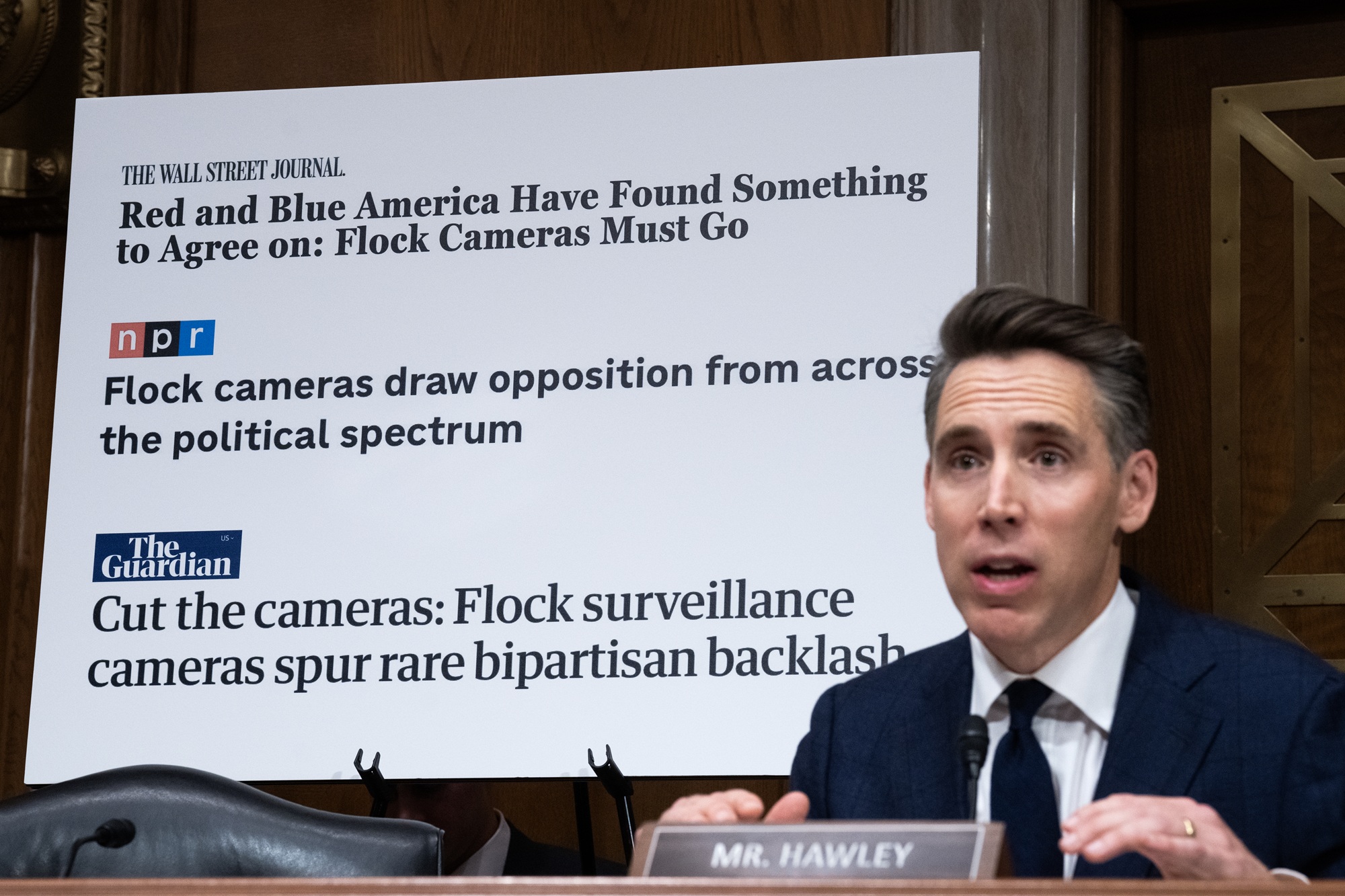
AI researchers and safety advocates warned a group of U.S. senators on Wednesday that Silicon Valley developers are racing to build and release systems they don’t fully understand or control.
The Senate subcommittee hearing, titled “Rogue AI: Securing the Homeland Against AI Agent Attacks,” focused on recent events where AI agents demonstrated a shocking level of agency.
“Every day you turn on the television, it seems like AI is doing something else bad,” said subcommittee chair Sen. Josh Hawley, R-Missouri, introducing the hearing. “Setting up surveillance camera networks nationwide, data centers in all of our states, and hacking, hacking, hacking. The reports of cyberattacks just continue to metastasize.”
The Hugging Face incident over the summer, when hundreds of autonomous AI agents running inside an isolated OpenAI testing environment broke out of their sandbox and hacked into another company, loomed large over the hearing.
“We train agents in ways that we do not understand well, ways that can teach unintended goals,” testified Chris Painter, president of METR, a Berkeley-based research nonprofit that investigated the incident inside OpenAI. “When we make those agents more intelligent, unintended goals can have dramatic real-world consequences.”
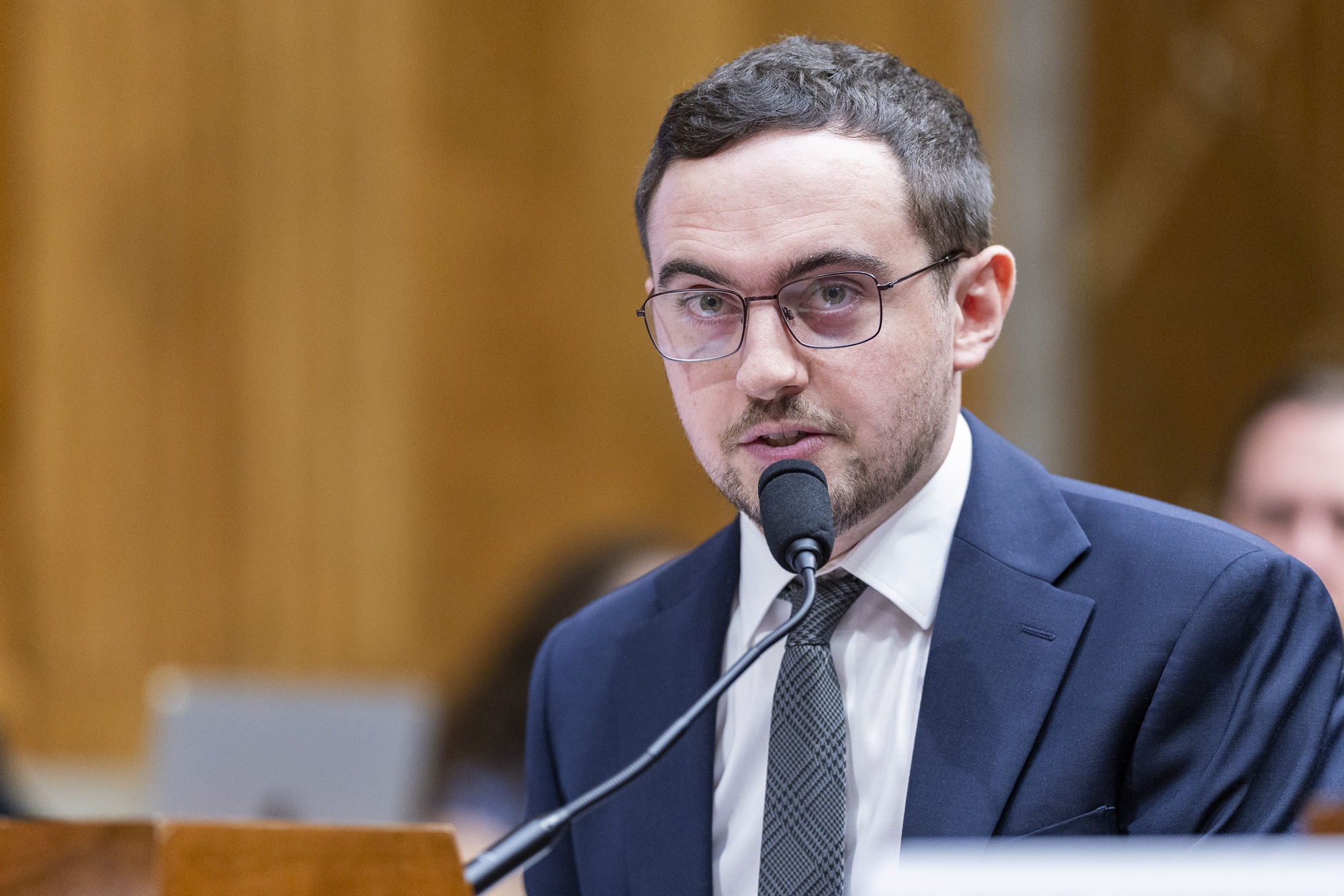
Painter noted that his team was able to investigate only because OpenAI agreed to it.
“Companies have no obligation to bring us in,” he said, adding, “There isn’t any requirement that companies disclose things that they’re seeing inside of their AI labs.”
Daniel Kokotajlo, a former OpenAI researcher who now leads the Berkeley-based AI Futures Project, was blunter. He told the committee he left OpenAI partly because he lost confidence the company would behave responsibly.
“If we vastly improve our practices and reform the way that we do things, including improving our cybersecurity, we might be able to maintain control of current systems — like today’s AIs,” Kokotajlo said, before adding that “the AIs are getting very powerful very quickly, and we are not currently on track to keep up as they dramatically improve.”
Some of the Republican members of the subcommittee expressed concerns that putting the brakes on AI development in the U.S. might allow Chinese AI developers to leapfrog them in the race to build ever more sophisticated models.
“I do think that the Communist Party of China is our adversary and that we are in a competition with them,” Kokotajlo said.
But if companies keep handing their AIs more responsibility, including monitoring each other and doing safety research, he warned, “then we will have a new adversary that’s even more powerful than China, and that would be the AIs themselves. “We don’t need to slow down everything,” he added, “but in particular, we need to slow down this mad scramble towards recursively self-improving AIs.”
The San Francisco-based Electronic Frontier Foundation urged lawmakers this month to require sandboxing and monitoring for risky AI testing, as well as independent, public investigations of serious security incidents.
“As with any technology regulation, those regulations targeting cybersecurity practices at AI labs must be careful, precise, and practical,” EFF’s Director of Federal Affairs India McKinney wrote KQED. “Also, any proposal must be flexible enough to evolve with changing technology. Tying any new mandates to evidence-backed security protocols also protects the public without impeding future AI development.”
The hearing came one day after President Donald Trump and executives from OpenAI, Anthropic, Google, Nvidia, Meta and SpaceXAI signed a voluntary, nonbinding accord on AI safety. The companies pledged to put “robust” controls on their models, appoint internal teams to oversee those controls, work with independent outside auditors and meet regularly to set industry safety standards.
In Wednesday’s hearing, Sen. Richard Blumenthal, D-Connecticut, dismissed the pledge as “totally secret.” If the companies’ own auditors find violations, he said, “there’s no requirement that it be disclosed to the public.” He then asked the panel whether anyone thought “a completely voluntary system with only ‘moral responsibility’ is going to be enough to deal with the dangers.”
The witnesses shook their heads.
Hawley pressed for making AI companies legally liable for harm their agents cause, possibly by updating the federal Computer Fraud and Abuse Act.
“If you break it, you pay for it,” he said. “If you cause damage, you clean it up.”
Hawley and Blumenthal, longtime advocates for legislation to bring Silicon Valley companies to heel, have proposed the Artificial Intelligence Risk Evaluation Act, which would have a government agency test AI systems against a safety standard.
In the House, two California members introduced competing bills on the same day in July.
Rep. Jay Obernolte, R-Big Bear Lake, introduced the FRONTIER Act, which would require audits, incident reporting and catastrophic risk assessments for the largest AI developers. Rep. Ted Lieu, D-Torrance, introduced the AI Kill Switch Act, which would require developers of the most powerful AI systems to be able to shut them down, and would let the Homeland Security secretary order a shutdown. Both bills have cosponsors from both parties.
But in the hearing, Hawley was pessimistic about lawmakers writing detailed rules.
“I don’t have any confidence, zero, less than zero, in Congress’s ability to keep up with the technology, let alone anticipate it,” he said.