It’s Not Illegal for California Police to Misuse Flock Data. San José Leaders Want to Change That
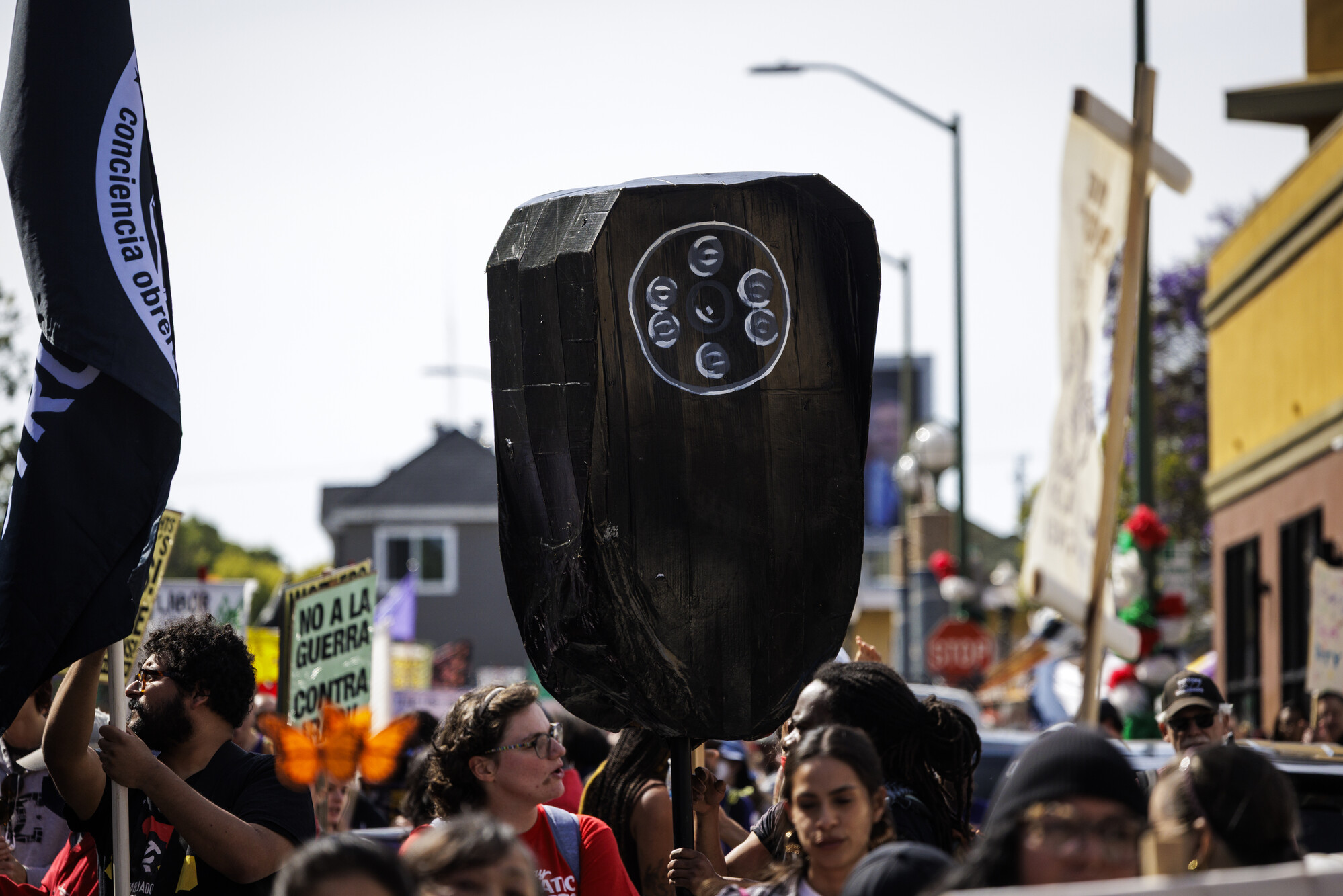
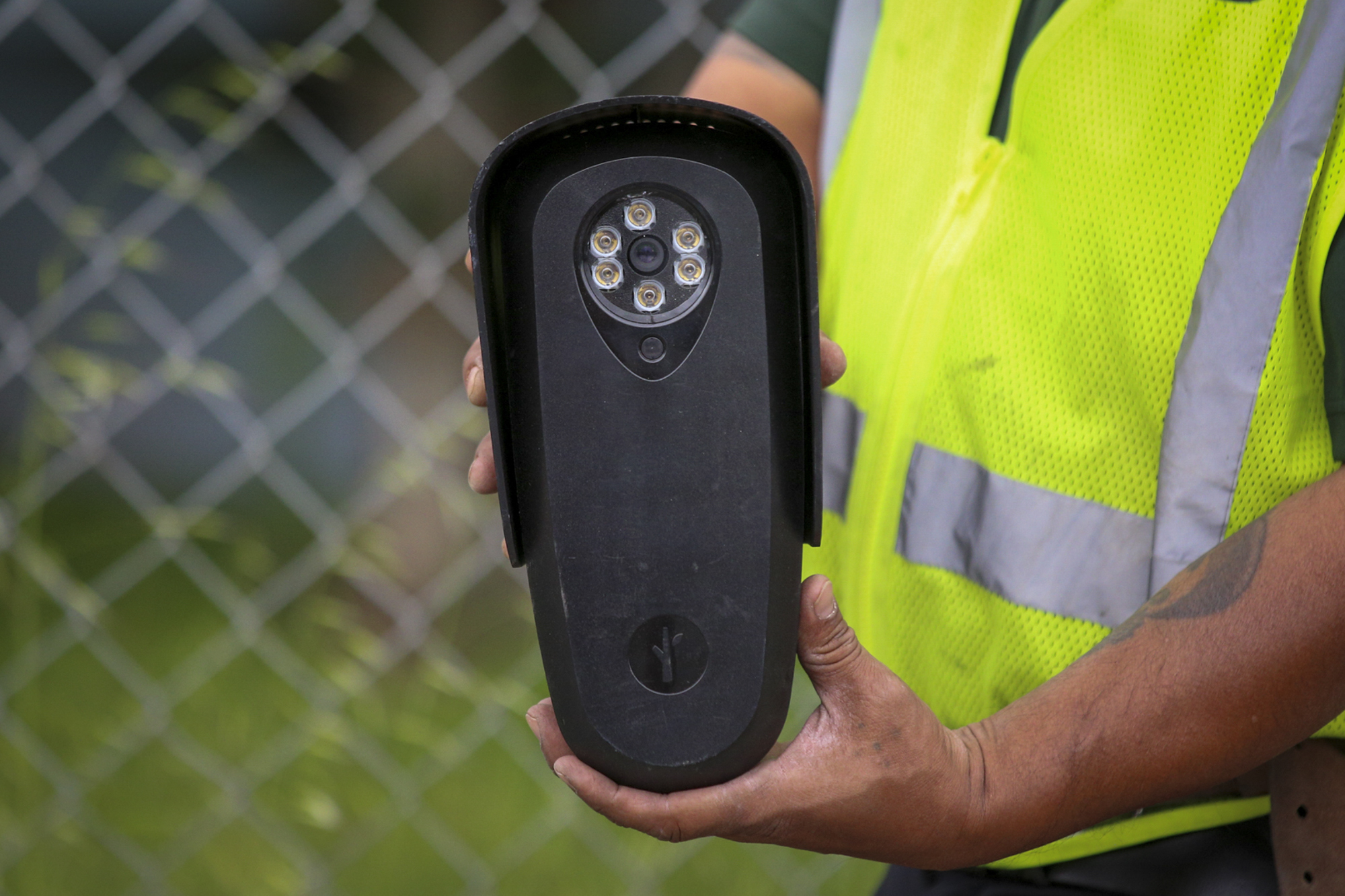
San José officials said they plan to tighten rules for accessing the city’s automatic license plate reader system after a police officer was fired for misusing the city’s Flock database to track a civilian who accused his family member of domestic violence.
A memo from Vice Mayor Pam Foley and Mayor Matt Mahan would petition the California state Legislature to find a way to add criminal penalties as one of the potential consequences for when an officer misuses license plate reader data, Foley told KQED on Wednesday.
“There ought to be more ways that we can hold an officer who misuses the information accountable than just firing him. But there is not that provision or that capability right now,” she said.
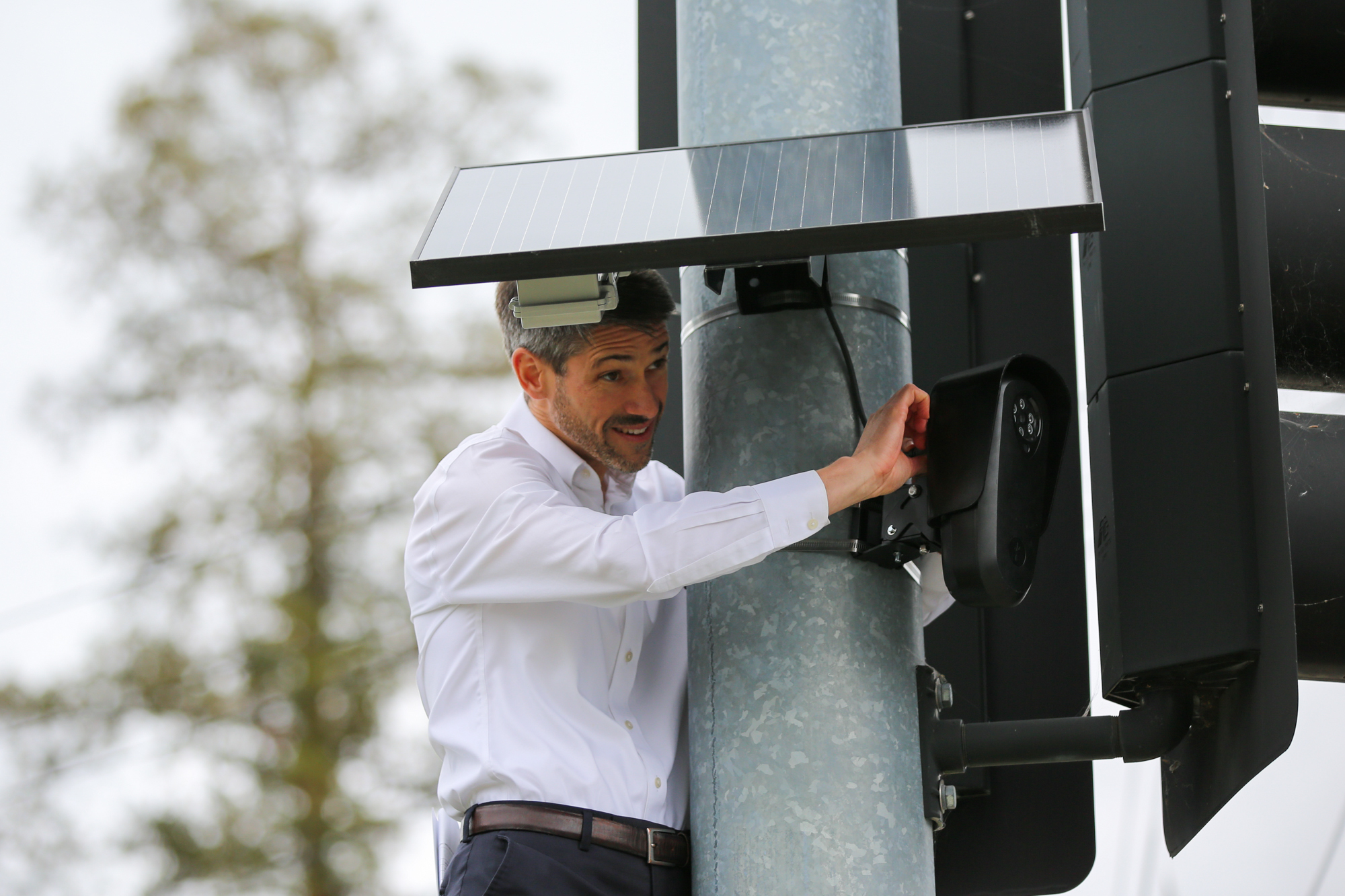
According to San José Police Chief Paul Joseph, an off-duty officer used a personal device to perform unauthorized license plate reader searches and locate a victim’s vehicle. He then shared the location with the suspect, who was a relative of the officer.
The officer was immediately placed on leave and later terminated following a criminal investigation, Joseph said in an email. The case was submitted to the state for a decertification investigation.

“When an officer violates the public’s trust this severely, my responsibility is clear: that person cannot remain in a position of police authority, and they cannot wear the San José badge,” the chief said. “This technology is new; the standard is not.”
But no criminal charges were filed against the officer.
In a statement to KQED, the Santa Clara County District Attorney’s Office said improper access by a police officer is outside the reach of state criminal law.
“Laws like California’s computer system hacking statute have been interpreted by the US Supreme Court to apply only to persons who are not authorized to access a computer system from doing so,” the DA’s office said. “There is no law that makes it a crime for a police officer to improperly access an agency’s license plate reader database. Only the state legislature can make this conduct a crime.”
In addition to addressing that gap, the proposal will strengthen audits of individual user searches, including increasing the frequency and number of audits with annual reports to city oversight committees.
The annual reports will include records that flag officers for accessing license plate readers without legitimate law enforcement purpose, suspicious search activity and any other violations of the city’s policy.
“It’s important that we show the community that what happened we take seriously, and we want to put as many stipulations in effect as we can not let these things happen again,” Foley said.
The memo also recommends strengthening the police department’s and the city’s policies to prohibit officers from accessing any law enforcement database, including Flock camera data, with personally owned devices.
While Foley emphasized the goal of the memo, which will be released on Friday, is to add more guardrails in place, she said the city does not plan to change or eliminate its contract with Flock Safety, citing public safety.
“We need this tool to help really solve serious crimes,” Foley said. “We have to do what we can do to protect our community by being able to solve crimes as quickly as possible, and that’s with the use of this technology.”
In a statement, SJPD said the new standards “will help maintain trust with our community that the data is being used as intended.”
“They will also ensure that anyone who breaches the community’s trust will face administrative and criminal consequences,” the statement said.
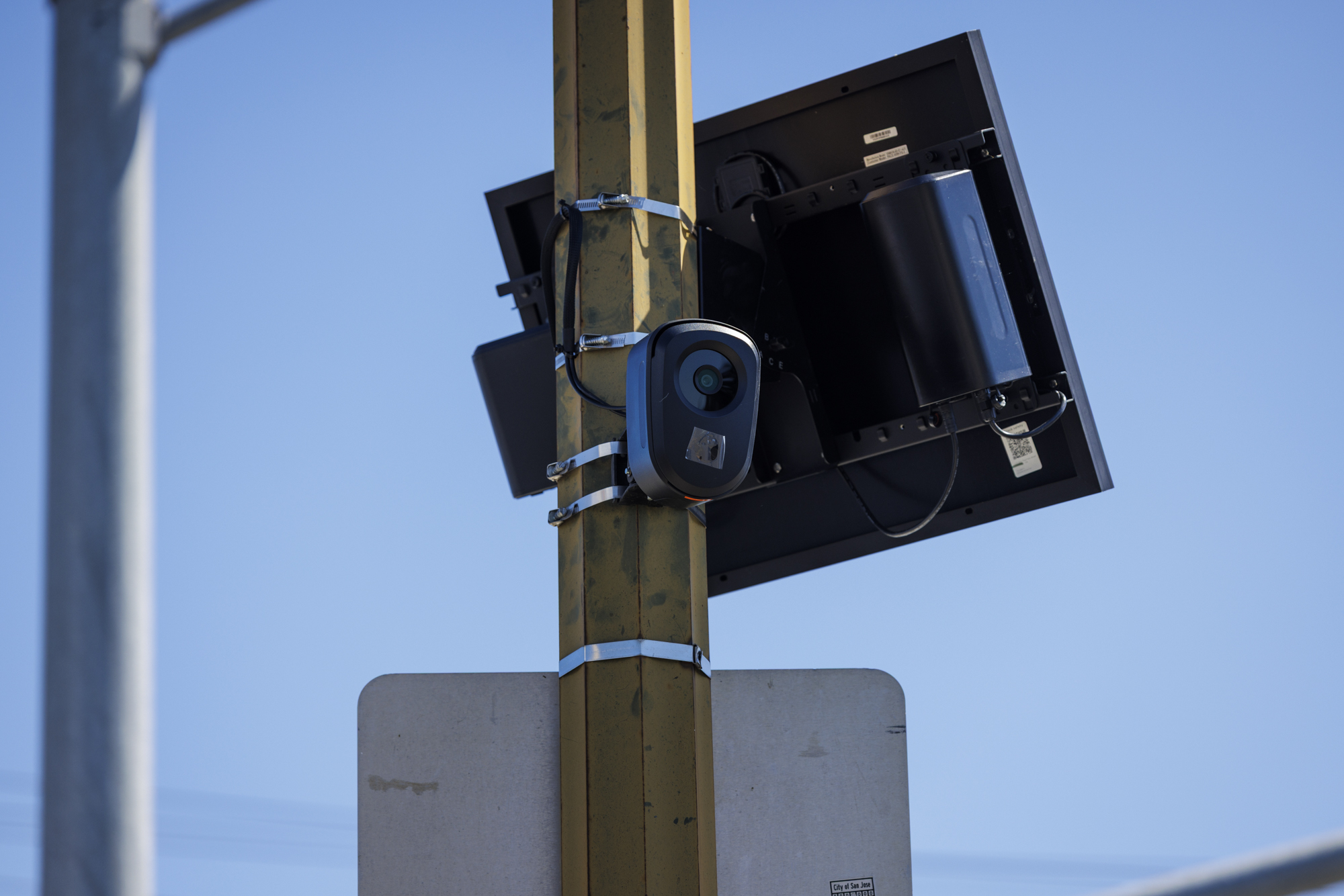
Advocates for civil liberties and immigrant protections, however, said the incident was proof that license-plate reading cameras and other surveillance tools are “not public safety.”
“It is a blatant violation of our community’s trust to learn that a sworn police officer abused our private ALPR data for their personal purposes on their personal phone for their personal contact to stalk and endanger a domestic violence survivor,” said Kimberly Woo, a community organizer from SIREN, a group that has sued San José, along with civil liberties groups, over Flock cameras.
“Mass surveillance goes beyond one company, one vendor, and one ‘bad actor,’” the statement said. “Mass warrantless surveillance from ALPRs makes our people vulnerable to who is in power to turn our data into the wrong hands.”
KQED’s Elize Manoukian contributed to this report.