window.__IS_SSR__=true
window.__INITIAL_STATE__={
"attachmentsReducer": {
"audio_0": {
"type": "attachments",
"id": "audio_0",
"imgSizes": {
"kqedFullSize": {
"file": "https://ww2.kqed.org/news/wp-content/themes/KQED-unified/img/audio_bgs/background0.jpg"
}
}
},
"audio_1": {
"type": "attachments",
"id": "audio_1",
"imgSizes": {
"kqedFullSize": {
"file": "https://ww2.kqed.org/news/wp-content/themes/KQED-unified/img/audio_bgs/background1.jpg"
}
}
},
"audio_2": {
"type": "attachments",
"id": "audio_2",
"imgSizes": {
"kqedFullSize": {
"file": "https://ww2.kqed.org/news/wp-content/themes/KQED-unified/img/audio_bgs/background2.jpg"
}
}
},
"audio_3": {
"type": "attachments",
"id": "audio_3",
"imgSizes": {
"kqedFullSize": {
"file": "https://ww2.kqed.org/news/wp-content/themes/KQED-unified/img/audio_bgs/background3.jpg"
}
}
},
"audio_4": {
"type": "attachments",
"id": "audio_4",
"imgSizes": {
"kqedFullSize": {
"file": "https://ww2.kqed.org/news/wp-content/themes/KQED-unified/img/audio_bgs/background4.jpg"
}
}
},
"placeholder": {
"type": "attachments",
"id": "placeholder",
"imgSizes": {
"thumbnail": {
"file": "https://cdn.kqed.org/wp-content/uploads/2024/12/KQED-Default-Image-816638274-2000x1333-1-160x107.jpg",
"width": 160,
"height": 107,
"mimeType": "image/jpeg"
},
"medium": {
"file": "https://cdn.kqed.org/wp-content/uploads/2024/12/KQED-Default-Image-816638274-2000x1333-1-800x533.jpg",
"width": 800,
"height": 533,
"mimeType": "image/jpeg"
},
"medium_large": {
"file": "https://cdn.kqed.org/wp-content/uploads/2024/12/KQED-Default-Image-816638274-2000x1333-1-768x512.jpg",
"width": 768,
"height": 512,
"mimeType": "image/jpeg"
},
"large": {
"file": "https://cdn.kqed.org/wp-content/uploads/2024/12/KQED-Default-Image-816638274-2000x1333-1-1020x680.jpg",
"width": 1020,
"height": 680,
"mimeType": "image/jpeg"
},
"1536x1536": {
"file": "https://cdn.kqed.org/wp-content/uploads/2024/12/KQED-Default-Image-816638274-2000x1333-1-1536x1024.jpg",
"width": 1536,
"height": 1024,
"mimeType": "image/jpeg"
},
"fd-lrg": {
"file": "https://cdn.kqed.org/wp-content/uploads/2024/12/KQED-Default-Image-816638274-2000x1333-1-1536x1024.jpg",
"width": 1536,
"height": 1024,
"mimeType": "image/jpeg"
},
"fd-med": {
"file": "https://cdn.kqed.org/wp-content/uploads/2024/12/KQED-Default-Image-816638274-2000x1333-1-1020x680.jpg",
"width": 1020,
"height": 680,
"mimeType": "image/jpeg"
},
"fd-sm": {
"file": "https://cdn.kqed.org/wp-content/uploads/2024/12/KQED-Default-Image-816638274-2000x1333-1-800x533.jpg",
"width": 800,
"height": 533,
"mimeType": "image/jpeg"
},
"post-thumbnail": {
"file": "https://cdn.kqed.org/wp-content/uploads/2024/12/KQED-Default-Image-816638274-2000x1333-1-672x372.jpg",
"width": 672,
"height": 372,
"mimeType": "image/jpeg"
},
"twentyfourteen-full-width": {
"file": "https://cdn.kqed.org/wp-content/uploads/2024/12/KQED-Default-Image-816638274-2000x1333-1-1038x576.jpg",
"width": 1038,
"height": 576,
"mimeType": "image/jpeg"
},
"xxsmall": {
"file": "https://cdn.kqed.org/wp-content/uploads/2024/12/KQED-Default-Image-816638274-2000x1333-1-160x107.jpg",
"width": 160,
"height": 107,
"mimeType": "image/jpeg"
},
"xsmall": {
"file": "https://cdn.kqed.org/wp-content/uploads/2024/12/KQED-Default-Image-816638274-2000x1333-1-672x372.jpg",
"width": 672,
"height": 372,
"mimeType": "image/jpeg"
},
"small": {
"file": "https://cdn.kqed.org/wp-content/uploads/2024/12/KQED-Default-Image-816638274-2000x1333-1-672x372.jpg",
"width": 672,
"height": 372,
"mimeType": "image/jpeg"
},
"xlarge": {
"file": "https://cdn.kqed.org/wp-content/uploads/2024/12/KQED-Default-Image-816638274-2000x1333-1-1020x680.jpg",
"width": 1020,
"height": 680,
"mimeType": "image/jpeg"
},
"full-width": {
"file": "https://cdn.kqed.org/wp-content/uploads/2024/12/KQED-Default-Image-816638274-2000x1333-1-1920x1280.jpg",
"width": 1920,
"height": 1280,
"mimeType": "image/jpeg"
},
"guest-author-32": {
"file": "https://cdn.kqed.org/wp-content/uploads/2025/01/KQED-Default-Image-816638274-1333x1333-1-160x160.jpg",
"width": 32,
"height": 32,
"mimeType": "image/jpeg"
},
"guest-author-50": {
"file": "https://cdn.kqed.org/wp-content/uploads/2025/01/KQED-Default-Image-816638274-1333x1333-1-160x160.jpg",
"width": 50,
"height": 50,
"mimeType": "image/jpeg"
},
"guest-author-64": {
"file": "https://cdn.kqed.org/wp-content/uploads/2025/01/KQED-Default-Image-816638274-1333x1333-1-160x160.jpg",
"width": 64,
"height": 64,
"mimeType": "image/jpeg"
},
"guest-author-96": {
"file": "https://cdn.kqed.org/wp-content/uploads/2025/01/KQED-Default-Image-816638274-1333x1333-1-160x160.jpg",
"width": 96,
"height": 96,
"mimeType": "image/jpeg"
},
"guest-author-128": {
"file": "https://cdn.kqed.org/wp-content/uploads/2025/01/KQED-Default-Image-816638274-1333x1333-1-160x160.jpg",
"width": 128,
"height": 128,
"mimeType": "image/jpeg"
},
"detail": {
"file": "https://cdn.kqed.org/wp-content/uploads/2025/01/KQED-Default-Image-816638274-1333x1333-1-160x160.jpg",
"width": 160,
"height": 160,
"mimeType": "image/jpeg"
},
"kqedFullSize": {
"file": "https://cdn.kqed.org/wp-content/uploads/2024/12/KQED-Default-Image-816638274-2000x1333-1.jpg",
"width": 2000,
"height": 1333
}
}
},
"news_11637256": {
"type": "attachments",
"id": "news_11637256",
"meta": {
"index": "attachments_1716263798",
"site": "news",
"id": "11637256",
"found": true
},
"title": "ScottWiener",
"publishDate": 1513305232,
"status": "inherit",
"parent": 11637200,
"modified": 1721158462,
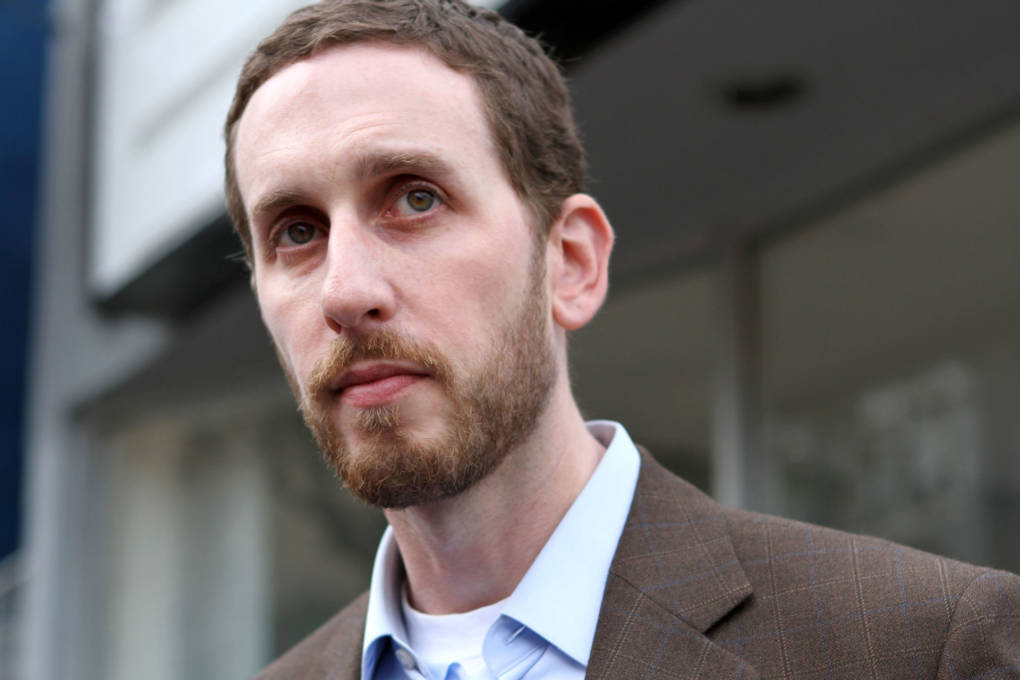
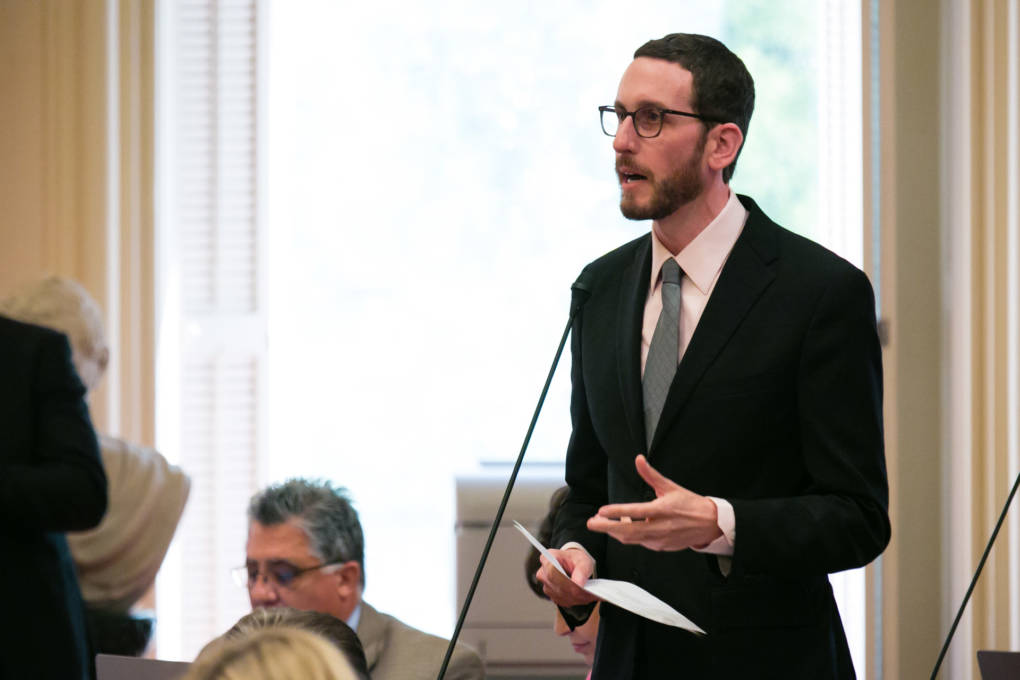
"caption": "Senate Bill 145, signed into law by Gov. Gavin Newsom in early September, is intended to reform the state’s sex offender registry to be fairer to young LGBT adults. The bill's author, state Sen. Scott Wiener, has received hundreds of death threats from people who believe the bill legalizes pedophilia in California.",
"credit": "Michelle Gachet/KQED",
"altTag": "Senate Bill 145, signed into law by Gov. Gavin Newsom in early September, is intended to reform the state’s sex offender registry to be fairer to young LGBT adults. The bill's author, state Sen. Scott Wiener, has received hundreds of death threats from people who believe the bill legalizes pedophilia in California.",
"description": "Senate Bill 145, signed into law by Gov. Gavin Newsom in early September, is intended to reform the state’s sex offender registry to be fairer to young LGBTQ adults. The bill's author, state Sen. Scott Wiener, has received hundreds of death threats from people who believe the bill legalizes pedophilia in California.",
"imgSizes": {
"thumbnail": {
"file": "https://cdn.kqed.org/wp-content/uploads/sites/10/2017/12/ScottWiener-160x107.jpg",
"width": 160,
"height": 107,
"mimeType": "image/jpeg"
},
"medium": {
"file": "https://cdn.kqed.org/wp-content/uploads/sites/10/2017/12/ScottWiener-800x533.jpg",
"width": 800,
"height": 533,
"mimeType": "image/jpeg"
},
"large": {
"file": "https://cdn.kqed.org/wp-content/uploads/sites/10/2017/12/ScottWiener-1020x680.jpg",
"width": 1020,
"height": 680,
"mimeType": "image/jpeg"
},
"fd-lrg": {
"file": "https://cdn.kqed.org/wp-content/uploads/sites/10/2017/12/ScottWiener-1920x1280.jpg",
"width": 1920,
"height": 1280,
"mimeType": "image/jpeg"
},
"fd-med": {
"file": "https://cdn.kqed.org/wp-content/uploads/sites/10/2017/12/ScottWiener-1180x787.jpg",
"width": 1180,
"height": 787,
"mimeType": "image/jpeg"
},
"fd-sm": {
"file": "https://cdn.kqed.org/wp-content/uploads/sites/10/2017/12/ScottWiener-960x640.jpg",
"width": 960,
"height": 640,
"mimeType": "image/jpeg"
},
"post-thumbnail": {
"file": "https://cdn.kqed.org/wp-content/uploads/sites/10/2017/12/ScottWiener-672x372.jpg",
"width": 672,
"height": 372,
"mimeType": "image/jpeg"
},
"twentyfourteen-full-width": {
"file": "https://cdn.kqed.org/wp-content/uploads/sites/10/2017/12/ScottWiener-1038x576.jpg",
"width": 1038,
"height": 576,
"mimeType": "image/jpeg"
},
"xxsmall": {
"file": "https://cdn.kqed.org/wp-content/uploads/sites/10/2017/12/ScottWiener-240x160.jpg",
"width": 240,
"height": 160,
"mimeType": "image/jpeg"
},
"xsmall": {
"file": "https://cdn.kqed.org/wp-content/uploads/sites/10/2017/12/ScottWiener-375x250.jpg",
"width": 375,
"height": 250,
"mimeType": "image/jpeg"
},
"small": {
"file": "https://cdn.kqed.org/wp-content/uploads/sites/10/2017/12/ScottWiener-520x347.jpg",
"width": 520,
"height": 347,
"mimeType": "image/jpeg"
},
"xlarge": {
"file": "https://cdn.kqed.org/wp-content/uploads/sites/10/2017/12/ScottWiener-1180x787.jpg",
"width": 1180,
"height": 787,
"mimeType": "image/jpeg"
},
"full-width": {
"file": "https://cdn.kqed.org/wp-content/uploads/sites/10/2017/12/ScottWiener-1920x1280.jpg",
"width": 1920,
"height": 1280,
"mimeType": "image/jpeg"
},
"guest-author-32": {
"file": "https://cdn.kqed.org/wp-content/uploads/sites/10/2017/12/ScottWiener-32x32.jpg",
"width": 32,
"height": 32,
"mimeType": "image/jpeg"
},
"guest-author-50": {
"file": "https://cdn.kqed.org/wp-content/uploads/sites/10/2017/12/ScottWiener-50x50.jpg",
"width": 50,
"height": 50,
"mimeType": "image/jpeg"
},
"guest-author-64": {
"file": "https://cdn.kqed.org/wp-content/uploads/sites/10/2017/12/ScottWiener-64x64.jpg",
"width": 64,
"height": 64,
"mimeType": "image/jpeg"
},
"guest-author-96": {
"file": "https://cdn.kqed.org/wp-content/uploads/sites/10/2017/12/ScottWiener-96x96.jpg",
"width": 96,
"height": 96,
"mimeType": "image/jpeg"
},
"guest-author-128": {
"file": "https://cdn.kqed.org/wp-content/uploads/sites/10/2017/12/ScottWiener-128x128.jpg",
"width": 128,
"height": 128,
"mimeType": "image/jpeg"
},
"detail": {
"file": "https://cdn.kqed.org/wp-content/uploads/sites/10/2017/12/ScottWiener-150x150.jpg",
"width": 150,
"height": 150,
"mimeType": "image/jpeg"
},
"kqedFullSize": {
"file": "https://cdn.kqed.org/wp-content/uploads/sites/10/2017/12/ScottWiener.jpg",
"width": 1920,
"height": 1280
}
},
"isLoading": false,
"fetchFailed": false
},
"news_11489888": {
"type": "attachments",
"id": "news_11489888",
"meta": {
"index": "attachments_1716263798",
"site": "news",
"id": "11489888",
"found": true
},
"parent": 11489497,
"imgSizes": {
"small": {
"file": "https://ww2.kqed.org/app/uploads/sites/10/2017/06/RS25439_20170515_StateCapitol_Assemblymember_DavidChiu_credit_BertJohnson-1-qut-520x347.jpg",
"width": 520,
"mimeType": "image/jpeg",
"height": 347
},
"twentyfourteen-full-width": {
"file": "https://ww2.kqed.org/app/uploads/sites/10/2017/06/RS25439_20170515_StateCapitol_Assemblymember_DavidChiu_credit_BertJohnson-1-qut-1038x576.jpg",
"width": 1038,
"mimeType": "image/jpeg",
"height": 576
},
"thumbnail": {
"file": "https://ww2.kqed.org/app/uploads/sites/10/2017/06/RS25439_20170515_StateCapitol_Assemblymember_DavidChiu_credit_BertJohnson-1-qut-160x107.jpg",
"width": 160,
"mimeType": "image/jpeg",
"height": 107
},
"fd-sm": {
"file": "https://ww2.kqed.org/app/uploads/sites/10/2017/06/RS25439_20170515_StateCapitol_Assemblymember_DavidChiu_credit_BertJohnson-1-qut-960x640.jpg",
"width": 960,
"mimeType": "image/jpeg",
"height": 640
},
"post-thumbnail": {
"file": "https://ww2.kqed.org/app/uploads/sites/10/2017/06/RS25439_20170515_StateCapitol_Assemblymember_DavidChiu_credit_BertJohnson-1-qut-672x372.jpg",
"width": 672,
"mimeType": "image/jpeg",
"height": 372
},
"xsmall": {
"file": "https://ww2.kqed.org/app/uploads/sites/10/2017/06/RS25439_20170515_StateCapitol_Assemblymember_DavidChiu_credit_BertJohnson-1-qut-375x250.jpg",
"width": 375,
"mimeType": "image/jpeg",
"height": 250
},
"kqedFullSize": {
"file": "https://ww2.kqed.org/app/uploads/sites/10/2017/06/RS25439_20170515_StateCapitol_Assemblymember_DavidChiu_credit_BertJohnson-1-qut.jpg",
"width": 1920,
"height": 1280
},
"large": {
"file": "https://ww2.kqed.org/app/uploads/sites/10/2017/06/RS25439_20170515_StateCapitol_Assemblymember_DavidChiu_credit_BertJohnson-1-qut-1020x680.jpg",
"width": 1020,
"mimeType": "image/jpeg",
"height": 680
},
"xlarge": {
"file": "https://ww2.kqed.org/app/uploads/sites/10/2017/06/RS25439_20170515_StateCapitol_Assemblymember_DavidChiu_credit_BertJohnson-1-qut-1180x787.jpg",
"width": 1180,
"mimeType": "image/jpeg",
"height": 787
},
"guest-author-50": {
"file": "https://ww2.kqed.org/app/uploads/sites/10/2017/06/RS25439_20170515_StateCapitol_Assemblymember_DavidChiu_credit_BertJohnson-1-qut-50x50.jpg",
"width": 50,
"mimeType": "image/jpeg",
"height": 50
},
"guest-author-96": {
"file": "https://ww2.kqed.org/app/uploads/sites/10/2017/06/RS25439_20170515_StateCapitol_Assemblymember_DavidChiu_credit_BertJohnson-1-qut-96x96.jpg",
"width": 96,
"mimeType": "image/jpeg",
"height": 96
},
"medium": {
"file": "https://ww2.kqed.org/app/uploads/sites/10/2017/06/RS25439_20170515_StateCapitol_Assemblymember_DavidChiu_credit_BertJohnson-1-qut-800x533.jpg",
"width": 800,
"mimeType": "image/jpeg",
"height": 533
},
"guest-author-64": {
"file": "https://ww2.kqed.org/app/uploads/sites/10/2017/06/RS25439_20170515_StateCapitol_Assemblymember_DavidChiu_credit_BertJohnson-1-qut-64x64.jpg",
"width": 64,
"mimeType": "image/jpeg",
"height": 64
},
"guest-author-32": {
"file": "https://ww2.kqed.org/app/uploads/sites/10/2017/06/RS25439_20170515_StateCapitol_Assemblymember_DavidChiu_credit_BertJohnson-1-qut-32x32.jpg",
"width": 32,
"mimeType": "image/jpeg",
"height": 32
},
"fd-lrg": {
"file": "https://ww2.kqed.org/app/uploads/sites/10/2017/06/RS25439_20170515_StateCapitol_Assemblymember_DavidChiu_credit_BertJohnson-1-qut-1920x1280.jpg",
"width": 1920,
"mimeType": "image/jpeg",
"height": 1280
},
"fd-med": {
"file": "https://ww2.kqed.org/app/uploads/sites/10/2017/06/RS25439_20170515_StateCapitol_Assemblymember_DavidChiu_credit_BertJohnson-1-qut-1180x787.jpg",
"width": 1180,
"mimeType": "image/jpeg",
"height": 787
},
"full-width": {
"file": "https://ww2.kqed.org/app/uploads/sites/10/2017/06/RS25439_20170515_StateCapitol_Assemblymember_DavidChiu_credit_BertJohnson-1-qut-1920x1280.jpg",
"width": 1920,
"mimeType": "image/jpeg",
"height": 1280
},
"detail": {
"file": "https://ww2.kqed.org/app/uploads/sites/10/2017/06/RS25439_20170515_StateCapitol_Assemblymember_DavidChiu_credit_BertJohnson-1-qut-150x150.jpg",
"width": 150,
"mimeType": "image/jpeg",
"height": 150
},
"guest-author-128": {
"file": "https://ww2.kqed.org/app/uploads/sites/10/2017/06/RS25439_20170515_StateCapitol_Assemblymember_DavidChiu_credit_BertJohnson-1-qut-128x128.jpg",
"width": 128,
"mimeType": "image/jpeg",
"height": 128
},
"xxsmall": {
"file": "https://ww2.kqed.org/app/uploads/sites/10/2017/06/RS25439_20170515_StateCapitol_Assemblymember_DavidChiu_credit_BertJohnson-1-qut-240x160.jpg",
"width": 240,
"mimeType": "image/jpeg",
"height": 160
}
},
"publishDate": 1496373999,
"modified": 1598990800,
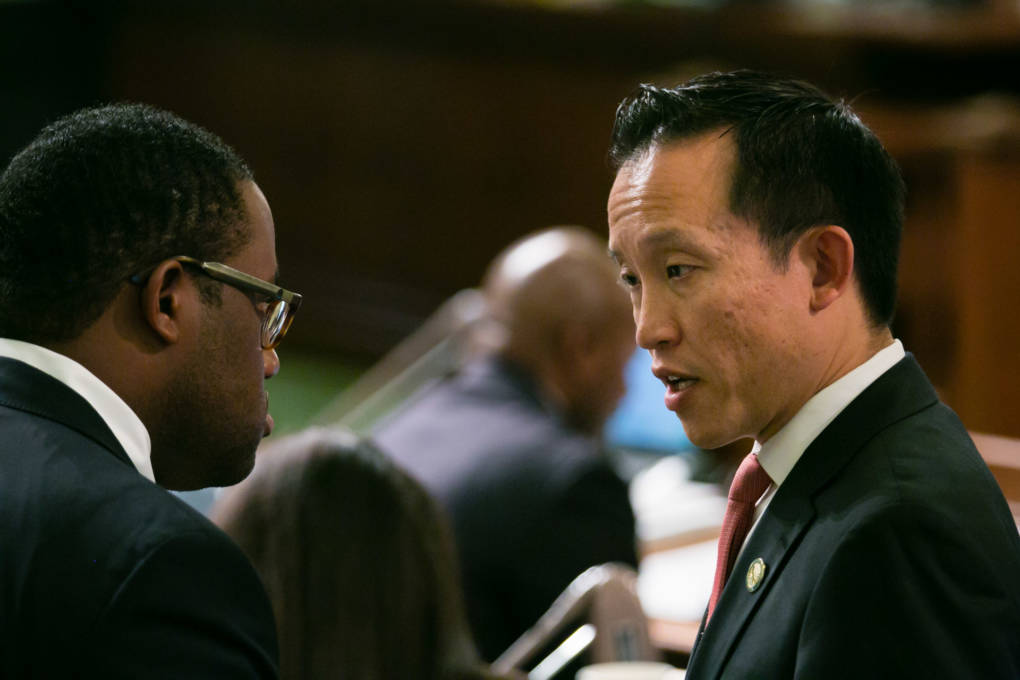
"caption": "Assemblyman David Chiu, D-San Francisco, (right) authored a state bill that would ban evictions for missing rent across California.",
"description": null,
"title": "David Chiu",
"credit": "Bert Johnson/KQED",
"status": "inherit",
"isLoading": false,
"fetchFailed": false
},
"news_11832821": {
"type": "attachments",
"id": "news_11832821",
"meta": {
"index": "attachments_1716263798",
"site": "news",
"id": "11832821",
"found": true
},
"parent": 11832742,
"imgSizes": {
"apple_news_ca_landscape_5_5": {
"file": "https://ww2.kqed.org/app/uploads/sites/10/2020/08/Aerialwithsiteplanoverlay-darkerroofs-1044x783.jpg",
"width": 1044,
"mimeType": "image/jpeg",
"height": 783
},
"apple_news_ca_square_4_0": {
"file": "https://ww2.kqed.org/app/uploads/sites/10/2020/08/Aerialwithsiteplanoverlay-darkerroofs-470x470.jpg",
"width": 470,
"mimeType": "image/jpeg",
"height": 470
},
"twentyfourteen-full-width": {
"file": "https://ww2.kqed.org/app/uploads/sites/10/2020/08/Aerialwithsiteplanoverlay-darkerroofs-1038x576.jpg",
"width": 1038,
"mimeType": "image/jpeg",
"height": 576
},
"thumbnail": {
"file": "https://ww2.kqed.org/app/uploads/sites/10/2020/08/Aerialwithsiteplanoverlay-darkerroofs-160x107.jpg",
"width": 160,
"mimeType": "image/jpeg",
"height": 107
},
"post-thumbnail": {
"file": "https://ww2.kqed.org/app/uploads/sites/10/2020/08/Aerialwithsiteplanoverlay-darkerroofs-672x372.jpg",
"width": 672,
"mimeType": "image/jpeg",
"height": 372
},
"kqedFullSize": {
"file": "https://ww2.kqed.org/app/uploads/sites/10/2020/08/Aerialwithsiteplanoverlay-darkerroofs.jpg",
"width": 1272,
"height": 848
},
"apple_news_ca_landscape_4_7": {
"file": "https://ww2.kqed.org/app/uploads/sites/10/2020/08/Aerialwithsiteplanoverlay-darkerroofs-632x474.jpg",
"width": 632,
"mimeType": "image/jpeg",
"height": 474
},
"large": {
"file": "https://ww2.kqed.org/app/uploads/sites/10/2020/08/Aerialwithsiteplanoverlay-darkerroofs-1020x680.jpg",
"width": 1020,
"mimeType": "image/jpeg",
"height": 680
},
"apple_news_ca_landscape_4_0": {
"file": "https://ww2.kqed.org/app/uploads/sites/10/2020/08/Aerialwithsiteplanoverlay-darkerroofs-536x402.jpg",
"width": 536,
"mimeType": "image/jpeg",
"height": 402
},
"apple_news_ca_portrait_12_9": {
"file": "https://ww2.kqed.org/app/uploads/sites/10/2020/08/Aerialwithsiteplanoverlay-darkerroofs-1122x848.jpg",
"width": 1122,
"mimeType": "image/jpeg",
"height": 848
},
"medium": {
"file": "https://ww2.kqed.org/app/uploads/sites/10/2020/08/Aerialwithsiteplanoverlay-darkerroofs-800x533.jpg",
"width": 800,
"mimeType": "image/jpeg",
"height": 533
},
"apple_news_ca_portrait_4_0": {
"file": "https://ww2.kqed.org/app/uploads/sites/10/2020/08/Aerialwithsiteplanoverlay-darkerroofs-354x472.jpg",
"width": 354,
"mimeType": "image/jpeg",
"height": 472
},
"apple_news_ca_portrait_9_7": {
"file": "https://ww2.kqed.org/app/uploads/sites/10/2020/08/Aerialwithsiteplanoverlay-darkerroofs-840x848.jpg",
"width": 840,
"mimeType": "image/jpeg",
"height": 848
},
"apple_news_ca_square_9_7": {
"file": "https://ww2.kqed.org/app/uploads/sites/10/2020/08/Aerialwithsiteplanoverlay-darkerroofs-1104x848.jpg",
"width": 1104,
"mimeType": "image/jpeg",
"height": 848
},
"apple_news_ca_portrait_4_7": {
"file": "https://ww2.kqed.org/app/uploads/sites/10/2020/08/Aerialwithsiteplanoverlay-darkerroofs-414x552.jpg",
"width": 414,
"mimeType": "image/jpeg",
"height": 552
},
"apple_news_ca_portrait_5_5": {
"file": "https://ww2.kqed.org/app/uploads/sites/10/2020/08/Aerialwithsiteplanoverlay-darkerroofs-687x848.jpg",
"width": 687,
"mimeType": "image/jpeg",
"height": 848
},
"apple_news_ca_square_4_7": {
"file": "https://ww2.kqed.org/app/uploads/sites/10/2020/08/Aerialwithsiteplanoverlay-darkerroofs-550x550.jpg",
"width": 550,
"mimeType": "image/jpeg",
"height": 550
},
"apple_news_ca_square_5_5": {
"file": "https://ww2.kqed.org/app/uploads/sites/10/2020/08/Aerialwithsiteplanoverlay-darkerroofs-912x848.jpg",
"width": 912,
"mimeType": "image/jpeg",
"height": 848
}
},
"publishDate": 1597087633,
"modified": 1597090251,
"caption": "An aerial view of the site plan for The Terraces on the southwest corner of Deer Hill and Pleasant Hill Roads in Lafayette.",
"description": null,
"title": "Aerial+with+site+plan+overlay+-+darker+roofs+",
"credit": "Courtesy of Terraces of Lafayette",
"status": "inherit",
"isLoading": false,
"fetchFailed": false
},
"news_11829243": {
"type": "attachments",
"id": "news_11829243",
"meta": {
"index": "attachments_1716263798",
"site": "news",
"id": "11829243",
"found": true
},
"parent": 11829235,
"imgSizes": {
"apple_news_ca_landscape_5_5": {
"file": "https://ww2.kqed.org/app/uploads/sites/10/2020/07/RS14377_Looking_West_from_UC_Hastings_City_Hall_and_CA_State_Courts_San_Francisco-qut-1044x783.jpg",
"width": 1044,
"mimeType": "image/jpeg",
"height": 783
},
"apple_news_ca_square_4_0": {
"file": "https://ww2.kqed.org/app/uploads/sites/10/2020/07/RS14377_Looking_West_from_UC_Hastings_City_Hall_and_CA_State_Courts_San_Francisco-qut-470x470.jpg",
"width": 470,
"mimeType": "image/jpeg",
"height": 470
},
"twentyfourteen-full-width": {
"file": "https://ww2.kqed.org/app/uploads/sites/10/2020/07/RS14377_Looking_West_from_UC_Hastings_City_Hall_and_CA_State_Courts_San_Francisco-qut-1038x576.jpg",
"width": 1038,
"mimeType": "image/jpeg",
"height": 576
},
"thumbnail": {
"file": "https://ww2.kqed.org/app/uploads/sites/10/2020/07/RS14377_Looking_West_from_UC_Hastings_City_Hall_and_CA_State_Courts_San_Francisco-qut-160x101.jpg",
"width": 160,
"mimeType": "image/jpeg",
"height": 101
},
"post-thumbnail": {
"file": "https://ww2.kqed.org/app/uploads/sites/10/2020/07/RS14377_Looking_West_from_UC_Hastings_City_Hall_and_CA_State_Courts_San_Francisco-qut-672x372.jpg",
"width": 672,
"mimeType": "image/jpeg",
"height": 372
},
"kqedFullSize": {
"file": "https://ww2.kqed.org/app/uploads/sites/10/2020/07/RS14377_Looking_West_from_UC_Hastings_City_Hall_and_CA_State_Courts_San_Francisco-qut.jpg",
"width": 1920,
"height": 1207
},
"apple_news_ca_landscape_4_7": {
"file": "https://ww2.kqed.org/app/uploads/sites/10/2020/07/RS14377_Looking_West_from_UC_Hastings_City_Hall_and_CA_State_Courts_San_Francisco-qut-632x474.jpg",
"width": 632,
"mimeType": "image/jpeg",
"height": 474
},
"large": {
"file": "https://ww2.kqed.org/app/uploads/sites/10/2020/07/RS14377_Looking_West_from_UC_Hastings_City_Hall_and_CA_State_Courts_San_Francisco-qut-1020x641.jpg",
"width": 1020,
"mimeType": "image/jpeg",
"height": 641
},
"apple_news_ca_landscape_4_0": {
"file": "https://ww2.kqed.org/app/uploads/sites/10/2020/07/RS14377_Looking_West_from_UC_Hastings_City_Hall_and_CA_State_Courts_San_Francisco-qut-536x402.jpg",
"width": 536,
"mimeType": "image/jpeg",
"height": 402
},
"apple_news_ca_portrait_12_9": {
"file": "https://ww2.kqed.org/app/uploads/sites/10/2020/07/RS14377_Looking_West_from_UC_Hastings_City_Hall_and_CA_State_Courts_San_Francisco-qut-1122x1207.jpg",
"width": 1122,
"mimeType": "image/jpeg",
"height": 1207
},
"medium": {
"file": "https://ww2.kqed.org/app/uploads/sites/10/2020/07/RS14377_Looking_West_from_UC_Hastings_City_Hall_and_CA_State_Courts_San_Francisco-qut-800x503.jpg",
"width": 800,
"mimeType": "image/jpeg",
"height": 503
},
"apple_news_ca_portrait_4_0": {
"file": "https://ww2.kqed.org/app/uploads/sites/10/2020/07/RS14377_Looking_West_from_UC_Hastings_City_Hall_and_CA_State_Courts_San_Francisco-qut-354x472.jpg",
"width": 354,
"mimeType": "image/jpeg",
"height": 472
},
"apple_news_ca_portrait_9_7": {
"file": "https://ww2.kqed.org/app/uploads/sites/10/2020/07/RS14377_Looking_West_from_UC_Hastings_City_Hall_and_CA_State_Courts_San_Francisco-qut-840x1120.jpg",
"width": 840,
"mimeType": "image/jpeg",
"height": 1120
},
"apple_news_ca_landscape_12_9": {
"file": "https://ww2.kqed.org/app/uploads/sites/10/2020/07/RS14377_Looking_West_from_UC_Hastings_City_Hall_and_CA_State_Courts_San_Francisco-qut-1832x1207.jpg",
"width": 1832,
"mimeType": "image/jpeg",
"height": 1207
},
"apple_news_ca_square_9_7": {
"file": "https://ww2.kqed.org/app/uploads/sites/10/2020/07/RS14377_Looking_West_from_UC_Hastings_City_Hall_and_CA_State_Courts_San_Francisco-qut-1104x1104.jpg",
"width": 1104,
"mimeType": "image/jpeg",
"height": 1104
},
"1536x1536": {
"file": "https://ww2.kqed.org/app/uploads/sites/10/2020/07/RS14377_Looking_West_from_UC_Hastings_City_Hall_and_CA_State_Courts_San_Francisco-qut-1536x966.jpg",
"width": 1536,
"mimeType": "image/jpeg",
"height": 966
},
"apple_news_ca_portrait_4_7": {
"file": "https://ww2.kqed.org/app/uploads/sites/10/2020/07/RS14377_Looking_West_from_UC_Hastings_City_Hall_and_CA_State_Courts_San_Francisco-qut-414x552.jpg",
"width": 414,
"mimeType": "image/jpeg",
"height": 552
},
"apple_news_ca_square_12_9": {
"file": "https://ww2.kqed.org/app/uploads/sites/10/2020/07/RS14377_Looking_West_from_UC_Hastings_City_Hall_and_CA_State_Courts_San_Francisco-qut-1472x1207.jpg",
"width": 1472,
"mimeType": "image/jpeg",
"height": 1207
},
"apple_news_ca_portrait_5_5": {
"file": "https://ww2.kqed.org/app/uploads/sites/10/2020/07/RS14377_Looking_West_from_UC_Hastings_City_Hall_and_CA_State_Courts_San_Francisco-qut-687x916.jpg",
"width": 687,
"mimeType": "image/jpeg",
"height": 916
},
"apple_news_ca_square_4_7": {
"file": "https://ww2.kqed.org/app/uploads/sites/10/2020/07/RS14377_Looking_West_from_UC_Hastings_City_Hall_and_CA_State_Courts_San_Francisco-qut-550x550.jpg",
"width": 550,
"mimeType": "image/jpeg",
"height": 550
},
"apple_news_ca_landscape_9_7": {
"file": "https://ww2.kqed.org/app/uploads/sites/10/2020/07/RS14377_Looking_West_from_UC_Hastings_City_Hall_and_CA_State_Courts_San_Francisco-qut-1376x1032.jpg",
"width": 1376,
"mimeType": "image/jpeg",
"height": 1032
},
"apple_news_ca_square_5_5": {
"file": "https://ww2.kqed.org/app/uploads/sites/10/2020/07/RS14377_Looking_West_from_UC_Hastings_City_Hall_and_CA_State_Courts_San_Francisco-qut-912x912.jpg",
"width": 912,
"mimeType": "image/jpeg",
"height": 912
}
},
"publishDate": 1594872408,
"modified": 1594872463,
"caption": "Superior Court of California in 2015.",
"description": null,
"title": "RS14377_Looking_West_from_UC_Hastings,_City_Hall_and_CA_State_Courts,_San_Francisco-qut",
"credit": null,
"status": "inherit",
"isLoading": false,
"fetchFailed": false
},
"news_11828258": {
"type": "attachments",
"id": "news_11828258",
"meta": {
"index": "attachments_1716263798",
"site": "news",
"id": "11828258",
"found": true
},
"parent": 11828183,
"imgSizes": {
"apple_news_ca_landscape_5_5": {
"file": "https://ww2.kqed.org/app/uploads/sites/10/2020/07/SQ-1044x783.jpg",
"width": 1044,
"mimeType": "image/jpeg",
"height": 783
},
"apple_news_ca_square_4_0": {
"file": "https://ww2.kqed.org/app/uploads/sites/10/2020/07/SQ-470x470.jpg",
"width": 470,
"mimeType": "image/jpeg",
"height": 470
},
"twentyfourteen-full-width": {
"file": "https://ww2.kqed.org/app/uploads/sites/10/2020/07/SQ-1038x576.jpg",
"width": 1038,
"mimeType": "image/jpeg",
"height": 576
},
"thumbnail": {
"file": "https://ww2.kqed.org/app/uploads/sites/10/2020/07/SQ-160x120.jpg",
"width": 160,
"mimeType": "image/jpeg",
"height": 120
},
"post-thumbnail": {
"file": "https://ww2.kqed.org/app/uploads/sites/10/2020/07/SQ-672x372.jpg",
"width": 672,
"mimeType": "image/jpeg",
"height": 372
},
"kqedFullSize": {
"file": "https://ww2.kqed.org/app/uploads/sites/10/2020/07/SQ-e1594342620822.jpg",
"width": 1920,
"height": 1440
},
"apple_news_ca_landscape_4_7": {
"file": "https://ww2.kqed.org/app/uploads/sites/10/2020/07/SQ-632x474.jpg",
"width": 632,
"mimeType": "image/jpeg",
"height": 474
},
"large": {
"file": "https://ww2.kqed.org/app/uploads/sites/10/2020/07/SQ-1020x765.jpg",
"width": 1020,
"mimeType": "image/jpeg",
"height": 765
},
"apple_news_ca_landscape_4_0": {
"file": "https://ww2.kqed.org/app/uploads/sites/10/2020/07/SQ-536x402.jpg",
"width": 536,
"mimeType": "image/jpeg",
"height": 402
},
"apple_news_ca_portrait_12_9": {
"file": "https://ww2.kqed.org/app/uploads/sites/10/2020/07/SQ-1122x1496.jpg",
"width": 1122,
"mimeType": "image/jpeg",
"height": 1496
},
"medium": {
"file": "https://ww2.kqed.org/app/uploads/sites/10/2020/07/SQ-800x600.jpg",
"width": 800,
"mimeType": "image/jpeg",
"height": 600
},
"apple_news_ca_portrait_4_0": {
"file": "https://ww2.kqed.org/app/uploads/sites/10/2020/07/SQ-354x472.jpg",
"width": 354,
"mimeType": "image/jpeg",
"height": 472
},
"apple_news_ca_portrait_9_7": {
"file": "https://ww2.kqed.org/app/uploads/sites/10/2020/07/SQ-840x1120.jpg",
"width": 840,
"mimeType": "image/jpeg",
"height": 1120
},
"apple_news_ca_landscape_12_9": {
"file": "https://ww2.kqed.org/app/uploads/sites/10/2020/07/SQ-1832x1374.jpg",
"width": 1832,
"mimeType": "image/jpeg",
"height": 1374
},
"apple_news_ca_square_9_7": {
"file": "https://ww2.kqed.org/app/uploads/sites/10/2020/07/SQ-1104x1104.jpg",
"width": 1104,
"mimeType": "image/jpeg",
"height": 1104
},
"1536x1536": {
"file": "https://ww2.kqed.org/app/uploads/sites/10/2020/07/SQ-1536x1152.jpg",
"width": 1536,
"mimeType": "image/jpeg",
"height": 1152
},
"apple_news_ca_portrait_4_7": {
"file": "https://ww2.kqed.org/app/uploads/sites/10/2020/07/SQ-414x552.jpg",
"width": 414,
"mimeType": "image/jpeg",
"height": 552
},
"apple_news_ca_square_12_9": {
"file": "https://ww2.kqed.org/app/uploads/sites/10/2020/07/SQ-1472x1472.jpg",
"width": 1472,
"mimeType": "image/jpeg",
"height": 1472
},
"apple_news_ca_portrait_5_5": {
"file": "https://ww2.kqed.org/app/uploads/sites/10/2020/07/SQ-687x916.jpg",
"width": 687,
"mimeType": "image/jpeg",
"height": 916
},
"full-width": {
"file": "https://ww2.kqed.org/app/uploads/sites/10/2020/07/SQ-1920x1440.jpg",
"width": 1920,
"mimeType": "image/jpeg",
"height": 1440
},
"apple_news_ca_square_4_7": {
"file": "https://ww2.kqed.org/app/uploads/sites/10/2020/07/SQ-550x550.jpg",
"width": 550,
"mimeType": "image/jpeg",
"height": 550
},
"apple_news_ca_landscape_9_7": {
"file": "https://ww2.kqed.org/app/uploads/sites/10/2020/07/SQ-1376x1032.jpg",
"width": 1376,
"mimeType": "image/jpeg",
"height": 1032
},
"apple_news_ca_square_5_5": {
"file": "https://ww2.kqed.org/app/uploads/sites/10/2020/07/SQ-912x912.jpg",
"width": 912,
"mimeType": "image/jpeg",
"height": 912
}
},
"publishDate": 1594342396,
"modified": 1594342612,
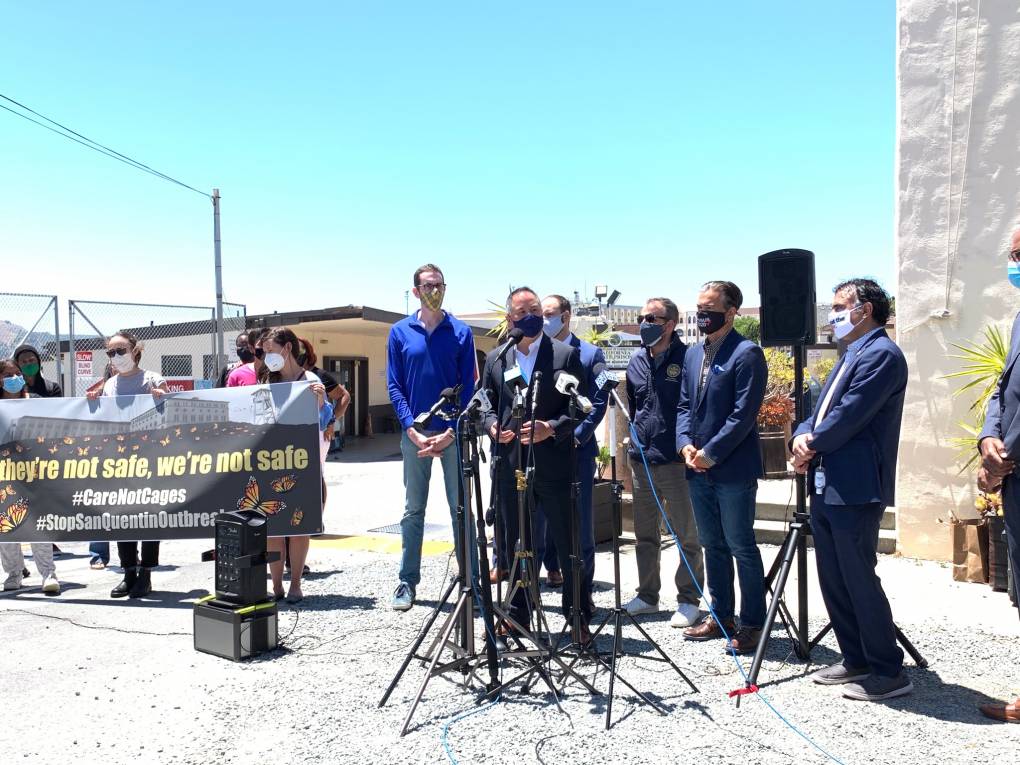
"caption": "Assemblyman Phil Ting, D-San Francisco, joined other public officials and activists outside the main gates of San Quentin State Prison in Marin on Thursday, July 9, to demand the immediate reduction of the prison's population.",
"description": null,
"title": "SQ",
"credit": "Phil Ting via Twitter",
"status": "inherit",
"isLoading": false,
"fetchFailed": false
},
"news_11819874": {
"type": "attachments",
"id": "news_11819874",
"meta": {
"index": "attachments_1716263798",
"site": "news",
"id": "11819874",
"found": true
},
"parent": 11819593,
"imgSizes": {
"apple_news_ca_landscape_5_5": {
"file": "https://ww2.kqed.org/app/uploads/sites/10/2020/05/RS20978_capitol-building-qut-1044x783.jpg",
"width": 1044,
"mimeType": "image/jpeg",
"height": 783
},
"apple_news_ca_square_4_0": {
"file": "https://ww2.kqed.org/app/uploads/sites/10/2020/05/RS20978_capitol-building-qut-470x470.jpg",
"width": 470,
"mimeType": "image/jpeg",
"height": 470
},
"twentyfourteen-full-width": {
"file": "https://ww2.kqed.org/app/uploads/sites/10/2020/05/RS20978_capitol-building-qut-1038x576.jpg",
"width": 1038,
"mimeType": "image/jpeg",
"height": 576
},
"thumbnail": {
"file": "https://ww2.kqed.org/app/uploads/sites/10/2020/05/RS20978_capitol-building-qut-160x120.jpg",
"width": 160,
"mimeType": "image/jpeg",
"height": 120
},
"post-thumbnail": {
"file": "https://ww2.kqed.org/app/uploads/sites/10/2020/05/RS20978_capitol-building-qut-672x372.jpg",
"width": 672,
"mimeType": "image/jpeg",
"height": 372
},
"kqedFullSize": {
"file": "https://ww2.kqed.org/app/uploads/sites/10/2020/05/RS20978_capitol-building-qut.jpg",
"width": 1280,
"height": 960
},
"apple_news_ca_landscape_4_7": {
"file": "https://ww2.kqed.org/app/uploads/sites/10/2020/05/RS20978_capitol-building-qut-632x474.jpg",
"width": 632,
"mimeType": "image/jpeg",
"height": 474
},
"large": {
"file": "https://ww2.kqed.org/app/uploads/sites/10/2020/05/RS20978_capitol-building-qut-1020x765.jpg",
"width": 1020,
"mimeType": "image/jpeg",
"height": 765
},
"apple_news_ca_landscape_4_0": {
"file": "https://ww2.kqed.org/app/uploads/sites/10/2020/05/RS20978_capitol-building-qut-536x402.jpg",
"width": 536,
"mimeType": "image/jpeg",
"height": 402
},
"apple_news_ca_portrait_12_9": {
"file": "https://ww2.kqed.org/app/uploads/sites/10/2020/05/RS20978_capitol-building-qut-1122x960.jpg",
"width": 1122,
"mimeType": "image/jpeg",
"height": 960
},
"medium": {
"file": "https://ww2.kqed.org/app/uploads/sites/10/2020/05/RS20978_capitol-building-qut-800x600.jpg",
"width": 800,
"mimeType": "image/jpeg",
"height": 600
},
"apple_news_ca_portrait_4_0": {
"file": "https://ww2.kqed.org/app/uploads/sites/10/2020/05/RS20978_capitol-building-qut-354x472.jpg",
"width": 354,
"mimeType": "image/jpeg",
"height": 472
},
"apple_news_ca_portrait_9_7": {
"file": "https://ww2.kqed.org/app/uploads/sites/10/2020/05/RS20978_capitol-building-qut-840x960.jpg",
"width": 840,
"mimeType": "image/jpeg",
"height": 960
},
"apple_news_ca_square_9_7": {
"file": "https://ww2.kqed.org/app/uploads/sites/10/2020/05/RS20978_capitol-building-qut-1104x960.jpg",
"width": 1104,
"mimeType": "image/jpeg",
"height": 960
},
"apple_news_ca_portrait_4_7": {
"file": "https://ww2.kqed.org/app/uploads/sites/10/2020/05/RS20978_capitol-building-qut-414x552.jpg",
"width": 414,
"mimeType": "image/jpeg",
"height": 552
},
"apple_news_ca_portrait_5_5": {
"file": "https://ww2.kqed.org/app/uploads/sites/10/2020/05/RS20978_capitol-building-qut-687x916.jpg",
"width": 687,
"mimeType": "image/jpeg",
"height": 916
},
"apple_news_ca_square_4_7": {
"file": "https://ww2.kqed.org/app/uploads/sites/10/2020/05/RS20978_capitol-building-qut-550x550.jpg",
"width": 550,
"mimeType": "image/jpeg",
"height": 550
},
"apple_news_ca_square_5_5": {
"file": "https://ww2.kqed.org/app/uploads/sites/10/2020/05/RS20978_capitol-building-qut-912x912.jpg",
"width": 912,
"mimeType": "image/jpeg",
"height": 912
}
},
"publishDate": 1590075447,
"modified": 1625059821,
"caption": null,
"description": "Sacramento Capitol",
"title": "RS20978_capitol building-qut",
"credit": "Vanessa Rancaño/KQED",
"status": "inherit",
"altTag": "The Capitol building in Sacramento.",
"isLoading": false,
"fetchFailed": false
},
"news_11820148": {
"type": "attachments",
"id": "news_11820148",
"meta": {
"index": "attachments_1716263798",
"site": "news",
"id": "11820148",
"found": true
},
"parent": 11820133,
"imgSizes": {
"apple_news_ca_landscape_5_5": {
"file": "https://ww2.kqed.org/app/uploads/sites/10/2020/05/RS20259_160719_The-Stud-Bar_bhs05-qut-1044x783.jpg",
"width": 1044,
"mimeType": "image/jpeg",
"height": 783
},
"apple_news_ca_square_4_0": {
"file": "https://ww2.kqed.org/app/uploads/sites/10/2020/05/RS20259_160719_The-Stud-Bar_bhs05-qut-470x470.jpg",
"width": 470,
"mimeType": "image/jpeg",
"height": 470
},
"twentyfourteen-full-width": {
"file": "https://ww2.kqed.org/app/uploads/sites/10/2020/05/RS20259_160719_The-Stud-Bar_bhs05-qut-1038x576.jpg",
"width": 1038,
"mimeType": "image/jpeg",
"height": 576
},
"thumbnail": {
"file": "https://ww2.kqed.org/app/uploads/sites/10/2020/05/RS20259_160719_The-Stud-Bar_bhs05-qut-160x109.jpg",
"width": 160,
"mimeType": "image/jpeg",
"height": 109
},
"post-thumbnail": {
"file": "https://ww2.kqed.org/app/uploads/sites/10/2020/05/RS20259_160719_The-Stud-Bar_bhs05-qut-672x372.jpg",
"width": 672,
"mimeType": "image/jpeg",
"height": 372
},
"kqedFullSize": {
"file": "https://ww2.kqed.org/app/uploads/sites/10/2020/05/RS20259_160719_The-Stud-Bar_bhs05-qut.jpg",
"width": 1920,
"height": 1303
},
"apple_news_ca_landscape_4_7": {
"file": "https://ww2.kqed.org/app/uploads/sites/10/2020/05/RS20259_160719_The-Stud-Bar_bhs05-qut-632x474.jpg",
"width": 632,
"mimeType": "image/jpeg",
"height": 474
},
"large": {
"file": "https://ww2.kqed.org/app/uploads/sites/10/2020/05/RS20259_160719_The-Stud-Bar_bhs05-qut-1020x692.jpg",
"width": 1020,
"mimeType": "image/jpeg",
"height": 692
},
"apple_news_ca_landscape_4_0": {
"file": "https://ww2.kqed.org/app/uploads/sites/10/2020/05/RS20259_160719_The-Stud-Bar_bhs05-qut-536x402.jpg",
"width": 536,
"mimeType": "image/jpeg",
"height": 402
},
"apple_news_ca_portrait_12_9": {
"file": "https://ww2.kqed.org/app/uploads/sites/10/2020/05/RS20259_160719_The-Stud-Bar_bhs05-qut-1122x1303.jpg",
"width": 1122,
"mimeType": "image/jpeg",
"height": 1303
},
"medium": {
"file": "https://ww2.kqed.org/app/uploads/sites/10/2020/05/RS20259_160719_The-Stud-Bar_bhs05-qut-800x543.jpg",
"width": 800,
"mimeType": "image/jpeg",
"height": 543
},
"apple_news_ca_portrait_4_0": {
"file": "https://ww2.kqed.org/app/uploads/sites/10/2020/05/RS20259_160719_The-Stud-Bar_bhs05-qut-354x472.jpg",
"width": 354,
"mimeType": "image/jpeg",
"height": 472
},
"apple_news_ca_portrait_9_7": {
"file": "https://ww2.kqed.org/app/uploads/sites/10/2020/05/RS20259_160719_The-Stud-Bar_bhs05-qut-840x1120.jpg",
"width": 840,
"mimeType": "image/jpeg",
"height": 1120
},
"apple_news_ca_landscape_12_9": {
"file": "https://ww2.kqed.org/app/uploads/sites/10/2020/05/RS20259_160719_The-Stud-Bar_bhs05-qut-1832x1303.jpg",
"width": 1832,
"mimeType": "image/jpeg",
"height": 1303
},
"apple_news_ca_square_9_7": {
"file": "https://ww2.kqed.org/app/uploads/sites/10/2020/05/RS20259_160719_The-Stud-Bar_bhs05-qut-1104x1104.jpg",
"width": 1104,
"mimeType": "image/jpeg",
"height": 1104
},
"apple_news_ca_portrait_4_7": {
"file": "https://ww2.kqed.org/app/uploads/sites/10/2020/05/RS20259_160719_The-Stud-Bar_bhs05-qut-414x552.jpg",
"width": 414,
"mimeType": "image/jpeg",
"height": 552
},
"apple_news_ca_square_12_9": {
"file": "https://ww2.kqed.org/app/uploads/sites/10/2020/05/RS20259_160719_The-Stud-Bar_bhs05-qut-1472x1303.jpg",
"width": 1472,
"mimeType": "image/jpeg",
"height": 1303
},
"apple_news_ca_portrait_5_5": {
"file": "https://ww2.kqed.org/app/uploads/sites/10/2020/05/RS20259_160719_The-Stud-Bar_bhs05-qut-687x916.jpg",
"width": 687,
"mimeType": "image/jpeg",
"height": 916
},
"full-width": {
"file": "https://ww2.kqed.org/app/uploads/sites/10/2020/05/RS20259_160719_The-Stud-Bar_bhs05-qut-1920x1303.jpg",
"width": 1920,
"mimeType": "image/jpeg",
"height": 1303
},
"apple_news_ca_square_4_7": {
"file": "https://ww2.kqed.org/app/uploads/sites/10/2020/05/RS20259_160719_The-Stud-Bar_bhs05-qut-550x550.jpg",
"width": 550,
"mimeType": "image/jpeg",
"height": 550
},
"apple_news_ca_landscape_9_7": {
"file": "https://ww2.kqed.org/app/uploads/sites/10/2020/05/RS20259_160719_The-Stud-Bar_bhs05-qut-1376x1032.jpg",
"width": 1376,
"mimeType": "image/jpeg",
"height": 1032
},
"apple_news_ca_square_5_5": {
"file": "https://ww2.kqed.org/app/uploads/sites/10/2020/05/RS20259_160719_The-Stud-Bar_bhs05-qut-912x912.jpg",
"width": 912,
"mimeType": "image/jpeg",
"height": 912
}
},
"publishDate": 1590119520,
"modified": 1590127736,
"caption": "Founded in 1966, The Stud is San Francisco’s oldest operating gay bar. The bar's co-owners announced the closure of its current location this week.",
"description": "Founded in 1966, The Stud is San Francisco’s oldest operating gay bar. The bar's co-owners announced the closure of its current location this week.",
"title": "RS20259_160719_The Stud Bar_bhs05-qut",
"credit": "Brittany Hosea-Small/KQED",
"status": "inherit",
"isLoading": false,
"fetchFailed": false
},
"news_11805854": {
"type": "attachments",
"id": "news_11805854",
"meta": {
"index": "attachments_1716263798",
"site": "news",
"id": "11805854",
"found": true
},
"parent": 11805850,
"imgSizes": {
"apple_news_ca_landscape_5_5": {
"file": "https://ww2.kqed.org/app/uploads/sites/10/2020/03/RS14289_Mission-Coop_JRaff-5-of-7-qut-1-1044x783.jpg",
"width": 1044,
"mimeType": "image/jpeg",
"height": 783
},
"apple_news_ca_square_4_0": {
"file": "https://ww2.kqed.org/app/uploads/sites/10/2020/03/RS14289_Mission-Coop_JRaff-5-of-7-qut-1-470x470.jpg",
"width": 470,
"mimeType": "image/jpeg",
"height": 470
},
"twentyfourteen-full-width": {
"file": "https://ww2.kqed.org/app/uploads/sites/10/2020/03/RS14289_Mission-Coop_JRaff-5-of-7-qut-1-1038x576.jpg",
"width": 1038,
"mimeType": "image/jpeg",
"height": 576
},
"thumbnail": {
"file": "https://ww2.kqed.org/app/uploads/sites/10/2020/03/RS14289_Mission-Coop_JRaff-5-of-7-qut-1-160x107.jpg",
"width": 160,
"mimeType": "image/jpeg",
"height": 107
},
"post-thumbnail": {
"file": "https://ww2.kqed.org/app/uploads/sites/10/2020/03/RS14289_Mission-Coop_JRaff-5-of-7-qut-1-672x372.jpg",
"width": 672,
"mimeType": "image/jpeg",
"height": 372
},
"kqedFullSize": {
"file": "https://ww2.kqed.org/app/uploads/sites/10/2020/03/RS14289_Mission-Coop_JRaff-5-of-7-qut-1.jpg",
"width": 1440,
"height": 960
},
"apple_news_ca_landscape_4_7": {
"file": "https://ww2.kqed.org/app/uploads/sites/10/2020/03/RS14289_Mission-Coop_JRaff-5-of-7-qut-1-632x474.jpg",
"width": 632,
"mimeType": "image/jpeg",
"height": 474
},
"large": {
"file": "https://ww2.kqed.org/app/uploads/sites/10/2020/03/RS14289_Mission-Coop_JRaff-5-of-7-qut-1-1020x680.jpg",
"width": 1020,
"mimeType": "image/jpeg",
"height": 680
},
"apple_news_ca_landscape_4_0": {
"file": "https://ww2.kqed.org/app/uploads/sites/10/2020/03/RS14289_Mission-Coop_JRaff-5-of-7-qut-1-536x402.jpg",
"width": 536,
"mimeType": "image/jpeg",
"height": 402
},
"apple_news_ca_portrait_12_9": {
"file": "https://ww2.kqed.org/app/uploads/sites/10/2020/03/RS14289_Mission-Coop_JRaff-5-of-7-qut-1-1122x960.jpg",
"width": 1122,
"mimeType": "image/jpeg",
"height": 960
},
"medium": {
"file": "https://ww2.kqed.org/app/uploads/sites/10/2020/03/RS14289_Mission-Coop_JRaff-5-of-7-qut-1-800x533.jpg",
"width": 800,
"mimeType": "image/jpeg",
"height": 533
},
"apple_news_ca_portrait_4_0": {
"file": "https://ww2.kqed.org/app/uploads/sites/10/2020/03/RS14289_Mission-Coop_JRaff-5-of-7-qut-1-354x472.jpg",
"width": 354,
"mimeType": "image/jpeg",
"height": 472
},
"apple_news_ca_portrait_9_7": {
"file": "https://ww2.kqed.org/app/uploads/sites/10/2020/03/RS14289_Mission-Coop_JRaff-5-of-7-qut-1-840x960.jpg",
"width": 840,
"mimeType": "image/jpeg",
"height": 960
},
"apple_news_ca_square_9_7": {
"file": "https://ww2.kqed.org/app/uploads/sites/10/2020/03/RS14289_Mission-Coop_JRaff-5-of-7-qut-1-1104x960.jpg",
"width": 1104,
"mimeType": "image/jpeg",
"height": 960
},
"apple_news_ca_portrait_4_7": {
"file": "https://ww2.kqed.org/app/uploads/sites/10/2020/03/RS14289_Mission-Coop_JRaff-5-of-7-qut-1-414x552.jpg",
"width": 414,
"mimeType": "image/jpeg",
"height": 552
},
"apple_news_ca_portrait_5_5": {
"file": "https://ww2.kqed.org/app/uploads/sites/10/2020/03/RS14289_Mission-Coop_JRaff-5-of-7-qut-1-687x916.jpg",
"width": 687,
"mimeType": "image/jpeg",
"height": 916
},
"apple_news_ca_square_4_7": {
"file": "https://ww2.kqed.org/app/uploads/sites/10/2020/03/RS14289_Mission-Coop_JRaff-5-of-7-qut-1-550x550.jpg",
"width": 550,
"mimeType": "image/jpeg",
"height": 550
},
"apple_news_ca_landscape_9_7": {
"file": "https://ww2.kqed.org/app/uploads/sites/10/2020/03/RS14289_Mission-Coop_JRaff-5-of-7-qut-1-1376x960.jpg",
"width": 1376,
"mimeType": "image/jpeg",
"height": 960
},
"apple_news_ca_square_5_5": {
"file": "https://ww2.kqed.org/app/uploads/sites/10/2020/03/RS14289_Mission-Coop_JRaff-5-of-7-qut-1-912x912.jpg",
"width": 912,
"mimeType": "image/jpeg",
"height": 912
}
},
"publishDate": 1583791156,
"modified": 1583874076,
"caption": "State Sen. Scott Wiener's new bill, SB 902, would allow multifamily homes in areas that currently only allow single-family homes.",
"description": "State Sen. Scott Wiener's new bill, SB 902, would allow multi-family homes in areas that currently only allow single-family homes.",
"title": "State Sen. Scott Wiener's new bill, SB 902, would allow multi-family homes in areas that now only allow single-family homes.",
"credit": "Jeremy Raff/KQED",
"status": "inherit",
"isLoading": false,
"fetchFailed": false
},
"news_11801916": {
"type": "attachments",
"id": "news_11801916",
"meta": {
"index": "attachments_1716263798",
"site": "news",
"id": "11801916",
"found": true
},
"parent": 11801713,
"imgSizes": {
"apple_news_ca_landscape_5_5": {
"file": "https://ww2.kqed.org/app/uploads/sites/10/2020/02/Oumar-Yaide-1044x783.jpg",
"width": 1044,
"mimeType": "image/jpeg",
"height": 783
},
"apple_news_ca_square_4_0": {
"file": "https://ww2.kqed.org/app/uploads/sites/10/2020/02/Oumar-Yaide-470x470.jpg",
"width": 470,
"mimeType": "image/jpeg",
"height": 470
},
"twentyfourteen-full-width": {
"file": "https://ww2.kqed.org/app/uploads/sites/10/2020/02/Oumar-Yaide-1038x576.jpg",
"width": 1038,
"mimeType": "image/jpeg",
"height": 576
},
"thumbnail": {
"file": "https://ww2.kqed.org/app/uploads/sites/10/2020/02/Oumar-Yaide-160x121.jpg",
"width": 160,
"mimeType": "image/jpeg",
"height": 121
},
"post-thumbnail": {
"file": "https://ww2.kqed.org/app/uploads/sites/10/2020/02/Oumar-Yaide-672x372.jpg",
"width": 672,
"mimeType": "image/jpeg",
"height": 372
},
"kqedFullSize": {
"file": "https://ww2.kqed.org/app/uploads/sites/10/2020/02/Oumar-Yaide.jpg",
"width": 1920,
"height": 1450
},
"apple_news_ca_landscape_4_7": {
"file": "https://ww2.kqed.org/app/uploads/sites/10/2020/02/Oumar-Yaide-632x474.jpg",
"width": 632,
"mimeType": "image/jpeg",
"height": 474
},
"large": {
"file": "https://ww2.kqed.org/app/uploads/sites/10/2020/02/Oumar-Yaide-1020x770.jpg",
"width": 1020,
"mimeType": "image/jpeg",
"height": 770
},
"apple_news_ca_landscape_4_0": {
"file": "https://ww2.kqed.org/app/uploads/sites/10/2020/02/Oumar-Yaide-536x402.jpg",
"width": 536,
"mimeType": "image/jpeg",
"height": 402
},
"apple_news_ca_portrait_12_9": {
"file": "https://ww2.kqed.org/app/uploads/sites/10/2020/02/Oumar-Yaide-1122x1450.jpg",
"width": 1122,
"mimeType": "image/jpeg",
"height": 1450
},
"medium": {
"file": "https://ww2.kqed.org/app/uploads/sites/10/2020/02/Oumar-Yaide-800x604.jpg",
"width": 800,
"mimeType": "image/jpeg",
"height": 604
},
"apple_news_ca_portrait_4_0": {
"file": "https://ww2.kqed.org/app/uploads/sites/10/2020/02/Oumar-Yaide-354x472.jpg",
"width": 354,
"mimeType": "image/jpeg",
"height": 472
},
"apple_news_ca_portrait_9_7": {
"file": "https://ww2.kqed.org/app/uploads/sites/10/2020/02/Oumar-Yaide-840x1120.jpg",
"width": 840,
"mimeType": "image/jpeg",
"height": 1120
},
"apple_news_ca_landscape_12_9": {
"file": "https://ww2.kqed.org/app/uploads/sites/10/2020/02/Oumar-Yaide-1832x1374.jpg",
"width": 1832,
"mimeType": "image/jpeg",
"height": 1374
},
"apple_news_ca_square_9_7": {
"file": "https://ww2.kqed.org/app/uploads/sites/10/2020/02/Oumar-Yaide-1104x1104.jpg",
"width": 1104,
"mimeType": "image/jpeg",
"height": 1104
},
"apple_news_ca_portrait_4_7": {
"file": "https://ww2.kqed.org/app/uploads/sites/10/2020/02/Oumar-Yaide-414x552.jpg",
"width": 414,
"mimeType": "image/jpeg",
"height": 552
},
"apple_news_ca_square_12_9": {
"file": "https://ww2.kqed.org/app/uploads/sites/10/2020/02/Oumar-Yaide-1472x1450.jpg",
"width": 1472,
"mimeType": "image/jpeg",
"height": 1450
},
"apple_news_ca_portrait_5_5": {
"file": "https://ww2.kqed.org/app/uploads/sites/10/2020/02/Oumar-Yaide-687x916.jpg",
"width": 687,
"mimeType": "image/jpeg",
"height": 916
},
"full-width": {
"file": "https://ww2.kqed.org/app/uploads/sites/10/2020/02/Oumar-Yaide-1920x1450.jpg",
"width": 1920,
"mimeType": "image/jpeg",
"height": 1450
},
"apple_news_ca_square_4_7": {
"file": "https://ww2.kqed.org/app/uploads/sites/10/2020/02/Oumar-Yaide-550x550.jpg",
"width": 550,
"mimeType": "image/jpeg",
"height": 550
},
"apple_news_ca_landscape_9_7": {
"file": "https://ww2.kqed.org/app/uploads/sites/10/2020/02/Oumar-Yaide-1376x1032.jpg",
"width": 1376,
"mimeType": "image/jpeg",
"height": 1032
},
"apple_news_ca_square_5_5": {
"file": "https://ww2.kqed.org/app/uploads/sites/10/2020/02/Oumar-Yaide-912x912.jpg",
"width": 912,
"mimeType": "image/jpeg",
"height": 912
}
},
"publishDate": 1581729864,
"modified": 1581729906,
"caption": "Abderaman Oumar Yaide, a former San Francisco resident, was deported to his native Chad last year.",
"description": "Abderaman Oumar Yaide, a former San Francisco resident, was deported to his native Chad last year.",
"title": "Oumar-Yaide",
"credit": "Courtesy Pangea Legal Services",
"status": "inherit",
"isLoading": false,
"fetchFailed": false
},
"news_11800071": {
"type": "attachments",
"id": "news_11800071",
"meta": {
"index": "attachments_1716263798",
"site": "news",
"id": "11800071",
"found": true
},
"parent": 11800027,
"imgSizes": {
"apple_news_ca_landscape_5_5": {
"file": "https://ww2.kqed.org/app/uploads/sites/10/2020/02/Bayard-Rustin-1965-1044x783.jpg",
"width": 1044,
"mimeType": "image/jpeg",
"height": 783
},
"apple_news_ca_square_4_0": {
"file": "https://ww2.kqed.org/app/uploads/sites/10/2020/02/Bayard-Rustin-1965-470x470.jpg",
"width": 470,
"mimeType": "image/jpeg",
"height": 470
},
"twentyfourteen-full-width": {
"file": "https://ww2.kqed.org/app/uploads/sites/10/2020/02/Bayard-Rustin-1965-1038x576.jpg",
"width": 1038,
"mimeType": "image/jpeg",
"height": 576
},
"thumbnail": {
"file": "https://ww2.kqed.org/app/uploads/sites/10/2020/02/Bayard-Rustin-1965-160x119.jpg",
"width": 160,
"mimeType": "image/jpeg",
"height": 119
},
"post-thumbnail": {
"file": "https://ww2.kqed.org/app/uploads/sites/10/2020/02/Bayard-Rustin-1965-672x372.jpg",
"width": 672,
"mimeType": "image/jpeg",
"height": 372
},
"kqedFullSize": {
"file": "https://ww2.kqed.org/app/uploads/sites/10/2020/02/Bayard-Rustin-1965.jpg",
"width": 1920,
"height": 1432
},
"apple_news_ca_landscape_4_7": {
"file": "https://ww2.kqed.org/app/uploads/sites/10/2020/02/Bayard-Rustin-1965-632x474.jpg",
"width": 632,
"mimeType": "image/jpeg",
"height": 474
},
"large": {
"file": "https://ww2.kqed.org/app/uploads/sites/10/2020/02/Bayard-Rustin-1965-1020x761.jpg",
"width": 1020,
"mimeType": "image/jpeg",
"height": 761
},
"apple_news_ca_landscape_4_0": {
"file": "https://ww2.kqed.org/app/uploads/sites/10/2020/02/Bayard-Rustin-1965-536x402.jpg",
"width": 536,
"mimeType": "image/jpeg",
"height": 402
},
"apple_news_ca_portrait_12_9": {
"file": "https://ww2.kqed.org/app/uploads/sites/10/2020/02/Bayard-Rustin-1965-1122x1432.jpg",
"width": 1122,
"mimeType": "image/jpeg",
"height": 1432
},
"medium": {
"file": "https://ww2.kqed.org/app/uploads/sites/10/2020/02/Bayard-Rustin-1965-800x597.jpg",
"width": 800,
"mimeType": "image/jpeg",
"height": 597
},
"apple_news_ca_portrait_4_0": {
"file": "https://ww2.kqed.org/app/uploads/sites/10/2020/02/Bayard-Rustin-1965-354x472.jpg",
"width": 354,
"mimeType": "image/jpeg",
"height": 472
},
"apple_news_ca_portrait_9_7": {
"file": "https://ww2.kqed.org/app/uploads/sites/10/2020/02/Bayard-Rustin-1965-840x1120.jpg",
"width": 840,
"mimeType": "image/jpeg",
"height": 1120
},
"apple_news_ca_landscape_12_9": {
"file": "https://ww2.kqed.org/app/uploads/sites/10/2020/02/Bayard-Rustin-1965-1832x1374.jpg",
"width": 1832,
"mimeType": "image/jpeg",
"height": 1374
},
"apple_news_ca_square_9_7": {
"file": "https://ww2.kqed.org/app/uploads/sites/10/2020/02/Bayard-Rustin-1965-1104x1104.jpg",
"width": 1104,
"mimeType": "image/jpeg",
"height": 1104
},
"apple_news_ca_portrait_4_7": {
"file": "https://ww2.kqed.org/app/uploads/sites/10/2020/02/Bayard-Rustin-1965-414x552.jpg",
"width": 414,
"mimeType": "image/jpeg",
"height": 552
},
"apple_news_ca_square_12_9": {
"file": "https://ww2.kqed.org/app/uploads/sites/10/2020/02/Bayard-Rustin-1965-1472x1432.jpg",
"width": 1472,
"mimeType": "image/jpeg",
"height": 1432
},
"apple_news_ca_portrait_5_5": {
"file": "https://ww2.kqed.org/app/uploads/sites/10/2020/02/Bayard-Rustin-1965-687x916.jpg",
"width": 687,
"mimeType": "image/jpeg",
"height": 916
},
"full-width": {
"file": "https://ww2.kqed.org/app/uploads/sites/10/2020/02/Bayard-Rustin-1965-1920x1432.jpg",
"width": 1920,
"mimeType": "image/jpeg",
"height": 1432
},
"apple_news_ca_square_4_7": {
"file": "https://ww2.kqed.org/app/uploads/sites/10/2020/02/Bayard-Rustin-1965-550x550.jpg",
"width": 550,
"mimeType": "image/jpeg",
"height": 550
},
"apple_news_ca_landscape_9_7": {
"file": "https://ww2.kqed.org/app/uploads/sites/10/2020/02/Bayard-Rustin-1965-1376x1032.jpg",
"width": 1376,
"mimeType": "image/jpeg",
"height": 1032
},
"apple_news_ca_square_5_5": {
"file": "https://ww2.kqed.org/app/uploads/sites/10/2020/02/Bayard-Rustin-1965-912x912.jpg",
"width": 912,
"mimeType": "image/jpeg",
"height": 912
}
},
"publishDate": 1580863980,
"modified": 1580869724,
"caption": "Bayard Rustin in 1965.",
"description": "Bayard Rustin in 1965.",
"title": "Bayard-Rustin-1965",
"credit": "Stanley Wolfson/Wikimedia Commons",
"status": "inherit",
"isLoading": false,
"fetchFailed": false
},
"news_11742389": {
"type": "attachments",
"id": "news_11742389",
"meta": {
"index": "attachments_1716263798",
"site": "news",
"id": "11742389",
"found": true
},
"parent": 11742385,
"imgSizes": {
"twentyfourteen-full-width": {
"file": "https://ww2.kqed.org/app/uploads/sites/10/2019/04/pge-paradise-1038x576.jpg",
"width": 1038,
"mimeType": "image/jpeg",
"height": 576
},
"thumbnail": {
"file": "https://ww2.kqed.org/app/uploads/sites/10/2019/04/pge-paradise-160x103.jpg",
"width": 160,
"mimeType": "image/jpeg",
"height": 103
},
"post-thumbnail": {
"file": "https://ww2.kqed.org/app/uploads/sites/10/2019/04/pge-paradise-672x372.jpg",
"width": 672,
"mimeType": "image/jpeg",
"height": 372
},
"kqedFullSize": {
"file": "https://ww2.kqed.org/app/uploads/sites/10/2019/04/pge-paradise-e1556118255603.jpg",
"width": 1920,
"height": 1241
},
"large": {
"file": "https://ww2.kqed.org/app/uploads/sites/10/2019/04/pge-paradise-1020x660.jpg",
"width": 1020,
"mimeType": "image/jpeg",
"height": 660
},
"complete_open_graph": {
"file": "https://ww2.kqed.org/app/uploads/sites/10/2019/04/pge-paradise-1200x776.jpg",
"width": 1200,
"mimeType": "image/jpeg",
"height": 776
},
"full-width": {
"file": "https://ww2.kqed.org/app/uploads/sites/10/2019/04/pge-paradise-1920x1242.jpg",
"width": 1920,
"mimeType": "image/jpeg",
"height": 1242
},
"medium": {
"file": "https://ww2.kqed.org/app/uploads/sites/10/2019/04/pge-paradise-800x517.jpg",
"width": 800,
"mimeType": "image/jpeg",
"height": 517
}
},
"publishDate": 1556118177,
"modified": 1593664850,
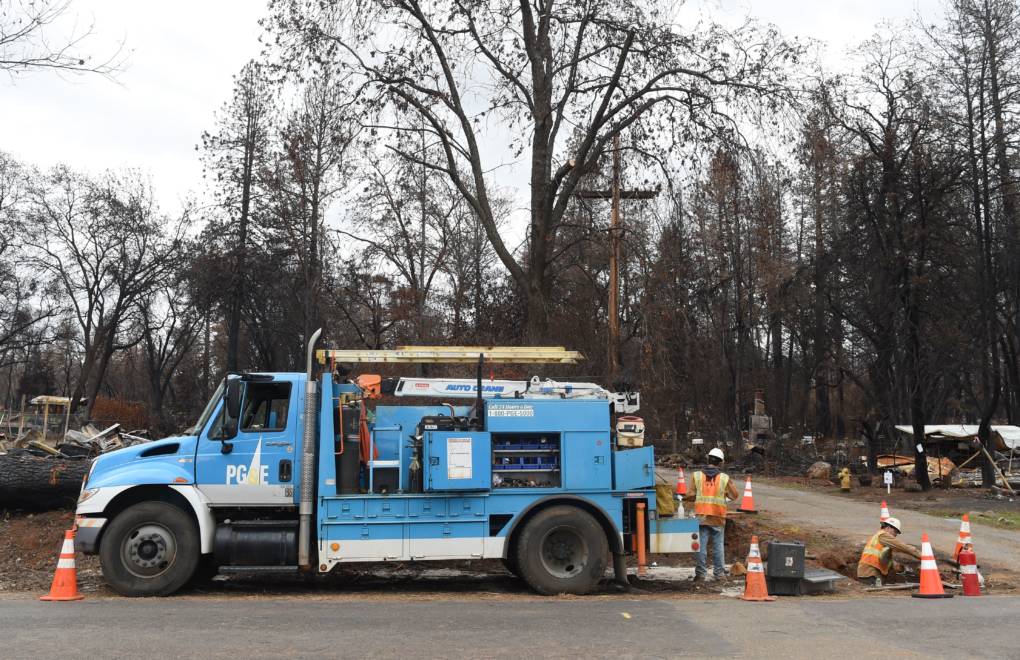
"caption": "PG&E crews work to restore utility services in Paradise on Feb. 1, 2019.",
"description": "PG&E crews work to restore utility services in Paradise on Feb. 1, 2019.",
"title": "US-FIRE-UTILITY",
"credit": "Josh Edelson/AFP/Getty Images",
"status": "inherit",
"isLoading": false,
"fetchFailed": false
},
"news_11737498": {
"type": "attachments",
"id": "news_11737498",
"meta": {
"index": "attachments_1716263798",
"site": "news",
"id": "11737498",
"found": true
},
"parent": 11737353,
"imgSizes": {
"post-thumbnail": {
"file": "https://ww2.kqed.org/app/uploads/sites/10/2019/04/RS25468_20170515_StateCapitol_Sen_ScottWeiner_credit_BertJohnson-2-qut-672x372.jpg",
"width": 672,
"mimeType": "image/jpeg",
"height": 372
},
"kqedFullSize": {
"file": "https://ww2.kqed.org/app/uploads/sites/10/2019/04/RS25468_20170515_StateCapitol_Sen_ScottWeiner_credit_BertJohnson-2-qut.jpg",
"width": 1920,
"height": 1280
},
"guest-author-50": {
"file": "https://ww2.kqed.org/app/uploads/sites/10/2019/04/RS25468_20170515_StateCapitol_Sen_ScottWeiner_credit_BertJohnson-2-qut-50x50.jpg",
"width": 50,
"mimeType": "image/jpeg",
"height": 50
},
"guest-author-96": {
"file": "https://ww2.kqed.org/app/uploads/sites/10/2019/04/RS25468_20170515_StateCapitol_Sen_ScottWeiner_credit_BertJohnson-2-qut-96x96.jpg",
"width": 96,
"mimeType": "image/jpeg",
"height": 96
},
"apple_news_ca_portrait_12_9": {
"file": "https://ww2.kqed.org/app/uploads/sites/10/2019/04/RS25468_20170515_StateCapitol_Sen_ScottWeiner_credit_BertJohnson-2-qut-1122x1280.jpg",
"width": 1122,
"mimeType": "image/jpeg",
"height": 1280
},
"medium": {
"file": "https://ww2.kqed.org/app/uploads/sites/10/2019/04/RS25468_20170515_StateCapitol_Sen_ScottWeiner_credit_BertJohnson-2-qut-800x533.jpg",
"width": 800,
"mimeType": "image/jpeg",
"height": 533
},
"guest-author-32": {
"file": "https://ww2.kqed.org/app/uploads/sites/10/2019/04/RS25468_20170515_StateCapitol_Sen_ScottWeiner_credit_BertJohnson-2-qut-32x32.jpg",
"width": 32,
"mimeType": "image/jpeg",
"height": 32
},
"apple_news_ca_portrait_9_7": {
"file": "https://ww2.kqed.org/app/uploads/sites/10/2019/04/RS25468_20170515_StateCapitol_Sen_ScottWeiner_credit_BertJohnson-2-qut-840x1120.jpg",
"width": 840,
"mimeType": "image/jpeg",
"height": 1120
},
"apple_news_ca_square_9_7": {
"file": "https://ww2.kqed.org/app/uploads/sites/10/2019/04/RS25468_20170515_StateCapitol_Sen_ScottWeiner_credit_BertJohnson-2-qut-1104x1104.jpg",
"width": 1104,
"mimeType": "image/jpeg",
"height": 1104
},
"apple_news_ca_portrait_4_7": {
"file": "https://ww2.kqed.org/app/uploads/sites/10/2019/04/RS25468_20170515_StateCapitol_Sen_ScottWeiner_credit_BertJohnson-2-qut-414x552.jpg",
"width": 414,
"mimeType": "image/jpeg",
"height": 552
},
"apple_news_ca_square_12_9": {
"file": "https://ww2.kqed.org/app/uploads/sites/10/2019/04/RS25468_20170515_StateCapitol_Sen_ScottWeiner_credit_BertJohnson-2-qut-1472x1280.jpg",
"width": 1472,
"mimeType": "image/jpeg",
"height": 1280
},
"apple_news_ca_portrait_5_5": {
"file": "https://ww2.kqed.org/app/uploads/sites/10/2019/04/RS25468_20170515_StateCapitol_Sen_ScottWeiner_credit_BertJohnson-2-qut-687x916.jpg",
"width": 687,
"mimeType": "image/jpeg",
"height": 916
},
"apple_news_ca_square_4_7": {
"file": "https://ww2.kqed.org/app/uploads/sites/10/2019/04/RS25468_20170515_StateCapitol_Sen_ScottWeiner_credit_BertJohnson-2-qut-550x550.jpg",
"width": 550,
"mimeType": "image/jpeg",
"height": 550
},
"apple_news_ca_square_5_5": {
"file": "https://ww2.kqed.org/app/uploads/sites/10/2019/04/RS25468_20170515_StateCapitol_Sen_ScottWeiner_credit_BertJohnson-2-qut-912x912.jpg",
"width": 912,
"mimeType": "image/jpeg",
"height": 912
},
"apple_news_ca_landscape_5_5": {
"file": "https://ww2.kqed.org/app/uploads/sites/10/2019/04/RS25468_20170515_StateCapitol_Sen_ScottWeiner_credit_BertJohnson-2-qut-1044x783.jpg",
"width": 1044,
"mimeType": "image/jpeg",
"height": 783
},
"apple_news_ca_square_4_0": {
"file": "https://ww2.kqed.org/app/uploads/sites/10/2019/04/RS25468_20170515_StateCapitol_Sen_ScottWeiner_credit_BertJohnson-2-qut-470x470.jpg",
"width": 470,
"mimeType": "image/jpeg",
"height": 470
},
"twentyfourteen-full-width": {
"file": "https://ww2.kqed.org/app/uploads/sites/10/2019/04/RS25468_20170515_StateCapitol_Sen_ScottWeiner_credit_BertJohnson-2-qut-1038x576.jpg",
"width": 1038,
"mimeType": "image/jpeg",
"height": 576
},
"thumbnail": {
"file": "https://ww2.kqed.org/app/uploads/sites/10/2019/04/RS25468_20170515_StateCapitol_Sen_ScottWeiner_credit_BertJohnson-2-qut-160x107.jpg",
"width": 160,
"mimeType": "image/jpeg",
"height": 107
},
"apple_news_ca_landscape_4_7": {
"file": "https://ww2.kqed.org/app/uploads/sites/10/2019/04/RS25468_20170515_StateCapitol_Sen_ScottWeiner_credit_BertJohnson-2-qut-632x474.jpg",
"width": 632,
"mimeType": "image/jpeg",
"height": 474
},
"large": {
"file": "https://ww2.kqed.org/app/uploads/sites/10/2019/04/RS25468_20170515_StateCapitol_Sen_ScottWeiner_credit_BertJohnson-2-qut-1020x680.jpg",
"width": 1020,
"mimeType": "image/jpeg",
"height": 680
},
"complete_open_graph": {
"file": "https://ww2.kqed.org/app/uploads/sites/10/2019/04/RS25468_20170515_StateCapitol_Sen_ScottWeiner_credit_BertJohnson-2-qut-1200x800.jpg",
"width": 1200,
"mimeType": "image/jpeg",
"height": 800
},
"apple_news_ca_landscape_4_0": {
"file": "https://ww2.kqed.org/app/uploads/sites/10/2019/04/RS25468_20170515_StateCapitol_Sen_ScottWeiner_credit_BertJohnson-2-qut-536x402.jpg",
"width": 536,
"mimeType": "image/jpeg",
"height": 402
},
"guest-author-64": {
"file": "https://ww2.kqed.org/app/uploads/sites/10/2019/04/RS25468_20170515_StateCapitol_Sen_ScottWeiner_credit_BertJohnson-2-qut-64x64.jpg",
"width": 64,
"mimeType": "image/jpeg",
"height": 64
},
"apple_news_ca_portrait_4_0": {
"file": "https://ww2.kqed.org/app/uploads/sites/10/2019/04/RS25468_20170515_StateCapitol_Sen_ScottWeiner_credit_BertJohnson-2-qut-354x472.jpg",
"width": 354,
"mimeType": "image/jpeg",
"height": 472
},
"apple_news_ca_landscape_12_9": {
"file": "https://ww2.kqed.org/app/uploads/sites/10/2019/04/RS25468_20170515_StateCapitol_Sen_ScottWeiner_credit_BertJohnson-2-qut-1832x1280.jpg",
"width": 1832,
"mimeType": "image/jpeg",
"height": 1280
},
"full-width": {
"file": "https://ww2.kqed.org/app/uploads/sites/10/2019/04/RS25468_20170515_StateCapitol_Sen_ScottWeiner_credit_BertJohnson-2-qut-1920x1280.jpg",
"width": 1920,
"mimeType": "image/jpeg",
"height": 1280
},
"guest-author-128": {
"file": "https://ww2.kqed.org/app/uploads/sites/10/2019/04/RS25468_20170515_StateCapitol_Sen_ScottWeiner_credit_BertJohnson-2-qut-128x128.jpg",
"width": 128,
"mimeType": "image/jpeg",
"height": 128
},
"apple_news_ca_landscape_9_7": {
"file": "https://ww2.kqed.org/app/uploads/sites/10/2019/04/RS25468_20170515_StateCapitol_Sen_ScottWeiner_credit_BertJohnson-2-qut-1376x1032.jpg",
"width": 1376,
"mimeType": "image/jpeg",
"height": 1032
}
},
"publishDate": 1554262327,
"modified": 1580423118,
"caption": "State Sen. Scott Wiener, D-San Francisco, authored SB 50, a bill that would significantly increase housing construction across the state.",
"description": "State Sen. Scott Wiener, D-San Francisco, authored SB 50, a bill that would significantly increase housing construction across the state.",
"title": "RS25468_20170515_StateCapitol_Sen_ScottWeiner_credit_BertJohnson-2-qut",
"credit": "Bert Johnson/KQED",
"status": "inherit",
"isLoading": false,
"fetchFailed": false
}
},
"audioPlayerReducer": {
"postId": "stream_live",
"isPaused": true,
"isPlaying": false,
"pfsActive": false,
"pledgeModalIsOpen": true,
"playerDrawerIsOpen": false,
"liveAudioPlayStartedAt": 0,
"liveAudioPlayContext": ""
},
"authorsReducer": {
"gmarzorati": {
"type": "authors",
"id": "227",
"meta": {
"index": "authors_1716337520",
"id": "227",
"found": true
},
"name": "Guy Marzorati",
"firstName": "Guy",
"lastName": "Marzorati",
"slug": "gmarzorati",
"email": "gmarzorati@KQED.org",
"display_author_email": true,
"staff_mastheads": [
"news"
],
"title": "Correspondent",
"bio": "Guy Marzorati is a correspondent on KQED's California Politics and Government Desk, based in San Jose. A graduate of Santa Clara University, Guy joined KQED in 2013. He reports on state and local politics and produces KQED's digital voter guide.",
"avatar": "https://secure.gravatar.com/avatar/e7038b8dbfd55b104369b76b1cd0b9de?s=600&d=blank&r=g",
"twitter": "guymarzorati",
"facebook": null,
"instagram": null,
"linkedin": null,
"sites": [
{
"site": "",
"roles": [
"editor"
]
},
{
"site": "news",
"roles": [
"editor"
]
},
{
"site": "science",
"roles": [
"editor"
]
},
{
"site": "forum",
"roles": [
"editor"
]
},
{
"site": "elections",
"roles": [
"editor"
]
},
{
"site": "liveblog",
"roles": [
"editor"
]
}
],
"headData": {
"title": "Guy Marzorati | KQED",
"description": "Correspondent",
"ogImgSrc": "https://secure.gravatar.com/avatar/e7038b8dbfd55b104369b76b1cd0b9de?s=600&d=blank&r=g",
"twImgSrc": "https://secure.gravatar.com/avatar/e7038b8dbfd55b104369b76b1cd0b9de?s=600&d=blank&r=g"
},
"isLoading": false,
"link": "/author/gmarzorati"
},
"rachael-myrow": {
"type": "authors",
"id": "251",
"meta": {
"index": "authors_1716337520",
"id": "251",
"found": true
},
"name": "Rachael Myrow",
"firstName": "Rachael",
"lastName": "Myrow",
"slug": "rachael-myrow",
"email": "rmyrow@kqed.org",
"display_author_email": true,
"staff_mastheads": [
"news"
],
"title": "Senior Editor of KQED's Silicon Valley News Desk",
"bio": "• I write and edit stories about how Silicon Valley power and policies shape everyday life in California. I’m also passionate about making Bay Area history and culture more accessible to a broad public. • I’ve been a journalist for most of my life, starting in high school with The Franklin Press in Los Angeles, where I grew up. While earning my first degree in English at UC Berkeley, I got my start in public radio at KALX-FM. After completing a second degree in journalism at Cal, I landed my first professional job at Marketplace, then moved on to KPCC (now LAist), and then KQED, where I hosted The California Report for more than seven years. • My reporting has appeared on NPR, The World, WBUR’s \u003ci>Here & Now\u003c/i>, and the BBC. I also guest host for KQED’s \u003ci>Forum\u003c/i>, as well as the Commonwealth Club in San Francisco. • I speak periodically on media, democracy and technology issues, and do voiceover work for documentaries and educational video projects. • Outside of the studio, you'll find me hiking Bay Area trails and whipping up Insta-ready meals in my kitchen. • I do not accept gifts, money, or favors from anyone connected to my reporting, I don't pay people for information, and I do not support or donate to political causes. • I strive to treat the people I report on with fairness, honesty, and respect. I also recognize there are often multiple sides to a story and work to verify information through multiple sources and documentation. If I get something wrong, I correct it.",
"avatar": "https://secure.gravatar.com/avatar/3ed8a3c5f26025e4a805ba634cda8cd764906b97438a6d9ce216b044e340da4e?s=600&d=blank&r=g",
"twitter": "rachaelmyrow",
"bluesky": null,
"facebook": null,
"instagram": null,
"linkedin": "https://www.linkedin.com/in/rachaelmyrow/",
"sites": [
{
"site": "arts",
"roles": [
"administrator"
]
},
{
"site": "news",
"roles": [
"edit_others_posts",
"editor"
]
},
{
"site": "futureofyou",
"roles": [
"editor"
]
},
{
"site": "bayareabites",
"roles": [
"editor"
]
},
{
"site": "stateofhealth",
"roles": [
"editor"
]
},
{
"site": "science",
"roles": [
"editor"
]
},
{
"site": "food",
"roles": [
"editor"
]
},
{
"site": "forum",
"roles": [
"editor"
]
},
{
"site": "liveblog",
"roles": [
"author"
]
}
],
"headData": {
"title": "Rachael Myrow | KQED",
"description": "Senior Editor of KQED's Silicon Valley News Desk",
"ogImgSrc": "https://secure.gravatar.com/avatar/3ed8a3c5f26025e4a805ba634cda8cd764906b97438a6d9ce216b044e340da4e?s=600&d=blank&r=g",
"twImgSrc": "https://secure.gravatar.com/avatar/3ed8a3c5f26025e4a805ba634cda8cd764906b97438a6d9ce216b044e340da4e?s=600&d=blank&r=g"
},
"isLoading": false,
"link": "/author/rachael-myrow"
},
"matthewgreen": {
"type": "authors",
"id": "1263",
"meta": {
"index": "authors_1716337520",
"id": "1263",
"found": true
},
"name": "Matthew Green",
"firstName": "Matthew",
"lastName": "Green",
"slug": "matthewgreen",
"email": "mgreen@kqed.org",
"display_author_email": false,
"staff_mastheads": [],
"title": "KQED Editor/Reporter",
"bio": "Matthew Green is a digital media producer for KQED News. He previously produced \u003ca href=\"http://www.kqed.org/lowdown\">The Lowdown\u003c/a>, KQED’s multimedia news education blog. Matthew's written for numerous Bay Area publications, including the Oakland Tribune and San Francisco Chronicle. He also taught journalism classes at Fremont High School in East Oakland.\r\n\r\nEmail: mgreen@kqed.org; Twitter: @MGreenKQED",
"avatar": "https://secure.gravatar.com/avatar/3bf498d1267ca02c8494f33d8cfc575e?s=600&d=blank&r=g",
"twitter": "MGreenKQED",
"facebook": null,
"instagram": null,
"linkedin": null,
"sites": [
{
"site": "news",
"roles": []
},
{
"site": "lowdown",
"roles": []
},
{
"site": "science",
"roles": []
},
{
"site": "education",
"roles": []
},
{
"site": "quest",
"roles": []
},
{
"site": "liveblog",
"roles": []
}
],
"headData": {
"title": "Matthew Green | KQED",
"description": "KQED Editor/Reporter",
"ogImgSrc": "https://secure.gravatar.com/avatar/3bf498d1267ca02c8494f33d8cfc575e?s=600&d=blank&r=g",
"twImgSrc": "https://secure.gravatar.com/avatar/3bf498d1267ca02c8494f33d8cfc575e?s=600&d=blank&r=g"
},
"isLoading": false,
"link": "/author/matthewgreen"
},
"mlagos": {
"type": "authors",
"id": "3239",
"meta": {
"index": "authors_1716337520",
"id": "3239",
"found": true
},
"name": "Marisa Lagos",
"firstName": "Marisa",
"lastName": "Lagos",
"slug": "mlagos",
"email": "mlagos@kqed.org",
"display_author_email": false,
"staff_mastheads": [
"news"
],
"title": "KQED Contributor",
"bio": "Marisa Lagos is a correspondent for KQED’s California Politics and Government Desk and co-hosts the award-winning show and podcast, Political Breakdown. At KQED, Lagos also conducts reporting, analysis and investigations into state, local and national politics for radio, TV, online and onstage. In 2022, she and co-host, Scott Shafer, moderated the only gubernatorial debate in California. In 2020, the \u003ci>Washington Post\u003c/i> named her one of the top political journalists in California; she was nominated for a Peabody and won several other awards for her work investigating the 2017 California wildfires. She has worked at the \u003ci>San Francisco Chronicle\u003c/i>, \u003ci>San Francisco Examiner\u003c/i> and \u003ci>Los Angeles Times\u003c/i>. A UC Santa Barbara graduate, she lives in San Francisco with her two sons and husband.",
"avatar": "https://secure.gravatar.com/avatar/a261a0d3696fc066871ef96b85b5e7d2?s=600&d=blank&r=g",
"twitter": "@mlagos",
"facebook": null,
"instagram": null,
"linkedin": null,
"sites": [
{
"site": "arts",
"roles": [
"author"
]
},
{
"site": "news",
"roles": [
"editor"
]
},
{
"site": "science",
"roles": [
"editor"
]
},
{
"site": "forum",
"roles": [
"author"
]
},
{
"site": "liveblog",
"roles": [
"author"
]
}
],
"headData": {
"title": "Marisa Lagos | KQED",
"description": "KQED Contributor",
"ogImgSrc": "https://secure.gravatar.com/avatar/a261a0d3696fc066871ef96b85b5e7d2?s=600&d=blank&r=g",
"twImgSrc": "https://secure.gravatar.com/avatar/a261a0d3696fc066871ef96b85b5e7d2?s=600&d=blank&r=g"
},
"isLoading": false,
"link": "/author/mlagos"
},
"agarces": {
"type": "authors",
"id": "11367",
"meta": {
"index": "authors_1716337520",
"id": "11367",
"found": true
},
"name": "Audrey Garces",
"firstName": "Audrey",
"lastName": "Garces",
"slug": "agarces",
"email": "agarces@kqed.org",
"display_author_email": false,
"staff_mastheads": [
"news"
],
"title": "Digital Producer",
"bio": "Audrey is a former digital producer at KQED News. Previously, she was a KQED Raul Ramirez Diversity Fund intern where she developed stories that focused on highlighting diverse voices in journalism. Prior to her work at KQED, she worked as a news intern at the San Francisco Examiner. Audrey graduated from San Francisco State University with a B.A. in journalism and a minor in political science.",
"avatar": "https://secure.gravatar.com/avatar/5211bc2e6a809b9956da169e35ce63d5?s=600&d=blank&r=g",
"twitter": "audgar",
"facebook": null,
"instagram": null,
"linkedin": null,
"sites": [
{
"site": "arts",
"roles": []
},
{
"site": "news",
"roles": [
"subscriber"
]
},
{
"site": "science",
"roles": [
"editor"
]
},
{
"site": "forum",
"roles": [
"editor"
]
},
{
"site": "perspectives",
"roles": [
"administrator"
]
}
],
"headData": {
"title": "Audrey Garces | KQED",
"description": "Digital Producer",
"ogImgSrc": "https://secure.gravatar.com/avatar/5211bc2e6a809b9956da169e35ce63d5?s=600&d=blank&r=g",
"twImgSrc": "https://secure.gravatar.com/avatar/5211bc2e6a809b9956da169e35ce63d5?s=600&d=blank&r=g"
},
"isLoading": false,
"link": "/author/agarces"
},
"katewolffe": {
"type": "authors",
"id": "11523",
"meta": {
"index": "authors_1716337520",
"id": "11523",
"found": true
},
"name": "Kate Wolffe",
"firstName": "Kate",
"lastName": "Wolffe",
"slug": "katewolffe",
"email": "kwolffe@kqed.org",
"display_author_email": true,
"staff_mastheads": [
"news"
],
"title": "KQED Reporter + Weekend Host",
"bio": "Kate Wolffe reports on local Bay Area happenings for KQED, and hosts the news on weekend afternoons. She joined KQED in 2018 as an intern on the Forum team, before moving to cover topics ranging from politics to criminal justice to homelessness. A Bay Area native and UC Berkeley graduate, Kate loves to discover new corners of the region.",
"avatar": "https://secure.gravatar.com/avatar/22455f14db824a03ee252f73052fe939?s=600&d=blank&r=g",
"twitter": "katewolffe",
"facebook": null,
"instagram": null,
"linkedin": null,
"sites": [
{
"site": "arts",
"roles": [
"editor"
]
},
{
"site": "news",
"roles": [
"author",
"edit_others_posts"
]
},
{
"site": "forum",
"roles": [
"editor"
]
}
],
"headData": {
"title": "Kate Wolffe | KQED",
"description": "KQED Reporter + Weekend Host",
"ogImgSrc": "https://secure.gravatar.com/avatar/22455f14db824a03ee252f73052fe939?s=600&d=blank&r=g",
"twImgSrc": "https://secure.gravatar.com/avatar/22455f14db824a03ee252f73052fe939?s=600&d=blank&r=g"
},
"isLoading": false,
"link": "/author/katewolffe"
},
"mwiley": {
"type": "authors",
"id": "11526",
"meta": {
"index": "authors_1716337520",
"id": "11526",
"found": true
},
"name": "Michelle Wiley",
"firstName": "Michelle",
"lastName": "Wiley",
"slug": "mwiley",
"email": "mwiley@KQED.org",
"display_author_email": true,
"staff_mastheads": [],
"title": null,
"bio": "Michelle Wiley was the senior editor of weekends.",
"avatar": "https://secure.gravatar.com/avatar/3b897d82a09e8587e8e73fa69fbcc635?s=600&d=blank&r=g",
"twitter": "michelleewiley",
"facebook": null,
"instagram": null,
"linkedin": null,
"sites": [
{
"site": "",
"roles": [
"editor"
]
},
{
"site": "arts",
"roles": [
"editor"
]
},
{
"site": "news",
"roles": [
"subscriber"
]
},
{
"site": "lowdown",
"roles": [
"editor"
]
},
{
"site": "science",
"roles": [
"editor"
]
},
{
"site": "podcasts",
"roles": [
"editor"
]
}
],
"headData": {
"title": "Michelle Wiley | KQED",
"description": null,
"ogImgSrc": "https://secure.gravatar.com/avatar/3b897d82a09e8587e8e73fa69fbcc635?s=600&d=blank&r=g",
"twImgSrc": "https://secure.gravatar.com/avatar/3b897d82a09e8587e8e73fa69fbcc635?s=600&d=blank&r=g"
},
"isLoading": false,
"link": "/author/mwiley"
},
"ebaldassari": {
"type": "authors",
"id": "11652",
"meta": {
"index": "authors_1716337520",
"id": "11652",
"found": true
},
"name": "Erin Baldassari",
"firstName": "Erin",
"lastName": "Baldassari",
"slug": "ebaldassari",
"email": "ebaldassari@KQED.org",
"display_author_email": true,
"staff_mastheads": [
"news"
],
"title": "Staff Writer",
"bio": "Erin Baldassari covers housing for KQED. She's a former print journalist and most recently worked as the transportation reporter for the \u003cem>Mercury News\u003c/em> and \u003cem>East Bay Times. \u003c/em>There, she focused on how the Bay Area’s housing shortage has changed the way people move around the region. She also served on the \u003cem>East Bay Times\u003c/em>’ 2017 Pulitzer Prize-winning team for coverage of the Ghost Ship Fire in Oakland. Prior to that, Erin worked as a breaking news and general assignment reporter for a variety of outlets in the Bay Area and the greater Boston area. A Tufts University alumna, Erin grew up in the foothills of the Sierra Nevada mountains and in Sonoma County. She is a life-long KQED listener.",
"avatar": "https://secure.gravatar.com/avatar/5e95cad64a8ca08288082212e199d2b0cbeb4fd8e8ef5339395f361032bbe005?s=600&d=blank&r=g",
"twitter": "e_baldi",
"bluesky": null,
"facebook": null,
"instagram": null,
"linkedin": null,
"sites": [
{
"site": "news",
"roles": [
"edit_others_posts",
"editor"
]
},
{
"site": "science",
"roles": [
"editor"
]
},
{
"site": "liveblog",
"roles": [
"editor"
]
}
],
"headData": {
"title": "Erin Baldassari | KQED",
"description": "Staff Writer",
"ogImgSrc": "https://secure.gravatar.com/avatar/5e95cad64a8ca08288082212e199d2b0cbeb4fd8e8ef5339395f361032bbe005?s=600&d=blank&r=g",
"twImgSrc": "https://secure.gravatar.com/avatar/5e95cad64a8ca08288082212e199d2b0cbeb4fd8e8ef5339395f361032bbe005?s=600&d=blank&r=g"
},
"isLoading": false,
"link": "/author/ebaldassari"
},
"jrodriguez": {
"type": "authors",
"id": "11690",
"meta": {
"index": "authors_1716337520",
"id": "11690",
"found": true
},
"name": "Joe Fitzgerald Rodriguez",
"firstName": "Joe",
"lastName": "Fitzgerald Rodriguez",
"slug": "jrodriguez",
"email": "jrodriguez@kqed.org",
"display_author_email": true,
"staff_mastheads": [
"news"
],
"title": "Reporter and Producer",
"bio": "Joe Fitzgerald Rodriguez is a reporter and digital producer for KQED covering politics. Joe most recently wrote for the \u003cem>San Francisco Examiner\u003c/em> as a political columnist covering The City. He was raised in San Francisco and has spent his reporting career in his beloved, foggy, city by the bay. Joe was 12-years-old when he conducted his first interview in journalism, grilling former San Francisco Mayor Willie Brown for the Marina Middle School newspaper, \u003cem>The Penguin Press, \u003c/em>and he continues to report on the San Francisco Bay Area to this day.",
"avatar": "https://secure.gravatar.com/avatar/2247beb0564c1e9c62228d5649d2edac?s=600&d=blank&r=g",
"twitter": "FitztheReporter",
"facebook": null,
"instagram": "https://www.instagram.com/fitzthereporter/",
"linkedin": null,
"sites": [
{
"site": "",
"roles": [
"editor"
]
},
{
"site": "arts",
"roles": [
"editor"
]
},
{
"site": "news",
"roles": [
"editor"
]
},
{
"site": "science",
"roles": [
"editor"
]
},
{
"site": "elections",
"roles": [
"editor"
]
},
{
"site": "liveblog",
"roles": [
"editor"
]
}
],
"headData": {
"title": "Joe Fitzgerald Rodriguez | KQED",
"description": "Reporter and Producer",
"ogImgSrc": "https://secure.gravatar.com/avatar/2247beb0564c1e9c62228d5649d2edac?s=600&d=blank&r=g",
"twImgSrc": "https://secure.gravatar.com/avatar/2247beb0564c1e9c62228d5649d2edac?s=600&d=blank&r=g"
},
"isLoading": false,
"link": "/author/jrodriguez"
}
},
"pagesReducer": {
"news_tag_scott-wiener": {
"type": "terms",
"id": "news_1217",
"meta": {
"index": "terms_1716263798",
"site": "news",
"id": "1217",
"score": 9.892588
},
"featImg": null,
"name": "Scott Wiener",
"description": null,
"taxonomy": "tag",
"headData": {
"twImgId": null,
"twTitle": null,
"ogTitle": null,
"ogImgId": null,
"twDescription": null,
"description": null,
"title": "Scott Wiener Archives | KQED News",
"ogDescription": null
},
"ttid": 1229,
"slug": "scott-wiener",
"isLoading": false,
"title": "Scott Wiener",
"pageMeta": {
"site": "news",
"WpPageTemplate": "page-topic-editorial",
"currentPage": 7
},
"blocks": [
{
"blockName": "kqed/post-list",
"attrs": {
"layout": "cardArticle2",
"query": "posts/news?tag=scott-wiener",
"seeMore": false,
"paginated": true,
"page": 7
}
},
{
"blockName": "kqed/ad"
}
]
}
},
"pfsSessionReducer": {},
"postsReducer": {
"stream_live": {
"type": "live",
"id": "stream_live",
"audioUrl": "https://streams.kqed.org/kqedradio",
"title": "Live Stream",
"excerpt": "Live Stream information currently unavailable.",
"link": "/radio",
"featImg": "",
"label": {
"name": "KQED Live",
"link": "/"
}
},
"stream_kqedNewscast": {
"type": "posts",
"id": "stream_kqedNewscast",
"audioUrl": "https://www.kqed.org/.stream/anon/radio/RDnews/newscast.mp3?_=1",
"title": "KQED Newscast",
"featImg": "",
"label": {
"name": "88.5 FM",
"link": "/"
}
},
"news_11837862": {
"type": "posts",
"id": "news_11837862",
"meta": {
"index": "posts_1716263798",
"site": "news",
"id": "11837862",
"score": null,
"sort": [
1600174842000
]
},
"guestAuthors": [],
"slug": "qanon-followers-attack-sfs-scott-wiener-over-sex-offender-law",
"title": "QAnon Followers Attack SF's Scott Wiener Over Sex Offender Law",
"publishDate": 1600174842,
"format": "audio",
"headTitle": "QAnon Followers Attack SF’s Scott Wiener Over Sex Offender Law | KQED",
"labelTerm": {
"site": "news"
},
"content": "\u003cp>You might think the claim that California has legalized pedophilia wouldn’t pass the smell test with most people. Not in 2020, when certain Republican politicians have seized on the passage of a law regarding sex offenders as an opportunity to rally QAnon believers, a growing and active group of conspiracy theorists.\u003c/p>\n\u003cp>First, a little back story.\u003c/p>\n\u003cp>Think about high school: Not all teen sex is pedophilia. Today, the average American loses their virginity around the age of 17. So California law provides for judicial review of certain cases as a backstop to overzealous prosecutors keen to put someone on a sex offender registry who possibly shouldn’t be there — like an 18 year old caught having consensual sex with a 16 year old.\u003c/p>\n\u003cp>But the penal code, which dates back to 1944, included only vaginal sex. \u003ca href=\"https://leginfo.legislature.ca.gov/faces/billNavClient.xhtml?bill_id=201920200SB145\">Senate Bill 145\u003c/a>, signed into law last week, extends the backstop to other forms of sex, including that which could happen between homosexual or transgender individuals.\u003c/p>\n\u003cp>The new law does not legalize statutory rape. It also does not give judges discretion to keep adults off the registry who victimized a child under the age of 14 or adults who engaged in sex with a teenager more than 10 years their junior.\u003c/p>\n\u003cp>[ad fullwidth]\u003c/p>\n\u003cp>“It is a righteous bill,” said its author, state Sen. Scott Wiener, a Democrat from San Francisco. “It is supported by civil rights organizations and law enforcement and sexual assault survivor organizations. And it’s a bill that will address an inequity that is destroying the lives of LGBTQ people.”\u003c/p>\n\u003cp>The bill was \u003cem>sponsored\u003c/em> by the Los Angeles County District Attorney’s Office. Nonetheless, state lawmakers on both sides of the aisle expressed concern the bill could make it easier for someone committing statutory rape to get away with it or face fewer consequences.\u003c/p>\n\u003cp>State Senate Minority Leader Shannon Grove, who represents parts of the Central Valley and High Desert, posted a series of tweets earlier this month that both politicized the bill and digitally winked at QAnon believers with the hashtag #SaveOurChildren.\u003c/p>\n\u003cp>https://twitter.com/ShannonGroveCA/status/1300956261454757888\u003c/p>\n\u003cp>Pedophilia is a triggering concept to most people, but for those who believe in QAnon, it lies at the heart of a loose collection of conspiracy theories clustered around the basic premise that President Trump is trying to save the nation from an elite ring of satanic pedophiles, many of whom are in positions of power, like in government.\u003c/p>\n\u003cp>Tag any post with #SaveTheChildren or #Pedo, and you blow a dog whistle to QAnon followers who are likely to be so appalled by the charge that they fail to investigate the credibility of the assertion. Given that a larger percentage of \u003ca href=\"https://civiqs.com/reports/2020/9/2/report-americans-pessimistic-on-time-frame-for-coronavirus-recovery\">QAnon believers identify as Republican\u003c/a>, tagging a Democrat as a pedophile can prove fruitful for right-leaning politicians and pundits. Grove was hardly the only Republican to take advantage of this fact.\u003c/p>\n\u003cp>https://twitter.com/DonaldJTrumpJr/status/1305488429745139713\u003c/p>\n\u003cp>Wiener quickly found himself on the receiving end of a wave of angry tweets, Instagram messages, death threats, doxxing (digital publication of his home address and similar information) and insulting memes.\u003c/p>\n\u003cp>“Democrats, liberals, anyone who disagrees with them, they proclaim a pedophile,” said Wiener, who along with his communications director has been posting some of the worst attacks he’s received on Twitter to publicize the fact he’s being targeted. These include \u003ca href=\"https://twitter.com/catrionastew/status/1301977918000701440\">luridly anti-Semitic memes (warning: this content may be upsetting)\u003c/a> designed to stoke a variety of prejudices, along with rage over pedophilia.\u003c/p>\n\u003cp>“The people who are spreading misinformation, people who are obsessed with fake conspiracy theories, they’re the ones with no boundaries. They don’t care. They’ll say anything about anyone,” said Wiener, who estimates he’s received more than 500 death threats since he introduced SB 145.\u003c/p>\n\u003cp>Wiener said one person threatened to decapitate him and send his head to his mother. Wiener said he informed law enforcement and contacted Instagram and Facebook to take down offending posts and accounts, but to little effect. \u003ca href=\"https://www.kqed.org/news/11702239/why-its-so-hard-to-scrub-hate-speech-off-social-media\">Hate speech policing\u003c/a> is a game of whack-a-mole, and in recent weeks, the threats have moved to Reddit.\u003c/p>\n\u003cp>https://twitter.com/Scott_Wiener/status/1291406903684157441\u003c/p>\n\u003cp>For that matter, fact-checking misinformation is also a game of whack-a-mole. Those likely to read a correction of the public discourse in \u003ca href=\"https://www.reuters.com/article/uk-factcheck-sb-145-does-not-legalize-pe/fact-check-california-bill-does-not-legalize-pedophilia-idUSKBN25V222\" target=\"_blank\" rel=\"noopener noreferrer\">Reuters\u003c/a> are unlikely to be the same people sharing or otherwise reacting to vitriolic attacks on social media platforms.\u003c/p>\n\u003cp>“An elected official — it’s sort of part and parcel of the job to be subjected to some form of critique. But severe harassment, threats of violence, death threats — in American society, that’s not something that we should learn to tolerate and accept,” said Seth Brysk, a regional director for the \u003ca href=\"https://www.adl.org\" target=\"_blank\" rel=\"noopener noreferrer\">Anti-Defamation League\u003c/a>, which closely follows all types of hate speech.\u003c/p>\n\u003cp>Brysk said Wiener would be a target of QAnon even if he weren’t a gay, Jewish Democrat running for reelection in San Francisco, although it does figure in to the heinous language and imagery aimed at Wiener online.\u003c/p>\n\u003cp>The larger problem, Brysk said, is the normalization of violence in political discourse.\u003c/p>\n\u003cp>\u003c/p>\n\u003cp>Wiener isn’t the first California lawmaker to find himself the target of weaponized misinformation. State Sen. Richard Pan of Sacramento was \u003ca href=\"https://www.kqed.org/news/11768991/anti-vaccine-activist-assaults-state-sen-richard-pan-posts-video-to-facebook\" target=\"_blank\" rel=\"noopener noreferrer\">attacked by anti-vaxxers\u003c/a> who resent his efforts to tighten vaccination mandates in recent years. Pan didn’t back down, and Wiener said he won’t either.\u003c/p>\n\n",
"blocks": [],
"excerpt": "State Sen. Scott Wiener’s bill doesn't legalize pedophilia, but conspiracy theorists are mischaracterizing it as such.",
"status": "publish",
"parent": 0,
"modified": 1729028096,
"stats": {
"hasAudio": false,
"hasVideo": false,
"hasChartOrMap": false,
"iframeSrcs": [],
"hasGoogleForm": false,
"hasGallery": false,
"hasHearkenModule": false,
"hasPolis": false,
"paragraphCount": 21,
"wordCount": 932
},
"headData": {
"title": "QAnon Followers Attack SF's Scott Wiener Over Sex Offender Law | KQED",
"description": "State Sen. Scott Wiener’s bill doesn't legalize pedophilia, but conspiracy theorists are mischaracterizing it as such.",
"ogTitle": "",
"ogDescription": "",
"ogImgId": "",
"twTitle": "",
"twDescription": "",
"twImgId": "",
"schema": {
"@context": "https://schema.org",
"@type": "NewsArticle",
"headline": "QAnon Followers Attack SF's Scott Wiener Over Sex Offender Law",
"datePublished": "2020-09-15T06:00:42-07:00",
"dateModified": "2024-10-15T14:34:56-07:00",
"image": "https://cdn.kqed.org/wp-content/uploads/2020/02/KQED-OG-Image@1x.png",
"isAccessibleForFree": "True",
"publisher": {
"@type": "NewsMediaOrganization",
"@id": "https://www.kqed.org/#organization",
"name": "KQED",
"logo": "https://cdn.kqed.org/wp-content/uploads/2020/02/KQED-OG-Image@1x.png",
"url": "https://www.kqed.org",
"sameAs": [
"https://www.facebook.com/KQED",
"https://twitter.com/KQED",
"https://www.instagram.com/kqed/",
"https://www.tiktok.com/@kqedofficial",
"https://www.linkedin.com/company/kqed",
"https://www.youtube.com/channel/UCeC0IOo7i1P_61zVUWbJ4nw"
]
}
}
},
"audioUrl": "https://traffic.omny.fm/d/clips/0af137ef-751e-4b19-a055-aaef00d2d578/ffca7e9f-6831-41c5-bcaf-aaef00f5a073/fed76214-28e2-4763-a4bd-ac3701102a9e/audio.mp3",
"sticky": false,
"path": "/news/11837862/qanon-followers-attack-sfs-scott-wiener-over-sex-offender-law",
"audioTrackLength": null,
"parsedContent": [
{
"type": "contentString",
"content": "\u003cdiv class=\"post-body\">\u003cp>\u003cp>You might think the claim that California has legalized pedophilia wouldn’t pass the smell test with most people. Not in 2020, when certain Republican politicians have seized on the passage of a law regarding sex offenders as an opportunity to rally QAnon believers, a growing and active group of conspiracy theorists.\u003c/p>\n\u003cp>First, a little back story.\u003c/p>\n\u003cp>Think about high school: Not all teen sex is pedophilia. Today, the average American loses their virginity around the age of 17. So California law provides for judicial review of certain cases as a backstop to overzealous prosecutors keen to put someone on a sex offender registry who possibly shouldn’t be there — like an 18 year old caught having consensual sex with a 16 year old.\u003c/p>\n\u003cp>But the penal code, which dates back to 1944, included only vaginal sex. \u003ca href=\"https://leginfo.legislature.ca.gov/faces/billNavClient.xhtml?bill_id=201920200SB145\">Senate Bill 145\u003c/a>, signed into law last week, extends the backstop to other forms of sex, including that which could happen between homosexual or transgender individuals.\u003c/p>\n\u003cp>The new law does not legalize statutory rape. It also does not give judges discretion to keep adults off the registry who victimized a child under the age of 14 or adults who engaged in sex with a teenager more than 10 years their junior.\u003c/p>\n\u003cp>\u003c/p>\u003c/div>",
"attributes": {
"named": {},
"numeric": []
}
},
{
"type": "component",
"content": "",
"name": "ad",
"attributes": {
"named": {
"label": "fullwidth"
},
"numeric": [
"fullwidth"
]
}
},
{
"type": "contentString",
"content": "\u003cdiv class=\"post-body\">\u003cp>\u003c/p>\n\u003cp>“It is a righteous bill,” said its author, state Sen. Scott Wiener, a Democrat from San Francisco. “It is supported by civil rights organizations and law enforcement and sexual assault survivor organizations. And it’s a bill that will address an inequity that is destroying the lives of LGBTQ people.”\u003c/p>\n\u003cp>The bill was \u003cem>sponsored\u003c/em> by the Los Angeles County District Attorney’s Office. Nonetheless, state lawmakers on both sides of the aisle expressed concern the bill could make it easier for someone committing statutory rape to get away with it or face fewer consequences.\u003c/p>\n\u003cp>State Senate Minority Leader Shannon Grove, who represents parts of the Central Valley and High Desert, posted a series of tweets earlier this month that both politicized the bill and digitally winked at QAnon believers with the hashtag #SaveOurChildren.\u003c/p>\u003c/p>\u003c/div>",
"attributes": {
"named": {},
"numeric": []
}
},
{
"type": "component",
"content": "",
"name": "singleTwitterStatus",
"attributes": {
"named": {
"id": "1300956261454757888"
},
"numeric": []
}
},
{
"type": "contentString",
"content": "\u003cdiv class=\"post-body\">\u003cp>\n\u003cp>Pedophilia is a triggering concept to most people, but for those who believe in QAnon, it lies at the heart of a loose collection of conspiracy theories clustered around the basic premise that President Trump is trying to save the nation from an elite ring of satanic pedophiles, many of whom are in positions of power, like in government.\u003c/p>\n\u003cp>Tag any post with #SaveTheChildren or #Pedo, and you blow a dog whistle to QAnon followers who are likely to be so appalled by the charge that they fail to investigate the credibility of the assertion. Given that a larger percentage of \u003ca href=\"https://civiqs.com/reports/2020/9/2/report-americans-pessimistic-on-time-frame-for-coronavirus-recovery\">QAnon believers identify as Republican\u003c/a>, tagging a Democrat as a pedophile can prove fruitful for right-leaning politicians and pundits. Grove was hardly the only Republican to take advantage of this fact.\u003c/p>\u003c/p>\u003c/div>",
"attributes": {
"named": {},
"numeric": []
}
},
{
"type": "component",
"content": "",
"name": "singleTwitterStatus",
"attributes": {
"named": {
"id": "1305488429745139713"
},
"numeric": []
}
},
{
"type": "contentString",
"content": "\u003cdiv class=\"post-body\">\u003cp>\n\u003cp>Wiener quickly found himself on the receiving end of a wave of angry tweets, Instagram messages, death threats, doxxing (digital publication of his home address and similar information) and insulting memes.\u003c/p>\n\u003cp>“Democrats, liberals, anyone who disagrees with them, they proclaim a pedophile,” said Wiener, who along with his communications director has been posting some of the worst attacks he’s received on Twitter to publicize the fact he’s being targeted. These include \u003ca href=\"https://twitter.com/catrionastew/status/1301977918000701440\">luridly anti-Semitic memes (warning: this content may be upsetting)\u003c/a> designed to stoke a variety of prejudices, along with rage over pedophilia.\u003c/p>\n\u003cp>“The people who are spreading misinformation, people who are obsessed with fake conspiracy theories, they’re the ones with no boundaries. They don’t care. They’ll say anything about anyone,” said Wiener, who estimates he’s received more than 500 death threats since he introduced SB 145.\u003c/p>\n\u003cp>Wiener said one person threatened to decapitate him and send his head to his mother. Wiener said he informed law enforcement and contacted Instagram and Facebook to take down offending posts and accounts, but to little effect. \u003ca href=\"https://www.kqed.org/news/11702239/why-its-so-hard-to-scrub-hate-speech-off-social-media\">Hate speech policing\u003c/a> is a game of whack-a-mole, and in recent weeks, the threats have moved to Reddit.\u003c/p>\u003c/p>\u003c/div>",
"attributes": {
"named": {},
"numeric": []
}
},
{
"type": "component",
"content": "",
"name": "singleTwitterStatus",
"attributes": {
"named": {
"id": "1291406903684157441"
},
"numeric": []
}
},
{
"type": "contentString",
"content": "\u003cdiv class=\"post-body\">\u003cp>\n\u003cp>For that matter, fact-checking misinformation is also a game of whack-a-mole. Those likely to read a correction of the public discourse in \u003ca href=\"https://www.reuters.com/article/uk-factcheck-sb-145-does-not-legalize-pe/fact-check-california-bill-does-not-legalize-pedophilia-idUSKBN25V222\" target=\"_blank\" rel=\"noopener noreferrer\">Reuters\u003c/a> are unlikely to be the same people sharing or otherwise reacting to vitriolic attacks on social media platforms.\u003c/p>\n\u003cp>“An elected official — it’s sort of part and parcel of the job to be subjected to some form of critique. But severe harassment, threats of violence, death threats — in American society, that’s not something that we should learn to tolerate and accept,” said Seth Brysk, a regional director for the \u003ca href=\"https://www.adl.org\" target=\"_blank\" rel=\"noopener noreferrer\">Anti-Defamation League\u003c/a>, which closely follows all types of hate speech.\u003c/p>\n\u003cp>Brysk said Wiener would be a target of QAnon even if he weren’t a gay, Jewish Democrat running for reelection in San Francisco, although it does figure in to the heinous language and imagery aimed at Wiener online.\u003c/p>\n\u003cp>The larger problem, Brysk said, is the normalization of violence in political discourse.\u003c/p>\n\u003cp>\u003c/p>\n\u003cp>Wiener isn’t the first California lawmaker to find himself the target of weaponized misinformation. State Sen. Richard Pan of Sacramento was \u003ca href=\"https://www.kqed.org/news/11768991/anti-vaccine-activist-assaults-state-sen-richard-pan-posts-video-to-facebook\" target=\"_blank\" rel=\"noopener noreferrer\">attacked by anti-vaxxers\u003c/a> who resent his efforts to tighten vaccination mandates in recent years. Pan didn’t back down, and Wiener said he won’t either.\u003c/p>\n\n\u003c/div>\u003c/p>",
"attributes": {
"named": {},
"numeric": []
}
}
],
"link": "/news/11837862/qanon-followers-attack-sfs-scott-wiener-over-sex-offender-law",
"authors": [
"251"
],
"categories": [
"news_8",
"news_13",
"news_248"
],
"tags": [
"news_24414",
"news_24276",
"news_1323",
"news_249",
"news_21319",
"news_2451",
"news_26264",
"news_17968",
"news_2011",
"news_3301",
"news_5831",
"news_38",
"news_1217",
"news_1631"
],
"featImg": "news_11637256",
"label": "news"
},
"news_11833842": {
"type": "posts",
"id": "news_11833842",
"meta": {
"index": "posts_1716263798",
"site": "news",
"id": "11833842",
"score": null,
"sort": [
1597794031000
]
},
"parent": 0,
"labelTerm": {
"site": "news"
},
"blocks": [],
"publishDate": 1597794031,
"format": "standard",
"disqusTitle": "California Eviction Moratorium Passes Key Committee While Sept. 1 Deadline Looms",
"title": "California Eviction Moratorium Passes Key Committee While Sept. 1 Deadline Looms",
"headTitle": "KQED News",
"content": "\u003cp>A state bill that would ban evictions for missing rent across California is closer to final passage after it passed through the state's Senate Judiciary Committee, Tuesday.\u003c/p>\n\u003cp>Assembly Bill 1436, authored by Assemblymember David Chiu, D-San Francisco, passed the committee with 6-0, with three abstentions. The bill is expected to be heard by the full senate next week, as millions of Californians face losing their homes.\u003c/p>\n\u003cp>If enacted, AB 1436 would halt evictions for nonpayment of rent due to pandemic-related hardships until 90 days after the current state of emergency is lifted, or through April 2021, whichever is earlier. It would also provide mortgage forbearance, essentially delaying payments, for landlords and homeowners.\u003c/p>\n\u003cp>Meanwhile, negotiations continue between Chiu's office and the state senators who authored Senate Bill 1410, including Sen. Anna M. Caballero, D–Salinas. SB 1410 would offer tax credits to landlords to fill unpaid rent and enjoys the backing of statewide property owners and manager groups.\u003c/p>\n\u003cp>Finding a compromise between the two bills — which represent conflicting concerns of tenants, landlords and property owners — is largely seen as a path forward for rental and housing protections statewide.\u003c/p>\n\u003cp>Gov. Gavin Newsom said today that as the legislative session nears its end, those negotiations are ongoing. \"We've been able to establish the areas of agreement. Now we're starting to focus on those areas of disagreement.\"\u003c/p>\n\u003cp>[pullquote size=\"medium\" align=\"right\" citation=\"Assemblymember David Chiu, D-San Francisco\"]'If we don’t change state law in the next two weeks, we will see a massive wave of evictions. This will be catastrophic for tenants, landlords, homeowners and COVID-19 spread.'[/pullquote]\u003c/p>\n\u003cp>In what may have been a nod to those high stakes, the committee's digital public comment system Tuesday was overwhelmed by supporters and opponents of AB 1436 phoning in.\u003c/p>\n\u003cp>\"The system is being overrun,\" said Judiciary Committee Chair Sen. Hannah-Beth Jackson, shortly after the hearing began at 9 a.m.\u003c/p>\n\u003cp>More than 300 people called in to state their support, from tenants groups, unions and individual landlords, to elected officials. Roughly 160 people, mostly who identified as landlords, called in to oppose the bill. Due to time restrictions, callers were not allowed to provide any comment, merely state their names and whether they oppose or support the bill.\u003c/p>\n\u003cp>Chiu told the Senate committee, \"If we don’t change state law in the next two weeks, we will see a massive wave of evictions. This will be catastrophic for tenants, landlords, homeowners and COVID-19 spread.\"\u003c/p>\n\u003cp>[ad fullwidth]\u003c/p>\n\u003cp>The bill faces a floor vote by the state Senate, and final approval by the Assembly, to finally land on Gov. Gavin Newsom's desk. The bill is scheduled to be heard by the appropriations committee this week, but isn't expected to face resistance because it has no cost to government.\u003c/p>\n\u003cp>Lawmakers have until the end of the legislative session, Aug. 31, to pass a bill to protect Californians as millions file for unemployment and struggle to pay their rent.\u003c/p>\n\u003cp>[aside postID=\"news_11833268,news_11809099,news_11830937\" label=\"related coverage\"]\u003c/p>\n\u003cp>Last week, the Judicial Council of California voted to end its moratorium on evictions and foreclosure filings on Sept. 1.\u003c/p>\n\u003cp>Statewide landlord associations and banks, including the California Bankers' Association, are in opposition to AB 1436.\u003c/p>\n\u003cp>Robert Wilson, representing the California Credit Union, told the committee his organization opposes AB 1436 because \"by not allowing us to work directly with our members on a case by case basis, lenders will lose capital rapidly.\"\u003c/p>\n\u003cp>The California Bankers' Association is worried that AB 1436's provision to provide mortgage forbearance, essentially pushing back landlord and homeowner mortgage payments, has \"constitutional issues\" and would monetarily penalize their industry.\u003c/p>\n\u003cp>But to their concern, Sen. Jackson — who is a co-author of AB 1436 — said, \"None of us wanted this situation. None of us are happy with this situation. But all of us are going to have to bear some part of the burden. \"\u003c/p>\n\u003cp>\"Otherwise,\" she added, \"what's going to happen? Thousands of renters will be evicted and land on the street and thousands of homeowners will be foreclosed upon.\"\u003c/p>\n\u003cp>Jackson also warned that under that scenario, \"Those who have had the financial means to weather this storm (could) very well buy up all those properties (and) enhance their own financial wealth,\" like they did in the U.S. foreclosure crisis.\u003c/p>\n\u003cp>\u003c/p>\n",
"disqusIdentifier": "11833842 https://ww2.kqed.org/news/?p=11833842",
"disqusUrl": "https://ww2.kqed.org/news/2020/08/18/california-eviction-moratorium-passes-key-committee-while-sept-1-deadline-looms/",
"stats": {
"hasVideo": false,
"hasChartOrMap": false,
"hasAudio": false,
"hasPolis": false,
"wordCount": 736,
"hasGoogleForm": false,
"hasGallery": false,
"hasHearkenModule": false,
"iframeSrcs": [],
"paragraphCount": 23
},
"modified": 1597799026,
"excerpt": "The state bill would halt evictions for nonpayment of rent due to pandemic-related hardships until 90 days after the current state of emergency is lifted, or through April 2021, whichever is earlier.",
"headData": {
"twImgId": "",
"twTitle": "",
"ogTitle": "",
"ogImgId": "",
"twDescription": "",
"description": "The state bill would halt evictions for nonpayment of rent due to pandemic-related hardships until 90 days after the current state of emergency is lifted, or through April 2021, whichever is earlier.",
"title": "California Eviction Moratorium Passes Key Committee While Sept. 1 Deadline Looms | KQED",
"ogDescription": "",
"schema": {
"@context": "https://schema.org",
"@type": "NewsArticle",
"headline": "California Eviction Moratorium Passes Key Committee While Sept. 1 Deadline Looms",
"datePublished": "2020-08-18T16:40:31-07:00",
"dateModified": "2020-08-18T18:03:46-07:00",
"image": "https://cdn.kqed.org/wp-content/uploads/2020/02/KQED-OG-Image@1x.png",
"isAccessibleForFree": "True",
"publisher": {
"@type": "NewsMediaOrganization",
"@id": "https://www.kqed.org/#organization",
"name": "KQED",
"logo": "https://cdn.kqed.org/wp-content/uploads/2020/02/KQED-OG-Image@1x.png",
"url": "https://www.kqed.org",
"sameAs": [
"https://www.facebook.com/KQED",
"https://twitter.com/KQED",
"https://www.instagram.com/kqed/",
"https://www.tiktok.com/@kqedofficial",
"https://www.linkedin.com/company/kqed",
"https://www.youtube.com/channel/UCeC0IOo7i1P_61zVUWbJ4nw"
]
}
}
},
"guestAuthors": [],
"slug": "california-eviction-moratorium-passes-key-committee-while-sept-1-deadline-looms",
"status": "publish",
"path": "/news/11833842/california-eviction-moratorium-passes-key-committee-while-sept-1-deadline-looms",
"audioTrackLength": null,
"parsedContent": [
{
"type": "contentString",
"content": "\u003cdiv class=\"post-body\">\u003cp>\u003cp>A state bill that would ban evictions for missing rent across California is closer to final passage after it passed through the state's Senate Judiciary Committee, Tuesday.\u003c/p>\n\u003cp>Assembly Bill 1436, authored by Assemblymember David Chiu, D-San Francisco, passed the committee with 6-0, with three abstentions. The bill is expected to be heard by the full senate next week, as millions of Californians face losing their homes.\u003c/p>\n\u003cp>If enacted, AB 1436 would halt evictions for nonpayment of rent due to pandemic-related hardships until 90 days after the current state of emergency is lifted, or through April 2021, whichever is earlier. It would also provide mortgage forbearance, essentially delaying payments, for landlords and homeowners.\u003c/p>\n\u003cp>Meanwhile, negotiations continue between Chiu's office and the state senators who authored Senate Bill 1410, including Sen. Anna M. Caballero, D–Salinas. SB 1410 would offer tax credits to landlords to fill unpaid rent and enjoys the backing of statewide property owners and manager groups.\u003c/p>\n\u003cp>Finding a compromise between the two bills — which represent conflicting concerns of tenants, landlords and property owners — is largely seen as a path forward for rental and housing protections statewide.\u003c/p>\n\u003cp>Gov. Gavin Newsom said today that as the legislative session nears its end, those negotiations are ongoing. \"We've been able to establish the areas of agreement. Now we're starting to focus on those areas of disagreement.\"\u003c/p>\n\u003cp>\u003c/p>\u003c/div>",
"attributes": {
"named": {},
"numeric": []
}
},
{
"type": "component",
"content": "'If we don’t change state law in the next two weeks, we will see a massive wave of evictions. This will be catastrophic for tenants, landlords, homeowners and COVID-19 spread.'",
"name": "pullquote",
"attributes": {
"named": {
"size": "medium",
"align": "right",
"citation": "Assemblymember David Chiu, D-San Francisco",
"label": ""
},
"numeric": []
}
},
{
"type": "contentString",
"content": "\u003cdiv class=\"post-body\">\u003cp>\u003c/p>\n\u003cp>In what may have been a nod to those high stakes, the committee's digital public comment system Tuesday was overwhelmed by supporters and opponents of AB 1436 phoning in.\u003c/p>\n\u003cp>\"The system is being overrun,\" said Judiciary Committee Chair Sen. Hannah-Beth Jackson, shortly after the hearing began at 9 a.m.\u003c/p>\n\u003cp>More than 300 people called in to state their support, from tenants groups, unions and individual landlords, to elected officials. Roughly 160 people, mostly who identified as landlords, called in to oppose the bill. Due to time restrictions, callers were not allowed to provide any comment, merely state their names and whether they oppose or support the bill.\u003c/p>\n\u003cp>Chiu told the Senate committee, \"If we don’t change state law in the next two weeks, we will see a massive wave of evictions. This will be catastrophic for tenants, landlords, homeowners and COVID-19 spread.\"\u003c/p>\n\u003cp>\u003c/p>\u003c/div>",
"attributes": {
"named": {},
"numeric": []
}
},
{
"type": "component",
"content": "",
"name": "ad",
"attributes": {
"named": {
"label": "fullwidth"
},
"numeric": [
"fullwidth"
]
}
},
{
"type": "contentString",
"content": "\u003cdiv class=\"post-body\">\u003cp>\u003c/p>\n\u003cp>The bill faces a floor vote by the state Senate, and final approval by the Assembly, to finally land on Gov. Gavin Newsom's desk. The bill is scheduled to be heard by the appropriations committee this week, but isn't expected to face resistance because it has no cost to government.\u003c/p>\n\u003cp>Lawmakers have until the end of the legislative session, Aug. 31, to pass a bill to protect Californians as millions file for unemployment and struggle to pay their rent.\u003c/p>\n\u003cp>\u003c/p>\u003c/div>",
"attributes": {
"named": {},
"numeric": []
}
},
{
"type": "component",
"content": "",
"name": "aside",
"attributes": {
"named": {
"postid": "news_11833268,news_11809099,news_11830937",
"label": "related coverage "
},
"numeric": []
}
},
{
"type": "contentString",
"content": "\u003cdiv class=\"post-body\">\u003cp>\u003c/p>\n\u003cp>Last week, the Judicial Council of California voted to end its moratorium on evictions and foreclosure filings on Sept. 1.\u003c/p>\n\u003cp>Statewide landlord associations and banks, including the California Bankers' Association, are in opposition to AB 1436.\u003c/p>\n\u003cp>Robert Wilson, representing the California Credit Union, told the committee his organization opposes AB 1436 because \"by not allowing us to work directly with our members on a case by case basis, lenders will lose capital rapidly.\"\u003c/p>\n\u003cp>The California Bankers' Association is worried that AB 1436's provision to provide mortgage forbearance, essentially pushing back landlord and homeowner mortgage payments, has \"constitutional issues\" and would monetarily penalize their industry.\u003c/p>\n\u003cp>But to their concern, Sen. Jackson — who is a co-author of AB 1436 — said, \"None of us wanted this situation. None of us are happy with this situation. But all of us are going to have to bear some part of the burden. \"\u003c/p>\n\u003cp>\"Otherwise,\" she added, \"what's going to happen? Thousands of renters will be evicted and land on the street and thousands of homeowners will be foreclosed upon.\"\u003c/p>\n\u003cp>Jackson also warned that under that scenario, \"Those who have had the financial means to weather this storm (could) very well buy up all those properties (and) enhance their own financial wealth,\" like they did in the U.S. foreclosure crisis.\u003c/p>\n\u003cp>\u003c/p>\n\u003c/div>\u003c/p>",
"attributes": {
"named": {},
"numeric": []
}
}
],
"link": "/news/11833842/california-eviction-moratorium-passes-key-committee-while-sept-1-deadline-looms",
"authors": [
"11690"
],
"categories": [
"news_6188",
"news_8",
"news_13"
],
"tags": [
"news_28416",
"news_167",
"news_27701",
"news_18372",
"news_27626",
"news_16",
"news_1217",
"news_3883"
],
"featImg": "news_11489888",
"label": "news"
},
"news_11832742": {
"type": "posts",
"id": "news_11832742",
"meta": {
"index": "posts_1716263798",
"site": "news",
"id": "11832742",
"score": null,
"sort": [
1597090471000
]
},
"guestAuthors": [],
"slug": "will-lafayette-approve-controversial-yimby-housing-a-decade-in-the-making",
"title": "Lafayette Again Delays Decision to Approve Controversial 'YIMBY' Housing, After a Decade-Long Process",
"publishDate": 1597090471,
"format": "standard",
"headTitle": "Lafayette Again Delays Decision to Approve Controversial ‘YIMBY’ Housing, After a Decade-Long Process | KQED",
"labelTerm": {
"site": "news"
},
"content": "\u003cp>\u003cstrong>Update, 1:35 a.m. Tuesday:\u003c/strong> It’s been voted down, legally challenged, backed by voter referendum, and stalled for years, like a car spinning its wheels in mud. Now, a 315-unit apartment development in Lafayette that became a statewide rallying cry for the Yes In My Back Yard movement will spin its wheels a little longer.\u003c/p>\n\u003cp>The vote to approve The Terraces development was delayed by the Lafayette City Council after a seven-hour marathon meeting that stretched from Monday night into early Tuesday.\u003c/p>\n\u003cp>The Lafayette City Council said they needed more time to fully discuss concerns aired by neighbors, many of whom claimed the proposed apartments would bring crippling traffic congestion, increase the risk of wildfire, and imperil the movement of emergency vehicles.\u003c/p>\n\u003cp>But Jeremy Levine, a Lafayette resident and co-founder of the group Inclusive Lafayette, said those concerns have been proven untrue by Lafayette city staff, and others.\u003c/p>\n\u003cp>While the Lafayette City Council pushed their decision down the road, public commenters and city staff warned Lafayette would be open to lawsuit under the Housing Accountability Act – and $15 million in possible fines – should they fail to approve the project.\u003c/p>\n\u003cp>Victoria Fierce of housing advocacy group California Renters Legal Advocacy and Education Fund, or CaRLA said, “Lafayette may no longer choose between housing or no housing. You may decide between housing and consequences.”\u003c/p>\n\u003cp>The Lafayette City Council will continue its discussion of The Terraces development August 24.\u003c/p>\n\u003cp>\u003cstrong>Original post, 1:00 p.m. Monday:\u003c/strong>\u003cbr>\nBefore a single brick has even been laid, \u003ca href=\"https://www.terracesoflafayette.com\">The Terraces\u003c/a>, a proposed 315-unit apartment development in Lafayette, became a flash point for discussion around the housing crisis in Northern California.\u003c/p>\n\u003cp>The 2015 legal battle over the project helped define the “Yes In My Backyard,” or YIMBY, movement. The movement, and the activists behind it, have made a name for themselves by “suing the suburbs” like Lafayette, in a bid to push California to “build, build, build” its way out of the housing crisis.\u003c/p>\n\u003cp>Now, nearly a decade after the project first entered the public sphere, The Terraces finally faces approval Monday night from the Lafayette City Council.\u003c/p>\n\u003cp>Councilmember Cameron Burks appealed the project after it was approved July 1 by the Lafayette Planning Commission.\u003c/p>\n\u003cp>[pullquote size=\"medium\" align=\"right\" citation=\"Lafayette City Councilmember Cameron Burks\"]“I felt that this particular project was such profound importance to the city that really the community deserved to have their elected officials make the final decision.”[/pullquote]\u003c/p>\n\u003cp>Burks, who recently announced his reelection campaign, said he brought it to the City Council so the body could put itself on record about The Terraces.\u003c/p>\n\u003cp>“I felt that this particular project was such profound importance to the city that really the community deserved to have their elected officials make the final decision,” Burks said.\u003c/p>\n\u003cp>The Terraces has drawn rebuke from some neighbors, particularly a group called \u003ca href=\"http://savelafayette.org\">Save Lafayette\u003c/a>, who publicly say the dense housing project will clog local roads with traffic congestion, ruin the city’s “semi-rural” character and is out of touch with Lafayette writ-large.\u003c/p>\n\u003cp>The town is home to roughly 26,000 people, according to the Census Bureau, and is often touted as an idyllic refuge for people who don’t wish to live the urban life of nearby Oakland or San Francisco, which are only a BART ride away.\u003c/p>\n\u003cp>Though the project has its detractors, neighbors have come to its defense in recent years, as well. Inclusive Lafayette’s co-founder, Jeremy Levine, said his group’s more than 450 members believe The Terraces project won’t add to the city’s traffic congestion.\u003c/p>\n\u003cp>In fact, because the project is less than a mile from BART, Levine says that many living in The Terraces won’t need a car at all.\u003c/p>\n\u003cfigure id=\"attachment_11832820\" class=\"wp-caption alignnone\" style=\"max-width: 800px\">\u003cimg loading=\"lazy\" decoding=\"async\" class=\"size-medium wp-image-11832820\" src=\"https://ww2.kqed.org/app/uploads/sites/10/2020/08/20190327091526171_Page_1-e1597087659178-800x498.jpg\" alt=\"\" width=\"800\" height=\"498\" srcset=\"https://cdn.kqed.org/wp-content/uploads/sites/10/2020/08/20190327091526171_Page_1-e1597087659178-800x498.jpg 800w, https://cdn.kqed.org/wp-content/uploads/sites/10/2020/08/20190327091526171_Page_1-e1597087659178-1020x634.jpg 1020w, https://cdn.kqed.org/wp-content/uploads/sites/10/2020/08/20190327091526171_Page_1-e1597087659178-160x100.jpg 160w, https://cdn.kqed.org/wp-content/uploads/sites/10/2020/08/20190327091526171_Page_1-e1597087659178.jpg 1500w\" sizes=\"(max-width: 800px) 100vw, 800px\">\u003cfigcaption class=\"wp-caption-text\">A project rendering of The Terraces, a proposed 315-unit apartment development project in Lafayette. \u003ccite>(Courtesy of Terraces of Lafayette)\u003c/cite>\u003c/figcaption>\u003c/figure>\n\u003cp>“Compared to almost anywhere else in Lafayette, it’s almost as close as you can get for walkability purposes,” Levine said. “The rest of the community is built on winding roads, squeezed into the hills. And you kind of have to drive if you plan to get anywhere. The Terraces are not that.”\u003c/p>\n\u003cp>The project has had a tumultuous ride. After developer O’Brien Land Company sought to change a sloping open space into apartments, and it drew community resistance, Lafayette officials sought to turn the project into 44 single-family homes.\u003c/p>\n\u003cp>But a group called called SF BARF, which was a precursor to the California Renters Legal Advocacy and Education Fund, sued the city for abandoning the apartment development in 2015. Save Lafayette then sued the city, which led to a June 2018 ballot measure. That was defeated by Lafayette voters, leading to the return of The Terraces and the proposal for over 300 apartments.\u003c/p>\n\u003cp>Along the way, the turmoil over the project also led to the high-profile resignation of former Lafayette City Manager Steven Falk. In a public letter to the City Council in 2018, he drew attention to the connection between the need for all communities to build denser housing and preventing climate change.\u003c/p>\n\u003cp>[ad fullwidth]\u003c/p>\n\u003cp>Victoria Fierce is director of operations at the California Renters Legal Advocacy and Education Fund, or CaRLA, which brought suit to compel The Terraces project to move forward. That legal challenge depended on the state’s Housing Accountability Act of 1982 — which in theory, protects certain types of housing developments from being challenged by local governments across California, but in reality, was rarely enforced previous to CaRLA’s challenges.\u003c/p>\n\u003cp>Since the Lafayette legal wrangling began, various efforts at the state level led by state Sens. Nancy Skinner, D-Berkeley, and Scott Wiener, D-San Francisco, and others have strengthened the Housing Accountability Act and other related laws to compel cities to build more housing.\u003c/p>\n\u003cp>“Because of that lawsuit, the original lawsuit, it brought about a bunch of changes to the Housing Accountability Act,” Fierce said, including increasing the burden on jurisdictions that reject housing, changing standards projects must comply with to favor developers and making attorney fees more available. “Not only did it change the law, but it really drove it home that now people are starting to fight it.”\u003c/p>\n\u003cp>[aside postID=\"news_11825550,news_11801176,news_11731580\" label=\"Related coverage\"]\u003c/p>\n\u003cp>“It’s harder for cities to fight these things,” Fierce added, because now “pretty much anybody can file a lawsuit against the city for unlawful denial of the housing project.”\u003c/p>\n\u003cp>While that strengthened California cities’ incentive to build more housing statewide, it also means that for its final go-round in city planning processes, Lafayette officials may face potential legal challenges should they say \u003cem>no \u003c/em>to The Terraces project.\u003c/p>\n\u003cp>While councilmember Burks said he is neutral on The Terraces project, he said the state’s ability to roll back local control over land-use decisions rankles him.\u003c/p>\n\u003cp>“I do not believe that Sacramento should manage a city’s planning process or planning function using what I’ve called the ’70-mile-screwdriver,’ ” Burks told KQED. He noted Lafayette is roughly 70 miles from Sacramento.\u003c/p>\n\u003cp>Wiener noted that California’s “debilitating housing crisis” will “only be solved if communities pitch in and all housing to be built.”\u003c/p>\n\u003cp>“Lafayette may not like being told what to do, but without state rules, our housing crisis will only get worse,” he said.\u003c/p>\n\u003cp>[ad floatright]\u003c/p>\n",
"blocks": [],
"excerpt": "The vote to approve The Terraces development was delayed by the Lafayette City Council after a seven-hour marathon meeting that stretched into early Tuesday.",
"status": "publish",
"parent": 0,
"modified": 1721120014,
"stats": {
"hasAudio": false,
"hasVideo": false,
"hasChartOrMap": false,
"iframeSrcs": [],
"hasGoogleForm": false,
"hasGallery": false,
"hasHearkenModule": false,
"hasPolis": false,
"paragraphCount": 34,
"wordCount": 1287
},
"headData": {
"title": "Lafayette Again Delays Decision to Approve Controversial 'YIMBY' Housing, After a Decade-Long Process | KQED",
"description": "The vote to approve The Terraces development was delayed by the Lafayette City Council after a seven-hour marathon meeting that stretched into early Tuesday.",
"ogTitle": "",
"ogDescription": "",
"ogImgId": "",
"twTitle": "",
"twDescription": "",
"twImgId": "",
"schema": {
"@context": "https://schema.org",
"@type": "NewsArticle",
"headline": "Lafayette Again Delays Decision to Approve Controversial 'YIMBY' Housing, After a Decade-Long Process",
"datePublished": "2020-08-10T13:14:31-07:00",
"dateModified": "2024-07-16T01:53:34-07:00",
"image": "https://cdn.kqed.org/wp-content/uploads/2020/02/KQED-OG-Image@1x.png",
"isAccessibleForFree": "True",
"publisher": {
"@type": "NewsMediaOrganization",
"@id": "https://www.kqed.org/#organization",
"name": "KQED",
"logo": "https://cdn.kqed.org/wp-content/uploads/2020/02/KQED-OG-Image@1x.png",
"url": "https://www.kqed.org",
"sameAs": [
"https://www.facebook.com/KQED",
"https://twitter.com/KQED",
"https://www.instagram.com/kqed/",
"https://www.tiktok.com/@kqedofficial",
"https://www.linkedin.com/company/kqed",
"https://www.youtube.com/channel/UCeC0IOo7i1P_61zVUWbJ4nw"
]
}
}
},
"sticky": false,
"path": "/news/11832742/will-lafayette-approve-controversial-yimby-housing-a-decade-in-the-making",
"audioTrackLength": null,
"parsedContent": [
{
"type": "contentString",
"content": "\u003cdiv class=\"post-body\">\u003cp>\u003cp>\u003cstrong>Update, 1:35 a.m. Tuesday:\u003c/strong> It’s been voted down, legally challenged, backed by voter referendum, and stalled for years, like a car spinning its wheels in mud. Now, a 315-unit apartment development in Lafayette that became a statewide rallying cry for the Yes In My Back Yard movement will spin its wheels a little longer.\u003c/p>\n\u003cp>The vote to approve The Terraces development was delayed by the Lafayette City Council after a seven-hour marathon meeting that stretched from Monday night into early Tuesday.\u003c/p>\n\u003cp>The Lafayette City Council said they needed more time to fully discuss concerns aired by neighbors, many of whom claimed the proposed apartments would bring crippling traffic congestion, increase the risk of wildfire, and imperil the movement of emergency vehicles.\u003c/p>\n\u003cp>But Jeremy Levine, a Lafayette resident and co-founder of the group Inclusive Lafayette, said those concerns have been proven untrue by Lafayette city staff, and others.\u003c/p>\n\u003cp>While the Lafayette City Council pushed their decision down the road, public commenters and city staff warned Lafayette would be open to lawsuit under the Housing Accountability Act – and $15 million in possible fines – should they fail to approve the project.\u003c/p>\n\u003cp>Victoria Fierce of housing advocacy group California Renters Legal Advocacy and Education Fund, or CaRLA said, “Lafayette may no longer choose between housing or no housing. You may decide between housing and consequences.”\u003c/p>\n\u003cp>The Lafayette City Council will continue its discussion of The Terraces development August 24.\u003c/p>\n\u003cp>\u003cstrong>Original post, 1:00 p.m. Monday:\u003c/strong>\u003cbr>\nBefore a single brick has even been laid, \u003ca href=\"https://www.terracesoflafayette.com\">The Terraces\u003c/a>, a proposed 315-unit apartment development in Lafayette, became a flash point for discussion around the housing crisis in Northern California.\u003c/p>\n\u003cp>The 2015 legal battle over the project helped define the “Yes In My Backyard,” or YIMBY, movement. The movement, and the activists behind it, have made a name for themselves by “suing the suburbs” like Lafayette, in a bid to push California to “build, build, build” its way out of the housing crisis.\u003c/p>\n\u003cp>Now, nearly a decade after the project first entered the public sphere, The Terraces finally faces approval Monday night from the Lafayette City Council.\u003c/p>\n\u003cp>Councilmember Cameron Burks appealed the project after it was approved July 1 by the Lafayette Planning Commission.\u003c/p>\n\u003cp>\u003c/p>\u003c/div>",
"attributes": {
"named": {},
"numeric": []
}
},
{
"type": "component",
"content": "“I felt that this particular project was such profound importance to the city that really the community deserved to have their elected officials make the final decision.”",
"name": "pullquote",
"attributes": {
"named": {
"size": "medium",
"align": "right",
"citation": "Lafayette City Councilmember Cameron Burks",
"label": ""
},
"numeric": []
}
},
{
"type": "contentString",
"content": "\u003cdiv class=\"post-body\">\u003cp>\u003c/p>\n\u003cp>Burks, who recently announced his reelection campaign, said he brought it to the City Council so the body could put itself on record about The Terraces.\u003c/p>\n\u003cp>“I felt that this particular project was such profound importance to the city that really the community deserved to have their elected officials make the final decision,” Burks said.\u003c/p>\n\u003cp>The Terraces has drawn rebuke from some neighbors, particularly a group called \u003ca href=\"http://savelafayette.org\">Save Lafayette\u003c/a>, who publicly say the dense housing project will clog local roads with traffic congestion, ruin the city’s “semi-rural” character and is out of touch with Lafayette writ-large.\u003c/p>\n\u003cp>The town is home to roughly 26,000 people, according to the Census Bureau, and is often touted as an idyllic refuge for people who don’t wish to live the urban life of nearby Oakland or San Francisco, which are only a BART ride away.\u003c/p>\n\u003cp>Though the project has its detractors, neighbors have come to its defense in recent years, as well. Inclusive Lafayette’s co-founder, Jeremy Levine, said his group’s more than 450 members believe The Terraces project won’t add to the city’s traffic congestion.\u003c/p>\n\u003cp>In fact, because the project is less than a mile from BART, Levine says that many living in The Terraces won’t need a car at all.\u003c/p>\n\u003cfigure id=\"attachment_11832820\" class=\"wp-caption alignnone\" style=\"max-width: 800px\">\u003cimg loading=\"lazy\" decoding=\"async\" class=\"size-medium wp-image-11832820\" src=\"https://ww2.kqed.org/app/uploads/sites/10/2020/08/20190327091526171_Page_1-e1597087659178-800x498.jpg\" alt=\"\" width=\"800\" height=\"498\" srcset=\"https://cdn.kqed.org/wp-content/uploads/sites/10/2020/08/20190327091526171_Page_1-e1597087659178-800x498.jpg 800w, https://cdn.kqed.org/wp-content/uploads/sites/10/2020/08/20190327091526171_Page_1-e1597087659178-1020x634.jpg 1020w, https://cdn.kqed.org/wp-content/uploads/sites/10/2020/08/20190327091526171_Page_1-e1597087659178-160x100.jpg 160w, https://cdn.kqed.org/wp-content/uploads/sites/10/2020/08/20190327091526171_Page_1-e1597087659178.jpg 1500w\" sizes=\"(max-width: 800px) 100vw, 800px\">\u003cfigcaption class=\"wp-caption-text\">A project rendering of The Terraces, a proposed 315-unit apartment development project in Lafayette. \u003ccite>(Courtesy of Terraces of Lafayette)\u003c/cite>\u003c/figcaption>\u003c/figure>\n\u003cp>“Compared to almost anywhere else in Lafayette, it’s almost as close as you can get for walkability purposes,” Levine said. “The rest of the community is built on winding roads, squeezed into the hills. And you kind of have to drive if you plan to get anywhere. The Terraces are not that.”\u003c/p>\n\u003cp>The project has had a tumultuous ride. After developer O’Brien Land Company sought to change a sloping open space into apartments, and it drew community resistance, Lafayette officials sought to turn the project into 44 single-family homes.\u003c/p>\n\u003cp>But a group called called SF BARF, which was a precursor to the California Renters Legal Advocacy and Education Fund, sued the city for abandoning the apartment development in 2015. Save Lafayette then sued the city, which led to a June 2018 ballot measure. That was defeated by Lafayette voters, leading to the return of The Terraces and the proposal for over 300 apartments.\u003c/p>\n\u003cp>Along the way, the turmoil over the project also led to the high-profile resignation of former Lafayette City Manager Steven Falk. In a public letter to the City Council in 2018, he drew attention to the connection between the need for all communities to build denser housing and preventing climate change.\u003c/p>\n\u003cp>\u003c/p>\u003c/div>",
"attributes": {
"named": {},
"numeric": []
}
},
{
"type": "component",
"content": "",
"name": "ad",
"attributes": {
"named": {
"label": "fullwidth"
},
"numeric": [
"fullwidth"
]
}
},
{
"type": "contentString",
"content": "\u003cdiv class=\"post-body\">\u003cp>\u003c/p>\n\u003cp>Victoria Fierce is director of operations at the California Renters Legal Advocacy and Education Fund, or CaRLA, which brought suit to compel The Terraces project to move forward. That legal challenge depended on the state’s Housing Accountability Act of 1982 — which in theory, protects certain types of housing developments from being challenged by local governments across California, but in reality, was rarely enforced previous to CaRLA’s challenges.\u003c/p>\n\u003cp>Since the Lafayette legal wrangling began, various efforts at the state level led by state Sens. Nancy Skinner, D-Berkeley, and Scott Wiener, D-San Francisco, and others have strengthened the Housing Accountability Act and other related laws to compel cities to build more housing.\u003c/p>\n\u003cp>“Because of that lawsuit, the original lawsuit, it brought about a bunch of changes to the Housing Accountability Act,” Fierce said, including increasing the burden on jurisdictions that reject housing, changing standards projects must comply with to favor developers and making attorney fees more available. “Not only did it change the law, but it really drove it home that now people are starting to fight it.”\u003c/p>\n\u003cp>\u003c/p>\u003c/div>",
"attributes": {
"named": {},
"numeric": []
}
},
{
"type": "component",
"content": "",
"name": "aside",
"attributes": {
"named": {
"postid": "news_11825550,news_11801176,news_11731580",
"label": "Related coverage "
},
"numeric": []
}
},
{
"type": "contentString",
"content": "\u003cdiv class=\"post-body\">\u003cp>\u003c/p>\n\u003cp>“It’s harder for cities to fight these things,” Fierce added, because now “pretty much anybody can file a lawsuit against the city for unlawful denial of the housing project.”\u003c/p>\n\u003cp>While that strengthened California cities’ incentive to build more housing statewide, it also means that for its final go-round in city planning processes, Lafayette officials may face potential legal challenges should they say \u003cem>no \u003c/em>to The Terraces project.\u003c/p>\n\u003cp>While councilmember Burks said he is neutral on The Terraces project, he said the state’s ability to roll back local control over land-use decisions rankles him.\u003c/p>\n\u003cp>“I do not believe that Sacramento should manage a city’s planning process or planning function using what I’ve called the ’70-mile-screwdriver,’ ” Burks told KQED. He noted Lafayette is roughly 70 miles from Sacramento.\u003c/p>\n\u003cp>Wiener noted that California’s “debilitating housing crisis” will “only be solved if communities pitch in and all housing to be built.”\u003c/p>\n\u003cp>“Lafayette may not like being told what to do, but without state rules, our housing crisis will only get worse,” he said.\u003c/p>\n\u003cp>\u003c/p>\u003c/div>",
"attributes": {
"named": {},
"numeric": []
}
},
{
"type": "component",
"content": "",
"name": "ad",
"attributes": {
"named": {
"label": "floatright"
},
"numeric": [
"floatright"
]
}
},
{
"type": "contentString",
"content": "\u003cdiv class=\"post-body\">\u003cp>\u003c/p>\n\u003c/div>\u003c/p>",
"attributes": {
"named": {},
"numeric": []
}
}
],
"link": "/news/11832742/will-lafayette-approve-controversial-yimby-housing-a-decade-in-the-making",
"authors": [
"11690"
],
"categories": [
"news_6266",
"news_8"
],
"tags": [
"news_255",
"news_1775",
"news_21487",
"news_3673",
"news_25160",
"news_1217"
],
"featImg": "news_11832821",
"label": "news"
},
"news_11829235": {
"type": "posts",
"id": "news_11829235",
"meta": {
"index": "posts_1716263798",
"site": "news",
"id": "11829235",
"score": null,
"sort": [
1594874631000
]
},
"guestAuthors": [],
"slug": "state-lawmakers-introduce-legislation-aiming-to-diversify-jury-pools",
"title": "State Lawmakers Introduce Legislation Aiming to Diversify Jury Pools",
"publishDate": 1594874631,
"format": "standard",
"headTitle": "State Lawmakers Introduce Legislation Aiming to Diversify Jury Pools | KQED",
"labelTerm": {},
"content": "\u003cp>State Sen. Scott Wiener introduced the Fair Juries Act on Wednesday, which aims to make jury pools in court trials more racially and socioeconomically diverse by including all state tax filers in those summoned for service.\u003c/p>\n\u003cp>In California, prospective jurors are currently reached by using Department of Motor Vehicle data and voter registration lists. According to the authors of the bill, these sources skew whiter, wealthier and overall less diverse than California’s overall demographics.\u003c/p>\n\u003cp>“Our juries now in California are wealthier and whiter than California residents as a whole, and certainly wealthier and whiter than most of the people who they are sitting there to judge,” said State Sen. Nancy Skinner, D-Berkeley, who co-authored the bill, in a press conference Wednesday.[pullquote size=\"medium\" align=\"right\" citation=\"Sen. Nancy Skinner, D-Berkeley\"]‘Our juries now in California are wealthier and whiter than California residents as a whole, and certainly wealthier and whiter than most of the people who they are sitting there to judge.’[/pullquote]\u003c/p>\n\u003cp>California’s current jury summoning process leaves out segments of the state’s population that don’t vote or have DMV-issued identification. This could exclude people for a number of reasons — from people who have moved since last updating their information, to those in urban areas without a car. Tax filings, on the other hand, are updated yearly and would broaden the pool to include anyone who filed for a refund or state earned income.\u003c/p>\n\u003cp>“If you don’t have a jury of your peers, a jury that is truly a cross-section of our diverse communities, then it is very hard for someone accused of a crime to get a fair trial,” Wiener said during a press conference. Wiener said the bill, SB 592, would create a fairer process by diversifying the jury pool, and acknowledged that jury selection is just one piece of the “dysfunctional puzzle” of the state’s criminal justice system.\u003c/p>\n\u003cp>[ad fullwidth]\u003c/p>\n\u003cp>\u003ca href=\"https://www.aclunc.org/sites/default/files/racial_and_ethnic_disparities_in_alameda_county_jury_pools.pdf\" target=\"_blank\" rel=\"noopener noreferrer\">Studies\u003c/a> have long shown that the state’s jury pools fail to reflect its demographics. The system is overdue for a change, according to Oscar Bobrow, the Chief Deputy Public Defender in Solano County. Thirty-three states use additional lists outside of voter and DMV data, and 17 of which already use tax filer data to summon jurors, Bobrow added.\u003c/p>\n\u003cp>“The failure to use additional lists is an intentional act, in my opinion, by jury commissioners not to want to expand the jury pool,” Bobrow said.\u003c/p>\n\u003cp>[aside tag=\"jury, law\" label=\"More Related Stories\"] In California, \u003ca href=\"https://law.justia.com/cases/california/court-of-appeal/3d/159/323.html\" target=\"_blank\" rel=\"noopener noreferrer\">a 1984 court case\u003c/a> looking at the underrepresentation of African Americans in Martinez’ juries resulted in a ruling that acknowledged this disparity. However, the court ruled it constitutional since the two lists themselves aren’t intentionally exclusive. This ruling went on to be the standard in similar challenges in California courts going forward.\u003c/p>\n\u003cp>“The legislation attempts to address this historic position of the California Supreme Court,” Bobrow said, and acknowledge that the two lists, “based on social science data and empirical data” provide an underrepresentation of minority populations serving on juries.\u003c/p>\n\u003cp>\u003c/p>\n\u003cp>The bill, which is sponsored by The California Public Defenders Association, will be considered when the state Legislature reconvenes in late July.\u003c/p>\n\n",
"blocks": [],
"excerpt": "The proposed legislation aims to make jury pools in court trials more racially and socioeconomically diverse by including state tax filers in those summoned for service.",
"status": "publish",
"parent": 0,
"modified": 1721105297,
"stats": {
"hasAudio": false,
"hasVideo": false,
"hasChartOrMap": false,
"iframeSrcs": [],
"hasGoogleForm": false,
"hasGallery": false,
"hasHearkenModule": false,
"hasPolis": false,
"paragraphCount": 12,
"wordCount": 559
},
"headData": {
"title": "State Lawmakers Introduce Legislation Aiming to Diversify Jury Pools | KQED",
"description": "The proposed legislation aims to make jury pools in court trials more racially and socioeconomically diverse by including state tax filers in those summoned for service.",
"ogTitle": "",
"ogDescription": "",
"ogImgId": "",
"twTitle": "",
"twDescription": "",
"twImgId": "",
"schema": {
"@context": "https://schema.org",
"@type": "NewsArticle",
"headline": "State Lawmakers Introduce Legislation Aiming to Diversify Jury Pools",
"datePublished": "2020-07-15T21:43:51-07:00",
"dateModified": "2024-07-15T21:48:17-07:00",
"image": "https://cdn.kqed.org/wp-content/uploads/2020/02/KQED-OG-Image@1x.png",
"isAccessibleForFree": "True",
"publisher": {
"@type": "NewsMediaOrganization",
"@id": "https://www.kqed.org/#organization",
"name": "KQED",
"logo": "https://cdn.kqed.org/wp-content/uploads/2020/02/KQED-OG-Image@1x.png",
"url": "https://www.kqed.org",
"sameAs": [
"https://www.facebook.com/KQED",
"https://twitter.com/KQED",
"https://www.instagram.com/kqed/",
"https://www.tiktok.com/@kqedofficial",
"https://www.linkedin.com/company/kqed",
"https://www.youtube.com/channel/UCeC0IOo7i1P_61zVUWbJ4nw"
]
}
}
},
"source": "News",
"sourceUrl": "https://www.kqed.org/",
"sticky": false,
"path": "/news/11829235/state-lawmakers-introduce-legislation-aiming-to-diversify-jury-pools",
"audioTrackLength": null,
"parsedContent": [
{
"type": "contentString",
"content": "\u003cdiv class=\"post-body\">\u003cp>\u003cp>State Sen. Scott Wiener introduced the Fair Juries Act on Wednesday, which aims to make jury pools in court trials more racially and socioeconomically diverse by including all state tax filers in those summoned for service.\u003c/p>\n\u003cp>In California, prospective jurors are currently reached by using Department of Motor Vehicle data and voter registration lists. According to the authors of the bill, these sources skew whiter, wealthier and overall less diverse than California’s overall demographics.\u003c/p>\n\u003cp>“Our juries now in California are wealthier and whiter than California residents as a whole, and certainly wealthier and whiter than most of the people who they are sitting there to judge,” said State Sen. Nancy Skinner, D-Berkeley, who co-authored the bill, in a press conference Wednesday.\u003c/p>\u003c/div>",
"attributes": {
"named": {},
"numeric": []
}
},
{
"type": "component",
"content": "‘Our juries now in California are wealthier and whiter than California residents as a whole, and certainly wealthier and whiter than most of the people who they are sitting there to judge.’",
"name": "pullquote",
"attributes": {
"named": {
"size": "medium",
"align": "right",
"citation": "Sen. Nancy Skinner, D-Berkeley",
"label": ""
},
"numeric": []
}
},
{
"type": "contentString",
"content": "\u003cdiv class=\"post-body\">\u003cp>\u003c/p>\n\u003cp>California’s current jury summoning process leaves out segments of the state’s population that don’t vote or have DMV-issued identification. This could exclude people for a number of reasons — from people who have moved since last updating their information, to those in urban areas without a car. Tax filings, on the other hand, are updated yearly and would broaden the pool to include anyone who filed for a refund or state earned income.\u003c/p>\n\u003cp>“If you don’t have a jury of your peers, a jury that is truly a cross-section of our diverse communities, then it is very hard for someone accused of a crime to get a fair trial,” Wiener said during a press conference. Wiener said the bill, SB 592, would create a fairer process by diversifying the jury pool, and acknowledged that jury selection is just one piece of the “dysfunctional puzzle” of the state’s criminal justice system.\u003c/p>\n\u003cp>\u003c/p>\u003c/div>",
"attributes": {
"named": {},
"numeric": []
}
},
{
"type": "component",
"content": "",
"name": "ad",
"attributes": {
"named": {
"label": "fullwidth"
},
"numeric": [
"fullwidth"
]
}
},
{
"type": "contentString",
"content": "\u003cdiv class=\"post-body\">\u003cp>\u003c/p>\n\u003cp>\u003ca href=\"https://www.aclunc.org/sites/default/files/racial_and_ethnic_disparities_in_alameda_county_jury_pools.pdf\" target=\"_blank\" rel=\"noopener noreferrer\">Studies\u003c/a> have long shown that the state’s jury pools fail to reflect its demographics. The system is overdue for a change, according to Oscar Bobrow, the Chief Deputy Public Defender in Solano County. Thirty-three states use additional lists outside of voter and DMV data, and 17 of which already use tax filer data to summon jurors, Bobrow added.\u003c/p>\n\u003cp>“The failure to use additional lists is an intentional act, in my opinion, by jury commissioners not to want to expand the jury pool,” Bobrow said.\u003c/p>\n\u003cp>\u003c/p>\u003c/div>",
"attributes": {
"named": {},
"numeric": []
}
},
{
"type": "component",
"content": "",
"name": "aside",
"attributes": {
"named": {
"tag": "jury, law",
"label": "More Related Stories "
},
"numeric": []
}
},
{
"type": "contentString",
"content": "\u003cdiv class=\"post-body\">\u003cp> In California, \u003ca href=\"https://law.justia.com/cases/california/court-of-appeal/3d/159/323.html\" target=\"_blank\" rel=\"noopener noreferrer\">a 1984 court case\u003c/a> looking at the underrepresentation of African Americans in Martinez’ juries resulted in a ruling that acknowledged this disparity. However, the court ruled it constitutional since the two lists themselves aren’t intentionally exclusive. This ruling went on to be the standard in similar challenges in California courts going forward.\u003c/p>\n\u003cp>“The legislation attempts to address this historic position of the California Supreme Court,” Bobrow said, and acknowledge that the two lists, “based on social science data and empirical data” provide an underrepresentation of minority populations serving on juries.\u003c/p>\n\u003cp>\u003c/p>\n\u003cp>The bill, which is sponsored by The California Public Defenders Association, will be considered when the state Legislature reconvenes in late July.\u003c/p>\n\n\u003c/div>\u003c/p>",
"attributes": {
"named": {},
"numeric": []
}
}
],
"link": "/news/11829235/state-lawmakers-introduce-legislation-aiming-to-diversify-jury-pools",
"authors": [
"11367",
"11523"
],
"categories": [
"news_6188",
"news_8",
"news_13"
],
"tags": [
"news_17725",
"news_3673",
"news_1217"
],
"featImg": "news_11829243",
"label": "source_news_11829235"
},
"news_11828183": {
"type": "posts",
"id": "news_11828183",
"meta": {
"index": "posts_1716263798",
"site": "news",
"id": "11828183",
"score": null,
"sort": [
1594344719000
]
},
"parent": 0,
"labelTerm": {
"site": "news"
},
"blocks": [],
"publishDate": 1594344719,
"format": "audio",
"disqusTitle": "'So Profoundly Stupid': Rep. Jared Huffman on San Quentin COVID-19 Outbreak",
"title": "'So Profoundly Stupid': Rep. Jared Huffman on San Quentin COVID-19 Outbreak",
"headTitle": "KQED News",
"content": "\u003cp>A crowd of more than 50 local elected officials and prison reform advocates gathered Thursday outside the main gates of San Quentin State Prison demanding Gov. Gavin Newsom immediately reduce the prison's population, which has been rocked by a devastating outbreak of COVID-19.\u003c/p>\n\u003cp>Organized by a coalition of local social justice and prisoner rights groups, the press event featured emotional testimony from relatives of those inside the Marin County prison, as well as formerly incarcerated people and youth activists, who urged the governor to release those who pose little threat to public safety.\u003c/p>\n\u003cp>https://twitter.com/akhan1437/status/1277378429332025344\u003c/p>\n\u003cp>\"When you create a condition when you're just packing people into your prisons, that's bad. Period,\" said state Sen. Scott Wiener, D-San Francisco, \u003ca href=\"https://youtu.be/j3n21MfRT9Q\">who was joined\u003c/a> by other local leaders including Assemblymembers Marc Levine, D-San Rafael, and Rob Bonta, D-Oakland. \"But it's especially bad when you have a contagion that's killing people. It's not surprising that when you have overcrowded prisons, you're going to have a problem with COVID-19.\"\u003c/p>\n\u003cp>He added, \"This is a humanitarian disaster that is compounding another humanitarian disaster called mass incarceration.\"\u003c/p>\n\u003cp>As of Thursday, \u003ca href=\"https://www.cdcr.ca.gov/covid19/population-status-tracking/\">more than 1,600 of the some 3,500 inmates\u003c/a> at San Quentin have tested positive for the coronavirus, \u003ca href=\"https://www.kqed.org/news/11827695/pressure-mounts-for-newsom-to-release-vulnerable-incarcerated-people\">which exploded\u003c/a> inside the prison after officials transferred 121 inmates from the heavily impacted California Institution for Men in Chino on May 30 without properly testing them for infections. Until then, San Quentin had been virus-free. At least seven prisoners infected with the virus have died.\u003c/p>\n\u003cp>https://twitter.com/WayneFreedman/status/1281321810433175552\u003c/p>\n\u003cp>Newsom, who met Wednesday with a federal judge to discuss releases, said his goal is to reduce the number of inmates at the prison by at least 400 in the next several weeks.\u003c/p>\n\u003cp>\"It's been incredibly frustrating that we had someone make the decision to transfer a few patients from one prison — Chino — into San Quentin,\" Newsom said during his Thursday press briefing. \"And that decision created the chain of events that we are now addressing and dealing with. I'm not here to sugarcoat that. I'm not here to scapegoat that. All of us are now accountable to addressing this issue and doing so in a forthright manner, and that's precisely what we're doing.\"\u003c/p>\n\u003cp>On Thursday, KQED's Tara Siler spoke to U.S. Rep. Jared Huffman, D-North Bay,\u003cstrong> \u003c/strong>about the unfolding crisis at the prison located in his district. Below are some highlights from their conversation.\u003c/p>\n\u003cp>\u003cstrong>KQED\u003c/strong>: How would you grade the state's response to the situation at San Quentin?\u003c/p>\n\u003cp>[pullquote align=\"right\" size=\"medium\" citation=\"Rep. Jared Huffman\"]'How did this system allow something so profoundly stupid in the middle of this deadly pandemic to actually happen?'[/pullquote]\u003cstrong>JH\u003c/strong>: The initial response obviously gets an F. I mean, there never should have been a transfer of those inmates from Chino without a test immediately preceding that transfer, and they were slow to step-up and address the mess that they created. More recently, though, and especially since my state legislative colleagues Marc Levine and Mike McGuire have gotten involved and Cal OES (Office of Emergency Services) has opened an incident command on site, I give them high marks. The problem is, by that time, we were trying to undo a terrible tragedy that had been inflicted on San Quentin and the broader Bay Area community.\u003c/p>\n\u003cp>\u003cstrong>KQED\u003c/strong>: And who do you think is responsible for this crisis?\u003c/p>\n\u003cp>\u003cstrong>JH\u003c/strong>: You know, I can't say exactly who, but obviously the prison health care officials who allowed this transfer to happen. There may be some other accountability within the system. You know that I think there needs to be a very comprehensive look at that. How did this system allow something so profoundly stupid in the middle of this deadly pandemic to actually happen?\u003c/p>\n\u003cp>\u003cstrong>KQED\u003c/strong>: Is that something the federal government should or would look at in terms of a review of, you know, how this unfolded?\u003c/p>\n\u003cp>\u003cstrong>JH\u003c/strong>: Certainly, if this were a federal prison, the answer would be yes. Since San Quentin is entirely a state facility with state authorities, my guess is that that's probably the primary point of accountability. There's a federal receiver, of course, because of litigation. But that does not bring any federal agencies into play. That's simply a federal court who has ordered this receiver due to some longstanding litigation.\u003c/p>\n\u003cp>\u003cstrong>KQED\u003c/strong>: You know, academics, public health experts, advocates and some elected officials have been calling for the state to drastically reduce the number of people incarcerated there, through early release, probation, parole and such. Do you agree that that needs to happen?\u003c/p>\n\u003cp>\u003cstrong>JH\u003c/strong>: I think their hand is being forced. You know, whether that needs to happen or not, it's going to happen. There's no other way to address the crisis. So, I think they're approaching it in a sensible way. At San Quentin and other facilities, they're looking at inmates who pose the least threat of some kind of violent crime, recidivism, are near the end of their sentences, are older, might be eligible for humanitarian release. And, you know, we can we can reduce the population pretty significantly using those factors.\u003c/p>\n\u003cp>[aside label=\"more san quentin coverage\" tag=\"san-quentin\"]\u003c/p>\n\u003cp>\u003cstrong>KQED\u003c/strong>: I guess what I was getting at is that, you know, the governor is doing some reductions of the population there, wants to get it down to below 100% capacity. But, you know, the advocates and these folks that are calling for more drastic, you know, more aggressive action, I guess. Do you think it needs to be more aggressive than what the governor is doing?\u003c/p>\n\u003cp>\u003cstrong>JH\u003c/strong>: I'm not ready to second guess the governor in this regard. These are very tough decisions. I mean, it's a balancing in every respect. And it's not as simple as just terminating sentences, especially in situations where people may be going to communities that aren't ready to receive them. We may not have the programs and the capacity to do a good job helping them re-enter society. So, in the middle of a pandemic, that becomes even more complicated. I'm just not ready to second guess the governor, I think, on that point.\u003c/p>\n\u003cp>\u003cstrong>KQED\u003c/strong>: What are you hearing from your constituents about this crisis? I mean, have they been reaching out to your office at all?\u003c/p>\n\u003cp>\u003cstrong>JH\u003c/strong>: Oh, yeah. I mean, when the numbers started to become known, there was an immediate sense of alarm, especially in Marin County, because, you know, our numbers are going up even without San Quentin. We have the highest per capita coronavirus spread in the Bay Area.\u003c/p>\n\u003cp>And so to think about this encroaching on our hospital capacity, our ICU capacity, our ambulance capacity, and there was a lot of alarm and it looked like it was on track to do that. So I'm very grateful that Cal OES. and others have really taken a bold response in the last few days to make sure that that doesn't happen.\u003c/p>\n\u003cp>\u003cstrong>KQED\u003c/strong>: Following up on that. Marin has made a concerted effort to distance itself from the case numbers in the prison. Do you think what's happening inside San Quentin should be considered a county issue or county problem?\u003c/p>\n\u003cp>\u003cstrong>JH:\u003c/strong> It's a state problem. There's no doubt about it. I mean, Marin public health authorities have limited ability to either prevent or to resolve a crisis like this is taking place inside a prison like San Quentin. So, you know, I think they've been working closely together. I know that our Marin County public health director has been onsite at San Quentin, like, almost every day for the last week or more. And that's appropriate. But no, this really needs to be a state issue resolved by state authorities. And you can't put the whole burden of a fix on this on Marin County.\u003c/p>\n\u003cp>[ad fullwidth]\u003c/p>\n\u003cp>\u003cstrong>KQED\u003c/strong>: Given this crisis at San Quentin and big outbreaks in other prisons as well, do you think this could galvanize major prison reform throughout the state?\u003c/p>\n\u003cp>\u003cstrong>JH\u003c/strong>: I think prison reform had a lot of momentum even before this. So I know at the federal level we've been tackling sentencing and other aspects of prison reform. The Black Lives Matter movement, I think, has helped create even more energy behind some of the systemic inequities in our system, including criminal justice. So there's a strong interest in doing more on criminal justice reform.\u003c/p>\n\u003cp>\u003cstrong>KQED\u003c/strong>: But do you think that this crisis at San Quentin and the other prisons, particularly, could aid that?\u003c/p>\n\u003cp>\u003cstrong>JH\u003c/strong>: Well, potentially, in the sense that it may force us to accelerate consideration of some of these early release alternatives that are probably going to be forced on us anyway as one of the only ways to deal with the pandemic within these facilities.\u003c/p>\n\u003cp>\u003cem>This report contains additional reporting from The Associated Press\u003c/em>\u003c/p>\n\u003cp>[ad floatright]\u003c/p>\n",
"disqusIdentifier": "11828183 https://ww2.kqed.org/news/?p=11828183",
"disqusUrl": "https://ww2.kqed.org/news/2020/07/09/so-profoundly-stupid-rep-jared-huffman-on-san-quentin-covid-19-outbreak/",
"stats": {
"hasVideo": false,
"hasChartOrMap": false,
"hasAudio": false,
"hasPolis": false,
"wordCount": 1519,
"hasGoogleForm": false,
"hasGallery": false,
"hasHearkenModule": false,
"iframeSrcs": [],
"paragraphCount": 31
},
"modified": 1594344719,
"excerpt": "A growing chorus of activists and public officials are calling on Gov. Gavin Newsom to quickly reduce the number of people inside San Quentin State Prison, which is experiencing a massive COVID-19 outbreak. KQED interviewed U.S. Rep. Jared Huffman about the crisis.",
"headData": {
"twImgId": "",
"twTitle": "",
"ogTitle": "",
"ogImgId": "",
"twDescription": "",
"description": "A growing chorus of activists and public officials are calling on Gov. Gavin Newsom to quickly reduce the number of people inside San Quentin State Prison, which is experiencing a massive COVID-19 outbreak. KQED interviewed U.S. Rep. Jared Huffman about the crisis.",
"title": "'So Profoundly Stupid': Rep. Jared Huffman on San Quentin COVID-19 Outbreak | KQED",
"ogDescription": "",
"schema": {
"@context": "https://schema.org",
"@type": "NewsArticle",
"headline": "'So Profoundly Stupid': Rep. Jared Huffman on San Quentin COVID-19 Outbreak",
"datePublished": "2020-07-09T18:31:59-07:00",
"dateModified": "2020-07-09T18:31:59-07:00",
"image": "https://cdn.kqed.org/wp-content/uploads/2020/02/KQED-OG-Image@1x.png",
"isAccessibleForFree": "True",
"publisher": {
"@type": "NewsMediaOrganization",
"@id": "https://www.kqed.org/#organization",
"name": "KQED",
"logo": "https://cdn.kqed.org/wp-content/uploads/2020/02/KQED-OG-Image@1x.png",
"url": "https://www.kqed.org",
"sameAs": [
"https://www.facebook.com/KQED",
"https://twitter.com/KQED",
"https://www.instagram.com/kqed/",
"https://www.tiktok.com/@kqedofficial",
"https://www.linkedin.com/company/kqed",
"https://www.youtube.com/channel/UCeC0IOo7i1P_61zVUWbJ4nw"
]
}
}
},
"guestAuthors": [],
"slug": "so-profoundly-stupid-rep-jared-huffman-on-san-quentin-covid-19-outbreak",
"status": "publish",
"audioUrl": "https://www.kqed.org/.stream/anon/radio//2020/07/SilerHuffmanonSanQuentin.mp3",
"path": "/news/11828183/so-profoundly-stupid-rep-jared-huffman-on-san-quentin-covid-19-outbreak",
"audioDuration": 230000,
"audioTrackLength": null,
"parsedContent": [
{
"type": "contentString",
"content": "\u003cdiv class=\"post-body\">\u003cp>\u003cp>A crowd of more than 50 local elected officials and prison reform advocates gathered Thursday outside the main gates of San Quentin State Prison demanding Gov. Gavin Newsom immediately reduce the prison's population, which has been rocked by a devastating outbreak of COVID-19.\u003c/p>\n\u003cp>Organized by a coalition of local social justice and prisoner rights groups, the press event featured emotional testimony from relatives of those inside the Marin County prison, as well as formerly incarcerated people and youth activists, who urged the governor to release those who pose little threat to public safety.\u003c/p>\u003c/p>\u003c/div>",
"attributes": {
"named": {},
"numeric": []
}
},
{
"type": "component",
"content": "",
"name": "singleTwitterStatus",
"attributes": {
"named": {
"id": "1277378429332025344"
},
"numeric": []
}
},
{
"type": "contentString",
"content": "\u003cdiv class=\"post-body\">\u003cp>\n\u003cp>\"When you create a condition when you're just packing people into your prisons, that's bad. Period,\" said state Sen. Scott Wiener, D-San Francisco, \u003ca href=\"https://youtu.be/j3n21MfRT9Q\">who was joined\u003c/a> by other local leaders including Assemblymembers Marc Levine, D-San Rafael, and Rob Bonta, D-Oakland. \"But it's especially bad when you have a contagion that's killing people. It's not surprising that when you have overcrowded prisons, you're going to have a problem with COVID-19.\"\u003c/p>\n\u003cp>He added, \"This is a humanitarian disaster that is compounding another humanitarian disaster called mass incarceration.\"\u003c/p>\n\u003cp>As of Thursday, \u003ca href=\"https://www.cdcr.ca.gov/covid19/population-status-tracking/\">more than 1,600 of the some 3,500 inmates\u003c/a> at San Quentin have tested positive for the coronavirus, \u003ca href=\"https://www.kqed.org/news/11827695/pressure-mounts-for-newsom-to-release-vulnerable-incarcerated-people\">which exploded\u003c/a> inside the prison after officials transferred 121 inmates from the heavily impacted California Institution for Men in Chino on May 30 without properly testing them for infections. Until then, San Quentin had been virus-free. At least seven prisoners infected with the virus have died.\u003c/p>\u003c/p>\u003c/div>",
"attributes": {
"named": {},
"numeric": []
}
},
{
"type": "component",
"content": "",
"name": "singleTwitterStatus",
"attributes": {
"named": {
"id": "1281321810433175552"
},
"numeric": []
}
},
{
"type": "contentString",
"content": "\u003cdiv class=\"post-body\">\u003cp>\n\u003cp>Newsom, who met Wednesday with a federal judge to discuss releases, said his goal is to reduce the number of inmates at the prison by at least 400 in the next several weeks.\u003c/p>\n\u003cp>\"It's been incredibly frustrating that we had someone make the decision to transfer a few patients from one prison — Chino — into San Quentin,\" Newsom said during his Thursday press briefing. \"And that decision created the chain of events that we are now addressing and dealing with. I'm not here to sugarcoat that. I'm not here to scapegoat that. All of us are now accountable to addressing this issue and doing so in a forthright manner, and that's precisely what we're doing.\"\u003c/p>\n\u003cp>On Thursday, KQED's Tara Siler spoke to U.S. Rep. Jared Huffman, D-North Bay,\u003cstrong> \u003c/strong>about the unfolding crisis at the prison located in his district. Below are some highlights from their conversation.\u003c/p>\n\u003cp>\u003cstrong>KQED\u003c/strong>: How would you grade the state's response to the situation at San Quentin?\u003c/p>\n\u003cp>\u003c/p>\u003c/div>",
"attributes": {
"named": {},
"numeric": []
}
},
{
"type": "component",
"content": "'How did this system allow something so profoundly stupid in the middle of this deadly pandemic to actually happen?'",
"name": "pullquote",
"attributes": {
"named": {
"align": "right",
"size": "medium",
"citation": "Rep. Jared Huffman",
"label": ""
},
"numeric": []
}
},
{
"type": "contentString",
"content": "\u003cdiv class=\"post-body\">\u003cp>\u003cstrong>JH\u003c/strong>: The initial response obviously gets an F. I mean, there never should have been a transfer of those inmates from Chino without a test immediately preceding that transfer, and they were slow to step-up and address the mess that they created. More recently, though, and especially since my state legislative colleagues Marc Levine and Mike McGuire have gotten involved and Cal OES (Office of Emergency Services) has opened an incident command on site, I give them high marks. The problem is, by that time, we were trying to undo a terrible tragedy that had been inflicted on San Quentin and the broader Bay Area community.\u003c/p>\n\u003cp>\u003cstrong>KQED\u003c/strong>: And who do you think is responsible for this crisis?\u003c/p>\n\u003cp>\u003cstrong>JH\u003c/strong>: You know, I can't say exactly who, but obviously the prison health care officials who allowed this transfer to happen. There may be some other accountability within the system. You know that I think there needs to be a very comprehensive look at that. How did this system allow something so profoundly stupid in the middle of this deadly pandemic to actually happen?\u003c/p>\n\u003cp>\u003cstrong>KQED\u003c/strong>: Is that something the federal government should or would look at in terms of a review of, you know, how this unfolded?\u003c/p>\n\u003cp>\u003cstrong>JH\u003c/strong>: Certainly, if this were a federal prison, the answer would be yes. Since San Quentin is entirely a state facility with state authorities, my guess is that that's probably the primary point of accountability. There's a federal receiver, of course, because of litigation. But that does not bring any federal agencies into play. That's simply a federal court who has ordered this receiver due to some longstanding litigation.\u003c/p>\n\u003cp>\u003cstrong>KQED\u003c/strong>: You know, academics, public health experts, advocates and some elected officials have been calling for the state to drastically reduce the number of people incarcerated there, through early release, probation, parole and such. Do you agree that that needs to happen?\u003c/p>\n\u003cp>\u003cstrong>JH\u003c/strong>: I think their hand is being forced. You know, whether that needs to happen or not, it's going to happen. There's no other way to address the crisis. So, I think they're approaching it in a sensible way. At San Quentin and other facilities, they're looking at inmates who pose the least threat of some kind of violent crime, recidivism, are near the end of their sentences, are older, might be eligible for humanitarian release. And, you know, we can we can reduce the population pretty significantly using those factors.\u003c/p>\n\u003cp>\u003c/p>\u003c/div>",
"attributes": {
"named": {},
"numeric": []
}
},
{
"type": "component",
"content": "",
"name": "aside",
"attributes": {
"named": {
"label": "more san quentin coverage ",
"tag": "san-quentin"
},
"numeric": []
}
},
{
"type": "contentString",
"content": "\u003cdiv class=\"post-body\">\u003cp>\u003c/p>\n\u003cp>\u003cstrong>KQED\u003c/strong>: I guess what I was getting at is that, you know, the governor is doing some reductions of the population there, wants to get it down to below 100% capacity. But, you know, the advocates and these folks that are calling for more drastic, you know, more aggressive action, I guess. Do you think it needs to be more aggressive than what the governor is doing?\u003c/p>\n\u003cp>\u003cstrong>JH\u003c/strong>: I'm not ready to second guess the governor in this regard. These are very tough decisions. I mean, it's a balancing in every respect. And it's not as simple as just terminating sentences, especially in situations where people may be going to communities that aren't ready to receive them. We may not have the programs and the capacity to do a good job helping them re-enter society. So, in the middle of a pandemic, that becomes even more complicated. I'm just not ready to second guess the governor, I think, on that point.\u003c/p>\n\u003cp>\u003cstrong>KQED\u003c/strong>: What are you hearing from your constituents about this crisis? I mean, have they been reaching out to your office at all?\u003c/p>\n\u003cp>\u003cstrong>JH\u003c/strong>: Oh, yeah. I mean, when the numbers started to become known, there was an immediate sense of alarm, especially in Marin County, because, you know, our numbers are going up even without San Quentin. We have the highest per capita coronavirus spread in the Bay Area.\u003c/p>\n\u003cp>And so to think about this encroaching on our hospital capacity, our ICU capacity, our ambulance capacity, and there was a lot of alarm and it looked like it was on track to do that. So I'm very grateful that Cal OES. and others have really taken a bold response in the last few days to make sure that that doesn't happen.\u003c/p>\n\u003cp>\u003cstrong>KQED\u003c/strong>: Following up on that. Marin has made a concerted effort to distance itself from the case numbers in the prison. Do you think what's happening inside San Quentin should be considered a county issue or county problem?\u003c/p>\n\u003cp>\u003cstrong>JH:\u003c/strong> It's a state problem. There's no doubt about it. I mean, Marin public health authorities have limited ability to either prevent or to resolve a crisis like this is taking place inside a prison like San Quentin. So, you know, I think they've been working closely together. I know that our Marin County public health director has been onsite at San Quentin, like, almost every day for the last week or more. And that's appropriate. But no, this really needs to be a state issue resolved by state authorities. And you can't put the whole burden of a fix on this on Marin County.\u003c/p>\n\u003cp>\u003c/p>\u003c/div>",
"attributes": {
"named": {},
"numeric": []
}
},
{
"type": "component",
"content": "",
"name": "ad",
"attributes": {
"named": {
"label": "fullwidth"
},
"numeric": [
"fullwidth"
]
}
},
{
"type": "contentString",
"content": "\u003cdiv class=\"post-body\">\u003cp>\u003c/p>\n\u003cp>\u003cstrong>KQED\u003c/strong>: Given this crisis at San Quentin and big outbreaks in other prisons as well, do you think this could galvanize major prison reform throughout the state?\u003c/p>\n\u003cp>\u003cstrong>JH\u003c/strong>: I think prison reform had a lot of momentum even before this. So I know at the federal level we've been tackling sentencing and other aspects of prison reform. The Black Lives Matter movement, I think, has helped create even more energy behind some of the systemic inequities in our system, including criminal justice. So there's a strong interest in doing more on criminal justice reform.\u003c/p>\n\u003cp>\u003cstrong>KQED\u003c/strong>: But do you think that this crisis at San Quentin and the other prisons, particularly, could aid that?\u003c/p>\n\u003cp>\u003cstrong>JH\u003c/strong>: Well, potentially, in the sense that it may force us to accelerate consideration of some of these early release alternatives that are probably going to be forced on us anyway as one of the only ways to deal with the pandemic within these facilities.\u003c/p>\n\u003cp>\u003cem>This report contains additional reporting from The Associated Press\u003c/em>\u003c/p>\n\u003cp>\u003c/p>\u003c/div>",
"attributes": {
"named": {},
"numeric": []
}
},
{
"type": "component",
"content": "",
"name": "ad",
"attributes": {
"named": {
"label": "floatright"
},
"numeric": [
"floatright"
]
}
},
{
"type": "contentString",
"content": "\u003cdiv class=\"post-body\">\u003cp>\u003c/p>\n\u003c/div>\u003c/p>",
"attributes": {
"named": {},
"numeric": []
}
}
],
"link": "/news/11828183/so-profoundly-stupid-rep-jared-huffman-on-san-quentin-covid-19-outbreak",
"authors": [
"1263"
],
"categories": [
"news_457",
"news_6188",
"news_8",
"news_13"
],
"tags": [
"news_27350",
"news_27504",
"news_16",
"news_2563",
"news_486",
"news_23",
"news_1217"
],
"featImg": "news_11828258",
"label": "news"
},
"news_11826718": {
"type": "posts",
"id": "news_11826718",
"meta": {
"index": "posts_1716263798",
"site": "news",
"id": "11826718",
"score": null,
"sort": [
1593522020000
]
},
"guestAuthors": [],
"slug": "housing-homelessness-were-california-lawmakers-top-priorities-before-pandemic-where-do-they-stand-now",
"title": "Housing, Homelessness Were California Lawmakers' Top Priorities Before Pandemic. Where Do They Stand Now?",
"publishDate": 1593522020,
"format": "standard",
"headTitle": "Housing, Homelessness Were California Lawmakers’ Top Priorities Before Pandemic. Where Do They Stand Now? | KQED",
"labelTerm": {
"site": "news"
},
"content": "\u003cp>2020 was supposed to be the year of bold action and big changes for housing and homelessness in California.\u003c/p>\n\u003cp>Gov. Gavin Newsom began the year with a tour of homeless and mental health services providers around the state, ending in Oakland, where \u003ca href=\"https://www.kqed.org/news/11796428/newsom-to-unveil-travel-trailers-for-homeless-in-oakland\" target=\"_blank\" rel=\"noopener noreferrer\">he declared\u003c/a> homelessness “the issue of our time.”\u003c/p>\n\u003cp>With \u003ca href=\"https://www.usich.gov/homelessness-statistics/ca/#:~:text=California%20Homelessness%20Statistics,and%20Urban%20Development%20(HUD).\" target=\"_blank\" rel=\"noopener noreferrer\">more than 151,000 people\u003c/a> living in tents, RVs, cars and shelters across the state, the governor announced a one-time allocation of \u003ca href=\"https://www.kqed.org/news/11802334/gov-newsom-focuses-singularly-on-homelessness-in-state-of-the-state\" target=\"_blank\" rel=\"noopener noreferrer\">$750 million\u003c/a> aimed at reducing homelessness — something his predecessor, Gov. Jerry Brown, had been loath to do.\u003c/p>\n\u003cp>“It was really a sea change from the previous governor and from the Legislature,” said Chris Martin, policy director for Housing California, a Sacramento-based affordable housing nonprofit.\u003c/p>\n\u003cp>Around the same time, advocates on all sides of the housing debate watched closely as one controversial bill to promote housing production — SB 50 — \u003ca href=\"https://www.kqed.org/news/11798945/__trashed-4\" target=\"_blank\" rel=\"noopener noreferrer\">drew its last breath\u003c/a> following two tense days of voting.\u003c/p>\n\u003cfigure id=\"attachment_11613002\" class=\"wp-caption aligncenter\" style=\"max-width: 1920px\">\u003ca href=\"https://ww2.kqed.org/app/uploads/sites/10/2017/08/RS25468_20170515_StateCapitol_Sen_ScottWeiner_credit_BertJohnson-2-qut.jpg\">\u003cimg loading=\"lazy\" decoding=\"async\" class=\"wp-image-11613002 size-full\" src=\"https://ww2.kqed.org/app/uploads/sites/10/2017/08/RS25468_20170515_StateCapitol_Sen_ScottWeiner_credit_BertJohnson-2-qut.jpg\" alt=\"\" width=\"1920\" height=\"1280\" srcset=\"https://cdn.kqed.org/wp-content/uploads/sites/10/2017/08/RS25468_20170515_StateCapitol_Sen_ScottWeiner_credit_BertJohnson-2-qut.jpg 1920w, https://cdn.kqed.org/wp-content/uploads/sites/10/2017/08/RS25468_20170515_StateCapitol_Sen_ScottWeiner_credit_BertJohnson-2-qut-160x107.jpg 160w, https://cdn.kqed.org/wp-content/uploads/sites/10/2017/08/RS25468_20170515_StateCapitol_Sen_ScottWeiner_credit_BertJohnson-2-qut-800x533.jpg 800w, https://cdn.kqed.org/wp-content/uploads/sites/10/2017/08/RS25468_20170515_StateCapitol_Sen_ScottWeiner_credit_BertJohnson-2-qut-1020x680.jpg 1020w, https://cdn.kqed.org/wp-content/uploads/sites/10/2017/08/RS25468_20170515_StateCapitol_Sen_ScottWeiner_credit_BertJohnson-2-qut-1180x787.jpg 1180w, https://cdn.kqed.org/wp-content/uploads/sites/10/2017/08/RS25468_20170515_StateCapitol_Sen_ScottWeiner_credit_BertJohnson-2-qut-960x640.jpg 960w, https://cdn.kqed.org/wp-content/uploads/sites/10/2017/08/RS25468_20170515_StateCapitol_Sen_ScottWeiner_credit_BertJohnson-2-qut-240x160.jpg 240w, https://cdn.kqed.org/wp-content/uploads/sites/10/2017/08/RS25468_20170515_StateCapitol_Sen_ScottWeiner_credit_BertJohnson-2-qut-375x250.jpg 375w, https://cdn.kqed.org/wp-content/uploads/sites/10/2017/08/RS25468_20170515_StateCapitol_Sen_ScottWeiner_credit_BertJohnson-2-qut-520x347.jpg 520w\" sizes=\"(max-width: 1920px) 100vw, 1920px\">\u003c/a>\u003cfigcaption class=\"wp-caption-text\">Sen. Scott Wiener, D-San Francisco), the author of SB 50. \u003ccite>(Bert Johnson/KQED)\u003c/cite>\u003c/figcaption>\u003c/figure>\n\u003cp>Authored by state Sen. Scott Wiener, D-San Francisco, the bill would have allowed for taller apartment buildings near transit hubs and in job-rich areas, and fourplexes in neighborhoods where only single-family homes are currently permitted.\u003c/p>\n\u003cp>Following the bill’s defeat, Senate Pro Tem Toni Atkins, D-San Diego, vowed to pass an “historic housing production bill.”\u003c/p>\n\u003cp>Then came the coronavirus.\u003c/p>\n\u003cp>California’s economy suddenly shut down. As attention turned to easing the worst impacts of an expected economic crisis, hopes for dramatically advancing housing construction and reducing homelessness grew dim.\u003c/p>\n\u003cp>[pullquote align=\"right\" size=\"medium\" citation=\"state Sen. Scott Wiener\"]‘It’s not a grand slam. But it’s a solid double.’[/pullquote]\u003c/p>\n\u003cp>But advocates involved in housing work across the state say all was not lost in the truncated legislative session, which is now in heading into summer recess. The Legislature still has some three dozen housing bills — albeit not as ambitious as some lawmakers initially hoped — that have been approved by their house of origin and are now moving on to the next chamber.\u003c/p>\n\u003cp>“It’s not a grand slam,” Wiener said in a phone call last week. “But it’s a solid double.”\u003c/p>\n\u003ch3>Housing Production\u003c/h3>\n\u003cp>While no single bill in this legislative session is as sweeping or controversial as SB 50, \u003ca href=\"https://sd39.senate.ca.gov/news/20200520-senate-leaders-detail-housing-production-legislation-intended-increase-supply-aid\" target=\"_blank\" rel=\"noopener noreferrer\">several\u003c/a> attempt to \u003ca href=\"https://a17.asmdc.org/press-releases/assembly-leaders-push-increased-housing-production\" target=\"_blank\" rel=\"noopener noreferrer\">boost housing\u003c/a> production through some like-minded proposals.\u003c/p>\n\u003cp>The state Senate and Assembly, for instance, are each considering a proposal to eliminate single-family zoning in the state, by allowing either two duplexes (SB 1120) or a single fourplex (AB 3040) on parcels where only one house is currently allowed.\u003c/p>\n\u003cfigure id=\"attachment_11823916\" class=\"wp-caption aligncenter\" style=\"max-width: 1920px\">\u003ca href=\"https://ww2.kqed.org/app/uploads/sites/10/2020/06/RS41398_005_KQED_Housing_MountainView_02192020_3321-qut.jpg\">\u003cimg loading=\"lazy\" decoding=\"async\" class=\"wp-image-11823916 size-full\" src=\"https://ww2.kqed.org/app/uploads/sites/10/2020/06/RS41398_005_KQED_Housing_MountainView_02192020_3321-qut.jpg\" alt=\"Houses in Mountain View, pictured on Feb. 19, 2020.\" width=\"1920\" height=\"1280\" srcset=\"https://cdn.kqed.org/wp-content/uploads/sites/10/2020/06/RS41398_005_KQED_Housing_MountainView_02192020_3321-qut.jpg 1920w, https://cdn.kqed.org/wp-content/uploads/sites/10/2020/06/RS41398_005_KQED_Housing_MountainView_02192020_3321-qut-160x107.jpg 160w, https://cdn.kqed.org/wp-content/uploads/sites/10/2020/06/RS41398_005_KQED_Housing_MountainView_02192020_3321-qut-800x533.jpg 800w, https://cdn.kqed.org/wp-content/uploads/sites/10/2020/06/RS41398_005_KQED_Housing_MountainView_02192020_3321-qut-1020x680.jpg 1020w\" sizes=\"(max-width: 1920px) 100vw, 1920px\">\u003c/a>\u003cfigcaption class=\"wp-caption-text\">A house for sale in Mountain View, on Feb. 19, 2020. \u003ccite>(Beth LaBerge/KQED)\u003c/cite>\u003c/figcaption>\u003c/figure>\n\u003cp>Another bill, SB 902, would give cities the option to circumvent state environmental reviews for construction of apartment buildings with up to 10 units that are near transit or in job-rich areas. It’s not the four- to five-story apartment buildings Weiner had hoped for in SB 50, he said, but it’s a start.\u003c/p>\n\u003cp>“It will be a solid step forward in addressing the crisis,” he said. “More work will remain.”\u003c/p>\n\u003cp>Assemblyman Richard Bloom’s AB 1279, a revision of SB 50, targets wealthy enclaves typically averse to providing low-income housing. Unlike SB 50, which proposed taller buildings near transit, Bloom’s bill would put those four- and five-story buildings in “high-opportunity areas,” which the state’s Department of Housing and Community Development would have to specifically define by 2022.\u003c/p>\n\u003cp>[aside label=\"more housing coverage\" tag=\"housing\"]The idea is to focus new housing construction in neighborhoods with better access to jobs, schools, air quality and other factors that lead to better health and that low-income renters and homeowners have long been excluded from. Developers who take advantage of the bill would have to offer the homes or rentals at affordable prices, construct some affordable housing on site or pay a fee to fund affordable housing construction elsewhere.\u003c/p>\n\u003cp>“AB 1279 removes barriers to equitable and inclusive development,” said Frank Martinez, policy director with the Southern California Association of Nonprofit Housing. “Stopping some of the income and racial segregation in housing would be a big move.”\u003c/p>\n\u003cp>There are also two bills under consideration that would allow developers to turn vacant offices, dying malls and big box stores into housing. The Assembly’s version, AB 3107, requires 20% of the new housing in those commercial areas to be affordable. The Senate’s version, SB 1385, requires affordable housing only in specific circumstances.\u003c/p>\n\u003cp>Two other bills in the Senate and Assembly would expand the state’s “density bonus” law, which allows developers to build taller buildings in exchange for providing affordable housing. The Senate’s version, SB 1085, focuses on “missing middle” housing that is more affordable to middle-income earners. The proposal allows developers to build taller buildings in exchange for rental housing that is at least 30% less expensive than the median rent. The Assembly’s version, AB 2345, focuses more on boosting low-income housing.\u003c/p>\n\u003cfigure id=\"attachment_11718377\" class=\"wp-caption aligncenter\" style=\"max-width: 1920px\">\u003ca href=\"https://ww2.kqed.org/app/uploads/sites/10/2019/01/GettyImages-973691890-e1547589744990.jpg\">\u003cimg loading=\"lazy\" decoding=\"async\" class=\"wp-image-11718377 size-full\" src=\"https://ww2.kqed.org/app/uploads/sites/10/2019/01/GettyImages-973691890-e1547589744990.jpg\" alt=\"\" width=\"1920\" height=\"1280\" srcset=\"https://cdn.kqed.org/wp-content/uploads/sites/10/2019/01/GettyImages-973691890-e1547589744990.jpg 1920w, https://cdn.kqed.org/wp-content/uploads/sites/10/2019/01/GettyImages-973691890-e1547589744990-160x107.jpg 160w, https://cdn.kqed.org/wp-content/uploads/sites/10/2019/01/GettyImages-973691890-e1547589744990-800x533.jpg 800w, https://cdn.kqed.org/wp-content/uploads/sites/10/2019/01/GettyImages-973691890-e1547589744990-1020x680.jpg 1020w, https://cdn.kqed.org/wp-content/uploads/sites/10/2019/01/GettyImages-973691890-e1547589744990-1200x800.jpg 1200w\" sizes=\"(max-width: 1920px) 100vw, 1920px\">\u003c/a>\u003cfigcaption class=\"wp-caption-text\">A view of homes and apartments on June 13, 2018 in San Francisco, California. According to a new survey by the National Low Income Housing Coalition, renters in San Francisco need an income of $60 per hour to afford a two bedroom apartment in the city. San Francisco is followed by San Jose at $48 per hour and Oakland at $45 per hour. \u003ccite>(Justin Sullivan/Getty Images)\u003c/cite>\u003c/figcaption>\u003c/figure>\n\u003cp>And, finally, Weiner has also proposed a bill that would allow 100% affordable housing developments on parking lots owned by religious or educational institutions. SB 899 could open up around 38,000 acres of land statewide — an area roughly the size of Stockton — according to a \u003ca href=\"http://ternercenter.berkeley.edu/uploads/Mapping_the_Potential_and_Identifying_the_Barriers_to_Faith-Based_Housing_Development_May_2020.pdf\" target=\"_blank\" rel=\"noopener noreferrer\">recent study\u003c/a> by the Terner Center for Housing Innovation at UC Berkeley.\u003c/p>\n\u003cp>“It’s something we consider quite significant in terms of opening up other opportunities to affordable housing,” said Pedro Galvao, policy director for the Non-Profit Housing Association of Northern California.\u003c/p>\n\u003cp>These housing production bills, though, have rankled members of Livable California — a citizens group that champions local control and was one of SB 50’s chief opponents.\u003c/p>\n\u003cp>“It’s pretty much a divide and conquer approach,” said Livable California board member Keith Gurnee. “It’s not as much on steroids as SB 50 was, but no one is really looking at how they interact with each other.”\u003c/p>\n\u003ch3>COVID-19 Relief for Renters and Landlords\u003c/h3>\n\u003cp>Responding to the crisis at hand, several lawmakers have proposed bills to ensure that tenants and homeowners who lost some or all of their wages as a result of the pandemic don’t also lose their homes.\u003c/p>\n\u003cp>Assemblyman David Chiu’s AB 1436, if passed, would prevent landlords from evicting tenants during the current state of emergency, as well as 90 days after, if they’ve missed rent payments because of lost wages due to the pandemic. Tenants would then be allowed to pay back missed rent over 15 months.\u003c/p>\n\u003cp>A separate proposal by Assemblyman Phil Ting, AB 828, would freeze evictions and foreclosures during the state of emergency and for 15 days after. It would require tenants to pay 10% of back rent each month, beginning one month after the emergency order lifts.\u003c/p>\n\u003cfigure id=\"attachment_11775409\" class=\"wp-caption aligncenter\" style=\"max-width: 1920px\">\u003ca href=\"https://ww2.kqed.org/app/uploads/sites/10/2019/09/RS25187_GettyImages-88900792-qut.jpg\">\u003cimg loading=\"lazy\" decoding=\"async\" class=\"size-full wp-image-11775409\" src=\"https://ww2.kqed.org/app/uploads/sites/10/2019/09/RS25187_GettyImages-88900792-qut.jpg\" alt=\"\" width=\"1920\" height=\"1217\" srcset=\"https://cdn.kqed.org/wp-content/uploads/sites/10/2019/09/RS25187_GettyImages-88900792-qut.jpg 1920w, https://cdn.kqed.org/wp-content/uploads/sites/10/2019/09/RS25187_GettyImages-88900792-qut-160x101.jpg 160w, https://cdn.kqed.org/wp-content/uploads/sites/10/2019/09/RS25187_GettyImages-88900792-qut-800x507.jpg 800w, https://cdn.kqed.org/wp-content/uploads/sites/10/2019/09/RS25187_GettyImages-88900792-qut-1020x647.jpg 1020w, https://cdn.kqed.org/wp-content/uploads/sites/10/2019/09/RS25187_GettyImages-88900792-qut-1200x761.jpg 1200w\" sizes=\"(max-width: 1920px) 100vw, 1920px\">\u003c/a>\u003cfigcaption class=\"wp-caption-text\">The Bay Area’s rental market is notoriously expensive — not to mention competitive. \u003ccite>(Justin Sullivan/Getty Images)\u003c/cite>\u003c/figcaption>\u003c/figure>\n\u003cp>“This is the thing we see as the highest priority right now,” said Anya Lawler of the nonprofit Western Center on Law and Poverty. “We want to give tenants security that income lost during the pandemic will not be the basis for an eviction; but that needs to be coupled with money to make sure landlords don’t lose their property, either.”\u003c/p>\n\u003cp>One bill, Atkins’ SB 1410, would provide \u003ca href=\"https://sd39.senate.ca.gov/news/20200512-senate-leaders-unveil-proposed-state-budget-approach-proposal-aid-california%E2%80%99s\" target=\"_blank\" rel=\"noopener noreferrer\">tax credits to landlords\u003c/a> equal to the value of missed rental payments. The landlords could get cash now if they sell their tax credits to investors, or use them in later years. Tenants would then be on the hook for paying the state back for the missed rent over the course of the next ten years. Very low-income tenants unable to pay could have their loans forgiven.\u003c/p>\n\u003ch3>Homelessness\u003c/h3>\n\u003cp>Without bills to protect tenants from eviction, homeless advocates fear the state will see a surge in homelessness, which had been growing, and was on the minds of lawmakers, even before the pandemic.\u003c/p>\n\u003cp>Two bills in the Assembly establish ambitious goals for addressing homelessness: AB 2405 by Assemblywoman Autumn Burke, D-Marina del Rey, would make housing a human right for families and children by 2026. And AB 3269 by Chiu and Assemblyman Miguel Santiago, D-Los Angeles, would require cities and counties to create plans to reduce homelessness in their communities by 90% by 2028, based on 2019 rates.\u003c/p>\n\u003cp>Similarly, AB 1845 by Assemblymembers Chiu and Luz Rivas would create a new state “Office to End Homelessness,” along with a new position the governor’s office to coordinate state agencies that fund homeless housing and services.\u003c/p>\n\u003cp>[ad fullwidth]\u003c/p>\n\u003cp>But the biggest question has always been where to get the money to pay for these new state mandates and programs, especially during the current economic fallout.\u003c/p>\n\u003cp>Although the $750 million Newsom proposed at the beginning of the year is no more, the governor did steer $600 million from the federal CARES ACT to acquire and rehab hotels, motels and other buildings for permanent supportive housing for the formerly homeless —\u003ca href=\"https://www.kqed.org/news/11825653/california-found-hotels-for-10000-homeless-residents-what-next\" target=\"_blank\" rel=\"noopener noreferrer\"> dubbed Project Roomkey\u003c/a>.\u003c/p>\n\u003cfigure id=\"attachment_11820447\" class=\"wp-caption aligncenter\" style=\"max-width: 3861px\">\u003ca href=\"https://ww2.kqed.org/app/uploads/sites/10/2020/05/200522-37MLK-Palms-Motel-Takeover_04_WEB.jpg\">\u003cimg loading=\"lazy\" decoding=\"async\" class=\"size-full wp-image-11820447\" src=\"https://ww2.kqed.org/app/uploads/sites/10/2020/05/200522-37MLK-Palms-Motel-Takeover_04_WEB.jpg\" alt=\"\" width=\"3861\" height=\"2574\" srcset=\"https://cdn.kqed.org/wp-content/uploads/sites/10/2020/05/200522-37MLK-Palms-Motel-Takeover_04_WEB.jpg 3861w, https://cdn.kqed.org/wp-content/uploads/sites/10/2020/05/200522-37MLK-Palms-Motel-Takeover_04_WEB-160x107.jpg 160w, https://cdn.kqed.org/wp-content/uploads/sites/10/2020/05/200522-37MLK-Palms-Motel-Takeover_04_WEB-800x533.jpg 800w, https://cdn.kqed.org/wp-content/uploads/sites/10/2020/05/200522-37MLK-Palms-Motel-Takeover_04_WEB-1020x680.jpg 1020w, https://cdn.kqed.org/wp-content/uploads/sites/10/2020/05/200522-37MLK-Palms-Motel-Takeover_04_WEB-1920x1280.jpg 1920w\" sizes=\"(max-width: 3861px) 100vw, 3861px\">\u003c/a>\u003cfigcaption class=\"wp-caption-text\">Romelita Bautista, a homeless resident of Oakland, joined in a demonstration outside the Palms Motel in Oakland on Friday, May 22, 2020. Activist Stefani Echeverría-Fenn chained herself to a window in one of the rooms at the motel to call attention to the need for more hotel rooms during the pandemic. \u003ccite>(Erin Baldassari/KQED)\u003c/cite>\u003c/figcaption>\u003c/figure>\n\u003cp>Another proposal in the Assembly, AB 3300, by Assemblyman Miguel Santiago and a number of other co-signers would build off this year’s funding for homelessness programs and commit an additional $2 billion annually. But that’s only if the Legislature approves that amount in next year’s budget, which could be a tall order depending on how the economy is faring.\u003c/p>\n\u003cp>Part of it may hinge on whether the federal government passes another stimulus bill. But even if that doesn’t happen, there’s talk of proposing new taxes — a 1% tax on millionaires, for example — to help pay for housing and shelters for people experiencing homelessness and for services related to that housing.\u003c/p>\n\u003cp>Even if no new money is found next year, the bill could still have an impact by reforming the state’s labyrinthine funding process for homeless services, said Chris Martin from Housing California. Agencies typically must apply separately to one of 30 programs split between six different state agencies, each with its own application process and funding timelines. AB 3300 would streamline that process by creating one application and allowing applicants to receive ongoing funding, so they don’t have to apply for the same money year after year.\u003c/p>\n\u003cp>“It would be quite significant,” said Pedro Galvao of the Nonprofit Housing Association of Northern California, “and could be really impactful, if adopted.”\u003c/p>\n\u003cp>[ad floatright]\u003c/p>\n",
"blocks": [],
"excerpt": "A roundup of some three dozen bills on the state legislative docket, including proposals to end single-family neighborhoods as we know them, put apartments in church parking lots and make housing a human right for children and families. ",
"status": "publish",
"parent": 0,
"modified": 1721109413,
"stats": {
"hasAudio": false,
"hasVideo": false,
"hasChartOrMap": false,
"iframeSrcs": [],
"hasGoogleForm": false,
"hasGallery": false,
"hasHearkenModule": false,
"hasPolis": false,
"paragraphCount": 41,
"wordCount": 1953
},
"headData": {
"title": "Housing, Homelessness Were California Lawmakers' Top Priorities Before Pandemic. Where Do They Stand Now? | KQED",
"description": "A roundup of some three dozen bills on the state legislative docket, including proposals to end single-family neighborhoods as we know them, put apartments in church parking lots and make housing a human right for children and families. ",
"ogTitle": "",
"ogDescription": "",
"ogImgId": "",
"twTitle": "",
"twDescription": "",
"twImgId": "",
"schema": {
"@context": "https://schema.org",
"@type": "NewsArticle",
"headline": "Housing, Homelessness Were California Lawmakers' Top Priorities Before Pandemic. Where Do They Stand Now?",
"datePublished": "2020-06-30T06:00:20-07:00",
"dateModified": "2024-07-15T22:56:53-07:00",
"image": "https://cdn.kqed.org/wp-content/uploads/2020/02/KQED-OG-Image@1x.png",
"isAccessibleForFree": "True",
"publisher": {
"@type": "NewsMediaOrganization",
"@id": "https://www.kqed.org/#organization",
"name": "KQED",
"logo": "https://cdn.kqed.org/wp-content/uploads/2020/02/KQED-OG-Image@1x.png",
"url": "https://www.kqed.org",
"sameAs": [
"https://www.facebook.com/KQED",
"https://twitter.com/KQED",
"https://www.instagram.com/kqed/",
"https://www.tiktok.com/@kqedofficial",
"https://www.linkedin.com/company/kqed",
"https://www.youtube.com/channel/UCeC0IOo7i1P_61zVUWbJ4nw"
]
}
}
},
"sticky": false,
"path": "/news/11826718/housing-homelessness-were-california-lawmakers-top-priorities-before-pandemic-where-do-they-stand-now",
"audioTrackLength": null,
"parsedContent": [
{
"type": "contentString",
"content": "\u003cdiv class=\"post-body\">\u003cp>\u003cp>2020 was supposed to be the year of bold action and big changes for housing and homelessness in California.\u003c/p>\n\u003cp>Gov. Gavin Newsom began the year with a tour of homeless and mental health services providers around the state, ending in Oakland, where \u003ca href=\"https://www.kqed.org/news/11796428/newsom-to-unveil-travel-trailers-for-homeless-in-oakland\" target=\"_blank\" rel=\"noopener noreferrer\">he declared\u003c/a> homelessness “the issue of our time.”\u003c/p>\n\u003cp>With \u003ca href=\"https://www.usich.gov/homelessness-statistics/ca/#:~:text=California%20Homelessness%20Statistics,and%20Urban%20Development%20(HUD).\" target=\"_blank\" rel=\"noopener noreferrer\">more than 151,000 people\u003c/a> living in tents, RVs, cars and shelters across the state, the governor announced a one-time allocation of \u003ca href=\"https://www.kqed.org/news/11802334/gov-newsom-focuses-singularly-on-homelessness-in-state-of-the-state\" target=\"_blank\" rel=\"noopener noreferrer\">$750 million\u003c/a> aimed at reducing homelessness — something his predecessor, Gov. Jerry Brown, had been loath to do.\u003c/p>\n\u003cp>“It was really a sea change from the previous governor and from the Legislature,” said Chris Martin, policy director for Housing California, a Sacramento-based affordable housing nonprofit.\u003c/p>\n\u003cp>Around the same time, advocates on all sides of the housing debate watched closely as one controversial bill to promote housing production — SB 50 — \u003ca href=\"https://www.kqed.org/news/11798945/__trashed-4\" target=\"_blank\" rel=\"noopener noreferrer\">drew its last breath\u003c/a> following two tense days of voting.\u003c/p>\n\u003cfigure id=\"attachment_11613002\" class=\"wp-caption aligncenter\" style=\"max-width: 1920px\">\u003ca href=\"https://ww2.kqed.org/app/uploads/sites/10/2017/08/RS25468_20170515_StateCapitol_Sen_ScottWeiner_credit_BertJohnson-2-qut.jpg\">\u003cimg loading=\"lazy\" decoding=\"async\" class=\"wp-image-11613002 size-full\" src=\"https://ww2.kqed.org/app/uploads/sites/10/2017/08/RS25468_20170515_StateCapitol_Sen_ScottWeiner_credit_BertJohnson-2-qut.jpg\" alt=\"\" width=\"1920\" height=\"1280\" srcset=\"https://cdn.kqed.org/wp-content/uploads/sites/10/2017/08/RS25468_20170515_StateCapitol_Sen_ScottWeiner_credit_BertJohnson-2-qut.jpg 1920w, https://cdn.kqed.org/wp-content/uploads/sites/10/2017/08/RS25468_20170515_StateCapitol_Sen_ScottWeiner_credit_BertJohnson-2-qut-160x107.jpg 160w, https://cdn.kqed.org/wp-content/uploads/sites/10/2017/08/RS25468_20170515_StateCapitol_Sen_ScottWeiner_credit_BertJohnson-2-qut-800x533.jpg 800w, https://cdn.kqed.org/wp-content/uploads/sites/10/2017/08/RS25468_20170515_StateCapitol_Sen_ScottWeiner_credit_BertJohnson-2-qut-1020x680.jpg 1020w, https://cdn.kqed.org/wp-content/uploads/sites/10/2017/08/RS25468_20170515_StateCapitol_Sen_ScottWeiner_credit_BertJohnson-2-qut-1180x787.jpg 1180w, https://cdn.kqed.org/wp-content/uploads/sites/10/2017/08/RS25468_20170515_StateCapitol_Sen_ScottWeiner_credit_BertJohnson-2-qut-960x640.jpg 960w, https://cdn.kqed.org/wp-content/uploads/sites/10/2017/08/RS25468_20170515_StateCapitol_Sen_ScottWeiner_credit_BertJohnson-2-qut-240x160.jpg 240w, https://cdn.kqed.org/wp-content/uploads/sites/10/2017/08/RS25468_20170515_StateCapitol_Sen_ScottWeiner_credit_BertJohnson-2-qut-375x250.jpg 375w, https://cdn.kqed.org/wp-content/uploads/sites/10/2017/08/RS25468_20170515_StateCapitol_Sen_ScottWeiner_credit_BertJohnson-2-qut-520x347.jpg 520w\" sizes=\"(max-width: 1920px) 100vw, 1920px\">\u003c/a>\u003cfigcaption class=\"wp-caption-text\">Sen. Scott Wiener, D-San Francisco), the author of SB 50. \u003ccite>(Bert Johnson/KQED)\u003c/cite>\u003c/figcaption>\u003c/figure>\n\u003cp>Authored by state Sen. Scott Wiener, D-San Francisco, the bill would have allowed for taller apartment buildings near transit hubs and in job-rich areas, and fourplexes in neighborhoods where only single-family homes are currently permitted.\u003c/p>\n\u003cp>Following the bill’s defeat, Senate Pro Tem Toni Atkins, D-San Diego, vowed to pass an “historic housing production bill.”\u003c/p>\n\u003cp>Then came the coronavirus.\u003c/p>\n\u003cp>California’s economy suddenly shut down. As attention turned to easing the worst impacts of an expected economic crisis, hopes for dramatically advancing housing construction and reducing homelessness grew dim.\u003c/p>\n\u003cp>\u003c/p>\u003c/div>",
"attributes": {
"named": {},
"numeric": []
}
},
{
"type": "component",
"content": "‘It’s not a grand slam. But it’s a solid double.’",
"name": "pullquote",
"attributes": {
"named": {
"align": "right",
"size": "medium",
"citation": "state Sen. Scott Wiener",
"label": ""
},
"numeric": []
}
},
{
"type": "contentString",
"content": "\u003cdiv class=\"post-body\">\u003cp>\u003c/p>\n\u003cp>But advocates involved in housing work across the state say all was not lost in the truncated legislative session, which is now in heading into summer recess. The Legislature still has some three dozen housing bills — albeit not as ambitious as some lawmakers initially hoped — that have been approved by their house of origin and are now moving on to the next chamber.\u003c/p>\n\u003cp>“It’s not a grand slam,” Wiener said in a phone call last week. “But it’s a solid double.”\u003c/p>\n\u003ch3>Housing Production\u003c/h3>\n\u003cp>While no single bill in this legislative session is as sweeping or controversial as SB 50, \u003ca href=\"https://sd39.senate.ca.gov/news/20200520-senate-leaders-detail-housing-production-legislation-intended-increase-supply-aid\" target=\"_blank\" rel=\"noopener noreferrer\">several\u003c/a> attempt to \u003ca href=\"https://a17.asmdc.org/press-releases/assembly-leaders-push-increased-housing-production\" target=\"_blank\" rel=\"noopener noreferrer\">boost housing\u003c/a> production through some like-minded proposals.\u003c/p>\n\u003cp>The state Senate and Assembly, for instance, are each considering a proposal to eliminate single-family zoning in the state, by allowing either two duplexes (SB 1120) or a single fourplex (AB 3040) on parcels where only one house is currently allowed.\u003c/p>\n\u003cfigure id=\"attachment_11823916\" class=\"wp-caption aligncenter\" style=\"max-width: 1920px\">\u003ca href=\"https://ww2.kqed.org/app/uploads/sites/10/2020/06/RS41398_005_KQED_Housing_MountainView_02192020_3321-qut.jpg\">\u003cimg loading=\"lazy\" decoding=\"async\" class=\"wp-image-11823916 size-full\" src=\"https://ww2.kqed.org/app/uploads/sites/10/2020/06/RS41398_005_KQED_Housing_MountainView_02192020_3321-qut.jpg\" alt=\"Houses in Mountain View, pictured on Feb. 19, 2020.\" width=\"1920\" height=\"1280\" srcset=\"https://cdn.kqed.org/wp-content/uploads/sites/10/2020/06/RS41398_005_KQED_Housing_MountainView_02192020_3321-qut.jpg 1920w, https://cdn.kqed.org/wp-content/uploads/sites/10/2020/06/RS41398_005_KQED_Housing_MountainView_02192020_3321-qut-160x107.jpg 160w, https://cdn.kqed.org/wp-content/uploads/sites/10/2020/06/RS41398_005_KQED_Housing_MountainView_02192020_3321-qut-800x533.jpg 800w, https://cdn.kqed.org/wp-content/uploads/sites/10/2020/06/RS41398_005_KQED_Housing_MountainView_02192020_3321-qut-1020x680.jpg 1020w\" sizes=\"(max-width: 1920px) 100vw, 1920px\">\u003c/a>\u003cfigcaption class=\"wp-caption-text\">A house for sale in Mountain View, on Feb. 19, 2020. \u003ccite>(Beth LaBerge/KQED)\u003c/cite>\u003c/figcaption>\u003c/figure>\n\u003cp>Another bill, SB 902, would give cities the option to circumvent state environmental reviews for construction of apartment buildings with up to 10 units that are near transit or in job-rich areas. It’s not the four- to five-story apartment buildings Weiner had hoped for in SB 50, he said, but it’s a start.\u003c/p>\n\u003cp>“It will be a solid step forward in addressing the crisis,” he said. “More work will remain.”\u003c/p>\n\u003cp>Assemblyman Richard Bloom’s AB 1279, a revision of SB 50, targets wealthy enclaves typically averse to providing low-income housing. Unlike SB 50, which proposed taller buildings near transit, Bloom’s bill would put those four- and five-story buildings in “high-opportunity areas,” which the state’s Department of Housing and Community Development would have to specifically define by 2022.\u003c/p>\n\u003cp>\u003c/p>\u003c/div>",
"attributes": {
"named": {},
"numeric": []
}
},
{
"type": "component",
"content": "",
"name": "aside",
"attributes": {
"named": {
"label": "more housing coverage ",
"tag": "housing"
},
"numeric": []
}
},
{
"type": "contentString",
"content": "\u003cdiv class=\"post-body\">\u003cp>The idea is to focus new housing construction in neighborhoods with better access to jobs, schools, air quality and other factors that lead to better health and that low-income renters and homeowners have long been excluded from. Developers who take advantage of the bill would have to offer the homes or rentals at affordable prices, construct some affordable housing on site or pay a fee to fund affordable housing construction elsewhere.\u003c/p>\n\u003cp>“AB 1279 removes barriers to equitable and inclusive development,” said Frank Martinez, policy director with the Southern California Association of Nonprofit Housing. “Stopping some of the income and racial segregation in housing would be a big move.”\u003c/p>\n\u003cp>There are also two bills under consideration that would allow developers to turn vacant offices, dying malls and big box stores into housing. The Assembly’s version, AB 3107, requires 20% of the new housing in those commercial areas to be affordable. The Senate’s version, SB 1385, requires affordable housing only in specific circumstances.\u003c/p>\n\u003cp>Two other bills in the Senate and Assembly would expand the state’s “density bonus” law, which allows developers to build taller buildings in exchange for providing affordable housing. The Senate’s version, SB 1085, focuses on “missing middle” housing that is more affordable to middle-income earners. The proposal allows developers to build taller buildings in exchange for rental housing that is at least 30% less expensive than the median rent. The Assembly’s version, AB 2345, focuses more on boosting low-income housing.\u003c/p>\n\u003cfigure id=\"attachment_11718377\" class=\"wp-caption aligncenter\" style=\"max-width: 1920px\">\u003ca href=\"https://ww2.kqed.org/app/uploads/sites/10/2019/01/GettyImages-973691890-e1547589744990.jpg\">\u003cimg loading=\"lazy\" decoding=\"async\" class=\"wp-image-11718377 size-full\" src=\"https://ww2.kqed.org/app/uploads/sites/10/2019/01/GettyImages-973691890-e1547589744990.jpg\" alt=\"\" width=\"1920\" height=\"1280\" srcset=\"https://cdn.kqed.org/wp-content/uploads/sites/10/2019/01/GettyImages-973691890-e1547589744990.jpg 1920w, https://cdn.kqed.org/wp-content/uploads/sites/10/2019/01/GettyImages-973691890-e1547589744990-160x107.jpg 160w, https://cdn.kqed.org/wp-content/uploads/sites/10/2019/01/GettyImages-973691890-e1547589744990-800x533.jpg 800w, https://cdn.kqed.org/wp-content/uploads/sites/10/2019/01/GettyImages-973691890-e1547589744990-1020x680.jpg 1020w, https://cdn.kqed.org/wp-content/uploads/sites/10/2019/01/GettyImages-973691890-e1547589744990-1200x800.jpg 1200w\" sizes=\"(max-width: 1920px) 100vw, 1920px\">\u003c/a>\u003cfigcaption class=\"wp-caption-text\">A view of homes and apartments on June 13, 2018 in San Francisco, California. According to a new survey by the National Low Income Housing Coalition, renters in San Francisco need an income of $60 per hour to afford a two bedroom apartment in the city. San Francisco is followed by San Jose at $48 per hour and Oakland at $45 per hour. \u003ccite>(Justin Sullivan/Getty Images)\u003c/cite>\u003c/figcaption>\u003c/figure>\n\u003cp>And, finally, Weiner has also proposed a bill that would allow 100% affordable housing developments on parking lots owned by religious or educational institutions. SB 899 could open up around 38,000 acres of land statewide — an area roughly the size of Stockton — according to a \u003ca href=\"http://ternercenter.berkeley.edu/uploads/Mapping_the_Potential_and_Identifying_the_Barriers_to_Faith-Based_Housing_Development_May_2020.pdf\" target=\"_blank\" rel=\"noopener noreferrer\">recent study\u003c/a> by the Terner Center for Housing Innovation at UC Berkeley.\u003c/p>\n\u003cp>“It’s something we consider quite significant in terms of opening up other opportunities to affordable housing,” said Pedro Galvao, policy director for the Non-Profit Housing Association of Northern California.\u003c/p>\n\u003cp>These housing production bills, though, have rankled members of Livable California — a citizens group that champions local control and was one of SB 50’s chief opponents.\u003c/p>\n\u003cp>“It’s pretty much a divide and conquer approach,” said Livable California board member Keith Gurnee. “It’s not as much on steroids as SB 50 was, but no one is really looking at how they interact with each other.”\u003c/p>\n\u003ch3>COVID-19 Relief for Renters and Landlords\u003c/h3>\n\u003cp>Responding to the crisis at hand, several lawmakers have proposed bills to ensure that tenants and homeowners who lost some or all of their wages as a result of the pandemic don’t also lose their homes.\u003c/p>\n\u003cp>Assemblyman David Chiu’s AB 1436, if passed, would prevent landlords from evicting tenants during the current state of emergency, as well as 90 days after, if they’ve missed rent payments because of lost wages due to the pandemic. Tenants would then be allowed to pay back missed rent over 15 months.\u003c/p>\n\u003cp>A separate proposal by Assemblyman Phil Ting, AB 828, would freeze evictions and foreclosures during the state of emergency and for 15 days after. It would require tenants to pay 10% of back rent each month, beginning one month after the emergency order lifts.\u003c/p>\n\u003cfigure id=\"attachment_11775409\" class=\"wp-caption aligncenter\" style=\"max-width: 1920px\">\u003ca href=\"https://ww2.kqed.org/app/uploads/sites/10/2019/09/RS25187_GettyImages-88900792-qut.jpg\">\u003cimg loading=\"lazy\" decoding=\"async\" class=\"size-full wp-image-11775409\" src=\"https://ww2.kqed.org/app/uploads/sites/10/2019/09/RS25187_GettyImages-88900792-qut.jpg\" alt=\"\" width=\"1920\" height=\"1217\" srcset=\"https://cdn.kqed.org/wp-content/uploads/sites/10/2019/09/RS25187_GettyImages-88900792-qut.jpg 1920w, https://cdn.kqed.org/wp-content/uploads/sites/10/2019/09/RS25187_GettyImages-88900792-qut-160x101.jpg 160w, https://cdn.kqed.org/wp-content/uploads/sites/10/2019/09/RS25187_GettyImages-88900792-qut-800x507.jpg 800w, https://cdn.kqed.org/wp-content/uploads/sites/10/2019/09/RS25187_GettyImages-88900792-qut-1020x647.jpg 1020w, https://cdn.kqed.org/wp-content/uploads/sites/10/2019/09/RS25187_GettyImages-88900792-qut-1200x761.jpg 1200w\" sizes=\"(max-width: 1920px) 100vw, 1920px\">\u003c/a>\u003cfigcaption class=\"wp-caption-text\">The Bay Area’s rental market is notoriously expensive — not to mention competitive. \u003ccite>(Justin Sullivan/Getty Images)\u003c/cite>\u003c/figcaption>\u003c/figure>\n\u003cp>“This is the thing we see as the highest priority right now,” said Anya Lawler of the nonprofit Western Center on Law and Poverty. “We want to give tenants security that income lost during the pandemic will not be the basis for an eviction; but that needs to be coupled with money to make sure landlords don’t lose their property, either.”\u003c/p>\n\u003cp>One bill, Atkins’ SB 1410, would provide \u003ca href=\"https://sd39.senate.ca.gov/news/20200512-senate-leaders-unveil-proposed-state-budget-approach-proposal-aid-california%E2%80%99s\" target=\"_blank\" rel=\"noopener noreferrer\">tax credits to landlords\u003c/a> equal to the value of missed rental payments. The landlords could get cash now if they sell their tax credits to investors, or use them in later years. Tenants would then be on the hook for paying the state back for the missed rent over the course of the next ten years. Very low-income tenants unable to pay could have their loans forgiven.\u003c/p>\n\u003ch3>Homelessness\u003c/h3>\n\u003cp>Without bills to protect tenants from eviction, homeless advocates fear the state will see a surge in homelessness, which had been growing, and was on the minds of lawmakers, even before the pandemic.\u003c/p>\n\u003cp>Two bills in the Assembly establish ambitious goals for addressing homelessness: AB 2405 by Assemblywoman Autumn Burke, D-Marina del Rey, would make housing a human right for families and children by 2026. And AB 3269 by Chiu and Assemblyman Miguel Santiago, D-Los Angeles, would require cities and counties to create plans to reduce homelessness in their communities by 90% by 2028, based on 2019 rates.\u003c/p>\n\u003cp>Similarly, AB 1845 by Assemblymembers Chiu and Luz Rivas would create a new state “Office to End Homelessness,” along with a new position the governor’s office to coordinate state agencies that fund homeless housing and services.\u003c/p>\n\u003cp>\u003c/p>\u003c/div>",
"attributes": {
"named": {},
"numeric": []
}
},
{
"type": "component",
"content": "",
"name": "ad",
"attributes": {
"named": {
"label": "fullwidth"
},
"numeric": [
"fullwidth"
]
}
},
{
"type": "contentString",
"content": "\u003cdiv class=\"post-body\">\u003cp>\u003c/p>\n\u003cp>But the biggest question has always been where to get the money to pay for these new state mandates and programs, especially during the current economic fallout.\u003c/p>\n\u003cp>Although the $750 million Newsom proposed at the beginning of the year is no more, the governor did steer $600 million from the federal CARES ACT to acquire and rehab hotels, motels and other buildings for permanent supportive housing for the formerly homeless —\u003ca href=\"https://www.kqed.org/news/11825653/california-found-hotels-for-10000-homeless-residents-what-next\" target=\"_blank\" rel=\"noopener noreferrer\"> dubbed Project Roomkey\u003c/a>.\u003c/p>\n\u003cfigure id=\"attachment_11820447\" class=\"wp-caption aligncenter\" style=\"max-width: 3861px\">\u003ca href=\"https://ww2.kqed.org/app/uploads/sites/10/2020/05/200522-37MLK-Palms-Motel-Takeover_04_WEB.jpg\">\u003cimg loading=\"lazy\" decoding=\"async\" class=\"size-full wp-image-11820447\" src=\"https://ww2.kqed.org/app/uploads/sites/10/2020/05/200522-37MLK-Palms-Motel-Takeover_04_WEB.jpg\" alt=\"\" width=\"3861\" height=\"2574\" srcset=\"https://cdn.kqed.org/wp-content/uploads/sites/10/2020/05/200522-37MLK-Palms-Motel-Takeover_04_WEB.jpg 3861w, https://cdn.kqed.org/wp-content/uploads/sites/10/2020/05/200522-37MLK-Palms-Motel-Takeover_04_WEB-160x107.jpg 160w, https://cdn.kqed.org/wp-content/uploads/sites/10/2020/05/200522-37MLK-Palms-Motel-Takeover_04_WEB-800x533.jpg 800w, https://cdn.kqed.org/wp-content/uploads/sites/10/2020/05/200522-37MLK-Palms-Motel-Takeover_04_WEB-1020x680.jpg 1020w, https://cdn.kqed.org/wp-content/uploads/sites/10/2020/05/200522-37MLK-Palms-Motel-Takeover_04_WEB-1920x1280.jpg 1920w\" sizes=\"(max-width: 3861px) 100vw, 3861px\">\u003c/a>\u003cfigcaption class=\"wp-caption-text\">Romelita Bautista, a homeless resident of Oakland, joined in a demonstration outside the Palms Motel in Oakland on Friday, May 22, 2020. Activist Stefani Echeverría-Fenn chained herself to a window in one of the rooms at the motel to call attention to the need for more hotel rooms during the pandemic. \u003ccite>(Erin Baldassari/KQED)\u003c/cite>\u003c/figcaption>\u003c/figure>\n\u003cp>Another proposal in the Assembly, AB 3300, by Assemblyman Miguel Santiago and a number of other co-signers would build off this year’s funding for homelessness programs and commit an additional $2 billion annually. But that’s only if the Legislature approves that amount in next year’s budget, which could be a tall order depending on how the economy is faring.\u003c/p>\n\u003cp>Part of it may hinge on whether the federal government passes another stimulus bill. But even if that doesn’t happen, there’s talk of proposing new taxes — a 1% tax on millionaires, for example — to help pay for housing and shelters for people experiencing homelessness and for services related to that housing.\u003c/p>\n\u003cp>Even if no new money is found next year, the bill could still have an impact by reforming the state’s labyrinthine funding process for homeless services, said Chris Martin from Housing California. Agencies typically must apply separately to one of 30 programs split between six different state agencies, each with its own application process and funding timelines. AB 3300 would streamline that process by creating one application and allowing applicants to receive ongoing funding, so they don’t have to apply for the same money year after year.\u003c/p>\n\u003cp>“It would be quite significant,” said Pedro Galvao of the Nonprofit Housing Association of Northern California, “and could be really impactful, if adopted.”\u003c/p>\n\u003cp>\u003c/p>\u003c/div>",
"attributes": {
"named": {},
"numeric": []
}
},
{
"type": "component",
"content": "",
"name": "ad",
"attributes": {
"named": {
"label": "floatright"
},
"numeric": [
"floatright"
]
}
},
{
"type": "contentString",
"content": "\u003cdiv class=\"post-body\">\u003cp>\u003c/p>\n\u003c/div>\u003c/p>",
"attributes": {
"named": {},
"numeric": []
}
}
],
"link": "/news/11826718/housing-homelessness-were-california-lawmakers-top-priorities-before-pandemic-where-do-they-stand-now",
"authors": [
"11652"
],
"categories": [
"news_6266",
"news_8",
"news_13"
],
"tags": [
"news_3921",
"news_2704",
"news_167",
"news_27626",
"news_16",
"news_4020",
"news_1775",
"news_25160",
"news_1217"
],
"featImg": "news_11819874",
"label": "news"
},
"news_11820133": {
"type": "posts",
"id": "news_11820133",
"meta": {
"index": "posts_1716263798",
"site": "news",
"id": "11820133",
"score": null,
"sort": [
1590156082000
]
},
"parent": 0,
"labelTerm": {
"site": "news"
},
"blocks": [],
"publishDate": 1590156082,
"format": "image",
"disqusTitle": "As SF Loses The Stud, Lawmakers Push to Fight Nightlife Extinction",
"title": "As SF Loses The Stud, Lawmakers Push to Fight Nightlife Extinction",
"headTitle": "KQED News",
"content": "\u003cp>The Stud, San Francisco’s oldest operating gay bar, is \u003ca href=\"https://48hills.org/2020/05/the-stud-closes-its-location-in-order-to-save-itself-for-the-future/\" target=\"_blank\" rel=\"noopener noreferrer\">permanently closing\u003c/a> its current SoMa location after 33 years.\u003c/p>\n\u003cp>Anyone who's frequented The Stud's cozy location at Ninth and Harrison streets knows it’s not just a venue — it’s a resilient community space and a second home for many. During its 55-year existence in San Francisco – the bar was formerly located on Folsom Street – it has survived the AIDS epidemic, two tech booms and a tripled rent hike.\u003c/p>\n\u003cp>But with the coronavirus pandemic, the 17-member collective that owns the bar faced what co-owner Marke Bieschke called a \"\u003ca href=\"https://48hills.org/2020/05/the-stud-closes-its-location-in-order-to-save-itself-for-the-future/\">desperate situation\u003c/a>\" felt by many small bars in the city that aren't getting a suspension or any breaks on rent.\u003c/p>\n\u003cp>For now, the bar’s co-owners are determined to reopen at a new location as soon as possible. And state lawmakers are pushing for legislation to help other spaces like The Stud survive the economic devastation caused by the coronavirus pandemic by renegotiating their leases.\u003c/p>\n\u003ch3>Fighting a Mass Extinction of Nightlife\u003c/h3>\n\u003cp>Across California, commercial tenants like The Stud are facing the unprecedented challenge of continuing to pay rent even though their businesses have to operate at severely limited capacity or have been forced to shutter altogether. Even as the state moves toward easing restrictions, the reality is that it’ll be a long time before many businesses can reopen at full capacity.\u003c/p>\n\u003cp>[pullquote size=\"medium\" align=\"right\" citation=\"State Sen. Scott Wiener, D-San Francisco\"]'These are places where we find our community, where so many generations of LGBTQ people have gone to nightlife venues to find their community, to understand that they're not alone.'[/pullquote]\u003c/p>\n\u003cp>Enter California \u003ca href=\"https://leginfo.legislature.ca.gov/faces/billTextClient.xhtml?bill_id=201920200SB939\">Senate Bill 939\u003c/a>, proposed legislation introduced in February by state Sens. Scott Wiener, D-San Francisco, and Lena Gonzalez, D-Long Beach, who amended it last week with the aim of helping struggling businesses like The Stud by allowing commercial tenants to use their current income as a basis for negotiating reduced rent with their landlords. Under the bill, businesses like bars and restaurants could renegotiate their lease if they've lost over 40% of their revenue due to COVID-19 restrictions — and if they have to operate at reduced capacity because of social distancing requirements.\u003c/p>\n\u003cp>The negotiation process would be formalized into a 30-day period requiring at least two meetings between landlords and tenants. If the parties are unable to reach an agreement, tenants could then choose to terminate their lease without a penalty.\u003c/p>\n\u003cp>\"Although there are landlords doing the right thing, there are others who are not,\" Wiener said in a press briefing Thursday. \"And what this means is that these businesses will fold and the owners will potentially be driven into bankruptcy.\"\u003c/p>\n\u003cfigure id=\"attachment_11820145\" class=\"wp-caption aligncenter\" style=\"max-width: 1920px\">\u003cimg class=\"size-full wp-image-11820145\" src=\"https://ww2.kqed.org/app/uploads/sites/10/2020/05/1920_Stud_Cash-e1590125600476.jpg\" alt=\"Militia Towers takes to the Black Fridays stage at The Stud on Sept. 22, 2017.\" width=\"1920\" height=\"1080\">\u003cfigcaption class=\"wp-caption-text\">Militia Towers takes to the Black Fridays stage at The Stud on Sept. 22, 2017. \u003ccite>(Audrey Garces/KQED)\u003c/cite>\u003c/figcaption>\u003c/figure>\n\u003cp>Wiener hopes the bill, scheduled for a hearing before the Senate Judiciary Committee on Friday, will help curb mass closures of restaurants, cafes and bars in California.\u003c/p>\n\u003cp>He said the legislation is especially important for LGBTQ spaces like The Stud.\u003c/p>\n\u003cp>“These are community spaces,” Wiener said. “These are places where we find our community, where so many generations of LGBTQ people have gone to nightlife venues to find their community, to understand that they're not alone.”\u003c/p>\n\u003cp>The Stud was forced to close its doors under shelter-in-place orders beginning in mid-March, and wasn’t permitted to offer cocktails-to-go as the venue doesn't have a kitchen. The owners organized \u003ca href=\"https://www.kqed.org/arts/13878042/the-stud-reopens-virtually-with-a-weekly-drag-night\" target=\"_blank\" rel=\"noopener noreferrer\">virtual drag shows\u003c/a> that encouraged viewers to pay a cover charge, but the funds didn’t come close to covering the $444 daily rent.\u003c/p>\n\u003cp>[ad fullwidth]\u003c/p>\n\u003cp>Luckily for The Stud, the building’s landlords were “generous” and allowed them to terminate their lease early and vacate by May 31, according to the bar’s owners during a press briefing on Thursday. The co-op was merely breaking even before the pandemic, and this move saved them from accruing a massive amount of debt.\u003c/p>\n\u003cp>Not all commercial landlords are allowing tenants to break their leases early, and Wiener wants to change that.\u003c/p>\n\u003cp>“This pandemic will end. It will be over,” Wiener said. “But we need to make sure that going back to normal doesn't mean we permanently lose so much of what made us strong and vibrant as a community.”\u003c/p>\n\u003cfigure id=\"attachment_11820146\" class=\"wp-caption aligncenter\" style=\"max-width: 800px\">\u003cimg class=\"size-medium wp-image-11820146\" src=\"https://ww2.kqed.org/app/uploads/sites/10/2020/05/1920_Stud-800x450.jpg\" alt=\"\" width=\"800\" height=\"450\" srcset=\"https://ww2.kqed.org/app/uploads/sites/10/2020/05/1920_Stud-800x450.jpg 800w, https://ww2.kqed.org/app/uploads/sites/10/2020/05/1920_Stud-160x90.jpg 160w, https://ww2.kqed.org/app/uploads/sites/10/2020/05/1920_Stud-1020x574.jpg 1020w, https://ww2.kqed.org/app/uploads/sites/10/2020/05/1920_Stud-1920x1080.jpg 1920w\" sizes=\"(max-width: 800px) 100vw, 800px\">\u003cfigcaption class=\"wp-caption-text\">Bionka Simone enters the stage for Black Fridays on Sept. 22, 2017. \u003ccite>(Audrey Garces/KQED)\u003c/cite>\u003c/figcaption>\u003c/figure>\n\u003ch3>Ready for Another Impossible Feat\u003c/h3>\n\u003cp>It’s not the first time The Stud has faced the threat of permanent closure: In 2016, a group of community members \u003ca href=\"https://www.kqed.org/news/11041284/sfs-historic-stud-bar-appears-saved-from-closure-for-now\" target=\"_blank\" rel=\"noopener noreferrer\">banded together to form its current collective ownership\u003c/a> and saved The Stud after the landlords tripled the bar’s rent.\u003c/p>\n\u003cp>“It was really like an impossible, very unlikely and ridiculous idea that 17 independent, strong-minded individual leaders could come together and somehow buy a bar together and then open it and keep it,” said Stud co-owner and drag queen VivvyAnne ForeverMORE, in a press briefing Thursday.\u003c/p>\n\u003cp>Now, the co-op faces another “impossible” challenge. But the owners are determined to reopen, and are keeping their liquor license while they search for a new space.\u003c/p>\n\u003cp>[aside postID=arts_13880884 hero='https://ww2.kqed.org/app/uploads/sites/2/2020/05/The-Stud-1991-photo-by-Melissa-Hawkins.jpg']San Francisco Supervisor Matt Haney, whose district covers The Stud’s neighborhood, said he will work to find the bar a permanent home. His office is working closely with Honey Mahogany — co-owner of The Stud, community activist and alum of RuPaul's Drag Race — to draft a local proposal that supports San Francisco’s nightlife.\u003c/p>\n\u003cp>“We are going to have to be completely outside of the box to be able to support our small businesses and especially our nightlife and our entertainment, which is not just about the money that comes in the door,” Haney said. “This is our community.”\u003c/p>\n\u003cp>But securing a new location, especially during a pandemic, is difficult. Mahogany said moving to a new space will realistically cost somewhere between $700,000 to $1 million, so The Stud started a \u003ca href=\"https://www.gofundme.com/f/stud-in-exile\" target=\"_blank\" rel=\"noopener noreferrer\">GoFundMe\u003c/a> to fundraise for “start-up and buildout costs ... and to support the newly social-distanced reality of that in the interim.”\u003c/p>\n\u003cfigure id=\"attachment_11820147\" class=\"wp-caption aligncenter\" style=\"max-width: 1920px\">\u003cimg class=\"size-full wp-image-11820147\" src=\"https://ww2.kqed.org/app/uploads/sites/10/2020/05/RS20266_160719_The-Stud-Bar_bhs12-qut.jpg\" alt=\"Posters supporting The Stud were taped along the sides of the bar outside the entrance, from July 2016.\" width=\"1920\" height=\"1341\" srcset=\"https://ww2.kqed.org/app/uploads/sites/10/2020/05/RS20266_160719_The-Stud-Bar_bhs12-qut.jpg 1920w, https://ww2.kqed.org/app/uploads/sites/10/2020/05/RS20266_160719_The-Stud-Bar_bhs12-qut-160x112.jpg 160w, https://ww2.kqed.org/app/uploads/sites/10/2020/05/RS20266_160719_The-Stud-Bar_bhs12-qut-800x559.jpg 800w, https://ww2.kqed.org/app/uploads/sites/10/2020/05/RS20266_160719_The-Stud-Bar_bhs12-qut-1020x712.jpg 1020w\" sizes=\"(max-width: 1920px) 100vw, 1920px\">\u003cfigcaption class=\"wp-caption-text\">Posters supporting The Stud were taped along the sides of the bar outside the entrance, from July 2016. \u003ccite>(Brittany Hosea-Small/KQED)\u003c/cite>\u003c/figcaption>\u003c/figure>\n\u003ch3>A Goodbye in Style\u003c/h3>\n\u003cp>For community members wanting to help right now, ForeverMORE said the best thing to do is support the virtual events they’re holding — which include \u003ca href=\"https://www.studsf.com/drag-alive\" target=\"_blank\" rel=\"noopener noreferrer\">Drag Alive every Saturday at 7 p.m.\u003c/a>, Turbo Pageant on Wednesdays and Princess every other Thursday.\u003c/p>\n\u003cp>[pullquote size=\"medium\" align=\"right\" citation=\"— VivvyAnne ForeverMORE\"]'We're doing our best to create community online in the ways that we can figure out, so that we can be together even though we are not together.'[/pullquote]\u003c/p>\n\u003cp>“Just come and chat on the Twitch. Even if you hate it, come for five minutes. Tip the queen, throw the cover charge in there and that's a real way to support,” ForeverMORE said. “We're doing our best to create community online in the ways that we can figure out, so that we can be together even though we are not together.”\u003c/p>\n\u003cp>To mourn the loss of the current space and celebrate The Stud’s community, the bar’s owners are planning a livestream funeral on their Drag Alive show on May 31.\u003c/p>\n\u003cp>ForeverMORE encourages viewers to rummage through their likely ignored closets, find their best all-black ensemble and celebrate the legacy of San Francisco’s oldest gay bar.\u003c/p>\n\u003cp>“You know, we're drag queens, so we're gonna do it in style,” ForeverMORE said.\u003c/p>\n\u003cp>The owners released a callout to any community members who want to perform, and they already have a star-studded lineup of drag queens, including Jinkx Monsoon, Alaska Thunderfuck and San Francisco’s Juanita MORE!. To top it off, the \u003ca href=\"https://www.thesisters.org\" target=\"_blank\" rel=\"noopener noreferrer\">Sisters of Perpetual Indulgence\u003c/a> will perform a goodbye blessing.\u003c/p>\n\u003cp>But it likely won’t be a goodbye forever.\u003c/p>\n\u003cp>“We are making this sacrifice in closing down in order to continue and fight another day,” Mahogany told KQED. “I think this decision will make The Stud even stronger, and we'll come back with something cool that will continue its legacy.”\u003c/p>\n\u003cp>\u003cem>KQED's Holly McDede and Shannon Lin contributed to this report.\u003c/em>\u003c/p>\n\u003cp>[ad floatright]\u003c/p>\n",
"disqusIdentifier": "11820133 https://ww2.kqed.org/news/?p=11820133",
"disqusUrl": "https://ww2.kqed.org/news/2020/05/22/as-sf-loses-the-stud-lawmakers-push-to-fight-nightlife-extinction/",
"stats": {
"hasVideo": false,
"hasChartOrMap": false,
"hasAudio": false,
"hasPolis": false,
"wordCount": 1462,
"hasGoogleForm": false,
"hasGallery": false,
"hasHearkenModule": false,
"iframeSrcs": [],
"paragraphCount": 34
},
"modified": 1590198337,
"excerpt": "San Francisco's famed LGBTQ bar is closing its current location. A state Senate bill aims to help spaces like it survive the coronavirus' economic devastation.",
"headData": {
"twImgId": "",
"twTitle": "",
"ogTitle": "",
"ogImgId": "",
"twDescription": "",
"description": "San Francisco's famed LGBTQ bar is closing its current location. A new bill aims to help spaces like it survive the coronavirus' economic devastation.",
"title": "As SF Loses The Stud, Lawmakers Push to Fight Nightlife Extinction | KQED",
"ogDescription": "",
"schema": {
"@context": "https://schema.org",
"@type": "NewsArticle",
"headline": "As SF Loses The Stud, Lawmakers Push to Fight Nightlife Extinction",
"datePublished": "2020-05-22T07:01:22-07:00",
"dateModified": "2020-05-22T18:45:37-07:00",
"image": "https://cdn.kqed.org/wp-content/uploads/2020/02/KQED-OG-Image@1x.png",
"isAccessibleForFree": "True",
"publisher": {
"@type": "NewsMediaOrganization",
"@id": "https://www.kqed.org/#organization",
"name": "KQED",
"logo": "https://cdn.kqed.org/wp-content/uploads/2020/02/KQED-OG-Image@1x.png",
"url": "https://www.kqed.org",
"sameAs": [
"https://www.facebook.com/KQED",
"https://twitter.com/KQED",
"https://www.instagram.com/kqed/",
"https://www.tiktok.com/@kqedofficial",
"https://www.linkedin.com/company/kqed",
"https://www.youtube.com/channel/UCeC0IOo7i1P_61zVUWbJ4nw"
]
}
}
},
"guestAuthors": [],
"slug": "as-sf-loses-the-stud-lawmakers-push-to-fight-nightlife-extinction",
"status": "publish",
"path": "/news/11820133/as-sf-loses-the-stud-lawmakers-push-to-fight-nightlife-extinction",
"audioTrackLength": null,
"parsedContent": [
{
"type": "contentString",
"content": "\u003cdiv class=\"post-body\">\u003cp>\u003cp>The Stud, San Francisco’s oldest operating gay bar, is \u003ca href=\"https://48hills.org/2020/05/the-stud-closes-its-location-in-order-to-save-itself-for-the-future/\" target=\"_blank\" rel=\"noopener noreferrer\">permanently closing\u003c/a> its current SoMa location after 33 years.\u003c/p>\n\u003cp>Anyone who's frequented The Stud's cozy location at Ninth and Harrison streets knows it’s not just a venue — it’s a resilient community space and a second home for many. During its 55-year existence in San Francisco – the bar was formerly located on Folsom Street – it has survived the AIDS epidemic, two tech booms and a tripled rent hike.\u003c/p>\n\u003cp>But with the coronavirus pandemic, the 17-member collective that owns the bar faced what co-owner Marke Bieschke called a \"\u003ca href=\"https://48hills.org/2020/05/the-stud-closes-its-location-in-order-to-save-itself-for-the-future/\">desperate situation\u003c/a>\" felt by many small bars in the city that aren't getting a suspension or any breaks on rent.\u003c/p>\n\u003cp>For now, the bar’s co-owners are determined to reopen at a new location as soon as possible. And state lawmakers are pushing for legislation to help other spaces like The Stud survive the economic devastation caused by the coronavirus pandemic by renegotiating their leases.\u003c/p>\n\u003ch3>Fighting a Mass Extinction of Nightlife\u003c/h3>\n\u003cp>Across California, commercial tenants like The Stud are facing the unprecedented challenge of continuing to pay rent even though their businesses have to operate at severely limited capacity or have been forced to shutter altogether. Even as the state moves toward easing restrictions, the reality is that it’ll be a long time before many businesses can reopen at full capacity.\u003c/p>\n\u003cp>\u003c/p>\u003c/div>",
"attributes": {
"named": {},
"numeric": []
}
},
{
"type": "component",
"content": "'These are places where we find our community, where so many generations of LGBTQ people have gone to nightlife venues to find their community, to understand that they're not alone.'",
"name": "pullquote",
"attributes": {
"named": {
"size": "medium",
"align": "right",
"citation": "State Sen. Scott Wiener, D-San Francisco",
"label": ""
},
"numeric": []
}
},
{
"type": "contentString",
"content": "\u003cdiv class=\"post-body\">\u003cp>\u003c/p>\n\u003cp>Enter California \u003ca href=\"https://leginfo.legislature.ca.gov/faces/billTextClient.xhtml?bill_id=201920200SB939\">Senate Bill 939\u003c/a>, proposed legislation introduced in February by state Sens. Scott Wiener, D-San Francisco, and Lena Gonzalez, D-Long Beach, who amended it last week with the aim of helping struggling businesses like The Stud by allowing commercial tenants to use their current income as a basis for negotiating reduced rent with their landlords. Under the bill, businesses like bars and restaurants could renegotiate their lease if they've lost over 40% of their revenue due to COVID-19 restrictions — and if they have to operate at reduced capacity because of social distancing requirements.\u003c/p>\n\u003cp>The negotiation process would be formalized into a 30-day period requiring at least two meetings between landlords and tenants. If the parties are unable to reach an agreement, tenants could then choose to terminate their lease without a penalty.\u003c/p>\n\u003cp>\"Although there are landlords doing the right thing, there are others who are not,\" Wiener said in a press briefing Thursday. \"And what this means is that these businesses will fold and the owners will potentially be driven into bankruptcy.\"\u003c/p>\n\u003cfigure id=\"attachment_11820145\" class=\"wp-caption aligncenter\" style=\"max-width: 1920px\">\u003cimg class=\"size-full wp-image-11820145\" src=\"https://ww2.kqed.org/app/uploads/sites/10/2020/05/1920_Stud_Cash-e1590125600476.jpg\" alt=\"Militia Towers takes to the Black Fridays stage at The Stud on Sept. 22, 2017.\" width=\"1920\" height=\"1080\">\u003cfigcaption class=\"wp-caption-text\">Militia Towers takes to the Black Fridays stage at The Stud on Sept. 22, 2017. \u003ccite>(Audrey Garces/KQED)\u003c/cite>\u003c/figcaption>\u003c/figure>\n\u003cp>Wiener hopes the bill, scheduled for a hearing before the Senate Judiciary Committee on Friday, will help curb mass closures of restaurants, cafes and bars in California.\u003c/p>\n\u003cp>He said the legislation is especially important for LGBTQ spaces like The Stud.\u003c/p>\n\u003cp>“These are community spaces,” Wiener said. “These are places where we find our community, where so many generations of LGBTQ people have gone to nightlife venues to find their community, to understand that they're not alone.”\u003c/p>\n\u003cp>The Stud was forced to close its doors under shelter-in-place orders beginning in mid-March, and wasn’t permitted to offer cocktails-to-go as the venue doesn't have a kitchen. The owners organized \u003ca href=\"https://www.kqed.org/arts/13878042/the-stud-reopens-virtually-with-a-weekly-drag-night\" target=\"_blank\" rel=\"noopener noreferrer\">virtual drag shows\u003c/a> that encouraged viewers to pay a cover charge, but the funds didn’t come close to covering the $444 daily rent.\u003c/p>\n\u003cp>\u003c/p>\u003c/div>",
"attributes": {
"named": {},
"numeric": []
}
},
{
"type": "component",
"content": "",
"name": "ad",
"attributes": {
"named": {
"label": "fullwidth"
},
"numeric": [
"fullwidth"
]
}
},
{
"type": "contentString",
"content": "\u003cdiv class=\"post-body\">\u003cp>\u003c/p>\n\u003cp>Luckily for The Stud, the building’s landlords were “generous” and allowed them to terminate their lease early and vacate by May 31, according to the bar’s owners during a press briefing on Thursday. The co-op was merely breaking even before the pandemic, and this move saved them from accruing a massive amount of debt.\u003c/p>\n\u003cp>Not all commercial landlords are allowing tenants to break their leases early, and Wiener wants to change that.\u003c/p>\n\u003cp>“This pandemic will end. It will be over,” Wiener said. “But we need to make sure that going back to normal doesn't mean we permanently lose so much of what made us strong and vibrant as a community.”\u003c/p>\n\u003cfigure id=\"attachment_11820146\" class=\"wp-caption aligncenter\" style=\"max-width: 800px\">\u003cimg class=\"size-medium wp-image-11820146\" src=\"https://ww2.kqed.org/app/uploads/sites/10/2020/05/1920_Stud-800x450.jpg\" alt=\"\" width=\"800\" height=\"450\" srcset=\"https://ww2.kqed.org/app/uploads/sites/10/2020/05/1920_Stud-800x450.jpg 800w, https://ww2.kqed.org/app/uploads/sites/10/2020/05/1920_Stud-160x90.jpg 160w, https://ww2.kqed.org/app/uploads/sites/10/2020/05/1920_Stud-1020x574.jpg 1020w, https://ww2.kqed.org/app/uploads/sites/10/2020/05/1920_Stud-1920x1080.jpg 1920w\" sizes=\"(max-width: 800px) 100vw, 800px\">\u003cfigcaption class=\"wp-caption-text\">Bionka Simone enters the stage for Black Fridays on Sept. 22, 2017. \u003ccite>(Audrey Garces/KQED)\u003c/cite>\u003c/figcaption>\u003c/figure>\n\u003ch3>Ready for Another Impossible Feat\u003c/h3>\n\u003cp>It’s not the first time The Stud has faced the threat of permanent closure: In 2016, a group of community members \u003ca href=\"https://www.kqed.org/news/11041284/sfs-historic-stud-bar-appears-saved-from-closure-for-now\" target=\"_blank\" rel=\"noopener noreferrer\">banded together to form its current collective ownership\u003c/a> and saved The Stud after the landlords tripled the bar’s rent.\u003c/p>\n\u003cp>“It was really like an impossible, very unlikely and ridiculous idea that 17 independent, strong-minded individual leaders could come together and somehow buy a bar together and then open it and keep it,” said Stud co-owner and drag queen VivvyAnne ForeverMORE, in a press briefing Thursday.\u003c/p>\n\u003cp>Now, the co-op faces another “impossible” challenge. But the owners are determined to reopen, and are keeping their liquor license while they search for a new space.\u003c/p>\n\u003cp>\u003c/p>\u003c/div>",
"attributes": {
"named": {},
"numeric": []
}
},
{
"type": "component",
"content": "",
"name": "aside",
"attributes": {
"named": {
"postid": "arts_13880884",
"hero": "https://ww2.kqed.org/app/uploads/sites/2/2020/05/The-Stud-1991-photo-by-Melissa-Hawkins.jpg",
"label": ""
},
"numeric": []
}
},
{
"type": "contentString",
"content": "\u003cdiv class=\"post-body\">\u003cp>San Francisco Supervisor Matt Haney, whose district covers The Stud’s neighborhood, said he will work to find the bar a permanent home. His office is working closely with Honey Mahogany — co-owner of The Stud, community activist and alum of RuPaul's Drag Race — to draft a local proposal that supports San Francisco’s nightlife.\u003c/p>\n\u003cp>“We are going to have to be completely outside of the box to be able to support our small businesses and especially our nightlife and our entertainment, which is not just about the money that comes in the door,” Haney said. “This is our community.”\u003c/p>\n\u003cp>But securing a new location, especially during a pandemic, is difficult. Mahogany said moving to a new space will realistically cost somewhere between $700,000 to $1 million, so The Stud started a \u003ca href=\"https://www.gofundme.com/f/stud-in-exile\" target=\"_blank\" rel=\"noopener noreferrer\">GoFundMe\u003c/a> to fundraise for “start-up and buildout costs ... and to support the newly social-distanced reality of that in the interim.”\u003c/p>\n\u003cfigure id=\"attachment_11820147\" class=\"wp-caption aligncenter\" style=\"max-width: 1920px\">\u003cimg class=\"size-full wp-image-11820147\" src=\"https://ww2.kqed.org/app/uploads/sites/10/2020/05/RS20266_160719_The-Stud-Bar_bhs12-qut.jpg\" alt=\"Posters supporting The Stud were taped along the sides of the bar outside the entrance, from July 2016.\" width=\"1920\" height=\"1341\" srcset=\"https://ww2.kqed.org/app/uploads/sites/10/2020/05/RS20266_160719_The-Stud-Bar_bhs12-qut.jpg 1920w, https://ww2.kqed.org/app/uploads/sites/10/2020/05/RS20266_160719_The-Stud-Bar_bhs12-qut-160x112.jpg 160w, https://ww2.kqed.org/app/uploads/sites/10/2020/05/RS20266_160719_The-Stud-Bar_bhs12-qut-800x559.jpg 800w, https://ww2.kqed.org/app/uploads/sites/10/2020/05/RS20266_160719_The-Stud-Bar_bhs12-qut-1020x712.jpg 1020w\" sizes=\"(max-width: 1920px) 100vw, 1920px\">\u003cfigcaption class=\"wp-caption-text\">Posters supporting The Stud were taped along the sides of the bar outside the entrance, from July 2016. \u003ccite>(Brittany Hosea-Small/KQED)\u003c/cite>\u003c/figcaption>\u003c/figure>\n\u003ch3>A Goodbye in Style\u003c/h3>\n\u003cp>For community members wanting to help right now, ForeverMORE said the best thing to do is support the virtual events they’re holding — which include \u003ca href=\"https://www.studsf.com/drag-alive\" target=\"_blank\" rel=\"noopener noreferrer\">Drag Alive every Saturday at 7 p.m.\u003c/a>, Turbo Pageant on Wednesdays and Princess every other Thursday.\u003c/p>\n\u003cp>\u003c/p>\u003c/div>",
"attributes": {
"named": {},
"numeric": []
}
},
{
"type": "component",
"content": "'We're doing our best to create community online in the ways that we can figure out, so that we can be together even though we are not together.'",
"name": "pullquote",
"attributes": {
"named": {
"size": "medium",
"align": "right",
"citation": "— VivvyAnne ForeverMORE",
"label": ""
},
"numeric": []
}
},
{
"type": "contentString",
"content": "\u003cdiv class=\"post-body\">\u003cp>\u003c/p>\n\u003cp>“Just come and chat on the Twitch. Even if you hate it, come for five minutes. Tip the queen, throw the cover charge in there and that's a real way to support,” ForeverMORE said. “We're doing our best to create community online in the ways that we can figure out, so that we can be together even though we are not together.”\u003c/p>\n\u003cp>To mourn the loss of the current space and celebrate The Stud’s community, the bar’s owners are planning a livestream funeral on their Drag Alive show on May 31.\u003c/p>\n\u003cp>ForeverMORE encourages viewers to rummage through their likely ignored closets, find their best all-black ensemble and celebrate the legacy of San Francisco’s oldest gay bar.\u003c/p>\n\u003cp>“You know, we're drag queens, so we're gonna do it in style,” ForeverMORE said.\u003c/p>\n\u003cp>The owners released a callout to any community members who want to perform, and they already have a star-studded lineup of drag queens, including Jinkx Monsoon, Alaska Thunderfuck and San Francisco’s Juanita MORE!. To top it off, the \u003ca href=\"https://www.thesisters.org\" target=\"_blank\" rel=\"noopener noreferrer\">Sisters of Perpetual Indulgence\u003c/a> will perform a goodbye blessing.\u003c/p>\n\u003cp>But it likely won’t be a goodbye forever.\u003c/p>\n\u003cp>“We are making this sacrifice in closing down in order to continue and fight another day,” Mahogany told KQED. “I think this decision will make The Stud even stronger, and we'll come back with something cool that will continue its legacy.”\u003c/p>\n\u003cp>\u003cem>KQED's Holly McDede and Shannon Lin contributed to this report.\u003c/em>\u003c/p>\n\u003cp>\u003c/p>\u003c/div>",
"attributes": {
"named": {},
"numeric": []
}
},
{
"type": "component",
"content": "",
"name": "ad",
"attributes": {
"named": {
"label": "floatright"
},
"numeric": [
"floatright"
]
}
},
{
"type": "contentString",
"content": "\u003cdiv class=\"post-body\">\u003cp>\u003c/p>\n\u003c/div>\u003c/p>",
"attributes": {
"named": {},
"numeric": []
}
}
],
"link": "/news/11820133/as-sf-loses-the-stud-lawmakers-push-to-fight-nightlife-extinction",
"authors": [
"11367"
],
"categories": [
"news_223",
"news_8",
"news_13"
],
"tags": [
"news_17611",
"news_27350",
"news_27504",
"news_27626",
"news_82",
"news_20004",
"news_20967",
"news_1217",
"news_27996"
],
"featImg": "news_11820148",
"label": "news"
},
"news_11805850": {
"type": "posts",
"id": "news_11805850",
"meta": {
"index": "posts_1716263798",
"site": "news",
"id": "11805850",
"score": null,
"sort": [
1583812877000
]
},
"parent": 0,
"labelTerm": {
"site": "news"
},
"blocks": [],
"publishDate": 1583812877,
"format": "standard",
"disqusTitle": "Sen. Wiener Wants to Abolish Single-Family-Only Neighborhoods in California",
"title": "Sen. Wiener Wants to Abolish Single-Family-Only Neighborhoods in California",
"headTitle": "KQED News",
"content": "\u003cp>Scott Wiener is back with a new housing bill aimed at alleviating the state's housing shortage. The measure would eliminate building rules across California that limit neighborhoods to single-family homes in an effort to boost new housing construction.\u003c/p>\n\u003cp>The Democratic San Francisco state senator introduced the bill, \u003ca href=\"http://leginfo.legislature.ca.gov/faces/billTextClient.xhtml?bill_id=201920200SB902\" target=\"_blank\" rel=\"noopener noreferrer\">SB 902\u003c/a>, on Monday. It’s a follow-up to SB 50, a \u003ca href=\"https://www.kqed.org/news/11798357/time-is-ticking-on-controversial-sb-50-bill-to-boost-new-housing-in-california\" target=\"_blank\" rel=\"noopener noreferrer\">controversial proposal\u003c/a> that would have allowed for taller apartment buildings in urban areas near transit and job centers, along with fourplexes throughout the state. That bill \u003ca href=\"https://www.kqed.org/news/11798945/__trashed-4\" target=\"_blank\" rel=\"noopener noreferrer\">died earlier this year\u003c/a>.\u003c/p>\n\u003cp>Wiener’s new bill would allow duplexes in cities with fewer than 10,000 residents, triplexes in cities with between 10,000 to 50,000 residents and fourplexes in cities with more than 50,000. Current building heights imposed by cities would stay the same under the bill, along with other local building rules, such as design guidelines.\u003c/p>\n\u003cp>[pullquote size=\"medium\" align=\"right\" citation=\"State Sen. Scott Wiener\"]'SB 902, I hope, will signal that we are serious about giving cities more and more tools to make their lives easier in terms of zoning for and approving more housing.'[/pullquote]\u003c/p>\n\u003cp>“The beauty” of this new approach,\" said Wiener, “is that you can add a significant amount of new housing in a way that still fits into the neighborhood, in terms of the size of buildings.”\u003c/p>\n\u003cp>SB 50 had faced opposition from municipal leaders fearful of the state imposing a “one-size-fits-all” approach. Advocates for renters and low-income residents were also opposed to the bill because they said it wouldn’t result in enough affordable housing. Wiener called his new approach “a lighter touch.”\u003c/p>\n\u003cp>“It’s a lighter touch in terms of what is required,” Wiener said, adding that opponents of SB 50 should be less concerned because the buildings allowed under the bill would be much smaller.\u003c/p>\n\u003cp>[ad fullwidth]\u003c/p>\n\u003cp>Under SB 902, it would be illegal to demolish an existing single-family home to convert it into a duplex, triplex or fourplex if the home has been occupied by renters any time in the past seven years or if the owner had evicted its tenants within the past 15 years to live there.\u003c/p>\n\u003cp>The League of California Cities, which had opposed SB 50, declined to comment on the new bill because they had not yet had a chance to review it. But, in a letter sent to the governor and the Legislature last week, the league \u003ca href=\"https://www.cacities.org/Resources-Documents/News/News/2020/Housing-Production-Proposal-Factsheet.aspx\" target=\"_blank\" rel=\"noopener noreferrer\">expressed its support\u003c/a> for allowing fourplexes in areas zoned for single-family homes.\u003c/p>\n\u003cp>Several advocacy organizations for low-income residents and tenants said they were concerned about the lack of affordable housing in the bill. They also said the bill could lead to more speculation on the part of landlords, especially corporate owners of single-family homes, that might hold a property vacant until the demolition protections expire.\u003c/p>\n\u003cp>Single-family homes make up 58% of California’s housing stock, \u003ca href=\"https://factfinder.census.gov/faces/tableservices/jsf/pages/productview.xhtml?pid=ACS_17_5YR_CP04&prodType=table\" target=\"_blank\" rel=\"noopener noreferrer\">according to 2017 American Community Survey data\u003c/a>. Duplexes, triplexes and fourplexes make up 8%. According to a survey by the Terner Center for Housing Innovation at UC Berkeley, \u003ca href=\"http://ternercenter.berkeley.edu/uploads/Single-Family_Renters_Brief.pdf\" target=\"_blank\" rel=\"noopener noreferrer\">renters occupied one in five single-family homes\u003c/a> in 2015, and it is the fastest-growing segment of the housing market.\u003c/p>\n\u003cp>[aside postID=news_11799492,news_11801176,news_11802346 label='Related Coverage']\u003c/p>\n\u003cp>Wiener also added a provision in his new bill allowing 10-unit apartment buildings along transit or job-rich areas that would not need to undergo environmental reviews. This provision – if cities choose to adopt it – would help municipalities meet new statewide housing construction targets, he said, which are now double and triple the requirements from past years.\u003c/p>\n\u003cp>“SB 902, I hope, will signal to cities that we are serious about giving cities more and more tools to make their lives easier in terms of zoning for and approving more housing,” Wiener said.\u003c/p>\n\u003cp>\u003ca href=\"https://www.npr.org/2019/07/01/737798440/oregon-legislature-votes-to-essentially-ban-single-family-zoning\" target=\"_blank\" rel=\"noopener noreferrer\">Oregon approved a similar bill last year\u003c/a> allowing duplexes in cities with more than 10,000 people in areas zoned for only single-family homes. In the Portland metro area, the law goes even further, requiring cities and counties to allow fourplexes.\u003c/p>\n\u003cp>Last week, Wiener introduced another bill, \u003ca href=\"http://leginfo.legislature.ca.gov/faces/billTextClient.xhtml?bill_id=201920200SB899\" target=\"_blank\" rel=\"noopener noreferrer\">SB 899\u003c/a>, that allows churches, synagogues, mosques and nonprofit hospitals to build four- and five-story apartment buildings on their properties so long as the housing is restricted to low-income renters.\u003c/p>\n\u003cp>Gov. Gavin Newsom and state Senate President Pro Tem Toni Atkins have both said they \u003ca href=\"https://www.npr.org/2020/02/21/808016586/calif-gov-newsom-lays-out-framework-to-address-homelessness\" target=\"_blank\" rel=\"noopener noreferrer\">want to see more legislation that boosts housing construction\u003c/a> throughout the state. Both of Wiener’s bills, SB 899 and SB 902, are part of a package of bills expected to be introduced this year aimed at increasing the production of new housing, Wiener said.\u003c/p>\n\u003cp>“You don’t have to do it as one flagship bill,” Wiener said. “You can have a bunch of bills that collectively make dramatic change, and this bill will make significant change.”\u003c/p>\n\u003cp>\u003c/p>\n",
"disqusIdentifier": "11805850 https://ww2.kqed.org/news/?p=11805850",
"disqusUrl": "https://ww2.kqed.org/news/2020/03/09/sen-wiener-wants-to-abolish-single-family-only-neighborhoods-in-california/",
"stats": {
"hasVideo": false,
"hasChartOrMap": false,
"hasAudio": false,
"hasPolis": false,
"wordCount": 837,
"hasGoogleForm": false,
"hasGallery": false,
"hasHearkenModule": false,
"iframeSrcs": [],
"paragraphCount": 20
},
"modified": 1584742134,
"excerpt": "State Sen. Scott Wiener's new bill, a follow-up to the controversial SB 50, would axe building rules across California that limit neighborhoods to single-family homes in an effort to boost new construction.",
"headData": {
"twImgId": "",
"twTitle": "",
"ogTitle": "",
"ogImgId": "",
"twDescription": "",
"description": "State Sen. Scott Wiener's new bill, a follow-up to the controversial SB 50, would axe building rules across California that limit neighborhoods to single-family homes in an effort to boost new construction.",
"title": "Sen. Wiener Wants to Abolish Single-Family-Only Neighborhoods in California | KQED",
"ogDescription": "",
"schema": {
"@context": "https://schema.org",
"@type": "NewsArticle",
"headline": "Sen. Wiener Wants to Abolish Single-Family-Only Neighborhoods in California",
"datePublished": "2020-03-09T21:01:17-07:00",
"dateModified": "2020-03-20T15:08:54-07:00",
"image": "https://cdn.kqed.org/wp-content/uploads/2020/02/KQED-OG-Image@1x.png",
"isAccessibleForFree": "True",
"publisher": {
"@type": "NewsMediaOrganization",
"@id": "https://www.kqed.org/#organization",
"name": "KQED",
"logo": "https://cdn.kqed.org/wp-content/uploads/2020/02/KQED-OG-Image@1x.png",
"url": "https://www.kqed.org",
"sameAs": [
"https://www.facebook.com/KQED",
"https://twitter.com/KQED",
"https://www.instagram.com/kqed/",
"https://www.tiktok.com/@kqedofficial",
"https://www.linkedin.com/company/kqed",
"https://www.youtube.com/channel/UCeC0IOo7i1P_61zVUWbJ4nw"
]
}
}
},
"guestAuthors": [],
"slug": "sen-wiener-wants-to-abolish-single-family-only-neighborhoods-in-california",
"status": "publish",
"path": "/news/11805850/sen-wiener-wants-to-abolish-single-family-only-neighborhoods-in-california",
"audioUrl": "https://traffic.omny.fm/d/clips/0af137ef-751e-4b19-a055-aaef00d2d578/ffca7e9f-6831-41c5-bcaf-aaef00f5a073/9cff69ba-5165-4c49-b85c-ab7a010d332a/audio.mp3",
"audioDuration": 67000,
"audioTrackLength": null,
"parsedContent": [
{
"type": "contentString",
"content": "\u003cdiv class=\"post-body\">\u003cp>\u003cp>Scott Wiener is back with a new housing bill aimed at alleviating the state's housing shortage. The measure would eliminate building rules across California that limit neighborhoods to single-family homes in an effort to boost new housing construction.\u003c/p>\n\u003cp>The Democratic San Francisco state senator introduced the bill, \u003ca href=\"http://leginfo.legislature.ca.gov/faces/billTextClient.xhtml?bill_id=201920200SB902\" target=\"_blank\" rel=\"noopener noreferrer\">SB 902\u003c/a>, on Monday. It’s a follow-up to SB 50, a \u003ca href=\"https://www.kqed.org/news/11798357/time-is-ticking-on-controversial-sb-50-bill-to-boost-new-housing-in-california\" target=\"_blank\" rel=\"noopener noreferrer\">controversial proposal\u003c/a> that would have allowed for taller apartment buildings in urban areas near transit and job centers, along with fourplexes throughout the state. That bill \u003ca href=\"https://www.kqed.org/news/11798945/__trashed-4\" target=\"_blank\" rel=\"noopener noreferrer\">died earlier this year\u003c/a>.\u003c/p>\n\u003cp>Wiener’s new bill would allow duplexes in cities with fewer than 10,000 residents, triplexes in cities with between 10,000 to 50,000 residents and fourplexes in cities with more than 50,000. Current building heights imposed by cities would stay the same under the bill, along with other local building rules, such as design guidelines.\u003c/p>\n\u003cp>\u003c/p>\u003c/div>",
"attributes": {
"named": {},
"numeric": []
}
},
{
"type": "component",
"content": "'SB 902, I hope, will signal that we are serious about giving cities more and more tools to make their lives easier in terms of zoning for and approving more housing.'",
"name": "pullquote",
"attributes": {
"named": {
"size": "medium",
"align": "right",
"citation": "State Sen. Scott Wiener",
"label": ""
},
"numeric": []
}
},
{
"type": "contentString",
"content": "\u003cdiv class=\"post-body\">\u003cp>\u003c/p>\n\u003cp>“The beauty” of this new approach,\" said Wiener, “is that you can add a significant amount of new housing in a way that still fits into the neighborhood, in terms of the size of buildings.”\u003c/p>\n\u003cp>SB 50 had faced opposition from municipal leaders fearful of the state imposing a “one-size-fits-all” approach. Advocates for renters and low-income residents were also opposed to the bill because they said it wouldn’t result in enough affordable housing. Wiener called his new approach “a lighter touch.”\u003c/p>\n\u003cp>“It’s a lighter touch in terms of what is required,” Wiener said, adding that opponents of SB 50 should be less concerned because the buildings allowed under the bill would be much smaller.\u003c/p>\n\u003cp>\u003c/p>\u003c/div>",
"attributes": {
"named": {},
"numeric": []
}
},
{
"type": "component",
"content": "",
"name": "ad",
"attributes": {
"named": {
"label": "fullwidth"
},
"numeric": [
"fullwidth"
]
}
},
{
"type": "contentString",
"content": "\u003cdiv class=\"post-body\">\u003cp>\u003c/p>\n\u003cp>Under SB 902, it would be illegal to demolish an existing single-family home to convert it into a duplex, triplex or fourplex if the home has been occupied by renters any time in the past seven years or if the owner had evicted its tenants within the past 15 years to live there.\u003c/p>\n\u003cp>The League of California Cities, which had opposed SB 50, declined to comment on the new bill because they had not yet had a chance to review it. But, in a letter sent to the governor and the Legislature last week, the league \u003ca href=\"https://www.cacities.org/Resources-Documents/News/News/2020/Housing-Production-Proposal-Factsheet.aspx\" target=\"_blank\" rel=\"noopener noreferrer\">expressed its support\u003c/a> for allowing fourplexes in areas zoned for single-family homes.\u003c/p>\n\u003cp>Several advocacy organizations for low-income residents and tenants said they were concerned about the lack of affordable housing in the bill. They also said the bill could lead to more speculation on the part of landlords, especially corporate owners of single-family homes, that might hold a property vacant until the demolition protections expire.\u003c/p>\n\u003cp>Single-family homes make up 58% of California’s housing stock, \u003ca href=\"https://factfinder.census.gov/faces/tableservices/jsf/pages/productview.xhtml?pid=ACS_17_5YR_CP04&prodType=table\" target=\"_blank\" rel=\"noopener noreferrer\">according to 2017 American Community Survey data\u003c/a>. Duplexes, triplexes and fourplexes make up 8%. According to a survey by the Terner Center for Housing Innovation at UC Berkeley, \u003ca href=\"http://ternercenter.berkeley.edu/uploads/Single-Family_Renters_Brief.pdf\" target=\"_blank\" rel=\"noopener noreferrer\">renters occupied one in five single-family homes\u003c/a> in 2015, and it is the fastest-growing segment of the housing market.\u003c/p>\n\u003cp>\u003c/p>\u003c/div>",
"attributes": {
"named": {},
"numeric": []
}
},
{
"type": "component",
"content": "",
"name": "aside",
"attributes": {
"named": {
"postid": "news_11799492,news_11801176,news_11802346",
"label": "Related Coverage "
},
"numeric": []
}
},
{
"type": "contentString",
"content": "\u003cdiv class=\"post-body\">\u003cp>\u003c/p>\n\u003cp>Wiener also added a provision in his new bill allowing 10-unit apartment buildings along transit or job-rich areas that would not need to undergo environmental reviews. This provision – if cities choose to adopt it – would help municipalities meet new statewide housing construction targets, he said, which are now double and triple the requirements from past years.\u003c/p>\n\u003cp>“SB 902, I hope, will signal to cities that we are serious about giving cities more and more tools to make their lives easier in terms of zoning for and approving more housing,” Wiener said.\u003c/p>\n\u003cp>\u003ca href=\"https://www.npr.org/2019/07/01/737798440/oregon-legislature-votes-to-essentially-ban-single-family-zoning\" target=\"_blank\" rel=\"noopener noreferrer\">Oregon approved a similar bill last year\u003c/a> allowing duplexes in cities with more than 10,000 people in areas zoned for only single-family homes. In the Portland metro area, the law goes even further, requiring cities and counties to allow fourplexes.\u003c/p>\n\u003cp>Last week, Wiener introduced another bill, \u003ca href=\"http://leginfo.legislature.ca.gov/faces/billTextClient.xhtml?bill_id=201920200SB899\" target=\"_blank\" rel=\"noopener noreferrer\">SB 899\u003c/a>, that allows churches, synagogues, mosques and nonprofit hospitals to build four- and five-story apartment buildings on their properties so long as the housing is restricted to low-income renters.\u003c/p>\n\u003cp>Gov. Gavin Newsom and state Senate President Pro Tem Toni Atkins have both said they \u003ca href=\"https://www.npr.org/2020/02/21/808016586/calif-gov-newsom-lays-out-framework-to-address-homelessness\" target=\"_blank\" rel=\"noopener noreferrer\">want to see more legislation that boosts housing construction\u003c/a> throughout the state. Both of Wiener’s bills, SB 899 and SB 902, are part of a package of bills expected to be introduced this year aimed at increasing the production of new housing, Wiener said.\u003c/p>\n\u003cp>“You don’t have to do it as one flagship bill,” Wiener said. “You can have a bunch of bills that collectively make dramatic change, and this bill will make significant change.”\u003c/p>\n\u003cp>\u003c/p>\n\u003c/div>\u003c/p>",
"attributes": {
"named": {},
"numeric": []
}
}
],
"link": "/news/11805850/sen-wiener-wants-to-abolish-single-family-only-neighborhoods-in-california",
"authors": [
"11652"
],
"categories": [
"news_6266",
"news_8",
"news_13"
],
"tags": [
"news_3921",
"news_18538",
"news_20472",
"news_1775",
"news_21358",
"news_17968",
"news_24601",
"news_1217"
],
"featImg": "news_11805854",
"label": "news"
},
"news_11801713": {
"type": "posts",
"id": "news_11801713",
"meta": {
"index": "posts_1716263798",
"site": "news",
"id": "11801713",
"score": null,
"sort": [
1581771695000
]
},
"parent": 0,
"labelTerm": {
"site": "news"
},
"blocks": [],
"publishDate": 1581771695,
"format": "audio",
"disqusTitle": "Judge Orders Trump Administration to Quickly Bring Back SF Man Wrongly Deported to Chad",
"title": "Judge Orders Trump Administration to Quickly Bring Back SF Man Wrongly Deported to Chad",
"headTitle": "KQED News",
"content": "\u003cp>A federal judge in San Francisco told the Trump administration to expedite the return of a gay man who was deported to Chad last year while he was seeking asylum in the U.S.\u003c/p>\n\u003cp>U.S. District Judge Charles Breyer told federal officials, including a representative from the Department of Homeland Security, to speed up the delivery of a boarding document to Abderaman Oumar Yaide that will allow him to return to the United States.\u003c/p>\n\u003cp>And if they don't provide that letter before the next court-ordered status conference in two weeks?\u003c/p>\n\u003cp>\"The government needs to put a boarding letter for a plane in Oumar's hands by that time and, if not, he'll order someone from the State Department to appear in front of him in court,\" said Yaide's lawyer, Sean Lai McMahon with Pangea Legal Services.\u003c/p>\n\u003cp>Yaide came to San Francisco in 2009, seeking political asylum. His case was denied by an immigration judge in 2014, and for years he's been appealing the decision. Since then, Yaide has come out as gay.\u003c/p>\n\u003cfigure id=\"attachment_11801925\" class=\"wp-caption aligncenter\" style=\"max-width: 800px\">\u003cimg class=\"size-medium wp-image-11801925\" src=\"https://ww2.kqed.org/app/uploads/sites/10/2020/02/Oumar-Yaide-With-Friends-800x601.jpg\" alt=\"Oumar Yaide, pictured with friends in San Francisco, has been in hiding in Chad since he was deported. Yaide's lawyers say he fears for his life in Chad, which outlawed homosexuality in 2017.\" width=\"800\" height=\"601\" srcset=\"https://ww2.kqed.org/app/uploads/sites/10/2020/02/Oumar-Yaide-With-Friends-800x601.jpg 800w, https://ww2.kqed.org/app/uploads/sites/10/2020/02/Oumar-Yaide-With-Friends-160x120.jpg 160w, https://ww2.kqed.org/app/uploads/sites/10/2020/02/Oumar-Yaide-With-Friends-1020x766.jpg 1020w, https://ww2.kqed.org/app/uploads/sites/10/2020/02/Oumar-Yaide-With-Friends.jpg 1920w, https://ww2.kqed.org/app/uploads/sites/10/2020/02/Oumar-Yaide-With-Friends-1832x1374.jpg 1832w, https://ww2.kqed.org/app/uploads/sites/10/2020/02/Oumar-Yaide-With-Friends-1376x1032.jpg 1376w, https://ww2.kqed.org/app/uploads/sites/10/2020/02/Oumar-Yaide-With-Friends-1044x783.jpg 1044w, https://ww2.kqed.org/app/uploads/sites/10/2020/02/Oumar-Yaide-With-Friends-632x474.jpg 632w, https://ww2.kqed.org/app/uploads/sites/10/2020/02/Oumar-Yaide-With-Friends-536x402.jpg 536w\" sizes=\"(max-width: 800px) 100vw, 800px\">\u003cfigcaption class=\"wp-caption-text\">Oumar Yaide, pictured with friends in San Francisco, has been in hiding in Chad since he was deported. Yaide's lawyers say he fears for his life in Chad, which outlawed homosexuality in 2017. \u003ccite>(Courtesy Pangea Legal Services)\u003c/cite>\u003c/figcaption>\u003c/figure>\n\u003cp>In August 2019, Yaide was arrested by immigration officials and placed in deportation proceedings. He and his lawyers asked the Board of Immigration Appeals to reconsider his asylum claim due to the fact that Chad had \u003ca href=\"https://www.humandignitytrust.org/country-profile/chad/\" target=\"_blank\" rel=\"noopener noreferrer\">outlawed homosexuality\u003c/a> in 2017.\u003c/p>\n\u003cp>But while the appeal was being processed, Yaide was deported back to Chad, in Central Africa, where his lawyers say he fears he will be \"tortured and killed by his own family, clan or the government.\"\u003c/p>\n\u003cp>In December, Judge Breyer ordered the federal government to return him to the U.S.\u003c/p>\n\u003cp>Since being back in Chad, his lawyers said Yaide has been in hiding.\u003c/p>\n\u003cp>\"For the moment, he is not in immediate danger,\" McMahon said. \"But I think that every day that he spends there heightens the risk, and I don't want to keep taking that risk.\"\u003c/p>\n\u003cp>[ad fullwidth]\u003c/p>\n\u003cp>On Friday, McMahon reported that Yaide was able to obtain a Chadian passport. He did so with the help of a third party, in part because he’s afraid to go out in public, McMahon said. That brings him one step closer to being able to return to the U.S.\u003c/p>\n\u003cp>But, during the hearing, the government also said it would appeal the order to return Yaide.\u003c/p>\n\u003cp>\"It's incredibly surprising,” McMahon said. “When the judge issued his order on Dec. 18, he stayed the order, meaning it didn't go into effect in order to give the government time to appeal. So for them to file it now is frustrating for us.\"\u003c/p>\n\u003cp>Lawyers with the federal government said they're filing a \"protective appeal,\" a move that reserves the right to appeal the case, whether or not they follow through.\u003c/p>\n\u003cp>\"It seems like just another roadblock the government is putting in the way of Oumar's right to come back and seek asylum here,\" McMahon said.\u003c/p>\n\u003cp>Judge Breyer ordered the two sides to return to court on Feb. 28 to update him.\u003c/p>\n\u003cp>Several politicians have come out in support of Yaide, including U.S. \u003ca href=\"https://www.feinstein.senate.gov/public/index.cfm/press-releases?id=D71FF193-4D09-4D0D-8E62-F8D94745112D\" target=\"_blank\" rel=\"noopener noreferrer\">Sen. Dianne Feinstein\u003c/a>. Earlier this month, the San Francisco Board of Supervisors \u003ca href=\"https://missionlocal.org/2020/02/417035/\" target=\"_blank\" rel=\"noopener noreferrer\">unanimously approved\u003c/a> a resolution supporting his return.\u003c/p>\n\u003cp>State Sen Scott Wiener and Assemblymember David Chiu have also expressed their support on \u003ca href=\"https://twitter.com/DavidChiu/status/1227304498684743680?s=20\" target=\"_blank\" rel=\"noopener noreferrer\">Twitter\u003c/a>.\u003c/p>\n\u003cp>https://twitter.com/Scott_Wiener/status/1224011863152910343?s=20\u003c/p>\n\u003cp>\u003c/p>\n",
"disqusIdentifier": "11801713 https://ww2.kqed.org/news/?p=11801713",
"disqusUrl": "https://ww2.kqed.org/news/2020/02/15/judge-orders-trump-administration-to-quickly-bring-back-sf-man-wrongly-deported-to-chad/",
"stats": {
"hasVideo": false,
"hasChartOrMap": false,
"hasAudio": false,
"hasPolis": false,
"wordCount": 596,
"hasGoogleForm": false,
"hasGallery": false,
"hasHearkenModule": false,
"iframeSrcs": [],
"paragraphCount": 20
},
"modified": 1584742821,
"excerpt": "Oumar Yaide, who came to San Francisco in 2009 seeking political asylum, was deported last year. His lawyers say he fears for his life in Chad, which outlawed homosexuality in 2017.",
"headData": {
"twImgId": "",
"twTitle": "",
"ogTitle": "",
"ogImgId": "",
"twDescription": "",
"description": "Oumar Yaide, who came to San Francisco in 2009 seeking political asylum, was deported last year. His lawyers say he fears for his life in Chad, which outlawed homosexuality in 2017.",
"title": "Judge Orders Trump Administration to Quickly Bring Back SF Man Wrongly Deported to Chad | KQED",
"ogDescription": "",
"schema": {
"@context": "https://schema.org",
"@type": "NewsArticle",
"headline": "Judge Orders Trump Administration to Quickly Bring Back SF Man Wrongly Deported to Chad",
"datePublished": "2020-02-15T05:01:35-08:00",
"dateModified": "2020-03-20T15:20:21-07:00",
"image": "https://cdn.kqed.org/wp-content/uploads/2020/02/KQED-OG-Image@1x.png",
"isAccessibleForFree": "True",
"publisher": {
"@type": "NewsMediaOrganization",
"@id": "https://www.kqed.org/#organization",
"name": "KQED",
"logo": "https://cdn.kqed.org/wp-content/uploads/2020/02/KQED-OG-Image@1x.png",
"url": "https://www.kqed.org",
"sameAs": [
"https://www.facebook.com/KQED",
"https://twitter.com/KQED",
"https://www.instagram.com/kqed/",
"https://www.tiktok.com/@kqedofficial",
"https://www.linkedin.com/company/kqed",
"https://www.youtube.com/channel/UCeC0IOo7i1P_61zVUWbJ4nw"
]
}
}
},
"guestAuthors": [],
"slug": "judge-orders-trump-administration-to-quickly-bring-back-sf-man-wrongly-deported-to-chad",
"status": "publish",
"audioUrl": "https://www.kqed.org/.stream/anon/radio/RDnews/2020/02/WileyChadDeportationCase.mp3",
"audioTrackLength": 64,
"path": "/news/11801713/judge-orders-trump-administration-to-quickly-bring-back-sf-man-wrongly-deported-to-chad",
"audioDuration": 64000,
"parsedContent": [
{
"type": "contentString",
"content": "\u003cdiv class=\"post-body\">\u003cp>\u003cp>A federal judge in San Francisco told the Trump administration to expedite the return of a gay man who was deported to Chad last year while he was seeking asylum in the U.S.\u003c/p>\n\u003cp>U.S. District Judge Charles Breyer told federal officials, including a representative from the Department of Homeland Security, to speed up the delivery of a boarding document to Abderaman Oumar Yaide that will allow him to return to the United States.\u003c/p>\n\u003cp>And if they don't provide that letter before the next court-ordered status conference in two weeks?\u003c/p>\n\u003cp>\"The government needs to put a boarding letter for a plane in Oumar's hands by that time and, if not, he'll order someone from the State Department to appear in front of him in court,\" said Yaide's lawyer, Sean Lai McMahon with Pangea Legal Services.\u003c/p>\n\u003cp>Yaide came to San Francisco in 2009, seeking political asylum. His case was denied by an immigration judge in 2014, and for years he's been appealing the decision. Since then, Yaide has come out as gay.\u003c/p>\n\u003cfigure id=\"attachment_11801925\" class=\"wp-caption aligncenter\" style=\"max-width: 800px\">\u003cimg class=\"size-medium wp-image-11801925\" src=\"https://ww2.kqed.org/app/uploads/sites/10/2020/02/Oumar-Yaide-With-Friends-800x601.jpg\" alt=\"Oumar Yaide, pictured with friends in San Francisco, has been in hiding in Chad since he was deported. Yaide's lawyers say he fears for his life in Chad, which outlawed homosexuality in 2017.\" width=\"800\" height=\"601\" srcset=\"https://ww2.kqed.org/app/uploads/sites/10/2020/02/Oumar-Yaide-With-Friends-800x601.jpg 800w, https://ww2.kqed.org/app/uploads/sites/10/2020/02/Oumar-Yaide-With-Friends-160x120.jpg 160w, https://ww2.kqed.org/app/uploads/sites/10/2020/02/Oumar-Yaide-With-Friends-1020x766.jpg 1020w, https://ww2.kqed.org/app/uploads/sites/10/2020/02/Oumar-Yaide-With-Friends.jpg 1920w, https://ww2.kqed.org/app/uploads/sites/10/2020/02/Oumar-Yaide-With-Friends-1832x1374.jpg 1832w, https://ww2.kqed.org/app/uploads/sites/10/2020/02/Oumar-Yaide-With-Friends-1376x1032.jpg 1376w, https://ww2.kqed.org/app/uploads/sites/10/2020/02/Oumar-Yaide-With-Friends-1044x783.jpg 1044w, https://ww2.kqed.org/app/uploads/sites/10/2020/02/Oumar-Yaide-With-Friends-632x474.jpg 632w, https://ww2.kqed.org/app/uploads/sites/10/2020/02/Oumar-Yaide-With-Friends-536x402.jpg 536w\" sizes=\"(max-width: 800px) 100vw, 800px\">\u003cfigcaption class=\"wp-caption-text\">Oumar Yaide, pictured with friends in San Francisco, has been in hiding in Chad since he was deported. Yaide's lawyers say he fears for his life in Chad, which outlawed homosexuality in 2017. \u003ccite>(Courtesy Pangea Legal Services)\u003c/cite>\u003c/figcaption>\u003c/figure>\n\u003cp>In August 2019, Yaide was arrested by immigration officials and placed in deportation proceedings. He and his lawyers asked the Board of Immigration Appeals to reconsider his asylum claim due to the fact that Chad had \u003ca href=\"https://www.humandignitytrust.org/country-profile/chad/\" target=\"_blank\" rel=\"noopener noreferrer\">outlawed homosexuality\u003c/a> in 2017.\u003c/p>\n\u003cp>But while the appeal was being processed, Yaide was deported back to Chad, in Central Africa, where his lawyers say he fears he will be \"tortured and killed by his own family, clan or the government.\"\u003c/p>\n\u003cp>In December, Judge Breyer ordered the federal government to return him to the U.S.\u003c/p>\n\u003cp>Since being back in Chad, his lawyers said Yaide has been in hiding.\u003c/p>\n\u003cp>\"For the moment, he is not in immediate danger,\" McMahon said. \"But I think that every day that he spends there heightens the risk, and I don't want to keep taking that risk.\"\u003c/p>\n\u003cp>\u003c/p>\u003c/div>",
"attributes": {
"named": {},
"numeric": []
}
},
{
"type": "component",
"content": "",
"name": "ad",
"attributes": {
"named": {
"label": "fullwidth"
},
"numeric": [
"fullwidth"
]
}
},
{
"type": "contentString",
"content": "\u003cdiv class=\"post-body\">\u003cp>\u003c/p>\n\u003cp>On Friday, McMahon reported that Yaide was able to obtain a Chadian passport. He did so with the help of a third party, in part because he’s afraid to go out in public, McMahon said. That brings him one step closer to being able to return to the U.S.\u003c/p>\n\u003cp>But, during the hearing, the government also said it would appeal the order to return Yaide.\u003c/p>\n\u003cp>\"It's incredibly surprising,” McMahon said. “When the judge issued his order on Dec. 18, he stayed the order, meaning it didn't go into effect in order to give the government time to appeal. So for them to file it now is frustrating for us.\"\u003c/p>\n\u003cp>Lawyers with the federal government said they're filing a \"protective appeal,\" a move that reserves the right to appeal the case, whether or not they follow through.\u003c/p>\n\u003cp>\"It seems like just another roadblock the government is putting in the way of Oumar's right to come back and seek asylum here,\" McMahon said.\u003c/p>\n\u003cp>Judge Breyer ordered the two sides to return to court on Feb. 28 to update him.\u003c/p>\n\u003cp>Several politicians have come out in support of Yaide, including U.S. \u003ca href=\"https://www.feinstein.senate.gov/public/index.cfm/press-releases?id=D71FF193-4D09-4D0D-8E62-F8D94745112D\" target=\"_blank\" rel=\"noopener noreferrer\">Sen. Dianne Feinstein\u003c/a>. Earlier this month, the San Francisco Board of Supervisors \u003ca href=\"https://missionlocal.org/2020/02/417035/\" target=\"_blank\" rel=\"noopener noreferrer\">unanimously approved\u003c/a> a resolution supporting his return.\u003c/p>\n\u003cp>State Sen Scott Wiener and Assemblymember David Chiu have also expressed their support on \u003ca href=\"https://twitter.com/DavidChiu/status/1227304498684743680?s=20\" target=\"_blank\" rel=\"noopener noreferrer\">Twitter\u003c/a>.\u003c/p>\u003c/p>\u003c/div>",
"attributes": {
"named": {},
"numeric": []
}
},
{
"type": "component",
"content": "",
"name": "singleTwitterStatus",
"attributes": {
"named": {
"id": "1224011863152910343"
},
"numeric": []
}
},
{
"type": "contentString",
"content": "\u003cdiv class=\"post-body\">\u003cp>\n\u003cp>\u003c/p>\n\u003c/div>\u003c/p>",
"attributes": {
"named": {},
"numeric": []
}
}
],
"link": "/news/11801713/judge-orders-trump-administration-to-quickly-bring-back-sf-man-wrongly-deported-to-chad",
"authors": [
"11526"
],
"categories": [
"news_1169",
"news_6188",
"news_8",
"news_13"
],
"tags": [
"news_23087",
"news_26233",
"news_21143",
"news_19542",
"news_20202",
"news_20004",
"news_17968",
"news_196",
"news_1217"
],
"featImg": "news_11801916",
"label": "news"
},
"news_11800027": {
"type": "posts",
"id": "news_11800027",
"meta": {
"index": "posts_1716263798",
"site": "news",
"id": "11800027",
"score": null,
"sort": [
1580900455000
]
},
"guestAuthors": [],
"slug": "gay-civil-rights-leader-bayard-rustin-pardoned-for-1953-sex-conviction",
"title": "Gay Civil Rights Leader Bayard Rustin Pardoned for 1953 Sex Conviction",
"publishDate": 1580900455,
"format": "standard",
"headTitle": "Gay Civil Rights Leader Bayard Rustin Pardoned for 1953 Sex Conviction | KQED",
"labelTerm": {
"term": 72,
"site": "news"
},
"content": "\u003cp>California Gov. Gavin Newsom announced a posthumous pardon Wednesday for the late civil rights leader Bayard Rustin, who in 1953 was jailed and registered as a sex offender for having consensual sex with another man.\u003c/p>\n\u003cp>[pullquote size='medium' align='right' citation='State Sen. Scott Wiener']‘Generations of LGBT people — including countless gay men — were branded criminals and sex offenders simply because they had consensual sex. This was often life ruining, and many languished on the sex offender registry for decades.’[/pullquote]The pardon of Rustin, who helped organize the historic March on Washington in 1963, marks the beginning of a Newsom initiative aimed at pardoning others who were convicted of crimes in California for being gay.\u003c/p>\n\u003cp>“In California and across the country, many laws have been used as legal tools of oppression, and to stigmatize and punish LGBTQ people and communities and warn others what harm could await them for living authentically,” Newsom said in a statement. “I want to encourage others in similar situations to seek a pardon to right this egregious wrong.”\u003c/p>\n\u003cp>The Newsom administration is pledging to identify and pardon other individuals who were prosecuted for consensual sex with a partner of the same sex — a statute that was wiped off California’s books in 1975.\u003c/p>\n\u003cfigure id=\"attachment_11800096\" class=\"wp-caption alignnone\" style=\"max-width: 800px\">\u003cimg loading=\"lazy\" decoding=\"async\" class=\"size-medium wp-image-11800096\" src=\"https://ww2.kqed.org/app/uploads/sites/10/2020/02/Bayard-Rustin-March-on-Washington-qut-800x1025.jpg\" alt=\"Bayard Rustin (L) and Cleveland Robinson in August, 1963. (O. Fernandez/Wikimedia Commons)\" width=\"800\" height=\"1025\" srcset=\"https://cdn.kqed.org/wp-content/uploads/sites/10/2020/02/Bayard-Rustin-March-on-Washington-qut-800x1025.jpg 800w, https://cdn.kqed.org/wp-content/uploads/sites/10/2020/02/Bayard-Rustin-March-on-Washington-qut-160x205.jpg 160w, https://cdn.kqed.org/wp-content/uploads/sites/10/2020/02/Bayard-Rustin-March-on-Washington-qut-1020x1306.jpg 1020w, https://cdn.kqed.org/wp-content/uploads/sites/10/2020/02/Bayard-Rustin-March-on-Washington-qut.jpg 1920w\" sizes=\"(max-width: 800px) 100vw, 800px\">\u003cfigcaption class=\"wp-caption-text\">Bayard Rustin (L) and Cleveland Robinson in August 1963. \u003ccite>(O. Fernandez/Wikimedia Commons)\u003c/cite>\u003c/figcaption>\u003c/figure>\n\u003cp>More than two decades earlier, in January 1953, Rustin was arrested in Pasadena after police found him having sex with another man in a car. Rustin spent 50 days in county jail and was forced to register as a sex offender.\u003c/p>\n\u003cp>[ad fullwidth]\u003c/p>\n\u003cp>In the years after the arrest, Rustin emerged as a leader in the nation’s civil rights movement. He advised Martin Luther King Jr. on tactics of non-violent protest and then worked with King to organize the Montgomery bus boycott and create the Southern Christian Leadership Conference.\u003c/p>\n\u003cp>But throughout his career, Rustin was marginalized because of his sexual orientation by both civil rights opponents and allies in the movement.\u003c/p>\n\u003cp>According to \u003ca href=\"https://www.washingtonpost.com/history/2020/01/21/bayard-rustin-gay-pardon/\" target=\"_blank\" rel=\"noopener noreferrer\">The Washington Post\u003c/a>, King was pressured to distance himself from Rustin, who resigned from the Southern Christian Leadership Conference in 1960.\u003c/p>\n\u003cp>But three years later, Rustin played a key role in organizing the March on Washington, where King delivered his famous “I Have a Dream” speech.\u003c/p>\n\u003cp>The week after the march, Rustin graced the cover of Life Magazine with fellow activist A. Philip Randolph.\u003c/p>\n\u003cp>Rustin died in 1987. President Barack Obama awarded him the Presidential Medal of Freedom in 2013.\u003c/p>\n\u003cp>[aside tag='lgbtq-rights' label='More Coverage']The push to pardon Rustin was brought to Newsom by state Sen. Scott Wiener, D-San Francisco, chair of the California Legislative LGBTQ Caucus, who partnered with Assemblywoman Shirley Weber, D-San Diego, chair of the California Legislative Black Caucus.\u003c/p>\n\u003cp>“I’m thrilled that Gov. Newsom is pardoning Bayard Rustin and that he acted so quickly and decisively in response to our request,” Wiener said in a statement. “Generations of LGBT people — including countless gay men — were branded criminals and sex offenders simply because they had consensual sex. This was often life ruining, and many languished on the sex offender registry for decades. The Governor’s actions today are a huge step forward in our community’s ongoing quest for full acceptance and justice.”\u003c/p>\n\u003cp>Weber noted that “Rustin was a great American who was both gay and black at a time when the sheer fact of being either or both could land you in jail.”\u003c/p>\n\u003cp>\u003c/p>\n\u003cp>“This pardon assures his place in history and the Governor’s ongoing commitment to addressing similar convictions shows that California is finally addressing a great injustice,” she added.\u003c/p>\n\n",
"blocks": [],
"excerpt": "Gov. Gavin Newsom's pardon of Bayard Rustin, who helped organize the historic March on Washington in 1963, launched an initiative aimed at pardoning others who were convicted of crimes in California for being gay.",
"status": "publish",
"parent": 0,
"modified": 1721148977,
"stats": {
"hasAudio": false,
"hasVideo": false,
"hasChartOrMap": false,
"iframeSrcs": [],
"hasGoogleForm": false,
"hasGallery": false,
"hasHearkenModule": false,
"hasPolis": false,
"paragraphCount": 17,
"wordCount": 634
},
"headData": {
"title": "Gay Civil Rights Leader Bayard Rustin Pardoned for 1953 Sex Conviction | KQED",
"description": "Gov. Newsom's pardon of Bayard Rustin, who helped organize the March on Washington in 1963, launched an initiative aimed at pardoning people convicted of crimes for being gay.",
"ogTitle": "",
"ogDescription": "",
"ogImgId": "",
"twTitle": "",
"twDescription": "",
"twImgId": "",
"socialDescription": "Gov. Newsom's pardon of Bayard Rustin, who helped organize the March on Washington in 1963, launched an initiative aimed at pardoning people convicted of crimes for being gay.",
"schema": {
"@context": "https://schema.org",
"@type": "NewsArticle",
"headline": "Gay Civil Rights Leader Bayard Rustin Pardoned for 1953 Sex Conviction",
"datePublished": "2020-02-05T03:00:55-08:00",
"dateModified": "2024-07-16T09:56:17-07:00",
"image": "https://cdn.kqed.org/wp-content/uploads/2020/02/KQED-OG-Image@1x.png",
"isAccessibleForFree": "True",
"publisher": {
"@type": "NewsMediaOrganization",
"@id": "https://www.kqed.org/#organization",
"name": "KQED",
"logo": "https://cdn.kqed.org/wp-content/uploads/2020/02/KQED-OG-Image@1x.png",
"url": "https://www.kqed.org",
"sameAs": [
"https://www.facebook.com/KQED",
"https://twitter.com/KQED",
"https://www.instagram.com/kqed/",
"https://www.tiktok.com/@kqedofficial",
"https://www.linkedin.com/company/kqed",
"https://www.youtube.com/channel/UCeC0IOo7i1P_61zVUWbJ4nw"
]
}
}
},
"sticky": false,
"path": "/news/11800027/gay-civil-rights-leader-bayard-rustin-pardoned-for-1953-sex-conviction",
"audioTrackLength": null,
"parsedContent": [
{
"type": "contentString",
"content": "\u003cdiv class=\"post-body\">\u003cp>\u003cp>California Gov. Gavin Newsom announced a posthumous pardon Wednesday for the late civil rights leader Bayard Rustin, who in 1953 was jailed and registered as a sex offender for having consensual sex with another man.\u003c/p>\n\u003cp>\u003c/p>\u003c/div>",
"attributes": {
"named": {},
"numeric": []
}
},
{
"type": "component",
"content": "‘Generations of LGBT people — including countless gay men — were branded criminals and sex offenders simply because they had consensual sex. This was often life ruining, and many languished on the sex offender registry for decades.’",
"name": "pullquote",
"attributes": {
"named": {
"size": "medium",
"align": "right",
"citation": "State Sen. Scott Wiener",
"label": ""
},
"numeric": []
}
},
{
"type": "contentString",
"content": "\u003cdiv class=\"post-body\">\u003cp>The pardon of Rustin, who helped organize the historic March on Washington in 1963, marks the beginning of a Newsom initiative aimed at pardoning others who were convicted of crimes in California for being gay.\u003c/p>\n\u003cp>“In California and across the country, many laws have been used as legal tools of oppression, and to stigmatize and punish LGBTQ people and communities and warn others what harm could await them for living authentically,” Newsom said in a statement. “I want to encourage others in similar situations to seek a pardon to right this egregious wrong.”\u003c/p>\n\u003cp>The Newsom administration is pledging to identify and pardon other individuals who were prosecuted for consensual sex with a partner of the same sex — a statute that was wiped off California’s books in 1975.\u003c/p>\n\u003cfigure id=\"attachment_11800096\" class=\"wp-caption alignnone\" style=\"max-width: 800px\">\u003cimg loading=\"lazy\" decoding=\"async\" class=\"size-medium wp-image-11800096\" src=\"https://ww2.kqed.org/app/uploads/sites/10/2020/02/Bayard-Rustin-March-on-Washington-qut-800x1025.jpg\" alt=\"Bayard Rustin (L) and Cleveland Robinson in August, 1963. (O. Fernandez/Wikimedia Commons)\" width=\"800\" height=\"1025\" srcset=\"https://cdn.kqed.org/wp-content/uploads/sites/10/2020/02/Bayard-Rustin-March-on-Washington-qut-800x1025.jpg 800w, https://cdn.kqed.org/wp-content/uploads/sites/10/2020/02/Bayard-Rustin-March-on-Washington-qut-160x205.jpg 160w, https://cdn.kqed.org/wp-content/uploads/sites/10/2020/02/Bayard-Rustin-March-on-Washington-qut-1020x1306.jpg 1020w, https://cdn.kqed.org/wp-content/uploads/sites/10/2020/02/Bayard-Rustin-March-on-Washington-qut.jpg 1920w\" sizes=\"(max-width: 800px) 100vw, 800px\">\u003cfigcaption class=\"wp-caption-text\">Bayard Rustin (L) and Cleveland Robinson in August 1963. \u003ccite>(O. Fernandez/Wikimedia Commons)\u003c/cite>\u003c/figcaption>\u003c/figure>\n\u003cp>More than two decades earlier, in January 1953, Rustin was arrested in Pasadena after police found him having sex with another man in a car. Rustin spent 50 days in county jail and was forced to register as a sex offender.\u003c/p>\n\u003cp>\u003c/p>\u003c/div>",
"attributes": {
"named": {},
"numeric": []
}
},
{
"type": "component",
"content": "",
"name": "ad",
"attributes": {
"named": {
"label": "fullwidth"
},
"numeric": [
"fullwidth"
]
}
},
{
"type": "contentString",
"content": "\u003cdiv class=\"post-body\">\u003cp>\u003c/p>\n\u003cp>In the years after the arrest, Rustin emerged as a leader in the nation’s civil rights movement. He advised Martin Luther King Jr. on tactics of non-violent protest and then worked with King to organize the Montgomery bus boycott and create the Southern Christian Leadership Conference.\u003c/p>\n\u003cp>But throughout his career, Rustin was marginalized because of his sexual orientation by both civil rights opponents and allies in the movement.\u003c/p>\n\u003cp>According to \u003ca href=\"https://www.washingtonpost.com/history/2020/01/21/bayard-rustin-gay-pardon/\" target=\"_blank\" rel=\"noopener noreferrer\">The Washington Post\u003c/a>, King was pressured to distance himself from Rustin, who resigned from the Southern Christian Leadership Conference in 1960.\u003c/p>\n\u003cp>But three years later, Rustin played a key role in organizing the March on Washington, where King delivered his famous “I Have a Dream” speech.\u003c/p>\n\u003cp>The week after the march, Rustin graced the cover of Life Magazine with fellow activist A. Philip Randolph.\u003c/p>\n\u003cp>Rustin died in 1987. President Barack Obama awarded him the Presidential Medal of Freedom in 2013.\u003c/p>\n\u003cp>\u003c/p>\u003c/div>",
"attributes": {
"named": {},
"numeric": []
}
},
{
"type": "component",
"content": "",
"name": "aside",
"attributes": {
"named": {
"tag": "lgbtq-rights",
"label": "More Coverage "
},
"numeric": []
}
},
{
"type": "contentString",
"content": "\u003cdiv class=\"post-body\">\u003cp>The push to pardon Rustin was brought to Newsom by state Sen. Scott Wiener, D-San Francisco, chair of the California Legislative LGBTQ Caucus, who partnered with Assemblywoman Shirley Weber, D-San Diego, chair of the California Legislative Black Caucus.\u003c/p>\n\u003cp>“I’m thrilled that Gov. Newsom is pardoning Bayard Rustin and that he acted so quickly and decisively in response to our request,” Wiener said in a statement. “Generations of LGBT people — including countless gay men — were branded criminals and sex offenders simply because they had consensual sex. This was often life ruining, and many languished on the sex offender registry for decades. The Governor’s actions today are a huge step forward in our community’s ongoing quest for full acceptance and justice.”\u003c/p>\n\u003cp>Weber noted that “Rustin was a great American who was both gay and black at a time when the sheer fact of being either or both could land you in jail.”\u003c/p>\n\u003cp>\u003c/p>\n\u003cp>“This pardon assures his place in history and the Governor’s ongoing commitment to addressing similar convictions shows that California is finally addressing a great injustice,” she added.\u003c/p>\n\n\u003c/div>\u003c/p>",
"attributes": {
"named": {},
"numeric": []
}
}
],
"link": "/news/11800027/gay-civil-rights-leader-bayard-rustin-pardoned-for-1953-sex-conviction",
"authors": [
"227"
],
"programs": [
"news_72"
],
"categories": [
"news_6188",
"news_8",
"news_13"
],
"tags": [
"news_335",
"news_19542",
"news_16",
"news_20003",
"news_19345",
"news_20755",
"news_1217",
"news_25419"
],
"featImg": "news_11800071",
"label": "news_72"
},
"news_11799335": {
"type": "posts",
"id": "news_11799335",
"meta": {
"index": "posts_1716263798",
"site": "news",
"id": "11799335",
"score": null,
"sort": [
1580738489000
]
},
"parent": 0,
"labelTerm": {
"site": "news",
"term": 72
},
"blocks": [],
"publishDate": 1580738489,
"format": "standard",
"disqusTitle": "State Senator Introduces Plan for California to Take Over PG&E",
"title": "State Senator Introduces Plan for California to Take Over PG&E",
"headTitle": "The California Report | KQED News",
"content": "\u003cp>State Sen. Scott Wiener will unveil legislation today to let the state of California seize control of the \u003ca href=\"https://www.kqed.org/news/11791486/wall-street-could-make-1-billion-off-pges-bankruptcy-and-ratepayers-are-on-the-hook\" target=\"_blank\" rel=\"noopener noreferrer\">embattled utility PG&E.\u003c/a>\u003c/p>\n\u003cp>[pullquote size='medium' align='right' citation='State Sen. Scott Wiener']'PG&E is a failed company — it is an irresponsibly run company.'[/pullquote]\u003c/p>\n\u003cp>Wiener's bill, which comes \u003ca href=\"https://www.kqed.org/news/11721861/pge-files-for-chapter-11-bankruptcy-protection\" target=\"_blank\" rel=\"noopener noreferrer\">one year into PG&E's bankruptcy case\u003c/a>, would use eminent domain to force the company's stockholders to sell their shares to the state of California, which would then take over operations. Wiener said the new entity could issue bonds to pay for it.\u003c/p>\n\u003cp>\"PG&E is a failed company — it is an irresponsibly run company,\" Wiener, a San Francisco Democrat, said in an interview. \"It has allowed its infrastructure to completely deteriorate to the point that it is causing wildfire ... It has just allowed its system to spiral out of control.\"\u003c/p>\n\u003cp>He said PG&E has proven \"over and over again\" that it does not deserve its monopoly status and that by making it public and instituting new leadership, the state could make a stronger, safer and more reliable system.\u003c/p>\n\u003cp>\"[The monopoly] is a privilege granted by the state of California. PG&E has forfeited that privilege,\" he said. \"It is more beholden to Wall Street and the shareholders than maintaining its system and providing safe and reliable service. \"\u003c/p>\n\u003cp>[ad fullwidth]\u003c/p>\n\u003cp>The structure of the new state-run utility would be modeled off the Long Island Power Authority in New York, Wiener said. Although the upper management would be state employees, the vast majority of utility workers would actually be employed by a newly created public benefit corporation that would be contracted by the state.\u003c/p>\n\u003cp>That structure would dispense with one of the biggest concerns of PG&E's 24,000 employees, Wiener explained: The vast majority wouldn't see any changes to their pensions, benefits or seniority because they still wouldn't technically be state workers.\u003c/p>\n\u003cp>\"For me, protecting these workers is a top priority,\" he said. \"Everything will be the same, but they will be working for a publicly owned utility instead of an investor-owned utility. I have no desire to harm the workers and we want to keep them completely whole.\"\u003c/p>\n\u003cfigure id=\"attachment_11637256\" class=\"wp-caption aligncenter\" style=\"max-width: 800px\">\u003cimg src=\"https://ww2.kqed.org/app/uploads/sites/10/2017/12/ScottWiener-800x533.jpg\" alt=\"State Sen. Scott Wiener\" width=\"800\" height=\"533\" class=\"size-medium wp-image-11637256\" srcset=\"https://ww2.kqed.org/app/uploads/sites/10/2017/12/ScottWiener-800x533.jpg 800w, https://ww2.kqed.org/app/uploads/sites/10/2017/12/ScottWiener-160x107.jpg 160w, https://ww2.kqed.org/app/uploads/sites/10/2017/12/ScottWiener-1020x680.jpg 1020w, https://ww2.kqed.org/app/uploads/sites/10/2017/12/ScottWiener.jpg 1920w, https://ww2.kqed.org/app/uploads/sites/10/2017/12/ScottWiener-1180x787.jpg 1180w, https://ww2.kqed.org/app/uploads/sites/10/2017/12/ScottWiener-960x640.jpg 960w, https://ww2.kqed.org/app/uploads/sites/10/2017/12/ScottWiener-240x160.jpg 240w, https://ww2.kqed.org/app/uploads/sites/10/2017/12/ScottWiener-375x250.jpg 375w, https://ww2.kqed.org/app/uploads/sites/10/2017/12/ScottWiener-520x347.jpg 520w\" sizes=\"(max-width: 800px) 100vw, 800px\">\u003cfigcaption class=\"wp-caption-text\">State Sen. Scott Wiener \u003ccite>(Michelle Gachet/KQED)\u003c/cite>\u003c/figcaption>\u003c/figure>\n\u003cp>Wiener said the new utility would be overseen by a seven-member board of directors that would be appointed by local governments and that the state Energy Commission would also have oversight power. The legislation will be structured to protect the state's general fund from any future liabilities, he added.\u003c/p>\n\u003cp>PG&E filed for Chapter 11 bankruptcy protection last January, after two years of devastating wildfires, some sparked by its own equipment, left the utility facing tens of billions of dollars in claims from fire victims. The company, which serves 16 million Californians, has been working to exit bankruptcy by this coming June. In December, it cleared its biggest hurdle: \u003ca href=\"https://www.kqed.org/news/11790175/pge-announces-13-5-billion-deal-to-resolve-wildfire-claims\" target=\"_blank\" rel=\"noopener noreferrer\">reaching a $13.5 billion settlement\u003c/a> with wildfire survivors.\u003c/p>\n\u003cp>[aside label=\"related coverage\" tag=\"bankruptcy\"]But Gov. Gavin Newsom has \u003ca href=\"https://www.kqed.org/news/11791646/gov-newsom-pge-face-off-in-bankruptcy-dispute\" target=\"_blank\" rel=\"noopener noreferrer\">raised concerns\u003c/a> about PG&E's broader restructuring plan, saying it relies too heavily on debt and won't leave the company in a strong enough financial position to do the safety work needed to avoid future blazes. Newsom has repeatedly raised the possibility of a state takeover — including \u003ca href=\"http://www.ebudget.ca.gov/2020-21/pdf/BudgetSummary/Introduction.pdf\" target=\"_blank\" rel=\"noopener noreferrer\">in his recent budget proposal\u003c/a> — although his office hasn't offered details of what that might look like.\u003c/p>\n\u003cp>It's unclear what sort of reception Wiener's proposal will get in Sacramento, but lawmakers have appeared \u003ca href=\"https://www.kqed.org/news/11787221/lawmakers-grill-utility-executives-on-blackouts-as-more-shutoffs-loom\" target=\"_blank\" rel=\"noopener noreferrer\">increasingly fed up with PG&E in recent months\u003c/a>. His idea isn't the only one out there: San Jose Mayor Sam Liccardo is leading a group of local officials interested in \u003ca href=\"https://www.kqed.org/news/11780862/liccardo-proposes-san-jose-public-utility-in-wake-of-pges-power-shutoffs\" target=\"_blank\" rel=\"noopener noreferrer\">taking over PG&E\u003c/a>; and in September, San Francisco offered the utility $2.5 billion to buy its infrastructure within city limits, a bid \u003ca href=\"https://www.kqed.org/news/11779780/pge-rejects-san-franciscos-offer-to-buy-the-citys-electric-grid\" target=\"_blank\" rel=\"noopener noreferrer\">the company rejected\u003c/a>.\u003c/p>\n\u003cp>Wiener said he knows there are a lot of ideas and that he \"wants to make sure that public ownership is fully at the table,\" as those conversations play out this year.\u003c/p>\n\u003cp>\u003c/p>\n",
"disqusIdentifier": "11799335 https://ww2.kqed.org/news/?p=11799335",
"disqusUrl": "https://ww2.kqed.org/news/2020/02/03/state-senator-introduces-plan-for-california-to-takeover-pge/",
"stats": {
"hasVideo": false,
"hasChartOrMap": false,
"hasAudio": false,
"hasPolis": false,
"wordCount": 696,
"hasGoogleForm": false,
"hasGallery": false,
"hasHearkenModule": false,
"iframeSrcs": [],
"paragraphCount": 16
},
"modified": 1580777609,
"excerpt": "Sen. Wiener's bill, which comes one year into PG&E's bankruptcy case, would use eminent domain to force the company's stockholders to sell their shares to the state.",
"headData": {
"twImgId": "",
"twTitle": "",
"ogTitle": "",
"ogImgId": "",
"twDescription": "",
"description": "Scott Wiener's bill, which comes a year into PG&E's bankruptcy case, would use eminent domain to force stockholders to sell their shares to the state.",
"title": "State Senator Introduces Plan for California to Take Over PG&E | KQED",
"ogDescription": "",
"schema": {
"@context": "https://schema.org",
"@type": "NewsArticle",
"headline": "State Senator Introduces Plan for California to Take Over PG&E",
"datePublished": "2020-02-03T06:01:29-08:00",
"dateModified": "2020-02-03T16:53:29-08:00",
"image": "https://cdn.kqed.org/wp-content/uploads/2020/02/KQED-OG-Image@1x.png",
"isAccessibleForFree": "True",
"publisher": {
"@type": "NewsMediaOrganization",
"@id": "https://www.kqed.org/#organization",
"name": "KQED",
"logo": "https://cdn.kqed.org/wp-content/uploads/2020/02/KQED-OG-Image@1x.png",
"url": "https://www.kqed.org",
"sameAs": [
"https://www.facebook.com/KQED",
"https://twitter.com/KQED",
"https://www.instagram.com/kqed/",
"https://www.tiktok.com/@kqedofficial",
"https://www.linkedin.com/company/kqed",
"https://www.youtube.com/channel/UCeC0IOo7i1P_61zVUWbJ4nw"
]
}
}
},
"guestAuthors": [],
"slug": "state-senator-introduces-plan-for-california-to-takeover-pge",
"status": "publish",
"audioTrackLength": 190,
"path": "/news/11799335/state-senator-introduces-plan-for-california-to-takeover-pge",
"audioUrl": "https://traffic.omny.fm/d/clips/0af137ef-751e-4b19-a055-aaef00d2d578/ffca7e9f-6831-41c5-bcaf-aaef00f5a073/cae3ba55-4de9-4fae-a70a-ab560129f50e/audio.mp3",
"audioDuration": 190000,
"parsedContent": [
{
"type": "contentString",
"content": "\u003cdiv class=\"post-body\">\u003cp>\u003cp>State Sen. Scott Wiener will unveil legislation today to let the state of California seize control of the \u003ca href=\"https://www.kqed.org/news/11791486/wall-street-could-make-1-billion-off-pges-bankruptcy-and-ratepayers-are-on-the-hook\" target=\"_blank\" rel=\"noopener noreferrer\">embattled utility PG&E.\u003c/a>\u003c/p>\n\u003cp>\u003c/p>\u003c/div>",
"attributes": {
"named": {},
"numeric": []
}
},
{
"type": "component",
"content": "'PG&E is a failed company — it is an irresponsibly run company.'",
"name": "pullquote",
"attributes": {
"named": {
"size": "medium",
"align": "right",
"citation": "State Sen. Scott Wiener",
"label": ""
},
"numeric": []
}
},
{
"type": "contentString",
"content": "\u003cdiv class=\"post-body\">\u003cp>\u003c/p>\n\u003cp>Wiener's bill, which comes \u003ca href=\"https://www.kqed.org/news/11721861/pge-files-for-chapter-11-bankruptcy-protection\" target=\"_blank\" rel=\"noopener noreferrer\">one year into PG&E's bankruptcy case\u003c/a>, would use eminent domain to force the company's stockholders to sell their shares to the state of California, which would then take over operations. Wiener said the new entity could issue bonds to pay for it.\u003c/p>\n\u003cp>\"PG&E is a failed company — it is an irresponsibly run company,\" Wiener, a San Francisco Democrat, said in an interview. \"It has allowed its infrastructure to completely deteriorate to the point that it is causing wildfire ... It has just allowed its system to spiral out of control.\"\u003c/p>\n\u003cp>He said PG&E has proven \"over and over again\" that it does not deserve its monopoly status and that by making it public and instituting new leadership, the state could make a stronger, safer and more reliable system.\u003c/p>\n\u003cp>\"[The monopoly] is a privilege granted by the state of California. PG&E has forfeited that privilege,\" he said. \"It is more beholden to Wall Street and the shareholders than maintaining its system and providing safe and reliable service. \"\u003c/p>\n\u003cp>\u003c/p>\u003c/div>",
"attributes": {
"named": {},
"numeric": []
}
},
{
"type": "component",
"content": "",
"name": "ad",
"attributes": {
"named": {
"label": "fullwidth"
},
"numeric": [
"fullwidth"
]
}
},
{
"type": "contentString",
"content": "\u003cdiv class=\"post-body\">\u003cp>\u003c/p>\n\u003cp>The structure of the new state-run utility would be modeled off the Long Island Power Authority in New York, Wiener said. Although the upper management would be state employees, the vast majority of utility workers would actually be employed by a newly created public benefit corporation that would be contracted by the state.\u003c/p>\n\u003cp>That structure would dispense with one of the biggest concerns of PG&E's 24,000 employees, Wiener explained: The vast majority wouldn't see any changes to their pensions, benefits or seniority because they still wouldn't technically be state workers.\u003c/p>\n\u003cp>\"For me, protecting these workers is a top priority,\" he said. \"Everything will be the same, but they will be working for a publicly owned utility instead of an investor-owned utility. I have no desire to harm the workers and we want to keep them completely whole.\"\u003c/p>\n\u003cfigure id=\"attachment_11637256\" class=\"wp-caption aligncenter\" style=\"max-width: 800px\">\u003cimg src=\"https://ww2.kqed.org/app/uploads/sites/10/2017/12/ScottWiener-800x533.jpg\" alt=\"State Sen. Scott Wiener\" width=\"800\" height=\"533\" class=\"size-medium wp-image-11637256\" srcset=\"https://ww2.kqed.org/app/uploads/sites/10/2017/12/ScottWiener-800x533.jpg 800w, https://ww2.kqed.org/app/uploads/sites/10/2017/12/ScottWiener-160x107.jpg 160w, https://ww2.kqed.org/app/uploads/sites/10/2017/12/ScottWiener-1020x680.jpg 1020w, https://ww2.kqed.org/app/uploads/sites/10/2017/12/ScottWiener.jpg 1920w, https://ww2.kqed.org/app/uploads/sites/10/2017/12/ScottWiener-1180x787.jpg 1180w, https://ww2.kqed.org/app/uploads/sites/10/2017/12/ScottWiener-960x640.jpg 960w, https://ww2.kqed.org/app/uploads/sites/10/2017/12/ScottWiener-240x160.jpg 240w, https://ww2.kqed.org/app/uploads/sites/10/2017/12/ScottWiener-375x250.jpg 375w, https://ww2.kqed.org/app/uploads/sites/10/2017/12/ScottWiener-520x347.jpg 520w\" sizes=\"(max-width: 800px) 100vw, 800px\">\u003cfigcaption class=\"wp-caption-text\">State Sen. Scott Wiener \u003ccite>(Michelle Gachet/KQED)\u003c/cite>\u003c/figcaption>\u003c/figure>\n\u003cp>Wiener said the new utility would be overseen by a seven-member board of directors that would be appointed by local governments and that the state Energy Commission would also have oversight power. The legislation will be structured to protect the state's general fund from any future liabilities, he added.\u003c/p>\n\u003cp>PG&E filed for Chapter 11 bankruptcy protection last January, after two years of devastating wildfires, some sparked by its own equipment, left the utility facing tens of billions of dollars in claims from fire victims. The company, which serves 16 million Californians, has been working to exit bankruptcy by this coming June. In December, it cleared its biggest hurdle: \u003ca href=\"https://www.kqed.org/news/11790175/pge-announces-13-5-billion-deal-to-resolve-wildfire-claims\" target=\"_blank\" rel=\"noopener noreferrer\">reaching a $13.5 billion settlement\u003c/a> with wildfire survivors.\u003c/p>\n\u003cp>\u003c/p>\u003c/div>",
"attributes": {
"named": {},
"numeric": []
}
},
{
"type": "component",
"content": "",
"name": "aside",
"attributes": {
"named": {
"label": "related coverage ",
"tag": "bankruptcy"
},
"numeric": []
}
},
{
"type": "contentString",
"content": "\u003cdiv class=\"post-body\">\u003cp>But Gov. Gavin Newsom has \u003ca href=\"https://www.kqed.org/news/11791646/gov-newsom-pge-face-off-in-bankruptcy-dispute\" target=\"_blank\" rel=\"noopener noreferrer\">raised concerns\u003c/a> about PG&E's broader restructuring plan, saying it relies too heavily on debt and won't leave the company in a strong enough financial position to do the safety work needed to avoid future blazes. Newsom has repeatedly raised the possibility of a state takeover — including \u003ca href=\"http://www.ebudget.ca.gov/2020-21/pdf/BudgetSummary/Introduction.pdf\" target=\"_blank\" rel=\"noopener noreferrer\">in his recent budget proposal\u003c/a> — although his office hasn't offered details of what that might look like.\u003c/p>\n\u003cp>It's unclear what sort of reception Wiener's proposal will get in Sacramento, but lawmakers have appeared \u003ca href=\"https://www.kqed.org/news/11787221/lawmakers-grill-utility-executives-on-blackouts-as-more-shutoffs-loom\" target=\"_blank\" rel=\"noopener noreferrer\">increasingly fed up with PG&E in recent months\u003c/a>. His idea isn't the only one out there: San Jose Mayor Sam Liccardo is leading a group of local officials interested in \u003ca href=\"https://www.kqed.org/news/11780862/liccardo-proposes-san-jose-public-utility-in-wake-of-pges-power-shutoffs\" target=\"_blank\" rel=\"noopener noreferrer\">taking over PG&E\u003c/a>; and in September, San Francisco offered the utility $2.5 billion to buy its infrastructure within city limits, a bid \u003ca href=\"https://www.kqed.org/news/11779780/pge-rejects-san-franciscos-offer-to-buy-the-citys-electric-grid\" target=\"_blank\" rel=\"noopener noreferrer\">the company rejected\u003c/a>.\u003c/p>\n\u003cp>Wiener said he knows there are a lot of ideas and that he \"wants to make sure that public ownership is fully at the table,\" as those conversations play out this year.\u003c/p>\n\u003cp>\u003c/p>\n\u003c/div>\u003c/p>",
"attributes": {
"named": {},
"numeric": []
}
}
],
"link": "/news/11799335/state-senator-introduces-plan-for-california-to-takeover-pge",
"authors": [
"3239"
],
"programs": [
"news_72"
],
"categories": [
"news_19906",
"news_8",
"news_13"
],
"tags": [
"news_19542",
"news_140",
"news_24802",
"news_26848",
"news_1217",
"news_17041"
],
"featImg": "news_11742389",
"label": "news_72"
},
"news_11798945": {
"type": "posts",
"id": "news_11798945",
"meta": {
"index": "posts_1716263798",
"site": "news",
"id": "11798945",
"score": null,
"sort": [
1580397294000
]
},
"guestAuthors": [],
"slug": "__trashed-4",
"title": "Closely Watched California Housing Bill SB 50 Now Officially Dead",
"publishDate": 1580397294,
"format": "standard",
"headTitle": "Closely Watched California Housing Bill SB 50 Now Officially Dead | KQED",
"labelTerm": {
"term": 72,
"site": "news"
},
"content": "\u003cp>A flurry of last-minute votes Thursday wasn’t enough to save Senate Bill 50, one of California’s most controversial and closely watched housing bills.\u003c/p>\n\u003cp>The vote remained unchanged from Wednesday, when it failed to earn the majority 21 votes it needed to pass. Only 18 senators voted on Thursday in favor of the bill, 15 voted against and six were absent or abstained.\u003c/p>\n\u003cp>The bill’s sponsor, San Francisco state Sen. Scott Wiener, said he was “deeply disappointed” in the outcome of the bill but vowed to try again.\u003c/p>\n\u003cp>“SB 50 does represent an aggressive reform of the status quo and it signaled to a lot of people the state was serious about addressing the housing crisis,” Wiener told reporters Thursday following the vote. “But I also believe we will pivot quickly and get something big done this year.”\u003c/p>\n\u003cp>Wiener didn’t specify what he plans but said he would work with the governor’s office and legislative leadership to introduce new legislation to boost housing construction throughout the state. And just hours after the vote Thursday, he introduced two placeholder housing bills.\u003c/p>\n\u003cp>https://twitter.com/Scott_Wiener/status/1222995545452449792?s=20\u003c/p>\n\u003cp>[ad fullwidth]\u003c/p>\n\u003cp>Gov. Gavin Newsom took heat after the bill’s defeat for campaigning on the promise to stimulate more housing construction but declining to endorse a bill that could have helped address the housing shortage. Newsom said in a statement Thursday the Legislature must pass a “historic housing production bill.”\u003c/p>\n\u003cp>State senators in opposition, many from Southern California, argued the legislation took too much power away from city and county governments, which typically have the final say in what gets built within their jurisdictions. Other legislators also argued the bill would encourage too much market-rate and luxury housing without assurances there would be enough affordable housing produced for rent-burdened, low- and middle-income residents.\u003c/p>\n\u003cp>Democratic state Sen. Holly Mitchell of Los Angeles on Wednesday summarized in one sentence the equity concerns of many housing justice activists who opposed the bill: “Who has the privilege of living where?”\u003c/p>\n\u003cp>SB 50 would have enabled more housing construction by forcing cities to authorize four- and five-story apartment buildings near train stations, along major bus lines and in job-rich neighborhoods. It would also allow duplexes and fourplexes where only single-family homes are currently permitted. Proponents of the bill saw it as one of the most significant ways to dramatically increase housing production throughout the state.\u003c/p>\n\u003cp>Despite the bill’s failure, Senate President Pro Tem Toni Atkins, D-San Diego, said California still needs to build more housing if it wants to tackle its housing affordability problem. A \u003ca href=\"https://www.mckinsey.com/~/media/McKinsey/Featured%20Insights/Urbanization/Closing%20Californias%20housing%20gap/Closing-Californias-housing-gap-Full-report.ashx\" target=\"_blank\" rel=\"noopener noreferrer\">2016 McKinsey report\u003c/a> estimated California needs to build 3.5 million homes to keep pace with its population.\u003c/p>\n\u003cp>In a statement following the vote, Atkins called out senators who voted against the bill but haven’t presented alternatives.\u003c/p>\n\u003cp>“The opponents of SB 50 have real concerns, but have offered no substantive alternative with the same kind of scope of SB 50,” she said. “Things have to change. We need to reset the conversation.”\u003c/p>\n\u003cp>\u003cem>This post has been updated.\u003c/em>\u003c/p>\n\u003cp>\u003c/p>\n",
"blocks": [],
"excerpt": "Despite a series of last-minute votes, the closely watched and controversial housing bill failed Thursday, raising questions about what is next for housing policy in California.",
"status": "publish",
"parent": 0,
"modified": 1741911746,
"stats": {
"hasAudio": false,
"hasVideo": false,
"hasChartOrMap": false,
"iframeSrcs": [],
"hasGoogleForm": false,
"hasGallery": false,
"hasHearkenModule": false,
"hasPolis": false,
"paragraphCount": 15,
"wordCount": 543
},
"headData": {
"title": "Closely Watched California Housing Bill SB 50 Now Officially Dead | KQED",
"description": "The controversial housing bill, SB 50, failed Thursday, raising questions about what is next for housing policy in California.",
"ogTitle": "",
"ogDescription": "",
"ogImgId": "",
"twTitle": "",
"twDescription": "",
"twImgId": "",
"socialDescription": "The controversial housing bill, SB 50, failed Thursday, raising questions about what is next for housing policy in California.",
"schema": {
"@context": "https://schema.org",
"@type": "NewsArticle",
"headline": "Closely Watched California Housing Bill SB 50 Now Officially Dead",
"datePublished": "2020-01-30T07:14:54-08:00",
"dateModified": "2025-03-13T17:22:26-07:00",
"image": "https://cdn.kqed.org/wp-content/uploads/2020/02/KQED-OG-Image@1x.png",
"isAccessibleForFree": "True",
"publisher": {
"@type": "NewsMediaOrganization",
"@id": "https://www.kqed.org/#organization",
"name": "KQED",
"logo": "https://cdn.kqed.org/wp-content/uploads/2020/02/KQED-OG-Image@1x.png",
"url": "https://www.kqed.org",
"sameAs": [
"https://www.facebook.com/KQED",
"https://twitter.com/KQED",
"https://www.instagram.com/kqed/",
"https://www.tiktok.com/@kqedofficial",
"https://www.linkedin.com/company/kqed",
"https://www.youtube.com/channel/UCeC0IOo7i1P_61zVUWbJ4nw"
]
}
}
},
"sticky": false,
"audioTrackLength": 69,
"templateType": "standard",
"featuredImageType": "standard",
"excludeFromSiteSearch": "Include",
"articleAge": "0",
"path": "/news/11798945/__trashed-4",
"audioUrl": "https://traffic.omny.fm/d/clips/0af137ef-751e-4b19-a055-aaef00d2d578/ffca7e9f-6831-41c5-bcaf-aaef00f5a073/bcc377ca-320c-49f7-a792-ab52010fa579/audio.mp3",
"audioDuration": 69000,
"parsedContent": [
{
"type": "contentString",
"content": "\u003cdiv class=\"post-body\">\u003cp>\u003cp>A flurry of last-minute votes Thursday wasn’t enough to save Senate Bill 50, one of California’s most controversial and closely watched housing bills.\u003c/p>\n\u003cp>The vote remained unchanged from Wednesday, when it failed to earn the majority 21 votes it needed to pass. Only 18 senators voted on Thursday in favor of the bill, 15 voted against and six were absent or abstained.\u003c/p>\n\u003cp>The bill’s sponsor, San Francisco state Sen. Scott Wiener, said he was “deeply disappointed” in the outcome of the bill but vowed to try again.\u003c/p>\n\u003cp>“SB 50 does represent an aggressive reform of the status quo and it signaled to a lot of people the state was serious about addressing the housing crisis,” Wiener told reporters Thursday following the vote. “But I also believe we will pivot quickly and get something big done this year.”\u003c/p>\n\u003cp>Wiener didn’t specify what he plans but said he would work with the governor’s office and legislative leadership to introduce new legislation to boost housing construction throughout the state. And just hours after the vote Thursday, he introduced two placeholder housing bills.\u003c/p>\u003c/p>\u003c/div>",
"attributes": {
"named": {},
"numeric": []
}
},
{
"type": "component",
"content": "",
"name": "singleTwitterStatus",
"attributes": {
"named": {
"id": "1222995545452449792"
},
"numeric": []
}
},
{
"type": "contentString",
"content": "\u003cdiv class=\"post-body\">\u003cp>\n\u003cp>\u003c/p>\u003c/div>",
"attributes": {
"named": {},
"numeric": []
}
},
{
"type": "component",
"content": "",
"name": "ad",
"attributes": {
"named": {
"label": "fullwidth"
},
"numeric": [
"fullwidth"
]
}
},
{
"type": "contentString",
"content": "\u003cdiv class=\"post-body\">\u003cp>\u003c/p>\n\u003cp>Gov. Gavin Newsom took heat after the bill’s defeat for campaigning on the promise to stimulate more housing construction but declining to endorse a bill that could have helped address the housing shortage. Newsom said in a statement Thursday the Legislature must pass a “historic housing production bill.”\u003c/p>\n\u003cp>State senators in opposition, many from Southern California, argued the legislation took too much power away from city and county governments, which typically have the final say in what gets built within their jurisdictions. Other legislators also argued the bill would encourage too much market-rate and luxury housing without assurances there would be enough affordable housing produced for rent-burdened, low- and middle-income residents.\u003c/p>\n\u003cp>Democratic state Sen. Holly Mitchell of Los Angeles on Wednesday summarized in one sentence the equity concerns of many housing justice activists who opposed the bill: “Who has the privilege of living where?”\u003c/p>\n\u003cp>SB 50 would have enabled more housing construction by forcing cities to authorize four- and five-story apartment buildings near train stations, along major bus lines and in job-rich neighborhoods. It would also allow duplexes and fourplexes where only single-family homes are currently permitted. Proponents of the bill saw it as one of the most significant ways to dramatically increase housing production throughout the state.\u003c/p>\n\u003cp>Despite the bill’s failure, Senate President Pro Tem Toni Atkins, D-San Diego, said California still needs to build more housing if it wants to tackle its housing affordability problem. A \u003ca href=\"https://www.mckinsey.com/~/media/McKinsey/Featured%20Insights/Urbanization/Closing%20Californias%20housing%20gap/Closing-Californias-housing-gap-Full-report.ashx\" target=\"_blank\" rel=\"noopener noreferrer\">2016 McKinsey report\u003c/a> estimated California needs to build 3.5 million homes to keep pace with its population.\u003c/p>\n\u003cp>In a statement following the vote, Atkins called out senators who voted against the bill but haven’t presented alternatives.\u003c/p>\n\u003cp>“The opponents of SB 50 have real concerns, but have offered no substantive alternative with the same kind of scope of SB 50,” she said. “Things have to change. We need to reset the conversation.”\u003c/p>\n\u003cp>\u003cem>This post has been updated.\u003c/em>\u003c/p>\n\u003cp>\u003c/p>\n\u003c/div>\u003c/p>",
"attributes": {
"named": {},
"numeric": []
}
}
],
"link": "/news/11798945/__trashed-4",
"authors": [
"11652"
],
"programs": [
"news_72"
],
"categories": [
"news_6266",
"news_8",
"news_33520",
"news_13"
],
"tags": [
"news_3921",
"news_20472",
"news_914",
"news_1775",
"news_24601",
"news_1217"
],
"featImg": "news_11737498",
"label": "news_72"
}
},
"podcastsReducer": {
"isFetching": false,
"fetchFailed": false,
"hasFetched": false,
"podcasts": {}
},
"radioProgramsReducer": {
"isFetching": false,
"fetchFailed": false,
"hasFetched": false,
"radioPrograms": {}
},
"radioSearchSegmentsReducer": {},
"programsReducer": {
"all-things-considered": {
"id": "all-things-considered",
"title": "All Things Considered",
"info": "Every weekday, \u003cem>All Things Considered\u003c/em> hosts Robert Siegel, Audie Cornish, Ari Shapiro, and Kelly McEvers present the program's trademark mix of news, interviews, commentaries, reviews, and offbeat features. Michel Martin hosts on the weekends.",
"airtime": "MON-FRI 1pm-2pm, 4:30pm-6:30pm\u003cbr />SAT-SUN 5pm-6pm",
"imageSrc": "https://cdn.kqed.org/wp-content/uploads/2024/04/All-Things-Considered-Podcast-Tile-360x360-1.jpg",
"officialWebsiteLink": "https://www.npr.org/programs/all-things-considered/",
"meta": {
"site": "news",
"source": "npr"
},
"link": "/radio/program/all-things-considered"
},
"american-suburb-podcast": {
"id": "american-suburb-podcast",
"title": "American Suburb: The Podcast",
"tagline": "The flip side of gentrification, told through one town",
"info": "Gentrification is changing cities across America, forcing people from neighborhoods they have long called home. Call them the displaced. Now those priced out of the Bay Area are looking for a better life in an unlikely place. American Suburb follows this migration to one California town along the Delta, 45 miles from San Francisco. But is this once sleepy suburb ready for them?",
"imageSrc": "https://cdn.kqed.org/wp-content/uploads/2024/04/American-Suburb-Podcast-Tile-703x703-1.jpg",
"officialWebsiteLink": "/news/series/american-suburb-podcast",
"meta": {
"site": "news",
"source": "kqed",
"order": 19
},
"link": "/news/series/american-suburb-podcast/",
"subscribe": {
"npr": "https://rpb3r.app.goo.gl/RBrW",
"apple": "https://itunes.apple.com/WebObjects/MZStore.woa/wa/viewPodcast?mt=2&id=1287748328",
"tuneIn": "https://tunein.com/radio/American-Suburb-p1086805/",
"rss": "https://ww2.kqed.org/news/series/american-suburb-podcast/feed/podcast",
"google": "https://podcasts.google.com/feed/aHR0cHM6Ly9mZWVkcy5tZWdhcGhvbmUuZm0vS1FJTkMzMDExODgxNjA5"
}
},
"baycurious": {
"id": "baycurious",
"title": "Bay Curious",
"tagline": "Exploring the Bay Area, one question at a time",
"info": "KQED’s new podcast, Bay Curious, gets to the bottom of the mysteries — both profound and peculiar — that give the Bay Area its unique identity. And we’ll do it with your help! You ask the questions. You decide what Bay Curious investigates. And you join us on the journey to find the answers.",
"imageSrc": "https://cdn.kqed.org/wp-content/uploads/2024/04/Bay-Curious-Podcast-Tile-703x703-1.jpg",
"imageAlt": "KQED Bay Curious",
"officialWebsiteLink": "/news/series/baycurious",
"meta": {
"site": "news",
"source": "kqed",
"order": 3
},
"link": "/podcasts/baycurious",
"subscribe": {
"apple": "https://podcasts.apple.com/us/podcast/bay-curious/id1172473406",
"npr": "https://www.npr.org/podcasts/500557090/bay-curious",
"rss": "https://ww2.kqed.org/news/category/bay-curious-podcast/feed/podcast",
"amazon": "https://music.amazon.com/podcasts/9a90d476-aa04-455d-9a4c-0871ed6216d4/bay-curious",
"stitcher": "https://www.stitcher.com/podcast/kqed/bay-curious",
"spotify": "https://open.spotify.com/show/6O76IdmhixfijmhTZLIJ8k"
}
},
"bbc-world-service": {
"id": "bbc-world-service",
"title": "BBC World Service",
"info": "The day's top stories from BBC News compiled twice daily in the week, once at weekends.",
"airtime": "MON-FRI 9pm-10pm, TUE-FRI 1am-2am",
"imageSrc": "https://cdn.kqed.org/wp-content/uploads/2024/04/BBC-World-Service-Podcast-Tile-360x360-1.jpg",
"officialWebsiteLink": "https://www.bbc.co.uk/sounds/play/live:bbc_world_service",
"meta": {
"site": "news",
"source": "BBC World Service"
},
"link": "/radio/program/bbc-world-service",
"subscribe": {
"apple": "https://itunes.apple.com/us/podcast/global-news-podcast/id135067274?mt=2",
"tuneIn": "https://tunein.com/radio/BBC-World-Service-p455581/",
"rss": "https://podcasts.files.bbci.co.uk/p02nq0gn.rss"
}
},
"californiareport": {
"id": "californiareport",
"title": "The California Report",
"tagline": "California, day by day",
"info": "KQED’s statewide radio news program providing daily coverage of issues, trends and public policy decisions.",
"imageSrc": "https://cdn.kqed.org/wp-content/uploads/2024/04/The-California-Report-Podcast-Tile-703x703-1.jpg",
"imageAlt": "KQED The California Report",
"officialWebsiteLink": "/californiareport",
"meta": {
"site": "news",
"source": "kqed",
"order": 8
},
"link": "/californiareport",
"subscribe": {
"apple": "https://podcasts.apple.com/us/podcast/kqeds-the-california-report/id79681292",
"amazon": "https://music.amazon.com/podcasts/26099305-72af-4542-9dde-ac1807fe36d5/kqed-s-the-california-report",
"npr": "https://www.npr.org/podcasts/432285393/the-california-report",
"stitcher": "https://www.stitcher.com/podcast/kqedfm-kqeds-the-california-report-podcast-8838",
"rss": "https://ww2.kqed.org/news/tag/tcram/feed/podcast"
}
},
"californiareportmagazine": {
"id": "californiareportmagazine",
"title": "The California Report Magazine",
"tagline": "Your state, your stories",
"info": "Every week, The California Report Magazine takes you on a road trip for the ears: to visit the places and meet the people who make California unique. The in-depth storytelling podcast from the California Report.",
"airtime": "FRI 4:30pm-5pm, 6:30pm-7pm, 11pm-11:30pm",
"imageSrc": "https://cdn.kqed.org/wp-content/uploads/2024/04/The-California-Report-Magazine-Podcast-Tile-703x703-1.jpg",
"imageAlt": "KQED The California Report Magazine",
"officialWebsiteLink": "/californiareportmagazine",
"meta": {
"site": "news",
"source": "kqed",
"order": 10
},
"link": "/californiareportmagazine",
"subscribe": {
"apple": "https://podcasts.apple.com/us/podcast/the-california-report-magazine/id1314750545",
"google": "https://podcasts.google.com/feed/aHR0cHM6Ly9mZWVkcy5tZWdhcGhvbmUuZm0vS1FJTkM3NjkwNjk1OTAz",
"npr": "https://www.npr.org/podcasts/564733126/the-california-report-magazine",
"stitcher": "https://www.stitcher.com/podcast/kqed/the-california-report-magazine",
"rss": "https://ww2.kqed.org/news/tag/tcrmag/feed/podcast"
}
},
"city-arts": {
"id": "city-arts",
"title": "City Arts & Lectures",
"info": "A one-hour radio program to hear celebrated writers, artists and thinkers address contemporary ideas and values, often discussing the creative process. Please note: tapes or transcripts are not available",
"imageSrc": "https://ww2.kqed.org/radio/wp-content/uploads/sites/50/2018/05/cityartsandlecture-300x300.jpg",
"officialWebsiteLink": "https://www.cityarts.net/",
"airtime": "SUN 1pm-2pm, TUE 10pm, WED 1am",
"meta": {
"site": "news",
"source": "City Arts & Lectures"
},
"link": "https://www.cityarts.net",
"subscribe": {
"tuneIn": "https://tunein.com/radio/City-Arts-and-Lectures-p692/",
"rss": "https://www.cityarts.net/feed/"
}
},
"closealltabs": {
"id": "closealltabs",
"title": "Close All Tabs",
"tagline": "Your irreverent guide to the trends redefining our world",
"info": "Close All Tabs breaks down how digital culture shapes our world through thoughtful insights and irreverent humor.",
"imageSrc": "https://cdn.kqed.org/wp-content/uploads/2025/02/CAT_2_Tile-scaled.jpg",
"imageAlt": "KQED Close All Tabs",
"officialWebsiteLink": "/podcasts/closealltabs",
"meta": {
"site": "news",
"source": "kqed",
"order": 1
},
"link": "/podcasts/closealltabs",
"subscribe": {
"apple": "https://podcasts.apple.com/us/podcast/close-all-tabs/id214663465",
"rss": "https://feeds.megaphone.fm/KQINC6993880386",
"amazon": "https://music.amazon.com/podcasts/92d9d4ac-67a3-4eed-b10a-fb45d45b1ef2/close-all-tabs",
"spotify": "https://open.spotify.com/show/6LAJFHnGK1pYXYzv6SIol6?si=deb0cae19813417c"
}
},
"code-switch-life-kit": {
"id": "code-switch-life-kit",
"title": "Code Switch / Life Kit",
"info": "\u003cem>Code Switch\u003c/em>, which listeners will hear in the first part of the hour, has fearless and much-needed conversations about race. Hosted by journalists of color, the show tackles the subject of race head-on, exploring how it impacts every part of society — from politics and pop culture to history, sports and more.\u003cbr />\u003cbr />\u003cem>Life Kit\u003c/em>, which will be in the second part of the hour, guides you through spaces and feelings no one prepares you for — from finances to mental health, from workplace microaggressions to imposter syndrome, from relationships to parenting. The show features experts with real world experience and shares their knowledge. Because everyone needs a little help being human.\u003cbr />\u003cbr />\u003ca href=\"https://www.npr.org/podcasts/510312/codeswitch\">\u003cem>Code Switch\u003c/em> offical site and podcast\u003c/a>\u003cbr />\u003ca href=\"https://www.npr.org/lifekit\">\u003cem>Life Kit\u003c/em> offical site and podcast\u003c/a>\u003cbr />",
"airtime": "SUN 9pm-10pm",
"imageSrc": "https://cdn.kqed.org/wp-content/uploads/2024/04/Code-Switch-Life-Kit-Podcast-Tile-360x360-1.jpg",
"meta": {
"site": "radio",
"source": "npr"
},
"link": "/radio/program/code-switch-life-kit",
"subscribe": {
"apple": "https://podcasts.apple.com/podcast/1112190608?mt=2&at=11l79Y&ct=nprdirectory",
"google": "https://podcasts.google.com/feed/aHR0cHM6Ly93d3cubnByLm9yZy9yc3MvcG9kY2FzdC5waHA_aWQ9NTEwMzEy",
"spotify": "https://open.spotify.com/show/3bExJ9JQpkwNhoHvaIIuyV",
"rss": "https://feeds.npr.org/510312/podcast.xml"
}
},
"commonwealth-club": {
"id": "commonwealth-club",
"title": "Commonwealth Club of California Podcast",
"info": "The Commonwealth Club of California is the nation's oldest and largest public affairs forum. As a non-partisan forum, The Club brings to the public airwaves diverse viewpoints on important topics. The Club's weekly radio broadcast - the oldest in the U.S., dating back to 1924 - is carried across the nation on public radio stations and is now podcasting. Our website archive features audio of our recent programs, as well as selected speeches from our long and distinguished history. This podcast feed is usually updated twice a week and is always un-edited.",
"airtime": "THU 10pm, FRI 1am",
"imageSrc": "https://cdn.kqed.org/wp-content/uploads/2024/04/Commonwealth-Club-Podcast-Tile-360x360-1.jpg",
"officialWebsiteLink": "https://www.commonwealthclub.org/podcasts",
"meta": {
"site": "news",
"source": "Commonwealth Club of California"
},
"link": "/radio/program/commonwealth-club",
"subscribe": {
"apple": "https://itunes.apple.com/us/podcast/commonwealth-club-of-california-podcast/id976334034?mt=2",
"google": "https://podcasts.google.com/feed/aHR0cDovL3d3dy5jb21tb253ZWFsdGhjbHViLm9yZy9hdWRpby9wb2RjYXN0L3dlZWtseS54bWw",
"tuneIn": "https://tunein.com/radio/Commonwealth-Club-of-California-p1060/"
}
},
"forum": {
"id": "forum",
"title": "Forum",
"tagline": "The conversation starts here",
"info": "KQED’s live call-in program discussing local, state, national and international issues, as well as in-depth interviews.",
"airtime": "MON-FRI 9am-11am, 10pm-11pm",
"imageSrc": "https://cdn.kqed.org/wp-content/uploads/2024/04/Forum-Podcast-Tile-703x703-1.jpg",
"imageAlt": "KQED Forum with Mina Kim and Alexis Madrigal",
"officialWebsiteLink": "/forum",
"meta": {
"site": "news",
"source": "kqed",
"order": 9
},
"link": "/forum",
"subscribe": {
"apple": "https://podcasts.apple.com/us/podcast/kqeds-forum/id73329719",
"google": "https://podcasts.google.com/feed/aHR0cHM6Ly9mZWVkcy5tZWdhcGhvbmUuZm0vS1FJTkM5NTU3MzgxNjMz",
"npr": "https://www.npr.org/podcasts/432307980/forum",
"stitcher": "https://www.stitcher.com/podcast/kqedfm-kqeds-forum-podcast",
"rss": "https://feeds.megaphone.fm/KQINC9557381633"
}
},
"freakonomics-radio": {
"id": "freakonomics-radio",
"title": "Freakonomics Radio",
"info": "Freakonomics Radio is a one-hour award-winning podcast and public-radio project hosted by Stephen Dubner, with co-author Steve Levitt as a regular guest. It is produced in partnership with WNYC.",
"imageSrc": "https://ww2.kqed.org/news/wp-content/uploads/sites/10/2018/05/freakonomicsRadio.png",
"officialWebsiteLink": "http://freakonomics.com/",
"airtime": "SUN 1am-2am, SAT 3pm-4pm",
"meta": {
"site": "radio",
"source": "WNYC"
},
"link": "/radio/program/freakonomics-radio",
"subscribe": {
"npr": "https://rpb3r.app.goo.gl/4s8b",
"apple": "https://itunes.apple.com/us/podcast/freakonomics-radio/id354668519",
"tuneIn": "https://tunein.com/podcasts/WNYC-Podcasts/Freakonomics-Radio-p272293/",
"rss": "https://feeds.feedburner.com/freakonomicsradio"
}
},
"fresh-air": {
"id": "fresh-air",
"title": "Fresh Air",
"info": "Hosted by Terry Gross, \u003cem>Fresh Air from WHYY\u003c/em> is the Peabody Award-winning weekday magazine of contemporary arts and issues. One of public radio's most popular programs, Fresh Air features intimate conversations with today's biggest luminaries.",
"airtime": "MON-FRI 7pm-8pm",
"imageSrc": "https://cdn.kqed.org/wp-content/uploads/2024/04/Fresh-Air-Podcast-Tile-360x360-1.jpg",
"officialWebsiteLink": "https://www.npr.org/programs/fresh-air/",
"meta": {
"site": "radio",
"source": "npr"
},
"link": "/radio/program/fresh-air",
"subscribe": {
"npr": "https://rpb3r.app.goo.gl/4s8b",
"apple": "https://itunes.apple.com/WebObjects/MZStore.woa/wa/viewPodcast?s=143441&mt=2&id=214089682&at=11l79Y&ct=nprdirectory",
"tuneIn": "https://tunein.com/radio/Fresh-Air-p17/",
"rss": "https://feeds.npr.org/381444908/podcast.xml"
}
},
"here-and-now": {
"id": "here-and-now",
"title": "Here & Now",
"info": "A live production of NPR and WBUR Boston, in collaboration with stations across the country, Here & Now reflects the fluid world of news as it's happening in the middle of the day, with timely, in-depth news, interviews and conversation. Hosted by Robin Young, Jeremy Hobson and Tonya Mosley.",
"airtime": "MON-THU 11am-12pm",
"imageSrc": "https://cdn.kqed.org/wp-content/uploads/2024/04/Here-And-Now-Podcast-Tile-360x360-1.jpg",
"officialWebsiteLink": "http://www.wbur.org/hereandnow",
"meta": {
"site": "news",
"source": "npr"
},
"link": "/radio/program/here-and-now",
"subsdcribe": {
"apple": "https://itunes.apple.com/WebObjects/MZStore.woa/wa/viewPodcast?mt=2&id=426698661",
"tuneIn": "https://tunein.com/radio/Here--Now-p211/",
"rss": "https://feeds.npr.org/510051/podcast.xml"
}
},
"hidden-brain": {
"id": "hidden-brain",
"title": "Hidden Brain",
"info": "Shankar Vedantam uses science and storytelling to reveal the unconscious patterns that drive human behavior, shape our choices and direct our relationships.",
"imageSrc": "https://ww2.kqed.org/radio/wp-content/uploads/sites/50/2018/05/hiddenbrain.jpg",
"officialWebsiteLink": "https://www.npr.org/series/423302056/hidden-brain",
"airtime": "SUN 7pm-8pm",
"meta": {
"site": "news",
"source": "NPR"
},
"link": "/radio/program/hidden-brain",
"subscribe": {
"apple": "https://itunes.apple.com/us/podcast/hidden-brain/id1028908750?mt=2",
"tuneIn": "https://tunein.com/podcasts/Science-Podcasts/Hidden-Brain-p787503/",
"rss": "https://feeds.npr.org/510308/podcast.xml"
}
},
"how-i-built-this": {
"id": "how-i-built-this",
"title": "How I Built This with Guy Raz",
"info": "Guy Raz dives into the stories behind some of the world's best known companies. How I Built This weaves a narrative journey about innovators, entrepreneurs and idealists—and the movements they built.",
"imageSrc": "https://ww2.kqed.org/news/wp-content/uploads/sites/10/2018/05/howIBuiltThis.png",
"officialWebsiteLink": "https://www.npr.org/podcasts/510313/how-i-built-this",
"airtime": "SUN 7:30pm-8pm",
"meta": {
"site": "news",
"source": "npr"
},
"link": "/radio/program/how-i-built-this",
"subscribe": {
"npr": "https://rpb3r.app.goo.gl/3zxy",
"apple": "https://itunes.apple.com/us/podcast/how-i-built-this-with-guy-raz/id1150510297?mt=2",
"tuneIn": "https://tunein.com/podcasts/Arts--Culture-Podcasts/How-I-Built-This-p910896/",
"rss": "https://feeds.npr.org/510313/podcast.xml"
}
},
"hyphenacion": {
"id": "hyphenacion",
"title": "Hyphenación",
"tagline": "Where conversation and cultura meet",
"info": "What kind of no sabo word is Hyphenación? For us, it’s about living within a hyphenation. Like being a third-gen Mexican-American from the Texas border now living that Bay Area Chicano life. Like Xorje! Each week we bring together a couple of hyphenated Latinos to talk all about personal life choices: family, careers, relationships, belonging … everything is on the table. ",
"imageSrc": "https://cdn.kqed.org/wp-content/uploads/2025/03/Hyphenacion_FinalAssets_PodcastTile.png",
"imageAlt": "KQED Hyphenación",
"officialWebsiteLink": "/podcasts/hyphenacion",
"meta": {
"site": "news",
"source": "kqed",
"order": 15
},
"link": "/podcasts/hyphenacion",
"subscribe": {
"apple": "https://podcasts.apple.com/us/podcast/hyphenaci%C3%B3n/id1191591838",
"spotify": "https://open.spotify.com/show/2p3Fifq96nw9BPcmFdIq0o?si=39209f7b25774f38",
"youtube": "https://www.youtube.com/c/kqedarts",
"amazon": "https://music.amazon.com/podcasts/6c3dd23c-93fb-4aab-97ba-1725fa6315f1/hyphenaci%C3%B3n",
"rss": "https://feeds.megaphone.fm/KQINC2275451163"
}
},
"jerrybrown": {
"id": "jerrybrown",
"title": "The Political Mind of Jerry Brown",
"tagline": "Lessons from a lifetime in politics",
"info": "The Political Mind of Jerry Brown brings listeners the wisdom of the former Governor, Mayor, and presidential candidate. Scott Shafer interviewed Brown for more than 40 hours, covering the former governor's life and half-century in the political game – and Brown has some lessons he'd like to share. ",
"imageSrc": "https://cdn.kqed.org/wp-content/uploads/2024/04/The-Political-Mind-of-Jerry-Brown-Podcast-Tile-703x703-1.jpg",
"imageAlt": "KQED The Political Mind of Jerry Brown",
"officialWebsiteLink": "/podcasts/jerrybrown",
"meta": {
"site": "news",
"source": "kqed",
"order": 18
},
"link": "/podcasts/jerrybrown",
"subscribe": {
"npr": "https://www.npr.org/podcasts/790253322/the-political-mind-of-jerry-brown",
"apple": "https://itunes.apple.com/us/podcast/id1492194549",
"rss": "https://ww2.kqed.org/news/series/jerrybrown/feed/podcast/",
"tuneIn": "http://tun.in/pjGcK",
"stitcher": "https://www.stitcher.com/podcast/kqed/the-political-mind-of-jerry-brown",
"spotify": "https://open.spotify.com/show/54C1dmuyFyKMFttY6X2j6r?si=K8SgRCoISNK6ZbjpXrX5-w",
"amazon": "https://music.amazon.com/podcasts/44420f75-3b0e-4301-ab3b-16da6b09e543/the-political-mind-of-jerry-brown"
}
},
"latino-usa": {
"id": "latino-usa",
"title": "Latino USA",
"airtime": "MON 1am-2am, SUN 6pm-7pm",
"info": "Latino USA, the radio journal of news and culture, is the only national, English-language radio program produced from a Latino perspective.",
"imageSrc": "https://ww2.kqed.org/radio/wp-content/uploads/sites/50/2018/04/latinoUsa.jpg",
"officialWebsiteLink": "http://latinousa.org/",
"meta": {
"site": "news",
"source": "npr"
},
"link": "/radio/program/latino-usa",
"subscribe": {
"npr": "https://rpb3r.app.goo.gl/xtTd",
"apple": "https://itunes.apple.com/WebObjects/MZStore.woa/wa/viewPodcast?s=143441&mt=2&id=79681317&at=11l79Y&ct=nprdirectory",
"tuneIn": "https://tunein.com/radio/Latino-USA-p621/",
"rss": "https://feeds.npr.org/510016/podcast.xml"
}
},
"marketplace": {
"id": "marketplace",
"title": "Marketplace",
"info": "Our flagship program, helmed by Kai Ryssdal, examines what the day in money delivered, through stories, conversations, newsworthy numbers and more. Updated Monday through Friday at about 3:30 p.m. PT.",
"airtime": "MON-FRI 4pm-4:30pm, MON-WED 6:30pm-7pm",
"imageSrc": "https://cdn.kqed.org/wp-content/uploads/2024/04/Marketplace-Podcast-Tile-360x360-1.jpg",
"officialWebsiteLink": "https://www.marketplace.org/",
"meta": {
"site": "news",
"source": "American Public Media"
},
"link": "/radio/program/marketplace",
"subscribe": {
"apple": "https://itunes.apple.com/WebObjects/MZStore.woa/wa/viewPodcast?s=143441&mt=2&id=201853034&at=11l79Y&ct=nprdirectory",
"tuneIn": "https://tunein.com/radio/APM-Marketplace-p88/",
"rss": "https://feeds.publicradio.org/public_feeds/marketplace-pm/rss/rss"
}
},
"masters-of-scale": {
"id": "masters-of-scale",
"title": "Masters of Scale",
"info": "Masters of Scale is an original podcast in which LinkedIn co-founder and Greylock Partner Reid Hoffman sets out to describe and prove theories that explain how great entrepreneurs take their companies from zero to a gazillion in ingenious fashion.",
"airtime": "Every other Wednesday June 12 through October 16 at 8pm (repeats Thursdays at 2am)",
"imageSrc": "https://cdn.kqed.org/wp-content/uploads/2024/04/Masters-of-Scale-Podcast-Tile-360x360-1.jpg",
"officialWebsiteLink": "https://mastersofscale.com/",
"meta": {
"site": "radio",
"source": "WaitWhat"
},
"link": "/radio/program/masters-of-scale",
"subscribe": {
"apple": "http://mastersofscale.app.link/",
"rss": "https://rss.art19.com/masters-of-scale"
}
},
"mindshift": {
"id": "mindshift",
"title": "MindShift",
"tagline": "A podcast about the future of learning and how we raise our kids",
"info": "The MindShift podcast explores the innovations in education that are shaping how kids learn. Hosts Ki Sung and Katrina Schwartz introduce listeners to educators, researchers, parents and students who are developing effective ways to improve how kids learn. We cover topics like how fed-up administrators are developing surprising tactics to deal with classroom disruptions; how listening to podcasts are helping kids develop reading skills; the consequences of overparenting; and why interdisciplinary learning can engage students on all ends of the traditional achievement spectrum. This podcast is part of the MindShift education site, a division of KQED News. KQED is an NPR/PBS member station based in San Francisco. You can also visit the MindShift website for episodes and supplemental blog posts or tweet us \u003ca href=\"https://twitter.com/MindShiftKQED\">@MindShiftKQED\u003c/a> or visit us at \u003ca href=\"/mindshift\">MindShift.KQED.org\u003c/a>",
"imageSrc": "https://cdn.kqed.org/wp-content/uploads/2024/04/Mindshift-Podcast-Tile-703x703-1.jpg",
"imageAlt": "KQED MindShift: How We Will Learn",
"officialWebsiteLink": "/mindshift/",
"meta": {
"site": "news",
"source": "kqed",
"order": 12
},
"link": "/podcasts/mindshift",
"subscribe": {
"apple": "https://podcasts.apple.com/us/podcast/mindshift-podcast/id1078765985",
"google": "https://podcasts.google.com/feed/aHR0cHM6Ly9mZWVkcy5tZWdhcGhvbmUuZm0vS1FJTkM1NzY0NjAwNDI5",
"npr": "https://www.npr.org/podcasts/464615685/mind-shift-podcast",
"stitcher": "https://www.stitcher.com/podcast/kqed/stories-teachers-share",
"spotify": "https://open.spotify.com/show/0MxSpNYZKNprFLCl7eEtyx"
}
},
"morning-edition": {
"id": "morning-edition",
"title": "Morning Edition",
"info": "\u003cem>Morning Edition\u003c/em> takes listeners around the country and the world with multi-faceted stories and commentaries every weekday. Hosts Steve Inskeep, David Greene and Rachel Martin bring you the latest breaking news and features to prepare you for the day.",
"airtime": "MON-FRI 3am-9am",
"imageSrc": "https://cdn.kqed.org/wp-content/uploads/2024/04/Morning-Edition-Podcast-Tile-360x360-1.jpg",
"officialWebsiteLink": "https://www.npr.org/programs/morning-edition/",
"meta": {
"site": "news",
"source": "npr"
},
"link": "/radio/program/morning-edition"
},
"onourwatch": {
"id": "onourwatch",
"title": "On Our Watch",
"tagline": "Deeply-reported investigative journalism",
"info": "For decades, the process for how police police themselves has been inconsistent – if not opaque. In some states, like California, these proceedings were completely hidden. After a new police transparency law unsealed scores of internal affairs files, our reporters set out to examine these cases and the shadow world of police discipline. On Our Watch brings listeners into the rooms where officers are questioned and witnesses are interrogated to find out who this system is really protecting. Is it the officers, or the public they've sworn to serve?",
"imageSrc": "https://cdn.kqed.org/wp-content/uploads/2024/04/On-Our-Watch-Podcast-Tile-703x703-1.jpg",
"imageAlt": "On Our Watch from NPR and KQED",
"officialWebsiteLink": "/podcasts/onourwatch",
"meta": {
"site": "news",
"source": "kqed",
"order": 11
},
"link": "/podcasts/onourwatch",
"subscribe": {
"apple": "https://podcasts.apple.com/podcast/id1567098962",
"google": "https://podcasts.google.com/feed/aHR0cHM6Ly9mZWVkcy5ucHIub3JnLzUxMDM2MC9wb2RjYXN0LnhtbD9zYz1nb29nbGVwb2RjYXN0cw",
"npr": "https://rpb3r.app.goo.gl/onourwatch",
"spotify": "https://open.spotify.com/show/0OLWoyizopu6tY1XiuX70x",
"tuneIn": "https://tunein.com/radio/On-Our-Watch-p1436229/",
"stitcher": "https://www.stitcher.com/show/on-our-watch",
"rss": "https://feeds.npr.org/510360/podcast.xml"
}
},
"on-the-media": {
"id": "on-the-media",
"title": "On The Media",
"info": "Our weekly podcast explores how the media 'sausage' is made, casts an incisive eye on fluctuations in the marketplace of ideas, and examines threats to the freedom of information and expression in America and abroad. For one hour a week, the show tries to lift the veil from the process of \"making media,\" especially news media, because it's through that lens that we see the world and the world sees us",
"airtime": "SUN 2pm-3pm, MON 12am-1am",
"imageSrc": "https://ww2.kqed.org/radio/wp-content/uploads/sites/50/2018/04/onTheMedia.png",
"officialWebsiteLink": "https://www.wnycstudios.org/shows/otm",
"meta": {
"site": "news",
"source": "wnyc"
},
"link": "/radio/program/on-the-media",
"subscribe": {
"apple": "https://itunes.apple.com/us/podcast/on-the-media/id73330715?mt=2",
"tuneIn": "https://tunein.com/radio/On-the-Media-p69/",
"rss": "http://feeds.wnyc.org/onthemedia"
}
},
"pbs-newshour": {
"id": "pbs-newshour",
"title": "PBS NewsHour",
"info": "Analysis, background reports and updates from the PBS NewsHour putting today's news in context.",
"airtime": "MON-FRI 3pm-4pm",
"imageSrc": "https://cdn.kqed.org/wp-content/uploads/2024/04/PBS-News-Hour-Podcast-Tile-360x360-1.jpg",
"officialWebsiteLink": "https://www.pbs.org/newshour/",
"meta": {
"site": "news",
"source": "pbs"
},
"link": "/radio/program/pbs-newshour",
"subscribe": {
"apple": "https://itunes.apple.com/us/podcast/pbs-newshour-full-show/id394432287?mt=2",
"tuneIn": "https://tunein.com/radio/PBS-NewsHour---Full-Show-p425698/",
"rss": "https://www.pbs.org/newshour/feeds/rss/podcasts/show"
}
},
"perspectives": {
"id": "perspectives",
"title": "Perspectives",
"tagline": "KQED's series of daily listener commentaries since 1991",
"info": "KQED's series of daily listener commentaries since 1991.",
"imageSrc": "https://cdn.kqed.org/wp-content/uploads/2025/01/Perspectives_Tile_Final.jpg",
"imageAlt": "KQED Perspectives",
"officialWebsiteLink": "/perspectives/",
"meta": {
"site": "radio",
"source": "kqed",
"order": 14
},
"link": "/perspectives",
"subscribe": {
"apple": "https://podcasts.apple.com/us/podcast/id73801135",
"npr": "https://www.npr.org/podcasts/432309616/perspectives",
"rss": "https://ww2.kqed.org/perspectives/category/perspectives/feed/",
"google": "https://podcasts.google.com/feed/aHR0cHM6Ly93dzIua3FlZC5vcmcvcGVyc3BlY3RpdmVzL2NhdGVnb3J5L3BlcnNwZWN0aXZlcy9mZWVkLw"
}
},
"planet-money": {
"id": "planet-money",
"title": "Planet Money",
"info": "The economy explained. Imagine you could call up a friend and say, Meet me at the bar and tell me what's going on with the economy. Now imagine that's actually a fun evening.",
"airtime": "SUN 3pm-4pm",
"imageSrc": "https://ww2.kqed.org/radio/wp-content/uploads/sites/50/2018/04/planetmoney.jpg",
"officialWebsiteLink": "https://www.npr.org/sections/money/",
"meta": {
"site": "news",
"source": "npr"
},
"link": "/radio/program/planet-money",
"subscribe": {
"npr": "https://rpb3r.app.goo.gl/M4f5",
"apple": "https://itunes.apple.com/us/podcast/planet-money/id290783428?mt=2",
"tuneIn": "https://tunein.com/podcasts/Business--Economics-Podcasts/Planet-Money-p164680/",
"rss": "https://feeds.npr.org/510289/podcast.xml"
}
},
"politicalbreakdown": {
"id": "politicalbreakdown",
"title": "Political Breakdown",
"tagline": "Politics from a personal perspective",
"info": "Political Breakdown is a new series that explores the political intersection of California and the nation. Each week hosts Scott Shafer and Marisa Lagos are joined with a new special guest to unpack politics -- with personality — and offer an insider’s glimpse at how politics happens.",
"airtime": "THU 6:30pm-7pm",
"imageSrc": "https://cdn.kqed.org/wp-content/uploads/2024/04/Political-Breakdown-2024-Podcast-Tile-703x703-1.jpg",
"imageAlt": "KQED Political Breakdown",
"officialWebsiteLink": "/podcasts/politicalbreakdown",
"meta": {
"site": "radio",
"source": "kqed",
"order": 5
},
"link": "/podcasts/politicalbreakdown",
"subscribe": {
"apple": "https://podcasts.apple.com/us/podcast/political-breakdown/id1327641087",
"amazon": "https://music.amazon.com/podcasts/e0c2d153-ad36-4c8d-901d-f1da6a724824/political-breakdown",
"npr": "https://www.npr.org/podcasts/572155894/political-breakdown",
"stitcher": "https://www.stitcher.com/podcast/kqed/political-breakdown",
"spotify": "https://open.spotify.com/show/07RVyIjIdk2WDuVehvBMoN",
"rss": "https://ww2.kqed.org/news/tag/political-breakdown/feed/podcast"
}
},
"possible": {
"id": "possible",
"title": "Possible",
"info": "Possible is hosted by entrepreneur Reid Hoffman and writer Aria Finger. Together in Possible, Hoffman and Finger lead enlightening discussions about building a brighter collective future. The show features interviews with visionary guests like Trevor Noah, Sam Altman and Janette Sadik-Khan. Possible paints an optimistic portrait of the world we can create through science, policy, business, art and our shared humanity. It asks: What if everything goes right for once? How can we get there? Each episode also includes a short fiction story generated by advanced AI GPT-4, serving as a thought-provoking springboard to speculate how humanity could leverage technology for good.",
"airtime": "SUN 2pm",
"imageSrc": "https://cdn.kqed.org/wp-content/uploads/2024/04/Possible-Podcast-Tile-360x360-1.jpg",
"officialWebsiteLink": "https://www.possible.fm/",
"meta": {
"site": "news",
"source": "Possible"
},
"link": "/radio/program/possible",
"subscribe": {
"apple": "https://podcasts.apple.com/us/podcast/possible/id1677184070",
"spotify": "https://open.spotify.com/show/730YpdUSNlMyPQwNnyjp4k"
}
},
"pri-the-world": {
"id": "pri-the-world",
"title": "PRI's The World: Latest Edition",
"info": "Each weekday, host Marco Werman and his team of producers bring you the world's most interesting stories in an hour of radio that reminds us just how small our planet really is.",
"airtime": "MON-FRI 2pm-3pm",
"imageSrc": "https://cdn.kqed.org/wp-content/uploads/2024/04/The-World-Podcast-Tile-360x360-1.jpg",
"officialWebsiteLink": "https://www.pri.org/programs/the-world",
"meta": {
"site": "news",
"source": "PRI"
},
"link": "/radio/program/pri-the-world",
"subscribe": {
"apple": "https://itunes.apple.com/us/podcast/pris-the-world-latest-edition/id278196007?mt=2",
"tuneIn": "https://tunein.com/podcasts/News--Politics-Podcasts/PRIs-The-World-p24/",
"rss": "http://feeds.feedburner.com/pri/theworld"
}
},
"radiolab": {
"id": "radiolab",
"title": "Radiolab",
"info": "A two-time Peabody Award-winner, Radiolab is an investigation told through sounds and stories, and centered around one big idea. In the Radiolab world, information sounds like music and science and culture collide. Hosted by Jad Abumrad and Robert Krulwich, the show is designed for listeners who demand skepticism, but appreciate wonder. WNYC Studios is the producer of other leading podcasts including Freakonomics Radio, Death, Sex & Money, On the Media and many more.",
"airtime": "SUN 12am-1am, SAT 2pm-3pm",
"imageSrc": "https://ww2.kqed.org/radio/wp-content/uploads/sites/50/2018/04/radiolab1400.png",
"officialWebsiteLink": "https://www.wnycstudios.org/shows/radiolab/",
"meta": {
"site": "science",
"source": "WNYC"
},
"link": "/radio/program/radiolab",
"subscribe": {
"apple": "https://itunes.apple.com/us/podcast/radiolab/id152249110?mt=2",
"tuneIn": "https://tunein.com/radio/RadioLab-p68032/",
"rss": "https://feeds.wnyc.org/radiolab"
}
},
"reveal": {
"id": "reveal",
"title": "Reveal",
"info": "Created by The Center for Investigative Reporting and PRX, Reveal is public radios first one-hour weekly radio show and podcast dedicated to investigative reporting. Credible, fact based and without a partisan agenda, Reveal combines the power and artistry of driveway moment storytelling with data-rich reporting on critically important issues. The result is stories that inform and inspire, arming our listeners with information to right injustices, hold the powerful accountable and improve lives.Reveal is hosted by Al Letson and showcases the award-winning work of CIR and newsrooms large and small across the nation. In a radio and podcast market crowded with choices, Reveal focuses on important and often surprising stories that illuminate the world for our listeners.",
"airtime": "SAT 4pm-5pm",
"imageSrc": "https://ww2.kqed.org/radio/wp-content/uploads/sites/50/2018/04/reveal300px.png",
"officialWebsiteLink": "https://www.revealnews.org/episodes/",
"meta": {
"site": "news",
"source": "npr"
},
"link": "/radio/program/reveal",
"subscribe": {
"apple": "https://itunes.apple.com/us/podcast/reveal/id886009669",
"tuneIn": "https://tunein.com/radio/Reveal-p679597/",
"rss": "http://feeds.revealradio.org/revealpodcast"
}
},
"rightnowish": {
"id": "rightnowish",
"title": "Rightnowish",
"tagline": "Art is where you find it",
"info": "Rightnowish digs into life in the Bay Area right now… ish. Journalist Pendarvis Harshaw takes us to galleries painted on the sides of liquor stores in West Oakland. We'll dance in warehouses in the Bayview, make smoothies with kids in South Berkeley, and listen to classical music in a 1984 Cutlass Supreme in Richmond. Every week, Pen talks to movers and shakers about how the Bay Area shapes what they create, and how they shape the place we call home.",
"imageSrc": "https://cdn.kqed.org/wp-content/uploads/2024/04/Rightnowish-Podcast-Tile-500x500-1.jpg",
"imageAlt": "KQED Rightnowish with Pendarvis Harshaw",
"officialWebsiteLink": "/podcasts/rightnowish",
"meta": {
"site": "arts",
"source": "kqed",
"order": 16
},
"link": "/podcasts/rightnowish",
"subscribe": {
"npr": "https://www.npr.org/podcasts/721590300/rightnowish",
"rss": "https://ww2.kqed.org/arts/programs/rightnowish/feed/podcast",
"apple": "https://podcasts.apple.com/us/podcast/rightnowish/id1482187648",
"stitcher": "https://www.stitcher.com/podcast/kqed/rightnowish",
"google": "https://podcasts.google.com/feed/aHR0cHM6Ly9mZWVkcy5tZWdhcGhvbmUuZm0vS1FJTkMxMjU5MTY3NDc4",
"spotify": "https://open.spotify.com/show/7kEJuafTzTVan7B78ttz1I"
}
},
"science-friday": {
"id": "science-friday",
"title": "Science Friday",
"info": "Science Friday is a weekly science talk show, broadcast live over public radio stations nationwide. Each week, the show focuses on science topics that are in the news and tries to bring an educated, balanced discussion to bear on the scientific issues at hand. Panels of expert guests join host Ira Flatow, a veteran science journalist, to discuss science and to take questions from listeners during the call-in portion of the program.",
"airtime": "FRI 11am-1pm",
"imageSrc": "https://cdn.kqed.org/wp-content/uploads/2024/04/Science-Friday-Podcast-Tile-360x360-1.jpg",
"officialWebsiteLink": "https://www.wnycstudios.org/shows/science-friday",
"meta": {
"site": "news",
"source": "npr"
},
"link": "/radio/program/science-friday",
"subscribe": {
"apple": "https://itunes.apple.com/WebObjects/MZStore.woa/wa/viewPodcast?s=143441&mt=2&id=73329284&at=11l79Y&ct=nprdirectory",
"tuneIn": "https://tunein.com/radio/Science-Friday-p394/",
"rss": "http://feeds.wnyc.org/science-friday"
}
},
"snap-judgment": {
"id": "snap-judgment",
"title": "Snap Judgment",
"tagline": "Real stories with killer beats",
"info": "The Snap Judgment radio show and podcast mixes real stories with killer beats to produce cinematic, dramatic radio. Snap's musical brand of storytelling dares listeners to see the world through the eyes of another. This is storytelling... with a BEAT!! Snap first aired on public radio stations nationwide in July 2010. Today, Snap Judgment airs on over 450 public radio stations and is brought to the airwaves by KQED & PRX.",
"airtime": "SAT 1pm-2pm, 9pm-10pm",
"imageSrc": "https://cdn.kqed.org/wp-content/uploads/2024/05/Snap-Judgment-Podcast-Tile-703x703-1.jpg",
"imageAlt": "KQED Snap Judgment",
"officialWebsiteLink": "https://snapjudgment.org",
"meta": {
"site": "arts",
"source": "kqed",
"order": 4
},
"link": "https://snapjudgment.org",
"subscribe": {
"apple": "https://podcasts.apple.com/us/podcast/snap-judgment/id283657561",
"npr": "https://www.npr.org/podcasts/449018144/snap-judgment",
"stitcher": "https://www.pandora.com/podcast/snap-judgment/PC:241?source=stitcher-sunset",
"spotify": "https://open.spotify.com/show/3Cct7ZWmxHNAtLgBTqjC5v",
"rss": "https://snap.feed.snapjudgment.org/"
}
},
"soldout": {
"id": "soldout",
"title": "SOLD OUT: Rethinking Housing in America",
"tagline": "A new future for housing",
"info": "Sold Out: Rethinking Housing in America",
"imageSrc": "https://cdn.kqed.org/wp-content/uploads/2024/04/Sold-Out-Podcast-Tile-703x703-1.jpg",
"imageAlt": "KQED Sold Out: Rethinking Housing in America",
"officialWebsiteLink": "/podcasts/soldout",
"meta": {
"site": "news",
"source": "kqed",
"order": 13
},
"link": "/podcasts/soldout",
"subscribe": {
"npr": "https://www.npr.org/podcasts/911586047/s-o-l-d-o-u-t-a-new-future-for-housing",
"apple": "https://podcasts.apple.com/us/podcast/introducing-sold-out-rethinking-housing-in-america/id1531354937",
"rss": "https://feeds.megaphone.fm/soldout",
"spotify": "https://open.spotify.com/show/38dTBSk2ISFoPiyYNoKn1X",
"stitcher": "https://www.stitcher.com/podcast/kqed/sold-out-rethinking-housing-in-america",
"tunein": "https://tunein.com/radio/SOLD-OUT-Rethinking-Housing-in-America-p1365871/"
}
},
"spooked": {
"id": "spooked",
"title": "Spooked",
"tagline": "True-life supernatural stories",
"info": "",
"imageSrc": "https://cdn.kqed.org/wp-content/uploads/2024/10/Spooked-Podcast-Tile-703x703-1.jpg",
"imageAlt": "KQED Spooked",
"officialWebsiteLink": "https://spookedpodcast.org/",
"meta": {
"site": "news",
"source": "kqed",
"order": 7
},
"link": "https://spookedpodcast.org/",
"subscribe": {
"apple": "https://podcasts.apple.com/us/podcast/spooked/id1279361017",
"npr": "https://www.npr.org/podcasts/549547848/snap-judgment-presents-spooked",
"spotify": "https://open.spotify.com/show/76571Rfl3m7PLJQZKQIGCT",
"rss": "https://feeds.simplecast.com/TBotaapn"
}
},
"tech-nation": {
"id": "tech-nation",
"title": "Tech Nation Radio Podcast",
"info": "Tech Nation is a weekly public radio program, hosted by Dr. Moira Gunn. Founded in 1993, it has grown from a simple interview show to a multi-faceted production, featuring conversations with noted technology and science leaders, and a weekly science and technology-related commentary.",
"airtime": "FRI 10pm",
"imageSrc": "https://cdn.kqed.org/wp-content/uploads/2024/04/Tech-Nation-Radio-Podcast-Tile-360x360-1.jpg",
"officialWebsiteLink": "http://technation.podomatic.com/",
"meta": {
"site": "science",
"source": "Tech Nation Media"
},
"link": "/radio/program/tech-nation",
"subscribe": {
"rss": "https://technation.podomatic.com/rss2.xml"
}
},
"ted-radio-hour": {
"id": "ted-radio-hour",
"title": "TED Radio Hour",
"info": "The TED Radio Hour is a journey through fascinating ideas, astonishing inventions, fresh approaches to old problems, and new ways to think and create.",
"airtime": "SUN 3pm-4pm, SAT 10pm-11pm",
"imageSrc": "https://ww2.kqed.org/radio/wp-content/uploads/sites/50/2018/04/tedRadioHour.jpg",
"officialWebsiteLink": "https://www.npr.org/programs/ted-radio-hour/?showDate=2018-06-22",
"meta": {
"site": "news",
"source": "npr"
},
"link": "/radio/program/ted-radio-hour",
"subscribe": {
"npr": "https://rpb3r.app.goo.gl/8vsS",
"apple": "https://itunes.apple.com/WebObjects/MZStore.woa/wa/viewPodcast?s=143441&mt=2&id=523121474&at=11l79Y&ct=nprdirectory",
"tuneIn": "https://tunein.com/radio/TED-Radio-Hour-p418021/",
"rss": "https://feeds.npr.org/510298/podcast.xml"
}
},
"thebay": {
"id": "thebay",
"title": "The Bay",
"tagline": "Local news to keep you rooted",
"info": "Host Devin Katayama walks you through the biggest story of the day with reporters and newsmakers.",
"imageSrc": "https://cdn.kqed.org/wp-content/uploads/2024/04/The-Bay-Podcast-Tile-703x703-1.jpg",
"imageAlt": "KQED The Bay",
"officialWebsiteLink": "/podcasts/thebay",
"meta": {
"site": "radio",
"source": "kqed",
"order": 2
},
"link": "/podcasts/thebay",
"subscribe": {
"apple": "https://podcasts.apple.com/us/podcast/the-bay/id1350043452",
"amazon": "https://music.amazon.com/podcasts/d800ea4c-7a2c-42f2-b861-edaf78a5db0b/the-bay",
"npr": "https://www.npr.org/podcasts/586725995/the-bay",
"stitcher": "https://www.stitcher.com/podcast/kqed/the-bay",
"spotify": "https://open.spotify.com/show/4BIKBKIujizLHlIlBNaAqQ",
"rss": "https://feeds.megaphone.fm/KQINC8259786327"
}
},
"thelatest": {
"id": "thelatest",
"title": "The Latest",
"tagline": "Trusted local news in real time",
"info": "",
"imageSrc": "https://cdn.kqed.org/wp-content/uploads/2025/05/The-Latest-2025-Podcast-Tile-703x703-1.jpg",
"imageAlt": "KQED The Latest",
"officialWebsiteLink": "/thelatest",
"meta": {
"site": "news",
"source": "kqed",
"order": 6
},
"link": "/thelatest",
"subscribe": {
"apple": "https://podcasts.apple.com/us/podcast/the-latest-from-kqed/id1197721799",
"npr": "https://www.npr.org/podcasts/1257949365/the-latest-from-k-q-e-d",
"spotify": "https://open.spotify.com/show/5KIIXMgM9GTi5AepwOYvIZ?si=bd3053fec7244dba",
"rss": "https://feeds.megaphone.fm/KQINC9137121918"
}
},
"theleap": {
"id": "theleap",
"title": "The Leap",
"tagline": "What if you closed your eyes, and jumped?",
"info": "Stories about people making dramatic, risky changes, told by award-winning public radio reporter Judy Campbell.",
"imageSrc": "https://cdn.kqed.org/wp-content/uploads/2024/04/The-Leap-Podcast-Tile-703x703-1.jpg",
"imageAlt": "KQED The Leap",
"officialWebsiteLink": "/podcasts/theleap",
"meta": {
"site": "news",
"source": "kqed",
"order": 17
},
"link": "/podcasts/theleap",
"subscribe": {
"apple": "https://podcasts.apple.com/us/podcast/the-leap/id1046668171",
"npr": "https://www.npr.org/podcasts/447248267/the-leap",
"stitcher": "https://www.stitcher.com/podcast/kqed/the-leap",
"spotify": "https://open.spotify.com/show/3sSlVHHzU0ytLwuGs1SD1U",
"rss": "https://ww2.kqed.org/news/programs/the-leap/feed/podcast"
}
},
"the-moth-radio-hour": {
"id": "the-moth-radio-hour",
"title": "The Moth Radio Hour",
"info": "Since its launch in 1997, The Moth has presented thousands of true stories, told live and without notes, to standing-room-only crowds worldwide. Moth storytellers stand alone, under a spotlight, with only a microphone and a roomful of strangers. The storyteller and the audience embark on a high-wire act of shared experience which is both terrifying and exhilarating. Since 2008, The Moth podcast has featured many of our favorite stories told live on Moth stages around the country. For information on all of our programs and live events, visit themoth.org.",
"airtime": "SAT 8pm-9pm and SUN 11am-12pm",
"imageSrc": "https://ww2.kqed.org/radio/wp-content/uploads/sites/50/2018/04/theMoth.jpg",
"officialWebsiteLink": "https://themoth.org/",
"meta": {
"site": "arts",
"source": "prx"
},
"link": "/radio/program/the-moth-radio-hour",
"subscribe": {
"apple": "https://itunes.apple.com/us/podcast/the-moth-podcast/id275699983?mt=2",
"tuneIn": "https://tunein.com/radio/The-Moth-p273888/",
"rss": "http://feeds.themoth.org/themothpodcast"
}
},
"the-new-yorker-radio-hour": {
"id": "the-new-yorker-radio-hour",
"title": "The New Yorker Radio Hour",
"info": "The New Yorker Radio Hour is a weekly program presented by the magazine's editor, David Remnick, and produced by WNYC Studios and The New Yorker. Each episode features a diverse mix of interviews, profiles, storytelling, and an occasional burst of humor inspired by the magazine, and shaped by its writers, artists, and editors. This isn't a radio version of a magazine, but something all its own, reflecting the rich possibilities of audio storytelling and conversation. Theme music for the show was composed and performed by Merrill Garbus of tUnE-YArDs.",
"airtime": "SAT 10am-11am",
"imageSrc": "https://cdn.kqed.org/wp-content/uploads/2024/04/The-New-Yorker-Podcast-Tile-360x360-1.jpg",
"officialWebsiteLink": "https://www.wnycstudios.org/shows/tnyradiohour",
"meta": {
"site": "arts",
"source": "WNYC"
},
"link": "/radio/program/the-new-yorker-radio-hour",
"subscribe": {
"apple": "https://itunes.apple.com/us/podcast/id1050430296",
"tuneIn": "https://tunein.com/podcasts/WNYC-Podcasts/New-Yorker-Radio-Hour-p803804/",
"rss": "https://feeds.feedburner.com/newyorkerradiohour"
}
},
"the-sam-sanders-show": {
"id": "the-sam-sanders-show",
"title": "The Sam Sanders Show",
"info": "One of public radio's most dynamic voices, Sam Sanders helped launch The NPR Politics Podcast and hosted NPR's hit show It's Been A Minute. Now, the award-winning host returns with something brand new, The Sam Sanders Show. Every week, Sam Sanders and friends dig into the culture that shapes our lives: what's driving the biggest trends, how artists really think, and even the memes you can't stop scrolling past. Sam is beloved for his way of unpacking the world and bringing you up close to fresh currents and engaging conversations. The Sam Sanders Show is smart, funny and always a good time.",
"airtime": "FRI 12-1pm AND SAT 11am-12pm",
"imageSrc": "https://cdn.kqed.org/wp-content/uploads/2025/11/The-Sam-Sanders-Show-Podcast-Tile-400x400-1.jpg",
"officialWebsiteLink": "https://www.kcrw.com/shows/the-sam-sanders-show/latest",
"meta": {
"site": "arts",
"source": "KCRW"
},
"link": "https://www.kcrw.com/shows/the-sam-sanders-show/latest",
"subscribe": {
"rss": "https://feed.cdnstream1.com/zjb/feed/download/ac/28/59/ac28594c-e1d0-4231-8728-61865cdc80e8.xml"
}
},
"the-splendid-table": {
"id": "the-splendid-table",
"title": "The Splendid Table",
"info": "\u003cem>The Splendid Table\u003c/em> hosts our nation's conversations about cooking, sustainability and food culture.",
"imageSrc": "https://cdn.kqed.org/wp-content/uploads/2024/04/The-Splendid-Table-Podcast-Tile-360x360-1.jpg",
"officialWebsiteLink": "https://www.splendidtable.org/",
"airtime": "SUN 10-11 pm",
"meta": {
"site": "radio",
"source": "npr"
},
"link": "/radio/program/the-splendid-table"
},
"this-american-life": {
"id": "this-american-life",
"title": "This American Life",
"info": "This American Life is a weekly public radio show, heard by 2.2 million people on more than 500 stations. Another 2.5 million people download the weekly podcast. It is hosted by Ira Glass, produced in collaboration with Chicago Public Media, delivered to stations by PRX The Public Radio Exchange, and has won all of the major broadcasting awards.",
"airtime": "SAT 12pm-1pm, 7pm-8pm",
"imageSrc": "https://ww2.kqed.org/radio/wp-content/uploads/sites/50/2018/04/thisAmericanLife.png",
"officialWebsiteLink": "https://www.thisamericanlife.org/",
"meta": {
"site": "news",
"source": "wbez"
},
"link": "/radio/program/this-american-life",
"subscribe": {
"apple": "https://itunes.apple.com/WebObjects/MZStore.woa/wa/viewPodcast?s=143441&mt=2&id=201671138&at=11l79Y&ct=nprdirectory",
"rss": "https://www.thisamericanlife.org/podcast/rss.xml"
}
},
"tinydeskradio": {
"id": "tinydeskradio",
"title": "Tiny Desk Radio",
"info": "We're bringing the best of Tiny Desk to the airwaves, only on public radio.",
"airtime": "SUN 8pm and SAT 9pm",
"imageSrc": "https://cdn.kqed.org/wp-content/uploads/2025/04/300x300-For-Member-Station-Logo-Tiny-Desk-Radio-@2x.png",
"officialWebsiteLink": "https://www.npr.org/series/g-s1-52030/tiny-desk-radio",
"meta": {
"site": "news",
"source": "npr"
},
"link": "/radio/program/tinydeskradio",
"subscribe": {
"rss": "https://feeds.npr.org/g-s1-52030/rss.xml"
}
},
"wait-wait-dont-tell-me": {
"id": "wait-wait-dont-tell-me",
"title": "Wait Wait... Don't Tell Me!",
"info": "Peter Sagal and Bill Kurtis host the weekly NPR News quiz show alongside some of the best and brightest news and entertainment personalities.",
"airtime": "SUN 10am-11am, SAT 11am-12pm, SAT 6pm-7pm",
"imageSrc": "https://cdn.kqed.org/wp-content/uploads/2024/04/Wait-Wait-Podcast-Tile-300x300-1.jpg",
"officialWebsiteLink": "https://www.npr.org/programs/wait-wait-dont-tell-me/",
"meta": {
"site": "news",
"source": "npr"
},
"link": "/radio/program/wait-wait-dont-tell-me",
"subscribe": {
"npr": "https://rpb3r.app.goo.gl/Xogv",
"apple": "https://itunes.apple.com/WebObjects/MZStore.woa/wa/viewPodcast?s=143441&mt=2&id=121493804&at=11l79Y&ct=nprdirectory",
"tuneIn": "https://tunein.com/radio/Wait-Wait-Dont-Tell-Me-p46/",
"rss": "https://feeds.npr.org/344098539/podcast.xml"
}
},
"weekend-edition-saturday": {
"id": "weekend-edition-saturday",
"title": "Weekend Edition Saturday",
"info": "Weekend Edition Saturday wraps up the week's news and offers a mix of analysis and features on a wide range of topics, including arts, sports, entertainment, and human interest stories. The two-hour program is hosted by NPR's Peabody Award-winning Scott Simon.",
"airtime": "SAT 5am-10am",
"imageSrc": "https://cdn.kqed.org/wp-content/uploads/2024/04/Weekend-Edition-Podcast-Tile-360x360-1.jpg",
"officialWebsiteLink": "https://www.npr.org/programs/weekend-edition-saturday/",
"meta": {
"site": "news",
"source": "npr"
},
"link": "/radio/program/weekend-edition-saturday"
},
"weekend-edition-sunday": {
"id": "weekend-edition-sunday",
"title": "Weekend Edition Sunday",
"info": "Weekend Edition Sunday features interviews with newsmakers, artists, scientists, politicians, musicians, writers, theologians and historians. The program has covered news events from Nelson Mandela's 1990 release from a South African prison to the capture of Saddam Hussein.",
"airtime": "SUN 5am-10am",
"imageSrc": "https://cdn.kqed.org/wp-content/uploads/2024/04/Weekend-Edition-Podcast-Tile-360x360-1.jpg",
"officialWebsiteLink": "https://www.npr.org/programs/weekend-edition-sunday/",
"meta": {
"site": "news",
"source": "npr"
},
"link": "/radio/program/weekend-edition-sunday"
}
},
"racesReducer": {},
"racesGenElectionReducer": {},
"racesGenElection2026Reducer": {},
"radioSchedulesReducer": {},
"listsReducer": {
"posts/news?tag=scott-wiener": {
"isFetching": false,
"latestQuery": {
"from": 72,
"size": 12
},
"vitalsOnly": false,
"totalRequested": 12,
"isLoading": false,
"isLoadingMore": true,
"total": {
"value": 145,
"relation": "eq"
},
"items": [
"news_11837862",
"news_11833842",
"news_11832742",
"news_11829235",
"news_11828183",
"news_11826718",
"news_11820133",
"news_11805850",
"news_11801713",
"news_11800027",
"news_11799335",
"news_11798945"
],
"complete": true
}
},
"recallGuideReducer": {
"intros": {},
"policy": {},
"candidates": {}
},
"savedArticleReducer": {
"articles": [],
"status": {}
},
"newslettersReducer": {
"isFetching": false,
"fetchFailed": false,
"hasFetched": false,
"newsletters": {},
"isSubscribing": false,
"isUnsubscribing": false,
"subscribedNewsletters": {}
},
"termsReducer": {
"about": {
"name": "About",
"type": "terms",
"id": "about",
"slug": "about",
"link": "/about",
"taxonomy": "site"
},
"arts": {
"name": "Arts & Culture",
"grouping": [
"arts",
"pop",
"trulyca"
],
"description": "KQED Arts provides daily in-depth coverage of the Bay Area's music, art, film, performing arts, literature and arts news, as well as cultural commentary and criticism.",
"type": "terms",
"id": "arts",
"slug": "arts",
"link": "/arts",
"taxonomy": "site"
},
"artschool": {
"name": "Art School",
"parent": "arts",
"type": "terms",
"id": "artschool",
"slug": "artschool",
"link": "/artschool",
"taxonomy": "site"
},
"bayareabites": {
"name": "KQED food",
"grouping": [
"food",
"bayareabites",
"checkplease"
],
"parent": "food",
"type": "terms",
"id": "bayareabites",
"slug": "bayareabites",
"link": "/food",
"taxonomy": "site"
},
"bayareahiphop": {
"name": "Bay Area Hiphop",
"type": "terms",
"id": "bayareahiphop",
"slug": "bayareahiphop",
"link": "/bayareahiphop",
"taxonomy": "site"
},
"campaign21": {
"name": "Campaign 21",
"type": "terms",
"id": "campaign21",
"slug": "campaign21",
"link": "/campaign21",
"taxonomy": "site"
},
"careers": {
"name": "Careers",
"type": "terms",
"id": "careers",
"slug": "careers",
"link": "/careers",
"taxonomy": "site"
},
"checkplease": {
"name": "KQED food",
"grouping": [
"food",
"bayareabites",
"checkplease"
],
"parent": "food",
"type": "terms",
"id": "checkplease",
"slug": "checkplease",
"link": "/food",
"taxonomy": "site"
},
"education": {
"name": "Education",
"grouping": [
"education"
],
"type": "terms",
"id": "education",
"slug": "education",
"link": "/education",
"taxonomy": "site"
},
"elections": {
"name": "Elections",
"type": "terms",
"id": "elections",
"slug": "elections",
"link": "/elections",
"taxonomy": "site"
},
"events": {
"name": "Events",
"type": "terms",
"id": "events",
"slug": "events",
"link": "/events",
"taxonomy": "site"
},
"event": {
"name": "Event",
"alias": "events",
"type": "terms",
"id": "event",
"slug": "event",
"link": "/event",
"taxonomy": "site"
},
"filmschoolshorts": {
"name": "Film School Shorts",
"type": "terms",
"id": "filmschoolshorts",
"slug": "filmschoolshorts",
"link": "/filmschoolshorts",
"taxonomy": "site"
},
"food": {
"name": "KQED food",
"grouping": [
"food",
"bayareabites",
"checkplease"
],
"type": "terms",
"id": "food",
"slug": "food",
"link": "/food",
"taxonomy": "site"
},
"forum": {
"name": "Forum",
"relatedContentQuery": "posts/forum?",
"parent": "news",
"type": "terms",
"id": "forum",
"slug": "forum",
"link": "/forum",
"taxonomy": "site"
},
"futureofyou": {
"name": "Future of You",
"grouping": [
"science",
"futureofyou"
],
"parent": "science",
"type": "terms",
"id": "futureofyou",
"slug": "futureofyou",
"link": "/futureofyou",
"taxonomy": "site"
},
"jpepinheart": {
"name": "KQED food",
"relatedContentQuery": "posts/food,bayareabites,checkplease",
"parent": "food",
"type": "terms",
"id": "jpepinheart",
"slug": "jpepinheart",
"link": "/food",
"taxonomy": "site"
},
"liveblog": {
"name": "Live Blog",
"type": "terms",
"id": "liveblog",
"slug": "liveblog",
"link": "/liveblog",
"taxonomy": "site"
},
"livetv": {
"name": "Live TV",
"parent": "tv",
"type": "terms",
"id": "livetv",
"slug": "livetv",
"link": "/livetv",
"taxonomy": "site"
},
"lowdown": {
"name": "The Lowdown",
"relatedContentQuery": "posts/lowdown?",
"parent": "news",
"type": "terms",
"id": "lowdown",
"slug": "lowdown",
"link": "/lowdown",
"taxonomy": "site"
},
"mindshift": {
"name": "Mindshift",
"parent": "news",
"description": "MindShift explores the future of education by highlighting the innovative – and sometimes counterintuitive – ways educators and parents are helping all children succeed.",
"type": "terms",
"id": "mindshift",
"slug": "mindshift",
"link": "/mindshift",
"taxonomy": "site"
},
"news": {
"name": "News",
"grouping": [
"news",
"forum"
],
"type": "terms",
"id": "news",
"slug": "news",
"link": "/news",
"taxonomy": "site"
},
"newsletters": {
"name": "newsletters",
"type": "terms",
"id": "newsletters",
"slug": "newsletters",
"link": "/newsletters",
"taxonomy": "site"
},
"perspectives": {
"name": "Perspectives",
"parent": "radio",
"type": "terms",
"id": "perspectives",
"slug": "perspectives",
"link": "/perspectives",
"taxonomy": "site"
},
"podcasts": {
"name": "Podcasts",
"type": "terms",
"id": "podcasts",
"slug": "podcasts",
"link": "/podcasts",
"taxonomy": "site"
},
"pop": {
"name": "Pop",
"parent": "arts",
"type": "terms",
"id": "pop",
"slug": "pop",
"link": "/pop",
"taxonomy": "site"
},
"pressroom": {
"name": "Pressroom",
"type": "terms",
"id": "pressroom",
"slug": "pressroom",
"link": "/pressroom",
"taxonomy": "site"
},
"quest": {
"name": "Quest",
"parent": "science",
"type": "terms",
"id": "quest",
"slug": "quest",
"link": "/quest",
"taxonomy": "site"
},
"radio": {
"name": "Radio",
"grouping": [
"forum",
"perspectives"
],
"description": "Listen to KQED Public Radio – home of Forum and The California Report – on 88.5 FM in San Francisco, 89.3 FM in Sacramento, 88.3 FM in Santa Rosa and 88.1 FM in Martinez.",
"type": "terms",
"id": "radio",
"slug": "radio",
"link": "/radio",
"taxonomy": "site"
},
"root": {
"name": "KQED",
"image": "https://ww2.kqed.org/app/uploads/2020/02/KQED-OG-Image@1x.png",
"imageWidth": 1200,
"imageHeight": 630,
"headData": {
"title": "KQED | News, Radio, Podcasts, TV | Public Media for Northern California",
"description": "KQED provides public radio, television, and independent reporting on issues that matter to the Bay Area. We’re the NPR and PBS member station for Northern California."
},
"type": "terms",
"id": "root",
"slug": "root",
"link": "/root",
"taxonomy": "site"
},
"science": {
"name": "Science",
"grouping": [
"science",
"futureofyou"
],
"description": "KQED Science brings you award-winning science and environment coverage from the Bay Area and beyond.",
"type": "terms",
"id": "science",
"slug": "science",
"link": "/science",
"taxonomy": "site"
},
"stateofhealth": {
"name": "State of Health",
"parent": "science",
"type": "terms",
"id": "stateofhealth",
"slug": "stateofhealth",
"link": "/stateofhealth",
"taxonomy": "site"
},
"support": {
"name": "Support",
"type": "terms",
"id": "support",
"slug": "support",
"link": "/support",
"taxonomy": "site"
},
"thedolist": {
"name": "The Do List",
"parent": "arts",
"type": "terms",
"id": "thedolist",
"slug": "thedolist",
"link": "/thedolist",
"taxonomy": "site"
},
"trulyca": {
"name": "Truly CA",
"grouping": [
"arts",
"pop",
"trulyca"
],
"parent": "arts",
"type": "terms",
"id": "trulyca",
"slug": "trulyca",
"link": "/trulyca",
"taxonomy": "site"
},
"tv": {
"name": "TV",
"type": "terms",
"id": "tv",
"slug": "tv",
"link": "/tv",
"taxonomy": "site"
},
"voterguide": {
"name": "Voter Guide",
"parent": "elections",
"alias": "elections",
"type": "terms",
"id": "voterguide",
"slug": "voterguide",
"link": "/voterguide",
"taxonomy": "site"
},
"guiaelectoral": {
"name": "Guia Electoral",
"parent": "elections",
"alias": "elections",
"type": "terms",
"id": "guiaelectoral",
"slug": "guiaelectoral",
"link": "/guiaelectoral",
"taxonomy": "site"
},
"news_tag_scott-wiener": {
"isLoading": true
},
"news_1217": {
"type": "terms",
"id": "news_1217",
"meta": {
"index": "terms_1716263798",
"site": "news",
"id": "1217",
"found": true
},
"relationships": {},
"featImg": null,
"name": "Scott Wiener",
"description": null,
"taxonomy": "tag",
"headData": {
"twImgId": null,
"twTitle": null,
"ogTitle": null,
"ogImgId": null,
"twDescription": null,
"description": null,
"title": "Scott Wiener Archives | KQED News",
"ogDescription": null
},
"ttid": 1229,
"slug": "scott-wiener",
"isLoading": false,
"link": "/news/tag/scott-wiener"
},
"source_news_11829235": {
"type": "terms",
"id": "source_news_11829235",
"meta": {
"override": true
},
"name": "News",
"link": "https://www.kqed.org/",
"isLoading": false
},
"news_8": {
"type": "terms",
"id": "news_8",
"meta": {
"index": "terms_1716263798",
"site": "news",
"id": "8",
"found": true
},
"relationships": {},
"featImg": null,
"name": "News",
"description": null,
"taxonomy": "category",
"headData": {
"twImgId": null,
"twTitle": null,
"ogTitle": null,
"ogImgId": null,
"twDescription": null,
"description": null,
"title": "News Archives | KQED News",
"ogDescription": null
},
"ttid": 8,
"slug": "news",
"isLoading": false,
"link": "/news/category/news"
},
"news_13": {
"type": "terms",
"id": "news_13",
"meta": {
"index": "terms_1716263798",
"site": "news",
"id": "13",
"found": true
},
"relationships": {},
"name": "Politics",
"slug": "politics",
"taxonomy": "category",
"description": null,
"featImg": null,
"headData": {
"title": "Politics | KQED News",
"description": null,
"ogTitle": null,
"ogDescription": null,
"ogImgId": null,
"twTitle": null,
"twDescription": null,
"twImgId": null
},
"ttid": 13,
"isLoading": false,
"link": "/news/category/politics"
},
"news_248": {
"type": "terms",
"id": "news_248",
"meta": {
"index": "terms_1716263798",
"site": "news",
"id": "248",
"found": true
},
"relationships": {},
"featImg": null,
"name": "Technology",
"description": null,
"taxonomy": "category",
"headData": {
"twImgId": null,
"twTitle": null,
"ogTitle": null,
"ogImgId": null,
"twDescription": null,
"description": null,
"title": "Technology Archives | KQED News",
"ogDescription": null
},
"ttid": 256,
"slug": "technology",
"isLoading": false,
"link": "/news/category/technology"
},
"news_24414": {
"type": "terms",
"id": "news_24414",
"meta": {
"index": "terms_1716263798",
"site": "news",
"id": "24414",
"found": true
},
"relationships": {},
"featImg": null,
"name": "Anti-Defamation League",
"description": null,
"taxonomy": "tag",
"headData": {
"twImgId": null,
"twTitle": null,
"ogTitle": null,
"ogImgId": null,
"twDescription": null,
"description": null,
"title": "Anti-Defamation League Archives | KQED News",
"ogDescription": null
},
"ttid": 24431,
"slug": "anti-defamation-league",
"isLoading": false,
"link": "/news/tag/anti-defamation-league"
},
"news_24276": {
"type": "terms",
"id": "news_24276",
"meta": {
"index": "terms_1716263798",
"site": "news",
"id": "24276",
"found": true
},
"relationships": {},
"featImg": null,
"name": "Anti-Semitism",
"description": null,
"taxonomy": "tag",
"headData": {
"twImgId": null,
"twTitle": null,
"ogTitle": null,
"ogImgId": null,
"twDescription": null,
"description": null,
"title": "Anti-Semitism Archives | KQED News",
"ogDescription": null
},
"ttid": 24293,
"slug": "anti-semitism",
"isLoading": false,
"link": "/news/tag/anti-semitism"
},
"news_1323": {
"type": "terms",
"id": "news_1323",
"meta": {
"index": "terms_1716263798",
"site": "news",
"id": "1323",
"found": true
},
"relationships": {},
"featImg": null,
"name": "Donald Trump",
"description": null,
"taxonomy": "tag",
"headData": {
"twImgId": null,
"twTitle": null,
"ogTitle": null,
"ogImgId": null,
"twDescription": null,
"description": null,
"title": "Donald Trump Archives | KQED News",
"ogDescription": null
},
"ttid": 1335,
"slug": "donald-trump",
"isLoading": false,
"link": "/news/tag/donald-trump"
},
"news_249": {
"type": "terms",
"id": "news_249",
"meta": {
"index": "terms_1716263798",
"site": "news",
"id": "249",
"found": true
},
"relationships": {},
"featImg": null,
"name": "Facebook",
"description": null,
"taxonomy": "tag",
"headData": {
"twImgId": null,
"twTitle": null,
"ogTitle": null,
"ogImgId": null,
"twDescription": null,
"description": null,
"title": "Facebook Archives | KQED News",
"ogDescription": null
},
"ttid": 257,
"slug": "facebook",
"isLoading": false,
"link": "/news/tag/facebook"
},
"news_21319": {
"type": "terms",
"id": "news_21319",
"meta": {
"index": "terms_1716263798",
"site": "news",
"id": "21319",
"found": true
},
"relationships": {},
"featImg": null,
"name": "hate speech",
"description": null,
"taxonomy": "tag",
"headData": {
"twImgId": null,
"twTitle": null,
"ogTitle": null,
"ogImgId": null,
"twDescription": null,
"description": null,
"title": "hate speech Archives | KQED News",
"ogDescription": null
},
"ttid": 21336,
"slug": "hate-speech",
"isLoading": false,
"link": "/news/tag/hate-speech"
},
"news_2451": {
"type": "terms",
"id": "news_2451",
"meta": {
"index": "terms_1716263798",
"site": "news",
"id": "2451",
"found": true
},
"relationships": {},
"featImg": null,
"name": "Instagram",
"description": null,
"taxonomy": "tag",
"headData": {
"twImgId": null,
"twTitle": null,
"ogTitle": null,
"ogImgId": null,
"twDescription": null,
"description": null,
"title": "Instagram Archives | KQED News",
"ogDescription": null
},
"ttid": 2466,
"slug": "instagram",
"isLoading": false,
"link": "/news/tag/instagram"
},
"news_26264": {
"type": "terms",
"id": "news_26264",
"meta": {
"index": "terms_1716263798",
"site": "news",
"id": "26264",
"found": true
},
"relationships": {},
"featImg": null,
"name": "misinformation",
"description": null,
"taxonomy": "tag",
"headData": {
"twImgId": null,
"twTitle": null,
"ogTitle": null,
"ogImgId": null,
"twDescription": null,
"description": null,
"title": "misinformation Archives | KQED News",
"ogDescription": null
},
"ttid": 26281,
"slug": "misinformation",
"isLoading": false,
"link": "/news/tag/misinformation"
},
"news_17968": {
"type": "terms",
"id": "news_17968",
"meta": {
"index": "terms_1716263798",
"site": "news",
"id": "17968",
"found": true
},
"relationships": {},
"name": "Politics",
"slug": "politics",
"taxonomy": "tag",
"description": null,
"featImg": null,
"headData": {
"title": "Politics | KQED News",
"description": null,
"ogTitle": null,
"ogDescription": null,
"ogImgId": null,
"twTitle": null,
"twDescription": null,
"twImgId": null
},
"ttid": 18002,
"isLoading": false,
"link": "/news/tag/politics"
},
"news_2011": {
"type": "terms",
"id": "news_2011",
"meta": {
"index": "terms_1716263798",
"site": "news",
"id": "2011",
"found": true
},
"relationships": {},
"featImg": null,
"name": "Rachael Myrow",
"description": null,
"taxonomy": "tag",
"headData": {
"twImgId": null,
"twTitle": null,
"ogTitle": null,
"ogImgId": null,
"twDescription": null,
"description": null,
"title": "Rachael Myrow Archives | KQED News",
"ogDescription": null
},
"ttid": 2026,
"slug": "rachael-myrow-2",
"isLoading": false,
"link": "/news/tag/rachael-myrow-2"
},
"news_3301": {
"type": "terms",
"id": "news_3301",
"meta": {
"index": "terms_1716263798",
"site": "news",
"id": "3301",
"found": true
},
"relationships": {},
"featImg": null,
"name": "Reddit",
"description": null,
"taxonomy": "tag",
"headData": {
"twImgId": null,
"twTitle": null,
"ogTitle": null,
"ogImgId": null,
"twDescription": null,
"description": null,
"title": "Reddit Archives | KQED News",
"ogDescription": null
},
"ttid": 3319,
"slug": "reddit",
"isLoading": false,
"link": "/news/tag/reddit"
},
"news_5831": {
"type": "terms",
"id": "news_5831",
"meta": {
"index": "terms_1716263798",
"site": "news",
"id": "5831",
"found": true
},
"relationships": {},
"featImg": null,
"name": "Richard Pan",
"description": null,
"taxonomy": "tag",
"headData": {
"twImgId": null,
"twTitle": null,
"ogTitle": null,
"ogImgId": null,
"twDescription": null,
"description": null,
"title": "Richard Pan Archives | KQED News",
"ogDescription": null
},
"ttid": 5855,
"slug": "richard-pan",
"isLoading": false,
"link": "/news/tag/richard-pan"
},
"news_38": {
"type": "terms",
"id": "news_38",
"meta": {
"index": "terms_1716263798",
"site": "news",
"id": "38",
"found": true
},
"relationships": {},
"featImg": null,
"name": "San Francisco",
"description": null,
"taxonomy": "tag",
"headData": {
"twImgId": null,
"twTitle": null,
"ogTitle": null,
"ogImgId": null,
"twDescription": null,
"description": null,
"title": "San Francisco Archives | KQED News",
"ogDescription": null
},
"ttid": 58,
"slug": "san-francisco",
"isLoading": false,
"link": "/news/tag/san-francisco"
},
"news_1631": {
"type": "terms",
"id": "news_1631",
"meta": {
"index": "terms_1716263798",
"site": "news",
"id": "1631",
"found": true
},
"relationships": {},
"name": "Technology",
"slug": "technology",
"taxonomy": "tag",
"description": null,
"featImg": null,
"headData": {
"title": "Technology | KQED News",
"description": null,
"ogTitle": null,
"ogDescription": null,
"ogImgId": null,
"twTitle": null,
"twDescription": null,
"twImgId": null
},
"ttid": 1643,
"isLoading": false,
"link": "/news/tag/technology"
},
"news_6188": {
"type": "terms",
"id": "news_6188",
"meta": {
"index": "terms_1716263798",
"site": "news",
"id": "6188",
"found": true
},
"relationships": {},
"featImg": null,
"name": "Law and Justice",
"description": null,
"taxonomy": "category",
"headData": {
"twImgId": null,
"twTitle": null,
"ogTitle": null,
"ogImgId": null,
"twDescription": null,
"description": null,
"title": "Law and Justice Archives | KQED News",
"ogDescription": null
},
"ttid": 6212,
"slug": "law-and-justice",
"isLoading": false,
"link": "/news/category/law-and-justice"
},
"news_167": {
"type": "terms",
"id": "news_167",
"meta": {
"index": "terms_1716263798",
"site": "news",
"id": "167",
"found": true
},
"relationships": {},
"featImg": null,
"name": "David Chiu",
"description": null,
"taxonomy": "tag",
"headData": {
"twImgId": null,
"twTitle": null,
"ogTitle": null,
"ogImgId": null,
"twDescription": null,
"description": null,
"title": "David Chiu Archives | KQED News",
"ogDescription": null
},
"ttid": 174,
"slug": "david-chiu",
"isLoading": false,
"link": "/news/tag/david-chiu"
},
"news_27701": {
"type": "terms",
"id": "news_27701",
"meta": {
"index": "terms_1716263798",
"site": "news",
"id": "27701",
"found": true
},
"relationships": {},
"featImg": null,
"name": "eviction moratorium",
"description": null,
"taxonomy": "tag",
"headData": {
"twImgId": null,
"twTitle": null,
"ogTitle": null,
"ogImgId": null,
"twDescription": null,
"description": null,
"title": "eviction moratorium Archives | KQED News",
"ogDescription": null
},
"ttid": 27718,
"slug": "eviction-moratorium",
"isLoading": false,
"link": "/news/tag/eviction-moratorium"
},
"news_18372": {
"type": "terms",
"id": "news_18372",
"meta": {
"index": "terms_1716263798",
"site": "news",
"id": "18372",
"found": true
},
"relationships": {},
"featImg": null,
"name": "evictions",
"description": null,
"taxonomy": "tag",
"headData": {
"twImgId": null,
"twTitle": null,
"ogTitle": null,
"ogImgId": null,
"twDescription": null,
"description": null,
"title": "evictions Archives | KQED News",
"ogDescription": null
},
"ttid": 18406,
"slug": "evictions",
"isLoading": false,
"link": "/news/tag/evictions"
},
"news_27626": {
"type": "terms",
"id": "news_27626",
"meta": {
"index": "terms_1716263798",
"site": "news",
"id": "27626",
"found": true
},
"relationships": {},
"featImg": null,
"name": "featured-news",
"description": null,
"taxonomy": "tag",
"headData": {
"twImgId": null,
"twTitle": null,
"ogTitle": null,
"ogImgId": null,
"twDescription": null,
"description": null,
"title": "featured-news Archives | KQED News",
"ogDescription": null
},
"ttid": 27643,
"slug": "featured-news",
"isLoading": false,
"link": "/news/tag/featured-news"
},
"news_16": {
"type": "terms",
"id": "news_16",
"meta": {
"index": "terms_1716263798",
"site": "news",
"id": "16",
"found": true
},
"relationships": {},
"featImg": null,
"name": "Gavin Newsom",
"description": null,
"taxonomy": "tag",
"headData": {
"twImgId": null,
"twTitle": null,
"ogTitle": null,
"ogImgId": null,
"twDescription": null,
"description": null,
"title": "Gavin Newsom Archives | KQED News",
"ogDescription": null
},
"ttid": 16,
"slug": "gavin-newsom",
"isLoading": false,
"link": "/news/tag/gavin-newsom"
},
"news_3883": {
"type": "terms",
"id": "news_3883",
"meta": {
"index": "terms_1716263798",
"site": "news",
"id": "3883",
"found": true
},
"relationships": {},
"featImg": null,
"name": "State Senate",
"description": null,
"taxonomy": "tag",
"headData": {
"twImgId": null,
"twTitle": null,
"ogTitle": null,
"ogImgId": null,
"twDescription": null,
"description": null,
"title": "State Senate Archives | KQED News",
"ogDescription": null
},
"ttid": 3902,
"slug": "state-senate",
"isLoading": false,
"link": "/news/tag/state-senate"
},
"news_6266": {
"type": "terms",
"id": "news_6266",
"meta": {
"index": "terms_1716263798",
"site": "news",
"id": "6266",
"found": true
},
"relationships": {},
"featImg": null,
"name": "Housing",
"description": null,
"taxonomy": "category",
"headData": {
"twImgId": null,
"twTitle": null,
"ogTitle": null,
"ogImgId": null,
"twDescription": null,
"description": null,
"title": "Housing Archives | KQED News",
"ogDescription": null
},
"ttid": 6290,
"slug": "housing",
"isLoading": false,
"link": "/news/category/housing"
},
"news_255": {
"type": "terms",
"id": "news_255",
"meta": {
"index": "terms_1716263798",
"site": "news",
"id": "255",
"found": true
},
"relationships": {},
"featImg": null,
"name": "climate change",
"description": null,
"taxonomy": "tag",
"headData": {
"twImgId": null,
"twTitle": null,
"ogTitle": null,
"ogImgId": null,
"twDescription": null,
"description": null,
"title": "climate change Archives | KQED News",
"ogDescription": null
},
"ttid": 263,
"slug": "climate-change",
"isLoading": false,
"link": "/news/tag/climate-change"
},
"news_1775": {
"type": "terms",
"id": "news_1775",
"meta": {
"index": "terms_1716263798",
"site": "news",
"id": "1775",
"found": true
},
"relationships": {},
"featImg": null,
"name": "housing",
"description": null,
"taxonomy": "tag",
"headData": {
"twImgId": null,
"twTitle": null,
"ogTitle": null,
"ogImgId": null,
"twDescription": null,
"description": null,
"title": "housing Archives | KQED News",
"ogDescription": null
},
"ttid": 1790,
"slug": "housing",
"isLoading": false,
"link": "/news/tag/housing"
},
"news_21487": {
"type": "terms",
"id": "news_21487",
"meta": {
"index": "terms_1716263798",
"site": "news",
"id": "21487",
"found": true
},
"relationships": {},
"name": "Lafayette",
"slug": "lafayette",
"taxonomy": "tag",
"description": null,
"featImg": null,
"headData": {
"title": "Lafayette | KQED News",
"description": null,
"ogTitle": null,
"ogDescription": null,
"ogImgId": null,
"twTitle": null,
"twDescription": null,
"twImgId": null,
"metaRobotsNoIndex": "noindex"
},
"ttid": 21504,
"isLoading": false,
"link": "/news/tag/lafayette"
},
"news_3673": {
"type": "terms",
"id": "news_3673",
"meta": {
"index": "terms_1716263798",
"site": "news",
"id": "3673",
"found": true
},
"relationships": {},
"featImg": null,
"name": "Nancy Skinner",
"description": null,
"taxonomy": "tag",
"headData": {
"twImgId": null,
"twTitle": null,
"ogTitle": null,
"ogImgId": null,
"twDescription": null,
"description": null,
"title": "Nancy Skinner Archives | KQED News",
"ogDescription": null
},
"ttid": 3691,
"slug": "nancy-skinner",
"isLoading": false,
"link": "/news/tag/nancy-skinner"
},
"news_25160": {
"type": "terms",
"id": "news_25160",
"meta": {
"index": "terms_1716263798",
"site": "news",
"id": "25160",
"found": true
},
"relationships": {},
"featImg": null,
"name": "NIMBY",
"description": null,
"taxonomy": "tag",
"headData": {
"twImgId": null,
"twTitle": null,
"ogTitle": null,
"ogImgId": null,
"twDescription": null,
"description": null,
"title": "NIMBY Archives | KQED News",
"ogDescription": null
},
"ttid": 25177,
"slug": "nimby",
"isLoading": false,
"link": "/news/tag/nimby"
},
"news_17725": {
"type": "terms",
"id": "news_17725",
"meta": {
"index": "terms_1716263798",
"site": "news",
"id": "17725",
"found": true
},
"relationships": {},
"featImg": null,
"name": "criminal justice",
"description": null,
"taxonomy": "tag",
"headData": {
"twImgId": null,
"twTitle": null,
"ogTitle": null,
"ogImgId": null,
"twDescription": null,
"description": null,
"title": "criminal justice Archives | KQED News",
"ogDescription": null
},
"ttid": 17759,
"slug": "criminal-justice",
"isLoading": false,
"link": "/news/tag/criminal-justice"
},
"news_457": {
"type": "terms",
"id": "news_457",
"meta": {
"index": "terms_1716263798",
"site": "news",
"id": "457",
"found": true
},
"relationships": {},
"featImg": null,
"name": "Health",
"description": null,
"taxonomy": "category",
"headData": {
"twImgId": null,
"twTitle": null,
"ogTitle": null,
"ogImgId": null,
"twDescription": null,
"description": null,
"title": "Health Archives | KQED News",
"ogDescription": null
},
"ttid": 16998,
"slug": "health",
"isLoading": false,
"link": "/news/category/health"
},
"news_27350": {
"type": "terms",
"id": "news_27350",
"meta": {
"index": "terms_1716263798",
"site": "news",
"id": "27350",
"found": true
},
"relationships": {},
"featImg": null,
"name": "coronavirus",
"description": null,
"taxonomy": "tag",
"headData": {
"twImgId": null,
"twTitle": null,
"ogTitle": null,
"ogImgId": null,
"twDescription": null,
"description": null,
"title": "coronavirus Archives | KQED News",
"ogDescription": null
},
"ttid": 27367,
"slug": "coronavirus",
"isLoading": false,
"link": "/news/tag/coronavirus"
},
"news_27504": {
"type": "terms",
"id": "news_27504",
"meta": {
"index": "terms_1716263798",
"site": "news",
"id": "27504",
"found": true
},
"relationships": {},
"featImg": null,
"name": "covid-19",
"description": null,
"taxonomy": "tag",
"headData": {
"twImgId": null,
"twTitle": null,
"ogTitle": null,
"ogImgId": null,
"twDescription": null,
"description": null,
"title": "covid-19 Archives | KQED News",
"ogDescription": null
},
"ttid": 27521,
"slug": "covid-19",
"isLoading": false,
"link": "/news/tag/covid-19"
},
"news_2563": {
"type": "terms",
"id": "news_2563",
"meta": {
"index": "terms_1716263798",
"site": "news",
"id": "2563",
"found": true
},
"relationships": {},
"featImg": null,
"name": "Jared Huffman",
"description": null,
"taxonomy": "tag",
"headData": {
"twImgId": null,
"twTitle": null,
"ogTitle": null,
"ogImgId": null,
"twDescription": null,
"description": null,
"title": "Jared Huffman Archives | KQED News",
"ogDescription": null
},
"ttid": 2578,
"slug": "jared-huffman",
"isLoading": false,
"link": "/news/tag/jared-huffman"
},
"news_486": {
"type": "terms",
"id": "news_486",
"meta": {
"index": "terms_1716263798",
"site": "news",
"id": "486",
"found": true
},
"relationships": {},
"featImg": null,
"name": "San Quentin",
"description": null,
"taxonomy": "tag",
"headData": {
"twImgId": null,
"twTitle": null,
"ogTitle": null,
"ogImgId": null,
"twDescription": null,
"description": null,
"title": "San Quentin Archives | KQED News",
"ogDescription": null
},
"ttid": 495,
"slug": "san-quentin",
"isLoading": false,
"link": "/news/tag/san-quentin"
},
"news_23": {
"type": "terms",
"id": "news_23",
"meta": {
"index": "terms_1716263798",
"site": "news",
"id": "23",
"found": true
},
"relationships": {},
"featImg": null,
"name": "San Quentin State Prison",
"description": null,
"taxonomy": "tag",
"headData": {
"twImgId": null,
"twTitle": null,
"ogTitle": null,
"ogImgId": null,
"twDescription": null,
"description": null,
"title": "San Quentin State Prison Archives | KQED News",
"ogDescription": null
},
"ttid": 23,
"slug": "san-quentin-state-prison",
"isLoading": false,
"link": "/news/tag/san-quentin-state-prison"
},
"news_3921": {
"type": "terms",
"id": "news_3921",
"meta": {
"index": "terms_1716263798",
"site": "news",
"id": "3921",
"found": true
},
"relationships": {},
"featImg": null,
"name": "affordable housing",
"description": null,
"taxonomy": "tag",
"headData": {
"twImgId": null,
"twTitle": null,
"ogTitle": null,
"ogImgId": null,
"twDescription": null,
"description": null,
"title": "affordable housing Archives | KQED News",
"ogDescription": null
},
"ttid": 3940,
"slug": "affordable-housing",
"isLoading": false,
"link": "/news/tag/affordable-housing"
},
"news_2704": {
"type": "terms",
"id": "news_2704",
"meta": {
"index": "terms_1716263798",
"site": "news",
"id": "2704",
"found": true
},
"relationships": {},
"featImg": null,
"name": "California Legislature",
"description": null,
"taxonomy": "tag",
"headData": {
"twImgId": null,
"twTitle": null,
"ogTitle": null,
"ogImgId": null,
"twDescription": null,
"description": null,
"title": "California Legislature Archives | KQED News",
"ogDescription": null
},
"ttid": 2722,
"slug": "california-legislature",
"isLoading": false,
"link": "/news/tag/california-legislature"
},
"news_4020": {
"type": "terms",
"id": "news_4020",
"meta": {
"index": "terms_1716263798",
"site": "news",
"id": "4020",
"found": true
},
"relationships": {},
"name": "Homelessness",
"slug": "homelessness",
"taxonomy": "tag",
"description": null,
"featImg": null,
"headData": {
"title": "Homelessness | KQED News",
"description": null,
"ogTitle": null,
"ogDescription": null,
"ogImgId": null,
"twTitle": null,
"twDescription": null,
"twImgId": null,
"metaRobotsNoIndex": "index"
},
"ttid": 4039,
"isLoading": false,
"link": "/news/tag/homelessness"
},
"news_223": {
"type": "terms",
"id": "news_223",
"meta": {
"index": "terms_1716263798",
"site": "news",
"id": "223",
"found": true
},
"relationships": {},
"featImg": null,
"name": "Arts and Culture",
"description": null,
"taxonomy": "category",
"headData": {
"twImgId": null,
"twTitle": null,
"ogTitle": null,
"ogImgId": null,
"twDescription": null,
"description": null,
"title": "Arts and Culture Archives | KQED News",
"ogDescription": null
},
"ttid": 231,
"slug": "arts-and-culture",
"isLoading": false,
"link": "/news/category/arts-and-culture"
},
"news_17611": {
"type": "terms",
"id": "news_17611",
"meta": {
"index": "terms_1716263798",
"site": "news",
"id": "17611",
"found": true
},
"relationships": {},
"featImg": null,
"name": "business",
"description": null,
"taxonomy": "tag",
"headData": {
"twImgId": null,
"twTitle": null,
"ogTitle": null,
"ogImgId": null,
"twDescription": null,
"description": null,
"title": "business Archives | KQED News",
"ogDescription": null
},
"ttid": 17645,
"slug": "business",
"isLoading": false,
"link": "/news/tag/business"
},
"news_82": {
"type": "terms",
"id": "news_82",
"meta": {
"index": "terms_1716263798",
"site": "news",
"id": "82",
"found": true
},
"relationships": {},
"featImg": null,
"name": "LGBT",
"description": null,
"taxonomy": "tag",
"headData": {
"twImgId": null,
"twTitle": null,
"ogTitle": null,
"ogImgId": null,
"twDescription": null,
"description": null,
"title": "LGBT Archives | KQED News",
"ogDescription": null
},
"ttid": 83,
"slug": "lgbt",
"isLoading": false,
"link": "/news/tag/lgbt"
},
"news_20004": {
"type": "terms",
"id": "news_20004",
"meta": {
"index": "terms_1716263798",
"site": "news",
"id": "20004",
"found": true
},
"relationships": {},
"featImg": null,
"name": "LGBTQ",
"description": null,
"taxonomy": "tag",
"headData": {
"twImgId": null,
"twTitle": null,
"ogTitle": null,
"ogImgId": null,
"twDescription": null,
"description": null,
"title": "LGBTQ Archives | KQED News",
"ogDescription": null
},
"ttid": 20021,
"slug": "lgbtq",
"isLoading": false,
"link": "/news/tag/lgbtq"
},
"news_20967": {
"type": "terms",
"id": "news_20967",
"meta": {
"index": "terms_1716263798",
"site": "news",
"id": "20967",
"found": true
},
"relationships": {},
"featImg": null,
"name": "Rent",
"description": null,
"taxonomy": "tag",
"headData": {
"twImgId": null,
"twTitle": null,
"ogTitle": null,
"ogImgId": null,
"twDescription": null,
"description": null,
"title": "Rent Archives | KQED News",
"ogDescription": null
},
"ttid": 20984,
"slug": "rent",
"isLoading": false,
"link": "/news/tag/rent"
},
"news_18538": {
"type": "terms",
"id": "news_18538",
"meta": {
"index": "terms_1716263798",
"site": "news",
"id": "18538",
"found": true
},
"relationships": {},
"featImg": null,
"name": "California",
"description": null,
"taxonomy": "tag",
"headData": {
"twImgId": null,
"twTitle": null,
"ogTitle": null,
"ogImgId": null,
"twDescription": null,
"description": null,
"title": "California Archives | KQED News",
"ogDescription": null
},
"ttid": 31,
"slug": "california",
"isLoading": false,
"link": "/news/tag/california"
},
"news_20472": {
"type": "terms",
"id": "news_20472",
"meta": {
"index": "terms_1716263798",
"site": "news",
"id": "20472",
"found": true
},
"relationships": {},
"featImg": null,
"name": "california housing",
"description": null,
"taxonomy": "tag",
"headData": {
"twImgId": null,
"twTitle": null,
"ogTitle": null,
"ogImgId": null,
"twDescription": null,
"description": null,
"title": "california housing Archives | KQED News",
"ogDescription": null
},
"ttid": 20489,
"slug": "california-housing",
"isLoading": false,
"link": "/news/tag/california-housing"
},
"news_21358": {
"type": "terms",
"id": "news_21358",
"meta": {
"index": "terms_1716263798",
"site": "news",
"id": "21358",
"found": true
},
"relationships": {},
"featImg": null,
"name": "housing crisis",
"description": null,
"taxonomy": "tag",
"headData": {
"twImgId": null,
"twTitle": null,
"ogTitle": null,
"ogImgId": null,
"twDescription": null,
"description": null,
"title": "housing crisis Archives | KQED News",
"ogDescription": null
},
"ttid": 21375,
"slug": "housing-crisis",
"isLoading": false,
"link": "/news/tag/housing-crisis"
},
"news_24601": {
"type": "terms",
"id": "news_24601",
"meta": {
"index": "terms_1716263798",
"site": "news",
"id": "24601",
"found": true
},
"relationships": {},
"featImg": null,
"name": "SB 50",
"description": null,
"taxonomy": "tag",
"headData": {
"twImgId": null,
"twTitle": null,
"ogTitle": null,
"ogImgId": null,
"twDescription": null,
"description": null,
"title": "SB 50 Archives | KQED News",
"ogDescription": null
},
"ttid": 24618,
"slug": "sb-50",
"isLoading": false,
"link": "/news/tag/sb-50"
},
"news_1169": {
"type": "terms",
"id": "news_1169",
"meta": {
"index": "terms_1716263798",
"site": "news",
"id": "1169",
"found": true
},
"relationships": {},
"featImg": null,
"name": "Immigration",
"description": null,
"taxonomy": "category",
"headData": {
"twImgId": null,
"twTitle": null,
"ogTitle": null,
"ogImgId": null,
"twDescription": null,
"description": null,
"title": "Immigration Archives | KQED News",
"ogDescription": null
},
"ttid": 1180,
"slug": "immigration",
"isLoading": false,
"link": "/news/category/immigration"
},
"news_23087": {
"type": "terms",
"id": "news_23087",
"meta": {
"index": "terms_1716263798",
"site": "news",
"id": "23087",
"found": true
},
"relationships": {},
"featImg": null,
"name": "Asylum",
"description": null,
"taxonomy": "tag",
"headData": {
"twImgId": null,
"twTitle": null,
"ogTitle": null,
"ogImgId": null,
"twDescription": null,
"description": null,
"title": "Asylum Archives | KQED News",
"ogDescription": null
},
"ttid": 23104,
"slug": "asylum",
"isLoading": false,
"link": "/news/tag/asylum"
},
"news_26233": {
"type": "terms",
"id": "news_26233",
"meta": {
"index": "terms_1716263798",
"site": "news",
"id": "26233",
"found": true
},
"relationships": {},
"featImg": null,
"name": "asylum seeker",
"description": null,
"taxonomy": "tag",
"headData": {
"twImgId": null,
"twTitle": null,
"ogTitle": null,
"ogImgId": null,
"twDescription": null,
"description": null,
"title": "asylum seeker Archives | KQED News",
"ogDescription": null
},
"ttid": 26250,
"slug": "asylum-seeker",
"isLoading": false,
"link": "/news/tag/asylum-seeker"
},
"news_21143": {
"type": "terms",
"id": "news_21143",
"meta": {
"index": "terms_1716263798",
"site": "news",
"id": "21143",
"found": true
},
"relationships": {},
"featImg": null,
"name": "Deportees",
"description": null,
"taxonomy": "tag",
"headData": {
"twImgId": null,
"twTitle": null,
"ogTitle": null,
"ogImgId": null,
"twDescription": null,
"description": null,
"title": "Deportees Archives | KQED News",
"ogDescription": null
},
"ttid": 21160,
"slug": "deportees",
"isLoading": false,
"link": "/news/tag/deportees"
},
"news_19542": {
"type": "terms",
"id": "news_19542",
"meta": {
"index": "terms_1716263798",
"site": "news",
"id": "19542",
"found": true
},
"relationships": {},
"featImg": null,
"name": "featured",
"description": null,
"taxonomy": "tag",
"headData": {
"twImgId": null,
"twTitle": null,
"ogTitle": null,
"ogImgId": null,
"twDescription": null,
"description": null,
"title": "featured Archives | KQED News",
"ogDescription": null
},
"ttid": 19559,
"slug": "featured",
"isLoading": false,
"link": "/news/tag/featured"
},
"news_20202": {
"type": "terms",
"id": "news_20202",
"meta": {
"index": "terms_1716263798",
"site": "news",
"id": "20202",
"found": true
},
"relationships": {},
"featImg": null,
"name": "immigration",
"description": null,
"taxonomy": "tag",
"headData": {
"twImgId": null,
"twTitle": null,
"ogTitle": null,
"ogImgId": null,
"twDescription": null,
"description": null,
"title": "immigration Archives | KQED News",
"ogDescription": null
},
"ttid": 20219,
"slug": "immigration",
"isLoading": false,
"link": "/news/tag/immigration"
},
"news_196": {
"type": "terms",
"id": "news_196",
"meta": {
"index": "terms_1716263798",
"site": "news",
"id": "196",
"found": true
},
"relationships": {},
"featImg": null,
"name": "San Francisco Board of Supervisors",
"description": null,
"taxonomy": "tag",
"headData": {
"twImgId": null,
"twTitle": null,
"ogTitle": null,
"ogImgId": null,
"twDescription": null,
"description": null,
"title": "San Francisco Board of Supervisors Archives | KQED News",
"ogDescription": null
},
"ttid": 204,
"slug": "san-francisco-board-of-supervisors",
"isLoading": false,
"link": "/news/tag/san-francisco-board-of-supervisors"
},
"news_72": {
"type": "terms",
"id": "news_72",
"meta": {
"index": "terms_1716263798",
"site": "news",
"id": "72",
"found": true
},
"relationships": {},
"featImg": "https://ww2.kqed.org/app/uploads/sites/10/2014/10/TCR-2-Logo-Web-Banners-03.png",
"name": "The California Report",
"description": null,
"taxonomy": "program",
"headData": {
"twImgId": null,
"twTitle": null,
"ogTitle": null,
"ogImgId": null,
"twDescription": null,
"description": null,
"title": "The California Report Archives | KQED News",
"ogDescription": null
},
"ttid": 6969,
"slug": "the-california-report",
"isLoading": false,
"link": "/news/program/the-california-report"
},
"news_335": {
"type": "terms",
"id": "news_335",
"meta": {
"index": "terms_1716263798",
"site": "news",
"id": "335",
"found": true
},
"relationships": {},
"featImg": null,
"name": "Barack Obama",
"description": null,
"taxonomy": "tag",
"headData": {
"twImgId": null,
"twTitle": null,
"ogTitle": null,
"ogImgId": null,
"twDescription": null,
"description": null,
"title": "Barack Obama Archives | KQED News",
"ogDescription": null
},
"ttid": 343,
"slug": "barack-obama",
"isLoading": false,
"link": "/news/tag/barack-obama"
},
"news_20003": {
"type": "terms",
"id": "news_20003",
"meta": {
"index": "terms_1716263798",
"site": "news",
"id": "20003",
"found": true
},
"relationships": {},
"featImg": null,
"name": "LGBTQ community",
"description": null,
"taxonomy": "tag",
"headData": {
"twImgId": null,
"twTitle": null,
"ogTitle": null,
"ogImgId": null,
"twDescription": null,
"description": null,
"title": "LGBTQ community Archives | KQED News",
"ogDescription": null
},
"ttid": 20020,
"slug": "lgbtq-community",
"isLoading": false,
"link": "/news/tag/lgbtq-community"
},
"news_19345": {
"type": "terms",
"id": "news_19345",
"meta": {
"index": "terms_1716263798",
"site": "news",
"id": "19345",
"found": true
},
"relationships": {},
"featImg": null,
"name": "LGBTQ rights",
"description": null,
"taxonomy": "tag",
"headData": {
"twImgId": null,
"twTitle": null,
"ogTitle": null,
"ogImgId": null,
"twDescription": null,
"description": null,
"title": "LGBTQ rights Archives | KQED News",
"ogDescription": null
},
"ttid": 19362,
"slug": "lgbtq-rights",
"isLoading": false,
"link": "/news/tag/lgbtq-rights"
},
"news_20755": {
"type": "terms",
"id": "news_20755",
"meta": {
"index": "terms_1716263798",
"site": "news",
"id": "20755",
"found": true
},
"relationships": {},
"featImg": null,
"name": "Martin Luther King Jr.",
"description": null,
"taxonomy": "tag",
"headData": {
"twImgId": null,
"twTitle": null,
"ogTitle": null,
"ogImgId": null,
"twDescription": null,
"description": null,
"title": "Martin Luther King Jr. Archives | KQED News",
"ogDescription": null
},
"ttid": 20772,
"slug": "martin-luther-king-jr",
"isLoading": false,
"link": "/news/tag/martin-luther-king-jr"
},
"news_25419": {
"type": "terms",
"id": "news_25419",
"meta": {
"index": "terms_1716263798",
"site": "news",
"id": "25419",
"found": true
},
"relationships": {},
"featImg": null,
"name": "Shirley Weber",
"description": null,
"taxonomy": "tag",
"headData": {
"twImgId": null,
"twTitle": null,
"ogTitle": null,
"ogImgId": null,
"twDescription": null,
"description": null,
"title": "Shirley Weber Archives | KQED News",
"ogDescription": null
},
"ttid": 25436,
"slug": "shirley-weber",
"isLoading": false,
"link": "/news/tag/shirley-weber"
},
"news_19906": {
"type": "terms",
"id": "news_19906",
"meta": {
"index": "terms_1716263798",
"site": "news",
"id": "19906",
"found": true
},
"relationships": {},
"featImg": null,
"name": "Environment",
"description": null,
"taxonomy": "category",
"headData": {
"twImgId": null,
"twTitle": null,
"ogTitle": null,
"ogImgId": null,
"twDescription": null,
"description": null,
"title": "Environment Archives | KQED News",
"ogDescription": null
},
"ttid": 19923,
"slug": "environment",
"isLoading": false,
"link": "/news/category/environment"
},
"news_140": {
"type": "terms",
"id": "news_140",
"meta": {
"index": "terms_1716263798",
"site": "news",
"id": "140",
"found": true
},
"relationships": {},
"featImg": null,
"name": "PG&E",
"description": null,
"taxonomy": "tag",
"headData": {
"twImgId": null,
"twTitle": null,
"ogTitle": null,
"ogImgId": null,
"twDescription": null,
"description": null,
"title": "PG&E Archives | KQED News",
"ogDescription": null
},
"ttid": 144,
"slug": "pge",
"isLoading": false,
"link": "/news/tag/pge"
},
"news_24802": {
"type": "terms",
"id": "news_24802",
"meta": {
"index": "terms_1716263798",
"site": "news",
"id": "24802",
"found": true
},
"relationships": {},
"featImg": null,
"name": "PG&E bankruptcy",
"description": null,
"taxonomy": "tag",
"headData": {
"twImgId": null,
"twTitle": null,
"ogTitle": null,
"ogImgId": null,
"twDescription": null,
"description": null,
"title": "PG&E bankruptcy Archives | KQED News",
"ogDescription": null
},
"ttid": 24819,
"slug": "pge-bankruptcy",
"isLoading": false,
"link": "/news/tag/pge-bankruptcy"
},
"news_26848": {
"type": "terms",
"id": "news_26848",
"meta": {
"index": "terms_1716263798",
"site": "news",
"id": "26848",
"found": true
},
"relationships": {},
"featImg": null,
"name": "pg&e wildfire claims",
"description": null,
"taxonomy": "tag",
"headData": {
"twImgId": null,
"twTitle": null,
"ogTitle": null,
"ogImgId": null,
"twDescription": null,
"description": null,
"title": "pg&e wildfire claims Archives | KQED News",
"ogDescription": null
},
"ttid": 26865,
"slug": "pge-wildfire-claims",
"isLoading": false,
"link": "/news/tag/pge-wildfire-claims"
},
"news_17041": {
"type": "terms",
"id": "news_17041",
"meta": {
"index": "terms_1716263798",
"site": "news",
"id": "17041",
"found": true
},
"relationships": {},
"featImg": null,
"name": "the-california-report-featured",
"description": null,
"taxonomy": "tag",
"headData": {
"twImgId": null,
"twTitle": null,
"ogTitle": null,
"ogImgId": null,
"twDescription": null,
"description": null,
"title": "the-california-report-featured Archives | KQED News",
"ogDescription": null
},
"ttid": 17067,
"slug": "the-california-report-featured",
"isLoading": false,
"link": "/news/tag/the-california-report-featured"
},
"news_33520": {
"type": "terms",
"id": "news_33520",
"meta": {
"index": "terms_1716263798",
"site": "news",
"id": "33520",
"found": true
},
"relationships": {},
"featImg": null,
"name": "Podcast",
"description": null,
"taxonomy": "category",
"headData": {
"twImgId": null,
"twTitle": null,
"ogTitle": null,
"ogImgId": null,
"twDescription": null,
"description": null,
"title": "Podcast Archives | KQED News",
"ogDescription": null
},
"ttid": 33537,
"slug": "podcast",
"isLoading": false,
"link": "/news/category/podcast"
},
"news_914": {
"type": "terms",
"id": "news_914",
"meta": {
"index": "terms_1716263798",
"site": "news",
"id": "914",
"found": true
},
"relationships": {},
"featImg": null,
"name": "California Senate",
"description": null,
"taxonomy": "tag",
"headData": {
"twImgId": null,
"twTitle": null,
"ogTitle": null,
"ogImgId": null,
"twDescription": null,
"description": null,
"title": "California Senate Archives | KQED News",
"ogDescription": null
},
"ttid": 924,
"slug": "california-senate",
"isLoading": false,
"link": "/news/tag/california-senate"
}
},
"userPermissionsReducer": {
"wpLoggedIn": false
},
"eventsReducer": {},
"fssReducer": {},
"tvDailyScheduleReducer": {},
"tvWeeklyScheduleReducer": {},
"tvPrimetimeScheduleReducer": {},
"tvMonthlyScheduleReducer": {},
"userAccountReducer": {
"user": {
"email": null,
"emailStatus": "EMAIL_UNVALIDATED",
"loggedStatus": "LOGGED_OUT",
"loggingChecked": false,
"articles": [],
"firstName": null,
"lastName": null,
"phoneNumber": null,
"fetchingMembership": false,
"membershipError": false,
"memberships": [
{
"id": null,
"startDate": null,
"firstName": null,
"lastName": null,
"familyNumber": null,
"memberNumber": null,
"memberSince": null,
"expirationDate": null,
"pfsEligible": false,
"isSustaining": false,
"membershipLevel": "Prospect",
"membershipStatus": "Non Member",
"lastGiftDate": null,
"renewalDate": null,
"lastDonationAmount": null
}
]
},
"authModal": {
"isOpen": false,
"view": "LANDING_VIEW"
},
"error": null
},
"youthMediaReducer": {},
"checkPleaseReducer": {
"filterData": {
"region": {
"key": "Restaurant Region",
"filters": [
"Any Region"
]
},
"cuisine": {
"key": "Restaurant Cuisine",
"filters": [
"Any Cuisine"
]
}
},
"restaurantDataById": {},
"restaurantIdsSorted": [],
"error": null
},
"userAgentReducer": {
"userAgent": "Mozilla/5.0 AppleWebKit/537.36 (KHTML, like Gecko; compatible; ClaudeBot/1.0; +claudebot@anthropic.com)",
"isBot": true
},
"requestOutcomesReducer": {
"notFound": []
}
}