window.__IS_SSR__=true
window.__INITIAL_STATE__={
"attachmentsReducer": {
"audio_0": {
"type": "attachments",
"id": "audio_0",
"imgSizes": {
"kqedFullSize": {
"file": "https://ww2.kqed.org/news/wp-content/themes/KQED-unified/img/audio_bgs/background0.jpg"
}
}
},
"audio_1": {
"type": "attachments",
"id": "audio_1",
"imgSizes": {
"kqedFullSize": {
"file": "https://ww2.kqed.org/news/wp-content/themes/KQED-unified/img/audio_bgs/background1.jpg"
}
}
},
"audio_2": {
"type": "attachments",
"id": "audio_2",
"imgSizes": {
"kqedFullSize": {
"file": "https://ww2.kqed.org/news/wp-content/themes/KQED-unified/img/audio_bgs/background2.jpg"
}
}
},
"audio_3": {
"type": "attachments",
"id": "audio_3",
"imgSizes": {
"kqedFullSize": {
"file": "https://ww2.kqed.org/news/wp-content/themes/KQED-unified/img/audio_bgs/background3.jpg"
}
}
},
"audio_4": {
"type": "attachments",
"id": "audio_4",
"imgSizes": {
"kqedFullSize": {
"file": "https://ww2.kqed.org/news/wp-content/themes/KQED-unified/img/audio_bgs/background4.jpg"
}
}
},
"placeholder": {
"type": "attachments",
"id": "placeholder",
"imgSizes": {
"thumbnail": {
"file": "https://cdn.kqed.org/wp-content/uploads/2024/12/KQED-Default-Image-816638274-2000x1333-1-160x107.jpg",
"width": 160,
"height": 107,
"mimeType": "image/jpeg"
},
"medium": {
"file": "https://cdn.kqed.org/wp-content/uploads/2024/12/KQED-Default-Image-816638274-2000x1333-1-800x533.jpg",
"width": 800,
"height": 533,
"mimeType": "image/jpeg"
},
"medium_large": {
"file": "https://cdn.kqed.org/wp-content/uploads/2024/12/KQED-Default-Image-816638274-2000x1333-1-768x512.jpg",
"width": 768,
"height": 512,
"mimeType": "image/jpeg"
},
"large": {
"file": "https://cdn.kqed.org/wp-content/uploads/2024/12/KQED-Default-Image-816638274-2000x1333-1-1020x680.jpg",
"width": 1020,
"height": 680,
"mimeType": "image/jpeg"
},
"1536x1536": {
"file": "https://cdn.kqed.org/wp-content/uploads/2024/12/KQED-Default-Image-816638274-2000x1333-1-1536x1024.jpg",
"width": 1536,
"height": 1024,
"mimeType": "image/jpeg"
},
"fd-lrg": {
"file": "https://cdn.kqed.org/wp-content/uploads/2024/12/KQED-Default-Image-816638274-2000x1333-1-1536x1024.jpg",
"width": 1536,
"height": 1024,
"mimeType": "image/jpeg"
},
"fd-med": {
"file": "https://cdn.kqed.org/wp-content/uploads/2024/12/KQED-Default-Image-816638274-2000x1333-1-1020x680.jpg",
"width": 1020,
"height": 680,
"mimeType": "image/jpeg"
},
"fd-sm": {
"file": "https://cdn.kqed.org/wp-content/uploads/2024/12/KQED-Default-Image-816638274-2000x1333-1-800x533.jpg",
"width": 800,
"height": 533,
"mimeType": "image/jpeg"
},
"post-thumbnail": {
"file": "https://cdn.kqed.org/wp-content/uploads/2024/12/KQED-Default-Image-816638274-2000x1333-1-672x372.jpg",
"width": 672,
"height": 372,
"mimeType": "image/jpeg"
},
"twentyfourteen-full-width": {
"file": "https://cdn.kqed.org/wp-content/uploads/2024/12/KQED-Default-Image-816638274-2000x1333-1-1038x576.jpg",
"width": 1038,
"height": 576,
"mimeType": "image/jpeg"
},
"xxsmall": {
"file": "https://cdn.kqed.org/wp-content/uploads/2024/12/KQED-Default-Image-816638274-2000x1333-1-160x107.jpg",
"width": 160,
"height": 107,
"mimeType": "image/jpeg"
},
"xsmall": {
"file": "https://cdn.kqed.org/wp-content/uploads/2024/12/KQED-Default-Image-816638274-2000x1333-1-672x372.jpg",
"width": 672,
"height": 372,
"mimeType": "image/jpeg"
},
"small": {
"file": "https://cdn.kqed.org/wp-content/uploads/2024/12/KQED-Default-Image-816638274-2000x1333-1-672x372.jpg",
"width": 672,
"height": 372,
"mimeType": "image/jpeg"
},
"xlarge": {
"file": "https://cdn.kqed.org/wp-content/uploads/2024/12/KQED-Default-Image-816638274-2000x1333-1-1020x680.jpg",
"width": 1020,
"height": 680,
"mimeType": "image/jpeg"
},
"full-width": {
"file": "https://cdn.kqed.org/wp-content/uploads/2024/12/KQED-Default-Image-816638274-2000x1333-1-1920x1280.jpg",
"width": 1920,
"height": 1280,
"mimeType": "image/jpeg"
},
"guest-author-32": {
"file": "https://cdn.kqed.org/wp-content/uploads/2025/01/KQED-Default-Image-816638274-1333x1333-1-160x160.jpg",
"width": 32,
"height": 32,
"mimeType": "image/jpeg"
},
"guest-author-50": {
"file": "https://cdn.kqed.org/wp-content/uploads/2025/01/KQED-Default-Image-816638274-1333x1333-1-160x160.jpg",
"width": 50,
"height": 50,
"mimeType": "image/jpeg"
},
"guest-author-64": {
"file": "https://cdn.kqed.org/wp-content/uploads/2025/01/KQED-Default-Image-816638274-1333x1333-1-160x160.jpg",
"width": 64,
"height": 64,
"mimeType": "image/jpeg"
},
"guest-author-96": {
"file": "https://cdn.kqed.org/wp-content/uploads/2025/01/KQED-Default-Image-816638274-1333x1333-1-160x160.jpg",
"width": 96,
"height": 96,
"mimeType": "image/jpeg"
},
"guest-author-128": {
"file": "https://cdn.kqed.org/wp-content/uploads/2025/01/KQED-Default-Image-816638274-1333x1333-1-160x160.jpg",
"width": 128,
"height": 128,
"mimeType": "image/jpeg"
},
"detail": {
"file": "https://cdn.kqed.org/wp-content/uploads/2025/01/KQED-Default-Image-816638274-1333x1333-1-160x160.jpg",
"width": 160,
"height": 160,
"mimeType": "image/jpeg"
},
"kqedFullSize": {
"file": "https://cdn.kqed.org/wp-content/uploads/2024/12/KQED-Default-Image-816638274-2000x1333-1.jpg",
"width": 2000,
"height": 1333
}
}
},
"news_11798364": {
"type": "attachments",
"id": "news_11798364",
"meta": {
"index": "attachments_1716263798",
"site": "news",
"id": "11798364",
"found": true
},
"parent": 11798357,
"imgSizes": {
"apple_news_ca_square_4_0": {
"file": "https://ww2.kqed.org/app/uploads/sites/10/2020/01/RS7013_175333538-sfi-470x360.jpg",
"width": 470,
"mimeType": "image/jpeg",
"height": 360
},
"thumbnail": {
"file": "https://ww2.kqed.org/app/uploads/sites/10/2020/01/RS7013_175333538-sfi-160x107.jpg",
"width": 160,
"mimeType": "image/jpeg",
"height": 107
},
"kqedFullSize": {
"file": "https://ww2.kqed.org/app/uploads/sites/10/2020/01/RS7013_175333538-sfi.jpg",
"width": 538,
"height": 360
},
"apple_news_ca_portrait_4_7": {
"file": "https://ww2.kqed.org/app/uploads/sites/10/2020/01/RS7013_175333538-sfi-414x360.jpg",
"width": 414,
"mimeType": "image/jpeg",
"height": 360
},
"apple_news_ca_landscape_4_0": {
"file": "https://ww2.kqed.org/app/uploads/sites/10/2020/01/RS7013_175333538-sfi-536x360.jpg",
"width": 536,
"mimeType": "image/jpeg",
"height": 360
},
"apple_news_ca_portrait_4_0": {
"file": "https://ww2.kqed.org/app/uploads/sites/10/2020/01/RS7013_175333538-sfi-354x360.jpg",
"width": 354,
"mimeType": "image/jpeg",
"height": 360
}
},
"publishDate": 1580173849,
"modified": 1580173980,
"caption": "A Bay Area Rapid Transit (BART) train pulls away from the Rockridge station on August 2, 2013 in Oakland, California. A controversial bill that would allow taller more homes to built near train stations and high-frequency bus lines is expected to reach a major milestone this week. (Photo by Justin Sullivan/Getty Images)",
"description": "A Bay Area Rapid Transit (BART) train pulls away from the Rockridge station on August 2, 2013 in Oakland, California. A controversial bill that would allow taller more homes to built near train stations and high-frequency bus lines is expected to reach a major milestone this week. (Photo by Justin Sullivan/Getty Images)",
"title": "A Bay Area Rapid Transit (BART) train pulls away from the Rockridge station on August 2, 2013 in Oakland, California. A controversial bill that would allow taller more homes to built near train stations and high-frequency bus lines is expected to reach a major milestone this week. (Photo by Justin Sullivan/Getty Images)",
"credit": null,
"status": "inherit",
"isLoading": false,
"fetchFailed": false
},
"news_11779288": {
"type": "attachments",
"id": "news_11779288",
"meta": {
"index": "attachments_1716263798",
"site": "news",
"id": "11779288",
"found": true
},
"parent": 11779285,
"imgSizes": {
"apple_news_ca_landscape_5_5": {
"file": "https://ww2.kqed.org/app/uploads/sites/10/2019/10/10102019_pge_power-shutoffs_bay-area_sonoma-qut-1044x783.jpg",
"width": 1044,
"mimeType": "image/jpeg",
"height": 783
},
"apple_news_ca_square_4_0": {
"file": "https://ww2.kqed.org/app/uploads/sites/10/2019/10/10102019_pge_power-shutoffs_bay-area_sonoma-qut-470x470.jpg",
"width": 470,
"mimeType": "image/jpeg",
"height": 470
},
"twentyfourteen-full-width": {
"file": "https://ww2.kqed.org/app/uploads/sites/10/2019/10/10102019_pge_power-shutoffs_bay-area_sonoma-qut-1038x576.jpg",
"width": 1038,
"mimeType": "image/jpeg",
"height": 576
},
"thumbnail": {
"file": "https://ww2.kqed.org/app/uploads/sites/10/2019/10/10102019_pge_power-shutoffs_bay-area_sonoma-qut-160x107.jpg",
"width": 160,
"mimeType": "image/jpeg",
"height": 107
},
"post-thumbnail": {
"file": "https://ww2.kqed.org/app/uploads/sites/10/2019/10/10102019_pge_power-shutoffs_bay-area_sonoma-qut-672x372.jpg",
"width": 672,
"mimeType": "image/jpeg",
"height": 372
},
"kqedFullSize": {
"file": "https://ww2.kqed.org/app/uploads/sites/10/2019/10/10102019_pge_power-shutoffs_bay-area_sonoma-qut.jpg",
"width": 1920,
"height": 1280
},
"apple_news_ca_landscape_4_7": {
"file": "https://ww2.kqed.org/app/uploads/sites/10/2019/10/10102019_pge_power-shutoffs_bay-area_sonoma-qut-632x474.jpg",
"width": 632,
"mimeType": "image/jpeg",
"height": 474
},
"large": {
"file": "https://ww2.kqed.org/app/uploads/sites/10/2019/10/10102019_pge_power-shutoffs_bay-area_sonoma-qut-1020x680.jpg",
"width": 1020,
"mimeType": "image/jpeg",
"height": 680
},
"complete_open_graph": {
"file": "https://ww2.kqed.org/app/uploads/sites/10/2019/10/10102019_pge_power-shutoffs_bay-area_sonoma-qut-1200x800.jpg",
"width": 1200,
"mimeType": "image/jpeg",
"height": 800
},
"apple_news_ca_landscape_4_0": {
"file": "https://ww2.kqed.org/app/uploads/sites/10/2019/10/10102019_pge_power-shutoffs_bay-area_sonoma-qut-536x402.jpg",
"width": 536,
"mimeType": "image/jpeg",
"height": 402
},
"apple_news_ca_portrait_12_9": {
"file": "https://ww2.kqed.org/app/uploads/sites/10/2019/10/10102019_pge_power-shutoffs_bay-area_sonoma-qut-1122x1280.jpg",
"width": 1122,
"mimeType": "image/jpeg",
"height": 1280
},
"medium": {
"file": "https://ww2.kqed.org/app/uploads/sites/10/2019/10/10102019_pge_power-shutoffs_bay-area_sonoma-qut-800x533.jpg",
"width": 800,
"mimeType": "image/jpeg",
"height": 533
},
"apple_news_ca_portrait_4_0": {
"file": "https://ww2.kqed.org/app/uploads/sites/10/2019/10/10102019_pge_power-shutoffs_bay-area_sonoma-qut-354x472.jpg",
"width": 354,
"mimeType": "image/jpeg",
"height": 472
},
"apple_news_ca_portrait_9_7": {
"file": "https://ww2.kqed.org/app/uploads/sites/10/2019/10/10102019_pge_power-shutoffs_bay-area_sonoma-qut-840x1120.jpg",
"width": 840,
"mimeType": "image/jpeg",
"height": 1120
},
"apple_news_ca_landscape_12_9": {
"file": "https://ww2.kqed.org/app/uploads/sites/10/2019/10/10102019_pge_power-shutoffs_bay-area_sonoma-qut-1832x1280.jpg",
"width": 1832,
"mimeType": "image/jpeg",
"height": 1280
},
"apple_news_ca_square_9_7": {
"file": "https://ww2.kqed.org/app/uploads/sites/10/2019/10/10102019_pge_power-shutoffs_bay-area_sonoma-qut-1104x1104.jpg",
"width": 1104,
"mimeType": "image/jpeg",
"height": 1104
},
"apple_news_ca_portrait_4_7": {
"file": "https://ww2.kqed.org/app/uploads/sites/10/2019/10/10102019_pge_power-shutoffs_bay-area_sonoma-qut-414x552.jpg",
"width": 414,
"mimeType": "image/jpeg",
"height": 552
},
"apple_news_ca_square_12_9": {
"file": "https://ww2.kqed.org/app/uploads/sites/10/2019/10/10102019_pge_power-shutoffs_bay-area_sonoma-qut-1472x1280.jpg",
"width": 1472,
"mimeType": "image/jpeg",
"height": 1280
},
"apple_news_ca_portrait_5_5": {
"file": "https://ww2.kqed.org/app/uploads/sites/10/2019/10/10102019_pge_power-shutoffs_bay-area_sonoma-qut-687x916.jpg",
"width": 687,
"mimeType": "image/jpeg",
"height": 916
},
"full-width": {
"file": "https://ww2.kqed.org/app/uploads/sites/10/2019/10/10102019_pge_power-shutoffs_bay-area_sonoma-qut-1920x1280.jpg",
"width": 1920,
"mimeType": "image/jpeg",
"height": 1280
},
"apple_news_ca_square_4_7": {
"file": "https://ww2.kqed.org/app/uploads/sites/10/2019/10/10102019_pge_power-shutoffs_bay-area_sonoma-qut-550x550.jpg",
"width": 550,
"mimeType": "image/jpeg",
"height": 550
},
"apple_news_ca_landscape_9_7": {
"file": "https://ww2.kqed.org/app/uploads/sites/10/2019/10/10102019_pge_power-shutoffs_bay-area_sonoma-qut-1376x1032.jpg",
"width": 1376,
"mimeType": "image/jpeg",
"height": 1032
},
"apple_news_ca_square_5_5": {
"file": "https://ww2.kqed.org/app/uploads/sites/10/2019/10/10102019_pge_power-shutoffs_bay-area_sonoma-qut-912x912.jpg",
"width": 912,
"mimeType": "image/jpeg",
"height": 912
}
},
"publishDate": 1570737986,
"modified": 1570748012,
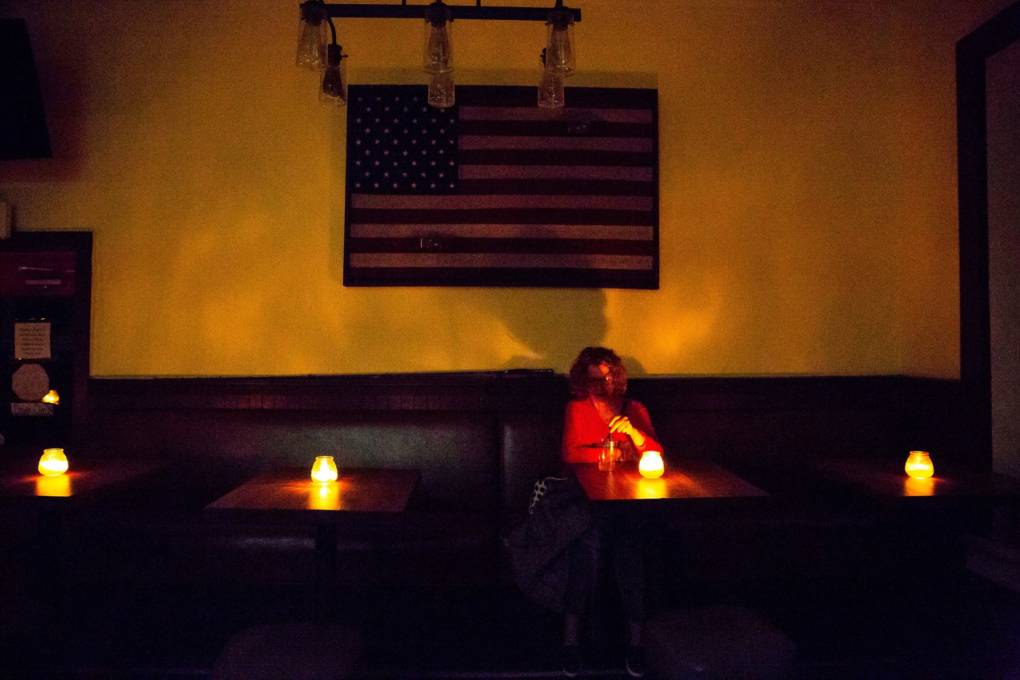
"caption": "Judy Aquiline, a Sonoma local, sits in the candle-lit restaurant Reel and Brand in Sonoma on Oct. 9, 2019, during a planned power outage by PG&E.",
"description": "Judy Aquiline, a Sonoma local, sits in the candle-lit restaurant Reel and Brand in Sonoma on Oct. 9, 2019, during a planned power outage by the Pacific Gas & Electric utility company.",
"title": "US-CALIFORNIA-WILDFIRES-WEATHER",
"credit": "Brittany Hosea-Small/AFP via Getty Images",
"status": "inherit",
"isLoading": false,
"fetchFailed": false
},
"news_11794381": {
"type": "attachments",
"id": "news_11794381",
"meta": {
"index": "attachments_1716263798",
"site": "news",
"id": "11794381",
"found": true
},
"parent": 11794221,
"imgSizes": {
"apple_news_ca_landscape_5_5": {
"file": "https://ww2.kqed.org/app/uploads/sites/10/2020/01/PHOTO_Kat-6-qut-1044x783.jpg",
"width": 1044,
"mimeType": "image/jpeg",
"height": 783
},
"apple_news_ca_square_4_0": {
"file": "https://ww2.kqed.org/app/uploads/sites/10/2020/01/PHOTO_Kat-6-qut-470x470.jpg",
"width": 470,
"mimeType": "image/jpeg",
"height": 470
},
"twentyfourteen-full-width": {
"file": "https://ww2.kqed.org/app/uploads/sites/10/2020/01/PHOTO_Kat-6-qut-1038x576.jpg",
"width": 1038,
"mimeType": "image/jpeg",
"height": 576
},
"thumbnail": {
"file": "https://ww2.kqed.org/app/uploads/sites/10/2020/01/PHOTO_Kat-6-qut-160x90.jpg",
"width": 160,
"mimeType": "image/jpeg",
"height": 90
},
"post-thumbnail": {
"file": "https://ww2.kqed.org/app/uploads/sites/10/2020/01/PHOTO_Kat-6-qut-672x372.jpg",
"width": 672,
"mimeType": "image/jpeg",
"height": 372
},
"kqedFullSize": {
"file": "https://ww2.kqed.org/app/uploads/sites/10/2020/01/PHOTO_Kat-6-qut.jpg",
"width": 1920,
"height": 1080
},
"apple_news_ca_landscape_4_7": {
"file": "https://ww2.kqed.org/app/uploads/sites/10/2020/01/PHOTO_Kat-6-qut-632x474.jpg",
"width": 632,
"mimeType": "image/jpeg",
"height": 474
},
"large": {
"file": "https://ww2.kqed.org/app/uploads/sites/10/2020/01/PHOTO_Kat-6-qut-1020x574.jpg",
"width": 1020,
"mimeType": "image/jpeg",
"height": 574
},
"complete_open_graph": {
"file": "https://ww2.kqed.org/app/uploads/sites/10/2020/01/PHOTO_Kat-6-qut-1200x675.jpg",
"width": 1200,
"mimeType": "image/jpeg",
"height": 675
},
"apple_news_ca_landscape_4_0": {
"file": "https://ww2.kqed.org/app/uploads/sites/10/2020/01/PHOTO_Kat-6-qut-536x402.jpg",
"width": 536,
"mimeType": "image/jpeg",
"height": 402
},
"apple_news_ca_portrait_12_9": {
"file": "https://ww2.kqed.org/app/uploads/sites/10/2020/01/PHOTO_Kat-6-qut-1122x1080.jpg",
"width": 1122,
"mimeType": "image/jpeg",
"height": 1080
},
"medium": {
"file": "https://ww2.kqed.org/app/uploads/sites/10/2020/01/PHOTO_Kat-6-qut-800x450.jpg",
"width": 800,
"mimeType": "image/jpeg",
"height": 450
},
"apple_news_ca_portrait_4_0": {
"file": "https://ww2.kqed.org/app/uploads/sites/10/2020/01/PHOTO_Kat-6-qut-354x472.jpg",
"width": 354,
"mimeType": "image/jpeg",
"height": 472
},
"apple_news_ca_portrait_9_7": {
"file": "https://ww2.kqed.org/app/uploads/sites/10/2020/01/PHOTO_Kat-6-qut-840x1080.jpg",
"width": 840,
"mimeType": "image/jpeg",
"height": 1080
},
"apple_news_ca_landscape_12_9": {
"file": "https://ww2.kqed.org/app/uploads/sites/10/2020/01/PHOTO_Kat-6-qut-1832x1080.jpg",
"width": 1832,
"mimeType": "image/jpeg",
"height": 1080
},
"apple_news_ca_square_9_7": {
"file": "https://ww2.kqed.org/app/uploads/sites/10/2020/01/PHOTO_Kat-6-qut-1104x1080.jpg",
"width": 1104,
"mimeType": "image/jpeg",
"height": 1080
},
"apple_news_ca_portrait_4_7": {
"file": "https://ww2.kqed.org/app/uploads/sites/10/2020/01/PHOTO_Kat-6-qut-414x552.jpg",
"width": 414,
"mimeType": "image/jpeg",
"height": 552
},
"apple_news_ca_square_12_9": {
"file": "https://ww2.kqed.org/app/uploads/sites/10/2020/01/PHOTO_Kat-6-qut-1472x1080.jpg",
"width": 1472,
"mimeType": "image/jpeg",
"height": 1080
},
"apple_news_ca_portrait_5_5": {
"file": "https://ww2.kqed.org/app/uploads/sites/10/2020/01/PHOTO_Kat-6-qut-687x916.jpg",
"width": 687,
"mimeType": "image/jpeg",
"height": 916
},
"full-width": {
"file": "https://ww2.kqed.org/app/uploads/sites/10/2020/01/PHOTO_Kat-6-qut-1920x1080.jpg",
"width": 1920,
"mimeType": "image/jpeg",
"height": 1080
},
"apple_news_ca_square_4_7": {
"file": "https://ww2.kqed.org/app/uploads/sites/10/2020/01/PHOTO_Kat-6-qut-550x550.jpg",
"width": 550,
"mimeType": "image/jpeg",
"height": 550
},
"apple_news_ca_landscape_9_7": {
"file": "https://ww2.kqed.org/app/uploads/sites/10/2020/01/PHOTO_Kat-6-qut-1376x1032.jpg",
"width": 1376,
"mimeType": "image/jpeg",
"height": 1032
},
"apple_news_ca_square_5_5": {
"file": "https://ww2.kqed.org/app/uploads/sites/10/2020/01/PHOTO_Kat-6-qut-912x912.jpg",
"width": 912,
"mimeType": "image/jpeg",
"height": 912
}
},
"publishDate": 1578427150,
"modified": 1578519585,
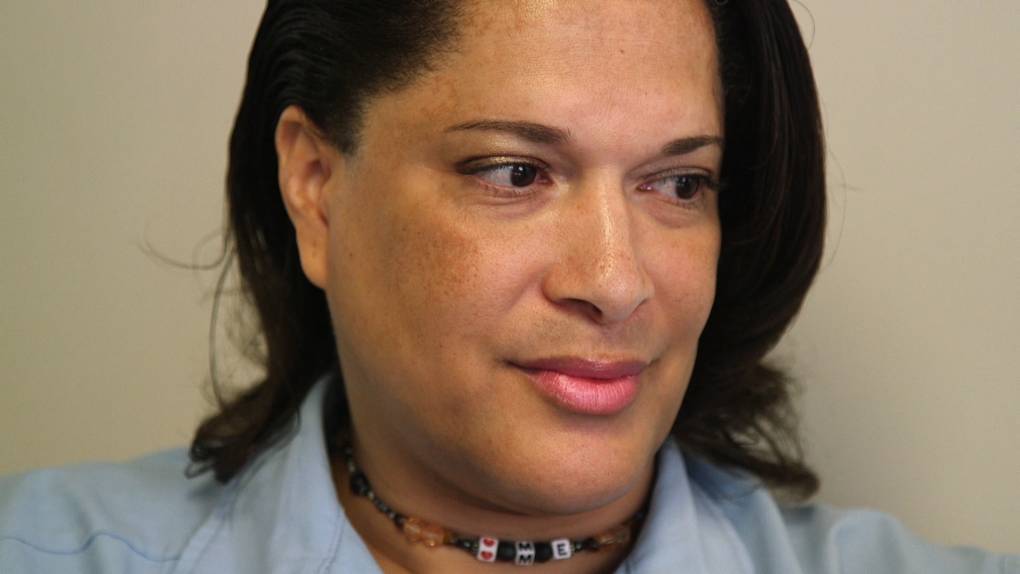
"caption": "Yekaterina Wesa Patience, a transgender woman housed at the California Medical Facility in Vacaville, on July 25, 2019.",
"description": "Yekaterina Wesa Patience, a transgender woman housed at the California Medical Facility in Vacaville, on July 25, 2019.",
"title": "PHOTO_Kat 6-qut",
"credit": "Monica Lam/KQED",
"status": "inherit",
"isLoading": false,
"fetchFailed": false
},
"news_11794373": {
"type": "attachments",
"id": "news_11794373",
"meta": {
"index": "attachments_1716263798",
"site": "news",
"id": "11794373",
"found": true
},
"parent": 11794221,
"imgSizes": {
"apple_news_ca_landscape_5_5": {
"file": "https://ww2.kqed.org/app/uploads/sites/10/2020/01/PHOTO_bikes7-qut-1044x783.jpg",
"width": 1044,
"mimeType": "image/jpeg",
"height": 783
},
"apple_news_ca_square_4_0": {
"file": "https://ww2.kqed.org/app/uploads/sites/10/2020/01/PHOTO_bikes7-qut-470x470.jpg",
"width": 470,
"mimeType": "image/jpeg",
"height": 470
},
"twentyfourteen-full-width": {
"file": "https://ww2.kqed.org/app/uploads/sites/10/2020/01/PHOTO_bikes7-qut-1038x576.jpg",
"width": 1038,
"mimeType": "image/jpeg",
"height": 576
},
"thumbnail": {
"file": "https://ww2.kqed.org/app/uploads/sites/10/2020/01/PHOTO_bikes7-qut-160x90.jpg",
"width": 160,
"mimeType": "image/jpeg",
"height": 90
},
"post-thumbnail": {
"file": "https://ww2.kqed.org/app/uploads/sites/10/2020/01/PHOTO_bikes7-qut-672x372.jpg",
"width": 672,
"mimeType": "image/jpeg",
"height": 372
},
"kqedFullSize": {
"file": "https://ww2.kqed.org/app/uploads/sites/10/2020/01/PHOTO_bikes7-qut.jpg",
"width": 1920,
"height": 1080
},
"apple_news_ca_landscape_4_7": {
"file": "https://ww2.kqed.org/app/uploads/sites/10/2020/01/PHOTO_bikes7-qut-632x474.jpg",
"width": 632,
"mimeType": "image/jpeg",
"height": 474
},
"large": {
"file": "https://ww2.kqed.org/app/uploads/sites/10/2020/01/PHOTO_bikes7-qut-1020x574.jpg",
"width": 1020,
"mimeType": "image/jpeg",
"height": 574
},
"complete_open_graph": {
"file": "https://ww2.kqed.org/app/uploads/sites/10/2020/01/PHOTO_bikes7-qut-1200x675.jpg",
"width": 1200,
"mimeType": "image/jpeg",
"height": 675
},
"apple_news_ca_landscape_4_0": {
"file": "https://ww2.kqed.org/app/uploads/sites/10/2020/01/PHOTO_bikes7-qut-536x402.jpg",
"width": 536,
"mimeType": "image/jpeg",
"height": 402
},
"apple_news_ca_portrait_12_9": {
"file": "https://ww2.kqed.org/app/uploads/sites/10/2020/01/PHOTO_bikes7-qut-1122x1080.jpg",
"width": 1122,
"mimeType": "image/jpeg",
"height": 1080
},
"medium": {
"file": "https://ww2.kqed.org/app/uploads/sites/10/2020/01/PHOTO_bikes7-qut-800x450.jpg",
"width": 800,
"mimeType": "image/jpeg",
"height": 450
},
"apple_news_ca_portrait_4_0": {
"file": "https://ww2.kqed.org/app/uploads/sites/10/2020/01/PHOTO_bikes7-qut-354x472.jpg",
"width": 354,
"mimeType": "image/jpeg",
"height": 472
},
"apple_news_ca_portrait_9_7": {
"file": "https://ww2.kqed.org/app/uploads/sites/10/2020/01/PHOTO_bikes7-qut-840x1080.jpg",
"width": 840,
"mimeType": "image/jpeg",
"height": 1080
},
"apple_news_ca_landscape_12_9": {
"file": "https://ww2.kqed.org/app/uploads/sites/10/2020/01/PHOTO_bikes7-qut-1832x1080.jpg",
"width": 1832,
"mimeType": "image/jpeg",
"height": 1080
},
"apple_news_ca_square_9_7": {
"file": "https://ww2.kqed.org/app/uploads/sites/10/2020/01/PHOTO_bikes7-qut-1104x1080.jpg",
"width": 1104,
"mimeType": "image/jpeg",
"height": 1080
},
"apple_news_ca_portrait_4_7": {
"file": "https://ww2.kqed.org/app/uploads/sites/10/2020/01/PHOTO_bikes7-qut-414x552.jpg",
"width": 414,
"mimeType": "image/jpeg",
"height": 552
},
"apple_news_ca_square_12_9": {
"file": "https://ww2.kqed.org/app/uploads/sites/10/2020/01/PHOTO_bikes7-qut-1472x1080.jpg",
"width": 1472,
"mimeType": "image/jpeg",
"height": 1080
},
"apple_news_ca_portrait_5_5": {
"file": "https://ww2.kqed.org/app/uploads/sites/10/2020/01/PHOTO_bikes7-qut-687x916.jpg",
"width": 687,
"mimeType": "image/jpeg",
"height": 916
},
"full-width": {
"file": "https://ww2.kqed.org/app/uploads/sites/10/2020/01/PHOTO_bikes7-qut-1920x1080.jpg",
"width": 1920,
"mimeType": "image/jpeg",
"height": 1080
},
"apple_news_ca_square_4_7": {
"file": "https://ww2.kqed.org/app/uploads/sites/10/2020/01/PHOTO_bikes7-qut-550x550.jpg",
"width": 550,
"mimeType": "image/jpeg",
"height": 550
},
"apple_news_ca_landscape_9_7": {
"file": "https://ww2.kqed.org/app/uploads/sites/10/2020/01/PHOTO_bikes7-qut-1376x1032.jpg",
"width": 1376,
"mimeType": "image/jpeg",
"height": 1032
},
"apple_news_ca_square_5_5": {
"file": "https://ww2.kqed.org/app/uploads/sites/10/2020/01/PHOTO_bikes7-qut-912x912.jpg",
"width": 912,
"mimeType": "image/jpeg",
"height": 912
}
},
"publishDate": 1578426042,
"modified": 1578426083,
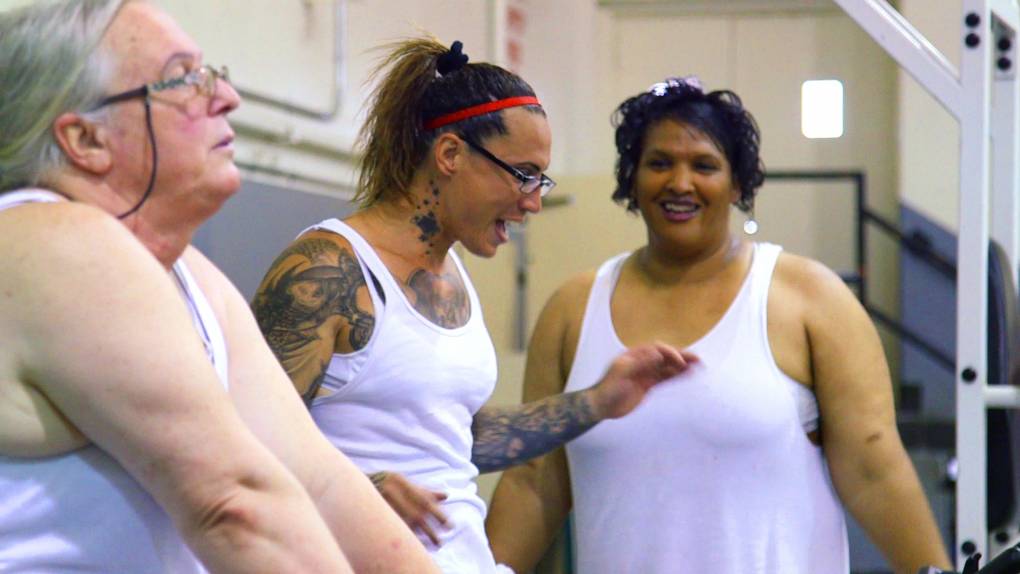
"caption": "Dallas Rachael Goosen (left), Makayla Fennell and Jazzie Paradize Scott ride bikes in the prison gym at the California Medical Facility in Vacaville on June 11, 2019.",
"description": "Dallas Rachael Goosen (left), Makayla Fennell and Jazzie Paradize Scott ride bikes in the prison gym at the California Medical Facility in Vacaville on June 11, 2019.",
"title": "PHOTO_bikes7-qut",
"credit": "Sruti Mamidanna/KQED",
"status": "inherit",
"isLoading": false,
"fetchFailed": false
},
"news_11794333": {
"type": "attachments",
"id": "news_11794333",
"meta": {
"index": "attachments_1716263798",
"site": "news",
"id": "11794333",
"found": true
},
"parent": 11794216,
"imgSizes": {
"apple_news_ca_landscape_5_5": {
"file": "https://ww2.kqed.org/app/uploads/sites/10/2020/01/harrisonstreet-1044x783.jpg",
"width": 1044,
"mimeType": "image/jpeg",
"height": 783
},
"apple_news_ca_square_4_0": {
"file": "https://ww2.kqed.org/app/uploads/sites/10/2020/01/harrisonstreet-470x470.jpg",
"width": 470,
"mimeType": "image/jpeg",
"height": 470
},
"twentyfourteen-full-width": {
"file": "https://ww2.kqed.org/app/uploads/sites/10/2020/01/harrisonstreet-1038x576.jpg",
"width": 1038,
"mimeType": "image/jpeg",
"height": 576
},
"thumbnail": {
"file": "https://ww2.kqed.org/app/uploads/sites/10/2020/01/harrisonstreet-160x100.jpg",
"width": 160,
"mimeType": "image/jpeg",
"height": 100
},
"post-thumbnail": {
"file": "https://ww2.kqed.org/app/uploads/sites/10/2020/01/harrisonstreet-672x372.jpg",
"width": 672,
"mimeType": "image/jpeg",
"height": 372
},
"kqedFullSize": {
"file": "https://ww2.kqed.org/app/uploads/sites/10/2020/01/harrisonstreet.jpg",
"width": 1920,
"height": 1199
},
"apple_news_ca_landscape_4_7": {
"file": "https://ww2.kqed.org/app/uploads/sites/10/2020/01/harrisonstreet-632x474.jpg",
"width": 632,
"mimeType": "image/jpeg",
"height": 474
},
"large": {
"file": "https://ww2.kqed.org/app/uploads/sites/10/2020/01/harrisonstreet-1020x637.jpg",
"width": 1020,
"mimeType": "image/jpeg",
"height": 637
},
"complete_open_graph": {
"file": "https://ww2.kqed.org/app/uploads/sites/10/2020/01/harrisonstreet-1200x749.jpg",
"width": 1200,
"mimeType": "image/jpeg",
"height": 749
},
"apple_news_ca_landscape_4_0": {
"file": "https://ww2.kqed.org/app/uploads/sites/10/2020/01/harrisonstreet-536x402.jpg",
"width": 536,
"mimeType": "image/jpeg",
"height": 402
},
"apple_news_ca_portrait_12_9": {
"file": "https://ww2.kqed.org/app/uploads/sites/10/2020/01/harrisonstreet-1122x1199.jpg",
"width": 1122,
"mimeType": "image/jpeg",
"height": 1199
},
"medium": {
"file": "https://ww2.kqed.org/app/uploads/sites/10/2020/01/harrisonstreet-800x500.jpg",
"width": 800,
"mimeType": "image/jpeg",
"height": 500
},
"apple_news_ca_portrait_4_0": {
"file": "https://ww2.kqed.org/app/uploads/sites/10/2020/01/harrisonstreet-354x472.jpg",
"width": 354,
"mimeType": "image/jpeg",
"height": 472
},
"apple_news_ca_portrait_9_7": {
"file": "https://ww2.kqed.org/app/uploads/sites/10/2020/01/harrisonstreet-840x1120.jpg",
"width": 840,
"mimeType": "image/jpeg",
"height": 1120
},
"apple_news_ca_landscape_12_9": {
"file": "https://ww2.kqed.org/app/uploads/sites/10/2020/01/harrisonstreet-1832x1199.jpg",
"width": 1832,
"mimeType": "image/jpeg",
"height": 1199
},
"apple_news_ca_square_9_7": {
"file": "https://ww2.kqed.org/app/uploads/sites/10/2020/01/harrisonstreet-1104x1104.jpg",
"width": 1104,
"mimeType": "image/jpeg",
"height": 1104
},
"apple_news_ca_portrait_4_7": {
"file": "https://ww2.kqed.org/app/uploads/sites/10/2020/01/harrisonstreet-414x552.jpg",
"width": 414,
"mimeType": "image/jpeg",
"height": 552
},
"apple_news_ca_square_12_9": {
"file": "https://ww2.kqed.org/app/uploads/sites/10/2020/01/harrisonstreet-1472x1199.jpg",
"width": 1472,
"mimeType": "image/jpeg",
"height": 1199
},
"apple_news_ca_portrait_5_5": {
"file": "https://ww2.kqed.org/app/uploads/sites/10/2020/01/harrisonstreet-687x916.jpg",
"width": 687,
"mimeType": "image/jpeg",
"height": 916
},
"full-width": {
"file": "https://ww2.kqed.org/app/uploads/sites/10/2020/01/harrisonstreet-1920x1199.jpg",
"width": 1920,
"mimeType": "image/jpeg",
"height": 1199
},
"apple_news_ca_square_4_7": {
"file": "https://ww2.kqed.org/app/uploads/sites/10/2020/01/harrisonstreet-550x550.jpg",
"width": 550,
"mimeType": "image/jpeg",
"height": 550
},
"apple_news_ca_landscape_9_7": {
"file": "https://ww2.kqed.org/app/uploads/sites/10/2020/01/harrisonstreet-1376x1032.jpg",
"width": 1376,
"mimeType": "image/jpeg",
"height": 1032
},
"apple_news_ca_square_5_5": {
"file": "https://ww2.kqed.org/app/uploads/sites/10/2020/01/harrisonstreet-912x912.jpg",
"width": 912,
"mimeType": "image/jpeg",
"height": 912
}
},
"publishDate": 1578393630,
"modified": 1578394229,
"caption": "Residential development on San Francisco's Harrison Street, July 2015.",
"description": null,
"title": "San Francisco Development",
"credit": "Dan Brekke/KQED",
"status": "inherit",
"isLoading": false,
"fetchFailed": false
},
"news_11794444": {
"type": "attachments",
"id": "news_11794444",
"meta": {
"index": "attachments_1716263798",
"site": "news",
"id": "11794444",
"found": true
},
"parent": 11794440,
"imgSizes": {
"apple_news_ca_landscape_5_5": {
"file": "https://ww2.kqed.org/app/uploads/sites/10/2020/01/rezone_010720_final-1044x783.jpg",
"width": 1044,
"mimeType": "image/jpeg",
"height": 783
},
"apple_news_ca_square_4_0": {
"file": "https://ww2.kqed.org/app/uploads/sites/10/2020/01/rezone_010720_final-470x470.jpg",
"width": 470,
"mimeType": "image/jpeg",
"height": 470
},
"twentyfourteen-full-width": {
"file": "https://ww2.kqed.org/app/uploads/sites/10/2020/01/rezone_010720_final-1038x576.jpg",
"width": 1038,
"mimeType": "image/jpeg",
"height": 576
},
"thumbnail": {
"file": "https://ww2.kqed.org/app/uploads/sites/10/2020/01/rezone_010720_final-160x118.jpg",
"width": 160,
"mimeType": "image/jpeg",
"height": 118
},
"post-thumbnail": {
"file": "https://ww2.kqed.org/app/uploads/sites/10/2020/01/rezone_010720_final-672x372.jpg",
"width": 672,
"mimeType": "image/jpeg",
"height": 372
},
"kqedFullSize": {
"file": "https://ww2.kqed.org/app/uploads/sites/10/2020/01/rezone_010720_final.jpg",
"width": 1920,
"height": 1410
},
"apple_news_ca_landscape_4_7": {
"file": "https://ww2.kqed.org/app/uploads/sites/10/2020/01/rezone_010720_final-632x474.jpg",
"width": 632,
"mimeType": "image/jpeg",
"height": 474
},
"large": {
"file": "https://ww2.kqed.org/app/uploads/sites/10/2020/01/rezone_010720_final-1020x749.jpg",
"width": 1020,
"mimeType": "image/jpeg",
"height": 749
},
"complete_open_graph": {
"file": "https://ww2.kqed.org/app/uploads/sites/10/2020/01/rezone_010720_final-1200x881.jpg",
"width": 1200,
"mimeType": "image/jpeg",
"height": 881
},
"apple_news_ca_landscape_4_0": {
"file": "https://ww2.kqed.org/app/uploads/sites/10/2020/01/rezone_010720_final-536x402.jpg",
"width": 536,
"mimeType": "image/jpeg",
"height": 402
},
"apple_news_ca_portrait_12_9": {
"file": "https://ww2.kqed.org/app/uploads/sites/10/2020/01/rezone_010720_final-1122x1410.jpg",
"width": 1122,
"mimeType": "image/jpeg",
"height": 1410
},
"medium": {
"file": "https://ww2.kqed.org/app/uploads/sites/10/2020/01/rezone_010720_final-800x588.jpg",
"width": 800,
"mimeType": "image/jpeg",
"height": 588
},
"apple_news_ca_portrait_4_0": {
"file": "https://ww2.kqed.org/app/uploads/sites/10/2020/01/rezone_010720_final-354x472.jpg",
"width": 354,
"mimeType": "image/jpeg",
"height": 472
},
"apple_news_ca_portrait_9_7": {
"file": "https://ww2.kqed.org/app/uploads/sites/10/2020/01/rezone_010720_final-840x1120.jpg",
"width": 840,
"mimeType": "image/jpeg",
"height": 1120
},
"apple_news_ca_landscape_12_9": {
"file": "https://ww2.kqed.org/app/uploads/sites/10/2020/01/rezone_010720_final-1832x1374.jpg",
"width": 1832,
"mimeType": "image/jpeg",
"height": 1374
},
"apple_news_ca_square_9_7": {
"file": "https://ww2.kqed.org/app/uploads/sites/10/2020/01/rezone_010720_final-1104x1104.jpg",
"width": 1104,
"mimeType": "image/jpeg",
"height": 1104
},
"apple_news_ca_portrait_4_7": {
"file": "https://ww2.kqed.org/app/uploads/sites/10/2020/01/rezone_010720_final-414x552.jpg",
"width": 414,
"mimeType": "image/jpeg",
"height": 552
},
"apple_news_ca_square_12_9": {
"file": "https://ww2.kqed.org/app/uploads/sites/10/2020/01/rezone_010720_final-1472x1410.jpg",
"width": 1472,
"mimeType": "image/jpeg",
"height": 1410
},
"apple_news_ca_portrait_5_5": {
"file": "https://ww2.kqed.org/app/uploads/sites/10/2020/01/rezone_010720_final-687x916.jpg",
"width": 687,
"mimeType": "image/jpeg",
"height": 916
},
"full-width": {
"file": "https://ww2.kqed.org/app/uploads/sites/10/2020/01/rezone_010720_final-1920x1410.jpg",
"width": 1920,
"mimeType": "image/jpeg",
"height": 1410
},
"apple_news_ca_square_4_7": {
"file": "https://ww2.kqed.org/app/uploads/sites/10/2020/01/rezone_010720_final-550x550.jpg",
"width": 550,
"mimeType": "image/jpeg",
"height": 550
},
"apple_news_ca_landscape_9_7": {
"file": "https://ww2.kqed.org/app/uploads/sites/10/2020/01/rezone_010720_final-1376x1032.jpg",
"width": 1376,
"mimeType": "image/jpeg",
"height": 1032
},
"apple_news_ca_square_5_5": {
"file": "https://ww2.kqed.org/app/uploads/sites/10/2020/01/rezone_010720_final-912x912.jpg",
"width": 912,
"mimeType": "image/jpeg",
"height": 912
}
},
"publishDate": 1578434662,
"modified": 1578434694,
"caption": null,
"description": null,
"title": "rezone_010720_final",
"credit": null,
"status": "inherit",
"isLoading": false,
"fetchFailed": false
},
"news_11779320": {
"type": "attachments",
"id": "news_11779320",
"meta": {
"index": "attachments_1716263798",
"site": "news",
"id": "11779320",
"found": true
},
"parent": 11779285,
"imgSizes": {
"apple_news_ca_landscape_5_5": {
"file": "https://ww2.kqed.org/app/uploads/sites/10/2019/10/10102019_pge_power-shutoffs_bay-area_turn-on-power-qut-1044x783.jpg",
"width": 1044,
"mimeType": "image/jpeg",
"height": 783
},
"apple_news_ca_square_4_0": {
"file": "https://ww2.kqed.org/app/uploads/sites/10/2019/10/10102019_pge_power-shutoffs_bay-area_turn-on-power-qut-470x470.jpg",
"width": 470,
"mimeType": "image/jpeg",
"height": 470
},
"twentyfourteen-full-width": {
"file": "https://ww2.kqed.org/app/uploads/sites/10/2019/10/10102019_pge_power-shutoffs_bay-area_turn-on-power-qut-1038x576.jpg",
"width": 1038,
"mimeType": "image/jpeg",
"height": 576
},
"thumbnail": {
"file": "https://ww2.kqed.org/app/uploads/sites/10/2019/10/10102019_pge_power-shutoffs_bay-area_turn-on-power-qut-160x107.jpg",
"width": 160,
"mimeType": "image/jpeg",
"height": 107
},
"post-thumbnail": {
"file": "https://ww2.kqed.org/app/uploads/sites/10/2019/10/10102019_pge_power-shutoffs_bay-area_turn-on-power-qut-672x372.jpg",
"width": 672,
"mimeType": "image/jpeg",
"height": 372
},
"kqedFullSize": {
"file": "https://ww2.kqed.org/app/uploads/sites/10/2019/10/10102019_pge_power-shutoffs_bay-area_turn-on-power-qut.jpg",
"width": 1920,
"height": 1289
},
"apple_news_ca_landscape_4_7": {
"file": "https://ww2.kqed.org/app/uploads/sites/10/2019/10/10102019_pge_power-shutoffs_bay-area_turn-on-power-qut-632x474.jpg",
"width": 632,
"mimeType": "image/jpeg",
"height": 474
},
"large": {
"file": "https://ww2.kqed.org/app/uploads/sites/10/2019/10/10102019_pge_power-shutoffs_bay-area_turn-on-power-qut-1020x685.jpg",
"width": 1020,
"mimeType": "image/jpeg",
"height": 685
},
"complete_open_graph": {
"file": "https://ww2.kqed.org/app/uploads/sites/10/2019/10/10102019_pge_power-shutoffs_bay-area_turn-on-power-qut-1200x806.jpg",
"width": 1200,
"mimeType": "image/jpeg",
"height": 806
},
"apple_news_ca_landscape_4_0": {
"file": "https://ww2.kqed.org/app/uploads/sites/10/2019/10/10102019_pge_power-shutoffs_bay-area_turn-on-power-qut-536x402.jpg",
"width": 536,
"mimeType": "image/jpeg",
"height": 402
},
"apple_news_ca_portrait_12_9": {
"file": "https://ww2.kqed.org/app/uploads/sites/10/2019/10/10102019_pge_power-shutoffs_bay-area_turn-on-power-qut-1122x1289.jpg",
"width": 1122,
"mimeType": "image/jpeg",
"height": 1289
},
"medium": {
"file": "https://ww2.kqed.org/app/uploads/sites/10/2019/10/10102019_pge_power-shutoffs_bay-area_turn-on-power-qut-800x537.jpg",
"width": 800,
"mimeType": "image/jpeg",
"height": 537
},
"apple_news_ca_portrait_4_0": {
"file": "https://ww2.kqed.org/app/uploads/sites/10/2019/10/10102019_pge_power-shutoffs_bay-area_turn-on-power-qut-354x472.jpg",
"width": 354,
"mimeType": "image/jpeg",
"height": 472
},
"apple_news_ca_portrait_9_7": {
"file": "https://ww2.kqed.org/app/uploads/sites/10/2019/10/10102019_pge_power-shutoffs_bay-area_turn-on-power-qut-840x1120.jpg",
"width": 840,
"mimeType": "image/jpeg",
"height": 1120
},
"apple_news_ca_landscape_12_9": {
"file": "https://ww2.kqed.org/app/uploads/sites/10/2019/10/10102019_pge_power-shutoffs_bay-area_turn-on-power-qut-1832x1289.jpg",
"width": 1832,
"mimeType": "image/jpeg",
"height": 1289
},
"apple_news_ca_square_9_7": {
"file": "https://ww2.kqed.org/app/uploads/sites/10/2019/10/10102019_pge_power-shutoffs_bay-area_turn-on-power-qut-1104x1104.jpg",
"width": 1104,
"mimeType": "image/jpeg",
"height": 1104
},
"apple_news_ca_portrait_4_7": {
"file": "https://ww2.kqed.org/app/uploads/sites/10/2019/10/10102019_pge_power-shutoffs_bay-area_turn-on-power-qut-414x552.jpg",
"width": 414,
"mimeType": "image/jpeg",
"height": 552
},
"apple_news_ca_square_12_9": {
"file": "https://ww2.kqed.org/app/uploads/sites/10/2019/10/10102019_pge_power-shutoffs_bay-area_turn-on-power-qut-1472x1289.jpg",
"width": 1472,
"mimeType": "image/jpeg",
"height": 1289
},
"apple_news_ca_portrait_5_5": {
"file": "https://ww2.kqed.org/app/uploads/sites/10/2019/10/10102019_pge_power-shutoffs_bay-area_turn-on-power-qut-687x916.jpg",
"width": 687,
"mimeType": "image/jpeg",
"height": 916
},
"full-width": {
"file": "https://ww2.kqed.org/app/uploads/sites/10/2019/10/10102019_pge_power-shutoffs_bay-area_turn-on-power-qut-1920x1289.jpg",
"width": 1920,
"mimeType": "image/jpeg",
"height": 1289
},
"apple_news_ca_square_4_7": {
"file": "https://ww2.kqed.org/app/uploads/sites/10/2019/10/10102019_pge_power-shutoffs_bay-area_turn-on-power-qut-550x550.jpg",
"width": 550,
"mimeType": "image/jpeg",
"height": 550
},
"apple_news_ca_landscape_9_7": {
"file": "https://ww2.kqed.org/app/uploads/sites/10/2019/10/10102019_pge_power-shutoffs_bay-area_turn-on-power-qut-1376x1032.jpg",
"width": 1376,
"mimeType": "image/jpeg",
"height": 1032
},
"apple_news_ca_square_5_5": {
"file": "https://ww2.kqed.org/app/uploads/sites/10/2019/10/10102019_pge_power-shutoffs_bay-area_turn-on-power-qut-912x912.jpg",
"width": 912,
"mimeType": "image/jpeg",
"height": 912
}
},
"publishDate": 1570741053,
"modified": 1570750083,
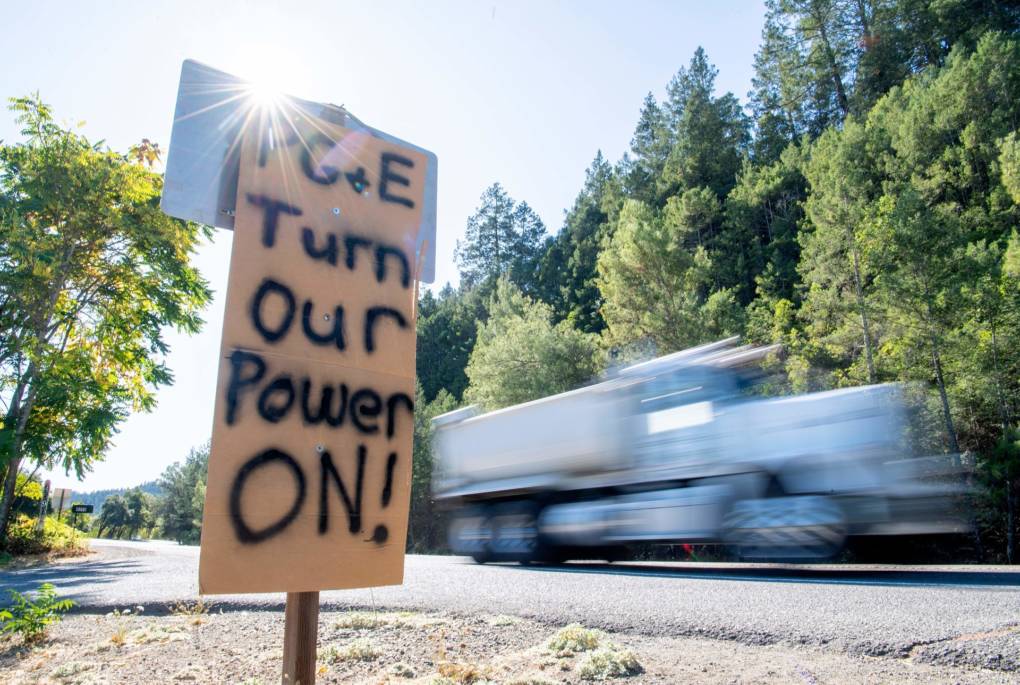
"caption": "A sign calling for PG&E to turn the power back on is seen on the side of the road during a statewide blackout in Calistoga on Oct. 10, 2019.",
"description": "A sign calling for PG&E to turn the power back on is seen on the side of the road during a statewide blackout in Calistoga on Oct. 10, 2019.",
"title": "US-FIRE-POWER-California-wildfires-weather",
"credit": "Josh Edelson/AFP via Getty Images",
"status": "inherit",
"isLoading": false,
"fetchFailed": false
},
"news_11771902": {
"type": "attachments",
"id": "news_11771902",
"meta": {
"index": "attachments_1716263798",
"site": "news",
"id": "11771902",
"found": true
},
"parent": 11771889,
"imgSizes": {
"apple_news_ca_landscape_5_5": {
"file": "https://ww2.kqed.org/app/uploads/sites/10/2019/09/food-stamps-photo-2-1920-1044x783.jpg",
"width": 1044,
"mimeType": "image/jpeg",
"height": 783
},
"apple_news_ca_square_4_0": {
"file": "https://ww2.kqed.org/app/uploads/sites/10/2019/09/food-stamps-photo-2-1920-470x470.jpg",
"width": 470,
"mimeType": "image/jpeg",
"height": 470
},
"twentyfourteen-full-width": {
"file": "https://ww2.kqed.org/app/uploads/sites/10/2019/09/food-stamps-photo-2-1920-1038x576.jpg",
"width": 1038,
"mimeType": "image/jpeg",
"height": 576
},
"thumbnail": {
"file": "https://ww2.kqed.org/app/uploads/sites/10/2019/09/food-stamps-photo-2-1920-160x107.jpg",
"width": 160,
"mimeType": "image/jpeg",
"height": 107
},
"post-thumbnail": {
"file": "https://ww2.kqed.org/app/uploads/sites/10/2019/09/food-stamps-photo-2-1920-672x372.jpg",
"width": 672,
"mimeType": "image/jpeg",
"height": 372
},
"kqedFullSize": {
"file": "https://ww2.kqed.org/app/uploads/sites/10/2019/09/food-stamps-photo-2-1920.jpg",
"width": 1920,
"height": 1280
},
"apple_news_ca_landscape_4_7": {
"file": "https://ww2.kqed.org/app/uploads/sites/10/2019/09/food-stamps-photo-2-1920-632x474.jpg",
"width": 632,
"mimeType": "image/jpeg",
"height": 474
},
"large": {
"file": "https://ww2.kqed.org/app/uploads/sites/10/2019/09/food-stamps-photo-2-1920-1020x680.jpg",
"width": 1020,
"mimeType": "image/jpeg",
"height": 680
},
"complete_open_graph": {
"file": "https://ww2.kqed.org/app/uploads/sites/10/2019/09/food-stamps-photo-2-1920-1200x800.jpg",
"width": 1200,
"mimeType": "image/jpeg",
"height": 800
},
"apple_news_ca_landscape_4_0": {
"file": "https://ww2.kqed.org/app/uploads/sites/10/2019/09/food-stamps-photo-2-1920-536x402.jpg",
"width": 536,
"mimeType": "image/jpeg",
"height": 402
},
"apple_news_ca_portrait_12_9": {
"file": "https://ww2.kqed.org/app/uploads/sites/10/2019/09/food-stamps-photo-2-1920-1122x1280.jpg",
"width": 1122,
"mimeType": "image/jpeg",
"height": 1280
},
"medium": {
"file": "https://ww2.kqed.org/app/uploads/sites/10/2019/09/food-stamps-photo-2-1920-800x533.jpg",
"width": 800,
"mimeType": "image/jpeg",
"height": 533
},
"apple_news_ca_portrait_4_0": {
"file": "https://ww2.kqed.org/app/uploads/sites/10/2019/09/food-stamps-photo-2-1920-354x472.jpg",
"width": 354,
"mimeType": "image/jpeg",
"height": 472
},
"apple_news_ca_portrait_9_7": {
"file": "https://ww2.kqed.org/app/uploads/sites/10/2019/09/food-stamps-photo-2-1920-840x1120.jpg",
"width": 840,
"mimeType": "image/jpeg",
"height": 1120
},
"apple_news_ca_landscape_12_9": {
"file": "https://ww2.kqed.org/app/uploads/sites/10/2019/09/food-stamps-photo-2-1920-1832x1280.jpg",
"width": 1832,
"mimeType": "image/jpeg",
"height": 1280
},
"apple_news_ca_square_9_7": {
"file": "https://ww2.kqed.org/app/uploads/sites/10/2019/09/food-stamps-photo-2-1920-1104x1104.jpg",
"width": 1104,
"mimeType": "image/jpeg",
"height": 1104
},
"apple_news_ca_portrait_4_7": {
"file": "https://ww2.kqed.org/app/uploads/sites/10/2019/09/food-stamps-photo-2-1920-414x552.jpg",
"width": 414,
"mimeType": "image/jpeg",
"height": 552
},
"apple_news_ca_square_12_9": {
"file": "https://ww2.kqed.org/app/uploads/sites/10/2019/09/food-stamps-photo-2-1920-1472x1280.jpg",
"width": 1472,
"mimeType": "image/jpeg",
"height": 1280
},
"apple_news_ca_portrait_5_5": {
"file": "https://ww2.kqed.org/app/uploads/sites/10/2019/09/food-stamps-photo-2-1920-687x916.jpg",
"width": 687,
"mimeType": "image/jpeg",
"height": 916
},
"full-width": {
"file": "https://ww2.kqed.org/app/uploads/sites/10/2019/09/food-stamps-photo-2-1920-1920x1280.jpg",
"width": 1920,
"mimeType": "image/jpeg",
"height": 1280
},
"apple_news_ca_square_4_7": {
"file": "https://ww2.kqed.org/app/uploads/sites/10/2019/09/food-stamps-photo-2-1920-550x550.jpg",
"width": 550,
"mimeType": "image/jpeg",
"height": 550
},
"apple_news_ca_landscape_9_7": {
"file": "https://ww2.kqed.org/app/uploads/sites/10/2019/09/food-stamps-photo-2-1920-1376x1032.jpg",
"width": 1376,
"mimeType": "image/jpeg",
"height": 1032
},
"apple_news_ca_square_5_5": {
"file": "https://ww2.kqed.org/app/uploads/sites/10/2019/09/food-stamps-photo-2-1920-912x912.jpg",
"width": 912,
"mimeType": "image/jpeg",
"height": 912
}
},
"publishDate": 1567547777,
"modified": 1633117583,
"caption": "A man learns how he can apply for CalFresh, the state's food stamp program, at an outreach event in Contra Costa County.",
"description": "A man learns how he can apply for CalFresh, the state's food stamp program, at an outreach event in Contra Costa county.",
"title": "food-stamps-photo-2-1920",
"credit": "Anne Wernikoff/CalMatters",
"status": "inherit",
"altTag": "A man learns how he can apply for CalFresh, the state's food stamp program, at an outreach event in Contra Costa county.",
"isLoading": false,
"fetchFailed": false
},
"news_11771657": {
"type": "attachments",
"id": "news_11771657",
"meta": {
"index": "attachments_1716263798",
"site": "news",
"id": "11771657",
"found": true
},
"parent": 11771610,
"imgSizes": {
"apple_news_ca_landscape_5_5": {
"file": "https://ww2.kqed.org/app/uploads/sites/10/2019/08/GettyImages-973691898-1044x783.jpg",
"width": 1044,
"mimeType": "image/jpeg",
"height": 783
},
"apple_news_ca_square_4_0": {
"file": "https://ww2.kqed.org/app/uploads/sites/10/2019/08/GettyImages-973691898-470x470.jpg",
"width": 470,
"mimeType": "image/jpeg",
"height": 470
},
"twentyfourteen-full-width": {
"file": "https://ww2.kqed.org/app/uploads/sites/10/2019/08/GettyImages-973691898-1038x576.jpg",
"width": 1038,
"mimeType": "image/jpeg",
"height": 576
},
"thumbnail": {
"file": "https://ww2.kqed.org/app/uploads/sites/10/2019/08/GettyImages-973691898-160x107.jpg",
"width": 160,
"mimeType": "image/jpeg",
"height": 107
},
"post-thumbnail": {
"file": "https://ww2.kqed.org/app/uploads/sites/10/2019/08/GettyImages-973691898-672x372.jpg",
"width": 672,
"mimeType": "image/jpeg",
"height": 372
},
"kqedFullSize": {
"file": "https://ww2.kqed.org/app/uploads/sites/10/2019/08/GettyImages-973691898-e1567287950353.jpg",
"width": 1920,
"height": 1280
},
"apple_news_ca_landscape_4_7": {
"file": "https://ww2.kqed.org/app/uploads/sites/10/2019/08/GettyImages-973691898-632x474.jpg",
"width": 632,
"mimeType": "image/jpeg",
"height": 474
},
"large": {
"file": "https://ww2.kqed.org/app/uploads/sites/10/2019/08/GettyImages-973691898-1020x680.jpg",
"width": 1020,
"mimeType": "image/jpeg",
"height": 680
},
"complete_open_graph": {
"file": "https://ww2.kqed.org/app/uploads/sites/10/2019/08/GettyImages-973691898-1200x800.jpg",
"width": 1200,
"mimeType": "image/jpeg",
"height": 800
},
"apple_news_ca_landscape_4_0": {
"file": "https://ww2.kqed.org/app/uploads/sites/10/2019/08/GettyImages-973691898-536x402.jpg",
"width": 536,
"mimeType": "image/jpeg",
"height": 402
},
"apple_news_ca_portrait_12_9": {
"file": "https://ww2.kqed.org/app/uploads/sites/10/2019/08/GettyImages-973691898-1122x1496.jpg",
"width": 1122,
"mimeType": "image/jpeg",
"height": 1496
},
"medium": {
"file": "https://ww2.kqed.org/app/uploads/sites/10/2019/08/GettyImages-973691898-800x533.jpg",
"width": 800,
"mimeType": "image/jpeg",
"height": 533
},
"apple_news_ca_portrait_4_0": {
"file": "https://ww2.kqed.org/app/uploads/sites/10/2019/08/GettyImages-973691898-354x472.jpg",
"width": 354,
"mimeType": "image/jpeg",
"height": 472
},
"apple_news_ca_portrait_9_7": {
"file": "https://ww2.kqed.org/app/uploads/sites/10/2019/08/GettyImages-973691898-840x1120.jpg",
"width": 840,
"mimeType": "image/jpeg",
"height": 1120
},
"apple_news_ca_landscape_12_9": {
"file": "https://ww2.kqed.org/app/uploads/sites/10/2019/08/GettyImages-973691898-1832x1374.jpg",
"width": 1832,
"mimeType": "image/jpeg",
"height": 1374
},
"apple_news_ca_square_9_7": {
"file": "https://ww2.kqed.org/app/uploads/sites/10/2019/08/GettyImages-973691898-1104x1104.jpg",
"width": 1104,
"mimeType": "image/jpeg",
"height": 1104
},
"apple_news_ca_portrait_4_7": {
"file": "https://ww2.kqed.org/app/uploads/sites/10/2019/08/GettyImages-973691898-414x552.jpg",
"width": 414,
"mimeType": "image/jpeg",
"height": 552
},
"apple_news_ca_square_12_9": {
"file": "https://ww2.kqed.org/app/uploads/sites/10/2019/08/GettyImages-973691898-1472x1472.jpg",
"width": 1472,
"mimeType": "image/jpeg",
"height": 1472
},
"apple_news_ca_portrait_5_5": {
"file": "https://ww2.kqed.org/app/uploads/sites/10/2019/08/GettyImages-973691898-687x916.jpg",
"width": 687,
"mimeType": "image/jpeg",
"height": 916
},
"full-width": {
"file": "https://ww2.kqed.org/app/uploads/sites/10/2019/08/GettyImages-973691898-1920x1280.jpg",
"width": 1920,
"mimeType": "image/jpeg",
"height": 1280
},
"apple_news_ca_square_4_7": {
"file": "https://ww2.kqed.org/app/uploads/sites/10/2019/08/GettyImages-973691898-550x550.jpg",
"width": 550,
"mimeType": "image/jpeg",
"height": 550
},
"apple_news_ca_landscape_9_7": {
"file": "https://ww2.kqed.org/app/uploads/sites/10/2019/08/GettyImages-973691898-1376x1032.jpg",
"width": 1376,
"mimeType": "image/jpeg",
"height": 1032
},
"apple_news_ca_square_5_5": {
"file": "https://ww2.kqed.org/app/uploads/sites/10/2019/08/GettyImages-973691898-912x912.jpg",
"width": 912,
"mimeType": "image/jpeg",
"height": 912
}
},
"publishDate": 1567287929,
"modified": 1567288034,
"caption": "A rental vacancy sign is posted in front of an apartment on in San Francisco, California. ",
"description": null,
"title": "San Francisco Tops New Survey Of Highest U.S. Home Rental Prices",
"credit": "Justin Sullivan/Getty Images",
"status": "inherit",
"isLoading": false,
"fetchFailed": false
},
"news_11762403": {
"type": "attachments",
"id": "news_11762403",
"meta": {
"index": "attachments_1716263798",
"site": "news",
"id": "11762403",
"found": true
},
"parent": 11762399,
"imgSizes": {
"apple_news_ca_square_4_0": {
"file": "https://ww2.kqed.org/app/uploads/sites/10/2019/07/food-bank-cal-fresh-food-stamps-470x470.jpg",
"width": 470,
"mimeType": "image/jpeg",
"height": 470
},
"thumbnail": {
"file": "https://ww2.kqed.org/app/uploads/sites/10/2019/07/food-bank-cal-fresh-food-stamps-160x107.jpg",
"width": 160,
"mimeType": "image/jpeg",
"height": 107
},
"post-thumbnail": {
"file": "https://ww2.kqed.org/app/uploads/sites/10/2019/07/food-bank-cal-fresh-food-stamps-672x372.jpg",
"width": 672,
"mimeType": "image/jpeg",
"height": 372
},
"kqedFullSize": {
"file": "https://ww2.kqed.org/app/uploads/sites/10/2019/07/food-bank-cal-fresh-food-stamps.jpg",
"width": 794,
"height": 529
},
"apple_news_ca_landscape_4_7": {
"file": "https://ww2.kqed.org/app/uploads/sites/10/2019/07/food-bank-cal-fresh-food-stamps-632x474.jpg",
"width": 632,
"mimeType": "image/jpeg",
"height": 474
},
"apple_news_ca_portrait_4_7": {
"file": "https://ww2.kqed.org/app/uploads/sites/10/2019/07/food-bank-cal-fresh-food-stamps-414x529.jpg",
"width": 414,
"mimeType": "image/jpeg",
"height": 529
},
"apple_news_ca_portrait_5_5": {
"file": "https://ww2.kqed.org/app/uploads/sites/10/2019/07/food-bank-cal-fresh-food-stamps-687x529.jpg",
"width": 687,
"mimeType": "image/jpeg",
"height": 529
},
"apple_news_ca_square_4_7": {
"file": "https://ww2.kqed.org/app/uploads/sites/10/2019/07/food-bank-cal-fresh-food-stamps-550x529.jpg",
"width": 550,
"mimeType": "image/jpeg",
"height": 529
},
"apple_news_ca_landscape_4_0": {
"file": "https://ww2.kqed.org/app/uploads/sites/10/2019/07/food-bank-cal-fresh-food-stamps-536x402.jpg",
"width": 536,
"mimeType": "image/jpeg",
"height": 402
},
"apple_news_ca_portrait_4_0": {
"file": "https://ww2.kqed.org/app/uploads/sites/10/2019/07/food-bank-cal-fresh-food-stamps-354x472.jpg",
"width": 354,
"mimeType": "image/jpeg",
"height": 472
}
},
"publishDate": 1563546356,
"modified": 1563546386,
"caption": "A Bay Area woman fills out paperwork to prove she is eligible for CalFresh, California's food stamp program.",
"description": null,
"title": "food-bank-cal-fresh-food-stamps",
"credit": "San Francisco-Marin Food Bank",
"status": "inherit",
"isLoading": false,
"fetchFailed": false
},
"news_11762288": {
"type": "attachments",
"id": "news_11762288",
"meta": {
"index": "attachments_1716263798",
"site": "news",
"id": "11762288",
"found": true
},
"parent": 11762233,
"imgSizes": {
"apple_news_ca_landscape_5_5": {
"file": "https://ww2.kqed.org/app/uploads/sites/10/2019/07/IMG_1680-1044x783.jpg",
"width": 1044,
"mimeType": "image/jpeg",
"height": 783
},
"apple_news_ca_square_4_0": {
"file": "https://ww2.kqed.org/app/uploads/sites/10/2019/07/IMG_1680-470x470.jpg",
"width": 470,
"mimeType": "image/jpeg",
"height": 470
},
"twentyfourteen-full-width": {
"file": "https://ww2.kqed.org/app/uploads/sites/10/2019/07/IMG_1680-1038x576.jpg",
"width": 1038,
"mimeType": "image/jpeg",
"height": 576
},
"thumbnail": {
"file": "https://ww2.kqed.org/app/uploads/sites/10/2019/07/IMG_1680-160x120.jpg",
"width": 160,
"mimeType": "image/jpeg",
"height": 120
},
"post-thumbnail": {
"file": "https://ww2.kqed.org/app/uploads/sites/10/2019/07/IMG_1680-672x372.jpg",
"width": 672,
"mimeType": "image/jpeg",
"height": 372
},
"kqedFullSize": {
"file": "https://ww2.kqed.org/app/uploads/sites/10/2019/07/IMG_1680.jpg",
"width": 2016,
"height": 1512
},
"apple_news_ca_landscape_4_7": {
"file": "https://ww2.kqed.org/app/uploads/sites/10/2019/07/IMG_1680-632x474.jpg",
"width": 632,
"mimeType": "image/jpeg",
"height": 474
},
"large": {
"file": "https://ww2.kqed.org/app/uploads/sites/10/2019/07/IMG_1680-1020x765.jpg",
"width": 1020,
"mimeType": "image/jpeg",
"height": 765
},
"complete_open_graph": {
"file": "https://ww2.kqed.org/app/uploads/sites/10/2019/07/IMG_1680-1200x900.jpg",
"width": 1200,
"mimeType": "image/jpeg",
"height": 900
},
"apple_news_ca_landscape_4_0": {
"file": "https://ww2.kqed.org/app/uploads/sites/10/2019/07/IMG_1680-536x402.jpg",
"width": 536,
"mimeType": "image/jpeg",
"height": 402
},
"apple_news_ca_portrait_12_9": {
"file": "https://ww2.kqed.org/app/uploads/sites/10/2019/07/IMG_1680-1122x1496.jpg",
"width": 1122,
"mimeType": "image/jpeg",
"height": 1496
},
"medium": {
"file": "https://ww2.kqed.org/app/uploads/sites/10/2019/07/IMG_1680-800x600.jpg",
"width": 800,
"mimeType": "image/jpeg",
"height": 600
},
"apple_news_ca_portrait_4_0": {
"file": "https://ww2.kqed.org/app/uploads/sites/10/2019/07/IMG_1680-354x472.jpg",
"width": 354,
"mimeType": "image/jpeg",
"height": 472
},
"apple_news_ca_portrait_9_7": {
"file": "https://ww2.kqed.org/app/uploads/sites/10/2019/07/IMG_1680-840x1120.jpg",
"width": 840,
"mimeType": "image/jpeg",
"height": 1120
},
"apple_news_ca_landscape_12_9": {
"file": "https://ww2.kqed.org/app/uploads/sites/10/2019/07/IMG_1680-1832x1374.jpg",
"width": 1832,
"mimeType": "image/jpeg",
"height": 1374
},
"apple_news_ca_square_9_7": {
"file": "https://ww2.kqed.org/app/uploads/sites/10/2019/07/IMG_1680-1104x1104.jpg",
"width": 1104,
"mimeType": "image/jpeg",
"height": 1104
},
"apple_news_ca_portrait_4_7": {
"file": "https://ww2.kqed.org/app/uploads/sites/10/2019/07/IMG_1680-414x552.jpg",
"width": 414,
"mimeType": "image/jpeg",
"height": 552
},
"apple_news_ca_square_12_9": {
"file": "https://ww2.kqed.org/app/uploads/sites/10/2019/07/IMG_1680-1472x1472.jpg",
"width": 1472,
"mimeType": "image/jpeg",
"height": 1472
},
"apple_news_ca_portrait_5_5": {
"file": "https://ww2.kqed.org/app/uploads/sites/10/2019/07/IMG_1680-687x916.jpg",
"width": 687,
"mimeType": "image/jpeg",
"height": 916
},
"full-width": {
"file": "https://ww2.kqed.org/app/uploads/sites/10/2019/07/IMG_1680-1920x1440.jpg",
"width": 1920,
"mimeType": "image/jpeg",
"height": 1440
},
"apple_news_ca_square_4_7": {
"file": "https://ww2.kqed.org/app/uploads/sites/10/2019/07/IMG_1680-550x550.jpg",
"width": 550,
"mimeType": "image/jpeg",
"height": 550
},
"apple_news_ca_landscape_9_7": {
"file": "https://ww2.kqed.org/app/uploads/sites/10/2019/07/IMG_1680-1376x1032.jpg",
"width": 1376,
"mimeType": "image/jpeg",
"height": 1032
},
"apple_news_ca_square_5_5": {
"file": "https://ww2.kqed.org/app/uploads/sites/10/2019/07/IMG_1680-912x912.jpg",
"width": 912,
"mimeType": "image/jpeg",
"height": 912
}
},
"publishDate": 1563488584,
"modified": 1563488635,
"caption": "State Senator Scott Wiener (D-San Francisco) with KQED Political Breakdown hosts Marisa Lagos and Guy Marzorati. ",
"description": null,
"title": "IMG_1680",
"credit": null,
"status": "inherit",
"isLoading": false,
"fetchFailed": false
}
},
"audioPlayerReducer": {
"postId": "stream_live",
"isPaused": true,
"isPlaying": false,
"pfsActive": false,
"pledgeModalIsOpen": true,
"playerDrawerIsOpen": false,
"liveAudioPlayStartedAt": 0,
"liveAudioPlayContext": ""
},
"authorsReducer": {
"byline_news_11797569": {
"type": "authors",
"id": "byline_news_11797569",
"meta": {
"override": true
},
"slug": "byline_news_11797569",
"name": "Adam Beam\u003cbr>Associated Press",
"isLoading": false
},
"byline_news_11771889": {
"type": "authors",
"id": "byline_news_11771889",
"meta": {
"override": true
},
"slug": "byline_news_11771889",
"name": "\u003cstrong>Jackie Botts and Cresencio Rodriguez-Delgado\u003c/strong>",
"isLoading": false
},
"byline_news_11771610": {
"type": "authors",
"id": "byline_news_11771610",
"meta": {
"override": true
},
"slug": "byline_news_11771610",
"name": "Kathleen Ronayne \u003cbr> Associated Press",
"isLoading": false
},
"byline_news_11762399": {
"type": "authors",
"id": "byline_news_11762399",
"meta": {
"override": true
},
"slug": "byline_news_11762399",
"name": "\u003cstrong>Jackie Botts\u003cbr />CalMatters\u003c/strong>",
"isLoading": false
},
"danbrekke": {
"type": "authors",
"id": "222",
"meta": {
"index": "authors_1716337520",
"id": "222",
"found": true
},
"name": "Dan Brekke",
"firstName": "Dan",
"lastName": "Brekke",
"slug": "danbrekke",
"email": "dbrekke@kqed.org",
"display_author_email": true,
"staff_mastheads": [
"news",
"science"
],
"title": "KQED Editor and Reporter",
"bio": "Dan Brekke is a reporter and editor for KQED News, responsible for coverage of topics ranging from California water issues to the Bay Area's transportation challenges. In a newsroom career that began in Chicago in 1972, Dan has worked for \u003cem>The San Francisco Examiner,\u003c/em> Wired and TechTV and has been published in The New York Times, The New York Times Magazine, Business 2.0, Salon and elsewhere.\r\n\r\nSince joining KQED in 2007, Dan has reported, edited and produced both radio and online features and breaking news pieces. He has shared as both editor and reporter in four Society of Professional Journalists Norcal Excellence in Journalism awards and one Edward R. Murrow regional award. He was chosen for a spring 2017 residency at the Mesa Refuge to advance his research on California salmon.\r\n\r\nEmail Dan at: \u003ca href=\"mailto:dbrekke@kqed.org\">dbrekke@kqed.org\u003c/a>\r\n\r\n\u003cstrong>Twitter:\u003c/strong> \u003ca href=\"https://twitter.com/danbrekke\" rel=\"noopener noreferrer\">twitter.com/danbrekke\u003c/a>\r\n\u003cstrong>Facebook:\u003c/strong> \u003ca href=\"https://www.facebook.com/danbrekke\" rel=\"noopener noreferrer\">www.facebook.com/danbrekke\u003c/a>\r\n\u003cstrong>LinkedIn:\u003c/strong> \u003ca href=\"https://www.linkedin.com/in/danbrekke\" rel=\"noopener noreferrer\">www.linkedin.com/in/danbrekke\u003c/a>",
"avatar": "https://secure.gravatar.com/avatar/c8126230345efca3f7aa89b1a402be45?s=600&d=mm&r=g",
"twitter": "danbrekke",
"facebook": null,
"instagram": "https://www.instagram.com/dan.brekke/",
"linkedin": "https://www.linkedin.com/in/danbrekke/",
"sites": [
{
"site": "news",
"roles": [
"administrator",
"create_posts"
]
},
{
"site": "stateofhealth",
"roles": [
"editor"
]
},
{
"site": "science",
"roles": [
"editor"
]
},
{
"site": "quest",
"roles": [
"contributor"
]
},
{
"site": "food",
"roles": [
"contributor"
]
},
{
"site": "forum",
"roles": [
"contributor"
]
},
{
"site": "liveblog",
"roles": [
"editor"
]
}
],
"headData": {
"title": "Dan Brekke | KQED",
"description": "KQED Editor and Reporter",
"ogImgSrc": "https://secure.gravatar.com/avatar/c8126230345efca3f7aa89b1a402be45?s=600&d=mm&r=g",
"twImgSrc": "https://secure.gravatar.com/avatar/c8126230345efca3f7aa89b1a402be45?s=600&d=mm&r=g"
},
"isLoading": false,
"link": "/author/danbrekke"
},
"gmarzorati": {
"type": "authors",
"id": "227",
"meta": {
"index": "authors_1716337520",
"id": "227",
"found": true
},
"name": "Guy Marzorati",
"firstName": "Guy",
"lastName": "Marzorati",
"slug": "gmarzorati",
"email": "gmarzorati@KQED.org",
"display_author_email": true,
"staff_mastheads": [
"news"
],
"title": "Correspondent",
"bio": "Guy Marzorati is a correspondent on KQED's California Politics and Government Desk, based in San Jose. A graduate of Santa Clara University, Guy joined KQED in 2013. He reports on state and local politics and produces KQED's digital voter guide.",
"avatar": "https://secure.gravatar.com/avatar/e7038b8dbfd55b104369b76b1cd0b9de?s=600&d=blank&r=g",
"twitter": "guymarzorati",
"facebook": null,
"instagram": null,
"linkedin": null,
"sites": [
{
"site": "",
"roles": [
"editor"
]
},
{
"site": "news",
"roles": [
"editor"
]
},
{
"site": "science",
"roles": [
"editor"
]
},
{
"site": "forum",
"roles": [
"editor"
]
},
{
"site": "elections",
"roles": [
"editor"
]
},
{
"site": "liveblog",
"roles": [
"editor"
]
}
],
"headData": {
"title": "Guy Marzorati | KQED",
"description": "Correspondent",
"ogImgSrc": "https://secure.gravatar.com/avatar/e7038b8dbfd55b104369b76b1cd0b9de?s=600&d=blank&r=g",
"twImgSrc": "https://secure.gravatar.com/avatar/e7038b8dbfd55b104369b76b1cd0b9de?s=600&d=blank&r=g"
},
"isLoading": false,
"link": "/author/gmarzorati"
},
"markfiore": {
"type": "authors",
"id": "3236",
"meta": {
"index": "authors_1716337520",
"id": "3236",
"found": true
},
"name": "Mark Fiore",
"firstName": "Mark",
"lastName": "Fiore",
"slug": "markfiore",
"email": "mark@markfiore.com",
"display_author_email": false,
"staff_mastheads": [
"news"
],
"title": "KQED News Cartoonist",
"bio": "\u003ca href=\"http://www.MarkFiore.com\">MarkFiore.com\u003c/a> | \u003ca href=\"https://twitter.com/markfiore\">Follow on Twitter\u003c/a> | \u003ca href=\"https://www.facebook.com/pages/Mark-Fiore-Animated-Political-Cartoons/94451707396?ref=bookmarks\">Facebook\u003c/a> | \u003ca href=\"mailto:mark@markfiore.com\">email\u003c/a>\r\n\r\nPulitzer Prize-winner, Mark Fiore, who the Wall Street Journal has called “the undisputed guru of the form,” creates animated political cartoons in San Francisco, where his work has been featured regularly on the San Francisco Chronicle’s web site, SFGate.com. His work has appeared on Newsweek.com, Slate.com, CBSNews.com, MotherJones.com, DailyKos.com and NPR’s web site. Fiore’s political animation has appeared on CNN, Frontline, Bill Moyers Journal, Salon.com and cable and broadcast outlets across the globe.\r\n\r\nBeginning his professional life by drawing traditional political cartoons for newspapers, Fiore’s work appeared in publications ranging from the Washington Post to the Los Angeles Times. In the late 1990s, he began to experiment with animating political cartoons and, after a short stint at the San Jose Mercury News as their staff cartoonist, Fiore devoted all his energies to animation.\r\nGrowing up in California, Fiore also spent a good portion of his life in the backwoods of Idaho. It was this combination that shaped him politically. Mark majored in political science at Colorado College, where, in a perfect send-off for a cartoonist, he received his diploma in 1991 as commencement speaker Dick Cheney smiled approvingly.\r\nMark Fiore was awarded the Pulitzer Prize for political cartooning in 2010, a Robert F. Kennedy Journalism Award in 2004 and has twice received an Online Journalism Award for commentary from the Online News Association (2002, 2008). Fiore has received two awards for his work in new media from the National Cartoonists Society (2001, 2002), and in 2006 received The James Madison Freedom of Information Award from The Society of Professional Journalists.",
"avatar": "https://secure.gravatar.com/avatar/fc4e2a612b15b67bad0c6f0e1db4ca9b?s=600&d=blank&r=g",
"twitter": "MarkFiore",
"facebook": null,
"instagram": "https://www.instagram.com/markfiore/?hl=en",
"linkedin": null,
"sites": [
{
"site": "arts",
"roles": [
"contributor"
]
},
{
"site": "news",
"roles": [
"editor"
]
},
{
"site": "futureofyou",
"roles": [
"editor"
]
},
{
"site": "science",
"roles": [
"editor"
]
}
],
"headData": {
"title": "Mark Fiore | KQED",
"description": "KQED News Cartoonist",
"ogImgSrc": "https://secure.gravatar.com/avatar/fc4e2a612b15b67bad0c6f0e1db4ca9b?s=600&d=blank&r=g",
"twImgSrc": "https://secure.gravatar.com/avatar/fc4e2a612b15b67bad0c6f0e1db4ca9b?s=600&d=blank&r=g"
},
"isLoading": false,
"link": "/author/markfiore"
},
"mlagos": {
"type": "authors",
"id": "3239",
"meta": {
"index": "authors_1716337520",
"id": "3239",
"found": true
},
"name": "Marisa Lagos",
"firstName": "Marisa",
"lastName": "Lagos",
"slug": "mlagos",
"email": "mlagos@kqed.org",
"display_author_email": false,
"staff_mastheads": [
"news"
],
"title": "KQED Contributor",
"bio": "Marisa Lagos is a correspondent for KQED’s California Politics and Government Desk and co-hosts the award-winning show and podcast, Political Breakdown. At KQED, Lagos also conducts reporting, analysis and investigations into state, local and national politics for radio, TV, online and onstage. In 2022, she and co-host, Scott Shafer, moderated the only gubernatorial debate in California. In 2020, the \u003ci>Washington Post\u003c/i> named her one of the top political journalists in California; she was nominated for a Peabody and won several other awards for her work investigating the 2017 California wildfires. She has worked at the \u003ci>San Francisco Chronicle\u003c/i>, \u003ci>San Francisco Examiner\u003c/i> and \u003ci>Los Angeles Times\u003c/i>. A UC Santa Barbara graduate, she lives in San Francisco with her two sons and husband.",
"avatar": "https://secure.gravatar.com/avatar/a261a0d3696fc066871ef96b85b5e7d2?s=600&d=blank&r=g",
"twitter": "@mlagos",
"facebook": null,
"instagram": null,
"linkedin": null,
"sites": [
{
"site": "arts",
"roles": [
"author"
]
},
{
"site": "news",
"roles": [
"editor"
]
},
{
"site": "science",
"roles": [
"editor"
]
},
{
"site": "forum",
"roles": [
"author"
]
},
{
"site": "liveblog",
"roles": [
"author"
]
}
],
"headData": {
"title": "Marisa Lagos | KQED",
"description": "KQED Contributor",
"ogImgSrc": "https://secure.gravatar.com/avatar/a261a0d3696fc066871ef96b85b5e7d2?s=600&d=blank&r=g",
"twImgSrc": "https://secure.gravatar.com/avatar/a261a0d3696fc066871ef96b85b5e7d2?s=600&d=blank&r=g"
},
"isLoading": false,
"link": "/author/mlagos"
},
"mleitsinger": {
"type": "authors",
"id": "11310",
"meta": {
"index": "authors_1716337520",
"id": "11310",
"found": true
},
"name": "Miranda Leitsinger",
"firstName": "Miranda",
"lastName": "Leitsinger",
"slug": "mleitsinger",
"email": "mleitsinger@KQED.org",
"display_author_email": false,
"staff_mastheads": [
"news"
],
"title": "KQED Contributor",
"bio": "Miranda Leitsinger has worked in journalism as a reporter and editor since 2000, including seven years at The Associated Press in locales such as Cambodia and Puerto Rico, four years at NBC News Digital in New York and 2.5 years at CNN.com International in Hong Kong. Major stories she has covered included sexual abuse in the yoga community, the rise of women in local politics post-2016 election, the struggle over LGBTQ inclusion in the Boy Scouts, aftermath of the 2004 and 2011 tsunamis, the Aurora movie theater attack, the Newtown school shooting, Superstorm Sandy and the Boston Marathon bombing.",
"avatar": "https://secure.gravatar.com/avatar/cdd00de7be92aab3b7fd3d915e02033d?s=600&d=blank&r=g",
"twitter": "mimileitsinger",
"facebook": null,
"instagram": null,
"linkedin": null,
"sites": [
{
"site": "arts",
"roles": [
"author"
]
},
{
"site": "news",
"roles": [
"subscriber"
]
},
{
"site": "futureofyou",
"roles": [
"editor"
]
},
{
"site": "stateofhealth",
"roles": [
"editor"
]
}
],
"headData": {
"title": "Miranda Leitsinger | KQED",
"description": "KQED Contributor",
"ogImgSrc": "https://secure.gravatar.com/avatar/cdd00de7be92aab3b7fd3d915e02033d?s=600&d=blank&r=g",
"twImgSrc": "https://secure.gravatar.com/avatar/cdd00de7be92aab3b7fd3d915e02033d?s=600&d=blank&r=g"
},
"isLoading": false,
"link": "/author/mleitsinger"
},
"agarces": {
"type": "authors",
"id": "11367",
"meta": {
"index": "authors_1716337520",
"id": "11367",
"found": true
},
"name": "Audrey Garces",
"firstName": "Audrey",
"lastName": "Garces",
"slug": "agarces",
"email": "agarces@kqed.org",
"display_author_email": false,
"staff_mastheads": [
"news"
],
"title": "Digital Producer",
"bio": "Audrey is a former digital producer at KQED News. Previously, she was a KQED Raul Ramirez Diversity Fund intern where she developed stories that focused on highlighting diverse voices in journalism. Prior to her work at KQED, she worked as a news intern at the San Francisco Examiner. Audrey graduated from San Francisco State University with a B.A. in journalism and a minor in political science.",
"avatar": "https://secure.gravatar.com/avatar/5211bc2e6a809b9956da169e35ce63d5?s=600&d=blank&r=g",
"twitter": "audgar",
"facebook": null,
"instagram": null,
"linkedin": null,
"sites": [
{
"site": "arts",
"roles": []
},
{
"site": "news",
"roles": [
"subscriber"
]
},
{
"site": "science",
"roles": [
"editor"
]
},
{
"site": "forum",
"roles": [
"editor"
]
},
{
"site": "perspectives",
"roles": [
"administrator"
]
}
],
"headData": {
"title": "Audrey Garces | KQED",
"description": "Digital Producer",
"ogImgSrc": "https://secure.gravatar.com/avatar/5211bc2e6a809b9956da169e35ce63d5?s=600&d=blank&r=g",
"twImgSrc": "https://secure.gravatar.com/avatar/5211bc2e6a809b9956da169e35ce63d5?s=600&d=blank&r=g"
},
"isLoading": false,
"link": "/author/agarces"
},
"mfederis": {
"type": "authors",
"id": "11509",
"meta": {
"index": "authors_1716337520",
"id": "11509",
"found": true
},
"name": "Marnette Federis",
"firstName": "Marnette",
"lastName": "Federis",
"slug": "mfederis",
"email": "mfederis@kqed.org",
"display_author_email": false,
"staff_mastheads": [],
"title": "KQED Contributor",
"bio": null,
"avatar": "https://secure.gravatar.com/avatar/6553b16260501cef36787444651fa5ed?s=600&d=blank&r=g",
"twitter": null,
"facebook": null,
"instagram": null,
"linkedin": null,
"sites": [
{
"site": "news",
"roles": [
"editor"
]
},
{
"site": "mindshift",
"roles": [
"editor"
]
},
{
"site": "science",
"roles": [
"editor"
]
},
{
"site": "podcasts",
"roles": [
"editor"
]
}
],
"headData": {
"title": "Marnette Federis | KQED",
"description": "KQED Contributor",
"ogImgSrc": "https://secure.gravatar.com/avatar/6553b16260501cef36787444651fa5ed?s=600&d=blank&r=g",
"twImgSrc": "https://secure.gravatar.com/avatar/6553b16260501cef36787444651fa5ed?s=600&d=blank&r=g"
},
"isLoading": false,
"link": "/author/mfederis"
},
"ebaldassari": {
"type": "authors",
"id": "11652",
"meta": {
"index": "authors_1716337520",
"id": "11652",
"found": true
},
"name": "Erin Baldassari",
"firstName": "Erin",
"lastName": "Baldassari",
"slug": "ebaldassari",
"email": "ebaldassari@KQED.org",
"display_author_email": true,
"staff_mastheads": [
"news"
],
"title": "Staff Writer",
"bio": "Erin Baldassari covers housing for KQED. She's a former print journalist and most recently worked as the transportation reporter for the \u003cem>Mercury News\u003c/em> and \u003cem>East Bay Times. \u003c/em>There, she focused on how the Bay Area’s housing shortage has changed the way people move around the region. She also served on the \u003cem>East Bay Times\u003c/em>’ 2017 Pulitzer Prize-winning team for coverage of the Ghost Ship Fire in Oakland. Prior to that, Erin worked as a breaking news and general assignment reporter for a variety of outlets in the Bay Area and the greater Boston area. A Tufts University alumna, Erin grew up in the foothills of the Sierra Nevada mountains and in Sonoma County. She is a life-long KQED listener.",
"avatar": "https://secure.gravatar.com/avatar/5e95cad64a8ca08288082212e199d2b0cbeb4fd8e8ef5339395f361032bbe005?s=600&d=blank&r=g",
"twitter": "e_baldi",
"bluesky": null,
"facebook": null,
"instagram": null,
"linkedin": null,
"sites": [
{
"site": "news",
"roles": [
"edit_others_posts",
"editor"
]
},
{
"site": "science",
"roles": [
"editor"
]
},
{
"site": "liveblog",
"roles": [
"editor"
]
}
],
"headData": {
"title": "Erin Baldassari | KQED",
"description": "Staff Writer",
"ogImgSrc": "https://secure.gravatar.com/avatar/5e95cad64a8ca08288082212e199d2b0cbeb4fd8e8ef5339395f361032bbe005?s=600&d=blank&r=g",
"twImgSrc": "https://secure.gravatar.com/avatar/5e95cad64a8ca08288082212e199d2b0cbeb4fd8e8ef5339395f361032bbe005?s=600&d=blank&r=g"
},
"isLoading": false,
"link": "/author/ebaldassari"
}
},
"pagesReducer": {
"news_tag_scott-wiener": {
"type": "terms",
"id": "news_1217",
"meta": {
"index": "terms_1716263798",
"site": "news",
"id": "1217",
"score": 9.892588
},
"featImg": null,
"name": "Scott Wiener",
"description": null,
"taxonomy": "tag",
"headData": {
"twImgId": null,
"twTitle": null,
"ogTitle": null,
"ogImgId": null,
"twDescription": null,
"description": null,
"title": "Scott Wiener Archives | KQED News",
"ogDescription": null
},
"ttid": 1229,
"slug": "scott-wiener",
"isLoading": false,
"title": "Scott Wiener",
"pageMeta": {
"site": "news",
"WpPageTemplate": "page-topic-editorial",
"currentPage": 8
},
"blocks": [
{
"blockName": "kqed/post-list",
"attrs": {
"layout": "cardArticle2",
"query": "posts/news?tag=scott-wiener",
"seeMore": false,
"paginated": true,
"page": 8
}
},
{
"blockName": "kqed/ad"
}
]
}
},
"pfsSessionReducer": {},
"postsReducer": {
"stream_live": {
"type": "live",
"id": "stream_live",
"audioUrl": "https://streams.kqed.org/kqedradio",
"title": "Live Stream",
"excerpt": "Live Stream information currently unavailable.",
"link": "/radio",
"featImg": "",
"label": {
"name": "KQED Live",
"link": "/"
}
},
"stream_kqedNewscast": {
"type": "posts",
"id": "stream_kqedNewscast",
"audioUrl": "https://www.kqed.org/.stream/anon/radio/RDnews/newscast.mp3?_=1",
"title": "KQED Newscast",
"featImg": "",
"label": {
"name": "88.5 FM",
"link": "/"
}
},
"news_11798357": {
"type": "posts",
"id": "news_11798357",
"meta": {
"index": "posts_1716263798",
"site": "news",
"id": "11798357",
"score": null,
"sort": [
1580255771000
]
},
"parent": 0,
"labelTerm": {
"site": "news"
},
"blocks": [],
"publishDate": 1580255771,
"format": "standard",
"disqusTitle": "Time Is Ticking on Controversial SB 50 Bill to Boost New Housing in California",
"title": "Time Is Ticking on Controversial SB 50 Bill to Boost New Housing in California",
"headTitle": "KQED News",
"content": "\u003cp>One of the most watched bills aimed at tackling California's affordable housing shortage is nearing a major vote this week at the state Legislature that will decide whether it lives or dies.\u003c/p>\n\u003cp>State Sen. Scott Wiener's Senate Bill 50 would require cities to allow taller apartment buildings near train stations, high-frequency bus lines and job centers. It would also allow small \u003ca href=\"https://www.latimes.com/politics/la-pol-ca-single-family-zoning-changes-senate-bill-50-legislation-20190513-story.html\" target=\"_blank\" rel=\"noopener noreferrer\">duplexes and fourplexes\u003c/a> where only single-family homes are now permitted.\u003c/p>\n\u003cp>First \u003ca href=\"https://www.kqed.org/news/11655560/eight-stories-tall\" target=\"_blank\" rel=\"noopener noreferrer\">introduced in 2018 as SB 827\u003c/a>, the bill challenged cities' authority to determine what gets built and where within their borders.\u003c/p>\n\u003cp>While opposition to the bill first came from city officials balking at the loss of local control, now the major obstacle to the bill's passage comes from dozens of housing affordability and tenants' rights organizations who contend the bill would further exacerbate growing income inequality throughout the state.\u003c/p>\n\u003cp>In a letter last week to Wiener, a statewide coalition of housing affordability advocates led by The Alliance for Community Transit-Los Angeles, San Francisco-based Council of Community Housing Organizations and others blasted the bill, saying it would encourage more market rate and luxury housing, displacing low-income renters.\u003c/p>\n\u003cp>[ad fullwidth]\u003c/p>\n\u003cp>Despite months of negotiating, the groups still worry the bill could harm the communities they represent because it wouldn't build enough affordable housing, said Anya Lawler, a policy advocate for the Western Center on Law and Poverty, one of the co-signers of the letter.\u003c/p>\n\u003cp>\"Although we've had a lot of productive conversations on the bill, the version that remains in print is very concerning to us,\" Lawler said. \"We fundamentally believe that in its current form, SB 50 would be damaging to low-income communities and communities of color.\"\u003c/p>\n\u003cp>They were joined by another coalition of more than three dozen tenants' rights organizations, including the Housing Rights Committee of San Francisco, the Los Angeles Tenants Union and others. In \u003ca href=\"https://docs.google.com/document/d/1GgXl4Npa2RjKAIsrTqoh2mlDH8l4YlbtwNkDdMehBzw/edit\" target=\"_blank\" rel=\"noopener noreferrer\">a separate letter\u003c/a> last week to Wiener, the groups said the bill would stimulate speculation by Wall Street and hedge fund landlords and incentivize them to keep units vacant in order to drive up prices.\u003c/p>\n\u003cp>\"The lack of truly affordable homes or substantive, enforceable tenant protections in SB 50 leaves too many vulnerable to the whims of the real estate market, which has undermined community stability for generations,\" the letter reads.\u003c/p>\n\u003cp>Wiener, a Democrat who represents San Francisco, has made a number of amendments to the bill since it was first introduced, including provisions to protect rental buildings from being torn down and to require that developers set aside up to 25% of new housing units as affordable housing. Local residents will also be given priority to rent or buy 40% of those affordable units. The bill would allow communities with high proportions of low-income residents at least five years to draft their own plans for meeting the bill's requirements before it goes into effect.\u003c/p>\n\u003cp>To appease officials concerned about a state-led, top-down approach, Wiener added a two-year grace period for municipalities to craft their own plans for allowing new development, so long as the plans achieve the same amount of housing under the bill and don't increase sprawl.\u003c/p>\n\u003cp>It was that change that helped Milpitas Councilmember Anthony Phan support the bill. Phan joined his fellow councilmembers last week in voting to endorse it.\u003c/p>\n\u003cp>\"I applaud Sen. Wiener’s efforts to address many concerns raised about SB 50 in its previous iteration,\" Phan said in a statement. \"We have devoted significant long-range planning efforts towards transit-oriented development through our Transit Area Specific Plan, and we encourage other cities to embrace what SB 50 is trying to accomplish.\"\u003c/p>\n\u003cp>[aside tag=\"affordable-housing\" label=\"related coverage\"]\u003c/p>\n\u003cp>Whether those changes will be enough to convince senators they have more constituents who support the bill than oppose is too close to call. The bill is expected to go before the Senate for a vote as early as Wednesday and must get through the house before the end of the week or it won't be able to move to the Assembly.\u003c/p>\n\u003cp>If the bill passes the Senate, lawmakers will be able to make changes, though any changes will be negotiated through Wiener's office. It will have until the end of the legislative session in August to become law.\u003c/p>\n\u003cp>If it doesn't, the state will have to rethink how it plans to address escalating housing prices, increasing homelessness, and growing income inequality, said Matthew Lewis, a spokesman for California YIMBY and a proponent of the legislation.\u003c/p>\n\u003cp>\u003c/p>\n\u003cp>Continuing with the status quo \"leads to a shrinking population of older, richer people that literally can't sustain itself,\" Lewis said. \"It leads to a catastrophe.\"\u003c/p>\n\n",
"disqusIdentifier": "11798357 https://ww2.kqed.org/news/?p=11798357",
"disqusUrl": "https://ww2.kqed.org/news/2020/01/28/time-is-ticking-on-controversial-sb-50-bill-to-boost-new-housing-in-california/",
"stats": {
"hasVideo": false,
"hasChartOrMap": false,
"hasAudio": false,
"hasPolis": false,
"wordCount": 790,
"hasGoogleForm": false,
"hasGallery": false,
"hasHearkenModule": false,
"iframeSrcs": [],
"paragraphCount": 20
},
"modified": 1581368226,
"excerpt": "A controversial bill is nearing a crucial vote this week amid growing opposition from housing affordability and tenants' rights organizations. ",
"headData": {
"twImgId": "",
"twTitle": "",
"ogTitle": "",
"ogImgId": "",
"twDescription": "",
"description": "A controversial bill is nearing a crucial vote this week amid growing opposition from housing affordability and tenants' rights organizations. ",
"title": "Time Is Ticking on Controversial SB 50 Bill to Boost New Housing in California | KQED",
"ogDescription": "",
"schema": {
"@context": "https://schema.org",
"@type": "NewsArticle",
"headline": "Time Is Ticking on Controversial SB 50 Bill to Boost New Housing in California",
"datePublished": "2020-01-28T15:56:11-08:00",
"dateModified": "2020-02-10T12:57:06-08:00",
"image": "https://cdn.kqed.org/wp-content/uploads/2020/02/KQED-OG-Image@1x.png",
"isAccessibleForFree": "True",
"publisher": {
"@type": "NewsMediaOrganization",
"@id": "https://www.kqed.org/#organization",
"name": "KQED",
"logo": "https://cdn.kqed.org/wp-content/uploads/2020/02/KQED-OG-Image@1x.png",
"url": "https://www.kqed.org",
"sameAs": [
"https://www.facebook.com/KQED",
"https://twitter.com/KQED",
"https://www.instagram.com/kqed/",
"https://www.tiktok.com/@kqedofficial",
"https://www.linkedin.com/company/kqed",
"https://www.youtube.com/channel/UCeC0IOo7i1P_61zVUWbJ4nw"
]
}
}
},
"guestAuthors": [],
"slug": "time-is-ticking-on-controversial-sb-50-bill-to-boost-new-housing-in-california",
"status": "publish",
"path": "/news/11798357/time-is-ticking-on-controversial-sb-50-bill-to-boost-new-housing-in-california",
"audioTrackLength": null,
"parsedContent": [
{
"type": "contentString",
"content": "\u003cdiv class=\"post-body\">\u003cp>\u003cp>One of the most watched bills aimed at tackling California's affordable housing shortage is nearing a major vote this week at the state Legislature that will decide whether it lives or dies.\u003c/p>\n\u003cp>State Sen. Scott Wiener's Senate Bill 50 would require cities to allow taller apartment buildings near train stations, high-frequency bus lines and job centers. It would also allow small \u003ca href=\"https://www.latimes.com/politics/la-pol-ca-single-family-zoning-changes-senate-bill-50-legislation-20190513-story.html\" target=\"_blank\" rel=\"noopener noreferrer\">duplexes and fourplexes\u003c/a> where only single-family homes are now permitted.\u003c/p>\n\u003cp>First \u003ca href=\"https://www.kqed.org/news/11655560/eight-stories-tall\" target=\"_blank\" rel=\"noopener noreferrer\">introduced in 2018 as SB 827\u003c/a>, the bill challenged cities' authority to determine what gets built and where within their borders.\u003c/p>\n\u003cp>While opposition to the bill first came from city officials balking at the loss of local control, now the major obstacle to the bill's passage comes from dozens of housing affordability and tenants' rights organizations who contend the bill would further exacerbate growing income inequality throughout the state.\u003c/p>\n\u003cp>In a letter last week to Wiener, a statewide coalition of housing affordability advocates led by The Alliance for Community Transit-Los Angeles, San Francisco-based Council of Community Housing Organizations and others blasted the bill, saying it would encourage more market rate and luxury housing, displacing low-income renters.\u003c/p>\n\u003cp>\u003c/p>\u003c/div>",
"attributes": {
"named": {},
"numeric": []
}
},
{
"type": "component",
"content": "",
"name": "ad",
"attributes": {
"named": {
"label": "fullwidth"
},
"numeric": [
"fullwidth"
]
}
},
{
"type": "contentString",
"content": "\u003cdiv class=\"post-body\">\u003cp>\u003c/p>\n\u003cp>Despite months of negotiating, the groups still worry the bill could harm the communities they represent because it wouldn't build enough affordable housing, said Anya Lawler, a policy advocate for the Western Center on Law and Poverty, one of the co-signers of the letter.\u003c/p>\n\u003cp>\"Although we've had a lot of productive conversations on the bill, the version that remains in print is very concerning to us,\" Lawler said. \"We fundamentally believe that in its current form, SB 50 would be damaging to low-income communities and communities of color.\"\u003c/p>\n\u003cp>They were joined by another coalition of more than three dozen tenants' rights organizations, including the Housing Rights Committee of San Francisco, the Los Angeles Tenants Union and others. In \u003ca href=\"https://docs.google.com/document/d/1GgXl4Npa2RjKAIsrTqoh2mlDH8l4YlbtwNkDdMehBzw/edit\" target=\"_blank\" rel=\"noopener noreferrer\">a separate letter\u003c/a> last week to Wiener, the groups said the bill would stimulate speculation by Wall Street and hedge fund landlords and incentivize them to keep units vacant in order to drive up prices.\u003c/p>\n\u003cp>\"The lack of truly affordable homes or substantive, enforceable tenant protections in SB 50 leaves too many vulnerable to the whims of the real estate market, which has undermined community stability for generations,\" the letter reads.\u003c/p>\n\u003cp>Wiener, a Democrat who represents San Francisco, has made a number of amendments to the bill since it was first introduced, including provisions to protect rental buildings from being torn down and to require that developers set aside up to 25% of new housing units as affordable housing. Local residents will also be given priority to rent or buy 40% of those affordable units. The bill would allow communities with high proportions of low-income residents at least five years to draft their own plans for meeting the bill's requirements before it goes into effect.\u003c/p>\n\u003cp>To appease officials concerned about a state-led, top-down approach, Wiener added a two-year grace period for municipalities to craft their own plans for allowing new development, so long as the plans achieve the same amount of housing under the bill and don't increase sprawl.\u003c/p>\n\u003cp>It was that change that helped Milpitas Councilmember Anthony Phan support the bill. Phan joined his fellow councilmembers last week in voting to endorse it.\u003c/p>\n\u003cp>\"I applaud Sen. Wiener’s efforts to address many concerns raised about SB 50 in its previous iteration,\" Phan said in a statement. \"We have devoted significant long-range planning efforts towards transit-oriented development through our Transit Area Specific Plan, and we encourage other cities to embrace what SB 50 is trying to accomplish.\"\u003c/p>\n\u003cp>\u003c/p>\u003c/div>",
"attributes": {
"named": {},
"numeric": []
}
},
{
"type": "component",
"content": "",
"name": "aside",
"attributes": {
"named": {
"tag": "affordable-housing",
"label": "related coverage "
},
"numeric": []
}
},
{
"type": "contentString",
"content": "\u003cdiv class=\"post-body\">\u003cp>\u003c/p>\n\u003cp>Whether those changes will be enough to convince senators they have more constituents who support the bill than oppose is too close to call. The bill is expected to go before the Senate for a vote as early as Wednesday and must get through the house before the end of the week or it won't be able to move to the Assembly.\u003c/p>\n\u003cp>If the bill passes the Senate, lawmakers will be able to make changes, though any changes will be negotiated through Wiener's office. It will have until the end of the legislative session in August to become law.\u003c/p>\n\u003cp>If it doesn't, the state will have to rethink how it plans to address escalating housing prices, increasing homelessness, and growing income inequality, said Matthew Lewis, a spokesman for California YIMBY and a proponent of the legislation.\u003c/p>\n\u003cp>\u003c/p>\n\u003cp>Continuing with the status quo \"leads to a shrinking population of older, richer people that literally can't sustain itself,\" Lewis said. \"It leads to a catastrophe.\"\u003c/p>\n\n\u003c/div>\u003c/p>",
"attributes": {
"named": {},
"numeric": []
}
}
],
"link": "/news/11798357/time-is-ticking-on-controversial-sb-50-bill-to-boost-new-housing-in-california",
"authors": [
"11652"
],
"categories": [
"news_6266",
"news_8",
"news_1397"
],
"tags": [
"news_3921",
"news_24805",
"news_21863",
"news_1775",
"news_1764",
"news_1217"
],
"featImg": "news_11798364",
"label": "news"
},
"news_11797569": {
"type": "posts",
"id": "news_11797569",
"meta": {
"index": "posts_1716263798",
"site": "news",
"id": "11797569",
"score": null,
"sort": [
1579816472000
]
},
"parent": 0,
"labelTerm": {
"site": "news",
"term": 72
},
"blocks": [],
"publishDate": 1579816472,
"format": "standard",
"disqusTitle": "Utilities Like PG&E Would Pay Some Power Shutoff Costs Under New Bill",
"title": "Utilities Like PG&E Would Pay Some Power Shutoff Costs Under New Bill",
"headTitle": "The California Report | KQED News",
"content": "\u003cp>Californians left in the dark by electric companies that shut off their power to prevent wildfires could get paid for things such as lost wages or spoiled food under a bill being considered in the Legislature.\u003c/p>\n\u003cp>In the state plagued by catastrophic blazes started by strong winds knocking down power lines, large investor-owned utilities have been aggressively shutting off power for millions of customers ahead of windstorms. In October, PG&E shut off power to more than 2 million customers. The blackouts caused major disruptions throughout the region, closing schools and businesses and making it more difficult for people who rely on medical devices powered by electricity.\u003c/p>\n\u003cp>[pullquote]The bill would ban electric companies from raising rates to cover losses from a blackout.[/pullquote]Utility companies cite public safety for the practice but also do it to protect their bottom line. Pacific Gas & Electric Co., the nation's largest electric utility, filed for bankruptcy last year after facing an estimated $50 billion in damages from several Northern California wildfires that were linked to its equipment — including the 2018 Camp Fire, which killed 85 people and destroyed more than 13,000 homes.\u003c/p>\n\u003cp>State Sen. Scott Wiener, a Democrat from San Francisco, said the liability issue acts as a financial incentive for electric companies to err on the side of large blackouts covering more people for longer periods of time. Wiener said he designed his bill to act as an incentive for utility companies to have smaller, more targeted blackouts.\u003c/p>\n\u003cp>The bill would require investor-owned utilities to reimburse customers and local governments for some costs associated with blackouts. It would require an electric company's shareholders — not its customers — to put money into a fund to reimburse customers within two weeks of a blackout. It would also ban electric companies from raising rates to cover losses from a blackout.\u003c/p>\n\u003cp>[ad fullwidth]\u003c/p>\n\u003cp>[pullquote size='medium' align='medium' citation='DaVina Flemings, of PG&E']'(The bill) would put customers and communities in a very dangerous position by penalizing the utilities for deploying a public safety power shutoff.'[/pullquote]The California Public Utilities Commission would oversee the fund and decide how big it should be. The measure would also let the commission fine power companies up to $250,000 an hour for every 50,000 customers impacted by a power shutoff if regulators determine the utility \"failed to act in a reasonable and prudent manner.\"\u003c/p>\n\u003cp>If the penalties had been in effect last fall, PG&E could have faced fines of more than $1 billion, according to a legislative analysis of the proposal.\u003c/p>\n\u003cp>\"It's about giving utilities an incentive to use planned blackouts as a scalpel and not as a sledgehammer,\" Wiener said.\u003c/p>\n\u003cp>Others worry the bill would spook electric companies into being too cautious with blackouts, thus increasing the risk of deadly wildfires.\u003c/p>\n\u003cp>[pullquote size='medium' align='medium' citation='State Sen. Scott Wiener']'It's about giving utilities an incentive to use planned blackouts as a scalpel and not as a sledgehammer.'[/pullquote]\"I believe it gives perverse incentives that could harm people,\" said state Sen. Bill Dodd, a Democrat from Napa.\u003c/p>\n\u003cp>The bill passed the Senate Appropriations Committee on Thursday, clearing the way for a vote in the full Senate next week. The bill must pass the Senate by Jan. 31 to have a chance at becoming law this year.\u003c/p>\n\u003cp>[aside postID=news_11785039,news_11784017,news_11779153]In a letter to committee members on Wednesday, PG&E Chief of State Government Relations DaVina Flemings said the company proactively turns off power \"for one reason only and that is keeping customers and communities safe.\"\u003c/p>\n\u003cp>However, Flemings said the bill \"would put customers and communities in a very dangerous position by penalizing the utilities for deploying a public safety power shutoff.\"\u003c/p>\n\u003cp>Wiener said the bill would not ban planned blackouts, saying \"they can save lives and property.\" Instead, he said it is to \"incentivize the right behavior.\"\u003c/p>\n\u003cp>\u003c/p>\n\u003cp>\"Those costs are real,\" Wiener said. \"For a lot of people, if you lose your refrigerator contents, that's your food for the month.\"\u003c/p>\n\n",
"disqusIdentifier": "11797569 https://ww2.kqed.org/news/?p=11797569",
"disqusUrl": "https://ww2.kqed.org/news/2020/01/23/utilities-like-pge-would-pay-some-power-shutoff-costs-under-new-bill/",
"stats": {
"hasVideo": false,
"hasChartOrMap": false,
"hasAudio": false,
"hasPolis": false,
"wordCount": 685,
"hasGoogleForm": false,
"hasGallery": false,
"hasHearkenModule": false,
"iframeSrcs": [],
"paragraphCount": 17
},
"modified": 1579820889,
"excerpt": "The bill would require an electric company's shareholders — not its customers — to put money into a fund to reimburse customers within two weeks of a blackout",
"headData": {
"twImgId": "",
"twTitle": "",
"ogTitle": "",
"ogImgId": "",
"twDescription": "",
"description": "The bill would require an electric company's shareholders — not its customers — to put money into a fund to reimburse customers within two weeks of a blackout",
"title": "Utilities Like PG&E Would Pay Some Power Shutoff Costs Under New Bill | KQED",
"ogDescription": "",
"schema": {
"@context": "https://schema.org",
"@type": "NewsArticle",
"headline": "Utilities Like PG&E Would Pay Some Power Shutoff Costs Under New Bill",
"datePublished": "2020-01-23T13:54:32-08:00",
"dateModified": "2020-01-23T15:08:09-08:00",
"image": "https://cdn.kqed.org/wp-content/uploads/2020/02/KQED-OG-Image@1x.png",
"isAccessibleForFree": "True",
"publisher": {
"@type": "NewsMediaOrganization",
"@id": "https://www.kqed.org/#organization",
"name": "KQED",
"logo": "https://cdn.kqed.org/wp-content/uploads/2020/02/KQED-OG-Image@1x.png",
"url": "https://www.kqed.org",
"sameAs": [
"https://www.facebook.com/KQED",
"https://twitter.com/KQED",
"https://www.instagram.com/kqed/",
"https://www.tiktok.com/@kqedofficial",
"https://www.linkedin.com/company/kqed",
"https://www.youtube.com/channel/UCeC0IOo7i1P_61zVUWbJ4nw"
]
}
}
},
"guestAuthors": [],
"slug": "utilities-like-pge-would-pay-some-power-shutoff-costs-under-new-bill",
"status": "publish",
"nprByline": "Adam Beam\u003cbr>Associated Press",
"path": "/news/11797569/utilities-like-pge-would-pay-some-power-shutoff-costs-under-new-bill",
"audioTrackLength": null,
"parsedContent": [
{
"type": "contentString",
"content": "\u003cdiv class=\"post-body\">\u003cp>\u003cp>Californians left in the dark by electric companies that shut off their power to prevent wildfires could get paid for things such as lost wages or spoiled food under a bill being considered in the Legislature.\u003c/p>\n\u003cp>In the state plagued by catastrophic blazes started by strong winds knocking down power lines, large investor-owned utilities have been aggressively shutting off power for millions of customers ahead of windstorms. In October, PG&E shut off power to more than 2 million customers. The blackouts caused major disruptions throughout the region, closing schools and businesses and making it more difficult for people who rely on medical devices powered by electricity.\u003c/p>\n\u003cp>\u003c/p>\u003c/div>",
"attributes": {
"named": {},
"numeric": []
}
},
{
"type": "component",
"content": "The bill would ban electric companies from raising rates to cover losses from a blackout.",
"name": "pullquote",
"attributes": {
"named": {
"label": ""
},
"numeric": []
}
},
{
"type": "contentString",
"content": "\u003cdiv class=\"post-body\">\u003cp>Utility companies cite public safety for the practice but also do it to protect their bottom line. Pacific Gas & Electric Co., the nation's largest electric utility, filed for bankruptcy last year after facing an estimated $50 billion in damages from several Northern California wildfires that were linked to its equipment — including the 2018 Camp Fire, which killed 85 people and destroyed more than 13,000 homes.\u003c/p>\n\u003cp>State Sen. Scott Wiener, a Democrat from San Francisco, said the liability issue acts as a financial incentive for electric companies to err on the side of large blackouts covering more people for longer periods of time. Wiener said he designed his bill to act as an incentive for utility companies to have smaller, more targeted blackouts.\u003c/p>\n\u003cp>The bill would require investor-owned utilities to reimburse customers and local governments for some costs associated with blackouts. It would require an electric company's shareholders — not its customers — to put money into a fund to reimburse customers within two weeks of a blackout. It would also ban electric companies from raising rates to cover losses from a blackout.\u003c/p>\n\u003cp>\u003c/p>\u003c/div>",
"attributes": {
"named": {},
"numeric": []
}
},
{
"type": "component",
"content": "",
"name": "ad",
"attributes": {
"named": {
"label": "fullwidth"
},
"numeric": [
"fullwidth"
]
}
},
{
"type": "contentString",
"content": "\u003cdiv class=\"post-body\">\u003cp>\u003c/p>\n\u003cp>\u003c/p>\u003c/div>",
"attributes": {
"named": {},
"numeric": []
}
},
{
"type": "component",
"content": "'(The bill) would put customers and communities in a very dangerous position by penalizing the utilities for deploying a public safety power shutoff.'",
"name": "pullquote",
"attributes": {
"named": {
"size": "medium",
"align": "medium",
"citation": "DaVina Flemings, of PG&E",
"label": ""
},
"numeric": []
}
},
{
"type": "contentString",
"content": "\u003cdiv class=\"post-body\">\u003cp>The California Public Utilities Commission would oversee the fund and decide how big it should be. The measure would also let the commission fine power companies up to $250,000 an hour for every 50,000 customers impacted by a power shutoff if regulators determine the utility \"failed to act in a reasonable and prudent manner.\"\u003c/p>\n\u003cp>If the penalties had been in effect last fall, PG&E could have faced fines of more than $1 billion, according to a legislative analysis of the proposal.\u003c/p>\n\u003cp>\"It's about giving utilities an incentive to use planned blackouts as a scalpel and not as a sledgehammer,\" Wiener said.\u003c/p>\n\u003cp>Others worry the bill would spook electric companies into being too cautious with blackouts, thus increasing the risk of deadly wildfires.\u003c/p>\n\u003cp>\u003c/p>\u003c/div>",
"attributes": {
"named": {},
"numeric": []
}
},
{
"type": "component",
"content": "'It's about giving utilities an incentive to use planned blackouts as a scalpel and not as a sledgehammer.'",
"name": "pullquote",
"attributes": {
"named": {
"size": "medium",
"align": "medium",
"citation": "State Sen. Scott Wiener",
"label": ""
},
"numeric": []
}
},
{
"type": "contentString",
"content": "\u003cdiv class=\"post-body\">\u003cp>\"I believe it gives perverse incentives that could harm people,\" said state Sen. Bill Dodd, a Democrat from Napa.\u003c/p>\n\u003cp>The bill passed the Senate Appropriations Committee on Thursday, clearing the way for a vote in the full Senate next week. The bill must pass the Senate by Jan. 31 to have a chance at becoming law this year.\u003c/p>\n\u003cp>\u003c/p>\u003c/div>",
"attributes": {
"named": {},
"numeric": []
}
},
{
"type": "component",
"content": "",
"name": "aside",
"attributes": {
"named": {
"postid": "news_11785039,news_11784017,news_11779153",
"label": ""
},
"numeric": []
}
},
{
"type": "contentString",
"content": "\u003cdiv class=\"post-body\">\u003cp>In a letter to committee members on Wednesday, PG&E Chief of State Government Relations DaVina Flemings said the company proactively turns off power \"for one reason only and that is keeping customers and communities safe.\"\u003c/p>\n\u003cp>However, Flemings said the bill \"would put customers and communities in a very dangerous position by penalizing the utilities for deploying a public safety power shutoff.\"\u003c/p>\n\u003cp>Wiener said the bill would not ban planned blackouts, saying \"they can save lives and property.\" Instead, he said it is to \"incentivize the right behavior.\"\u003c/p>\n\u003cp>\u003c/p>\n\u003cp>\"Those costs are real,\" Wiener said. \"For a lot of people, if you lose your refrigerator contents, that's your food for the month.\"\u003c/p>\n\n\u003c/div>\u003c/p>",
"attributes": {
"named": {},
"numeric": []
}
}
],
"link": "/news/11797569/utilities-like-pge-would-pay-some-power-shutoff-costs-under-new-bill",
"authors": [
"byline_news_11797569"
],
"programs": [
"news_72"
],
"categories": [
"news_19906",
"news_8",
"news_13",
"news_356"
],
"tags": [
"news_1066",
"news_140",
"news_26802",
"news_1217"
],
"featImg": "news_11779288",
"label": "news_72"
},
"news_11794850": {
"type": "posts",
"id": "news_11794850",
"meta": {
"index": "posts_1716263798",
"site": "news",
"id": "11794850",
"score": null,
"sort": [
1578689314000
]
},
"guestAuthors": [],
"slug": "transgender-prisoners-transition-in-lockup-becoming-more-and-more-of-me",
"title": "Transgender Prisoners Transition in Lockup: 'Becoming More and More of Me'",
"publishDate": 1578689314,
"format": "standard",
"headTitle": "Transgender Prisoners Transition in Lockup: ‘Becoming More and More of Me’ | KQED",
"labelTerm": {
"term": 72,
"site": "news"
},
"content": "\u003cp>\u003cem>Reader advisory: \u003ci>Some accounts of violence in this story contain explicit details and strong language that some may find upsetting. This \u003c/i>\u003c/em>\u003ci>story is part of a \u003ca href=\"https://www.kqed.org/news/11794221/could-changing-how-transgender-inmates-are-housed-make-prison-safer-for-them\" target=\"_blank\" rel=\"noopener noreferrer\">larger piece\u003c/a> on transgender prisoners. \u003c/i>\u003c/p>\n\u003cp>In 2015, Yekaterina Wesa Patience found herself in a prison crisis bed. She said she could no longer play the tough guy — or any guy.\u003c/p>\n\u003cp>“I couldn’t do it no more. I kind of started having a little mental breakdown. … It was too painful,” she said.\u003c/p>\n\u003cp>Patience, 44, an inmate at the California Medical Facility in Vacaville, said she’d known she was a girl since her childhood in North Carolina.\u003c/p>\n\u003cp>At 14, she moved to California. There, she said she found herself on the streets of Los Angeles, a victim of child sex trafficking.\u003c/p>\n\u003cp>[pullquote size='medium' align='right' citation='Ava Fey, transgender prisoner at California Medical Facility']‘Prison is not the optimal place to go through a transition, especially the beginning. People are thinking you’re one thing and then all of a sudden you’re not. … On the streets that might break friendships. Here, it might get you stabbed.’[/pullquote]Patience said she had been homeless for nearly four years when she committed the crimes — first-degree murder, attempted first-degree murder and cruelty to a child — that sent her to prison at 20.\u003c/p>\n\u003cp>“I really have a hard time reconciling that I did something like that,” she said. “It seemed like I could have stopped everything and I didn’t — like my heart was too cold to do it.”\u003c/p>\n\u003cp>She’d do anything she could to change the past: “That was a damaging tragedy that ruined a whole lot of lives, and I was directly responsible.”\u003c/p>\n\u003cp>Prison was no place to be openly transgender. Two rapes in less than two years forced her into the closet, she said. There she stayed until about four years ago, when she found herself in the crisis bed.\u003c/p>\n\u003cp>“Despite knowing myself, the world told me different, and if I wanted to avoid problems I had to give the world what it wanted to see — and the world wanted to see a boy,” Patience said.\u003c/p>\n\u003cfigure id=\"attachment_11794275\" class=\"wp-caption alignnone\" style=\"max-width: 800px\">\u003cimg loading=\"lazy\" decoding=\"async\" class=\"size-medium wp-image-11794275\" src=\"https://ww2.kqed.org/app/uploads/sites/10/2020/01/TP_Transition_kat-reading-2-qut-800x450.jpg\" alt=\"Yekaterina Wesa Patience, a transgender woman housed at the California Medical Facility in Vacaville on July 25, 2019. Patience is an avid reader, estimating she has read thousands of books while in prison.\" width=\"800\" height=\"450\" srcset=\"https://cdn.kqed.org/wp-content/uploads/sites/10/2020/01/TP_Transition_kat-reading-2-qut-800x450.jpg 800w, https://cdn.kqed.org/wp-content/uploads/sites/10/2020/01/TP_Transition_kat-reading-2-qut-160x90.jpg 160w, https://cdn.kqed.org/wp-content/uploads/sites/10/2020/01/TP_Transition_kat-reading-2-qut-1020x574.jpg 1020w, https://cdn.kqed.org/wp-content/uploads/sites/10/2020/01/TP_Transition_kat-reading-2-qut-1200x675.jpg 1200w, https://cdn.kqed.org/wp-content/uploads/sites/10/2020/01/TP_Transition_kat-reading-2-qut.jpg 1920w\" sizes=\"(max-width: 800px) 100vw, 800px\">\u003cfigcaption class=\"wp-caption-text\">Yekaterina Wesa Patience, a transgender woman housed at the California Medical Facility in Vacaville on July 25, 2019. Patience is an avid reader, estimating she has read thousands of books while in prison. \u003ccite>(Monica Lam/KQED)\u003c/cite>\u003c/figcaption>\u003c/figure>\n\u003cp>She finally confided her secret to a nurse: “I have to admit, I’m a girl. … It’s the first time I’m really just admitting it and saying that this is who I’m going to be.”\u003c/p>\n\u003cp>Though it seemed like she had it together, “I would cry almost every night. … Because I never felt like I would ever get a chance to be me,” she said.\u003c/p>\n\u003cp>With the help of other transgender inmates, Patience began to come out.\u003c/p>\n\u003cp>“Now I’m becoming more and more of me, and the more I am, the less angry I am, the more able I am to just kind of love myself and be gentler to other people.”\u003c/p>\n\u003cfigure id=\"attachment_11794376\" class=\"wp-caption alignnone\" style=\"max-width: 800px\">\u003cimg loading=\"lazy\" decoding=\"async\" class=\"size-medium wp-image-11794376\" src=\"https://ww2.kqed.org/app/uploads/sites/10/2020/01/PHOTO_Mikayla-bball3-qut-800x450.jpg\" alt=\"Makayla Fennell, a transgender woman housed at the California Medical Facility in Vacaville, plays basketball with two other transgender women, including Yekaterina Wesa Patience (right), on June 11, 2019.\" width=\"800\" height=\"450\" srcset=\"https://cdn.kqed.org/wp-content/uploads/sites/10/2020/01/PHOTO_Mikayla-bball3-qut-800x450.jpg 800w, https://cdn.kqed.org/wp-content/uploads/sites/10/2020/01/PHOTO_Mikayla-bball3-qut-160x90.jpg 160w, https://cdn.kqed.org/wp-content/uploads/sites/10/2020/01/PHOTO_Mikayla-bball3-qut-1020x574.jpg 1020w, https://cdn.kqed.org/wp-content/uploads/sites/10/2020/01/PHOTO_Mikayla-bball3-qut-1200x675.jpg 1200w, https://cdn.kqed.org/wp-content/uploads/sites/10/2020/01/PHOTO_Mikayla-bball3-qut.jpg 1920w\" sizes=\"(max-width: 800px) 100vw, 800px\">\u003cfigcaption class=\"wp-caption-text\">Makayla Fennell, a transgender woman housed at the California Medical Facility in Vacaville, plays basketball with two other transgender women, including Yekaterina Wesa Patience (right), on June 11, 2019. \u003ccite>(Sruti Mamidanna/KQED)\u003c/cite>\u003c/figcaption>\u003c/figure>\n\u003cp>Patience, known as Kat, wrote about her struggles and transition over decades in prison, from her teen years to her 40s, in a short story she called “Platinum Linings” for the LGBTQ writing group at CMF.\u003c/p>\n\u003cp>\u003cem>” … my decisions, born and died in rage, put me so far away from where I started from. I never heard I’m proud of you as a child. In pain, my anger rose as I struggled to stand. To be more than I was ever allowed to imagine. Forced to live as a man …\u003c/em>\u003c/p>\n\u003cp>\u003cem>… I desperately needed to be locked away — jailed and be moved for the safety of all involved. It provided me time to reflect and change. To be a better person, grow and evolve. …\u003c/em>\u003c/p>\n\u003cp>\u003cem>If only those thoughts would have molded me as a child I may now be reading a better page. But then I wouldn’t be me, the woman, the Kat, that my transformation has made.”\u003c/em>\u003c/p>\n\u003ch2>‘I Just Jumped In’\u003c/h2>\n\u003cp>As a child growing up in West Covina, Ava Fey knew she was different. In private, she would dress up in her mother’s and then stepmother’s clothing.\u003c/p>\n\u003cp>“I had a pretty good idea I wasn’t like the other little boys,” she said.\u003c/p>\n\u003cfigure id=\"attachment_11794276\" class=\"wp-caption alignnone\" style=\"max-width: 800px\">\u003cimg loading=\"lazy\" decoding=\"async\" class=\"size-medium wp-image-11794276\" src=\"https://ww2.kqed.org/app/uploads/sites/10/2020/01/TP_transition_ava-11-qut-800x450.jpg\" alt=\"Ava Fey, a transgender woman who started taking hormone replacement therapy in January, at the California Medical Facility in Vacaville on June 11, 2019.\" width=\"800\" height=\"450\" srcset=\"https://cdn.kqed.org/wp-content/uploads/sites/10/2020/01/TP_transition_ava-11-qut-800x450.jpg 800w, https://cdn.kqed.org/wp-content/uploads/sites/10/2020/01/TP_transition_ava-11-qut-160x90.jpg 160w, https://cdn.kqed.org/wp-content/uploads/sites/10/2020/01/TP_transition_ava-11-qut-1020x574.jpg 1020w, https://cdn.kqed.org/wp-content/uploads/sites/10/2020/01/TP_transition_ava-11-qut-1200x675.jpg 1200w, https://cdn.kqed.org/wp-content/uploads/sites/10/2020/01/TP_transition_ava-11-qut.jpg 1920w\" sizes=\"(max-width: 800px) 100vw, 800px\">\u003cfigcaption class=\"wp-caption-text\">Ava Fey, a transgender woman who started taking hormone replacement therapy in January, at the California Medical Facility in Vacaville on June 11, 2019. \u003ccite>(Sruti Mamidanna/KQED)\u003c/cite>\u003c/figcaption>\u003c/figure>\n\u003cp>Like Patience, Fey, 58, ended up homeless and a victim of child sex trafficking on the streets around L.A., she said.\u003c/p>\n\u003cp>Fey said she first went to federal prison at age 20 for robbing banks. After a few years, she came out as transgender. After she was released, Fey lived as a woman until she landed in California state prison in 1995 for the arson death of her adopted father. His death haunts her to this day.\u003c/p>\n\u003cp>“Worst thing I’ve ever done in my life,” she said. “I didn’t mean for him to come to any harm. So when he did, it was even worse. … I’m not complaining about being in prison. I deserve to have come here.”\u003c/p>\n\u003cp>While in maximum security lockup in California, she tried to keep her gender identity under the radar.\u003c/p>\n\u003cp>“I didn’t want to get used and abused,” Fey said. “Once I got out of there, then I kind of loosened up. It took me a minute. And I just jumped in.”\u003c/p>\n\u003cp>[aside postID=news_11794221 hero='https://ww2.kqed.org/app/uploads/sites/10/2020/01/PHOTO_bikes7-qut-1020x574.jpg'] Fey shaved her beard and ordered makeup. In January 2019, a month after she transferred to the state prison in Vacaville, she started taking hormones. Still, it wasn’t easy going.\u003c/p>\n\u003cp>“Prison is not the optimal place to go through a transition, especially the beginning. People are thinking you’re one thing and then all of a sudden you’re not,” she said. “Some people get pissed off and it’s like, ‘Oh, you’ve been tricking me or lying to me.’ On the streets that might break friendships. Here, it might get you stabbed.”\u003c/p>\n\u003cp>In July, Fey said she could feel a difference from the hormones even if she wasn’t sure it showed all that much.\u003c/p>\n\u003cfigure id=\"attachment_11794380\" class=\"wp-caption alignnone\" style=\"max-width: 800px\">\u003cimg loading=\"lazy\" decoding=\"async\" class=\"size-medium wp-image-11794380\" src=\"https://ww2.kqed.org/app/uploads/sites/10/2020/01/PHOTO_Ava-table-3-qut-800x450.jpg\" alt=\"Ava Fey, a transgender woman who started taking hormone replacement therapy in January, at the California Medical Facility in Vacaville on June 11, 2019.\" width=\"800\" height=\"450\" srcset=\"https://cdn.kqed.org/wp-content/uploads/sites/10/2020/01/PHOTO_Ava-table-3-qut-800x450.jpg 800w, https://cdn.kqed.org/wp-content/uploads/sites/10/2020/01/PHOTO_Ava-table-3-qut-160x90.jpg 160w, https://cdn.kqed.org/wp-content/uploads/sites/10/2020/01/PHOTO_Ava-table-3-qut-1020x574.jpg 1020w, https://cdn.kqed.org/wp-content/uploads/sites/10/2020/01/PHOTO_Ava-table-3-qut-1200x675.jpg 1200w, https://cdn.kqed.org/wp-content/uploads/sites/10/2020/01/PHOTO_Ava-table-3-qut.jpg 1920w\" sizes=\"(max-width: 800px) 100vw, 800px\">\u003cfigcaption class=\"wp-caption-text\">Ava Fey, a transgender woman who started taking hormone replacement therapy in January, at the California Medical Facility in Vacaville on June 11, 2019. \u003ccite>(Sruti Mamidanna/KQED)\u003c/cite>\u003c/figcaption>\u003c/figure>\n\u003cp>During a transgender support group meeting at the California Medical Facility, Fey asked officials from the California Department of Corrections and Rehabilitation, who were accompanying reporters on a media visit, to provide transgender inmates with treatments like electrolysis and voice therapy.\u003c/p>\n\u003cp>“It is more than hormones and getting a vagina,” Fey said. “If you do just a part, what are you going to do, create a bearded lady? … That’s a circus freak show.”\u003c/p>\n\u003cp>[aside postID=news_11795125 hero='https://ww2.kqed.org/app/uploads/sites/10/2020/01/PHOTO_Kat-ID-1-qut-800x450.jpg']CDCR said medical interventions for transgender people don’t include wigs, facial or neck hair removal or voice therapy.\u003c/p>\n\u003cp>The state has provided hormone therapy to prisoners for years, CDCR said. Many of the transgender women at CMF said they’re receiving hormones; CDCR said shots were the most common method though pills are also administered.\u003c/p>\n\u003cp>“I need this because for decades … it’s almost like somebody dressed me up in the wrong skin. It is not being yourself,” Fey said of the medical treatments. “I’m a woman but somebody walking by might not catch that. How can you live if you’re not what you are?”\u003c/p>\n\u003cp>[ad fullwidth]\u003c/p>\n\u003cp>[ad floatright]\u003c/p>\n",
"blocks": [],
"excerpt": "Two transgender prisoners hid their gender identity for decades due to violence against them — or the threat of it — until they finally felt comfortable enough to come out behind bars.",
"status": "publish",
"parent": 0,
"modified": 1726007426,
"stats": {
"hasAudio": false,
"hasVideo": false,
"hasChartOrMap": false,
"iframeSrcs": [],
"hasGoogleForm": false,
"hasGallery": false,
"hasHearkenModule": false,
"hasPolis": false,
"paragraphCount": 35,
"wordCount": 1414
},
"headData": {
"title": "Transgender Prisoners Transition in Lockup: 'Becoming More and More of Me' | KQED",
"description": "Two transgender prisoners hid their gender identity for decades due to violence against them — or the threat of it — until they finally felt comfortable enough to come out behind bars.",
"ogTitle": "",
"ogDescription": "",
"ogImgId": "",
"twTitle": "",
"twDescription": "",
"twImgId": "",
"schema": {
"@context": "https://schema.org",
"@type": "NewsArticle",
"headline": "Transgender Prisoners Transition in Lockup: 'Becoming More and More of Me'",
"datePublished": "2020-01-10T12:48:34-08:00",
"dateModified": "2024-09-10T15:30:26-07:00",
"image": "https://cdn.kqed.org/wp-content/uploads/2020/02/KQED-OG-Image@1x.png",
"isAccessibleForFree": "True",
"publisher": {
"@type": "NewsMediaOrganization",
"@id": "https://www.kqed.org/#organization",
"name": "KQED",
"logo": "https://cdn.kqed.org/wp-content/uploads/2020/02/KQED-OG-Image@1x.png",
"url": "https://www.kqed.org",
"sameAs": [
"https://www.facebook.com/KQED",
"https://twitter.com/KQED",
"https://www.instagram.com/kqed/",
"https://www.tiktok.com/@kqedofficial",
"https://www.linkedin.com/company/kqed",
"https://www.youtube.com/channel/UCeC0IOo7i1P_61zVUWbJ4nw"
]
}
}
},
"audioUrl": "https://www.kqed.org/.stream/anon/radio/tcrmag/2020/01/MirandaTransPrisoners2way.mp3",
"sticky": false,
"audioTrackLength": 498,
"path": "/news/11794850/transgender-prisoners-transition-in-lockup-becoming-more-and-more-of-me",
"parsedContent": [
{
"type": "contentString",
"content": "\u003cdiv class=\"post-body\">\u003cp>\u003cp>\u003cem>Reader advisory: \u003ci>Some accounts of violence in this story contain explicit details and strong language that some may find upsetting. This \u003c/i>\u003c/em>\u003ci>story is part of a \u003ca href=\"https://www.kqed.org/news/11794221/could-changing-how-transgender-inmates-are-housed-make-prison-safer-for-them\" target=\"_blank\" rel=\"noopener noreferrer\">larger piece\u003c/a> on transgender prisoners. \u003c/i>\u003c/p>\n\u003cp>In 2015, Yekaterina Wesa Patience found herself in a prison crisis bed. She said she could no longer play the tough guy — or any guy.\u003c/p>\n\u003cp>“I couldn’t do it no more. I kind of started having a little mental breakdown. … It was too painful,” she said.\u003c/p>\n\u003cp>Patience, 44, an inmate at the California Medical Facility in Vacaville, said she’d known she was a girl since her childhood in North Carolina.\u003c/p>\n\u003cp>At 14, she moved to California. There, she said she found herself on the streets of Los Angeles, a victim of child sex trafficking.\u003c/p>\n\u003cp>\u003c/p>\u003c/div>",
"attributes": {
"named": {},
"numeric": []
}
},
{
"type": "component",
"content": "‘Prison is not the optimal place to go through a transition, especially the beginning. People are thinking you’re one thing and then all of a sudden you’re not. … On the streets that might break friendships. Here, it might get you stabbed.’",
"name": "pullquote",
"attributes": {
"named": {
"size": "medium",
"align": "right",
"citation": "Ava Fey, transgender prisoner at California Medical Facility",
"label": ""
},
"numeric": []
}
},
{
"type": "contentString",
"content": "\u003cdiv class=\"post-body\">\u003cp>Patience said she had been homeless for nearly four years when she committed the crimes — first-degree murder, attempted first-degree murder and cruelty to a child — that sent her to prison at 20.\u003c/p>\n\u003cp>“I really have a hard time reconciling that I did something like that,” she said. “It seemed like I could have stopped everything and I didn’t — like my heart was too cold to do it.”\u003c/p>\n\u003cp>She’d do anything she could to change the past: “That was a damaging tragedy that ruined a whole lot of lives, and I was directly responsible.”\u003c/p>\n\u003cp>Prison was no place to be openly transgender. Two rapes in less than two years forced her into the closet, she said. There she stayed until about four years ago, when she found herself in the crisis bed.\u003c/p>\n\u003cp>“Despite knowing myself, the world told me different, and if I wanted to avoid problems I had to give the world what it wanted to see — and the world wanted to see a boy,” Patience said.\u003c/p>\n\u003cfigure id=\"attachment_11794275\" class=\"wp-caption alignnone\" style=\"max-width: 800px\">\u003cimg loading=\"lazy\" decoding=\"async\" class=\"size-medium wp-image-11794275\" src=\"https://ww2.kqed.org/app/uploads/sites/10/2020/01/TP_Transition_kat-reading-2-qut-800x450.jpg\" alt=\"Yekaterina Wesa Patience, a transgender woman housed at the California Medical Facility in Vacaville on July 25, 2019. Patience is an avid reader, estimating she has read thousands of books while in prison.\" width=\"800\" height=\"450\" srcset=\"https://cdn.kqed.org/wp-content/uploads/sites/10/2020/01/TP_Transition_kat-reading-2-qut-800x450.jpg 800w, https://cdn.kqed.org/wp-content/uploads/sites/10/2020/01/TP_Transition_kat-reading-2-qut-160x90.jpg 160w, https://cdn.kqed.org/wp-content/uploads/sites/10/2020/01/TP_Transition_kat-reading-2-qut-1020x574.jpg 1020w, https://cdn.kqed.org/wp-content/uploads/sites/10/2020/01/TP_Transition_kat-reading-2-qut-1200x675.jpg 1200w, https://cdn.kqed.org/wp-content/uploads/sites/10/2020/01/TP_Transition_kat-reading-2-qut.jpg 1920w\" sizes=\"(max-width: 800px) 100vw, 800px\">\u003cfigcaption class=\"wp-caption-text\">Yekaterina Wesa Patience, a transgender woman housed at the California Medical Facility in Vacaville on July 25, 2019. Patience is an avid reader, estimating she has read thousands of books while in prison. \u003ccite>(Monica Lam/KQED)\u003c/cite>\u003c/figcaption>\u003c/figure>\n\u003cp>She finally confided her secret to a nurse: “I have to admit, I’m a girl. … It’s the first time I’m really just admitting it and saying that this is who I’m going to be.”\u003c/p>\n\u003cp>Though it seemed like she had it together, “I would cry almost every night. … Because I never felt like I would ever get a chance to be me,” she said.\u003c/p>\n\u003cp>With the help of other transgender inmates, Patience began to come out.\u003c/p>\n\u003cp>“Now I’m becoming more and more of me, and the more I am, the less angry I am, the more able I am to just kind of love myself and be gentler to other people.”\u003c/p>\n\u003cfigure id=\"attachment_11794376\" class=\"wp-caption alignnone\" style=\"max-width: 800px\">\u003cimg loading=\"lazy\" decoding=\"async\" class=\"size-medium wp-image-11794376\" src=\"https://ww2.kqed.org/app/uploads/sites/10/2020/01/PHOTO_Mikayla-bball3-qut-800x450.jpg\" alt=\"Makayla Fennell, a transgender woman housed at the California Medical Facility in Vacaville, plays basketball with two other transgender women, including Yekaterina Wesa Patience (right), on June 11, 2019.\" width=\"800\" height=\"450\" srcset=\"https://cdn.kqed.org/wp-content/uploads/sites/10/2020/01/PHOTO_Mikayla-bball3-qut-800x450.jpg 800w, https://cdn.kqed.org/wp-content/uploads/sites/10/2020/01/PHOTO_Mikayla-bball3-qut-160x90.jpg 160w, https://cdn.kqed.org/wp-content/uploads/sites/10/2020/01/PHOTO_Mikayla-bball3-qut-1020x574.jpg 1020w, https://cdn.kqed.org/wp-content/uploads/sites/10/2020/01/PHOTO_Mikayla-bball3-qut-1200x675.jpg 1200w, https://cdn.kqed.org/wp-content/uploads/sites/10/2020/01/PHOTO_Mikayla-bball3-qut.jpg 1920w\" sizes=\"(max-width: 800px) 100vw, 800px\">\u003cfigcaption class=\"wp-caption-text\">Makayla Fennell, a transgender woman housed at the California Medical Facility in Vacaville, plays basketball with two other transgender women, including Yekaterina Wesa Patience (right), on June 11, 2019. \u003ccite>(Sruti Mamidanna/KQED)\u003c/cite>\u003c/figcaption>\u003c/figure>\n\u003cp>Patience, known as Kat, wrote about her struggles and transition over decades in prison, from her teen years to her 40s, in a short story she called “Platinum Linings” for the LGBTQ writing group at CMF.\u003c/p>\n\u003cp>\u003cem>” … my decisions, born and died in rage, put me so far away from where I started from. I never heard I’m proud of you as a child. In pain, my anger rose as I struggled to stand. To be more than I was ever allowed to imagine. Forced to live as a man …\u003c/em>\u003c/p>\n\u003cp>\u003cem>… I desperately needed to be locked away — jailed and be moved for the safety of all involved. It provided me time to reflect and change. To be a better person, grow and evolve. …\u003c/em>\u003c/p>\n\u003cp>\u003cem>If only those thoughts would have molded me as a child I may now be reading a better page. But then I wouldn’t be me, the woman, the Kat, that my transformation has made.”\u003c/em>\u003c/p>\n\u003ch2>‘I Just Jumped In’\u003c/h2>\n\u003cp>As a child growing up in West Covina, Ava Fey knew she was different. In private, she would dress up in her mother’s and then stepmother’s clothing.\u003c/p>\n\u003cp>“I had a pretty good idea I wasn’t like the other little boys,” she said.\u003c/p>\n\u003cfigure id=\"attachment_11794276\" class=\"wp-caption alignnone\" style=\"max-width: 800px\">\u003cimg loading=\"lazy\" decoding=\"async\" class=\"size-medium wp-image-11794276\" src=\"https://ww2.kqed.org/app/uploads/sites/10/2020/01/TP_transition_ava-11-qut-800x450.jpg\" alt=\"Ava Fey, a transgender woman who started taking hormone replacement therapy in January, at the California Medical Facility in Vacaville on June 11, 2019.\" width=\"800\" height=\"450\" srcset=\"https://cdn.kqed.org/wp-content/uploads/sites/10/2020/01/TP_transition_ava-11-qut-800x450.jpg 800w, https://cdn.kqed.org/wp-content/uploads/sites/10/2020/01/TP_transition_ava-11-qut-160x90.jpg 160w, https://cdn.kqed.org/wp-content/uploads/sites/10/2020/01/TP_transition_ava-11-qut-1020x574.jpg 1020w, https://cdn.kqed.org/wp-content/uploads/sites/10/2020/01/TP_transition_ava-11-qut-1200x675.jpg 1200w, https://cdn.kqed.org/wp-content/uploads/sites/10/2020/01/TP_transition_ava-11-qut.jpg 1920w\" sizes=\"(max-width: 800px) 100vw, 800px\">\u003cfigcaption class=\"wp-caption-text\">Ava Fey, a transgender woman who started taking hormone replacement therapy in January, at the California Medical Facility in Vacaville on June 11, 2019. \u003ccite>(Sruti Mamidanna/KQED)\u003c/cite>\u003c/figcaption>\u003c/figure>\n\u003cp>Like Patience, Fey, 58, ended up homeless and a victim of child sex trafficking on the streets around L.A., she said.\u003c/p>\n\u003cp>Fey said she first went to federal prison at age 20 for robbing banks. After a few years, she came out as transgender. After she was released, Fey lived as a woman until she landed in California state prison in 1995 for the arson death of her adopted father. His death haunts her to this day.\u003c/p>\n\u003cp>“Worst thing I’ve ever done in my life,” she said. “I didn’t mean for him to come to any harm. So when he did, it was even worse. … I’m not complaining about being in prison. I deserve to have come here.”\u003c/p>\n\u003cp>While in maximum security lockup in California, she tried to keep her gender identity under the radar.\u003c/p>\n\u003cp>“I didn’t want to get used and abused,” Fey said. “Once I got out of there, then I kind of loosened up. It took me a minute. And I just jumped in.”\u003c/p>\n\u003cp>\u003c/p>\u003c/div>",
"attributes": {
"named": {},
"numeric": []
}
},
{
"type": "component",
"content": "",
"name": "aside",
"attributes": {
"named": {
"postid": "news_11794221",
"hero": "https://ww2.kqed.org/app/uploads/sites/10/2020/01/PHOTO_bikes7-qut-1020x574.jpg",
"label": ""
},
"numeric": []
}
},
{
"type": "contentString",
"content": "\u003cdiv class=\"post-body\">\u003cp> Fey shaved her beard and ordered makeup. In January 2019, a month after she transferred to the state prison in Vacaville, she started taking hormones. Still, it wasn’t easy going.\u003c/p>\n\u003cp>“Prison is not the optimal place to go through a transition, especially the beginning. People are thinking you’re one thing and then all of a sudden you’re not,” she said. “Some people get pissed off and it’s like, ‘Oh, you’ve been tricking me or lying to me.’ On the streets that might break friendships. Here, it might get you stabbed.”\u003c/p>\n\u003cp>In July, Fey said she could feel a difference from the hormones even if she wasn’t sure it showed all that much.\u003c/p>\n\u003cfigure id=\"attachment_11794380\" class=\"wp-caption alignnone\" style=\"max-width: 800px\">\u003cimg loading=\"lazy\" decoding=\"async\" class=\"size-medium wp-image-11794380\" src=\"https://ww2.kqed.org/app/uploads/sites/10/2020/01/PHOTO_Ava-table-3-qut-800x450.jpg\" alt=\"Ava Fey, a transgender woman who started taking hormone replacement therapy in January, at the California Medical Facility in Vacaville on June 11, 2019.\" width=\"800\" height=\"450\" srcset=\"https://cdn.kqed.org/wp-content/uploads/sites/10/2020/01/PHOTO_Ava-table-3-qut-800x450.jpg 800w, https://cdn.kqed.org/wp-content/uploads/sites/10/2020/01/PHOTO_Ava-table-3-qut-160x90.jpg 160w, https://cdn.kqed.org/wp-content/uploads/sites/10/2020/01/PHOTO_Ava-table-3-qut-1020x574.jpg 1020w, https://cdn.kqed.org/wp-content/uploads/sites/10/2020/01/PHOTO_Ava-table-3-qut-1200x675.jpg 1200w, https://cdn.kqed.org/wp-content/uploads/sites/10/2020/01/PHOTO_Ava-table-3-qut.jpg 1920w\" sizes=\"(max-width: 800px) 100vw, 800px\">\u003cfigcaption class=\"wp-caption-text\">Ava Fey, a transgender woman who started taking hormone replacement therapy in January, at the California Medical Facility in Vacaville on June 11, 2019. \u003ccite>(Sruti Mamidanna/KQED)\u003c/cite>\u003c/figcaption>\u003c/figure>\n\u003cp>During a transgender support group meeting at the California Medical Facility, Fey asked officials from the California Department of Corrections and Rehabilitation, who were accompanying reporters on a media visit, to provide transgender inmates with treatments like electrolysis and voice therapy.\u003c/p>\n\u003cp>“It is more than hormones and getting a vagina,” Fey said. “If you do just a part, what are you going to do, create a bearded lady? … That’s a circus freak show.”\u003c/p>\n\u003cp>\u003c/p>\u003c/div>",
"attributes": {
"named": {},
"numeric": []
}
},
{
"type": "component",
"content": "",
"name": "aside",
"attributes": {
"named": {
"postid": "news_11795125",
"hero": "https://ww2.kqed.org/app/uploads/sites/10/2020/01/PHOTO_Kat-ID-1-qut-800x450.jpg",
"label": ""
},
"numeric": []
}
},
{
"type": "contentString",
"content": "\u003cdiv class=\"post-body\">\u003cp>CDCR said medical interventions for transgender people don’t include wigs, facial or neck hair removal or voice therapy.\u003c/p>\n\u003cp>The state has provided hormone therapy to prisoners for years, CDCR said. Many of the transgender women at CMF said they’re receiving hormones; CDCR said shots were the most common method though pills are also administered.\u003c/p>\n\u003cp>“I need this because for decades … it’s almost like somebody dressed me up in the wrong skin. It is not being yourself,” Fey said of the medical treatments. “I’m a woman but somebody walking by might not catch that. How can you live if you’re not what you are?”\u003c/p>\n\u003cp>\u003c/p>\u003c/div>",
"attributes": {
"named": {},
"numeric": []
}
},
{
"type": "component",
"content": "",
"name": "ad",
"attributes": {
"named": {
"label": "fullwidth"
},
"numeric": [
"fullwidth"
]
}
},
{
"type": "contentString",
"content": "\u003cdiv class=\"post-body\">\u003cp>\u003c/p>\n\u003cp>\u003c/p>\u003c/div>",
"attributes": {
"named": {},
"numeric": []
}
},
{
"type": "component",
"content": "",
"name": "ad",
"attributes": {
"named": {
"label": "floatright"
},
"numeric": [
"floatright"
]
}
},
{
"type": "contentString",
"content": "\u003cdiv class=\"post-body\">\u003cp>\u003c/p>\n\u003c/div>\u003c/p>",
"attributes": {
"named": {},
"numeric": []
}
}
],
"link": "/news/11794850/transgender-prisoners-transition-in-lockup-becoming-more-and-more-of-me",
"authors": [
"11310"
],
"programs": [
"news_72"
],
"categories": [
"news_457",
"news_6188",
"news_8",
"news_13"
],
"tags": [
"news_1628",
"news_18543",
"news_20004",
"news_20003",
"news_17968",
"news_1217",
"news_2486",
"news_27264"
],
"featImg": "news_11794381",
"label": "news_72"
},
"news_11794221": {
"type": "posts",
"id": "news_11794221",
"meta": {
"index": "posts_1716263798",
"site": "news",
"id": "11794221",
"score": null,
"sort": [
1578513034000
]
},
"guestAuthors": [],
"slug": "could-changing-how-transgender-inmates-are-housed-make-prison-safer-for-them",
"title": "Transgender Prisoners Say They 'Never Feel Safe.' Could a Proposed Law Help?",
"publishDate": 1578513034,
"format": "image",
"headTitle": "Transgender Prisoners Say They ‘Never Feel Safe.’ Could a Proposed Law Help? | KQED",
"labelTerm": {
"term": 72,
"site": "news"
},
"content": "\u003cp>\u003cem>Reader advisory: \u003ci>Some accounts of violence in this story contain explicit details and strong language that some may find upsetting.\u003c/i>\u003c/em>\u003c/p>\n\u003cp>Carmen Guerrero spent less than nine hours with her new cellmate before he murdered her.\u003c/p>\n\u003cp>[pullquote size='medium' align='right' citation='Jonathan Wilson, boyfriend of Carmen Guerrero, a transgender woman killed by her prison cellmate']‘Carmen died being who she wanted to be as a woman and it cost her her life.’[/pullquote]\u003c/p>\n\u003cp>Miguel Crespo had told corrections officers at Kern Valley State Prison that he would kill Guerrero, a transgender woman who wore her hair long and tweezed her eyebrows, if he was forced to share a cell with her, according to an inmate who witnessed the incident and testified at Crespo’s murder trial.\u003c/p>\n\u003cp>When Crespo moved in, Guerrero, 48, began filling out a form that prosecutors believe she intended to use as part of a transfer request.\u003c/p>\n\u003cp>“He stated he is not compatible with me. I’m worried to be raped again,” Guerrero wrote.\u003c/p>\n\u003cfigure id=\"attachment_11794398\" class=\"wp-caption alignnone\" style=\"max-width: 480px\">\u003cimg loading=\"lazy\" decoding=\"async\" class=\"size-full wp-image-11794398\" src=\"https://ww2.kqed.org/app/uploads/sites/10/2020/01/PHOTO_GuerreroK06560-qut.jpg\" alt=\"A prison photo of Carmen Guerrero, a transgender woman killed by her cellmate at Kern Valley State Prison in late 2013. Her cellmate, Miguel Crespo, was sentenced to death in her murder in December 2019. Her family said in court that they didn't have any photos of Carmen because they were lost in a house fire.\" width=\"480\" height=\"600\" srcset=\"https://cdn.kqed.org/wp-content/uploads/sites/10/2020/01/PHOTO_GuerreroK06560-qut.jpg 480w, https://cdn.kqed.org/wp-content/uploads/sites/10/2020/01/PHOTO_GuerreroK06560-qut-160x200.jpg 160w\" sizes=\"(max-width: 480px) 100vw, 480px\">\u003cfigcaption class=\"wp-caption-text\">A prison photo of Carmen Guerrero, a transgender woman killed by her cellmate at Kern Valley State Prison in late 2013. Her cellmate, Miguel Crespo, was sentenced to death in her murder in December 2019. Her family said in court that they didn’t have any photos of Carmen because they were lost in a house fire. \u003ccite>(Courtesy of California Department of Corrections and Rehabilitation)\u003c/cite>\u003c/figcaption>\u003c/figure>\n\u003cp>Prison guards told Crespo the move would be temporary, the other inmate testified. Later that night, after Crespo strangled Guerrero, he called the guards over and said, “You didn’t believe me. I told you I was gonna kill [Guerrero],” according to the inmate.\u003c/p>\n\u003cp>Crespo, who told the trial judge he had previously attacked a gay prisoner, argued in court he shouldn’t have been housed with Guerrero. In December, the judge sentenced Crespo to death for the 2013 murder.\u003c/p>\n\u003cp>The \u003ca href=\"https://www.cdcr.ca.gov\" target=\"_blank\" rel=\"noopener noreferrer\">California Department of Corrections and Rehabilitation\u003c/a> would not comment specifically on the Guerrero case, but said it is “committed to addressing the safety concerns” of transgender, intersex and nonbinary prisoners. The department also said it introduced a \u003ca href=\"https://documentcloud.adobe.com/link/track?uri=urn%3Aaaid%3Ascds%3AUS%3A031dfb3b-7149-4fc0-97db-82b5323c027a\" target=\"_blank\" rel=\"noopener noreferrer\">screening form\u003c/a> in 2017 intended to prevent potential abusers and victims from residing in the same cell.\u003c/p>\n\u003cp>[pullquote size='medium' align='right' citation='Jennifer Levi, director of advocacy group GLAD’s Transgender Rights Project']‘We are seeing a trend towards a greater understanding of the need to provide humane housing and treatment of transgender people who are incarcerated.’[/pullquote]\u003c/p>\n\u003cp>But advocates backing a bill pending in the California State Legislature on safe housing for transgender prisoners said the killing was an example of how CDCR has failed transgender inmates. \u003ca href=\"http://leginfo.legislature.ca.gov/faces/billTextClient.xhtml?bill_id=201920200SB132\" target=\"_blank\" rel=\"noopener noreferrer\">Senate Bill 132\u003c/a> would allow prisoners to live with those who match the gender they identify with — not the one they were assigned at birth.\u003c/p>\n\u003cp>“[Crespo] should never have been in the cell with the girl,” said \u003ca href=\"https://www.linkedin.com/in/fatima-shabazz-b5058a176/\" target=\"_blank\" rel=\"noopener noreferrer\">Fatima Shabazz\u003c/a>, a former inmate and transgender prisoner activist who is working on SB 132. “The whole point in the bill is to prevent things like this from happening.”\u003c/p>\n\u003cp>Shawn Meerkamper, an attorney at the \u003ca href=\"https://transgenderlawcenter.org\" target=\"_blank\" rel=\"noopener noreferrer\">Transgender Law Center\u003c/a>, agreed the pair should not have been housed together and said the U.S. Constitution requires prisons to protect inmates they know to be in danger.\u003c/p>\n\u003cp>“It’s hard to get a lot clearer than having someone saying, ‘I am going to kill this person,’ and then doing it,” Meerkamper said.\u003c/p>\n\u003ch2>‘A Greater Understanding’\u003c/h2>\n\u003cp>Transgender inmates have long been identified as a vulnerable population. Neither California nor the federal government tracks prison homicides by gender identity, but the \u003ca href=\"https://www.bjs.gov/content/pub/pdf/svpjri1112.pdf\" target=\"_blank\" rel=\"noopener noreferrer\">most recent federal data\u003c/a>, from 2011-12, found 40% of transgender prisoners reported being the victim of a sexual assault within the previous 12 months — 10 times the percentage of non-transgender inmates.\u003c/p>\n\u003cp>SB 132 is the latest in a growing number of efforts nationwide to drive those numbers down and make prison less overtly hostile for transgender people. Spurred by advocates, inmates, state lawmakers and some corrections officials, the initiatives include gender-affirming housing, medical care, clothing and other services.\u003c/p>\n\u003cp>“We are seeing a trend towards a greater understanding of the need to provide humane housing and treatment of transgender people who are incarcerated,” said Jennifer Levi, director of the Transgender Rights Project for advocacy group GLBTQ Legal Advocates & Defenders (\u003ca href=\"https://www.glad.org\" target=\"_blank\" rel=\"noopener noreferrer\">GLAD\u003c/a>). “There’s also a growing understanding within corrections systems of the need to respond to transgender people humanely.”\u003c/p>\n\u003cp>Still, the situation portrayed by transgender prisoners and their advocates is complex, with the acknowledgment of progress tempered by violent incidents and allegations they say are indicative of how far the penitentiary system still has to go in providing a safe environment.\u003c/p>\n\u003cp>“CDCR is like trying to push a boulder uphill,” said one inmate, Ava Fey. “There’s that inertia principle where once it’s stopped and it’s happy with how it is, it does not want to change or move.”\u003c/p>\n\u003ch2>‘I Fought Constantly’: Pushing for Change From Inside Prison\u003c/h2>\n\u003cp>At the California Medical Facility, a state prison in Vacaville, one of the new transgender-related accommodations is a workout club.\u003c/p>\n\u003cp>[pullquote size='medium' align='right' citation='Amy Miller, associate director of CDCR’s Female Offender Programs and Services, adult division']‘The sentence in coming to state prison, that’s the punishment. Right? You shouldn’t be required to identify a different way simply because you committed a crime and you’ve been given a sentence.’[/pullquote]Last summer, a group of transgender women, who were wearing sports bras, leggings, shorts and tank tops, shot hoops, walked laps, peddled on stationary bikes and paused to gossip in what looked like an ordinary high school gym. The women are among the state’s 1,200 inmates who identify as transgender, gender-nonconforming or intersex — a little less than 1% of the prison population.\u003c/p>\n\u003cp>“I fought constantly and constantly with staff to do something for the girls here at CMF,” inmate Jazzie Paradize Scott, serving time for second-degree robbery, said to a soundtrack of hip-hop and buzzing black fans. “I wanted them to have a safe place where they can wear their shorts, their bras and their tops and their little tennis shoes and come out and just be ladies and be able to work out.”\u003c/p>\n\u003cfigure id=\"attachment_11794376\" class=\"wp-caption alignnone\" style=\"max-width: 800px\">\u003cimg loading=\"lazy\" decoding=\"async\" class=\"size-medium wp-image-11794376\" src=\"https://ww2.kqed.org/app/uploads/sites/10/2020/01/PHOTO_Mikayla-bball3-qut-800x450.jpg\" alt=\"Makayla Fennell, a transgender woman housed at the California Medical Facility in Vacaville, plays basketball with two other transgender women, including Yekaterina Wesa Patience (right), on June 11, 2019.\" width=\"800\" height=\"450\" srcset=\"https://cdn.kqed.org/wp-content/uploads/sites/10/2020/01/PHOTO_Mikayla-bball3-qut-800x450.jpg 800w, https://cdn.kqed.org/wp-content/uploads/sites/10/2020/01/PHOTO_Mikayla-bball3-qut-160x90.jpg 160w, https://cdn.kqed.org/wp-content/uploads/sites/10/2020/01/PHOTO_Mikayla-bball3-qut-1020x574.jpg 1020w, https://cdn.kqed.org/wp-content/uploads/sites/10/2020/01/PHOTO_Mikayla-bball3-qut-1200x675.jpg 1200w, https://cdn.kqed.org/wp-content/uploads/sites/10/2020/01/PHOTO_Mikayla-bball3-qut.jpg 1920w\" sizes=\"(max-width: 800px) 100vw, 800px\">\u003cfigcaption class=\"wp-caption-text\">Makayla Fennell, a transgender woman housed at the California Medical Facility in Vacaville, plays basketball with two other transgender women, including Yekaterina Wesa Patience (right), on June 11, 2019. \u003ccite>(Sruti Mamidanna/KQED)\u003c/cite>\u003c/figcaption>\u003c/figure>\n\u003cp>In a circle of women stretching, Mark Peaches Cates, 58, said she’d never had the chance to exercise with just transgender women. Gym time with men had made her uncomfortable.\u003c/p>\n\u003cp>“You couldn’t be yourself,” said Cates, who is in prison for second-degree murder.\u003c/p>\n\u003cfigure id=\"attachment_11794378\" class=\"wp-caption alignnone\" style=\"max-width: 800px\">\u003cimg loading=\"lazy\" decoding=\"async\" class=\"size-medium wp-image-11794378\" src=\"https://ww2.kqed.org/app/uploads/sites/10/2020/01/PHOTO_stretch-6-qut-800x450.jpg\" alt=\"Dallas Rachael Goosen, a transgender woman housed at the California Medical Facility in Vacaville on June 11, 2019.\" width=\"800\" height=\"450\" srcset=\"https://cdn.kqed.org/wp-content/uploads/sites/10/2020/01/PHOTO_stretch-6-qut-800x450.jpg 800w, https://cdn.kqed.org/wp-content/uploads/sites/10/2020/01/PHOTO_stretch-6-qut-160x90.jpg 160w, https://cdn.kqed.org/wp-content/uploads/sites/10/2020/01/PHOTO_stretch-6-qut-1020x574.jpg 1020w, https://cdn.kqed.org/wp-content/uploads/sites/10/2020/01/PHOTO_stretch-6-qut-1200x675.jpg 1200w, https://cdn.kqed.org/wp-content/uploads/sites/10/2020/01/PHOTO_stretch-6-qut.jpg 1920w\" sizes=\"(max-width: 800px) 100vw, 800px\">\u003cfigcaption class=\"wp-caption-text\">Dallas Rachael Goosen, a transgender woman housed at the California Medical Facility in Vacaville on June 11, 2019. \u003ccite>(Sruti Mamidanna/KQED)\u003c/cite>\u003c/figcaption>\u003c/figure>\n\u003cp>In California, many transgender-related services have been implemented after an inmate sued the state prison system over its refusal to provide her with gender-affirmation surgery.\u003c/p>\n\u003cp>[pullquote size='medium' align='right' citation='Candice Destiny-Rene Love, who accuses CDCR of failing to protect gay and transgender inmates']‘I love who I am and I love being me, but after the rape and attack, I wondered, if I wasn’t trans, would I still be going through what I’m going through? I don’t think so.’[/pullquote]CDCR \u003ca href=\"https://documentcloud.adobe.com/link/track?uri=urn%3Aaaid%3Ascds%3AUS%3A02f599b4-42fc-40d2-8764-6bcf65de4ad5\" target=\"_blank\" rel=\"noopener noreferrer\">settled\u003c/a> with the prisoner, Shiloh Heavenly Quine, in 2015, agreeing to perform the surgery and becoming the \u003ca href=\"https://www.nbcnews.com/feature/nbc-out/transgender-inmate-says-women-s-prison-torture-n737676\" target=\"_blank\" rel=\"noopener noreferrer\">first prison system\u003c/a> in the nation to set \u003ca href=\"https://documentcloud.adobe.com/link/track?uri=urn%3Aaaid%3Ascds%3AUS%3A4dace6e8-5ad9-481f-912c-91f7ebd25398\" target=\"_blank\" rel=\"noopener noreferrer\">guidelines\u003c/a> for other transgender inmates to seek approval for the operation. As of September, CDCR said at least four prisoners had undergone the surgery. About 175 have applied and 19 have been approved as of November, according to the department.\u003c/p>\n\u003cp>The judge in the Quine case also \u003ca href=\"https://documentcloud.adobe.com/link/track?uri=urn%3Aaaid%3Ascds%3AUS%3Ac3321e30-eed1-4ead-b908-67ebf68f59db\" target=\"_blank\" rel=\"noopener noreferrer\">ordered\u003c/a> California prisons to make available to transgender inmates such gender-affirming items as clothing, jewelry and makeup.\u003c/p>\n\u003cp>The benefits of that order could be seen at a transgender support group at the prison in Vacaville, where women put makeup on one another and talked about having to previously resort to DIY tricks in order to fashion cosmetics — using pastels, wax pencils, Kool-Aid, cocoa and coffee.\u003c/p>\n\u003cfigure id=\"attachment_11794368\" class=\"wp-caption alignnone\" style=\"max-width: 800px\">\u003cimg loading=\"lazy\" decoding=\"async\" class=\"size-medium wp-image-11794368\" src=\"https://ww2.kqed.org/app/uploads/sites/10/2020/01/PHOTO_Rachel-makeup-Star-qut-800x450.jpg\" alt=\"James Star Henderson (left) puts makeup on Dallas Rachael Goosen during a transgender support group meeting at the California Medical Facility in Vacaville on July 25, 2019.\" width=\"800\" height=\"450\" srcset=\"https://cdn.kqed.org/wp-content/uploads/sites/10/2020/01/PHOTO_Rachel-makeup-Star-qut-800x450.jpg 800w, https://cdn.kqed.org/wp-content/uploads/sites/10/2020/01/PHOTO_Rachel-makeup-Star-qut-160x90.jpg 160w, https://cdn.kqed.org/wp-content/uploads/sites/10/2020/01/PHOTO_Rachel-makeup-Star-qut-1020x574.jpg 1020w, https://cdn.kqed.org/wp-content/uploads/sites/10/2020/01/PHOTO_Rachel-makeup-Star-qut-1200x675.jpg 1200w, https://cdn.kqed.org/wp-content/uploads/sites/10/2020/01/PHOTO_Rachel-makeup-Star-qut.jpg 1920w\" sizes=\"(max-width: 800px) 100vw, 800px\">\u003cfigcaption class=\"wp-caption-text\">James Star Henderson (left) puts makeup on Dallas Rachael Goosen during a transgender support group meeting at the California Medical Facility in Vacaville on July 25, 2019. \u003ccite>(Monica Lam/KQED)\u003c/cite>\u003c/figcaption>\u003c/figure>\n\u003cp>One hack, according to 59-year-old Cary Smith: Running a Q-tip over baby oil pooled on a Colgate toothpaste box. The result: pink eyeshadow.\u003c/p>\n\u003cp>Wearing makeup “makes me feel like I’m a step closer to being who I really am. … I feel like I can keep going,” said Smith, who is serving time for assault with a deadly weapon.\u003c/p>\n\u003cfigure id=\"attachment_11794371\" class=\"wp-caption alignnone\" style=\"max-width: 800px\">\u003cimg loading=\"lazy\" decoding=\"async\" class=\"size-medium wp-image-11794371\" src=\"https://ww2.kqed.org/app/uploads/sites/10/2020/01/PHOTO_Angel-lipstick-1-qut-800x450.jpg\" alt=\"Jarrett Angel Williams, a transgender woman housed at the California Medical Facility in Vacaville, on July 25, 2019.\" width=\"800\" height=\"450\" srcset=\"https://cdn.kqed.org/wp-content/uploads/sites/10/2020/01/PHOTO_Angel-lipstick-1-qut-800x450.jpg 800w, https://cdn.kqed.org/wp-content/uploads/sites/10/2020/01/PHOTO_Angel-lipstick-1-qut-160x90.jpg 160w, https://cdn.kqed.org/wp-content/uploads/sites/10/2020/01/PHOTO_Angel-lipstick-1-qut-1020x574.jpg 1020w, https://cdn.kqed.org/wp-content/uploads/sites/10/2020/01/PHOTO_Angel-lipstick-1-qut-1200x675.jpg 1200w, https://cdn.kqed.org/wp-content/uploads/sites/10/2020/01/PHOTO_Angel-lipstick-1-qut.jpg 1920w\" sizes=\"(max-width: 800px) 100vw, 800px\">\u003cfigcaption class=\"wp-caption-text\">Jarrett Angel Williams, a transgender woman housed at the California Medical Facility in Vacaville, on July 25, 2019. \u003ccite>(Monica Lam/KQED)\u003c/cite>\u003c/figcaption>\u003c/figure>\n\u003ch2>‘You Were Here to Serve Others’\u003c/h2>\n\u003cp>CDCR said it doesn’t track violence in California prisons for any subset of inmates, including those who are transgender. A rare data point comes from a \u003ca href=\"https://ucicorrections.seweb.uci.edu/files/2013/06/BulletinVol2Issue2.pdf\" target=\"_blank\" rel=\"noopener noreferrer\">2007 study\u003c/a> that included interviews with 39 transgender prisoners at a single state prison: 59% reported being sexually assaulted, 13 times the rate for non-transgender prisoners.\u003c/p>\n\u003cp>“There was a time when being a transgender in prison, it was pretty hopeless. It was dark. You were here to serve others,” Cary Smith said.\u003c/p>\n\u003cp>The transgender prisoners at CMF had plenty of traumatic incidents to recount. Yekaterina Wesa Patience said she was playing dominoes and smoking a joint with her cellmate in Pelican Bay State Prison in the late 1990s when he suddenly got on top of her and raped her. That sent her into the closet for nearly 20 years.\u003c/p>\n\u003cp>[pullquote size='medium' align='right' citation='Yekaterina West Patience, who said she was twice raped in prison in the 1990s']‘I immediately cut all my hair off, kept my head bald … I grew a mustache and a goatee, and tried to adopt the hardest walk I could on the yard. I was terrified of it happening again, and I was not going to be out for somebody else to do it.’[/pullquote]“I immediately cut all my hair off, kept my head bald … I grew a mustache and a goatee, and tried to adopt the hardest walk I could on the yard,” said Patience, imprisoned for first-degree murder and other crimes. “I was terrified of it happening again, and I was not going to be out for somebody else to do it.”\u003c/p>\n\u003cp>Still, Patience said, she was raped again, about 18 months later at Mule Creek State Prison. (KQED could not verify most of the alleged attacks reported by Patience and the other prisoners in this story; CDCR said it investigates allegations, but federal law prevents it from sharing details about specific cases.)\u003c/p>\n\u003cp>David Bella Birrell, imprisoned for first-degree murder, also said she’d been sexually assaulted in prison. “They had a motto back in those days: It was either fight or fuck.”\u003c/p>\n\u003cfigure id=\"attachment_11794370\" class=\"wp-caption alignnone\" style=\"max-width: 800px\">\u003cimg loading=\"lazy\" decoding=\"async\" class=\"size-medium wp-image-11794370\" src=\"https://ww2.kqed.org/app/uploads/sites/10/2020/01/PHOTO_Angel-Bella-1-qut-800x450.jpg\" alt=\"David Bella Birrell (left) and Jarrett Angel Williams, transgender women housed at the California Medical Facility in Vacaville, on June 11, 2019, in the prison gym.\" width=\"800\" height=\"450\" srcset=\"https://cdn.kqed.org/wp-content/uploads/sites/10/2020/01/PHOTO_Angel-Bella-1-qut-800x450.jpg 800w, https://cdn.kqed.org/wp-content/uploads/sites/10/2020/01/PHOTO_Angel-Bella-1-qut-160x90.jpg 160w, https://cdn.kqed.org/wp-content/uploads/sites/10/2020/01/PHOTO_Angel-Bella-1-qut-1020x574.jpg 1020w, https://cdn.kqed.org/wp-content/uploads/sites/10/2020/01/PHOTO_Angel-Bella-1-qut-1200x675.jpg 1200w, https://cdn.kqed.org/wp-content/uploads/sites/10/2020/01/PHOTO_Angel-Bella-1-qut.jpg 1920w\" sizes=\"(max-width: 800px) 100vw, 800px\">\u003cfigcaption class=\"wp-caption-text\">David Bella Birrell (left) and Jarrett Angel Williams, transgender women housed at the California Medical Facility in Vacaville, on June 11, 2019, in the prison gym. \u003ccite>(Sruti Mamidanna/KQED)\u003c/cite>\u003c/figcaption>\u003c/figure>\n\u003ch2>‘Life-Saving Legislation’\u003c/h2>\n\u003cp>In recent years, a flurry of laws and \u003ca href=\"https://chicago.suntimes.com/2019/5/8/18618926/transgender-inmate-seeks-clemency-cites-retaliation-after-reporting-abuse\" target=\"_blank\" rel=\"noopener noreferrer\">lawsuits\u003c/a>, many from prisoners like Quine, have forced systemic \u003ca href=\"https://www.wbur.org/news/2019/01/26/transgender-inmate-transferred-womens-prison\" target=\"_blank\" rel=\"noopener noreferrer\">changes\u003c/a> in the way penal systems in some states treat transgender prisoners. In\u003ca href=\"https://chicago.suntimes.com/2019/5/8/18618926/transgender-inmate-seeks-clemency-cites-retaliation-after-reporting-abuse\"> Illinois, \u003c/a>\u003ca href=\"https://www.acluofnorthcarolina.org/en/news/kanautica-zayre-brown-transferred-womens-facility\"> North Carolina\u003c/a> and \u003ca href=\"https://www.bostonglobe.com/metro/2019/01/24/transgender-inmate-moved-women-prison/Nf2k5Oqa3Ojnh1yH1IwWkL/story.html\" target=\"_blank\" rel=\"noopener noreferrer\">Massachusetts\u003c/a>, transgender inmates have won in court the right to transfer to women’s prisons.\u003c/p>\n\u003cp>In recent months, transgender prisoners in Colorado \u003ca href=\"http://transgenderlawcenter.org/wp-content/uploads/2019/11/Class-Action-Trans-Women-Complaint.pdf\"> brought a class action against\u003c/a> state prison officials over a lack of safe housing; and three transgender inmates in Texas filed a lawsuit seeking to \u003ca href=\"https://dfw.cbslocal.com/2019/12/06/transgender-women-fight-texas-law-that-restricts-inmates-from-changing-name/\"> legally change their names.\u003c/a>\u003c/p>\n\u003cp>In California, a law allowing prisoners to change their \u003ca href=\"https://www.ebar.com/news/news/275618\" target=\"_blank\" rel=\"noopener noreferrer\">gender and name\u003c/a> took effect in late 2018. SB 132, the California bill that would let transgender inmates choose, with some exceptions, whether to be imprisoned in a men’s or women’s facility, is similar to measures enacted in \u003ca href=\"https://www.newsweek.com/connecticut-transgender-prisoners-first-us-win-right-be-housed-according-947312\" target=\"_blank\" rel=\"noopener noreferrer\">Connecticut\u003c/a> and \u003ca href=\"https://www.mass.gov/info-details/mass-general-laws-c127-ss-32a\" target=\"_blank\" rel=\"noopener noreferrer\">Massachusetts\u003c/a>.\u003c/p>\n\u003cp>“Transgender inmates are some of the most marginalized members of society,” said \u003ca href=\"https://sd11.senate.ca.gov\" target=\"_blank\" rel=\"noopener noreferrer\">state Sen. Scott Wiener\u003c/a>, D-San Francisco, SB 132’s sponsor. “They need more support. The housing aspect is one piece of the puzzle. And it’s a really significant one.”\u003c/p>\n\u003cp>Passage of Wiener’s bill would be “lifesaving,” said \u003ca href=\"http://bambysalcedo.com\">Bamby Salcedo\u003c/a>, a Los Angeles-based transgender activist who spent 14 years in California jails and prisons. Salcedo said the measure would allow transgender inmates to do their time “away from harassment and violence.”\u003c/p>\n\u003cp>The bill passed the state Senate last year, but did not get a floor vote in the Assembly. Wiener, who put the measure on hold until this year to discuss the issue with prisoners, believes it will pass.\u003c/p>\n\u003ch2>Federal Standards Not Met\u003c/h2>\n\u003cp>Wiener’s bill would also bring California in line with federal standards laid out in the Prison Rape Elimination Act, or PREA. These regulations, \u003ca href=\"https://www.federalregister.gov/documents/2012/06/20/2012-12427/national-standards-to-prevent-detect-and-respond-to-prison-rape\" target=\"_blank\" rel=\"noopener noreferrer\">which took effect in August 2012\u003c/a>, recognize transgender inmates as a vulnerable population and stipulate that transgender housing assignments must ensure prisoners’ health and safety. Audits for each facility must be conducted every three years.\u003c/p>\n\u003cp>In 2017, a \u003ca href=\"https://www.cdcr.ca.gov/wp-content/uploads/sites/186/2019/06/cmf-2017-prea-report.pdf\" target=\"_blank\" rel=\"noopener noreferrer\">federal audit\u003c/a> found that CDCR’s policy of housing transgender inmates based solely on their biological sex ran afoul of PREA guidelines and that the department didn’t take into account the prisoners’ own views about their safety.\u003c/p>\n\u003cp>In response, CDCR said, it implemented a \u003ca href=\"https://documentcloud.adobe.com/link/track?uri=urn%3Aaaid%3Ascds%3AUS%3A031dfb3b-7149-4fc0-97db-82b5323c027a\" target=\"_blank\" rel=\"noopener noreferrer\">screening tool\u003c/a> used to assess risk of victimization. The agency also said its current housing policy requires every inmate receive a case-by-case review of where they are imprisoned, with no restriction on living in a men’s or women’s facility based solely on anatomy.\u003c/p>\n\u003cp>“We recognize that when we’re dealing with our transgender men and women, that our staff need much more guidance when they’re looking at what appropriate housing looks like,” said Amy Miller, associate director of CDCR’s Female Offender Programs and Services, adult division.\u003c/p>\n\u003cfigure id=\"attachment_11794375\" class=\"wp-caption alignnone\" style=\"max-width: 800px\">\u003cimg loading=\"lazy\" decoding=\"async\" class=\"size-medium wp-image-11794375\" src=\"https://ww2.kqed.org/app/uploads/sites/10/2020/01/PHOTO_Coach-Star-Peaches-qut-800x450.jpg\" alt=\"James Star Henderson (right) and Mark Peaches Cate, two transgender woman housed at the California Medical Facility in Vacaville, take their pulse after exercising in the prison gym on June 11, 2019. Pictured left is their coach, Jeremiah Holland.\" width=\"800\" height=\"450\" srcset=\"https://cdn.kqed.org/wp-content/uploads/sites/10/2020/01/PHOTO_Coach-Star-Peaches-qut-800x450.jpg 800w, https://cdn.kqed.org/wp-content/uploads/sites/10/2020/01/PHOTO_Coach-Star-Peaches-qut-160x90.jpg 160w, https://cdn.kqed.org/wp-content/uploads/sites/10/2020/01/PHOTO_Coach-Star-Peaches-qut-1020x574.jpg 1020w, https://cdn.kqed.org/wp-content/uploads/sites/10/2020/01/PHOTO_Coach-Star-Peaches-qut-1200x675.jpg 1200w, https://cdn.kqed.org/wp-content/uploads/sites/10/2020/01/PHOTO_Coach-Star-Peaches-qut.jpg 1920w\" sizes=\"(max-width: 800px) 100vw, 800px\">\u003cfigcaption class=\"wp-caption-text\">James Star Henderson (right) and Mark Peaches Cate, two transgender woman housed at the California Medical Facility in Vacaville, take their pulse after exercising in the prison gym on June 11, 2019. Pictured left is their coach, Jeremiah Holland. \u003ccite>(Sruti Mamidanna/KQED)\u003c/cite>\u003c/figcaption>\u003c/figure>\n\u003cp>Still, CDCR couldn’t point to any transgender prisoners, besides the few who had undergone gender-affirmation surgery, who had been allowed to switch facilities. The department said it doesn’t track that information.\u003c/p>\n\u003cp>Harper Jean Tobin, policy director at the \u003ca href=\"https://transequality.org\" target=\"_blank\" rel=\"noopener noreferrer\">National Center for Transgender Equality\u003c/a>, said while some states have improved their rules on transgender housing, frequently the policies “only exist on paper.”\u003c/p>\n\u003cp>“Today, contrary to the federal PREA rules, most transgender prisoners continue to be housed automatically with the sex they were assigned at birth, which is often dangerous for them,” Tobin said.\u003c/p>\n\u003ch2>‘You Never Feel Safe’\u003c/h2>\n\u003cp>At CMF, transgender women had mixed reactions to the idea of changing living facilities.\u003c/p>\n\u003cp>Birrell, 67, called Wiener’s housing bill “insanity” and worried about potential conflicts with the existing female prisoner population. She already likes the community resulting from CDCR’s present system of transgender hubs — 14 prisons that offer special medical and mental health care.\u003c/p>\n\u003cp>But inmate Ava Fey said she would likely “run” to a women’s prison for reasons of safety. Living with women would also offer something that’s eluded her for decades: women whom she could emulate.\u003c/p>\n\u003cp>“I’ve been hiding so long — the mannerisms — I’ve kind of tucked them in and locked it away,” said Fey, who was convicted of first-degree murder.\u003c/p>\n\u003cfigure id=\"attachment_11794380\" class=\"wp-caption alignnone\" style=\"max-width: 800px\">\u003cimg loading=\"lazy\" decoding=\"async\" class=\"size-medium wp-image-11794380\" src=\"https://ww2.kqed.org/app/uploads/sites/10/2020/01/PHOTO_Ava-table-3-qut-800x450.jpg\" alt=\"Ava Fey, a transgender woman who started taking hormone replacement therapy in January, at the California Medical Facility in Vacaville on June 11, 2019.\" width=\"800\" height=\"450\" srcset=\"https://cdn.kqed.org/wp-content/uploads/sites/10/2020/01/PHOTO_Ava-table-3-qut-800x450.jpg 800w, https://cdn.kqed.org/wp-content/uploads/sites/10/2020/01/PHOTO_Ava-table-3-qut-160x90.jpg 160w, https://cdn.kqed.org/wp-content/uploads/sites/10/2020/01/PHOTO_Ava-table-3-qut-1020x574.jpg 1020w, https://cdn.kqed.org/wp-content/uploads/sites/10/2020/01/PHOTO_Ava-table-3-qut-1200x675.jpg 1200w, https://cdn.kqed.org/wp-content/uploads/sites/10/2020/01/PHOTO_Ava-table-3-qut.jpg 1920w\" sizes=\"(max-width: 800px) 100vw, 800px\">\u003cfigcaption class=\"wp-caption-text\">Ava Fey, a transgender woman who started taking hormone replacement therapy in January, at the California Medical Facility in Vacaville on June 11, 2019. \u003ccite>(Sruti Mamidanna/KQED)\u003c/cite>\u003c/figcaption>\u003c/figure>\n\u003cp>Yekaterina Wesa Patience, 44, said she’d “love” to transfer to a women’s prison as well: “I think that would eliminate a lot of the problems of being sexually assaulted or being raped, pressured.”\u003c/p>\n\u003cp>“You just never feel safe here,” she said. “You never feel like you can let your guard down.”\u003c/p>\n\u003cp>Other women, many who live on their own in single cells, said they were fine staying at CMF. Jazzie Paradize Scott, 47, who said she lives in a dorm with 150 men and a few other transgender women, sees the benefits of moving to a women’s prison, but views her current housing choice as a form of activism.\u003c/p>\n\u003cp>“I want them to be able to see me for who I [am],” she said. “I thought it would be a good idea for me to come out and mingle — not just for the trans women and to show that we can conquer even in the dorm living situation — but just to be able to exist with the males in CMF.”\u003c/p>\n\u003cfigure id=\"attachment_11794377\" class=\"wp-caption alignnone\" style=\"max-width: 800px\">\u003cimg loading=\"lazy\" decoding=\"async\" class=\"size-medium wp-image-11794377\" src=\"https://ww2.kqed.org/app/uploads/sites/10/2020/01/PHOTO_stretch-3-qut-800x450.jpg\" alt=\"Jazzie Paradize Scott, a transgender woman housed at the California Medical Facility in Vacaville on June 11, 2019.\" width=\"800\" height=\"450\" srcset=\"https://cdn.kqed.org/wp-content/uploads/sites/10/2020/01/PHOTO_stretch-3-qut-800x450.jpg 800w, https://cdn.kqed.org/wp-content/uploads/sites/10/2020/01/PHOTO_stretch-3-qut-160x90.jpg 160w, https://cdn.kqed.org/wp-content/uploads/sites/10/2020/01/PHOTO_stretch-3-qut-1020x574.jpg 1020w, https://cdn.kqed.org/wp-content/uploads/sites/10/2020/01/PHOTO_stretch-3-qut-1200x675.jpg 1200w, https://cdn.kqed.org/wp-content/uploads/sites/10/2020/01/PHOTO_stretch-3-qut.jpg 1920w\" sizes=\"(max-width: 800px) 100vw, 800px\">\u003cfigcaption class=\"wp-caption-text\">Jazzie Paradize Scott, a transgender woman housed at the California Medical Facility in Vacaville on June 11, 2019. \u003ccite>(Sruti Mamidanna/KQED)\u003c/cite>\u003c/figcaption>\u003c/figure>\n\u003cp>Transgender men at the Central California Women’s Facility in Chowchilla had a different take.\u003c/p>\n\u003cp>[pullquote size='medium' align='right' citation='State Sen. Scott Wiener on SB 132, housing legislation he has proposed for transgender prisoners']‘Transgender inmates are some of the most marginalized members of society. They need more support. The housing aspect is one piece of the puzzle. And it’s a really significant one.’[/pullquote]“I already fight for my life in this prison. How do you think I’m going to fare in a male institution even before surgery?” said 52-year-old Diamond Vargas, serving time for assault with a semiautomatic firearm. “There’s not a hormone shot in the world [we could take so that] we’re going to make it.”\u003c/p>\n\u003cp>Shiloh Heavenly Quine, 60, whose lawsuit spurred many of the changes around incarcerating transgender inmates in the state, is one of a few prisoners to have lived in both men’s and women’s prisons. Despite experiencing some bullying that she said landed her in administrative segregation, she feels much safer in the women’s facility.\u003c/p>\n\u003cp>“People get sliced every now and then. … People get hit with locks every now and then, you have that, but all in all it’s pretty mellow here,” said Quine, who is incarcerated at CCWF for first-degree murder. “This is easy time. I call it Prisneyland.”\u003c/p>\n\u003cp>[ad fullwidth]\u003c/p>\n\u003ch2>State Prisons Adapt\u003c/h2>\n\u003cp>California prison officials say they’re trying to stay part of the national conversation on transgender issues. Besides creating support groups, \u003ca href=\"https://documentcloud.adobe.com/link/track?uri=urn%3Aaaid%3Ascds%3AUS%3A0a3108af-70bc-4032-9efc-54290f73af5d\" target=\"_blank\" rel=\"noopener noreferrer\">changes in recent years\u003c/a> include directives to prison staff to use preferred pronouns and the hosting of events like a post-release transgender resource fair.\u003c/p>\n\u003cp>After the Quine settlement, CDCR polled transgender inmates about preferred cosmetic and hygenic items and then mandated that prison canteens carry them. \u003ca href=\"https://documentcloud.adobe.com/link/track?uri=urn%3Aaaid%3Ascds%3AUS%3Af24b92e1-6def-406b-9978-c651981f9dc5\" target=\"_blank\" rel=\"noopener noreferrer\">Options for clothing\u003c/a> have expanded: Available items now include scoop-necked shirts for transgender women and chest-flattening binders for transgender men.\u003c/p>\n\u003cp>“The sentence in coming to state prison, that’s the punishment. Right?” said CDCR’s Miller. “You shouldn’t be required to identify a different way simply because you committed a crime and you’ve been given a sentence.”\u003c/p>\n\u003cfigure id=\"attachment_11794369\" class=\"wp-caption alignnone\" style=\"max-width: 800px\">\u003cimg loading=\"lazy\" decoding=\"async\" class=\"size-medium wp-image-11794369\" src=\"https://ww2.kqed.org/app/uploads/sites/10/2020/01/PHOTO_CJ-Star-laughing-qut-800x450.jpg\" alt=\"James Star Henderson (left) and Cary Smith, share a laugh during a transgender support group meeting at the California Medical Facility in Vacaville on July 25, 2019.\" width=\"800\" height=\"450\" srcset=\"https://cdn.kqed.org/wp-content/uploads/sites/10/2020/01/PHOTO_CJ-Star-laughing-qut-800x450.jpg 800w, https://cdn.kqed.org/wp-content/uploads/sites/10/2020/01/PHOTO_CJ-Star-laughing-qut-160x90.jpg 160w, https://cdn.kqed.org/wp-content/uploads/sites/10/2020/01/PHOTO_CJ-Star-laughing-qut-1020x574.jpg 1020w, https://cdn.kqed.org/wp-content/uploads/sites/10/2020/01/PHOTO_CJ-Star-laughing-qut-1200x675.jpg 1200w, https://cdn.kqed.org/wp-content/uploads/sites/10/2020/01/PHOTO_CJ-Star-laughing-qut.jpg 1920w\" sizes=\"(max-width: 800px) 100vw, 800px\">\u003cfigcaption class=\"wp-caption-text\">James Star Henderson (left) and Cary Smith, share a laugh during a transgender support group meeting at the California Medical Facility in Vacaville on July 25, 2019. \u003ccite>(Monica Lam/KQED)\u003c/cite>\u003c/figcaption>\u003c/figure>\n\u003cp>In the meantime, a number of the transgender prisoners at CMF said conditions for them have improved. Birrell said the situation took a positive turn in the mid-2000s: “It’s been a long process. But things are a lot better today than they have been.”\u003c/p>\n\u003cp>Advocates said they expect that lawsuits and laws will continue to force changes.\u003c/p>\n\u003cp>“That will have to continue because of just so much pervasive lack of information across correction systems,” said Levi of GLAD. “But I’m also hopeful that won’t be the exclusive way in which we see things move.”\u003c/p>\n\u003cfigure id=\"attachment_11794372\" class=\"wp-caption alignnone\" style=\"max-width: 800px\">\u003cimg loading=\"lazy\" decoding=\"async\" class=\"size-medium wp-image-11794372\" src=\"https://ww2.kqed.org/app/uploads/sites/10/2020/01/PHOTO_Kat-ID-1-qut-800x450.jpg\" alt=\"Yekaterina Wesa Patience, a transgender woman housed at the California Medical Facility in Vacaville on July 25, 2019.\" width=\"800\" height=\"450\" srcset=\"https://cdn.kqed.org/wp-content/uploads/sites/10/2020/01/PHOTO_Kat-ID-1-qut-800x450.jpg 800w, https://cdn.kqed.org/wp-content/uploads/sites/10/2020/01/PHOTO_Kat-ID-1-qut-160x90.jpg 160w, https://cdn.kqed.org/wp-content/uploads/sites/10/2020/01/PHOTO_Kat-ID-1-qut-1020x574.jpg 1020w, https://cdn.kqed.org/wp-content/uploads/sites/10/2020/01/PHOTO_Kat-ID-1-qut-1200x675.jpg 1200w, https://cdn.kqed.org/wp-content/uploads/sites/10/2020/01/PHOTO_Kat-ID-1-qut.jpg 1920w\" sizes=\"(max-width: 800px) 100vw, 800px\">\u003cfigcaption class=\"wp-caption-text\">Yekaterina Wesa Patience, a transgender woman housed at the California Medical Facility in Vacaville on July 25, 2019. \u003ccite>(Monica Lam/KQED)\u003c/cite>\u003c/figcaption>\u003c/figure>\n\u003ch2>‘If I Wasn’t Trans …’\u003c/h2>\n\u003cp>Despite these changes, transgender prisoners have continued to allege mistreatment.\u003c/p>\n\u003cp>“Somebody hit me in the side and then just choked me out, just choked me out,” Fey said of an attack earlier this year in the kitchen at CMF, which she attributed to her gender identity. Fey provided KQED with documentation of the attack.\u003c/p>\n\u003cp>A \u003ca href=\"https://documentcloud.adobe.com/link/track?uri=urn%3Aaaid%3Ascds%3AUS%3A2a0aab67-79b7-4295-b7cc-d4f2478ac864\" target=\"_blank\" rel=\"noopener noreferrer\">transgender woman\u003c/a> and a gender-fluid person have filed \u003ca href=\"https://documentcloud.adobe.com/link/track?uri=urn%3Aaaid%3Ascds%3AUS%3Ac96c3d9c-a558-4e9f-b3d2-750bf5aaf3ba\" target=\"_blank\" rel=\"noopener noreferrer\">federal lawsuits\u003c/a> alleging they were physically assaulted and verbally harassed by officers in 2017 at CCWF because of their gender identity (CDCR declined to comment on pending litigation). And a \u003ca href=\"https://www.cdcr.ca.gov/wp-content/uploads/sites/186/2019/06/svsp-2018-prea-report.pdf\" target=\"_blank\" rel=\"noopener noreferrer\">federal prison audit\u003c/a> in 2018 noted reports from transgender inmates in Salinas Valley State Prison that they had been sexually abused and “targeted” because of their gender identity.\u003c/p>\n\u003cp>Also at Salinas Valley State Prison, a transgender woman was found dead in her cell in April 2017, with a pencil shoved through her ear and down her neck. The Monterey County coroner’s office said the cause of death is \u003ca href=\"https://documentcloud.adobe.com/link/track?uri=urn%3Aaaid%3Ascds%3AUS%3A11627193-07a9-4d73-9f40-ed93c62aba08\" target=\"_blank\" rel=\"noopener noreferrer\">undetermined\u003c/a>; the county’s district attorney, Jeannine Pacioni, said it had rejected the case due to lack of evidence indicating a murder.\u003c/p>\n\u003cp>[aside postID=news_11794850,news_11795125]At CMF, a transgender woman, Candice Destiny-Rene Love, \u003ca href=\"https://documentcloud.adobe.com/link/track?uri=urn%3Aaaid%3Ascds%3AUS%3Abe0f3c18-4fef-4c13-9008-f64e502a503f\" target=\"_blank\" rel=\"noopener noreferrer\">alleged in a federal lawsuit\u003c/a> that she was slashed in the head and face with a box cutter by a former boyfriend in 2016, and raped at the California Substance Abuse Treatment Facility and State Prison in Corcoran a year earlier.\u003c/p>\n\u003cp>Love, 34, accuses CDCR of failing to protect gay and transgender inmates and of not giving her adequate medical care after the 2016 attack led to the development of keloids, bulbous folds of scar tissue she said have caused painful nerve damage and hearing loss. CDCR declined to comment.\u003c/p>\n\u003cp>“I love who I am and I love being me, but after the rape and attack, I wondered, if I wasn’t trans, would I still be going through what I’m going through? I don’t think so,” wrote Love, who is serving time for vehicle theft, in a letter to KQED.\u003c/p>\n\u003ch2>‘The Complete Me’\u003c/h2>\n\u003cp>As the prison system attempts to adapt to the transgender rights movement in society at large, a number of transgender prisoners can finally transition, too.\u003c/p>\n\u003cp>After nearly two decades closeted in prison, Patience came out as transgender in 2015.\u003c/p>\n\u003cp>Despite hearing that some transgender women had difficulties going into a women’s prison, she said: “It still wouldn’t detract or turn me away from trying to be the complete me.”\u003c/p>\n\u003cp>Fey feels the same.\u003c/p>\n\u003cp>“Somebody has got to be the forerunner for this stuff. If somebody goes in and acts right … it opens the door for the next girl behind you. And after a while, if you’re acceptable, you’ll be accepted,” Fey said.\u003c/p>\n\u003cp>[aside label='Resources' link1='https://www.blackandpink.org/penpal-newsletter, Black and Pink' link2='https://transequality.org/about-transgender, National Center for Transgender Equality' link3='http://www.tgijp.org/, TGI Justice Project' link4='https://www.wcl.american.edu/impact/initiatives-programs/center/programs/access-to-justice/project-for-transgender-incarcerated-survivors/, Project for Transgender Incarcerated Survivors' link5='https://transgenderlawcenter.org/volunteer, Transgender Law Center']For Carmen Guerrero’s family, there isn’t much solace. At her killer’s trial, her mom, Mary Talamantez Flores, testified that the youngest of her six kids liked to bake, and that she was beloved by an older sister, who watched out for her at school.\u003c/p>\n\u003cp>While in prison, Guerrero, serving time for second-degree murder, often wrote home and seemed OK, Flores said. She learned via telegram that Guerrero had been killed.\u003c/p>\n\u003cp>“My baby was gone,” she said.\u003c/p>\n\u003cp>Guerrero’s boyfriend, Jonathan Wilson, also an inmate, said he has struggled with grief and depression after her death. At the trial, he confirmed her handwriting on the form where she said she feared being raped by her killer. What she wrote told him she was pleading for her life.\u003c/p>\n\u003cp>Wilson wrote KQED in August: “Carmen died being who she wanted to be as a woman and it cost her her life.”\u003c/p>\n\u003cp>\u003ci>KQED News’ Monica Lam contributed to this report.\u003c/i>\u003c/p>\n\u003cp>\u003cem>Questions? Comments for the reporter? Contact her: mleitsinger@kqed.org\u003c/em>\u003c/p>\n\u003cp>[ad floatright]\u003c/p>\n",
"blocks": [],
"excerpt": "Transgender inmates suffer high rates of violence in prison. A flurry of lawsuits and laws, including a new state housing bill, aims to drive down that violence — but will it work?",
"status": "publish",
"parent": 0,
"modified": 1726007436,
"stats": {
"hasAudio": false,
"hasVideo": false,
"hasChartOrMap": false,
"iframeSrcs": [],
"hasGoogleForm": false,
"hasGallery": false,
"hasHearkenModule": false,
"hasPolis": false,
"paragraphCount": 88,
"wordCount": 4263
},
"headData": {
"title": "Transgender Prisoners Say They 'Never Feel Safe.' Could a Proposed Law Help? | KQED",
"description": "Transgender inmates suffer high rates of violence in prison. A flurry of lawsuits and laws, including a new state housing bill, aims to drive down that violence — but will it work?",
"ogTitle": "",
"ogDescription": "",
"ogImgId": "",
"twTitle": "",
"twDescription": "",
"twImgId": "",
"schema": {
"@context": "https://schema.org",
"@type": "NewsArticle",
"headline": "Transgender Prisoners Say They 'Never Feel Safe.' Could a Proposed Law Help?",
"datePublished": "2020-01-08T11:50:34-08:00",
"dateModified": "2024-09-10T15:30:36-07:00",
"image": "https://cdn.kqed.org/wp-content/uploads/2020/02/KQED-OG-Image@1x.png",
"isAccessibleForFree": "True",
"publisher": {
"@type": "NewsMediaOrganization",
"@id": "https://www.kqed.org/#organization",
"name": "KQED",
"logo": "https://cdn.kqed.org/wp-content/uploads/2020/02/KQED-OG-Image@1x.png",
"url": "https://www.kqed.org",
"sameAs": [
"https://www.facebook.com/KQED",
"https://twitter.com/KQED",
"https://www.instagram.com/kqed/",
"https://www.tiktok.com/@kqedofficial",
"https://www.linkedin.com/company/kqed",
"https://www.youtube.com/channel/UCeC0IOo7i1P_61zVUWbJ4nw"
]
}
}
},
"audioUrl": "https://www.kqed.org/.stream/anon/radio/tcrmag/2020/01/MirandaTransPrisoners2way.mp3",
"sticky": false,
"audioTrackLength": 498,
"templateType": "standard",
"featuredImageType": "standard",
"path": "/news/11794221/could-changing-how-transgender-inmates-are-housed-make-prison-safer-for-them",
"parsedContent": [
{
"type": "contentString",
"content": "\u003cdiv class=\"post-body\">\u003cp>\u003cp>\u003cem>Reader advisory: \u003ci>Some accounts of violence in this story contain explicit details and strong language that some may find upsetting.\u003c/i>\u003c/em>\u003c/p>\n\u003cp>Carmen Guerrero spent less than nine hours with her new cellmate before he murdered her.\u003c/p>\n\u003cp>\u003c/p>\u003c/div>",
"attributes": {
"named": {},
"numeric": []
}
},
{
"type": "component",
"content": "‘Carmen died being who she wanted to be as a woman and it cost her her life.’",
"name": "pullquote",
"attributes": {
"named": {
"size": "medium",
"align": "right",
"citation": "Jonathan Wilson, boyfriend of Carmen Guerrero, a transgender woman killed by her prison cellmate",
"label": ""
},
"numeric": []
}
},
{
"type": "contentString",
"content": "\u003cdiv class=\"post-body\">\u003cp>\u003c/p>\n\u003cp>Miguel Crespo had told corrections officers at Kern Valley State Prison that he would kill Guerrero, a transgender woman who wore her hair long and tweezed her eyebrows, if he was forced to share a cell with her, according to an inmate who witnessed the incident and testified at Crespo’s murder trial.\u003c/p>\n\u003cp>When Crespo moved in, Guerrero, 48, began filling out a form that prosecutors believe she intended to use as part of a transfer request.\u003c/p>\n\u003cp>“He stated he is not compatible with me. I’m worried to be raped again,” Guerrero wrote.\u003c/p>\n\u003cfigure id=\"attachment_11794398\" class=\"wp-caption alignnone\" style=\"max-width: 480px\">\u003cimg loading=\"lazy\" decoding=\"async\" class=\"size-full wp-image-11794398\" src=\"https://ww2.kqed.org/app/uploads/sites/10/2020/01/PHOTO_GuerreroK06560-qut.jpg\" alt=\"A prison photo of Carmen Guerrero, a transgender woman killed by her cellmate at Kern Valley State Prison in late 2013. Her cellmate, Miguel Crespo, was sentenced to death in her murder in December 2019. Her family said in court that they didn't have any photos of Carmen because they were lost in a house fire.\" width=\"480\" height=\"600\" srcset=\"https://cdn.kqed.org/wp-content/uploads/sites/10/2020/01/PHOTO_GuerreroK06560-qut.jpg 480w, https://cdn.kqed.org/wp-content/uploads/sites/10/2020/01/PHOTO_GuerreroK06560-qut-160x200.jpg 160w\" sizes=\"(max-width: 480px) 100vw, 480px\">\u003cfigcaption class=\"wp-caption-text\">A prison photo of Carmen Guerrero, a transgender woman killed by her cellmate at Kern Valley State Prison in late 2013. Her cellmate, Miguel Crespo, was sentenced to death in her murder in December 2019. Her family said in court that they didn’t have any photos of Carmen because they were lost in a house fire. \u003ccite>(Courtesy of California Department of Corrections and Rehabilitation)\u003c/cite>\u003c/figcaption>\u003c/figure>\n\u003cp>Prison guards told Crespo the move would be temporary, the other inmate testified. Later that night, after Crespo strangled Guerrero, he called the guards over and said, “You didn’t believe me. I told you I was gonna kill [Guerrero],” according to the inmate.\u003c/p>\n\u003cp>Crespo, who told the trial judge he had previously attacked a gay prisoner, argued in court he shouldn’t have been housed with Guerrero. In December, the judge sentenced Crespo to death for the 2013 murder.\u003c/p>\n\u003cp>The \u003ca href=\"https://www.cdcr.ca.gov\" target=\"_blank\" rel=\"noopener noreferrer\">California Department of Corrections and Rehabilitation\u003c/a> would not comment specifically on the Guerrero case, but said it is “committed to addressing the safety concerns” of transgender, intersex and nonbinary prisoners. The department also said it introduced a \u003ca href=\"https://documentcloud.adobe.com/link/track?uri=urn%3Aaaid%3Ascds%3AUS%3A031dfb3b-7149-4fc0-97db-82b5323c027a\" target=\"_blank\" rel=\"noopener noreferrer\">screening form\u003c/a> in 2017 intended to prevent potential abusers and victims from residing in the same cell.\u003c/p>\n\u003cp>\u003c/p>\u003c/div>",
"attributes": {
"named": {},
"numeric": []
}
},
{
"type": "component",
"content": "‘We are seeing a trend towards a greater understanding of the need to provide humane housing and treatment of transgender people who are incarcerated.’",
"name": "pullquote",
"attributes": {
"named": {
"size": "medium",
"align": "right",
"citation": "Jennifer Levi, director of advocacy group GLAD’s Transgender Rights Project",
"label": ""
},
"numeric": []
}
},
{
"type": "contentString",
"content": "\u003cdiv class=\"post-body\">\u003cp>\u003c/p>\n\u003cp>But advocates backing a bill pending in the California State Legislature on safe housing for transgender prisoners said the killing was an example of how CDCR has failed transgender inmates. \u003ca href=\"http://leginfo.legislature.ca.gov/faces/billTextClient.xhtml?bill_id=201920200SB132\" target=\"_blank\" rel=\"noopener noreferrer\">Senate Bill 132\u003c/a> would allow prisoners to live with those who match the gender they identify with — not the one they were assigned at birth.\u003c/p>\n\u003cp>“[Crespo] should never have been in the cell with the girl,” said \u003ca href=\"https://www.linkedin.com/in/fatima-shabazz-b5058a176/\" target=\"_blank\" rel=\"noopener noreferrer\">Fatima Shabazz\u003c/a>, a former inmate and transgender prisoner activist who is working on SB 132. “The whole point in the bill is to prevent things like this from happening.”\u003c/p>\n\u003cp>Shawn Meerkamper, an attorney at the \u003ca href=\"https://transgenderlawcenter.org\" target=\"_blank\" rel=\"noopener noreferrer\">Transgender Law Center\u003c/a>, agreed the pair should not have been housed together and said the U.S. Constitution requires prisons to protect inmates they know to be in danger.\u003c/p>\n\u003cp>“It’s hard to get a lot clearer than having someone saying, ‘I am going to kill this person,’ and then doing it,” Meerkamper said.\u003c/p>\n\u003ch2>‘A Greater Understanding’\u003c/h2>\n\u003cp>Transgender inmates have long been identified as a vulnerable population. Neither California nor the federal government tracks prison homicides by gender identity, but the \u003ca href=\"https://www.bjs.gov/content/pub/pdf/svpjri1112.pdf\" target=\"_blank\" rel=\"noopener noreferrer\">most recent federal data\u003c/a>, from 2011-12, found 40% of transgender prisoners reported being the victim of a sexual assault within the previous 12 months — 10 times the percentage of non-transgender inmates.\u003c/p>\n\u003cp>SB 132 is the latest in a growing number of efforts nationwide to drive those numbers down and make prison less overtly hostile for transgender people. Spurred by advocates, inmates, state lawmakers and some corrections officials, the initiatives include gender-affirming housing, medical care, clothing and other services.\u003c/p>\n\u003cp>“We are seeing a trend towards a greater understanding of the need to provide humane housing and treatment of transgender people who are incarcerated,” said Jennifer Levi, director of the Transgender Rights Project for advocacy group GLBTQ Legal Advocates & Defenders (\u003ca href=\"https://www.glad.org\" target=\"_blank\" rel=\"noopener noreferrer\">GLAD\u003c/a>). “There’s also a growing understanding within corrections systems of the need to respond to transgender people humanely.”\u003c/p>\n\u003cp>Still, the situation portrayed by transgender prisoners and their advocates is complex, with the acknowledgment of progress tempered by violent incidents and allegations they say are indicative of how far the penitentiary system still has to go in providing a safe environment.\u003c/p>\n\u003cp>“CDCR is like trying to push a boulder uphill,” said one inmate, Ava Fey. “There’s that inertia principle where once it’s stopped and it’s happy with how it is, it does not want to change or move.”\u003c/p>\n\u003ch2>‘I Fought Constantly’: Pushing for Change From Inside Prison\u003c/h2>\n\u003cp>At the California Medical Facility, a state prison in Vacaville, one of the new transgender-related accommodations is a workout club.\u003c/p>\n\u003cp>\u003c/p>\u003c/div>",
"attributes": {
"named": {},
"numeric": []
}
},
{
"type": "component",
"content": "‘The sentence in coming to state prison, that’s the punishment. Right? You shouldn’t be required to identify a different way simply because you committed a crime and you’ve been given a sentence.’",
"name": "pullquote",
"attributes": {
"named": {
"size": "medium",
"align": "right",
"citation": "Amy Miller, associate director of CDCR’s Female Offender Programs and Services, adult division",
"label": ""
},
"numeric": []
}
},
{
"type": "contentString",
"content": "\u003cdiv class=\"post-body\">\u003cp>Last summer, a group of transgender women, who were wearing sports bras, leggings, shorts and tank tops, shot hoops, walked laps, peddled on stationary bikes and paused to gossip in what looked like an ordinary high school gym. The women are among the state’s 1,200 inmates who identify as transgender, gender-nonconforming or intersex — a little less than 1% of the prison population.\u003c/p>\n\u003cp>“I fought constantly and constantly with staff to do something for the girls here at CMF,” inmate Jazzie Paradize Scott, serving time for second-degree robbery, said to a soundtrack of hip-hop and buzzing black fans. “I wanted them to have a safe place where they can wear their shorts, their bras and their tops and their little tennis shoes and come out and just be ladies and be able to work out.”\u003c/p>\n\u003cfigure id=\"attachment_11794376\" class=\"wp-caption alignnone\" style=\"max-width: 800px\">\u003cimg loading=\"lazy\" decoding=\"async\" class=\"size-medium wp-image-11794376\" src=\"https://ww2.kqed.org/app/uploads/sites/10/2020/01/PHOTO_Mikayla-bball3-qut-800x450.jpg\" alt=\"Makayla Fennell, a transgender woman housed at the California Medical Facility in Vacaville, plays basketball with two other transgender women, including Yekaterina Wesa Patience (right), on June 11, 2019.\" width=\"800\" height=\"450\" srcset=\"https://cdn.kqed.org/wp-content/uploads/sites/10/2020/01/PHOTO_Mikayla-bball3-qut-800x450.jpg 800w, https://cdn.kqed.org/wp-content/uploads/sites/10/2020/01/PHOTO_Mikayla-bball3-qut-160x90.jpg 160w, https://cdn.kqed.org/wp-content/uploads/sites/10/2020/01/PHOTO_Mikayla-bball3-qut-1020x574.jpg 1020w, https://cdn.kqed.org/wp-content/uploads/sites/10/2020/01/PHOTO_Mikayla-bball3-qut-1200x675.jpg 1200w, https://cdn.kqed.org/wp-content/uploads/sites/10/2020/01/PHOTO_Mikayla-bball3-qut.jpg 1920w\" sizes=\"(max-width: 800px) 100vw, 800px\">\u003cfigcaption class=\"wp-caption-text\">Makayla Fennell, a transgender woman housed at the California Medical Facility in Vacaville, plays basketball with two other transgender women, including Yekaterina Wesa Patience (right), on June 11, 2019. \u003ccite>(Sruti Mamidanna/KQED)\u003c/cite>\u003c/figcaption>\u003c/figure>\n\u003cp>In a circle of women stretching, Mark Peaches Cates, 58, said she’d never had the chance to exercise with just transgender women. Gym time with men had made her uncomfortable.\u003c/p>\n\u003cp>“You couldn’t be yourself,” said Cates, who is in prison for second-degree murder.\u003c/p>\n\u003cfigure id=\"attachment_11794378\" class=\"wp-caption alignnone\" style=\"max-width: 800px\">\u003cimg loading=\"lazy\" decoding=\"async\" class=\"size-medium wp-image-11794378\" src=\"https://ww2.kqed.org/app/uploads/sites/10/2020/01/PHOTO_stretch-6-qut-800x450.jpg\" alt=\"Dallas Rachael Goosen, a transgender woman housed at the California Medical Facility in Vacaville on June 11, 2019.\" width=\"800\" height=\"450\" srcset=\"https://cdn.kqed.org/wp-content/uploads/sites/10/2020/01/PHOTO_stretch-6-qut-800x450.jpg 800w, https://cdn.kqed.org/wp-content/uploads/sites/10/2020/01/PHOTO_stretch-6-qut-160x90.jpg 160w, https://cdn.kqed.org/wp-content/uploads/sites/10/2020/01/PHOTO_stretch-6-qut-1020x574.jpg 1020w, https://cdn.kqed.org/wp-content/uploads/sites/10/2020/01/PHOTO_stretch-6-qut-1200x675.jpg 1200w, https://cdn.kqed.org/wp-content/uploads/sites/10/2020/01/PHOTO_stretch-6-qut.jpg 1920w\" sizes=\"(max-width: 800px) 100vw, 800px\">\u003cfigcaption class=\"wp-caption-text\">Dallas Rachael Goosen, a transgender woman housed at the California Medical Facility in Vacaville on June 11, 2019. \u003ccite>(Sruti Mamidanna/KQED)\u003c/cite>\u003c/figcaption>\u003c/figure>\n\u003cp>In California, many transgender-related services have been implemented after an inmate sued the state prison system over its refusal to provide her with gender-affirmation surgery.\u003c/p>\n\u003cp>\u003c/p>\u003c/div>",
"attributes": {
"named": {},
"numeric": []
}
},
{
"type": "component",
"content": "‘I love who I am and I love being me, but after the rape and attack, I wondered, if I wasn’t trans, would I still be going through what I’m going through? I don’t think so.’",
"name": "pullquote",
"attributes": {
"named": {
"size": "medium",
"align": "right",
"citation": "Candice Destiny-Rene Love, who accuses CDCR of failing to protect gay and transgender inmates",
"label": ""
},
"numeric": []
}
},
{
"type": "contentString",
"content": "\u003cdiv class=\"post-body\">\u003cp>CDCR \u003ca href=\"https://documentcloud.adobe.com/link/track?uri=urn%3Aaaid%3Ascds%3AUS%3A02f599b4-42fc-40d2-8764-6bcf65de4ad5\" target=\"_blank\" rel=\"noopener noreferrer\">settled\u003c/a> with the prisoner, Shiloh Heavenly Quine, in 2015, agreeing to perform the surgery and becoming the \u003ca href=\"https://www.nbcnews.com/feature/nbc-out/transgender-inmate-says-women-s-prison-torture-n737676\" target=\"_blank\" rel=\"noopener noreferrer\">first prison system\u003c/a> in the nation to set \u003ca href=\"https://documentcloud.adobe.com/link/track?uri=urn%3Aaaid%3Ascds%3AUS%3A4dace6e8-5ad9-481f-912c-91f7ebd25398\" target=\"_blank\" rel=\"noopener noreferrer\">guidelines\u003c/a> for other transgender inmates to seek approval for the operation. As of September, CDCR said at least four prisoners had undergone the surgery. About 175 have applied and 19 have been approved as of November, according to the department.\u003c/p>\n\u003cp>The judge in the Quine case also \u003ca href=\"https://documentcloud.adobe.com/link/track?uri=urn%3Aaaid%3Ascds%3AUS%3Ac3321e30-eed1-4ead-b908-67ebf68f59db\" target=\"_blank\" rel=\"noopener noreferrer\">ordered\u003c/a> California prisons to make available to transgender inmates such gender-affirming items as clothing, jewelry and makeup.\u003c/p>\n\u003cp>The benefits of that order could be seen at a transgender support group at the prison in Vacaville, where women put makeup on one another and talked about having to previously resort to DIY tricks in order to fashion cosmetics — using pastels, wax pencils, Kool-Aid, cocoa and coffee.\u003c/p>\n\u003cfigure id=\"attachment_11794368\" class=\"wp-caption alignnone\" style=\"max-width: 800px\">\u003cimg loading=\"lazy\" decoding=\"async\" class=\"size-medium wp-image-11794368\" src=\"https://ww2.kqed.org/app/uploads/sites/10/2020/01/PHOTO_Rachel-makeup-Star-qut-800x450.jpg\" alt=\"James Star Henderson (left) puts makeup on Dallas Rachael Goosen during a transgender support group meeting at the California Medical Facility in Vacaville on July 25, 2019.\" width=\"800\" height=\"450\" srcset=\"https://cdn.kqed.org/wp-content/uploads/sites/10/2020/01/PHOTO_Rachel-makeup-Star-qut-800x450.jpg 800w, https://cdn.kqed.org/wp-content/uploads/sites/10/2020/01/PHOTO_Rachel-makeup-Star-qut-160x90.jpg 160w, https://cdn.kqed.org/wp-content/uploads/sites/10/2020/01/PHOTO_Rachel-makeup-Star-qut-1020x574.jpg 1020w, https://cdn.kqed.org/wp-content/uploads/sites/10/2020/01/PHOTO_Rachel-makeup-Star-qut-1200x675.jpg 1200w, https://cdn.kqed.org/wp-content/uploads/sites/10/2020/01/PHOTO_Rachel-makeup-Star-qut.jpg 1920w\" sizes=\"(max-width: 800px) 100vw, 800px\">\u003cfigcaption class=\"wp-caption-text\">James Star Henderson (left) puts makeup on Dallas Rachael Goosen during a transgender support group meeting at the California Medical Facility in Vacaville on July 25, 2019. \u003ccite>(Monica Lam/KQED)\u003c/cite>\u003c/figcaption>\u003c/figure>\n\u003cp>One hack, according to 59-year-old Cary Smith: Running a Q-tip over baby oil pooled on a Colgate toothpaste box. The result: pink eyeshadow.\u003c/p>\n\u003cp>Wearing makeup “makes me feel like I’m a step closer to being who I really am. … I feel like I can keep going,” said Smith, who is serving time for assault with a deadly weapon.\u003c/p>\n\u003cfigure id=\"attachment_11794371\" class=\"wp-caption alignnone\" style=\"max-width: 800px\">\u003cimg loading=\"lazy\" decoding=\"async\" class=\"size-medium wp-image-11794371\" src=\"https://ww2.kqed.org/app/uploads/sites/10/2020/01/PHOTO_Angel-lipstick-1-qut-800x450.jpg\" alt=\"Jarrett Angel Williams, a transgender woman housed at the California Medical Facility in Vacaville, on July 25, 2019.\" width=\"800\" height=\"450\" srcset=\"https://cdn.kqed.org/wp-content/uploads/sites/10/2020/01/PHOTO_Angel-lipstick-1-qut-800x450.jpg 800w, https://cdn.kqed.org/wp-content/uploads/sites/10/2020/01/PHOTO_Angel-lipstick-1-qut-160x90.jpg 160w, https://cdn.kqed.org/wp-content/uploads/sites/10/2020/01/PHOTO_Angel-lipstick-1-qut-1020x574.jpg 1020w, https://cdn.kqed.org/wp-content/uploads/sites/10/2020/01/PHOTO_Angel-lipstick-1-qut-1200x675.jpg 1200w, https://cdn.kqed.org/wp-content/uploads/sites/10/2020/01/PHOTO_Angel-lipstick-1-qut.jpg 1920w\" sizes=\"(max-width: 800px) 100vw, 800px\">\u003cfigcaption class=\"wp-caption-text\">Jarrett Angel Williams, a transgender woman housed at the California Medical Facility in Vacaville, on July 25, 2019. \u003ccite>(Monica Lam/KQED)\u003c/cite>\u003c/figcaption>\u003c/figure>\n\u003ch2>‘You Were Here to Serve Others’\u003c/h2>\n\u003cp>CDCR said it doesn’t track violence in California prisons for any subset of inmates, including those who are transgender. A rare data point comes from a \u003ca href=\"https://ucicorrections.seweb.uci.edu/files/2013/06/BulletinVol2Issue2.pdf\" target=\"_blank\" rel=\"noopener noreferrer\">2007 study\u003c/a> that included interviews with 39 transgender prisoners at a single state prison: 59% reported being sexually assaulted, 13 times the rate for non-transgender prisoners.\u003c/p>\n\u003cp>“There was a time when being a transgender in prison, it was pretty hopeless. It was dark. You were here to serve others,” Cary Smith said.\u003c/p>\n\u003cp>The transgender prisoners at CMF had plenty of traumatic incidents to recount. Yekaterina Wesa Patience said she was playing dominoes and smoking a joint with her cellmate in Pelican Bay State Prison in the late 1990s when he suddenly got on top of her and raped her. That sent her into the closet for nearly 20 years.\u003c/p>\n\u003cp>\u003c/p>\u003c/div>",
"attributes": {
"named": {},
"numeric": []
}
},
{
"type": "component",
"content": "‘I immediately cut all my hair off, kept my head bald … I grew a mustache and a goatee, and tried to adopt the hardest walk I could on the yard. I was terrified of it happening again, and I was not going to be out for somebody else to do it.’",
"name": "pullquote",
"attributes": {
"named": {
"size": "medium",
"align": "right",
"citation": "Yekaterina West Patience, who said she was twice raped in prison in the 1990s",
"label": ""
},
"numeric": []
}
},
{
"type": "contentString",
"content": "\u003cdiv class=\"post-body\">\u003cp>“I immediately cut all my hair off, kept my head bald … I grew a mustache and a goatee, and tried to adopt the hardest walk I could on the yard,” said Patience, imprisoned for first-degree murder and other crimes. “I was terrified of it happening again, and I was not going to be out for somebody else to do it.”\u003c/p>\n\u003cp>Still, Patience said, she was raped again, about 18 months later at Mule Creek State Prison. (KQED could not verify most of the alleged attacks reported by Patience and the other prisoners in this story; CDCR said it investigates allegations, but federal law prevents it from sharing details about specific cases.)\u003c/p>\n\u003cp>David Bella Birrell, imprisoned for first-degree murder, also said she’d been sexually assaulted in prison. “They had a motto back in those days: It was either fight or fuck.”\u003c/p>\n\u003cfigure id=\"attachment_11794370\" class=\"wp-caption alignnone\" style=\"max-width: 800px\">\u003cimg loading=\"lazy\" decoding=\"async\" class=\"size-medium wp-image-11794370\" src=\"https://ww2.kqed.org/app/uploads/sites/10/2020/01/PHOTO_Angel-Bella-1-qut-800x450.jpg\" alt=\"David Bella Birrell (left) and Jarrett Angel Williams, transgender women housed at the California Medical Facility in Vacaville, on June 11, 2019, in the prison gym.\" width=\"800\" height=\"450\" srcset=\"https://cdn.kqed.org/wp-content/uploads/sites/10/2020/01/PHOTO_Angel-Bella-1-qut-800x450.jpg 800w, https://cdn.kqed.org/wp-content/uploads/sites/10/2020/01/PHOTO_Angel-Bella-1-qut-160x90.jpg 160w, https://cdn.kqed.org/wp-content/uploads/sites/10/2020/01/PHOTO_Angel-Bella-1-qut-1020x574.jpg 1020w, https://cdn.kqed.org/wp-content/uploads/sites/10/2020/01/PHOTO_Angel-Bella-1-qut-1200x675.jpg 1200w, https://cdn.kqed.org/wp-content/uploads/sites/10/2020/01/PHOTO_Angel-Bella-1-qut.jpg 1920w\" sizes=\"(max-width: 800px) 100vw, 800px\">\u003cfigcaption class=\"wp-caption-text\">David Bella Birrell (left) and Jarrett Angel Williams, transgender women housed at the California Medical Facility in Vacaville, on June 11, 2019, in the prison gym. \u003ccite>(Sruti Mamidanna/KQED)\u003c/cite>\u003c/figcaption>\u003c/figure>\n\u003ch2>‘Life-Saving Legislation’\u003c/h2>\n\u003cp>In recent years, a flurry of laws and \u003ca href=\"https://chicago.suntimes.com/2019/5/8/18618926/transgender-inmate-seeks-clemency-cites-retaliation-after-reporting-abuse\" target=\"_blank\" rel=\"noopener noreferrer\">lawsuits\u003c/a>, many from prisoners like Quine, have forced systemic \u003ca href=\"https://www.wbur.org/news/2019/01/26/transgender-inmate-transferred-womens-prison\" target=\"_blank\" rel=\"noopener noreferrer\">changes\u003c/a> in the way penal systems in some states treat transgender prisoners. In\u003ca href=\"https://chicago.suntimes.com/2019/5/8/18618926/transgender-inmate-seeks-clemency-cites-retaliation-after-reporting-abuse\"> Illinois, \u003c/a>\u003ca href=\"https://www.acluofnorthcarolina.org/en/news/kanautica-zayre-brown-transferred-womens-facility\"> North Carolina\u003c/a> and \u003ca href=\"https://www.bostonglobe.com/metro/2019/01/24/transgender-inmate-moved-women-prison/Nf2k5Oqa3Ojnh1yH1IwWkL/story.html\" target=\"_blank\" rel=\"noopener noreferrer\">Massachusetts\u003c/a>, transgender inmates have won in court the right to transfer to women’s prisons.\u003c/p>\n\u003cp>In recent months, transgender prisoners in Colorado \u003ca href=\"http://transgenderlawcenter.org/wp-content/uploads/2019/11/Class-Action-Trans-Women-Complaint.pdf\"> brought a class action against\u003c/a> state prison officials over a lack of safe housing; and three transgender inmates in Texas filed a lawsuit seeking to \u003ca href=\"https://dfw.cbslocal.com/2019/12/06/transgender-women-fight-texas-law-that-restricts-inmates-from-changing-name/\"> legally change their names.\u003c/a>\u003c/p>\n\u003cp>In California, a law allowing prisoners to change their \u003ca href=\"https://www.ebar.com/news/news/275618\" target=\"_blank\" rel=\"noopener noreferrer\">gender and name\u003c/a> took effect in late 2018. SB 132, the California bill that would let transgender inmates choose, with some exceptions, whether to be imprisoned in a men’s or women’s facility, is similar to measures enacted in \u003ca href=\"https://www.newsweek.com/connecticut-transgender-prisoners-first-us-win-right-be-housed-according-947312\" target=\"_blank\" rel=\"noopener noreferrer\">Connecticut\u003c/a> and \u003ca href=\"https://www.mass.gov/info-details/mass-general-laws-c127-ss-32a\" target=\"_blank\" rel=\"noopener noreferrer\">Massachusetts\u003c/a>.\u003c/p>\n\u003cp>“Transgender inmates are some of the most marginalized members of society,” said \u003ca href=\"https://sd11.senate.ca.gov\" target=\"_blank\" rel=\"noopener noreferrer\">state Sen. Scott Wiener\u003c/a>, D-San Francisco, SB 132’s sponsor. “They need more support. The housing aspect is one piece of the puzzle. And it’s a really significant one.”\u003c/p>\n\u003cp>Passage of Wiener’s bill would be “lifesaving,” said \u003ca href=\"http://bambysalcedo.com\">Bamby Salcedo\u003c/a>, a Los Angeles-based transgender activist who spent 14 years in California jails and prisons. Salcedo said the measure would allow transgender inmates to do their time “away from harassment and violence.”\u003c/p>\n\u003cp>The bill passed the state Senate last year, but did not get a floor vote in the Assembly. Wiener, who put the measure on hold until this year to discuss the issue with prisoners, believes it will pass.\u003c/p>\n\u003ch2>Federal Standards Not Met\u003c/h2>\n\u003cp>Wiener’s bill would also bring California in line with federal standards laid out in the Prison Rape Elimination Act, or PREA. These regulations, \u003ca href=\"https://www.federalregister.gov/documents/2012/06/20/2012-12427/national-standards-to-prevent-detect-and-respond-to-prison-rape\" target=\"_blank\" rel=\"noopener noreferrer\">which took effect in August 2012\u003c/a>, recognize transgender inmates as a vulnerable population and stipulate that transgender housing assignments must ensure prisoners’ health and safety. Audits for each facility must be conducted every three years.\u003c/p>\n\u003cp>In 2017, a \u003ca href=\"https://www.cdcr.ca.gov/wp-content/uploads/sites/186/2019/06/cmf-2017-prea-report.pdf\" target=\"_blank\" rel=\"noopener noreferrer\">federal audit\u003c/a> found that CDCR’s policy of housing transgender inmates based solely on their biological sex ran afoul of PREA guidelines and that the department didn’t take into account the prisoners’ own views about their safety.\u003c/p>\n\u003cp>In response, CDCR said, it implemented a \u003ca href=\"https://documentcloud.adobe.com/link/track?uri=urn%3Aaaid%3Ascds%3AUS%3A031dfb3b-7149-4fc0-97db-82b5323c027a\" target=\"_blank\" rel=\"noopener noreferrer\">screening tool\u003c/a> used to assess risk of victimization. The agency also said its current housing policy requires every inmate receive a case-by-case review of where they are imprisoned, with no restriction on living in a men’s or women’s facility based solely on anatomy.\u003c/p>\n\u003cp>“We recognize that when we’re dealing with our transgender men and women, that our staff need much more guidance when they’re looking at what appropriate housing looks like,” said Amy Miller, associate director of CDCR’s Female Offender Programs and Services, adult division.\u003c/p>\n\u003cfigure id=\"attachment_11794375\" class=\"wp-caption alignnone\" style=\"max-width: 800px\">\u003cimg loading=\"lazy\" decoding=\"async\" class=\"size-medium wp-image-11794375\" src=\"https://ww2.kqed.org/app/uploads/sites/10/2020/01/PHOTO_Coach-Star-Peaches-qut-800x450.jpg\" alt=\"James Star Henderson (right) and Mark Peaches Cate, two transgender woman housed at the California Medical Facility in Vacaville, take their pulse after exercising in the prison gym on June 11, 2019. Pictured left is their coach, Jeremiah Holland.\" width=\"800\" height=\"450\" srcset=\"https://cdn.kqed.org/wp-content/uploads/sites/10/2020/01/PHOTO_Coach-Star-Peaches-qut-800x450.jpg 800w, https://cdn.kqed.org/wp-content/uploads/sites/10/2020/01/PHOTO_Coach-Star-Peaches-qut-160x90.jpg 160w, https://cdn.kqed.org/wp-content/uploads/sites/10/2020/01/PHOTO_Coach-Star-Peaches-qut-1020x574.jpg 1020w, https://cdn.kqed.org/wp-content/uploads/sites/10/2020/01/PHOTO_Coach-Star-Peaches-qut-1200x675.jpg 1200w, https://cdn.kqed.org/wp-content/uploads/sites/10/2020/01/PHOTO_Coach-Star-Peaches-qut.jpg 1920w\" sizes=\"(max-width: 800px) 100vw, 800px\">\u003cfigcaption class=\"wp-caption-text\">James Star Henderson (right) and Mark Peaches Cate, two transgender woman housed at the California Medical Facility in Vacaville, take their pulse after exercising in the prison gym on June 11, 2019. Pictured left is their coach, Jeremiah Holland. \u003ccite>(Sruti Mamidanna/KQED)\u003c/cite>\u003c/figcaption>\u003c/figure>\n\u003cp>Still, CDCR couldn’t point to any transgender prisoners, besides the few who had undergone gender-affirmation surgery, who had been allowed to switch facilities. The department said it doesn’t track that information.\u003c/p>\n\u003cp>Harper Jean Tobin, policy director at the \u003ca href=\"https://transequality.org\" target=\"_blank\" rel=\"noopener noreferrer\">National Center for Transgender Equality\u003c/a>, said while some states have improved their rules on transgender housing, frequently the policies “only exist on paper.”\u003c/p>\n\u003cp>“Today, contrary to the federal PREA rules, most transgender prisoners continue to be housed automatically with the sex they were assigned at birth, which is often dangerous for them,” Tobin said.\u003c/p>\n\u003ch2>‘You Never Feel Safe’\u003c/h2>\n\u003cp>At CMF, transgender women had mixed reactions to the idea of changing living facilities.\u003c/p>\n\u003cp>Birrell, 67, called Wiener’s housing bill “insanity” and worried about potential conflicts with the existing female prisoner population. She already likes the community resulting from CDCR’s present system of transgender hubs — 14 prisons that offer special medical and mental health care.\u003c/p>\n\u003cp>But inmate Ava Fey said she would likely “run” to a women’s prison for reasons of safety. Living with women would also offer something that’s eluded her for decades: women whom she could emulate.\u003c/p>\n\u003cp>“I’ve been hiding so long — the mannerisms — I’ve kind of tucked them in and locked it away,” said Fey, who was convicted of first-degree murder.\u003c/p>\n\u003cfigure id=\"attachment_11794380\" class=\"wp-caption alignnone\" style=\"max-width: 800px\">\u003cimg loading=\"lazy\" decoding=\"async\" class=\"size-medium wp-image-11794380\" src=\"https://ww2.kqed.org/app/uploads/sites/10/2020/01/PHOTO_Ava-table-3-qut-800x450.jpg\" alt=\"Ava Fey, a transgender woman who started taking hormone replacement therapy in January, at the California Medical Facility in Vacaville on June 11, 2019.\" width=\"800\" height=\"450\" srcset=\"https://cdn.kqed.org/wp-content/uploads/sites/10/2020/01/PHOTO_Ava-table-3-qut-800x450.jpg 800w, https://cdn.kqed.org/wp-content/uploads/sites/10/2020/01/PHOTO_Ava-table-3-qut-160x90.jpg 160w, https://cdn.kqed.org/wp-content/uploads/sites/10/2020/01/PHOTO_Ava-table-3-qut-1020x574.jpg 1020w, https://cdn.kqed.org/wp-content/uploads/sites/10/2020/01/PHOTO_Ava-table-3-qut-1200x675.jpg 1200w, https://cdn.kqed.org/wp-content/uploads/sites/10/2020/01/PHOTO_Ava-table-3-qut.jpg 1920w\" sizes=\"(max-width: 800px) 100vw, 800px\">\u003cfigcaption class=\"wp-caption-text\">Ava Fey, a transgender woman who started taking hormone replacement therapy in January, at the California Medical Facility in Vacaville on June 11, 2019. \u003ccite>(Sruti Mamidanna/KQED)\u003c/cite>\u003c/figcaption>\u003c/figure>\n\u003cp>Yekaterina Wesa Patience, 44, said she’d “love” to transfer to a women’s prison as well: “I think that would eliminate a lot of the problems of being sexually assaulted or being raped, pressured.”\u003c/p>\n\u003cp>“You just never feel safe here,” she said. “You never feel like you can let your guard down.”\u003c/p>\n\u003cp>Other women, many who live on their own in single cells, said they were fine staying at CMF. Jazzie Paradize Scott, 47, who said she lives in a dorm with 150 men and a few other transgender women, sees the benefits of moving to a women’s prison, but views her current housing choice as a form of activism.\u003c/p>\n\u003cp>“I want them to be able to see me for who I [am],” she said. “I thought it would be a good idea for me to come out and mingle — not just for the trans women and to show that we can conquer even in the dorm living situation — but just to be able to exist with the males in CMF.”\u003c/p>\n\u003cfigure id=\"attachment_11794377\" class=\"wp-caption alignnone\" style=\"max-width: 800px\">\u003cimg loading=\"lazy\" decoding=\"async\" class=\"size-medium wp-image-11794377\" src=\"https://ww2.kqed.org/app/uploads/sites/10/2020/01/PHOTO_stretch-3-qut-800x450.jpg\" alt=\"Jazzie Paradize Scott, a transgender woman housed at the California Medical Facility in Vacaville on June 11, 2019.\" width=\"800\" height=\"450\" srcset=\"https://cdn.kqed.org/wp-content/uploads/sites/10/2020/01/PHOTO_stretch-3-qut-800x450.jpg 800w, https://cdn.kqed.org/wp-content/uploads/sites/10/2020/01/PHOTO_stretch-3-qut-160x90.jpg 160w, https://cdn.kqed.org/wp-content/uploads/sites/10/2020/01/PHOTO_stretch-3-qut-1020x574.jpg 1020w, https://cdn.kqed.org/wp-content/uploads/sites/10/2020/01/PHOTO_stretch-3-qut-1200x675.jpg 1200w, https://cdn.kqed.org/wp-content/uploads/sites/10/2020/01/PHOTO_stretch-3-qut.jpg 1920w\" sizes=\"(max-width: 800px) 100vw, 800px\">\u003cfigcaption class=\"wp-caption-text\">Jazzie Paradize Scott, a transgender woman housed at the California Medical Facility in Vacaville on June 11, 2019. \u003ccite>(Sruti Mamidanna/KQED)\u003c/cite>\u003c/figcaption>\u003c/figure>\n\u003cp>Transgender men at the Central California Women’s Facility in Chowchilla had a different take.\u003c/p>\n\u003cp>\u003c/p>\u003c/div>",
"attributes": {
"named": {},
"numeric": []
}
},
{
"type": "component",
"content": "‘Transgender inmates are some of the most marginalized members of society. They need more support. The housing aspect is one piece of the puzzle. And it’s a really significant one.’",
"name": "pullquote",
"attributes": {
"named": {
"size": "medium",
"align": "right",
"citation": "State Sen. Scott Wiener on SB 132, housing legislation he has proposed for transgender prisoners",
"label": ""
},
"numeric": []
}
},
{
"type": "contentString",
"content": "\u003cdiv class=\"post-body\">\u003cp>“I already fight for my life in this prison. How do you think I’m going to fare in a male institution even before surgery?” said 52-year-old Diamond Vargas, serving time for assault with a semiautomatic firearm. “There’s not a hormone shot in the world [we could take so that] we’re going to make it.”\u003c/p>\n\u003cp>Shiloh Heavenly Quine, 60, whose lawsuit spurred many of the changes around incarcerating transgender inmates in the state, is one of a few prisoners to have lived in both men’s and women’s prisons. Despite experiencing some bullying that she said landed her in administrative segregation, she feels much safer in the women’s facility.\u003c/p>\n\u003cp>“People get sliced every now and then. … People get hit with locks every now and then, you have that, but all in all it’s pretty mellow here,” said Quine, who is incarcerated at CCWF for first-degree murder. “This is easy time. I call it Prisneyland.”\u003c/p>\n\u003cp>\u003c/p>\u003c/div>",
"attributes": {
"named": {},
"numeric": []
}
},
{
"type": "component",
"content": "",
"name": "ad",
"attributes": {
"named": {
"label": "fullwidth"
},
"numeric": [
"fullwidth"
]
}
},
{
"type": "contentString",
"content": "\u003cdiv class=\"post-body\">\u003cp>\u003c/p>\n\u003ch2>State Prisons Adapt\u003c/h2>\n\u003cp>California prison officials say they’re trying to stay part of the national conversation on transgender issues. Besides creating support groups, \u003ca href=\"https://documentcloud.adobe.com/link/track?uri=urn%3Aaaid%3Ascds%3AUS%3A0a3108af-70bc-4032-9efc-54290f73af5d\" target=\"_blank\" rel=\"noopener noreferrer\">changes in recent years\u003c/a> include directives to prison staff to use preferred pronouns and the hosting of events like a post-release transgender resource fair.\u003c/p>\n\u003cp>After the Quine settlement, CDCR polled transgender inmates about preferred cosmetic and hygenic items and then mandated that prison canteens carry them. \u003ca href=\"https://documentcloud.adobe.com/link/track?uri=urn%3Aaaid%3Ascds%3AUS%3Af24b92e1-6def-406b-9978-c651981f9dc5\" target=\"_blank\" rel=\"noopener noreferrer\">Options for clothing\u003c/a> have expanded: Available items now include scoop-necked shirts for transgender women and chest-flattening binders for transgender men.\u003c/p>\n\u003cp>“The sentence in coming to state prison, that’s the punishment. Right?” said CDCR’s Miller. “You shouldn’t be required to identify a different way simply because you committed a crime and you’ve been given a sentence.”\u003c/p>\n\u003cfigure id=\"attachment_11794369\" class=\"wp-caption alignnone\" style=\"max-width: 800px\">\u003cimg loading=\"lazy\" decoding=\"async\" class=\"size-medium wp-image-11794369\" src=\"https://ww2.kqed.org/app/uploads/sites/10/2020/01/PHOTO_CJ-Star-laughing-qut-800x450.jpg\" alt=\"James Star Henderson (left) and Cary Smith, share a laugh during a transgender support group meeting at the California Medical Facility in Vacaville on July 25, 2019.\" width=\"800\" height=\"450\" srcset=\"https://cdn.kqed.org/wp-content/uploads/sites/10/2020/01/PHOTO_CJ-Star-laughing-qut-800x450.jpg 800w, https://cdn.kqed.org/wp-content/uploads/sites/10/2020/01/PHOTO_CJ-Star-laughing-qut-160x90.jpg 160w, https://cdn.kqed.org/wp-content/uploads/sites/10/2020/01/PHOTO_CJ-Star-laughing-qut-1020x574.jpg 1020w, https://cdn.kqed.org/wp-content/uploads/sites/10/2020/01/PHOTO_CJ-Star-laughing-qut-1200x675.jpg 1200w, https://cdn.kqed.org/wp-content/uploads/sites/10/2020/01/PHOTO_CJ-Star-laughing-qut.jpg 1920w\" sizes=\"(max-width: 800px) 100vw, 800px\">\u003cfigcaption class=\"wp-caption-text\">James Star Henderson (left) and Cary Smith, share a laugh during a transgender support group meeting at the California Medical Facility in Vacaville on July 25, 2019. \u003ccite>(Monica Lam/KQED)\u003c/cite>\u003c/figcaption>\u003c/figure>\n\u003cp>In the meantime, a number of the transgender prisoners at CMF said conditions for them have improved. Birrell said the situation took a positive turn in the mid-2000s: “It’s been a long process. But things are a lot better today than they have been.”\u003c/p>\n\u003cp>Advocates said they expect that lawsuits and laws will continue to force changes.\u003c/p>\n\u003cp>“That will have to continue because of just so much pervasive lack of information across correction systems,” said Levi of GLAD. “But I’m also hopeful that won’t be the exclusive way in which we see things move.”\u003c/p>\n\u003cfigure id=\"attachment_11794372\" class=\"wp-caption alignnone\" style=\"max-width: 800px\">\u003cimg loading=\"lazy\" decoding=\"async\" class=\"size-medium wp-image-11794372\" src=\"https://ww2.kqed.org/app/uploads/sites/10/2020/01/PHOTO_Kat-ID-1-qut-800x450.jpg\" alt=\"Yekaterina Wesa Patience, a transgender woman housed at the California Medical Facility in Vacaville on July 25, 2019.\" width=\"800\" height=\"450\" srcset=\"https://cdn.kqed.org/wp-content/uploads/sites/10/2020/01/PHOTO_Kat-ID-1-qut-800x450.jpg 800w, https://cdn.kqed.org/wp-content/uploads/sites/10/2020/01/PHOTO_Kat-ID-1-qut-160x90.jpg 160w, https://cdn.kqed.org/wp-content/uploads/sites/10/2020/01/PHOTO_Kat-ID-1-qut-1020x574.jpg 1020w, https://cdn.kqed.org/wp-content/uploads/sites/10/2020/01/PHOTO_Kat-ID-1-qut-1200x675.jpg 1200w, https://cdn.kqed.org/wp-content/uploads/sites/10/2020/01/PHOTO_Kat-ID-1-qut.jpg 1920w\" sizes=\"(max-width: 800px) 100vw, 800px\">\u003cfigcaption class=\"wp-caption-text\">Yekaterina Wesa Patience, a transgender woman housed at the California Medical Facility in Vacaville on July 25, 2019. \u003ccite>(Monica Lam/KQED)\u003c/cite>\u003c/figcaption>\u003c/figure>\n\u003ch2>‘If I Wasn’t Trans …’\u003c/h2>\n\u003cp>Despite these changes, transgender prisoners have continued to allege mistreatment.\u003c/p>\n\u003cp>“Somebody hit me in the side and then just choked me out, just choked me out,” Fey said of an attack earlier this year in the kitchen at CMF, which she attributed to her gender identity. Fey provided KQED with documentation of the attack.\u003c/p>\n\u003cp>A \u003ca href=\"https://documentcloud.adobe.com/link/track?uri=urn%3Aaaid%3Ascds%3AUS%3A2a0aab67-79b7-4295-b7cc-d4f2478ac864\" target=\"_blank\" rel=\"noopener noreferrer\">transgender woman\u003c/a> and a gender-fluid person have filed \u003ca href=\"https://documentcloud.adobe.com/link/track?uri=urn%3Aaaid%3Ascds%3AUS%3Ac96c3d9c-a558-4e9f-b3d2-750bf5aaf3ba\" target=\"_blank\" rel=\"noopener noreferrer\">federal lawsuits\u003c/a> alleging they were physically assaulted and verbally harassed by officers in 2017 at CCWF because of their gender identity (CDCR declined to comment on pending litigation). And a \u003ca href=\"https://www.cdcr.ca.gov/wp-content/uploads/sites/186/2019/06/svsp-2018-prea-report.pdf\" target=\"_blank\" rel=\"noopener noreferrer\">federal prison audit\u003c/a> in 2018 noted reports from transgender inmates in Salinas Valley State Prison that they had been sexually abused and “targeted” because of their gender identity.\u003c/p>\n\u003cp>Also at Salinas Valley State Prison, a transgender woman was found dead in her cell in April 2017, with a pencil shoved through her ear and down her neck. The Monterey County coroner’s office said the cause of death is \u003ca href=\"https://documentcloud.adobe.com/link/track?uri=urn%3Aaaid%3Ascds%3AUS%3A11627193-07a9-4d73-9f40-ed93c62aba08\" target=\"_blank\" rel=\"noopener noreferrer\">undetermined\u003c/a>; the county’s district attorney, Jeannine Pacioni, said it had rejected the case due to lack of evidence indicating a murder.\u003c/p>\n\u003cp>\u003c/p>\u003c/div>",
"attributes": {
"named": {},
"numeric": []
}
},
{
"type": "component",
"content": "",
"name": "aside",
"attributes": {
"named": {
"postid": "news_11794850,news_11795125",
"label": ""
},
"numeric": []
}
},
{
"type": "contentString",
"content": "\u003cdiv class=\"post-body\">\u003cp>At CMF, a transgender woman, Candice Destiny-Rene Love, \u003ca href=\"https://documentcloud.adobe.com/link/track?uri=urn%3Aaaid%3Ascds%3AUS%3Abe0f3c18-4fef-4c13-9008-f64e502a503f\" target=\"_blank\" rel=\"noopener noreferrer\">alleged in a federal lawsuit\u003c/a> that she was slashed in the head and face with a box cutter by a former boyfriend in 2016, and raped at the California Substance Abuse Treatment Facility and State Prison in Corcoran a year earlier.\u003c/p>\n\u003cp>Love, 34, accuses CDCR of failing to protect gay and transgender inmates and of not giving her adequate medical care after the 2016 attack led to the development of keloids, bulbous folds of scar tissue she said have caused painful nerve damage and hearing loss. CDCR declined to comment.\u003c/p>\n\u003cp>“I love who I am and I love being me, but after the rape and attack, I wondered, if I wasn’t trans, would I still be going through what I’m going through? I don’t think so,” wrote Love, who is serving time for vehicle theft, in a letter to KQED.\u003c/p>\n\u003ch2>‘The Complete Me’\u003c/h2>\n\u003cp>As the prison system attempts to adapt to the transgender rights movement in society at large, a number of transgender prisoners can finally transition, too.\u003c/p>\n\u003cp>After nearly two decades closeted in prison, Patience came out as transgender in 2015.\u003c/p>\n\u003cp>Despite hearing that some transgender women had difficulties going into a women’s prison, she said: “It still wouldn’t detract or turn me away from trying to be the complete me.”\u003c/p>\n\u003cp>Fey feels the same.\u003c/p>\n\u003cp>“Somebody has got to be the forerunner for this stuff. If somebody goes in and acts right … it opens the door for the next girl behind you. And after a while, if you’re acceptable, you’ll be accepted,” Fey said.\u003c/p>\n\u003cp>\u003c/p>\u003c/div>",
"attributes": {
"named": {},
"numeric": []
}
},
{
"type": "component",
"content": "",
"name": "aside",
"attributes": {
"named": {
"label": "Resources ",
"link1": "https://www.blackandpink.org/penpal-newsletter, Black and Pink",
"link2": "https://transequality.org/about-transgender, National Center for Transgender Equality",
"link3": "http://www.tgijp.org/, TGI Justice Project",
"link4": "https://www.wcl.american.edu/impact/initiatives-programs/center/programs/access-to-justice/project-for-transgender-incarcerated-survivors/, Project for Transgender Incarcerated Survivors",
"link5": "https://transgenderlawcenter.org/volunteer, Transgender Law Center"
},
"numeric": []
}
},
{
"type": "contentString",
"content": "\u003cdiv class=\"post-body\">\u003cp>For Carmen Guerrero’s family, there isn’t much solace. At her killer’s trial, her mom, Mary Talamantez Flores, testified that the youngest of her six kids liked to bake, and that she was beloved by an older sister, who watched out for her at school.\u003c/p>\n\u003cp>While in prison, Guerrero, serving time for second-degree murder, often wrote home and seemed OK, Flores said. She learned via telegram that Guerrero had been killed.\u003c/p>\n\u003cp>“My baby was gone,” she said.\u003c/p>\n\u003cp>Guerrero’s boyfriend, Jonathan Wilson, also an inmate, said he has struggled with grief and depression after her death. At the trial, he confirmed her handwriting on the form where she said she feared being raped by her killer. What she wrote told him she was pleading for her life.\u003c/p>\n\u003cp>Wilson wrote KQED in August: “Carmen died being who she wanted to be as a woman and it cost her her life.”\u003c/p>\n\u003cp>\u003ci>KQED News’ Monica Lam contributed to this report.\u003c/i>\u003c/p>\n\u003cp>\u003cem>Questions? Comments for the reporter? Contact her: mleitsinger@kqed.org\u003c/em>\u003c/p>\n\u003cp>\u003c/p>\u003c/div>",
"attributes": {
"named": {},
"numeric": []
}
},
{
"type": "component",
"content": "",
"name": "ad",
"attributes": {
"named": {
"label": "floatright"
},
"numeric": [
"floatright"
]
}
},
{
"type": "contentString",
"content": "\u003cdiv class=\"post-body\">\u003cp>\u003c/p>\n\u003c/div>\u003c/p>",
"attributes": {
"named": {},
"numeric": []
}
}
],
"link": "/news/11794221/could-changing-how-transgender-inmates-are-housed-make-prison-safer-for-them",
"authors": [
"11310"
],
"programs": [
"news_72"
],
"categories": [
"news_457",
"news_6188",
"news_8",
"news_13",
"news_356"
],
"tags": [
"news_1628",
"news_1629",
"news_19542",
"news_18543",
"news_17968",
"news_1217",
"news_2486",
"news_27264"
],
"featImg": "news_11794373",
"label": "news_72"
},
"news_11794216": {
"type": "posts",
"id": "news_11794216",
"meta": {
"index": "posts_1716263798",
"site": "news",
"id": "11794216",
"score": null,
"sort": [
1578424540000
]
},
"guestAuthors": [],
"slug": "its-round-3-for-sb-50-s-f-senators-controversial-transit-housing-bill",
"title": "It's Round 3 for SB 50, S.F. Senator's Controversial Transit Housing Bill",
"publishDate": 1578424540,
"format": "image",
"headTitle": "It’s Round 3 for SB 50, S.F. Senator’s Controversial Transit Housing Bill | KQED",
"labelTerm": {
"term": 72,
"site": "news"
},
"content": "\u003cp>The Legislature’s battle over a bill that would bring sweeping changes to urban land use and housing development across California is resuming with the introduction of a series of amendments that seek to calm opposition from a diverse array of interests — from towns jealous of their power to set zoning rules to community activists concerned that the legislation will increase displacement and gentrification in the state’s biggest cities.\u003c/p>\n\u003cp>The bill, \u003ca href=\"https://leginfo.legislature.ca.gov/faces/billCompareClient.xhtml?bill_id=201920200SB50\" target=\"_blank\" rel=\"noopener noreferrer\">SB 50\u003c/a>, by San Francisco state Sen. Scott Wiener and a host of co-authors, aims to tackle California’s housing crisis by requiring cities to allow dramatically intensified development near “high-quality” transit stops such as BART and Caltrain stations and along corridors served by frequent commute bus service. The bill also includes new development requirements for job centers not yet served by rapid transit.\u003c/p>\n\u003cp>The impact would border on the revolutionary. Both major cities and surrounding suburbs would face a state mandate to allow multistory, multifamily developments in many neighborhoods long zoned predominantly for single-family housing.\u003c/p>\n\u003cp>Wiener and the bill’s sponsors, led by the California YIMBY pro-development group and including the California Association of Realtors and the Nonprofit Housing Association of Northern California, argue the legislation would help ease the state’s estimated 3.5 million-unit housing deficit and is crucial to meet its ambitious goals to cut greenhouse gas emissions.\u003c/p>\n\u003cp>The proposal has been derailed twice, first as SB 827, when it failed its first committee vote, and then last May, when state Sen. Anthony Portantino, D-La Cañada-Flintridge, used his authority as chair of the upper chamber’s Appropriations Committee to defer action on the bill until this year.\u003c/p>\n\u003cp>[ad fullwidth]\u003c/p>\n\u003cp>In shelving the bill, Portantino called it “a well-intentioned effort to help solve our state’s housing crisis” but one that might trigger a chain of unintended consequences, including discouraging cities from developing new transit systems that would require higher-density zoning along their routes.\u003cbr>\n[aside tag=\"sb-50\" label=\"More on SB 50\"]\u003c/p>\n\u003cp>Portantino said he preferred offering cities incentives rather than imposing mandates and hoped delaying Wiener’s bill until 2020 would “result in a more targeted legislative effort.”\u003c/p>\n\u003cp>The amendments Wiener and his allies formally introduced late Monday night attempt to answer concerns heard from cities and advocates for lower-income Californians: first by offering local governments some flexibility in how they implement SB 50’s requirements, and second by including a clause that would ensure low-income residents are given priority for the new housing units the bill requires in their neighborhoods.\u003c/p>\n\u003cp>The bill’s new language on local flexibility would give cities the option of crafting their own housing plans as long as those blueprints create at least the same number of new units as SB 50 would. To ensure that housing commitment is met, city plans would be subject to review by the state Department of Housing and Community Development and the Governor’s Office of Planning and Research.\u003c/p>\n\u003cp>Cities’ plans would also be barred from resulting in increased vehicle travel and would be required to distribute new housing equally among affluent and lower-income areas.\u003c/p>\n\u003cp>“A city could not just push all of its development into some remote area that’s not connected to jobs or transit,” Wiener said in a Monday media call on the amendments. “And a city could not say we’re going to put all of our density into low-income neighborhoods and communities of color but maintain more low-density zoning in more affluent areas.”\u003c/p>\n\u003cp>The “neighborhood preference” provision in the amended bill would give local residents priority for 40% of new units developed under the law and designated for low, very low and extremely low income households.\u003c/p>\n\u003cp>Those provisions leave the heart of SB 50, most of which would take effect Jan. 1, 2023, largely unchanged. The bill’s central proposal — requiring cities in the 15 counties with populations of 600,000 or more to approve buildings in the four- to five-story range near train stations and along the busiest bus lines — is intact. In the Bay Area, that requirement would apply in Alameda, Contra Costa, San Francisco, San Mateo and Santa Clara counties.\u003c/p>\n\u003cp>In less populous counties, cities with 50,000 or more residents would be required to allow buildings 15 feet higher than the current maximum for residential or mixed-use structures. Bay Area municipalities that could be affected include San Rafael, Santa Rosa, Vallejo, Fairfield and Vacaville.\u003c/p>\n\u003cp>The bill leaves in place a provision that would end single-family zoning throughout the state by allowing property owners to build up to four units of housing on vacant parcels or to convert existing buildings into fourplexes.\u003c/p>\n\u003cp>The proposal would require projects approved under the bill to include 15% to 25% lower-income units, depending on the project size. The bill would also seek to prevent tenant displacement by restricting demolition of existing rental housing.\u003c/p>\n\u003cp>The bill also continues to grant a five-year delay for implementation, until 2026, for areas designated as “sensitive communities” — those peopled mostly by renters and low-income residents and which may have experienced high rates of racial segregation, poverty and exposure to environmental hazards.\u003c/p>\n\u003cp>Wiener said Monday the changes in the bill reflect intensive consultation with local government officials “who have said, ‘We understand what you’re trying to do with this bill, we support what you’re trying to do with this bill, but can you please give us some additional flexibility, because every city has unique features.’ ”\u003c/p>\n\u003cp>The legislation will come up for a final vote in the state Senate by the end of January and will still face a series of hurdles, including a lengthy Assembly amendment process, before becoming law.\u003c/p>\n\u003cp>Wiener said he is confident that with an increasingly diverse collection of supporters — including business, labor, community groups, affordable housing groups, environmental groups, senior organizations and college student associations — the bill is gaining momentum.\u003cbr>\n[aside postID=\"news_11793596,news_11793325,news_11793117\" label=\"Bay Area transportation coverage\"]\u003cbr>\n“I think what it says is that more and more people understand that while SB 50 is not a silver bullet … it’s a big part of addressing our housing crisis,” Wiener said.\u003c/p>\n\u003cp>It remains to be seen whether the SB 50 amendments will win over local officials and their constituents who have fought Wiener’s proposal from the beginning and hold sway with his legislative colleagues. One test will come in San Francisco, where Wiener served on the Board of Supervisors.\u003c/p>\n\u003cp>The board voted 10-1 last month to call for major changes to the bill that went well beyond the amendments that Wiener unveiled Monday.\u003c/p>\n\u003cp>Separately, the San Francisco County Transportation Authority board — which is comprised of the full Board of Supervisors — called on Wiener to address concerns about SB 50’s impact on transportation and infrastructure needs.\u003c/p>\n\u003cp>Wiener acknowledged Monday that he still hasn’t reached agreement with community housing activists on language that would better protect vulnerable communities from gentrification and displacement. He said negotiations are continuing.\u003c/p>\n\u003cp>He’ll hear Tuesday from one group of activists when he appears at Oakland City Hall for a formal unveiling of his updated bill.\u003c/p>\n\u003cp>Moms 4 Housing, \u003ca href=\"https://www.kqed.org/news/11793299/moms-4-housing-in-oakland-vow-to-fight-potential-eviction\" target=\"_blank\" rel=\"noopener noreferrer\">a group supporting two women\u003c/a> who have taken up residence in a vacant West Oakland building without the owner’s permission, has called for a protest at the event.\u003c/p>\n\u003cp>[ad floatright]\u003c/p>\n\u003cp>“Join us if you agree we need deeply affordable housing, not more luxury towers,” the group’s announcement said.\u003c/p>\n\n",
"blocks": [],
"excerpt": "San Francisco state Sen. Scott Wiener offers amendments that will give cities more control over how they implement a bill designed to dramatically intensify development near commuter train and bus lines. ",
"status": "publish",
"parent": 0,
"modified": 1721114868,
"stats": {
"hasAudio": false,
"hasVideo": false,
"hasChartOrMap": false,
"iframeSrcs": [],
"hasGoogleForm": false,
"hasGallery": false,
"hasHearkenModule": false,
"hasPolis": false,
"paragraphCount": 29,
"wordCount": 1307
},
"headData": {
"title": "It's Round 3 for SB 50, S.F. Senator's Controversial Transit Housing Bill | KQED",
"description": "San Francisco state Sen. Scott Wiener offers amendments that will give cities more control over how they implement a bill designed to dramatically intensify development near commuter train and bus lines. ",
"ogTitle": "",
"ogDescription": "",
"ogImgId": "",
"twTitle": "",
"twDescription": "",
"twImgId": "",
"schema": {
"@context": "https://schema.org",
"@type": "NewsArticle",
"headline": "It's Round 3 for SB 50, S.F. Senator's Controversial Transit Housing Bill",
"datePublished": "2020-01-07T11:15:40-08:00",
"dateModified": "2024-07-16T00:27:48-07:00",
"image": "https://cdn.kqed.org/wp-content/uploads/2020/02/KQED-OG-Image@1x.png",
"isAccessibleForFree": "True",
"publisher": {
"@type": "NewsMediaOrganization",
"@id": "https://www.kqed.org/#organization",
"name": "KQED",
"logo": "https://cdn.kqed.org/wp-content/uploads/2020/02/KQED-OG-Image@1x.png",
"url": "https://www.kqed.org",
"sameAs": [
"https://www.facebook.com/KQED",
"https://twitter.com/KQED",
"https://www.instagram.com/kqed/",
"https://www.tiktok.com/@kqedofficial",
"https://www.linkedin.com/company/kqed",
"https://www.youtube.com/channel/UCeC0IOo7i1P_61zVUWbJ4nw"
]
}
}
},
"audioUrl": "https://www.kqed.org/.stream/anon/radio/RDnews/2020/01/2waySB50Amendments.mp3",
"sticky": false,
"audioTrackLength": 187,
"path": "/news/11794216/its-round-3-for-sb-50-s-f-senators-controversial-transit-housing-bill",
"audioDuration": 183000,
"parsedContent": [
{
"type": "contentString",
"content": "\u003cdiv class=\"post-body\">\u003cp>\u003cp>The Legislature’s battle over a bill that would bring sweeping changes to urban land use and housing development across California is resuming with the introduction of a series of amendments that seek to calm opposition from a diverse array of interests — from towns jealous of their power to set zoning rules to community activists concerned that the legislation will increase displacement and gentrification in the state’s biggest cities.\u003c/p>\n\u003cp>The bill, \u003ca href=\"https://leginfo.legislature.ca.gov/faces/billCompareClient.xhtml?bill_id=201920200SB50\" target=\"_blank\" rel=\"noopener noreferrer\">SB 50\u003c/a>, by San Francisco state Sen. Scott Wiener and a host of co-authors, aims to tackle California’s housing crisis by requiring cities to allow dramatically intensified development near “high-quality” transit stops such as BART and Caltrain stations and along corridors served by frequent commute bus service. The bill also includes new development requirements for job centers not yet served by rapid transit.\u003c/p>\n\u003cp>The impact would border on the revolutionary. Both major cities and surrounding suburbs would face a state mandate to allow multistory, multifamily developments in many neighborhoods long zoned predominantly for single-family housing.\u003c/p>\n\u003cp>Wiener and the bill’s sponsors, led by the California YIMBY pro-development group and including the California Association of Realtors and the Nonprofit Housing Association of Northern California, argue the legislation would help ease the state’s estimated 3.5 million-unit housing deficit and is crucial to meet its ambitious goals to cut greenhouse gas emissions.\u003c/p>\n\u003cp>The proposal has been derailed twice, first as SB 827, when it failed its first committee vote, and then last May, when state Sen. Anthony Portantino, D-La Cañada-Flintridge, used his authority as chair of the upper chamber’s Appropriations Committee to defer action on the bill until this year.\u003c/p>\n\u003cp>\u003c/p>\u003c/div>",
"attributes": {
"named": {},
"numeric": []
}
},
{
"type": "component",
"content": "",
"name": "ad",
"attributes": {
"named": {
"label": "fullwidth"
},
"numeric": [
"fullwidth"
]
}
},
{
"type": "contentString",
"content": "\u003cdiv class=\"post-body\">\u003cp>\u003c/p>\n\u003cp>In shelving the bill, Portantino called it “a well-intentioned effort to help solve our state’s housing crisis” but one that might trigger a chain of unintended consequences, including discouraging cities from developing new transit systems that would require higher-density zoning along their routes.\u003cbr>\n\u003c/p>\u003c/div>",
"attributes": {
"named": {},
"numeric": []
}
},
{
"type": "component",
"content": "",
"name": "aside",
"attributes": {
"named": {
"tag": "sb-50",
"label": "More on SB 50 "
},
"numeric": []
}
},
{
"type": "contentString",
"content": "\u003cdiv class=\"post-body\">\u003cp>\u003c/p>\n\u003cp>Portantino said he preferred offering cities incentives rather than imposing mandates and hoped delaying Wiener’s bill until 2020 would “result in a more targeted legislative effort.”\u003c/p>\n\u003cp>The amendments Wiener and his allies formally introduced late Monday night attempt to answer concerns heard from cities and advocates for lower-income Californians: first by offering local governments some flexibility in how they implement SB 50’s requirements, and second by including a clause that would ensure low-income residents are given priority for the new housing units the bill requires in their neighborhoods.\u003c/p>\n\u003cp>The bill’s new language on local flexibility would give cities the option of crafting their own housing plans as long as those blueprints create at least the same number of new units as SB 50 would. To ensure that housing commitment is met, city plans would be subject to review by the state Department of Housing and Community Development and the Governor’s Office of Planning and Research.\u003c/p>\n\u003cp>Cities’ plans would also be barred from resulting in increased vehicle travel and would be required to distribute new housing equally among affluent and lower-income areas.\u003c/p>\n\u003cp>“A city could not just push all of its development into some remote area that’s not connected to jobs or transit,” Wiener said in a Monday media call on the amendments. “And a city could not say we’re going to put all of our density into low-income neighborhoods and communities of color but maintain more low-density zoning in more affluent areas.”\u003c/p>\n\u003cp>The “neighborhood preference” provision in the amended bill would give local residents priority for 40% of new units developed under the law and designated for low, very low and extremely low income households.\u003c/p>\n\u003cp>Those provisions leave the heart of SB 50, most of which would take effect Jan. 1, 2023, largely unchanged. The bill’s central proposal — requiring cities in the 15 counties with populations of 600,000 or more to approve buildings in the four- to five-story range near train stations and along the busiest bus lines — is intact. In the Bay Area, that requirement would apply in Alameda, Contra Costa, San Francisco, San Mateo and Santa Clara counties.\u003c/p>\n\u003cp>In less populous counties, cities with 50,000 or more residents would be required to allow buildings 15 feet higher than the current maximum for residential or mixed-use structures. Bay Area municipalities that could be affected include San Rafael, Santa Rosa, Vallejo, Fairfield and Vacaville.\u003c/p>\n\u003cp>The bill leaves in place a provision that would end single-family zoning throughout the state by allowing property owners to build up to four units of housing on vacant parcels or to convert existing buildings into fourplexes.\u003c/p>\n\u003cp>The proposal would require projects approved under the bill to include 15% to 25% lower-income units, depending on the project size. The bill would also seek to prevent tenant displacement by restricting demolition of existing rental housing.\u003c/p>\n\u003cp>The bill also continues to grant a five-year delay for implementation, until 2026, for areas designated as “sensitive communities” — those peopled mostly by renters and low-income residents and which may have experienced high rates of racial segregation, poverty and exposure to environmental hazards.\u003c/p>\n\u003cp>Wiener said Monday the changes in the bill reflect intensive consultation with local government officials “who have said, ‘We understand what you’re trying to do with this bill, we support what you’re trying to do with this bill, but can you please give us some additional flexibility, because every city has unique features.’ ”\u003c/p>\n\u003cp>The legislation will come up for a final vote in the state Senate by the end of January and will still face a series of hurdles, including a lengthy Assembly amendment process, before becoming law.\u003c/p>\n\u003cp>Wiener said he is confident that with an increasingly diverse collection of supporters — including business, labor, community groups, affordable housing groups, environmental groups, senior organizations and college student associations — the bill is gaining momentum.\u003cbr>\n\u003c/p>\u003c/div>",
"attributes": {
"named": {},
"numeric": []
}
},
{
"type": "component",
"content": "",
"name": "aside",
"attributes": {
"named": {
"postid": "news_11793596,news_11793325,news_11793117",
"label": "Bay Area transportation coverage "
},
"numeric": []
}
},
{
"type": "contentString",
"content": "\u003cdiv class=\"post-body\">\u003cp>\u003cbr>\n“I think what it says is that more and more people understand that while SB 50 is not a silver bullet … it’s a big part of addressing our housing crisis,” Wiener said.\u003c/p>\n\u003cp>It remains to be seen whether the SB 50 amendments will win over local officials and their constituents who have fought Wiener’s proposal from the beginning and hold sway with his legislative colleagues. One test will come in San Francisco, where Wiener served on the Board of Supervisors.\u003c/p>\n\u003cp>The board voted 10-1 last month to call for major changes to the bill that went well beyond the amendments that Wiener unveiled Monday.\u003c/p>\n\u003cp>Separately, the San Francisco County Transportation Authority board — which is comprised of the full Board of Supervisors — called on Wiener to address concerns about SB 50’s impact on transportation and infrastructure needs.\u003c/p>\n\u003cp>Wiener acknowledged Monday that he still hasn’t reached agreement with community housing activists on language that would better protect vulnerable communities from gentrification and displacement. He said negotiations are continuing.\u003c/p>\n\u003cp>He’ll hear Tuesday from one group of activists when he appears at Oakland City Hall for a formal unveiling of his updated bill.\u003c/p>\n\u003cp>Moms 4 Housing, \u003ca href=\"https://www.kqed.org/news/11793299/moms-4-housing-in-oakland-vow-to-fight-potential-eviction\" target=\"_blank\" rel=\"noopener noreferrer\">a group supporting two women\u003c/a> who have taken up residence in a vacant West Oakland building without the owner’s permission, has called for a protest at the event.\u003c/p>\n\u003cp>\u003c/p>\u003c/div>",
"attributes": {
"named": {},
"numeric": []
}
},
{
"type": "component",
"content": "",
"name": "ad",
"attributes": {
"named": {
"label": "floatright"
},
"numeric": [
"floatright"
]
}
},
{
"type": "contentString",
"content": "\u003cdiv class=\"post-body\">\u003cp>\u003c/p>\n\u003cp>“Join us if you agree we need deeply affordable housing, not more luxury towers,” the group’s announcement said.\u003c/p>\n\n\u003c/div>\u003c/p>",
"attributes": {
"named": {},
"numeric": []
}
}
],
"link": "/news/11794216/its-round-3-for-sb-50-s-f-senators-controversial-transit-housing-bill",
"authors": [
"222"
],
"programs": [
"news_72"
],
"categories": [
"news_6266",
"news_8",
"news_1397"
],
"tags": [
"news_19542",
"news_17968",
"news_38",
"news_24601",
"news_1217",
"news_2684"
],
"featImg": "news_11794333",
"label": "news_72"
},
"news_11794440": {
"type": "posts",
"id": "news_11794440",
"meta": {
"index": "posts_1716263798",
"site": "news",
"id": "11794440",
"score": null,
"sort": [
1578421808000
]
},
"guestAuthors": [],
"slug": "thinking-globally-rezoning-locally",
"title": "Thinking Globally, Rezoning Locally",
"publishDate": 1578421808,
"format": "standard",
"headTitle": "Thinking Globally, Rezoning Locally | KQED",
"labelTerm": {
"term": 18515,
"site": "news"
},
"content": "\u003cp>San Francisco state Sen. Scott Wiener’s controversial \u003ca href=\"https://leginfo.legislature.ca.gov/faces/billCompareClient.xhtml?bill_id=201920200SB50\" target=\"_blank\" rel=\"noopener noreferrer\">SB 50\u003c/a> – which would dramatically alter housing and land use in California – \u003ca href=\"http://bit.ly/fioresb50\" target=\"_blank\" rel=\"noopener noreferrer\">is back in the spotlight\u003c/a>.\u003c/p>\n\u003cp>The bill would require cities to dramatically increase housing near transit stops and virtually eliminate single-family zoning across the state.\u003c/p>\n\u003cp>I love the idea of ending the housing crisis, supporting transit, fighting homelessness and combating global warming while not gentrifying neighborhoods (all in one bill!) and am going to be amazed if Wiener does it.\u003c/p>\n\u003cp>It’s a high-wire act that I hope succeeds.\u003c/p>\n\u003cp>[ad fullwidth]\u003c/p>\n\u003cp>\u003c/p>\n",
"blocks": [],
"excerpt": "San Francisco state Sen. Scott Wiener's controversial SB 50 – which would dramatically alter housing and land use in California – is back in the spotlight.",
"status": "publish",
"parent": 0,
"modified": 1725928187,
"stats": {
"hasAudio": false,
"hasVideo": false,
"hasChartOrMap": false,
"iframeSrcs": [],
"hasGoogleForm": false,
"hasGallery": false,
"hasHearkenModule": false,
"hasPolis": false,
"paragraphCount": 6,
"wordCount": 97
},
"headData": {
"title": "Thinking Globally, Rezoning Locally | KQED",
"description": "San Francisco state Sen. Scott Wiener's controversial SB 50 – which would dramatically alter housing and land use in California – is back in the spotlight.",
"ogTitle": "",
"ogDescription": "",
"ogImgId": "",
"twTitle": "",
"twDescription": "",
"twImgId": "",
"schema": {
"@context": "https://schema.org",
"@type": "NewsArticle",
"headline": "Thinking Globally, Rezoning Locally",
"datePublished": "2020-01-07T10:30:08-08:00",
"dateModified": "2024-09-09T17:29:47-07:00",
"image": "https://cdn.kqed.org/wp-content/uploads/2020/02/KQED-OG-Image@1x.png",
"isAccessibleForFree": "True",
"publisher": {
"@type": "NewsMediaOrganization",
"@id": "https://www.kqed.org/#organization",
"name": "KQED",
"logo": "https://cdn.kqed.org/wp-content/uploads/2020/02/KQED-OG-Image@1x.png",
"url": "https://www.kqed.org",
"sameAs": [
"https://www.facebook.com/KQED",
"https://twitter.com/KQED",
"https://www.instagram.com/kqed/",
"https://www.tiktok.com/@kqedofficial",
"https://www.linkedin.com/company/kqed",
"https://www.youtube.com/channel/UCeC0IOo7i1P_61zVUWbJ4nw"
]
}
}
},
"sticky": false,
"path": "/news/11794440/thinking-globally-rezoning-locally",
"audioTrackLength": null,
"parsedContent": [
{
"type": "contentString",
"content": "\u003cdiv class=\"post-body\">\u003cp>\u003cp>San Francisco state Sen. Scott Wiener’s controversial \u003ca href=\"https://leginfo.legislature.ca.gov/faces/billCompareClient.xhtml?bill_id=201920200SB50\" target=\"_blank\" rel=\"noopener noreferrer\">SB 50\u003c/a> – which would dramatically alter housing and land use in California – \u003ca href=\"http://bit.ly/fioresb50\" target=\"_blank\" rel=\"noopener noreferrer\">is back in the spotlight\u003c/a>.\u003c/p>\n\u003cp>The bill would require cities to dramatically increase housing near transit stops and virtually eliminate single-family zoning across the state.\u003c/p>\n\u003cp>I love the idea of ending the housing crisis, supporting transit, fighting homelessness and combating global warming while not gentrifying neighborhoods (all in one bill!) and am going to be amazed if Wiener does it.\u003c/p>\n\u003cp>It’s a high-wire act that I hope succeeds.\u003c/p>\n\u003cp>\u003c/p>\u003c/div>",
"attributes": {
"named": {},
"numeric": []
}
},
{
"type": "component",
"content": "",
"name": "ad",
"attributes": {
"named": {
"label": "fullwidth"
},
"numeric": [
"fullwidth"
]
}
},
{
"type": "contentString",
"content": "\u003cdiv class=\"post-body\">\u003cp>\u003c/p>\n\u003cp>\u003c/p>\n\u003c/div>\u003c/p>",
"attributes": {
"named": {},
"numeric": []
}
}
],
"link": "/news/11794440/thinking-globally-rezoning-locally",
"authors": [
"3236"
],
"series": [
"news_18515"
],
"categories": [
"news_1758",
"news_6266",
"news_8",
"news_13",
"news_1397"
],
"tags": [
"news_3921",
"news_4020",
"news_27208",
"news_21358",
"news_20949",
"news_23281",
"news_24601",
"news_1217",
"news_23282",
"news_2684"
],
"featImg": "news_11794444",
"label": "news_18515"
},
"news_11779285": {
"type": "posts",
"id": "news_11779285",
"meta": {
"index": "posts_1716263798",
"site": "news",
"id": "11779285",
"score": null,
"sort": [
1570741197000
]
},
"parent": 0,
"labelTerm": {
"site": "news",
"term": 72
},
"blocks": [],
"publishDate": 1570741197,
"format": "standard",
"disqusTitle": "'No More Shutoffs at This Time': PG&E Scrambles to Restore Power Amid Mounting Criticism",
"title": "'No More Shutoffs at This Time': PG&E Scrambles to Restore Power Amid Mounting Criticism",
"headTitle": "The California Report | KQED News",
"content": "\u003cp>\u003cem>Updated: Friday, Oct. 11, 12 p.m.\u003c/em>\u003c/p>\n\u003cp>After cutting power to large swaths of Northern California this week, PG&E said Thursday it would begin inspections of transmission lines in an effort to restore power to hundreds of thousands of customers as weather conditions improved.\u003c/p>\n\u003cp>On Friday morning, the utility reported that power had been restored to nearly 493,000 customers — about two-thirds of those impacted by the shutoff — including full restoration in Humboldt, Siskiyou and Trinity counties. About 245,000 customers remained without power, she said.\u003c/p>\n\u003cp>In the Bay Area, power had been restored to nearly 84% of customers who lost it, according to PG&E spokeswoman Tamar Sarqissian. More than 42,000 customers, primarily in Napa and Sonoma counties, were still without power.\u003c/p>\n\u003cp>A customer denotes any household, business or other entity that gets power from PG&E, so the actual number of people who have been impacted by the shutoffs is actually far greater than the number of customers listed. For instance, one customer could represent a household of four people.\u003c/p>\n\u003cp>The shutoffs, which began early Wednesday and continued Thursday, were aimed at reducing the risk of wildfires that could be sparked by electrical equipment, amid high winds and dry conditions.\u003c/p>\n\u003cp>At a press conference Thursday evening, Gov. Gavin Newsom lambasted PG&E, saying the decision to cut power was the result of the utility not upgrading its infrastructure.\u003c/p>\n\u003cp>\"What's happened is unacceptable,\" Newsom said. \"It's happened because of neglect. It's happened because of decisions that were deferred, delayed or not made by the largest investor-owned utility in the state of California, one of the largest in the nation.\"[pullquote align=\"right\" citation=\"Gov. Gavin Newsom\"]'It's happened because of neglect. It's happened because of decisions that were deferred, delayed or not made by the largest investor owned utility in the state of California, one of the largest in the nation.'[/pullquote]\u003c/p>\n\u003cp>In the future, Newsom said, the state and its residents shouldn't have to make a \"false choice\" between public safety and hardship.\u003c/p>\n\u003cp>\"This can't be, respectfully, the new normal,\" he said.\u003c/p>\n\u003cp>Later Thursday evening, Bill Johnson, PG&E’s new president and CEO, spoke at a separate news conference and apologized to customers.\u003c/p>\n\u003cp>\"This is not how we want to serve you, not how we want to run our business,\" he said.\u003c/p>\n\u003cp>But Johnson, in response to Newsom's earlier comments, maintained that the utility chose safety over hardship.\u003c/p>\n\u003cp>\"I do apologize for the hardship this has caused, and I think we made the right call on safety,\" he said.\u003c/p>\n\u003cp>Johnson said the company will likely have to make a decision on power shutoffs in the future, and acknowledged that it could have done better communicating with customers.\u003c/p>\n\u003cp>\"We were not adequately prepared to support the operational event,\" Johnson said.\u003c/p>\n\u003cp>During the shutoffs, the company's website crashed, maps of affected areas were inconsistent or incorrect and call centers were overloaded.[aside label=\"more shutoff coverage\" tag=\"power-shutoffs\"]\u003c/p>\n\u003cp>PG&E said it is now working to quickly restore power across its vast service area, a process that entails inspection of 2,400 miles of transmission lines and 24,000 miles of distribution lines. The utility has 6,300 field personnel and 44 helicopters doing this work, it said, and had already identified multiple instances of damage.\u003c/p>\n\u003cp>PG&E said inspections will occur in counties that have been declared \"all clear.\"\u003c/p>\n\u003cp>However, parts of the Sierra foothills, including the town of Paradise and some areas of Kern County, will remain without power, likely through Thursday night, until the threat of high winds subsides, company officials said.\u003c/p>\n\u003ch3>Power Shutoffs Amid High Winds\u003c/h3>\n\u003cp>The utility said about 234,000 customers may have been impacted by the second phase of the shutoffs Wednesday, but did not give a precise number for how many had actually lost power. About 513,000 customers had their electricity cut in the first phase.\u003c/p>\n\u003cp>Overall, some 1.8 million to 2.4 million people may have been impacted by the cuts, \u003ca href=\"https://www.kqed.org/news/11779072/how-the-pge-outages-could-affect-millions-not-hundreds-of-thousands\" target=\"_blank\" rel=\"noopener\">said Stanford University climate and energy expert Michael Wara on Wednesday\u003c/a>. Some of those affected included more than \u003ca href=\"https://www.kqed.org/news/11779289/pge-power-shutoffs-keeping-over-130000-kids-home-from-school\" target=\"_blank\" rel=\"noopener\">130,000 students\u003c/a> across the state, whose schools shuttered for at least one day this week, and \u003ca href=\"https://www.kqed.org/news/11779153/its-not-just-lights-and-tvs-outages-shut-off-medical-devices-at-home\" target=\"_blank\" rel=\"noopener\">people with health conditions\u003c/a> who rely on electricity to power medical devices at home.\u003c/p>\n\u003cp>During this week's power shutoffs, residents from Half Moon Bay to the Oakland Hills, Santa Cruz to Sonoma, pulled out their rechargeable batteries, flashlights and generators for the shutoffs, which PG&E has said could last up to five days.\u003c/p>\n\u003cp>Some people on social media expressed outrage over the shutoffs while others settled in for the blackout.\u003c/p>\n\u003cp>https://twitter.com/jongoldberg1/status/1182184852625346561\u003c/p>\n\u003cp>https://twitter.com/ty_krochmal/status/1182184816139096064\u003c/p>\n\u003cp>A red flag warning remained in effect for the North Bay hills and valleys, and the East Bay hills through 5 p.m. Thursday. In the Santa Cruz mountains, the red flag warning remained in effect through 12 p.m. The National Weather Service said wind gusts peaked early Thursday morning and decreased later in the day.\u003c/p>\n\u003cp>Winds remained gusty in the North and East Bay Hills through Thursday afternoon.\u003c/p>\n\u003cp>https://twitter.com/NWSBayArea/status/1182368467715932160\u003c/p>\n\u003ch3>Lawmakers Question PG&E's Shutoff Plan\u003c/h3>\n\u003cp>On Tuesday afternoon — two years to the day after the deadly North Bay firestorm erupted — PG&E announced its plans to make large cuts across its service area due to conditions similar to those that spawned the 2017 fires.\u003c/p>\n\u003cp>Some state and Bay Area officials said they were frustrated with the shutoffs — echoing complaints from PG&E customers on social media.\u003c/p>\n\u003cp>State Sen. Jerry Hill, D-San Mateo, sent a letter to the California Public Utilities Commission late Wednesday, calling on the commission to more aggressively regulate the shutoffs and conduct post-event reviews.\u003c/p>\n\u003cp>\"Many questions remain unanswered as the state reels with the consequences of this decision by PG&E. Chief among them is why is PG&E alone in making this decision?\" Hill wrote.\u003c/p>\n\u003cp>CPUC President Marybel Batjer began a commission meeting Thursday morning stating her concerns with the process.\u003c/p>\n\u003cp>\"The situation frankly has been unacceptable,\" Batjer said. \"The impacts to individual communities, to individual people, to the commerce of our state, to the safety of our people has been less than exemplary, and we have to, this cannot be the new normal.\"\u003c/p>\n\u003cp>State Sen. Scott Wiener, D-San Francisco, said he expects lawmakers will discuss steps to make sure the decision to power down doesn't come unilaterally from PG&E in the future.\u003c/p>\n\u003cp>\"Powering down can be very helpful in avoiding wildfires. This isn't about any and all blackouts. But this level of a blackout should not be a regular occurrence, and I'm concerned that PG&E will make it a regular occurrence,\" Wiener said.\u003cbr>\n[ad fullwidth]\u003c/p>\n\u003ch3>Small Fires Break Out in Bay Area\u003c/h3>\n\u003cp>A fire reported in the East Bay town of Moraga at about 1 a.m. threatened 140 buildings early Thursday morning in an area where power had been cut. The fire burned 40 acres and is 95% contained, \u003ca href=\"https://twitter.com/CAL_FIRE/status/1182413948953350145\" target=\"_blank\" rel=\"noopener\">according to Cal Fire\u003c/a>.\u003c/p>\n\u003cp>A small brush fire broke out Thursday morning on the Brisbane side of San Bruno Mountain in San Mateo County. It was 60% contained on Thursday afternoon, according to the \u003ca href=\"https://twitter.com/SMCSheriff/status/1182401831701401601\" target=\"_blank\" rel=\"noopener\">San Mateo County Sheriff's Office\u003c/a>. PG&E did not cut power to that area.\u003c/p>\n\u003cp>https://twitter.com/krisnoceda/status/1182365820204113920\u003c/p>\n\u003ch3>Why Are the Shutoffs So Widespread?\u003c/h3>\n\u003cp>Wara, who directs the Climate and Energy Policy Program at Stanford’s Woods Institute for the Environment, said the shutoffs were widespread for two reasons: First, the weather. It’s the first time since the 2017 North Bay fires that we've had such a widespread offshore wind event, he said.\u003c/p>\n\u003cp>The other reason is infrastructure. “The infrastructure we have was not built with fire risk in mind,\" said Wara. \"It was built to — especially in the rural parts and suburban parts of California that are most at risk today — serve customers cost effectively and to keep power rates low.”\u003c/p>\n\u003cp>“So you'll have a power line that will serve one valley and then go up and over a ridge to serve the next valley. And that means that if you have to turn that light off, you could black out both valleys in addition to the ridge top — even though the risk is only on the ridge top,” he said.\u003c/p>\n\u003cp>Sumeet Singh, vice president of PG&E’s Community Wildfire Safety Program, said Californians can expect more widespread power shutoffs like these in similar weather conditions as the utility continues to upgrade its infrastructure.\u003c/p>\n\u003cp>[ad floatright]\u003c/p>\n",
"disqusIdentifier": "11779285 https://ww2.kqed.org/news/?p=11779285",
"disqusUrl": "https://ww2.kqed.org/news/2019/10/10/life-in-pges-blackout-outrage-and-optimism-on-day-2-of-outages/",
"stats": {
"hasVideo": false,
"hasChartOrMap": false,
"hasAudio": false,
"hasPolis": false,
"wordCount": 1480,
"hasGoogleForm": false,
"hasGallery": false,
"hasHearkenModule": false,
"iframeSrcs": [],
"paragraphCount": 41
},
"modified": 1570827043,
"excerpt": "Gov. Gavin Newsom lambasted PG&E Thursday saying the decision to cut power was the result of the utility not upgrading its infrastructure. Meanwhile, the thousands of workers are inspecting power lines throughout Northern California.",
"headData": {
"twImgId": "",
"twTitle": "",
"ogTitle": "",
"ogImgId": "",
"twDescription": "",
"description": "Gov. Gavin Newsom lambasted PG&E Thursday saying the decision to cut power was the result of the utility not upgrading its infrastructure. Meanwhile, the thousands of workers are inspecting power lines throughout Northern California.",
"title": "'No More Shutoffs at This Time': PG&E Scrambles to Restore Power Amid Mounting Criticism | KQED",
"ogDescription": "",
"schema": {
"@context": "https://schema.org",
"@type": "NewsArticle",
"headline": "'No More Shutoffs at This Time': PG&E Scrambles to Restore Power Amid Mounting Criticism",
"datePublished": "2019-10-10T13:59:57-07:00",
"dateModified": "2019-10-11T13:50:43-07:00",
"image": "https://cdn.kqed.org/wp-content/uploads/2020/02/KQED-OG-Image@1x.png",
"isAccessibleForFree": "True",
"publisher": {
"@type": "NewsMediaOrganization",
"@id": "https://www.kqed.org/#organization",
"name": "KQED",
"logo": "https://cdn.kqed.org/wp-content/uploads/2020/02/KQED-OG-Image@1x.png",
"url": "https://www.kqed.org",
"sameAs": [
"https://www.facebook.com/KQED",
"https://twitter.com/KQED",
"https://www.instagram.com/kqed/",
"https://www.tiktok.com/@kqedofficial",
"https://www.linkedin.com/company/kqed",
"https://www.youtube.com/channel/UCeC0IOo7i1P_61zVUWbJ4nw"
]
}
}
},
"guestAuthors": [],
"slug": "life-in-pges-blackout-outrage-and-optimism-on-day-2-of-outages",
"status": "publish",
"path": "/news/11779285/life-in-pges-blackout-outrage-and-optimism-on-day-2-of-outages",
"audioTrackLength": null,
"parsedContent": [
{
"type": "contentString",
"content": "\u003cdiv class=\"post-body\">\u003cp>\u003cp>\u003cem>Updated: Friday, Oct. 11, 12 p.m.\u003c/em>\u003c/p>\n\u003cp>After cutting power to large swaths of Northern California this week, PG&E said Thursday it would begin inspections of transmission lines in an effort to restore power to hundreds of thousands of customers as weather conditions improved.\u003c/p>\n\u003cp>On Friday morning, the utility reported that power had been restored to nearly 493,000 customers — about two-thirds of those impacted by the shutoff — including full restoration in Humboldt, Siskiyou and Trinity counties. About 245,000 customers remained without power, she said.\u003c/p>\n\u003cp>In the Bay Area, power had been restored to nearly 84% of customers who lost it, according to PG&E spokeswoman Tamar Sarqissian. More than 42,000 customers, primarily in Napa and Sonoma counties, were still without power.\u003c/p>\n\u003cp>A customer denotes any household, business or other entity that gets power from PG&E, so the actual number of people who have been impacted by the shutoffs is actually far greater than the number of customers listed. For instance, one customer could represent a household of four people.\u003c/p>\n\u003cp>The shutoffs, which began early Wednesday and continued Thursday, were aimed at reducing the risk of wildfires that could be sparked by electrical equipment, amid high winds and dry conditions.\u003c/p>\n\u003cp>At a press conference Thursday evening, Gov. Gavin Newsom lambasted PG&E, saying the decision to cut power was the result of the utility not upgrading its infrastructure.\u003c/p>\n\u003cp>\"What's happened is unacceptable,\" Newsom said. \"It's happened because of neglect. It's happened because of decisions that were deferred, delayed or not made by the largest investor-owned utility in the state of California, one of the largest in the nation.\"\u003c/p>\u003c/div>",
"attributes": {
"named": {},
"numeric": []
}
},
{
"type": "component",
"content": "'It's happened because of neglect. It's happened because of decisions that were deferred, delayed or not made by the largest investor owned utility in the state of California, one of the largest in the nation.'",
"name": "pullquote",
"attributes": {
"named": {
"align": "right",
"citation": "Gov. Gavin Newsom",
"label": ""
},
"numeric": []
}
},
{
"type": "contentString",
"content": "\u003cdiv class=\"post-body\">\u003cp>\u003c/p>\n\u003cp>In the future, Newsom said, the state and its residents shouldn't have to make a \"false choice\" between public safety and hardship.\u003c/p>\n\u003cp>\"This can't be, respectfully, the new normal,\" he said.\u003c/p>\n\u003cp>Later Thursday evening, Bill Johnson, PG&E’s new president and CEO, spoke at a separate news conference and apologized to customers.\u003c/p>\n\u003cp>\"This is not how we want to serve you, not how we want to run our business,\" he said.\u003c/p>\n\u003cp>But Johnson, in response to Newsom's earlier comments, maintained that the utility chose safety over hardship.\u003c/p>\n\u003cp>\"I do apologize for the hardship this has caused, and I think we made the right call on safety,\" he said.\u003c/p>\n\u003cp>Johnson said the company will likely have to make a decision on power shutoffs in the future, and acknowledged that it could have done better communicating with customers.\u003c/p>\n\u003cp>\"We were not adequately prepared to support the operational event,\" Johnson said.\u003c/p>\n\u003cp>During the shutoffs, the company's website crashed, maps of affected areas were inconsistent or incorrect and call centers were overloaded.\u003c/p>\u003c/div>",
"attributes": {
"named": {},
"numeric": []
}
},
{
"type": "component",
"content": "",
"name": "aside",
"attributes": {
"named": {
"label": "more shutoff coverage ",
"tag": "power-shutoffs"
},
"numeric": []
}
},
{
"type": "contentString",
"content": "\u003cdiv class=\"post-body\">\u003cp>\u003c/p>\n\u003cp>PG&E said it is now working to quickly restore power across its vast service area, a process that entails inspection of 2,400 miles of transmission lines and 24,000 miles of distribution lines. The utility has 6,300 field personnel and 44 helicopters doing this work, it said, and had already identified multiple instances of damage.\u003c/p>\n\u003cp>PG&E said inspections will occur in counties that have been declared \"all clear.\"\u003c/p>\n\u003cp>However, parts of the Sierra foothills, including the town of Paradise and some areas of Kern County, will remain without power, likely through Thursday night, until the threat of high winds subsides, company officials said.\u003c/p>\n\u003ch3>Power Shutoffs Amid High Winds\u003c/h3>\n\u003cp>The utility said about 234,000 customers may have been impacted by the second phase of the shutoffs Wednesday, but did not give a precise number for how many had actually lost power. About 513,000 customers had their electricity cut in the first phase.\u003c/p>\n\u003cp>Overall, some 1.8 million to 2.4 million people may have been impacted by the cuts, \u003ca href=\"https://www.kqed.org/news/11779072/how-the-pge-outages-could-affect-millions-not-hundreds-of-thousands\" target=\"_blank\" rel=\"noopener\">said Stanford University climate and energy expert Michael Wara on Wednesday\u003c/a>. Some of those affected included more than \u003ca href=\"https://www.kqed.org/news/11779289/pge-power-shutoffs-keeping-over-130000-kids-home-from-school\" target=\"_blank\" rel=\"noopener\">130,000 students\u003c/a> across the state, whose schools shuttered for at least one day this week, and \u003ca href=\"https://www.kqed.org/news/11779153/its-not-just-lights-and-tvs-outages-shut-off-medical-devices-at-home\" target=\"_blank\" rel=\"noopener\">people with health conditions\u003c/a> who rely on electricity to power medical devices at home.\u003c/p>\n\u003cp>During this week's power shutoffs, residents from Half Moon Bay to the Oakland Hills, Santa Cruz to Sonoma, pulled out their rechargeable batteries, flashlights and generators for the shutoffs, which PG&E has said could last up to five days.\u003c/p>\n\u003cp>Some people on social media expressed outrage over the shutoffs while others settled in for the blackout.\u003c/p>\u003c/p>\u003c/div>",
"attributes": {
"named": {},
"numeric": []
}
},
{
"type": "component",
"content": "",
"name": "singleTwitterStatus",
"attributes": {
"named": {
"id": "1182184852625346561"
},
"numeric": []
}
},
{
"type": "contentString",
"content": "\u003cdiv class=\"post-body\">\u003cp>\u003c/p>\u003c/div>",
"attributes": {
"named": {},
"numeric": []
}
},
{
"type": "component",
"content": "",
"name": "singleTwitterStatus",
"attributes": {
"named": {
"id": "1182184816139096064"
},
"numeric": []
}
},
{
"type": "contentString",
"content": "\u003cdiv class=\"post-body\">\u003cp>\n\u003cp>A red flag warning remained in effect for the North Bay hills and valleys, and the East Bay hills through 5 p.m. Thursday. In the Santa Cruz mountains, the red flag warning remained in effect through 12 p.m. The National Weather Service said wind gusts peaked early Thursday morning and decreased later in the day.\u003c/p>\n\u003cp>Winds remained gusty in the North and East Bay Hills through Thursday afternoon.\u003c/p>\u003c/p>\u003c/div>",
"attributes": {
"named": {},
"numeric": []
}
},
{
"type": "component",
"content": "",
"name": "singleTwitterStatus",
"attributes": {
"named": {
"id": "1182368467715932160"
},
"numeric": []
}
},
{
"type": "contentString",
"content": "\u003cdiv class=\"post-body\">\u003cp>\n\u003ch3>Lawmakers Question PG&E's Shutoff Plan\u003c/h3>\n\u003cp>On Tuesday afternoon — two years to the day after the deadly North Bay firestorm erupted — PG&E announced its plans to make large cuts across its service area due to conditions similar to those that spawned the 2017 fires.\u003c/p>\n\u003cp>Some state and Bay Area officials said they were frustrated with the shutoffs — echoing complaints from PG&E customers on social media.\u003c/p>\n\u003cp>State Sen. Jerry Hill, D-San Mateo, sent a letter to the California Public Utilities Commission late Wednesday, calling on the commission to more aggressively regulate the shutoffs and conduct post-event reviews.\u003c/p>\n\u003cp>\"Many questions remain unanswered as the state reels with the consequences of this decision by PG&E. Chief among them is why is PG&E alone in making this decision?\" Hill wrote.\u003c/p>\n\u003cp>CPUC President Marybel Batjer began a commission meeting Thursday morning stating her concerns with the process.\u003c/p>\n\u003cp>\"The situation frankly has been unacceptable,\" Batjer said. \"The impacts to individual communities, to individual people, to the commerce of our state, to the safety of our people has been less than exemplary, and we have to, this cannot be the new normal.\"\u003c/p>\n\u003cp>State Sen. Scott Wiener, D-San Francisco, said he expects lawmakers will discuss steps to make sure the decision to power down doesn't come unilaterally from PG&E in the future.\u003c/p>\n\u003cp>\"Powering down can be very helpful in avoiding wildfires. This isn't about any and all blackouts. But this level of a blackout should not be a regular occurrence, and I'm concerned that PG&E will make it a regular occurrence,\" Wiener said.\u003cbr>\n\u003c/p>\u003c/div>",
"attributes": {
"named": {},
"numeric": []
}
},
{
"type": "component",
"content": "",
"name": "ad",
"attributes": {
"named": {
"label": "fullwidth"
},
"numeric": [
"fullwidth"
]
}
},
{
"type": "contentString",
"content": "\u003cdiv class=\"post-body\">\u003cp>\u003c/p>\n\u003ch3>Small Fires Break Out in Bay Area\u003c/h3>\n\u003cp>A fire reported in the East Bay town of Moraga at about 1 a.m. threatened 140 buildings early Thursday morning in an area where power had been cut. The fire burned 40 acres and is 95% contained, \u003ca href=\"https://twitter.com/CAL_FIRE/status/1182413948953350145\" target=\"_blank\" rel=\"noopener\">according to Cal Fire\u003c/a>.\u003c/p>\n\u003cp>A small brush fire broke out Thursday morning on the Brisbane side of San Bruno Mountain in San Mateo County. It was 60% contained on Thursday afternoon, according to the \u003ca href=\"https://twitter.com/SMCSheriff/status/1182401831701401601\" target=\"_blank\" rel=\"noopener\">San Mateo County Sheriff's Office\u003c/a>. PG&E did not cut power to that area.\u003c/p>\u003c/p>\u003c/div>",
"attributes": {
"named": {},
"numeric": []
}
},
{
"type": "component",
"content": "",
"name": "singleTwitterStatus",
"attributes": {
"named": {
"id": "1182365820204113920"
},
"numeric": []
}
},
{
"type": "contentString",
"content": "\u003cdiv class=\"post-body\">\u003cp>\n\u003ch3>Why Are the Shutoffs So Widespread?\u003c/h3>\n\u003cp>Wara, who directs the Climate and Energy Policy Program at Stanford’s Woods Institute for the Environment, said the shutoffs were widespread for two reasons: First, the weather. It’s the first time since the 2017 North Bay fires that we've had such a widespread offshore wind event, he said.\u003c/p>\n\u003cp>The other reason is infrastructure. “The infrastructure we have was not built with fire risk in mind,\" said Wara. \"It was built to — especially in the rural parts and suburban parts of California that are most at risk today — serve customers cost effectively and to keep power rates low.”\u003c/p>\n\u003cp>“So you'll have a power line that will serve one valley and then go up and over a ridge to serve the next valley. And that means that if you have to turn that light off, you could black out both valleys in addition to the ridge top — even though the risk is only on the ridge top,” he said.\u003c/p>\n\u003cp>Sumeet Singh, vice president of PG&E’s Community Wildfire Safety Program, said Californians can expect more widespread power shutoffs like these in similar weather conditions as the utility continues to upgrade its infrastructure.\u003c/p>\n\u003cp>\u003c/p>\u003c/div>",
"attributes": {
"named": {},
"numeric": []
}
},
{
"type": "component",
"content": "",
"name": "ad",
"attributes": {
"named": {
"label": "floatright"
},
"numeric": [
"floatright"
]
}
},
{
"type": "contentString",
"content": "\u003cdiv class=\"post-body\">\u003cp>\u003c/p>\n\u003c/div>\u003c/p>",
"attributes": {
"named": {},
"numeric": []
}
}
],
"link": "/news/11779285/life-in-pges-blackout-outrage-and-optimism-on-day-2-of-outages",
"authors": [
"11310",
"11367",
"11509"
],
"programs": [
"news_72"
],
"categories": [
"news_19906",
"news_8",
"news_13",
"news_356"
],
"tags": [
"news_19178",
"news_25539",
"news_140",
"news_26802",
"news_25816",
"news_1217",
"news_4463"
],
"featImg": "news_11779320",
"label": "news_72"
},
"news_11771889": {
"type": "posts",
"id": "news_11771889",
"meta": {
"index": "posts_1716263798",
"site": "news",
"id": "11771889",
"score": null,
"sort": [
1567615167000
]
},
"parent": 0,
"labelTerm": {},
"blocks": [],
"publishDate": 1567615167,
"format": "standard",
"disqusTitle": "Getting Food Stamps to Poor Californians Is Surprisingly Difficult",
"title": "Getting Food Stamps to Poor Californians Is Surprisingly Difficult",
"headTitle": "CALmatters | KQED News",
"content": "\u003cp>In May 2017, the Los Angeles County Board of Supervisors set an ambitious goal: enroll 70,000 new families in food stamps in two years.\u003c/p>\n\u003cp>[aside postID=\"news_11762399\" label=\"Related Coverage\"]\u003c/p>\n\u003cp>Home to the state’s highest \u003ca href=\"https://www.ppic.org/publication/poverty-in-california/\" rel=\"noopener\" target=\"_blank\">poverty\u003c/a> rate and a growing homeless crisis, the county was enrolling just \u003ca href=\"https://public.tableau.com/profile/california.department.of.social.services#!/vizhome/CFdashboard-PUBLIC/Home\" rel=\"noopener\" target=\"_blank\">69%\u003c/a> of residents who were eligible for CalFresh, the state’s name for the federal food stamps program. With full participation, the county would have been expected to gain $560 million in federal funding for its poor.\u003c/p>\n\u003cp>The social services department got to work, doubling down on outreach, simplifying the application process with new technology, and producing data-driven progress reports each month.\u003c/p>\n\u003cp>Two years later, enrollment had only \u003ca href=\"http://file.lacounty.gov/SDSInter/bos/supdocs/114141.pdf\" rel=\"noopener\" target=\"_blank\">budged slightly\u003c/a>.\u003c/p>\n\u003cp>[ad fullwidth]\u003c/p>\n\u003cp>“At the end of the day, we only got 3,000 new (households). And that was a lot of work we did,” said Antonia Jiménez, director of the Los Angeles Department of Public Social Services.\u003c/p>\n\u003cp>California has long struggled to get food stamps to the hungry. The \u003ca href=\"https://calmatters.org/poverty/2019/07/california-food-stamp-enrollment-rate-calfresh/\" rel=\"noopener\" target=\"_blank\">state enrolled just 72% of eligible residents in CalFresh in 2016\u003c/a>, the fifth lowest rate in the nation, leaving behind about \u003ca href=\"https://cfpa.net/CalFresh/CFPAPublications/LDEP-FullReport-2019.pdf\" rel=\"noopener\" target=\"_blank\">$1.8 billion in federal funding\u003c/a> earmarked for the hungry. \u003c/p>\n\u003cp>Increased scrutiny on the participation gap has prompted a debate among state leaders over how much improvement can be gained by pressuring counties to be more efficient and how much will depend on more money for county eligibility workers.\u003c/p>\n\u003cp>California is one of only 10 states that manage the food assistance program at the county level, with a wide range of application procedures, technologies and staffing levels. State Sen. Scott Wiener, a San Francisco Democrat, said the root of the state’s participation gap is an application process that varies from “incredibly easy” to “unnecessarily complicated and onerous,” depending on which county you live in.\u003c/p>\n\u003cp>“It’s really all over the map and short of transferring responsibility of the program to the state, which would be politically very difficult, we should at least have statewide standards in terms of streamlining the application process and improving awareness among our residents,” he said.\u003c/p>\n\u003cp>A bill by Wiener would have set a goal for California to enroll 95% of eligible households by 2024, but didn’t survive a committee vote on Friday. The legislation would have required the state to oversee improvement plans and provide technical assistance to the state’s 58 counties, while counties would be required to offer applications entirely over the phone. But it included no money for eligibility workers.\u003c/p>\n\u003cp>\u003c!-- iframe plugin v.4.3 wordpress.org/plugins/iframe/ -->\u003cbr>\n\u003ciframe src=\"https://e.infogram.com/0d401842-3020-4e81-9f47-76fc721d444c?src=embed\" title=\"CalFresh access by county\" width=\"739\" height=\"1575\" scrolling=\"no\" frameborder=\"0\" style=\"border:none;\" class=\"iframe-class\">\u003c/iframe>\u003c/p>\n\u003cp>As the experience in Los Angeles and other counties suggest, however, increasing efficiency alone may not be enough to achieve the state’s goal. County and state officials, including Wiener, say more state funding is needed. \u003c/p>\n\u003cp>The state’s 2019-2020 budget to administer CalFresh was $639 million. Kimberley Johnson, the newly appointed director of the California Department of Social Services, said she will revisit the way CalFresh is funded in next year’s budget.\u003c/p>\n\u003cp>“It’s one of our huge safety net programs that we know makes a difference at disrupting poverty and that’s critical, so it’s certainly a priority of ours,” she said.\u003c/p>\n\u003cp>The demand for increased funding comes even though California already spends more on administrative costs for food stamp programs than nearly every other state, according to a recent federal \u003ca href=\"https://fns-prod.azureedge.net/sites/default/files/media/file/SNAP-State-Variation-Admin-Costs-FullReport.pdf\" rel=\"noopener\" target=\"_blank\">study\u003c/a>. \u003c/p>\n\u003cp>Each California food stamp case cost $808 to administer in 2016, compared to the national average of $348. The study also found that states in which counties run the program spent 24% more per case than other states, after controlling for economic, demographic and policy differences. \u003c/p>\n\u003cp>Frank Mecca, executive director of the County Welfare Directors Association of California, said California is simply a much more expensive place to do business. “California is one of the highest cost places in the country,” he said. “Our salaries are higher, the cost of living is higher, workers get more humane benefits.” \u003c/p>\n\u003cp>Mecca also said the state estimate that each CalFresh eligibility worker should cost $58.27 per hour, including salaries, benefits and overhead costs, is out of date. The association calculates that counties currently pay about $105 per hour.\u003c/p>\n\u003cp>CalFresh staffing levels vary significantly by county, as do participation rates. Take Fresno and Contra Costa counties, for example.\u003c/p>\n\u003cp>The two counties operate their CalFresh programs in the same old-school way. The application involves three separate steps — answering lengthy questions, providing documentary evidence and participating in an interview during business hours. It takes days to weeks to complete. Neither county has a telephone-only application. And both assign interview times that may or may not conflict with applicants’ schedules.\u003c/p>\n\u003cp>Yet Fresno County enrolls about 90% of its eligible population in CalFresh, while Contra Costa enrolls less than 60%, \u003ca href=\"https://public.tableau.com/profile/california.department.of.social.services#!/vizhome/CFdashboard-PUBLIC/Home\" rel=\"noopener\" target=\"_blank\">according to state data averaged across 2015 through 2017\u003c/a>. With full participation, Contra Costa County would have been expected to receive an additional $67 million in federal funds for hungry residents in 2017.\u003c/p>\n\u003cp>\u003c!-- iframe plugin v.4.3 wordpress.org/plugins/iframe/ -->\u003cbr>\n\u003ciframe src=\"https://e.infogram.com/88e8b621-0e6a-4530-983c-c1485995ff68?src=embed\" title=\"CalFresh participation rates in 2017\" width=\"550\" height=\"1057\" scrolling=\"no\" frameborder=\"0\" style=\"border:none;\" allowfullscreen=\"allowfullscreen\" class=\"iframe-class\">\u003c/iframe>\u003c/p>\n\u003cp>Staffing data from the two counties indicates that Fresno has about 1.6 CalFresh workers per 1,000 people eligible compared to just under 1 per 1,000 in Contra Costa, based on state estimates of the eligible populations in 2017.\u003c/p>\n\u003cp>Mecca cautioned that the state’s participation rate data are imperfect and don’t reflect gains made by counties over the last two years. Kathy Gallagher, director of the Contra Costa Employment and Human Services Department, also warned that comparing staffing levels is misleading because the two counties have different business models and client needs. But she acknowledged Contra Costa’s program is understaffed. \u003c/p>\n\u003cp>Recently, Gallagher said the county had more than 100 CalFresh interviews scheduled out more than a month, out of compliance with the state’s requirement that eligibility be determined within 30 days of an application.\u003c/p>\n\u003cp>County resident Eduardo Mendoza, 66, applied for CalFresh in mid-July, but his interview was scheduled for mid-October. Until then, Mendoza said he would continue getting daily free meals at a local soup kitchen.\u003c/p>\n\u003cp>“I’m patient, you know,” Mendoza said. “I know I’ll survive.”\u003c/p>\n\u003cp>Mendoza became eligible for CalFresh in June after state lawmakers voted to make the program available to recipients of Supplemental Security Income (SSI), an assistance program for the elderly and disabled. The expansion made 500,000 more people eligible for the program statewide and overwhelmed Contra Costa.\u003c/p>\n\u003cp>For years, advocates have implored the county to upgrade technology, increase outreach, and above all, hire more staff. A \u003ca href=\"http://www.cc-courts.org/civil/docs/grandjury/Rpt%201502_Signed_CalFresh.pdf\" rel=\"noopener\" target=\"_blank\">2015 grand jury report\u003c/a> on the county’s underutilization of CalFresh recommended the same.\u003c/p>\n\u003cp>Counties pay 15% of administrative costs for CalFresh while the state pays 35% and the federal government pays the rest. Each county’s budget is also based on last year’s CalFresh enrollment rather than the total number of eligible people in a county, leaving struggling counties with limited resources to close the gap.\u003c/p>\n\u003cp>Gallagher said, unlike Contra Costa, other Bay Area counties set aside additional money to support CalFresh to keep up with the high costs of the area. Meanwhile, Contra Costa, struggling with tight budgets and a hiring freeze, didn’t pay its full 15% share of administrative costs in several recent years, reducing the amount of federal and state matching funds it received.\u003c/p>\n\u003cp>“I think Contra Costa is in the position of many other counties that don’t have local revenue measures that supplement their property tax,” John Gioia, chair of the county Board of Supervisors, said. “Contra Costa County relies on state funding ... but the state funding is really not sufficient to do the best job.”\u003c/p>\n\u003cfigure id=\"attachment_11771904\" class=\"wp-caption aligncenter\" style=\"max-width: 800px\">\u003cimg src=\"https://ww2.kqed.org/news/wp-content/uploads/sites/10/2019/09/food-stamps-photo-1-1920-800x533.jpg\" alt=\"Elizabeth Ambriz, an outreach worker for the Food Bank of Contra Costa and Solano, helps a man sign up for CalFresh in a Pittsburg health clinic.\" width=\"800\" height=\"533\" class=\"size-medium wp-image-11771904\" srcset=\"https://ww2.kqed.org/app/uploads/sites/10/2019/09/food-stamps-photo-1-1920-800x533.jpg 800w, https://ww2.kqed.org/app/uploads/sites/10/2019/09/food-stamps-photo-1-1920-160x107.jpg 160w, https://ww2.kqed.org/app/uploads/sites/10/2019/09/food-stamps-photo-1-1920-1020x680.jpg 1020w, https://ww2.kqed.org/app/uploads/sites/10/2019/09/food-stamps-photo-1-1920-1200x800.jpg 1200w, https://ww2.kqed.org/app/uploads/sites/10/2019/09/food-stamps-photo-1-1920.jpg 1920w\" sizes=\"(max-width: 800px) 100vw, 800px\">\u003cfigcaption class=\"wp-caption-text\">Elizabeth Ambriz, an outreach worker for the Food Bank of Contra Costa and Solano, helps a man sign up for CalFresh in a Pittsburg health clinic. \u003ccite>(Anne Wernikoff/CalMatters)\u003c/cite>\u003c/figcaption>\u003c/figure>\n\u003cp>In Los Angeles, county supervisors hoped to add 70,000 new households over two years by increasing efficiency without adding more money. If it had been successful, the Los Angeles participation rate might have grown from 69% to 80% and the county’s poor would have been expected to gain an additional $201 million in federal assistance.\u003c/p>\n\u003cp>Jiménez speaks proudly of the changes she made. The department mailed people on Medi-Cal, the state’s health insurance for low-income residents, an estimate of their CalFresh benefit if they applied. It targeted outreach to students. It rolled out a new one-and-done call center which allows some people to finish the entire application in a single phone call. It also began texting reminders to people to submit their semi-annual recertification reports. \u003c/p>\n\u003cp>The county processed 899,000 CalFresh applications over the two years, but nearly as many families dropped off. One lesson learned: “It wasn’t really getting people in the door that was the problem, the problem was keeping them in the system,” Jiménez said.\u003c/p>\n\u003cp>Despite adding just 3,000 additional households, county officials say the program was a partial success. One reason is that the number of eligible households dropped statewide during the period because of the strong economy. Had the county kept pace with the state’s enrollment decline, over 40,000 households might have unenrolled over the two years.\u003c/p>\n\u003cp>Also, officials say the specter of a Trump administration proposal that would jeopardize green cards for legal immigrants deemed likely to use public assistance caused immigrant families to \u003ca href=\"https://www.urban.org/urban-wire/public-charge-rule-looming-one-seven-adults-immigrant-families-reported-avoiding-public-benefit-programs-2018\" rel=\"noopener\" target=\"_blank\">opt out of public benefits\u003c/a>. They expect that chilling effect will grow after the \u003ca href=\"https://calmatters.org/immigration/2019/08/what-trump-public-charge-immigration-green-card-crackdown-means-for-california/\" rel=\"noopener\" target=\"_blank\">Trump administration announced the final so-called “public charge”\u003c/a> rule in August (California \u003ca href=\"https://calmatters.org/education/2018/03/becerra-v-trump-california-using-courts-fight-administration/\" rel=\"noopener\" target=\"_blank\">filed suit\u003c/a> against the government days later).\u003c/p>\n\u003cp>What would it have taken to hit Wiener’s goal of a 95% participation rate? Way more staff, Jiménez said. “But you know, to be honest, I don’t believe in arbitrary goals.”\u003c/p>\n\u003cp>Even in Fresno, with its high participation rate, Department of Social Services Deputy Director Linda Du’Chene said her CalFresh program is “grossly underfunded.”\u003c/p>\n\u003cp>“It’s really about the clients,” Du’Chene said. “More funding means more workers; more workers means more efficiency in our ability to process applications” on time.\u003c/p>\n\u003cp>Du’Chene said a key to Fresno’s high participation rate is the county’s partnership with more than 50 community organizations that help reach eligible people. Contra Costa and Los Angeles officials said they’ve had less success with outreach through nonprofits.\u003c/p>\n\u003cfigure id=\"attachment_11771906\" class=\"wp-caption aligncenter\" style=\"max-width: 800px\">\u003cimg src=\"https://ww2.kqed.org/news/wp-content/uploads/sites/10/2019/09/Jerrene-Richardson_Fresno_CalFresh-800x534.jpeg\" alt=\"Jerrene Richardson, a college student, began her CalFresh application at the West Fresno Family Resource Center’s annual back to school event in August. \" width=\"800\" height=\"534\" class=\"size-medium wp-image-11771906\" srcset=\"https://ww2.kqed.org/app/uploads/sites/10/2019/09/Jerrene-Richardson_Fresno_CalFresh-800x534.jpeg 800w, https://ww2.kqed.org/app/uploads/sites/10/2019/09/Jerrene-Richardson_Fresno_CalFresh-160x107.jpeg 160w, https://ww2.kqed.org/app/uploads/sites/10/2019/09/Jerrene-Richardson_Fresno_CalFresh-1020x681.jpeg 1020w, https://ww2.kqed.org/app/uploads/sites/10/2019/09/Jerrene-Richardson_Fresno_CalFresh.jpeg 1024w\" sizes=\"(max-width: 800px) 100vw, 800px\">\u003cfigcaption class=\"wp-caption-text\">Jerrene Richardson, a college student, began her CalFresh application at the West Fresno Family Resource Center’s annual back to school event in August. \u003ccite>(Photo via Jerrene Richardson)\u003c/cite>\u003c/figcaption>\u003c/figure>\n\u003cp>The West Fresno Family Resource Center, a community group that helped more than 700 families sign up for CalFresh in 2018, drew over 200 families to its 17th annual back to school event in early August. Organizers kept track of attendee data like primary language spoken, ethnicity and participation or eligibility in CalFresh. Over 100 families showed a need, according to Executive Director Yolanda Randles.\u003c/p>\n\u003cp>“Despite what folks are saying about the economy being great, there are families still suffering,” Randles said. “To be able to go to the grocery store and purchase food, I can’t tell you the impact that has on families.”\u003c/p>\n\u003cp>Jerrene Richardson, a 20-year-old college student, began her application at the event. Unemployed and living alone, Richardson said she hoped CalFresh could help her move a step closer to being independent.\u003c/p>\n\u003cp>“I really want to be able to get my own food without any trouble,” she said.\u003c/p>\n\u003cp>\u003cem>Cresencio Rodriguez-Delgado is a journalist at The Fresno Bee. Jackie Botts is a journalist at CalMatters. This article is part of \u003ca href=\"https://calmatters.org/category/california-divide/\" rel=\"noopener\" target=\"_blank\">The California Divide\u003c/a>, a collaboration among newsrooms examining income inequity and economic survival in California.\u003c/em>\u003c/p>\n\u003cp>[ad floatright]\u003c/p>\n\u003cp>\u003cem>\u003ca href=\"https://calmatters.org/\" rel=\"noopener\" target=\"_blank\">CalMatters.org\u003c/a> is a nonprofit, nonpartisan media venture explaining California policies and politics.\u003c/em>\u003c/p>\n\n",
"disqusIdentifier": "11771889 https://ww2.kqed.org/news/?p=11771889",
"disqusUrl": "https://ww2.kqed.org/news/2019/09/04/getting-food-stamps-to-poor-californians-is-surprisingly-difficult/",
"stats": {
"hasVideo": false,
"hasChartOrMap": false,
"hasAudio": false,
"hasPolis": false,
"wordCount": 2036,
"hasGoogleForm": false,
"hasGallery": false,
"hasHearkenModule": false,
"iframeSrcs": [],
"paragraphCount": 50
},
"modified": 1567615167,
"excerpt": "Pressure is increasing on counties to sign up more people for food stamps since the state’s participation rate is one of the lowest in the nation. But greater enrollment may require more money or more state intervention.",
"headData": {
"twImgId": "",
"twTitle": "",
"ogTitle": "",
"ogImgId": "",
"twDescription": "",
"description": "Pressure is increasing on counties to sign up more people for food stamps since the state’s participation rate is one of the lowest in the nation. But greater enrollment may require more money or more state intervention.",
"title": "Getting Food Stamps to Poor Californians Is Surprisingly Difficult | KQED",
"ogDescription": "",
"schema": {
"@context": "https://schema.org",
"@type": "NewsArticle",
"headline": "Getting Food Stamps to Poor Californians Is Surprisingly Difficult",
"datePublished": "2019-09-04T09:39:27-07:00",
"dateModified": "2019-09-04T09:39:27-07:00",
"image": "https://cdn.kqed.org/wp-content/uploads/2020/02/KQED-OG-Image@1x.png",
"isAccessibleForFree": "True",
"publisher": {
"@type": "NewsMediaOrganization",
"@id": "https://www.kqed.org/#organization",
"name": "KQED",
"logo": "https://cdn.kqed.org/wp-content/uploads/2020/02/KQED-OG-Image@1x.png",
"url": "https://www.kqed.org",
"sameAs": [
"https://www.facebook.com/KQED",
"https://twitter.com/KQED",
"https://www.instagram.com/kqed/",
"https://www.tiktok.com/@kqedofficial",
"https://www.linkedin.com/company/kqed",
"https://www.youtube.com/channel/UCeC0IOo7i1P_61zVUWbJ4nw"
]
}
}
},
"guestAuthors": [],
"slug": "getting-food-stamps-to-poor-californians-is-surprisingly-difficult",
"status": "publish",
"sourceUrl": "https://calmatters.org/",
"nprByline": "\u003cstrong>Jackie Botts and Cresencio Rodriguez-Delgado\u003c/strong>",
"source": "CalMatters",
"path": "/news/11771889/getting-food-stamps-to-poor-californians-is-surprisingly-difficult",
"audioTrackLength": null,
"parsedContent": [
{
"type": "contentString",
"content": "\u003cdiv class=\"post-body\">\u003cp>\u003cp>In May 2017, the Los Angeles County Board of Supervisors set an ambitious goal: enroll 70,000 new families in food stamps in two years.\u003c/p>\n\u003cp>\u003c/p>\u003c/div>",
"attributes": {
"named": {},
"numeric": []
}
},
{
"type": "component",
"content": "",
"name": "aside",
"attributes": {
"named": {
"postid": "news_11762399",
"label": "Related Coverage "
},
"numeric": []
}
},
{
"type": "contentString",
"content": "\u003cdiv class=\"post-body\">\u003cp>\u003c/p>\n\u003cp>Home to the state’s highest \u003ca href=\"https://www.ppic.org/publication/poverty-in-california/\" rel=\"noopener\" target=\"_blank\">poverty\u003c/a> rate and a growing homeless crisis, the county was enrolling just \u003ca href=\"https://public.tableau.com/profile/california.department.of.social.services#!/vizhome/CFdashboard-PUBLIC/Home\" rel=\"noopener\" target=\"_blank\">69%\u003c/a> of residents who were eligible for CalFresh, the state’s name for the federal food stamps program. With full participation, the county would have been expected to gain $560 million in federal funding for its poor.\u003c/p>\n\u003cp>The social services department got to work, doubling down on outreach, simplifying the application process with new technology, and producing data-driven progress reports each month.\u003c/p>\n\u003cp>Two years later, enrollment had only \u003ca href=\"http://file.lacounty.gov/SDSInter/bos/supdocs/114141.pdf\" rel=\"noopener\" target=\"_blank\">budged slightly\u003c/a>.\u003c/p>\n\u003cp>\u003c/p>\u003c/div>",
"attributes": {
"named": {},
"numeric": []
}
},
{
"type": "component",
"content": "",
"name": "ad",
"attributes": {
"named": {
"label": "fullwidth"
},
"numeric": [
"fullwidth"
]
}
},
{
"type": "contentString",
"content": "\u003cdiv class=\"post-body\">\u003cp>\u003c/p>\n\u003cp>“At the end of the day, we only got 3,000 new (households). And that was a lot of work we did,” said Antonia Jiménez, director of the Los Angeles Department of Public Social Services.\u003c/p>\n\u003cp>California has long struggled to get food stamps to the hungry. The \u003ca href=\"https://calmatters.org/poverty/2019/07/california-food-stamp-enrollment-rate-calfresh/\" rel=\"noopener\" target=\"_blank\">state enrolled just 72% of eligible residents in CalFresh in 2016\u003c/a>, the fifth lowest rate in the nation, leaving behind about \u003ca href=\"https://cfpa.net/CalFresh/CFPAPublications/LDEP-FullReport-2019.pdf\" rel=\"noopener\" target=\"_blank\">$1.8 billion in federal funding\u003c/a> earmarked for the hungry. \u003c/p>\n\u003cp>Increased scrutiny on the participation gap has prompted a debate among state leaders over how much improvement can be gained by pressuring counties to be more efficient and how much will depend on more money for county eligibility workers.\u003c/p>\n\u003cp>California is one of only 10 states that manage the food assistance program at the county level, with a wide range of application procedures, technologies and staffing levels. State Sen. Scott Wiener, a San Francisco Democrat, said the root of the state’s participation gap is an application process that varies from “incredibly easy” to “unnecessarily complicated and onerous,” depending on which county you live in.\u003c/p>\n\u003cp>“It’s really all over the map and short of transferring responsibility of the program to the state, which would be politically very difficult, we should at least have statewide standards in terms of streamlining the application process and improving awareness among our residents,” he said.\u003c/p>\n\u003cp>A bill by Wiener would have set a goal for California to enroll 95% of eligible households by 2024, but didn’t survive a committee vote on Friday. The legislation would have required the state to oversee improvement plans and provide technical assistance to the state’s 58 counties, while counties would be required to offer applications entirely over the phone. But it included no money for eligibility workers.\u003c/p>\n\u003cp>\u003c!-- iframe plugin v.4.3 wordpress.org/plugins/iframe/ -->\u003cbr>\n\u003ciframe src=\"https://e.infogram.com/0d401842-3020-4e81-9f47-76fc721d444c?src=embed\" title=\"CalFresh access by county\" width=\"739\" height=\"1575\" scrolling=\"no\" frameborder=\"0\" style=\"border:none;\" class=\"iframe-class\">\u003c/iframe>\u003c/p>\n\u003cp>As the experience in Los Angeles and other counties suggest, however, increasing efficiency alone may not be enough to achieve the state’s goal. County and state officials, including Wiener, say more state funding is needed. \u003c/p>\n\u003cp>The state’s 2019-2020 budget to administer CalFresh was $639 million. Kimberley Johnson, the newly appointed director of the California Department of Social Services, said she will revisit the way CalFresh is funded in next year’s budget.\u003c/p>\n\u003cp>“It’s one of our huge safety net programs that we know makes a difference at disrupting poverty and that’s critical, so it’s certainly a priority of ours,” she said.\u003c/p>\n\u003cp>The demand for increased funding comes even though California already spends more on administrative costs for food stamp programs than nearly every other state, according to a recent federal \u003ca href=\"https://fns-prod.azureedge.net/sites/default/files/media/file/SNAP-State-Variation-Admin-Costs-FullReport.pdf\" rel=\"noopener\" target=\"_blank\">study\u003c/a>. \u003c/p>\n\u003cp>Each California food stamp case cost $808 to administer in 2016, compared to the national average of $348. The study also found that states in which counties run the program spent 24% more per case than other states, after controlling for economic, demographic and policy differences. \u003c/p>\n\u003cp>Frank Mecca, executive director of the County Welfare Directors Association of California, said California is simply a much more expensive place to do business. “California is one of the highest cost places in the country,” he said. “Our salaries are higher, the cost of living is higher, workers get more humane benefits.” \u003c/p>\n\u003cp>Mecca also said the state estimate that each CalFresh eligibility worker should cost $58.27 per hour, including salaries, benefits and overhead costs, is out of date. The association calculates that counties currently pay about $105 per hour.\u003c/p>\n\u003cp>CalFresh staffing levels vary significantly by county, as do participation rates. Take Fresno and Contra Costa counties, for example.\u003c/p>\n\u003cp>The two counties operate their CalFresh programs in the same old-school way. The application involves three separate steps — answering lengthy questions, providing documentary evidence and participating in an interview during business hours. It takes days to weeks to complete. Neither county has a telephone-only application. And both assign interview times that may or may not conflict with applicants’ schedules.\u003c/p>\n\u003cp>Yet Fresno County enrolls about 90% of its eligible population in CalFresh, while Contra Costa enrolls less than 60%, \u003ca href=\"https://public.tableau.com/profile/california.department.of.social.services#!/vizhome/CFdashboard-PUBLIC/Home\" rel=\"noopener\" target=\"_blank\">according to state data averaged across 2015 through 2017\u003c/a>. With full participation, Contra Costa County would have been expected to receive an additional $67 million in federal funds for hungry residents in 2017.\u003c/p>\n\u003cp>\u003c!-- iframe plugin v.4.3 wordpress.org/plugins/iframe/ -->\u003cbr>\n\u003ciframe src=\"https://e.infogram.com/88e8b621-0e6a-4530-983c-c1485995ff68?src=embed\" title=\"CalFresh participation rates in 2017\" width=\"550\" height=\"1057\" scrolling=\"no\" frameborder=\"0\" style=\"border:none;\" allowfullscreen=\"allowfullscreen\" class=\"iframe-class\">\u003c/iframe>\u003c/p>\n\u003cp>Staffing data from the two counties indicates that Fresno has about 1.6 CalFresh workers per 1,000 people eligible compared to just under 1 per 1,000 in Contra Costa, based on state estimates of the eligible populations in 2017.\u003c/p>\n\u003cp>Mecca cautioned that the state’s participation rate data are imperfect and don’t reflect gains made by counties over the last two years. Kathy Gallagher, director of the Contra Costa Employment and Human Services Department, also warned that comparing staffing levels is misleading because the two counties have different business models and client needs. But she acknowledged Contra Costa’s program is understaffed. \u003c/p>\n\u003cp>Recently, Gallagher said the county had more than 100 CalFresh interviews scheduled out more than a month, out of compliance with the state’s requirement that eligibility be determined within 30 days of an application.\u003c/p>\n\u003cp>County resident Eduardo Mendoza, 66, applied for CalFresh in mid-July, but his interview was scheduled for mid-October. Until then, Mendoza said he would continue getting daily free meals at a local soup kitchen.\u003c/p>\n\u003cp>“I’m patient, you know,” Mendoza said. “I know I’ll survive.”\u003c/p>\n\u003cp>Mendoza became eligible for CalFresh in June after state lawmakers voted to make the program available to recipients of Supplemental Security Income (SSI), an assistance program for the elderly and disabled. The expansion made 500,000 more people eligible for the program statewide and overwhelmed Contra Costa.\u003c/p>\n\u003cp>For years, advocates have implored the county to upgrade technology, increase outreach, and above all, hire more staff. A \u003ca href=\"http://www.cc-courts.org/civil/docs/grandjury/Rpt%201502_Signed_CalFresh.pdf\" rel=\"noopener\" target=\"_blank\">2015 grand jury report\u003c/a> on the county’s underutilization of CalFresh recommended the same.\u003c/p>\n\u003cp>Counties pay 15% of administrative costs for CalFresh while the state pays 35% and the federal government pays the rest. Each county’s budget is also based on last year’s CalFresh enrollment rather than the total number of eligible people in a county, leaving struggling counties with limited resources to close the gap.\u003c/p>\n\u003cp>Gallagher said, unlike Contra Costa, other Bay Area counties set aside additional money to support CalFresh to keep up with the high costs of the area. Meanwhile, Contra Costa, struggling with tight budgets and a hiring freeze, didn’t pay its full 15% share of administrative costs in several recent years, reducing the amount of federal and state matching funds it received.\u003c/p>\n\u003cp>“I think Contra Costa is in the position of many other counties that don’t have local revenue measures that supplement their property tax,” John Gioia, chair of the county Board of Supervisors, said. “Contra Costa County relies on state funding ... but the state funding is really not sufficient to do the best job.”\u003c/p>\n\u003cfigure id=\"attachment_11771904\" class=\"wp-caption aligncenter\" style=\"max-width: 800px\">\u003cimg src=\"https://ww2.kqed.org/news/wp-content/uploads/sites/10/2019/09/food-stamps-photo-1-1920-800x533.jpg\" alt=\"Elizabeth Ambriz, an outreach worker for the Food Bank of Contra Costa and Solano, helps a man sign up for CalFresh in a Pittsburg health clinic.\" width=\"800\" height=\"533\" class=\"size-medium wp-image-11771904\" srcset=\"https://ww2.kqed.org/app/uploads/sites/10/2019/09/food-stamps-photo-1-1920-800x533.jpg 800w, https://ww2.kqed.org/app/uploads/sites/10/2019/09/food-stamps-photo-1-1920-160x107.jpg 160w, https://ww2.kqed.org/app/uploads/sites/10/2019/09/food-stamps-photo-1-1920-1020x680.jpg 1020w, https://ww2.kqed.org/app/uploads/sites/10/2019/09/food-stamps-photo-1-1920-1200x800.jpg 1200w, https://ww2.kqed.org/app/uploads/sites/10/2019/09/food-stamps-photo-1-1920.jpg 1920w\" sizes=\"(max-width: 800px) 100vw, 800px\">\u003cfigcaption class=\"wp-caption-text\">Elizabeth Ambriz, an outreach worker for the Food Bank of Contra Costa and Solano, helps a man sign up for CalFresh in a Pittsburg health clinic. \u003ccite>(Anne Wernikoff/CalMatters)\u003c/cite>\u003c/figcaption>\u003c/figure>\n\u003cp>In Los Angeles, county supervisors hoped to add 70,000 new households over two years by increasing efficiency without adding more money. If it had been successful, the Los Angeles participation rate might have grown from 69% to 80% and the county’s poor would have been expected to gain an additional $201 million in federal assistance.\u003c/p>\n\u003cp>Jiménez speaks proudly of the changes she made. The department mailed people on Medi-Cal, the state’s health insurance for low-income residents, an estimate of their CalFresh benefit if they applied. It targeted outreach to students. It rolled out a new one-and-done call center which allows some people to finish the entire application in a single phone call. It also began texting reminders to people to submit their semi-annual recertification reports. \u003c/p>\n\u003cp>The county processed 899,000 CalFresh applications over the two years, but nearly as many families dropped off. One lesson learned: “It wasn’t really getting people in the door that was the problem, the problem was keeping them in the system,” Jiménez said.\u003c/p>\n\u003cp>Despite adding just 3,000 additional households, county officials say the program was a partial success. One reason is that the number of eligible households dropped statewide during the period because of the strong economy. Had the county kept pace with the state’s enrollment decline, over 40,000 households might have unenrolled over the two years.\u003c/p>\n\u003cp>Also, officials say the specter of a Trump administration proposal that would jeopardize green cards for legal immigrants deemed likely to use public assistance caused immigrant families to \u003ca href=\"https://www.urban.org/urban-wire/public-charge-rule-looming-one-seven-adults-immigrant-families-reported-avoiding-public-benefit-programs-2018\" rel=\"noopener\" target=\"_blank\">opt out of public benefits\u003c/a>. They expect that chilling effect will grow after the \u003ca href=\"https://calmatters.org/immigration/2019/08/what-trump-public-charge-immigration-green-card-crackdown-means-for-california/\" rel=\"noopener\" target=\"_blank\">Trump administration announced the final so-called “public charge”\u003c/a> rule in August (California \u003ca href=\"https://calmatters.org/education/2018/03/becerra-v-trump-california-using-courts-fight-administration/\" rel=\"noopener\" target=\"_blank\">filed suit\u003c/a> against the government days later).\u003c/p>\n\u003cp>What would it have taken to hit Wiener’s goal of a 95% participation rate? Way more staff, Jiménez said. “But you know, to be honest, I don’t believe in arbitrary goals.”\u003c/p>\n\u003cp>Even in Fresno, with its high participation rate, Department of Social Services Deputy Director Linda Du’Chene said her CalFresh program is “grossly underfunded.”\u003c/p>\n\u003cp>“It’s really about the clients,” Du’Chene said. “More funding means more workers; more workers means more efficiency in our ability to process applications” on time.\u003c/p>\n\u003cp>Du’Chene said a key to Fresno’s high participation rate is the county’s partnership with more than 50 community organizations that help reach eligible people. Contra Costa and Los Angeles officials said they’ve had less success with outreach through nonprofits.\u003c/p>\n\u003cfigure id=\"attachment_11771906\" class=\"wp-caption aligncenter\" style=\"max-width: 800px\">\u003cimg src=\"https://ww2.kqed.org/news/wp-content/uploads/sites/10/2019/09/Jerrene-Richardson_Fresno_CalFresh-800x534.jpeg\" alt=\"Jerrene Richardson, a college student, began her CalFresh application at the West Fresno Family Resource Center’s annual back to school event in August. \" width=\"800\" height=\"534\" class=\"size-medium wp-image-11771906\" srcset=\"https://ww2.kqed.org/app/uploads/sites/10/2019/09/Jerrene-Richardson_Fresno_CalFresh-800x534.jpeg 800w, https://ww2.kqed.org/app/uploads/sites/10/2019/09/Jerrene-Richardson_Fresno_CalFresh-160x107.jpeg 160w, https://ww2.kqed.org/app/uploads/sites/10/2019/09/Jerrene-Richardson_Fresno_CalFresh-1020x681.jpeg 1020w, https://ww2.kqed.org/app/uploads/sites/10/2019/09/Jerrene-Richardson_Fresno_CalFresh.jpeg 1024w\" sizes=\"(max-width: 800px) 100vw, 800px\">\u003cfigcaption class=\"wp-caption-text\">Jerrene Richardson, a college student, began her CalFresh application at the West Fresno Family Resource Center’s annual back to school event in August. \u003ccite>(Photo via Jerrene Richardson)\u003c/cite>\u003c/figcaption>\u003c/figure>\n\u003cp>The West Fresno Family Resource Center, a community group that helped more than 700 families sign up for CalFresh in 2018, drew over 200 families to its 17th annual back to school event in early August. Organizers kept track of attendee data like primary language spoken, ethnicity and participation or eligibility in CalFresh. Over 100 families showed a need, according to Executive Director Yolanda Randles.\u003c/p>\n\u003cp>“Despite what folks are saying about the economy being great, there are families still suffering,” Randles said. “To be able to go to the grocery store and purchase food, I can’t tell you the impact that has on families.”\u003c/p>\n\u003cp>Jerrene Richardson, a 20-year-old college student, began her application at the event. Unemployed and living alone, Richardson said she hoped CalFresh could help her move a step closer to being independent.\u003c/p>\n\u003cp>“I really want to be able to get my own food without any trouble,” she said.\u003c/p>\n\u003cp>\u003cem>Cresencio Rodriguez-Delgado is a journalist at The Fresno Bee. Jackie Botts is a journalist at CalMatters. This article is part of \u003ca href=\"https://calmatters.org/category/california-divide/\" rel=\"noopener\" target=\"_blank\">The California Divide\u003c/a>, a collaboration among newsrooms examining income inequity and economic survival in California.\u003c/em>\u003c/p>\n\u003cp>\u003c/p>\u003c/div>",
"attributes": {
"named": {},
"numeric": []
}
},
{
"type": "component",
"content": "",
"name": "ad",
"attributes": {
"named": {
"label": "floatright"
},
"numeric": [
"floatright"
]
}
},
{
"type": "contentString",
"content": "\u003cdiv class=\"post-body\">\u003cp>\u003c/p>\n\u003cp>\u003cem>\u003ca href=\"https://calmatters.org/\" rel=\"noopener\" target=\"_blank\">CalMatters.org\u003c/a> is a nonprofit, nonpartisan media venture explaining California policies and politics.\u003c/em>\u003c/p>\n\n\u003c/div>\u003c/p>",
"attributes": {
"named": {},
"numeric": []
}
}
],
"link": "/news/11771889/getting-food-stamps-to-poor-californians-is-surprisingly-difficult",
"authors": [
"byline_news_11771889"
],
"categories": [
"news_1758",
"news_24114",
"news_8"
],
"tags": [
"news_22578",
"news_19994",
"news_1217"
],
"affiliates": [
"news_18481"
],
"featImg": "news_11771902",
"label": "source_news_11771889"
},
"news_11771610": {
"type": "posts",
"id": "news_11771610",
"meta": {
"index": "posts_1716263798",
"site": "news",
"id": "11771610",
"score": null,
"sort": [
1567290723000
]
},
"parent": 0,
"labelTerm": {},
"blocks": [],
"publishDate": 1567290723,
"format": "standard",
"disqusTitle": "Newsom Reaches Deal to Cap Rising Rent Prices",
"title": "Newsom Reaches Deal to Cap Rising Rent Prices",
"headTitle": "The California Report | KQED News",
"content": "\u003cp>Gov. Gavin Newsom reached a deal with apartment owners and developers Friday on legislation that would cap how rapidly rents can rise as the state grapples with a housing crisis. The deal would cap annual rent increases at 5% plus inflation, with a 10% maximum increase.\u003c/p>\n\u003cp>That's lower than the 7% threshold lawmakers had previously negotiated amid strong resistance from the real estate and development industries. Staff members Newsom's office shared details of the deal, which is not yet in print.\u003c/p>\n\u003cp>[pullquote size=\"medium\" align=\"right\" citation=\"Gov. Gavin Newsom, Democratic Assemblyman David Chiu of San Francisco, and legislative leaders, in a statement\"]\"The bill will protect millions of renters from rent-gouging and evictions and build on the Legislature's work this year to address our broader housing crisis.\"[/pullquote]\u003c/p>\n\u003cp>It marks a victory for renters who say they are being priced out as rents rise, though many renters and social justice groups likely want an even stricter proposal. Democratic Assemblyman David Chiu of San Francisco, the bill's author, had made numerous concessions to the real estate and development industries to even get the bill to the state Senate.\u003c/p>\n\u003cp>While the new deal is in renters' favor by lowering the allowable rent increase from 7% to 5%, it changes the exemption for newer properties from those built within the last 10 years to within the last 15. The rent caps would sunset in 2030. The cost of inflation would be determined on a regional basis, meaning it could be a different percentage in San Francisco than in the Central Valley.\u003c/p>\n\u003cp>The proposal still needs to clear the state Legislature, which adjourns for the year in two weeks. But it is likely to pass now that the California Apartment Association and California Building Industry Association have agreed not to fight it, Newsom's office said.\u003c/p>\n\u003cp>\"The bill will protect millions of renters from rent-gouging and evictions and build on the Legislature's work this year to address our broader housing crisis,\" Newsom, Chiu, and legislative leaders said in a statement.\u003c/p>\n\u003cp>\u003cspan style=\"font-weight: 400\">[aside tag=\"rent-control\" label=\"Related coverage\"]\u003c/span>\u003c/p>\n\u003cp>A rent cap is different than rent control, which California law bans on apartments built after 1995 and single family homes. An effort to lift those restrictions failed at the ballot last November. Backers of that ballot measure have threatened to mount another initiative if lawmakers don't act. It wasn't immediately clear if were satisfied with Newsom's proposal, which would not change that state law.\u003c/p>\n\u003cp>California needs to build about 180,000 new homes each year to meet demand for its nearly 40 million people. But the state has averaged 80,000 new homes in each of the past 10 years, according to a report from the California Department of Housing and Community Development.\u003c/p>\n\u003cp>This year, lawmakers proposed a number of bills that would have addressed the crisis, but many of them failed to pass. One high-profile measure by Democratic Sen. Scott Wiener would have overridden local zoning rules to allow for more housing in some areas, including near transit. It failed to get out of the state Senate.\u003c/p>\n\u003cp>[ad fullwidth]\u003c/p>\n\u003cp>\u003c/p>\n",
"disqusIdentifier": "11771610 https://ww2.kqed.org/news/?p=11771610",
"disqusUrl": "https://ww2.kqed.org/news/2019/08/31/newsom-reaches-deal-to-cap-rising-rent-prices/",
"stats": {
"hasVideo": false,
"hasChartOrMap": false,
"hasAudio": false,
"hasPolis": false,
"wordCount": 527,
"hasGoogleForm": false,
"hasGallery": false,
"hasHearkenModule": false,
"iframeSrcs": [],
"paragraphCount": 13
},
"modified": 1567291084,
"excerpt": "It marks a victory for renters who say they are being priced out as rents rise, though many renters and social justice groups likely want an even stricter proposal. ",
"headData": {
"twImgId": "",
"twTitle": "",
"ogTitle": "",
"ogImgId": "",
"twDescription": "",
"description": "It marks a victory for renters who say they are being priced out as rents rise, though many renters and social justice groups likely want an even stricter proposal. ",
"title": "Newsom Reaches Deal to Cap Rising Rent Prices | KQED",
"ogDescription": "",
"schema": {
"@context": "https://schema.org",
"@type": "NewsArticle",
"headline": "Newsom Reaches Deal to Cap Rising Rent Prices",
"datePublished": "2019-08-31T15:32:03-07:00",
"dateModified": "2019-08-31T15:38:04-07:00",
"image": "https://cdn.kqed.org/wp-content/uploads/2020/02/KQED-OG-Image@1x.png",
"isAccessibleForFree": "True",
"publisher": {
"@type": "NewsMediaOrganization",
"@id": "https://www.kqed.org/#organization",
"name": "KQED",
"logo": "https://cdn.kqed.org/wp-content/uploads/2020/02/KQED-OG-Image@1x.png",
"url": "https://www.kqed.org",
"sameAs": [
"https://www.facebook.com/KQED",
"https://twitter.com/KQED",
"https://www.instagram.com/kqed/",
"https://www.tiktok.com/@kqedofficial",
"https://www.linkedin.com/company/kqed",
"https://www.youtube.com/channel/UCeC0IOo7i1P_61zVUWbJ4nw"
]
}
}
},
"guestAuthors": [],
"slug": "newsom-reaches-deal-to-cap-rising-rent-prices",
"status": "publish",
"nprByline": "Kathleen Ronayne \u003cbr> Associated Press",
"source": "ASSOCIATED PRESS",
"path": "/news/11771610/newsom-reaches-deal-to-cap-rising-rent-prices",
"audioTrackLength": null,
"parsedContent": [
{
"type": "contentString",
"content": "\u003cdiv class=\"post-body\">\u003cp>\u003cp>Gov. Gavin Newsom reached a deal with apartment owners and developers Friday on legislation that would cap how rapidly rents can rise as the state grapples with a housing crisis. The deal would cap annual rent increases at 5% plus inflation, with a 10% maximum increase.\u003c/p>\n\u003cp>That's lower than the 7% threshold lawmakers had previously negotiated amid strong resistance from the real estate and development industries. Staff members Newsom's office shared details of the deal, which is not yet in print.\u003c/p>\n\u003cp>\u003c/p>\u003c/div>",
"attributes": {
"named": {},
"numeric": []
}
},
{
"type": "component",
"content": "\"The bill will protect millions of renters from rent-gouging and evictions and build on the Legislature's work this year to address our broader housing crisis.\"",
"name": "pullquote",
"attributes": {
"named": {
"size": "medium",
"align": "right",
"citation": "Gov. Gavin Newsom, Democratic Assemblyman David Chiu of San Francisco, and legislative leaders, in a statement",
"label": ""
},
"numeric": []
}
},
{
"type": "contentString",
"content": "\u003cdiv class=\"post-body\">\u003cp>\u003c/p>\n\u003cp>It marks a victory for renters who say they are being priced out as rents rise, though many renters and social justice groups likely want an even stricter proposal. Democratic Assemblyman David Chiu of San Francisco, the bill's author, had made numerous concessions to the real estate and development industries to even get the bill to the state Senate.\u003c/p>\n\u003cp>While the new deal is in renters' favor by lowering the allowable rent increase from 7% to 5%, it changes the exemption for newer properties from those built within the last 10 years to within the last 15. The rent caps would sunset in 2030. The cost of inflation would be determined on a regional basis, meaning it could be a different percentage in San Francisco than in the Central Valley.\u003c/p>\n\u003cp>The proposal still needs to clear the state Legislature, which adjourns for the year in two weeks. But it is likely to pass now that the California Apartment Association and California Building Industry Association have agreed not to fight it, Newsom's office said.\u003c/p>\n\u003cp>\"The bill will protect millions of renters from rent-gouging and evictions and build on the Legislature's work this year to address our broader housing crisis,\" Newsom, Chiu, and legislative leaders said in a statement.\u003c/p>\n\u003cp>\u003cspan style=\"font-weight: 400\">\u003c/p>\u003c/div>",
"attributes": {
"named": {},
"numeric": []
}
},
{
"type": "component",
"content": "",
"name": "aside",
"attributes": {
"named": {
"tag": "rent-control",
"label": "Related coverage "
},
"numeric": []
}
},
{
"type": "contentString",
"content": "\u003cdiv class=\"post-body\">\u003cp>\u003c/span>\u003c/p>\n\u003cp>A rent cap is different than rent control, which California law bans on apartments built after 1995 and single family homes. An effort to lift those restrictions failed at the ballot last November. Backers of that ballot measure have threatened to mount another initiative if lawmakers don't act. It wasn't immediately clear if were satisfied with Newsom's proposal, which would not change that state law.\u003c/p>\n\u003cp>California needs to build about 180,000 new homes each year to meet demand for its nearly 40 million people. But the state has averaged 80,000 new homes in each of the past 10 years, according to a report from the California Department of Housing and Community Development.\u003c/p>\n\u003cp>This year, lawmakers proposed a number of bills that would have addressed the crisis, but many of them failed to pass. One high-profile measure by Democratic Sen. Scott Wiener would have overridden local zoning rules to allow for more housing in some areas, including near transit. It failed to get out of the state Senate.\u003c/p>\n\u003cp>\u003c/p>\u003c/div>",
"attributes": {
"named": {},
"numeric": []
}
},
{
"type": "component",
"content": "",
"name": "ad",
"attributes": {
"named": {
"label": "fullwidth"
},
"numeric": [
"fullwidth"
]
}
},
{
"type": "contentString",
"content": "\u003cdiv class=\"post-body\">\u003cp>\u003c/p>\n\u003cp>\u003c/p>\n\u003c/div>\u003c/p>",
"attributes": {
"named": {},
"numeric": []
}
}
],
"link": "/news/11771610/newsom-reaches-deal-to-cap-rising-rent-prices",
"authors": [
"byline_news_11771610"
],
"programs": [
"news_72"
],
"categories": [
"news_1758",
"news_6266",
"news_8",
"news_13"
],
"tags": [
"news_167",
"news_16",
"news_1775",
"news_21358",
"news_3924",
"news_1217"
],
"featImg": "news_11771657",
"label": "source_news_11771610"
},
"news_11764462": {
"type": "posts",
"id": "news_11764462",
"meta": {
"index": "posts_1716263798",
"site": "news",
"id": "11764462",
"score": null,
"sort": [
1564534906000
]
},
"guestAuthors": [],
"slug": "trump-must-release-tax-returns-to-get-on-californias-primary-ballot-under-new-law",
"title": "Trump Must Release Tax Returns to Get on California's Primary Ballot Under New Law",
"publishDate": 1564534906,
"format": "standard",
"headTitle": "Trump Must Release Tax Returns to Get on California’s Primary Ballot Under New Law | KQED",
"labelTerm": {
"term": 72,
"site": "news"
},
"content": "\u003cp>Gov. Gavin Newsom on Tuesday signed a bill into law that requires candidates for president and governor to turn over their income tax returns for the five most recent taxable years — legislation that critics had decried as targeting President Donald Trump, who has refused to make his income tax records public.\u003c/p>\n\u003cp>The state Senate passed \u003ca href=\"https://leginfo.legislature.ca.gov/faces/billTextClient.xhtml?bill_id=201920200SB27\" target=\"_blank\" rel=\"noopener noreferrer\">SB 27\u003c/a>, or the Presidential Tax Transparency and Accountability Act, \u003ca href=\"https://www.kqed.org/news/11760778/trump-must-release-tax-returns-to-get-on-californias-primary-ballot-if-newsom-signs-bill\" target=\"_blank\" rel=\"noopener noreferrer\">in mid-July\u003c/a>, a few days after the Assembly approved it.\u003c/p>\n\u003cp>[aside tag='2020-election' label='More Election Coverage']\u003c/p>\n\u003cp>“These are extraordinary times and states have a legal and moral duty to do everything in their power to ensure leaders seeking the highest offices meet minimal standards, and to restore public confidence. The disclosure required by this bill will shed light on conflicts of interest, self-dealing, or influence from domestic and foreign business interest,” Newsom said in a statement.\u003c/p>\n\u003cp>Newsom added that the U.S. Constitution gives states the “authority to determine how their electors are chosen, and California is well within its constitutional right to include this requirement.”\u003c/p>\n\u003cp>This law should be a national standard,” said Newsom, who \u003ca href=\"https://www.sfchronicle.com/politics/article/Gavin-Newsom-reports-nearly-1-3-million-in-2016-12849486.php?psid=cgoUQ\" target=\"_blank\" rel=\"noopener noreferrer\">shared six years of income tax returns\u003c/a> when he ran for governor in 2018.\u003c/p>\n\u003cp>The legislation requires candidates to submit their returns at least 98 days before the presidential primary election to the Secretary of State, who then has five days to make redacted versions of the records available to the public.\u003c/p>\n\u003cp>Lawmakers have proposed similar bills in 17 other states in the 2019 statehouse legislative session. At least six of those bills have failed and others are still being considered, according to the \u003ca href=\"https://documentcloud.adobe.com/link/track?uri=urn%3Aaaid%3Ascds%3AUS%3A4966285e-1122-48b6-8568-895a26110dfd\" target=\"_blank\" rel=\"noopener noreferrer\">National Conference of State Legislatures\u003c/a>.\u003c/p>\n\u003cp>[pullquote size='medium' align='right' citation='Gov. Gavin Newsom']‘These are extraordinary times and states have a legal and moral duty to do everything in their power to ensure leaders seeking the highest offices meet minimal standards, and to restore public confidence.’[/pullquote]\u003c/p>\n\u003cp>Critics have \u003ca href=\"https://www.kqed.org/news/11760778/trump-must-release-tax-returns-to-get-on-californias-primary-ballot-if-newsom-signs-bill\" target=\"_blank\" rel=\"noopener noreferrer\">previously said\u003c/a> the legislation was a waste of time.\u003c/p>\n\u003cp>“There’s nothing in the federal regulations that say you must turn over your financial records to the government, to the IRS for review. What is being done here today is pre-empted by federal law,” said State Sen. Jeff Stone, a Republican from Temecula.\u003c/p>\n\u003cp>“This is going to be nothing but a waste of taxpayer money. The president’s name will be on the ballot.”\u003c/p>\n\u003cp>But proponents, including the bill’s co-author, State Sen. Scott Wiener, have said the bill wasn’t about Donald Trump.\u003c/p>\n\u003cp>“Everyone assumed for decades that it was mandatory that you disclose your tax returns because every presidential candidate did it,” the San Francisco Democrat said before the Senate vote. “This is the least that we can do to know who it is we’re voting for.”\u003c/p>\n\u003cp>Former Gov. Jerry Brown vetoed similar legislation in 2017.\u003c/p>\n\u003cp>[ad fullwidth]\u003c/p>\n\u003cp>\u003c/p>\n",
"blocks": [],
"excerpt": "Lawmakers have proposed similar bills in 17 other states in the 2019 statehouse legislative session. At least six of those bills have failed.",
"status": "publish",
"parent": 0,
"modified": 1721122424,
"stats": {
"hasAudio": false,
"hasVideo": false,
"hasChartOrMap": false,
"iframeSrcs": [],
"hasGoogleForm": false,
"hasGallery": false,
"hasHearkenModule": false,
"hasPolis": false,
"paragraphCount": 17,
"wordCount": 493
},
"headData": {
"title": "Trump Must Release Tax Returns to Get on California's Primary Ballot Under New Law | KQED",
"description": "Lawmakers have proposed similar bills in 17 other states in the 2019 statehouse legislative session. At least six of those bills have failed.",
"ogTitle": "",
"ogDescription": "",
"ogImgId": "",
"twTitle": "",
"twDescription": "",
"twImgId": "",
"schema": {
"@context": "https://schema.org",
"@type": "NewsArticle",
"headline": "Trump Must Release Tax Returns to Get on California's Primary Ballot Under New Law",
"datePublished": "2019-07-30T18:01:46-07:00",
"dateModified": "2024-07-16T02:33:44-07:00",
"image": "https://cdn.kqed.org/wp-content/uploads/2020/02/KQED-OG-Image@1x.png",
"isAccessibleForFree": "True",
"publisher": {
"@type": "NewsMediaOrganization",
"@id": "https://www.kqed.org/#organization",
"name": "KQED",
"logo": "https://cdn.kqed.org/wp-content/uploads/2020/02/KQED-OG-Image@1x.png",
"url": "https://www.kqed.org",
"sameAs": [
"https://www.facebook.com/KQED",
"https://twitter.com/KQED",
"https://www.instagram.com/kqed/",
"https://www.tiktok.com/@kqedofficial",
"https://www.linkedin.com/company/kqed",
"https://www.youtube.com/channel/UCeC0IOo7i1P_61zVUWbJ4nw"
]
}
}
},
"audioUrl": "https://www.kqed.org/.stream/anon/radio/tcr/2019/07/227753OrrTaxReturns.mp3",
"sticky": false,
"audioTrackLength": 71,
"path": "/news/11764462/trump-must-release-tax-returns-to-get-on-californias-primary-ballot-under-new-law",
"audioDuration": 71000,
"parsedContent": [
{
"type": "contentString",
"content": "\u003cdiv class=\"post-body\">\u003cp>\u003cp>Gov. Gavin Newsom on Tuesday signed a bill into law that requires candidates for president and governor to turn over their income tax returns for the five most recent taxable years — legislation that critics had decried as targeting President Donald Trump, who has refused to make his income tax records public.\u003c/p>\n\u003cp>The state Senate passed \u003ca href=\"https://leginfo.legislature.ca.gov/faces/billTextClient.xhtml?bill_id=201920200SB27\" target=\"_blank\" rel=\"noopener noreferrer\">SB 27\u003c/a>, or the Presidential Tax Transparency and Accountability Act, \u003ca href=\"https://www.kqed.org/news/11760778/trump-must-release-tax-returns-to-get-on-californias-primary-ballot-if-newsom-signs-bill\" target=\"_blank\" rel=\"noopener noreferrer\">in mid-July\u003c/a>, a few days after the Assembly approved it.\u003c/p>\n\u003cp>\u003c/p>\u003c/div>",
"attributes": {
"named": {},
"numeric": []
}
},
{
"type": "component",
"content": "",
"name": "aside",
"attributes": {
"named": {
"tag": "2020-election",
"label": "More Election Coverage "
},
"numeric": []
}
},
{
"type": "contentString",
"content": "\u003cdiv class=\"post-body\">\u003cp>\u003c/p>\n\u003cp>“These are extraordinary times and states have a legal and moral duty to do everything in their power to ensure leaders seeking the highest offices meet minimal standards, and to restore public confidence. The disclosure required by this bill will shed light on conflicts of interest, self-dealing, or influence from domestic and foreign business interest,” Newsom said in a statement.\u003c/p>\n\u003cp>Newsom added that the U.S. Constitution gives states the “authority to determine how their electors are chosen, and California is well within its constitutional right to include this requirement.”\u003c/p>\n\u003cp>This law should be a national standard,” said Newsom, who \u003ca href=\"https://www.sfchronicle.com/politics/article/Gavin-Newsom-reports-nearly-1-3-million-in-2016-12849486.php?psid=cgoUQ\" target=\"_blank\" rel=\"noopener noreferrer\">shared six years of income tax returns\u003c/a> when he ran for governor in 2018.\u003c/p>\n\u003cp>The legislation requires candidates to submit their returns at least 98 days before the presidential primary election to the Secretary of State, who then has five days to make redacted versions of the records available to the public.\u003c/p>\n\u003cp>Lawmakers have proposed similar bills in 17 other states in the 2019 statehouse legislative session. At least six of those bills have failed and others are still being considered, according to the \u003ca href=\"https://documentcloud.adobe.com/link/track?uri=urn%3Aaaid%3Ascds%3AUS%3A4966285e-1122-48b6-8568-895a26110dfd\" target=\"_blank\" rel=\"noopener noreferrer\">National Conference of State Legislatures\u003c/a>.\u003c/p>\n\u003cp>\u003c/p>\u003c/div>",
"attributes": {
"named": {},
"numeric": []
}
},
{
"type": "component",
"content": "‘These are extraordinary times and states have a legal and moral duty to do everything in their power to ensure leaders seeking the highest offices meet minimal standards, and to restore public confidence.’",
"name": "pullquote",
"attributes": {
"named": {
"size": "medium",
"align": "right",
"citation": "Gov. Gavin Newsom",
"label": ""
},
"numeric": []
}
},
{
"type": "contentString",
"content": "\u003cdiv class=\"post-body\">\u003cp>\u003c/p>\n\u003cp>Critics have \u003ca href=\"https://www.kqed.org/news/11760778/trump-must-release-tax-returns-to-get-on-californias-primary-ballot-if-newsom-signs-bill\" target=\"_blank\" rel=\"noopener noreferrer\">previously said\u003c/a> the legislation was a waste of time.\u003c/p>\n\u003cp>“There’s nothing in the federal regulations that say you must turn over your financial records to the government, to the IRS for review. What is being done here today is pre-empted by federal law,” said State Sen. Jeff Stone, a Republican from Temecula.\u003c/p>\n\u003cp>“This is going to be nothing but a waste of taxpayer money. The president’s name will be on the ballot.”\u003c/p>\n\u003cp>But proponents, including the bill’s co-author, State Sen. Scott Wiener, have said the bill wasn’t about Donald Trump.\u003c/p>\n\u003cp>“Everyone assumed for decades that it was mandatory that you disclose your tax returns because every presidential candidate did it,” the San Francisco Democrat said before the Senate vote. “This is the least that we can do to know who it is we’re voting for.”\u003c/p>\n\u003cp>Former Gov. Jerry Brown vetoed similar legislation in 2017.\u003c/p>\n\u003cp>\u003c/p>\u003c/div>",
"attributes": {
"named": {},
"numeric": []
}
},
{
"type": "component",
"content": "",
"name": "ad",
"attributes": {
"named": {
"label": "fullwidth"
},
"numeric": [
"fullwidth"
]
}
},
{
"type": "contentString",
"content": "\u003cdiv class=\"post-body\">\u003cp>\u003c/p>\n\u003cp>\u003c/p>\n\u003c/div>\u003c/p>",
"attributes": {
"named": {},
"numeric": []
}
}
],
"link": "/news/11764462/trump-must-release-tax-returns-to-get-on-californias-primary-ballot-under-new-law",
"authors": [
"11310"
],
"programs": [
"news_72"
],
"categories": [
"news_6188",
"news_8",
"news_13"
],
"tags": [
"news_6317",
"news_1323",
"news_28756",
"news_16",
"news_17968",
"news_1217",
"news_26209"
],
"label": "news_72"
},
"news_11762399": {
"type": "posts",
"id": "news_11762399",
"meta": {
"index": "posts_1716263798",
"site": "news",
"id": "11762399",
"score": null,
"sort": [
1563553935000
]
},
"parent": 0,
"labelTerm": {},
"blocks": [],
"publishDate": 1563553935,
"format": "standard",
"disqusTitle": "California’s Struggle to Get Food Stamps to the Hungry",
"title": "California’s Struggle to Get Food Stamps to the Hungry",
"headTitle": "CALmatters | KQED News",
"content": "\u003cp>California, a state with the nation’s highest poverty rate, consistently ranks near the bottom when it comes to enrolling low-income people in CalFresh, the state’s name for the federal food stamp program.\u003c/p>\n\u003cp>That translates to a lot of federal money that California forsakes each year. Low-income Californians would have received an additional $1.8 billion in 2016 in federal funding if CalFresh reached every eligible person, \u003ca href=\"https://cfpa.net/CalFresh/CFPAPublications/LDEP-FullReport-2019.pdf\" rel=\"noopener\" target=\"_blank\">estimates\u003c/a> California Food Policy Advocates, a nonprofit that promotes greater access to food for low-income people.\u003c/p>\n\u003cp>“It’s outrageous that so many Californians struggle to put food on the table,” said state Sen. Scott Wiener, a San Francisco Democrat. “We’re leaving money on the table and people aren’t getting the food that they need. It’s time to kick into gear, streamline the system, get people signed up and stop with the excuses.” \u003c/p>\n\u003cp>Just 72% of eligible Californians were enrolled in CalFresh — the fourth lowest rate in the nation — in 2016, the last year for which national \u003ca href=\"https://fns-prod.azureedge.net/sites/default/files/ops/Reaching2016.pdf\" rel=\"noopener\" target=\"_blank\">data\u003c/a> is available. A bill by Wiener, currently winding through the Assembly, would require the state to enroll 95% of eligible households by 2024, with no county enrolling fewer than 85%. It also requires the state to develop a new metric to better track who’s getting CalFresh at a local level and who’s not.\u003c/p>\n\u003cp>“I’ve sat with folks who shared tearful hugs at the realization that they would have $200 extra in their budget for food and I’ve also sat with people so frustrated with the process that they gave up entirely,” Francesca Costa, who does CalFresh outreach at a nonprofit in San Francisco, said at an April legislative hearing. “This is a loss not just for them, but for their families, for California’s economy.”\u003c/p>\n\u003cp>[ad fullwidth]\u003c/p>\n\u003cp>CalFresh is fully funded by the federal government and generally available to households earning less than 200% of the federal poverty level before taxes, which is about $4,184 per month for a family of four. The program reached 3.9 million Californians in 2018, but roughly 1.5 million missed out on the monthly payments, which average $270 per household. \u003c/p>\n\u003cp>Nine states, including coastal neighbors Oregon and Washington, enroll nearly every eligible person.\u003c/p>\n\u003cdiv align=\"center\">\n\u003c!-- iframe plugin v.4.3 wordpress.org/plugins/iframe/ -->\u003cbr>\n\u003ciframe src=\"https://e.infogram.com/1b886097-439f-4211-a8ce-1b27e7104689?src=embed\" title=\"calfresh_funding\" width=\"532\" height=\"814\" scrolling=\"no\" frameborder=\"0\" style=\"border:none;\" allowfullscreen=\"allowfullscreen\" class=\"iframe-class\">\u003c/iframe>\n\u003c/div>\n\u003cp>That California trails far behind the rest of the country has long vexed state officials.\u003c/p>\n\u003cp>The state has steadily improved the program’s reach in recent years, up from a dismal 51% participation rate in 2010. That’s due in part to lawmakers’ attempts to streamline the application process, dropping a requirement for fingerprints, a test of financial assets and a lifetime ban on people with drug-related felony offenses. \u003c/p>\n\u003cp>California also launched a partnership five years ago with Code For America, a nonprofit that works to modernize government services, to create a user-friendly online application called \u003ca href=\"https://www.getcalfresh.org/\" rel=\"noopener\" target=\"_blank\">GetCalFresh.org\u003c/a>. Small tinkering made a big difference, like making the website mobile-friendly, breaking up hard-to-calculate questions about income into \u003ca href=\"https://medium.com/code-for-america/overcoming-barriers-finding-better-ways-to-ask-getcalfresh-applicants-about-income-ef45f0d5bdad\" rel=\"noopener\" target=\"_blank\">multiple steps\u003c/a> and allowing people to \u003ca href=\"https://medium.com/code-for-america/overcoming-barriers-how-getcalfresh-helps-applicants-submit-verifications-f2082823f64f\" rel=\"noopener\" target=\"_blank\">upload\u003c/a> documents on smartphones. All told, more than \u003ca href=\"https://www.codeforamerica.org/programs/getcalfresh\" rel=\"noopener\" target=\"_blank\">1 million\u003c/a> people have used the site.\u003c/p>\n\u003cp>“We’ve been making pretty good progress in increasing participation over time,” said Alexis Fernandez, acting chief of the California Department of Social Services CalFresh branch.\u003c/p>\n\u003cp>But reaching Wiener’s goal of getting CalFresh to nearly all eligible households will require California to reckon with an arduous application that leads many to give up or not try at all. Unlike most other states, California’s program is administered at the county level, creating a variety of application processes statewide.\u003c/p>\n\u003cp>Some counties would have to do a lot more to catch up than others. Contra Costa County got CalFresh in the hands of just about half of eligible people in 2017, compared to nearly full enrollment in Fresno County, according to \u003ca href=\"https://public.tableau.com/profile/california.department.of.social.services#!/vizhome/CFdashboard-PUBLIC/Home\" rel=\"noopener\" target=\"_blank\">state data\u003c/a>.\u003c/p>\n\u003cdiv align=\"center\">\n\u003c!-- iframe plugin v.4.3 wordpress.org/plugins/iframe/ -->\u003cbr>\n\u003ciframe src=\"https://e.infogram.com/e2a6f736-b504-4e66-9544-a9e09345a043?src=embed\" title=\"calfresh_participation_trend\" width=\"550\" height=\"659\" scrolling=\"no\" frameborder=\"0\" style=\"border:none;\" allowfullscreen=\"allowfullscreen\" class=\"iframe-class\">\u003c/iframe>\n\u003c/div>\n\u003cp>“When you have a legacy of barriers and 58 counties administering CalFresh in different ways, you have to actually proactively remove barriers,” said Tracey Patterson, of California Food Policy Advocates, a sponsor of the bill. \u003c/p>\n\u003cp>The eligibility calculation is complex and exceptions abound, so applicants must answer \u003ca href=\"https://www.cdss.ca.gov/cdssweb/entres/forms/English/CF285.pdf\" rel=\"noopener\" target=\"_blank\">dozens of questions\u003c/a>, provide supporting documents and attend a mandatory interview always during working hours. A missed phone interview is a principal reason people give up on CalFresh, according to Code For America. \u003c/p>\n\u003cp>Wiener’s bill also requires counties to allow people to apply entirely over the phone, including providing a signature, rather than having to visit a welfare office or mail in paperwork. Currently only 19 counties offer this.\u003c/p>\n\u003cp>“We shouldn’t have a DMV situation in terms of how you apply to CalFresh,” Wiener said, referring to long lines and in-person processes at the Department of Motor Vehicles. “You shouldn’t have to go into the office.”\u003c/p>\n\u003cp>Patterson hopes that by creating better metrics the bill will realign counties’ incentives to improve participation, evoking the adage that “what gets measured gets done.” \u003c/p>\n\u003cp>At present, counties can only be penalized for giving people too much benefit, which could lead some county workers to require extra documentation from applicants to prove their eligibility.\u003c/p>\n\u003cp>“When you’re looking at what counties are evaluated on in terms of their oversight from the state, it is their error rate and their timeliness rate,” Patterson said. “That can run in somewhat of a disincentive to a culture of eligibility, where you’re trying to figure out how to make sure that you get everyone possible through the process and get it right the first time.”\u003c/p>\n\u003cfigure id=\"attachment_11762402\" class=\"wp-caption aligncenter\" style=\"max-width: 800px\">\u003cimg src=\"https://ww2.kqed.org/news/wp-content/uploads/sites/10/2019/07/07132019_CalFresh_AW_sized_06-800x534.jpg\" alt=\"\" width=\"800\" height=\"534\" class=\"size-medium wp-image-11762402\" srcset=\"https://ww2.kqed.org/app/uploads/sites/10/2019/07/07132019_CalFresh_AW_sized_06-800x534.jpg 800w, https://ww2.kqed.org/app/uploads/sites/10/2019/07/07132019_CalFresh_AW_sized_06-160x107.jpg 160w, https://ww2.kqed.org/app/uploads/sites/10/2019/07/07132019_CalFresh_AW_sized_06.jpg 1000w\" sizes=\"(max-width: 800px) 100vw, 800px\">\u003cfigcaption class=\"wp-caption-text\">Berkeley resident Alex McNall uses CalFresh tokens to purchase vegetables at the Ecology Center farmers' market in downtown Berkeley on July 13, 2019. CalFresh participants can purchase tokens at the market using their benefits card and can receive up to $10 in additional tokens specifically for fruits and vegetables. \u003ccite>(Anne Wernikoff/Calmatters)\u003c/cite>\u003c/figcaption>\u003c/figure>\n\u003cp>The pending legislation lacks any funding for counties to improve their application process or increase outreach, causing some local officials to raise concerns about how they could achieve the new goals.\u003c/p>\n\u003cp>“We definitely need more state and federal funding, because we’d have to add staff,” said Kathy Gallagher, director of the social services department in Contra Costa County, home to a hard-to-reach senior population. Currently, only one in five eligible seniors in California receive CalFresh \u003ca href=\"http://www.frac.org/maps/seniors/senior-snap-rates.html\" rel=\"noopener\" target=\"_blank\">compared\u003c/a> to the national average of 42%.\u003c/p>\n\u003cp>Advocates counter that there’s plenty of low-hanging fruit that will cost little to fix.\u003c/p>\n\u003cp>But Fernandez, of the state’s CalFresh branch, said: “I hesitate to call them low-hanging fruit. If they were low hanging, we would have done them. These are really complex issues. Locally things look different across California depending on communities where our participants are living.”\u003c/p>\n\u003cp>Counties with large populations of working poor, unhoused people and immigrants face unique challenges. \u003c/p>\n\u003cp>In California, immigrants living in the U.S. legally can be eligible but many worry that receiving CalFresh will hinder the chances that they or family members get citizenship, particularly in light of a \u003ca href=\"https://calmatters.org/health/2018/12/california-ag-labels-public-charge-unconstitutional-immigration-change/\" rel=\"noopener\" target=\"_blank\">proposed rule\u003c/a> from the Trump administration that would block some legal immigrants from getting a green card if they use — or are deemed likely to use — public services like health care, food assistance and housing programs.\u003c/p>\n\u003cp>Despite the challenges, Wiener is optimistic about the goals in his legislation.\u003c/p>\n\u003cp>“I don’t think it’s too ambitious. I think the counties have had all the time in the world to fix these problems and they’ve made some progress but it hasn’t been fast enough,” Wiener said. “It’s time to just get the job done.”\u003c/p>\n\u003cp>\u003cem>Jackie Botts is a journalist at CalMatters working for The California Divide, a collaboration among newsrooms examining income inequity and economic survival in California.\u003c/em>\u003c/p>\n\u003cp>[ad floatright]\u003c/p>\n\u003cp>\u003ca href=\"https://calmatters.org/\" rel=\"noopener\" target=\"_blank\">CalMatters.org\u003c/a> is a nonprofit, nonpartisan media venture explaining California policies and politics.\u003c/p>\n\n",
"disqusIdentifier": "11762399 https://ww2.kqed.org/news/?p=11762399",
"disqusUrl": "https://ww2.kqed.org/news/2019/07/19/californias-struggle-to-get-food-stamps-to-the-hungry/",
"stats": {
"hasVideo": false,
"hasChartOrMap": false,
"hasAudio": false,
"hasPolis": false,
"wordCount": 1366,
"hasGoogleForm": false,
"hasGallery": false,
"hasHearkenModule": false,
"iframeSrcs": [],
"paragraphCount": 32
},
"modified": 1563555981,
"excerpt": "Low-income Californians would have received an additional $1.8 billion in 2016 in federal funding if CalFresh reached every eligible person, estimates California Food Policy Advocates.",
"headData": {
"twImgId": "",
"twTitle": "",
"ogTitle": "",
"ogImgId": "",
"twDescription": "",
"description": "Low-income Californians would have received an additional $1.8 billion in 2016 in federal funding if CalFresh reached every eligible person, estimates California Food Policy Advocates.",
"title": "California’s Struggle to Get Food Stamps to the Hungry | KQED",
"ogDescription": "",
"schema": {
"@context": "https://schema.org",
"@type": "NewsArticle",
"headline": "California’s Struggle to Get Food Stamps to the Hungry",
"datePublished": "2019-07-19T09:32:15-07:00",
"dateModified": "2019-07-19T10:06:21-07:00",
"image": "https://cdn.kqed.org/wp-content/uploads/2020/02/KQED-OG-Image@1x.png",
"isAccessibleForFree": "True",
"publisher": {
"@type": "NewsMediaOrganization",
"@id": "https://www.kqed.org/#organization",
"name": "KQED",
"logo": "https://cdn.kqed.org/wp-content/uploads/2020/02/KQED-OG-Image@1x.png",
"url": "https://www.kqed.org",
"sameAs": [
"https://www.facebook.com/KQED",
"https://twitter.com/KQED",
"https://www.instagram.com/kqed/",
"https://www.tiktok.com/@kqedofficial",
"https://www.linkedin.com/company/kqed",
"https://www.youtube.com/channel/UCeC0IOo7i1P_61zVUWbJ4nw"
]
}
}
},
"guestAuthors": [],
"slug": "californias-struggle-to-get-food-stamps-to-the-hungry",
"status": "publish",
"sourceUrl": "https://calmatters.org/",
"nprByline": "\u003cstrong>Jackie Botts\u003cbr />CalMatters\u003c/strong>",
"source": "CalMatters",
"path": "/news/11762399/californias-struggle-to-get-food-stamps-to-the-hungry",
"audioTrackLength": null,
"parsedContent": [
{
"type": "contentString",
"content": "\u003cdiv class=\"post-body\">\u003cp>\u003cp>California, a state with the nation’s highest poverty rate, consistently ranks near the bottom when it comes to enrolling low-income people in CalFresh, the state’s name for the federal food stamp program.\u003c/p>\n\u003cp>That translates to a lot of federal money that California forsakes each year. Low-income Californians would have received an additional $1.8 billion in 2016 in federal funding if CalFresh reached every eligible person, \u003ca href=\"https://cfpa.net/CalFresh/CFPAPublications/LDEP-FullReport-2019.pdf\" rel=\"noopener\" target=\"_blank\">estimates\u003c/a> California Food Policy Advocates, a nonprofit that promotes greater access to food for low-income people.\u003c/p>\n\u003cp>“It’s outrageous that so many Californians struggle to put food on the table,” said state Sen. Scott Wiener, a San Francisco Democrat. “We’re leaving money on the table and people aren’t getting the food that they need. It’s time to kick into gear, streamline the system, get people signed up and stop with the excuses.” \u003c/p>\n\u003cp>Just 72% of eligible Californians were enrolled in CalFresh — the fourth lowest rate in the nation — in 2016, the last year for which national \u003ca href=\"https://fns-prod.azureedge.net/sites/default/files/ops/Reaching2016.pdf\" rel=\"noopener\" target=\"_blank\">data\u003c/a> is available. A bill by Wiener, currently winding through the Assembly, would require the state to enroll 95% of eligible households by 2024, with no county enrolling fewer than 85%. It also requires the state to develop a new metric to better track who’s getting CalFresh at a local level and who’s not.\u003c/p>\n\u003cp>“I’ve sat with folks who shared tearful hugs at the realization that they would have $200 extra in their budget for food and I’ve also sat with people so frustrated with the process that they gave up entirely,” Francesca Costa, who does CalFresh outreach at a nonprofit in San Francisco, said at an April legislative hearing. “This is a loss not just for them, but for their families, for California’s economy.”\u003c/p>\n\u003cp>\u003c/p>\u003c/div>",
"attributes": {
"named": {},
"numeric": []
}
},
{
"type": "component",
"content": "",
"name": "ad",
"attributes": {
"named": {
"label": "fullwidth"
},
"numeric": [
"fullwidth"
]
}
},
{
"type": "contentString",
"content": "\u003cdiv class=\"post-body\">\u003cp>\u003c/p>\n\u003cp>CalFresh is fully funded by the federal government and generally available to households earning less than 200% of the federal poverty level before taxes, which is about $4,184 per month for a family of four. The program reached 3.9 million Californians in 2018, but roughly 1.5 million missed out on the monthly payments, which average $270 per household. \u003c/p>\n\u003cp>Nine states, including coastal neighbors Oregon and Washington, enroll nearly every eligible person.\u003c/p>\n\u003cdiv align=\"center\">\n\u003c!-- iframe plugin v.4.3 wordpress.org/plugins/iframe/ -->\u003cbr>\n\u003ciframe src=\"https://e.infogram.com/1b886097-439f-4211-a8ce-1b27e7104689?src=embed\" title=\"calfresh_funding\" width=\"532\" height=\"814\" scrolling=\"no\" frameborder=\"0\" style=\"border:none;\" allowfullscreen=\"allowfullscreen\" class=\"iframe-class\">\u003c/iframe>\n\u003c/div>\n\u003cp>That California trails far behind the rest of the country has long vexed state officials.\u003c/p>\n\u003cp>The state has steadily improved the program’s reach in recent years, up from a dismal 51% participation rate in 2010. That’s due in part to lawmakers’ attempts to streamline the application process, dropping a requirement for fingerprints, a test of financial assets and a lifetime ban on people with drug-related felony offenses. \u003c/p>\n\u003cp>California also launched a partnership five years ago with Code For America, a nonprofit that works to modernize government services, to create a user-friendly online application called \u003ca href=\"https://www.getcalfresh.org/\" rel=\"noopener\" target=\"_blank\">GetCalFresh.org\u003c/a>. Small tinkering made a big difference, like making the website mobile-friendly, breaking up hard-to-calculate questions about income into \u003ca href=\"https://medium.com/code-for-america/overcoming-barriers-finding-better-ways-to-ask-getcalfresh-applicants-about-income-ef45f0d5bdad\" rel=\"noopener\" target=\"_blank\">multiple steps\u003c/a> and allowing people to \u003ca href=\"https://medium.com/code-for-america/overcoming-barriers-how-getcalfresh-helps-applicants-submit-verifications-f2082823f64f\" rel=\"noopener\" target=\"_blank\">upload\u003c/a> documents on smartphones. All told, more than \u003ca href=\"https://www.codeforamerica.org/programs/getcalfresh\" rel=\"noopener\" target=\"_blank\">1 million\u003c/a> people have used the site.\u003c/p>\n\u003cp>“We’ve been making pretty good progress in increasing participation over time,” said Alexis Fernandez, acting chief of the California Department of Social Services CalFresh branch.\u003c/p>\n\u003cp>But reaching Wiener’s goal of getting CalFresh to nearly all eligible households will require California to reckon with an arduous application that leads many to give up or not try at all. Unlike most other states, California’s program is administered at the county level, creating a variety of application processes statewide.\u003c/p>\n\u003cp>Some counties would have to do a lot more to catch up than others. Contra Costa County got CalFresh in the hands of just about half of eligible people in 2017, compared to nearly full enrollment in Fresno County, according to \u003ca href=\"https://public.tableau.com/profile/california.department.of.social.services#!/vizhome/CFdashboard-PUBLIC/Home\" rel=\"noopener\" target=\"_blank\">state data\u003c/a>.\u003c/p>\n\u003cdiv align=\"center\">\n\u003c!-- iframe plugin v.4.3 wordpress.org/plugins/iframe/ -->\u003cbr>\n\u003ciframe src=\"https://e.infogram.com/e2a6f736-b504-4e66-9544-a9e09345a043?src=embed\" title=\"calfresh_participation_trend\" width=\"550\" height=\"659\" scrolling=\"no\" frameborder=\"0\" style=\"border:none;\" allowfullscreen=\"allowfullscreen\" class=\"iframe-class\">\u003c/iframe>\n\u003c/div>\n\u003cp>“When you have a legacy of barriers and 58 counties administering CalFresh in different ways, you have to actually proactively remove barriers,” said Tracey Patterson, of California Food Policy Advocates, a sponsor of the bill. \u003c/p>\n\u003cp>The eligibility calculation is complex and exceptions abound, so applicants must answer \u003ca href=\"https://www.cdss.ca.gov/cdssweb/entres/forms/English/CF285.pdf\" rel=\"noopener\" target=\"_blank\">dozens of questions\u003c/a>, provide supporting documents and attend a mandatory interview always during working hours. A missed phone interview is a principal reason people give up on CalFresh, according to Code For America. \u003c/p>\n\u003cp>Wiener’s bill also requires counties to allow people to apply entirely over the phone, including providing a signature, rather than having to visit a welfare office or mail in paperwork. Currently only 19 counties offer this.\u003c/p>\n\u003cp>“We shouldn’t have a DMV situation in terms of how you apply to CalFresh,” Wiener said, referring to long lines and in-person processes at the Department of Motor Vehicles. “You shouldn’t have to go into the office.”\u003c/p>\n\u003cp>Patterson hopes that by creating better metrics the bill will realign counties’ incentives to improve participation, evoking the adage that “what gets measured gets done.” \u003c/p>\n\u003cp>At present, counties can only be penalized for giving people too much benefit, which could lead some county workers to require extra documentation from applicants to prove their eligibility.\u003c/p>\n\u003cp>“When you’re looking at what counties are evaluated on in terms of their oversight from the state, it is their error rate and their timeliness rate,” Patterson said. “That can run in somewhat of a disincentive to a culture of eligibility, where you’re trying to figure out how to make sure that you get everyone possible through the process and get it right the first time.”\u003c/p>\n\u003cfigure id=\"attachment_11762402\" class=\"wp-caption aligncenter\" style=\"max-width: 800px\">\u003cimg src=\"https://ww2.kqed.org/news/wp-content/uploads/sites/10/2019/07/07132019_CalFresh_AW_sized_06-800x534.jpg\" alt=\"\" width=\"800\" height=\"534\" class=\"size-medium wp-image-11762402\" srcset=\"https://ww2.kqed.org/app/uploads/sites/10/2019/07/07132019_CalFresh_AW_sized_06-800x534.jpg 800w, https://ww2.kqed.org/app/uploads/sites/10/2019/07/07132019_CalFresh_AW_sized_06-160x107.jpg 160w, https://ww2.kqed.org/app/uploads/sites/10/2019/07/07132019_CalFresh_AW_sized_06.jpg 1000w\" sizes=\"(max-width: 800px) 100vw, 800px\">\u003cfigcaption class=\"wp-caption-text\">Berkeley resident Alex McNall uses CalFresh tokens to purchase vegetables at the Ecology Center farmers' market in downtown Berkeley on July 13, 2019. CalFresh participants can purchase tokens at the market using their benefits card and can receive up to $10 in additional tokens specifically for fruits and vegetables. \u003ccite>(Anne Wernikoff/Calmatters)\u003c/cite>\u003c/figcaption>\u003c/figure>\n\u003cp>The pending legislation lacks any funding for counties to improve their application process or increase outreach, causing some local officials to raise concerns about how they could achieve the new goals.\u003c/p>\n\u003cp>“We definitely need more state and federal funding, because we’d have to add staff,” said Kathy Gallagher, director of the social services department in Contra Costa County, home to a hard-to-reach senior population. Currently, only one in five eligible seniors in California receive CalFresh \u003ca href=\"http://www.frac.org/maps/seniors/senior-snap-rates.html\" rel=\"noopener\" target=\"_blank\">compared\u003c/a> to the national average of 42%.\u003c/p>\n\u003cp>Advocates counter that there’s plenty of low-hanging fruit that will cost little to fix.\u003c/p>\n\u003cp>But Fernandez, of the state’s CalFresh branch, said: “I hesitate to call them low-hanging fruit. If they were low hanging, we would have done them. These are really complex issues. Locally things look different across California depending on communities where our participants are living.”\u003c/p>\n\u003cp>Counties with large populations of working poor, unhoused people and immigrants face unique challenges. \u003c/p>\n\u003cp>In California, immigrants living in the U.S. legally can be eligible but many worry that receiving CalFresh will hinder the chances that they or family members get citizenship, particularly in light of a \u003ca href=\"https://calmatters.org/health/2018/12/california-ag-labels-public-charge-unconstitutional-immigration-change/\" rel=\"noopener\" target=\"_blank\">proposed rule\u003c/a> from the Trump administration that would block some legal immigrants from getting a green card if they use — or are deemed likely to use — public services like health care, food assistance and housing programs.\u003c/p>\n\u003cp>Despite the challenges, Wiener is optimistic about the goals in his legislation.\u003c/p>\n\u003cp>“I don’t think it’s too ambitious. I think the counties have had all the time in the world to fix these problems and they’ve made some progress but it hasn’t been fast enough,” Wiener said. “It’s time to just get the job done.”\u003c/p>\n\u003cp>\u003cem>Jackie Botts is a journalist at CalMatters working for The California Divide, a collaboration among newsrooms examining income inequity and economic survival in California.\u003c/em>\u003c/p>\n\u003cp>\u003c/p>\u003c/div>",
"attributes": {
"named": {},
"numeric": []
}
},
{
"type": "component",
"content": "",
"name": "ad",
"attributes": {
"named": {
"label": "floatright"
},
"numeric": [
"floatright"
]
}
},
{
"type": "contentString",
"content": "\u003cdiv class=\"post-body\">\u003cp>\u003c/p>\n\u003cp>\u003ca href=\"https://calmatters.org/\" rel=\"noopener\" target=\"_blank\">CalMatters.org\u003c/a> is a nonprofit, nonpartisan media venture explaining California policies and politics.\u003c/p>\n\n\u003c/div>\u003c/p>",
"attributes": {
"named": {},
"numeric": []
}
}
],
"link": "/news/11762399/californias-struggle-to-get-food-stamps-to-the-hungry",
"authors": [
"byline_news_11762399"
],
"categories": [
"news_24114",
"news_8",
"news_13"
],
"tags": [
"news_22578",
"news_19994",
"news_1217"
],
"affiliates": [
"news_18481"
],
"featImg": "news_11762403",
"label": "source_news_11762399"
},
"news_11762233": {
"type": "posts",
"id": "news_11762233",
"meta": {
"index": "posts_1716263798",
"site": "news",
"id": "11762233",
"score": null,
"sort": [
1563492420000
]
},
"parent": 0,
"labelTerm": {},
"blocks": [],
"publishDate": 1563492420,
"format": "audio",
"title": "Scott Wiener on Coming Out to His Frat Brothers, San Francisco Politics and Fashion Tips from Kamala",
"headTitle": "Scott Wiener on Coming Out to His Frat Brothers, San Francisco Politics and Fashion Tips from Kamala | KQED",
"content": "\u003cp>House Democrats are united against President Trump’s racist attack on four Congresswomen, but divided over how to respond. Marisa and Guy Marzorati also discuss the latest in California presidential fundraising and polling (0:55) Then, San Francisco State Senator Scott Wiener joins to discuss the anti-semitism he faced growing up, coming out to his fraternity brothers, fashion advice from Kamala Harris and his approach to legislating on controversial issues (6:00).\u003c/p>\n\u003cp>[ad fullwidth]\u003c/p>\u003cp>\u003c/p>\n",
"stats": {
"hasVideo": false,
"hasChartOrMap": false,
"hasAudio": false,
"hasPolis": false,
"wordCount": 75,
"hasGoogleForm": false,
"hasGallery": false,
"hasHearkenModule": false,
"iframeSrcs": [],
"paragraphCount": 3
},
"modified": 1700876167,
"excerpt": null,
"headData": {
"twImgId": "",
"twTitle": "",
"ogTitle": "",
"ogImgId": "",
"twDescription": "",
"description": "House Democrats are united against President Trump's racist attack on four Congresswomen, but divided over how to respond. Marisa and Guy Marzorati also discuss the latest in California presidential fundraising and polling (0:55) Then, San Francisco State Senator Scott Wiener joins to discuss the anti-semitism he faced growing up, coming out to his fraternity brothers,",
"title": "Scott Wiener on Coming Out to His Frat Brothers, San Francisco Politics and Fashion Tips from Kamala | KQED",
"ogDescription": "",
"schema": {
"@context": "https://schema.org",
"@type": "NewsArticle",
"headline": "Scott Wiener on Coming Out to His Frat Brothers, San Francisco Politics and Fashion Tips from Kamala",
"datePublished": "2019-07-18T16:27:00-07:00",
"dateModified": "2023-11-24T17:36:07-08:00",
"image": "https://cdn.kqed.org/wp-content/uploads/2020/02/KQED-OG-Image@1x.png",
"isAccessibleForFree": "True",
"publisher": {
"@type": "NewsMediaOrganization",
"@id": "https://www.kqed.org/#organization",
"name": "KQED",
"logo": "https://cdn.kqed.org/wp-content/uploads/2020/02/KQED-OG-Image@1x.png",
"url": "https://www.kqed.org",
"sameAs": [
"https://www.facebook.com/KQED",
"https://twitter.com/KQED",
"https://www.instagram.com/kqed/",
"https://www.tiktok.com/@kqedofficial",
"https://www.linkedin.com/company/kqed",
"https://www.youtube.com/channel/UCeC0IOo7i1P_61zVUWbJ4nw"
]
}
}
},
"guestAuthors": [],
"slug": "scott-wiener-on-coming-out-to-his-frat-brothers-san-francisco-politics-and-fashion-tips-from-kamala",
"status": "publish",
"audioUrl": "https://www.kqed.org/.stream/anon/radio/politicalbreakdown/2019/07/PoliticalBreakdown0718.mp3",
"audioTrackLength": 1736,
"source": "Political Breakdown",
"path": "/news/11762233/scott-wiener-on-coming-out-to-his-frat-brothers-san-francisco-politics-and-fashion-tips-from-kamala",
"audioDuration": 1736000,
"parsedContent": [
{
"type": "contentString",
"content": "\u003cdiv class=\"post-body\">\u003cp>\u003cp>House Democrats are united against President Trump’s racist attack on four Congresswomen, but divided over how to respond. Marisa and Guy Marzorati also discuss the latest in California presidential fundraising and polling (0:55) Then, San Francisco State Senator Scott Wiener joins to discuss the anti-semitism he faced growing up, coming out to his fraternity brothers, fashion advice from Kamala Harris and his approach to legislating on controversial issues (6:00).\u003c/p>\n\u003cp>\u003c/p>\u003c/div>",
"attributes": {
"named": {},
"numeric": []
}
},
{
"type": "component",
"content": "",
"name": "ad",
"attributes": {
"named": {
"label": "fullwidth"
},
"numeric": [
"fullwidth"
]
}
},
{
"type": "contentString",
"content": "\u003cdiv class=\"post-body\">\u003cp>\u003c/p>\u003cp>\u003c/p>\n\u003c/div>\u003c/p>",
"attributes": {
"named": {},
"numeric": []
}
}
],
"link": "/news/11762233/scott-wiener-on-coming-out-to-his-frat-brothers-san-francisco-politics-and-fashion-tips-from-kamala",
"authors": [
"3239",
"227"
],
"programs": [
"news_33544"
],
"categories": [
"news_8",
"news_33520",
"news_13"
],
"tags": [
"news_22235",
"news_1217"
],
"featImg": "news_11762288",
"label": "source_news_11762233"
}
},
"podcastsReducer": {
"isFetching": false,
"fetchFailed": false,
"hasFetched": false,
"podcasts": {}
},
"radioProgramsReducer": {
"isFetching": false,
"fetchFailed": false,
"hasFetched": false,
"radioPrograms": {}
},
"radioSearchSegmentsReducer": {},
"programsReducer": {
"all-things-considered": {
"id": "all-things-considered",
"title": "All Things Considered",
"info": "Every weekday, \u003cem>All Things Considered\u003c/em> hosts Robert Siegel, Audie Cornish, Ari Shapiro, and Kelly McEvers present the program's trademark mix of news, interviews, commentaries, reviews, and offbeat features. Michel Martin hosts on the weekends.",
"airtime": "MON-FRI 1pm-2pm, 4:30pm-6:30pm\u003cbr />SAT-SUN 5pm-6pm",
"imageSrc": "https://cdn.kqed.org/wp-content/uploads/2024/04/All-Things-Considered-Podcast-Tile-360x360-1.jpg",
"officialWebsiteLink": "https://www.npr.org/programs/all-things-considered/",
"meta": {
"site": "news",
"source": "npr"
},
"link": "/radio/program/all-things-considered"
},
"american-suburb-podcast": {
"id": "american-suburb-podcast",
"title": "American Suburb: The Podcast",
"tagline": "The flip side of gentrification, told through one town",
"info": "Gentrification is changing cities across America, forcing people from neighborhoods they have long called home. Call them the displaced. Now those priced out of the Bay Area are looking for a better life in an unlikely place. American Suburb follows this migration to one California town along the Delta, 45 miles from San Francisco. But is this once sleepy suburb ready for them?",
"imageSrc": "https://cdn.kqed.org/wp-content/uploads/2024/04/American-Suburb-Podcast-Tile-703x703-1.jpg",
"officialWebsiteLink": "/news/series/american-suburb-podcast",
"meta": {
"site": "news",
"source": "kqed",
"order": 19
},
"link": "/news/series/american-suburb-podcast/",
"subscribe": {
"npr": "https://rpb3r.app.goo.gl/RBrW",
"apple": "https://itunes.apple.com/WebObjects/MZStore.woa/wa/viewPodcast?mt=2&id=1287748328",
"tuneIn": "https://tunein.com/radio/American-Suburb-p1086805/",
"rss": "https://ww2.kqed.org/news/series/american-suburb-podcast/feed/podcast",
"google": "https://podcasts.google.com/feed/aHR0cHM6Ly9mZWVkcy5tZWdhcGhvbmUuZm0vS1FJTkMzMDExODgxNjA5"
}
},
"baycurious": {
"id": "baycurious",
"title": "Bay Curious",
"tagline": "Exploring the Bay Area, one question at a time",
"info": "KQED’s new podcast, Bay Curious, gets to the bottom of the mysteries — both profound and peculiar — that give the Bay Area its unique identity. And we’ll do it with your help! You ask the questions. You decide what Bay Curious investigates. And you join us on the journey to find the answers.",
"imageSrc": "https://cdn.kqed.org/wp-content/uploads/2024/04/Bay-Curious-Podcast-Tile-703x703-1.jpg",
"imageAlt": "KQED Bay Curious",
"officialWebsiteLink": "/news/series/baycurious",
"meta": {
"site": "news",
"source": "kqed",
"order": 3
},
"link": "/podcasts/baycurious",
"subscribe": {
"apple": "https://podcasts.apple.com/us/podcast/bay-curious/id1172473406",
"npr": "https://www.npr.org/podcasts/500557090/bay-curious",
"rss": "https://ww2.kqed.org/news/category/bay-curious-podcast/feed/podcast",
"amazon": "https://music.amazon.com/podcasts/9a90d476-aa04-455d-9a4c-0871ed6216d4/bay-curious",
"stitcher": "https://www.stitcher.com/podcast/kqed/bay-curious",
"spotify": "https://open.spotify.com/show/6O76IdmhixfijmhTZLIJ8k"
}
},
"bbc-world-service": {
"id": "bbc-world-service",
"title": "BBC World Service",
"info": "The day's top stories from BBC News compiled twice daily in the week, once at weekends.",
"airtime": "MON-FRI 9pm-10pm, TUE-FRI 1am-2am",
"imageSrc": "https://cdn.kqed.org/wp-content/uploads/2024/04/BBC-World-Service-Podcast-Tile-360x360-1.jpg",
"officialWebsiteLink": "https://www.bbc.co.uk/sounds/play/live:bbc_world_service",
"meta": {
"site": "news",
"source": "BBC World Service"
},
"link": "/radio/program/bbc-world-service",
"subscribe": {
"apple": "https://itunes.apple.com/us/podcast/global-news-podcast/id135067274?mt=2",
"tuneIn": "https://tunein.com/radio/BBC-World-Service-p455581/",
"rss": "https://podcasts.files.bbci.co.uk/p02nq0gn.rss"
}
},
"californiareport": {
"id": "californiareport",
"title": "The California Report",
"tagline": "California, day by day",
"info": "KQED’s statewide radio news program providing daily coverage of issues, trends and public policy decisions.",
"imageSrc": "https://cdn.kqed.org/wp-content/uploads/2024/04/The-California-Report-Podcast-Tile-703x703-1.jpg",
"imageAlt": "KQED The California Report",
"officialWebsiteLink": "/californiareport",
"meta": {
"site": "news",
"source": "kqed",
"order": 8
},
"link": "/californiareport",
"subscribe": {
"apple": "https://podcasts.apple.com/us/podcast/kqeds-the-california-report/id79681292",
"amazon": "https://music.amazon.com/podcasts/26099305-72af-4542-9dde-ac1807fe36d5/kqed-s-the-california-report",
"npr": "https://www.npr.org/podcasts/432285393/the-california-report",
"stitcher": "https://www.stitcher.com/podcast/kqedfm-kqeds-the-california-report-podcast-8838",
"rss": "https://ww2.kqed.org/news/tag/tcram/feed/podcast"
}
},
"californiareportmagazine": {
"id": "californiareportmagazine",
"title": "The California Report Magazine",
"tagline": "Your state, your stories",
"info": "Every week, The California Report Magazine takes you on a road trip for the ears: to visit the places and meet the people who make California unique. The in-depth storytelling podcast from the California Report.",
"airtime": "FRI 4:30pm-5pm, 6:30pm-7pm, 11pm-11:30pm",
"imageSrc": "https://cdn.kqed.org/wp-content/uploads/2024/04/The-California-Report-Magazine-Podcast-Tile-703x703-1.jpg",
"imageAlt": "KQED The California Report Magazine",
"officialWebsiteLink": "/californiareportmagazine",
"meta": {
"site": "news",
"source": "kqed",
"order": 10
},
"link": "/californiareportmagazine",
"subscribe": {
"apple": "https://podcasts.apple.com/us/podcast/the-california-report-magazine/id1314750545",
"google": "https://podcasts.google.com/feed/aHR0cHM6Ly9mZWVkcy5tZWdhcGhvbmUuZm0vS1FJTkM3NjkwNjk1OTAz",
"npr": "https://www.npr.org/podcasts/564733126/the-california-report-magazine",
"stitcher": "https://www.stitcher.com/podcast/kqed/the-california-report-magazine",
"rss": "https://ww2.kqed.org/news/tag/tcrmag/feed/podcast"
}
},
"city-arts": {
"id": "city-arts",
"title": "City Arts & Lectures",
"info": "A one-hour radio program to hear celebrated writers, artists and thinkers address contemporary ideas and values, often discussing the creative process. Please note: tapes or transcripts are not available",
"imageSrc": "https://ww2.kqed.org/radio/wp-content/uploads/sites/50/2018/05/cityartsandlecture-300x300.jpg",
"officialWebsiteLink": "https://www.cityarts.net/",
"airtime": "SUN 1pm-2pm, TUE 10pm, WED 1am",
"meta": {
"site": "news",
"source": "City Arts & Lectures"
},
"link": "https://www.cityarts.net",
"subscribe": {
"tuneIn": "https://tunein.com/radio/City-Arts-and-Lectures-p692/",
"rss": "https://www.cityarts.net/feed/"
}
},
"closealltabs": {
"id": "closealltabs",
"title": "Close All Tabs",
"tagline": "Your irreverent guide to the trends redefining our world",
"info": "Close All Tabs breaks down how digital culture shapes our world through thoughtful insights and irreverent humor.",
"imageSrc": "https://cdn.kqed.org/wp-content/uploads/2025/02/CAT_2_Tile-scaled.jpg",
"imageAlt": "KQED Close All Tabs",
"officialWebsiteLink": "/podcasts/closealltabs",
"meta": {
"site": "news",
"source": "kqed",
"order": 1
},
"link": "/podcasts/closealltabs",
"subscribe": {
"apple": "https://podcasts.apple.com/us/podcast/close-all-tabs/id214663465",
"rss": "https://feeds.megaphone.fm/KQINC6993880386",
"amazon": "https://music.amazon.com/podcasts/92d9d4ac-67a3-4eed-b10a-fb45d45b1ef2/close-all-tabs",
"spotify": "https://open.spotify.com/show/6LAJFHnGK1pYXYzv6SIol6?si=deb0cae19813417c"
}
},
"code-switch-life-kit": {
"id": "code-switch-life-kit",
"title": "Code Switch / Life Kit",
"info": "\u003cem>Code Switch\u003c/em>, which listeners will hear in the first part of the hour, has fearless and much-needed conversations about race. Hosted by journalists of color, the show tackles the subject of race head-on, exploring how it impacts every part of society — from politics and pop culture to history, sports and more.\u003cbr />\u003cbr />\u003cem>Life Kit\u003c/em>, which will be in the second part of the hour, guides you through spaces and feelings no one prepares you for — from finances to mental health, from workplace microaggressions to imposter syndrome, from relationships to parenting. The show features experts with real world experience and shares their knowledge. Because everyone needs a little help being human.\u003cbr />\u003cbr />\u003ca href=\"https://www.npr.org/podcasts/510312/codeswitch\">\u003cem>Code Switch\u003c/em> offical site and podcast\u003c/a>\u003cbr />\u003ca href=\"https://www.npr.org/lifekit\">\u003cem>Life Kit\u003c/em> offical site and podcast\u003c/a>\u003cbr />",
"airtime": "SUN 9pm-10pm",
"imageSrc": "https://cdn.kqed.org/wp-content/uploads/2024/04/Code-Switch-Life-Kit-Podcast-Tile-360x360-1.jpg",
"meta": {
"site": "radio",
"source": "npr"
},
"link": "/radio/program/code-switch-life-kit",
"subscribe": {
"apple": "https://podcasts.apple.com/podcast/1112190608?mt=2&at=11l79Y&ct=nprdirectory",
"google": "https://podcasts.google.com/feed/aHR0cHM6Ly93d3cubnByLm9yZy9yc3MvcG9kY2FzdC5waHA_aWQ9NTEwMzEy",
"spotify": "https://open.spotify.com/show/3bExJ9JQpkwNhoHvaIIuyV",
"rss": "https://feeds.npr.org/510312/podcast.xml"
}
},
"commonwealth-club": {
"id": "commonwealth-club",
"title": "Commonwealth Club of California Podcast",
"info": "The Commonwealth Club of California is the nation's oldest and largest public affairs forum. As a non-partisan forum, The Club brings to the public airwaves diverse viewpoints on important topics. The Club's weekly radio broadcast - the oldest in the U.S., dating back to 1924 - is carried across the nation on public radio stations and is now podcasting. Our website archive features audio of our recent programs, as well as selected speeches from our long and distinguished history. This podcast feed is usually updated twice a week and is always un-edited.",
"airtime": "THU 10pm, FRI 1am",
"imageSrc": "https://cdn.kqed.org/wp-content/uploads/2024/04/Commonwealth-Club-Podcast-Tile-360x360-1.jpg",
"officialWebsiteLink": "https://www.commonwealthclub.org/podcasts",
"meta": {
"site": "news",
"source": "Commonwealth Club of California"
},
"link": "/radio/program/commonwealth-club",
"subscribe": {
"apple": "https://itunes.apple.com/us/podcast/commonwealth-club-of-california-podcast/id976334034?mt=2",
"google": "https://podcasts.google.com/feed/aHR0cDovL3d3dy5jb21tb253ZWFsdGhjbHViLm9yZy9hdWRpby9wb2RjYXN0L3dlZWtseS54bWw",
"tuneIn": "https://tunein.com/radio/Commonwealth-Club-of-California-p1060/"
}
},
"forum": {
"id": "forum",
"title": "Forum",
"tagline": "The conversation starts here",
"info": "KQED’s live call-in program discussing local, state, national and international issues, as well as in-depth interviews.",
"airtime": "MON-FRI 9am-11am, 10pm-11pm",
"imageSrc": "https://cdn.kqed.org/wp-content/uploads/2024/04/Forum-Podcast-Tile-703x703-1.jpg",
"imageAlt": "KQED Forum with Mina Kim and Alexis Madrigal",
"officialWebsiteLink": "/forum",
"meta": {
"site": "news",
"source": "kqed",
"order": 9
},
"link": "/forum",
"subscribe": {
"apple": "https://podcasts.apple.com/us/podcast/kqeds-forum/id73329719",
"google": "https://podcasts.google.com/feed/aHR0cHM6Ly9mZWVkcy5tZWdhcGhvbmUuZm0vS1FJTkM5NTU3MzgxNjMz",
"npr": "https://www.npr.org/podcasts/432307980/forum",
"stitcher": "https://www.stitcher.com/podcast/kqedfm-kqeds-forum-podcast",
"rss": "https://feeds.megaphone.fm/KQINC9557381633"
}
},
"freakonomics-radio": {
"id": "freakonomics-radio",
"title": "Freakonomics Radio",
"info": "Freakonomics Radio is a one-hour award-winning podcast and public-radio project hosted by Stephen Dubner, with co-author Steve Levitt as a regular guest. It is produced in partnership with WNYC.",
"imageSrc": "https://ww2.kqed.org/news/wp-content/uploads/sites/10/2018/05/freakonomicsRadio.png",
"officialWebsiteLink": "http://freakonomics.com/",
"airtime": "SUN 1am-2am, SAT 3pm-4pm",
"meta": {
"site": "radio",
"source": "WNYC"
},
"link": "/radio/program/freakonomics-radio",
"subscribe": {
"npr": "https://rpb3r.app.goo.gl/4s8b",
"apple": "https://itunes.apple.com/us/podcast/freakonomics-radio/id354668519",
"tuneIn": "https://tunein.com/podcasts/WNYC-Podcasts/Freakonomics-Radio-p272293/",
"rss": "https://feeds.feedburner.com/freakonomicsradio"
}
},
"fresh-air": {
"id": "fresh-air",
"title": "Fresh Air",
"info": "Hosted by Terry Gross, \u003cem>Fresh Air from WHYY\u003c/em> is the Peabody Award-winning weekday magazine of contemporary arts and issues. One of public radio's most popular programs, Fresh Air features intimate conversations with today's biggest luminaries.",
"airtime": "MON-FRI 7pm-8pm",
"imageSrc": "https://cdn.kqed.org/wp-content/uploads/2024/04/Fresh-Air-Podcast-Tile-360x360-1.jpg",
"officialWebsiteLink": "https://www.npr.org/programs/fresh-air/",
"meta": {
"site": "radio",
"source": "npr"
},
"link": "/radio/program/fresh-air",
"subscribe": {
"npr": "https://rpb3r.app.goo.gl/4s8b",
"apple": "https://itunes.apple.com/WebObjects/MZStore.woa/wa/viewPodcast?s=143441&mt=2&id=214089682&at=11l79Y&ct=nprdirectory",
"tuneIn": "https://tunein.com/radio/Fresh-Air-p17/",
"rss": "https://feeds.npr.org/381444908/podcast.xml"
}
},
"here-and-now": {
"id": "here-and-now",
"title": "Here & Now",
"info": "A live production of NPR and WBUR Boston, in collaboration with stations across the country, Here & Now reflects the fluid world of news as it's happening in the middle of the day, with timely, in-depth news, interviews and conversation. Hosted by Robin Young, Jeremy Hobson and Tonya Mosley.",
"airtime": "MON-THU 11am-12pm",
"imageSrc": "https://cdn.kqed.org/wp-content/uploads/2024/04/Here-And-Now-Podcast-Tile-360x360-1.jpg",
"officialWebsiteLink": "http://www.wbur.org/hereandnow",
"meta": {
"site": "news",
"source": "npr"
},
"link": "/radio/program/here-and-now",
"subsdcribe": {
"apple": "https://itunes.apple.com/WebObjects/MZStore.woa/wa/viewPodcast?mt=2&id=426698661",
"tuneIn": "https://tunein.com/radio/Here--Now-p211/",
"rss": "https://feeds.npr.org/510051/podcast.xml"
}
},
"hidden-brain": {
"id": "hidden-brain",
"title": "Hidden Brain",
"info": "Shankar Vedantam uses science and storytelling to reveal the unconscious patterns that drive human behavior, shape our choices and direct our relationships.",
"imageSrc": "https://ww2.kqed.org/radio/wp-content/uploads/sites/50/2018/05/hiddenbrain.jpg",
"officialWebsiteLink": "https://www.npr.org/series/423302056/hidden-brain",
"airtime": "SUN 7pm-8pm",
"meta": {
"site": "news",
"source": "NPR"
},
"link": "/radio/program/hidden-brain",
"subscribe": {
"apple": "https://itunes.apple.com/us/podcast/hidden-brain/id1028908750?mt=2",
"tuneIn": "https://tunein.com/podcasts/Science-Podcasts/Hidden-Brain-p787503/",
"rss": "https://feeds.npr.org/510308/podcast.xml"
}
},
"how-i-built-this": {
"id": "how-i-built-this",
"title": "How I Built This with Guy Raz",
"info": "Guy Raz dives into the stories behind some of the world's best known companies. How I Built This weaves a narrative journey about innovators, entrepreneurs and idealists—and the movements they built.",
"imageSrc": "https://ww2.kqed.org/news/wp-content/uploads/sites/10/2018/05/howIBuiltThis.png",
"officialWebsiteLink": "https://www.npr.org/podcasts/510313/how-i-built-this",
"airtime": "SUN 7:30pm-8pm",
"meta": {
"site": "news",
"source": "npr"
},
"link": "/radio/program/how-i-built-this",
"subscribe": {
"npr": "https://rpb3r.app.goo.gl/3zxy",
"apple": "https://itunes.apple.com/us/podcast/how-i-built-this-with-guy-raz/id1150510297?mt=2",
"tuneIn": "https://tunein.com/podcasts/Arts--Culture-Podcasts/How-I-Built-This-p910896/",
"rss": "https://feeds.npr.org/510313/podcast.xml"
}
},
"hyphenacion": {
"id": "hyphenacion",
"title": "Hyphenación",
"tagline": "Where conversation and cultura meet",
"info": "What kind of no sabo word is Hyphenación? For us, it’s about living within a hyphenation. Like being a third-gen Mexican-American from the Texas border now living that Bay Area Chicano life. Like Xorje! Each week we bring together a couple of hyphenated Latinos to talk all about personal life choices: family, careers, relationships, belonging … everything is on the table. ",
"imageSrc": "https://cdn.kqed.org/wp-content/uploads/2025/03/Hyphenacion_FinalAssets_PodcastTile.png",
"imageAlt": "KQED Hyphenación",
"officialWebsiteLink": "/podcasts/hyphenacion",
"meta": {
"site": "news",
"source": "kqed",
"order": 15
},
"link": "/podcasts/hyphenacion",
"subscribe": {
"apple": "https://podcasts.apple.com/us/podcast/hyphenaci%C3%B3n/id1191591838",
"spotify": "https://open.spotify.com/show/2p3Fifq96nw9BPcmFdIq0o?si=39209f7b25774f38",
"youtube": "https://www.youtube.com/c/kqedarts",
"amazon": "https://music.amazon.com/podcasts/6c3dd23c-93fb-4aab-97ba-1725fa6315f1/hyphenaci%C3%B3n",
"rss": "https://feeds.megaphone.fm/KQINC2275451163"
}
},
"jerrybrown": {
"id": "jerrybrown",
"title": "The Political Mind of Jerry Brown",
"tagline": "Lessons from a lifetime in politics",
"info": "The Political Mind of Jerry Brown brings listeners the wisdom of the former Governor, Mayor, and presidential candidate. Scott Shafer interviewed Brown for more than 40 hours, covering the former governor's life and half-century in the political game – and Brown has some lessons he'd like to share. ",
"imageSrc": "https://cdn.kqed.org/wp-content/uploads/2024/04/The-Political-Mind-of-Jerry-Brown-Podcast-Tile-703x703-1.jpg",
"imageAlt": "KQED The Political Mind of Jerry Brown",
"officialWebsiteLink": "/podcasts/jerrybrown",
"meta": {
"site": "news",
"source": "kqed",
"order": 18
},
"link": "/podcasts/jerrybrown",
"subscribe": {
"npr": "https://www.npr.org/podcasts/790253322/the-political-mind-of-jerry-brown",
"apple": "https://itunes.apple.com/us/podcast/id1492194549",
"rss": "https://ww2.kqed.org/news/series/jerrybrown/feed/podcast/",
"tuneIn": "http://tun.in/pjGcK",
"stitcher": "https://www.stitcher.com/podcast/kqed/the-political-mind-of-jerry-brown",
"spotify": "https://open.spotify.com/show/54C1dmuyFyKMFttY6X2j6r?si=K8SgRCoISNK6ZbjpXrX5-w",
"amazon": "https://music.amazon.com/podcasts/44420f75-3b0e-4301-ab3b-16da6b09e543/the-political-mind-of-jerry-brown"
}
},
"latino-usa": {
"id": "latino-usa",
"title": "Latino USA",
"airtime": "MON 1am-2am, SUN 6pm-7pm",
"info": "Latino USA, the radio journal of news and culture, is the only national, English-language radio program produced from a Latino perspective.",
"imageSrc": "https://ww2.kqed.org/radio/wp-content/uploads/sites/50/2018/04/latinoUsa.jpg",
"officialWebsiteLink": "http://latinousa.org/",
"meta": {
"site": "news",
"source": "npr"
},
"link": "/radio/program/latino-usa",
"subscribe": {
"npr": "https://rpb3r.app.goo.gl/xtTd",
"apple": "https://itunes.apple.com/WebObjects/MZStore.woa/wa/viewPodcast?s=143441&mt=2&id=79681317&at=11l79Y&ct=nprdirectory",
"tuneIn": "https://tunein.com/radio/Latino-USA-p621/",
"rss": "https://feeds.npr.org/510016/podcast.xml"
}
},
"marketplace": {
"id": "marketplace",
"title": "Marketplace",
"info": "Our flagship program, helmed by Kai Ryssdal, examines what the day in money delivered, through stories, conversations, newsworthy numbers and more. Updated Monday through Friday at about 3:30 p.m. PT.",
"airtime": "MON-FRI 4pm-4:30pm, MON-WED 6:30pm-7pm",
"imageSrc": "https://cdn.kqed.org/wp-content/uploads/2024/04/Marketplace-Podcast-Tile-360x360-1.jpg",
"officialWebsiteLink": "https://www.marketplace.org/",
"meta": {
"site": "news",
"source": "American Public Media"
},
"link": "/radio/program/marketplace",
"subscribe": {
"apple": "https://itunes.apple.com/WebObjects/MZStore.woa/wa/viewPodcast?s=143441&mt=2&id=201853034&at=11l79Y&ct=nprdirectory",
"tuneIn": "https://tunein.com/radio/APM-Marketplace-p88/",
"rss": "https://feeds.publicradio.org/public_feeds/marketplace-pm/rss/rss"
}
},
"masters-of-scale": {
"id": "masters-of-scale",
"title": "Masters of Scale",
"info": "Masters of Scale is an original podcast in which LinkedIn co-founder and Greylock Partner Reid Hoffman sets out to describe and prove theories that explain how great entrepreneurs take their companies from zero to a gazillion in ingenious fashion.",
"airtime": "Every other Wednesday June 12 through October 16 at 8pm (repeats Thursdays at 2am)",
"imageSrc": "https://cdn.kqed.org/wp-content/uploads/2024/04/Masters-of-Scale-Podcast-Tile-360x360-1.jpg",
"officialWebsiteLink": "https://mastersofscale.com/",
"meta": {
"site": "radio",
"source": "WaitWhat"
},
"link": "/radio/program/masters-of-scale",
"subscribe": {
"apple": "http://mastersofscale.app.link/",
"rss": "https://rss.art19.com/masters-of-scale"
}
},
"mindshift": {
"id": "mindshift",
"title": "MindShift",
"tagline": "A podcast about the future of learning and how we raise our kids",
"info": "The MindShift podcast explores the innovations in education that are shaping how kids learn. Hosts Ki Sung and Katrina Schwartz introduce listeners to educators, researchers, parents and students who are developing effective ways to improve how kids learn. We cover topics like how fed-up administrators are developing surprising tactics to deal with classroom disruptions; how listening to podcasts are helping kids develop reading skills; the consequences of overparenting; and why interdisciplinary learning can engage students on all ends of the traditional achievement spectrum. This podcast is part of the MindShift education site, a division of KQED News. KQED is an NPR/PBS member station based in San Francisco. You can also visit the MindShift website for episodes and supplemental blog posts or tweet us \u003ca href=\"https://twitter.com/MindShiftKQED\">@MindShiftKQED\u003c/a> or visit us at \u003ca href=\"/mindshift\">MindShift.KQED.org\u003c/a>",
"imageSrc": "https://cdn.kqed.org/wp-content/uploads/2024/04/Mindshift-Podcast-Tile-703x703-1.jpg",
"imageAlt": "KQED MindShift: How We Will Learn",
"officialWebsiteLink": "/mindshift/",
"meta": {
"site": "news",
"source": "kqed",
"order": 12
},
"link": "/podcasts/mindshift",
"subscribe": {
"apple": "https://podcasts.apple.com/us/podcast/mindshift-podcast/id1078765985",
"google": "https://podcasts.google.com/feed/aHR0cHM6Ly9mZWVkcy5tZWdhcGhvbmUuZm0vS1FJTkM1NzY0NjAwNDI5",
"npr": "https://www.npr.org/podcasts/464615685/mind-shift-podcast",
"stitcher": "https://www.stitcher.com/podcast/kqed/stories-teachers-share",
"spotify": "https://open.spotify.com/show/0MxSpNYZKNprFLCl7eEtyx"
}
},
"morning-edition": {
"id": "morning-edition",
"title": "Morning Edition",
"info": "\u003cem>Morning Edition\u003c/em> takes listeners around the country and the world with multi-faceted stories and commentaries every weekday. Hosts Steve Inskeep, David Greene and Rachel Martin bring you the latest breaking news and features to prepare you for the day.",
"airtime": "MON-FRI 3am-9am",
"imageSrc": "https://cdn.kqed.org/wp-content/uploads/2024/04/Morning-Edition-Podcast-Tile-360x360-1.jpg",
"officialWebsiteLink": "https://www.npr.org/programs/morning-edition/",
"meta": {
"site": "news",
"source": "npr"
},
"link": "/radio/program/morning-edition"
},
"onourwatch": {
"id": "onourwatch",
"title": "On Our Watch",
"tagline": "Deeply-reported investigative journalism",
"info": "For decades, the process for how police police themselves has been inconsistent – if not opaque. In some states, like California, these proceedings were completely hidden. After a new police transparency law unsealed scores of internal affairs files, our reporters set out to examine these cases and the shadow world of police discipline. On Our Watch brings listeners into the rooms where officers are questioned and witnesses are interrogated to find out who this system is really protecting. Is it the officers, or the public they've sworn to serve?",
"imageSrc": "https://cdn.kqed.org/wp-content/uploads/2024/04/On-Our-Watch-Podcast-Tile-703x703-1.jpg",
"imageAlt": "On Our Watch from NPR and KQED",
"officialWebsiteLink": "/podcasts/onourwatch",
"meta": {
"site": "news",
"source": "kqed",
"order": 11
},
"link": "/podcasts/onourwatch",
"subscribe": {
"apple": "https://podcasts.apple.com/podcast/id1567098962",
"google": "https://podcasts.google.com/feed/aHR0cHM6Ly9mZWVkcy5ucHIub3JnLzUxMDM2MC9wb2RjYXN0LnhtbD9zYz1nb29nbGVwb2RjYXN0cw",
"npr": "https://rpb3r.app.goo.gl/onourwatch",
"spotify": "https://open.spotify.com/show/0OLWoyizopu6tY1XiuX70x",
"tuneIn": "https://tunein.com/radio/On-Our-Watch-p1436229/",
"stitcher": "https://www.stitcher.com/show/on-our-watch",
"rss": "https://feeds.npr.org/510360/podcast.xml"
}
},
"on-the-media": {
"id": "on-the-media",
"title": "On The Media",
"info": "Our weekly podcast explores how the media 'sausage' is made, casts an incisive eye on fluctuations in the marketplace of ideas, and examines threats to the freedom of information and expression in America and abroad. For one hour a week, the show tries to lift the veil from the process of \"making media,\" especially news media, because it's through that lens that we see the world and the world sees us",
"airtime": "SUN 2pm-3pm, MON 12am-1am",
"imageSrc": "https://ww2.kqed.org/radio/wp-content/uploads/sites/50/2018/04/onTheMedia.png",
"officialWebsiteLink": "https://www.wnycstudios.org/shows/otm",
"meta": {
"site": "news",
"source": "wnyc"
},
"link": "/radio/program/on-the-media",
"subscribe": {
"apple": "https://itunes.apple.com/us/podcast/on-the-media/id73330715?mt=2",
"tuneIn": "https://tunein.com/radio/On-the-Media-p69/",
"rss": "http://feeds.wnyc.org/onthemedia"
}
},
"pbs-newshour": {
"id": "pbs-newshour",
"title": "PBS NewsHour",
"info": "Analysis, background reports and updates from the PBS NewsHour putting today's news in context.",
"airtime": "MON-FRI 3pm-4pm",
"imageSrc": "https://cdn.kqed.org/wp-content/uploads/2024/04/PBS-News-Hour-Podcast-Tile-360x360-1.jpg",
"officialWebsiteLink": "https://www.pbs.org/newshour/",
"meta": {
"site": "news",
"source": "pbs"
},
"link": "/radio/program/pbs-newshour",
"subscribe": {
"apple": "https://itunes.apple.com/us/podcast/pbs-newshour-full-show/id394432287?mt=2",
"tuneIn": "https://tunein.com/radio/PBS-NewsHour---Full-Show-p425698/",
"rss": "https://www.pbs.org/newshour/feeds/rss/podcasts/show"
}
},
"perspectives": {
"id": "perspectives",
"title": "Perspectives",
"tagline": "KQED's series of daily listener commentaries since 1991",
"info": "KQED's series of daily listener commentaries since 1991.",
"imageSrc": "https://cdn.kqed.org/wp-content/uploads/2025/01/Perspectives_Tile_Final.jpg",
"imageAlt": "KQED Perspectives",
"officialWebsiteLink": "/perspectives/",
"meta": {
"site": "radio",
"source": "kqed",
"order": 14
},
"link": "/perspectives",
"subscribe": {
"apple": "https://podcasts.apple.com/us/podcast/id73801135",
"npr": "https://www.npr.org/podcasts/432309616/perspectives",
"rss": "https://ww2.kqed.org/perspectives/category/perspectives/feed/",
"google": "https://podcasts.google.com/feed/aHR0cHM6Ly93dzIua3FlZC5vcmcvcGVyc3BlY3RpdmVzL2NhdGVnb3J5L3BlcnNwZWN0aXZlcy9mZWVkLw"
}
},
"planet-money": {
"id": "planet-money",
"title": "Planet Money",
"info": "The economy explained. Imagine you could call up a friend and say, Meet me at the bar and tell me what's going on with the economy. Now imagine that's actually a fun evening.",
"airtime": "SUN 3pm-4pm",
"imageSrc": "https://ww2.kqed.org/radio/wp-content/uploads/sites/50/2018/04/planetmoney.jpg",
"officialWebsiteLink": "https://www.npr.org/sections/money/",
"meta": {
"site": "news",
"source": "npr"
},
"link": "/radio/program/planet-money",
"subscribe": {
"npr": "https://rpb3r.app.goo.gl/M4f5",
"apple": "https://itunes.apple.com/us/podcast/planet-money/id290783428?mt=2",
"tuneIn": "https://tunein.com/podcasts/Business--Economics-Podcasts/Planet-Money-p164680/",
"rss": "https://feeds.npr.org/510289/podcast.xml"
}
},
"politicalbreakdown": {
"id": "politicalbreakdown",
"title": "Political Breakdown",
"tagline": "Politics from a personal perspective",
"info": "Political Breakdown is a new series that explores the political intersection of California and the nation. Each week hosts Scott Shafer and Marisa Lagos are joined with a new special guest to unpack politics -- with personality — and offer an insider’s glimpse at how politics happens.",
"airtime": "THU 6:30pm-7pm",
"imageSrc": "https://cdn.kqed.org/wp-content/uploads/2024/04/Political-Breakdown-2024-Podcast-Tile-703x703-1.jpg",
"imageAlt": "KQED Political Breakdown",
"officialWebsiteLink": "/podcasts/politicalbreakdown",
"meta": {
"site": "radio",
"source": "kqed",
"order": 5
},
"link": "/podcasts/politicalbreakdown",
"subscribe": {
"apple": "https://podcasts.apple.com/us/podcast/political-breakdown/id1327641087",
"amazon": "https://music.amazon.com/podcasts/e0c2d153-ad36-4c8d-901d-f1da6a724824/political-breakdown",
"npr": "https://www.npr.org/podcasts/572155894/political-breakdown",
"stitcher": "https://www.stitcher.com/podcast/kqed/political-breakdown",
"spotify": "https://open.spotify.com/show/07RVyIjIdk2WDuVehvBMoN",
"rss": "https://ww2.kqed.org/news/tag/political-breakdown/feed/podcast"
}
},
"possible": {
"id": "possible",
"title": "Possible",
"info": "Possible is hosted by entrepreneur Reid Hoffman and writer Aria Finger. Together in Possible, Hoffman and Finger lead enlightening discussions about building a brighter collective future. The show features interviews with visionary guests like Trevor Noah, Sam Altman and Janette Sadik-Khan. Possible paints an optimistic portrait of the world we can create through science, policy, business, art and our shared humanity. It asks: What if everything goes right for once? How can we get there? Each episode also includes a short fiction story generated by advanced AI GPT-4, serving as a thought-provoking springboard to speculate how humanity could leverage technology for good.",
"airtime": "SUN 2pm",
"imageSrc": "https://cdn.kqed.org/wp-content/uploads/2024/04/Possible-Podcast-Tile-360x360-1.jpg",
"officialWebsiteLink": "https://www.possible.fm/",
"meta": {
"site": "news",
"source": "Possible"
},
"link": "/radio/program/possible",
"subscribe": {
"apple": "https://podcasts.apple.com/us/podcast/possible/id1677184070",
"spotify": "https://open.spotify.com/show/730YpdUSNlMyPQwNnyjp4k"
}
},
"pri-the-world": {
"id": "pri-the-world",
"title": "PRI's The World: Latest Edition",
"info": "Each weekday, host Marco Werman and his team of producers bring you the world's most interesting stories in an hour of radio that reminds us just how small our planet really is.",
"airtime": "MON-FRI 2pm-3pm",
"imageSrc": "https://cdn.kqed.org/wp-content/uploads/2024/04/The-World-Podcast-Tile-360x360-1.jpg",
"officialWebsiteLink": "https://www.pri.org/programs/the-world",
"meta": {
"site": "news",
"source": "PRI"
},
"link": "/radio/program/pri-the-world",
"subscribe": {
"apple": "https://itunes.apple.com/us/podcast/pris-the-world-latest-edition/id278196007?mt=2",
"tuneIn": "https://tunein.com/podcasts/News--Politics-Podcasts/PRIs-The-World-p24/",
"rss": "http://feeds.feedburner.com/pri/theworld"
}
},
"radiolab": {
"id": "radiolab",
"title": "Radiolab",
"info": "A two-time Peabody Award-winner, Radiolab is an investigation told through sounds and stories, and centered around one big idea. In the Radiolab world, information sounds like music and science and culture collide. Hosted by Jad Abumrad and Robert Krulwich, the show is designed for listeners who demand skepticism, but appreciate wonder. WNYC Studios is the producer of other leading podcasts including Freakonomics Radio, Death, Sex & Money, On the Media and many more.",
"airtime": "SUN 12am-1am, SAT 2pm-3pm",
"imageSrc": "https://ww2.kqed.org/radio/wp-content/uploads/sites/50/2018/04/radiolab1400.png",
"officialWebsiteLink": "https://www.wnycstudios.org/shows/radiolab/",
"meta": {
"site": "science",
"source": "WNYC"
},
"link": "/radio/program/radiolab",
"subscribe": {
"apple": "https://itunes.apple.com/us/podcast/radiolab/id152249110?mt=2",
"tuneIn": "https://tunein.com/radio/RadioLab-p68032/",
"rss": "https://feeds.wnyc.org/radiolab"
}
},
"reveal": {
"id": "reveal",
"title": "Reveal",
"info": "Created by The Center for Investigative Reporting and PRX, Reveal is public radios first one-hour weekly radio show and podcast dedicated to investigative reporting. Credible, fact based and without a partisan agenda, Reveal combines the power and artistry of driveway moment storytelling with data-rich reporting on critically important issues. The result is stories that inform and inspire, arming our listeners with information to right injustices, hold the powerful accountable and improve lives.Reveal is hosted by Al Letson and showcases the award-winning work of CIR and newsrooms large and small across the nation. In a radio and podcast market crowded with choices, Reveal focuses on important and often surprising stories that illuminate the world for our listeners.",
"airtime": "SAT 4pm-5pm",
"imageSrc": "https://ww2.kqed.org/radio/wp-content/uploads/sites/50/2018/04/reveal300px.png",
"officialWebsiteLink": "https://www.revealnews.org/episodes/",
"meta": {
"site": "news",
"source": "npr"
},
"link": "/radio/program/reveal",
"subscribe": {
"apple": "https://itunes.apple.com/us/podcast/reveal/id886009669",
"tuneIn": "https://tunein.com/radio/Reveal-p679597/",
"rss": "http://feeds.revealradio.org/revealpodcast"
}
},
"rightnowish": {
"id": "rightnowish",
"title": "Rightnowish",
"tagline": "Art is where you find it",
"info": "Rightnowish digs into life in the Bay Area right now… ish. Journalist Pendarvis Harshaw takes us to galleries painted on the sides of liquor stores in West Oakland. We'll dance in warehouses in the Bayview, make smoothies with kids in South Berkeley, and listen to classical music in a 1984 Cutlass Supreme in Richmond. Every week, Pen talks to movers and shakers about how the Bay Area shapes what they create, and how they shape the place we call home.",
"imageSrc": "https://cdn.kqed.org/wp-content/uploads/2024/04/Rightnowish-Podcast-Tile-500x500-1.jpg",
"imageAlt": "KQED Rightnowish with Pendarvis Harshaw",
"officialWebsiteLink": "/podcasts/rightnowish",
"meta": {
"site": "arts",
"source": "kqed",
"order": 16
},
"link": "/podcasts/rightnowish",
"subscribe": {
"npr": "https://www.npr.org/podcasts/721590300/rightnowish",
"rss": "https://ww2.kqed.org/arts/programs/rightnowish/feed/podcast",
"apple": "https://podcasts.apple.com/us/podcast/rightnowish/id1482187648",
"stitcher": "https://www.stitcher.com/podcast/kqed/rightnowish",
"google": "https://podcasts.google.com/feed/aHR0cHM6Ly9mZWVkcy5tZWdhcGhvbmUuZm0vS1FJTkMxMjU5MTY3NDc4",
"spotify": "https://open.spotify.com/show/7kEJuafTzTVan7B78ttz1I"
}
},
"science-friday": {
"id": "science-friday",
"title": "Science Friday",
"info": "Science Friday is a weekly science talk show, broadcast live over public radio stations nationwide. Each week, the show focuses on science topics that are in the news and tries to bring an educated, balanced discussion to bear on the scientific issues at hand. Panels of expert guests join host Ira Flatow, a veteran science journalist, to discuss science and to take questions from listeners during the call-in portion of the program.",
"airtime": "FRI 11am-1pm",
"imageSrc": "https://cdn.kqed.org/wp-content/uploads/2024/04/Science-Friday-Podcast-Tile-360x360-1.jpg",
"officialWebsiteLink": "https://www.wnycstudios.org/shows/science-friday",
"meta": {
"site": "news",
"source": "npr"
},
"link": "/radio/program/science-friday",
"subscribe": {
"apple": "https://itunes.apple.com/WebObjects/MZStore.woa/wa/viewPodcast?s=143441&mt=2&id=73329284&at=11l79Y&ct=nprdirectory",
"tuneIn": "https://tunein.com/radio/Science-Friday-p394/",
"rss": "http://feeds.wnyc.org/science-friday"
}
},
"snap-judgment": {
"id": "snap-judgment",
"title": "Snap Judgment",
"tagline": "Real stories with killer beats",
"info": "The Snap Judgment radio show and podcast mixes real stories with killer beats to produce cinematic, dramatic radio. Snap's musical brand of storytelling dares listeners to see the world through the eyes of another. This is storytelling... with a BEAT!! Snap first aired on public radio stations nationwide in July 2010. Today, Snap Judgment airs on over 450 public radio stations and is brought to the airwaves by KQED & PRX.",
"airtime": "SAT 1pm-2pm, 9pm-10pm",
"imageSrc": "https://cdn.kqed.org/wp-content/uploads/2024/05/Snap-Judgment-Podcast-Tile-703x703-1.jpg",
"imageAlt": "KQED Snap Judgment",
"officialWebsiteLink": "https://snapjudgment.org",
"meta": {
"site": "arts",
"source": "kqed",
"order": 4
},
"link": "https://snapjudgment.org",
"subscribe": {
"apple": "https://podcasts.apple.com/us/podcast/snap-judgment/id283657561",
"npr": "https://www.npr.org/podcasts/449018144/snap-judgment",
"stitcher": "https://www.pandora.com/podcast/snap-judgment/PC:241?source=stitcher-sunset",
"spotify": "https://open.spotify.com/show/3Cct7ZWmxHNAtLgBTqjC5v",
"rss": "https://snap.feed.snapjudgment.org/"
}
},
"soldout": {
"id": "soldout",
"title": "SOLD OUT: Rethinking Housing in America",
"tagline": "A new future for housing",
"info": "Sold Out: Rethinking Housing in America",
"imageSrc": "https://cdn.kqed.org/wp-content/uploads/2024/04/Sold-Out-Podcast-Tile-703x703-1.jpg",
"imageAlt": "KQED Sold Out: Rethinking Housing in America",
"officialWebsiteLink": "/podcasts/soldout",
"meta": {
"site": "news",
"source": "kqed",
"order": 13
},
"link": "/podcasts/soldout",
"subscribe": {
"npr": "https://www.npr.org/podcasts/911586047/s-o-l-d-o-u-t-a-new-future-for-housing",
"apple": "https://podcasts.apple.com/us/podcast/introducing-sold-out-rethinking-housing-in-america/id1531354937",
"rss": "https://feeds.megaphone.fm/soldout",
"spotify": "https://open.spotify.com/show/38dTBSk2ISFoPiyYNoKn1X",
"stitcher": "https://www.stitcher.com/podcast/kqed/sold-out-rethinking-housing-in-america",
"tunein": "https://tunein.com/radio/SOLD-OUT-Rethinking-Housing-in-America-p1365871/"
}
},
"spooked": {
"id": "spooked",
"title": "Spooked",
"tagline": "True-life supernatural stories",
"info": "",
"imageSrc": "https://cdn.kqed.org/wp-content/uploads/2024/10/Spooked-Podcast-Tile-703x703-1.jpg",
"imageAlt": "KQED Spooked",
"officialWebsiteLink": "https://spookedpodcast.org/",
"meta": {
"site": "news",
"source": "kqed",
"order": 7
},
"link": "https://spookedpodcast.org/",
"subscribe": {
"apple": "https://podcasts.apple.com/us/podcast/spooked/id1279361017",
"npr": "https://www.npr.org/podcasts/549547848/snap-judgment-presents-spooked",
"spotify": "https://open.spotify.com/show/76571Rfl3m7PLJQZKQIGCT",
"rss": "https://feeds.simplecast.com/TBotaapn"
}
},
"tech-nation": {
"id": "tech-nation",
"title": "Tech Nation Radio Podcast",
"info": "Tech Nation is a weekly public radio program, hosted by Dr. Moira Gunn. Founded in 1993, it has grown from a simple interview show to a multi-faceted production, featuring conversations with noted technology and science leaders, and a weekly science and technology-related commentary.",
"airtime": "FRI 10pm",
"imageSrc": "https://cdn.kqed.org/wp-content/uploads/2024/04/Tech-Nation-Radio-Podcast-Tile-360x360-1.jpg",
"officialWebsiteLink": "http://technation.podomatic.com/",
"meta": {
"site": "science",
"source": "Tech Nation Media"
},
"link": "/radio/program/tech-nation",
"subscribe": {
"rss": "https://technation.podomatic.com/rss2.xml"
}
},
"ted-radio-hour": {
"id": "ted-radio-hour",
"title": "TED Radio Hour",
"info": "The TED Radio Hour is a journey through fascinating ideas, astonishing inventions, fresh approaches to old problems, and new ways to think and create.",
"airtime": "SUN 3pm-4pm, SAT 10pm-11pm",
"imageSrc": "https://ww2.kqed.org/radio/wp-content/uploads/sites/50/2018/04/tedRadioHour.jpg",
"officialWebsiteLink": "https://www.npr.org/programs/ted-radio-hour/?showDate=2018-06-22",
"meta": {
"site": "news",
"source": "npr"
},
"link": "/radio/program/ted-radio-hour",
"subscribe": {
"npr": "https://rpb3r.app.goo.gl/8vsS",
"apple": "https://itunes.apple.com/WebObjects/MZStore.woa/wa/viewPodcast?s=143441&mt=2&id=523121474&at=11l79Y&ct=nprdirectory",
"tuneIn": "https://tunein.com/radio/TED-Radio-Hour-p418021/",
"rss": "https://feeds.npr.org/510298/podcast.xml"
}
},
"thebay": {
"id": "thebay",
"title": "The Bay",
"tagline": "Local news to keep you rooted",
"info": "Host Devin Katayama walks you through the biggest story of the day with reporters and newsmakers.",
"imageSrc": "https://cdn.kqed.org/wp-content/uploads/2024/04/The-Bay-Podcast-Tile-703x703-1.jpg",
"imageAlt": "KQED The Bay",
"officialWebsiteLink": "/podcasts/thebay",
"meta": {
"site": "radio",
"source": "kqed",
"order": 2
},
"link": "/podcasts/thebay",
"subscribe": {
"apple": "https://podcasts.apple.com/us/podcast/the-bay/id1350043452",
"amazon": "https://music.amazon.com/podcasts/d800ea4c-7a2c-42f2-b861-edaf78a5db0b/the-bay",
"npr": "https://www.npr.org/podcasts/586725995/the-bay",
"stitcher": "https://www.stitcher.com/podcast/kqed/the-bay",
"spotify": "https://open.spotify.com/show/4BIKBKIujizLHlIlBNaAqQ",
"rss": "https://feeds.megaphone.fm/KQINC8259786327"
}
},
"thelatest": {
"id": "thelatest",
"title": "The Latest",
"tagline": "Trusted local news in real time",
"info": "",
"imageSrc": "https://cdn.kqed.org/wp-content/uploads/2025/05/The-Latest-2025-Podcast-Tile-703x703-1.jpg",
"imageAlt": "KQED The Latest",
"officialWebsiteLink": "/thelatest",
"meta": {
"site": "news",
"source": "kqed",
"order": 6
},
"link": "/thelatest",
"subscribe": {
"apple": "https://podcasts.apple.com/us/podcast/the-latest-from-kqed/id1197721799",
"npr": "https://www.npr.org/podcasts/1257949365/the-latest-from-k-q-e-d",
"spotify": "https://open.spotify.com/show/5KIIXMgM9GTi5AepwOYvIZ?si=bd3053fec7244dba",
"rss": "https://feeds.megaphone.fm/KQINC9137121918"
}
},
"theleap": {
"id": "theleap",
"title": "The Leap",
"tagline": "What if you closed your eyes, and jumped?",
"info": "Stories about people making dramatic, risky changes, told by award-winning public radio reporter Judy Campbell.",
"imageSrc": "https://cdn.kqed.org/wp-content/uploads/2024/04/The-Leap-Podcast-Tile-703x703-1.jpg",
"imageAlt": "KQED The Leap",
"officialWebsiteLink": "/podcasts/theleap",
"meta": {
"site": "news",
"source": "kqed",
"order": 17
},
"link": "/podcasts/theleap",
"subscribe": {
"apple": "https://podcasts.apple.com/us/podcast/the-leap/id1046668171",
"npr": "https://www.npr.org/podcasts/447248267/the-leap",
"stitcher": "https://www.stitcher.com/podcast/kqed/the-leap",
"spotify": "https://open.spotify.com/show/3sSlVHHzU0ytLwuGs1SD1U",
"rss": "https://ww2.kqed.org/news/programs/the-leap/feed/podcast"
}
},
"the-moth-radio-hour": {
"id": "the-moth-radio-hour",
"title": "The Moth Radio Hour",
"info": "Since its launch in 1997, The Moth has presented thousands of true stories, told live and without notes, to standing-room-only crowds worldwide. Moth storytellers stand alone, under a spotlight, with only a microphone and a roomful of strangers. The storyteller and the audience embark on a high-wire act of shared experience which is both terrifying and exhilarating. Since 2008, The Moth podcast has featured many of our favorite stories told live on Moth stages around the country. For information on all of our programs and live events, visit themoth.org.",
"airtime": "SAT 8pm-9pm and SUN 11am-12pm",
"imageSrc": "https://ww2.kqed.org/radio/wp-content/uploads/sites/50/2018/04/theMoth.jpg",
"officialWebsiteLink": "https://themoth.org/",
"meta": {
"site": "arts",
"source": "prx"
},
"link": "/radio/program/the-moth-radio-hour",
"subscribe": {
"apple": "https://itunes.apple.com/us/podcast/the-moth-podcast/id275699983?mt=2",
"tuneIn": "https://tunein.com/radio/The-Moth-p273888/",
"rss": "http://feeds.themoth.org/themothpodcast"
}
},
"the-new-yorker-radio-hour": {
"id": "the-new-yorker-radio-hour",
"title": "The New Yorker Radio Hour",
"info": "The New Yorker Radio Hour is a weekly program presented by the magazine's editor, David Remnick, and produced by WNYC Studios and The New Yorker. Each episode features a diverse mix of interviews, profiles, storytelling, and an occasional burst of humor inspired by the magazine, and shaped by its writers, artists, and editors. This isn't a radio version of a magazine, but something all its own, reflecting the rich possibilities of audio storytelling and conversation. Theme music for the show was composed and performed by Merrill Garbus of tUnE-YArDs.",
"airtime": "SAT 10am-11am",
"imageSrc": "https://cdn.kqed.org/wp-content/uploads/2024/04/The-New-Yorker-Podcast-Tile-360x360-1.jpg",
"officialWebsiteLink": "https://www.wnycstudios.org/shows/tnyradiohour",
"meta": {
"site": "arts",
"source": "WNYC"
},
"link": "/radio/program/the-new-yorker-radio-hour",
"subscribe": {
"apple": "https://itunes.apple.com/us/podcast/id1050430296",
"tuneIn": "https://tunein.com/podcasts/WNYC-Podcasts/New-Yorker-Radio-Hour-p803804/",
"rss": "https://feeds.feedburner.com/newyorkerradiohour"
}
},
"the-sam-sanders-show": {
"id": "the-sam-sanders-show",
"title": "The Sam Sanders Show",
"info": "One of public radio's most dynamic voices, Sam Sanders helped launch The NPR Politics Podcast and hosted NPR's hit show It's Been A Minute. Now, the award-winning host returns with something brand new, The Sam Sanders Show. Every week, Sam Sanders and friends dig into the culture that shapes our lives: what's driving the biggest trends, how artists really think, and even the memes you can't stop scrolling past. Sam is beloved for his way of unpacking the world and bringing you up close to fresh currents and engaging conversations. The Sam Sanders Show is smart, funny and always a good time.",
"airtime": "FRI 12-1pm AND SAT 11am-12pm",
"imageSrc": "https://cdn.kqed.org/wp-content/uploads/2025/11/The-Sam-Sanders-Show-Podcast-Tile-400x400-1.jpg",
"officialWebsiteLink": "https://www.kcrw.com/shows/the-sam-sanders-show/latest",
"meta": {
"site": "arts",
"source": "KCRW"
},
"link": "https://www.kcrw.com/shows/the-sam-sanders-show/latest",
"subscribe": {
"rss": "https://feed.cdnstream1.com/zjb/feed/download/ac/28/59/ac28594c-e1d0-4231-8728-61865cdc80e8.xml"
}
},
"the-splendid-table": {
"id": "the-splendid-table",
"title": "The Splendid Table",
"info": "\u003cem>The Splendid Table\u003c/em> hosts our nation's conversations about cooking, sustainability and food culture.",
"imageSrc": "https://cdn.kqed.org/wp-content/uploads/2024/04/The-Splendid-Table-Podcast-Tile-360x360-1.jpg",
"officialWebsiteLink": "https://www.splendidtable.org/",
"airtime": "SUN 10-11 pm",
"meta": {
"site": "radio",
"source": "npr"
},
"link": "/radio/program/the-splendid-table"
},
"this-american-life": {
"id": "this-american-life",
"title": "This American Life",
"info": "This American Life is a weekly public radio show, heard by 2.2 million people on more than 500 stations. Another 2.5 million people download the weekly podcast. It is hosted by Ira Glass, produced in collaboration with Chicago Public Media, delivered to stations by PRX The Public Radio Exchange, and has won all of the major broadcasting awards.",
"airtime": "SAT 12pm-1pm, 7pm-8pm",
"imageSrc": "https://ww2.kqed.org/radio/wp-content/uploads/sites/50/2018/04/thisAmericanLife.png",
"officialWebsiteLink": "https://www.thisamericanlife.org/",
"meta": {
"site": "news",
"source": "wbez"
},
"link": "/radio/program/this-american-life",
"subscribe": {
"apple": "https://itunes.apple.com/WebObjects/MZStore.woa/wa/viewPodcast?s=143441&mt=2&id=201671138&at=11l79Y&ct=nprdirectory",
"rss": "https://www.thisamericanlife.org/podcast/rss.xml"
}
},
"tinydeskradio": {
"id": "tinydeskradio",
"title": "Tiny Desk Radio",
"info": "We're bringing the best of Tiny Desk to the airwaves, only on public radio.",
"airtime": "SUN 8pm and SAT 9pm",
"imageSrc": "https://cdn.kqed.org/wp-content/uploads/2025/04/300x300-For-Member-Station-Logo-Tiny-Desk-Radio-@2x.png",
"officialWebsiteLink": "https://www.npr.org/series/g-s1-52030/tiny-desk-radio",
"meta": {
"site": "news",
"source": "npr"
},
"link": "/radio/program/tinydeskradio",
"subscribe": {
"rss": "https://feeds.npr.org/g-s1-52030/rss.xml"
}
},
"wait-wait-dont-tell-me": {
"id": "wait-wait-dont-tell-me",
"title": "Wait Wait... Don't Tell Me!",
"info": "Peter Sagal and Bill Kurtis host the weekly NPR News quiz show alongside some of the best and brightest news and entertainment personalities.",
"airtime": "SUN 10am-11am, SAT 11am-12pm, SAT 6pm-7pm",
"imageSrc": "https://cdn.kqed.org/wp-content/uploads/2024/04/Wait-Wait-Podcast-Tile-300x300-1.jpg",
"officialWebsiteLink": "https://www.npr.org/programs/wait-wait-dont-tell-me/",
"meta": {
"site": "news",
"source": "npr"
},
"link": "/radio/program/wait-wait-dont-tell-me",
"subscribe": {
"npr": "https://rpb3r.app.goo.gl/Xogv",
"apple": "https://itunes.apple.com/WebObjects/MZStore.woa/wa/viewPodcast?s=143441&mt=2&id=121493804&at=11l79Y&ct=nprdirectory",
"tuneIn": "https://tunein.com/radio/Wait-Wait-Dont-Tell-Me-p46/",
"rss": "https://feeds.npr.org/344098539/podcast.xml"
}
},
"weekend-edition-saturday": {
"id": "weekend-edition-saturday",
"title": "Weekend Edition Saturday",
"info": "Weekend Edition Saturday wraps up the week's news and offers a mix of analysis and features on a wide range of topics, including arts, sports, entertainment, and human interest stories. The two-hour program is hosted by NPR's Peabody Award-winning Scott Simon.",
"airtime": "SAT 5am-10am",
"imageSrc": "https://cdn.kqed.org/wp-content/uploads/2024/04/Weekend-Edition-Podcast-Tile-360x360-1.jpg",
"officialWebsiteLink": "https://www.npr.org/programs/weekend-edition-saturday/",
"meta": {
"site": "news",
"source": "npr"
},
"link": "/radio/program/weekend-edition-saturday"
},
"weekend-edition-sunday": {
"id": "weekend-edition-sunday",
"title": "Weekend Edition Sunday",
"info": "Weekend Edition Sunday features interviews with newsmakers, artists, scientists, politicians, musicians, writers, theologians and historians. The program has covered news events from Nelson Mandela's 1990 release from a South African prison to the capture of Saddam Hussein.",
"airtime": "SUN 5am-10am",
"imageSrc": "https://cdn.kqed.org/wp-content/uploads/2024/04/Weekend-Edition-Podcast-Tile-360x360-1.jpg",
"officialWebsiteLink": "https://www.npr.org/programs/weekend-edition-sunday/",
"meta": {
"site": "news",
"source": "npr"
},
"link": "/radio/program/weekend-edition-sunday"
}
},
"racesReducer": {},
"racesGenElectionReducer": {},
"racesGenElection2026Reducer": {},
"radioSchedulesReducer": {},
"listsReducer": {
"posts/news?tag=scott-wiener": {
"isFetching": false,
"latestQuery": {
"from": 84,
"size": 12
},
"vitalsOnly": false,
"totalRequested": 12,
"isLoading": false,
"isLoadingMore": true,
"total": {
"value": 145,
"relation": "eq"
},
"items": [
"news_11798357",
"news_11797569",
"news_11794850",
"news_11794221",
"news_11794216",
"news_11794440",
"news_11779285",
"news_11771889",
"news_11771610",
"news_11764462",
"news_11762399",
"news_11762233"
],
"complete": true
}
},
"recallGuideReducer": {
"intros": {},
"policy": {},
"candidates": {}
},
"savedArticleReducer": {
"articles": [],
"status": {}
},
"newslettersReducer": {
"isFetching": false,
"fetchFailed": false,
"hasFetched": false,
"newsletters": {},
"isSubscribing": false,
"isUnsubscribing": false,
"subscribedNewsletters": {}
},
"termsReducer": {
"about": {
"name": "About",
"type": "terms",
"id": "about",
"slug": "about",
"link": "/about",
"taxonomy": "site"
},
"arts": {
"name": "Arts & Culture",
"grouping": [
"arts",
"pop",
"trulyca"
],
"description": "KQED Arts provides daily in-depth coverage of the Bay Area's music, art, film, performing arts, literature and arts news, as well as cultural commentary and criticism.",
"type": "terms",
"id": "arts",
"slug": "arts",
"link": "/arts",
"taxonomy": "site"
},
"artschool": {
"name": "Art School",
"parent": "arts",
"type": "terms",
"id": "artschool",
"slug": "artschool",
"link": "/artschool",
"taxonomy": "site"
},
"bayareabites": {
"name": "KQED food",
"grouping": [
"food",
"bayareabites",
"checkplease"
],
"parent": "food",
"type": "terms",
"id": "bayareabites",
"slug": "bayareabites",
"link": "/food",
"taxonomy": "site"
},
"bayareahiphop": {
"name": "Bay Area Hiphop",
"type": "terms",
"id": "bayareahiphop",
"slug": "bayareahiphop",
"link": "/bayareahiphop",
"taxonomy": "site"
},
"campaign21": {
"name": "Campaign 21",
"type": "terms",
"id": "campaign21",
"slug": "campaign21",
"link": "/campaign21",
"taxonomy": "site"
},
"careers": {
"name": "Careers",
"type": "terms",
"id": "careers",
"slug": "careers",
"link": "/careers",
"taxonomy": "site"
},
"checkplease": {
"name": "KQED food",
"grouping": [
"food",
"bayareabites",
"checkplease"
],
"parent": "food",
"type": "terms",
"id": "checkplease",
"slug": "checkplease",
"link": "/food",
"taxonomy": "site"
},
"education": {
"name": "Education",
"grouping": [
"education"
],
"type": "terms",
"id": "education",
"slug": "education",
"link": "/education",
"taxonomy": "site"
},
"elections": {
"name": "Elections",
"type": "terms",
"id": "elections",
"slug": "elections",
"link": "/elections",
"taxonomy": "site"
},
"events": {
"name": "Events",
"type": "terms",
"id": "events",
"slug": "events",
"link": "/events",
"taxonomy": "site"
},
"event": {
"name": "Event",
"alias": "events",
"type": "terms",
"id": "event",
"slug": "event",
"link": "/event",
"taxonomy": "site"
},
"filmschoolshorts": {
"name": "Film School Shorts",
"type": "terms",
"id": "filmschoolshorts",
"slug": "filmschoolshorts",
"link": "/filmschoolshorts",
"taxonomy": "site"
},
"food": {
"name": "KQED food",
"grouping": [
"food",
"bayareabites",
"checkplease"
],
"type": "terms",
"id": "food",
"slug": "food",
"link": "/food",
"taxonomy": "site"
},
"forum": {
"name": "Forum",
"relatedContentQuery": "posts/forum?",
"parent": "news",
"type": "terms",
"id": "forum",
"slug": "forum",
"link": "/forum",
"taxonomy": "site"
},
"futureofyou": {
"name": "Future of You",
"grouping": [
"science",
"futureofyou"
],
"parent": "science",
"type": "terms",
"id": "futureofyou",
"slug": "futureofyou",
"link": "/futureofyou",
"taxonomy": "site"
},
"jpepinheart": {
"name": "KQED food",
"relatedContentQuery": "posts/food,bayareabites,checkplease",
"parent": "food",
"type": "terms",
"id": "jpepinheart",
"slug": "jpepinheart",
"link": "/food",
"taxonomy": "site"
},
"liveblog": {
"name": "Live Blog",
"type": "terms",
"id": "liveblog",
"slug": "liveblog",
"link": "/liveblog",
"taxonomy": "site"
},
"livetv": {
"name": "Live TV",
"parent": "tv",
"type": "terms",
"id": "livetv",
"slug": "livetv",
"link": "/livetv",
"taxonomy": "site"
},
"lowdown": {
"name": "The Lowdown",
"relatedContentQuery": "posts/lowdown?",
"parent": "news",
"type": "terms",
"id": "lowdown",
"slug": "lowdown",
"link": "/lowdown",
"taxonomy": "site"
},
"mindshift": {
"name": "Mindshift",
"parent": "news",
"description": "MindShift explores the future of education by highlighting the innovative – and sometimes counterintuitive – ways educators and parents are helping all children succeed.",
"type": "terms",
"id": "mindshift",
"slug": "mindshift",
"link": "/mindshift",
"taxonomy": "site"
},
"news": {
"name": "News",
"grouping": [
"news",
"forum"
],
"type": "terms",
"id": "news",
"slug": "news",
"link": "/news",
"taxonomy": "site"
},
"newsletters": {
"name": "newsletters",
"type": "terms",
"id": "newsletters",
"slug": "newsletters",
"link": "/newsletters",
"taxonomy": "site"
},
"perspectives": {
"name": "Perspectives",
"parent": "radio",
"type": "terms",
"id": "perspectives",
"slug": "perspectives",
"link": "/perspectives",
"taxonomy": "site"
},
"podcasts": {
"name": "Podcasts",
"type": "terms",
"id": "podcasts",
"slug": "podcasts",
"link": "/podcasts",
"taxonomy": "site"
},
"pop": {
"name": "Pop",
"parent": "arts",
"type": "terms",
"id": "pop",
"slug": "pop",
"link": "/pop",
"taxonomy": "site"
},
"pressroom": {
"name": "Pressroom",
"type": "terms",
"id": "pressroom",
"slug": "pressroom",
"link": "/pressroom",
"taxonomy": "site"
},
"quest": {
"name": "Quest",
"parent": "science",
"type": "terms",
"id": "quest",
"slug": "quest",
"link": "/quest",
"taxonomy": "site"
},
"radio": {
"name": "Radio",
"grouping": [
"forum",
"perspectives"
],
"description": "Listen to KQED Public Radio – home of Forum and The California Report – on 88.5 FM in San Francisco, 89.3 FM in Sacramento, 88.3 FM in Santa Rosa and 88.1 FM in Martinez.",
"type": "terms",
"id": "radio",
"slug": "radio",
"link": "/radio",
"taxonomy": "site"
},
"root": {
"name": "KQED",
"image": "https://ww2.kqed.org/app/uploads/2020/02/KQED-OG-Image@1x.png",
"imageWidth": 1200,
"imageHeight": 630,
"headData": {
"title": "KQED | News, Radio, Podcasts, TV | Public Media for Northern California",
"description": "KQED provides public radio, television, and independent reporting on issues that matter to the Bay Area. We’re the NPR and PBS member station for Northern California."
},
"type": "terms",
"id": "root",
"slug": "root",
"link": "/root",
"taxonomy": "site"
},
"science": {
"name": "Science",
"grouping": [
"science",
"futureofyou"
],
"description": "KQED Science brings you award-winning science and environment coverage from the Bay Area and beyond.",
"type": "terms",
"id": "science",
"slug": "science",
"link": "/science",
"taxonomy": "site"
},
"stateofhealth": {
"name": "State of Health",
"parent": "science",
"type": "terms",
"id": "stateofhealth",
"slug": "stateofhealth",
"link": "/stateofhealth",
"taxonomy": "site"
},
"support": {
"name": "Support",
"type": "terms",
"id": "support",
"slug": "support",
"link": "/support",
"taxonomy": "site"
},
"thedolist": {
"name": "The Do List",
"parent": "arts",
"type": "terms",
"id": "thedolist",
"slug": "thedolist",
"link": "/thedolist",
"taxonomy": "site"
},
"trulyca": {
"name": "Truly CA",
"grouping": [
"arts",
"pop",
"trulyca"
],
"parent": "arts",
"type": "terms",
"id": "trulyca",
"slug": "trulyca",
"link": "/trulyca",
"taxonomy": "site"
},
"tv": {
"name": "TV",
"type": "terms",
"id": "tv",
"slug": "tv",
"link": "/tv",
"taxonomy": "site"
},
"voterguide": {
"name": "Voter Guide",
"parent": "elections",
"alias": "elections",
"type": "terms",
"id": "voterguide",
"slug": "voterguide",
"link": "/voterguide",
"taxonomy": "site"
},
"guiaelectoral": {
"name": "Guia Electoral",
"parent": "elections",
"alias": "elections",
"type": "terms",
"id": "guiaelectoral",
"slug": "guiaelectoral",
"link": "/guiaelectoral",
"taxonomy": "site"
},
"news_tag_scott-wiener": {
"isLoading": true
},
"news_1217": {
"type": "terms",
"id": "news_1217",
"meta": {
"index": "terms_1716263798",
"site": "news",
"id": "1217",
"found": true
},
"relationships": {},
"featImg": null,
"name": "Scott Wiener",
"description": null,
"taxonomy": "tag",
"headData": {
"twImgId": null,
"twTitle": null,
"ogTitle": null,
"ogImgId": null,
"twDescription": null,
"description": null,
"title": "Scott Wiener Archives | KQED News",
"ogDescription": null
},
"ttid": 1229,
"slug": "scott-wiener",
"isLoading": false,
"link": "/news/tag/scott-wiener"
},
"source_news_11771889": {
"type": "terms",
"id": "source_news_11771889",
"meta": {
"override": true
},
"name": "CalMatters",
"link": "https://calmatters.org/",
"isLoading": false
},
"source_news_11771610": {
"type": "terms",
"id": "source_news_11771610",
"meta": {
"override": true
},
"name": "ASSOCIATED PRESS",
"isLoading": false
},
"source_news_11762399": {
"type": "terms",
"id": "source_news_11762399",
"meta": {
"override": true
},
"name": "CalMatters",
"link": "https://calmatters.org/",
"isLoading": false
},
"source_news_11762233": {
"type": "terms",
"id": "source_news_11762233",
"meta": {
"override": true
},
"name": "Political Breakdown",
"isLoading": false
},
"news_6266": {
"type": "terms",
"id": "news_6266",
"meta": {
"index": "terms_1716263798",
"site": "news",
"id": "6266",
"found": true
},
"relationships": {},
"featImg": null,
"name": "Housing",
"description": null,
"taxonomy": "category",
"headData": {
"twImgId": null,
"twTitle": null,
"ogTitle": null,
"ogImgId": null,
"twDescription": null,
"description": null,
"title": "Housing Archives | KQED News",
"ogDescription": null
},
"ttid": 6290,
"slug": "housing",
"isLoading": false,
"link": "/news/category/housing"
},
"news_8": {
"type": "terms",
"id": "news_8",
"meta": {
"index": "terms_1716263798",
"site": "news",
"id": "8",
"found": true
},
"relationships": {},
"featImg": null,
"name": "News",
"description": null,
"taxonomy": "category",
"headData": {
"twImgId": null,
"twTitle": null,
"ogTitle": null,
"ogImgId": null,
"twDescription": null,
"description": null,
"title": "News Archives | KQED News",
"ogDescription": null
},
"ttid": 8,
"slug": "news",
"isLoading": false,
"link": "/news/category/news"
},
"news_1397": {
"type": "terms",
"id": "news_1397",
"meta": {
"index": "terms_1716263798",
"site": "news",
"id": "1397",
"found": true
},
"relationships": {},
"featImg": null,
"name": "Transportation",
"description": null,
"taxonomy": "category",
"headData": {
"twImgId": null,
"twTitle": null,
"ogTitle": null,
"ogImgId": null,
"twDescription": null,
"description": null,
"title": "Transportation Archives | KQED News",
"ogDescription": null
},
"ttid": 1409,
"slug": "transportation",
"isLoading": false,
"link": "/news/category/transportation"
},
"news_3921": {
"type": "terms",
"id": "news_3921",
"meta": {
"index": "terms_1716263798",
"site": "news",
"id": "3921",
"found": true
},
"relationships": {},
"featImg": null,
"name": "affordable housing",
"description": null,
"taxonomy": "tag",
"headData": {
"twImgId": null,
"twTitle": null,
"ogTitle": null,
"ogImgId": null,
"twDescription": null,
"description": null,
"title": "affordable housing Archives | KQED News",
"ogDescription": null
},
"ttid": 3940,
"slug": "affordable-housing",
"isLoading": false,
"link": "/news/tag/affordable-housing"
},
"news_24805": {
"type": "terms",
"id": "news_24805",
"meta": {
"index": "terms_1716263798",
"site": "news",
"id": "24805",
"found": true
},
"relationships": {},
"featImg": null,
"name": "affordable housing crisis",
"description": null,
"taxonomy": "tag",
"headData": {
"twImgId": null,
"twTitle": null,
"ogTitle": null,
"ogImgId": null,
"twDescription": null,
"description": null,
"title": "affordable housing crisis Archives | KQED News",
"ogDescription": null
},
"ttid": 24822,
"slug": "affordable-housing-crisis",
"isLoading": false,
"link": "/news/tag/affordable-housing-crisis"
},
"news_21863": {
"type": "terms",
"id": "news_21863",
"meta": {
"index": "terms_1716263798",
"site": "news",
"id": "21863",
"found": true
},
"relationships": {},
"featImg": null,
"name": "development",
"description": null,
"taxonomy": "tag",
"headData": {
"twImgId": null,
"twTitle": null,
"ogTitle": null,
"ogImgId": null,
"twDescription": null,
"description": null,
"title": "development Archives | KQED News",
"ogDescription": null
},
"ttid": 21880,
"slug": "development",
"isLoading": false,
"link": "/news/tag/development"
},
"news_1775": {
"type": "terms",
"id": "news_1775",
"meta": {
"index": "terms_1716263798",
"site": "news",
"id": "1775",
"found": true
},
"relationships": {},
"featImg": null,
"name": "housing",
"description": null,
"taxonomy": "tag",
"headData": {
"twImgId": null,
"twTitle": null,
"ogTitle": null,
"ogImgId": null,
"twDescription": null,
"description": null,
"title": "housing Archives | KQED News",
"ogDescription": null
},
"ttid": 1790,
"slug": "housing",
"isLoading": false,
"link": "/news/tag/housing"
},
"news_1764": {
"type": "terms",
"id": "news_1764",
"meta": {
"index": "terms_1716263798",
"site": "news",
"id": "1764",
"found": true
},
"relationships": {},
"featImg": null,
"name": "public transit",
"description": null,
"taxonomy": "tag",
"headData": {
"twImgId": null,
"twTitle": null,
"ogTitle": null,
"ogImgId": null,
"twDescription": null,
"description": null,
"title": "public transit Archives | KQED News",
"ogDescription": null
},
"ttid": 1777,
"slug": "public-transit",
"isLoading": false,
"link": "/news/tag/public-transit"
},
"news_72": {
"type": "terms",
"id": "news_72",
"meta": {
"index": "terms_1716263798",
"site": "news",
"id": "72",
"found": true
},
"relationships": {},
"featImg": "https://ww2.kqed.org/app/uploads/sites/10/2014/10/TCR-2-Logo-Web-Banners-03.png",
"name": "The California Report",
"description": null,
"taxonomy": "program",
"headData": {
"twImgId": null,
"twTitle": null,
"ogTitle": null,
"ogImgId": null,
"twDescription": null,
"description": null,
"title": "The California Report Archives | KQED News",
"ogDescription": null
},
"ttid": 6969,
"slug": "the-california-report",
"isLoading": false,
"link": "/news/program/the-california-report"
},
"news_19906": {
"type": "terms",
"id": "news_19906",
"meta": {
"index": "terms_1716263798",
"site": "news",
"id": "19906",
"found": true
},
"relationships": {},
"featImg": null,
"name": "Environment",
"description": null,
"taxonomy": "category",
"headData": {
"twImgId": null,
"twTitle": null,
"ogTitle": null,
"ogImgId": null,
"twDescription": null,
"description": null,
"title": "Environment Archives | KQED News",
"ogDescription": null
},
"ttid": 19923,
"slug": "environment",
"isLoading": false,
"link": "/news/category/environment"
},
"news_13": {
"type": "terms",
"id": "news_13",
"meta": {
"index": "terms_1716263798",
"site": "news",
"id": "13",
"found": true
},
"relationships": {},
"name": "Politics",
"slug": "politics",
"taxonomy": "category",
"description": null,
"featImg": null,
"headData": {
"title": "Politics | KQED News",
"description": null,
"ogTitle": null,
"ogDescription": null,
"ogImgId": null,
"twTitle": null,
"twDescription": null,
"twImgId": null
},
"ttid": 13,
"isLoading": false,
"link": "/news/category/politics"
},
"news_356": {
"type": "terms",
"id": "news_356",
"meta": {
"index": "terms_1716263798",
"site": "news",
"id": "356",
"found": true
},
"relationships": {},
"featImg": null,
"name": "Science",
"description": null,
"taxonomy": "category",
"headData": {
"twImgId": null,
"twTitle": null,
"ogTitle": null,
"ogImgId": null,
"twDescription": null,
"description": null,
"title": "Science Archives | KQED News",
"ogDescription": null
},
"ttid": 364,
"slug": "science",
"isLoading": false,
"link": "/news/category/science"
},
"news_1066": {
"type": "terms",
"id": "news_1066",
"meta": {
"index": "terms_1716263798",
"site": "news",
"id": "1066",
"found": true
},
"relationships": {},
"featImg": null,
"name": "California Public Utilities Commission",
"description": null,
"taxonomy": "tag",
"headData": {
"twImgId": null,
"twTitle": null,
"ogTitle": null,
"ogImgId": null,
"twDescription": null,
"description": null,
"title": "California Public Utilities Commission Archives | KQED News",
"ogDescription": null
},
"ttid": 1077,
"slug": "california-public-utilities-commission",
"isLoading": false,
"link": "/news/tag/california-public-utilities-commission"
},
"news_140": {
"type": "terms",
"id": "news_140",
"meta": {
"index": "terms_1716263798",
"site": "news",
"id": "140",
"found": true
},
"relationships": {},
"featImg": null,
"name": "PG&E",
"description": null,
"taxonomy": "tag",
"headData": {
"twImgId": null,
"twTitle": null,
"ogTitle": null,
"ogImgId": null,
"twDescription": null,
"description": null,
"title": "PG&E Archives | KQED News",
"ogDescription": null
},
"ttid": 144,
"slug": "pge",
"isLoading": false,
"link": "/news/tag/pge"
},
"news_26802": {
"type": "terms",
"id": "news_26802",
"meta": {
"index": "terms_1716263798",
"site": "news",
"id": "26802",
"found": true
},
"relationships": {},
"featImg": null,
"name": "power shutoffs",
"description": null,
"taxonomy": "tag",
"headData": {
"twImgId": null,
"twTitle": null,
"ogTitle": null,
"ogImgId": null,
"twDescription": null,
"description": null,
"title": "power shutoffs Archives | KQED News",
"ogDescription": null
},
"ttid": 26819,
"slug": "power-shutoffs",
"isLoading": false,
"link": "/news/tag/power-shutoffs"
},
"news_457": {
"type": "terms",
"id": "news_457",
"meta": {
"index": "terms_1716263798",
"site": "news",
"id": "457",
"found": true
},
"relationships": {},
"featImg": null,
"name": "Health",
"description": null,
"taxonomy": "category",
"headData": {
"twImgId": null,
"twTitle": null,
"ogTitle": null,
"ogImgId": null,
"twDescription": null,
"description": null,
"title": "Health Archives | KQED News",
"ogDescription": null
},
"ttid": 16998,
"slug": "health",
"isLoading": false,
"link": "/news/category/health"
},
"news_6188": {
"type": "terms",
"id": "news_6188",
"meta": {
"index": "terms_1716263798",
"site": "news",
"id": "6188",
"found": true
},
"relationships": {},
"featImg": null,
"name": "Law and Justice",
"description": null,
"taxonomy": "category",
"headData": {
"twImgId": null,
"twTitle": null,
"ogTitle": null,
"ogImgId": null,
"twDescription": null,
"description": null,
"title": "Law and Justice Archives | KQED News",
"ogDescription": null
},
"ttid": 6212,
"slug": "law-and-justice",
"isLoading": false,
"link": "/news/category/law-and-justice"
},
"news_1628": {
"type": "terms",
"id": "news_1628",
"meta": {
"index": "terms_1716263798",
"site": "news",
"id": "1628",
"found": true
},
"relationships": {},
"featImg": null,
"name": "California Department of Corrections and Rehabilitation",
"description": null,
"taxonomy": "tag",
"headData": {
"twImgId": null,
"twTitle": null,
"ogTitle": null,
"ogImgId": null,
"twDescription": null,
"description": null,
"title": "California Department of Corrections and Rehabilitation Archives | KQED News",
"ogDescription": null
},
"ttid": 1640,
"slug": "california-department-of-corrections-and-rehabilitation",
"isLoading": false,
"link": "/news/tag/california-department-of-corrections-and-rehabilitation"
},
"news_18543": {
"type": "terms",
"id": "news_18543",
"meta": {
"index": "terms_1716263798",
"site": "news",
"id": "18543",
"found": true
},
"relationships": {},
"featImg": null,
"name": "Health",
"description": null,
"taxonomy": "tag",
"headData": {
"twImgId": null,
"twTitle": null,
"ogTitle": null,
"ogImgId": null,
"twDescription": null,
"description": null,
"title": "Health Archives | KQED News",
"ogDescription": null
},
"ttid": 466,
"slug": "health",
"isLoading": false,
"link": "/news/tag/health"
},
"news_20004": {
"type": "terms",
"id": "news_20004",
"meta": {
"index": "terms_1716263798",
"site": "news",
"id": "20004",
"found": true
},
"relationships": {},
"featImg": null,
"name": "LGBTQ",
"description": null,
"taxonomy": "tag",
"headData": {
"twImgId": null,
"twTitle": null,
"ogTitle": null,
"ogImgId": null,
"twDescription": null,
"description": null,
"title": "LGBTQ Archives | KQED News",
"ogDescription": null
},
"ttid": 20021,
"slug": "lgbtq",
"isLoading": false,
"link": "/news/tag/lgbtq"
},
"news_20003": {
"type": "terms",
"id": "news_20003",
"meta": {
"index": "terms_1716263798",
"site": "news",
"id": "20003",
"found": true
},
"relationships": {},
"featImg": null,
"name": "LGBTQ community",
"description": null,
"taxonomy": "tag",
"headData": {
"twImgId": null,
"twTitle": null,
"ogTitle": null,
"ogImgId": null,
"twDescription": null,
"description": null,
"title": "LGBTQ community Archives | KQED News",
"ogDescription": null
},
"ttid": 20020,
"slug": "lgbtq-community",
"isLoading": false,
"link": "/news/tag/lgbtq-community"
},
"news_17968": {
"type": "terms",
"id": "news_17968",
"meta": {
"index": "terms_1716263798",
"site": "news",
"id": "17968",
"found": true
},
"relationships": {},
"name": "Politics",
"slug": "politics",
"taxonomy": "tag",
"description": null,
"featImg": null,
"headData": {
"title": "Politics | KQED News",
"description": null,
"ogTitle": null,
"ogDescription": null,
"ogImgId": null,
"twTitle": null,
"twDescription": null,
"twImgId": null
},
"ttid": 18002,
"isLoading": false,
"link": "/news/tag/politics"
},
"news_2486": {
"type": "terms",
"id": "news_2486",
"meta": {
"index": "terms_1716263798",
"site": "news",
"id": "2486",
"found": true
},
"relationships": {},
"featImg": null,
"name": "transgender",
"description": null,
"taxonomy": "tag",
"headData": {
"twImgId": null,
"twTitle": null,
"ogTitle": null,
"ogImgId": null,
"twDescription": null,
"description": null,
"title": "transgender Archives | KQED News",
"ogDescription": null
},
"ttid": 2501,
"slug": "transgender",
"isLoading": false,
"link": "/news/tag/transgender"
},
"news_27264": {
"type": "terms",
"id": "news_27264",
"meta": {
"index": "terms_1716263798",
"site": "news",
"id": "27264",
"found": true
},
"relationships": {},
"featImg": null,
"name": "Vacaville",
"description": null,
"taxonomy": "tag",
"headData": {
"twImgId": null,
"twTitle": null,
"ogTitle": null,
"ogImgId": null,
"twDescription": null,
"description": null,
"title": "Vacaville Archives | KQED News",
"ogDescription": null
},
"ttid": 27281,
"slug": "vacaville",
"isLoading": false,
"link": "/news/tag/vacaville"
},
"news_1629": {
"type": "terms",
"id": "news_1629",
"meta": {
"index": "terms_1716263798",
"site": "news",
"id": "1629",
"found": true
},
"relationships": {},
"featImg": null,
"name": "CDCR",
"description": null,
"taxonomy": "tag",
"headData": {
"twImgId": null,
"twTitle": null,
"ogTitle": null,
"ogImgId": null,
"twDescription": null,
"description": null,
"title": "CDCR Archives | KQED News",
"ogDescription": null
},
"ttid": 1641,
"slug": "cdcr",
"isLoading": false,
"link": "/news/tag/cdcr"
},
"news_19542": {
"type": "terms",
"id": "news_19542",
"meta": {
"index": "terms_1716263798",
"site": "news",
"id": "19542",
"found": true
},
"relationships": {},
"featImg": null,
"name": "featured",
"description": null,
"taxonomy": "tag",
"headData": {
"twImgId": null,
"twTitle": null,
"ogTitle": null,
"ogImgId": null,
"twDescription": null,
"description": null,
"title": "featured Archives | KQED News",
"ogDescription": null
},
"ttid": 19559,
"slug": "featured",
"isLoading": false,
"link": "/news/tag/featured"
},
"news_38": {
"type": "terms",
"id": "news_38",
"meta": {
"index": "terms_1716263798",
"site": "news",
"id": "38",
"found": true
},
"relationships": {},
"featImg": null,
"name": "San Francisco",
"description": null,
"taxonomy": "tag",
"headData": {
"twImgId": null,
"twTitle": null,
"ogTitle": null,
"ogImgId": null,
"twDescription": null,
"description": null,
"title": "San Francisco Archives | KQED News",
"ogDescription": null
},
"ttid": 58,
"slug": "san-francisco",
"isLoading": false,
"link": "/news/tag/san-francisco"
},
"news_24601": {
"type": "terms",
"id": "news_24601",
"meta": {
"index": "terms_1716263798",
"site": "news",
"id": "24601",
"found": true
},
"relationships": {},
"featImg": null,
"name": "SB 50",
"description": null,
"taxonomy": "tag",
"headData": {
"twImgId": null,
"twTitle": null,
"ogTitle": null,
"ogImgId": null,
"twDescription": null,
"description": null,
"title": "SB 50 Archives | KQED News",
"ogDescription": null
},
"ttid": 24618,
"slug": "sb-50",
"isLoading": false,
"link": "/news/tag/sb-50"
},
"news_2684": {
"type": "terms",
"id": "news_2684",
"meta": {
"index": "terms_1716263798",
"site": "news",
"id": "2684",
"found": true
},
"relationships": {},
"featImg": null,
"name": "transit",
"description": null,
"taxonomy": "tag",
"headData": {
"twImgId": null,
"twTitle": null,
"ogTitle": null,
"ogImgId": null,
"twDescription": null,
"description": null,
"title": "transit Archives | KQED News",
"ogDescription": null
},
"ttid": 2701,
"slug": "transit",
"isLoading": false,
"link": "/news/tag/transit"
},
"news_18515": {
"type": "terms",
"id": "news_18515",
"meta": {
"index": "terms_1716263798",
"site": "news",
"id": "18515",
"found": true
},
"relationships": {},
"featImg": "https://ww2.kqed.org/app/uploads/sites/10/2015/09/DrawnBayHeader.jpg",
"name": "Mark Fiore: Drawn to the Bay",
"description": "\"Mark Fiore: Drawn to the Bay\" is a look at the Bay Area through the eyes of a longtime local cartoonist. Sometimes current, sometimes quirky, always interesting and engaging, you can find Drawn to the Bay here and on KQED’s Facebook, Twitter and Instagram feeds Monday through Friday. Mark Fiore is a Pulitzer Prize-winning political animator and cartoonist who hatched in California before the Intertubes were even invented.\r\n",
"taxonomy": "series",
"headData": {
"twImgId": null,
"twTitle": null,
"ogTitle": null,
"ogImgId": null,
"twDescription": null,
"description": "\"Mark Fiore: Drawn to the Bay\" is a look at the Bay Area through the eyes of a longtime local cartoonist. Sometimes current, sometimes quirky, always interesting and engaging, you can find Drawn to the Bay here and on KQED’s Facebook, Twitter and Instagram feeds Monday through Friday. Mark Fiore is a Pulitzer Prize-winning political animator and cartoonist who hatched in California before the Intertubes were even invented.",
"title": "Mark Fiore: Drawn to the Bay Archives | KQED News",
"ogDescription": null
},
"ttid": 18549,
"slug": "mark-fiore-drawn-to-the-bay",
"isLoading": false,
"link": "/news/series/mark-fiore-drawn-to-the-bay"
},
"news_1758": {
"type": "terms",
"id": "news_1758",
"meta": {
"index": "terms_1716263798",
"site": "news",
"id": "1758",
"found": true
},
"relationships": {},
"featImg": null,
"name": "Economy",
"description": null,
"taxonomy": "category",
"headData": {
"twImgId": null,
"twTitle": null,
"ogTitle": null,
"ogImgId": null,
"twDescription": null,
"description": "Full coverage of the economy",
"title": "Economy Archives | KQED News",
"ogDescription": null
},
"ttid": 2648,
"slug": "economy",
"isLoading": false,
"link": "/news/category/economy"
},
"news_4020": {
"type": "terms",
"id": "news_4020",
"meta": {
"index": "terms_1716263798",
"site": "news",
"id": "4020",
"found": true
},
"relationships": {},
"name": "Homelessness",
"slug": "homelessness",
"taxonomy": "tag",
"description": null,
"featImg": null,
"headData": {
"title": "Homelessness | KQED News",
"description": null,
"ogTitle": null,
"ogDescription": null,
"ogImgId": null,
"twTitle": null,
"twDescription": null,
"twImgId": null,
"metaRobotsNoIndex": "index"
},
"ttid": 4039,
"isLoading": false,
"link": "/news/tag/homelessness"
},
"news_27208": {
"type": "terms",
"id": "news_27208",
"meta": {
"index": "terms_1716263798",
"site": "news",
"id": "27208",
"found": true
},
"relationships": {},
"featImg": null,
"name": "housing affordability",
"description": null,
"taxonomy": "tag",
"headData": {
"twImgId": null,
"twTitle": null,
"ogTitle": null,
"ogImgId": null,
"twDescription": null,
"description": null,
"title": "housing affordability Archives | KQED News",
"ogDescription": null
},
"ttid": 27225,
"slug": "housing-affordability",
"isLoading": false,
"link": "/news/tag/housing-affordability"
},
"news_21358": {
"type": "terms",
"id": "news_21358",
"meta": {
"index": "terms_1716263798",
"site": "news",
"id": "21358",
"found": true
},
"relationships": {},
"featImg": null,
"name": "housing crisis",
"description": null,
"taxonomy": "tag",
"headData": {
"twImgId": null,
"twTitle": null,
"ogTitle": null,
"ogImgId": null,
"twDescription": null,
"description": null,
"title": "housing crisis Archives | KQED News",
"ogDescription": null
},
"ttid": 21375,
"slug": "housing-crisis",
"isLoading": false,
"link": "/news/tag/housing-crisis"
},
"news_20949": {
"type": "terms",
"id": "news_20949",
"meta": {
"index": "terms_1716263798",
"site": "news",
"id": "20949",
"found": true
},
"relationships": {},
"featImg": null,
"name": "mark-fiore-drawn-to-the-bay-featured",
"description": null,
"taxonomy": "tag",
"headData": {
"twImgId": null,
"twTitle": null,
"ogTitle": null,
"ogImgId": null,
"twDescription": null,
"description": null,
"title": "mark-fiore-drawn-to-the-bay-featured Archives | KQED News",
"ogDescription": null
},
"ttid": 20966,
"slug": "mark-fiore-drawn-to-the-bay-featured",
"isLoading": false,
"link": "/news/tag/mark-fiore-drawn-to-the-bay-featured"
},
"news_23281": {
"type": "terms",
"id": "news_23281",
"meta": {
"index": "terms_1716263798",
"site": "news",
"id": "23281",
"found": true
},
"relationships": {},
"featImg": null,
"name": "mass transit",
"description": null,
"taxonomy": "tag",
"headData": {
"twImgId": null,
"twTitle": null,
"ogTitle": null,
"ogImgId": null,
"twDescription": null,
"description": null,
"title": "mass transit Archives | KQED News",
"ogDescription": null
},
"ttid": 23298,
"slug": "mass-transit",
"isLoading": false,
"link": "/news/tag/mass-transit"
},
"news_23282": {
"type": "terms",
"id": "news_23282",
"meta": {
"index": "terms_1716263798",
"site": "news",
"id": "23282",
"found": true
},
"relationships": {},
"featImg": null,
"name": "Sen. Scott Wiener",
"description": null,
"taxonomy": "tag",
"headData": {
"twImgId": null,
"twTitle": null,
"ogTitle": null,
"ogImgId": null,
"twDescription": null,
"description": null,
"title": "Sen. Scott Wiener Archives | KQED News",
"ogDescription": null
},
"ttid": 23299,
"slug": "sen-scott-wiener",
"isLoading": false,
"link": "/news/tag/sen-scott-wiener"
},
"news_19178": {
"type": "terms",
"id": "news_19178",
"meta": {
"index": "terms_1716263798",
"site": "news",
"id": "19178",
"found": true
},
"relationships": {},
"featImg": null,
"name": "Jerry Hill",
"description": null,
"taxonomy": "tag",
"headData": {
"twImgId": null,
"twTitle": null,
"ogTitle": null,
"ogImgId": null,
"twDescription": null,
"description": null,
"title": "Jerry Hill Archives | KQED News",
"ogDescription": null
},
"ttid": 19195,
"slug": "jerry-hill",
"isLoading": false,
"link": "/news/tag/jerry-hill"
},
"news_25539": {
"type": "terms",
"id": "news_25539",
"meta": {
"index": "terms_1716263798",
"site": "news",
"id": "25539",
"found": true
},
"relationships": {},
"featImg": null,
"name": "Pacific Gas & Electric",
"description": null,
"taxonomy": "tag",
"headData": {
"twImgId": null,
"twTitle": null,
"ogTitle": null,
"ogImgId": null,
"twDescription": null,
"description": null,
"title": "Pacific Gas & Electric Archives | KQED News",
"ogDescription": null
},
"ttid": 25556,
"slug": "pacific-gas-electric",
"isLoading": false,
"link": "/news/tag/pacific-gas-electric"
},
"news_25816": {
"type": "terms",
"id": "news_25816",
"meta": {
"index": "terms_1716263798",
"site": "news",
"id": "25816",
"found": true
},
"relationships": {},
"featImg": null,
"name": "public safety power shutoffs",
"description": null,
"taxonomy": "tag",
"headData": {
"twImgId": null,
"twTitle": null,
"ogTitle": null,
"ogImgId": null,
"twDescription": null,
"description": null,
"title": "public safety power shutoffs Archives | KQED News",
"ogDescription": null
},
"ttid": 25833,
"slug": "public-safety-power-shutoffs",
"isLoading": false,
"link": "/news/tag/public-safety-power-shutoffs"
},
"news_4463": {
"type": "terms",
"id": "news_4463",
"meta": {
"index": "terms_1716263798",
"site": "news",
"id": "4463",
"found": true
},
"relationships": {},
"featImg": null,
"name": "wildfires",
"description": null,
"taxonomy": "tag",
"headData": {
"twImgId": null,
"twTitle": null,
"ogTitle": null,
"ogImgId": null,
"twDescription": null,
"description": null,
"title": "wildfires Archives | KQED News",
"ogDescription": null
},
"ttid": 4482,
"slug": "wildfires",
"isLoading": false,
"link": "/news/tag/wildfires"
},
"news_24114": {
"type": "terms",
"id": "news_24114",
"meta": {
"index": "terms_1716263798",
"site": "news",
"id": "24114",
"found": true
},
"relationships": {},
"featImg": null,
"name": "Food",
"description": null,
"taxonomy": "category",
"headData": {
"twImgId": null,
"twTitle": null,
"ogTitle": null,
"ogImgId": null,
"twDescription": null,
"description": null,
"title": "Food Archives | KQED News",
"ogDescription": null
},
"ttid": 24131,
"slug": "food",
"isLoading": false,
"link": "/news/category/food"
},
"news_22578": {
"type": "terms",
"id": "news_22578",
"meta": {
"index": "terms_1716263798",
"site": "news",
"id": "22578",
"found": true
},
"relationships": {},
"featImg": null,
"name": "CalFresh",
"description": null,
"taxonomy": "tag",
"headData": {
"twImgId": null,
"twTitle": null,
"ogTitle": null,
"ogImgId": null,
"twDescription": null,
"description": null,
"title": "CalFresh Archives | KQED News",
"ogDescription": null
},
"ttid": 22595,
"slug": "calfresh",
"isLoading": false,
"link": "/news/tag/calfresh"
},
"news_19994": {
"type": "terms",
"id": "news_19994",
"meta": {
"index": "terms_1716263798",
"site": "news",
"id": "19994",
"found": true
},
"relationships": {},
"featImg": null,
"name": "food stamps",
"description": null,
"taxonomy": "tag",
"headData": {
"twImgId": null,
"twTitle": null,
"ogTitle": null,
"ogImgId": null,
"twDescription": null,
"description": null,
"title": "food stamps Archives | KQED News",
"ogDescription": null
},
"ttid": 20011,
"slug": "food-stamps",
"isLoading": false,
"link": "/news/tag/food-stamps"
},
"news_18481": {
"type": "terms",
"id": "news_18481",
"meta": {
"index": "terms_1716263798",
"site": "news",
"id": "18481",
"found": true
},
"relationships": {},
"featImg": null,
"name": "CALmatters",
"description": null,
"taxonomy": "affiliate",
"headData": {
"twImgId": null,
"twTitle": null,
"ogTitle": null,
"ogImgId": null,
"twDescription": null,
"description": null,
"title": "CALmatters Archives | KQED Arts",
"ogDescription": null
},
"ttid": 18515,
"slug": "calmatters",
"isLoading": false,
"link": "/news/affiliate/calmatters"
},
"news_167": {
"type": "terms",
"id": "news_167",
"meta": {
"index": "terms_1716263798",
"site": "news",
"id": "167",
"found": true
},
"relationships": {},
"featImg": null,
"name": "David Chiu",
"description": null,
"taxonomy": "tag",
"headData": {
"twImgId": null,
"twTitle": null,
"ogTitle": null,
"ogImgId": null,
"twDescription": null,
"description": null,
"title": "David Chiu Archives | KQED News",
"ogDescription": null
},
"ttid": 174,
"slug": "david-chiu",
"isLoading": false,
"link": "/news/tag/david-chiu"
},
"news_16": {
"type": "terms",
"id": "news_16",
"meta": {
"index": "terms_1716263798",
"site": "news",
"id": "16",
"found": true
},
"relationships": {},
"featImg": null,
"name": "Gavin Newsom",
"description": null,
"taxonomy": "tag",
"headData": {
"twImgId": null,
"twTitle": null,
"ogTitle": null,
"ogImgId": null,
"twDescription": null,
"description": null,
"title": "Gavin Newsom Archives | KQED News",
"ogDescription": null
},
"ttid": 16,
"slug": "gavin-newsom",
"isLoading": false,
"link": "/news/tag/gavin-newsom"
},
"news_3924": {
"type": "terms",
"id": "news_3924",
"meta": {
"index": "terms_1716263798",
"site": "news",
"id": "3924",
"found": true
},
"relationships": {},
"name": "Rent Control",
"slug": "rent-control",
"taxonomy": "tag",
"description": null,
"featImg": null,
"headData": {
"title": "Rent Control | KQED News",
"description": null,
"ogTitle": null,
"ogDescription": null,
"ogImgId": null,
"twTitle": null,
"twDescription": null,
"twImgId": null
},
"ttid": 3943,
"isLoading": false,
"link": "/news/tag/rent-control"
},
"news_6317": {
"type": "terms",
"id": "news_6317",
"meta": {
"index": "terms_1716263798",
"site": "news",
"id": "6317",
"found": true
},
"relationships": {},
"featImg": null,
"name": "California primary",
"description": null,
"taxonomy": "tag",
"headData": {
"twImgId": null,
"twTitle": null,
"ogTitle": null,
"ogImgId": null,
"twDescription": null,
"description": null,
"title": "California primary Archives | KQED News",
"ogDescription": null
},
"ttid": 6341,
"slug": "california-primary",
"isLoading": false,
"link": "/news/tag/california-primary"
},
"news_1323": {
"type": "terms",
"id": "news_1323",
"meta": {
"index": "terms_1716263798",
"site": "news",
"id": "1323",
"found": true
},
"relationships": {},
"featImg": null,
"name": "Donald Trump",
"description": null,
"taxonomy": "tag",
"headData": {
"twImgId": null,
"twTitle": null,
"ogTitle": null,
"ogImgId": null,
"twDescription": null,
"description": null,
"title": "Donald Trump Archives | KQED News",
"ogDescription": null
},
"ttid": 1335,
"slug": "donald-trump",
"isLoading": false,
"link": "/news/tag/donald-trump"
},
"news_28756": {
"type": "terms",
"id": "news_28756",
"meta": {
"index": "terms_1716263798",
"site": "news",
"id": "28756",
"found": true
},
"relationships": {},
"name": "Election 2020",
"slug": "election-2020",
"taxonomy": "tag",
"description": null,
"featImg": null,
"headData": {
"title": "Election 2020 | KQED News",
"description": null,
"ogTitle": null,
"ogDescription": null,
"ogImgId": null,
"twTitle": null,
"twDescription": null,
"twImgId": null
},
"ttid": 28773,
"isLoading": false,
"link": "/news/tag/election-2020"
},
"news_26209": {
"type": "terms",
"id": "news_26209",
"meta": {
"index": "terms_1716263798",
"site": "news",
"id": "26209",
"found": true
},
"relationships": {},
"featImg": null,
"name": "tax returns",
"description": null,
"taxonomy": "tag",
"headData": {
"twImgId": null,
"twTitle": null,
"ogTitle": null,
"ogImgId": null,
"twDescription": null,
"description": null,
"title": "tax returns Archives | KQED News",
"ogDescription": null
},
"ttid": 26226,
"slug": "tax-returns",
"isLoading": false,
"link": "/news/tag/tax-returns"
},
"news_33544": {
"type": "terms",
"id": "news_33544",
"meta": {
"index": "terms_1716263798",
"site": "news",
"id": "33544",
"found": true
},
"relationships": {},
"featImg": null,
"name": "Political Breakdown",
"description": null,
"taxonomy": "program",
"headData": {
"twImgId": null,
"twTitle": null,
"ogTitle": null,
"ogImgId": null,
"twDescription": null,
"description": null,
"title": "Political Breakdown Archives | KQED News",
"ogDescription": null
},
"ttid": 33561,
"slug": "political-breakdown",
"isLoading": false,
"link": "/news/program/political-breakdown"
},
"news_33520": {
"type": "terms",
"id": "news_33520",
"meta": {
"index": "terms_1716263798",
"site": "news",
"id": "33520",
"found": true
},
"relationships": {},
"featImg": null,
"name": "Podcast",
"description": null,
"taxonomy": "category",
"headData": {
"twImgId": null,
"twTitle": null,
"ogTitle": null,
"ogImgId": null,
"twDescription": null,
"description": null,
"title": "Podcast Archives | KQED News",
"ogDescription": null
},
"ttid": 33537,
"slug": "podcast",
"isLoading": false,
"link": "/news/category/podcast"
},
"news_22235": {
"type": "terms",
"id": "news_22235",
"meta": {
"index": "terms_1716263798",
"site": "news",
"id": "22235",
"found": true
},
"relationships": {},
"featImg": null,
"name": "Political Breakdown",
"description": "\u003cimg class=\"alignnone size-medium wp-image-11638190\" src=\"https://ww2.kqed.org/news/wp-content/uploads/sites/10/2018/01/PB-for-FB-links.png\" alt=\"\" />\r\n\r\nJoin hosts\u003cstrong> Scott Shafer\u003c/strong> and \u003cstrong>Marisa Lagos\u003c/strong> as they unpack the week in politics with a California perspective. Featuring interviews with reporters and other insiders involved in the craft of politics—including elected officials, candidates, pollsters, campaign managers, fundraisers, and other political players—\u003ci>Political Breakdown \u003c/i>pulls back the curtain to offer an insider’s glimpse at how politics works today.\r\n\r\n\u003ca href=\"https://itunes.apple.com/us/podcast/political-breakdown/id1327641087?mt=2\">\u003cimg src=\"https://ww2.kqed.org/news/wp-content/uploads/sites/10/2018/01/Listen_on_Apple_Podcasts_sRGB_US-e1515635079510.png\" />\u003c/a>",
"taxonomy": "tag",
"headData": {
"twImgId": null,
"twTitle": null,
"ogTitle": null,
"ogImgId": null,
"twDescription": null,
"description": "Join hosts Scott Shafer and Marisa Lagos as they unpack the week in politics with a California perspective. Featuring interviews with reporters and other insiders involved in the craft of politics—including elected officials, candidates, pollsters, campaign managers, fundraisers, and other political players—Political Breakdown pulls back the curtain to offer an insider’s glimpse at how politics works today.",
"title": "Political Breakdown Archives | KQED News",
"ogDescription": null
},
"ttid": 22252,
"slug": "political-breakdown",
"isLoading": false,
"link": "/news/tag/political-breakdown"
}
},
"userPermissionsReducer": {
"wpLoggedIn": false
},
"eventsReducer": {},
"fssReducer": {},
"tvDailyScheduleReducer": {},
"tvWeeklyScheduleReducer": {},
"tvPrimetimeScheduleReducer": {},
"tvMonthlyScheduleReducer": {},
"userAccountReducer": {
"user": {
"email": null,
"emailStatus": "EMAIL_UNVALIDATED",
"loggedStatus": "LOGGED_OUT",
"loggingChecked": false,
"articles": [],
"firstName": null,
"lastName": null,
"phoneNumber": null,
"fetchingMembership": false,
"membershipError": false,
"memberships": [
{
"id": null,
"startDate": null,
"firstName": null,
"lastName": null,
"familyNumber": null,
"memberNumber": null,
"memberSince": null,
"expirationDate": null,
"pfsEligible": false,
"isSustaining": false,
"membershipLevel": "Prospect",
"membershipStatus": "Non Member",
"lastGiftDate": null,
"renewalDate": null,
"lastDonationAmount": null
}
]
},
"authModal": {
"isOpen": false,
"view": "LANDING_VIEW"
},
"error": null
},
"youthMediaReducer": {},
"checkPleaseReducer": {
"filterData": {
"region": {
"key": "Restaurant Region",
"filters": [
"Any Region"
]
},
"cuisine": {
"key": "Restaurant Cuisine",
"filters": [
"Any Cuisine"
]
}
},
"restaurantDataById": {},
"restaurantIdsSorted": [],
"error": null
},
"userAgentReducer": {
"userAgent": "Mozilla/5.0 AppleWebKit/537.36 (KHTML, like Gecko; compatible; ClaudeBot/1.0; +claudebot@anthropic.com)",
"isBot": true
},
"requestOutcomesReducer": {
"notFound": []
}
}