window.__IS_SSR__=true
window.__INITIAL_STATE__={
"attachmentsReducer": {
"audio_0": {
"type": "attachments",
"id": "audio_0",
"imgSizes": {
"kqedFullSize": {
"file": "https://ww2.kqed.org/news/wp-content/themes/KQED-unified/img/audio_bgs/background0.jpg"
}
}
},
"audio_1": {
"type": "attachments",
"id": "audio_1",
"imgSizes": {
"kqedFullSize": {
"file": "https://ww2.kqed.org/news/wp-content/themes/KQED-unified/img/audio_bgs/background1.jpg"
}
}
},
"audio_2": {
"type": "attachments",
"id": "audio_2",
"imgSizes": {
"kqedFullSize": {
"file": "https://ww2.kqed.org/news/wp-content/themes/KQED-unified/img/audio_bgs/background2.jpg"
}
}
},
"audio_3": {
"type": "attachments",
"id": "audio_3",
"imgSizes": {
"kqedFullSize": {
"file": "https://ww2.kqed.org/news/wp-content/themes/KQED-unified/img/audio_bgs/background3.jpg"
}
}
},
"audio_4": {
"type": "attachments",
"id": "audio_4",
"imgSizes": {
"kqedFullSize": {
"file": "https://ww2.kqed.org/news/wp-content/themes/KQED-unified/img/audio_bgs/background4.jpg"
}
}
},
"placeholder": {
"type": "attachments",
"id": "placeholder",
"imgSizes": {
"thumbnail": {
"file": "https://cdn.kqed.org/wp-content/uploads/2024/12/KQED-Default-Image-816638274-2000x1333-1-160x107.jpg",
"width": 160,
"height": 107,
"mimeType": "image/jpeg"
},
"medium": {
"file": "https://cdn.kqed.org/wp-content/uploads/2024/12/KQED-Default-Image-816638274-2000x1333-1-800x533.jpg",
"width": 800,
"height": 533,
"mimeType": "image/jpeg"
},
"medium_large": {
"file": "https://cdn.kqed.org/wp-content/uploads/2024/12/KQED-Default-Image-816638274-2000x1333-1-768x512.jpg",
"width": 768,
"height": 512,
"mimeType": "image/jpeg"
},
"large": {
"file": "https://cdn.kqed.org/wp-content/uploads/2024/12/KQED-Default-Image-816638274-2000x1333-1-1020x680.jpg",
"width": 1020,
"height": 680,
"mimeType": "image/jpeg"
},
"1536x1536": {
"file": "https://cdn.kqed.org/wp-content/uploads/2024/12/KQED-Default-Image-816638274-2000x1333-1-1536x1024.jpg",
"width": 1536,
"height": 1024,
"mimeType": "image/jpeg"
},
"fd-lrg": {
"file": "https://cdn.kqed.org/wp-content/uploads/2024/12/KQED-Default-Image-816638274-2000x1333-1-1536x1024.jpg",
"width": 1536,
"height": 1024,
"mimeType": "image/jpeg"
},
"fd-med": {
"file": "https://cdn.kqed.org/wp-content/uploads/2024/12/KQED-Default-Image-816638274-2000x1333-1-1020x680.jpg",
"width": 1020,
"height": 680,
"mimeType": "image/jpeg"
},
"fd-sm": {
"file": "https://cdn.kqed.org/wp-content/uploads/2024/12/KQED-Default-Image-816638274-2000x1333-1-800x533.jpg",
"width": 800,
"height": 533,
"mimeType": "image/jpeg"
},
"post-thumbnail": {
"file": "https://cdn.kqed.org/wp-content/uploads/2024/12/KQED-Default-Image-816638274-2000x1333-1-672x372.jpg",
"width": 672,
"height": 372,
"mimeType": "image/jpeg"
},
"twentyfourteen-full-width": {
"file": "https://cdn.kqed.org/wp-content/uploads/2024/12/KQED-Default-Image-816638274-2000x1333-1-1038x576.jpg",
"width": 1038,
"height": 576,
"mimeType": "image/jpeg"
},
"xxsmall": {
"file": "https://cdn.kqed.org/wp-content/uploads/2024/12/KQED-Default-Image-816638274-2000x1333-1-160x107.jpg",
"width": 160,
"height": 107,
"mimeType": "image/jpeg"
},
"xsmall": {
"file": "https://cdn.kqed.org/wp-content/uploads/2024/12/KQED-Default-Image-816638274-2000x1333-1-672x372.jpg",
"width": 672,
"height": 372,
"mimeType": "image/jpeg"
},
"small": {
"file": "https://cdn.kqed.org/wp-content/uploads/2024/12/KQED-Default-Image-816638274-2000x1333-1-672x372.jpg",
"width": 672,
"height": 372,
"mimeType": "image/jpeg"
},
"xlarge": {
"file": "https://cdn.kqed.org/wp-content/uploads/2024/12/KQED-Default-Image-816638274-2000x1333-1-1020x680.jpg",
"width": 1020,
"height": 680,
"mimeType": "image/jpeg"
},
"full-width": {
"file": "https://cdn.kqed.org/wp-content/uploads/2024/12/KQED-Default-Image-816638274-2000x1333-1-1920x1280.jpg",
"width": 1920,
"height": 1280,
"mimeType": "image/jpeg"
},
"guest-author-32": {
"file": "https://cdn.kqed.org/wp-content/uploads/2025/01/KQED-Default-Image-816638274-1333x1333-1-160x160.jpg",
"width": 32,
"height": 32,
"mimeType": "image/jpeg"
},
"guest-author-50": {
"file": "https://cdn.kqed.org/wp-content/uploads/2025/01/KQED-Default-Image-816638274-1333x1333-1-160x160.jpg",
"width": 50,
"height": 50,
"mimeType": "image/jpeg"
},
"guest-author-64": {
"file": "https://cdn.kqed.org/wp-content/uploads/2025/01/KQED-Default-Image-816638274-1333x1333-1-160x160.jpg",
"width": 64,
"height": 64,
"mimeType": "image/jpeg"
},
"guest-author-96": {
"file": "https://cdn.kqed.org/wp-content/uploads/2025/01/KQED-Default-Image-816638274-1333x1333-1-160x160.jpg",
"width": 96,
"height": 96,
"mimeType": "image/jpeg"
},
"guest-author-128": {
"file": "https://cdn.kqed.org/wp-content/uploads/2025/01/KQED-Default-Image-816638274-1333x1333-1-160x160.jpg",
"width": 128,
"height": 128,
"mimeType": "image/jpeg"
},
"detail": {
"file": "https://cdn.kqed.org/wp-content/uploads/2025/01/KQED-Default-Image-816638274-1333x1333-1-160x160.jpg",
"width": 160,
"height": 160,
"mimeType": "image/jpeg"
},
"kqedFullSize": {
"file": "https://cdn.kqed.org/wp-content/uploads/2024/12/KQED-Default-Image-816638274-2000x1333-1.jpg",
"width": 2000,
"height": 1333
}
}
},
"news_11801993": {
"type": "attachments",
"id": "news_11801993",
"meta": {
"index": "attachments_1716263798",
"site": "news",
"id": "11801993",
"found": true
},
"parent": 11801992,
"imgSizes": {
"apple_news_ca_landscape_5_5": {
"file": "https://ww2.kqed.org/app/uploads/sites/10/2020/02/thumbnail_Trailblazers-MAH4-1044x783.jpg",
"width": 1044,
"mimeType": "image/jpeg",
"height": 783
},
"apple_news_ca_square_4_0": {
"file": "https://ww2.kqed.org/app/uploads/sites/10/2020/02/thumbnail_Trailblazers-MAH4-470x470.jpg",
"width": 470,
"mimeType": "image/jpeg",
"height": 470
},
"twentyfourteen-full-width": {
"file": "https://ww2.kqed.org/app/uploads/sites/10/2020/02/thumbnail_Trailblazers-MAH4-1038x576.jpg",
"width": 1038,
"mimeType": "image/jpeg",
"height": 576
},
"thumbnail": {
"file": "https://ww2.kqed.org/app/uploads/sites/10/2020/02/thumbnail_Trailblazers-MAH4-160x120.jpg",
"width": 160,
"mimeType": "image/jpeg",
"height": 120
},
"post-thumbnail": {
"file": "https://ww2.kqed.org/app/uploads/sites/10/2020/02/thumbnail_Trailblazers-MAH4-672x372.jpg",
"width": 672,
"mimeType": "image/jpeg",
"height": 372
},
"kqedFullSize": {
"file": "https://ww2.kqed.org/app/uploads/sites/10/2020/02/thumbnail_Trailblazers-MAH4.jpg",
"width": 1280,
"height": 960
},
"apple_news_ca_landscape_4_7": {
"file": "https://ww2.kqed.org/app/uploads/sites/10/2020/02/thumbnail_Trailblazers-MAH4-632x474.jpg",
"width": 632,
"mimeType": "image/jpeg",
"height": 474
},
"large": {
"file": "https://ww2.kqed.org/app/uploads/sites/10/2020/02/thumbnail_Trailblazers-MAH4-1020x765.jpg",
"width": 1020,
"mimeType": "image/jpeg",
"height": 765
},
"apple_news_ca_landscape_4_0": {
"file": "https://ww2.kqed.org/app/uploads/sites/10/2020/02/thumbnail_Trailblazers-MAH4-536x402.jpg",
"width": 536,
"mimeType": "image/jpeg",
"height": 402
},
"apple_news_ca_portrait_12_9": {
"file": "https://ww2.kqed.org/app/uploads/sites/10/2020/02/thumbnail_Trailblazers-MAH4-1122x960.jpg",
"width": 1122,
"mimeType": "image/jpeg",
"height": 960
},
"medium": {
"file": "https://ww2.kqed.org/app/uploads/sites/10/2020/02/thumbnail_Trailblazers-MAH4-800x600.jpg",
"width": 800,
"mimeType": "image/jpeg",
"height": 600
},
"apple_news_ca_portrait_4_0": {
"file": "https://ww2.kqed.org/app/uploads/sites/10/2020/02/thumbnail_Trailblazers-MAH4-354x472.jpg",
"width": 354,
"mimeType": "image/jpeg",
"height": 472
},
"apple_news_ca_portrait_9_7": {
"file": "https://ww2.kqed.org/app/uploads/sites/10/2020/02/thumbnail_Trailblazers-MAH4-840x960.jpg",
"width": 840,
"mimeType": "image/jpeg",
"height": 960
},
"apple_news_ca_square_9_7": {
"file": "https://ww2.kqed.org/app/uploads/sites/10/2020/02/thumbnail_Trailblazers-MAH4-1104x960.jpg",
"width": 1104,
"mimeType": "image/jpeg",
"height": 960
},
"apple_news_ca_portrait_4_7": {
"file": "https://ww2.kqed.org/app/uploads/sites/10/2020/02/thumbnail_Trailblazers-MAH4-414x552.jpg",
"width": 414,
"mimeType": "image/jpeg",
"height": 552
},
"apple_news_ca_portrait_5_5": {
"file": "https://ww2.kqed.org/app/uploads/sites/10/2020/02/thumbnail_Trailblazers-MAH4-687x916.jpg",
"width": 687,
"mimeType": "image/jpeg",
"height": 916
},
"apple_news_ca_square_4_7": {
"file": "https://ww2.kqed.org/app/uploads/sites/10/2020/02/thumbnail_Trailblazers-MAH4-550x550.jpg",
"width": 550,
"mimeType": "image/jpeg",
"height": 550
},
"apple_news_ca_square_5_5": {
"file": "https://ww2.kqed.org/app/uploads/sites/10/2020/02/thumbnail_Trailblazers-MAH4-912x912.jpg",
"width": 912,
"mimeType": "image/jpeg",
"height": 912
}
},
"publishDate": 1581865032,
"modified": 1582055343,
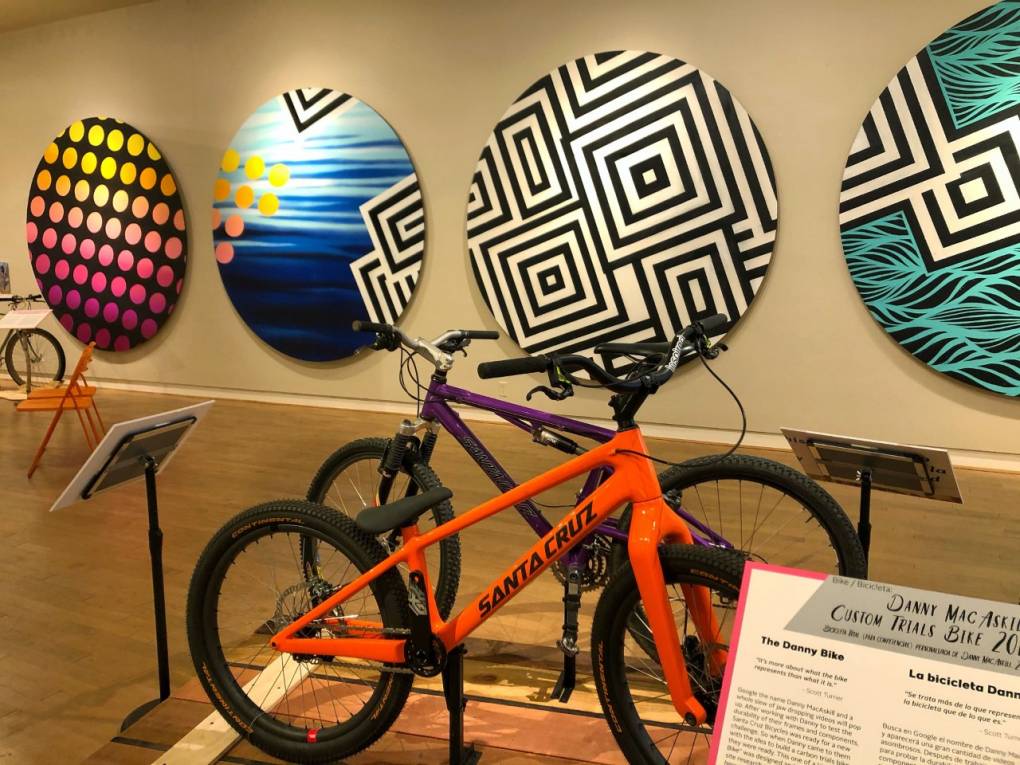
"caption": "'Trailblazers: The Creative Story Behind Mountain Biking in Santa Cruz' runs Feb. 7 to Sept. 20, 2020, at the Santa Cruz Museum of Art & History.",
"description": "Trailblazers: The Creative Story Behind Mountain Biking in Santa Cruz runs February 7 - September 20, 2020 at the Santa Cruz Museum of Art & History.",
"title": "thumbnail_Trailblazers-MAH4",
"credit": "Courtesy of Santa Cruz Museum of Art & History ",
"status": "inherit",
"isLoading": false,
"fetchFailed": false
},
"news_11795358": {
"type": "attachments",
"id": "news_11795358",
"meta": {
"index": "attachments_1716263798",
"site": "news",
"id": "11795358",
"found": true
},
"parent": 11795351,
"imgSizes": {
"apple_news_ca_landscape_5_5": {
"file": "https://ww2.kqed.org/app/uploads/sites/10/2020/01/IMG_1092_Edit-1044x783.jpg",
"width": 1044,
"mimeType": "image/jpeg",
"height": 783
},
"apple_news_ca_square_4_0": {
"file": "https://ww2.kqed.org/app/uploads/sites/10/2020/01/IMG_1092_Edit-470x470.jpg",
"width": 470,
"mimeType": "image/jpeg",
"height": 470
},
"twentyfourteen-full-width": {
"file": "https://ww2.kqed.org/app/uploads/sites/10/2020/01/IMG_1092_Edit-1038x576.jpg",
"width": 1038,
"mimeType": "image/jpeg",
"height": 576
},
"thumbnail": {
"file": "https://ww2.kqed.org/app/uploads/sites/10/2020/01/IMG_1092_Edit-160x120.jpg",
"width": 160,
"mimeType": "image/jpeg",
"height": 120
},
"post-thumbnail": {
"file": "https://ww2.kqed.org/app/uploads/sites/10/2020/01/IMG_1092_Edit-672x372.jpg",
"width": 672,
"mimeType": "image/jpeg",
"height": 372
},
"kqedFullSize": {
"file": "https://ww2.kqed.org/app/uploads/sites/10/2020/01/IMG_1092_Edit-e1578680517349.jpg",
"width": 1920,
"height": 1439
},
"apple_news_ca_landscape_4_7": {
"file": "https://ww2.kqed.org/app/uploads/sites/10/2020/01/IMG_1092_Edit-632x474.jpg",
"width": 632,
"mimeType": "image/jpeg",
"height": 474
},
"large": {
"file": "https://ww2.kqed.org/app/uploads/sites/10/2020/01/IMG_1092_Edit-1020x765.jpg",
"width": 1020,
"mimeType": "image/jpeg",
"height": 765
},
"complete_open_graph": {
"file": "https://ww2.kqed.org/app/uploads/sites/10/2020/01/IMG_1092_Edit-1200x900.jpg",
"width": 1200,
"mimeType": "image/jpeg",
"height": 900
},
"apple_news_ca_landscape_4_0": {
"file": "https://ww2.kqed.org/app/uploads/sites/10/2020/01/IMG_1092_Edit-536x402.jpg",
"width": 536,
"mimeType": "image/jpeg",
"height": 402
},
"apple_news_ca_portrait_12_9": {
"file": "https://ww2.kqed.org/app/uploads/sites/10/2020/01/IMG_1092_Edit-1122x1496.jpg",
"width": 1122,
"mimeType": "image/jpeg",
"height": 1496
},
"medium": {
"file": "https://ww2.kqed.org/app/uploads/sites/10/2020/01/IMG_1092_Edit-800x600.jpg",
"width": 800,
"mimeType": "image/jpeg",
"height": 600
},
"apple_news_ca_portrait_4_0": {
"file": "https://ww2.kqed.org/app/uploads/sites/10/2020/01/IMG_1092_Edit-354x472.jpg",
"width": 354,
"mimeType": "image/jpeg",
"height": 472
},
"apple_news_ca_portrait_9_7": {
"file": "https://ww2.kqed.org/app/uploads/sites/10/2020/01/IMG_1092_Edit-840x1120.jpg",
"width": 840,
"mimeType": "image/jpeg",
"height": 1120
},
"apple_news_ca_landscape_12_9": {
"file": "https://ww2.kqed.org/app/uploads/sites/10/2020/01/IMG_1092_Edit-1832x1374.jpg",
"width": 1832,
"mimeType": "image/jpeg",
"height": 1374
},
"apple_news_ca_square_9_7": {
"file": "https://ww2.kqed.org/app/uploads/sites/10/2020/01/IMG_1092_Edit-1104x1104.jpg",
"width": 1104,
"mimeType": "image/jpeg",
"height": 1104
},
"apple_news_ca_portrait_4_7": {
"file": "https://ww2.kqed.org/app/uploads/sites/10/2020/01/IMG_1092_Edit-414x552.jpg",
"width": 414,
"mimeType": "image/jpeg",
"height": 552
},
"apple_news_ca_square_12_9": {
"file": "https://ww2.kqed.org/app/uploads/sites/10/2020/01/IMG_1092_Edit-1472x1472.jpg",
"width": 1472,
"mimeType": "image/jpeg",
"height": 1472
},
"apple_news_ca_portrait_5_5": {
"file": "https://ww2.kqed.org/app/uploads/sites/10/2020/01/IMG_1092_Edit-687x916.jpg",
"width": 687,
"mimeType": "image/jpeg",
"height": 916
},
"full-width": {
"file": "https://ww2.kqed.org/app/uploads/sites/10/2020/01/IMG_1092_Edit-1920x1439.jpg",
"width": 1920,
"mimeType": "image/jpeg",
"height": 1439
},
"apple_news_ca_square_4_7": {
"file": "https://ww2.kqed.org/app/uploads/sites/10/2020/01/IMG_1092_Edit-550x550.jpg",
"width": 550,
"mimeType": "image/jpeg",
"height": 550
},
"apple_news_ca_landscape_9_7": {
"file": "https://ww2.kqed.org/app/uploads/sites/10/2020/01/IMG_1092_Edit-1376x1032.jpg",
"width": 1376,
"mimeType": "image/jpeg",
"height": 1032
},
"apple_news_ca_square_5_5": {
"file": "https://ww2.kqed.org/app/uploads/sites/10/2020/01/IMG_1092_Edit-912x912.jpg",
"width": 912,
"mimeType": "image/jpeg",
"height": 912
}
},
"publishDate": 1578680463,
"modified": 1578698456,
"caption": "About 200 people gathered for a rally on the campus of UC Santa Cruz Thursday to support striking graduate students and workers.",
"description": "About 200 people gathered for a rally on the campus of UC Santa Cruz Thursday to support striking graduate students and workers.",
"title": "IMG_1092_Edit",
"credit": "Erika Mahoney/KAZU",
"status": "inherit",
"isLoading": false,
"fetchFailed": false
},
"news_11780594": {
"type": "attachments",
"id": "news_11780594",
"meta": {
"index": "attachments_1716263798",
"site": "news",
"id": "11780594",
"found": true
},
"parent": 11780552,
"imgSizes": {
"apple_news_ca_landscape_5_5": {
"file": "https://ww2.kqed.org/app/uploads/sites/10/2019/10/GettyImages-97547440-1044x783.jpg",
"width": 1044,
"mimeType": "image/jpeg",
"height": 783
},
"apple_news_ca_square_4_0": {
"file": "https://ww2.kqed.org/app/uploads/sites/10/2019/10/GettyImages-97547440-470x470.jpg",
"width": 470,
"mimeType": "image/jpeg",
"height": 470
},
"twentyfourteen-full-width": {
"file": "https://ww2.kqed.org/app/uploads/sites/10/2019/10/GettyImages-97547440-1038x576.jpg",
"width": 1038,
"mimeType": "image/jpeg",
"height": 576
},
"thumbnail": {
"file": "https://ww2.kqed.org/app/uploads/sites/10/2019/10/GettyImages-97547440-160x105.jpg",
"width": 160,
"mimeType": "image/jpeg",
"height": 105
},
"post-thumbnail": {
"file": "https://ww2.kqed.org/app/uploads/sites/10/2019/10/GettyImages-97547440-672x372.jpg",
"width": 672,
"mimeType": "image/jpeg",
"height": 372
},
"kqedFullSize": {
"file": "https://ww2.kqed.org/app/uploads/sites/10/2019/10/GettyImages-97547440-e1571347308624.jpg",
"width": 1920,
"height": 1265
},
"apple_news_ca_landscape_4_7": {
"file": "https://ww2.kqed.org/app/uploads/sites/10/2019/10/GettyImages-97547440-632x474.jpg",
"width": 632,
"mimeType": "image/jpeg",
"height": 474
},
"large": {
"file": "https://ww2.kqed.org/app/uploads/sites/10/2019/10/GettyImages-97547440-1020x672.jpg",
"width": 1020,
"mimeType": "image/jpeg",
"height": 672
},
"complete_open_graph": {
"file": "https://ww2.kqed.org/app/uploads/sites/10/2019/10/GettyImages-97547440-1200x791.jpg",
"width": 1200,
"mimeType": "image/jpeg",
"height": 791
},
"apple_news_ca_landscape_4_0": {
"file": "https://ww2.kqed.org/app/uploads/sites/10/2019/10/GettyImages-97547440-536x402.jpg",
"width": 536,
"mimeType": "image/jpeg",
"height": 402
},
"apple_news_ca_portrait_12_9": {
"file": "https://ww2.kqed.org/app/uploads/sites/10/2019/10/GettyImages-97547440-1122x1496.jpg",
"width": 1122,
"mimeType": "image/jpeg",
"height": 1496
},
"medium": {
"file": "https://ww2.kqed.org/app/uploads/sites/10/2019/10/GettyImages-97547440-800x527.jpg",
"width": 800,
"mimeType": "image/jpeg",
"height": 527
},
"apple_news_ca_portrait_4_0": {
"file": "https://ww2.kqed.org/app/uploads/sites/10/2019/10/GettyImages-97547440-354x472.jpg",
"width": 354,
"mimeType": "image/jpeg",
"height": 472
},
"apple_news_ca_portrait_9_7": {
"file": "https://ww2.kqed.org/app/uploads/sites/10/2019/10/GettyImages-97547440-840x1120.jpg",
"width": 840,
"mimeType": "image/jpeg",
"height": 1120
},
"apple_news_ca_landscape_12_9": {
"file": "https://ww2.kqed.org/app/uploads/sites/10/2019/10/GettyImages-97547440-1832x1374.jpg",
"width": 1832,
"mimeType": "image/jpeg",
"height": 1374
},
"apple_news_ca_square_9_7": {
"file": "https://ww2.kqed.org/app/uploads/sites/10/2019/10/GettyImages-97547440-1104x1104.jpg",
"width": 1104,
"mimeType": "image/jpeg",
"height": 1104
},
"apple_news_ca_portrait_4_7": {
"file": "https://ww2.kqed.org/app/uploads/sites/10/2019/10/GettyImages-97547440-414x552.jpg",
"width": 414,
"mimeType": "image/jpeg",
"height": 552
},
"apple_news_ca_square_12_9": {
"file": "https://ww2.kqed.org/app/uploads/sites/10/2019/10/GettyImages-97547440-1472x1472.jpg",
"width": 1472,
"mimeType": "image/jpeg",
"height": 1472
},
"apple_news_ca_portrait_5_5": {
"file": "https://ww2.kqed.org/app/uploads/sites/10/2019/10/GettyImages-97547440-687x916.jpg",
"width": 687,
"mimeType": "image/jpeg",
"height": 916
},
"full-width": {
"file": "https://ww2.kqed.org/app/uploads/sites/10/2019/10/GettyImages-97547440-1920x1265.jpg",
"width": 1920,
"mimeType": "image/jpeg",
"height": 1265
},
"apple_news_ca_square_4_7": {
"file": "https://ww2.kqed.org/app/uploads/sites/10/2019/10/GettyImages-97547440-550x550.jpg",
"width": 550,
"mimeType": "image/jpeg",
"height": 550
},
"apple_news_ca_landscape_9_7": {
"file": "https://ww2.kqed.org/app/uploads/sites/10/2019/10/GettyImages-97547440-1376x1032.jpg",
"width": 1376,
"mimeType": "image/jpeg",
"height": 1032
},
"apple_news_ca_square_5_5": {
"file": "https://ww2.kqed.org/app/uploads/sites/10/2019/10/GettyImages-97547440-912x912.jpg",
"width": 912,
"mimeType": "image/jpeg",
"height": 912
}
},
"publishDate": 1571270823,
"modified": 1571345776,
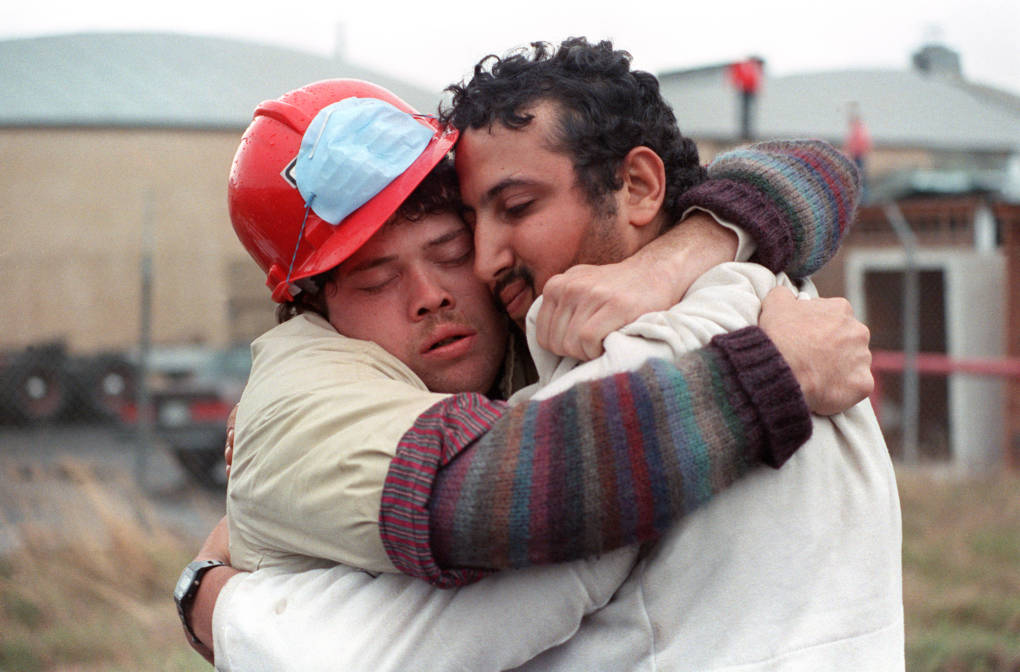
"caption": "Search and rescue support workers Tim Schilwachder (L) and Mamdouch Shabaan embrace on Oct. 21, 1989 — four days after the Loma Prieta earthquake — by the Cypress freeway above 28th and Cypress Streets in Oakland, shortly after a man was rescued alive.",
"description": null,
"title": "Search and rescue support workers Tim Sc",
"credit": "Chris Wilkins/AFP/Getty Images",
"status": "inherit",
"isLoading": false,
"fetchFailed": false
},
"news_11772230": {
"type": "attachments",
"id": "news_11772230",
"meta": {
"index": "attachments_1716263798",
"site": "news",
"id": "11772230",
"found": true
},
"parent": 11772146,
"imgSizes": {
"apple_news_ca_landscape_5_5": {
"file": "https://ww2.kqed.org/app/uploads/sites/10/2019/09/RS38896_GettyImages-464856241-qut-1044x783.jpg",
"width": 1044,
"mimeType": "image/jpeg",
"height": 783
},
"apple_news_ca_square_4_0": {
"file": "https://ww2.kqed.org/app/uploads/sites/10/2019/09/RS38896_GettyImages-464856241-qut-470x470.jpg",
"width": 470,
"mimeType": "image/jpeg",
"height": 470
},
"twentyfourteen-full-width": {
"file": "https://ww2.kqed.org/app/uploads/sites/10/2019/09/RS38896_GettyImages-464856241-qut-1038x576.jpg",
"width": 1038,
"mimeType": "image/jpeg",
"height": 576
},
"thumbnail": {
"file": "https://ww2.kqed.org/app/uploads/sites/10/2019/09/RS38896_GettyImages-464856241-qut-160x106.jpg",
"width": 160,
"mimeType": "image/jpeg",
"height": 106
},
"post-thumbnail": {
"file": "https://ww2.kqed.org/app/uploads/sites/10/2019/09/RS38896_GettyImages-464856241-qut-672x372.jpg",
"width": 672,
"mimeType": "image/jpeg",
"height": 372
},
"kqedFullSize": {
"file": "https://ww2.kqed.org/app/uploads/sites/10/2019/09/RS38896_GettyImages-464856241-qut.jpg",
"width": 1920,
"height": 1273
},
"apple_news_ca_landscape_4_7": {
"file": "https://ww2.kqed.org/app/uploads/sites/10/2019/09/RS38896_GettyImages-464856241-qut-632x474.jpg",
"width": 632,
"mimeType": "image/jpeg",
"height": 474
},
"large": {
"file": "https://ww2.kqed.org/app/uploads/sites/10/2019/09/RS38896_GettyImages-464856241-qut-1020x676.jpg",
"width": 1020,
"mimeType": "image/jpeg",
"height": 676
},
"complete_open_graph": {
"file": "https://ww2.kqed.org/app/uploads/sites/10/2019/09/RS38896_GettyImages-464856241-qut-1200x796.jpg",
"width": 1200,
"mimeType": "image/jpeg",
"height": 796
},
"apple_news_ca_landscape_4_0": {
"file": "https://ww2.kqed.org/app/uploads/sites/10/2019/09/RS38896_GettyImages-464856241-qut-536x402.jpg",
"width": 536,
"mimeType": "image/jpeg",
"height": 402
},
"apple_news_ca_portrait_12_9": {
"file": "https://ww2.kqed.org/app/uploads/sites/10/2019/09/RS38896_GettyImages-464856241-qut-1122x1273.jpg",
"width": 1122,
"mimeType": "image/jpeg",
"height": 1273
},
"medium": {
"file": "https://ww2.kqed.org/app/uploads/sites/10/2019/09/RS38896_GettyImages-464856241-qut-800x530.jpg",
"width": 800,
"mimeType": "image/jpeg",
"height": 530
},
"apple_news_ca_portrait_4_0": {
"file": "https://ww2.kqed.org/app/uploads/sites/10/2019/09/RS38896_GettyImages-464856241-qut-354x472.jpg",
"width": 354,
"mimeType": "image/jpeg",
"height": 472
},
"apple_news_ca_portrait_9_7": {
"file": "https://ww2.kqed.org/app/uploads/sites/10/2019/09/RS38896_GettyImages-464856241-qut-840x1120.jpg",
"width": 840,
"mimeType": "image/jpeg",
"height": 1120
},
"apple_news_ca_landscape_12_9": {
"file": "https://ww2.kqed.org/app/uploads/sites/10/2019/09/RS38896_GettyImages-464856241-qut-1832x1273.jpg",
"width": 1832,
"mimeType": "image/jpeg",
"height": 1273
},
"apple_news_ca_square_9_7": {
"file": "https://ww2.kqed.org/app/uploads/sites/10/2019/09/RS38896_GettyImages-464856241-qut-1104x1104.jpg",
"width": 1104,
"mimeType": "image/jpeg",
"height": 1104
},
"apple_news_ca_portrait_4_7": {
"file": "https://ww2.kqed.org/app/uploads/sites/10/2019/09/RS38896_GettyImages-464856241-qut-414x552.jpg",
"width": 414,
"mimeType": "image/jpeg",
"height": 552
},
"apple_news_ca_square_12_9": {
"file": "https://ww2.kqed.org/app/uploads/sites/10/2019/09/RS38896_GettyImages-464856241-qut-1472x1273.jpg",
"width": 1472,
"mimeType": "image/jpeg",
"height": 1273
},
"apple_news_ca_portrait_5_5": {
"file": "https://ww2.kqed.org/app/uploads/sites/10/2019/09/RS38896_GettyImages-464856241-qut-687x916.jpg",
"width": 687,
"mimeType": "image/jpeg",
"height": 916
},
"full-width": {
"file": "https://ww2.kqed.org/app/uploads/sites/10/2019/09/RS38896_GettyImages-464856241-qut-1920x1273.jpg",
"width": 1920,
"mimeType": "image/jpeg",
"height": 1273
},
"apple_news_ca_square_4_7": {
"file": "https://ww2.kqed.org/app/uploads/sites/10/2019/09/RS38896_GettyImages-464856241-qut-550x550.jpg",
"width": 550,
"mimeType": "image/jpeg",
"height": 550
},
"apple_news_ca_landscape_9_7": {
"file": "https://ww2.kqed.org/app/uploads/sites/10/2019/09/RS38896_GettyImages-464856241-qut-1376x1032.jpg",
"width": 1376,
"mimeType": "image/jpeg",
"height": 1032
},
"apple_news_ca_square_5_5": {
"file": "https://ww2.kqed.org/app/uploads/sites/10/2019/09/RS38896_GettyImages-464856241-qut-912x912.jpg",
"width": 912,
"mimeType": "image/jpeg",
"height": 912
}
},
"publishDate": 1567635161,
"modified": 1567727635,
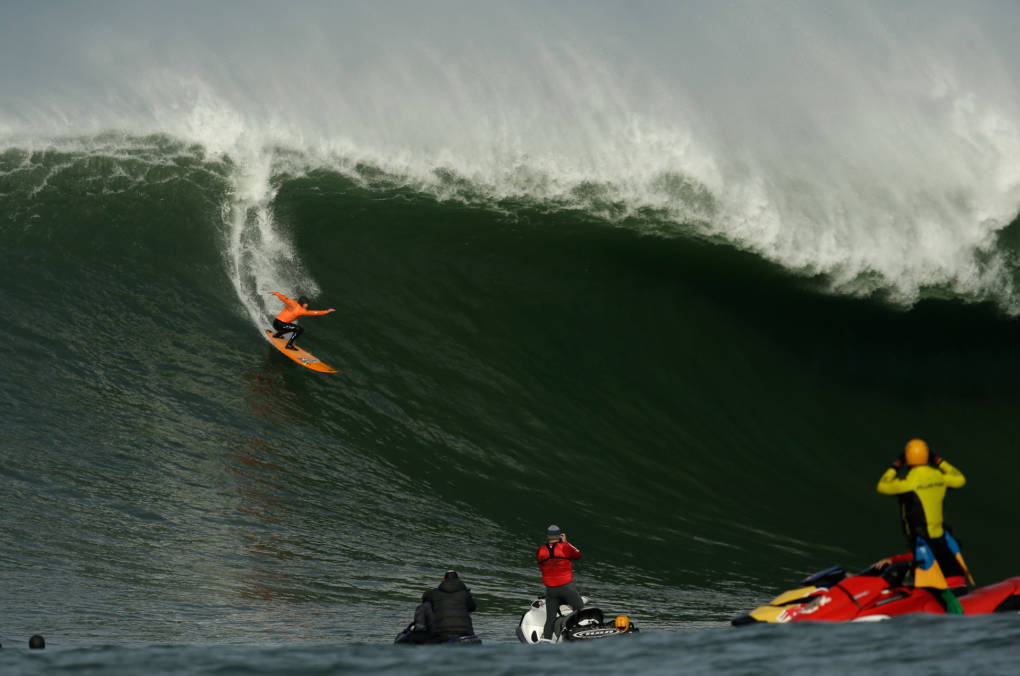
"caption": "Tyler Fox rides a wave during the second heat of round one of Mavericks Invitational on Jan. 24, 2014, in Half Moon Bay. ",
"description": "Tyler Fox rides a wave during the second heat of round one of Mavericks Invitational on Jan. 24, 2014 in Half Moon Bay, California. ",
"title": "Mavericks Invitational",
"credit": "Ezra Shaw/Getty Images",
"status": "inherit",
"isLoading": false,
"fetchFailed": false
},
"news_11765708": {
"type": "attachments",
"id": "news_11765708",
"meta": {
"index": "attachments_1716263798",
"site": "news",
"id": "11765708",
"found": true
},
"parent": 11765699,
"imgSizes": {
"apple_news_ca_landscape_5_5": {
"file": "https://ww2.kqed.org/app/uploads/sites/10/2019/08/RS38114_IMG_0377-qut-1044x783.jpg",
"width": 1044,
"mimeType": "image/jpeg",
"height": 783
},
"apple_news_ca_square_4_0": {
"file": "https://ww2.kqed.org/app/uploads/sites/10/2019/08/RS38114_IMG_0377-qut-470x470.jpg",
"width": 470,
"mimeType": "image/jpeg",
"height": 470
},
"twentyfourteen-full-width": {
"file": "https://ww2.kqed.org/app/uploads/sites/10/2019/08/RS38114_IMG_0377-qut-1038x576.jpg",
"width": 1038,
"mimeType": "image/jpeg",
"height": 576
},
"thumbnail": {
"file": "https://ww2.kqed.org/app/uploads/sites/10/2019/08/RS38114_IMG_0377-qut-160x120.jpg",
"width": 160,
"mimeType": "image/jpeg",
"height": 120
},
"post-thumbnail": {
"file": "https://ww2.kqed.org/app/uploads/sites/10/2019/08/RS38114_IMG_0377-qut-672x372.jpg",
"width": 672,
"mimeType": "image/jpeg",
"height": 372
},
"kqedFullSize": {
"file": "https://ww2.kqed.org/app/uploads/sites/10/2019/08/RS38114_IMG_0377-qut.jpg",
"width": 1920,
"height": 1440
},
"apple_news_ca_landscape_4_7": {
"file": "https://ww2.kqed.org/app/uploads/sites/10/2019/08/RS38114_IMG_0377-qut-632x474.jpg",
"width": 632,
"mimeType": "image/jpeg",
"height": 474
},
"large": {
"file": "https://ww2.kqed.org/app/uploads/sites/10/2019/08/RS38114_IMG_0377-qut-1020x765.jpg",
"width": 1020,
"mimeType": "image/jpeg",
"height": 765
},
"complete_open_graph": {
"file": "https://ww2.kqed.org/app/uploads/sites/10/2019/08/RS38114_IMG_0377-qut-1200x900.jpg",
"width": 1200,
"mimeType": "image/jpeg",
"height": 900
},
"apple_news_ca_landscape_4_0": {
"file": "https://ww2.kqed.org/app/uploads/sites/10/2019/08/RS38114_IMG_0377-qut-536x402.jpg",
"width": 536,
"mimeType": "image/jpeg",
"height": 402
},
"apple_news_ca_portrait_12_9": {
"file": "https://ww2.kqed.org/app/uploads/sites/10/2019/08/RS38114_IMG_0377-qut-1122x1440.jpg",
"width": 1122,
"mimeType": "image/jpeg",
"height": 1440
},
"medium": {
"file": "https://ww2.kqed.org/app/uploads/sites/10/2019/08/RS38114_IMG_0377-qut-800x600.jpg",
"width": 800,
"mimeType": "image/jpeg",
"height": 600
},
"apple_news_ca_portrait_4_0": {
"file": "https://ww2.kqed.org/app/uploads/sites/10/2019/08/RS38114_IMG_0377-qut-354x472.jpg",
"width": 354,
"mimeType": "image/jpeg",
"height": 472
},
"apple_news_ca_portrait_9_7": {
"file": "https://ww2.kqed.org/app/uploads/sites/10/2019/08/RS38114_IMG_0377-qut-840x1120.jpg",
"width": 840,
"mimeType": "image/jpeg",
"height": 1120
},
"apple_news_ca_landscape_12_9": {
"file": "https://ww2.kqed.org/app/uploads/sites/10/2019/08/RS38114_IMG_0377-qut-1832x1374.jpg",
"width": 1832,
"mimeType": "image/jpeg",
"height": 1374
},
"apple_news_ca_square_9_7": {
"file": "https://ww2.kqed.org/app/uploads/sites/10/2019/08/RS38114_IMG_0377-qut-1104x1104.jpg",
"width": 1104,
"mimeType": "image/jpeg",
"height": 1104
},
"apple_news_ca_portrait_4_7": {
"file": "https://ww2.kqed.org/app/uploads/sites/10/2019/08/RS38114_IMG_0377-qut-414x552.jpg",
"width": 414,
"mimeType": "image/jpeg",
"height": 552
},
"apple_news_ca_square_12_9": {
"file": "https://ww2.kqed.org/app/uploads/sites/10/2019/08/RS38114_IMG_0377-qut-1472x1440.jpg",
"width": 1472,
"mimeType": "image/jpeg",
"height": 1440
},
"apple_news_ca_portrait_5_5": {
"file": "https://ww2.kqed.org/app/uploads/sites/10/2019/08/RS38114_IMG_0377-qut-687x916.jpg",
"width": 687,
"mimeType": "image/jpeg",
"height": 916
},
"full-width": {
"file": "https://ww2.kqed.org/app/uploads/sites/10/2019/08/RS38114_IMG_0377-qut-1920x1440.jpg",
"width": 1920,
"mimeType": "image/jpeg",
"height": 1440
},
"apple_news_ca_square_4_7": {
"file": "https://ww2.kqed.org/app/uploads/sites/10/2019/08/RS38114_IMG_0377-qut-550x550.jpg",
"width": 550,
"mimeType": "image/jpeg",
"height": 550
},
"apple_news_ca_landscape_9_7": {
"file": "https://ww2.kqed.org/app/uploads/sites/10/2019/08/RS38114_IMG_0377-qut-1376x1032.jpg",
"width": 1376,
"mimeType": "image/jpeg",
"height": 1032
},
"apple_news_ca_square_5_5": {
"file": "https://ww2.kqed.org/app/uploads/sites/10/2019/08/RS38114_IMG_0377-qut-912x912.jpg",
"width": 912,
"mimeType": "image/jpeg",
"height": 912
}
},
"publishDate": 1565044557,
"modified": 1565389858,
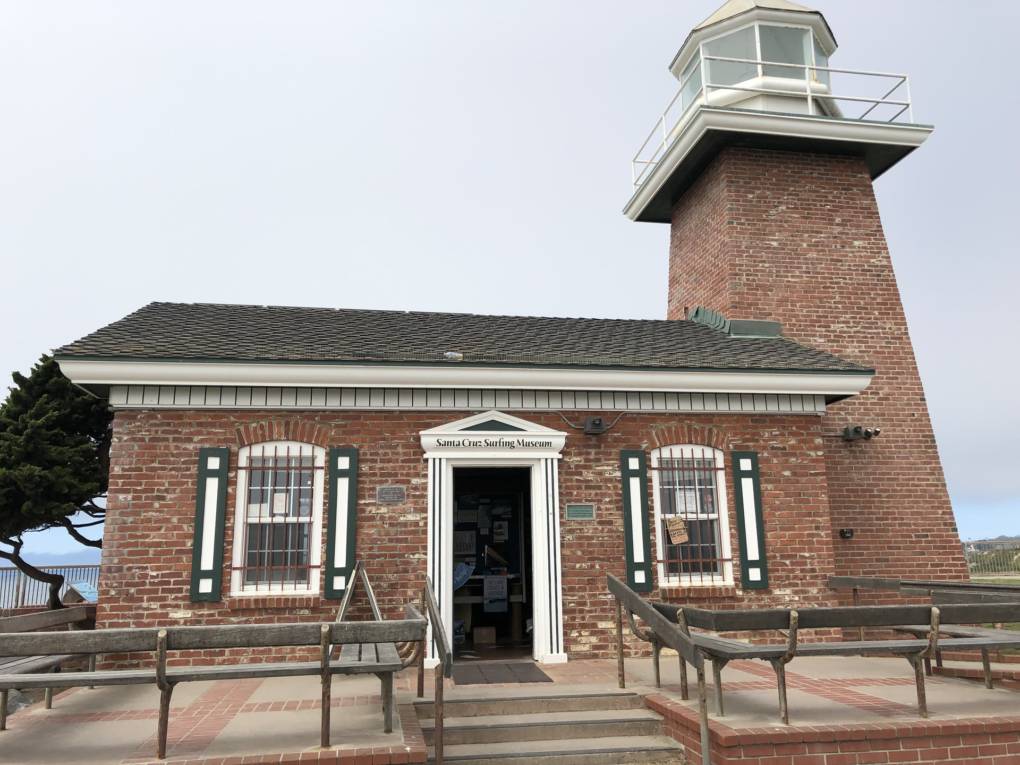
"caption": "The Santa Cruz Surfing Museum, established in 1986, sits atop a cliff overlooking Steamer Lane beach.",
"description": null,
"title": "RS38114_IMG_0377-qut",
"credit": "Bianca Taylor/KQED",
"status": "inherit",
"isLoading": false,
"fetchFailed": false
},
"news_11764605": {
"type": "attachments",
"id": "news_11764605",
"meta": {
"index": "attachments_1716263798",
"site": "news",
"id": "11764605",
"found": true
},
"parent": 11764572,
"imgSizes": {
"apple_news_ca_landscape_5_5": {
"file": "https://ww2.kqed.org/app/uploads/sites/10/2019/07/RS38284_food-stamp-cuts-photo-1-qut-1044x783.jpg",
"width": 1044,
"mimeType": "image/jpeg",
"height": 783
},
"apple_news_ca_square_4_0": {
"file": "https://ww2.kqed.org/app/uploads/sites/10/2019/07/RS38284_food-stamp-cuts-photo-1-qut-470x470.jpg",
"width": 470,
"mimeType": "image/jpeg",
"height": 470
},
"twentyfourteen-full-width": {
"file": "https://ww2.kqed.org/app/uploads/sites/10/2019/07/RS38284_food-stamp-cuts-photo-1-qut-1038x576.jpg",
"width": 1038,
"mimeType": "image/jpeg",
"height": 576
},
"thumbnail": {
"file": "https://ww2.kqed.org/app/uploads/sites/10/2019/07/RS38284_food-stamp-cuts-photo-1-qut-160x105.jpg",
"width": 160,
"mimeType": "image/jpeg",
"height": 105
},
"post-thumbnail": {
"file": "https://ww2.kqed.org/app/uploads/sites/10/2019/07/RS38284_food-stamp-cuts-photo-1-qut-672x372.jpg",
"width": 672,
"mimeType": "image/jpeg",
"height": 372
},
"kqedFullSize": {
"file": "https://ww2.kqed.org/app/uploads/sites/10/2019/07/RS38284_food-stamp-cuts-photo-1-qut.jpg",
"width": 1920,
"height": 1264
},
"apple_news_ca_landscape_4_7": {
"file": "https://ww2.kqed.org/app/uploads/sites/10/2019/07/RS38284_food-stamp-cuts-photo-1-qut-632x474.jpg",
"width": 632,
"mimeType": "image/jpeg",
"height": 474
},
"large": {
"file": "https://ww2.kqed.org/app/uploads/sites/10/2019/07/RS38284_food-stamp-cuts-photo-1-qut-1020x672.jpg",
"width": 1020,
"mimeType": "image/jpeg",
"height": 672
},
"complete_open_graph": {
"file": "https://ww2.kqed.org/app/uploads/sites/10/2019/07/RS38284_food-stamp-cuts-photo-1-qut-1200x790.jpg",
"width": 1200,
"mimeType": "image/jpeg",
"height": 790
},
"apple_news_ca_landscape_4_0": {
"file": "https://ww2.kqed.org/app/uploads/sites/10/2019/07/RS38284_food-stamp-cuts-photo-1-qut-536x402.jpg",
"width": 536,
"mimeType": "image/jpeg",
"height": 402
},
"apple_news_ca_portrait_12_9": {
"file": "https://ww2.kqed.org/app/uploads/sites/10/2019/07/RS38284_food-stamp-cuts-photo-1-qut-1122x1264.jpg",
"width": 1122,
"mimeType": "image/jpeg",
"height": 1264
},
"medium": {
"file": "https://ww2.kqed.org/app/uploads/sites/10/2019/07/RS38284_food-stamp-cuts-photo-1-qut-800x527.jpg",
"width": 800,
"mimeType": "image/jpeg",
"height": 527
},
"apple_news_ca_portrait_4_0": {
"file": "https://ww2.kqed.org/app/uploads/sites/10/2019/07/RS38284_food-stamp-cuts-photo-1-qut-354x472.jpg",
"width": 354,
"mimeType": "image/jpeg",
"height": 472
},
"apple_news_ca_portrait_9_7": {
"file": "https://ww2.kqed.org/app/uploads/sites/10/2019/07/RS38284_food-stamp-cuts-photo-1-qut-840x1120.jpg",
"width": 840,
"mimeType": "image/jpeg",
"height": 1120
},
"apple_news_ca_landscape_12_9": {
"file": "https://ww2.kqed.org/app/uploads/sites/10/2019/07/RS38284_food-stamp-cuts-photo-1-qut-1832x1264.jpg",
"width": 1832,
"mimeType": "image/jpeg",
"height": 1264
},
"apple_news_ca_square_9_7": {
"file": "https://ww2.kqed.org/app/uploads/sites/10/2019/07/RS38284_food-stamp-cuts-photo-1-qut-1104x1104.jpg",
"width": 1104,
"mimeType": "image/jpeg",
"height": 1104
},
"apple_news_ca_portrait_4_7": {
"file": "https://ww2.kqed.org/app/uploads/sites/10/2019/07/RS38284_food-stamp-cuts-photo-1-qut-414x552.jpg",
"width": 414,
"mimeType": "image/jpeg",
"height": 552
},
"apple_news_ca_square_12_9": {
"file": "https://ww2.kqed.org/app/uploads/sites/10/2019/07/RS38284_food-stamp-cuts-photo-1-qut-1472x1264.jpg",
"width": 1472,
"mimeType": "image/jpeg",
"height": 1264
},
"apple_news_ca_portrait_5_5": {
"file": "https://ww2.kqed.org/app/uploads/sites/10/2019/07/RS38284_food-stamp-cuts-photo-1-qut-687x916.jpg",
"width": 687,
"mimeType": "image/jpeg",
"height": 916
},
"full-width": {
"file": "https://ww2.kqed.org/app/uploads/sites/10/2019/07/RS38284_food-stamp-cuts-photo-1-qut-1920x1264.jpg",
"width": 1920,
"mimeType": "image/jpeg",
"height": 1264
},
"apple_news_ca_square_4_7": {
"file": "https://ww2.kqed.org/app/uploads/sites/10/2019/07/RS38284_food-stamp-cuts-photo-1-qut-550x550.jpg",
"width": 550,
"mimeType": "image/jpeg",
"height": 550
},
"apple_news_ca_landscape_9_7": {
"file": "https://ww2.kqed.org/app/uploads/sites/10/2019/07/RS38284_food-stamp-cuts-photo-1-qut-1376x1032.jpg",
"width": 1376,
"mimeType": "image/jpeg",
"height": 1032
},
"apple_news_ca_square_5_5": {
"file": "https://ww2.kqed.org/app/uploads/sites/10/2019/07/RS38284_food-stamp-cuts-photo-1-qut-912x912.jpg",
"width": 912,
"mimeType": "image/jpeg",
"height": 912
}
},
"publishDate": 1564603115,
"modified": 1564611180,
"caption": "Antoinette Martinez does her weekly grocery shopping at FoodMaxx on July 26, 2019. According to Martinez, the price of meat has increased significantly, making it harder for her to provide \"good meals\" for herself and her son. ",
"description": null,
"title": "RS38284_food stamp cuts photo 1 -qut",
"credit": "Anne Wernikoff/CalMatters",
"status": "inherit",
"isLoading": false,
"fetchFailed": false
},
"news_11759956": {
"type": "attachments",
"id": "news_11759956",
"meta": {
"index": "attachments_1716263798",
"site": "news",
"id": "11759956",
"found": true
},
"parent": 11759125,
"imgSizes": {
"apple_news_ca_landscape_5_5": {
"file": "https://ww2.kqed.org/app/uploads/sites/10/2019/07/Point-Arena-Coastal-Redwood-e1562623443751-1-1044x783.jpg",
"width": 1044,
"mimeType": "image/jpeg",
"height": 783
},
"apple_news_ca_square_4_0": {
"file": "https://ww2.kqed.org/app/uploads/sites/10/2019/07/Point-Arena-Coastal-Redwood-e1562623443751-1-470x470.jpg",
"width": 470,
"mimeType": "image/jpeg",
"height": 470
},
"twentyfourteen-full-width": {
"file": "https://ww2.kqed.org/app/uploads/sites/10/2019/07/Point-Arena-Coastal-Redwood-e1562623443751-1-1038x576.jpg",
"width": 1038,
"mimeType": "image/jpeg",
"height": 576
},
"thumbnail": {
"file": "https://ww2.kqed.org/app/uploads/sites/10/2019/07/Point-Arena-Coastal-Redwood-e1562623443751-1-160x96.jpg",
"width": 160,
"mimeType": "image/jpeg",
"height": 96
},
"post-thumbnail": {
"file": "https://ww2.kqed.org/app/uploads/sites/10/2019/07/Point-Arena-Coastal-Redwood-e1562623443751-1-672x372.jpg",
"width": 672,
"mimeType": "image/jpeg",
"height": 372
},
"kqedFullSize": {
"file": "https://ww2.kqed.org/app/uploads/sites/10/2019/07/Point-Arena-Coastal-Redwood-e1562623443751-1.jpg",
"width": 1729,
"height": 1039
},
"apple_news_ca_landscape_4_7": {
"file": "https://ww2.kqed.org/app/uploads/sites/10/2019/07/Point-Arena-Coastal-Redwood-e1562623443751-1-632x474.jpg",
"width": 632,
"mimeType": "image/jpeg",
"height": 474
},
"large": {
"file": "https://ww2.kqed.org/app/uploads/sites/10/2019/07/Point-Arena-Coastal-Redwood-e1562623443751-1-1020x613.jpg",
"width": 1020,
"mimeType": "image/jpeg",
"height": 613
},
"complete_open_graph": {
"file": "https://ww2.kqed.org/app/uploads/sites/10/2019/07/Point-Arena-Coastal-Redwood-e1562623443751-1-1200x721.jpg",
"width": 1200,
"mimeType": "image/jpeg",
"height": 721
},
"apple_news_ca_landscape_4_0": {
"file": "https://ww2.kqed.org/app/uploads/sites/10/2019/07/Point-Arena-Coastal-Redwood-e1562623443751-1-536x402.jpg",
"width": 536,
"mimeType": "image/jpeg",
"height": 402
},
"apple_news_ca_portrait_12_9": {
"file": "https://ww2.kqed.org/app/uploads/sites/10/2019/07/Point-Arena-Coastal-Redwood-e1562623443751-1-1122x1039.jpg",
"width": 1122,
"mimeType": "image/jpeg",
"height": 1039
},
"medium": {
"file": "https://ww2.kqed.org/app/uploads/sites/10/2019/07/Point-Arena-Coastal-Redwood-e1562623443751-1-800x481.jpg",
"width": 800,
"mimeType": "image/jpeg",
"height": 481
},
"apple_news_ca_portrait_4_0": {
"file": "https://ww2.kqed.org/app/uploads/sites/10/2019/07/Point-Arena-Coastal-Redwood-e1562623443751-1-354x472.jpg",
"width": 354,
"mimeType": "image/jpeg",
"height": 472
},
"apple_news_ca_portrait_9_7": {
"file": "https://ww2.kqed.org/app/uploads/sites/10/2019/07/Point-Arena-Coastal-Redwood-e1562623443751-1-840x1039.jpg",
"width": 840,
"mimeType": "image/jpeg",
"height": 1039
},
"apple_news_ca_square_9_7": {
"file": "https://ww2.kqed.org/app/uploads/sites/10/2019/07/Point-Arena-Coastal-Redwood-e1562623443751-1-1104x1039.jpg",
"width": 1104,
"mimeType": "image/jpeg",
"height": 1039
},
"apple_news_ca_portrait_4_7": {
"file": "https://ww2.kqed.org/app/uploads/sites/10/2019/07/Point-Arena-Coastal-Redwood-e1562623443751-1-414x552.jpg",
"width": 414,
"mimeType": "image/jpeg",
"height": 552
},
"apple_news_ca_square_12_9": {
"file": "https://ww2.kqed.org/app/uploads/sites/10/2019/07/Point-Arena-Coastal-Redwood-e1562623443751-1-1472x1039.jpg",
"width": 1472,
"mimeType": "image/jpeg",
"height": 1039
},
"apple_news_ca_portrait_5_5": {
"file": "https://ww2.kqed.org/app/uploads/sites/10/2019/07/Point-Arena-Coastal-Redwood-e1562623443751-1-687x916.jpg",
"width": 687,
"mimeType": "image/jpeg",
"height": 916
},
"apple_news_ca_square_4_7": {
"file": "https://ww2.kqed.org/app/uploads/sites/10/2019/07/Point-Arena-Coastal-Redwood-e1562623443751-1-550x550.jpg",
"width": 550,
"mimeType": "image/jpeg",
"height": 550
},
"apple_news_ca_landscape_9_7": {
"file": "https://ww2.kqed.org/app/uploads/sites/10/2019/07/Point-Arena-Coastal-Redwood-e1562623443751-1-1376x1032.jpg",
"width": 1376,
"mimeType": "image/jpeg",
"height": 1032
},
"apple_news_ca_square_5_5": {
"file": "https://ww2.kqed.org/app/uploads/sites/10/2019/07/Point-Arena-Coastal-Redwood-e1562623443751-1-912x912.jpg",
"width": 912,
"mimeType": "image/jpeg",
"height": 912
}
},
"publishDate": 1562703122,
"modified": 1562703151,
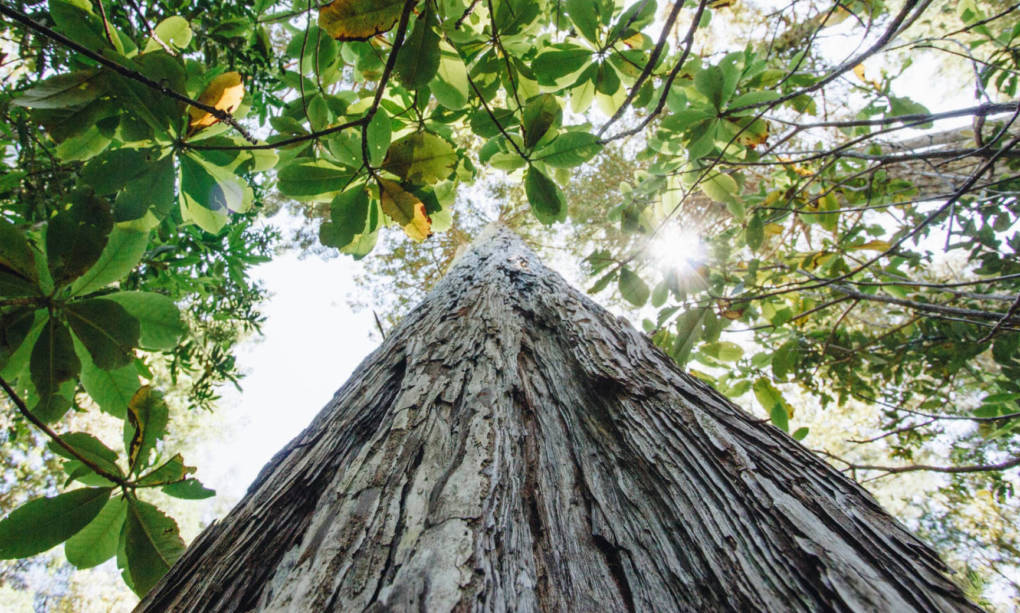
"caption": "Co-founder of Better Place Forests Sandy Gibson says he was inspired to start the business after his own personal experience with loss. ",
"description": "Co-founder of Better Place Forests Sandy Gibson says he was inspired to start the business after his own personal experience with loss. ",
"title": "Point-Arena-Coastal-Redwood-e1562623443751",
"credit": "Courtesy of Better Place Forests",
"status": "inherit",
"isLoading": false,
"fetchFailed": false
},
"news_11708186": {
"type": "attachments",
"id": "news_11708186",
"meta": {
"index": "attachments_1716263798",
"site": "news",
"id": "11708186",
"found": true
},
"parent": 11708180,
"imgSizes": {
"twentyfourteen-full-width": {
"file": "https://ww2.kqed.org/app/uploads/sites/10/2018/11/RS34102_SC-Homeless-4-qut-1038x576.jpg",
"width": 1038,
"mimeType": "image/jpeg",
"height": 576
},
"thumbnail": {
"file": "https://ww2.kqed.org/app/uploads/sites/10/2018/11/RS34102_SC-Homeless-4-qut-160x120.jpg",
"width": 160,
"mimeType": "image/jpeg",
"height": 120
},
"post-thumbnail": {
"file": "https://ww2.kqed.org/app/uploads/sites/10/2018/11/RS34102_SC-Homeless-4-qut-672x372.jpg",
"width": 672,
"mimeType": "image/jpeg",
"height": 372
},
"kqedFullSize": {
"file": "https://ww2.kqed.org/app/uploads/sites/10/2018/11/RS34102_SC-Homeless-4-qut.jpg",
"width": 1920,
"height": 1440
},
"large": {
"file": "https://ww2.kqed.org/app/uploads/sites/10/2018/11/RS34102_SC-Homeless-4-qut-1020x765.jpg",
"width": 1020,
"mimeType": "image/jpeg",
"height": 765
},
"complete_open_graph": {
"file": "https://ww2.kqed.org/app/uploads/sites/10/2018/11/RS34102_SC-Homeless-4-qut-1200x900.jpg",
"width": 1200,
"mimeType": "image/jpeg",
"height": 900
},
"guest-author-50": {
"file": "https://ww2.kqed.org/app/uploads/sites/10/2018/11/RS34102_SC-Homeless-4-qut-50x50.jpg",
"width": 50,
"mimeType": "image/jpeg",
"height": 50
},
"guest-author-96": {
"file": "https://ww2.kqed.org/app/uploads/sites/10/2018/11/RS34102_SC-Homeless-4-qut-96x96.jpg",
"width": 96,
"mimeType": "image/jpeg",
"height": 96
},
"medium": {
"file": "https://ww2.kqed.org/app/uploads/sites/10/2018/11/RS34102_SC-Homeless-4-qut-800x600.jpg",
"width": 800,
"mimeType": "image/jpeg",
"height": 600
},
"guest-author-64": {
"file": "https://ww2.kqed.org/app/uploads/sites/10/2018/11/RS34102_SC-Homeless-4-qut-64x64.jpg",
"width": 64,
"mimeType": "image/jpeg",
"height": 64
},
"guest-author-32": {
"file": "https://ww2.kqed.org/app/uploads/sites/10/2018/11/RS34102_SC-Homeless-4-qut-32x32.jpg",
"width": 32,
"mimeType": "image/jpeg",
"height": 32
},
"full-width": {
"file": "https://ww2.kqed.org/app/uploads/sites/10/2018/11/RS34102_SC-Homeless-4-qut-1920x1440.jpg",
"width": 1920,
"mimeType": "image/jpeg",
"height": 1440
},
"detail": {
"file": "https://ww2.kqed.org/app/uploads/sites/10/2018/11/RS34102_SC-Homeless-4-qut-150x150.jpg",
"width": 150,
"mimeType": "image/jpeg",
"height": 150
},
"guest-author-128": {
"file": "https://ww2.kqed.org/app/uploads/sites/10/2018/11/RS34102_SC-Homeless-4-qut-128x128.jpg",
"width": 128,
"mimeType": "image/jpeg",
"height": 128
}
},
"publishDate": 1543263263,
"modified": 1543263569,
"caption": "About 50 campers have lived at River Street Homeless Camp in Santa Cruz since it opened in March 2018. Campers got their own tents, and they could get jobs helping to run the camp. The camp also had a bathroom facility and picnic tables.",
"description": "About 50 campers have lived at River Street Homeless Camp in Santa Cruz since it opened in March 2018. Campers got their own tents, and they could get jobs helping to run the camp. The camp also had a bathroom facility and picnic tables.",
"title": "RS34102_SC Homeless 4-qut",
"credit": "Erika Mahoney/KAZU",
"status": "inherit",
"isLoading": false,
"fetchFailed": false
},
"news_11684743": {
"type": "attachments",
"id": "news_11684743",
"meta": {
"index": "attachments_1716263798",
"site": "news",
"id": "11684743",
"found": true
},
"parent": 11684737,
"imgSizes": {
"small": {
"file": "https://ww2.kqed.org/app/uploads/sites/10/2018/08/vet1-520x390.jpg",
"width": 520,
"mimeType": "image/jpeg",
"height": 390
},
"twentyfourteen-full-width": {
"file": "https://ww2.kqed.org/app/uploads/sites/10/2018/08/vet1-1038x576.jpg",
"width": 1038,
"mimeType": "image/jpeg",
"height": 576
},
"thumbnail": {
"file": "https://ww2.kqed.org/app/uploads/sites/10/2018/08/vet1-160x120.jpg",
"width": 160,
"mimeType": "image/jpeg",
"height": 120
},
"fd-sm": {
"file": "https://ww2.kqed.org/app/uploads/sites/10/2018/08/vet1-960x720.jpg",
"width": 960,
"mimeType": "image/jpeg",
"height": 720
},
"post-thumbnail": {
"file": "https://ww2.kqed.org/app/uploads/sites/10/2018/08/vet1-672x372.jpg",
"width": 672,
"mimeType": "image/jpeg",
"height": 372
},
"xsmall": {
"file": "https://ww2.kqed.org/app/uploads/sites/10/2018/08/vet1-375x281.jpg",
"width": 375,
"mimeType": "image/jpeg",
"height": 281
},
"kqedFullSize": {
"file": "https://ww2.kqed.org/app/uploads/sites/10/2018/08/vet1-e1533335532396.jpg",
"width": 1920,
"height": 1440
},
"large": {
"file": "https://ww2.kqed.org/app/uploads/sites/10/2018/08/vet1-1020x765.jpg",
"width": 1020,
"mimeType": "image/jpeg",
"height": 765
},
"xlarge": {
"file": "https://ww2.kqed.org/app/uploads/sites/10/2018/08/vet1-1180x885.jpg",
"width": 1180,
"mimeType": "image/jpeg",
"height": 885
},
"complete_open_graph": {
"file": "https://ww2.kqed.org/app/uploads/sites/10/2018/08/vet1-1200x900.jpg",
"width": 1200,
"mimeType": "image/jpeg",
"height": 900
},
"guest-author-50": {
"file": "https://ww2.kqed.org/app/uploads/sites/10/2018/08/vet1-50x50.jpg",
"width": 50,
"mimeType": "image/jpeg",
"height": 50
},
"guest-author-96": {
"file": "https://ww2.kqed.org/app/uploads/sites/10/2018/08/vet1-96x96.jpg",
"width": 96,
"mimeType": "image/jpeg",
"height": 96
},
"medium": {
"file": "https://ww2.kqed.org/app/uploads/sites/10/2018/08/vet1-800x600.jpg",
"width": 800,
"mimeType": "image/jpeg",
"height": 600
},
"guest-author-64": {
"file": "https://ww2.kqed.org/app/uploads/sites/10/2018/08/vet1-64x64.jpg",
"width": 64,
"mimeType": "image/jpeg",
"height": 64
},
"guest-author-32": {
"file": "https://ww2.kqed.org/app/uploads/sites/10/2018/08/vet1-32x32.jpg",
"width": 32,
"mimeType": "image/jpeg",
"height": 32
},
"fd-lrg": {
"file": "https://ww2.kqed.org/app/uploads/sites/10/2018/08/vet1-1920x1440.jpg",
"width": 1920,
"mimeType": "image/jpeg",
"height": 1440
},
"fd-med": {
"file": "https://ww2.kqed.org/app/uploads/sites/10/2018/08/vet1-1180x885.jpg",
"width": 1180,
"mimeType": "image/jpeg",
"height": 885
},
"full-width": {
"file": "https://ww2.kqed.org/app/uploads/sites/10/2018/08/vet1-1920x1440.jpg",
"width": 1920,
"mimeType": "image/jpeg",
"height": 1440
},
"detail": {
"file": "https://ww2.kqed.org/app/uploads/sites/10/2018/08/vet1-150x150.jpg",
"width": 150,
"mimeType": "image/jpeg",
"height": 150
},
"guest-author-128": {
"file": "https://ww2.kqed.org/app/uploads/sites/10/2018/08/vet1-128x128.jpg",
"width": 128,
"mimeType": "image/jpeg",
"height": 128
},
"xxsmall": {
"file": "https://ww2.kqed.org/app/uploads/sites/10/2018/08/vet1-240x180.jpg",
"width": 240,
"mimeType": "image/jpeg",
"height": 180
}
},
"publishDate": 1533335492,
"modified": 1533335523,
"caption": "Aaron Newsom, co-founder of the Santa Cruz Veterans Alliance, sorts cannabis flowers.",
"description": "Aaron Newsom, co-founder of the Santa Cruz Veterans Alliance, sorts cannabis flowers.",
"title": "vet1",
"credit": "KRISTA ALMANZAN/KAZU",
"status": "inherit",
"isLoading": false,
"fetchFailed": false
},
"news_11680484": {
"type": "attachments",
"id": "news_11680484",
"meta": {
"index": "attachments_1716263798",
"site": "news",
"id": "11680484",
"found": true
},
"parent": 11680479,
"imgSizes": {
"small": {
"file": "https://ww2.kqed.org/app/uploads/sites/10/2018/07/PrivatesBeachGate-520x320.jpg",
"width": 520,
"mimeType": "image/jpeg",
"height": 320
},
"twentyfourteen-full-width": {
"file": "https://ww2.kqed.org/app/uploads/sites/10/2018/07/PrivatesBeachGate-1038x576.jpg",
"width": 1038,
"mimeType": "image/jpeg",
"height": 576
},
"thumbnail": {
"file": "https://ww2.kqed.org/app/uploads/sites/10/2018/07/PrivatesBeachGate-160x99.jpg",
"width": 160,
"mimeType": "image/jpeg",
"height": 99
},
"fd-sm": {
"file": "https://ww2.kqed.org/app/uploads/sites/10/2018/07/PrivatesBeachGate-960x592.jpg",
"width": 960,
"mimeType": "image/jpeg",
"height": 592
},
"post-thumbnail": {
"file": "https://ww2.kqed.org/app/uploads/sites/10/2018/07/PrivatesBeachGate-672x372.jpg",
"width": 672,
"mimeType": "image/jpeg",
"height": 372
},
"xsmall": {
"file": "https://ww2.kqed.org/app/uploads/sites/10/2018/07/PrivatesBeachGate-375x231.jpg",
"width": 375,
"mimeType": "image/jpeg",
"height": 231
},
"kqedFullSize": {
"file": "https://ww2.kqed.org/app/uploads/sites/10/2018/07/PrivatesBeachGate.jpg",
"width": 1920,
"height": 1183
},
"large": {
"file": "https://ww2.kqed.org/app/uploads/sites/10/2018/07/PrivatesBeachGate-1020x628.jpg",
"width": 1020,
"mimeType": "image/jpeg",
"height": 628
},
"xlarge": {
"file": "https://ww2.kqed.org/app/uploads/sites/10/2018/07/PrivatesBeachGate-1180x727.jpg",
"width": 1180,
"mimeType": "image/jpeg",
"height": 727
},
"complete_open_graph": {
"file": "https://ww2.kqed.org/app/uploads/sites/10/2018/07/PrivatesBeachGate-1200x739.jpg",
"width": 1200,
"mimeType": "image/jpeg",
"height": 739
},
"guest-author-50": {
"file": "https://ww2.kqed.org/app/uploads/sites/10/2018/07/PrivatesBeachGate-50x50.jpg",
"width": 50,
"mimeType": "image/jpeg",
"height": 50
},
"guest-author-96": {
"file": "https://ww2.kqed.org/app/uploads/sites/10/2018/07/PrivatesBeachGate-96x96.jpg",
"width": 96,
"mimeType": "image/jpeg",
"height": 96
},
"medium": {
"file": "https://ww2.kqed.org/app/uploads/sites/10/2018/07/PrivatesBeachGate-800x493.jpg",
"width": 800,
"mimeType": "image/jpeg",
"height": 493
},
"guest-author-64": {
"file": "https://ww2.kqed.org/app/uploads/sites/10/2018/07/PrivatesBeachGate-64x64.jpg",
"width": 64,
"mimeType": "image/jpeg",
"height": 64
},
"guest-author-32": {
"file": "https://ww2.kqed.org/app/uploads/sites/10/2018/07/PrivatesBeachGate-32x32.jpg",
"width": 32,
"mimeType": "image/jpeg",
"height": 32
},
"fd-lrg": {
"file": "https://ww2.kqed.org/app/uploads/sites/10/2018/07/PrivatesBeachGate-1920x1183.jpg",
"width": 1920,
"mimeType": "image/jpeg",
"height": 1183
},
"fd-med": {
"file": "https://ww2.kqed.org/app/uploads/sites/10/2018/07/PrivatesBeachGate-1180x727.jpg",
"width": 1180,
"mimeType": "image/jpeg",
"height": 727
},
"full-width": {
"file": "https://ww2.kqed.org/app/uploads/sites/10/2018/07/PrivatesBeachGate-1920x1183.jpg",
"width": 1920,
"mimeType": "image/jpeg",
"height": 1183
},
"detail": {
"file": "https://ww2.kqed.org/app/uploads/sites/10/2018/07/PrivatesBeachGate-150x150.jpg",
"width": 150,
"mimeType": "image/jpeg",
"height": 150
},
"guest-author-128": {
"file": "https://ww2.kqed.org/app/uploads/sites/10/2018/07/PrivatesBeachGate-128x128.jpg",
"width": 128,
"mimeType": "image/jpeg",
"height": 128
},
"xxsmall": {
"file": "https://ww2.kqed.org/app/uploads/sites/10/2018/07/PrivatesBeachGate-240x148.jpg",
"width": 240,
"mimeType": "image/jpeg",
"height": 148
}
},
"publishDate": 1531516066,
"modified": 1531516116,
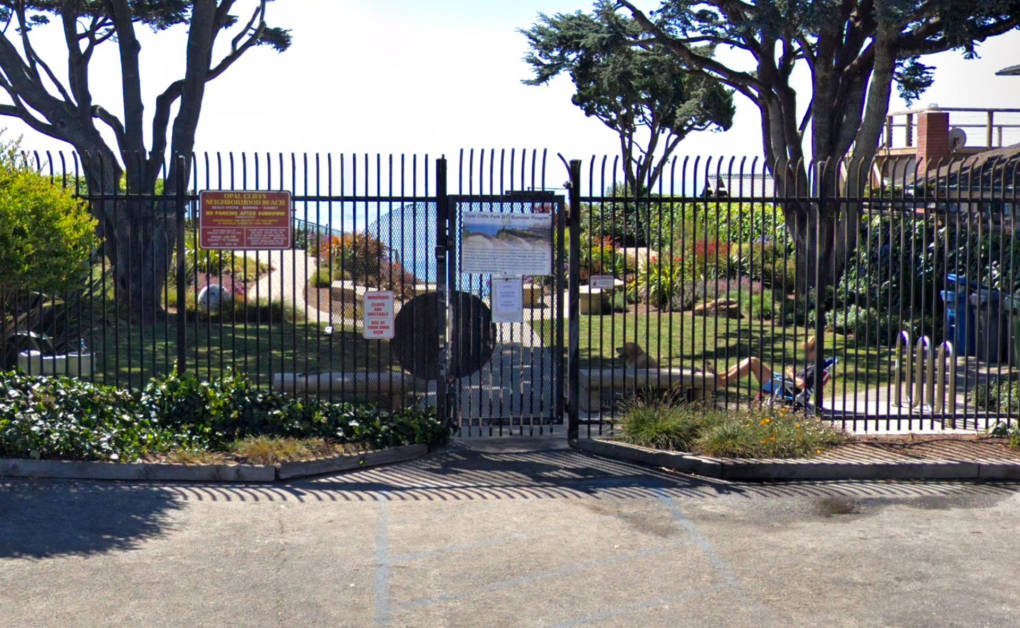
"caption": "A gate and 9-foot fence at the access point to Privates Beach in Santa Cruz.",
"description": "A gate and 9-foot fence at the access point to Privates Beach in Santa Cruz.",
"title": "PrivatesBeachGate",
"credit": "Google Street View",
"status": "inherit",
"isLoading": false,
"fetchFailed": false
},
"news_11612986": {
"type": "attachments",
"id": "news_11612986",
"meta": {
"index": "attachments_1716263798",
"site": "news",
"id": "11612986",
"found": true
},
"parent": 11612691,
"imgSizes": {
"small": {
"file": "https://ww2.kqed.org/app/uploads/sites/10/2017/08/RS26277_GettyImages-108323683-qut-520x352.jpg",
"width": 520,
"mimeType": "image/jpeg",
"height": 352
},
"twentyfourteen-full-width": {
"file": "https://ww2.kqed.org/app/uploads/sites/10/2017/08/RS26277_GettyImages-108323683-qut-1038x576.jpg",
"width": 1038,
"mimeType": "image/jpeg",
"height": 576
},
"thumbnail": {
"file": "https://ww2.kqed.org/app/uploads/sites/10/2017/08/RS26277_GettyImages-108323683-qut-160x108.jpg",
"width": 160,
"mimeType": "image/jpeg",
"height": 108
},
"fd-sm": {
"file": "https://ww2.kqed.org/app/uploads/sites/10/2017/08/RS26277_GettyImages-108323683-qut-960x650.jpg",
"width": 960,
"mimeType": "image/jpeg",
"height": 650
},
"post-thumbnail": {
"file": "https://ww2.kqed.org/app/uploads/sites/10/2017/08/RS26277_GettyImages-108323683-qut-672x372.jpg",
"width": 672,
"mimeType": "image/jpeg",
"height": 372
},
"xsmall": {
"file": "https://ww2.kqed.org/app/uploads/sites/10/2017/08/RS26277_GettyImages-108323683-qut-375x254.jpg",
"width": 375,
"mimeType": "image/jpeg",
"height": 254
},
"kqedFullSize": {
"file": "https://ww2.kqed.org/app/uploads/sites/10/2017/08/RS26277_GettyImages-108323683-qut.jpg",
"width": 1920,
"height": 1300
},
"large": {
"file": "https://ww2.kqed.org/app/uploads/sites/10/2017/08/RS26277_GettyImages-108323683-qut-1020x691.jpg",
"width": 1020,
"mimeType": "image/jpeg",
"height": 691
},
"xlarge": {
"file": "https://ww2.kqed.org/app/uploads/sites/10/2017/08/RS26277_GettyImages-108323683-qut-1180x799.jpg",
"width": 1180,
"mimeType": "image/jpeg",
"height": 799
},
"guest-author-50": {
"file": "https://ww2.kqed.org/app/uploads/sites/10/2017/08/RS26277_GettyImages-108323683-qut-50x50.jpg",
"width": 50,
"mimeType": "image/jpeg",
"height": 50
},
"guest-author-96": {
"file": "https://ww2.kqed.org/app/uploads/sites/10/2017/08/RS26277_GettyImages-108323683-qut-96x96.jpg",
"width": 96,
"mimeType": "image/jpeg",
"height": 96
},
"medium": {
"file": "https://ww2.kqed.org/app/uploads/sites/10/2017/08/RS26277_GettyImages-108323683-qut-800x542.jpg",
"width": 800,
"mimeType": "image/jpeg",
"height": 542
},
"guest-author-64": {
"file": "https://ww2.kqed.org/app/uploads/sites/10/2017/08/RS26277_GettyImages-108323683-qut-64x64.jpg",
"width": 64,
"mimeType": "image/jpeg",
"height": 64
},
"guest-author-32": {
"file": "https://ww2.kqed.org/app/uploads/sites/10/2017/08/RS26277_GettyImages-108323683-qut-32x32.jpg",
"width": 32,
"mimeType": "image/jpeg",
"height": 32
},
"fd-lrg": {
"file": "https://ww2.kqed.org/app/uploads/sites/10/2017/08/RS26277_GettyImages-108323683-qut-1920x1300.jpg",
"width": 1920,
"mimeType": "image/jpeg",
"height": 1300
},
"fd-med": {
"file": "https://ww2.kqed.org/app/uploads/sites/10/2017/08/RS26277_GettyImages-108323683-qut-1180x799.jpg",
"width": 1180,
"mimeType": "image/jpeg",
"height": 799
},
"full-width": {
"file": "https://ww2.kqed.org/app/uploads/sites/10/2017/08/RS26277_GettyImages-108323683-qut-1920x1300.jpg",
"width": 1920,
"mimeType": "image/jpeg",
"height": 1300
},
"detail": {
"file": "https://ww2.kqed.org/app/uploads/sites/10/2017/08/RS26277_GettyImages-108323683-qut-150x150.jpg",
"width": 150,
"mimeType": "image/jpeg",
"height": 150
},
"guest-author-128": {
"file": "https://ww2.kqed.org/app/uploads/sites/10/2017/08/RS26277_GettyImages-108323683-qut-128x128.jpg",
"width": 128,
"mimeType": "image/jpeg",
"height": 128
},
"xxsmall": {
"file": "https://ww2.kqed.org/app/uploads/sites/10/2017/08/RS26277_GettyImages-108323683-qut-240x163.jpg",
"width": 240,
"mimeType": "image/jpeg",
"height": 163
}
},
"publishDate": 1503094275,
"modified": 1631233209,
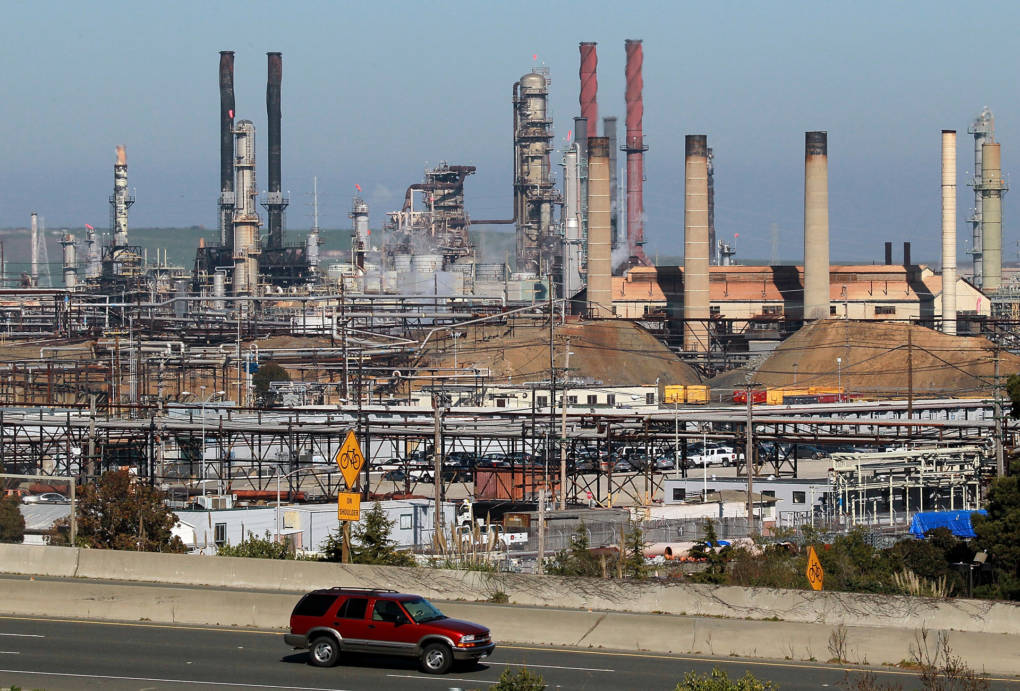
"caption": "The Chevron refinery in Richmond.",
"description": null,
"title": "Gas Prices Continue To Rise, Inching Up Over Last Two Weeks",
"credit": "Justin Sullivan/Getty Images",
"status": "inherit",
"altTag": "About a dozen cement smokestacks rise amid low-lying building beyond a freeway.",
"isLoading": false,
"fetchFailed": false
},
"news_11608228": {
"type": "attachments",
"id": "news_11608228",
"meta": {
"index": "attachments_1716263798",
"site": "news",
"id": "11608228",
"found": true
},
"parent": 11608224,
"imgSizes": {
"small": {
"file": "https://ww2.kqed.org/app/uploads/sites/10/2017/08/14255173956_df31327448_k-520x284.jpg",
"width": 520,
"mimeType": "image/jpeg",
"height": 284
},
"twentyfourteen-full-width": {
"file": "https://ww2.kqed.org/app/uploads/sites/10/2017/08/14255173956_df31327448_k-1038x576.jpg",
"width": 1038,
"mimeType": "image/jpeg",
"height": 576
},
"thumbnail": {
"file": "https://ww2.kqed.org/app/uploads/sites/10/2017/08/14255173956_df31327448_k-160x87.jpg",
"width": 160,
"mimeType": "image/jpeg",
"height": 87
},
"fd-sm": {
"file": "https://ww2.kqed.org/app/uploads/sites/10/2017/08/14255173956_df31327448_k-960x524.jpg",
"width": 960,
"mimeType": "image/jpeg",
"height": 524
},
"post-thumbnail": {
"file": "https://ww2.kqed.org/app/uploads/sites/10/2017/08/14255173956_df31327448_k-672x372.jpg",
"width": 672,
"mimeType": "image/jpeg",
"height": 372
},
"xsmall": {
"file": "https://ww2.kqed.org/app/uploads/sites/10/2017/08/14255173956_df31327448_k-375x205.jpg",
"width": 375,
"mimeType": "image/jpeg",
"height": 205
},
"kqedFullSize": {
"file": "https://ww2.kqed.org/app/uploads/sites/10/2017/08/14255173956_df31327448_k.jpg",
"width": 2048,
"height": 1117
},
"large": {
"file": "https://ww2.kqed.org/app/uploads/sites/10/2017/08/14255173956_df31327448_k-1020x556.jpg",
"width": 1020,
"mimeType": "image/jpeg",
"height": 556
},
"xlarge": {
"file": "https://ww2.kqed.org/app/uploads/sites/10/2017/08/14255173956_df31327448_k-1180x644.jpg",
"width": 1180,
"mimeType": "image/jpeg",
"height": 644
},
"guest-author-50": {
"file": "https://ww2.kqed.org/app/uploads/sites/10/2017/08/14255173956_df31327448_k-50x50.jpg",
"width": 50,
"mimeType": "image/jpeg",
"height": 50
},
"guest-author-96": {
"file": "https://ww2.kqed.org/app/uploads/sites/10/2017/08/14255173956_df31327448_k-96x96.jpg",
"width": 96,
"mimeType": "image/jpeg",
"height": 96
},
"medium": {
"file": "https://ww2.kqed.org/app/uploads/sites/10/2017/08/14255173956_df31327448_k-800x436.jpg",
"width": 800,
"mimeType": "image/jpeg",
"height": 436
},
"guest-author-64": {
"file": "https://ww2.kqed.org/app/uploads/sites/10/2017/08/14255173956_df31327448_k-64x64.jpg",
"width": 64,
"mimeType": "image/jpeg",
"height": 64
},
"guest-author-32": {
"file": "https://ww2.kqed.org/app/uploads/sites/10/2017/08/14255173956_df31327448_k-32x32.jpg",
"width": 32,
"mimeType": "image/jpeg",
"height": 32
},
"fd-lrg": {
"file": "https://ww2.kqed.org/app/uploads/sites/10/2017/08/14255173956_df31327448_k-1920x1047.jpg",
"width": 1920,
"mimeType": "image/jpeg",
"height": 1047
},
"fd-med": {
"file": "https://ww2.kqed.org/app/uploads/sites/10/2017/08/14255173956_df31327448_k-1180x644.jpg",
"width": 1180,
"mimeType": "image/jpeg",
"height": 644
},
"full-width": {
"file": "https://ww2.kqed.org/app/uploads/sites/10/2017/08/14255173956_df31327448_k-1920x1047.jpg",
"width": 1920,
"mimeType": "image/jpeg",
"height": 1047
},
"detail": {
"file": "https://ww2.kqed.org/app/uploads/sites/10/2017/08/14255173956_df31327448_k-150x150.jpg",
"width": 150,
"mimeType": "image/jpeg",
"height": 150
},
"guest-author-128": {
"file": "https://ww2.kqed.org/app/uploads/sites/10/2017/08/14255173956_df31327448_k-128x128.jpg",
"width": 128,
"mimeType": "image/jpeg",
"height": 128
},
"xxsmall": {
"file": "https://ww2.kqed.org/app/uploads/sites/10/2017/08/14255173956_df31327448_k-240x131.jpg",
"width": 240,
"mimeType": "image/jpeg",
"height": 131
}
},
"publishDate": 1501709165,
"modified": 1501711475,
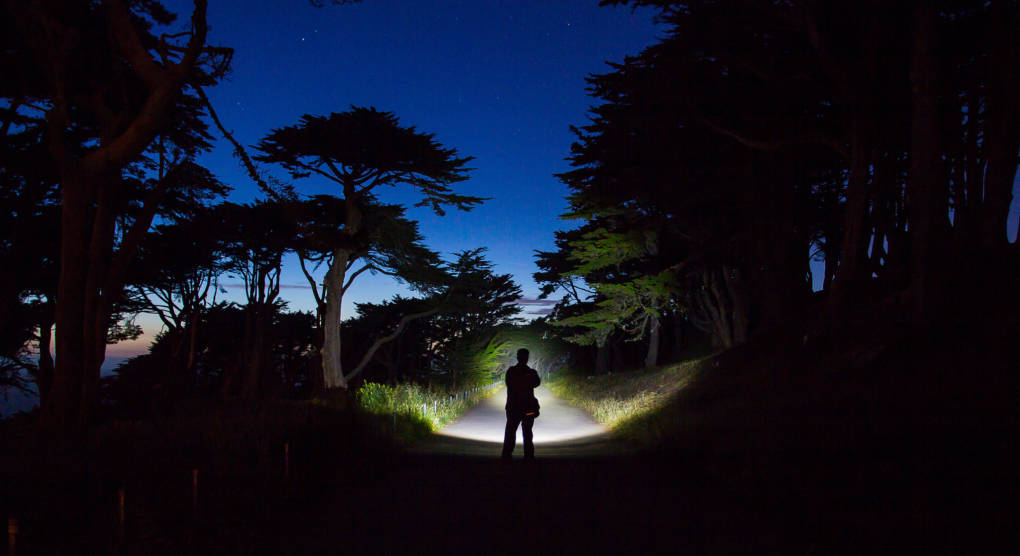
"caption": "An empty trail can be daunting. A Bay Curious listener asks should he be scared of mountain lions?",
"description": "Christian Arballo Images. All Rights Reserved. Feel free to share this image, just please give credit.",
"title": "14255173956_df31327448_k",
"credit": "Christian Arballo Images via Creative Commons",
"status": "inherit",
"isLoading": false,
"fetchFailed": false
}
},
"audioPlayerReducer": {
"postId": "stream_live",
"isPaused": true,
"isPlaying": false,
"pfsActive": false,
"pledgeModalIsOpen": true,
"playerDrawerIsOpen": false,
"liveAudioPlayStartedAt": 0,
"liveAudioPlayContext": ""
},
"authorsReducer": {
"byline_news_11795351": {
"type": "authors",
"id": "byline_news_11795351",
"meta": {
"override": true
},
"slug": "byline_news_11795351",
"name": "\u003ca href=\"https://www.kazu.org/people/erika-mahoney\"> Erika Mahoney \u003ca />",
"isLoading": false
},
"byline_news_11764572": {
"type": "authors",
"id": "byline_news_11764572",
"meta": {
"override": true
},
"slug": "byline_news_11764572",
"name": "\u003ca href= \"https://calmatters.org/author/jackie-botts/\"> Jackie Botts \u003ca/>",
"isLoading": false
},
"byline_news_11708180": {
"type": "authors",
"id": "byline_news_11708180",
"meta": {
"override": true
},
"slug": "byline_news_11708180",
"name": "Erika Mahoney",
"isLoading": false
},
"byline_news_11684737": {
"type": "authors",
"id": "byline_news_11684737",
"meta": {
"override": true
},
"slug": "byline_news_11684737",
"name": "\u003cstrong>\u003ca href=\"http://www.kazu.org/people/krista-almanzan\">Krista Almanzan\u003c/a>\u003c/strong>, KAZU",
"isLoading": false
},
"byline_news_11680479": {
"type": "authors",
"id": "byline_news_11680479",
"meta": {
"override": true
},
"slug": "byline_news_11680479",
"name": "Associated Press",
"isLoading": false
},
"byline_news_11648044": {
"type": "authors",
"id": "byline_news_11648044",
"meta": {
"override": true
},
"slug": "byline_news_11648044",
"name": "\u003cstrong>\u003ca href=\"https://calmatters.org/articles/author/julie-cart/\">Julie Cart\u003c/a>\u003cbr />\u003ca href=\"https://calmatters.org/\">CALmatters\u003c/a>\u003c/strong>",
"isLoading": false
},
"rachael-myrow": {
"type": "authors",
"id": "251",
"meta": {
"index": "authors_1716337520",
"id": "251",
"found": true
},
"name": "Rachael Myrow",
"firstName": "Rachael",
"lastName": "Myrow",
"slug": "rachael-myrow",
"email": "rmyrow@kqed.org",
"display_author_email": true,
"staff_mastheads": [
"news"
],
"title": "Senior Editor of KQED's Silicon Valley News Desk",
"bio": "• I write and edit stories about how Silicon Valley power and policies shape everyday life in California. I’m also passionate about making Bay Area history and culture more accessible to a broad public. • I’ve been a journalist for most of my life, starting in high school with The Franklin Press in Los Angeles, where I grew up. While earning my first degree in English at UC Berkeley, I got my start in public radio at KALX-FM. After completing a second degree in journalism at Cal, I landed my first professional job at Marketplace, then moved on to KPCC (now LAist), and then KQED, where I hosted The California Report for more than seven years. • My reporting has appeared on NPR, The World, WBUR’s \u003ci>Here & Now\u003c/i>, and the BBC. I also guest host for KQED’s \u003ci>Forum\u003c/i>, as well as the Commonwealth Club in San Francisco. • I speak periodically on media, democracy and technology issues, and do voiceover work for documentaries and educational video projects. • Outside of the studio, you'll find me hiking Bay Area trails and whipping up Insta-ready meals in my kitchen. • I do not accept gifts, money, or favors from anyone connected to my reporting, I don't pay people for information, and I do not support or donate to political causes. • I strive to treat the people I report on with fairness, honesty, and respect. I also recognize there are often multiple sides to a story and work to verify information through multiple sources and documentation. If I get something wrong, I correct it.",
"avatar": "https://secure.gravatar.com/avatar/87bf8cb5874e045cdff430523a6d48b1?s=600&d=blank&r=g",
"twitter": "rachaelmyrow",
"facebook": null,
"instagram": null,
"linkedin": "https://www.linkedin.com/in/rachaelmyrow/",
"sites": [
{
"site": "arts",
"roles": [
"administrator"
]
},
{
"site": "news",
"roles": [
"edit_others_posts",
"editor"
]
},
{
"site": "futureofyou",
"roles": [
"editor"
]
},
{
"site": "bayareabites",
"roles": [
"editor"
]
},
{
"site": "stateofhealth",
"roles": [
"editor"
]
},
{
"site": "science",
"roles": [
"editor"
]
},
{
"site": "food",
"roles": [
"editor"
]
},
{
"site": "forum",
"roles": [
"editor"
]
},
{
"site": "liveblog",
"roles": [
"author"
]
}
],
"headData": {
"title": "Rachael Myrow | KQED",
"description": "Senior Editor of KQED's Silicon Valley News Desk",
"ogImgSrc": "https://secure.gravatar.com/avatar/87bf8cb5874e045cdff430523a6d48b1?s=600&d=blank&r=g",
"twImgSrc": "https://secure.gravatar.com/avatar/87bf8cb5874e045cdff430523a6d48b1?s=600&d=blank&r=g"
},
"isLoading": false,
"link": "/author/rachael-myrow"
},
"vinneetong": {
"type": "authors",
"id": "260",
"meta": {
"index": "authors_1716337520",
"id": "260",
"found": true
},
"name": "Vinnee Tong",
"firstName": "Vinnee",
"lastName": "Tong",
"slug": "vinneetong",
"email": "vtong@kqed.org",
"display_author_email": false,
"staff_mastheads": [
"news"
],
"title": "KQED Contributor",
"bio": "\u003cspan style=\"font-weight: 400;\">Vinnee Tong is the managing editor of news at KQED. She oversees editorial standards \u003cspan class=\"s2\">and works to highlight underrepresented voices and perspectives\u003c/span>\u003cspan class=\"s3\">.\u003c/span>\u003cspan class=\"s2\"> She was founding editor\u003c/span>\u003c/span>\u003cspan style=\"font-weight: 400;\"> of \u003ca href=\"http://bit.ly/thebaykqed\">\u003cem>The Bay,\u003c/em>\u003c/a> a storytelling news podcast from KQED\u003c/span>\u003cspan style=\"font-weight: 400;\">. Previously, she was a producer on the \u003ca href=\"http://baycurious.org\">\u003cem>Bay Curious\u003c/em> podcast\u003c/a> and the lead producer of \u003c/span>\u003cspan style=\"font-weight: 400;\">\u003cem>Truth Be Told,\u003c/em> an award-winning KQED series on race and identity distributed nationally by Public Radio International. \u003c/span>\u003cspan style=\"font-weight: 400;\">Before KQED, Vinnee was a print reporter at the Associated Press and newspapers. \u003cspan class=\"s4\">She covered local news from city hall and planning commission hearings as well as business news from New York, like the financial meltdown of 2008. \u003c/span>She has won a\u003c/span>\u003cspan style=\"font-weight: 400;\">wards for her reporting including an RTNDA Edward R. Murrow Award, as well as awards from the New York Press Club and the Society of American Business Editors and Writers. She is a graduate of the Columbia University Graduate School of Journalism and the University of California at Berkeley, \u003cspan class=\"s4\">where she was editor-in-chief of \u003ci>The Daily Californian\u003c/i>.\u003c/span>\u003c/span>",
"avatar": "https://secure.gravatar.com/avatar/02245596ef0333bf29265e2fd547f108?s=600&d=blank&r=g",
"twitter": "vinneetong",
"facebook": null,
"instagram": null,
"linkedin": null,
"sites": [
{
"site": "news",
"roles": [
"editor",
"edit_others_pages",
"edit_others_posts"
]
},
{
"site": "stateofhealth",
"roles": [
"author"
]
}
],
"headData": {
"title": "Vinnee Tong | KQED",
"description": "KQED Contributor",
"ogImgSrc": "https://secure.gravatar.com/avatar/02245596ef0333bf29265e2fd547f108?s=600&d=blank&r=g",
"twImgSrc": "https://secure.gravatar.com/avatar/02245596ef0333bf29265e2fd547f108?s=600&d=blank&r=g"
},
"isLoading": false,
"link": "/author/vinneetong"
},
"matthewgreen": {
"type": "authors",
"id": "1263",
"meta": {
"index": "authors_1716337520",
"id": "1263",
"found": true
},
"name": "Matthew Green",
"firstName": "Matthew",
"lastName": "Green",
"slug": "matthewgreen",
"email": "mgreen@kqed.org",
"display_author_email": false,
"staff_mastheads": [],
"title": "KQED Editor/Reporter",
"bio": "Matthew Green is a digital media producer for KQED News. He previously produced \u003ca href=\"http://www.kqed.org/lowdown\">The Lowdown\u003c/a>, KQED’s multimedia news education blog. Matthew's written for numerous Bay Area publications, including the Oakland Tribune and San Francisco Chronicle. He also taught journalism classes at Fremont High School in East Oakland.\r\n\r\nEmail: mgreen@kqed.org; Twitter: @MGreenKQED",
"avatar": "https://secure.gravatar.com/avatar/3bf498d1267ca02c8494f33d8cfc575e?s=600&d=blank&r=g",
"twitter": "MGreenKQED",
"facebook": null,
"instagram": null,
"linkedin": null,
"sites": [
{
"site": "news",
"roles": []
},
{
"site": "lowdown",
"roles": []
},
{
"site": "science",
"roles": []
},
{
"site": "education",
"roles": []
},
{
"site": "quest",
"roles": []
},
{
"site": "liveblog",
"roles": []
}
],
"headData": {
"title": "Matthew Green | KQED",
"description": "KQED Editor/Reporter",
"ogImgSrc": "https://secure.gravatar.com/avatar/3bf498d1267ca02c8494f33d8cfc575e?s=600&d=blank&r=g",
"twImgSrc": "https://secure.gravatar.com/avatar/3bf498d1267ca02c8494f33d8cfc575e?s=600&d=blank&r=g"
},
"isLoading": false,
"link": "/author/matthewgreen"
},
"btaylor": {
"type": "authors",
"id": "11365",
"meta": {
"index": "authors_1716337520",
"id": "11365",
"found": true
},
"name": "Bianca Taylor",
"firstName": "Bianca",
"lastName": "Taylor",
"slug": "btaylor",
"email": "btaylor@KQED.org",
"display_author_email": false,
"staff_mastheads": [
"news"
],
"title": "Host and Producer ",
"bio": "Bianca Taylor is a news producer and host of KQED's The Latest podcast.\r\n\r\nHer work with KQED has been honored by the Society of Professional Journalists NorCal, the Webby's, the Regional Murrow Awards, and ONA. She has also worked with NPR, the BBC World Service, and the Washington Post Creative Group.\r\n\r\nBianca is represented by SAG-AFTRA.",
"avatar": "https://secure.gravatar.com/avatar/6b9d3f6552dd10470c5d1c2e58cfe717?s=600&d=blank&r=g",
"twitter": "SoundsLkeBianca",
"facebook": null,
"instagram": null,
"linkedin": null,
"sites": [
{
"site": "arts",
"roles": [
"editor"
]
},
{
"site": "news",
"roles": [
"edit_others_posts",
"editor"
]
},
{
"site": "pop",
"roles": [
"editor"
]
},
{
"site": "bayareabites",
"roles": [
"author"
]
},
{
"site": "science",
"roles": [
"editor"
]
},
{
"site": "forum",
"roles": [
"editor"
]
},
{
"site": "radio",
"roles": [
"editor"
]
},
{
"site": "podcasts",
"roles": [
"editor"
]
}
],
"headData": {
"title": "Bianca Taylor | KQED",
"description": "Host and Producer ",
"ogImgSrc": "https://secure.gravatar.com/avatar/6b9d3f6552dd10470c5d1c2e58cfe717?s=600&d=blank&r=g",
"twImgSrc": "https://secure.gravatar.com/avatar/6b9d3f6552dd10470c5d1c2e58cfe717?s=600&d=blank&r=g"
},
"isLoading": false,
"link": "/author/btaylor"
},
"mwiley": {
"type": "authors",
"id": "11526",
"meta": {
"index": "authors_1716337520",
"id": "11526",
"found": true
},
"name": "Michelle Wiley",
"firstName": "Michelle",
"lastName": "Wiley",
"slug": "mwiley",
"email": "mwiley@KQED.org",
"display_author_email": true,
"staff_mastheads": [],
"title": null,
"bio": "Michelle Wiley was the senior editor of weekends.",
"avatar": "https://secure.gravatar.com/avatar/3b897d82a09e8587e8e73fa69fbcc635?s=600&d=blank&r=g",
"twitter": "michelleewiley",
"facebook": null,
"instagram": null,
"linkedin": null,
"sites": [
{
"site": "",
"roles": [
"editor"
]
},
{
"site": "arts",
"roles": [
"editor"
]
},
{
"site": "news",
"roles": [
"subscriber"
]
},
{
"site": "lowdown",
"roles": [
"editor"
]
},
{
"site": "science",
"roles": [
"editor"
]
},
{
"site": "podcasts",
"roles": [
"editor"
]
}
],
"headData": {
"title": "Michelle Wiley | KQED",
"description": null,
"ogImgSrc": "https://secure.gravatar.com/avatar/3b897d82a09e8587e8e73fa69fbcc635?s=600&d=blank&r=g",
"twImgSrc": "https://secure.gravatar.com/avatar/3b897d82a09e8587e8e73fa69fbcc635?s=600&d=blank&r=g"
},
"isLoading": false,
"link": "/author/mwiley"
}
},
"pagesReducer": {
"news_tag_santa-cruz": {
"type": "terms",
"id": "news_721",
"meta": {
"index": "terms_1716263798",
"site": "news",
"id": "721",
"score": 8.791621
},
"featImg": null,
"name": "Santa Cruz",
"description": null,
"taxonomy": "tag",
"headData": {
"twImgId": null,
"twTitle": null,
"ogTitle": null,
"ogImgId": null,
"twDescription": null,
"description": null,
"title": "Santa Cruz Archives | KQED News",
"ogDescription": null
},
"ttid": 730,
"slug": "santa-cruz",
"isLoading": false,
"title": "Santa Cruz",
"pageMeta": {
"site": "news",
"WpPageTemplate": "page-topic-editorial",
"currentPage": 4
},
"blocks": [
{
"blockName": "kqed/post-list",
"attrs": {
"layout": "cardArticle2",
"query": "posts/news?tag=santa-cruz",
"seeMore": false,
"paginated": true,
"page": 4
}
},
{
"blockName": "kqed/ad"
}
]
}
},
"pfsSessionReducer": {},
"postsReducer": {
"stream_live": {
"type": "live",
"id": "stream_live",
"audioUrl": "https://streams.kqed.org/kqedradio",
"title": "Live Stream",
"excerpt": "Live Stream information currently unavailable.",
"link": "/radio",
"featImg": "",
"label": {
"name": "KQED Live",
"link": "/"
}
},
"stream_kqedNewscast": {
"type": "posts",
"id": "stream_kqedNewscast",
"audioUrl": "https://www.kqed.org/.stream/anon/radio/RDnews/newscast.mp3?_=1",
"title": "KQED Newscast",
"featImg": "",
"label": {
"name": "88.5 FM",
"link": "/"
}
},
"news_11801992": {
"type": "posts",
"id": "news_11801992",
"meta": {
"index": "posts_1716263798",
"site": "news",
"id": "11801992",
"score": null,
"sort": [
1581854452000
]
},
"parent": 0,
"labelTerm": {
"site": "news"
},
"blocks": [],
"publishDate": 1581854452,
"format": "standard",
"disqusTitle": "Creativity and Innovation of Mountain Biking on View in Santa Cruz",
"title": "Creativity and Innovation of Mountain Biking on View in Santa Cruz",
"headTitle": "KQED News",
"content": "\u003cp>Mountain bikes in a museum? Yes, and not just in Fairfax, home of the \u003ca href=\"https://mmbhof.org\" target=\"_blank\" rel=\"noopener noreferrer\">Marin Museum of Bicycling\u003c/a>. The \u003ca href=\"https://santacruzmah.org\" target=\"_blank\" rel=\"noopener noreferrer\">Santa Cruz Museum of Art and History (MAH)\u003c/a> has collaborated with its neighbor to the north to recount the history and burnish the legend.\u003c/p>\n\u003cp>\"Any bike can be a mountain bike if you ride it in the mountains,\" said Whitney Ford-Terry, the exhibition's catalyst for \"\u003ca href=\"https://santacruzmah.org/exhibitions/trailblazers\" target=\"_blank\" rel=\"noopener noreferrer\">Trailblazers: The Creative Story Behind Mountain Biking in Santa Cruz\u003c/a>.\" The exhibit explores how Santa Cruz became a major mountain biking destination and home to several big biking brands.\u003c/p>\n\u003cp>\"People kind of cross-pollinated ideas, and a lot of folks from Santa Cruz learned from people who had picked up things there or who had come down to Santa Cruz to really test out what they were making on the very unique trail system we have here,\" Ford-Terry said.\u003c/p>\n\u003cp>Off-road riding has been with us as long as bicycles have, but in the late 1960s, a clutch of guys in Marin County modified old Schwinn bicycles they called “clunkers” to race down \u003ca href=\"https://www.parks.ca.gov/?page_id=471\" target=\"_blank\" rel=\"noopener noreferrer\">Mount Tamalpais\u003c/a>. It didn’t take long before they started modifying the bikes with stiffer frames, wider tires, multiple gears and so on.\u003c/p>\n\u003cp>[youtube https://www.youtube.com/watch?v=8CWMCNzmKNM]In \u003ca href=\"https://www.kqed.org/arts/13810966/former-foster-youth-change-narrative\" target=\"_blank\" rel=\"noopener noreferrer\">classic MAH fashion\u003c/a>, the exhibition is not so much a collection of historical objects as it is a collaboration with a host of local people and groups like \u003ca href=\"http://mbosc.org\" target=\"_blank\" rel=\"noopener noreferrer\">Mountain Bikers of Santa Cruz\u003c/a>. So, for example, \"Trailblazers\" encourages visitors to think about getting involved in the community, in this case, by focusing on the importance of trail stewardship.\u003c/p>\n\u003cp>[ad fullwidth]\u003c/p>\n\u003cp>The exhibition also encourages visitors to think in a hands-on fashion about what makes for a good mountain bike. It's a sport, after all, born of tinkering to maximize delight traveling through the great California outdoors. \u003c/p>\n\u003cp>\"What really makes this community special is our trails: how we use them, how we take care of them, how we built them,\" Ford-Terry said.\u003c/p>\n\u003cp>From the Flow Trail in Soquel Demonstration State Forest to the coastline of Wilder Ranch State Park to the campus byways of UC Santa Cruz, \"It is a wildly popular sport in our county and community,\" Ford-Terry said. \"So we looked to the experts to help us get a better idea of what should be in the show, but also, how to contextualize this history.\"\u003c/p>\n\u003cp>\u003c/p>\n\u003cp>On a sunny day, it's hard to imagine why you wouldn't be out on one of those trails, but at some point, you're going to be downtown for an ice cream or a sandwich, and that's when this gallery at MAH beckons you inside to reflect and appreciate the \"trailblazers\" who came before you.\u003c/p>\n\n",
"disqusIdentifier": "11801992 https://ww2.kqed.org/news/?p=11801992",
"disqusUrl": "https://ww2.kqed.org/news/2020/02/16/creativity-and-innovation-of-mountain-biking-on-view-in-santa-cruz/",
"stats": {
"hasVideo": true,
"hasChartOrMap": false,
"hasAudio": false,
"hasPolis": false,
"wordCount": 466,
"hasGoogleForm": false,
"hasGallery": false,
"hasHearkenModule": false,
"iframeSrcs": [],
"paragraphCount": 11
},
"modified": 1582055384,
"excerpt": "'Trailblazers' at the Santa Cruz Museum of Art and History explores how Santa Cruz became a mountain biking destination.",
"headData": {
"twImgId": "",
"twTitle": "",
"ogTitle": "",
"ogImgId": "",
"twDescription": "",
"description": "'Trailblazers' at the Santa Cruz Museum of Art and History explores how Santa Cruz became a mountain biking destination.",
"title": "Creativity and Innovation of Mountain Biking on View in Santa Cruz | KQED",
"ogDescription": "",
"schema": {
"@context": "https://schema.org",
"@type": "NewsArticle",
"headline": "Creativity and Innovation of Mountain Biking on View in Santa Cruz",
"datePublished": "2020-02-16T04:00:52-08:00",
"dateModified": "2020-02-18T11:49:44-08:00",
"image": "https://cdn.kqed.org/wp-content/uploads/2020/02/KQED-OG-Image@1x.png",
"isAccessibleForFree": "True",
"publisher": {
"@type": "NewsMediaOrganization",
"@id": "https://www.kqed.org/#organization",
"name": "KQED",
"logo": "https://cdn.kqed.org/wp-content/uploads/2020/02/KQED-OG-Image@1x.png",
"url": "https://www.kqed.org",
"sameAs": [
"https://www.facebook.com/KQED",
"https://twitter.com/KQED",
"https://www.instagram.com/kqed/",
"https://www.tiktok.com/@kqedofficial",
"https://www.linkedin.com/company/kqed",
"https://www.youtube.com/channel/UCeC0IOo7i1P_61zVUWbJ4nw"
]
}
}
},
"guestAuthors": [],
"slug": "creativity-and-innovation-of-mountain-biking-on-view-in-santa-cruz",
"status": "publish",
"path": "/news/11801992/creativity-and-innovation-of-mountain-biking-on-view-in-santa-cruz",
"audioTrackLength": null,
"parsedContent": [
{
"type": "contentString",
"content": "\u003cdiv class=\"post-body\">\u003cp>\u003cp>Mountain bikes in a museum? Yes, and not just in Fairfax, home of the \u003ca href=\"https://mmbhof.org\" target=\"_blank\" rel=\"noopener noreferrer\">Marin Museum of Bicycling\u003c/a>. The \u003ca href=\"https://santacruzmah.org\" target=\"_blank\" rel=\"noopener noreferrer\">Santa Cruz Museum of Art and History (MAH)\u003c/a> has collaborated with its neighbor to the north to recount the history and burnish the legend.\u003c/p>\n\u003cp>\"Any bike can be a mountain bike if you ride it in the mountains,\" said Whitney Ford-Terry, the exhibition's catalyst for \"\u003ca href=\"https://santacruzmah.org/exhibitions/trailblazers\" target=\"_blank\" rel=\"noopener noreferrer\">Trailblazers: The Creative Story Behind Mountain Biking in Santa Cruz\u003c/a>.\" The exhibit explores how Santa Cruz became a major mountain biking destination and home to several big biking brands.\u003c/p>\n\u003cp>\"People kind of cross-pollinated ideas, and a lot of folks from Santa Cruz learned from people who had picked up things there or who had come down to Santa Cruz to really test out what they were making on the very unique trail system we have here,\" Ford-Terry said.\u003c/p>\n\u003cp>Off-road riding has been with us as long as bicycles have, but in the late 1960s, a clutch of guys in Marin County modified old Schwinn bicycles they called “clunkers” to race down \u003ca href=\"https://www.parks.ca.gov/?page_id=471\" target=\"_blank\" rel=\"noopener noreferrer\">Mount Tamalpais\u003c/a>. It didn’t take long before they started modifying the bikes with stiffer frames, wider tires, multiple gears and so on.\u003c/p>\n\u003cp>\u003c/p>\u003cp>\u003cspan class='utils-parseShortcode-shortcodes-__youtubeShortcode__embedYoutube'>\n \u003cspan class='utils-parseShortcode-shortcodes-__youtubeShortcode__embedYoutubeInside'>\n \u003ciframe\n loading='lazy'\n class='utils-parseShortcode-shortcodes-__youtubeShortcode__youtubePlayer'\n type='text/html'\n src='//www.youtube.com/embed/8CWMCNzmKNM'\n title='//www.youtube.com/embed/8CWMCNzmKNM'\n allowfullscreen='true'\n style='border:0;'>\u003c/iframe>\n \u003c/span>\n \u003c/span>\u003c/p>\u003cp>In \u003ca href=\"https://www.kqed.org/arts/13810966/former-foster-youth-change-narrative\" target=\"_blank\" rel=\"noopener noreferrer\">classic MAH fashion\u003c/a>, the exhibition is not so much a collection of historical objects as it is a collaboration with a host of local people and groups like \u003ca href=\"http://mbosc.org\" target=\"_blank\" rel=\"noopener noreferrer\">Mountain Bikers of Santa Cruz\u003c/a>. So, for example, \"Trailblazers\" encourages visitors to think about getting involved in the community, in this case, by focusing on the importance of trail stewardship.\u003c/p>\n\u003cp>\u003c/p>\u003c/div>",
"attributes": {
"named": {},
"numeric": []
}
},
{
"type": "component",
"content": "",
"name": "ad",
"attributes": {
"named": {
"label": "fullwidth"
},
"numeric": [
"fullwidth"
]
}
},
{
"type": "contentString",
"content": "\u003cdiv class=\"post-body\">\u003cp>\u003c/p>\n\u003cp>The exhibition also encourages visitors to think in a hands-on fashion about what makes for a good mountain bike. It's a sport, after all, born of tinkering to maximize delight traveling through the great California outdoors. \u003c/p>\n\u003cp>\"What really makes this community special is our trails: how we use them, how we take care of them, how we built them,\" Ford-Terry said.\u003c/p>\n\u003cp>From the Flow Trail in Soquel Demonstration State Forest to the coastline of Wilder Ranch State Park to the campus byways of UC Santa Cruz, \"It is a wildly popular sport in our county and community,\" Ford-Terry said. \"So we looked to the experts to help us get a better idea of what should be in the show, but also, how to contextualize this history.\"\u003c/p>\n\u003cp>\u003c/p>\n\u003cp>On a sunny day, it's hard to imagine why you wouldn't be out on one of those trails, but at some point, you're going to be downtown for an ice cream or a sandwich, and that's when this gallery at MAH beckons you inside to reflect and appreciate the \"trailblazers\" who came before you.\u003c/p>\n\n\u003c/div>\u003c/p>",
"attributes": {
"named": {},
"numeric": []
}
}
],
"link": "/news/11801992/creativity-and-innovation-of-mountain-biking-on-view-in-santa-cruz",
"authors": [
"251"
],
"categories": [
"news_223",
"news_8",
"news_10"
],
"tags": [
"news_6505",
"news_5718",
"news_721",
"news_25682"
],
"featImg": "news_11801993",
"label": "news"
},
"news_11795351": {
"type": "posts",
"id": "news_11795351",
"meta": {
"index": "posts_1716263798",
"site": "news",
"id": "11795351",
"score": null,
"sort": [
1578704400000
]
},
"guestAuthors": [],
"slug": "uc-santa-cruz-workers-join-striking-grad-students-rally-for-higher-pay",
"title": "UC Santa Cruz Workers Join Striking Grad Students, Rally for Higher Pay",
"publishDate": 1578704400,
"format": "audio",
"headTitle": "UC Santa Cruz Workers Join Striking Grad Students, Rally for Higher Pay | KQED",
"labelTerm": {},
"content": "\u003cp>The housing affordability crisis is continuing to spark strikes at UC Santa Cruz, Santa Cruz County’s largest employer. On Thursday, about 200 people rallied on the UCSC campus to support graduate students and university workers who are striking for higher wages.\u003c/p>\n\u003cp>[pullquote size=\"medium\" align=\"right\" citation=\"Tony Boardman, a PhD student in literature and a teaching assistant at UC Santa Cruz\"]‘I thought the university would take care of me. That’s not how it turned out.’[/pullquote]\u003c/p>\n\u003cp>Tony Boardman is a Ph.D. student in literature and a teaching assistant (TA) at UC Santa Cruz. But he said the pay isn’t enough to live on.\u003c/p>\n\u003cp>He’s an international student from the United Kingdom and said people warned him about the high cost of living in Santa Cruz. “But I thought there would be a way. I thought the university would take care of me. And that’s not how it turned out,” he said.\u003c/p>\n\u003cp>A recent \u003ca href=\"https://www.apartmentlist.com/rentonomics/cost-burden-2019/\" target=\"_blank\" rel=\"noopener noreferrer\">study by Apartment List\u003c/a> found nearly 60% of people living in Santa Cruz are cost-burdened, meaning they spend more than 30% of their paycheck on rent. That’s a higher rate than in San Francisco and in San Jose.\u003c/p>\n\u003cp>“UCSC needs to pay its workers a living wage. And there’s a ton of workers on campus who need this and who aren’t getting the deal that they need,” Boardman said.\u003c/p>\n\u003cp>https://twitter.com/bayareabrrn/status/1215366397028519936\u003c/p>\n\u003cp>TAs across the UC system are all paid the same rate, regardless of their community’s cost of living. They make roughly $2,400 a month before taxes. Their 20-hour workweek includes instructing labs, holding office hours and grading.\u003c/p>\n\u003cp>On Dec. 9, just before finals week of the fall quarter, hundreds of UC Santa Cruz graduate students went on strike — a grading strike. They decided not to submit grades for undergraduate courses until the university provides a $1,400 cost of living adjustment for all graduate students.\u003c/p>\n\u003cp>“This isn’t like holding the grades hostage or something like that. It’s saying that we can’t do the labor that we’re expected to do if the university won’t pay us the money that we need to live and work here,” said Boardman.\u003c/p>\n\u003cfigure id=\"attachment_11795359\" class=\"wp-caption aligncenter\" style=\"max-width: 800px\">\u003cimg loading=\"lazy\" decoding=\"async\" src=\"https://ww2.kqed.org/app/uploads/sites/10/2020/01/IMG_1069-800x600.jpg\" alt=\"Tony Boardman, a PhD student in literature, speaks with Veronica Hamilton, a PhD student in psychology. Both are TAs at UCSC.\" width=\"800\" height=\"600\" class=\"size-medium wp-image-11795359\">\u003cfigcaption class=\"wp-caption-text\">Tony Boardman, a PhD student in literature, speaks with Veronica Hamilton, a PhD student in psychology. Both are TAs at UCSC. \u003ccite>(Erika Mahoney/KAZU)\u003c/cite>\u003c/figcaption>\u003c/figure>\n\u003cp>Nearly 9,000 undergraduate students were impacted, according to Boardman. As the new quarter gets underway, TAs have reached out to students and submitted grades for those who urgently need them. According to the university, about 80% of all grades are in, but that includes grades not handled by TAs.\u003c/p>\n\u003cp>Undergraduate student Sara Valenzuela was still missing one grade during the first week back at school.\u003c/p>\n\u003cp>“Well, it’s been very, I don’t want to say stressful but at the same time a little. Just because over the winter break, it’s kind of like nerve wracking not knowing what you got for the class and you know how that builds anxiety,” Valenzuela said.\u003c/p>\n\u003cp>[pullquote size=\"medium\" align=\"right\" citation=\" Veronica Hamilton, UC Santa Cruz teaching assistant and unit chair for UAW 2865\"]‘People can’t pay their rent now. People are dropping out of their graduate programs now. And it is too long to wait until the next contract campaign.’[/pullquote]The union that represents over 19,000 student employees at UC schools hasn’t authorized the action, making it a wildcat strike. The union, UAW 2865, is currently under a four-year contract. The agreement, which took effect in 2018, includes a wage increase of 3% each year.\u003c/p>\n\u003cp>But Veronica Hamilton, the Santa Cruz unit chair for UAW 2865 and a UC Santa Cruz TA, said graduate students were never satisfied with the agreement and can’t wait two more years for further negotiations.\u003c/p>\n\u003cp>“People can’t pay their rent now. People are dropping out of their graduate programs now. And it is too long to wait until the next contract campaign,” Hamilton said.\u003c/p>\n\u003cp>[ad fullwidth]\u003c/p>\n\u003cp>UC Santa Cruz Spokesperson Scott Hernandez-Jason said the administration is willing to meet with students if they call off the strike.\u003c/p>\n\u003cp>“So this strike goes against their contract and the very nature of it makes it impossible for us to sit down and discuss ways to support them as employees,” Hernandez-Jason said.\u003c/p>\n\u003cp>He believes the long-term solution is more housing.\u003c/p>\n\u003cp>“The high cost of housing is something that impacts everyone in our campus community, the Santa Cruz community and really the large swaths of California,” Hernandez-Jason said.\u003c/p>\n\u003cp>It’s not only graduate students who feel they deserve more. \u003c/p>\n\u003cp>This week, UC Santa Cruz skilled craft workers, who the university said make roughly between $80,000 and $100,000 a year, also began an open-ended strike over pay and staffing. These workers, including electricians, carpenters and plumbers, have been without a contract for a couple of years. They’re part of the union AFSCME Local 3299.\u003c/p>\n\u003cfigure id=\"attachment_11795411\" class=\"wp-caption aligncenter\" style=\"max-width: 800px\">\u003cimg loading=\"lazy\" decoding=\"async\" src=\"https://ww2.kqed.org/app/uploads/sites/10/2020/01/IMG_1075_1_1920x-800x600.jpg\" alt=\"Some skilled craft workers at UCSC are also on strike. They're calling for more pay and more staffing.\" width=\"800\" height=\"600\" class=\"size-medium wp-image-11795411\" srcset=\"https://cdn.kqed.org/wp-content/uploads/sites/10/2020/01/IMG_1075_1_1920x-800x600.jpg 800w, https://cdn.kqed.org/wp-content/uploads/sites/10/2020/01/IMG_1075_1_1920x-160x120.jpg 160w, https://cdn.kqed.org/wp-content/uploads/sites/10/2020/01/IMG_1075_1_1920x-1020x765.jpg 1020w, https://cdn.kqed.org/wp-content/uploads/sites/10/2020/01/IMG_1075_1_1920x-1200x900.jpg 1200w, https://cdn.kqed.org/wp-content/uploads/sites/10/2020/01/IMG_1075_1_1920x.jpg 1920w, https://cdn.kqed.org/wp-content/uploads/sites/10/2020/01/IMG_1075_1_1920x-1832x1374.jpg 1832w, https://cdn.kqed.org/wp-content/uploads/sites/10/2020/01/IMG_1075_1_1920x-1376x1032.jpg 1376w, https://cdn.kqed.org/wp-content/uploads/sites/10/2020/01/IMG_1075_1_1920x-1044x783.jpg 1044w, https://cdn.kqed.org/wp-content/uploads/sites/10/2020/01/IMG_1075_1_1920x-632x474.jpg 632w, https://cdn.kqed.org/wp-content/uploads/sites/10/2020/01/IMG_1075_1_1920x-536x402.jpg 536w\" sizes=\"(max-width: 800px) 100vw, 800px\">\u003cfigcaption class=\"wp-caption-text\">Some skilled craft workers at UCSC are also on strike. They’re calling for more pay and more staffing. \u003ccite>(Erika Mahoney/KAZU)\u003c/cite>\u003c/figcaption>\u003c/figure>\n\u003cp>On Tuesday, Joe Baxter, an electrician, gathered with about a dozen other workers in front of the entrance to UC Santa Cruz. He’s been with the school for 15 years and lives in a mobile home with his family.\u003c/p>\n\u003cp>“We’re striking because we’re understaffed and we’re trying to get more staffing. They don’t replace people who retire,” Baxter said.\u003c/p>\n\u003cp>Solidarity rallies in support of the graduate students have also taken place at UC Davis, UC Berkeley and UC Santa Barbara.\u003c/p>\n\u003cp>\u003c/p>\n",
"blocks": [],
"excerpt": "Work stoppages began a month ago with a wildcat strike by graduate students, who say their wages aren’t enough to live on. This week, some campus workers began a separate open-ended strike.",
"status": "publish",
"parent": 0,
"modified": 1725928183,
"stats": {
"hasAudio": false,
"hasVideo": false,
"hasChartOrMap": false,
"iframeSrcs": [],
"hasGoogleForm": false,
"hasGallery": false,
"hasHearkenModule": false,
"hasPolis": false,
"paragraphCount": 26,
"wordCount": 995
},
"headData": {
"title": "UC Santa Cruz Workers Join Striking Grad Students, Rally for Higher Pay | KQED",
"description": "Work stoppages began a month ago with a wildcat strike by graduate students, who say their wages aren’t enough to live on. This week, some campus workers began a separate open-ended strike.",
"ogTitle": "",
"ogDescription": "",
"ogImgId": "",
"twTitle": "",
"twDescription": "",
"twImgId": "",
"schema": {
"@context": "https://schema.org",
"@type": "NewsArticle",
"headline": "UC Santa Cruz Workers Join Striking Grad Students, Rally for Higher Pay",
"datePublished": "2020-01-10T17:00:00-08:00",
"dateModified": "2024-09-09T17:29:43-07:00",
"image": "https://cdn.kqed.org/wp-content/uploads/2020/02/KQED-OG-Image@1x.png",
"isAccessibleForFree": "True",
"publisher": {
"@type": "NewsMediaOrganization",
"@id": "https://www.kqed.org/#organization",
"name": "KQED",
"logo": "https://cdn.kqed.org/wp-content/uploads/2020/02/KQED-OG-Image@1x.png",
"url": "https://www.kqed.org",
"sameAs": [
"https://www.facebook.com/KQED",
"https://twitter.com/KQED",
"https://www.instagram.com/kqed/",
"https://www.tiktok.com/@kqedofficial",
"https://www.linkedin.com/company/kqed",
"https://www.youtube.com/channel/UCeC0IOo7i1P_61zVUWbJ4nw"
]
}
}
},
"source": "KAZU",
"sourceUrl": "https://www.kazu.org/",
"audioUrl": "https://www.kqed.org/.stream/anon/radio/tcr/2020/01/MahoneySantaCruzstrike.mp3",
"sticky": false,
"nprByline": "\u003ca href=\"https://www.kazu.org/people/erika-mahoney\"> Erika Mahoney \u003ca />",
"audioTrackLength": 104,
"path": "/news/11795351/uc-santa-cruz-workers-join-striking-grad-students-rally-for-higher-pay",
"parsedContent": [
{
"type": "contentString",
"content": "\u003cdiv class=\"post-body\">\u003cp>\u003cp>The housing affordability crisis is continuing to spark strikes at UC Santa Cruz, Santa Cruz County’s largest employer. On Thursday, about 200 people rallied on the UCSC campus to support graduate students and university workers who are striking for higher wages.\u003c/p>\n\u003cp>\u003c/p>\u003c/div>",
"attributes": {
"named": {},
"numeric": []
}
},
{
"type": "component",
"content": "‘I thought the university would take care of me. That’s not how it turned out.’",
"name": "pullquote",
"attributes": {
"named": {
"size": "medium",
"align": "right",
"citation": "Tony Boardman, a PhD student in literature and a teaching assistant at UC Santa Cruz",
"label": ""
},
"numeric": []
}
},
{
"type": "contentString",
"content": "\u003cdiv class=\"post-body\">\u003cp>\u003c/p>\n\u003cp>Tony Boardman is a Ph.D. student in literature and a teaching assistant (TA) at UC Santa Cruz. But he said the pay isn’t enough to live on.\u003c/p>\n\u003cp>He’s an international student from the United Kingdom and said people warned him about the high cost of living in Santa Cruz. “But I thought there would be a way. I thought the university would take care of me. And that’s not how it turned out,” he said.\u003c/p>\n\u003cp>A recent \u003ca href=\"https://www.apartmentlist.com/rentonomics/cost-burden-2019/\" target=\"_blank\" rel=\"noopener noreferrer\">study by Apartment List\u003c/a> found nearly 60% of people living in Santa Cruz are cost-burdened, meaning they spend more than 30% of their paycheck on rent. That’s a higher rate than in San Francisco and in San Jose.\u003c/p>\n\u003cp>“UCSC needs to pay its workers a living wage. And there’s a ton of workers on campus who need this and who aren’t getting the deal that they need,” Boardman said.\u003c/p>\u003c/p>\u003c/div>",
"attributes": {
"named": {},
"numeric": []
}
},
{
"type": "component",
"content": "",
"name": "singleTwitterStatus",
"attributes": {
"named": {
"id": "1215366397028519936"
},
"numeric": []
}
},
{
"type": "contentString",
"content": "\u003cdiv class=\"post-body\">\u003cp>\n\u003cp>TAs across the UC system are all paid the same rate, regardless of their community’s cost of living. They make roughly $2,400 a month before taxes. Their 20-hour workweek includes instructing labs, holding office hours and grading.\u003c/p>\n\u003cp>On Dec. 9, just before finals week of the fall quarter, hundreds of UC Santa Cruz graduate students went on strike — a grading strike. They decided not to submit grades for undergraduate courses until the university provides a $1,400 cost of living adjustment for all graduate students.\u003c/p>\n\u003cp>“This isn’t like holding the grades hostage or something like that. It’s saying that we can’t do the labor that we’re expected to do if the university won’t pay us the money that we need to live and work here,” said Boardman.\u003c/p>\n\u003cfigure id=\"attachment_11795359\" class=\"wp-caption aligncenter\" style=\"max-width: 800px\">\u003cimg loading=\"lazy\" decoding=\"async\" src=\"https://ww2.kqed.org/app/uploads/sites/10/2020/01/IMG_1069-800x600.jpg\" alt=\"Tony Boardman, a PhD student in literature, speaks with Veronica Hamilton, a PhD student in psychology. Both are TAs at UCSC.\" width=\"800\" height=\"600\" class=\"size-medium wp-image-11795359\">\u003cfigcaption class=\"wp-caption-text\">Tony Boardman, a PhD student in literature, speaks with Veronica Hamilton, a PhD student in psychology. Both are TAs at UCSC. \u003ccite>(Erika Mahoney/KAZU)\u003c/cite>\u003c/figcaption>\u003c/figure>\n\u003cp>Nearly 9,000 undergraduate students were impacted, according to Boardman. As the new quarter gets underway, TAs have reached out to students and submitted grades for those who urgently need them. According to the university, about 80% of all grades are in, but that includes grades not handled by TAs.\u003c/p>\n\u003cp>Undergraduate student Sara Valenzuela was still missing one grade during the first week back at school.\u003c/p>\n\u003cp>“Well, it’s been very, I don’t want to say stressful but at the same time a little. Just because over the winter break, it’s kind of like nerve wracking not knowing what you got for the class and you know how that builds anxiety,” Valenzuela said.\u003c/p>\n\u003cp>\u003c/p>\u003c/div>",
"attributes": {
"named": {},
"numeric": []
}
},
{
"type": "component",
"content": "‘People can’t pay their rent now. People are dropping out of their graduate programs now. And it is too long to wait until the next contract campaign.’",
"name": "pullquote",
"attributes": {
"named": {
"size": "medium",
"align": "right",
"citation": " Veronica Hamilton, UC Santa Cruz teaching assistant and unit chair for UAW 2865",
"label": ""
},
"numeric": []
}
},
{
"type": "contentString",
"content": "\u003cdiv class=\"post-body\">\u003cp>The union that represents over 19,000 student employees at UC schools hasn’t authorized the action, making it a wildcat strike. The union, UAW 2865, is currently under a four-year contract. The agreement, which took effect in 2018, includes a wage increase of 3% each year.\u003c/p>\n\u003cp>But Veronica Hamilton, the Santa Cruz unit chair for UAW 2865 and a UC Santa Cruz TA, said graduate students were never satisfied with the agreement and can’t wait two more years for further negotiations.\u003c/p>\n\u003cp>“People can’t pay their rent now. People are dropping out of their graduate programs now. And it is too long to wait until the next contract campaign,” Hamilton said.\u003c/p>\n\u003cp>\u003c/p>\u003c/div>",
"attributes": {
"named": {},
"numeric": []
}
},
{
"type": "component",
"content": "",
"name": "ad",
"attributes": {
"named": {
"label": "fullwidth"
},
"numeric": [
"fullwidth"
]
}
},
{
"type": "contentString",
"content": "\u003cdiv class=\"post-body\">\u003cp>\u003c/p>\n\u003cp>UC Santa Cruz Spokesperson Scott Hernandez-Jason said the administration is willing to meet with students if they call off the strike.\u003c/p>\n\u003cp>“So this strike goes against their contract and the very nature of it makes it impossible for us to sit down and discuss ways to support them as employees,” Hernandez-Jason said.\u003c/p>\n\u003cp>He believes the long-term solution is more housing.\u003c/p>\n\u003cp>“The high cost of housing is something that impacts everyone in our campus community, the Santa Cruz community and really the large swaths of California,” Hernandez-Jason said.\u003c/p>\n\u003cp>It’s not only graduate students who feel they deserve more. \u003c/p>\n\u003cp>This week, UC Santa Cruz skilled craft workers, who the university said make roughly between $80,000 and $100,000 a year, also began an open-ended strike over pay and staffing. These workers, including electricians, carpenters and plumbers, have been without a contract for a couple of years. They’re part of the union AFSCME Local 3299.\u003c/p>\n\u003cfigure id=\"attachment_11795411\" class=\"wp-caption aligncenter\" style=\"max-width: 800px\">\u003cimg loading=\"lazy\" decoding=\"async\" src=\"https://ww2.kqed.org/app/uploads/sites/10/2020/01/IMG_1075_1_1920x-800x600.jpg\" alt=\"Some skilled craft workers at UCSC are also on strike. They're calling for more pay and more staffing.\" width=\"800\" height=\"600\" class=\"size-medium wp-image-11795411\" srcset=\"https://cdn.kqed.org/wp-content/uploads/sites/10/2020/01/IMG_1075_1_1920x-800x600.jpg 800w, https://cdn.kqed.org/wp-content/uploads/sites/10/2020/01/IMG_1075_1_1920x-160x120.jpg 160w, https://cdn.kqed.org/wp-content/uploads/sites/10/2020/01/IMG_1075_1_1920x-1020x765.jpg 1020w, https://cdn.kqed.org/wp-content/uploads/sites/10/2020/01/IMG_1075_1_1920x-1200x900.jpg 1200w, https://cdn.kqed.org/wp-content/uploads/sites/10/2020/01/IMG_1075_1_1920x.jpg 1920w, https://cdn.kqed.org/wp-content/uploads/sites/10/2020/01/IMG_1075_1_1920x-1832x1374.jpg 1832w, https://cdn.kqed.org/wp-content/uploads/sites/10/2020/01/IMG_1075_1_1920x-1376x1032.jpg 1376w, https://cdn.kqed.org/wp-content/uploads/sites/10/2020/01/IMG_1075_1_1920x-1044x783.jpg 1044w, https://cdn.kqed.org/wp-content/uploads/sites/10/2020/01/IMG_1075_1_1920x-632x474.jpg 632w, https://cdn.kqed.org/wp-content/uploads/sites/10/2020/01/IMG_1075_1_1920x-536x402.jpg 536w\" sizes=\"(max-width: 800px) 100vw, 800px\">\u003cfigcaption class=\"wp-caption-text\">Some skilled craft workers at UCSC are also on strike. They’re calling for more pay and more staffing. \u003ccite>(Erika Mahoney/KAZU)\u003c/cite>\u003c/figcaption>\u003c/figure>\n\u003cp>On Tuesday, Joe Baxter, an electrician, gathered with about a dozen other workers in front of the entrance to UC Santa Cruz. He’s been with the school for 15 years and lives in a mobile home with his family.\u003c/p>\n\u003cp>“We’re striking because we’re understaffed and we’re trying to get more staffing. They don’t replace people who retire,” Baxter said.\u003c/p>\n\u003cp>Solidarity rallies in support of the graduate students have also taken place at UC Davis, UC Berkeley and UC Santa Barbara.\u003c/p>\n\u003cp>\u003c/p>\n\u003c/div>\u003c/p>",
"attributes": {
"named": {},
"numeric": []
}
}
],
"link": "/news/11795351/uc-santa-cruz-workers-join-striking-grad-students-rally-for-higher-pay",
"authors": [
"byline_news_11795351"
],
"programs": [
"news_72"
],
"categories": [
"news_18540",
"news_6266",
"news_8"
],
"tags": [
"news_3921",
"news_20013",
"news_1775",
"news_27208",
"news_19904",
"news_721",
"news_25682",
"news_206"
],
"featImg": "news_11795358",
"label": "source_news_11795351"
},
"news_11780552": {
"type": "posts",
"id": "news_11780552",
"meta": {
"index": "posts_1716263798",
"site": "news",
"id": "11780552",
"score": null,
"sort": [
1571340582000
]
},
"parent": 0,
"labelTerm": {
"site": "news"
},
"blocks": [],
"publishDate": 1571340582,
"format": "standard",
"disqusTitle": "When the Big One Hit: Unearthed Images of Loma Prieta",
"title": "When the Big One Hit: Unearthed Images of Loma Prieta",
"headTitle": "KQED News",
"content": "\u003cp>The shaking only lasted 15 seconds, but it changed the region forever.[aside label=\"More Loma Prieta Coverage\" tag=loma-prieta]\u003c/p>\n\u003cp>Thirty years ago today — on Oct. 17, 1989 — a 6.9 magnitude earthquake on the San Andreas fault in the Santa Cruz mountains ripped through the Bay Area and neighboring counties. It struck just after 5 p.m., right before the start of the third game of the A's-Giants World Series (set to take place at Candlestick Park, but subsequently postponed).\u003c/p>\n\u003cp>The Loma Prieta earthquake, named after the mountain peak near its epicenter, wreaked havoc on the region, killing 63 people, injuring nearly 3,800 more and causing an estimated $6 billion in property damage. The quake broke the San Francisco-Oakland Bay Bridge, brought down a massive section of freeway in West Oakland and leveled hundreds of homes, from San Francisco's Marina District to the farming town of Watsonville, 90 miles south of the city.\u003c/p>\n\u003cp>The disaster was transformational, spurring dramatic changes to the physical infrastructure of the Bay Area and Santa Cruz County, and serving as an ominous, enduring reminder of the shaky, mercurial ground we live on.\u003c/p>\n\u003cp>https://youtu.be/x9Y-A532QeE\u003c/p>\n\u003cp>The series of photos below, found mostly in public archives, show the extent of the earthquake's destruction in three areas — San Francisco's Marina District, West Oakland and parts of Santa Cruz County. The photos also highlight the drive of residents and leaders to quickly restore normalcy and build stronger, more durable structures.\u003c/p>\n\u003ch3>San Francisco's Marina District\u003c/h3>\n\u003cp>Even though its epicenter was nearly 100 miles away, the earthquake hit San Francisco’s Marina District particularly hard because the neighborhood was built on loose, sandy landfill that easily liquefied. The quake destroyed scores of buildings, sparking huge fires and killing four people.\u003c/p>\n\u003cfigure id=\"attachment_11780596\" class=\"wp-caption alignnone\" style=\"max-width: 1920px\">\u003ca href=\"https://ww2.kqed.org/news/wp-content/uploads/sites/10/2019/10/GettyImages-1025056312-e1571324101639.jpg\">\u003cimg class=\"wp-image-11780596 size-full\" src=\"https://ww2.kqed.org/news/wp-content/uploads/sites/10/2019/10/GettyImages-1025056312-e1571324101639.jpg\" alt=\"\" width=\"1920\" height=\"1294\">\u003c/a>\u003cfigcaption class=\"wp-caption-text\">Firefighters extinguish a blaze in the Marina District in San Francisco, days after the Loma Prieta earthquake hit on Sept. 17, 1989. The 6.9 magnitude quake brought the region to its knees, destroying vast swaths of property. In all, the disaster caused 63 deaths, nearly 3,800 injuries and an estimated $6 billion in damage. \u003ccite>(Jonathan Nourok/AFP/Getty Images)\u003c/cite>\u003c/figcaption>\u003c/figure>\n\u003cp> \u003c/p>\n\u003cfigure id=\"attachment_11780555\" class=\"wp-caption alignnone\" style=\"max-width: 800px\">\u003ca href=\"https://ww2.kqed.org/news/wp-content/uploads/sites/10/2019/10/2.-Marina.jpeg\">\u003cimg class=\"wp-image-11780555\" src=\"https://ww2.kqed.org/news/wp-content/uploads/sites/10/2019/10/2.-Marina.jpeg\" alt=\"\" width=\"800\" height=\"541\" srcset=\"https://ww2.kqed.org/app/uploads/sites/10/2019/10/2.-Marina.jpeg 757w, https://ww2.kqed.org/app/uploads/sites/10/2019/10/2.-Marina-160x108.jpeg 160w\" sizes=\"(max-width: 800px) 100vw, 800px\">\u003c/a>\u003cfigcaption class=\"wp-caption-text\">An automobile lies crushed under the third story of an apartment building in the Marina District. \u003ccite>(J.K. Nakata/U.S. Geological Survey)\u003c/cite>\u003c/figcaption>\u003c/figure>\n\u003cp> \u003c/p>\n\u003cfigure id=\"attachment_11780840\" class=\"wp-caption alignnone\" style=\"max-width: 800px\">\u003ca href=\"https://ww2.kqed.org/news/wp-content/uploads/sites/10/2019/10/GettyImages-127978609.jpg\">\u003cimg class=\"size-medium wp-image-11780840\" src=\"https://ww2.kqed.org/news/wp-content/uploads/sites/10/2019/10/GettyImages-127978609-800x532.jpg\" alt=\"\" width=\"800\" height=\"532\" srcset=\"https://ww2.kqed.org/app/uploads/sites/10/2019/10/GettyImages-127978609-800x532.jpg 800w, https://ww2.kqed.org/app/uploads/sites/10/2019/10/GettyImages-127978609-160x106.jpg 160w, https://ww2.kqed.org/app/uploads/sites/10/2019/10/GettyImages-127978609-1020x678.jpg 1020w, https://ww2.kqed.org/app/uploads/sites/10/2019/10/GettyImages-127978609-1200x797.jpg 1200w, https://ww2.kqed.org/app/uploads/sites/10/2019/10/GettyImages-127978609-1920x1276.jpg 1920w\" sizes=\"(max-width: 800px) 100vw, 800px\">\u003c/a>\u003cfigcaption class=\"wp-caption-text\">A military policeman steps over a police line on Oct. 18, 1989, in front of a heavily damaged building in the Marina District. \u003ccite>(Adam Teitelbaum/AFP/Getty Images))\u003c/cite>\u003c/figcaption>\u003c/figure>\n\u003cp> \u003c/p>\n\u003cfigure id=\"attachment_11780651\" class=\"wp-caption alignnone\" style=\"max-width: 1920px\">\u003ca href=\"https://ww2.kqed.org/news/wp-content/uploads/sites/10/2019/10/ww2.kqed_.orgG01A-9cde30bc4ebb4a229749485fcfd95caeab9866de.jpg\">\u003cimg class=\"wp-image-11780651 size-full\" src=\"https://ww2.kqed.org/news/wp-content/uploads/sites/10/2019/10/ww2.kqed_.orgG01A-9cde30bc4ebb4a229749485fcfd95caeab9866de.jpg\" alt=\"\" width=\"1920\" height=\"1080\">\u003c/a>\u003cfigcaption class=\"wp-caption-text\">The destructive aftermath of a massive blaze in the Marina District that was eventually extinguished with water pumped from the bay.\u003c/figcaption>\u003c/figure>\n\u003cp> \u003c/p>\n\u003cfigure id=\"attachment_11780842\" class=\"wp-caption alignnone\" style=\"max-width: 800px\">\u003ca href=\"https://ww2.kqed.org/news/wp-content/uploads/sites/10/2019/10/GettyImages-127978618-1.jpg\">\u003cimg class=\"size-medium wp-image-11780842\" src=\"https://ww2.kqed.org/news/wp-content/uploads/sites/10/2019/10/GettyImages-127978618-1-800x531.jpg\" alt=\"\" width=\"800\" height=\"531\" srcset=\"https://ww2.kqed.org/app/uploads/sites/10/2019/10/GettyImages-127978618-1-800x531.jpg 800w, https://ww2.kqed.org/app/uploads/sites/10/2019/10/GettyImages-127978618-1-160x106.jpg 160w, https://ww2.kqed.org/app/uploads/sites/10/2019/10/GettyImages-127978618-1-1020x677.jpg 1020w, https://ww2.kqed.org/app/uploads/sites/10/2019/10/GettyImages-127978618-1-1200x796.jpg 1200w, https://ww2.kqed.org/app/uploads/sites/10/2019/10/GettyImages-127978618-1-1920x1274.jpg 1920w\" sizes=\"(max-width: 800px) 100vw, 800px\">\u003c/a>\u003cfigcaption class=\"wp-caption-text\">A rescuer looks at a collapsed house in the Marina District on Oct. 18, 1989. \u003ccite>(Adam Teitelbaum/AFP/Getty Images))\u003c/cite>\u003c/figcaption>\u003c/figure>\n\u003cp> \u003c/p>\n\u003cfigure id=\"attachment_11780649\" class=\"wp-caption alignnone\" style=\"max-width: 1920px\">\u003ca href=\"https://ww2.kqed.org/news/wp-content/uploads/sites/10/2019/10/ww2.kqed_.org03A-146c2be8a1782c86bf4efaffc972a0cb20571f6a.jpg\">\u003cimg class=\"size-full wp-image-11780649\" src=\"https://ww2.kqed.org/news/wp-content/uploads/sites/10/2019/10/ww2.kqed_.org03A-146c2be8a1782c86bf4efaffc972a0cb20571f6a.jpg\" alt=\"\" width=\"1920\" height=\"1080\">\u003c/a>\u003cfigcaption class=\"wp-caption-text\">A work crew tears down homes destroyed by the earthquake. Large sections of the Marina were quickly rebuilt, while older, surviving buildings were retrofitted to better withstand another quake.\u003c/figcaption>\u003c/figure>\n\u003ch3>\u003c/h3>\n\u003ch3>West Oakland\u003c/h3>\n\u003cp>Although the dramatic rupture in the Bay Bridge is often considered the most iconic image of the earthquake's wrath, the collapse of a freeway in West Oakland was far more devastating and deadly. Amazingly, only one driver died on the Bay Bridge that evening, whereas 42 people were killed when a large portion of the Cypress Street Viaduct, a raised two-deck, multi-lane freeway in West Oakland, collapsed.\u003c/p>\n\u003cp>What followed was a heroic effort by residents and emergency workers who rushed to the scene, climbing and crawling into the twisted metal ruins of the hulking structure in a frantic effort to rescue those trapped inside, by whatever means necessary (which in some cases entailed having to amputate limbs).\u003c/p>\n\u003cp>The viaduct had for decades walled off much of West Oakland from the rest of the city, and its destruction helped slowly transform the neighborhood — much like the demolition of the \u003ca href=\"https://www.sfchronicle.com/chronicle_vault/article/An-ode-to-the-Embarcadero-Freeway-the-blight-by-11543621.php\" target=\"_blank\" rel=\"noopener\">Embarcadero Freeway\u003c/a> did for San Francisco's downtown waterfront area. In its place, Oakland built \u003ca href=\"https://www.eastbaytimes.com/2005/07/13/mandela-parkway-unveiled/\" target=\"_blank\" rel=\"noopener\">Mandela Parkway\u003c/a>, a north-south running boulevard flanking a large median park.\u003c/p>\n\u003cfigure id=\"attachment_11780557\" class=\"wp-caption alignnone\" style=\"max-width: 748px\">\u003ca href=\"https://ww2.kqed.org/news/wp-content/uploads/sites/10/2019/10/4.-Cypress-e1571331442814.jpeg\">\u003cimg class=\"wp-image-11780557 size-full\" src=\"https://ww2.kqed.org/news/wp-content/uploads/sites/10/2019/10/4.-Cypress-e1571346862986.jpeg\" alt=\"\" width=\"748\" height=\"478\" srcset=\"https://ww2.kqed.org/app/uploads/sites/10/2019/10/4.-Cypress-e1571346862986.jpeg 748w, https://ww2.kqed.org/app/uploads/sites/10/2019/10/4.-Cypress-e1571346862986-160x102.jpeg 160w\" sizes=\"(max-width: 748px) 100vw, 748px\">\u003c/a>\u003cfigcaption class=\"wp-caption-text\">The pancaked upper deck of the Cypress freeway. \u003ccite>(H.G. Wilshire/USGS)\u003c/cite>\u003c/figcaption>\u003c/figure>\n\u003cp> \u003c/p>\n\u003cfigure id=\"attachment_11780560\" class=\"wp-caption aligncenter\" style=\"max-width: 800px\">\u003ca href=\"https://ww2.kqed.org/news/wp-content/uploads/sites/10/2019/10/7.-Cypress_collapsed.jpg\">\u003cimg class=\"wp-image-11780560\" src=\"https://ww2.kqed.org/news/wp-content/uploads/sites/10/2019/10/7.-Cypress_collapsed.jpg\" alt=\"\" width=\"800\" height=\"535\" srcset=\"https://ww2.kqed.org/app/uploads/sites/10/2019/10/7.-Cypress_collapsed.jpg 600w, https://ww2.kqed.org/app/uploads/sites/10/2019/10/7.-Cypress_collapsed-160x107.jpg 160w\" sizes=\"(max-width: 800px) 100vw, 800px\">\u003c/a>\u003cfigcaption class=\"wp-caption-text\">Workers climb the collapsed portion of the Cypress freeway in search of survivors. \u003ccite>(Courtesy of SFPL)\u003c/cite>\u003c/figcaption>\u003c/figure>\n\u003cp> \u003c/p>\n\u003cfigure id=\"attachment_11780850\" class=\"wp-caption alignnone\" style=\"max-width: 750px\">\u003ca href=\"https://ww2.kqed.org/news/wp-content/uploads/sites/10/2019/10/AAD-3082.jpg\">\u003cimg class=\"wp-image-11780850\" src=\"https://ww2.kqed.org/news/wp-content/uploads/sites/10/2019/10/AAD-3082.jpg\" alt=\"\" width=\"750\" height=\"437\" srcset=\"https://ww2.kqed.org/app/uploads/sites/10/2019/10/AAD-3082.jpg 686w, https://ww2.kqed.org/app/uploads/sites/10/2019/10/AAD-3082-160x93.jpg 160w\" sizes=\"(max-width: 750px) 100vw, 750px\">\u003c/a>\u003cfigcaption class=\"wp-caption-text\">Rescued victims of the Cypress freeway collapse lay on the street in West Oakland. \u003ccite>(Courtesy SFPL)\u003c/cite>\u003c/figcaption>\u003c/figure>\n\u003cp> \u003c/p>\n\u003cfigure id=\"attachment_11780562\" class=\"wp-caption alignnone\" style=\"max-width: 750px\">\u003ca href=\"https://ww2.kqed.org/news/wp-content/uploads/sites/10/2019/10/Cypress-St..jpg\">\u003cimg class=\"wp-image-11780562\" src=\"https://ww2.kqed.org/news/wp-content/uploads/sites/10/2019/10/Cypress-St..jpg\" alt=\"Residents and rescue workers on the Cypress freeway.\" width=\"750\" height=\"450\" srcset=\"https://ww2.kqed.org/app/uploads/sites/10/2019/10/Cypress-St..jpg 667w, https://ww2.kqed.org/app/uploads/sites/10/2019/10/Cypress-St.-160x96.jpg 160w\" sizes=\"(max-width: 750px) 100vw, 750px\">\u003c/a>\u003cfigcaption class=\"wp-caption-text\">Residents and rescue workers on the Cypress freeway. \u003ccite>(Courtesy of SFPL)\u003c/cite>\u003c/figcaption>\u003c/figure>\n\u003cp> \u003c/p>\n\u003cfigure id=\"attachment_11780554\" class=\"wp-caption alignnone\" style=\"max-width: 763px\">\u003ca href=\"https://ww2.kqed.org/news/wp-content/uploads/sites/10/2019/10/1.-Cypress-Freeway_.jpeg\">\u003cimg class=\"wp-image-11780554 size-full\" src=\"https://ww2.kqed.org/news/wp-content/uploads/sites/10/2019/10/1.-Cypress-Freeway_.jpeg\" alt=\"An aerial view of collapsed sections of the Cypress Street Viaduct.\" width=\"763\" height=\"512\" srcset=\"https://ww2.kqed.org/app/uploads/sites/10/2019/10/1.-Cypress-Freeway_.jpeg 763w, https://ww2.kqed.org/app/uploads/sites/10/2019/10/1.-Cypress-Freeway_-160x107.jpeg 160w\" sizes=\"(max-width: 763px) 100vw, 763px\">\u003c/a>\u003cfigcaption class=\"wp-caption-text\">An aerial view of collapsed sections of the Cypress freeway. \u003ccite>(H.G. Wilshire/USGS)\u003c/cite>\u003c/figcaption>\u003c/figure>\n\u003ch3>\u003c/h3>\n\u003ch3>Santa Cruz and Watsonville\u003c/h3>\n\u003cp>Although often overlooked in remembrances of the earthquake, Santa Cruz and Watsonville were close to Loma Prieta's epicenter, and both cities were hit especially hard. A large section of downtown Santa Cruz — comprised of unreinforced masonry buildings — was destroyed, as were scores of homes and buildings in nearby Watsonville. Seven people in Santa Cruz County were killed by the quake and more than 800 were injured. The disaster displaced upward of 4,500 people, creating a homelessness crisis, particularly among migrant agricultural workers.\u003c/p>\n\u003cp>\"We were in the dark, in the cold,\" remembers Lou Arbanas, a volunteer archivist at the \u003ca href=\"https://www.pajarovalleyhistory.org/\" target=\"_blank\" rel=\"noopener\">Pajaro Valley Historical Association\u003c/a> in Watsonville. \"We literally lost everything for communication. There was no radio, no broadcast service. No 911 service. The auxiliary power supply failed. Even police cars and firemen were unable to communicate.\"\u003c/p>\n\u003cp>Both Santa Cruz and Watsonville found themselves partially isolated for days after the quake, due to major damage on sections of State Route 1 and Highway 17.\u003c/p>\n\u003cp>Unlike Santa Cruz, though, which rebuilt its downtown to great success, less affluent Watsonville was slower to recover. Today, Arbanas said, there are still empty lots in the city's downtown where buildings destroyed during the quake were never rebuilt.\u003c/p>\n\u003cfigure id=\"attachment_11780591\" class=\"wp-caption alignnone\" style=\"max-width: 800px\">\u003ca href=\"https://ww2.kqed.org/news/wp-content/uploads/sites/10/2019/10/Loma-Prieta-Crack.jpeg\">\u003cimg class=\"wp-image-11780591\" src=\"https://ww2.kqed.org/news/wp-content/uploads/sites/10/2019/10/Loma-Prieta-Crack.jpeg\" alt=\"A massive fissure in a driveway southeast of Highway 17 near Loma Prieta peak in the Santa Cruz mountains, the epicenter of the earthquake.\" width=\"800\" height=\"543\" srcset=\"https://ww2.kqed.org/app/uploads/sites/10/2019/10/Loma-Prieta-Crack.jpeg 755w, https://ww2.kqed.org/app/uploads/sites/10/2019/10/Loma-Prieta-Crack-160x109.jpeg 160w\" sizes=\"(max-width: 800px) 100vw, 800px\">\u003c/a>\u003cfigcaption class=\"wp-caption-text\">A massive fissure in a driveway southeast of Highway 17 near Loma Prieta peak in the Santa Cruz mountains, the epicenter of the earthquake. \u003ccite>(J.K. Nakata/USGS)\u003c/cite>\u003c/figcaption>\u003c/figure>\n\u003cp> \u003c/p>\n\u003cfigure id=\"attachment_11780712\" class=\"wp-caption alignnone\" style=\"max-width: 800px\">\u003ca href=\"https://ww2.kqed.org/news/wp-content/uploads/sites/10/2019/10/075sr.jpeg\">\u003cimg class=\"wp-image-11780712\" src=\"https://ww2.kqed.org/news/wp-content/uploads/sites/10/2019/10/075sr.jpeg\" alt=\"\" width=\"800\" height=\"539\" srcset=\"https://ww2.kqed.org/app/uploads/sites/10/2019/10/075sr.jpeg 760w, https://ww2.kqed.org/app/uploads/sites/10/2019/10/075sr-160x108.jpeg 160w\" sizes=\"(max-width: 800px) 100vw, 800px\">\u003c/a>\u003cfigcaption class=\"wp-caption-text\">Rescue efforts at the ravaged Pacific Garden Mall in downtown Santa Cruz. \u003ccite>(C.E. Meyer/USGS)\u003c/cite>\u003c/figcaption>\u003c/figure>\n\u003cp> \u003c/p>\n\u003cfigure id=\"attachment_11780564\" class=\"wp-caption alignnone\" style=\"max-width: 800px\">\u003ca href=\"https://ww2.kqed.org/news/wp-content/uploads/sites/10/2019/10/Watsonville.jpg\">\u003cimg class=\"wp-image-11780564 size-medium\" src=\"https://ww2.kqed.org/news/wp-content/uploads/sites/10/2019/10/Watsonville-800x568.jpg\" alt=\"\" width=\"800\" height=\"568\" srcset=\"https://ww2.kqed.org/app/uploads/sites/10/2019/10/Watsonville-800x568.jpg 800w, https://ww2.kqed.org/app/uploads/sites/10/2019/10/Watsonville-160x114.jpg 160w, https://ww2.kqed.org/app/uploads/sites/10/2019/10/Watsonville-1020x725.jpg 1020w, https://ww2.kqed.org/app/uploads/sites/10/2019/10/Watsonville-1200x852.jpg 1200w, https://ww2.kqed.org/app/uploads/sites/10/2019/10/Watsonville.jpg 1464w\" sizes=\"(max-width: 800px) 100vw, 800px\">\u003c/a>\u003cfigcaption class=\"wp-caption-text\">Earthquake refugees at a makeshift camp in a park in downtown Watsonville. \u003ccite>(Courtesy of the \u003ca href=\"https://protect-us.mimecast.com/s/-tvJCOYZQziApoJlSEHccz?domain=pajarovalleyhistory.org\">Pajaro Valley Historical Association\u003c/a>)\u003c/cite>\u003c/figcaption>\u003c/figure>\n\u003cp> \u003c/p>\n\u003cfigure id=\"attachment_11780748\" class=\"wp-caption alignnone\" style=\"max-width: 800px\">\u003cimg class=\"size-medium wp-image-11780748\" src=\"https://ww2.kqed.org/news/wp-content/uploads/sites/10/2019/10/ioof-1-800x567.png\" alt=\"The falling facade on the corner of the International Order of Odd Fellows' 1890 building in downtown Watsonville killed local resident Elida Ortega, 44, as she threw herself over her granddaughter, saving her life. \" width=\"800\" height=\"567\" srcset=\"https://ww2.kqed.org/app/uploads/sites/10/2019/10/ioof-1-800x567.png 800w, https://ww2.kqed.org/app/uploads/sites/10/2019/10/ioof-1-160x113.png 160w, https://ww2.kqed.org/app/uploads/sites/10/2019/10/ioof-1.png 900w\" sizes=\"(max-width: 800px) 100vw, 800px\">\u003cfigcaption class=\"wp-caption-text\">The falling facade on the corner of the Independent Order of Odd Fellows' 1890 building in downtown Watsonville killed local resident Elida Ortega, 44, as she threw herself over her granddaughter, saving her life. \u003ccite>(Courtesy of the Pajaro Valley Historical Association)\u003c/cite>\u003c/figcaption>\u003c/figure>\n\u003cp> \u003c/p>\n\u003cfigure id=\"attachment_11780713\" class=\"wp-caption alignnone\" style=\"max-width: 800px\">\u003ca href=\"https://ww2.kqed.org/news/wp-content/uploads/sites/10/2019/10/063sr.jpeg\">\u003cimg class=\"wp-image-11780713\" src=\"https://ww2.kqed.org/news/wp-content/uploads/sites/10/2019/10/063sr.jpeg\" alt=\"\" width=\"800\" height=\"540\" srcset=\"https://ww2.kqed.org/app/uploads/sites/10/2019/10/063sr.jpeg 759w, https://ww2.kqed.org/app/uploads/sites/10/2019/10/063sr-160x108.jpeg 160w\" sizes=\"(max-width: 800px) 100vw, 800px\">\u003c/a>\u003cfigcaption class=\"wp-caption-text\">A house in Redwood Grove in the Santa Cruz mountains that was pushed laterally off its cement foundation. \u003ccite>(J.K. Nakata/USGS)\u003c/cite>\u003c/figcaption>\u003c/figure>\n\u003cp>[ad fullwidth]\u003c/p>\n\u003cp>[ad floatright]\u003c/p>\n",
"disqusIdentifier": "11780552 https://ww2.kqed.org/news/?p=11780552",
"disqusUrl": "https://ww2.kqed.org/news/2019/10/17/when-the-big-one-hit-unearthed-images-of-loma-prieta/",
"stats": {
"hasVideo": false,
"hasChartOrMap": false,
"hasAudio": false,
"hasPolis": false,
"wordCount": 1099,
"hasGoogleForm": false,
"hasGallery": false,
"hasHearkenModule": false,
"iframeSrcs": [],
"paragraphCount": 15
},
"modified": 1571494388,
"excerpt": "Photos of San Francisco, West Oakland and Watsonville reveal how the Loma Prieta earthquake reshaped the region and served as a harsh and lasting reminder of the shaky ground we live on. ",
"headData": {
"twImgId": "",
"twTitle": "",
"ogTitle": "",
"ogImgId": "",
"twDescription": "",
"description": "Photos of San Francisco, West Oakland and Watsonville reveal how the Loma Prieta earthquake reshaped the region and served as a harsh and lasting reminder of the shaky ground we live on. ",
"title": "When the Big One Hit: Unearthed Images of Loma Prieta | KQED",
"ogDescription": "",
"schema": {
"@context": "https://schema.org",
"@type": "NewsArticle",
"headline": "When the Big One Hit: Unearthed Images of Loma Prieta",
"datePublished": "2019-10-17T12:29:42-07:00",
"dateModified": "2019-10-19T07:13:08-07:00",
"image": "https://cdn.kqed.org/wp-content/uploads/2020/02/KQED-OG-Image@1x.png",
"isAccessibleForFree": "True",
"publisher": {
"@type": "NewsMediaOrganization",
"@id": "https://www.kqed.org/#organization",
"name": "KQED",
"logo": "https://cdn.kqed.org/wp-content/uploads/2020/02/KQED-OG-Image@1x.png",
"url": "https://www.kqed.org",
"sameAs": [
"https://www.facebook.com/KQED",
"https://twitter.com/KQED",
"https://www.instagram.com/kqed/",
"https://www.tiktok.com/@kqedofficial",
"https://www.linkedin.com/company/kqed",
"https://www.youtube.com/channel/UCeC0IOo7i1P_61zVUWbJ4nw"
]
}
}
},
"guestAuthors": [],
"slug": "when-the-big-one-hit-unearthed-images-of-loma-prieta",
"status": "publish",
"path": "/news/11780552/when-the-big-one-hit-unearthed-images-of-loma-prieta",
"audioTrackLength": null,
"parsedContent": [
{
"type": "contentString",
"content": "\u003cdiv class=\"post-body\">\u003cp>\u003cp>The shaking only lasted 15 seconds, but it changed the region forever.\u003c/p>\u003c/div>",
"attributes": {
"named": {},
"numeric": []
}
},
{
"type": "component",
"content": "",
"name": "aside",
"attributes": {
"named": {
"label": "More Loma Prieta Coverage ",
"tag": "loma-prieta"
},
"numeric": []
}
},
{
"type": "contentString",
"content": "\u003cdiv class=\"post-body\">\u003cp>\u003c/p>\n\u003cp>Thirty years ago today — on Oct. 17, 1989 — a 6.9 magnitude earthquake on the San Andreas fault in the Santa Cruz mountains ripped through the Bay Area and neighboring counties. It struck just after 5 p.m., right before the start of the third game of the A's-Giants World Series (set to take place at Candlestick Park, but subsequently postponed).\u003c/p>\n\u003cp>The Loma Prieta earthquake, named after the mountain peak near its epicenter, wreaked havoc on the region, killing 63 people, injuring nearly 3,800 more and causing an estimated $6 billion in property damage. The quake broke the San Francisco-Oakland Bay Bridge, brought down a massive section of freeway in West Oakland and leveled hundreds of homes, from San Francisco's Marina District to the farming town of Watsonville, 90 miles south of the city.\u003c/p>\n\u003cp>The disaster was transformational, spurring dramatic changes to the physical infrastructure of the Bay Area and Santa Cruz County, and serving as an ominous, enduring reminder of the shaky, mercurial ground we live on.\u003c/p>\u003c/p>\u003cp>\u003cspan class='utils-parseShortcode-shortcodes-__youtubeShortcode__embedYoutube'>\n \u003cspan class='utils-parseShortcode-shortcodes-__youtubeShortcode__embedYoutubeInside'>\n \u003ciframe\n loading='lazy'\n class='utils-parseShortcode-shortcodes-__youtubeShortcode__youtubePlayer'\n type='text/html'\n src='//www.youtube.com/embed/x9Y-A532QeE'\n title='//www.youtube.com/embed/x9Y-A532QeE'\n allowfullscreen='true'\n style='border:0;'>\u003c/iframe>\n \u003c/span>\n \u003c/span>\u003c/p>\u003cp>\u003cp>The series of photos below, found mostly in public archives, show the extent of the earthquake's destruction in three areas — San Francisco's Marina District, West Oakland and parts of Santa Cruz County. The photos also highlight the drive of residents and leaders to quickly restore normalcy and build stronger, more durable structures.\u003c/p>\n\u003ch3>San Francisco's Marina District\u003c/h3>\n\u003cp>Even though its epicenter was nearly 100 miles away, the earthquake hit San Francisco’s Marina District particularly hard because the neighborhood was built on loose, sandy landfill that easily liquefied. The quake destroyed scores of buildings, sparking huge fires and killing four people.\u003c/p>\n\u003cfigure id=\"attachment_11780596\" class=\"wp-caption alignnone\" style=\"max-width: 1920px\">\u003ca href=\"https://ww2.kqed.org/news/wp-content/uploads/sites/10/2019/10/GettyImages-1025056312-e1571324101639.jpg\">\u003cimg class=\"wp-image-11780596 size-full\" src=\"https://ww2.kqed.org/news/wp-content/uploads/sites/10/2019/10/GettyImages-1025056312-e1571324101639.jpg\" alt=\"\" width=\"1920\" height=\"1294\">\u003c/a>\u003cfigcaption class=\"wp-caption-text\">Firefighters extinguish a blaze in the Marina District in San Francisco, days after the Loma Prieta earthquake hit on Sept. 17, 1989. The 6.9 magnitude quake brought the region to its knees, destroying vast swaths of property. In all, the disaster caused 63 deaths, nearly 3,800 injuries and an estimated $6 billion in damage. \u003ccite>(Jonathan Nourok/AFP/Getty Images)\u003c/cite>\u003c/figcaption>\u003c/figure>\n\u003cp> \u003c/p>\n\u003cfigure id=\"attachment_11780555\" class=\"wp-caption alignnone\" style=\"max-width: 800px\">\u003ca href=\"https://ww2.kqed.org/news/wp-content/uploads/sites/10/2019/10/2.-Marina.jpeg\">\u003cimg class=\"wp-image-11780555\" src=\"https://ww2.kqed.org/news/wp-content/uploads/sites/10/2019/10/2.-Marina.jpeg\" alt=\"\" width=\"800\" height=\"541\" srcset=\"https://ww2.kqed.org/app/uploads/sites/10/2019/10/2.-Marina.jpeg 757w, https://ww2.kqed.org/app/uploads/sites/10/2019/10/2.-Marina-160x108.jpeg 160w\" sizes=\"(max-width: 800px) 100vw, 800px\">\u003c/a>\u003cfigcaption class=\"wp-caption-text\">An automobile lies crushed under the third story of an apartment building in the Marina District. \u003ccite>(J.K. Nakata/U.S. Geological Survey)\u003c/cite>\u003c/figcaption>\u003c/figure>\n\u003cp> \u003c/p>\n\u003cfigure id=\"attachment_11780840\" class=\"wp-caption alignnone\" style=\"max-width: 800px\">\u003ca href=\"https://ww2.kqed.org/news/wp-content/uploads/sites/10/2019/10/GettyImages-127978609.jpg\">\u003cimg class=\"size-medium wp-image-11780840\" src=\"https://ww2.kqed.org/news/wp-content/uploads/sites/10/2019/10/GettyImages-127978609-800x532.jpg\" alt=\"\" width=\"800\" height=\"532\" srcset=\"https://ww2.kqed.org/app/uploads/sites/10/2019/10/GettyImages-127978609-800x532.jpg 800w, https://ww2.kqed.org/app/uploads/sites/10/2019/10/GettyImages-127978609-160x106.jpg 160w, https://ww2.kqed.org/app/uploads/sites/10/2019/10/GettyImages-127978609-1020x678.jpg 1020w, https://ww2.kqed.org/app/uploads/sites/10/2019/10/GettyImages-127978609-1200x797.jpg 1200w, https://ww2.kqed.org/app/uploads/sites/10/2019/10/GettyImages-127978609-1920x1276.jpg 1920w\" sizes=\"(max-width: 800px) 100vw, 800px\">\u003c/a>\u003cfigcaption class=\"wp-caption-text\">A military policeman steps over a police line on Oct. 18, 1989, in front of a heavily damaged building in the Marina District. \u003ccite>(Adam Teitelbaum/AFP/Getty Images))\u003c/cite>\u003c/figcaption>\u003c/figure>\n\u003cp> \u003c/p>\n\u003cfigure id=\"attachment_11780651\" class=\"wp-caption alignnone\" style=\"max-width: 1920px\">\u003ca href=\"https://ww2.kqed.org/news/wp-content/uploads/sites/10/2019/10/ww2.kqed_.orgG01A-9cde30bc4ebb4a229749485fcfd95caeab9866de.jpg\">\u003cimg class=\"wp-image-11780651 size-full\" src=\"https://ww2.kqed.org/news/wp-content/uploads/sites/10/2019/10/ww2.kqed_.orgG01A-9cde30bc4ebb4a229749485fcfd95caeab9866de.jpg\" alt=\"\" width=\"1920\" height=\"1080\">\u003c/a>\u003cfigcaption class=\"wp-caption-text\">The destructive aftermath of a massive blaze in the Marina District that was eventually extinguished with water pumped from the bay.\u003c/figcaption>\u003c/figure>\n\u003cp> \u003c/p>\n\u003cfigure id=\"attachment_11780842\" class=\"wp-caption alignnone\" style=\"max-width: 800px\">\u003ca href=\"https://ww2.kqed.org/news/wp-content/uploads/sites/10/2019/10/GettyImages-127978618-1.jpg\">\u003cimg class=\"size-medium wp-image-11780842\" src=\"https://ww2.kqed.org/news/wp-content/uploads/sites/10/2019/10/GettyImages-127978618-1-800x531.jpg\" alt=\"\" width=\"800\" height=\"531\" srcset=\"https://ww2.kqed.org/app/uploads/sites/10/2019/10/GettyImages-127978618-1-800x531.jpg 800w, https://ww2.kqed.org/app/uploads/sites/10/2019/10/GettyImages-127978618-1-160x106.jpg 160w, https://ww2.kqed.org/app/uploads/sites/10/2019/10/GettyImages-127978618-1-1020x677.jpg 1020w, https://ww2.kqed.org/app/uploads/sites/10/2019/10/GettyImages-127978618-1-1200x796.jpg 1200w, https://ww2.kqed.org/app/uploads/sites/10/2019/10/GettyImages-127978618-1-1920x1274.jpg 1920w\" sizes=\"(max-width: 800px) 100vw, 800px\">\u003c/a>\u003cfigcaption class=\"wp-caption-text\">A rescuer looks at a collapsed house in the Marina District on Oct. 18, 1989. \u003ccite>(Adam Teitelbaum/AFP/Getty Images))\u003c/cite>\u003c/figcaption>\u003c/figure>\n\u003cp> \u003c/p>\n\u003cfigure id=\"attachment_11780649\" class=\"wp-caption alignnone\" style=\"max-width: 1920px\">\u003ca href=\"https://ww2.kqed.org/news/wp-content/uploads/sites/10/2019/10/ww2.kqed_.org03A-146c2be8a1782c86bf4efaffc972a0cb20571f6a.jpg\">\u003cimg class=\"size-full wp-image-11780649\" src=\"https://ww2.kqed.org/news/wp-content/uploads/sites/10/2019/10/ww2.kqed_.org03A-146c2be8a1782c86bf4efaffc972a0cb20571f6a.jpg\" alt=\"\" width=\"1920\" height=\"1080\">\u003c/a>\u003cfigcaption class=\"wp-caption-text\">A work crew tears down homes destroyed by the earthquake. Large sections of the Marina were quickly rebuilt, while older, surviving buildings were retrofitted to better withstand another quake.\u003c/figcaption>\u003c/figure>\n\u003ch3>\u003c/h3>\n\u003ch3>West Oakland\u003c/h3>\n\u003cp>Although the dramatic rupture in the Bay Bridge is often considered the most iconic image of the earthquake's wrath, the collapse of a freeway in West Oakland was far more devastating and deadly. Amazingly, only one driver died on the Bay Bridge that evening, whereas 42 people were killed when a large portion of the Cypress Street Viaduct, a raised two-deck, multi-lane freeway in West Oakland, collapsed.\u003c/p>\n\u003cp>What followed was a heroic effort by residents and emergency workers who rushed to the scene, climbing and crawling into the twisted metal ruins of the hulking structure in a frantic effort to rescue those trapped inside, by whatever means necessary (which in some cases entailed having to amputate limbs).\u003c/p>\n\u003cp>The viaduct had for decades walled off much of West Oakland from the rest of the city, and its destruction helped slowly transform the neighborhood — much like the demolition of the \u003ca href=\"https://www.sfchronicle.com/chronicle_vault/article/An-ode-to-the-Embarcadero-Freeway-the-blight-by-11543621.php\" target=\"_blank\" rel=\"noopener\">Embarcadero Freeway\u003c/a> did for San Francisco's downtown waterfront area. In its place, Oakland built \u003ca href=\"https://www.eastbaytimes.com/2005/07/13/mandela-parkway-unveiled/\" target=\"_blank\" rel=\"noopener\">Mandela Parkway\u003c/a>, a north-south running boulevard flanking a large median park.\u003c/p>\n\u003cfigure id=\"attachment_11780557\" class=\"wp-caption alignnone\" style=\"max-width: 748px\">\u003ca href=\"https://ww2.kqed.org/news/wp-content/uploads/sites/10/2019/10/4.-Cypress-e1571331442814.jpeg\">\u003cimg class=\"wp-image-11780557 size-full\" src=\"https://ww2.kqed.org/news/wp-content/uploads/sites/10/2019/10/4.-Cypress-e1571346862986.jpeg\" alt=\"\" width=\"748\" height=\"478\" srcset=\"https://ww2.kqed.org/app/uploads/sites/10/2019/10/4.-Cypress-e1571346862986.jpeg 748w, https://ww2.kqed.org/app/uploads/sites/10/2019/10/4.-Cypress-e1571346862986-160x102.jpeg 160w\" sizes=\"(max-width: 748px) 100vw, 748px\">\u003c/a>\u003cfigcaption class=\"wp-caption-text\">The pancaked upper deck of the Cypress freeway. \u003ccite>(H.G. Wilshire/USGS)\u003c/cite>\u003c/figcaption>\u003c/figure>\n\u003cp> \u003c/p>\n\u003cfigure id=\"attachment_11780560\" class=\"wp-caption aligncenter\" style=\"max-width: 800px\">\u003ca href=\"https://ww2.kqed.org/news/wp-content/uploads/sites/10/2019/10/7.-Cypress_collapsed.jpg\">\u003cimg class=\"wp-image-11780560\" src=\"https://ww2.kqed.org/news/wp-content/uploads/sites/10/2019/10/7.-Cypress_collapsed.jpg\" alt=\"\" width=\"800\" height=\"535\" srcset=\"https://ww2.kqed.org/app/uploads/sites/10/2019/10/7.-Cypress_collapsed.jpg 600w, https://ww2.kqed.org/app/uploads/sites/10/2019/10/7.-Cypress_collapsed-160x107.jpg 160w\" sizes=\"(max-width: 800px) 100vw, 800px\">\u003c/a>\u003cfigcaption class=\"wp-caption-text\">Workers climb the collapsed portion of the Cypress freeway in search of survivors. \u003ccite>(Courtesy of SFPL)\u003c/cite>\u003c/figcaption>\u003c/figure>\n\u003cp> \u003c/p>\n\u003cfigure id=\"attachment_11780850\" class=\"wp-caption alignnone\" style=\"max-width: 750px\">\u003ca href=\"https://ww2.kqed.org/news/wp-content/uploads/sites/10/2019/10/AAD-3082.jpg\">\u003cimg class=\"wp-image-11780850\" src=\"https://ww2.kqed.org/news/wp-content/uploads/sites/10/2019/10/AAD-3082.jpg\" alt=\"\" width=\"750\" height=\"437\" srcset=\"https://ww2.kqed.org/app/uploads/sites/10/2019/10/AAD-3082.jpg 686w, https://ww2.kqed.org/app/uploads/sites/10/2019/10/AAD-3082-160x93.jpg 160w\" sizes=\"(max-width: 750px) 100vw, 750px\">\u003c/a>\u003cfigcaption class=\"wp-caption-text\">Rescued victims of the Cypress freeway collapse lay on the street in West Oakland. \u003ccite>(Courtesy SFPL)\u003c/cite>\u003c/figcaption>\u003c/figure>\n\u003cp> \u003c/p>\n\u003cfigure id=\"attachment_11780562\" class=\"wp-caption alignnone\" style=\"max-width: 750px\">\u003ca href=\"https://ww2.kqed.org/news/wp-content/uploads/sites/10/2019/10/Cypress-St..jpg\">\u003cimg class=\"wp-image-11780562\" src=\"https://ww2.kqed.org/news/wp-content/uploads/sites/10/2019/10/Cypress-St..jpg\" alt=\"Residents and rescue workers on the Cypress freeway.\" width=\"750\" height=\"450\" srcset=\"https://ww2.kqed.org/app/uploads/sites/10/2019/10/Cypress-St..jpg 667w, https://ww2.kqed.org/app/uploads/sites/10/2019/10/Cypress-St.-160x96.jpg 160w\" sizes=\"(max-width: 750px) 100vw, 750px\">\u003c/a>\u003cfigcaption class=\"wp-caption-text\">Residents and rescue workers on the Cypress freeway. \u003ccite>(Courtesy of SFPL)\u003c/cite>\u003c/figcaption>\u003c/figure>\n\u003cp> \u003c/p>\n\u003cfigure id=\"attachment_11780554\" class=\"wp-caption alignnone\" style=\"max-width: 763px\">\u003ca href=\"https://ww2.kqed.org/news/wp-content/uploads/sites/10/2019/10/1.-Cypress-Freeway_.jpeg\">\u003cimg class=\"wp-image-11780554 size-full\" src=\"https://ww2.kqed.org/news/wp-content/uploads/sites/10/2019/10/1.-Cypress-Freeway_.jpeg\" alt=\"An aerial view of collapsed sections of the Cypress Street Viaduct.\" width=\"763\" height=\"512\" srcset=\"https://ww2.kqed.org/app/uploads/sites/10/2019/10/1.-Cypress-Freeway_.jpeg 763w, https://ww2.kqed.org/app/uploads/sites/10/2019/10/1.-Cypress-Freeway_-160x107.jpeg 160w\" sizes=\"(max-width: 763px) 100vw, 763px\">\u003c/a>\u003cfigcaption class=\"wp-caption-text\">An aerial view of collapsed sections of the Cypress freeway. \u003ccite>(H.G. Wilshire/USGS)\u003c/cite>\u003c/figcaption>\u003c/figure>\n\u003ch3>\u003c/h3>\n\u003ch3>Santa Cruz and Watsonville\u003c/h3>\n\u003cp>Although often overlooked in remembrances of the earthquake, Santa Cruz and Watsonville were close to Loma Prieta's epicenter, and both cities were hit especially hard. A large section of downtown Santa Cruz — comprised of unreinforced masonry buildings — was destroyed, as were scores of homes and buildings in nearby Watsonville. Seven people in Santa Cruz County were killed by the quake and more than 800 were injured. The disaster displaced upward of 4,500 people, creating a homelessness crisis, particularly among migrant agricultural workers.\u003c/p>\n\u003cp>\"We were in the dark, in the cold,\" remembers Lou Arbanas, a volunteer archivist at the \u003ca href=\"https://www.pajarovalleyhistory.org/\" target=\"_blank\" rel=\"noopener\">Pajaro Valley Historical Association\u003c/a> in Watsonville. \"We literally lost everything for communication. There was no radio, no broadcast service. No 911 service. The auxiliary power supply failed. Even police cars and firemen were unable to communicate.\"\u003c/p>\n\u003cp>Both Santa Cruz and Watsonville found themselves partially isolated for days after the quake, due to major damage on sections of State Route 1 and Highway 17.\u003c/p>\n\u003cp>Unlike Santa Cruz, though, which rebuilt its downtown to great success, less affluent Watsonville was slower to recover. Today, Arbanas said, there are still empty lots in the city's downtown where buildings destroyed during the quake were never rebuilt.\u003c/p>\n\u003cfigure id=\"attachment_11780591\" class=\"wp-caption alignnone\" style=\"max-width: 800px\">\u003ca href=\"https://ww2.kqed.org/news/wp-content/uploads/sites/10/2019/10/Loma-Prieta-Crack.jpeg\">\u003cimg class=\"wp-image-11780591\" src=\"https://ww2.kqed.org/news/wp-content/uploads/sites/10/2019/10/Loma-Prieta-Crack.jpeg\" alt=\"A massive fissure in a driveway southeast of Highway 17 near Loma Prieta peak in the Santa Cruz mountains, the epicenter of the earthquake.\" width=\"800\" height=\"543\" srcset=\"https://ww2.kqed.org/app/uploads/sites/10/2019/10/Loma-Prieta-Crack.jpeg 755w, https://ww2.kqed.org/app/uploads/sites/10/2019/10/Loma-Prieta-Crack-160x109.jpeg 160w\" sizes=\"(max-width: 800px) 100vw, 800px\">\u003c/a>\u003cfigcaption class=\"wp-caption-text\">A massive fissure in a driveway southeast of Highway 17 near Loma Prieta peak in the Santa Cruz mountains, the epicenter of the earthquake. \u003ccite>(J.K. Nakata/USGS)\u003c/cite>\u003c/figcaption>\u003c/figure>\n\u003cp> \u003c/p>\n\u003cfigure id=\"attachment_11780712\" class=\"wp-caption alignnone\" style=\"max-width: 800px\">\u003ca href=\"https://ww2.kqed.org/news/wp-content/uploads/sites/10/2019/10/075sr.jpeg\">\u003cimg class=\"wp-image-11780712\" src=\"https://ww2.kqed.org/news/wp-content/uploads/sites/10/2019/10/075sr.jpeg\" alt=\"\" width=\"800\" height=\"539\" srcset=\"https://ww2.kqed.org/app/uploads/sites/10/2019/10/075sr.jpeg 760w, https://ww2.kqed.org/app/uploads/sites/10/2019/10/075sr-160x108.jpeg 160w\" sizes=\"(max-width: 800px) 100vw, 800px\">\u003c/a>\u003cfigcaption class=\"wp-caption-text\">Rescue efforts at the ravaged Pacific Garden Mall in downtown Santa Cruz. \u003ccite>(C.E. Meyer/USGS)\u003c/cite>\u003c/figcaption>\u003c/figure>\n\u003cp> \u003c/p>\n\u003cfigure id=\"attachment_11780564\" class=\"wp-caption alignnone\" style=\"max-width: 800px\">\u003ca href=\"https://ww2.kqed.org/news/wp-content/uploads/sites/10/2019/10/Watsonville.jpg\">\u003cimg class=\"wp-image-11780564 size-medium\" src=\"https://ww2.kqed.org/news/wp-content/uploads/sites/10/2019/10/Watsonville-800x568.jpg\" alt=\"\" width=\"800\" height=\"568\" srcset=\"https://ww2.kqed.org/app/uploads/sites/10/2019/10/Watsonville-800x568.jpg 800w, https://ww2.kqed.org/app/uploads/sites/10/2019/10/Watsonville-160x114.jpg 160w, https://ww2.kqed.org/app/uploads/sites/10/2019/10/Watsonville-1020x725.jpg 1020w, https://ww2.kqed.org/app/uploads/sites/10/2019/10/Watsonville-1200x852.jpg 1200w, https://ww2.kqed.org/app/uploads/sites/10/2019/10/Watsonville.jpg 1464w\" sizes=\"(max-width: 800px) 100vw, 800px\">\u003c/a>\u003cfigcaption class=\"wp-caption-text\">Earthquake refugees at a makeshift camp in a park in downtown Watsonville. \u003ccite>(Courtesy of the \u003ca href=\"https://protect-us.mimecast.com/s/-tvJCOYZQziApoJlSEHccz?domain=pajarovalleyhistory.org\">Pajaro Valley Historical Association\u003c/a>)\u003c/cite>\u003c/figcaption>\u003c/figure>\n\u003cp> \u003c/p>\n\u003cfigure id=\"attachment_11780748\" class=\"wp-caption alignnone\" style=\"max-width: 800px\">\u003cimg class=\"size-medium wp-image-11780748\" src=\"https://ww2.kqed.org/news/wp-content/uploads/sites/10/2019/10/ioof-1-800x567.png\" alt=\"The falling facade on the corner of the International Order of Odd Fellows' 1890 building in downtown Watsonville killed local resident Elida Ortega, 44, as she threw herself over her granddaughter, saving her life. \" width=\"800\" height=\"567\" srcset=\"https://ww2.kqed.org/app/uploads/sites/10/2019/10/ioof-1-800x567.png 800w, https://ww2.kqed.org/app/uploads/sites/10/2019/10/ioof-1-160x113.png 160w, https://ww2.kqed.org/app/uploads/sites/10/2019/10/ioof-1.png 900w\" sizes=\"(max-width: 800px) 100vw, 800px\">\u003cfigcaption class=\"wp-caption-text\">The falling facade on the corner of the Independent Order of Odd Fellows' 1890 building in downtown Watsonville killed local resident Elida Ortega, 44, as she threw herself over her granddaughter, saving her life. \u003ccite>(Courtesy of the Pajaro Valley Historical Association)\u003c/cite>\u003c/figcaption>\u003c/figure>\n\u003cp> \u003c/p>\n\u003cfigure id=\"attachment_11780713\" class=\"wp-caption alignnone\" style=\"max-width: 800px\">\u003ca href=\"https://ww2.kqed.org/news/wp-content/uploads/sites/10/2019/10/063sr.jpeg\">\u003cimg class=\"wp-image-11780713\" src=\"https://ww2.kqed.org/news/wp-content/uploads/sites/10/2019/10/063sr.jpeg\" alt=\"\" width=\"800\" height=\"540\" srcset=\"https://ww2.kqed.org/app/uploads/sites/10/2019/10/063sr.jpeg 759w, https://ww2.kqed.org/app/uploads/sites/10/2019/10/063sr-160x108.jpeg 160w\" sizes=\"(max-width: 800px) 100vw, 800px\">\u003c/a>\u003cfigcaption class=\"wp-caption-text\">A house in Redwood Grove in the Santa Cruz mountains that was pushed laterally off its cement foundation. \u003ccite>(J.K. Nakata/USGS)\u003c/cite>\u003c/figcaption>\u003c/figure>\n\u003cp>\u003c/p>\u003c/div>",
"attributes": {
"named": {},
"numeric": []
}
},
{
"type": "component",
"content": "",
"name": "ad",
"attributes": {
"named": {
"label": "fullwidth"
},
"numeric": [
"fullwidth"
]
}
},
{
"type": "contentString",
"content": "\u003cdiv class=\"post-body\">\u003cp>\u003c/p>\n\u003cp>\u003c/p>\u003c/div>",
"attributes": {
"named": {},
"numeric": []
}
},
{
"type": "component",
"content": "",
"name": "ad",
"attributes": {
"named": {
"label": "floatright"
},
"numeric": [
"floatright"
]
}
},
{
"type": "contentString",
"content": "\u003cdiv class=\"post-body\">\u003cp>\u003c/p>\n\u003c/div>\u003c/p>",
"attributes": {
"named": {},
"numeric": []
}
}
],
"link": "/news/11780552/when-the-big-one-hit-unearthed-images-of-loma-prieta",
"authors": [
"1263"
],
"categories": [
"news_8",
"news_356"
],
"tags": [
"news_19542",
"news_4677",
"news_18",
"news_38",
"news_721",
"news_20035"
],
"featImg": "news_11780594",
"label": "news"
},
"news_11772146": {
"type": "posts",
"id": "news_11772146",
"meta": {
"index": "posts_1716263798",
"site": "news",
"id": "11772146",
"score": null,
"sort": [
1567702666000
]
},
"guestAuthors": [],
"slug": "surfing-community-reflects-on-future-of-mavericks-contest-in-wake-of-cancellation",
"title": "Surfing Community Reflects on Future of Mavericks Contest in Wake of Cancellation",
"publishDate": 1567702666,
"format": "standard",
"headTitle": "Surfing Community Reflects on Future of Mavericks Contest in Wake of Cancellation | KQED",
"labelTerm": {
"term": 72,
"site": "news"
},
"content": "\u003cp>Twenty years after the first competition was held off the coast of Half Moon Bay, Northern California’s annual Mavericks surf contest has been canceled indefinitely.\u003c/p>\n\u003cp>The World Surf League delivered the news on Aug. 30, along with the announcement that it would be revamping its circuit of big-wave surf competitions overall. In its press release, WSL cited “various logistical challenges, as well as the inability to run the event the last two seasons” as reasons for the cancellation. WSL took over as sponsor of the Mavericks contest in 2017 when the previous organizer filed for bankruptcy. Bad weather conditions prevented the contest from happening in 2018.\u003c/p>\n\u003cp>Mavericks is infamous for its massive swell and unforgiving — sometimes fatal — conditions, from frigid water temperature to rocky ocean floor. Still, since the 1970s, experienced surfers have risked their lives to paddle out from the coast to surf the waves, which tower as high as 60 feet during winter.\u003c/p>\n\u003cfigure id=\"attachment_11772297\" class=\"wp-caption alignnone\" style=\"max-width: 800px\">\u003cimg loading=\"lazy\" decoding=\"async\" class=\"size-medium wp-image-11772297\" src=\"https://ww2.kqed.org/news/wp-content/uploads/sites/10/2019/09/RS38901_2188267971_4c9299e7a7_b-qut-800x565.jpg\" alt=\"\" width=\"800\" height=\"565\" srcset=\"https://cdn.kqed.org/wp-content/uploads/sites/10/2019/09/RS38901_2188267971_4c9299e7a7_b-qut-800x565.jpg 800w, https://cdn.kqed.org/wp-content/uploads/sites/10/2019/09/RS38901_2188267971_4c9299e7a7_b-qut-160x113.jpg 160w, https://cdn.kqed.org/wp-content/uploads/sites/10/2019/09/RS38901_2188267971_4c9299e7a7_b-qut-1020x720.jpg 1020w, https://cdn.kqed.org/wp-content/uploads/sites/10/2019/09/RS38901_2188267971_4c9299e7a7_b-qut.jpg 1024w\" sizes=\"(max-width: 800px) 100vw, 800px\">\u003cfigcaption class=\"wp-caption-text\">Contestants at the 2008 Mavericks surf contest. \u003ccite>(Flickr Creative Commons: Steve Jurvetson)\u003c/cite>\u003c/figcaption>\u003c/figure>\n\u003cp>The window of time for the contest to happen is from Nov. 1 to March 31, and because a perfect storm of weather conditions is needed for the contest (big enough waves, no fog and not windy), surfers are typically given only a day or two of advance notice before the competition’s start. Coupled with the complex process of obtaining a slew of permits from the California Coastal Commission, the San Mateo County Harbor District, NOAA Office of National Marine Sanctuaries, a business license from San Mateo County, a lease from the State Lands Commission and coordinating road closures with the San Mateo County Sheriff’s Office, the Mavericks contest has never been an easy competition to host.\u003c/p>\n\u003cp>Steve Hawk, former editor of Surfer Magazine, says he wasn’t surprised the contest was canceled.\u003c/p>\n\u003cp>[ad fullwidth]\u003c/p>\n\u003cp>“It’s very difficult for a sponsor to stay on board for an event that might or might not run every year,” he says.\u003c/p>\n\u003cp>Still, the contest has been held 10 times since 1999, and each year tourists flocked to the area to watch the surfers from shore (and later from a parking lot with a Jumbotron feed.) And the local economy noticed.\u003c/p>\n\u003cfigure id=\"attachment_11772289\" class=\"wp-caption alignnone\" style=\"max-width: 800px\">\u003cimg loading=\"lazy\" decoding=\"async\" class=\"wp-image-11772289 size-medium\" src=\"https://ww2.kqed.org/news/wp-content/uploads/sites/10/2019/09/RS38900_Half-Moon-Bay-Brewing-Company-2019-qut-800x530.jpg\" alt=\"\" width=\"800\" height=\"530\" srcset=\"https://cdn.kqed.org/wp-content/uploads/sites/10/2019/09/RS38900_Half-Moon-Bay-Brewing-Company-2019-qut-800x530.jpg 800w, https://cdn.kqed.org/wp-content/uploads/sites/10/2019/09/RS38900_Half-Moon-Bay-Brewing-Company-2019-qut-160x106.jpg 160w, https://cdn.kqed.org/wp-content/uploads/sites/10/2019/09/RS38900_Half-Moon-Bay-Brewing-Company-2019-qut-1020x676.jpg 1020w, https://cdn.kqed.org/wp-content/uploads/sites/10/2019/09/RS38900_Half-Moon-Bay-Brewing-Company-2019-qut-1200x795.jpg 1200w, https://cdn.kqed.org/wp-content/uploads/sites/10/2019/09/RS38900_Half-Moon-Bay-Brewing-Company-2019-qut.jpg 1920w\" sizes=\"(max-width: 800px) 100vw, 800px\">\u003cfigcaption class=\"wp-caption-text\">Half Moon Bay Brewing Co. \u003ccite>(Courtesy of Half Moon Bay Brewing Company)\u003c/cite>\u003c/figcaption>\u003c/figure>\n\u003cp>Mary Oldham, director of marketing at Half Moon Bay Brewing Co., was “very encouraged” when the World Surf League took charge of the Mavericks competition.\u003c/p>\n\u003cp>“We welcome the surf contest and what it brings to us and our community,” she adds. And while she understands the difficulty of sponsoring an event so beholden to bureaucracy and Mother Nature, Oldham acknowledges the brewery and other businesses along the coast will lose revenue if the event doesn’t happen.\u003c/p>\n\u003cp>Santa Cruz-based Arrow Surf & Sport owner Bob Pearson makes custom surfboards for many of the surfers who ride and compete in Mavericks.\u003c/p>\n\u003cp>“Personally, financially, yes [the cancellation] will hurt me … but I’m still going to be making a lot of [boards] for the people who just love surfing big waves,” he says.\u003c/p>\n\u003cp>He contends that the competition didn’t happen because there was “flat-out … not enough money to see this thing through,” and is adamant that when it comes to the possibility of a new sponsor picking up the contest, “it’s got to be run professionally or not at all.”\u003c/p>\n\u003cfigure id=\"attachment_11772287\" class=\"wp-caption aligncenter\" style=\"max-width: 800px\">\u003cimg loading=\"lazy\" decoding=\"async\" class=\"size-medium wp-image-11772287\" src=\"https://ww2.kqed.org/news/wp-content/uploads/sites/10/2019/09/RS38897__DSC1485-qut-800x532.jpg\" alt=\"\" width=\"800\" height=\"532\" srcset=\"https://cdn.kqed.org/wp-content/uploads/sites/10/2019/09/RS38897__DSC1485-qut-800x532.jpg 800w, https://cdn.kqed.org/wp-content/uploads/sites/10/2019/09/RS38897__DSC1485-qut-160x106.jpg 160w, https://cdn.kqed.org/wp-content/uploads/sites/10/2019/09/RS38897__DSC1485-qut-1020x678.jpg 1020w, https://cdn.kqed.org/wp-content/uploads/sites/10/2019/09/RS38897__DSC1485-qut-1200x798.jpg 1200w, https://cdn.kqed.org/wp-content/uploads/sites/10/2019/09/RS38897__DSC1485-qut.jpg 1920w\" sizes=\"(max-width: 800px) 100vw, 800px\">\u003cfigcaption class=\"wp-caption-text\">Professional surfer Bianca Valenti rides a wave at Mavericks. \u003ccite>(Katherine Zacarian)\u003c/cite>\u003c/figcaption>\u003c/figure>\n\u003cp>Bianca Valenti has surfed at Mavericks hundreds of times — but never as an official contestant. For the last five years, the professional surfer has been crusading for Mavericks to open its competition to women. So when she got the news that this year’s contest was canceled, she was “so sad and shocked.”\u003c/p>\n\u003cp>“I was assuming we were good to go. This is the world’s Surf League. They’re the biggest league in surfing.” she says, referring to the confidence she and other surfers felt about the management of this year’s contest. “I think every single athlete is bummed … we always want the opportunity to perform on the world’s greatest stages … and Mavericks is one of the world’s greatest stages.”\u003c/p>\n\u003cp>Despite her disappointment, Valenti is hopeful that it’s not too late to create some good out of the bad news.\u003c/p>\n\u003cp>“No matter what, I know that my commitment is to keep catching big waves and to use them to advocate for equality and for opportunities for athletes,” she says.\u003c/p>\n\u003cp>While the surfing community is certainly disappointed that the Mavericks surf contest was canceled so close to the start of the season, many say there is no doubt that there will still be people surfing the massive waves come winter.\u003c/p>\n\u003cp>“Contest or no contest, if they get a swell that is big enough … there are still going to be dozens of amazing surfers in the water. It’s not like the place isn’t going to be ridden,” Valenti says.\u003c/p>\n\u003cp>\u003c/p>\n\u003cp>As for the future of the Mavericks contest, right now that’s as murky as a 60-foot wave.\u003c/p>\n\n",
"blocks": [],
"excerpt": "The World Surf League's decision leaves little hope for big-wave surfers to compete in Northern California this year.",
"status": "publish",
"parent": 0,
"modified": 1721152056,
"stats": {
"hasAudio": false,
"hasVideo": false,
"hasChartOrMap": false,
"iframeSrcs": [],
"hasGoogleForm": false,
"hasGallery": false,
"hasHearkenModule": false,
"hasPolis": false,
"paragraphCount": 21,
"wordCount": 900
},
"headData": {
"title": "Surfing Community Reflects on Future of Mavericks Contest in Wake of Cancellation | KQED",
"description": "The World Surf League's decision leaves little hope for big-wave surfers to compete in Northern California this year.",
"ogTitle": "",
"ogDescription": "",
"ogImgId": "",
"twTitle": "",
"twDescription": "",
"twImgId": "",
"schema": {
"@context": "https://schema.org",
"@type": "NewsArticle",
"headline": "Surfing Community Reflects on Future of Mavericks Contest in Wake of Cancellation",
"datePublished": "2019-09-05T09:57:46-07:00",
"dateModified": "2024-07-16T10:47:36-07:00",
"image": "https://cdn.kqed.org/wp-content/uploads/2020/02/KQED-OG-Image@1x.png",
"isAccessibleForFree": "True",
"publisher": {
"@type": "NewsMediaOrganization",
"@id": "https://www.kqed.org/#organization",
"name": "KQED",
"logo": "https://cdn.kqed.org/wp-content/uploads/2020/02/KQED-OG-Image@1x.png",
"url": "https://www.kqed.org",
"sameAs": [
"https://www.facebook.com/KQED",
"https://twitter.com/KQED",
"https://www.instagram.com/kqed/",
"https://www.tiktok.com/@kqedofficial",
"https://www.linkedin.com/company/kqed",
"https://www.youtube.com/channel/UCeC0IOo7i1P_61zVUWbJ4nw"
]
}
}
},
"sticky": false,
"path": "/news/11772146/surfing-community-reflects-on-future-of-mavericks-contest-in-wake-of-cancellation",
"audioTrackLength": null,
"parsedContent": [
{
"type": "contentString",
"content": "\u003cdiv class=\"post-body\">\u003cp>\u003cp>Twenty years after the first competition was held off the coast of Half Moon Bay, Northern California’s annual Mavericks surf contest has been canceled indefinitely.\u003c/p>\n\u003cp>The World Surf League delivered the news on Aug. 30, along with the announcement that it would be revamping its circuit of big-wave surf competitions overall. In its press release, WSL cited “various logistical challenges, as well as the inability to run the event the last two seasons” as reasons for the cancellation. WSL took over as sponsor of the Mavericks contest in 2017 when the previous organizer filed for bankruptcy. Bad weather conditions prevented the contest from happening in 2018.\u003c/p>\n\u003cp>Mavericks is infamous for its massive swell and unforgiving — sometimes fatal — conditions, from frigid water temperature to rocky ocean floor. Still, since the 1970s, experienced surfers have risked their lives to paddle out from the coast to surf the waves, which tower as high as 60 feet during winter.\u003c/p>\n\u003cfigure id=\"attachment_11772297\" class=\"wp-caption alignnone\" style=\"max-width: 800px\">\u003cimg loading=\"lazy\" decoding=\"async\" class=\"size-medium wp-image-11772297\" src=\"https://ww2.kqed.org/news/wp-content/uploads/sites/10/2019/09/RS38901_2188267971_4c9299e7a7_b-qut-800x565.jpg\" alt=\"\" width=\"800\" height=\"565\" srcset=\"https://cdn.kqed.org/wp-content/uploads/sites/10/2019/09/RS38901_2188267971_4c9299e7a7_b-qut-800x565.jpg 800w, https://cdn.kqed.org/wp-content/uploads/sites/10/2019/09/RS38901_2188267971_4c9299e7a7_b-qut-160x113.jpg 160w, https://cdn.kqed.org/wp-content/uploads/sites/10/2019/09/RS38901_2188267971_4c9299e7a7_b-qut-1020x720.jpg 1020w, https://cdn.kqed.org/wp-content/uploads/sites/10/2019/09/RS38901_2188267971_4c9299e7a7_b-qut.jpg 1024w\" sizes=\"(max-width: 800px) 100vw, 800px\">\u003cfigcaption class=\"wp-caption-text\">Contestants at the 2008 Mavericks surf contest. \u003ccite>(Flickr Creative Commons: Steve Jurvetson)\u003c/cite>\u003c/figcaption>\u003c/figure>\n\u003cp>The window of time for the contest to happen is from Nov. 1 to March 31, and because a perfect storm of weather conditions is needed for the contest (big enough waves, no fog and not windy), surfers are typically given only a day or two of advance notice before the competition’s start. Coupled with the complex process of obtaining a slew of permits from the California Coastal Commission, the San Mateo County Harbor District, NOAA Office of National Marine Sanctuaries, a business license from San Mateo County, a lease from the State Lands Commission and coordinating road closures with the San Mateo County Sheriff’s Office, the Mavericks contest has never been an easy competition to host.\u003c/p>\n\u003cp>Steve Hawk, former editor of Surfer Magazine, says he wasn’t surprised the contest was canceled.\u003c/p>\n\u003cp>\u003c/p>\u003c/div>",
"attributes": {
"named": {},
"numeric": []
}
},
{
"type": "component",
"content": "",
"name": "ad",
"attributes": {
"named": {
"label": "fullwidth"
},
"numeric": [
"fullwidth"
]
}
},
{
"type": "contentString",
"content": "\u003cdiv class=\"post-body\">\u003cp>\u003c/p>\n\u003cp>“It’s very difficult for a sponsor to stay on board for an event that might or might not run every year,” he says.\u003c/p>\n\u003cp>Still, the contest has been held 10 times since 1999, and each year tourists flocked to the area to watch the surfers from shore (and later from a parking lot with a Jumbotron feed.) And the local economy noticed.\u003c/p>\n\u003cfigure id=\"attachment_11772289\" class=\"wp-caption alignnone\" style=\"max-width: 800px\">\u003cimg loading=\"lazy\" decoding=\"async\" class=\"wp-image-11772289 size-medium\" src=\"https://ww2.kqed.org/news/wp-content/uploads/sites/10/2019/09/RS38900_Half-Moon-Bay-Brewing-Company-2019-qut-800x530.jpg\" alt=\"\" width=\"800\" height=\"530\" srcset=\"https://cdn.kqed.org/wp-content/uploads/sites/10/2019/09/RS38900_Half-Moon-Bay-Brewing-Company-2019-qut-800x530.jpg 800w, https://cdn.kqed.org/wp-content/uploads/sites/10/2019/09/RS38900_Half-Moon-Bay-Brewing-Company-2019-qut-160x106.jpg 160w, https://cdn.kqed.org/wp-content/uploads/sites/10/2019/09/RS38900_Half-Moon-Bay-Brewing-Company-2019-qut-1020x676.jpg 1020w, https://cdn.kqed.org/wp-content/uploads/sites/10/2019/09/RS38900_Half-Moon-Bay-Brewing-Company-2019-qut-1200x795.jpg 1200w, https://cdn.kqed.org/wp-content/uploads/sites/10/2019/09/RS38900_Half-Moon-Bay-Brewing-Company-2019-qut.jpg 1920w\" sizes=\"(max-width: 800px) 100vw, 800px\">\u003cfigcaption class=\"wp-caption-text\">Half Moon Bay Brewing Co. \u003ccite>(Courtesy of Half Moon Bay Brewing Company)\u003c/cite>\u003c/figcaption>\u003c/figure>\n\u003cp>Mary Oldham, director of marketing at Half Moon Bay Brewing Co., was “very encouraged” when the World Surf League took charge of the Mavericks competition.\u003c/p>\n\u003cp>“We welcome the surf contest and what it brings to us and our community,” she adds. And while she understands the difficulty of sponsoring an event so beholden to bureaucracy and Mother Nature, Oldham acknowledges the brewery and other businesses along the coast will lose revenue if the event doesn’t happen.\u003c/p>\n\u003cp>Santa Cruz-based Arrow Surf & Sport owner Bob Pearson makes custom surfboards for many of the surfers who ride and compete in Mavericks.\u003c/p>\n\u003cp>“Personally, financially, yes [the cancellation] will hurt me … but I’m still going to be making a lot of [boards] for the people who just love surfing big waves,” he says.\u003c/p>\n\u003cp>He contends that the competition didn’t happen because there was “flat-out … not enough money to see this thing through,” and is adamant that when it comes to the possibility of a new sponsor picking up the contest, “it’s got to be run professionally or not at all.”\u003c/p>\n\u003cfigure id=\"attachment_11772287\" class=\"wp-caption aligncenter\" style=\"max-width: 800px\">\u003cimg loading=\"lazy\" decoding=\"async\" class=\"size-medium wp-image-11772287\" src=\"https://ww2.kqed.org/news/wp-content/uploads/sites/10/2019/09/RS38897__DSC1485-qut-800x532.jpg\" alt=\"\" width=\"800\" height=\"532\" srcset=\"https://cdn.kqed.org/wp-content/uploads/sites/10/2019/09/RS38897__DSC1485-qut-800x532.jpg 800w, https://cdn.kqed.org/wp-content/uploads/sites/10/2019/09/RS38897__DSC1485-qut-160x106.jpg 160w, https://cdn.kqed.org/wp-content/uploads/sites/10/2019/09/RS38897__DSC1485-qut-1020x678.jpg 1020w, https://cdn.kqed.org/wp-content/uploads/sites/10/2019/09/RS38897__DSC1485-qut-1200x798.jpg 1200w, https://cdn.kqed.org/wp-content/uploads/sites/10/2019/09/RS38897__DSC1485-qut.jpg 1920w\" sizes=\"(max-width: 800px) 100vw, 800px\">\u003cfigcaption class=\"wp-caption-text\">Professional surfer Bianca Valenti rides a wave at Mavericks. \u003ccite>(Katherine Zacarian)\u003c/cite>\u003c/figcaption>\u003c/figure>\n\u003cp>Bianca Valenti has surfed at Mavericks hundreds of times — but never as an official contestant. For the last five years, the professional surfer has been crusading for Mavericks to open its competition to women. So when she got the news that this year’s contest was canceled, she was “so sad and shocked.”\u003c/p>\n\u003cp>“I was assuming we were good to go. This is the world’s Surf League. They’re the biggest league in surfing.” she says, referring to the confidence she and other surfers felt about the management of this year’s contest. “I think every single athlete is bummed … we always want the opportunity to perform on the world’s greatest stages … and Mavericks is one of the world’s greatest stages.”\u003c/p>\n\u003cp>Despite her disappointment, Valenti is hopeful that it’s not too late to create some good out of the bad news.\u003c/p>\n\u003cp>“No matter what, I know that my commitment is to keep catching big waves and to use them to advocate for equality and for opportunities for athletes,” she says.\u003c/p>\n\u003cp>While the surfing community is certainly disappointed that the Mavericks surf contest was canceled so close to the start of the season, many say there is no doubt that there will still be people surfing the massive waves come winter.\u003c/p>\n\u003cp>“Contest or no contest, if they get a swell that is big enough … there are still going to be dozens of amazing surfers in the water. It’s not like the place isn’t going to be ridden,” Valenti says.\u003c/p>\n\u003cp>\u003c/p>\n\u003cp>As for the future of the Mavericks contest, right now that’s as murky as a 60-foot wave.\u003c/p>\n\n\u003c/div>\u003c/p>",
"attributes": {
"named": {},
"numeric": []
}
}
],
"link": "/news/11772146/surfing-community-reflects-on-future-of-mavericks-contest-in-wake-of-cancellation",
"authors": [
"11365"
],
"programs": [
"news_72"
],
"categories": [
"news_8",
"news_10"
],
"tags": [
"news_136",
"news_5930",
"news_721",
"news_1071"
],
"featImg": "news_11772230",
"label": "news_72"
},
"news_11765699": {
"type": "posts",
"id": "news_11765699",
"meta": {
"index": "posts_1716263798",
"site": "news",
"id": "11765699",
"score": null,
"sort": [
1565463627000
]
},
"parent": 0,
"labelTerm": {},
"blocks": [],
"publishDate": 1565463627,
"format": "audio",
"disqusTitle": "Santa Cruz Museum Shines Light on the History of Surfing",
"title": "Santa Cruz Museum Shines Light on the History of Surfing",
"headTitle": "The California Report | KQED News",
"content": "\u003cp>The Santa Cruz Surfing Museum doesn't look like your typical museum, because it's a working lighthouse. But this tiny space, situated on a cliff overlooking the famous Steamer Lane beach, holds the distinction of being one of the first surf museums on the West Coast.\u003c/p>\n\u003cp>Kim Stoner, one of the museum's founders, is a surf historian and Santa Cruz native. He learned how to surf when he was 11 years old.\u003c/p>\n\u003cp>\"It was a life-changing event,\" he says, his tanned face crinkling with a smile. \"Once you get it in your blood, it's hard to get out.\"\u003c/p>\n\u003cfigure id=\"attachment_11765756\" class=\"wp-caption alignnone\" style=\"max-width: 800px\">\u003cimg class=\"wp-image-11765756 size-medium\" src=\"https://ww2.kqed.org/news/wp-content/uploads/sites/10/2019/08/RS38103_IMG_0365-qut-800x600.jpg\" alt=\"\" width=\"800\" height=\"600\" srcset=\"https://ww2.kqed.org/app/uploads/sites/10/2019/08/RS38103_IMG_0365-qut-800x600.jpg 800w, https://ww2.kqed.org/app/uploads/sites/10/2019/08/RS38103_IMG_0365-qut-160x120.jpg 160w, https://ww2.kqed.org/app/uploads/sites/10/2019/08/RS38103_IMG_0365-qut-1020x765.jpg 1020w, https://ww2.kqed.org/app/uploads/sites/10/2019/08/RS38103_IMG_0365-qut-1200x900.jpg 1200w, https://ww2.kqed.org/app/uploads/sites/10/2019/08/RS38103_IMG_0365-qut.jpg 1920w, https://ww2.kqed.org/app/uploads/sites/10/2019/08/RS38103_IMG_0365-qut-1832x1374.jpg 1832w, https://ww2.kqed.org/app/uploads/sites/10/2019/08/RS38103_IMG_0365-qut-1376x1032.jpg 1376w, https://ww2.kqed.org/app/uploads/sites/10/2019/08/RS38103_IMG_0365-qut-1044x783.jpg 1044w, https://ww2.kqed.org/app/uploads/sites/10/2019/08/RS38103_IMG_0365-qut-632x474.jpg 632w, https://ww2.kqed.org/app/uploads/sites/10/2019/08/RS38103_IMG_0365-qut-536x402.jpg 536w\" sizes=\"(max-width: 800px) 100vw, 800px\">\u003cfigcaption class=\"wp-caption-text\">(R-L) Dan Young, Bob Pearson, Howard \"Boots\" McGhee and Kim Stoner are all local surfers involved in the founding of the Santa Cruz Surfing Museum. \u003ccite>(Bianca Taylor/KQED)\u003c/cite>\u003c/figcaption>\u003c/figure>\n\u003cp>Stoner and his friends came up with the idea for the museum in 1985, but the history of surfing in the state goes back 100 years earlier, to a hot day in July 1885.\u003c/p>\n\u003cfigure id=\"attachment_11765719\" class=\"wp-caption alignright\" style=\"max-width: 240px\">\u003cimg class=\"size-full wp-image-11765719\" src=\"https://ww2.kqed.org/news/wp-content/uploads/sites/10/2019/08/RS38279_three-princes-qut.jpg\" alt=\"\" width=\"240\" height=\"407\" srcset=\"https://ww2.kqed.org/app/uploads/sites/10/2019/08/RS38279_three-princes-qut.jpg 240w, https://ww2.kqed.org/app/uploads/sites/10/2019/08/RS38279_three-princes-qut-160x271.jpg 160w\" sizes=\"(max-width: 240px) 100vw, 240px\">\u003cfigcaption class=\"wp-caption-text\">The three princes while students at Saint Matthews Military Academy in San Mateo. \u003ccite>(Courtesy of Hawaii State Archives)\u003c/cite>\u003c/figcaption>\u003c/figure>\n\u003cp>Three Hawaiian princes — brothers David Kawānanakoa, Edward Keliʻiahonui and Jonah Kalanianaʻole — were sent to California by the King of Hawaii to attend Saint Matthews Military Academy in San Mateo. While on summer vacation, David caught a glimpse of the swell at the mouth of the San Lorenzo River, close to where the Santa Cruz Beach Boardwalk stands today.\u003c/p>\n\u003cp>\"[David] probably saw the perfect 'A-frame' waves at the river mouth, similar to the waves of Waikiki ... and said to his brothers, 'Man, we got to make some surfboards!' \" Stoner says.\u003c/p>\n\u003cp>So, they did. They went to the local timber mill, picked up some redwood planks and shaped them into boards using knives. Their boards were close to 18 feet long and weighed more 200 pounds. When they dropped them into the river and surfed those waves, local reporters were there to capture the scene.\u003c/p>\n\u003cp>This moment, according to Stoner, cements in stone that surfing on the mainland United States originated in Santa Cruz.\u003c/p>\n\u003cp>Outside the museum, a plaque commemorates that day with an engraving of the three princes. But it's inside where you really get a surf education.\u003c/p>\n\u003cfigure id=\"attachment_11765731\" class=\"wp-caption alignnone\" style=\"max-width: 800px\">\u003cimg class=\"size-medium wp-image-11765731\" src=\"https://ww2.kqed.org/news/wp-content/uploads/sites/10/2019/08/38111_transform-800x1067.jpg\" alt=\"\" width=\"800\" height=\"1067\" srcset=\"https://ww2.kqed.org/app/uploads/sites/10/2019/08/38111_transform-800x1067.jpg 800w, https://ww2.kqed.org/app/uploads/sites/10/2019/08/38111_transform-160x213.jpg 160w, https://ww2.kqed.org/app/uploads/sites/10/2019/08/38111_transform-1020x1360.jpg 1020w, https://ww2.kqed.org/app/uploads/sites/10/2019/08/38111_transform-900x1200.jpg 900w, https://ww2.kqed.org/app/uploads/sites/10/2019/08/38111_transform-1920x2560.jpg 1920w, https://ww2.kqed.org/app/uploads/sites/10/2019/08/38111_transform-1122x1496.jpg 1122w, https://ww2.kqed.org/app/uploads/sites/10/2019/08/38111_transform-840x1120.jpg 840w, https://ww2.kqed.org/app/uploads/sites/10/2019/08/38111_transform-687x916.jpg 687w, https://ww2.kqed.org/app/uploads/sites/10/2019/08/38111_transform-414x552.jpg 414w, https://ww2.kqed.org/app/uploads/sites/10/2019/08/38111_transform-354x472.jpg 354w, https://ww2.kqed.org/app/uploads/sites/10/2019/08/38111_transform.jpg 1536w\" sizes=\"(max-width: 800px) 100vw, 800px\">\u003cfigcaption class=\"wp-caption-text\">A plaque engraved with the portrait of the three Hawaiian princes sits at the entrance of the Surfing Museum. \u003ccite>(Bianca Taylor/KQED)\u003c/cite>\u003c/figcaption>\u003c/figure>\n\u003cp>Surfboards hang from the rafters, flippers and old T-shirts are tacked onto display boards, and everywhere you look there are photos of people surfing in Santa Cruz, dating back to the early 1900s.\u003c/p>\n\u003cp>\"It's kind of congested in here,\" Stoner tells me. It's quite the understatement.\u003c/p>\n\u003cp>You are guided through the exhibit by footprints painted on the floor. The first place they bring you to is a replica of the board the Hawaiian princes shaped and rode. Stoner raps it with his knuckles, and it sounds like he's knocking on a door.\u003c/p>\n\u003cp>\"This is first-growth redwood. See how tightly grained it is? This is really heavy,\" he says.\u003c/p>\n\u003cfigure id=\"attachment_11765759\" class=\"wp-caption alignnone\" style=\"max-width: 800px\">\u003cimg class=\"wp-image-11765759 size-medium\" src=\"https://ww2.kqed.org/news/wp-content/uploads/sites/10/2019/08/RS38086_IMG_0344-qut-e1565113168532-800x1067.jpg\" alt=\"\" width=\"800\" height=\"1067\" srcset=\"https://ww2.kqed.org/app/uploads/sites/10/2019/08/RS38086_IMG_0344-qut-e1565113168532-800x1067.jpg 800w, https://ww2.kqed.org/app/uploads/sites/10/2019/08/RS38086_IMG_0344-qut-e1565113168532-160x213.jpg 160w, https://ww2.kqed.org/app/uploads/sites/10/2019/08/RS38086_IMG_0344-qut-e1565113168532-1020x1360.jpg 1020w, https://ww2.kqed.org/app/uploads/sites/10/2019/08/RS38086_IMG_0344-qut-e1565113168532-900x1200.jpg 900w, https://ww2.kqed.org/app/uploads/sites/10/2019/08/RS38086_IMG_0344-qut-e1565113168532-1122x1496.jpg 1122w, https://ww2.kqed.org/app/uploads/sites/10/2019/08/RS38086_IMG_0344-qut-e1565113168532-840x1120.jpg 840w, https://ww2.kqed.org/app/uploads/sites/10/2019/08/RS38086_IMG_0344-qut-e1565113168532-687x916.jpg 687w, https://ww2.kqed.org/app/uploads/sites/10/2019/08/RS38086_IMG_0344-qut-e1565113168532-414x552.jpg 414w, https://ww2.kqed.org/app/uploads/sites/10/2019/08/RS38086_IMG_0344-qut-e1565113168532-354x472.jpg 354w, https://ww2.kqed.org/app/uploads/sites/10/2019/08/RS38086_IMG_0344-qut-e1565113168532.jpg 1440w\" sizes=\"(max-width: 800px) 100vw, 800px\">\u003cfigcaption class=\"wp-caption-text\">Kim Stoner stands next to a replica of the board the Hawaiian princes surfed on at the mouth of the San Lorenzo River. \u003ccite>(Bianca Taylor/KQED)\u003c/cite>\u003c/figcaption>\u003c/figure>\n\u003cp>Next to it, a beat-up yellow ironing board rests against the wall. It seems very out of place, until Stoner tells me that someone used it as a surfboard. You can still see the salt on it.\u003c/p>\n\u003cp>You follow the footsteps into the 1930s, when the Santa Cruz Surf Club was founded, to the '50s when \u003ca href=\"https://www.nytimes.com/2017/06/05/business/jack-oneill-dead-popularized-the-wet-suit.html\">Jack O'Neill\u003c/a> invented the modern wetsuit.\u003c/p>\n\u003cfigure id=\"attachment_11765737\" class=\"wp-caption alignnone\" style=\"max-width: 800px\">\u003cimg class=\"wp-image-11765737 size-medium\" src=\"https://ww2.kqed.org/news/wp-content/uploads/sites/10/2019/08/38089_transform-800x807.jpg\" alt=\"\" width=\"800\" height=\"807\" srcset=\"https://ww2.kqed.org/app/uploads/sites/10/2019/08/38089_transform-800x807.jpg 800w, https://ww2.kqed.org/app/uploads/sites/10/2019/08/38089_transform-160x161.jpg 160w, https://ww2.kqed.org/app/uploads/sites/10/2019/08/38089_transform-1020x1029.jpg 1020w, https://ww2.kqed.org/app/uploads/sites/10/2019/08/38089_transform-1189x1200.jpg 1189w, https://ww2.kqed.org/app/uploads/sites/10/2019/08/38089_transform-1920x1937.jpg 1920w, https://ww2.kqed.org/app/uploads/sites/10/2019/08/38089_transform.jpg 2030w\" sizes=\"(max-width: 800px) 100vw, 800px\">\u003cfigcaption class=\"wp-caption-text\">An old sweatshirt from the Santa Cruz Surfing Club sits in the Surfing Museum. \u003ccite>(Bianca Taylor/KQED)\u003c/cite>\u003c/figcaption>\u003c/figure>\n\u003cfigure id=\"attachment_11765743\" class=\"wp-caption alignnone\" style=\"max-width: 800px\">\u003cimg class=\"size-medium wp-image-11765743\" src=\"https://ww2.kqed.org/news/wp-content/uploads/sites/10/2019/08/wetsuit-pic-800x569.jpg\" alt=\"\" width=\"800\" height=\"569\" srcset=\"https://ww2.kqed.org/app/uploads/sites/10/2019/08/wetsuit-pic-800x569.jpg 800w, https://ww2.kqed.org/app/uploads/sites/10/2019/08/wetsuit-pic-160x114.jpg 160w, https://ww2.kqed.org/app/uploads/sites/10/2019/08/wetsuit-pic-1020x725.jpg 1020w, https://ww2.kqed.org/app/uploads/sites/10/2019/08/wetsuit-pic-1200x853.jpg 1200w, https://ww2.kqed.org/app/uploads/sites/10/2019/08/wetsuit-pic.jpg 1486w\" sizes=\"(max-width: 800px) 100vw, 800px\">\u003cfigcaption class=\"wp-caption-text\">Before the invention of wetsuits, surfers would cut the sleeves off wool sweaters and wear them to keep warm in the water. \u003ccite>(Bianca Taylor/KQED)\u003c/cite>\u003c/figcaption>\u003c/figure>\n\u003cp>In the 1990s, Jane \"The Lane\" McKenzie makes an appearance in the museum. McKenzie earned her nickname because she was one of the few women surfing Steamer Lane in the early '60s.\u003c/p>\n\u003cp>\"For a young woman to be able to be in the ocean with these kind of gnarly guys ... it was something else,\" she remembers. Given what she went through back then, she has a remarkably positive — and forgiving — attitude.\u003c/p>\n\u003cp>\"I've been kicked, spit on, slugged, you know, everything. But I always think, 'Oh, I must be having a better day than them,' \" she says.\u003c/p>\n\u003cfigure id=\"attachment_11765863\" class=\"wp-caption alignnone\" style=\"max-width: 800px\">\u003cimg class=\"size-medium wp-image-11765863\" src=\"https://ww2.kqed.org/news/wp-content/uploads/sites/10/2019/08/RS38110_IMG_0372-qut-800x600.jpg\" alt=\"\" width=\"800\" height=\"600\" srcset=\"https://ww2.kqed.org/app/uploads/sites/10/2019/08/RS38110_IMG_0372-qut-800x600.jpg 800w, https://ww2.kqed.org/app/uploads/sites/10/2019/08/RS38110_IMG_0372-qut-160x120.jpg 160w, https://ww2.kqed.org/app/uploads/sites/10/2019/08/RS38110_IMG_0372-qut-1020x765.jpg 1020w, https://ww2.kqed.org/app/uploads/sites/10/2019/08/RS38110_IMG_0372-qut-1200x900.jpg 1200w, https://ww2.kqed.org/app/uploads/sites/10/2019/08/RS38110_IMG_0372-qut.jpg 1920w, https://ww2.kqed.org/app/uploads/sites/10/2019/08/RS38110_IMG_0372-qut-1832x1374.jpg 1832w, https://ww2.kqed.org/app/uploads/sites/10/2019/08/RS38110_IMG_0372-qut-1376x1032.jpg 1376w, https://ww2.kqed.org/app/uploads/sites/10/2019/08/RS38110_IMG_0372-qut-1044x783.jpg 1044w, https://ww2.kqed.org/app/uploads/sites/10/2019/08/RS38110_IMG_0372-qut-632x474.jpg 632w, https://ww2.kqed.org/app/uploads/sites/10/2019/08/RS38110_IMG_0372-qut-536x402.jpg 536w\" sizes=\"(max-width: 800px) 100vw, 800px\">\u003cfigcaption class=\"wp-caption-text\">Jane \"The Lane\" McKenzie poses next to a photo of her displayed in the Santa Cruz Surfing Museum. \u003ccite>(Bianca Taylor/KQED)\u003c/cite>\u003c/figcaption>\u003c/figure>\n\u003cp>Still, she stresses there were only a few \"stinkers,\" and that most of the men she surfed with treated her like a sister.\u003c/p>\n\u003cp>[audio mp3=\"https://ww2.kqed.org/news/wp-content/uploads/sites/10/2019/08/278122_JanetheLane.mp3\"][/audio]\u003c/p>\n\u003cp>McKenzie's photo is one of the last stops on the timeline because once you finish the '90s ... you're done.\u003c/p>\n\u003cp>[ad fullwidth]\u003c/p>\n\u003cp>Kim Stoner hopes the museum can expand into the 2000s someday, and include the local big wave surf competition, Mavericks. Still, even at its size, the museum is an incredible archive of surfing history, not just in Santa Cruz, but throughout the world. Many of today’s surfing standards — from techniques to technologies — were invented and perfected in Santa Cruz.\u003c/p>\n\u003cp>One of my favorite things about the Santa Cruz Surfing Museum is that it's such a labor of love. Stoner tells me that nearly everything we're looking at was donated by the local community — fellow surfers digging in their garages for old boards and photos, talking to family members and sharing their own stories. On top of that, the museum is managed by volunteers, funded by donations and is always free to visit.\u003c/p>\n\u003cp>\"It's a gem,\" Stoner says, standing in the museum he helped create. \"We're very lucky to have it.\"\u003c/p>\n\u003cfigure id=\"attachment_11765753\" class=\"wp-caption alignnone\" style=\"max-width: 800px\">\u003cimg class=\"size-medium wp-image-11765753\" src=\"https://ww2.kqed.org/news/wp-content/uploads/sites/10/2019/08/RS38402_steamers-lane-qut-800x600.jpg\" alt=\"\" width=\"800\" height=\"600\" srcset=\"https://ww2.kqed.org/app/uploads/sites/10/2019/08/RS38402_steamers-lane-qut-800x600.jpg 800w, https://ww2.kqed.org/app/uploads/sites/10/2019/08/RS38402_steamers-lane-qut-160x120.jpg 160w, https://ww2.kqed.org/app/uploads/sites/10/2019/08/RS38402_steamers-lane-qut-1020x765.jpg 1020w, https://ww2.kqed.org/app/uploads/sites/10/2019/08/RS38402_steamers-lane-qut-1200x900.jpg 1200w, https://ww2.kqed.org/app/uploads/sites/10/2019/08/RS38402_steamers-lane-qut.jpg 1920w, https://ww2.kqed.org/app/uploads/sites/10/2019/08/RS38402_steamers-lane-qut-1832x1374.jpg 1832w, https://ww2.kqed.org/app/uploads/sites/10/2019/08/RS38402_steamers-lane-qut-1376x1032.jpg 1376w, https://ww2.kqed.org/app/uploads/sites/10/2019/08/RS38402_steamers-lane-qut-1044x783.jpg 1044w, https://ww2.kqed.org/app/uploads/sites/10/2019/08/RS38402_steamers-lane-qut-632x474.jpg 632w, https://ww2.kqed.org/app/uploads/sites/10/2019/08/RS38402_steamers-lane-qut-536x402.jpg 536w\" sizes=\"(max-width: 800px) 100vw, 800px\">\u003cfigcaption class=\"wp-caption-text\">People watch surfers below ride waves at Steamer Lane beach. \u003ccite>(Bianca Taylor/KQED)\u003c/cite>\u003c/figcaption>\u003c/figure>\n\u003cp>But you don’t have to be a surfer to appreciate the Santa Cruz Surfing Museum. It might be enough to stand outside the lighthouse, smell the salty air, hear the waves crashing on Steamer Lane below you, and imagine when 140 years ago three Hawaiian princes lugged a 200-pound piece of wood into the freezing water, paddled out, and stood up off the California coastline for the first time.\u003c/p>\n\u003cp>[ad floatright]\u003c/p>\n",
"disqusIdentifier": "11765699 https://ww2.kqed.org/news/?p=11765699",
"disqusUrl": "https://ww2.kqed.org/news/2019/08/10/santa-cruz-museum-shines-light-on-the-history-of-surfing/",
"stats": {
"hasVideo": false,
"hasChartOrMap": false,
"hasAudio": true,
"hasPolis": false,
"wordCount": 1076,
"hasGoogleForm": false,
"hasGallery": false,
"hasHearkenModule": false,
"iframeSrcs": [],
"paragraphCount": 26
},
"modified": 1565398183,
"excerpt": "This tiny museum, perched on a cliff overlooking the famous Steamer Lane beach, was one of the first surf museums on the West Coast.",
"headData": {
"twImgId": "",
"twTitle": "",
"ogTitle": "",
"ogImgId": "",
"twDescription": "",
"description": "This tiny museum, perched on a cliff overlooking the famous Steamer Lane beach, was one of the first surf museums on the West Coast.",
"title": "Santa Cruz Museum Shines Light on the History of Surfing | KQED",
"ogDescription": "",
"schema": {
"@context": "https://schema.org",
"@type": "NewsArticle",
"headline": "Santa Cruz Museum Shines Light on the History of Surfing",
"datePublished": "2019-08-10T12:00:27-07:00",
"dateModified": "2019-08-09T17:49:43-07:00",
"image": "https://cdn.kqed.org/wp-content/uploads/2020/02/KQED-OG-Image@1x.png",
"isAccessibleForFree": "True",
"publisher": {
"@type": "NewsMediaOrganization",
"@id": "https://www.kqed.org/#organization",
"name": "KQED",
"logo": "https://cdn.kqed.org/wp-content/uploads/2020/02/KQED-OG-Image@1x.png",
"url": "https://www.kqed.org",
"sameAs": [
"https://www.facebook.com/KQED",
"https://twitter.com/KQED",
"https://www.instagram.com/kqed/",
"https://www.tiktok.com/@kqedofficial",
"https://www.linkedin.com/company/kqed",
"https://www.youtube.com/channel/UCeC0IOo7i1P_61zVUWbJ4nw"
]
}
}
},
"guestAuthors": [],
"slug": "santa-cruz-museum-shines-light-on-the-history-of-surfing",
"status": "publish",
"sourceUrl": "https://www.kqed.org/news/tag/hidden-gems",
"audioUrl": "https://www.kqed.org/.stream/anon/radio/tcrmag/2019/08/tcrmag20190809d.mp3",
"audioTrackLength": 298,
"source": "Hidden Gems",
"path": "/news/11765699/santa-cruz-museum-shines-light-on-the-history-of-surfing",
"audioDuration": 298000,
"parsedContent": [
{
"type": "contentString",
"content": "\u003cdiv class=\"post-body\">\u003cp>\u003cp>The Santa Cruz Surfing Museum doesn't look like your typical museum, because it's a working lighthouse. But this tiny space, situated on a cliff overlooking the famous Steamer Lane beach, holds the distinction of being one of the first surf museums on the West Coast.\u003c/p>\n\u003cp>Kim Stoner, one of the museum's founders, is a surf historian and Santa Cruz native. He learned how to surf when he was 11 years old.\u003c/p>\n\u003cp>\"It was a life-changing event,\" he says, his tanned face crinkling with a smile. \"Once you get it in your blood, it's hard to get out.\"\u003c/p>\n\u003cfigure id=\"attachment_11765756\" class=\"wp-caption alignnone\" style=\"max-width: 800px\">\u003cimg class=\"wp-image-11765756 size-medium\" src=\"https://ww2.kqed.org/news/wp-content/uploads/sites/10/2019/08/RS38103_IMG_0365-qut-800x600.jpg\" alt=\"\" width=\"800\" height=\"600\" srcset=\"https://ww2.kqed.org/app/uploads/sites/10/2019/08/RS38103_IMG_0365-qut-800x600.jpg 800w, https://ww2.kqed.org/app/uploads/sites/10/2019/08/RS38103_IMG_0365-qut-160x120.jpg 160w, https://ww2.kqed.org/app/uploads/sites/10/2019/08/RS38103_IMG_0365-qut-1020x765.jpg 1020w, https://ww2.kqed.org/app/uploads/sites/10/2019/08/RS38103_IMG_0365-qut-1200x900.jpg 1200w, https://ww2.kqed.org/app/uploads/sites/10/2019/08/RS38103_IMG_0365-qut.jpg 1920w, https://ww2.kqed.org/app/uploads/sites/10/2019/08/RS38103_IMG_0365-qut-1832x1374.jpg 1832w, https://ww2.kqed.org/app/uploads/sites/10/2019/08/RS38103_IMG_0365-qut-1376x1032.jpg 1376w, https://ww2.kqed.org/app/uploads/sites/10/2019/08/RS38103_IMG_0365-qut-1044x783.jpg 1044w, https://ww2.kqed.org/app/uploads/sites/10/2019/08/RS38103_IMG_0365-qut-632x474.jpg 632w, https://ww2.kqed.org/app/uploads/sites/10/2019/08/RS38103_IMG_0365-qut-536x402.jpg 536w\" sizes=\"(max-width: 800px) 100vw, 800px\">\u003cfigcaption class=\"wp-caption-text\">(R-L) Dan Young, Bob Pearson, Howard \"Boots\" McGhee and Kim Stoner are all local surfers involved in the founding of the Santa Cruz Surfing Museum. \u003ccite>(Bianca Taylor/KQED)\u003c/cite>\u003c/figcaption>\u003c/figure>\n\u003cp>Stoner and his friends came up with the idea for the museum in 1985, but the history of surfing in the state goes back 100 years earlier, to a hot day in July 1885.\u003c/p>\n\u003cfigure id=\"attachment_11765719\" class=\"wp-caption alignright\" style=\"max-width: 240px\">\u003cimg class=\"size-full wp-image-11765719\" src=\"https://ww2.kqed.org/news/wp-content/uploads/sites/10/2019/08/RS38279_three-princes-qut.jpg\" alt=\"\" width=\"240\" height=\"407\" srcset=\"https://ww2.kqed.org/app/uploads/sites/10/2019/08/RS38279_three-princes-qut.jpg 240w, https://ww2.kqed.org/app/uploads/sites/10/2019/08/RS38279_three-princes-qut-160x271.jpg 160w\" sizes=\"(max-width: 240px) 100vw, 240px\">\u003cfigcaption class=\"wp-caption-text\">The three princes while students at Saint Matthews Military Academy in San Mateo. \u003ccite>(Courtesy of Hawaii State Archives)\u003c/cite>\u003c/figcaption>\u003c/figure>\n\u003cp>Three Hawaiian princes — brothers David Kawānanakoa, Edward Keliʻiahonui and Jonah Kalanianaʻole — were sent to California by the King of Hawaii to attend Saint Matthews Military Academy in San Mateo. While on summer vacation, David caught a glimpse of the swell at the mouth of the San Lorenzo River, close to where the Santa Cruz Beach Boardwalk stands today.\u003c/p>\n\u003cp>\"[David] probably saw the perfect 'A-frame' waves at the river mouth, similar to the waves of Waikiki ... and said to his brothers, 'Man, we got to make some surfboards!' \" Stoner says.\u003c/p>\n\u003cp>So, they did. They went to the local timber mill, picked up some redwood planks and shaped them into boards using knives. Their boards were close to 18 feet long and weighed more 200 pounds. When they dropped them into the river and surfed those waves, local reporters were there to capture the scene.\u003c/p>\n\u003cp>This moment, according to Stoner, cements in stone that surfing on the mainland United States originated in Santa Cruz.\u003c/p>\n\u003cp>Outside the museum, a plaque commemorates that day with an engraving of the three princes. But it's inside where you really get a surf education.\u003c/p>\n\u003cfigure id=\"attachment_11765731\" class=\"wp-caption alignnone\" style=\"max-width: 800px\">\u003cimg class=\"size-medium wp-image-11765731\" src=\"https://ww2.kqed.org/news/wp-content/uploads/sites/10/2019/08/38111_transform-800x1067.jpg\" alt=\"\" width=\"800\" height=\"1067\" srcset=\"https://ww2.kqed.org/app/uploads/sites/10/2019/08/38111_transform-800x1067.jpg 800w, https://ww2.kqed.org/app/uploads/sites/10/2019/08/38111_transform-160x213.jpg 160w, https://ww2.kqed.org/app/uploads/sites/10/2019/08/38111_transform-1020x1360.jpg 1020w, https://ww2.kqed.org/app/uploads/sites/10/2019/08/38111_transform-900x1200.jpg 900w, https://ww2.kqed.org/app/uploads/sites/10/2019/08/38111_transform-1920x2560.jpg 1920w, https://ww2.kqed.org/app/uploads/sites/10/2019/08/38111_transform-1122x1496.jpg 1122w, https://ww2.kqed.org/app/uploads/sites/10/2019/08/38111_transform-840x1120.jpg 840w, https://ww2.kqed.org/app/uploads/sites/10/2019/08/38111_transform-687x916.jpg 687w, https://ww2.kqed.org/app/uploads/sites/10/2019/08/38111_transform-414x552.jpg 414w, https://ww2.kqed.org/app/uploads/sites/10/2019/08/38111_transform-354x472.jpg 354w, https://ww2.kqed.org/app/uploads/sites/10/2019/08/38111_transform.jpg 1536w\" sizes=\"(max-width: 800px) 100vw, 800px\">\u003cfigcaption class=\"wp-caption-text\">A plaque engraved with the portrait of the three Hawaiian princes sits at the entrance of the Surfing Museum. \u003ccite>(Bianca Taylor/KQED)\u003c/cite>\u003c/figcaption>\u003c/figure>\n\u003cp>Surfboards hang from the rafters, flippers and old T-shirts are tacked onto display boards, and everywhere you look there are photos of people surfing in Santa Cruz, dating back to the early 1900s.\u003c/p>\n\u003cp>\"It's kind of congested in here,\" Stoner tells me. It's quite the understatement.\u003c/p>\n\u003cp>You are guided through the exhibit by footprints painted on the floor. The first place they bring you to is a replica of the board the Hawaiian princes shaped and rode. Stoner raps it with his knuckles, and it sounds like he's knocking on a door.\u003c/p>\n\u003cp>\"This is first-growth redwood. See how tightly grained it is? This is really heavy,\" he says.\u003c/p>\n\u003cfigure id=\"attachment_11765759\" class=\"wp-caption alignnone\" style=\"max-width: 800px\">\u003cimg class=\"wp-image-11765759 size-medium\" src=\"https://ww2.kqed.org/news/wp-content/uploads/sites/10/2019/08/RS38086_IMG_0344-qut-e1565113168532-800x1067.jpg\" alt=\"\" width=\"800\" height=\"1067\" srcset=\"https://ww2.kqed.org/app/uploads/sites/10/2019/08/RS38086_IMG_0344-qut-e1565113168532-800x1067.jpg 800w, https://ww2.kqed.org/app/uploads/sites/10/2019/08/RS38086_IMG_0344-qut-e1565113168532-160x213.jpg 160w, https://ww2.kqed.org/app/uploads/sites/10/2019/08/RS38086_IMG_0344-qut-e1565113168532-1020x1360.jpg 1020w, https://ww2.kqed.org/app/uploads/sites/10/2019/08/RS38086_IMG_0344-qut-e1565113168532-900x1200.jpg 900w, https://ww2.kqed.org/app/uploads/sites/10/2019/08/RS38086_IMG_0344-qut-e1565113168532-1122x1496.jpg 1122w, https://ww2.kqed.org/app/uploads/sites/10/2019/08/RS38086_IMG_0344-qut-e1565113168532-840x1120.jpg 840w, https://ww2.kqed.org/app/uploads/sites/10/2019/08/RS38086_IMG_0344-qut-e1565113168532-687x916.jpg 687w, https://ww2.kqed.org/app/uploads/sites/10/2019/08/RS38086_IMG_0344-qut-e1565113168532-414x552.jpg 414w, https://ww2.kqed.org/app/uploads/sites/10/2019/08/RS38086_IMG_0344-qut-e1565113168532-354x472.jpg 354w, https://ww2.kqed.org/app/uploads/sites/10/2019/08/RS38086_IMG_0344-qut-e1565113168532.jpg 1440w\" sizes=\"(max-width: 800px) 100vw, 800px\">\u003cfigcaption class=\"wp-caption-text\">Kim Stoner stands next to a replica of the board the Hawaiian princes surfed on at the mouth of the San Lorenzo River. \u003ccite>(Bianca Taylor/KQED)\u003c/cite>\u003c/figcaption>\u003c/figure>\n\u003cp>Next to it, a beat-up yellow ironing board rests against the wall. It seems very out of place, until Stoner tells me that someone used it as a surfboard. You can still see the salt on it.\u003c/p>\n\u003cp>You follow the footsteps into the 1930s, when the Santa Cruz Surf Club was founded, to the '50s when \u003ca href=\"https://www.nytimes.com/2017/06/05/business/jack-oneill-dead-popularized-the-wet-suit.html\">Jack O'Neill\u003c/a> invented the modern wetsuit.\u003c/p>\n\u003cfigure id=\"attachment_11765737\" class=\"wp-caption alignnone\" style=\"max-width: 800px\">\u003cimg class=\"wp-image-11765737 size-medium\" src=\"https://ww2.kqed.org/news/wp-content/uploads/sites/10/2019/08/38089_transform-800x807.jpg\" alt=\"\" width=\"800\" height=\"807\" srcset=\"https://ww2.kqed.org/app/uploads/sites/10/2019/08/38089_transform-800x807.jpg 800w, https://ww2.kqed.org/app/uploads/sites/10/2019/08/38089_transform-160x161.jpg 160w, https://ww2.kqed.org/app/uploads/sites/10/2019/08/38089_transform-1020x1029.jpg 1020w, https://ww2.kqed.org/app/uploads/sites/10/2019/08/38089_transform-1189x1200.jpg 1189w, https://ww2.kqed.org/app/uploads/sites/10/2019/08/38089_transform-1920x1937.jpg 1920w, https://ww2.kqed.org/app/uploads/sites/10/2019/08/38089_transform.jpg 2030w\" sizes=\"(max-width: 800px) 100vw, 800px\">\u003cfigcaption class=\"wp-caption-text\">An old sweatshirt from the Santa Cruz Surfing Club sits in the Surfing Museum. \u003ccite>(Bianca Taylor/KQED)\u003c/cite>\u003c/figcaption>\u003c/figure>\n\u003cfigure id=\"attachment_11765743\" class=\"wp-caption alignnone\" style=\"max-width: 800px\">\u003cimg class=\"size-medium wp-image-11765743\" src=\"https://ww2.kqed.org/news/wp-content/uploads/sites/10/2019/08/wetsuit-pic-800x569.jpg\" alt=\"\" width=\"800\" height=\"569\" srcset=\"https://ww2.kqed.org/app/uploads/sites/10/2019/08/wetsuit-pic-800x569.jpg 800w, https://ww2.kqed.org/app/uploads/sites/10/2019/08/wetsuit-pic-160x114.jpg 160w, https://ww2.kqed.org/app/uploads/sites/10/2019/08/wetsuit-pic-1020x725.jpg 1020w, https://ww2.kqed.org/app/uploads/sites/10/2019/08/wetsuit-pic-1200x853.jpg 1200w, https://ww2.kqed.org/app/uploads/sites/10/2019/08/wetsuit-pic.jpg 1486w\" sizes=\"(max-width: 800px) 100vw, 800px\">\u003cfigcaption class=\"wp-caption-text\">Before the invention of wetsuits, surfers would cut the sleeves off wool sweaters and wear them to keep warm in the water. \u003ccite>(Bianca Taylor/KQED)\u003c/cite>\u003c/figcaption>\u003c/figure>\n\u003cp>In the 1990s, Jane \"The Lane\" McKenzie makes an appearance in the museum. McKenzie earned her nickname because she was one of the few women surfing Steamer Lane in the early '60s.\u003c/p>\n\u003cp>\"For a young woman to be able to be in the ocean with these kind of gnarly guys ... it was something else,\" she remembers. Given what she went through back then, she has a remarkably positive — and forgiving — attitude.\u003c/p>\n\u003cp>\"I've been kicked, spit on, slugged, you know, everything. But I always think, 'Oh, I must be having a better day than them,' \" she says.\u003c/p>\n\u003cfigure id=\"attachment_11765863\" class=\"wp-caption alignnone\" style=\"max-width: 800px\">\u003cimg class=\"size-medium wp-image-11765863\" src=\"https://ww2.kqed.org/news/wp-content/uploads/sites/10/2019/08/RS38110_IMG_0372-qut-800x600.jpg\" alt=\"\" width=\"800\" height=\"600\" srcset=\"https://ww2.kqed.org/app/uploads/sites/10/2019/08/RS38110_IMG_0372-qut-800x600.jpg 800w, https://ww2.kqed.org/app/uploads/sites/10/2019/08/RS38110_IMG_0372-qut-160x120.jpg 160w, https://ww2.kqed.org/app/uploads/sites/10/2019/08/RS38110_IMG_0372-qut-1020x765.jpg 1020w, https://ww2.kqed.org/app/uploads/sites/10/2019/08/RS38110_IMG_0372-qut-1200x900.jpg 1200w, https://ww2.kqed.org/app/uploads/sites/10/2019/08/RS38110_IMG_0372-qut.jpg 1920w, https://ww2.kqed.org/app/uploads/sites/10/2019/08/RS38110_IMG_0372-qut-1832x1374.jpg 1832w, https://ww2.kqed.org/app/uploads/sites/10/2019/08/RS38110_IMG_0372-qut-1376x1032.jpg 1376w, https://ww2.kqed.org/app/uploads/sites/10/2019/08/RS38110_IMG_0372-qut-1044x783.jpg 1044w, https://ww2.kqed.org/app/uploads/sites/10/2019/08/RS38110_IMG_0372-qut-632x474.jpg 632w, https://ww2.kqed.org/app/uploads/sites/10/2019/08/RS38110_IMG_0372-qut-536x402.jpg 536w\" sizes=\"(max-width: 800px) 100vw, 800px\">\u003cfigcaption class=\"wp-caption-text\">Jane \"The Lane\" McKenzie poses next to a photo of her displayed in the Santa Cruz Surfing Museum. \u003ccite>(Bianca Taylor/KQED)\u003c/cite>\u003c/figcaption>\u003c/figure>\n\u003cp>Still, she stresses there were only a few \"stinkers,\" and that most of the men she surfed with treated her like a sister.\u003c/p>\n\u003cp>\u003c/p>\u003c/div>",
"attributes": {
"named": {},
"numeric": []
}
},
{
"type": "component",
"content": "",
"name": "audio",
"attributes": {
"named": {
"mp3": "https://ww2.kqed.org/news/wp-content/uploads/sites/10/2019/08/278122_JanetheLane.mp3",
"label": ""
},
"numeric": []
}
},
{
"type": "contentString",
"content": "\u003cdiv class=\"post-body\">\u003cp>\u003c/p>\n\u003cp>McKenzie's photo is one of the last stops on the timeline because once you finish the '90s ... you're done.\u003c/p>\n\u003cp>\u003c/p>\u003c/div>",
"attributes": {
"named": {},
"numeric": []
}
},
{
"type": "component",
"content": "",
"name": "ad",
"attributes": {
"named": {
"label": "fullwidth"
},
"numeric": [
"fullwidth"
]
}
},
{
"type": "contentString",
"content": "\u003cdiv class=\"post-body\">\u003cp>\u003c/p>\n\u003cp>Kim Stoner hopes the museum can expand into the 2000s someday, and include the local big wave surf competition, Mavericks. Still, even at its size, the museum is an incredible archive of surfing history, not just in Santa Cruz, but throughout the world. Many of today’s surfing standards — from techniques to technologies — were invented and perfected in Santa Cruz.\u003c/p>\n\u003cp>One of my favorite things about the Santa Cruz Surfing Museum is that it's such a labor of love. Stoner tells me that nearly everything we're looking at was donated by the local community — fellow surfers digging in their garages for old boards and photos, talking to family members and sharing their own stories. On top of that, the museum is managed by volunteers, funded by donations and is always free to visit.\u003c/p>\n\u003cp>\"It's a gem,\" Stoner says, standing in the museum he helped create. \"We're very lucky to have it.\"\u003c/p>\n\u003cfigure id=\"attachment_11765753\" class=\"wp-caption alignnone\" style=\"max-width: 800px\">\u003cimg class=\"size-medium wp-image-11765753\" src=\"https://ww2.kqed.org/news/wp-content/uploads/sites/10/2019/08/RS38402_steamers-lane-qut-800x600.jpg\" alt=\"\" width=\"800\" height=\"600\" srcset=\"https://ww2.kqed.org/app/uploads/sites/10/2019/08/RS38402_steamers-lane-qut-800x600.jpg 800w, https://ww2.kqed.org/app/uploads/sites/10/2019/08/RS38402_steamers-lane-qut-160x120.jpg 160w, https://ww2.kqed.org/app/uploads/sites/10/2019/08/RS38402_steamers-lane-qut-1020x765.jpg 1020w, https://ww2.kqed.org/app/uploads/sites/10/2019/08/RS38402_steamers-lane-qut-1200x900.jpg 1200w, https://ww2.kqed.org/app/uploads/sites/10/2019/08/RS38402_steamers-lane-qut.jpg 1920w, https://ww2.kqed.org/app/uploads/sites/10/2019/08/RS38402_steamers-lane-qut-1832x1374.jpg 1832w, https://ww2.kqed.org/app/uploads/sites/10/2019/08/RS38402_steamers-lane-qut-1376x1032.jpg 1376w, https://ww2.kqed.org/app/uploads/sites/10/2019/08/RS38402_steamers-lane-qut-1044x783.jpg 1044w, https://ww2.kqed.org/app/uploads/sites/10/2019/08/RS38402_steamers-lane-qut-632x474.jpg 632w, https://ww2.kqed.org/app/uploads/sites/10/2019/08/RS38402_steamers-lane-qut-536x402.jpg 536w\" sizes=\"(max-width: 800px) 100vw, 800px\">\u003cfigcaption class=\"wp-caption-text\">People watch surfers below ride waves at Steamer Lane beach. \u003ccite>(Bianca Taylor/KQED)\u003c/cite>\u003c/figcaption>\u003c/figure>\n\u003cp>But you don’t have to be a surfer to appreciate the Santa Cruz Surfing Museum. It might be enough to stand outside the lighthouse, smell the salty air, hear the waves crashing on Steamer Lane below you, and imagine when 140 years ago three Hawaiian princes lugged a 200-pound piece of wood into the freezing water, paddled out, and stood up off the California coastline for the first time.\u003c/p>\n\u003cp>\u003c/p>\u003c/div>",
"attributes": {
"named": {},
"numeric": []
}
},
{
"type": "component",
"content": "",
"name": "ad",
"attributes": {
"named": {
"label": "floatright"
},
"numeric": [
"floatright"
]
}
},
{
"type": "contentString",
"content": "\u003cdiv class=\"post-body\">\u003cp>\u003c/p>\n\u003c/div>\u003c/p>",
"attributes": {
"named": {},
"numeric": []
}
}
],
"link": "/news/11765699/santa-cruz-museum-shines-light-on-the-history-of-surfing",
"authors": [
"11365"
],
"programs": [
"news_72"
],
"categories": [
"news_8"
],
"tags": [
"news_1019",
"news_19623",
"news_5930",
"news_721",
"news_1071"
],
"featImg": "news_11765708",
"label": "source_news_11765699"
},
"news_11764572": {
"type": "posts",
"id": "news_11764572",
"meta": {
"index": "posts_1716263798",
"site": "news",
"id": "11764572",
"score": null,
"sort": [
1564608223000
]
},
"parent": 0,
"labelTerm": {},
"blocks": [],
"publishDate": 1564608223,
"format": "standard",
"disqusTitle": "'We’re Not Going to be Able to Survive:' Why Californians Could Bear the Brunt of Trump Food Stamp Cuts",
"title": "'We’re Not Going to be Able to Survive:' Why Californians Could Bear the Brunt of Trump Food Stamp Cuts",
"headTitle": "The California Report | KQED News",
"content": "\u003cp>When Antoinette Martinez rolls her cart through the produce section of the FoodMaxx in Watsonville, her 5-year-old son, Caden, often asks for strawberries and blueberries.\u003c/p>\n\u003cp>Sometimes Martinez bends, but usually she sticks to the produce on sale: Roma tomatoes for 69 cents a pound, cucumbers at three-for-99 cents. And banana bunches are relatively cheap.\u003c/p>\n\u003cp>“If it’s not under a dollar, then I don’t buy it,” Martinez said, bypassing $2 lettuce as Caden clambered into her grocery cart. “It’s about stretching the dollar.”\u003c/p>\n\u003cp>The food budget isn’t as tight as it used to be since Martinez, a single mother, got a job at the Second Harvest Food Bank in Santa Cruz County. She helps people sign up for food stamps, known in California as CalFresh.\u003c/p>\n\u003cp>Between her $2,380 monthly paycheck and about $100 she receives in CalFresh, Martinez can make it through the month without her or Caden ever going hungry.\u003c/p>\n\u003cp>[pullquote size='medium' align='right' citation='Jessica Bartholow, a policy advocate for the Western Center on Law and Poverty']'There’s actually no evidence that making someone hungrier makes them less dependent on public benefits. And there’s plenty of evidence showing the opposite.'[/pullquote]\u003c/p>\n\u003cp>But under \u003ca href=\"https://www.usda.gov/media/press-releases/2019/07/23/usda-proposes-close-snap-automatic-eligibility-loophole\" target=\"_blank\" rel=\"noopener\">a new proposal from the Trump administration\u003c/a>, Martinez and her son would lose their food stamps. So would many clients she helps at the food bank, along with an estimated 3.1 million Americans.\u003c/p>\n\u003cp>Californians are likely to be hit particularly hard. Here’s why:\u003c/p>\n\u003cp>The proposed rule, announced last week, would undo the ability of states to provide food stamps to households that have incomes above the federal food stamp limit — 130% of the federal poverty line — but hefty expenses.\u003c/p>\n\u003cp>That would have the biggest impact in states like California that have raised the minimum wage to try to chase the skyrocketing costs of housing. As California’s minimum wage creeps toward $15 per hour by 2023, many more workers could be bumped off food stamps when their monthly incomes rise above the federal limit.\u003c/p>\n\u003cp>Under current law, a California family of two with a gross monthly income between 130% and 200% of the federal poverty level — or between $1,784 and $2,744 — can qualify to receive CalFresh as long as their net income after housing, child care or medical costs falls under 100% of the poverty level, or $1,372.\u003c/p>\n\u003cp>For now, Martinez falls right into that bracket.\u003c/p>\n\u003cp>The rule would also cut the benefit for families who have savings or assets above a federal limit that many states, including California, currently waive. That limit — $2,250 for most families — is only slightly over the \u003ca href=\"https://www.apartmentlist.com/rentonomics/california-rent-report-rentonomics/\" target=\"_blank\" rel=\"noopener\">median monthly rent\u003c/a> for a two-bedroom apartment in California ($2,110) and about half that of a two-bedroom in San Francisco ($4,730).\u003c/p>\n\u003cp>“It’s clear that states like California are a target on this,” said Jessica Bartholow, a policy advocate for the \u003ca href=\"https://www.google.com/url?sa=t&rct=j&q=&esrc=s&source=web&cd=1&ved=2ahUKEwj566-t9d_jAhXUJzQIHSkyCP8QFjAAegQIBRAD&url=https%3A%2F%2Fwclp.org%2F&usg=AOvVaw0WrfpyNihAEfYYUe7C7r-R\" target=\"_blank\" rel=\"noopener\">Western Center on Law and Poverty\u003c/a>.\u003c/p>\n\u003cfigure id=\"attachment_11764606\" class=\"wp-caption alignnone\" style=\"max-width: 1920px\">\u003ca href=\"https://ww2.kqed.org/news/wp-content/uploads/sites/10/2019/07/RS38285_food-stamp-cuts-photo-2-qut.jpg\">\u003cimg class=\"size-full wp-image-11764606\" src=\"https://ww2.kqed.org/news/wp-content/uploads/sites/10/2019/07/RS38285_food-stamp-cuts-photo-2-qut.jpg\" alt=\"\" width=\"1920\" height=\"1280\" srcset=\"https://ww2.kqed.org/app/uploads/sites/10/2019/07/RS38285_food-stamp-cuts-photo-2-qut.jpg 1920w, https://ww2.kqed.org/app/uploads/sites/10/2019/07/RS38285_food-stamp-cuts-photo-2-qut-160x107.jpg 160w, https://ww2.kqed.org/app/uploads/sites/10/2019/07/RS38285_food-stamp-cuts-photo-2-qut-800x533.jpg 800w, https://ww2.kqed.org/app/uploads/sites/10/2019/07/RS38285_food-stamp-cuts-photo-2-qut-1020x680.jpg 1020w, https://ww2.kqed.org/app/uploads/sites/10/2019/07/RS38285_food-stamp-cuts-photo-2-qut-1200x800.jpg 1200w\" sizes=\"(max-width: 1920px) 100vw, 1920px\">\u003c/a>\u003cfigcaption class=\"wp-caption-text\">Antoinette Martinez uses CalFresh to pay for her groceries at FoodMaxx on July 26, 2019. The food she purchases today is expected to last her and her 5-year-old for at least a week. \u003ccite>(Anne Wernikoff/CalMatters)\u003c/cite>\u003c/figcaption>\u003c/figure>\n\u003cp>U.S. Secretary of Agriculture Sonny Perdue said that the proposal to eliminate what he called a “loophole” would reduce fraud and save the federal government money — more than $9 billion over the next five years, \u003ca href=\"https://www.federalregister.gov/documents/2019/07/24/2019-15670/revision-of-categorical-eligibility-in-the-supplemental-nutrition-assistance-program-snap\" target=\"_blank\" rel=\"noopener\">according to a federal estimate\u003c/a>. The proposal could go into effect following a 60-day public comment period.\u003c/p>\n\u003cp>“Our job is to make sure folks have the tools they need to move away from (food stamp) dependency… and preserve the benefits for those most in need,” Perdue said.\u003c/p>\n\u003cp>But advocates counter that the move would largely cut benefits for working families who spend large chunks of their paychecks on housing and caretaking costs for young children or ill or disabled family members.\u003c/p>\n\u003cp>“There’s actually no evidence that making someone hungrier makes them less dependent on public benefits. And there’s plenty of evidence showing the opposite,” said Bartholow.\u003c/p>\n\u003cp>[aside tag=\"food-stamps\" label=\"More coverage of public benefits\"]\u003c/p>\n\u003cp>The Western Center estimates that some 250,000 Californians could lose CalFresh, based on estimates made when California expanded eligibility in 2008 under Republican Gov. Arnold Schwarzenegger and again in 2013 under Democrat Gov. Jerry Brown.\u003c/p>\n\u003cp>Additionally, children in those families could lose automatic eligibility for free lunches at school.\u003c/p>\n\u003cp>The proposal to cut food stamps is the latest in a series of Trump administration initiatives to curtail government benefits for low-income people, including a rule that would \u003ca href=\"https://www.npr.org/2019/04/01/707681965/more-than-750-000-could-lose-food-stamps-under-trump-administration-proposal\" target=\"_blank\" rel=\"noopener\">tighten food stamp work requirements\u003c/a>, another to block some legal immigrants from getting a green card if they are\u003ca href=\"https://calmatters.org/health/2018/12/california-ag-labels-public-charge-unconstitutional-immigration-change/\" target=\"_blank\" rel=\"noopener\"> deemed likely to use public services\u003c/a>, and another to adjust the way the \u003ca href=\"https://calmatters.org/newsletters/2019/06/a-vaccine-show-down-a-tax-bill-wildfire-costs-and-poverty/\" target=\"_blank\" rel=\"noopener\">federal poverty measure is calculated\u003c/a>.\u003c/p>\n\u003cp>Those other proposed rules have cleared their comment periods, but the Trump administration has yet to impose them.\u003c/p>\n\u003cp>Opposition from California’s Democratic leaders to the latest proposal was swift and predictable.\u003c/p>\n\u003cp>“There is not a state in the country that is probably more aggressive in pushing back from a litigation perspective, so that will be analyzed by the lawyers,” Gov. Gavin Newsom \u003ca href=\"https://calmatters.org/newsletter/newsompgeownership/\" target=\"_blank\" rel=\"noopener\">told CalMatters\u003c/a>. A spokesman for Attorney General Xavier Becerra, who has \u003ca href=\"https://calmatters.org/justice/2019/04/california-sues-trump-more-becerra-lawsuit-tracker-update/\" target=\"_blank\" rel=\"noopener\">sued the Trump administration over 50 times\u003c/a> thus far, said his office was reviewing the proposal. (CalMatters is tracking those lawsuits \u003ca href=\"https://calmatters.org/education/2018/03/becerra-v-trump-california-using-courts-fight-administration/\" target=\"_blank\" rel=\"noopener\">here\u003c/a>.)\u003c/p>\n\u003cp>U.S. Rep. Jimmy Panetta, who represents Martinez’ district, sent Secretary Perdue a \u003ca href=\"https://panetta.house.gov/sites/panetta.house.gov/files/documents/2019.07.26_Panetta_Letter_CADemDelegation_SecPerdue_SNAPCatElProposedRule.pdf\" target=\"_blank\" rel=\"noopener\">letter\u003c/a>, signed by 45 California Democrats in Congress, asking that he “take into consideration the harmful effects of this proposed rule and act quickly to rescind it.”\u003c/p>\n\u003cfigure id=\"attachment_11764607\" class=\"wp-caption alignnone\" style=\"max-width: 1920px\">\u003ca href=\"https://ww2.kqed.org/news/wp-content/uploads/sites/10/2019/07/RS38286_food-stamp-cuts-photo-3-qut.jpg\">\u003cimg class=\"size-full wp-image-11764607\" src=\"https://ww2.kqed.org/news/wp-content/uploads/sites/10/2019/07/RS38286_food-stamp-cuts-photo-3-qut.jpg\" alt=\"\" width=\"1920\" height=\"1280\" srcset=\"https://ww2.kqed.org/app/uploads/sites/10/2019/07/RS38286_food-stamp-cuts-photo-3-qut.jpg 1920w, https://ww2.kqed.org/app/uploads/sites/10/2019/07/RS38286_food-stamp-cuts-photo-3-qut-160x107.jpg 160w, https://ww2.kqed.org/app/uploads/sites/10/2019/07/RS38286_food-stamp-cuts-photo-3-qut-800x533.jpg 800w, https://ww2.kqed.org/app/uploads/sites/10/2019/07/RS38286_food-stamp-cuts-photo-3-qut-1020x680.jpg 1020w, https://ww2.kqed.org/app/uploads/sites/10/2019/07/RS38286_food-stamp-cuts-photo-3-qut-1200x800.jpg 1200w\" sizes=\"(max-width: 1920px) 100vw, 1920px\">\u003c/a>\u003cfigcaption class=\"wp-caption-text\">Antoinette Martinez does her weekly grocery shopping at FoodMaxx on July 26, 2019. When choosing her fruits and vegetables Martinez, who receives CalFresh, will not buy an item if it costs more than a dollar per unit. \u003ccite>(Anne Wernikoff/CalMatters)\u003c/cite>\u003c/figcaption>\u003c/figure>\n\u003cp>Martinez knows the feeling of hunger well. For many years, she said, she was homeless, battling addiction and mental illness.\u003c/p>\n\u003cp>“When I was homeless … there was no place to eat,” Martinez said. “I wasn’t really too sure where to go.”\u003c/p>\n\u003cp>She recalled what happened next: She got pregnant, enrolled in CalFresh and was finally able to count on a steady source of food. Then she entered an intensive program to help homeless people get back on their feet.\u003c/p>\n\u003cp>[pullquote size='medium' align='right' citation='Antoinette Martinez']'CalFresh is the first line of defense against hunger; the food bank is the second. We were barely surviving but we’re not going to be able to survive if [President Trump] continues to push this.'[/pullquote]\u003c/p>\n\u003cp>Martinez and her son have now been housed for two years. She said she’s close to finishing her associate degree in human services at Cabrillo College and dreams of being a case manager for a non-profit, helping others battle addiction and poverty.\u003c/p>\n\u003cp>She worries about what the food stamp proposal would mean for her and her growing son. But she said she’s also concerned about the rest of the community she serves in Santa Cruz County.\u003c/p>\n\u003cp>Within the county, 21.7% of residents live in poverty, the third-highest rate in the state after Los Angeles and Santa Barbara counties, according to new \u003ca href=\"https://www.ppic.org/publication/poverty-in-california/\" target=\"_blank\" rel=\"noopener\">data\u003c/a> from the Public Policy Institute of California.\u003c/p>\n\u003cp>“CalFresh is the first line of defense against hunger; the food bank is the second,” Martinez said. “We were barely surviving but we’re not going to be able to survive if [President Trump] continues to push this.”\u003c/p>\n\u003cp>\u003cem>Jackie Botts is a journalist at CalMatters working for The California Divide, a collaboration among newsrooms examining income inequity and economic survival in California.\u003c/em>\u003c/p>\n\u003cp>\u003ca href=\"http://CalMatters.org\" target=\"_blank\" rel=\"noopener\">CalMatters.org\u003c/a> is a nonprofit, nonpartisan media venture explaining California policies and politics.\u003c/p>\n\u003cp>[ad fullwidth]\u003c/p>\n\u003cp>[ad floatright]\u003c/p>\n",
"disqusIdentifier": "11764572 https://ww2.kqed.org/news/?p=11764572",
"disqusUrl": "https://ww2.kqed.org/news/2019/07/31/were-not-going-to-be-able-to-survive-why-californians-could-bear-the-brunt-of-trump-food-stamp-cuts/",
"stats": {
"hasVideo": false,
"hasChartOrMap": false,
"hasAudio": false,
"hasPolis": false,
"wordCount": 1348,
"hasGoogleForm": false,
"hasGallery": false,
"hasHearkenModule": false,
"iframeSrcs": [],
"paragraphCount": 38
},
"modified": 1564611238,
"excerpt": "A Trump administration proposal would cut food stamps to 3.1 million Americans — largely working families with high housing, child care and medical costs. That could hit hard in California, a state where both the cost of living and the minimum wage are on the rise.",
"headData": {
"twImgId": "",
"twTitle": "",
"ogTitle": "",
"ogImgId": "",
"twDescription": "",
"description": "A Trump administration proposal would cut food stamps to 3.1 million Americans — largely working families with high housing, child care and medical costs. That could hit hard in California, a state where both the cost of living and the minimum wage are on the rise.",
"title": "'We’re Not Going to be Able to Survive:' Why Californians Could Bear the Brunt of Trump Food Stamp Cuts | KQED",
"ogDescription": "",
"schema": {
"@context": "https://schema.org",
"@type": "NewsArticle",
"headline": "'We’re Not Going to be Able to Survive:' Why Californians Could Bear the Brunt of Trump Food Stamp Cuts",
"datePublished": "2019-07-31T14:23:43-07:00",
"dateModified": "2019-07-31T15:13:58-07:00",
"image": "https://cdn.kqed.org/wp-content/uploads/2020/02/KQED-OG-Image@1x.png",
"isAccessibleForFree": "True",
"publisher": {
"@type": "NewsMediaOrganization",
"@id": "https://www.kqed.org/#organization",
"name": "KQED",
"logo": "https://cdn.kqed.org/wp-content/uploads/2020/02/KQED-OG-Image@1x.png",
"url": "https://www.kqed.org",
"sameAs": [
"https://www.facebook.com/KQED",
"https://twitter.com/KQED",
"https://www.instagram.com/kqed/",
"https://www.tiktok.com/@kqedofficial",
"https://www.linkedin.com/company/kqed",
"https://www.youtube.com/channel/UCeC0IOo7i1P_61zVUWbJ4nw"
]
}
}
},
"guestAuthors": [],
"slug": "were-not-going-to-be-able-to-survive-why-californians-could-bear-the-brunt-of-trump-food-stamp-cuts",
"status": "publish",
"sourceUrl": "CalMatters.org",
"nprByline": "\u003ca href= \"https://calmatters.org/author/jackie-botts/\"> Jackie Botts \u003ca/>",
"source": "CALmatters",
"path": "/news/11764572/were-not-going-to-be-able-to-survive-why-californians-could-bear-the-brunt-of-trump-food-stamp-cuts",
"audioTrackLength": null,
"parsedContent": [
{
"type": "contentString",
"content": "\u003cdiv class=\"post-body\">\u003cp>\u003cp>When Antoinette Martinez rolls her cart through the produce section of the FoodMaxx in Watsonville, her 5-year-old son, Caden, often asks for strawberries and blueberries.\u003c/p>\n\u003cp>Sometimes Martinez bends, but usually she sticks to the produce on sale: Roma tomatoes for 69 cents a pound, cucumbers at three-for-99 cents. And banana bunches are relatively cheap.\u003c/p>\n\u003cp>“If it’s not under a dollar, then I don’t buy it,” Martinez said, bypassing $2 lettuce as Caden clambered into her grocery cart. “It’s about stretching the dollar.”\u003c/p>\n\u003cp>The food budget isn’t as tight as it used to be since Martinez, a single mother, got a job at the Second Harvest Food Bank in Santa Cruz County. She helps people sign up for food stamps, known in California as CalFresh.\u003c/p>\n\u003cp>Between her $2,380 monthly paycheck and about $100 she receives in CalFresh, Martinez can make it through the month without her or Caden ever going hungry.\u003c/p>\n\u003cp>\u003c/p>\u003c/div>",
"attributes": {
"named": {},
"numeric": []
}
},
{
"type": "component",
"content": "'There’s actually no evidence that making someone hungrier makes them less dependent on public benefits. And there’s plenty of evidence showing the opposite.'",
"name": "pullquote",
"attributes": {
"named": {
"size": "medium",
"align": "right",
"citation": "Jessica Bartholow, a policy advocate for the Western Center on Law and Poverty",
"label": ""
},
"numeric": []
}
},
{
"type": "contentString",
"content": "\u003cdiv class=\"post-body\">\u003cp>\u003c/p>\n\u003cp>But under \u003ca href=\"https://www.usda.gov/media/press-releases/2019/07/23/usda-proposes-close-snap-automatic-eligibility-loophole\" target=\"_blank\" rel=\"noopener\">a new proposal from the Trump administration\u003c/a>, Martinez and her son would lose their food stamps. So would many clients she helps at the food bank, along with an estimated 3.1 million Americans.\u003c/p>\n\u003cp>Californians are likely to be hit particularly hard. Here’s why:\u003c/p>\n\u003cp>The proposed rule, announced last week, would undo the ability of states to provide food stamps to households that have incomes above the federal food stamp limit — 130% of the federal poverty line — but hefty expenses.\u003c/p>\n\u003cp>That would have the biggest impact in states like California that have raised the minimum wage to try to chase the skyrocketing costs of housing. As California’s minimum wage creeps toward $15 per hour by 2023, many more workers could be bumped off food stamps when their monthly incomes rise above the federal limit.\u003c/p>\n\u003cp>Under current law, a California family of two with a gross monthly income between 130% and 200% of the federal poverty level — or between $1,784 and $2,744 — can qualify to receive CalFresh as long as their net income after housing, child care or medical costs falls under 100% of the poverty level, or $1,372.\u003c/p>\n\u003cp>For now, Martinez falls right into that bracket.\u003c/p>\n\u003cp>The rule would also cut the benefit for families who have savings or assets above a federal limit that many states, including California, currently waive. That limit — $2,250 for most families — is only slightly over the \u003ca href=\"https://www.apartmentlist.com/rentonomics/california-rent-report-rentonomics/\" target=\"_blank\" rel=\"noopener\">median monthly rent\u003c/a> for a two-bedroom apartment in California ($2,110) and about half that of a two-bedroom in San Francisco ($4,730).\u003c/p>\n\u003cp>“It’s clear that states like California are a target on this,” said Jessica Bartholow, a policy advocate for the \u003ca href=\"https://www.google.com/url?sa=t&rct=j&q=&esrc=s&source=web&cd=1&ved=2ahUKEwj566-t9d_jAhXUJzQIHSkyCP8QFjAAegQIBRAD&url=https%3A%2F%2Fwclp.org%2F&usg=AOvVaw0WrfpyNihAEfYYUe7C7r-R\" target=\"_blank\" rel=\"noopener\">Western Center on Law and Poverty\u003c/a>.\u003c/p>\n\u003cfigure id=\"attachment_11764606\" class=\"wp-caption alignnone\" style=\"max-width: 1920px\">\u003ca href=\"https://ww2.kqed.org/news/wp-content/uploads/sites/10/2019/07/RS38285_food-stamp-cuts-photo-2-qut.jpg\">\u003cimg class=\"size-full wp-image-11764606\" src=\"https://ww2.kqed.org/news/wp-content/uploads/sites/10/2019/07/RS38285_food-stamp-cuts-photo-2-qut.jpg\" alt=\"\" width=\"1920\" height=\"1280\" srcset=\"https://ww2.kqed.org/app/uploads/sites/10/2019/07/RS38285_food-stamp-cuts-photo-2-qut.jpg 1920w, https://ww2.kqed.org/app/uploads/sites/10/2019/07/RS38285_food-stamp-cuts-photo-2-qut-160x107.jpg 160w, https://ww2.kqed.org/app/uploads/sites/10/2019/07/RS38285_food-stamp-cuts-photo-2-qut-800x533.jpg 800w, https://ww2.kqed.org/app/uploads/sites/10/2019/07/RS38285_food-stamp-cuts-photo-2-qut-1020x680.jpg 1020w, https://ww2.kqed.org/app/uploads/sites/10/2019/07/RS38285_food-stamp-cuts-photo-2-qut-1200x800.jpg 1200w\" sizes=\"(max-width: 1920px) 100vw, 1920px\">\u003c/a>\u003cfigcaption class=\"wp-caption-text\">Antoinette Martinez uses CalFresh to pay for her groceries at FoodMaxx on July 26, 2019. The food she purchases today is expected to last her and her 5-year-old for at least a week. \u003ccite>(Anne Wernikoff/CalMatters)\u003c/cite>\u003c/figcaption>\u003c/figure>\n\u003cp>U.S. Secretary of Agriculture Sonny Perdue said that the proposal to eliminate what he called a “loophole” would reduce fraud and save the federal government money — more than $9 billion over the next five years, \u003ca href=\"https://www.federalregister.gov/documents/2019/07/24/2019-15670/revision-of-categorical-eligibility-in-the-supplemental-nutrition-assistance-program-snap\" target=\"_blank\" rel=\"noopener\">according to a federal estimate\u003c/a>. The proposal could go into effect following a 60-day public comment period.\u003c/p>\n\u003cp>“Our job is to make sure folks have the tools they need to move away from (food stamp) dependency… and preserve the benefits for those most in need,” Perdue said.\u003c/p>\n\u003cp>But advocates counter that the move would largely cut benefits for working families who spend large chunks of their paychecks on housing and caretaking costs for young children or ill or disabled family members.\u003c/p>\n\u003cp>“There’s actually no evidence that making someone hungrier makes them less dependent on public benefits. And there’s plenty of evidence showing the opposite,” said Bartholow.\u003c/p>\n\u003cp>\u003c/p>\u003c/div>",
"attributes": {
"named": {},
"numeric": []
}
},
{
"type": "component",
"content": "",
"name": "aside",
"attributes": {
"named": {
"tag": "food-stamps",
"label": "More coverage of public benefits "
},
"numeric": []
}
},
{
"type": "contentString",
"content": "\u003cdiv class=\"post-body\">\u003cp>\u003c/p>\n\u003cp>The Western Center estimates that some 250,000 Californians could lose CalFresh, based on estimates made when California expanded eligibility in 2008 under Republican Gov. Arnold Schwarzenegger and again in 2013 under Democrat Gov. Jerry Brown.\u003c/p>\n\u003cp>Additionally, children in those families could lose automatic eligibility for free lunches at school.\u003c/p>\n\u003cp>The proposal to cut food stamps is the latest in a series of Trump administration initiatives to curtail government benefits for low-income people, including a rule that would \u003ca href=\"https://www.npr.org/2019/04/01/707681965/more-than-750-000-could-lose-food-stamps-under-trump-administration-proposal\" target=\"_blank\" rel=\"noopener\">tighten food stamp work requirements\u003c/a>, another to block some legal immigrants from getting a green card if they are\u003ca href=\"https://calmatters.org/health/2018/12/california-ag-labels-public-charge-unconstitutional-immigration-change/\" target=\"_blank\" rel=\"noopener\"> deemed likely to use public services\u003c/a>, and another to adjust the way the \u003ca href=\"https://calmatters.org/newsletters/2019/06/a-vaccine-show-down-a-tax-bill-wildfire-costs-and-poverty/\" target=\"_blank\" rel=\"noopener\">federal poverty measure is calculated\u003c/a>.\u003c/p>\n\u003cp>Those other proposed rules have cleared their comment periods, but the Trump administration has yet to impose them.\u003c/p>\n\u003cp>Opposition from California’s Democratic leaders to the latest proposal was swift and predictable.\u003c/p>\n\u003cp>“There is not a state in the country that is probably more aggressive in pushing back from a litigation perspective, so that will be analyzed by the lawyers,” Gov. Gavin Newsom \u003ca href=\"https://calmatters.org/newsletter/newsompgeownership/\" target=\"_blank\" rel=\"noopener\">told CalMatters\u003c/a>. A spokesman for Attorney General Xavier Becerra, who has \u003ca href=\"https://calmatters.org/justice/2019/04/california-sues-trump-more-becerra-lawsuit-tracker-update/\" target=\"_blank\" rel=\"noopener\">sued the Trump administration over 50 times\u003c/a> thus far, said his office was reviewing the proposal. (CalMatters is tracking those lawsuits \u003ca href=\"https://calmatters.org/education/2018/03/becerra-v-trump-california-using-courts-fight-administration/\" target=\"_blank\" rel=\"noopener\">here\u003c/a>.)\u003c/p>\n\u003cp>U.S. Rep. Jimmy Panetta, who represents Martinez’ district, sent Secretary Perdue a \u003ca href=\"https://panetta.house.gov/sites/panetta.house.gov/files/documents/2019.07.26_Panetta_Letter_CADemDelegation_SecPerdue_SNAPCatElProposedRule.pdf\" target=\"_blank\" rel=\"noopener\">letter\u003c/a>, signed by 45 California Democrats in Congress, asking that he “take into consideration the harmful effects of this proposed rule and act quickly to rescind it.”\u003c/p>\n\u003cfigure id=\"attachment_11764607\" class=\"wp-caption alignnone\" style=\"max-width: 1920px\">\u003ca href=\"https://ww2.kqed.org/news/wp-content/uploads/sites/10/2019/07/RS38286_food-stamp-cuts-photo-3-qut.jpg\">\u003cimg class=\"size-full wp-image-11764607\" src=\"https://ww2.kqed.org/news/wp-content/uploads/sites/10/2019/07/RS38286_food-stamp-cuts-photo-3-qut.jpg\" alt=\"\" width=\"1920\" height=\"1280\" srcset=\"https://ww2.kqed.org/app/uploads/sites/10/2019/07/RS38286_food-stamp-cuts-photo-3-qut.jpg 1920w, https://ww2.kqed.org/app/uploads/sites/10/2019/07/RS38286_food-stamp-cuts-photo-3-qut-160x107.jpg 160w, https://ww2.kqed.org/app/uploads/sites/10/2019/07/RS38286_food-stamp-cuts-photo-3-qut-800x533.jpg 800w, https://ww2.kqed.org/app/uploads/sites/10/2019/07/RS38286_food-stamp-cuts-photo-3-qut-1020x680.jpg 1020w, https://ww2.kqed.org/app/uploads/sites/10/2019/07/RS38286_food-stamp-cuts-photo-3-qut-1200x800.jpg 1200w\" sizes=\"(max-width: 1920px) 100vw, 1920px\">\u003c/a>\u003cfigcaption class=\"wp-caption-text\">Antoinette Martinez does her weekly grocery shopping at FoodMaxx on July 26, 2019. When choosing her fruits and vegetables Martinez, who receives CalFresh, will not buy an item if it costs more than a dollar per unit. \u003ccite>(Anne Wernikoff/CalMatters)\u003c/cite>\u003c/figcaption>\u003c/figure>\n\u003cp>Martinez knows the feeling of hunger well. For many years, she said, she was homeless, battling addiction and mental illness.\u003c/p>\n\u003cp>“When I was homeless … there was no place to eat,” Martinez said. “I wasn’t really too sure where to go.”\u003c/p>\n\u003cp>She recalled what happened next: She got pregnant, enrolled in CalFresh and was finally able to count on a steady source of food. Then she entered an intensive program to help homeless people get back on their feet.\u003c/p>\n\u003cp>\u003c/p>\u003c/div>",
"attributes": {
"named": {},
"numeric": []
}
},
{
"type": "component",
"content": "'CalFresh is the first line of defense against hunger; the food bank is the second. We were barely surviving but we’re not going to be able to survive if [President Trump] continues to push this.'",
"name": "pullquote",
"attributes": {
"named": {
"size": "medium",
"align": "right",
"citation": "Antoinette Martinez",
"label": ""
},
"numeric": []
}
},
{
"type": "contentString",
"content": "\u003cdiv class=\"post-body\">\u003cp>\u003c/p>\n\u003cp>Martinez and her son have now been housed for two years. She said she’s close to finishing her associate degree in human services at Cabrillo College and dreams of being a case manager for a non-profit, helping others battle addiction and poverty.\u003c/p>\n\u003cp>She worries about what the food stamp proposal would mean for her and her growing son. But she said she’s also concerned about the rest of the community she serves in Santa Cruz County.\u003c/p>\n\u003cp>Within the county, 21.7% of residents live in poverty, the third-highest rate in the state after Los Angeles and Santa Barbara counties, according to new \u003ca href=\"https://www.ppic.org/publication/poverty-in-california/\" target=\"_blank\" rel=\"noopener\">data\u003c/a> from the Public Policy Institute of California.\u003c/p>\n\u003cp>“CalFresh is the first line of defense against hunger; the food bank is the second,” Martinez said. “We were barely surviving but we’re not going to be able to survive if [President Trump] continues to push this.”\u003c/p>\n\u003cp>\u003cem>Jackie Botts is a journalist at CalMatters working for The California Divide, a collaboration among newsrooms examining income inequity and economic survival in California.\u003c/em>\u003c/p>\n\u003cp>\u003ca href=\"http://CalMatters.org\" target=\"_blank\" rel=\"noopener\">CalMatters.org\u003c/a> is a nonprofit, nonpartisan media venture explaining California policies and politics.\u003c/p>\n\u003cp>\u003c/p>\u003c/div>",
"attributes": {
"named": {},
"numeric": []
}
},
{
"type": "component",
"content": "",
"name": "ad",
"attributes": {
"named": {
"label": "fullwidth"
},
"numeric": [
"fullwidth"
]
}
},
{
"type": "contentString",
"content": "\u003cdiv class=\"post-body\">\u003cp>\u003c/p>\n\u003cp>\u003c/p>\u003c/div>",
"attributes": {
"named": {},
"numeric": []
}
},
{
"type": "component",
"content": "",
"name": "ad",
"attributes": {
"named": {
"label": "floatright"
},
"numeric": [
"floatright"
]
}
},
{
"type": "contentString",
"content": "\u003cdiv class=\"post-body\">\u003cp>\u003c/p>\n\u003c/div>\u003c/p>",
"attributes": {
"named": {},
"numeric": []
}
}
],
"link": "/news/11764572/were-not-going-to-be-able-to-survive-why-californians-could-bear-the-brunt-of-trump-food-stamp-cuts",
"authors": [
"byline_news_11764572"
],
"programs": [
"news_72"
],
"categories": [
"news_1758",
"news_24114",
"news_8"
],
"tags": [
"news_22578",
"news_1323",
"news_19994",
"news_2141",
"news_721"
],
"affiliates": [
"news_18481"
],
"featImg": "news_11764605",
"label": "source_news_11764572"
},
"news_11759125": {
"type": "posts",
"id": "news_11759125",
"meta": {
"index": "posts_1716263798",
"site": "news",
"id": "11759125",
"score": null,
"sort": [
1562702565000
]
},
"parent": 0,
"labelTerm": {
"site": "news",
"term": 72
},
"blocks": [],
"publishDate": 1562702565,
"format": "image",
"disqusTitle": "Now You Can Choose to Have Your Cremains Help Redwoods Grow",
"title": "Now You Can Choose to Have Your Cremains Help Redwoods Grow",
"headTitle": "The California Report | KQED News",
"content": "\u003cp>Sandy Gibson remembers that his mother thought about the end of her life a lot.\u003c/p>\n\u003cp>When he was 5, his mother found out she had terminal cancer. She was only 39 years old.\u003c/p>\n\u003cp>\"My mom grew up in a very religious family, and she'd ask, 'Why would God do this to me?'\" said Gibson. \"Why would she have a 5-year-old and an 8-year-old and have a terminal illness?\"\u003c/p>\n\u003cfigure id=\"attachment_11759768\" class=\"wp-caption alignright\" style=\"max-width: 800px\">\u003cimg class=\"size-medium wp-image-11759768\" src=\"https://ww2.kqed.org/news/wp-content/uploads/sites/10/2019/07/Sandy-Gibson-800x533.jpg\" alt=\"Co-founder of Better Place Forests Sandy Gibson lost both his parents in his youth. \" width=\"800\" height=\"533\">\u003cfigcaption class=\"wp-caption-text\">Co-founder of Better Place Forests Sandy Gibson said his parents' gravesite \"never felt like the right place for them.\" \u003ccite>(Courtesy of Better Place Forests)\u003c/cite>\u003c/figcaption>\u003c/figure>\n\u003cp>One year before his mother passed away — when Gibson was 10 years old — his father died of complications due to a stroke. For most of his life, Gibson never wanted to visit that site where his parents were buried.\u003c/p>\n\u003cp>\"It never felt like the right place for them,\" he said.\u003c/p>\n\u003cp>His personal experience with loss is, in part, what inspired Gibson to co-found \u003ca href=\"https://www.betterplaceforests.com\" target=\"_blank\" rel=\"noopener\">Better Place Forests\u003c/a> — an alternative to cemeteries, where families can claim a redwood tree as a grave marker and scatter their loved one's ashes.\u003c/p>\n\u003cp>The company currently has two locations in California — Point Arena and Santa Cruz — and is hoping to expand to locations in Oregon, Colorado, Arizona and Washington.\u003c/p>\n\u003cp>According to Gibson, scattering remains at Better Place Forests involves two rituals. First, selecting a tree. Families come to the forest together to decide which section of the forest speaks to them.\u003c/p>\n\u003cp>\"Because while it's in a 20-acre forest, you might have 50 different sections that feel very different,\" Gibson explained. \"It might be that the birds live in one section, or the fact that rhododendrons are in another.\"\u003c/p>\n\u003cp>Choosing a tree also involves deciding if you want to be scattered alone, or with your pets and family members. Better Place offers \u003ca href=\"http://learn.betterplaceforests.com/knowledge/what-are-the-different-options-in-the-forestv2\" target=\"_blank\" rel=\"noopener\">five different tree options\u003c/a> with varying scattering rights.\u003c/p>\n\u003cfigure id=\"attachment_11759965\" class=\"wp-caption aligncenter\" style=\"max-width: 800px\">\u003cimg class=\"size-medium wp-image-11759965\" src=\"https://ww2.kqed.org/news/wp-content/uploads/sites/10/2019/07/Tree-Cremains-Marker-800x533.jpg\" alt=\"Families can choose to add memorial markers with personalized quotes to their tree.\" width=\"800\" height=\"533\" srcset=\"https://ww2.kqed.org/app/uploads/sites/10/2019/07/Tree-Cremains-Marker.jpg 800w, https://ww2.kqed.org/app/uploads/sites/10/2019/07/Tree-Cremains-Marker-160x107.jpg 160w\" sizes=\"(max-width: 800px) 100vw, 800px\">\u003cfigcaption class=\"wp-caption-text\">Families can choose to add memorial markers with personalized quotes to their tree. \u003ccite>(Courtesy of Better Place Forests)\u003c/cite>\u003c/figcaption>\u003c/figure>\n\u003cp>Once the tree is selected, the second ritual is the spreading ceremony, where family members gather to scatter the ashes.\u003c/p>\n\u003cp>As part of the experience, Better Place takes the cremains and mixes them with local soil to rebalance the pH.\u003c/p>\n\u003cp>[pullquote size='small' align='right' citation='Sandy Gibson, Better Place Forests co-founder']'We perform the ceremony where they watch the ashes be returned to the earth and remixed with that soil and then be re-covered. Then we spread wildflower seeds, and the family participates in watering the area around the tree.'[/pullquote]\u003c/p>\n\u003cp>\"That's very important because it's the bacteria in the soil that's going to break down the bone ash to become nutrients for the forest floor,\" explained Gibson. \"That's what starts the cycle of life with that bacteria. And that can only live and thrive in a properly balanced soil mixture.\"\u003c/p>\n\u003cp>After the ashes are prepared, a member of Better Place Forests walks with the family to their chosen tree to perform the service.\u003c/p>\n\u003cp>\"We perform the ceremony where they watch the ashes be returned to the earth and remixed with that soil and then be re-covered. Then we spread wildflower seeds, and the family participates in watering the area around the tree,\" said Gibson.\u003c/p>\n\u003cfigure id=\"attachment_11759766\" class=\"wp-caption aligncenter\" style=\"max-width: 800px\">\u003cimg class=\"size-medium wp-image-11759766\" src=\"https://ww2.kqed.org/news/wp-content/uploads/sites/10/2019/07/Point-Arena-Visitor-Center-Day-800x533.jpg\" alt=\"The Better Place Forests visitor's center at Point Arena.\" width=\"800\" height=\"533\">\u003cfigcaption class=\"wp-caption-text\">The Better Place Forests visitors center at Point Arena. \u003ccite>(Courtesy of Better Place Forests)\u003c/cite>\u003c/figcaption>\u003c/figure>\n\u003cp>Scattering ashes in forests or other scenic locations is not a new idea. But California has strict laws on where this can be legally performed.\u003c/p>\n\u003cp>[pullquote size='medium' align='right' citation='Sandy Gibson, Better Place Forests co-founder']'It's all about creating a ritual that connects you to a sense of place'[/pullquote]\u003c/p>\n\u003cp>According to the \u003ca href=\"https://leginfo.legislature.ca.gov/faces/codes_displaySection.xhtml?lawCode=HSC§ionNum=7116.\" target=\"_blank\" rel=\"noopener\">Health and Safety Code\u003c/a>, cremated human remains can be scattered only in places where \"no local prohibition exists,\" as long as they're not \"visible to the public.\"\u003c/p>\n\u003cp>Those doing the scattering must also obtain written permission from the property owner — be that a private landowner or governing agency.\u003c/p>\n\u003cp>But the California Cemetery and Funeral Bureau (CFB) warns that scattering cremains on private property doesn't guarantee that a family will always be able to return and visit.\u003c/p>\n\u003cp>\"... as time goes on property status may change. If the consumers' goal is to return to a site to visit their loved ones over the years or decades, they may want to consider a licensed cemetery,\" said the agency in a statement.\u003c/p>\n\u003cfigure id=\"attachment_11759761\" class=\"wp-caption aligncenter\" style=\"max-width: 800px\">\u003cimg class=\"size-medium wp-image-11759761\" src=\"https://ww2.kqed.org/news/wp-content/uploads/sites/10/2019/07/Point-Arena-Forest-Creekside-Area-800x533.jpg\" alt=\""It's all about creating a ritual that connects you to a sense of place," said Gibson. "It's the opposite of my experience. It's the opposite of trying to think about my mother and thinking of a black tombstone. It's thinking about your husband or your father or your mother and thinking about this beautiful place that's full of life."\" width=\"800\" height=\"533\">\u003cfigcaption class=\"wp-caption-text\">\"It's all about creating a ritual that connects you to a sense of place,\" Gibson said. \u003ccite>(Courtesy of Better Place Forests)\u003c/cite>\u003c/figcaption>\u003c/figure>\n\u003cp>Gibson says the creation of this new option for burial has helped him deal with some of his personal trauma.\u003c/p>\n\u003cp>\"It's all about creating a ritual that connects you to a sense of place,\" said Gibson. \"It's the opposite of my experience. It's the opposite of trying to think about my mother and thinking of a black tombstone. It's thinking about your husband or your father or your mother and thinking about this beautiful place that's full of life.\"\u003c/p>\n\u003cp>[ad fullwidth]\u003c/p>\n\u003cp>\u003c/p>\n",
"disqusIdentifier": "11759125 https://ww2.kqed.org/news/?p=11759125",
"disqusUrl": "https://ww2.kqed.org/news/2019/07/09/now-you-can-choose-to-have-your-cremains-help-redwoods-grow/",
"stats": {
"hasVideo": false,
"hasChartOrMap": false,
"hasAudio": false,
"hasPolis": false,
"wordCount": 857,
"hasGoogleForm": false,
"hasGallery": false,
"hasHearkenModule": false,
"iframeSrcs": [],
"paragraphCount": 26
},
"modified": 1563217786,
"excerpt": "Co-founder of Better Place Forests Sandy Gibson was inspired to start the business, in part, due to his own history with personal loss. ",
"headData": {
"twImgId": "",
"twTitle": "",
"ogTitle": "",
"ogImgId": "",
"twDescription": "",
"description": "Co-founder of Better Place Forests Sandy Gibson was inspired to start the business, in part, due to his own history with personal loss. ",
"title": "Now You Can Choose to Have Your Cremains Help Redwoods Grow | KQED",
"ogDescription": "",
"schema": {
"@context": "https://schema.org",
"@type": "NewsArticle",
"headline": "Now You Can Choose to Have Your Cremains Help Redwoods Grow",
"datePublished": "2019-07-09T13:02:45-07:00",
"dateModified": "2019-07-15T12:09:46-07:00",
"image": "https://cdn.kqed.org/wp-content/uploads/2020/02/KQED-OG-Image@1x.png",
"isAccessibleForFree": "True",
"publisher": {
"@type": "NewsMediaOrganization",
"@id": "https://www.kqed.org/#organization",
"name": "KQED",
"logo": "https://cdn.kqed.org/wp-content/uploads/2020/02/KQED-OG-Image@1x.png",
"url": "https://www.kqed.org",
"sameAs": [
"https://www.facebook.com/KQED",
"https://twitter.com/KQED",
"https://www.instagram.com/kqed/",
"https://www.tiktok.com/@kqedofficial",
"https://www.linkedin.com/company/kqed",
"https://www.youtube.com/channel/UCeC0IOo7i1P_61zVUWbJ4nw"
]
}
}
},
"guestAuthors": [],
"slug": "now-you-can-choose-to-have-your-cremains-help-redwoods-grow",
"status": "publish",
"audioUrl": "https://www.kqed.org/.stream/anon/radio/tcr/2019/07/WileyTreeburials.mp3",
"audioTrackLength": 98,
"path": "/news/11759125/now-you-can-choose-to-have-your-cremains-help-redwoods-grow",
"audioDuration": 98000,
"parsedContent": [
{
"type": "contentString",
"content": "\u003cdiv class=\"post-body\">\u003cp>\u003cp>Sandy Gibson remembers that his mother thought about the end of her life a lot.\u003c/p>\n\u003cp>When he was 5, his mother found out she had terminal cancer. She was only 39 years old.\u003c/p>\n\u003cp>\"My mom grew up in a very religious family, and she'd ask, 'Why would God do this to me?'\" said Gibson. \"Why would she have a 5-year-old and an 8-year-old and have a terminal illness?\"\u003c/p>\n\u003cfigure id=\"attachment_11759768\" class=\"wp-caption alignright\" style=\"max-width: 800px\">\u003cimg class=\"size-medium wp-image-11759768\" src=\"https://ww2.kqed.org/news/wp-content/uploads/sites/10/2019/07/Sandy-Gibson-800x533.jpg\" alt=\"Co-founder of Better Place Forests Sandy Gibson lost both his parents in his youth. \" width=\"800\" height=\"533\">\u003cfigcaption class=\"wp-caption-text\">Co-founder of Better Place Forests Sandy Gibson said his parents' gravesite \"never felt like the right place for them.\" \u003ccite>(Courtesy of Better Place Forests)\u003c/cite>\u003c/figcaption>\u003c/figure>\n\u003cp>One year before his mother passed away — when Gibson was 10 years old — his father died of complications due to a stroke. For most of his life, Gibson never wanted to visit that site where his parents were buried.\u003c/p>\n\u003cp>\"It never felt like the right place for them,\" he said.\u003c/p>\n\u003cp>His personal experience with loss is, in part, what inspired Gibson to co-found \u003ca href=\"https://www.betterplaceforests.com\" target=\"_blank\" rel=\"noopener\">Better Place Forests\u003c/a> — an alternative to cemeteries, where families can claim a redwood tree as a grave marker and scatter their loved one's ashes.\u003c/p>\n\u003cp>The company currently has two locations in California — Point Arena and Santa Cruz — and is hoping to expand to locations in Oregon, Colorado, Arizona and Washington.\u003c/p>\n\u003cp>According to Gibson, scattering remains at Better Place Forests involves two rituals. First, selecting a tree. Families come to the forest together to decide which section of the forest speaks to them.\u003c/p>\n\u003cp>\"Because while it's in a 20-acre forest, you might have 50 different sections that feel very different,\" Gibson explained. \"It might be that the birds live in one section, or the fact that rhododendrons are in another.\"\u003c/p>\n\u003cp>Choosing a tree also involves deciding if you want to be scattered alone, or with your pets and family members. Better Place offers \u003ca href=\"http://learn.betterplaceforests.com/knowledge/what-are-the-different-options-in-the-forestv2\" target=\"_blank\" rel=\"noopener\">five different tree options\u003c/a> with varying scattering rights.\u003c/p>\n\u003cfigure id=\"attachment_11759965\" class=\"wp-caption aligncenter\" style=\"max-width: 800px\">\u003cimg class=\"size-medium wp-image-11759965\" src=\"https://ww2.kqed.org/news/wp-content/uploads/sites/10/2019/07/Tree-Cremains-Marker-800x533.jpg\" alt=\"Families can choose to add memorial markers with personalized quotes to their tree.\" width=\"800\" height=\"533\" srcset=\"https://ww2.kqed.org/app/uploads/sites/10/2019/07/Tree-Cremains-Marker.jpg 800w, https://ww2.kqed.org/app/uploads/sites/10/2019/07/Tree-Cremains-Marker-160x107.jpg 160w\" sizes=\"(max-width: 800px) 100vw, 800px\">\u003cfigcaption class=\"wp-caption-text\">Families can choose to add memorial markers with personalized quotes to their tree. \u003ccite>(Courtesy of Better Place Forests)\u003c/cite>\u003c/figcaption>\u003c/figure>\n\u003cp>Once the tree is selected, the second ritual is the spreading ceremony, where family members gather to scatter the ashes.\u003c/p>\n\u003cp>As part of the experience, Better Place takes the cremains and mixes them with local soil to rebalance the pH.\u003c/p>\n\u003cp>\u003c/p>\u003c/div>",
"attributes": {
"named": {},
"numeric": []
}
},
{
"type": "component",
"content": "'We perform the ceremony where they watch the ashes be returned to the earth and remixed with that soil and then be re-covered. Then we spread wildflower seeds, and the family participates in watering the area around the tree.'",
"name": "pullquote",
"attributes": {
"named": {
"size": "small",
"align": "right",
"citation": "Sandy Gibson, Better Place Forests co-founder",
"label": ""
},
"numeric": []
}
},
{
"type": "contentString",
"content": "\u003cdiv class=\"post-body\">\u003cp>\u003c/p>\n\u003cp>\"That's very important because it's the bacteria in the soil that's going to break down the bone ash to become nutrients for the forest floor,\" explained Gibson. \"That's what starts the cycle of life with that bacteria. And that can only live and thrive in a properly balanced soil mixture.\"\u003c/p>\n\u003cp>After the ashes are prepared, a member of Better Place Forests walks with the family to their chosen tree to perform the service.\u003c/p>\n\u003cp>\"We perform the ceremony where they watch the ashes be returned to the earth and remixed with that soil and then be re-covered. Then we spread wildflower seeds, and the family participates in watering the area around the tree,\" said Gibson.\u003c/p>\n\u003cfigure id=\"attachment_11759766\" class=\"wp-caption aligncenter\" style=\"max-width: 800px\">\u003cimg class=\"size-medium wp-image-11759766\" src=\"https://ww2.kqed.org/news/wp-content/uploads/sites/10/2019/07/Point-Arena-Visitor-Center-Day-800x533.jpg\" alt=\"The Better Place Forests visitor's center at Point Arena.\" width=\"800\" height=\"533\">\u003cfigcaption class=\"wp-caption-text\">The Better Place Forests visitors center at Point Arena. \u003ccite>(Courtesy of Better Place Forests)\u003c/cite>\u003c/figcaption>\u003c/figure>\n\u003cp>Scattering ashes in forests or other scenic locations is not a new idea. But California has strict laws on where this can be legally performed.\u003c/p>\n\u003cp>\u003c/p>\u003c/div>",
"attributes": {
"named": {},
"numeric": []
}
},
{
"type": "component",
"content": "'It's all about creating a ritual that connects you to a sense of place'",
"name": "pullquote",
"attributes": {
"named": {
"size": "medium",
"align": "right",
"citation": "Sandy Gibson, Better Place Forests co-founder",
"label": ""
},
"numeric": []
}
},
{
"type": "contentString",
"content": "\u003cdiv class=\"post-body\">\u003cp>\u003c/p>\n\u003cp>According to the \u003ca href=\"https://leginfo.legislature.ca.gov/faces/codes_displaySection.xhtml?lawCode=HSC§ionNum=7116.\" target=\"_blank\" rel=\"noopener\">Health and Safety Code\u003c/a>, cremated human remains can be scattered only in places where \"no local prohibition exists,\" as long as they're not \"visible to the public.\"\u003c/p>\n\u003cp>Those doing the scattering must also obtain written permission from the property owner — be that a private landowner or governing agency.\u003c/p>\n\u003cp>But the California Cemetery and Funeral Bureau (CFB) warns that scattering cremains on private property doesn't guarantee that a family will always be able to return and visit.\u003c/p>\n\u003cp>\"... as time goes on property status may change. If the consumers' goal is to return to a site to visit their loved ones over the years or decades, they may want to consider a licensed cemetery,\" said the agency in a statement.\u003c/p>\n\u003cfigure id=\"attachment_11759761\" class=\"wp-caption aligncenter\" style=\"max-width: 800px\">\u003cimg class=\"size-medium wp-image-11759761\" src=\"https://ww2.kqed.org/news/wp-content/uploads/sites/10/2019/07/Point-Arena-Forest-Creekside-Area-800x533.jpg\" alt=\""It's all about creating a ritual that connects you to a sense of place," said Gibson. "It's the opposite of my experience. It's the opposite of trying to think about my mother and thinking of a black tombstone. It's thinking about your husband or your father or your mother and thinking about this beautiful place that's full of life."\" width=\"800\" height=\"533\">\u003cfigcaption class=\"wp-caption-text\">\"It's all about creating a ritual that connects you to a sense of place,\" Gibson said. \u003ccite>(Courtesy of Better Place Forests)\u003c/cite>\u003c/figcaption>\u003c/figure>\n\u003cp>Gibson says the creation of this new option for burial has helped him deal with some of his personal trauma.\u003c/p>\n\u003cp>\"It's all about creating a ritual that connects you to a sense of place,\" said Gibson. \"It's the opposite of my experience. It's the opposite of trying to think about my mother and thinking of a black tombstone. It's thinking about your husband or your father or your mother and thinking about this beautiful place that's full of life.\"\u003c/p>\n\u003cp>\u003c/p>\u003c/div>",
"attributes": {
"named": {},
"numeric": []
}
},
{
"type": "component",
"content": "",
"name": "ad",
"attributes": {
"named": {
"label": "fullwidth"
},
"numeric": [
"fullwidth"
]
}
},
{
"type": "contentString",
"content": "\u003cdiv class=\"post-body\">\u003cp>\u003c/p>\n\u003cp>\u003c/p>\n\u003c/div>\u003c/p>",
"attributes": {
"named": {},
"numeric": []
}
}
],
"link": "/news/11759125/now-you-can-choose-to-have-your-cremains-help-redwoods-grow",
"authors": [
"11526"
],
"programs": [
"news_72"
],
"categories": [
"news_19906",
"news_457",
"news_8"
],
"tags": [
"news_22434",
"news_18202",
"news_2062",
"news_21176",
"news_721"
],
"featImg": "news_11759956",
"label": "news_72"
},
"news_11708180": {
"type": "posts",
"id": "news_11708180",
"meta": {
"index": "posts_1716263798",
"site": "news",
"id": "11708180",
"score": null,
"sort": [
1543266288000
]
},
"guestAuthors": [],
"slug": "santa-cruz-to-close-outdoor-homeless-camp-with-no-winter-replacement",
"title": "Santa Cruz to Close Outdoor Homeless Camp With No Winter Replacement",
"publishDate": 1543266288,
"format": "audio",
"headTitle": "Santa Cruz to Close Outdoor Homeless Camp With No Winter Replacement | KQED",
"labelTerm": {
"term": 72,
"site": "news"
},
"content": "\u003cp>Santa Cruz’s plan to house the homeless this winter didn’t work out. Now it’s shutting down the outdoor River Street Homeless Camp. Those who live there are trying to figure out where to go.\u003c/p>\n\u003cp>Dawnell Hunsaker has lived at River Street Camp for about six months. She unzips the front door of her tent. Inside, she has a cot and some personal belongings.\u003c/p>\n\u003cp>“It looks like a bedroom. It looks like my bedroom would be,” Hunsaker says.\u003c/p>\n\u003cp>Her tent is one of about 50 at the River Street Homeless Camp. The camp is located in a dirt lot near the Tannery Arts Center on River Street. It’s completely enclosed by a metal fence. Once-bright prayer flags hanging above the entrance have faded.\u003c/p>\n\u003cp>Santa Cruz opened the temporary camp in March. Initially, the camp cost around $90,000 a month. Santa Cruz County’s Homeless Action Partnership helped fund the camp later on, at around $75,000 a month. The partnership ultimately made the decision to close the camp. It will shut down by the end of November.\u003c/p>\n\u003cp>[ad fullwidth]\u003c/p>\n\u003cp>“I’m sad. I’m very sad, and I’m scared because this was safety. I’ve had lots of things happen out there that are unsafe for females, especially in my age range,” says Hunsaker.\u003c/p>\n\u003cp>Hunsaker, 47, says before here, she was living in a tent, sometimes on the streets and sometimes in the forest.\u003c/p>\n\u003cfigure id=\"attachment_11708184\" class=\"wp-caption aligncenter\" style=\"max-width: 800px\">\u003cimg loading=\"lazy\" decoding=\"async\" class=\"size-medium wp-image-11708184\" src=\"https://ww2.kqed.org/news/wp-content/uploads/sites/10/2018/11/RS34104_SC-Homeless-2-qut-800x600.jpg\" alt=\"Dawnell Hunsaker, 47, has lived at the camp for about six months. She's unsure of what's ahead after the camp closes.\" width=\"800\" height=\"600\" srcset=\"https://cdn.kqed.org/wp-content/uploads/sites/10/2018/11/RS34104_SC-Homeless-2-qut-800x600.jpg 800w, https://cdn.kqed.org/wp-content/uploads/sites/10/2018/11/RS34104_SC-Homeless-2-qut-160x120.jpg 160w, https://cdn.kqed.org/wp-content/uploads/sites/10/2018/11/RS34104_SC-Homeless-2-qut-1020x765.jpg 1020w, https://cdn.kqed.org/wp-content/uploads/sites/10/2018/11/RS34104_SC-Homeless-2-qut-1200x900.jpg 1200w, https://cdn.kqed.org/wp-content/uploads/sites/10/2018/11/RS34104_SC-Homeless-2-qut.jpg 1920w\" sizes=\"(max-width: 800px) 100vw, 800px\">\u003cfigcaption class=\"wp-caption-text\">Dawnell Hunsaker, 47, has lived at the camp for about six months. She’s unsure of what’s ahead after the camp closes. \u003ccite>(Erika Mahoney/KAZU)\u003c/cite>\u003c/figcaption>\u003c/figure>\n\u003cp>“I’ve had my tent blown up, caught on fire. Everything I owned, it was set on fire,” Hunsaker says.\u003c/p>\n\u003cp>River Street program manager Adam Carothers says many campers have expressed fear.\u003c/p>\n\u003cp>“People are anxious, they’re nervous, some people are terrified,” says Carothers.\u003c/p>\n\u003cp>Carothers says River Street Camp drew homeless people who don’t normally stay in shelters. The camp had looser rules. People could stay 24/7, providing some stability, and campers also got their own tents, providing some privacy. They could bring pets and get jobs to help run the shelter.\u003c/p>\n\u003cp>The camp also provided supportive services. It helped 23 homeless people move on to more permanent situations, from sober living programs to transitional housing.\u003c/p>\n\u003cp>“I really hope that people nationwide, statewide, you know, take this as a positive example that this is a good model,” says Carothers.\u003c/p>\n\u003cfigure id=\"attachment_11708185\" class=\"wp-caption aligncenter\" style=\"max-width: 800px\">\u003cimg loading=\"lazy\" decoding=\"async\" class=\"wp-image-11708185 size-medium\" src=\"https://ww2.kqed.org/news/wp-content/uploads/sites/10/2018/11/RS34103_SC-Homeless-3-qut-800x600.jpg\" alt=\"Adam Carothers is Program Manager of River Street Camp. Carothers often brought his dog to work. Here, campers were allowed to bring their pets.\" width=\"800\" height=\"600\" srcset=\"https://cdn.kqed.org/wp-content/uploads/sites/10/2018/11/RS34103_SC-Homeless-3-qut-800x600.jpg 800w, https://cdn.kqed.org/wp-content/uploads/sites/10/2018/11/RS34103_SC-Homeless-3-qut-160x120.jpg 160w, https://cdn.kqed.org/wp-content/uploads/sites/10/2018/11/RS34103_SC-Homeless-3-qut-1020x765.jpg 1020w, https://cdn.kqed.org/wp-content/uploads/sites/10/2018/11/RS34103_SC-Homeless-3-qut-1200x900.jpg 1200w, https://cdn.kqed.org/wp-content/uploads/sites/10/2018/11/RS34103_SC-Homeless-3-qut.jpg 1920w\" sizes=\"(max-width: 800px) 100vw, 800px\">\u003cfigcaption class=\"wp-caption-text\">Adam Carothers is program manager of River Street Camp. Carothers often brought his dog to work. Here, campers were allowed to bring their pets. \u003ccite>(Erika Mahoney/KAZU)\u003c/cite>\u003c/figcaption>\u003c/figure>\n\u003cp>But the outdoor camp can’t survive the winter. Santa Cruz had planned to replace it with another temporary shelter by now, an indoor one that followed the same model. It was all part of a three-part plan that included two temporary shelters and then a permanent year-round one. But the city says the second shelter hasn’t materialized yet because of community opposition over its location.\u003c/p>\n\u003cp>Susie O’Hara works for the city and helped set up River Street Camp. She has been trying to secure a second site.\u003c/p>\n\u003cp>“We hear from just about everybody that there has to be a solution and that we have to come to that eventually. But when you get to the conversation about where that solution should be sited, we do run into challenges,” O’Hara says.\u003c/p>\n\u003cp>Without a location for an indoor shelter, the city is recommending the Salvation Army-run Winter Shelter Program at the VFW in Live Oak. It’s an overnight-only shelter program that opened on Nov. 15. Doors open daily around 5:30 in the evening and everyone has to be out by 7:30 the next morning.\u003c/p>\n\u003cp>The VFW offers 60 beds; it’s enough space to house everyone at River Street Camp. But Hunsaker says it’s not easy to pack up and leave every morning. She says she probably won’t go.\u003c/p>\n\u003cp>“That’s a daily thing. You’ve got to show up at a certain time. Whoa, that’s not this. I have no plan. I have nowhere to go, I have nowhere to go. So I’m back to the square one,” Hunsaker says.\u003c/p>\n\u003cp>Although the city didn’t establish an indoor shelter this winter, it hasn’t given up on that idea. It’s still working to find a location as well as another location for a permanent, year-round shelter.\u003c/p>\n\u003cp>\u003c/p>\n\u003cp>Early next year, the state is expected to allocate over $10 million to Santa Cruz County’s Homeless Action Partnership to address the needs of the homeless community. Santa Cruz is hoping some of that money can go toward a permanent shelter.\u003c/p>\n\n",
"blocks": [],
"excerpt": "The city has operated a temporary outdoor homeless camp since March, but it will close at the end of November, and a planned indoor shelter failed to gain support. ",
"status": "publish",
"parent": 0,
"modified": 1725926318,
"stats": {
"hasAudio": false,
"hasVideo": false,
"hasChartOrMap": false,
"iframeSrcs": [],
"hasGoogleForm": false,
"hasGallery": false,
"hasHearkenModule": false,
"hasPolis": false,
"paragraphCount": 23,
"wordCount": 832
},
"headData": {
"title": "Santa Cruz to Close Outdoor Homeless Camp With No Winter Replacement | KQED",
"description": "The city has operated a temporary outdoor homeless camp since March, but it will close at the end of November, and a planned indoor shelter failed to gain support. ",
"ogTitle": "",
"ogDescription": "",
"ogImgId": "",
"twTitle": "",
"twDescription": "",
"twImgId": "",
"schema": {
"@context": "https://schema.org",
"@type": "NewsArticle",
"headline": "Santa Cruz to Close Outdoor Homeless Camp With No Winter Replacement",
"datePublished": "2018-11-26T13:04:48-08:00",
"dateModified": "2024-09-09T16:58:38-07:00",
"image": "https://cdn.kqed.org/wp-content/uploads/2020/02/KQED-OG-Image@1x.png",
"isAccessibleForFree": "True",
"publisher": {
"@type": "NewsMediaOrganization",
"@id": "https://www.kqed.org/#organization",
"name": "KQED",
"logo": "https://cdn.kqed.org/wp-content/uploads/2020/02/KQED-OG-Image@1x.png",
"url": "https://www.kqed.org",
"sameAs": [
"https://www.facebook.com/KQED",
"https://twitter.com/KQED",
"https://www.instagram.com/kqed/",
"https://www.tiktok.com/@kqedofficial",
"https://www.linkedin.com/company/kqed",
"https://www.youtube.com/channel/UCeC0IOo7i1P_61zVUWbJ4nw"
]
}
}
},
"audioUrl": "https://www.kqed.org/.stream/anon/radio/tcr/2018/11/MahoneySantaCruzHomelessCamp.mp3",
"sticky": false,
"nprByline": "Erika Mahoney",
"audioTrackLength": 161,
"path": "/news/11708180/santa-cruz-to-close-outdoor-homeless-camp-with-no-winter-replacement",
"parsedContent": [
{
"type": "contentString",
"content": "\u003cdiv class=\"post-body\">\u003cp>\u003cp>Santa Cruz’s plan to house the homeless this winter didn’t work out. Now it’s shutting down the outdoor River Street Homeless Camp. Those who live there are trying to figure out where to go.\u003c/p>\n\u003cp>Dawnell Hunsaker has lived at River Street Camp for about six months. She unzips the front door of her tent. Inside, she has a cot and some personal belongings.\u003c/p>\n\u003cp>“It looks like a bedroom. It looks like my bedroom would be,” Hunsaker says.\u003c/p>\n\u003cp>Her tent is one of about 50 at the River Street Homeless Camp. The camp is located in a dirt lot near the Tannery Arts Center on River Street. It’s completely enclosed by a metal fence. Once-bright prayer flags hanging above the entrance have faded.\u003c/p>\n\u003cp>Santa Cruz opened the temporary camp in March. Initially, the camp cost around $90,000 a month. Santa Cruz County’s Homeless Action Partnership helped fund the camp later on, at around $75,000 a month. The partnership ultimately made the decision to close the camp. It will shut down by the end of November.\u003c/p>\n\u003cp>\u003c/p>\u003c/div>",
"attributes": {
"named": {},
"numeric": []
}
},
{
"type": "component",
"content": "",
"name": "ad",
"attributes": {
"named": {
"label": "fullwidth"
},
"numeric": [
"fullwidth"
]
}
},
{
"type": "contentString",
"content": "\u003cdiv class=\"post-body\">\u003cp>\u003c/p>\n\u003cp>“I’m sad. I’m very sad, and I’m scared because this was safety. I’ve had lots of things happen out there that are unsafe for females, especially in my age range,” says Hunsaker.\u003c/p>\n\u003cp>Hunsaker, 47, says before here, she was living in a tent, sometimes on the streets and sometimes in the forest.\u003c/p>\n\u003cfigure id=\"attachment_11708184\" class=\"wp-caption aligncenter\" style=\"max-width: 800px\">\u003cimg loading=\"lazy\" decoding=\"async\" class=\"size-medium wp-image-11708184\" src=\"https://ww2.kqed.org/news/wp-content/uploads/sites/10/2018/11/RS34104_SC-Homeless-2-qut-800x600.jpg\" alt=\"Dawnell Hunsaker, 47, has lived at the camp for about six months. She's unsure of what's ahead after the camp closes.\" width=\"800\" height=\"600\" srcset=\"https://cdn.kqed.org/wp-content/uploads/sites/10/2018/11/RS34104_SC-Homeless-2-qut-800x600.jpg 800w, https://cdn.kqed.org/wp-content/uploads/sites/10/2018/11/RS34104_SC-Homeless-2-qut-160x120.jpg 160w, https://cdn.kqed.org/wp-content/uploads/sites/10/2018/11/RS34104_SC-Homeless-2-qut-1020x765.jpg 1020w, https://cdn.kqed.org/wp-content/uploads/sites/10/2018/11/RS34104_SC-Homeless-2-qut-1200x900.jpg 1200w, https://cdn.kqed.org/wp-content/uploads/sites/10/2018/11/RS34104_SC-Homeless-2-qut.jpg 1920w\" sizes=\"(max-width: 800px) 100vw, 800px\">\u003cfigcaption class=\"wp-caption-text\">Dawnell Hunsaker, 47, has lived at the camp for about six months. She’s unsure of what’s ahead after the camp closes. \u003ccite>(Erika Mahoney/KAZU)\u003c/cite>\u003c/figcaption>\u003c/figure>\n\u003cp>“I’ve had my tent blown up, caught on fire. Everything I owned, it was set on fire,” Hunsaker says.\u003c/p>\n\u003cp>River Street program manager Adam Carothers says many campers have expressed fear.\u003c/p>\n\u003cp>“People are anxious, they’re nervous, some people are terrified,” says Carothers.\u003c/p>\n\u003cp>Carothers says River Street Camp drew homeless people who don’t normally stay in shelters. The camp had looser rules. People could stay 24/7, providing some stability, and campers also got their own tents, providing some privacy. They could bring pets and get jobs to help run the shelter.\u003c/p>\n\u003cp>The camp also provided supportive services. It helped 23 homeless people move on to more permanent situations, from sober living programs to transitional housing.\u003c/p>\n\u003cp>“I really hope that people nationwide, statewide, you know, take this as a positive example that this is a good model,” says Carothers.\u003c/p>\n\u003cfigure id=\"attachment_11708185\" class=\"wp-caption aligncenter\" style=\"max-width: 800px\">\u003cimg loading=\"lazy\" decoding=\"async\" class=\"wp-image-11708185 size-medium\" src=\"https://ww2.kqed.org/news/wp-content/uploads/sites/10/2018/11/RS34103_SC-Homeless-3-qut-800x600.jpg\" alt=\"Adam Carothers is Program Manager of River Street Camp. Carothers often brought his dog to work. Here, campers were allowed to bring their pets.\" width=\"800\" height=\"600\" srcset=\"https://cdn.kqed.org/wp-content/uploads/sites/10/2018/11/RS34103_SC-Homeless-3-qut-800x600.jpg 800w, https://cdn.kqed.org/wp-content/uploads/sites/10/2018/11/RS34103_SC-Homeless-3-qut-160x120.jpg 160w, https://cdn.kqed.org/wp-content/uploads/sites/10/2018/11/RS34103_SC-Homeless-3-qut-1020x765.jpg 1020w, https://cdn.kqed.org/wp-content/uploads/sites/10/2018/11/RS34103_SC-Homeless-3-qut-1200x900.jpg 1200w, https://cdn.kqed.org/wp-content/uploads/sites/10/2018/11/RS34103_SC-Homeless-3-qut.jpg 1920w\" sizes=\"(max-width: 800px) 100vw, 800px\">\u003cfigcaption class=\"wp-caption-text\">Adam Carothers is program manager of River Street Camp. Carothers often brought his dog to work. Here, campers were allowed to bring their pets. \u003ccite>(Erika Mahoney/KAZU)\u003c/cite>\u003c/figcaption>\u003c/figure>\n\u003cp>But the outdoor camp can’t survive the winter. Santa Cruz had planned to replace it with another temporary shelter by now, an indoor one that followed the same model. It was all part of a three-part plan that included two temporary shelters and then a permanent year-round one. But the city says the second shelter hasn’t materialized yet because of community opposition over its location.\u003c/p>\n\u003cp>Susie O’Hara works for the city and helped set up River Street Camp. She has been trying to secure a second site.\u003c/p>\n\u003cp>“We hear from just about everybody that there has to be a solution and that we have to come to that eventually. But when you get to the conversation about where that solution should be sited, we do run into challenges,” O’Hara says.\u003c/p>\n\u003cp>Without a location for an indoor shelter, the city is recommending the Salvation Army-run Winter Shelter Program at the VFW in Live Oak. It’s an overnight-only shelter program that opened on Nov. 15. Doors open daily around 5:30 in the evening and everyone has to be out by 7:30 the next morning.\u003c/p>\n\u003cp>The VFW offers 60 beds; it’s enough space to house everyone at River Street Camp. But Hunsaker says it’s not easy to pack up and leave every morning. She says she probably won’t go.\u003c/p>\n\u003cp>“That’s a daily thing. You’ve got to show up at a certain time. Whoa, that’s not this. I have no plan. I have nowhere to go, I have nowhere to go. So I’m back to the square one,” Hunsaker says.\u003c/p>\n\u003cp>Although the city didn’t establish an indoor shelter this winter, it hasn’t given up on that idea. It’s still working to find a location as well as another location for a permanent, year-round shelter.\u003c/p>\n\u003cp>\u003c/p>\n\u003cp>Early next year, the state is expected to allocate over $10 million to Santa Cruz County’s Homeless Action Partnership to address the needs of the homeless community. Santa Cruz is hoping some of that money can go toward a permanent shelter.\u003c/p>\n\n\u003c/div>\u003c/p>",
"attributes": {
"named": {},
"numeric": []
}
}
],
"link": "/news/11708180/santa-cruz-to-close-outdoor-homeless-camp-with-no-winter-replacement",
"authors": [
"byline_news_11708180"
],
"programs": [
"news_72"
],
"categories": [
"news_6266",
"news_8"
],
"tags": [
"news_4020",
"news_721"
],
"featImg": "news_11708186",
"label": "news_72"
},
"news_11684737": {
"type": "posts",
"id": "news_11684737",
"meta": {
"index": "posts_1716263798",
"site": "news",
"id": "11684737",
"score": null,
"sort": [
1533336933000
]
},
"guestAuthors": [],
"slug": "santa-cruz-veterans-ready-for-va-to-change-stance-on-pot",
"title": "Santa Cruz Veterans Ready for VA to Change Stance on Pot",
"publishDate": 1533336933,
"format": "audio",
"headTitle": "Santa Cruz Veterans Ready for VA to Change Stance on Pot | KQED",
"labelTerm": {},
"content": "\u003cp>On a Monday night in Live Oak’s Grange Hall, Seth Smith stands before a room full of veterans sitting in folding chairs. They range in age and distance traveled to get here. Some are local. Others drove three to four hours.\u003c/p>\n\u003cp>This is the monthly meeting of the Santa Cruz Veterans Alliance’s Compassion Program. Veterans gather to learn about local veterans services, talk to others who are self-medicating with marijuana and pick up a voucher for free cannabis at the SCVA’s dispensary.\u003c/p>\n\u003cp>“The pharmacy is open till 9 p.m. every day,” Smith tells the group. He’s a Navy veteran and director of communications for the SCVA.\u003c/p>\n\u003cp>“I think there could be a Veterans Alliance in every state. There could be Veterans Alliances in every community with the same mission,” says Smith.\u003c/p>\n\u003cp>Part of that mission is to provide veterans with free cannabis. It’s the charitable arm of the Veterans Alliance’s marijuana business.\u003c/p>\n\u003cfigure id=\"attachment_11684744\" class=\"wp-caption aligncenter\" style=\"max-width: 640px\">\u003cimg loading=\"lazy\" decoding=\"async\" class=\"size-large wp-image-11684744\" src=\"https://ww2.kqed.org/news/wp-content/uploads/sites/10/2018/08/Jason-1020x765.jpg\" alt=\"Jason Sweatt is co-founder of the Santa Cruz Veterans Alliance.\" width=\"640\" height=\"480\">\u003cfigcaption class=\"wp-caption-text\">Jason Sweatt is co-founder of the Santa Cruz Veterans Alliance. \u003ccite>(KRISTA ALMANZAN/KAZU)\u003c/cite>\u003c/figcaption>\u003c/figure>\n\u003cp>It all started back in 2011. Co-founders and veterans Aaron Newsom and Jason Sweatt started growing cannabis as a substitute for the drugs the VA had them on. Then they started sharing it with other veterans.\u003c/p>\n\u003cp>[ad fullwidth]\u003c/p>\n\u003cp>“We started small. I mean I remember our first couple of meetings there were only like 10 to 15 veterans. Then the next meeting it was doubled, and doubled. And by the summertime we had over 100 vets coming to the meeting. And then we were having barbecues,” says Sweatt.\u003c/p>\n\u003cp>Today, about 1,000 veterans are enrolled in the Compassion Program.\u003c/p>\n\u003cp>“Ultimately our goal is to try to get the VA to treat cannabis as a legitimate, therapeutic option for veterans for all types of issues,” says Smith.\u003c/p>\n\u003cfigure id=\"attachment_11684745\" class=\"wp-caption aligncenter\" style=\"max-width: 640px\">\u003cimg loading=\"lazy\" decoding=\"async\" class=\"size-large wp-image-11684745\" src=\"https://ww2.kqed.org/news/wp-content/uploads/sites/10/2018/08/Seth-1020x765.jpg\" alt=\"SCVA Director of Communications Seth Smith in one of the Santa Cruz Veterans Alliance's grow facilities.\" width=\"640\" height=\"480\">\u003cfigcaption class=\"wp-caption-text\">SCVA Director of Communications Seth Smith in one of the Santa Cruz Veterans Alliance’s grow facilities. \u003ccite>(KRISTA ALMANZAN/KAZU)\u003c/cite>\u003c/figcaption>\u003c/figure>\n\u003cp>But pot is illegal in the eyes the federal government. That prevents the VA from prescribing it and conducting research into its use.\u003c/p>\n\u003cp>Although the VA has done some limited research into cannabis, under the Trump administration, it clarified that federal law restricts its ability to conduct research into medical marijuana.\u003c/p>\n\u003cp>“Our veterans deserve better, and what our veterans deserve is research,” says Southern California congressman Lou Correa. He serves on the House Committee on Veterans Affairs. “We need to find out what cannabis is good for and what cannabis is better for, and that’s what we want to do.”\u003c/p>\n\u003cp>Correa supported legislation that would tell the Department of Veterans Affairs it does have the legal right do research. It would also direct the VA to study the safety and effectiveness of medical cannabis for treating PTSD and chronic pain.\u003c/p>\n\u003cp>Congressman Jimmy Panetta also co-sponsored the VA Medicinal Cannabis Research Act.\u003c/p>\n\u003cp>“To continue to put our head in a hole in the ground and not to acknowledge that cannabis is part of our fabric of our society, to not acknowledge that our veterans are using cannabis, I think it’s just plain criminal,” says Correa.\u003c/p>\n\u003cfigure id=\"attachment_11684749\" class=\"wp-caption aligncenter\" style=\"max-width: 640px\">\u003cimg loading=\"lazy\" decoding=\"async\" class=\"size-large wp-image-11684749\" src=\"https://ww2.kqed.org/news/wp-content/uploads/sites/10/2018/08/LennyBernstein-1020x765.jpg\" alt=\"Lenny Bernstein is a World War II Veteran who uses marijuana to relieve pain and help him sleep.\" width=\"640\" height=\"480\">\u003cfigcaption class=\"wp-caption-text\">Lenny Bernstein is a World War II Veteran who uses marijuana to relieve pain and help him sleep. \u003ccite>(KRISTA ALMANZAN/KQED)\u003c/cite>\u003c/figcaption>\u003c/figure>\n\u003cp>Veterans like Lenny Bernstein have been using marijuana for decades. At his home in Soquel there’s a wall dedicated to his military service. On it, a case full of medals.\u003c/p>\n\u003cp>“Well, the ones I’m most proud of … the Purple Heart, the Bronze Star,” says Bernstein.\u003c/p>\n\u003cp>Bernstein is a World War II veteran. He was an Army Combat Ranger. If you want stories he has thousands. Some he’d prefer to forget.\u003c/p>\n\u003cp>“Death was all around us all the time, and explosions were around us all the time. So all of that stuff, you know, comes together and they form, I didn’t know at the time, but lifelong memories. I couldn’t sleep,” says Bernstein.\u003c/p>\n\u003cp>Bernstein still occasionally smokes pot to ease pain and help him sleep. He gets his stash free from the Santa Cruz Veterans Alliance.\u003c/p>\n\u003cfigure id=\"attachment_11684752\" class=\"wp-caption aligncenter\" style=\"max-width: 640px\">\u003cimg loading=\"lazy\" decoding=\"async\" class=\"size-large wp-image-11684752\" src=\"https://ww2.kqed.org/news/wp-content/uploads/sites/10/2018/08/dispensary-1020x765.jpg\" alt=\"The Santa Cruz Veterans Alliance's dispensary in Soquel.\" width=\"640\" height=\"480\">\u003cfigcaption class=\"wp-caption-text\">The Santa Cruz Veterans Alliance’s dispensary in Soquel. \u003ccite>(KRISTA ALMANZAN/KAZU)\u003c/cite>\u003c/figcaption>\u003c/figure>\n\u003cp>At 92, he says he’s too old to become an activist on this issue.\u003c/p>\n\u003cp>“Yes, I think it would help other people because they could get it prescribed,” says Bernstein.\u003c/p>\n\u003cp>That’s the future the Santa Cruz Veterans Alliance has been preparing for. With two grow facilities and access to veterans who use cannabis, they are ready to help with research.\u003c/p>\n\u003cp>And if the day ever comes when the VA offers cannabis in its pharmacy, Aaron Newsom says they’re ready for that, too.\u003c/p>\n\u003cp>\u003c/p>\n\u003cp>“I mean ultimately we would love to get a government contract to be able to grow on a national level for the VA, for veterans,” says Newsom.\u003c/p>\n\u003cfigure id=\"attachment_11684746\" class=\"wp-caption aligncenter\" style=\"max-width: 640px\">\u003cimg loading=\"lazy\" decoding=\"async\" class=\"size-large wp-image-11684746\" src=\"https://ww2.kqed.org/news/wp-content/uploads/sites/10/2018/08/compassion_meeting_2-1020x765.jpg\" alt=\"The Santa Cruz Veterans Alliance's Compassion Program meets monthly.\" width=\"640\" height=\"480\">\u003cfigcaption class=\"wp-caption-text\">The Santa Cruz Veterans Alliance’s Compassion Program meets monthly. \u003ccite>(KRISTA ALMANZAN/KAZU)\u003c/cite>\u003c/figcaption>\u003c/figure>\n\n",
"blocks": [],
"excerpt": "At this meeting veterans gather to learn about local services, talk to others who are self-medicating with marijuana and pick up a voucher for free cannabis at the dispensary.",
"status": "publish",
"parent": 0,
"modified": 1721152118,
"stats": {
"hasAudio": false,
"hasVideo": false,
"hasChartOrMap": false,
"iframeSrcs": [],
"hasGoogleForm": false,
"hasGallery": false,
"hasHearkenModule": false,
"hasPolis": false,
"paragraphCount": 27,
"wordCount": 858
},
"headData": {
"title": "Santa Cruz Veterans Ready for VA to Change Stance on Pot | KQED",
"description": "At this meeting veterans gather to learn about local services, talk to others who are self-medicating with marijuana and pick up a voucher for free cannabis at the dispensary.",
"ogTitle": "",
"ogDescription": "",
"ogImgId": "",
"twTitle": "",
"twDescription": "",
"twImgId": "",
"schema": {
"@context": "https://schema.org",
"@type": "NewsArticle",
"headline": "Santa Cruz Veterans Ready for VA to Change Stance on Pot",
"datePublished": "2018-08-03T15:55:33-07:00",
"dateModified": "2024-07-16T10:48:38-07:00",
"image": "https://cdn.kqed.org/wp-content/uploads/2020/02/KQED-OG-Image@1x.png",
"isAccessibleForFree": "True",
"publisher": {
"@type": "NewsMediaOrganization",
"@id": "https://www.kqed.org/#organization",
"name": "KQED",
"logo": "https://cdn.kqed.org/wp-content/uploads/2020/02/KQED-OG-Image@1x.png",
"url": "https://www.kqed.org",
"sameAs": [
"https://www.facebook.com/KQED",
"https://twitter.com/KQED",
"https://www.instagram.com/kqed/",
"https://www.tiktok.com/@kqedofficial",
"https://www.linkedin.com/company/kqed",
"https://www.youtube.com/channel/UCeC0IOo7i1P_61zVUWbJ4nw"
]
}
}
},
"source": "KAZU",
"sourceUrl": "http://www.kazu.org/",
"audioUrl": "https://www.kqed.org/.stream/anon/radio/tcr/2018/08/AlmanzanPotVetsTCRAM180803.mp3",
"sticky": false,
"nprByline": "\u003cstrong>\u003ca href=\"http://www.kazu.org/people/krista-almanzan\">Krista Almanzan\u003c/a>\u003c/strong>, KAZU",
"audioTrackLength": 175,
"path": "/news/11684737/santa-cruz-veterans-ready-for-va-to-change-stance-on-pot",
"parsedContent": [
{
"type": "contentString",
"content": "\u003cdiv class=\"post-body\">\u003cp>\u003cp>On a Monday night in Live Oak’s Grange Hall, Seth Smith stands before a room full of veterans sitting in folding chairs. They range in age and distance traveled to get here. Some are local. Others drove three to four hours.\u003c/p>\n\u003cp>This is the monthly meeting of the Santa Cruz Veterans Alliance’s Compassion Program. Veterans gather to learn about local veterans services, talk to others who are self-medicating with marijuana and pick up a voucher for free cannabis at the SCVA’s dispensary.\u003c/p>\n\u003cp>“The pharmacy is open till 9 p.m. every day,” Smith tells the group. He’s a Navy veteran and director of communications for the SCVA.\u003c/p>\n\u003cp>“I think there could be a Veterans Alliance in every state. There could be Veterans Alliances in every community with the same mission,” says Smith.\u003c/p>\n\u003cp>Part of that mission is to provide veterans with free cannabis. It’s the charitable arm of the Veterans Alliance’s marijuana business.\u003c/p>\n\u003cfigure id=\"attachment_11684744\" class=\"wp-caption aligncenter\" style=\"max-width: 640px\">\u003cimg loading=\"lazy\" decoding=\"async\" class=\"size-large wp-image-11684744\" src=\"https://ww2.kqed.org/news/wp-content/uploads/sites/10/2018/08/Jason-1020x765.jpg\" alt=\"Jason Sweatt is co-founder of the Santa Cruz Veterans Alliance.\" width=\"640\" height=\"480\">\u003cfigcaption class=\"wp-caption-text\">Jason Sweatt is co-founder of the Santa Cruz Veterans Alliance. \u003ccite>(KRISTA ALMANZAN/KAZU)\u003c/cite>\u003c/figcaption>\u003c/figure>\n\u003cp>It all started back in 2011. Co-founders and veterans Aaron Newsom and Jason Sweatt started growing cannabis as a substitute for the drugs the VA had them on. Then they started sharing it with other veterans.\u003c/p>\n\u003cp>\u003c/p>\u003c/div>",
"attributes": {
"named": {},
"numeric": []
}
},
{
"type": "component",
"content": "",
"name": "ad",
"attributes": {
"named": {
"label": "fullwidth"
},
"numeric": [
"fullwidth"
]
}
},
{
"type": "contentString",
"content": "\u003cdiv class=\"post-body\">\u003cp>\u003c/p>\n\u003cp>“We started small. I mean I remember our first couple of meetings there were only like 10 to 15 veterans. Then the next meeting it was doubled, and doubled. And by the summertime we had over 100 vets coming to the meeting. And then we were having barbecues,” says Sweatt.\u003c/p>\n\u003cp>Today, about 1,000 veterans are enrolled in the Compassion Program.\u003c/p>\n\u003cp>“Ultimately our goal is to try to get the VA to treat cannabis as a legitimate, therapeutic option for veterans for all types of issues,” says Smith.\u003c/p>\n\u003cfigure id=\"attachment_11684745\" class=\"wp-caption aligncenter\" style=\"max-width: 640px\">\u003cimg loading=\"lazy\" decoding=\"async\" class=\"size-large wp-image-11684745\" src=\"https://ww2.kqed.org/news/wp-content/uploads/sites/10/2018/08/Seth-1020x765.jpg\" alt=\"SCVA Director of Communications Seth Smith in one of the Santa Cruz Veterans Alliance's grow facilities.\" width=\"640\" height=\"480\">\u003cfigcaption class=\"wp-caption-text\">SCVA Director of Communications Seth Smith in one of the Santa Cruz Veterans Alliance’s grow facilities. \u003ccite>(KRISTA ALMANZAN/KAZU)\u003c/cite>\u003c/figcaption>\u003c/figure>\n\u003cp>But pot is illegal in the eyes the federal government. That prevents the VA from prescribing it and conducting research into its use.\u003c/p>\n\u003cp>Although the VA has done some limited research into cannabis, under the Trump administration, it clarified that federal law restricts its ability to conduct research into medical marijuana.\u003c/p>\n\u003cp>“Our veterans deserve better, and what our veterans deserve is research,” says Southern California congressman Lou Correa. He serves on the House Committee on Veterans Affairs. “We need to find out what cannabis is good for and what cannabis is better for, and that’s what we want to do.”\u003c/p>\n\u003cp>Correa supported legislation that would tell the Department of Veterans Affairs it does have the legal right do research. It would also direct the VA to study the safety and effectiveness of medical cannabis for treating PTSD and chronic pain.\u003c/p>\n\u003cp>Congressman Jimmy Panetta also co-sponsored the VA Medicinal Cannabis Research Act.\u003c/p>\n\u003cp>“To continue to put our head in a hole in the ground and not to acknowledge that cannabis is part of our fabric of our society, to not acknowledge that our veterans are using cannabis, I think it’s just plain criminal,” says Correa.\u003c/p>\n\u003cfigure id=\"attachment_11684749\" class=\"wp-caption aligncenter\" style=\"max-width: 640px\">\u003cimg loading=\"lazy\" decoding=\"async\" class=\"size-large wp-image-11684749\" src=\"https://ww2.kqed.org/news/wp-content/uploads/sites/10/2018/08/LennyBernstein-1020x765.jpg\" alt=\"Lenny Bernstein is a World War II Veteran who uses marijuana to relieve pain and help him sleep.\" width=\"640\" height=\"480\">\u003cfigcaption class=\"wp-caption-text\">Lenny Bernstein is a World War II Veteran who uses marijuana to relieve pain and help him sleep. \u003ccite>(KRISTA ALMANZAN/KQED)\u003c/cite>\u003c/figcaption>\u003c/figure>\n\u003cp>Veterans like Lenny Bernstein have been using marijuana for decades. At his home in Soquel there’s a wall dedicated to his military service. On it, a case full of medals.\u003c/p>\n\u003cp>“Well, the ones I’m most proud of … the Purple Heart, the Bronze Star,” says Bernstein.\u003c/p>\n\u003cp>Bernstein is a World War II veteran. He was an Army Combat Ranger. If you want stories he has thousands. Some he’d prefer to forget.\u003c/p>\n\u003cp>“Death was all around us all the time, and explosions were around us all the time. So all of that stuff, you know, comes together and they form, I didn’t know at the time, but lifelong memories. I couldn’t sleep,” says Bernstein.\u003c/p>\n\u003cp>Bernstein still occasionally smokes pot to ease pain and help him sleep. He gets his stash free from the Santa Cruz Veterans Alliance.\u003c/p>\n\u003cfigure id=\"attachment_11684752\" class=\"wp-caption aligncenter\" style=\"max-width: 640px\">\u003cimg loading=\"lazy\" decoding=\"async\" class=\"size-large wp-image-11684752\" src=\"https://ww2.kqed.org/news/wp-content/uploads/sites/10/2018/08/dispensary-1020x765.jpg\" alt=\"The Santa Cruz Veterans Alliance's dispensary in Soquel.\" width=\"640\" height=\"480\">\u003cfigcaption class=\"wp-caption-text\">The Santa Cruz Veterans Alliance’s dispensary in Soquel. \u003ccite>(KRISTA ALMANZAN/KAZU)\u003c/cite>\u003c/figcaption>\u003c/figure>\n\u003cp>At 92, he says he’s too old to become an activist on this issue.\u003c/p>\n\u003cp>“Yes, I think it would help other people because they could get it prescribed,” says Bernstein.\u003c/p>\n\u003cp>That’s the future the Santa Cruz Veterans Alliance has been preparing for. With two grow facilities and access to veterans who use cannabis, they are ready to help with research.\u003c/p>\n\u003cp>And if the day ever comes when the VA offers cannabis in its pharmacy, Aaron Newsom says they’re ready for that, too.\u003c/p>\n\u003cp>\u003c/p>\n\u003cp>“I mean ultimately we would love to get a government contract to be able to grow on a national level for the VA, for veterans,” says Newsom.\u003c/p>\n\u003cfigure id=\"attachment_11684746\" class=\"wp-caption aligncenter\" style=\"max-width: 640px\">\u003cimg loading=\"lazy\" decoding=\"async\" class=\"size-large wp-image-11684746\" src=\"https://ww2.kqed.org/news/wp-content/uploads/sites/10/2018/08/compassion_meeting_2-1020x765.jpg\" alt=\"The Santa Cruz Veterans Alliance's Compassion Program meets monthly.\" width=\"640\" height=\"480\">\u003cfigcaption class=\"wp-caption-text\">The Santa Cruz Veterans Alliance’s Compassion Program meets monthly. \u003ccite>(KRISTA ALMANZAN/KAZU)\u003c/cite>\u003c/figcaption>\u003c/figure>\n\n\u003c/div>\u003c/p>",
"attributes": {
"named": {},
"numeric": []
}
}
],
"link": "/news/11684737/santa-cruz-veterans-ready-for-va-to-change-stance-on-pot",
"authors": [
"byline_news_11684737"
],
"programs": [
"news_72"
],
"categories": [
"news_457",
"news_8"
],
"tags": [
"news_19963",
"news_102",
"news_721"
],
"featImg": "news_11684743",
"label": "source_news_11684737"
},
"news_11680479": {
"type": "posts",
"id": "news_11680479",
"meta": {
"index": "posts_1716263798",
"site": "news",
"id": "11680479",
"score": null,
"sort": [
1531517789000
]
},
"guestAuthors": [],
"slug": "santa-cruz-neighborhood-rejects-state-compromise-wont-open-gated-beach-for-free",
"title": "Santa Cruz Neighborhood Rejects State Compromise, Won't Open Gated Beach for Free",
"publishDate": 1531517789,
"format": "audio",
"headTitle": "Santa Cruz Neighborhood Rejects State Compromise, Won’t Open Gated Beach for Free | KQED",
"labelTerm": {
"term": 72,
"site": "news"
},
"content": "\u003cp>SANTA CRUZ — A neighborhood group rejected a potential compromise that would have allowed public access to a gated beach popular with surfers and nudists that it charges a fee to use. The group said it’s willing to take the fight to court instead.\u003c/p>\n\u003cp>Santa Cruz County officials first allowed the Opal Cliffs Recreation District to manage the beach that leads to a sandy cove in Opal Cliffs Park 69 years ago, and it put up a fence and began charging an entrance fee by 1963.\u003c/p>\n\u003cp>Elected volunteers who run the group have since installed a 9-foot iron fence, hired guards and charge $100 a year to enter so-called Privates Beach near a winding road dotted with multimillion-dollar homes.\u003c/p>\n\u003cp>The California Coastal Commission proposed changes in line with a new state law that asks it to consider not only environmental effects but also the impact of its decisions on underrepresented communities.\u003c/p>\n\u003cp>The neighborhood group on Wednesday withdrew an application for the commission to approve the gate and fee, saying it didn’t agree with commission staffers’ recommendations for free year-round access from one hour before sunrise to one hour after sunset and replacing the gate with a fence no taller than 6 feet, the San Francisco Chronicle reported Thursday.\u003c/p>\n\u003cp>[ad fullwidth]\u003c/p>\n\u003cp>Mark Massara, a lawyer for the group, said it became clear that the application process was an effort to eliminate all the park’s existing permits.\u003c/p>\n\u003cp>“What coastal staff is proposing is entirely unreasonable, it’s irrational,” Massara \u003ca href=\"http://www.latimes.com/local/lanow/la-me-opal-cliffs-permit-withdraw-20180711-story.html\" target=\"_blank\" rel=\"noopener\">told the Los Angeles Times\u003c/a>. “We’re confident that we’re acting legally and look forward to future discussions with the commission.”\u003c/p>\n\u003cp>Regulators can try to force Opal Cliffs to take down the gate and eliminate the fees that they say restrict the public from the famous seacoast. Residents say the fee pays for beach cleanup and maintaining a wooden staircase.\u003c/p>\n\u003cp>“This is the only public beach in California we know of that requires such a fee, which mostly benefits those who live in the immediate area and disproportionately impacts those least able to afford it,” commission spokeswoman Noaki Schwartz said. “We intend to explore all possible options going forward, including seeking enforcement remedies.”\u003c/p>\n\u003caside class=\"alignright\">\n\u003ch3>\u003ca href=\"https://www.kqed.org/news/11651857/beach-v-billionaire\">Beach v. Billionaire\u003c/a>\u003c/h3>\n\u003cfigure>\u003ca href=\"https://www.kqed.org/news/11651857/beach-v-billionaire\">\u003cimg decoding=\"async\" src=\"https://ww2.kqed.org/wp-content/uploads/sites/10/2018/02/khoslafornia_revised_022318_final-1180x1180.jpg\" alt=\"\">\u003c/a>\u003c/figure>\n\u003c/aside>\n\u003cp>The dispute is one of many waged in California over the public’s right to access the coastline. The brewing legal fight comes as high-powered interests across the state fight to keep beaches to themselves.\u003c/p>\n\u003cp>Silicon Valley billionaire Vinod Khosla wants to restrict people from using a road through his property to get to Martins Beach, near Half Moon Bay.\u003c/p>\n\u003cp>\u003c/p>\n\u003cp>Massara, who’s a surfer, is part of the legal fight against Khosla.\u003c/p>\n\n",
"blocks": [],
"excerpt": "The Opal Cliffs Recreation District rejected a deal that would have allowed free public access to Privates Beach, a spot popular with surfers that it charges a fee to use.",
"status": "publish",
"parent": 0,
"modified": 1721115624,
"stats": {
"hasAudio": false,
"hasVideo": false,
"hasChartOrMap": false,
"iframeSrcs": [],
"hasGoogleForm": false,
"hasGallery": false,
"hasHearkenModule": false,
"hasPolis": false,
"paragraphCount": 14,
"wordCount": 462
},
"headData": {
"title": "Santa Cruz Neighborhood Rejects State Compromise, Won't Open Gated Beach for Free | KQED",
"description": "The Opal Cliffs Recreation District rejected a deal that would have allowed free public access to Privates Beach, a spot popular with surfers that it charges a fee to use.",
"ogTitle": "",
"ogDescription": "",
"ogImgId": "",
"twTitle": "",
"twDescription": "",
"twImgId": "",
"schema": {
"@context": "https://schema.org",
"@type": "NewsArticle",
"headline": "Santa Cruz Neighborhood Rejects State Compromise, Won't Open Gated Beach for Free",
"datePublished": "2018-07-13T14:36:29-07:00",
"dateModified": "2024-07-16T00:40:24-07:00",
"image": "https://cdn.kqed.org/wp-content/uploads/2020/02/KQED-OG-Image@1x.png",
"isAccessibleForFree": "True",
"publisher": {
"@type": "NewsMediaOrganization",
"@id": "https://www.kqed.org/#organization",
"name": "KQED",
"logo": "https://cdn.kqed.org/wp-content/uploads/2020/02/KQED-OG-Image@1x.png",
"url": "https://www.kqed.org",
"sameAs": [
"https://www.facebook.com/KQED",
"https://twitter.com/KQED",
"https://www.instagram.com/kqed/",
"https://www.tiktok.com/@kqedofficial",
"https://www.linkedin.com/company/kqed",
"https://www.youtube.com/channel/UCeC0IOo7i1P_61zVUWbJ4nw"
]
}
}
},
"audioUrl": "https://www.kqed.org/.stream/anon/radio/RDnews/2018/07/ShulerOpalCliffsAccess.mp3",
"sticky": false,
"nprByline": "Associated Press",
"path": "/news/11680479/santa-cruz-neighborhood-rejects-state-compromise-wont-open-gated-beach-for-free",
"audioDuration": 70000,
"audioTrackLength": null,
"parsedContent": [
{
"type": "contentString",
"content": "\u003cdiv class=\"post-body\">\u003cp>\u003cp>SANTA CRUZ — A neighborhood group rejected a potential compromise that would have allowed public access to a gated beach popular with surfers and nudists that it charges a fee to use. The group said it’s willing to take the fight to court instead.\u003c/p>\n\u003cp>Santa Cruz County officials first allowed the Opal Cliffs Recreation District to manage the beach that leads to a sandy cove in Opal Cliffs Park 69 years ago, and it put up a fence and began charging an entrance fee by 1963.\u003c/p>\n\u003cp>Elected volunteers who run the group have since installed a 9-foot iron fence, hired guards and charge $100 a year to enter so-called Privates Beach near a winding road dotted with multimillion-dollar homes.\u003c/p>\n\u003cp>The California Coastal Commission proposed changes in line with a new state law that asks it to consider not only environmental effects but also the impact of its decisions on underrepresented communities.\u003c/p>\n\u003cp>The neighborhood group on Wednesday withdrew an application for the commission to approve the gate and fee, saying it didn’t agree with commission staffers’ recommendations for free year-round access from one hour before sunrise to one hour after sunset and replacing the gate with a fence no taller than 6 feet, the San Francisco Chronicle reported Thursday.\u003c/p>\n\u003cp>\u003c/p>\u003c/div>",
"attributes": {
"named": {},
"numeric": []
}
},
{
"type": "component",
"content": "",
"name": "ad",
"attributes": {
"named": {
"label": "fullwidth"
},
"numeric": [
"fullwidth"
]
}
},
{
"type": "contentString",
"content": "\u003cdiv class=\"post-body\">\u003cp>\u003c/p>\n\u003cp>Mark Massara, a lawyer for the group, said it became clear that the application process was an effort to eliminate all the park’s existing permits.\u003c/p>\n\u003cp>“What coastal staff is proposing is entirely unreasonable, it’s irrational,” Massara \u003ca href=\"http://www.latimes.com/local/lanow/la-me-opal-cliffs-permit-withdraw-20180711-story.html\" target=\"_blank\" rel=\"noopener\">told the Los Angeles Times\u003c/a>. “We’re confident that we’re acting legally and look forward to future discussions with the commission.”\u003c/p>\n\u003cp>Regulators can try to force Opal Cliffs to take down the gate and eliminate the fees that they say restrict the public from the famous seacoast. Residents say the fee pays for beach cleanup and maintaining a wooden staircase.\u003c/p>\n\u003cp>“This is the only public beach in California we know of that requires such a fee, which mostly benefits those who live in the immediate area and disproportionately impacts those least able to afford it,” commission spokeswoman Noaki Schwartz said. “We intend to explore all possible options going forward, including seeking enforcement remedies.”\u003c/p>\n\u003caside class=\"alignright\">\n\u003ch3>\u003ca href=\"https://www.kqed.org/news/11651857/beach-v-billionaire\">Beach v. Billionaire\u003c/a>\u003c/h3>\n\u003cfigure>\u003ca href=\"https://www.kqed.org/news/11651857/beach-v-billionaire\">\u003cimg decoding=\"async\" src=\"https://ww2.kqed.org/wp-content/uploads/sites/10/2018/02/khoslafornia_revised_022318_final-1180x1180.jpg\" alt=\"\">\u003c/a>\u003c/figure>\n\u003c/aside>\n\u003cp>The dispute is one of many waged in California over the public’s right to access the coastline. The brewing legal fight comes as high-powered interests across the state fight to keep beaches to themselves.\u003c/p>\n\u003cp>Silicon Valley billionaire Vinod Khosla wants to restrict people from using a road through his property to get to Martins Beach, near Half Moon Bay.\u003c/p>\n\u003cp>\u003c/p>\n\u003cp>Massara, who’s a surfer, is part of the legal fight against Khosla.\u003c/p>\n\n\u003c/div>\u003c/p>",
"attributes": {
"named": {},
"numeric": []
}
}
],
"link": "/news/11680479/santa-cruz-neighborhood-rejects-state-compromise-wont-open-gated-beach-for-free",
"authors": [
"byline_news_11680479"
],
"programs": [
"news_72"
],
"categories": [
"news_19906",
"news_6188",
"news_8"
],
"tags": [
"news_3242",
"news_34076",
"news_6301",
"news_721"
],
"featImg": "news_11680484",
"label": "news_72"
},
"news_11648044": {
"type": "posts",
"id": "news_11648044",
"meta": {
"index": "posts_1716263798",
"site": "news",
"id": "11648044",
"score": null,
"sort": [
1517857469000
]
},
"parent": 0,
"labelTerm": {},
"blocks": [],
"publishDate": 1517857469,
"format": "standard",
"disqusTitle": "Could Oil Firms Be Forced to Pay for Climate Change? California Cities Hope So",
"title": "Could Oil Firms Be Forced to Pay for Climate Change? California Cities Hope So",
"headTitle": "The California Report | KQED News",
"content": "\u003cp>The Bay Area city of Richmond recently made an unlikely move that got the attention of its largest employer and taxpayer, Chevron.\u003c/p>\n\u003cp>It followed other municipalities and counties across California that have filed lawsuits against oil companies, alleging that the energy giants knowingly contributed to climate change and should begin paying for it. Literally.\u003c/p>\n\u003cp>Employing the legal strategy that brought states major payouts from tobacco companies decades ago, the plaintiffs are demanding that oil interests begin writing checks to protect Californians against rising seas, crippling drought and harmful air.\u003c/p>\n\u003cp>The legal viability of the lawsuits is unclear; the cases are in early stages. But if any succeed, the implications are profound: The state is already spending hundreds of millions of dollars to shore up coastlines, protect infrastructure and retrofit roads and bridges in response to rising seas. And if companies are persuaded to drill and refine less oil, California has a much better chance of reducing greenhouse-gas emissions on the schedule it has set.\u003c/p>\n\u003cp>Besides Richmond, plaintiffs include the cities of Imperial Beach, Oakland, Santa Cruz and \u003ca href=\"https://www.hbsslaw.com/uploads/case_downloads/climate_change/2017-09-19complaintforpublicnuisance.pdf\" target=\"_blank\" rel=\"noopener\">San Francisco,\u003c/a> and the counties of Marin, San Mateo and Santa Cruz. The Los Angeles City Council is considering its own suit.\u003c/p>\n\u003cp>[ad fullwidth]\u003c/p>\n\u003cp>The state has not joined in, something environmental groups say is a failure of leadership.\u003c/p>\n\u003cp>“Accountability is critical,” said Kassie Siegel, director of the Climate Law Institute at the Center for Biological Diversity. “The state of California can and should file a case seeking money damages and also an injunction against ongoing activities.”\u003c/p>\n\u003cp>The California Department of Justice has sued the Trump administration two dozen times over policies that include several related to the environment. Asked whether the state would join the cities and counties or consider filing its own suit against the oil companies, the Justice Department declined to comment about potential future action.\u003c/p>\n\u003cp>The city-county suits began six months ago when Imperial Beach, in southern San Diego County, sued a handful of oil companies. Richmond, surrounded on three sides by water and imperiled by rising seas, joined the fight Jan. 22. Its city council voted unanimously to \u003ca href=\"http://blogs2.law.columbia.edu/climate-change-litigation/wp-content/uploads/sites/16/case-documents/2018/20180122_docket-C18-00055_complaint.pdf\" target=\"_blank\" rel=\"noopener\">sue\u003c/a> 29 oil producers, even if it meant taking on Chevron, whose tax payments -- $45 million in 2016 -- account for 25 percent of the city’s general fund.\u003c/p>\n\u003cp>“They are a pretty important corporate citizen,” Richmond Mayor Tom Butt said.\u003c/p>\n\u003cp>However, “we are a waterfront city -- Richmond has 32 miles of shoreline on the bay. Part of our city is vulnerable to sea-level rise: our transportation systems, neighborhoods and commercial areas, and thousands of acres of waterfront park.”\u003c/p>\n\u003cp>Among those vulnerable venues is Chevron’s refinery, which sits at the edge of San Francisco Bay. Completed in 1902, this refinery, the state’s largest, was immediately dubbed “the colossus.” The facility today employs more than 3,400 people.\u003c/p>\n\u003cfigure id=\"attachment_11648046\" class=\"wp-caption alignright\" style=\"max-width: 600px\">\u003cimg class=\"size-full wp-image-11648046\" src=\"https://ww2.kqed.org/news/wp-content/uploads/sites/10/2018/02/tomButtwater-600x532.jpg\" alt=\"\" width=\"600\" height=\"532\" srcset=\"https://ww2.kqed.org/app/uploads/sites/10/2018/02/tomButtwater-600x532.jpg 600w, https://ww2.kqed.org/app/uploads/sites/10/2018/02/tomButtwater-600x532-160x142.jpg 160w, https://ww2.kqed.org/app/uploads/sites/10/2018/02/tomButtwater-600x532-240x213.jpg 240w, https://ww2.kqed.org/app/uploads/sites/10/2018/02/tomButtwater-600x532-375x333.jpg 375w, https://ww2.kqed.org/app/uploads/sites/10/2018/02/tomButtwater-600x532-520x461.jpg 520w\" sizes=\"(max-width: 600px) 100vw, 600px\">\u003cfigcaption class=\"wp-caption-text\">“Our city is vulnerable to sea-level rise,” Richmond Mayor Tom Butt said. \u003ccite>(Julie Cart/CALmatters)\u003c/cite>\u003c/figcaption>\u003c/figure>\n\u003cp>Leah Casey, the spokeswoman for Chevron’s Richmond refinery, said in a statement that lawsuits like the local ones “will do nothing to address the serious issue of climate change. Reducing greenhouse-gas emissions is a global issue that requires global engagement.”\u003c/p>\n\u003cp>Butt said the city sued “out of frustration, because I know that these fossil fuel companies are aware of the long-term costs and damage of the widespread consumption of fossil fuel.” He said Richmond was already planning for the sea’s rise but had not yet calculated mitigation costs.\u003c/p>\n\u003cp>The suits are filed in state court under California’s public nuisance law, which allows legal actions against activities that are “injurious to health.”\u003c/p>\n\u003cp>New York City filed a similar claim against five of the world’s largest oil companies in federal court, asking that the cost of mitigating damage done by the companies as a result of their contribution to climate change be charged to them.\u003c/p>\n\u003cp>The legal challenges also assert that the oil industry has known for decades that burning fossil fuels accelerates climate change. The Richmond complaint states, “The industry has known for decades that business-as-usual combustion of their products could be ‘severe’ or even ‘catastrophic.’\u003c/p>\n\u003cp>“Companies were so certain of the threat that some even took steps to protect their own assets from rising seas and more extreme storms,” the complaint goes on, “and they developed new technologies to profit from drilling in a soon-to-be-ice-free Arctic. Yet instead of taking steps to reduce the threat to others, the industry actually increased production while spending billions on public relations, lobbying, and campaign contributions to hide the truth.”\u003c/p>\n\u003cp>The slow unraveling of the decades-long industry cover-up of the medical harm from cigarettes turned the tide in the tobacco cases, according to Ann Carlson, an environmental law professor at the Emmett Institute on Climate Change and the Environment at the UCLA School of Law.\u003c/p>\n\u003cp>Carlson, who is advising some of the plaintiffs’ lawyers, said that courts will take into account the oil-industry-funded campaign to discredit climate science.\u003c/p>\n\u003cp>“That matters in California,” she said. “If you can show evidence that a defendant engaged in a campaign to obfuscate, it’s more than just a nice detail. Evidence helps.”\u003c/p>\n\u003cp>With much at stake, oil companies are pushing back hard. ExxonMobil has responded with a \u003ca href=\"https://www.documentcloud.org/documents/4345487-Exxon-Texas-Petition-Jan-2018.html\" target=\"_blank\" rel=\"noopener\">demand\u003c/a> to depose lawyers representing the California cities and counties.\u003c/p>\n\u003cp>The company says it is a victim of a conspiracy, and cities and counties are being disingenuous: When they issue municipal bonds, they portray risk from climate change as unpredictable, not the fault of oil firms, as the lawsuits claim.\u003c/p>\n\u003cp>The companies have also filed motions to move the cases to federal courts, where they believe there are precedents more favorable to them.\u003c/p>\n\u003cp>The number of legal claims intended to monetize the consequences of a warming planet is growing. Carlson said greater scientific certainty about attributing climate change impacts to specific industries and companies has created a legal opening.\u003c/p>\n\u003cp>“The courts were uncomfortable that they couldn’t trace the harm,” she said.\u003c/p>\n\u003cp>California is the epicenter of so-called climate-attribution science, said Peter Frumhoff, director of science and policy for the Union of Concerned Scientists.\u003c/p>\n\u003cp>“There’s really a quite robust ability to characterize the extent to which climate change impacts have worsened,” he said.\u003c/p>\n\u003cp>Further, by collating data taken from oil companies’ annual accounting and national and international energy agencies’ reports, “one can then connect the dots and assign a cost. That tees up the question, ‘Who is responsible and who should pay?’ ” Frumhoff said.\u003c/p>\n\u003cp>[ad floatright]\u003c/p>\n\u003cp>“This is where the science is taking us, with increasing specificity and confidence,” he said.\u003c/p>\n\n",
"disqusIdentifier": "11648044 https://ww2.kqed.org/news/?p=11648044",
"disqusUrl": "https://ww2.kqed.org/news/2018/02/05/could-oil-firms-be-forced-to-pay-for-climate-change-california-cities-hope-so/",
"stats": {
"hasVideo": false,
"hasChartOrMap": false,
"hasAudio": false,
"hasPolis": false,
"wordCount": 1160,
"hasGoogleForm": false,
"hasGallery": false,
"hasHearkenModule": false,
"iframeSrcs": [],
"paragraphCount": 32
},
"modified": 1517960468,
"excerpt": "Employing the legal strategy that brought states major payouts from tobacco companies decades ago, the plaintiffs are demanding that oil interests begin writing checks to protect Californians against rising seas, crippling drought and harmful air.",
"headData": {
"twImgId": "",
"twTitle": "",
"ogTitle": "",
"ogImgId": "",
"twDescription": "",
"description": "Employing the legal strategy that brought states major payouts from tobacco companies decades ago, the plaintiffs are demanding that oil interests begin writing checks to protect Californians against rising seas, crippling drought and harmful air.",
"title": "Could Oil Firms Be Forced to Pay for Climate Change? California Cities Hope So | KQED",
"ogDescription": "",
"schema": {
"@context": "https://schema.org",
"@type": "NewsArticle",
"headline": "Could Oil Firms Be Forced to Pay for Climate Change? California Cities Hope So",
"datePublished": "2018-02-05T11:04:29-08:00",
"dateModified": "2018-02-06T15:41:08-08:00",
"image": "https://cdn.kqed.org/wp-content/uploads/2020/02/KQED-OG-Image@1x.png",
"isAccessibleForFree": "True",
"publisher": {
"@type": "NewsMediaOrganization",
"@id": "https://www.kqed.org/#organization",
"name": "KQED",
"logo": "https://cdn.kqed.org/wp-content/uploads/2020/02/KQED-OG-Image@1x.png",
"url": "https://www.kqed.org",
"sameAs": [
"https://www.facebook.com/KQED",
"https://twitter.com/KQED",
"https://www.instagram.com/kqed/",
"https://www.tiktok.com/@kqedofficial",
"https://www.linkedin.com/company/kqed",
"https://www.youtube.com/channel/UCeC0IOo7i1P_61zVUWbJ4nw"
]
}
}
},
"guestAuthors": [],
"slug": "could-oil-firms-be-forced-to-pay-for-climate-change-california-cities-hope-so",
"status": "publish",
"sourceUrl": "https://calmatters.org/",
"nprByline": "\u003cstrong>\u003ca href=\"https://calmatters.org/articles/author/julie-cart/\">Julie Cart\u003c/a>\u003cbr />\u003ca href=\"https://calmatters.org/\">CALmatters\u003c/a>\u003c/strong>",
"source": "CALmatters",
"path": "/news/11648044/could-oil-firms-be-forced-to-pay-for-climate-change-california-cities-hope-so",
"audioTrackLength": null,
"parsedContent": [
{
"type": "contentString",
"content": "\u003cdiv class=\"post-body\">\u003cp>\u003cp>The Bay Area city of Richmond recently made an unlikely move that got the attention of its largest employer and taxpayer, Chevron.\u003c/p>\n\u003cp>It followed other municipalities and counties across California that have filed lawsuits against oil companies, alleging that the energy giants knowingly contributed to climate change and should begin paying for it. Literally.\u003c/p>\n\u003cp>Employing the legal strategy that brought states major payouts from tobacco companies decades ago, the plaintiffs are demanding that oil interests begin writing checks to protect Californians against rising seas, crippling drought and harmful air.\u003c/p>\n\u003cp>The legal viability of the lawsuits is unclear; the cases are in early stages. But if any succeed, the implications are profound: The state is already spending hundreds of millions of dollars to shore up coastlines, protect infrastructure and retrofit roads and bridges in response to rising seas. And if companies are persuaded to drill and refine less oil, California has a much better chance of reducing greenhouse-gas emissions on the schedule it has set.\u003c/p>\n\u003cp>Besides Richmond, plaintiffs include the cities of Imperial Beach, Oakland, Santa Cruz and \u003ca href=\"https://www.hbsslaw.com/uploads/case_downloads/climate_change/2017-09-19complaintforpublicnuisance.pdf\" target=\"_blank\" rel=\"noopener\">San Francisco,\u003c/a> and the counties of Marin, San Mateo and Santa Cruz. The Los Angeles City Council is considering its own suit.\u003c/p>\n\u003cp>\u003c/p>\u003c/div>",
"attributes": {
"named": {},
"numeric": []
}
},
{
"type": "component",
"content": "",
"name": "ad",
"attributes": {
"named": {
"label": "fullwidth"
},
"numeric": [
"fullwidth"
]
}
},
{
"type": "contentString",
"content": "\u003cdiv class=\"post-body\">\u003cp>\u003c/p>\n\u003cp>The state has not joined in, something environmental groups say is a failure of leadership.\u003c/p>\n\u003cp>“Accountability is critical,” said Kassie Siegel, director of the Climate Law Institute at the Center for Biological Diversity. “The state of California can and should file a case seeking money damages and also an injunction against ongoing activities.”\u003c/p>\n\u003cp>The California Department of Justice has sued the Trump administration two dozen times over policies that include several related to the environment. Asked whether the state would join the cities and counties or consider filing its own suit against the oil companies, the Justice Department declined to comment about potential future action.\u003c/p>\n\u003cp>The city-county suits began six months ago when Imperial Beach, in southern San Diego County, sued a handful of oil companies. Richmond, surrounded on three sides by water and imperiled by rising seas, joined the fight Jan. 22. Its city council voted unanimously to \u003ca href=\"http://blogs2.law.columbia.edu/climate-change-litigation/wp-content/uploads/sites/16/case-documents/2018/20180122_docket-C18-00055_complaint.pdf\" target=\"_blank\" rel=\"noopener\">sue\u003c/a> 29 oil producers, even if it meant taking on Chevron, whose tax payments -- $45 million in 2016 -- account for 25 percent of the city’s general fund.\u003c/p>\n\u003cp>“They are a pretty important corporate citizen,” Richmond Mayor Tom Butt said.\u003c/p>\n\u003cp>However, “we are a waterfront city -- Richmond has 32 miles of shoreline on the bay. Part of our city is vulnerable to sea-level rise: our transportation systems, neighborhoods and commercial areas, and thousands of acres of waterfront park.”\u003c/p>\n\u003cp>Among those vulnerable venues is Chevron’s refinery, which sits at the edge of San Francisco Bay. Completed in 1902, this refinery, the state’s largest, was immediately dubbed “the colossus.” The facility today employs more than 3,400 people.\u003c/p>\n\u003cfigure id=\"attachment_11648046\" class=\"wp-caption alignright\" style=\"max-width: 600px\">\u003cimg class=\"size-full wp-image-11648046\" src=\"https://ww2.kqed.org/news/wp-content/uploads/sites/10/2018/02/tomButtwater-600x532.jpg\" alt=\"\" width=\"600\" height=\"532\" srcset=\"https://ww2.kqed.org/app/uploads/sites/10/2018/02/tomButtwater-600x532.jpg 600w, https://ww2.kqed.org/app/uploads/sites/10/2018/02/tomButtwater-600x532-160x142.jpg 160w, https://ww2.kqed.org/app/uploads/sites/10/2018/02/tomButtwater-600x532-240x213.jpg 240w, https://ww2.kqed.org/app/uploads/sites/10/2018/02/tomButtwater-600x532-375x333.jpg 375w, https://ww2.kqed.org/app/uploads/sites/10/2018/02/tomButtwater-600x532-520x461.jpg 520w\" sizes=\"(max-width: 600px) 100vw, 600px\">\u003cfigcaption class=\"wp-caption-text\">“Our city is vulnerable to sea-level rise,” Richmond Mayor Tom Butt said. \u003ccite>(Julie Cart/CALmatters)\u003c/cite>\u003c/figcaption>\u003c/figure>\n\u003cp>Leah Casey, the spokeswoman for Chevron’s Richmond refinery, said in a statement that lawsuits like the local ones “will do nothing to address the serious issue of climate change. Reducing greenhouse-gas emissions is a global issue that requires global engagement.”\u003c/p>\n\u003cp>Butt said the city sued “out of frustration, because I know that these fossil fuel companies are aware of the long-term costs and damage of the widespread consumption of fossil fuel.” He said Richmond was already planning for the sea’s rise but had not yet calculated mitigation costs.\u003c/p>\n\u003cp>The suits are filed in state court under California’s public nuisance law, which allows legal actions against activities that are “injurious to health.”\u003c/p>\n\u003cp>New York City filed a similar claim against five of the world’s largest oil companies in federal court, asking that the cost of mitigating damage done by the companies as a result of their contribution to climate change be charged to them.\u003c/p>\n\u003cp>The legal challenges also assert that the oil industry has known for decades that burning fossil fuels accelerates climate change. The Richmond complaint states, “The industry has known for decades that business-as-usual combustion of their products could be ‘severe’ or even ‘catastrophic.’\u003c/p>\n\u003cp>“Companies were so certain of the threat that some even took steps to protect their own assets from rising seas and more extreme storms,” the complaint goes on, “and they developed new technologies to profit from drilling in a soon-to-be-ice-free Arctic. Yet instead of taking steps to reduce the threat to others, the industry actually increased production while spending billions on public relations, lobbying, and campaign contributions to hide the truth.”\u003c/p>\n\u003cp>The slow unraveling of the decades-long industry cover-up of the medical harm from cigarettes turned the tide in the tobacco cases, according to Ann Carlson, an environmental law professor at the Emmett Institute on Climate Change and the Environment at the UCLA School of Law.\u003c/p>\n\u003cp>Carlson, who is advising some of the plaintiffs’ lawyers, said that courts will take into account the oil-industry-funded campaign to discredit climate science.\u003c/p>\n\u003cp>“That matters in California,” she said. “If you can show evidence that a defendant engaged in a campaign to obfuscate, it’s more than just a nice detail. Evidence helps.”\u003c/p>\n\u003cp>With much at stake, oil companies are pushing back hard. ExxonMobil has responded with a \u003ca href=\"https://www.documentcloud.org/documents/4345487-Exxon-Texas-Petition-Jan-2018.html\" target=\"_blank\" rel=\"noopener\">demand\u003c/a> to depose lawyers representing the California cities and counties.\u003c/p>\n\u003cp>The company says it is a victim of a conspiracy, and cities and counties are being disingenuous: When they issue municipal bonds, they portray risk from climate change as unpredictable, not the fault of oil firms, as the lawsuits claim.\u003c/p>\n\u003cp>The companies have also filed motions to move the cases to federal courts, where they believe there are precedents more favorable to them.\u003c/p>\n\u003cp>The number of legal claims intended to monetize the consequences of a warming planet is growing. Carlson said greater scientific certainty about attributing climate change impacts to specific industries and companies has created a legal opening.\u003c/p>\n\u003cp>“The courts were uncomfortable that they couldn’t trace the harm,” she said.\u003c/p>\n\u003cp>California is the epicenter of so-called climate-attribution science, said Peter Frumhoff, director of science and policy for the Union of Concerned Scientists.\u003c/p>\n\u003cp>“There’s really a quite robust ability to characterize the extent to which climate change impacts have worsened,” he said.\u003c/p>\n\u003cp>Further, by collating data taken from oil companies’ annual accounting and national and international energy agencies’ reports, “one can then connect the dots and assign a cost. That tees up the question, ‘Who is responsible and who should pay?’ ” Frumhoff said.\u003c/p>\n\u003cp>\u003c/p>\u003c/div>",
"attributes": {
"named": {},
"numeric": []
}
},
{
"type": "component",
"content": "",
"name": "ad",
"attributes": {
"named": {
"label": "floatright"
},
"numeric": [
"floatright"
]
}
},
{
"type": "contentString",
"content": "\u003cdiv class=\"post-body\">\u003cp>\u003c/p>\n\u003cp>“This is where the science is taking us, with increasing specificity and confidence,” he said.\u003c/p>\n\n\u003c/div>\u003c/p>",
"attributes": {
"named": {},
"numeric": []
}
}
],
"link": "/news/11648044/could-oil-firms-be-forced-to-pay-for-climate-change-california-cities-hope-so",
"authors": [
"byline_news_11648044"
],
"programs": [
"news_6944",
"news_72"
],
"categories": [
"news_1758",
"news_19906",
"news_6188",
"news_8",
"news_356"
],
"tags": [
"news_424",
"news_255",
"news_19542",
"news_18",
"news_579",
"news_38",
"news_721",
"news_17286",
"news_17041"
],
"affiliates": [
"news_18481"
],
"featImg": "news_11612986",
"label": "source_news_11648044"
},
"news_11608224": {
"type": "posts",
"id": "news_11608224",
"meta": {
"index": "posts_1716263798",
"site": "news",
"id": "11608224",
"score": null,
"sort": [
1501754411000
]
},
"guestAuthors": [],
"slug": "are-you-scared-of-mountain-lions-should-you-be",
"title": "Mountain Lions: Real Threat to Bay Area Hikers?",
"publishDate": 1501754411,
"format": "audio",
"headTitle": "Mountain Lions: Real Threat to Bay Area Hikers? | KQED",
"labelTerm": {},
"content": "\u003cp>You know when you go out hiking and before you’ve even started, you see a sign like this?\u003cbr>\n\u003cstrong>\u003cbr>\nIf you encounter a mountain lion, face lion, back away slowly. Be large. Shout. Keep children close. Pick up children without bending. If attacked, fight back.\u003c/strong>\u003c/p>\n\u003cp>If you’re the nervous type, it can be unsettling.\u003c/p>\n\u003cfigure id=\"attachment_11608240\" class=\"wp-caption alignright\" style=\"max-width: 800px\">\u003cimg loading=\"lazy\" decoding=\"async\" class=\"size-medium wp-image-11608240\" src=\"https://ww2.kqed.org/news/wp-content/uploads/sites/10/2017/08/3242740400_8122a35457_b-800x250.jpg\" alt=\"\" width=\"800\" height=\"250\" srcset=\"https://cdn.kqed.org/wp-content/uploads/sites/10/2017/08/3242740400_8122a35457_b-800x250.jpg 800w, https://cdn.kqed.org/wp-content/uploads/sites/10/2017/08/3242740400_8122a35457_b-160x50.jpg 160w, https://cdn.kqed.org/wp-content/uploads/sites/10/2017/08/3242740400_8122a35457_b-1020x319.jpg 1020w, https://cdn.kqed.org/wp-content/uploads/sites/10/2017/08/3242740400_8122a35457_b-960x300.jpg 960w, https://cdn.kqed.org/wp-content/uploads/sites/10/2017/08/3242740400_8122a35457_b-240x75.jpg 240w, https://cdn.kqed.org/wp-content/uploads/sites/10/2017/08/3242740400_8122a35457_b-375x117.jpg 375w, https://cdn.kqed.org/wp-content/uploads/sites/10/2017/08/3242740400_8122a35457_b-520x163.jpg 520w, https://cdn.kqed.org/wp-content/uploads/sites/10/2017/08/3242740400_8122a35457_b.jpg 1024w\" sizes=\"(max-width: 800px) 100vw, 800px\">\u003cfigcaption class=\"wp-caption-text\">A warning sign is posted at the Los Trancos Open Space Preserve in San Mateo County. It’s part of the Midpeninsula Regional Open Space Preserve. \u003ccite>(Creative Commons via Flickr)\u003c/cite>\u003c/figcaption>\u003c/figure>\n\u003cp>Bay Curious listener Dave Fairburn wanted to know how much stock to put in these warnings — he’s a frequent hiker. He also wanted to know more about the Puma concolor, an animal that also goes by cougar, panther, ghost cat, mountain lion and more.\u003c/p>\n\u003cp>“I’ve never seen a mountain lion,” Fairburn says. “I don’t know anything about them, so I was kind of curious. Is it legitimate? Are they really here? Do I really need to think about them?”\u003c/p>\n\u003cp>Mountain lions are a top-of-the-food-chain type predator. Females can weigh between 80 to 85 pounds, and males get as big as 150 pounds.\u003c/p>\n\u003cp>[ad fullwidth]\u003c/p>\n\u003cp>Dave and I met at UC Santa Cruz to get answers from Associate Professor of Environmental Studies \u003ca href=\"https://envs.ucsc.edu/faculty/singleton.php?&singleton=true&cruz_id=cwilmers\">Chris Wilmers\u003c/a>. He runs the \u003ca href=\"http://santacruzpumas.org/\">Santa Cruz Puma Project\u003c/a>, where researchers have been studying mountain lions for almost a decade. Together we walk off campus to an area with lots of redwoods trees, where mountain lions roam.\u003c/p>\n\u003cfigure id=\"attachment_11608242\" class=\"wp-caption alignright\" style=\"max-width: 800px\">\u003cimg loading=\"lazy\" decoding=\"async\" class=\"size-medium wp-image-11608242\" src=\"https://ww2.kqed.org/news/wp-content/uploads/sites/10/2017/08/212F53DA-D029-4C5C-9169-F49F2FB74372-800x600.jpg\" alt=\"\" width=\"800\" height=\"600\" srcset=\"https://cdn.kqed.org/wp-content/uploads/sites/10/2017/08/212F53DA-D029-4C5C-9169-F49F2FB74372-800x600.jpg 800w, https://cdn.kqed.org/wp-content/uploads/sites/10/2017/08/212F53DA-D029-4C5C-9169-F49F2FB74372-160x120.jpg 160w, https://cdn.kqed.org/wp-content/uploads/sites/10/2017/08/212F53DA-D029-4C5C-9169-F49F2FB74372-1020x765.jpg 1020w, https://cdn.kqed.org/wp-content/uploads/sites/10/2017/08/212F53DA-D029-4C5C-9169-F49F2FB74372-1920x1440.jpg 1920w, https://cdn.kqed.org/wp-content/uploads/sites/10/2017/08/212F53DA-D029-4C5C-9169-F49F2FB74372-1180x885.jpg 1180w, https://cdn.kqed.org/wp-content/uploads/sites/10/2017/08/212F53DA-D029-4C5C-9169-F49F2FB74372-960x720.jpg 960w, https://cdn.kqed.org/wp-content/uploads/sites/10/2017/08/212F53DA-D029-4C5C-9169-F49F2FB74372-240x180.jpg 240w, https://cdn.kqed.org/wp-content/uploads/sites/10/2017/08/212F53DA-D029-4C5C-9169-F49F2FB74372-375x281.jpg 375w, https://cdn.kqed.org/wp-content/uploads/sites/10/2017/08/212F53DA-D029-4C5C-9169-F49F2FB74372-520x390.jpg 520w\" sizes=\"(max-width: 800px) 100vw, 800px\">\u003cfigcaption class=\"wp-caption-text\">UC Santa Cruz Associate Professor of Environmental Studies Chris Wilmers (left) and Berkeley resident Dave Fairburn in the redwoods near campus. \u003ccite>(Vinnee Tong/KQED)\u003c/cite>\u003c/figcaption>\u003c/figure>\n\u003cp>One of Fairburn’s first questions: How many mountain lions are there in the Bay Area?\u003c/p>\n\u003cp>“The short answer is, I don’t really know,” Wilmers says. His best guess is there are probably 50 or 60 mountain lions in the Santa Cruz Mountains, which stretches from south of San Francisco to Watsonville.\u003c/p>\n\u003cp>“And that’s probably the largest chunk of contiguous habitat for mountain lions in the Bay Area, so that would be the largest sub-population,” Wilmers says.\u003c/p>\n\u003cp>California’s Department of Fish and Wildlife estimates that there could be 4,000 to 6,000 mountain lions in California.\u003c/p>\n\u003ch2>\u003cstrong>How worried should we be?\u003c/strong>\u003c/h2>\n\u003cp>Our question-asker Fairburn worries when he’s out hiking and wants to know: Is he safe?\u003c/p>\n\u003cp>Wilmers says it’s important to keep things in perspective. Mountain lions actually go out of their way to avoid us. One way mountain lions avoid us is by shifting to a more nocturnal schedule than typical when they’re in areas where humans go.\u003c/p>\n\u003cp>And as far as tracking us as prey? No, not a thing.\u003c/p>\n\u003cp>“What they really love to eat is deer,” Wilmers says. “About 95 percent of the calories they ingest come from deer. Their behavior is to try to avoid you, rather than seek you out as prey.”\u003c/p>\n\u003cp>The \u003ca href=\"https://www.wildlife.ca.gov/Conservation/Mammals/Mountain-Lion\">Department of Fish and Wildlife \u003c/a>keeps track of mountain lion attacks on humans. In the past three decades, there have been \u003ca href=\"https://www.wildlife.ca.gov/Conservation/Mammals/Mountain-Lion/Attacks\">three deaths statewide\u003c/a>, as well as 12 attacks that were not fatal. And no attacks on humans at all since 2014.\u003c/p>\n\u003cp>[baycuriouspodcastinfo]\u003c/p>\n\u003cp>Wilmers likes to tell people it’s far more risky to drive a car or even brush your teeth. One of his favorite comparisons is how many people impale themselves on their toothbrush and die.\u003c/p>\n\u003cp>“You know, it’s something like 10 or 11 a year,” Wilmers says. “So probababilistically, you’ve got a greater chance of impaling yourself on your toothbrush than being killed by a mountain lion, but we don’t think of the toothbrush as being dangerous.”\u003c/p>\n\u003cp>If they’re avoiding us, this made Fairburn wonder about the one or two animals a year that find their way into towns, often on the peninsula. Wilmer says they’re basically lost.\u003c/p>\n\u003cp>“Those are almost always young animals, usually young males that are out looking for a new territory,” Wilmers says. “They essentially make a mistake and wander into a downtown.”\u003c/p>\n\u003cp>So, while humans are relatively safe, it’s probably less safe for Fido and Fluffy. And for livestock in more remote areas.\u003c/p>\n\u003cfigure id=\"attachment_11608245\" class=\"wp-caption alignright\" style=\"max-width: 800px\">\u003cimg loading=\"lazy\" decoding=\"async\" class=\"size-medium wp-image-11608245\" src=\"https://ww2.kqed.org/news/wp-content/uploads/sites/10/2017/08/34177848764_4662bc88da_k-800x533.jpg\" alt=\"\" width=\"800\" height=\"533\" srcset=\"https://cdn.kqed.org/wp-content/uploads/sites/10/2017/08/34177848764_4662bc88da_k-800x533.jpg 800w, https://cdn.kqed.org/wp-content/uploads/sites/10/2017/08/34177848764_4662bc88da_k-160x107.jpg 160w, https://cdn.kqed.org/wp-content/uploads/sites/10/2017/08/34177848764_4662bc88da_k-1020x680.jpg 1020w, https://cdn.kqed.org/wp-content/uploads/sites/10/2017/08/34177848764_4662bc88da_k-1920x1280.jpg 1920w, https://cdn.kqed.org/wp-content/uploads/sites/10/2017/08/34177848764_4662bc88da_k-1180x786.jpg 1180w, https://cdn.kqed.org/wp-content/uploads/sites/10/2017/08/34177848764_4662bc88da_k-960x640.jpg 960w, https://cdn.kqed.org/wp-content/uploads/sites/10/2017/08/34177848764_4662bc88da_k-240x160.jpg 240w, https://cdn.kqed.org/wp-content/uploads/sites/10/2017/08/34177848764_4662bc88da_k-375x250.jpg 375w, https://cdn.kqed.org/wp-content/uploads/sites/10/2017/08/34177848764_4662bc88da_k-520x347.jpg 520w, https://cdn.kqed.org/wp-content/uploads/sites/10/2017/08/34177848764_4662bc88da_k.jpg 2048w\" sizes=\"(max-width: 800px) 100vw, 800px\">\u003cfigcaption class=\"wp-caption-text\">Mountain lions are tawny in color. Females can weigh 80 to 85 pounds and males can be as big as 150 pounds. \u003ccite>(Creative Commons via Flickr)\u003c/cite>\u003c/figcaption>\u003c/figure>\n\u003ch2>Are They at Risk?\u003c/h2>\n\u003cp>We’ve mostly been talking about whether we’re in danger of mountain lions. But it’s also worth asking: Are they in danger of us?\u003c/p>\n\u003cp>Mountain lions depend on having space to roam. The more space humans take up, and the more open space we cut into smaller pieces with roads and freeways, the more we put \u003cem>them\u003c/em> at risk.\u003c/p>\n\u003cp>There are efforts to build tunnels under Highways 101 and 280 to give the mountain lions a way to get around. That’s because so many are being \u003ca href=\"http://www.wildlifecrossing.net/california/\">hit and killed by cars\u003c/a>. Last year, UC Davis counted 48 mountain lions deaths on California roads. But the co-director of UC Davis’s Road Ecology Center, \u003ca href=\"http://www.des.ucdavis.edu/research/shilling/\">Fraser Shilling\u003c/a>, says the actual number of roadkill deaths could be double that.\u003c/p>\n\u003cp>If the population of mountain lions in the Santa Cruz Mountains ends up isolated — and can’t diversify its gene pool — Wilmers says they’d probably go extinct within 100 years.\u003c/p>\n\u003ch2>\u003cstrong>How Do They Mate?\u003c/strong>\u003c/h2>\n\u003cp>If there are so few and if they’re pretty spread out, how do they find each other in the first place? You know … to mate?\u003c/p>\n\u003cp>The males pick a spot on what’s basically a “mountain lion highway” in the woods. They scratch the ground, pee and leave.\u003c/p>\n\u003cp>When a female comes looking for a mate, if she likes what she smells, she caterwauls. It sounds kind of like your neighborhood cat in heat, but a lot louder and deeper. Wilmers says researchers think mountain lions set up these communication hot spots in places where they can hear the female from long distances.\u003c/p>\n\u003cp>\u003c/p>\n\u003cp>Once she caterwauls, she waits. And if a male finds her, the happy couple spend two or three days together. Three months later, baby mountain lions!\u003c/p>\n\n",
"blocks": [],
"excerpt": "A Bay Curious listener who hikes a lot wonders: Should he be scared of mountain lions? We find out for him.",
"status": "publish",
"parent": 0,
"modified": 1721106255,
"stats": {
"hasAudio": false,
"hasVideo": false,
"hasChartOrMap": false,
"iframeSrcs": [],
"hasGoogleForm": false,
"hasGallery": false,
"hasHearkenModule": false,
"hasPolis": false,
"paragraphCount": 31,
"wordCount": 1081
},
"headData": {
"title": "Mountain Lions: Real Threat to Bay Area Hikers? | KQED",
"description": "A Bay Curious listener who hikes a lot wonders: Should he be scared of mountain lions? We find out for him.",
"ogTitle": "",
"ogDescription": "",
"ogImgId": "",
"twTitle": "",
"twDescription": "",
"twImgId": "",
"schema": {
"@context": "https://schema.org",
"@type": "NewsArticle",
"headline": "Mountain Lions: Real Threat to Bay Area Hikers?",
"datePublished": "2017-08-03T03:00:11-07:00",
"dateModified": "2024-07-15T22:04:15-07:00",
"image": "https://cdn.kqed.org/wp-content/uploads/2020/02/KQED-OG-Image@1x.png",
"isAccessibleForFree": "True",
"publisher": {
"@type": "NewsMediaOrganization",
"@id": "https://www.kqed.org/#organization",
"name": "KQED",
"logo": "https://cdn.kqed.org/wp-content/uploads/2020/02/KQED-OG-Image@1x.png",
"url": "https://www.kqed.org",
"sameAs": [
"https://www.facebook.com/KQED",
"https://twitter.com/KQED",
"https://www.instagram.com/kqed/",
"https://www.tiktok.com/@kqedofficial",
"https://www.linkedin.com/company/kqed",
"https://www.youtube.com/channel/UCeC0IOo7i1P_61zVUWbJ4nw"
]
}
}
},
"source": "Bay Curious",
"sourceUrl": "https://www.kqed.org/news/series/baycurious",
"audioUrl": "https://www.kqed.org/.stream/anon/radio/bay-curious/2017/08/MountainLion2.mp3",
"sticky": false,
"path": "/news/11608224/are-you-scared-of-mountain-lions-should-you-be",
"audioDuration": 526000,
"audioTrackLength": null,
"parsedContent": [
{
"type": "contentString",
"content": "\u003cdiv class=\"post-body\">\u003cp>\u003cp>You know when you go out hiking and before you’ve even started, you see a sign like this?\u003cbr>\n\u003cstrong>\u003cbr>\nIf you encounter a mountain lion, face lion, back away slowly. Be large. Shout. Keep children close. Pick up children without bending. If attacked, fight back.\u003c/strong>\u003c/p>\n\u003cp>If you’re the nervous type, it can be unsettling.\u003c/p>\n\u003cfigure id=\"attachment_11608240\" class=\"wp-caption alignright\" style=\"max-width: 800px\">\u003cimg loading=\"lazy\" decoding=\"async\" class=\"size-medium wp-image-11608240\" src=\"https://ww2.kqed.org/news/wp-content/uploads/sites/10/2017/08/3242740400_8122a35457_b-800x250.jpg\" alt=\"\" width=\"800\" height=\"250\" srcset=\"https://cdn.kqed.org/wp-content/uploads/sites/10/2017/08/3242740400_8122a35457_b-800x250.jpg 800w, https://cdn.kqed.org/wp-content/uploads/sites/10/2017/08/3242740400_8122a35457_b-160x50.jpg 160w, https://cdn.kqed.org/wp-content/uploads/sites/10/2017/08/3242740400_8122a35457_b-1020x319.jpg 1020w, https://cdn.kqed.org/wp-content/uploads/sites/10/2017/08/3242740400_8122a35457_b-960x300.jpg 960w, https://cdn.kqed.org/wp-content/uploads/sites/10/2017/08/3242740400_8122a35457_b-240x75.jpg 240w, https://cdn.kqed.org/wp-content/uploads/sites/10/2017/08/3242740400_8122a35457_b-375x117.jpg 375w, https://cdn.kqed.org/wp-content/uploads/sites/10/2017/08/3242740400_8122a35457_b-520x163.jpg 520w, https://cdn.kqed.org/wp-content/uploads/sites/10/2017/08/3242740400_8122a35457_b.jpg 1024w\" sizes=\"(max-width: 800px) 100vw, 800px\">\u003cfigcaption class=\"wp-caption-text\">A warning sign is posted at the Los Trancos Open Space Preserve in San Mateo County. It’s part of the Midpeninsula Regional Open Space Preserve. \u003ccite>(Creative Commons via Flickr)\u003c/cite>\u003c/figcaption>\u003c/figure>\n\u003cp>Bay Curious listener Dave Fairburn wanted to know how much stock to put in these warnings — he’s a frequent hiker. He also wanted to know more about the Puma concolor, an animal that also goes by cougar, panther, ghost cat, mountain lion and more.\u003c/p>\n\u003cp>“I’ve never seen a mountain lion,” Fairburn says. “I don’t know anything about them, so I was kind of curious. Is it legitimate? Are they really here? Do I really need to think about them?”\u003c/p>\n\u003cp>Mountain lions are a top-of-the-food-chain type predator. Females can weigh between 80 to 85 pounds, and males get as big as 150 pounds.\u003c/p>\n\u003cp>\u003c/p>\u003c/div>",
"attributes": {
"named": {},
"numeric": []
}
},
{
"type": "component",
"content": "",
"name": "ad",
"attributes": {
"named": {
"label": "fullwidth"
},
"numeric": [
"fullwidth"
]
}
},
{
"type": "contentString",
"content": "\u003cdiv class=\"post-body\">\u003cp>\u003c/p>\n\u003cp>Dave and I met at UC Santa Cruz to get answers from Associate Professor of Environmental Studies \u003ca href=\"https://envs.ucsc.edu/faculty/singleton.php?&singleton=true&cruz_id=cwilmers\">Chris Wilmers\u003c/a>. He runs the \u003ca href=\"http://santacruzpumas.org/\">Santa Cruz Puma Project\u003c/a>, where researchers have been studying mountain lions for almost a decade. Together we walk off campus to an area with lots of redwoods trees, where mountain lions roam.\u003c/p>\n\u003cfigure id=\"attachment_11608242\" class=\"wp-caption alignright\" style=\"max-width: 800px\">\u003cimg loading=\"lazy\" decoding=\"async\" class=\"size-medium wp-image-11608242\" src=\"https://ww2.kqed.org/news/wp-content/uploads/sites/10/2017/08/212F53DA-D029-4C5C-9169-F49F2FB74372-800x600.jpg\" alt=\"\" width=\"800\" height=\"600\" srcset=\"https://cdn.kqed.org/wp-content/uploads/sites/10/2017/08/212F53DA-D029-4C5C-9169-F49F2FB74372-800x600.jpg 800w, https://cdn.kqed.org/wp-content/uploads/sites/10/2017/08/212F53DA-D029-4C5C-9169-F49F2FB74372-160x120.jpg 160w, https://cdn.kqed.org/wp-content/uploads/sites/10/2017/08/212F53DA-D029-4C5C-9169-F49F2FB74372-1020x765.jpg 1020w, https://cdn.kqed.org/wp-content/uploads/sites/10/2017/08/212F53DA-D029-4C5C-9169-F49F2FB74372-1920x1440.jpg 1920w, https://cdn.kqed.org/wp-content/uploads/sites/10/2017/08/212F53DA-D029-4C5C-9169-F49F2FB74372-1180x885.jpg 1180w, https://cdn.kqed.org/wp-content/uploads/sites/10/2017/08/212F53DA-D029-4C5C-9169-F49F2FB74372-960x720.jpg 960w, https://cdn.kqed.org/wp-content/uploads/sites/10/2017/08/212F53DA-D029-4C5C-9169-F49F2FB74372-240x180.jpg 240w, https://cdn.kqed.org/wp-content/uploads/sites/10/2017/08/212F53DA-D029-4C5C-9169-F49F2FB74372-375x281.jpg 375w, https://cdn.kqed.org/wp-content/uploads/sites/10/2017/08/212F53DA-D029-4C5C-9169-F49F2FB74372-520x390.jpg 520w\" sizes=\"(max-width: 800px) 100vw, 800px\">\u003cfigcaption class=\"wp-caption-text\">UC Santa Cruz Associate Professor of Environmental Studies Chris Wilmers (left) and Berkeley resident Dave Fairburn in the redwoods near campus. \u003ccite>(Vinnee Tong/KQED)\u003c/cite>\u003c/figcaption>\u003c/figure>\n\u003cp>One of Fairburn’s first questions: How many mountain lions are there in the Bay Area?\u003c/p>\n\u003cp>“The short answer is, I don’t really know,” Wilmers says. His best guess is there are probably 50 or 60 mountain lions in the Santa Cruz Mountains, which stretches from south of San Francisco to Watsonville.\u003c/p>\n\u003cp>“And that’s probably the largest chunk of contiguous habitat for mountain lions in the Bay Area, so that would be the largest sub-population,” Wilmers says.\u003c/p>\n\u003cp>California’s Department of Fish and Wildlife estimates that there could be 4,000 to 6,000 mountain lions in California.\u003c/p>\n\u003ch2>\u003cstrong>How worried should we be?\u003c/strong>\u003c/h2>\n\u003cp>Our question-asker Fairburn worries when he’s out hiking and wants to know: Is he safe?\u003c/p>\n\u003cp>Wilmers says it’s important to keep things in perspective. Mountain lions actually go out of their way to avoid us. One way mountain lions avoid us is by shifting to a more nocturnal schedule than typical when they’re in areas where humans go.\u003c/p>\n\u003cp>And as far as tracking us as prey? No, not a thing.\u003c/p>\n\u003cp>“What they really love to eat is deer,” Wilmers says. “About 95 percent of the calories they ingest come from deer. Their behavior is to try to avoid you, rather than seek you out as prey.”\u003c/p>\n\u003cp>The \u003ca href=\"https://www.wildlife.ca.gov/Conservation/Mammals/Mountain-Lion\">Department of Fish and Wildlife \u003c/a>keeps track of mountain lion attacks on humans. In the past three decades, there have been \u003ca href=\"https://www.wildlife.ca.gov/Conservation/Mammals/Mountain-Lion/Attacks\">three deaths statewide\u003c/a>, as well as 12 attacks that were not fatal. And no attacks on humans at all since 2014.\u003c/p>\n\u003cp>\u003c/p>\u003cp>\u003caside class=\"alignleft utils-parseShortcode-shortcodes-__bayCuriousPodcastShortcode__bayCurious\">\u003cimg src=https://cdn.kqed.org/wp-content/uploads/2023/02/bayCuriousLogo.png alt=\"Bay Curious Podcast\" loading=\"lazy\" />\n \u003ca href=\"/news/series/baycurious\">Bay Curious\u003c/a> is a podcast that answers your questions about the Bay Area.\n Subscribe on \u003ca href=\"https://itunes.apple.com/us/podcast/bay-curious/id1172473406\" target=\"_blank\" rel=\"noopener noreferrer\">Apple Podcasts\u003c/a>,\n \u003ca href=\"http://www.npr.org/podcasts/500557090/bay-curious\" target=\"_blank\" rel=\"noopener noreferrer\">NPR One\u003c/a> or your favorite podcast platform.\u003c/aside>\u003c/p>\u003cp>\u003c/p>\n\u003cp>Wilmers likes to tell people it’s far more risky to drive a car or even brush your teeth. One of his favorite comparisons is how many people impale themselves on their toothbrush and die.\u003c/p>\n\u003cp>“You know, it’s something like 10 or 11 a year,” Wilmers says. “So probababilistically, you’ve got a greater chance of impaling yourself on your toothbrush than being killed by a mountain lion, but we don’t think of the toothbrush as being dangerous.”\u003c/p>\n\u003cp>If they’re avoiding us, this made Fairburn wonder about the one or two animals a year that find their way into towns, often on the peninsula. Wilmer says they’re basically lost.\u003c/p>\n\u003cp>“Those are almost always young animals, usually young males that are out looking for a new territory,” Wilmers says. “They essentially make a mistake and wander into a downtown.”\u003c/p>\n\u003cp>So, while humans are relatively safe, it’s probably less safe for Fido and Fluffy. And for livestock in more remote areas.\u003c/p>\n\u003cfigure id=\"attachment_11608245\" class=\"wp-caption alignright\" style=\"max-width: 800px\">\u003cimg loading=\"lazy\" decoding=\"async\" class=\"size-medium wp-image-11608245\" src=\"https://ww2.kqed.org/news/wp-content/uploads/sites/10/2017/08/34177848764_4662bc88da_k-800x533.jpg\" alt=\"\" width=\"800\" height=\"533\" srcset=\"https://cdn.kqed.org/wp-content/uploads/sites/10/2017/08/34177848764_4662bc88da_k-800x533.jpg 800w, https://cdn.kqed.org/wp-content/uploads/sites/10/2017/08/34177848764_4662bc88da_k-160x107.jpg 160w, https://cdn.kqed.org/wp-content/uploads/sites/10/2017/08/34177848764_4662bc88da_k-1020x680.jpg 1020w, https://cdn.kqed.org/wp-content/uploads/sites/10/2017/08/34177848764_4662bc88da_k-1920x1280.jpg 1920w, https://cdn.kqed.org/wp-content/uploads/sites/10/2017/08/34177848764_4662bc88da_k-1180x786.jpg 1180w, https://cdn.kqed.org/wp-content/uploads/sites/10/2017/08/34177848764_4662bc88da_k-960x640.jpg 960w, https://cdn.kqed.org/wp-content/uploads/sites/10/2017/08/34177848764_4662bc88da_k-240x160.jpg 240w, https://cdn.kqed.org/wp-content/uploads/sites/10/2017/08/34177848764_4662bc88da_k-375x250.jpg 375w, https://cdn.kqed.org/wp-content/uploads/sites/10/2017/08/34177848764_4662bc88da_k-520x347.jpg 520w, https://cdn.kqed.org/wp-content/uploads/sites/10/2017/08/34177848764_4662bc88da_k.jpg 2048w\" sizes=\"(max-width: 800px) 100vw, 800px\">\u003cfigcaption class=\"wp-caption-text\">Mountain lions are tawny in color. Females can weigh 80 to 85 pounds and males can be as big as 150 pounds. \u003ccite>(Creative Commons via Flickr)\u003c/cite>\u003c/figcaption>\u003c/figure>\n\u003ch2>Are They at Risk?\u003c/h2>\n\u003cp>We’ve mostly been talking about whether we’re in danger of mountain lions. But it’s also worth asking: Are they in danger of us?\u003c/p>\n\u003cp>Mountain lions depend on having space to roam. The more space humans take up, and the more open space we cut into smaller pieces with roads and freeways, the more we put \u003cem>them\u003c/em> at risk.\u003c/p>\n\u003cp>There are efforts to build tunnels under Highways 101 and 280 to give the mountain lions a way to get around. That’s because so many are being \u003ca href=\"http://www.wildlifecrossing.net/california/\">hit and killed by cars\u003c/a>. Last year, UC Davis counted 48 mountain lions deaths on California roads. But the co-director of UC Davis’s Road Ecology Center, \u003ca href=\"http://www.des.ucdavis.edu/research/shilling/\">Fraser Shilling\u003c/a>, says the actual number of roadkill deaths could be double that.\u003c/p>\n\u003cp>If the population of mountain lions in the Santa Cruz Mountains ends up isolated — and can’t diversify its gene pool — Wilmers says they’d probably go extinct within 100 years.\u003c/p>\n\u003ch2>\u003cstrong>How Do They Mate?\u003c/strong>\u003c/h2>\n\u003cp>If there are so few and if they’re pretty spread out, how do they find each other in the first place? You know … to mate?\u003c/p>\n\u003cp>The males pick a spot on what’s basically a “mountain lion highway” in the woods. They scratch the ground, pee and leave.\u003c/p>\n\u003cp>When a female comes looking for a mate, if she likes what she smells, she caterwauls. It sounds kind of like your neighborhood cat in heat, but a lot louder and deeper. Wilmers says researchers think mountain lions set up these communication hot spots in places where they can hear the female from long distances.\u003c/p>\n\u003cp>\u003c/p>\n\u003cp>Once she caterwauls, she waits. And if a male finds her, the happy couple spend two or three days together. Three months later, baby mountain lions!\u003c/p>\n\n\u003c/div>\u003c/p>",
"attributes": {
"named": {},
"numeric": []
}
}
],
"link": "/news/11608224/are-you-scared-of-mountain-lions-should-you-be",
"authors": [
"260"
],
"programs": [
"news_33523"
],
"series": [
"news_17986"
],
"categories": [
"news_33520",
"news_356"
],
"tags": [
"news_20023",
"news_1838",
"news_721"
],
"featImg": "news_11608228",
"label": "source_news_11608224"
}
},
"podcastsReducer": {
"isFetching": false,
"fetchFailed": false,
"hasFetched": false,
"podcasts": {}
},
"radioProgramsReducer": {
"isFetching": false,
"fetchFailed": false,
"hasFetched": false,
"radioPrograms": {}
},
"programsReducer": {
"all-things-considered": {
"id": "all-things-considered",
"title": "All Things Considered",
"info": "Every weekday, \u003cem>All Things Considered\u003c/em> hosts Robert Siegel, Audie Cornish, Ari Shapiro, and Kelly McEvers present the program's trademark mix of news, interviews, commentaries, reviews, and offbeat features. Michel Martin hosts on the weekends.",
"airtime": "MON-FRI 1pm-2pm, 4:30pm-6:30pm\u003cbr />SAT-SUN 5pm-6pm",
"imageSrc": "https://cdn.kqed.org/wp-content/uploads/2024/04/All-Things-Considered-Podcast-Tile-360x360-1.jpg",
"officialWebsiteLink": "https://www.npr.org/programs/all-things-considered/",
"meta": {
"site": "news",
"source": "npr"
},
"link": "/radio/program/all-things-considered"
},
"american-suburb-podcast": {
"id": "american-suburb-podcast",
"title": "American Suburb: The Podcast",
"tagline": "The flip side of gentrification, told through one town",
"info": "Gentrification is changing cities across America, forcing people from neighborhoods they have long called home. Call them the displaced. Now those priced out of the Bay Area are looking for a better life in an unlikely place. American Suburb follows this migration to one California town along the Delta, 45 miles from San Francisco. But is this once sleepy suburb ready for them?",
"imageSrc": "https://cdn.kqed.org/wp-content/uploads/2024/04/American-Suburb-Podcast-Tile-703x703-1.jpg",
"officialWebsiteLink": "/news/series/american-suburb-podcast",
"meta": {
"site": "news",
"source": "kqed",
"order": 19
},
"link": "/news/series/american-suburb-podcast/",
"subscribe": {
"npr": "https://rpb3r.app.goo.gl/RBrW",
"apple": "https://itunes.apple.com/WebObjects/MZStore.woa/wa/viewPodcast?mt=2&id=1287748328",
"tuneIn": "https://tunein.com/radio/American-Suburb-p1086805/",
"rss": "https://ww2.kqed.org/news/series/american-suburb-podcast/feed/podcast",
"google": "https://podcasts.google.com/feed/aHR0cHM6Ly9mZWVkcy5tZWdhcGhvbmUuZm0vS1FJTkMzMDExODgxNjA5"
}
},
"baycurious": {
"id": "baycurious",
"title": "Bay Curious",
"tagline": "Exploring the Bay Area, one question at a time",
"info": "KQED’s new podcast, Bay Curious, gets to the bottom of the mysteries — both profound and peculiar — that give the Bay Area its unique identity. And we’ll do it with your help! You ask the questions. You decide what Bay Curious investigates. And you join us on the journey to find the answers.",
"imageSrc": "https://cdn.kqed.org/wp-content/uploads/2024/04/Bay-Curious-Podcast-Tile-703x703-1.jpg",
"imageAlt": "KQED Bay Curious",
"officialWebsiteLink": "/news/series/baycurious",
"meta": {
"site": "news",
"source": "kqed",
"order": 3
},
"link": "/podcasts/baycurious",
"subscribe": {
"apple": "https://podcasts.apple.com/us/podcast/bay-curious/id1172473406",
"npr": "https://www.npr.org/podcasts/500557090/bay-curious",
"rss": "https://ww2.kqed.org/news/category/bay-curious-podcast/feed/podcast",
"amazon": "https://music.amazon.com/podcasts/9a90d476-aa04-455d-9a4c-0871ed6216d4/bay-curious",
"stitcher": "https://www.stitcher.com/podcast/kqed/bay-curious",
"spotify": "https://open.spotify.com/show/6O76IdmhixfijmhTZLIJ8k"
}
},
"bbc-world-service": {
"id": "bbc-world-service",
"title": "BBC World Service",
"info": "The day's top stories from BBC News compiled twice daily in the week, once at weekends.",
"airtime": "MON-FRI 9pm-10pm, TUE-FRI 1am-2am",
"imageSrc": "https://cdn.kqed.org/wp-content/uploads/2024/04/BBC-World-Service-Podcast-Tile-360x360-1.jpg",
"officialWebsiteLink": "https://www.bbc.co.uk/sounds/play/live:bbc_world_service",
"meta": {
"site": "news",
"source": "BBC World Service"
},
"link": "/radio/program/bbc-world-service",
"subscribe": {
"apple": "https://itunes.apple.com/us/podcast/global-news-podcast/id135067274?mt=2",
"tuneIn": "https://tunein.com/radio/BBC-World-Service-p455581/",
"rss": "https://podcasts.files.bbci.co.uk/p02nq0gn.rss"
}
},
"californiareport": {
"id": "californiareport",
"title": "The California Report",
"tagline": "California, day by day",
"info": "KQED’s statewide radio news program providing daily coverage of issues, trends and public policy decisions.",
"imageSrc": "https://cdn.kqed.org/wp-content/uploads/2024/04/The-California-Report-Podcast-Tile-703x703-1.jpg",
"imageAlt": "KQED The California Report",
"officialWebsiteLink": "/californiareport",
"meta": {
"site": "news",
"source": "kqed",
"order": 8
},
"link": "/californiareport",
"subscribe": {
"apple": "https://podcasts.apple.com/us/podcast/kqeds-the-california-report/id79681292",
"amazon": "https://music.amazon.com/podcasts/26099305-72af-4542-9dde-ac1807fe36d5/kqed-s-the-california-report",
"npr": "https://www.npr.org/podcasts/432285393/the-california-report",
"stitcher": "https://www.stitcher.com/podcast/kqedfm-kqeds-the-california-report-podcast-8838",
"rss": "https://ww2.kqed.org/news/tag/tcram/feed/podcast"
}
},
"californiareportmagazine": {
"id": "californiareportmagazine",
"title": "The California Report Magazine",
"tagline": "Your state, your stories",
"info": "Every week, The California Report Magazine takes you on a road trip for the ears: to visit the places and meet the people who make California unique. The in-depth storytelling podcast from the California Report.",
"airtime": "FRI 4:30pm-5pm, 6:30pm-7pm, 11pm-11:30pm",
"imageSrc": "https://cdn.kqed.org/wp-content/uploads/2024/04/The-California-Report-Magazine-Podcast-Tile-703x703-1.jpg",
"imageAlt": "KQED The California Report Magazine",
"officialWebsiteLink": "/californiareportmagazine",
"meta": {
"site": "news",
"source": "kqed",
"order": 10
},
"link": "/californiareportmagazine",
"subscribe": {
"apple": "https://podcasts.apple.com/us/podcast/the-california-report-magazine/id1314750545",
"google": "https://podcasts.google.com/feed/aHR0cHM6Ly9mZWVkcy5tZWdhcGhvbmUuZm0vS1FJTkM3NjkwNjk1OTAz",
"npr": "https://www.npr.org/podcasts/564733126/the-california-report-magazine",
"stitcher": "https://www.stitcher.com/podcast/kqed/the-california-report-magazine",
"rss": "https://ww2.kqed.org/news/tag/tcrmag/feed/podcast"
}
},
"city-arts": {
"id": "city-arts",
"title": "City Arts & Lectures",
"info": "A one-hour radio program to hear celebrated writers, artists and thinkers address contemporary ideas and values, often discussing the creative process. Please note: tapes or transcripts are not available",
"imageSrc": "https://ww2.kqed.org/radio/wp-content/uploads/sites/50/2018/05/cityartsandlecture-300x300.jpg",
"officialWebsiteLink": "https://www.cityarts.net/",
"airtime": "SUN 1pm-2pm, TUE 10pm, WED 1am",
"meta": {
"site": "news",
"source": "City Arts & Lectures"
},
"link": "https://www.cityarts.net",
"subscribe": {
"tuneIn": "https://tunein.com/radio/City-Arts-and-Lectures-p692/",
"rss": "https://www.cityarts.net/feed/"
}
},
"closealltabs": {
"id": "closealltabs",
"title": "Close All Tabs",
"tagline": "Your irreverent guide to the trends redefining our world",
"info": "Close All Tabs breaks down how digital culture shapes our world through thoughtful insights and irreverent humor.",
"imageSrc": "https://cdn.kqed.org/wp-content/uploads/2025/02/CAT_2_Tile-scaled.jpg",
"imageAlt": "KQED Close All Tabs",
"officialWebsiteLink": "/podcasts/closealltabs",
"meta": {
"site": "news",
"source": "kqed",
"order": 1
},
"link": "/podcasts/closealltabs",
"subscribe": {
"apple": "https://podcasts.apple.com/us/podcast/close-all-tabs/id214663465",
"rss": "https://feeds.megaphone.fm/KQINC6993880386",
"amazon": "https://music.amazon.com/podcasts/92d9d4ac-67a3-4eed-b10a-fb45d45b1ef2/close-all-tabs",
"spotify": "https://open.spotify.com/show/6LAJFHnGK1pYXYzv6SIol6?si=deb0cae19813417c"
}
},
"code-switch-life-kit": {
"id": "code-switch-life-kit",
"title": "Code Switch / Life Kit",
"info": "\u003cem>Code Switch\u003c/em>, which listeners will hear in the first part of the hour, has fearless and much-needed conversations about race. Hosted by journalists of color, the show tackles the subject of race head-on, exploring how it impacts every part of society — from politics and pop culture to history, sports and more.\u003cbr />\u003cbr />\u003cem>Life Kit\u003c/em>, which will be in the second part of the hour, guides you through spaces and feelings no one prepares you for — from finances to mental health, from workplace microaggressions to imposter syndrome, from relationships to parenting. The show features experts with real world experience and shares their knowledge. Because everyone needs a little help being human.\u003cbr />\u003cbr />\u003ca href=\"https://www.npr.org/podcasts/510312/codeswitch\">\u003cem>Code Switch\u003c/em> offical site and podcast\u003c/a>\u003cbr />\u003ca href=\"https://www.npr.org/lifekit\">\u003cem>Life Kit\u003c/em> offical site and podcast\u003c/a>\u003cbr />",
"airtime": "SUN 9pm-10pm",
"imageSrc": "https://cdn.kqed.org/wp-content/uploads/2024/04/Code-Switch-Life-Kit-Podcast-Tile-360x360-1.jpg",
"meta": {
"site": "radio",
"source": "npr"
},
"link": "/radio/program/code-switch-life-kit",
"subscribe": {
"apple": "https://podcasts.apple.com/podcast/1112190608?mt=2&at=11l79Y&ct=nprdirectory",
"google": "https://podcasts.google.com/feed/aHR0cHM6Ly93d3cubnByLm9yZy9yc3MvcG9kY2FzdC5waHA_aWQ9NTEwMzEy",
"spotify": "https://open.spotify.com/show/3bExJ9JQpkwNhoHvaIIuyV",
"rss": "https://feeds.npr.org/510312/podcast.xml"
}
},
"commonwealth-club": {
"id": "commonwealth-club",
"title": "Commonwealth Club of California Podcast",
"info": "The Commonwealth Club of California is the nation's oldest and largest public affairs forum. As a non-partisan forum, The Club brings to the public airwaves diverse viewpoints on important topics. The Club's weekly radio broadcast - the oldest in the U.S., dating back to 1924 - is carried across the nation on public radio stations and is now podcasting. Our website archive features audio of our recent programs, as well as selected speeches from our long and distinguished history. This podcast feed is usually updated twice a week and is always un-edited.",
"airtime": "THU 10pm, FRI 1am",
"imageSrc": "https://cdn.kqed.org/wp-content/uploads/2024/04/Commonwealth-Club-Podcast-Tile-360x360-1.jpg",
"officialWebsiteLink": "https://www.commonwealthclub.org/podcasts",
"meta": {
"site": "news",
"source": "Commonwealth Club of California"
},
"link": "/radio/program/commonwealth-club",
"subscribe": {
"apple": "https://itunes.apple.com/us/podcast/commonwealth-club-of-california-podcast/id976334034?mt=2",
"google": "https://podcasts.google.com/feed/aHR0cDovL3d3dy5jb21tb253ZWFsdGhjbHViLm9yZy9hdWRpby9wb2RjYXN0L3dlZWtseS54bWw",
"tuneIn": "https://tunein.com/radio/Commonwealth-Club-of-California-p1060/"
}
},
"forum": {
"id": "forum",
"title": "Forum",
"tagline": "The conversation starts here",
"info": "KQED’s live call-in program discussing local, state, national and international issues, as well as in-depth interviews.",
"airtime": "MON-FRI 9am-11am, 10pm-11pm",
"imageSrc": "https://cdn.kqed.org/wp-content/uploads/2024/04/Forum-Podcast-Tile-703x703-1.jpg",
"imageAlt": "KQED Forum with Mina Kim and Alexis Madrigal",
"officialWebsiteLink": "/forum",
"meta": {
"site": "news",
"source": "kqed",
"order": 9
},
"link": "/forum",
"subscribe": {
"apple": "https://podcasts.apple.com/us/podcast/kqeds-forum/id73329719",
"google": "https://podcasts.google.com/feed/aHR0cHM6Ly9mZWVkcy5tZWdhcGhvbmUuZm0vS1FJTkM5NTU3MzgxNjMz",
"npr": "https://www.npr.org/podcasts/432307980/forum",
"stitcher": "https://www.stitcher.com/podcast/kqedfm-kqeds-forum-podcast",
"rss": "https://feeds.megaphone.fm/KQINC9557381633"
}
},
"freakonomics-radio": {
"id": "freakonomics-radio",
"title": "Freakonomics Radio",
"info": "Freakonomics Radio is a one-hour award-winning podcast and public-radio project hosted by Stephen Dubner, with co-author Steve Levitt as a regular guest. It is produced in partnership with WNYC.",
"imageSrc": "https://ww2.kqed.org/news/wp-content/uploads/sites/10/2018/05/freakonomicsRadio.png",
"officialWebsiteLink": "http://freakonomics.com/",
"airtime": "SUN 1am-2am, SAT 3pm-4pm",
"meta": {
"site": "radio",
"source": "WNYC"
},
"link": "/radio/program/freakonomics-radio",
"subscribe": {
"npr": "https://rpb3r.app.goo.gl/4s8b",
"apple": "https://itunes.apple.com/us/podcast/freakonomics-radio/id354668519",
"tuneIn": "https://tunein.com/podcasts/WNYC-Podcasts/Freakonomics-Radio-p272293/",
"rss": "https://feeds.feedburner.com/freakonomicsradio"
}
},
"fresh-air": {
"id": "fresh-air",
"title": "Fresh Air",
"info": "Hosted by Terry Gross, \u003cem>Fresh Air from WHYY\u003c/em> is the Peabody Award-winning weekday magazine of contemporary arts and issues. One of public radio's most popular programs, Fresh Air features intimate conversations with today's biggest luminaries.",
"airtime": "MON-FRI 7pm-8pm",
"imageSrc": "https://cdn.kqed.org/wp-content/uploads/2024/04/Fresh-Air-Podcast-Tile-360x360-1.jpg",
"officialWebsiteLink": "https://www.npr.org/programs/fresh-air/",
"meta": {
"site": "radio",
"source": "npr"
},
"link": "/radio/program/fresh-air",
"subscribe": {
"npr": "https://rpb3r.app.goo.gl/4s8b",
"apple": "https://itunes.apple.com/WebObjects/MZStore.woa/wa/viewPodcast?s=143441&mt=2&id=214089682&at=11l79Y&ct=nprdirectory",
"tuneIn": "https://tunein.com/radio/Fresh-Air-p17/",
"rss": "https://feeds.npr.org/381444908/podcast.xml"
}
},
"here-and-now": {
"id": "here-and-now",
"title": "Here & Now",
"info": "A live production of NPR and WBUR Boston, in collaboration with stations across the country, Here & Now reflects the fluid world of news as it's happening in the middle of the day, with timely, in-depth news, interviews and conversation. Hosted by Robin Young, Jeremy Hobson and Tonya Mosley.",
"airtime": "MON-THU 11am-12pm",
"imageSrc": "https://cdn.kqed.org/wp-content/uploads/2024/04/Here-And-Now-Podcast-Tile-360x360-1.jpg",
"officialWebsiteLink": "http://www.wbur.org/hereandnow",
"meta": {
"site": "news",
"source": "npr"
},
"link": "/radio/program/here-and-now",
"subsdcribe": {
"apple": "https://itunes.apple.com/WebObjects/MZStore.woa/wa/viewPodcast?mt=2&id=426698661",
"tuneIn": "https://tunein.com/radio/Here--Now-p211/",
"rss": "https://feeds.npr.org/510051/podcast.xml"
}
},
"hidden-brain": {
"id": "hidden-brain",
"title": "Hidden Brain",
"info": "Shankar Vedantam uses science and storytelling to reveal the unconscious patterns that drive human behavior, shape our choices and direct our relationships.",
"imageSrc": "https://ww2.kqed.org/radio/wp-content/uploads/sites/50/2018/05/hiddenbrain.jpg",
"officialWebsiteLink": "https://www.npr.org/series/423302056/hidden-brain",
"airtime": "SUN 7pm-8pm",
"meta": {
"site": "news",
"source": "NPR"
},
"link": "/radio/program/hidden-brain",
"subscribe": {
"apple": "https://itunes.apple.com/us/podcast/hidden-brain/id1028908750?mt=2",
"tuneIn": "https://tunein.com/podcasts/Science-Podcasts/Hidden-Brain-p787503/",
"rss": "https://feeds.npr.org/510308/podcast.xml"
}
},
"how-i-built-this": {
"id": "how-i-built-this",
"title": "How I Built This with Guy Raz",
"info": "Guy Raz dives into the stories behind some of the world's best known companies. How I Built This weaves a narrative journey about innovators, entrepreneurs and idealists—and the movements they built.",
"imageSrc": "https://ww2.kqed.org/news/wp-content/uploads/sites/10/2018/05/howIBuiltThis.png",
"officialWebsiteLink": "https://www.npr.org/podcasts/510313/how-i-built-this",
"airtime": "SUN 7:30pm-8pm",
"meta": {
"site": "news",
"source": "npr"
},
"link": "/radio/program/how-i-built-this",
"subscribe": {
"npr": "https://rpb3r.app.goo.gl/3zxy",
"apple": "https://itunes.apple.com/us/podcast/how-i-built-this-with-guy-raz/id1150510297?mt=2",
"tuneIn": "https://tunein.com/podcasts/Arts--Culture-Podcasts/How-I-Built-This-p910896/",
"rss": "https://feeds.npr.org/510313/podcast.xml"
}
},
"hyphenacion": {
"id": "hyphenacion",
"title": "Hyphenación",
"tagline": "Where conversation and cultura meet",
"info": "What kind of no sabo word is Hyphenación? For us, it’s about living within a hyphenation. Like being a third-gen Mexican-American from the Texas border now living that Bay Area Chicano life. Like Xorje! Each week we bring together a couple of hyphenated Latinos to talk all about personal life choices: family, careers, relationships, belonging … everything is on the table. ",
"imageSrc": "https://cdn.kqed.org/wp-content/uploads/2025/03/Hyphenacion_FinalAssets_PodcastTile.png",
"imageAlt": "KQED Hyphenación",
"officialWebsiteLink": "/podcasts/hyphenacion",
"meta": {
"site": "news",
"source": "kqed",
"order": 15
},
"link": "/podcasts/hyphenacion",
"subscribe": {
"apple": "https://podcasts.apple.com/us/podcast/hyphenaci%C3%B3n/id1191591838",
"spotify": "https://open.spotify.com/show/2p3Fifq96nw9BPcmFdIq0o?si=39209f7b25774f38",
"youtube": "https://www.youtube.com/c/kqedarts",
"amazon": "https://music.amazon.com/podcasts/6c3dd23c-93fb-4aab-97ba-1725fa6315f1/hyphenaci%C3%B3n",
"rss": "https://feeds.megaphone.fm/KQINC2275451163"
}
},
"jerrybrown": {
"id": "jerrybrown",
"title": "The Political Mind of Jerry Brown",
"tagline": "Lessons from a lifetime in politics",
"info": "The Political Mind of Jerry Brown brings listeners the wisdom of the former Governor, Mayor, and presidential candidate. Scott Shafer interviewed Brown for more than 40 hours, covering the former governor's life and half-century in the political game – and Brown has some lessons he'd like to share. ",
"imageSrc": "https://cdn.kqed.org/wp-content/uploads/2024/04/The-Political-Mind-of-Jerry-Brown-Podcast-Tile-703x703-1.jpg",
"imageAlt": "KQED The Political Mind of Jerry Brown",
"officialWebsiteLink": "/podcasts/jerrybrown",
"meta": {
"site": "news",
"source": "kqed",
"order": 18
},
"link": "/podcasts/jerrybrown",
"subscribe": {
"npr": "https://www.npr.org/podcasts/790253322/the-political-mind-of-jerry-brown",
"apple": "https://itunes.apple.com/us/podcast/id1492194549",
"rss": "https://ww2.kqed.org/news/series/jerrybrown/feed/podcast/",
"tuneIn": "http://tun.in/pjGcK",
"stitcher": "https://www.stitcher.com/podcast/kqed/the-political-mind-of-jerry-brown",
"spotify": "https://open.spotify.com/show/54C1dmuyFyKMFttY6X2j6r?si=K8SgRCoISNK6ZbjpXrX5-w",
"amazon": "https://music.amazon.com/podcasts/44420f75-3b0e-4301-ab3b-16da6b09e543/the-political-mind-of-jerry-brown"
}
},
"latino-usa": {
"id": "latino-usa",
"title": "Latino USA",
"airtime": "MON 1am-2am, SUN 6pm-7pm",
"info": "Latino USA, the radio journal of news and culture, is the only national, English-language radio program produced from a Latino perspective.",
"imageSrc": "https://ww2.kqed.org/radio/wp-content/uploads/sites/50/2018/04/latinoUsa.jpg",
"officialWebsiteLink": "http://latinousa.org/",
"meta": {
"site": "news",
"source": "npr"
},
"link": "/radio/program/latino-usa",
"subscribe": {
"npr": "https://rpb3r.app.goo.gl/xtTd",
"apple": "https://itunes.apple.com/WebObjects/MZStore.woa/wa/viewPodcast?s=143441&mt=2&id=79681317&at=11l79Y&ct=nprdirectory",
"tuneIn": "https://tunein.com/radio/Latino-USA-p621/",
"rss": "https://feeds.npr.org/510016/podcast.xml"
}
},
"marketplace": {
"id": "marketplace",
"title": "Marketplace",
"info": "Our flagship program, helmed by Kai Ryssdal, examines what the day in money delivered, through stories, conversations, newsworthy numbers and more. Updated Monday through Friday at about 3:30 p.m. PT.",
"airtime": "MON-FRI 4pm-4:30pm, MON-WED 6:30pm-7pm",
"imageSrc": "https://cdn.kqed.org/wp-content/uploads/2024/04/Marketplace-Podcast-Tile-360x360-1.jpg",
"officialWebsiteLink": "https://www.marketplace.org/",
"meta": {
"site": "news",
"source": "American Public Media"
},
"link": "/radio/program/marketplace",
"subscribe": {
"apple": "https://itunes.apple.com/WebObjects/MZStore.woa/wa/viewPodcast?s=143441&mt=2&id=201853034&at=11l79Y&ct=nprdirectory",
"tuneIn": "https://tunein.com/radio/APM-Marketplace-p88/",
"rss": "https://feeds.publicradio.org/public_feeds/marketplace-pm/rss/rss"
}
},
"masters-of-scale": {
"id": "masters-of-scale",
"title": "Masters of Scale",
"info": "Masters of Scale is an original podcast in which LinkedIn co-founder and Greylock Partner Reid Hoffman sets out to describe and prove theories that explain how great entrepreneurs take their companies from zero to a gazillion in ingenious fashion.",
"airtime": "Every other Wednesday June 12 through October 16 at 8pm (repeats Thursdays at 2am)",
"imageSrc": "https://cdn.kqed.org/wp-content/uploads/2024/04/Masters-of-Scale-Podcast-Tile-360x360-1.jpg",
"officialWebsiteLink": "https://mastersofscale.com/",
"meta": {
"site": "radio",
"source": "WaitWhat"
},
"link": "/radio/program/masters-of-scale",
"subscribe": {
"apple": "http://mastersofscale.app.link/",
"rss": "https://rss.art19.com/masters-of-scale"
}
},
"mindshift": {
"id": "mindshift",
"title": "MindShift",
"tagline": "A podcast about the future of learning and how we raise our kids",
"info": "The MindShift podcast explores the innovations in education that are shaping how kids learn. Hosts Ki Sung and Katrina Schwartz introduce listeners to educators, researchers, parents and students who are developing effective ways to improve how kids learn. We cover topics like how fed-up administrators are developing surprising tactics to deal with classroom disruptions; how listening to podcasts are helping kids develop reading skills; the consequences of overparenting; and why interdisciplinary learning can engage students on all ends of the traditional achievement spectrum. This podcast is part of the MindShift education site, a division of KQED News. KQED is an NPR/PBS member station based in San Francisco. You can also visit the MindShift website for episodes and supplemental blog posts or tweet us \u003ca href=\"https://twitter.com/MindShiftKQED\">@MindShiftKQED\u003c/a> or visit us at \u003ca href=\"/mindshift\">MindShift.KQED.org\u003c/a>",
"imageSrc": "https://cdn.kqed.org/wp-content/uploads/2024/04/Mindshift-Podcast-Tile-703x703-1.jpg",
"imageAlt": "KQED MindShift: How We Will Learn",
"officialWebsiteLink": "/mindshift/",
"meta": {
"site": "news",
"source": "kqed",
"order": 12
},
"link": "/podcasts/mindshift",
"subscribe": {
"apple": "https://podcasts.apple.com/us/podcast/mindshift-podcast/id1078765985",
"google": "https://podcasts.google.com/feed/aHR0cHM6Ly9mZWVkcy5tZWdhcGhvbmUuZm0vS1FJTkM1NzY0NjAwNDI5",
"npr": "https://www.npr.org/podcasts/464615685/mind-shift-podcast",
"stitcher": "https://www.stitcher.com/podcast/kqed/stories-teachers-share",
"spotify": "https://open.spotify.com/show/0MxSpNYZKNprFLCl7eEtyx"
}
},
"morning-edition": {
"id": "morning-edition",
"title": "Morning Edition",
"info": "\u003cem>Morning Edition\u003c/em> takes listeners around the country and the world with multi-faceted stories and commentaries every weekday. Hosts Steve Inskeep, David Greene and Rachel Martin bring you the latest breaking news and features to prepare you for the day.",
"airtime": "MON-FRI 3am-9am",
"imageSrc": "https://cdn.kqed.org/wp-content/uploads/2024/04/Morning-Edition-Podcast-Tile-360x360-1.jpg",
"officialWebsiteLink": "https://www.npr.org/programs/morning-edition/",
"meta": {
"site": "news",
"source": "npr"
},
"link": "/radio/program/morning-edition"
},
"onourwatch": {
"id": "onourwatch",
"title": "On Our Watch",
"tagline": "Deeply-reported investigative journalism",
"info": "For decades, the process for how police police themselves has been inconsistent – if not opaque. In some states, like California, these proceedings were completely hidden. After a new police transparency law unsealed scores of internal affairs files, our reporters set out to examine these cases and the shadow world of police discipline. On Our Watch brings listeners into the rooms where officers are questioned and witnesses are interrogated to find out who this system is really protecting. Is it the officers, or the public they've sworn to serve?",
"imageSrc": "https://cdn.kqed.org/wp-content/uploads/2024/04/On-Our-Watch-Podcast-Tile-703x703-1.jpg",
"imageAlt": "On Our Watch from NPR and KQED",
"officialWebsiteLink": "/podcasts/onourwatch",
"meta": {
"site": "news",
"source": "kqed",
"order": 11
},
"link": "/podcasts/onourwatch",
"subscribe": {
"apple": "https://podcasts.apple.com/podcast/id1567098962",
"google": "https://podcasts.google.com/feed/aHR0cHM6Ly9mZWVkcy5ucHIub3JnLzUxMDM2MC9wb2RjYXN0LnhtbD9zYz1nb29nbGVwb2RjYXN0cw",
"npr": "https://rpb3r.app.goo.gl/onourwatch",
"spotify": "https://open.spotify.com/show/0OLWoyizopu6tY1XiuX70x",
"tuneIn": "https://tunein.com/radio/On-Our-Watch-p1436229/",
"stitcher": "https://www.stitcher.com/show/on-our-watch",
"rss": "https://feeds.npr.org/510360/podcast.xml"
}
},
"on-the-media": {
"id": "on-the-media",
"title": "On The Media",
"info": "Our weekly podcast explores how the media 'sausage' is made, casts an incisive eye on fluctuations in the marketplace of ideas, and examines threats to the freedom of information and expression in America and abroad. For one hour a week, the show tries to lift the veil from the process of \"making media,\" especially news media, because it's through that lens that we see the world and the world sees us",
"airtime": "SUN 2pm-3pm, MON 12am-1am",
"imageSrc": "https://ww2.kqed.org/radio/wp-content/uploads/sites/50/2018/04/onTheMedia.png",
"officialWebsiteLink": "https://www.wnycstudios.org/shows/otm",
"meta": {
"site": "news",
"source": "wnyc"
},
"link": "/radio/program/on-the-media",
"subscribe": {
"apple": "https://itunes.apple.com/us/podcast/on-the-media/id73330715?mt=2",
"tuneIn": "https://tunein.com/radio/On-the-Media-p69/",
"rss": "http://feeds.wnyc.org/onthemedia"
}
},
"pbs-newshour": {
"id": "pbs-newshour",
"title": "PBS NewsHour",
"info": "Analysis, background reports and updates from the PBS NewsHour putting today's news in context.",
"airtime": "MON-FRI 3pm-4pm",
"imageSrc": "https://cdn.kqed.org/wp-content/uploads/2024/04/PBS-News-Hour-Podcast-Tile-360x360-1.jpg",
"officialWebsiteLink": "https://www.pbs.org/newshour/",
"meta": {
"site": "news",
"source": "pbs"
},
"link": "/radio/program/pbs-newshour",
"subscribe": {
"apple": "https://itunes.apple.com/us/podcast/pbs-newshour-full-show/id394432287?mt=2",
"tuneIn": "https://tunein.com/radio/PBS-NewsHour---Full-Show-p425698/",
"rss": "https://www.pbs.org/newshour/feeds/rss/podcasts/show"
}
},
"perspectives": {
"id": "perspectives",
"title": "Perspectives",
"tagline": "KQED's series of daily listener commentaries since 1991",
"info": "KQED's series of daily listener commentaries since 1991.",
"imageSrc": "https://cdn.kqed.org/wp-content/uploads/2025/01/Perspectives_Tile_Final.jpg",
"imageAlt": "KQED Perspectives",
"officialWebsiteLink": "/perspectives/",
"meta": {
"site": "radio",
"source": "kqed",
"order": 14
},
"link": "/perspectives",
"subscribe": {
"apple": "https://podcasts.apple.com/us/podcast/id73801135",
"npr": "https://www.npr.org/podcasts/432309616/perspectives",
"rss": "https://ww2.kqed.org/perspectives/category/perspectives/feed/",
"google": "https://podcasts.google.com/feed/aHR0cHM6Ly93dzIua3FlZC5vcmcvcGVyc3BlY3RpdmVzL2NhdGVnb3J5L3BlcnNwZWN0aXZlcy9mZWVkLw"
}
},
"planet-money": {
"id": "planet-money",
"title": "Planet Money",
"info": "The economy explained. Imagine you could call up a friend and say, Meet me at the bar and tell me what's going on with the economy. Now imagine that's actually a fun evening.",
"airtime": "SUN 3pm-4pm",
"imageSrc": "https://ww2.kqed.org/radio/wp-content/uploads/sites/50/2018/04/planetmoney.jpg",
"officialWebsiteLink": "https://www.npr.org/sections/money/",
"meta": {
"site": "news",
"source": "npr"
},
"link": "/radio/program/planet-money",
"subscribe": {
"npr": "https://rpb3r.app.goo.gl/M4f5",
"apple": "https://itunes.apple.com/us/podcast/planet-money/id290783428?mt=2",
"tuneIn": "https://tunein.com/podcasts/Business--Economics-Podcasts/Planet-Money-p164680/",
"rss": "https://feeds.npr.org/510289/podcast.xml"
}
},
"politicalbreakdown": {
"id": "politicalbreakdown",
"title": "Political Breakdown",
"tagline": "Politics from a personal perspective",
"info": "Political Breakdown is a new series that explores the political intersection of California and the nation. Each week hosts Scott Shafer and Marisa Lagos are joined with a new special guest to unpack politics -- with personality — and offer an insider’s glimpse at how politics happens.",
"airtime": "THU 6:30pm-7pm",
"imageSrc": "https://cdn.kqed.org/wp-content/uploads/2024/04/Political-Breakdown-2024-Podcast-Tile-703x703-1.jpg",
"imageAlt": "KQED Political Breakdown",
"officialWebsiteLink": "/podcasts/politicalbreakdown",
"meta": {
"site": "radio",
"source": "kqed",
"order": 5
},
"link": "/podcasts/politicalbreakdown",
"subscribe": {
"apple": "https://podcasts.apple.com/us/podcast/political-breakdown/id1327641087",
"amazon": "https://music.amazon.com/podcasts/e0c2d153-ad36-4c8d-901d-f1da6a724824/political-breakdown",
"npr": "https://www.npr.org/podcasts/572155894/political-breakdown",
"stitcher": "https://www.stitcher.com/podcast/kqed/political-breakdown",
"spotify": "https://open.spotify.com/show/07RVyIjIdk2WDuVehvBMoN",
"rss": "https://ww2.kqed.org/news/tag/political-breakdown/feed/podcast"
}
},
"possible": {
"id": "possible",
"title": "Possible",
"info": "Possible is hosted by entrepreneur Reid Hoffman and writer Aria Finger. Together in Possible, Hoffman and Finger lead enlightening discussions about building a brighter collective future. The show features interviews with visionary guests like Trevor Noah, Sam Altman and Janette Sadik-Khan. Possible paints an optimistic portrait of the world we can create through science, policy, business, art and our shared humanity. It asks: What if everything goes right for once? How can we get there? Each episode also includes a short fiction story generated by advanced AI GPT-4, serving as a thought-provoking springboard to speculate how humanity could leverage technology for good.",
"airtime": "SUN 2pm",
"imageSrc": "https://cdn.kqed.org/wp-content/uploads/2024/04/Possible-Podcast-Tile-360x360-1.jpg",
"officialWebsiteLink": "https://www.possible.fm/",
"meta": {
"site": "news",
"source": "Possible"
},
"link": "/radio/program/possible",
"subscribe": {
"apple": "https://podcasts.apple.com/us/podcast/possible/id1677184070",
"spotify": "https://open.spotify.com/show/730YpdUSNlMyPQwNnyjp4k"
}
},
"pri-the-world": {
"id": "pri-the-world",
"title": "PRI's The World: Latest Edition",
"info": "Each weekday, host Marco Werman and his team of producers bring you the world's most interesting stories in an hour of radio that reminds us just how small our planet really is.",
"airtime": "MON-FRI 2pm-3pm",
"imageSrc": "https://cdn.kqed.org/wp-content/uploads/2024/04/The-World-Podcast-Tile-360x360-1.jpg",
"officialWebsiteLink": "https://www.pri.org/programs/the-world",
"meta": {
"site": "news",
"source": "PRI"
},
"link": "/radio/program/pri-the-world",
"subscribe": {
"apple": "https://itunes.apple.com/us/podcast/pris-the-world-latest-edition/id278196007?mt=2",
"tuneIn": "https://tunein.com/podcasts/News--Politics-Podcasts/PRIs-The-World-p24/",
"rss": "http://feeds.feedburner.com/pri/theworld"
}
},
"radiolab": {
"id": "radiolab",
"title": "Radiolab",
"info": "A two-time Peabody Award-winner, Radiolab is an investigation told through sounds and stories, and centered around one big idea. In the Radiolab world, information sounds like music and science and culture collide. Hosted by Jad Abumrad and Robert Krulwich, the show is designed for listeners who demand skepticism, but appreciate wonder. WNYC Studios is the producer of other leading podcasts including Freakonomics Radio, Death, Sex & Money, On the Media and many more.",
"airtime": "SUN 12am-1am, SAT 2pm-3pm",
"imageSrc": "https://ww2.kqed.org/radio/wp-content/uploads/sites/50/2018/04/radiolab1400.png",
"officialWebsiteLink": "https://www.wnycstudios.org/shows/radiolab/",
"meta": {
"site": "science",
"source": "WNYC"
},
"link": "/radio/program/radiolab",
"subscribe": {
"apple": "https://itunes.apple.com/us/podcast/radiolab/id152249110?mt=2",
"tuneIn": "https://tunein.com/radio/RadioLab-p68032/",
"rss": "https://feeds.wnyc.org/radiolab"
}
},
"reveal": {
"id": "reveal",
"title": "Reveal",
"info": "Created by The Center for Investigative Reporting and PRX, Reveal is public radios first one-hour weekly radio show and podcast dedicated to investigative reporting. Credible, fact based and without a partisan agenda, Reveal combines the power and artistry of driveway moment storytelling with data-rich reporting on critically important issues. The result is stories that inform and inspire, arming our listeners with information to right injustices, hold the powerful accountable and improve lives.Reveal is hosted by Al Letson and showcases the award-winning work of CIR and newsrooms large and small across the nation. In a radio and podcast market crowded with choices, Reveal focuses on important and often surprising stories that illuminate the world for our listeners.",
"airtime": "SAT 4pm-5pm",
"imageSrc": "https://ww2.kqed.org/radio/wp-content/uploads/sites/50/2018/04/reveal300px.png",
"officialWebsiteLink": "https://www.revealnews.org/episodes/",
"meta": {
"site": "news",
"source": "npr"
},
"link": "/radio/program/reveal",
"subscribe": {
"apple": "https://itunes.apple.com/us/podcast/reveal/id886009669",
"tuneIn": "https://tunein.com/radio/Reveal-p679597/",
"rss": "http://feeds.revealradio.org/revealpodcast"
}
},
"rightnowish": {
"id": "rightnowish",
"title": "Rightnowish",
"tagline": "Art is where you find it",
"info": "Rightnowish digs into life in the Bay Area right now… ish. Journalist Pendarvis Harshaw takes us to galleries painted on the sides of liquor stores in West Oakland. We'll dance in warehouses in the Bayview, make smoothies with kids in South Berkeley, and listen to classical music in a 1984 Cutlass Supreme in Richmond. Every week, Pen talks to movers and shakers about how the Bay Area shapes what they create, and how they shape the place we call home.",
"imageSrc": "https://cdn.kqed.org/wp-content/uploads/2024/04/Rightnowish-Podcast-Tile-500x500-1.jpg",
"imageAlt": "KQED Rightnowish with Pendarvis Harshaw",
"officialWebsiteLink": "/podcasts/rightnowish",
"meta": {
"site": "arts",
"source": "kqed",
"order": 16
},
"link": "/podcasts/rightnowish",
"subscribe": {
"npr": "https://www.npr.org/podcasts/721590300/rightnowish",
"rss": "https://ww2.kqed.org/arts/programs/rightnowish/feed/podcast",
"apple": "https://podcasts.apple.com/us/podcast/rightnowish/id1482187648",
"stitcher": "https://www.stitcher.com/podcast/kqed/rightnowish",
"google": "https://podcasts.google.com/feed/aHR0cHM6Ly9mZWVkcy5tZWdhcGhvbmUuZm0vS1FJTkMxMjU5MTY3NDc4",
"spotify": "https://open.spotify.com/show/7kEJuafTzTVan7B78ttz1I"
}
},
"science-friday": {
"id": "science-friday",
"title": "Science Friday",
"info": "Science Friday is a weekly science talk show, broadcast live over public radio stations nationwide. Each week, the show focuses on science topics that are in the news and tries to bring an educated, balanced discussion to bear on the scientific issues at hand. Panels of expert guests join host Ira Flatow, a veteran science journalist, to discuss science and to take questions from listeners during the call-in portion of the program.",
"airtime": "FRI 11am-1pm",
"imageSrc": "https://cdn.kqed.org/wp-content/uploads/2024/04/Science-Friday-Podcast-Tile-360x360-1.jpg",
"officialWebsiteLink": "https://www.wnycstudios.org/shows/science-friday",
"meta": {
"site": "news",
"source": "npr"
},
"link": "/radio/program/science-friday",
"subscribe": {
"apple": "https://itunes.apple.com/WebObjects/MZStore.woa/wa/viewPodcast?s=143441&mt=2&id=73329284&at=11l79Y&ct=nprdirectory",
"tuneIn": "https://tunein.com/radio/Science-Friday-p394/",
"rss": "http://feeds.wnyc.org/science-friday"
}
},
"snap-judgment": {
"id": "snap-judgment",
"title": "Snap Judgment",
"tagline": "Real stories with killer beats",
"info": "The Snap Judgment radio show and podcast mixes real stories with killer beats to produce cinematic, dramatic radio. Snap's musical brand of storytelling dares listeners to see the world through the eyes of another. This is storytelling... with a BEAT!! Snap first aired on public radio stations nationwide in July 2010. Today, Snap Judgment airs on over 450 public radio stations and is brought to the airwaves by KQED & PRX.",
"airtime": "SAT 1pm-2pm, 9pm-10pm",
"imageSrc": "https://cdn.kqed.org/wp-content/uploads/2024/05/Snap-Judgment-Podcast-Tile-703x703-1.jpg",
"imageAlt": "KQED Snap Judgment",
"officialWebsiteLink": "https://snapjudgment.org",
"meta": {
"site": "arts",
"source": "kqed",
"order": 4
},
"link": "https://snapjudgment.org",
"subscribe": {
"apple": "https://podcasts.apple.com/us/podcast/snap-judgment/id283657561",
"npr": "https://www.npr.org/podcasts/449018144/snap-judgment",
"stitcher": "https://www.pandora.com/podcast/snap-judgment/PC:241?source=stitcher-sunset",
"spotify": "https://open.spotify.com/show/3Cct7ZWmxHNAtLgBTqjC5v",
"rss": "https://snap.feed.snapjudgment.org/"
}
},
"soldout": {
"id": "soldout",
"title": "SOLD OUT: Rethinking Housing in America",
"tagline": "A new future for housing",
"info": "Sold Out: Rethinking Housing in America",
"imageSrc": "https://cdn.kqed.org/wp-content/uploads/2024/04/Sold-Out-Podcast-Tile-703x703-1.jpg",
"imageAlt": "KQED Sold Out: Rethinking Housing in America",
"officialWebsiteLink": "/podcasts/soldout",
"meta": {
"site": "news",
"source": "kqed",
"order": 13
},
"link": "/podcasts/soldout",
"subscribe": {
"npr": "https://www.npr.org/podcasts/911586047/s-o-l-d-o-u-t-a-new-future-for-housing",
"apple": "https://podcasts.apple.com/us/podcast/introducing-sold-out-rethinking-housing-in-america/id1531354937",
"rss": "https://feeds.megaphone.fm/soldout",
"spotify": "https://open.spotify.com/show/38dTBSk2ISFoPiyYNoKn1X",
"stitcher": "https://www.stitcher.com/podcast/kqed/sold-out-rethinking-housing-in-america",
"tunein": "https://tunein.com/radio/SOLD-OUT-Rethinking-Housing-in-America-p1365871/"
}
},
"spooked": {
"id": "spooked",
"title": "Spooked",
"tagline": "True-life supernatural stories",
"info": "",
"imageSrc": "https://cdn.kqed.org/wp-content/uploads/2024/10/Spooked-Podcast-Tile-703x703-1.jpg",
"imageAlt": "KQED Spooked",
"officialWebsiteLink": "https://spookedpodcast.org/",
"meta": {
"site": "news",
"source": "kqed",
"order": 7
},
"link": "https://spookedpodcast.org/",
"subscribe": {
"apple": "https://podcasts.apple.com/us/podcast/spooked/id1279361017",
"npr": "https://www.npr.org/podcasts/549547848/snap-judgment-presents-spooked",
"spotify": "https://open.spotify.com/show/76571Rfl3m7PLJQZKQIGCT",
"rss": "https://feeds.simplecast.com/TBotaapn"
}
},
"tech-nation": {
"id": "tech-nation",
"title": "Tech Nation Radio Podcast",
"info": "Tech Nation is a weekly public radio program, hosted by Dr. Moira Gunn. Founded in 1993, it has grown from a simple interview show to a multi-faceted production, featuring conversations with noted technology and science leaders, and a weekly science and technology-related commentary.",
"airtime": "FRI 10pm",
"imageSrc": "https://cdn.kqed.org/wp-content/uploads/2024/04/Tech-Nation-Radio-Podcast-Tile-360x360-1.jpg",
"officialWebsiteLink": "http://technation.podomatic.com/",
"meta": {
"site": "science",
"source": "Tech Nation Media"
},
"link": "/radio/program/tech-nation",
"subscribe": {
"rss": "https://technation.podomatic.com/rss2.xml"
}
},
"ted-radio-hour": {
"id": "ted-radio-hour",
"title": "TED Radio Hour",
"info": "The TED Radio Hour is a journey through fascinating ideas, astonishing inventions, fresh approaches to old problems, and new ways to think and create.",
"airtime": "SUN 3pm-4pm, SAT 10pm-11pm",
"imageSrc": "https://ww2.kqed.org/radio/wp-content/uploads/sites/50/2018/04/tedRadioHour.jpg",
"officialWebsiteLink": "https://www.npr.org/programs/ted-radio-hour/?showDate=2018-06-22",
"meta": {
"site": "news",
"source": "npr"
},
"link": "/radio/program/ted-radio-hour",
"subscribe": {
"npr": "https://rpb3r.app.goo.gl/8vsS",
"apple": "https://itunes.apple.com/WebObjects/MZStore.woa/wa/viewPodcast?s=143441&mt=2&id=523121474&at=11l79Y&ct=nprdirectory",
"tuneIn": "https://tunein.com/radio/TED-Radio-Hour-p418021/",
"rss": "https://feeds.npr.org/510298/podcast.xml"
}
},
"thebay": {
"id": "thebay",
"title": "The Bay",
"tagline": "Local news to keep you rooted",
"info": "Host Devin Katayama walks you through the biggest story of the day with reporters and newsmakers.",
"imageSrc": "https://cdn.kqed.org/wp-content/uploads/2024/04/The-Bay-Podcast-Tile-703x703-1.jpg",
"imageAlt": "KQED The Bay",
"officialWebsiteLink": "/podcasts/thebay",
"meta": {
"site": "radio",
"source": "kqed",
"order": 2
},
"link": "/podcasts/thebay",
"subscribe": {
"apple": "https://podcasts.apple.com/us/podcast/the-bay/id1350043452",
"amazon": "https://music.amazon.com/podcasts/d800ea4c-7a2c-42f2-b861-edaf78a5db0b/the-bay",
"npr": "https://www.npr.org/podcasts/586725995/the-bay",
"stitcher": "https://www.stitcher.com/podcast/kqed/the-bay",
"spotify": "https://open.spotify.com/show/4BIKBKIujizLHlIlBNaAqQ",
"rss": "https://feeds.megaphone.fm/KQINC8259786327"
}
},
"thelatest": {
"id": "thelatest",
"title": "The Latest",
"tagline": "Trusted local news in real time",
"info": "",
"imageSrc": "https://cdn.kqed.org/wp-content/uploads/2025/05/The-Latest-2025-Podcast-Tile-703x703-1.jpg",
"imageAlt": "KQED The Latest",
"officialWebsiteLink": "/thelatest",
"meta": {
"site": "news",
"source": "kqed",
"order": 6
},
"link": "/thelatest",
"subscribe": {
"apple": "https://podcasts.apple.com/us/podcast/the-latest-from-kqed/id1197721799",
"npr": "https://www.npr.org/podcasts/1257949365/the-latest-from-k-q-e-d",
"spotify": "https://open.spotify.com/show/5KIIXMgM9GTi5AepwOYvIZ?si=bd3053fec7244dba",
"rss": "https://feeds.megaphone.fm/KQINC9137121918"
}
},
"theleap": {
"id": "theleap",
"title": "The Leap",
"tagline": "What if you closed your eyes, and jumped?",
"info": "Stories about people making dramatic, risky changes, told by award-winning public radio reporter Judy Campbell.",
"imageSrc": "https://cdn.kqed.org/wp-content/uploads/2024/04/The-Leap-Podcast-Tile-703x703-1.jpg",
"imageAlt": "KQED The Leap",
"officialWebsiteLink": "/podcasts/theleap",
"meta": {
"site": "news",
"source": "kqed",
"order": 17
},
"link": "/podcasts/theleap",
"subscribe": {
"apple": "https://podcasts.apple.com/us/podcast/the-leap/id1046668171",
"npr": "https://www.npr.org/podcasts/447248267/the-leap",
"stitcher": "https://www.stitcher.com/podcast/kqed/the-leap",
"spotify": "https://open.spotify.com/show/3sSlVHHzU0ytLwuGs1SD1U",
"rss": "https://ww2.kqed.org/news/programs/the-leap/feed/podcast"
}
},
"the-moth-radio-hour": {
"id": "the-moth-radio-hour",
"title": "The Moth Radio Hour",
"info": "Since its launch in 1997, The Moth has presented thousands of true stories, told live and without notes, to standing-room-only crowds worldwide. Moth storytellers stand alone, under a spotlight, with only a microphone and a roomful of strangers. The storyteller and the audience embark on a high-wire act of shared experience which is both terrifying and exhilarating. Since 2008, The Moth podcast has featured many of our favorite stories told live on Moth stages around the country. For information on all of our programs and live events, visit themoth.org.",
"airtime": "SAT 8pm-9pm and SUN 11am-12pm",
"imageSrc": "https://ww2.kqed.org/radio/wp-content/uploads/sites/50/2018/04/theMoth.jpg",
"officialWebsiteLink": "https://themoth.org/",
"meta": {
"site": "arts",
"source": "prx"
},
"link": "/radio/program/the-moth-radio-hour",
"subscribe": {
"apple": "https://itunes.apple.com/us/podcast/the-moth-podcast/id275699983?mt=2",
"tuneIn": "https://tunein.com/radio/The-Moth-p273888/",
"rss": "http://feeds.themoth.org/themothpodcast"
}
},
"the-new-yorker-radio-hour": {
"id": "the-new-yorker-radio-hour",
"title": "The New Yorker Radio Hour",
"info": "The New Yorker Radio Hour is a weekly program presented by the magazine's editor, David Remnick, and produced by WNYC Studios and The New Yorker. Each episode features a diverse mix of interviews, profiles, storytelling, and an occasional burst of humor inspired by the magazine, and shaped by its writers, artists, and editors. This isn't a radio version of a magazine, but something all its own, reflecting the rich possibilities of audio storytelling and conversation. Theme music for the show was composed and performed by Merrill Garbus of tUnE-YArDs.",
"airtime": "SAT 10am-11am",
"imageSrc": "https://cdn.kqed.org/wp-content/uploads/2024/04/The-New-Yorker-Podcast-Tile-360x360-1.jpg",
"officialWebsiteLink": "https://www.wnycstudios.org/shows/tnyradiohour",
"meta": {
"site": "arts",
"source": "WNYC"
},
"link": "/radio/program/the-new-yorker-radio-hour",
"subscribe": {
"apple": "https://itunes.apple.com/us/podcast/id1050430296",
"tuneIn": "https://tunein.com/podcasts/WNYC-Podcasts/New-Yorker-Radio-Hour-p803804/",
"rss": "https://feeds.feedburner.com/newyorkerradiohour"
}
},
"the-sam-sanders-show": {
"id": "the-sam-sanders-show",
"title": "The Sam Sanders Show",
"info": "One of public radio's most dynamic voices, Sam Sanders helped launch The NPR Politics Podcast and hosted NPR's hit show It's Been A Minute. Now, the award-winning host returns with something brand new, The Sam Sanders Show. Every week, Sam Sanders and friends dig into the culture that shapes our lives: what's driving the biggest trends, how artists really think, and even the memes you can't stop scrolling past. Sam is beloved for his way of unpacking the world and bringing you up close to fresh currents and engaging conversations. The Sam Sanders Show is smart, funny and always a good time.",
"airtime": "FRI 12-1pm AND SAT 11am-12pm",
"imageSrc": "https://cdn.kqed.org/wp-content/uploads/2025/11/The-Sam-Sanders-Show-Podcast-Tile-400x400-1.jpg",
"officialWebsiteLink": "https://www.kcrw.com/shows/the-sam-sanders-show/latest",
"meta": {
"site": "arts",
"source": "KCRW"
},
"link": "https://www.kcrw.com/shows/the-sam-sanders-show/latest",
"subscribe": {
"rss": "https://feed.cdnstream1.com/zjb/feed/download/ac/28/59/ac28594c-e1d0-4231-8728-61865cdc80e8.xml"
}
},
"the-splendid-table": {
"id": "the-splendid-table",
"title": "The Splendid Table",
"info": "\u003cem>The Splendid Table\u003c/em> hosts our nation's conversations about cooking, sustainability and food culture.",
"imageSrc": "https://cdn.kqed.org/wp-content/uploads/2024/04/The-Splendid-Table-Podcast-Tile-360x360-1.jpg",
"officialWebsiteLink": "https://www.splendidtable.org/",
"airtime": "SUN 10-11 pm",
"meta": {
"site": "radio",
"source": "npr"
},
"link": "/radio/program/the-splendid-table"
},
"this-american-life": {
"id": "this-american-life",
"title": "This American Life",
"info": "This American Life is a weekly public radio show, heard by 2.2 million people on more than 500 stations. Another 2.5 million people download the weekly podcast. It is hosted by Ira Glass, produced in collaboration with Chicago Public Media, delivered to stations by PRX The Public Radio Exchange, and has won all of the major broadcasting awards.",
"airtime": "SAT 12pm-1pm, 7pm-8pm",
"imageSrc": "https://ww2.kqed.org/radio/wp-content/uploads/sites/50/2018/04/thisAmericanLife.png",
"officialWebsiteLink": "https://www.thisamericanlife.org/",
"meta": {
"site": "news",
"source": "wbez"
},
"link": "/radio/program/this-american-life",
"subscribe": {
"apple": "https://itunes.apple.com/WebObjects/MZStore.woa/wa/viewPodcast?s=143441&mt=2&id=201671138&at=11l79Y&ct=nprdirectory",
"rss": "https://www.thisamericanlife.org/podcast/rss.xml"
}
},
"tinydeskradio": {
"id": "tinydeskradio",
"title": "Tiny Desk Radio",
"info": "We're bringing the best of Tiny Desk to the airwaves, only on public radio.",
"airtime": "SUN 8pm and SAT 9pm",
"imageSrc": "https://cdn.kqed.org/wp-content/uploads/2025/04/300x300-For-Member-Station-Logo-Tiny-Desk-Radio-@2x.png",
"officialWebsiteLink": "https://www.npr.org/series/g-s1-52030/tiny-desk-radio",
"meta": {
"site": "news",
"source": "npr"
},
"link": "/radio/program/tinydeskradio",
"subscribe": {
"rss": "https://feeds.npr.org/g-s1-52030/rss.xml"
}
},
"wait-wait-dont-tell-me": {
"id": "wait-wait-dont-tell-me",
"title": "Wait Wait... Don't Tell Me!",
"info": "Peter Sagal and Bill Kurtis host the weekly NPR News quiz show alongside some of the best and brightest news and entertainment personalities.",
"airtime": "SUN 10am-11am, SAT 11am-12pm, SAT 6pm-7pm",
"imageSrc": "https://cdn.kqed.org/wp-content/uploads/2024/04/Wait-Wait-Podcast-Tile-300x300-1.jpg",
"officialWebsiteLink": "https://www.npr.org/programs/wait-wait-dont-tell-me/",
"meta": {
"site": "news",
"source": "npr"
},
"link": "/radio/program/wait-wait-dont-tell-me",
"subscribe": {
"npr": "https://rpb3r.app.goo.gl/Xogv",
"apple": "https://itunes.apple.com/WebObjects/MZStore.woa/wa/viewPodcast?s=143441&mt=2&id=121493804&at=11l79Y&ct=nprdirectory",
"tuneIn": "https://tunein.com/radio/Wait-Wait-Dont-Tell-Me-p46/",
"rss": "https://feeds.npr.org/344098539/podcast.xml"
}
},
"weekend-edition-saturday": {
"id": "weekend-edition-saturday",
"title": "Weekend Edition Saturday",
"info": "Weekend Edition Saturday wraps up the week's news and offers a mix of analysis and features on a wide range of topics, including arts, sports, entertainment, and human interest stories. The two-hour program is hosted by NPR's Peabody Award-winning Scott Simon.",
"airtime": "SAT 5am-10am",
"imageSrc": "https://cdn.kqed.org/wp-content/uploads/2024/04/Weekend-Edition-Podcast-Tile-360x360-1.jpg",
"officialWebsiteLink": "https://www.npr.org/programs/weekend-edition-saturday/",
"meta": {
"site": "news",
"source": "npr"
},
"link": "/radio/program/weekend-edition-saturday"
},
"weekend-edition-sunday": {
"id": "weekend-edition-sunday",
"title": "Weekend Edition Sunday",
"info": "Weekend Edition Sunday features interviews with newsmakers, artists, scientists, politicians, musicians, writers, theologians and historians. The program has covered news events from Nelson Mandela's 1990 release from a South African prison to the capture of Saddam Hussein.",
"airtime": "SUN 5am-10am",
"imageSrc": "https://cdn.kqed.org/wp-content/uploads/2024/04/Weekend-Edition-Podcast-Tile-360x360-1.jpg",
"officialWebsiteLink": "https://www.npr.org/programs/weekend-edition-sunday/",
"meta": {
"site": "news",
"source": "npr"
},
"link": "/radio/program/weekend-edition-sunday"
}
},
"racesReducer": {},
"racesGenElectionReducer": {},
"racesGenElection2026Reducer": {},
"radioSchedulesReducer": {},
"listsReducer": {
"posts/news?tag=santa-cruz": {
"isFetching": false,
"latestQuery": {
"from": 36,
"size": 12
},
"vitalsOnly": false,
"totalRequested": 12,
"isLoading": false,
"isLoadingMore": true,
"total": {
"value": 76,
"relation": "eq"
},
"items": [
"news_11801992",
"news_11795351",
"news_11780552",
"news_11772146",
"news_11765699",
"news_11764572",
"news_11759125",
"news_11708180",
"news_11684737",
"news_11680479",
"news_11648044",
"news_11608224"
],
"complete": true
}
},
"recallGuideReducer": {
"intros": {},
"policy": {},
"candidates": {}
},
"savedArticleReducer": {
"articles": [],
"status": {}
},
"newslettersReducer": {
"isFetching": false,
"fetchFailed": false,
"hasFetched": false,
"newsletters": {},
"isSubscribing": false,
"isUnsubscribing": false,
"subscribedNewsletters": {}
},
"termsReducer": {
"about": {
"name": "About",
"type": "terms",
"id": "about",
"slug": "about",
"link": "/about",
"taxonomy": "site"
},
"arts": {
"name": "Arts & Culture",
"grouping": [
"arts",
"pop",
"trulyca"
],
"description": "KQED Arts provides daily in-depth coverage of the Bay Area's music, art, film, performing arts, literature and arts news, as well as cultural commentary and criticism.",
"type": "terms",
"id": "arts",
"slug": "arts",
"link": "/arts",
"taxonomy": "site"
},
"artschool": {
"name": "Art School",
"parent": "arts",
"type": "terms",
"id": "artschool",
"slug": "artschool",
"link": "/artschool",
"taxonomy": "site"
},
"bayareabites": {
"name": "KQED food",
"grouping": [
"food",
"bayareabites",
"checkplease"
],
"parent": "food",
"type": "terms",
"id": "bayareabites",
"slug": "bayareabites",
"link": "/food",
"taxonomy": "site"
},
"bayareahiphop": {
"name": "Bay Area Hiphop",
"type": "terms",
"id": "bayareahiphop",
"slug": "bayareahiphop",
"link": "/bayareahiphop",
"taxonomy": "site"
},
"campaign21": {
"name": "Campaign 21",
"type": "terms",
"id": "campaign21",
"slug": "campaign21",
"link": "/campaign21",
"taxonomy": "site"
},
"careers": {
"name": "Careers",
"type": "terms",
"id": "careers",
"slug": "careers",
"link": "/careers",
"taxonomy": "site"
},
"checkplease": {
"name": "KQED food",
"grouping": [
"food",
"bayareabites",
"checkplease"
],
"parent": "food",
"type": "terms",
"id": "checkplease",
"slug": "checkplease",
"link": "/food",
"taxonomy": "site"
},
"education": {
"name": "Education",
"grouping": [
"education"
],
"type": "terms",
"id": "education",
"slug": "education",
"link": "/education",
"taxonomy": "site"
},
"elections": {
"name": "Elections",
"type": "terms",
"id": "elections",
"slug": "elections",
"link": "/elections",
"taxonomy": "site"
},
"events": {
"name": "Events",
"type": "terms",
"id": "events",
"slug": "events",
"link": "/events",
"taxonomy": "site"
},
"event": {
"name": "Event",
"alias": "events",
"type": "terms",
"id": "event",
"slug": "event",
"link": "/event",
"taxonomy": "site"
},
"filmschoolshorts": {
"name": "Film School Shorts",
"type": "terms",
"id": "filmschoolshorts",
"slug": "filmschoolshorts",
"link": "/filmschoolshorts",
"taxonomy": "site"
},
"food": {
"name": "KQED food",
"grouping": [
"food",
"bayareabites",
"checkplease"
],
"type": "terms",
"id": "food",
"slug": "food",
"link": "/food",
"taxonomy": "site"
},
"forum": {
"name": "Forum",
"relatedContentQuery": "posts/forum?",
"parent": "news",
"type": "terms",
"id": "forum",
"slug": "forum",
"link": "/forum",
"taxonomy": "site"
},
"futureofyou": {
"name": "Future of You",
"grouping": [
"science",
"futureofyou"
],
"parent": "science",
"type": "terms",
"id": "futureofyou",
"slug": "futureofyou",
"link": "/futureofyou",
"taxonomy": "site"
},
"jpepinheart": {
"name": "KQED food",
"relatedContentQuery": "posts/food,bayareabites,checkplease",
"parent": "food",
"type": "terms",
"id": "jpepinheart",
"slug": "jpepinheart",
"link": "/food",
"taxonomy": "site"
},
"liveblog": {
"name": "Live Blog",
"type": "terms",
"id": "liveblog",
"slug": "liveblog",
"link": "/liveblog",
"taxonomy": "site"
},
"livetv": {
"name": "Live TV",
"parent": "tv",
"type": "terms",
"id": "livetv",
"slug": "livetv",
"link": "/livetv",
"taxonomy": "site"
},
"lowdown": {
"name": "The Lowdown",
"relatedContentQuery": "posts/lowdown?",
"parent": "news",
"type": "terms",
"id": "lowdown",
"slug": "lowdown",
"link": "/lowdown",
"taxonomy": "site"
},
"mindshift": {
"name": "Mindshift",
"parent": "news",
"description": "MindShift explores the future of education by highlighting the innovative – and sometimes counterintuitive – ways educators and parents are helping all children succeed.",
"type": "terms",
"id": "mindshift",
"slug": "mindshift",
"link": "/mindshift",
"taxonomy": "site"
},
"news": {
"name": "News",
"grouping": [
"news",
"forum"
],
"type": "terms",
"id": "news",
"slug": "news",
"link": "/news",
"taxonomy": "site"
},
"newsletters": {
"name": "newsletters",
"type": "terms",
"id": "newsletters",
"slug": "newsletters",
"link": "/newsletters",
"taxonomy": "site"
},
"perspectives": {
"name": "Perspectives",
"parent": "radio",
"type": "terms",
"id": "perspectives",
"slug": "perspectives",
"link": "/perspectives",
"taxonomy": "site"
},
"podcasts": {
"name": "Podcasts",
"type": "terms",
"id": "podcasts",
"slug": "podcasts",
"link": "/podcasts",
"taxonomy": "site"
},
"pop": {
"name": "Pop",
"parent": "arts",
"type": "terms",
"id": "pop",
"slug": "pop",
"link": "/pop",
"taxonomy": "site"
},
"pressroom": {
"name": "Pressroom",
"type": "terms",
"id": "pressroom",
"slug": "pressroom",
"link": "/pressroom",
"taxonomy": "site"
},
"quest": {
"name": "Quest",
"parent": "science",
"type": "terms",
"id": "quest",
"slug": "quest",
"link": "/quest",
"taxonomy": "site"
},
"radio": {
"name": "Radio",
"grouping": [
"forum",
"perspectives"
],
"description": "Listen to KQED Public Radio – home of Forum and The California Report – on 88.5 FM in San Francisco, 89.3 FM in Sacramento, 88.3 FM in Santa Rosa and 88.1 FM in Martinez.",
"type": "terms",
"id": "radio",
"slug": "radio",
"link": "/radio",
"taxonomy": "site"
},
"root": {
"name": "KQED",
"image": "https://ww2.kqed.org/app/uploads/2020/02/KQED-OG-Image@1x.png",
"imageWidth": 1200,
"imageHeight": 630,
"headData": {
"title": "KQED | News, Radio, Podcasts, TV | Public Media for Northern California",
"description": "KQED provides public radio, television, and independent reporting on issues that matter to the Bay Area. We’re the NPR and PBS member station for Northern California."
},
"type": "terms",
"id": "root",
"slug": "root",
"link": "/root",
"taxonomy": "site"
},
"science": {
"name": "Science",
"grouping": [
"science",
"futureofyou"
],
"description": "KQED Science brings you award-winning science and environment coverage from the Bay Area and beyond.",
"type": "terms",
"id": "science",
"slug": "science",
"link": "/science",
"taxonomy": "site"
},
"stateofhealth": {
"name": "State of Health",
"parent": "science",
"type": "terms",
"id": "stateofhealth",
"slug": "stateofhealth",
"link": "/stateofhealth",
"taxonomy": "site"
},
"support": {
"name": "Support",
"type": "terms",
"id": "support",
"slug": "support",
"link": "/support",
"taxonomy": "site"
},
"thedolist": {
"name": "The Do List",
"parent": "arts",
"type": "terms",
"id": "thedolist",
"slug": "thedolist",
"link": "/thedolist",
"taxonomy": "site"
},
"trulyca": {
"name": "Truly CA",
"grouping": [
"arts",
"pop",
"trulyca"
],
"parent": "arts",
"type": "terms",
"id": "trulyca",
"slug": "trulyca",
"link": "/trulyca",
"taxonomy": "site"
},
"tv": {
"name": "TV",
"type": "terms",
"id": "tv",
"slug": "tv",
"link": "/tv",
"taxonomy": "site"
},
"voterguide": {
"name": "Voter Guide",
"parent": "elections",
"alias": "elections",
"type": "terms",
"id": "voterguide",
"slug": "voterguide",
"link": "/voterguide",
"taxonomy": "site"
},
"guiaelectoral": {
"name": "Guia Electoral",
"parent": "elections",
"alias": "elections",
"type": "terms",
"id": "guiaelectoral",
"slug": "guiaelectoral",
"link": "/guiaelectoral",
"taxonomy": "site"
},
"news_tag_santa-cruz": {
"isLoading": true
},
"news_721": {
"type": "terms",
"id": "news_721",
"meta": {
"index": "terms_1716263798",
"site": "news",
"id": "721",
"found": true
},
"relationships": {},
"featImg": null,
"name": "Santa Cruz",
"description": null,
"taxonomy": "tag",
"headData": {
"twImgId": null,
"twTitle": null,
"ogTitle": null,
"ogImgId": null,
"twDescription": null,
"description": null,
"title": "Santa Cruz Archives | KQED News",
"ogDescription": null
},
"ttid": 730,
"slug": "santa-cruz",
"isLoading": false,
"link": "/news/tag/santa-cruz"
},
"source_news_11795351": {
"type": "terms",
"id": "source_news_11795351",
"meta": {
"override": true
},
"name": "KAZU",
"link": "https://www.kazu.org/",
"isLoading": false
},
"source_news_11765699": {
"type": "terms",
"id": "source_news_11765699",
"meta": {
"override": true
},
"name": "Hidden Gems",
"link": "https://www.kqed.org/news/tag/hidden-gems",
"isLoading": false
},
"source_news_11764572": {
"type": "terms",
"id": "source_news_11764572",
"meta": {
"override": true
},
"name": "CALmatters",
"link": "CalMatters.org",
"isLoading": false
},
"source_news_11684737": {
"type": "terms",
"id": "source_news_11684737",
"meta": {
"override": true
},
"name": "KAZU",
"link": "http://www.kazu.org/",
"isLoading": false
},
"source_news_11648044": {
"type": "terms",
"id": "source_news_11648044",
"meta": {
"override": true
},
"name": "CALmatters",
"link": "https://calmatters.org/",
"isLoading": false
},
"source_news_11608224": {
"type": "terms",
"id": "source_news_11608224",
"meta": {
"override": true
},
"name": "Bay Curious",
"link": "https://www.kqed.org/news/series/baycurious",
"isLoading": false
},
"news_223": {
"type": "terms",
"id": "news_223",
"meta": {
"index": "terms_1716263798",
"site": "news",
"id": "223",
"found": true
},
"relationships": {},
"featImg": null,
"name": "Arts and Culture",
"description": null,
"taxonomy": "category",
"headData": {
"twImgId": null,
"twTitle": null,
"ogTitle": null,
"ogImgId": null,
"twDescription": null,
"description": null,
"title": "Arts and Culture Archives | KQED News",
"ogDescription": null
},
"ttid": 231,
"slug": "arts-and-culture",
"isLoading": false,
"link": "/news/category/arts-and-culture"
},
"news_8": {
"type": "terms",
"id": "news_8",
"meta": {
"index": "terms_1716263798",
"site": "news",
"id": "8",
"found": true
},
"relationships": {},
"featImg": null,
"name": "News",
"description": null,
"taxonomy": "category",
"headData": {
"twImgId": null,
"twTitle": null,
"ogTitle": null,
"ogImgId": null,
"twDescription": null,
"description": null,
"title": "News Archives | KQED News",
"ogDescription": null
},
"ttid": 8,
"slug": "news",
"isLoading": false,
"link": "/news/category/news"
},
"news_10": {
"type": "terms",
"id": "news_10",
"meta": {
"index": "terms_1716263798",
"site": "news",
"id": "10",
"found": true
},
"relationships": {},
"featImg": null,
"name": "Sports",
"description": null,
"taxonomy": "category",
"headData": {
"twImgId": null,
"twTitle": null,
"ogTitle": null,
"ogImgId": null,
"twDescription": null,
"description": null,
"title": "Sports Archives | KQED News",
"ogDescription": null
},
"ttid": 10,
"slug": "sports",
"isLoading": false,
"link": "/news/category/sports"
},
"news_6505": {
"type": "terms",
"id": "news_6505",
"meta": {
"index": "terms_1716263798",
"site": "news",
"id": "6505",
"found": true
},
"relationships": {},
"featImg": null,
"name": "Marin",
"description": null,
"taxonomy": "tag",
"headData": {
"twImgId": null,
"twTitle": null,
"ogTitle": null,
"ogImgId": null,
"twDescription": null,
"description": null,
"title": "Marin Archives | KQED News",
"ogDescription": null
},
"ttid": 6529,
"slug": "marin",
"isLoading": false,
"link": "/news/tag/marin"
},
"news_5718": {
"type": "terms",
"id": "news_5718",
"meta": {
"index": "terms_1716263798",
"site": "news",
"id": "5718",
"found": true
},
"relationships": {},
"featImg": null,
"name": "Mount Tamalpais",
"description": null,
"taxonomy": "tag",
"headData": {
"twImgId": null,
"twTitle": null,
"ogTitle": null,
"ogImgId": null,
"twDescription": null,
"description": null,
"title": "Mount Tamalpais Archives | KQED News",
"ogDescription": null
},
"ttid": 5742,
"slug": "mount-tamalpais",
"isLoading": false,
"link": "/news/tag/mount-tamalpais"
},
"news_25682": {
"type": "terms",
"id": "news_25682",
"meta": {
"index": "terms_1716263798",
"site": "news",
"id": "25682",
"found": true
},
"relationships": {},
"featImg": null,
"name": "UC Santa Cruz",
"description": null,
"taxonomy": "tag",
"headData": {
"twImgId": null,
"twTitle": null,
"ogTitle": null,
"ogImgId": null,
"twDescription": null,
"description": null,
"title": "UC Santa Cruz Archives | KQED News",
"ogDescription": null
},
"ttid": 25699,
"slug": "uc-santa-cruz",
"isLoading": false,
"link": "/news/tag/uc-santa-cruz"
},
"news_72": {
"type": "terms",
"id": "news_72",
"meta": {
"index": "terms_1716263798",
"site": "news",
"id": "72",
"found": true
},
"relationships": {},
"featImg": "https://ww2.kqed.org/app/uploads/sites/10/2014/10/TCR-2-Logo-Web-Banners-03.png",
"name": "The California Report",
"description": null,
"taxonomy": "program",
"headData": {
"twImgId": null,
"twTitle": null,
"ogTitle": null,
"ogImgId": null,
"twDescription": null,
"description": null,
"title": "The California Report Archives | KQED News",
"ogDescription": null
},
"ttid": 6969,
"slug": "the-california-report",
"isLoading": false,
"link": "/news/program/the-california-report"
},
"news_18540": {
"type": "terms",
"id": "news_18540",
"meta": {
"index": "terms_1716263798",
"site": "news",
"id": "18540",
"found": true
},
"relationships": {},
"featImg": null,
"name": "Education",
"description": null,
"taxonomy": "category",
"headData": {
"twImgId": null,
"twTitle": null,
"ogTitle": null,
"ogImgId": null,
"twDescription": null,
"description": null,
"title": "Education Archives | KQED News",
"ogDescription": null
},
"ttid": 2595,
"slug": "education",
"isLoading": false,
"link": "/news/category/education"
},
"news_6266": {
"type": "terms",
"id": "news_6266",
"meta": {
"index": "terms_1716263798",
"site": "news",
"id": "6266",
"found": true
},
"relationships": {},
"featImg": null,
"name": "Housing",
"description": null,
"taxonomy": "category",
"headData": {
"twImgId": null,
"twTitle": null,
"ogTitle": null,
"ogImgId": null,
"twDescription": null,
"description": null,
"title": "Housing Archives | KQED News",
"ogDescription": null
},
"ttid": 6290,
"slug": "housing",
"isLoading": false,
"link": "/news/category/housing"
},
"news_3921": {
"type": "terms",
"id": "news_3921",
"meta": {
"index": "terms_1716263798",
"site": "news",
"id": "3921",
"found": true
},
"relationships": {},
"featImg": null,
"name": "affordable housing",
"description": null,
"taxonomy": "tag",
"headData": {
"twImgId": null,
"twTitle": null,
"ogTitle": null,
"ogImgId": null,
"twDescription": null,
"description": null,
"title": "affordable housing Archives | KQED News",
"ogDescription": null
},
"ttid": 3940,
"slug": "affordable-housing",
"isLoading": false,
"link": "/news/tag/affordable-housing"
},
"news_20013": {
"type": "terms",
"id": "news_20013",
"meta": {
"index": "terms_1716263798",
"site": "news",
"id": "20013",
"found": true
},
"relationships": {},
"featImg": null,
"name": "education",
"description": null,
"taxonomy": "tag",
"headData": {
"twImgId": null,
"twTitle": null,
"ogTitle": null,
"ogImgId": null,
"twDescription": null,
"description": null,
"title": "education Archives | KQED News",
"ogDescription": null
},
"ttid": 20030,
"slug": "education",
"isLoading": false,
"link": "/news/tag/education"
},
"news_1775": {
"type": "terms",
"id": "news_1775",
"meta": {
"index": "terms_1716263798",
"site": "news",
"id": "1775",
"found": true
},
"relationships": {},
"featImg": null,
"name": "housing",
"description": null,
"taxonomy": "tag",
"headData": {
"twImgId": null,
"twTitle": null,
"ogTitle": null,
"ogImgId": null,
"twDescription": null,
"description": null,
"title": "housing Archives | KQED News",
"ogDescription": null
},
"ttid": 1790,
"slug": "housing",
"isLoading": false,
"link": "/news/tag/housing"
},
"news_27208": {
"type": "terms",
"id": "news_27208",
"meta": {
"index": "terms_1716263798",
"site": "news",
"id": "27208",
"found": true
},
"relationships": {},
"featImg": null,
"name": "housing affordability",
"description": null,
"taxonomy": "tag",
"headData": {
"twImgId": null,
"twTitle": null,
"ogTitle": null,
"ogImgId": null,
"twDescription": null,
"description": null,
"title": "housing affordability Archives | KQED News",
"ogDescription": null
},
"ttid": 27225,
"slug": "housing-affordability",
"isLoading": false,
"link": "/news/tag/housing-affordability"
},
"news_19904": {
"type": "terms",
"id": "news_19904",
"meta": {
"index": "terms_1716263798",
"site": "news",
"id": "19904",
"found": true
},
"relationships": {},
"name": "Labor",
"slug": "labor",
"taxonomy": "tag",
"description": null,
"featImg": null,
"headData": {
"title": "Labor | KQED News",
"description": null,
"ogTitle": null,
"ogDescription": null,
"ogImgId": null,
"twTitle": null,
"twDescription": null,
"twImgId": null
},
"ttid": 19921,
"isLoading": false,
"link": "/news/tag/labor"
},
"news_206": {
"type": "terms",
"id": "news_206",
"meta": {
"index": "terms_1716263798",
"site": "news",
"id": "206",
"found": true
},
"relationships": {},
"featImg": null,
"name": "University of California",
"description": null,
"taxonomy": "tag",
"headData": {
"twImgId": null,
"twTitle": null,
"ogTitle": null,
"ogImgId": null,
"twDescription": null,
"description": null,
"title": "University of California Archives | KQED News",
"ogDescription": null
},
"ttid": 214,
"slug": "university-of-california",
"isLoading": false,
"link": "/news/tag/university-of-california"
},
"news_356": {
"type": "terms",
"id": "news_356",
"meta": {
"index": "terms_1716263798",
"site": "news",
"id": "356",
"found": true
},
"relationships": {},
"featImg": null,
"name": "Science",
"description": null,
"taxonomy": "category",
"headData": {
"twImgId": null,
"twTitle": null,
"ogTitle": null,
"ogImgId": null,
"twDescription": null,
"description": null,
"title": "Science Archives | KQED News",
"ogDescription": null
},
"ttid": 364,
"slug": "science",
"isLoading": false,
"link": "/news/category/science"
},
"news_19542": {
"type": "terms",
"id": "news_19542",
"meta": {
"index": "terms_1716263798",
"site": "news",
"id": "19542",
"found": true
},
"relationships": {},
"featImg": null,
"name": "featured",
"description": null,
"taxonomy": "tag",
"headData": {
"twImgId": null,
"twTitle": null,
"ogTitle": null,
"ogImgId": null,
"twDescription": null,
"description": null,
"title": "featured Archives | KQED News",
"ogDescription": null
},
"ttid": 19559,
"slug": "featured",
"isLoading": false,
"link": "/news/tag/featured"
},
"news_38": {
"type": "terms",
"id": "news_38",
"meta": {
"index": "terms_1716263798",
"site": "news",
"id": "38",
"found": true
},
"relationships": {},
"featImg": null,
"name": "San Francisco",
"description": null,
"taxonomy": "tag",
"headData": {
"twImgId": null,
"twTitle": null,
"ogTitle": null,
"ogImgId": null,
"twDescription": null,
"description": null,
"title": "San Francisco Archives | KQED News",
"ogDescription": null
},
"ttid": 58,
"slug": "san-francisco",
"isLoading": false,
"link": "/news/tag/san-francisco"
},
"news_20035": {
"type": "terms",
"id": "news_20035",
"meta": {
"index": "terms_1716263798",
"site": "news",
"id": "20035",
"found": true
},
"relationships": {},
"featImg": null,
"name": "Watsonville",
"description": null,
"taxonomy": "tag",
"headData": {
"twImgId": null,
"twTitle": null,
"ogTitle": null,
"ogImgId": null,
"twDescription": null,
"description": null,
"title": "Watsonville Archives | KQED News",
"ogDescription": null
},
"ttid": 20052,
"slug": "watsonville",
"isLoading": false,
"link": "/news/tag/watsonville"
},
"news_136": {
"type": "terms",
"id": "news_136",
"meta": {
"index": "terms_1716263798",
"site": "news",
"id": "136",
"found": true
},
"relationships": {},
"featImg": null,
"name": "Mavericks",
"description": null,
"taxonomy": "tag",
"headData": {
"twImgId": null,
"twTitle": null,
"ogTitle": null,
"ogImgId": null,
"twDescription": null,
"description": null,
"title": "Mavericks Archives | KQED News",
"ogDescription": null
},
"ttid": 140,
"slug": "mavericks",
"isLoading": false,
"link": "/news/tag/mavericks"
},
"news_5930": {
"type": "terms",
"id": "news_5930",
"meta": {
"index": "terms_1716263798",
"site": "news",
"id": "5930",
"found": true
},
"relationships": {},
"featImg": null,
"name": "Northern California",
"description": null,
"taxonomy": "tag",
"headData": {
"twImgId": null,
"twTitle": null,
"ogTitle": null,
"ogImgId": null,
"twDescription": null,
"description": null,
"title": "Northern California Archives | KQED News",
"ogDescription": null
},
"ttid": 5954,
"slug": "northern-california",
"isLoading": false,
"link": "/news/tag/northern-california"
},
"news_1071": {
"type": "terms",
"id": "news_1071",
"meta": {
"index": "terms_1716263798",
"site": "news",
"id": "1071",
"found": true
},
"relationships": {},
"featImg": null,
"name": "surfing",
"description": null,
"taxonomy": "tag",
"headData": {
"twImgId": null,
"twTitle": null,
"ogTitle": null,
"ogImgId": null,
"twDescription": null,
"description": null,
"title": "surfing Archives | KQED News",
"ogDescription": null
},
"ttid": 1082,
"slug": "surfing",
"isLoading": false,
"link": "/news/tag/surfing"
},
"news_19623": {
"type": "terms",
"id": "news_19623",
"meta": {
"index": "terms_1716263798",
"site": "news",
"id": "19623",
"found": true
},
"relationships": {},
"featImg": "https://ww2.kqed.org/app/uploads/sites/10/2016/07/Ten-Commandments.jpg",
"name": "Hidden Gems",
"description": "A roller skating rink in a church, a Prohibition-era bowling alley, and a movie set tucked into dunes along the Central Coast. We’ve put together a list of hidden gems in California. ",
"taxonomy": "tag",
"headData": {
"twImgId": null,
"twTitle": null,
"ogTitle": null,
"ogImgId": null,
"twDescription": null,
"description": "A roller skating rink in a church, a Prohibition-era bowling alley, and a movie set tucked into dunes along the Central Coast. We’ve put together a list of hidden gems in California.",
"title": "Hidden Gems Archives | KQED News",
"ogDescription": null
},
"ttid": 19640,
"slug": "hidden-gems",
"isLoading": false,
"link": "/news/tag/hidden-gems"
},
"news_1758": {
"type": "terms",
"id": "news_1758",
"meta": {
"index": "terms_1716263798",
"site": "news",
"id": "1758",
"found": true
},
"relationships": {},
"featImg": null,
"name": "Economy",
"description": null,
"taxonomy": "category",
"headData": {
"twImgId": null,
"twTitle": null,
"ogTitle": null,
"ogImgId": null,
"twDescription": null,
"description": "Full coverage of the economy",
"title": "Economy Archives | KQED News",
"ogDescription": null
},
"ttid": 2648,
"slug": "economy",
"isLoading": false,
"link": "/news/category/economy"
},
"news_24114": {
"type": "terms",
"id": "news_24114",
"meta": {
"index": "terms_1716263798",
"site": "news",
"id": "24114",
"found": true
},
"relationships": {},
"featImg": null,
"name": "Food",
"description": null,
"taxonomy": "category",
"headData": {
"twImgId": null,
"twTitle": null,
"ogTitle": null,
"ogImgId": null,
"twDescription": null,
"description": null,
"title": "Food Archives | KQED News",
"ogDescription": null
},
"ttid": 24131,
"slug": "food",
"isLoading": false,
"link": "/news/category/food"
},
"news_22578": {
"type": "terms",
"id": "news_22578",
"meta": {
"index": "terms_1716263798",
"site": "news",
"id": "22578",
"found": true
},
"relationships": {},
"featImg": null,
"name": "CalFresh",
"description": null,
"taxonomy": "tag",
"headData": {
"twImgId": null,
"twTitle": null,
"ogTitle": null,
"ogImgId": null,
"twDescription": null,
"description": null,
"title": "CalFresh Archives | KQED News",
"ogDescription": null
},
"ttid": 22595,
"slug": "calfresh",
"isLoading": false,
"link": "/news/tag/calfresh"
},
"news_1323": {
"type": "terms",
"id": "news_1323",
"meta": {
"index": "terms_1716263798",
"site": "news",
"id": "1323",
"found": true
},
"relationships": {},
"featImg": null,
"name": "Donald Trump",
"description": null,
"taxonomy": "tag",
"headData": {
"twImgId": null,
"twTitle": null,
"ogTitle": null,
"ogImgId": null,
"twDescription": null,
"description": null,
"title": "Donald Trump Archives | KQED News",
"ogDescription": null
},
"ttid": 1335,
"slug": "donald-trump",
"isLoading": false,
"link": "/news/tag/donald-trump"
},
"news_19994": {
"type": "terms",
"id": "news_19994",
"meta": {
"index": "terms_1716263798",
"site": "news",
"id": "19994",
"found": true
},
"relationships": {},
"featImg": null,
"name": "food stamps",
"description": null,
"taxonomy": "tag",
"headData": {
"twImgId": null,
"twTitle": null,
"ogTitle": null,
"ogImgId": null,
"twDescription": null,
"description": null,
"title": "food stamps Archives | KQED News",
"ogDescription": null
},
"ttid": 20011,
"slug": "food-stamps",
"isLoading": false,
"link": "/news/tag/food-stamps"
},
"news_2141": {
"type": "terms",
"id": "news_2141",
"meta": {
"index": "terms_1716263798",
"site": "news",
"id": "2141",
"found": true
},
"relationships": {},
"featImg": null,
"name": "minimum wage",
"description": null,
"taxonomy": "tag",
"headData": {
"twImgId": null,
"twTitle": null,
"ogTitle": null,
"ogImgId": null,
"twDescription": null,
"description": null,
"title": "minimum wage Archives | KQED News",
"ogDescription": null
},
"ttid": 2156,
"slug": "minimum-wage",
"isLoading": false,
"link": "/news/tag/minimum-wage"
},
"news_18481": {
"type": "terms",
"id": "news_18481",
"meta": {
"index": "terms_1716263798",
"site": "news",
"id": "18481",
"found": true
},
"relationships": {},
"featImg": null,
"name": "CALmatters",
"description": null,
"taxonomy": "affiliate",
"headData": {
"twImgId": null,
"twTitle": null,
"ogTitle": null,
"ogImgId": null,
"twDescription": null,
"description": null,
"title": "CALmatters Archives | KQED Arts",
"ogDescription": null
},
"ttid": 18515,
"slug": "calmatters",
"isLoading": false,
"link": "/news/affiliate/calmatters"
},
"news_19906": {
"type": "terms",
"id": "news_19906",
"meta": {
"index": "terms_1716263798",
"site": "news",
"id": "19906",
"found": true
},
"relationships": {},
"featImg": null,
"name": "Environment",
"description": null,
"taxonomy": "category",
"headData": {
"twImgId": null,
"twTitle": null,
"ogTitle": null,
"ogImgId": null,
"twDescription": null,
"description": null,
"title": "Environment Archives | KQED News",
"ogDescription": null
},
"ttid": 19923,
"slug": "environment",
"isLoading": false,
"link": "/news/category/environment"
},
"news_457": {
"type": "terms",
"id": "news_457",
"meta": {
"index": "terms_1716263798",
"site": "news",
"id": "457",
"found": true
},
"relationships": {},
"featImg": null,
"name": "Health",
"description": null,
"taxonomy": "category",
"headData": {
"twImgId": null,
"twTitle": null,
"ogTitle": null,
"ogImgId": null,
"twDescription": null,
"description": null,
"title": "Health Archives | KQED News",
"ogDescription": null
},
"ttid": 16998,
"slug": "health",
"isLoading": false,
"link": "/news/category/health"
},
"news_22434": {
"type": "terms",
"id": "news_22434",
"meta": {
"index": "terms_1716263798",
"site": "news",
"id": "22434",
"found": true
},
"relationships": {},
"featImg": null,
"name": "death",
"description": null,
"taxonomy": "tag",
"headData": {
"twImgId": null,
"twTitle": null,
"ogTitle": null,
"ogImgId": null,
"twDescription": null,
"description": null,
"title": "death Archives | KQED News",
"ogDescription": null
},
"ttid": 22451,
"slug": "death",
"isLoading": false,
"link": "/news/tag/death"
},
"news_18202": {
"type": "terms",
"id": "news_18202",
"meta": {
"index": "terms_1716263798",
"site": "news",
"id": "18202",
"found": true
},
"relationships": {},
"featImg": null,
"name": "End of Life",
"description": null,
"taxonomy": "tag",
"headData": {
"twImgId": null,
"twTitle": null,
"ogTitle": null,
"ogImgId": null,
"twDescription": null,
"description": null,
"title": "End of Life Archives | KQED News",
"ogDescription": null
},
"ttid": 18236,
"slug": "end-of-life",
"isLoading": false,
"link": "/news/tag/end-of-life"
},
"news_2062": {
"type": "terms",
"id": "news_2062",
"meta": {
"index": "terms_1716263798",
"site": "news",
"id": "2062",
"found": true
},
"relationships": {},
"featImg": null,
"name": "Mendocino",
"description": null,
"taxonomy": "tag",
"headData": {
"twImgId": null,
"twTitle": null,
"ogTitle": null,
"ogImgId": null,
"twDescription": null,
"description": null,
"title": "Mendocino Archives | KQED News",
"ogDescription": null
},
"ttid": 2077,
"slug": "mendocino",
"isLoading": false,
"link": "/news/tag/mendocino"
},
"news_21176": {
"type": "terms",
"id": "news_21176",
"meta": {
"index": "terms_1716263798",
"site": "news",
"id": "21176",
"found": true
},
"relationships": {},
"featImg": null,
"name": "redwoods",
"description": null,
"taxonomy": "tag",
"headData": {
"twImgId": null,
"twTitle": null,
"ogTitle": null,
"ogImgId": null,
"twDescription": null,
"description": null,
"title": "redwoods Archives | KQED News",
"ogDescription": null
},
"ttid": 21193,
"slug": "redwoods",
"isLoading": false,
"link": "/news/tag/redwoods"
},
"news_4020": {
"type": "terms",
"id": "news_4020",
"meta": {
"index": "terms_1716263798",
"site": "news",
"id": "4020",
"found": true
},
"relationships": {},
"name": "Homelessness",
"slug": "homelessness",
"taxonomy": "tag",
"description": null,
"featImg": null,
"headData": {
"title": "Homelessness | KQED News",
"description": null,
"ogTitle": null,
"ogDescription": null,
"ogImgId": null,
"twTitle": null,
"twDescription": null,
"twImgId": null,
"metaRobotsNoIndex": "index"
},
"ttid": 4039,
"isLoading": false,
"link": "/news/tag/homelessness"
},
"news_19963": {
"type": "terms",
"id": "news_19963",
"meta": {
"index": "terms_1716263798",
"site": "news",
"id": "19963",
"found": true
},
"relationships": {},
"featImg": null,
"name": "Cannabis",
"description": null,
"taxonomy": "tag",
"headData": {
"twImgId": null,
"twTitle": null,
"ogTitle": null,
"ogImgId": null,
"twDescription": null,
"description": null,
"title": "Cannabis Archives | KQED News",
"ogDescription": null
},
"ttid": 19980,
"slug": "cannabis",
"isLoading": false,
"link": "/news/tag/cannabis"
},
"news_102": {
"type": "terms",
"id": "news_102",
"meta": {
"index": "terms_1716263798",
"site": "news",
"id": "102",
"found": true
},
"relationships": {},
"featImg": null,
"name": "marijuana",
"description": null,
"taxonomy": "tag",
"headData": {
"twImgId": null,
"twTitle": null,
"ogTitle": null,
"ogImgId": null,
"twDescription": null,
"description": null,
"title": "marijuana Archives | KQED News",
"ogDescription": null
},
"ttid": 106,
"slug": "marijuana",
"isLoading": false,
"link": "/news/tag/marijuana"
},
"news_6188": {
"type": "terms",
"id": "news_6188",
"meta": {
"index": "terms_1716263798",
"site": "news",
"id": "6188",
"found": true
},
"relationships": {},
"featImg": null,
"name": "Law and Justice",
"description": null,
"taxonomy": "category",
"headData": {
"twImgId": null,
"twTitle": null,
"ogTitle": null,
"ogImgId": null,
"twDescription": null,
"description": null,
"title": "Law and Justice Archives | KQED News",
"ogDescription": null
},
"ttid": 6212,
"slug": "law-and-justice",
"isLoading": false,
"link": "/news/category/law-and-justice"
},
"news_3242": {
"type": "terms",
"id": "news_3242",
"meta": {
"index": "terms_1716263798",
"site": "news",
"id": "3242",
"found": true
},
"relationships": {},
"featImg": null,
"name": "beaches",
"description": null,
"taxonomy": "tag",
"headData": {
"twImgId": null,
"twTitle": null,
"ogTitle": null,
"ogImgId": null,
"twDescription": null,
"description": null,
"title": "beaches Archives | KQED News",
"ogDescription": null
},
"ttid": 3260,
"slug": "beaches",
"isLoading": false,
"link": "/news/tag/beaches"
},
"news_34076": {
"type": "terms",
"id": "news_34076",
"meta": {
"index": "terms_1716263798",
"site": "news",
"id": "34076",
"found": true
},
"relationships": {},
"featImg": null,
"name": "California coast",
"description": null,
"taxonomy": "tag",
"headData": {
"twImgId": null,
"twTitle": null,
"ogTitle": null,
"ogImgId": null,
"twDescription": null,
"description": null,
"title": "California coast Archives | KQED News",
"ogDescription": null
},
"ttid": 34093,
"slug": "california-coast",
"isLoading": false,
"link": "/news/tag/california-coast"
},
"news_6301": {
"type": "terms",
"id": "news_6301",
"meta": {
"index": "terms_1716263798",
"site": "news",
"id": "6301",
"found": true
},
"relationships": {},
"featImg": null,
"name": "California Coastal Commission",
"description": null,
"taxonomy": "tag",
"headData": {
"twImgId": null,
"twTitle": null,
"ogTitle": null,
"ogImgId": null,
"twDescription": null,
"description": null,
"title": "California Coastal Commission Archives | KQED News",
"ogDescription": null
},
"ttid": 6325,
"slug": "california-coastal-commission",
"isLoading": false,
"link": "/news/tag/california-coastal-commission"
},
"news_6944": {
"type": "terms",
"id": "news_6944",
"meta": {
"index": "terms_1716263798",
"site": "news",
"id": "6944",
"found": true
},
"relationships": {},
"featImg": "https://ww2.kqed.org/app/uploads/sites/10/2014/10/News-Fix-Logo-Web-Banners-04.png",
"name": "News Fix",
"description": null,
"taxonomy": "program",
"headData": {
"twImgId": null,
"twTitle": null,
"ogTitle": null,
"ogImgId": null,
"twDescription": null,
"description": "The News Fix is a daily news podcast from KQED that breaks down the latest headlines and provides in-depth analysis of the stories that matter to the Bay Area.",
"title": "News Fix - Daily Dose of Bay Area News | KQED",
"ogDescription": null
},
"ttid": 6968,
"slug": "news-fix",
"isLoading": false,
"link": "/news/program/news-fix"
},
"news_424": {
"type": "terms",
"id": "news_424",
"meta": {
"index": "terms_1716263798",
"site": "news",
"id": "424",
"found": true
},
"relationships": {},
"featImg": null,
"name": "Chevron",
"description": null,
"taxonomy": "tag",
"headData": {
"twImgId": null,
"twTitle": null,
"ogTitle": null,
"ogImgId": null,
"twDescription": null,
"description": null,
"title": "Chevron Archives | KQED News",
"ogDescription": null
},
"ttid": 433,
"slug": "chevron",
"isLoading": false,
"link": "/news/tag/chevron"
},
"news_255": {
"type": "terms",
"id": "news_255",
"meta": {
"index": "terms_1716263798",
"site": "news",
"id": "255",
"found": true
},
"relationships": {},
"featImg": null,
"name": "climate change",
"description": null,
"taxonomy": "tag",
"headData": {
"twImgId": null,
"twTitle": null,
"ogTitle": null,
"ogImgId": null,
"twDescription": null,
"description": null,
"title": "climate change Archives | KQED News",
"ogDescription": null
},
"ttid": 263,
"slug": "climate-change",
"isLoading": false,
"link": "/news/tag/climate-change"
},
"news_579": {
"type": "terms",
"id": "news_579",
"meta": {
"index": "terms_1716263798",
"site": "news",
"id": "579",
"found": true
},
"relationships": {},
"featImg": null,
"name": "Richmond",
"description": null,
"taxonomy": "tag",
"headData": {
"twImgId": null,
"twTitle": null,
"ogTitle": null,
"ogImgId": null,
"twDescription": null,
"description": null,
"title": "Richmond Archives | KQED News",
"ogDescription": null
},
"ttid": 2717,
"slug": "richmond",
"isLoading": false,
"link": "/news/tag/richmond"
},
"news_17286": {
"type": "terms",
"id": "news_17286",
"meta": {
"index": "terms_1716263798",
"site": "news",
"id": "17286",
"found": true
},
"relationships": {},
"featImg": null,
"name": "tcr",
"description": null,
"taxonomy": "tag",
"headData": {
"twImgId": null,
"twTitle": null,
"ogTitle": null,
"ogImgId": null,
"twDescription": null,
"description": null,
"title": "tcr Archives | KQED News",
"ogDescription": null
},
"ttid": 17318,
"slug": "tcr",
"isLoading": false,
"link": "/news/tag/tcr"
},
"news_17041": {
"type": "terms",
"id": "news_17041",
"meta": {
"index": "terms_1716263798",
"site": "news",
"id": "17041",
"found": true
},
"relationships": {},
"featImg": null,
"name": "the-california-report-featured",
"description": null,
"taxonomy": "tag",
"headData": {
"twImgId": null,
"twTitle": null,
"ogTitle": null,
"ogImgId": null,
"twDescription": null,
"description": null,
"title": "the-california-report-featured Archives | KQED News",
"ogDescription": null
},
"ttid": 17067,
"slug": "the-california-report-featured",
"isLoading": false,
"link": "/news/tag/the-california-report-featured"
},
"news_33523": {
"type": "terms",
"id": "news_33523",
"meta": {
"index": "terms_1716263798",
"site": "news",
"id": "33523",
"found": true
},
"relationships": {},
"featImg": null,
"name": "Bay Curious",
"description": null,
"taxonomy": "program",
"headData": {
"twImgId": null,
"twTitle": null,
"ogTitle": null,
"ogImgId": null,
"twDescription": null,
"description": null,
"title": "Bay Curious Archives | KQED News",
"ogDescription": null
},
"ttid": 33540,
"slug": "bay-curious",
"isLoading": false,
"link": "/news/program/bay-curious"
},
"news_17986": {
"type": "terms",
"id": "news_17986",
"meta": {
"index": "terms_1716263798",
"site": "news",
"id": "17986",
"found": true
},
"relationships": {},
"featImg": "https://ww2.kqed.org/app/uploads/sites/10/2016/11/BayCuriousLogoFinal01-e1493662037229.png",
"name": "Bay Curious",
"description": "\u003ch2>A podcast exploring the Bay Area one question at a time\u003c/h2>\r\n\r\n\u003caside>\r\n\u003cdiv style=\"width: 100%; padding-right: 20px;\">\r\n\r\nKQED’s \u003cstrong>Bay Curious\u003c/strong> gets to the bottom of the mysteries — both profound and peculiar — that give the Bay Area its unique identity. And we’ll do it with your help! You ask the questions. You decide what Bay Curious investigates. And you join us on the journey to find the answers.\r\n\u003cbr />\r\n\u003cspan class=\"alignleft\">\u003ca href=\"https://itunes.apple.com/us/podcast/id1172473406\">\u003cimg width=\"75px\" src=\"https://ww2.kqed.org/news/wp-content/uploads/sites/10/2016/11/DownloadOniTunes_100x100.png\">\u003c/a> \u003ca href=\"https://goo.gl/app/playmusic?ibi=com.google.PlayMusic&isi=691797987&ius=googleplaymusic&link=https://play.google.com/music/m/Ipi2mc5aqfen4nr2daayiziiyuy?t%3DBay_Curious\">\u003cimg width=\"75px\" src=\"https://ww2.kqed.org/news/wp-content/uploads/sites/10/2016/11/Google_Play_100x100.png\">\u003c/a>\u003c/span>\u003c/div>\r\n\u003c/aside> \r\n\u003ch2>What's your question?\u003c/h2>\r\n\u003cdiv id=\"huxq6\" class=\"curiosity-module\" data-pym-src=\"//modules.wearehearken.com/kqed/curiosity_modules/133\">\u003c/div>\r\n\u003cscript src=\"//assets.wearehearken.com/production/thirdparty/p.m.js\">\u003c/script>\r\n\u003ch2>Bay Curious monthly newsletter\u003c/h2>\r\nWe're launching it soon! \u003ca href=\"https://docs.google.com/forms/d/e/1FAIpQLSdEtzbyNbSQkRHCCAkKhoGiAl3Bd0zWxhk0ZseJ1KH_o_ZDjQ/viewform\" target=\"_blank\">Sign up\u003c/a> so you don't miss it when it drops.\r\n",
"taxonomy": "series",
"headData": {
"twImgId": null,
"twTitle": null,
"ogTitle": null,
"ogImgId": null,
"twDescription": null,
"description": "A podcast exploring the Bay Area one question at a time KQED’s Bay Curious gets to the bottom of the mysteries — both profound and peculiar — that give the Bay Area its unique identity. And we’ll do it with your help! You ask the questions. You decide what Bay Curious investigates. And you join us on the journey to find the answers. What's your question? Bay Curious monthly newsletter We're launching it soon! Sign up so you don't miss it when it drops.",
"title": "Bay Curious Archives | KQED News",
"ogDescription": null
},
"ttid": 18020,
"slug": "baycurious",
"isLoading": false,
"link": "/news/series/baycurious"
},
"news_33520": {
"type": "terms",
"id": "news_33520",
"meta": {
"index": "terms_1716263798",
"site": "news",
"id": "33520",
"found": true
},
"relationships": {},
"featImg": null,
"name": "Podcast",
"description": null,
"taxonomy": "category",
"headData": {
"twImgId": null,
"twTitle": null,
"ogTitle": null,
"ogImgId": null,
"twDescription": null,
"description": null,
"title": "Podcast Archives | KQED News",
"ogDescription": null
},
"ttid": 33537,
"slug": "podcast",
"isLoading": false,
"link": "/news/category/podcast"
},
"news_20023": {
"type": "terms",
"id": "news_20023",
"meta": {
"index": "terms_1716263798",
"site": "news",
"id": "20023",
"found": true
},
"relationships": {},
"featImg": null,
"name": "environment",
"description": null,
"taxonomy": "tag",
"headData": {
"twImgId": null,
"twTitle": null,
"ogTitle": null,
"ogImgId": null,
"twDescription": null,
"description": null,
"title": "environment Archives | KQED News",
"ogDescription": null
},
"ttid": 20040,
"slug": "environment",
"isLoading": false,
"link": "/news/tag/environment"
},
"news_1838": {
"type": "terms",
"id": "news_1838",
"meta": {
"index": "terms_1716263798",
"site": "news",
"id": "1838",
"found": true
},
"relationships": {},
"featImg": null,
"name": "mountain lions",
"description": null,
"taxonomy": "tag",
"headData": {
"twImgId": null,
"twTitle": null,
"ogTitle": null,
"ogImgId": null,
"twDescription": null,
"description": null,
"title": "mountain lions Archives | KQED News",
"ogDescription": null
},
"ttid": 1853,
"slug": "mountain-lions",
"isLoading": false,
"link": "/news/tag/mountain-lions"
}
},
"userPermissionsReducer": {
"wpLoggedIn": false
},
"eventsReducer": {},
"fssReducer": {},
"tvDailyScheduleReducer": {},
"tvWeeklyScheduleReducer": {},
"tvPrimetimeScheduleReducer": {},
"tvMonthlyScheduleReducer": {},
"userAccountReducer": {
"user": {
"email": null,
"emailStatus": "EMAIL_UNVALIDATED",
"loggedStatus": "LOGGED_OUT",
"loggingChecked": false,
"articles": [],
"firstName": null,
"lastName": null,
"phoneNumber": null,
"fetchingMembership": false,
"membershipError": false,
"memberships": [
{
"id": null,
"startDate": null,
"firstName": null,
"lastName": null,
"familyNumber": null,
"memberNumber": null,
"memberSince": null,
"expirationDate": null,
"pfsEligible": false,
"isSustaining": false,
"membershipLevel": "Prospect",
"membershipStatus": "Non Member",
"lastGiftDate": null,
"renewalDate": null,
"lastDonationAmount": null
}
]
},
"authModal": {
"isOpen": false,
"view": "LANDING_VIEW"
},
"error": null
},
"youthMediaReducer": {},
"checkPleaseReducer": {
"filterData": {
"region": {
"key": "Restaurant Region",
"filters": [
"Any Region"
]
},
"cuisine": {
"key": "Restaurant Cuisine",
"filters": [
"Any Cuisine"
]
}
},
"restaurantDataById": {},
"restaurantIdsSorted": [],
"error": null
},
"userAgentReducer": {
"userAgent": "Mozilla/5.0 AppleWebKit/537.36 (KHTML, like Gecko; compatible; ClaudeBot/1.0; +claudebot@anthropic.com)",
"isBot": true
}
}