window.__IS_SSR__=true
window.__INITIAL_STATE__={
"attachmentsReducer": {
"audio_0": {
"type": "attachments",
"id": "audio_0",
"imgSizes": {
"kqedFullSize": {
"file": "https://ww2.kqed.org/news/wp-content/themes/KQED-unified/img/audio_bgs/background0.jpg"
}
}
},
"audio_1": {
"type": "attachments",
"id": "audio_1",
"imgSizes": {
"kqedFullSize": {
"file": "https://ww2.kqed.org/news/wp-content/themes/KQED-unified/img/audio_bgs/background1.jpg"
}
}
},
"audio_2": {
"type": "attachments",
"id": "audio_2",
"imgSizes": {
"kqedFullSize": {
"file": "https://ww2.kqed.org/news/wp-content/themes/KQED-unified/img/audio_bgs/background2.jpg"
}
}
},
"audio_3": {
"type": "attachments",
"id": "audio_3",
"imgSizes": {
"kqedFullSize": {
"file": "https://ww2.kqed.org/news/wp-content/themes/KQED-unified/img/audio_bgs/background3.jpg"
}
}
},
"audio_4": {
"type": "attachments",
"id": "audio_4",
"imgSizes": {
"kqedFullSize": {
"file": "https://ww2.kqed.org/news/wp-content/themes/KQED-unified/img/audio_bgs/background4.jpg"
}
}
},
"placeholder": {
"type": "attachments",
"id": "placeholder",
"imgSizes": {
"thumbnail": {
"file": "https://cdn.kqed.org/wp-content/uploads/2024/12/KQED-Default-Image-816638274-2000x1333-1-160x107.jpg",
"width": 160,
"height": 107,
"mimeType": "image/jpeg"
},
"medium": {
"file": "https://cdn.kqed.org/wp-content/uploads/2024/12/KQED-Default-Image-816638274-2000x1333-1-800x533.jpg",
"width": 800,
"height": 533,
"mimeType": "image/jpeg"
},
"medium_large": {
"file": "https://cdn.kqed.org/wp-content/uploads/2024/12/KQED-Default-Image-816638274-2000x1333-1-768x512.jpg",
"width": 768,
"height": 512,
"mimeType": "image/jpeg"
},
"large": {
"file": "https://cdn.kqed.org/wp-content/uploads/2024/12/KQED-Default-Image-816638274-2000x1333-1-1020x680.jpg",
"width": 1020,
"height": 680,
"mimeType": "image/jpeg"
},
"1536x1536": {
"file": "https://cdn.kqed.org/wp-content/uploads/2024/12/KQED-Default-Image-816638274-2000x1333-1-1536x1024.jpg",
"width": 1536,
"height": 1024,
"mimeType": "image/jpeg"
},
"fd-lrg": {
"file": "https://cdn.kqed.org/wp-content/uploads/2024/12/KQED-Default-Image-816638274-2000x1333-1-1536x1024.jpg",
"width": 1536,
"height": 1024,
"mimeType": "image/jpeg"
},
"fd-med": {
"file": "https://cdn.kqed.org/wp-content/uploads/2024/12/KQED-Default-Image-816638274-2000x1333-1-1020x680.jpg",
"width": 1020,
"height": 680,
"mimeType": "image/jpeg"
},
"fd-sm": {
"file": "https://cdn.kqed.org/wp-content/uploads/2024/12/KQED-Default-Image-816638274-2000x1333-1-800x533.jpg",
"width": 800,
"height": 533,
"mimeType": "image/jpeg"
},
"post-thumbnail": {
"file": "https://cdn.kqed.org/wp-content/uploads/2024/12/KQED-Default-Image-816638274-2000x1333-1-672x372.jpg",
"width": 672,
"height": 372,
"mimeType": "image/jpeg"
},
"twentyfourteen-full-width": {
"file": "https://cdn.kqed.org/wp-content/uploads/2024/12/KQED-Default-Image-816638274-2000x1333-1-1038x576.jpg",
"width": 1038,
"height": 576,
"mimeType": "image/jpeg"
},
"xxsmall": {
"file": "https://cdn.kqed.org/wp-content/uploads/2024/12/KQED-Default-Image-816638274-2000x1333-1-160x107.jpg",
"width": 160,
"height": 107,
"mimeType": "image/jpeg"
},
"xsmall": {
"file": "https://cdn.kqed.org/wp-content/uploads/2024/12/KQED-Default-Image-816638274-2000x1333-1-672x372.jpg",
"width": 672,
"height": 372,
"mimeType": "image/jpeg"
},
"small": {
"file": "https://cdn.kqed.org/wp-content/uploads/2024/12/KQED-Default-Image-816638274-2000x1333-1-672x372.jpg",
"width": 672,
"height": 372,
"mimeType": "image/jpeg"
},
"xlarge": {
"file": "https://cdn.kqed.org/wp-content/uploads/2024/12/KQED-Default-Image-816638274-2000x1333-1-1020x680.jpg",
"width": 1020,
"height": 680,
"mimeType": "image/jpeg"
},
"full-width": {
"file": "https://cdn.kqed.org/wp-content/uploads/2024/12/KQED-Default-Image-816638274-2000x1333-1-1920x1280.jpg",
"width": 1920,
"height": 1280,
"mimeType": "image/jpeg"
},
"guest-author-32": {
"file": "https://cdn.kqed.org/wp-content/uploads/2025/01/KQED-Default-Image-816638274-1333x1333-1-160x160.jpg",
"width": 32,
"height": 32,
"mimeType": "image/jpeg"
},
"guest-author-50": {
"file": "https://cdn.kqed.org/wp-content/uploads/2025/01/KQED-Default-Image-816638274-1333x1333-1-160x160.jpg",
"width": 50,
"height": 50,
"mimeType": "image/jpeg"
},
"guest-author-64": {
"file": "https://cdn.kqed.org/wp-content/uploads/2025/01/KQED-Default-Image-816638274-1333x1333-1-160x160.jpg",
"width": 64,
"height": 64,
"mimeType": "image/jpeg"
},
"guest-author-96": {
"file": "https://cdn.kqed.org/wp-content/uploads/2025/01/KQED-Default-Image-816638274-1333x1333-1-160x160.jpg",
"width": 96,
"height": 96,
"mimeType": "image/jpeg"
},
"guest-author-128": {
"file": "https://cdn.kqed.org/wp-content/uploads/2025/01/KQED-Default-Image-816638274-1333x1333-1-160x160.jpg",
"width": 128,
"height": 128,
"mimeType": "image/jpeg"
},
"detail": {
"file": "https://cdn.kqed.org/wp-content/uploads/2025/01/KQED-Default-Image-816638274-1333x1333-1-160x160.jpg",
"width": 160,
"height": 160,
"mimeType": "image/jpeg"
},
"kqedFullSize": {
"file": "https://cdn.kqed.org/wp-content/uploads/2024/12/KQED-Default-Image-816638274-2000x1333-1.jpg",
"width": 2000,
"height": 1333
}
}
},
"news_12020347": {
"type": "attachments",
"id": "news_12020347",
"meta": {
"index": "attachments_1716263798",
"site": "news",
"id": "12020347",
"found": true
},
"title": "20250104_SantaCruzWharfReopen_DMB_00288",
"publishDate": 1736022250,
"status": "inherit",
"parent": 0,
"modified": 1736187615,
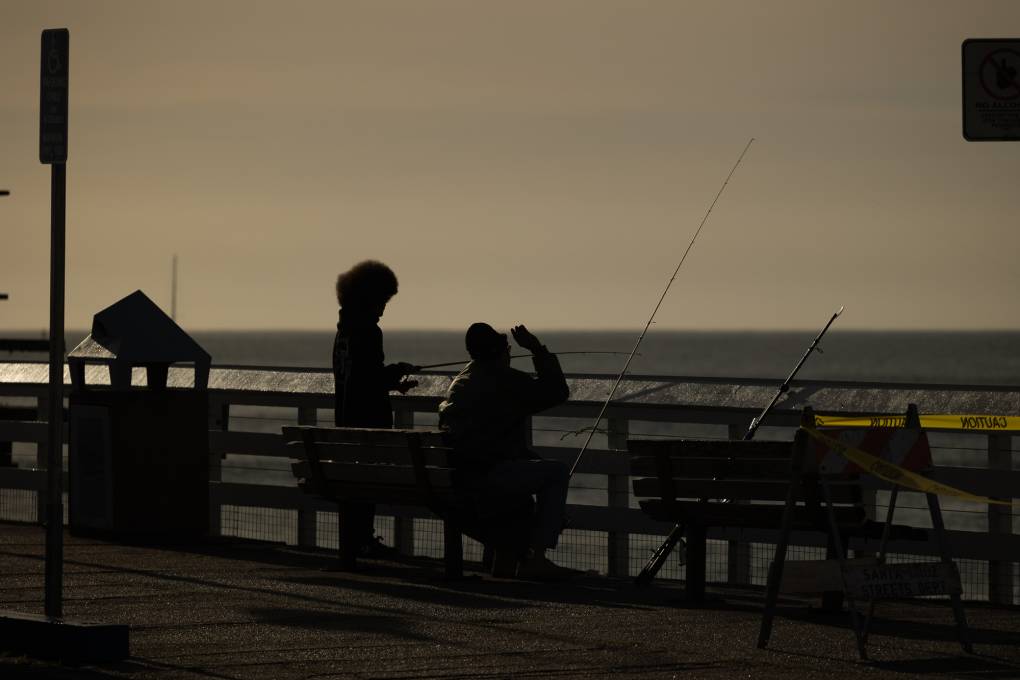
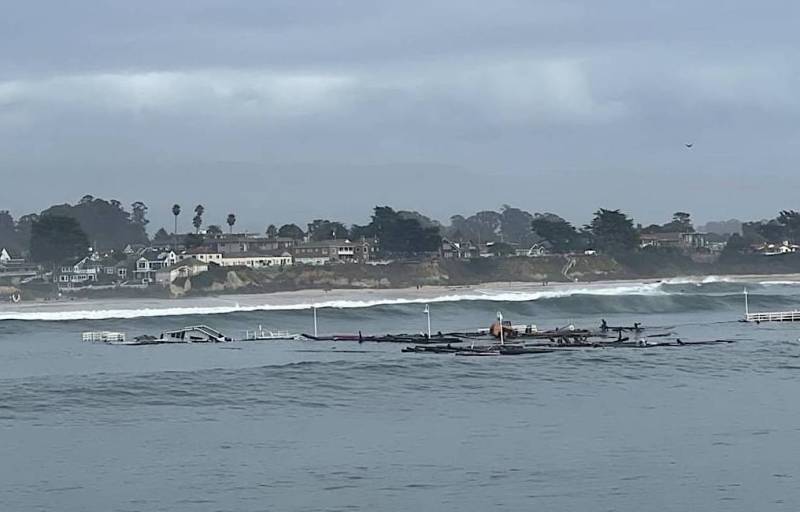
"caption": "Lincoln Minor Sr. and his grandson, Lincoln Minor III, 13, of Campbell, fish off the side of the reopened Santa Cruz wharf downtown on Jan. 4, 2025. The wharf was closed on the afternoon of Dec. 23, 2024, as heavy surf from Pacific storms pounded California’s coast. The elder Minor said that he and his grandson fish there 1 or 2 times a month.",
"credit": "David M. Barreda/KQED",
"altTag": null,
"description": null,
"imgSizes": {
"medium": {
"file": "https://cdn.kqed.org/wp-content/uploads/sites/10/2025/01/20250104_SantaCruzWharfReopen_DMB_00288-800x533.jpg",
"width": 800,
"height": 533,
"mimeType": "image/jpeg"
},
"large": {
"file": "https://cdn.kqed.org/wp-content/uploads/sites/10/2025/01/20250104_SantaCruzWharfReopen_DMB_00288-1020x680.jpg",
"width": 1020,
"height": 680,
"mimeType": "image/jpeg"
},
"thumbnail": {
"file": "https://cdn.kqed.org/wp-content/uploads/sites/10/2025/01/20250104_SantaCruzWharfReopen_DMB_00288-160x107.jpg",
"width": 160,
"height": 107,
"mimeType": "image/jpeg"
},
"1536x1536": {
"file": "https://cdn.kqed.org/wp-content/uploads/sites/10/2025/01/20250104_SantaCruzWharfReopen_DMB_00288-1536x1024.jpg",
"width": 1536,
"height": 1024,
"mimeType": "image/jpeg"
},
"post-thumbnail": {
"file": "https://cdn.kqed.org/wp-content/uploads/sites/10/2025/01/20250104_SantaCruzWharfReopen_DMB_00288-672x372.jpg",
"width": 672,
"height": 372,
"mimeType": "image/jpeg"
},
"twentyfourteen-full-width": {
"file": "https://cdn.kqed.org/wp-content/uploads/sites/10/2025/01/20250104_SantaCruzWharfReopen_DMB_00288-1038x576.jpg",
"width": 1038,
"height": 576,
"mimeType": "image/jpeg"
},
"full-width": {
"file": "https://cdn.kqed.org/wp-content/uploads/sites/10/2025/01/20250104_SantaCruzWharfReopen_DMB_00288-1920x1280.jpg",
"width": 1920,
"height": 1280,
"mimeType": "image/jpeg"
},
"kqedFullSize": {
"file": "https://cdn.kqed.org/wp-content/uploads/sites/10/2025/01/20250104_SantaCruzWharfReopen_DMB_00288.jpg",
"width": 2000,
"height": 1333
}
},
"isLoading": false,
"fetchFailed": false
},
"news_12020037": {
"type": "attachments",
"id": "news_12020037",
"meta": {
"index": "attachments_1716263798",
"site": "news",
"id": "12020037",
"found": true
},
"title": "20241230_SantaCruzWharf_GC-7",
"publishDate": 1735609264,
"status": "inherit",
"parent": 0,
"modified": 1735945605,
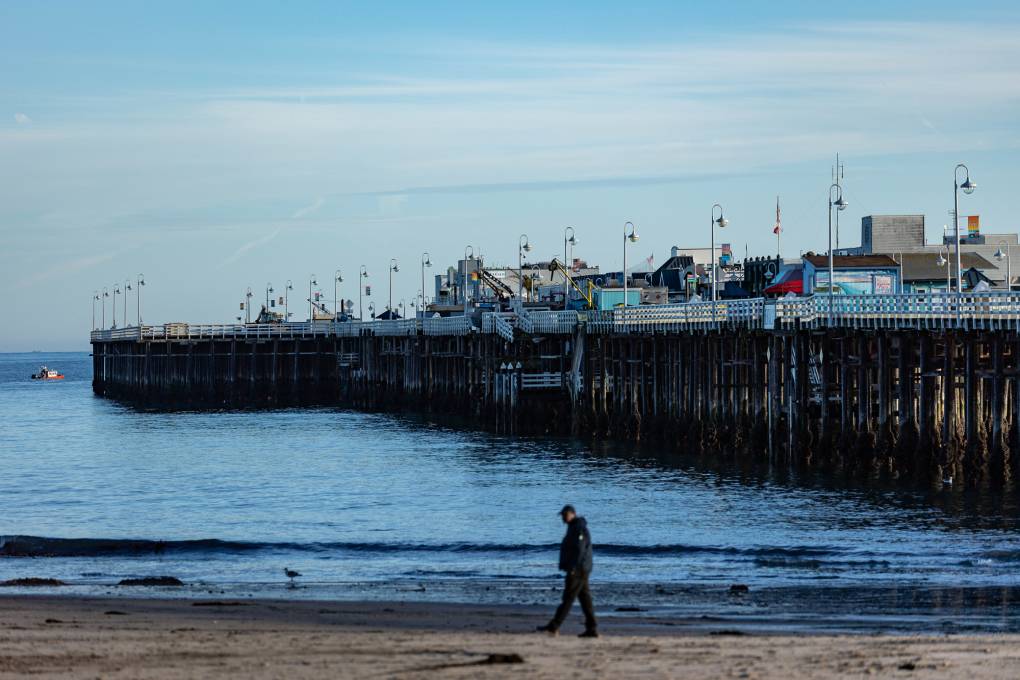
"caption": "An individual walks along Cowell’s Beach, by the Santa Cruz wharf, currently closed to the public following the collapse of a part of the wharf during high surf last week, in Santa Cruz on Dec. 30, 2024.",
"credit": "Gina Castro/KQED",
"altTag": null,
"description": null,
"imgSizes": {
"medium": {
"file": "https://cdn.kqed.org/wp-content/uploads/sites/10/2024/12/20241230_SantaCruzWharf_GC-7-800x533.jpg",
"width": 800,
"height": 533,
"mimeType": "image/jpeg"
},
"large": {
"file": "https://cdn.kqed.org/wp-content/uploads/sites/10/2024/12/20241230_SantaCruzWharf_GC-7-1020x680.jpg",
"width": 1020,
"height": 680,
"mimeType": "image/jpeg"
},
"thumbnail": {
"file": "https://cdn.kqed.org/wp-content/uploads/sites/10/2024/12/20241230_SantaCruzWharf_GC-7-160x107.jpg",
"width": 160,
"height": 107,
"mimeType": "image/jpeg"
},
"1536x1536": {
"file": "https://cdn.kqed.org/wp-content/uploads/sites/10/2024/12/20241230_SantaCruzWharf_GC-7-1536x1024.jpg",
"width": 1536,
"height": 1024,
"mimeType": "image/jpeg"
},
"post-thumbnail": {
"file": "https://cdn.kqed.org/wp-content/uploads/sites/10/2024/12/20241230_SantaCruzWharf_GC-7-672x372.jpg",
"width": 672,
"height": 372,
"mimeType": "image/jpeg"
},
"twentyfourteen-full-width": {
"file": "https://cdn.kqed.org/wp-content/uploads/sites/10/2024/12/20241230_SantaCruzWharf_GC-7-1038x576.jpg",
"width": 1038,
"height": 576,
"mimeType": "image/jpeg"
},
"full-width": {
"file": "https://cdn.kqed.org/wp-content/uploads/sites/10/2024/12/20241230_SantaCruzWharf_GC-7-1920x1280.jpg",
"width": 1920,
"height": 1280,
"mimeType": "image/jpeg"
},
"kqedFullSize": {
"file": "https://cdn.kqed.org/wp-content/uploads/sites/10/2024/12/20241230_SantaCruzWharf_GC-7.jpg",
"width": 2000,
"height": 1333
}
},
"isLoading": false,
"fetchFailed": false
},
"news_12020039": {
"type": "attachments",
"id": "news_12020039",
"meta": {
"index": "attachments_1716263798",
"site": "news",
"id": "12020039",
"found": true
},
"title": "20241230_SantaCruzWharf_GC-6",
"publishDate": 1735609276,
"status": "inherit",
"parent": 0,
"modified": 1735609323,
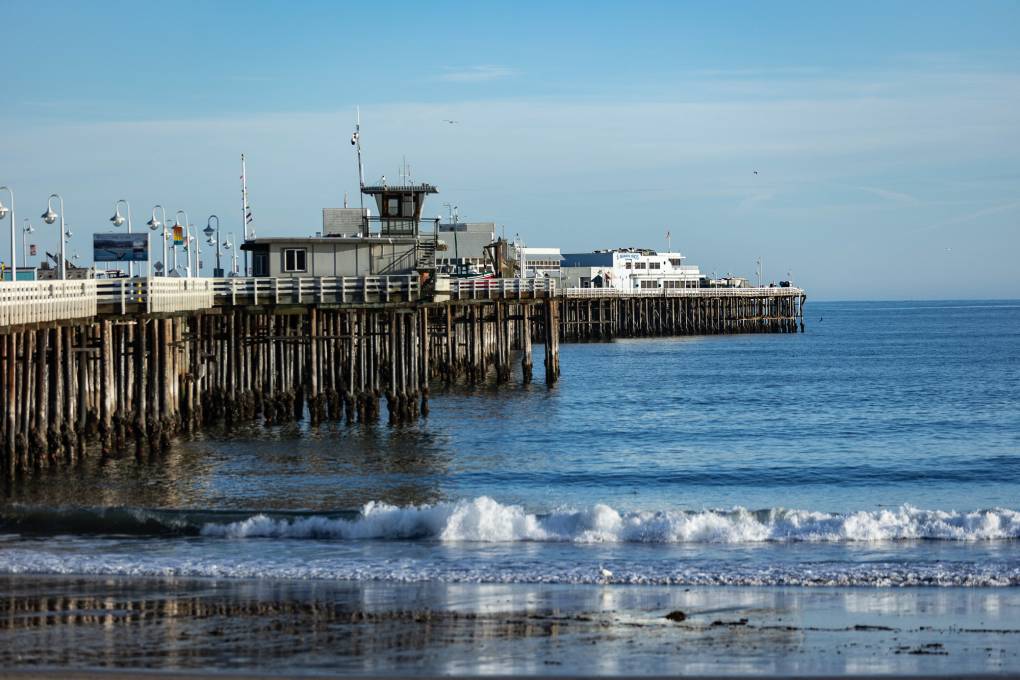
"caption": "The Santa Cruz Wharf, currently closed to the public following the collapse of a part of the wharf during high surf last week, in Santa Cruz on Dec. 30, 2024.",
"credit": "Gina Castro/KQED",
"altTag": null,
"description": null,
"imgSizes": {
"medium": {
"file": "https://cdn.kqed.org/wp-content/uploads/sites/10/2024/12/20241230_SantaCruzWharf_GC-6-800x533.jpg",
"width": 800,
"height": 533,
"mimeType": "image/jpeg"
},
"large": {
"file": "https://cdn.kqed.org/wp-content/uploads/sites/10/2024/12/20241230_SantaCruzWharf_GC-6-1020x680.jpg",
"width": 1020,
"height": 680,
"mimeType": "image/jpeg"
},
"thumbnail": {
"file": "https://cdn.kqed.org/wp-content/uploads/sites/10/2024/12/20241230_SantaCruzWharf_GC-6-160x107.jpg",
"width": 160,
"height": 107,
"mimeType": "image/jpeg"
},
"1536x1536": {
"file": "https://cdn.kqed.org/wp-content/uploads/sites/10/2024/12/20241230_SantaCruzWharf_GC-6-1536x1024.jpg",
"width": 1536,
"height": 1024,
"mimeType": "image/jpeg"
},
"post-thumbnail": {
"file": "https://cdn.kqed.org/wp-content/uploads/sites/10/2024/12/20241230_SantaCruzWharf_GC-6-672x372.jpg",
"width": 672,
"height": 372,
"mimeType": "image/jpeg"
},
"twentyfourteen-full-width": {
"file": "https://cdn.kqed.org/wp-content/uploads/sites/10/2024/12/20241230_SantaCruzWharf_GC-6-1038x576.jpg",
"width": 1038,
"height": 576,
"mimeType": "image/jpeg"
},
"full-width": {
"file": "https://cdn.kqed.org/wp-content/uploads/sites/10/2024/12/20241230_SantaCruzWharf_GC-6-1920x1280.jpg",
"width": 1920,
"height": 1280,
"mimeType": "image/jpeg"
},
"kqedFullSize": {
"file": "https://cdn.kqed.org/wp-content/uploads/sites/10/2024/12/20241230_SantaCruzWharf_GC-6.jpg",
"width": 2000,
"height": 1333
}
},
"isLoading": false,
"fetchFailed": false
},
"news_12019799": {
"type": "attachments",
"id": "news_12019799",
"meta": {
"index": "attachments_1716263798",
"site": "news",
"id": "12019799",
"found": true
},
"title": "Santa Cruz Partial Pier Collapse",
"publishDate": 1735237730,
"status": "inherit",
"parent": 12019798,
"modified": 1735945302,
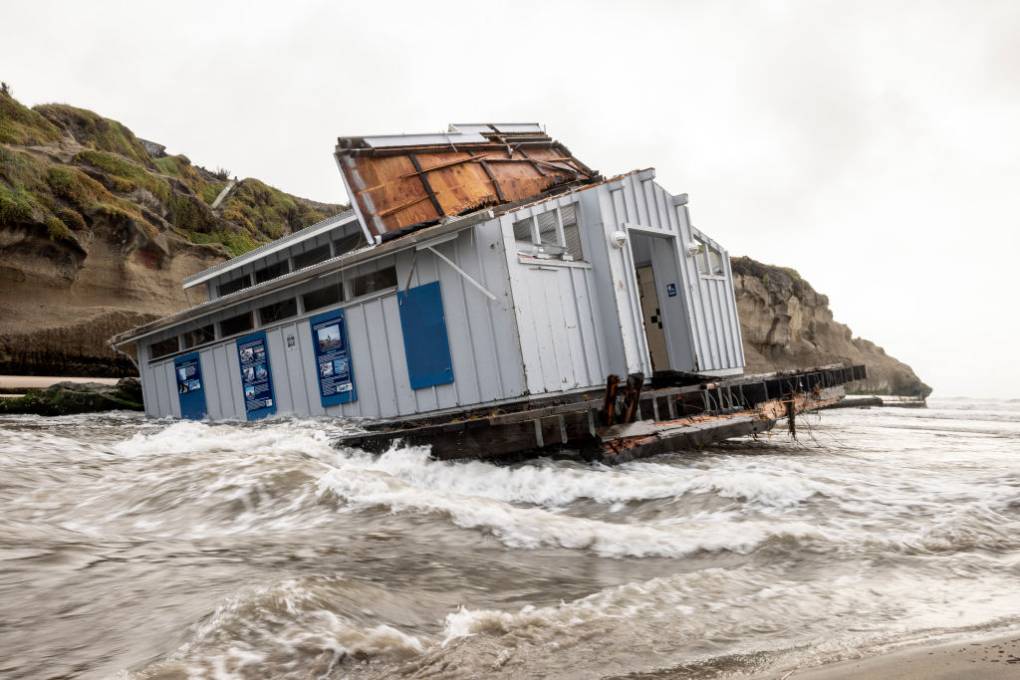
"caption": "A section of the Santa Cruz wharf that collapsed into the Pacific Ocean is seen at a nearby beach amid heavy surf in Santa Cruz on Tuesday, Dec. 24, 2024. ",
"credit": "Stephen Lam/San Francisco Chronicle via Getty Images",
"altTag": null,
"description": null,
"imgSizes": {
"medium": {
"file": "https://cdn.kqed.org/wp-content/uploads/sites/10/2024/12/GettyImages-2190738186-800x534.jpg",
"width": 800,
"height": 534,
"mimeType": "image/jpeg"
},
"large": {
"file": "https://cdn.kqed.org/wp-content/uploads/sites/10/2024/12/GettyImages-2190738186-1020x680.jpg",
"width": 1020,
"height": 680,
"mimeType": "image/jpeg"
},
"thumbnail": {
"file": "https://cdn.kqed.org/wp-content/uploads/sites/10/2024/12/GettyImages-2190738186-160x107.jpg",
"width": 160,
"height": 107,
"mimeType": "image/jpeg"
},
"post-thumbnail": {
"file": "https://cdn.kqed.org/wp-content/uploads/sites/10/2024/12/GettyImages-2190738186-672x372.jpg",
"width": 672,
"height": 372,
"mimeType": "image/jpeg"
},
"twentyfourteen-full-width": {
"file": "https://cdn.kqed.org/wp-content/uploads/sites/10/2024/12/GettyImages-2190738186-1024x576.jpg",
"width": 1024,
"height": 576,
"mimeType": "image/jpeg"
},
"kqedFullSize": {
"file": "https://cdn.kqed.org/wp-content/uploads/sites/10/2024/12/GettyImages-2190738186.jpg",
"width": 1024,
"height": 683
}
},
"isLoading": false,
"fetchFailed": false
},
"news_12019693": {
"type": "attachments",
"id": "news_12019693",
"meta": {
"index": "attachments_1716263798",
"site": "news",
"id": "12019693",
"found": true
},
"title": "SantaCruzWharf-1020x929",
"publishDate": 1734997260,
"status": "inherit",
"parent": 12019684,
"modified": 1734997319,
"caption": "A portion of the Santa Cruz Wharf collapsed in the early afternoon on Monday, Dec. 23, 2024, as heavy surf from Pacific storms pounded California's coast.",
"credit": "Santa Cruz Fire Department/Instagram",
"altTag": "A broken pier floating in the water, with big waves.",
"description": null,
"imgSizes": {
"medium": {
"file": "https://cdn.kqed.org/wp-content/uploads/sites/10/2024/12/SantaCruzWharf-1020x929-1-800x512.jpg",
"width": 800,
"height": 512,
"mimeType": "image/jpeg"
},
"thumbnail": {
"file": "https://cdn.kqed.org/wp-content/uploads/sites/10/2024/12/SantaCruzWharf-1020x929-1-160x102.jpg",
"width": 160,
"height": 102,
"mimeType": "image/jpeg"
},
"post-thumbnail": {
"file": "https://cdn.kqed.org/wp-content/uploads/sites/10/2024/12/SantaCruzWharf-1020x929-1-672x372.jpg",
"width": 672,
"height": 372,
"mimeType": "image/jpeg"
},
"twentyfourteen-full-width": {
"file": "https://cdn.kqed.org/wp-content/uploads/sites/10/2024/12/SantaCruzWharf-1020x929-1-1016x576.jpg",
"width": 1016,
"height": 576,
"mimeType": "image/jpeg"
},
"kqedFullSize": {
"file": "https://cdn.kqed.org/wp-content/uploads/sites/10/2024/12/SantaCruzWharf-1020x929-1.jpg",
"width": 1016,
"height": 650
}
},
"isLoading": false,
"fetchFailed": false
},
"news_12007545": {
"type": "attachments",
"id": "news_12007545",
"meta": {
"index": "attachments_1716263798",
"site": "news",
"id": "12007545",
"found": true
},
"title": "241002-CHILDCARE AND CLIMATE CHANGE-MD-02-KQED",
"publishDate": 1727904547,
"status": "inherit",
"parent": 0,
"modified": 1731626582,
"caption": "Preschoolers work with clay and flowers under a tented canopy at the North Bay Children's Center in Healdsburg on Oct. 2, 2024.",
"credit": "Martin do Nascimento/KQED",
"altTag": "An adult's hands lay on top of a little kid's hands while making something with clay.",
"description": null,
"imgSizes": {
"medium": {
"file": "https://cdn.kqed.org/wp-content/uploads/sites/10/2024/10/241002-CHILDCARE-AND-CLIMATE-CHANGE-MD-02-KQED-800x533.jpg",
"width": 800,
"height": 533,
"mimeType": "image/jpeg"
},
"large": {
"file": "https://cdn.kqed.org/wp-content/uploads/sites/10/2024/10/241002-CHILDCARE-AND-CLIMATE-CHANGE-MD-02-KQED-1020x680.jpg",
"width": 1020,
"height": 680,
"mimeType": "image/jpeg"
},
"thumbnail": {
"file": "https://cdn.kqed.org/wp-content/uploads/sites/10/2024/10/241002-CHILDCARE-AND-CLIMATE-CHANGE-MD-02-KQED-160x107.jpg",
"width": 160,
"height": 107,
"mimeType": "image/jpeg"
},
"1536x1536": {
"file": "https://cdn.kqed.org/wp-content/uploads/sites/10/2024/10/241002-CHILDCARE-AND-CLIMATE-CHANGE-MD-02-KQED-1536x1024.jpg",
"width": 1536,
"height": 1024,
"mimeType": "image/jpeg"
},
"post-thumbnail": {
"file": "https://cdn.kqed.org/wp-content/uploads/sites/10/2024/10/241002-CHILDCARE-AND-CLIMATE-CHANGE-MD-02-KQED-672x372.jpg",
"width": 672,
"height": 372,
"mimeType": "image/jpeg"
},
"twentyfourteen-full-width": {
"file": "https://cdn.kqed.org/wp-content/uploads/sites/10/2024/10/241002-CHILDCARE-AND-CLIMATE-CHANGE-MD-02-KQED-1038x576.jpg",
"width": 1038,
"height": 576,
"mimeType": "image/jpeg"
},
"full-width": {
"file": "https://cdn.kqed.org/wp-content/uploads/sites/10/2024/10/241002-CHILDCARE-AND-CLIMATE-CHANGE-MD-02-KQED-1920x1280.jpg",
"width": 1920,
"height": 1280,
"mimeType": "image/jpeg"
},
"kqedFullSize": {
"file": "https://cdn.kqed.org/wp-content/uploads/sites/10/2024/10/241002-CHILDCARE-AND-CLIMATE-CHANGE-MD-02-KQED.jpg",
"width": 2000,
"height": 1333
}
},
"isLoading": false,
"fetchFailed": false
},
"news_12009086": {
"type": "attachments",
"id": "news_12009086",
"meta": {
"index": "attachments_1716263798",
"site": "news",
"id": "12009086",
"found": true
},
"title": "UC Santa Cruz Workers Strike Over Treatment Of Pro-Palestinian Protesters",
"publishDate": 1728668187,
"status": "inherit",
"parent": 12009083,
"modified": 1728939012,
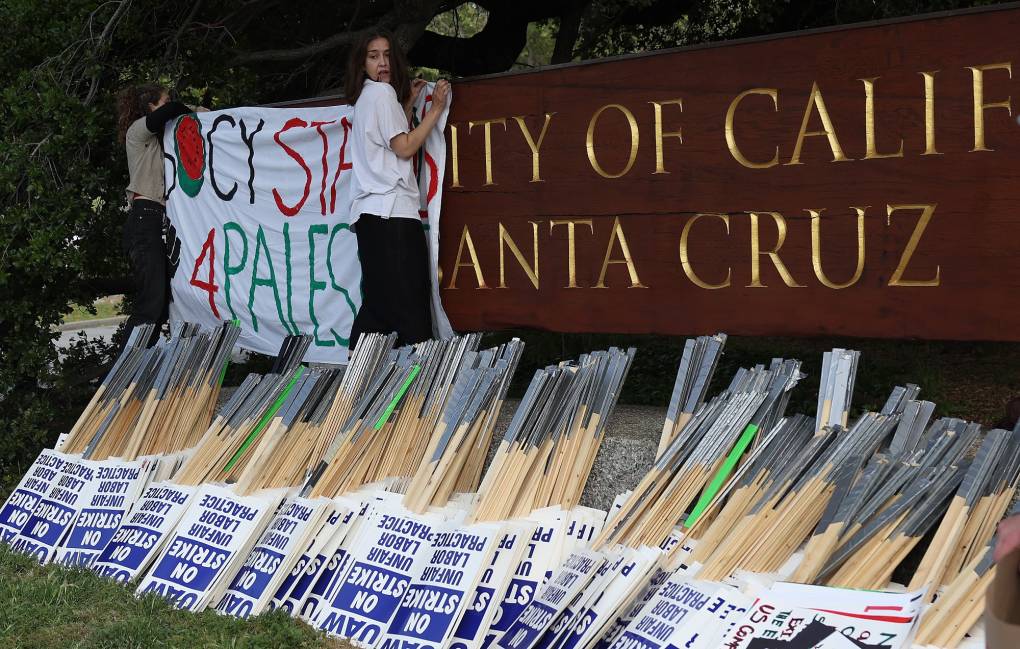
"caption": "Protesters set up a sign in front of the UC Santa Cruz campus on May 20, 2024, in Santa Cruz, California. Academic workers at the University of California, Santa Cruz, walked off the job Monday morning to strike in protest of the UC system’s handling of pro-Palestinian demonstrations. Organizers say the walkout will not last beyond June 30.",
"credit": "Justin Sullivan/Getty Images",
"altTag": null,
"description": null,
"imgSizes": {
"medium": {
"file": "https://cdn.kqed.org/wp-content/uploads/sites/10/2024/10/UCSantaCruzWalkoutMayGetty-800x509.jpg",
"width": 800,
"height": 509,
"mimeType": "image/jpeg"
},
"large": {
"file": "https://cdn.kqed.org/wp-content/uploads/sites/10/2024/10/UCSantaCruzWalkoutMayGetty-1020x649.jpg",
"width": 1020,
"height": 649,
"mimeType": "image/jpeg"
},
"thumbnail": {
"file": "https://cdn.kqed.org/wp-content/uploads/sites/10/2024/10/UCSantaCruzWalkoutMayGetty-160x102.jpg",
"width": 160,
"height": 102,
"mimeType": "image/jpeg"
},
"1536x1536": {
"file": "https://cdn.kqed.org/wp-content/uploads/sites/10/2024/10/UCSantaCruzWalkoutMayGetty-1536x978.jpg",
"width": 1536,
"height": 978,
"mimeType": "image/jpeg"
},
"post-thumbnail": {
"file": "https://cdn.kqed.org/wp-content/uploads/sites/10/2024/10/UCSantaCruzWalkoutMayGetty-672x372.jpg",
"width": 672,
"height": 372,
"mimeType": "image/jpeg"
},
"twentyfourteen-full-width": {
"file": "https://cdn.kqed.org/wp-content/uploads/sites/10/2024/10/UCSantaCruzWalkoutMayGetty-1038x576.jpg",
"width": 1038,
"height": 576,
"mimeType": "image/jpeg"
},
"full-width": {
"file": "https://cdn.kqed.org/wp-content/uploads/sites/10/2024/10/UCSantaCruzWalkoutMayGetty-1920x1222.jpg",
"width": 1920,
"height": 1222,
"mimeType": "image/jpeg"
},
"kqedFullSize": {
"file": "https://cdn.kqed.org/wp-content/uploads/sites/10/2024/10/UCSantaCruzWalkoutMayGetty.jpg",
"width": 2000,
"height": 1273
}
},
"isLoading": false,
"fetchFailed": false
},
"news_11987738": {
"type": "attachments",
"id": "news_11987738",
"meta": {
"index": "attachments_1716263798",
"site": "news",
"id": "11987738",
"found": true
},
"title": "UC Santa Cruz Workers Strike Over Treatment Of Pro-Palestinian Protesters",
"publishDate": 1716587632,
"status": "inherit",
"parent": 11987737,
"modified": 1716587703,
"caption": "UC Santa Cruz academic workers who are union members of UAW 4811 and pro-Palestinian protesters carry signs as they demonstrate in front of the campus on May 20, 2024.",
"credit": "Justin Sullivan/Getty Images",
"altTag": null,
"description": null,
"imgSizes": {
"medium": {
"file": "https://cdn.kqed.org/wp-content/uploads/sites/10/2024/05/GettyImages-2153876773-800x532.jpg",
"width": 800,
"height": 532,
"mimeType": "image/jpeg"
},
"large": {
"file": "https://cdn.kqed.org/wp-content/uploads/sites/10/2024/05/GettyImages-2153876773-1020x678.jpg",
"width": 1020,
"height": 678,
"mimeType": "image/jpeg"
},
"thumbnail": {
"file": "https://cdn.kqed.org/wp-content/uploads/sites/10/2024/05/GettyImages-2153876773-160x106.jpg",
"width": 160,
"height": 106,
"mimeType": "image/jpeg"
},
"1536x1536": {
"file": "https://cdn.kqed.org/wp-content/uploads/sites/10/2024/05/GettyImages-2153876773-1536x1021.jpg",
"width": 1536,
"height": 1021,
"mimeType": "image/jpeg"
},
"post-thumbnail": {
"file": "https://cdn.kqed.org/wp-content/uploads/sites/10/2024/05/GettyImages-2153876773-672x372.jpg",
"width": 672,
"height": 372,
"mimeType": "image/jpeg"
},
"twentyfourteen-full-width": {
"file": "https://cdn.kqed.org/wp-content/uploads/sites/10/2024/05/GettyImages-2153876773-1038x576.jpg",
"width": 1038,
"height": 576,
"mimeType": "image/jpeg"
},
"kqedFullSize": {
"file": "https://cdn.kqed.org/wp-content/uploads/sites/10/2024/05/GettyImages-2153876773.jpg",
"width": 1920,
"height": 1276
}
},
"isLoading": false,
"fetchFailed": false
},
"news_12000099": {
"type": "attachments",
"id": "news_12000099",
"meta": {
"index": "attachments_1716263798",
"site": "news",
"id": "12000099",
"found": true
},
"title": "240730-SYRINGEEXCHANGE-35-BL-KQED",
"publishDate": 1723644924,
"status": "inherit",
"parent": 12000098,
"modified": 1723644924,
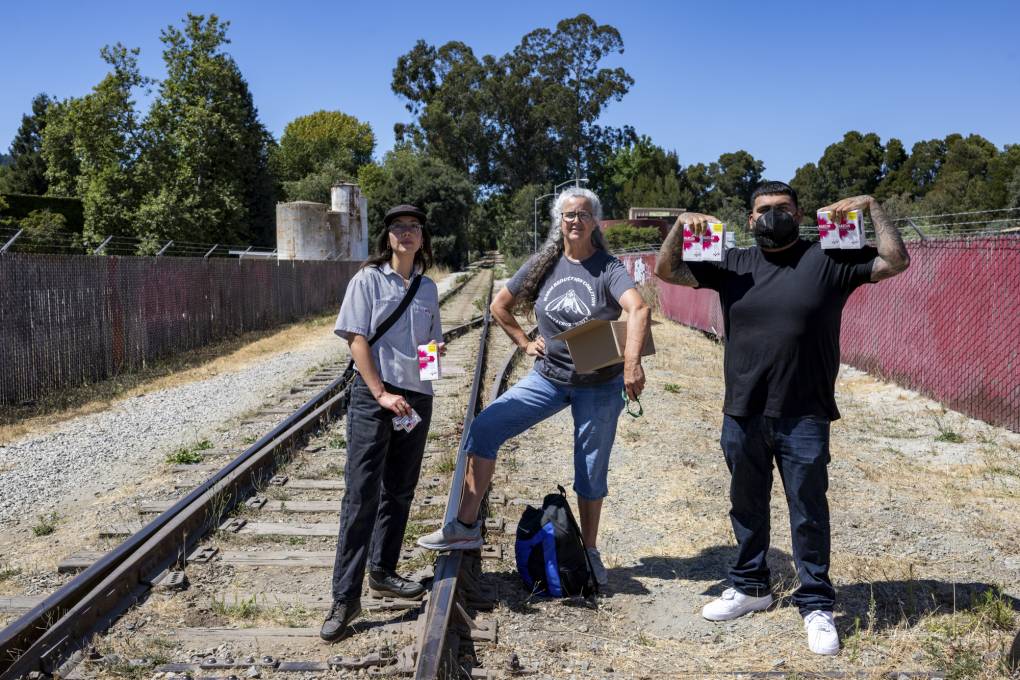
"caption": "(From left) Anna Koplos-Villanueva, Acting Executive Director, Denise Elrick, founder, and Jerry Guerrero, Syringe Service Provider, members of the Harm Reduction Coalition of Santa Cruz County, stand in an area of Santa Cruz on July 30, 2024, nearby to where they previously distributed clean syringes before a ruling in a lawsuit forced them to stop. Their distribution popup was on Sundays at Coral and Limekiln Streets.",
"credit": null,
"altTag": null,
"description": null,
"imgSizes": {
"medium": {
"file": "https://cdn.kqed.org/wp-content/uploads/sites/10/2024/08/240730-SYRINGEEXCHANGE-35-BL-KQED-800x533.jpg",
"width": 800,
"height": 533,
"mimeType": "image/jpeg"
},
"large": {
"file": "https://cdn.kqed.org/wp-content/uploads/sites/10/2024/08/240730-SYRINGEEXCHANGE-35-BL-KQED-1020x680.jpg",
"width": 1020,
"height": 680,
"mimeType": "image/jpeg"
},
"thumbnail": {
"file": "https://cdn.kqed.org/wp-content/uploads/sites/10/2024/08/240730-SYRINGEEXCHANGE-35-BL-KQED-160x107.jpg",
"width": 160,
"height": 107,
"mimeType": "image/jpeg"
},
"1536x1536": {
"file": "https://cdn.kqed.org/wp-content/uploads/sites/10/2024/08/240730-SYRINGEEXCHANGE-35-BL-KQED-1536x1024.jpg",
"width": 1536,
"height": 1024,
"mimeType": "image/jpeg"
},
"post-thumbnail": {
"file": "https://cdn.kqed.org/wp-content/uploads/sites/10/2024/08/240730-SYRINGEEXCHANGE-35-BL-KQED-672x372.jpg",
"width": 672,
"height": 372,
"mimeType": "image/jpeg"
},
"twentyfourteen-full-width": {
"file": "https://cdn.kqed.org/wp-content/uploads/sites/10/2024/08/240730-SYRINGEEXCHANGE-35-BL-KQED-1038x576.jpg",
"width": 1038,
"height": 576,
"mimeType": "image/jpeg"
},
"full-width": {
"file": "https://cdn.kqed.org/wp-content/uploads/sites/10/2024/08/240730-SYRINGEEXCHANGE-35-BL-KQED-1920x1280.jpg",
"width": 1920,
"height": 1280,
"mimeType": "image/jpeg"
},
"kqedFullSize": {
"file": "https://cdn.kqed.org/wp-content/uploads/sites/10/2024/08/240730-SYRINGEEXCHANGE-35-BL-KQED.jpg",
"width": 2000,
"height": 1333
}
},
"isLoading": false,
"fetchFailed": false
},
"news_11989363": {
"type": "attachments",
"id": "news_11989363",
"meta": {
"index": "attachments_1716263798",
"site": "news",
"id": "11989363",
"found": true
},
"title": "DSC04388",
"publishDate": 1717715453,
"status": "inherit",
"parent": 11989311,
"modified": 1718053648,
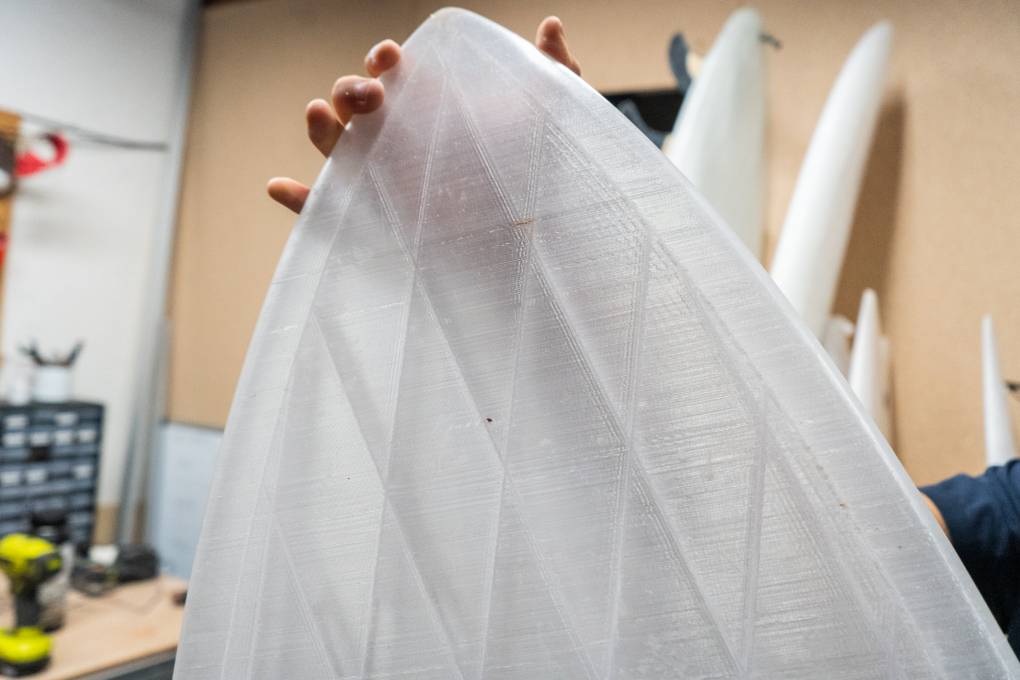
"caption": "Swellcycle founder Patricio Guerrero works on a surfboard in his garage in Santa Cruz in October 2023. The 3D-printed boards are mostly hollow and made from recycled PETG plastic. ",
"credit": "Erin Malsbury/KAZU",
"altTag": null,
"description": null,
"imgSizes": {
"medium": {
"file": "https://cdn.kqed.org/wp-content/uploads/sites/10/2024/06/DSC04388-800x533.jpg",
"width": 800,
"height": 533,
"mimeType": "image/jpeg"
},
"large": {
"file": "https://cdn.kqed.org/wp-content/uploads/sites/10/2024/06/DSC04388-1020x680.jpg",
"width": 1020,
"height": 680,
"mimeType": "image/jpeg"
},
"thumbnail": {
"file": "https://cdn.kqed.org/wp-content/uploads/sites/10/2024/06/DSC04388-160x107.jpg",
"width": 160,
"height": 107,
"mimeType": "image/jpeg"
},
"1536x1536": {
"file": "https://cdn.kqed.org/wp-content/uploads/sites/10/2024/06/DSC04388-1536x1024.jpg",
"width": 1536,
"height": 1024,
"mimeType": "image/jpeg"
},
"2048x2048": {
"file": "https://cdn.kqed.org/wp-content/uploads/sites/10/2024/06/DSC04388-2048x1365.jpg",
"width": 2048,
"height": 1365,
"mimeType": "image/jpeg"
},
"post-thumbnail": {
"file": "https://cdn.kqed.org/wp-content/uploads/sites/10/2024/06/DSC04388-672x372.jpg",
"width": 672,
"height": 372,
"mimeType": "image/jpeg"
},
"twentyfourteen-full-width": {
"file": "https://cdn.kqed.org/wp-content/uploads/sites/10/2024/06/DSC04388-1038x576.jpg",
"width": 1038,
"height": 576,
"mimeType": "image/jpeg"
},
"full-width": {
"file": "https://cdn.kqed.org/wp-content/uploads/sites/10/2024/06/DSC04388-1920x1280.jpg",
"width": 1920,
"height": 1280,
"mimeType": "image/jpeg"
},
"kqedFullSize": {
"file": "https://cdn.kqed.org/wp-content/uploads/sites/10/2024/06/DSC04388-scaled.jpg",
"width": 2560,
"height": 1707
}
},
"isLoading": false,
"fetchFailed": false
},
"news_11988324": {
"type": "attachments",
"id": "news_11988324",
"meta": {
"index": "attachments_1716263798",
"site": "news",
"id": "11988324",
"found": true
},
"title": "240530-BrownPelicans-10-BL",
"publishDate": 1717108347,
"status": "inherit",
"parent": 0,
"modified": 1717115100,
"caption": "International Bird Rescue members released eight rehabilitated brown pelicans, the first group to be returned to the wild, at Fort Baker in Sausalito on May 30, 2024, after they had been treated for starvation.",
"credit": "Beth LaBerge/KQED",
"altTag": null,
"description": null,
"imgSizes": {
"medium": {
"file": "https://cdn.kqed.org/wp-content/uploads/sites/10/2024/05/240530-BrownPelicans-10-BL-800x533.jpg",
"width": 800,
"height": 533,
"mimeType": "image/jpeg"
},
"large": {
"file": "https://cdn.kqed.org/wp-content/uploads/sites/10/2024/05/240530-BrownPelicans-10-BL-1020x680.jpg",
"width": 1020,
"height": 680,
"mimeType": "image/jpeg"
},
"thumbnail": {
"file": "https://cdn.kqed.org/wp-content/uploads/sites/10/2024/05/240530-BrownPelicans-10-BL-160x107.jpg",
"width": 160,
"height": 107,
"mimeType": "image/jpeg"
},
"1536x1536": {
"file": "https://cdn.kqed.org/wp-content/uploads/sites/10/2024/05/240530-BrownPelicans-10-BL-1536x1024.jpg",
"width": 1536,
"height": 1024,
"mimeType": "image/jpeg"
},
"post-thumbnail": {
"file": "https://cdn.kqed.org/wp-content/uploads/sites/10/2024/05/240530-BrownPelicans-10-BL-672x372.jpg",
"width": 672,
"height": 372,
"mimeType": "image/jpeg"
},
"twentyfourteen-full-width": {
"file": "https://cdn.kqed.org/wp-content/uploads/sites/10/2024/05/240530-BrownPelicans-10-BL-1038x576.jpg",
"width": 1038,
"height": 576,
"mimeType": "image/jpeg"
},
"full-width": {
"file": "https://cdn.kqed.org/wp-content/uploads/sites/10/2024/05/240530-BrownPelicans-10-BL-1920x1280.jpg",
"width": 1920,
"height": 1280,
"mimeType": "image/jpeg"
},
"kqedFullSize": {
"file": "https://cdn.kqed.org/wp-content/uploads/sites/10/2024/05/240530-BrownPelicans-10-BL.jpg",
"width": 2000,
"height": 1333
}
},
"isLoading": false,
"fetchFailed": false
},
"news_11971636": {
"type": "attachments",
"id": "news_11971636",
"meta": {
"index": "attachments_1716263798",
"site": "news",
"id": "11971636",
"found": true
},
"parent": 11971616,
"imgSizes": {
"twentyfourteen-full-width": {
"file": "https://cdn.kqed.org/wp-content/uploads/sites/10/2024/01/CMEducation01-1038x576.jpg",
"width": 1038,
"mimeType": "image/jpeg",
"height": 576
},
"thumbnail": {
"file": "https://cdn.kqed.org/wp-content/uploads/sites/10/2024/01/CMEducation01-160x107.jpg",
"width": 160,
"mimeType": "image/jpeg",
"height": 107
},
"post-thumbnail": {
"file": "https://cdn.kqed.org/wp-content/uploads/sites/10/2024/01/CMEducation01-672x372.jpg",
"width": 672,
"mimeType": "image/jpeg",
"height": 372
},
"kqedFullSize": {
"file": "https://cdn.kqed.org/wp-content/uploads/sites/10/2024/01/CMEducation01.jpg",
"width": 2000,
"height": 1333
},
"large": {
"file": "https://cdn.kqed.org/wp-content/uploads/sites/10/2024/01/CMEducation01-1020x680.jpg",
"width": 1020,
"mimeType": "image/jpeg",
"height": 680
},
"1536x1536": {
"file": "https://cdn.kqed.org/wp-content/uploads/sites/10/2024/01/CMEducation01-1536x1024.jpg",
"width": 1536,
"mimeType": "image/jpeg",
"height": 1024
},
"full-width": {
"file": "https://cdn.kqed.org/wp-content/uploads/sites/10/2024/01/CMEducation01-1920x1280.jpg",
"width": 1920,
"mimeType": "image/jpeg",
"height": 1280
},
"medium": {
"file": "https://cdn.kqed.org/wp-content/uploads/sites/10/2024/01/CMEducation01-800x533.jpg",
"width": 800,
"mimeType": "image/jpeg",
"height": 533
}
},
"publishDate": 1704402273,
"modified": 1704412369,
"caption": "Professor Nikia Chaney gives a presentation on Kwanzaa, an annual celebration of African American culture, during an Umoja community event at Cabrillo College in Aptos on Dec. 7, 2023. The Umoja program supports African American and other historically underrepresented students.",
"description": null,
"title": "CMEducation01",
"credit": "Loren Elliott/CalMatters",
"status": "inherit",
"altTag": "A college professor stands in front of her classroom, pointing to a PowerPoint presentation.",
"isLoading": false,
"fetchFailed": false
}
},
"audioPlayerReducer": {
"postId": "stream_live",
"isPaused": true,
"isPlaying": false,
"pfsActive": false,
"pledgeModalIsOpen": true,
"playerDrawerIsOpen": false,
"liveAudioPlayStartedAt": 0,
"liveAudioPlayContext": ""
},
"authorsReducer": {
"byline_news_11989311": {
"type": "authors",
"id": "byline_news_11989311",
"meta": {
"override": true
},
"slug": "byline_news_11989311",
"name": "\u003ca href=\"https://www.kazu.org/people/erin-malsbury\">Erin Malsbury\u003c/a>, KAZU",
"isLoading": false
},
"byline_news_11971616": {
"type": "authors",
"id": "byline_news_11971616",
"meta": {
"override": true
},
"slug": "byline_news_11971616",
"name": "\u003ca href=\"https://calmatters.org/author/adam-echelman/\">Adam Echelman\u003c/a>",
"isLoading": false
},
"kqed": {
"type": "authors",
"id": "236",
"meta": {
"index": "authors_1716337520",
"id": "236",
"found": true
},
"name": "KQED News Staff",
"firstName": "KQED News Staff",
"lastName": null,
"slug": "kqed",
"email": "faq@kqed.org",
"display_author_email": false,
"staff_mastheads": [],
"title": null,
"bio": null,
"avatar": "https://secure.gravatar.com/avatar/ef0e801a68c4c54afa9180db14084167?s=600&d=blank&r=g",
"twitter": null,
"facebook": null,
"instagram": null,
"linkedin": null,
"sites": [
{
"site": "arts",
"roles": [
"contributor"
]
},
{
"site": "news",
"roles": [
"editor"
]
},
{
"site": "futureofyou",
"roles": [
"author"
]
}
],
"headData": {
"title": "KQED News Staff | KQED",
"description": null,
"ogImgSrc": "https://secure.gravatar.com/avatar/ef0e801a68c4c54afa9180db14084167?s=600&d=blank&r=g",
"twImgSrc": "https://secure.gravatar.com/avatar/ef0e801a68c4c54afa9180db14084167?s=600&d=blank&r=g"
},
"isLoading": false,
"link": "/author/kqed"
},
"jlara": {
"type": "authors",
"id": "11761",
"meta": {
"index": "authors_1716337520",
"id": "11761",
"found": true
},
"name": "Juan Carlos Lara",
"firstName": "Juan Carlos",
"lastName": "Lara",
"slug": "jlara",
"email": "jlara@kqed.org",
"display_author_email": false,
"staff_mastheads": [],
"title": "KQED Contributor",
"bio": null,
"avatar": "https://secure.gravatar.com/avatar/19e2052b9b05657c5ff2af2121846e9c?s=600&d=blank&r=g",
"twitter": null,
"facebook": null,
"instagram": null,
"linkedin": null,
"sites": [
{
"site": "arts",
"roles": [
"editor"
]
},
{
"site": "news",
"roles": [
"editor"
]
},
{
"site": "forum",
"roles": [
"editor"
]
},
{
"site": "liveblog",
"roles": [
"contributor"
]
}
],
"headData": {
"title": "Juan Carlos Lara | KQED",
"description": "KQED Contributor",
"ogImgSrc": "https://secure.gravatar.com/avatar/19e2052b9b05657c5ff2af2121846e9c?s=600&d=blank&r=g",
"twImgSrc": "https://secure.gravatar.com/avatar/19e2052b9b05657c5ff2af2121846e9c?s=600&d=blank&r=g"
},
"isLoading": false,
"link": "/author/jlara"
},
"daisynguyen": {
"type": "authors",
"id": "11829",
"meta": {
"index": "authors_1716337520",
"id": "11829",
"found": true
},
"name": "Daisy Nguyen",
"firstName": "Daisy",
"lastName": "Nguyen",
"slug": "daisynguyen",
"email": "daisynguyen@kqed.org",
"display_author_email": true,
"staff_mastheads": [
"news"
],
"title": "KQED Contributor",
"bio": "I have covered early childhood education and child care for KQED since 2022. I focus on policies aimed at increasing access to early care and education and how they shape individual lives. I've been a journalist for more than two decades, with most of that time devoted to covering breaking news throughout California for The Associated Press. I grew up in San Francisco and studied at UC Davis and Columbia University's Graduate School of Journalism. I live in Oakland with my husband and two kids.",
"avatar": "https://secure.gravatar.com/avatar/2da2127c27f7143b53ebd419800fd55f?s=600&d=blank&r=g",
"twitter": null,
"facebook": null,
"instagram": null,
"linkedin": "https://www.linkedin.com/in/daisynguyen/",
"sites": [
{
"site": "news",
"roles": [
"author"
]
},
{
"site": "liveblog",
"roles": [
"author"
]
}
],
"headData": {
"title": "Daisy Nguyen | KQED",
"description": "KQED Contributor",
"ogImgSrc": "https://secure.gravatar.com/avatar/2da2127c27f7143b53ebd419800fd55f?s=600&d=blank&r=g",
"twImgSrc": "https://secure.gravatar.com/avatar/2da2127c27f7143b53ebd419800fd55f?s=600&d=blank&r=g"
},
"isLoading": false,
"link": "/author/daisynguyen"
},
"sjohnson": {
"type": "authors",
"id": "11840",
"meta": {
"index": "authors_1716337520",
"id": "11840",
"found": true
},
"name": "Sydney Johnson",
"firstName": "Sydney",
"lastName": "Johnson",
"slug": "sjohnson",
"email": "sjohnson@kqed.org",
"display_author_email": false,
"staff_mastheads": [
"news"
],
"title": "KQED Reporter",
"bio": "Sydney Johnson is a general assignment reporter at KQED. She previously reported on public health and city government at the San Francisco Examiner, and before that, she covered statewide education policy for EdSource. Her reporting has won multiple local, state and national awards. Sydney is a graduate of the University of California, Berkeley and lives in San Francisco.",
"avatar": "https://secure.gravatar.com/avatar/97855f2719b72ad6190b7c535fe642c8?s=600&d=blank&r=g",
"twitter": "sydneyfjohnson",
"facebook": null,
"instagram": null,
"linkedin": null,
"sites": [
{
"site": "news",
"roles": [
"editor"
]
}
],
"headData": {
"title": "Sydney Johnson | KQED",
"description": "KQED Reporter",
"ogImgSrc": "https://secure.gravatar.com/avatar/97855f2719b72ad6190b7c535fe642c8?s=600&d=blank&r=g",
"twImgSrc": "https://secure.gravatar.com/avatar/97855f2719b72ad6190b7c535fe642c8?s=600&d=blank&r=g"
},
"isLoading": false,
"link": "/author/sjohnson"
},
"naltenberg": {
"type": "authors",
"id": "11896",
"meta": {
"index": "authors_1716337520",
"id": "11896",
"found": true
},
"name": "Nik Altenberg",
"firstName": "Nik",
"lastName": "Altenberg",
"slug": "naltenberg",
"email": "naltenberg@kqed.org",
"display_author_email": false,
"staff_mastheads": [],
"title": "KQED Contributor",
"bio": "Nik Altenberg is an on-call reporter for KQED and a copy editor and fact checker for Santa Cruz Local. Nik’s reporting interests include policing, public health, environment, immigration, housing and the places where these issues intersect.",
"avatar": "https://secure.gravatar.com/avatar/e391b3a18ce4a53a7ca3f3065c74418b?s=600&d=blank&r=g",
"twitter": null,
"facebook": null,
"instagram": "https://www.instagram.com/nikaltenberg/",
"linkedin": null,
"sites": [
{
"site": "news",
"roles": []
}
],
"headData": {
"title": "Nik Altenberg | KQED",
"description": "KQED Contributor",
"ogImgSrc": "https://secure.gravatar.com/avatar/e391b3a18ce4a53a7ca3f3065c74418b?s=600&d=blank&r=g",
"twImgSrc": "https://secure.gravatar.com/avatar/e391b3a18ce4a53a7ca3f3065c74418b?s=600&d=blank&r=g"
},
"isLoading": false,
"link": "/author/naltenberg"
},
"jservantez": {
"type": "authors",
"id": "11909",
"meta": {
"index": "authors_1716337520",
"id": "11909",
"found": true
},
"name": "Jared Servantez",
"firstName": "Jared",
"lastName": "Servantez",
"slug": "jservantez",
"email": "jservantez@kqed.org",
"display_author_email": true,
"staff_mastheads": [
"news"
],
"title": "KQED Contributor",
"bio": "Jared Servantez is the editor of KQED's Express Desk, leading the newsroom's online breaking news operation. He most recently worked for the Los Angeles Times, where he served as a breaking news editor, the Metro Desk's night editor, and a copy editor. Jared is a graduate of the USC Annenberg School for Communication and Journalism.",
"avatar": "https://secure.gravatar.com/avatar/46e9029cd4e3bc3391184e65511d73e6?s=600&d=mm&r=g",
"twitter": "jservantez",
"facebook": null,
"instagram": null,
"linkedin": null,
"sites": [
{
"site": "news",
"roles": [
"editor"
]
},
{
"site": "science",
"roles": [
"editor",
"author"
]
},
{
"site": "liveblog",
"roles": [
"editor"
]
}
],
"headData": {
"title": "Jared Servantez | KQED",
"description": "KQED Contributor",
"ogImgSrc": "https://secure.gravatar.com/avatar/46e9029cd4e3bc3391184e65511d73e6?s=600&d=mm&r=g",
"twImgSrc": "https://secure.gravatar.com/avatar/46e9029cd4e3bc3391184e65511d73e6?s=600&d=mm&r=g"
},
"isLoading": false,
"link": "/author/jservantez"
},
"kdebenedetti": {
"type": "authors",
"id": "11913",
"meta": {
"index": "authors_1716337520",
"id": "11913",
"found": true
},
"name": "Katie DeBenedetti",
"firstName": "Katie",
"lastName": "DeBenedetti",
"slug": "kdebenedetti",
"email": "kdebenedetti@kqed.org",
"display_author_email": false,
"staff_mastheads": [
"news",
"science"
],
"title": "KQED Contributor",
"bio": "Katie DeBenedetti is a digital reporter covering daily news for the Express Desk. Prior to joining KQED as a culture reporting intern in January 2024, she covered education and city government for the Napa Valley Register.",
"avatar": "https://secure.gravatar.com/avatar/6e31073cb8f7e4214ab03f42771d0f45?s=600&d=blank&r=g",
"twitter": null,
"facebook": null,
"instagram": null,
"linkedin": null,
"sites": [
{
"site": "news",
"roles": [
"author"
]
},
{
"site": "science",
"roles": [
"author"
]
},
{
"site": "liveblog",
"roles": [
"author"
]
}
],
"headData": {
"title": "Katie DeBenedetti | KQED",
"description": "KQED Contributor",
"ogImgSrc": "https://secure.gravatar.com/avatar/6e31073cb8f7e4214ab03f42771d0f45?s=600&d=blank&r=g",
"twImgSrc": "https://secure.gravatar.com/avatar/6e31073cb8f7e4214ab03f42771d0f45?s=600&d=blank&r=g"
},
"isLoading": false,
"link": "/author/kdebenedetti"
}
},
"pagesReducer": {
"news_tag_santa-cruz": {
"type": "terms",
"id": "news_721",
"meta": {
"index": "terms_1716263798",
"site": "news",
"id": "721",
"score": 8.791621
},
"featImg": null,
"name": "Santa Cruz",
"description": null,
"taxonomy": "tag",
"headData": {
"twImgId": null,
"twTitle": null,
"ogTitle": null,
"ogImgId": null,
"twDescription": null,
"description": null,
"title": "Santa Cruz Archives | KQED News",
"ogDescription": null
},
"ttid": 730,
"slug": "santa-cruz",
"isLoading": false,
"title": "Santa Cruz",
"pageMeta": {
"site": "news",
"WpPageTemplate": "page-topic-editorial",
"currentPage": 2
},
"blocks": [
{
"blockName": "kqed/post-list",
"attrs": {
"layout": "cardArticle2",
"query": "posts/news?tag=santa-cruz",
"seeMore": false,
"paginated": true,
"page": 2
}
},
{
"blockName": "kqed/ad"
}
]
}
},
"pfsSessionReducer": {},
"postsReducer": {
"stream_live": {
"type": "live",
"id": "stream_live",
"audioUrl": "https://streams.kqed.org/kqedradio",
"title": "Live Stream",
"excerpt": "Live Stream information currently unavailable.",
"link": "/radio",
"featImg": "",
"label": {
"name": "KQED Live",
"link": "/"
}
},
"stream_kqedNewscast": {
"type": "posts",
"id": "stream_kqedNewscast",
"audioUrl": "https://www.kqed.org/.stream/anon/radio/RDnews/newscast.mp3?_=1",
"title": "KQED Newscast",
"featImg": "",
"label": {
"name": "88.5 FM",
"link": "/"
}
},
"news_12020340": {
"type": "posts",
"id": "news_12020340",
"meta": {
"index": "posts_1716263798",
"site": "news",
"id": "12020340",
"score": null,
"sort": [
1736123021000
]
},
"guestAuthors": [],
"slug": "santa-cruz-wharf-reopens-with-a-ceremony-as-residents-businesses-celebrate",
"title": "Santa Cruz Wharf Reopens With a Ceremony as Residents, Businesses Celebrate",
"publishDate": 1736123021,
"format": "standard",
"headTitle": "Santa Cruz Wharf Reopens With a Ceremony as Residents, Businesses Celebrate | KQED",
"labelTerm": {
"site": "news"
},
"content": "\u003cp>Santa Cruz residents and tourists celebrated the reopening of the iconic wharf on Saturday morning after a 150-foot portion \u003ca href=\"https://www.kqed.org/news/12019684/santa-cruz-wharf-partially-collapses-as-pacific-storm-pounds-californias-coast\">collapsed into the water nearly two weeks ago\u003c/a> amid a surge of strong waves.\u003c/p>\n\u003cp>At a city event to celebrate the reopening, Santa Cruz Mayor Fred Keeley reassured a crowd of about 200 that the wharf is safe.\u003c/p>\n\u003cp>“We have had folks who are professionals in this field take a look at the entire wharf from beginning to end, from wall to wall, from side to side, and what we know is this wharf is sound and safe for you to be here,” Keeley said. “To have this back is like having a family member come home.”\u003c/p>\n\u003cp>Just hours after reopening, the wharf was already bustling with people fishing, riding bikes, dining or taking a stroll. Several people leaned over the side of the wharf to watch a group of sea lions basking on the wharf’s lower structure.\u003c/p>\n\u003cfigure id=\"attachment_12020352\" class=\"wp-caption aligncenter\" style=\"max-width: 2000px\">\u003ca href=\"https://cdn.kqed.org/wp-content/uploads/sites/10/2025/01/20250104_SantaCruzWharfReopen_DMB_00861.jpg\">\u003cimg loading=\"lazy\" decoding=\"async\" class=\"size-full wp-image-12020352\" src=\"https://cdn.kqed.org/wp-content/uploads/sites/10/2025/01/20250104_SantaCruzWharfReopen_DMB_00861.jpg\" alt=\"An overhead view of a large group of people on a wharf facing a person by a microphone.\" width=\"2000\" height=\"1333\" srcset=\"https://cdn.kqed.org/wp-content/uploads/sites/10/2025/01/20250104_SantaCruzWharfReopen_DMB_00861.jpg 2000w, https://cdn.kqed.org/wp-content/uploads/sites/10/2025/01/20250104_SantaCruzWharfReopen_DMB_00861-800x533.jpg 800w, https://cdn.kqed.org/wp-content/uploads/sites/10/2025/01/20250104_SantaCruzWharfReopen_DMB_00861-1020x680.jpg 1020w, https://cdn.kqed.org/wp-content/uploads/sites/10/2025/01/20250104_SantaCruzWharfReopen_DMB_00861-160x107.jpg 160w, https://cdn.kqed.org/wp-content/uploads/sites/10/2025/01/20250104_SantaCruzWharfReopen_DMB_00861-1536x1024.jpg 1536w, https://cdn.kqed.org/wp-content/uploads/sites/10/2025/01/20250104_SantaCruzWharfReopen_DMB_00861-1920x1280.jpg 1920w\" sizes=\"auto, (max-width: 2000px) 100vw, 2000px\">\u003c/a>\u003cfigcaption class=\"wp-caption-text\">Santa Cruz Mayor Fred Keeley addresses the media and public at a press conference marking the reopened wharf downtown on Jan. 4, 2025. \u003ccite>(David M. Barreda/KQED)\u003c/cite>\u003c/figcaption>\u003c/figure>\n\u003cp>Sacramento residents and regular visitors Mike Knezovich and Joan Krueger said they were devastated when they heard of the collapse and came back for the reopening just weeks after they got engaged on one of the nearby cliffs overlooking the wharf.\u003c/p>\n\u003cp>[ad fullwidth]\u003c/p>\n\u003cp>“We are so happy, this is our favorite place,” Krueger said. “Today, we’re going to go to the shops and support them.”\u003c/p>\n\u003cfigure id=\"attachment_12020354\" class=\"wp-caption aligncenter\" style=\"max-width: 2560px\">\u003ca href=\"https://cdn.kqed.org/wp-content/uploads/sites/10/2025/01/20250104_SantaCruzWharfReopen_DMB_01024_duo-scaled.jpg\">\u003cimg loading=\"lazy\" decoding=\"async\" class=\"size-full wp-image-12020354\" src=\"https://cdn.kqed.org/wp-content/uploads/sites/10/2025/01/20250104_SantaCruzWharfReopen_DMB_01024_duo-scaled.jpg\" alt=\"On the left side: Several people stand in front of a business with a sign that says "Noland's." On the right side image, a mural can be seen of plants as people walk past.\" width=\"2560\" height=\"845\" srcset=\"https://cdn.kqed.org/wp-content/uploads/sites/10/2025/01/20250104_SantaCruzWharfReopen_DMB_01024_duo-scaled.jpg 2560w, https://cdn.kqed.org/wp-content/uploads/sites/10/2025/01/20250104_SantaCruzWharfReopen_DMB_01024_duo-800x264.jpg 800w, https://cdn.kqed.org/wp-content/uploads/sites/10/2025/01/20250104_SantaCruzWharfReopen_DMB_01024_duo-1020x337.jpg 1020w, https://cdn.kqed.org/wp-content/uploads/sites/10/2025/01/20250104_SantaCruzWharfReopen_DMB_01024_duo-160x53.jpg 160w, https://cdn.kqed.org/wp-content/uploads/sites/10/2025/01/20250104_SantaCruzWharfReopen_DMB_01024_duo-1536x507.jpg 1536w, https://cdn.kqed.org/wp-content/uploads/sites/10/2025/01/20250104_SantaCruzWharfReopen_DMB_01024_duo-2048x676.jpg 2048w, https://cdn.kqed.org/wp-content/uploads/sites/10/2025/01/20250104_SantaCruzWharfReopen_DMB_01024_duo-1920x634.jpg 1920w\" sizes=\"auto, (max-width: 2560px) 100vw, 2560px\">\u003c/a>\u003cfigcaption class=\"wp-caption-text\">Businesses reopened to the public on the Santa Cruz Wharf downtown. \u003ccite>(David M. Barreda/KQED)\u003c/cite>\u003c/figcaption>\u003c/figure>\n\u003cp>The part of the wharf that collapsed was under construction, making it vulnerable to the nearly 20-foot waves that battered it on Dec. 23, before it collapsed amid the high surf and heavy rain. Two people had to be rescued while a third person swam to safety, according to the Santa Cruz Fire Department.\u003c/p>\n\u003cp>One of those rescued was Norm Daly, economic development manager for the city of Santa Cruz, who spoke to KQED after the opening ceremony.\u003c/p>\n\u003cp>“We were doing our typical inspection rounds … we noticed there was heavy swell activity but nothing to be alarmed about. In one second, I was 25 feet above the water, and one second later, I was in the ocean,” said Daly, who was rescued by lifeguards with Jet Skis, sustaining minor leg injuries. “Climate change … is a big challenge for the entire California coastline. I think the wharf is well suited to survive most impacts, although we don’t know exactly what some of those impacts will be. But at the moment, the wharf is 100% safe.”\u003c/p>\n\u003cfigure id=\"attachment_12020348\" class=\"wp-caption aligncenter\" style=\"max-width: 2000px\">\u003ca href=\"https://cdn.kqed.org/wp-content/uploads/sites/10/2025/01/20250104_SantaCruzWharfReopen_DMB_00360.jpg\">\u003cimg loading=\"lazy\" decoding=\"async\" class=\"size-full wp-image-12020348\" src=\"https://cdn.kqed.org/wp-content/uploads/sites/10/2025/01/20250104_SantaCruzWharfReopen_DMB_00360.jpg\" alt='A person wearing a white uniform holds a tool above an illuminated sign that says \"Oysters.\"' width=\"2000\" height=\"1333\" srcset=\"https://cdn.kqed.org/wp-content/uploads/sites/10/2025/01/20250104_SantaCruzWharfReopen_DMB_00360.jpg 2000w, https://cdn.kqed.org/wp-content/uploads/sites/10/2025/01/20250104_SantaCruzWharfReopen_DMB_00360-800x533.jpg 800w, https://cdn.kqed.org/wp-content/uploads/sites/10/2025/01/20250104_SantaCruzWharfReopen_DMB_00360-1020x680.jpg 1020w, https://cdn.kqed.org/wp-content/uploads/sites/10/2025/01/20250104_SantaCruzWharfReopen_DMB_00360-160x107.jpg 160w, https://cdn.kqed.org/wp-content/uploads/sites/10/2025/01/20250104_SantaCruzWharfReopen_DMB_00360-1536x1024.jpg 1536w, https://cdn.kqed.org/wp-content/uploads/sites/10/2025/01/20250104_SantaCruzWharfReopen_DMB_00360-1920x1280.jpg 1920w\" sizes=\"auto, (max-width: 2000px) 100vw, 2000px\">\u003c/a>\u003cfigcaption class=\"wp-caption-text\">An employee of FireFish Grill washes the windows after nearly 2 weeks of business closure of the Santa Cruz Wharf. \u003ccite>(David M. Barreda/KQED)\u003c/cite>\u003c/figcaption>\u003c/figure>\n\u003cp>For businesses, the timing of the collapse was unfortunate.[aside postID=\"news_12019684,news_12020079\" label=\"Related Stories\"]\u003c/p>\n\u003cp>“This is normally a big time for us that helps us get through some of the slower months,” said Gino Marini, a fourth-generation owner of a local candy shop, Marini’s. “It’s been kinda stressful. … We’re just ecstatic that we’ve been able to open again.”\u003c/p>\n\u003cp>Alisha Dodds, manager of Gilda’s on the Wharf, said it’s been a rollercoaster and that they were excited to be open again.\u003c/p>\n\u003cp>“We’ve had a ton of our regulars come out to support us, and they feel like extended family,” Dodds said. “The Santa Cruz Wharf has been around for over a hundred years, and I think it will continue to be around for over a hundred years. We just have to have a plan of yearly maintenance. … I think the city will prioritize that.”\u003c/p>\n\u003cfigure id=\"attachment_12020350\" class=\"wp-caption aligncenter\" style=\"max-width: 1333px\">\u003ca href=\"https://cdn.kqed.org/wp-content/uploads/sites/10/2025/01/20250104_SantaCruzWharfReopen_DMB_00455.jpg\">\u003cimg loading=\"lazy\" decoding=\"async\" class=\"size-full wp-image-12020350\" src=\"https://cdn.kqed.org/wp-content/uploads/sites/10/2025/01/20250104_SantaCruzWharfReopen_DMB_00455.jpg\" alt=\"A group of people stand on a pier with seals underneath.\" width=\"1333\" height=\"2000\" srcset=\"https://cdn.kqed.org/wp-content/uploads/sites/10/2025/01/20250104_SantaCruzWharfReopen_DMB_00455.jpg 1333w, https://cdn.kqed.org/wp-content/uploads/sites/10/2025/01/20250104_SantaCruzWharfReopen_DMB_00455-800x1200.jpg 800w, https://cdn.kqed.org/wp-content/uploads/sites/10/2025/01/20250104_SantaCruzWharfReopen_DMB_00455-1020x1530.jpg 1020w, https://cdn.kqed.org/wp-content/uploads/sites/10/2025/01/20250104_SantaCruzWharfReopen_DMB_00455-160x240.jpg 160w, https://cdn.kqed.org/wp-content/uploads/sites/10/2025/01/20250104_SantaCruzWharfReopen_DMB_00455-1024x1536.jpg 1024w\" sizes=\"auto, (max-width: 1333px) 100vw, 1333px\">\u003c/a>\u003cfigcaption class=\"wp-caption-text\">Members of the media and the public watch seals at the edge end of the pier prior to a press conference for the reopening of the Santa Cruz Wharf downtown on Jan. 4, 2025. \u003ccite>(David M. Barreda/KQED)\u003c/cite>\u003c/figcaption>\u003c/figure>\n\u003cp>A local nonprofit, Community Bridges, is providing $500 stipends to low-income employees who lost wages — including some of the staff of Gilda’s. The city is in talks with each of the about 20 businesses on the wharf about potential rent reductions to soften the blow, although Mayor Keeley said the 110-year-old pier may eventually need to be reimagined.\u003c/p>\n\u003cfigure id=\"attachment_12020355\" class=\"wp-caption aligncenter\" style=\"max-width: 2000px\">\u003ca href=\"https://cdn.kqed.org/wp-content/uploads/sites/10/2025/01/20250104_SantaCruzWharfReopen_DMB_01111.jpg\">\u003cimg loading=\"lazy\" decoding=\"async\" class=\"size-full wp-image-12020355\" src=\"https://cdn.kqed.org/wp-content/uploads/sites/10/2025/01/20250104_SantaCruzWharfReopen_DMB_01111.jpg\" alt=\"A white man wearing glasses and a black shirt faces forward with a white man wearing a hat in the background.\" width=\"2000\" height=\"1333\" srcset=\"https://cdn.kqed.org/wp-content/uploads/sites/10/2025/01/20250104_SantaCruzWharfReopen_DMB_01111.jpg 2000w, https://cdn.kqed.org/wp-content/uploads/sites/10/2025/01/20250104_SantaCruzWharfReopen_DMB_01111-800x533.jpg 800w, https://cdn.kqed.org/wp-content/uploads/sites/10/2025/01/20250104_SantaCruzWharfReopen_DMB_01111-1020x680.jpg 1020w, https://cdn.kqed.org/wp-content/uploads/sites/10/2025/01/20250104_SantaCruzWharfReopen_DMB_01111-160x107.jpg 160w, https://cdn.kqed.org/wp-content/uploads/sites/10/2025/01/20250104_SantaCruzWharfReopen_DMB_01111-1536x1024.jpg 1536w, https://cdn.kqed.org/wp-content/uploads/sites/10/2025/01/20250104_SantaCruzWharfReopen_DMB_01111-1920x1280.jpg 1920w\" sizes=\"auto, (max-width: 2000px) 100vw, 2000px\">\u003c/a>\u003cfigcaption class=\"wp-caption-text\">Santa Cruz Mayor Fred Keeley speaks with the media after a press conference marking the reopened wharf downtown. \u003ccite>(David M. Barreda/KQED)\u003c/cite>\u003c/figcaption>\u003c/figure>\n\u003cp>“What is the right wharf? Given climate change, given what we’re going to experience, this is the new normal. What [are] the things we can do to make sure we have a wharf 100 years from now?” asked Keeley.\u003c/p>\n\u003cp>No decision has been made on the future of the pier. Keeley said he does not expect the end of the wharf to be rebuilt, although he stated that any future discussions on the wharf would take into account the views of Santa Cruz residents and businesses at the wharf.\u003c/p>\n\u003cp>Santa Cruz City Councilmember Sonja Brunner’s district includes the harbor where the wharf is located.\u003c/p>\n\u003cfigure id=\"attachment_12020349\" class=\"wp-caption aligncenter\" style=\"max-width: 2000px\">\u003ca href=\"https://cdn.kqed.org/wp-content/uploads/sites/10/2025/01/20250104_SantaCruzWharfReopen_DMB_00399.jpg\">\u003cimg loading=\"lazy\" decoding=\"async\" class=\"size-full wp-image-12020349\" src=\"https://cdn.kqed.org/wp-content/uploads/sites/10/2025/01/20250104_SantaCruzWharfReopen_DMB_00399.jpg\" alt=\"A person holding a microphone stands in front of a camera person with a truck behind them.\" width=\"2000\" height=\"1333\" srcset=\"https://cdn.kqed.org/wp-content/uploads/sites/10/2025/01/20250104_SantaCruzWharfReopen_DMB_00399.jpg 2000w, https://cdn.kqed.org/wp-content/uploads/sites/10/2025/01/20250104_SantaCruzWharfReopen_DMB_00399-800x533.jpg 800w, https://cdn.kqed.org/wp-content/uploads/sites/10/2025/01/20250104_SantaCruzWharfReopen_DMB_00399-1020x680.jpg 1020w, https://cdn.kqed.org/wp-content/uploads/sites/10/2025/01/20250104_SantaCruzWharfReopen_DMB_00399-160x107.jpg 160w, https://cdn.kqed.org/wp-content/uploads/sites/10/2025/01/20250104_SantaCruzWharfReopen_DMB_00399-1536x1024.jpg 1536w, https://cdn.kqed.org/wp-content/uploads/sites/10/2025/01/20250104_SantaCruzWharfReopen_DMB_00399-1920x1280.jpg 1920w\" sizes=\"auto, (max-width: 2000px) 100vw, 2000px\">\u003c/a>\u003cfigcaption class=\"wp-caption-text\">Members of the media work at the edge end of the pier prior to a press conference for the reopening of the Santa Cruz Wharf downtown. \u003ccite>(David M. Barreda/KQED)\u003c/cite>\u003c/figcaption>\u003c/figure>\n\u003cp>“Over the years, there’s been a lot of discussions and engagement regarding [the] wharf master plan, and the community has been really excited about preserving this iconic location and keeping the wharf,” Brunner said, adding that several people who lived on their boats in the harbor had been displaced when their boats were damaged on Dec. 23. “We have amazing long-term businesses that want to stay and be here. Reopening the wharf and getting that structural integrity go-ahead was really exciting.”\u003c/p>\n\u003cp>\u003c/p>\n\u003cp>Brunner added that Santa Cruz city staff, the harbor and the port commission were working together and had requested a declaration of emergency from Gov. Gavin Newsom that would provide state and federal assistance.\u003c/p>\n\n",
"blocks": [],
"excerpt": "The iconic wharf reopened Saturday morning after a 150-foot portion collapsed into the water nearly two weeks ago amid a surge of strong waves.\r\n",
"status": "publish",
"parent": 0,
"modified": 1736205010,
"stats": {
"hasAudio": false,
"hasVideo": false,
"hasChartOrMap": false,
"iframeSrcs": [],
"hasGoogleForm": false,
"hasGallery": false,
"hasHearkenModule": false,
"hasPolis": false,
"paragraphCount": 21,
"wordCount": 1041
},
"headData": {
"title": "Santa Cruz Wharf Reopens With a Ceremony as Residents, Businesses Celebrate | KQED",
"description": "The iconic wharf reopened Saturday morning after a 150-foot portion collapsed into the water nearly two weeks ago amid a surge of strong waves.\r\n",
"ogTitle": "",
"ogDescription": "",
"ogImgId": "",
"twTitle": "",
"twDescription": "",
"twImgId": "",
"schema": {
"@context": "https://schema.org",
"@type": "NewsArticle",
"headline": "Santa Cruz Wharf Reopens With a Ceremony as Residents, Businesses Celebrate",
"datePublished": "2025-01-05T16:23:41-08:00",
"dateModified": "2025-01-06T15:10:10-08:00",
"image": "https://cdn.kqed.org/wp-content/uploads/2020/02/KQED-OG-Image@1x.png",
"isAccessibleForFree": "True",
"publisher": {
"@type": "NewsMediaOrganization",
"@id": "https://www.kqed.org/#organization",
"name": "KQED",
"logo": "https://cdn.kqed.org/wp-content/uploads/2020/02/KQED-OG-Image@1x.png",
"url": "https://www.kqed.org",
"sameAs": [
"https://www.facebook.com/KQED",
"https://twitter.com/KQED",
"https://www.instagram.com/kqed/",
"https://www.tiktok.com/@kqedofficial",
"https://www.linkedin.com/company/kqed",
"https://www.youtube.com/channel/UCeC0IOo7i1P_61zVUWbJ4nw"
]
}
}
},
"sticky": false,
"nprStoryId": "kqed-12020340",
"excludeFromSiteSearch": "Include",
"articleAge": "0",
"path": "/news/12020340/santa-cruz-wharf-reopens-with-a-ceremony-as-residents-businesses-celebrate",
"audioTrackLength": null,
"parsedContent": [
{
"type": "contentString",
"content": "\u003cdiv class=\"post-body\">\u003cp>\u003cp>Santa Cruz residents and tourists celebrated the reopening of the iconic wharf on Saturday morning after a 150-foot portion \u003ca href=\"https://www.kqed.org/news/12019684/santa-cruz-wharf-partially-collapses-as-pacific-storm-pounds-californias-coast\">collapsed into the water nearly two weeks ago\u003c/a> amid a surge of strong waves.\u003c/p>\n\u003cp>At a city event to celebrate the reopening, Santa Cruz Mayor Fred Keeley reassured a crowd of about 200 that the wharf is safe.\u003c/p>\n\u003cp>“We have had folks who are professionals in this field take a look at the entire wharf from beginning to end, from wall to wall, from side to side, and what we know is this wharf is sound and safe for you to be here,” Keeley said. “To have this back is like having a family member come home.”\u003c/p>\n\u003cp>Just hours after reopening, the wharf was already bustling with people fishing, riding bikes, dining or taking a stroll. Several people leaned over the side of the wharf to watch a group of sea lions basking on the wharf’s lower structure.\u003c/p>\n\u003cfigure id=\"attachment_12020352\" class=\"wp-caption aligncenter\" style=\"max-width: 2000px\">\u003ca href=\"https://cdn.kqed.org/wp-content/uploads/sites/10/2025/01/20250104_SantaCruzWharfReopen_DMB_00861.jpg\">\u003cimg loading=\"lazy\" decoding=\"async\" class=\"size-full wp-image-12020352\" src=\"https://cdn.kqed.org/wp-content/uploads/sites/10/2025/01/20250104_SantaCruzWharfReopen_DMB_00861.jpg\" alt=\"An overhead view of a large group of people on a wharf facing a person by a microphone.\" width=\"2000\" height=\"1333\" srcset=\"https://cdn.kqed.org/wp-content/uploads/sites/10/2025/01/20250104_SantaCruzWharfReopen_DMB_00861.jpg 2000w, https://cdn.kqed.org/wp-content/uploads/sites/10/2025/01/20250104_SantaCruzWharfReopen_DMB_00861-800x533.jpg 800w, https://cdn.kqed.org/wp-content/uploads/sites/10/2025/01/20250104_SantaCruzWharfReopen_DMB_00861-1020x680.jpg 1020w, https://cdn.kqed.org/wp-content/uploads/sites/10/2025/01/20250104_SantaCruzWharfReopen_DMB_00861-160x107.jpg 160w, https://cdn.kqed.org/wp-content/uploads/sites/10/2025/01/20250104_SantaCruzWharfReopen_DMB_00861-1536x1024.jpg 1536w, https://cdn.kqed.org/wp-content/uploads/sites/10/2025/01/20250104_SantaCruzWharfReopen_DMB_00861-1920x1280.jpg 1920w\" sizes=\"auto, (max-width: 2000px) 100vw, 2000px\">\u003c/a>\u003cfigcaption class=\"wp-caption-text\">Santa Cruz Mayor Fred Keeley addresses the media and public at a press conference marking the reopened wharf downtown on Jan. 4, 2025. \u003ccite>(David M. Barreda/KQED)\u003c/cite>\u003c/figcaption>\u003c/figure>\n\u003cp>Sacramento residents and regular visitors Mike Knezovich and Joan Krueger said they were devastated when they heard of the collapse and came back for the reopening just weeks after they got engaged on one of the nearby cliffs overlooking the wharf.\u003c/p>\n\u003cp>\u003c/p>\u003c/div>",
"attributes": {
"named": {},
"numeric": []
}
},
{
"type": "component",
"content": "",
"name": "ad",
"attributes": {
"named": {
"label": "fullwidth"
},
"numeric": [
"fullwidth"
]
}
},
{
"type": "contentString",
"content": "\u003cdiv class=\"post-body\">\u003cp>\u003c/p>\n\u003cp>“We are so happy, this is our favorite place,” Krueger said. “Today, we’re going to go to the shops and support them.”\u003c/p>\n\u003cfigure id=\"attachment_12020354\" class=\"wp-caption aligncenter\" style=\"max-width: 2560px\">\u003ca href=\"https://cdn.kqed.org/wp-content/uploads/sites/10/2025/01/20250104_SantaCruzWharfReopen_DMB_01024_duo-scaled.jpg\">\u003cimg loading=\"lazy\" decoding=\"async\" class=\"size-full wp-image-12020354\" src=\"https://cdn.kqed.org/wp-content/uploads/sites/10/2025/01/20250104_SantaCruzWharfReopen_DMB_01024_duo-scaled.jpg\" alt=\"On the left side: Several people stand in front of a business with a sign that says "Noland's." On the right side image, a mural can be seen of plants as people walk past.\" width=\"2560\" height=\"845\" srcset=\"https://cdn.kqed.org/wp-content/uploads/sites/10/2025/01/20250104_SantaCruzWharfReopen_DMB_01024_duo-scaled.jpg 2560w, https://cdn.kqed.org/wp-content/uploads/sites/10/2025/01/20250104_SantaCruzWharfReopen_DMB_01024_duo-800x264.jpg 800w, https://cdn.kqed.org/wp-content/uploads/sites/10/2025/01/20250104_SantaCruzWharfReopen_DMB_01024_duo-1020x337.jpg 1020w, https://cdn.kqed.org/wp-content/uploads/sites/10/2025/01/20250104_SantaCruzWharfReopen_DMB_01024_duo-160x53.jpg 160w, https://cdn.kqed.org/wp-content/uploads/sites/10/2025/01/20250104_SantaCruzWharfReopen_DMB_01024_duo-1536x507.jpg 1536w, https://cdn.kqed.org/wp-content/uploads/sites/10/2025/01/20250104_SantaCruzWharfReopen_DMB_01024_duo-2048x676.jpg 2048w, https://cdn.kqed.org/wp-content/uploads/sites/10/2025/01/20250104_SantaCruzWharfReopen_DMB_01024_duo-1920x634.jpg 1920w\" sizes=\"auto, (max-width: 2560px) 100vw, 2560px\">\u003c/a>\u003cfigcaption class=\"wp-caption-text\">Businesses reopened to the public on the Santa Cruz Wharf downtown. \u003ccite>(David M. Barreda/KQED)\u003c/cite>\u003c/figcaption>\u003c/figure>\n\u003cp>The part of the wharf that collapsed was under construction, making it vulnerable to the nearly 20-foot waves that battered it on Dec. 23, before it collapsed amid the high surf and heavy rain. Two people had to be rescued while a third person swam to safety, according to the Santa Cruz Fire Department.\u003c/p>\n\u003cp>One of those rescued was Norm Daly, economic development manager for the city of Santa Cruz, who spoke to KQED after the opening ceremony.\u003c/p>\n\u003cp>“We were doing our typical inspection rounds … we noticed there was heavy swell activity but nothing to be alarmed about. In one second, I was 25 feet above the water, and one second later, I was in the ocean,” said Daly, who was rescued by lifeguards with Jet Skis, sustaining minor leg injuries. “Climate change … is a big challenge for the entire California coastline. I think the wharf is well suited to survive most impacts, although we don’t know exactly what some of those impacts will be. But at the moment, the wharf is 100% safe.”\u003c/p>\n\u003cfigure id=\"attachment_12020348\" class=\"wp-caption aligncenter\" style=\"max-width: 2000px\">\u003ca href=\"https://cdn.kqed.org/wp-content/uploads/sites/10/2025/01/20250104_SantaCruzWharfReopen_DMB_00360.jpg\">\u003cimg loading=\"lazy\" decoding=\"async\" class=\"size-full wp-image-12020348\" src=\"https://cdn.kqed.org/wp-content/uploads/sites/10/2025/01/20250104_SantaCruzWharfReopen_DMB_00360.jpg\" alt='A person wearing a white uniform holds a tool above an illuminated sign that says \"Oysters.\"' width=\"2000\" height=\"1333\" srcset=\"https://cdn.kqed.org/wp-content/uploads/sites/10/2025/01/20250104_SantaCruzWharfReopen_DMB_00360.jpg 2000w, https://cdn.kqed.org/wp-content/uploads/sites/10/2025/01/20250104_SantaCruzWharfReopen_DMB_00360-800x533.jpg 800w, https://cdn.kqed.org/wp-content/uploads/sites/10/2025/01/20250104_SantaCruzWharfReopen_DMB_00360-1020x680.jpg 1020w, https://cdn.kqed.org/wp-content/uploads/sites/10/2025/01/20250104_SantaCruzWharfReopen_DMB_00360-160x107.jpg 160w, https://cdn.kqed.org/wp-content/uploads/sites/10/2025/01/20250104_SantaCruzWharfReopen_DMB_00360-1536x1024.jpg 1536w, https://cdn.kqed.org/wp-content/uploads/sites/10/2025/01/20250104_SantaCruzWharfReopen_DMB_00360-1920x1280.jpg 1920w\" sizes=\"auto, (max-width: 2000px) 100vw, 2000px\">\u003c/a>\u003cfigcaption class=\"wp-caption-text\">An employee of FireFish Grill washes the windows after nearly 2 weeks of business closure of the Santa Cruz Wharf. \u003ccite>(David M. Barreda/KQED)\u003c/cite>\u003c/figcaption>\u003c/figure>\n\u003cp>For businesses, the timing of the collapse was unfortunate.\u003c/p>\u003c/div>",
"attributes": {
"named": {},
"numeric": []
}
},
{
"type": "component",
"content": "",
"name": "aside",
"attributes": {
"named": {
"postid": "news_12019684,news_12020079",
"label": "Related Stories "
},
"numeric": []
}
},
{
"type": "contentString",
"content": "\u003cdiv class=\"post-body\">\u003cp>\u003c/p>\n\u003cp>“This is normally a big time for us that helps us get through some of the slower months,” said Gino Marini, a fourth-generation owner of a local candy shop, Marini’s. “It’s been kinda stressful. … We’re just ecstatic that we’ve been able to open again.”\u003c/p>\n\u003cp>Alisha Dodds, manager of Gilda’s on the Wharf, said it’s been a rollercoaster and that they were excited to be open again.\u003c/p>\n\u003cp>“We’ve had a ton of our regulars come out to support us, and they feel like extended family,” Dodds said. “The Santa Cruz Wharf has been around for over a hundred years, and I think it will continue to be around for over a hundred years. We just have to have a plan of yearly maintenance. … I think the city will prioritize that.”\u003c/p>\n\u003cfigure id=\"attachment_12020350\" class=\"wp-caption aligncenter\" style=\"max-width: 1333px\">\u003ca href=\"https://cdn.kqed.org/wp-content/uploads/sites/10/2025/01/20250104_SantaCruzWharfReopen_DMB_00455.jpg\">\u003cimg loading=\"lazy\" decoding=\"async\" class=\"size-full wp-image-12020350\" src=\"https://cdn.kqed.org/wp-content/uploads/sites/10/2025/01/20250104_SantaCruzWharfReopen_DMB_00455.jpg\" alt=\"A group of people stand on a pier with seals underneath.\" width=\"1333\" height=\"2000\" srcset=\"https://cdn.kqed.org/wp-content/uploads/sites/10/2025/01/20250104_SantaCruzWharfReopen_DMB_00455.jpg 1333w, https://cdn.kqed.org/wp-content/uploads/sites/10/2025/01/20250104_SantaCruzWharfReopen_DMB_00455-800x1200.jpg 800w, https://cdn.kqed.org/wp-content/uploads/sites/10/2025/01/20250104_SantaCruzWharfReopen_DMB_00455-1020x1530.jpg 1020w, https://cdn.kqed.org/wp-content/uploads/sites/10/2025/01/20250104_SantaCruzWharfReopen_DMB_00455-160x240.jpg 160w, https://cdn.kqed.org/wp-content/uploads/sites/10/2025/01/20250104_SantaCruzWharfReopen_DMB_00455-1024x1536.jpg 1024w\" sizes=\"auto, (max-width: 1333px) 100vw, 1333px\">\u003c/a>\u003cfigcaption class=\"wp-caption-text\">Members of the media and the public watch seals at the edge end of the pier prior to a press conference for the reopening of the Santa Cruz Wharf downtown on Jan. 4, 2025. \u003ccite>(David M. Barreda/KQED)\u003c/cite>\u003c/figcaption>\u003c/figure>\n\u003cp>A local nonprofit, Community Bridges, is providing $500 stipends to low-income employees who lost wages — including some of the staff of Gilda’s. The city is in talks with each of the about 20 businesses on the wharf about potential rent reductions to soften the blow, although Mayor Keeley said the 110-year-old pier may eventually need to be reimagined.\u003c/p>\n\u003cfigure id=\"attachment_12020355\" class=\"wp-caption aligncenter\" style=\"max-width: 2000px\">\u003ca href=\"https://cdn.kqed.org/wp-content/uploads/sites/10/2025/01/20250104_SantaCruzWharfReopen_DMB_01111.jpg\">\u003cimg loading=\"lazy\" decoding=\"async\" class=\"size-full wp-image-12020355\" src=\"https://cdn.kqed.org/wp-content/uploads/sites/10/2025/01/20250104_SantaCruzWharfReopen_DMB_01111.jpg\" alt=\"A white man wearing glasses and a black shirt faces forward with a white man wearing a hat in the background.\" width=\"2000\" height=\"1333\" srcset=\"https://cdn.kqed.org/wp-content/uploads/sites/10/2025/01/20250104_SantaCruzWharfReopen_DMB_01111.jpg 2000w, https://cdn.kqed.org/wp-content/uploads/sites/10/2025/01/20250104_SantaCruzWharfReopen_DMB_01111-800x533.jpg 800w, https://cdn.kqed.org/wp-content/uploads/sites/10/2025/01/20250104_SantaCruzWharfReopen_DMB_01111-1020x680.jpg 1020w, https://cdn.kqed.org/wp-content/uploads/sites/10/2025/01/20250104_SantaCruzWharfReopen_DMB_01111-160x107.jpg 160w, https://cdn.kqed.org/wp-content/uploads/sites/10/2025/01/20250104_SantaCruzWharfReopen_DMB_01111-1536x1024.jpg 1536w, https://cdn.kqed.org/wp-content/uploads/sites/10/2025/01/20250104_SantaCruzWharfReopen_DMB_01111-1920x1280.jpg 1920w\" sizes=\"auto, (max-width: 2000px) 100vw, 2000px\">\u003c/a>\u003cfigcaption class=\"wp-caption-text\">Santa Cruz Mayor Fred Keeley speaks with the media after a press conference marking the reopened wharf downtown. \u003ccite>(David M. Barreda/KQED)\u003c/cite>\u003c/figcaption>\u003c/figure>\n\u003cp>“What is the right wharf? Given climate change, given what we’re going to experience, this is the new normal. What [are] the things we can do to make sure we have a wharf 100 years from now?” asked Keeley.\u003c/p>\n\u003cp>No decision has been made on the future of the pier. Keeley said he does not expect the end of the wharf to be rebuilt, although he stated that any future discussions on the wharf would take into account the views of Santa Cruz residents and businesses at the wharf.\u003c/p>\n\u003cp>Santa Cruz City Councilmember Sonja Brunner’s district includes the harbor where the wharf is located.\u003c/p>\n\u003cfigure id=\"attachment_12020349\" class=\"wp-caption aligncenter\" style=\"max-width: 2000px\">\u003ca href=\"https://cdn.kqed.org/wp-content/uploads/sites/10/2025/01/20250104_SantaCruzWharfReopen_DMB_00399.jpg\">\u003cimg loading=\"lazy\" decoding=\"async\" class=\"size-full wp-image-12020349\" src=\"https://cdn.kqed.org/wp-content/uploads/sites/10/2025/01/20250104_SantaCruzWharfReopen_DMB_00399.jpg\" alt=\"A person holding a microphone stands in front of a camera person with a truck behind them.\" width=\"2000\" height=\"1333\" srcset=\"https://cdn.kqed.org/wp-content/uploads/sites/10/2025/01/20250104_SantaCruzWharfReopen_DMB_00399.jpg 2000w, https://cdn.kqed.org/wp-content/uploads/sites/10/2025/01/20250104_SantaCruzWharfReopen_DMB_00399-800x533.jpg 800w, https://cdn.kqed.org/wp-content/uploads/sites/10/2025/01/20250104_SantaCruzWharfReopen_DMB_00399-1020x680.jpg 1020w, https://cdn.kqed.org/wp-content/uploads/sites/10/2025/01/20250104_SantaCruzWharfReopen_DMB_00399-160x107.jpg 160w, https://cdn.kqed.org/wp-content/uploads/sites/10/2025/01/20250104_SantaCruzWharfReopen_DMB_00399-1536x1024.jpg 1536w, https://cdn.kqed.org/wp-content/uploads/sites/10/2025/01/20250104_SantaCruzWharfReopen_DMB_00399-1920x1280.jpg 1920w\" sizes=\"auto, (max-width: 2000px) 100vw, 2000px\">\u003c/a>\u003cfigcaption class=\"wp-caption-text\">Members of the media work at the edge end of the pier prior to a press conference for the reopening of the Santa Cruz Wharf downtown. \u003ccite>(David M. Barreda/KQED)\u003c/cite>\u003c/figcaption>\u003c/figure>\n\u003cp>“Over the years, there’s been a lot of discussions and engagement regarding [the] wharf master plan, and the community has been really excited about preserving this iconic location and keeping the wharf,” Brunner said, adding that several people who lived on their boats in the harbor had been displaced when their boats were damaged on Dec. 23. “We have amazing long-term businesses that want to stay and be here. Reopening the wharf and getting that structural integrity go-ahead was really exciting.”\u003c/p>\n\u003cp>\u003c/p>\n\u003cp>Brunner added that Santa Cruz city staff, the harbor and the port commission were working together and had requested a declaration of emergency from Gov. Gavin Newsom that would provide state and federal assistance.\u003c/p>\n\n\u003c/div>\u003c/p>",
"attributes": {
"named": {},
"numeric": []
}
}
],
"link": "/news/12020340/santa-cruz-wharf-reopens-with-a-ceremony-as-residents-businesses-celebrate",
"authors": [
"11896"
],
"categories": [
"news_34165",
"news_8"
],
"tags": [
"news_27626",
"news_16",
"news_721"
],
"featImg": "news_12020347",
"label": "news"
},
"news_12020233": {
"type": "posts",
"id": "news_12020233",
"meta": {
"index": "posts_1716263798",
"site": "news",
"id": "12020233",
"score": null,
"sort": [
1735945655000
]
},
"guestAuthors": [],
"slug": "santa-cruz-wharf-set-to-reopen-less-than-2-weeks-after-partial-collapse",
"title": "Santa Cruz Wharf Set to Reopen Less Than 2 Weeks After Partial Collapse",
"publishDate": 1735945655,
"format": "standard",
"headTitle": "Santa Cruz Wharf Set to Reopen Less Than 2 Weeks After Partial Collapse | KQED",
"labelTerm": {
"site": "news"
},
"content": "\u003cp>The \u003ca href=\"https://www.kqed.org/news/tag/santa-cruz\">Santa Cruz\u003c/a> wharf is set to reopen on Saturday, nearly two weeks after a 150-foot portion \u003ca href=\"https://www.kqed.org/news/12019684/santa-cruz-wharf-partially-collapses-as-pacific-storm-pounds-californias-coast\">collapsed into the water\u003c/a> amid a surge of strong waves.\u003c/p>\n\u003cp>Santa Cruz officials had previously suggested that the wharf \u003ca href=\"https://www.kqed.org/news/12020079/santa-cruz-wharf-likely-to-be-closed-for-weeks-after-partial-collapse\">could be closed for weeks\u003c/a> or longer as they worked to figure out whether it was structurally safe. Several pieces of heavy machinery that fell into the water also posed a potential risk to the pier.\u003c/p>\n\u003cp>“Namely, there was a large crane, and there was a skid steer… We wanted to identify those to make sure that those didn’t become hazards in running into the wharf through future storms,” said Tony Elliot, director of Santa Cruz Parks and Recreation, which oversees the wharf.\u003c/p>\n\u003cp>But after completing a sonar and engineering assessment, city officials said they found that the wharf was safe and that the machinery was not close enough to pose a risk.\u003c/p>\n\u003cp>[ad fullwidth]\u003c/p>\n\u003cp>The U.S. Coast Guard said in a statement that it also reviewed the findings, agreeing with the city’s assessment.\u003c/p>\n\u003cp>“The crane was located approximately 160 feet southeast of the collapsed face of the Wharf, which is a safe distance away,” said Marine Safety Specialist Response Francis Schiano. “The crane is stuck at this time and not moving around.”\u003c/p>\n\u003cp>The city plans to hold a reopening ceremony at the wharf on Saturday morning. The end of the wharf closest to the collapse will be closed to foot traffic, though that portion was already closed off prior to the collapse as crews worked to repair damage caused by last winter’s storms.\u003c/p>\n\u003cp>In the weeks ahead, crews will work to recover the sunken machinery, Elliot said. The city will also work on a broader effort to clean up the debris from the collapse, including many large structural columns called pilings.\u003c/p>\n\u003cp>“We lost somewhere around 300 pilings in the wharf collapse, and we know that that debris has spread throughout Santa Cruz County and perhaps beyond,” Elliot said. “We’re working very closely again with the U.S. Coast Guard, with California State Parks, Santa Cruz County, a number of stakeholders to remove that debris and get the region cleaned up from this disaster.”\u003c/p>\n\u003cfigure id=\"attachment_12019693\" class=\"wp-caption aligncenter\" style=\"max-width: 1016px\">\u003cimg loading=\"lazy\" decoding=\"async\" class=\"size-full wp-image-12019693\" src=\"https://cdn.kqed.org/wp-content/uploads/sites/10/2024/12/SantaCruzWharf-1020x929-1.jpg\" alt=\"A broken pier floating in the water, with big waves.\" width=\"1016\" height=\"650\" srcset=\"https://cdn.kqed.org/wp-content/uploads/sites/10/2024/12/SantaCruzWharf-1020x929-1.jpg 1016w, https://cdn.kqed.org/wp-content/uploads/sites/10/2024/12/SantaCruzWharf-1020x929-1-800x512.jpg 800w, https://cdn.kqed.org/wp-content/uploads/sites/10/2024/12/SantaCruzWharf-1020x929-1-160x102.jpg 160w\" sizes=\"auto, (max-width: 1016px) 100vw, 1016px\">\u003cfigcaption class=\"wp-caption-text\">A portion of the Santa Cruz wharf collapsed in the early afternoon on Monday, Dec. 23, 2024, as heavy surf from Pacific storms pounded California’s coast. \u003ccite>(Santa Cruz Fire Department/Instagram)\u003c/cite>\u003c/figcaption>\u003c/figure>\n\u003cp>Elliot also cautioned beachgoers to look out for the debris at nearby beaches and exercise caution. After the collapse, debris washed up on beaches as far as 10 miles south of the wharf.\u003c/p>\n\u003cp>“Some beaches and some areas remained closed and hazardous. So, on behalf of the city and the partners that we’re working with to clean up debris, we just encourage the community to stay safe. Don’t climb on the debris,” Elliot said.\u003c/p>\n\u003cp>Still left unanswered is whether the city plans to \u003ca href=\"https://www.kqed.org/news/12019798/repair-work-left-santa-cruz-wharf-vulnerable-to-collapse-a-rebuild-is-uncertain\">rebuild the section that collapsed\u003c/a>.\u003c/p>\n\u003cp>The wharf is more than a century old, and city officials have publicly questioned how long it can withstand years of being battered by large waves, especially if climate change means those stronger ocean swells \u003ca href=\"https://news.ucsc.edu/2019/01/wave-power.html\">become more frequent\u003c/a>.\u003c/p>\n\u003cp>[aside postID=news_12019798 hero='https://cdn.kqed.org/wp-content/uploads/sites/10/2024/12/GettyImages-2190738186-1020x680.jpg']\u003c/p>\n\u003cp>At a press conference days after the collapse, Santa Cruz Mayor Fred Keeley said rebuilding may not be the best move.\u003c/p>\n\u003cp>“What we experienced in the last couple of days — this is what we need to plan for. This was not what was planned for when the wharf was built,” Keeley said. “I personally wonder how many times the federal government or any other entity is going to pay to repair and replace this very, very old technology.”\u003c/p>\n\u003cp>Elliot, with Parks and Recreation, said the city plans to include the community in any discussions about the future of the wharf, whether it gets rebuilt or not, but the area’s significance to Santa Cruz is undeniable.\u003c/p>\n\u003cp>“It’s a place that’s very important to our community, culturally and economically,” Elliot said. “It’s a place that hosts nearly 3 million visitors per year. So it’s a really important piece of the fabric of the city of Santa Cruz, and it’s a place that we want to invest in well into the future.”\u003c/p>\n\u003cp>\u003c/p>\n",
"blocks": [],
"excerpt": "Santa Cruz plans a reopening ceremony on Saturday, saying that the rest of the wharf is safe and that heavy machinery sunk by the collapse is far enough away not to be a risk.",
"status": "publish",
"parent": 0,
"modified": 1735952265,
"stats": {
"hasAudio": false,
"hasVideo": false,
"hasChartOrMap": false,
"iframeSrcs": [],
"hasGoogleForm": false,
"hasGallery": false,
"hasHearkenModule": false,
"hasPolis": false,
"paragraphCount": 20,
"wordCount": 755
},
"headData": {
"title": "Santa Cruz Wharf Set to Reopen Less Than 2 Weeks After Partial Collapse | KQED",
"description": "Santa Cruz plans a reopening ceremony on Saturday, saying that the rest of the wharf is safe and that heavy machinery sunk by the collapse is far enough away not to be a risk.",
"ogTitle": "",
"ogDescription": "",
"ogImgId": "",
"twTitle": "",
"twDescription": "",
"twImgId": "",
"schema": {
"@context": "https://schema.org",
"@type": "NewsArticle",
"headline": "Santa Cruz Wharf Set to Reopen Less Than 2 Weeks After Partial Collapse",
"datePublished": "2025-01-03T15:07:35-08:00",
"dateModified": "2025-01-03T16:57:45-08:00",
"image": "https://cdn.kqed.org/wp-content/uploads/2020/02/KQED-OG-Image@1x.png",
"isAccessibleForFree": "True",
"publisher": {
"@type": "NewsMediaOrganization",
"@id": "https://www.kqed.org/#organization",
"name": "KQED",
"logo": "https://cdn.kqed.org/wp-content/uploads/2020/02/KQED-OG-Image@1x.png",
"url": "https://www.kqed.org",
"sameAs": [
"https://www.facebook.com/KQED",
"https://twitter.com/KQED",
"https://www.instagram.com/kqed/",
"https://www.tiktok.com/@kqedofficial",
"https://www.linkedin.com/company/kqed",
"https://www.youtube.com/channel/UCeC0IOo7i1P_61zVUWbJ4nw"
]
}
}
},
"sticky": false,
"nprStoryId": "kqed-12020233",
"excludeFromSiteSearch": "Include",
"articleAge": "0",
"path": "/news/12020233/santa-cruz-wharf-set-to-reopen-less-than-2-weeks-after-partial-collapse",
"audioTrackLength": null,
"parsedContent": [
{
"type": "contentString",
"content": "\u003cdiv class=\"post-body\">\u003cp>\u003cp>The \u003ca href=\"https://www.kqed.org/news/tag/santa-cruz\">Santa Cruz\u003c/a> wharf is set to reopen on Saturday, nearly two weeks after a 150-foot portion \u003ca href=\"https://www.kqed.org/news/12019684/santa-cruz-wharf-partially-collapses-as-pacific-storm-pounds-californias-coast\">collapsed into the water\u003c/a> amid a surge of strong waves.\u003c/p>\n\u003cp>Santa Cruz officials had previously suggested that the wharf \u003ca href=\"https://www.kqed.org/news/12020079/santa-cruz-wharf-likely-to-be-closed-for-weeks-after-partial-collapse\">could be closed for weeks\u003c/a> or longer as they worked to figure out whether it was structurally safe. Several pieces of heavy machinery that fell into the water also posed a potential risk to the pier.\u003c/p>\n\u003cp>“Namely, there was a large crane, and there was a skid steer… We wanted to identify those to make sure that those didn’t become hazards in running into the wharf through future storms,” said Tony Elliot, director of Santa Cruz Parks and Recreation, which oversees the wharf.\u003c/p>\n\u003cp>But after completing a sonar and engineering assessment, city officials said they found that the wharf was safe and that the machinery was not close enough to pose a risk.\u003c/p>\n\u003cp>\u003c/p>\u003c/div>",
"attributes": {
"named": {},
"numeric": []
}
},
{
"type": "component",
"content": "",
"name": "ad",
"attributes": {
"named": {
"label": "fullwidth"
},
"numeric": [
"fullwidth"
]
}
},
{
"type": "contentString",
"content": "\u003cdiv class=\"post-body\">\u003cp>\u003c/p>\n\u003cp>The U.S. Coast Guard said in a statement that it also reviewed the findings, agreeing with the city’s assessment.\u003c/p>\n\u003cp>“The crane was located approximately 160 feet southeast of the collapsed face of the Wharf, which is a safe distance away,” said Marine Safety Specialist Response Francis Schiano. “The crane is stuck at this time and not moving around.”\u003c/p>\n\u003cp>The city plans to hold a reopening ceremony at the wharf on Saturday morning. The end of the wharf closest to the collapse will be closed to foot traffic, though that portion was already closed off prior to the collapse as crews worked to repair damage caused by last winter’s storms.\u003c/p>\n\u003cp>In the weeks ahead, crews will work to recover the sunken machinery, Elliot said. The city will also work on a broader effort to clean up the debris from the collapse, including many large structural columns called pilings.\u003c/p>\n\u003cp>“We lost somewhere around 300 pilings in the wharf collapse, and we know that that debris has spread throughout Santa Cruz County and perhaps beyond,” Elliot said. “We’re working very closely again with the U.S. Coast Guard, with California State Parks, Santa Cruz County, a number of stakeholders to remove that debris and get the region cleaned up from this disaster.”\u003c/p>\n\u003cfigure id=\"attachment_12019693\" class=\"wp-caption aligncenter\" style=\"max-width: 1016px\">\u003cimg loading=\"lazy\" decoding=\"async\" class=\"size-full wp-image-12019693\" src=\"https://cdn.kqed.org/wp-content/uploads/sites/10/2024/12/SantaCruzWharf-1020x929-1.jpg\" alt=\"A broken pier floating in the water, with big waves.\" width=\"1016\" height=\"650\" srcset=\"https://cdn.kqed.org/wp-content/uploads/sites/10/2024/12/SantaCruzWharf-1020x929-1.jpg 1016w, https://cdn.kqed.org/wp-content/uploads/sites/10/2024/12/SantaCruzWharf-1020x929-1-800x512.jpg 800w, https://cdn.kqed.org/wp-content/uploads/sites/10/2024/12/SantaCruzWharf-1020x929-1-160x102.jpg 160w\" sizes=\"auto, (max-width: 1016px) 100vw, 1016px\">\u003cfigcaption class=\"wp-caption-text\">A portion of the Santa Cruz wharf collapsed in the early afternoon on Monday, Dec. 23, 2024, as heavy surf from Pacific storms pounded California’s coast. \u003ccite>(Santa Cruz Fire Department/Instagram)\u003c/cite>\u003c/figcaption>\u003c/figure>\n\u003cp>Elliot also cautioned beachgoers to look out for the debris at nearby beaches and exercise caution. After the collapse, debris washed up on beaches as far as 10 miles south of the wharf.\u003c/p>\n\u003cp>“Some beaches and some areas remained closed and hazardous. So, on behalf of the city and the partners that we’re working with to clean up debris, we just encourage the community to stay safe. Don’t climb on the debris,” Elliot said.\u003c/p>\n\u003cp>Still left unanswered is whether the city plans to \u003ca href=\"https://www.kqed.org/news/12019798/repair-work-left-santa-cruz-wharf-vulnerable-to-collapse-a-rebuild-is-uncertain\">rebuild the section that collapsed\u003c/a>.\u003c/p>\n\u003cp>The wharf is more than a century old, and city officials have publicly questioned how long it can withstand years of being battered by large waves, especially if climate change means those stronger ocean swells \u003ca href=\"https://news.ucsc.edu/2019/01/wave-power.html\">become more frequent\u003c/a>.\u003c/p>\n\u003cp>\u003c/p>\u003c/div>",
"attributes": {
"named": {},
"numeric": []
}
},
{
"type": "component",
"content": "",
"name": "aside",
"attributes": {
"named": {
"postid": "news_12019798",
"hero": "https://cdn.kqed.org/wp-content/uploads/sites/10/2024/12/GettyImages-2190738186-1020x680.jpg",
"label": ""
},
"numeric": []
}
},
{
"type": "contentString",
"content": "\u003cdiv class=\"post-body\">\u003cp>\u003c/p>\n\u003cp>At a press conference days after the collapse, Santa Cruz Mayor Fred Keeley said rebuilding may not be the best move.\u003c/p>\n\u003cp>“What we experienced in the last couple of days — this is what we need to plan for. This was not what was planned for when the wharf was built,” Keeley said. “I personally wonder how many times the federal government or any other entity is going to pay to repair and replace this very, very old technology.”\u003c/p>\n\u003cp>Elliot, with Parks and Recreation, said the city plans to include the community in any discussions about the future of the wharf, whether it gets rebuilt or not, but the area’s significance to Santa Cruz is undeniable.\u003c/p>\n\u003cp>“It’s a place that’s very important to our community, culturally and economically,” Elliot said. “It’s a place that hosts nearly 3 million visitors per year. So it’s a really important piece of the fabric of the city of Santa Cruz, and it’s a place that we want to invest in well into the future.”\u003c/p>\n\u003cp>\u003c/p>\n\u003c/div>\u003c/p>",
"attributes": {
"named": {},
"numeric": []
}
}
],
"link": "/news/12020233/santa-cruz-wharf-set-to-reopen-less-than-2-weeks-after-partial-collapse",
"authors": [
"11761"
],
"categories": [
"news_31795",
"news_34165",
"news_8"
],
"tags": [
"news_18538",
"news_22456",
"news_721",
"news_20527"
],
"featImg": "news_12020037",
"label": "news"
},
"news_12020079": {
"type": "posts",
"id": "news_12020079",
"meta": {
"index": "posts_1716263798",
"site": "news",
"id": "12020079",
"score": null,
"sort": [
1735745400000
]
},
"guestAuthors": [],
"slug": "santa-cruz-wharf-likely-to-be-closed-for-weeks-after-partial-collapse",
"title": "Santa Cruz Wharf Likely to Be Closed for Weeks After Partial Collapse",
"publishDate": 1735745400,
"format": "standard",
"headTitle": "Santa Cruz Wharf Likely to Be Closed for Weeks After Partial Collapse | KQED",
"labelTerm": {
"site": "news"
},
"content": "\u003cp>The \u003ca href=\"https://www.kqed.org/news/tag/santa-cruz\">Santa Cruz\u003c/a> wharf is likely to remain closed for weeks, potentially months, after part of its end tumbled into the ocean during heavy surf last week.\u003c/p>\n\u003cp>As strong waves nearing 20 feet tall \u003ca href=\"https://www.kqed.org/news/12019684/santa-cruz-wharf-partially-collapses-as-pacific-storm-pounds-californias-coast\">pounded the coast on Dec. 23\u003c/a>, a 150-foot section on the end of the wharf collapsed, bringing down a public restroom, heavy construction equipment and three workers who were assessing its structural stability. The section was already \u003ca href=\"https://www.kqed.org/news/12019798/repair-work-left-santa-cruz-wharf-vulnerable-to-collapse-a-rebuild-is-uncertain\">closed for repairs\u003c/a> after taking storm damage last year. None of the workers was seriously injured.\u003c/p>\n\u003cp>Santa Cruz city officials are still surveying the damage and assessing structural integrity to determine when the wharf can reopen, according to the city manager’s office.\u003c/p>\n\u003cp>Crews are also still working to clear debris from along the coast — heavy machinery, including a crane and a skid steer loader, fell to the sea floor, and huge wooden pilings, weighing hundreds of pounds apiece, were sent adrift. The public restroom that was on the end of the pier floated about a half mile south and settled at the mouth of the San Lorenzo River. Debris has washed up on beaches 10 miles south of the wharf.\u003c/p>\n\u003cp>[ad fullwidth]\u003c/p>\n\u003cp>Meanwhile, state officials are assisting with the recovery and cleanup after the city and county of Santa Cruz declared a local emergency last week, allowing for aid from the California Governor’s Office of Emergency Services.\u003c/p>\n\u003cp>“Conversations and decisions around rebuilding are yet to be determined at this time,” a spokesperson for the city manager’s office said in a statement this week.\u003c/p>\n\u003cp>The Santa Cruz wharf is over a century old, and its wooden pilings are often buffeted by powerful waves. With climate change expected to fuel more frequent, stronger swells in the future, officials must weigh whether it’s worthwhile to rebuild the section that fell into the ocean — and commit to the years of maintenance that are likely to follow, said Kate Talerico, a \u003cem>Mercury News\u003c/em> reporter who covered the \u003ca href=\"https://www.mercurynews.com/2024/12/28/protections-for-nesting-gulls-among-other-uniquely-californian-headaches-delayed-repairs-to-santa-cruz-wharf/\">fallout of the collapse\u003c/a>.\u003c/p>\n\u003cp>“It’s not a matter of if the wharf is going to get damaged again at some point; it’s a question of when — and that’s the nature of the beast,” Talerico told KQED this week. “When you stick anything into the ocean, it’s going to be impacted sooner or later. The Pacific Ocean is going to win out eventually.”[aside label=\"Related Stories\" postID=\"news_12019684,news_12019798\"]At a press conference last week, Santa Cruz Mayor Fred Keeley said it may not make sense to rebuild the part of the wharf that collapsed. Unless the entire structure is rethought with climate change top of mind, Keeley said, “I don’t believe this wharf can be there for another 100 years.”\u003c/p>\n\u003cp>“What we experienced in the last couple of days — this is what we need to plan for. This was not what was planned for when the wharf was built,” Keeley said. “I personally wonder how many times the federal government or any other entity is going to pay to repair and replace this very, very old technology.”\u003c/p>\n\u003cp>In the meantime, there is still no timeline for reopening the part of the wharf that is still left standing — leaving several businesses in limbo.\u003c/p>\n\u003cp>\u003cem>KQED’s Katherine Monahan and Nik Altenberg contributed to this report.\u003c/em>\u003c/p>\n\u003cp>\u003c/p>\n",
"blocks": [],
"excerpt": "Santa Cruz and state officials are still surveying the damage and clearing debris from along the coast after heavy surf brought down part of the pier, whose long-term fate is also unclear.",
"status": "publish",
"parent": 0,
"modified": 1735691930,
"stats": {
"hasAudio": false,
"hasVideo": false,
"hasChartOrMap": false,
"iframeSrcs": [],
"hasGoogleForm": false,
"hasGallery": false,
"hasHearkenModule": false,
"hasPolis": false,
"paragraphCount": 13,
"wordCount": 574
},
"headData": {
"title": "Santa Cruz Wharf Likely to Be Closed for Weeks After Partial Collapse | KQED",
"description": "Santa Cruz and state officials are still surveying the damage and clearing debris from along the coast after heavy surf brought down part of the pier, whose long-term fate is also unclear.",
"ogTitle": "",
"ogDescription": "",
"ogImgId": "",
"twTitle": "",
"twDescription": "",
"twImgId": "",
"schema": {
"@context": "https://schema.org",
"@type": "NewsArticle",
"headline": "Santa Cruz Wharf Likely to Be Closed for Weeks After Partial Collapse",
"datePublished": "2025-01-01T07:30:00-08:00",
"dateModified": "2024-12-31T16:38:50-08:00",
"image": "https://cdn.kqed.org/wp-content/uploads/2020/02/KQED-OG-Image@1x.png",
"isAccessibleForFree": "True",
"publisher": {
"@type": "NewsMediaOrganization",
"@id": "https://www.kqed.org/#organization",
"name": "KQED",
"logo": "https://cdn.kqed.org/wp-content/uploads/2020/02/KQED-OG-Image@1x.png",
"url": "https://www.kqed.org",
"sameAs": [
"https://www.facebook.com/KQED",
"https://twitter.com/KQED",
"https://www.instagram.com/kqed/",
"https://www.tiktok.com/@kqedofficial",
"https://www.linkedin.com/company/kqed",
"https://www.youtube.com/channel/UCeC0IOo7i1P_61zVUWbJ4nw"
]
}
}
},
"sticky": false,
"nprStoryId": "kqed-12020079",
"excludeFromSiteSearch": "Include",
"articleAge": "0",
"path": "/news/12020079/santa-cruz-wharf-likely-to-be-closed-for-weeks-after-partial-collapse",
"audioTrackLength": null,
"parsedContent": [
{
"type": "contentString",
"content": "\u003cdiv class=\"post-body\">\u003cp>\u003cp>The \u003ca href=\"https://www.kqed.org/news/tag/santa-cruz\">Santa Cruz\u003c/a> wharf is likely to remain closed for weeks, potentially months, after part of its end tumbled into the ocean during heavy surf last week.\u003c/p>\n\u003cp>As strong waves nearing 20 feet tall \u003ca href=\"https://www.kqed.org/news/12019684/santa-cruz-wharf-partially-collapses-as-pacific-storm-pounds-californias-coast\">pounded the coast on Dec. 23\u003c/a>, a 150-foot section on the end of the wharf collapsed, bringing down a public restroom, heavy construction equipment and three workers who were assessing its structural stability. The section was already \u003ca href=\"https://www.kqed.org/news/12019798/repair-work-left-santa-cruz-wharf-vulnerable-to-collapse-a-rebuild-is-uncertain\">closed for repairs\u003c/a> after taking storm damage last year. None of the workers was seriously injured.\u003c/p>\n\u003cp>Santa Cruz city officials are still surveying the damage and assessing structural integrity to determine when the wharf can reopen, according to the city manager’s office.\u003c/p>\n\u003cp>Crews are also still working to clear debris from along the coast — heavy machinery, including a crane and a skid steer loader, fell to the sea floor, and huge wooden pilings, weighing hundreds of pounds apiece, were sent adrift. The public restroom that was on the end of the pier floated about a half mile south and settled at the mouth of the San Lorenzo River. Debris has washed up on beaches 10 miles south of the wharf.\u003c/p>\n\u003cp>\u003c/p>\u003c/div>",
"attributes": {
"named": {},
"numeric": []
}
},
{
"type": "component",
"content": "",
"name": "ad",
"attributes": {
"named": {
"label": "fullwidth"
},
"numeric": [
"fullwidth"
]
}
},
{
"type": "contentString",
"content": "\u003cdiv class=\"post-body\">\u003cp>\u003c/p>\n\u003cp>Meanwhile, state officials are assisting with the recovery and cleanup after the city and county of Santa Cruz declared a local emergency last week, allowing for aid from the California Governor’s Office of Emergency Services.\u003c/p>\n\u003cp>“Conversations and decisions around rebuilding are yet to be determined at this time,” a spokesperson for the city manager’s office said in a statement this week.\u003c/p>\n\u003cp>The Santa Cruz wharf is over a century old, and its wooden pilings are often buffeted by powerful waves. With climate change expected to fuel more frequent, stronger swells in the future, officials must weigh whether it’s worthwhile to rebuild the section that fell into the ocean — and commit to the years of maintenance that are likely to follow, said Kate Talerico, a \u003cem>Mercury News\u003c/em> reporter who covered the \u003ca href=\"https://www.mercurynews.com/2024/12/28/protections-for-nesting-gulls-among-other-uniquely-californian-headaches-delayed-repairs-to-santa-cruz-wharf/\">fallout of the collapse\u003c/a>.\u003c/p>\n\u003cp>“It’s not a matter of if the wharf is going to get damaged again at some point; it’s a question of when — and that’s the nature of the beast,” Talerico told KQED this week. “When you stick anything into the ocean, it’s going to be impacted sooner or later. The Pacific Ocean is going to win out eventually.”\u003c/p>\u003c/div>",
"attributes": {
"named": {},
"numeric": []
}
},
{
"type": "component",
"content": "",
"name": "aside",
"attributes": {
"named": {
"label": "Related Stories ",
"postid": "news_12019684,news_12019798"
},
"numeric": []
}
},
{
"type": "contentString",
"content": "\u003cdiv class=\"post-body\">\u003cp>At a press conference last week, Santa Cruz Mayor Fred Keeley said it may not make sense to rebuild the part of the wharf that collapsed. Unless the entire structure is rethought with climate change top of mind, Keeley said, “I don’t believe this wharf can be there for another 100 years.”\u003c/p>\n\u003cp>“What we experienced in the last couple of days — this is what we need to plan for. This was not what was planned for when the wharf was built,” Keeley said. “I personally wonder how many times the federal government or any other entity is going to pay to repair and replace this very, very old technology.”\u003c/p>\n\u003cp>In the meantime, there is still no timeline for reopening the part of the wharf that is still left standing — leaving several businesses in limbo.\u003c/p>\n\u003cp>\u003cem>KQED’s Katherine Monahan and Nik Altenberg contributed to this report.\u003c/em>\u003c/p>\n\u003cp>\u003c/p>\n\u003c/div>\u003c/p>",
"attributes": {
"named": {},
"numeric": []
}
}
],
"link": "/news/12020079/santa-cruz-wharf-likely-to-be-closed-for-weeks-after-partial-collapse",
"authors": [
"11909"
],
"categories": [
"news_34165",
"news_8"
],
"tags": [
"news_19204",
"news_27626",
"news_721"
],
"featImg": "news_12020039",
"label": "news"
},
"news_12019798": {
"type": "posts",
"id": "news_12019798",
"meta": {
"index": "posts_1716263798",
"site": "news",
"id": "12019798",
"score": null,
"sort": [
1735342204000
]
},
"guestAuthors": [],
"slug": "repair-work-left-santa-cruz-wharf-vulnerable-to-collapse-a-rebuild-is-uncertain",
"title": "Repair Work Left Santa Cruz Wharf Vulnerable to Collapse. A Rebuild Is Uncertain",
"publishDate": 1735342204,
"format": "standard",
"headTitle": "Repair Work Left Santa Cruz Wharf Vulnerable to Collapse. A Rebuild Is Uncertain | KQED",
"labelTerm": {
"site": "news"
},
"content": "\u003cp>Construction work likely contributed to the partial collapse of the \u003ca href=\"https://www.kqed.org/news/tag/santa-cruz\">Santa Cruz\u003c/a> wharf as strong waves pounded the coast early this week, city officials said.\u003c/p>\n\u003cp>After the second consecutive year of damaging swells sent a 150-foot section of the end of the wharf \u003ca href=\"https://www.kqed.org/news/12019684/santa-cruz-wharf-partially-collapses-as-pacific-storm-pounds-californias-coast\">tumbling into the ocean on Monday\u003c/a>, it’s not clear whether it will be rebuilt, especially as climate change fuels \u003ca href=\"https://news.ucsc.edu/2019/01/wave-power.html\">more powerful waves\u003c/a>.\u003c/p>\n\u003cp>The construction work was being done to repair damage from last year’s winter storm swells, which closed that section of the wharf. It included tearing down a restaurant and removing part of the roadway to access and replace pilings that were damaged or missing, which reduced the weight holding down the end of the wharf.\u003c/p>\n\u003cp>[ad fullwidth]\u003c/p>\n\u003cp>“The buildings and the roadway are sufficient weight to push down on the wharf and on the pilings to keep it in place,” Santa Cruz Mayor Fred Keeley told KQED on Thursday. “Then this large front came in with these very large waves, and picked up the front of the wharf and tore it off.”\u003c/p>\n\u003cp>The work had to be completed between September and March — rendering the wharf more vulnerable during winter months when \u003ca href=\"https://www.kqed.org/news/12019814/strong-dangerous-waves-return-to-northern-california-coast-through-the-weekend\">big storm surges are more likely\u003c/a> — due to requirements from the California Coastal Commission related to nesting birds. City officials said the construction work was on schedule.\u003c/p>\n\u003cp>The waves that brought down the end of the pier were nearly 19 feet tall. Three workers, a public restroom, and heavy equipment crashed into the ocean. None of the workers, who were assessing the section’s structural stability when it collapsed, were seriously injured.\u003c/p>\n\u003cp>Tony Elliot, director of Santa Cruz Parks and Recreation, called Monday’s waves “the largest swell that we’ve seen in 30 years.” He said “the totality of the construction work,” along with the large waves and last year’s damage, all contributed to the collapse.\u003c/p>\n\u003cp>“All of the components really need to be in place for it to be as structurally sound as possible,” Elliot said.\u003c/p>\n\u003cp>The repair work included replacing 70 pilings at the end of the wharf, and workers had completed about 20 or 30, he said.\u003c/p>\n\u003cp>At a Friday press conference, city officials pointed to a lawsuit from several residents under the name Don’t Morph the Wharf, saying it led to yearslong delays for parts of the Wharf Master Plan that could have strengthened the structure against storms and high surf.\u003c/p>\n\u003cp>“We have projects that have been ready to go that could have prevented this,” City Manager Matt Huffaker said, referring to city plans from 2015 to expand, renovate and reinforce the wharf.\u003c/p>\n\u003cp>“From my point of view, delay is disaster,” Keeley said about the lawsuit. A spokesperson for the group did not respond to a request for comment.\u003c/p>\n\u003cp>City officials said Friday they are confident the remainder of the wharf is structurally sound, but an assessment is underway and expected to be completed within several days. The wharf remains closed in the meantime.\u003c/p>\n\u003cp>Heavy machinery including a crane and a skid steer loader were lost, and need to be recovered from the sea floor before the wharf can be reopened, Huffaker said. If another large swell comes in, the waves could smash the machines into the wharf’s pilings, he said.\u003c/p>\n\u003cp>Meanwhile, several beaches are closed and residents are advised to avoid the water as the huge pilings, weighing hundreds of pounds apiece, and other large debris drift in the ocean. The public restroom that was on the end of the pier floated about a half mile south and settled at the mouth of the San Lorenzo River. Debris has washed up on beaches 10 miles south of the wharf.\u003c/p>\n\u003cp>While business owners and residents are eager for a reopening timeline, city officials have said they are focused on the immediate next steps. The city is working with business owners to potentially reduce or waive rent until the wharf reopens, which officials hope is a matter of weeks, not months, Huffaker said.\u003c/p>\n\u003cfigure id=\"attachment_12019900\" class=\"wp-caption aligncenter\" style=\"max-width: 2560px\">\u003cimg loading=\"lazy\" decoding=\"async\" class=\"size-full wp-image-12019900\" src=\"https://cdn.kqed.org/wp-content/uploads/sites/10/2024/12/DSCF5912-2-scaled.jpg\" alt=\"\" width=\"2560\" height=\"1707\" srcset=\"https://cdn.kqed.org/wp-content/uploads/sites/10/2024/12/DSCF5912-2-scaled.jpg 2560w, https://cdn.kqed.org/wp-content/uploads/sites/10/2024/12/DSCF5912-2-800x533.jpg 800w, https://cdn.kqed.org/wp-content/uploads/sites/10/2024/12/DSCF5912-2-1020x680.jpg 1020w, https://cdn.kqed.org/wp-content/uploads/sites/10/2024/12/DSCF5912-2-160x107.jpg 160w, https://cdn.kqed.org/wp-content/uploads/sites/10/2024/12/DSCF5912-2-1536x1024.jpg 1536w, https://cdn.kqed.org/wp-content/uploads/sites/10/2024/12/DSCF5912-2-2048x1365.jpg 2048w, https://cdn.kqed.org/wp-content/uploads/sites/10/2024/12/DSCF5912-2-1920x1280.jpg 1920w\" sizes=\"auto, (max-width: 2560px) 100vw, 2560px\">\u003cfigcaption class=\"wp-caption-text\">The Santa Cruz Municipal Wharf on a windy day in September 2024. \u003ccite>(Nik Altenberg/KQED)\u003c/cite>\u003c/figcaption>\u003c/figure>\n\u003ch2>\u003cstrong>An uncertain future\u003c/strong>\u003c/h2>\n\u003cp>In the longer term, the historic pier’s future has been thrown into question. The mayor and others have questioned whether the more than 100-year-old wharf is fit to survive a changing climate with stronger ocean swells.\u003c/p>\n\u003cp>“What we experienced in the last couple of days — this is what we need to plan for. This was not what was planned for when the wharf was built,” Keeley said. “I personally wonder how many times the federal government or any other entity is going to pay to repair and replace this very, very old technology.”\u003c/p>\n\u003cp>At the press conference, Keeley said it may not make sense to rebuild the part of the wharf that collapsed.\u003c/p>\n\u003cp>He said he is open to the idea of rethinking the entire structure with climate change top of mind, rather than trying to preserve the wharf in its original form. Unless reimagined, Keeley said, “I don’t believe this wharf can be there for another 100 years.”\u003c/p>\n\u003cp>Gary Griggs, an ocean scientist and distinguished professor of Earth sciences at UC Santa Cruz, said he agreed. When building or rebuilding structures that are buffeted by the ocean, it is important to remember there is nothing that will last forever, he said.\u003c/p>\n\u003cp>“I think the question is, what time frame should we be considering?” Griggs said, noting the significant investment of public money often required to rebuild. “Should we plan for doing this if we know it’s only going to last 10 years?”\u003c/p>\n\u003cp>Any repairs, upgrades or redesigned structures are “a Band-Aid, and it’s the strength or the size of that Band-Aid that determines how much future wave action, sea level rise, that can withstand,” Griggs said. In the long run, “there’s absolutely nothing we can do to hold back the Pacific Ocean.”\u003c/p>\n\u003cp>\u003c/p>\n",
"blocks": [],
"excerpt": "Work to repair last year’s storm damage to the Santa Cruz wharf likely contributed to its partial collapse, raising questions about the pier’s future as climate change fuels more powerful waves. \r\n",
"status": "publish",
"parent": 0,
"modified": 1735343261,
"stats": {
"hasAudio": false,
"hasVideo": false,
"hasChartOrMap": false,
"iframeSrcs": [],
"hasGoogleForm": false,
"hasGallery": false,
"hasHearkenModule": false,
"hasPolis": false,
"paragraphCount": 25,
"wordCount": 1033
},
"headData": {
"title": "Repair Work Left Santa Cruz Wharf Vulnerable to Collapse. A Rebuild Is Uncertain | KQED",
"description": "Work to repair last year’s storm damage to the Santa Cruz wharf likely contributed to its partial collapse, raising questions about the pier’s future as climate change fuels more powerful waves. \r\n",
"ogTitle": "",
"ogDescription": "",
"ogImgId": "",
"twTitle": "",
"twDescription": "",
"twImgId": "",
"schema": {
"@context": "https://schema.org",
"@type": "NewsArticle",
"headline": "Repair Work Left Santa Cruz Wharf Vulnerable to Collapse. A Rebuild Is Uncertain",
"datePublished": "2024-12-27T15:30:04-08:00",
"dateModified": "2024-12-27T15:47:41-08:00",
"image": "https://cdn.kqed.org/wp-content/uploads/2020/02/KQED-OG-Image@1x.png",
"isAccessibleForFree": "True",
"publisher": {
"@type": "NewsMediaOrganization",
"@id": "https://www.kqed.org/#organization",
"name": "KQED",
"logo": "https://cdn.kqed.org/wp-content/uploads/2020/02/KQED-OG-Image@1x.png",
"url": "https://www.kqed.org",
"sameAs": [
"https://www.facebook.com/KQED",
"https://twitter.com/KQED",
"https://www.instagram.com/kqed/",
"https://www.tiktok.com/@kqedofficial",
"https://www.linkedin.com/company/kqed",
"https://www.youtube.com/channel/UCeC0IOo7i1P_61zVUWbJ4nw"
]
}
}
},
"sticky": false,
"nprStoryId": "kqed-12019798",
"excludeFromSiteSearch": "Include",
"articleAge": "0",
"path": "/news/12019798/repair-work-left-santa-cruz-wharf-vulnerable-to-collapse-a-rebuild-is-uncertain",
"audioTrackLength": null,
"parsedContent": [
{
"type": "contentString",
"content": "\u003cdiv class=\"post-body\">\u003cp>\u003cp>Construction work likely contributed to the partial collapse of the \u003ca href=\"https://www.kqed.org/news/tag/santa-cruz\">Santa Cruz\u003c/a> wharf as strong waves pounded the coast early this week, city officials said.\u003c/p>\n\u003cp>After the second consecutive year of damaging swells sent a 150-foot section of the end of the wharf \u003ca href=\"https://www.kqed.org/news/12019684/santa-cruz-wharf-partially-collapses-as-pacific-storm-pounds-californias-coast\">tumbling into the ocean on Monday\u003c/a>, it’s not clear whether it will be rebuilt, especially as climate change fuels \u003ca href=\"https://news.ucsc.edu/2019/01/wave-power.html\">more powerful waves\u003c/a>.\u003c/p>\n\u003cp>The construction work was being done to repair damage from last year’s winter storm swells, which closed that section of the wharf. It included tearing down a restaurant and removing part of the roadway to access and replace pilings that were damaged or missing, which reduced the weight holding down the end of the wharf.\u003c/p>\n\u003cp>\u003c/p>\u003c/div>",
"attributes": {
"named": {},
"numeric": []
}
},
{
"type": "component",
"content": "",
"name": "ad",
"attributes": {
"named": {
"label": "fullwidth"
},
"numeric": [
"fullwidth"
]
}
},
{
"type": "contentString",
"content": "\u003cdiv class=\"post-body\">\u003cp>\u003c/p>\n\u003cp>“The buildings and the roadway are sufficient weight to push down on the wharf and on the pilings to keep it in place,” Santa Cruz Mayor Fred Keeley told KQED on Thursday. “Then this large front came in with these very large waves, and picked up the front of the wharf and tore it off.”\u003c/p>\n\u003cp>The work had to be completed between September and March — rendering the wharf more vulnerable during winter months when \u003ca href=\"https://www.kqed.org/news/12019814/strong-dangerous-waves-return-to-northern-california-coast-through-the-weekend\">big storm surges are more likely\u003c/a> — due to requirements from the California Coastal Commission related to nesting birds. City officials said the construction work was on schedule.\u003c/p>\n\u003cp>The waves that brought down the end of the pier were nearly 19 feet tall. Three workers, a public restroom, and heavy equipment crashed into the ocean. None of the workers, who were assessing the section’s structural stability when it collapsed, were seriously injured.\u003c/p>\n\u003cp>Tony Elliot, director of Santa Cruz Parks and Recreation, called Monday’s waves “the largest swell that we’ve seen in 30 years.” He said “the totality of the construction work,” along with the large waves and last year’s damage, all contributed to the collapse.\u003c/p>\n\u003cp>“All of the components really need to be in place for it to be as structurally sound as possible,” Elliot said.\u003c/p>\n\u003cp>The repair work included replacing 70 pilings at the end of the wharf, and workers had completed about 20 or 30, he said.\u003c/p>\n\u003cp>At a Friday press conference, city officials pointed to a lawsuit from several residents under the name Don’t Morph the Wharf, saying it led to yearslong delays for parts of the Wharf Master Plan that could have strengthened the structure against storms and high surf.\u003c/p>\n\u003cp>“We have projects that have been ready to go that could have prevented this,” City Manager Matt Huffaker said, referring to city plans from 2015 to expand, renovate and reinforce the wharf.\u003c/p>\n\u003cp>“From my point of view, delay is disaster,” Keeley said about the lawsuit. A spokesperson for the group did not respond to a request for comment.\u003c/p>\n\u003cp>City officials said Friday they are confident the remainder of the wharf is structurally sound, but an assessment is underway and expected to be completed within several days. The wharf remains closed in the meantime.\u003c/p>\n\u003cp>Heavy machinery including a crane and a skid steer loader were lost, and need to be recovered from the sea floor before the wharf can be reopened, Huffaker said. If another large swell comes in, the waves could smash the machines into the wharf’s pilings, he said.\u003c/p>\n\u003cp>Meanwhile, several beaches are closed and residents are advised to avoid the water as the huge pilings, weighing hundreds of pounds apiece, and other large debris drift in the ocean. The public restroom that was on the end of the pier floated about a half mile south and settled at the mouth of the San Lorenzo River. Debris has washed up on beaches 10 miles south of the wharf.\u003c/p>\n\u003cp>While business owners and residents are eager for a reopening timeline, city officials have said they are focused on the immediate next steps. The city is working with business owners to potentially reduce or waive rent until the wharf reopens, which officials hope is a matter of weeks, not months, Huffaker said.\u003c/p>\n\u003cfigure id=\"attachment_12019900\" class=\"wp-caption aligncenter\" style=\"max-width: 2560px\">\u003cimg loading=\"lazy\" decoding=\"async\" class=\"size-full wp-image-12019900\" src=\"https://cdn.kqed.org/wp-content/uploads/sites/10/2024/12/DSCF5912-2-scaled.jpg\" alt=\"\" width=\"2560\" height=\"1707\" srcset=\"https://cdn.kqed.org/wp-content/uploads/sites/10/2024/12/DSCF5912-2-scaled.jpg 2560w, https://cdn.kqed.org/wp-content/uploads/sites/10/2024/12/DSCF5912-2-800x533.jpg 800w, https://cdn.kqed.org/wp-content/uploads/sites/10/2024/12/DSCF5912-2-1020x680.jpg 1020w, https://cdn.kqed.org/wp-content/uploads/sites/10/2024/12/DSCF5912-2-160x107.jpg 160w, https://cdn.kqed.org/wp-content/uploads/sites/10/2024/12/DSCF5912-2-1536x1024.jpg 1536w, https://cdn.kqed.org/wp-content/uploads/sites/10/2024/12/DSCF5912-2-2048x1365.jpg 2048w, https://cdn.kqed.org/wp-content/uploads/sites/10/2024/12/DSCF5912-2-1920x1280.jpg 1920w\" sizes=\"auto, (max-width: 2560px) 100vw, 2560px\">\u003cfigcaption class=\"wp-caption-text\">The Santa Cruz Municipal Wharf on a windy day in September 2024. \u003ccite>(Nik Altenberg/KQED)\u003c/cite>\u003c/figcaption>\u003c/figure>\n\u003ch2>\u003cstrong>An uncertain future\u003c/strong>\u003c/h2>\n\u003cp>In the longer term, the historic pier’s future has been thrown into question. The mayor and others have questioned whether the more than 100-year-old wharf is fit to survive a changing climate with stronger ocean swells.\u003c/p>\n\u003cp>“What we experienced in the last couple of days — this is what we need to plan for. This was not what was planned for when the wharf was built,” Keeley said. “I personally wonder how many times the federal government or any other entity is going to pay to repair and replace this very, very old technology.”\u003c/p>\n\u003cp>At the press conference, Keeley said it may not make sense to rebuild the part of the wharf that collapsed.\u003c/p>\n\u003cp>He said he is open to the idea of rethinking the entire structure with climate change top of mind, rather than trying to preserve the wharf in its original form. Unless reimagined, Keeley said, “I don’t believe this wharf can be there for another 100 years.”\u003c/p>\n\u003cp>Gary Griggs, an ocean scientist and distinguished professor of Earth sciences at UC Santa Cruz, said he agreed. When building or rebuilding structures that are buffeted by the ocean, it is important to remember there is nothing that will last forever, he said.\u003c/p>\n\u003cp>“I think the question is, what time frame should we be considering?” Griggs said, noting the significant investment of public money often required to rebuild. “Should we plan for doing this if we know it’s only going to last 10 years?”\u003c/p>\n\u003cp>Any repairs, upgrades or redesigned structures are “a Band-Aid, and it’s the strength or the size of that Band-Aid that determines how much future wave action, sea level rise, that can withstand,” Griggs said. In the long run, “there’s absolutely nothing we can do to hold back the Pacific Ocean.”\u003c/p>\n\u003cp>\u003c/p>\n\u003c/div>\u003c/p>",
"attributes": {
"named": {},
"numeric": []
}
}
],
"link": "/news/12019798/repair-work-left-santa-cruz-wharf-vulnerable-to-collapse-a-rebuild-is-uncertain",
"authors": [
"11896"
],
"categories": [
"news_8"
],
"tags": [
"news_255",
"news_27626",
"news_721"
],
"featImg": "news_12019799",
"label": "news"
},
"news_12019684": {
"type": "posts",
"id": "news_12019684",
"meta": {
"index": "posts_1716263798",
"site": "news",
"id": "12019684",
"score": null,
"sort": [
1734997406000
]
},
"guestAuthors": [],
"slug": "santa-cruz-wharf-partially-collapses-as-pacific-storm-pounds-californias-coast",
"title": "Santa Cruz Wharf Partially Collapses as Pacific Storm Pounds California's Coast",
"publishDate": 1734997406,
"format": "standard",
"headTitle": "Santa Cruz Wharf Partially Collapses as Pacific Storm Pounds California’s Coast | KQED",
"labelTerm": {
"site": "news"
},
"content": "\u003cp>Two people had to be rescued when a portion of the Santa Cruz Wharf partially collapsed in the ocean on Monday afternoon as heavy surf and rains from a major Pacific storm pounded the coast.\u003c/p>\n\u003cp>A third person, who also fell in the water, was able to swim to safety, according to the Santa Cruz Fire Department. No additional injuries were reported.\u003c/p>\n\u003cp>About 150 feet of the end of the long pier fell into the water around 12:45 p.m., authorities said. The existing section of the wharf was immediately evacuated and will remain closed indefinitely, with all nearby traffic blocked to make room for emergency personnel.\u003c/p>\n\u003cp>Those who fell into the water were two engineers and a project manager who were inspecting the end of the wharf, officials said. No members of the public were in the area.\u003c/p>\n\u003cp>“A portion of the Santa Cruz Pier has collapsed and is floating away,” the National Weather Service Bay Area office posted to X on Monday. “Look at the ominous wave action on the horizon. You are risking your life, and those of the people that would need to try and save you by getting in or too close to the water.”\u003c/p>\n\u003cp>https://twitter.com/NWSBayArea/status/1871304361634390271\u003c/p>\n\u003cp>The 150-foot section of the wharf that collapsed was already closed due to previous damage from storms last winter.\u003c/p>\n\u003cp>“The issues we saw today are really reflective of the past couple of years that have damaged the wharf,” Tony Elliot, Santa Cruz’s Parks and Recreation director, said at a press conference on Monday. He noted that the city was in the middle of a $4 million renovation of the storm-battered structure.\u003c/p>\n\u003cp>The portion that collapsed included public restrooms and the closed Dolphin restaurant. It floated about half a mile down the coast and wedged itself at the bottom of the San Lorenzo River, officials said.\u003c/p>\n\u003cp>Some of the wharf’s pilings are still in the ocean and remain “serious, serious hazards” to boats, said Santa Cruz Mayor Fred Keeley, stressing that each piling weighs hundreds of pounds and is being pushed by powerful waves. He added that the storm could grow more intense over the next four or five days.\u003c/p>\n\u003cp>https://twitter.com/NativeSantaCruz/status/1871322342003298389\u003c/p>\n\u003cp>“We are anticipating that what is coming toward us is more serious than what was there this morning,” Keeley said.\u003c/p>\n\u003cp>Gov. Gavin Newsom has been briefed and the state’s Office of Emergency Services is coordinating with local officials, the governor’s office said.\u003c/p>\n\u003cp>[ad fullwidth]\u003c/p>\n\u003cp>The NWS Bay Area \u003ca href=\"https://x.com/NWSBayArea/status/1871329075001966914\">warned people to stay out of the water\u003c/a> as the storm continues to gain strength offshore of the Pacific Northwest, bringing waves of up to 60 feet.\u003c/p>\n\u003cp>“Dangerous and life-threatening beach conditions are forecast with very high surf, rip currents, sneaker waves, and coastal flooding through Tuesday for ALL beaches along the Pacific Coast,” the weather agency said on X.\u003c/p>\n\u003cp>Monday’s collapse came about a year after the \u003ca href=\"https://www.kqed.org/science/1981508/storm-recovery-begins-at-beloved-state-beach-in-santa-cruz-county\">Seacliff State Beach pier\u003c/a> just down the coast was battered beyond repair by another heavy winter storm.\u003c/p>\n\u003cp>\u003cem>The story includes reporting from the Associated Press.\u003c/em>\u003c/p>\n\u003cp>\u003c/p>\n",
"blocks": [],
"excerpt": "Two people were rescued when the Santa Cruz Wharf partially collapsed and fell into the ocean Monday, as California's coast was pounded by heavy surf from a major Pacific storm that's expected grow more intense throughout the day.",
"status": "publish",
"parent": 0,
"modified": 1735000304,
"stats": {
"hasAudio": false,
"hasVideo": false,
"hasChartOrMap": false,
"iframeSrcs": [],
"hasGoogleForm": false,
"hasGallery": false,
"hasHearkenModule": false,
"hasPolis": false,
"paragraphCount": 17,
"wordCount": 539
},
"headData": {
"title": "Santa Cruz Wharf Partially Collapses as Pacific Storm Pounds California's Coast | KQED",
"description": "Two people were rescued when the Santa Cruz Wharf partially collapsed and fell into the ocean Monday, as California's coast was pounded by heavy surf from a major Pacific storm that's expected grow more intense throughout the day.",
"ogTitle": "",
"ogDescription": "",
"ogImgId": "",
"twTitle": "",
"twDescription": "",
"twImgId": "",
"schema": {
"@context": "https://schema.org",
"@type": "NewsArticle",
"headline": "Santa Cruz Wharf Partially Collapses as Pacific Storm Pounds California's Coast",
"datePublished": "2024-12-23T15:43:26-08:00",
"dateModified": "2024-12-23T16:31:44-08:00",
"image": "https://cdn.kqed.org/wp-content/uploads/2020/02/KQED-OG-Image@1x.png",
"isAccessibleForFree": "True",
"publisher": {
"@type": "NewsMediaOrganization",
"@id": "https://www.kqed.org/#organization",
"name": "KQED",
"logo": "https://cdn.kqed.org/wp-content/uploads/2020/02/KQED-OG-Image@1x.png",
"url": "https://www.kqed.org",
"sameAs": [
"https://www.facebook.com/KQED",
"https://twitter.com/KQED",
"https://www.instagram.com/kqed/",
"https://www.tiktok.com/@kqedofficial",
"https://www.linkedin.com/company/kqed",
"https://www.youtube.com/channel/UCeC0IOo7i1P_61zVUWbJ4nw"
]
}
}
},
"sticky": false,
"nprStoryId": "kqed-12019684",
"excludeFromSiteSearch": "Include",
"articleAge": "0",
"path": "/news/12019684/santa-cruz-wharf-partially-collapses-as-pacific-storm-pounds-californias-coast",
"audioTrackLength": null,
"parsedContent": [
{
"type": "contentString",
"content": "\u003cdiv class=\"post-body\">\u003cp>\u003cp>Two people had to be rescued when a portion of the Santa Cruz Wharf partially collapsed in the ocean on Monday afternoon as heavy surf and rains from a major Pacific storm pounded the coast.\u003c/p>\n\u003cp>A third person, who also fell in the water, was able to swim to safety, according to the Santa Cruz Fire Department. No additional injuries were reported.\u003c/p>\n\u003cp>About 150 feet of the end of the long pier fell into the water around 12:45 p.m., authorities said. The existing section of the wharf was immediately evacuated and will remain closed indefinitely, with all nearby traffic blocked to make room for emergency personnel.\u003c/p>\n\u003cp>Those who fell into the water were two engineers and a project manager who were inspecting the end of the wharf, officials said. No members of the public were in the area.\u003c/p>\n\u003cp>“A portion of the Santa Cruz Pier has collapsed and is floating away,” the National Weather Service Bay Area office posted to X on Monday. “Look at the ominous wave action on the horizon. You are risking your life, and those of the people that would need to try and save you by getting in or too close to the water.”\u003c/p>\u003c/p>\u003c/div>",
"attributes": {
"named": {},
"numeric": []
}
},
{
"type": "component",
"content": "",
"name": "singleTwitterStatus",
"attributes": {
"named": {
"id": "1871304361634390271"
},
"numeric": []
}
},
{
"type": "contentString",
"content": "\u003cdiv class=\"post-body\">\u003cp>\n\u003cp>The 150-foot section of the wharf that collapsed was already closed due to previous damage from storms last winter.\u003c/p>\n\u003cp>“The issues we saw today are really reflective of the past couple of years that have damaged the wharf,” Tony Elliot, Santa Cruz’s Parks and Recreation director, said at a press conference on Monday. He noted that the city was in the middle of a $4 million renovation of the storm-battered structure.\u003c/p>\n\u003cp>The portion that collapsed included public restrooms and the closed Dolphin restaurant. It floated about half a mile down the coast and wedged itself at the bottom of the San Lorenzo River, officials said.\u003c/p>\n\u003cp>Some of the wharf’s pilings are still in the ocean and remain “serious, serious hazards” to boats, said Santa Cruz Mayor Fred Keeley, stressing that each piling weighs hundreds of pounds and is being pushed by powerful waves. He added that the storm could grow more intense over the next four or five days.\u003c/p>\u003c/p>\u003c/div>",
"attributes": {
"named": {},
"numeric": []
}
},
{
"type": "component",
"content": "",
"name": "singleTwitterStatus",
"attributes": {
"named": {
"id": "1871322342003298389"
},
"numeric": []
}
},
{
"type": "contentString",
"content": "\u003cdiv class=\"post-body\">\u003cp>\n\u003cp>“We are anticipating that what is coming toward us is more serious than what was there this morning,” Keeley said.\u003c/p>\n\u003cp>Gov. Gavin Newsom has been briefed and the state’s Office of Emergency Services is coordinating with local officials, the governor’s office said.\u003c/p>\n\u003cp>\u003c/p>\u003c/div>",
"attributes": {
"named": {},
"numeric": []
}
},
{
"type": "component",
"content": "",
"name": "ad",
"attributes": {
"named": {
"label": "fullwidth"
},
"numeric": [
"fullwidth"
]
}
},
{
"type": "contentString",
"content": "\u003cdiv class=\"post-body\">\u003cp>\u003c/p>\n\u003cp>The NWS Bay Area \u003ca href=\"https://x.com/NWSBayArea/status/1871329075001966914\">warned people to stay out of the water\u003c/a> as the storm continues to gain strength offshore of the Pacific Northwest, bringing waves of up to 60 feet.\u003c/p>\n\u003cp>“Dangerous and life-threatening beach conditions are forecast with very high surf, rip currents, sneaker waves, and coastal flooding through Tuesday for ALL beaches along the Pacific Coast,” the weather agency said on X.\u003c/p>\n\u003cp>Monday’s collapse came about a year after the \u003ca href=\"https://www.kqed.org/science/1981508/storm-recovery-begins-at-beloved-state-beach-in-santa-cruz-county\">Seacliff State Beach pier\u003c/a> just down the coast was battered beyond repair by another heavy winter storm.\u003c/p>\n\u003cp>\u003cem>The story includes reporting from the Associated Press.\u003c/em>\u003c/p>\n\u003cp>\u003c/p>\n\u003c/div>\u003c/p>",
"attributes": {
"named": {},
"numeric": []
}
}
],
"link": "/news/12019684/santa-cruz-wharf-partially-collapses-as-pacific-storm-pounds-californias-coast",
"authors": [
"11840"
],
"categories": [
"news_31795",
"news_34165",
"news_8"
],
"tags": [
"news_27626",
"news_721",
"news_3523"
],
"featImg": "news_12019693",
"label": "news"
},
"news_12014476": {
"type": "posts",
"id": "news_12014476",
"meta": {
"index": "posts_1716263798",
"site": "news",
"id": "12014476",
"score": null,
"sort": [
1731684620000
]
},
"guestAuthors": [],
"slug": "3-local-measures-in-california-boosting-funding-for-kids-programs-on-verge-of-victory",
"title": "Local Measures in California to Fund Child Care Programs on Verge of Victory",
"publishDate": 1731684620,
"format": "standard",
"headTitle": "Local Measures in California to Fund Child Care Programs on Verge of Victory | KQED",
"labelTerm": {
"site": "news"
},
"content": "\u003cp>Ballot measures to increase local funding for early childhood and youth programs are headed toward victory in three California jurisdictions:\u003c/p>\n\u003cul>\n\u003cli>In Sonoma County, 61% of voters approved a\u003ca href=\"https://www.yesoniforkids.com/\"> quarter-cent sales tax by \u003c/a>to raise about $30 million annually to shore up the county’s crumbling child care system and provide mental health services for the youngest kids.\u003c/li>\n\u003cli>In Santa Cruz, \u003ca href=\"https://www.cityofsantacruz.com/government/city-departments/city-clerk/2024-elections/november-5-2024/measure-z-sugar-sweetened-beverage-tax\">a soda tax \u003c/a>to raise about $1.3 million annually for services that benefit young people is garnering 51.60% of votes, according to the latest tally announced Wednesday.\u003c/li>\n\u003cli>In eastern Los Angeles County, 62% of voters in Pomona have approved\u003ca href=\"https://www.pomonakidsfirst.com/\"> a measure to set aside 10% of the city’s budget for children’s programs and services\u003c/a> — including child care and housing assistance for families with young children.\u003c/li>\n\u003c/ul>\n\u003cp>The early election results show voters understand that local governments play an important role in providing adequate funding for kids as communities face problems like unaffordable child care, said Margaret Brodkin, founder of Funding The Next Generation, a nonprofit that promotes local ballot initiatives that support children.\u003c/p>\n\u003cp>“We’ve watched the states struggle and had promises broken. We have no idea what’s going to happen with the federal government at this point, which makes it all the more important to have local communities step up,” she said.\u003c/p>\n\u003cp>Brodkin led a 1991 ballot initiative in San Francisco that made it the first city in the nation to dedicate a portion of its annual budget to children. Voters reauthorized the Children and Youth Fund twice and passed a measure in 2004 to expand access to preschool for 4-year-olds and in 2018 to impose a commercial rent tax to fund \u003ca href=\"https://www.kqed.org/news/11948690/business-tax-provides-crucial-funding-for-early-childhood-education-and-care-in-san-francisco\">early care and education\u003c/a> for infants and toddlers.\u003c/p>\n\u003cp>Those successful campaigns became models for pro-kid ballot measures in other cities and counties. In the Bay Area, voters in Oakland agreed in 2018 to \u003ca href=\"https://www.oaklandca.gov/boards-commissions/childrens-initiative-oversight-commission\">pay a new parcel tax\u003c/a> to expand access to preschool and help high school students prepare for college, and two years later, Alameda County \u003ca href=\"https://www.kqed.org/news/11984169/state-court-upholds-alameda-county-tax-measure-yielding-hundreds-of-millions-for-child-care\">voters approved a 0.5% sales tax \u003c/a>to fund child care and health care for the neediest young children.\u003c/p>\n\u003cp>[ad fullwidth]\u003c/p>\n\u003cp>Anti-tax groups sued to block the San Francisco and Alameda County tax measures, arguing they needed a two-thirds supermajority vote to pass, but state courts ruled initiatives placed on the ballot by private citizens only need a simple majority to win.\u003c/p>\n\u003cp>The rulings bolstered children’s advocates in Sonoma County, who spent a decade gathering enough support to establish a local funding stream for children’s services.\u003c/p>\n\u003cp>“We polled many, many times over the years and just could not be confident that we could get two-thirds,” said Angie Dillon-Shore, executive director of First Five Sonoma County.\u003c/p>\n\u003cp>A simple majority requirement made getting the sales tax measure on this November’s ballot more feasible, she said.\u003c/p>\n\u003cp>[aside label=\"more early childhood ed coverage\" tag=\"early-childhood-education-and-care\"]The measure earned support from a broad coalition of local elected officials, business and community organizations, while it had no formal opposition.\u003c/p>\n\u003cp>The results show voters were frustrated with the shortage of child care in Sonoma County, Dillon-Shore said.\u003c/p>\n\u003cp>\u003ca href=\"https://drive.google.com/file/d/1xAETmxI5XcsYTYHegEi0TwfFAkix-2zw/view\">A study found \u003c/a>the county lost 450 licensed child care slots after the destructive North Bay wildfires in 2017. After the COVID-19 pandemic, so many child care workers left their jobs that the county was only left with 52% of the slots it once had. That made it hard for parents, especially mothers, to return to work.\u003c/p>\n\u003cp>“It’s quite clear now that the public knows that child care providers are some of the lowest-paid folks in our economic engine and yet they do some of the most important work,” she said.\u003c/p>\n\u003cp>Brodkin said getting these measures on a ballot can be a hard sell to voters who aren’t used to voting for children’s services. In 2016, efforts to raise a local tax for that purpose failed in Napa, Marin and Solano counties. In 2022, parcel tax measures to fund child care failed in South San Francisco and Monterey County.\u003c/p>\n\u003cp>However, she said the strategy works best at the local level when people who are feeling the impact of the problem get organized to campaign for change.\u003c/p>\n\u003cp>“It’s a wonderful thing for a community to work on because it’s your neighbors, it’s your kids, it’s the childcare center down the street or the family day care home your kids have gone to,” she said. “The results [of new funding] are very palpable for people, and they can immediately appreciate it.”\u003c/p>\n\u003cp>In Pomona, community advocates spent years pushing for a greater city investment in young people before gathering enough signatures to put a measure on the November ballot, seeking a permanent funding stream for youth services and programs.\u003c/p>\n\u003cp>The measure, called the \u003ca href=\"https://www.pomonakidsfirst.com/\">Pomona Kids First Initiative\u003c/a>, would require the city to spend at least 10% of its budget on kids and create a city Department of Youth & Children to administer the funds.\u003c/p>\n\u003cp>An opposition campaign, dubbed “Save Our Pomona Public Library,” countered that the measure would lead the city to reduce library hours, police, fire and other essential city services. On its website, it characterized the Heising-Simons Action Fund, a Los Altos-based social welfare organization that donated $160,000 to support the measure, as “Bay Area billionaires who know nothing about Pomona and care even less about the impact of this measure on our city.”\u003c/p>\n\u003cp>Pomona mayor Tim Sandoval, several city council members and the region’s largest newspaper — the Inland Valley Daily Bulletin — endorsed a no vote.\u003c/p>\n\u003cp>Supporters credit young people and families for building strong public support for the measure.\u003c/p>\n\u003cp>“Looking at what’s happening at the state and national level, I think the lesson here is that we need to create more opportunities to empower voters locally,” said Jesus Sanchez, co-founder of the nonprofit Gente Organizada.\u003c/p>\n\u003cp>\u003c/p>\n\u003cp>“We gave our community a vote in investing in themselves and their kids and their families, and they overwhelmingly decided, yes, that’s the right thing to do,” he said.\u003c/p>\n\n",
"blocks": [],
"excerpt": "Initial tallies suggest voters in Sonoma County and the cities of Santa Cruz and Pomona have approved local measures that direct more funding to services aimed at helping young people and families. \r\n\r\n",
"status": "publish",
"parent": 0,
"modified": 1744159693,
"stats": {
"hasAudio": false,
"hasVideo": false,
"hasChartOrMap": false,
"iframeSrcs": [],
"hasGoogleForm": false,
"hasGallery": false,
"hasHearkenModule": false,
"hasPolis": false,
"paragraphCount": 25,
"wordCount": 1059
},
"headData": {
"title": "Local Measures in California to Fund Child Care Programs on Verge of Victory | KQED",
"description": "Initial tallies suggest voters in Sonoma County and the cities of Santa Cruz and Pomona have approved local measures that direct more funding to services aimed at helping young people and families. \r\n\r\n",
"ogTitle": "",
"ogDescription": "",
"ogImgId": "",
"twTitle": "",
"twDescription": "",
"twImgId": "",
"schema": {
"@context": "https://schema.org",
"@type": "NewsArticle",
"headline": "Local Measures in California to Fund Child Care Programs on Verge of Victory",
"datePublished": "2024-11-15T07:30:20-08:00",
"dateModified": "2025-04-08T17:48:13-07:00",
"image": "https://cdn.kqed.org/wp-content/uploads/2020/02/KQED-OG-Image@1x.png",
"isAccessibleForFree": "True",
"publisher": {
"@type": "NewsMediaOrganization",
"@id": "https://www.kqed.org/#organization",
"name": "KQED",
"logo": "https://cdn.kqed.org/wp-content/uploads/2020/02/KQED-OG-Image@1x.png",
"url": "https://www.kqed.org",
"sameAs": [
"https://www.facebook.com/KQED",
"https://twitter.com/KQED",
"https://www.instagram.com/kqed/",
"https://www.tiktok.com/@kqedofficial",
"https://www.linkedin.com/company/kqed",
"https://www.youtube.com/channel/UCeC0IOo7i1P_61zVUWbJ4nw"
]
}
}
},
"sticky": false,
"nprStoryId": "kqed-12014476",
"templateType": "standard",
"featuredImageType": "standard",
"excludeFromSiteSearch": "Include",
"articleAge": "0",
"path": "/news/12014476/3-local-measures-in-california-boosting-funding-for-kids-programs-on-verge-of-victory",
"audioTrackLength": null,
"parsedContent": [
{
"type": "contentString",
"content": "\u003cdiv class=\"post-body\">\u003cp>\u003cp>Ballot measures to increase local funding for early childhood and youth programs are headed toward victory in three California jurisdictions:\u003c/p>\n\u003cul>\n\u003cli>In Sonoma County, 61% of voters approved a\u003ca href=\"https://www.yesoniforkids.com/\"> quarter-cent sales tax by \u003c/a>to raise about $30 million annually to shore up the county’s crumbling child care system and provide mental health services for the youngest kids.\u003c/li>\n\u003cli>In Santa Cruz, \u003ca href=\"https://www.cityofsantacruz.com/government/city-departments/city-clerk/2024-elections/november-5-2024/measure-z-sugar-sweetened-beverage-tax\">a soda tax \u003c/a>to raise about $1.3 million annually for services that benefit young people is garnering 51.60% of votes, according to the latest tally announced Wednesday.\u003c/li>\n\u003cli>In eastern Los Angeles County, 62% of voters in Pomona have approved\u003ca href=\"https://www.pomonakidsfirst.com/\"> a measure to set aside 10% of the city’s budget for children’s programs and services\u003c/a> — including child care and housing assistance for families with young children.\u003c/li>\n\u003c/ul>\n\u003cp>The early election results show voters understand that local governments play an important role in providing adequate funding for kids as communities face problems like unaffordable child care, said Margaret Brodkin, founder of Funding The Next Generation, a nonprofit that promotes local ballot initiatives that support children.\u003c/p>\n\u003cp>“We’ve watched the states struggle and had promises broken. We have no idea what’s going to happen with the federal government at this point, which makes it all the more important to have local communities step up,” she said.\u003c/p>\n\u003cp>Brodkin led a 1991 ballot initiative in San Francisco that made it the first city in the nation to dedicate a portion of its annual budget to children. Voters reauthorized the Children and Youth Fund twice and passed a measure in 2004 to expand access to preschool for 4-year-olds and in 2018 to impose a commercial rent tax to fund \u003ca href=\"https://www.kqed.org/news/11948690/business-tax-provides-crucial-funding-for-early-childhood-education-and-care-in-san-francisco\">early care and education\u003c/a> for infants and toddlers.\u003c/p>\n\u003cp>Those successful campaigns became models for pro-kid ballot measures in other cities and counties. In the Bay Area, voters in Oakland agreed in 2018 to \u003ca href=\"https://www.oaklandca.gov/boards-commissions/childrens-initiative-oversight-commission\">pay a new parcel tax\u003c/a> to expand access to preschool and help high school students prepare for college, and two years later, Alameda County \u003ca href=\"https://www.kqed.org/news/11984169/state-court-upholds-alameda-county-tax-measure-yielding-hundreds-of-millions-for-child-care\">voters approved a 0.5% sales tax \u003c/a>to fund child care and health care for the neediest young children.\u003c/p>\n\u003cp>\u003c/p>\u003c/div>",
"attributes": {
"named": {},
"numeric": []
}
},
{
"type": "component",
"content": "",
"name": "ad",
"attributes": {
"named": {
"label": "fullwidth"
},
"numeric": [
"fullwidth"
]
}
},
{
"type": "contentString",
"content": "\u003cdiv class=\"post-body\">\u003cp>\u003c/p>\n\u003cp>Anti-tax groups sued to block the San Francisco and Alameda County tax measures, arguing they needed a two-thirds supermajority vote to pass, but state courts ruled initiatives placed on the ballot by private citizens only need a simple majority to win.\u003c/p>\n\u003cp>The rulings bolstered children’s advocates in Sonoma County, who spent a decade gathering enough support to establish a local funding stream for children’s services.\u003c/p>\n\u003cp>“We polled many, many times over the years and just could not be confident that we could get two-thirds,” said Angie Dillon-Shore, executive director of First Five Sonoma County.\u003c/p>\n\u003cp>A simple majority requirement made getting the sales tax measure on this November’s ballot more feasible, she said.\u003c/p>\n\u003cp>\u003c/p>\u003c/div>",
"attributes": {
"named": {},
"numeric": []
}
},
{
"type": "component",
"content": "",
"name": "aside",
"attributes": {
"named": {
"label": "more early childhood ed coverage ",
"tag": "early-childhood-education-and-care"
},
"numeric": []
}
},
{
"type": "contentString",
"content": "\u003cdiv class=\"post-body\">\u003cp>The measure earned support from a broad coalition of local elected officials, business and community organizations, while it had no formal opposition.\u003c/p>\n\u003cp>The results show voters were frustrated with the shortage of child care in Sonoma County, Dillon-Shore said.\u003c/p>\n\u003cp>\u003ca href=\"https://drive.google.com/file/d/1xAETmxI5XcsYTYHegEi0TwfFAkix-2zw/view\">A study found \u003c/a>the county lost 450 licensed child care slots after the destructive North Bay wildfires in 2017. After the COVID-19 pandemic, so many child care workers left their jobs that the county was only left with 52% of the slots it once had. That made it hard for parents, especially mothers, to return to work.\u003c/p>\n\u003cp>“It’s quite clear now that the public knows that child care providers are some of the lowest-paid folks in our economic engine and yet they do some of the most important work,” she said.\u003c/p>\n\u003cp>Brodkin said getting these measures on a ballot can be a hard sell to voters who aren’t used to voting for children’s services. In 2016, efforts to raise a local tax for that purpose failed in Napa, Marin and Solano counties. In 2022, parcel tax measures to fund child care failed in South San Francisco and Monterey County.\u003c/p>\n\u003cp>However, she said the strategy works best at the local level when people who are feeling the impact of the problem get organized to campaign for change.\u003c/p>\n\u003cp>“It’s a wonderful thing for a community to work on because it’s your neighbors, it’s your kids, it’s the childcare center down the street or the family day care home your kids have gone to,” she said. “The results [of new funding] are very palpable for people, and they can immediately appreciate it.”\u003c/p>\n\u003cp>In Pomona, community advocates spent years pushing for a greater city investment in young people before gathering enough signatures to put a measure on the November ballot, seeking a permanent funding stream for youth services and programs.\u003c/p>\n\u003cp>The measure, called the \u003ca href=\"https://www.pomonakidsfirst.com/\">Pomona Kids First Initiative\u003c/a>, would require the city to spend at least 10% of its budget on kids and create a city Department of Youth & Children to administer the funds.\u003c/p>\n\u003cp>An opposition campaign, dubbed “Save Our Pomona Public Library,” countered that the measure would lead the city to reduce library hours, police, fire and other essential city services. On its website, it characterized the Heising-Simons Action Fund, a Los Altos-based social welfare organization that donated $160,000 to support the measure, as “Bay Area billionaires who know nothing about Pomona and care even less about the impact of this measure on our city.”\u003c/p>\n\u003cp>Pomona mayor Tim Sandoval, several city council members and the region’s largest newspaper — the Inland Valley Daily Bulletin — endorsed a no vote.\u003c/p>\n\u003cp>Supporters credit young people and families for building strong public support for the measure.\u003c/p>\n\u003cp>“Looking at what’s happening at the state and national level, I think the lesson here is that we need to create more opportunities to empower voters locally,” said Jesus Sanchez, co-founder of the nonprofit Gente Organizada.\u003c/p>\n\u003cp>\u003c/p>\n\u003cp>“We gave our community a vote in investing in themselves and their kids and their families, and they overwhelmingly decided, yes, that’s the right thing to do,” he said.\u003c/p>\n\n\u003c/div>\u003c/p>",
"attributes": {
"named": {},
"numeric": []
}
}
],
"link": "/news/12014476/3-local-measures-in-california-boosting-funding-for-kids-programs-on-verge-of-victory",
"authors": [
"11829"
],
"categories": [
"news_18540",
"news_8",
"news_13"
],
"tags": [
"news_32102",
"news_20013",
"news_32839",
"news_17968",
"news_34761",
"news_721",
"news_4981"
],
"featImg": "news_12007545",
"label": "news"
},
"news_12009083": {
"type": "posts",
"id": "news_12009083",
"meta": {
"index": "posts_1716263798",
"site": "news",
"id": "12009083",
"score": null,
"sort": [
1728691807000
]
},
"guestAuthors": [],
"slug": "uc-santa-cruz-police-search-pro-palestinian-student-protester-civil-rights-lawsuit",
"title": "UC Santa Cruz Police Search of Student Protester’s Phone Raises Concern of Retaliation",
"publishDate": 1728691807,
"format": "standard",
"headTitle": "UC Santa Cruz Police Search of Student Protester’s Phone Raises Concern of Retaliation | KQED",
"labelTerm": {
"site": "news"
},
"content": "\u003cp>Attorneys for a student who is suing \u003ca href=\"https://www.kqed.org/news/tag/uc-santa-cruz\">UC Santa Cruz\u003c/a> over a temporary campus ban she received after last spring’s pro-Palestinian protests are accusing university police of targeting her with a retaliatory, overly broad search in an apparent effort to stifle her speech.\u003c/p>\n\u003cp>Laaila Irshad is the lead plaintiff in \u003ca href=\"https://www.kqed.org/news/12003855/uc-santa-cruz-students-professor-sue-over-campus-bans-after-pro-palestinian-protest\">a lawsuit filed last month\u003c/a> on behalf of two students and a professor who were temporarily barred from UCSC’s campus, saying their suspensions were illegal and \u003ca href=\"https://www.kqed.org/news/12006851/uc-santa-cruz-campus-bans-protesters-fundamentally-unfair\">caused great harm\u003c/a> during the last two weeks of the spring academic session.\u003c/p>\n\u003cp>Less than a week after instruction began this fall, attorneys said, Irshad had her phone seized by university police.\u003c/p>\n\u003cp>After a fire alarm went off early on Oct. 1, she was standing outside the dormitory where she serves as the resident advisor when police approached with a search warrant for her phone, according to Chessie Thacher, an ACLU of Northern California attorney representing Irshad.\u003c/p>\n\u003cp>[ad fullwidth]\u003c/p>\n\u003cp>The warrant was issued based on a sealed affidavit that allegedly outlines probable cause to believe the phone’s contents include evidence of a felony.\u003c/p>\n\u003cp>While the affidavit is sealed, Thacher said her team has reason to believe the warrant is unrelated to the protest that led to Irshad’s arrest and the separate but related civil rights lawsuit.\u003c/p>\n\u003cfigure id=\"attachment_11989566\" class=\"wp-caption aligncenter\" style=\"max-width: 1024px\">\u003cimg loading=\"lazy\" decoding=\"async\" class=\"size-full wp-image-11989566\" src=\"https://cdn.kqed.org/wp-content/uploads/sites/10/2024/06/GettyImages-2153876773.jpg\" alt=\"\" width=\"1024\" height=\"681\" srcset=\"https://cdn.kqed.org/wp-content/uploads/sites/10/2024/06/GettyImages-2153876773.jpg 1024w, https://cdn.kqed.org/wp-content/uploads/sites/10/2024/06/GettyImages-2153876773-800x532.jpg 800w, https://cdn.kqed.org/wp-content/uploads/sites/10/2024/06/GettyImages-2153876773-1020x678.jpg 1020w, https://cdn.kqed.org/wp-content/uploads/sites/10/2024/06/GettyImages-2153876773-160x106.jpg 160w\" sizes=\"auto, (max-width: 1024px) 100vw, 1024px\">\u003cfigcaption class=\"wp-caption-text\">UC Santa Cruz workers who are union members of UAW 4811, part of the United Auto Workers, and pro-Palestinian protesters carry signs as they demonstrate in front of the UC Santa Cruz campus on May 20, 2024, in Santa Cruz. \u003ccite>(Justin Sullivan/Getty Images)\u003c/cite>\u003c/figcaption>\u003c/figure>\n\u003cp>“The kicker for us was that this search warrant, served in such a public way, had a picture of Laila on it, and it wasn’t a picture of her student ID — it was a picture of her giving an interview to a news reporter about her involvement in the case,” Thacher told KQED. “This just feels like it has a retaliatory motive or intent, or an attempt to kind of say to Ms. Irshad: ‘Proceed with caution because we are intent on silencing your speech.’”\u003c/p>\n\u003cp>Attorneys filed a motion on Friday declaring that Irshad plans to petition the court to destroy or void the warrant, return her phone, order the destruction of all seized information and unseal the affidavit at a hearing in December. If the warrant isn’t voided, she is requesting that the court seal her phone until there can be a hearing about her claim that the warrant is overly broad and the phone contained communication that falls under attorney-client privilege.\u003c/p>\n\u003cp>Scott Hernandez Jason, a spokesperson for UC Santa Cruz, said in an email that the warrant was related to an “active investigation that began prior to the lawsuit” and could not share any additional information.\u003c/p>\n\u003cp>Last May, Irshad was among 112 protesters \u003ca href=\"https://www.kqed.org/news/11988397/many-protesters-arrested-at-uc-santa-cruz-pro-palestinian-encampment\">who were arrested\u003c/a> after police in riot gear were deployed to a pro-Palestinian encampment in a little-used parking lot near the base of UC Santa Cruz’s hilly campus. Rachel Lederman, another of the protesters’ attorneys, told KQED in September that throughout the night, officers squeezed in on the protesters and eventually detained many of them.\u003c/p>\n\u003cfigure id=\"attachment_11988048\" class=\"wp-caption aligncenter\" style=\"max-width: 1920px\">\u003cimg loading=\"lazy\" decoding=\"async\" class=\"size-full wp-image-11988048\" src=\"https://cdn.kqed.org/wp-content/uploads/sites/10/2024/05/GettyImages-2153876794.jpg\" alt=\"\" width=\"1920\" height=\"1250\" srcset=\"https://cdn.kqed.org/wp-content/uploads/sites/10/2024/05/GettyImages-2153876794.jpg 1920w, https://cdn.kqed.org/wp-content/uploads/sites/10/2024/05/GettyImages-2153876794-800x521.jpg 800w, https://cdn.kqed.org/wp-content/uploads/sites/10/2024/05/GettyImages-2153876794-1020x664.jpg 1020w, https://cdn.kqed.org/wp-content/uploads/sites/10/2024/05/GettyImages-2153876794-160x104.jpg 160w, https://cdn.kqed.org/wp-content/uploads/sites/10/2024/05/GettyImages-2153876794-1536x1000.jpg 1536w\" sizes=\"auto, (max-width: 1920px) 100vw, 1920px\">\u003cfigcaption class=\"wp-caption-text\">UC Santa Cruz academic workers represented by UAW 4811 and pro-Palestinian protesters carry signs as they demonstrate in front of the campus on May 20, 2024. \u003ccite>(Justin Sullivan/Getty Images)\u003c/cite>\u003c/figcaption>\u003c/figure>\n\u003cp>Irshad and others who were detained received temporary campus bans under Section 626.4 of the California Penal Code, which allows university officials to revoke consent for a person to be on campus for up to 14 days “whenever there is reasonable cause to believe that such person has willfully disrupted the orderly operation of such campus or facility.” Entering the campus while the ban is in place is a misdemeanor punishable by jail time or a fine.\u003c/p>\n\u003cp>Irshad, fellow student Elio Ellutzi and professor Christine Hong joined a lawsuit over their bans in September, accusing UC Santa Cruz of illegally applying Section 626.4. The bans were issued without a hearing, which is unlawful unless the person’s presence on campus constitutes a “substantial and material threat of significant injury to persons or property,” according to the lawsuit.\u003c/p>\n\u003cp>[aside postID=news_12008430 hero='https://cdn.kqed.org/wp-content/uploads/sites/10/2024/10/241008-UCB-CAMPUS-WALKOUT-MD-09-KQED-1020x680.jpg']\u003c/p>\n\u003cp>Although some students had hearings, they did not begin to take place until at least a week after the bans were issued, Lederman said in September.\u003c/p>\n\u003cp>The protesters are asking the court for an injunction to prevent UC Santa Cruz from issuing these bans and a declaration that doing so is illegal, as well as a preliminary injunction that would halt the university’s use of the tactic until the case is ultimately decided.\u003c/p>\n\u003cp>Irshad, who was a resident advisor last year as well, said she was compensated for her RA work with free campus housing and meal points — both of which she lost access to when she was barred from campus. She also said she could not access her computer, complete assignments or attend class, ultimately leading her to fail courses, according to a declaration filed in Santa Cruz Superior Court.\u003c/p>\n\u003cp>The search warrant for her phone was issued on Sept. 25, about two and a half weeks after her lawsuit was filed and five days after filing for the preliminary injunction. Thacher said the “series of events” is troubling to the attorneys.\u003c/p>\n\u003cp>She also believes that the warrant itself — which gives officers access to all data on Irshad’s phone since it first stored data — is overly broad because it does not define a time period and searches her entire digital history.\u003c/p>\n\u003cp>“If Ms. Irschad was not a plaintiff in a civil rights lawsuit against the UC Santa Cruz Police Department and others, this warrant would still be overbroad,” Thacher said. “But she is a plaintiff in a civil rights lawsuit against [UCSC], and the events here … are really troubling. It feels retaliatory. And we’re asking the court to help us understand what is going on here so that we can protect and defend Ms. Irschad’s rights to be a plaintiff in this lawsuit.”\u003c/p>\n\u003cp>Currently, the motion for a preliminary injunction in Irshad’s civil rights suit is slated for a hearing in November, and a hearing to decide whether to void or tighten the restrictions around her search warrant is set for Dec. 19.\u003c/p>\n\u003cp>[ad floatright]\u003c/p>\n",
"blocks": [],
"excerpt": "A pro-Palestinian protester leading a civil rights lawsuit against UC Santa Cruz had her phone seized by police in a search that attorneys said could be an effort to stifle her speech.",
"status": "publish",
"parent": 0,
"modified": 1740612809,
"stats": {
"hasAudio": false,
"hasVideo": false,
"hasChartOrMap": false,
"iframeSrcs": [],
"hasGoogleForm": false,
"hasGallery": false,
"hasHearkenModule": false,
"hasPolis": false,
"paragraphCount": 22,
"wordCount": 1110
},
"headData": {
"title": "UC Santa Cruz Police Search of Student Protester’s Phone Raises Concern of Retaliation | KQED",
"description": "A pro-Palestinian protester leading a civil rights lawsuit against UC Santa Cruz had her phone seized by police in a search that attorneys said could be an effort to stifle her speech.",
"ogTitle": "",
"ogDescription": "",
"ogImgId": "",
"twTitle": "",
"twDescription": "",
"twImgId": "",
"schema": {
"@context": "https://schema.org",
"@type": "NewsArticle",
"headline": "UC Santa Cruz Police Search of Student Protester’s Phone Raises Concern of Retaliation",
"datePublished": "2024-10-11T17:10:07-07:00",
"dateModified": "2025-02-26T15:33:29-08:00",
"image": "https://cdn.kqed.org/wp-content/uploads/2020/02/KQED-OG-Image@1x.png",
"isAccessibleForFree": "True",
"publisher": {
"@type": "NewsMediaOrganization",
"@id": "https://www.kqed.org/#organization",
"name": "KQED",
"logo": "https://cdn.kqed.org/wp-content/uploads/2020/02/KQED-OG-Image@1x.png",
"url": "https://www.kqed.org",
"sameAs": [
"https://www.facebook.com/KQED",
"https://twitter.com/KQED",
"https://www.instagram.com/kqed/",
"https://www.tiktok.com/@kqedofficial",
"https://www.linkedin.com/company/kqed",
"https://www.youtube.com/channel/UCeC0IOo7i1P_61zVUWbJ4nw"
]
}
}
},
"sticky": false,
"nprStoryId": "kqed-12009083",
"excludeFromSiteSearch": "Include",
"articleAge": "0",
"path": "/news/12009083/uc-santa-cruz-police-search-pro-palestinian-student-protester-civil-rights-lawsuit",
"audioTrackLength": null,
"parsedContent": [
{
"type": "contentString",
"content": "\u003cdiv class=\"post-body\">\u003cp>\u003cp>Attorneys for a student who is suing \u003ca href=\"https://www.kqed.org/news/tag/uc-santa-cruz\">UC Santa Cruz\u003c/a> over a temporary campus ban she received after last spring’s pro-Palestinian protests are accusing university police of targeting her with a retaliatory, overly broad search in an apparent effort to stifle her speech.\u003c/p>\n\u003cp>Laaila Irshad is the lead plaintiff in \u003ca href=\"https://www.kqed.org/news/12003855/uc-santa-cruz-students-professor-sue-over-campus-bans-after-pro-palestinian-protest\">a lawsuit filed last month\u003c/a> on behalf of two students and a professor who were temporarily barred from UCSC’s campus, saying their suspensions were illegal and \u003ca href=\"https://www.kqed.org/news/12006851/uc-santa-cruz-campus-bans-protesters-fundamentally-unfair\">caused great harm\u003c/a> during the last two weeks of the spring academic session.\u003c/p>\n\u003cp>Less than a week after instruction began this fall, attorneys said, Irshad had her phone seized by university police.\u003c/p>\n\u003cp>After a fire alarm went off early on Oct. 1, she was standing outside the dormitory where she serves as the resident advisor when police approached with a search warrant for her phone, according to Chessie Thacher, an ACLU of Northern California attorney representing Irshad.\u003c/p>\n\u003cp>\u003c/p>\u003c/div>",
"attributes": {
"named": {},
"numeric": []
}
},
{
"type": "component",
"content": "",
"name": "ad",
"attributes": {
"named": {
"label": "fullwidth"
},
"numeric": [
"fullwidth"
]
}
},
{
"type": "contentString",
"content": "\u003cdiv class=\"post-body\">\u003cp>\u003c/p>\n\u003cp>The warrant was issued based on a sealed affidavit that allegedly outlines probable cause to believe the phone’s contents include evidence of a felony.\u003c/p>\n\u003cp>While the affidavit is sealed, Thacher said her team has reason to believe the warrant is unrelated to the protest that led to Irshad’s arrest and the separate but related civil rights lawsuit.\u003c/p>\n\u003cfigure id=\"attachment_11989566\" class=\"wp-caption aligncenter\" style=\"max-width: 1024px\">\u003cimg loading=\"lazy\" decoding=\"async\" class=\"size-full wp-image-11989566\" src=\"https://cdn.kqed.org/wp-content/uploads/sites/10/2024/06/GettyImages-2153876773.jpg\" alt=\"\" width=\"1024\" height=\"681\" srcset=\"https://cdn.kqed.org/wp-content/uploads/sites/10/2024/06/GettyImages-2153876773.jpg 1024w, https://cdn.kqed.org/wp-content/uploads/sites/10/2024/06/GettyImages-2153876773-800x532.jpg 800w, https://cdn.kqed.org/wp-content/uploads/sites/10/2024/06/GettyImages-2153876773-1020x678.jpg 1020w, https://cdn.kqed.org/wp-content/uploads/sites/10/2024/06/GettyImages-2153876773-160x106.jpg 160w\" sizes=\"auto, (max-width: 1024px) 100vw, 1024px\">\u003cfigcaption class=\"wp-caption-text\">UC Santa Cruz workers who are union members of UAW 4811, part of the United Auto Workers, and pro-Palestinian protesters carry signs as they demonstrate in front of the UC Santa Cruz campus on May 20, 2024, in Santa Cruz. \u003ccite>(Justin Sullivan/Getty Images)\u003c/cite>\u003c/figcaption>\u003c/figure>\n\u003cp>“The kicker for us was that this search warrant, served in such a public way, had a picture of Laila on it, and it wasn’t a picture of her student ID — it was a picture of her giving an interview to a news reporter about her involvement in the case,” Thacher told KQED. “This just feels like it has a retaliatory motive or intent, or an attempt to kind of say to Ms. Irshad: ‘Proceed with caution because we are intent on silencing your speech.’”\u003c/p>\n\u003cp>Attorneys filed a motion on Friday declaring that Irshad plans to petition the court to destroy or void the warrant, return her phone, order the destruction of all seized information and unseal the affidavit at a hearing in December. If the warrant isn’t voided, she is requesting that the court seal her phone until there can be a hearing about her claim that the warrant is overly broad and the phone contained communication that falls under attorney-client privilege.\u003c/p>\n\u003cp>Scott Hernandez Jason, a spokesperson for UC Santa Cruz, said in an email that the warrant was related to an “active investigation that began prior to the lawsuit” and could not share any additional information.\u003c/p>\n\u003cp>Last May, Irshad was among 112 protesters \u003ca href=\"https://www.kqed.org/news/11988397/many-protesters-arrested-at-uc-santa-cruz-pro-palestinian-encampment\">who were arrested\u003c/a> after police in riot gear were deployed to a pro-Palestinian encampment in a little-used parking lot near the base of UC Santa Cruz’s hilly campus. Rachel Lederman, another of the protesters’ attorneys, told KQED in September that throughout the night, officers squeezed in on the protesters and eventually detained many of them.\u003c/p>\n\u003cfigure id=\"attachment_11988048\" class=\"wp-caption aligncenter\" style=\"max-width: 1920px\">\u003cimg loading=\"lazy\" decoding=\"async\" class=\"size-full wp-image-11988048\" src=\"https://cdn.kqed.org/wp-content/uploads/sites/10/2024/05/GettyImages-2153876794.jpg\" alt=\"\" width=\"1920\" height=\"1250\" srcset=\"https://cdn.kqed.org/wp-content/uploads/sites/10/2024/05/GettyImages-2153876794.jpg 1920w, https://cdn.kqed.org/wp-content/uploads/sites/10/2024/05/GettyImages-2153876794-800x521.jpg 800w, https://cdn.kqed.org/wp-content/uploads/sites/10/2024/05/GettyImages-2153876794-1020x664.jpg 1020w, https://cdn.kqed.org/wp-content/uploads/sites/10/2024/05/GettyImages-2153876794-160x104.jpg 160w, https://cdn.kqed.org/wp-content/uploads/sites/10/2024/05/GettyImages-2153876794-1536x1000.jpg 1536w\" sizes=\"auto, (max-width: 1920px) 100vw, 1920px\">\u003cfigcaption class=\"wp-caption-text\">UC Santa Cruz academic workers represented by UAW 4811 and pro-Palestinian protesters carry signs as they demonstrate in front of the campus on May 20, 2024. \u003ccite>(Justin Sullivan/Getty Images)\u003c/cite>\u003c/figcaption>\u003c/figure>\n\u003cp>Irshad and others who were detained received temporary campus bans under Section 626.4 of the California Penal Code, which allows university officials to revoke consent for a person to be on campus for up to 14 days “whenever there is reasonable cause to believe that such person has willfully disrupted the orderly operation of such campus or facility.” Entering the campus while the ban is in place is a misdemeanor punishable by jail time or a fine.\u003c/p>\n\u003cp>Irshad, fellow student Elio Ellutzi and professor Christine Hong joined a lawsuit over their bans in September, accusing UC Santa Cruz of illegally applying Section 626.4. The bans were issued without a hearing, which is unlawful unless the person’s presence on campus constitutes a “substantial and material threat of significant injury to persons or property,” according to the lawsuit.\u003c/p>\n\u003cp>\u003c/p>\u003c/div>",
"attributes": {
"named": {},
"numeric": []
}
},
{
"type": "component",
"content": "",
"name": "aside",
"attributes": {
"named": {
"postid": "news_12008430",
"hero": "https://cdn.kqed.org/wp-content/uploads/sites/10/2024/10/241008-UCB-CAMPUS-WALKOUT-MD-09-KQED-1020x680.jpg",
"label": ""
},
"numeric": []
}
},
{
"type": "contentString",
"content": "\u003cdiv class=\"post-body\">\u003cp>\u003c/p>\n\u003cp>Although some students had hearings, they did not begin to take place until at least a week after the bans were issued, Lederman said in September.\u003c/p>\n\u003cp>The protesters are asking the court for an injunction to prevent UC Santa Cruz from issuing these bans and a declaration that doing so is illegal, as well as a preliminary injunction that would halt the university’s use of the tactic until the case is ultimately decided.\u003c/p>\n\u003cp>Irshad, who was a resident advisor last year as well, said she was compensated for her RA work with free campus housing and meal points — both of which she lost access to when she was barred from campus. She also said she could not access her computer, complete assignments or attend class, ultimately leading her to fail courses, according to a declaration filed in Santa Cruz Superior Court.\u003c/p>\n\u003cp>The search warrant for her phone was issued on Sept. 25, about two and a half weeks after her lawsuit was filed and five days after filing for the preliminary injunction. Thacher said the “series of events” is troubling to the attorneys.\u003c/p>\n\u003cp>She also believes that the warrant itself — which gives officers access to all data on Irshad’s phone since it first stored data — is overly broad because it does not define a time period and searches her entire digital history.\u003c/p>\n\u003cp>“If Ms. Irschad was not a plaintiff in a civil rights lawsuit against the UC Santa Cruz Police Department and others, this warrant would still be overbroad,” Thacher said. “But she is a plaintiff in a civil rights lawsuit against [UCSC], and the events here … are really troubling. It feels retaliatory. And we’re asking the court to help us understand what is going on here so that we can protect and defend Ms. Irschad’s rights to be a plaintiff in this lawsuit.”\u003c/p>\n\u003cp>Currently, the motion for a preliminary injunction in Irshad’s civil rights suit is slated for a hearing in November, and a hearing to decide whether to void or tighten the restrictions around her search warrant is set for Dec. 19.\u003c/p>\n\u003cp>\u003c/p>\u003c/div>",
"attributes": {
"named": {},
"numeric": []
}
},
{
"type": "component",
"content": "",
"name": "ad",
"attributes": {
"named": {
"label": "floatright"
},
"numeric": [
"floatright"
]
}
},
{
"type": "contentString",
"content": "\u003cdiv class=\"post-body\">\u003cp>\u003c/p>\n\u003c/div>\u003c/p>",
"attributes": {
"named": {},
"numeric": []
}
}
],
"link": "/news/12009083/uc-santa-cruz-police-search-pro-palestinian-student-protester-civil-rights-lawsuit",
"authors": [
"11913"
],
"categories": [
"news_31795",
"news_18540",
"news_8"
],
"tags": [
"news_18538",
"news_22844",
"news_20013",
"news_6631",
"news_33333",
"news_17968",
"news_1859",
"news_33647",
"news_721",
"news_3457",
"news_25682"
],
"featImg": "news_12009086",
"label": "news"
},
"news_12003855": {
"type": "posts",
"id": "news_12003855",
"meta": {
"index": "posts_1716263798",
"site": "news",
"id": "12003855",
"score": null,
"sort": [
1726002990000
]
},
"guestAuthors": [],
"slug": "uc-santa-cruz-students-professor-sue-over-campus-bans-after-pro-palestinian-protest",
"title": "UC Santa Cruz Students, Professor Sue Over Campus Bans After Pro-Palestinian Protest",
"publishDate": 1726002990,
"format": "standard",
"headTitle": "UC Santa Cruz Students, Professor Sue Over Campus Bans After Pro-Palestinian Protest | KQED",
"labelTerm": {
"site": "news"
},
"content": "\u003cp>As pro-Palestinian activism resumes on college campuses this fall, a group of \u003ca href=\"https://www.kqed.org/news/tag/uc-santa-cruz\">UC Santa Cruz\u003c/a> activists is suing the school for issuing what they believe were illegal campus bans to protesters last spring. Their goal is to prevent the school from doing so again.\u003c/p>\n\u003cp>On Monday, lawyers filed a lawsuit on behalf of two students and a professor who were among more than 110 people arrested during a \u003ca href=\"https://www.kqed.org/news/11988397/many-protesters-arrested-at-uc-santa-cruz-pro-palestinian-encampment\">protest in May\u003c/a>. They say that campus officials issued up to two-week bans to many of the people arrested, leaving some without housing, campus resources, or places to take their final exams for the spring quarter.\u003c/p>\n\u003cp>“They flunked classes and had difficulty obtaining enough food during this period of time,” Rachel Lederman, a member of the legal team, said. “One of my clients couldn’t access an important health care appointment at the campus health center because she was banned from campus. The effects were pretty devastating, even though the ban was short term.”\u003c/p>\n\u003cp>Late on May 30, police in riot gear were deployed to a pro-Palestinian encampment set up in a little-used parking lot near the base of UC Santa Cruz’s mountainous campus.\u003c/p>\n\u003cp>[ad fullwidth]\u003c/p>\n\u003cp>Lederman said that when students and professors heard police were arriving, many joined to stand in solidarity with the protesters. Throughout the night, she said police surrounded and squeezed in on them and eventually arrested and detained 112 people.\u003c/p>\n\u003cp>When they were released, many were told they were temporarily banned from campus and could face a misdemeanor charge if they did not comply.\u003c/p>\n\u003cp>The suit filed by Lederman and the protesters’ legal team claims that UCSC officials illegally imposed a California penal code that allows the school to “withdraw permission for a person to be on campus.” The statute limits these temporary bans to 14 days.\u003c/p>\n\u003cp>She said that the California Supreme Court has limited the scope of the legal code so that a ban without a hearing can only be imposed if a person’s presence on campus constitutes a “substantial and material threat of significant injury to persons or property.”\u003c/p>\n\u003cp>“They didn’t present any such threat,” Lederman told KQED. “There was no violence or disruption caused by this protest. The only disruption was caused by these bans that instantly banished students from campus.”\u003c/p>\n\u003cp>Lederman said that some students were able to have hearings that resulted in an earlier end to their campus bans, but those didn’t take place until at least a week after they were issued.\u003c/p>\n\u003cp>[aside postID=news_11988397 hero='https://cdn.kqed.org/wp-content/uploads/sites/10/2024/05/GettyImages-2153876789-1020x676.jpg']\u003c/p>\n\u003cp>UC Santa Cruz officials said that they had not been served the suit as of Tuesday morning but that they are committed to upholding community members’ rights of free expression and speech and “remain confident that decisions made in the spring were necessary and critical to preserve safety, access, and operations of the campus.”\u003c/p>\n\u003cp>Laaila Irshad, one of the students named in the suit, was a resident adviser and was compensated for her work through free housing and meal points. The campus ban meant she wasn’t able to access it either.\u003c/p>\n\u003cp>“She didn’t really have a way to get food. She doesn’t receive parental support; she depends on the meal points that she receives in compensation for her R.A. job,” Lederman said. “She also couldn’t do her R.A. job, even though residents were still contacting her for help.”\u003c/p>\n\u003cp>Irshad said that she failed her classes when she couldn’t access her computer, complete assignments, or attend classes.\u003c/p>\n\u003cp>Now, Irshad is considering taking time off of school due to the stress and concerns for safety.\u003c/p>\n\u003cp>“The ban prevented me from accessing my meal plan, my job, and my housing. It was incredibly destabilizing physically, emotionally, and financially,” she said in a statement published by the\u003c/p>\n\u003cp>American Civil Liberties Union NorCal branch.\u003c/p>\n\u003cp>The bans occurred during the last two weeks of the spring quarter, and according to Professor Christine Hong, who is also joining the lawsuit over her ban, it was up to individual instructors to decide whether to offer students a remote option for their final exam.\u003c/p>\n\u003cp>Hong said she arrived at the protest around 11 p.m. after hearing from a student that police were present.\u003c/p>\n\u003cp>“In the past, faculty have served as a buffer between students and the police at different protests. We’ve also been there to witness what has happened, and I also went because I also was joining in the protest,” Hong, who is the director of the campus Center for Racial Justice, said.\u003c/p>\n\u003cp>Her banishment prevented her from accessing her personal library, which was on campus, and her office. She also wasn’t able to record the necessary asynchronous lectures in the campus’s recording studio.\u003c/p>\n\u003cp>Hong had a hearing after ten days, and her campus ban was overturned that evening. The lawsuit is asking for an injunction to prevent the school from issuing these bans and a declaration that doing so is illegal, she said.\u003c/p>\n\u003cp>“We are trying to make sure that both UC Santa Cruz and others don’t use this tactic again to just banish students and faculty from campus for speaking out for Palestine,” Lederman told KQED.\u003c/p>\n\u003cp>\u003cem>KQED’s \u003ca href=\"https://www.kqed.org/author/kmizuguchi\">Keith Mizuguchi\u003c/a> contributed to this report.\u003c/em>\u003c/p>\n\u003cp>\u003c/p>\n",
"blocks": [],
"excerpt": "The lawsuit argues the university’s ban was illegal and prevented them from accessing vital campus resources.",
"status": "publish",
"parent": 0,
"modified": 1726004367,
"stats": {
"hasAudio": false,
"hasVideo": false,
"hasChartOrMap": false,
"iframeSrcs": [],
"hasGoogleForm": false,
"hasGallery": false,
"hasHearkenModule": false,
"hasPolis": false,
"paragraphCount": 27,
"wordCount": 930
},
"headData": {
"title": "UC Santa Cruz Students, Professor Sue Over Campus Bans After Pro-Palestinian Protest | KQED",
"description": "The lawsuit argues the university’s ban was illegal and prevented them from accessing vital campus resources.",
"ogTitle": "",
"ogDescription": "",
"ogImgId": "",
"twTitle": "",
"twDescription": "",
"twImgId": "",
"schema": {
"@context": "https://schema.org",
"@type": "NewsArticle",
"headline": "UC Santa Cruz Students, Professor Sue Over Campus Bans After Pro-Palestinian Protest",
"datePublished": "2024-09-10T14:16:30-07:00",
"dateModified": "2024-09-10T14:39:27-07:00",
"image": "https://cdn.kqed.org/wp-content/uploads/2020/02/KQED-OG-Image@1x.png",
"isAccessibleForFree": "True",
"publisher": {
"@type": "NewsMediaOrganization",
"@id": "https://www.kqed.org/#organization",
"name": "KQED",
"logo": "https://cdn.kqed.org/wp-content/uploads/2020/02/KQED-OG-Image@1x.png",
"url": "https://www.kqed.org",
"sameAs": [
"https://www.facebook.com/KQED",
"https://twitter.com/KQED",
"https://www.instagram.com/kqed/",
"https://www.tiktok.com/@kqedofficial",
"https://www.linkedin.com/company/kqed",
"https://www.youtube.com/channel/UCeC0IOo7i1P_61zVUWbJ4nw"
]
}
}
},
"sticky": false,
"nprStoryId": "kqed-12003855",
"excludeFromSiteSearch": "Include",
"articleAge": "0",
"path": "/news/12003855/uc-santa-cruz-students-professor-sue-over-campus-bans-after-pro-palestinian-protest",
"audioTrackLength": null,
"parsedContent": [
{
"type": "contentString",
"content": "\u003cdiv class=\"post-body\">\u003cp>\u003cp>As pro-Palestinian activism resumes on college campuses this fall, a group of \u003ca href=\"https://www.kqed.org/news/tag/uc-santa-cruz\">UC Santa Cruz\u003c/a> activists is suing the school for issuing what they believe were illegal campus bans to protesters last spring. Their goal is to prevent the school from doing so again.\u003c/p>\n\u003cp>On Monday, lawyers filed a lawsuit on behalf of two students and a professor who were among more than 110 people arrested during a \u003ca href=\"https://www.kqed.org/news/11988397/many-protesters-arrested-at-uc-santa-cruz-pro-palestinian-encampment\">protest in May\u003c/a>. They say that campus officials issued up to two-week bans to many of the people arrested, leaving some without housing, campus resources, or places to take their final exams for the spring quarter.\u003c/p>\n\u003cp>“They flunked classes and had difficulty obtaining enough food during this period of time,” Rachel Lederman, a member of the legal team, said. “One of my clients couldn’t access an important health care appointment at the campus health center because she was banned from campus. The effects were pretty devastating, even though the ban was short term.”\u003c/p>\n\u003cp>Late on May 30, police in riot gear were deployed to a pro-Palestinian encampment set up in a little-used parking lot near the base of UC Santa Cruz’s mountainous campus.\u003c/p>\n\u003cp>\u003c/p>\u003c/div>",
"attributes": {
"named": {},
"numeric": []
}
},
{
"type": "component",
"content": "",
"name": "ad",
"attributes": {
"named": {
"label": "fullwidth"
},
"numeric": [
"fullwidth"
]
}
},
{
"type": "contentString",
"content": "\u003cdiv class=\"post-body\">\u003cp>\u003c/p>\n\u003cp>Lederman said that when students and professors heard police were arriving, many joined to stand in solidarity with the protesters. Throughout the night, she said police surrounded and squeezed in on them and eventually arrested and detained 112 people.\u003c/p>\n\u003cp>When they were released, many were told they were temporarily banned from campus and could face a misdemeanor charge if they did not comply.\u003c/p>\n\u003cp>The suit filed by Lederman and the protesters’ legal team claims that UCSC officials illegally imposed a California penal code that allows the school to “withdraw permission for a person to be on campus.” The statute limits these temporary bans to 14 days.\u003c/p>\n\u003cp>She said that the California Supreme Court has limited the scope of the legal code so that a ban without a hearing can only be imposed if a person’s presence on campus constitutes a “substantial and material threat of significant injury to persons or property.”\u003c/p>\n\u003cp>“They didn’t present any such threat,” Lederman told KQED. “There was no violence or disruption caused by this protest. The only disruption was caused by these bans that instantly banished students from campus.”\u003c/p>\n\u003cp>Lederman said that some students were able to have hearings that resulted in an earlier end to their campus bans, but those didn’t take place until at least a week after they were issued.\u003c/p>\n\u003cp>\u003c/p>\u003c/div>",
"attributes": {
"named": {},
"numeric": []
}
},
{
"type": "component",
"content": "",
"name": "aside",
"attributes": {
"named": {
"postid": "news_11988397",
"hero": "https://cdn.kqed.org/wp-content/uploads/sites/10/2024/05/GettyImages-2153876789-1020x676.jpg",
"label": ""
},
"numeric": []
}
},
{
"type": "contentString",
"content": "\u003cdiv class=\"post-body\">\u003cp>\u003c/p>\n\u003cp>UC Santa Cruz officials said that they had not been served the suit as of Tuesday morning but that they are committed to upholding community members’ rights of free expression and speech and “remain confident that decisions made in the spring were necessary and critical to preserve safety, access, and operations of the campus.”\u003c/p>\n\u003cp>Laaila Irshad, one of the students named in the suit, was a resident adviser and was compensated for her work through free housing and meal points. The campus ban meant she wasn’t able to access it either.\u003c/p>\n\u003cp>“She didn’t really have a way to get food. She doesn’t receive parental support; she depends on the meal points that she receives in compensation for her R.A. job,” Lederman said. “She also couldn’t do her R.A. job, even though residents were still contacting her for help.”\u003c/p>\n\u003cp>Irshad said that she failed her classes when she couldn’t access her computer, complete assignments, or attend classes.\u003c/p>\n\u003cp>Now, Irshad is considering taking time off of school due to the stress and concerns for safety.\u003c/p>\n\u003cp>“The ban prevented me from accessing my meal plan, my job, and my housing. It was incredibly destabilizing physically, emotionally, and financially,” she said in a statement published by the\u003c/p>\n\u003cp>American Civil Liberties Union NorCal branch.\u003c/p>\n\u003cp>The bans occurred during the last two weeks of the spring quarter, and according to Professor Christine Hong, who is also joining the lawsuit over her ban, it was up to individual instructors to decide whether to offer students a remote option for their final exam.\u003c/p>\n\u003cp>Hong said she arrived at the protest around 11 p.m. after hearing from a student that police were present.\u003c/p>\n\u003cp>“In the past, faculty have served as a buffer between students and the police at different protests. We’ve also been there to witness what has happened, and I also went because I also was joining in the protest,” Hong, who is the director of the campus Center for Racial Justice, said.\u003c/p>\n\u003cp>Her banishment prevented her from accessing her personal library, which was on campus, and her office. She also wasn’t able to record the necessary asynchronous lectures in the campus’s recording studio.\u003c/p>\n\u003cp>Hong had a hearing after ten days, and her campus ban was overturned that evening. The lawsuit is asking for an injunction to prevent the school from issuing these bans and a declaration that doing so is illegal, she said.\u003c/p>\n\u003cp>“We are trying to make sure that both UC Santa Cruz and others don’t use this tactic again to just banish students and faculty from campus for speaking out for Palestine,” Lederman told KQED.\u003c/p>\n\u003cp>\u003cem>KQED’s \u003ca href=\"https://www.kqed.org/author/kmizuguchi\">Keith Mizuguchi\u003c/a> contributed to this report.\u003c/em>\u003c/p>\n\u003cp>\u003c/p>\n\u003c/div>\u003c/p>",
"attributes": {
"named": {},
"numeric": []
}
}
],
"link": "/news/12003855/uc-santa-cruz-students-professor-sue-over-campus-bans-after-pro-palestinian-protest",
"authors": [
"11913"
],
"categories": [
"news_31795",
"news_18540",
"news_8"
],
"tags": [
"news_18538",
"news_20013",
"news_6631",
"news_33333",
"news_21891",
"news_33647",
"news_745",
"news_721",
"news_25682"
],
"featImg": "news_11987738",
"label": "news"
},
"news_12000098": {
"type": "posts",
"id": "news_12000098",
"meta": {
"index": "posts_1716263798",
"site": "news",
"id": "12000098",
"score": null,
"sort": [
1723652742000
]
},
"guestAuthors": [],
"slug": "the-battle-over-californias-syringe-exchange-programs",
"title": "The Battle Over California's Syringe Exchange Programs",
"publishDate": 1723652742,
"format": "audio",
"headTitle": "The Battle Over California’s Syringe Exchange Programs | KQED",
"labelTerm": {},
"content": "\u003cp>\u003cb>Here are the morning’s top stories on Wednesday, August 14, 2024…\u003c/b>\u003c/p>\n\u003cul>\n\u003cli>Several cities or counties in California are \u003ca href=\"https://www.kqed.org/science/1993870/dignity-where-there-was-little-to-be-found-inside-the-fight-for-california-needle-exchange-programs\">fighting to stop syringe exchange programs from operating in their communities over concerns about discarded syringes. \u003c/a>That includes in Santa Ana, where city leaders do not want the state to authorize a syringe exchange program, which would provide clean needles to reduce the risks of infectious diseases for people who use drugs. If Santa Ana officials succeed, Orange County could remain one of the largest counties in the country without a needle exchange.\u003c/li>\n\u003cli>26 pro-Palestinian protesters who stopped traffic on the Golden Gate Bridge for \u003ca href=\"https://www.kqed.org/news/11999854/golden-gate-bridge-protesters-surrender-to-face-controversial-false-imprisonment-charges\">more than four hours earlier this year\u003c/a> were arraigned on Tuesday. In a statement announcing the charges, District Attorney Brooke Jenkins said the demonstration created an extreme safety risk.\u003c/li>\n\u003cli> President Joe Biden’s decision to bow out of his reelection campaign has transformed the \u003ca href=\"https://www.kqed.org/news/12000078/berkeley-igs-poll\">2024 election for California voters\u003c/a>, according to a new poll from UC Berkeley’s Institute of Governmental Studies (IGS).\u003c/li>\n\u003c/ul>\n\u003ch2>\u003ca href=\"https://www.kqed.org/science/1993870/dignity-where-there-was-little-to-be-found-inside-the-fight-for-california-needle-exchange-programs\">Needle Exchange Programs Now Operate in Most California Counties. But the Pushback Continues\u003c/a>\u003c/h2>\n\u003cp>Harm reduction advocates in parts of California with starkly different political histories, Santa Ana and Santa Cruz, are hoping the state approves their respective applications to run syringe exchange programs. The Harm Reduction Coalition of Santa Cruz had distributed clean needles before a lawsuit from residents concerned about litter \u003ca href=\"https://lookout.co/sacramento-court-california-department-of-public-health-harm-reduction-coalition-syringe-distribution-program-authorization/\">forced the group to stop last year.\u003c/a> Toni Rodriguez, an artist and activist in Santa Cruz, said losing syringe exchange programs only makes drug use more dangerous.\u003c/p>\n\u003cp>\u003cspan style=\"font-weight: 400\">Now the Harm Reduction Coalition is hoping once again to get authorization from the state to operate. The group’s application is being considered amid the \u003ca href=\"https://www.latimes.com/california/story/2024-03-19/california-syringe-program-bans-public-health-lawsuit\">latest stage of opposition to syringe exchange programs\u003c/a> in California. Over in Orange County, Santa Ana city leaders passed\u003ca href=\"https://www.santa-ana.org/city-council-opposes-needle-distribution/\"> a resolution earlier this year\u003c/a> against a proposal by another nonprofit to distribute syringes, arguing the program would put the health and safety of residents at risk. \u003c/span>\u003c/p>\n\u003ch2>\u003ca href=\"https://www.kqed.org/news/12000078/berkeley-igs-poll\">Harris/Walz Ticket Rises with California Voters, Berkeley IGS Poll Reveals\u003c/a>\u003c/h2>\n\u003cp>Vice President Kamala Harris and her running mate, Minnesota Gov. Tim Walz,\u003ca href=\"https://www.kqed.org/news/12000078/berkeley-igs-poll\"> are making dramatic inroads with California voters\u003c/a> who were lukewarm about Biden, according to a new UC Berkeley IGS poll. The survey of likely voters released today shows the Harris/Walz ticket leading former President Donald Trump and Ohio Sen. J.D. Vance by 25 points — up from an 18 point advantage in the February IGS poll when Biden topped the ticket.\u003c/p>\n\u003cp>Black voters, who supported the Biden/Harris ticket by 58% to 23%, now favor Harris/Walz by 74% to 15%, an uptick of 16 percentage points toward the Democratic nominee. Latino voters also favor Harris by 10 percentage points more than they did Biden. She leads Trump 58% to 34%, compared with Biden’s 48% to 35% edge in the February IGS poll.\u003c/p>\n\u003ch2>\u003ca href=\"https://abc7news.com/post/26-golden-gate-bridge-pro-palestinian-protesters-turn-themselves-after-san-francisco-da-files-charges/15178762/\">\u003cstrong>Prosecutors Charge 26 Pro-Palestinian Protesters who Blocked Golden Gate Bridge \u003c/strong>\u003c/a>\u003c/h2>\n\u003cp>Arraignments began on Tuesday for the 26 pro-Palestinian protesters who stopped traffic on the Golden Gate Bridge for more than four hours earlier in April. Protestors demanded a cease-fire in Gaza, where the death toll has reached nearly 40,000 people since October 7th, according to Gaza’s Health Ministry.\u003c/p>\n\u003cp>[ad fullwidth]\u003c/p>\n\u003cp>\u003c/p>\n\u003cp>According to court documents, people caught in the middle of the protest on the Golden Gate Bridge missed work and important medical appointments. The protestors will plead not guilty, according to Jeff Wozniak, one of the lawyers representing the protesters who stopped traffic. He noted that the charge, which include felony conspiracy, are much more serious than those filed against protesters \u003ca href=\"https://www.kqed.org/news/11967536/protesters-calling-for-gaza-ceasefire-block-bay-bridges-westbound-lanes\">who blocked the Bay Bridge last year.\u003c/a> The San Francisco District Attorney’s Office in March dropped criminal charges against 78 protestors in that case.\u003c/p>\n\n",
"blocks": [],
"excerpt": null,
"status": "publish",
"parent": 0,
"modified": 1723653919,
"stats": {
"hasAudio": false,
"hasVideo": false,
"hasChartOrMap": false,
"iframeSrcs": [],
"hasGoogleForm": false,
"hasGallery": false,
"hasHearkenModule": false,
"hasPolis": false,
"paragraphCount": 9,
"wordCount": 644
},
"headData": {
"title": "The Battle Over California's Syringe Exchange Programs | KQED",
"description": "Here are the morning's top stories on Wednesday, August 14, 2024… Several cities or counties in California are fighting to stop syringe exchange programs from operating in their communities over concerns about discarded syringes. That includes in Santa Ana, where city leaders do not want the state to authorize a syringe exchange program, which would provide clean needles to reduce the risks of infectious diseases for people who use drugs. If Santa Ana officials succeed, Orange County could remain one of the largest counties in the country without a needle exchange. 26 pro-Palestinian protesters who stopped traffic on the Golden",
"ogTitle": "",
"ogDescription": "",
"ogImgId": "",
"twTitle": "",
"twDescription": "",
"twImgId": "",
"schema": {
"@context": "https://schema.org",
"@type": "NewsArticle",
"headline": "The Battle Over California's Syringe Exchange Programs",
"datePublished": "2024-08-14T09:25:42-07:00",
"dateModified": "2024-08-14T09:45:19-07:00",
"image": "https://cdn.kqed.org/wp-content/uploads/2020/02/KQED-OG-Image@1x.png",
"isAccessibleForFree": "True",
"publisher": {
"@type": "NewsMediaOrganization",
"@id": "https://www.kqed.org/#organization",
"name": "KQED",
"logo": "https://cdn.kqed.org/wp-content/uploads/2020/02/KQED-OG-Image@1x.png",
"url": "https://www.kqed.org",
"sameAs": [
"https://www.facebook.com/KQED",
"https://twitter.com/KQED",
"https://www.instagram.com/kqed/",
"https://www.tiktok.com/@kqedofficial",
"https://www.linkedin.com/company/kqed",
"https://www.youtube.com/channel/UCeC0IOo7i1P_61zVUWbJ4nw"
]
}
}
},
"source": "The California Report",
"sourceUrl": "https://www.kqed.org/news/tag/tcrarchive/",
"audioUrl": "https://www.podtrac.com/pts/redirect.mp3/chrt.fm/track/G6C7C3/traffic.megaphone.fm/KQINC7590910183.mp3",
"sticky": false,
"nprStoryId": "kqed-12000098",
"excludeFromSiteSearch": "Include",
"articleAge": "0",
"path": "/news/12000098/the-battle-over-californias-syringe-exchange-programs",
"audioTrackLength": null,
"parsedContent": [
{
"type": "contentString",
"content": "\u003cdiv class=\"post-body\">\u003cp>\u003cp>\u003cb>Here are the morning’s top stories on Wednesday, August 14, 2024…\u003c/b>\u003c/p>\n\u003cul>\n\u003cli>Several cities or counties in California are \u003ca href=\"https://www.kqed.org/science/1993870/dignity-where-there-was-little-to-be-found-inside-the-fight-for-california-needle-exchange-programs\">fighting to stop syringe exchange programs from operating in their communities over concerns about discarded syringes. \u003c/a>That includes in Santa Ana, where city leaders do not want the state to authorize a syringe exchange program, which would provide clean needles to reduce the risks of infectious diseases for people who use drugs. If Santa Ana officials succeed, Orange County could remain one of the largest counties in the country without a needle exchange.\u003c/li>\n\u003cli>26 pro-Palestinian protesters who stopped traffic on the Golden Gate Bridge for \u003ca href=\"https://www.kqed.org/news/11999854/golden-gate-bridge-protesters-surrender-to-face-controversial-false-imprisonment-charges\">more than four hours earlier this year\u003c/a> were arraigned on Tuesday. In a statement announcing the charges, District Attorney Brooke Jenkins said the demonstration created an extreme safety risk.\u003c/li>\n\u003cli> President Joe Biden’s decision to bow out of his reelection campaign has transformed the \u003ca href=\"https://www.kqed.org/news/12000078/berkeley-igs-poll\">2024 election for California voters\u003c/a>, according to a new poll from UC Berkeley’s Institute of Governmental Studies (IGS).\u003c/li>\n\u003c/ul>\n\u003ch2>\u003ca href=\"https://www.kqed.org/science/1993870/dignity-where-there-was-little-to-be-found-inside-the-fight-for-california-needle-exchange-programs\">Needle Exchange Programs Now Operate in Most California Counties. But the Pushback Continues\u003c/a>\u003c/h2>\n\u003cp>Harm reduction advocates in parts of California with starkly different political histories, Santa Ana and Santa Cruz, are hoping the state approves their respective applications to run syringe exchange programs. The Harm Reduction Coalition of Santa Cruz had distributed clean needles before a lawsuit from residents concerned about litter \u003ca href=\"https://lookout.co/sacramento-court-california-department-of-public-health-harm-reduction-coalition-syringe-distribution-program-authorization/\">forced the group to stop last year.\u003c/a> Toni Rodriguez, an artist and activist in Santa Cruz, said losing syringe exchange programs only makes drug use more dangerous.\u003c/p>\n\u003cp>\u003cspan style=\"font-weight: 400\">Now the Harm Reduction Coalition is hoping once again to get authorization from the state to operate. The group’s application is being considered amid the \u003ca href=\"https://www.latimes.com/california/story/2024-03-19/california-syringe-program-bans-public-health-lawsuit\">latest stage of opposition to syringe exchange programs\u003c/a> in California. Over in Orange County, Santa Ana city leaders passed\u003ca href=\"https://www.santa-ana.org/city-council-opposes-needle-distribution/\"> a resolution earlier this year\u003c/a> against a proposal by another nonprofit to distribute syringes, arguing the program would put the health and safety of residents at risk. \u003c/span>\u003c/p>\n\u003ch2>\u003ca href=\"https://www.kqed.org/news/12000078/berkeley-igs-poll\">Harris/Walz Ticket Rises with California Voters, Berkeley IGS Poll Reveals\u003c/a>\u003c/h2>\n\u003cp>Vice President Kamala Harris and her running mate, Minnesota Gov. Tim Walz,\u003ca href=\"https://www.kqed.org/news/12000078/berkeley-igs-poll\"> are making dramatic inroads with California voters\u003c/a> who were lukewarm about Biden, according to a new UC Berkeley IGS poll. The survey of likely voters released today shows the Harris/Walz ticket leading former President Donald Trump and Ohio Sen. J.D. Vance by 25 points — up from an 18 point advantage in the February IGS poll when Biden topped the ticket.\u003c/p>\n\u003cp>Black voters, who supported the Biden/Harris ticket by 58% to 23%, now favor Harris/Walz by 74% to 15%, an uptick of 16 percentage points toward the Democratic nominee. Latino voters also favor Harris by 10 percentage points more than they did Biden. She leads Trump 58% to 34%, compared with Biden’s 48% to 35% edge in the February IGS poll.\u003c/p>\n\u003ch2>\u003ca href=\"https://abc7news.com/post/26-golden-gate-bridge-pro-palestinian-protesters-turn-themselves-after-san-francisco-da-files-charges/15178762/\">\u003cstrong>Prosecutors Charge 26 Pro-Palestinian Protesters who Blocked Golden Gate Bridge \u003c/strong>\u003c/a>\u003c/h2>\n\u003cp>Arraignments began on Tuesday for the 26 pro-Palestinian protesters who stopped traffic on the Golden Gate Bridge for more than four hours earlier in April. Protestors demanded a cease-fire in Gaza, where the death toll has reached nearly 40,000 people since October 7th, according to Gaza’s Health Ministry.\u003c/p>\n\u003cp>\u003c/p>\u003c/div>",
"attributes": {
"named": {},
"numeric": []
}
},
{
"type": "component",
"content": "",
"name": "ad",
"attributes": {
"named": {
"label": "fullwidth"
},
"numeric": [
"fullwidth"
]
}
},
{
"type": "contentString",
"content": "\u003cdiv class=\"post-body\">\u003cp>\u003c/p>\n\u003cp>\u003c/p>\n\u003cp>According to court documents, people caught in the middle of the protest on the Golden Gate Bridge missed work and important medical appointments. The protestors will plead not guilty, according to Jeff Wozniak, one of the lawyers representing the protesters who stopped traffic. He noted that the charge, which include felony conspiracy, are much more serious than those filed against protesters \u003ca href=\"https://www.kqed.org/news/11967536/protesters-calling-for-gaza-ceasefire-block-bay-bridges-westbound-lanes\">who blocked the Bay Bridge last year.\u003c/a> The San Francisco District Attorney’s Office in March dropped criminal charges against 78 protestors in that case.\u003c/p>\n\n\u003c/div>\u003c/p>",
"attributes": {
"named": {},
"numeric": []
}
}
],
"link": "/news/12000098/the-battle-over-californias-syringe-exchange-programs",
"authors": [
"236"
],
"programs": [
"news_72"
],
"categories": [
"news_34018"
],
"tags": [
"news_34405",
"news_34404",
"news_20583",
"news_721",
"news_34403",
"news_21998",
"news_21268"
],
"featImg": "news_12000099",
"label": "source_news_12000098"
},
"news_11989311": {
"type": "posts",
"id": "news_11989311",
"meta": {
"index": "posts_1716263798",
"site": "news",
"id": "11989311",
"score": null,
"sort": [
1718029841000
]
},
"guestAuthors": [],
"slug": "santa-cruz-startup-3d-prints-surfboards-from-recycled-hospital-trays",
"title": "Santa Cruz Startup 3D Prints Surfboards From Recycled Hospital Trays",
"publishDate": 1718029841,
"format": "standard",
"headTitle": "Santa Cruz Startup 3D Prints Surfboards From Recycled Hospital Trays | KQED",
"labelTerm": {
"term": 26731,
"site": "news"
},
"content": "\u003cp>Ever since Hawaiian princes first brought surfing to Santa Cruz in 1885, the city has been on the cutting edge of a lot of surfing technology. It’s where surfers first began using wetsuits in the 1950s and a decade later, where builders first used CNC machines to automatically shape surfboards. Now, a new local company is contributing to that history of innovation while also making the sport more environmentally friendly: It’s using a 3D printer to craft surfboards out of recycled hospital trays.\u003c/p>\n\u003cp>In a Santa Cruz garage, a huge homemade metal machine lays a clear plastic filament down, row by row. This 3D printer uses a digital file to create a three-dimensional object. Over the next couple of days, the rows will form a surfboard.\u003c/p>\n\u003cp>“This was the first board that kind of sparked the drive for everything else,” said Patricio Guerrero, pulling a finished board out of a rack next to the printer.\u003c/p>\n\u003cp>The surfboard is hollow and translucent, with a diamond-shaped lattice pattern running through it. It almost looks like frosted glass, but it’s not much heavier than a normal surfboard.\u003c/p>\n\u003cp>[ad fullwidth]\u003c/p>\n\u003ch2>\u003cstrong>Beginnings\u003c/strong>\u003c/h2>\n\u003cp>Guerrero started printing surfboards in his garage in the fall of 2022 and tested the first one at Steamer Lane, one of the most famous surf spots in Santa Cruz. People have been surfing there since the 1930s, and Steamer Lane has seen plenty of homemade boards. But this was the first made from a 3D printer.\u003c/p>\n\u003cp>“I was super nervous,” Guerrero recalled. “Man, maybe I’ll just jump in the water, and the whole thing will just break right under me.”\u003c/p>\n\u003cp>But the board worked, and Guerrero ended up surfing for two hours. From there, he started printing more surfboards. He began using recycled materials and founded a startup, which he called \u003ca href=\"https://swellcyclesurfboards.com/\">Swellcycle\u003c/a>.\u003c/p>\n\u003cfigure id=\"attachment_11989359\" class=\"wp-caption alignnone\" style=\"max-width: 2381px\">\u003cimg loading=\"lazy\" decoding=\"async\" class=\"size-full wp-image-11989359\" src=\"https://cdn.kqed.org/wp-content/uploads/sites/10/2024/06/DCS_8998.jpg\" alt=\"\" width=\"2381\" height=\"1920\" srcset=\"https://cdn.kqed.org/wp-content/uploads/sites/10/2024/06/DCS_8998.jpg 2381w, https://cdn.kqed.org/wp-content/uploads/sites/10/2024/06/DCS_8998-800x645.jpg 800w, https://cdn.kqed.org/wp-content/uploads/sites/10/2024/06/DCS_8998-1020x823.jpg 1020w, https://cdn.kqed.org/wp-content/uploads/sites/10/2024/06/DCS_8998-160x129.jpg 160w, https://cdn.kqed.org/wp-content/uploads/sites/10/2024/06/DCS_8998-1536x1239.jpg 1536w, https://cdn.kqed.org/wp-content/uploads/sites/10/2024/06/DCS_8998-2048x1651.jpg 2048w, https://cdn.kqed.org/wp-content/uploads/sites/10/2024/06/DCS_8998-1920x1548.jpg 1920w\" sizes=\"(max-width: 2381px) 100vw, 2381px\">\u003cfigcaption class=\"wp-caption-text\">Patricio Guerrero holds an early version of a Swellcycle 3D printed board in his garage in October 2023. \u003ccite>(Erin Malsbury/KAZU)\u003c/cite>\u003c/figcaption>\u003c/figure>\n\u003ch2>\u003cstrong>A wasteful industry\u003c/strong>\u003c/h2>\n\u003cp>Surfboards are an estimated $13 billion global industry. It’s hard to say exactly how many boards are made each year. They’re made by big manufacturers but also by hobbyists in their garages. The best estimate is somewhere in the tens of millions.\u003c/p>\n\u003cp>The majority of those millions of boards are not environmentally friendly. Most surfboards start as a plastic foam block — called a blank — with a thin piece of wood running down the middle. They’re then sanded down to a desired shape and covered in fiberglass and plastic resin.\u003c/p>\n\u003cp>The foam cores in most surfboards can’t easily be recycled, and they don’t biodegrade. Old or broken surfboards usually end up in landfills, where they crumble into smaller and smaller pieces that can pollute water and soil.\u003c/p>\n\u003cp>But 3D-printed boards don’t need foam. They’re mostly hollow, and they can be made from recycled plastic.\u003c/p>\n\u003cp>“You can basically melt it down and create a filament that then you feed into your printer,” Guerrero said. For Swellcycle, he started ordering filament made from recycled hospital trays.\u003c/p>\n\u003cp>Soon, Guerrero recruited a business partner to design the boards and started sending them to local surfboard shapers for the final fiberglassing.\u003c/p>\n\u003cp>Santa Cruz surfboard shaper Vince Broglio was the first to work with one of Guerrero’s boards. Throughout his nearly 40-year career, he has mostly worked with typical foam boards.\u003c/p>\n\u003cp>“You’ll have two different types of blanks, ones of polyurethane and ones EPS, expandable foam,” he said. “Hand-shaping a blank that will take me about two hours.”\u003c/p>\n\u003cp>Broglio’s shaping room is a two-room shack with an ocean view. The walls are lined with photos of waves, and shelves are packed with materials like fiberglass, carbon fiber and plastic resins.\u003c/p>\n\u003cp>In one room, Broglio uses a planar to shape a foam blank, which he then sands by hand. The other room is for putting fiberglass and resin coatings on boards. It smells strongly of plastic resin.\u003c/p>\n\u003cfigure id=\"attachment_11989436\" class=\"wp-caption alignnone\" style=\"max-width: 1710px\">\u003cimg loading=\"lazy\" decoding=\"async\" class=\"size-full wp-image-11989436\" src=\"https://cdn.kqed.org/wp-content/uploads/sites/10/2024/06/DCS_1741-scaled-e1717785056555.jpg\" alt=\"\" width=\"1710\" height=\"1237\" srcset=\"https://cdn.kqed.org/wp-content/uploads/sites/10/2024/06/DCS_1741-scaled-e1717785056555.jpg 1710w, https://cdn.kqed.org/wp-content/uploads/sites/10/2024/06/DCS_1741-scaled-e1717785056555-800x579.jpg 800w, https://cdn.kqed.org/wp-content/uploads/sites/10/2024/06/DCS_1741-scaled-e1717785056555-1020x738.jpg 1020w, https://cdn.kqed.org/wp-content/uploads/sites/10/2024/06/DCS_1741-scaled-e1717785056555-160x116.jpg 160w, https://cdn.kqed.org/wp-content/uploads/sites/10/2024/06/DCS_1741-scaled-e1717785056555-1536x1111.jpg 1536w\" sizes=\"(max-width: 1710px) 100vw, 1710px\">\u003cfigcaption class=\"wp-caption-text\">A nearly finished foam surfboard is ready for fiberglassing and the final resin coating in Vince Broglio’s shaping room in October 2023. \u003ccite>(Erin Malsbury/KAZU)\u003c/cite>\u003c/figcaption>\u003c/figure>\n\u003cp>“When you’re laminating a board or ‘glassing,’ you’re putting the fiberglass and resin on the board and putting out a finished product,” Broglio said.\u003c/p>\n\u003cp>He said glassing one of the 3D-printed boards wasn’t very different than working with a normal surfboard.\u003c/p>\n\u003cp>“It looked really cool when it was done, you know, see-through board and all that.”\u003c/p>\n\u003cp>Broglio said it could be hard for surf culture to accept new things, but that 3D printing is just another tool.\u003c/p>\n\u003cp>“I know there’s going to be guys [who say], ‘Oh my God, the soul of it’s gone,’ but, you know, you got to have somebody that knows surfing that’s been shaping and all that to design the board in the first place.”\u003c/p>\n\u003ch2>\u003cstrong>Introducing something new\u003c/strong>\u003c/h2>\n\u003cp>Swellcycle prototyped more boards and kept working with local shapers. Eventually, big wave surfer Tyler Fox tried one out.\u003c/p>\n\u003cp>“The sustainability element — that these boards are using recycled plastics and they can also get recycled at the end of their life cycle — was something that really excited me,” he said.\u003c/p>\n\u003cp>Fox said the boards also catch people’s eye in the water.\u003c/p>\n\u003cp>“Midday, where the sun’s shining right through it on a green wave, it just glows. It’s like you’re on a glowing hovercraft, and it’s pretty neat to see how excited people get,” he said.\u003c/p>\n\u003cfigure id=\"attachment_11989437\" class=\"wp-caption alignnone\" style=\"max-width: 1706px\">\u003cimg loading=\"lazy\" decoding=\"async\" class=\"size-full wp-image-11989437\" src=\"https://cdn.kqed.org/wp-content/uploads/sites/10/2024/06/DSC04397-scaled-e1717785275208.jpg\" alt=\"\" width=\"1706\" height=\"1292\" srcset=\"https://cdn.kqed.org/wp-content/uploads/sites/10/2024/06/DSC04397-scaled-e1717785275208.jpg 1706w, https://cdn.kqed.org/wp-content/uploads/sites/10/2024/06/DSC04397-scaled-e1717785275208-800x606.jpg 800w, https://cdn.kqed.org/wp-content/uploads/sites/10/2024/06/DSC04397-scaled-e1717785275208-1020x772.jpg 1020w, https://cdn.kqed.org/wp-content/uploads/sites/10/2024/06/DSC04397-scaled-e1717785275208-160x121.jpg 160w, https://cdn.kqed.org/wp-content/uploads/sites/10/2024/06/DSC04397-scaled-e1717785275208-1536x1163.jpg 1536w\" sizes=\"(max-width: 1706px) 100vw, 1706px\">\u003cfigcaption class=\"wp-caption-text\">The Swellcycle team experiments with a variety of board shapes and plans to eventually sell several different models in October 2023. \u003ccite>(Erin Malsbury/KAZU)\u003c/cite>\u003c/figcaption>\u003c/figure>\n\u003cp>On a sunny morning on the cliff above the surf spot Steamer Lane, people gathered around the printed surfboards.\u003c/p>\n\u003cp>“Dude, it’s trippy how it’s kind of see-through,” said one surfer who stopped to ask the Swellcycle team questions.\u003c/p>\n\u003cp>“It feels great,” said surfer Antonio Ramirez, who had just finished trying one out in the water. “I love it. It was smooth, fast and loose.”\u003c/p>\n\u003cp>The 3D-printed boards have also earned the approval of local legend Bob Pearson, who founded Pearson-Arrow surfboards in the 1960s. He now ships boards to pro surfers around the world.\u003c/p>\n\u003cp>At the massive Pearson Arrow Factory in Santa Cruz, he points out boards destined for Japan and Hawaii. There are potato chip-thin 6-foot-long shortboards and thick, sharply-pointed 10-foot boards for big waves.\u003c/p>\n\u003cp>“We make six boards a day,” Pearson said. “We’ve been doing that for years. We’ve made well over 100,000 boards.”\u003c/p>\n\u003cp>He said the current process has room for improvement.\u003c/p>\n\u003cp>“We do them out of polyurethane and EPS — expanded polystyrene, and there’s a lot of waste. That waste goes to landfill. That’s not a good thing.”\u003c/p>\n\u003cp>When the Swellcycle team first approached him, Pearson was skeptical.\u003c/p>\n\u003cp>“A lot of people bring things in that are really funky,” he said. “They showed it to me, and I was impressed. Very impressed.”\u003c/p>\n\u003cp>[aside label=\"Related Stories\" postID=\"news_11772146,news_11139627,arts_13937866\"]Pearson compares the 3D printing technology to when he started using a CNC machine — which automatically sands a board to match a shape designed on a computer. He remembers how people criticized him for not doing everything by hand.\u003c/p>\n\u003cp>“I was one of the first guys to have these in the world, and I got all kinds of crap for having a CNC machine because people didn’t know what the hell it was,” Pearson said. “[They said] it takes a soul out of it, and everyone was badmouthing it. And it’s amazing how many people who were badmouthing it now are utilizing them.”\u003c/p>\n\u003cp>A few of the Swellcycle boards have been finished at this factory, and Pearson thinks there’s a place in the market for them.\u003c/p>\n\u003cp>“I was stoked, stoked from day one,” he said. “Great idea. 3D printing a surfboard. Unreal.”\u003c/p>\n\u003cp>The Swellcycle team recently moved out of Guerrero’s garage into a solar-powered warehouse in Santa Cruz. And they just unveiled a 10-foot longboard, opening up their market to newer surfers and people who prefer bigger boards.\u003c/p>\n\u003cp>Now, they’re looking for surfers to try out the boards and provide long-term feedback. It’ll be the first real test of whether the surfing community is ready for something new.\u003c/p>\n\u003cp>[ad floatright]\u003c/p>\n",
"blocks": [],
"excerpt": "A new company in Santa Cruz wants to make California's state sport more environmentally friendly by making surfboards out of recycled hospital trays. ",
"status": "publish",
"parent": 0,
"modified": 1718053652,
"stats": {
"hasAudio": false,
"hasVideo": false,
"hasChartOrMap": false,
"iframeSrcs": [],
"hasGoogleForm": false,
"hasGallery": false,
"hasHearkenModule": false,
"hasPolis": false,
"paragraphCount": 44,
"wordCount": 1494
},
"headData": {
"title": "Santa Cruz Startup 3D Prints Surfboards From Recycled Hospital Trays | KQED",
"description": "A new company in Santa Cruz wants to make California's state sport more environmentally friendly by making surfboards out of recycled hospital trays. ",
"ogTitle": "",
"ogDescription": "",
"ogImgId": "",
"twTitle": "",
"twDescription": "",
"twImgId": "",
"schema": {
"@context": "https://schema.org",
"@type": "NewsArticle",
"headline": "Santa Cruz Startup 3D Prints Surfboards From Recycled Hospital Trays",
"datePublished": "2024-06-10T07:30:41-07:00",
"dateModified": "2024-06-10T14:07:32-07:00",
"image": "https://cdn.kqed.org/wp-content/uploads/2020/02/KQED-OG-Image@1x.png",
"isAccessibleForFree": "True",
"publisher": {
"@type": "NewsMediaOrganization",
"@id": "https://www.kqed.org/#organization",
"name": "KQED",
"logo": "https://cdn.kqed.org/wp-content/uploads/2020/02/KQED-OG-Image@1x.png",
"url": "https://www.kqed.org",
"sameAs": [
"https://www.facebook.com/KQED",
"https://twitter.com/KQED",
"https://www.instagram.com/kqed/",
"https://www.tiktok.com/@kqedofficial",
"https://www.linkedin.com/company/kqed",
"https://www.youtube.com/channel/UCeC0IOo7i1P_61zVUWbJ4nw"
]
}
}
},
"audioUrl": "https://traffic.omny.fm/d/clips/0af137ef-751e-4b19-a055-aaef00d2d578/ffca7e9f-6831-4[…]f-aaef00f5a073/8d3dc45a-026d-40bb-86f6-b1850176a9b7/audio.mp3",
"sticky": false,
"nprByline": "\u003ca href=\"https://www.kazu.org/people/erin-malsbury\">Erin Malsbury\u003c/a>, KAZU",
"nprStoryId": "kqed-11989311",
"excludeFromSiteSearch": "Include",
"showOnAuthorArchivePages": "No",
"articleAge": "0",
"path": "/news/11989311/santa-cruz-startup-3d-prints-surfboards-from-recycled-hospital-trays",
"audioTrackLength": null,
"parsedContent": [
{
"type": "contentString",
"content": "\u003cdiv class=\"post-body\">\u003cp>\u003cp>Ever since Hawaiian princes first brought surfing to Santa Cruz in 1885, the city has been on the cutting edge of a lot of surfing technology. It’s where surfers first began using wetsuits in the 1950s and a decade later, where builders first used CNC machines to automatically shape surfboards. Now, a new local company is contributing to that history of innovation while also making the sport more environmentally friendly: It’s using a 3D printer to craft surfboards out of recycled hospital trays.\u003c/p>\n\u003cp>In a Santa Cruz garage, a huge homemade metal machine lays a clear plastic filament down, row by row. This 3D printer uses a digital file to create a three-dimensional object. Over the next couple of days, the rows will form a surfboard.\u003c/p>\n\u003cp>“This was the first board that kind of sparked the drive for everything else,” said Patricio Guerrero, pulling a finished board out of a rack next to the printer.\u003c/p>\n\u003cp>The surfboard is hollow and translucent, with a diamond-shaped lattice pattern running through it. It almost looks like frosted glass, but it’s not much heavier than a normal surfboard.\u003c/p>\n\u003cp>\u003c/p>\u003c/div>",
"attributes": {
"named": {},
"numeric": []
}
},
{
"type": "component",
"content": "",
"name": "ad",
"attributes": {
"named": {
"label": "fullwidth"
},
"numeric": [
"fullwidth"
]
}
},
{
"type": "contentString",
"content": "\u003cdiv class=\"post-body\">\u003cp>\u003c/p>\n\u003ch2>\u003cstrong>Beginnings\u003c/strong>\u003c/h2>\n\u003cp>Guerrero started printing surfboards in his garage in the fall of 2022 and tested the first one at Steamer Lane, one of the most famous surf spots in Santa Cruz. People have been surfing there since the 1930s, and Steamer Lane has seen plenty of homemade boards. But this was the first made from a 3D printer.\u003c/p>\n\u003cp>“I was super nervous,” Guerrero recalled. “Man, maybe I’ll just jump in the water, and the whole thing will just break right under me.”\u003c/p>\n\u003cp>But the board worked, and Guerrero ended up surfing for two hours. From there, he started printing more surfboards. He began using recycled materials and founded a startup, which he called \u003ca href=\"https://swellcyclesurfboards.com/\">Swellcycle\u003c/a>.\u003c/p>\n\u003cfigure id=\"attachment_11989359\" class=\"wp-caption alignnone\" style=\"max-width: 2381px\">\u003cimg loading=\"lazy\" decoding=\"async\" class=\"size-full wp-image-11989359\" src=\"https://cdn.kqed.org/wp-content/uploads/sites/10/2024/06/DCS_8998.jpg\" alt=\"\" width=\"2381\" height=\"1920\" srcset=\"https://cdn.kqed.org/wp-content/uploads/sites/10/2024/06/DCS_8998.jpg 2381w, https://cdn.kqed.org/wp-content/uploads/sites/10/2024/06/DCS_8998-800x645.jpg 800w, https://cdn.kqed.org/wp-content/uploads/sites/10/2024/06/DCS_8998-1020x823.jpg 1020w, https://cdn.kqed.org/wp-content/uploads/sites/10/2024/06/DCS_8998-160x129.jpg 160w, https://cdn.kqed.org/wp-content/uploads/sites/10/2024/06/DCS_8998-1536x1239.jpg 1536w, https://cdn.kqed.org/wp-content/uploads/sites/10/2024/06/DCS_8998-2048x1651.jpg 2048w, https://cdn.kqed.org/wp-content/uploads/sites/10/2024/06/DCS_8998-1920x1548.jpg 1920w\" sizes=\"(max-width: 2381px) 100vw, 2381px\">\u003cfigcaption class=\"wp-caption-text\">Patricio Guerrero holds an early version of a Swellcycle 3D printed board in his garage in October 2023. \u003ccite>(Erin Malsbury/KAZU)\u003c/cite>\u003c/figcaption>\u003c/figure>\n\u003ch2>\u003cstrong>A wasteful industry\u003c/strong>\u003c/h2>\n\u003cp>Surfboards are an estimated $13 billion global industry. It’s hard to say exactly how many boards are made each year. They’re made by big manufacturers but also by hobbyists in their garages. The best estimate is somewhere in the tens of millions.\u003c/p>\n\u003cp>The majority of those millions of boards are not environmentally friendly. Most surfboards start as a plastic foam block — called a blank — with a thin piece of wood running down the middle. They’re then sanded down to a desired shape and covered in fiberglass and plastic resin.\u003c/p>\n\u003cp>The foam cores in most surfboards can’t easily be recycled, and they don’t biodegrade. Old or broken surfboards usually end up in landfills, where they crumble into smaller and smaller pieces that can pollute water and soil.\u003c/p>\n\u003cp>But 3D-printed boards don’t need foam. They’re mostly hollow, and they can be made from recycled plastic.\u003c/p>\n\u003cp>“You can basically melt it down and create a filament that then you feed into your printer,” Guerrero said. For Swellcycle, he started ordering filament made from recycled hospital trays.\u003c/p>\n\u003cp>Soon, Guerrero recruited a business partner to design the boards and started sending them to local surfboard shapers for the final fiberglassing.\u003c/p>\n\u003cp>Santa Cruz surfboard shaper Vince Broglio was the first to work with one of Guerrero’s boards. Throughout his nearly 40-year career, he has mostly worked with typical foam boards.\u003c/p>\n\u003cp>“You’ll have two different types of blanks, ones of polyurethane and ones EPS, expandable foam,” he said. “Hand-shaping a blank that will take me about two hours.”\u003c/p>\n\u003cp>Broglio’s shaping room is a two-room shack with an ocean view. The walls are lined with photos of waves, and shelves are packed with materials like fiberglass, carbon fiber and plastic resins.\u003c/p>\n\u003cp>In one room, Broglio uses a planar to shape a foam blank, which he then sands by hand. The other room is for putting fiberglass and resin coatings on boards. It smells strongly of plastic resin.\u003c/p>\n\u003cfigure id=\"attachment_11989436\" class=\"wp-caption alignnone\" style=\"max-width: 1710px\">\u003cimg loading=\"lazy\" decoding=\"async\" class=\"size-full wp-image-11989436\" src=\"https://cdn.kqed.org/wp-content/uploads/sites/10/2024/06/DCS_1741-scaled-e1717785056555.jpg\" alt=\"\" width=\"1710\" height=\"1237\" srcset=\"https://cdn.kqed.org/wp-content/uploads/sites/10/2024/06/DCS_1741-scaled-e1717785056555.jpg 1710w, https://cdn.kqed.org/wp-content/uploads/sites/10/2024/06/DCS_1741-scaled-e1717785056555-800x579.jpg 800w, https://cdn.kqed.org/wp-content/uploads/sites/10/2024/06/DCS_1741-scaled-e1717785056555-1020x738.jpg 1020w, https://cdn.kqed.org/wp-content/uploads/sites/10/2024/06/DCS_1741-scaled-e1717785056555-160x116.jpg 160w, https://cdn.kqed.org/wp-content/uploads/sites/10/2024/06/DCS_1741-scaled-e1717785056555-1536x1111.jpg 1536w\" sizes=\"(max-width: 1710px) 100vw, 1710px\">\u003cfigcaption class=\"wp-caption-text\">A nearly finished foam surfboard is ready for fiberglassing and the final resin coating in Vince Broglio’s shaping room in October 2023. \u003ccite>(Erin Malsbury/KAZU)\u003c/cite>\u003c/figcaption>\u003c/figure>\n\u003cp>“When you’re laminating a board or ‘glassing,’ you’re putting the fiberglass and resin on the board and putting out a finished product,” Broglio said.\u003c/p>\n\u003cp>He said glassing one of the 3D-printed boards wasn’t very different than working with a normal surfboard.\u003c/p>\n\u003cp>“It looked really cool when it was done, you know, see-through board and all that.”\u003c/p>\n\u003cp>Broglio said it could be hard for surf culture to accept new things, but that 3D printing is just another tool.\u003c/p>\n\u003cp>“I know there’s going to be guys [who say], ‘Oh my God, the soul of it’s gone,’ but, you know, you got to have somebody that knows surfing that’s been shaping and all that to design the board in the first place.”\u003c/p>\n\u003ch2>\u003cstrong>Introducing something new\u003c/strong>\u003c/h2>\n\u003cp>Swellcycle prototyped more boards and kept working with local shapers. Eventually, big wave surfer Tyler Fox tried one out.\u003c/p>\n\u003cp>“The sustainability element — that these boards are using recycled plastics and they can also get recycled at the end of their life cycle — was something that really excited me,” he said.\u003c/p>\n\u003cp>Fox said the boards also catch people’s eye in the water.\u003c/p>\n\u003cp>“Midday, where the sun’s shining right through it on a green wave, it just glows. It’s like you’re on a glowing hovercraft, and it’s pretty neat to see how excited people get,” he said.\u003c/p>\n\u003cfigure id=\"attachment_11989437\" class=\"wp-caption alignnone\" style=\"max-width: 1706px\">\u003cimg loading=\"lazy\" decoding=\"async\" class=\"size-full wp-image-11989437\" src=\"https://cdn.kqed.org/wp-content/uploads/sites/10/2024/06/DSC04397-scaled-e1717785275208.jpg\" alt=\"\" width=\"1706\" height=\"1292\" srcset=\"https://cdn.kqed.org/wp-content/uploads/sites/10/2024/06/DSC04397-scaled-e1717785275208.jpg 1706w, https://cdn.kqed.org/wp-content/uploads/sites/10/2024/06/DSC04397-scaled-e1717785275208-800x606.jpg 800w, https://cdn.kqed.org/wp-content/uploads/sites/10/2024/06/DSC04397-scaled-e1717785275208-1020x772.jpg 1020w, https://cdn.kqed.org/wp-content/uploads/sites/10/2024/06/DSC04397-scaled-e1717785275208-160x121.jpg 160w, https://cdn.kqed.org/wp-content/uploads/sites/10/2024/06/DSC04397-scaled-e1717785275208-1536x1163.jpg 1536w\" sizes=\"(max-width: 1706px) 100vw, 1706px\">\u003cfigcaption class=\"wp-caption-text\">The Swellcycle team experiments with a variety of board shapes and plans to eventually sell several different models in October 2023. \u003ccite>(Erin Malsbury/KAZU)\u003c/cite>\u003c/figcaption>\u003c/figure>\n\u003cp>On a sunny morning on the cliff above the surf spot Steamer Lane, people gathered around the printed surfboards.\u003c/p>\n\u003cp>“Dude, it’s trippy how it’s kind of see-through,” said one surfer who stopped to ask the Swellcycle team questions.\u003c/p>\n\u003cp>“It feels great,” said surfer Antonio Ramirez, who had just finished trying one out in the water. “I love it. It was smooth, fast and loose.”\u003c/p>\n\u003cp>The 3D-printed boards have also earned the approval of local legend Bob Pearson, who founded Pearson-Arrow surfboards in the 1960s. He now ships boards to pro surfers around the world.\u003c/p>\n\u003cp>At the massive Pearson Arrow Factory in Santa Cruz, he points out boards destined for Japan and Hawaii. There are potato chip-thin 6-foot-long shortboards and thick, sharply-pointed 10-foot boards for big waves.\u003c/p>\n\u003cp>“We make six boards a day,” Pearson said. “We’ve been doing that for years. We’ve made well over 100,000 boards.”\u003c/p>\n\u003cp>He said the current process has room for improvement.\u003c/p>\n\u003cp>“We do them out of polyurethane and EPS — expanded polystyrene, and there’s a lot of waste. That waste goes to landfill. That’s not a good thing.”\u003c/p>\n\u003cp>When the Swellcycle team first approached him, Pearson was skeptical.\u003c/p>\n\u003cp>“A lot of people bring things in that are really funky,” he said. “They showed it to me, and I was impressed. Very impressed.”\u003c/p>\n\u003cp>\u003c/p>\u003c/div>",
"attributes": {
"named": {},
"numeric": []
}
},
{
"type": "component",
"content": "",
"name": "aside",
"attributes": {
"named": {
"label": "Related Stories ",
"postid": "news_11772146,news_11139627,arts_13937866"
},
"numeric": []
}
},
{
"type": "contentString",
"content": "\u003cdiv class=\"post-body\">\u003cp>Pearson compares the 3D printing technology to when he started using a CNC machine — which automatically sands a board to match a shape designed on a computer. He remembers how people criticized him for not doing everything by hand.\u003c/p>\n\u003cp>“I was one of the first guys to have these in the world, and I got all kinds of crap for having a CNC machine because people didn’t know what the hell it was,” Pearson said. “[They said] it takes a soul out of it, and everyone was badmouthing it. And it’s amazing how many people who were badmouthing it now are utilizing them.”\u003c/p>\n\u003cp>A few of the Swellcycle boards have been finished at this factory, and Pearson thinks there’s a place in the market for them.\u003c/p>\n\u003cp>“I was stoked, stoked from day one,” he said. “Great idea. 3D printing a surfboard. Unreal.”\u003c/p>\n\u003cp>The Swellcycle team recently moved out of Guerrero’s garage into a solar-powered warehouse in Santa Cruz. And they just unveiled a 10-foot longboard, opening up their market to newer surfers and people who prefer bigger boards.\u003c/p>\n\u003cp>Now, they’re looking for surfers to try out the boards and provide long-term feedback. It’ll be the first real test of whether the surfing community is ready for something new.\u003c/p>\n\u003cp>\u003c/p>\u003c/div>",
"attributes": {
"named": {},
"numeric": []
}
},
{
"type": "component",
"content": "",
"name": "ad",
"attributes": {
"named": {
"label": "floatright"
},
"numeric": [
"floatright"
]
}
},
{
"type": "contentString",
"content": "\u003cdiv class=\"post-body\">\u003cp>\u003c/p>\n\u003c/div>\u003c/p>",
"attributes": {
"named": {},
"numeric": []
}
}
],
"link": "/news/11989311/santa-cruz-startup-3d-prints-surfboards-from-recycled-hospital-trays",
"authors": [
"byline_news_11989311"
],
"programs": [
"news_72",
"news_26731"
],
"categories": [
"news_31795",
"news_8",
"news_10",
"news_248"
],
"tags": [
"news_721",
"news_1071",
"news_20851",
"news_30162"
],
"featImg": "news_11989363",
"label": "news_26731"
},
"news_11988320": {
"type": "posts",
"id": "news_11988320",
"meta": {
"index": "posts_1716263798",
"site": "news",
"id": "11988320",
"score": null,
"sort": [
1717156805000
]
},
"guestAuthors": [],
"slug": "california-pelicans-released-back-into-the-wild-after-hundreds-found-starving",
"title": "California Pelicans Released Back Into the Wild After Hundreds Found Starving",
"publishDate": 1717156805,
"format": "standard",
"headTitle": "California Pelicans Released Back Into the Wild After Hundreds Found Starving | KQED",
"labelTerm": {
"site": "news"
},
"content": "\u003cp>A group of \u003ca href=\"https://www.kqed.org/science/1992713/sick-brown-pelicans-are-turning-up-along-the-coast-and-we-dont-know-why\">California brown pelicans found starving\u003c/a> off the Northern California coast are returning to the wild following weeks of rehabilitation.\u003c/p>\n\u003cp>Wildlife rescue crews have taken in hundreds of emaciated brown pelicans up and down the coast since April, including in Bay Area roosting grounds like Alameda Point. On Thursday, bird rescuers brought eight pelicans to the base of the Golden Gate Bridge at Fort Baker in Sausalito. There, the pelicans spread their 7-foot wingspans and took off to the skies.\u003c/p>\n\u003cp>“With these releases, we’re sending them home to the ocean healthy and in great condition to fly wherever they need to go,” said Dr. Rebecca Duerr, director of research and veterinary science at International Bird Rescue, in a press release.\u003c/p>\n\u003cp>[ad fullwidth]\u003c/p>\n\u003cp>Over the last two months, International Bird Rescue in Sausalito has been helping take nearly 340 brown pelicans — a fully protected species — discovered between Monterey and Santa Cruz to the organization’s wildlife rescue centers. Of the eight birds released Thursday, the longest stay in Bird Rescue’s care was 39 days, and the shortest was 15.\u003c/p>\n\u003cp>“The birds come in with a variety of challenges. The one thing they all have in common is starvation and anemia,” JD Bergeron, chief executive officer of International Bird Rescue, told KQED. “Some birds require medication; some require veterinary surgical interventions because of injuries they’ve endured from trying more desperate attempts to find food.”\u003c/p>\n\u003cfigure id=\"attachment_11988343\" class=\"wp-caption aligncenter\" style=\"max-width: 2560px\">\u003cimg loading=\"lazy\" decoding=\"async\" class=\"size-full wp-image-11988343\" src=\"https://cdn.kqed.org/wp-content/uploads/sites/10/2024/05/240530-BrownPelicans-31-BL-scaled.jpg\" alt=\"\" width=\"2560\" height=\"1707\" srcset=\"https://cdn.kqed.org/wp-content/uploads/sites/10/2024/05/240530-BrownPelicans-31-BL-scaled.jpg 2560w, https://cdn.kqed.org/wp-content/uploads/sites/10/2024/05/240530-BrownPelicans-31-BL-800x533.jpg 800w, https://cdn.kqed.org/wp-content/uploads/sites/10/2024/05/240530-BrownPelicans-31-BL-1020x680.jpg 1020w, https://cdn.kqed.org/wp-content/uploads/sites/10/2024/05/240530-BrownPelicans-31-BL-160x107.jpg 160w, https://cdn.kqed.org/wp-content/uploads/sites/10/2024/05/240530-BrownPelicans-31-BL-1536x1024.jpg 1536w, https://cdn.kqed.org/wp-content/uploads/sites/10/2024/05/240530-BrownPelicans-31-BL-2048x1365.jpg 2048w, https://cdn.kqed.org/wp-content/uploads/sites/10/2024/05/240530-BrownPelicans-31-BL-1920x1280.jpg 1920w\" sizes=\"(max-width: 2560px) 100vw, 2560px\">\u003cfigcaption class=\"wp-caption-text\">International Bird Rescue members release eight rehabilitated brown pelicans, the first group to be returned to the wild, at Fort Baker in Sausalito on May 30, 2024. \u003ccite>(Beth LaBerge/KQED)\u003c/cite>\u003c/figcaption>\u003c/figure>\n\u003cp>Bergeron was one of three to release the birds, alongside Bird Rescue’s Russ Curtis and Cheryl Reynolds.\u003c/p>\n\u003cp>Experts are still baffled by the die-off, but \u003ca href=\"https://www.kqed.org/science/1992933/california-has-a-theory-on-why-brown-pelicans-are-starving-and-dying\">theories behind the tragedy\u003c/a> include weather patterns affecting the food supply and making the water murkier, making it more difficult for the birds to see and catch fish.\u003c/p>\n\u003cp>The California Department of Fish and Wildlife is investigating the onslaught of hurt pelicans. The issue mirrored a similar case in 2022 when nearly 800 starving pelicans were rescued following severe storms in California that year. Of those rescued, about 394 pelicans returned to the wild.\u003c/p>\n\u003cfigure id=\"attachment_11988329\" class=\"wp-caption aligncenter\" style=\"max-width: 2000px\">\u003cimg loading=\"lazy\" decoding=\"async\" class=\"size-full wp-image-11988329\" src=\"https://cdn.kqed.org/wp-content/uploads/sites/10/2024/05/240530-BrownPelicans-13-BL.jpg\" alt=\"\" width=\"2000\" height=\"1333\" srcset=\"https://cdn.kqed.org/wp-content/uploads/sites/10/2024/05/240530-BrownPelicans-13-BL.jpg 2000w, https://cdn.kqed.org/wp-content/uploads/sites/10/2024/05/240530-BrownPelicans-13-BL-800x533.jpg 800w, https://cdn.kqed.org/wp-content/uploads/sites/10/2024/05/240530-BrownPelicans-13-BL-1020x680.jpg 1020w, https://cdn.kqed.org/wp-content/uploads/sites/10/2024/05/240530-BrownPelicans-13-BL-160x107.jpg 160w, https://cdn.kqed.org/wp-content/uploads/sites/10/2024/05/240530-BrownPelicans-13-BL-1536x1024.jpg 1536w, https://cdn.kqed.org/wp-content/uploads/sites/10/2024/05/240530-BrownPelicans-13-BL-1920x1280.jpg 1920w\" sizes=\"(max-width: 2000px) 100vw, 2000px\">\u003cfigcaption class=\"wp-caption-text\">International Bird Rescue members release eight rehabilitated brown pelicans at Fort Baker in Sausalito on May 30, 2024. Hundreds of these birds were found beginning in mid-April. \u003ccite>(Beth LaBerge/KQED)\u003c/cite>\u003c/figcaption>\u003c/figure>\n\u003cp>Bird Rescue has a banding program that will allow its researchers to monitor how the birds do in the wild after their release.\u003c/p>\n\u003cp>As food on beaches has become harder to come by, brown pelicans have shown up in some unusual places, like ponds, backyards and even Giants stadium.[aside postID=science_1993017 hero='https://cdn.kqed.org/wp-content/uploads/sites/35/2024/05/DSC_0557-1-scaled-e1716592525607-1020x737.jpg']“Fans were excited to see that bird, but we knew that the bird was experiencing challenges and disorientation, that’s not normal behavior,” Bergeron said. “People are seeing more pelicans in places they don’t normally hang out, and that is the number one sign” that there is a problem.\u003c/p>\n\u003cp>Even as some birds have recovered and are released, more pelicans are still showing up.\u003c/p>\n\u003cp>“We can’t keep them in care forever, and we can’t fix what’s ailing the ocean,” Duerr said.\u003c/p>\n\u003cp>The U.S. Fish and Wildlife Service urges people to keep a safe distance from pelicans and not touch the birds. Report an injured or sick pelican to the \u003ca href=\"https://wildlife.ca.gov/Conservation/Laboratories/Wildlife-Health/Rehab/Facilities?utm_medium=email&utm_source=govdelivery\">local wildlife rehabilitation facility\u003c/a>.\u003c/p>\n\u003cp>\u003cem>KQED’s \u003ca href=\"https://www.kqed.org/author/ninathorsen\">Nina Thorsen\u003c/a> contributed to this report. \u003c/em>\u003c/p>\n\u003cp>\u003c/p>\n",
"blocks": [],
"excerpt": "After weeks of rehabilitation, the first group of rescued California brown pelicans returned to the wild on Thursday.",
"status": "publish",
"parent": 0,
"modified": 1717116289,
"stats": {
"hasAudio": false,
"hasVideo": false,
"hasChartOrMap": false,
"iframeSrcs": [],
"hasGoogleForm": false,
"hasGallery": false,
"hasHearkenModule": false,
"hasPolis": false,
"paragraphCount": 16,
"wordCount": 621
},
"headData": {
"title": "California Pelicans Released Back Into the Wild After Hundreds Found Starving | KQED",
"description": "After weeks of rehabilitation, the first group of rescued California brown pelicans returned to the wild on Thursday.",
"ogTitle": "",
"ogDescription": "",
"ogImgId": "",
"twTitle": "",
"twDescription": "",
"twImgId": "",
"schema": {
"@context": "https://schema.org",
"@type": "NewsArticle",
"headline": "California Pelicans Released Back Into the Wild After Hundreds Found Starving",
"datePublished": "2024-05-31T05:00:05-07:00",
"dateModified": "2024-05-30T17:44:49-07:00",
"image": "https://cdn.kqed.org/wp-content/uploads/2020/02/KQED-OG-Image@1x.png",
"isAccessibleForFree": "True",
"publisher": {
"@type": "NewsMediaOrganization",
"@id": "https://www.kqed.org/#organization",
"name": "KQED",
"logo": "https://cdn.kqed.org/wp-content/uploads/2020/02/KQED-OG-Image@1x.png",
"url": "https://www.kqed.org",
"sameAs": [
"https://www.facebook.com/KQED",
"https://twitter.com/KQED",
"https://www.instagram.com/kqed/",
"https://www.tiktok.com/@kqedofficial",
"https://www.linkedin.com/company/kqed",
"https://www.youtube.com/channel/UCeC0IOo7i1P_61zVUWbJ4nw"
]
}
}
},
"sticky": false,
"excludeFromSiteSearch": "Include",
"articleAge": "0",
"path": "/news/11988320/california-pelicans-released-back-into-the-wild-after-hundreds-found-starving",
"audioTrackLength": null,
"parsedContent": [
{
"type": "contentString",
"content": "\u003cdiv class=\"post-body\">\u003cp>\u003cp>A group of \u003ca href=\"https://www.kqed.org/science/1992713/sick-brown-pelicans-are-turning-up-along-the-coast-and-we-dont-know-why\">California brown pelicans found starving\u003c/a> off the Northern California coast are returning to the wild following weeks of rehabilitation.\u003c/p>\n\u003cp>Wildlife rescue crews have taken in hundreds of emaciated brown pelicans up and down the coast since April, including in Bay Area roosting grounds like Alameda Point. On Thursday, bird rescuers brought eight pelicans to the base of the Golden Gate Bridge at Fort Baker in Sausalito. There, the pelicans spread their 7-foot wingspans and took off to the skies.\u003c/p>\n\u003cp>“With these releases, we’re sending them home to the ocean healthy and in great condition to fly wherever they need to go,” said Dr. Rebecca Duerr, director of research and veterinary science at International Bird Rescue, in a press release.\u003c/p>\n\u003cp>\u003c/p>\u003c/div>",
"attributes": {
"named": {},
"numeric": []
}
},
{
"type": "component",
"content": "",
"name": "ad",
"attributes": {
"named": {
"label": "fullwidth"
},
"numeric": [
"fullwidth"
]
}
},
{
"type": "contentString",
"content": "\u003cdiv class=\"post-body\">\u003cp>\u003c/p>\n\u003cp>Over the last two months, International Bird Rescue in Sausalito has been helping take nearly 340 brown pelicans — a fully protected species — discovered between Monterey and Santa Cruz to the organization’s wildlife rescue centers. Of the eight birds released Thursday, the longest stay in Bird Rescue’s care was 39 days, and the shortest was 15.\u003c/p>\n\u003cp>“The birds come in with a variety of challenges. The one thing they all have in common is starvation and anemia,” JD Bergeron, chief executive officer of International Bird Rescue, told KQED. “Some birds require medication; some require veterinary surgical interventions because of injuries they’ve endured from trying more desperate attempts to find food.”\u003c/p>\n\u003cfigure id=\"attachment_11988343\" class=\"wp-caption aligncenter\" style=\"max-width: 2560px\">\u003cimg loading=\"lazy\" decoding=\"async\" class=\"size-full wp-image-11988343\" src=\"https://cdn.kqed.org/wp-content/uploads/sites/10/2024/05/240530-BrownPelicans-31-BL-scaled.jpg\" alt=\"\" width=\"2560\" height=\"1707\" srcset=\"https://cdn.kqed.org/wp-content/uploads/sites/10/2024/05/240530-BrownPelicans-31-BL-scaled.jpg 2560w, https://cdn.kqed.org/wp-content/uploads/sites/10/2024/05/240530-BrownPelicans-31-BL-800x533.jpg 800w, https://cdn.kqed.org/wp-content/uploads/sites/10/2024/05/240530-BrownPelicans-31-BL-1020x680.jpg 1020w, https://cdn.kqed.org/wp-content/uploads/sites/10/2024/05/240530-BrownPelicans-31-BL-160x107.jpg 160w, https://cdn.kqed.org/wp-content/uploads/sites/10/2024/05/240530-BrownPelicans-31-BL-1536x1024.jpg 1536w, https://cdn.kqed.org/wp-content/uploads/sites/10/2024/05/240530-BrownPelicans-31-BL-2048x1365.jpg 2048w, https://cdn.kqed.org/wp-content/uploads/sites/10/2024/05/240530-BrownPelicans-31-BL-1920x1280.jpg 1920w\" sizes=\"(max-width: 2560px) 100vw, 2560px\">\u003cfigcaption class=\"wp-caption-text\">International Bird Rescue members release eight rehabilitated brown pelicans, the first group to be returned to the wild, at Fort Baker in Sausalito on May 30, 2024. \u003ccite>(Beth LaBerge/KQED)\u003c/cite>\u003c/figcaption>\u003c/figure>\n\u003cp>Bergeron was one of three to release the birds, alongside Bird Rescue’s Russ Curtis and Cheryl Reynolds.\u003c/p>\n\u003cp>Experts are still baffled by the die-off, but \u003ca href=\"https://www.kqed.org/science/1992933/california-has-a-theory-on-why-brown-pelicans-are-starving-and-dying\">theories behind the tragedy\u003c/a> include weather patterns affecting the food supply and making the water murkier, making it more difficult for the birds to see and catch fish.\u003c/p>\n\u003cp>The California Department of Fish and Wildlife is investigating the onslaught of hurt pelicans. The issue mirrored a similar case in 2022 when nearly 800 starving pelicans were rescued following severe storms in California that year. Of those rescued, about 394 pelicans returned to the wild.\u003c/p>\n\u003cfigure id=\"attachment_11988329\" class=\"wp-caption aligncenter\" style=\"max-width: 2000px\">\u003cimg loading=\"lazy\" decoding=\"async\" class=\"size-full wp-image-11988329\" src=\"https://cdn.kqed.org/wp-content/uploads/sites/10/2024/05/240530-BrownPelicans-13-BL.jpg\" alt=\"\" width=\"2000\" height=\"1333\" srcset=\"https://cdn.kqed.org/wp-content/uploads/sites/10/2024/05/240530-BrownPelicans-13-BL.jpg 2000w, https://cdn.kqed.org/wp-content/uploads/sites/10/2024/05/240530-BrownPelicans-13-BL-800x533.jpg 800w, https://cdn.kqed.org/wp-content/uploads/sites/10/2024/05/240530-BrownPelicans-13-BL-1020x680.jpg 1020w, https://cdn.kqed.org/wp-content/uploads/sites/10/2024/05/240530-BrownPelicans-13-BL-160x107.jpg 160w, https://cdn.kqed.org/wp-content/uploads/sites/10/2024/05/240530-BrownPelicans-13-BL-1536x1024.jpg 1536w, https://cdn.kqed.org/wp-content/uploads/sites/10/2024/05/240530-BrownPelicans-13-BL-1920x1280.jpg 1920w\" sizes=\"(max-width: 2000px) 100vw, 2000px\">\u003cfigcaption class=\"wp-caption-text\">International Bird Rescue members release eight rehabilitated brown pelicans at Fort Baker in Sausalito on May 30, 2024. Hundreds of these birds were found beginning in mid-April. \u003ccite>(Beth LaBerge/KQED)\u003c/cite>\u003c/figcaption>\u003c/figure>\n\u003cp>Bird Rescue has a banding program that will allow its researchers to monitor how the birds do in the wild after their release.\u003c/p>\n\u003cp>As food on beaches has become harder to come by, brown pelicans have shown up in some unusual places, like ponds, backyards and even Giants stadium.\u003c/p>\u003c/div>",
"attributes": {
"named": {},
"numeric": []
}
},
{
"type": "component",
"content": "",
"name": "aside",
"attributes": {
"named": {
"postid": "science_1993017",
"hero": "https://cdn.kqed.org/wp-content/uploads/sites/35/2024/05/DSC_0557-1-scaled-e1716592525607-1020x737.jpg",
"label": ""
},
"numeric": []
}
},
{
"type": "contentString",
"content": "\u003cdiv class=\"post-body\">\u003cp>“Fans were excited to see that bird, but we knew that the bird was experiencing challenges and disorientation, that’s not normal behavior,” Bergeron said. “People are seeing more pelicans in places they don’t normally hang out, and that is the number one sign” that there is a problem.\u003c/p>\n\u003cp>Even as some birds have recovered and are released, more pelicans are still showing up.\u003c/p>\n\u003cp>“We can’t keep them in care forever, and we can’t fix what’s ailing the ocean,” Duerr said.\u003c/p>\n\u003cp>The U.S. Fish and Wildlife Service urges people to keep a safe distance from pelicans and not touch the birds. Report an injured or sick pelican to the \u003ca href=\"https://wildlife.ca.gov/Conservation/Laboratories/Wildlife-Health/Rehab/Facilities?utm_medium=email&utm_source=govdelivery\">local wildlife rehabilitation facility\u003c/a>.\u003c/p>\n\u003cp>\u003cem>KQED’s \u003ca href=\"https://www.kqed.org/author/ninathorsen\">Nina Thorsen\u003c/a> contributed to this report. \u003c/em>\u003c/p>\n\u003cp>\u003c/p>\n\u003c/div>\u003c/p>",
"attributes": {
"named": {},
"numeric": []
}
}
],
"link": "/news/11988320/california-pelicans-released-back-into-the-wild-after-hundreds-found-starving",
"authors": [
"11840"
],
"categories": [
"news_8",
"news_356"
],
"tags": [
"news_18848",
"news_1386",
"news_18538",
"news_27626",
"news_28199",
"news_1276",
"news_3788",
"news_2705",
"news_38",
"news_721",
"news_655",
"news_3187"
],
"featImg": "news_11988324",
"label": "news"
},
"news_11971616": {
"type": "posts",
"id": "news_11971616",
"meta": {
"index": "posts_1716263798",
"site": "news",
"id": "11971616",
"score": null,
"sort": [
1704468654000
]
},
"guestAuthors": [],
"slug": "at-this-california-community-college-full-time-faculty-diversity-is-failing",
"title": "Why This California Community College Only Has 1 Full-Time Black Professor",
"publishDate": 1704468654,
"format": "standard",
"headTitle": "Why This California Community College Only Has 1 Full-Time Black Professor | KQED",
"labelTerm": {},
"content": "\u003cp>At Cabrillo College near Santa Cruz, Nikia Chaney stands out. You can spot her bright pink hair from a distance. She’s also the only Black professor out of the community college’s 165 tenured or tenure-track faculty.\u003c/p>\n\u003cp>“When I first got hired in 2019, I didn’t look up the demographics of the school or anything like that. I was just really happy I had a full-time job,” she said. But after arriving on campus, she started to feel isolated. “You don’t have faculty members who look like you,” she said. [pullquote size=\"medium\" align=\"right\" citation=\"Nikia Chaney, professor, Cabrillo College\"]‘You don’t have faculty members who look like you.’[/pullquote]The California Community Colleges Chancellor’s Office, the agency representing all 116 of the state’s community colleges, wants “to have the makeup of our faculty and staff mirror the student population we serve,” spokesperson Melissa Villarin said. For years, the office has tried to increase diversity as state legislators pumped money into attempted solutions.\u003c/p>\n\u003cp>Faculty diversity has increased slightly over the past 15 years, but \u003ca href=\"https://www.cccco.edu/-/media/CCCCO-Website/docs/report/2021-equal-employment-opportunity-report-a11y.pdf?la=en&hash=A749704DB539925B90348A325C5F207819A0A912\">a report the chancellor’s office issued in November\u003c/a> acknowledged that “progress remains slow.”\u003c/p>\n\u003cp>Villarin said that there is no single explanation why but that the problem often lies in recruitment, hiring and retention. For example, the application website for community college jobs is “outdated,” and panels that select candidates often need to be more diverse and better trained, she said.\u003c/p>\n\u003cp>[ad fullwidth]\u003c/p>\n\u003cp>In a separate \u003ca href=\"https://bsa.ca.gov/pdfs/reports/2022-113.pdf\">state audit\u003c/a> released in February 2023, some college districts said it’s hard to find qualified professors when few people in their communities have the necessary graduate degrees. In other cases, the report said, faculty find “higher-paying positions elsewhere.”\u003c/p>\n\u003cp>“This is a nationwide problem. When everybody is focused on trying to diversify your faculty, it’s going to be your Harvards and Yales who are going to pay you the most,” said Olivia Cheche, a program associate in higher education at the nonprofit think tank New America.\u003c/p>\n\u003cp>\u003c!-- iframe plugin v.4.3 wordpress.org/plugins/iframe/ -->\u003cbr>\n\u003ciframe loading=\"lazy\" title=\"See your college's demographics for tenured and tenure-track faculty\" aria-label=\"Table\" id=\"datawrapper-chart-Qy0qF\" src=\"https://datawrapper.dwcdn.net/Qy0qF/7/\" scrolling=\"no\" frameborder=\"0\" style=\"width: 0; min-width: 100% !important; border: none;\" height=\"535\" data-external=\"1\" width=\"100%\" class=\"iframe-class\">\u003c/iframe>\u003c/p>\n\u003cp>\u003cem>Table: Erica Yee, CalMatters Source: \u003ca href=\"https://datamart.cccco.edu/Faculty-Staff/Default.aspx\">California Community Colleges Chancellor’s Office\u003c/a>. Get the data: Created with \u003ca href=\"https://www.datawrapper.de/_/Qy0qF/\">Datawrapper\u003c/a>.\u003c/em>\u003c/p>\n\u003cp>The largest discrepancy across California’s community colleges is for Latino faculty. Latino students represent nearly half of community college students, but less than 20% of tenured or tenure-track faculty are Latino. The same disparity holds for Latino administrators.\u003c/p>\n\u003cp>To help, state lawmakers and the chancellor’s office have introduced new hiring initiatives and poured an estimated $90 million into reforms in the last 20 years. Half of that money has come in the last three years. But the audit said college districts still have a ways to go.\u003c/p>\n\u003ch2>‘Hostile and unwelcoming’ for Black students\u003c/h2>\n\u003cp>At her first English department meeting, a coworker handed Chaney \u003ca href=\"https://drive.google.com/file/d/1Y5EwESDU6GYgX9-B5YDtSrpVt4Z7IC8W/view\">a 2018 report\u003c/a> about diversity at the college. “African American students experience Cabrillo College as a hostile and unwelcoming environment,” the report said, citing interactions with other students, faculty and administrators. These students also noted a lack of representation across the school.\u003c/p>\n\u003cp>“It made my heart sink,” Chaney said. [pullquote size=\"medium\" align=\"right\" citation=\"Olivia Cheche, program associate, New America\"]‘It’s that idea of having a role model that looks like you. That might be the encouragement a student needs to pursue a higher education.’[/pullquote]Numerous studies show that a more diverse faculty benefits students and can even help to close achievement gaps between white students and students of color. Using years of data from DeAnza College, a community college in Cupertino, \u003ca href=\"https://calmatters.org/wp-content/uploads/2023/12/A-Community-College-Instructor-Like-Me-Race-and-Ethnicity-Interactions-in-the-Classroom.pdf\">one study\u003c/a> found that students who are Black, Latino, and Native American/Pacific Islander get better grades, are more likely to pass a course and are less likely to drop classes when they had a professor who looked like them.\u003c/p>\n\u003cp>“It’s that idea of having a role model that looks like you. That might be the encouragement a student needs to pursue a higher education,” Cheche said.\u003c/p>\n\u003cp>Statewide, the report from the chancellor’s office shows that the percentage of tenured or tenure-track community college professors identifying as Black is about the same as that of Black students: between 5% and 6% in 2022, the most recent data available. The percentage of community college administrators who identify as Black is even higher.\u003c/p>\n\u003cp>But representation is uneven. At Lassen Community College in Susanville, there are no full-time Black faculty members, even though more than 1 in 10 students are Black. In San Luis Obispo and at other rural colleges across the state, similar disparities persist.\u003c/p>\n\u003cp>Last year, just over 1% of Cabrillo College students identified as Black, according to data from the chancellor’s office. Chaney is committed to helping those students.\u003c/p>\n\u003cp>“I know myself as an educator. I’m not going to be able to be in a place and not do anything. It’s what keeps me here, but I also really love it,” she said as she set up a classroom for an end-of-year celebration for students in Umoja, a state-funded academic program to support Black students, though anyone can participate. Umoja has existed on other campuses for years, but Chaney helped launch the first iteration at Cabrillo College last fall.\u003c/p>\n\u003cfigure id=\"attachment_11971637\" class=\"wp-caption aligncenter\" style=\"max-width: 2000px\">\u003cimg loading=\"lazy\" decoding=\"async\" class=\"wp-image-11971637 size-full\" src=\"https://cdn.kqed.org/wp-content/uploads/sites/10/2024/01/CMEducation02.jpg\" alt=\"A teacher happily dancing in a classroom of community college students.\" width=\"2000\" height=\"1333\" srcset=\"https://cdn.kqed.org/wp-content/uploads/sites/10/2024/01/CMEducation02.jpg 2000w, https://cdn.kqed.org/wp-content/uploads/sites/10/2024/01/CMEducation02-800x533.jpg 800w, https://cdn.kqed.org/wp-content/uploads/sites/10/2024/01/CMEducation02-1020x680.jpg 1020w, https://cdn.kqed.org/wp-content/uploads/sites/10/2024/01/CMEducation02-160x107.jpg 160w, https://cdn.kqed.org/wp-content/uploads/sites/10/2024/01/CMEducation02-1536x1024.jpg 1536w, https://cdn.kqed.org/wp-content/uploads/sites/10/2024/01/CMEducation02-1920x1280.jpg 1920w\" sizes=\"(max-width: 2000px) 100vw, 2000px\">\u003cfigcaption class=\"wp-caption-text\">Professor Nikia Chaney leads students and others in dance during an Umoja community event at Cabrillo College in Aptos on Dec. 7, 2023. \u003ccite>(Loren Elliott/CalMatters)\u003c/cite>\u003c/figcaption>\u003c/figure>\n\u003cp>Standing underneath a poster for Black History Month, she turned on the music to the sounds of a drum circle. “Do I have some volunteers who are going to get up and dance with me?” she said as people slowly trickled in. About 15 students and staff, most of whom were not Black, attended the event.\u003c/p>\n\u003cp>Kyla Kientzel, who is biracial and an Umoja student, said she appreciates the efforts that Chaney is making for students like her. “It kind of makes me more comfortable when there’s people that look like me around. I’ve never had a Black teacher before,” she said. One time in Chaney’s English class, Kientzel wrote about her first name, which was given to her by her father, who is Black. “I get to write about my experiences, and she understands,” Kientzel said.\u003c/p>\n\u003ch2>Catching a flight to work\u003c/h2>\n\u003cp>Cabrillo College has two campuses, one in the wealthy seaside community of Aptos and another just 20 minutes away in the inland farming town of Watsonville. About 80% of residents in Watsonville identify as Latino, and Latino students there said it had a “welcoming” and “very communal” climate in the campus’ 2018 diversity report. In Aptos, which is 75% white, that welcoming spirit fades, the report said.\u003c/p>\n\u003cp>Across both campuses, about 18% of faculty identify as Latino, compared to roughly 46% of Cabrillo students. [pullquote size=\"medium\" align=\"right\" citation=\"Adam Spickler, trustee, Cabrillo College\"]‘My heart really is there for Nikia [Chaney]. It’s not right, and it’s something we need to address.’[/pullquote]The district is well aware of the lack of diversity, particularly when it comes to Black faculty.\u003c/p>\n\u003cp>“My heart really is there for Nikia [Chaney]. It’s not right, and it’s something we need to address,” said Adam Spickler, a trustee of the community college district’s board. “I feel like we’ve done fairly well increasing diversity in other ways. But we need to turn that attention to African American faculty — no doubt.”\u003c/p>\n\u003cp>As an example of improvements, Spickler pointed to increased diversity among the college’s administration. Out of the 23 administrators this year, three are Black, and four are Latino.\u003c/p>\n\u003cp>Spickler said the overall lack of diversity isn’t surprising given the demographics of Santa Cruz County. While the region has large and growing Latino and Asian communities, about 1.5% is Black, according to the most recent census data.\u003c/p>\n\u003cp>\u003c!-- iframe plugin v.4.3 wordpress.org/plugins/iframe/ -->\u003cbr>\n\u003ciframe loading=\"lazy\" title=\"How the demographics of California's community college students compare to its faculty\" aria-label=\"Grouped Bars\" id=\"datawrapper-chart-cde3Q\" src=\"https://datawrapper.dwcdn.net/cde3Q/3/\" scrolling=\"no\" frameborder=\"0\" style=\"width: 0; min-width: 100% !important; border: none;\" height=\"581\" data-external=\"1\" width=\"100%\" class=\"iframe-class\">\u003c/iframe>\u003c/p>\n\u003cp>Growing up in the area and now as a student, Kientzel doesn’t always feel safe. “When I’m by myself, I get treated fine, but when I’m with my brothers, we get followed in stores. We always make sure we have our hands out of our pockets so they don’t think we’re trying to steal anything,” she said.\u003c/p>\n\u003cp>Mikias Abesha is the president of the Umoja club and a third-semester student at Cabrillo College. But as an international student from Ethiopia, he finds the lack of diversity isn’t the only challenge. [pullquote size=\"medium\" align=\"right\" citation=\"Mikias Abesha, an international student from Ethiopia, Cabrillo College\"]‘Everything is different. In my first semester, I did not understand any of my teachers.’[/pullquote]“Everything is different,” he said. “In my first semester, I did not understand any of my teachers.”\u003c/p>\n\u003cp>His first language is Amharic. He said Umoja was a respite for him, where he met advisors who made him feel at home. Now, his goal is to transfer to UCLA. “Los Angeles will be much more diverse,” he said.\u003c/p>\n\u003cp>For Chaney, the experience was untenable. She said her daughter was one of only a few Black students in her elementary school and was often bullied by other students. After living in Santa Cruz County on and off for two years, she decided to move back near friends and family near San Bernardino, where the Black community is also much larger.\u003c/p>\n\u003cp>“I need to be in a town where people look like me,” she said. Now, she flies in once a week for classes and campus programs.\u003c/p>\n\u003ch2>Millions spent to diversify faculty\u003c/h2>\n\u003cp>Legally, public colleges can’t consider the race or ethnicity of a job candidate because of a constitutional amendment California voters passed in 1996 that banned affirmative action. Voters reaffirmed the ban in 2020. But the chancellor’s office and state auditors agree that colleges can use other means to achieve the same goal — such as providing diversity training to all staff members involved in hiring, so they can better recognize and correct for their own biases.\u003c/p>\n\u003cfigure id=\"attachment_11971638\" class=\"wp-caption aligncenter\" style=\"max-width: 2000px\">\u003cimg loading=\"lazy\" decoding=\"async\" class=\"wp-image-11971638 size-full\" src=\"https://cdn.kqed.org/wp-content/uploads/sites/10/2024/01/CMEducation03.jpg\" alt=\"An aerial shoot of a community college campus.\" width=\"2000\" height=\"1333\" srcset=\"https://cdn.kqed.org/wp-content/uploads/sites/10/2024/01/CMEducation03.jpg 2000w, https://cdn.kqed.org/wp-content/uploads/sites/10/2024/01/CMEducation03-800x533.jpg 800w, https://cdn.kqed.org/wp-content/uploads/sites/10/2024/01/CMEducation03-1020x680.jpg 1020w, https://cdn.kqed.org/wp-content/uploads/sites/10/2024/01/CMEducation03-160x107.jpg 160w, https://cdn.kqed.org/wp-content/uploads/sites/10/2024/01/CMEducation03-1536x1024.jpg 1536w, https://cdn.kqed.org/wp-content/uploads/sites/10/2024/01/CMEducation03-1920x1280.jpg 1920w\" sizes=\"(max-width: 2000px) 100vw, 2000px\">\u003cfigcaption class=\"wp-caption-text\">A general view at Cabrillo College in Aptos on Dec. 7, 2023. \u003ccite>(Loren Elliott/CalMatters)\u003c/cite>\u003c/figcaption>\u003c/figure>\n\u003cp>In 2021, the chancellor’s office required college districts to develop a plan for promoting diversity in hiring. Villarin said 68 out of 73 districts have submitted a plan to the chancellor’s office as of Oct. 1, the final deadline.\u003c/p>\n\u003cp>She said the remaining districts include Los Angeles and Glendale, as well as the districts that represent colleges in Eureka, Stockton, Cupertino and Los Altos. They will submit their plans in “the coming days,” she said. [aside label='More Stories on Community College' tag='community-college']Colleges are also required to analyze the demographics of their job applicants, but the state audit found only one out of the four community college districts surveyed had done so. Fermin Villegas, a deputy counsel for the chancellor’s office, said his team would be providing “more oversight and monitoring” in the future.\u003c/p>\n\u003cp>Of the millions of dollars the Legislature earmarks each year for efforts to diversify hiring, most are sent to the state’s 73 community college districts, which then distribute it to the 116 community colleges. Last year, most districts received about $139,000, Villarin said. Reports show the districts used the money to mentor and train potential and current faculty, among other efforts.\u003c/p>\n\u003cp>Following recommendations from the chancellor’s office, Cabrillo College is trying a “cluster” model: \u003ca href=\"https://www.cabrillo.edu/human-resources/applicant-resources/\">hiring for eight new \u003c/a>positions simultaneously focused on the candidates’ qualifications in their academic fields and their commitment to serving marginalized students.\u003c/p>\n\u003cp>One advantage of cluster hiring is that it can help avoid scenarios in which one faculty member becomes the token person of color, according to \u003ca href=\"https://www.asccc.org/content/cluster-hiring-faculty-diversification\">a memo\u003c/a> from the Academic Senate for California Community Colleges.\u003c/p>\n\u003cp>Chaney said she’s not the only advocate for Black students on campus and pointed to the work of a few Black and Latino administrators and staff who support students in other ways. Many arrived at the college within the last year or two and lived in the county.\u003c/p>\n\u003cp>Chaney said it’s valuable to have mentors who live in the community, but it’s also important to have faculty who know Black culture, even if, like in her case, those two aren’t the same.\u003c/p>\n\u003cp>After the Umoja event ended, Chaney didn’t have time to clean up, so her colleagues carried the leftover food and supplies to their cars. “I’ve got to run,” she said, hugging each person as she said her goodbye. She drove to San José to catch a flight home that afternoon.\u003c/p>\n\u003cp>[ad floatright]\u003c/p>\n",
"blocks": [],
"excerpt": "‘Progress remains slow,’ according to a recent report on faculty diversity at California’s community colleges. For Nikia Chaney, the sole full-time Black professor at Cabrillo College near Santa Cruz — the experience is personal.",
"status": "publish",
"parent": 0,
"modified": 1721145647,
"stats": {
"hasAudio": false,
"hasVideo": false,
"hasChartOrMap": true,
"iframeSrcs": [
"https://datawrapper.dwcdn.net/Qy0qF/7/",
"https://datawrapper.dwcdn.net/cde3Q/3/"
],
"hasGoogleForm": false,
"hasGallery": false,
"hasHearkenModule": false,
"hasPolis": false,
"paragraphCount": 41,
"wordCount": 2204
},
"headData": {
"title": "Why This California Community College Only Has 1 Full-Time Black Professor | KQED",
"description": "‘Progress remains slow,’ according to a recent report on faculty diversity at California’s community colleges. For Nikia Chaney, the sole full-time Black professor at Cabrillo College near Santa Cruz — the experience is personal.",
"ogTitle": "",
"ogDescription": "",
"ogImgId": "",
"twTitle": "",
"twDescription": "",
"twImgId": "",
"schema": {
"@context": "https://schema.org",
"@type": "NewsArticle",
"headline": "Why This California Community College Only Has 1 Full-Time Black Professor",
"datePublished": "2024-01-05T07:30:54-08:00",
"dateModified": "2024-07-16T09:00:47-07:00",
"image": "https://cdn.kqed.org/wp-content/uploads/2020/02/KQED-OG-Image@1x.png",
"isAccessibleForFree": "True",
"publisher": {
"@type": "NewsMediaOrganization",
"@id": "https://www.kqed.org/#organization",
"name": "KQED",
"logo": "https://cdn.kqed.org/wp-content/uploads/2020/02/KQED-OG-Image@1x.png",
"url": "https://www.kqed.org",
"sameAs": [
"https://www.facebook.com/KQED",
"https://twitter.com/KQED",
"https://www.instagram.com/kqed/",
"https://www.tiktok.com/@kqedofficial",
"https://www.linkedin.com/company/kqed",
"https://www.youtube.com/channel/UCeC0IOo7i1P_61zVUWbJ4nw"
]
}
}
},
"source": "CalMatters",
"sourceUrl": "https://calmatters.org/",
"sticky": false,
"nprByline": "\u003ca href=\"https://calmatters.org/author/adam-echelman/\">Adam Echelman\u003c/a>",
"excludeFromSiteSearch": "Include",
"showOnAuthorArchivePages": "No",
"articleAge": "0",
"path": "/news/11971616/at-this-california-community-college-full-time-faculty-diversity-is-failing",
"audioTrackLength": null,
"parsedContent": [
{
"type": "contentString",
"content": "\u003cdiv class=\"post-body\">\u003cp>\u003cp>At Cabrillo College near Santa Cruz, Nikia Chaney stands out. You can spot her bright pink hair from a distance. She’s also the only Black professor out of the community college’s 165 tenured or tenure-track faculty.\u003c/p>\n\u003cp>“When I first got hired in 2019, I didn’t look up the demographics of the school or anything like that. I was just really happy I had a full-time job,” she said. But after arriving on campus, she started to feel isolated. “You don’t have faculty members who look like you,” she said. \u003c/p>\u003c/div>",
"attributes": {
"named": {},
"numeric": []
}
},
{
"type": "component",
"content": "‘You don’t have faculty members who look like you.’",
"name": "pullquote",
"attributes": {
"named": {
"size": "medium",
"align": "right",
"citation": "Nikia Chaney, professor, Cabrillo College",
"label": ""
},
"numeric": []
}
},
{
"type": "contentString",
"content": "\u003cdiv class=\"post-body\">\u003cp>The California Community Colleges Chancellor’s Office, the agency representing all 116 of the state’s community colleges, wants “to have the makeup of our faculty and staff mirror the student population we serve,” spokesperson Melissa Villarin said. For years, the office has tried to increase diversity as state legislators pumped money into attempted solutions.\u003c/p>\n\u003cp>Faculty diversity has increased slightly over the past 15 years, but \u003ca href=\"https://www.cccco.edu/-/media/CCCCO-Website/docs/report/2021-equal-employment-opportunity-report-a11y.pdf?la=en&hash=A749704DB539925B90348A325C5F207819A0A912\">a report the chancellor’s office issued in November\u003c/a> acknowledged that “progress remains slow.”\u003c/p>\n\u003cp>Villarin said that there is no single explanation why but that the problem often lies in recruitment, hiring and retention. For example, the application website for community college jobs is “outdated,” and panels that select candidates often need to be more diverse and better trained, she said.\u003c/p>\n\u003cp>\u003c/p>\u003c/div>",
"attributes": {
"named": {},
"numeric": []
}
},
{
"type": "component",
"content": "",
"name": "ad",
"attributes": {
"named": {
"label": "fullwidth"
},
"numeric": [
"fullwidth"
]
}
},
{
"type": "contentString",
"content": "\u003cdiv class=\"post-body\">\u003cp>\u003c/p>\n\u003cp>In a separate \u003ca href=\"https://bsa.ca.gov/pdfs/reports/2022-113.pdf\">state audit\u003c/a> released in February 2023, some college districts said it’s hard to find qualified professors when few people in their communities have the necessary graduate degrees. In other cases, the report said, faculty find “higher-paying positions elsewhere.”\u003c/p>\n\u003cp>“This is a nationwide problem. When everybody is focused on trying to diversify your faculty, it’s going to be your Harvards and Yales who are going to pay you the most,” said Olivia Cheche, a program associate in higher education at the nonprofit think tank New America.\u003c/p>\n\u003cp>\u003c!-- iframe plugin v.4.3 wordpress.org/plugins/iframe/ -->\u003cbr>\n\u003ciframe loading=\"lazy\" title=\"See your college's demographics for tenured and tenure-track faculty\" aria-label=\"Table\" id=\"datawrapper-chart-Qy0qF\" src=\"https://datawrapper.dwcdn.net/Qy0qF/7/\" scrolling=\"no\" frameborder=\"0\" style=\"width: 0; min-width: 100% !important; border: none;\" height=\"535\" data-external=\"1\" width=\"100%\" class=\"iframe-class\">\u003c/iframe>\u003c/p>\n\u003cp>\u003cem>Table: Erica Yee, CalMatters Source: \u003ca href=\"https://datamart.cccco.edu/Faculty-Staff/Default.aspx\">California Community Colleges Chancellor’s Office\u003c/a>. Get the data: Created with \u003ca href=\"https://www.datawrapper.de/_/Qy0qF/\">Datawrapper\u003c/a>.\u003c/em>\u003c/p>\n\u003cp>The largest discrepancy across California’s community colleges is for Latino faculty. Latino students represent nearly half of community college students, but less than 20% of tenured or tenure-track faculty are Latino. The same disparity holds for Latino administrators.\u003c/p>\n\u003cp>To help, state lawmakers and the chancellor’s office have introduced new hiring initiatives and poured an estimated $90 million into reforms in the last 20 years. Half of that money has come in the last three years. But the audit said college districts still have a ways to go.\u003c/p>\n\u003ch2>‘Hostile and unwelcoming’ for Black students\u003c/h2>\n\u003cp>At her first English department meeting, a coworker handed Chaney \u003ca href=\"https://drive.google.com/file/d/1Y5EwESDU6GYgX9-B5YDtSrpVt4Z7IC8W/view\">a 2018 report\u003c/a> about diversity at the college. “African American students experience Cabrillo College as a hostile and unwelcoming environment,” the report said, citing interactions with other students, faculty and administrators. These students also noted a lack of representation across the school.\u003c/p>\n\u003cp>“It made my heart sink,” Chaney said. \u003c/p>\u003c/div>",
"attributes": {
"named": {},
"numeric": []
}
},
{
"type": "component",
"content": "‘It’s that idea of having a role model that looks like you. That might be the encouragement a student needs to pursue a higher education.’",
"name": "pullquote",
"attributes": {
"named": {
"size": "medium",
"align": "right",
"citation": "Olivia Cheche, program associate, New America",
"label": ""
},
"numeric": []
}
},
{
"type": "contentString",
"content": "\u003cdiv class=\"post-body\">\u003cp>Numerous studies show that a more diverse faculty benefits students and can even help to close achievement gaps between white students and students of color. Using years of data from DeAnza College, a community college in Cupertino, \u003ca href=\"https://calmatters.org/wp-content/uploads/2023/12/A-Community-College-Instructor-Like-Me-Race-and-Ethnicity-Interactions-in-the-Classroom.pdf\">one study\u003c/a> found that students who are Black, Latino, and Native American/Pacific Islander get better grades, are more likely to pass a course and are less likely to drop classes when they had a professor who looked like them.\u003c/p>\n\u003cp>“It’s that idea of having a role model that looks like you. That might be the encouragement a student needs to pursue a higher education,” Cheche said.\u003c/p>\n\u003cp>Statewide, the report from the chancellor’s office shows that the percentage of tenured or tenure-track community college professors identifying as Black is about the same as that of Black students: between 5% and 6% in 2022, the most recent data available. The percentage of community college administrators who identify as Black is even higher.\u003c/p>\n\u003cp>But representation is uneven. At Lassen Community College in Susanville, there are no full-time Black faculty members, even though more than 1 in 10 students are Black. In San Luis Obispo and at other rural colleges across the state, similar disparities persist.\u003c/p>\n\u003cp>Last year, just over 1% of Cabrillo College students identified as Black, according to data from the chancellor’s office. Chaney is committed to helping those students.\u003c/p>\n\u003cp>“I know myself as an educator. I’m not going to be able to be in a place and not do anything. It’s what keeps me here, but I also really love it,” she said as she set up a classroom for an end-of-year celebration for students in Umoja, a state-funded academic program to support Black students, though anyone can participate. Umoja has existed on other campuses for years, but Chaney helped launch the first iteration at Cabrillo College last fall.\u003c/p>\n\u003cfigure id=\"attachment_11971637\" class=\"wp-caption aligncenter\" style=\"max-width: 2000px\">\u003cimg loading=\"lazy\" decoding=\"async\" class=\"wp-image-11971637 size-full\" src=\"https://cdn.kqed.org/wp-content/uploads/sites/10/2024/01/CMEducation02.jpg\" alt=\"A teacher happily dancing in a classroom of community college students.\" width=\"2000\" height=\"1333\" srcset=\"https://cdn.kqed.org/wp-content/uploads/sites/10/2024/01/CMEducation02.jpg 2000w, https://cdn.kqed.org/wp-content/uploads/sites/10/2024/01/CMEducation02-800x533.jpg 800w, https://cdn.kqed.org/wp-content/uploads/sites/10/2024/01/CMEducation02-1020x680.jpg 1020w, https://cdn.kqed.org/wp-content/uploads/sites/10/2024/01/CMEducation02-160x107.jpg 160w, https://cdn.kqed.org/wp-content/uploads/sites/10/2024/01/CMEducation02-1536x1024.jpg 1536w, https://cdn.kqed.org/wp-content/uploads/sites/10/2024/01/CMEducation02-1920x1280.jpg 1920w\" sizes=\"(max-width: 2000px) 100vw, 2000px\">\u003cfigcaption class=\"wp-caption-text\">Professor Nikia Chaney leads students and others in dance during an Umoja community event at Cabrillo College in Aptos on Dec. 7, 2023. \u003ccite>(Loren Elliott/CalMatters)\u003c/cite>\u003c/figcaption>\u003c/figure>\n\u003cp>Standing underneath a poster for Black History Month, she turned on the music to the sounds of a drum circle. “Do I have some volunteers who are going to get up and dance with me?” she said as people slowly trickled in. About 15 students and staff, most of whom were not Black, attended the event.\u003c/p>\n\u003cp>Kyla Kientzel, who is biracial and an Umoja student, said she appreciates the efforts that Chaney is making for students like her. “It kind of makes me more comfortable when there’s people that look like me around. I’ve never had a Black teacher before,” she said. One time in Chaney’s English class, Kientzel wrote about her first name, which was given to her by her father, who is Black. “I get to write about my experiences, and she understands,” Kientzel said.\u003c/p>\n\u003ch2>Catching a flight to work\u003c/h2>\n\u003cp>Cabrillo College has two campuses, one in the wealthy seaside community of Aptos and another just 20 minutes away in the inland farming town of Watsonville. About 80% of residents in Watsonville identify as Latino, and Latino students there said it had a “welcoming” and “very communal” climate in the campus’ 2018 diversity report. In Aptos, which is 75% white, that welcoming spirit fades, the report said.\u003c/p>\n\u003cp>Across both campuses, about 18% of faculty identify as Latino, compared to roughly 46% of Cabrillo students. \u003c/p>\u003c/div>",
"attributes": {
"named": {},
"numeric": []
}
},
{
"type": "component",
"content": "‘My heart really is there for Nikia [Chaney]. It’s not right, and it’s something we need to address.’",
"name": "pullquote",
"attributes": {
"named": {
"size": "medium",
"align": "right",
"citation": "Adam Spickler, trustee, Cabrillo College",
"label": ""
},
"numeric": []
}
},
{
"type": "contentString",
"content": "\u003cdiv class=\"post-body\">\u003cp>The district is well aware of the lack of diversity, particularly when it comes to Black faculty.\u003c/p>\n\u003cp>“My heart really is there for Nikia [Chaney]. It’s not right, and it’s something we need to address,” said Adam Spickler, a trustee of the community college district’s board. “I feel like we’ve done fairly well increasing diversity in other ways. But we need to turn that attention to African American faculty — no doubt.”\u003c/p>\n\u003cp>As an example of improvements, Spickler pointed to increased diversity among the college’s administration. Out of the 23 administrators this year, three are Black, and four are Latino.\u003c/p>\n\u003cp>Spickler said the overall lack of diversity isn’t surprising given the demographics of Santa Cruz County. While the region has large and growing Latino and Asian communities, about 1.5% is Black, according to the most recent census data.\u003c/p>\n\u003cp>\u003c!-- iframe plugin v.4.3 wordpress.org/plugins/iframe/ -->\u003cbr>\n\u003ciframe loading=\"lazy\" title=\"How the demographics of California's community college students compare to its faculty\" aria-label=\"Grouped Bars\" id=\"datawrapper-chart-cde3Q\" src=\"https://datawrapper.dwcdn.net/cde3Q/3/\" scrolling=\"no\" frameborder=\"0\" style=\"width: 0; min-width: 100% !important; border: none;\" height=\"581\" data-external=\"1\" width=\"100%\" class=\"iframe-class\">\u003c/iframe>\u003c/p>\n\u003cp>Growing up in the area and now as a student, Kientzel doesn’t always feel safe. “When I’m by myself, I get treated fine, but when I’m with my brothers, we get followed in stores. We always make sure we have our hands out of our pockets so they don’t think we’re trying to steal anything,” she said.\u003c/p>\n\u003cp>Mikias Abesha is the president of the Umoja club and a third-semester student at Cabrillo College. But as an international student from Ethiopia, he finds the lack of diversity isn’t the only challenge. \u003c/p>\u003c/div>",
"attributes": {
"named": {},
"numeric": []
}
},
{
"type": "component",
"content": "‘Everything is different. In my first semester, I did not understand any of my teachers.’",
"name": "pullquote",
"attributes": {
"named": {
"size": "medium",
"align": "right",
"citation": "Mikias Abesha, an international student from Ethiopia, Cabrillo College",
"label": ""
},
"numeric": []
}
},
{
"type": "contentString",
"content": "\u003cdiv class=\"post-body\">\u003cp>“Everything is different,” he said. “In my first semester, I did not understand any of my teachers.”\u003c/p>\n\u003cp>His first language is Amharic. He said Umoja was a respite for him, where he met advisors who made him feel at home. Now, his goal is to transfer to UCLA. “Los Angeles will be much more diverse,” he said.\u003c/p>\n\u003cp>For Chaney, the experience was untenable. She said her daughter was one of only a few Black students in her elementary school and was often bullied by other students. After living in Santa Cruz County on and off for two years, she decided to move back near friends and family near San Bernardino, where the Black community is also much larger.\u003c/p>\n\u003cp>“I need to be in a town where people look like me,” she said. Now, she flies in once a week for classes and campus programs.\u003c/p>\n\u003ch2>Millions spent to diversify faculty\u003c/h2>\n\u003cp>Legally, public colleges can’t consider the race or ethnicity of a job candidate because of a constitutional amendment California voters passed in 1996 that banned affirmative action. Voters reaffirmed the ban in 2020. But the chancellor’s office and state auditors agree that colleges can use other means to achieve the same goal — such as providing diversity training to all staff members involved in hiring, so they can better recognize and correct for their own biases.\u003c/p>\n\u003cfigure id=\"attachment_11971638\" class=\"wp-caption aligncenter\" style=\"max-width: 2000px\">\u003cimg loading=\"lazy\" decoding=\"async\" class=\"wp-image-11971638 size-full\" src=\"https://cdn.kqed.org/wp-content/uploads/sites/10/2024/01/CMEducation03.jpg\" alt=\"An aerial shoot of a community college campus.\" width=\"2000\" height=\"1333\" srcset=\"https://cdn.kqed.org/wp-content/uploads/sites/10/2024/01/CMEducation03.jpg 2000w, https://cdn.kqed.org/wp-content/uploads/sites/10/2024/01/CMEducation03-800x533.jpg 800w, https://cdn.kqed.org/wp-content/uploads/sites/10/2024/01/CMEducation03-1020x680.jpg 1020w, https://cdn.kqed.org/wp-content/uploads/sites/10/2024/01/CMEducation03-160x107.jpg 160w, https://cdn.kqed.org/wp-content/uploads/sites/10/2024/01/CMEducation03-1536x1024.jpg 1536w, https://cdn.kqed.org/wp-content/uploads/sites/10/2024/01/CMEducation03-1920x1280.jpg 1920w\" sizes=\"(max-width: 2000px) 100vw, 2000px\">\u003cfigcaption class=\"wp-caption-text\">A general view at Cabrillo College in Aptos on Dec. 7, 2023. \u003ccite>(Loren Elliott/CalMatters)\u003c/cite>\u003c/figcaption>\u003c/figure>\n\u003cp>In 2021, the chancellor’s office required college districts to develop a plan for promoting diversity in hiring. Villarin said 68 out of 73 districts have submitted a plan to the chancellor’s office as of Oct. 1, the final deadline.\u003c/p>\n\u003cp>She said the remaining districts include Los Angeles and Glendale, as well as the districts that represent colleges in Eureka, Stockton, Cupertino and Los Altos. They will submit their plans in “the coming days,” she said. \u003c/p>\u003c/div>",
"attributes": {
"named": {},
"numeric": []
}
},
{
"type": "component",
"content": "",
"name": "aside",
"attributes": {
"named": {
"label": "More Stories on Community College ",
"tag": "community-college"
},
"numeric": []
}
},
{
"type": "contentString",
"content": "\u003cdiv class=\"post-body\">\u003cp>Colleges are also required to analyze the demographics of their job applicants, but the state audit found only one out of the four community college districts surveyed had done so. Fermin Villegas, a deputy counsel for the chancellor’s office, said his team would be providing “more oversight and monitoring” in the future.\u003c/p>\n\u003cp>Of the millions of dollars the Legislature earmarks each year for efforts to diversify hiring, most are sent to the state’s 73 community college districts, which then distribute it to the 116 community colleges. Last year, most districts received about $139,000, Villarin said. Reports show the districts used the money to mentor and train potential and current faculty, among other efforts.\u003c/p>\n\u003cp>Following recommendations from the chancellor’s office, Cabrillo College is trying a “cluster” model: \u003ca href=\"https://www.cabrillo.edu/human-resources/applicant-resources/\">hiring for eight new \u003c/a>positions simultaneously focused on the candidates’ qualifications in their academic fields and their commitment to serving marginalized students.\u003c/p>\n\u003cp>One advantage of cluster hiring is that it can help avoid scenarios in which one faculty member becomes the token person of color, according to \u003ca href=\"https://www.asccc.org/content/cluster-hiring-faculty-diversification\">a memo\u003c/a> from the Academic Senate for California Community Colleges.\u003c/p>\n\u003cp>Chaney said she’s not the only advocate for Black students on campus and pointed to the work of a few Black and Latino administrators and staff who support students in other ways. Many arrived at the college within the last year or two and lived in the county.\u003c/p>\n\u003cp>Chaney said it’s valuable to have mentors who live in the community, but it’s also important to have faculty who know Black culture, even if, like in her case, those two aren’t the same.\u003c/p>\n\u003cp>After the Umoja event ended, Chaney didn’t have time to clean up, so her colleagues carried the leftover food and supplies to their cars. “I’ve got to run,” she said, hugging each person as she said her goodbye. She drove to San José to catch a flight home that afternoon.\u003c/p>\n\u003cp>\u003c/p>\u003c/div>",
"attributes": {
"named": {},
"numeric": []
}
},
{
"type": "component",
"content": "",
"name": "ad",
"attributes": {
"named": {
"label": "floatright"
},
"numeric": [
"floatright"
]
}
},
{
"type": "contentString",
"content": "\u003cdiv class=\"post-body\">\u003cp>\u003c/p>\n\u003c/div>\u003c/p>",
"attributes": {
"named": {},
"numeric": []
}
}
],
"link": "/news/11971616/at-this-california-community-college-full-time-faculty-diversity-is-failing",
"authors": [
"byline_news_11971616"
],
"categories": [
"news_18540",
"news_8"
],
"tags": [
"news_20334",
"news_20652",
"news_17687",
"news_20013",
"news_21405",
"news_27626",
"news_721"
],
"affiliates": [
"news_18481"
],
"featImg": "news_11971636",
"label": "source_news_11971616"
}
},
"podcastsReducer": {
"isFetching": false,
"fetchFailed": false,
"hasFetched": false,
"podcasts": {}
},
"radioProgramsReducer": {
"isFetching": false,
"fetchFailed": false,
"hasFetched": false,
"radioPrograms": {}
},
"programsReducer": {
"all-things-considered": {
"id": "all-things-considered",
"title": "All Things Considered",
"info": "Every weekday, \u003cem>All Things Considered\u003c/em> hosts Robert Siegel, Audie Cornish, Ari Shapiro, and Kelly McEvers present the program's trademark mix of news, interviews, commentaries, reviews, and offbeat features. Michel Martin hosts on the weekends.",
"airtime": "MON-FRI 1pm-2pm, 4:30pm-6:30pm\u003cbr />SAT-SUN 5pm-6pm",
"imageSrc": "https://cdn.kqed.org/wp-content/uploads/2024/04/All-Things-Considered-Podcast-Tile-360x360-1.jpg",
"officialWebsiteLink": "https://www.npr.org/programs/all-things-considered/",
"meta": {
"site": "news",
"source": "npr"
},
"link": "/radio/program/all-things-considered"
},
"american-suburb-podcast": {
"id": "american-suburb-podcast",
"title": "American Suburb: The Podcast",
"tagline": "The flip side of gentrification, told through one town",
"info": "Gentrification is changing cities across America, forcing people from neighborhoods they have long called home. Call them the displaced. Now those priced out of the Bay Area are looking for a better life in an unlikely place. American Suburb follows this migration to one California town along the Delta, 45 miles from San Francisco. But is this once sleepy suburb ready for them?",
"imageSrc": "https://cdn.kqed.org/wp-content/uploads/2024/04/American-Suburb-Podcast-Tile-703x703-1.jpg",
"officialWebsiteLink": "/news/series/american-suburb-podcast",
"meta": {
"site": "news",
"source": "kqed",
"order": 19
},
"link": "/news/series/american-suburb-podcast/",
"subscribe": {
"npr": "https://rpb3r.app.goo.gl/RBrW",
"apple": "https://itunes.apple.com/WebObjects/MZStore.woa/wa/viewPodcast?mt=2&id=1287748328",
"tuneIn": "https://tunein.com/radio/American-Suburb-p1086805/",
"rss": "https://ww2.kqed.org/news/series/american-suburb-podcast/feed/podcast",
"google": "https://podcasts.google.com/feed/aHR0cHM6Ly9mZWVkcy5tZWdhcGhvbmUuZm0vS1FJTkMzMDExODgxNjA5"
}
},
"baycurious": {
"id": "baycurious",
"title": "Bay Curious",
"tagline": "Exploring the Bay Area, one question at a time",
"info": "KQED’s new podcast, Bay Curious, gets to the bottom of the mysteries — both profound and peculiar — that give the Bay Area its unique identity. And we’ll do it with your help! You ask the questions. You decide what Bay Curious investigates. And you join us on the journey to find the answers.",
"imageSrc": "https://cdn.kqed.org/wp-content/uploads/2024/04/Bay-Curious-Podcast-Tile-703x703-1.jpg",
"imageAlt": "KQED Bay Curious",
"officialWebsiteLink": "/news/series/baycurious",
"meta": {
"site": "news",
"source": "kqed",
"order": 3
},
"link": "/podcasts/baycurious",
"subscribe": {
"apple": "https://podcasts.apple.com/us/podcast/bay-curious/id1172473406",
"npr": "https://www.npr.org/podcasts/500557090/bay-curious",
"rss": "https://ww2.kqed.org/news/category/bay-curious-podcast/feed/podcast",
"amazon": "https://music.amazon.com/podcasts/9a90d476-aa04-455d-9a4c-0871ed6216d4/bay-curious",
"stitcher": "https://www.stitcher.com/podcast/kqed/bay-curious",
"spotify": "https://open.spotify.com/show/6O76IdmhixfijmhTZLIJ8k"
}
},
"bbc-world-service": {
"id": "bbc-world-service",
"title": "BBC World Service",
"info": "The day's top stories from BBC News compiled twice daily in the week, once at weekends.",
"airtime": "MON-FRI 9pm-10pm, TUE-FRI 1am-2am",
"imageSrc": "https://cdn.kqed.org/wp-content/uploads/2024/04/BBC-World-Service-Podcast-Tile-360x360-1.jpg",
"officialWebsiteLink": "https://www.bbc.co.uk/sounds/play/live:bbc_world_service",
"meta": {
"site": "news",
"source": "BBC World Service"
},
"link": "/radio/program/bbc-world-service",
"subscribe": {
"apple": "https://itunes.apple.com/us/podcast/global-news-podcast/id135067274?mt=2",
"tuneIn": "https://tunein.com/radio/BBC-World-Service-p455581/",
"rss": "https://podcasts.files.bbci.co.uk/p02nq0gn.rss"
}
},
"californiareport": {
"id": "californiareport",
"title": "The California Report",
"tagline": "California, day by day",
"info": "KQED’s statewide radio news program providing daily coverage of issues, trends and public policy decisions.",
"imageSrc": "https://cdn.kqed.org/wp-content/uploads/2024/04/The-California-Report-Podcast-Tile-703x703-1.jpg",
"imageAlt": "KQED The California Report",
"officialWebsiteLink": "/californiareport",
"meta": {
"site": "news",
"source": "kqed",
"order": 8
},
"link": "/californiareport",
"subscribe": {
"apple": "https://podcasts.apple.com/us/podcast/kqeds-the-california-report/id79681292",
"amazon": "https://music.amazon.com/podcasts/26099305-72af-4542-9dde-ac1807fe36d5/kqed-s-the-california-report",
"npr": "https://www.npr.org/podcasts/432285393/the-california-report",
"stitcher": "https://www.stitcher.com/podcast/kqedfm-kqeds-the-california-report-podcast-8838",
"rss": "https://ww2.kqed.org/news/tag/tcram/feed/podcast"
}
},
"californiareportmagazine": {
"id": "californiareportmagazine",
"title": "The California Report Magazine",
"tagline": "Your state, your stories",
"info": "Every week, The California Report Magazine takes you on a road trip for the ears: to visit the places and meet the people who make California unique. The in-depth storytelling podcast from the California Report.",
"airtime": "FRI 4:30pm-5pm, 6:30pm-7pm, 11pm-11:30pm",
"imageSrc": "https://cdn.kqed.org/wp-content/uploads/2024/04/The-California-Report-Magazine-Podcast-Tile-703x703-1.jpg",
"imageAlt": "KQED The California Report Magazine",
"officialWebsiteLink": "/californiareportmagazine",
"meta": {
"site": "news",
"source": "kqed",
"order": 10
},
"link": "/californiareportmagazine",
"subscribe": {
"apple": "https://podcasts.apple.com/us/podcast/the-california-report-magazine/id1314750545",
"google": "https://podcasts.google.com/feed/aHR0cHM6Ly9mZWVkcy5tZWdhcGhvbmUuZm0vS1FJTkM3NjkwNjk1OTAz",
"npr": "https://www.npr.org/podcasts/564733126/the-california-report-magazine",
"stitcher": "https://www.stitcher.com/podcast/kqed/the-california-report-magazine",
"rss": "https://ww2.kqed.org/news/tag/tcrmag/feed/podcast"
}
},
"city-arts": {
"id": "city-arts",
"title": "City Arts & Lectures",
"info": "A one-hour radio program to hear celebrated writers, artists and thinkers address contemporary ideas and values, often discussing the creative process. Please note: tapes or transcripts are not available",
"imageSrc": "https://ww2.kqed.org/radio/wp-content/uploads/sites/50/2018/05/cityartsandlecture-300x300.jpg",
"officialWebsiteLink": "https://www.cityarts.net/",
"airtime": "SUN 1pm-2pm, TUE 10pm, WED 1am",
"meta": {
"site": "news",
"source": "City Arts & Lectures"
},
"link": "https://www.cityarts.net",
"subscribe": {
"tuneIn": "https://tunein.com/radio/City-Arts-and-Lectures-p692/",
"rss": "https://www.cityarts.net/feed/"
}
},
"closealltabs": {
"id": "closealltabs",
"title": "Close All Tabs",
"tagline": "Your irreverent guide to the trends redefining our world",
"info": "Close All Tabs breaks down how digital culture shapes our world through thoughtful insights and irreverent humor.",
"imageSrc": "https://cdn.kqed.org/wp-content/uploads/2025/02/CAT_2_Tile-scaled.jpg",
"imageAlt": "KQED Close All Tabs",
"officialWebsiteLink": "/podcasts/closealltabs",
"meta": {
"site": "news",
"source": "kqed",
"order": 1
},
"link": "/podcasts/closealltabs",
"subscribe": {
"apple": "https://podcasts.apple.com/us/podcast/close-all-tabs/id214663465",
"rss": "https://feeds.megaphone.fm/KQINC6993880386",
"amazon": "https://music.amazon.com/podcasts/92d9d4ac-67a3-4eed-b10a-fb45d45b1ef2/close-all-tabs",
"spotify": "https://open.spotify.com/show/6LAJFHnGK1pYXYzv6SIol6?si=deb0cae19813417c"
}
},
"code-switch-life-kit": {
"id": "code-switch-life-kit",
"title": "Code Switch / Life Kit",
"info": "\u003cem>Code Switch\u003c/em>, which listeners will hear in the first part of the hour, has fearless and much-needed conversations about race. Hosted by journalists of color, the show tackles the subject of race head-on, exploring how it impacts every part of society — from politics and pop culture to history, sports and more.\u003cbr />\u003cbr />\u003cem>Life Kit\u003c/em>, which will be in the second part of the hour, guides you through spaces and feelings no one prepares you for — from finances to mental health, from workplace microaggressions to imposter syndrome, from relationships to parenting. The show features experts with real world experience and shares their knowledge. Because everyone needs a little help being human.\u003cbr />\u003cbr />\u003ca href=\"https://www.npr.org/podcasts/510312/codeswitch\">\u003cem>Code Switch\u003c/em> offical site and podcast\u003c/a>\u003cbr />\u003ca href=\"https://www.npr.org/lifekit\">\u003cem>Life Kit\u003c/em> offical site and podcast\u003c/a>\u003cbr />",
"airtime": "SUN 9pm-10pm",
"imageSrc": "https://cdn.kqed.org/wp-content/uploads/2024/04/Code-Switch-Life-Kit-Podcast-Tile-360x360-1.jpg",
"meta": {
"site": "radio",
"source": "npr"
},
"link": "/radio/program/code-switch-life-kit",
"subscribe": {
"apple": "https://podcasts.apple.com/podcast/1112190608?mt=2&at=11l79Y&ct=nprdirectory",
"google": "https://podcasts.google.com/feed/aHR0cHM6Ly93d3cubnByLm9yZy9yc3MvcG9kY2FzdC5waHA_aWQ9NTEwMzEy",
"spotify": "https://open.spotify.com/show/3bExJ9JQpkwNhoHvaIIuyV",
"rss": "https://feeds.npr.org/510312/podcast.xml"
}
},
"commonwealth-club": {
"id": "commonwealth-club",
"title": "Commonwealth Club of California Podcast",
"info": "The Commonwealth Club of California is the nation's oldest and largest public affairs forum. As a non-partisan forum, The Club brings to the public airwaves diverse viewpoints on important topics. The Club's weekly radio broadcast - the oldest in the U.S., dating back to 1924 - is carried across the nation on public radio stations and is now podcasting. Our website archive features audio of our recent programs, as well as selected speeches from our long and distinguished history. This podcast feed is usually updated twice a week and is always un-edited.",
"airtime": "THU 10pm, FRI 1am",
"imageSrc": "https://cdn.kqed.org/wp-content/uploads/2024/04/Commonwealth-Club-Podcast-Tile-360x360-1.jpg",
"officialWebsiteLink": "https://www.commonwealthclub.org/podcasts",
"meta": {
"site": "news",
"source": "Commonwealth Club of California"
},
"link": "/radio/program/commonwealth-club",
"subscribe": {
"apple": "https://itunes.apple.com/us/podcast/commonwealth-club-of-california-podcast/id976334034?mt=2",
"google": "https://podcasts.google.com/feed/aHR0cDovL3d3dy5jb21tb253ZWFsdGhjbHViLm9yZy9hdWRpby9wb2RjYXN0L3dlZWtseS54bWw",
"tuneIn": "https://tunein.com/radio/Commonwealth-Club-of-California-p1060/"
}
},
"forum": {
"id": "forum",
"title": "Forum",
"tagline": "The conversation starts here",
"info": "KQED’s live call-in program discussing local, state, national and international issues, as well as in-depth interviews.",
"airtime": "MON-FRI 9am-11am, 10pm-11pm",
"imageSrc": "https://cdn.kqed.org/wp-content/uploads/2024/04/Forum-Podcast-Tile-703x703-1.jpg",
"imageAlt": "KQED Forum with Mina Kim and Alexis Madrigal",
"officialWebsiteLink": "/forum",
"meta": {
"site": "news",
"source": "kqed",
"order": 9
},
"link": "/forum",
"subscribe": {
"apple": "https://podcasts.apple.com/us/podcast/kqeds-forum/id73329719",
"google": "https://podcasts.google.com/feed/aHR0cHM6Ly9mZWVkcy5tZWdhcGhvbmUuZm0vS1FJTkM5NTU3MzgxNjMz",
"npr": "https://www.npr.org/podcasts/432307980/forum",
"stitcher": "https://www.stitcher.com/podcast/kqedfm-kqeds-forum-podcast",
"rss": "https://feeds.megaphone.fm/KQINC9557381633"
}
},
"freakonomics-radio": {
"id": "freakonomics-radio",
"title": "Freakonomics Radio",
"info": "Freakonomics Radio is a one-hour award-winning podcast and public-radio project hosted by Stephen Dubner, with co-author Steve Levitt as a regular guest. It is produced in partnership with WNYC.",
"imageSrc": "https://ww2.kqed.org/news/wp-content/uploads/sites/10/2018/05/freakonomicsRadio.png",
"officialWebsiteLink": "http://freakonomics.com/",
"airtime": "SUN 1am-2am, SAT 3pm-4pm",
"meta": {
"site": "radio",
"source": "WNYC"
},
"link": "/radio/program/freakonomics-radio",
"subscribe": {
"npr": "https://rpb3r.app.goo.gl/4s8b",
"apple": "https://itunes.apple.com/us/podcast/freakonomics-radio/id354668519",
"tuneIn": "https://tunein.com/podcasts/WNYC-Podcasts/Freakonomics-Radio-p272293/",
"rss": "https://feeds.feedburner.com/freakonomicsradio"
}
},
"fresh-air": {
"id": "fresh-air",
"title": "Fresh Air",
"info": "Hosted by Terry Gross, \u003cem>Fresh Air from WHYY\u003c/em> is the Peabody Award-winning weekday magazine of contemporary arts and issues. One of public radio's most popular programs, Fresh Air features intimate conversations with today's biggest luminaries.",
"airtime": "MON-FRI 7pm-8pm",
"imageSrc": "https://cdn.kqed.org/wp-content/uploads/2024/04/Fresh-Air-Podcast-Tile-360x360-1.jpg",
"officialWebsiteLink": "https://www.npr.org/programs/fresh-air/",
"meta": {
"site": "radio",
"source": "npr"
},
"link": "/radio/program/fresh-air",
"subscribe": {
"npr": "https://rpb3r.app.goo.gl/4s8b",
"apple": "https://itunes.apple.com/WebObjects/MZStore.woa/wa/viewPodcast?s=143441&mt=2&id=214089682&at=11l79Y&ct=nprdirectory",
"tuneIn": "https://tunein.com/radio/Fresh-Air-p17/",
"rss": "https://feeds.npr.org/381444908/podcast.xml"
}
},
"here-and-now": {
"id": "here-and-now",
"title": "Here & Now",
"info": "A live production of NPR and WBUR Boston, in collaboration with stations across the country, Here & Now reflects the fluid world of news as it's happening in the middle of the day, with timely, in-depth news, interviews and conversation. Hosted by Robin Young, Jeremy Hobson and Tonya Mosley.",
"airtime": "MON-THU 11am-12pm",
"imageSrc": "https://cdn.kqed.org/wp-content/uploads/2024/04/Here-And-Now-Podcast-Tile-360x360-1.jpg",
"officialWebsiteLink": "http://www.wbur.org/hereandnow",
"meta": {
"site": "news",
"source": "npr"
},
"link": "/radio/program/here-and-now",
"subsdcribe": {
"apple": "https://itunes.apple.com/WebObjects/MZStore.woa/wa/viewPodcast?mt=2&id=426698661",
"tuneIn": "https://tunein.com/radio/Here--Now-p211/",
"rss": "https://feeds.npr.org/510051/podcast.xml"
}
},
"hidden-brain": {
"id": "hidden-brain",
"title": "Hidden Brain",
"info": "Shankar Vedantam uses science and storytelling to reveal the unconscious patterns that drive human behavior, shape our choices and direct our relationships.",
"imageSrc": "https://ww2.kqed.org/radio/wp-content/uploads/sites/50/2018/05/hiddenbrain.jpg",
"officialWebsiteLink": "https://www.npr.org/series/423302056/hidden-brain",
"airtime": "SUN 7pm-8pm",
"meta": {
"site": "news",
"source": "NPR"
},
"link": "/radio/program/hidden-brain",
"subscribe": {
"apple": "https://itunes.apple.com/us/podcast/hidden-brain/id1028908750?mt=2",
"tuneIn": "https://tunein.com/podcasts/Science-Podcasts/Hidden-Brain-p787503/",
"rss": "https://feeds.npr.org/510308/podcast.xml"
}
},
"how-i-built-this": {
"id": "how-i-built-this",
"title": "How I Built This with Guy Raz",
"info": "Guy Raz dives into the stories behind some of the world's best known companies. How I Built This weaves a narrative journey about innovators, entrepreneurs and idealists—and the movements they built.",
"imageSrc": "https://ww2.kqed.org/news/wp-content/uploads/sites/10/2018/05/howIBuiltThis.png",
"officialWebsiteLink": "https://www.npr.org/podcasts/510313/how-i-built-this",
"airtime": "SUN 7:30pm-8pm",
"meta": {
"site": "news",
"source": "npr"
},
"link": "/radio/program/how-i-built-this",
"subscribe": {
"npr": "https://rpb3r.app.goo.gl/3zxy",
"apple": "https://itunes.apple.com/us/podcast/how-i-built-this-with-guy-raz/id1150510297?mt=2",
"tuneIn": "https://tunein.com/podcasts/Arts--Culture-Podcasts/How-I-Built-This-p910896/",
"rss": "https://feeds.npr.org/510313/podcast.xml"
}
},
"hyphenacion": {
"id": "hyphenacion",
"title": "Hyphenación",
"tagline": "Where conversation and cultura meet",
"info": "What kind of no sabo word is Hyphenación? For us, it’s about living within a hyphenation. Like being a third-gen Mexican-American from the Texas border now living that Bay Area Chicano life. Like Xorje! Each week we bring together a couple of hyphenated Latinos to talk all about personal life choices: family, careers, relationships, belonging … everything is on the table. ",
"imageSrc": "https://cdn.kqed.org/wp-content/uploads/2025/03/Hyphenacion_FinalAssets_PodcastTile.png",
"imageAlt": "KQED Hyphenación",
"officialWebsiteLink": "/podcasts/hyphenacion",
"meta": {
"site": "news",
"source": "kqed",
"order": 15
},
"link": "/podcasts/hyphenacion",
"subscribe": {
"apple": "https://podcasts.apple.com/us/podcast/hyphenaci%C3%B3n/id1191591838",
"spotify": "https://open.spotify.com/show/2p3Fifq96nw9BPcmFdIq0o?si=39209f7b25774f38",
"youtube": "https://www.youtube.com/c/kqedarts",
"amazon": "https://music.amazon.com/podcasts/6c3dd23c-93fb-4aab-97ba-1725fa6315f1/hyphenaci%C3%B3n",
"rss": "https://feeds.megaphone.fm/KQINC2275451163"
}
},
"jerrybrown": {
"id": "jerrybrown",
"title": "The Political Mind of Jerry Brown",
"tagline": "Lessons from a lifetime in politics",
"info": "The Political Mind of Jerry Brown brings listeners the wisdom of the former Governor, Mayor, and presidential candidate. Scott Shafer interviewed Brown for more than 40 hours, covering the former governor's life and half-century in the political game – and Brown has some lessons he'd like to share. ",
"imageSrc": "https://cdn.kqed.org/wp-content/uploads/2024/04/The-Political-Mind-of-Jerry-Brown-Podcast-Tile-703x703-1.jpg",
"imageAlt": "KQED The Political Mind of Jerry Brown",
"officialWebsiteLink": "/podcasts/jerrybrown",
"meta": {
"site": "news",
"source": "kqed",
"order": 18
},
"link": "/podcasts/jerrybrown",
"subscribe": {
"npr": "https://www.npr.org/podcasts/790253322/the-political-mind-of-jerry-brown",
"apple": "https://itunes.apple.com/us/podcast/id1492194549",
"rss": "https://ww2.kqed.org/news/series/jerrybrown/feed/podcast/",
"tuneIn": "http://tun.in/pjGcK",
"stitcher": "https://www.stitcher.com/podcast/kqed/the-political-mind-of-jerry-brown",
"spotify": "https://open.spotify.com/show/54C1dmuyFyKMFttY6X2j6r?si=K8SgRCoISNK6ZbjpXrX5-w",
"amazon": "https://music.amazon.com/podcasts/44420f75-3b0e-4301-ab3b-16da6b09e543/the-political-mind-of-jerry-brown"
}
},
"latino-usa": {
"id": "latino-usa",
"title": "Latino USA",
"airtime": "MON 1am-2am, SUN 6pm-7pm",
"info": "Latino USA, the radio journal of news and culture, is the only national, English-language radio program produced from a Latino perspective.",
"imageSrc": "https://ww2.kqed.org/radio/wp-content/uploads/sites/50/2018/04/latinoUsa.jpg",
"officialWebsiteLink": "http://latinousa.org/",
"meta": {
"site": "news",
"source": "npr"
},
"link": "/radio/program/latino-usa",
"subscribe": {
"npr": "https://rpb3r.app.goo.gl/xtTd",
"apple": "https://itunes.apple.com/WebObjects/MZStore.woa/wa/viewPodcast?s=143441&mt=2&id=79681317&at=11l79Y&ct=nprdirectory",
"tuneIn": "https://tunein.com/radio/Latino-USA-p621/",
"rss": "https://feeds.npr.org/510016/podcast.xml"
}
},
"marketplace": {
"id": "marketplace",
"title": "Marketplace",
"info": "Our flagship program, helmed by Kai Ryssdal, examines what the day in money delivered, through stories, conversations, newsworthy numbers and more. Updated Monday through Friday at about 3:30 p.m. PT.",
"airtime": "MON-FRI 4pm-4:30pm, MON-WED 6:30pm-7pm",
"imageSrc": "https://cdn.kqed.org/wp-content/uploads/2024/04/Marketplace-Podcast-Tile-360x360-1.jpg",
"officialWebsiteLink": "https://www.marketplace.org/",
"meta": {
"site": "news",
"source": "American Public Media"
},
"link": "/radio/program/marketplace",
"subscribe": {
"apple": "https://itunes.apple.com/WebObjects/MZStore.woa/wa/viewPodcast?s=143441&mt=2&id=201853034&at=11l79Y&ct=nprdirectory",
"tuneIn": "https://tunein.com/radio/APM-Marketplace-p88/",
"rss": "https://feeds.publicradio.org/public_feeds/marketplace-pm/rss/rss"
}
},
"masters-of-scale": {
"id": "masters-of-scale",
"title": "Masters of Scale",
"info": "Masters of Scale is an original podcast in which LinkedIn co-founder and Greylock Partner Reid Hoffman sets out to describe and prove theories that explain how great entrepreneurs take their companies from zero to a gazillion in ingenious fashion.",
"airtime": "Every other Wednesday June 12 through October 16 at 8pm (repeats Thursdays at 2am)",
"imageSrc": "https://cdn.kqed.org/wp-content/uploads/2024/04/Masters-of-Scale-Podcast-Tile-360x360-1.jpg",
"officialWebsiteLink": "https://mastersofscale.com/",
"meta": {
"site": "radio",
"source": "WaitWhat"
},
"link": "/radio/program/masters-of-scale",
"subscribe": {
"apple": "http://mastersofscale.app.link/",
"rss": "https://rss.art19.com/masters-of-scale"
}
},
"mindshift": {
"id": "mindshift",
"title": "MindShift",
"tagline": "A podcast about the future of learning and how we raise our kids",
"info": "The MindShift podcast explores the innovations in education that are shaping how kids learn. Hosts Ki Sung and Katrina Schwartz introduce listeners to educators, researchers, parents and students who are developing effective ways to improve how kids learn. We cover topics like how fed-up administrators are developing surprising tactics to deal with classroom disruptions; how listening to podcasts are helping kids develop reading skills; the consequences of overparenting; and why interdisciplinary learning can engage students on all ends of the traditional achievement spectrum. This podcast is part of the MindShift education site, a division of KQED News. KQED is an NPR/PBS member station based in San Francisco. You can also visit the MindShift website for episodes and supplemental blog posts or tweet us \u003ca href=\"https://twitter.com/MindShiftKQED\">@MindShiftKQED\u003c/a> or visit us at \u003ca href=\"/mindshift\">MindShift.KQED.org\u003c/a>",
"imageSrc": "https://cdn.kqed.org/wp-content/uploads/2024/04/Mindshift-Podcast-Tile-703x703-1.jpg",
"imageAlt": "KQED MindShift: How We Will Learn",
"officialWebsiteLink": "/mindshift/",
"meta": {
"site": "news",
"source": "kqed",
"order": 12
},
"link": "/podcasts/mindshift",
"subscribe": {
"apple": "https://podcasts.apple.com/us/podcast/mindshift-podcast/id1078765985",
"google": "https://podcasts.google.com/feed/aHR0cHM6Ly9mZWVkcy5tZWdhcGhvbmUuZm0vS1FJTkM1NzY0NjAwNDI5",
"npr": "https://www.npr.org/podcasts/464615685/mind-shift-podcast",
"stitcher": "https://www.stitcher.com/podcast/kqed/stories-teachers-share",
"spotify": "https://open.spotify.com/show/0MxSpNYZKNprFLCl7eEtyx"
}
},
"morning-edition": {
"id": "morning-edition",
"title": "Morning Edition",
"info": "\u003cem>Morning Edition\u003c/em> takes listeners around the country and the world with multi-faceted stories and commentaries every weekday. Hosts Steve Inskeep, David Greene and Rachel Martin bring you the latest breaking news and features to prepare you for the day.",
"airtime": "MON-FRI 3am-9am",
"imageSrc": "https://cdn.kqed.org/wp-content/uploads/2024/04/Morning-Edition-Podcast-Tile-360x360-1.jpg",
"officialWebsiteLink": "https://www.npr.org/programs/morning-edition/",
"meta": {
"site": "news",
"source": "npr"
},
"link": "/radio/program/morning-edition"
},
"onourwatch": {
"id": "onourwatch",
"title": "On Our Watch",
"tagline": "Deeply-reported investigative journalism",
"info": "For decades, the process for how police police themselves has been inconsistent – if not opaque. In some states, like California, these proceedings were completely hidden. After a new police transparency law unsealed scores of internal affairs files, our reporters set out to examine these cases and the shadow world of police discipline. On Our Watch brings listeners into the rooms where officers are questioned and witnesses are interrogated to find out who this system is really protecting. Is it the officers, or the public they've sworn to serve?",
"imageSrc": "https://cdn.kqed.org/wp-content/uploads/2024/04/On-Our-Watch-Podcast-Tile-703x703-1.jpg",
"imageAlt": "On Our Watch from NPR and KQED",
"officialWebsiteLink": "/podcasts/onourwatch",
"meta": {
"site": "news",
"source": "kqed",
"order": 11
},
"link": "/podcasts/onourwatch",
"subscribe": {
"apple": "https://podcasts.apple.com/podcast/id1567098962",
"google": "https://podcasts.google.com/feed/aHR0cHM6Ly9mZWVkcy5ucHIub3JnLzUxMDM2MC9wb2RjYXN0LnhtbD9zYz1nb29nbGVwb2RjYXN0cw",
"npr": "https://rpb3r.app.goo.gl/onourwatch",
"spotify": "https://open.spotify.com/show/0OLWoyizopu6tY1XiuX70x",
"tuneIn": "https://tunein.com/radio/On-Our-Watch-p1436229/",
"stitcher": "https://www.stitcher.com/show/on-our-watch",
"rss": "https://feeds.npr.org/510360/podcast.xml"
}
},
"on-the-media": {
"id": "on-the-media",
"title": "On The Media",
"info": "Our weekly podcast explores how the media 'sausage' is made, casts an incisive eye on fluctuations in the marketplace of ideas, and examines threats to the freedom of information and expression in America and abroad. For one hour a week, the show tries to lift the veil from the process of \"making media,\" especially news media, because it's through that lens that we see the world and the world sees us",
"airtime": "SUN 2pm-3pm, MON 12am-1am",
"imageSrc": "https://ww2.kqed.org/radio/wp-content/uploads/sites/50/2018/04/onTheMedia.png",
"officialWebsiteLink": "https://www.wnycstudios.org/shows/otm",
"meta": {
"site": "news",
"source": "wnyc"
},
"link": "/radio/program/on-the-media",
"subscribe": {
"apple": "https://itunes.apple.com/us/podcast/on-the-media/id73330715?mt=2",
"tuneIn": "https://tunein.com/radio/On-the-Media-p69/",
"rss": "http://feeds.wnyc.org/onthemedia"
}
},
"pbs-newshour": {
"id": "pbs-newshour",
"title": "PBS NewsHour",
"info": "Analysis, background reports and updates from the PBS NewsHour putting today's news in context.",
"airtime": "MON-FRI 3pm-4pm",
"imageSrc": "https://cdn.kqed.org/wp-content/uploads/2024/04/PBS-News-Hour-Podcast-Tile-360x360-1.jpg",
"officialWebsiteLink": "https://www.pbs.org/newshour/",
"meta": {
"site": "news",
"source": "pbs"
},
"link": "/radio/program/pbs-newshour",
"subscribe": {
"apple": "https://itunes.apple.com/us/podcast/pbs-newshour-full-show/id394432287?mt=2",
"tuneIn": "https://tunein.com/radio/PBS-NewsHour---Full-Show-p425698/",
"rss": "https://www.pbs.org/newshour/feeds/rss/podcasts/show"
}
},
"perspectives": {
"id": "perspectives",
"title": "Perspectives",
"tagline": "KQED's series of daily listener commentaries since 1991",
"info": "KQED's series of daily listener commentaries since 1991.",
"imageSrc": "https://cdn.kqed.org/wp-content/uploads/2025/01/Perspectives_Tile_Final.jpg",
"imageAlt": "KQED Perspectives",
"officialWebsiteLink": "/perspectives/",
"meta": {
"site": "radio",
"source": "kqed",
"order": 14
},
"link": "/perspectives",
"subscribe": {
"apple": "https://podcasts.apple.com/us/podcast/id73801135",
"npr": "https://www.npr.org/podcasts/432309616/perspectives",
"rss": "https://ww2.kqed.org/perspectives/category/perspectives/feed/",
"google": "https://podcasts.google.com/feed/aHR0cHM6Ly93dzIua3FlZC5vcmcvcGVyc3BlY3RpdmVzL2NhdGVnb3J5L3BlcnNwZWN0aXZlcy9mZWVkLw"
}
},
"planet-money": {
"id": "planet-money",
"title": "Planet Money",
"info": "The economy explained. Imagine you could call up a friend and say, Meet me at the bar and tell me what's going on with the economy. Now imagine that's actually a fun evening.",
"airtime": "SUN 3pm-4pm",
"imageSrc": "https://ww2.kqed.org/radio/wp-content/uploads/sites/50/2018/04/planetmoney.jpg",
"officialWebsiteLink": "https://www.npr.org/sections/money/",
"meta": {
"site": "news",
"source": "npr"
},
"link": "/radio/program/planet-money",
"subscribe": {
"npr": "https://rpb3r.app.goo.gl/M4f5",
"apple": "https://itunes.apple.com/us/podcast/planet-money/id290783428?mt=2",
"tuneIn": "https://tunein.com/podcasts/Business--Economics-Podcasts/Planet-Money-p164680/",
"rss": "https://feeds.npr.org/510289/podcast.xml"
}
},
"politicalbreakdown": {
"id": "politicalbreakdown",
"title": "Political Breakdown",
"tagline": "Politics from a personal perspective",
"info": "Political Breakdown is a new series that explores the political intersection of California and the nation. Each week hosts Scott Shafer and Marisa Lagos are joined with a new special guest to unpack politics -- with personality — and offer an insider’s glimpse at how politics happens.",
"airtime": "THU 6:30pm-7pm",
"imageSrc": "https://cdn.kqed.org/wp-content/uploads/2024/04/Political-Breakdown-2024-Podcast-Tile-703x703-1.jpg",
"imageAlt": "KQED Political Breakdown",
"officialWebsiteLink": "/podcasts/politicalbreakdown",
"meta": {
"site": "radio",
"source": "kqed",
"order": 5
},
"link": "/podcasts/politicalbreakdown",
"subscribe": {
"apple": "https://podcasts.apple.com/us/podcast/political-breakdown/id1327641087",
"amazon": "https://music.amazon.com/podcasts/e0c2d153-ad36-4c8d-901d-f1da6a724824/political-breakdown",
"npr": "https://www.npr.org/podcasts/572155894/political-breakdown",
"stitcher": "https://www.stitcher.com/podcast/kqed/political-breakdown",
"spotify": "https://open.spotify.com/show/07RVyIjIdk2WDuVehvBMoN",
"rss": "https://ww2.kqed.org/news/tag/political-breakdown/feed/podcast"
}
},
"possible": {
"id": "possible",
"title": "Possible",
"info": "Possible is hosted by entrepreneur Reid Hoffman and writer Aria Finger. Together in Possible, Hoffman and Finger lead enlightening discussions about building a brighter collective future. The show features interviews with visionary guests like Trevor Noah, Sam Altman and Janette Sadik-Khan. Possible paints an optimistic portrait of the world we can create through science, policy, business, art and our shared humanity. It asks: What if everything goes right for once? How can we get there? Each episode also includes a short fiction story generated by advanced AI GPT-4, serving as a thought-provoking springboard to speculate how humanity could leverage technology for good.",
"airtime": "SUN 2pm",
"imageSrc": "https://cdn.kqed.org/wp-content/uploads/2024/04/Possible-Podcast-Tile-360x360-1.jpg",
"officialWebsiteLink": "https://www.possible.fm/",
"meta": {
"site": "news",
"source": "Possible"
},
"link": "/radio/program/possible",
"subscribe": {
"apple": "https://podcasts.apple.com/us/podcast/possible/id1677184070",
"spotify": "https://open.spotify.com/show/730YpdUSNlMyPQwNnyjp4k"
}
},
"pri-the-world": {
"id": "pri-the-world",
"title": "PRI's The World: Latest Edition",
"info": "Each weekday, host Marco Werman and his team of producers bring you the world's most interesting stories in an hour of radio that reminds us just how small our planet really is.",
"airtime": "MON-FRI 2pm-3pm",
"imageSrc": "https://cdn.kqed.org/wp-content/uploads/2024/04/The-World-Podcast-Tile-360x360-1.jpg",
"officialWebsiteLink": "https://www.pri.org/programs/the-world",
"meta": {
"site": "news",
"source": "PRI"
},
"link": "/radio/program/pri-the-world",
"subscribe": {
"apple": "https://itunes.apple.com/us/podcast/pris-the-world-latest-edition/id278196007?mt=2",
"tuneIn": "https://tunein.com/podcasts/News--Politics-Podcasts/PRIs-The-World-p24/",
"rss": "http://feeds.feedburner.com/pri/theworld"
}
},
"radiolab": {
"id": "radiolab",
"title": "Radiolab",
"info": "A two-time Peabody Award-winner, Radiolab is an investigation told through sounds and stories, and centered around one big idea. In the Radiolab world, information sounds like music and science and culture collide. Hosted by Jad Abumrad and Robert Krulwich, the show is designed for listeners who demand skepticism, but appreciate wonder. WNYC Studios is the producer of other leading podcasts including Freakonomics Radio, Death, Sex & Money, On the Media and many more.",
"airtime": "SUN 12am-1am, SAT 2pm-3pm",
"imageSrc": "https://ww2.kqed.org/radio/wp-content/uploads/sites/50/2018/04/radiolab1400.png",
"officialWebsiteLink": "https://www.wnycstudios.org/shows/radiolab/",
"meta": {
"site": "science",
"source": "WNYC"
},
"link": "/radio/program/radiolab",
"subscribe": {
"apple": "https://itunes.apple.com/us/podcast/radiolab/id152249110?mt=2",
"tuneIn": "https://tunein.com/radio/RadioLab-p68032/",
"rss": "https://feeds.wnyc.org/radiolab"
}
},
"reveal": {
"id": "reveal",
"title": "Reveal",
"info": "Created by The Center for Investigative Reporting and PRX, Reveal is public radios first one-hour weekly radio show and podcast dedicated to investigative reporting. Credible, fact based and without a partisan agenda, Reveal combines the power and artistry of driveway moment storytelling with data-rich reporting on critically important issues. The result is stories that inform and inspire, arming our listeners with information to right injustices, hold the powerful accountable and improve lives.Reveal is hosted by Al Letson and showcases the award-winning work of CIR and newsrooms large and small across the nation. In a radio and podcast market crowded with choices, Reveal focuses on important and often surprising stories that illuminate the world for our listeners.",
"airtime": "SAT 4pm-5pm",
"imageSrc": "https://ww2.kqed.org/radio/wp-content/uploads/sites/50/2018/04/reveal300px.png",
"officialWebsiteLink": "https://www.revealnews.org/episodes/",
"meta": {
"site": "news",
"source": "npr"
},
"link": "/radio/program/reveal",
"subscribe": {
"apple": "https://itunes.apple.com/us/podcast/reveal/id886009669",
"tuneIn": "https://tunein.com/radio/Reveal-p679597/",
"rss": "http://feeds.revealradio.org/revealpodcast"
}
},
"rightnowish": {
"id": "rightnowish",
"title": "Rightnowish",
"tagline": "Art is where you find it",
"info": "Rightnowish digs into life in the Bay Area right now… ish. Journalist Pendarvis Harshaw takes us to galleries painted on the sides of liquor stores in West Oakland. We'll dance in warehouses in the Bayview, make smoothies with kids in South Berkeley, and listen to classical music in a 1984 Cutlass Supreme in Richmond. Every week, Pen talks to movers and shakers about how the Bay Area shapes what they create, and how they shape the place we call home.",
"imageSrc": "https://cdn.kqed.org/wp-content/uploads/2024/04/Rightnowish-Podcast-Tile-500x500-1.jpg",
"imageAlt": "KQED Rightnowish with Pendarvis Harshaw",
"officialWebsiteLink": "/podcasts/rightnowish",
"meta": {
"site": "arts",
"source": "kqed",
"order": 16
},
"link": "/podcasts/rightnowish",
"subscribe": {
"npr": "https://www.npr.org/podcasts/721590300/rightnowish",
"rss": "https://ww2.kqed.org/arts/programs/rightnowish/feed/podcast",
"apple": "https://podcasts.apple.com/us/podcast/rightnowish/id1482187648",
"stitcher": "https://www.stitcher.com/podcast/kqed/rightnowish",
"google": "https://podcasts.google.com/feed/aHR0cHM6Ly9mZWVkcy5tZWdhcGhvbmUuZm0vS1FJTkMxMjU5MTY3NDc4",
"spotify": "https://open.spotify.com/show/7kEJuafTzTVan7B78ttz1I"
}
},
"science-friday": {
"id": "science-friday",
"title": "Science Friday",
"info": "Science Friday is a weekly science talk show, broadcast live over public radio stations nationwide. Each week, the show focuses on science topics that are in the news and tries to bring an educated, balanced discussion to bear on the scientific issues at hand. Panels of expert guests join host Ira Flatow, a veteran science journalist, to discuss science and to take questions from listeners during the call-in portion of the program.",
"airtime": "FRI 11am-1pm",
"imageSrc": "https://cdn.kqed.org/wp-content/uploads/2024/04/Science-Friday-Podcast-Tile-360x360-1.jpg",
"officialWebsiteLink": "https://www.wnycstudios.org/shows/science-friday",
"meta": {
"site": "news",
"source": "npr"
},
"link": "/radio/program/science-friday",
"subscribe": {
"apple": "https://itunes.apple.com/WebObjects/MZStore.woa/wa/viewPodcast?s=143441&mt=2&id=73329284&at=11l79Y&ct=nprdirectory",
"tuneIn": "https://tunein.com/radio/Science-Friday-p394/",
"rss": "http://feeds.wnyc.org/science-friday"
}
},
"snap-judgment": {
"id": "snap-judgment",
"title": "Snap Judgment",
"tagline": "Real stories with killer beats",
"info": "The Snap Judgment radio show and podcast mixes real stories with killer beats to produce cinematic, dramatic radio. Snap's musical brand of storytelling dares listeners to see the world through the eyes of another. This is storytelling... with a BEAT!! Snap first aired on public radio stations nationwide in July 2010. Today, Snap Judgment airs on over 450 public radio stations and is brought to the airwaves by KQED & PRX.",
"airtime": "SAT 1pm-2pm, 9pm-10pm",
"imageSrc": "https://cdn.kqed.org/wp-content/uploads/2024/05/Snap-Judgment-Podcast-Tile-703x703-1.jpg",
"imageAlt": "KQED Snap Judgment",
"officialWebsiteLink": "https://snapjudgment.org",
"meta": {
"site": "arts",
"source": "kqed",
"order": 4
},
"link": "https://snapjudgment.org",
"subscribe": {
"apple": "https://podcasts.apple.com/us/podcast/snap-judgment/id283657561",
"npr": "https://www.npr.org/podcasts/449018144/snap-judgment",
"stitcher": "https://www.pandora.com/podcast/snap-judgment/PC:241?source=stitcher-sunset",
"spotify": "https://open.spotify.com/show/3Cct7ZWmxHNAtLgBTqjC5v",
"rss": "https://snap.feed.snapjudgment.org/"
}
},
"soldout": {
"id": "soldout",
"title": "SOLD OUT: Rethinking Housing in America",
"tagline": "A new future for housing",
"info": "Sold Out: Rethinking Housing in America",
"imageSrc": "https://cdn.kqed.org/wp-content/uploads/2024/04/Sold-Out-Podcast-Tile-703x703-1.jpg",
"imageAlt": "KQED Sold Out: Rethinking Housing in America",
"officialWebsiteLink": "/podcasts/soldout",
"meta": {
"site": "news",
"source": "kqed",
"order": 13
},
"link": "/podcasts/soldout",
"subscribe": {
"npr": "https://www.npr.org/podcasts/911586047/s-o-l-d-o-u-t-a-new-future-for-housing",
"apple": "https://podcasts.apple.com/us/podcast/introducing-sold-out-rethinking-housing-in-america/id1531354937",
"rss": "https://feeds.megaphone.fm/soldout",
"spotify": "https://open.spotify.com/show/38dTBSk2ISFoPiyYNoKn1X",
"stitcher": "https://www.stitcher.com/podcast/kqed/sold-out-rethinking-housing-in-america",
"tunein": "https://tunein.com/radio/SOLD-OUT-Rethinking-Housing-in-America-p1365871/"
}
},
"spooked": {
"id": "spooked",
"title": "Spooked",
"tagline": "True-life supernatural stories",
"info": "",
"imageSrc": "https://cdn.kqed.org/wp-content/uploads/2024/10/Spooked-Podcast-Tile-703x703-1.jpg",
"imageAlt": "KQED Spooked",
"officialWebsiteLink": "https://spookedpodcast.org/",
"meta": {
"site": "news",
"source": "kqed",
"order": 7
},
"link": "https://spookedpodcast.org/",
"subscribe": {
"apple": "https://podcasts.apple.com/us/podcast/spooked/id1279361017",
"npr": "https://www.npr.org/podcasts/549547848/snap-judgment-presents-spooked",
"spotify": "https://open.spotify.com/show/76571Rfl3m7PLJQZKQIGCT",
"rss": "https://feeds.simplecast.com/TBotaapn"
}
},
"tech-nation": {
"id": "tech-nation",
"title": "Tech Nation Radio Podcast",
"info": "Tech Nation is a weekly public radio program, hosted by Dr. Moira Gunn. Founded in 1993, it has grown from a simple interview show to a multi-faceted production, featuring conversations with noted technology and science leaders, and a weekly science and technology-related commentary.",
"airtime": "FRI 10pm",
"imageSrc": "https://cdn.kqed.org/wp-content/uploads/2024/04/Tech-Nation-Radio-Podcast-Tile-360x360-1.jpg",
"officialWebsiteLink": "http://technation.podomatic.com/",
"meta": {
"site": "science",
"source": "Tech Nation Media"
},
"link": "/radio/program/tech-nation",
"subscribe": {
"rss": "https://technation.podomatic.com/rss2.xml"
}
},
"ted-radio-hour": {
"id": "ted-radio-hour",
"title": "TED Radio Hour",
"info": "The TED Radio Hour is a journey through fascinating ideas, astonishing inventions, fresh approaches to old problems, and new ways to think and create.",
"airtime": "SUN 3pm-4pm, SAT 10pm-11pm",
"imageSrc": "https://ww2.kqed.org/radio/wp-content/uploads/sites/50/2018/04/tedRadioHour.jpg",
"officialWebsiteLink": "https://www.npr.org/programs/ted-radio-hour/?showDate=2018-06-22",
"meta": {
"site": "news",
"source": "npr"
},
"link": "/radio/program/ted-radio-hour",
"subscribe": {
"npr": "https://rpb3r.app.goo.gl/8vsS",
"apple": "https://itunes.apple.com/WebObjects/MZStore.woa/wa/viewPodcast?s=143441&mt=2&id=523121474&at=11l79Y&ct=nprdirectory",
"tuneIn": "https://tunein.com/radio/TED-Radio-Hour-p418021/",
"rss": "https://feeds.npr.org/510298/podcast.xml"
}
},
"thebay": {
"id": "thebay",
"title": "The Bay",
"tagline": "Local news to keep you rooted",
"info": "Host Devin Katayama walks you through the biggest story of the day with reporters and newsmakers.",
"imageSrc": "https://cdn.kqed.org/wp-content/uploads/2024/04/The-Bay-Podcast-Tile-703x703-1.jpg",
"imageAlt": "KQED The Bay",
"officialWebsiteLink": "/podcasts/thebay",
"meta": {
"site": "radio",
"source": "kqed",
"order": 2
},
"link": "/podcasts/thebay",
"subscribe": {
"apple": "https://podcasts.apple.com/us/podcast/the-bay/id1350043452",
"amazon": "https://music.amazon.com/podcasts/d800ea4c-7a2c-42f2-b861-edaf78a5db0b/the-bay",
"npr": "https://www.npr.org/podcasts/586725995/the-bay",
"stitcher": "https://www.stitcher.com/podcast/kqed/the-bay",
"spotify": "https://open.spotify.com/show/4BIKBKIujizLHlIlBNaAqQ",
"rss": "https://feeds.megaphone.fm/KQINC8259786327"
}
},
"thelatest": {
"id": "thelatest",
"title": "The Latest",
"tagline": "Trusted local news in real time",
"info": "",
"imageSrc": "https://cdn.kqed.org/wp-content/uploads/2025/05/The-Latest-2025-Podcast-Tile-703x703-1.jpg",
"imageAlt": "KQED The Latest",
"officialWebsiteLink": "/thelatest",
"meta": {
"site": "news",
"source": "kqed",
"order": 6
},
"link": "/thelatest",
"subscribe": {
"apple": "https://podcasts.apple.com/us/podcast/the-latest-from-kqed/id1197721799",
"npr": "https://www.npr.org/podcasts/1257949365/the-latest-from-k-q-e-d",
"spotify": "https://open.spotify.com/show/5KIIXMgM9GTi5AepwOYvIZ?si=bd3053fec7244dba",
"rss": "https://feeds.megaphone.fm/KQINC9137121918"
}
},
"theleap": {
"id": "theleap",
"title": "The Leap",
"tagline": "What if you closed your eyes, and jumped?",
"info": "Stories about people making dramatic, risky changes, told by award-winning public radio reporter Judy Campbell.",
"imageSrc": "https://cdn.kqed.org/wp-content/uploads/2024/04/The-Leap-Podcast-Tile-703x703-1.jpg",
"imageAlt": "KQED The Leap",
"officialWebsiteLink": "/podcasts/theleap",
"meta": {
"site": "news",
"source": "kqed",
"order": 17
},
"link": "/podcasts/theleap",
"subscribe": {
"apple": "https://podcasts.apple.com/us/podcast/the-leap/id1046668171",
"npr": "https://www.npr.org/podcasts/447248267/the-leap",
"stitcher": "https://www.stitcher.com/podcast/kqed/the-leap",
"spotify": "https://open.spotify.com/show/3sSlVHHzU0ytLwuGs1SD1U",
"rss": "https://ww2.kqed.org/news/programs/the-leap/feed/podcast"
}
},
"the-moth-radio-hour": {
"id": "the-moth-radio-hour",
"title": "The Moth Radio Hour",
"info": "Since its launch in 1997, The Moth has presented thousands of true stories, told live and without notes, to standing-room-only crowds worldwide. Moth storytellers stand alone, under a spotlight, with only a microphone and a roomful of strangers. The storyteller and the audience embark on a high-wire act of shared experience which is both terrifying and exhilarating. Since 2008, The Moth podcast has featured many of our favorite stories told live on Moth stages around the country. For information on all of our programs and live events, visit themoth.org.",
"airtime": "SAT 8pm-9pm and SUN 11am-12pm",
"imageSrc": "https://ww2.kqed.org/radio/wp-content/uploads/sites/50/2018/04/theMoth.jpg",
"officialWebsiteLink": "https://themoth.org/",
"meta": {
"site": "arts",
"source": "prx"
},
"link": "/radio/program/the-moth-radio-hour",
"subscribe": {
"apple": "https://itunes.apple.com/us/podcast/the-moth-podcast/id275699983?mt=2",
"tuneIn": "https://tunein.com/radio/The-Moth-p273888/",
"rss": "http://feeds.themoth.org/themothpodcast"
}
},
"the-new-yorker-radio-hour": {
"id": "the-new-yorker-radio-hour",
"title": "The New Yorker Radio Hour",
"info": "The New Yorker Radio Hour is a weekly program presented by the magazine's editor, David Remnick, and produced by WNYC Studios and The New Yorker. Each episode features a diverse mix of interviews, profiles, storytelling, and an occasional burst of humor inspired by the magazine, and shaped by its writers, artists, and editors. This isn't a radio version of a magazine, but something all its own, reflecting the rich possibilities of audio storytelling and conversation. Theme music for the show was composed and performed by Merrill Garbus of tUnE-YArDs.",
"airtime": "SAT 10am-11am",
"imageSrc": "https://cdn.kqed.org/wp-content/uploads/2024/04/The-New-Yorker-Podcast-Tile-360x360-1.jpg",
"officialWebsiteLink": "https://www.wnycstudios.org/shows/tnyradiohour",
"meta": {
"site": "arts",
"source": "WNYC"
},
"link": "/radio/program/the-new-yorker-radio-hour",
"subscribe": {
"apple": "https://itunes.apple.com/us/podcast/id1050430296",
"tuneIn": "https://tunein.com/podcasts/WNYC-Podcasts/New-Yorker-Radio-Hour-p803804/",
"rss": "https://feeds.feedburner.com/newyorkerradiohour"
}
},
"the-sam-sanders-show": {
"id": "the-sam-sanders-show",
"title": "The Sam Sanders Show",
"info": "One of public radio's most dynamic voices, Sam Sanders helped launch The NPR Politics Podcast and hosted NPR's hit show It's Been A Minute. Now, the award-winning host returns with something brand new, The Sam Sanders Show. Every week, Sam Sanders and friends dig into the culture that shapes our lives: what's driving the biggest trends, how artists really think, and even the memes you can't stop scrolling past. Sam is beloved for his way of unpacking the world and bringing you up close to fresh currents and engaging conversations. The Sam Sanders Show is smart, funny and always a good time.",
"airtime": "FRI 12-1pm AND SAT 11am-12pm",
"imageSrc": "https://cdn.kqed.org/wp-content/uploads/2025/11/The-Sam-Sanders-Show-Podcast-Tile-400x400-1.jpg",
"officialWebsiteLink": "https://www.kcrw.com/shows/the-sam-sanders-show/latest",
"meta": {
"site": "arts",
"source": "KCRW"
},
"link": "https://www.kcrw.com/shows/the-sam-sanders-show/latest",
"subscribe": {
"rss": "https://feed.cdnstream1.com/zjb/feed/download/ac/28/59/ac28594c-e1d0-4231-8728-61865cdc80e8.xml"
}
},
"the-splendid-table": {
"id": "the-splendid-table",
"title": "The Splendid Table",
"info": "\u003cem>The Splendid Table\u003c/em> hosts our nation's conversations about cooking, sustainability and food culture.",
"imageSrc": "https://cdn.kqed.org/wp-content/uploads/2024/04/The-Splendid-Table-Podcast-Tile-360x360-1.jpg",
"officialWebsiteLink": "https://www.splendidtable.org/",
"airtime": "SUN 10-11 pm",
"meta": {
"site": "radio",
"source": "npr"
},
"link": "/radio/program/the-splendid-table"
},
"this-american-life": {
"id": "this-american-life",
"title": "This American Life",
"info": "This American Life is a weekly public radio show, heard by 2.2 million people on more than 500 stations. Another 2.5 million people download the weekly podcast. It is hosted by Ira Glass, produced in collaboration with Chicago Public Media, delivered to stations by PRX The Public Radio Exchange, and has won all of the major broadcasting awards.",
"airtime": "SAT 12pm-1pm, 7pm-8pm",
"imageSrc": "https://ww2.kqed.org/radio/wp-content/uploads/sites/50/2018/04/thisAmericanLife.png",
"officialWebsiteLink": "https://www.thisamericanlife.org/",
"meta": {
"site": "news",
"source": "wbez"
},
"link": "/radio/program/this-american-life",
"subscribe": {
"apple": "https://itunes.apple.com/WebObjects/MZStore.woa/wa/viewPodcast?s=143441&mt=2&id=201671138&at=11l79Y&ct=nprdirectory",
"rss": "https://www.thisamericanlife.org/podcast/rss.xml"
}
},
"tinydeskradio": {
"id": "tinydeskradio",
"title": "Tiny Desk Radio",
"info": "We're bringing the best of Tiny Desk to the airwaves, only on public radio.",
"airtime": "SUN 8pm and SAT 9pm",
"imageSrc": "https://cdn.kqed.org/wp-content/uploads/2025/04/300x300-For-Member-Station-Logo-Tiny-Desk-Radio-@2x.png",
"officialWebsiteLink": "https://www.npr.org/series/g-s1-52030/tiny-desk-radio",
"meta": {
"site": "news",
"source": "npr"
},
"link": "/radio/program/tinydeskradio",
"subscribe": {
"rss": "https://feeds.npr.org/g-s1-52030/rss.xml"
}
},
"wait-wait-dont-tell-me": {
"id": "wait-wait-dont-tell-me",
"title": "Wait Wait... Don't Tell Me!",
"info": "Peter Sagal and Bill Kurtis host the weekly NPR News quiz show alongside some of the best and brightest news and entertainment personalities.",
"airtime": "SUN 10am-11am, SAT 11am-12pm, SAT 6pm-7pm",
"imageSrc": "https://cdn.kqed.org/wp-content/uploads/2024/04/Wait-Wait-Podcast-Tile-300x300-1.jpg",
"officialWebsiteLink": "https://www.npr.org/programs/wait-wait-dont-tell-me/",
"meta": {
"site": "news",
"source": "npr"
},
"link": "/radio/program/wait-wait-dont-tell-me",
"subscribe": {
"npr": "https://rpb3r.app.goo.gl/Xogv",
"apple": "https://itunes.apple.com/WebObjects/MZStore.woa/wa/viewPodcast?s=143441&mt=2&id=121493804&at=11l79Y&ct=nprdirectory",
"tuneIn": "https://tunein.com/radio/Wait-Wait-Dont-Tell-Me-p46/",
"rss": "https://feeds.npr.org/344098539/podcast.xml"
}
},
"weekend-edition-saturday": {
"id": "weekend-edition-saturday",
"title": "Weekend Edition Saturday",
"info": "Weekend Edition Saturday wraps up the week's news and offers a mix of analysis and features on a wide range of topics, including arts, sports, entertainment, and human interest stories. The two-hour program is hosted by NPR's Peabody Award-winning Scott Simon.",
"airtime": "SAT 5am-10am",
"imageSrc": "https://cdn.kqed.org/wp-content/uploads/2024/04/Weekend-Edition-Podcast-Tile-360x360-1.jpg",
"officialWebsiteLink": "https://www.npr.org/programs/weekend-edition-saturday/",
"meta": {
"site": "news",
"source": "npr"
},
"link": "/radio/program/weekend-edition-saturday"
},
"weekend-edition-sunday": {
"id": "weekend-edition-sunday",
"title": "Weekend Edition Sunday",
"info": "Weekend Edition Sunday features interviews with newsmakers, artists, scientists, politicians, musicians, writers, theologians and historians. The program has covered news events from Nelson Mandela's 1990 release from a South African prison to the capture of Saddam Hussein.",
"airtime": "SUN 5am-10am",
"imageSrc": "https://cdn.kqed.org/wp-content/uploads/2024/04/Weekend-Edition-Podcast-Tile-360x360-1.jpg",
"officialWebsiteLink": "https://www.npr.org/programs/weekend-edition-sunday/",
"meta": {
"site": "news",
"source": "npr"
},
"link": "/radio/program/weekend-edition-sunday"
}
},
"racesReducer": {},
"racesGenElectionReducer": {},
"racesGenElection2026Reducer": {},
"radioSchedulesReducer": {},
"listsReducer": {
"posts/news?tag=santa-cruz": {
"isFetching": false,
"latestQuery": {
"from": 12,
"size": 12
},
"vitalsOnly": false,
"totalRequested": 12,
"isLoading": false,
"isLoadingMore": true,
"total": {
"value": 76,
"relation": "eq"
},
"items": [
"news_12020340",
"news_12020233",
"news_12020079",
"news_12019798",
"news_12019684",
"news_12014476",
"news_12009083",
"news_12003855",
"news_12000098",
"news_11989311",
"news_11988320",
"news_11971616"
],
"complete": true
}
},
"recallGuideReducer": {
"intros": {},
"policy": {},
"candidates": {}
},
"savedArticleReducer": {
"articles": [],
"status": {}
},
"newslettersReducer": {
"isFetching": false,
"fetchFailed": false,
"hasFetched": false,
"newsletters": {},
"isSubscribing": false,
"isUnsubscribing": false,
"subscribedNewsletters": {}
},
"termsReducer": {
"about": {
"name": "About",
"type": "terms",
"id": "about",
"slug": "about",
"link": "/about",
"taxonomy": "site"
},
"arts": {
"name": "Arts & Culture",
"grouping": [
"arts",
"pop",
"trulyca"
],
"description": "KQED Arts provides daily in-depth coverage of the Bay Area's music, art, film, performing arts, literature and arts news, as well as cultural commentary and criticism.",
"type": "terms",
"id": "arts",
"slug": "arts",
"link": "/arts",
"taxonomy": "site"
},
"artschool": {
"name": "Art School",
"parent": "arts",
"type": "terms",
"id": "artschool",
"slug": "artschool",
"link": "/artschool",
"taxonomy": "site"
},
"bayareabites": {
"name": "KQED food",
"grouping": [
"food",
"bayareabites",
"checkplease"
],
"parent": "food",
"type": "terms",
"id": "bayareabites",
"slug": "bayareabites",
"link": "/food",
"taxonomy": "site"
},
"bayareahiphop": {
"name": "Bay Area Hiphop",
"type": "terms",
"id": "bayareahiphop",
"slug": "bayareahiphop",
"link": "/bayareahiphop",
"taxonomy": "site"
},
"campaign21": {
"name": "Campaign 21",
"type": "terms",
"id": "campaign21",
"slug": "campaign21",
"link": "/campaign21",
"taxonomy": "site"
},
"careers": {
"name": "Careers",
"type": "terms",
"id": "careers",
"slug": "careers",
"link": "/careers",
"taxonomy": "site"
},
"checkplease": {
"name": "KQED food",
"grouping": [
"food",
"bayareabites",
"checkplease"
],
"parent": "food",
"type": "terms",
"id": "checkplease",
"slug": "checkplease",
"link": "/food",
"taxonomy": "site"
},
"education": {
"name": "Education",
"grouping": [
"education"
],
"type": "terms",
"id": "education",
"slug": "education",
"link": "/education",
"taxonomy": "site"
},
"elections": {
"name": "Elections",
"type": "terms",
"id": "elections",
"slug": "elections",
"link": "/elections",
"taxonomy": "site"
},
"events": {
"name": "Events",
"type": "terms",
"id": "events",
"slug": "events",
"link": "/events",
"taxonomy": "site"
},
"event": {
"name": "Event",
"alias": "events",
"type": "terms",
"id": "event",
"slug": "event",
"link": "/event",
"taxonomy": "site"
},
"filmschoolshorts": {
"name": "Film School Shorts",
"type": "terms",
"id": "filmschoolshorts",
"slug": "filmschoolshorts",
"link": "/filmschoolshorts",
"taxonomy": "site"
},
"food": {
"name": "KQED food",
"grouping": [
"food",
"bayareabites",
"checkplease"
],
"type": "terms",
"id": "food",
"slug": "food",
"link": "/food",
"taxonomy": "site"
},
"forum": {
"name": "Forum",
"relatedContentQuery": "posts/forum?",
"parent": "news",
"type": "terms",
"id": "forum",
"slug": "forum",
"link": "/forum",
"taxonomy": "site"
},
"futureofyou": {
"name": "Future of You",
"grouping": [
"science",
"futureofyou"
],
"parent": "science",
"type": "terms",
"id": "futureofyou",
"slug": "futureofyou",
"link": "/futureofyou",
"taxonomy": "site"
},
"jpepinheart": {
"name": "KQED food",
"relatedContentQuery": "posts/food,bayareabites,checkplease",
"parent": "food",
"type": "terms",
"id": "jpepinheart",
"slug": "jpepinheart",
"link": "/food",
"taxonomy": "site"
},
"liveblog": {
"name": "Live Blog",
"type": "terms",
"id": "liveblog",
"slug": "liveblog",
"link": "/liveblog",
"taxonomy": "site"
},
"livetv": {
"name": "Live TV",
"parent": "tv",
"type": "terms",
"id": "livetv",
"slug": "livetv",
"link": "/livetv",
"taxonomy": "site"
},
"lowdown": {
"name": "The Lowdown",
"relatedContentQuery": "posts/lowdown?",
"parent": "news",
"type": "terms",
"id": "lowdown",
"slug": "lowdown",
"link": "/lowdown",
"taxonomy": "site"
},
"mindshift": {
"name": "Mindshift",
"parent": "news",
"description": "MindShift explores the future of education by highlighting the innovative – and sometimes counterintuitive – ways educators and parents are helping all children succeed.",
"type": "terms",
"id": "mindshift",
"slug": "mindshift",
"link": "/mindshift",
"taxonomy": "site"
},
"news": {
"name": "News",
"grouping": [
"news",
"forum"
],
"type": "terms",
"id": "news",
"slug": "news",
"link": "/news",
"taxonomy": "site"
},
"newsletters": {
"name": "newsletters",
"type": "terms",
"id": "newsletters",
"slug": "newsletters",
"link": "/newsletters",
"taxonomy": "site"
},
"perspectives": {
"name": "Perspectives",
"parent": "radio",
"type": "terms",
"id": "perspectives",
"slug": "perspectives",
"link": "/perspectives",
"taxonomy": "site"
},
"podcasts": {
"name": "Podcasts",
"type": "terms",
"id": "podcasts",
"slug": "podcasts",
"link": "/podcasts",
"taxonomy": "site"
},
"pop": {
"name": "Pop",
"parent": "arts",
"type": "terms",
"id": "pop",
"slug": "pop",
"link": "/pop",
"taxonomy": "site"
},
"pressroom": {
"name": "Pressroom",
"type": "terms",
"id": "pressroom",
"slug": "pressroom",
"link": "/pressroom",
"taxonomy": "site"
},
"quest": {
"name": "Quest",
"parent": "science",
"type": "terms",
"id": "quest",
"slug": "quest",
"link": "/quest",
"taxonomy": "site"
},
"radio": {
"name": "Radio",
"grouping": [
"forum",
"perspectives"
],
"description": "Listen to KQED Public Radio – home of Forum and The California Report – on 88.5 FM in San Francisco, 89.3 FM in Sacramento, 88.3 FM in Santa Rosa and 88.1 FM in Martinez.",
"type": "terms",
"id": "radio",
"slug": "radio",
"link": "/radio",
"taxonomy": "site"
},
"root": {
"name": "KQED",
"image": "https://ww2.kqed.org/app/uploads/2020/02/KQED-OG-Image@1x.png",
"imageWidth": 1200,
"imageHeight": 630,
"headData": {
"title": "KQED | News, Radio, Podcasts, TV | Public Media for Northern California",
"description": "KQED provides public radio, television, and independent reporting on issues that matter to the Bay Area. We’re the NPR and PBS member station for Northern California."
},
"type": "terms",
"id": "root",
"slug": "root",
"link": "/root",
"taxonomy": "site"
},
"science": {
"name": "Science",
"grouping": [
"science",
"futureofyou"
],
"description": "KQED Science brings you award-winning science and environment coverage from the Bay Area and beyond.",
"type": "terms",
"id": "science",
"slug": "science",
"link": "/science",
"taxonomy": "site"
},
"stateofhealth": {
"name": "State of Health",
"parent": "science",
"type": "terms",
"id": "stateofhealth",
"slug": "stateofhealth",
"link": "/stateofhealth",
"taxonomy": "site"
},
"support": {
"name": "Support",
"type": "terms",
"id": "support",
"slug": "support",
"link": "/support",
"taxonomy": "site"
},
"thedolist": {
"name": "The Do List",
"parent": "arts",
"type": "terms",
"id": "thedolist",
"slug": "thedolist",
"link": "/thedolist",
"taxonomy": "site"
},
"trulyca": {
"name": "Truly CA",
"grouping": [
"arts",
"pop",
"trulyca"
],
"parent": "arts",
"type": "terms",
"id": "trulyca",
"slug": "trulyca",
"link": "/trulyca",
"taxonomy": "site"
},
"tv": {
"name": "TV",
"type": "terms",
"id": "tv",
"slug": "tv",
"link": "/tv",
"taxonomy": "site"
},
"voterguide": {
"name": "Voter Guide",
"parent": "elections",
"alias": "elections",
"type": "terms",
"id": "voterguide",
"slug": "voterguide",
"link": "/voterguide",
"taxonomy": "site"
},
"guiaelectoral": {
"name": "Guia Electoral",
"parent": "elections",
"alias": "elections",
"type": "terms",
"id": "guiaelectoral",
"slug": "guiaelectoral",
"link": "/guiaelectoral",
"taxonomy": "site"
},
"news_tag_santa-cruz": {
"isLoading": true
},
"news_721": {
"type": "terms",
"id": "news_721",
"meta": {
"index": "terms_1716263798",
"site": "news",
"id": "721",
"found": true
},
"relationships": {},
"featImg": null,
"name": "Santa Cruz",
"description": null,
"taxonomy": "tag",
"headData": {
"twImgId": null,
"twTitle": null,
"ogTitle": null,
"ogImgId": null,
"twDescription": null,
"description": null,
"title": "Santa Cruz Archives | KQED News",
"ogDescription": null
},
"ttid": 730,
"slug": "santa-cruz",
"isLoading": false,
"link": "/news/tag/santa-cruz"
},
"source_news_12000098": {
"type": "terms",
"id": "source_news_12000098",
"meta": {
"override": true
},
"name": "The California Report",
"link": "https://www.kqed.org/news/tag/tcrarchive/",
"isLoading": false
},
"source_news_11971616": {
"type": "terms",
"id": "source_news_11971616",
"meta": {
"override": true
},
"name": "CalMatters",
"link": "https://calmatters.org/",
"isLoading": false
},
"news_34165": {
"type": "terms",
"id": "news_34165",
"meta": {
"index": "terms_1716263798",
"site": "news",
"id": "34165",
"found": true
},
"relationships": {},
"name": "Climate",
"slug": "climate",
"taxonomy": "category",
"description": null,
"featImg": null,
"headData": {
"title": "Climate Archives | KQED News",
"description": null,
"ogTitle": null,
"ogDescription": null,
"ogImgId": null,
"twTitle": null,
"twDescription": null,
"twImgId": null
},
"ttid": 34182,
"isLoading": false,
"link": "/news/category/climate"
},
"news_8": {
"type": "terms",
"id": "news_8",
"meta": {
"index": "terms_1716263798",
"site": "news",
"id": "8",
"found": true
},
"relationships": {},
"featImg": null,
"name": "News",
"description": null,
"taxonomy": "category",
"headData": {
"twImgId": null,
"twTitle": null,
"ogTitle": null,
"ogImgId": null,
"twDescription": null,
"description": null,
"title": "News Archives | KQED News",
"ogDescription": null
},
"ttid": 8,
"slug": "news",
"isLoading": false,
"link": "/news/category/news"
},
"news_27626": {
"type": "terms",
"id": "news_27626",
"meta": {
"index": "terms_1716263798",
"site": "news",
"id": "27626",
"found": true
},
"relationships": {},
"featImg": null,
"name": "featured-news",
"description": null,
"taxonomy": "tag",
"headData": {
"twImgId": null,
"twTitle": null,
"ogTitle": null,
"ogImgId": null,
"twDescription": null,
"description": null,
"title": "featured-news Archives | KQED News",
"ogDescription": null
},
"ttid": 27643,
"slug": "featured-news",
"isLoading": false,
"link": "/news/tag/featured-news"
},
"news_16": {
"type": "terms",
"id": "news_16",
"meta": {
"index": "terms_1716263798",
"site": "news",
"id": "16",
"found": true
},
"relationships": {},
"featImg": null,
"name": "Gavin Newsom",
"description": null,
"taxonomy": "tag",
"headData": {
"twImgId": null,
"twTitle": null,
"ogTitle": null,
"ogImgId": null,
"twDescription": null,
"description": null,
"title": "Gavin Newsom Archives | KQED News",
"ogDescription": null
},
"ttid": 16,
"slug": "gavin-newsom",
"isLoading": false,
"link": "/news/tag/gavin-newsom"
},
"news_33750": {
"type": "terms",
"id": "news_33750",
"meta": {
"index": "terms_1716263798",
"site": "news",
"id": "33750",
"found": true
},
"relationships": {},
"featImg": null,
"name": "Climate",
"description": null,
"taxonomy": "interest",
"headData": {
"twImgId": null,
"twTitle": null,
"ogTitle": null,
"ogImgId": null,
"twDescription": null,
"description": null,
"title": "Climate Archives | KQED News",
"ogDescription": null
},
"ttid": 33767,
"slug": "climate",
"isLoading": false,
"link": "/news/interest/climate"
},
"news_33733": {
"type": "terms",
"id": "news_33733",
"meta": {
"index": "terms_1716263798",
"site": "news",
"id": "33733",
"found": true
},
"relationships": {},
"featImg": null,
"name": "News",
"description": null,
"taxonomy": "interest",
"headData": {
"twImgId": null,
"twTitle": null,
"ogTitle": null,
"ogImgId": null,
"twDescription": null,
"description": null,
"title": "News Archives | KQED News",
"ogDescription": null
},
"ttid": 33750,
"slug": "news",
"isLoading": false,
"link": "/news/interest/news"
},
"news_31795": {
"type": "terms",
"id": "news_31795",
"meta": {
"index": "terms_1716263798",
"site": "news",
"id": "31795",
"found": true
},
"relationships": {},
"featImg": null,
"name": "California",
"description": null,
"taxonomy": "category",
"headData": {
"twImgId": null,
"twTitle": null,
"ogTitle": null,
"ogImgId": null,
"twDescription": null,
"description": null,
"title": "California Archives | KQED News",
"ogDescription": null
},
"ttid": 31812,
"slug": "california",
"isLoading": false,
"link": "/news/category/california"
},
"news_18538": {
"type": "terms",
"id": "news_18538",
"meta": {
"index": "terms_1716263798",
"site": "news",
"id": "18538",
"found": true
},
"relationships": {},
"featImg": null,
"name": "California",
"description": null,
"taxonomy": "tag",
"headData": {
"twImgId": null,
"twTitle": null,
"ogTitle": null,
"ogImgId": null,
"twDescription": null,
"description": null,
"title": "California Archives | KQED News",
"ogDescription": null
},
"ttid": 31,
"slug": "california",
"isLoading": false,
"link": "/news/tag/california"
},
"news_22456": {
"type": "terms",
"id": "news_22456",
"meta": {
"index": "terms_1716263798",
"site": "news",
"id": "22456",
"found": true
},
"relationships": {},
"featImg": null,
"name": "public safety",
"description": null,
"taxonomy": "tag",
"headData": {
"twImgId": null,
"twTitle": null,
"ogTitle": null,
"ogImgId": null,
"twDescription": null,
"description": null,
"title": "public safety Archives | KQED News",
"ogDescription": null
},
"ttid": 22473,
"slug": "public-safety",
"isLoading": false,
"link": "/news/tag/public-safety"
},
"news_20527": {
"type": "terms",
"id": "news_20527",
"meta": {
"index": "terms_1716263798",
"site": "news",
"id": "20527",
"found": true
},
"relationships": {},
"featImg": null,
"name": "Santa Cruz County",
"description": null,
"taxonomy": "tag",
"headData": {
"twImgId": null,
"twTitle": null,
"ogTitle": null,
"ogImgId": null,
"twDescription": null,
"description": null,
"title": "Santa Cruz County Archives | KQED News",
"ogDescription": null
},
"ttid": 20544,
"slug": "santa-cruz-county",
"isLoading": false,
"link": "/news/tag/santa-cruz-county"
},
"news_33738": {
"type": "terms",
"id": "news_33738",
"meta": {
"index": "terms_1716263798",
"site": "news",
"id": "33738",
"found": true
},
"relationships": {},
"featImg": null,
"name": "California",
"description": null,
"taxonomy": "interest",
"headData": {
"twImgId": null,
"twTitle": null,
"ogTitle": null,
"ogImgId": null,
"twDescription": null,
"description": null,
"title": "California Archives | KQED News",
"ogDescription": null
},
"ttid": 33755,
"slug": "california",
"isLoading": false,
"link": "/news/interest/california"
},
"news_19204": {
"type": "terms",
"id": "news_19204",
"meta": {
"index": "terms_1716263798",
"site": "news",
"id": "19204",
"found": true
},
"relationships": {},
"featImg": null,
"name": "climate",
"description": null,
"taxonomy": "tag",
"headData": {
"twImgId": null,
"twTitle": null,
"ogTitle": null,
"ogImgId": null,
"twDescription": null,
"description": null,
"title": "climate Archives | KQED News",
"ogDescription": null
},
"ttid": 19221,
"slug": "climate",
"isLoading": false,
"link": "/news/tag/climate"
},
"news_255": {
"type": "terms",
"id": "news_255",
"meta": {
"index": "terms_1716263798",
"site": "news",
"id": "255",
"found": true
},
"relationships": {},
"featImg": null,
"name": "climate change",
"description": null,
"taxonomy": "tag",
"headData": {
"twImgId": null,
"twTitle": null,
"ogTitle": null,
"ogImgId": null,
"twDescription": null,
"description": null,
"title": "climate change Archives | KQED News",
"ogDescription": null
},
"ttid": 263,
"slug": "climate-change",
"isLoading": false,
"link": "/news/tag/climate-change"
},
"news_3523": {
"type": "terms",
"id": "news_3523",
"meta": {
"index": "terms_1716263798",
"site": "news",
"id": "3523",
"found": true
},
"relationships": {},
"featImg": null,
"name": "winter storm",
"description": null,
"taxonomy": "tag",
"headData": {
"twImgId": null,
"twTitle": null,
"ogTitle": null,
"ogImgId": null,
"twDescription": null,
"description": null,
"title": "winter storm Archives | KQED News",
"ogDescription": null
},
"ttid": 3541,
"slug": "winter-storm",
"isLoading": false,
"link": "/news/tag/winter-storm"
},
"news_18540": {
"type": "terms",
"id": "news_18540",
"meta": {
"index": "terms_1716263798",
"site": "news",
"id": "18540",
"found": true
},
"relationships": {},
"featImg": null,
"name": "Education",
"description": null,
"taxonomy": "category",
"headData": {
"twImgId": null,
"twTitle": null,
"ogTitle": null,
"ogImgId": null,
"twDescription": null,
"description": null,
"title": "Education Archives | KQED News",
"ogDescription": null
},
"ttid": 2595,
"slug": "education",
"isLoading": false,
"link": "/news/category/education"
},
"news_13": {
"type": "terms",
"id": "news_13",
"meta": {
"index": "terms_1716263798",
"site": "news",
"id": "13",
"found": true
},
"relationships": {},
"name": "Politics",
"slug": "politics",
"taxonomy": "category",
"description": null,
"featImg": null,
"headData": {
"title": "Politics | KQED News",
"description": null,
"ogTitle": null,
"ogDescription": null,
"ogImgId": null,
"twTitle": null,
"twDescription": null,
"twImgId": null
},
"ttid": 13,
"isLoading": false,
"link": "/news/category/politics"
},
"news_32102": {
"type": "terms",
"id": "news_32102",
"meta": {
"index": "terms_1716263798",
"site": "news",
"id": "32102",
"found": true
},
"relationships": {},
"featImg": null,
"name": "early childhood education and care",
"description": null,
"taxonomy": "tag",
"headData": {
"twImgId": null,
"twTitle": null,
"ogTitle": null,
"ogImgId": null,
"twDescription": null,
"description": null,
"title": "early childhood education and care Archives | KQED News",
"ogDescription": null
},
"ttid": 32119,
"slug": "early-childhood-education-and-care",
"isLoading": false,
"link": "/news/tag/early-childhood-education-and-care"
},
"news_20013": {
"type": "terms",
"id": "news_20013",
"meta": {
"index": "terms_1716263798",
"site": "news",
"id": "20013",
"found": true
},
"relationships": {},
"featImg": null,
"name": "education",
"description": null,
"taxonomy": "tag",
"headData": {
"twImgId": null,
"twTitle": null,
"ogTitle": null,
"ogImgId": null,
"twDescription": null,
"description": null,
"title": "education Archives | KQED News",
"ogDescription": null
},
"ttid": 20030,
"slug": "education",
"isLoading": false,
"link": "/news/tag/education"
},
"news_32839": {
"type": "terms",
"id": "news_32839",
"meta": {
"index": "terms_1716263798",
"site": "news",
"id": "32839",
"found": true
},
"relationships": {},
"featImg": null,
"name": "Election 2024",
"description": null,
"taxonomy": "tag",
"headData": {
"twImgId": null,
"twTitle": null,
"ogTitle": null,
"ogImgId": null,
"twDescription": null,
"description": null,
"title": "Election 2024 Archives | KQED News",
"ogDescription": null
},
"ttid": 32856,
"slug": "election-2024",
"isLoading": false,
"link": "/news/tag/election-2024"
},
"news_17968": {
"type": "terms",
"id": "news_17968",
"meta": {
"index": "terms_1716263798",
"site": "news",
"id": "17968",
"found": true
},
"relationships": {},
"name": "Politics",
"slug": "politics",
"taxonomy": "tag",
"description": null,
"featImg": null,
"headData": {
"title": "Politics | KQED News",
"description": null,
"ogTitle": null,
"ogDescription": null,
"ogImgId": null,
"twTitle": null,
"twDescription": null,
"twImgId": null
},
"ttid": 18002,
"isLoading": false,
"link": "/news/tag/politics"
},
"news_34761": {
"type": "terms",
"id": "news_34761",
"meta": {
"index": "terms_1716263798",
"site": "news",
"id": "34761",
"found": true
},
"relationships": {},
"name": "pomona",
"slug": "pomona",
"taxonomy": "tag",
"description": null,
"featImg": null,
"headData": {
"title": "pomona | KQED News",
"description": null,
"ogTitle": null,
"ogDescription": null,
"ogImgId": null,
"twTitle": null,
"twDescription": null,
"twImgId": null,
"metaRobotsNoIndex": "noindex"
},
"ttid": 34778,
"isLoading": false,
"link": "/news/tag/pomona"
},
"news_4981": {
"type": "terms",
"id": "news_4981",
"meta": {
"index": "terms_1716263798",
"site": "news",
"id": "4981",
"found": true
},
"relationships": {},
"featImg": null,
"name": "Sonoma County",
"description": null,
"taxonomy": "tag",
"headData": {
"twImgId": null,
"twTitle": null,
"ogTitle": null,
"ogImgId": null,
"twDescription": null,
"description": null,
"title": "Sonoma County Archives | KQED News",
"ogDescription": null
},
"ttid": 5000,
"slug": "sonoma-county",
"isLoading": false,
"link": "/news/tag/sonoma-county"
},
"news_33746": {
"type": "terms",
"id": "news_33746",
"meta": {
"index": "terms_1716263798",
"site": "news",
"id": "33746",
"found": true
},
"relationships": {},
"featImg": null,
"name": "Education",
"description": null,
"taxonomy": "interest",
"headData": {
"twImgId": null,
"twTitle": null,
"ogTitle": null,
"ogImgId": null,
"twDescription": null,
"description": null,
"title": "Education Archives | KQED News",
"ogDescription": null
},
"ttid": 33763,
"slug": "education",
"isLoading": false,
"link": "/news/interest/education"
},
"news_22844": {
"type": "terms",
"id": "news_22844",
"meta": {
"index": "terms_1716263798",
"site": "news",
"id": "22844",
"found": true
},
"relationships": {},
"featImg": null,
"name": "Data Privacy",
"description": null,
"taxonomy": "tag",
"headData": {
"twImgId": null,
"twTitle": null,
"ogTitle": null,
"ogImgId": null,
"twDescription": null,
"description": null,
"title": "Data Privacy Archives | KQED News",
"ogDescription": null
},
"ttid": 22861,
"slug": "data-privacy",
"isLoading": false,
"link": "/news/tag/data-privacy"
},
"news_6631": {
"type": "terms",
"id": "news_6631",
"meta": {
"index": "terms_1716263798",
"site": "news",
"id": "6631",
"found": true
},
"relationships": {},
"featImg": null,
"name": "Gaza",
"description": null,
"taxonomy": "tag",
"headData": {
"twImgId": null,
"twTitle": null,
"ogTitle": null,
"ogImgId": null,
"twDescription": null,
"description": null,
"title": "Gaza Archives | KQED News",
"ogDescription": null
},
"ttid": 6655,
"slug": "gaza",
"isLoading": false,
"link": "/news/tag/gaza"
},
"news_33333": {
"type": "terms",
"id": "news_33333",
"meta": {
"index": "terms_1716263798",
"site": "news",
"id": "33333",
"found": true
},
"relationships": {},
"featImg": null,
"name": "Israel-Hamas War",
"description": null,
"taxonomy": "tag",
"headData": {
"twImgId": null,
"twTitle": null,
"ogTitle": null,
"ogImgId": null,
"twDescription": null,
"description": null,
"title": "Israel-Hamas War Archives | KQED News",
"ogDescription": null
},
"ttid": 33350,
"slug": "israel-hamas-war",
"isLoading": false,
"link": "/news/tag/israel-hamas-war"
},
"news_1859": {
"type": "terms",
"id": "news_1859",
"meta": {
"index": "terms_1716263798",
"site": "news",
"id": "1859",
"found": true
},
"relationships": {},
"featImg": null,
"name": "privacy",
"description": null,
"taxonomy": "tag",
"headData": {
"twImgId": null,
"twTitle": null,
"ogTitle": null,
"ogImgId": null,
"twDescription": null,
"description": null,
"title": "privacy Archives | KQED News",
"ogDescription": null
},
"ttid": 1874,
"slug": "privacy",
"isLoading": false,
"link": "/news/tag/privacy"
},
"news_33647": {
"type": "terms",
"id": "news_33647",
"meta": {
"index": "terms_1716263798",
"site": "news",
"id": "33647",
"found": true
},
"relationships": {},
"featImg": null,
"name": "pro-palestinian protest",
"description": null,
"taxonomy": "tag",
"headData": {
"twImgId": null,
"twTitle": null,
"ogTitle": null,
"ogImgId": null,
"twDescription": null,
"description": null,
"title": "pro-palestinian protest Archives | KQED News",
"ogDescription": null
},
"ttid": 33664,
"slug": "pro-palestinian-protest",
"isLoading": false,
"link": "/news/tag/pro-palestinian-protest"
},
"news_3457": {
"type": "terms",
"id": "news_3457",
"meta": {
"index": "terms_1716263798",
"site": "news",
"id": "3457",
"found": true
},
"relationships": {},
"name": "Students",
"slug": "students",
"taxonomy": "tag",
"description": null,
"featImg": null,
"headData": {
"title": "Students | KQED News",
"description": null,
"ogTitle": null,
"ogDescription": null,
"ogImgId": null,
"twTitle": null,
"twDescription": null,
"twImgId": null
},
"ttid": 3475,
"isLoading": false,
"link": "/news/tag/students"
},
"news_25682": {
"type": "terms",
"id": "news_25682",
"meta": {
"index": "terms_1716263798",
"site": "news",
"id": "25682",
"found": true
},
"relationships": {},
"featImg": null,
"name": "UC Santa Cruz",
"description": null,
"taxonomy": "tag",
"headData": {
"twImgId": null,
"twTitle": null,
"ogTitle": null,
"ogImgId": null,
"twDescription": null,
"description": null,
"title": "UC Santa Cruz Archives | KQED News",
"ogDescription": null
},
"ttid": 25699,
"slug": "uc-santa-cruz",
"isLoading": false,
"link": "/news/tag/uc-santa-cruz"
},
"news_21891": {
"type": "terms",
"id": "news_21891",
"meta": {
"index": "terms_1716263798",
"site": "news",
"id": "21891",
"found": true
},
"relationships": {},
"featImg": null,
"name": "lawsuits",
"description": null,
"taxonomy": "tag",
"headData": {
"twImgId": null,
"twTitle": null,
"ogTitle": null,
"ogImgId": null,
"twDescription": null,
"description": null,
"title": "lawsuits Archives | KQED News",
"ogDescription": null
},
"ttid": 21908,
"slug": "lawsuits",
"isLoading": false,
"link": "/news/tag/lawsuits"
},
"news_745": {
"type": "terms",
"id": "news_745",
"meta": {
"index": "terms_1716263798",
"site": "news",
"id": "745",
"found": true
},
"relationships": {},
"featImg": null,
"name": "protests",
"description": null,
"taxonomy": "tag",
"headData": {
"twImgId": null,
"twTitle": null,
"ogTitle": null,
"ogImgId": null,
"twDescription": null,
"description": null,
"title": "protests Archives | KQED News",
"ogDescription": null
},
"ttid": 754,
"slug": "protests",
"isLoading": false,
"link": "/news/tag/protests"
},
"news_72": {
"type": "terms",
"id": "news_72",
"meta": {
"index": "terms_1716263798",
"site": "news",
"id": "72",
"found": true
},
"relationships": {},
"featImg": "https://ww2.kqed.org/app/uploads/sites/10/2014/10/TCR-2-Logo-Web-Banners-03.png",
"name": "The California Report",
"description": null,
"taxonomy": "program",
"headData": {
"twImgId": null,
"twTitle": null,
"ogTitle": null,
"ogImgId": null,
"twDescription": null,
"description": null,
"title": "The California Report Archives | KQED News",
"ogDescription": null
},
"ttid": 6969,
"slug": "the-california-report",
"isLoading": false,
"link": "/news/program/the-california-report"
},
"news_34018": {
"type": "terms",
"id": "news_34018",
"meta": {
"index": "terms_1716263798",
"site": "news",
"id": "34018",
"found": true
},
"relationships": {},
"featImg": null,
"name": "tcr",
"description": null,
"taxonomy": "category",
"headData": {
"twImgId": null,
"twTitle": null,
"ogTitle": null,
"ogImgId": null,
"twDescription": null,
"description": null,
"title": "tcr Archives | KQED News",
"ogDescription": null
},
"ttid": 34035,
"slug": "tcr",
"isLoading": false,
"link": "/news/category/tcr"
},
"news_34405": {
"type": "terms",
"id": "news_34405",
"meta": {
"index": "terms_1716263798",
"site": "news",
"id": "34405",
"found": true
},
"relationships": {},
"name": "harm reduction",
"slug": "harm-reduction",
"taxonomy": "tag",
"description": null,
"featImg": null,
"headData": {
"title": "harm reduction Archives | KQED News",
"description": null,
"ogTitle": null,
"ogDescription": null,
"ogImgId": null,
"twTitle": null,
"twDescription": null,
"twImgId": null
},
"ttid": 34422,
"isLoading": false,
"link": "/news/tag/harm-reduction"
},
"news_34404": {
"type": "terms",
"id": "news_34404",
"meta": {
"index": "terms_1716263798",
"site": "news",
"id": "34404",
"found": true
},
"relationships": {},
"name": "needle exchange",
"slug": "needle-exchange",
"taxonomy": "tag",
"description": null,
"featImg": null,
"headData": {
"title": "needle exchange | KQED News",
"description": null,
"ogTitle": null,
"ogDescription": null,
"ogImgId": null,
"twTitle": null,
"twDescription": null,
"twImgId": null,
"metaRobotsNoIndex": "noindex"
},
"ttid": 34421,
"isLoading": false,
"link": "/news/tag/needle-exchange"
},
"news_20583": {
"type": "terms",
"id": "news_20583",
"meta": {
"index": "terms_1716263798",
"site": "news",
"id": "20583",
"found": true
},
"relationships": {},
"featImg": null,
"name": "Santa Ana",
"description": null,
"taxonomy": "tag",
"headData": {
"twImgId": null,
"twTitle": null,
"ogTitle": null,
"ogImgId": null,
"twDescription": null,
"description": null,
"title": "Santa Ana Archives | KQED News",
"ogDescription": null
},
"ttid": 20600,
"slug": "santa-ana",
"isLoading": false,
"link": "/news/tag/santa-ana"
},
"news_34403": {
"type": "terms",
"id": "news_34403",
"meta": {
"index": "terms_1716263798",
"site": "news",
"id": "34403",
"found": true
},
"relationships": {},
"name": "syringe exchange",
"slug": "syringe-exchange",
"taxonomy": "tag",
"description": null,
"featImg": null,
"headData": {
"title": "syringe exchange | KQED News",
"description": null,
"ogTitle": null,
"ogDescription": null,
"ogImgId": null,
"twTitle": null,
"twDescription": null,
"twImgId": null,
"metaRobotsNoIndex": "noindex"
},
"ttid": 34420,
"isLoading": false,
"link": "/news/tag/syringe-exchange"
},
"news_21998": {
"type": "terms",
"id": "news_21998",
"meta": {
"index": "terms_1716263798",
"site": "news",
"id": "21998",
"found": true
},
"relationships": {},
"featImg": null,
"name": "TCRAM",
"description": null,
"taxonomy": "tag",
"headData": {
"twImgId": null,
"twTitle": null,
"ogTitle": null,
"ogImgId": null,
"twDescription": null,
"description": null,
"title": "TCRAM Archives | KQED News",
"ogDescription": null
},
"ttid": 22015,
"slug": "tcram",
"isLoading": false,
"link": "/news/tag/tcram"
},
"news_21268": {
"type": "terms",
"id": "news_21268",
"meta": {
"index": "terms_1716263798",
"site": "news",
"id": "21268",
"found": true
},
"relationships": {},
"featImg": null,
"name": "tcrarchive",
"description": null,
"taxonomy": "tag",
"headData": {
"twImgId": null,
"twTitle": null,
"ogTitle": null,
"ogImgId": null,
"twDescription": null,
"description": null,
"title": "tcrarchive Archives | KQED News",
"ogDescription": null
},
"ttid": 21285,
"slug": "tcrarchive",
"isLoading": false,
"link": "/news/tag/tcrarchive"
},
"news_26731": {
"type": "terms",
"id": "news_26731",
"meta": {
"index": "terms_1716263798",
"site": "news",
"id": "26731",
"found": true
},
"relationships": {},
"featImg": null,
"name": "The California Report Magazine",
"description": null,
"taxonomy": "program",
"headData": {
"twImgId": null,
"twTitle": null,
"ogTitle": null,
"ogImgId": null,
"twDescription": null,
"description": null,
"title": "The California Report Magazine Archives | KQED News",
"ogDescription": null
},
"ttid": 26748,
"slug": "the-california-report-magazine",
"isLoading": false,
"link": "/news/program/the-california-report-magazine"
},
"news_10": {
"type": "terms",
"id": "news_10",
"meta": {
"index": "terms_1716263798",
"site": "news",
"id": "10",
"found": true
},
"relationships": {},
"featImg": null,
"name": "Sports",
"description": null,
"taxonomy": "category",
"headData": {
"twImgId": null,
"twTitle": null,
"ogTitle": null,
"ogImgId": null,
"twDescription": null,
"description": null,
"title": "Sports Archives | KQED News",
"ogDescription": null
},
"ttid": 10,
"slug": "sports",
"isLoading": false,
"link": "/news/category/sports"
},
"news_248": {
"type": "terms",
"id": "news_248",
"meta": {
"index": "terms_1716263798",
"site": "news",
"id": "248",
"found": true
},
"relationships": {},
"featImg": null,
"name": "Technology",
"description": null,
"taxonomy": "category",
"headData": {
"twImgId": null,
"twTitle": null,
"ogTitle": null,
"ogImgId": null,
"twDescription": null,
"description": null,
"title": "Technology Archives | KQED News",
"ogDescription": null
},
"ttid": 256,
"slug": "technology",
"isLoading": false,
"link": "/news/category/technology"
},
"news_1071": {
"type": "terms",
"id": "news_1071",
"meta": {
"index": "terms_1716263798",
"site": "news",
"id": "1071",
"found": true
},
"relationships": {},
"featImg": null,
"name": "surfing",
"description": null,
"taxonomy": "tag",
"headData": {
"twImgId": null,
"twTitle": null,
"ogTitle": null,
"ogImgId": null,
"twDescription": null,
"description": null,
"title": "surfing Archives | KQED News",
"ogDescription": null
},
"ttid": 1082,
"slug": "surfing",
"isLoading": false,
"link": "/news/tag/surfing"
},
"news_20851": {
"type": "terms",
"id": "news_20851",
"meta": {
"index": "terms_1716263798",
"site": "news",
"id": "20851",
"found": true
},
"relationships": {},
"featImg": null,
"name": "The California Report",
"description": null,
"taxonomy": "tag",
"headData": {
"twImgId": null,
"twTitle": null,
"ogTitle": null,
"ogImgId": null,
"twDescription": null,
"description": null,
"title": "The California Report Archives | KQED News",
"ogDescription": null
},
"ttid": 20868,
"slug": "the-california-report",
"isLoading": false,
"link": "/news/tag/the-california-report"
},
"news_30162": {
"type": "terms",
"id": "news_30162",
"meta": {
"index": "terms_1716263798",
"site": "news",
"id": "30162",
"found": true
},
"relationships": {},
"featImg": null,
"name": "The California Report Magazine",
"description": null,
"taxonomy": "tag",
"headData": {
"twImgId": null,
"twTitle": null,
"ogTitle": null,
"ogImgId": null,
"twDescription": null,
"description": null,
"title": "The California Report Magazine Archives | KQED News",
"ogDescription": null
},
"ttid": 30179,
"slug": "the-california-report-magazine",
"isLoading": false,
"link": "/news/tag/the-california-report-magazine"
},
"news_356": {
"type": "terms",
"id": "news_356",
"meta": {
"index": "terms_1716263798",
"site": "news",
"id": "356",
"found": true
},
"relationships": {},
"featImg": null,
"name": "Science",
"description": null,
"taxonomy": "category",
"headData": {
"twImgId": null,
"twTitle": null,
"ogTitle": null,
"ogImgId": null,
"twDescription": null,
"description": null,
"title": "Science Archives | KQED News",
"ogDescription": null
},
"ttid": 364,
"slug": "science",
"isLoading": false,
"link": "/news/category/science"
},
"news_18848": {
"type": "terms",
"id": "news_18848",
"meta": {
"index": "terms_1716263798",
"site": "news",
"id": "18848",
"found": true
},
"relationships": {},
"featImg": null,
"name": "Alameda",
"description": null,
"taxonomy": "tag",
"headData": {
"twImgId": null,
"twTitle": null,
"ogTitle": null,
"ogImgId": null,
"twDescription": null,
"description": null,
"title": "Alameda Archives | KQED News",
"ogDescription": null
},
"ttid": 18865,
"slug": "alameda",
"isLoading": false,
"link": "/news/tag/alameda"
},
"news_1386": {
"type": "terms",
"id": "news_1386",
"meta": {
"index": "terms_1716263798",
"site": "news",
"id": "1386",
"found": true
},
"relationships": {},
"featImg": null,
"name": "Bay Area",
"description": null,
"taxonomy": "tag",
"headData": {
"twImgId": null,
"twTitle": null,
"ogTitle": null,
"ogImgId": null,
"twDescription": null,
"description": null,
"title": "Bay Area Archives | KQED News",
"ogDescription": null
},
"ttid": 1398,
"slug": "bay-area",
"isLoading": false,
"link": "/news/tag/bay-area"
},
"news_28199": {
"type": "terms",
"id": "news_28199",
"meta": {
"index": "terms_1716263798",
"site": "news",
"id": "28199",
"found": true
},
"relationships": {},
"featImg": null,
"name": "featured-science",
"description": null,
"taxonomy": "tag",
"headData": {
"twImgId": null,
"twTitle": null,
"ogTitle": null,
"ogImgId": null,
"twDescription": null,
"description": null,
"title": "featured-science Archives | KQED News",
"ogDescription": null
},
"ttid": 28216,
"slug": "featured-science",
"isLoading": false,
"link": "/news/tag/featured-science"
},
"news_1276": {
"type": "terms",
"id": "news_1276",
"meta": {
"index": "terms_1716263798",
"site": "news",
"id": "1276",
"found": true
},
"relationships": {},
"featImg": null,
"name": "Golden Gate Bridge",
"description": null,
"taxonomy": "tag",
"headData": {
"twImgId": null,
"twTitle": null,
"ogTitle": null,
"ogImgId": null,
"twDescription": null,
"description": null,
"title": "Golden Gate Bridge Archives | KQED News",
"ogDescription": null
},
"ttid": 1288,
"slug": "golden-gate-bridge",
"isLoading": false,
"link": "/news/tag/golden-gate-bridge"
},
"news_3788": {
"type": "terms",
"id": "news_3788",
"meta": {
"index": "terms_1716263798",
"site": "news",
"id": "3788",
"found": true
},
"relationships": {},
"featImg": null,
"name": "Monterey",
"description": null,
"taxonomy": "tag",
"headData": {
"twImgId": null,
"twTitle": null,
"ogTitle": null,
"ogImgId": null,
"twDescription": null,
"description": null,
"title": "Monterey Archives | KQED News",
"ogDescription": null
},
"ttid": 3806,
"slug": "monterey",
"isLoading": false,
"link": "/news/tag/monterey"
},
"news_2705": {
"type": "terms",
"id": "news_2705",
"meta": {
"index": "terms_1716263798",
"site": "news",
"id": "2705",
"found": true
},
"relationships": {},
"featImg": null,
"name": "pelicans",
"description": null,
"taxonomy": "tag",
"headData": {
"twImgId": null,
"twTitle": null,
"ogTitle": null,
"ogImgId": null,
"twDescription": null,
"description": null,
"title": "pelicans Archives | KQED News",
"ogDescription": null
},
"ttid": 2723,
"slug": "pelicans",
"isLoading": false,
"link": "/news/tag/pelicans"
},
"news_38": {
"type": "terms",
"id": "news_38",
"meta": {
"index": "terms_1716263798",
"site": "news",
"id": "38",
"found": true
},
"relationships": {},
"featImg": null,
"name": "San Francisco",
"description": null,
"taxonomy": "tag",
"headData": {
"twImgId": null,
"twTitle": null,
"ogTitle": null,
"ogImgId": null,
"twDescription": null,
"description": null,
"title": "San Francisco Archives | KQED News",
"ogDescription": null
},
"ttid": 58,
"slug": "san-francisco",
"isLoading": false,
"link": "/news/tag/san-francisco"
},
"news_655": {
"type": "terms",
"id": "news_655",
"meta": {
"index": "terms_1716263798",
"site": "news",
"id": "655",
"found": true
},
"relationships": {},
"featImg": null,
"name": "Sausalito",
"description": null,
"taxonomy": "tag",
"headData": {
"twImgId": null,
"twTitle": null,
"ogTitle": null,
"ogImgId": null,
"twDescription": null,
"description": null,
"title": "Sausalito Archives | KQED News",
"ogDescription": null
},
"ttid": 664,
"slug": "sausalito",
"isLoading": false,
"link": "/news/tag/sausalito"
},
"news_3187": {
"type": "terms",
"id": "news_3187",
"meta": {
"index": "terms_1716263798",
"site": "news",
"id": "3187",
"found": true
},
"relationships": {},
"featImg": null,
"name": "science",
"description": null,
"taxonomy": "tag",
"headData": {
"twImgId": null,
"twTitle": null,
"ogTitle": null,
"ogImgId": null,
"twDescription": null,
"description": null,
"title": "science Archives | KQED News",
"ogDescription": null
},
"ttid": 3205,
"slug": "science-2",
"isLoading": false,
"link": "/news/tag/science-2"
},
"news_33737": {
"type": "terms",
"id": "news_33737",
"meta": {
"index": "terms_1716263798",
"site": "news",
"id": "33737",
"found": true
},
"relationships": {},
"featImg": null,
"name": "Science",
"description": null,
"taxonomy": "interest",
"headData": {
"twImgId": null,
"twTitle": null,
"ogTitle": null,
"ogImgId": null,
"twDescription": null,
"description": null,
"title": "Science Archives | KQED News",
"ogDescription": null
},
"ttid": 33754,
"slug": "science",
"isLoading": false,
"link": "/news/interest/science"
},
"news_20334": {
"type": "terms",
"id": "news_20334",
"meta": {
"index": "terms_1716263798",
"site": "news",
"id": "20334",
"found": true
},
"relationships": {},
"featImg": null,
"name": "California Community Colleges",
"description": null,
"taxonomy": "tag",
"headData": {
"twImgId": null,
"twTitle": null,
"ogTitle": null,
"ogImgId": null,
"twDescription": null,
"description": null,
"title": "California Community Colleges Archives | KQED News",
"ogDescription": null
},
"ttid": 20351,
"slug": "california-community-colleges",
"isLoading": false,
"link": "/news/tag/california-community-colleges"
},
"news_20652": {
"type": "terms",
"id": "news_20652",
"meta": {
"index": "terms_1716263798",
"site": "news",
"id": "20652",
"found": true
},
"relationships": {},
"featImg": null,
"name": "community college",
"description": null,
"taxonomy": "tag",
"headData": {
"twImgId": null,
"twTitle": null,
"ogTitle": null,
"ogImgId": null,
"twDescription": null,
"description": null,
"title": "community college Archives | KQED News",
"ogDescription": null
},
"ttid": 20669,
"slug": "community-college",
"isLoading": false,
"link": "/news/tag/community-college"
},
"news_17687": {
"type": "terms",
"id": "news_17687",
"meta": {
"index": "terms_1716263798",
"site": "news",
"id": "17687",
"found": true
},
"relationships": {},
"featImg": null,
"name": "diversity",
"description": null,
"taxonomy": "tag",
"headData": {
"twImgId": null,
"twTitle": null,
"ogTitle": null,
"ogImgId": null,
"twDescription": null,
"description": null,
"title": "diversity Archives | KQED News",
"ogDescription": null
},
"ttid": 17721,
"slug": "diversity",
"isLoading": false,
"link": "/news/tag/diversity"
},
"news_21405": {
"type": "terms",
"id": "news_21405",
"meta": {
"index": "terms_1716263798",
"site": "news",
"id": "21405",
"found": true
},
"relationships": {},
"featImg": null,
"name": "equity",
"description": null,
"taxonomy": "tag",
"headData": {
"twImgId": null,
"twTitle": null,
"ogTitle": null,
"ogImgId": null,
"twDescription": null,
"description": null,
"title": "equity Archives | KQED News",
"ogDescription": null
},
"ttid": 21422,
"slug": "equity",
"isLoading": false,
"link": "/news/tag/equity"
},
"news_18481": {
"type": "terms",
"id": "news_18481",
"meta": {
"index": "terms_1716263798",
"site": "news",
"id": "18481",
"found": true
},
"relationships": {},
"featImg": null,
"name": "CALmatters",
"description": null,
"taxonomy": "affiliate",
"headData": {
"twImgId": null,
"twTitle": null,
"ogTitle": null,
"ogImgId": null,
"twDescription": null,
"description": null,
"title": "CALmatters Archives | KQED Arts",
"ogDescription": null
},
"ttid": 18515,
"slug": "calmatters",
"isLoading": false,
"link": "/news/affiliate/calmatters"
}
},
"userPermissionsReducer": {
"wpLoggedIn": false
},
"eventsReducer": {},
"fssReducer": {},
"tvDailyScheduleReducer": {},
"tvWeeklyScheduleReducer": {},
"tvPrimetimeScheduleReducer": {},
"tvMonthlyScheduleReducer": {},
"userAccountReducer": {
"user": {
"email": null,
"emailStatus": "EMAIL_UNVALIDATED",
"loggedStatus": "LOGGED_OUT",
"loggingChecked": false,
"articles": [],
"firstName": null,
"lastName": null,
"phoneNumber": null,
"fetchingMembership": false,
"membershipError": false,
"memberships": [
{
"id": null,
"startDate": null,
"firstName": null,
"lastName": null,
"familyNumber": null,
"memberNumber": null,
"memberSince": null,
"expirationDate": null,
"pfsEligible": false,
"isSustaining": false,
"membershipLevel": "Prospect",
"membershipStatus": "Non Member",
"lastGiftDate": null,
"renewalDate": null,
"lastDonationAmount": null
}
]
},
"authModal": {
"isOpen": false,
"view": "LANDING_VIEW"
},
"error": null
},
"youthMediaReducer": {},
"checkPleaseReducer": {
"filterData": {
"region": {
"key": "Restaurant Region",
"filters": [
"Any Region"
]
},
"cuisine": {
"key": "Restaurant Cuisine",
"filters": [
"Any Cuisine"
]
}
},
"restaurantDataById": {},
"restaurantIdsSorted": [],
"error": null
},
"userAgentReducer": {
"userAgent": "Mozilla/5.0 AppleWebKit/537.36 (KHTML, like Gecko; compatible; ClaudeBot/1.0; +claudebot@anthropic.com)",
"isBot": true
}
}