window.__IS_SSR__=true
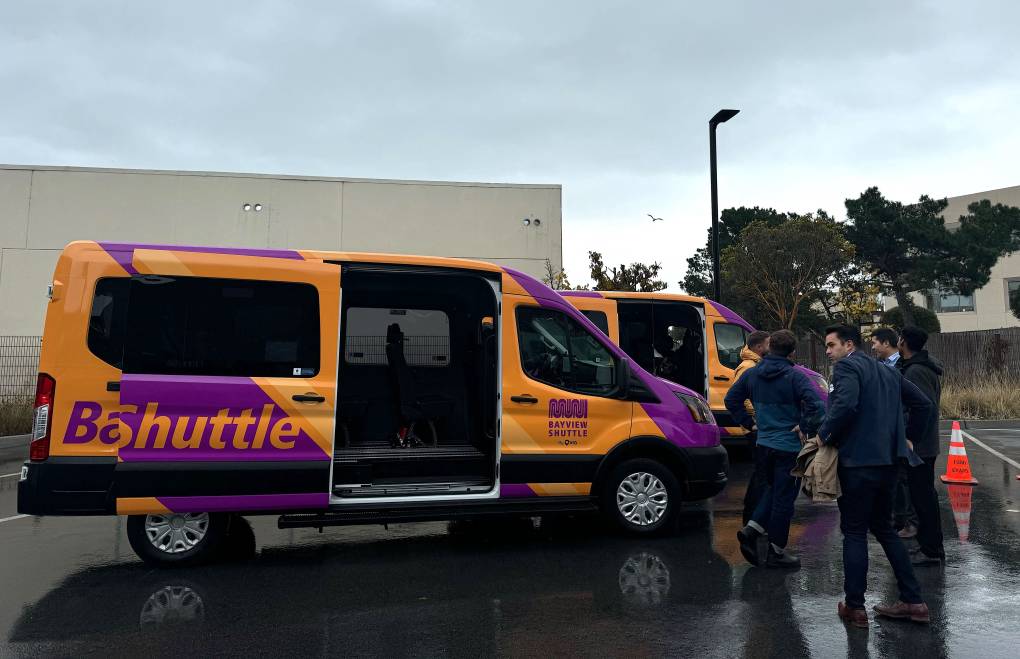
window.__INITIAL_STATE__={
"attachmentsReducer": {
"audio_0": {
"type": "attachments",
"id": "audio_0",
"imgSizes": {
"kqedFullSize": {
"file": "https://ww2.kqed.org/news/wp-content/themes/KQED-unified/img/audio_bgs/background0.jpg"
}
}
},
"audio_1": {
"type": "attachments",
"id": "audio_1",
"imgSizes": {
"kqedFullSize": {
"file": "https://ww2.kqed.org/news/wp-content/themes/KQED-unified/img/audio_bgs/background1.jpg"
}
}
},
"audio_2": {
"type": "attachments",
"id": "audio_2",
"imgSizes": {
"kqedFullSize": {
"file": "https://ww2.kqed.org/news/wp-content/themes/KQED-unified/img/audio_bgs/background2.jpg"
}
}
},
"audio_3": {
"type": "attachments",
"id": "audio_3",
"imgSizes": {
"kqedFullSize": {
"file": "https://ww2.kqed.org/news/wp-content/themes/KQED-unified/img/audio_bgs/background3.jpg"
}
}
},
"audio_4": {
"type": "attachments",
"id": "audio_4",
"imgSizes": {
"kqedFullSize": {
"file": "https://ww2.kqed.org/news/wp-content/themes/KQED-unified/img/audio_bgs/background4.jpg"
}
}
},
"placeholder": {
"type": "attachments",
"id": "placeholder",
"imgSizes": {
"thumbnail": {
"file": "https://cdn.kqed.org/wp-content/uploads/2024/12/KQED-Default-Image-816638274-2000x1333-1-160x107.jpg",
"width": 160,
"height": 107,
"mimeType": "image/jpeg"
},
"medium": {
"file": "https://cdn.kqed.org/wp-content/uploads/2024/12/KQED-Default-Image-816638274-2000x1333-1-800x533.jpg",
"width": 800,
"height": 533,
"mimeType": "image/jpeg"
},
"medium_large": {
"file": "https://cdn.kqed.org/wp-content/uploads/2024/12/KQED-Default-Image-816638274-2000x1333-1-768x512.jpg",
"width": 768,
"height": 512,
"mimeType": "image/jpeg"
},
"large": {
"file": "https://cdn.kqed.org/wp-content/uploads/2024/12/KQED-Default-Image-816638274-2000x1333-1-1020x680.jpg",
"width": 1020,
"height": 680,
"mimeType": "image/jpeg"
},
"1536x1536": {
"file": "https://cdn.kqed.org/wp-content/uploads/2024/12/KQED-Default-Image-816638274-2000x1333-1-1536x1024.jpg",
"width": 1536,
"height": 1024,
"mimeType": "image/jpeg"
},
"fd-lrg": {
"file": "https://cdn.kqed.org/wp-content/uploads/2024/12/KQED-Default-Image-816638274-2000x1333-1-1536x1024.jpg",
"width": 1536,
"height": 1024,
"mimeType": "image/jpeg"
},
"fd-med": {
"file": "https://cdn.kqed.org/wp-content/uploads/2024/12/KQED-Default-Image-816638274-2000x1333-1-1020x680.jpg",
"width": 1020,
"height": 680,
"mimeType": "image/jpeg"
},
"fd-sm": {
"file": "https://cdn.kqed.org/wp-content/uploads/2024/12/KQED-Default-Image-816638274-2000x1333-1-800x533.jpg",
"width": 800,
"height": 533,
"mimeType": "image/jpeg"
},
"post-thumbnail": {
"file": "https://cdn.kqed.org/wp-content/uploads/2024/12/KQED-Default-Image-816638274-2000x1333-1-672x372.jpg",
"width": 672,
"height": 372,
"mimeType": "image/jpeg"
},
"twentyfourteen-full-width": {
"file": "https://cdn.kqed.org/wp-content/uploads/2024/12/KQED-Default-Image-816638274-2000x1333-1-1038x576.jpg",
"width": 1038,
"height": 576,
"mimeType": "image/jpeg"
},
"xxsmall": {
"file": "https://cdn.kqed.org/wp-content/uploads/2024/12/KQED-Default-Image-816638274-2000x1333-1-160x107.jpg",
"width": 160,
"height": 107,
"mimeType": "image/jpeg"
},
"xsmall": {
"file": "https://cdn.kqed.org/wp-content/uploads/2024/12/KQED-Default-Image-816638274-2000x1333-1-672x372.jpg",
"width": 672,
"height": 372,
"mimeType": "image/jpeg"
},
"small": {
"file": "https://cdn.kqed.org/wp-content/uploads/2024/12/KQED-Default-Image-816638274-2000x1333-1-672x372.jpg",
"width": 672,
"height": 372,
"mimeType": "image/jpeg"
},
"xlarge": {
"file": "https://cdn.kqed.org/wp-content/uploads/2024/12/KQED-Default-Image-816638274-2000x1333-1-1020x680.jpg",
"width": 1020,
"height": 680,
"mimeType": "image/jpeg"
},
"full-width": {
"file": "https://cdn.kqed.org/wp-content/uploads/2024/12/KQED-Default-Image-816638274-2000x1333-1-1920x1280.jpg",
"width": 1920,
"height": 1280,
"mimeType": "image/jpeg"
},
"guest-author-32": {
"file": "https://cdn.kqed.org/wp-content/uploads/2025/01/KQED-Default-Image-816638274-1333x1333-1-160x160.jpg",
"width": 32,
"height": 32,
"mimeType": "image/jpeg"
},
"guest-author-50": {
"file": "https://cdn.kqed.org/wp-content/uploads/2025/01/KQED-Default-Image-816638274-1333x1333-1-160x160.jpg",
"width": 50,
"height": 50,
"mimeType": "image/jpeg"
},
"guest-author-64": {
"file": "https://cdn.kqed.org/wp-content/uploads/2025/01/KQED-Default-Image-816638274-1333x1333-1-160x160.jpg",
"width": 64,
"height": 64,
"mimeType": "image/jpeg"
},
"guest-author-96": {
"file": "https://cdn.kqed.org/wp-content/uploads/2025/01/KQED-Default-Image-816638274-1333x1333-1-160x160.jpg",
"width": 96,
"height": 96,
"mimeType": "image/jpeg"
},
"guest-author-128": {
"file": "https://cdn.kqed.org/wp-content/uploads/2025/01/KQED-Default-Image-816638274-1333x1333-1-160x160.jpg",
"width": 128,
"height": 128,
"mimeType": "image/jpeg"
},
"detail": {
"file": "https://cdn.kqed.org/wp-content/uploads/2025/01/KQED-Default-Image-816638274-1333x1333-1-160x160.jpg",
"width": 160,
"height": 160,
"mimeType": "image/jpeg"
},
"kqedFullSize": {
"file": "https://cdn.kqed.org/wp-content/uploads/2024/12/KQED-Default-Image-816638274-2000x1333-1.jpg",
"width": 2000,
"height": 1333
}
}
},
"news_12015328": {
"type": "attachments",
"id": "news_12015328",
"meta": {
"index": "attachments_1716263798",
"site": "news",
"id": "12015328",
"found": true
},
"title": "IMG_5013",
"publishDate": 1732219814,
"status": "inherit",
"parent": 12015320,
"modified": 1776903053,
"caption": "Transportation officials survey two new Bayview Community Shuttle vans in San Francisco's Bayview-Hunters Point neighborhood on Nov. 20, 2024. The California Air Resources Board extended its funding for the unique public transportation option through November 2027.",
"credit": "Gilare Zada/KQED",
"altTag": "A small group of people stands outside next to two purple and yellow vans that say 'Bayview Community Shuttle.'",
"description": null,
"imgSizes": {
"medium": {
"file": "https://cdn.kqed.org/wp-content/uploads/sites/10/2024/11/IMG_5013-800x517.jpg",
"width": 800,
"height": 517,
"mimeType": "image/jpeg"
},
"large": {
"file": "https://cdn.kqed.org/wp-content/uploads/sites/10/2024/11/IMG_5013-1020x659.jpg",
"width": 1020,
"height": 659,
"mimeType": "image/jpeg"
},
"thumbnail": {
"file": "https://cdn.kqed.org/wp-content/uploads/sites/10/2024/11/IMG_5013-160x103.jpg",
"width": 160,
"height": 103,
"mimeType": "image/jpeg"
},
"1536x1536": {
"file": "https://cdn.kqed.org/wp-content/uploads/sites/10/2024/11/IMG_5013-1536x992.jpg",
"width": 1536,
"height": 992,
"mimeType": "image/jpeg"
},
"2048x2048": {
"file": "https://cdn.kqed.org/wp-content/uploads/sites/10/2024/11/IMG_5013-2048x1323.jpg",
"width": 2048,
"height": 1323,
"mimeType": "image/jpeg"
},
"post-thumbnail": {
"file": "https://cdn.kqed.org/wp-content/uploads/sites/10/2024/11/IMG_5013-672x372.jpg",
"width": 672,
"height": 372,
"mimeType": "image/jpeg"
},
"twentyfourteen-full-width": {
"file": "https://cdn.kqed.org/wp-content/uploads/sites/10/2024/11/IMG_5013-1038x576.jpg",
"width": 1038,
"height": 576,
"mimeType": "image/jpeg"
},
"full-width": {
"file": "https://cdn.kqed.org/wp-content/uploads/sites/10/2024/11/IMG_5013-1920x1240.jpg",
"width": 1920,
"height": 1240,
"mimeType": "image/jpeg"
},
"kqedFullSize": {
"file": "https://cdn.kqed.org/wp-content/uploads/sites/10/2024/11/IMG_5013-scaled-e1776896997415.jpg",
"width": 2000,
"height": 1291
}
},
"isLoading": false,
"fetchFailed": false
},
"news_12080900": {
"type": "attachments",
"id": "news_12080900",
"meta": {
"index": "attachments_1716263798",
"site": "news",
"id": "12080900",
"found": true
},
"title": "006_KQED_SanFrancisco_GeneralHospital_03102020_6321_qed",
"publishDate": 1776880039,
"status": "inherit",
"parent": 12080895,
"modified": 1776884964,
"caption": "Zuckerberg San Francisco General Hospital on Tuesday, March 10, 2020.",
"credit": "Beth LaBerge/KQED",
"altTag": null,
"description": null,
"imgSizes": {
"thumbnail": {
"file": "https://cdn.kqed.org/wp-content/uploads/sites/10/2026/04/006_KQED_SanFrancisco_GeneralHospital_03102020_6321_qed-160x107.jpg",
"width": 160,
"height": 107,
"mimeType": "image/jpeg"
},
"1536x1536": {
"file": "https://cdn.kqed.org/wp-content/uploads/sites/10/2026/04/006_KQED_SanFrancisco_GeneralHospital_03102020_6321_qed-1536x1024.jpg",
"width": 1536,
"height": 1024,
"mimeType": "image/jpeg"
},
"post-thumbnail": {
"file": "https://cdn.kqed.org/wp-content/uploads/sites/10/2026/04/006_KQED_SanFrancisco_GeneralHospital_03102020_6321_qed-672x372.jpg",
"width": 672,
"height": 372,
"mimeType": "image/jpeg"
},
"twentyfourteen-full-width": {
"file": "https://cdn.kqed.org/wp-content/uploads/sites/10/2026/04/006_KQED_SanFrancisco_GeneralHospital_03102020_6321_qed-1038x576.jpg",
"width": 1038,
"height": 576,
"mimeType": "image/jpeg"
},
"npr-cds-wide": {
"file": "https://cdn.kqed.org/wp-content/uploads/sites/10/2026/04/006_KQED_SanFrancisco_GeneralHospital_03102020_6321_qed-1200x675.jpg",
"width": 1200,
"height": 675,
"mimeType": "image/jpeg"
},
"npr-cds-square": {
"file": "https://cdn.kqed.org/wp-content/uploads/sites/10/2026/04/006_KQED_SanFrancisco_GeneralHospital_03102020_6321_qed-600x600.jpg",
"width": 600,
"height": 600,
"mimeType": "image/jpeg"
},
"kqedFullSize": {
"file": "https://cdn.kqed.org/wp-content/uploads/sites/10/2026/04/006_KQED_SanFrancisco_GeneralHospital_03102020_6321_qed.jpg",
"width": 2000,
"height": 1333
}
},
"isLoading": false,
"fetchFailed": false
},
"news_12080719": {
"type": "attachments",
"id": "news_12080719",
"meta": {
"index": "attachments_1716263798",
"site": "news",
"id": "12080719",
"found": true
},
"title": "A commuter looks for a less crowded section of a westbound BART train at the West Oakland station in Oakland, Calif. on Friday, Feb. 16, 2018. BART officials will begin a study on the feasibility of a second transbay tube",
"publishDate": 1776797943,
"status": "inherit",
"parent": 12080707,
"modified": 1776799298,
"caption": "A commuter looks for a less crowded section of a westbound BART train at the West Oakland station in Oakland, California, on Friday, Feb. 16, 2018. BART officials will begin a study on the feasibility of a second transbay tube. ",
"credit": "Paul Chinn/The San Francisco Chronicle via Getty Images",
"altTag": null,
"description": null,
"imgSizes": {
"thumbnail": {
"file": "https://cdn.kqed.org/wp-content/uploads/sites/10/2026/04/BARTSFGetty-160x111.jpg",
"width": 160,
"height": 111,
"mimeType": "image/jpeg"
},
"1536x1536": {
"file": "https://cdn.kqed.org/wp-content/uploads/sites/10/2026/04/BARTSFGetty-1536x1068.jpg",
"width": 1536,
"height": 1068,
"mimeType": "image/jpeg"
},
"post-thumbnail": {
"file": "https://cdn.kqed.org/wp-content/uploads/sites/10/2026/04/BARTSFGetty-672x372.jpg",
"width": 672,
"height": 372,
"mimeType": "image/jpeg"
},
"twentyfourteen-full-width": {
"file": "https://cdn.kqed.org/wp-content/uploads/sites/10/2026/04/BARTSFGetty-1038x576.jpg",
"width": 1038,
"height": 576,
"mimeType": "image/jpeg"
},
"npr-cds-wide": {
"file": "https://cdn.kqed.org/wp-content/uploads/sites/10/2026/04/BARTSFGetty-1200x675.jpg",
"width": 1200,
"height": 675,
"mimeType": "image/jpeg"
},
"npr-cds-square": {
"file": "https://cdn.kqed.org/wp-content/uploads/sites/10/2026/04/BARTSFGetty-600x600.jpg",
"width": 600,
"height": 600,
"mimeType": "image/jpeg"
},
"kqedFullSize": {
"file": "https://cdn.kqed.org/wp-content/uploads/sites/10/2026/04/BARTSFGetty.jpg",
"width": 2000,
"height": 1391
}
},
"isLoading": false,
"fetchFailed": false
},
"news_12033651": {
"type": "attachments",
"id": "news_12033651",
"meta": {
"index": "attachments_1716263798",
"site": "news",
"id": "12033651",
"found": true
},
"title": "240625-UBERSANJOSE-JG-1 (1)",
"publishDate": 1743204895,
"status": "inherit",
"parent": 12033648,
"modified": 1743204956,
"caption": "Uber drivers and advocates rally outside the company's driver support center in South San José on June 25, 2024.",
"credit": "Joseph Geha/KQED",
"altTag": null,
"description": null,
"imgSizes": {
"medium": {
"file": "https://cdn.kqed.org/wp-content/uploads/sites/10/2025/03/240625-UBERSANJOSE-JG-1-1-800x533.jpg",
"width": 800,
"height": 533,
"mimeType": "image/jpeg"
},
"large": {
"file": "https://cdn.kqed.org/wp-content/uploads/sites/10/2025/03/240625-UBERSANJOSE-JG-1-1-1020x680.jpg",
"width": 1020,
"height": 680,
"mimeType": "image/jpeg"
},
"thumbnail": {
"file": "https://cdn.kqed.org/wp-content/uploads/sites/10/2025/03/240625-UBERSANJOSE-JG-1-1-160x107.jpg",
"width": 160,
"height": 107,
"mimeType": "image/jpeg"
},
"1536x1536": {
"file": "https://cdn.kqed.org/wp-content/uploads/sites/10/2025/03/240625-UBERSANJOSE-JG-1-1-1536x1024.jpg",
"width": 1536,
"height": 1024,
"mimeType": "image/jpeg"
},
"post-thumbnail": {
"file": "https://cdn.kqed.org/wp-content/uploads/sites/10/2025/03/240625-UBERSANJOSE-JG-1-1-672x372.jpg",
"width": 672,
"height": 372,
"mimeType": "image/jpeg"
},
"twentyfourteen-full-width": {
"file": "https://cdn.kqed.org/wp-content/uploads/sites/10/2025/03/240625-UBERSANJOSE-JG-1-1-1038x576.jpg",
"width": 1038,
"height": 576,
"mimeType": "image/jpeg"
},
"full-width": {
"file": "https://cdn.kqed.org/wp-content/uploads/sites/10/2025/03/240625-UBERSANJOSE-JG-1-1-1920x1280.jpg",
"width": 1920,
"height": 1280,
"mimeType": "image/jpeg"
},
"kqedFullSize": {
"file": "https://cdn.kqed.org/wp-content/uploads/sites/10/2025/03/240625-UBERSANJOSE-JG-1-1.jpg",
"width": 2000,
"height": 1333
}
},
"isLoading": false,
"fetchFailed": false
},
"news_12080645": {
"type": "attachments",
"id": "news_12080645",
"meta": {
"index": "attachments_1716263798",
"site": "news",
"id": "12080645",
"found": true
},
"title": "260420-SLEEP PODS-MD-01-KQED_1",
"publishDate": 1776722847,
"status": "inherit",
"parent": 0,
"modified": 1776775510,
"caption": "Sleeping pods at the Brownstone Shared Housing co-living space in San Francisco on April 20, 2026.",
"credit": "Martin do Nascimento/KQED",
"altTag": null,
"description": null,
"imgSizes": {
"thumbnail": {
"file": "https://cdn.kqed.org/wp-content/uploads/sites/10/2026/04/260420-SLEEP-PODS-MD-01-KQED_1-160x107.jpg",
"width": 160,
"height": 107,
"mimeType": "image/jpeg"
},
"1536x1536": {
"file": "https://cdn.kqed.org/wp-content/uploads/sites/10/2026/04/260420-SLEEP-PODS-MD-01-KQED_1-1536x1025.jpg",
"width": 1536,
"height": 1025,
"mimeType": "image/jpeg"
},
"post-thumbnail": {
"file": "https://cdn.kqed.org/wp-content/uploads/sites/10/2026/04/260420-SLEEP-PODS-MD-01-KQED_1-672x372.jpg",
"width": 672,
"height": 372,
"mimeType": "image/jpeg"
},
"twentyfourteen-full-width": {
"file": "https://cdn.kqed.org/wp-content/uploads/sites/10/2026/04/260420-SLEEP-PODS-MD-01-KQED_1-1038x576.jpg",
"width": 1038,
"height": 576,
"mimeType": "image/jpeg"
},
"npr-cds-wide": {
"file": "https://cdn.kqed.org/wp-content/uploads/sites/10/2026/04/260420-SLEEP-PODS-MD-01-KQED_1-1200x675.jpg",
"width": 1200,
"height": 675,
"mimeType": "image/jpeg"
},
"npr-cds-square": {
"file": "https://cdn.kqed.org/wp-content/uploads/sites/10/2026/04/260420-SLEEP-PODS-MD-01-KQED_1-600x600.jpg",
"width": 600,
"height": 600,
"mimeType": "image/jpeg"
},
"kqedFullSize": {
"file": "https://cdn.kqed.org/wp-content/uploads/sites/10/2026/04/260420-SLEEP-PODS-MD-01-KQED_1.jpg",
"width": 2000,
"height": 1334
}
},
"isLoading": false,
"fetchFailed": false
},
"news_12080559": {
"type": "attachments",
"id": "news_12080559",
"meta": {
"index": "attachments_1716263798",
"site": "news",
"id": "12080559",
"found": true
},
"title": "041826-I80Closure-JY-13",
"publishDate": 1776625760,
"status": "inherit",
"parent": 12080542,
"modified": 1776707566,
"caption": "Traffic is rerouted from I-80 eastbound to U.S. 101 as Caltrans performs construction in San Francisco on Saturday, April 18, 2026. Throughout the weekend, Caltrans is repairing viaducts and performing necessary repairs, prompting a stretch of I-80 to be closed until early Monday morning.",
"credit": "Juliana Yamada for KQED",
"altTag": null,
"description": null,
"imgSizes": {
"medium": {
"file": "https://cdn.kqed.org/wp-content/uploads/sites/10/2026/04/041826-I80Closure-JY-13-2000x1335.jpg",
"width": 2000,
"height": 1335,
"mimeType": "image/jpeg"
},
"large": {
"file": "https://cdn.kqed.org/wp-content/uploads/sites/10/2026/04/041826-I80Closure-JY-13-2000x1335.jpg",
"width": 2000,
"height": 1335,
"mimeType": "image/jpeg"
},
"thumbnail": {
"file": "https://cdn.kqed.org/wp-content/uploads/sites/10/2026/04/041826-I80Closure-JY-13-160x107.jpg",
"width": 160,
"height": 107,
"mimeType": "image/jpeg"
},
"1536x1536": {
"file": "https://cdn.kqed.org/wp-content/uploads/sites/10/2026/04/041826-I80Closure-JY-13-1536x1025.jpg",
"width": 1536,
"height": 1025,
"mimeType": "image/jpeg"
},
"2048x2048": {
"file": "https://cdn.kqed.org/wp-content/uploads/sites/10/2026/04/041826-I80Closure-JY-13-2048x1367.jpg",
"width": 2048,
"height": 1367,
"mimeType": "image/jpeg"
},
"post-thumbnail": {
"file": "https://cdn.kqed.org/wp-content/uploads/sites/10/2026/04/041826-I80Closure-JY-13-672x372.jpg",
"width": 672,
"height": 372,
"mimeType": "image/jpeg"
},
"twentyfourteen-full-width": {
"file": "https://cdn.kqed.org/wp-content/uploads/sites/10/2026/04/041826-I80Closure-JY-13-1038x576.jpg",
"width": 1038,
"height": 576,
"mimeType": "image/jpeg"
},
"full-width": {
"file": "https://cdn.kqed.org/wp-content/uploads/sites/10/2026/04/041826-I80Closure-JY-13-2000x1335.jpg",
"width": 2000,
"height": 1335,
"mimeType": "image/jpeg"
},
"npr-cds-wide": {
"file": "https://cdn.kqed.org/wp-content/uploads/sites/10/2026/04/041826-I80Closure-JY-13-1200x675.jpg",
"width": 1200,
"height": 675,
"mimeType": "image/jpeg"
},
"npr-cds-square": {
"file": "https://cdn.kqed.org/wp-content/uploads/sites/10/2026/04/041826-I80Closure-JY-13-600x600.jpg",
"width": 600,
"height": 600,
"mimeType": "image/jpeg"
},
"kqedFullSize": {
"file": "https://cdn.kqed.org/wp-content/uploads/sites/10/2026/04/041826-I80Closure-JY-13-scaled.jpg",
"width": 2560,
"height": 1709
}
},
"isLoading": false,
"fetchFailed": false
},
"news_12080448": {
"type": "attachments",
"id": "news_12080448",
"meta": {
"index": "attachments_1716263798",
"site": "news",
"id": "12080448",
"found": true
},
"title": "250818-SFUSDFirstDay-37_qed",
"publishDate": 1776455905,
"status": "inherit",
"parent": 12080441,
"modified": 1776455917,
"caption": "Students sit in class at Dr. Martin Luther King, Jr. Academic Middle School for their first day of the school year in San Francisco on Aug. 18, 2025.",
"credit": "Beth LaBerge/KQED",
"altTag": null,
"description": null,
"imgSizes": {
"thumbnail": {
"file": "https://cdn.kqed.org/wp-content/uploads/sites/10/2026/04/250818-SFUSDFirstDay-37_qed-160x107.jpg",
"width": 160,
"height": 107,
"mimeType": "image/jpeg"
},
"1536x1536": {
"file": "https://cdn.kqed.org/wp-content/uploads/sites/10/2026/04/250818-SFUSDFirstDay-37_qed-1536x1024.jpg",
"width": 1536,
"height": 1024,
"mimeType": "image/jpeg"
},
"post-thumbnail": {
"file": "https://cdn.kqed.org/wp-content/uploads/sites/10/2026/04/250818-SFUSDFirstDay-37_qed-672x372.jpg",
"width": 672,
"height": 372,
"mimeType": "image/jpeg"
},
"twentyfourteen-full-width": {
"file": "https://cdn.kqed.org/wp-content/uploads/sites/10/2026/04/250818-SFUSDFirstDay-37_qed-1038x576.jpg",
"width": 1038,
"height": 576,
"mimeType": "image/jpeg"
},
"npr-cds-wide": {
"file": "https://cdn.kqed.org/wp-content/uploads/sites/10/2026/04/250818-SFUSDFirstDay-37_qed-1200x675.jpg",
"width": 1200,
"height": 675,
"mimeType": "image/jpeg"
},
"npr-cds-square": {
"file": "https://cdn.kqed.org/wp-content/uploads/sites/10/2026/04/250818-SFUSDFirstDay-37_qed-600x600.jpg",
"width": 600,
"height": 600,
"mimeType": "image/jpeg"
},
"kqedFullSize": {
"file": "https://cdn.kqed.org/wp-content/uploads/sites/10/2026/04/250818-SFUSDFirstDay-37_qed.jpg",
"width": 2000,
"height": 1333
}
},
"isLoading": false,
"fetchFailed": false
},
"news_12080166": {
"type": "attachments",
"id": "news_12080166",
"meta": {
"index": "attachments_1716263798",
"site": "news",
"id": "12080166",
"found": true
},
"title": "A view of the San Francisco skyline from Dolores Park on April 15, 2026.",
"publishDate": 1776296693,
"status": "inherit",
"parent": 0,
"modified": 1776296708,
"caption": "A view of the San Francisco skyline from Dolores Park on April 15, 2026.",
"credit": "Beth LaBerge/KQED",
"altTag": null,
"description": null,
"imgSizes": {
"thumbnail": {
"file": "https://cdn.kqed.org/wp-content/uploads/sites/10/2026/04/260415-SPUREARTHQUAKE-06-BL-KQED-160x107.jpg",
"width": 160,
"height": 107,
"mimeType": "image/jpeg"
},
"1536x1536": {
"file": "https://cdn.kqed.org/wp-content/uploads/sites/10/2026/04/260415-SPUREARTHQUAKE-06-BL-KQED-1536x1024.jpg",
"width": 1536,
"height": 1024,
"mimeType": "image/jpeg"
},
"post-thumbnail": {
"file": "https://cdn.kqed.org/wp-content/uploads/sites/10/2026/04/260415-SPUREARTHQUAKE-06-BL-KQED-672x372.jpg",
"width": 672,
"height": 372,
"mimeType": "image/jpeg"
},
"twentyfourteen-full-width": {
"file": "https://cdn.kqed.org/wp-content/uploads/sites/10/2026/04/260415-SPUREARTHQUAKE-06-BL-KQED-1038x576.jpg",
"width": 1038,
"height": 576,
"mimeType": "image/jpeg"
},
"npr-cds-wide": {
"file": "https://cdn.kqed.org/wp-content/uploads/sites/10/2026/04/260415-SPUREARTHQUAKE-06-BL-KQED-1200x675.jpg",
"width": 1200,
"height": 675,
"mimeType": "image/jpeg"
},
"npr-cds-square": {
"file": "https://cdn.kqed.org/wp-content/uploads/sites/10/2026/04/260415-SPUREARTHQUAKE-06-BL-KQED-600x600.jpg",
"width": 600,
"height": 600,
"mimeType": "image/jpeg"
},
"kqedFullSize": {
"file": "https://cdn.kqed.org/wp-content/uploads/sites/10/2026/04/260415-SPUREARTHQUAKE-06-BL-KQED.jpg",
"width": 2000,
"height": 1333
}
},
"isLoading": false,
"fetchFailed": false
},
"news_12080407": {
"type": "attachments",
"id": "news_12080407",
"meta": {
"index": "attachments_1716263798",
"site": "news",
"id": "12080407",
"found": true
},
"title": "SeaLionSF1",
"publishDate": 1776448274,
"status": "inherit",
"parent": 12080405,
"modified": 1776470488,
"caption": "10-month-old Irving journeyed from Ocean Beach to 48th Street early Thursday morning.",
"credit": "Katie Young/The Marine Mammal Center",
"altTag": null,
"description": null,
"imgSizes": {
"thumbnail": {
"file": "https://cdn.kqed.org/wp-content/uploads/sites/10/2026/04/SeaLionSF1-160x120.jpg",
"width": 160,
"height": 120,
"mimeType": "image/jpeg"
},
"1536x1536": {
"file": "https://cdn.kqed.org/wp-content/uploads/sites/10/2026/04/SeaLionSF1-1536x1152.jpg",
"width": 1536,
"height": 1152,
"mimeType": "image/jpeg"
},
"post-thumbnail": {
"file": "https://cdn.kqed.org/wp-content/uploads/sites/10/2026/04/SeaLionSF1-672x372.jpg",
"width": 672,
"height": 372,
"mimeType": "image/jpeg"
},
"twentyfourteen-full-width": {
"file": "https://cdn.kqed.org/wp-content/uploads/sites/10/2026/04/SeaLionSF1-1038x576.jpg",
"width": 1038,
"height": 576,
"mimeType": "image/jpeg"
},
"npr-cds-wide": {
"file": "https://cdn.kqed.org/wp-content/uploads/sites/10/2026/04/SeaLionSF1-1200x675.jpg",
"width": 1200,
"height": 675,
"mimeType": "image/jpeg"
},
"npr-cds-square": {
"file": "https://cdn.kqed.org/wp-content/uploads/sites/10/2026/04/SeaLionSF1-600x600.jpg",
"width": 600,
"height": 600,
"mimeType": "image/jpeg"
},
"kqedFullSize": {
"file": "https://cdn.kqed.org/wp-content/uploads/sites/10/2026/04/SeaLionSF1.jpg",
"width": 2000,
"height": 1500
}
},
"isLoading": false,
"fetchFailed": false
},
"news_11949273": {
"type": "attachments",
"id": "news_11949273",
"meta": {
"index": "attachments_1716263798",
"site": "news",
"id": "11949273",
"found": true
},
"parent": 11949180,
"imgSizes": {
"twentyfourteen-full-width": {
"file": "https://ww2.kqed.org/app/uploads/sites/10/2023/05/RS65506_GettyImages-1428290091-1-qut-1038x576.jpg",
"width": 1038,
"mimeType": "image/jpeg",
"height": 576
},
"thumbnail": {
"file": "https://ww2.kqed.org/app/uploads/sites/10/2023/05/RS65506_GettyImages-1428290091-1-qut-160x127.jpg",
"width": 160,
"mimeType": "image/jpeg",
"height": 127
},
"post-thumbnail": {
"file": "https://ww2.kqed.org/app/uploads/sites/10/2023/05/RS65506_GettyImages-1428290091-1-qut-672x372.jpg",
"width": 672,
"mimeType": "image/jpeg",
"height": 372
},
"kqedFullSize": {
"file": "https://ww2.kqed.org/app/uploads/sites/10/2023/05/RS65506_GettyImages-1428290091-1-qut.jpg",
"width": 1920,
"height": 1523
},
"large": {
"file": "https://ww2.kqed.org/app/uploads/sites/10/2023/05/RS65506_GettyImages-1428290091-1-qut-1020x809.jpg",
"width": 1020,
"mimeType": "image/jpeg",
"height": 809
},
"1536x1536": {
"file": "https://ww2.kqed.org/app/uploads/sites/10/2023/05/RS65506_GettyImages-1428290091-1-qut-1536x1218.jpg",
"width": 1536,
"mimeType": "image/jpeg",
"height": 1218
},
"medium": {
"file": "https://ww2.kqed.org/app/uploads/sites/10/2023/05/RS65506_GettyImages-1428290091-1-qut-800x635.jpg",
"width": 800,
"mimeType": "image/jpeg",
"height": 635
}
},
"publishDate": 1683903141,
"modified": 1687395979,
"caption": "Colorized transmission electron micrograph of mpox virus particles (orange) found within an infected cell (brown), cultured in a laboratory.",
"description": null,
"title": "mpox-monkeypox-virus",
"credit": "NIH-NIAID/Image Point FR/BSIP/Universal Images Group via Getty Images",
"status": "inherit",
"altTag": "Small circular patterns float in a dense, thick brown substance.",
"isLoading": false,
"fetchFailed": false
},
"news_12080360": {
"type": "attachments",
"id": "news_12080360",
"meta": {
"index": "attachments_1716263798",
"site": "news",
"id": "12080360",
"found": true
},
"title": "260416-hit and run victim-01-KQED",
"publishDate": 1776383933,
"status": "inherit",
"parent": 0,
"modified": 1776383953,
"caption": "Dannielle Spillman, 74, cares for a bird that flew into her apartment. ",
"credit": "Courtesy of Derrick Guerra",
"altTag": null,
"description": null,
"imgSizes": {
"thumbnail": {
"file": "https://cdn.kqed.org/wp-content/uploads/sites/10/2026/04/260416-hit-and-run-victim-01-KQED-160x107.jpg",
"width": 160,
"height": 107,
"mimeType": "image/jpeg"
},
"1536x1536": {
"file": "https://cdn.kqed.org/wp-content/uploads/sites/10/2026/04/260416-hit-and-run-victim-01-KQED-1536x1025.jpg",
"width": 1536,
"height": 1025,
"mimeType": "image/jpeg"
},
"post-thumbnail": {
"file": "https://cdn.kqed.org/wp-content/uploads/sites/10/2026/04/260416-hit-and-run-victim-01-KQED-672x372.jpg",
"width": 672,
"height": 372,
"mimeType": "image/jpeg"
},
"twentyfourteen-full-width": {
"file": "https://cdn.kqed.org/wp-content/uploads/sites/10/2026/04/260416-hit-and-run-victim-01-KQED-1038x576.jpg",
"width": 1038,
"height": 576,
"mimeType": "image/jpeg"
},
"npr-cds-wide": {
"file": "https://cdn.kqed.org/wp-content/uploads/sites/10/2026/04/260416-hit-and-run-victim-01-KQED-1200x675.jpg",
"width": 1200,
"height": 675,
"mimeType": "image/jpeg"
},
"npr-cds-square": {
"file": "https://cdn.kqed.org/wp-content/uploads/sites/10/2026/04/260416-hit-and-run-victim-01-KQED-600x600.jpg",
"width": 600,
"height": 600,
"mimeType": "image/jpeg"
},
"kqedFullSize": {
"file": "https://cdn.kqed.org/wp-content/uploads/sites/10/2026/04/260416-hit-and-run-victim-01-KQED.jpg",
"width": 2000,
"height": 1334
}
},
"isLoading": false,
"fetchFailed": false
},
"news_12080244": {
"type": "attachments",
"id": "news_12080244",
"meta": {
"index": "attachments_1716263798",
"site": "news",
"id": "12080244",
"found": true
},
"title": "260416-Central Freeway History-SFPL-01-KQED",
"publishDate": 1776360471,
"status": "inherit",
"parent": 0,
"modified": 1776360501,
"caption": "Central Freeway demolition at Hayes Street on Dec. 9, 1991.",
"credit": "Courtesy of Robert Durden Color Slide Collection, SAN FRANCISCO HISTORY CENTER, SAN FRANCISCO PUBLIC LIBRARY",
"altTag": null,
"description": null,
"imgSizes": {
"thumbnail": {
"file": "https://cdn.kqed.org/wp-content/uploads/sites/10/2026/04/260416-Central-Freeway-History-SFPL-01-KQED-160x109.jpg",
"width": 160,
"height": 109,
"mimeType": "image/jpeg"
},
"1536x1536": {
"file": "https://cdn.kqed.org/wp-content/uploads/sites/10/2026/04/260416-Central-Freeway-History-SFPL-01-KQED-1536x1043.jpg",
"width": 1536,
"height": 1043,
"mimeType": "image/jpeg"
},
"post-thumbnail": {
"file": "https://cdn.kqed.org/wp-content/uploads/sites/10/2026/04/260416-Central-Freeway-History-SFPL-01-KQED-672x372.jpg",
"width": 672,
"height": 372,
"mimeType": "image/jpeg"
},
"twentyfourteen-full-width": {
"file": "https://cdn.kqed.org/wp-content/uploads/sites/10/2026/04/260416-Central-Freeway-History-SFPL-01-KQED-1038x576.jpg",
"width": 1038,
"height": 576,
"mimeType": "image/jpeg"
},
"npr-cds-wide": {
"file": "https://cdn.kqed.org/wp-content/uploads/sites/10/2026/04/260416-Central-Freeway-History-SFPL-01-KQED-1200x675.jpg",
"width": 1200,
"height": 675,
"mimeType": "image/jpeg"
},
"npr-cds-square": {
"file": "https://cdn.kqed.org/wp-content/uploads/sites/10/2026/04/260416-Central-Freeway-History-SFPL-01-KQED-600x600.jpg",
"width": 600,
"height": 600,
"mimeType": "image/jpeg"
},
"kqedFullSize": {
"file": "https://cdn.kqed.org/wp-content/uploads/sites/10/2026/04/260416-Central-Freeway-History-SFPL-01-KQED.jpg",
"width": 2000,
"height": 1358
}
},
"isLoading": false,
"fetchFailed": false
}
},
"audioPlayerReducer": {
"postId": "stream_live",
"isPaused": true,
"isPlaying": false,
"pfsActive": false,
"pledgeModalIsOpen": true,
"playerDrawerIsOpen": false,
"liveAudioPlayStartedAt": 0,
"liveAudioPlayContext": ""
},
"authorsReducer": {
"carlysevern": {
"type": "authors",
"id": "3243",
"meta": {
"index": "authors_1716337520",
"id": "3243",
"found": true
},
"name": "Carly Severn",
"firstName": "Carly",
"lastName": "Severn",
"slug": "carlysevern",
"email": "csevern@kqed.org",
"display_author_email": false,
"staff_mastheads": [
"news"
],
"title": "Senior Editor, Audience News ",
"bio": "Carly is KQED's Senior Editor of Audience News on the Digital News team, and has reported for the California Report Magazine, Bay Curious and KQED Arts. She's formerly the host of \u003ca href=\"http://ww2.kqed.org/pop/category/the-cooler/\" rel=\"noopener noreferrer\">The Cooler\u003c/a> podcast.",
"avatar": "https://secure.gravatar.com/avatar/54037bf5c128fe678f0ef26cec97a93f2e7f220a22d7285703328f12c42c1b1d?s=600&d=blank&r=g",
"twitter": "teacupinthebay",
"bluesky": null,
"facebook": null,
"instagram": null,
"linkedin": null,
"sites": [
{
"site": "",
"roles": [
"editor"
]
},
{
"site": "arts",
"roles": [
"editor"
]
},
{
"site": "news",
"roles": [
"administrator"
]
},
{
"site": "pop",
"roles": [
"editor"
]
},
{
"site": "futureofyou",
"roles": [
"editor"
]
},
{
"site": "about",
"roles": [
"administrator"
]
},
{
"site": "mindshift",
"roles": [
"editor"
]
},
{
"site": "bayareabites",
"roles": [
"editor"
]
},
{
"site": "stateofhealth",
"roles": [
"editor"
]
},
{
"site": "science",
"roles": [
"editor"
]
},
{
"site": "food",
"roles": [
"contributor"
]
},
{
"site": "forum",
"roles": [
"editor"
]
},
{
"site": "perspectives",
"roles": [
"administrator"
]
},
{
"site": "liveblog",
"roles": [
"editor"
]
}
],
"headData": {
"title": "Carly Severn | KQED",
"description": "Senior Editor, Audience News ",
"ogImgSrc": "https://secure.gravatar.com/avatar/54037bf5c128fe678f0ef26cec97a93f2e7f220a22d7285703328f12c42c1b1d?s=600&d=blank&r=g",
"twImgSrc": "https://secure.gravatar.com/avatar/54037bf5c128fe678f0ef26cec97a93f2e7f220a22d7285703328f12c42c1b1d?s=600&d=blank&r=g"
},
"isLoading": false,
"link": "/author/carlysevern"
},
"fjhabvala": {
"type": "authors",
"id": "8659",
"meta": {
"index": "authors_1716337520",
"id": "8659",
"found": true
},
"name": "Farida Jhabvala Romero",
"firstName": "Farida",
"lastName": "Jhabvala Romero",
"slug": "fjhabvala",
"email": "fjhabvala@kqed.org",
"display_author_email": true,
"staff_mastheads": [
"news"
],
"title": "KQED Contributor",
"bio": "Farida Jhabvala Romero is a Labor Correspondent for KQED. She previously covered immigration. Farida was \u003ca href=\"https://www.ccnma.org/2022-most-influential-latina-journalists\">named\u003c/a> one of the 10 Most Influential Latina Journalists in California in 2022 by the California Chicano News Media Association. Her work has won awards from the Society of Professional Journalists (Northern California), as well as a national and regional Edward M. Murrow Award for the collaborative reporting projects “Dangerous Air” and “Graying California.” Before joining KQED, Farida worked as a producer at Radio Bilingüe, a national public radio network. Farida earned her master’s degree in journalism from Stanford University.",
"avatar": "https://secure.gravatar.com/avatar/f9f022d4e2609741874222a1e9d41f48fea74011aa7c615eef91d9a50c944ebe?s=600&d=blank&r=g",
"twitter": "FaridaJhabvala",
"bluesky": null,
"facebook": null,
"instagram": null,
"linkedin": "https://www.linkedin.com/in/faridajhabvala/",
"sites": [
{
"site": "news",
"roles": [
"editor"
]
},
{
"site": "stateofhealth",
"roles": [
"author"
]
},
{
"site": "liveblog",
"roles": [
"author"
]
}
],
"headData": {
"title": "Farida Jhabvala Romero | KQED",
"description": "KQED Contributor",
"ogImgSrc": "https://secure.gravatar.com/avatar/f9f022d4e2609741874222a1e9d41f48fea74011aa7c615eef91d9a50c944ebe?s=600&d=blank&r=g",
"twImgSrc": "https://secure.gravatar.com/avatar/f9f022d4e2609741874222a1e9d41f48fea74011aa7c615eef91d9a50c944ebe?s=600&d=blank&r=g"
},
"isLoading": false,
"link": "/author/fjhabvala"
},
"bwatt": {
"type": "authors",
"id": "11238",
"meta": {
"index": "authors_1716337520",
"id": "11238",
"found": true
},
"name": "Brian Watt",
"firstName": "Brian",
"lastName": "Watt",
"slug": "bwatt",
"email": "bwatt@KQED.org",
"display_author_email": false,
"staff_mastheads": [
"news"
],
"title": "Morning News Anchor",
"bio": "Brian Watt is KQED's morning radio news anchor. He joined the KQED News team in April of 2016. Prior to that, he worked as a Reporter for KPCC in Los Angeles and a producer at \u003cem>Marketplace.\u003c/em>\r\n\r\nDuring eight years at KPCC, Brian covered business and economics, and his work won several awards. In 2008, he won the Los Angeles Press Club’s first-place award for Business and Financial Reporting, Broadcast. He’s also received honorable mention and been first runner up for the Press Club’s Radio Journalist of the Year. He won two Golden Mike awards from the Radio and TV News Association of Southern California.\r\n\r\nBrian holds degrees in theater from Yale University and the Sorbonne, and has worked as an actor in France, Italy, Brazil, Hungary and . . . Hollywood. He appeared in a few television shows, including \u003cem>The West Wing, Judging Amy\u003c/em> and \u003cem>The District.\u003c/em>\r\n\r\nEmail: bwatt@KQED.org Twitter: @RadioBWatt",
"avatar": "https://secure.gravatar.com/avatar/55393ff57ed34e2be773ba4789dd6a19?s=600&d=blank&r=g",
"twitter": "@RadioBWatt",
"facebook": null,
"instagram": null,
"linkedin": null,
"sites": [
{
"site": "arts",
"roles": [
"contributor"
]
},
{
"site": "news",
"roles": [
"editor"
]
}
],
"headData": {
"title": "Brian Watt | KQED",
"description": "Morning News Anchor",
"ogImgSrc": "https://secure.gravatar.com/avatar/55393ff57ed34e2be773ba4789dd6a19?s=600&d=blank&r=g",
"twImgSrc": "https://secure.gravatar.com/avatar/55393ff57ed34e2be773ba4789dd6a19?s=600&d=blank&r=g"
},
"isLoading": false,
"link": "/author/bwatt"
},
"agonzalez": {
"type": "authors",
"id": "11724",
"meta": {
"index": "authors_1716337520",
"id": "11724",
"found": true
},
"name": "Alexander Gonzalez",
"firstName": "Alexander",
"lastName": "Gonzalez",
"slug": "agonzalez",
"email": "AlexanderGonzalez@KQED.org",
"display_author_email": false,
"staff_mastheads": [
"news"
],
"title": "KQED Contributor",
"bio": null,
"avatar": "https://secure.gravatar.com/avatar/9e291ed34e154df4c662edf858b641d70b4859939bfe40be478408f9dfd057d2?s=600&d=blank&r=g",
"twitter": null,
"bluesky": null,
"facebook": null,
"instagram": null,
"linkedin": null,
"sites": [
{
"site": "arts",
"roles": [
"editor"
]
},
{
"site": "news",
"roles": [
"editor"
]
},
{
"site": "science",
"roles": [
"editor"
]
}
],
"headData": {
"title": "Alexander Gonzalez | KQED",
"description": "KQED Contributor",
"ogImgSrc": "https://secure.gravatar.com/avatar/9e291ed34e154df4c662edf858b641d70b4859939bfe40be478408f9dfd057d2?s=600&d=blank&r=g",
"twImgSrc": "https://secure.gravatar.com/avatar/9e291ed34e154df4c662edf858b641d70b4859939bfe40be478408f9dfd057d2?s=600&d=blank&r=g"
},
"isLoading": false,
"link": "/author/agonzalez"
},
"eromero": {
"type": "authors",
"id": "11746",
"meta": {
"index": "authors_1716337520",
"id": "11746",
"found": true
},
"name": "Ezra David Romero",
"firstName": "Ezra David",
"lastName": "Romero",
"slug": "eromero",
"email": "eromero@kqed.org",
"display_author_email": true,
"staff_mastheads": [
"news",
"science"
],
"title": "Climate Reporter",
"bio": "Ezra David Romero is a climate reporter for KQED News. He covers the absence and excess of water in the Bay Area — think sea level rise, flooding and drought. For nearly a decade he’s covered how warming temperatures are altering the lives of Californians. He’s reported on farmers worried their pistachio trees aren’t getting enough sleep, families desperate for water, scientists studying dying giant sequoias, and alongside firefighters containing wildfires. His work has appeared on local stations across California and nationally on public radio shows like Morning Edition, Here and Now, All Things Considered and Science Friday. ",
"avatar": "https://secure.gravatar.com/avatar/c76404d287c10ed40224227551ac36e24352c7306f106632caf6fead76f8801f?s=600&d=blank&r=g",
"twitter": "ezraromero",
"bluesky": null,
"facebook": null,
"instagram": null,
"linkedin": null,
"sites": [
{
"site": "arts",
"roles": [
"editor"
]
},
{
"site": "news",
"roles": [
"editor"
]
},
{
"site": "science",
"roles": [
"editor"
]
},
{
"site": "liveblog",
"roles": [
"author"
]
}
],
"headData": {
"title": "Ezra David Romero | KQED",
"description": "Climate Reporter",
"ogImgSrc": "https://secure.gravatar.com/avatar/c76404d287c10ed40224227551ac36e24352c7306f106632caf6fead76f8801f?s=600&d=blank&r=g",
"twImgSrc": "https://secure.gravatar.com/avatar/c76404d287c10ed40224227551ac36e24352c7306f106632caf6fead76f8801f?s=600&d=blank&r=g"
},
"isLoading": false,
"link": "/author/eromero"
},
"sjohnson": {
"type": "authors",
"id": "11840",
"meta": {
"index": "authors_1716337520",
"id": "11840",
"found": true
},
"name": "Sydney Johnson",
"firstName": "Sydney",
"lastName": "Johnson",
"slug": "sjohnson",
"email": "sjohnson@kqed.org",
"display_author_email": false,
"staff_mastheads": [
"news"
],
"title": "KQED Reporter",
"bio": "Sydney Johnson is a general assignment reporter at KQED. She previously reported on public health and city government at the San Francisco Examiner, and before that, she covered statewide education policy for EdSource. Her reporting has won multiple local, state and national awards. Sydney is a graduate of the University of California, Berkeley and lives in San Francisco.",
"avatar": "https://secure.gravatar.com/avatar/97855f2719b72ad6190b7c535fe642c8?s=600&d=blank&r=g",
"twitter": "sydneyfjohnson",
"facebook": null,
"instagram": null,
"linkedin": null,
"sites": [
{
"site": "news",
"roles": [
"editor"
]
}
],
"headData": {
"title": "Sydney Johnson | KQED",
"description": "KQED Reporter",
"ogImgSrc": "https://secure.gravatar.com/avatar/97855f2719b72ad6190b7c535fe642c8?s=600&d=blank&r=g",
"twImgSrc": "https://secure.gravatar.com/avatar/97855f2719b72ad6190b7c535fe642c8?s=600&d=blank&r=g"
},
"isLoading": false,
"link": "/author/sjohnson"
},
"nkhan": {
"type": "authors",
"id": "11867",
"meta": {
"index": "authors_1716337520",
"id": "11867",
"found": true
},
"name": "Nisa Khan",
"firstName": "Nisa",
"lastName": "Khan",
"slug": "nkhan",
"email": "nkhan@kqed.org",
"display_author_email": false,
"staff_mastheads": [],
"title": "KQED Contributor",
"bio": "Nisa Khan is a reporter for KQED's Audience News Desk. She was formerly a data reporter at Michigan Radio. She earned a Bachelor of Science in Information from the University of Michigan and a Master of Arts in Communication from Stanford University.",
"avatar": "https://secure.gravatar.com/avatar/8720459eef081ff64582b3506b124d58523e80e120704a0cbd9892533c914991?s=600&d=blank&r=g",
"twitter": "mnisakhan",
"bluesky": null,
"facebook": null,
"instagram": null,
"linkedin": null,
"sites": [
{
"site": "arts",
"roles": [
"editor"
]
},
{
"site": "news",
"roles": [
"editor"
]
},
{
"site": "science",
"roles": [
"editor",
"author"
]
},
{
"site": "forum",
"roles": [
"editor"
]
},
{
"site": "liveblog",
"roles": [
"contributor"
]
}
],
"headData": {
"title": "Nisa Khan | KQED",
"description": "KQED Contributor",
"ogImgSrc": "https://secure.gravatar.com/avatar/8720459eef081ff64582b3506b124d58523e80e120704a0cbd9892533c914991?s=600&d=blank&r=g",
"twImgSrc": "https://secure.gravatar.com/avatar/8720459eef081ff64582b3506b124d58523e80e120704a0cbd9892533c914991?s=600&d=blank&r=g"
},
"isLoading": false,
"link": "/author/nkhan"
},
"wcruz": {
"type": "authors",
"id": "11877",
"meta": {
"index": "authors_1716337520",
"id": "11877",
"found": true
},
"name": "Billy Cruz",
"firstName": "Billy",
"lastName": "Cruz",
"slug": "wcruz",
"email": "wcruz@KQED.org",
"display_author_email": false,
"staff_mastheads": [
"news"
],
"title": null,
"bio": null,
"avatar": "https://secure.gravatar.com/avatar/f19b14c4121ba9ba1e03e99eec83488517a34ef9e0f144abe8f5212c35f37684?s=600&d=blank&r=g",
"twitter": null,
"bluesky": null,
"facebook": null,
"instagram": null,
"linkedin": null,
"sites": [
{
"site": "news",
"roles": [
"editor"
]
}
],
"headData": {
"title": "Billy Cruz | KQED",
"description": null,
"ogImgSrc": "https://secure.gravatar.com/avatar/f19b14c4121ba9ba1e03e99eec83488517a34ef9e0f144abe8f5212c35f37684?s=600&d=blank&r=g",
"twImgSrc": "https://secure.gravatar.com/avatar/f19b14c4121ba9ba1e03e99eec83488517a34ef9e0f144abe8f5212c35f37684?s=600&d=blank&r=g"
},
"isLoading": false,
"link": "/author/wcruz"
},
"kdebenedetti": {
"type": "authors",
"id": "11913",
"meta": {
"index": "authors_1716337520",
"id": "11913",
"found": true
},
"name": "Katie DeBenedetti",
"firstName": "Katie",
"lastName": "DeBenedetti",
"slug": "kdebenedetti",
"email": "kdebenedetti@kqed.org",
"display_author_email": false,
"staff_mastheads": [
"news",
"science"
],
"title": "KQED Contributor",
"bio": "Katie DeBenedetti is a digital reporter covering daily news for the Express Desk. Prior to joining KQED as a culture reporting intern in January 2024, she covered education and city government for the Napa Valley Register.",
"avatar": "https://secure.gravatar.com/avatar/6e31073cb8f7e4214ab03f42771d0f45?s=600&d=blank&r=g",
"twitter": null,
"facebook": null,
"instagram": null,
"linkedin": null,
"sites": [
{
"site": "news",
"roles": [
"author"
]
},
{
"site": "science",
"roles": [
"author"
]
},
{
"site": "liveblog",
"roles": [
"author"
]
}
],
"headData": {
"title": "Katie DeBenedetti | KQED",
"description": "KQED Contributor",
"ogImgSrc": "https://secure.gravatar.com/avatar/6e31073cb8f7e4214ab03f42771d0f45?s=600&d=blank&r=g",
"twImgSrc": "https://secure.gravatar.com/avatar/6e31073cb8f7e4214ab03f42771d0f45?s=600&d=blank&r=g"
},
"isLoading": false,
"link": "/author/kdebenedetti"
}
},
"pagesReducer": {
"news_tag_san-francisco": {
"type": "terms",
"id": "news_38",
"meta": {
"index": "terms_1716263798",
"site": "news",
"id": "38",
"score": 6.7229023
},
"featImg": null,
"name": "San Francisco",
"description": null,
"taxonomy": "tag",
"headData": {
"twImgId": null,
"twTitle": null,
"ogTitle": null,
"ogImgId": null,
"twDescription": null,
"description": null,
"title": "San Francisco Archives | KQED News",
"ogDescription": null
},
"ttid": 58,
"slug": "san-francisco",
"isLoading": false,
"title": "San Francisco",
"pageMeta": {
"site": "news",
"WpPageTemplate": "page-topic-editorial",
"currentPage": 20
},
"blocks": [
{
"blockName": "kqed/post-list",
"attrs": {
"layout": "cardArticle2",
"query": "posts/news?tag=san-francisco",
"seeMore": false,
"paginated": true,
"page": 20
}
},
{
"blockName": "kqed/ad"
}
]
}
},
"pfsSessionReducer": {},
"postsReducer": {
"stream_live": {
"type": "live",
"id": "stream_live",
"audioUrl": "https://streams.kqed.org/kqedradio",
"title": "Live Stream",
"excerpt": "Live Stream information currently unavailable.",
"link": "/radio",
"featImg": "",
"label": {
"name": "KQED Live",
"link": "/"
}
},
"stream_kqedNewscast": {
"type": "posts",
"id": "stream_kqedNewscast",
"audioUrl": "https://www.kqed.org/.stream/anon/radio/RDnews/newscast.mp3?_=1",
"title": "KQED Newscast",
"featImg": "",
"label": {
"name": "88.5 FM",
"link": "/"
}
},
"news_12080996": {
"type": "posts",
"id": "news_12080996",
"meta": {
"index": "posts_1716263798",
"site": "news",
"id": "12080996",
"score": null,
"sort": [
1776902604000
]
},
"guestAuthors": [],
"slug": "beloved-bayview-neighborhood-shuttles-will-run-another-year",
"title": "Beloved Bayview Neighborhood Shuttles Will Run Another Year",
"publishDate": 1776902604,
"format": "standard",
"headTitle": "Beloved Bayview Neighborhood Shuttles Will Run Another Year | KQED",
"labelTerm": {
"site": "news"
},
"content": "\u003cp>If you are ever in the southeast corner of \u003ca href=\"https://www.kqed.org/news/tag/san-francisco\">San Francisco\u003c/a>, you may have noticed a fleet of \u003ca href=\"https://www.kqed.org/news/12015320/san-francisco-launches-on-demand-shuttle-service-in-bayview-hunters-point\">purple-and-orange \u003c/a>vans picking up and dropping people off.\u003c/p>\n\u003cp>These shuttles are a special service run by the San Francisco Municipal Transportation Agency, in an effort to bridge mobility gaps in the Bayview-Hunters Point neighborhood.\u003c/p>\n\u003cp>And the shuttles will continue running through November 2027, thanks to funding recently extended by the \u003ca href=\"https://ww2.arb.ca.gov/\">California Air Resources Board\u003c/a>.\u003c/p>\n\u003cp>[ad fullwidth]\u003c/p>\n\u003cp>“That actually makes me happy,” said shuttle passenger Ashley Milburn, catching a ride on Wednesday morning. “Just [for] the community as a whole and individuals needing rides to doctor’s appointments, or even just the grocery store.”\u003c/p>\n\u003cp>A previous $10.5 million grant allowed city officials to launch the Bayview Community Shuttle in 2024. Residents can order a shuttle anywhere in the area, as well as to \u003ca href=\"https://www.sfmta.com/projects/bayview-community-shuttle\">several destinations outside the neighborhood\u003c/a>, including the 24th Street BART station — all for the cost of a Muni fare.\u003c/p>\n\u003cp>Michael Roccaforte, a spokesperson for the SFMTA, said the neighborhood “has historically lacked adequate transit connections” and “overall received a historic disinvestment in government services,” creating service gaps.[aside postID=news_12080707 hero='https://cdn.kqed.org/wp-content/uploads/sites/10/2026/04/BARTSFGetty.jpg']Milburn said she started using the shuttle more in the last month due to car troubles and has found it a useful resource. Especially since Bayview, she said, does not have as many bus routes as other neighborhoods in the city.\u003c/p>\n\u003cp>Milburn said she has used the shuttle for household tasks like laundry.\u003c/p>\n\u003cp>“It’s all so convenient, because, like I said, the community needs this type of service,” Milburn said, although she added that she wished it were available more hours of the day.\u003c/p>\n\u003cp>All of the vehicles in the shuttle program are electric.\u003c/p>\n\u003cp>Roccaforte said \u003ca href=\"https://www.kqed.org/news/12060929/pge-tower-symbol-of-environmental-racism-removed-from-bayview-hunters-point\">the neighborhood’s history of industry\u003c/a> has created an overburden of \u003ca href=\"https://criticalurbanenvironments.ucsc.edu/articles/the-breathers-of-bayview-hill-redevelopment-and-environmental-justice-in-southeast-san-francisco/\">health problems\u003c/a> “in terms of respiratory illnesses for the community here.” “This shuttle service is zero emission and helps to actively reduce carbon emissions in the Bayview neighborhood,” he said.\u003c/p>\n\u003cp>CARB considered those unique circumstances in the agency’s efforts to launch service.\u003c/p>\n\u003cp>“The funding from the Air Resources Board is so important because without a grant award like this, we wouldn’t be able to operate this service at the level we provide because of our financial constraints,” Roccaforte said.\u003c/p>\n\u003cp>According to March data provided by SFMTA, ridership for the shuttle has increased by 53% since last year, with around 200 riders a day.\u003c/p>\n\u003cp>\u003c/p>\n",
"blocks": [],
"excerpt": "The California Air Resources Board extended its funding for the unique public transportation option through November 2027.",
"status": "publish",
"parent": 0,
"modified": 1776974134,
"stats": {
"hasAudio": false,
"hasVideo": false,
"hasChartOrMap": false,
"iframeSrcs": [],
"hasGoogleForm": false,
"hasGallery": false,
"hasHearkenModule": false,
"hasPolis": false,
"paragraphCount": 15,
"wordCount": 443
},
"headData": {
"title": "Beloved Bayview Neighborhood Shuttles Will Run Another Year | KQED",
"description": "The California Air Resources Board extended its funding for the unique public transportation option through November 2027.",
"ogTitle": "",
"ogDescription": "",
"ogImgId": "",
"twTitle": "",
"twDescription": "",
"twImgId": "",
"schema": {
"@context": "https://schema.org",
"@type": "NewsArticle",
"headline": "Beloved Bayview Neighborhood Shuttles Will Run Another Year",
"datePublished": "2026-04-22T17:03:24-07:00",
"dateModified": "2026-04-23T12:55:34-07:00",
"image": "https://cdn.kqed.org/wp-content/uploads/2020/02/KQED-OG-Image@1x.png",
"isAccessibleForFree": "True",
"publisher": {
"@type": "NewsMediaOrganization",
"@id": "https://www.kqed.org/#organization",
"name": "KQED",
"logo": "https://cdn.kqed.org/wp-content/uploads/2020/02/KQED-OG-Image@1x.png",
"url": "https://www.kqed.org",
"sameAs": [
"https://www.facebook.com/KQED",
"https://twitter.com/KQED",
"https://www.instagram.com/kqed/",
"https://www.tiktok.com/@kqedofficial",
"https://www.linkedin.com/company/kqed",
"https://www.youtube.com/channel/UCeC0IOo7i1P_61zVUWbJ4nw"
]
}
}
},
"primaryCategory": {
"termId": 1397,
"slug": "transportation",
"name": "Transportation"
},
"audioUrl": "https://traffic.omny.fm/d/clips/0af137ef-751e-4b19-a055-aaef00d2d578/ffca7e9f-6831-41c5-bcaf-aaef00f5a073/85533b20-2b18-4f94-a476-b43501468639/audio.mp3",
"sticky": false,
"nprStoryId": "kqed-12080996",
"templateType": "standard",
"featuredImageType": "standard",
"excludeFromSiteSearch": "Include",
"articleAge": "0",
"path": "/news/12080996/beloved-bayview-neighborhood-shuttles-will-run-another-year",
"audioTrackLength": null,
"parsedContent": [
{
"type": "contentString",
"content": "\u003cdiv class=\"post-body\">\u003cp>\u003cp>If you are ever in the southeast corner of \u003ca href=\"https://www.kqed.org/news/tag/san-francisco\">San Francisco\u003c/a>, you may have noticed a fleet of \u003ca href=\"https://www.kqed.org/news/12015320/san-francisco-launches-on-demand-shuttle-service-in-bayview-hunters-point\">purple-and-orange \u003c/a>vans picking up and dropping people off.\u003c/p>\n\u003cp>These shuttles are a special service run by the San Francisco Municipal Transportation Agency, in an effort to bridge mobility gaps in the Bayview-Hunters Point neighborhood.\u003c/p>\n\u003cp>And the shuttles will continue running through November 2027, thanks to funding recently extended by the \u003ca href=\"https://ww2.arb.ca.gov/\">California Air Resources Board\u003c/a>.\u003c/p>\n\u003cp>\u003c/p>\u003c/div>",
"attributes": {
"named": {},
"numeric": []
}
},
{
"type": "component",
"content": "",
"name": "ad",
"attributes": {
"named": {
"label": "fullwidth"
},
"numeric": [
"fullwidth"
]
}
},
{
"type": "contentString",
"content": "\u003cdiv class=\"post-body\">\u003cp>\u003c/p>\n\u003cp>“That actually makes me happy,” said shuttle passenger Ashley Milburn, catching a ride on Wednesday morning. “Just [for] the community as a whole and individuals needing rides to doctor’s appointments, or even just the grocery store.”\u003c/p>\n\u003cp>A previous $10.5 million grant allowed city officials to launch the Bayview Community Shuttle in 2024. Residents can order a shuttle anywhere in the area, as well as to \u003ca href=\"https://www.sfmta.com/projects/bayview-community-shuttle\">several destinations outside the neighborhood\u003c/a>, including the 24th Street BART station — all for the cost of a Muni fare.\u003c/p>\n\u003cp>Michael Roccaforte, a spokesperson for the SFMTA, said the neighborhood “has historically lacked adequate transit connections” and “overall received a historic disinvestment in government services,” creating service gaps.\u003c/p>\u003c/div>",
"attributes": {
"named": {},
"numeric": []
}
},
{
"type": "component",
"content": "",
"name": "aside",
"attributes": {
"named": {
"postid": "news_12080707",
"hero": "https://cdn.kqed.org/wp-content/uploads/sites/10/2026/04/BARTSFGetty.jpg",
"label": ""
},
"numeric": []
}
},
{
"type": "contentString",
"content": "\u003cdiv class=\"post-body\">\u003cp>Milburn said she started using the shuttle more in the last month due to car troubles and has found it a useful resource. Especially since Bayview, she said, does not have as many bus routes as other neighborhoods in the city.\u003c/p>\n\u003cp>Milburn said she has used the shuttle for household tasks like laundry.\u003c/p>\n\u003cp>“It’s all so convenient, because, like I said, the community needs this type of service,” Milburn said, although she added that she wished it were available more hours of the day.\u003c/p>\n\u003cp>All of the vehicles in the shuttle program are electric.\u003c/p>\n\u003cp>Roccaforte said \u003ca href=\"https://www.kqed.org/news/12060929/pge-tower-symbol-of-environmental-racism-removed-from-bayview-hunters-point\">the neighborhood’s history of industry\u003c/a> has created an overburden of \u003ca href=\"https://criticalurbanenvironments.ucsc.edu/articles/the-breathers-of-bayview-hill-redevelopment-and-environmental-justice-in-southeast-san-francisco/\">health problems\u003c/a> “in terms of respiratory illnesses for the community here.” “This shuttle service is zero emission and helps to actively reduce carbon emissions in the Bayview neighborhood,” he said.\u003c/p>\n\u003cp>CARB considered those unique circumstances in the agency’s efforts to launch service.\u003c/p>\n\u003cp>“The funding from the Air Resources Board is so important because without a grant award like this, we wouldn’t be able to operate this service at the level we provide because of our financial constraints,” Roccaforte said.\u003c/p>\n\u003cp>According to March data provided by SFMTA, ridership for the shuttle has increased by 53% since last year, with around 200 riders a day.\u003c/p>\n\u003cp>\u003c/p>\n\u003c/div>\u003c/p>",
"attributes": {
"named": {},
"numeric": []
}
}
],
"link": "/news/12080996/beloved-bayview-neighborhood-shuttles-will-run-another-year",
"authors": [
"11867"
],
"categories": [
"news_28250",
"news_8",
"news_1397"
],
"tags": [
"news_1700",
"news_38",
"news_3198",
"news_20517"
],
"featImg": "news_12015328",
"label": "news"
},
"news_12080895": {
"type": "posts",
"id": "news_12080895",
"meta": {
"index": "posts_1716263798",
"site": "news",
"id": "12080895",
"score": null,
"sort": [
1776882008000
]
},
"guestAuthors": [],
"slug": "san-francisco-directs-15-million-to-health-department-security-after-fatal-stabbing",
"title": "San Francisco Directs $15 Million to Health Department Security After Fatal Stabbing",
"publishDate": 1776882008,
"format": "standard",
"headTitle": "San Francisco Directs $15 Million to Health Department Security After Fatal Stabbing | KQED",
"labelTerm": {
"site": "news"
},
"content": "\u003cp>\u003ca href=\"https://www.kqed.org/news/tag/san-francisco\">San Francisco\u003c/a> officials say they will commit $15 million annually to modernize security infrastructure and hire four additional staff for the Department of Public Health security team following the fatal stabbing of a social worker in December.\u003c/p>\n\u003cp>That’s according to a new report released Wednesday that pointed to a lack of \u003ca href=\"https://www.kqed.org/forum/2010101912297/fatal-ucsf-stabbing-heightens-concerns-about-health-worker-safety\">adequate safety protections\u003c/a> leading up to the death of Alberto Rangel, who was killed by a patient at Ward 86, the city’s historic HIV/AIDS clinic at Zuckerberg San Francisco General Hospital. The funding promise comes as San Francisco is facing a \u003ca href=\"https://www.kqed.org/news/12079126/more-layoffs-ahead-as-san-franciscos-budget-woes-persist\">massive budget deficit\u003c/a> and is cutting positions and funding across departments, including public health.\u003c/p>\n\u003cp>“We are committed to maintaining safe and secure environments for the staff, patients and visitors who rely on our care every day,” Director of Health Daniel Tsai said. “We can and must do more. This assessment and these investments will have a lasting impact on the safety and well-being of all who walk through our doors. Alberto was a beloved social worker at Ward 86, and we will continue to honor his memory.”\u003c/p>\n\u003cp>[ad fullwidth]\u003c/p>\n\u003cp>The 13-page report presented a list of recommendations for the hospital and health department in response to the stabbing. It calls for a more consistent process for threat risk escalation and follow-up, more clarity on how different security and law enforcement should respond to threats, and psychological support for staff. It also identified the need for better security measures at Ward 86, including weapons detection and panic buttons for staff.\u003c/p>\n\u003cp>“We heard from many staff members within ZSFG and our partner clinical sites about ways to make meaningful and lasting improvements to safety,” said Dr. Susan Ehrlich, the CEO of Zuckerberg San Francisco General Hospital. “Staff also reminded us not to forget the importance of making sure our patients feel welcome. We need to remain accessible to our vulnerable city residents, while instituting changes that protect everyone who walks through our doors.”\u003c/p>\n\u003cp>The health department said it has already developed a 24/7 threat management team to better coordinate risk assessments, weapons detection systems and security staff at all DPH sites.\u003c/p>\n\u003cfigure id=\"attachment_12066544\" class=\"wp-caption aligncenter\" style=\"max-width: 2000px\">\u003cimg loading=\"lazy\" decoding=\"async\" class=\"size-full wp-image-12066544\" src=\"https://cdn.kqed.org/wp-content/uploads/sites/10/2025/12/251209-SFGENERALMEMORIAL-01-BL-KQED.jpg\" alt=\"\" width=\"2000\" height=\"1333\" srcset=\"https://cdn.kqed.org/wp-content/uploads/sites/10/2025/12/251209-SFGENERALMEMORIAL-01-BL-KQED.jpg 2000w, https://cdn.kqed.org/wp-content/uploads/sites/10/2025/12/251209-SFGENERALMEMORIAL-01-BL-KQED-160x107.jpg 160w, https://cdn.kqed.org/wp-content/uploads/sites/10/2025/12/251209-SFGENERALMEMORIAL-01-BL-KQED-1536x1024.jpg 1536w\" sizes=\"auto, (max-width: 2000px) 100vw, 2000px\">\u003cfigcaption class=\"wp-caption-text\">A memorial for social worker Alberto Rangel, who was fatally stabbed on Dec. 4 at Zuckerberg San Francisco General Hospital, outside the hospital on Dec. 9, 2025. \u003ccite>(Beth LaBerge/KQED)\u003c/cite>\u003c/figcaption>\u003c/figure>\n\u003cp>The report provided a detailed timeline of events, including how staff reported the patient’s dangerous behavior in the weeks before he stabbed Rangel.\u003c/p>\n\u003cp>According to the timeline, the man, Wilfredo Tortolero-Arriechi, who has pleaded not guilty to a murder charge, exhibited “elevated behaviors” during an appointment with his doctor around Nov. 20, prompting the physician and nursing leadership to share their concerns with DPH security.\u003c/p>\n\u003cp>Security attempted to contact him but was unable to reach him, and a sheriff’s lieutenant conducted a criminal history check that showed no warrants. On the day of the stabbing, a sheriff’s deputy was in Ward 86, but not in the reception area where the incident occurred.[aside postID=news_12075387 hero='https://cdn.kqed.org/wp-content/uploads/sites/10/2026/03/030526_-SOCIAL-WORKER-SAFETY-_GH_018-KQED.jpg']The assailant arrived around 1:30 looking to speak with his doctor, but was connected with Rangel and stabbed him from behind with a knife at 1:36 p.m. A Code Blue — which hospitals call when someone is having a life-threatening medical emergency — was paged at 1:44 p.m., and he arrived in the emergency department at 2:03 p.m.\u003c/p>\n\u003cp>The investigation revealed that one of Rangel’s colleagues at SF General first intervened in the attack, not a sheriff’s deputy.\u003c/p>\n\u003cp>Ward 86 staff previously told KQED that they were dismayed by the city’s public response immediately following the tragic incident, particularly around how the San Francisco Sheriff’s union posted images online claiming that one of their deputies prevented a “mass stabbing” through swift intervention.\u003c/p>\n\u003cp>Ward 86 social worker Alejandro Alvarez was the first person to pull the attacker off of Rangel.\u003c/p>\n\u003cp>“Staff had to repeatedly direct the deputy to remove the attacker from the scene,” Alvarez said at a public rally in March outside the administrative offices for USCF, which oversees SF General alongside DPH.\u003c/p>\n\u003cp>“When staff have to guide the sheriff to a life-threatening moment, that tells us something in this system is not working. That did not align with the public narrative that was shared that day by the Sheriff’s Association.”\u003c/p>\n\u003cfigure id=\"attachment_12068510\" class=\"wp-caption aligncenter\" style=\"max-width: 2000px\">\u003cimg loading=\"lazy\" decoding=\"async\" class=\"wp-image-12068510 size-full\" src=\"https://cdn.kqed.org/wp-content/uploads/sites/10/2025/12/251230-SFSocialWorker-11-BL_qed.jpg\" alt=\"\" width=\"2000\" height=\"1333\" srcset=\"https://cdn.kqed.org/wp-content/uploads/sites/10/2025/12/251230-SFSocialWorker-11-BL_qed.jpg 2000w, https://cdn.kqed.org/wp-content/uploads/sites/10/2025/12/251230-SFSocialWorker-11-BL_qed-160x107.jpg 160w, https://cdn.kqed.org/wp-content/uploads/sites/10/2025/12/251230-SFSocialWorker-11-BL_qed-1536x1024.jpg 1536w\" sizes=\"auto, (max-width: 2000px) 100vw, 2000px\">\u003cfigcaption class=\"wp-caption-text\">Alex Alvarez, a clinical social worker, stands on a parking garage at UCSF Parnassus campus in San Francisco on Dec. 30, 2025. He said the view from the gym helps him recover, reflect and think following the fatal stabbing of his colleague Alberto Rangel at Zuckerberg San Francisco General Hospital on Dec. 4, 2025. \u003ccite>(Beth LaBerge/KQED)\u003c/cite>\u003c/figcaption>\u003c/figure>\n\u003cp>On Wednesday, after the audit was released, Alvarez said he was feeling “disillusioned” and that the approach leadership had taken felt “top-down” and not collaborative. He’d like to see more financial support for affected employees.\u003c/p>\n\u003cp>Many staff at Ward 86 affected by the loss of their colleague are still struggling with what comes next, for patient safety and for their own well-being as health care professionals. Many have \u003ca href=\"https://www.kqed.org/news/12075387/hospital-security-debate-swirls-after-san-francisco-social-worker-stabbing\">demanded that UCSF and DPH commit\u003c/a> to increased staffing to balance case loads and improve options for necessary time off and mental health care following the incident.\u003c/p>\n\u003cp>A \u003ca href=\"https://www.kqed.org/news/12075387/hospital-security-debate-swirls-after-san-francisco-social-worker-stabbing\">survey conducted by the union representing UCSF social workers\u003c/a> found that the vast majority have either directly experienced or seen violence, and half said they have been sexually assaulted or harassed.\u003c/p>\n\u003cp>“I live in the aftermath, the hyper vigilance, the disturbed sleep,” Alvarez said. “What comes after that moment is not something you clock out of. It doesn’t end when the shift ends. It doesn’t stay in the building. It doesn’t follow policy timelines.”\u003c/p>\n\u003cp>\u003c/p>\n",
"blocks": [],
"excerpt": "The 13-page report presented a list of recommendations for the hospital and health department in response to the stabbing at SF General. ",
"status": "publish",
"parent": 0,
"modified": 1777396076,
"stats": {
"hasAudio": false,
"hasVideo": false,
"hasChartOrMap": false,
"iframeSrcs": [],
"hasGoogleForm": false,
"hasGallery": false,
"hasHearkenModule": false,
"hasPolis": false,
"paragraphCount": 20,
"wordCount": 1022
},
"headData": {
"title": "San Francisco Directs $15 Million to Health Department Security After Fatal Stabbing | KQED",
"description": "The 13-page report presented a list of recommendations for the hospital and health department in response to the stabbing at SF General. ",
"ogTitle": "",
"ogDescription": "",
"ogImgId": "",
"twTitle": "",
"twDescription": "",
"twImgId": "",
"schema": {
"@context": "https://schema.org",
"@type": "NewsArticle",
"headline": "San Francisco Directs $15 Million to Health Department Security After Fatal Stabbing",
"datePublished": "2026-04-22T11:20:08-07:00",
"dateModified": "2026-04-28T10:07:56-07:00",
"image": "https://cdn.kqed.org/wp-content/uploads/2020/02/KQED-OG-Image@1x.png",
"isAccessibleForFree": "True",
"publisher": {
"@type": "NewsMediaOrganization",
"@id": "https://www.kqed.org/#organization",
"name": "KQED",
"logo": "https://cdn.kqed.org/wp-content/uploads/2020/02/KQED-OG-Image@1x.png",
"url": "https://www.kqed.org",
"sameAs": [
"https://www.facebook.com/KQED",
"https://twitter.com/KQED",
"https://www.instagram.com/kqed/",
"https://www.tiktok.com/@kqedofficial",
"https://www.linkedin.com/company/kqed",
"https://www.youtube.com/channel/UCeC0IOo7i1P_61zVUWbJ4nw"
]
}
}
},
"primaryCategory": {
"termId": 28250,
"slug": "local",
"name": "Local"
},
"audioUrl": "https://traffic.omny.fm/d/clips/0af137ef-751e-4b19-a055-aaef00d2d578/ffca7e9f-6831-41c5-bcaf-aaef00f5a073/75ba191c-d2e5-4cd1-b40e-b43a010fea2f/audio.mp3",
"sticky": false,
"nprStoryId": "kqed-12080895",
"templateType": "standard",
"featuredImageType": "standard",
"excludeFromSiteSearch": "Include",
"articleAge": "0",
"path": "/news/12080895/san-francisco-directs-15-million-to-health-department-security-after-fatal-stabbing",
"audioTrackLength": null,
"parsedContent": [
{
"type": "contentString",
"content": "\u003cdiv class=\"post-body\">\u003cp>\u003cp>\u003ca href=\"https://www.kqed.org/news/tag/san-francisco\">San Francisco\u003c/a> officials say they will commit $15 million annually to modernize security infrastructure and hire four additional staff for the Department of Public Health security team following the fatal stabbing of a social worker in December.\u003c/p>\n\u003cp>That’s according to a new report released Wednesday that pointed to a lack of \u003ca href=\"https://www.kqed.org/forum/2010101912297/fatal-ucsf-stabbing-heightens-concerns-about-health-worker-safety\">adequate safety protections\u003c/a> leading up to the death of Alberto Rangel, who was killed by a patient at Ward 86, the city’s historic HIV/AIDS clinic at Zuckerberg San Francisco General Hospital. The funding promise comes as San Francisco is facing a \u003ca href=\"https://www.kqed.org/news/12079126/more-layoffs-ahead-as-san-franciscos-budget-woes-persist\">massive budget deficit\u003c/a> and is cutting positions and funding across departments, including public health.\u003c/p>\n\u003cp>“We are committed to maintaining safe and secure environments for the staff, patients and visitors who rely on our care every day,” Director of Health Daniel Tsai said. “We can and must do more. This assessment and these investments will have a lasting impact on the safety and well-being of all who walk through our doors. Alberto was a beloved social worker at Ward 86, and we will continue to honor his memory.”\u003c/p>\n\u003cp>\u003c/p>\u003c/div>",
"attributes": {
"named": {},
"numeric": []
}
},
{
"type": "component",
"content": "",
"name": "ad",
"attributes": {
"named": {
"label": "fullwidth"
},
"numeric": [
"fullwidth"
]
}
},
{
"type": "contentString",
"content": "\u003cdiv class=\"post-body\">\u003cp>\u003c/p>\n\u003cp>The 13-page report presented a list of recommendations for the hospital and health department in response to the stabbing. It calls for a more consistent process for threat risk escalation and follow-up, more clarity on how different security and law enforcement should respond to threats, and psychological support for staff. It also identified the need for better security measures at Ward 86, including weapons detection and panic buttons for staff.\u003c/p>\n\u003cp>“We heard from many staff members within ZSFG and our partner clinical sites about ways to make meaningful and lasting improvements to safety,” said Dr. Susan Ehrlich, the CEO of Zuckerberg San Francisco General Hospital. “Staff also reminded us not to forget the importance of making sure our patients feel welcome. We need to remain accessible to our vulnerable city residents, while instituting changes that protect everyone who walks through our doors.”\u003c/p>\n\u003cp>The health department said it has already developed a 24/7 threat management team to better coordinate risk assessments, weapons detection systems and security staff at all DPH sites.\u003c/p>\n\u003cfigure id=\"attachment_12066544\" class=\"wp-caption aligncenter\" style=\"max-width: 2000px\">\u003cimg loading=\"lazy\" decoding=\"async\" class=\"size-full wp-image-12066544\" src=\"https://cdn.kqed.org/wp-content/uploads/sites/10/2025/12/251209-SFGENERALMEMORIAL-01-BL-KQED.jpg\" alt=\"\" width=\"2000\" height=\"1333\" srcset=\"https://cdn.kqed.org/wp-content/uploads/sites/10/2025/12/251209-SFGENERALMEMORIAL-01-BL-KQED.jpg 2000w, https://cdn.kqed.org/wp-content/uploads/sites/10/2025/12/251209-SFGENERALMEMORIAL-01-BL-KQED-160x107.jpg 160w, https://cdn.kqed.org/wp-content/uploads/sites/10/2025/12/251209-SFGENERALMEMORIAL-01-BL-KQED-1536x1024.jpg 1536w\" sizes=\"auto, (max-width: 2000px) 100vw, 2000px\">\u003cfigcaption class=\"wp-caption-text\">A memorial for social worker Alberto Rangel, who was fatally stabbed on Dec. 4 at Zuckerberg San Francisco General Hospital, outside the hospital on Dec. 9, 2025. \u003ccite>(Beth LaBerge/KQED)\u003c/cite>\u003c/figcaption>\u003c/figure>\n\u003cp>The report provided a detailed timeline of events, including how staff reported the patient’s dangerous behavior in the weeks before he stabbed Rangel.\u003c/p>\n\u003cp>According to the timeline, the man, Wilfredo Tortolero-Arriechi, who has pleaded not guilty to a murder charge, exhibited “elevated behaviors” during an appointment with his doctor around Nov. 20, prompting the physician and nursing leadership to share their concerns with DPH security.\u003c/p>\n\u003cp>Security attempted to contact him but was unable to reach him, and a sheriff’s lieutenant conducted a criminal history check that showed no warrants. On the day of the stabbing, a sheriff’s deputy was in Ward 86, but not in the reception area where the incident occurred.\u003c/p>\u003c/div>",
"attributes": {
"named": {},
"numeric": []
}
},
{
"type": "component",
"content": "",
"name": "aside",
"attributes": {
"named": {
"postid": "news_12075387",
"hero": "https://cdn.kqed.org/wp-content/uploads/sites/10/2026/03/030526_-SOCIAL-WORKER-SAFETY-_GH_018-KQED.jpg",
"label": ""
},
"numeric": []
}
},
{
"type": "contentString",
"content": "\u003cdiv class=\"post-body\">\u003cp>The assailant arrived around 1:30 looking to speak with his doctor, but was connected with Rangel and stabbed him from behind with a knife at 1:36 p.m. A Code Blue — which hospitals call when someone is having a life-threatening medical emergency — was paged at 1:44 p.m., and he arrived in the emergency department at 2:03 p.m.\u003c/p>\n\u003cp>The investigation revealed that one of Rangel’s colleagues at SF General first intervened in the attack, not a sheriff’s deputy.\u003c/p>\n\u003cp>Ward 86 staff previously told KQED that they were dismayed by the city’s public response immediately following the tragic incident, particularly around how the San Francisco Sheriff’s union posted images online claiming that one of their deputies prevented a “mass stabbing” through swift intervention.\u003c/p>\n\u003cp>Ward 86 social worker Alejandro Alvarez was the first person to pull the attacker off of Rangel.\u003c/p>\n\u003cp>“Staff had to repeatedly direct the deputy to remove the attacker from the scene,” Alvarez said at a public rally in March outside the administrative offices for USCF, which oversees SF General alongside DPH.\u003c/p>\n\u003cp>“When staff have to guide the sheriff to a life-threatening moment, that tells us something in this system is not working. That did not align with the public narrative that was shared that day by the Sheriff’s Association.”\u003c/p>\n\u003cfigure id=\"attachment_12068510\" class=\"wp-caption aligncenter\" style=\"max-width: 2000px\">\u003cimg loading=\"lazy\" decoding=\"async\" class=\"wp-image-12068510 size-full\" src=\"https://cdn.kqed.org/wp-content/uploads/sites/10/2025/12/251230-SFSocialWorker-11-BL_qed.jpg\" alt=\"\" width=\"2000\" height=\"1333\" srcset=\"https://cdn.kqed.org/wp-content/uploads/sites/10/2025/12/251230-SFSocialWorker-11-BL_qed.jpg 2000w, https://cdn.kqed.org/wp-content/uploads/sites/10/2025/12/251230-SFSocialWorker-11-BL_qed-160x107.jpg 160w, https://cdn.kqed.org/wp-content/uploads/sites/10/2025/12/251230-SFSocialWorker-11-BL_qed-1536x1024.jpg 1536w\" sizes=\"auto, (max-width: 2000px) 100vw, 2000px\">\u003cfigcaption class=\"wp-caption-text\">Alex Alvarez, a clinical social worker, stands on a parking garage at UCSF Parnassus campus in San Francisco on Dec. 30, 2025. He said the view from the gym helps him recover, reflect and think following the fatal stabbing of his colleague Alberto Rangel at Zuckerberg San Francisco General Hospital on Dec. 4, 2025. \u003ccite>(Beth LaBerge/KQED)\u003c/cite>\u003c/figcaption>\u003c/figure>\n\u003cp>On Wednesday, after the audit was released, Alvarez said he was feeling “disillusioned” and that the approach leadership had taken felt “top-down” and not collaborative. He’d like to see more financial support for affected employees.\u003c/p>\n\u003cp>Many staff at Ward 86 affected by the loss of their colleague are still struggling with what comes next, for patient safety and for their own well-being as health care professionals. Many have \u003ca href=\"https://www.kqed.org/news/12075387/hospital-security-debate-swirls-after-san-francisco-social-worker-stabbing\">demanded that UCSF and DPH commit\u003c/a> to increased staffing to balance case loads and improve options for necessary time off and mental health care following the incident.\u003c/p>\n\u003cp>A \u003ca href=\"https://www.kqed.org/news/12075387/hospital-security-debate-swirls-after-san-francisco-social-worker-stabbing\">survey conducted by the union representing UCSF social workers\u003c/a> found that the vast majority have either directly experienced or seen violence, and half said they have been sexually assaulted or harassed.\u003c/p>\n\u003cp>“I live in the aftermath, the hyper vigilance, the disturbed sleep,” Alvarez said. “What comes after that moment is not something you clock out of. It doesn’t end when the shift ends. It doesn’t stay in the building. It doesn’t follow policy timelines.”\u003c/p>\n\u003cp>\u003c/p>\n\u003c/div>\u003c/p>",
"attributes": {
"named": {},
"numeric": []
}
}
],
"link": "/news/12080895/san-francisco-directs-15-million-to-health-department-security-after-fatal-stabbing",
"authors": [
"11840"
],
"categories": [
"news_34551",
"news_28250",
"news_8"
],
"tags": [
"news_34420",
"news_38",
"news_20220",
"news_23007",
"news_23063"
],
"featImg": "news_12080900",
"label": "news"
},
"news_12080707": {
"type": "posts",
"id": "news_12080707",
"meta": {
"index": "posts_1716263798",
"site": "news",
"id": "12080707",
"score": null,
"sort": [
1776799142000
]
},
"guestAuthors": [],
"slug": "bart-ridership-surged-while-i-80-was-closed-through-san-francisco",
"title": "BART Ridership Surged While I-80 Was Closed Through San Francisco",
"publishDate": 1776799142,
"format": "standard",
"headTitle": "BART Ridership Surged While I-80 Was Closed Through San Francisco | KQED",
"labelTerm": {
"site": "news"
},
"content": "\u003cp>\u003ca href=\"https://www.kqed.org/news/tag/bart\">BART\u003c/a> ridership surged over the weekend amid a major freeway closure through San Francisco that rerouted traffic heading toward the Bay Bridge.\u003c/p>\n\u003cp>The transit agency recorded a 46% increase on both Saturday and Sunday compared to the same days the previous weekend. It saw a smaller boost, about 16%, on Friday. Eastbound Interstate 80 through San Francisco \u003ca href=\"https://www.kqed.org/news/12080542/empty-i-80-allows-caltrans-to-repair-key-san-francisco-bay-bridge-connector\">was closed\u003c/a> for about 48 hours beginning at 11 p.m. Friday.\u003c/p>\n\u003cp>Officials said the boost shows that BART is still vital to the Bay Area’s transportation network, as it faces a major budget shortfall and possible drastic service cuts while it struggles to recover from pandemic ridership losses.\u003c/p>\n\u003cp>[ad fullwidth]\u003c/p>\n\u003cp>“The sharp increases underscore BART’s critical role in keeping the region moving when major infrastructure is out of commission,” the agency said in a press release.\u003c/p>\n\u003cp>Local transportation officials had\u003ca href=\"https://www.kqed.org/news/12078991/i80-101-closure-san-francisco-weekend-april-17-18-19-bay-bridge-detour-traffic-alternative-route\"> warned drivers to avoid the area\u003c/a> around the eastbound I-80 closure, which extended about 1.6 miles from 17th Street to 4th Street. The connector ramps from northbound and southbound U.S. 101 were also closed.\u003c/p>\n\u003cfigure id=\"attachment_12079174\" class=\"wp-caption aligncenter\" style=\"max-width: 2000px\">\u003ca href=\"https://cdn.kqed.org/wp-content/uploads/sites/10/2026/04/260408-I80Closure-01-BL_qed.jpg\">\u003cimg loading=\"lazy\" decoding=\"async\" class=\"size-full wp-image-12079174\" src=\"https://cdn.kqed.org/wp-content/uploads/sites/10/2026/04/260408-I80Closure-01-BL_qed.jpg\" alt=\"\" width=\"2000\" height=\"1333\" srcset=\"https://cdn.kqed.org/wp-content/uploads/sites/10/2026/04/260408-I80Closure-01-BL_qed.jpg 2000w, https://cdn.kqed.org/wp-content/uploads/sites/10/2026/04/260408-I80Closure-01-BL_qed-160x107.jpg 160w, https://cdn.kqed.org/wp-content/uploads/sites/10/2026/04/260408-I80Closure-01-BL_qed-1536x1024.jpg 1536w\" sizes=\"auto, (max-width: 2000px) 100vw, 2000px\">\u003c/a>\u003cfigcaption class=\"wp-caption-text\">A sign for eastbound I-80 and the Bay Bridge on April 8, 2026. Eastbound lanes are scheduled to close from 11 p.m. April 17 to 6 a.m. April 20 for planned construction work, with detours in place during the closure. \u003ccite>(Beth LaBerge/KQED)\u003c/cite>\u003c/figcaption>\u003c/figure>\n\u003cp>Caltrans urged motorists to use alternative routes or ditch their cars entirely in favor of public transit to avoid delays — and it seems many did.\u003c/p>\n\u003cp>As BART ridership increased, vehicle traffic over the Bay Bridge into San Francisco dipped about 7% on Saturday compared to the previous week, according to preliminary data from the Bay Area Toll Authority. Traffic was down 16% compared to the same weekend last year. While the toll authority only tracks bridge trips in the westbound direction, which was unaffected by the closure, John Goodwin, a spokesperson for the agency, said it usually assumes that traffic numbers will be roughly the same in the opposite direction.\u003c/p>\n\u003cp>The toll authority data showed little impact on vehicle traffic Sunday, with about 150 more cars crossing the Bay Bridge than the previous week, though traffic was down 15% compared to the same weekend last year.\u003c/p>\n\u003cp>Separate from the road closure, BART numbers have been increasing in recent months, with the agency recording its highest post-COVID-19 ridership levels in March. April ridership so far is up 10% compared to last year.\u003c/p>\n\u003cp>The agency saw a major drop-off during the pandemic, when significantly fewer Bay Area residents were commuting into the city for work. Lasting shifts toward more hybrid and remote work, and companies moving out of downtown, have made it difficult for BART to recoup ridership in recent years, contributing to what it’s called a “fiscal cliff.” [aside postID=news_12078991 hero='https://cdn.kqed.org/wp-content/uploads/sites/10/2026/04/260408-I80Closure-11-BL_qed.jpg'] The agency is currently lobbying for additional funding in the coming November election, warning that without new revenue, it could make major service cuts.\u003c/p>\n\u003cp>A coalition of transit advocates, led by state Sens. Scott Wiener and Jesse Arreguín, is campaigning for a ballot measure called the \u003ca href=\"https://www.kqed.org/news/12070685/campaign-to-avert-bay-area-public-transit-death-spiral-gets-underway\">Connect Bay Area Act\u003c/a>, a regional sales tax that would generate around $1 billion annually for BART, Muni, AC Transit, Caltrain and other regional transit agencies.\u003c/p>\n\u003cp>BART has \u003ca href=\"https://www.sfchronicle.com/bayarea/article/bart-doomsday-station-closures-21944447.php\">approved a plan\u003c/a> that could close 10 to 15 stations, eliminate the Red and Green lines or cut late night service beginning next year if the Connect Bay Area Act isn’t passed. The \u003ca href=\"https://www.kqed.org/forum/2010101912988/bart-proposes-station-closures-and-fare-hikes-to-deal-with-massive-budget-shortfall\">“doomsday” plan\u003c/a> would reduce service by more than 60% to stave off a $376 million budget deficit.\u003c/p>\n\u003cp>BART representatives have previously warned weekend service could be cut to help close the budget deficit.\u003c/p>\n\u003cp>The agency said its capacity to accommodate increased ridership needs over the weekend while I-80 was closed came “while running standard 5-line weekend service.”\u003c/p>\n\u003cp>“BART will continue to play a vital role in supporting the Bay Area during major events, infrastructure projects, and other moments when reliable transit is needed most,” the agency said in its press release.\u003c/p>\n\u003cp>\u003c/p>\n",
"blocks": [],
"excerpt": "The Bay Area transit agency said a nearly 50% increase in ridership over the prior weekend underscores the critical role it plays in the region’s transportation network.",
"status": "publish",
"parent": 0,
"modified": 1776803518,
"stats": {
"hasAudio": false,
"hasVideo": false,
"hasChartOrMap": false,
"iframeSrcs": [],
"hasGoogleForm": false,
"hasGallery": false,
"hasHearkenModule": false,
"hasPolis": false,
"paragraphCount": 17,
"wordCount": 702
},
"headData": {
"title": "BART Ridership Surged While I-80 Was Closed Through San Francisco | KQED",
"description": "The Bay Area transit agency said a nearly 50% increase in ridership over the prior weekend underscores the critical role it plays in the region’s transportation network.",
"ogTitle": "",
"ogDescription": "",
"ogImgId": "",
"twTitle": "",
"twDescription": "",
"twImgId": "",
"schema": {
"@context": "https://schema.org",
"@type": "NewsArticle",
"headline": "BART Ridership Surged While I-80 Was Closed Through San Francisco",
"datePublished": "2026-04-21T12:19:02-07:00",
"dateModified": "2026-04-21T13:31:58-07:00",
"image": "https://cdn.kqed.org/wp-content/uploads/2020/02/KQED-OG-Image@1x.png",
"isAccessibleForFree": "True",
"publisher": {
"@type": "NewsMediaOrganization",
"@id": "https://www.kqed.org/#organization",
"name": "KQED",
"logo": "https://cdn.kqed.org/wp-content/uploads/2020/02/KQED-OG-Image@1x.png",
"url": "https://www.kqed.org",
"sameAs": [
"https://www.facebook.com/KQED",
"https://twitter.com/KQED",
"https://www.instagram.com/kqed/",
"https://www.tiktok.com/@kqedofficial",
"https://www.linkedin.com/company/kqed",
"https://www.youtube.com/channel/UCeC0IOo7i1P_61zVUWbJ4nw"
]
}
}
},
"primaryCategory": {
"termId": 1397,
"slug": "transportation",
"name": "Transportation"
},
"sticky": false,
"nprStoryId": "kqed-12080707",
"templateType": "standard",
"featuredImageType": "standard",
"excludeFromSiteSearch": "Include",
"articleAge": "0",
"path": "/news/12080707/bart-ridership-surged-while-i-80-was-closed-through-san-francisco",
"audioTrackLength": null,
"parsedContent": [
{
"type": "contentString",
"content": "\u003cdiv class=\"post-body\">\u003cp>\u003cp>\u003ca href=\"https://www.kqed.org/news/tag/bart\">BART\u003c/a> ridership surged over the weekend amid a major freeway closure through San Francisco that rerouted traffic heading toward the Bay Bridge.\u003c/p>\n\u003cp>The transit agency recorded a 46% increase on both Saturday and Sunday compared to the same days the previous weekend. It saw a smaller boost, about 16%, on Friday. Eastbound Interstate 80 through San Francisco \u003ca href=\"https://www.kqed.org/news/12080542/empty-i-80-allows-caltrans-to-repair-key-san-francisco-bay-bridge-connector\">was closed\u003c/a> for about 48 hours beginning at 11 p.m. Friday.\u003c/p>\n\u003cp>Officials said the boost shows that BART is still vital to the Bay Area’s transportation network, as it faces a major budget shortfall and possible drastic service cuts while it struggles to recover from pandemic ridership losses.\u003c/p>\n\u003cp>\u003c/p>\u003c/div>",
"attributes": {
"named": {},
"numeric": []
}
},
{
"type": "component",
"content": "",
"name": "ad",
"attributes": {
"named": {
"label": "fullwidth"
},
"numeric": [
"fullwidth"
]
}
},
{
"type": "contentString",
"content": "\u003cdiv class=\"post-body\">\u003cp>\u003c/p>\n\u003cp>“The sharp increases underscore BART’s critical role in keeping the region moving when major infrastructure is out of commission,” the agency said in a press release.\u003c/p>\n\u003cp>Local transportation officials had\u003ca href=\"https://www.kqed.org/news/12078991/i80-101-closure-san-francisco-weekend-april-17-18-19-bay-bridge-detour-traffic-alternative-route\"> warned drivers to avoid the area\u003c/a> around the eastbound I-80 closure, which extended about 1.6 miles from 17th Street to 4th Street. The connector ramps from northbound and southbound U.S. 101 were also closed.\u003c/p>\n\u003cfigure id=\"attachment_12079174\" class=\"wp-caption aligncenter\" style=\"max-width: 2000px\">\u003ca href=\"https://cdn.kqed.org/wp-content/uploads/sites/10/2026/04/260408-I80Closure-01-BL_qed.jpg\">\u003cimg loading=\"lazy\" decoding=\"async\" class=\"size-full wp-image-12079174\" src=\"https://cdn.kqed.org/wp-content/uploads/sites/10/2026/04/260408-I80Closure-01-BL_qed.jpg\" alt=\"\" width=\"2000\" height=\"1333\" srcset=\"https://cdn.kqed.org/wp-content/uploads/sites/10/2026/04/260408-I80Closure-01-BL_qed.jpg 2000w, https://cdn.kqed.org/wp-content/uploads/sites/10/2026/04/260408-I80Closure-01-BL_qed-160x107.jpg 160w, https://cdn.kqed.org/wp-content/uploads/sites/10/2026/04/260408-I80Closure-01-BL_qed-1536x1024.jpg 1536w\" sizes=\"auto, (max-width: 2000px) 100vw, 2000px\">\u003c/a>\u003cfigcaption class=\"wp-caption-text\">A sign for eastbound I-80 and the Bay Bridge on April 8, 2026. Eastbound lanes are scheduled to close from 11 p.m. April 17 to 6 a.m. April 20 for planned construction work, with detours in place during the closure. \u003ccite>(Beth LaBerge/KQED)\u003c/cite>\u003c/figcaption>\u003c/figure>\n\u003cp>Caltrans urged motorists to use alternative routes or ditch their cars entirely in favor of public transit to avoid delays — and it seems many did.\u003c/p>\n\u003cp>As BART ridership increased, vehicle traffic over the Bay Bridge into San Francisco dipped about 7% on Saturday compared to the previous week, according to preliminary data from the Bay Area Toll Authority. Traffic was down 16% compared to the same weekend last year. While the toll authority only tracks bridge trips in the westbound direction, which was unaffected by the closure, John Goodwin, a spokesperson for the agency, said it usually assumes that traffic numbers will be roughly the same in the opposite direction.\u003c/p>\n\u003cp>The toll authority data showed little impact on vehicle traffic Sunday, with about 150 more cars crossing the Bay Bridge than the previous week, though traffic was down 15% compared to the same weekend last year.\u003c/p>\n\u003cp>Separate from the road closure, BART numbers have been increasing in recent months, with the agency recording its highest post-COVID-19 ridership levels in March. April ridership so far is up 10% compared to last year.\u003c/p>\n\u003cp>The agency saw a major drop-off during the pandemic, when significantly fewer Bay Area residents were commuting into the city for work. Lasting shifts toward more hybrid and remote work, and companies moving out of downtown, have made it difficult for BART to recoup ridership in recent years, contributing to what it’s called a “fiscal cliff.” \u003c/p>\u003c/div>",
"attributes": {
"named": {},
"numeric": []
}
},
{
"type": "component",
"content": "",
"name": "aside",
"attributes": {
"named": {
"postid": "news_12078991",
"hero": "https://cdn.kqed.org/wp-content/uploads/sites/10/2026/04/260408-I80Closure-11-BL_qed.jpg",
"label": ""
},
"numeric": []
}
},
{
"type": "contentString",
"content": "\u003cdiv class=\"post-body\">\u003cp> The agency is currently lobbying for additional funding in the coming November election, warning that without new revenue, it could make major service cuts.\u003c/p>\n\u003cp>A coalition of transit advocates, led by state Sens. Scott Wiener and Jesse Arreguín, is campaigning for a ballot measure called the \u003ca href=\"https://www.kqed.org/news/12070685/campaign-to-avert-bay-area-public-transit-death-spiral-gets-underway\">Connect Bay Area Act\u003c/a>, a regional sales tax that would generate around $1 billion annually for BART, Muni, AC Transit, Caltrain and other regional transit agencies.\u003c/p>\n\u003cp>BART has \u003ca href=\"https://www.sfchronicle.com/bayarea/article/bart-doomsday-station-closures-21944447.php\">approved a plan\u003c/a> that could close 10 to 15 stations, eliminate the Red and Green lines or cut late night service beginning next year if the Connect Bay Area Act isn’t passed. The \u003ca href=\"https://www.kqed.org/forum/2010101912988/bart-proposes-station-closures-and-fare-hikes-to-deal-with-massive-budget-shortfall\">“doomsday” plan\u003c/a> would reduce service by more than 60% to stave off a $376 million budget deficit.\u003c/p>\n\u003cp>BART representatives have previously warned weekend service could be cut to help close the budget deficit.\u003c/p>\n\u003cp>The agency said its capacity to accommodate increased ridership needs over the weekend while I-80 was closed came “while running standard 5-line weekend service.”\u003c/p>\n\u003cp>“BART will continue to play a vital role in supporting the Bay Area during major events, infrastructure projects, and other moments when reliable transit is needed most,” the agency said in its press release.\u003c/p>\n\u003cp>\u003c/p>\n\u003c/div>\u003c/p>",
"attributes": {
"named": {},
"numeric": []
}
}
],
"link": "/news/12080707/bart-ridership-surged-while-i-80-was-closed-through-san-francisco",
"authors": [
"11913"
],
"categories": [
"news_28250",
"news_8",
"news_1397"
],
"tags": [
"news_4090",
"news_17768",
"news_2480",
"news_38",
"news_92",
"news_4520",
"news_20517"
],
"featImg": "news_12080719",
"label": "news"
},
"news_12080636": {
"type": "posts",
"id": "news_12080636",
"meta": {
"index": "posts_1716263798",
"site": "news",
"id": "12080636",
"score": null,
"sort": [
1776791941000
]
},
"guestAuthors": [],
"slug": "uber-violated-california-gig-worker-law-rideshare-drivers-group-says-in-new-lawsuit",
"title": "Uber Violated California Gig-Worker Law, Rideshare Drivers Group Says in New Lawsuit",
"publishDate": 1776791941,
"format": "standard",
"headTitle": "Uber Violated California Gig-Worker Law, Rideshare Drivers Group Says in New Lawsuit | KQED",
"labelTerm": {
"site": "news"
},
"content": "\u003cp>A ride-hail driver organization alleged \u003ca href=\"https://www.kqed.org/news/tag/uber\">Uber\u003c/a> broke a California gig-worker law by failing to provide terminated drivers enough of a recourse to challenge account deactivations, according to a lawsuit filed Monday in San Francisco. If successful, the complaint could open a way for workers in the industry to claim additional rights.\u003c/p>\n\u003cp>Approved by voters in 2020, \u003ca href=\"https://www.kqed.org/news/11843123/prop-22-explained-why-gig-companies-are-spending-huge-money-on-an-unprecedented-measure\">Proposition 22\u003c/a> gave Uber a big win, allowing the company to classify its drivers as independent contractors — who are often cheaper to hire and easier to fire than employees. But attorneys for Rideshare Drivers United, which represents about 20,000 app-based drivers statewide, contend Uber terminated thousands of them without an appeals process required by that law.\u003c/p>\n\u003cp>“Uber has not held up its end of the bargain,” said Shannon Liss-Riordan, an attorney for the group. “It has not complied with Prop. 22, and as a result, it should not get the benefit of Prop. 22, meaning that Uber should not be able to claim that the drivers are independent contractors.”\u003c/p>\n\u003cp>[ad fullwidth]\u003c/p>\n\u003cp>An Uber spokesperson rejected the allegations, slamming the lawsuit as a “publicity stunt” that the company will fight in court.\u003c/p>\n\u003cp>The legal challenge represents the latest attempt in a years-long battle by gig workers to gain more labor protections. Independent contractors have more flexibility on the job, but lack employee rights such as overtime pay, unemployment insurance benefits and expense reimbursements. If the state court grants Rideshare Drivers United’s request to bar Uber from treating its drivers as independent contractors, they could then be entitled to employee protections, Liss-Riordan said.\u003c/p>\n\u003cfigure id=\"attachment_11910763\" class=\"wp-caption aligncenter\" style=\"max-width: 2000px\">\u003cimg loading=\"lazy\" decoding=\"async\" class=\"size-full wp-image-11910763\" src=\"https://cdn.kqed.org/wp-content/uploads/sites/10/2022/04/yes2-scaled-e1776791757748.jpg\" alt='A woman wearing sunglasses drives a car while holding a sign that says: \"Lyft and Uber we see you profiting off our back!\"' width=\"2000\" height=\"1334\">\u003cfigcaption class=\"wp-caption-text\">Rideshare drivers protest outside Uber’s former headquarters on Market Street in downtown San Francisco on Aug. 27, 2019. \u003ccite>(Courtesy of Gig Workers Rising)\u003c/cite>\u003c/figcaption>\u003c/figure>\n\u003cp>The most \u003ca href=\"https://www.uber.com/us/en/drive/driver-app/deactivation-review/\">common reasons\u003c/a> drivers lose access to their accounts are an expired document or a background check issue, according to Uber. The company said it provides drivers with multiple channels to raise concerns, request reviews of deactivations, and provide evidence to support their case.\u003c/p>\n\u003cp>“This is a baseless lawsuit by an opportunistic trial lawyer seeking to overturn Proposition 22 and the will of California voters,” an Uber spokesperson said in a statement. “Uber complies with Prop 22, including providing drivers with clear processes to appeal deactivations, raise concerns and request reviews, while delivering guaranteed earnings, healthcare support, and the flexibility drivers value.”\u003c/p>\n\u003cp>At a press conference on the steps of the California Supreme Court building near Civic Center Plaza, several terminated drivers said Uber unfairly cut them off the platform, without sufficient explanation or a meaningful way to challenge the decision. They said they tried calling the company and interacting with its chatbots, to no avail.[aside postID=news_12057798 hero='https://cdn.kqed.org/wp-content/uploads/sites/10/2024/07/GettyImages-2003719181-1020x680.jpg']“It seems like it was nothing but a copy and paste response,” said Devins Baker, 36, who said he was deactivated the week before Christmas in 2024 after driving for Uber for years. “No matter what I sent, even going in person, just seems like they had already made a decision even prior to my appeal.”\u003c/p>\n\u003cp>Baker, an Oakland resident, said suddenly losing his Uber driver job left him scrambling to find another way to make money, so he could keep his housing.\u003c/p>\n\u003cp>“The process actually has been very much of a headache,” he said.\u003c/p>\n\u003cp>Other Bay Area drivers with high ratings and years of experience said Uber account deactivations left them struggling to make ends meet. Mirwais Noory, a father of four living in Antioch, said he moved his family from one house to another because they couldn’t afford the rent.\u003c/p>\n\u003cp>Since his termination in November 2024, he has worked as a security guard and part-time rideshare driver for Lyft, he said, but still owes thousands of dollars in credit card debt.\u003c/p>\n\u003cp>“It affected me hugely because I’m the only one making money in my family,” said Noory, 38. “It just turned my situation upside down … and basically, there was no accountability from Uber.”\u003c/p>\n\u003cp>\u003c/p>\n",
"blocks": [],
"excerpt": "Rideshare Drivers United asked a state court in San Francisco to bar Uber from reaping the benefits of a 2020 gig-worker law. The company called the lawsuit “baseless.”",
"status": "publish",
"parent": 0,
"modified": 1776798389,
"stats": {
"hasAudio": false,
"hasVideo": false,
"hasChartOrMap": false,
"iframeSrcs": [],
"hasGoogleForm": false,
"hasGallery": false,
"hasHearkenModule": false,
"hasPolis": false,
"paragraphCount": 15,
"wordCount": 699
},
"headData": {
"title": "Uber Violated California Gig-Worker Law, Rideshare Drivers Group Says in New Lawsuit | KQED",
"description": "Rideshare Drivers United asked a state court in San Francisco to bar Uber from reaping the benefits of a 2020 gig-worker law. The company called the lawsuit “baseless.”",
"ogTitle": "",
"ogDescription": "",
"ogImgId": "",
"twTitle": "",
"twDescription": "",
"twImgId": "",
"schema": {
"@context": "https://schema.org",
"@type": "NewsArticle",
"headline": "Uber Violated California Gig-Worker Law, Rideshare Drivers Group Says in New Lawsuit",
"datePublished": "2026-04-21T10:19:01-07:00",
"dateModified": "2026-04-21T12:06:29-07:00",
"image": "https://cdn.kqed.org/wp-content/uploads/2020/02/KQED-OG-Image@1x.png",
"isAccessibleForFree": "True",
"publisher": {
"@type": "NewsMediaOrganization",
"@id": "https://www.kqed.org/#organization",
"name": "KQED",
"logo": "https://cdn.kqed.org/wp-content/uploads/2020/02/KQED-OG-Image@1x.png",
"url": "https://www.kqed.org",
"sameAs": [
"https://www.facebook.com/KQED",
"https://twitter.com/KQED",
"https://www.instagram.com/kqed/",
"https://www.tiktok.com/@kqedofficial",
"https://www.linkedin.com/company/kqed",
"https://www.youtube.com/channel/UCeC0IOo7i1P_61zVUWbJ4nw"
]
}
}
},
"primaryCategory": {
"termId": 34551,
"slug": "labor",
"name": "Labor"
},
"sticky": false,
"nprStoryId": "kqed-12080636",
"templateType": "standard",
"featuredImageType": "standard",
"excludeFromSiteSearch": "Include",
"articleAge": "0",
"path": "/news/12080636/uber-violated-california-gig-worker-law-rideshare-drivers-group-says-in-new-lawsuit",
"audioTrackLength": null,
"parsedContent": [
{
"type": "contentString",
"content": "\u003cdiv class=\"post-body\">\u003cp>\u003cp>A ride-hail driver organization alleged \u003ca href=\"https://www.kqed.org/news/tag/uber\">Uber\u003c/a> broke a California gig-worker law by failing to provide terminated drivers enough of a recourse to challenge account deactivations, according to a lawsuit filed Monday in San Francisco. If successful, the complaint could open a way for workers in the industry to claim additional rights.\u003c/p>\n\u003cp>Approved by voters in 2020, \u003ca href=\"https://www.kqed.org/news/11843123/prop-22-explained-why-gig-companies-are-spending-huge-money-on-an-unprecedented-measure\">Proposition 22\u003c/a> gave Uber a big win, allowing the company to classify its drivers as independent contractors — who are often cheaper to hire and easier to fire than employees. But attorneys for Rideshare Drivers United, which represents about 20,000 app-based drivers statewide, contend Uber terminated thousands of them without an appeals process required by that law.\u003c/p>\n\u003cp>“Uber has not held up its end of the bargain,” said Shannon Liss-Riordan, an attorney for the group. “It has not complied with Prop. 22, and as a result, it should not get the benefit of Prop. 22, meaning that Uber should not be able to claim that the drivers are independent contractors.”\u003c/p>\n\u003cp>\u003c/p>\u003c/div>",
"attributes": {
"named": {},
"numeric": []
}
},
{
"type": "component",
"content": "",
"name": "ad",
"attributes": {
"named": {
"label": "fullwidth"
},
"numeric": [
"fullwidth"
]
}
},
{
"type": "contentString",
"content": "\u003cdiv class=\"post-body\">\u003cp>\u003c/p>\n\u003cp>An Uber spokesperson rejected the allegations, slamming the lawsuit as a “publicity stunt” that the company will fight in court.\u003c/p>\n\u003cp>The legal challenge represents the latest attempt in a years-long battle by gig workers to gain more labor protections. Independent contractors have more flexibility on the job, but lack employee rights such as overtime pay, unemployment insurance benefits and expense reimbursements. If the state court grants Rideshare Drivers United’s request to bar Uber from treating its drivers as independent contractors, they could then be entitled to employee protections, Liss-Riordan said.\u003c/p>\n\u003cfigure id=\"attachment_11910763\" class=\"wp-caption aligncenter\" style=\"max-width: 2000px\">\u003cimg loading=\"lazy\" decoding=\"async\" class=\"size-full wp-image-11910763\" src=\"https://cdn.kqed.org/wp-content/uploads/sites/10/2022/04/yes2-scaled-e1776791757748.jpg\" alt='A woman wearing sunglasses drives a car while holding a sign that says: \"Lyft and Uber we see you profiting off our back!\"' width=\"2000\" height=\"1334\">\u003cfigcaption class=\"wp-caption-text\">Rideshare drivers protest outside Uber’s former headquarters on Market Street in downtown San Francisco on Aug. 27, 2019. \u003ccite>(Courtesy of Gig Workers Rising)\u003c/cite>\u003c/figcaption>\u003c/figure>\n\u003cp>The most \u003ca href=\"https://www.uber.com/us/en/drive/driver-app/deactivation-review/\">common reasons\u003c/a> drivers lose access to their accounts are an expired document or a background check issue, according to Uber. The company said it provides drivers with multiple channels to raise concerns, request reviews of deactivations, and provide evidence to support their case.\u003c/p>\n\u003cp>“This is a baseless lawsuit by an opportunistic trial lawyer seeking to overturn Proposition 22 and the will of California voters,” an Uber spokesperson said in a statement. “Uber complies with Prop 22, including providing drivers with clear processes to appeal deactivations, raise concerns and request reviews, while delivering guaranteed earnings, healthcare support, and the flexibility drivers value.”\u003c/p>\n\u003cp>At a press conference on the steps of the California Supreme Court building near Civic Center Plaza, several terminated drivers said Uber unfairly cut them off the platform, without sufficient explanation or a meaningful way to challenge the decision. They said they tried calling the company and interacting with its chatbots, to no avail.\u003c/p>\u003c/div>",
"attributes": {
"named": {},
"numeric": []
}
},
{
"type": "component",
"content": "",
"name": "aside",
"attributes": {
"named": {
"postid": "news_12057798",
"hero": "https://cdn.kqed.org/wp-content/uploads/sites/10/2024/07/GettyImages-2003719181-1020x680.jpg",
"label": ""
},
"numeric": []
}
},
{
"type": "contentString",
"content": "\u003cdiv class=\"post-body\">\u003cp>“It seems like it was nothing but a copy and paste response,” said Devins Baker, 36, who said he was deactivated the week before Christmas in 2024 after driving for Uber for years. “No matter what I sent, even going in person, just seems like they had already made a decision even prior to my appeal.”\u003c/p>\n\u003cp>Baker, an Oakland resident, said suddenly losing his Uber driver job left him scrambling to find another way to make money, so he could keep his housing.\u003c/p>\n\u003cp>“The process actually has been very much of a headache,” he said.\u003c/p>\n\u003cp>Other Bay Area drivers with high ratings and years of experience said Uber account deactivations left them struggling to make ends meet. Mirwais Noory, a father of four living in Antioch, said he moved his family from one house to another because they couldn’t afford the rent.\u003c/p>\n\u003cp>Since his termination in November 2024, he has worked as a security guard and part-time rideshare driver for Lyft, he said, but still owes thousands of dollars in credit card debt.\u003c/p>\n\u003cp>“It affected me hugely because I’m the only one making money in my family,” said Noory, 38. “It just turned my situation upside down … and basically, there was no accountability from Uber.”\u003c/p>\n\u003cp>\u003c/p>\n\u003c/div>\u003c/p>",
"attributes": {
"named": {},
"numeric": []
}
}
],
"link": "/news/12080636/uber-violated-california-gig-worker-law-rideshare-drivers-group-says-in-new-lawsuit",
"authors": [
"8659"
],
"categories": [
"news_31795",
"news_34551",
"news_8",
"news_1397"
],
"tags": [
"news_1386",
"news_18538",
"news_24862",
"news_19904",
"news_21891",
"news_35207",
"news_25675",
"news_38",
"news_20517",
"news_4523"
],
"featImg": "news_12033651",
"label": "news"
},
"news_12080289": {
"type": "posts",
"id": "news_12080289",
"meta": {
"index": "posts_1716263798",
"site": "news",
"id": "12080289",
"score": null,
"sort": [
1776789649000
]
},
"guestAuthors": [],
"slug": "700-a-month-sleeping-pods-make-sf-more-affordable-but-at-what-cost",
"title": "For $700 a Month, Sleeping Pods Make SF More Affordable, but at What Cost?",
"publishDate": 1776789649,
"format": "standard",
"headTitle": "For $700 a Month, Sleeping Pods Make SF More Affordable, but at What Cost? | KQED",
"labelTerm": {
"site": "news"
},
"content": "\u003cp>\u003cem>This story is part of \u003c/em>\u003ca href=\"https://www.kqed.org/affordability\">\u003cstrong>\u003cem>How We Get By\u003c/em>\u003c/strong>\u003c/a>\u003cem>, a KQED series exploring how people are coping with rising costs in the Bay Area and California. Find the \u003c/em>\u003ca href=\"https://www.kqed.org/affordability\">\u003cem>full series here\u003c/em>\u003c/a>\u003cem>.\u003c/em>\u003c/p>\n\u003cp>For some San Franciscans, giving up space and privacy is a worthwhile trade for affordable rent. At Brownstone Shared \u003ca href=\"https://www.kqed.org/news/tag/housing\">Housing\u003c/a>, residents take that tradeoff to the extreme, paying $700 per month for a bunk bed in a room with 30 other adults in the heart of downtown.\u003c/p>\n\u003cp>Brownstone is a sleeping pod company. Pods have been around San Francisco for over a decade, but they are having a moment as droves of tech workers flock to one of the world’s most expensive cities, chasing AI fortunes. They have been characterized as everything from \u003ca href=\"https://www.independent.co.uk/news/world/americas/san-francisco-brownstone-sleeping-pods-b2885522.html\">dystopian\u003c/a> and \u003ca href=\"https://www.deanprestonsf.com/blog/are-sleeping-pods-even-legal\">potentially illegal\u003c/a> to an \u003ca href=\"https://www.cbsnews.com/sanfrancisco/news/start-up-sets-up-sleeping-pods-at-site-of-former-bank-in-san-francisco/\">affordable\u003c/a> housing solution — and they have proven popular among some young professionals, who say pods offer them an efficient, simple housing option.\u003c/p>\n\u003cp>Some housing experts are skeptical that sleeping pods can provide anything more than a short-term stopgap for a narrow group of residents navigating the housing crisis in San Francisco.\u003c/p>\n\u003cp>[ad fullwidth]\u003c/p>\n\u003cp>“It’s kind of silly to think we’re going to need a single-family home at every point of our life, from birth ‘til death,” Brownstone CEO James Stallworth said. “So that’s how I see the pods, more as a utility to fill in the gaps in life, understanding that we’ll always need shelter.”\u003c/p>\n\u003cp>At his company’s Mint Plaza location, people are sold on the simple offer. For $700, each resident is guaranteed a twin-sized sleeping pod with a privacy curtain, a thermostat and a light, as well as access to a central common area with a small kitchen, workspaces and bathrooms split between roughly 30 roommates. No deposit. No one-year lease. No background checks or proof of income.\u003c/p>\n\u003cp>The city has long been known for a variety of group living quarters, from hacker houses to hippie communes to residential hotels. But as the cost of living and a tech-fueled economy have drawn young people from all over to San Francisco in more recent years, various models of dormitory-style housing have entered a new iteration.\u003c/p>\n\u003cfigure id=\"attachment_12080130\" class=\"wp-caption aligncenter\" style=\"max-width: 2000px\">\u003cimg loading=\"lazy\" decoding=\"async\" class=\"size-full wp-image-12080130\" src=\"https://cdn.kqed.org/wp-content/uploads/sites/10/2026/04/041026AFFORDABILITY_-SLEEPING-PODS_GH_017-KQED.jpg\" alt=\"\" width=\"2000\" height=\"1333\" srcset=\"https://cdn.kqed.org/wp-content/uploads/sites/10/2026/04/041026AFFORDABILITY_-SLEEPING-PODS_GH_017-KQED.jpg 2000w, https://cdn.kqed.org/wp-content/uploads/sites/10/2026/04/041026AFFORDABILITY_-SLEEPING-PODS_GH_017-KQED-160x107.jpg 160w, https://cdn.kqed.org/wp-content/uploads/sites/10/2026/04/041026AFFORDABILITY_-SLEEPING-PODS_GH_017-KQED-1536x1024.jpg 1536w\" sizes=\"auto, (max-width: 2000px) 100vw, 2000px\">\u003cfigcaption class=\"wp-caption-text\">The exterior of Brownstone Shared Housing in San Francisco on April 10, 2026. \u003ccite>(Gustavo Hernandez/KQED)\u003c/cite>\u003c/figcaption>\u003c/figure>\n\u003cp>One of the earliest pod sites to arrive on the scene was PodShare, a co-living company founded in 2012 that has properties in San Francisco, Los Angeles and San Diego.\u003c/p>\n\u003cp>Other companies attempting something similar, like \u003ca href=\"https://www.instagram.com/haasliving/\">Haas Living\u003c/a>, have come and gone. But Brownstone is the only one looking to dramatically expand into the market with a massive 400-bed super dorm downtown. Stallworth sees the current AI boom as a potential funnel of new residents for whom pod living might be ideal.\u003c/p>\n\u003cp>“Our goal is still thousands of spots in the city, and potentially hundreds of thousands in the nation,” Stallworth said.\u003c/p>\n\u003cp>Tech workers embarking on their careers, and especially students, say they’re feeling the squeeze and looking for creative housing options.\u003c/p>\n\u003ch2>Life inside the pods\u003c/h2>\n\u003cp>Haseab Ullah first tucked his tall, broad frame into one of Brownstone’s sleeping pods, located in a former bank building in Mint Plaza, while participating in a tech incubator program in 2023. After bouncing between San Francisco and Toronto, his hometown, he’s spent about two years living in the pods and is still there.\u003c/p>\n\u003cp>He said he’s stayed because he has an “aversion” to spending the money he earns inefficiently.\u003c/p>\n\u003cp>“When I first came to San Francisco, I wasn’t ready to stay. I just came for the incubator. I didn’t feel ready, and I didn’t think I had enough money,” he said recently, in a conference room in the back of Brownstone’s main common area, a modern space with exposed brick walls, a projector screen and large cushioned chairs. Elements of the building’s former bank still remain, such as a teller counter that now functions as a row of stations where residents can work remotely.\u003c/p>\n\u003cfigure id=\"attachment_12080128\" class=\"wp-caption aligncenter\" style=\"max-width: 2000px\">\u003cimg loading=\"lazy\" decoding=\"async\" class=\"size-full wp-image-12080128\" src=\"https://cdn.kqed.org/wp-content/uploads/sites/10/2026/04/041026AFFORDABILITY_-SLEEPING-PODS_GH_012-KQED.jpg\" alt=\"\" width=\"2000\" height=\"1333\" srcset=\"https://cdn.kqed.org/wp-content/uploads/sites/10/2026/04/041026AFFORDABILITY_-SLEEPING-PODS_GH_012-KQED.jpg 2000w, https://cdn.kqed.org/wp-content/uploads/sites/10/2026/04/041026AFFORDABILITY_-SLEEPING-PODS_GH_012-KQED-160x107.jpg 160w, https://cdn.kqed.org/wp-content/uploads/sites/10/2026/04/041026AFFORDABILITY_-SLEEPING-PODS_GH_012-KQED-1536x1024.jpg 1536w\" sizes=\"auto, (max-width: 2000px) 100vw, 2000px\">\u003cfigcaption class=\"wp-caption-text\">Haseab Ullah, a resident, uses his laptop in the common area at Brownstone Shared Housing on April 10, 2026. \u003ccite>(Gustavo Hernandez/KQED)\u003c/cite>\u003c/figcaption>\u003c/figure>\n\u003cp>After seeing Brownstone online, he said he messaged the owner on several different platforms, including Facebook, Twitter and Craigslist to lock in a bed.\u003c/p>\n\u003cp>This reporter spent several nights and days living the pod life at Mint Plaza and met several residents who told KQED they arrived at Brownstone for reasons similar to Ullah’s. They were moving to the city from out of town, or out of the country, either to start or find a job, and needed a cheap place to get their footing.\u003c/p>\n\u003cp>For the most part, residents go about their days quietly and IRL interactions are friendly but brief, while the house WhatsApp group buzzes with recommendations for local tech events or occasional complaints about missing food or clothing. From what this reporter observed, the common areas were sparsely populated, with the exception of one or two people clicking away at their laptops.[aside postID=news_12079098 hero='https://cdn.kqed.org/wp-content/uploads/sites/10/2026/04/041226Affordability-series-teacher-housing_GH_002_qed.jpg']“Of course, you do have people who only need a month, and then they’re out. And then you have some who are more social and interact with people, and then you have people who just kind of keep to themselves and you never really hear from them,” Stallworth said.\u003c/p>\n\u003cp>Personal space is hard to come by. The bunk curtains offer some semblance of privacy, and first-come, first-served unlocked storage cubbies give the illusion of security, while a small room in the common space can be reserved for calls or meetings. But other private needs, like changing clothes, take place either in the pod, a restroom or between the bunk beds — a practice that quickly became uncomfortable.\u003c/p>\n\u003cp>It’s also not an ideal home for someone who enjoys cooking. A small kitchenette offers a sink, a countertop burner, a toaster oven and an air fryer. The fridge and cabinets operate on an honor system and a “use the space you can find” approach. While the lack of rules and boundaries gives people freedom to do as they please, it also means pantry items go missing on occasion.\u003c/p>\n\u003cp>Stolen leftovers are not unique to Brownstone, of course. But what sets it and other sleeping pods apart from other group living setups like co-ops or hacker houses is not only the extremely tight living quarters but their very solitary, often transient nature.\u003c/p>\n\u003cp>The average apartment in San Francisco is 716 square feet, about 8% larger than a decade ago, according to a 2025 study from \u003ca href=\"https://www.rentcafe.com/blog/rental-market/market-snapshots/national-average-apartment-size/\">RentCafe\u003c/a>, while rent on average in the city is currently at $3,650 per month, according to Zillow. Meanwhile, the pods at Brownstone in Mint Plaza have just enough space to lie down and sit up, but not fully extend both arms.\u003c/p>\n\u003cfigure id=\"attachment_12080485\" class=\"wp-caption aligncenter\" style=\"max-width: 2000px\">\u003cimg loading=\"lazy\" decoding=\"async\" class=\"size-full wp-image-12080485\" src=\"https://cdn.kqed.org/wp-content/uploads/sites/10/2026/04/260416-Sleeping-Pod-SJ-01-KQED.jpg\" alt=\"\" width=\"2000\" height=\"1500\" srcset=\"https://cdn.kqed.org/wp-content/uploads/sites/10/2026/04/260416-Sleeping-Pod-SJ-01-KQED.jpg 2000w, https://cdn.kqed.org/wp-content/uploads/sites/10/2026/04/260416-Sleeping-Pod-SJ-01-KQED-160x120.jpg 160w, https://cdn.kqed.org/wp-content/uploads/sites/10/2026/04/260416-Sleeping-Pod-SJ-01-KQED-1536x1152.jpg 1536w\" sizes=\"auto, (max-width: 2000px) 100vw, 2000px\">\u003cfigcaption class=\"wp-caption-text\">The inside of a sleeping pod at Brownstone Shared Housing on March 16, 2026. \u003ccite>(Sydney Johnson/KQED)\u003c/cite>\u003c/figcaption>\u003c/figure>\n\u003cp>Pods clearly appeal to some people; they are often near capacity at Mint Plaza with guests moving in and out. But pod life was certainly not for this 32-year-old woman, who is candidly skeptical of AI and missed sleeping with her dog.\u003c/p>\n\u003cp>And it certainly would not be suitable for all kinds of people, like those with certain disabilities or who want to live with a partner. (One Brownstone resident said he books a hotel when his girlfriend is in town, which is starting to outweigh the savings from staying in a pod.)\u003c/p>\n\u003cp>“It’s certainly not a permanent home in the sense that you expect to come and stay here for the rest of your natural life. We see it as a utility to satisfy that need at different points in life that currently aren’t served by the existing housing stock,” Stallworth said. “We have had older people use the pods if they are traveling for long-term work assignments or they got their visa, and their family isn’t here yet, so there’s all sorts of different points in life where you might need a pod.”\u003c/p>\n\u003ch2>Rebranding an old concept\u003c/h2>\n\u003cp>Fernando Martí, a housing activist who teaches at Cal Poly San Luis Obispo and the University of San Francisco, thinks pods are merely a rebranding of a centuries-old concept.\u003c/p>\n\u003cp>“Big cities have always had residential hotels. That’s where workers first came to the city and needed a place to stay,” Martí said. “I don’t think it’s anything new, other than the branding and the cost.”\u003c/p>\n\u003cfigure id=\"attachment_12080125\" class=\"wp-caption aligncenter\" style=\"max-width: 2000px\">\u003cimg loading=\"lazy\" decoding=\"async\" class=\"size-full wp-image-12080125\" src=\"https://cdn.kqed.org/wp-content/uploads/sites/10/2026/04/041026AFFORDABILITY_-SLEEPING-PODS_GH_006-KQED.jpg\" alt=\"\" width=\"2000\" height=\"1333\" srcset=\"https://cdn.kqed.org/wp-content/uploads/sites/10/2026/04/041026AFFORDABILITY_-SLEEPING-PODS_GH_006-KQED.jpg 2000w, https://cdn.kqed.org/wp-content/uploads/sites/10/2026/04/041026AFFORDABILITY_-SLEEPING-PODS_GH_006-KQED-160x107.jpg 160w, https://cdn.kqed.org/wp-content/uploads/sites/10/2026/04/041026AFFORDABILITY_-SLEEPING-PODS_GH_006-KQED-1536x1024.jpg 1536w\" sizes=\"auto, (max-width: 2000px) 100vw, 2000px\">\u003cfigcaption class=\"wp-caption-text\">James Stallworth walks toward the sleeping pod area of Brownstone Shared Housing on April 10, 2026. \u003ccite>(Gustavo Hernandez/KQED)\u003c/cite>\u003c/figcaption>\u003c/figure>\n\u003cp>Sleeping pods are not a new concept outside of California, but are often geared toward travelers looking for cheap short-term accommodations. Stallworth is trying to cultivate a longer-term clientele, whether it’s a few months or even a few years.\u003c/p>\n\u003cp>But while pods aren’t set up for seniors on fixed incomes and families with children, who bear the brunt of the housing crisis, according to Carolina Reid, a professor in affordable housing and urban policy at the University of California, Berkeley, single-room occupancy (SRO) hotels continue to serve them.[aside postID=news_12078480 hero='https://cdn.kqed.org/wp-content/uploads/sites/10/2026/04/AffordabilitySeriesIntro_Lede.jpg']These short-term micro-housing units with shared bathrooms and kitchen spaces have been a common source of affordable housing for generations of newcomers to San Francisco, and, according to a \u003ca href=\"https://www.pew.org/en/research-and-analysis/issue-briefs/2025/07/how-states-and-cities-decimated-americans-lowest-cost-housing-option\">Pew Charitable Trusts report\u003c/a>, were used to rent for as low as $100 to $300 per month in 2025 dollars. Today, monthly rent in an SRO in San Francisco costs, on \u003ca href=\"https://projects.sfplanning.org/community-stabilization/sro-hotel-protections.htm#:~:text=The%20total%20average%20rent%20for,neighborhoods%20for%20renting%20SRO%20units\">average, around $900\u003c/a>, according to the San Francisco Planning Department.\u003c/p>\n\u003cp>In stark contrast to the pods, SROs in San Francisco’s most densely packed neighborhoods have become de facto permanent housing for the city’s lowest-income residents, as the stock of extremely affordable housing has diminished.\u003c/p>\n\u003cp>“To me, there’s this question of, is [a sleeping pod] a primary residence?” said Malcolm Yeung, CEO of Chinatown Community Development Center, which manages a portfolio of SROs in San Francisco.\u003c/p>\n\u003cp>While SROs went from primarily serving as stopgap housing to a permanent place to live, Charlotte Sarfati didn’t think she could do the same in a sleeping pod. She reached her personal limit at nine months after staying in different pod buildings, like Haas Living, before moving to a one-bedroom apartment in Oakland.\u003c/p>\n\u003cp>“Especially with having a full-time job, it starts kind of getting to you just being around people and wanting privacy,” the nurse-turned-tech worker said. “Once you feel the drain of working a 9-to-5, it became a little too much for me.”\u003c/p>\n\u003ch2>Riding the AI wave\u003c/h2>\n\u003cp>With its minimalistic \u003ca href=\"https://www.theverge.com/2016/8/3/12325104/airbnb-aesthetic-global-minimalism-startup-gentrification\">AirSpace\u003c/a> aesthetic, Brownstone is actively catering to Safrati’s demographic: residents in their 20s to early 40s, with many current residents telling KQED they work in tech.\u003c/p>\n\u003cp>At the 400-pod megadorm that Brownstone is trying to launch, the same twin-sized pods would go for $1,200 per month, about $500 more than the Mint Plaza location. Stallworth said that’s simply a reflection of the market, which has seen rents go up this year in San Francisco.\u003c/p>\n\u003cp>“They’re making a lot more money per square foot than a studio would be,” Martí said. “And that’s always been the case, right? Developers make more money on studios than they do on two-bedrooms because if you can cram more little studios, you can earn a lot more.”\u003c/p>\n\u003cfigure id=\"attachment_12080129\" class=\"wp-caption aligncenter\" style=\"max-width: 2000px\">\u003cimg loading=\"lazy\" decoding=\"async\" class=\"size-full wp-image-12080129\" src=\"https://cdn.kqed.org/wp-content/uploads/sites/10/2026/04/041026AFFORDABILITY_-SLEEPING-PODS_GH_014-KQED.jpg\" alt=\"\" width=\"2000\" height=\"1333\" srcset=\"https://cdn.kqed.org/wp-content/uploads/sites/10/2026/04/041026AFFORDABILITY_-SLEEPING-PODS_GH_014-KQED.jpg 2000w, https://cdn.kqed.org/wp-content/uploads/sites/10/2026/04/041026AFFORDABILITY_-SLEEPING-PODS_GH_014-KQED-160x107.jpg 160w, https://cdn.kqed.org/wp-content/uploads/sites/10/2026/04/041026AFFORDABILITY_-SLEEPING-PODS_GH_014-KQED-1536x1024.jpg 1536w\" sizes=\"auto, (max-width: 2000px) 100vw, 2000px\">\u003cfigcaption class=\"wp-caption-text\">A common area with seating and a projector screen is seen inside Brownstone Shared Housing on April 10, 2026. \u003ccite>(Gustavo Hernandez/KQED)\u003c/cite>\u003c/figcaption>\u003c/figure>\n\u003cp>In other words, cramming more people into smaller spaces is a simple way to squeeze money out of more renters. The market for sleeping pods, currently valued at around $2.7 billion in 2026, is growing globally, according to \u003ca href=\"https://www.businessresearchinsights.com/market-reports/sleeping-pod-market-104352\">Business Research Insights\u003c/a>.\u003c/p>\n\u003cp>House prices have nearly tripled in San Francisco in the recovery following the Great Recession, according to Reid. As a result, households that are cost burdened have gone from those making under $50,000 per year to now close to $100,000.\u003c/p>\n\u003cp>“This is really making San Francisco a place that only the extremely rich can afford,” Reid said. “It means affordability pressures are moving up the income ladder, just because of the lack of both rental and affordable home ownership opportunities.”\u003c/p>\n\u003cp>Stallworth, 34, got the idea for Brownstone while he was a student at Stanford University, facing his own housing struggles in the 2010s.\u003c/p>\n\u003cfigure id=\"attachment_12080447\" class=\"wp-caption aligncenter\" style=\"max-width: 1999px\">\u003cimg loading=\"lazy\" decoding=\"async\" class=\"size-full wp-image-12080447\" src=\"https://cdn.kqed.org/wp-content/uploads/sites/10/2026/04/041026Affordability_-Sleeping-Pods_GH_002_qed.jpg\" alt=\"\" width=\"1999\" height=\"1333\" srcset=\"https://cdn.kqed.org/wp-content/uploads/sites/10/2026/04/041026Affordability_-Sleeping-Pods_GH_002_qed.jpg 1999w, https://cdn.kqed.org/wp-content/uploads/sites/10/2026/04/041026Affordability_-Sleeping-Pods_GH_002_qed-160x107.jpg 160w, https://cdn.kqed.org/wp-content/uploads/sites/10/2026/04/041026Affordability_-Sleeping-Pods_GH_002_qed-1536x1024.jpg 1536w\" sizes=\"auto, (max-width: 1999px) 100vw, 1999px\">\u003cfigcaption class=\"wp-caption-text\">James Stallworth, co-founder of Brownstone Shared Housing, on April 10, 2026. \u003ccite>(Gustavo Hernandez/KQED)\u003c/cite>\u003c/figcaption>\u003c/figure>\n\u003cp>“I was crashing on couches and trying to make it work, but it was extremely difficult,” he said.\u003c/p>\n\u003cp>Stallworth ended up living for free in the basement of a hacker house stacked with Ikea bunk beds in exchange for helping run the booking system. He met his co-founder, Christina Lennox, while working as an auditor for the state. She had experience as a landlord, and the two wanted to create an alternative to what they saw on the housing market.\u003c/p>\n\u003cp>“Housing is a barrier to opportunities,” Stallworth said. “In Silicon Valley, we like to pretend that it’s a meritocracy, but access to housing is mostly determined by money.”\u003c/p>\n\u003cp>Business hasn’t all been smooth, and the company’s relationship with the city has been rocky.[aside postID=news_12078615 hero='https://cdn.kqed.org/wp-content/uploads/sites/10/2026/04/260320-KOGURACOMPANY00242_TV-KQED.jpg']Last year, Brownstone was hit with an eviction notice after landlords of the Mint Plaza location said the startup failed to pay rent and allegedly owed more than $150,000. The case was later dismissed, and the company said it would pivot to a franchise model.\u003c/p>\n\u003cp>And, Brownstone is not officially approved to operate the 30-pod building in Mint Plaza, according to Dan Sider, chief of staff for the San Francisco Planning Department.\u003c/p>\n\u003cp>It’s now attempting to move forward with its 400-pod facility along mid-Market. \u003ca href=\"https://brownstone.live/market-street\">Video renderings\u003c/a> show rows of dozens of rectangular bunk beds in a cavernous office-like space. Sider said no permits have been sought or granted for the proposed new space, which has already faced criticism for serving more as a warehouse than housing and has raised questions about how such a site could safely and legally house so many people under one roof.\u003c/p>\n\u003cp>Still, Sider said the city is open to working with Brownstone on the project.\u003c/p>\n\u003cp>“At the end of the day, Brownstone is building new places for people to live. We support that wholeheartedly. Especially so in these cases because their projects would activate underused buildings,” Sider said. “It’s also worth noting that, regarding their Mid-Market proposal, we’ve had encouraging preliminary conversations with Brownstone that suggest a departure from the ‘ask for forgiveness rather than permission’ approach they used at Mint Plaza.”\u003c/p>\n\u003cp>New legislation that took effect last year in San Francisco waived impact fees for residential adaptive reuse projects like Brownstone’s buildings, meaning it does not have to contribute funding to the city’s overall affordable housing goals.\u003c/p>\n\u003cp>Whether Brownstone can scale up remains to be seen. One day in the Mint Plaza location, Stallworth himself was taking out trash.\u003c/p>\n\u003cfigure id=\"attachment_12080126\" class=\"wp-caption aligncenter\" style=\"max-width: 2000px\">\u003cimg loading=\"lazy\" decoding=\"async\" class=\"size-full wp-image-12080126\" src=\"https://cdn.kqed.org/wp-content/uploads/sites/10/2026/04/041026AFFORDABILITY_-SLEEPING-PODS_GH_007-KQED.jpg\" alt=\"\" width=\"2000\" height=\"1333\" srcset=\"https://cdn.kqed.org/wp-content/uploads/sites/10/2026/04/041026AFFORDABILITY_-SLEEPING-PODS_GH_007-KQED.jpg 2000w, https://cdn.kqed.org/wp-content/uploads/sites/10/2026/04/041026AFFORDABILITY_-SLEEPING-PODS_GH_007-KQED-160x107.jpg 160w, https://cdn.kqed.org/wp-content/uploads/sites/10/2026/04/041026AFFORDABILITY_-SLEEPING-PODS_GH_007-KQED-1536x1024.jpg 1536w\" sizes=\"auto, (max-width: 2000px) 100vw, 2000px\">\u003cfigcaption class=\"wp-caption-text\">A dry-erase board displaying house rules is posted near the sleeping pod area at Brownstone Shared Housing on April 10, 2026. \u003ccite>(Gustavo Hernandez/KQED)\u003c/cite>\u003c/figcaption>\u003c/figure>\n\u003cp>Another key question: Is there enough of a market for the pods, especially at a steeper price, to sustain an enterprise like Brownstone long term? While the swelling AI industry has drawn workers to San Francisco, the current bubble could just as quickly pop.\u003c/p>\n\u003cp>“The housing crisis is so severe that we need to be experimenting with lots of different models,” Reid said. “But I’m not sure that it is a long-term solution to San Francisco’s housing crisis, just because my hunch is that nobody wants to stay in a pod permanently.”\u003c/p>\n\u003cp>For residents like Ullah, who spends much of his time working on the various tech projects he has brewing, saving money is worth giving up some space. He’s not actively looking to move right now, as rents have only gone up in San Francisco in recent months. But in theory, he said, he’d take a better option if something came along.\u003c/p>\n\u003cp>“Of course, if there was a better option, if the housing situation in San Francisco was better, I would pick that option,” he said. “But I thought about it like, will I compromise on my housing right now, temporarily, in order to be successful in the future? Absolutely.”\u003c/p>\n\u003cp>[ad floatright]\u003c/p>\n",
"blocks": [],
"excerpt": "As one sleeping pod company looks to build a massive 400-bed super dorm, experts are skeptical it will provide a real solution for most residents struggling to afford housing in San Francisco. ",
"status": "publish",
"parent": 0,
"modified": 1777309634,
"stats": {
"hasAudio": false,
"hasVideo": false,
"hasChartOrMap": false,
"iframeSrcs": [],
"hasGoogleForm": false,
"hasGallery": false,
"hasHearkenModule": false,
"hasPolis": false,
"paragraphCount": 55,
"wordCount": 2923
},
"headData": {
"title": "For $700 a Month, Sleeping Pods Make SF More Affordable, but at What Cost? | KQED",
"description": "As one sleeping pod company looks to build a massive 400-bed super dorm, experts are skeptical it will provide a real solution for most residents struggling to afford housing in San Francisco. ",
"ogTitle": "",
"ogDescription": "",
"ogImgId": "",
"twTitle": "",
"twDescription": "",
"twImgId": "",
"schema": {
"@context": "https://schema.org",
"@type": "NewsArticle",
"headline": "For $700 a Month, Sleeping Pods Make SF More Affordable, but at What Cost?",
"datePublished": "2026-04-21T09:40:49-07:00",
"dateModified": "2026-04-27T10:07:14-07:00",
"image": "https://cdn.kqed.org/wp-content/uploads/2020/02/KQED-OG-Image@1x.png",
"isAccessibleForFree": "True",
"publisher": {
"@type": "NewsMediaOrganization",
"@id": "https://www.kqed.org/#organization",
"name": "KQED",
"logo": "https://cdn.kqed.org/wp-content/uploads/2020/02/KQED-OG-Image@1x.png",
"url": "https://www.kqed.org",
"sameAs": [
"https://www.facebook.com/KQED",
"https://twitter.com/KQED",
"https://www.instagram.com/kqed/",
"https://www.tiktok.com/@kqedofficial",
"https://www.linkedin.com/company/kqed",
"https://www.youtube.com/channel/UCeC0IOo7i1P_61zVUWbJ4nw"
]
}
}
},
"primaryCategory": {
"termId": 6266,
"slug": "housing",
"name": "Housing"
},
"audioUrl": "https://traffic.omny.fm/d/clips/0af137ef-751e-4b19-a055-aaef00d2d578/ffca7e9f-6831-41c5-bcaf-aaef00f5a073/ac2211ec-0d17-4a2c-8967-b439011129fe/audio.mp3",
"sticky": false,
"nprStoryId": "kqed-12080289",
"templateType": "standard",
"featuredImageType": "standard",
"excludeFromSiteSearch": "Include",
"articleAge": "0",
"path": "/news/12080289/700-a-month-sleeping-pods-make-sf-more-affordable-but-at-what-cost",
"audioTrackLength": null,
"parsedContent": [
{
"type": "contentString",
"content": "\u003cdiv class=\"post-body\">\u003cp>\u003cp>\u003cem>This story is part of \u003c/em>\u003ca href=\"https://www.kqed.org/affordability\">\u003cstrong>\u003cem>How We Get By\u003c/em>\u003c/strong>\u003c/a>\u003cem>, a KQED series exploring how people are coping with rising costs in the Bay Area and California. Find the \u003c/em>\u003ca href=\"https://www.kqed.org/affordability\">\u003cem>full series here\u003c/em>\u003c/a>\u003cem>.\u003c/em>\u003c/p>\n\u003cp>For some San Franciscans, giving up space and privacy is a worthwhile trade for affordable rent. At Brownstone Shared \u003ca href=\"https://www.kqed.org/news/tag/housing\">Housing\u003c/a>, residents take that tradeoff to the extreme, paying $700 per month for a bunk bed in a room with 30 other adults in the heart of downtown.\u003c/p>\n\u003cp>Brownstone is a sleeping pod company. Pods have been around San Francisco for over a decade, but they are having a moment as droves of tech workers flock to one of the world’s most expensive cities, chasing AI fortunes. They have been characterized as everything from \u003ca href=\"https://www.independent.co.uk/news/world/americas/san-francisco-brownstone-sleeping-pods-b2885522.html\">dystopian\u003c/a> and \u003ca href=\"https://www.deanprestonsf.com/blog/are-sleeping-pods-even-legal\">potentially illegal\u003c/a> to an \u003ca href=\"https://www.cbsnews.com/sanfrancisco/news/start-up-sets-up-sleeping-pods-at-site-of-former-bank-in-san-francisco/\">affordable\u003c/a> housing solution — and they have proven popular among some young professionals, who say pods offer them an efficient, simple housing option.\u003c/p>\n\u003cp>Some housing experts are skeptical that sleeping pods can provide anything more than a short-term stopgap for a narrow group of residents navigating the housing crisis in San Francisco.\u003c/p>\n\u003cp>\u003c/p>\u003c/div>",
"attributes": {
"named": {},
"numeric": []
}
},
{
"type": "component",
"content": "",
"name": "ad",
"attributes": {
"named": {
"label": "fullwidth"
},
"numeric": [
"fullwidth"
]
}
},
{
"type": "contentString",
"content": "\u003cdiv class=\"post-body\">\u003cp>\u003c/p>\n\u003cp>“It’s kind of silly to think we’re going to need a single-family home at every point of our life, from birth ‘til death,” Brownstone CEO James Stallworth said. “So that’s how I see the pods, more as a utility to fill in the gaps in life, understanding that we’ll always need shelter.”\u003c/p>\n\u003cp>At his company’s Mint Plaza location, people are sold on the simple offer. For $700, each resident is guaranteed a twin-sized sleeping pod with a privacy curtain, a thermostat and a light, as well as access to a central common area with a small kitchen, workspaces and bathrooms split between roughly 30 roommates. No deposit. No one-year lease. No background checks or proof of income.\u003c/p>\n\u003cp>The city has long been known for a variety of group living quarters, from hacker houses to hippie communes to residential hotels. But as the cost of living and a tech-fueled economy have drawn young people from all over to San Francisco in more recent years, various models of dormitory-style housing have entered a new iteration.\u003c/p>\n\u003cfigure id=\"attachment_12080130\" class=\"wp-caption aligncenter\" style=\"max-width: 2000px\">\u003cimg loading=\"lazy\" decoding=\"async\" class=\"size-full wp-image-12080130\" src=\"https://cdn.kqed.org/wp-content/uploads/sites/10/2026/04/041026AFFORDABILITY_-SLEEPING-PODS_GH_017-KQED.jpg\" alt=\"\" width=\"2000\" height=\"1333\" srcset=\"https://cdn.kqed.org/wp-content/uploads/sites/10/2026/04/041026AFFORDABILITY_-SLEEPING-PODS_GH_017-KQED.jpg 2000w, https://cdn.kqed.org/wp-content/uploads/sites/10/2026/04/041026AFFORDABILITY_-SLEEPING-PODS_GH_017-KQED-160x107.jpg 160w, https://cdn.kqed.org/wp-content/uploads/sites/10/2026/04/041026AFFORDABILITY_-SLEEPING-PODS_GH_017-KQED-1536x1024.jpg 1536w\" sizes=\"auto, (max-width: 2000px) 100vw, 2000px\">\u003cfigcaption class=\"wp-caption-text\">The exterior of Brownstone Shared Housing in San Francisco on April 10, 2026. \u003ccite>(Gustavo Hernandez/KQED)\u003c/cite>\u003c/figcaption>\u003c/figure>\n\u003cp>One of the earliest pod sites to arrive on the scene was PodShare, a co-living company founded in 2012 that has properties in San Francisco, Los Angeles and San Diego.\u003c/p>\n\u003cp>Other companies attempting something similar, like \u003ca href=\"https://www.instagram.com/haasliving/\">Haas Living\u003c/a>, have come and gone. But Brownstone is the only one looking to dramatically expand into the market with a massive 400-bed super dorm downtown. Stallworth sees the current AI boom as a potential funnel of new residents for whom pod living might be ideal.\u003c/p>\n\u003cp>“Our goal is still thousands of spots in the city, and potentially hundreds of thousands in the nation,” Stallworth said.\u003c/p>\n\u003cp>Tech workers embarking on their careers, and especially students, say they’re feeling the squeeze and looking for creative housing options.\u003c/p>\n\u003ch2>Life inside the pods\u003c/h2>\n\u003cp>Haseab Ullah first tucked his tall, broad frame into one of Brownstone’s sleeping pods, located in a former bank building in Mint Plaza, while participating in a tech incubator program in 2023. After bouncing between San Francisco and Toronto, his hometown, he’s spent about two years living in the pods and is still there.\u003c/p>\n\u003cp>He said he’s stayed because he has an “aversion” to spending the money he earns inefficiently.\u003c/p>\n\u003cp>“When I first came to San Francisco, I wasn’t ready to stay. I just came for the incubator. I didn’t feel ready, and I didn’t think I had enough money,” he said recently, in a conference room in the back of Brownstone’s main common area, a modern space with exposed brick walls, a projector screen and large cushioned chairs. Elements of the building’s former bank still remain, such as a teller counter that now functions as a row of stations where residents can work remotely.\u003c/p>\n\u003cfigure id=\"attachment_12080128\" class=\"wp-caption aligncenter\" style=\"max-width: 2000px\">\u003cimg loading=\"lazy\" decoding=\"async\" class=\"size-full wp-image-12080128\" src=\"https://cdn.kqed.org/wp-content/uploads/sites/10/2026/04/041026AFFORDABILITY_-SLEEPING-PODS_GH_012-KQED.jpg\" alt=\"\" width=\"2000\" height=\"1333\" srcset=\"https://cdn.kqed.org/wp-content/uploads/sites/10/2026/04/041026AFFORDABILITY_-SLEEPING-PODS_GH_012-KQED.jpg 2000w, https://cdn.kqed.org/wp-content/uploads/sites/10/2026/04/041026AFFORDABILITY_-SLEEPING-PODS_GH_012-KQED-160x107.jpg 160w, https://cdn.kqed.org/wp-content/uploads/sites/10/2026/04/041026AFFORDABILITY_-SLEEPING-PODS_GH_012-KQED-1536x1024.jpg 1536w\" sizes=\"auto, (max-width: 2000px) 100vw, 2000px\">\u003cfigcaption class=\"wp-caption-text\">Haseab Ullah, a resident, uses his laptop in the common area at Brownstone Shared Housing on April 10, 2026. \u003ccite>(Gustavo Hernandez/KQED)\u003c/cite>\u003c/figcaption>\u003c/figure>\n\u003cp>After seeing Brownstone online, he said he messaged the owner on several different platforms, including Facebook, Twitter and Craigslist to lock in a bed.\u003c/p>\n\u003cp>This reporter spent several nights and days living the pod life at Mint Plaza and met several residents who told KQED they arrived at Brownstone for reasons similar to Ullah’s. They were moving to the city from out of town, or out of the country, either to start or find a job, and needed a cheap place to get their footing.\u003c/p>\n\u003cp>For the most part, residents go about their days quietly and IRL interactions are friendly but brief, while the house WhatsApp group buzzes with recommendations for local tech events or occasional complaints about missing food or clothing. From what this reporter observed, the common areas were sparsely populated, with the exception of one or two people clicking away at their laptops.\u003c/p>\u003c/div>",
"attributes": {
"named": {},
"numeric": []
}
},
{
"type": "component",
"content": "",
"name": "aside",
"attributes": {
"named": {
"postid": "news_12079098",
"hero": "https://cdn.kqed.org/wp-content/uploads/sites/10/2026/04/041226Affordability-series-teacher-housing_GH_002_qed.jpg",
"label": ""
},
"numeric": []
}
},
{
"type": "contentString",
"content": "\u003cdiv class=\"post-body\">\u003cp>“Of course, you do have people who only need a month, and then they’re out. And then you have some who are more social and interact with people, and then you have people who just kind of keep to themselves and you never really hear from them,” Stallworth said.\u003c/p>\n\u003cp>Personal space is hard to come by. The bunk curtains offer some semblance of privacy, and first-come, first-served unlocked storage cubbies give the illusion of security, while a small room in the common space can be reserved for calls or meetings. But other private needs, like changing clothes, take place either in the pod, a restroom or between the bunk beds — a practice that quickly became uncomfortable.\u003c/p>\n\u003cp>It’s also not an ideal home for someone who enjoys cooking. A small kitchenette offers a sink, a countertop burner, a toaster oven and an air fryer. The fridge and cabinets operate on an honor system and a “use the space you can find” approach. While the lack of rules and boundaries gives people freedom to do as they please, it also means pantry items go missing on occasion.\u003c/p>\n\u003cp>Stolen leftovers are not unique to Brownstone, of course. But what sets it and other sleeping pods apart from other group living setups like co-ops or hacker houses is not only the extremely tight living quarters but their very solitary, often transient nature.\u003c/p>\n\u003cp>The average apartment in San Francisco is 716 square feet, about 8% larger than a decade ago, according to a 2025 study from \u003ca href=\"https://www.rentcafe.com/blog/rental-market/market-snapshots/national-average-apartment-size/\">RentCafe\u003c/a>, while rent on average in the city is currently at $3,650 per month, according to Zillow. Meanwhile, the pods at Brownstone in Mint Plaza have just enough space to lie down and sit up, but not fully extend both arms.\u003c/p>\n\u003cfigure id=\"attachment_12080485\" class=\"wp-caption aligncenter\" style=\"max-width: 2000px\">\u003cimg loading=\"lazy\" decoding=\"async\" class=\"size-full wp-image-12080485\" src=\"https://cdn.kqed.org/wp-content/uploads/sites/10/2026/04/260416-Sleeping-Pod-SJ-01-KQED.jpg\" alt=\"\" width=\"2000\" height=\"1500\" srcset=\"https://cdn.kqed.org/wp-content/uploads/sites/10/2026/04/260416-Sleeping-Pod-SJ-01-KQED.jpg 2000w, https://cdn.kqed.org/wp-content/uploads/sites/10/2026/04/260416-Sleeping-Pod-SJ-01-KQED-160x120.jpg 160w, https://cdn.kqed.org/wp-content/uploads/sites/10/2026/04/260416-Sleeping-Pod-SJ-01-KQED-1536x1152.jpg 1536w\" sizes=\"auto, (max-width: 2000px) 100vw, 2000px\">\u003cfigcaption class=\"wp-caption-text\">The inside of a sleeping pod at Brownstone Shared Housing on March 16, 2026. \u003ccite>(Sydney Johnson/KQED)\u003c/cite>\u003c/figcaption>\u003c/figure>\n\u003cp>Pods clearly appeal to some people; they are often near capacity at Mint Plaza with guests moving in and out. But pod life was certainly not for this 32-year-old woman, who is candidly skeptical of AI and missed sleeping with her dog.\u003c/p>\n\u003cp>And it certainly would not be suitable for all kinds of people, like those with certain disabilities or who want to live with a partner. (One Brownstone resident said he books a hotel when his girlfriend is in town, which is starting to outweigh the savings from staying in a pod.)\u003c/p>\n\u003cp>“It’s certainly not a permanent home in the sense that you expect to come and stay here for the rest of your natural life. We see it as a utility to satisfy that need at different points in life that currently aren’t served by the existing housing stock,” Stallworth said. “We have had older people use the pods if they are traveling for long-term work assignments or they got their visa, and their family isn’t here yet, so there’s all sorts of different points in life where you might need a pod.”\u003c/p>\n\u003ch2>Rebranding an old concept\u003c/h2>\n\u003cp>Fernando Martí, a housing activist who teaches at Cal Poly San Luis Obispo and the University of San Francisco, thinks pods are merely a rebranding of a centuries-old concept.\u003c/p>\n\u003cp>“Big cities have always had residential hotels. That’s where workers first came to the city and needed a place to stay,” Martí said. “I don’t think it’s anything new, other than the branding and the cost.”\u003c/p>\n\u003cfigure id=\"attachment_12080125\" class=\"wp-caption aligncenter\" style=\"max-width: 2000px\">\u003cimg loading=\"lazy\" decoding=\"async\" class=\"size-full wp-image-12080125\" src=\"https://cdn.kqed.org/wp-content/uploads/sites/10/2026/04/041026AFFORDABILITY_-SLEEPING-PODS_GH_006-KQED.jpg\" alt=\"\" width=\"2000\" height=\"1333\" srcset=\"https://cdn.kqed.org/wp-content/uploads/sites/10/2026/04/041026AFFORDABILITY_-SLEEPING-PODS_GH_006-KQED.jpg 2000w, https://cdn.kqed.org/wp-content/uploads/sites/10/2026/04/041026AFFORDABILITY_-SLEEPING-PODS_GH_006-KQED-160x107.jpg 160w, https://cdn.kqed.org/wp-content/uploads/sites/10/2026/04/041026AFFORDABILITY_-SLEEPING-PODS_GH_006-KQED-1536x1024.jpg 1536w\" sizes=\"auto, (max-width: 2000px) 100vw, 2000px\">\u003cfigcaption class=\"wp-caption-text\">James Stallworth walks toward the sleeping pod area of Brownstone Shared Housing on April 10, 2026. \u003ccite>(Gustavo Hernandez/KQED)\u003c/cite>\u003c/figcaption>\u003c/figure>\n\u003cp>Sleeping pods are not a new concept outside of California, but are often geared toward travelers looking for cheap short-term accommodations. Stallworth is trying to cultivate a longer-term clientele, whether it’s a few months or even a few years.\u003c/p>\n\u003cp>But while pods aren’t set up for seniors on fixed incomes and families with children, who bear the brunt of the housing crisis, according to Carolina Reid, a professor in affordable housing and urban policy at the University of California, Berkeley, single-room occupancy (SRO) hotels continue to serve them.\u003c/p>\u003c/div>",
"attributes": {
"named": {},
"numeric": []
}
},
{
"type": "component",
"content": "",
"name": "aside",
"attributes": {
"named": {
"postid": "news_12078480",
"hero": "https://cdn.kqed.org/wp-content/uploads/sites/10/2026/04/AffordabilitySeriesIntro_Lede.jpg",
"label": ""
},
"numeric": []
}
},
{
"type": "contentString",
"content": "\u003cdiv class=\"post-body\">\u003cp>These short-term micro-housing units with shared bathrooms and kitchen spaces have been a common source of affordable housing for generations of newcomers to San Francisco, and, according to a \u003ca href=\"https://www.pew.org/en/research-and-analysis/issue-briefs/2025/07/how-states-and-cities-decimated-americans-lowest-cost-housing-option\">Pew Charitable Trusts report\u003c/a>, were used to rent for as low as $100 to $300 per month in 2025 dollars. Today, monthly rent in an SRO in San Francisco costs, on \u003ca href=\"https://projects.sfplanning.org/community-stabilization/sro-hotel-protections.htm#:~:text=The%20total%20average%20rent%20for,neighborhoods%20for%20renting%20SRO%20units\">average, around $900\u003c/a>, according to the San Francisco Planning Department.\u003c/p>\n\u003cp>In stark contrast to the pods, SROs in San Francisco’s most densely packed neighborhoods have become de facto permanent housing for the city’s lowest-income residents, as the stock of extremely affordable housing has diminished.\u003c/p>\n\u003cp>“To me, there’s this question of, is [a sleeping pod] a primary residence?” said Malcolm Yeung, CEO of Chinatown Community Development Center, which manages a portfolio of SROs in San Francisco.\u003c/p>\n\u003cp>While SROs went from primarily serving as stopgap housing to a permanent place to live, Charlotte Sarfati didn’t think she could do the same in a sleeping pod. She reached her personal limit at nine months after staying in different pod buildings, like Haas Living, before moving to a one-bedroom apartment in Oakland.\u003c/p>\n\u003cp>“Especially with having a full-time job, it starts kind of getting to you just being around people and wanting privacy,” the nurse-turned-tech worker said. “Once you feel the drain of working a 9-to-5, it became a little too much for me.”\u003c/p>\n\u003ch2>Riding the AI wave\u003c/h2>\n\u003cp>With its minimalistic \u003ca href=\"https://www.theverge.com/2016/8/3/12325104/airbnb-aesthetic-global-minimalism-startup-gentrification\">AirSpace\u003c/a> aesthetic, Brownstone is actively catering to Safrati’s demographic: residents in their 20s to early 40s, with many current residents telling KQED they work in tech.\u003c/p>\n\u003cp>At the 400-pod megadorm that Brownstone is trying to launch, the same twin-sized pods would go for $1,200 per month, about $500 more than the Mint Plaza location. Stallworth said that’s simply a reflection of the market, which has seen rents go up this year in San Francisco.\u003c/p>\n\u003cp>“They’re making a lot more money per square foot than a studio would be,” Martí said. “And that’s always been the case, right? Developers make more money on studios than they do on two-bedrooms because if you can cram more little studios, you can earn a lot more.”\u003c/p>\n\u003cfigure id=\"attachment_12080129\" class=\"wp-caption aligncenter\" style=\"max-width: 2000px\">\u003cimg loading=\"lazy\" decoding=\"async\" class=\"size-full wp-image-12080129\" src=\"https://cdn.kqed.org/wp-content/uploads/sites/10/2026/04/041026AFFORDABILITY_-SLEEPING-PODS_GH_014-KQED.jpg\" alt=\"\" width=\"2000\" height=\"1333\" srcset=\"https://cdn.kqed.org/wp-content/uploads/sites/10/2026/04/041026AFFORDABILITY_-SLEEPING-PODS_GH_014-KQED.jpg 2000w, https://cdn.kqed.org/wp-content/uploads/sites/10/2026/04/041026AFFORDABILITY_-SLEEPING-PODS_GH_014-KQED-160x107.jpg 160w, https://cdn.kqed.org/wp-content/uploads/sites/10/2026/04/041026AFFORDABILITY_-SLEEPING-PODS_GH_014-KQED-1536x1024.jpg 1536w\" sizes=\"auto, (max-width: 2000px) 100vw, 2000px\">\u003cfigcaption class=\"wp-caption-text\">A common area with seating and a projector screen is seen inside Brownstone Shared Housing on April 10, 2026. \u003ccite>(Gustavo Hernandez/KQED)\u003c/cite>\u003c/figcaption>\u003c/figure>\n\u003cp>In other words, cramming more people into smaller spaces is a simple way to squeeze money out of more renters. The market for sleeping pods, currently valued at around $2.7 billion in 2026, is growing globally, according to \u003ca href=\"https://www.businessresearchinsights.com/market-reports/sleeping-pod-market-104352\">Business Research Insights\u003c/a>.\u003c/p>\n\u003cp>House prices have nearly tripled in San Francisco in the recovery following the Great Recession, according to Reid. As a result, households that are cost burdened have gone from those making under $50,000 per year to now close to $100,000.\u003c/p>\n\u003cp>“This is really making San Francisco a place that only the extremely rich can afford,” Reid said. “It means affordability pressures are moving up the income ladder, just because of the lack of both rental and affordable home ownership opportunities.”\u003c/p>\n\u003cp>Stallworth, 34, got the idea for Brownstone while he was a student at Stanford University, facing his own housing struggles in the 2010s.\u003c/p>\n\u003cfigure id=\"attachment_12080447\" class=\"wp-caption aligncenter\" style=\"max-width: 1999px\">\u003cimg loading=\"lazy\" decoding=\"async\" class=\"size-full wp-image-12080447\" src=\"https://cdn.kqed.org/wp-content/uploads/sites/10/2026/04/041026Affordability_-Sleeping-Pods_GH_002_qed.jpg\" alt=\"\" width=\"1999\" height=\"1333\" srcset=\"https://cdn.kqed.org/wp-content/uploads/sites/10/2026/04/041026Affordability_-Sleeping-Pods_GH_002_qed.jpg 1999w, https://cdn.kqed.org/wp-content/uploads/sites/10/2026/04/041026Affordability_-Sleeping-Pods_GH_002_qed-160x107.jpg 160w, https://cdn.kqed.org/wp-content/uploads/sites/10/2026/04/041026Affordability_-Sleeping-Pods_GH_002_qed-1536x1024.jpg 1536w\" sizes=\"auto, (max-width: 1999px) 100vw, 1999px\">\u003cfigcaption class=\"wp-caption-text\">James Stallworth, co-founder of Brownstone Shared Housing, on April 10, 2026. \u003ccite>(Gustavo Hernandez/KQED)\u003c/cite>\u003c/figcaption>\u003c/figure>\n\u003cp>“I was crashing on couches and trying to make it work, but it was extremely difficult,” he said.\u003c/p>\n\u003cp>Stallworth ended up living for free in the basement of a hacker house stacked with Ikea bunk beds in exchange for helping run the booking system. He met his co-founder, Christina Lennox, while working as an auditor for the state. She had experience as a landlord, and the two wanted to create an alternative to what they saw on the housing market.\u003c/p>\n\u003cp>“Housing is a barrier to opportunities,” Stallworth said. “In Silicon Valley, we like to pretend that it’s a meritocracy, but access to housing is mostly determined by money.”\u003c/p>\n\u003cp>Business hasn’t all been smooth, and the company’s relationship with the city has been rocky.\u003c/p>\u003c/div>",
"attributes": {
"named": {},
"numeric": []
}
},
{
"type": "component",
"content": "",
"name": "aside",
"attributes": {
"named": {
"postid": "news_12078615",
"hero": "https://cdn.kqed.org/wp-content/uploads/sites/10/2026/04/260320-KOGURACOMPANY00242_TV-KQED.jpg",
"label": ""
},
"numeric": []
}
},
{
"type": "contentString",
"content": "\u003cdiv class=\"post-body\">\u003cp>Last year, Brownstone was hit with an eviction notice after landlords of the Mint Plaza location said the startup failed to pay rent and allegedly owed more than $150,000. The case was later dismissed, and the company said it would pivot to a franchise model.\u003c/p>\n\u003cp>And, Brownstone is not officially approved to operate the 30-pod building in Mint Plaza, according to Dan Sider, chief of staff for the San Francisco Planning Department.\u003c/p>\n\u003cp>It’s now attempting to move forward with its 400-pod facility along mid-Market. \u003ca href=\"https://brownstone.live/market-street\">Video renderings\u003c/a> show rows of dozens of rectangular bunk beds in a cavernous office-like space. Sider said no permits have been sought or granted for the proposed new space, which has already faced criticism for serving more as a warehouse than housing and has raised questions about how such a site could safely and legally house so many people under one roof.\u003c/p>\n\u003cp>Still, Sider said the city is open to working with Brownstone on the project.\u003c/p>\n\u003cp>“At the end of the day, Brownstone is building new places for people to live. We support that wholeheartedly. Especially so in these cases because their projects would activate underused buildings,” Sider said. “It’s also worth noting that, regarding their Mid-Market proposal, we’ve had encouraging preliminary conversations with Brownstone that suggest a departure from the ‘ask for forgiveness rather than permission’ approach they used at Mint Plaza.”\u003c/p>\n\u003cp>New legislation that took effect last year in San Francisco waived impact fees for residential adaptive reuse projects like Brownstone’s buildings, meaning it does not have to contribute funding to the city’s overall affordable housing goals.\u003c/p>\n\u003cp>Whether Brownstone can scale up remains to be seen. One day in the Mint Plaza location, Stallworth himself was taking out trash.\u003c/p>\n\u003cfigure id=\"attachment_12080126\" class=\"wp-caption aligncenter\" style=\"max-width: 2000px\">\u003cimg loading=\"lazy\" decoding=\"async\" class=\"size-full wp-image-12080126\" src=\"https://cdn.kqed.org/wp-content/uploads/sites/10/2026/04/041026AFFORDABILITY_-SLEEPING-PODS_GH_007-KQED.jpg\" alt=\"\" width=\"2000\" height=\"1333\" srcset=\"https://cdn.kqed.org/wp-content/uploads/sites/10/2026/04/041026AFFORDABILITY_-SLEEPING-PODS_GH_007-KQED.jpg 2000w, https://cdn.kqed.org/wp-content/uploads/sites/10/2026/04/041026AFFORDABILITY_-SLEEPING-PODS_GH_007-KQED-160x107.jpg 160w, https://cdn.kqed.org/wp-content/uploads/sites/10/2026/04/041026AFFORDABILITY_-SLEEPING-PODS_GH_007-KQED-1536x1024.jpg 1536w\" sizes=\"auto, (max-width: 2000px) 100vw, 2000px\">\u003cfigcaption class=\"wp-caption-text\">A dry-erase board displaying house rules is posted near the sleeping pod area at Brownstone Shared Housing on April 10, 2026. \u003ccite>(Gustavo Hernandez/KQED)\u003c/cite>\u003c/figcaption>\u003c/figure>\n\u003cp>Another key question: Is there enough of a market for the pods, especially at a steeper price, to sustain an enterprise like Brownstone long term? While the swelling AI industry has drawn workers to San Francisco, the current bubble could just as quickly pop.\u003c/p>\n\u003cp>“The housing crisis is so severe that we need to be experimenting with lots of different models,” Reid said. “But I’m not sure that it is a long-term solution to San Francisco’s housing crisis, just because my hunch is that nobody wants to stay in a pod permanently.”\u003c/p>\n\u003cp>For residents like Ullah, who spends much of his time working on the various tech projects he has brewing, saving money is worth giving up some space. He’s not actively looking to move right now, as rents have only gone up in San Francisco in recent months. But in theory, he said, he’d take a better option if something came along.\u003c/p>\n\u003cp>“Of course, if there was a better option, if the housing situation in San Francisco was better, I would pick that option,” he said. “But I thought about it like, will I compromise on my housing right now, temporarily, in order to be successful in the future? Absolutely.”\u003c/p>\n\u003cp>\u003c/p>\u003c/div>",
"attributes": {
"named": {},
"numeric": []
}
},
{
"type": "component",
"content": "",
"name": "ad",
"attributes": {
"named": {
"label": "floatright"
},
"numeric": [
"floatright"
]
}
},
{
"type": "contentString",
"content": "\u003cdiv class=\"post-body\">\u003cp>\u003c/p>\n\u003c/div>\u003c/p>",
"attributes": {
"named": {},
"numeric": []
}
}
],
"link": "/news/12080289/700-a-month-sleeping-pods-make-sf-more-affordable-but-at-what-cost",
"authors": [
"11840"
],
"categories": [
"news_6266",
"news_28250",
"news_8"
],
"tags": [
"news_26598",
"news_3921",
"news_1386",
"news_18538",
"news_36350",
"news_27626",
"news_1775",
"news_38"
],
"featImg": "news_12080645",
"label": "news"
},
"news_12080542": {
"type": "posts",
"id": "news_12080542",
"meta": {
"index": "posts_1716263798",
"site": "news",
"id": "12080542",
"score": null,
"sort": [
1776626998000
]
},
"guestAuthors": [],
"slug": "empty-i-80-allows-caltrans-to-repair-key-san-francisco-bay-bridge-connector",
"title": "Empty I-80 Allows Caltrans to Repair Key San Francisco Bay Bridge Connector",
"publishDate": 1776626998,
"format": "standard",
"headTitle": "Empty I-80 Allows Caltrans to Repair Key San Francisco Bay Bridge Connector | KQED",
"labelTerm": {
"site": "news"
},
"content": "\u003cp>Eastbound Interstate 80 was largely empty Saturday, a rare break in traffic that allowed crews to take over one of the \u003ca href=\"https://www.kqed.org/news/tag/bay-area\">Bay Area’\u003c/a>s busiest corridors.\u003c/p>\n\u003cp>More than 100 workers with Caltrans spread out across the closed lanes, working around the clock to resurface a section of roadway leading to the Bay Bridge. The weekend closure halted traffic along the connector between U.S. Highway 101 and Interstate 80, a key route for commuters.\u003c/p>\n\u003cp>On an overpass above the work zone, crews in hard hats and high-visibility vests prepared the surface for a new layer designed to extend the life of the bridge deck. Below, a staging area held trucks, equipment and materials.\u003c/p>\n\u003cp>[ad fullwidth]\u003c/p>\n\u003cp>“It requires a huge crew to make it happen,” Caltrans spokesperson Lori Shepherd said. “And it really requires that the public stay out of the area if they can.”\u003c/p>\n\u003cp>Shepherd said the agency is asking people to take public transportation during the closure.\u003c/p>\n\u003cp>\u003ca href=\"https://www.kqed.org/news/12078991/i80-101-closure-san-francisco-weekend-april-17-18-19-bay-bridge-detour-traffic-alternative-route\">Previous KQED reporting noted\u003c/a> that traffic was expected to shift onto city streets and other highways during the shutdown.\u003c/p>\n\u003cfigure id=\"attachment_12080551\" class=\"wp-caption aligncenter\" style=\"max-width: 2560px\">\u003cimg loading=\"lazy\" decoding=\"async\" class=\"size-full wp-image-12080551\" src=\"https://cdn.kqed.org/wp-content/uploads/sites/10/2026/04/041826-I80Closure-JY-05-scaled.jpg\" alt=\"\" width=\"2560\" height=\"1707\" srcset=\"https://cdn.kqed.org/wp-content/uploads/sites/10/2026/04/041826-I80Closure-JY-05-scaled.jpg 2560w, https://cdn.kqed.org/wp-content/uploads/sites/10/2026/04/041826-I80Closure-JY-05-2000x1334.jpg 2000w, https://cdn.kqed.org/wp-content/uploads/sites/10/2026/04/041826-I80Closure-JY-05-160x107.jpg 160w, https://cdn.kqed.org/wp-content/uploads/sites/10/2026/04/041826-I80Closure-JY-05-1536x1024.jpg 1536w, https://cdn.kqed.org/wp-content/uploads/sites/10/2026/04/041826-I80Closure-JY-05-2048x1366.jpg 2048w\" sizes=\"auto, (max-width: 2560px) 100vw, 2560px\">\u003cfigcaption class=\"wp-caption-text\">\u003cspan class=\"hover:entity-accent entity-underline inline cursor-pointer align-baseline\">\u003cspan class=\"whitespace-normal\">Caltrans\u003c/span>\u003c/span> crews perform construction on eastbound Interstate 80 in San Francisco on Saturday, April 18, 2026. Workers are repairing viaducts where I-80 intersects with U.S. Highway 101 near the Bay Bridge, prompting closures through early Monday morning. \u003ccite>(Juliana Yamada for KQED)\u003c/cite>\u003c/figcaption>\u003c/figure>\n\u003cp>Pedro Quintana, a Caltrans communications manager for the Bay Area, said crews are applying what is known as a poly-overlay — an additional layer of material about an inch thick placed on top of the existing surface.\u003c/p>\n\u003cp>“We have crews right now getting ready to do another poly-overlay,” Quintana said. He described it as “an extra layer, an inch of layer onto the bridge deck.”\u003c/p>\n\u003cp>“This is going to definitely help revive the bridge deck for the next 10 years,” Quintana said. “You’re not going to experience those potholes, those cracks in the cement at all.”\u003c/p>\n\u003cfigure id=\"attachment_12080548\" class=\"wp-caption aligncenter\" style=\"max-width: 2560px\">\u003cimg loading=\"lazy\" decoding=\"async\" class=\"size-full wp-image-12080548\" src=\"https://cdn.kqed.org/wp-content/uploads/sites/10/2026/04/041826-I80Closure-JY-02-scaled.jpg\" alt=\"\" width=\"2560\" height=\"1706\" srcset=\"https://cdn.kqed.org/wp-content/uploads/sites/10/2026/04/041826-I80Closure-JY-02-scaled.jpg 2560w, https://cdn.kqed.org/wp-content/uploads/sites/10/2026/04/041826-I80Closure-JY-02-2000x1333.jpg 2000w, https://cdn.kqed.org/wp-content/uploads/sites/10/2026/04/041826-I80Closure-JY-02-160x107.jpg 160w, https://cdn.kqed.org/wp-content/uploads/sites/10/2026/04/041826-I80Closure-JY-02-1536x1024.jpg 1536w, https://cdn.kqed.org/wp-content/uploads/sites/10/2026/04/041826-I80Closure-JY-02-2048x1365.jpg 2048w\" sizes=\"auto, (max-width: 2560px) 100vw, 2560px\">\u003cfigcaption class=\"wp-caption-text\">\u003cspan class=\"hover:entity-accent entity-underline inline cursor-pointer align-baseline\">\u003cspan class=\"whitespace-normal\">Caltrans\u003c/span>\u003c/span> Public Information Officer Lori Shepherd speaks with \u003cspan class=\"hover:entity-accent entity-underline inline cursor-pointer align-baseline\">\u003cspan class=\"whitespace-normal\">KQED\u003c/span>\u003c/span> reporter Billy Cruz about the “Fab Rehab” of eastbound Interstate 80 in San Francisco on April 18, 2026. Caltrans crews are repairing viaducts where I-80 intersects with U.S. 101 near the Bay Bridge, prompting closures through early Monday morning. \u003ccite>(Juliana Yamada for KQED)\u003c/cite>\u003c/figcaption>\u003c/figure>\n\u003cp>On Saturday, workers operated machinery, inspected sections of roadway and coordinated tasks across the site without traffic moving through the area.\u003c/p>\n\u003cp>The closure is expected to last through the weekend, with lanes reopening once the resurfacing work is complete.\u003c/p>\n\u003cp>“We’re asking people to take public transportation this weekend, if possible,” Shepherd said.\u003c/p>\n\u003cp>\u003cem>KQED’s \u003ca href=\"https://www.kqed.org/author/otaylor\">Otis R. Taylor Jr.\u003c/a> contributed to this story\u003c/em>.\u003c/p>\n\u003cp>\u003c/p>\n",
"blocks": [],
"excerpt": "Caltrans crews shut down eastbound I-80 in San Francisco to resurface the Bay Bridge approach, redirecting traffic and urging drivers to use public transit during the weekend closure.",
"status": "publish",
"parent": 0,
"modified": 1776708790,
"stats": {
"hasAudio": false,
"hasVideo": false,
"hasChartOrMap": false,
"iframeSrcs": [],
"hasGoogleForm": false,
"hasGallery": false,
"hasHearkenModule": false,
"hasPolis": false,
"paragraphCount": 15,
"wordCount": 457
},
"headData": {
"title": "Empty I-80 Allows Caltrans to Repair Key San Francisco Bay Bridge Connector | KQED",
"description": "Caltrans crews shut down eastbound I-80 in San Francisco to resurface the Bay Bridge approach, redirecting traffic and urging drivers to use public transit during the weekend closure.",
"ogTitle": "",
"ogDescription": "",
"ogImgId": "",
"twTitle": "",
"twDescription": "",
"twImgId": "",
"schema": {
"@context": "https://schema.org",
"@type": "NewsArticle",
"headline": "Empty I-80 Allows Caltrans to Repair Key San Francisco Bay Bridge Connector",
"datePublished": "2026-04-19T12:29:58-07:00",
"dateModified": "2026-04-20T11:13:10-07:00",
"image": "https://cdn.kqed.org/wp-content/uploads/2020/02/KQED-OG-Image@1x.png",
"isAccessibleForFree": "True",
"publisher": {
"@type": "NewsMediaOrganization",
"@id": "https://www.kqed.org/#organization",
"name": "KQED",
"logo": "https://cdn.kqed.org/wp-content/uploads/2020/02/KQED-OG-Image@1x.png",
"url": "https://www.kqed.org",
"sameAs": [
"https://www.facebook.com/KQED",
"https://twitter.com/KQED",
"https://www.instagram.com/kqed/",
"https://www.tiktok.com/@kqedofficial",
"https://www.linkedin.com/company/kqed",
"https://www.youtube.com/channel/UCeC0IOo7i1P_61zVUWbJ4nw"
]
}
}
},
"primaryCategory": {
"termId": 1397,
"slug": "transportation",
"name": "Transportation"
},
"sticky": false,
"nprStoryId": "kqed-12080542",
"templateType": "standard",
"featuredImageType": "standard",
"excludeFromSiteSearch": "Include",
"articleAge": "0",
"path": "/news/12080542/empty-i-80-allows-caltrans-to-repair-key-san-francisco-bay-bridge-connector",
"audioTrackLength": null,
"parsedContent": [
{
"type": "contentString",
"content": "\u003cdiv class=\"post-body\">\u003cp>\u003cp>Eastbound Interstate 80 was largely empty Saturday, a rare break in traffic that allowed crews to take over one of the \u003ca href=\"https://www.kqed.org/news/tag/bay-area\">Bay Area’\u003c/a>s busiest corridors.\u003c/p>\n\u003cp>More than 100 workers with Caltrans spread out across the closed lanes, working around the clock to resurface a section of roadway leading to the Bay Bridge. The weekend closure halted traffic along the connector between U.S. Highway 101 and Interstate 80, a key route for commuters.\u003c/p>\n\u003cp>On an overpass above the work zone, crews in hard hats and high-visibility vests prepared the surface for a new layer designed to extend the life of the bridge deck. Below, a staging area held trucks, equipment and materials.\u003c/p>\n\u003cp>\u003c/p>\u003c/div>",
"attributes": {
"named": {},
"numeric": []
}
},
{
"type": "component",
"content": "",
"name": "ad",
"attributes": {
"named": {
"label": "fullwidth"
},
"numeric": [
"fullwidth"
]
}
},
{
"type": "contentString",
"content": "\u003cdiv class=\"post-body\">\u003cp>\u003c/p>\n\u003cp>“It requires a huge crew to make it happen,” Caltrans spokesperson Lori Shepherd said. “And it really requires that the public stay out of the area if they can.”\u003c/p>\n\u003cp>Shepherd said the agency is asking people to take public transportation during the closure.\u003c/p>\n\u003cp>\u003ca href=\"https://www.kqed.org/news/12078991/i80-101-closure-san-francisco-weekend-april-17-18-19-bay-bridge-detour-traffic-alternative-route\">Previous KQED reporting noted\u003c/a> that traffic was expected to shift onto city streets and other highways during the shutdown.\u003c/p>\n\u003cfigure id=\"attachment_12080551\" class=\"wp-caption aligncenter\" style=\"max-width: 2560px\">\u003cimg loading=\"lazy\" decoding=\"async\" class=\"size-full wp-image-12080551\" src=\"https://cdn.kqed.org/wp-content/uploads/sites/10/2026/04/041826-I80Closure-JY-05-scaled.jpg\" alt=\"\" width=\"2560\" height=\"1707\" srcset=\"https://cdn.kqed.org/wp-content/uploads/sites/10/2026/04/041826-I80Closure-JY-05-scaled.jpg 2560w, https://cdn.kqed.org/wp-content/uploads/sites/10/2026/04/041826-I80Closure-JY-05-2000x1334.jpg 2000w, https://cdn.kqed.org/wp-content/uploads/sites/10/2026/04/041826-I80Closure-JY-05-160x107.jpg 160w, https://cdn.kqed.org/wp-content/uploads/sites/10/2026/04/041826-I80Closure-JY-05-1536x1024.jpg 1536w, https://cdn.kqed.org/wp-content/uploads/sites/10/2026/04/041826-I80Closure-JY-05-2048x1366.jpg 2048w\" sizes=\"auto, (max-width: 2560px) 100vw, 2560px\">\u003cfigcaption class=\"wp-caption-text\">\u003cspan class=\"hover:entity-accent entity-underline inline cursor-pointer align-baseline\">\u003cspan class=\"whitespace-normal\">Caltrans\u003c/span>\u003c/span> crews perform construction on eastbound Interstate 80 in San Francisco on Saturday, April 18, 2026. Workers are repairing viaducts where I-80 intersects with U.S. Highway 101 near the Bay Bridge, prompting closures through early Monday morning. \u003ccite>(Juliana Yamada for KQED)\u003c/cite>\u003c/figcaption>\u003c/figure>\n\u003cp>Pedro Quintana, a Caltrans communications manager for the Bay Area, said crews are applying what is known as a poly-overlay — an additional layer of material about an inch thick placed on top of the existing surface.\u003c/p>\n\u003cp>“We have crews right now getting ready to do another poly-overlay,” Quintana said. He described it as “an extra layer, an inch of layer onto the bridge deck.”\u003c/p>\n\u003cp>“This is going to definitely help revive the bridge deck for the next 10 years,” Quintana said. “You’re not going to experience those potholes, those cracks in the cement at all.”\u003c/p>\n\u003cfigure id=\"attachment_12080548\" class=\"wp-caption aligncenter\" style=\"max-width: 2560px\">\u003cimg loading=\"lazy\" decoding=\"async\" class=\"size-full wp-image-12080548\" src=\"https://cdn.kqed.org/wp-content/uploads/sites/10/2026/04/041826-I80Closure-JY-02-scaled.jpg\" alt=\"\" width=\"2560\" height=\"1706\" srcset=\"https://cdn.kqed.org/wp-content/uploads/sites/10/2026/04/041826-I80Closure-JY-02-scaled.jpg 2560w, https://cdn.kqed.org/wp-content/uploads/sites/10/2026/04/041826-I80Closure-JY-02-2000x1333.jpg 2000w, https://cdn.kqed.org/wp-content/uploads/sites/10/2026/04/041826-I80Closure-JY-02-160x107.jpg 160w, https://cdn.kqed.org/wp-content/uploads/sites/10/2026/04/041826-I80Closure-JY-02-1536x1024.jpg 1536w, https://cdn.kqed.org/wp-content/uploads/sites/10/2026/04/041826-I80Closure-JY-02-2048x1365.jpg 2048w\" sizes=\"auto, (max-width: 2560px) 100vw, 2560px\">\u003cfigcaption class=\"wp-caption-text\">\u003cspan class=\"hover:entity-accent entity-underline inline cursor-pointer align-baseline\">\u003cspan class=\"whitespace-normal\">Caltrans\u003c/span>\u003c/span> Public Information Officer Lori Shepherd speaks with \u003cspan class=\"hover:entity-accent entity-underline inline cursor-pointer align-baseline\">\u003cspan class=\"whitespace-normal\">KQED\u003c/span>\u003c/span> reporter Billy Cruz about the “Fab Rehab” of eastbound Interstate 80 in San Francisco on April 18, 2026. Caltrans crews are repairing viaducts where I-80 intersects with U.S. 101 near the Bay Bridge, prompting closures through early Monday morning. \u003ccite>(Juliana Yamada for KQED)\u003c/cite>\u003c/figcaption>\u003c/figure>\n\u003cp>On Saturday, workers operated machinery, inspected sections of roadway and coordinated tasks across the site without traffic moving through the area.\u003c/p>\n\u003cp>The closure is expected to last through the weekend, with lanes reopening once the resurfacing work is complete.\u003c/p>\n\u003cp>“We’re asking people to take public transportation this weekend, if possible,” Shepherd said.\u003c/p>\n\u003cp>\u003cem>KQED’s \u003ca href=\"https://www.kqed.org/author/otaylor\">Otis R. Taylor Jr.\u003c/a> contributed to this story\u003c/em>.\u003c/p>\n\u003cp>\u003c/p>\n\u003c/div>\u003c/p>",
"attributes": {
"named": {},
"numeric": []
}
}
],
"link": "/news/12080542/empty-i-80-allows-caltrans-to-repair-key-san-francisco-bay-bridge-connector",
"authors": [
"11877"
],
"categories": [
"news_28250",
"news_8",
"news_1397"
],
"tags": [
"news_269",
"news_1386",
"news_4090",
"news_27626",
"news_2480",
"news_34054",
"news_1533",
"news_38",
"news_20517"
],
"featImg": "news_12080559",
"label": "news"
},
"news_12080441": {
"type": "posts",
"id": "news_12080441",
"meta": {
"index": "posts_1716263798",
"site": "news",
"id": "12080441",
"score": null,
"sort": [
1776603643000
]
},
"guestAuthors": [],
"slug": "sf-public-schools-are-set-for-new-history-textbooks-for-the-first-time-in-20-years",
"title": "SF Public Schools Are Set for New History Textbooks for the First Time in 20 Years",
"publishDate": 1776603643,
"format": "standard",
"headTitle": "SF Public Schools Are Set for New History Textbooks for the First Time in 20 Years | KQED",
"labelTerm": {
"site": "news"
},
"content": "\u003cp>\u003ca href=\"https://www.kqed.org/news/tag/san-francisco-unified-school-district\">San Francisco public schools\u003c/a> will introduce new history and social studies materials in elementary and high school classrooms for the first time in more than 20 years next fall, under a curriculum overhaul set to be approved this month.\u003c/p>\n\u003cp>The city’s school board is also set to permanently shelve its pioneering ethnic studies curriculum in favor of an off-the-shelf alternative after the homegrown course was put on pause \u003ca href=\"https://www.kqed.org/news/12054363/ethnic-studies-debate-follows-students-into-san-francisco-classrooms\">following controversy\u003c/a> last summer.\u003c/p>\n\u003cp>Superintendent Maria Su said the new history and social studies materials will replace sorely outdated textbooks, in which George W. Bush is president of the United States and self-driving cars and smartphones are still far-off ideas.\u003c/p>\n\u003cp>“That day not only happened already, but it happened like five years ago,” Su said. “We’re way behind on this.”\u003c/p>\n\u003cp>[ad fullwidth]\u003c/p>\n\u003cp>Generally, school districts update their curriculum every six to 10 years.\u003c/p>\n\u003cp>Su said the overhaul will include lesson planning materials to teach modern world history and social science, meaning teachers will no longer have to augment the curriculum to cover events in the 21st century.\u003c/p>\n\u003cp>“We can’t be a world-class school district if we’re using a curriculum that is 20 years old,” she said. “Our students deserve to have updated materials that really embrace the new way of thinking in our city, in our state, in our country.”\u003c/p>\n\u003cfigure id=\"attachment_12053747\" class=\"wp-caption aligncenter\" style=\"max-width: 1999px\">\u003cimg loading=\"lazy\" decoding=\"async\" class=\"size-full wp-image-12053747\" src=\"https://cdn.kqed.org/wp-content/uploads/sites/10/2025/08/250818-SFUSDFirstDay-20_qed.jpg\" alt=\"\" width=\"1999\" height=\"1333\" srcset=\"https://cdn.kqed.org/wp-content/uploads/sites/10/2025/08/250818-SFUSDFirstDay-20_qed.jpg 1999w, https://cdn.kqed.org/wp-content/uploads/sites/10/2025/08/250818-SFUSDFirstDay-20_qed-160x107.jpg 160w, https://cdn.kqed.org/wp-content/uploads/sites/10/2025/08/250818-SFUSDFirstDay-20_qed-1536x1024.jpg 1536w\" sizes=\"auto, (max-width: 1999px) 100vw, 1999px\">\u003cfigcaption class=\"wp-caption-text\">Superintendent Maria Su speaks to students at Sanchez Elementary School on the first day of classes for the new school year in San Francisco on Aug. 18, 2025. \u003ccite>(Beth LaBerge/KQED)\u003c/cite>\u003c/figcaption>\u003c/figure>\n\u003cp>The new elementary and high school curriculum from InquirEd and McGraw-Hill will go before a San Francisco Unified School District board of education vote later this month, on the district’s recommendation. SFUSD plans to continue using its middle school course materials, though they will be refurbished to reflect the current day.\u003c/p>\n\u003cp>The vote comes four years after SFUSD began a process in which central office educators reviewed available curriculum programs and an 80-person team of school site educators and community members evaluated the top selections.\u003c/p>\n\u003cp>For the last two school years, 40 elementary school classrooms and 35 high school classrooms have piloted the top options, which the district has recommended for adoption. The overhaul is expected to cost the district about $7.3 million for the next five years of physical and digital course materials.\u003c/p>\n\u003cp>At the middle school level, SFUSD said none of the programs that were evaluated surpassed the performance of the current program, TCI’s \u003cem>History Alive\u003c/em>. The district said it will continue to use \u003cem>History Alive\u003c/em> while continuing to review newly released instructional materials.[aside postID=news_12054363 hero='https://cdn.kqed.org/wp-content/uploads/sites/10/2025/08/250418-SFUSD-04-BL_qed.jpg']The social science curriculum changes follow similar program overhauls for English language arts and mathematics. In 2024, SFUSD adopted a new language arts core curriculum for pre-kindergarten through eighth grade, and in the fall, it rolled out a new math curriculum for kindergarten through eighth grade.\u003c/p>\n\u003cp>“I am proud to follow through on our promise to provide a world-class education for every student — this is about making sure that we are setting our students up for success today and into the future,” Su said in a statement announcing the curriculum.\u003c/p>\n\u003cp>The board will also vote on standardized ninth-grade ethnic studies course materials, after the district’s homegrown curriculum, developed by educators over the last 15 years, caused controversy last summer.\u003c/p>\n\u003cp>SFUSD has been lauded as a leader in ethnic studies throughout the state, first introducing the course as an elective in 2010 and making it a yearlong requirement for ninth graders in 2024.\u003c/p>\n\u003cp>Studies showed \u003ca href=\"https://www.kqed.org/news/12046122/sfusd-was-a-pioneer-in-ethnic-studies-now-the-program-could-be-put-on-pause\">improved graduation outcomes\u003c/a> for students who took the course, and the district’s success was cited by state lawmakers when they enacted a mandate for California public schools to require a semester of ethnic studies in 2021. That policy was set to take effect last year, but it hasn’t been implemented due to \u003ca href=\"https://calmatters.org/education/k-12-education/2025/09/ethnic-studies-california/#:~:text=California%20passed%20the%20ethnic%20studies,such%20as%20Hmong%20or%20Armenian.\">budget constraints\u003c/a>.\u003c/p>\n\u003cp>San Francisco’s course came under scrutiny last year following multiple reports from the national group Parents Defending Education, which has opposed lessons about racism, social justice, sexual orientation and gender identity. The group \u003ca href=\"https://defendinged.org/incidents/san-francisco-unified-school-district-has-ninth-grade-ethnic-studies-curriculum-that-teaches-gender-is-fluid-lesson-on-white-supremacy-proposes-creating-a-country-for-black-people-in-the-southern-sta/\">obtained a trove of SFUSD ethnic studies teachers’ lesson plans\u003c/a>, curriculum and miscellaneous documents through public records requests, and accused the course of being “activist-driven” and biased.\u003c/p>\n\u003cfigure id=\"attachment_12036911\" class=\"wp-caption aligncenter\" style=\"max-width: 2000px\">\u003cimg loading=\"lazy\" decoding=\"async\" class=\"size-full wp-image-12036911\" src=\"https://cdn.kqed.org/wp-content/uploads/sites/10/2025/04/250418-SFUSD-06-BL-KQED.jpg\" alt=\"\" width=\"2000\" height=\"1333\" srcset=\"https://cdn.kqed.org/wp-content/uploads/sites/10/2025/04/250418-SFUSD-06-BL-KQED.jpg 2000w, https://cdn.kqed.org/wp-content/uploads/sites/10/2025/04/250418-SFUSD-06-BL-KQED-800x533.jpg 800w, https://cdn.kqed.org/wp-content/uploads/sites/10/2025/04/250418-SFUSD-06-BL-KQED-1020x680.jpg 1020w, https://cdn.kqed.org/wp-content/uploads/sites/10/2025/04/250418-SFUSD-06-BL-KQED-160x107.jpg 160w, https://cdn.kqed.org/wp-content/uploads/sites/10/2025/04/250418-SFUSD-06-BL-KQED-1536x1024.jpg 1536w, https://cdn.kqed.org/wp-content/uploads/sites/10/2025/04/250418-SFUSD-06-BL-KQED-1920x1280.jpg 1920w\" sizes=\"auto, (max-width: 2000px) 100vw, 2000px\">\u003cfigcaption class=\"wp-caption-text\">The San Francisco Unified School District Administrative Offices in San Francisco on April 18, 2025. \u003ccite>(Beth LaBerge/KQED)\u003c/cite>\u003c/figcaption>\u003c/figure>\n\u003cp>Media coverage cited one in-class activity that asked students to role-play as Israeli soldiers putting Palestinians into refugee camps, and a slide deck that compared civil rights and other social movements to the Red Guards, an often-violent youth movement supporting Mao Zedong during China’s cultural revolution in the 1960s.\u003c/p>\n\u003cp>Ethnic studies teachers at the time told KQED they had never seen the documents or taught those lessons, but the curriculum was put aside by Su and replaced with an off-the-shelf option used in other districts across California.\u003c/p>\n\u003cp>In the fall, SFUSD piloted \u003ca href=\"https://gibbssmitheducation.com/diversity-studies/voices\">\u003cem>Voices: An Ethnic Studies Survey\u003c/em>\u003c/a>\u003cem>, \u003c/em>by Gibbs Smith Education, which it’s now recommending as the permanent curriculum. The district said the \u003cem>Voices\u003c/em> curriculum was the only one reviewed by an evaluation committee, which included 16 ethnic studies teachers and 15 other district educators, plus a handful of community members.\u003c/p>\n\u003cp>Su said it’s been well-received thus far, which is why she’s choosing to recommend it for permanent use.\u003c/p>\n\u003cp>The school board is set to vote on the curriculum changes on April 28.\u003c/p>\n\u003cp>\u003c/p>\n",
"blocks": [],
"excerpt": "San Francisco’s school board will vote on district recommendations for a new elementary and high school social studies curriculum, as well as a permanent ethnic studies replacement.",
"status": "publish",
"parent": 0,
"modified": 1776708076,
"stats": {
"hasAudio": false,
"hasVideo": false,
"hasChartOrMap": false,
"iframeSrcs": [],
"hasGoogleForm": false,
"hasGallery": false,
"hasHearkenModule": false,
"hasPolis": false,
"paragraphCount": 23,
"wordCount": 965
},
"headData": {
"title": "SF Public Schools Are Set for New History Textbooks for the First Time in 20 Years | KQED",
"description": "San Francisco’s school board will vote on district recommendations for a new elementary and high school social studies curriculum, as well as a permanent ethnic studies replacement.",
"ogTitle": "",
"ogDescription": "",
"ogImgId": "",
"twTitle": "",
"twDescription": "",
"twImgId": "",
"schema": {
"@context": "https://schema.org",
"@type": "NewsArticle",
"headline": "SF Public Schools Are Set for New History Textbooks for the First Time in 20 Years",
"datePublished": "2026-04-19T06:00:43-07:00",
"dateModified": "2026-04-20T11:01:16-07:00",
"image": "https://cdn.kqed.org/wp-content/uploads/2020/02/KQED-OG-Image@1x.png",
"isAccessibleForFree": "True",
"publisher": {
"@type": "NewsMediaOrganization",
"@id": "https://www.kqed.org/#organization",
"name": "KQED",
"logo": "https://cdn.kqed.org/wp-content/uploads/2020/02/KQED-OG-Image@1x.png",
"url": "https://www.kqed.org",
"sameAs": [
"https://www.facebook.com/KQED",
"https://twitter.com/KQED",
"https://www.instagram.com/kqed/",
"https://www.tiktok.com/@kqedofficial",
"https://www.linkedin.com/company/kqed",
"https://www.youtube.com/channel/UCeC0IOo7i1P_61zVUWbJ4nw"
]
}
}
},
"primaryCategory": {
"termId": 18540,
"slug": "education",
"name": "Education"
},
"sticky": false,
"nprStoryId": "kqed-12080441",
"templateType": "standard",
"featuredImageType": "standard",
"excludeFromSiteSearch": "Include",
"articleAge": "0",
"path": "/news/12080441/sf-public-schools-are-set-for-new-history-textbooks-for-the-first-time-in-20-years",
"audioTrackLength": null,
"parsedContent": [
{
"type": "contentString",
"content": "\u003cdiv class=\"post-body\">\u003cp>\u003cp>\u003ca href=\"https://www.kqed.org/news/tag/san-francisco-unified-school-district\">San Francisco public schools\u003c/a> will introduce new history and social studies materials in elementary and high school classrooms for the first time in more than 20 years next fall, under a curriculum overhaul set to be approved this month.\u003c/p>\n\u003cp>The city’s school board is also set to permanently shelve its pioneering ethnic studies curriculum in favor of an off-the-shelf alternative after the homegrown course was put on pause \u003ca href=\"https://www.kqed.org/news/12054363/ethnic-studies-debate-follows-students-into-san-francisco-classrooms\">following controversy\u003c/a> last summer.\u003c/p>\n\u003cp>Superintendent Maria Su said the new history and social studies materials will replace sorely outdated textbooks, in which George W. Bush is president of the United States and self-driving cars and smartphones are still far-off ideas.\u003c/p>\n\u003cp>“That day not only happened already, but it happened like five years ago,” Su said. “We’re way behind on this.”\u003c/p>\n\u003cp>\u003c/p>\u003c/div>",
"attributes": {
"named": {},
"numeric": []
}
},
{
"type": "component",
"content": "",
"name": "ad",
"attributes": {
"named": {
"label": "fullwidth"
},
"numeric": [
"fullwidth"
]
}
},
{
"type": "contentString",
"content": "\u003cdiv class=\"post-body\">\u003cp>\u003c/p>\n\u003cp>Generally, school districts update their curriculum every six to 10 years.\u003c/p>\n\u003cp>Su said the overhaul will include lesson planning materials to teach modern world history and social science, meaning teachers will no longer have to augment the curriculum to cover events in the 21st century.\u003c/p>\n\u003cp>“We can’t be a world-class school district if we’re using a curriculum that is 20 years old,” she said. “Our students deserve to have updated materials that really embrace the new way of thinking in our city, in our state, in our country.”\u003c/p>\n\u003cfigure id=\"attachment_12053747\" class=\"wp-caption aligncenter\" style=\"max-width: 1999px\">\u003cimg loading=\"lazy\" decoding=\"async\" class=\"size-full wp-image-12053747\" src=\"https://cdn.kqed.org/wp-content/uploads/sites/10/2025/08/250818-SFUSDFirstDay-20_qed.jpg\" alt=\"\" width=\"1999\" height=\"1333\" srcset=\"https://cdn.kqed.org/wp-content/uploads/sites/10/2025/08/250818-SFUSDFirstDay-20_qed.jpg 1999w, https://cdn.kqed.org/wp-content/uploads/sites/10/2025/08/250818-SFUSDFirstDay-20_qed-160x107.jpg 160w, https://cdn.kqed.org/wp-content/uploads/sites/10/2025/08/250818-SFUSDFirstDay-20_qed-1536x1024.jpg 1536w\" sizes=\"auto, (max-width: 1999px) 100vw, 1999px\">\u003cfigcaption class=\"wp-caption-text\">Superintendent Maria Su speaks to students at Sanchez Elementary School on the first day of classes for the new school year in San Francisco on Aug. 18, 2025. \u003ccite>(Beth LaBerge/KQED)\u003c/cite>\u003c/figcaption>\u003c/figure>\n\u003cp>The new elementary and high school curriculum from InquirEd and McGraw-Hill will go before a San Francisco Unified School District board of education vote later this month, on the district’s recommendation. SFUSD plans to continue using its middle school course materials, though they will be refurbished to reflect the current day.\u003c/p>\n\u003cp>The vote comes four years after SFUSD began a process in which central office educators reviewed available curriculum programs and an 80-person team of school site educators and community members evaluated the top selections.\u003c/p>\n\u003cp>For the last two school years, 40 elementary school classrooms and 35 high school classrooms have piloted the top options, which the district has recommended for adoption. The overhaul is expected to cost the district about $7.3 million for the next five years of physical and digital course materials.\u003c/p>\n\u003cp>At the middle school level, SFUSD said none of the programs that were evaluated surpassed the performance of the current program, TCI’s \u003cem>History Alive\u003c/em>. The district said it will continue to use \u003cem>History Alive\u003c/em> while continuing to review newly released instructional materials.\u003c/p>\u003c/div>",
"attributes": {
"named": {},
"numeric": []
}
},
{
"type": "component",
"content": "",
"name": "aside",
"attributes": {
"named": {
"postid": "news_12054363",
"hero": "https://cdn.kqed.org/wp-content/uploads/sites/10/2025/08/250418-SFUSD-04-BL_qed.jpg",
"label": ""
},
"numeric": []
}
},
{
"type": "contentString",
"content": "\u003cdiv class=\"post-body\">\u003cp>The social science curriculum changes follow similar program overhauls for English language arts and mathematics. In 2024, SFUSD adopted a new language arts core curriculum for pre-kindergarten through eighth grade, and in the fall, it rolled out a new math curriculum for kindergarten through eighth grade.\u003c/p>\n\u003cp>“I am proud to follow through on our promise to provide a world-class education for every student — this is about making sure that we are setting our students up for success today and into the future,” Su said in a statement announcing the curriculum.\u003c/p>\n\u003cp>The board will also vote on standardized ninth-grade ethnic studies course materials, after the district’s homegrown curriculum, developed by educators over the last 15 years, caused controversy last summer.\u003c/p>\n\u003cp>SFUSD has been lauded as a leader in ethnic studies throughout the state, first introducing the course as an elective in 2010 and making it a yearlong requirement for ninth graders in 2024.\u003c/p>\n\u003cp>Studies showed \u003ca href=\"https://www.kqed.org/news/12046122/sfusd-was-a-pioneer-in-ethnic-studies-now-the-program-could-be-put-on-pause\">improved graduation outcomes\u003c/a> for students who took the course, and the district’s success was cited by state lawmakers when they enacted a mandate for California public schools to require a semester of ethnic studies in 2021. That policy was set to take effect last year, but it hasn’t been implemented due to \u003ca href=\"https://calmatters.org/education/k-12-education/2025/09/ethnic-studies-california/#:~:text=California%20passed%20the%20ethnic%20studies,such%20as%20Hmong%20or%20Armenian.\">budget constraints\u003c/a>.\u003c/p>\n\u003cp>San Francisco’s course came under scrutiny last year following multiple reports from the national group Parents Defending Education, which has opposed lessons about racism, social justice, sexual orientation and gender identity. The group \u003ca href=\"https://defendinged.org/incidents/san-francisco-unified-school-district-has-ninth-grade-ethnic-studies-curriculum-that-teaches-gender-is-fluid-lesson-on-white-supremacy-proposes-creating-a-country-for-black-people-in-the-southern-sta/\">obtained a trove of SFUSD ethnic studies teachers’ lesson plans\u003c/a>, curriculum and miscellaneous documents through public records requests, and accused the course of being “activist-driven” and biased.\u003c/p>\n\u003cfigure id=\"attachment_12036911\" class=\"wp-caption aligncenter\" style=\"max-width: 2000px\">\u003cimg loading=\"lazy\" decoding=\"async\" class=\"size-full wp-image-12036911\" src=\"https://cdn.kqed.org/wp-content/uploads/sites/10/2025/04/250418-SFUSD-06-BL-KQED.jpg\" alt=\"\" width=\"2000\" height=\"1333\" srcset=\"https://cdn.kqed.org/wp-content/uploads/sites/10/2025/04/250418-SFUSD-06-BL-KQED.jpg 2000w, https://cdn.kqed.org/wp-content/uploads/sites/10/2025/04/250418-SFUSD-06-BL-KQED-800x533.jpg 800w, https://cdn.kqed.org/wp-content/uploads/sites/10/2025/04/250418-SFUSD-06-BL-KQED-1020x680.jpg 1020w, https://cdn.kqed.org/wp-content/uploads/sites/10/2025/04/250418-SFUSD-06-BL-KQED-160x107.jpg 160w, https://cdn.kqed.org/wp-content/uploads/sites/10/2025/04/250418-SFUSD-06-BL-KQED-1536x1024.jpg 1536w, https://cdn.kqed.org/wp-content/uploads/sites/10/2025/04/250418-SFUSD-06-BL-KQED-1920x1280.jpg 1920w\" sizes=\"auto, (max-width: 2000px) 100vw, 2000px\">\u003cfigcaption class=\"wp-caption-text\">The San Francisco Unified School District Administrative Offices in San Francisco on April 18, 2025. \u003ccite>(Beth LaBerge/KQED)\u003c/cite>\u003c/figcaption>\u003c/figure>\n\u003cp>Media coverage cited one in-class activity that asked students to role-play as Israeli soldiers putting Palestinians into refugee camps, and a slide deck that compared civil rights and other social movements to the Red Guards, an often-violent youth movement supporting Mao Zedong during China’s cultural revolution in the 1960s.\u003c/p>\n\u003cp>Ethnic studies teachers at the time told KQED they had never seen the documents or taught those lessons, but the curriculum was put aside by Su and replaced with an off-the-shelf option used in other districts across California.\u003c/p>\n\u003cp>In the fall, SFUSD piloted \u003ca href=\"https://gibbssmitheducation.com/diversity-studies/voices\">\u003cem>Voices: An Ethnic Studies Survey\u003c/em>\u003c/a>\u003cem>, \u003c/em>by Gibbs Smith Education, which it’s now recommending as the permanent curriculum. The district said the \u003cem>Voices\u003c/em> curriculum was the only one reviewed by an evaluation committee, which included 16 ethnic studies teachers and 15 other district educators, plus a handful of community members.\u003c/p>\n\u003cp>Su said it’s been well-received thus far, which is why she’s choosing to recommend it for permanent use.\u003c/p>\n\u003cp>The school board is set to vote on the curriculum changes on April 28.\u003c/p>\n\u003cp>\u003c/p>\n\u003c/div>\u003c/p>",
"attributes": {
"named": {},
"numeric": []
}
}
],
"link": "/news/12080441/sf-public-schools-are-set-for-new-history-textbooks-for-the-first-time-in-20-years",
"authors": [
"11913"
],
"categories": [
"news_18540",
"news_28250",
"news_8"
],
"tags": [
"news_22973",
"news_20013",
"news_19203",
"news_27626",
"news_38",
"news_3946",
"news_1290"
],
"featImg": "news_12080448",
"label": "news"
},
"news_12080455": {
"type": "posts",
"id": "news_12080455",
"meta": {
"index": "posts_1716263798",
"site": "news",
"id": "12080455",
"score": null,
"sort": [
1776517210000
]
},
"guestAuthors": [],
"slug": "san-franciscos-skyline-shines-but-earthquake-risk-remains-120-years-after-1906",
"title": "San Francisco’s Skyline Shines, but Earthquake Risk Remains 120 Years After 1906",
"publishDate": 1776517210,
"format": "standard",
"headTitle": "San Francisco’s Skyline Shines, but Earthquake Risk Remains 120 Years After 1906 | KQED",
"labelTerm": {
"site": "news"
},
"content": "\u003cp>\u003ca href=\"https://www.kqed.org/news/12069967/mayor-lurie-on-san-francisco-we-are-on-our-way-back-but-we-still-have-work-to-do\">San Franciscans\u003c/a> love to gather at Dolores Park to watch the skyline glow at sunset. The hard edges of the \u003ca href=\"https://www.kqed.org/news/11934056/the-transamerica-pyramid-at-50-from-architectural-butchery-to-icon\">Transamerica Pyramid\u003c/a> catch the light. Then the San Francisco Marriott Marquis, with its Art Deco-inspired windows, and finally, the spiraling silvery-grey of the Salesforce Tower.\u003c/p>\n\u003cp>But when Mary Ellen Carroll looks out at the skyline and rows of Victorian homes with soft-story ground floors, she’s filled with anxiety.\u003c/p>\n\u003cp>“I see all these people, all these buildings, and the extent of the need that could occur after a big earthquake,” said Carroll, executive director of the San Francisco Department of Emergency Management. “How many people are ready for that?”\u003c/p>\n\u003cp>[ad fullwidth]\u003c/p>\n\u003cp>That “heavy responsibility” for Carroll shakes up every April 18, the anniversary of the \u003ca href=\"https://www.kqed.org/news/10930485/see-how-san-francisco-rebuilt-110-years-after-the-1906-quake\">1906 earthquake\u003c/a>. This year marks 120 years since the magnitude 7.9 rupture along the San Andreas fault roughly two miles offshore.\u003c/p>\n\u003cp>The quake and the fires that followed killed 3,000 people, leveled much of San Francisco and left more than half the \u003ca href=\"https://www.kqed.org/arts/13898345/the-1906-earthquake-survivor-who-fought-for-san-franciscos-homeless-population\">city’s residents unhoused\u003c/a>.\u003c/p>\n\u003cfigure id=\"attachment_12080164\" class=\"wp-caption aligncenter\" style=\"max-width: 2000px\">\u003cimg loading=\"lazy\" decoding=\"async\" class=\"size-full wp-image-12080164\" src=\"https://cdn.kqed.org/wp-content/uploads/sites/10/2026/04/260415-SPUREARTHQUAKE-01-BL-KQED.jpg\" alt=\"\" width=\"2000\" height=\"1333\" srcset=\"https://cdn.kqed.org/wp-content/uploads/sites/10/2026/04/260415-SPUREARTHQUAKE-01-BL-KQED.jpg 2000w, https://cdn.kqed.org/wp-content/uploads/sites/10/2026/04/260415-SPUREARTHQUAKE-01-BL-KQED-160x107.jpg 160w, https://cdn.kqed.org/wp-content/uploads/sites/10/2026/04/260415-SPUREARTHQUAKE-01-BL-KQED-1536x1024.jpg 1536w\" sizes=\"auto, (max-width: 2000px) 100vw, 2000px\">\u003cfigcaption class=\"wp-caption-text\">Mary Ellen Carroll, executive director of the San Francisco Department of Emergency Management, at her office in San Francisco City Hall on April 15, 2026. \u003ccite>(Beth LaBerge/KQED)\u003c/cite>\u003c/figcaption>\u003c/figure>\n\u003cp>The anniversary reminds Carroll that the Bay Area remains extremely vulnerable.\u003c/p>\n\u003cp>There’s a 72% chance that a magnitude 6.7 earthquake or stronger will occur here in the next three decades, according to \u003ca href=\"https://www.usgs.gov/faqs/what-probability-earthquake-will-occur-los-angeles-area-san-francisco-bay-area#:~:text=San%20Francisco%20Bay%20area%3A,an%20earthquake%20measuring%20magnitude%207.5\">a 2014 analysis\u003c/a> from the United States Geological Survey.\u003c/p>\n\u003cp>When the earth shakes wildly again, it will do so in a Bay Area transformed from 1906, now home to a population more than 10 times larger.\u003c/p>\n\u003cfigure id=\"attachment_12080264\" class=\"wp-caption aligncenter\" style=\"max-width: 1973px\">\u003cimg loading=\"lazy\" decoding=\"async\" class=\"size-full wp-image-12080264\" src=\"https://cdn.kqed.org/wp-content/uploads/sites/10/2026/04/240416-1906-san-francisco-KQED.jpg\" alt=\"\" width=\"1973\" height=\"1424\" srcset=\"https://cdn.kqed.org/wp-content/uploads/sites/10/2026/04/240416-1906-san-francisco-KQED.jpg 1973w, https://cdn.kqed.org/wp-content/uploads/sites/10/2026/04/240416-1906-san-francisco-KQED-160x115.jpg 160w, https://cdn.kqed.org/wp-content/uploads/sites/10/2026/04/240416-1906-san-francisco-KQED-1536x1109.jpg 1536w\" sizes=\"auto, (max-width: 1973px) 100vw, 1973px\">\u003cfigcaption class=\"wp-caption-text\">This photograph, taken by George Lawrence from a series of kites five weeks after the great earthquake of April 18, 1906, shows the devastation brought on the city of San Francisco by the quake and subsequent fire. The view is looking over Nob Hill toward the business district, South of the Slot, and the distant Mission. The Fairmont Hotel, far left. dwarfs the Call Building. \u003ccite>(Courtesy of Harry Myers)\u003c/cite>\u003c/figcaption>\u003c/figure>\n\u003cp>San Francisco spent more than $20 billion on seismic upgrades over the past several decades. The money went to \u003ca href=\"https://data.sfgov.org/Housing-and-Buildings/Map-of-Soft-Story-Properties/jwdp-cqyc\">retrofitting older brick and wood buildings\u003c/a>, seismic improvements to infrastructure, constructing new, safe hospitals, police and fire stations and strengthening emergency response systems.\u003c/p>\n\u003cp>But a \u003ca href=\"https://www.spur.org/publications/policy-brief/2026-04-09/120-years-after-1906\">new policy brief from the Bay Area think tank SPUR\u003c/a> warns that more than 3,700 pre-1995 concrete buildings — concentrated downtown — could face significant risk, and some fire hazards have gone unaddressed.\u003c/p>\n\u003cp>“There would definitely be buildings that could collapse,” said Sarah Atkinson, author of the report.\u003c/p>\n\u003cfigure id=\"attachment_12080162\" class=\"wp-caption aligncenter\" style=\"max-width: 2000px\">\u003cimg loading=\"lazy\" decoding=\"async\" class=\"size-full wp-image-12080162\" src=\"https://cdn.kqed.org/wp-content/uploads/sites/10/2026/04/260413-SPUREARTHQUAKE-03-BL-KQED.jpg\" alt=\"\" width=\"2000\" height=\"1333\" srcset=\"https://cdn.kqed.org/wp-content/uploads/sites/10/2026/04/260413-SPUREARTHQUAKE-03-BL-KQED.jpg 2000w, https://cdn.kqed.org/wp-content/uploads/sites/10/2026/04/260413-SPUREARTHQUAKE-03-BL-KQED-160x107.jpg 160w, https://cdn.kqed.org/wp-content/uploads/sites/10/2026/04/260413-SPUREARTHQUAKE-03-BL-KQED-1536x1024.jpg 1536w\" sizes=\"auto, (max-width: 2000px) 100vw, 2000px\">\u003cfigcaption class=\"wp-caption-text\">Sarah Atkinson, a hazard resilience senior policy manager at the San Francisco Bay Area Planning and Urban Research Association (SPUR), at the organization’s offices in San Francisco on April 13, 2026. \u003ccite>(Beth LaBerge/KQED)\u003c/cite>\u003c/figcaption>\u003c/figure>\n\u003cp>The state has significantly improved its early warning system, too. While phone applications and alerts give people an \u003ca href=\"https://www.kqed.org/science/2000568/after-4-6-earthquake-jolts-santa-cruz-seismologists-double-down-on-myshake-alerts\">extra moment to drop and hold on\u003c/a>, they do little to improve a building’s seismic safety. Some researchers point to evidence that a much larger earthquake than the 1906 quake could shake the Bay Area.\u003c/p>\n\u003cp>Carroll said most San Franciscans cannot grasp what a colossal rattling will feel like.\u003c/p>\n\u003cp>“It’s going to take an earthquake for us to take an earthquake seriously,” Carroll said. “There will be catastrophic damage. It will interrupt the economy, likely take lives, and we’ll take considerable time to recover.”\u003c/p>\n\u003ch2>‘A big earthquake can happen again’\u003c/h2>\n\u003cp>Predicting where the next damaging Bay Area earthquake isn’t an exact science. Seismologists know a lot about faults: their general size, stress and history. But scientists can’t tell exactly when or where a rupture will occur.\u003c/p>\n\u003cp>Beneath the region, there lie many medium- to large-faults, including the San Andreas and Hayward faults, as well as many smaller fissures. Evan Hirakawa, a USGS research geophysicist, said seismologists are watching the Hayward Fault, which runs beneath the East Bay Hills, because it has the highest likelihood of a major earthquake.\u003c/p>\n\u003cp>The San Andreas has a lower probability because it experienced an intense quake a little more than a century ago, which is “recently” in geologic time.\u003c/p>\n\u003cfigure id=\"attachment_12080165\" class=\"wp-caption aligncenter\" style=\"max-width: 2000px\">\u003cimg loading=\"lazy\" decoding=\"async\" class=\"size-full wp-image-12080165\" src=\"https://cdn.kqed.org/wp-content/uploads/sites/10/2026/04/260415-SPUREARTHQUAKE-02-BL-KQED.jpg\" alt=\"\" width=\"2000\" height=\"1333\" srcset=\"https://cdn.kqed.org/wp-content/uploads/sites/10/2026/04/260415-SPUREARTHQUAKE-02-BL-KQED.jpg 2000w, https://cdn.kqed.org/wp-content/uploads/sites/10/2026/04/260415-SPUREARTHQUAKE-02-BL-KQED-160x107.jpg 160w, https://cdn.kqed.org/wp-content/uploads/sites/10/2026/04/260415-SPUREARTHQUAKE-02-BL-KQED-1536x1024.jpg 1536w\" sizes=\"auto, (max-width: 2000px) 100vw, 2000px\">\u003cfigcaption class=\"wp-caption-text\">A view of high-rises in downtown San Francisco from Salesforce Park on April 15, 2026. \u003ccite>(Beth LaBerge/KQED)\u003c/cite>\u003c/figcaption>\u003c/figure>\n\u003cp>But an impressive quake could also happen on a separate fracture.\u003c/p>\n\u003cp>“We see these old black and white pictures of people in 1906, dealing with the rubble, but in some ways [the next big quake] might not be that different,” Hirakawa said. “People should know that a big earthquake can happen again.”\u003c/p>\n\u003cp>Stephen Sherman Wade was 8 years old and living in Southern California when the 1994 Northridge earthquake shook his family’s home for more than 20 seconds.\u003c/p>\n\u003cp>“Beds shuddered against the wall,” Wade said. “It was terrifying.”\u003c/p>\n\u003cp>After moving to San Francisco’s SoMa neighborhood in 2020, he made it a priority to find a home that was seismically safe.\u003c/p>\n\u003cp>“No building is ever going to be 100% structurally sound against an earthquake,” Wade said, “but you can build pretty well for it.”\u003c/p>\n\u003ch2>‘We still have a lot of work to do’\u003c/h2>\n\u003cp>San Francisco’s earthquake dilemma is long-standing. The SPUR brief states that 60% of the city’s buildings were constructed prior to 1940, “without consideration for modern earthquake codes.”\u003c/p>\n\u003cp>Many are made of concrete, and in previous quakes elsewhere, similar buildings “pancaked on themselves,” causing “a lot of deaths,” Atkinson said.\u003c/p>\n\u003cp>In 1992, San Francisco developed a seismic hazard rating system to assess more than 200 city-owned buildings, using a 1-to-4 scale (best to worst). The city is still \u003ca href=\"https://onesanfrancisco.org/the-plan-2018/building-our-future-earthquakes#:~:text=Seismic%20Hazard%20Ratings%20(SHRs)%20were,prioritization%20of%20seismically%20vulnerable%20structures.\">working to address\u003c/a> many at-risk buildings.\u003c/p>\n\u003cfigure id=\"attachment_12080328\" class=\"wp-caption alignleft\" style=\"max-width: 1212px\">\u003cimg loading=\"lazy\" decoding=\"async\" class=\"size-full wp-image-12080328\" src=\"https://cdn.kqed.org/wp-content/uploads/sites/10/2026/04/260416-SPUR-Map-KQED.png\" alt=\"\" width=\"1212\" height=\"820\" srcset=\"https://cdn.kqed.org/wp-content/uploads/sites/10/2026/04/260416-SPUR-Map-KQED.png 1212w, https://cdn.kqed.org/wp-content/uploads/sites/10/2026/04/260416-SPUR-Map-KQED-160x108.png 160w\" sizes=\"auto, (max-width: 1212px) 100vw, 1212px\">\u003cfigcaption class=\"wp-caption-text\">A new policy brief from the Bay Area think tank SPUR warns that more than 3,700 pre-1995 concrete buildings could face significant risk if a large earthquake were to occur near San Francisco. The map highlighted in the SPUR reporter is sourced from the City and County of San Francisco. \u003ccite>(Courtesy of SPUR)\u003c/cite>\u003c/figcaption>\u003c/figure>\n\u003cp>Officials are now turning to concrete buildings and requiring owners to self-report to staff by June 2027. The thousands of commercial, government, industrial and multi-family buildings are scattered throughout the city, but a concentrated block is in downtown.\u003c/p>\n\u003cp>On the emergency services side, Carroll’s team is modernizing the city’s earthquake plan, transforming a big binder of scenarios into actionable lists that staff can also pull up on their phones during a disaster. The update is due by the end of the year.\u003c/p>\n\u003cp>Simultaneously, the city is asking voters to approve a \u003ca href=\"https://sfpublicworks.org/eser-2026#:~:text=The%20previous%20three%20ESER%20bonds,progress%20to%20protect%20San%20Francisco.\">$535 million bond\u003c/a> in June. The measure would fund seismic upgrades to fire stations, police stations, the 911 center, the \u003ca href=\"https://www.kqed.org/news/12060130/san-francisco-reveals-new-earthquake-firefighting-system-36-years-after-loma-prieta\">emergency firefighting water system\u003c/a>, and improvements to the bus system.\u003c/p>\n\u003cp>“We’ve touched every neighborhood in the city, and we still have a lot of work to do, which is why another bond is coming up,” said Brian Strong, the city’s chief resilience officer.\u003c/p>\n\u003cp>But there’s a new complication, he said. The city cannot rely on federal disaster aid under the Trump administration, and city budget constraints are limiting its office’s capacity to focus on seismic issues.\u003c/p>\n\u003cp>“We need to start making investments upfront so that when an earthquake happens, we don’t need to have that sort of high level of support from the federal government,” Strong said.\u003c/p>\n\u003ch2>‘It’s a known limitation of earthquake warning’\u003c/h2>\n\u003cp>Robert Olshansky remembers when there was no early earthquake warning system. Phones didn’t blare in the middle of the night, agencies didn’t text warnings.\u003c/p>\n\u003cp>Olshansky was rocked by a moderate-sized tremor in Southern California in 1971 and lived in North Berkeley during the Loma Prieta quake in 1989. By contrast, the 1906 quake released about 16 times as much energy as the Loma Prieta quake, according \u003ca href=\"https://earthquake.usgs.gov/earthquakes/events/1906calif/18april/got_seismogram_lp.php\">to the USGS\u003c/a>.\u003c/p>\n\u003cfigure id=\"attachment_12080163\" class=\"wp-caption aligncenter\" style=\"max-width: 2000px\">\u003cimg loading=\"lazy\" decoding=\"async\" class=\"size-full wp-image-12080163\" src=\"https://cdn.kqed.org/wp-content/uploads/sites/10/2026/04/260413-SPUREARTHQUAKE-07-BL-KQED.jpg\" alt=\"\" width=\"2000\" height=\"1333\" srcset=\"https://cdn.kqed.org/wp-content/uploads/sites/10/2026/04/260413-SPUREARTHQUAKE-07-BL-KQED.jpg 2000w, https://cdn.kqed.org/wp-content/uploads/sites/10/2026/04/260413-SPUREARTHQUAKE-07-BL-KQED-160x107.jpg 160w, https://cdn.kqed.org/wp-content/uploads/sites/10/2026/04/260413-SPUREARTHQUAKE-07-BL-KQED-1536x1024.jpg 1536w\" sizes=\"auto, (max-width: 2000px) 100vw, 2000px\">\u003cfigcaption class=\"wp-caption-text\">The San Francisco Bay Area Planning and Urban Research Association (SPUR) offices in San Francisco on April 13, 2026. \u003ccite>(Beth LaBerge/KQED)\u003c/cite>\u003c/figcaption>\u003c/figure>\n\u003cp>At the time, Olshansky was about to put his home on the market that weekend so he and his family could move out of state. When he got home early from work, the house began to shake. His impulse was to run out, but he froze and endured the shaking.\u003c/p>\n\u003cp>“I turned on the news to try and find out what happened, but it wasn’t clear at first,” Olshansky said. “There was the Bay Bridge, there was a fire in the Mission District. We were seeing all these bits of news.”\u003c/p>\n\u003cp>Today, systems like the MyShake app developed by UC Berkeley’s Seismology Lab can send alerts within seven seconds of a magnitude 4.5 earthquake or larger. But in the case of a “1906-type earthquake,” communities closest to the epicenter will likely get no warning, said Angie Lux, a project scientist for earthquake warning with the lab.[aside postID=news_11999982 hero='https://cdn.kqed.org/wp-content/uploads/sites/10/2024/08/MyShakeUCBerkeley-1020x679.jpg']“It’s a known limitation of earthquake warning, but I don’t think that it makes the system not useful,” Lux said. “Just having that warning means that people take action faster.”\u003c/p>\n\u003cp>But there might be another signal for some large quakes in Northern California. Chris Goldfinger, a marine geologist at Oregon State University, published a study last fall that found \u003ca href=\"https://pubs.geoscienceworld.org/gsa/geosphere/article/21/6/1132/661517/Unravelling-the-dance-of-earthquakes-Evidence-of?searchresult=1\">large earthquakes likely occurred in\u003c/a> sync along the West Coast’s two major faults — the San Andreas and the Cascadia Subduction Zone — over the past 3,000 years.\u003c/p>\n\u003cp>The faults rupturing together may produce “shaking that could actually be stronger than 1906,” and after the Cascadia moves, the San Andreas could follow within “minutes to hours to days” and up to 50 years, Goldfinger said.\u003c/p>\n\u003cp>“That would give you more than the few seconds that you’d get now from the early warning system we have,” Goldfinger said.\u003c/p>\n\u003cp>He said the Bay Area will eventually jolt harder than people have experienced in modern history.\u003c/p>\n\u003cp>“It’s definitely going to happen,” Goldfinger said. “It is just really a question of when and a question of how prepared we will be for it.”\u003c/p>\n\u003cp>[ad floatright]\u003c/p>\n",
"blocks": [],
"excerpt": "Exactly 120 years after the 1906 earthquake, San Francisco faces ongoing seismic risk and experts warn the city is still not fully prepared for a major quake.",
"status": "publish",
"parent": 0,
"modified": 1776459630,
"stats": {
"hasAudio": false,
"hasVideo": false,
"hasChartOrMap": false,
"iframeSrcs": [],
"hasGoogleForm": false,
"hasGallery": false,
"hasHearkenModule": false,
"hasPolis": false,
"paragraphCount": 44,
"wordCount": 1793
},
"headData": {
"title": "San Francisco’s Skyline Shines, but Earthquake Risk Remains 120 Years After 1906 | KQED",
"description": "Exactly 120 years after the 1906 earthquake, San Francisco faces ongoing seismic risk and experts warn the city is still not fully prepared for a major quake.",
"ogTitle": "",
"ogDescription": "",
"ogImgId": "",
"twTitle": "",
"twDescription": "",
"twImgId": "",
"schema": {
"@context": "https://schema.org",
"@type": "NewsArticle",
"headline": "San Francisco’s Skyline Shines, but Earthquake Risk Remains 120 Years After 1906",
"datePublished": "2026-04-18T06:00:10-07:00",
"dateModified": "2026-04-17T14:00:30-07:00",
"image": "https://cdn.kqed.org/wp-content/uploads/2020/02/KQED-OG-Image@1x.png",
"isAccessibleForFree": "True",
"publisher": {
"@type": "NewsMediaOrganization",
"@id": "https://www.kqed.org/#organization",
"name": "KQED",
"logo": "https://cdn.kqed.org/wp-content/uploads/2020/02/KQED-OG-Image@1x.png",
"url": "https://www.kqed.org",
"sameAs": [
"https://www.facebook.com/KQED",
"https://twitter.com/KQED",
"https://www.instagram.com/kqed/",
"https://www.tiktok.com/@kqedofficial",
"https://www.linkedin.com/company/kqed",
"https://www.youtube.com/channel/UCeC0IOo7i1P_61zVUWbJ4nw"
]
}
}
},
"primaryCategory": {
"termId": 19906,
"slug": "environment",
"name": "Environment"
},
"audioUrl": "https://traffic.omny.fm/d/clips/0af137ef-751e-4b19-a055-aaef00d2d578/ffca7e9f-6831-41c5-bcaf-aaef00f5a073/e0ea46a5-a765-4109-96ac-b42f01160588/audio.mp3",
"sticky": false,
"templateType": "standard",
"featuredImageType": "standard",
"excludeFromSiteSearch": "Include",
"articleAge": "0",
"path": "/news/12080455/san-franciscos-skyline-shines-but-earthquake-risk-remains-120-years-after-1906",
"audioTrackLength": null,
"parsedContent": [
{
"type": "contentString",
"content": "\u003cdiv class=\"post-body\">\u003cp>\u003cp>\u003ca href=\"https://www.kqed.org/news/12069967/mayor-lurie-on-san-francisco-we-are-on-our-way-back-but-we-still-have-work-to-do\">San Franciscans\u003c/a> love to gather at Dolores Park to watch the skyline glow at sunset. The hard edges of the \u003ca href=\"https://www.kqed.org/news/11934056/the-transamerica-pyramid-at-50-from-architectural-butchery-to-icon\">Transamerica Pyramid\u003c/a> catch the light. Then the San Francisco Marriott Marquis, with its Art Deco-inspired windows, and finally, the spiraling silvery-grey of the Salesforce Tower.\u003c/p>\n\u003cp>But when Mary Ellen Carroll looks out at the skyline and rows of Victorian homes with soft-story ground floors, she’s filled with anxiety.\u003c/p>\n\u003cp>“I see all these people, all these buildings, and the extent of the need that could occur after a big earthquake,” said Carroll, executive director of the San Francisco Department of Emergency Management. “How many people are ready for that?”\u003c/p>\n\u003cp>\u003c/p>\u003c/div>",
"attributes": {
"named": {},
"numeric": []
}
},
{
"type": "component",
"content": "",
"name": "ad",
"attributes": {
"named": {
"label": "fullwidth"
},
"numeric": [
"fullwidth"
]
}
},
{
"type": "contentString",
"content": "\u003cdiv class=\"post-body\">\u003cp>\u003c/p>\n\u003cp>That “heavy responsibility” for Carroll shakes up every April 18, the anniversary of the \u003ca href=\"https://www.kqed.org/news/10930485/see-how-san-francisco-rebuilt-110-years-after-the-1906-quake\">1906 earthquake\u003c/a>. This year marks 120 years since the magnitude 7.9 rupture along the San Andreas fault roughly two miles offshore.\u003c/p>\n\u003cp>The quake and the fires that followed killed 3,000 people, leveled much of San Francisco and left more than half the \u003ca href=\"https://www.kqed.org/arts/13898345/the-1906-earthquake-survivor-who-fought-for-san-franciscos-homeless-population\">city’s residents unhoused\u003c/a>.\u003c/p>\n\u003cfigure id=\"attachment_12080164\" class=\"wp-caption aligncenter\" style=\"max-width: 2000px\">\u003cimg loading=\"lazy\" decoding=\"async\" class=\"size-full wp-image-12080164\" src=\"https://cdn.kqed.org/wp-content/uploads/sites/10/2026/04/260415-SPUREARTHQUAKE-01-BL-KQED.jpg\" alt=\"\" width=\"2000\" height=\"1333\" srcset=\"https://cdn.kqed.org/wp-content/uploads/sites/10/2026/04/260415-SPUREARTHQUAKE-01-BL-KQED.jpg 2000w, https://cdn.kqed.org/wp-content/uploads/sites/10/2026/04/260415-SPUREARTHQUAKE-01-BL-KQED-160x107.jpg 160w, https://cdn.kqed.org/wp-content/uploads/sites/10/2026/04/260415-SPUREARTHQUAKE-01-BL-KQED-1536x1024.jpg 1536w\" sizes=\"auto, (max-width: 2000px) 100vw, 2000px\">\u003cfigcaption class=\"wp-caption-text\">Mary Ellen Carroll, executive director of the San Francisco Department of Emergency Management, at her office in San Francisco City Hall on April 15, 2026. \u003ccite>(Beth LaBerge/KQED)\u003c/cite>\u003c/figcaption>\u003c/figure>\n\u003cp>The anniversary reminds Carroll that the Bay Area remains extremely vulnerable.\u003c/p>\n\u003cp>There’s a 72% chance that a magnitude 6.7 earthquake or stronger will occur here in the next three decades, according to \u003ca href=\"https://www.usgs.gov/faqs/what-probability-earthquake-will-occur-los-angeles-area-san-francisco-bay-area#:~:text=San%20Francisco%20Bay%20area%3A,an%20earthquake%20measuring%20magnitude%207.5\">a 2014 analysis\u003c/a> from the United States Geological Survey.\u003c/p>\n\u003cp>When the earth shakes wildly again, it will do so in a Bay Area transformed from 1906, now home to a population more than 10 times larger.\u003c/p>\n\u003cfigure id=\"attachment_12080264\" class=\"wp-caption aligncenter\" style=\"max-width: 1973px\">\u003cimg loading=\"lazy\" decoding=\"async\" class=\"size-full wp-image-12080264\" src=\"https://cdn.kqed.org/wp-content/uploads/sites/10/2026/04/240416-1906-san-francisco-KQED.jpg\" alt=\"\" width=\"1973\" height=\"1424\" srcset=\"https://cdn.kqed.org/wp-content/uploads/sites/10/2026/04/240416-1906-san-francisco-KQED.jpg 1973w, https://cdn.kqed.org/wp-content/uploads/sites/10/2026/04/240416-1906-san-francisco-KQED-160x115.jpg 160w, https://cdn.kqed.org/wp-content/uploads/sites/10/2026/04/240416-1906-san-francisco-KQED-1536x1109.jpg 1536w\" sizes=\"auto, (max-width: 1973px) 100vw, 1973px\">\u003cfigcaption class=\"wp-caption-text\">This photograph, taken by George Lawrence from a series of kites five weeks after the great earthquake of April 18, 1906, shows the devastation brought on the city of San Francisco by the quake and subsequent fire. The view is looking over Nob Hill toward the business district, South of the Slot, and the distant Mission. The Fairmont Hotel, far left. dwarfs the Call Building. \u003ccite>(Courtesy of Harry Myers)\u003c/cite>\u003c/figcaption>\u003c/figure>\n\u003cp>San Francisco spent more than $20 billion on seismic upgrades over the past several decades. The money went to \u003ca href=\"https://data.sfgov.org/Housing-and-Buildings/Map-of-Soft-Story-Properties/jwdp-cqyc\">retrofitting older brick and wood buildings\u003c/a>, seismic improvements to infrastructure, constructing new, safe hospitals, police and fire stations and strengthening emergency response systems.\u003c/p>\n\u003cp>But a \u003ca href=\"https://www.spur.org/publications/policy-brief/2026-04-09/120-years-after-1906\">new policy brief from the Bay Area think tank SPUR\u003c/a> warns that more than 3,700 pre-1995 concrete buildings — concentrated downtown — could face significant risk, and some fire hazards have gone unaddressed.\u003c/p>\n\u003cp>“There would definitely be buildings that could collapse,” said Sarah Atkinson, author of the report.\u003c/p>\n\u003cfigure id=\"attachment_12080162\" class=\"wp-caption aligncenter\" style=\"max-width: 2000px\">\u003cimg loading=\"lazy\" decoding=\"async\" class=\"size-full wp-image-12080162\" src=\"https://cdn.kqed.org/wp-content/uploads/sites/10/2026/04/260413-SPUREARTHQUAKE-03-BL-KQED.jpg\" alt=\"\" width=\"2000\" height=\"1333\" srcset=\"https://cdn.kqed.org/wp-content/uploads/sites/10/2026/04/260413-SPUREARTHQUAKE-03-BL-KQED.jpg 2000w, https://cdn.kqed.org/wp-content/uploads/sites/10/2026/04/260413-SPUREARTHQUAKE-03-BL-KQED-160x107.jpg 160w, https://cdn.kqed.org/wp-content/uploads/sites/10/2026/04/260413-SPUREARTHQUAKE-03-BL-KQED-1536x1024.jpg 1536w\" sizes=\"auto, (max-width: 2000px) 100vw, 2000px\">\u003cfigcaption class=\"wp-caption-text\">Sarah Atkinson, a hazard resilience senior policy manager at the San Francisco Bay Area Planning and Urban Research Association (SPUR), at the organization’s offices in San Francisco on April 13, 2026. \u003ccite>(Beth LaBerge/KQED)\u003c/cite>\u003c/figcaption>\u003c/figure>\n\u003cp>The state has significantly improved its early warning system, too. While phone applications and alerts give people an \u003ca href=\"https://www.kqed.org/science/2000568/after-4-6-earthquake-jolts-santa-cruz-seismologists-double-down-on-myshake-alerts\">extra moment to drop and hold on\u003c/a>, they do little to improve a building’s seismic safety. Some researchers point to evidence that a much larger earthquake than the 1906 quake could shake the Bay Area.\u003c/p>\n\u003cp>Carroll said most San Franciscans cannot grasp what a colossal rattling will feel like.\u003c/p>\n\u003cp>“It’s going to take an earthquake for us to take an earthquake seriously,” Carroll said. “There will be catastrophic damage. It will interrupt the economy, likely take lives, and we’ll take considerable time to recover.”\u003c/p>\n\u003ch2>‘A big earthquake can happen again’\u003c/h2>\n\u003cp>Predicting where the next damaging Bay Area earthquake isn’t an exact science. Seismologists know a lot about faults: their general size, stress and history. But scientists can’t tell exactly when or where a rupture will occur.\u003c/p>\n\u003cp>Beneath the region, there lie many medium- to large-faults, including the San Andreas and Hayward faults, as well as many smaller fissures. Evan Hirakawa, a USGS research geophysicist, said seismologists are watching the Hayward Fault, which runs beneath the East Bay Hills, because it has the highest likelihood of a major earthquake.\u003c/p>\n\u003cp>The San Andreas has a lower probability because it experienced an intense quake a little more than a century ago, which is “recently” in geologic time.\u003c/p>\n\u003cfigure id=\"attachment_12080165\" class=\"wp-caption aligncenter\" style=\"max-width: 2000px\">\u003cimg loading=\"lazy\" decoding=\"async\" class=\"size-full wp-image-12080165\" src=\"https://cdn.kqed.org/wp-content/uploads/sites/10/2026/04/260415-SPUREARTHQUAKE-02-BL-KQED.jpg\" alt=\"\" width=\"2000\" height=\"1333\" srcset=\"https://cdn.kqed.org/wp-content/uploads/sites/10/2026/04/260415-SPUREARTHQUAKE-02-BL-KQED.jpg 2000w, https://cdn.kqed.org/wp-content/uploads/sites/10/2026/04/260415-SPUREARTHQUAKE-02-BL-KQED-160x107.jpg 160w, https://cdn.kqed.org/wp-content/uploads/sites/10/2026/04/260415-SPUREARTHQUAKE-02-BL-KQED-1536x1024.jpg 1536w\" sizes=\"auto, (max-width: 2000px) 100vw, 2000px\">\u003cfigcaption class=\"wp-caption-text\">A view of high-rises in downtown San Francisco from Salesforce Park on April 15, 2026. \u003ccite>(Beth LaBerge/KQED)\u003c/cite>\u003c/figcaption>\u003c/figure>\n\u003cp>But an impressive quake could also happen on a separate fracture.\u003c/p>\n\u003cp>“We see these old black and white pictures of people in 1906, dealing with the rubble, but in some ways [the next big quake] might not be that different,” Hirakawa said. “People should know that a big earthquake can happen again.”\u003c/p>\n\u003cp>Stephen Sherman Wade was 8 years old and living in Southern California when the 1994 Northridge earthquake shook his family’s home for more than 20 seconds.\u003c/p>\n\u003cp>“Beds shuddered against the wall,” Wade said. “It was terrifying.”\u003c/p>\n\u003cp>After moving to San Francisco’s SoMa neighborhood in 2020, he made it a priority to find a home that was seismically safe.\u003c/p>\n\u003cp>“No building is ever going to be 100% structurally sound against an earthquake,” Wade said, “but you can build pretty well for it.”\u003c/p>\n\u003ch2>‘We still have a lot of work to do’\u003c/h2>\n\u003cp>San Francisco’s earthquake dilemma is long-standing. The SPUR brief states that 60% of the city’s buildings were constructed prior to 1940, “without consideration for modern earthquake codes.”\u003c/p>\n\u003cp>Many are made of concrete, and in previous quakes elsewhere, similar buildings “pancaked on themselves,” causing “a lot of deaths,” Atkinson said.\u003c/p>\n\u003cp>In 1992, San Francisco developed a seismic hazard rating system to assess more than 200 city-owned buildings, using a 1-to-4 scale (best to worst). The city is still \u003ca href=\"https://onesanfrancisco.org/the-plan-2018/building-our-future-earthquakes#:~:text=Seismic%20Hazard%20Ratings%20(SHRs)%20were,prioritization%20of%20seismically%20vulnerable%20structures.\">working to address\u003c/a> many at-risk buildings.\u003c/p>\n\u003cfigure id=\"attachment_12080328\" class=\"wp-caption alignleft\" style=\"max-width: 1212px\">\u003cimg loading=\"lazy\" decoding=\"async\" class=\"size-full wp-image-12080328\" src=\"https://cdn.kqed.org/wp-content/uploads/sites/10/2026/04/260416-SPUR-Map-KQED.png\" alt=\"\" width=\"1212\" height=\"820\" srcset=\"https://cdn.kqed.org/wp-content/uploads/sites/10/2026/04/260416-SPUR-Map-KQED.png 1212w, https://cdn.kqed.org/wp-content/uploads/sites/10/2026/04/260416-SPUR-Map-KQED-160x108.png 160w\" sizes=\"auto, (max-width: 1212px) 100vw, 1212px\">\u003cfigcaption class=\"wp-caption-text\">A new policy brief from the Bay Area think tank SPUR warns that more than 3,700 pre-1995 concrete buildings could face significant risk if a large earthquake were to occur near San Francisco. The map highlighted in the SPUR reporter is sourced from the City and County of San Francisco. \u003ccite>(Courtesy of SPUR)\u003c/cite>\u003c/figcaption>\u003c/figure>\n\u003cp>Officials are now turning to concrete buildings and requiring owners to self-report to staff by June 2027. The thousands of commercial, government, industrial and multi-family buildings are scattered throughout the city, but a concentrated block is in downtown.\u003c/p>\n\u003cp>On the emergency services side, Carroll’s team is modernizing the city’s earthquake plan, transforming a big binder of scenarios into actionable lists that staff can also pull up on their phones during a disaster. The update is due by the end of the year.\u003c/p>\n\u003cp>Simultaneously, the city is asking voters to approve a \u003ca href=\"https://sfpublicworks.org/eser-2026#:~:text=The%20previous%20three%20ESER%20bonds,progress%20to%20protect%20San%20Francisco.\">$535 million bond\u003c/a> in June. The measure would fund seismic upgrades to fire stations, police stations, the 911 center, the \u003ca href=\"https://www.kqed.org/news/12060130/san-francisco-reveals-new-earthquake-firefighting-system-36-years-after-loma-prieta\">emergency firefighting water system\u003c/a>, and improvements to the bus system.\u003c/p>\n\u003cp>“We’ve touched every neighborhood in the city, and we still have a lot of work to do, which is why another bond is coming up,” said Brian Strong, the city’s chief resilience officer.\u003c/p>\n\u003cp>But there’s a new complication, he said. The city cannot rely on federal disaster aid under the Trump administration, and city budget constraints are limiting its office’s capacity to focus on seismic issues.\u003c/p>\n\u003cp>“We need to start making investments upfront so that when an earthquake happens, we don’t need to have that sort of high level of support from the federal government,” Strong said.\u003c/p>\n\u003ch2>‘It’s a known limitation of earthquake warning’\u003c/h2>\n\u003cp>Robert Olshansky remembers when there was no early earthquake warning system. Phones didn’t blare in the middle of the night, agencies didn’t text warnings.\u003c/p>\n\u003cp>Olshansky was rocked by a moderate-sized tremor in Southern California in 1971 and lived in North Berkeley during the Loma Prieta quake in 1989. By contrast, the 1906 quake released about 16 times as much energy as the Loma Prieta quake, according \u003ca href=\"https://earthquake.usgs.gov/earthquakes/events/1906calif/18april/got_seismogram_lp.php\">to the USGS\u003c/a>.\u003c/p>\n\u003cfigure id=\"attachment_12080163\" class=\"wp-caption aligncenter\" style=\"max-width: 2000px\">\u003cimg loading=\"lazy\" decoding=\"async\" class=\"size-full wp-image-12080163\" src=\"https://cdn.kqed.org/wp-content/uploads/sites/10/2026/04/260413-SPUREARTHQUAKE-07-BL-KQED.jpg\" alt=\"\" width=\"2000\" height=\"1333\" srcset=\"https://cdn.kqed.org/wp-content/uploads/sites/10/2026/04/260413-SPUREARTHQUAKE-07-BL-KQED.jpg 2000w, https://cdn.kqed.org/wp-content/uploads/sites/10/2026/04/260413-SPUREARTHQUAKE-07-BL-KQED-160x107.jpg 160w, https://cdn.kqed.org/wp-content/uploads/sites/10/2026/04/260413-SPUREARTHQUAKE-07-BL-KQED-1536x1024.jpg 1536w\" sizes=\"auto, (max-width: 2000px) 100vw, 2000px\">\u003cfigcaption class=\"wp-caption-text\">The San Francisco Bay Area Planning and Urban Research Association (SPUR) offices in San Francisco on April 13, 2026. \u003ccite>(Beth LaBerge/KQED)\u003c/cite>\u003c/figcaption>\u003c/figure>\n\u003cp>At the time, Olshansky was about to put his home on the market that weekend so he and his family could move out of state. When he got home early from work, the house began to shake. His impulse was to run out, but he froze and endured the shaking.\u003c/p>\n\u003cp>“I turned on the news to try and find out what happened, but it wasn’t clear at first,” Olshansky said. “There was the Bay Bridge, there was a fire in the Mission District. We were seeing all these bits of news.”\u003c/p>\n\u003cp>Today, systems like the MyShake app developed by UC Berkeley’s Seismology Lab can send alerts within seven seconds of a magnitude 4.5 earthquake or larger. But in the case of a “1906-type earthquake,” communities closest to the epicenter will likely get no warning, said Angie Lux, a project scientist for earthquake warning with the lab.\u003c/p>\u003c/div>",
"attributes": {
"named": {},
"numeric": []
}
},
{
"type": "component",
"content": "",
"name": "aside",
"attributes": {
"named": {
"postid": "news_11999982",
"hero": "https://cdn.kqed.org/wp-content/uploads/sites/10/2024/08/MyShakeUCBerkeley-1020x679.jpg",
"label": ""
},
"numeric": []
}
},
{
"type": "contentString",
"content": "\u003cdiv class=\"post-body\">\u003cp>“It’s a known limitation of earthquake warning, but I don’t think that it makes the system not useful,” Lux said. “Just having that warning means that people take action faster.”\u003c/p>\n\u003cp>But there might be another signal for some large quakes in Northern California. Chris Goldfinger, a marine geologist at Oregon State University, published a study last fall that found \u003ca href=\"https://pubs.geoscienceworld.org/gsa/geosphere/article/21/6/1132/661517/Unravelling-the-dance-of-earthquakes-Evidence-of?searchresult=1\">large earthquakes likely occurred in\u003c/a> sync along the West Coast’s two major faults — the San Andreas and the Cascadia Subduction Zone — over the past 3,000 years.\u003c/p>\n\u003cp>The faults rupturing together may produce “shaking that could actually be stronger than 1906,” and after the Cascadia moves, the San Andreas could follow within “minutes to hours to days” and up to 50 years, Goldfinger said.\u003c/p>\n\u003cp>“That would give you more than the few seconds that you’d get now from the early warning system we have,” Goldfinger said.\u003c/p>\n\u003cp>He said the Bay Area will eventually jolt harder than people have experienced in modern history.\u003c/p>\n\u003cp>“It’s definitely going to happen,” Goldfinger said. “It is just really a question of when and a question of how prepared we will be for it.”\u003c/p>\n\u003cp>\u003c/p>\u003c/div>",
"attributes": {
"named": {},
"numeric": []
}
},
{
"type": "component",
"content": "",
"name": "ad",
"attributes": {
"named": {
"label": "floatright"
},
"numeric": [
"floatright"
]
}
},
{
"type": "contentString",
"content": "\u003cdiv class=\"post-body\">\u003cp>\u003c/p>\n\u003c/div>\u003c/p>",
"attributes": {
"named": {},
"numeric": []
}
}
],
"link": "/news/12080455/san-franciscos-skyline-shines-but-earthquake-risk-remains-120-years-after-1906",
"authors": [
"11746"
],
"categories": [
"news_34165",
"news_19906",
"news_28250",
"news_8",
"news_356"
],
"tags": [
"news_993",
"news_1386",
"news_19204",
"news_25411",
"news_17826",
"news_20023",
"news_27626",
"news_28199",
"news_38",
"news_1256",
"news_3187"
],
"featImg": "news_12080166",
"label": "news"
},
"news_12080405": {
"type": "posts",
"id": "news_12080405",
"meta": {
"index": "posts_1716263798",
"site": "news",
"id": "12080405",
"score": null,
"sort": [
1776470513000
]
},
"guestAuthors": [],
"slug": "irving-the-baby-sea-lion-is-rescued-from-san-francisco-streets",
"title": "Irving the Baby Sea Lion Is Rescued From San Francisco Streets",
"publishDate": 1776470513,
"format": "standard",
"headTitle": "Irving the Baby Sea Lion Is Rescued From San Francisco Streets | KQED",
"labelTerm": {
"site": "news"
},
"content": "\u003cp>Early Thursday morning, \u003ca href=\"https://www.kqed.org/news/tag/san-francisco\">San Francisco\u003c/a> park rangers found an unexpected visitor on the streets of the Outer Sunset.\u003c/p>\n\u003cp>A 10-month-old California sea lion pup had wandered onto the corner of 48th Avenue and Irving Street after an unusual overnight adventure.\u003c/p>\n\u003cp>“It’s likely that this young sea lion came ashore at Ocean Beach,” said Giancarlo Rulli, a spokesperson for the Marine Mammal Center, which aided in his rescue. “We’re not 100% certain why it would have made its way up a stairwell, crossing the Great Highway and then ending up just an avenue or two down.”\u003c/p>\n\u003cp>[ad fullwidth]\u003c/p>\n\u003cp>Recreation and Park Department rangers, San Francisco police and a Marine Mammal Center volunteer worked together to corral the pup — now named Irving — into a carrier crate and transfer him to a nearby ranger station for the night. Rulli said he was taken up to the Marine Mammal Center’s hospital in Sausalito on Thursday for further medical examination.\u003c/p>\n\u003cp>The young pup had likely just begun foraging on his own, Rulli said, since most spend the first six to nine months of their lives staying close to their mothers before becoming independent.[aside postID=news_12040111 hero='https://cdn.kqed.org/wp-content/uploads/sites/10/2025/05/GettyImages-517005006_qed-1020x680.jpg']“Young California sea lions, especially in their first year or first months, in this case, of foraging on their own … have really have quite kind of an uphill challenge to try and find food sources,” he said. “It’s not necessarily uncommon to see younger malnourished sea lion pups that haven’t taken to developing these important skills out in the open ocean to wind up in areas that would seem out of habitat.”\u003c/p>\n\u003cp>Irving is about 40 pounds — half of the normal weight of a pup his age, according to Rulli. On Friday, the Marine Mammal Center conducted an admission exam and was waiting for further blood testing to determine if he has any underlying ailments.\u003c/p>\n\u003cp>If his temperament is any indication, though, Rulli said Irving looked pretty good.\u003c/p>\n\u003cp>“During [his] exams, this young sea lion was very active and quite feisty,” Rulli said. “Which, in terms of positive initial signs, is generally something that we’re looking for.”\u003c/p>\n\u003cp>Rulli said Irving is still early in the rehabilitation process and is still being tube-fed. No long-term plan for his release has been set yet, but usually malnourished pups remain at the Marine Mammal Center for six to ten weeks, he said.\u003c/p>\n\u003cp>\u003c/p>\n",
"blocks": [],
"excerpt": "With help from police and a marine mammal center volunteer, the California sea lion was corralled into a crate and taken to an animal hospital for treatment.",
"status": "publish",
"parent": 0,
"modified": 1776706630,
"stats": {
"hasAudio": false,
"hasVideo": false,
"hasChartOrMap": false,
"iframeSrcs": [],
"hasGoogleForm": false,
"hasGallery": false,
"hasHearkenModule": false,
"hasPolis": false,
"paragraphCount": 11,
"wordCount": 438
},
"headData": {
"title": "Irving the Baby Sea Lion Is Rescued From San Francisco Streets | KQED",
"description": "With help from police and a marine mammal center volunteer, the California sea lion was corralled into a crate and taken to an animal hospital for treatment.",
"ogTitle": "",
"ogDescription": "",
"ogImgId": "",
"twTitle": "",
"twDescription": "",
"twImgId": "",
"schema": {
"@context": "https://schema.org",
"@type": "NewsArticle",
"headline": "Irving the Baby Sea Lion Is Rescued From San Francisco Streets",
"datePublished": "2026-04-17T17:01:53-07:00",
"dateModified": "2026-04-20T10:37:10-07:00",
"image": "https://cdn.kqed.org/wp-content/uploads/2020/02/KQED-OG-Image@1x.png",
"isAccessibleForFree": "True",
"publisher": {
"@type": "NewsMediaOrganization",
"@id": "https://www.kqed.org/#organization",
"name": "KQED",
"logo": "https://cdn.kqed.org/wp-content/uploads/2020/02/KQED-OG-Image@1x.png",
"url": "https://www.kqed.org",
"sameAs": [
"https://www.facebook.com/KQED",
"https://twitter.com/KQED",
"https://www.instagram.com/kqed/",
"https://www.tiktok.com/@kqedofficial",
"https://www.linkedin.com/company/kqed",
"https://www.youtube.com/channel/UCeC0IOo7i1P_61zVUWbJ4nw"
]
}
}
},
"primaryCategory": {
"termId": 28250,
"slug": "local",
"name": "Local"
},
"sticky": false,
"nprStoryId": "kqed-12080405",
"templateType": "standard",
"featuredImageType": "standard",
"excludeFromSiteSearch": "Include",
"articleAge": "0",
"path": "/news/12080405/irving-the-baby-sea-lion-is-rescued-from-san-francisco-streets",
"audioTrackLength": null,
"parsedContent": [
{
"type": "contentString",
"content": "\u003cdiv class=\"post-body\">\u003cp>\u003cp>Early Thursday morning, \u003ca href=\"https://www.kqed.org/news/tag/san-francisco\">San Francisco\u003c/a> park rangers found an unexpected visitor on the streets of the Outer Sunset.\u003c/p>\n\u003cp>A 10-month-old California sea lion pup had wandered onto the corner of 48th Avenue and Irving Street after an unusual overnight adventure.\u003c/p>\n\u003cp>“It’s likely that this young sea lion came ashore at Ocean Beach,” said Giancarlo Rulli, a spokesperson for the Marine Mammal Center, which aided in his rescue. “We’re not 100% certain why it would have made its way up a stairwell, crossing the Great Highway and then ending up just an avenue or two down.”\u003c/p>\n\u003cp>\u003c/p>\u003c/div>",
"attributes": {
"named": {},
"numeric": []
}
},
{
"type": "component",
"content": "",
"name": "ad",
"attributes": {
"named": {
"label": "fullwidth"
},
"numeric": [
"fullwidth"
]
}
},
{
"type": "contentString",
"content": "\u003cdiv class=\"post-body\">\u003cp>\u003c/p>\n\u003cp>Recreation and Park Department rangers, San Francisco police and a Marine Mammal Center volunteer worked together to corral the pup — now named Irving — into a carrier crate and transfer him to a nearby ranger station for the night. Rulli said he was taken up to the Marine Mammal Center’s hospital in Sausalito on Thursday for further medical examination.\u003c/p>\n\u003cp>The young pup had likely just begun foraging on his own, Rulli said, since most spend the first six to nine months of their lives staying close to their mothers before becoming independent.\u003c/p>\u003c/div>",
"attributes": {
"named": {},
"numeric": []
}
},
{
"type": "component",
"content": "",
"name": "aside",
"attributes": {
"named": {
"postid": "news_12040111",
"hero": "https://cdn.kqed.org/wp-content/uploads/sites/10/2025/05/GettyImages-517005006_qed-1020x680.jpg",
"label": ""
},
"numeric": []
}
},
{
"type": "contentString",
"content": "\u003cdiv class=\"post-body\">\u003cp>“Young California sea lions, especially in their first year or first months, in this case, of foraging on their own … have really have quite kind of an uphill challenge to try and find food sources,” he said. “It’s not necessarily uncommon to see younger malnourished sea lion pups that haven’t taken to developing these important skills out in the open ocean to wind up in areas that would seem out of habitat.”\u003c/p>\n\u003cp>Irving is about 40 pounds — half of the normal weight of a pup his age, according to Rulli. On Friday, the Marine Mammal Center conducted an admission exam and was waiting for further blood testing to determine if he has any underlying ailments.\u003c/p>\n\u003cp>If his temperament is any indication, though, Rulli said Irving looked pretty good.\u003c/p>\n\u003cp>“During [his] exams, this young sea lion was very active and quite feisty,” Rulli said. “Which, in terms of positive initial signs, is generally something that we’re looking for.”\u003c/p>\n\u003cp>Rulli said Irving is still early in the rehabilitation process and is still being tube-fed. No long-term plan for his release has been set yet, but usually malnourished pups remain at the Marine Mammal Center for six to ten weeks, he said.\u003c/p>\n\u003cp>\u003c/p>\n\u003c/div>\u003c/p>",
"attributes": {
"named": {},
"numeric": []
}
}
],
"link": "/news/12080405/irving-the-baby-sea-lion-is-rescued-from-san-francisco-streets",
"authors": [
"11913"
],
"categories": [
"news_28250",
"news_8"
],
"tags": [
"news_27626",
"news_38",
"news_372"
],
"featImg": "news_12080407",
"label": "news"
},
"news_12080320": {
"type": "posts",
"id": "news_12080320",
"meta": {
"index": "posts_1716263798",
"site": "news",
"id": "12080320",
"score": null,
"sort": [
1776460965000
]
},
"guestAuthors": [],
"slug": "mpox-clade-i-san-francisco-2026-symptoms-rash-where-to-find-monkeypox-vaccine",
"title": "San Francisco Reports Its First Clade I Mpox Case — What to Know and How to Find a Vaccine",
"publishDate": 1776460965,
"format": "standard",
"headTitle": "San Francisco Reports Its First Clade I Mpox Case — What to Know and How to Find a Vaccine | KQED",
"labelTerm": {
"site": "news"
},
"content": "\u003cp>\u003ca href=\"https://www.kqed.org/healthnews\">Health\u003c/a> officials in San Francisco say the city now has its \u003ca href=\"https://www.sf.gov/news-san-francisco-department-of-public-health-confirms-first-clade-i-mpox-case-in-san-francisco\">first\u003c/a> case of a newer, potentially more severe mpox strain.\u003c/p>\n\u003cp>This variant of mpox — the disease formerly called monkeypox — is known as clade I, and has been \u003ca href=\"https://www.cdc.gov/monkeypox/outbreaks/2023/index.html\">circulating in eastern and central Africa since 2023\u003c/a>, where it’s caused more than 53,000 cases among children and adults and at least 200 deaths.\u003c/p>\n\u003cp>The disease usually spreads through close skin-to-skin contact, including sex.\u003c/p>\n\u003cp>[ad fullwidth]\u003c/p>\n\u003cp>On Thursday, the San Francisco Department of Public Health announced that the city’s first clade I mpox case had been confirmed in a resident earlier this week.\u003c/p>\n\u003cp>The patient, who had not received the mpox vaccine, was hospitalized and is improving, according to SFPDH.\u003c/p>\n\u003cp>The agency said that this clade I mpox patient had reported close contact with another person who had traveled internationally.\u003c/p>\n\u003ch2>A more potentially severe strain\u003c/h2>\n\u003cp>The Centers for Disease Control and Prevention said that until now, \u003ca href=\"https://www.cdc.gov/monkeypox/outbreaks/2023/index.html\">15 cases of clade I mpox \u003c/a>have been detected in the U.S. since late 2024. Over a quarter of these cases were diagnosed in March 2026 alone.\u003c/p>\n\u003cp>According to the CDC, all U.S. cases of clade I mpox — which are not linked — were in people who had either recently traveled to areas associated with the outbreak in Central and Eastern Africa or parts of Western Europe with more recent outbreaks, or, like the San Francisco case, were linked to travel.\u003c/p>\n\u003cfigure id=\"attachment_11988132\" class=\"wp-caption aligncenter\" style=\"max-width: 1920px\">\u003cimg loading=\"lazy\" decoding=\"async\" class=\"size-full wp-image-11988132\" src=\"https://cdn.kqed.org/wp-content/uploads/sites/10/2024/05/GettyImages-1412778743.jpg\" alt=\"\" width=\"1920\" height=\"1315\" srcset=\"https://cdn.kqed.org/wp-content/uploads/sites/10/2024/05/GettyImages-1412778743.jpg 1920w, https://cdn.kqed.org/wp-content/uploads/sites/10/2024/05/GettyImages-1412778743-800x548.jpg 800w, https://cdn.kqed.org/wp-content/uploads/sites/10/2024/05/GettyImages-1412778743-1020x699.jpg 1020w, https://cdn.kqed.org/wp-content/uploads/sites/10/2024/05/GettyImages-1412778743-160x110.jpg 160w, https://cdn.kqed.org/wp-content/uploads/sites/10/2024/05/GettyImages-1412778743-1536x1052.jpg 1536w\" sizes=\"auto, (max-width: 1920px) 100vw, 1920px\">\u003cfigcaption class=\"wp-caption-text\">A pharmacist prepares a dose of the Jynneos mpox vaccine at a pop-up vaccination clinic opened by the Los Angeles County Department of Public Health at the West Hollywood Library on Aug. 3, 2022, in West Hollywood, California. \u003ccite>(Mario Tama/Getty Images)\u003c/cite>\u003c/figcaption>\u003c/figure>\n\u003cp>\u003cstrong>Jump straight to: \u003c/strong>\u003c/p>\n\u003cul>\n\u003cli>\u003cstrong>\u003ca href=\"#Whatarethesymptomsofmpox\">What are the symptoms of mpox?\u003c/a>\u003c/strong>\u003c/li>\n\u003cli>\u003cb>\u003ca href=\"#WhoseligibleforanmpoxvaccineintheBayArea\">Who’s eligible for an mpox vaccine in the Bay Area?\u003c/a>\u003c/b>\u003c/li>\n\u003c/ul>\n\u003cp>In other parts of the world, clade I has proven a more severe strain of mpox compared to the clade II strain that caused an outbreak\u003ca href=\"https://www.kqed.org/news/11919070/monkeypox-in-the-bay-area-from-symptoms-to-how-to-find-a-vaccine-heres-what-we-know\"> in the Bay Area in 2022\u003c/a>, and that’s still circulating at low levels. But SFDPH said officials are still determining whether clade I mpox causes more severe disease than clade II mpox in the U.S., and stress that the risk of exposure to mpox “is low for individuals who are not in higher‑risk groups.”\u003c/p>\n\u003cp>“While anyone can get mpox, most reported cases in the United States are among gay, bisexual and other men who have sex with men, as well as transgender persons who have sex with men,” the agency said.\u003c/p>\n\u003cfigure id=\"attachment_11921529\" class=\"wp-caption aligncenter\" style=\"max-width: 1920px\">\u003cimg loading=\"lazy\" decoding=\"async\" class=\"size-full wp-image-11921529\" src=\"https://cdn.kqed.org/wp-content/uploads/sites/10/2022/08/RS57502_007_KQED_MonkeypoxVaccineLineSFGen_08012022-qut.jpg\" alt=\"People lined up to get the monkeypox vaccine.\" width=\"1920\" height=\"1280\" srcset=\"https://cdn.kqed.org/wp-content/uploads/sites/10/2022/08/RS57502_007_KQED_MonkeypoxVaccineLineSFGen_08012022-qut.jpg 1920w, https://cdn.kqed.org/wp-content/uploads/sites/10/2022/08/RS57502_007_KQED_MonkeypoxVaccineLineSFGen_08012022-qut-800x533.jpg 800w, https://cdn.kqed.org/wp-content/uploads/sites/10/2022/08/RS57502_007_KQED_MonkeypoxVaccineLineSFGen_08012022-qut-1020x680.jpg 1020w, https://cdn.kqed.org/wp-content/uploads/sites/10/2022/08/RS57502_007_KQED_MonkeypoxVaccineLineSFGen_08012022-qut-160x107.jpg 160w, https://cdn.kqed.org/wp-content/uploads/sites/10/2022/08/RS57502_007_KQED_MonkeypoxVaccineLineSFGen_08012022-qut-1536x1024.jpg 1536w\" sizes=\"auto, (max-width: 1920px) 100vw, 1920px\">\u003cfigcaption class=\"wp-caption-text\">Hundreds of people wait in a walk-in line for an mpox vaccine at Zuckerberg San Francisco General Hospital on Monday, Aug. 1, 2022. \u003ccite>(Beth LaBerge/KQED)\u003c/cite>\u003c/figcaption>\u003c/figure>\n\u003cp>\u003ca href=\"https://www.cdc.gov/mpox/vaccines/index.html\">A two-dose vaccine\u003c/a>, which offers protection against both clade I and clade II, remains available for eligible people at higher risk of infection.\u003c/p>\n\u003cp>“This development reminds us just how important it is to be fully vaccinated against mpox if you are at risk,” said Dr. Susan Philip, San Francisco health officer.\u003c/p>\n\u003cp>“With summer travel and events quickly approaching, now is a great time to seek the mpox vaccine,” Philip said.\u003c/p>\n\u003cp>Keep reading for what we know about this new Bay Area case of clade I mpox, how mpox spreads, what symptoms to be aware of and who should get an mpox vaccine.\u003c/p>\n\u003ch2>What is clade I mpox, and where has it spread?\u003c/h2>\n\u003cp>The mpox virus spreads through close contact with someone who is infected and causes mpox disease. As the name might suggest, the virus is related to the smallpox virus, but it’s generally less severe and much less contagious than smallpox, according to the California Department of Public Health. In addition to fever, chills, headache and muscle pain, mpox can cause a painful rash — also known as lesions — that appears on many parts of the body.\u003c/p>\n\u003cp>In 2024, the World Health Organization declared a clade I \u003ca href=\"https://www.kqed.org/news/11988079/2024-mpox-vaccine-formerly-monkeypox-symptoms-rash\">mpox\u003c/a> outbreak that began in late 2023 in eastern and central Africa \u003ca href=\"https://www.kqed.org/news/12000319/mpox-is-declared-a-global-emergency-again-heres-what-to-know\">a global emergency\u003c/a>. Historically, this strain has caused more severe illness and higher fatality rates than the other type of mpox, clade II.\u003c/p>\n\u003cfigure id=\"attachment_11939831\" class=\"wp-caption aligncenter\" style=\"max-width: 2000px\">\u003cimg loading=\"lazy\" decoding=\"async\" class=\"size-full wp-image-11939831\" src=\"https://cdn.kqed.org/wp-content/uploads/sites/10/2023/01/082422_MonkeyPoxClinicFresno_LV__012-CM-1.jpg\" alt=\"a man in a blue shirt wearing a mask receives a vaccine shot from a nurse with black hair in a dark blue shirt\" width=\"2000\" height=\"1333\" srcset=\"https://cdn.kqed.org/wp-content/uploads/sites/10/2023/01/082422_MonkeyPoxClinicFresno_LV__012-CM-1.jpg 2000w, https://cdn.kqed.org/wp-content/uploads/sites/10/2023/01/082422_MonkeyPoxClinicFresno_LV__012-CM-1-800x533.jpg 800w, https://cdn.kqed.org/wp-content/uploads/sites/10/2023/01/082422_MonkeyPoxClinicFresno_LV__012-CM-1-1020x680.jpg 1020w, https://cdn.kqed.org/wp-content/uploads/sites/10/2023/01/082422_MonkeyPoxClinicFresno_LV__012-CM-1-160x107.jpg 160w, https://cdn.kqed.org/wp-content/uploads/sites/10/2023/01/082422_MonkeyPoxClinicFresno_LV__012-CM-1-1536x1024.jpg 1536w, https://cdn.kqed.org/wp-content/uploads/sites/10/2023/01/082422_MonkeyPoxClinicFresno_LV__012-CM-1-1920x1280.jpg 1920w\" sizes=\"auto, (max-width: 2000px) 100vw, 2000px\">\u003cfigcaption class=\"wp-caption-text\">Fresno resident Gonzalo Garcia receives the mpox vaccine on Aug. 24, 2022. \u003ccite>(Larry Valenzuela/CalMatters/CatchLight Local)\u003c/cite>\u003c/figcaption>\u003c/figure>\n\u003cp>Since Jan. 1, 2024, more than 53,000 clade I mpox cases and more than 200 deaths have been confirmed in several countries throughout Central and Eastern Africa, including the Democratic Republic of the Congo (which was originally the epicenter of the outbreak), Burundi, Central African Republic, Republic of the Congo, Rwanda and Uganda.\u003c/p>\n\u003cp>Since March 2025, over 30 countries have reported over 37,000 cases of the strain.\u003c/p>\n\u003cp>The first clade I mpox case outside the African continent \u003ca href=\"https://apnews.com/article/mpox-sweden-congo-9923d0ee8deb362b2af5416bb273d629\">was detected in Sweden\u003c/a> in August 2024. In November of that year, the first U.S. clade I mpox case was confirmed \u003ca href=\"https://www.kqed.org/news/12014961/the-first-us-clade-i-mpox-case-has-been-found-in-the-bay-area-heres-what-to-know\">in a Bay Area resident\u003c/a>.\u003c/p>\n\u003ch2>How is clade I different from the clade II mpox that hit the Bay Area in 2022?\u003c/h2>\n\u003cp>\u003ca href=\"https://www.kqed.org/news/11919070/monkeypox-in-the-bay-area-from-symptoms-to-how-to-find-a-vaccine-heres-what-we-know\">The 2022 mpox outbreak in the United States \u003c/a>— which particularly affected gay and bisexual men, as well as trans and nonbinary people who have sex with men — was caused by clade II mpox, the less severe strain. \u003ca href=\"https://www.kqed.org/news/12000319/mpox-is-declared-a-global-emergency-again-heres-what-to-know#mpox-wastewater\">Read more about the 2022 outbreak.\u003c/a>[aside postID=news_12074909 hero='https://cdn.kqed.org/wp-content/uploads/sites/10/2026/02/PandaExpressRestaurantSignGetty.jpg']Wastewater \u003ca href=\"https://data.wastewaterscan.org/tracker/?charts=CjEQASABSABSBmU5ZTg3ZVIGMzc0MzBhWgpNUFhWX0cyUl9HeIkBigEGOTY3NzIwwAEB&selectedChartId=967720\">data\u003c/a> shows that four years after the initial 2022 outbreak, clade II of mpox is still occasionally detected in the Bay Area’s wastewater.\u003c/p>\n\u003cp>According to the CDPH, \u003ca href=\"https://www.cdph.ca.gov/Programs/CID/DCDC/Pages/Mpox-Data.aspx\">San Francisco\u003c/a> has seen over 1,000 cases of clade II mpox since the 2022 outbreak, but the state’s most recent data shows the average of new cases has dropped to under two people a week.\u003c/p>\n\u003cp>Clade I cases in Central and Eastern African countries “at first spread through heterosexual intimate or sexual contact between adults, then spread likely occurred within households, including to children,” the CDC said.\u003c/p>\n\u003cp>But the agency notes that while the first cases outside that continent were primarily linked to travel to Central and Eastern African countries, as of late 2025 central Western European countries began reporting clade I mpox cases “among individuals who had no documented history of international travel” — cases which the CDC concludes were “likely related to intimate or sexual exposure among men who have sex with men.”\u003c/p>\n\u003cp>The CDC now “expect[s] additional cases” of clade I in Europe and the United States.\u003c/p>\n\u003ch2>\u003ca id=\"Whatarethesymptomsofmpox\">\u003c/a>What are the symptoms of mpox, and how does it spread?\u003c/h2>\n\u003cp>The mpox virus spreads through close — usually skin-to-skin — contact with someone who is infected. This could be direct contact with the infectious rashes or scabs someone with mpox develops, scabs, having intimate physical contact with someone who has mpox, such as kissing, cuddling or sex. Coming into contact with infected bodily fluids or items that have been touched by rashes or fluids from an infected person can also expose you to the virus.\u003c/p>\n\u003cp>The symptoms of clade I and clade II mpox are similar, SFDPH’s Janssen said, and they can often start as flu-like conditions, which is worth bearing in mind as the Bay Area enters respiratory virus season.\u003c/p>\n\u003cp>The mpox virus also appears as a rash or sores or spots that can resemble pimples or blisters on the skin anywhere on the body, including the face, inside the mouth, hands, feet, chest, genitals and anus.\u003c/p>\n\u003cfigure id=\"attachment_12014828\" class=\"wp-caption aligncenter\" style=\"max-width: 2000px\">\u003cimg loading=\"lazy\" decoding=\"async\" class=\"size-full wp-image-12014828\" src=\"https://cdn.kqed.org/wp-content/uploads/sites/10/2024/11/AP24321658476826-scaled-e1776375452652.jpg\" alt=\"Blobs of brown with white and greenish smaller dots in the background.\" width=\"2000\" height=\"1334\">\u003cfigcaption class=\"wp-caption-text\">This colorized electron microscope image provided by the National Institute of Allergy and Infectious Diseases in 2024 shows Mpox virus particles, orange, found within infected cells, green. \u003ccite>(NIAID via AP)\u003c/cite>\u003c/figcaption>\u003c/figure>\n\u003cp>These spots often start as red, flat spots that then become bumps before the bumps become filled with pus and turn into scabs when they break. These symptoms can be extremely painful. If you’re unsure about recognizing an mpox rash, \u003ca href=\"https://www.cdc.gov/monkeypox/signs-symptoms/?CDC_AAref_Val=https://www.cdc.gov/poxvirus/mpox/symptoms/index.html\">the CDC has a photo guide.\u003c/a>\u003c/p>\n\u003cp>\u003ca href=\"https://www.cdc.gov/monkeypox/signs-symptoms/?CDC_AAref_Val=https://www.cdc.gov/poxvirus/mpox/symptoms/index.html\">Mpox can have a long incubation period\u003c/a> — that is, the time between when you’re exposed to mpox and when you start to develop symptoms — that can range from three to 17 days, according to the CDC.\u003c/p>\n\u003cp>If you suspect you might have mpox symptoms — even if they’re subtle — see your health care provider right away or \u003ca href=\"https://www.sf.gov/get-mpox-vaccines-testing-and-medicine\">consult one of SFPDH’s clinics for mpox testing\u003c/a>.\u003c/p>\n\u003ch2>\u003ca id=\"WhoseligibleforanmpoxvaccineintheBayArea\">\u003c/a>Who’s eligible for an mpox vaccine in the Bay Area?\u003c/h2>\n\u003cp>The vaccine currently available in the U.S. (brand name: Jynneos) is a two-dose series, with roughly a month between doses. Maximal immunity will build two weeks after your second dose. If you only got one dose previously, go ahead and seek out your second dose ASAP.\u003c/p>\n\u003cp>The vaccine “provides the best protection against the mpox virus and protects against both clade I and clade II,” according to \u003ca href=\"https://www.sf.gov/news-san-francisco-department-of-public-health-confirms-first-clade-i-mpox-case-in-san-francisco\">a statement \u003c/a>from the SFDPH.\u003c/p>\n\u003cp>The CDC recommends the two-dose mpox vaccine to gay and bisexual men and other men who have sex with men, as well as transgender, nonbinary or gender-diverse people who in the past 6 months have had:\u003c/p>\n\u003cul>\n\u003cli>More than one sexual partner and/or\u003c/li>\n\u003cli>A new diagnosis of one or more sexually transmitted infections.\u003c/li>\n\u003c/ul>\n\u003cp>The CDC’s vaccine recommendations also include anyone who has had sex at a commercial sex venue like a sex club or bathhouse. See the\u003ca href=\"https://www.cdc.gov/mpox/vaccines/index.html\"> CDC’s full mpox vaccine eligibility recommendations.\u003c/a>\u003c/p>\n\u003cfigure id=\"attachment_11921194\" class=\"wp-caption aligncenter\" style=\"max-width: 1920px\">\u003cimg loading=\"lazy\" decoding=\"async\" class=\"size-full wp-image-11921194\" src=\"https://cdn.kqed.org/wp-content/uploads/sites/10/2022/08/RS57498_005_KQED_MonkeypoxVaccineLineSFGen_08012022-qut.jpg\" alt=\"A long line of men wait in line in front of a Zuckerberg San Francisco General Hospital\" width=\"1920\" height=\"1280\" srcset=\"https://cdn.kqed.org/wp-content/uploads/sites/10/2022/08/RS57498_005_KQED_MonkeypoxVaccineLineSFGen_08012022-qut.jpg 1920w, https://cdn.kqed.org/wp-content/uploads/sites/10/2022/08/RS57498_005_KQED_MonkeypoxVaccineLineSFGen_08012022-qut-800x533.jpg 800w, https://cdn.kqed.org/wp-content/uploads/sites/10/2022/08/RS57498_005_KQED_MonkeypoxVaccineLineSFGen_08012022-qut-1020x680.jpg 1020w, https://cdn.kqed.org/wp-content/uploads/sites/10/2022/08/RS57498_005_KQED_MonkeypoxVaccineLineSFGen_08012022-qut-160x107.jpg 160w, https://cdn.kqed.org/wp-content/uploads/sites/10/2022/08/RS57498_005_KQED_MonkeypoxVaccineLineSFGen_08012022-qut-1536x1024.jpg 1536w\" sizes=\"auto, (max-width: 1920px) 100vw, 1920px\">\u003cfigcaption class=\"wp-caption-text\">Hundreds of people wait in a walk-in line for a the mpox vaccine at Zuckerberg San Francisco General Hospital on Aug. 1, 2022. \u003ccite>(Beth LaBerge/KQED)\u003c/cite>\u003c/figcaption>\u003c/figure>\n\u003cp>\u003ca href=\"https://www.sf.gov/get-mpox-vaccines-testing-and-treatment\">San Francisco additionally recommends vaccination\u003c/a> for anyone living with HIV, anyone taking PrEP or who’s eligible to take it and sex workers.\u003c/p>\n\u003cp>In 2024, the CDC updated its vaccination recommendations to extend to people traveling to countries \u003ca href=\"https://www.cdc.gov/monkeypox/outbreaks/2023/index.html\">with clade I outbreaks\u003c/a>. The agency recommends getting both doses of the vaccine “if you anticipate experiencing any of the following” while traveling to these countries:\u003c/p>\n\u003cul>\n\u003cli>Sex with a new partner\u003c/li>\n\u003cli>Sex at a commercial sex venue, such as a sex club or bathhouse\u003c/li>\n\u003cli>Sex in exchange for money, goods, drugs or other trade\u003c/li>\n\u003cli>Sex in association with a large public event, such as a rave, party or festival.\u003c/li>\n\u003c/ul>\n\u003cp>The mpox vaccine was also originally only available for people aged 18 and older, but in 2022, the Food and Drug Administration (FDA) issued an emergency-use authorization that allows providers to also give the vaccine to young people aged under 18 who are “determined to be at high risk” of infection.\u003c/p>\n\u003ch2>Where can I find an mpox vaccine?\u003c/h2>\n\u003cp>If you have a regular health care provider, SFDPH recommends you ask them first about getting the mpox vaccine. Your vaccine will be free, but you may be charged a regular copay for seeing your provider.\u003c/p>\n\u003cp>If you’re eligible for the vaccine, your health insurance should cover the costs thanks to \u003ca href=\"https://www.cdc.gov/mpox/vaccines/index.html\">the CDC’s recommendations\u003c/a>. If you don’t have a regular health care provider or insurance, SFDPH said you can visit one of \u003ca href=\"https://www.sf.gov/get-mpox-vaccines-testing-and-treatment\">these three recommended clinics in the city\u003c/a>. You can opt to schedule an appointment or choose a walk-in clinic, depending on what works best for you.\u003c/p>\n\u003cp>(As with the COVID-19 vaccine, receiving an mpox vaccine won’t make you \u003ca href=\"https://documentedny.com/2021/04/04/public-charge-rule-explained/\">a public charge\u003c/a> or affect any future immigration processes you may enter into, and you won’t be asked about your immigration status to receive the mpox vaccine.)\u003c/p>\n\u003ch2>If you live in or near San Francisco:\u003c/h2>\n\u003cp>See \u003ca href=\"https://www.sf.gov/get-mpox-vaccines-testing-and-treatment\">a full list of mpox vaccine sites near you in San Francisco\u003c/a>. SFDPH confirms that you don’t have to be a city resident to get vaccinated for mpox in San Francisco.\u003c/p>\n\u003cp>You can also find an mpox vaccine clinic near you using \u003ca href=\"https://myturn.ca.gov/\">the state’s myturn.ca.gov site.\u003c/a>\u003c/p>\n\u003ch2>Getting an mpox vaccine at a pharmacy\u003c/h2>\n\u003cp>Some pharmacies offer mpox vaccination appointments online, along with other vaccines like COVID-19 and flu. But if you choose this route, you’ll be asked for insurance details — and it’s important to verify with your insurer ahead of time that they’ll cover the cost of an mpox vaccine at a pharmacy like CVS or Walgreens, as the out-of-pocket costs you’ll be quoted may be steep. If you find your insurance doesn’t fully cover the cost, \u003ca href=\"https://www.sf.gov/get-mpox-vaccines-testing-and-treatment\">SFDPH said you can seek your vaccine at one of their clinics, while supplies last.\u003c/a>\u003c/p>\n\u003cfigure id=\"attachment_12021632\" class=\"wp-caption aligncenter\" style=\"max-width: 2000px\">\u003cimg loading=\"lazy\" decoding=\"async\" class=\"size-full wp-image-12021632\" src=\"https://cdn.kqed.org/wp-content/uploads/sites/10/2025/01/SFDepartmentPublicHealth.jpg\" alt=\"\" width=\"2000\" height=\"1500\" srcset=\"https://cdn.kqed.org/wp-content/uploads/sites/10/2025/01/SFDepartmentPublicHealth.jpg 2000w, https://cdn.kqed.org/wp-content/uploads/sites/10/2025/01/SFDepartmentPublicHealth-800x600.jpg 800w, https://cdn.kqed.org/wp-content/uploads/sites/10/2025/01/SFDepartmentPublicHealth-1020x765.jpg 1020w, https://cdn.kqed.org/wp-content/uploads/sites/10/2025/01/SFDepartmentPublicHealth-160x120.jpg 160w, https://cdn.kqed.org/wp-content/uploads/sites/10/2025/01/SFDepartmentPublicHealth-1536x1152.jpg 1536w, https://cdn.kqed.org/wp-content/uploads/sites/10/2025/01/SFDepartmentPublicHealth-1920x1440.jpg 1920w\" sizes=\"auto, (max-width: 2000px) 100vw, 2000px\">\u003cfigcaption class=\"wp-caption-text\">The San Francisco Department of Public Health on Feb. 6, 2014. \u003ccite>(Getty Images)\u003c/cite>\u003c/figcaption>\u003c/figure>\n\u003cp>If you get your health care through a health system like Kaiser Permanente, it’s unlikely you’ll be able to get your mpox vaccine covered by insurance at a pharmacy like CVS or Walgreens — the way you can’t get your COVID-19 or flu shot covered by Kaiser at a pharmacy either — and may have to seek it directly from a Kaiser provider.\u003c/p>\n\u003cp>If you’re able to make an appointment online at a pharmacy for your mpox vaccine, you should consider calling that location ahead of time to verify that they do indeed have supplies in stock.\u003c/p>\n\u003cp>\u003cem>This story includes reporting from KQED’s \u003c/em>\u003ca href=\"https://www.kqed.org/author/ccabreralomeli\">\u003cem>Carlos Cabrera-Lomelí \u003c/em>\u003c/a>\u003cem>and \u003c/em>\u003ca href=\"https://www.kqed.org/author/nkhan\">\u003cem>Nisa Khan\u003c/em>\u003c/a>\u003cem>.\u003c/em>\u003c/p>\n\u003cp>[ad floatright]\u003c/p>\n",
"blocks": [],
"excerpt": "The case, detected in San Francisco, is the 16th in the U.S. so far of the newer, potentially more severe strain. ",
"status": "publish",
"parent": 0,
"modified": 1776460926,
"stats": {
"hasAudio": false,
"hasVideo": false,
"hasChartOrMap": false,
"iframeSrcs": [],
"hasGoogleForm": false,
"hasGallery": false,
"hasHearkenModule": false,
"hasPolis": false,
"paragraphCount": 49,
"wordCount": 2247
},
"headData": {
"title": "San Francisco Reports Its First Clade I Mpox Case — What to Know and How to Find a Vaccine | KQED",
"description": "The case, detected in San Francisco, is the 16th in the U.S. so far of the newer, potentially more severe strain. ",
"ogTitle": "",
"ogDescription": "",
"ogImgId": "",
"twTitle": "",
"twDescription": "",
"twImgId": "",
"schema": {
"@context": "https://schema.org",
"@type": "NewsArticle",
"headline": "San Francisco Reports Its First Clade I Mpox Case — What to Know and How to Find a Vaccine",
"datePublished": "2026-04-17T14:22:45-07:00",
"dateModified": "2026-04-17T14:22:06-07:00",
"image": "https://cdn.kqed.org/wp-content/uploads/2020/02/KQED-OG-Image@1x.png",
"isAccessibleForFree": "True",
"publisher": {
"@type": "NewsMediaOrganization",
"@id": "https://www.kqed.org/#organization",
"name": "KQED",
"logo": "https://cdn.kqed.org/wp-content/uploads/2020/02/KQED-OG-Image@1x.png",
"url": "https://www.kqed.org",
"sameAs": [
"https://www.facebook.com/KQED",
"https://twitter.com/KQED",
"https://www.instagram.com/kqed/",
"https://www.tiktok.com/@kqedofficial",
"https://www.linkedin.com/company/kqed",
"https://www.youtube.com/channel/UCeC0IOo7i1P_61zVUWbJ4nw"
]
}
}
},
"primaryCategory": {
"termId": 34168,
"slug": "guides-and-explainers",
"name": "Guides and Explainers"
},
"sticky": false,
"nprStoryId": "kqed-12080320",
"templateType": "standard",
"featuredImageType": "standard",
"excludeFromSiteSearch": "Include",
"articleAge": "0",
"path": "/news/12080320/mpox-clade-i-san-francisco-2026-symptoms-rash-where-to-find-monkeypox-vaccine",
"audioTrackLength": null,
"parsedContent": [
{
"type": "contentString",
"content": "\u003cdiv class=\"post-body\">\u003cp>\u003cp>\u003ca href=\"https://www.kqed.org/healthnews\">Health\u003c/a> officials in San Francisco say the city now has its \u003ca href=\"https://www.sf.gov/news-san-francisco-department-of-public-health-confirms-first-clade-i-mpox-case-in-san-francisco\">first\u003c/a> case of a newer, potentially more severe mpox strain.\u003c/p>\n\u003cp>This variant of mpox — the disease formerly called monkeypox — is known as clade I, and has been \u003ca href=\"https://www.cdc.gov/monkeypox/outbreaks/2023/index.html\">circulating in eastern and central Africa since 2023\u003c/a>, where it’s caused more than 53,000 cases among children and adults and at least 200 deaths.\u003c/p>\n\u003cp>The disease usually spreads through close skin-to-skin contact, including sex.\u003c/p>\n\u003cp>\u003c/p>\u003c/div>",
"attributes": {
"named": {},
"numeric": []
}
},
{
"type": "component",
"content": "",
"name": "ad",
"attributes": {
"named": {
"label": "fullwidth"
},
"numeric": [
"fullwidth"
]
}
},
{
"type": "contentString",
"content": "\u003cdiv class=\"post-body\">\u003cp>\u003c/p>\n\u003cp>On Thursday, the San Francisco Department of Public Health announced that the city’s first clade I mpox case had been confirmed in a resident earlier this week.\u003c/p>\n\u003cp>The patient, who had not received the mpox vaccine, was hospitalized and is improving, according to SFPDH.\u003c/p>\n\u003cp>The agency said that this clade I mpox patient had reported close contact with another person who had traveled internationally.\u003c/p>\n\u003ch2>A more potentially severe strain\u003c/h2>\n\u003cp>The Centers for Disease Control and Prevention said that until now, \u003ca href=\"https://www.cdc.gov/monkeypox/outbreaks/2023/index.html\">15 cases of clade I mpox \u003c/a>have been detected in the U.S. since late 2024. Over a quarter of these cases were diagnosed in March 2026 alone.\u003c/p>\n\u003cp>According to the CDC, all U.S. cases of clade I mpox — which are not linked — were in people who had either recently traveled to areas associated with the outbreak in Central and Eastern Africa or parts of Western Europe with more recent outbreaks, or, like the San Francisco case, were linked to travel.\u003c/p>\n\u003cfigure id=\"attachment_11988132\" class=\"wp-caption aligncenter\" style=\"max-width: 1920px\">\u003cimg loading=\"lazy\" decoding=\"async\" class=\"size-full wp-image-11988132\" src=\"https://cdn.kqed.org/wp-content/uploads/sites/10/2024/05/GettyImages-1412778743.jpg\" alt=\"\" width=\"1920\" height=\"1315\" srcset=\"https://cdn.kqed.org/wp-content/uploads/sites/10/2024/05/GettyImages-1412778743.jpg 1920w, https://cdn.kqed.org/wp-content/uploads/sites/10/2024/05/GettyImages-1412778743-800x548.jpg 800w, https://cdn.kqed.org/wp-content/uploads/sites/10/2024/05/GettyImages-1412778743-1020x699.jpg 1020w, https://cdn.kqed.org/wp-content/uploads/sites/10/2024/05/GettyImages-1412778743-160x110.jpg 160w, https://cdn.kqed.org/wp-content/uploads/sites/10/2024/05/GettyImages-1412778743-1536x1052.jpg 1536w\" sizes=\"auto, (max-width: 1920px) 100vw, 1920px\">\u003cfigcaption class=\"wp-caption-text\">A pharmacist prepares a dose of the Jynneos mpox vaccine at a pop-up vaccination clinic opened by the Los Angeles County Department of Public Health at the West Hollywood Library on Aug. 3, 2022, in West Hollywood, California. \u003ccite>(Mario Tama/Getty Images)\u003c/cite>\u003c/figcaption>\u003c/figure>\n\u003cp>\u003cstrong>Jump straight to: \u003c/strong>\u003c/p>\n\u003cul>\n\u003cli>\u003cstrong>\u003ca href=\"#Whatarethesymptomsofmpox\">What are the symptoms of mpox?\u003c/a>\u003c/strong>\u003c/li>\n\u003cli>\u003cb>\u003ca href=\"#WhoseligibleforanmpoxvaccineintheBayArea\">Who’s eligible for an mpox vaccine in the Bay Area?\u003c/a>\u003c/b>\u003c/li>\n\u003c/ul>\n\u003cp>In other parts of the world, clade I has proven a more severe strain of mpox compared to the clade II strain that caused an outbreak\u003ca href=\"https://www.kqed.org/news/11919070/monkeypox-in-the-bay-area-from-symptoms-to-how-to-find-a-vaccine-heres-what-we-know\"> in the Bay Area in 2022\u003c/a>, and that’s still circulating at low levels. But SFDPH said officials are still determining whether clade I mpox causes more severe disease than clade II mpox in the U.S., and stress that the risk of exposure to mpox “is low for individuals who are not in higher‑risk groups.”\u003c/p>\n\u003cp>“While anyone can get mpox, most reported cases in the United States are among gay, bisexual and other men who have sex with men, as well as transgender persons who have sex with men,” the agency said.\u003c/p>\n\u003cfigure id=\"attachment_11921529\" class=\"wp-caption aligncenter\" style=\"max-width: 1920px\">\u003cimg loading=\"lazy\" decoding=\"async\" class=\"size-full wp-image-11921529\" src=\"https://cdn.kqed.org/wp-content/uploads/sites/10/2022/08/RS57502_007_KQED_MonkeypoxVaccineLineSFGen_08012022-qut.jpg\" alt=\"People lined up to get the monkeypox vaccine.\" width=\"1920\" height=\"1280\" srcset=\"https://cdn.kqed.org/wp-content/uploads/sites/10/2022/08/RS57502_007_KQED_MonkeypoxVaccineLineSFGen_08012022-qut.jpg 1920w, https://cdn.kqed.org/wp-content/uploads/sites/10/2022/08/RS57502_007_KQED_MonkeypoxVaccineLineSFGen_08012022-qut-800x533.jpg 800w, https://cdn.kqed.org/wp-content/uploads/sites/10/2022/08/RS57502_007_KQED_MonkeypoxVaccineLineSFGen_08012022-qut-1020x680.jpg 1020w, https://cdn.kqed.org/wp-content/uploads/sites/10/2022/08/RS57502_007_KQED_MonkeypoxVaccineLineSFGen_08012022-qut-160x107.jpg 160w, https://cdn.kqed.org/wp-content/uploads/sites/10/2022/08/RS57502_007_KQED_MonkeypoxVaccineLineSFGen_08012022-qut-1536x1024.jpg 1536w\" sizes=\"auto, (max-width: 1920px) 100vw, 1920px\">\u003cfigcaption class=\"wp-caption-text\">Hundreds of people wait in a walk-in line for an mpox vaccine at Zuckerberg San Francisco General Hospital on Monday, Aug. 1, 2022. \u003ccite>(Beth LaBerge/KQED)\u003c/cite>\u003c/figcaption>\u003c/figure>\n\u003cp>\u003ca href=\"https://www.cdc.gov/mpox/vaccines/index.html\">A two-dose vaccine\u003c/a>, which offers protection against both clade I and clade II, remains available for eligible people at higher risk of infection.\u003c/p>\n\u003cp>“This development reminds us just how important it is to be fully vaccinated against mpox if you are at risk,” said Dr. Susan Philip, San Francisco health officer.\u003c/p>\n\u003cp>“With summer travel and events quickly approaching, now is a great time to seek the mpox vaccine,” Philip said.\u003c/p>\n\u003cp>Keep reading for what we know about this new Bay Area case of clade I mpox, how mpox spreads, what symptoms to be aware of and who should get an mpox vaccine.\u003c/p>\n\u003ch2>What is clade I mpox, and where has it spread?\u003c/h2>\n\u003cp>The mpox virus spreads through close contact with someone who is infected and causes mpox disease. As the name might suggest, the virus is related to the smallpox virus, but it’s generally less severe and much less contagious than smallpox, according to the California Department of Public Health. In addition to fever, chills, headache and muscle pain, mpox can cause a painful rash — also known as lesions — that appears on many parts of the body.\u003c/p>\n\u003cp>In 2024, the World Health Organization declared a clade I \u003ca href=\"https://www.kqed.org/news/11988079/2024-mpox-vaccine-formerly-monkeypox-symptoms-rash\">mpox\u003c/a> outbreak that began in late 2023 in eastern and central Africa \u003ca href=\"https://www.kqed.org/news/12000319/mpox-is-declared-a-global-emergency-again-heres-what-to-know\">a global emergency\u003c/a>. Historically, this strain has caused more severe illness and higher fatality rates than the other type of mpox, clade II.\u003c/p>\n\u003cfigure id=\"attachment_11939831\" class=\"wp-caption aligncenter\" style=\"max-width: 2000px\">\u003cimg loading=\"lazy\" decoding=\"async\" class=\"size-full wp-image-11939831\" src=\"https://cdn.kqed.org/wp-content/uploads/sites/10/2023/01/082422_MonkeyPoxClinicFresno_LV__012-CM-1.jpg\" alt=\"a man in a blue shirt wearing a mask receives a vaccine shot from a nurse with black hair in a dark blue shirt\" width=\"2000\" height=\"1333\" srcset=\"https://cdn.kqed.org/wp-content/uploads/sites/10/2023/01/082422_MonkeyPoxClinicFresno_LV__012-CM-1.jpg 2000w, https://cdn.kqed.org/wp-content/uploads/sites/10/2023/01/082422_MonkeyPoxClinicFresno_LV__012-CM-1-800x533.jpg 800w, https://cdn.kqed.org/wp-content/uploads/sites/10/2023/01/082422_MonkeyPoxClinicFresno_LV__012-CM-1-1020x680.jpg 1020w, https://cdn.kqed.org/wp-content/uploads/sites/10/2023/01/082422_MonkeyPoxClinicFresno_LV__012-CM-1-160x107.jpg 160w, https://cdn.kqed.org/wp-content/uploads/sites/10/2023/01/082422_MonkeyPoxClinicFresno_LV__012-CM-1-1536x1024.jpg 1536w, https://cdn.kqed.org/wp-content/uploads/sites/10/2023/01/082422_MonkeyPoxClinicFresno_LV__012-CM-1-1920x1280.jpg 1920w\" sizes=\"auto, (max-width: 2000px) 100vw, 2000px\">\u003cfigcaption class=\"wp-caption-text\">Fresno resident Gonzalo Garcia receives the mpox vaccine on Aug. 24, 2022. \u003ccite>(Larry Valenzuela/CalMatters/CatchLight Local)\u003c/cite>\u003c/figcaption>\u003c/figure>\n\u003cp>Since Jan. 1, 2024, more than 53,000 clade I mpox cases and more than 200 deaths have been confirmed in several countries throughout Central and Eastern Africa, including the Democratic Republic of the Congo (which was originally the epicenter of the outbreak), Burundi, Central African Republic, Republic of the Congo, Rwanda and Uganda.\u003c/p>\n\u003cp>Since March 2025, over 30 countries have reported over 37,000 cases of the strain.\u003c/p>\n\u003cp>The first clade I mpox case outside the African continent \u003ca href=\"https://apnews.com/article/mpox-sweden-congo-9923d0ee8deb362b2af5416bb273d629\">was detected in Sweden\u003c/a> in August 2024. In November of that year, the first U.S. clade I mpox case was confirmed \u003ca href=\"https://www.kqed.org/news/12014961/the-first-us-clade-i-mpox-case-has-been-found-in-the-bay-area-heres-what-to-know\">in a Bay Area resident\u003c/a>.\u003c/p>\n\u003ch2>How is clade I different from the clade II mpox that hit the Bay Area in 2022?\u003c/h2>\n\u003cp>\u003ca href=\"https://www.kqed.org/news/11919070/monkeypox-in-the-bay-area-from-symptoms-to-how-to-find-a-vaccine-heres-what-we-know\">The 2022 mpox outbreak in the United States \u003c/a>— which particularly affected gay and bisexual men, as well as trans and nonbinary people who have sex with men — was caused by clade II mpox, the less severe strain. \u003ca href=\"https://www.kqed.org/news/12000319/mpox-is-declared-a-global-emergency-again-heres-what-to-know#mpox-wastewater\">Read more about the 2022 outbreak.\u003c/a>\u003c/p>\u003c/div>",
"attributes": {
"named": {},
"numeric": []
}
},
{
"type": "component",
"content": "",
"name": "aside",
"attributes": {
"named": {
"postid": "news_12074909",
"hero": "https://cdn.kqed.org/wp-content/uploads/sites/10/2026/02/PandaExpressRestaurantSignGetty.jpg",
"label": ""
},
"numeric": []
}
},
{
"type": "contentString",
"content": "\u003cdiv class=\"post-body\">\u003cp>Wastewater \u003ca href=\"https://data.wastewaterscan.org/tracker/?charts=CjEQASABSABSBmU5ZTg3ZVIGMzc0MzBhWgpNUFhWX0cyUl9HeIkBigEGOTY3NzIwwAEB&selectedChartId=967720\">data\u003c/a> shows that four years after the initial 2022 outbreak, clade II of mpox is still occasionally detected in the Bay Area’s wastewater.\u003c/p>\n\u003cp>According to the CDPH, \u003ca href=\"https://www.cdph.ca.gov/Programs/CID/DCDC/Pages/Mpox-Data.aspx\">San Francisco\u003c/a> has seen over 1,000 cases of clade II mpox since the 2022 outbreak, but the state’s most recent data shows the average of new cases has dropped to under two people a week.\u003c/p>\n\u003cp>Clade I cases in Central and Eastern African countries “at first spread through heterosexual intimate or sexual contact between adults, then spread likely occurred within households, including to children,” the CDC said.\u003c/p>\n\u003cp>But the agency notes that while the first cases outside that continent were primarily linked to travel to Central and Eastern African countries, as of late 2025 central Western European countries began reporting clade I mpox cases “among individuals who had no documented history of international travel” — cases which the CDC concludes were “likely related to intimate or sexual exposure among men who have sex with men.”\u003c/p>\n\u003cp>The CDC now “expect[s] additional cases” of clade I in Europe and the United States.\u003c/p>\n\u003ch2>\u003ca id=\"Whatarethesymptomsofmpox\">\u003c/a>What are the symptoms of mpox, and how does it spread?\u003c/h2>\n\u003cp>The mpox virus spreads through close — usually skin-to-skin — contact with someone who is infected. This could be direct contact with the infectious rashes or scabs someone with mpox develops, scabs, having intimate physical contact with someone who has mpox, such as kissing, cuddling or sex. Coming into contact with infected bodily fluids or items that have been touched by rashes or fluids from an infected person can also expose you to the virus.\u003c/p>\n\u003cp>The symptoms of clade I and clade II mpox are similar, SFDPH’s Janssen said, and they can often start as flu-like conditions, which is worth bearing in mind as the Bay Area enters respiratory virus season.\u003c/p>\n\u003cp>The mpox virus also appears as a rash or sores or spots that can resemble pimples or blisters on the skin anywhere on the body, including the face, inside the mouth, hands, feet, chest, genitals and anus.\u003c/p>\n\u003cfigure id=\"attachment_12014828\" class=\"wp-caption aligncenter\" style=\"max-width: 2000px\">\u003cimg loading=\"lazy\" decoding=\"async\" class=\"size-full wp-image-12014828\" src=\"https://cdn.kqed.org/wp-content/uploads/sites/10/2024/11/AP24321658476826-scaled-e1776375452652.jpg\" alt=\"Blobs of brown with white and greenish smaller dots in the background.\" width=\"2000\" height=\"1334\">\u003cfigcaption class=\"wp-caption-text\">This colorized electron microscope image provided by the National Institute of Allergy and Infectious Diseases in 2024 shows Mpox virus particles, orange, found within infected cells, green. \u003ccite>(NIAID via AP)\u003c/cite>\u003c/figcaption>\u003c/figure>\n\u003cp>These spots often start as red, flat spots that then become bumps before the bumps become filled with pus and turn into scabs when they break. These symptoms can be extremely painful. If you’re unsure about recognizing an mpox rash, \u003ca href=\"https://www.cdc.gov/monkeypox/signs-symptoms/?CDC_AAref_Val=https://www.cdc.gov/poxvirus/mpox/symptoms/index.html\">the CDC has a photo guide.\u003c/a>\u003c/p>\n\u003cp>\u003ca href=\"https://www.cdc.gov/monkeypox/signs-symptoms/?CDC_AAref_Val=https://www.cdc.gov/poxvirus/mpox/symptoms/index.html\">Mpox can have a long incubation period\u003c/a> — that is, the time between when you’re exposed to mpox and when you start to develop symptoms — that can range from three to 17 days, according to the CDC.\u003c/p>\n\u003cp>If you suspect you might have mpox symptoms — even if they’re subtle — see your health care provider right away or \u003ca href=\"https://www.sf.gov/get-mpox-vaccines-testing-and-medicine\">consult one of SFPDH’s clinics for mpox testing\u003c/a>.\u003c/p>\n\u003ch2>\u003ca id=\"WhoseligibleforanmpoxvaccineintheBayArea\">\u003c/a>Who’s eligible for an mpox vaccine in the Bay Area?\u003c/h2>\n\u003cp>The vaccine currently available in the U.S. (brand name: Jynneos) is a two-dose series, with roughly a month between doses. Maximal immunity will build two weeks after your second dose. If you only got one dose previously, go ahead and seek out your second dose ASAP.\u003c/p>\n\u003cp>The vaccine “provides the best protection against the mpox virus and protects against both clade I and clade II,” according to \u003ca href=\"https://www.sf.gov/news-san-francisco-department-of-public-health-confirms-first-clade-i-mpox-case-in-san-francisco\">a statement \u003c/a>from the SFDPH.\u003c/p>\n\u003cp>The CDC recommends the two-dose mpox vaccine to gay and bisexual men and other men who have sex with men, as well as transgender, nonbinary or gender-diverse people who in the past 6 months have had:\u003c/p>\n\u003cul>\n\u003cli>More than one sexual partner and/or\u003c/li>\n\u003cli>A new diagnosis of one or more sexually transmitted infections.\u003c/li>\n\u003c/ul>\n\u003cp>The CDC’s vaccine recommendations also include anyone who has had sex at a commercial sex venue like a sex club or bathhouse. See the\u003ca href=\"https://www.cdc.gov/mpox/vaccines/index.html\"> CDC’s full mpox vaccine eligibility recommendations.\u003c/a>\u003c/p>\n\u003cfigure id=\"attachment_11921194\" class=\"wp-caption aligncenter\" style=\"max-width: 1920px\">\u003cimg loading=\"lazy\" decoding=\"async\" class=\"size-full wp-image-11921194\" src=\"https://cdn.kqed.org/wp-content/uploads/sites/10/2022/08/RS57498_005_KQED_MonkeypoxVaccineLineSFGen_08012022-qut.jpg\" alt=\"A long line of men wait in line in front of a Zuckerberg San Francisco General Hospital\" width=\"1920\" height=\"1280\" srcset=\"https://cdn.kqed.org/wp-content/uploads/sites/10/2022/08/RS57498_005_KQED_MonkeypoxVaccineLineSFGen_08012022-qut.jpg 1920w, https://cdn.kqed.org/wp-content/uploads/sites/10/2022/08/RS57498_005_KQED_MonkeypoxVaccineLineSFGen_08012022-qut-800x533.jpg 800w, https://cdn.kqed.org/wp-content/uploads/sites/10/2022/08/RS57498_005_KQED_MonkeypoxVaccineLineSFGen_08012022-qut-1020x680.jpg 1020w, https://cdn.kqed.org/wp-content/uploads/sites/10/2022/08/RS57498_005_KQED_MonkeypoxVaccineLineSFGen_08012022-qut-160x107.jpg 160w, https://cdn.kqed.org/wp-content/uploads/sites/10/2022/08/RS57498_005_KQED_MonkeypoxVaccineLineSFGen_08012022-qut-1536x1024.jpg 1536w\" sizes=\"auto, (max-width: 1920px) 100vw, 1920px\">\u003cfigcaption class=\"wp-caption-text\">Hundreds of people wait in a walk-in line for a the mpox vaccine at Zuckerberg San Francisco General Hospital on Aug. 1, 2022. \u003ccite>(Beth LaBerge/KQED)\u003c/cite>\u003c/figcaption>\u003c/figure>\n\u003cp>\u003ca href=\"https://www.sf.gov/get-mpox-vaccines-testing-and-treatment\">San Francisco additionally recommends vaccination\u003c/a> for anyone living with HIV, anyone taking PrEP or who’s eligible to take it and sex workers.\u003c/p>\n\u003cp>In 2024, the CDC updated its vaccination recommendations to extend to people traveling to countries \u003ca href=\"https://www.cdc.gov/monkeypox/outbreaks/2023/index.html\">with clade I outbreaks\u003c/a>. The agency recommends getting both doses of the vaccine “if you anticipate experiencing any of the following” while traveling to these countries:\u003c/p>\n\u003cul>\n\u003cli>Sex with a new partner\u003c/li>\n\u003cli>Sex at a commercial sex venue, such as a sex club or bathhouse\u003c/li>\n\u003cli>Sex in exchange for money, goods, drugs or other trade\u003c/li>\n\u003cli>Sex in association with a large public event, such as a rave, party or festival.\u003c/li>\n\u003c/ul>\n\u003cp>The mpox vaccine was also originally only available for people aged 18 and older, but in 2022, the Food and Drug Administration (FDA) issued an emergency-use authorization that allows providers to also give the vaccine to young people aged under 18 who are “determined to be at high risk” of infection.\u003c/p>\n\u003ch2>Where can I find an mpox vaccine?\u003c/h2>\n\u003cp>If you have a regular health care provider, SFDPH recommends you ask them first about getting the mpox vaccine. Your vaccine will be free, but you may be charged a regular copay for seeing your provider.\u003c/p>\n\u003cp>If you’re eligible for the vaccine, your health insurance should cover the costs thanks to \u003ca href=\"https://www.cdc.gov/mpox/vaccines/index.html\">the CDC’s recommendations\u003c/a>. If you don’t have a regular health care provider or insurance, SFDPH said you can visit one of \u003ca href=\"https://www.sf.gov/get-mpox-vaccines-testing-and-treatment\">these three recommended clinics in the city\u003c/a>. You can opt to schedule an appointment or choose a walk-in clinic, depending on what works best for you.\u003c/p>\n\u003cp>(As with the COVID-19 vaccine, receiving an mpox vaccine won’t make you \u003ca href=\"https://documentedny.com/2021/04/04/public-charge-rule-explained/\">a public charge\u003c/a> or affect any future immigration processes you may enter into, and you won’t be asked about your immigration status to receive the mpox vaccine.)\u003c/p>\n\u003ch2>If you live in or near San Francisco:\u003c/h2>\n\u003cp>See \u003ca href=\"https://www.sf.gov/get-mpox-vaccines-testing-and-treatment\">a full list of mpox vaccine sites near you in San Francisco\u003c/a>. SFDPH confirms that you don’t have to be a city resident to get vaccinated for mpox in San Francisco.\u003c/p>\n\u003cp>You can also find an mpox vaccine clinic near you using \u003ca href=\"https://myturn.ca.gov/\">the state’s myturn.ca.gov site.\u003c/a>\u003c/p>\n\u003ch2>Getting an mpox vaccine at a pharmacy\u003c/h2>\n\u003cp>Some pharmacies offer mpox vaccination appointments online, along with other vaccines like COVID-19 and flu. But if you choose this route, you’ll be asked for insurance details — and it’s important to verify with your insurer ahead of time that they’ll cover the cost of an mpox vaccine at a pharmacy like CVS or Walgreens, as the out-of-pocket costs you’ll be quoted may be steep. If you find your insurance doesn’t fully cover the cost, \u003ca href=\"https://www.sf.gov/get-mpox-vaccines-testing-and-treatment\">SFDPH said you can seek your vaccine at one of their clinics, while supplies last.\u003c/a>\u003c/p>\n\u003cfigure id=\"attachment_12021632\" class=\"wp-caption aligncenter\" style=\"max-width: 2000px\">\u003cimg loading=\"lazy\" decoding=\"async\" class=\"size-full wp-image-12021632\" src=\"https://cdn.kqed.org/wp-content/uploads/sites/10/2025/01/SFDepartmentPublicHealth.jpg\" alt=\"\" width=\"2000\" height=\"1500\" srcset=\"https://cdn.kqed.org/wp-content/uploads/sites/10/2025/01/SFDepartmentPublicHealth.jpg 2000w, https://cdn.kqed.org/wp-content/uploads/sites/10/2025/01/SFDepartmentPublicHealth-800x600.jpg 800w, https://cdn.kqed.org/wp-content/uploads/sites/10/2025/01/SFDepartmentPublicHealth-1020x765.jpg 1020w, https://cdn.kqed.org/wp-content/uploads/sites/10/2025/01/SFDepartmentPublicHealth-160x120.jpg 160w, https://cdn.kqed.org/wp-content/uploads/sites/10/2025/01/SFDepartmentPublicHealth-1536x1152.jpg 1536w, https://cdn.kqed.org/wp-content/uploads/sites/10/2025/01/SFDepartmentPublicHealth-1920x1440.jpg 1920w\" sizes=\"auto, (max-width: 2000px) 100vw, 2000px\">\u003cfigcaption class=\"wp-caption-text\">The San Francisco Department of Public Health on Feb. 6, 2014. \u003ccite>(Getty Images)\u003c/cite>\u003c/figcaption>\u003c/figure>\n\u003cp>If you get your health care through a health system like Kaiser Permanente, it’s unlikely you’ll be able to get your mpox vaccine covered by insurance at a pharmacy like CVS or Walgreens — the way you can’t get your COVID-19 or flu shot covered by Kaiser at a pharmacy either — and may have to seek it directly from a Kaiser provider.\u003c/p>\n\u003cp>If you’re able to make an appointment online at a pharmacy for your mpox vaccine, you should consider calling that location ahead of time to verify that they do indeed have supplies in stock.\u003c/p>\n\u003cp>\u003cem>This story includes reporting from KQED’s \u003c/em>\u003ca href=\"https://www.kqed.org/author/ccabreralomeli\">\u003cem>Carlos Cabrera-Lomelí \u003c/em>\u003c/a>\u003cem>and \u003c/em>\u003ca href=\"https://www.kqed.org/author/nkhan\">\u003cem>Nisa Khan\u003c/em>\u003c/a>\u003cem>.\u003c/em>\u003c/p>\n\u003cp>\u003c/p>\u003c/div>",
"attributes": {
"named": {},
"numeric": []
}
},
{
"type": "component",
"content": "",
"name": "ad",
"attributes": {
"named": {
"label": "floatright"
},
"numeric": [
"floatright"
]
}
},
{
"type": "contentString",
"content": "\u003cdiv class=\"post-body\">\u003cp>\u003c/p>\n\u003c/div>\u003c/p>",
"attributes": {
"named": {},
"numeric": []
}
}
],
"link": "/news/12080320/mpox-clade-i-san-francisco-2026-symptoms-rash-where-to-find-monkeypox-vaccine",
"authors": [
"3243"
],
"categories": [
"news_34168",
"news_457"
],
"tags": [
"news_32707",
"news_22221",
"news_35888",
"news_18543",
"news_32353",
"news_31325",
"news_38",
"news_26203"
],
"featImg": "news_11949273",
"label": "news"
},
"news_12080217": {
"type": "posts",
"id": "news_12080217",
"meta": {
"index": "posts_1716263798",
"site": "news",
"id": "12080217",
"score": null,
"sort": [
1776423628000
]
},
"guestAuthors": [],
"slug": "victim-of-alleged-sf-hit-and-run-murder-is-remembered-as-a-beloved-trans-elder",
"title": "Victim of Alleged SF Hit-and-Run Murder Is Remembered as a Beloved Trans Elder",
"publishDate": 1776423628,
"format": "standard",
"headTitle": "Victim of Alleged SF Hit-and-Run Murder Is Remembered as a Beloved Trans Elder | KQED",
"labelTerm": {
"site": "news"
},
"content": "\u003cp>A woman who was \u003ca href=\"https://www.kqed.org/news/12080023/san-francisco-police-to-investigate-fatal-soma-hit-and-run-as-a-murder\">killed in a hit-and-run\u003c/a> this week in San Francisco’s South of Market neighborhood is being mourned as a beloved elder in the city’s transgender community, as prosecutors filed murder charges against the man accused of running her over.\u003c/p>\n\u003cp>Valentino Amil, 30, is accused of striking Dannielle Spillman, 74, with his black Mercedes sedan after a brief altercation while pulling out of the parking lot of the Tower Car Wash on Mission Street just after 3:20 p.m. Monday. He is charged with murder and a felony hit-and-run.\u003c/p>\n\u003cp>“We believe that this was an intentional act, an intentional killing,” District Attorney Brooke Jenkins said Thursday in announcing the charges. “I want to send my condolences to the friends and family of the victim in this case, who tragically died for absolutely no reason. We will continue to do everything that we can … to ensure that the killer is held accountable.”\u003c/p>\n\u003cp>[ad fullwidth]\u003c/p>\n\u003cp>Amil appeared in court for the first time on Thursday before about a dozen supporters, including his wife and 11-month-old baby. He was denied bail and will remain in custody, with arraignment set for April 24.\u003c/p>\n\u003cp>Video footage shows Amil’s vehicle protruding into the street, blocking the sidewalk as Spillman walks up. Spillman appeared to approach the driver’s side of the car, and according to Jenkins, the two had a brief exchange before she stepped into the street to continue walking around the front of the vehicle.\u003c/p>\n\u003cp>https://www.youtube.com/watch?v=rCzUme3M9C0\u003c/p>\n\u003cp>As Spillman moves around the sedan, Amil appears to pause, then accelerates onto Mission Street, knocking her onto the hood of the car. She slides off the front right side of the vehicle, which continues driving ahead, crushing her under the car’s wheels as it drives off, leaving her in the road. According to court filings, the vehicle appeared to run over her neck and head.\u003c/p>\n\u003cp>Amil was traveling to Disneyland with his wife and two kids when he encountered Spillman and was left fearing for his life by the exchange, defense attorney Seth Morris said in a statement on Wednesday. Morris described the exchange as aggressive and said Spillman appeared “homeless, intoxicated and belligerent,” suggesting that she had doused the car with a liquid, which Amil feared was gasoline. He said that Amil acted in self-defense when he accelerated into Spillman.[aside postID=news_12080023 hero='https://cdn.kqed.org/wp-content/uploads/sites/10/2025/04/250418-SFPDFILE-25-BL-KQED-1020x680.jpg']But Jenkin said that based on video footage and witness statements, the district attorney’s office does not believe the “victim posed any significant threat that would have warranted the lethal use of self-defense.”\u003c/p>\n\u003cp>“That amount of violence doesn’t add up,” said Derrick Guerra, a friend and caregiver to Spillman. “The portrayal of a homeless person trying to break into [Amil’s] car, it doesn’t look like that was happening. [Spillman] wasn’t unhoused, and she doesn’t need to rob anybody. She would never do that.”\u003c/p>\n\u003cp>Guerra said Spillman was a skilled guitarist, adding that he believes she might have been heading to or from Real Guitars in the Mission, a guitar shop where she volunteered, at the time of the hit-and-run. On Wednesday, Guerra said he and some other friends set up a memorial for Spillman around a tree outside of Real Guitars.\u003c/p>\n\u003cp>“They considered her to be family,” Guerra told KQED on Thursday. “She would always insist on throwing parties for them, on their birthdays or for holidays. She would go out of her way. She was a very kind, giving person.”\u003c/p>\n\u003cp>He said local transgender rights organizations are working on a larger vigil for Spillman early next week.\u003c/p>\n\u003cp>\u003cem>KQED’s \u003c/em>\u003ca href=\"https://www.kqed.org/author/jlara\">\u003cem>Juan Carlos Lara\u003c/em>\u003c/a>\u003cem> contributed to this report.\u003c/em>\u003c/p>\n\u003cp>\u003c/p>\n",
"blocks": [],
"excerpt": "Valentino Amil is accused of running over Dannielle Spillman after a brief altercation on Mission Street. He is charged with murder and was denied bail.\r\n",
"status": "publish",
"parent": 0,
"modified": 1776398600,
"stats": {
"hasAudio": false,
"hasVideo": true,
"hasChartOrMap": false,
"iframeSrcs": [],
"hasGoogleForm": false,
"hasGallery": false,
"hasHearkenModule": false,
"hasPolis": false,
"paragraphCount": 14,
"wordCount": 671
},
"headData": {
"title": "Victim of Alleged SF Hit-and-Run Murder Is Remembered as a Beloved Trans Elder | KQED",
"description": "Valentino Amil is accused of running over Dannielle Spillman after a brief altercation on Mission Street. He is charged with murder and was denied bail.\r\n",
"ogTitle": "",
"ogDescription": "",
"ogImgId": "",
"twTitle": "",
"twDescription": "",
"twImgId": "",
"schema": {
"@context": "https://schema.org",
"@type": "NewsArticle",
"headline": "Victim of Alleged SF Hit-and-Run Murder Is Remembered as a Beloved Trans Elder",
"datePublished": "2026-04-17T04:00:28-07:00",
"dateModified": "2026-04-16T21:03:20-07:00",
"image": "https://cdn.kqed.org/wp-content/uploads/2020/02/KQED-OG-Image@1x.png",
"isAccessibleForFree": "True",
"publisher": {
"@type": "NewsMediaOrganization",
"@id": "https://www.kqed.org/#organization",
"name": "KQED",
"logo": "https://cdn.kqed.org/wp-content/uploads/2020/02/KQED-OG-Image@1x.png",
"url": "https://www.kqed.org",
"sameAs": [
"https://www.facebook.com/KQED",
"https://twitter.com/KQED",
"https://www.instagram.com/kqed/",
"https://www.tiktok.com/@kqedofficial",
"https://www.linkedin.com/company/kqed",
"https://www.youtube.com/channel/UCeC0IOo7i1P_61zVUWbJ4nw"
]
}
}
},
"primaryCategory": {
"termId": 34167,
"slug": "criminal-justice",
"name": "Criminal Justice"
},
"sticky": false,
"templateType": "standard",
"featuredImageType": "standard",
"excludeFromSiteSearch": "Include",
"articleAge": "0",
"path": "/news/12080217/victim-of-alleged-sf-hit-and-run-murder-is-remembered-as-a-beloved-trans-elder",
"audioTrackLength": null,
"parsedContent": [
{
"type": "contentString",
"content": "\u003cdiv class=\"post-body\">\u003cp>\u003cp>A woman who was \u003ca href=\"https://www.kqed.org/news/12080023/san-francisco-police-to-investigate-fatal-soma-hit-and-run-as-a-murder\">killed in a hit-and-run\u003c/a> this week in San Francisco’s South of Market neighborhood is being mourned as a beloved elder in the city’s transgender community, as prosecutors filed murder charges against the man accused of running her over.\u003c/p>\n\u003cp>Valentino Amil, 30, is accused of striking Dannielle Spillman, 74, with his black Mercedes sedan after a brief altercation while pulling out of the parking lot of the Tower Car Wash on Mission Street just after 3:20 p.m. Monday. He is charged with murder and a felony hit-and-run.\u003c/p>\n\u003cp>“We believe that this was an intentional act, an intentional killing,” District Attorney Brooke Jenkins said Thursday in announcing the charges. “I want to send my condolences to the friends and family of the victim in this case, who tragically died for absolutely no reason. We will continue to do everything that we can … to ensure that the killer is held accountable.”\u003c/p>\n\u003cp>\u003c/p>\u003c/div>",
"attributes": {
"named": {},
"numeric": []
}
},
{
"type": "component",
"content": "",
"name": "ad",
"attributes": {
"named": {
"label": "fullwidth"
},
"numeric": [
"fullwidth"
]
}
},
{
"type": "contentString",
"content": "\u003cdiv class=\"post-body\">\u003cp>\u003c/p>\n\u003cp>Amil appeared in court for the first time on Thursday before about a dozen supporters, including his wife and 11-month-old baby. He was denied bail and will remain in custody, with arraignment set for April 24.\u003c/p>\n\u003cp>Video footage shows Amil’s vehicle protruding into the street, blocking the sidewalk as Spillman walks up. Spillman appeared to approach the driver’s side of the car, and according to Jenkins, the two had a brief exchange before she stepped into the street to continue walking around the front of the vehicle.\u003c/p>\u003c/p>\u003cp>\u003cspan class='utils-parseShortcode-shortcodes-__youtubeShortcode__embedYoutube'>\n \u003cspan class='utils-parseShortcode-shortcodes-__youtubeShortcode__embedYoutubeInside'>\n \u003ciframe\n loading='lazy'\n class='utils-parseShortcode-shortcodes-__youtubeShortcode__youtubePlayer'\n type='text/html'\n src='//www.youtube.com/embed/rCzUme3M9C0'\n title='//www.youtube.com/embed/rCzUme3M9C0'\n allowfullscreen='true'\n style='border:0;'>\u003c/iframe>\n \u003c/span>\n \u003c/span>\u003c/p>\u003cp>\u003cp>As Spillman moves around the sedan, Amil appears to pause, then accelerates onto Mission Street, knocking her onto the hood of the car. She slides off the front right side of the vehicle, which continues driving ahead, crushing her under the car’s wheels as it drives off, leaving her in the road. According to court filings, the vehicle appeared to run over her neck and head.\u003c/p>\n\u003cp>Amil was traveling to Disneyland with his wife and two kids when he encountered Spillman and was left fearing for his life by the exchange, defense attorney Seth Morris said in a statement on Wednesday. Morris described the exchange as aggressive and said Spillman appeared “homeless, intoxicated and belligerent,” suggesting that she had doused the car with a liquid, which Amil feared was gasoline. He said that Amil acted in self-defense when he accelerated into Spillman.\u003c/p>\u003c/div>",
"attributes": {
"named": {},
"numeric": []
}
},
{
"type": "component",
"content": "",
"name": "aside",
"attributes": {
"named": {
"postid": "news_12080023",
"hero": "https://cdn.kqed.org/wp-content/uploads/sites/10/2025/04/250418-SFPDFILE-25-BL-KQED-1020x680.jpg",
"label": ""
},
"numeric": []
}
},
{
"type": "contentString",
"content": "\u003cdiv class=\"post-body\">\u003cp>But Jenkin said that based on video footage and witness statements, the district attorney’s office does not believe the “victim posed any significant threat that would have warranted the lethal use of self-defense.”\u003c/p>\n\u003cp>“That amount of violence doesn’t add up,” said Derrick Guerra, a friend and caregiver to Spillman. “The portrayal of a homeless person trying to break into [Amil’s] car, it doesn’t look like that was happening. [Spillman] wasn’t unhoused, and she doesn’t need to rob anybody. She would never do that.”\u003c/p>\n\u003cp>Guerra said Spillman was a skilled guitarist, adding that he believes she might have been heading to or from Real Guitars in the Mission, a guitar shop where she volunteered, at the time of the hit-and-run. On Wednesday, Guerra said he and some other friends set up a memorial for Spillman around a tree outside of Real Guitars.\u003c/p>\n\u003cp>“They considered her to be family,” Guerra told KQED on Thursday. “She would always insist on throwing parties for them, on their birthdays or for holidays. She would go out of her way. She was a very kind, giving person.”\u003c/p>\n\u003cp>He said local transgender rights organizations are working on a larger vigil for Spillman early next week.\u003c/p>\n\u003cp>\u003cem>KQED’s \u003c/em>\u003ca href=\"https://www.kqed.org/author/jlara\">\u003cem>Juan Carlos Lara\u003c/em>\u003c/a>\u003cem> contributed to this report.\u003c/em>\u003c/p>\n\u003cp>\u003c/p>\n\u003c/div>\u003c/p>",
"attributes": {
"named": {},
"numeric": []
}
}
],
"link": "/news/12080217/victim-of-alleged-sf-hit-and-run-murder-is-remembered-as-a-beloved-trans-elder",
"authors": [
"11913"
],
"categories": [
"news_34167",
"news_28250",
"news_8",
"news_1397"
],
"tags": [
"news_1386",
"news_17725",
"news_22434",
"news_27626",
"news_3265",
"news_5535",
"news_22456",
"news_38",
"news_6544",
"news_20517"
],
"featImg": "news_12080360",
"label": "news"
},
"news_12080206": {
"type": "posts",
"id": "news_12080206",
"meta": {
"index": "posts_1716263798",
"site": "news",
"id": "12080206",
"score": null,
"sort": [
1776371314000
]
},
"guestAuthors": [],
"slug": "whats-the-deal-with-i-80-and-sfs-central-freeway-heres-a-brief-history",
"title": "What’s the Deal With I-80 and SF’s Central Freeway? Here’s a Brief History",
"publishDate": 1776371314,
"format": "standard",
"headTitle": "What’s the Deal With I-80 and SF’s Central Freeway? Here’s a Brief History | KQED",
"labelTerm": {
"site": "news"
},
"content": "\u003cp>The health of a major artery in the \u003ca href=\"https://www.kqed.org/news/tag/bay-area\">Bay Area\u003c/a>’s freeway system can be measured by the weight of tens of thousands of cars that have shuttled over it daily. Multiply this by nearly 70 years, as in the case of parts of the Central and Bayshore freeways, and history takes a toll.\u003c/p>\n\u003cp>The long view of road design and what it means today is top of mind for Jason Henderson, geography professor at San Francisco State University, as Caltrans is set to \u003ca href=\"https://www.kqed.org/news/12078991/i80-101-closure-san-francisco-weekend-april-17-18-19-bay-bridge-detour-traffic-alternative-route\">close a critical junction of eastbound Interstate 80\u003c/a> between 17th and Fourth streets and connectors from U.S. Highway 101 beginning Friday night for major repairs.\u003c/p>\n\u003cp>“With the right messaging, it probably shouldn’t amount to a ‘Carmageddon,’” said Henderson, who has researched the history of the Central Freeway — part of U.S. 101 that connects to I-80 in San Francisco. “In 1996, the Central Freeway was completely shut down for an extended amount of time. There was a tremendous public relations campaign. To the surprise of many, there was a huge diversion of traffic away from the area.”\u003c/p>\n\u003cp>[ad fullwidth]\u003c/p>\n\u003cp>Speaking with KQED morning host Brian Watt, Henderson described the story of this freeway as the result of not only physical engineering but also years of politically motivated decisions throughout the 20th century.\u003c/p>\n\u003cp>Here’s an excerpt of their conversation, which is edited for brevity and clarity.\u003c/p>\n\u003cp>\u003cstrong>Brian Watt: How much of a big deal is this closure from your vantage point?\u003c/strong>\u003c/p>\n\u003cp>Jason Henderson: Yes, if you think about the geography, the 101 is coming up from the south, and it hits a junction with the Bay Bridge viaduct. They come together, and then, there’s the third leg of what’s called the Central Freeway.\u003c/p>\n\u003cp>It has its name because in the early planning stages for freeways in San Francisco, there was this idea of a central freeway that orbited around the urban core of San Francisco — all these different freeways that were never built.\u003c/p>\n\u003cfigure id=\"attachment_105325\" class=\"wp-caption alignleft\" style=\"max-width: 1181px\">\u003cimg loading=\"lazy\" decoding=\"async\" class=\"size-full wp-image-105325\" src=\"https://cdn.kqed.org/wp-content/uploads/sites/10/2013/08/1948-San-Francisco-Highway-Plan.jpg\" alt=\"\" width=\"1181\" height=\"1331\">\u003cfigcaption class=\"wp-caption-text\">A 1948 San Francisco Planning Department map proposes 10 freeways to crisscross the city. \u003ccite>(Eric Fischer/Flickr)\u003c/cite>\u003c/figcaption>\u003c/figure>\n\u003cp>\u003cstrong>Let’s get more into this history. How did the Central Freeway get like this in the first place?\u003c/strong>\u003c/p>\n\u003cp>As far back as the mid-1930s, the city of San Francisco, with financial support from the Works Progress Administration from the New Deal, had commissioned studies for a network of elevated roadways that would encircle the core of San Francisco.\u003c/p>\n\u003cp>The Bay Bridge had also been completed by the mid and late ’30s, and it had a touchdown on Fifth [Street] in South of Market, and so there was planning for elevated freeways encircling the core that included using the Bay Bridge viaduct, linking it to the 101.\u003c/p>\n\u003cp>World War II interrupted all of that conversation, and then after the war, traffic gradually picked up, and pressure for some revisiting this idea of a kind of an elevated, limited-access highway reemerged. There was postwar planning for elevated freeways encircling the core that included using the Bay Bridge viaduct.\u003c/p>\n\u003cp>And as [this] Central Freeway, which radiated off of that Bay Bridge-101 junction, as it extended into denser residential areas, more politically connected residents and officials began to object. So the freeway made it as far as Turk [Street] and Golden Gate [Avenue]. The original stretches of this were built through industrial areas and residential areas with very little political power at the time.\u003c/p>\n\u003cp>\u003cstrong>This is so interesting. What happened in the decades that followed?\u003c/strong>\u003c/p>\n\u003cp>The 1956 Interstate Highway Act accelerated funding for highways, so you had a very contentious, almost decadeslong political debate in San Francisco about a network of freeways crisscrossing the city. Much of it was defeated by 1966.[aside postID=news_12078991 hero='https://cdn.kqed.org/wp-content/uploads/sites/10/2026/04/260408-I80Closure-11-BL_qed.jpg']Before that \u003ca href=\"https://www.kqed.org/news/105321/what-would-san-francisco-have-looked-like-without-the-freeway-revolt\">freeway revolt\u003c/a>, you just got a notice on the front door that said you have 30 days to leave. And after the freeway revolt, Congress required environmental studies and public meetings for anything that was federally funded.\u003c/p>\n\u003cp>\u003cstrong>I imagine that the Loma Prieta earthquake in 1989 had some real impact, too.\u003c/strong>\u003c/p>\n\u003cp>It absolutely did. It led to a whole movement within San Francisco to remove segments of urban freeways that went through dense neighborhoods. We’re talking now about the 1990s, when we had massive highway widenings all over the country.\u003c/p>\n\u003cp>A protracted battle occurred in San Francisco — the \u003ca href=\"https://www.foundsf.org/Conservative_Fight_to_Save_Central_Freeway\">second freeway revolt\u003c/a>, if you will — over the Central Freeway and where it would touch down. Eventually, it went to the ballot three times, and in 1999, the prevailing voter sentiment in San Francisco was to remove the Central Freeway somewhere south of Market [Street]. Eventually, we [now] have that Octavia Boulevard and the touchdown of the freeway at Market.\u003c/p>\n\u003cp>\u003cstrong>Caltrans says the traffic jams for this closure could be significant. Maybe even a “Carmageddon,” like what happened in \u003c/strong>\u003ca href=\"https://www.kcrw.com/shows/greater-la/stories/remembering-when-the-405-freeway-was-shut-down\">\u003cstrong>Los Angeles\u003c/strong>\u003c/a>\u003cstrong> in 2011. I was there and covered that.\u003c/strong>\u003c/p>\n\u003cp>A lot has changed in terms of automobile patterns since the pandemic. There’s less peak-time weekday car traffic and more both peak and off-peak gig delivery traffic.\u003c/p>\n\u003cp>We have people who are coming into the city by the thousands to bring things to people, to their door, you know, Amazon, DoorDash. The congestion is not in the downtown core. It is circumventing the downtown core for all kinds of non-work purposes.\u003c/p>\n\u003cp>\u003c/p>\n",
"blocks": [],
"excerpt": "Politics and earthquakes have shaped this key Bay Area thoroughfare, a geography professor at San Francisco State University says ahead of this weekend’s big closure.",
"status": "publish",
"parent": 0,
"modified": 1776372506,
"stats": {
"hasAudio": false,
"hasVideo": false,
"hasChartOrMap": false,
"iframeSrcs": [],
"hasGoogleForm": false,
"hasGallery": false,
"hasHearkenModule": false,
"hasPolis": false,
"paragraphCount": 23,
"wordCount": 927
},
"headData": {
"title": "What’s the Deal With I-80 and SF’s Central Freeway? Here’s a Brief History | KQED",
"description": "Politics and earthquakes have shaped this key Bay Area thoroughfare, a geography professor at San Francisco State University says ahead of this weekend’s big closure.",
"ogTitle": "",
"ogDescription": "",
"ogImgId": "",
"twTitle": "",
"twDescription": "",
"twImgId": "",
"schema": {
"@context": "https://schema.org",
"@type": "NewsArticle",
"headline": "What’s the Deal With I-80 and SF’s Central Freeway? Here’s a Brief History",
"datePublished": "2026-04-16T13:28:34-07:00",
"dateModified": "2026-04-16T13:48:26-07:00",
"image": "https://cdn.kqed.org/wp-content/uploads/2020/02/KQED-OG-Image@1x.png",
"isAccessibleForFree": "True",
"publisher": {
"@type": "NewsMediaOrganization",
"@id": "https://www.kqed.org/#organization",
"name": "KQED",
"logo": "https://cdn.kqed.org/wp-content/uploads/2020/02/KQED-OG-Image@1x.png",
"url": "https://www.kqed.org",
"sameAs": [
"https://www.facebook.com/KQED",
"https://twitter.com/KQED",
"https://www.instagram.com/kqed/",
"https://www.tiktok.com/@kqedofficial",
"https://www.linkedin.com/company/kqed",
"https://www.youtube.com/channel/UCeC0IOo7i1P_61zVUWbJ4nw"
]
}
}
},
"primaryCategory": {
"termId": 1397,
"slug": "transportation",
"name": "Transportation"
},
"audioUrl": "https://traffic.omny.fm/d/clips/0af137ef-751e-4b19-a055-aaef00d2d578/ffca7e9f-6831-41c5-bcaf-aaef00f5a073/d85ab33d-6611-4cff-a63b-b42e01136d17/audio.mp3",
"sticky": false,
"nprStoryId": "kqed-12080206",
"templateType": "standard",
"featuredImageType": "standard",
"excludeFromSiteSearch": "Include",
"articleAge": "0",
"path": "/news/12080206/whats-the-deal-with-i-80-and-sfs-central-freeway-heres-a-brief-history",
"audioTrackLength": null,
"parsedContent": [
{
"type": "contentString",
"content": "\u003cdiv class=\"post-body\">\u003cp>\u003cp>The health of a major artery in the \u003ca href=\"https://www.kqed.org/news/tag/bay-area\">Bay Area\u003c/a>’s freeway system can be measured by the weight of tens of thousands of cars that have shuttled over it daily. Multiply this by nearly 70 years, as in the case of parts of the Central and Bayshore freeways, and history takes a toll.\u003c/p>\n\u003cp>The long view of road design and what it means today is top of mind for Jason Henderson, geography professor at San Francisco State University, as Caltrans is set to \u003ca href=\"https://www.kqed.org/news/12078991/i80-101-closure-san-francisco-weekend-april-17-18-19-bay-bridge-detour-traffic-alternative-route\">close a critical junction of eastbound Interstate 80\u003c/a> between 17th and Fourth streets and connectors from U.S. Highway 101 beginning Friday night for major repairs.\u003c/p>\n\u003cp>“With the right messaging, it probably shouldn’t amount to a ‘Carmageddon,’” said Henderson, who has researched the history of the Central Freeway — part of U.S. 101 that connects to I-80 in San Francisco. “In 1996, the Central Freeway was completely shut down for an extended amount of time. There was a tremendous public relations campaign. To the surprise of many, there was a huge diversion of traffic away from the area.”\u003c/p>\n\u003cp>\u003c/p>\u003c/div>",
"attributes": {
"named": {},
"numeric": []
}
},
{
"type": "component",
"content": "",
"name": "ad",
"attributes": {
"named": {
"label": "fullwidth"
},
"numeric": [
"fullwidth"
]
}
},
{
"type": "contentString",
"content": "\u003cdiv class=\"post-body\">\u003cp>\u003c/p>\n\u003cp>Speaking with KQED morning host Brian Watt, Henderson described the story of this freeway as the result of not only physical engineering but also years of politically motivated decisions throughout the 20th century.\u003c/p>\n\u003cp>Here’s an excerpt of their conversation, which is edited for brevity and clarity.\u003c/p>\n\u003cp>\u003cstrong>Brian Watt: How much of a big deal is this closure from your vantage point?\u003c/strong>\u003c/p>\n\u003cp>Jason Henderson: Yes, if you think about the geography, the 101 is coming up from the south, and it hits a junction with the Bay Bridge viaduct. They come together, and then, there’s the third leg of what’s called the Central Freeway.\u003c/p>\n\u003cp>It has its name because in the early planning stages for freeways in San Francisco, there was this idea of a central freeway that orbited around the urban core of San Francisco — all these different freeways that were never built.\u003c/p>\n\u003cfigure id=\"attachment_105325\" class=\"wp-caption alignleft\" style=\"max-width: 1181px\">\u003cimg loading=\"lazy\" decoding=\"async\" class=\"size-full wp-image-105325\" src=\"https://cdn.kqed.org/wp-content/uploads/sites/10/2013/08/1948-San-Francisco-Highway-Plan.jpg\" alt=\"\" width=\"1181\" height=\"1331\">\u003cfigcaption class=\"wp-caption-text\">A 1948 San Francisco Planning Department map proposes 10 freeways to crisscross the city. \u003ccite>(Eric Fischer/Flickr)\u003c/cite>\u003c/figcaption>\u003c/figure>\n\u003cp>\u003cstrong>Let’s get more into this history. How did the Central Freeway get like this in the first place?\u003c/strong>\u003c/p>\n\u003cp>As far back as the mid-1930s, the city of San Francisco, with financial support from the Works Progress Administration from the New Deal, had commissioned studies for a network of elevated roadways that would encircle the core of San Francisco.\u003c/p>\n\u003cp>The Bay Bridge had also been completed by the mid and late ’30s, and it had a touchdown on Fifth [Street] in South of Market, and so there was planning for elevated freeways encircling the core that included using the Bay Bridge viaduct, linking it to the 101.\u003c/p>\n\u003cp>World War II interrupted all of that conversation, and then after the war, traffic gradually picked up, and pressure for some revisiting this idea of a kind of an elevated, limited-access highway reemerged. There was postwar planning for elevated freeways encircling the core that included using the Bay Bridge viaduct.\u003c/p>\n\u003cp>And as [this] Central Freeway, which radiated off of that Bay Bridge-101 junction, as it extended into denser residential areas, more politically connected residents and officials began to object. So the freeway made it as far as Turk [Street] and Golden Gate [Avenue]. The original stretches of this were built through industrial areas and residential areas with very little political power at the time.\u003c/p>\n\u003cp>\u003cstrong>This is so interesting. What happened in the decades that followed?\u003c/strong>\u003c/p>\n\u003cp>The 1956 Interstate Highway Act accelerated funding for highways, so you had a very contentious, almost decadeslong political debate in San Francisco about a network of freeways crisscrossing the city. Much of it was defeated by 1966.\u003c/p>\u003c/div>",
"attributes": {
"named": {},
"numeric": []
}
},
{
"type": "component",
"content": "",
"name": "aside",
"attributes": {
"named": {
"postid": "news_12078991",
"hero": "https://cdn.kqed.org/wp-content/uploads/sites/10/2026/04/260408-I80Closure-11-BL_qed.jpg",
"label": ""
},
"numeric": []
}
},
{
"type": "contentString",
"content": "\u003cdiv class=\"post-body\">\u003cp>Before that \u003ca href=\"https://www.kqed.org/news/105321/what-would-san-francisco-have-looked-like-without-the-freeway-revolt\">freeway revolt\u003c/a>, you just got a notice on the front door that said you have 30 days to leave. And after the freeway revolt, Congress required environmental studies and public meetings for anything that was federally funded.\u003c/p>\n\u003cp>\u003cstrong>I imagine that the Loma Prieta earthquake in 1989 had some real impact, too.\u003c/strong>\u003c/p>\n\u003cp>It absolutely did. It led to a whole movement within San Francisco to remove segments of urban freeways that went through dense neighborhoods. We’re talking now about the 1990s, when we had massive highway widenings all over the country.\u003c/p>\n\u003cp>A protracted battle occurred in San Francisco — the \u003ca href=\"https://www.foundsf.org/Conservative_Fight_to_Save_Central_Freeway\">second freeway revolt\u003c/a>, if you will — over the Central Freeway and where it would touch down. Eventually, it went to the ballot three times, and in 1999, the prevailing voter sentiment in San Francisco was to remove the Central Freeway somewhere south of Market [Street]. Eventually, we [now] have that Octavia Boulevard and the touchdown of the freeway at Market.\u003c/p>\n\u003cp>\u003cstrong>Caltrans says the traffic jams for this closure could be significant. Maybe even a “Carmageddon,” like what happened in \u003c/strong>\u003ca href=\"https://www.kcrw.com/shows/greater-la/stories/remembering-when-the-405-freeway-was-shut-down\">\u003cstrong>Los Angeles\u003c/strong>\u003c/a>\u003cstrong> in 2011. I was there and covered that.\u003c/strong>\u003c/p>\n\u003cp>A lot has changed in terms of automobile patterns since the pandemic. There’s less peak-time weekday car traffic and more both peak and off-peak gig delivery traffic.\u003c/p>\n\u003cp>We have people who are coming into the city by the thousands to bring things to people, to their door, you know, Amazon, DoorDash. The congestion is not in the downtown core. It is circumventing the downtown core for all kinds of non-work purposes.\u003c/p>\n\u003cp>\u003c/p>\n\u003c/div>\u003c/p>",
"attributes": {
"named": {},
"numeric": []
}
}
],
"link": "/news/12080206/whats-the-deal-with-i-80-and-sfs-central-freeway-heres-a-brief-history",
"authors": [
"11724",
"11238"
],
"categories": [
"news_28250",
"news_8",
"news_1397"
],
"tags": [
"news_1386",
"news_4090",
"news_17768",
"news_2480",
"news_38",
"news_92",
"news_4520",
"news_20517"
],
"featImg": "news_12080244",
"label": "news"
}
},
"podcastsReducer": {
"isFetching": false,
"fetchFailed": false,
"hasFetched": false,
"podcasts": {}
},
"radioProgramsReducer": {
"isFetching": false,
"fetchFailed": false,
"hasFetched": false,
"radioPrograms": {}
},
"radioSearchSegmentsReducer": {},
"programsReducer": {
"all-things-considered": {
"id": "all-things-considered",
"title": "All Things Considered",
"info": "Every weekday, \u003cem>All Things Considered\u003c/em> hosts Robert Siegel, Audie Cornish, Ari Shapiro, and Kelly McEvers present the program's trademark mix of news, interviews, commentaries, reviews, and offbeat features. Michel Martin hosts on the weekends.",
"airtime": "MON-FRI 1pm-2pm, 4:30pm-6:30pm\u003cbr />SAT-SUN 5pm-6pm",
"imageSrc": "https://cdn.kqed.org/wp-content/uploads/2024/04/All-Things-Considered-Podcast-Tile-360x360-1.jpg",
"officialWebsiteLink": "https://www.npr.org/programs/all-things-considered/",
"meta": {
"site": "news",
"source": "npr"
},
"link": "/radio/program/all-things-considered"
},
"american-suburb-podcast": {
"id": "american-suburb-podcast",
"title": "American Suburb: The Podcast",
"tagline": "The flip side of gentrification, told through one town",
"info": "Gentrification is changing cities across America, forcing people from neighborhoods they have long called home. Call them the displaced. Now those priced out of the Bay Area are looking for a better life in an unlikely place. American Suburb follows this migration to one California town along the Delta, 45 miles from San Francisco. But is this once sleepy suburb ready for them?",
"imageSrc": "https://cdn.kqed.org/wp-content/uploads/2024/04/American-Suburb-Podcast-Tile-703x703-1.jpg",
"officialWebsiteLink": "/news/series/american-suburb-podcast",
"meta": {
"site": "news",
"source": "kqed",
"order": 19
},
"link": "/news/series/american-suburb-podcast/",
"subscribe": {
"npr": "https://rpb3r.app.goo.gl/RBrW",
"apple": "https://itunes.apple.com/WebObjects/MZStore.woa/wa/viewPodcast?mt=2&id=1287748328",
"tuneIn": "https://tunein.com/radio/American-Suburb-p1086805/",
"rss": "https://ww2.kqed.org/news/series/american-suburb-podcast/feed/podcast",
"google": "https://podcasts.google.com/feed/aHR0cHM6Ly9mZWVkcy5tZWdhcGhvbmUuZm0vS1FJTkMzMDExODgxNjA5"
}
},
"baycurious": {
"id": "baycurious",
"title": "Bay Curious",
"tagline": "Exploring the Bay Area, one question at a time",
"info": "KQED’s new podcast, Bay Curious, gets to the bottom of the mysteries — both profound and peculiar — that give the Bay Area its unique identity. And we’ll do it with your help! You ask the questions. You decide what Bay Curious investigates. And you join us on the journey to find the answers.",
"imageSrc": "https://cdn.kqed.org/wp-content/uploads/2024/04/Bay-Curious-Podcast-Tile-703x703-1.jpg",
"imageAlt": "KQED Bay Curious",
"officialWebsiteLink": "/news/series/baycurious",
"meta": {
"site": "news",
"source": "kqed",
"order": 3
},
"link": "/podcasts/baycurious",
"subscribe": {
"apple": "https://podcasts.apple.com/us/podcast/bay-curious/id1172473406",
"npr": "https://www.npr.org/podcasts/500557090/bay-curious",
"rss": "https://ww2.kqed.org/news/category/bay-curious-podcast/feed/podcast",
"amazon": "https://music.amazon.com/podcasts/9a90d476-aa04-455d-9a4c-0871ed6216d4/bay-curious",
"stitcher": "https://www.stitcher.com/podcast/kqed/bay-curious",
"spotify": "https://open.spotify.com/show/6O76IdmhixfijmhTZLIJ8k"
}
},
"bbc-world-service": {
"id": "bbc-world-service",
"title": "BBC World Service",
"info": "The day's top stories from BBC News compiled twice daily in the week, once at weekends.",
"airtime": "MON-FRI 9pm-10pm, TUE-FRI 1am-2am",
"imageSrc": "https://cdn.kqed.org/wp-content/uploads/2024/04/BBC-World-Service-Podcast-Tile-360x360-1.jpg",
"officialWebsiteLink": "https://www.bbc.co.uk/sounds/play/live:bbc_world_service",
"meta": {
"site": "news",
"source": "BBC World Service"
},
"link": "/radio/program/bbc-world-service",
"subscribe": {
"apple": "https://itunes.apple.com/us/podcast/global-news-podcast/id135067274?mt=2",
"tuneIn": "https://tunein.com/radio/BBC-World-Service-p455581/",
"rss": "https://podcasts.files.bbci.co.uk/p02nq0gn.rss"
}
},
"californiareport": {
"id": "californiareport",
"title": "The California Report",
"tagline": "California, day by day",
"info": "KQED’s statewide radio news program providing daily coverage of issues, trends and public policy decisions.",
"imageSrc": "https://cdn.kqed.org/wp-content/uploads/2024/04/The-California-Report-Podcast-Tile-703x703-1.jpg",
"imageAlt": "KQED The California Report",
"officialWebsiteLink": "/californiareport",
"meta": {
"site": "news",
"source": "kqed",
"order": 8
},
"link": "/californiareport",
"subscribe": {
"apple": "https://podcasts.apple.com/us/podcast/kqeds-the-california-report/id79681292",
"amazon": "https://music.amazon.com/podcasts/26099305-72af-4542-9dde-ac1807fe36d5/kqed-s-the-california-report",
"npr": "https://www.npr.org/podcasts/432285393/the-california-report",
"stitcher": "https://www.stitcher.com/podcast/kqedfm-kqeds-the-california-report-podcast-8838",
"rss": "https://ww2.kqed.org/news/tag/tcram/feed/podcast"
}
},
"californiareportmagazine": {
"id": "californiareportmagazine",
"title": "The California Report Magazine",
"tagline": "Your state, your stories",
"info": "Every week, The California Report Magazine takes you on a road trip for the ears: to visit the places and meet the people who make California unique. The in-depth storytelling podcast from the California Report.",
"airtime": "FRI 4:30pm-5pm, 6:30pm-7pm, 11pm-11:30pm",
"imageSrc": "https://cdn.kqed.org/wp-content/uploads/2024/04/The-California-Report-Magazine-Podcast-Tile-703x703-1.jpg",
"imageAlt": "KQED The California Report Magazine",
"officialWebsiteLink": "/californiareportmagazine",
"meta": {
"site": "news",
"source": "kqed",
"order": 10
},
"link": "/californiareportmagazine",
"subscribe": {
"apple": "https://podcasts.apple.com/us/podcast/the-california-report-magazine/id1314750545",
"google": "https://podcasts.google.com/feed/aHR0cHM6Ly9mZWVkcy5tZWdhcGhvbmUuZm0vS1FJTkM3NjkwNjk1OTAz",
"npr": "https://www.npr.org/podcasts/564733126/the-california-report-magazine",
"stitcher": "https://www.stitcher.com/podcast/kqed/the-california-report-magazine",
"rss": "https://ww2.kqed.org/news/tag/tcrmag/feed/podcast"
}
},
"city-arts": {
"id": "city-arts",
"title": "City Arts & Lectures",
"info": "A one-hour radio program to hear celebrated writers, artists and thinkers address contemporary ideas and values, often discussing the creative process. Please note: tapes or transcripts are not available",
"imageSrc": "https://ww2.kqed.org/radio/wp-content/uploads/sites/50/2018/05/cityartsandlecture-300x300.jpg",
"officialWebsiteLink": "https://www.cityarts.net/",
"airtime": "SUN 1pm-2pm, TUE 10pm, WED 1am",
"meta": {
"site": "news",
"source": "City Arts & Lectures"
},
"link": "https://www.cityarts.net",
"subscribe": {
"tuneIn": "https://tunein.com/radio/City-Arts-and-Lectures-p692/",
"rss": "https://www.cityarts.net/feed/"
}
},
"closealltabs": {
"id": "closealltabs",
"title": "Close All Tabs",
"tagline": "Your irreverent guide to the trends redefining our world",
"info": "Close All Tabs breaks down how digital culture shapes our world through thoughtful insights and irreverent humor.",
"imageSrc": "https://cdn.kqed.org/wp-content/uploads/2025/02/CAT_2_Tile-scaled.jpg",
"imageAlt": "KQED Close All Tabs",
"officialWebsiteLink": "/podcasts/closealltabs",
"meta": {
"site": "news",
"source": "kqed",
"order": 1
},
"link": "/podcasts/closealltabs",
"subscribe": {
"apple": "https://podcasts.apple.com/us/podcast/close-all-tabs/id214663465",
"rss": "https://feeds.megaphone.fm/KQINC6993880386",
"amazon": "https://music.amazon.com/podcasts/92d9d4ac-67a3-4eed-b10a-fb45d45b1ef2/close-all-tabs",
"spotify": "https://open.spotify.com/show/6LAJFHnGK1pYXYzv6SIol6?si=deb0cae19813417c"
}
},
"code-switch-life-kit": {
"id": "code-switch-life-kit",
"title": "Code Switch / Life Kit",
"info": "\u003cem>Code Switch\u003c/em>, which listeners will hear in the first part of the hour, has fearless and much-needed conversations about race. Hosted by journalists of color, the show tackles the subject of race head-on, exploring how it impacts every part of society — from politics and pop culture to history, sports and more.\u003cbr />\u003cbr />\u003cem>Life Kit\u003c/em>, which will be in the second part of the hour, guides you through spaces and feelings no one prepares you for — from finances to mental health, from workplace microaggressions to imposter syndrome, from relationships to parenting. The show features experts with real world experience and shares their knowledge. Because everyone needs a little help being human.\u003cbr />\u003cbr />\u003ca href=\"https://www.npr.org/podcasts/510312/codeswitch\">\u003cem>Code Switch\u003c/em> offical site and podcast\u003c/a>\u003cbr />\u003ca href=\"https://www.npr.org/lifekit\">\u003cem>Life Kit\u003c/em> offical site and podcast\u003c/a>\u003cbr />",
"airtime": "SUN 9pm-10pm",
"imageSrc": "https://cdn.kqed.org/wp-content/uploads/2024/04/Code-Switch-Life-Kit-Podcast-Tile-360x360-1.jpg",
"meta": {
"site": "radio",
"source": "npr"
},
"link": "/radio/program/code-switch-life-kit",
"subscribe": {
"apple": "https://podcasts.apple.com/podcast/1112190608?mt=2&at=11l79Y&ct=nprdirectory",
"google": "https://podcasts.google.com/feed/aHR0cHM6Ly93d3cubnByLm9yZy9yc3MvcG9kY2FzdC5waHA_aWQ9NTEwMzEy",
"spotify": "https://open.spotify.com/show/3bExJ9JQpkwNhoHvaIIuyV",
"rss": "https://feeds.npr.org/510312/podcast.xml"
}
},
"commonwealth-club": {
"id": "commonwealth-club",
"title": "Commonwealth Club of California Podcast",
"info": "The Commonwealth Club of California is the nation's oldest and largest public affairs forum. As a non-partisan forum, The Club brings to the public airwaves diverse viewpoints on important topics. The Club's weekly radio broadcast - the oldest in the U.S., dating back to 1924 - is carried across the nation on public radio stations and is now podcasting. Our website archive features audio of our recent programs, as well as selected speeches from our long and distinguished history. This podcast feed is usually updated twice a week and is always un-edited.",
"airtime": "THU 10pm, FRI 1am",
"imageSrc": "https://cdn.kqed.org/wp-content/uploads/2024/04/Commonwealth-Club-Podcast-Tile-360x360-1.jpg",
"officialWebsiteLink": "https://www.commonwealthclub.org/podcasts",
"meta": {
"site": "news",
"source": "Commonwealth Club of California"
},
"link": "/radio/program/commonwealth-club",
"subscribe": {
"apple": "https://itunes.apple.com/us/podcast/commonwealth-club-of-california-podcast/id976334034?mt=2",
"google": "https://podcasts.google.com/feed/aHR0cDovL3d3dy5jb21tb253ZWFsdGhjbHViLm9yZy9hdWRpby9wb2RjYXN0L3dlZWtseS54bWw",
"tuneIn": "https://tunein.com/radio/Commonwealth-Club-of-California-p1060/"
}
},
"forum": {
"id": "forum",
"title": "Forum",
"tagline": "The conversation starts here",
"info": "KQED’s live call-in program discussing local, state, national and international issues, as well as in-depth interviews.",
"airtime": "MON-FRI 9am-11am, 10pm-11pm",
"imageSrc": "https://cdn.kqed.org/wp-content/uploads/2024/04/Forum-Podcast-Tile-703x703-1.jpg",
"imageAlt": "KQED Forum with Mina Kim and Alexis Madrigal",
"officialWebsiteLink": "/forum",
"meta": {
"site": "news",
"source": "kqed",
"order": 9
},
"link": "/forum",
"subscribe": {
"apple": "https://podcasts.apple.com/us/podcast/kqeds-forum/id73329719",
"google": "https://podcasts.google.com/feed/aHR0cHM6Ly9mZWVkcy5tZWdhcGhvbmUuZm0vS1FJTkM5NTU3MzgxNjMz",
"npr": "https://www.npr.org/podcasts/432307980/forum",
"stitcher": "https://www.stitcher.com/podcast/kqedfm-kqeds-forum-podcast",
"rss": "https://feeds.megaphone.fm/KQINC9557381633"
}
},
"freakonomics-radio": {
"id": "freakonomics-radio",
"title": "Freakonomics Radio",
"info": "Freakonomics Radio is a one-hour award-winning podcast and public-radio project hosted by Stephen Dubner, with co-author Steve Levitt as a regular guest. It is produced in partnership with WNYC.",
"imageSrc": "https://ww2.kqed.org/news/wp-content/uploads/sites/10/2018/05/freakonomicsRadio.png",
"officialWebsiteLink": "http://freakonomics.com/",
"airtime": "SUN 1am-2am, SAT 3pm-4pm",
"meta": {
"site": "radio",
"source": "WNYC"
},
"link": "/radio/program/freakonomics-radio",
"subscribe": {
"npr": "https://rpb3r.app.goo.gl/4s8b",
"apple": "https://itunes.apple.com/us/podcast/freakonomics-radio/id354668519",
"tuneIn": "https://tunein.com/podcasts/WNYC-Podcasts/Freakonomics-Radio-p272293/",
"rss": "https://feeds.feedburner.com/freakonomicsradio"
}
},
"fresh-air": {
"id": "fresh-air",
"title": "Fresh Air",
"info": "Hosted by Terry Gross, \u003cem>Fresh Air from WHYY\u003c/em> is the Peabody Award-winning weekday magazine of contemporary arts and issues. One of public radio's most popular programs, Fresh Air features intimate conversations with today's biggest luminaries.",
"airtime": "MON-FRI 7pm-8pm",
"imageSrc": "https://cdn.kqed.org/wp-content/uploads/2024/04/Fresh-Air-Podcast-Tile-360x360-1.jpg",
"officialWebsiteLink": "https://www.npr.org/programs/fresh-air/",
"meta": {
"site": "radio",
"source": "npr"
},
"link": "/radio/program/fresh-air",
"subscribe": {
"npr": "https://rpb3r.app.goo.gl/4s8b",
"apple": "https://itunes.apple.com/WebObjects/MZStore.woa/wa/viewPodcast?s=143441&mt=2&id=214089682&at=11l79Y&ct=nprdirectory",
"tuneIn": "https://tunein.com/radio/Fresh-Air-p17/",
"rss": "https://feeds.npr.org/381444908/podcast.xml"
}
},
"here-and-now": {
"id": "here-and-now",
"title": "Here & Now",
"info": "A live production of NPR and WBUR Boston, in collaboration with stations across the country, Here & Now reflects the fluid world of news as it's happening in the middle of the day, with timely, in-depth news, interviews and conversation. Hosted by Robin Young, Jeremy Hobson and Tonya Mosley.",
"airtime": "MON-THU 11am-12pm",
"imageSrc": "https://cdn.kqed.org/wp-content/uploads/2024/04/Here-And-Now-Podcast-Tile-360x360-1.jpg",
"officialWebsiteLink": "http://www.wbur.org/hereandnow",
"meta": {
"site": "news",
"source": "npr"
},
"link": "/radio/program/here-and-now",
"subsdcribe": {
"apple": "https://itunes.apple.com/WebObjects/MZStore.woa/wa/viewPodcast?mt=2&id=426698661",
"tuneIn": "https://tunein.com/radio/Here--Now-p211/",
"rss": "https://feeds.npr.org/510051/podcast.xml"
}
},
"hidden-brain": {
"id": "hidden-brain",
"title": "Hidden Brain",
"info": "Shankar Vedantam uses science and storytelling to reveal the unconscious patterns that drive human behavior, shape our choices and direct our relationships.",
"imageSrc": "https://ww2.kqed.org/radio/wp-content/uploads/sites/50/2018/05/hiddenbrain.jpg",
"officialWebsiteLink": "https://www.npr.org/series/423302056/hidden-brain",
"airtime": "SUN 7pm-8pm",
"meta": {
"site": "news",
"source": "NPR"
},
"link": "/radio/program/hidden-brain",
"subscribe": {
"apple": "https://itunes.apple.com/us/podcast/hidden-brain/id1028908750?mt=2",
"tuneIn": "https://tunein.com/podcasts/Science-Podcasts/Hidden-Brain-p787503/",
"rss": "https://feeds.npr.org/510308/podcast.xml"
}
},
"how-i-built-this": {
"id": "how-i-built-this",
"title": "How I Built This with Guy Raz",
"info": "Guy Raz dives into the stories behind some of the world's best known companies. How I Built This weaves a narrative journey about innovators, entrepreneurs and idealists—and the movements they built.",
"imageSrc": "https://ww2.kqed.org/news/wp-content/uploads/sites/10/2018/05/howIBuiltThis.png",
"officialWebsiteLink": "https://www.npr.org/podcasts/510313/how-i-built-this",
"airtime": "SUN 7:30pm-8pm",
"meta": {
"site": "news",
"source": "npr"
},
"link": "/radio/program/how-i-built-this",
"subscribe": {
"npr": "https://rpb3r.app.goo.gl/3zxy",
"apple": "https://itunes.apple.com/us/podcast/how-i-built-this-with-guy-raz/id1150510297?mt=2",
"tuneIn": "https://tunein.com/podcasts/Arts--Culture-Podcasts/How-I-Built-This-p910896/",
"rss": "https://feeds.npr.org/510313/podcast.xml"
}
},
"hyphenacion": {
"id": "hyphenacion",
"title": "Hyphenación",
"tagline": "Where conversation and cultura meet",
"info": "What kind of no sabo word is Hyphenación? For us, it’s about living within a hyphenation. Like being a third-gen Mexican-American from the Texas border now living that Bay Area Chicano life. Like Xorje! Each week we bring together a couple of hyphenated Latinos to talk all about personal life choices: family, careers, relationships, belonging … everything is on the table. ",
"imageSrc": "https://cdn.kqed.org/wp-content/uploads/2025/03/Hyphenacion_FinalAssets_PodcastTile.png",
"imageAlt": "KQED Hyphenación",
"officialWebsiteLink": "/podcasts/hyphenacion",
"meta": {
"site": "news",
"source": "kqed",
"order": 15
},
"link": "/podcasts/hyphenacion",
"subscribe": {
"apple": "https://podcasts.apple.com/us/podcast/hyphenaci%C3%B3n/id1191591838",
"spotify": "https://open.spotify.com/show/2p3Fifq96nw9BPcmFdIq0o?si=39209f7b25774f38",
"youtube": "https://www.youtube.com/c/kqedarts",
"amazon": "https://music.amazon.com/podcasts/6c3dd23c-93fb-4aab-97ba-1725fa6315f1/hyphenaci%C3%B3n",
"rss": "https://feeds.megaphone.fm/KQINC2275451163"
}
},
"jerrybrown": {
"id": "jerrybrown",
"title": "The Political Mind of Jerry Brown",
"tagline": "Lessons from a lifetime in politics",
"info": "The Political Mind of Jerry Brown brings listeners the wisdom of the former Governor, Mayor, and presidential candidate. Scott Shafer interviewed Brown for more than 40 hours, covering the former governor's life and half-century in the political game – and Brown has some lessons he'd like to share. ",
"imageSrc": "https://cdn.kqed.org/wp-content/uploads/2024/04/The-Political-Mind-of-Jerry-Brown-Podcast-Tile-703x703-1.jpg",
"imageAlt": "KQED The Political Mind of Jerry Brown",
"officialWebsiteLink": "/podcasts/jerrybrown",
"meta": {
"site": "news",
"source": "kqed",
"order": 18
},
"link": "/podcasts/jerrybrown",
"subscribe": {
"npr": "https://www.npr.org/podcasts/790253322/the-political-mind-of-jerry-brown",
"apple": "https://itunes.apple.com/us/podcast/id1492194549",
"rss": "https://ww2.kqed.org/news/series/jerrybrown/feed/podcast/",
"tuneIn": "http://tun.in/pjGcK",
"stitcher": "https://www.stitcher.com/podcast/kqed/the-political-mind-of-jerry-brown",
"spotify": "https://open.spotify.com/show/54C1dmuyFyKMFttY6X2j6r?si=K8SgRCoISNK6ZbjpXrX5-w",
"amazon": "https://music.amazon.com/podcasts/44420f75-3b0e-4301-ab3b-16da6b09e543/the-political-mind-of-jerry-brown"
}
},
"latino-usa": {
"id": "latino-usa",
"title": "Latino USA",
"airtime": "MON 1am-2am, SUN 6pm-7pm",
"info": "Latino USA, the radio journal of news and culture, is the only national, English-language radio program produced from a Latino perspective.",
"imageSrc": "https://ww2.kqed.org/radio/wp-content/uploads/sites/50/2018/04/latinoUsa.jpg",
"officialWebsiteLink": "http://latinousa.org/",
"meta": {
"site": "news",
"source": "npr"
},
"link": "/radio/program/latino-usa",
"subscribe": {
"npr": "https://rpb3r.app.goo.gl/xtTd",
"apple": "https://itunes.apple.com/WebObjects/MZStore.woa/wa/viewPodcast?s=143441&mt=2&id=79681317&at=11l79Y&ct=nprdirectory",
"tuneIn": "https://tunein.com/radio/Latino-USA-p621/",
"rss": "https://feeds.npr.org/510016/podcast.xml"
}
},
"marketplace": {
"id": "marketplace",
"title": "Marketplace",
"info": "Our flagship program, helmed by Kai Ryssdal, examines what the day in money delivered, through stories, conversations, newsworthy numbers and more. Updated Monday through Friday at about 3:30 p.m. PT.",
"airtime": "MON-FRI 4pm-4:30pm, MON-WED 6:30pm-7pm",
"imageSrc": "https://cdn.kqed.org/wp-content/uploads/2024/04/Marketplace-Podcast-Tile-360x360-1.jpg",
"officialWebsiteLink": "https://www.marketplace.org/",
"meta": {
"site": "news",
"source": "American Public Media"
},
"link": "/radio/program/marketplace",
"subscribe": {
"apple": "https://itunes.apple.com/WebObjects/MZStore.woa/wa/viewPodcast?s=143441&mt=2&id=201853034&at=11l79Y&ct=nprdirectory",
"tuneIn": "https://tunein.com/radio/APM-Marketplace-p88/",
"rss": "https://feeds.publicradio.org/public_feeds/marketplace-pm/rss/rss"
}
},
"masters-of-scale": {
"id": "masters-of-scale",
"title": "Masters of Scale",
"info": "Masters of Scale is an original podcast in which LinkedIn co-founder and Greylock Partner Reid Hoffman sets out to describe and prove theories that explain how great entrepreneurs take their companies from zero to a gazillion in ingenious fashion.",
"airtime": "Every other Wednesday June 12 through October 16 at 8pm (repeats Thursdays at 2am)",
"imageSrc": "https://cdn.kqed.org/wp-content/uploads/2024/04/Masters-of-Scale-Podcast-Tile-360x360-1.jpg",
"officialWebsiteLink": "https://mastersofscale.com/",
"meta": {
"site": "radio",
"source": "WaitWhat"
},
"link": "/radio/program/masters-of-scale",
"subscribe": {
"apple": "http://mastersofscale.app.link/",
"rss": "https://rss.art19.com/masters-of-scale"
}
},
"mindshift": {
"id": "mindshift",
"title": "MindShift",
"tagline": "A podcast about the future of learning and how we raise our kids",
"info": "The MindShift podcast explores the innovations in education that are shaping how kids learn. Hosts Ki Sung and Katrina Schwartz introduce listeners to educators, researchers, parents and students who are developing effective ways to improve how kids learn. We cover topics like how fed-up administrators are developing surprising tactics to deal with classroom disruptions; how listening to podcasts are helping kids develop reading skills; the consequences of overparenting; and why interdisciplinary learning can engage students on all ends of the traditional achievement spectrum. This podcast is part of the MindShift education site, a division of KQED News. KQED is an NPR/PBS member station based in San Francisco. You can also visit the MindShift website for episodes and supplemental blog posts or tweet us \u003ca href=\"https://twitter.com/MindShiftKQED\">@MindShiftKQED\u003c/a> or visit us at \u003ca href=\"/mindshift\">MindShift.KQED.org\u003c/a>",
"imageSrc": "https://cdn.kqed.org/wp-content/uploads/2024/04/Mindshift-Podcast-Tile-703x703-1.jpg",
"imageAlt": "KQED MindShift: How We Will Learn",
"officialWebsiteLink": "/mindshift/",
"meta": {
"site": "news",
"source": "kqed",
"order": 12
},
"link": "/podcasts/mindshift",
"subscribe": {
"apple": "https://podcasts.apple.com/us/podcast/mindshift-podcast/id1078765985",
"google": "https://podcasts.google.com/feed/aHR0cHM6Ly9mZWVkcy5tZWdhcGhvbmUuZm0vS1FJTkM1NzY0NjAwNDI5",
"npr": "https://www.npr.org/podcasts/464615685/mind-shift-podcast",
"stitcher": "https://www.stitcher.com/podcast/kqed/stories-teachers-share",
"spotify": "https://open.spotify.com/show/0MxSpNYZKNprFLCl7eEtyx"
}
},
"morning-edition": {
"id": "morning-edition",
"title": "Morning Edition",
"info": "\u003cem>Morning Edition\u003c/em> takes listeners around the country and the world with multi-faceted stories and commentaries every weekday. Hosts Steve Inskeep, David Greene and Rachel Martin bring you the latest breaking news and features to prepare you for the day.",
"airtime": "MON-FRI 3am-9am",
"imageSrc": "https://cdn.kqed.org/wp-content/uploads/2024/04/Morning-Edition-Podcast-Tile-360x360-1.jpg",
"officialWebsiteLink": "https://www.npr.org/programs/morning-edition/",
"meta": {
"site": "news",
"source": "npr"
},
"link": "/radio/program/morning-edition"
},
"onourwatch": {
"id": "onourwatch",
"title": "On Our Watch",
"tagline": "Deeply-reported investigative journalism",
"info": "For decades, the process for how police police themselves has been inconsistent – if not opaque. In some states, like California, these proceedings were completely hidden. After a new police transparency law unsealed scores of internal affairs files, our reporters set out to examine these cases and the shadow world of police discipline. On Our Watch brings listeners into the rooms where officers are questioned and witnesses are interrogated to find out who this system is really protecting. Is it the officers, or the public they've sworn to serve?",
"imageSrc": "https://cdn.kqed.org/wp-content/uploads/2024/04/On-Our-Watch-Podcast-Tile-703x703-1.jpg",
"imageAlt": "On Our Watch from NPR and KQED",
"officialWebsiteLink": "/podcasts/onourwatch",
"meta": {
"site": "news",
"source": "kqed",
"order": 11
},
"link": "/podcasts/onourwatch",
"subscribe": {
"apple": "https://podcasts.apple.com/podcast/id1567098962",
"google": "https://podcasts.google.com/feed/aHR0cHM6Ly9mZWVkcy5ucHIub3JnLzUxMDM2MC9wb2RjYXN0LnhtbD9zYz1nb29nbGVwb2RjYXN0cw",
"npr": "https://rpb3r.app.goo.gl/onourwatch",
"spotify": "https://open.spotify.com/show/0OLWoyizopu6tY1XiuX70x",
"tuneIn": "https://tunein.com/radio/On-Our-Watch-p1436229/",
"stitcher": "https://www.stitcher.com/show/on-our-watch",
"rss": "https://feeds.npr.org/510360/podcast.xml"
}
},
"on-the-media": {
"id": "on-the-media",
"title": "On The Media",
"info": "Our weekly podcast explores how the media 'sausage' is made, casts an incisive eye on fluctuations in the marketplace of ideas, and examines threats to the freedom of information and expression in America and abroad. For one hour a week, the show tries to lift the veil from the process of \"making media,\" especially news media, because it's through that lens that we see the world and the world sees us",
"airtime": "SUN 2pm-3pm, MON 12am-1am",
"imageSrc": "https://ww2.kqed.org/radio/wp-content/uploads/sites/50/2018/04/onTheMedia.png",
"officialWebsiteLink": "https://www.wnycstudios.org/shows/otm",
"meta": {
"site": "news",
"source": "wnyc"
},
"link": "/radio/program/on-the-media",
"subscribe": {
"apple": "https://itunes.apple.com/us/podcast/on-the-media/id73330715?mt=2",
"tuneIn": "https://tunein.com/radio/On-the-Media-p69/",
"rss": "http://feeds.wnyc.org/onthemedia"
}
},
"pbs-newshour": {
"id": "pbs-newshour",
"title": "PBS NewsHour",
"info": "Analysis, background reports and updates from the PBS NewsHour putting today's news in context.",
"airtime": "MON-FRI 3pm-4pm",
"imageSrc": "https://cdn.kqed.org/wp-content/uploads/2024/04/PBS-News-Hour-Podcast-Tile-360x360-1.jpg",
"officialWebsiteLink": "https://www.pbs.org/newshour/",
"meta": {
"site": "news",
"source": "pbs"
},
"link": "/radio/program/pbs-newshour",
"subscribe": {
"apple": "https://itunes.apple.com/us/podcast/pbs-newshour-full-show/id394432287?mt=2",
"tuneIn": "https://tunein.com/radio/PBS-NewsHour---Full-Show-p425698/",
"rss": "https://www.pbs.org/newshour/feeds/rss/podcasts/show"
}
},
"perspectives": {
"id": "perspectives",
"title": "Perspectives",
"tagline": "KQED's series of daily listener commentaries since 1991",
"info": "KQED's series of daily listener commentaries since 1991.",
"imageSrc": "https://cdn.kqed.org/wp-content/uploads/2025/01/Perspectives_Tile_Final.jpg",
"imageAlt": "KQED Perspectives",
"officialWebsiteLink": "/perspectives/",
"meta": {
"site": "radio",
"source": "kqed",
"order": 14
},
"link": "/perspectives",
"subscribe": {
"apple": "https://podcasts.apple.com/us/podcast/id73801135",
"npr": "https://www.npr.org/podcasts/432309616/perspectives",
"rss": "https://ww2.kqed.org/perspectives/category/perspectives/feed/",
"google": "https://podcasts.google.com/feed/aHR0cHM6Ly93dzIua3FlZC5vcmcvcGVyc3BlY3RpdmVzL2NhdGVnb3J5L3BlcnNwZWN0aXZlcy9mZWVkLw"
}
},
"planet-money": {
"id": "planet-money",
"title": "Planet Money",
"info": "The economy explained. Imagine you could call up a friend and say, Meet me at the bar and tell me what's going on with the economy. Now imagine that's actually a fun evening.",
"airtime": "SUN 3pm-4pm",
"imageSrc": "https://ww2.kqed.org/radio/wp-content/uploads/sites/50/2018/04/planetmoney.jpg",
"officialWebsiteLink": "https://www.npr.org/sections/money/",
"meta": {
"site": "news",
"source": "npr"
},
"link": "/radio/program/planet-money",
"subscribe": {
"npr": "https://rpb3r.app.goo.gl/M4f5",
"apple": "https://itunes.apple.com/us/podcast/planet-money/id290783428?mt=2",
"tuneIn": "https://tunein.com/podcasts/Business--Economics-Podcasts/Planet-Money-p164680/",
"rss": "https://feeds.npr.org/510289/podcast.xml"
}
},
"politicalbreakdown": {
"id": "politicalbreakdown",
"title": "Political Breakdown",
"tagline": "Politics from a personal perspective",
"info": "Political Breakdown is a new series that explores the political intersection of California and the nation. Each week hosts Scott Shafer and Marisa Lagos are joined with a new special guest to unpack politics -- with personality — and offer an insider’s glimpse at how politics happens.",
"airtime": "THU 6:30pm-7pm",
"imageSrc": "https://cdn.kqed.org/wp-content/uploads/2024/04/Political-Breakdown-2024-Podcast-Tile-703x703-1.jpg",
"imageAlt": "KQED Political Breakdown",
"officialWebsiteLink": "/podcasts/politicalbreakdown",
"meta": {
"site": "radio",
"source": "kqed",
"order": 5
},
"link": "/podcasts/politicalbreakdown",
"subscribe": {
"apple": "https://podcasts.apple.com/us/podcast/political-breakdown/id1327641087",
"amazon": "https://music.amazon.com/podcasts/e0c2d153-ad36-4c8d-901d-f1da6a724824/political-breakdown",
"npr": "https://www.npr.org/podcasts/572155894/political-breakdown",
"stitcher": "https://www.stitcher.com/podcast/kqed/political-breakdown",
"spotify": "https://open.spotify.com/show/07RVyIjIdk2WDuVehvBMoN",
"rss": "https://ww2.kqed.org/news/tag/political-breakdown/feed/podcast"
}
},
"possible": {
"id": "possible",
"title": "Possible",
"info": "Possible is hosted by entrepreneur Reid Hoffman and writer Aria Finger. Together in Possible, Hoffman and Finger lead enlightening discussions about building a brighter collective future. The show features interviews with visionary guests like Trevor Noah, Sam Altman and Janette Sadik-Khan. Possible paints an optimistic portrait of the world we can create through science, policy, business, art and our shared humanity. It asks: What if everything goes right for once? How can we get there? Each episode also includes a short fiction story generated by advanced AI GPT-4, serving as a thought-provoking springboard to speculate how humanity could leverage technology for good.",
"airtime": "SUN 2pm",
"imageSrc": "https://cdn.kqed.org/wp-content/uploads/2024/04/Possible-Podcast-Tile-360x360-1.jpg",
"officialWebsiteLink": "https://www.possible.fm/",
"meta": {
"site": "news",
"source": "Possible"
},
"link": "/radio/program/possible",
"subscribe": {
"apple": "https://podcasts.apple.com/us/podcast/possible/id1677184070",
"spotify": "https://open.spotify.com/show/730YpdUSNlMyPQwNnyjp4k"
}
},
"pri-the-world": {
"id": "pri-the-world",
"title": "PRI's The World: Latest Edition",
"info": "Each weekday, host Marco Werman and his team of producers bring you the world's most interesting stories in an hour of radio that reminds us just how small our planet really is.",
"airtime": "MON-FRI 2pm-3pm",
"imageSrc": "https://cdn.kqed.org/wp-content/uploads/2024/04/The-World-Podcast-Tile-360x360-1.jpg",
"officialWebsiteLink": "https://www.pri.org/programs/the-world",
"meta": {
"site": "news",
"source": "PRI"
},
"link": "/radio/program/pri-the-world",
"subscribe": {
"apple": "https://itunes.apple.com/us/podcast/pris-the-world-latest-edition/id278196007?mt=2",
"tuneIn": "https://tunein.com/podcasts/News--Politics-Podcasts/PRIs-The-World-p24/",
"rss": "http://feeds.feedburner.com/pri/theworld"
}
},
"radiolab": {
"id": "radiolab",
"title": "Radiolab",
"info": "A two-time Peabody Award-winner, Radiolab is an investigation told through sounds and stories, and centered around one big idea. In the Radiolab world, information sounds like music and science and culture collide. Hosted by Jad Abumrad and Robert Krulwich, the show is designed for listeners who demand skepticism, but appreciate wonder. WNYC Studios is the producer of other leading podcasts including Freakonomics Radio, Death, Sex & Money, On the Media and many more.",
"airtime": "SUN 12am-1am, SAT 2pm-3pm",
"imageSrc": "https://ww2.kqed.org/radio/wp-content/uploads/sites/50/2018/04/radiolab1400.png",
"officialWebsiteLink": "https://www.wnycstudios.org/shows/radiolab/",
"meta": {
"site": "science",
"source": "WNYC"
},
"link": "/radio/program/radiolab",
"subscribe": {
"apple": "https://itunes.apple.com/us/podcast/radiolab/id152249110?mt=2",
"tuneIn": "https://tunein.com/radio/RadioLab-p68032/",
"rss": "https://feeds.wnyc.org/radiolab"
}
},
"reveal": {
"id": "reveal",
"title": "Reveal",
"info": "Created by The Center for Investigative Reporting and PRX, Reveal is public radios first one-hour weekly radio show and podcast dedicated to investigative reporting. Credible, fact based and without a partisan agenda, Reveal combines the power and artistry of driveway moment storytelling with data-rich reporting on critically important issues. The result is stories that inform and inspire, arming our listeners with information to right injustices, hold the powerful accountable and improve lives.Reveal is hosted by Al Letson and showcases the award-winning work of CIR and newsrooms large and small across the nation. In a radio and podcast market crowded with choices, Reveal focuses on important and often surprising stories that illuminate the world for our listeners.",
"airtime": "SAT 4pm-5pm",
"imageSrc": "https://ww2.kqed.org/radio/wp-content/uploads/sites/50/2018/04/reveal300px.png",
"officialWebsiteLink": "https://www.revealnews.org/episodes/",
"meta": {
"site": "news",
"source": "npr"
},
"link": "/radio/program/reveal",
"subscribe": {
"apple": "https://itunes.apple.com/us/podcast/reveal/id886009669",
"tuneIn": "https://tunein.com/radio/Reveal-p679597/",
"rss": "http://feeds.revealradio.org/revealpodcast"
}
},
"rightnowish": {
"id": "rightnowish",
"title": "Rightnowish",
"tagline": "Art is where you find it",
"info": "Rightnowish digs into life in the Bay Area right now… ish. Journalist Pendarvis Harshaw takes us to galleries painted on the sides of liquor stores in West Oakland. We'll dance in warehouses in the Bayview, make smoothies with kids in South Berkeley, and listen to classical music in a 1984 Cutlass Supreme in Richmond. Every week, Pen talks to movers and shakers about how the Bay Area shapes what they create, and how they shape the place we call home.",
"imageSrc": "https://cdn.kqed.org/wp-content/uploads/2024/04/Rightnowish-Podcast-Tile-500x500-1.jpg",
"imageAlt": "KQED Rightnowish with Pendarvis Harshaw",
"officialWebsiteLink": "/podcasts/rightnowish",
"meta": {
"site": "arts",
"source": "kqed",
"order": 16
},
"link": "/podcasts/rightnowish",
"subscribe": {
"npr": "https://www.npr.org/podcasts/721590300/rightnowish",
"rss": "https://ww2.kqed.org/arts/programs/rightnowish/feed/podcast",
"apple": "https://podcasts.apple.com/us/podcast/rightnowish/id1482187648",
"stitcher": "https://www.stitcher.com/podcast/kqed/rightnowish",
"google": "https://podcasts.google.com/feed/aHR0cHM6Ly9mZWVkcy5tZWdhcGhvbmUuZm0vS1FJTkMxMjU5MTY3NDc4",
"spotify": "https://open.spotify.com/show/7kEJuafTzTVan7B78ttz1I"
}
},
"science-friday": {
"id": "science-friday",
"title": "Science Friday",
"info": "Science Friday is a weekly science talk show, broadcast live over public radio stations nationwide. Each week, the show focuses on science topics that are in the news and tries to bring an educated, balanced discussion to bear on the scientific issues at hand. Panels of expert guests join host Ira Flatow, a veteran science journalist, to discuss science and to take questions from listeners during the call-in portion of the program.",
"airtime": "FRI 11am-1pm",
"imageSrc": "https://cdn.kqed.org/wp-content/uploads/2024/04/Science-Friday-Podcast-Tile-360x360-1.jpg",
"officialWebsiteLink": "https://www.wnycstudios.org/shows/science-friday",
"meta": {
"site": "news",
"source": "npr"
},
"link": "/radio/program/science-friday",
"subscribe": {
"apple": "https://itunes.apple.com/WebObjects/MZStore.woa/wa/viewPodcast?s=143441&mt=2&id=73329284&at=11l79Y&ct=nprdirectory",
"tuneIn": "https://tunein.com/radio/Science-Friday-p394/",
"rss": "http://feeds.wnyc.org/science-friday"
}
},
"snap-judgment": {
"id": "snap-judgment",
"title": "Snap Judgment",
"tagline": "Real stories with killer beats",
"info": "The Snap Judgment radio show and podcast mixes real stories with killer beats to produce cinematic, dramatic radio. Snap's musical brand of storytelling dares listeners to see the world through the eyes of another. This is storytelling... with a BEAT!! Snap first aired on public radio stations nationwide in July 2010. Today, Snap Judgment airs on over 450 public radio stations and is brought to the airwaves by KQED & PRX.",
"airtime": "SAT 1pm-2pm, 9pm-10pm",
"imageSrc": "https://cdn.kqed.org/wp-content/uploads/2024/05/Snap-Judgment-Podcast-Tile-703x703-1.jpg",
"imageAlt": "KQED Snap Judgment",
"officialWebsiteLink": "https://snapjudgment.org",
"meta": {
"site": "arts",
"source": "kqed",
"order": 4
},
"link": "https://snapjudgment.org",
"subscribe": {
"apple": "https://podcasts.apple.com/us/podcast/snap-judgment/id283657561",
"npr": "https://www.npr.org/podcasts/449018144/snap-judgment",
"stitcher": "https://www.pandora.com/podcast/snap-judgment/PC:241?source=stitcher-sunset",
"spotify": "https://open.spotify.com/show/3Cct7ZWmxHNAtLgBTqjC5v",
"rss": "https://snap.feed.snapjudgment.org/"
}
},
"soldout": {
"id": "soldout",
"title": "SOLD OUT: Rethinking Housing in America",
"tagline": "A new future for housing",
"info": "Sold Out: Rethinking Housing in America",
"imageSrc": "https://cdn.kqed.org/wp-content/uploads/2024/04/Sold-Out-Podcast-Tile-703x703-1.jpg",
"imageAlt": "KQED Sold Out: Rethinking Housing in America",
"officialWebsiteLink": "/podcasts/soldout",
"meta": {
"site": "news",
"source": "kqed",
"order": 13
},
"link": "/podcasts/soldout",
"subscribe": {
"npr": "https://www.npr.org/podcasts/911586047/s-o-l-d-o-u-t-a-new-future-for-housing",
"apple": "https://podcasts.apple.com/us/podcast/introducing-sold-out-rethinking-housing-in-america/id1531354937",
"rss": "https://feeds.megaphone.fm/soldout",
"spotify": "https://open.spotify.com/show/38dTBSk2ISFoPiyYNoKn1X",
"stitcher": "https://www.stitcher.com/podcast/kqed/sold-out-rethinking-housing-in-america",
"tunein": "https://tunein.com/radio/SOLD-OUT-Rethinking-Housing-in-America-p1365871/"
}
},
"spooked": {
"id": "spooked",
"title": "Spooked",
"tagline": "True-life supernatural stories",
"info": "",
"imageSrc": "https://cdn.kqed.org/wp-content/uploads/2024/10/Spooked-Podcast-Tile-703x703-1.jpg",
"imageAlt": "KQED Spooked",
"officialWebsiteLink": "https://spookedpodcast.org/",
"meta": {
"site": "news",
"source": "kqed",
"order": 7
},
"link": "https://spookedpodcast.org/",
"subscribe": {
"apple": "https://podcasts.apple.com/us/podcast/spooked/id1279361017",
"npr": "https://www.npr.org/podcasts/549547848/snap-judgment-presents-spooked",
"spotify": "https://open.spotify.com/show/76571Rfl3m7PLJQZKQIGCT",
"rss": "https://feeds.simplecast.com/TBotaapn"
}
},
"tech-nation": {
"id": "tech-nation",
"title": "Tech Nation Radio Podcast",
"info": "Tech Nation is a weekly public radio program, hosted by Dr. Moira Gunn. Founded in 1993, it has grown from a simple interview show to a multi-faceted production, featuring conversations with noted technology and science leaders, and a weekly science and technology-related commentary.",
"airtime": "FRI 10pm",
"imageSrc": "https://cdn.kqed.org/wp-content/uploads/2024/04/Tech-Nation-Radio-Podcast-Tile-360x360-1.jpg",
"officialWebsiteLink": "http://technation.podomatic.com/",
"meta": {
"site": "science",
"source": "Tech Nation Media"
},
"link": "/radio/program/tech-nation",
"subscribe": {
"rss": "https://technation.podomatic.com/rss2.xml"
}
},
"ted-radio-hour": {
"id": "ted-radio-hour",
"title": "TED Radio Hour",
"info": "The TED Radio Hour is a journey through fascinating ideas, astonishing inventions, fresh approaches to old problems, and new ways to think and create.",
"airtime": "SUN 3pm-4pm, SAT 10pm-11pm",
"imageSrc": "https://ww2.kqed.org/radio/wp-content/uploads/sites/50/2018/04/tedRadioHour.jpg",
"officialWebsiteLink": "https://www.npr.org/programs/ted-radio-hour/?showDate=2018-06-22",
"meta": {
"site": "news",
"source": "npr"
},
"link": "/radio/program/ted-radio-hour",
"subscribe": {
"npr": "https://rpb3r.app.goo.gl/8vsS",
"apple": "https://itunes.apple.com/WebObjects/MZStore.woa/wa/viewPodcast?s=143441&mt=2&id=523121474&at=11l79Y&ct=nprdirectory",
"tuneIn": "https://tunein.com/radio/TED-Radio-Hour-p418021/",
"rss": "https://feeds.npr.org/510298/podcast.xml"
}
},
"thebay": {
"id": "thebay",
"title": "The Bay",
"tagline": "Local news to keep you rooted",
"info": "Host Devin Katayama walks you through the biggest story of the day with reporters and newsmakers.",
"imageSrc": "https://cdn.kqed.org/wp-content/uploads/2024/04/The-Bay-Podcast-Tile-703x703-1.jpg",
"imageAlt": "KQED The Bay",
"officialWebsiteLink": "/podcasts/thebay",
"meta": {
"site": "radio",
"source": "kqed",
"order": 2
},
"link": "/podcasts/thebay",
"subscribe": {
"apple": "https://podcasts.apple.com/us/podcast/the-bay/id1350043452",
"amazon": "https://music.amazon.com/podcasts/d800ea4c-7a2c-42f2-b861-edaf78a5db0b/the-bay",
"npr": "https://www.npr.org/podcasts/586725995/the-bay",
"stitcher": "https://www.stitcher.com/podcast/kqed/the-bay",
"spotify": "https://open.spotify.com/show/4BIKBKIujizLHlIlBNaAqQ",
"rss": "https://feeds.megaphone.fm/KQINC8259786327"
}
},
"thelatest": {
"id": "thelatest",
"title": "The Latest",
"tagline": "Trusted local news in real time",
"info": "",
"imageSrc": "https://cdn.kqed.org/wp-content/uploads/2025/05/The-Latest-2025-Podcast-Tile-703x703-1.jpg",
"imageAlt": "KQED The Latest",
"officialWebsiteLink": "/thelatest",
"meta": {
"site": "news",
"source": "kqed",
"order": 6
},
"link": "/thelatest",
"subscribe": {
"apple": "https://podcasts.apple.com/us/podcast/the-latest-from-kqed/id1197721799",
"npr": "https://www.npr.org/podcasts/1257949365/the-latest-from-k-q-e-d",
"spotify": "https://open.spotify.com/show/5KIIXMgM9GTi5AepwOYvIZ?si=bd3053fec7244dba",
"rss": "https://feeds.megaphone.fm/KQINC9137121918"
}
},
"theleap": {
"id": "theleap",
"title": "The Leap",
"tagline": "What if you closed your eyes, and jumped?",
"info": "Stories about people making dramatic, risky changes, told by award-winning public radio reporter Judy Campbell.",
"imageSrc": "https://cdn.kqed.org/wp-content/uploads/2024/04/The-Leap-Podcast-Tile-703x703-1.jpg",
"imageAlt": "KQED The Leap",
"officialWebsiteLink": "/podcasts/theleap",
"meta": {
"site": "news",
"source": "kqed",
"order": 17
},
"link": "/podcasts/theleap",
"subscribe": {
"apple": "https://podcasts.apple.com/us/podcast/the-leap/id1046668171",
"npr": "https://www.npr.org/podcasts/447248267/the-leap",
"stitcher": "https://www.stitcher.com/podcast/kqed/the-leap",
"spotify": "https://open.spotify.com/show/3sSlVHHzU0ytLwuGs1SD1U",
"rss": "https://ww2.kqed.org/news/programs/the-leap/feed/podcast"
}
},
"the-moth-radio-hour": {
"id": "the-moth-radio-hour",
"title": "The Moth Radio Hour",
"info": "Since its launch in 1997, The Moth has presented thousands of true stories, told live and without notes, to standing-room-only crowds worldwide. Moth storytellers stand alone, under a spotlight, with only a microphone and a roomful of strangers. The storyteller and the audience embark on a high-wire act of shared experience which is both terrifying and exhilarating. Since 2008, The Moth podcast has featured many of our favorite stories told live on Moth stages around the country. For information on all of our programs and live events, visit themoth.org.",
"airtime": "SAT 8pm-9pm and SUN 11am-12pm",
"imageSrc": "https://ww2.kqed.org/radio/wp-content/uploads/sites/50/2018/04/theMoth.jpg",
"officialWebsiteLink": "https://themoth.org/",
"meta": {
"site": "arts",
"source": "prx"
},
"link": "/radio/program/the-moth-radio-hour",
"subscribe": {
"apple": "https://itunes.apple.com/us/podcast/the-moth-podcast/id275699983?mt=2",
"tuneIn": "https://tunein.com/radio/The-Moth-p273888/",
"rss": "http://feeds.themoth.org/themothpodcast"
}
},
"the-new-yorker-radio-hour": {
"id": "the-new-yorker-radio-hour",
"title": "The New Yorker Radio Hour",
"info": "The New Yorker Radio Hour is a weekly program presented by the magazine's editor, David Remnick, and produced by WNYC Studios and The New Yorker. Each episode features a diverse mix of interviews, profiles, storytelling, and an occasional burst of humor inspired by the magazine, and shaped by its writers, artists, and editors. This isn't a radio version of a magazine, but something all its own, reflecting the rich possibilities of audio storytelling and conversation. Theme music for the show was composed and performed by Merrill Garbus of tUnE-YArDs.",
"airtime": "SAT 10am-11am",
"imageSrc": "https://cdn.kqed.org/wp-content/uploads/2024/04/The-New-Yorker-Podcast-Tile-360x360-1.jpg",
"officialWebsiteLink": "https://www.wnycstudios.org/shows/tnyradiohour",
"meta": {
"site": "arts",
"source": "WNYC"
},
"link": "/radio/program/the-new-yorker-radio-hour",
"subscribe": {
"apple": "https://itunes.apple.com/us/podcast/id1050430296",
"tuneIn": "https://tunein.com/podcasts/WNYC-Podcasts/New-Yorker-Radio-Hour-p803804/",
"rss": "https://feeds.feedburner.com/newyorkerradiohour"
}
},
"the-sam-sanders-show": {
"id": "the-sam-sanders-show",
"title": "The Sam Sanders Show",
"info": "One of public radio's most dynamic voices, Sam Sanders helped launch The NPR Politics Podcast and hosted NPR's hit show It's Been A Minute. Now, the award-winning host returns with something brand new, The Sam Sanders Show. Every week, Sam Sanders and friends dig into the culture that shapes our lives: what's driving the biggest trends, how artists really think, and even the memes you can't stop scrolling past. Sam is beloved for his way of unpacking the world and bringing you up close to fresh currents and engaging conversations. The Sam Sanders Show is smart, funny and always a good time.",
"airtime": "FRI 12-1pm AND SAT 11am-12pm",
"imageSrc": "https://cdn.kqed.org/wp-content/uploads/2025/11/The-Sam-Sanders-Show-Podcast-Tile-400x400-1.jpg",
"officialWebsiteLink": "https://www.kcrw.com/shows/the-sam-sanders-show/latest",
"meta": {
"site": "arts",
"source": "KCRW"
},
"link": "https://www.kcrw.com/shows/the-sam-sanders-show/latest",
"subscribe": {
"rss": "https://feed.cdnstream1.com/zjb/feed/download/ac/28/59/ac28594c-e1d0-4231-8728-61865cdc80e8.xml"
}
},
"the-splendid-table": {
"id": "the-splendid-table",
"title": "The Splendid Table",
"info": "\u003cem>The Splendid Table\u003c/em> hosts our nation's conversations about cooking, sustainability and food culture.",
"imageSrc": "https://cdn.kqed.org/wp-content/uploads/2024/04/The-Splendid-Table-Podcast-Tile-360x360-1.jpg",
"officialWebsiteLink": "https://www.splendidtable.org/",
"airtime": "SUN 10-11 pm",
"meta": {
"site": "radio",
"source": "npr"
},
"link": "/radio/program/the-splendid-table"
},
"this-american-life": {
"id": "this-american-life",
"title": "This American Life",
"info": "This American Life is a weekly public radio show, heard by 2.2 million people on more than 500 stations. Another 2.5 million people download the weekly podcast. It is hosted by Ira Glass, produced in collaboration with Chicago Public Media, delivered to stations by PRX The Public Radio Exchange, and has won all of the major broadcasting awards.",
"airtime": "SAT 12pm-1pm, 7pm-8pm",
"imageSrc": "https://ww2.kqed.org/radio/wp-content/uploads/sites/50/2018/04/thisAmericanLife.png",
"officialWebsiteLink": "https://www.thisamericanlife.org/",
"meta": {
"site": "news",
"source": "wbez"
},
"link": "/radio/program/this-american-life",
"subscribe": {
"apple": "https://itunes.apple.com/WebObjects/MZStore.woa/wa/viewPodcast?s=143441&mt=2&id=201671138&at=11l79Y&ct=nprdirectory",
"rss": "https://www.thisamericanlife.org/podcast/rss.xml"
}
},
"tinydeskradio": {
"id": "tinydeskradio",
"title": "Tiny Desk Radio",
"info": "We're bringing the best of Tiny Desk to the airwaves, only on public radio.",
"airtime": "SUN 8pm and SAT 9pm",
"imageSrc": "https://cdn.kqed.org/wp-content/uploads/2025/04/300x300-For-Member-Station-Logo-Tiny-Desk-Radio-@2x.png",
"officialWebsiteLink": "https://www.npr.org/series/g-s1-52030/tiny-desk-radio",
"meta": {
"site": "news",
"source": "npr"
},
"link": "/radio/program/tinydeskradio",
"subscribe": {
"rss": "https://feeds.npr.org/g-s1-52030/rss.xml"
}
},
"wait-wait-dont-tell-me": {
"id": "wait-wait-dont-tell-me",
"title": "Wait Wait... Don't Tell Me!",
"info": "Peter Sagal and Bill Kurtis host the weekly NPR News quiz show alongside some of the best and brightest news and entertainment personalities.",
"airtime": "SUN 10am-11am, SAT 11am-12pm, SAT 6pm-7pm",
"imageSrc": "https://cdn.kqed.org/wp-content/uploads/2024/04/Wait-Wait-Podcast-Tile-300x300-1.jpg",
"officialWebsiteLink": "https://www.npr.org/programs/wait-wait-dont-tell-me/",
"meta": {
"site": "news",
"source": "npr"
},
"link": "/radio/program/wait-wait-dont-tell-me",
"subscribe": {
"npr": "https://rpb3r.app.goo.gl/Xogv",
"apple": "https://itunes.apple.com/WebObjects/MZStore.woa/wa/viewPodcast?s=143441&mt=2&id=121493804&at=11l79Y&ct=nprdirectory",
"tuneIn": "https://tunein.com/radio/Wait-Wait-Dont-Tell-Me-p46/",
"rss": "https://feeds.npr.org/344098539/podcast.xml"
}
},
"weekend-edition-saturday": {
"id": "weekend-edition-saturday",
"title": "Weekend Edition Saturday",
"info": "Weekend Edition Saturday wraps up the week's news and offers a mix of analysis and features on a wide range of topics, including arts, sports, entertainment, and human interest stories. The two-hour program is hosted by NPR's Peabody Award-winning Scott Simon.",
"airtime": "SAT 5am-10am",
"imageSrc": "https://cdn.kqed.org/wp-content/uploads/2024/04/Weekend-Edition-Podcast-Tile-360x360-1.jpg",
"officialWebsiteLink": "https://www.npr.org/programs/weekend-edition-saturday/",
"meta": {
"site": "news",
"source": "npr"
},
"link": "/radio/program/weekend-edition-saturday"
},
"weekend-edition-sunday": {
"id": "weekend-edition-sunday",
"title": "Weekend Edition Sunday",
"info": "Weekend Edition Sunday features interviews with newsmakers, artists, scientists, politicians, musicians, writers, theologians and historians. The program has covered news events from Nelson Mandela's 1990 release from a South African prison to the capture of Saddam Hussein.",
"airtime": "SUN 5am-10am",
"imageSrc": "https://cdn.kqed.org/wp-content/uploads/2024/04/Weekend-Edition-Podcast-Tile-360x360-1.jpg",
"officialWebsiteLink": "https://www.npr.org/programs/weekend-edition-sunday/",
"meta": {
"site": "news",
"source": "npr"
},
"link": "/radio/program/weekend-edition-sunday"
}
},
"racesReducer": {},
"racesGenElectionReducer": {},
"racesGenElection2026Reducer": {},
"radioSchedulesReducer": {},
"listsReducer": {
"posts/news?tag=san-francisco": {
"isFetching": false,
"latestQuery": {
"from": 228,
"size": 12
},
"vitalsOnly": false,
"totalRequested": 12,
"isLoading": false,
"isLoadingMore": true,
"total": {
"value": 3221,
"relation": "eq"
},
"items": [
"news_12080996",
"news_12080895",
"news_12080707",
"news_12080636",
"news_12080289",
"news_12080542",
"news_12080441",
"news_12080455",
"news_12080405",
"news_12080320",
"news_12080217",
"news_12080206"
],
"complete": true
}
},
"recallGuideReducer": {
"intros": {},
"policy": {},
"candidates": {}
},
"savedArticleReducer": {
"articles": [],
"status": {}
},
"newslettersReducer": {
"isFetching": false,
"fetchFailed": false,
"hasFetched": false,
"newsletters": {},
"isSubscribing": false,
"isUnsubscribing": false,
"subscribedNewsletters": {}
},
"termsReducer": {
"about": {
"name": "About",
"type": "terms",
"id": "about",
"slug": "about",
"link": "/about",
"taxonomy": "site"
},
"arts": {
"name": "Arts & Culture",
"grouping": [
"arts",
"pop",
"trulyca"
],
"description": "KQED Arts provides daily in-depth coverage of the Bay Area's music, art, film, performing arts, literature and arts news, as well as cultural commentary and criticism.",
"type": "terms",
"id": "arts",
"slug": "arts",
"link": "/arts",
"taxonomy": "site"
},
"artschool": {
"name": "Art School",
"parent": "arts",
"type": "terms",
"id": "artschool",
"slug": "artschool",
"link": "/artschool",
"taxonomy": "site"
},
"bayareabites": {
"name": "KQED food",
"grouping": [
"food",
"bayareabites",
"checkplease"
],
"parent": "food",
"type": "terms",
"id": "bayareabites",
"slug": "bayareabites",
"link": "/food",
"taxonomy": "site"
},
"bayareahiphop": {
"name": "Bay Area Hiphop",
"type": "terms",
"id": "bayareahiphop",
"slug": "bayareahiphop",
"link": "/bayareahiphop",
"taxonomy": "site"
},
"campaign21": {
"name": "Campaign 21",
"type": "terms",
"id": "campaign21",
"slug": "campaign21",
"link": "/campaign21",
"taxonomy": "site"
},
"careers": {
"name": "Careers",
"type": "terms",
"id": "careers",
"slug": "careers",
"link": "/careers",
"taxonomy": "site"
},
"checkplease": {
"name": "KQED food",
"grouping": [
"food",
"bayareabites",
"checkplease"
],
"parent": "food",
"type": "terms",
"id": "checkplease",
"slug": "checkplease",
"link": "/food",
"taxonomy": "site"
},
"education": {
"name": "Education",
"grouping": [
"education"
],
"type": "terms",
"id": "education",
"slug": "education",
"link": "/education",
"taxonomy": "site"
},
"elections": {
"name": "Elections",
"type": "terms",
"id": "elections",
"slug": "elections",
"link": "/elections",
"taxonomy": "site"
},
"events": {
"name": "Events",
"type": "terms",
"id": "events",
"slug": "events",
"link": "/events",
"taxonomy": "site"
},
"event": {
"name": "Event",
"alias": "events",
"type": "terms",
"id": "event",
"slug": "event",
"link": "/event",
"taxonomy": "site"
},
"filmschoolshorts": {
"name": "Film School Shorts",
"type": "terms",
"id": "filmschoolshorts",
"slug": "filmschoolshorts",
"link": "/filmschoolshorts",
"taxonomy": "site"
},
"food": {
"name": "KQED food",
"grouping": [
"food",
"bayareabites",
"checkplease"
],
"type": "terms",
"id": "food",
"slug": "food",
"link": "/food",
"taxonomy": "site"
},
"forum": {
"name": "Forum",
"relatedContentQuery": "posts/forum?",
"parent": "news",
"type": "terms",
"id": "forum",
"slug": "forum",
"link": "/forum",
"taxonomy": "site"
},
"futureofyou": {
"name": "Future of You",
"grouping": [
"science",
"futureofyou"
],
"parent": "science",
"type": "terms",
"id": "futureofyou",
"slug": "futureofyou",
"link": "/futureofyou",
"taxonomy": "site"
},
"jpepinheart": {
"name": "KQED food",
"relatedContentQuery": "posts/food,bayareabites,checkplease",
"parent": "food",
"type": "terms",
"id": "jpepinheart",
"slug": "jpepinheart",
"link": "/food",
"taxonomy": "site"
},
"liveblog": {
"name": "Live Blog",
"type": "terms",
"id": "liveblog",
"slug": "liveblog",
"link": "/liveblog",
"taxonomy": "site"
},
"livetv": {
"name": "Live TV",
"parent": "tv",
"type": "terms",
"id": "livetv",
"slug": "livetv",
"link": "/livetv",
"taxonomy": "site"
},
"lowdown": {
"name": "The Lowdown",
"relatedContentQuery": "posts/lowdown?",
"parent": "news",
"type": "terms",
"id": "lowdown",
"slug": "lowdown",
"link": "/lowdown",
"taxonomy": "site"
},
"mindshift": {
"name": "Mindshift",
"parent": "news",
"description": "MindShift explores the future of education by highlighting the innovative – and sometimes counterintuitive – ways educators and parents are helping all children succeed.",
"type": "terms",
"id": "mindshift",
"slug": "mindshift",
"link": "/mindshift",
"taxonomy": "site"
},
"news": {
"name": "News",
"grouping": [
"news",
"forum"
],
"type": "terms",
"id": "news",
"slug": "news",
"link": "/news",
"taxonomy": "site"
},
"newsletters": {
"name": "newsletters",
"type": "terms",
"id": "newsletters",
"slug": "newsletters",
"link": "/newsletters",
"taxonomy": "site"
},
"perspectives": {
"name": "Perspectives",
"parent": "radio",
"type": "terms",
"id": "perspectives",
"slug": "perspectives",
"link": "/perspectives",
"taxonomy": "site"
},
"podcasts": {
"name": "Podcasts",
"type": "terms",
"id": "podcasts",
"slug": "podcasts",
"link": "/podcasts",
"taxonomy": "site"
},
"pop": {
"name": "Pop",
"parent": "arts",
"type": "terms",
"id": "pop",
"slug": "pop",
"link": "/pop",
"taxonomy": "site"
},
"pressroom": {
"name": "Pressroom",
"type": "terms",
"id": "pressroom",
"slug": "pressroom",
"link": "/pressroom",
"taxonomy": "site"
},
"quest": {
"name": "Quest",
"parent": "science",
"type": "terms",
"id": "quest",
"slug": "quest",
"link": "/quest",
"taxonomy": "site"
},
"radio": {
"name": "Radio",
"grouping": [
"forum",
"perspectives"
],
"description": "Listen to KQED Public Radio – home of Forum and The California Report – on 88.5 FM in San Francisco, 89.3 FM in Sacramento, 88.3 FM in Santa Rosa and 88.1 FM in Martinez.",
"type": "terms",
"id": "radio",
"slug": "radio",
"link": "/radio",
"taxonomy": "site"
},
"root": {
"name": "KQED",
"image": "https://ww2.kqed.org/app/uploads/2020/02/KQED-OG-Image@1x.png",
"imageWidth": 1200,
"imageHeight": 630,
"headData": {
"title": "KQED | News, Radio, Podcasts, TV | Public Media for Northern California",
"description": "KQED provides public radio, television, and independent reporting on issues that matter to the Bay Area. We’re the NPR and PBS member station for Northern California."
},
"type": "terms",
"id": "root",
"slug": "root",
"link": "/root",
"taxonomy": "site"
},
"science": {
"name": "Science",
"grouping": [
"science",
"futureofyou"
],
"description": "KQED Science brings you award-winning science and environment coverage from the Bay Area and beyond.",
"type": "terms",
"id": "science",
"slug": "science",
"link": "/science",
"taxonomy": "site"
},
"stateofhealth": {
"name": "State of Health",
"parent": "science",
"type": "terms",
"id": "stateofhealth",
"slug": "stateofhealth",
"link": "/stateofhealth",
"taxonomy": "site"
},
"support": {
"name": "Support",
"type": "terms",
"id": "support",
"slug": "support",
"link": "/support",
"taxonomy": "site"
},
"thedolist": {
"name": "The Do List",
"parent": "arts",
"type": "terms",
"id": "thedolist",
"slug": "thedolist",
"link": "/thedolist",
"taxonomy": "site"
},
"trulyca": {
"name": "Truly CA",
"grouping": [
"arts",
"pop",
"trulyca"
],
"parent": "arts",
"type": "terms",
"id": "trulyca",
"slug": "trulyca",
"link": "/trulyca",
"taxonomy": "site"
},
"tv": {
"name": "TV",
"type": "terms",
"id": "tv",
"slug": "tv",
"link": "/tv",
"taxonomy": "site"
},
"voterguide": {
"name": "Voter Guide",
"parent": "elections",
"alias": "elections",
"type": "terms",
"id": "voterguide",
"slug": "voterguide",
"link": "/voterguide",
"taxonomy": "site"
},
"guiaelectoral": {
"name": "Guia Electoral",
"parent": "elections",
"alias": "elections",
"type": "terms",
"id": "guiaelectoral",
"slug": "guiaelectoral",
"link": "/guiaelectoral",
"taxonomy": "site"
},
"news_tag_san-francisco": {
"isLoading": true
},
"news_38": {
"type": "terms",
"id": "news_38",
"meta": {
"index": "terms_1716263798",
"site": "news",
"id": "38",
"found": true
},
"relationships": {},
"featImg": null,
"name": "San Francisco",
"description": null,
"taxonomy": "tag",
"headData": {
"twImgId": null,
"twTitle": null,
"ogTitle": null,
"ogImgId": null,
"twDescription": null,
"description": null,
"title": "San Francisco Archives | KQED News",
"ogDescription": null
},
"ttid": 58,
"slug": "san-francisco",
"isLoading": false,
"link": "/news/tag/san-francisco"
},
"news_28250": {
"type": "terms",
"id": "news_28250",
"meta": {
"index": "terms_1716263798",
"site": "news",
"id": "28250",
"found": true
},
"relationships": {},
"featImg": null,
"name": "Local",
"description": null,
"taxonomy": "category",
"headData": {
"twImgId": null,
"twTitle": null,
"ogTitle": null,
"ogImgId": null,
"twDescription": null,
"description": null,
"title": "Local Archives | KQED News",
"ogDescription": null
},
"ttid": 28267,
"slug": "local",
"isLoading": false,
"link": "/news/category/local"
},
"news_8": {
"type": "terms",
"id": "news_8",
"meta": {
"index": "terms_1716263798",
"site": "news",
"id": "8",
"found": true
},
"relationships": {},
"featImg": null,
"name": "News",
"description": null,
"taxonomy": "category",
"headData": {
"twImgId": null,
"twTitle": null,
"ogTitle": null,
"ogImgId": null,
"twDescription": null,
"description": null,
"title": "News Archives | KQED News",
"ogDescription": null
},
"ttid": 8,
"slug": "news",
"isLoading": false,
"link": "/news/category/news"
},
"news_1397": {
"type": "terms",
"id": "news_1397",
"meta": {
"index": "terms_1716263798",
"site": "news",
"id": "1397",
"found": true
},
"relationships": {},
"featImg": null,
"name": "Transportation",
"description": null,
"taxonomy": "category",
"headData": {
"twImgId": null,
"twTitle": null,
"ogTitle": null,
"ogImgId": null,
"twDescription": null,
"description": null,
"title": "Transportation Archives | KQED News",
"ogDescription": null
},
"ttid": 1409,
"slug": "transportation",
"isLoading": false,
"link": "/news/category/transportation"
},
"news_1700": {
"type": "terms",
"id": "news_1700",
"meta": {
"index": "terms_1716263798",
"site": "news",
"id": "1700",
"found": true
},
"relationships": {},
"featImg": null,
"name": "Bayview Hunters Point",
"description": null,
"taxonomy": "tag",
"headData": {
"twImgId": null,
"twTitle": null,
"ogTitle": null,
"ogImgId": null,
"twDescription": null,
"description": null,
"title": "Bayview Hunters Point Archives | KQED News",
"ogDescription": null
},
"ttid": 1712,
"slug": "bayview-hunters-point",
"isLoading": false,
"link": "/news/tag/bayview-hunters-point"
},
"news_3198": {
"type": "terms",
"id": "news_3198",
"meta": {
"index": "terms_1716263798",
"site": "news",
"id": "3198",
"found": true
},
"relationships": {},
"name": "shuttle",
"slug": "shuttle",
"taxonomy": "tag",
"description": null,
"featImg": null,
"headData": {
"title": "shuttle | KQED News",
"description": null,
"ogTitle": null,
"ogDescription": null,
"ogImgId": null,
"twTitle": null,
"twDescription": null,
"twImgId": null,
"metaRobotsNoIndex": "noindex"
},
"ttid": 3216,
"isLoading": false,
"link": "/news/tag/shuttle"
},
"news_20517": {
"type": "terms",
"id": "news_20517",
"meta": {
"index": "terms_1716263798",
"site": "news",
"id": "20517",
"found": true
},
"relationships": {},
"featImg": null,
"name": "transportation",
"description": null,
"taxonomy": "tag",
"headData": {
"twImgId": null,
"twTitle": null,
"ogTitle": null,
"ogImgId": null,
"twDescription": null,
"description": null,
"title": "transportation Archives | KQED News",
"ogDescription": null
},
"ttid": 20534,
"slug": "transportation",
"isLoading": false,
"link": "/news/tag/transportation"
},
"news_33733": {
"type": "terms",
"id": "news_33733",
"meta": {
"index": "terms_1716263798",
"site": "news",
"id": "33733",
"found": true
},
"relationships": {},
"featImg": null,
"name": "News",
"description": null,
"taxonomy": "interest",
"headData": {
"twImgId": null,
"twTitle": null,
"ogTitle": null,
"ogImgId": null,
"twDescription": null,
"description": null,
"title": "News Archives | KQED News",
"ogDescription": null
},
"ttid": 33750,
"slug": "news",
"isLoading": false,
"link": "/news/interest/news"
},
"news_33729": {
"type": "terms",
"id": "news_33729",
"meta": {
"index": "terms_1716263798",
"site": "news",
"id": "33729",
"found": true
},
"relationships": {},
"featImg": null,
"name": "San Francisco",
"description": null,
"taxonomy": "interest",
"headData": {
"twImgId": null,
"twTitle": null,
"ogTitle": null,
"ogImgId": null,
"twDescription": null,
"description": null,
"title": "San Francisco Archives | KQED News",
"ogDescription": null
},
"ttid": 33746,
"slug": "san-francisco",
"isLoading": false,
"link": "/news/interest/san-francisco"
},
"news_34551": {
"type": "terms",
"id": "news_34551",
"meta": {
"index": "terms_1716263798",
"site": "news",
"id": "34551",
"found": true
},
"relationships": {},
"name": "Labor",
"slug": "labor",
"taxonomy": "category",
"description": "We examine worker safety, workplace regulation, employment trends and union organizing.",
"featImg": null,
"headData": {
"title": "Labor | KQED News",
"description": "We examine worker safety, workplace regulation, employment trends and union organizing.",
"ogTitle": null,
"ogDescription": null,
"ogImgId": null,
"twTitle": null,
"twDescription": null,
"twImgId": null
},
"ttid": 34568,
"isLoading": false,
"link": "/news/category/labor"
},
"news_34420": {
"type": "terms",
"id": "news_34420",
"meta": {
"index": "terms_1716263798",
"site": "news",
"id": "34420",
"found": true
},
"relationships": {},
"name": "audit",
"slug": "audit",
"taxonomy": "tag",
"description": null,
"featImg": null,
"headData": {
"title": "audit | KQED News",
"description": null,
"ogTitle": null,
"ogDescription": null,
"ogImgId": null,
"twTitle": null,
"twDescription": null,
"twImgId": null
},
"ttid": 34437,
"isLoading": false,
"link": "/news/tag/audit"
},
"news_20220": {
"type": "terms",
"id": "news_20220",
"meta": {
"index": "terms_1716263798",
"site": "news",
"id": "20220",
"found": true
},
"relationships": {},
"featImg": null,
"name": "San Francisco General Hospital",
"description": null,
"taxonomy": "tag",
"headData": {
"twImgId": null,
"twTitle": null,
"ogTitle": null,
"ogImgId": null,
"twDescription": null,
"description": null,
"title": "San Francisco General Hospital Archives | KQED News",
"ogDescription": null
},
"ttid": 20237,
"slug": "san-francisco-general-hospital",
"isLoading": false,
"link": "/news/tag/san-francisco-general-hospital"
},
"news_23007": {
"type": "terms",
"id": "news_23007",
"meta": {
"index": "terms_1716263798",
"site": "news",
"id": "23007",
"found": true
},
"relationships": {},
"featImg": null,
"name": "worker safety",
"description": null,
"taxonomy": "tag",
"headData": {
"twImgId": null,
"twTitle": null,
"ogTitle": null,
"ogImgId": null,
"twDescription": null,
"description": null,
"title": "worker safety Archives | KQED News",
"ogDescription": null
},
"ttid": 23024,
"slug": "worker-safety",
"isLoading": false,
"link": "/news/tag/worker-safety"
},
"news_23063": {
"type": "terms",
"id": "news_23063",
"meta": {
"index": "terms_1716263798",
"site": "news",
"id": "23063",
"found": true
},
"relationships": {},
"featImg": null,
"name": "workplace safety",
"description": null,
"taxonomy": "tag",
"headData": {
"twImgId": null,
"twTitle": null,
"ogTitle": null,
"ogImgId": null,
"twDescription": null,
"description": null,
"title": "workplace safety Archives | KQED News",
"ogDescription": null
},
"ttid": 23080,
"slug": "workplace-safety",
"isLoading": false,
"link": "/news/tag/workplace-safety"
},
"news_33734": {
"type": "terms",
"id": "news_33734",
"meta": {
"index": "terms_1716263798",
"site": "news",
"id": "33734",
"found": true
},
"relationships": {},
"featImg": null,
"name": "Local Politics",
"description": null,
"taxonomy": "interest",
"headData": {
"twImgId": null,
"twTitle": null,
"ogTitle": null,
"ogImgId": null,
"twDescription": null,
"description": null,
"title": "Local Politics Archives | KQED News",
"ogDescription": null
},
"ttid": 33751,
"slug": "local-politics",
"isLoading": false,
"link": "/news/interest/local-politics"
},
"news_4090": {
"type": "terms",
"id": "news_4090",
"meta": {
"index": "terms_1716263798",
"site": "news",
"id": "4090",
"found": true
},
"relationships": {},
"featImg": null,
"name": "Bay Area Traffic",
"description": null,
"taxonomy": "tag",
"headData": {
"twImgId": null,
"twTitle": null,
"ogTitle": null,
"ogImgId": null,
"twDescription": null,
"description": "KQED's Bay Area Traffic is your go-to source for the latest updates on traffic conditions. We share real-time traffic reports to help commuters stay informed.",
"title": "Bay Area Traffic Archives | KQED News",
"ogDescription": null
},
"ttid": 4109,
"slug": "bay-area-traffic",
"isLoading": false,
"link": "/news/tag/bay-area-traffic"
},
"news_17768": {
"type": "terms",
"id": "news_17768",
"meta": {
"index": "terms_1716263798",
"site": "news",
"id": "17768",
"found": true
},
"relationships": {},
"featImg": null,
"name": "commuting",
"description": null,
"taxonomy": "tag",
"headData": {
"twImgId": null,
"twTitle": null,
"ogTitle": null,
"ogImgId": null,
"twDescription": null,
"description": null,
"title": "commuting Archives | KQED News",
"ogDescription": null
},
"ttid": 17802,
"slug": "commuting",
"isLoading": false,
"link": "/news/tag/commuting"
},
"news_2480": {
"type": "terms",
"id": "news_2480",
"meta": {
"index": "terms_1716263798",
"site": "news",
"id": "2480",
"found": true
},
"relationships": {},
"featImg": null,
"name": "I-80",
"description": null,
"taxonomy": "tag",
"headData": {
"twImgId": null,
"twTitle": null,
"ogTitle": null,
"ogImgId": null,
"twDescription": null,
"description": null,
"title": "I-80 Archives | KQED News",
"ogDescription": null
},
"ttid": 2495,
"slug": "i-80",
"isLoading": false,
"link": "/news/tag/i-80"
},
"news_92": {
"type": "terms",
"id": "news_92",
"meta": {
"index": "terms_1716263798",
"site": "news",
"id": "92",
"found": true
},
"relationships": {},
"featImg": null,
"name": "traffic",
"description": null,
"taxonomy": "tag",
"headData": {
"twImgId": null,
"twTitle": null,
"ogTitle": null,
"ogImgId": null,
"twDescription": null,
"description": null,
"title": "traffic Archives | KQED News",
"ogDescription": null
},
"ttid": 95,
"slug": "traffic",
"isLoading": false,
"link": "/news/tag/traffic"
},
"news_4520": {
"type": "terms",
"id": "news_4520",
"meta": {
"index": "terms_1716263798",
"site": "news",
"id": "4520",
"found": true
},
"relationships": {},
"featImg": null,
"name": "traffic congestion",
"description": null,
"taxonomy": "tag",
"headData": {
"twImgId": null,
"twTitle": null,
"ogTitle": null,
"ogImgId": null,
"twDescription": null,
"description": null,
"title": "traffic congestion Archives | KQED News",
"ogDescription": null
},
"ttid": 4539,
"slug": "traffic-congestion",
"isLoading": false,
"link": "/news/tag/traffic-congestion"
},
"news_33741": {
"type": "terms",
"id": "news_33741",
"meta": {
"index": "terms_1716263798",
"site": "news",
"id": "33741",
"found": true
},
"relationships": {},
"featImg": null,
"name": "East Bay",
"description": null,
"taxonomy": "interest",
"headData": {
"twImgId": null,
"twTitle": null,
"ogTitle": null,
"ogImgId": null,
"twDescription": null,
"description": null,
"title": "East Bay Archives | KQED News",
"ogDescription": null
},
"ttid": 33758,
"slug": "east-bay",
"isLoading": false,
"link": "/news/interest/east-bay"
},
"news_31795": {
"type": "terms",
"id": "news_31795",
"meta": {
"index": "terms_1716263798",
"site": "news",
"id": "31795",
"found": true
},
"relationships": {},
"featImg": null,
"name": "California",
"description": null,
"taxonomy": "category",
"headData": {
"twImgId": null,
"twTitle": null,
"ogTitle": null,
"ogImgId": null,
"twDescription": null,
"description": null,
"title": "California Archives | KQED News",
"ogDescription": null
},
"ttid": 31812,
"slug": "california",
"isLoading": false,
"link": "/news/category/california"
},
"news_1386": {
"type": "terms",
"id": "news_1386",
"meta": {
"index": "terms_1716263798",
"site": "news",
"id": "1386",
"found": true
},
"relationships": {},
"featImg": null,
"name": "Bay Area",
"description": null,
"taxonomy": "tag",
"headData": {
"twImgId": null,
"twTitle": null,
"ogTitle": null,
"ogImgId": null,
"twDescription": null,
"description": null,
"title": "Bay Area Archives | KQED News",
"ogDescription": null
},
"ttid": 1398,
"slug": "bay-area",
"isLoading": false,
"link": "/news/tag/bay-area"
},
"news_18538": {
"type": "terms",
"id": "news_18538",
"meta": {
"index": "terms_1716263798",
"site": "news",
"id": "18538",
"found": true
},
"relationships": {},
"featImg": null,
"name": "California",
"description": null,
"taxonomy": "tag",
"headData": {
"twImgId": null,
"twTitle": null,
"ogTitle": null,
"ogImgId": null,
"twDescription": null,
"description": null,
"title": "California Archives | KQED News",
"ogDescription": null
},
"ttid": 31,
"slug": "california",
"isLoading": false,
"link": "/news/tag/california"
},
"news_24862": {
"type": "terms",
"id": "news_24862",
"meta": {
"index": "terms_1716263798",
"site": "news",
"id": "24862",
"found": true
},
"relationships": {},
"featImg": null,
"name": "independent contractors",
"description": null,
"taxonomy": "tag",
"headData": {
"twImgId": null,
"twTitle": null,
"ogTitle": null,
"ogImgId": null,
"twDescription": null,
"description": null,
"title": "independent contractors Archives | KQED News",
"ogDescription": null
},
"ttid": 24879,
"slug": "independent-contractors",
"isLoading": false,
"link": "/news/tag/independent-contractors"
},
"news_19904": {
"type": "terms",
"id": "news_19904",
"meta": {
"index": "terms_1716263798",
"site": "news",
"id": "19904",
"found": true
},
"relationships": {},
"name": "Labor",
"slug": "labor",
"taxonomy": "tag",
"description": null,
"featImg": null,
"headData": {
"title": "Labor | KQED News",
"description": null,
"ogTitle": null,
"ogDescription": null,
"ogImgId": null,
"twTitle": null,
"twDescription": null,
"twImgId": null
},
"ttid": 19921,
"isLoading": false,
"link": "/news/tag/labor"
},
"news_21891": {
"type": "terms",
"id": "news_21891",
"meta": {
"index": "terms_1716263798",
"site": "news",
"id": "21891",
"found": true
},
"relationships": {},
"featImg": null,
"name": "lawsuits",
"description": null,
"taxonomy": "tag",
"headData": {
"twImgId": null,
"twTitle": null,
"ogTitle": null,
"ogImgId": null,
"twDescription": null,
"description": null,
"title": "lawsuits Archives | KQED News",
"ogDescription": null
},
"ttid": 21908,
"slug": "lawsuits",
"isLoading": false,
"link": "/news/tag/lawsuits"
},
"news_35207": {
"type": "terms",
"id": "news_35207",
"meta": {
"index": "terms_1716263798",
"site": "news",
"id": "35207",
"found": true
},
"relationships": {},
"name": "ride hail drivers",
"slug": "ride-hail-drivers",
"taxonomy": "tag",
"description": null,
"featImg": null,
"headData": {
"title": "ride hail drivers | KQED News",
"description": null,
"ogTitle": null,
"ogDescription": null,
"ogImgId": null,
"twTitle": null,
"twDescription": null,
"twImgId": null
},
"ttid": 35224,
"isLoading": false,
"link": "/news/tag/ride-hail-drivers"
},
"news_25675": {
"type": "terms",
"id": "news_25675",
"meta": {
"index": "terms_1716263798",
"site": "news",
"id": "25675",
"found": true
},
"relationships": {},
"featImg": null,
"name": "rideshare",
"description": null,
"taxonomy": "tag",
"headData": {
"twImgId": null,
"twTitle": null,
"ogTitle": null,
"ogImgId": null,
"twDescription": null,
"description": null,
"title": "rideshare Archives | KQED News",
"ogDescription": null
},
"ttid": 25692,
"slug": "rideshare",
"isLoading": false,
"link": "/news/tag/rideshare"
},
"news_4523": {
"type": "terms",
"id": "news_4523",
"meta": {
"index": "terms_1716263798",
"site": "news",
"id": "4523",
"found": true
},
"relationships": {},
"featImg": null,
"name": "Uber",
"description": null,
"taxonomy": "tag",
"headData": {
"twImgId": null,
"twTitle": null,
"ogTitle": null,
"ogImgId": null,
"twDescription": null,
"description": null,
"title": "Uber Archives | KQED News",
"ogDescription": null
},
"ttid": 4542,
"slug": "uber",
"isLoading": false,
"link": "/news/tag/uber"
},
"news_33738": {
"type": "terms",
"id": "news_33738",
"meta": {
"index": "terms_1716263798",
"site": "news",
"id": "33738",
"found": true
},
"relationships": {},
"featImg": null,
"name": "California",
"description": null,
"taxonomy": "interest",
"headData": {
"twImgId": null,
"twTitle": null,
"ogTitle": null,
"ogImgId": null,
"twDescription": null,
"description": null,
"title": "California Archives | KQED News",
"ogDescription": null
},
"ttid": 33755,
"slug": "california",
"isLoading": false,
"link": "/news/interest/california"
},
"news_6266": {
"type": "terms",
"id": "news_6266",
"meta": {
"index": "terms_1716263798",
"site": "news",
"id": "6266",
"found": true
},
"relationships": {},
"featImg": null,
"name": "Housing",
"description": null,
"taxonomy": "category",
"headData": {
"twImgId": null,
"twTitle": null,
"ogTitle": null,
"ogImgId": null,
"twDescription": null,
"description": null,
"title": "Housing Archives | KQED News",
"ogDescription": null
},
"ttid": 6290,
"slug": "housing",
"isLoading": false,
"link": "/news/category/housing"
},
"news_26598": {
"type": "terms",
"id": "news_26598",
"meta": {
"index": "terms_1716263798",
"site": "news",
"id": "26598",
"found": true
},
"relationships": {},
"name": "affordability",
"slug": "affordability",
"taxonomy": "tag",
"description": null,
"featImg": null,
"headData": {
"title": "affordability | KQED News",
"description": null,
"ogTitle": null,
"ogDescription": null,
"ogImgId": null,
"twTitle": null,
"twDescription": null,
"twImgId": null,
"metaRobotsNoIndex": "noindex"
},
"ttid": 26615,
"isLoading": false,
"link": "/news/tag/affordability"
},
"news_3921": {
"type": "terms",
"id": "news_3921",
"meta": {
"index": "terms_1716263798",
"site": "news",
"id": "3921",
"found": true
},
"relationships": {},
"featImg": null,
"name": "affordable housing",
"description": null,
"taxonomy": "tag",
"headData": {
"twImgId": null,
"twTitle": null,
"ogTitle": null,
"ogImgId": null,
"twDescription": null,
"description": null,
"title": "affordable housing Archives | KQED News",
"ogDescription": null
},
"ttid": 3940,
"slug": "affordable-housing",
"isLoading": false,
"link": "/news/tag/affordable-housing"
},
"news_36350": {
"type": "terms",
"id": "news_36350",
"meta": {
"index": "terms_1716263798",
"site": "news",
"id": "36350",
"found": true
},
"relationships": {},
"name": "featured-affordability",
"slug": "featured-affordability",
"taxonomy": "tag",
"description": null,
"featImg": null,
"headData": {
"title": "featured-affordability | KQED News",
"description": null,
"ogTitle": null,
"ogDescription": null,
"ogImgId": null,
"twTitle": null,
"twDescription": null,
"twImgId": null
},
"ttid": 36367,
"isLoading": false,
"link": "/news/tag/featured-affordability"
},
"news_27626": {
"type": "terms",
"id": "news_27626",
"meta": {
"index": "terms_1716263798",
"site": "news",
"id": "27626",
"found": true
},
"relationships": {},
"featImg": null,
"name": "featured-news",
"description": null,
"taxonomy": "tag",
"headData": {
"twImgId": null,
"twTitle": null,
"ogTitle": null,
"ogImgId": null,
"twDescription": null,
"description": null,
"title": "featured-news Archives | KQED News",
"ogDescription": null
},
"ttid": 27643,
"slug": "featured-news",
"isLoading": false,
"link": "/news/tag/featured-news"
},
"news_1775": {
"type": "terms",
"id": "news_1775",
"meta": {
"index": "terms_1716263798",
"site": "news",
"id": "1775",
"found": true
},
"relationships": {},
"featImg": null,
"name": "housing",
"description": null,
"taxonomy": "tag",
"headData": {
"twImgId": null,
"twTitle": null,
"ogTitle": null,
"ogImgId": null,
"twDescription": null,
"description": null,
"title": "housing Archives | KQED News",
"ogDescription": null
},
"ttid": 1790,
"slug": "housing",
"isLoading": false,
"link": "/news/tag/housing"
},
"news_33739": {
"type": "terms",
"id": "news_33739",
"meta": {
"index": "terms_1716263798",
"site": "news",
"id": "33739",
"found": true
},
"relationships": {},
"featImg": null,
"name": "Housing",
"description": null,
"taxonomy": "interest",
"headData": {
"twImgId": null,
"twTitle": null,
"ogTitle": null,
"ogImgId": null,
"twDescription": null,
"description": null,
"title": "Housing Archives | KQED News",
"ogDescription": null
},
"ttid": 33756,
"slug": "housing",
"isLoading": false,
"link": "/news/interest/housing"
},
"news_269": {
"type": "terms",
"id": "news_269",
"meta": {
"index": "terms_1716263798",
"site": "news",
"id": "269",
"found": true
},
"relationships": {},
"featImg": null,
"name": "BART",
"description": null,
"taxonomy": "tag",
"headData": {
"twImgId": null,
"twTitle": null,
"ogTitle": null,
"ogImgId": null,
"twDescription": null,
"description": null,
"title": "BART Archives | KQED News",
"ogDescription": null
},
"ttid": 277,
"slug": "bart",
"isLoading": false,
"link": "/news/tag/bart"
},
"news_34054": {
"type": "terms",
"id": "news_34054",
"meta": {
"index": "terms_1716263798",
"site": "news",
"id": "34054",
"found": true
},
"relationships": {},
"featImg": null,
"name": "oakland",
"description": null,
"taxonomy": "tag",
"headData": {
"twImgId": null,
"twTitle": null,
"ogTitle": null,
"ogImgId": null,
"twDescription": null,
"description": null,
"title": "oakland Archives | KQED News",
"ogDescription": null
},
"ttid": 34071,
"slug": "oakland",
"isLoading": false,
"link": "/news/tag/oakland"
},
"news_1533": {
"type": "terms",
"id": "news_1533",
"meta": {
"index": "terms_1716263798",
"site": "news",
"id": "1533",
"found": true
},
"relationships": {},
"featImg": null,
"name": "public transportation",
"description": null,
"taxonomy": "tag",
"headData": {
"twImgId": null,
"twTitle": null,
"ogTitle": null,
"ogImgId": null,
"twDescription": null,
"description": null,
"title": "public transportation Archives | KQED News",
"ogDescription": null
},
"ttid": 1545,
"slug": "public-transportation",
"isLoading": false,
"link": "/news/tag/public-transportation"
},
"news_18540": {
"type": "terms",
"id": "news_18540",
"meta": {
"index": "terms_1716263798",
"site": "news",
"id": "18540",
"found": true
},
"relationships": {},
"featImg": null,
"name": "Education",
"description": null,
"taxonomy": "category",
"headData": {
"twImgId": null,
"twTitle": null,
"ogTitle": null,
"ogImgId": null,
"twDescription": null,
"description": null,
"title": "Education Archives | KQED News",
"ogDescription": null
},
"ttid": 2595,
"slug": "education",
"isLoading": false,
"link": "/news/category/education"
},
"news_22973": {
"type": "terms",
"id": "news_22973",
"meta": {
"index": "terms_1716263798",
"site": "news",
"id": "22973",
"found": true
},
"relationships": {},
"featImg": null,
"name": "culture",
"description": null,
"taxonomy": "tag",
"headData": {
"twImgId": null,
"twTitle": null,
"ogTitle": null,
"ogImgId": null,
"twDescription": null,
"description": null,
"title": "culture Archives | KQED News",
"ogDescription": null
},
"ttid": 22990,
"slug": "culture",
"isLoading": false,
"link": "/news/tag/culture"
},
"news_20013": {
"type": "terms",
"id": "news_20013",
"meta": {
"index": "terms_1716263798",
"site": "news",
"id": "20013",
"found": true
},
"relationships": {},
"featImg": null,
"name": "education",
"description": null,
"taxonomy": "tag",
"headData": {
"twImgId": null,
"twTitle": null,
"ogTitle": null,
"ogImgId": null,
"twDescription": null,
"description": null,
"title": "education Archives | KQED News",
"ogDescription": null
},
"ttid": 20030,
"slug": "education",
"isLoading": false,
"link": "/news/tag/education"
},
"news_19203": {
"type": "terms",
"id": "news_19203",
"meta": {
"index": "terms_1716263798",
"site": "news",
"id": "19203",
"found": true
},
"relationships": {},
"featImg": null,
"name": "ethnic studies",
"description": null,
"taxonomy": "tag",
"headData": {
"twImgId": null,
"twTitle": null,
"ogTitle": null,
"ogImgId": null,
"twDescription": null,
"description": null,
"title": "ethnic studies Archives | KQED News",
"ogDescription": null
},
"ttid": 19220,
"slug": "ethnic-studies",
"isLoading": false,
"link": "/news/tag/ethnic-studies"
},
"news_3946": {
"type": "terms",
"id": "news_3946",
"meta": {
"index": "terms_1716263798",
"site": "news",
"id": "3946",
"found": true
},
"relationships": {},
"featImg": null,
"name": "San Francisco Unified School District",
"description": null,
"taxonomy": "tag",
"headData": {
"twImgId": null,
"twTitle": null,
"ogTitle": null,
"ogImgId": null,
"twDescription": null,
"description": null,
"title": "San Francisco Unified School District Archives | KQED News",
"ogDescription": null
},
"ttid": 3965,
"slug": "san-francisco-unified-school-district",
"isLoading": false,
"link": "/news/tag/san-francisco-unified-school-district"
},
"news_1290": {
"type": "terms",
"id": "news_1290",
"meta": {
"index": "terms_1716263798",
"site": "news",
"id": "1290",
"found": true
},
"relationships": {},
"featImg": null,
"name": "SFUSD",
"description": null,
"taxonomy": "tag",
"headData": {
"twImgId": null,
"twTitle": null,
"ogTitle": null,
"ogImgId": null,
"twDescription": null,
"description": null,
"title": "SFUSD Archives | KQED News",
"ogDescription": null
},
"ttid": 1302,
"slug": "sfusd",
"isLoading": false,
"link": "/news/tag/sfusd"
},
"news_33746": {
"type": "terms",
"id": "news_33746",
"meta": {
"index": "terms_1716263798",
"site": "news",
"id": "33746",
"found": true
},
"relationships": {},
"featImg": null,
"name": "Education",
"description": null,
"taxonomy": "interest",
"headData": {
"twImgId": null,
"twTitle": null,
"ogTitle": null,
"ogImgId": null,
"twDescription": null,
"description": null,
"title": "Education Archives | KQED News",
"ogDescription": null
},
"ttid": 33763,
"slug": "education",
"isLoading": false,
"link": "/news/interest/education"
},
"news_34165": {
"type": "terms",
"id": "news_34165",
"meta": {
"index": "terms_1716263798",
"site": "news",
"id": "34165",
"found": true
},
"relationships": {},
"name": "Climate",
"slug": "climate",
"taxonomy": "category",
"description": null,
"featImg": null,
"headData": {
"title": "Climate Archives | KQED News",
"description": null,
"ogTitle": null,
"ogDescription": null,
"ogImgId": null,
"twTitle": null,
"twDescription": null,
"twImgId": null
},
"ttid": 34182,
"isLoading": false,
"link": "/news/category/climate"
},
"news_19906": {
"type": "terms",
"id": "news_19906",
"meta": {
"index": "terms_1716263798",
"site": "news",
"id": "19906",
"found": true
},
"relationships": {},
"featImg": null,
"name": "Environment",
"description": null,
"taxonomy": "category",
"headData": {
"twImgId": null,
"twTitle": null,
"ogTitle": null,
"ogImgId": null,
"twDescription": null,
"description": null,
"title": "Environment Archives | KQED News",
"ogDescription": null
},
"ttid": 19923,
"slug": "environment",
"isLoading": false,
"link": "/news/category/environment"
},
"news_356": {
"type": "terms",
"id": "news_356",
"meta": {
"index": "terms_1716263798",
"site": "news",
"id": "356",
"found": true
},
"relationships": {},
"featImg": null,
"name": "Science",
"description": null,
"taxonomy": "category",
"headData": {
"twImgId": null,
"twTitle": null,
"ogTitle": null,
"ogImgId": null,
"twDescription": null,
"description": null,
"title": "Science Archives | KQED News",
"ogDescription": null
},
"ttid": 364,
"slug": "science",
"isLoading": false,
"link": "/news/category/science"
},
"news_993": {
"type": "terms",
"id": "news_993",
"meta": {
"index": "terms_1716263798",
"site": "news",
"id": "993",
"found": true
},
"relationships": {},
"featImg": null,
"name": "1906 earthquake",
"description": null,
"taxonomy": "tag",
"headData": {
"twImgId": null,
"twTitle": null,
"ogTitle": null,
"ogImgId": null,
"twDescription": null,
"description": null,
"title": "1906 earthquake Archives | KQED News",
"ogDescription": null
},
"ttid": 1003,
"slug": "1906-earthquake",
"isLoading": false,
"link": "/news/tag/1906-earthquake"
},
"news_19204": {
"type": "terms",
"id": "news_19204",
"meta": {
"index": "terms_1716263798",
"site": "news",
"id": "19204",
"found": true
},
"relationships": {},
"featImg": null,
"name": "climate",
"description": null,
"taxonomy": "tag",
"headData": {
"twImgId": null,
"twTitle": null,
"ogTitle": null,
"ogImgId": null,
"twDescription": null,
"description": null,
"title": "climate Archives | KQED News",
"ogDescription": null
},
"ttid": 19221,
"slug": "climate",
"isLoading": false,
"link": "/news/tag/climate"
},
"news_25411": {
"type": "terms",
"id": "news_25411",
"meta": {
"index": "terms_1716263798",
"site": "news",
"id": "25411",
"found": true
},
"relationships": {},
"featImg": null,
"name": "disaster preparedness",
"description": null,
"taxonomy": "tag",
"headData": {
"twImgId": null,
"twTitle": null,
"ogTitle": null,
"ogImgId": null,
"twDescription": null,
"description": null,
"title": "disaster preparedness Archives | KQED News",
"ogDescription": null
},
"ttid": 25428,
"slug": "disaster-preparedness",
"isLoading": false,
"link": "/news/tag/disaster-preparedness"
},
"news_17826": {
"type": "terms",
"id": "news_17826",
"meta": {
"index": "terms_1716263798",
"site": "news",
"id": "17826",
"found": true
},
"relationships": {},
"featImg": null,
"name": "earthquakes",
"description": null,
"taxonomy": "tag",
"headData": {
"twImgId": null,
"twTitle": null,
"ogTitle": null,
"ogImgId": null,
"twDescription": null,
"description": null,
"title": "earthquakes Archives | KQED News",
"ogDescription": null
},
"ttid": 17860,
"slug": "earthquakes",
"isLoading": false,
"link": "/news/tag/earthquakes"
},
"news_20023": {
"type": "terms",
"id": "news_20023",
"meta": {
"index": "terms_1716263798",
"site": "news",
"id": "20023",
"found": true
},
"relationships": {},
"featImg": null,
"name": "environment",
"description": null,
"taxonomy": "tag",
"headData": {
"twImgId": null,
"twTitle": null,
"ogTitle": null,
"ogImgId": null,
"twDescription": null,
"description": null,
"title": "environment Archives | KQED News",
"ogDescription": null
},
"ttid": 20040,
"slug": "environment",
"isLoading": false,
"link": "/news/tag/environment"
},
"news_28199": {
"type": "terms",
"id": "news_28199",
"meta": {
"index": "terms_1716263798",
"site": "news",
"id": "28199",
"found": true
},
"relationships": {},
"featImg": null,
"name": "featured-science",
"description": null,
"taxonomy": "tag",
"headData": {
"twImgId": null,
"twTitle": null,
"ogTitle": null,
"ogImgId": null,
"twDescription": null,
"description": null,
"title": "featured-science Archives | KQED News",
"ogDescription": null
},
"ttid": 28216,
"slug": "featured-science",
"isLoading": false,
"link": "/news/tag/featured-science"
},
"news_1256": {
"type": "terms",
"id": "news_1256",
"meta": {
"index": "terms_1716263798",
"site": "news",
"id": "1256",
"found": true
},
"relationships": {},
"name": "San Francisco Earthquake",
"slug": "san-francisco-earthquake",
"taxonomy": "tag",
"description": null,
"featImg": null,
"headData": {
"title": "San Francisco Earthquake | KQED News",
"description": null,
"ogTitle": null,
"ogDescription": null,
"ogImgId": null,
"twTitle": null,
"twDescription": null,
"twImgId": null,
"metaRobotsNoIndex": "noindex"
},
"ttid": 1268,
"isLoading": false,
"link": "/news/tag/san-francisco-earthquake"
},
"news_3187": {
"type": "terms",
"id": "news_3187",
"meta": {
"index": "terms_1716263798",
"site": "news",
"id": "3187",
"found": true
},
"relationships": {},
"featImg": null,
"name": "science",
"description": null,
"taxonomy": "tag",
"headData": {
"twImgId": null,
"twTitle": null,
"ogTitle": null,
"ogImgId": null,
"twDescription": null,
"description": null,
"title": "science Archives | KQED News",
"ogDescription": null
},
"ttid": 3205,
"slug": "science-2",
"isLoading": false,
"link": "/news/tag/science-2"
},
"news_33750": {
"type": "terms",
"id": "news_33750",
"meta": {
"index": "terms_1716263798",
"site": "news",
"id": "33750",
"found": true
},
"relationships": {},
"featImg": null,
"name": "Climate",
"description": null,
"taxonomy": "interest",
"headData": {
"twImgId": null,
"twTitle": null,
"ogTitle": null,
"ogImgId": null,
"twDescription": null,
"description": null,
"title": "Climate Archives | KQED News",
"ogDescription": null
},
"ttid": 33767,
"slug": "climate",
"isLoading": false,
"link": "/news/interest/climate"
},
"news_372": {
"type": "terms",
"id": "news_372",
"meta": {
"index": "terms_1716263798",
"site": "news",
"id": "372",
"found": true
},
"relationships": {},
"featImg": null,
"name": "sea lion",
"description": null,
"taxonomy": "tag",
"headData": {
"twImgId": null,
"twTitle": null,
"ogTitle": null,
"ogImgId": null,
"twDescription": null,
"description": null,
"title": "sea lion Archives | KQED News",
"ogDescription": null
},
"ttid": 380,
"slug": "sea-lion",
"isLoading": false,
"link": "/news/tag/sea-lion"
},
"news_34168": {
"type": "terms",
"id": "news_34168",
"meta": {
"index": "terms_1716263798",
"site": "news",
"id": "34168",
"found": true
},
"relationships": {},
"name": "Guides and Explainers",
"slug": "guides-and-explainers",
"taxonomy": "category",
"description": null,
"featImg": null,
"headData": {
"title": "Guides and Explainers Archives | KQED News",
"description": null,
"ogTitle": null,
"ogDescription": null,
"ogImgId": null,
"twTitle": null,
"twDescription": null,
"twImgId": null
},
"ttid": 34185,
"isLoading": false,
"link": "/news/category/guides-and-explainers"
},
"news_457": {
"type": "terms",
"id": "news_457",
"meta": {
"index": "terms_1716263798",
"site": "news",
"id": "457",
"found": true
},
"relationships": {},
"featImg": null,
"name": "Health",
"description": null,
"taxonomy": "category",
"headData": {
"twImgId": null,
"twTitle": null,
"ogTitle": null,
"ogImgId": null,
"twDescription": null,
"description": null,
"title": "Health Archives | KQED News",
"ogDescription": null
},
"ttid": 16998,
"slug": "health",
"isLoading": false,
"link": "/news/category/health"
},
"news_32707": {
"type": "terms",
"id": "news_32707",
"meta": {
"index": "terms_1716263798",
"site": "news",
"id": "32707",
"found": true
},
"relationships": {},
"featImg": null,
"name": "audience-news",
"description": null,
"taxonomy": "tag",
"headData": {
"twImgId": null,
"twTitle": null,
"ogTitle": null,
"ogImgId": null,
"twDescription": null,
"description": null,
"title": "audience-news Archives | KQED News",
"ogDescription": null
},
"ttid": 32724,
"slug": "audience-news",
"isLoading": false,
"link": "/news/tag/audience-news"
},
"news_22221": {
"type": "terms",
"id": "news_22221",
"meta": {
"index": "terms_1716263798",
"site": "news",
"id": "22221",
"found": true
},
"relationships": {},
"featImg": null,
"name": "cdc",
"description": null,
"taxonomy": "tag",
"headData": {
"twImgId": null,
"twTitle": null,
"ogTitle": null,
"ogImgId": null,
"twDescription": null,
"description": null,
"title": "cdc Archives | KQED News",
"ogDescription": null
},
"ttid": 22238,
"slug": "cdc",
"isLoading": false,
"link": "/news/tag/cdc"
},
"news_35888": {
"type": "terms",
"id": "news_35888",
"meta": {
"index": "terms_1716263798",
"site": "news",
"id": "35888",
"found": true
},
"relationships": {},
"name": "featured-audience-news",
"slug": "featured-audience-news",
"taxonomy": "tag",
"description": null,
"featImg": null,
"headData": {
"title": "featured-audience-news | KQED News",
"description": null,
"ogTitle": null,
"ogDescription": null,
"ogImgId": null,
"twTitle": null,
"twDescription": null,
"twImgId": null
},
"ttid": 35905,
"isLoading": false,
"link": "/news/tag/featured-audience-news"
},
"news_18543": {
"type": "terms",
"id": "news_18543",
"meta": {
"index": "terms_1716263798",
"site": "news",
"id": "18543",
"found": true
},
"relationships": {},
"featImg": null,
"name": "Health",
"description": null,
"taxonomy": "tag",
"headData": {
"twImgId": null,
"twTitle": null,
"ogTitle": null,
"ogImgId": null,
"twDescription": null,
"description": null,
"title": "Health Archives | KQED News",
"ogDescription": null
},
"ttid": 466,
"slug": "health",
"isLoading": false,
"link": "/news/tag/health"
},
"news_32353": {
"type": "terms",
"id": "news_32353",
"meta": {
"index": "terms_1716263798",
"site": "news",
"id": "32353",
"found": true
},
"relationships": {},
"featImg": null,
"name": "mpox",
"description": null,
"taxonomy": "tag",
"headData": {
"twImgId": null,
"twTitle": null,
"ogTitle": null,
"ogImgId": null,
"twDescription": null,
"description": null,
"title": "mpox Archives | KQED News",
"ogDescription": null
},
"ttid": 32370,
"slug": "mpox",
"isLoading": false,
"link": "/news/tag/mpox"
},
"news_31325": {
"type": "terms",
"id": "news_31325",
"meta": {
"index": "terms_1716263798",
"site": "news",
"id": "31325",
"found": true
},
"relationships": {},
"name": "Mpox vaccine",
"slug": "mpox-vaccine",
"taxonomy": "tag",
"description": null,
"featImg": null,
"headData": {
"title": "Mpox vaccine | KQED News",
"description": null,
"ogTitle": null,
"ogDescription": null,
"ogImgId": null,
"twTitle": null,
"twDescription": null,
"twImgId": null
},
"ttid": 31342,
"isLoading": false,
"link": "/news/tag/mpox-vaccine"
},
"news_26203": {
"type": "terms",
"id": "news_26203",
"meta": {
"index": "terms_1716263798",
"site": "news",
"id": "26203",
"found": true
},
"relationships": {},
"featImg": null,
"name": "San Francisco Department of Public Health",
"description": null,
"taxonomy": "tag",
"headData": {
"twImgId": null,
"twTitle": null,
"ogTitle": null,
"ogImgId": null,
"twDescription": null,
"description": null,
"title": "San Francisco Department of Public Health Archives | KQED News",
"ogDescription": null
},
"ttid": 26220,
"slug": "san-francisco-department-of-public-health",
"isLoading": false,
"link": "/news/tag/san-francisco-department-of-public-health"
},
"news_33747": {
"type": "terms",
"id": "news_33747",
"meta": {
"index": "terms_1716263798",
"site": "news",
"id": "33747",
"found": true
},
"relationships": {},
"featImg": null,
"name": "Health",
"description": null,
"taxonomy": "interest",
"headData": {
"twImgId": null,
"twTitle": null,
"ogTitle": null,
"ogImgId": null,
"twDescription": null,
"description": null,
"title": "Health Archives | KQED News",
"ogDescription": null
},
"ttid": 33764,
"slug": "health",
"isLoading": false,
"link": "/news/interest/health"
},
"news_34167": {
"type": "terms",
"id": "news_34167",
"meta": {
"index": "terms_1716263798",
"site": "news",
"id": "34167",
"found": true
},
"relationships": {},
"name": "Criminal Justice",
"slug": "criminal-justice",
"taxonomy": "category",
"description": null,
"featImg": null,
"headData": {
"title": "Criminal Justice Archives | KQED News",
"description": null,
"ogTitle": null,
"ogDescription": null,
"ogImgId": null,
"twTitle": null,
"twDescription": null,
"twImgId": null
},
"ttid": 34184,
"isLoading": false,
"link": "/news/category/criminal-justice"
},
"news_17725": {
"type": "terms",
"id": "news_17725",
"meta": {
"index": "terms_1716263798",
"site": "news",
"id": "17725",
"found": true
},
"relationships": {},
"featImg": null,
"name": "criminal justice",
"description": null,
"taxonomy": "tag",
"headData": {
"twImgId": null,
"twTitle": null,
"ogTitle": null,
"ogImgId": null,
"twDescription": null,
"description": null,
"title": "criminal justice Archives | KQED News",
"ogDescription": null
},
"ttid": 17759,
"slug": "criminal-justice",
"isLoading": false,
"link": "/news/tag/criminal-justice"
},
"news_22434": {
"type": "terms",
"id": "news_22434",
"meta": {
"index": "terms_1716263798",
"site": "news",
"id": "22434",
"found": true
},
"relationships": {},
"featImg": null,
"name": "death",
"description": null,
"taxonomy": "tag",
"headData": {
"twImgId": null,
"twTitle": null,
"ogTitle": null,
"ogImgId": null,
"twDescription": null,
"description": null,
"title": "death Archives | KQED News",
"ogDescription": null
},
"ttid": 22451,
"slug": "death",
"isLoading": false,
"link": "/news/tag/death"
},
"news_3265": {
"type": "terms",
"id": "news_3265",
"meta": {
"index": "terms_1716263798",
"site": "news",
"id": "3265",
"found": true
},
"relationships": {},
"name": "murders",
"slug": "murders",
"taxonomy": "tag",
"description": null,
"featImg": null,
"headData": {
"title": "murders | KQED News",
"description": null,
"ogTitle": null,
"ogDescription": null,
"ogImgId": null,
"twTitle": null,
"twDescription": null,
"twImgId": null,
"metaRobotsNoIndex": "noindex"
},
"ttid": 3283,
"isLoading": false,
"link": "/news/tag/murders"
},
"news_5535": {
"type": "terms",
"id": "news_5535",
"meta": {
"index": "terms_1716263798",
"site": "news",
"id": "5535",
"found": true
},
"relationships": {},
"featImg": null,
"name": "pedestrian safety",
"description": null,
"taxonomy": "tag",
"headData": {
"twImgId": null,
"twTitle": null,
"ogTitle": null,
"ogImgId": null,
"twDescription": null,
"description": null,
"title": "pedestrian safety Archives | KQED News",
"ogDescription": null
},
"ttid": 5558,
"slug": "pedestrian-safety",
"isLoading": false,
"link": "/news/tag/pedestrian-safety"
},
"news_22456": {
"type": "terms",
"id": "news_22456",
"meta": {
"index": "terms_1716263798",
"site": "news",
"id": "22456",
"found": true
},
"relationships": {},
"featImg": null,
"name": "public safety",
"description": null,
"taxonomy": "tag",
"headData": {
"twImgId": null,
"twTitle": null,
"ogTitle": null,
"ogImgId": null,
"twDescription": null,
"description": null,
"title": "public safety Archives | KQED News",
"ogDescription": null
},
"ttid": 22473,
"slug": "public-safety",
"isLoading": false,
"link": "/news/tag/public-safety"
},
"news_6544": {
"type": "terms",
"id": "news_6544",
"meta": {
"index": "terms_1716263798",
"site": "news",
"id": "6544",
"found": true
},
"relationships": {},
"featImg": null,
"name": "SOMA",
"description": null,
"taxonomy": "tag",
"headData": {
"twImgId": null,
"twTitle": null,
"ogTitle": null,
"ogImgId": null,
"twDescription": null,
"description": null,
"title": "SOMA Archives | KQED News",
"ogDescription": null
},
"ttid": 6568,
"slug": "soma",
"isLoading": false,
"link": "/news/tag/soma"
},
"news_33745": {
"type": "terms",
"id": "news_33745",
"meta": {
"index": "terms_1716263798",
"site": "news",
"id": "33745",
"found": true
},
"relationships": {},
"featImg": null,
"name": "Criminal Justice",
"description": null,
"taxonomy": "interest",
"headData": {
"twImgId": null,
"twTitle": null,
"ogTitle": null,
"ogImgId": null,
"twDescription": null,
"description": null,
"title": "Criminal Justice Archives | KQED News",
"ogDescription": null
},
"ttid": 33762,
"slug": "criminal-justice",
"isLoading": false,
"link": "/news/interest/criminal-justice"
}
},
"userPermissionsReducer": {
"wpLoggedIn": false
},
"eventsReducer": {},
"fssReducer": {},
"tvDailyScheduleReducer": {},
"tvWeeklyScheduleReducer": {},
"tvPrimetimeScheduleReducer": {},
"tvMonthlyScheduleReducer": {},
"userAccountReducer": {
"user": {
"email": null,
"emailStatus": "EMAIL_UNVALIDATED",
"loggedStatus": "LOGGED_OUT",
"loggingChecked": false,
"articles": [],
"firstName": null,
"lastName": null,
"phoneNumber": null,
"fetchingMembership": false,
"membershipError": false,
"memberships": [
{
"id": null,
"startDate": null,
"firstName": null,
"lastName": null,
"familyNumber": null,
"memberNumber": null,
"memberSince": null,
"expirationDate": null,
"pfsEligible": false,
"isSustaining": false,
"membershipLevel": "Prospect",
"membershipStatus": "Non Member",
"lastGiftDate": null,
"renewalDate": null,
"lastDonationAmount": null
}
]
},
"authModal": {
"isOpen": false,
"view": "LANDING_VIEW"
},
"error": null
},
"youthMediaReducer": {},
"checkPleaseReducer": {
"filterData": {
"region": {
"key": "Restaurant Region",
"filters": [
"Any Region"
]
},
"cuisine": {
"key": "Restaurant Cuisine",
"filters": [
"Any Cuisine"
]
}
},
"restaurantDataById": {},
"restaurantIdsSorted": [],
"error": null
},
"userAgentReducer": {
"userAgent": "Mozilla/5.0 AppleWebKit/537.36 (KHTML, like Gecko; compatible; ClaudeBot/1.0; +claudebot@anthropic.com)",
"isBot": true
},
"requestOutcomesReducer": {
"notFound": []
}
}