window.__IS_SSR__=true
window.__INITIAL_STATE__={
"attachmentsReducer": {
"audio_0": {
"type": "attachments",
"id": "audio_0",
"imgSizes": {
"kqedFullSize": {
"file": "https://ww2.kqed.org/news/wp-content/themes/KQED-unified/img/audio_bgs/background0.jpg"
}
}
},
"audio_1": {
"type": "attachments",
"id": "audio_1",
"imgSizes": {
"kqedFullSize": {
"file": "https://ww2.kqed.org/news/wp-content/themes/KQED-unified/img/audio_bgs/background1.jpg"
}
}
},
"audio_2": {
"type": "attachments",
"id": "audio_2",
"imgSizes": {
"kqedFullSize": {
"file": "https://ww2.kqed.org/news/wp-content/themes/KQED-unified/img/audio_bgs/background2.jpg"
}
}
},
"audio_3": {
"type": "attachments",
"id": "audio_3",
"imgSizes": {
"kqedFullSize": {
"file": "https://ww2.kqed.org/news/wp-content/themes/KQED-unified/img/audio_bgs/background3.jpg"
}
}
},
"audio_4": {
"type": "attachments",
"id": "audio_4",
"imgSizes": {
"kqedFullSize": {
"file": "https://ww2.kqed.org/news/wp-content/themes/KQED-unified/img/audio_bgs/background4.jpg"
}
}
},
"placeholder": {
"type": "attachments",
"id": "placeholder",
"imgSizes": {
"thumbnail": {
"file": "https://cdn.kqed.org/wp-content/uploads/2024/12/KQED-Default-Image-816638274-2000x1333-1-160x107.jpg",
"width": 160,
"height": 107,
"mimeType": "image/jpeg"
},
"medium": {
"file": "https://cdn.kqed.org/wp-content/uploads/2024/12/KQED-Default-Image-816638274-2000x1333-1-800x533.jpg",
"width": 800,
"height": 533,
"mimeType": "image/jpeg"
},
"medium_large": {
"file": "https://cdn.kqed.org/wp-content/uploads/2024/12/KQED-Default-Image-816638274-2000x1333-1-768x512.jpg",
"width": 768,
"height": 512,
"mimeType": "image/jpeg"
},
"large": {
"file": "https://cdn.kqed.org/wp-content/uploads/2024/12/KQED-Default-Image-816638274-2000x1333-1-1020x680.jpg",
"width": 1020,
"height": 680,
"mimeType": "image/jpeg"
},
"1536x1536": {
"file": "https://cdn.kqed.org/wp-content/uploads/2024/12/KQED-Default-Image-816638274-2000x1333-1-1536x1024.jpg",
"width": 1536,
"height": 1024,
"mimeType": "image/jpeg"
},
"fd-lrg": {
"file": "https://cdn.kqed.org/wp-content/uploads/2024/12/KQED-Default-Image-816638274-2000x1333-1-1536x1024.jpg",
"width": 1536,
"height": 1024,
"mimeType": "image/jpeg"
},
"fd-med": {
"file": "https://cdn.kqed.org/wp-content/uploads/2024/12/KQED-Default-Image-816638274-2000x1333-1-1020x680.jpg",
"width": 1020,
"height": 680,
"mimeType": "image/jpeg"
},
"fd-sm": {
"file": "https://cdn.kqed.org/wp-content/uploads/2024/12/KQED-Default-Image-816638274-2000x1333-1-800x533.jpg",
"width": 800,
"height": 533,
"mimeType": "image/jpeg"
},
"post-thumbnail": {
"file": "https://cdn.kqed.org/wp-content/uploads/2024/12/KQED-Default-Image-816638274-2000x1333-1-672x372.jpg",
"width": 672,
"height": 372,
"mimeType": "image/jpeg"
},
"twentyfourteen-full-width": {
"file": "https://cdn.kqed.org/wp-content/uploads/2024/12/KQED-Default-Image-816638274-2000x1333-1-1038x576.jpg",
"width": 1038,
"height": 576,
"mimeType": "image/jpeg"
},
"xxsmall": {
"file": "https://cdn.kqed.org/wp-content/uploads/2024/12/KQED-Default-Image-816638274-2000x1333-1-160x107.jpg",
"width": 160,
"height": 107,
"mimeType": "image/jpeg"
},
"xsmall": {
"file": "https://cdn.kqed.org/wp-content/uploads/2024/12/KQED-Default-Image-816638274-2000x1333-1-672x372.jpg",
"width": 672,
"height": 372,
"mimeType": "image/jpeg"
},
"small": {
"file": "https://cdn.kqed.org/wp-content/uploads/2024/12/KQED-Default-Image-816638274-2000x1333-1-672x372.jpg",
"width": 672,
"height": 372,
"mimeType": "image/jpeg"
},
"xlarge": {
"file": "https://cdn.kqed.org/wp-content/uploads/2024/12/KQED-Default-Image-816638274-2000x1333-1-1020x680.jpg",
"width": 1020,
"height": 680,
"mimeType": "image/jpeg"
},
"full-width": {
"file": "https://cdn.kqed.org/wp-content/uploads/2024/12/KQED-Default-Image-816638274-2000x1333-1-1920x1280.jpg",
"width": 1920,
"height": 1280,
"mimeType": "image/jpeg"
},
"guest-author-32": {
"file": "https://cdn.kqed.org/wp-content/uploads/2025/01/KQED-Default-Image-816638274-1333x1333-1-160x160.jpg",
"width": 32,
"height": 32,
"mimeType": "image/jpeg"
},
"guest-author-50": {
"file": "https://cdn.kqed.org/wp-content/uploads/2025/01/KQED-Default-Image-816638274-1333x1333-1-160x160.jpg",
"width": 50,
"height": 50,
"mimeType": "image/jpeg"
},
"guest-author-64": {
"file": "https://cdn.kqed.org/wp-content/uploads/2025/01/KQED-Default-Image-816638274-1333x1333-1-160x160.jpg",
"width": 64,
"height": 64,
"mimeType": "image/jpeg"
},
"guest-author-96": {
"file": "https://cdn.kqed.org/wp-content/uploads/2025/01/KQED-Default-Image-816638274-1333x1333-1-160x160.jpg",
"width": 96,
"height": 96,
"mimeType": "image/jpeg"
},
"guest-author-128": {
"file": "https://cdn.kqed.org/wp-content/uploads/2025/01/KQED-Default-Image-816638274-1333x1333-1-160x160.jpg",
"width": 128,
"height": 128,
"mimeType": "image/jpeg"
},
"detail": {
"file": "https://cdn.kqed.org/wp-content/uploads/2025/01/KQED-Default-Image-816638274-1333x1333-1-160x160.jpg",
"width": 160,
"height": 160,
"mimeType": "image/jpeg"
},
"kqedFullSize": {
"file": "https://cdn.kqed.org/wp-content/uploads/2024/12/KQED-Default-Image-816638274-2000x1333-1.jpg",
"width": 2000,
"height": 1333
}
}
},
"news_12046175": {
"type": "attachments",
"id": "news_12046175",
"meta": {
"index": "attachments_1716263798",
"site": "news",
"id": "12046175",
"found": true
},
"title": "Homeless people struggle during heavy rain in San Francisco, California",
"publishDate": 1750970923,
"status": "inherit",
"parent": 12087973,
"modified": 1781737864,
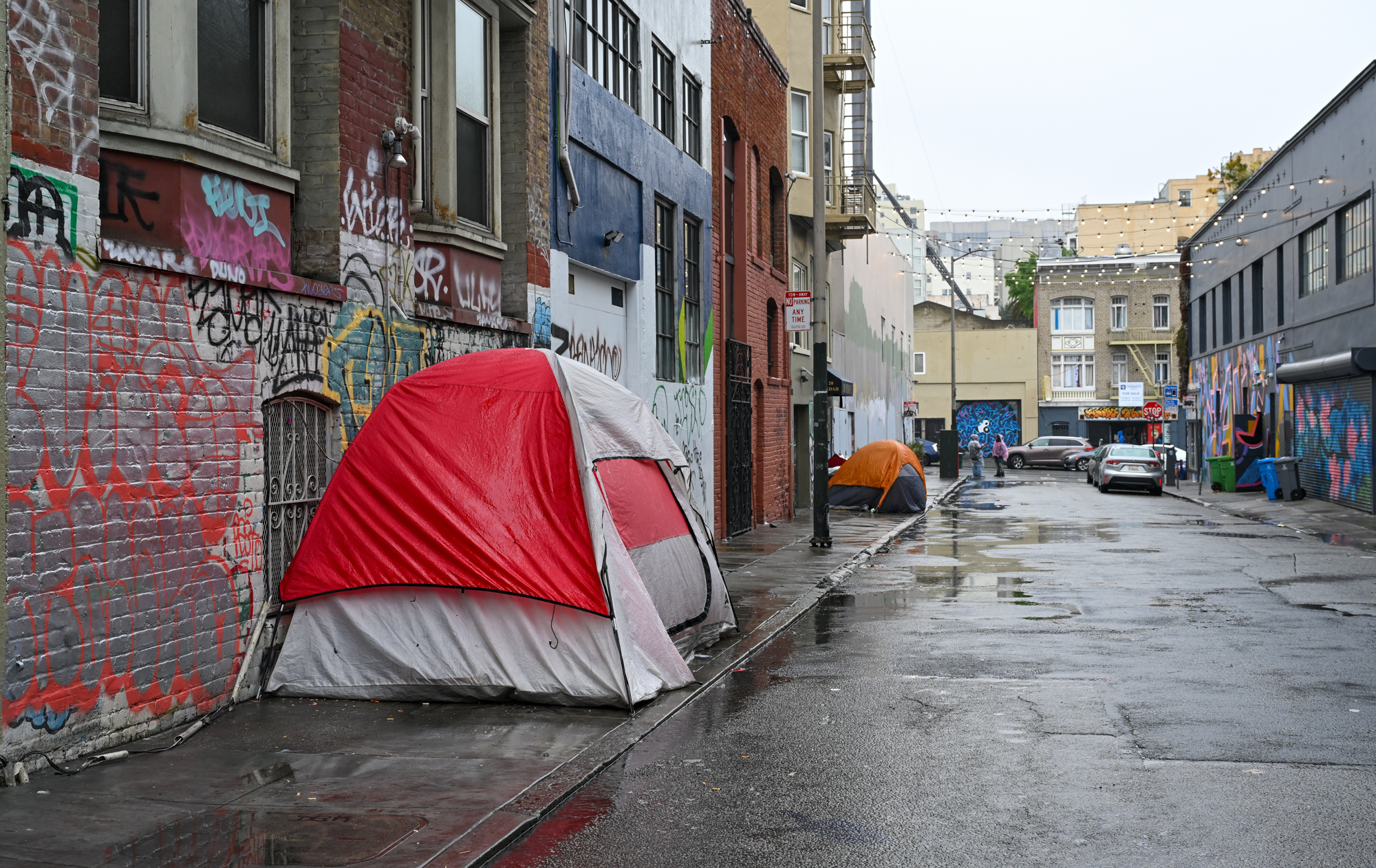
"caption": "A homeless encampment near Polk Street in San Francisco on Feb. 6, 2025. The budget proposal arrives a year after the city reallocated some Proposition C funding set aside for permanent supportive housing toward temporary shelter.",
"credit": "Tayfun Coskun/Anadolu via Getty Images",
"altTag": null,
"description": null,
"imgSizes": {
"thumbnail": {
"file": "https://cdn.kqed.org/wp-content/uploads/sites/10/2025/06/GETTYIMAGES-2197492442-KQED-160x101.jpg",
"width": 160,
"height": 101,
"mimeType": "image/jpeg"
},
"1536x1536": {
"file": "https://cdn.kqed.org/wp-content/uploads/sites/10/2025/06/GETTYIMAGES-2197492442-KQED-1536x969.jpg",
"width": 1536,
"height": 969,
"mimeType": "image/jpeg"
},
"post-thumbnail": {
"file": "https://cdn.kqed.org/wp-content/uploads/sites/10/2025/06/GETTYIMAGES-2197492442-KQED-672x372.jpg",
"width": 672,
"height": 372,
"mimeType": "image/jpeg"
},
"twentyfourteen-full-width": {
"file": "https://cdn.kqed.org/wp-content/uploads/sites/10/2025/06/GETTYIMAGES-2197492442-KQED-1038x576.jpg",
"width": 1038,
"height": 576,
"mimeType": "image/jpeg"
},
"kqedFullSize": {
"file": "https://cdn.kqed.org/wp-content/uploads/sites/10/2025/06/GETTYIMAGES-2197492442-KQED.jpg",
"width": 2000,
"height": 1262
}
},
"isLoading": false,
"fetchFailed": false
},
"news_12048319": {
"type": "attachments",
"id": "news_12048319",
"meta": {
"index": "attachments_1716263798",
"site": "news",
"id": "12048319",
"found": true
},
"title": "Inside the hallways of Buena Vista Horace Mann K-8 school in San Francisco, Calif. This San Francisco public school is considering opening a family homeless shelter in one of the gyms to house students and their families who are homeless or need emergenc",
"publishDate": 1752686412,
"status": "inherit",
"parent": 12048313,
"modified": 1777501948,
"caption": "Inside the hallways of Buena Vista Horace Mann K-8 school in San Francisco, California. ",
"credit": "Michael Macor/The San Francisco Chronicle via Getty Images",
"altTag": null,
"description": null,
"imgSizes": {
"thumbnail": {
"file": "https://cdn.kqed.org/wp-content/uploads/sites/10/2025/07/SanFranciscoK8SchoolGetty-160x103.jpg",
"width": 160,
"height": 103,
"mimeType": "image/jpeg"
},
"1536x1536": {
"file": "https://cdn.kqed.org/wp-content/uploads/sites/10/2025/07/SanFranciscoK8SchoolGetty-1536x988.jpg",
"width": 1536,
"height": 988,
"mimeType": "image/jpeg"
},
"post-thumbnail": {
"file": "https://cdn.kqed.org/wp-content/uploads/sites/10/2025/07/SanFranciscoK8SchoolGetty-672x372.jpg",
"width": 672,
"height": 372,
"mimeType": "image/jpeg"
},
"twentyfourteen-full-width": {
"file": "https://cdn.kqed.org/wp-content/uploads/sites/10/2025/07/SanFranciscoK8SchoolGetty-1038x576.jpg",
"width": 1038,
"height": 576,
"mimeType": "image/jpeg"
},
"kqedFullSize": {
"file": "https://cdn.kqed.org/wp-content/uploads/sites/10/2025/07/SanFranciscoK8SchoolGetty.jpg",
"width": 2000,
"height": 1287
}
},
"isLoading": false,
"fetchFailed": false
},
"news_12081691": {
"type": "attachments",
"id": "news_12081691",
"meta": {
"index": "attachments_1716263798",
"site": "news",
"id": "12081691",
"found": true
},
"title": "260428-SFSPEEDCAMERAS-22-BL-KQED",
"publishDate": 1777419172,
"status": "inherit",
"parent": 0,
"modified": 1777419195,
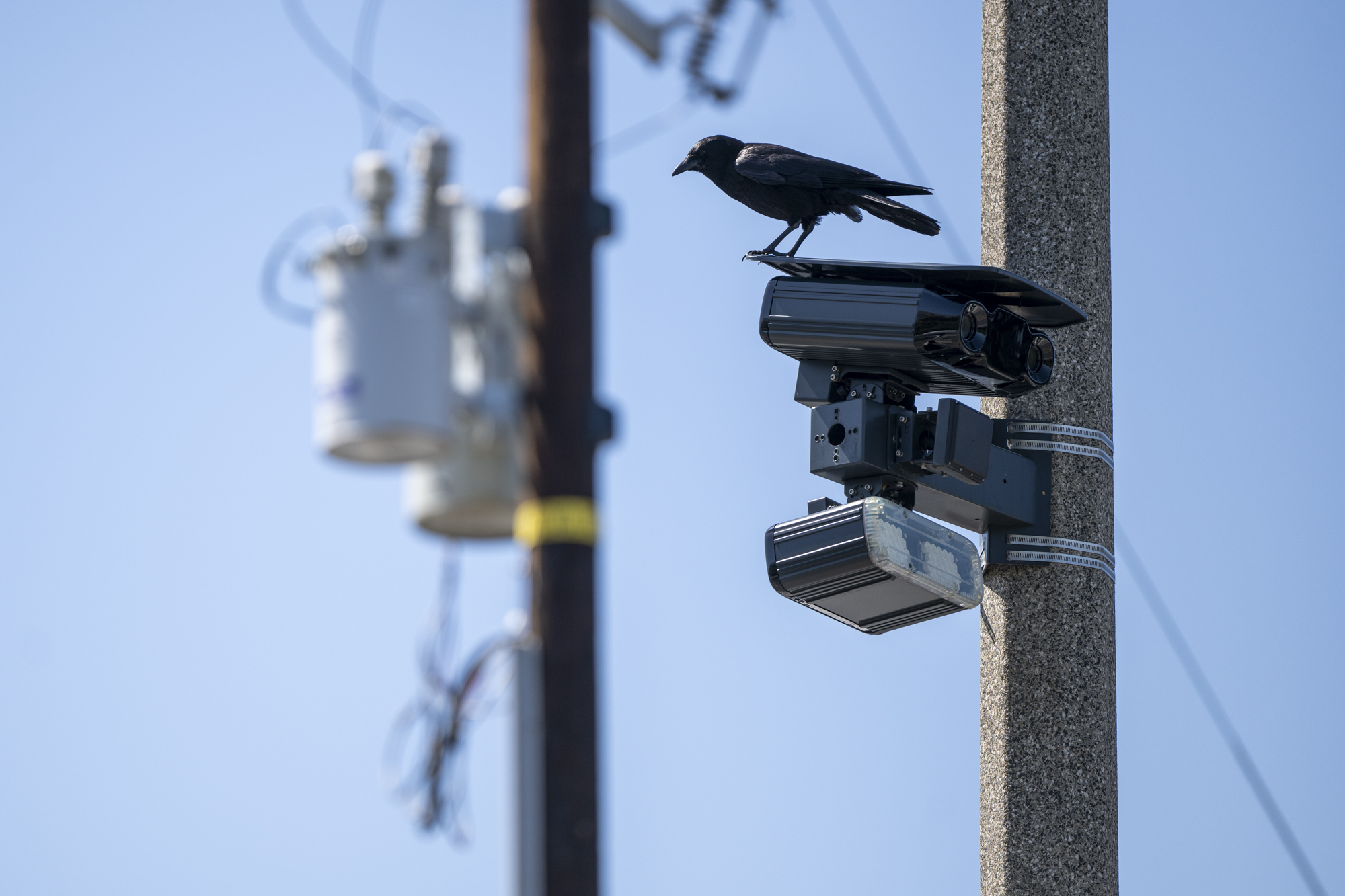
"caption": "A speed camera on Alemany Boulevard monitors traffic between Farragut and Naglee avenues in San Francisco on April 28, 2026, as part of a city pilot program to reduce speeding and traffic injuries.",
"credit": "Beth LaBerge/KQED",
"altTag": null,
"description": null,
"imgSizes": {
"thumbnail": {
"file": "https://cdn.kqed.org/wp-content/uploads/sites/10/2026/04/260428-SFSPEEDCAMERAS-22-BL-KQED-160x107.jpg",
"width": 160,
"height": 107,
"mimeType": "image/jpeg"
},
"1536x1536": {
"file": "https://cdn.kqed.org/wp-content/uploads/sites/10/2026/04/260428-SFSPEEDCAMERAS-22-BL-KQED-1536x1024.jpg",
"width": 1536,
"height": 1024,
"mimeType": "image/jpeg"
},
"post-thumbnail": {
"file": "https://cdn.kqed.org/wp-content/uploads/sites/10/2026/04/260428-SFSPEEDCAMERAS-22-BL-KQED-672x372.jpg",
"width": 672,
"height": 372,
"mimeType": "image/jpeg"
},
"twentyfourteen-full-width": {
"file": "https://cdn.kqed.org/wp-content/uploads/sites/10/2026/04/260428-SFSPEEDCAMERAS-22-BL-KQED-1038x576.jpg",
"width": 1038,
"height": 576,
"mimeType": "image/jpeg"
},
"npr-cds-wide": {
"file": "https://cdn.kqed.org/wp-content/uploads/sites/10/2026/04/260428-SFSPEEDCAMERAS-22-BL-KQED-1200x675.jpg",
"width": 1200,
"height": 675,
"mimeType": "image/jpeg"
},
"npr-cds-square": {
"file": "https://cdn.kqed.org/wp-content/uploads/sites/10/2026/04/260428-SFSPEEDCAMERAS-22-BL-KQED-600x600.jpg",
"width": 600,
"height": 600,
"mimeType": "image/jpeg"
},
"kqedFullSize": {
"file": "https://cdn.kqed.org/wp-content/uploads/sites/10/2026/04/260428-SFSPEEDCAMERAS-22-BL-KQED.jpg",
"width": 2000,
"height": 1333
}
},
"isLoading": false,
"fetchFailed": false
},
"news_12081625": {
"type": "attachments",
"id": "news_12081625",
"meta": {
"index": "attachments_1716263798",
"site": "news",
"id": "12081625",
"found": true
},
"title": "250428-OAKLAND-CITY-HALL-FILE-MD-02-KQED-1920x1280",
"publishDate": 1777404859,
"status": "inherit",
"parent": 12081620,
"modified": 1784221234,
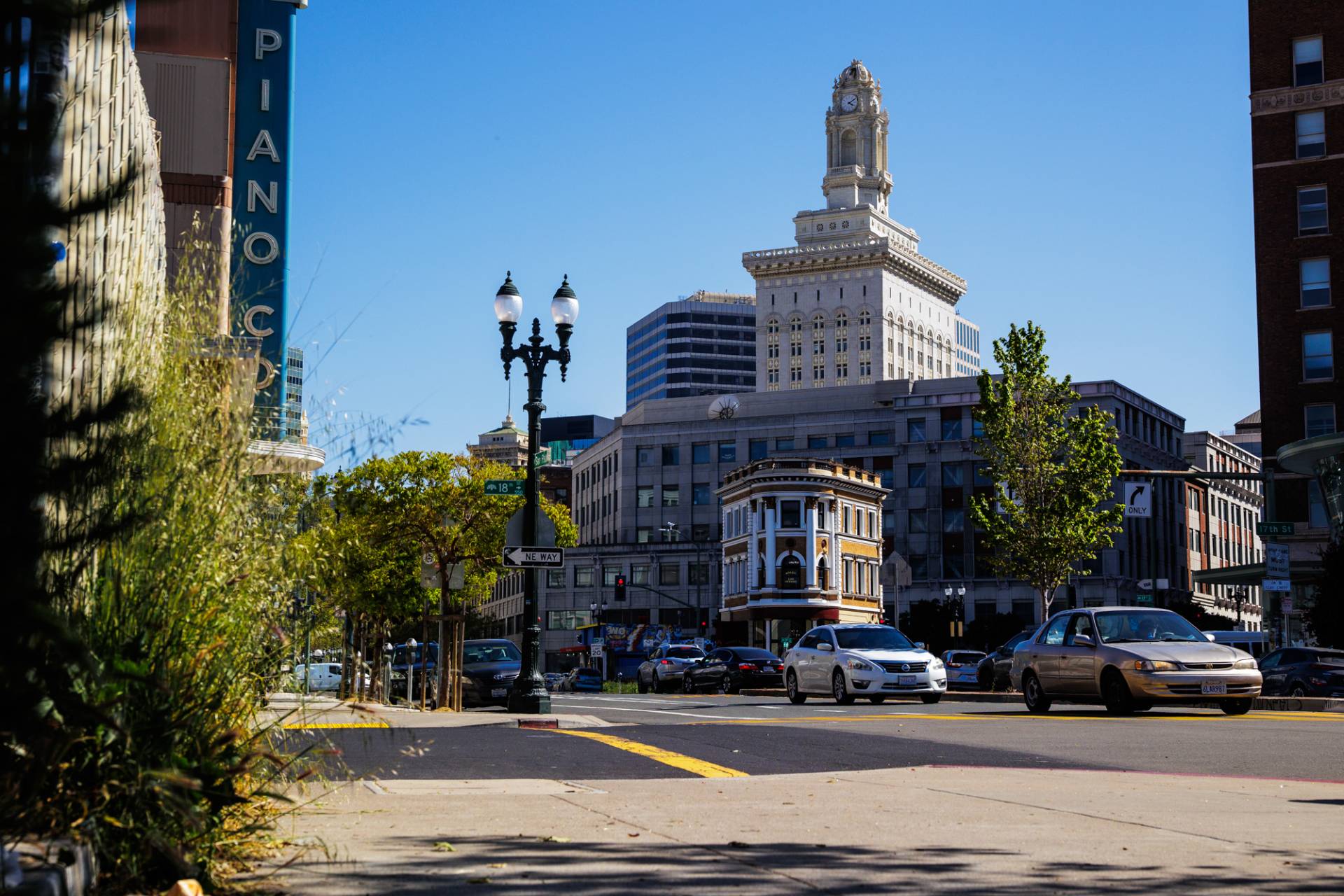
"caption": "Oakland City Hall in Oakland on April 28, 2025. ",
"credit": "Martin do Nascimento/KQED",
"altTag": null,
"description": null,
"imgSizes": {
"thumbnail": {
"file": "https://cdn.kqed.org/wp-content/uploads/sites/10/2026/04/250428-OAKLAND-CITY-HALL-FILE-MD-02-KQED-1920x1280-1-160x107.jpg",
"width": 160,
"height": 107,
"mimeType": "image/jpeg"
},
"1536x1536": {
"file": "https://cdn.kqed.org/wp-content/uploads/sites/10/2026/04/250428-OAKLAND-CITY-HALL-FILE-MD-02-KQED-1920x1280-1-1536x1024.jpg",
"width": 1536,
"height": 1024,
"mimeType": "image/jpeg"
},
"post-thumbnail": {
"file": "https://cdn.kqed.org/wp-content/uploads/sites/10/2026/04/250428-OAKLAND-CITY-HALL-FILE-MD-02-KQED-1920x1280-1-672x372.jpg",
"width": 672,
"height": 372,
"mimeType": "image/jpeg"
},
"twentyfourteen-full-width": {
"file": "https://cdn.kqed.org/wp-content/uploads/sites/10/2026/04/250428-OAKLAND-CITY-HALL-FILE-MD-02-KQED-1920x1280-1-1038x576.jpg",
"width": 1038,
"height": 576,
"mimeType": "image/jpeg"
},
"npr-cds-wide": {
"file": "https://cdn.kqed.org/wp-content/uploads/sites/10/2026/04/250428-OAKLAND-CITY-HALL-FILE-MD-02-KQED-1920x1280-1-1200x675.jpg",
"width": 1200,
"height": 675,
"mimeType": "image/jpeg"
},
"npr-cds-square": {
"file": "https://cdn.kqed.org/wp-content/uploads/sites/10/2026/04/250428-OAKLAND-CITY-HALL-FILE-MD-02-KQED-1920x1280-1-600x600.jpg",
"width": 600,
"height": 600,
"mimeType": "image/jpeg"
},
"kqedFullSize": {
"file": "https://cdn.kqed.org/wp-content/uploads/sites/10/2026/04/250428-OAKLAND-CITY-HALL-FILE-MD-02-KQED-1920x1280-1.jpg",
"width": 1920,
"height": 1280
}
},
"isLoading": false,
"fetchFailed": false
},
"news_12046383": {
"type": "attachments",
"id": "news_12046383",
"meta": {
"index": "attachments_1716263798",
"site": "news",
"id": "12046383",
"found": true
},
"title": "240412-OAKAirport-009-BL_qed",
"publishDate": 1751057311,
"status": "inherit",
"parent": 12046379,
"modified": 1751057324,
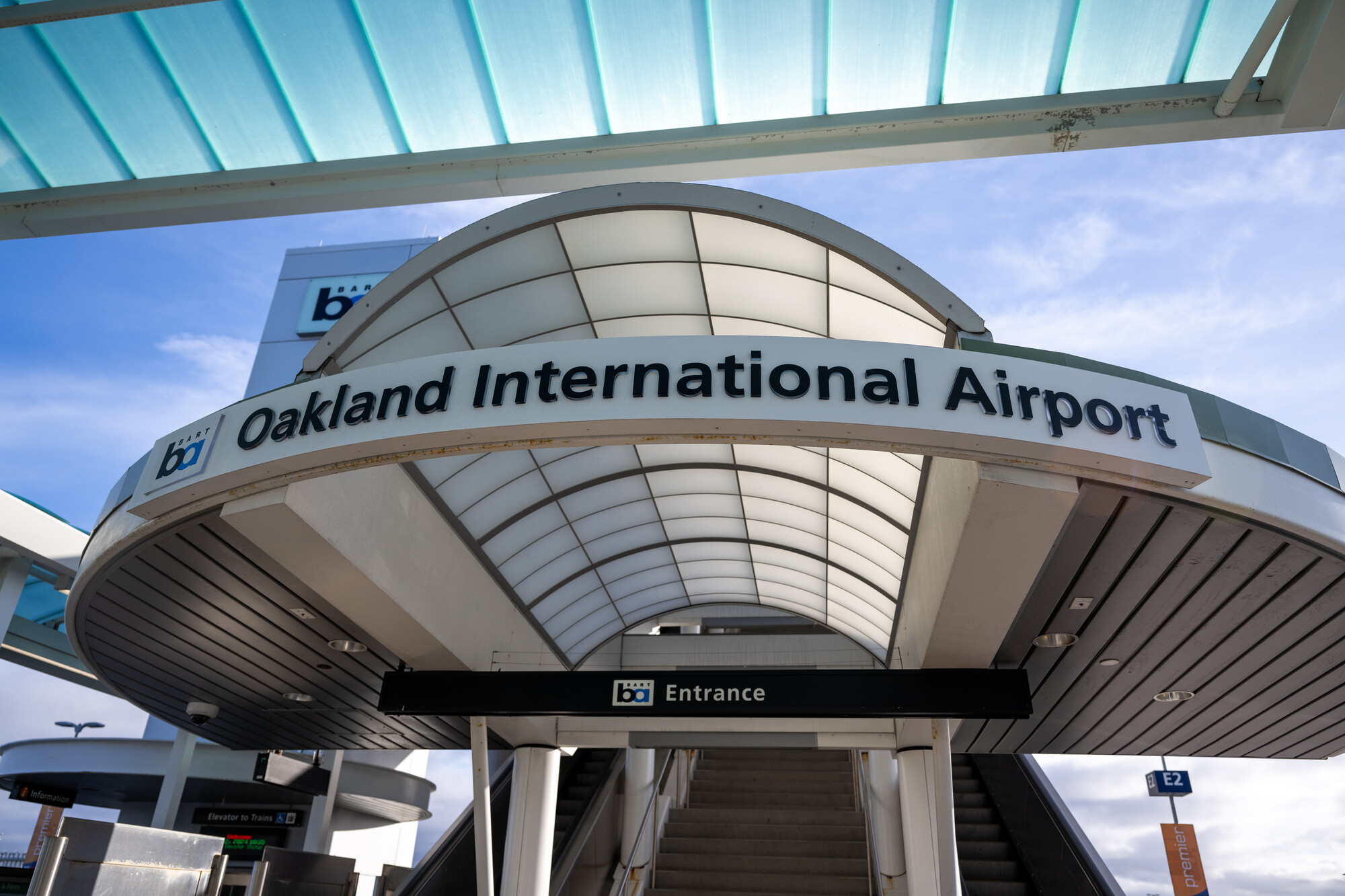
"caption": "A sign for the Oakland International Airport hangs above a BART station at the airport in Oakland on April 12, 2024.",
"credit": "Beth LaBerge/KQED",
"altTag": null,
"description": null,
"imgSizes": {
"thumbnail": {
"file": "https://cdn.kqed.org/wp-content/uploads/sites/10/2025/06/240412-OAKAirport-009-BL_qed-160x107.jpg",
"width": 160,
"height": 107,
"mimeType": "image/jpeg"
},
"1536x1536": {
"file": "https://cdn.kqed.org/wp-content/uploads/sites/10/2025/06/240412-OAKAirport-009-BL_qed-1536x1024.jpg",
"width": 1536,
"height": 1024,
"mimeType": "image/jpeg"
},
"post-thumbnail": {
"file": "https://cdn.kqed.org/wp-content/uploads/sites/10/2025/06/240412-OAKAirport-009-BL_qed-672x372.jpg",
"width": 672,
"height": 372,
"mimeType": "image/jpeg"
},
"twentyfourteen-full-width": {
"file": "https://cdn.kqed.org/wp-content/uploads/sites/10/2025/06/240412-OAKAirport-009-BL_qed-1038x576.jpg",
"width": 1038,
"height": 576,
"mimeType": "image/jpeg"
},
"kqedFullSize": {
"file": "https://cdn.kqed.org/wp-content/uploads/sites/10/2025/06/240412-OAKAirport-009-BL_qed.jpg",
"width": 2000,
"height": 1333
}
},
"isLoading": false,
"fetchFailed": false
},
"news_12048478": {
"type": "attachments",
"id": "news_12048478",
"meta": {
"index": "attachments_1716263798",
"site": "news",
"id": "12048478",
"found": true
},
"title": "250716_Compton'sCafeteriaBuilding_GH_qed",
"publishDate": 1752728285,
"status": "inherit",
"parent": 0,
"modified": 1753208198,
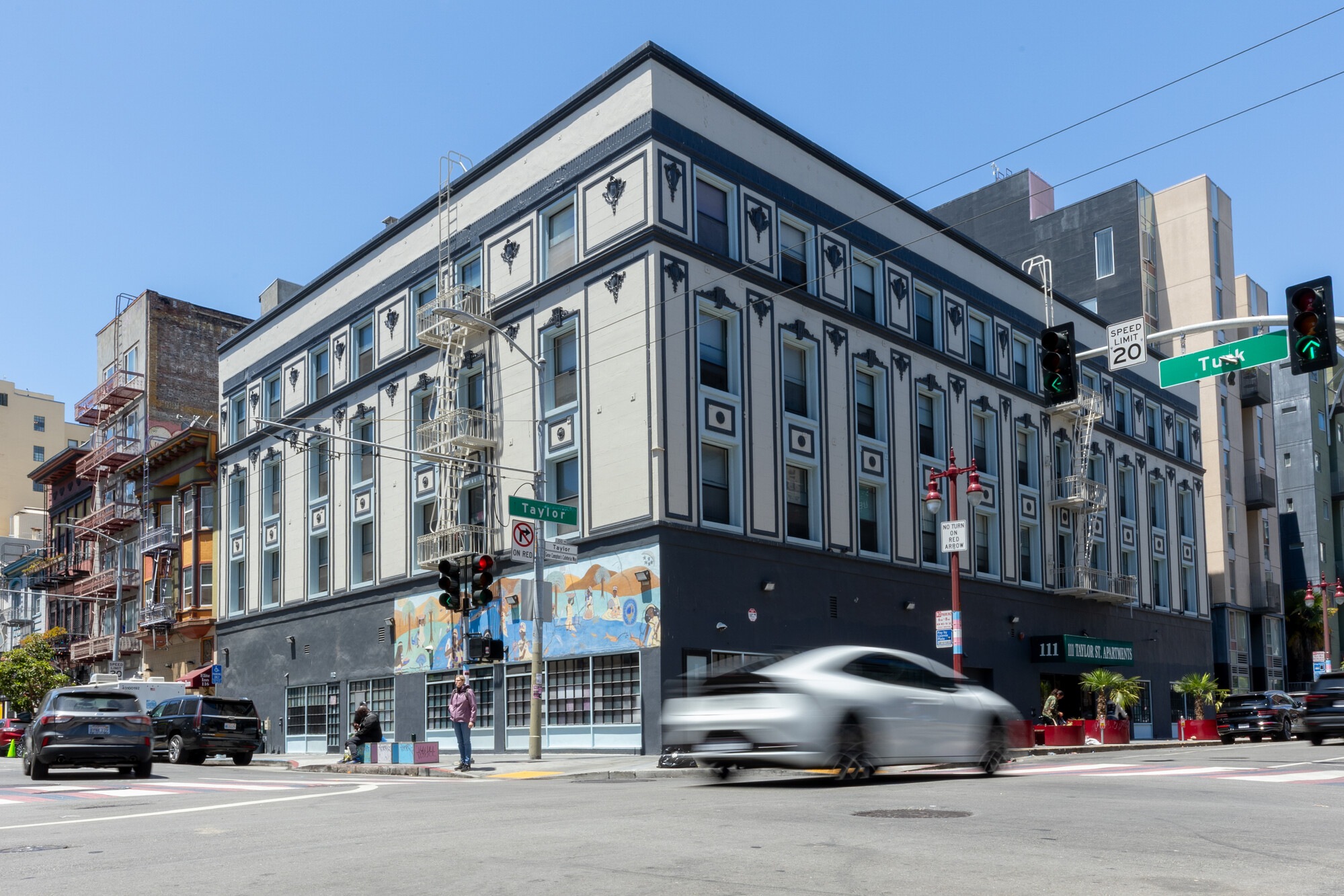
"caption": "111 Taylor St., the former Compton’s Cafeteria site now operated as a GEO Group halfway house, stands in San Francisco’s Tenderloin on July 16, 2025.",
"credit": "Gustavo Hernandez/KQED",
"altTag": null,
"description": null,
"imgSizes": {
"thumbnail": {
"file": "https://cdn.kqed.org/wp-content/uploads/sites/10/2025/07/250716_ComptonsCafeteriaBuilding_GH_qed-160x107.jpg",
"width": 160,
"height": 107,
"mimeType": "image/jpeg"
},
"1536x1536": {
"file": "https://cdn.kqed.org/wp-content/uploads/sites/10/2025/07/250716_ComptonsCafeteriaBuilding_GH_qed-1536x1024.jpg",
"width": 1536,
"height": 1024,
"mimeType": "image/jpeg"
},
"post-thumbnail": {
"file": "https://cdn.kqed.org/wp-content/uploads/sites/10/2025/07/250716_ComptonsCafeteriaBuilding_GH_qed-672x372.jpg",
"width": 672,
"height": 372,
"mimeType": "image/jpeg"
},
"twentyfourteen-full-width": {
"file": "https://cdn.kqed.org/wp-content/uploads/sites/10/2025/07/250716_ComptonsCafeteriaBuilding_GH_qed-1038x576.jpg",
"width": 1038,
"height": 576,
"mimeType": "image/jpeg"
},
"kqedFullSize": {
"file": "https://cdn.kqed.org/wp-content/uploads/sites/10/2025/07/250716_ComptonsCafeteriaBuilding_GH_qed.jpg",
"width": 1999,
"height": 1333
}
},
"isLoading": false,
"fetchFailed": false
},
"news_12080929": {
"type": "attachments",
"id": "news_12080929",
"meta": {
"index": "attachments_1716263798",
"site": "news",
"id": "12080929",
"found": true
},
"title": "260422-ALTMANMUSK-MD-01-KQED",
"publishDate": 1776885164,
"status": "inherit",
"parent": 0,
"modified": 1776885551,
"caption": "Once allies in what they called a mission to develop AI safely for humanity, Elon Musk and Sam Altman will let a federal judge and jury decide what that promise was worth. The trial is slated to begin April 27, 2026.",
"credit": "Left: Chip Somodevilla/Getty Images; Right: Fabrice Coffrini/AFP via Getty Images",
"altTag": null,
"description": null,
"imgSizes": {
"thumbnail": {
"file": "https://cdn.kqed.org/wp-content/uploads/sites/10/2026/04/260422-ALTMANMUSK-MD-01-KQED-160x107.jpg",
"width": 160,
"height": 107,
"mimeType": "image/jpeg"
},
"1536x1536": {
"file": "https://cdn.kqed.org/wp-content/uploads/sites/10/2026/04/260422-ALTMANMUSK-MD-01-KQED-1536x1025.jpg",
"width": 1536,
"height": 1025,
"mimeType": "image/jpeg"
},
"post-thumbnail": {
"file": "https://cdn.kqed.org/wp-content/uploads/sites/10/2026/04/260422-ALTMANMUSK-MD-01-KQED-672x372.jpg",
"width": 672,
"height": 372,
"mimeType": "image/jpeg"
},
"twentyfourteen-full-width": {
"file": "https://cdn.kqed.org/wp-content/uploads/sites/10/2026/04/260422-ALTMANMUSK-MD-01-KQED-1038x576.jpg",
"width": 1038,
"height": 576,
"mimeType": "image/jpeg"
},
"npr-cds-wide": {
"file": "https://cdn.kqed.org/wp-content/uploads/sites/10/2026/04/260422-ALTMANMUSK-MD-01-KQED-1200x675.jpg",
"width": 1200,
"height": 675,
"mimeType": "image/jpeg"
},
"npr-cds-square": {
"file": "https://cdn.kqed.org/wp-content/uploads/sites/10/2026/04/260422-ALTMANMUSK-MD-01-KQED-600x600.jpg",
"width": 600,
"height": 600,
"mimeType": "image/jpeg"
},
"kqedFullSize": {
"file": "https://cdn.kqed.org/wp-content/uploads/sites/10/2026/04/260422-ALTMANMUSK-MD-01-KQED.jpg",
"width": 2000,
"height": 1334
}
},
"isLoading": false,
"fetchFailed": false
},
"news_11969941": {
"type": "attachments",
"id": "news_11969941",
"meta": {
"index": "attachments_1716263798",
"site": "news",
"id": "11969941",
"found": true
},
"parent": 0,
"imgSizes": {
"twentyfourteen-full-width": {
"file": "https://cdn.kqed.org/wp-content/uploads/sites/10/2023/12/231214-SF-OVERDOSE-GETTY-SS-KQED-1038x576.jpg",
"width": 1038,
"mimeType": "image/jpeg",
"height": 576
},
"thumbnail": {
"file": "https://cdn.kqed.org/wp-content/uploads/sites/10/2023/12/231214-SF-OVERDOSE-GETTY-SS-KQED-160x107.jpg",
"width": 160,
"mimeType": "image/jpeg",
"height": 107
},
"post-thumbnail": {
"file": "https://cdn.kqed.org/wp-content/uploads/sites/10/2023/12/231214-SF-OVERDOSE-GETTY-SS-KQED-672x372.jpg",
"width": 672,
"mimeType": "image/jpeg",
"height": 372
},
"kqedFullSize": {
"file": "https://cdn.kqed.org/wp-content/uploads/sites/10/2023/12/231214-SF-OVERDOSE-GETTY-SS-KQED.jpg",
"width": 2000,
"height": 1334
},
"large": {
"file": "https://cdn.kqed.org/wp-content/uploads/sites/10/2023/12/231214-SF-OVERDOSE-GETTY-SS-KQED-1020x680.jpg",
"width": 1020,
"mimeType": "image/jpeg",
"height": 680
},
"1536x1536": {
"file": "https://cdn.kqed.org/wp-content/uploads/sites/10/2023/12/231214-SF-OVERDOSE-GETTY-SS-KQED-1536x1025.jpg",
"width": 1536,
"mimeType": "image/jpeg",
"height": 1025
},
"full-width": {
"file": "https://cdn.kqed.org/wp-content/uploads/sites/10/2023/12/231214-SF-OVERDOSE-GETTY-SS-KQED-1920x1281.jpg",
"width": 1920,
"mimeType": "image/jpeg",
"height": 1281
},
"medium": {
"file": "https://cdn.kqed.org/wp-content/uploads/sites/10/2023/12/231214-SF-OVERDOSE-GETTY-SS-KQED-800x534.jpg",
"width": 800,
"mimeType": "image/jpeg",
"height": 534
}
},
"publishDate": 1702603508,
"modified": 1710287802,
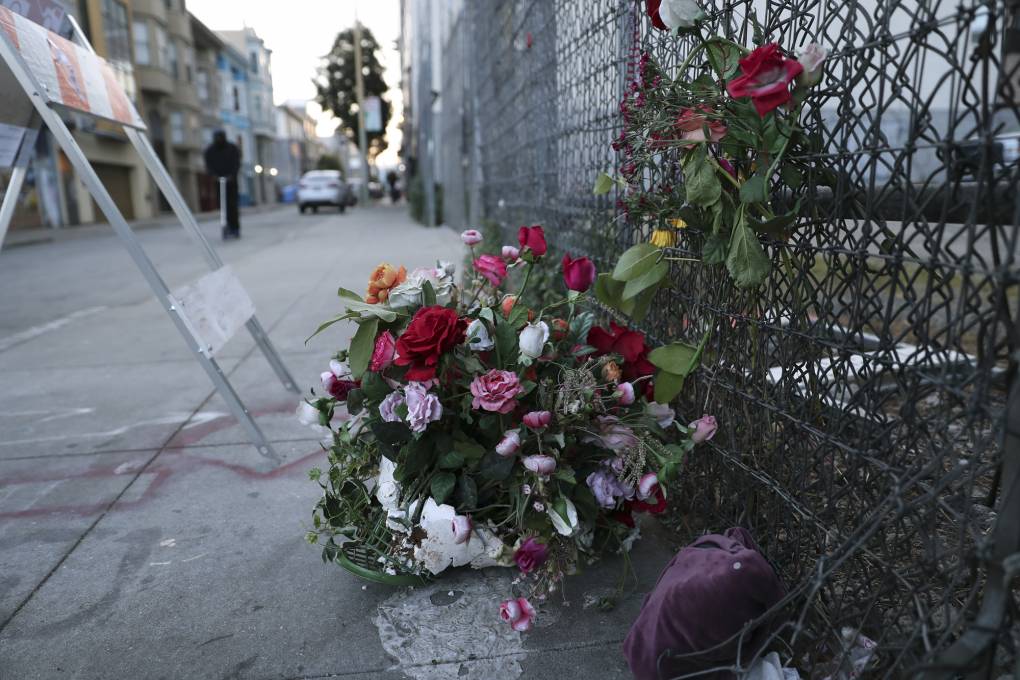
"caption": "Flowers lay on the sidewalk where a 16-year-old girl died from a possible overdose in the SoMa neighborhood of San Francisco on Feb. 20, 2022.",
"description": null,
"title": "teendeath0220",
"credit": "Scott Strazzante/San Francisco Chronicle via Getty Images",
"status": "inherit",
"altTag": "A bouquet of flowers lays on the sidewalk beside a chainlink fence in an urban setting.",
"isLoading": false,
"fetchFailed": false
},
"news_12080713": {
"type": "attachments",
"id": "news_12080713",
"meta": {
"index": "attachments_1716263798",
"site": "news",
"id": "12080713",
"found": true
},
"title": "042026DANNIELLE SPILLMAN VIGIL _GH_006-KQED",
"publishDate": 1776797047,
"status": "inherit",
"parent": 0,
"modified": 1777074130,
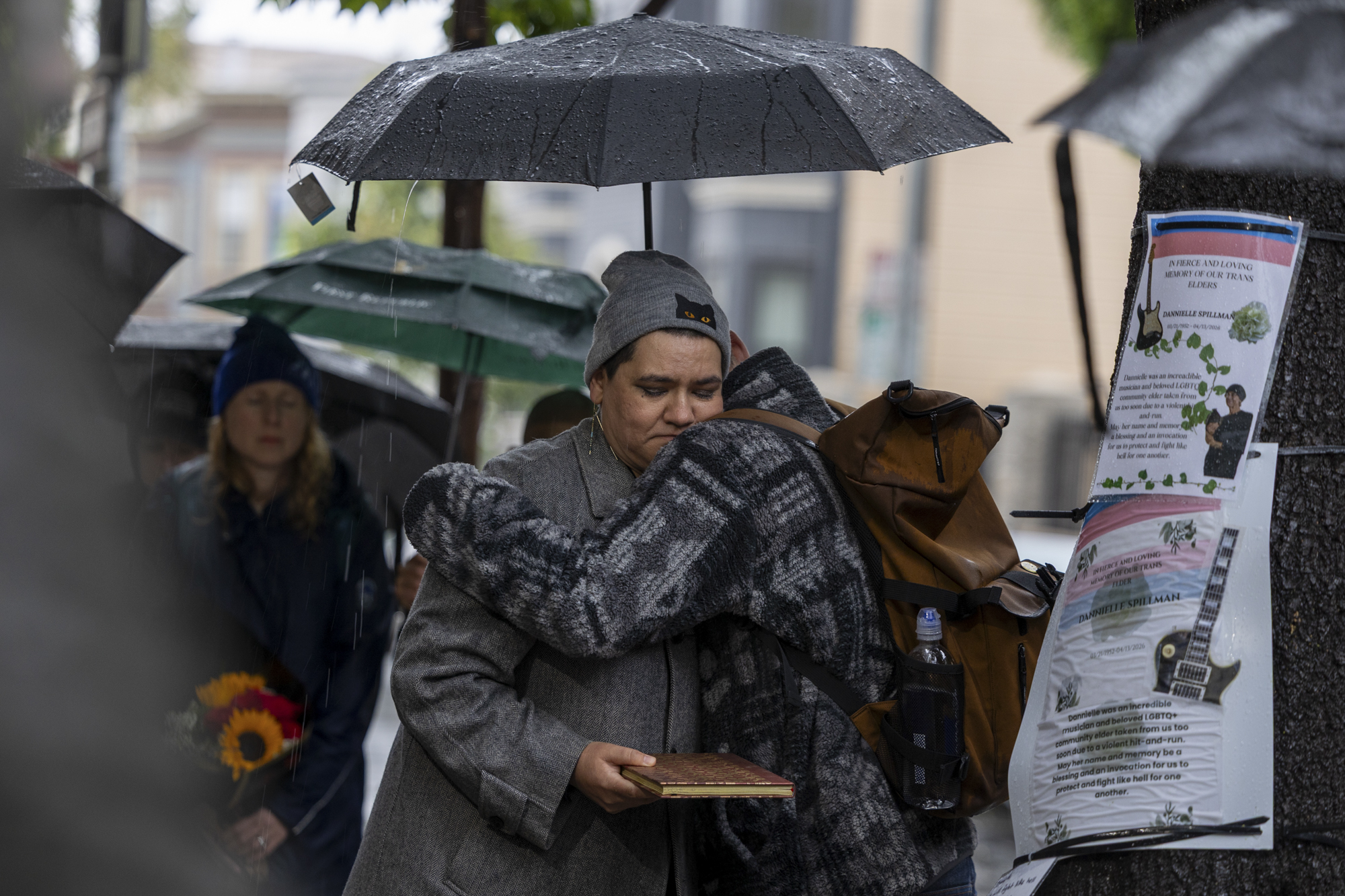
"caption": "Lea McGeever (left) hugs Derrick Guerra at a vigil for Dannielle Spillman in San Francisco, April 20, 2026.",
"credit": "Gustavo Hernandez/KQED",
"altTag": null,
"description": null,
"imgSizes": {
"thumbnail": {
"file": "https://cdn.kqed.org/wp-content/uploads/sites/10/2026/04/042026DANNIELLE-SPILLMAN-VIGIL-_GH_006-KQED-160x107.jpg",
"width": 160,
"height": 107,
"mimeType": "image/jpeg"
},
"1536x1536": {
"file": "https://cdn.kqed.org/wp-content/uploads/sites/10/2026/04/042026DANNIELLE-SPILLMAN-VIGIL-_GH_006-KQED-1536x1024.jpg",
"width": 1536,
"height": 1024,
"mimeType": "image/jpeg"
},
"post-thumbnail": {
"file": "https://cdn.kqed.org/wp-content/uploads/sites/10/2026/04/042026DANNIELLE-SPILLMAN-VIGIL-_GH_006-KQED-672x372.jpg",
"width": 672,
"height": 372,
"mimeType": "image/jpeg"
},
"twentyfourteen-full-width": {
"file": "https://cdn.kqed.org/wp-content/uploads/sites/10/2026/04/042026DANNIELLE-SPILLMAN-VIGIL-_GH_006-KQED-1038x576.jpg",
"width": 1038,
"height": 576,
"mimeType": "image/jpeg"
},
"npr-cds-wide": {
"file": "https://cdn.kqed.org/wp-content/uploads/sites/10/2026/04/042026DANNIELLE-SPILLMAN-VIGIL-_GH_006-KQED-1200x675.jpg",
"width": 1200,
"height": 675,
"mimeType": "image/jpeg"
},
"npr-cds-square": {
"file": "https://cdn.kqed.org/wp-content/uploads/sites/10/2026/04/042026DANNIELLE-SPILLMAN-VIGIL-_GH_006-KQED-600x600.jpg",
"width": 600,
"height": 600,
"mimeType": "image/jpeg"
},
"kqedFullSize": {
"file": "https://cdn.kqed.org/wp-content/uploads/sites/10/2026/04/042026DANNIELLE-SPILLMAN-VIGIL-_GH_006-KQED.jpg",
"width": 2000,
"height": 1333
}
},
"isLoading": false,
"fetchFailed": false
},
"news_12055236": {
"type": "attachments",
"id": "news_12055236",
"meta": {
"index": "attachments_1716263798",
"site": "news",
"id": "12055236",
"found": true
},
"title": "250908-VAILLANCOURTFOUNTAINREMOVAL-05-BL-KQED",
"publishDate": 1757374286,
"status": "inherit",
"parent": 12055275,
"modified": 1757635115,
"caption": "The Vaillancourt Fountain in the Embarcadero Plaza in San Francisco on Sept. 8, 2025. The 40-foot concrete fountain was designed by artist Armand Vaillancourt and installed in 1971.",
"credit": "Beth LaBerge/KQED",
"altTag": null,
"description": null,
"imgSizes": {
"thumbnail": {
"file": "https://cdn.kqed.org/wp-content/uploads/sites/10/2025/09/250908-VAILLANCOURTFOUNTAINREMOVAL-05-BL-KQED-160x107.jpg",
"width": 160,
"height": 107,
"mimeType": "image/jpeg"
},
"1536x1536": {
"file": "https://cdn.kqed.org/wp-content/uploads/sites/10/2025/09/250908-VAILLANCOURTFOUNTAINREMOVAL-05-BL-KQED-1536x1024.jpg",
"width": 1536,
"height": 1024,
"mimeType": "image/jpeg"
},
"post-thumbnail": {
"file": "https://cdn.kqed.org/wp-content/uploads/sites/10/2025/09/250908-VAILLANCOURTFOUNTAINREMOVAL-05-BL-KQED-672x372.jpg",
"width": 672,
"height": 372,
"mimeType": "image/jpeg"
},
"twentyfourteen-full-width": {
"file": "https://cdn.kqed.org/wp-content/uploads/sites/10/2025/09/250908-VAILLANCOURTFOUNTAINREMOVAL-05-BL-KQED-1038x576.jpg",
"width": 1038,
"height": 576,
"mimeType": "image/jpeg"
},
"kqedFullSize": {
"file": "https://cdn.kqed.org/wp-content/uploads/sites/10/2025/09/250908-VAILLANCOURTFOUNTAINREMOVAL-05-BL-KQED.jpg",
"width": 2000,
"height": 1333
}
},
"isLoading": false,
"fetchFailed": false
},
"news_12081199": {
"type": "attachments",
"id": "news_12081199",
"meta": {
"index": "attachments_1716263798",
"site": "news",
"id": "12081199",
"found": true
},
"title": "IMG_7154",
"publishDate": 1776984021,
"status": "inherit",
"parent": 0,
"modified": 1776985914,
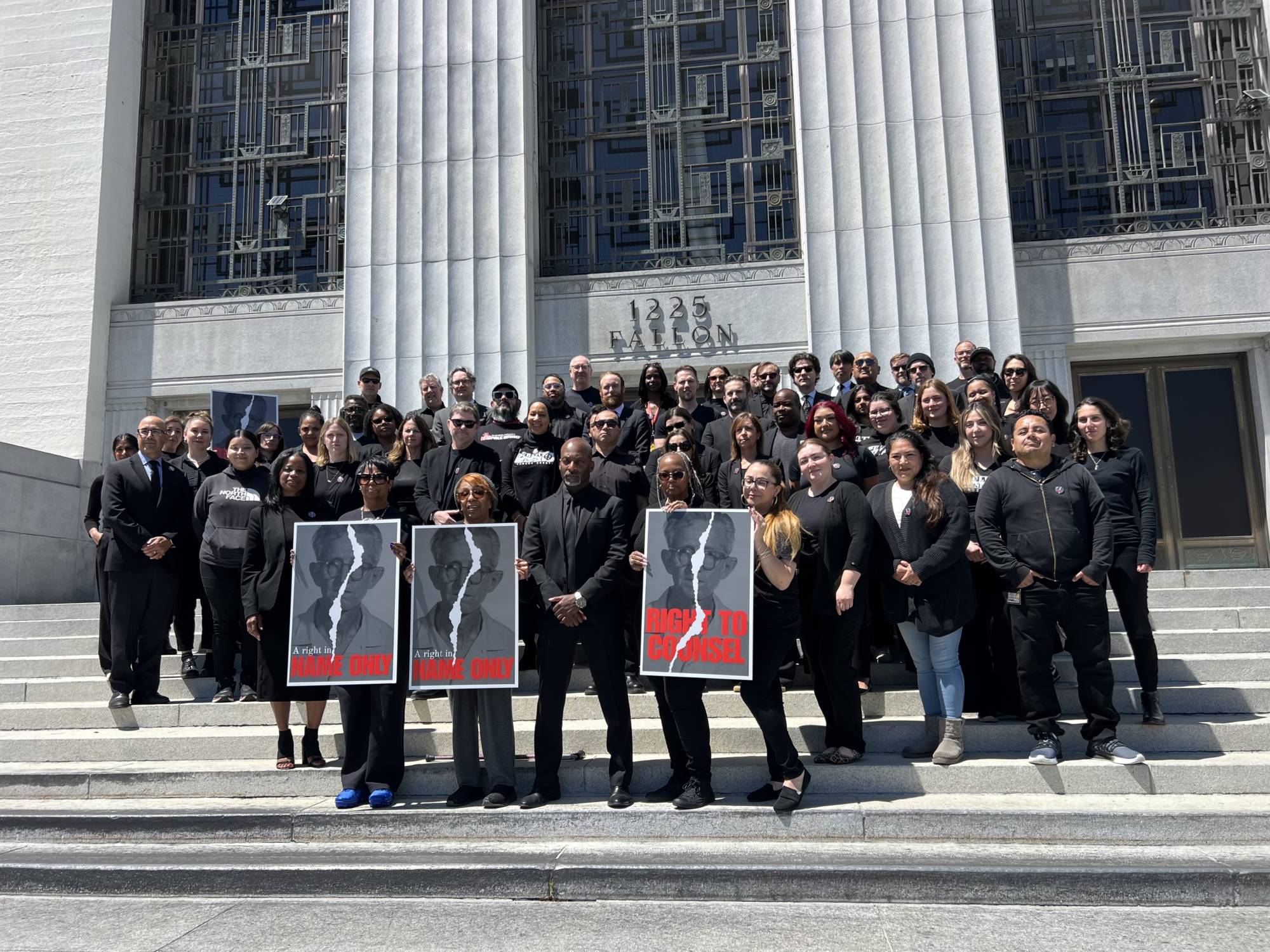
"caption": "Alameda County Public Defenders, wearing black, stand on the steps of the Alameda County Courthouse in downtown Oakland on April 23, 2026. ",
"credit": "Eliza Peppel/KQED",
"altTag": null,
"description": null,
"imgSizes": {
"medium": {
"file": "https://cdn.kqed.org/wp-content/uploads/sites/10/2026/04/IMG_7154-2000x1500.jpeg",
"width": 2000,
"height": 1500,
"mimeType": "image/jpeg"
},
"large": {
"file": "https://cdn.kqed.org/wp-content/uploads/sites/10/2026/04/IMG_7154-2000x1500.jpeg",
"width": 2000,
"height": 1500,
"mimeType": "image/jpeg"
},
"thumbnail": {
"file": "https://cdn.kqed.org/wp-content/uploads/sites/10/2026/04/IMG_7154-160x120.jpeg",
"width": 160,
"height": 120,
"mimeType": "image/jpeg"
},
"1536x1536": {
"file": "https://cdn.kqed.org/wp-content/uploads/sites/10/2026/04/IMG_7154-1536x1152.jpeg",
"width": 1536,
"height": 1152,
"mimeType": "image/jpeg"
},
"2048x2048": {
"file": "https://cdn.kqed.org/wp-content/uploads/sites/10/2026/04/IMG_7154-2048x1536.jpeg",
"width": 2048,
"height": 1536,
"mimeType": "image/jpeg"
},
"post-thumbnail": {
"file": "https://cdn.kqed.org/wp-content/uploads/sites/10/2026/04/IMG_7154-672x372.jpeg",
"width": 672,
"height": 372,
"mimeType": "image/jpeg"
},
"twentyfourteen-full-width": {
"file": "https://cdn.kqed.org/wp-content/uploads/sites/10/2026/04/IMG_7154-1038x576.jpeg",
"width": 1038,
"height": 576,
"mimeType": "image/jpeg"
},
"full-width": {
"file": "https://cdn.kqed.org/wp-content/uploads/sites/10/2026/04/IMG_7154-2000x1500.jpeg",
"width": 2000,
"height": 1500,
"mimeType": "image/jpeg"
},
"npr-cds-wide": {
"file": "https://cdn.kqed.org/wp-content/uploads/sites/10/2026/04/IMG_7154-1200x675.jpeg",
"width": 1200,
"height": 675,
"mimeType": "image/jpeg"
},
"npr-cds-square": {
"file": "https://cdn.kqed.org/wp-content/uploads/sites/10/2026/04/IMG_7154-600x600.jpeg",
"width": 600,
"height": 600,
"mimeType": "image/jpeg"
},
"kqedFullSize": {
"file": "https://cdn.kqed.org/wp-content/uploads/sites/10/2026/04/IMG_7154-scaled-e1776985240474.jpeg",
"width": 2000,
"height": 1500
}
},
"isLoading": false,
"fetchFailed": false
},
"news_12081021": {
"type": "attachments",
"id": "news_12081021",
"meta": {
"index": "attachments_1716263798",
"site": "news",
"id": "12081021",
"found": true
},
"title": "260422-SFAFFORDABILITYHEARING00587_TV-KQED",
"publishDate": 1776899065,
"status": "inherit",
"parent": 0,
"modified": 1776968137,
"caption": "Bertha Villalobos (center right) attends a press conference hosted by SF People’s Budget Coalition, where community organizations speak out against major budget cuts to organizations that support low-income families at San Francisco City Hall in San Francisco on April 22, 2026.",
"credit": "Tâm Vũ/KQED",
"altTag": null,
"description": null,
"imgSizes": {
"thumbnail": {
"file": "https://cdn.kqed.org/wp-content/uploads/sites/10/2026/04/260422-SFAFFORDABILITYHEARING00587_TV-KQED-160x107.jpg",
"width": 160,
"height": 107,
"mimeType": "image/jpeg"
},
"1536x1536": {
"file": "https://cdn.kqed.org/wp-content/uploads/sites/10/2026/04/260422-SFAFFORDABILITYHEARING00587_TV-KQED-1536x1024.jpg",
"width": 1536,
"height": 1024,
"mimeType": "image/jpeg"
},
"post-thumbnail": {
"file": "https://cdn.kqed.org/wp-content/uploads/sites/10/2026/04/260422-SFAFFORDABILITYHEARING00587_TV-KQED-672x372.jpg",
"width": 672,
"height": 372,
"mimeType": "image/jpeg"
},
"twentyfourteen-full-width": {
"file": "https://cdn.kqed.org/wp-content/uploads/sites/10/2026/04/260422-SFAFFORDABILITYHEARING00587_TV-KQED-1038x576.jpg",
"width": 1038,
"height": 576,
"mimeType": "image/jpeg"
},
"npr-cds-wide": {
"file": "https://cdn.kqed.org/wp-content/uploads/sites/10/2026/04/260422-SFAFFORDABILITYHEARING00587_TV-KQED-1200x675.jpg",
"width": 1200,
"height": 675,
"mimeType": "image/jpeg"
},
"npr-cds-square": {
"file": "https://cdn.kqed.org/wp-content/uploads/sites/10/2026/04/260422-SFAFFORDABILITYHEARING00587_TV-KQED-600x600.jpg",
"width": 600,
"height": 600,
"mimeType": "image/jpeg"
},
"kqedFullSize": {
"file": "https://cdn.kqed.org/wp-content/uploads/sites/10/2026/04/260422-SFAFFORDABILITYHEARING00587_TV-KQED.jpg",
"width": 2000,
"height": 1333
}
},
"isLoading": false,
"fetchFailed": false
}
},
"audioPlayerReducer": {
"postId": "stream_live",
"isPaused": true,
"isPlaying": false,
"pfsActive": false,
"pledgeModalIsOpen": true,
"playerDrawerIsOpen": false,
"liveAudioPlayStartedAt": 0,
"liveAudioPlayContext": ""
},
"authorsReducer": {
"rachael-myrow": {
"type": "authors",
"id": "251",
"meta": {
"index": "authors_1716337520",
"id": "251",
"found": true
},
"name": "Rachael Myrow",
"firstName": "Rachael",
"lastName": "Myrow",
"slug": "rachael-myrow",
"email": "rmyrow@kqed.org",
"display_author_email": true,
"staff_mastheads": [
"news"
],
"title": "Senior Editor of KQED's Silicon Valley News Desk",
"bio": "• I write and edit stories about how Silicon Valley power and policies shape everyday life in California. I’m also passionate about making Bay Area history and culture more accessible to a broad public. • I’ve been a journalist for most of my life, starting in high school with The Franklin Press in Los Angeles, where I grew up. While earning my first degree in English at UC Berkeley, I got my start in public radio at KALX-FM. After completing a second degree in journalism at Cal, I landed my first professional job at Marketplace, then moved on to KPCC (now LAist), and then KQED, where I hosted The California Report for more than seven years. • My reporting has appeared on NPR, The World, WBUR’s \u003ci>Here & Now\u003c/i>, and the BBC. I also guest host for KQED’s \u003ci>Forum\u003c/i>, as well as the Commonwealth Club in San Francisco. • I speak periodically on media, democracy and technology issues, and do voiceover work for documentaries and educational video projects. • Outside of the studio, you'll find me hiking Bay Area trails and whipping up Insta-ready meals in my kitchen. • I do not accept gifts, money, or favors from anyone connected to my reporting, I don't pay people for information, and I do not support or donate to political causes. • I strive to treat the people I report on with fairness, honesty, and respect. I also recognize there are often multiple sides to a story and work to verify information through multiple sources and documentation. If I get something wrong, I correct it.",
"avatar": "https://secure.gravatar.com/avatar/3ed8a3c5f26025e4a805ba634cda8cd764906b97438a6d9ce216b044e340da4e?s=600&d=blank&r=g",
"twitter": "rachaelmyrow",
"bluesky": null,
"facebook": null,
"instagram": null,
"linkedin": "https://www.linkedin.com/in/rachaelmyrow/",
"sites": [
{
"site": "arts",
"roles": [
"administrator"
]
},
{
"site": "news",
"roles": [
"edit_others_posts",
"editor"
]
},
{
"site": "futureofyou",
"roles": [
"editor"
]
},
{
"site": "bayareabites",
"roles": [
"editor"
]
},
{
"site": "stateofhealth",
"roles": [
"editor"
]
},
{
"site": "science",
"roles": [
"editor"
]
},
{
"site": "food",
"roles": [
"editor"
]
},
{
"site": "forum",
"roles": [
"editor"
]
},
{
"site": "liveblog",
"roles": [
"author"
]
}
],
"headData": {
"title": "Rachael Myrow | KQED",
"description": "Senior Editor of KQED's Silicon Valley News Desk",
"ogImgSrc": "https://secure.gravatar.com/avatar/3ed8a3c5f26025e4a805ba634cda8cd764906b97438a6d9ce216b044e340da4e?s=600&d=blank&r=g",
"twImgSrc": "https://secure.gravatar.com/avatar/3ed8a3c5f26025e4a805ba634cda8cd764906b97438a6d9ce216b044e340da4e?s=600&d=blank&r=g"
},
"isLoading": false,
"link": "/author/rachael-myrow"
},
"ecruzguevarra": {
"type": "authors",
"id": "8654",
"meta": {
"index": "authors_1716337520",
"id": "8654",
"found": true
},
"name": "Ericka Cruz Guevarra",
"firstName": "Ericka",
"lastName": "Cruz Guevarra",
"slug": "ecruzguevarra",
"email": "ecruzguevarra@kqed.org",
"display_author_email": true,
"staff_mastheads": [
"news"
],
"title": "Producer, The Bay Podcast",
"bio": "Ericka Cruz Guevarra is host of \u003ca href=\"https://www.kqed.org/podcasts/thebay\">\u003cem>The Bay\u003c/em>\u003c/a> podcast at KQED. Before host, she was the show’s producer. Her work in that capacity includes a three-part reported series on policing in Vallejo, which won a 2020 excellence in journalism award from the Society of Professional Journalists. Ericka has worked as a breaking news reporter at Oregon Public Broadcasting, helped produce the Code Switch podcast, and was KQED’s inaugural Raul Ramirez Diversity Fund intern. She’s also an alumna of NPR’s Next Generation Radio program. Send her an email if you have strong feelings about whether Fairfield and Suisun City are the Bay. Ericka is represented by SAG-AFTRA.",
"avatar": "https://secure.gravatar.com/avatar/accefc1de4bafc7e234b69bcb9b6f6536c130fd84709bc3069ef11a78787e1bb?s=600&d=blank&r=g",
"twitter": "NotoriousECG",
"bluesky": null,
"facebook": null,
"instagram": null,
"linkedin": null,
"sites": [
{
"site": "arts",
"roles": [
"subscriber"
]
},
{
"site": "news",
"roles": [
"editor",
"manage_categories"
]
},
{
"site": "futureofyou",
"roles": [
"subscriber"
]
},
{
"site": "stateofhealth",
"roles": [
"subscriber"
]
},
{
"site": "science",
"roles": [
"editor"
]
},
{
"site": "forum",
"roles": [
"subscriber"
]
}
],
"headData": {
"title": "Ericka Cruz Guevarra | KQED",
"description": "Producer, The Bay Podcast",
"ogImgSrc": "https://secure.gravatar.com/avatar/accefc1de4bafc7e234b69bcb9b6f6536c130fd84709bc3069ef11a78787e1bb?s=600&d=blank&r=g",
"twImgSrc": "https://secure.gravatar.com/avatar/accefc1de4bafc7e234b69bcb9b6f6536c130fd84709bc3069ef11a78787e1bb?s=600&d=blank&r=g"
},
"isLoading": false,
"link": "/author/ecruzguevarra"
},
"amontecillo": {
"type": "authors",
"id": "11649",
"meta": {
"index": "authors_1716337520",
"id": "11649",
"found": true
},
"name": "Alan Montecillo",
"firstName": "Alan",
"lastName": "Montecillo",
"slug": "amontecillo",
"email": "amontecillo@kqed.org",
"display_author_email": false,
"staff_mastheads": [
"news"
],
"title": "KQED Contributor",
"bio": "Alan Montecillo is the senior editor of \u003cem>\u003ca href=\"http://kqed.org/thebay\">The Bay\u003c/a>, \u003c/em> KQED's local news podcast. Before moving to the Bay Area, he worked as a senior talk show producer for WILL in Champaign-Urbana, Illinois and at Oregon Public Broadcasting in Portland, Oregon. He has won journalism awards from the Society of Professional Journalists Northern California, the Public Media Journalists Association, The Signal Awards, and has also received a regional Edward R. Murrow award. Alan is a Filipino American from Hong Kong and a graduate of Reed College.",
"avatar": "https://secure.gravatar.com/avatar/268f53a2066899ea9efdd8a5900218b17c822d9862cbc9326cccec53ef41d349?s=600&d=blank&r=g",
"twitter": "alanmontecillo",
"bluesky": null,
"facebook": null,
"instagram": null,
"linkedin": null,
"sites": [
{
"site": "",
"roles": [
"editor"
]
},
{
"site": "news",
"roles": [
"editor",
"manage_categories"
]
}
],
"headData": {
"title": "Alan Montecillo | KQED",
"description": "KQED Contributor",
"ogImgSrc": "https://secure.gravatar.com/avatar/268f53a2066899ea9efdd8a5900218b17c822d9862cbc9326cccec53ef41d349?s=600&d=blank&r=g",
"twImgSrc": "https://secure.gravatar.com/avatar/268f53a2066899ea9efdd8a5900218b17c822d9862cbc9326cccec53ef41d349?s=600&d=blank&r=g"
},
"isLoading": false,
"link": "/author/amontecillo"
},
"jlara": {
"type": "authors",
"id": "11761",
"meta": {
"index": "authors_1716337520",
"id": "11761",
"found": true
},
"name": "Juan Carlos Lara",
"firstName": "Juan Carlos",
"lastName": "Lara",
"slug": "jlara",
"email": "jlara@kqed.org",
"display_author_email": false,
"staff_mastheads": [],
"title": "KQED Contributor",
"bio": null,
"avatar": "https://secure.gravatar.com/avatar/19e2052b9b05657c5ff2af2121846e9c?s=600&d=blank&r=g",
"twitter": null,
"facebook": null,
"instagram": null,
"linkedin": null,
"sites": [
{
"site": "arts",
"roles": [
"editor"
]
},
{
"site": "news",
"roles": [
"editor"
]
},
{
"site": "forum",
"roles": [
"editor"
]
},
{
"site": "liveblog",
"roles": [
"contributor"
]
}
],
"headData": {
"title": "Juan Carlos Lara | KQED",
"description": "KQED Contributor",
"ogImgSrc": "https://secure.gravatar.com/avatar/19e2052b9b05657c5ff2af2121846e9c?s=600&d=blank&r=g",
"twImgSrc": "https://secure.gravatar.com/avatar/19e2052b9b05657c5ff2af2121846e9c?s=600&d=blank&r=g"
},
"isLoading": false,
"link": "/author/jlara"
},
"adahlstromeckman": {
"type": "authors",
"id": "11785",
"meta": {
"index": "authors_1716337520",
"id": "11785",
"found": true
},
"name": "Azul Dahlstrom-Eckman",
"firstName": "Azul",
"lastName": "Dahlstrom-Eckman",
"slug": "adahlstromeckman",
"email": "adahlstrom-eckman@kqed.org",
"display_author_email": true,
"staff_mastheads": [],
"title": "Reporter",
"bio": "Azul is a reporter for KQED focusing on transportation and features. He joined KQED in 2021 as an alumna of KALW's Audio Academy radio journalism training program.",
"avatar": "https://secure.gravatar.com/avatar/9cb750298435add7815a777f55bf1f46845c1386bb8452555c60a7b820b5aba3?s=600&d=blank&r=g",
"twitter": "@zuliemann",
"bluesky": "@azul415.bsky.social",
"facebook": null,
"instagram": null,
"linkedin": null,
"sites": [
{
"site": "arts",
"roles": [
"editor"
]
},
{
"site": "news",
"roles": [
"editor"
]
},
{
"site": "science",
"roles": [
"editor"
]
},
{
"site": "liveblog",
"roles": [
"author"
]
}
],
"headData": {
"title": "Azul Dahlstrom-Eckman | KQED",
"description": "Reporter",
"ogImgSrc": "https://secure.gravatar.com/avatar/9cb750298435add7815a777f55bf1f46845c1386bb8452555c60a7b820b5aba3?s=600&d=blank&r=g",
"twImgSrc": "https://secure.gravatar.com/avatar/9cb750298435add7815a777f55bf1f46845c1386bb8452555c60a7b820b5aba3?s=600&d=blank&r=g"
},
"isLoading": false,
"link": "/author/adahlstromeckman"
},
"sjohnson": {
"type": "authors",
"id": "11840",
"meta": {
"index": "authors_1716337520",
"id": "11840",
"found": true
},
"name": "Sydney Johnson",
"firstName": "Sydney",
"lastName": "Johnson",
"slug": "sjohnson",
"email": "sjohnson@kqed.org",
"display_author_email": false,
"staff_mastheads": [
"news"
],
"title": "KQED Reporter",
"bio": "Sydney Johnson is a general assignment reporter at KQED. She previously reported on public health and city government at the San Francisco Examiner, and before that, she covered statewide education policy for EdSource. Her reporting has won multiple local, state and national awards. Sydney is a graduate of the University of California, Berkeley and lives in San Francisco.",
"avatar": "https://secure.gravatar.com/avatar/97855f2719b72ad6190b7c535fe642c8?s=600&d=blank&r=g",
"twitter": "sydneyfjohnson",
"facebook": null,
"instagram": null,
"linkedin": null,
"sites": [
{
"site": "news",
"roles": [
"editor"
]
}
],
"headData": {
"title": "Sydney Johnson | KQED",
"description": "KQED Reporter",
"ogImgSrc": "https://secure.gravatar.com/avatar/97855f2719b72ad6190b7c535fe642c8?s=600&d=blank&r=g",
"twImgSrc": "https://secure.gravatar.com/avatar/97855f2719b72ad6190b7c535fe642c8?s=600&d=blank&r=g"
},
"isLoading": false,
"link": "/author/sjohnson"
},
"kdebenedetti": {
"type": "authors",
"id": "11913",
"meta": {
"index": "authors_1716337520",
"id": "11913",
"found": true
},
"name": "Katie DeBenedetti",
"firstName": "Katie",
"lastName": "DeBenedetti",
"slug": "kdebenedetti",
"email": "kdebenedetti@kqed.org",
"display_author_email": false,
"staff_mastheads": [
"news",
"science"
],
"title": "KQED Contributor",
"bio": "Katie DeBenedetti is a digital reporter covering daily news for the Express Desk. Prior to joining KQED as a culture reporting intern in January 2024, she covered education and city government for the Napa Valley Register.",
"avatar": "https://secure.gravatar.com/avatar/6e31073cb8f7e4214ab03f42771d0f45?s=600&d=blank&r=g",
"twitter": null,
"facebook": null,
"instagram": null,
"linkedin": null,
"sites": [
{
"site": "news",
"roles": [
"author"
]
},
{
"site": "science",
"roles": [
"author"
]
},
{
"site": "liveblog",
"roles": [
"author"
]
}
],
"headData": {
"title": "Katie DeBenedetti | KQED",
"description": "KQED Contributor",
"ogImgSrc": "https://secure.gravatar.com/avatar/6e31073cb8f7e4214ab03f42771d0f45?s=600&d=blank&r=g",
"twImgSrc": "https://secure.gravatar.com/avatar/6e31073cb8f7e4214ab03f42771d0f45?s=600&d=blank&r=g"
},
"isLoading": false,
"link": "/author/kdebenedetti"
},
"gzada": {
"type": "authors",
"id": "11929",
"meta": {
"index": "authors_1716337520",
"id": "11929",
"found": true
},
"name": "Gilare Zada",
"firstName": "Gilare",
"lastName": "Zada",
"slug": "gzada",
"email": "gzada@kqed.org",
"display_author_email": true,
"staff_mastheads": [
"news"
],
"title": null,
"bio": "Gilare Zada is a Kurdish-American from San Diego, CA. Storytelling, fitness, and binge reading are some of her passions outside of news reporting. Her work has appeared in Mission Local, the Peninsula Press, the San Francisco Press Club, and more. She also writes as a class correspondent for the Stanford Magazine - go Card!",
"avatar": "https://secure.gravatar.com/avatar/33a75f2b947669a488a805edec3fbf3838c1cedaedda710e983770633b4d6a75?s=600&d=blank&r=g",
"twitter": null,
"bluesky": null,
"facebook": null,
"instagram": null,
"linkedin": null,
"sites": [
{
"site": "arts",
"roles": [
"editor"
]
},
{
"site": "news",
"roles": [
"administrator"
]
},
{
"site": "science",
"roles": [
"editor"
]
}
],
"headData": {
"title": "Gilare Zada | KQED",
"description": null,
"ogImgSrc": "https://secure.gravatar.com/avatar/33a75f2b947669a488a805edec3fbf3838c1cedaedda710e983770633b4d6a75?s=600&d=blank&r=g",
"twImgSrc": "https://secure.gravatar.com/avatar/33a75f2b947669a488a805edec3fbf3838c1cedaedda710e983770633b4d6a75?s=600&d=blank&r=g"
},
"isLoading": false,
"link": "/author/gzada"
},
"sarahwright": {
"type": "authors",
"id": "11956",
"meta": {
"index": "authors_1716337520",
"id": "11956",
"found": true
},
"name": "Sarah Wright",
"firstName": "Sarah",
"lastName": "Wright",
"slug": "sarahwright",
"email": "swright@kqed.org",
"display_author_email": true,
"staff_mastheads": [],
"title": "Outdoors Engagement Reporter",
"bio": "Sarah Wright is KQED's Outdoors Engagement Reporter. Originally from Lake Tahoe, she completed a thru-hike of the Pacific Crest Trail in 2019 and was a U.S. Fulbright Program grantee to Argentina in 2023. Her journalism has appeared in The Guardian, The San Francisco Standard, The Palo Alto Weekly and the Half Moon Bay Review.",
"avatar": "https://secure.gravatar.com/avatar/c161a3d6441865cba25e6db4fa561099ad665799e9432e34da2b84d7e371524c?s=600&d=blank&r=g",
"twitter": null,
"bluesky": null,
"facebook": null,
"instagram": null,
"linkedin": null,
"sites": [
{
"site": "arts",
"roles": [
"editor"
]
},
{
"site": "news",
"roles": [
"editor"
]
},
{
"site": "science",
"roles": [
"contributor",
"author"
]
},
{
"site": "forum",
"roles": [
"editor"
]
}
],
"headData": {
"title": "Sarah Wright | KQED",
"description": "Outdoors Engagement Reporter",
"ogImgSrc": "https://secure.gravatar.com/avatar/c161a3d6441865cba25e6db4fa561099ad665799e9432e34da2b84d7e371524c?s=600&d=blank&r=g",
"twImgSrc": "https://secure.gravatar.com/avatar/c161a3d6441865cba25e6db4fa561099ad665799e9432e34da2b84d7e371524c?s=600&d=blank&r=g"
},
"isLoading": false,
"link": "/author/sarahwright"
},
"epeppel": {
"type": "authors",
"id": "11989",
"meta": {
"index": "authors_1716337520",
"id": "11989",
"found": true
},
"name": "Eliza Peppel",
"firstName": "Eliza",
"lastName": "Peppel",
"slug": "epeppel",
"email": "epeppel@kqed.org",
"display_author_email": false,
"staff_mastheads": [],
"title": null,
"bio": "Eliza is an award-winning journalist living in Oakland. She was previously a reporting fellow at KALW, where she reported daily news and long-form radio features. Eliza studied journalism at Fordham University in The Bronx during the COVID-19 pandemic. She grew up mainly in California and spent a few childhood years in Aix en Provence, France.",
"avatar": "https://secure.gravatar.com/avatar/20d9e17a06ee787c11052e6096319dd583b6376233d02383dab5eaeb874d5f56?s=600&d=blank&r=g",
"twitter": null,
"bluesky": null,
"facebook": null,
"instagram": null,
"linkedin": null,
"sites": [
{
"site": "news",
"roles": [
"subscriber"
]
},
{
"site": "science",
"roles": [
"subscriber"
]
}
],
"headData": {
"title": "Eliza Peppel | KQED",
"description": null,
"ogImgSrc": "https://secure.gravatar.com/avatar/20d9e17a06ee787c11052e6096319dd583b6376233d02383dab5eaeb874d5f56?s=600&d=blank&r=g",
"twImgSrc": "https://secure.gravatar.com/avatar/20d9e17a06ee787c11052e6096319dd583b6376233d02383dab5eaeb874d5f56?s=600&d=blank&r=g"
},
"isLoading": false,
"link": "/author/epeppel"
}
},
"pagesReducer": {
"news_tag_san-francisco": {
"type": "terms",
"id": "news_38",
"meta": {
"index": "terms_1716263798",
"site": "news",
"id": "38",
"score": 6.7229023
},
"featImg": null,
"name": "San Francisco",
"description": null,
"taxonomy": "tag",
"headData": {
"twImgId": null,
"twTitle": null,
"ogTitle": null,
"ogImgId": null,
"twDescription": null,
"description": null,
"title": "San Francisco Archives | KQED News",
"ogDescription": null
},
"ttid": 58,
"slug": "san-francisco",
"isLoading": false,
"title": "San Francisco",
"pageMeta": {
"site": "news",
"WpPageTemplate": "page-topic-editorial",
"currentPage": 19
},
"blocks": [
{
"blockName": "kqed/post-list",
"attrs": {
"layout": "cardArticle2",
"query": "posts/news?tag=san-francisco",
"seeMore": false,
"paginated": true,
"page": 19
}
},
{
"blockName": "kqed/ad"
}
]
}
},
"pfsSessionReducer": {},
"postsReducer": {
"stream_live": {
"type": "live",
"id": "stream_live",
"audioUrl": "https://streams.kqed.org/kqedradio",
"title": "Live Stream",
"excerpt": "Live Stream information currently unavailable.",
"link": "/radio",
"featImg": "",
"label": {
"name": "KQED Live",
"link": "/"
}
},
"stream_kqedNewscast": {
"type": "posts",
"id": "stream_kqedNewscast",
"audioUrl": "https://www.kqed.org/.stream/anon/radio/RDnews/newscast.mp3?_=1",
"title": "KQED Newscast",
"featImg": "",
"label": {
"name": "88.5 FM",
"link": "/"
}
},
"news_12081593": {
"type": "posts",
"id": "news_12081593",
"meta": {
"index": "posts_1716263798",
"site": "news",
"id": "12081593",
"score": null,
"sort": [
1777570939000
]
},
"guestAuthors": [],
"slug": "homeless-funding-plan-raises-concerns-as-san-francisco-looks-to-narrow-budget-deficit",
"title": "Homeless Funding Plan Raises Concerns as San Francisco Looks to Narrow Budget Deficit",
"publishDate": 1777570939,
"format": "standard",
"headTitle": "Homeless Funding Plan Raises Concerns as San Francisco Looks to Narrow Budget Deficit | KQED",
"labelTerm": {
"site": "news"
},
"content": "\u003cp>\u003ca href=\"https://www.kqed.org/news/tag/san-francisco\">San Francisco’s\u003c/a> Department of Homelessness and Supportive Housing (HSH) could lose about $10 million dollars from the city’s general fund, due to budget cuts meant to address a gaping deficit.\u003c/p>\n\u003cp>That’s according to city officials who presented the department’s budget outlook at a Board of Supervisors hearing on Wednesday. The proposed cuts come as San Francisco faces a nearly $643 million budget shortfall over the next two years, and the mayor’s office is looking to trim hundreds of millions of dollars in spending across city departments.\u003c/p>\n\u003cp>The plan alarmed some advocates, who say the city could desperately use more funding for its homelessness response.\u003c/p>\n\u003cp>[ad fullwidth]\u003c/p>\n\u003cp>“It looks like it is a decrease in the [homelessness] budget, but it is not a decrease, and services will not be cut,” Sophia Kittler, the mayor’s budget director, said to supervisors about the funding changes at Wednesday’s hearing. She stressed that the city is not proposing any cuts to actual homeless services, and rather moving funding around to meet the goal of reducing the general fund deficit.\u003c/p>\n\u003cp>“It is a one-time revenue that is going away,” Kittler said.\u003c/p>\n\u003cp>To avoid cuts to services, Mayor Daniel Lurie’s office wants to replace that revenue with an increase in funding from another source: a business tax known as Proposition C, or Our City, Our Home, that was created to support homeless services.\u003c/p>\n\u003cfigure id=\"attachment_12055819\" class=\"wp-caption aligncenter\" style=\"max-width: 2000px\">\u003cimg loading=\"lazy\" decoding=\"async\" class=\"size-full wp-image-12055819\" src=\"https://cdn.kqed.org/wp-content/uploads/sites/10/2025/09/250912-FREE-BOOKS-FROM-DOLLY-PARTON-MD-02-KQED.jpg\" alt=\"\" width=\"2000\" height=\"1334\" srcset=\"https://cdn.kqed.org/wp-content/uploads/sites/10/2025/09/250912-FREE-BOOKS-FROM-DOLLY-PARTON-MD-02-KQED.jpg 2000w, https://cdn.kqed.org/wp-content/uploads/sites/10/2025/09/250912-FREE-BOOKS-FROM-DOLLY-PARTON-MD-02-KQED-160x107.jpg 160w, https://cdn.kqed.org/wp-content/uploads/sites/10/2025/09/250912-FREE-BOOKS-FROM-DOLLY-PARTON-MD-02-KQED-1536x1025.jpg 1536w\" sizes=\"auto, (max-width: 2000px) 100vw, 2000px\">\u003cfigcaption class=\"wp-caption-text\">San Francisco Mayor Daniel Lurie speaks at the Main Library in San Francisco at an event celebrating a new partnership between city officials and Dolly Parton’s Imagination Library on Sept. 12, 2025. \u003ccite>(Martin do Nascimento/KQED)\u003c/cite>\u003c/figcaption>\u003c/figure>\n\u003cp>But advocates say that if the city has a surplus of Proposition C funds, the mayor’s office should direct more money to shelters and permanent supportive housing, rather than using it to back-fill other cuts.\u003c/p>\n\u003cp>“It does seem like, then, if it’s not a service reduction, we could be doing more, because we have money,” Supervisor Shamann Walton said at the hearing. “Since we’re not losing services, but we have surplus, we could actually be doing more to address homelessness.”\u003c/p>\n\u003cp>He was not the only supervisor to question why the city is not directing the recent surplus in Proposition C funds toward homeless services.[aside postID=news_12081330 hero='https://cdn.kqed.org/wp-content/uploads/sites/10/2023/12/231214-SF-OVERDOSE-GETTY-SS-KQED-1020x680.jpg']“I do believe the best way to solve homelessness is actually to prevent it from happening in the first place,” Supervisor Connie Chan said. “That means to increase subsidies, particularly rental subsidies. And of course, rapid rehousing.”\u003c/p>\n\u003cp>The number of people experiencing homelessness in San Francisco has steadily increased over the last two decades, as the cost of housing in the city has skyrocketed.\u003c/p>\n\u003cp>More than 8,300 people were homeless in the city according to the 2024 Point-in-Time count, a federal survey, and more than 4,300 of those individuals were living in a homeless shelter.\u003c/p>\n\u003cp>While city officials said last year that the number of tents on sidewalks had decreased, there are hundreds of people waiting on the list for a San Francisco shelter bed on any given day.\u003c/p>\n\u003cp>HSH department officials said they have also cut 8 vacant positions as part of the proposed spending reductions.\u003c/p>\n\u003cp>The budget proposal arrives a year after the city reallocated some Proposition C funding set aside for permanent supportive housing to temporary shelter, a controversial decision that marked a shift in the city’s approach to homelessness.\u003c/p>\n\u003cfigure id=\"attachment_12072189\" class=\"wp-caption aligncenter\" style=\"max-width: 2000px\">\u003cimg loading=\"lazy\" decoding=\"async\" class=\"size-full wp-image-12072189\" src=\"https://cdn.kqed.org/wp-content/uploads/sites/10/2026/02/260127-SUPERBOWLHOMELESSNESS-08-BL-KQED.jpg\" alt=\"\" width=\"2000\" height=\"1333\" srcset=\"https://cdn.kqed.org/wp-content/uploads/sites/10/2026/02/260127-SUPERBOWLHOMELESSNESS-08-BL-KQED.jpg 2000w, https://cdn.kqed.org/wp-content/uploads/sites/10/2026/02/260127-SUPERBOWLHOMELESSNESS-08-BL-KQED-160x107.jpg 160w, https://cdn.kqed.org/wp-content/uploads/sites/10/2026/02/260127-SUPERBOWLHOMELESSNESS-08-BL-KQED-1536x1024.jpg 1536w\" sizes=\"auto, (max-width: 2000px) 100vw, 2000px\">\u003cfigcaption class=\"wp-caption-text\">Department of Public Works employees clean up debris after a sweep of an encampment on Merlin Street in San Francisco’s South of Market neighborhood on Jan. 27, 2026. \u003ccite>(Beth LaBerge/KQED)\u003c/cite>\u003c/figcaption>\u003c/figure>\n\u003cp>Revenue generated from Proposition C came in higher than budgeted the last two fiscal years, according to Shireen McSpadden, HSH director.\u003c/p>\n\u003cp>The mayor’s budget proposal, which is not yet finalized, also includes one-time funding for the mayor’s homelessness plan, called the Breaking the Cycle initiative, through funds appropriated in the last budget cycle. That program funding ends in fiscal year 2027-28.\u003c/p>\n\u003cp>McSpadden presented data showing the city’s overall shelter inventory has increased consistently in recent years, totalling nearly 5,000 emergency and transitional housing beds. During Lurie’s time as mayor, the city has opened new shelter facilities like Hope House and Jerrold Commons.\u003c/p>\n\u003cp>But homelessness advocates who also spoke at the meeting pointed to how the city has simultaneously lost hundreds of non-congregate shelter beds, which offer people more space and, often, stability than a crowded shelter.\u003c/p>\n\u003cp>They pointed to the closures of shelters like the Adante and Monarch hotels.\u003c/p>\n\u003cp>Advocates and housing researchers at the hearing urged the city to invest more in the city’s permanent supportive housing inventory, pointing to evidence that many people are more likely to successfully exit homelessness once they have stable housing with support services.\u003c/p>\n\u003cfigure id=\"attachment_12072185\" class=\"wp-caption aligncenter\" style=\"max-width: 2000px\">\u003cimg loading=\"lazy\" decoding=\"async\" class=\"size-full wp-image-12072185\" src=\"https://cdn.kqed.org/wp-content/uploads/sites/10/2026/02/020226SUPER-BOWL-HOMELESSNESS-_GH_008-KQED.jpg\" alt=\"\" width=\"2000\" height=\"1333\" srcset=\"https://cdn.kqed.org/wp-content/uploads/sites/10/2026/02/020226SUPER-BOWL-HOMELESSNESS-_GH_008-KQED.jpg 2000w, https://cdn.kqed.org/wp-content/uploads/sites/10/2026/02/020226SUPER-BOWL-HOMELESSNESS-_GH_008-KQED-160x107.jpg 160w, https://cdn.kqed.org/wp-content/uploads/sites/10/2026/02/020226SUPER-BOWL-HOMELESSNESS-_GH_008-KQED-1536x1024.jpg 1536w\" sizes=\"auto, (max-width: 2000px) 100vw, 2000px\">\u003cfigcaption class=\"wp-caption-text\">Guests sleep on cots arranged throughout the sanctuary at St. John’s the Evangelist Episcopal Church, where the Gubbio Project is operating overnight shelter during Super Bowl weekend on Feb. 2, 2026, in San Francisco. \u003ccite>(Gustavo Hernandez/KQED)\u003c/cite>\u003c/figcaption>\u003c/figure>\n\u003cp>“If you put all your eggs into the basket of shelter, you see people off the street at first. Then shelters become less efficient because shelter [beds] don’t turn over,” said Jennifer Friedenbach, who leads the Coalition on Homelessness. “When you do a deep investment in housing… you have a much more efficient system because the shelter beds turn over.”\u003c/p>\n\u003cp>But experts like Ryan Finnigan, deputy director of research at UC Berkeley’s Terner Center for Housing Innovation, said that permanent supportive housing can fall short when it’s under-resourced.\u003c/p>\n\u003cp>In many cases, funding for subsidized units in San Francisco has not kept up with costs for ongoing maintenance, adequate staffing and other needs to keep those housing options efficient, he said.\u003c/p>\n\u003cp>“There are limited opportunities for people to move from shelter programs into permanent housing solutions,” Finnigan said. “Undermining the effectiveness of permanent supportive housing leads to lower effectiveness to other programs in the overall homeless system, including shelters.”\u003c/p>\n\u003cp>\u003c/p>\n",
"blocks": [],
"excerpt": "The budget proposal arrives a year after the city reallocated some Proposition C funding set aside for permanent supportive housing toward temporary shelter.\r\n",
"status": "publish",
"parent": 0,
"modified": 1778098462,
"stats": {
"hasAudio": false,
"hasVideo": false,
"hasChartOrMap": false,
"iframeSrcs": [],
"hasGoogleForm": false,
"hasGallery": false,
"hasHearkenModule": false,
"hasPolis": false,
"paragraphCount": 26,
"wordCount": 1066
},
"headData": {
"title": "Homeless Funding Plan Raises Concerns as San Francisco Looks to Narrow Budget Deficit | KQED",
"description": "The budget proposal arrives a year after the city reallocated some Proposition C funding set aside for permanent supportive housing toward temporary shelter.\r\n",
"ogTitle": "",
"ogDescription": "",
"ogImgId": "",
"twTitle": "",
"twDescription": "",
"twImgId": "",
"schema": {
"@context": "https://schema.org",
"@type": "NewsArticle",
"headline": "Homeless Funding Plan Raises Concerns as San Francisco Looks to Narrow Budget Deficit",
"datePublished": "2026-04-30T10:42:19-07:00",
"dateModified": "2026-05-06T13:14:22-07:00",
"image": "https://cdn.kqed.org/wp-content/uploads/2020/02/KQED-OG-Image@1x.png",
"isAccessibleForFree": "True",
"publisher": {
"@type": "NewsMediaOrganization",
"@id": "https://www.kqed.org/#organization",
"name": "KQED",
"logo": "https://cdn.kqed.org/wp-content/uploads/2020/02/KQED-OG-Image@1x.png",
"url": "https://www.kqed.org",
"sameAs": [
"https://www.facebook.com/KQED",
"https://twitter.com/KQED",
"https://www.instagram.com/kqed/",
"https://www.tiktok.com/@kqedofficial",
"https://www.linkedin.com/company/kqed",
"https://www.youtube.com/channel/UCeC0IOo7i1P_61zVUWbJ4nw"
]
}
}
},
"primaryCategory": {
"termId": 6266,
"slug": "housing",
"name": "Housing"
},
"audioUrl": "https://traffic.omny.fm/d/clips/0af137ef-751e-4b19-a055-aaef00d2d578/ffca7e9f-6831-41c5-bcaf-aaef00f5a073/254fb23e-985c-42b2-ad3b-b44201164a82/audio.mp3",
"sticky": false,
"nprStoryId": "kqed-12081593",
"templateType": "standard",
"featuredImageType": "standard",
"excludeFromSiteSearch": "Include",
"articleAge": "0",
"path": "/news/12081593/homeless-funding-plan-raises-concerns-as-san-francisco-looks-to-narrow-budget-deficit",
"audioTrackLength": null,
"parsedContent": [
{
"type": "contentString",
"content": "\u003cdiv class=\"post-body\">\u003cp>\u003cp>\u003ca href=\"https://www.kqed.org/news/tag/san-francisco\">San Francisco’s\u003c/a> Department of Homelessness and Supportive Housing (HSH) could lose about $10 million dollars from the city’s general fund, due to budget cuts meant to address a gaping deficit.\u003c/p>\n\u003cp>That’s according to city officials who presented the department’s budget outlook at a Board of Supervisors hearing on Wednesday. The proposed cuts come as San Francisco faces a nearly $643 million budget shortfall over the next two years, and the mayor’s office is looking to trim hundreds of millions of dollars in spending across city departments.\u003c/p>\n\u003cp>The plan alarmed some advocates, who say the city could desperately use more funding for its homelessness response.\u003c/p>\n\u003cp>\u003c/p>\u003c/div>",
"attributes": {
"named": {},
"numeric": []
}
},
{
"type": "component",
"content": "",
"name": "ad",
"attributes": {
"named": {
"label": "fullwidth"
},
"numeric": [
"fullwidth"
]
}
},
{
"type": "contentString",
"content": "\u003cdiv class=\"post-body\">\u003cp>\u003c/p>\n\u003cp>“It looks like it is a decrease in the [homelessness] budget, but it is not a decrease, and services will not be cut,” Sophia Kittler, the mayor’s budget director, said to supervisors about the funding changes at Wednesday’s hearing. She stressed that the city is not proposing any cuts to actual homeless services, and rather moving funding around to meet the goal of reducing the general fund deficit.\u003c/p>\n\u003cp>“It is a one-time revenue that is going away,” Kittler said.\u003c/p>\n\u003cp>To avoid cuts to services, Mayor Daniel Lurie’s office wants to replace that revenue with an increase in funding from another source: a business tax known as Proposition C, or Our City, Our Home, that was created to support homeless services.\u003c/p>\n\u003cfigure id=\"attachment_12055819\" class=\"wp-caption aligncenter\" style=\"max-width: 2000px\">\u003cimg loading=\"lazy\" decoding=\"async\" class=\"size-full wp-image-12055819\" src=\"https://cdn.kqed.org/wp-content/uploads/sites/10/2025/09/250912-FREE-BOOKS-FROM-DOLLY-PARTON-MD-02-KQED.jpg\" alt=\"\" width=\"2000\" height=\"1334\" srcset=\"https://cdn.kqed.org/wp-content/uploads/sites/10/2025/09/250912-FREE-BOOKS-FROM-DOLLY-PARTON-MD-02-KQED.jpg 2000w, https://cdn.kqed.org/wp-content/uploads/sites/10/2025/09/250912-FREE-BOOKS-FROM-DOLLY-PARTON-MD-02-KQED-160x107.jpg 160w, https://cdn.kqed.org/wp-content/uploads/sites/10/2025/09/250912-FREE-BOOKS-FROM-DOLLY-PARTON-MD-02-KQED-1536x1025.jpg 1536w\" sizes=\"auto, (max-width: 2000px) 100vw, 2000px\">\u003cfigcaption class=\"wp-caption-text\">San Francisco Mayor Daniel Lurie speaks at the Main Library in San Francisco at an event celebrating a new partnership between city officials and Dolly Parton’s Imagination Library on Sept. 12, 2025. \u003ccite>(Martin do Nascimento/KQED)\u003c/cite>\u003c/figcaption>\u003c/figure>\n\u003cp>But advocates say that if the city has a surplus of Proposition C funds, the mayor’s office should direct more money to shelters and permanent supportive housing, rather than using it to back-fill other cuts.\u003c/p>\n\u003cp>“It does seem like, then, if it’s not a service reduction, we could be doing more, because we have money,” Supervisor Shamann Walton said at the hearing. “Since we’re not losing services, but we have surplus, we could actually be doing more to address homelessness.”\u003c/p>\n\u003cp>He was not the only supervisor to question why the city is not directing the recent surplus in Proposition C funds toward homeless services.\u003c/p>\u003c/div>",
"attributes": {
"named": {},
"numeric": []
}
},
{
"type": "component",
"content": "",
"name": "aside",
"attributes": {
"named": {
"postid": "news_12081330",
"hero": "https://cdn.kqed.org/wp-content/uploads/sites/10/2023/12/231214-SF-OVERDOSE-GETTY-SS-KQED-1020x680.jpg",
"label": ""
},
"numeric": []
}
},
{
"type": "contentString",
"content": "\u003cdiv class=\"post-body\">\u003cp>“I do believe the best way to solve homelessness is actually to prevent it from happening in the first place,” Supervisor Connie Chan said. “That means to increase subsidies, particularly rental subsidies. And of course, rapid rehousing.”\u003c/p>\n\u003cp>The number of people experiencing homelessness in San Francisco has steadily increased over the last two decades, as the cost of housing in the city has skyrocketed.\u003c/p>\n\u003cp>More than 8,300 people were homeless in the city according to the 2024 Point-in-Time count, a federal survey, and more than 4,300 of those individuals were living in a homeless shelter.\u003c/p>\n\u003cp>While city officials said last year that the number of tents on sidewalks had decreased, there are hundreds of people waiting on the list for a San Francisco shelter bed on any given day.\u003c/p>\n\u003cp>HSH department officials said they have also cut 8 vacant positions as part of the proposed spending reductions.\u003c/p>\n\u003cp>The budget proposal arrives a year after the city reallocated some Proposition C funding set aside for permanent supportive housing to temporary shelter, a controversial decision that marked a shift in the city’s approach to homelessness.\u003c/p>\n\u003cfigure id=\"attachment_12072189\" class=\"wp-caption aligncenter\" style=\"max-width: 2000px\">\u003cimg loading=\"lazy\" decoding=\"async\" class=\"size-full wp-image-12072189\" src=\"https://cdn.kqed.org/wp-content/uploads/sites/10/2026/02/260127-SUPERBOWLHOMELESSNESS-08-BL-KQED.jpg\" alt=\"\" width=\"2000\" height=\"1333\" srcset=\"https://cdn.kqed.org/wp-content/uploads/sites/10/2026/02/260127-SUPERBOWLHOMELESSNESS-08-BL-KQED.jpg 2000w, https://cdn.kqed.org/wp-content/uploads/sites/10/2026/02/260127-SUPERBOWLHOMELESSNESS-08-BL-KQED-160x107.jpg 160w, https://cdn.kqed.org/wp-content/uploads/sites/10/2026/02/260127-SUPERBOWLHOMELESSNESS-08-BL-KQED-1536x1024.jpg 1536w\" sizes=\"auto, (max-width: 2000px) 100vw, 2000px\">\u003cfigcaption class=\"wp-caption-text\">Department of Public Works employees clean up debris after a sweep of an encampment on Merlin Street in San Francisco’s South of Market neighborhood on Jan. 27, 2026. \u003ccite>(Beth LaBerge/KQED)\u003c/cite>\u003c/figcaption>\u003c/figure>\n\u003cp>Revenue generated from Proposition C came in higher than budgeted the last two fiscal years, according to Shireen McSpadden, HSH director.\u003c/p>\n\u003cp>The mayor’s budget proposal, which is not yet finalized, also includes one-time funding for the mayor’s homelessness plan, called the Breaking the Cycle initiative, through funds appropriated in the last budget cycle. That program funding ends in fiscal year 2027-28.\u003c/p>\n\u003cp>McSpadden presented data showing the city’s overall shelter inventory has increased consistently in recent years, totalling nearly 5,000 emergency and transitional housing beds. During Lurie’s time as mayor, the city has opened new shelter facilities like Hope House and Jerrold Commons.\u003c/p>\n\u003cp>But homelessness advocates who also spoke at the meeting pointed to how the city has simultaneously lost hundreds of non-congregate shelter beds, which offer people more space and, often, stability than a crowded shelter.\u003c/p>\n\u003cp>They pointed to the closures of shelters like the Adante and Monarch hotels.\u003c/p>\n\u003cp>Advocates and housing researchers at the hearing urged the city to invest more in the city’s permanent supportive housing inventory, pointing to evidence that many people are more likely to successfully exit homelessness once they have stable housing with support services.\u003c/p>\n\u003cfigure id=\"attachment_12072185\" class=\"wp-caption aligncenter\" style=\"max-width: 2000px\">\u003cimg loading=\"lazy\" decoding=\"async\" class=\"size-full wp-image-12072185\" src=\"https://cdn.kqed.org/wp-content/uploads/sites/10/2026/02/020226SUPER-BOWL-HOMELESSNESS-_GH_008-KQED.jpg\" alt=\"\" width=\"2000\" height=\"1333\" srcset=\"https://cdn.kqed.org/wp-content/uploads/sites/10/2026/02/020226SUPER-BOWL-HOMELESSNESS-_GH_008-KQED.jpg 2000w, https://cdn.kqed.org/wp-content/uploads/sites/10/2026/02/020226SUPER-BOWL-HOMELESSNESS-_GH_008-KQED-160x107.jpg 160w, https://cdn.kqed.org/wp-content/uploads/sites/10/2026/02/020226SUPER-BOWL-HOMELESSNESS-_GH_008-KQED-1536x1024.jpg 1536w\" sizes=\"auto, (max-width: 2000px) 100vw, 2000px\">\u003cfigcaption class=\"wp-caption-text\">Guests sleep on cots arranged throughout the sanctuary at St. John’s the Evangelist Episcopal Church, where the Gubbio Project is operating overnight shelter during Super Bowl weekend on Feb. 2, 2026, in San Francisco. \u003ccite>(Gustavo Hernandez/KQED)\u003c/cite>\u003c/figcaption>\u003c/figure>\n\u003cp>“If you put all your eggs into the basket of shelter, you see people off the street at first. Then shelters become less efficient because shelter [beds] don’t turn over,” said Jennifer Friedenbach, who leads the Coalition on Homelessness. “When you do a deep investment in housing… you have a much more efficient system because the shelter beds turn over.”\u003c/p>\n\u003cp>But experts like Ryan Finnigan, deputy director of research at UC Berkeley’s Terner Center for Housing Innovation, said that permanent supportive housing can fall short when it’s under-resourced.\u003c/p>\n\u003cp>In many cases, funding for subsidized units in San Francisco has not kept up with costs for ongoing maintenance, adequate staffing and other needs to keep those housing options efficient, he said.\u003c/p>\n\u003cp>“There are limited opportunities for people to move from shelter programs into permanent housing solutions,” Finnigan said. “Undermining the effectiveness of permanent supportive housing leads to lower effectiveness to other programs in the overall homeless system, including shelters.”\u003c/p>\n\u003cp>\u003c/p>\n\u003c/div>\u003c/p>",
"attributes": {
"named": {},
"numeric": []
}
}
],
"link": "/news/12081593/homeless-funding-plan-raises-concerns-as-san-francisco-looks-to-narrow-budget-deficit",
"authors": [
"11840"
],
"categories": [
"news_6266",
"news_28250",
"news_8"
],
"tags": [
"news_3921",
"news_34055",
"news_35213",
"news_4020",
"news_1775",
"news_38"
],
"featImg": "news_12046175",
"label": "news"
},
"news_12081794": {
"type": "posts",
"id": "news_12081794",
"meta": {
"index": "posts_1716263798",
"site": "news",
"id": "12081794",
"score": null,
"sort": [
1777499337000
]
},
"guestAuthors": [],
"slug": "sfusd-new-ethnic-studies-curriculum-adopted-over-controversy-and-some-parents-complaints",
"title": "SFUSD New Ethnic Studies Curriculum Adopted Over Controversy and Some Parents’ Complaints",
"publishDate": 1777499337,
"format": "standard",
"headTitle": "SFUSD New Ethnic Studies Curriculum Adopted Over Controversy and Some Parents’ Complaints | KQED",
"labelTerm": {
"site": "news"
},
"content": "\u003cp>After years of controversy over course content, San Francisco’s public school district approved a new, permanent ethnic studies curriculum on Tuesday.\u003c/p>\n\u003cp>But pushback over ethnic studies isn’t over, as the vote renewed calls to review the district’s two-semester course mandate.\u003c/p>\n\u003cp>Long considered a pioneer in the subject matter, the San Francisco Unified School District has offered its homegrown curriculum for high schoolers since 2010 — first as an elective, and beginning in 2024, as a graduation requirement taught to all ninth graders.\u003c/p>\n\u003cp>Last summer, after some parents and a national education group raised concerns about some of its lesson plans, SFUSD briefly considered pausing the requirement, and later opted to set aside its own curriculum in favor of piloting \u003cem>Voices: An Ethnic Studies Survey. \u003c/em>The program, which is now nearing the end of its yearlong trial run, is also in \u003ca href=\"https://www.sfusd.edu/departments/curriculum-instruction/2025-2026-ethnic-studies-plan/voices-ethnic-studies-survey\">use\u003c/a> in other California school districts, like San Leandro, as well as nationally, according to SFUSD’s website.\u003c/p>\n\u003cp>[ad fullwidth]\u003c/p>\n\u003cp>The decision came after Parents Defending Education, a group which has opposed lessons about racism, social justice, sexual orientation and gender identity, obtained and published excerpts from a trove of SFUSD ethnic studies teachers’ lesson plans, curriculum and miscellaneous documents — including one activity that asked students to role-play as Israeli soldiers putting Palestinians into refugee camps and another slide deck comparing the civil rights movements to the Red Guards, an often-violent youth movement supporting Mao Zedong during China’s cultural revolution in the 1960s.\u003c/p>\n\u003cp>Opponents said the course was biased and “activist-driven.” Ethnic studies teachers KQED spoke with at the time said they had never seen the documents or taught those lessons.\u003c/p>\n\u003cp>Initially, Superintendent Maria Su said that throughout this school year, the district would both audit its own curriculum and pilot \u003cem>Voices\u003c/em>, making a decision ahead of the 2027-28 academic year for how to move forward.\u003c/p>\n\u003cfigure id=\"attachment_12046127\" class=\"wp-caption aligncenter\" style=\"max-width: 2000px\">\u003cimg loading=\"lazy\" decoding=\"async\" class=\"size-full wp-image-12046127\" src=\"https://cdn.kqed.org/wp-content/uploads/sites/10/2025/06/250421-SFUSDCentralCuts-09-BL_qed.jpg\" alt=\"\" width=\"2000\" height=\"1333\" srcset=\"https://cdn.kqed.org/wp-content/uploads/sites/10/2025/06/250421-SFUSDCentralCuts-09-BL_qed.jpg 2000w, https://cdn.kqed.org/wp-content/uploads/sites/10/2025/06/250421-SFUSDCentralCuts-09-BL_qed-160x107.jpg 160w, https://cdn.kqed.org/wp-content/uploads/sites/10/2025/06/250421-SFUSDCentralCuts-09-BL_qed-1536x1024.jpg 1536w\" sizes=\"auto, (max-width: 2000px) 100vw, 2000px\">\u003cfigcaption class=\"wp-caption-text\">San Francisco Unified School District Superintendent Dr. Maria Su speaks during a press conference at the school district offices in San Francisco on April 21, 2025. \u003ccite>(Beth LaBerge/KQED)\u003c/cite>\u003c/figcaption>\u003c/figure>\n\u003cp>During Wednesday night’s meeting, assistant superintendent of curriculum Devin Krugman said that the audit of SFUSD’s course, conducted by nonprofit group WestEd, found that it “partially” met expectations and required improvement in terms of coherence and connecting explicitly to the state’s model ethnic studies curriculum.\u003c/p>\n\u003cp>“Based on those audit findings, we, SFUSD, decided not to move the SFUSD ethnic studies curriculum forward to evaluation,” Krugman said.\u003c/p>\n\u003cp>The district said that, meanwhile, it conducted a thorough review of \u003cem>Voices\u003c/em> throughout this academic year through parent, student and teacher surveys, interviews and focus groups and classroom observations.\u003c/p>\n\u003cp>“The overall feedback was very strong standards alignment,” Krugman said.[aside postID=news_12080441 hero='https://cdn.kqed.org/wp-content/uploads/sites/10/2026/04/250818-SFUSDFirstDay-37_qed.jpg']But critics say the curriculum selection process for ethnic studies should have been more akin to that for history and social science — which includes reviews of more than a dozen textbooks for different grade levels.\u003c/p>\n\u003cp>“I ask you not to rubber-stamp the one thing we considered. These students deserve better,” parent Sara Hall said during the meeting’s public comment period.\u003c/p>\n\u003cp>The \u003ca href=\"https://www.friendsoflowell.org/ethnic-studies\">Friends of Lowell Foundation\u003c/a>, a nonprofit that played a central role in the debate over merit-based admissions at Lowell High School, also raised procedural concerns, sending a demand letter to the district asking it to postpone the vote.\u003c/p>\n\u003cp>On its website, it notes the lack of other curriculum for comparison, and said the way that SFUSD agendized the vote — folded into the same agenda item as other history and social science materials — lacked transparency. The board’s agenda does not explicitly mention that it would include approving the ethnic studies course.\u003c/p>\n\u003cp>The demand letter also calls on SFUSD to make the full curriculum publicly available.\u003c/p>\n\u003cp>Board member Supryia Ray, who voted against adopting \u003cem>Voices\u003c/em> as a pilot last July and again Wednesday night, said she hadn’t been able to access the full curriculum prior to the vote. Board Vice President Jaime Huling said that there was a physical copy of the textbook at SFUSD’s headquarters, and the materials were accessible to the general public through a two-week free trial. She said she’d also requested a full digital copy from the publisher prior to last year’s vote on the pilot, and was granted access.\u003c/p>\n\u003cp>In addition to procedural issues, Ray also voiced concerns about the curriculum’s content, calling it “politicized.” The board member also questioned whether its roots in “liberated ethnic studies,” which focuses on power and oppression, could impair students’ critical thinking.\u003c/p>\n\u003cfigure id=\"attachment_12072896\" class=\"wp-caption aligncenter\" style=\"max-width: 2000px\">\u003cimg loading=\"lazy\" decoding=\"async\" class=\"size-full wp-image-12072896\" src=\"https://cdn.kqed.org/wp-content/uploads/sites/10/2026/02/260209-SFUSDSTRIKE-22-BL-KQED.jpg\" alt=\"\" width=\"2000\" height=\"1333\" srcset=\"https://cdn.kqed.org/wp-content/uploads/sites/10/2026/02/260209-SFUSDSTRIKE-22-BL-KQED.jpg 2000w, https://cdn.kqed.org/wp-content/uploads/sites/10/2026/02/260209-SFUSDSTRIKE-22-BL-KQED-160x107.jpg 160w, https://cdn.kqed.org/wp-content/uploads/sites/10/2026/02/260209-SFUSDSTRIKE-22-BL-KQED-1536x1024.jpg 1536w\" sizes=\"auto, (max-width: 2000px) 100vw, 2000px\">\u003cfigcaption class=\"wp-caption-text\">Marion, 10, glues a project at Mission Science Workshop in the Excelsior neighborhood of San Francisco on Feb. 9, 2026, during an SFUSD teachers’ strike that closed all district schools. \u003ccite>(Beth LaBerge/KQED)\u003c/cite>\u003c/figcaption>\u003c/figure>\n\u003cp>“I wonder how many kids will dare to disagree with the \u003cem>Voices\u003c/em> framing that they’re given,” she said.\u003c/p>\n\u003cp>She also cited reporting by the \u003ca href=\"https://sfstandard.com/2026/04/27/sfusd-ethnic-studies-curriculum-review/\">\u003cem>San Francisco Standard\u003c/em>\u003c/a> that said multiple parents who’d been part of the committee that evaluated the curriculum this spring felt that their opposition wasn’t heard.\u003c/p>\n\u003cp>Still, the overwhelming majority of students, parents and educators who spoke during the meeting supported the curriculum adoption.\u003c/p>\n\u003cp>Many students spoke about their experiences in the course, making them feel heard, and board member Matt Alexander noted studies showing that the course has improved academic outcomes for students.[aside postID=news_12054363 hero='https://cdn.kqed.org/wp-content/uploads/sites/10/2025/08/250418-SFUSD-04-BL_qed.jpg']“It’s great to see that the district and the board said … ‘We’re not going to make an ideological issue out of this, we’re actually going to look at the data,’” he said, during the meeting. “I want to thank you for in a difficult and challenging context to not fall prey to the drama and to stay focused on the basics. And ethnic studies is the basics. San Francisco should be really proud.”\u003c/p>\n\u003cp>The program was approved, along with the new history and social science courses for elementary and high schools. The district said in its review of curriculum options for the middle school level, it did not identify any programs that surpassed the performance of its current one, but would continue to review newly released instructional materials.\u003c/p>\n\u003cp>While the board approval could mark the end of debate over ethnic studies curriculum in SFUSD, looming questions remain about the course’s future.\u003c/p>\n\u003cp>During the meeting, Ray called for the board to agendize a discussion of the district’s current two-semester ethnic studies mandate, which was made a graduation requirement in 2021. A few parents who spoke during the meeting called for the course requirement to be lessened to one semester, and Ray said commissioners had received “hundreds” of emails to the same effect in the days prior.\u003c/p>\n\u003cp>In 2021, California passed a one-semester ethnic studies requirement for high schoolers beginning with the class of 2030, but it’s now been stalled without funding.\u003c/p>\n\u003cp>Most of the board members seemed supportive of the current yearlong requirement, and only Commissioner Parag Gupta said he would support a conversation about the two-semester mandate, but was not sure now was the right time.\u003c/p>\n\u003cp>Both the history and ethnic studies curriculum changes are set to take effect next fall.\u003c/p>\n\u003cp>[ad floatright]\u003c/p>\n",
"blocks": [],
"excerpt": "Those parents and San Francisco school board allies could set their sights on the district’s two-semester education requirement next.",
"status": "publish",
"parent": 0,
"modified": 1777592747,
"stats": {
"hasAudio": false,
"hasVideo": false,
"hasChartOrMap": false,
"iframeSrcs": [],
"hasGoogleForm": false,
"hasGallery": false,
"hasHearkenModule": false,
"hasPolis": false,
"paragraphCount": 29,
"wordCount": 1284
},
"headData": {
"title": "SFUSD New Ethnic Studies Curriculum Adopted Over Controversy and Some Parents’ Complaints | KQED",
"description": "Those parents and San Francisco school board allies could set their sights on the district’s two-semester education requirement next.",
"ogTitle": "",
"ogDescription": "",
"ogImgId": "",
"twTitle": "",
"twDescription": "",
"twImgId": "",
"schema": {
"@context": "https://schema.org",
"@type": "NewsArticle",
"headline": "SFUSD New Ethnic Studies Curriculum Adopted Over Controversy and Some Parents’ Complaints",
"datePublished": "2026-04-29T14:48:57-07:00",
"dateModified": "2026-04-30T16:45:47-07:00",
"image": "https://cdn.kqed.org/wp-content/uploads/2020/02/KQED-OG-Image@1x.png",
"isAccessibleForFree": "True",
"publisher": {
"@type": "NewsMediaOrganization",
"@id": "https://www.kqed.org/#organization",
"name": "KQED",
"logo": "https://cdn.kqed.org/wp-content/uploads/2020/02/KQED-OG-Image@1x.png",
"url": "https://www.kqed.org",
"sameAs": [
"https://www.facebook.com/KQED",
"https://twitter.com/KQED",
"https://www.instagram.com/kqed/",
"https://www.tiktok.com/@kqedofficial",
"https://www.linkedin.com/company/kqed",
"https://www.youtube.com/channel/UCeC0IOo7i1P_61zVUWbJ4nw"
]
}
}
},
"primaryCategory": {
"termId": 18540,
"slug": "education",
"name": "Education"
},
"sticky": false,
"nprStoryId": "kqed-12081794",
"templateType": "standard",
"featuredImageType": "standard",
"excludeFromSiteSearch": "Include",
"articleAge": "0",
"path": "/news/12081794/sfusd-new-ethnic-studies-curriculum-adopted-over-controversy-and-some-parents-complaints",
"audioTrackLength": null,
"parsedContent": [
{
"type": "contentString",
"content": "\u003cdiv class=\"post-body\">\u003cp>\u003cp>After years of controversy over course content, San Francisco’s public school district approved a new, permanent ethnic studies curriculum on Tuesday.\u003c/p>\n\u003cp>But pushback over ethnic studies isn’t over, as the vote renewed calls to review the district’s two-semester course mandate.\u003c/p>\n\u003cp>Long considered a pioneer in the subject matter, the San Francisco Unified School District has offered its homegrown curriculum for high schoolers since 2010 — first as an elective, and beginning in 2024, as a graduation requirement taught to all ninth graders.\u003c/p>\n\u003cp>Last summer, after some parents and a national education group raised concerns about some of its lesson plans, SFUSD briefly considered pausing the requirement, and later opted to set aside its own curriculum in favor of piloting \u003cem>Voices: An Ethnic Studies Survey. \u003c/em>The program, which is now nearing the end of its yearlong trial run, is also in \u003ca href=\"https://www.sfusd.edu/departments/curriculum-instruction/2025-2026-ethnic-studies-plan/voices-ethnic-studies-survey\">use\u003c/a> in other California school districts, like San Leandro, as well as nationally, according to SFUSD’s website.\u003c/p>\n\u003cp>\u003c/p>\u003c/div>",
"attributes": {
"named": {},
"numeric": []
}
},
{
"type": "component",
"content": "",
"name": "ad",
"attributes": {
"named": {
"label": "fullwidth"
},
"numeric": [
"fullwidth"
]
}
},
{
"type": "contentString",
"content": "\u003cdiv class=\"post-body\">\u003cp>\u003c/p>\n\u003cp>The decision came after Parents Defending Education, a group which has opposed lessons about racism, social justice, sexual orientation and gender identity, obtained and published excerpts from a trove of SFUSD ethnic studies teachers’ lesson plans, curriculum and miscellaneous documents — including one activity that asked students to role-play as Israeli soldiers putting Palestinians into refugee camps and another slide deck comparing the civil rights movements to the Red Guards, an often-violent youth movement supporting Mao Zedong during China’s cultural revolution in the 1960s.\u003c/p>\n\u003cp>Opponents said the course was biased and “activist-driven.” Ethnic studies teachers KQED spoke with at the time said they had never seen the documents or taught those lessons.\u003c/p>\n\u003cp>Initially, Superintendent Maria Su said that throughout this school year, the district would both audit its own curriculum and pilot \u003cem>Voices\u003c/em>, making a decision ahead of the 2027-28 academic year for how to move forward.\u003c/p>\n\u003cfigure id=\"attachment_12046127\" class=\"wp-caption aligncenter\" style=\"max-width: 2000px\">\u003cimg loading=\"lazy\" decoding=\"async\" class=\"size-full wp-image-12046127\" src=\"https://cdn.kqed.org/wp-content/uploads/sites/10/2025/06/250421-SFUSDCentralCuts-09-BL_qed.jpg\" alt=\"\" width=\"2000\" height=\"1333\" srcset=\"https://cdn.kqed.org/wp-content/uploads/sites/10/2025/06/250421-SFUSDCentralCuts-09-BL_qed.jpg 2000w, https://cdn.kqed.org/wp-content/uploads/sites/10/2025/06/250421-SFUSDCentralCuts-09-BL_qed-160x107.jpg 160w, https://cdn.kqed.org/wp-content/uploads/sites/10/2025/06/250421-SFUSDCentralCuts-09-BL_qed-1536x1024.jpg 1536w\" sizes=\"auto, (max-width: 2000px) 100vw, 2000px\">\u003cfigcaption class=\"wp-caption-text\">San Francisco Unified School District Superintendent Dr. Maria Su speaks during a press conference at the school district offices in San Francisco on April 21, 2025. \u003ccite>(Beth LaBerge/KQED)\u003c/cite>\u003c/figcaption>\u003c/figure>\n\u003cp>During Wednesday night’s meeting, assistant superintendent of curriculum Devin Krugman said that the audit of SFUSD’s course, conducted by nonprofit group WestEd, found that it “partially” met expectations and required improvement in terms of coherence and connecting explicitly to the state’s model ethnic studies curriculum.\u003c/p>\n\u003cp>“Based on those audit findings, we, SFUSD, decided not to move the SFUSD ethnic studies curriculum forward to evaluation,” Krugman said.\u003c/p>\n\u003cp>The district said that, meanwhile, it conducted a thorough review of \u003cem>Voices\u003c/em> throughout this academic year through parent, student and teacher surveys, interviews and focus groups and classroom observations.\u003c/p>\n\u003cp>“The overall feedback was very strong standards alignment,” Krugman said.\u003c/p>\u003c/div>",
"attributes": {
"named": {},
"numeric": []
}
},
{
"type": "component",
"content": "",
"name": "aside",
"attributes": {
"named": {
"postid": "news_12080441",
"hero": "https://cdn.kqed.org/wp-content/uploads/sites/10/2026/04/250818-SFUSDFirstDay-37_qed.jpg",
"label": ""
},
"numeric": []
}
},
{
"type": "contentString",
"content": "\u003cdiv class=\"post-body\">\u003cp>But critics say the curriculum selection process for ethnic studies should have been more akin to that for history and social science — which includes reviews of more than a dozen textbooks for different grade levels.\u003c/p>\n\u003cp>“I ask you not to rubber-stamp the one thing we considered. These students deserve better,” parent Sara Hall said during the meeting’s public comment period.\u003c/p>\n\u003cp>The \u003ca href=\"https://www.friendsoflowell.org/ethnic-studies\">Friends of Lowell Foundation\u003c/a>, a nonprofit that played a central role in the debate over merit-based admissions at Lowell High School, also raised procedural concerns, sending a demand letter to the district asking it to postpone the vote.\u003c/p>\n\u003cp>On its website, it notes the lack of other curriculum for comparison, and said the way that SFUSD agendized the vote — folded into the same agenda item as other history and social science materials — lacked transparency. The board’s agenda does not explicitly mention that it would include approving the ethnic studies course.\u003c/p>\n\u003cp>The demand letter also calls on SFUSD to make the full curriculum publicly available.\u003c/p>\n\u003cp>Board member Supryia Ray, who voted against adopting \u003cem>Voices\u003c/em> as a pilot last July and again Wednesday night, said she hadn’t been able to access the full curriculum prior to the vote. Board Vice President Jaime Huling said that there was a physical copy of the textbook at SFUSD’s headquarters, and the materials were accessible to the general public through a two-week free trial. She said she’d also requested a full digital copy from the publisher prior to last year’s vote on the pilot, and was granted access.\u003c/p>\n\u003cp>In addition to procedural issues, Ray also voiced concerns about the curriculum’s content, calling it “politicized.” The board member also questioned whether its roots in “liberated ethnic studies,” which focuses on power and oppression, could impair students’ critical thinking.\u003c/p>\n\u003cfigure id=\"attachment_12072896\" class=\"wp-caption aligncenter\" style=\"max-width: 2000px\">\u003cimg loading=\"lazy\" decoding=\"async\" class=\"size-full wp-image-12072896\" src=\"https://cdn.kqed.org/wp-content/uploads/sites/10/2026/02/260209-SFUSDSTRIKE-22-BL-KQED.jpg\" alt=\"\" width=\"2000\" height=\"1333\" srcset=\"https://cdn.kqed.org/wp-content/uploads/sites/10/2026/02/260209-SFUSDSTRIKE-22-BL-KQED.jpg 2000w, https://cdn.kqed.org/wp-content/uploads/sites/10/2026/02/260209-SFUSDSTRIKE-22-BL-KQED-160x107.jpg 160w, https://cdn.kqed.org/wp-content/uploads/sites/10/2026/02/260209-SFUSDSTRIKE-22-BL-KQED-1536x1024.jpg 1536w\" sizes=\"auto, (max-width: 2000px) 100vw, 2000px\">\u003cfigcaption class=\"wp-caption-text\">Marion, 10, glues a project at Mission Science Workshop in the Excelsior neighborhood of San Francisco on Feb. 9, 2026, during an SFUSD teachers’ strike that closed all district schools. \u003ccite>(Beth LaBerge/KQED)\u003c/cite>\u003c/figcaption>\u003c/figure>\n\u003cp>“I wonder how many kids will dare to disagree with the \u003cem>Voices\u003c/em> framing that they’re given,” she said.\u003c/p>\n\u003cp>She also cited reporting by the \u003ca href=\"https://sfstandard.com/2026/04/27/sfusd-ethnic-studies-curriculum-review/\">\u003cem>San Francisco Standard\u003c/em>\u003c/a> that said multiple parents who’d been part of the committee that evaluated the curriculum this spring felt that their opposition wasn’t heard.\u003c/p>\n\u003cp>Still, the overwhelming majority of students, parents and educators who spoke during the meeting supported the curriculum adoption.\u003c/p>\n\u003cp>Many students spoke about their experiences in the course, making them feel heard, and board member Matt Alexander noted studies showing that the course has improved academic outcomes for students.\u003c/p>\u003c/div>",
"attributes": {
"named": {},
"numeric": []
}
},
{
"type": "component",
"content": "",
"name": "aside",
"attributes": {
"named": {
"postid": "news_12054363",
"hero": "https://cdn.kqed.org/wp-content/uploads/sites/10/2025/08/250418-SFUSD-04-BL_qed.jpg",
"label": ""
},
"numeric": []
}
},
{
"type": "contentString",
"content": "\u003cdiv class=\"post-body\">\u003cp>“It’s great to see that the district and the board said … ‘We’re not going to make an ideological issue out of this, we’re actually going to look at the data,’” he said, during the meeting. “I want to thank you for in a difficult and challenging context to not fall prey to the drama and to stay focused on the basics. And ethnic studies is the basics. San Francisco should be really proud.”\u003c/p>\n\u003cp>The program was approved, along with the new history and social science courses for elementary and high schools. The district said in its review of curriculum options for the middle school level, it did not identify any programs that surpassed the performance of its current one, but would continue to review newly released instructional materials.\u003c/p>\n\u003cp>While the board approval could mark the end of debate over ethnic studies curriculum in SFUSD, looming questions remain about the course’s future.\u003c/p>\n\u003cp>During the meeting, Ray called for the board to agendize a discussion of the district’s current two-semester ethnic studies mandate, which was made a graduation requirement in 2021. A few parents who spoke during the meeting called for the course requirement to be lessened to one semester, and Ray said commissioners had received “hundreds” of emails to the same effect in the days prior.\u003c/p>\n\u003cp>In 2021, California passed a one-semester ethnic studies requirement for high schoolers beginning with the class of 2030, but it’s now been stalled without funding.\u003c/p>\n\u003cp>Most of the board members seemed supportive of the current yearlong requirement, and only Commissioner Parag Gupta said he would support a conversation about the two-semester mandate, but was not sure now was the right time.\u003c/p>\n\u003cp>Both the history and ethnic studies curriculum changes are set to take effect next fall.\u003c/p>\n\u003cp>\u003c/p>\u003c/div>",
"attributes": {
"named": {},
"numeric": []
}
},
{
"type": "component",
"content": "",
"name": "ad",
"attributes": {
"named": {
"label": "floatright"
},
"numeric": [
"floatright"
]
}
},
{
"type": "contentString",
"content": "\u003cdiv class=\"post-body\">\u003cp>\u003c/p>\n\u003c/div>\u003c/p>",
"attributes": {
"named": {},
"numeric": []
}
}
],
"link": "/news/12081794/sfusd-new-ethnic-studies-curriculum-adopted-over-controversy-and-some-parents-complaints",
"authors": [
"11913"
],
"categories": [
"news_18540",
"news_28250",
"news_8"
],
"tags": [
"news_22973",
"news_20013",
"news_19203",
"news_38",
"news_3946",
"news_1290"
],
"featImg": "news_12048319",
"label": "news"
},
"news_12081618": {
"type": "posts",
"id": "news_12081618",
"meta": {
"index": "posts_1716263798",
"site": "news",
"id": "12081618",
"score": null,
"sort": [
1777498021000
]
},
"guestAuthors": [],
"slug": "one-year-in-advocates-launch-campaign-to-expand-sfs-speed-camera-program",
"title": "1 Year in, Advocates Launch Campaign to Expand SF’s Speed Camera Program",
"publishDate": 1777498021,
"format": "standard",
"headTitle": "1 Year in, Advocates Launch Campaign to Expand SF’s Speed Camera Program | KQED",
"labelTerm": {
"site": "news"
},
"content": "\u003cp>Hailing the results of a new report showing \u003ca href=\"https://www.kqed.org/news/12050882/sfs-speed-cameras-a-good-first-step-but-bittersweet-for-families-of-speeding-victims\">automated speed cameras\u003c/a> are reducing dangerous speeding in San Francisco, city leaders and traffic safety advocates on Wednesday kicked off a campaign to expand the program.\u003c/p>\n\u003cp>Since the first of the city’s speed cameras, which are spread out across 33 locations in the city, were installed in March 2025, the share of drivers traveling 10 mph or more above the speed limit has dropped by nearly 80% across camera locations, compared to pre-implementation levels, according to a report by the San Francisco Municipal Transportation Agency.\u003c/p>\n\u003cp>“ San Francisco is proving that this is a technology that works, it’s saving lives, and it’s time to double down and get more of it,” said San Francisco District Six Supervisor Matt Dorsey, who said he plans to introduce a resolution to the city’s Board of Supervisors on Tuesday reaffirming support for the program and highlighting its success.\u003c/p>\n\u003cp>[ad fullwidth]\u003c/p>\n\u003cp>The cameras began issuing citations starting at $50 to drivers traveling 11 mph or more over the speed limit in August 2025, following a several-month warning period, when $0 citations were issued.\u003c/p>\n\u003cp>The speed camera program was authorized by AB 645, a 2023 law which allowed six California cities — including \u003ca href=\"https://www.kqed.org/news/12075751/oaklands-speed-cameras-start-ticketing-sunday-here-are-the-hot-spots\">Oakland\u003c/a>, San Jose, Los Angeles, Glendale and Long Beach — to pilot automated speed cameras for five years, in a bid to make streets safer. Speeding is a primary factor in traffic collisions that cause serious injury or death in San Francisco, according to the SFMTA. An average of 29 people have died in traffic collisions in the city each year since 2014.\u003c/p>\n\u003cp>The pedestrian safety advocacy non-profit Walk San Francisco said it’s beginning to explore ways to expand and strengthen automated speed camera programs in both San Francisco and across the state, including making the pilot permanent or increasing the number of cameras.\u003c/p>\n\u003cfigure id=\"attachment_12081689\" class=\"wp-caption aligncenter\" style=\"max-width: 2000px\">\u003cimg loading=\"lazy\" decoding=\"async\" class=\"size-full wp-image-12081689\" src=\"https://cdn.kqed.org/wp-content/uploads/sites/10/2026/04/260428-SFSPEEDCAMERAS-14-BL-KQED.jpg\" alt=\"\" width=\"2000\" height=\"1333\" srcset=\"https://cdn.kqed.org/wp-content/uploads/sites/10/2026/04/260428-SFSPEEDCAMERAS-14-BL-KQED.jpg 2000w, https://cdn.kqed.org/wp-content/uploads/sites/10/2026/04/260428-SFSPEEDCAMERAS-14-BL-KQED-160x107.jpg 160w, https://cdn.kqed.org/wp-content/uploads/sites/10/2026/04/260428-SFSPEEDCAMERAS-14-BL-KQED-1536x1024.jpg 1536w\" sizes=\"auto, (max-width: 2000px) 100vw, 2000px\">\u003cfigcaption class=\"wp-caption-text\">Vehicles drive on 10th Street between Harrison and Folsom streets in San Francisco on April 28, 2026, where a speed camera is part of a city pilot program to reduce speeding and traffic injuries. \u003ccite>(Beth LaBerge/KQED)\u003c/cite>\u003c/figcaption>\u003c/figure>\n\u003cp>”Drivers need to slow down, and the great news is that because of this technology, they are,” said Jodie Medeiros, executive director of Walk San Francisco.\u003c/p>\n\u003cp>SFMTA officials said the cameras issued more than 163,900 citations and over 553,600 warnings as of the end of March.\u003c/p>\n\u003cp>The number of warnings and citations issued by the cameras steadily decreased from August 2025 to January, but has since ticked up, hitting a high of nearly 53,000 in March, the highest yet since all cameras started citing drivers.\u003c/p>\n\u003cp>The SFMTA said a range of factors, including traffic volume, major events like the Super Bowl, construction activity and ongoing refinements to the technology, can influence the citation rate.[aside postID=news_12050882 hero='https://cdn.kqed.org/wp-content/uploads/sites/10/2025/08/250805_SPEED-CAMERAS-FOLO_-0003_GH-KQED.jpg']SFMTA Streets Division Director Viktoriya Wise said the agency isn’t measuring success by the number of citations issued, but rather if drivers are slowing down.\u003c/p>\n\u003cp>In August 2025, 43% of drivers who received a citation were traveling 16-20 mph over the speed limit, but by last month, that number had dropped to 24%. Meanwhile, the percentage of people who received a ticket for driving 11-15 mph over the speed limit climbed in August 2025 from 49% to 71% in March 2026.\u003c/p>\n\u003cp>“ If we all slow down a little bit, and if our behavior is adjusted through this program, that is a success,” Wise said.\u003c/p>\n\u003cp>For Lori Lai, a survivor of a 2023 traffic collision involving a speeding driver in the city’s Excelsior neighborhood, the speed camera program is a way to keep other people from getting hurt.\u003c/p>\n\u003cp>“I had made it a little more than halfway to the median in the middle of Alemany Boulevard, when out of nowhere, a driver making a left turn struck me, throwing my body up over the hood of his car, and my head slammed against the windshield,” Lai said. “ It was loud enough that people heard it from their homes.”\u003c/p>\n\u003cp>Lai is a member of Families for Safe Streets, a group of people who have been directly affected by traffic crashes. She said the incident forced her to go on disability, which cut her pay. It took her over a year to recover, she said, but she counts herself as one of the lucky ones.\u003c/p>\n\u003cp>“ When I look around our city, it is clear that we need more prevention when it comes to keeping people safe. When I see a speed camera, I see lives saved and tragedies averted,” Lai said.\u003c/p>\n\u003cfigure id=\"attachment_12081688\" class=\"wp-caption aligncenter\" style=\"max-width: 2000px\">\u003cimg loading=\"lazy\" decoding=\"async\" class=\"size-full wp-image-12081688\" src=\"https://cdn.kqed.org/wp-content/uploads/sites/10/2026/04/260428-SFSPEEDCAMERAS-12-BL-KQED.jpg\" alt=\"\" width=\"2000\" height=\"1333\" srcset=\"https://cdn.kqed.org/wp-content/uploads/sites/10/2026/04/260428-SFSPEEDCAMERAS-12-BL-KQED.jpg 2000w, https://cdn.kqed.org/wp-content/uploads/sites/10/2026/04/260428-SFSPEEDCAMERAS-12-BL-KQED-160x107.jpg 160w, https://cdn.kqed.org/wp-content/uploads/sites/10/2026/04/260428-SFSPEEDCAMERAS-12-BL-KQED-1536x1024.jpg 1536w\" sizes=\"auto, (max-width: 2000px) 100vw, 2000px\">\u003cfigcaption class=\"wp-caption-text\">A speed camera on 10th Street monitors traffic between Harrison and Folsom streets in San Francisco on April 28, 2026, as part of a city pilot program to reduce speeding and traffic injuries. \u003ccite>(Beth LaBerge/KQED)\u003c/cite>\u003c/figcaption>\u003c/figure>\n\u003cp>Oakland joined San Francisco in implementing its speed camera program earlier this year, while San Jose is planning to install its cameras later this year. No matter when San Jose begins its five-year pilot, the programs have a hard cutoff date of January 2032.\u003c/p>\n\u003cp>Dorsey said he was surprised at how difficult it was to get AB 645 passed, noting that it took six attempts over eight years in the California legislature.\u003c/p>\n\u003cp>“It was revelatory to me here in the bubble of San Francisco. I don’t think we fully appreciate that this is a great, big, car-driving state, and we really had an uphill battle for many years,” Dorsey said.\u003c/p>\n\u003cp>\u003c/p>\n",
"blocks": [],
"excerpt": "Street safety advocates in San Francisco said a new report on the first year of automated speed cameras is proof that the state needs to invest further in the program.",
"status": "publish",
"parent": 0,
"modified": 1777502632,
"stats": {
"hasAudio": false,
"hasVideo": false,
"hasChartOrMap": false,
"iframeSrcs": [],
"hasGoogleForm": false,
"hasGallery": false,
"hasHearkenModule": false,
"hasPolis": false,
"paragraphCount": 21,
"wordCount": 957
},
"headData": {
"title": "1 Year in, Advocates Launch Campaign to Expand SF’s Speed Camera Program | KQED",
"description": "Street safety advocates in San Francisco said a new report on the first year of automated speed cameras is proof that the state needs to invest further in the program.",
"ogTitle": "",
"ogDescription": "",
"ogImgId": "",
"twTitle": "",
"twDescription": "",
"twImgId": "",
"schema": {
"@context": "https://schema.org",
"@type": "NewsArticle",
"headline": "1 Year in, Advocates Launch Campaign to Expand SF’s Speed Camera Program",
"datePublished": "2026-04-29T14:27:01-07:00",
"dateModified": "2026-04-29T15:43:52-07:00",
"image": "https://cdn.kqed.org/wp-content/uploads/2020/02/KQED-OG-Image@1x.png",
"isAccessibleForFree": "True",
"publisher": {
"@type": "NewsMediaOrganization",
"@id": "https://www.kqed.org/#organization",
"name": "KQED",
"logo": "https://cdn.kqed.org/wp-content/uploads/2020/02/KQED-OG-Image@1x.png",
"url": "https://www.kqed.org",
"sameAs": [
"https://www.facebook.com/KQED",
"https://twitter.com/KQED",
"https://www.instagram.com/kqed/",
"https://www.tiktok.com/@kqedofficial",
"https://www.linkedin.com/company/kqed",
"https://www.youtube.com/channel/UCeC0IOo7i1P_61zVUWbJ4nw"
]
}
}
},
"primaryCategory": {
"termId": 1397,
"slug": "transportation",
"name": "Transportation"
},
"sticky": false,
"nprStoryId": "kqed-12081618",
"templateType": "standard",
"featuredImageType": "standard",
"excludeFromSiteSearch": "Include",
"articleAge": "0",
"path": "/news/12081618/one-year-in-advocates-launch-campaign-to-expand-sfs-speed-camera-program",
"audioTrackLength": null,
"parsedContent": [
{
"type": "contentString",
"content": "\u003cdiv class=\"post-body\">\u003cp>\u003cp>Hailing the results of a new report showing \u003ca href=\"https://www.kqed.org/news/12050882/sfs-speed-cameras-a-good-first-step-but-bittersweet-for-families-of-speeding-victims\">automated speed cameras\u003c/a> are reducing dangerous speeding in San Francisco, city leaders and traffic safety advocates on Wednesday kicked off a campaign to expand the program.\u003c/p>\n\u003cp>Since the first of the city’s speed cameras, which are spread out across 33 locations in the city, were installed in March 2025, the share of drivers traveling 10 mph or more above the speed limit has dropped by nearly 80% across camera locations, compared to pre-implementation levels, according to a report by the San Francisco Municipal Transportation Agency.\u003c/p>\n\u003cp>“ San Francisco is proving that this is a technology that works, it’s saving lives, and it’s time to double down and get more of it,” said San Francisco District Six Supervisor Matt Dorsey, who said he plans to introduce a resolution to the city’s Board of Supervisors on Tuesday reaffirming support for the program and highlighting its success.\u003c/p>\n\u003cp>\u003c/p>\u003c/div>",
"attributes": {
"named": {},
"numeric": []
}
},
{
"type": "component",
"content": "",
"name": "ad",
"attributes": {
"named": {
"label": "fullwidth"
},
"numeric": [
"fullwidth"
]
}
},
{
"type": "contentString",
"content": "\u003cdiv class=\"post-body\">\u003cp>\u003c/p>\n\u003cp>The cameras began issuing citations starting at $50 to drivers traveling 11 mph or more over the speed limit in August 2025, following a several-month warning period, when $0 citations were issued.\u003c/p>\n\u003cp>The speed camera program was authorized by AB 645, a 2023 law which allowed six California cities — including \u003ca href=\"https://www.kqed.org/news/12075751/oaklands-speed-cameras-start-ticketing-sunday-here-are-the-hot-spots\">Oakland\u003c/a>, San Jose, Los Angeles, Glendale and Long Beach — to pilot automated speed cameras for five years, in a bid to make streets safer. Speeding is a primary factor in traffic collisions that cause serious injury or death in San Francisco, according to the SFMTA. An average of 29 people have died in traffic collisions in the city each year since 2014.\u003c/p>\n\u003cp>The pedestrian safety advocacy non-profit Walk San Francisco said it’s beginning to explore ways to expand and strengthen automated speed camera programs in both San Francisco and across the state, including making the pilot permanent or increasing the number of cameras.\u003c/p>\n\u003cfigure id=\"attachment_12081689\" class=\"wp-caption aligncenter\" style=\"max-width: 2000px\">\u003cimg loading=\"lazy\" decoding=\"async\" class=\"size-full wp-image-12081689\" src=\"https://cdn.kqed.org/wp-content/uploads/sites/10/2026/04/260428-SFSPEEDCAMERAS-14-BL-KQED.jpg\" alt=\"\" width=\"2000\" height=\"1333\" srcset=\"https://cdn.kqed.org/wp-content/uploads/sites/10/2026/04/260428-SFSPEEDCAMERAS-14-BL-KQED.jpg 2000w, https://cdn.kqed.org/wp-content/uploads/sites/10/2026/04/260428-SFSPEEDCAMERAS-14-BL-KQED-160x107.jpg 160w, https://cdn.kqed.org/wp-content/uploads/sites/10/2026/04/260428-SFSPEEDCAMERAS-14-BL-KQED-1536x1024.jpg 1536w\" sizes=\"auto, (max-width: 2000px) 100vw, 2000px\">\u003cfigcaption class=\"wp-caption-text\">Vehicles drive on 10th Street between Harrison and Folsom streets in San Francisco on April 28, 2026, where a speed camera is part of a city pilot program to reduce speeding and traffic injuries. \u003ccite>(Beth LaBerge/KQED)\u003c/cite>\u003c/figcaption>\u003c/figure>\n\u003cp>”Drivers need to slow down, and the great news is that because of this technology, they are,” said Jodie Medeiros, executive director of Walk San Francisco.\u003c/p>\n\u003cp>SFMTA officials said the cameras issued more than 163,900 citations and over 553,600 warnings as of the end of March.\u003c/p>\n\u003cp>The number of warnings and citations issued by the cameras steadily decreased from August 2025 to January, but has since ticked up, hitting a high of nearly 53,000 in March, the highest yet since all cameras started citing drivers.\u003c/p>\n\u003cp>The SFMTA said a range of factors, including traffic volume, major events like the Super Bowl, construction activity and ongoing refinements to the technology, can influence the citation rate.\u003c/p>\u003c/div>",
"attributes": {
"named": {},
"numeric": []
}
},
{
"type": "component",
"content": "",
"name": "aside",
"attributes": {
"named": {
"postid": "news_12050882",
"hero": "https://cdn.kqed.org/wp-content/uploads/sites/10/2025/08/250805_SPEED-CAMERAS-FOLO_-0003_GH-KQED.jpg",
"label": ""
},
"numeric": []
}
},
{
"type": "contentString",
"content": "\u003cdiv class=\"post-body\">\u003cp>SFMTA Streets Division Director Viktoriya Wise said the agency isn’t measuring success by the number of citations issued, but rather if drivers are slowing down.\u003c/p>\n\u003cp>In August 2025, 43% of drivers who received a citation were traveling 16-20 mph over the speed limit, but by last month, that number had dropped to 24%. Meanwhile, the percentage of people who received a ticket for driving 11-15 mph over the speed limit climbed in August 2025 from 49% to 71% in March 2026.\u003c/p>\n\u003cp>“ If we all slow down a little bit, and if our behavior is adjusted through this program, that is a success,” Wise said.\u003c/p>\n\u003cp>For Lori Lai, a survivor of a 2023 traffic collision involving a speeding driver in the city’s Excelsior neighborhood, the speed camera program is a way to keep other people from getting hurt.\u003c/p>\n\u003cp>“I had made it a little more than halfway to the median in the middle of Alemany Boulevard, when out of nowhere, a driver making a left turn struck me, throwing my body up over the hood of his car, and my head slammed against the windshield,” Lai said. “ It was loud enough that people heard it from their homes.”\u003c/p>\n\u003cp>Lai is a member of Families for Safe Streets, a group of people who have been directly affected by traffic crashes. She said the incident forced her to go on disability, which cut her pay. It took her over a year to recover, she said, but she counts herself as one of the lucky ones.\u003c/p>\n\u003cp>“ When I look around our city, it is clear that we need more prevention when it comes to keeping people safe. When I see a speed camera, I see lives saved and tragedies averted,” Lai said.\u003c/p>\n\u003cfigure id=\"attachment_12081688\" class=\"wp-caption aligncenter\" style=\"max-width: 2000px\">\u003cimg loading=\"lazy\" decoding=\"async\" class=\"size-full wp-image-12081688\" src=\"https://cdn.kqed.org/wp-content/uploads/sites/10/2026/04/260428-SFSPEEDCAMERAS-12-BL-KQED.jpg\" alt=\"\" width=\"2000\" height=\"1333\" srcset=\"https://cdn.kqed.org/wp-content/uploads/sites/10/2026/04/260428-SFSPEEDCAMERAS-12-BL-KQED.jpg 2000w, https://cdn.kqed.org/wp-content/uploads/sites/10/2026/04/260428-SFSPEEDCAMERAS-12-BL-KQED-160x107.jpg 160w, https://cdn.kqed.org/wp-content/uploads/sites/10/2026/04/260428-SFSPEEDCAMERAS-12-BL-KQED-1536x1024.jpg 1536w\" sizes=\"auto, (max-width: 2000px) 100vw, 2000px\">\u003cfigcaption class=\"wp-caption-text\">A speed camera on 10th Street monitors traffic between Harrison and Folsom streets in San Francisco on April 28, 2026, as part of a city pilot program to reduce speeding and traffic injuries. \u003ccite>(Beth LaBerge/KQED)\u003c/cite>\u003c/figcaption>\u003c/figure>\n\u003cp>Oakland joined San Francisco in implementing its speed camera program earlier this year, while San Jose is planning to install its cameras later this year. No matter when San Jose begins its five-year pilot, the programs have a hard cutoff date of January 2032.\u003c/p>\n\u003cp>Dorsey said he was surprised at how difficult it was to get AB 645 passed, noting that it took six attempts over eight years in the California legislature.\u003c/p>\n\u003cp>“It was revelatory to me here in the bubble of San Francisco. I don’t think we fully appreciate that this is a great, big, car-driving state, and we really had an uphill battle for many years,” Dorsey said.\u003c/p>\n\u003cp>\u003c/p>\n\u003c/div>\u003c/p>",
"attributes": {
"named": {},
"numeric": []
}
}
],
"link": "/news/12081618/one-year-in-advocates-launch-campaign-to-expand-sfs-speed-camera-program",
"authors": [
"11785"
],
"categories": [
"news_28250",
"news_8",
"news_1397"
],
"tags": [
"news_36200",
"news_32939",
"news_1386",
"news_38",
"news_20517"
],
"featImg": "news_12081691",
"label": "news"
},
"news_12081620": {
"type": "posts",
"id": "news_12081620",
"meta": {
"index": "posts_1716263798",
"site": "news",
"id": "12081620",
"score": null,
"sort": [
1777456814000
]
},
"guestAuthors": [],
"slug": "oakland-makes-it-easier-to-sweep-encampments-california-billionaire-tax-and-sf-library-weddings",
"title": "Oakland Makes It Easier to Sweep Encampments, California Billionaire Tax and SF Library Weddings",
"publishDate": 1777456814,
"format": "audio",
"headTitle": "Oakland Makes It Easier to Sweep Encampments, California Billionaire Tax and SF Library Weddings | KQED",
"labelTerm": {},
"content": "\u003cp>In this month’s edition of The Bay’s news roundup, Ericka, Alan, and KQED outdoors reporter Sarah Wright discuss Oakland’s new policy that will make it easier to sweep homeless encampments and RVs. Plus, a measure to tax the wealth of California’s billionaires seems headed for the November ballot, and a small group of lucky booklovers gets married at the San Francisco Public Library.\u003c/p>\n\u003cp>\u003cb>Links:\u003c/b>\u003c/p>\n\u003cul>\n\u003cli>\u003ca href=\"https://www.kqed.org/news/12079903/oakland-passes-controversial-policy-easing-restrictions-on-encampment-sweeps\">Oakland Passes Controversial Policy Easing Restrictions on Encampment Sweeps | KQED\u003c/a>\u003c/li>\n\u003cli>\u003ca href=\"https://www.kqed.org/news/12081502\">California Billionaire Tax Nears the November Ballot | KQED\u003c/a>\u003c/li>\n\u003cli>\u003ca href=\"https://www.kqed.org/news/12081122/bay-area-book-lovers-we-have-highly-literary-date-or-friend-hang-ideas-for-your-weekend\">Bay Area Book Lovers: We Have Highly Literary Date (or Friend Hang) Ideas for Your Weekend | KQED\u003c/a>\u003c/li>\n\u003c/ul>\n\u003cp>\u003c!-- iframe plugin v.4.3 wordpress.org/plugins/iframe/ -->\u003cbr>\n\u003ciframe loading=\"lazy\" frameborder=\"0\" height=\"200\" scrolling=\"no\" src=\"https://playlist.megaphone.fm?e=KQINC2036343174\" width=\"100%\" class=\"iframe-class\">\u003c/iframe>\u003c/p>\n\u003ch3>Episode transcript\u003c/h3>\n\u003cp>\u003cem>This is a computer-generated transcript. While our team has reviewed it, there may be errors.\u003c/em>\u003c/p>\n\u003cp>\u003cb>Ericka Cruz Guevarra: \u003c/b>\u003cem>[00:00:07] \u003c/em>I’m Ericka Cruz Guevara and welcome to the Bay’s Monthly News Roundup where we talk about some of the other stories on our radars this month. Joining me today is Senior Editor Alan Montecillo. What’s up, Alan?\u003c/p>\n\u003cp>[ad fullwidth]\u003c/p>\n\u003cp>\u003cb>Alan Montecillo: \u003c/b>\u003cem>[00:00:19] \u003c/em>Hello, good morning.\u003c/p>\n\u003cp>\u003cb>Ericka Cruz Guevarra: \u003c/b>\u003cem>[00:00:20] \u003c/em>And our very special guest this month is KQED’s outdoors reporter, Sarah Wright. Hey Sarah.\u003c/p>\n\u003cp>\u003cb>Sarah Wright: \u003c/b>\u003cem>[00:00:26] \u003c/em>Hey, how’s it going?\u003c/p>\n\u003cp>\u003cb>Ericka Cruz Guevarra: \u003c/b>\u003cem>[00:00:27] \u003c/em>Good, thank you so much for joining us.\u003c/p>\n\u003cp>\u003cb>Sarah Wright: \u003c/b>\u003cem>[00:00:28] \u003c/em>Thank you.\u003c/p>\n\u003cp>\u003cb>Ericka Cruz Guevarra: \u003c/b>\u003cem>[00:00:33] \u003c/em>You’ve been on the show before, but for folks who maybe aren’t as familiar. Can you tell us a little bit what you do here at KQED?\u003c/p>\n\u003cp>\u003cb>Sarah Wright: \u003c/b>\u003cem>[00:00:39] \u003c/em>Yes, so I have the best job in the whole building, which is I get to write about parks and outdoors and recreation. I get write about my favorite hiking trails and kayaking and truly everything related to enjoying the outside here in the Bay Area in particular. And I also follow the news with national parks, so it’s a lot of fun. I also get to go out into the outdoors for my job, which a huge bonus of the position.\u003c/p>\n\u003cp>\u003cb>Ericka Cruz Guevarra: \u003c/b>\u003cem>[00:01:09] \u003c/em>Yeah, you kind of got to be outdoors to do your job, which is pretty cool. Yeah, so you mentioned you sort of follow what’s happening at the national level. You’re covering news about the outdoors, but also like fun stuff. So what is sort of driving your coverage at this particular point in the year?\u003c/p>\n\u003cp>\u003cb>Sarah Wright: \u003c/b>\u003cem>[00:01:27] \u003c/em>Yeah, so because it’s spring, a lot of people are looking ahead to summer plans and trying to figure out how to spend their weekends or any trips they want to plan. So I’m doing a couple of stories around how to camp on the cheap, for example. We’re going to be talking about disperse camping, how to find spots when all your favorite campsites are already booked up.\u003c/p>\n\u003cp>\u003cb>Ericka Cruz Guevarra: \u003c/b>\u003cem>[00:01:47] \u003c/em>Ooh, that’s helpful.\u003c/p>\n\u003cp>\u003cb>\u003c/b>\u003cem>[00:01:48] \u003c/em>So yeah, just really trying to help people kind of like navigate kind of a complex system we have sometimes here with accessing the outdoors and just try to make it more accessible for everyone.\u003c/p>\n\u003cp>\u003cb>Alan Montecillo: \u003c/b>\u003cem>[00:01:59] \u003c/em>Have you already locked down some camping reservations?\u003c/p>\n\u003cp>\u003cb>Sarah Wright: \u003c/b>\u003cem>[00:02:02] \u003c/em>I have, I’m actually going to the newly reopened D.L. Bliss up in South Lake Tahoe, and I snagged a campsite for Memorial Day, so I’m so excited. I’m going to be up there, bring my paddleboard, hike the Rubicon Trail, have a nice time, so yeah, it’s going to great.\u003c/p>\n\u003cp>\u003cb>Ericka Cruz Guevarra: \u003c/b>\u003cem>[00:02:23] \u003c/em>Well, we’re so excited for you to be joining us in this edition of our News Roundup. And I guess we could just dive right in to some of the stories we’ve been following. Starting with my story out of Oakland, where earlier this month the city passed a pretty controversial new policy that makes it easier for the city to sweep both encampments and also RVs without necessarily offering shelter.\u003c/p>\n\u003cp>\u003cb>Alan Montecillo: \u003c/b>\u003cem>[00:02:53] \u003c/em>I feel like I’ve seen news like this come out of different cities in the Bay Area, San Francisco, San Jose. What would this policy in Oakland do?\u003c/p>\n\u003cp>\u003cb>Ericka Cruz Guevarra: \u003c/b>\u003cem>[00:03:03] \u003c/em>Yeah, so this new policy which was passed earlier this month, one of the biggest things it does is it redefines what an encampment in Oakland is. This is according to reporting by Ella Jackson and Paula Sibulo for KQED. So this policy makes it possible for the city to site and tow inhabited vehicles and also authorizes immediate encampments enclosures including tents blocking sidewalks. City officials or city staff having to offer folks shelter before they sweep their encampment.\u003c/p>\n\u003cp>\u003cb>Sarah Wright: \u003c/b>\u003cem>[00:03:41] \u003c/em>So why why are they allowed to do this basically like why are they allowed to say you have to leave you can’t be here and also we don’t have a place for you.\u003c/p>\n\u003cp>\u003cb>Ericka Cruz Guevarra: \u003c/b>\u003cem>[00:03:50] \u003c/em>So yeah, it’s this combination of this 2024 Supreme Court ruling, which really lowered the barrier for cities across the country to really criminalize homelessness, even if shelter beds weren’t available. This policy was introduced by District 7 council member Ken Houston, who really built this policy as a public health and public safety issue aimed at reducing fires and assaults and robberies and other crimes. And as part of this policy, it also expands the definition of what are called high sensitivity areas. These are areas where encampments are assumed to negatively affect the health and public safety of the area, like schools, for example, or hospitals. Now that’s expanded to include public utilities and also public transit.\u003c/p>\n\u003cp>\u003cb>Alan Montecillo: \u003c/b>\u003cem>[00:04:44] \u003c/em>I mean, over the last few years we’ve seen increasing public anger over street homelessness in particular. What does this look like in Oakland specifically? I mean is there more homelessness now than there was several years ago?\u003c/p>\n\u003cp>\u003cb>Ericka Cruz Guevarra: \u003c/b>\u003cem>[00:04:58] \u003c/em>Yeah, I mean, the context is really important here. Homelessness is on the rise in Oakland. It was up 8.5% between 2022 and 2024, and people living in RVs has really exploded. And simultaneously, three Oakland shelters closed in the last few months. So currently, there are about 5,400 unhoused folks living in Oakland, and that far outpaces the number of overnight parking spots, shelter beds, and housing that the city currently provides.\u003c/p>\n\u003cp>\u003cb>Sarah Wright: \u003c/b>\u003cem>[00:05:34] \u003c/em>And so can you tell me a little bit about the people who came to the meeting, what were they saying, what solutions were they offering?\u003c/p>\n\u003cp>\u003cb>Ericka Cruz Guevarra: \u003c/b>\u003cem>[00:05:41] \u003c/em>Yeah, so this new policy passed by a five to one vote and council member Carroll Fife abstained from the vote, saying that she couldn’t vote for a policy that didn’t address this big question of where folks go after their encampments are swept.\u003c/p>\n\u003cp>\u003cb>Carroll Fife: \u003c/b>\u003cem>[00:06:00] \u003c/em>And until we address that very fundamental issue, we are going to consistently have challenges with housing.\u003c/p>\n\u003cp>\u003cb>Ericka Cruz Guevarra: \u003c/b>\u003cem>[00:06:10] \u003c/em>There were also a bunch of folks who came to speak out against this policy. According to reporting from KQED, the number of folks who spoke against it were really the loudest voice in the room.\u003c/p>\n\u003cp>\u003cb>Public Commenter: \u003c/b>\u003cem>[00:06:23] \u003c/em>My name is Renee Hayes. Evidence shows that encampment abatement or sweeps, that’s what they really do, that’s what they are, they do nothing to solve homelessness. The fact that they have to be repeated over and over again suggests that that’s ineffective.\u003c/p>\n\u003cp>\u003cb>Ericka Cruz Guevarra: \u003c/b>\u003cem>[00:06:42] \u003c/em>Advocates for the unhoused, you know, say that homeless encampment sweeps really set people back. They’ll take people’s stuff. Folks have to find another place to be. And Councilmember Ken Houston, who brought this policy forward, actually said he wasn’t even happy at the end of the council meeting, even though his policy passed.\u003c/p>\n\u003cp>\u003cb>Ken Houston: \u003c/b>\u003cem>[00:07:02] \u003c/em>This is a very, very difficult policy to move. It’s not perfect, but it’s a starting point. I appreciate the people that was against it or the people who just opposed it. I appreciate your words, your effort. This is what this country is about.\u003c/p>\n\u003cp>\u003cb>Alan Montecillo: \u003c/b>\u003cem>[00:07:20] \u003c/em>Were there any changes to this policy before it was passed?\u003c/p>\n\u003cp>\u003cb>Ericka Cruz Guevarra: \u003c/b>\u003cem>[00:07:23] \u003c/em>The original text actually would have allowed the arrests of people simply camping but not necessarily engaged in criminal activity. That has been taken out. And also the policy does now require city staff to make, quote, reasonable efforts to shelter. Many still see this policy as another example of how homelessness is being criminalized in the Bay Area. How folks just get pushed from one place to the next without real offers for help, and a policy that just makes it harder for folks to get back on their feet.\u003c/p>\n\u003cp>\u003cb>Ericka Cruz Guevarra: \u003c/b>\u003cem>[00:08:06] \u003c/em>And that is it for my story this month. We’re gonna take a quick break, but when we get back, we’ll talk with Alan and Sarah about some of the other stories they’ve been following this month, stay with us.\u003c/p>\n\u003cp>\u003cb>Ericka Cruz Guevarra: \u003c/b>\u003cem>[00:08:16] \u003c/em>And welcome back to The Bay’s Monthly News Roundup where we talk about some of the other stories on our radar this month. The Bay’s Senior Editor, Alan Montecillo, I’m gonna turn to you. What story did you bring today?\u003c/p>\n\u003cp>\u003cb>Alan Montecillo: \u003c/b>\u003cem>[00:08:40] \u003c/em>Well, I don’t know if either of you’ve heard of the California billionaire tax. This is a proposed ballot measure that lots of people have been talking about. In fact, for a ballot measure that won’t be on the ballot this June, it’s gotten a lot of attention. There’s reporting on this from our colleague at KQED, Izzy Bloom. But the latest bit of news here is that this billionaire tax is now on track to make the November ballot. The union bringing forth this tax is SEIU. Which represents health care workers throughout the state. And they say they have submitted double the amount of signatures required for this to get on the November ballot. And so all that needs to happen is for the Secretary of State’s office to verify at least 850,000 of these signatures. So it’s extremely likely that all of us here will be voting on a potential billionaire tax this November.\u003c/p>\n\u003cp>\u003cb>Sarah Wright: \u003c/b>\u003cem>[00:09:31] \u003c/em>So billionaire tax, that sounds to me pretty straightforward, but tell us what it actually means. What does it do?\u003c/p>\n\u003cp>\u003cb>Alan Montecillo: \u003c/b>\u003cem>[00:09:37] \u003c/em>It’s actually quite interesting. This is a one-time 5% tax on the wealth and assets of California’s billionaires. That’s about 200 people. This would be the first tax of its kind in the United States. There’s no national wealth tax, there are no states that have passed a tax that specifically goes after the assets of billionaires, it is a direct response in many ways to the One big beautiful bill act signed into law by President Donald Trump last year. As many people may know, it made huge cuts to programs like Medi-Cal. And in fact, the union, SEIU, really framed this as a way to try and backfill some of those cuts. Suzanne Jimenez with SEIU talks about the goals of this tax.\u003c/p>\n\u003cp>\u003cb>Suzanne Jimenez: \u003c/b>\u003cem>[00:10:23] \u003c/em>At the end of this, this is really about solving a problem that is making sure hospitals, clinics and ER stay open.\u003c/p>\n\u003cp>\u003cb>Alan Montecillo: \u003c/b>\u003cem>[00:10:29] \u003c/em>Most of that money would go to Medi-Cal, some would go to K through 12 education, community college programs, CalFresh. It also has support from major progressive figures in the Democratic Party, notably Senator Bernie Sanders, Silicon Valley Representative Ro Khanna, former Secretary of Labor Robert Reich.\u003c/p>\n\u003cp>\u003cb>Ericka Cruz Guevarra: \u003c/b>\u003cem>[00:10:46] \u003c/em>And do we have a sense of how much money this new tax is supposed to generate and whether it would actually fill the gaps created by the One Big Beautiful Bill?\u003c/p>\n\u003cp>\u003cb>Alan Montecillo: \u003c/b>\u003cem>[00:11:00] \u003c/em>So right now, it’s estimated that this tax would generate about $100 billion in revenue. I don’t think it would necessarily restore all of the cuts that are going to be made to Medi-Cal. Federally, the cuts to Medicaid are estimated to be in the $900 billion to $1 trillion range over the next decade. In terms of the funds generated from this tax, this is not a tax that would be in place permanently. Billionaires who would be subject to this tax could pay 5% immediately or 1% over five years. So, certainly it would generate funds, and the intent is that it would help make up for these federal cuts, but I don’t think it’s going to make those programs whole in perpetuity because this is a one-time tax.\u003c/p>\n\u003cp>\u003cb>Sarah Wright: \u003c/b>\u003cem>[00:11:41] \u003c/em>Just judging by the number of signatures this got, it seems like it’s somewhat popular. Is there any major opposition to it, or how’s it going to fare in the actual ballot box?\u003c/p>\n\u003cp>\u003cb>Alan Montecillo: \u003c/b>\u003cem>[00:11:50] \u003c/em>Oh yeah, there’s a lot of opposition. I mean, as you might imagine, the tech industry, billionaires, moderate Democrats are very much against this. I think that the main argument against this is that wealthy people will leave and take their tax revenue with them, and that in California, which already has a very progressive tax system, we already rely disproportionately on tax revenue from rich people to fund social services. In many ways, this measure has also divided the Democratic Party in California. Governor Gavin Newsom is against this. Another opponent is San Jose Mayor Matt Mahan, who is running for governor and is a favorite of the tech industry. And he says ultimately this will hurt middle-class taxpayers in the long run.\u003c/p>\n\u003cp>\u003cb>Matt Mahan: \u003c/b>\u003cem>[00:12:32] \u003c/em>A wealth tax in particular is fundamentally different from other taxes, and it has the highest unintended consequences. It will lead to middle class people having to pay higher taxes in the long run.\u003c/p>\n\u003cp>\u003cb>Alan Montecillo: \u003c/b>\u003cem>[00:12:42] \u003c/em>Just saying they don’t like this, they are taking action. Opponents are likely to submit a rival ballot measure later in the week called the Transparency Act of 2026, funded by Silicon Valley billionaires, including Sergey Brin, the co-founder of Google. Sort of complicated, but it would require audits or programs funded by new taxes. And the big thing here, and this is a very California thing to do, is that this ballot measure would potentially nullify the billionaire tax. So. It wouldn’t be a California election if we weren’t voting on dueling ballot measures. So if both measures qualify for the ballot and they both pass, whichever one has the most votes goes into effect.\u003c/p>\n\u003cp>\u003cb>Ericka Cruz Guevarra: \u003c/b>\u003cem>[00:13:22] \u003c/em>I’m assuming we might be seeing lots of ads coming very soon related to both of these ballot measures.\u003c/p>\n\u003cp>\u003cb>Alan Montecillo: \u003c/b>\u003cem>[00:13:31] \u003c/em>Oh yeah, get- get ready. I think once the June primary is over, you’re gonna see just an avalanche of ads. I mean…\u003c/p>\n\u003cp>\u003cb>Ericka Cruz Guevarra: \u003c/b>\u003cem>[00:13:38] \u003c/em>My YouTube’s gonna be crazy.\u003c/p>\n\u003cp>\u003cb>Alan Montecillo: \u003c/b>\u003cem>[00:13:40] \u003c/em>Yeah, mine’s already crazy.\u003c/p>\n\u003cp>\u003cb>Ericka Cruz Guevarra: \u003c/b>\u003cem>[00:13:48] \u003c/em>Allen Montecillo, senior editor for The Bay, thanks for bringing that story.\u003c/p>\n\u003cp>\u003cb>Alan Montecillo: \u003c/b>\u003cem>[00:13:52] \u003c/em>You’re very welcome.\u003c/p>\n\u003cp>\u003cb>Ericka Cruz Guevarra: \u003c/b>\u003cem>[00:13:58] \u003c/em>And last but not least, Sarah Wright, Outdoors reporter for KQED. What story did you bring for us today?\u003c/p>\n\u003cp>\u003cb>Sarah Wright: \u003c/b>\u003cem>[00:14:04] \u003c/em>Yes, so I am obsessed with this story. This was written by my colleague Nisa Khan and Lakshmi Sarah. And they looked into this past month of weddings that were held at the San Francisco Public Library.\u003c/p>\n\u003cp>\u003cb>Ericka Cruz Guevarra: \u003c/b>\u003cem>[00:14:18] \u003c/em>Hmm\u003c/p>\n\u003cp>\u003cb>Sarah Wright: \u003c/b>\u003cem>[00:14:19] \u003c/em>It was a unique event, this has never happened before, but for the whole month of April, people for the first time were allowed to get married at the San Francisco Public Library and they did and it was beautiful. The library is thinking about making this an annual thing, there were only nine couples who were able to do it, the weddings were free, they won the opportunity through a lottery. It’s so fun to see people kind of like celebrating their home city, each other and like The fact that we as a community get to witness that I think is really beautiful.\u003c/p>\n\u003cp>\u003cb>Ericka Cruz Guevarra: \u003c/b>\u003cem>[00:14:52] \u003c/em>Yeah, that’s so sweet and also, I don’t know if I’ve ever heard of someone getting married in a library. I feel like typically if you’re getting married in San Francisco, you’re getting married at San Francisco City Hall. So why is SF Public Library doing this?\u003c/p>\n\u003cp>\u003cb>Sarah Wright: \u003c/b>\u003cem>[00:15:07] \u003c/em>Yeah, so it’s their 30th anniversary, so they really wanted to have a big celebration. They told these reporters that they have been begged, basically, to be doing this for a while, but they just didn’t really have the processes in place to be able to legally officiate and host weddings. And once they got all of that settled, the demand was just incredible. So they were more than happy to provide the service.\u003c/p>\n\u003cp>\u003cb>Alan Montecillo: \u003c/b>\u003cem>[00:15:33] \u003c/em>What are some of these library weddings like? I mean, I have to imagine they would run a little smaller, a little quieter than a usual wedding.\u003c/p>\n\u003cp>\u003cb>Sarah Wright: \u003c/b>\u003cem>[00:15:44] \u003c/em>Absolutely. There is like a very cutesy book backdrop. They’re between the shelves.\u003c/p>\n\u003cp>\u003cb>Officiant: \u003c/b>\u003cem>[00:15:50] \u003c/em>Always promise to abide by all library rules, try to keep your library card to active, and promise to always help each other return your borrowed books and materials on time.\u003c/p>\n\u003cp>\u003cb>Sarah Wright: \u003c/b>\u003cem>[00:16:06] \u003c/em>Everyone’s a little emotional, as people are at a wedding, some of the library staff were there to witness it and they said, you know, we don’t even know these couples, but this is so beautiful and special to be just a regular day at the library, except it’s not because it’s somebody’s biggest day of their lives.\u003c/p>\n\u003cp>\u003cb>Officiant: \u003c/b>\u003cem>[00:16:24] \u003c/em>By virtue of the authority vested in me by the state of California, I now pronounce you husband and wife.\u003c/p>\n\u003cp>\u003cb>Sarah Wright: \u003c/b>\u003cem>[00:16:36] \u003c/em>If you’re looking for like a really intimate, beautiful, personal ceremony, I can see how this would be absolutely perfect. And a lot of the couples said like, you know, there’s even books that have played just like such a huge role in our relationship. So to be able to like celebrate among them is like true to us.\u003c/p>\n\u003cp>\u003cb>Ericka Cruz Guevarra: \u003c/b>\u003cem>[00:16:55] \u003c/em>You mentioned it’s the San Francisco Public Library’s 30th anniversary, and they’re planning to make this more of a thing from now on. Like, how does one get married at the library if they are interested?\u003c/p>\n\u003cp>\u003cb>Sarah Wright: \u003c/b>\u003cem>[00:17:10] \u003c/em>Yes, so they haven’t announced officially, but they’re talking about annually doing a month like this past month where, you know, they can hold another lottery, more people can come on. But for this story, my colleagues offered some alternatives because this isn’t an opportunity everybody can take, right? They kind of pulled together this wonderful list of dates and romantic adventures for you and your book lover, basically, or book friend or book lover self. Personally, I live in Noe Valley. And so we have the Noe valley bookstore and it’s incredibly cute right across the street from Bernie’s, which is a coffee shop that sells some of their books. So that to me was like, ah, that is a perfect date. I should go there. So it just really spoke to me because I’ve heard of many of these spots, but it’s clear that there’s like just so such a wealth of book loving opportunities in the bay.\u003c/p>\n\u003cp>\u003cb>Alan Montecillo: \u003c/b>\u003cem>[00:18:05] \u003c/em>What’s the Venn diagram you think between public radio people and people who would get married in a library?\u003c/p>\n\u003cp>\u003cb>Sarah Wright: \u003c/b>\u003cem>[00:18:09] \u003c/em>Like, is it a circle? Possibly. I said, you know, I was reading the story, and I was like, this is the most KQED story ever. I love that.\u003c/p>\n\u003cp>\u003cb>Alan Montecillo: \u003c/b>\u003cem>[00:18:19] \u003c/em>Yes, support your public libraries and your public radio stations.\u003c/p>\n\u003cp>\u003cb>Ericka Cruz Guevarra: \u003c/b>\u003cem>[00:18:23] \u003c/em>Absolutely Well, Sarah Wright, thank you so much for bringing that story for us.\u003c/p>\n\u003cp>\u003cb>Sarah Wright: \u003c/b>\u003cem>[00:18:32] \u003c/em>Yes, thank you.\u003c/p>\n\u003cp>\u003cb>Ericka Cruz Guevarra: \u003c/b>\u003cem>[00:18:34] \u003c/em>And Senior Editor Alan Montecillo, thanks for joining me as well.\u003c/p>\n\u003cp>[ad floatright]\u003c/p>\n\u003cp>\u003cspan class=\"\" title=\"\">\u003ci>Some members of the KQED podcast team are represented by The Screen Actors Guild, American Federation of Television and Radio Artists, San Francisco-Northern California Local.\u003c/i>\u003c/span>\u003c/p>\n\n",
"blocks": [],
"excerpt": "In this month’s edition of The Bay’s news roundup, Ericka, Alan, and KQED outdoors reporter Sarah Wright discuss a new homelessness policy in Oakland, a possible tax on billionaires, and weddings at the San Francisco Public Library.",
"status": "publish",
"parent": 0,
"modified": 1777491418,
"stats": {
"hasAudio": true,
"hasVideo": false,
"hasChartOrMap": false,
"iframeSrcs": [],
"hasGoogleForm": false,
"hasGallery": false,
"hasHearkenModule": false,
"hasPolis": false,
"paragraphCount": 76,
"wordCount": 3698
},
"headData": {
"title": "Oakland Makes It Easier to Sweep Encampments, California Billionaire Tax and SF Library Weddings | KQED",
"description": "In this month’s edition of The Bay’s news roundup, Ericka, Alan, and KQED outdoors reporter Sarah Wright discuss a new homelessness policy in Oakland, a possible tax on billionaires, and weddings at the San Francisco Public Library.",
"ogTitle": "",
"ogDescription": "",
"ogImgId": "",
"twTitle": "",
"twDescription": "",
"twImgId": "",
"schema": {
"@context": "https://schema.org",
"@type": "NewsArticle",
"headline": "Oakland Makes It Easier to Sweep Encampments, California Billionaire Tax and SF Library Weddings",
"datePublished": "2026-04-29T03:00:14-07:00",
"dateModified": "2026-04-29T12:36:58-07:00",
"image": "https://cdn.kqed.org/wp-content/uploads/2020/02/KQED-OG-Image@1x.png",
"isAccessibleForFree": "True",
"publisher": {
"@type": "NewsMediaOrganization",
"@id": "https://www.kqed.org/#organization",
"name": "KQED",
"logo": "https://cdn.kqed.org/wp-content/uploads/2020/02/KQED-OG-Image@1x.png",
"url": "https://www.kqed.org",
"sameAs": [
"https://www.facebook.com/KQED",
"https://twitter.com/KQED",
"https://www.instagram.com/kqed/",
"https://www.tiktok.com/@kqedofficial",
"https://www.linkedin.com/company/kqed",
"https://www.youtube.com/channel/UCeC0IOo7i1P_61zVUWbJ4nw"
]
}
}
},
"primaryCategory": {
"termId": 8,
"slug": "news",
"name": "News"
},
"source": "The Bay",
"sourceUrl": "https://www.kqed.org/podcasts/thebay",
"audioUrl": "https://www.podtrac.com/pts/redirect.mp3/traffic.megaphone.fm/KQINC2036343174.mp3",
"sticky": false,
"nprStoryId": "kqed-12081620",
"templateType": "standard",
"featuredImageType": "standard",
"excludeFromSiteSearch": "Include",
"articleAge": "0",
"path": "/news/12081620/oakland-makes-it-easier-to-sweep-encampments-california-billionaire-tax-and-sf-library-weddings",
"audioTrackLength": null,
"parsedContent": [
{
"type": "contentString",
"content": "\u003cdiv class=\"post-body\">\u003cp>\u003cp>In this month’s edition of The Bay’s news roundup, Ericka, Alan, and KQED outdoors reporter Sarah Wright discuss Oakland’s new policy that will make it easier to sweep homeless encampments and RVs. Plus, a measure to tax the wealth of California’s billionaires seems headed for the November ballot, and a small group of lucky booklovers gets married at the San Francisco Public Library.\u003c/p>\n\u003cp>\u003cb>Links:\u003c/b>\u003c/p>\n\u003cul>\n\u003cli>\u003ca href=\"https://www.kqed.org/news/12079903/oakland-passes-controversial-policy-easing-restrictions-on-encampment-sweeps\">Oakland Passes Controversial Policy Easing Restrictions on Encampment Sweeps | KQED\u003c/a>\u003c/li>\n\u003cli>\u003ca href=\"https://www.kqed.org/news/12081502\">California Billionaire Tax Nears the November Ballot | KQED\u003c/a>\u003c/li>\n\u003cli>\u003ca href=\"https://www.kqed.org/news/12081122/bay-area-book-lovers-we-have-highly-literary-date-or-friend-hang-ideas-for-your-weekend\">Bay Area Book Lovers: We Have Highly Literary Date (or Friend Hang) Ideas for Your Weekend | KQED\u003c/a>\u003c/li>\n\u003c/ul>\n\u003cp>\u003c!-- iframe plugin v.4.3 wordpress.org/plugins/iframe/ -->\u003cbr>\n\u003ciframe loading=\"lazy\" frameborder=\"0\" height=\"200\" scrolling=\"no\" src=\"https://playlist.megaphone.fm?e=KQINC2036343174\" width=\"100%\" class=\"iframe-class\">\u003c/iframe>\u003c/p>\n\u003ch3>Episode transcript\u003c/h3>\n\u003cp>\u003cem>This is a computer-generated transcript. While our team has reviewed it, there may be errors.\u003c/em>\u003c/p>\n\u003cp>\u003cb>Ericka Cruz Guevarra: \u003c/b>\u003cem>[00:00:07] \u003c/em>I’m Ericka Cruz Guevara and welcome to the Bay’s Monthly News Roundup where we talk about some of the other stories on our radars this month. Joining me today is Senior Editor Alan Montecillo. What’s up, Alan?\u003c/p>\n\u003cp>\u003c/p>\u003c/div>",
"attributes": {
"named": {},
"numeric": []
}
},
{
"type": "component",
"content": "",
"name": "ad",
"attributes": {
"named": {
"label": "fullwidth"
},
"numeric": [
"fullwidth"
]
}
},
{
"type": "contentString",
"content": "\u003cdiv class=\"post-body\">\u003cp>\u003c/p>\n\u003cp>\u003cb>Alan Montecillo: \u003c/b>\u003cem>[00:00:19] \u003c/em>Hello, good morning.\u003c/p>\n\u003cp>\u003cb>Ericka Cruz Guevarra: \u003c/b>\u003cem>[00:00:20] \u003c/em>And our very special guest this month is KQED’s outdoors reporter, Sarah Wright. Hey Sarah.\u003c/p>\n\u003cp>\u003cb>Sarah Wright: \u003c/b>\u003cem>[00:00:26] \u003c/em>Hey, how’s it going?\u003c/p>\n\u003cp>\u003cb>Ericka Cruz Guevarra: \u003c/b>\u003cem>[00:00:27] \u003c/em>Good, thank you so much for joining us.\u003c/p>\n\u003cp>\u003cb>Sarah Wright: \u003c/b>\u003cem>[00:00:28] \u003c/em>Thank you.\u003c/p>\n\u003cp>\u003cb>Ericka Cruz Guevarra: \u003c/b>\u003cem>[00:00:33] \u003c/em>You’ve been on the show before, but for folks who maybe aren’t as familiar. Can you tell us a little bit what you do here at KQED?\u003c/p>\n\u003cp>\u003cb>Sarah Wright: \u003c/b>\u003cem>[00:00:39] \u003c/em>Yes, so I have the best job in the whole building, which is I get to write about parks and outdoors and recreation. I get write about my favorite hiking trails and kayaking and truly everything related to enjoying the outside here in the Bay Area in particular. And I also follow the news with national parks, so it’s a lot of fun. I also get to go out into the outdoors for my job, which a huge bonus of the position.\u003c/p>\n\u003cp>\u003cb>Ericka Cruz Guevarra: \u003c/b>\u003cem>[00:01:09] \u003c/em>Yeah, you kind of got to be outdoors to do your job, which is pretty cool. Yeah, so you mentioned you sort of follow what’s happening at the national level. You’re covering news about the outdoors, but also like fun stuff. So what is sort of driving your coverage at this particular point in the year?\u003c/p>\n\u003cp>\u003cb>Sarah Wright: \u003c/b>\u003cem>[00:01:27] \u003c/em>Yeah, so because it’s spring, a lot of people are looking ahead to summer plans and trying to figure out how to spend their weekends or any trips they want to plan. So I’m doing a couple of stories around how to camp on the cheap, for example. We’re going to be talking about disperse camping, how to find spots when all your favorite campsites are already booked up.\u003c/p>\n\u003cp>\u003cb>Ericka Cruz Guevarra: \u003c/b>\u003cem>[00:01:47] \u003c/em>Ooh, that’s helpful.\u003c/p>\n\u003cp>\u003cb>\u003c/b>\u003cem>[00:01:48] \u003c/em>So yeah, just really trying to help people kind of like navigate kind of a complex system we have sometimes here with accessing the outdoors and just try to make it more accessible for everyone.\u003c/p>\n\u003cp>\u003cb>Alan Montecillo: \u003c/b>\u003cem>[00:01:59] \u003c/em>Have you already locked down some camping reservations?\u003c/p>\n\u003cp>\u003cb>Sarah Wright: \u003c/b>\u003cem>[00:02:02] \u003c/em>I have, I’m actually going to the newly reopened D.L. Bliss up in South Lake Tahoe, and I snagged a campsite for Memorial Day, so I’m so excited. I’m going to be up there, bring my paddleboard, hike the Rubicon Trail, have a nice time, so yeah, it’s going to great.\u003c/p>\n\u003cp>\u003cb>Ericka Cruz Guevarra: \u003c/b>\u003cem>[00:02:23] \u003c/em>Well, we’re so excited for you to be joining us in this edition of our News Roundup. And I guess we could just dive right in to some of the stories we’ve been following. Starting with my story out of Oakland, where earlier this month the city passed a pretty controversial new policy that makes it easier for the city to sweep both encampments and also RVs without necessarily offering shelter.\u003c/p>\n\u003cp>\u003cb>Alan Montecillo: \u003c/b>\u003cem>[00:02:53] \u003c/em>I feel like I’ve seen news like this come out of different cities in the Bay Area, San Francisco, San Jose. What would this policy in Oakland do?\u003c/p>\n\u003cp>\u003cb>Ericka Cruz Guevarra: \u003c/b>\u003cem>[00:03:03] \u003c/em>Yeah, so this new policy which was passed earlier this month, one of the biggest things it does is it redefines what an encampment in Oakland is. This is according to reporting by Ella Jackson and Paula Sibulo for KQED. So this policy makes it possible for the city to site and tow inhabited vehicles and also authorizes immediate encampments enclosures including tents blocking sidewalks. City officials or city staff having to offer folks shelter before they sweep their encampment.\u003c/p>\n\u003cp>\u003cb>Sarah Wright: \u003c/b>\u003cem>[00:03:41] \u003c/em>So why why are they allowed to do this basically like why are they allowed to say you have to leave you can’t be here and also we don’t have a place for you.\u003c/p>\n\u003cp>\u003cb>Ericka Cruz Guevarra: \u003c/b>\u003cem>[00:03:50] \u003c/em>So yeah, it’s this combination of this 2024 Supreme Court ruling, which really lowered the barrier for cities across the country to really criminalize homelessness, even if shelter beds weren’t available. This policy was introduced by District 7 council member Ken Houston, who really built this policy as a public health and public safety issue aimed at reducing fires and assaults and robberies and other crimes. And as part of this policy, it also expands the definition of what are called high sensitivity areas. These are areas where encampments are assumed to negatively affect the health and public safety of the area, like schools, for example, or hospitals. Now that’s expanded to include public utilities and also public transit.\u003c/p>\n\u003cp>\u003cb>Alan Montecillo: \u003c/b>\u003cem>[00:04:44] \u003c/em>I mean, over the last few years we’ve seen increasing public anger over street homelessness in particular. What does this look like in Oakland specifically? I mean is there more homelessness now than there was several years ago?\u003c/p>\n\u003cp>\u003cb>Ericka Cruz Guevarra: \u003c/b>\u003cem>[00:04:58] \u003c/em>Yeah, I mean, the context is really important here. Homelessness is on the rise in Oakland. It was up 8.5% between 2022 and 2024, and people living in RVs has really exploded. And simultaneously, three Oakland shelters closed in the last few months. So currently, there are about 5,400 unhoused folks living in Oakland, and that far outpaces the number of overnight parking spots, shelter beds, and housing that the city currently provides.\u003c/p>\n\u003cp>\u003cb>Sarah Wright: \u003c/b>\u003cem>[00:05:34] \u003c/em>And so can you tell me a little bit about the people who came to the meeting, what were they saying, what solutions were they offering?\u003c/p>\n\u003cp>\u003cb>Ericka Cruz Guevarra: \u003c/b>\u003cem>[00:05:41] \u003c/em>Yeah, so this new policy passed by a five to one vote and council member Carroll Fife abstained from the vote, saying that she couldn’t vote for a policy that didn’t address this big question of where folks go after their encampments are swept.\u003c/p>\n\u003cp>\u003cb>Carroll Fife: \u003c/b>\u003cem>[00:06:00] \u003c/em>And until we address that very fundamental issue, we are going to consistently have challenges with housing.\u003c/p>\n\u003cp>\u003cb>Ericka Cruz Guevarra: \u003c/b>\u003cem>[00:06:10] \u003c/em>There were also a bunch of folks who came to speak out against this policy. According to reporting from KQED, the number of folks who spoke against it were really the loudest voice in the room.\u003c/p>\n\u003cp>\u003cb>Public Commenter: \u003c/b>\u003cem>[00:06:23] \u003c/em>My name is Renee Hayes. Evidence shows that encampment abatement or sweeps, that’s what they really do, that’s what they are, they do nothing to solve homelessness. The fact that they have to be repeated over and over again suggests that that’s ineffective.\u003c/p>\n\u003cp>\u003cb>Ericka Cruz Guevarra: \u003c/b>\u003cem>[00:06:42] \u003c/em>Advocates for the unhoused, you know, say that homeless encampment sweeps really set people back. They’ll take people’s stuff. Folks have to find another place to be. And Councilmember Ken Houston, who brought this policy forward, actually said he wasn’t even happy at the end of the council meeting, even though his policy passed.\u003c/p>\n\u003cp>\u003cb>Ken Houston: \u003c/b>\u003cem>[00:07:02] \u003c/em>This is a very, very difficult policy to move. It’s not perfect, but it’s a starting point. I appreciate the people that was against it or the people who just opposed it. I appreciate your words, your effort. This is what this country is about.\u003c/p>\n\u003cp>\u003cb>Alan Montecillo: \u003c/b>\u003cem>[00:07:20] \u003c/em>Were there any changes to this policy before it was passed?\u003c/p>\n\u003cp>\u003cb>Ericka Cruz Guevarra: \u003c/b>\u003cem>[00:07:23] \u003c/em>The original text actually would have allowed the arrests of people simply camping but not necessarily engaged in criminal activity. That has been taken out. And also the policy does now require city staff to make, quote, reasonable efforts to shelter. Many still see this policy as another example of how homelessness is being criminalized in the Bay Area. How folks just get pushed from one place to the next without real offers for help, and a policy that just makes it harder for folks to get back on their feet.\u003c/p>\n\u003cp>\u003cb>Ericka Cruz Guevarra: \u003c/b>\u003cem>[00:08:06] \u003c/em>And that is it for my story this month. We’re gonna take a quick break, but when we get back, we’ll talk with Alan and Sarah about some of the other stories they’ve been following this month, stay with us.\u003c/p>\n\u003cp>\u003cb>Ericka Cruz Guevarra: \u003c/b>\u003cem>[00:08:16] \u003c/em>And welcome back to The Bay’s Monthly News Roundup where we talk about some of the other stories on our radar this month. The Bay’s Senior Editor, Alan Montecillo, I’m gonna turn to you. What story did you bring today?\u003c/p>\n\u003cp>\u003cb>Alan Montecillo: \u003c/b>\u003cem>[00:08:40] \u003c/em>Well, I don’t know if either of you’ve heard of the California billionaire tax. This is a proposed ballot measure that lots of people have been talking about. In fact, for a ballot measure that won’t be on the ballot this June, it’s gotten a lot of attention. There’s reporting on this from our colleague at KQED, Izzy Bloom. But the latest bit of news here is that this billionaire tax is now on track to make the November ballot. The union bringing forth this tax is SEIU. Which represents health care workers throughout the state. And they say they have submitted double the amount of signatures required for this to get on the November ballot. And so all that needs to happen is for the Secretary of State’s office to verify at least 850,000 of these signatures. So it’s extremely likely that all of us here will be voting on a potential billionaire tax this November.\u003c/p>\n\u003cp>\u003cb>Sarah Wright: \u003c/b>\u003cem>[00:09:31] \u003c/em>So billionaire tax, that sounds to me pretty straightforward, but tell us what it actually means. What does it do?\u003c/p>\n\u003cp>\u003cb>Alan Montecillo: \u003c/b>\u003cem>[00:09:37] \u003c/em>It’s actually quite interesting. This is a one-time 5% tax on the wealth and assets of California’s billionaires. That’s about 200 people. This would be the first tax of its kind in the United States. There’s no national wealth tax, there are no states that have passed a tax that specifically goes after the assets of billionaires, it is a direct response in many ways to the One big beautiful bill act signed into law by President Donald Trump last year. As many people may know, it made huge cuts to programs like Medi-Cal. And in fact, the union, SEIU, really framed this as a way to try and backfill some of those cuts. Suzanne Jimenez with SEIU talks about the goals of this tax.\u003c/p>\n\u003cp>\u003cb>Suzanne Jimenez: \u003c/b>\u003cem>[00:10:23] \u003c/em>At the end of this, this is really about solving a problem that is making sure hospitals, clinics and ER stay open.\u003c/p>\n\u003cp>\u003cb>Alan Montecillo: \u003c/b>\u003cem>[00:10:29] \u003c/em>Most of that money would go to Medi-Cal, some would go to K through 12 education, community college programs, CalFresh. It also has support from major progressive figures in the Democratic Party, notably Senator Bernie Sanders, Silicon Valley Representative Ro Khanna, former Secretary of Labor Robert Reich.\u003c/p>\n\u003cp>\u003cb>Ericka Cruz Guevarra: \u003c/b>\u003cem>[00:10:46] \u003c/em>And do we have a sense of how much money this new tax is supposed to generate and whether it would actually fill the gaps created by the One Big Beautiful Bill?\u003c/p>\n\u003cp>\u003cb>Alan Montecillo: \u003c/b>\u003cem>[00:11:00] \u003c/em>So right now, it’s estimated that this tax would generate about $100 billion in revenue. I don’t think it would necessarily restore all of the cuts that are going to be made to Medi-Cal. Federally, the cuts to Medicaid are estimated to be in the $900 billion to $1 trillion range over the next decade. In terms of the funds generated from this tax, this is not a tax that would be in place permanently. Billionaires who would be subject to this tax could pay 5% immediately or 1% over five years. So, certainly it would generate funds, and the intent is that it would help make up for these federal cuts, but I don’t think it’s going to make those programs whole in perpetuity because this is a one-time tax.\u003c/p>\n\u003cp>\u003cb>Sarah Wright: \u003c/b>\u003cem>[00:11:41] \u003c/em>Just judging by the number of signatures this got, it seems like it’s somewhat popular. Is there any major opposition to it, or how’s it going to fare in the actual ballot box?\u003c/p>\n\u003cp>\u003cb>Alan Montecillo: \u003c/b>\u003cem>[00:11:50] \u003c/em>Oh yeah, there’s a lot of opposition. I mean, as you might imagine, the tech industry, billionaires, moderate Democrats are very much against this. I think that the main argument against this is that wealthy people will leave and take their tax revenue with them, and that in California, which already has a very progressive tax system, we already rely disproportionately on tax revenue from rich people to fund social services. In many ways, this measure has also divided the Democratic Party in California. Governor Gavin Newsom is against this. Another opponent is San Jose Mayor Matt Mahan, who is running for governor and is a favorite of the tech industry. And he says ultimately this will hurt middle-class taxpayers in the long run.\u003c/p>\n\u003cp>\u003cb>Matt Mahan: \u003c/b>\u003cem>[00:12:32] \u003c/em>A wealth tax in particular is fundamentally different from other taxes, and it has the highest unintended consequences. It will lead to middle class people having to pay higher taxes in the long run.\u003c/p>\n\u003cp>\u003cb>Alan Montecillo: \u003c/b>\u003cem>[00:12:42] \u003c/em>Just saying they don’t like this, they are taking action. Opponents are likely to submit a rival ballot measure later in the week called the Transparency Act of 2026, funded by Silicon Valley billionaires, including Sergey Brin, the co-founder of Google. Sort of complicated, but it would require audits or programs funded by new taxes. And the big thing here, and this is a very California thing to do, is that this ballot measure would potentially nullify the billionaire tax. So. It wouldn’t be a California election if we weren’t voting on dueling ballot measures. So if both measures qualify for the ballot and they both pass, whichever one has the most votes goes into effect.\u003c/p>\n\u003cp>\u003cb>Ericka Cruz Guevarra: \u003c/b>\u003cem>[00:13:22] \u003c/em>I’m assuming we might be seeing lots of ads coming very soon related to both of these ballot measures.\u003c/p>\n\u003cp>\u003cb>Alan Montecillo: \u003c/b>\u003cem>[00:13:31] \u003c/em>Oh yeah, get- get ready. I think once the June primary is over, you’re gonna see just an avalanche of ads. I mean…\u003c/p>\n\u003cp>\u003cb>Ericka Cruz Guevarra: \u003c/b>\u003cem>[00:13:38] \u003c/em>My YouTube’s gonna be crazy.\u003c/p>\n\u003cp>\u003cb>Alan Montecillo: \u003c/b>\u003cem>[00:13:40] \u003c/em>Yeah, mine’s already crazy.\u003c/p>\n\u003cp>\u003cb>Ericka Cruz Guevarra: \u003c/b>\u003cem>[00:13:48] \u003c/em>Allen Montecillo, senior editor for The Bay, thanks for bringing that story.\u003c/p>\n\u003cp>\u003cb>Alan Montecillo: \u003c/b>\u003cem>[00:13:52] \u003c/em>You’re very welcome.\u003c/p>\n\u003cp>\u003cb>Ericka Cruz Guevarra: \u003c/b>\u003cem>[00:13:58] \u003c/em>And last but not least, Sarah Wright, Outdoors reporter for KQED. What story did you bring for us today?\u003c/p>\n\u003cp>\u003cb>Sarah Wright: \u003c/b>\u003cem>[00:14:04] \u003c/em>Yes, so I am obsessed with this story. This was written by my colleague Nisa Khan and Lakshmi Sarah. And they looked into this past month of weddings that were held at the San Francisco Public Library.\u003c/p>\n\u003cp>\u003cb>Ericka Cruz Guevarra: \u003c/b>\u003cem>[00:14:18] \u003c/em>Hmm\u003c/p>\n\u003cp>\u003cb>Sarah Wright: \u003c/b>\u003cem>[00:14:19] \u003c/em>It was a unique event, this has never happened before, but for the whole month of April, people for the first time were allowed to get married at the San Francisco Public Library and they did and it was beautiful. The library is thinking about making this an annual thing, there were only nine couples who were able to do it, the weddings were free, they won the opportunity through a lottery. It’s so fun to see people kind of like celebrating their home city, each other and like The fact that we as a community get to witness that I think is really beautiful.\u003c/p>\n\u003cp>\u003cb>Ericka Cruz Guevarra: \u003c/b>\u003cem>[00:14:52] \u003c/em>Yeah, that’s so sweet and also, I don’t know if I’ve ever heard of someone getting married in a library. I feel like typically if you’re getting married in San Francisco, you’re getting married at San Francisco City Hall. So why is SF Public Library doing this?\u003c/p>\n\u003cp>\u003cb>Sarah Wright: \u003c/b>\u003cem>[00:15:07] \u003c/em>Yeah, so it’s their 30th anniversary, so they really wanted to have a big celebration. They told these reporters that they have been begged, basically, to be doing this for a while, but they just didn’t really have the processes in place to be able to legally officiate and host weddings. And once they got all of that settled, the demand was just incredible. So they were more than happy to provide the service.\u003c/p>\n\u003cp>\u003cb>Alan Montecillo: \u003c/b>\u003cem>[00:15:33] \u003c/em>What are some of these library weddings like? I mean, I have to imagine they would run a little smaller, a little quieter than a usual wedding.\u003c/p>\n\u003cp>\u003cb>Sarah Wright: \u003c/b>\u003cem>[00:15:44] \u003c/em>Absolutely. There is like a very cutesy book backdrop. They’re between the shelves.\u003c/p>\n\u003cp>\u003cb>Officiant: \u003c/b>\u003cem>[00:15:50] \u003c/em>Always promise to abide by all library rules, try to keep your library card to active, and promise to always help each other return your borrowed books and materials on time.\u003c/p>\n\u003cp>\u003cb>Sarah Wright: \u003c/b>\u003cem>[00:16:06] \u003c/em>Everyone’s a little emotional, as people are at a wedding, some of the library staff were there to witness it and they said, you know, we don’t even know these couples, but this is so beautiful and special to be just a regular day at the library, except it’s not because it’s somebody’s biggest day of their lives.\u003c/p>\n\u003cp>\u003cb>Officiant: \u003c/b>\u003cem>[00:16:24] \u003c/em>By virtue of the authority vested in me by the state of California, I now pronounce you husband and wife.\u003c/p>\n\u003cp>\u003cb>Sarah Wright: \u003c/b>\u003cem>[00:16:36] \u003c/em>If you’re looking for like a really intimate, beautiful, personal ceremony, I can see how this would be absolutely perfect. And a lot of the couples said like, you know, there’s even books that have played just like such a huge role in our relationship. So to be able to like celebrate among them is like true to us.\u003c/p>\n\u003cp>\u003cb>Ericka Cruz Guevarra: \u003c/b>\u003cem>[00:16:55] \u003c/em>You mentioned it’s the San Francisco Public Library’s 30th anniversary, and they’re planning to make this more of a thing from now on. Like, how does one get married at the library if they are interested?\u003c/p>\n\u003cp>\u003cb>Sarah Wright: \u003c/b>\u003cem>[00:17:10] \u003c/em>Yes, so they haven’t announced officially, but they’re talking about annually doing a month like this past month where, you know, they can hold another lottery, more people can come on. But for this story, my colleagues offered some alternatives because this isn’t an opportunity everybody can take, right? They kind of pulled together this wonderful list of dates and romantic adventures for you and your book lover, basically, or book friend or book lover self. Personally, I live in Noe Valley. And so we have the Noe valley bookstore and it’s incredibly cute right across the street from Bernie’s, which is a coffee shop that sells some of their books. So that to me was like, ah, that is a perfect date. I should go there. So it just really spoke to me because I’ve heard of many of these spots, but it’s clear that there’s like just so such a wealth of book loving opportunities in the bay.\u003c/p>\n\u003cp>\u003cb>Alan Montecillo: \u003c/b>\u003cem>[00:18:05] \u003c/em>What’s the Venn diagram you think between public radio people and people who would get married in a library?\u003c/p>\n\u003cp>\u003cb>Sarah Wright: \u003c/b>\u003cem>[00:18:09] \u003c/em>Like, is it a circle? Possibly. I said, you know, I was reading the story, and I was like, this is the most KQED story ever. I love that.\u003c/p>\n\u003cp>\u003cb>Alan Montecillo: \u003c/b>\u003cem>[00:18:19] \u003c/em>Yes, support your public libraries and your public radio stations.\u003c/p>\n\u003cp>\u003cb>Ericka Cruz Guevarra: \u003c/b>\u003cem>[00:18:23] \u003c/em>Absolutely Well, Sarah Wright, thank you so much for bringing that story for us.\u003c/p>\n\u003cp>\u003cb>Sarah Wright: \u003c/b>\u003cem>[00:18:32] \u003c/em>Yes, thank you.\u003c/p>\n\u003cp>\u003cb>Ericka Cruz Guevarra: \u003c/b>\u003cem>[00:18:34] \u003c/em>And Senior Editor Alan Montecillo, thanks for joining me as well.\u003c/p>\n\u003cp>\u003c/p>\u003c/div>",
"attributes": {
"named": {},
"numeric": []
}
},
{
"type": "component",
"content": "",
"name": "ad",
"attributes": {
"named": {
"label": "floatright"
},
"numeric": [
"floatright"
]
}
},
{
"type": "contentString",
"content": "\u003cdiv class=\"post-body\">\u003cp>\u003c/p>\n\u003cp>\u003cspan class=\"\" title=\"\">\u003ci>Some members of the KQED podcast team are represented by The Screen Actors Guild, American Federation of Television and Radio Artists, San Francisco-Northern California Local.\u003c/i>\u003c/span>\u003c/p>\n\n\u003c/div>\u003c/p>",
"attributes": {
"named": {},
"numeric": []
}
}
],
"link": "/news/12081620/oakland-makes-it-easier-to-sweep-encampments-california-billionaire-tax-and-sf-library-weddings",
"authors": [
"8654",
"11956",
"11649"
],
"categories": [
"news_8"
],
"tags": [
"news_34061",
"news_23394",
"news_36059",
"news_4020",
"news_33812",
"news_28147",
"news_34054",
"news_38",
"news_22598"
],
"featImg": "news_12081625",
"label": "source_news_12081620"
},
"news_12081612": {
"type": "posts",
"id": "news_12081612",
"meta": {
"index": "posts_1716263798",
"site": "news",
"id": "12081612",
"score": null,
"sort": [
1777414231000
]
},
"guestAuthors": [],
"slug": "oaklands-airport-name-dispute-finally-lands-after-2-years-of-legal-turbulence",
"title": "Oakland's Airport Name Dispute Finally Lands After 2 Years of Legal Turbulence",
"publishDate": 1777414231,
"format": "standard",
"headTitle": "Oakland’s Airport Name Dispute Finally Lands After 2 Years of Legal Turbulence | KQED",
"labelTerm": {
"site": "news"
},
"content": "\u003cp>After a two-year legal battle and several rebrands, the \u003ca href=\"https://www.kqed.org/news/tag/san-francisco-bay-oakland-international-airport\">Oakland San Francisco Bay Airport \u003c/a>is here to stay — the name, that is.\u003c/p>\n\u003cp>The city of San Francisco and the Port of Oakland announced a settlement on Tuesday, announcing that both parties will drop their lawsuits over a trademark dispute related to the airport’s renaming.\u003c/p>\n\u003cp>“We’re proud Oakland fought for, and preserved the right to retain our airport’s full name that puts Oakland first and recognizes OAK’s location on the San Francisco Bay,” said Mary Richardson, attorney for the Port of Oakland. “We believe more awareness of the airports in the region benefits all consumers.”\u003c/p>\n\u003cp>[ad fullwidth]\u003c/p>\n\u003cp>In April 2024, the Oakland airport \u003ca href=\"https://www.kqed.org/news/11983384/san-francisco-sues-oakland-over-plan-to-change-airport-name\">caused a stir \u003c/a>with its decision to rename itself, citing a need to “raise more geographic awareness” and draw more traffic to the less-frequented traveling hub across the Bay.\u003c/p>\n\u003cp>The original choice? “The San Francisco Bay Oakland International Airport.”\u003c/p>\n\u003cp>A week after the rechristening, City Attorney David Chiu \u003ca href=\"https://www.kqed.org/news/11983384/san-francisco-sues-oakland-over-plan-to-change-airport-name\">swiftly slapped the Port\u003c/a> with a lawsuit, telling KQED at the time that “Oakland intentionally designed their new rename to divert those who were unfamiliar with Bay Area geography.”\u003c/p>\n\u003cfigure id=\"attachment_12000413\" class=\"wp-caption aligncenter\" style=\"max-width: 2000px\">\u003cimg loading=\"lazy\" decoding=\"async\" class=\"size-full wp-image-12000413\" src=\"https://cdn.kqed.org/wp-content/uploads/sites/10/2024/08/240815-CITYATTORNEYDEEPFAKES-06-BL-KQED.jpg\" alt=\"\" width=\"2000\" height=\"1333\" srcset=\"https://cdn.kqed.org/wp-content/uploads/sites/10/2024/08/240815-CITYATTORNEYDEEPFAKES-06-BL-KQED.jpg 2000w, https://cdn.kqed.org/wp-content/uploads/sites/10/2024/08/240815-CITYATTORNEYDEEPFAKES-06-BL-KQED-800x533.jpg 800w, https://cdn.kqed.org/wp-content/uploads/sites/10/2024/08/240815-CITYATTORNEYDEEPFAKES-06-BL-KQED-1020x680.jpg 1020w, https://cdn.kqed.org/wp-content/uploads/sites/10/2024/08/240815-CITYATTORNEYDEEPFAKES-06-BL-KQED-160x107.jpg 160w, https://cdn.kqed.org/wp-content/uploads/sites/10/2024/08/240815-CITYATTORNEYDEEPFAKES-06-BL-KQED-1536x1024.jpg 1536w, https://cdn.kqed.org/wp-content/uploads/sites/10/2024/08/240815-CITYATTORNEYDEEPFAKES-06-BL-KQED-1920x1280.jpg 1920w\" sizes=\"auto, (max-width: 2000px) 100vw, 2000px\">\u003cfigcaption class=\"wp-caption-text\">City Attorney David Chiu speaks during a press conference at City Hall in San Francisco on Aug. 15, 2024. \u003ccite>(Beth LaBerge/KQED)\u003c/cite>\u003c/figcaption>\u003c/figure>\n\u003cp>He also alleged that the airport intended to “mislead the public in suggesting that Oakland might have a business relationship with SFO, which it does not.”\u003c/p>\n\u003cp>A federal district judge ruled in favor of San Francisco, awarding a preliminary injunction that prevented Oakland from proceeding with its new name, but the Port of Oakland wasn’t ready to raise the white flag just yet — it filed an appeal through the Ninth Circuit court, and presented a \u003ca href=\"https://www.kqed.org/news/11985629/its-official-oakland-port-once-again-votes-to-change-airport-name-to-san-francisco-bay-oakland-international-airport\">new name\u003c/a>: The Oakland San Francisco Bay Airport.\u003c/p>\n\u003cp>Switching the first two terms around, however, did not cut it with San Francisco city officials, who \u003ca href=\"https://www.kqed.org/news/12047645/now-its-the-oakland-san-francisco-bay-airport-sfo-still-isnt-happy\">balked\u003c/a> at the adjustment as relatively the same as the prior name.[aside postID=news_12079892 hero='https://cdn.kqed.org/wp-content/uploads/sites/10/2024/12/240412-OAKAirport-007-BL_qed-1-1020x680.jpg']But as of Tuesday, the city seemed to come around — in a statement, Chiu celebrated the resolution, calling it one “that accomplishes Oakland’s goals while still protecting the San Francisco International Airport trademark.”\u003c/p>\n\u003cp>San Francisco International Airport’s director, Mike Nakornkhet, echoed Chiu’s remarks, saying that the agreement “provides clarity for travelers to make informed decisions about travel through our respective airports.”\u003c/p>\n\u003cp>According to Tuesday’s agreement, the Oakland airport may keep this current iteration under several conditions.\u003c/p>\n\u003cp>First, the words “San Francisco” cannot appear larger than “Oakland” on its displays and marketing materials.\u003c/p>\n\u003cp>In online advertising, the airport must refrain from using keywords such as “San Francisco Airport,” “SF Airport,” and “San Francisco International Airport,” terms related to the origin of San Francisco’s trademark infringement claims against Oakland airport’s renaming.\u003c/p>\n\u003cp>And finally, Oakland’s airport agreed not to add “SF” to its existing IATA code, which means that it’s still just OAK.\u003c/p>\n\u003cp>\u003c/p>\n",
"blocks": [],
"excerpt": "The Port of Oakland and the city of San Francisco have finally settled a trademark infringement lawsuit over the East Bay airport’s name.",
"status": "publish",
"parent": 0,
"modified": 1777415470,
"stats": {
"hasAudio": false,
"hasVideo": false,
"hasChartOrMap": false,
"iframeSrcs": [],
"hasGoogleForm": false,
"hasGallery": false,
"hasHearkenModule": false,
"hasPolis": false,
"paragraphCount": 16,
"wordCount": 554
},
"headData": {
"title": "Oakland's Airport Name Dispute Finally Lands After 2 Years of Legal Turbulence | KQED",
"description": "The Port of Oakland and the city of San Francisco have finally settled a trademark infringement lawsuit over the East Bay airport’s name.",
"ogTitle": "",
"ogDescription": "",
"ogImgId": "",
"twTitle": "",
"twDescription": "",
"twImgId": "",
"schema": {
"@context": "https://schema.org",
"@type": "NewsArticle",
"headline": "Oakland's Airport Name Dispute Finally Lands After 2 Years of Legal Turbulence",
"datePublished": "2026-04-28T15:10:31-07:00",
"dateModified": "2026-04-28T15:31:10-07:00",
"image": "https://cdn.kqed.org/wp-content/uploads/2020/02/KQED-OG-Image@1x.png",
"isAccessibleForFree": "True",
"publisher": {
"@type": "NewsMediaOrganization",
"@id": "https://www.kqed.org/#organization",
"name": "KQED",
"logo": "https://cdn.kqed.org/wp-content/uploads/2020/02/KQED-OG-Image@1x.png",
"url": "https://www.kqed.org",
"sameAs": [
"https://www.facebook.com/KQED",
"https://twitter.com/KQED",
"https://www.instagram.com/kqed/",
"https://www.tiktok.com/@kqedofficial",
"https://www.linkedin.com/company/kqed",
"https://www.youtube.com/channel/UCeC0IOo7i1P_61zVUWbJ4nw"
]
}
}
},
"primaryCategory": {
"termId": 1397,
"slug": "transportation",
"name": "Transportation"
},
"sticky": false,
"nprStoryId": "kqed-12081612",
"templateType": "standard",
"featuredImageType": "standard",
"excludeFromSiteSearch": "Include",
"articleAge": "0",
"path": "/news/12081612/oaklands-airport-name-dispute-finally-lands-after-2-years-of-legal-turbulence",
"audioTrackLength": null,
"parsedContent": [
{
"type": "contentString",
"content": "\u003cdiv class=\"post-body\">\u003cp>\u003cp>After a two-year legal battle and several rebrands, the \u003ca href=\"https://www.kqed.org/news/tag/san-francisco-bay-oakland-international-airport\">Oakland San Francisco Bay Airport \u003c/a>is here to stay — the name, that is.\u003c/p>\n\u003cp>The city of San Francisco and the Port of Oakland announced a settlement on Tuesday, announcing that both parties will drop their lawsuits over a trademark dispute related to the airport’s renaming.\u003c/p>\n\u003cp>“We’re proud Oakland fought for, and preserved the right to retain our airport’s full name that puts Oakland first and recognizes OAK’s location on the San Francisco Bay,” said Mary Richardson, attorney for the Port of Oakland. “We believe more awareness of the airports in the region benefits all consumers.”\u003c/p>\n\u003cp>\u003c/p>\u003c/div>",
"attributes": {
"named": {},
"numeric": []
}
},
{
"type": "component",
"content": "",
"name": "ad",
"attributes": {
"named": {
"label": "fullwidth"
},
"numeric": [
"fullwidth"
]
}
},
{
"type": "contentString",
"content": "\u003cdiv class=\"post-body\">\u003cp>\u003c/p>\n\u003cp>In April 2024, the Oakland airport \u003ca href=\"https://www.kqed.org/news/11983384/san-francisco-sues-oakland-over-plan-to-change-airport-name\">caused a stir \u003c/a>with its decision to rename itself, citing a need to “raise more geographic awareness” and draw more traffic to the less-frequented traveling hub across the Bay.\u003c/p>\n\u003cp>The original choice? “The San Francisco Bay Oakland International Airport.”\u003c/p>\n\u003cp>A week after the rechristening, City Attorney David Chiu \u003ca href=\"https://www.kqed.org/news/11983384/san-francisco-sues-oakland-over-plan-to-change-airport-name\">swiftly slapped the Port\u003c/a> with a lawsuit, telling KQED at the time that “Oakland intentionally designed their new rename to divert those who were unfamiliar with Bay Area geography.”\u003c/p>\n\u003cfigure id=\"attachment_12000413\" class=\"wp-caption aligncenter\" style=\"max-width: 2000px\">\u003cimg loading=\"lazy\" decoding=\"async\" class=\"size-full wp-image-12000413\" src=\"https://cdn.kqed.org/wp-content/uploads/sites/10/2024/08/240815-CITYATTORNEYDEEPFAKES-06-BL-KQED.jpg\" alt=\"\" width=\"2000\" height=\"1333\" srcset=\"https://cdn.kqed.org/wp-content/uploads/sites/10/2024/08/240815-CITYATTORNEYDEEPFAKES-06-BL-KQED.jpg 2000w, https://cdn.kqed.org/wp-content/uploads/sites/10/2024/08/240815-CITYATTORNEYDEEPFAKES-06-BL-KQED-800x533.jpg 800w, https://cdn.kqed.org/wp-content/uploads/sites/10/2024/08/240815-CITYATTORNEYDEEPFAKES-06-BL-KQED-1020x680.jpg 1020w, https://cdn.kqed.org/wp-content/uploads/sites/10/2024/08/240815-CITYATTORNEYDEEPFAKES-06-BL-KQED-160x107.jpg 160w, https://cdn.kqed.org/wp-content/uploads/sites/10/2024/08/240815-CITYATTORNEYDEEPFAKES-06-BL-KQED-1536x1024.jpg 1536w, https://cdn.kqed.org/wp-content/uploads/sites/10/2024/08/240815-CITYATTORNEYDEEPFAKES-06-BL-KQED-1920x1280.jpg 1920w\" sizes=\"auto, (max-width: 2000px) 100vw, 2000px\">\u003cfigcaption class=\"wp-caption-text\">City Attorney David Chiu speaks during a press conference at City Hall in San Francisco on Aug. 15, 2024. \u003ccite>(Beth LaBerge/KQED)\u003c/cite>\u003c/figcaption>\u003c/figure>\n\u003cp>He also alleged that the airport intended to “mislead the public in suggesting that Oakland might have a business relationship with SFO, which it does not.”\u003c/p>\n\u003cp>A federal district judge ruled in favor of San Francisco, awarding a preliminary injunction that prevented Oakland from proceeding with its new name, but the Port of Oakland wasn’t ready to raise the white flag just yet — it filed an appeal through the Ninth Circuit court, and presented a \u003ca href=\"https://www.kqed.org/news/11985629/its-official-oakland-port-once-again-votes-to-change-airport-name-to-san-francisco-bay-oakland-international-airport\">new name\u003c/a>: The Oakland San Francisco Bay Airport.\u003c/p>\n\u003cp>Switching the first two terms around, however, did not cut it with San Francisco city officials, who \u003ca href=\"https://www.kqed.org/news/12047645/now-its-the-oakland-san-francisco-bay-airport-sfo-still-isnt-happy\">balked\u003c/a> at the adjustment as relatively the same as the prior name.\u003c/p>\u003c/div>",
"attributes": {
"named": {},
"numeric": []
}
},
{
"type": "component",
"content": "",
"name": "aside",
"attributes": {
"named": {
"postid": "news_12079892",
"hero": "https://cdn.kqed.org/wp-content/uploads/sites/10/2024/12/240412-OAKAirport-007-BL_qed-1-1020x680.jpg",
"label": ""
},
"numeric": []
}
},
{
"type": "contentString",
"content": "\u003cdiv class=\"post-body\">\u003cp>But as of Tuesday, the city seemed to come around — in a statement, Chiu celebrated the resolution, calling it one “that accomplishes Oakland’s goals while still protecting the San Francisco International Airport trademark.”\u003c/p>\n\u003cp>San Francisco International Airport’s director, Mike Nakornkhet, echoed Chiu’s remarks, saying that the agreement “provides clarity for travelers to make informed decisions about travel through our respective airports.”\u003c/p>\n\u003cp>According to Tuesday’s agreement, the Oakland airport may keep this current iteration under several conditions.\u003c/p>\n\u003cp>First, the words “San Francisco” cannot appear larger than “Oakland” on its displays and marketing materials.\u003c/p>\n\u003cp>In online advertising, the airport must refrain from using keywords such as “San Francisco Airport,” “SF Airport,” and “San Francisco International Airport,” terms related to the origin of San Francisco’s trademark infringement claims against Oakland airport’s renaming.\u003c/p>\n\u003cp>And finally, Oakland’s airport agreed not to add “SF” to its existing IATA code, which means that it’s still just OAK.\u003c/p>\n\u003cp>\u003c/p>\n\u003c/div>\u003c/p>",
"attributes": {
"named": {},
"numeric": []
}
}
],
"link": "/news/12081612/oaklands-airport-name-dispute-finally-lands-after-2-years-of-legal-turbulence",
"authors": [
"11929"
],
"categories": [
"news_28250",
"news_8",
"news_1397"
],
"tags": [
"news_20281",
"news_34054",
"news_33915",
"news_38",
"news_34040",
"news_451",
"news_20517",
"news_1855"
],
"featImg": "news_12046383",
"label": "news"
},
"news_12081517": {
"type": "posts",
"id": "news_12081517",
"meta": {
"index": "posts_1716263798",
"site": "news",
"id": "12081517",
"score": null,
"sort": [
1777381253000
]
},
"guestAuthors": [],
"slug": "sf-site-of-comptons-cafeteria-uprising-could-get-expanded-historic-designation",
"title": "SF Site of Compton’s Cafeteria Uprising Could Get Expanded Historic Designation",
"publishDate": 1777381253,
"format": "standard",
"headTitle": "SF Site of Compton’s Cafeteria Uprising Could Get Expanded Historic Designation | KQED",
"labelTerm": {
"site": "news"
},
"content": "\u003cp>A San Francisco supervisor is aiming to expand the local historic designation of the building that was once home to \u003ca href=\"https://www.kqed.org/arts/tag/comptons-cafeteria-riot\">Compton’s Cafeteria\u003c/a>, where one of the first uprisings for transgender rights against police took place in 1966.\u003c/p>\n\u003cp>The ordinance, introduced Tuesday by Supervisor Bilal Mahmood, who represents the city’s Transgender District in the Tenderloin, would require city approval for the owners of 111 Taylor St. to make changes to the building’s exterior.\u003c/p>\n\u003cp>“This is about ensuring that the history of trans resistance in the Tenderloin is preserved with the integrity it deserves,” Mahmood said in a statement. “This legislation ensures our local protections reflect the full significance of the historic Compton’s Cafeteria site.”\u003c/p>\n\u003cp>Last year, a coalition of transgender activists \u003ca href=\"https://www.kqed.org/arts/13978869/trans-activists-vow-to-liberate-comptons-after-sf-board-of-appeals-loss\">attempted to oust a private prison corporation\u003c/a> that operates a transitional housing facility for people on parole at the site. Their appeal was officially a zoning dispute — the activists alleged that Geo Reentry Services, a subsidiary of Geo Group, was operating the building outside the scope of its zoned use for group housing.\u003c/p>\n\u003cp>[ad fullwidth]\u003c/p>\n\u003cp>But the deeper root of the appeal was Geo Group’s reputation and business practices. The activists argued that the company, which also operates Immigration and Customs Enforcement detention centers and is accused by former tenants of running the Tenderloin facility as a prison-like environment, is misaligned with the space’s roots in queer activism.\u003c/p>\n\u003cp>In the 1960s, the building at the corner of Taylor and Turk streets was home to Gene Compton’s Cafeteria, a late-night diner that was a popular hangout spot for trans women and queer people. Police often raided it, and in August 1966, diners rioted.\u003c/p>\n\u003cfigure id=\"attachment_12063234\" class=\"wp-caption aligncenter\" style=\"max-width: 2000px\">\u003cimg loading=\"lazy\" decoding=\"async\" class=\"size-full wp-image-12063234\" src=\"https://cdn.kqed.org/wp-content/uploads/sites/10/2025/11/250716_ComptonsCafeteriaBuilding_GH-2_qed.jpg\" alt=\"\" width=\"2000\" height=\"1333\" srcset=\"https://cdn.kqed.org/wp-content/uploads/sites/10/2025/11/250716_ComptonsCafeteriaBuilding_GH-2_qed.jpg 2000w, https://cdn.kqed.org/wp-content/uploads/sites/10/2025/11/250716_ComptonsCafeteriaBuilding_GH-2_qed-160x107.jpg 160w, https://cdn.kqed.org/wp-content/uploads/sites/10/2025/11/250716_ComptonsCafeteriaBuilding_GH-2_qed-1536x1024.jpg 1536w\" sizes=\"auto, (max-width: 2000px) 100vw, 2000px\">\u003cfigcaption class=\"wp-caption-text\">111 Taylor St., the former Compton’s Cafeteria site now operated as a GEO Group halfway house, stands in San Francisco’s Tenderloin on July 16, 2025. \u003ccite>(Gustavo Hernandez/KQED)\u003c/cite>\u003c/figcaption>\u003c/figure>\n\u003cp>The event — three years before the Stonewall Inn Riot in New York City — led to the city being the first in the U.S. to launch social services for the trans community.\u003c/p>\n\u003cp>The building is now the ending point for the annual Trans March during Pride, and sits at the center of the city’s Transgender District.\u003c/p>\n\u003cp>Breonna McCree, the co-executive director of the Transgender District, said the building’s current use by Geo Group is “miles from where it should be.”\u003c/p>\n\u003cp>“It should be a space where trans and nonbinary [people] can come to seek refuge, seek housing, seek shelter,” she told KQED. “It should be a place where trans and nonbinary people can design the space for the youth, because that’s where it all started for San Francisco.”[aside postID=news_12069545 hero='https://cdn.kqed.org/wp-content/uploads/sites/10/2026/01/260102-hazelsinnraid00040_TV_qed.jpg']Ultimately, the city’s Board of Appeals voted 4-1 in favor of Geo Group, with multiple commissioners saying that while they agreed with the activists’ perspective, that wasn’t the question they were required to answer.\u003c/p>\n\u003cp>“If we had a proposition on the city buying the property and handing it over to the trans community as a community center, I would vote the same way that a lot of folks in this room would,” Commissioner Jose Lopez said at the July 2025 hearing. “But that’s not what’s on the table for us.”\u003c/p>\n\u003cp>Mahmood said since Geo Group owns the building, the city isn’t able to demand that the company change its use. But the ordinance will ensure that Geo Group is unable to make cosmetic changes to its exterior, preserving, at least, the physical space that’s considered a major landmark for the queer community.\u003c/p>\n\u003cp>Since 2022, the city has designated the intersection of Turk and Taylor, as well as portions of the building exterior, as a landmark. The building was also added to the National Register of Historic Places in 2025, making it the first federally recognized historic site associated with the transgender rights movement. But activists have said those designations don’t go far enough.\u003c/p>\n\u003cp>“What we have in terms of landmarking [now] is really a partial landmarking,” Mahmood told KQED. “We really feel that in light of what’s happening in the community that we could lose key historical features, and this is about preventing erasure of the full story of what happened here.”\u003c/p>\n\u003cp>The ordinance will have to go before the Land Use and Transportation Committee in the coming weeks. Mahmood said he hopes the proposal will be heard in late June or early July.\u003c/p>\n\u003cp>\u003cem>KQED’s \u003c/em>\u003ca href=\"https://www.kqed.org/author/nvoynovskaya\">\u003cem>Nastia Voynovskaya\u003c/em>\u003c/a>\u003cem> contributed to this report.\u003c/em>\u003c/p>\n\u003cp>\u003c/p>\n",
"blocks": [],
"excerpt": "A San Francisco supervisor’s proposal would require city approval for changes to the exterior of the building, where a private prison company now runs a transitional housing site.",
"status": "publish",
"parent": 0,
"modified": 1777479597,
"stats": {
"hasAudio": false,
"hasVideo": false,
"hasChartOrMap": false,
"iframeSrcs": [],
"hasGoogleForm": false,
"hasGallery": false,
"hasHearkenModule": false,
"hasPolis": false,
"paragraphCount": 18,
"wordCount": 806
},
"headData": {
"title": "SF Site of Compton’s Cafeteria Uprising Could Get Expanded Historic Designation | KQED",
"description": "A San Francisco supervisor’s proposal would require city approval for changes to the exterior of the building, where a private prison company now runs a transitional housing site.",
"ogTitle": "",
"ogDescription": "",
"ogImgId": "",
"twTitle": "",
"twDescription": "",
"twImgId": "",
"schema": {
"@context": "https://schema.org",
"@type": "NewsArticle",
"headline": "SF Site of Compton’s Cafeteria Uprising Could Get Expanded Historic Designation",
"datePublished": "2026-04-28T06:00:53-07:00",
"dateModified": "2026-04-29T09:19:57-07:00",
"image": "https://cdn.kqed.org/wp-content/uploads/2020/02/KQED-OG-Image@1x.png",
"isAccessibleForFree": "True",
"publisher": {
"@type": "NewsMediaOrganization",
"@id": "https://www.kqed.org/#organization",
"name": "KQED",
"logo": "https://cdn.kqed.org/wp-content/uploads/2020/02/KQED-OG-Image@1x.png",
"url": "https://www.kqed.org",
"sameAs": [
"https://www.facebook.com/KQED",
"https://twitter.com/KQED",
"https://www.instagram.com/kqed/",
"https://www.tiktok.com/@kqedofficial",
"https://www.linkedin.com/company/kqed",
"https://www.youtube.com/channel/UCeC0IOo7i1P_61zVUWbJ4nw"
]
}
}
},
"primaryCategory": {
"termId": 28250,
"slug": "local",
"name": "Local"
},
"sticky": false,
"nprStoryId": "kqed-12081517",
"templateType": "standard",
"featuredImageType": "standard",
"excludeFromSiteSearch": "Include",
"articleAge": "0",
"path": "/news/12081517/sf-site-of-comptons-cafeteria-uprising-could-get-expanded-historic-designation",
"audioTrackLength": null,
"parsedContent": [
{
"type": "contentString",
"content": "\u003cdiv class=\"post-body\">\u003cp>\u003cp>A San Francisco supervisor is aiming to expand the local historic designation of the building that was once home to \u003ca href=\"https://www.kqed.org/arts/tag/comptons-cafeteria-riot\">Compton’s Cafeteria\u003c/a>, where one of the first uprisings for transgender rights against police took place in 1966.\u003c/p>\n\u003cp>The ordinance, introduced Tuesday by Supervisor Bilal Mahmood, who represents the city’s Transgender District in the Tenderloin, would require city approval for the owners of 111 Taylor St. to make changes to the building’s exterior.\u003c/p>\n\u003cp>“This is about ensuring that the history of trans resistance in the Tenderloin is preserved with the integrity it deserves,” Mahmood said in a statement. “This legislation ensures our local protections reflect the full significance of the historic Compton’s Cafeteria site.”\u003c/p>\n\u003cp>Last year, a coalition of transgender activists \u003ca href=\"https://www.kqed.org/arts/13978869/trans-activists-vow-to-liberate-comptons-after-sf-board-of-appeals-loss\">attempted to oust a private prison corporation\u003c/a> that operates a transitional housing facility for people on parole at the site. Their appeal was officially a zoning dispute — the activists alleged that Geo Reentry Services, a subsidiary of Geo Group, was operating the building outside the scope of its zoned use for group housing.\u003c/p>\n\u003cp>\u003c/p>\u003c/div>",
"attributes": {
"named": {},
"numeric": []
}
},
{
"type": "component",
"content": "",
"name": "ad",
"attributes": {
"named": {
"label": "fullwidth"
},
"numeric": [
"fullwidth"
]
}
},
{
"type": "contentString",
"content": "\u003cdiv class=\"post-body\">\u003cp>\u003c/p>\n\u003cp>But the deeper root of the appeal was Geo Group’s reputation and business practices. The activists argued that the company, which also operates Immigration and Customs Enforcement detention centers and is accused by former tenants of running the Tenderloin facility as a prison-like environment, is misaligned with the space’s roots in queer activism.\u003c/p>\n\u003cp>In the 1960s, the building at the corner of Taylor and Turk streets was home to Gene Compton’s Cafeteria, a late-night diner that was a popular hangout spot for trans women and queer people. Police often raided it, and in August 1966, diners rioted.\u003c/p>\n\u003cfigure id=\"attachment_12063234\" class=\"wp-caption aligncenter\" style=\"max-width: 2000px\">\u003cimg loading=\"lazy\" decoding=\"async\" class=\"size-full wp-image-12063234\" src=\"https://cdn.kqed.org/wp-content/uploads/sites/10/2025/11/250716_ComptonsCafeteriaBuilding_GH-2_qed.jpg\" alt=\"\" width=\"2000\" height=\"1333\" srcset=\"https://cdn.kqed.org/wp-content/uploads/sites/10/2025/11/250716_ComptonsCafeteriaBuilding_GH-2_qed.jpg 2000w, https://cdn.kqed.org/wp-content/uploads/sites/10/2025/11/250716_ComptonsCafeteriaBuilding_GH-2_qed-160x107.jpg 160w, https://cdn.kqed.org/wp-content/uploads/sites/10/2025/11/250716_ComptonsCafeteriaBuilding_GH-2_qed-1536x1024.jpg 1536w\" sizes=\"auto, (max-width: 2000px) 100vw, 2000px\">\u003cfigcaption class=\"wp-caption-text\">111 Taylor St., the former Compton’s Cafeteria site now operated as a GEO Group halfway house, stands in San Francisco’s Tenderloin on July 16, 2025. \u003ccite>(Gustavo Hernandez/KQED)\u003c/cite>\u003c/figcaption>\u003c/figure>\n\u003cp>The event — three years before the Stonewall Inn Riot in New York City — led to the city being the first in the U.S. to launch social services for the trans community.\u003c/p>\n\u003cp>The building is now the ending point for the annual Trans March during Pride, and sits at the center of the city’s Transgender District.\u003c/p>\n\u003cp>Breonna McCree, the co-executive director of the Transgender District, said the building’s current use by Geo Group is “miles from where it should be.”\u003c/p>\n\u003cp>“It should be a space where trans and nonbinary [people] can come to seek refuge, seek housing, seek shelter,” she told KQED. “It should be a place where trans and nonbinary people can design the space for the youth, because that’s where it all started for San Francisco.”\u003c/p>\u003c/div>",
"attributes": {
"named": {},
"numeric": []
}
},
{
"type": "component",
"content": "",
"name": "aside",
"attributes": {
"named": {
"postid": "news_12069545",
"hero": "https://cdn.kqed.org/wp-content/uploads/sites/10/2026/01/260102-hazelsinnraid00040_TV_qed.jpg",
"label": ""
},
"numeric": []
}
},
{
"type": "contentString",
"content": "\u003cdiv class=\"post-body\">\u003cp>Ultimately, the city’s Board of Appeals voted 4-1 in favor of Geo Group, with multiple commissioners saying that while they agreed with the activists’ perspective, that wasn’t the question they were required to answer.\u003c/p>\n\u003cp>“If we had a proposition on the city buying the property and handing it over to the trans community as a community center, I would vote the same way that a lot of folks in this room would,” Commissioner Jose Lopez said at the July 2025 hearing. “But that’s not what’s on the table for us.”\u003c/p>\n\u003cp>Mahmood said since Geo Group owns the building, the city isn’t able to demand that the company change its use. But the ordinance will ensure that Geo Group is unable to make cosmetic changes to its exterior, preserving, at least, the physical space that’s considered a major landmark for the queer community.\u003c/p>\n\u003cp>Since 2022, the city has designated the intersection of Turk and Taylor, as well as portions of the building exterior, as a landmark. The building was also added to the National Register of Historic Places in 2025, making it the first federally recognized historic site associated with the transgender rights movement. But activists have said those designations don’t go far enough.\u003c/p>\n\u003cp>“What we have in terms of landmarking [now] is really a partial landmarking,” Mahmood told KQED. “We really feel that in light of what’s happening in the community that we could lose key historical features, and this is about preventing erasure of the full story of what happened here.”\u003c/p>\n\u003cp>The ordinance will have to go before the Land Use and Transportation Committee in the coming weeks. Mahmood said he hopes the proposal will be heard in late June or early July.\u003c/p>\n\u003cp>\u003cem>KQED’s \u003c/em>\u003ca href=\"https://www.kqed.org/author/nvoynovskaya\">\u003cem>Nastia Voynovskaya\u003c/em>\u003c/a>\u003cem> contributed to this report.\u003c/em>\u003c/p>\n\u003cp>\u003c/p>\n\u003c/div>\u003c/p>",
"attributes": {
"named": {},
"numeric": []
}
}
],
"link": "/news/12081517/sf-site-of-comptons-cafeteria-uprising-could-get-expanded-historic-designation",
"authors": [
"11913"
],
"categories": [
"news_223",
"news_28250",
"news_8"
],
"tags": [
"news_32662",
"news_35666",
"news_23544",
"news_20004",
"news_20003",
"news_38",
"news_6627"
],
"featImg": "news_12048478",
"label": "news"
},
"news_12081290": {
"type": "posts",
"id": "news_12081290",
"meta": {
"index": "posts_1716263798",
"site": "news",
"id": "12081290",
"score": null,
"sort": [
1777287633000
]
},
"guestAuthors": [],
"slug": "how-to-unscramble-an-omelet-in-silicon-valley-the-musk-v-altman-trial-that-will-try",
"title": "How to Unscramble an Omelet in Silicon Valley: The Musk v. Altman Trial That Will Try",
"publishDate": 1777287633,
"format": "standard",
"headTitle": "How to Unscramble an Omelet in Silicon Valley: The Musk v. Altman Trial That Will Try | KQED",
"labelTerm": {
"site": "news"
},
"content": "\u003cp>Starting Monday in Oakland, a federal judge will consider \u003ca href=\"https://www.kqed.org/forum/2010101912956/its-elon-musks-world-were-just-living-in-it\">Elon Musk\u003c/a>’s claim that Sam Altman and OpenAI abandoned their founding promise to develop AI for the \u003ca href=\"https://www.kqed.org/news/12034916/about-benefiting-humanity-calls-grow-for-openai-to-make-good-on-its-promises\">benefit of humanity\u003c/a>, rather than solely for profit. At stake is not just $134 billion in potential damages, but whether it matters, legally speaking, that one of the most powerful AI companies in the world was built on a lie.\u003c/p>\n\u003cp>Musk and Altman co-founded OpenAI in 2015 as a nonprofit research lab, along with Greg Brockman, an AI researcher and entrepreneur, and others prominent in the field, but Musk left the company after a bitter falling out in 2018.\u003c/p>\n\u003cp>The following year, OpenAI established its first for-profit subsidiary, with investor returns capped at 100 times their investment. This structure would eventually evolve into the nearly trillion-dollar public benefit corporation OpenAI became in 2025. A public benefit corporation is essentially a for-profit company with a mission statement it’s legally required to consider, but not necessarily to prioritize.\u003c/p>\n\u003cp>[ad fullwidth]\u003c/p>\n\u003cp>This\u003ca href=\"https://www.courtlistener.com/docket/69013420/musk-v-altman/\"> lawsuit\u003c/a>, filed in 2024, originally alleged that Altman and Brockman ran a ‘long con,’ conspiring to enrich themselves at Musk’s expense.\u003c/p>\n\u003cp>On the eve of trial, in a move OpenAI called “evasive,” Musk’s lawyers voluntarily dismissed those personal fraud claims. What proceeds to trial today are two claims that go beyond Musk’s personal grievance: unjust enrichment and breach of charitable trust — essentially, the argument that OpenAI betrayed, not just Musk, but the public it promised to serve.\u003c/p>\n\u003cp>OpenAI argues Musk was fully aware the research lab needed to evolve beyond its nonprofit structure, because he participated in those early discussions, and even proposed folding OpenAI into Tesla. Now, OpenAI’s lawyers argue, Musk is disingenuously trying to use the courts to kneecap the most prominent rival to his own weaker and more controversial AI venture, xAI.\u003c/p>\n\u003cfigure id=\"attachment_12075430\" class=\"wp-caption aligncenter\" style=\"max-width: 2000px\">\u003cimg loading=\"lazy\" decoding=\"async\" class=\"size-full wp-image-12075430\" src=\"https://cdn.kqed.org/wp-content/uploads/sites/10/2026/03/260304-Elon-Musk-Trial-03-KQED.jpg\" alt=\"\" width=\"2000\" height=\"1333\" srcset=\"https://cdn.kqed.org/wp-content/uploads/sites/10/2026/03/260304-Elon-Musk-Trial-03-KQED.jpg 2000w, https://cdn.kqed.org/wp-content/uploads/sites/10/2026/03/260304-Elon-Musk-Trial-03-KQED-160x107.jpg 160w, https://cdn.kqed.org/wp-content/uploads/sites/10/2026/03/260304-Elon-Musk-Trial-03-KQED-1536x1024.jpg 1536w\" sizes=\"auto, (max-width: 2000px) 100vw, 2000px\">\u003cfigcaption class=\"wp-caption-text\">A courtroom sketch depicts Elon Musk on the stand on March 4, 2026. \u003ccite>(Vicki Behringer for KQED)\u003c/cite>\u003c/figcaption>\u003c/figure>\n\u003cp>“Motivated by jealousy, regret for walking away from OpenAI and a desire to derail a competing AI company, Elon has spent years harassing OpenAI through baseless lawsuits and public attacks,” the company\u003ca href=\"https://openai.com/index/openai-elon-musk/\"> posted\u003c/a> on its website, where it also offers a\u003ca href=\"https://openai.com/index/elon-musk-wanted-an-openai-for-profit/\"> timeline\u003c/a> that Musk v. Altman et al case watchers will find helpful as they follow what promises to be a barnburner of a trial.\u003c/p>\n\u003cp>\u003ca href=\"https://www.courtlistener.com/docket/69013420/musk-v-altman/?page=3\">Hundreds of court filings\u003c/a> provide a dishy treasure trove of private communications worthy of a telenovela, including some juicy excerpts from Brockman’s personal journal.\u003c/p>\n\u003cp>He writes about Musk, “it’d be wrong to steal the nonprofit from him. … that’d be pretty morally bankrupt. and he’s really not an idiot.”[aside postID=news_12072425 hero='https://cdn.kqed.org/wp-content/uploads/sites/10/2024/05/AP24134775174210-1020x680.jpg']Also, “Financially, what will take me to $1B?”\u003c/p>\n\u003cp>But without a doubt, it is the beef between Musk and Altman that will dominate this show. “They really do not like each other. That part is not fake,” said Charlie Bullock, a senior research fellow at the nonprofit Institute for Law and AI who advises state and federal policy makers on AI governance topics.\u003c/p>\n\u003cp>This trial promises to put on lurid public display a mini-universe of incestuous business relationships between men famous for rewriting rules rather than following them.\u003c/p>\n\u003cp>Personal spite between Musk and Altman aside, Bullock said, “We’re going to learn a lot over the course of this case and from the conclusion of this case about whether the legal system can meaningfully constrain frontier AI labs.”\u003c/p>\n\u003cp>This trial, Bullock told KQED, is “sort of the fallback option” in the absence of other checks on bad behavior in the AI space, such as federal regulation.\u003c/p>\n\u003cp>There is, for instance, a well-established law in California about nonprofits, for-profits, and how transitions between the two should be regulated. Whether and how it applies in this case is up to U.S. District Judge Yvonne Gonzalez Rogers in Oakland to determine over the next month.\u003c/p>\n\u003ch2>OpenAI is like nothing that’s come before\u003c/h2>\n\u003cp>Jill Horwitz, a law professor at Northwestern University and faculty director of the Lowell Milken Center for Philanthropy and Nonprofits at UCLA Law, likens OpenAI’s unique structure to “An enormous tail on a tiny dog.”\u003c/p>\n\u003cp>“The tail is the operating company, which is what everybody thinks of as being OpenAI, and the dog is the nonprofit, and it’s tiny. And it remains to be seen whether that board can be independent enough, because there’s such overlap between the nonprofit board and the for-profit board,” Horwitz said.\u003c/p>\n\u003cfigure id=\"attachment_12054564\" class=\"wp-caption aligncenter\" style=\"max-width: 2000px\">\u003cimg loading=\"lazy\" decoding=\"async\" class=\"wp-image-12054564 size-full\" src=\"https://cdn.kqed.org/wp-content/uploads/sites/10/2025/09/Sam-Altman_chatpgt.jpg\" alt=\"\" width=\"2000\" height=\"1333\" srcset=\"https://cdn.kqed.org/wp-content/uploads/sites/10/2025/09/Sam-Altman_chatpgt.jpg 2000w, https://cdn.kqed.org/wp-content/uploads/sites/10/2025/09/Sam-Altman_chatpgt-160x107.jpg 160w, https://cdn.kqed.org/wp-content/uploads/sites/10/2025/09/Sam-Altman_chatpgt-1536x1024.jpg 1536w\" sizes=\"auto, (max-width: 2000px) 100vw, 2000px\">\u003cfigcaption class=\"wp-caption-text\">Samuel Altman, CEO of OpenAI, testifies before the Senate Judiciary Subcommittee on Privacy, Technology and the Law on May 16, 2023, in Washington, D.C. \u003ccite>(Win McNamee/Getty Images)\u003c/cite>\u003c/figcaption>\u003c/figure>\n\u003cp>“It’s a weird structure. OpenAI isn’t one company. OpenAI is an interconnected group of companies. But it all is supposed to be advancing the nonprofit purpose,” Horwitz told KQED.\u003c/p>\n\u003cp>In 2018, even as OpenAI was privately contemplating the for-profit restructuring, it voluntarily adopted a new charter that restated and even strengthened its commitment to the public mission articulated at its founding.\u003c/p>\n\u003cp>In part, this had to do with the pressure Altman and OpenAI felt to attract top AI researchers, many of whom are concerned about the ethics of unleashing world-changing software on the rest of us. In 2024, 13 current and former OpenAI and Google DeepMind employees took the extraordinary step of publishing an \u003ca href=\"https://righttowarn.ai\">open letter\u003c/a> titled “Right to Warn,” calling out their own industry, and asking for protection if they warned the public.[aside postID=news_12079267 hero='https://cdn.kqed.org/wp-content/uploads/sites/10/2026/04/Hegseth-Side-by-Side-c.jpg']“We are hopeful that these risks can be adequately mitigated with sufficient guidance from the scientific community, policymakers, and the public. However, AI companies have strong financial incentives to avoid effective oversight, and we do not believe bespoke structures of corporate governance are sufficient to change this.”\u003c/p>\n\u003cp>To this day, it remains unclear whether Altman’s talk about benefiting humanity was anything more than a savvy sales pitch designed to attract top AI talent and allay the concerns of \u003ca href=\"https://www.kqed.org/news/11976097/california-lawmakers-take-on-ai-regulation-with-a-host-of-bills\">federal regulators\u003c/a>. This is one of the key questions trial watchers will be most keen to see answered.\u003c/p>\n\u003cp>“It’s quite typical for scientific research organizations to do all the hard work of the research before their IP is sold to a for-profit company for practical purposes,” said Rose Chan Loui, founding executive director of the Lowell Milken Center for Philanthropy and Nonprofits at UCLA Law.\u003c/p>\n\u003cp>What makes OpenAI unusual, Chan Loui said, is how explicitly and repeatedly the AI developer bound itself to promising its AI would be developed safely and for the benefit of all of humanity. “When they opened up to investment and formed the subsidiary, they recommitted to that purpose. They tied themselves even more tightly.”\u003c/p>\n\u003cp>Anthropic, founded by former OpenAI employees who left over concerns about the company’s direction, has cultivated a reputation as the more safety-conscious, ethically serious player in the AI race, the light gray hat to OpenAI’s dark gray one. Anthropic chose to incorporate as a public benefit corporation from the beginning, rather than a nonprofit, because a public benefit corporation has far more legal flexibility. “Anthropic may be behaving in a way that the public thinks is more charitable, but its legal duties to do so are a lot lower than OpenAI’s,” Horwitz said.\u003c/p>\n\u003ch2>But is Musk the right party to bring this suit?\u003c/h2>\n\u003cp>For legal eagles following this case, it’s curious that Musk is the plaintiff, rather than California’s attorney general, who is the primary legal guardian of charitable assets in the state, where most of OpenAI’s assets are located. But in 2025, Attorney General Rob Bonta negotiated a binding \u003ca href=\"https://oag.ca.gov/system/files/attachments/press-docs/Final%20Executed%20MOU%20Between%20OpenAI%20and%20California%20AG%20re%20Notice%20of%20Conditions%20of%20Non-Objection%20%2810.27.2025%29%20%28Signed%20by%20OpenAI%29%20%28Signed%20by%20CA%20DOJ%29.pdf\">memorandum of understanding\u003c/a> with OpenAI. The AG in Delaware, where OpenAI is incorporated, issued a parallel statement of non-objection.\u003c/p>\n\u003cp>A coalition of more than 30 California foundations and nonprofit organizations, including the San Francisco Foundation and TechEquity, \u003ca href=\"https://www.sff.org/Offsite-Media/Charitable-coalition-letter-on-OpenAI-conversion-1-29-25.pdf\">urged Bonta\u003c/a> to take immediate legal action to protect OpenAI’s charitable assets, arguing his office had both the authority and the responsibility to do so.\u003c/p>\n\u003cfigure id=\"attachment_12063671\" class=\"wp-caption aligncenter\" style=\"max-width: 2000px\">\u003cimg loading=\"lazy\" decoding=\"async\" class=\"size-full wp-image-12063671\" src=\"https://cdn.kqed.org/wp-content/uploads/sites/10/2025/11/RobBontaAP.jpg\" alt=\"\" width=\"2000\" height=\"1333\" srcset=\"https://cdn.kqed.org/wp-content/uploads/sites/10/2025/11/RobBontaAP.jpg 2000w, https://cdn.kqed.org/wp-content/uploads/sites/10/2025/11/RobBontaAP-160x107.jpg 160w, https://cdn.kqed.org/wp-content/uploads/sites/10/2025/11/RobBontaAP-1536x1024.jpg 1536w\" sizes=\"auto, (max-width: 2000px) 100vw, 2000px\">\u003cfigcaption class=\"wp-caption-text\">California Attorney General Rob Bonta speaks to reporters as Arizona Attorney General Kris Mayes, left, and Oregon Attorney General Dan Rayfield, right, listen outside the Supreme Court on Wednesday, Nov. 5, 2025, in Washington, D.C. \u003ccite>(Mark Schiefelbein/AP Photo)\u003c/cite>\u003c/figcaption>\u003c/figure>\n\u003cp>\u003ca href=\"https://www.kqed.org/news/12034916/about-benefiting-humanity-calls-grow-for-openai-to-make-good-on-its-promises\">More than 50 organizations\u003c/a> also petitioned Bonta to halt OpenAI’s for-profit conversion until he calculated the full market value of OpenAI’s nonprofit assets, estimated at the time at up to $300 billion, and directed OpenAI to transfer that value to independent nonprofit entities.\u003c/p>\n\u003cp>“It’s not too late for the Attorney General to revisit his agreement with OpenAI,” wrote Catherine Bracy, founder and CEO of TechEquity, an Oakland-based tech accountability organization. “The evidence this trial unearths, especially how OpenAI violated its original charitable mission in pursuit of profit, will likely leave him no choice.”\u003c/p>\n\u003cp>Chan Loui is among those scratching her head over a basic question: why does Musk get to bring this case at all? “He’s a competitor,” she said.\u003c/p>\n\u003cp>A personal fraud claim, that Altman lied to him to get his money, might have given Musk the clearest standing as an injured party. But Musk voluntarily dismissed those claims late last week. What remains rests almost entirely on a public interest argument, one that California’s attorney general, not a billionaire with a rival AI company of his own, would typically make. [aside postID=news_12079896 hero='https://cdn.kqed.org/wp-content/uploads/sites/10/2026/04/Daniel-Moreno-Gama-AP.jpg']Chan Loui worries about what it would mean if Judge Gonzalez Rogers effectively threw out that hard-won agreement between the attorneys general and OpenAI, essentially substituting a billionaire rival’s lawsuit for the state’s own regulatory process, whatever its deficiencies.\u003c/p>\n\u003cp>“You don’t want just anyone, any donor to complain,” Chan Loui said. “We have all this litigation against charities.” She said she sympathizes with those who want OpenAI to recommit as fully as possible to its original ethos, but she worries about what legal precedents this case could set for everybody else.\u003c/p>\n\u003cp>What’s not in dispute is that this trial will be a riveting spectacle for Silicon Valley, which will be watching this case with a mix of curiosity and fear. Judge Gonzalez Rogers has already proven \u003ca href=\"https://oag.ca.gov/news/press-releases/attorney-general-bonta-epic-v-apple-decision-win-california-law-protecting\">she will rule\u003c/a> against powerful tech companies when she determines the law demands it.\u003c/p>\n\u003cp>Also, the documents already unsealed suggest that what gets said in that Oakland courtroom may reveal a lot more about how Silicon Valley’s AI elite actually operates than anything previously said or posted in public.\u003c/p>\n\u003cp>“How much is OpenAI worth? Most of \u003ca href=\"https://www.reuters.com/business/openai-lays-groundwork-juggernaut-ipo-up-1-trillion-valuation-2025-10-29/\">$1 trillion\u003c/a>?” Bullock said. “There are ways that you could unscramble this omelet, but it would be extremely difficult, and it would be a massive headache for everyone involved.” He anticipates that whoever ends up on the losing end of this case will appeal.\u003c/p>\n\u003cp>[ad floatright]\u003c/p>\n",
"blocks": [],
"excerpt": "Two Silicon Valley titans, Elon Musk and Sam Altman, face off in court starting Monday in a case that claims Altman and others enriched themselves by allegedly betraying OpenAI’s founding mission.",
"status": "publish",
"parent": 0,
"modified": 1777313556,
"stats": {
"hasAudio": false,
"hasVideo": false,
"hasChartOrMap": false,
"iframeSrcs": [],
"hasGoogleForm": false,
"hasGallery": false,
"hasHearkenModule": false,
"hasPolis": false,
"paragraphCount": 35,
"wordCount": 1943
},
"headData": {
"title": "How to Unscramble an Omelet in Silicon Valley: The Musk v. Altman Trial That Will Try | KQED",
"description": "Two Silicon Valley titans, Elon Musk and Sam Altman, face off in court starting Monday in a case that claims Altman and others enriched themselves by allegedly betraying OpenAI’s founding mission.",
"ogTitle": "",
"ogDescription": "",
"ogImgId": "",
"twTitle": "",
"twDescription": "",
"twImgId": "",
"schema": {
"@context": "https://schema.org",
"@type": "NewsArticle",
"headline": "How to Unscramble an Omelet in Silicon Valley: The Musk v. Altman Trial That Will Try",
"datePublished": "2026-04-27T04:00:33-07:00",
"dateModified": "2026-04-27T11:12:36-07:00",
"image": "https://cdn.kqed.org/wp-content/uploads/2020/02/KQED-OG-Image@1x.png",
"isAccessibleForFree": "True",
"publisher": {
"@type": "NewsMediaOrganization",
"@id": "https://www.kqed.org/#organization",
"name": "KQED",
"logo": "https://cdn.kqed.org/wp-content/uploads/2020/02/KQED-OG-Image@1x.png",
"url": "https://www.kqed.org",
"sameAs": [
"https://www.facebook.com/KQED",
"https://twitter.com/KQED",
"https://www.instagram.com/kqed/",
"https://www.tiktok.com/@kqedofficial",
"https://www.linkedin.com/company/kqed",
"https://www.youtube.com/channel/UCeC0IOo7i1P_61zVUWbJ4nw"
]
}
}
},
"primaryCategory": {
"termId": 6188,
"slug": "law-and-justice",
"name": "Law and Justice"
},
"audioUrl": "https://traffic.omny.fm/d/clips/0af137ef-751e-4b19-a055-aaef00d2d578/ffca7e9f-6831-41c5-bcaf-aaef00f5a073/a372dc1c-fe90-423e-b5c6-b439011129f7/audio.mp3",
"sticky": false,
"nprStoryId": "kqed-12081290",
"templateType": "standard",
"featuredImageType": "standard",
"excludeFromSiteSearch": "Include",
"articleAge": "0",
"path": "/news/12081290/how-to-unscramble-an-omelet-in-silicon-valley-the-musk-v-altman-trial-that-will-try",
"audioTrackLength": null,
"parsedContent": [
{
"type": "contentString",
"content": "\u003cdiv class=\"post-body\">\u003cp>\u003cp>Starting Monday in Oakland, a federal judge will consider \u003ca href=\"https://www.kqed.org/forum/2010101912956/its-elon-musks-world-were-just-living-in-it\">Elon Musk\u003c/a>’s claim that Sam Altman and OpenAI abandoned their founding promise to develop AI for the \u003ca href=\"https://www.kqed.org/news/12034916/about-benefiting-humanity-calls-grow-for-openai-to-make-good-on-its-promises\">benefit of humanity\u003c/a>, rather than solely for profit. At stake is not just $134 billion in potential damages, but whether it matters, legally speaking, that one of the most powerful AI companies in the world was built on a lie.\u003c/p>\n\u003cp>Musk and Altman co-founded OpenAI in 2015 as a nonprofit research lab, along with Greg Brockman, an AI researcher and entrepreneur, and others prominent in the field, but Musk left the company after a bitter falling out in 2018.\u003c/p>\n\u003cp>The following year, OpenAI established its first for-profit subsidiary, with investor returns capped at 100 times their investment. This structure would eventually evolve into the nearly trillion-dollar public benefit corporation OpenAI became in 2025. A public benefit corporation is essentially a for-profit company with a mission statement it’s legally required to consider, but not necessarily to prioritize.\u003c/p>\n\u003cp>\u003c/p>\u003c/div>",
"attributes": {
"named": {},
"numeric": []
}
},
{
"type": "component",
"content": "",
"name": "ad",
"attributes": {
"named": {
"label": "fullwidth"
},
"numeric": [
"fullwidth"
]
}
},
{
"type": "contentString",
"content": "\u003cdiv class=\"post-body\">\u003cp>\u003c/p>\n\u003cp>This\u003ca href=\"https://www.courtlistener.com/docket/69013420/musk-v-altman/\"> lawsuit\u003c/a>, filed in 2024, originally alleged that Altman and Brockman ran a ‘long con,’ conspiring to enrich themselves at Musk’s expense.\u003c/p>\n\u003cp>On the eve of trial, in a move OpenAI called “evasive,” Musk’s lawyers voluntarily dismissed those personal fraud claims. What proceeds to trial today are two claims that go beyond Musk’s personal grievance: unjust enrichment and breach of charitable trust — essentially, the argument that OpenAI betrayed, not just Musk, but the public it promised to serve.\u003c/p>\n\u003cp>OpenAI argues Musk was fully aware the research lab needed to evolve beyond its nonprofit structure, because he participated in those early discussions, and even proposed folding OpenAI into Tesla. Now, OpenAI’s lawyers argue, Musk is disingenuously trying to use the courts to kneecap the most prominent rival to his own weaker and more controversial AI venture, xAI.\u003c/p>\n\u003cfigure id=\"attachment_12075430\" class=\"wp-caption aligncenter\" style=\"max-width: 2000px\">\u003cimg loading=\"lazy\" decoding=\"async\" class=\"size-full wp-image-12075430\" src=\"https://cdn.kqed.org/wp-content/uploads/sites/10/2026/03/260304-Elon-Musk-Trial-03-KQED.jpg\" alt=\"\" width=\"2000\" height=\"1333\" srcset=\"https://cdn.kqed.org/wp-content/uploads/sites/10/2026/03/260304-Elon-Musk-Trial-03-KQED.jpg 2000w, https://cdn.kqed.org/wp-content/uploads/sites/10/2026/03/260304-Elon-Musk-Trial-03-KQED-160x107.jpg 160w, https://cdn.kqed.org/wp-content/uploads/sites/10/2026/03/260304-Elon-Musk-Trial-03-KQED-1536x1024.jpg 1536w\" sizes=\"auto, (max-width: 2000px) 100vw, 2000px\">\u003cfigcaption class=\"wp-caption-text\">A courtroom sketch depicts Elon Musk on the stand on March 4, 2026. \u003ccite>(Vicki Behringer for KQED)\u003c/cite>\u003c/figcaption>\u003c/figure>\n\u003cp>“Motivated by jealousy, regret for walking away from OpenAI and a desire to derail a competing AI company, Elon has spent years harassing OpenAI through baseless lawsuits and public attacks,” the company\u003ca href=\"https://openai.com/index/openai-elon-musk/\"> posted\u003c/a> on its website, where it also offers a\u003ca href=\"https://openai.com/index/elon-musk-wanted-an-openai-for-profit/\"> timeline\u003c/a> that Musk v. Altman et al case watchers will find helpful as they follow what promises to be a barnburner of a trial.\u003c/p>\n\u003cp>\u003ca href=\"https://www.courtlistener.com/docket/69013420/musk-v-altman/?page=3\">Hundreds of court filings\u003c/a> provide a dishy treasure trove of private communications worthy of a telenovela, including some juicy excerpts from Brockman’s personal journal.\u003c/p>\n\u003cp>He writes about Musk, “it’d be wrong to steal the nonprofit from him. … that’d be pretty morally bankrupt. and he’s really not an idiot.”\u003c/p>\u003c/div>",
"attributes": {
"named": {},
"numeric": []
}
},
{
"type": "component",
"content": "",
"name": "aside",
"attributes": {
"named": {
"postid": "news_12072425",
"hero": "https://cdn.kqed.org/wp-content/uploads/sites/10/2024/05/AP24134775174210-1020x680.jpg",
"label": ""
},
"numeric": []
}
},
{
"type": "contentString",
"content": "\u003cdiv class=\"post-body\">\u003cp>Also, “Financially, what will take me to $1B?”\u003c/p>\n\u003cp>But without a doubt, it is the beef between Musk and Altman that will dominate this show. “They really do not like each other. That part is not fake,” said Charlie Bullock, a senior research fellow at the nonprofit Institute for Law and AI who advises state and federal policy makers on AI governance topics.\u003c/p>\n\u003cp>This trial promises to put on lurid public display a mini-universe of incestuous business relationships between men famous for rewriting rules rather than following them.\u003c/p>\n\u003cp>Personal spite between Musk and Altman aside, Bullock said, “We’re going to learn a lot over the course of this case and from the conclusion of this case about whether the legal system can meaningfully constrain frontier AI labs.”\u003c/p>\n\u003cp>This trial, Bullock told KQED, is “sort of the fallback option” in the absence of other checks on bad behavior in the AI space, such as federal regulation.\u003c/p>\n\u003cp>There is, for instance, a well-established law in California about nonprofits, for-profits, and how transitions between the two should be regulated. Whether and how it applies in this case is up to U.S. District Judge Yvonne Gonzalez Rogers in Oakland to determine over the next month.\u003c/p>\n\u003ch2>OpenAI is like nothing that’s come before\u003c/h2>\n\u003cp>Jill Horwitz, a law professor at Northwestern University and faculty director of the Lowell Milken Center for Philanthropy and Nonprofits at UCLA Law, likens OpenAI’s unique structure to “An enormous tail on a tiny dog.”\u003c/p>\n\u003cp>“The tail is the operating company, which is what everybody thinks of as being OpenAI, and the dog is the nonprofit, and it’s tiny. And it remains to be seen whether that board can be independent enough, because there’s such overlap between the nonprofit board and the for-profit board,” Horwitz said.\u003c/p>\n\u003cfigure id=\"attachment_12054564\" class=\"wp-caption aligncenter\" style=\"max-width: 2000px\">\u003cimg loading=\"lazy\" decoding=\"async\" class=\"wp-image-12054564 size-full\" src=\"https://cdn.kqed.org/wp-content/uploads/sites/10/2025/09/Sam-Altman_chatpgt.jpg\" alt=\"\" width=\"2000\" height=\"1333\" srcset=\"https://cdn.kqed.org/wp-content/uploads/sites/10/2025/09/Sam-Altman_chatpgt.jpg 2000w, https://cdn.kqed.org/wp-content/uploads/sites/10/2025/09/Sam-Altman_chatpgt-160x107.jpg 160w, https://cdn.kqed.org/wp-content/uploads/sites/10/2025/09/Sam-Altman_chatpgt-1536x1024.jpg 1536w\" sizes=\"auto, (max-width: 2000px) 100vw, 2000px\">\u003cfigcaption class=\"wp-caption-text\">Samuel Altman, CEO of OpenAI, testifies before the Senate Judiciary Subcommittee on Privacy, Technology and the Law on May 16, 2023, in Washington, D.C. \u003ccite>(Win McNamee/Getty Images)\u003c/cite>\u003c/figcaption>\u003c/figure>\n\u003cp>“It’s a weird structure. OpenAI isn’t one company. OpenAI is an interconnected group of companies. But it all is supposed to be advancing the nonprofit purpose,” Horwitz told KQED.\u003c/p>\n\u003cp>In 2018, even as OpenAI was privately contemplating the for-profit restructuring, it voluntarily adopted a new charter that restated and even strengthened its commitment to the public mission articulated at its founding.\u003c/p>\n\u003cp>In part, this had to do with the pressure Altman and OpenAI felt to attract top AI researchers, many of whom are concerned about the ethics of unleashing world-changing software on the rest of us. In 2024, 13 current and former OpenAI and Google DeepMind employees took the extraordinary step of publishing an \u003ca href=\"https://righttowarn.ai\">open letter\u003c/a> titled “Right to Warn,” calling out their own industry, and asking for protection if they warned the public.\u003c/p>\u003c/div>",
"attributes": {
"named": {},
"numeric": []
}
},
{
"type": "component",
"content": "",
"name": "aside",
"attributes": {
"named": {
"postid": "news_12079267",
"hero": "https://cdn.kqed.org/wp-content/uploads/sites/10/2026/04/Hegseth-Side-by-Side-c.jpg",
"label": ""
},
"numeric": []
}
},
{
"type": "contentString",
"content": "\u003cdiv class=\"post-body\">\u003cp>“We are hopeful that these risks can be adequately mitigated with sufficient guidance from the scientific community, policymakers, and the public. However, AI companies have strong financial incentives to avoid effective oversight, and we do not believe bespoke structures of corporate governance are sufficient to change this.”\u003c/p>\n\u003cp>To this day, it remains unclear whether Altman’s talk about benefiting humanity was anything more than a savvy sales pitch designed to attract top AI talent and allay the concerns of \u003ca href=\"https://www.kqed.org/news/11976097/california-lawmakers-take-on-ai-regulation-with-a-host-of-bills\">federal regulators\u003c/a>. This is one of the key questions trial watchers will be most keen to see answered.\u003c/p>\n\u003cp>“It’s quite typical for scientific research organizations to do all the hard work of the research before their IP is sold to a for-profit company for practical purposes,” said Rose Chan Loui, founding executive director of the Lowell Milken Center for Philanthropy and Nonprofits at UCLA Law.\u003c/p>\n\u003cp>What makes OpenAI unusual, Chan Loui said, is how explicitly and repeatedly the AI developer bound itself to promising its AI would be developed safely and for the benefit of all of humanity. “When they opened up to investment and formed the subsidiary, they recommitted to that purpose. They tied themselves even more tightly.”\u003c/p>\n\u003cp>Anthropic, founded by former OpenAI employees who left over concerns about the company’s direction, has cultivated a reputation as the more safety-conscious, ethically serious player in the AI race, the light gray hat to OpenAI’s dark gray one. Anthropic chose to incorporate as a public benefit corporation from the beginning, rather than a nonprofit, because a public benefit corporation has far more legal flexibility. “Anthropic may be behaving in a way that the public thinks is more charitable, but its legal duties to do so are a lot lower than OpenAI’s,” Horwitz said.\u003c/p>\n\u003ch2>But is Musk the right party to bring this suit?\u003c/h2>\n\u003cp>For legal eagles following this case, it’s curious that Musk is the plaintiff, rather than California’s attorney general, who is the primary legal guardian of charitable assets in the state, where most of OpenAI’s assets are located. But in 2025, Attorney General Rob Bonta negotiated a binding \u003ca href=\"https://oag.ca.gov/system/files/attachments/press-docs/Final%20Executed%20MOU%20Between%20OpenAI%20and%20California%20AG%20re%20Notice%20of%20Conditions%20of%20Non-Objection%20%2810.27.2025%29%20%28Signed%20by%20OpenAI%29%20%28Signed%20by%20CA%20DOJ%29.pdf\">memorandum of understanding\u003c/a> with OpenAI. The AG in Delaware, where OpenAI is incorporated, issued a parallel statement of non-objection.\u003c/p>\n\u003cp>A coalition of more than 30 California foundations and nonprofit organizations, including the San Francisco Foundation and TechEquity, \u003ca href=\"https://www.sff.org/Offsite-Media/Charitable-coalition-letter-on-OpenAI-conversion-1-29-25.pdf\">urged Bonta\u003c/a> to take immediate legal action to protect OpenAI’s charitable assets, arguing his office had both the authority and the responsibility to do so.\u003c/p>\n\u003cfigure id=\"attachment_12063671\" class=\"wp-caption aligncenter\" style=\"max-width: 2000px\">\u003cimg loading=\"lazy\" decoding=\"async\" class=\"size-full wp-image-12063671\" src=\"https://cdn.kqed.org/wp-content/uploads/sites/10/2025/11/RobBontaAP.jpg\" alt=\"\" width=\"2000\" height=\"1333\" srcset=\"https://cdn.kqed.org/wp-content/uploads/sites/10/2025/11/RobBontaAP.jpg 2000w, https://cdn.kqed.org/wp-content/uploads/sites/10/2025/11/RobBontaAP-160x107.jpg 160w, https://cdn.kqed.org/wp-content/uploads/sites/10/2025/11/RobBontaAP-1536x1024.jpg 1536w\" sizes=\"auto, (max-width: 2000px) 100vw, 2000px\">\u003cfigcaption class=\"wp-caption-text\">California Attorney General Rob Bonta speaks to reporters as Arizona Attorney General Kris Mayes, left, and Oregon Attorney General Dan Rayfield, right, listen outside the Supreme Court on Wednesday, Nov. 5, 2025, in Washington, D.C. \u003ccite>(Mark Schiefelbein/AP Photo)\u003c/cite>\u003c/figcaption>\u003c/figure>\n\u003cp>\u003ca href=\"https://www.kqed.org/news/12034916/about-benefiting-humanity-calls-grow-for-openai-to-make-good-on-its-promises\">More than 50 organizations\u003c/a> also petitioned Bonta to halt OpenAI’s for-profit conversion until he calculated the full market value of OpenAI’s nonprofit assets, estimated at the time at up to $300 billion, and directed OpenAI to transfer that value to independent nonprofit entities.\u003c/p>\n\u003cp>“It’s not too late for the Attorney General to revisit his agreement with OpenAI,” wrote Catherine Bracy, founder and CEO of TechEquity, an Oakland-based tech accountability organization. “The evidence this trial unearths, especially how OpenAI violated its original charitable mission in pursuit of profit, will likely leave him no choice.”\u003c/p>\n\u003cp>Chan Loui is among those scratching her head over a basic question: why does Musk get to bring this case at all? “He’s a competitor,” she said.\u003c/p>\n\u003cp>A personal fraud claim, that Altman lied to him to get his money, might have given Musk the clearest standing as an injured party. But Musk voluntarily dismissed those claims late last week. What remains rests almost entirely on a public interest argument, one that California’s attorney general, not a billionaire with a rival AI company of his own, would typically make. \u003c/p>\u003c/div>",
"attributes": {
"named": {},
"numeric": []
}
},
{
"type": "component",
"content": "",
"name": "aside",
"attributes": {
"named": {
"postid": "news_12079896",
"hero": "https://cdn.kqed.org/wp-content/uploads/sites/10/2026/04/Daniel-Moreno-Gama-AP.jpg",
"label": ""
},
"numeric": []
}
},
{
"type": "contentString",
"content": "\u003cdiv class=\"post-body\">\u003cp>Chan Loui worries about what it would mean if Judge Gonzalez Rogers effectively threw out that hard-won agreement between the attorneys general and OpenAI, essentially substituting a billionaire rival’s lawsuit for the state’s own regulatory process, whatever its deficiencies.\u003c/p>\n\u003cp>“You don’t want just anyone, any donor to complain,” Chan Loui said. “We have all this litigation against charities.” She said she sympathizes with those who want OpenAI to recommit as fully as possible to its original ethos, but she worries about what legal precedents this case could set for everybody else.\u003c/p>\n\u003cp>What’s not in dispute is that this trial will be a riveting spectacle for Silicon Valley, which will be watching this case with a mix of curiosity and fear. Judge Gonzalez Rogers has already proven \u003ca href=\"https://oag.ca.gov/news/press-releases/attorney-general-bonta-epic-v-apple-decision-win-california-law-protecting\">she will rule\u003c/a> against powerful tech companies when she determines the law demands it.\u003c/p>\n\u003cp>Also, the documents already unsealed suggest that what gets said in that Oakland courtroom may reveal a lot more about how Silicon Valley’s AI elite actually operates than anything previously said or posted in public.\u003c/p>\n\u003cp>“How much is OpenAI worth? Most of \u003ca href=\"https://www.reuters.com/business/openai-lays-groundwork-juggernaut-ipo-up-1-trillion-valuation-2025-10-29/\">$1 trillion\u003c/a>?” Bullock said. “There are ways that you could unscramble this omelet, but it would be extremely difficult, and it would be a massive headache for everyone involved.” He anticipates that whoever ends up on the losing end of this case will appeal.\u003c/p>\n\u003cp>\u003c/p>\u003c/div>",
"attributes": {
"named": {},
"numeric": []
}
},
{
"type": "component",
"content": "",
"name": "ad",
"attributes": {
"named": {
"label": "floatright"
},
"numeric": [
"floatright"
]
}
},
{
"type": "contentString",
"content": "\u003cdiv class=\"post-body\">\u003cp>\u003c/p>\n\u003c/div>\u003c/p>",
"attributes": {
"named": {},
"numeric": []
}
}
],
"link": "/news/12081290/how-to-unscramble-an-omelet-in-silicon-valley-the-musk-v-altman-trial-that-will-try",
"authors": [
"251"
],
"categories": [
"news_6188",
"news_8",
"news_248"
],
"tags": [
"news_34755",
"news_1386",
"news_18538",
"news_3897",
"news_27626",
"news_23052",
"news_19954",
"news_34054",
"news_33542",
"news_33543",
"news_38",
"news_34586",
"news_1631"
],
"featImg": "news_12080929",
"label": "news"
},
"news_12081330": {
"type": "posts",
"id": "news_12081330",
"meta": {
"index": "posts_1716263798",
"site": "news",
"id": "12081330",
"score": null,
"sort": [
1777072141000
]
},
"guestAuthors": [],
"slug": "while-sf-sees-fewer-fatal-overdoses-death-rate-is-still-among-the-countrys-worst",
"title": "While SF Sees Fewer Fatal Overdoses, Death Rate Is Still Among the Country’s Worst",
"publishDate": 1777072141,
"format": "standard",
"headTitle": "While SF Sees Fewer Fatal Overdoses, Death Rate Is Still Among the Country’s Worst | KQED",
"labelTerm": {
"site": "news"
},
"content": "\u003cp>San Francisco’s number of fatal \u003ca href=\"https://www.kqed.org/news/tag/drug-overdoses\">drug overdoses\u003c/a> in March continued a trend of year-over-year declines, public health officials said Friday, even as recent federal data shows the city’s death rate leads most U.S. metropolitan areas.\u003c/p>\n\u003cp>Last month, 49 people died of accidental drug overdoses in San Francisco, according to the latest figures, bringing the total in the first three months of the year to 148.\u003c/p>\n\u003cp>A majority of those who died in March were 55 or older, and about half of the deaths occurred in the ZIP codes covering the Mission District and the Tenderloin/Civic Center area.\u003c/p>\n\u003cp>[ad fullwidth]\u003c/p>\n\u003cp>The figures represent declines compared to the last few years, both for the month of March and for the year-to-date total, according to Department of Public Health data.\u003c/p>\n\u003cp>“As I always say, I’m certainly pleased that the trajectory on the numbers are moving in the right direction, but every single one of those 49 overdose deaths is unacceptable, it’s preventable,” Public Health Director Daniel Tsai said Friday. “And whilst we have made progress, these numbers are still far too high, and we have much more to do together.”\u003c/p>\n\u003cp>Tsai also disclosed Friday that one person suffered a fatal overdose this month involving a new synthetic opioid called cychlorphine that city officials have, to his knowledge, never encountered before.\u003c/p>\n\u003cfigure id=\"attachment_12000177\" class=\"wp-caption aligncenter\" style=\"max-width: 2000px\">\u003cimg loading=\"lazy\" decoding=\"async\" class=\"size-full wp-image-12000177\" src=\"https://cdn.kqed.org/wp-content/uploads/sites/10/2024/08/230831-SAFE-USE-POP-UP-MD-05_qed.jpg\" alt=\"\" width=\"2000\" height=\"1333\" srcset=\"https://cdn.kqed.org/wp-content/uploads/sites/10/2024/08/230831-SAFE-USE-POP-UP-MD-05_qed.jpg 2000w, https://cdn.kqed.org/wp-content/uploads/sites/10/2024/08/230831-SAFE-USE-POP-UP-MD-05_qed-800x533.jpg 800w, https://cdn.kqed.org/wp-content/uploads/sites/10/2024/08/230831-SAFE-USE-POP-UP-MD-05_qed-1020x680.jpg 1020w, https://cdn.kqed.org/wp-content/uploads/sites/10/2024/08/230831-SAFE-USE-POP-UP-MD-05_qed-160x107.jpg 160w, https://cdn.kqed.org/wp-content/uploads/sites/10/2024/08/230831-SAFE-USE-POP-UP-MD-05_qed-1536x1024.jpg 1536w, https://cdn.kqed.org/wp-content/uploads/sites/10/2024/08/230831-SAFE-USE-POP-UP-MD-05_qed-1920x1280.jpg 1920w\" sizes=\"auto, (max-width: 2000px) 100vw, 2000px\">\u003cfigcaption class=\"wp-caption-text\">Boxes of Narcan, the overdose prevention drug, at a safe drug use pop-up site created by volunteers with Concerned Public Response in San Francisco on Aug. 31, 2023. \u003ccite>(Martin do Nascimento/KQED)\u003c/cite>\u003c/figcaption>\u003c/figure>\n\u003cp>Public health officials said the drug started emerging mostly in Europe two years ago and appeared in Canada last year.\u003c/p>\n\u003cp>“It’s more potent than fentanyl. And importantly, it’s not detected on the available fentanyl test strips that are out there, so it is very important to really try to avoid counterfeit pills altogether,” addiction medicine specialist Dr. Phillip Coffin said.\u003c/p>\n\u003cp>Coffin added that naloxone, also known under the brand name Narcan, is still effective in reversing overdose from this new synthetic opioid, just as it is with fentanyl.\u003c/p>\n\u003cp>While the city’s overdose deaths are on the decline after a spike in 2023, when nearly 100 of every 100,000 residents died of an overdose, San Francisco still holds one of the highest death rates of any metropolis in the country, according to federal data.[aside postID=news_12033622 hero='https://cdn.kqed.org/wp-content/uploads/sites/10/2025/01/240903-OverdoseResponse-56-BL_qed-1020x680.jpg']“We had probably the worst drug problem almost any city had seen in 2023,” Stanford psychiatry professor and drug policy expert Keith Humphreys said. “Since that time, we’re down about a third, which was certainly excellent, but a third from such a high amount is still horrifying.”\u003c/p>\n\u003cp>Humphreys attributed part of the decline to a “disruption in the federal supply throughout North America, beginning in the middle of 2023, probably due to interdiction in China.”\u003c/p>\n\u003cp>And while numbers dropped significantly in 2024 following that disruption, the decline in 2025 was much smaller. The city continued making progress, but that progress appeared to slow.\u003c/p>\n\u003cp>Humphreys said the persistent drug use in San Francisco points to entrenched drug markets that, although disrupted, could reorganize and bounce back.\u003c/p>\n\u003cp>“If that happens, that’s going to be very hard, not just for San Francisco, but for the entire country,” Humphreys said.\u003c/p>\n\u003cp>The Stanford professor also argued that Mayor Daniel Lurie’s shift toward emphasizing recovery and somewhat leaning away from harm reduction has been a factor in recent progress.\u003c/p>\n\u003cp>“As important as overdose prevention is, we should aspire to more than keeping people alive for the next 24 hours,” Humphreys said. “Trying to get new treatment beds online, trying new service models \u003ca href=\"https://www.kqed.org/news/12073638/san-francisco-moves-ahead-with-sobering-center-despite-legal-risk-memo\">like the Reset Center\u003c/a>. That has been good.”\u003c/p>\n\u003cfigure id=\"attachment_11995962\" class=\"wp-caption aligncenter\" style=\"max-width: 2000px\">\u003cimg loading=\"lazy\" decoding=\"async\" class=\"size-full wp-image-11995962\" src=\"https://cdn.kqed.org/wp-content/uploads/sites/10/2024/07/SFOverdoseDeathDecline.jpg\" alt=\"\" width=\"2000\" height=\"1333\" srcset=\"https://cdn.kqed.org/wp-content/uploads/sites/10/2024/07/SFOverdoseDeathDecline.jpg 2000w, https://cdn.kqed.org/wp-content/uploads/sites/10/2024/07/SFOverdoseDeathDecline-800x533.jpg 800w, https://cdn.kqed.org/wp-content/uploads/sites/10/2024/07/SFOverdoseDeathDecline-1020x680.jpg 1020w, https://cdn.kqed.org/wp-content/uploads/sites/10/2024/07/SFOverdoseDeathDecline-160x107.jpg 160w, https://cdn.kqed.org/wp-content/uploads/sites/10/2024/07/SFOverdoseDeathDecline-1536x1024.jpg 1536w, https://cdn.kqed.org/wp-content/uploads/sites/10/2024/07/SFOverdoseDeathDecline-1920x1280.jpg 1920w\" sizes=\"auto, (max-width: 2000px) 100vw, 2000px\">\u003cfigcaption class=\"wp-caption-text\">A harm reduction program representative speaks with people on a popular alleyway in the Tenderloin neighborhood to hand out Narcan, fentanyl detection packets and tinfoil to those who need them as a part of drug addiction outreach in San Francisco. \u003ccite>(Nick Otto/Washington Post via Getty Images)\u003c/cite>\u003c/figcaption>\u003c/figure>\n\u003cp>While San Francisco works to continue bringing down overdose death rates, the mayor’s office is also moving to cut spending within the Department of Public Health by $40 million over the next two years, partially in response to declines in funding from the Trump administration.\u003c/p>\n\u003cp>According to a memo filed with the city’s Health Commission, the department intends to reach that goal by eliminating over 120 full-time positions and cutting contracts with service providers, including peer counseling and harm reduction services.\u003c/p>\n\u003cp>In the same memo, Public Health Department officials note that Lurie’s office “also asked that harm reduction services that have negative collateral impacts on our communities be reevaluated.”\u003c/p>\n\u003cp>Records show the majority of people working in positions slated for elimination are being redeployed elsewhere in the department, with less than 10 staff members being laid off. Roughly 60% of eliminated positions are currently vacant.\u003c/p>\n\u003cp>“Those are very, very difficult discussions and they’re not things that I otherwise would have wanted to do at all, but for the enormity of the budget challenge and the hole that the Trump Medicaid cuts and some of the state Medicaid cuts have really put the city in,” Tsai said.\u003c/p>\n\u003cp>\u003c/p>\n",
"blocks": [],
"excerpt": "San Francisco recorded 49 deaths by accidental drug overdose last month, bringing the year’s total so far to 148. Both figures represent declines compared to recent years.",
"status": "publish",
"parent": 0,
"modified": 1777075554,
"stats": {
"hasAudio": false,
"hasVideo": false,
"hasChartOrMap": false,
"iframeSrcs": [],
"hasGoogleForm": false,
"hasGallery": false,
"hasHearkenModule": false,
"hasPolis": false,
"paragraphCount": 23,
"wordCount": 920
},
"headData": {
"title": "While SF Sees Fewer Fatal Overdoses, Death Rate Is Still Among the Country’s Worst | KQED",
"description": "San Francisco recorded 49 deaths by accidental drug overdose last month, bringing the year’s total so far to 148. Both figures represent declines compared to recent years.",
"ogTitle": "",
"ogDescription": "",
"ogImgId": "",
"twTitle": "",
"twDescription": "",
"twImgId": "",
"schema": {
"@context": "https://schema.org",
"@type": "NewsArticle",
"headline": "While SF Sees Fewer Fatal Overdoses, Death Rate Is Still Among the Country’s Worst",
"datePublished": "2026-04-24T16:09:01-07:00",
"dateModified": "2026-04-24T17:05:54-07:00",
"image": "https://cdn.kqed.org/wp-content/uploads/2020/02/KQED-OG-Image@1x.png",
"isAccessibleForFree": "True",
"publisher": {
"@type": "NewsMediaOrganization",
"@id": "https://www.kqed.org/#organization",
"name": "KQED",
"logo": "https://cdn.kqed.org/wp-content/uploads/2020/02/KQED-OG-Image@1x.png",
"url": "https://www.kqed.org",
"sameAs": [
"https://www.facebook.com/KQED",
"https://twitter.com/KQED",
"https://www.instagram.com/kqed/",
"https://www.tiktok.com/@kqedofficial",
"https://www.linkedin.com/company/kqed",
"https://www.youtube.com/channel/UCeC0IOo7i1P_61zVUWbJ4nw"
]
}
}
},
"primaryCategory": {
"termId": 28250,
"slug": "local",
"name": "Local"
},
"sticky": false,
"nprStoryId": "kqed-12081330",
"templateType": "standard",
"featuredImageType": "standard",
"excludeFromSiteSearch": "Include",
"articleAge": "0",
"path": "/news/12081330/while-sf-sees-fewer-fatal-overdoses-death-rate-is-still-among-the-countrys-worst",
"audioTrackLength": null,
"parsedContent": [
{
"type": "contentString",
"content": "\u003cdiv class=\"post-body\">\u003cp>\u003cp>San Francisco’s number of fatal \u003ca href=\"https://www.kqed.org/news/tag/drug-overdoses\">drug overdoses\u003c/a> in March continued a trend of year-over-year declines, public health officials said Friday, even as recent federal data shows the city’s death rate leads most U.S. metropolitan areas.\u003c/p>\n\u003cp>Last month, 49 people died of accidental drug overdoses in San Francisco, according to the latest figures, bringing the total in the first three months of the year to 148.\u003c/p>\n\u003cp>A majority of those who died in March were 55 or older, and about half of the deaths occurred in the ZIP codes covering the Mission District and the Tenderloin/Civic Center area.\u003c/p>\n\u003cp>\u003c/p>\u003c/div>",
"attributes": {
"named": {},
"numeric": []
}
},
{
"type": "component",
"content": "",
"name": "ad",
"attributes": {
"named": {
"label": "fullwidth"
},
"numeric": [
"fullwidth"
]
}
},
{
"type": "contentString",
"content": "\u003cdiv class=\"post-body\">\u003cp>\u003c/p>\n\u003cp>The figures represent declines compared to the last few years, both for the month of March and for the year-to-date total, according to Department of Public Health data.\u003c/p>\n\u003cp>“As I always say, I’m certainly pleased that the trajectory on the numbers are moving in the right direction, but every single one of those 49 overdose deaths is unacceptable, it’s preventable,” Public Health Director Daniel Tsai said Friday. “And whilst we have made progress, these numbers are still far too high, and we have much more to do together.”\u003c/p>\n\u003cp>Tsai also disclosed Friday that one person suffered a fatal overdose this month involving a new synthetic opioid called cychlorphine that city officials have, to his knowledge, never encountered before.\u003c/p>\n\u003cfigure id=\"attachment_12000177\" class=\"wp-caption aligncenter\" style=\"max-width: 2000px\">\u003cimg loading=\"lazy\" decoding=\"async\" class=\"size-full wp-image-12000177\" src=\"https://cdn.kqed.org/wp-content/uploads/sites/10/2024/08/230831-SAFE-USE-POP-UP-MD-05_qed.jpg\" alt=\"\" width=\"2000\" height=\"1333\" srcset=\"https://cdn.kqed.org/wp-content/uploads/sites/10/2024/08/230831-SAFE-USE-POP-UP-MD-05_qed.jpg 2000w, https://cdn.kqed.org/wp-content/uploads/sites/10/2024/08/230831-SAFE-USE-POP-UP-MD-05_qed-800x533.jpg 800w, https://cdn.kqed.org/wp-content/uploads/sites/10/2024/08/230831-SAFE-USE-POP-UP-MD-05_qed-1020x680.jpg 1020w, https://cdn.kqed.org/wp-content/uploads/sites/10/2024/08/230831-SAFE-USE-POP-UP-MD-05_qed-160x107.jpg 160w, https://cdn.kqed.org/wp-content/uploads/sites/10/2024/08/230831-SAFE-USE-POP-UP-MD-05_qed-1536x1024.jpg 1536w, https://cdn.kqed.org/wp-content/uploads/sites/10/2024/08/230831-SAFE-USE-POP-UP-MD-05_qed-1920x1280.jpg 1920w\" sizes=\"auto, (max-width: 2000px) 100vw, 2000px\">\u003cfigcaption class=\"wp-caption-text\">Boxes of Narcan, the overdose prevention drug, at a safe drug use pop-up site created by volunteers with Concerned Public Response in San Francisco on Aug. 31, 2023. \u003ccite>(Martin do Nascimento/KQED)\u003c/cite>\u003c/figcaption>\u003c/figure>\n\u003cp>Public health officials said the drug started emerging mostly in Europe two years ago and appeared in Canada last year.\u003c/p>\n\u003cp>“It’s more potent than fentanyl. And importantly, it’s not detected on the available fentanyl test strips that are out there, so it is very important to really try to avoid counterfeit pills altogether,” addiction medicine specialist Dr. Phillip Coffin said.\u003c/p>\n\u003cp>Coffin added that naloxone, also known under the brand name Narcan, is still effective in reversing overdose from this new synthetic opioid, just as it is with fentanyl.\u003c/p>\n\u003cp>While the city’s overdose deaths are on the decline after a spike in 2023, when nearly 100 of every 100,000 residents died of an overdose, San Francisco still holds one of the highest death rates of any metropolis in the country, according to federal data.\u003c/p>\u003c/div>",
"attributes": {
"named": {},
"numeric": []
}
},
{
"type": "component",
"content": "",
"name": "aside",
"attributes": {
"named": {
"postid": "news_12033622",
"hero": "https://cdn.kqed.org/wp-content/uploads/sites/10/2025/01/240903-OverdoseResponse-56-BL_qed-1020x680.jpg",
"label": ""
},
"numeric": []
}
},
{
"type": "contentString",
"content": "\u003cdiv class=\"post-body\">\u003cp>“We had probably the worst drug problem almost any city had seen in 2023,” Stanford psychiatry professor and drug policy expert Keith Humphreys said. “Since that time, we’re down about a third, which was certainly excellent, but a third from such a high amount is still horrifying.”\u003c/p>\n\u003cp>Humphreys attributed part of the decline to a “disruption in the federal supply throughout North America, beginning in the middle of 2023, probably due to interdiction in China.”\u003c/p>\n\u003cp>And while numbers dropped significantly in 2024 following that disruption, the decline in 2025 was much smaller. The city continued making progress, but that progress appeared to slow.\u003c/p>\n\u003cp>Humphreys said the persistent drug use in San Francisco points to entrenched drug markets that, although disrupted, could reorganize and bounce back.\u003c/p>\n\u003cp>“If that happens, that’s going to be very hard, not just for San Francisco, but for the entire country,” Humphreys said.\u003c/p>\n\u003cp>The Stanford professor also argued that Mayor Daniel Lurie’s shift toward emphasizing recovery and somewhat leaning away from harm reduction has been a factor in recent progress.\u003c/p>\n\u003cp>“As important as overdose prevention is, we should aspire to more than keeping people alive for the next 24 hours,” Humphreys said. “Trying to get new treatment beds online, trying new service models \u003ca href=\"https://www.kqed.org/news/12073638/san-francisco-moves-ahead-with-sobering-center-despite-legal-risk-memo\">like the Reset Center\u003c/a>. That has been good.”\u003c/p>\n\u003cfigure id=\"attachment_11995962\" class=\"wp-caption aligncenter\" style=\"max-width: 2000px\">\u003cimg loading=\"lazy\" decoding=\"async\" class=\"size-full wp-image-11995962\" src=\"https://cdn.kqed.org/wp-content/uploads/sites/10/2024/07/SFOverdoseDeathDecline.jpg\" alt=\"\" width=\"2000\" height=\"1333\" srcset=\"https://cdn.kqed.org/wp-content/uploads/sites/10/2024/07/SFOverdoseDeathDecline.jpg 2000w, https://cdn.kqed.org/wp-content/uploads/sites/10/2024/07/SFOverdoseDeathDecline-800x533.jpg 800w, https://cdn.kqed.org/wp-content/uploads/sites/10/2024/07/SFOverdoseDeathDecline-1020x680.jpg 1020w, https://cdn.kqed.org/wp-content/uploads/sites/10/2024/07/SFOverdoseDeathDecline-160x107.jpg 160w, https://cdn.kqed.org/wp-content/uploads/sites/10/2024/07/SFOverdoseDeathDecline-1536x1024.jpg 1536w, https://cdn.kqed.org/wp-content/uploads/sites/10/2024/07/SFOverdoseDeathDecline-1920x1280.jpg 1920w\" sizes=\"auto, (max-width: 2000px) 100vw, 2000px\">\u003cfigcaption class=\"wp-caption-text\">A harm reduction program representative speaks with people on a popular alleyway in the Tenderloin neighborhood to hand out Narcan, fentanyl detection packets and tinfoil to those who need them as a part of drug addiction outreach in San Francisco. \u003ccite>(Nick Otto/Washington Post via Getty Images)\u003c/cite>\u003c/figcaption>\u003c/figure>\n\u003cp>While San Francisco works to continue bringing down overdose death rates, the mayor’s office is also moving to cut spending within the Department of Public Health by $40 million over the next two years, partially in response to declines in funding from the Trump administration.\u003c/p>\n\u003cp>According to a memo filed with the city’s Health Commission, the department intends to reach that goal by eliminating over 120 full-time positions and cutting contracts with service providers, including peer counseling and harm reduction services.\u003c/p>\n\u003cp>In the same memo, Public Health Department officials note that Lurie’s office “also asked that harm reduction services that have negative collateral impacts on our communities be reevaluated.”\u003c/p>\n\u003cp>Records show the majority of people working in positions slated for elimination are being redeployed elsewhere in the department, with less than 10 staff members being laid off. Roughly 60% of eliminated positions are currently vacant.\u003c/p>\n\u003cp>“Those are very, very difficult discussions and they’re not things that I otherwise would have wanted to do at all, but for the enormity of the budget challenge and the hole that the Trump Medicaid cuts and some of the state Medicaid cuts have really put the city in,” Tsai said.\u003c/p>\n\u003cp>\u003c/p>\n\u003c/div>\u003c/p>",
"attributes": {
"named": {},
"numeric": []
}
}
],
"link": "/news/12081330/while-sf-sees-fewer-fatal-overdoses-death-rate-is-still-among-the-countrys-worst",
"authors": [
"11761"
],
"categories": [
"news_457",
"news_28250",
"news_8"
],
"tags": [
"news_34055",
"news_25968",
"news_30249",
"news_29524",
"news_18543",
"news_19960",
"news_22456",
"news_38"
],
"featImg": "news_11969941",
"label": "news"
},
"news_12080923": {
"type": "posts",
"id": "news_12080923",
"meta": {
"index": "posts_1716263798",
"site": "news",
"id": "12080923",
"score": null,
"sort": [
1777048376000
]
},
"guestAuthors": [],
"slug": "woman-killed-in-alleged-hit-and-run-was-a-kind-soul-not-a-threat-friends-say",
"title": "Woman Killed in Alleged Hit-and-Run Was a Kind Soul, Not a Threat, Friends Say",
"publishDate": 1777048376,
"format": "standard",
"headTitle": "Woman Killed in Alleged Hit-and-Run Was a Kind Soul, Not a Threat, Friends Say | KQED",
"labelTerm": {
"site": "news"
},
"content": "\u003cp>After Dannielle Spillman, 74, was \u003ca href=\"https://www.kqed.org/news/12080023/san-francisco-police-to-investigate-fatal-soma-hit-and-run-as-a-murder\">killed in an alleged hit-and-run\u003c/a> on Mission Street this month, the story that followed sounded nothing like the woman known to her loved ones.\u003c/p>\n\u003cp>An attorney for 30-year-old Valentino Amil, who pleaded not guilty to murder charges Friday, alleged that Spillman had posed a threat to Amil before he accelerated his black Mercedes into her, knocking her onto the car’s front windshield before crushing her under its tires. In court on Friday, the attorney described Spillman as an “agitator” and “belligerent.”\u003c/p>\n\u003cp>But in the two weeks since her death, a community of loving friends and family has shared a \u003ca href=\"https://www.kqed.org/news/12080217/victim-of-alleged-sf-hit-and-run-murder-is-remembered-as-a-beloved-trans-elder\">different image of Spillman\u003c/a> — as a woman with decades’ worth of stories of far-flung travels, as a guitarist with a love for playing and listening to rock-and-roll music, and as a beloved elder in the transgender community with sincere benevolence and empathy for those in her orbit.\u003c/p>\n\u003cp>“She was so kind, so nice, someone [who], if she’s around, it’s going to be a good vibe,” said Matt Stevens, a friend and employee at Real Guitars, a guitar shop where Spillman frequently hung out. “She was loved, and it’s a huge loss for the world.”\u003c/p>\n\u003cp>[ad fullwidth]\u003c/p>\n\u003cp>On Monday, about 20 people donned rain jackets and bundled together under umbrellas to pay tribute to Spillman outside Real Guitars in the South of Market neighborhood, honoring her as a “member of the crew.”\u003c/p>\n\u003cp>For years, she’d spend multiple long afternoons a week in the small, crowded shop, bonding with Stevens over their mutual love for oddball guitars and the Grateful Dead, offering up supplements and remedies to another employee who was a new dad with a constant sniffle, and teaching budding guitarists about the instrument. A few years ago, she planned the store’s first holiday party.\u003c/p>\n\u003cp>“She just sort of pitched her tent here one day, and that was that,” said Jesse Cobb, a manager at the store. “We were all really happy to have her. She’s just such a kind, empathetic person who just brought a lot of care and warmth to this store.”\u003c/p>\n\u003cfigure id=\"attachment_12080714\" class=\"wp-caption aligncenter\" style=\"max-width: 2000px\">\u003cimg loading=\"lazy\" decoding=\"async\" class=\"size-full wp-image-12080714\" src=\"https://cdn.kqed.org/wp-content/uploads/sites/10/2026/04/042026DANNIELLE-SPILLMAN-VIGIL-_GH_012-KQED.jpg\" alt=\"\" width=\"2000\" height=\"1333\" srcset=\"https://cdn.kqed.org/wp-content/uploads/sites/10/2026/04/042026DANNIELLE-SPILLMAN-VIGIL-_GH_012-KQED.jpg 2000w, https://cdn.kqed.org/wp-content/uploads/sites/10/2026/04/042026DANNIELLE-SPILLMAN-VIGIL-_GH_012-KQED-160x107.jpg 160w, https://cdn.kqed.org/wp-content/uploads/sites/10/2026/04/042026DANNIELLE-SPILLMAN-VIGIL-_GH_012-KQED-1536x1024.jpg 1536w\" sizes=\"auto, (max-width: 2000px) 100vw, 2000px\">\u003cfigcaption class=\"wp-caption-text\">Mourners embrace at a vigil for Dannielle Spillman in San Francisco, April 20, 2026. \u003ccite>(Gustavo Hernandez/KQED)\u003c/cite>\u003c/figcaption>\u003c/figure>\n\u003cp>Cobb said Spillman began coming into Real Guitars occasionally more than a decade ago. They grew closer after the store reopened following the pandemic and Spillman’s visits became more frequent. She was known to come in about every other day while out on her daily walking route, which swept around the city from Rainbow Grocery in the Mission to Real Guitars, and sometimes up to the Guitar Center on Van Ness Avenue and California Street.\u003c/p>\n\u003cp>Cobb remembers watching Spillman become great friends with Real Guitars’ owners, Ben Levin and his father, Chris Cobb.\u003c/p>\n\u003cp>“They’re two old crusty dudes that just have been sitting behind this counter for half of their life. They’ve built up a certain exterior over the years, and she just broke that wide open,” he said, laughing.\u003c/p>\n\u003cp>“She’d call Ben and say, ‘Are you there by yourself? Do you need me to come down and help out?’” said Kelley Stoltz, another part-time employee and longtime customer.\u003c/p>\n\u003cp>Some days, she’d spend just a few minutes in Real Guitars, but on others, she lingered for hours.[aside postID=news_12080217 hero='https://cdn.kqed.org/wp-content/uploads/sites/10/2026/04/260416-hit-and-run-victim-01-KQED.jpg']“Dannielle was into it for the exchange,” Stoltz said. “Learning about people and letting them know about her and trading riffs, talking about different guitars, different pedals, different amps, different sounds.”\u003c/p>\n\u003cp>On a Friday afternoon, Spillman would often be in the back of the store with two other regulars, teenage girls who come weekly to play guitars, sing and make TikToks.\u003c/p>\n\u003cp>“She was back there teaching them guitar and talking to them about music, educating them and also educating herself on what they were into,” Stoltz said.\u003c/p>\n\u003cp>Other days, she’d take on the role of a “self-appointed employee, intern, knowledge base,” pointing customers toward something they were looking for, he said.\u003c/p>\n\u003cp>Cobb said that since her passing, he’s been thinking about times when Spillman, who was over 6 feet tall, would climb on top of the rows of amps displayed throughout the small, narrow shop to grab a guitar off the wall.\u003c/p>\n\u003cp>“When you would talk to Dannielle, you’d start with music, and … fact would just sort of come out slowly. She had a lot of great stories to tell,” Stoltz said.\u003c/p>\n\u003cp>Spillman grew up as an Air Force brat and discovered the Berkeley psychedelic rock band Country Joe and the Fish as a kid in the 1960s. She fell in love with ’60s rock-and-roll music and began playing the guitar very young.\u003c/p>\n\u003cp>Later in life, she lived for a time in Iceland before eventually settling in San Francisco. She loved kids, eating healthy foods and going on extremely long walks to explore the city.\u003c/p>\n\u003cfigure id=\"attachment_12080715\" class=\"wp-caption aligncenter\" style=\"max-width: 2000px\">\u003cimg loading=\"lazy\" decoding=\"async\" class=\"size-full wp-image-12080715\" src=\"https://cdn.kqed.org/wp-content/uploads/sites/10/2026/04/042026DANNIELLE-SPILLMAN-VIGIL-_GH_014-KQED.jpg\" alt=\"\" width=\"2000\" height=\"1333\" srcset=\"https://cdn.kqed.org/wp-content/uploads/sites/10/2026/04/042026DANNIELLE-SPILLMAN-VIGIL-_GH_014-KQED.jpg 2000w, https://cdn.kqed.org/wp-content/uploads/sites/10/2026/04/042026DANNIELLE-SPILLMAN-VIGIL-_GH_014-KQED-160x107.jpg 160w, https://cdn.kqed.org/wp-content/uploads/sites/10/2026/04/042026DANNIELLE-SPILLMAN-VIGIL-_GH_014-KQED-1536x1024.jpg 1536w\" sizes=\"auto, (max-width: 2000px) 100vw, 2000px\">\u003cfigcaption class=\"wp-caption-text\">People gather under umbrellas near a memorial for Dannielle Spillman in San Francisco, April 20, 2026. \u003ccite>(Gustavo Hernandez/KQED)\u003c/cite>\u003c/figcaption>\u003c/figure>\n\u003cp>“It’s really tiring being around her because she just loves walking a lot,” said Jenny-Lou Cabanag, who described Spillman as part of her family.\u003c/p>\n\u003cp>Cabanag and her mother, Theresa, grew close with Spillman after immigrating from the Philippines in 2014, and Theresa became Spillman’s caregiver about two years later.\u003c/p>\n\u003cp>“Dannielle was a very pivotal person for my mom to have a footing here in America,” Cabanag said. Theresa got Spillman’s help studying for the citizenship exam, and when her relationship with Cabanag’s father became tenuous, Spillman offered her a place to stay.\u003c/p>\n\u003cp>Before Spillman died, she had lived with Theresa for about a decade. Often, on weekends, Cabanag would swap apartments with her mom, staying with Spillman while Theresa was off of work. Spillman was there for Cabanag’s graduation from San Francisco State University and the family’s celebratory lunch at their go-to spot, Burma Love.\u003c/p>\n\u003cp>“Dannielle is a huge reason why I kept pushing; she was always just so proud of me,” Cabanag said. “My mom wanted to keep working for her until she really grew old. She was like family to us.”\u003c/p>\n\u003cfigure id=\"attachment_12080712\" class=\"wp-caption aligncenter\" style=\"max-width: 2000px\">\u003cimg loading=\"lazy\" decoding=\"async\" class=\"size-full wp-image-12080712\" src=\"https://cdn.kqed.org/wp-content/uploads/sites/10/2026/04/042026DANNIELLE-SPILLMAN-VIGIL-_GH_001-KQED.jpg\" alt=\"\" width=\"2000\" height=\"1333\" srcset=\"https://cdn.kqed.org/wp-content/uploads/sites/10/2026/04/042026DANNIELLE-SPILLMAN-VIGIL-_GH_001-KQED.jpg 2000w, https://cdn.kqed.org/wp-content/uploads/sites/10/2026/04/042026DANNIELLE-SPILLMAN-VIGIL-_GH_001-KQED-160x107.jpg 160w, https://cdn.kqed.org/wp-content/uploads/sites/10/2026/04/042026DANNIELLE-SPILLMAN-VIGIL-_GH_001-KQED-1536x1024.jpg 1536w\" sizes=\"auto, (max-width: 2000px) 100vw, 2000px\">\u003cfigcaption class=\"wp-caption-text\">A person walks past a sign marking the site of a fatal hit-and-run that killed Dannielle Spillman outside Real Guitars in San Francisco, April 20, 2026. \u003ccite>(Gustavo Hernandez/KQED)\u003c/cite>\u003c/figcaption>\u003c/figure>\n\u003cp>Spillman would often take photos of Theresa and her partner out on walks, or bring home a trinket from the thrift store that reminded her of someone she loved. When the family went to the beach, Spillman would return home with shells to frame.\u003c/p>\n\u003cp>Derrick Guerra, another friend who met Spillman weekly for tea, said she was a “natural caregiver.”\u003c/p>\n\u003cp>He said that before she died, they had often discussed her experiences as a transgender woman in San Francisco — and recent feelings of heightened anti-trans aggression. For the community to lose such a beloved elder, he said, is a huge loss.\u003c/p>\n\u003cp>“I don’t know if [the suspect] was aware of her gender identity or if that played into it at all, but … it’s still a very horrible thing that happened to an elder in our community,” he said. “She was such a compassionate, loving person.”[aside postID=news_12080041 hero='https://cdn.kqed.org/wp-content/uploads/sites/10/2026/04/BrookeJenkinsAltmanGetty1.jpg']On Friday, Amil’s attorney Seth Morris argued for his release pending trial, saying that when he hit Spillman with his vehicle, his actions were “rooted in panic” and that he left the scene to get his family to a safer location.\u003c/p>\n\u003cp>New video footage shows that after he initially drove away, he returned and got out of his car. Both Amil and his wife approached the victim.\u003c/p>\n\u003cp>But prosecutors allege he jogged back to the car and again drove away after hearing a siren. He was later apprehended by police driving southbound on Highway 101 — away from the home address of his wife and children.\u003c/p>\n\u003cp>They also said Amil had repeatedly lied about the circumstances of the incident. Morris has alleged that Amil believed Spillman might have poured gasoline on the car, but he told law enforcement he saw her drink out of the bottle she spilled.\u003c/p>\n\u003cp>Amil has also alleged that Spillman banged on the windows where his children were sitting and was behind the vehicle when he started to pull away — claims that have been disputed by witness accounts and surveillance video.\u003c/p>\n\u003cp>Judge Leanne Dumas denied bail, citing his fleeing the scene and the violence of the action. When he was remanded into custody, Amil cried and called out to about 10 family members, including his wife and children, who were in the courtroom.\u003c/p>\n\u003cp>He’s due back in court May 6 for a preliminary hearing.\u003c/p>\n\u003cp>[ad floatright]\u003c/p>\n",
"blocks": [],
"excerpt": "After Dannielle Spillman was hit while walking in front of a car, a defense attorney said she was aggressive. That’s nothing like the woman known to her loved ones, they said.",
"status": "publish",
"parent": 0,
"modified": 1777074132,
"stats": {
"hasAudio": false,
"hasVideo": false,
"hasChartOrMap": false,
"iframeSrcs": [],
"hasGoogleForm": false,
"hasGallery": false,
"hasHearkenModule": false,
"hasPolis": false,
"paragraphCount": 36,
"wordCount": 1572
},
"headData": {
"title": "Woman Killed in Alleged Hit-and-Run Was a Kind Soul, Not a Threat, Friends Say | KQED",
"description": "After Dannielle Spillman was hit while walking in front of a car, a defense attorney said she was aggressive. That’s nothing like the woman known to her loved ones, they said.",
"ogTitle": "",
"ogDescription": "",
"ogImgId": "",
"twTitle": "",
"twDescription": "",
"twImgId": "",
"schema": {
"@context": "https://schema.org",
"@type": "NewsArticle",
"headline": "Woman Killed in Alleged Hit-and-Run Was a Kind Soul, Not a Threat, Friends Say",
"datePublished": "2026-04-24T09:32:56-07:00",
"dateModified": "2026-04-24T16:42:12-07:00",
"image": "https://cdn.kqed.org/wp-content/uploads/2020/02/KQED-OG-Image@1x.png",
"isAccessibleForFree": "True",
"publisher": {
"@type": "NewsMediaOrganization",
"@id": "https://www.kqed.org/#organization",
"name": "KQED",
"logo": "https://cdn.kqed.org/wp-content/uploads/2020/02/KQED-OG-Image@1x.png",
"url": "https://www.kqed.org",
"sameAs": [
"https://www.facebook.com/KQED",
"https://twitter.com/KQED",
"https://www.instagram.com/kqed/",
"https://www.tiktok.com/@kqedofficial",
"https://www.linkedin.com/company/kqed",
"https://www.youtube.com/channel/UCeC0IOo7i1P_61zVUWbJ4nw"
]
}
}
},
"primaryCategory": {
"termId": 34167,
"slug": "criminal-justice",
"name": "Criminal Justice"
},
"sticky": false,
"nprStoryId": "kqed-12080923",
"templateType": "standard",
"featuredImageType": "standard",
"excludeFromSiteSearch": "Include",
"articleAge": "0",
"path": "/news/12080923/woman-killed-in-alleged-hit-and-run-was-a-kind-soul-not-a-threat-friends-say",
"audioTrackLength": null,
"parsedContent": [
{
"type": "contentString",
"content": "\u003cdiv class=\"post-body\">\u003cp>\u003cp>After Dannielle Spillman, 74, was \u003ca href=\"https://www.kqed.org/news/12080023/san-francisco-police-to-investigate-fatal-soma-hit-and-run-as-a-murder\">killed in an alleged hit-and-run\u003c/a> on Mission Street this month, the story that followed sounded nothing like the woman known to her loved ones.\u003c/p>\n\u003cp>An attorney for 30-year-old Valentino Amil, who pleaded not guilty to murder charges Friday, alleged that Spillman had posed a threat to Amil before he accelerated his black Mercedes into her, knocking her onto the car’s front windshield before crushing her under its tires. In court on Friday, the attorney described Spillman as an “agitator” and “belligerent.”\u003c/p>\n\u003cp>But in the two weeks since her death, a community of loving friends and family has shared a \u003ca href=\"https://www.kqed.org/news/12080217/victim-of-alleged-sf-hit-and-run-murder-is-remembered-as-a-beloved-trans-elder\">different image of Spillman\u003c/a> — as a woman with decades’ worth of stories of far-flung travels, as a guitarist with a love for playing and listening to rock-and-roll music, and as a beloved elder in the transgender community with sincere benevolence and empathy for those in her orbit.\u003c/p>\n\u003cp>“She was so kind, so nice, someone [who], if she’s around, it’s going to be a good vibe,” said Matt Stevens, a friend and employee at Real Guitars, a guitar shop where Spillman frequently hung out. “She was loved, and it’s a huge loss for the world.”\u003c/p>\n\u003cp>\u003c/p>\u003c/div>",
"attributes": {
"named": {},
"numeric": []
}
},
{
"type": "component",
"content": "",
"name": "ad",
"attributes": {
"named": {
"label": "fullwidth"
},
"numeric": [
"fullwidth"
]
}
},
{
"type": "contentString",
"content": "\u003cdiv class=\"post-body\">\u003cp>\u003c/p>\n\u003cp>On Monday, about 20 people donned rain jackets and bundled together under umbrellas to pay tribute to Spillman outside Real Guitars in the South of Market neighborhood, honoring her as a “member of the crew.”\u003c/p>\n\u003cp>For years, she’d spend multiple long afternoons a week in the small, crowded shop, bonding with Stevens over their mutual love for oddball guitars and the Grateful Dead, offering up supplements and remedies to another employee who was a new dad with a constant sniffle, and teaching budding guitarists about the instrument. A few years ago, she planned the store’s first holiday party.\u003c/p>\n\u003cp>“She just sort of pitched her tent here one day, and that was that,” said Jesse Cobb, a manager at the store. “We were all really happy to have her. She’s just such a kind, empathetic person who just brought a lot of care and warmth to this store.”\u003c/p>\n\u003cfigure id=\"attachment_12080714\" class=\"wp-caption aligncenter\" style=\"max-width: 2000px\">\u003cimg loading=\"lazy\" decoding=\"async\" class=\"size-full wp-image-12080714\" src=\"https://cdn.kqed.org/wp-content/uploads/sites/10/2026/04/042026DANNIELLE-SPILLMAN-VIGIL-_GH_012-KQED.jpg\" alt=\"\" width=\"2000\" height=\"1333\" srcset=\"https://cdn.kqed.org/wp-content/uploads/sites/10/2026/04/042026DANNIELLE-SPILLMAN-VIGIL-_GH_012-KQED.jpg 2000w, https://cdn.kqed.org/wp-content/uploads/sites/10/2026/04/042026DANNIELLE-SPILLMAN-VIGIL-_GH_012-KQED-160x107.jpg 160w, https://cdn.kqed.org/wp-content/uploads/sites/10/2026/04/042026DANNIELLE-SPILLMAN-VIGIL-_GH_012-KQED-1536x1024.jpg 1536w\" sizes=\"auto, (max-width: 2000px) 100vw, 2000px\">\u003cfigcaption class=\"wp-caption-text\">Mourners embrace at a vigil for Dannielle Spillman in San Francisco, April 20, 2026. \u003ccite>(Gustavo Hernandez/KQED)\u003c/cite>\u003c/figcaption>\u003c/figure>\n\u003cp>Cobb said Spillman began coming into Real Guitars occasionally more than a decade ago. They grew closer after the store reopened following the pandemic and Spillman’s visits became more frequent. She was known to come in about every other day while out on her daily walking route, which swept around the city from Rainbow Grocery in the Mission to Real Guitars, and sometimes up to the Guitar Center on Van Ness Avenue and California Street.\u003c/p>\n\u003cp>Cobb remembers watching Spillman become great friends with Real Guitars’ owners, Ben Levin and his father, Chris Cobb.\u003c/p>\n\u003cp>“They’re two old crusty dudes that just have been sitting behind this counter for half of their life. They’ve built up a certain exterior over the years, and she just broke that wide open,” he said, laughing.\u003c/p>\n\u003cp>“She’d call Ben and say, ‘Are you there by yourself? Do you need me to come down and help out?’” said Kelley Stoltz, another part-time employee and longtime customer.\u003c/p>\n\u003cp>Some days, she’d spend just a few minutes in Real Guitars, but on others, she lingered for hours.\u003c/p>\u003c/div>",
"attributes": {
"named": {},
"numeric": []
}
},
{
"type": "component",
"content": "",
"name": "aside",
"attributes": {
"named": {
"postid": "news_12080217",
"hero": "https://cdn.kqed.org/wp-content/uploads/sites/10/2026/04/260416-hit-and-run-victim-01-KQED.jpg",
"label": ""
},
"numeric": []
}
},
{
"type": "contentString",
"content": "\u003cdiv class=\"post-body\">\u003cp>“Dannielle was into it for the exchange,” Stoltz said. “Learning about people and letting them know about her and trading riffs, talking about different guitars, different pedals, different amps, different sounds.”\u003c/p>\n\u003cp>On a Friday afternoon, Spillman would often be in the back of the store with two other regulars, teenage girls who come weekly to play guitars, sing and make TikToks.\u003c/p>\n\u003cp>“She was back there teaching them guitar and talking to them about music, educating them and also educating herself on what they were into,” Stoltz said.\u003c/p>\n\u003cp>Other days, she’d take on the role of a “self-appointed employee, intern, knowledge base,” pointing customers toward something they were looking for, he said.\u003c/p>\n\u003cp>Cobb said that since her passing, he’s been thinking about times when Spillman, who was over 6 feet tall, would climb on top of the rows of amps displayed throughout the small, narrow shop to grab a guitar off the wall.\u003c/p>\n\u003cp>“When you would talk to Dannielle, you’d start with music, and … fact would just sort of come out slowly. She had a lot of great stories to tell,” Stoltz said.\u003c/p>\n\u003cp>Spillman grew up as an Air Force brat and discovered the Berkeley psychedelic rock band Country Joe and the Fish as a kid in the 1960s. She fell in love with ’60s rock-and-roll music and began playing the guitar very young.\u003c/p>\n\u003cp>Later in life, she lived for a time in Iceland before eventually settling in San Francisco. She loved kids, eating healthy foods and going on extremely long walks to explore the city.\u003c/p>\n\u003cfigure id=\"attachment_12080715\" class=\"wp-caption aligncenter\" style=\"max-width: 2000px\">\u003cimg loading=\"lazy\" decoding=\"async\" class=\"size-full wp-image-12080715\" src=\"https://cdn.kqed.org/wp-content/uploads/sites/10/2026/04/042026DANNIELLE-SPILLMAN-VIGIL-_GH_014-KQED.jpg\" alt=\"\" width=\"2000\" height=\"1333\" srcset=\"https://cdn.kqed.org/wp-content/uploads/sites/10/2026/04/042026DANNIELLE-SPILLMAN-VIGIL-_GH_014-KQED.jpg 2000w, https://cdn.kqed.org/wp-content/uploads/sites/10/2026/04/042026DANNIELLE-SPILLMAN-VIGIL-_GH_014-KQED-160x107.jpg 160w, https://cdn.kqed.org/wp-content/uploads/sites/10/2026/04/042026DANNIELLE-SPILLMAN-VIGIL-_GH_014-KQED-1536x1024.jpg 1536w\" sizes=\"auto, (max-width: 2000px) 100vw, 2000px\">\u003cfigcaption class=\"wp-caption-text\">People gather under umbrellas near a memorial for Dannielle Spillman in San Francisco, April 20, 2026. \u003ccite>(Gustavo Hernandez/KQED)\u003c/cite>\u003c/figcaption>\u003c/figure>\n\u003cp>“It’s really tiring being around her because she just loves walking a lot,” said Jenny-Lou Cabanag, who described Spillman as part of her family.\u003c/p>\n\u003cp>Cabanag and her mother, Theresa, grew close with Spillman after immigrating from the Philippines in 2014, and Theresa became Spillman’s caregiver about two years later.\u003c/p>\n\u003cp>“Dannielle was a very pivotal person for my mom to have a footing here in America,” Cabanag said. Theresa got Spillman’s help studying for the citizenship exam, and when her relationship with Cabanag’s father became tenuous, Spillman offered her a place to stay.\u003c/p>\n\u003cp>Before Spillman died, she had lived with Theresa for about a decade. Often, on weekends, Cabanag would swap apartments with her mom, staying with Spillman while Theresa was off of work. Spillman was there for Cabanag’s graduation from San Francisco State University and the family’s celebratory lunch at their go-to spot, Burma Love.\u003c/p>\n\u003cp>“Dannielle is a huge reason why I kept pushing; she was always just so proud of me,” Cabanag said. “My mom wanted to keep working for her until she really grew old. She was like family to us.”\u003c/p>\n\u003cfigure id=\"attachment_12080712\" class=\"wp-caption aligncenter\" style=\"max-width: 2000px\">\u003cimg loading=\"lazy\" decoding=\"async\" class=\"size-full wp-image-12080712\" src=\"https://cdn.kqed.org/wp-content/uploads/sites/10/2026/04/042026DANNIELLE-SPILLMAN-VIGIL-_GH_001-KQED.jpg\" alt=\"\" width=\"2000\" height=\"1333\" srcset=\"https://cdn.kqed.org/wp-content/uploads/sites/10/2026/04/042026DANNIELLE-SPILLMAN-VIGIL-_GH_001-KQED.jpg 2000w, https://cdn.kqed.org/wp-content/uploads/sites/10/2026/04/042026DANNIELLE-SPILLMAN-VIGIL-_GH_001-KQED-160x107.jpg 160w, https://cdn.kqed.org/wp-content/uploads/sites/10/2026/04/042026DANNIELLE-SPILLMAN-VIGIL-_GH_001-KQED-1536x1024.jpg 1536w\" sizes=\"auto, (max-width: 2000px) 100vw, 2000px\">\u003cfigcaption class=\"wp-caption-text\">A person walks past a sign marking the site of a fatal hit-and-run that killed Dannielle Spillman outside Real Guitars in San Francisco, April 20, 2026. \u003ccite>(Gustavo Hernandez/KQED)\u003c/cite>\u003c/figcaption>\u003c/figure>\n\u003cp>Spillman would often take photos of Theresa and her partner out on walks, or bring home a trinket from the thrift store that reminded her of someone she loved. When the family went to the beach, Spillman would return home with shells to frame.\u003c/p>\n\u003cp>Derrick Guerra, another friend who met Spillman weekly for tea, said she was a “natural caregiver.”\u003c/p>\n\u003cp>He said that before she died, they had often discussed her experiences as a transgender woman in San Francisco — and recent feelings of heightened anti-trans aggression. For the community to lose such a beloved elder, he said, is a huge loss.\u003c/p>\n\u003cp>“I don’t know if [the suspect] was aware of her gender identity or if that played into it at all, but … it’s still a very horrible thing that happened to an elder in our community,” he said. “She was such a compassionate, loving person.”\u003c/p>\u003c/div>",
"attributes": {
"named": {},
"numeric": []
}
},
{
"type": "component",
"content": "",
"name": "aside",
"attributes": {
"named": {
"postid": "news_12080041",
"hero": "https://cdn.kqed.org/wp-content/uploads/sites/10/2026/04/BrookeJenkinsAltmanGetty1.jpg",
"label": ""
},
"numeric": []
}
},
{
"type": "contentString",
"content": "\u003cdiv class=\"post-body\">\u003cp>On Friday, Amil’s attorney Seth Morris argued for his release pending trial, saying that when he hit Spillman with his vehicle, his actions were “rooted in panic” and that he left the scene to get his family to a safer location.\u003c/p>\n\u003cp>New video footage shows that after he initially drove away, he returned and got out of his car. Both Amil and his wife approached the victim.\u003c/p>\n\u003cp>But prosecutors allege he jogged back to the car and again drove away after hearing a siren. He was later apprehended by police driving southbound on Highway 101 — away from the home address of his wife and children.\u003c/p>\n\u003cp>They also said Amil had repeatedly lied about the circumstances of the incident. Morris has alleged that Amil believed Spillman might have poured gasoline on the car, but he told law enforcement he saw her drink out of the bottle she spilled.\u003c/p>\n\u003cp>Amil has also alleged that Spillman banged on the windows where his children were sitting and was behind the vehicle when he started to pull away — claims that have been disputed by witness accounts and surveillance video.\u003c/p>\n\u003cp>Judge Leanne Dumas denied bail, citing his fleeing the scene and the violence of the action. When he was remanded into custody, Amil cried and called out to about 10 family members, including his wife and children, who were in the courtroom.\u003c/p>\n\u003cp>He’s due back in court May 6 for a preliminary hearing.\u003c/p>\n\u003cp>\u003c/p>\u003c/div>",
"attributes": {
"named": {},
"numeric": []
}
},
{
"type": "component",
"content": "",
"name": "ad",
"attributes": {
"named": {
"label": "floatright"
},
"numeric": [
"floatright"
]
}
},
{
"type": "contentString",
"content": "\u003cdiv class=\"post-body\">\u003cp>\u003c/p>\n\u003c/div>\u003c/p>",
"attributes": {
"named": {},
"numeric": []
}
}
],
"link": "/news/12080923/woman-killed-in-alleged-hit-and-run-was-a-kind-soul-not-a-threat-friends-say",
"authors": [
"11913"
],
"categories": [
"news_34167",
"news_28250",
"news_8"
],
"tags": [
"news_17626",
"news_17725",
"news_22434",
"news_3265",
"news_5535",
"news_22456",
"news_38",
"news_35357"
],
"featImg": "news_12080713",
"label": "news"
},
"news_12081169": {
"type": "posts",
"id": "news_12081169",
"meta": {
"index": "posts_1716263798",
"site": "news",
"id": "12081169",
"score": null,
"sort": [
1776987076000
]
},
"guestAuthors": [],
"slug": "san-francisco-will-start-dismantling-the-vaillancourt-fountain-on-monday",
"title": "San Francisco Will Start Dismantling the Vaillancourt Fountain on Monday",
"publishDate": 1776987076,
"format": "standard",
"headTitle": "San Francisco Will Start Dismantling the Vaillancourt Fountain on Monday | KQED",
"labelTerm": {
"site": "news"
},
"content": "\u003cp>After a monthslong battle over the fate of \u003ca href=\"https://www.kqed.org/news/12079227/judge-rules-san-francisco-can-remove-embattled-brutalist-fountain\">the Embarcadero’s Vaillancourt Fountain\u003c/a>, San Francisco officials said they will begin disassembly next week.\u003c/p>\n\u003cp>The removal of the \u003ca href=\"https://www.kqed.org/news/12069424/iconic-often-reviled-sf-fountain-is-down-to-its-last-chance-to-stave-off-removal\">embattled public art piece \u003c/a>has been hotly contested since it was approved via an emergency exemption from environmental review last fall, and supporters have a pending legal challenge to keep it in place. But the city’s Recreation and Park Department said workers will begin labeling the fountain’s parts and bringing equipment onsite on Monday, kicking off the removal process.\u003c/p>\n\u003cp>Built by sculptor Armand Vaillancourt in the early 1970s, the Embarcadero Plaza fountain has been controversial since its debut — loved by some art historians and San Francisco skateboarders, while others have compared its appearance to dog poop and dynamited debris.\u003c/p>\n\u003cp>[ad fullwidth]\u003c/p>\n\u003cp>In recent years, the sculpture has suffered from significant corrosion and deterioration, and has been inoperable as a fountain since May 2024. The department said the structure also contains hazardous materials such as asbestos and lead.\u003c/p>\n\u003cp>In October, Rec and Parks declared it an imminent threat to public safety and obtained emergency permission to remove it, bypassing the typical California Environmental Quality Act review needed to remove such a landmark. The San Francisco Arts Commission, which oversees the fountain as part of the city’s civic art collection, also approved the removal.\u003c/p>\n\u003cfigure id=\"attachment_12055238\" class=\"wp-caption aligncenter\" style=\"max-width: 2000px\">\u003cimg loading=\"lazy\" decoding=\"async\" class=\"size-full wp-image-12055238\" src=\"https://cdn.kqed.org/wp-content/uploads/sites/10/2025/09/250908-VAILLANCOURTFOUNTAINREMOVAL-10-BL-KQED.jpg\" alt=\"\" width=\"2000\" height=\"1333\" srcset=\"https://cdn.kqed.org/wp-content/uploads/sites/10/2025/09/250908-VAILLANCOURTFOUNTAINREMOVAL-10-BL-KQED.jpg 2000w, https://cdn.kqed.org/wp-content/uploads/sites/10/2025/09/250908-VAILLANCOURTFOUNTAINREMOVAL-10-BL-KQED-160x107.jpg 160w, https://cdn.kqed.org/wp-content/uploads/sites/10/2025/09/250908-VAILLANCOURTFOUNTAINREMOVAL-10-BL-KQED-1536x1024.jpg 1536w\" sizes=\"auto, (max-width: 2000px) 100vw, 2000px\">\u003cfigcaption class=\"wp-caption-text\">The Vaillancourt Fountain in the Embarcadero Plaza in San Francisco on Sept. 8, 2025. \u003ccite>(Beth LaBerge/KQED)\u003c/cite>\u003c/figcaption>\u003c/figure>\n\u003cp>A coalition of fountain supporters, including nonprofit groups Docomomo US/Northern California and the Cultural Landscape Foundation, along with skateboarders and some art fans, have tried a number of ways to halt the fountain’s removal, first asking the Board of Supervisors in January to require the environmental review process before disassembly can move forward, and later filing a legal complaint with the San Francisco Superior Court asking for the same.\u003c/p>\n\u003cp>Earlier this month, Superior Court Judge Jeffrey Ross denied their preliminary injunction, which would have temporarily halted the removal while the legal case plays out. The hearing date for the legal case is set for August, but following the preliminary ruling, the city attorney’s office said, “There is nothing legal preventing the city from moving forward.”\u003c/p>\n\u003cp>Susan Brandt-Hawley, an attorney representing the fountain’s supporters, has said, though, that there is no emergency, and the city should leave the sculpture in place until the legal case concludes.[aside postID=news_12055275 hero='https://cdn.kqed.org/wp-content/uploads/sites/10/2025/09/250910-VAILLANCOURT-FOUNTAIN-REMOVAL-MD-01-KQED.jpg']“Yes, the fountain’s condition requires action,” she told KQED earlier this month. “The city has conceded that adequate security can keep the public out of the fountain, and then there’s no danger to the public. The legal case can go ahead to see whether public CEQA review is required or not.”\u003c/p>\n\u003cp>Still, the removal process set to begin next week will be led by Silverado Contractors, under the supervision of San Francisco Public Works, Recreation and Parks and in consultation with the Arts Commission.\u003c/p>\n\u003cp>BXP, a real estate development group that is currently working on a larger renovation of the Embarcadero Plaza and neighboring Sue Biermann Park, is also involved.\u003c/p>\n\u003cp>Rec and Parks spokesperson Tamara Aparton said that in May, workers will begin an “exploratory pilot” to study one or two arms of the structure, which she said is necessary since the sculpture doesn’t match its design drawings.\u003c/p>\n\u003cp>“This process allows engineers and preservation experts to study the structure in real time and adjust methods as work progresses,” Aparton said via email.\u003c/p>\n\u003cp>After the initial phase, crews will transition to a more “efficient removal” process, expected to take several months. During that time, Rec and Parks said the Embarcadero Plaza will remain open, and park rangers will provide security in the area.\u003c/p>\n\u003cp>\u003c/p>\n",
"blocks": [],
"excerpt": "The public art piece’s supporters have a pending legal challenge to keep it in place, but workers will start the removal process next week. ",
"status": "publish",
"parent": 0,
"modified": 1778020737,
"stats": {
"hasAudio": false,
"hasVideo": false,
"hasChartOrMap": false,
"iframeSrcs": [],
"hasGoogleForm": false,
"hasGallery": false,
"hasHearkenModule": false,
"hasPolis": false,
"paragraphCount": 15,
"wordCount": 660
},
"headData": {
"title": "San Francisco Will Start Dismantling the Vaillancourt Fountain on Monday | KQED",
"description": "The public art piece’s supporters have a pending legal challenge to keep it in place, but workers will start the removal process next week. ",
"ogTitle": "",
"ogDescription": "",
"ogImgId": "",
"twTitle": "",
"twDescription": "",
"twImgId": "",
"schema": {
"@context": "https://schema.org",
"@type": "NewsArticle",
"headline": "San Francisco Will Start Dismantling the Vaillancourt Fountain on Monday",
"datePublished": "2026-04-23T16:31:16-07:00",
"dateModified": "2026-05-05T15:38:57-07:00",
"image": "https://cdn.kqed.org/wp-content/uploads/2020/02/KQED-OG-Image@1x.png",
"isAccessibleForFree": "True",
"publisher": {
"@type": "NewsMediaOrganization",
"@id": "https://www.kqed.org/#organization",
"name": "KQED",
"logo": "https://cdn.kqed.org/wp-content/uploads/2020/02/KQED-OG-Image@1x.png",
"url": "https://www.kqed.org",
"sameAs": [
"https://www.facebook.com/KQED",
"https://twitter.com/KQED",
"https://www.instagram.com/kqed/",
"https://www.tiktok.com/@kqedofficial",
"https://www.linkedin.com/company/kqed",
"https://www.youtube.com/channel/UCeC0IOo7i1P_61zVUWbJ4nw"
]
}
}
},
"primaryCategory": {
"termId": 28250,
"slug": "local",
"name": "Local"
},
"audioUrl": "https://traffic.omny.fm/d/clips/0af137ef-751e-4b19-a055-aaef00d2d578/ffca7e9f-6831-41c5-bcaf-aaef00f5a073/5293066c-dd25-45aa-b98a-b44101127adb/audio.mp3",
"sticky": false,
"nprStoryId": "kqed-12081169",
"templateType": "standard",
"featuredImageType": "standard",
"excludeFromSiteSearch": "Include",
"articleAge": "0",
"path": "/news/12081169/san-francisco-will-start-dismantling-the-vaillancourt-fountain-on-monday",
"audioTrackLength": null,
"parsedContent": [
{
"type": "contentString",
"content": "\u003cdiv class=\"post-body\">\u003cp>\u003cp>After a monthslong battle over the fate of \u003ca href=\"https://www.kqed.org/news/12079227/judge-rules-san-francisco-can-remove-embattled-brutalist-fountain\">the Embarcadero’s Vaillancourt Fountain\u003c/a>, San Francisco officials said they will begin disassembly next week.\u003c/p>\n\u003cp>The removal of the \u003ca href=\"https://www.kqed.org/news/12069424/iconic-often-reviled-sf-fountain-is-down-to-its-last-chance-to-stave-off-removal\">embattled public art piece \u003c/a>has been hotly contested since it was approved via an emergency exemption from environmental review last fall, and supporters have a pending legal challenge to keep it in place. But the city’s Recreation and Park Department said workers will begin labeling the fountain’s parts and bringing equipment onsite on Monday, kicking off the removal process.\u003c/p>\n\u003cp>Built by sculptor Armand Vaillancourt in the early 1970s, the Embarcadero Plaza fountain has been controversial since its debut — loved by some art historians and San Francisco skateboarders, while others have compared its appearance to dog poop and dynamited debris.\u003c/p>\n\u003cp>\u003c/p>\u003c/div>",
"attributes": {
"named": {},
"numeric": []
}
},
{
"type": "component",
"content": "",
"name": "ad",
"attributes": {
"named": {
"label": "fullwidth"
},
"numeric": [
"fullwidth"
]
}
},
{
"type": "contentString",
"content": "\u003cdiv class=\"post-body\">\u003cp>\u003c/p>\n\u003cp>In recent years, the sculpture has suffered from significant corrosion and deterioration, and has been inoperable as a fountain since May 2024. The department said the structure also contains hazardous materials such as asbestos and lead.\u003c/p>\n\u003cp>In October, Rec and Parks declared it an imminent threat to public safety and obtained emergency permission to remove it, bypassing the typical California Environmental Quality Act review needed to remove such a landmark. The San Francisco Arts Commission, which oversees the fountain as part of the city’s civic art collection, also approved the removal.\u003c/p>\n\u003cfigure id=\"attachment_12055238\" class=\"wp-caption aligncenter\" style=\"max-width: 2000px\">\u003cimg loading=\"lazy\" decoding=\"async\" class=\"size-full wp-image-12055238\" src=\"https://cdn.kqed.org/wp-content/uploads/sites/10/2025/09/250908-VAILLANCOURTFOUNTAINREMOVAL-10-BL-KQED.jpg\" alt=\"\" width=\"2000\" height=\"1333\" srcset=\"https://cdn.kqed.org/wp-content/uploads/sites/10/2025/09/250908-VAILLANCOURTFOUNTAINREMOVAL-10-BL-KQED.jpg 2000w, https://cdn.kqed.org/wp-content/uploads/sites/10/2025/09/250908-VAILLANCOURTFOUNTAINREMOVAL-10-BL-KQED-160x107.jpg 160w, https://cdn.kqed.org/wp-content/uploads/sites/10/2025/09/250908-VAILLANCOURTFOUNTAINREMOVAL-10-BL-KQED-1536x1024.jpg 1536w\" sizes=\"auto, (max-width: 2000px) 100vw, 2000px\">\u003cfigcaption class=\"wp-caption-text\">The Vaillancourt Fountain in the Embarcadero Plaza in San Francisco on Sept. 8, 2025. \u003ccite>(Beth LaBerge/KQED)\u003c/cite>\u003c/figcaption>\u003c/figure>\n\u003cp>A coalition of fountain supporters, including nonprofit groups Docomomo US/Northern California and the Cultural Landscape Foundation, along with skateboarders and some art fans, have tried a number of ways to halt the fountain’s removal, first asking the Board of Supervisors in January to require the environmental review process before disassembly can move forward, and later filing a legal complaint with the San Francisco Superior Court asking for the same.\u003c/p>\n\u003cp>Earlier this month, Superior Court Judge Jeffrey Ross denied their preliminary injunction, which would have temporarily halted the removal while the legal case plays out. The hearing date for the legal case is set for August, but following the preliminary ruling, the city attorney’s office said, “There is nothing legal preventing the city from moving forward.”\u003c/p>\n\u003cp>Susan Brandt-Hawley, an attorney representing the fountain’s supporters, has said, though, that there is no emergency, and the city should leave the sculpture in place until the legal case concludes.\u003c/p>\u003c/div>",
"attributes": {
"named": {},
"numeric": []
}
},
{
"type": "component",
"content": "",
"name": "aside",
"attributes": {
"named": {
"postid": "news_12055275",
"hero": "https://cdn.kqed.org/wp-content/uploads/sites/10/2025/09/250910-VAILLANCOURT-FOUNTAIN-REMOVAL-MD-01-KQED.jpg",
"label": ""
},
"numeric": []
}
},
{
"type": "contentString",
"content": "\u003cdiv class=\"post-body\">\u003cp>“Yes, the fountain’s condition requires action,” she told KQED earlier this month. “The city has conceded that adequate security can keep the public out of the fountain, and then there’s no danger to the public. The legal case can go ahead to see whether public CEQA review is required or not.”\u003c/p>\n\u003cp>Still, the removal process set to begin next week will be led by Silverado Contractors, under the supervision of San Francisco Public Works, Recreation and Parks and in consultation with the Arts Commission.\u003c/p>\n\u003cp>BXP, a real estate development group that is currently working on a larger renovation of the Embarcadero Plaza and neighboring Sue Biermann Park, is also involved.\u003c/p>\n\u003cp>Rec and Parks spokesperson Tamara Aparton said that in May, workers will begin an “exploratory pilot” to study one or two arms of the structure, which she said is necessary since the sculpture doesn’t match its design drawings.\u003c/p>\n\u003cp>“This process allows engineers and preservation experts to study the structure in real time and adjust methods as work progresses,” Aparton said via email.\u003c/p>\n\u003cp>After the initial phase, crews will transition to a more “efficient removal” process, expected to take several months. During that time, Rec and Parks said the Embarcadero Plaza will remain open, and park rangers will provide security in the area.\u003c/p>\n\u003cp>\u003c/p>\n\u003c/div>\u003c/p>",
"attributes": {
"named": {},
"numeric": []
}
}
],
"link": "/news/12081169/san-francisco-will-start-dismantling-the-vaillancourt-fountain-on-monday",
"authors": [
"11913"
],
"categories": [
"news_223",
"news_28250",
"news_8"
],
"tags": [
"news_19133",
"news_32662",
"news_2674",
"news_38"
],
"featImg": "news_12055236",
"label": "news"
},
"news_12081160": {
"type": "posts",
"id": "news_12081160",
"meta": {
"index": "posts_1716263798",
"site": "news",
"id": "12081160",
"score": null,
"sort": [
1776985332000
]
},
"guestAuthors": [],
"slug": "alameda-county-public-defender-right-to-counsel-is-dead",
"title": "Alameda County Public Defender: ‘Right to Counsel Is Dead’",
"publishDate": 1776985332,
"format": "standard",
"headTitle": "Alameda County Public Defender: ‘Right to Counsel Is Dead’ | KQED",
"labelTerm": {
"site": "news"
},
"content": "\u003cp>Public defenders across \u003ca href=\"https://www.kqed.org/news/tag/california\">California\u003c/a> wore all black on Thursday to call attention to what they said is a chronic underfunding of their service.\u003c/p>\n\u003cp>Standing on the steps of the Alameda Courthouse, the county’s top public defender, Brendon Woods, called the current lack of resources for public defenders “a constitutional crisis.”\u003c/p>\n\u003cp>“When a judge is able to dictate what our workload should be as public defenders, in my mind, the right to counsel is effectively dead,” Woods said.\u003c/p>\n\u003cp>[ad fullwidth]\u003c/p>\n\u003cp>Attorneys gathered on the steps of the Alameda Courthouse dressed in all black, holding signs depicting a torn image of Clarence Earl Gideon, a man accused of felony breaking and entering in Florida state court in 1961.\u003c/p>\n\u003cp>After being denied legal counsel and being forced to represent himself, Gideon’s appeal made it to the Supreme Court, solidifying a defendant’s right to be provided a lawyer if they can’t afford one in state felony cases.\u003c/p>\n\u003cp>The right to counsel is protected in the Sixth Amendment of the U.S. Constitution.\u003c/p>\n\u003cp>Since 2023, the public defender’s office reported a 44% increase in new felony files in 2025 — from 3,266 to 4,708.[aside postID=news_12077413 hero='https://cdn.kqed.org/wp-content/uploads/sites/10/2025/02/250224-SFPD-POLICE-COMMISSIONER-PROTEST-MD-23-1020x680.jpg']Across the Bay Area, public defenders have reported that the number of criminal cases filed has been steadily rising, while their offices’ budgets have not.\u003c/p>\n\u003cp>Tensions came to a head in San Francisco last month when Public Defender Mano Raju was \u003ca href=\"https://www.kqed.org/news/12075775/san-francisco-public-defender-faces-contempt-charges-after-refusing-new-cases\">held in contempt of court\u003c/a> after refusing to take on new cases one day a week starting last May, citing understaffing and a lack of adequate resources to provide due process. Raju is facing a fine of $26,000 and plans to appeal.\u003c/p>\n\u003cp>Raju’s office highlighted a recent study linking excessive workloads with a violation of court ethics.\u003c/p>\n\u003cp>Woods said he asked the Alameda County Board of Supervisors for more lawyers, investigators and support staff. According to the 2023 National Public Defense Workload Study, Alameda County Superior Court would need to add an additional 104 attorneys to meet the study’s staffing benchmarks.\u003c/p>\n\u003cp>“Our clients are suffering more, and nobody seems to be listening,” Alameda Chief Assistant Public Defender Aundrea Brown said on Thursday, dressed in all black. “It’s not an ‘us versus them’. If they suffer, we all suffer.”\u003c/p>\n\u003cp>Courts in other California cities are experiencing similar strains, including Los Angeles, San Diego and Sacramento.\u003c/p>\n\u003cp>\u003c/p>\n",
"blocks": [],
"excerpt": "As friction between public defenders and the courts increases throughout the Bay Area, attorneys called attention to staffing and funding issues. ",
"status": "publish",
"parent": 0,
"modified": 1776986812,
"stats": {
"hasAudio": false,
"hasVideo": false,
"hasChartOrMap": false,
"iframeSrcs": [],
"hasGoogleForm": false,
"hasGallery": false,
"hasHearkenModule": false,
"hasPolis": false,
"paragraphCount": 14,
"wordCount": 438
},
"headData": {
"title": "Alameda County Public Defender: ‘Right to Counsel Is Dead’ | KQED",
"description": "As friction between public defenders and the courts increases throughout the Bay Area, attorneys called attention to staffing and funding issues. ",
"ogTitle": "",
"ogDescription": "",
"ogImgId": "",
"twTitle": "",
"twDescription": "",
"twImgId": "",
"schema": {
"@context": "https://schema.org",
"@type": "NewsArticle",
"headline": "Alameda County Public Defender: ‘Right to Counsel Is Dead’",
"datePublished": "2026-04-23T16:02:12-07:00",
"dateModified": "2026-04-23T16:26:52-07:00",
"image": "https://cdn.kqed.org/wp-content/uploads/2020/02/KQED-OG-Image@1x.png",
"isAccessibleForFree": "True",
"publisher": {
"@type": "NewsMediaOrganization",
"@id": "https://www.kqed.org/#organization",
"name": "KQED",
"logo": "https://cdn.kqed.org/wp-content/uploads/2020/02/KQED-OG-Image@1x.png",
"url": "https://www.kqed.org",
"sameAs": [
"https://www.facebook.com/KQED",
"https://twitter.com/KQED",
"https://www.instagram.com/kqed/",
"https://www.tiktok.com/@kqedofficial",
"https://www.linkedin.com/company/kqed",
"https://www.youtube.com/channel/UCeC0IOo7i1P_61zVUWbJ4nw"
]
}
}
},
"primaryCategory": {
"termId": 34551,
"slug": "labor",
"name": "Labor"
},
"sticky": false,
"nprStoryId": "kqed-12081160",
"templateType": "standard",
"featuredImageType": "standard",
"excludeFromSiteSearch": "Include",
"articleAge": "0",
"path": "/news/12081160/alameda-county-public-defender-right-to-counsel-is-dead",
"audioTrackLength": null,
"parsedContent": [
{
"type": "contentString",
"content": "\u003cdiv class=\"post-body\">\u003cp>\u003cp>Public defenders across \u003ca href=\"https://www.kqed.org/news/tag/california\">California\u003c/a> wore all black on Thursday to call attention to what they said is a chronic underfunding of their service.\u003c/p>\n\u003cp>Standing on the steps of the Alameda Courthouse, the county’s top public defender, Brendon Woods, called the current lack of resources for public defenders “a constitutional crisis.”\u003c/p>\n\u003cp>“When a judge is able to dictate what our workload should be as public defenders, in my mind, the right to counsel is effectively dead,” Woods said.\u003c/p>\n\u003cp>\u003c/p>\u003c/div>",
"attributes": {
"named": {},
"numeric": []
}
},
{
"type": "component",
"content": "",
"name": "ad",
"attributes": {
"named": {
"label": "fullwidth"
},
"numeric": [
"fullwidth"
]
}
},
{
"type": "contentString",
"content": "\u003cdiv class=\"post-body\">\u003cp>\u003c/p>\n\u003cp>Attorneys gathered on the steps of the Alameda Courthouse dressed in all black, holding signs depicting a torn image of Clarence Earl Gideon, a man accused of felony breaking and entering in Florida state court in 1961.\u003c/p>\n\u003cp>After being denied legal counsel and being forced to represent himself, Gideon’s appeal made it to the Supreme Court, solidifying a defendant’s right to be provided a lawyer if they can’t afford one in state felony cases.\u003c/p>\n\u003cp>The right to counsel is protected in the Sixth Amendment of the U.S. Constitution.\u003c/p>\n\u003cp>Since 2023, the public defender’s office reported a 44% increase in new felony files in 2025 — from 3,266 to 4,708.\u003c/p>\u003c/div>",
"attributes": {
"named": {},
"numeric": []
}
},
{
"type": "component",
"content": "",
"name": "aside",
"attributes": {
"named": {
"postid": "news_12077413",
"hero": "https://cdn.kqed.org/wp-content/uploads/sites/10/2025/02/250224-SFPD-POLICE-COMMISSIONER-PROTEST-MD-23-1020x680.jpg",
"label": ""
},
"numeric": []
}
},
{
"type": "contentString",
"content": "\u003cdiv class=\"post-body\">\u003cp>Across the Bay Area, public defenders have reported that the number of criminal cases filed has been steadily rising, while their offices’ budgets have not.\u003c/p>\n\u003cp>Tensions came to a head in San Francisco last month when Public Defender Mano Raju was \u003ca href=\"https://www.kqed.org/news/12075775/san-francisco-public-defender-faces-contempt-charges-after-refusing-new-cases\">held in contempt of court\u003c/a> after refusing to take on new cases one day a week starting last May, citing understaffing and a lack of adequate resources to provide due process. Raju is facing a fine of $26,000 and plans to appeal.\u003c/p>\n\u003cp>Raju’s office highlighted a recent study linking excessive workloads with a violation of court ethics.\u003c/p>\n\u003cp>Woods said he asked the Alameda County Board of Supervisors for more lawyers, investigators and support staff. According to the 2023 National Public Defense Workload Study, Alameda County Superior Court would need to add an additional 104 attorneys to meet the study’s staffing benchmarks.\u003c/p>\n\u003cp>“Our clients are suffering more, and nobody seems to be listening,” Alameda Chief Assistant Public Defender Aundrea Brown said on Thursday, dressed in all black. “It’s not an ‘us versus them’. If they suffer, we all suffer.”\u003c/p>\n\u003cp>Courts in other California cities are experiencing similar strains, including Los Angeles, San Diego and Sacramento.\u003c/p>\n\u003cp>\u003c/p>\n\u003c/div>\u003c/p>",
"attributes": {
"named": {},
"numeric": []
}
}
],
"link": "/news/12081160/alameda-county-public-defender-right-to-counsel-is-dead",
"authors": [
"11989"
],
"categories": [
"news_34551",
"news_6188",
"news_28250",
"news_8"
],
"tags": [
"news_260",
"news_19904",
"news_19954",
"news_34054",
"news_745",
"news_38",
"news_959",
"news_25891"
],
"featImg": "news_12081199",
"label": "news"
},
"news_12080889": {
"type": "posts",
"id": "news_12080889",
"meta": {
"index": "posts_1716263798",
"site": "news",
"id": "12080889",
"score": null,
"sort": [
1776967253000
]
},
"guestAuthors": [],
"slug": "with-cost-of-living-rising-cuts-to-housing-programs-put-san-francisco-on-edge",
"title": "With Cost of Living Rising, Cuts to Affordability Programs Put San Francisco on Edge",
"publishDate": 1776967253,
"format": "standard",
"headTitle": "With Cost of Living Rising, Cuts to Affordability Programs Put San Francisco on Edge | KQED",
"labelTerm": {
"site": "news"
},
"content": "\u003cp>Mohamed Hadjab has worked as a security guard in downtown \u003ca href=\"https://www.kqed.org/news/tag/san-francisco\">San Francisco\u003c/a> for nearly seven years. But as the cost of living has gone up, remaining in the city where he works has gotten harder and harder.\u003c/p>\n\u003cp>During difficult times, he’s turned to organizations like La Raza Community Center for support covering basic needs.\u003c/p>\n\u003cp>“When my wife had surgery, I couldn’t work full time,” he told KQED after speaking at a hearing on affordability in San Francisco at the Budget and Appropriations Committee on Wednesday. “They helped support me with a few months of rent, utilities and diapers for my three kids.”\u003c/p>\n\u003cp>[ad fullwidth]\u003c/p>\n\u003cp>But many organizations like the one Hadjab turned to are facing cuts to essential programs as the city stares down a \u003ca href=\"https://media.api.sf.gov/documents/March_Update_FY_26-27_through_FY_29-30_FINAL.pdf\">$643 million budget deficit\u003c/a> over the next two years. Mayor Daniel Lurie has directed departments to cut $400 million, including $100 million in personnel expenses.\u003c/p>\n\u003cp>The city has already issued 127 pink slip notices to workers across more than a dozen departments, and up to 500 total layoffs are expected over the coming months.\u003c/p>\n\u003cfigure id=\"attachment_12081019\" class=\"wp-caption aligncenter\" style=\"max-width: 2000px\">\u003cimg loading=\"lazy\" decoding=\"async\" class=\"size-full wp-image-12081019\" src=\"https://cdn.kqed.org/wp-content/uploads/sites/10/2026/04/260422-SFAFFORDABILITYHEARING00033_TV-KQED.jpg\" alt=\"\" width=\"2000\" height=\"1333\" srcset=\"https://cdn.kqed.org/wp-content/uploads/sites/10/2026/04/260422-SFAFFORDABILITYHEARING00033_TV-KQED.jpg 2000w, https://cdn.kqed.org/wp-content/uploads/sites/10/2026/04/260422-SFAFFORDABILITYHEARING00033_TV-KQED-160x107.jpg 160w, https://cdn.kqed.org/wp-content/uploads/sites/10/2026/04/260422-SFAFFORDABILITYHEARING00033_TV-KQED-1536x1024.jpg 1536w\" sizes=\"auto, (max-width: 2000px) 100vw, 2000px\">\u003cfigcaption class=\"wp-caption-text\">Supervisors Danny Sauter (left) and Alan Wong (right) attend a meeting in the legislative chamber where city budgets are being discussed at San Francisco City Hall in San Francisco on April 22, 2026. \u003ccite>(Tâm Vũ/KQED)\u003c/cite>\u003c/figcaption>\u003c/figure>\n\u003cp>As part of the spending reductions, the city is looking to slash \u003ca href=\"https://sfgov.legistar.com/View.ashx?M=F&ID=15407759&GUID=6538ABB9-D75F-4651-BBE0-B501E1C9108B\">$8.5 million\u003c/a> from the Mayor’s Office of Housing and Community Development budget, which funds community-based programs and also supports residents with homebuying opportunities, rental programs and other affordable housing funding.\u003c/p>\n\u003cp>Officials in the office say they have around $104 million across 12 grant funding portfolios for the upcoming fiscal year.\u003c/p>\n\u003cp>Supervisor Chyanne Chen, who led the affordability hearing, is pushing back against the proposed cuts to the city’s community-based programs.[aside postID=news_12080289 hero='https://cdn.kqed.org/wp-content/uploads/sites/10/2026/04/260420-SLEEP-PODS-MD-01-KQED_1.jpg']“I have seen firsthand how these organizations worked to stabilize working families in my district,” Chen said. “Without them, I fear that we will see increased homelessness, job loss.”\u003c/p>\n\u003cp>Nonprofit workers and service providers are also fighting the proposed cuts, which they said will only make the increasingly expensive city less affordable to low- and middle-income families, who help run many of the city’s essential services, by cutting off safety nets.\u003c/p>\n\u003cp>Leaders at La Raza said they are facing over $660,000 in proposed cuts to programs like their Family Resource Center, which provides basic needs for low-income and many immigrant families.\u003c/p>\n\u003cp>“San Francisco has increasingly become one of the most expensive cities to live in … I’ve witnessed my community, the Latino, low-income and hard-working community, continue to be pushed out and displaced from this city,” said Ethena Caldas, chief of staff at La Raza, at Wednesday’s hearing. “We help sustain these families with food, diapers, financial assistance, housing stabilization and enrollment in services that will sustain them in the long term.”\u003c/p>\n\u003cp>The budget is still up for negotiation, and Lurie has until June 1 to submit his proposal to the full Board of Supervisors.\u003c/p>\n\u003cp>The mayor has acknowledged that the proposed cuts will be difficult. But he has repeatedly said that reductions will be necessary to balance the budget, especially in light of state and federal funding cuts that have impacted the city.\u003c/p>\n\u003cfigure id=\"attachment_12081022\" class=\"wp-caption aligncenter\" style=\"max-width: 2000px\">\u003cimg loading=\"lazy\" decoding=\"async\" class=\"wp-image-12081022 size-full\" src=\"https://cdn.kqed.org/wp-content/uploads/sites/10/2026/04/260422-SFAFFORDABILITYHEARING00663_TV-KQED.jpg\" alt=\"\" width=\"2000\" height=\"1333\" srcset=\"https://cdn.kqed.org/wp-content/uploads/sites/10/2026/04/260422-SFAFFORDABILITYHEARING00663_TV-KQED.jpg 2000w, https://cdn.kqed.org/wp-content/uploads/sites/10/2026/04/260422-SFAFFORDABILITYHEARING00663_TV-KQED-160x107.jpg 160w, https://cdn.kqed.org/wp-content/uploads/sites/10/2026/04/260422-SFAFFORDABILITYHEARING00663_TV-KQED-1536x1024.jpg 1536w\" sizes=\"auto, (max-width: 2000px) 100vw, 2000px\">\u003cfigcaption class=\"wp-caption-text\">Rosemary Gardner, of the SF LGBT Center, speaks at a press conference hosted by SF People’s Budget Coalition, where community organizations speak out against major budget cuts to organizations that support low-income families at San Francisco City Hall in San Francisco on April 22, 2026. \u003ccite>(Tâm Vũ/KQED)\u003c/cite>\u003c/figcaption>\u003c/figure>\n\u003cp>“The city has to stop spending more money than we have. Temporary fixes may buy time, but tackling the structural deficit is the best thing we can do to set up our city for a broad-based, durable recovery,” Lurie said at a recent Board of Supervisors meeting. “Federal and state cuts to health care and safety net funding have set us back, and our deficit will reach one billion dollars in the coming years if we do not act further.”\u003c/p>\n\u003cp>Affordability has increasingly become a buzzword for Democrats looking to connect with their base leading up to the midterm elections this November.\u003c/p>\n\u003cp>“Our office has been continuing to advocate to push forward family affordability, affordability across San Francisco for all of our residents,” said Dan Adams, director of the Mayor’s Office of Housing and Community Development. “It’s a difficult conversation to talk about diminishing budgets, but I want to emphasize our ongoing commitment to affordability and advancing that as a goal for the city.”\u003c/p>\n\u003cp>Average rents in San Francisco, currently around \u003ca href=\"https://www.zillow.com/rental-manager/market-trends/san-francisco-ca/?bedrooms=1\">$3,600 for a one-bedroom\u003c/a>, are among the fastest-growing in the country amid a boom in artificial intelligence companies, according to the \u003ca href=\"https://media.api.sf.gov/documents/Status_of_the_San_Francisco_Economy_January_2026.pdf\">San Francisco Office of the Controller\u003c/a>. Housing prices are also increasing faster than the state average.\u003c/p>\n\u003cfigure id=\"attachment_12081023\" class=\"wp-caption aligncenter\" style=\"max-width: 2000px\">\u003cimg loading=\"lazy\" decoding=\"async\" class=\"wp-image-12081023 size-full\" src=\"https://cdn.kqed.org/wp-content/uploads/sites/10/2026/04/260422-SFAFFORDABILITYHEARING00771_TV-KQED.jpg\" alt=\"\" width=\"2000\" height=\"1333\" srcset=\"https://cdn.kqed.org/wp-content/uploads/sites/10/2026/04/260422-SFAFFORDABILITYHEARING00771_TV-KQED.jpg 2000w, https://cdn.kqed.org/wp-content/uploads/sites/10/2026/04/260422-SFAFFORDABILITYHEARING00771_TV-KQED-160x107.jpg 160w, https://cdn.kqed.org/wp-content/uploads/sites/10/2026/04/260422-SFAFFORDABILITYHEARING00771_TV-KQED-1536x1024.jpg 1536w\" sizes=\"auto, (max-width: 2000px) 100vw, 2000px\">\u003cfigcaption class=\"wp-caption-text\">Ronika McClain speaks at a press conference hosted by SF People’s Budget Coalition, where community organizations speak out against major budget cuts to organizations that support low-income families at San Francisco City Hall in San Francisco on April 22, 2026. \u003ccite>(Tâm Vũ/KQED)\u003c/cite>\u003c/figcaption>\u003c/figure>\n\u003cp>At the same time, the federal government has slashed funding for basic needs services like CalFresh and MediCal, which help thousands of San Franciscans make ends meet.\u003c/p>\n\u003cp>Last December, Lurie successfully passed one of his key legislative efforts, the Family Zoning Plan, which allows the city to build taller and more dense buildings, particularly in residential neighborhoods.\u003c/p>\n\u003cp>Supporters say the plan clears the way for developers to finally build the thousands of units that the city needs in order to remain in good standing with state mandates, while increasing housing supply to drive down the cost.\u003c/p>\n\u003cp>But critics say that the plan encourages market-rate development over affordable or public housing, risking repeating histories of displacement and gentrification that have happened during the city’s past development booms.\u003c/p>\n\u003cfigure id=\"attachment_12081020\" class=\"wp-caption aligncenter\" style=\"max-width: 2000px\">\u003cimg loading=\"lazy\" decoding=\"async\" class=\"size-full wp-image-12081020\" src=\"https://cdn.kqed.org/wp-content/uploads/sites/10/2026/04/260422-SFAFFORDABILITYHEARING00092_TV-KQED.jpg\" alt=\"\" width=\"2000\" height=\"1333\" srcset=\"https://cdn.kqed.org/wp-content/uploads/sites/10/2026/04/260422-SFAFFORDABILITYHEARING00092_TV-KQED.jpg 2000w, https://cdn.kqed.org/wp-content/uploads/sites/10/2026/04/260422-SFAFFORDABILITYHEARING00092_TV-KQED-160x107.jpg 160w, https://cdn.kqed.org/wp-content/uploads/sites/10/2026/04/260422-SFAFFORDABILITYHEARING00092_TV-KQED-1536x1024.jpg 1536w\" sizes=\"auto, (max-width: 2000px) 100vw, 2000px\">\u003cfigcaption class=\"wp-caption-text\">Supervisor Shamann Walton (center), representative of district 10, speaks at a meeting in the legislative chamber where city budgets are being discussed at San Francisco City Hall in San Francisco on April 22, 2026. \u003ccite>(Tâm Vũ/KQED)\u003c/cite>\u003c/figcaption>\u003c/figure>\n\u003cp>“The family zoning plans also encourage developers to build small units, and the requirements for larger units are insufficient,” Jeantelle Laberinto of the Racial Equity in All Planning Coalition advocacy group said at the Wednesday hearing. “Despite being touted as a main solution to the housing needs of families, the recently passed family zoning plan under our current housing element is not going to deliver the affordable housing our families need.”\u003c/p>\n\u003cp>Chen said she’s still seeking answers about the city’s longer-term strategy for its lowest-income residents who will lose access to services that keep the city affordable.\u003c/p>\n\u003cp>“It is especially important that we are considering any significant impact to the social safety net and the most vulnerable population that it serves,” she said. “The budget that we all agree to, it is a statement of our San Francisco values.”\u003c/p>\n\u003cp>[ad floatright]\u003c/p>\n",
"blocks": [],
"excerpt": "Residents and nonprofit workers who are facing cuts to basic needs services say the city could lose some of its affordability lifelines. ",
"status": "publish",
"parent": 0,
"modified": 1777310022,
"stats": {
"hasAudio": false,
"hasVideo": false,
"hasChartOrMap": false,
"iframeSrcs": [],
"hasGoogleForm": false,
"hasGallery": false,
"hasHearkenModule": false,
"hasPolis": false,
"paragraphCount": 26,
"wordCount": 1241
},
"headData": {
"title": "With Cost of Living Rising, Cuts to Affordability Programs Put San Francisco on Edge | KQED",
"description": "Residents and nonprofit workers who are facing cuts to basic needs services say the city could lose some of its affordability lifelines. ",
"ogTitle": "",
"ogDescription": "",
"ogImgId": "",
"twTitle": "",
"twDescription": "",
"twImgId": "",
"schema": {
"@context": "https://schema.org",
"@type": "NewsArticle",
"headline": "With Cost of Living Rising, Cuts to Affordability Programs Put San Francisco on Edge",
"datePublished": "2026-04-23T11:00:53-07:00",
"dateModified": "2026-04-27T10:13:42-07:00",
"image": "https://cdn.kqed.org/wp-content/uploads/2020/02/KQED-OG-Image@1x.png",
"isAccessibleForFree": "True",
"publisher": {
"@type": "NewsMediaOrganization",
"@id": "https://www.kqed.org/#organization",
"name": "KQED",
"logo": "https://cdn.kqed.org/wp-content/uploads/2020/02/KQED-OG-Image@1x.png",
"url": "https://www.kqed.org",
"sameAs": [
"https://www.facebook.com/KQED",
"https://twitter.com/KQED",
"https://www.instagram.com/kqed/",
"https://www.tiktok.com/@kqedofficial",
"https://www.linkedin.com/company/kqed",
"https://www.youtube.com/channel/UCeC0IOo7i1P_61zVUWbJ4nw"
]
}
}
},
"primaryCategory": {
"termId": 6266,
"slug": "housing",
"name": "Housing"
},
"sticky": false,
"nprStoryId": "kqed-12080889",
"templateType": "standard",
"featuredImageType": "standard",
"excludeFromSiteSearch": "Include",
"articleAge": "0",
"path": "/news/12080889/with-cost-of-living-rising-cuts-to-housing-programs-put-san-francisco-on-edge",
"audioTrackLength": null,
"parsedContent": [
{
"type": "contentString",
"content": "\u003cdiv class=\"post-body\">\u003cp>\u003cp>Mohamed Hadjab has worked as a security guard in downtown \u003ca href=\"https://www.kqed.org/news/tag/san-francisco\">San Francisco\u003c/a> for nearly seven years. But as the cost of living has gone up, remaining in the city where he works has gotten harder and harder.\u003c/p>\n\u003cp>During difficult times, he’s turned to organizations like La Raza Community Center for support covering basic needs.\u003c/p>\n\u003cp>“When my wife had surgery, I couldn’t work full time,” he told KQED after speaking at a hearing on affordability in San Francisco at the Budget and Appropriations Committee on Wednesday. “They helped support me with a few months of rent, utilities and diapers for my three kids.”\u003c/p>\n\u003cp>\u003c/p>\u003c/div>",
"attributes": {
"named": {},
"numeric": []
}
},
{
"type": "component",
"content": "",
"name": "ad",
"attributes": {
"named": {
"label": "fullwidth"
},
"numeric": [
"fullwidth"
]
}
},
{
"type": "contentString",
"content": "\u003cdiv class=\"post-body\">\u003cp>\u003c/p>\n\u003cp>But many organizations like the one Hadjab turned to are facing cuts to essential programs as the city stares down a \u003ca href=\"https://media.api.sf.gov/documents/March_Update_FY_26-27_through_FY_29-30_FINAL.pdf\">$643 million budget deficit\u003c/a> over the next two years. Mayor Daniel Lurie has directed departments to cut $400 million, including $100 million in personnel expenses.\u003c/p>\n\u003cp>The city has already issued 127 pink slip notices to workers across more than a dozen departments, and up to 500 total layoffs are expected over the coming months.\u003c/p>\n\u003cfigure id=\"attachment_12081019\" class=\"wp-caption aligncenter\" style=\"max-width: 2000px\">\u003cimg loading=\"lazy\" decoding=\"async\" class=\"size-full wp-image-12081019\" src=\"https://cdn.kqed.org/wp-content/uploads/sites/10/2026/04/260422-SFAFFORDABILITYHEARING00033_TV-KQED.jpg\" alt=\"\" width=\"2000\" height=\"1333\" srcset=\"https://cdn.kqed.org/wp-content/uploads/sites/10/2026/04/260422-SFAFFORDABILITYHEARING00033_TV-KQED.jpg 2000w, https://cdn.kqed.org/wp-content/uploads/sites/10/2026/04/260422-SFAFFORDABILITYHEARING00033_TV-KQED-160x107.jpg 160w, https://cdn.kqed.org/wp-content/uploads/sites/10/2026/04/260422-SFAFFORDABILITYHEARING00033_TV-KQED-1536x1024.jpg 1536w\" sizes=\"auto, (max-width: 2000px) 100vw, 2000px\">\u003cfigcaption class=\"wp-caption-text\">Supervisors Danny Sauter (left) and Alan Wong (right) attend a meeting in the legislative chamber where city budgets are being discussed at San Francisco City Hall in San Francisco on April 22, 2026. \u003ccite>(Tâm Vũ/KQED)\u003c/cite>\u003c/figcaption>\u003c/figure>\n\u003cp>As part of the spending reductions, the city is looking to slash \u003ca href=\"https://sfgov.legistar.com/View.ashx?M=F&ID=15407759&GUID=6538ABB9-D75F-4651-BBE0-B501E1C9108B\">$8.5 million\u003c/a> from the Mayor’s Office of Housing and Community Development budget, which funds community-based programs and also supports residents with homebuying opportunities, rental programs and other affordable housing funding.\u003c/p>\n\u003cp>Officials in the office say they have around $104 million across 12 grant funding portfolios for the upcoming fiscal year.\u003c/p>\n\u003cp>Supervisor Chyanne Chen, who led the affordability hearing, is pushing back against the proposed cuts to the city’s community-based programs.\u003c/p>\u003c/div>",
"attributes": {
"named": {},
"numeric": []
}
},
{
"type": "component",
"content": "",
"name": "aside",
"attributes": {
"named": {
"postid": "news_12080289",
"hero": "https://cdn.kqed.org/wp-content/uploads/sites/10/2026/04/260420-SLEEP-PODS-MD-01-KQED_1.jpg",
"label": ""
},
"numeric": []
}
},
{
"type": "contentString",
"content": "\u003cdiv class=\"post-body\">\u003cp>“I have seen firsthand how these organizations worked to stabilize working families in my district,” Chen said. “Without them, I fear that we will see increased homelessness, job loss.”\u003c/p>\n\u003cp>Nonprofit workers and service providers are also fighting the proposed cuts, which they said will only make the increasingly expensive city less affordable to low- and middle-income families, who help run many of the city’s essential services, by cutting off safety nets.\u003c/p>\n\u003cp>Leaders at La Raza said they are facing over $660,000 in proposed cuts to programs like their Family Resource Center, which provides basic needs for low-income and many immigrant families.\u003c/p>\n\u003cp>“San Francisco has increasingly become one of the most expensive cities to live in … I’ve witnessed my community, the Latino, low-income and hard-working community, continue to be pushed out and displaced from this city,” said Ethena Caldas, chief of staff at La Raza, at Wednesday’s hearing. “We help sustain these families with food, diapers, financial assistance, housing stabilization and enrollment in services that will sustain them in the long term.”\u003c/p>\n\u003cp>The budget is still up for negotiation, and Lurie has until June 1 to submit his proposal to the full Board of Supervisors.\u003c/p>\n\u003cp>The mayor has acknowledged that the proposed cuts will be difficult. But he has repeatedly said that reductions will be necessary to balance the budget, especially in light of state and federal funding cuts that have impacted the city.\u003c/p>\n\u003cfigure id=\"attachment_12081022\" class=\"wp-caption aligncenter\" style=\"max-width: 2000px\">\u003cimg loading=\"lazy\" decoding=\"async\" class=\"wp-image-12081022 size-full\" src=\"https://cdn.kqed.org/wp-content/uploads/sites/10/2026/04/260422-SFAFFORDABILITYHEARING00663_TV-KQED.jpg\" alt=\"\" width=\"2000\" height=\"1333\" srcset=\"https://cdn.kqed.org/wp-content/uploads/sites/10/2026/04/260422-SFAFFORDABILITYHEARING00663_TV-KQED.jpg 2000w, https://cdn.kqed.org/wp-content/uploads/sites/10/2026/04/260422-SFAFFORDABILITYHEARING00663_TV-KQED-160x107.jpg 160w, https://cdn.kqed.org/wp-content/uploads/sites/10/2026/04/260422-SFAFFORDABILITYHEARING00663_TV-KQED-1536x1024.jpg 1536w\" sizes=\"auto, (max-width: 2000px) 100vw, 2000px\">\u003cfigcaption class=\"wp-caption-text\">Rosemary Gardner, of the SF LGBT Center, speaks at a press conference hosted by SF People’s Budget Coalition, where community organizations speak out against major budget cuts to organizations that support low-income families at San Francisco City Hall in San Francisco on April 22, 2026. \u003ccite>(Tâm Vũ/KQED)\u003c/cite>\u003c/figcaption>\u003c/figure>\n\u003cp>“The city has to stop spending more money than we have. Temporary fixes may buy time, but tackling the structural deficit is the best thing we can do to set up our city for a broad-based, durable recovery,” Lurie said at a recent Board of Supervisors meeting. “Federal and state cuts to health care and safety net funding have set us back, and our deficit will reach one billion dollars in the coming years if we do not act further.”\u003c/p>\n\u003cp>Affordability has increasingly become a buzzword for Democrats looking to connect with their base leading up to the midterm elections this November.\u003c/p>\n\u003cp>“Our office has been continuing to advocate to push forward family affordability, affordability across San Francisco for all of our residents,” said Dan Adams, director of the Mayor’s Office of Housing and Community Development. “It’s a difficult conversation to talk about diminishing budgets, but I want to emphasize our ongoing commitment to affordability and advancing that as a goal for the city.”\u003c/p>\n\u003cp>Average rents in San Francisco, currently around \u003ca href=\"https://www.zillow.com/rental-manager/market-trends/san-francisco-ca/?bedrooms=1\">$3,600 for a one-bedroom\u003c/a>, are among the fastest-growing in the country amid a boom in artificial intelligence companies, according to the \u003ca href=\"https://media.api.sf.gov/documents/Status_of_the_San_Francisco_Economy_January_2026.pdf\">San Francisco Office of the Controller\u003c/a>. Housing prices are also increasing faster than the state average.\u003c/p>\n\u003cfigure id=\"attachment_12081023\" class=\"wp-caption aligncenter\" style=\"max-width: 2000px\">\u003cimg loading=\"lazy\" decoding=\"async\" class=\"wp-image-12081023 size-full\" src=\"https://cdn.kqed.org/wp-content/uploads/sites/10/2026/04/260422-SFAFFORDABILITYHEARING00771_TV-KQED.jpg\" alt=\"\" width=\"2000\" height=\"1333\" srcset=\"https://cdn.kqed.org/wp-content/uploads/sites/10/2026/04/260422-SFAFFORDABILITYHEARING00771_TV-KQED.jpg 2000w, https://cdn.kqed.org/wp-content/uploads/sites/10/2026/04/260422-SFAFFORDABILITYHEARING00771_TV-KQED-160x107.jpg 160w, https://cdn.kqed.org/wp-content/uploads/sites/10/2026/04/260422-SFAFFORDABILITYHEARING00771_TV-KQED-1536x1024.jpg 1536w\" sizes=\"auto, (max-width: 2000px) 100vw, 2000px\">\u003cfigcaption class=\"wp-caption-text\">Ronika McClain speaks at a press conference hosted by SF People’s Budget Coalition, where community organizations speak out against major budget cuts to organizations that support low-income families at San Francisco City Hall in San Francisco on April 22, 2026. \u003ccite>(Tâm Vũ/KQED)\u003c/cite>\u003c/figcaption>\u003c/figure>\n\u003cp>At the same time, the federal government has slashed funding for basic needs services like CalFresh and MediCal, which help thousands of San Franciscans make ends meet.\u003c/p>\n\u003cp>Last December, Lurie successfully passed one of his key legislative efforts, the Family Zoning Plan, which allows the city to build taller and more dense buildings, particularly in residential neighborhoods.\u003c/p>\n\u003cp>Supporters say the plan clears the way for developers to finally build the thousands of units that the city needs in order to remain in good standing with state mandates, while increasing housing supply to drive down the cost.\u003c/p>\n\u003cp>But critics say that the plan encourages market-rate development over affordable or public housing, risking repeating histories of displacement and gentrification that have happened during the city’s past development booms.\u003c/p>\n\u003cfigure id=\"attachment_12081020\" class=\"wp-caption aligncenter\" style=\"max-width: 2000px\">\u003cimg loading=\"lazy\" decoding=\"async\" class=\"size-full wp-image-12081020\" src=\"https://cdn.kqed.org/wp-content/uploads/sites/10/2026/04/260422-SFAFFORDABILITYHEARING00092_TV-KQED.jpg\" alt=\"\" width=\"2000\" height=\"1333\" srcset=\"https://cdn.kqed.org/wp-content/uploads/sites/10/2026/04/260422-SFAFFORDABILITYHEARING00092_TV-KQED.jpg 2000w, https://cdn.kqed.org/wp-content/uploads/sites/10/2026/04/260422-SFAFFORDABILITYHEARING00092_TV-KQED-160x107.jpg 160w, https://cdn.kqed.org/wp-content/uploads/sites/10/2026/04/260422-SFAFFORDABILITYHEARING00092_TV-KQED-1536x1024.jpg 1536w\" sizes=\"auto, (max-width: 2000px) 100vw, 2000px\">\u003cfigcaption class=\"wp-caption-text\">Supervisor Shamann Walton (center), representative of district 10, speaks at a meeting in the legislative chamber where city budgets are being discussed at San Francisco City Hall in San Francisco on April 22, 2026. \u003ccite>(Tâm Vũ/KQED)\u003c/cite>\u003c/figcaption>\u003c/figure>\n\u003cp>“The family zoning plans also encourage developers to build small units, and the requirements for larger units are insufficient,” Jeantelle Laberinto of the Racial Equity in All Planning Coalition advocacy group said at the Wednesday hearing. “Despite being touted as a main solution to the housing needs of families, the recently passed family zoning plan under our current housing element is not going to deliver the affordable housing our families need.”\u003c/p>\n\u003cp>Chen said she’s still seeking answers about the city’s longer-term strategy for its lowest-income residents who will lose access to services that keep the city affordable.\u003c/p>\n\u003cp>“It is especially important that we are considering any significant impact to the social safety net and the most vulnerable population that it serves,” she said. “The budget that we all agree to, it is a statement of our San Francisco values.”\u003c/p>\n\u003cp>\u003c/p>\u003c/div>",
"attributes": {
"named": {},
"numeric": []
}
},
{
"type": "component",
"content": "",
"name": "ad",
"attributes": {
"named": {
"label": "floatright"
},
"numeric": [
"floatright"
]
}
},
{
"type": "contentString",
"content": "\u003cdiv class=\"post-body\">\u003cp>\u003c/p>\n\u003c/div>\u003c/p>",
"attributes": {
"named": {},
"numeric": []
}
}
],
"link": "/news/12080889/with-cost-of-living-rising-cuts-to-housing-programs-put-san-francisco-on-edge",
"authors": [
"11840"
],
"categories": [
"news_6266",
"news_28250",
"news_8"
],
"tags": [
"news_26598",
"news_3921",
"news_3854",
"news_34055",
"news_23122",
"news_1775",
"news_27208",
"news_35718",
"news_35193",
"news_38",
"news_3733"
],
"featImg": "news_12081021",
"label": "news"
}
},
"podcastsReducer": {
"isFetching": false,
"fetchFailed": false,
"hasFetched": false,
"podcasts": {}
},
"radioProgramsReducer": {
"isFetching": false,
"fetchFailed": false,
"hasFetched": false,
"radioPrograms": {}
},
"radioSearchSegmentsReducer": {},
"programsReducer": {
"all-things-considered": {
"id": "all-things-considered",
"title": "All Things Considered",
"info": "Every weekday, \u003cem>All Things Considered\u003c/em> hosts Robert Siegel, Audie Cornish, Ari Shapiro, and Kelly McEvers present the program's trademark mix of news, interviews, commentaries, reviews, and offbeat features. Michel Martin hosts on the weekends.",
"airtime": "MON-FRI 1pm-2pm, 4:30pm-6:30pm\u003cbr />SAT-SUN 5pm-6pm",
"imageSrc": "https://cdn.kqed.org/wp-content/uploads/2024/04/All-Things-Considered-Podcast-Tile-360x360-1.jpg",
"officialWebsiteLink": "https://www.npr.org/programs/all-things-considered/",
"meta": {
"site": "news",
"source": "npr"
},
"link": "/radio/program/all-things-considered"
},
"american-suburb-podcast": {
"id": "american-suburb-podcast",
"title": "American Suburb: The Podcast",
"tagline": "The flip side of gentrification, told through one town",
"info": "Gentrification is changing cities across America, forcing people from neighborhoods they have long called home. Call them the displaced. Now those priced out of the Bay Area are looking for a better life in an unlikely place. American Suburb follows this migration to one California town along the Delta, 45 miles from San Francisco. But is this once sleepy suburb ready for them?",
"imageSrc": "https://cdn.kqed.org/wp-content/uploads/2024/04/American-Suburb-Podcast-Tile-703x703-1.jpg",
"officialWebsiteLink": "/news/series/american-suburb-podcast",
"meta": {
"site": "news",
"source": "kqed",
"order": 19
},
"link": "/news/series/american-suburb-podcast/",
"subscribe": {
"npr": "https://rpb3r.app.goo.gl/RBrW",
"apple": "https://itunes.apple.com/WebObjects/MZStore.woa/wa/viewPodcast?mt=2&id=1287748328",
"tuneIn": "https://tunein.com/radio/American-Suburb-p1086805/",
"rss": "https://ww2.kqed.org/news/series/american-suburb-podcast/feed/podcast",
"google": "https://podcasts.google.com/feed/aHR0cHM6Ly9mZWVkcy5tZWdhcGhvbmUuZm0vS1FJTkMzMDExODgxNjA5"
}
},
"baycurious": {
"id": "baycurious",
"title": "Bay Curious",
"tagline": "Exploring the Bay Area, one question at a time",
"info": "KQED’s new podcast, Bay Curious, gets to the bottom of the mysteries — both profound and peculiar — that give the Bay Area its unique identity. And we’ll do it with your help! You ask the questions. You decide what Bay Curious investigates. And you join us on the journey to find the answers.",
"imageSrc": "https://cdn.kqed.org/wp-content/uploads/2024/04/Bay-Curious-Podcast-Tile-703x703-1.jpg",
"imageAlt": "KQED Bay Curious",
"officialWebsiteLink": "/news/series/baycurious",
"meta": {
"site": "news",
"source": "kqed",
"order": 3
},
"link": "/podcasts/baycurious",
"subscribe": {
"apple": "https://podcasts.apple.com/us/podcast/bay-curious/id1172473406",
"npr": "https://www.npr.org/podcasts/500557090/bay-curious",
"rss": "https://ww2.kqed.org/news/category/bay-curious-podcast/feed/podcast",
"amazon": "https://music.amazon.com/podcasts/9a90d476-aa04-455d-9a4c-0871ed6216d4/bay-curious",
"stitcher": "https://www.stitcher.com/podcast/kqed/bay-curious",
"spotify": "https://open.spotify.com/show/6O76IdmhixfijmhTZLIJ8k"
}
},
"bbc-world-service": {
"id": "bbc-world-service",
"title": "BBC World Service",
"info": "The day's top stories from BBC News compiled twice daily in the week, once at weekends.",
"airtime": "MON-FRI 9pm-10pm, TUE-FRI 1am-2am",
"imageSrc": "https://cdn.kqed.org/wp-content/uploads/2024/04/BBC-World-Service-Podcast-Tile-360x360-1.jpg",
"officialWebsiteLink": "https://www.bbc.co.uk/sounds/play/live:bbc_world_service",
"meta": {
"site": "news",
"source": "BBC World Service"
},
"link": "/radio/program/bbc-world-service",
"subscribe": {
"apple": "https://itunes.apple.com/us/podcast/global-news-podcast/id135067274?mt=2",
"tuneIn": "https://tunein.com/radio/BBC-World-Service-p455581/",
"rss": "https://podcasts.files.bbci.co.uk/p02nq0gn.rss"
}
},
"californiareport": {
"id": "californiareport",
"title": "The California Report",
"tagline": "California, day by day",
"info": "KQED’s statewide radio news program providing daily coverage of issues, trends and public policy decisions.",
"imageSrc": "https://cdn.kqed.org/wp-content/uploads/2024/04/The-California-Report-Podcast-Tile-703x703-1.jpg",
"imageAlt": "KQED The California Report",
"officialWebsiteLink": "/californiareport",
"meta": {
"site": "news",
"source": "kqed",
"order": 8
},
"link": "/californiareport",
"subscribe": {
"apple": "https://podcasts.apple.com/us/podcast/kqeds-the-california-report/id79681292",
"amazon": "https://music.amazon.com/podcasts/26099305-72af-4542-9dde-ac1807fe36d5/kqed-s-the-california-report",
"npr": "https://www.npr.org/podcasts/432285393/the-california-report",
"stitcher": "https://www.stitcher.com/podcast/kqedfm-kqeds-the-california-report-podcast-8838",
"rss": "https://ww2.kqed.org/news/tag/tcram/feed/podcast"
}
},
"californiareportmagazine": {
"id": "californiareportmagazine",
"title": "The California Report Magazine",
"tagline": "Your state, your stories",
"info": "Every week, The California Report Magazine takes you on a road trip for the ears: to visit the places and meet the people who make California unique. The in-depth storytelling podcast from the California Report.",
"airtime": "FRI 4:30pm-5pm, 6:30pm-7pm, 11pm-11:30pm",
"imageSrc": "https://cdn.kqed.org/wp-content/uploads/2024/04/The-California-Report-Magazine-Podcast-Tile-703x703-1.jpg",
"imageAlt": "KQED The California Report Magazine",
"officialWebsiteLink": "/californiareportmagazine",
"meta": {
"site": "news",
"source": "kqed",
"order": 10
},
"link": "/californiareportmagazine",
"subscribe": {
"apple": "https://podcasts.apple.com/us/podcast/the-california-report-magazine/id1314750545",
"google": "https://podcasts.google.com/feed/aHR0cHM6Ly9mZWVkcy5tZWdhcGhvbmUuZm0vS1FJTkM3NjkwNjk1OTAz",
"npr": "https://www.npr.org/podcasts/564733126/the-california-report-magazine",
"stitcher": "https://www.stitcher.com/podcast/kqed/the-california-report-magazine",
"rss": "https://ww2.kqed.org/news/tag/tcrmag/feed/podcast"
}
},
"city-arts": {
"id": "city-arts",
"title": "City Arts & Lectures",
"info": "A one-hour radio program to hear celebrated writers, artists and thinkers address contemporary ideas and values, often discussing the creative process. Please note: tapes or transcripts are not available",
"imageSrc": "https://ww2.kqed.org/radio/wp-content/uploads/sites/50/2018/05/cityartsandlecture-300x300.jpg",
"officialWebsiteLink": "https://www.cityarts.net/",
"airtime": "SUN 1pm-2pm, TUE 10pm, WED 1am",
"meta": {
"site": "news",
"source": "City Arts & Lectures"
},
"link": "https://www.cityarts.net",
"subscribe": {
"tuneIn": "https://tunein.com/radio/City-Arts-and-Lectures-p692/",
"rss": "https://www.cityarts.net/feed/"
}
},
"closealltabs": {
"id": "closealltabs",
"title": "Close All Tabs",
"tagline": "Your irreverent guide to the trends redefining our world",
"info": "Close All Tabs breaks down how digital culture shapes our world through thoughtful insights and irreverent humor.",
"imageSrc": "https://cdn.kqed.org/wp-content/uploads/2025/02/CAT_2_Tile-scaled.jpg",
"imageAlt": "KQED Close All Tabs",
"officialWebsiteLink": "/podcasts/closealltabs",
"meta": {
"site": "news",
"source": "kqed",
"order": 1
},
"link": "/podcasts/closealltabs",
"subscribe": {
"apple": "https://podcasts.apple.com/us/podcast/close-all-tabs/id214663465",
"rss": "https://feeds.megaphone.fm/KQINC6993880386",
"amazon": "https://music.amazon.com/podcasts/92d9d4ac-67a3-4eed-b10a-fb45d45b1ef2/close-all-tabs",
"spotify": "https://open.spotify.com/show/6LAJFHnGK1pYXYzv6SIol6?si=deb0cae19813417c"
}
},
"code-switch-life-kit": {
"id": "code-switch-life-kit",
"title": "Code Switch / Life Kit",
"info": "\u003cem>Code Switch\u003c/em>, which listeners will hear in the first part of the hour, has fearless and much-needed conversations about race. Hosted by journalists of color, the show tackles the subject of race head-on, exploring how it impacts every part of society — from politics and pop culture to history, sports and more.\u003cbr />\u003cbr />\u003cem>Life Kit\u003c/em>, which will be in the second part of the hour, guides you through spaces and feelings no one prepares you for — from finances to mental health, from workplace microaggressions to imposter syndrome, from relationships to parenting. The show features experts with real world experience and shares their knowledge. Because everyone needs a little help being human.\u003cbr />\u003cbr />\u003ca href=\"https://www.npr.org/podcasts/510312/codeswitch\">\u003cem>Code Switch\u003c/em> offical site and podcast\u003c/a>\u003cbr />\u003ca href=\"https://www.npr.org/lifekit\">\u003cem>Life Kit\u003c/em> offical site and podcast\u003c/a>\u003cbr />",
"airtime": "SUN 9pm-10pm",
"imageSrc": "https://cdn.kqed.org/wp-content/uploads/2024/04/Code-Switch-Life-Kit-Podcast-Tile-360x360-1.jpg",
"meta": {
"site": "radio",
"source": "npr"
},
"link": "/radio/program/code-switch-life-kit",
"subscribe": {
"apple": "https://podcasts.apple.com/podcast/1112190608?mt=2&at=11l79Y&ct=nprdirectory",
"google": "https://podcasts.google.com/feed/aHR0cHM6Ly93d3cubnByLm9yZy9yc3MvcG9kY2FzdC5waHA_aWQ9NTEwMzEy",
"spotify": "https://open.spotify.com/show/3bExJ9JQpkwNhoHvaIIuyV",
"rss": "https://feeds.npr.org/510312/podcast.xml"
}
},
"commonwealth-club": {
"id": "commonwealth-club",
"title": "Commonwealth Club of California Podcast",
"info": "The Commonwealth Club of California is the nation's oldest and largest public affairs forum. As a non-partisan forum, The Club brings to the public airwaves diverse viewpoints on important topics. The Club's weekly radio broadcast - the oldest in the U.S., dating back to 1924 - is carried across the nation on public radio stations and is now podcasting. Our website archive features audio of our recent programs, as well as selected speeches from our long and distinguished history. This podcast feed is usually updated twice a week and is always un-edited.",
"airtime": "THU 10pm, FRI 1am",
"imageSrc": "https://cdn.kqed.org/wp-content/uploads/2024/04/Commonwealth-Club-Podcast-Tile-360x360-1.jpg",
"officialWebsiteLink": "https://www.commonwealthclub.org/podcasts",
"meta": {
"site": "news",
"source": "Commonwealth Club of California"
},
"link": "/radio/program/commonwealth-club",
"subscribe": {
"apple": "https://itunes.apple.com/us/podcast/commonwealth-club-of-california-podcast/id976334034?mt=2",
"google": "https://podcasts.google.com/feed/aHR0cDovL3d3dy5jb21tb253ZWFsdGhjbHViLm9yZy9hdWRpby9wb2RjYXN0L3dlZWtseS54bWw",
"tuneIn": "https://tunein.com/radio/Commonwealth-Club-of-California-p1060/"
}
},
"forum": {
"id": "forum",
"title": "Forum",
"tagline": "The conversation starts here",
"info": "KQED’s live call-in program discussing local, state, national and international issues, as well as in-depth interviews.",
"airtime": "MON-FRI 9am-11am, 10pm-11pm",
"imageSrc": "https://cdn.kqed.org/wp-content/uploads/2024/04/Forum-Podcast-Tile-703x703-1.jpg",
"imageAlt": "KQED Forum with Mina Kim and Alexis Madrigal",
"officialWebsiteLink": "/forum",
"meta": {
"site": "news",
"source": "kqed",
"order": 9
},
"link": "/forum",
"subscribe": {
"apple": "https://podcasts.apple.com/us/podcast/kqeds-forum/id73329719",
"google": "https://podcasts.google.com/feed/aHR0cHM6Ly9mZWVkcy5tZWdhcGhvbmUuZm0vS1FJTkM5NTU3MzgxNjMz",
"npr": "https://www.npr.org/podcasts/432307980/forum",
"stitcher": "https://www.stitcher.com/podcast/kqedfm-kqeds-forum-podcast",
"rss": "https://feeds.megaphone.fm/KQINC9557381633"
}
},
"freakonomics-radio": {
"id": "freakonomics-radio",
"title": "Freakonomics Radio",
"info": "Freakonomics Radio is a one-hour award-winning podcast and public-radio project hosted by Stephen Dubner, with co-author Steve Levitt as a regular guest. It is produced in partnership with WNYC.",
"imageSrc": "https://ww2.kqed.org/news/wp-content/uploads/sites/10/2018/05/freakonomicsRadio.png",
"officialWebsiteLink": "http://freakonomics.com/",
"airtime": "SUN 1am-2am, SAT 3pm-4pm",
"meta": {
"site": "radio",
"source": "WNYC"
},
"link": "/radio/program/freakonomics-radio",
"subscribe": {
"npr": "https://rpb3r.app.goo.gl/4s8b",
"apple": "https://itunes.apple.com/us/podcast/freakonomics-radio/id354668519",
"tuneIn": "https://tunein.com/podcasts/WNYC-Podcasts/Freakonomics-Radio-p272293/",
"rss": "https://feeds.feedburner.com/freakonomicsradio"
}
},
"fresh-air": {
"id": "fresh-air",
"title": "Fresh Air",
"info": "Hosted by Terry Gross, \u003cem>Fresh Air from WHYY\u003c/em> is the Peabody Award-winning weekday magazine of contemporary arts and issues. One of public radio's most popular programs, Fresh Air features intimate conversations with today's biggest luminaries.",
"airtime": "MON-FRI 7pm-8pm",
"imageSrc": "https://cdn.kqed.org/wp-content/uploads/2024/04/Fresh-Air-Podcast-Tile-360x360-1.jpg",
"officialWebsiteLink": "https://www.npr.org/programs/fresh-air/",
"meta": {
"site": "radio",
"source": "npr"
},
"link": "/radio/program/fresh-air",
"subscribe": {
"npr": "https://rpb3r.app.goo.gl/4s8b",
"apple": "https://itunes.apple.com/WebObjects/MZStore.woa/wa/viewPodcast?s=143441&mt=2&id=214089682&at=11l79Y&ct=nprdirectory",
"tuneIn": "https://tunein.com/radio/Fresh-Air-p17/",
"rss": "https://feeds.npr.org/381444908/podcast.xml"
}
},
"here-and-now": {
"id": "here-and-now",
"title": "Here & Now",
"info": "A live production of NPR and WBUR Boston, in collaboration with stations across the country, Here & Now reflects the fluid world of news as it's happening in the middle of the day, with timely, in-depth news, interviews and conversation. Hosted by Robin Young, Jeremy Hobson and Tonya Mosley.",
"airtime": "MON-THU 11am-12pm",
"imageSrc": "https://cdn.kqed.org/wp-content/uploads/2024/04/Here-And-Now-Podcast-Tile-360x360-1.jpg",
"officialWebsiteLink": "http://www.wbur.org/hereandnow",
"meta": {
"site": "news",
"source": "npr"
},
"link": "/radio/program/here-and-now",
"subsdcribe": {
"apple": "https://itunes.apple.com/WebObjects/MZStore.woa/wa/viewPodcast?mt=2&id=426698661",
"tuneIn": "https://tunein.com/radio/Here--Now-p211/",
"rss": "https://feeds.npr.org/510051/podcast.xml"
}
},
"hidden-brain": {
"id": "hidden-brain",
"title": "Hidden Brain",
"info": "Shankar Vedantam uses science and storytelling to reveal the unconscious patterns that drive human behavior, shape our choices and direct our relationships.",
"imageSrc": "https://ww2.kqed.org/radio/wp-content/uploads/sites/50/2018/05/hiddenbrain.jpg",
"officialWebsiteLink": "https://www.npr.org/series/423302056/hidden-brain",
"airtime": "SUN 7pm-8pm",
"meta": {
"site": "news",
"source": "NPR"
},
"link": "/radio/program/hidden-brain",
"subscribe": {
"apple": "https://itunes.apple.com/us/podcast/hidden-brain/id1028908750?mt=2",
"tuneIn": "https://tunein.com/podcasts/Science-Podcasts/Hidden-Brain-p787503/",
"rss": "https://feeds.npr.org/510308/podcast.xml"
}
},
"how-i-built-this": {
"id": "how-i-built-this",
"title": "How I Built This with Guy Raz",
"info": "Guy Raz dives into the stories behind some of the world's best known companies. How I Built This weaves a narrative journey about innovators, entrepreneurs and idealists—and the movements they built.",
"imageSrc": "https://ww2.kqed.org/news/wp-content/uploads/sites/10/2018/05/howIBuiltThis.png",
"officialWebsiteLink": "https://www.npr.org/podcasts/510313/how-i-built-this",
"airtime": "SUN 7:30pm-8pm",
"meta": {
"site": "news",
"source": "npr"
},
"link": "/radio/program/how-i-built-this",
"subscribe": {
"npr": "https://rpb3r.app.goo.gl/3zxy",
"apple": "https://itunes.apple.com/us/podcast/how-i-built-this-with-guy-raz/id1150510297?mt=2",
"tuneIn": "https://tunein.com/podcasts/Arts--Culture-Podcasts/How-I-Built-This-p910896/",
"rss": "https://feeds.npr.org/510313/podcast.xml"
}
},
"hyphenacion": {
"id": "hyphenacion",
"title": "Hyphenación",
"tagline": "Where conversation and cultura meet",
"info": "What kind of no sabo word is Hyphenación? For us, it’s about living within a hyphenation. Like being a third-gen Mexican-American from the Texas border now living that Bay Area Chicano life. Like Xorje! Each week we bring together a couple of hyphenated Latinos to talk all about personal life choices: family, careers, relationships, belonging … everything is on the table. ",
"imageSrc": "https://cdn.kqed.org/wp-content/uploads/2025/03/Hyphenacion_FinalAssets_PodcastTile.png",
"imageAlt": "KQED Hyphenación",
"officialWebsiteLink": "/podcasts/hyphenacion",
"meta": {
"site": "news",
"source": "kqed",
"order": 15
},
"link": "/podcasts/hyphenacion",
"subscribe": {
"apple": "https://podcasts.apple.com/us/podcast/hyphenaci%C3%B3n/id1191591838",
"spotify": "https://open.spotify.com/show/2p3Fifq96nw9BPcmFdIq0o?si=39209f7b25774f38",
"youtube": "https://www.youtube.com/c/kqedarts",
"amazon": "https://music.amazon.com/podcasts/6c3dd23c-93fb-4aab-97ba-1725fa6315f1/hyphenaci%C3%B3n",
"rss": "https://feeds.megaphone.fm/KQINC2275451163"
}
},
"jerrybrown": {
"id": "jerrybrown",
"title": "The Political Mind of Jerry Brown",
"tagline": "Lessons from a lifetime in politics",
"info": "The Political Mind of Jerry Brown brings listeners the wisdom of the former Governor, Mayor, and presidential candidate. Scott Shafer interviewed Brown for more than 40 hours, covering the former governor's life and half-century in the political game – and Brown has some lessons he'd like to share. ",
"imageSrc": "https://cdn.kqed.org/wp-content/uploads/2024/04/The-Political-Mind-of-Jerry-Brown-Podcast-Tile-703x703-1.jpg",
"imageAlt": "KQED The Political Mind of Jerry Brown",
"officialWebsiteLink": "/podcasts/jerrybrown",
"meta": {
"site": "news",
"source": "kqed",
"order": 18
},
"link": "/podcasts/jerrybrown",
"subscribe": {
"npr": "https://www.npr.org/podcasts/790253322/the-political-mind-of-jerry-brown",
"apple": "https://itunes.apple.com/us/podcast/id1492194549",
"rss": "https://ww2.kqed.org/news/series/jerrybrown/feed/podcast/",
"tuneIn": "http://tun.in/pjGcK",
"stitcher": "https://www.stitcher.com/podcast/kqed/the-political-mind-of-jerry-brown",
"spotify": "https://open.spotify.com/show/54C1dmuyFyKMFttY6X2j6r?si=K8SgRCoISNK6ZbjpXrX5-w",
"amazon": "https://music.amazon.com/podcasts/44420f75-3b0e-4301-ab3b-16da6b09e543/the-political-mind-of-jerry-brown"
}
},
"latino-usa": {
"id": "latino-usa",
"title": "Latino USA",
"airtime": "MON 1am-2am, SUN 6pm-7pm",
"info": "Latino USA, the radio journal of news and culture, is the only national, English-language radio program produced from a Latino perspective.",
"imageSrc": "https://ww2.kqed.org/radio/wp-content/uploads/sites/50/2018/04/latinoUsa.jpg",
"officialWebsiteLink": "http://latinousa.org/",
"meta": {
"site": "news",
"source": "npr"
},
"link": "/radio/program/latino-usa",
"subscribe": {
"npr": "https://rpb3r.app.goo.gl/xtTd",
"apple": "https://itunes.apple.com/WebObjects/MZStore.woa/wa/viewPodcast?s=143441&mt=2&id=79681317&at=11l79Y&ct=nprdirectory",
"tuneIn": "https://tunein.com/radio/Latino-USA-p621/",
"rss": "https://feeds.npr.org/510016/podcast.xml"
}
},
"marketplace": {
"id": "marketplace",
"title": "Marketplace",
"info": "Our flagship program, helmed by Kai Ryssdal, examines what the day in money delivered, through stories, conversations, newsworthy numbers and more. Updated Monday through Friday at about 3:30 p.m. PT.",
"airtime": "MON-FRI 4pm-4:30pm, MON-WED 6:30pm-7pm",
"imageSrc": "https://cdn.kqed.org/wp-content/uploads/2024/04/Marketplace-Podcast-Tile-360x360-1.jpg",
"officialWebsiteLink": "https://www.marketplace.org/",
"meta": {
"site": "news",
"source": "American Public Media"
},
"link": "/radio/program/marketplace",
"subscribe": {
"apple": "https://itunes.apple.com/WebObjects/MZStore.woa/wa/viewPodcast?s=143441&mt=2&id=201853034&at=11l79Y&ct=nprdirectory",
"tuneIn": "https://tunein.com/radio/APM-Marketplace-p88/",
"rss": "https://feeds.publicradio.org/public_feeds/marketplace-pm/rss/rss"
}
},
"masters-of-scale": {
"id": "masters-of-scale",
"title": "Masters of Scale",
"info": "Masters of Scale is an original podcast in which LinkedIn co-founder and Greylock Partner Reid Hoffman sets out to describe and prove theories that explain how great entrepreneurs take their companies from zero to a gazillion in ingenious fashion.",
"airtime": "Every other Wednesday June 12 through October 16 at 8pm (repeats Thursdays at 2am)",
"imageSrc": "https://cdn.kqed.org/wp-content/uploads/2024/04/Masters-of-Scale-Podcast-Tile-360x360-1.jpg",
"officialWebsiteLink": "https://mastersofscale.com/",
"meta": {
"site": "radio",
"source": "WaitWhat"
},
"link": "/radio/program/masters-of-scale",
"subscribe": {
"apple": "http://mastersofscale.app.link/",
"rss": "https://rss.art19.com/masters-of-scale"
}
},
"mindshift": {
"id": "mindshift",
"title": "MindShift",
"tagline": "A podcast about the future of learning and how we raise our kids",
"info": "The MindShift podcast explores the innovations in education that are shaping how kids learn. Hosts Ki Sung and Katrina Schwartz introduce listeners to educators, researchers, parents and students who are developing effective ways to improve how kids learn. We cover topics like how fed-up administrators are developing surprising tactics to deal with classroom disruptions; how listening to podcasts are helping kids develop reading skills; the consequences of overparenting; and why interdisciplinary learning can engage students on all ends of the traditional achievement spectrum. This podcast is part of the MindShift education site, a division of KQED News. KQED is an NPR/PBS member station based in San Francisco. You can also visit the MindShift website for episodes and supplemental blog posts or tweet us \u003ca href=\"https://twitter.com/MindShiftKQED\">@MindShiftKQED\u003c/a> or visit us at \u003ca href=\"/mindshift\">MindShift.KQED.org\u003c/a>",
"imageSrc": "https://cdn.kqed.org/wp-content/uploads/2024/04/Mindshift-Podcast-Tile-703x703-1.jpg",
"imageAlt": "KQED MindShift: How We Will Learn",
"officialWebsiteLink": "/mindshift/",
"meta": {
"site": "news",
"source": "kqed",
"order": 12
},
"link": "/podcasts/mindshift",
"subscribe": {
"apple": "https://podcasts.apple.com/us/podcast/mindshift-podcast/id1078765985",
"google": "https://podcasts.google.com/feed/aHR0cHM6Ly9mZWVkcy5tZWdhcGhvbmUuZm0vS1FJTkM1NzY0NjAwNDI5",
"npr": "https://www.npr.org/podcasts/464615685/mind-shift-podcast",
"stitcher": "https://www.stitcher.com/podcast/kqed/stories-teachers-share",
"spotify": "https://open.spotify.com/show/0MxSpNYZKNprFLCl7eEtyx"
}
},
"morning-edition": {
"id": "morning-edition",
"title": "Morning Edition",
"info": "\u003cem>Morning Edition\u003c/em> takes listeners around the country and the world with multi-faceted stories and commentaries every weekday. Hosts Steve Inskeep, David Greene and Rachel Martin bring you the latest breaking news and features to prepare you for the day.",
"airtime": "MON-FRI 3am-9am",
"imageSrc": "https://cdn.kqed.org/wp-content/uploads/2024/04/Morning-Edition-Podcast-Tile-360x360-1.jpg",
"officialWebsiteLink": "https://www.npr.org/programs/morning-edition/",
"meta": {
"site": "news",
"source": "npr"
},
"link": "/radio/program/morning-edition"
},
"onourwatch": {
"id": "onourwatch",
"title": "On Our Watch",
"tagline": "Deeply-reported investigative journalism",
"info": "For decades, the process for how police police themselves has been inconsistent – if not opaque. In some states, like California, these proceedings were completely hidden. After a new police transparency law unsealed scores of internal affairs files, our reporters set out to examine these cases and the shadow world of police discipline. On Our Watch brings listeners into the rooms where officers are questioned and witnesses are interrogated to find out who this system is really protecting. Is it the officers, or the public they've sworn to serve?",
"imageSrc": "https://cdn.kqed.org/wp-content/uploads/2024/04/On-Our-Watch-Podcast-Tile-703x703-1.jpg",
"imageAlt": "On Our Watch from NPR and KQED",
"officialWebsiteLink": "/podcasts/onourwatch",
"meta": {
"site": "news",
"source": "kqed",
"order": 11
},
"link": "/podcasts/onourwatch",
"subscribe": {
"apple": "https://podcasts.apple.com/podcast/id1567098962",
"google": "https://podcasts.google.com/feed/aHR0cHM6Ly9mZWVkcy5ucHIub3JnLzUxMDM2MC9wb2RjYXN0LnhtbD9zYz1nb29nbGVwb2RjYXN0cw",
"npr": "https://rpb3r.app.goo.gl/onourwatch",
"spotify": "https://open.spotify.com/show/0OLWoyizopu6tY1XiuX70x",
"tuneIn": "https://tunein.com/radio/On-Our-Watch-p1436229/",
"stitcher": "https://www.stitcher.com/show/on-our-watch",
"rss": "https://feeds.npr.org/510360/podcast.xml"
}
},
"on-the-media": {
"id": "on-the-media",
"title": "On The Media",
"info": "Our weekly podcast explores how the media 'sausage' is made, casts an incisive eye on fluctuations in the marketplace of ideas, and examines threats to the freedom of information and expression in America and abroad. For one hour a week, the show tries to lift the veil from the process of \"making media,\" especially news media, because it's through that lens that we see the world and the world sees us",
"airtime": "SUN 2pm-3pm, MON 12am-1am",
"imageSrc": "https://ww2.kqed.org/radio/wp-content/uploads/sites/50/2018/04/onTheMedia.png",
"officialWebsiteLink": "https://www.wnycstudios.org/shows/otm",
"meta": {
"site": "news",
"source": "wnyc"
},
"link": "/radio/program/on-the-media",
"subscribe": {
"apple": "https://itunes.apple.com/us/podcast/on-the-media/id73330715?mt=2",
"tuneIn": "https://tunein.com/radio/On-the-Media-p69/",
"rss": "http://feeds.wnyc.org/onthemedia"
}
},
"pbs-newshour": {
"id": "pbs-newshour",
"title": "PBS NewsHour",
"info": "Analysis, background reports and updates from the PBS NewsHour putting today's news in context.",
"airtime": "MON-FRI 3pm-4pm",
"imageSrc": "https://cdn.kqed.org/wp-content/uploads/2024/04/PBS-News-Hour-Podcast-Tile-360x360-1.jpg",
"officialWebsiteLink": "https://www.pbs.org/newshour/",
"meta": {
"site": "news",
"source": "pbs"
},
"link": "/radio/program/pbs-newshour",
"subscribe": {
"apple": "https://itunes.apple.com/us/podcast/pbs-newshour-full-show/id394432287?mt=2",
"tuneIn": "https://tunein.com/radio/PBS-NewsHour---Full-Show-p425698/",
"rss": "https://www.pbs.org/newshour/feeds/rss/podcasts/show"
}
},
"perspectives": {
"id": "perspectives",
"title": "Perspectives",
"tagline": "KQED's series of daily listener commentaries since 1991",
"info": "KQED's series of daily listener commentaries since 1991.",
"imageSrc": "https://cdn.kqed.org/wp-content/uploads/2025/01/Perspectives_Tile_Final.jpg",
"imageAlt": "KQED Perspectives",
"officialWebsiteLink": "/perspectives/",
"meta": {
"site": "radio",
"source": "kqed",
"order": 14
},
"link": "/perspectives",
"subscribe": {
"apple": "https://podcasts.apple.com/us/podcast/id73801135",
"npr": "https://www.npr.org/podcasts/432309616/perspectives",
"rss": "https://ww2.kqed.org/perspectives/category/perspectives/feed/",
"google": "https://podcasts.google.com/feed/aHR0cHM6Ly93dzIua3FlZC5vcmcvcGVyc3BlY3RpdmVzL2NhdGVnb3J5L3BlcnNwZWN0aXZlcy9mZWVkLw"
}
},
"planet-money": {
"id": "planet-money",
"title": "Planet Money",
"info": "The economy explained. Imagine you could call up a friend and say, Meet me at the bar and tell me what's going on with the economy. Now imagine that's actually a fun evening.",
"airtime": "SUN 3pm-4pm",
"imageSrc": "https://ww2.kqed.org/radio/wp-content/uploads/sites/50/2018/04/planetmoney.jpg",
"officialWebsiteLink": "https://www.npr.org/sections/money/",
"meta": {
"site": "news",
"source": "npr"
},
"link": "/radio/program/planet-money",
"subscribe": {
"npr": "https://rpb3r.app.goo.gl/M4f5",
"apple": "https://itunes.apple.com/us/podcast/planet-money/id290783428?mt=2",
"tuneIn": "https://tunein.com/podcasts/Business--Economics-Podcasts/Planet-Money-p164680/",
"rss": "https://feeds.npr.org/510289/podcast.xml"
}
},
"politicalbreakdown": {
"id": "politicalbreakdown",
"title": "Political Breakdown",
"tagline": "Politics from a personal perspective",
"info": "Political Breakdown is a new series that explores the political intersection of California and the nation. Each week hosts Scott Shafer and Marisa Lagos are joined with a new special guest to unpack politics -- with personality — and offer an insider’s glimpse at how politics happens.",
"airtime": "THU 6:30pm-7pm",
"imageSrc": "https://cdn.kqed.org/wp-content/uploads/2024/04/Political-Breakdown-2024-Podcast-Tile-703x703-1.jpg",
"imageAlt": "KQED Political Breakdown",
"officialWebsiteLink": "/podcasts/politicalbreakdown",
"meta": {
"site": "radio",
"source": "kqed",
"order": 5
},
"link": "/podcasts/politicalbreakdown",
"subscribe": {
"apple": "https://podcasts.apple.com/us/podcast/political-breakdown/id1327641087",
"amazon": "https://music.amazon.com/podcasts/e0c2d153-ad36-4c8d-901d-f1da6a724824/political-breakdown",
"npr": "https://www.npr.org/podcasts/572155894/political-breakdown",
"stitcher": "https://www.stitcher.com/podcast/kqed/political-breakdown",
"spotify": "https://open.spotify.com/show/07RVyIjIdk2WDuVehvBMoN",
"rss": "https://ww2.kqed.org/news/tag/political-breakdown/feed/podcast"
}
},
"possible": {
"id": "possible",
"title": "Possible",
"info": "Possible is hosted by entrepreneur Reid Hoffman and writer Aria Finger. Together in Possible, Hoffman and Finger lead enlightening discussions about building a brighter collective future. The show features interviews with visionary guests like Trevor Noah, Sam Altman and Janette Sadik-Khan. Possible paints an optimistic portrait of the world we can create through science, policy, business, art and our shared humanity. It asks: What if everything goes right for once? How can we get there? Each episode also includes a short fiction story generated by advanced AI GPT-4, serving as a thought-provoking springboard to speculate how humanity could leverage technology for good.",
"airtime": "SUN 2pm",
"imageSrc": "https://cdn.kqed.org/wp-content/uploads/2024/04/Possible-Podcast-Tile-360x360-1.jpg",
"officialWebsiteLink": "https://www.possible.fm/",
"meta": {
"site": "news",
"source": "Possible"
},
"link": "/radio/program/possible",
"subscribe": {
"apple": "https://podcasts.apple.com/us/podcast/possible/id1677184070",
"spotify": "https://open.spotify.com/show/730YpdUSNlMyPQwNnyjp4k"
}
},
"pri-the-world": {
"id": "pri-the-world",
"title": "PRI's The World: Latest Edition",
"info": "Each weekday, host Marco Werman and his team of producers bring you the world's most interesting stories in an hour of radio that reminds us just how small our planet really is.",
"airtime": "MON-FRI 2pm-3pm",
"imageSrc": "https://cdn.kqed.org/wp-content/uploads/2024/04/The-World-Podcast-Tile-360x360-1.jpg",
"officialWebsiteLink": "https://www.pri.org/programs/the-world",
"meta": {
"site": "news",
"source": "PRI"
},
"link": "/radio/program/pri-the-world",
"subscribe": {
"apple": "https://itunes.apple.com/us/podcast/pris-the-world-latest-edition/id278196007?mt=2",
"tuneIn": "https://tunein.com/podcasts/News--Politics-Podcasts/PRIs-The-World-p24/",
"rss": "http://feeds.feedburner.com/pri/theworld"
}
},
"radiolab": {
"id": "radiolab",
"title": "Radiolab",
"info": "A two-time Peabody Award-winner, Radiolab is an investigation told through sounds and stories, and centered around one big idea. In the Radiolab world, information sounds like music and science and culture collide. Hosted by Jad Abumrad and Robert Krulwich, the show is designed for listeners who demand skepticism, but appreciate wonder. WNYC Studios is the producer of other leading podcasts including Freakonomics Radio, Death, Sex & Money, On the Media and many more.",
"airtime": "SUN 12am-1am, SAT 2pm-3pm",
"imageSrc": "https://ww2.kqed.org/radio/wp-content/uploads/sites/50/2018/04/radiolab1400.png",
"officialWebsiteLink": "https://www.wnycstudios.org/shows/radiolab/",
"meta": {
"site": "science",
"source": "WNYC"
},
"link": "/radio/program/radiolab",
"subscribe": {
"apple": "https://itunes.apple.com/us/podcast/radiolab/id152249110?mt=2",
"tuneIn": "https://tunein.com/radio/RadioLab-p68032/",
"rss": "https://feeds.wnyc.org/radiolab"
}
},
"reveal": {
"id": "reveal",
"title": "Reveal",
"info": "Created by The Center for Investigative Reporting and PRX, Reveal is public radios first one-hour weekly radio show and podcast dedicated to investigative reporting. Credible, fact based and without a partisan agenda, Reveal combines the power and artistry of driveway moment storytelling with data-rich reporting on critically important issues. The result is stories that inform and inspire, arming our listeners with information to right injustices, hold the powerful accountable and improve lives.Reveal is hosted by Al Letson and showcases the award-winning work of CIR and newsrooms large and small across the nation. In a radio and podcast market crowded with choices, Reveal focuses on important and often surprising stories that illuminate the world for our listeners.",
"airtime": "SAT 4pm-5pm",
"imageSrc": "https://ww2.kqed.org/radio/wp-content/uploads/sites/50/2018/04/reveal300px.png",
"officialWebsiteLink": "https://www.revealnews.org/episodes/",
"meta": {
"site": "news",
"source": "npr"
},
"link": "/radio/program/reveal",
"subscribe": {
"apple": "https://itunes.apple.com/us/podcast/reveal/id886009669",
"tuneIn": "https://tunein.com/radio/Reveal-p679597/",
"rss": "http://feeds.revealradio.org/revealpodcast"
}
},
"rightnowish": {
"id": "rightnowish",
"title": "Rightnowish",
"tagline": "Art is where you find it",
"info": "Rightnowish digs into life in the Bay Area right now… ish. Journalist Pendarvis Harshaw takes us to galleries painted on the sides of liquor stores in West Oakland. We'll dance in warehouses in the Bayview, make smoothies with kids in South Berkeley, and listen to classical music in a 1984 Cutlass Supreme in Richmond. Every week, Pen talks to movers and shakers about how the Bay Area shapes what they create, and how they shape the place we call home.",
"imageSrc": "https://cdn.kqed.org/wp-content/uploads/2024/04/Rightnowish-Podcast-Tile-500x500-1.jpg",
"imageAlt": "KQED Rightnowish with Pendarvis Harshaw",
"officialWebsiteLink": "/podcasts/rightnowish",
"meta": {
"site": "arts",
"source": "kqed",
"order": 16
},
"link": "/podcasts/rightnowish",
"subscribe": {
"npr": "https://www.npr.org/podcasts/721590300/rightnowish",
"rss": "https://ww2.kqed.org/arts/programs/rightnowish/feed/podcast",
"apple": "https://podcasts.apple.com/us/podcast/rightnowish/id1482187648",
"stitcher": "https://www.stitcher.com/podcast/kqed/rightnowish",
"google": "https://podcasts.google.com/feed/aHR0cHM6Ly9mZWVkcy5tZWdhcGhvbmUuZm0vS1FJTkMxMjU5MTY3NDc4",
"spotify": "https://open.spotify.com/show/7kEJuafTzTVan7B78ttz1I"
}
},
"science-friday": {
"id": "science-friday",
"title": "Science Friday",
"info": "Science Friday is a weekly science talk show, broadcast live over public radio stations nationwide. Each week, the show focuses on science topics that are in the news and tries to bring an educated, balanced discussion to bear on the scientific issues at hand. Panels of expert guests join host Ira Flatow, a veteran science journalist, to discuss science and to take questions from listeners during the call-in portion of the program.",
"airtime": "FRI 11am-1pm",
"imageSrc": "https://cdn.kqed.org/wp-content/uploads/2024/04/Science-Friday-Podcast-Tile-360x360-1.jpg",
"officialWebsiteLink": "https://www.wnycstudios.org/shows/science-friday",
"meta": {
"site": "news",
"source": "npr"
},
"link": "/radio/program/science-friday",
"subscribe": {
"apple": "https://itunes.apple.com/WebObjects/MZStore.woa/wa/viewPodcast?s=143441&mt=2&id=73329284&at=11l79Y&ct=nprdirectory",
"tuneIn": "https://tunein.com/radio/Science-Friday-p394/",
"rss": "http://feeds.wnyc.org/science-friday"
}
},
"snap-judgment": {
"id": "snap-judgment",
"title": "Snap Judgment",
"tagline": "Real stories with killer beats",
"info": "The Snap Judgment radio show and podcast mixes real stories with killer beats to produce cinematic, dramatic radio. Snap's musical brand of storytelling dares listeners to see the world through the eyes of another. This is storytelling... with a BEAT!! Snap first aired on public radio stations nationwide in July 2010. Today, Snap Judgment airs on over 450 public radio stations and is brought to the airwaves by KQED & PRX.",
"airtime": "SAT 1pm-2pm, 9pm-10pm",
"imageSrc": "https://cdn.kqed.org/wp-content/uploads/2024/05/Snap-Judgment-Podcast-Tile-703x703-1.jpg",
"imageAlt": "KQED Snap Judgment",
"officialWebsiteLink": "https://snapjudgment.org",
"meta": {
"site": "arts",
"source": "kqed",
"order": 4
},
"link": "https://snapjudgment.org",
"subscribe": {
"apple": "https://podcasts.apple.com/us/podcast/snap-judgment/id283657561",
"npr": "https://www.npr.org/podcasts/449018144/snap-judgment",
"stitcher": "https://www.pandora.com/podcast/snap-judgment/PC:241?source=stitcher-sunset",
"spotify": "https://open.spotify.com/show/3Cct7ZWmxHNAtLgBTqjC5v",
"rss": "https://snap.feed.snapjudgment.org/"
}
},
"soldout": {
"id": "soldout",
"title": "SOLD OUT: Rethinking Housing in America",
"tagline": "A new future for housing",
"info": "Sold Out: Rethinking Housing in America",
"imageSrc": "https://cdn.kqed.org/wp-content/uploads/2024/04/Sold-Out-Podcast-Tile-703x703-1.jpg",
"imageAlt": "KQED Sold Out: Rethinking Housing in America",
"officialWebsiteLink": "/podcasts/soldout",
"meta": {
"site": "news",
"source": "kqed",
"order": 13
},
"link": "/podcasts/soldout",
"subscribe": {
"npr": "https://www.npr.org/podcasts/911586047/s-o-l-d-o-u-t-a-new-future-for-housing",
"apple": "https://podcasts.apple.com/us/podcast/introducing-sold-out-rethinking-housing-in-america/id1531354937",
"rss": "https://feeds.megaphone.fm/soldout",
"spotify": "https://open.spotify.com/show/38dTBSk2ISFoPiyYNoKn1X",
"stitcher": "https://www.stitcher.com/podcast/kqed/sold-out-rethinking-housing-in-america",
"tunein": "https://tunein.com/radio/SOLD-OUT-Rethinking-Housing-in-America-p1365871/"
}
},
"spooked": {
"id": "spooked",
"title": "Spooked",
"tagline": "True-life supernatural stories",
"info": "",
"imageSrc": "https://cdn.kqed.org/wp-content/uploads/2024/10/Spooked-Podcast-Tile-703x703-1.jpg",
"imageAlt": "KQED Spooked",
"officialWebsiteLink": "https://spookedpodcast.org/",
"meta": {
"site": "news",
"source": "kqed",
"order": 7
},
"link": "https://spookedpodcast.org/",
"subscribe": {
"apple": "https://podcasts.apple.com/us/podcast/spooked/id1279361017",
"npr": "https://www.npr.org/podcasts/549547848/snap-judgment-presents-spooked",
"spotify": "https://open.spotify.com/show/76571Rfl3m7PLJQZKQIGCT",
"rss": "https://feeds.simplecast.com/TBotaapn"
}
},
"tech-nation": {
"id": "tech-nation",
"title": "Tech Nation Radio Podcast",
"info": "Tech Nation is a weekly public radio program, hosted by Dr. Moira Gunn. Founded in 1993, it has grown from a simple interview show to a multi-faceted production, featuring conversations with noted technology and science leaders, and a weekly science and technology-related commentary.",
"airtime": "FRI 10pm",
"imageSrc": "https://cdn.kqed.org/wp-content/uploads/2024/04/Tech-Nation-Radio-Podcast-Tile-360x360-1.jpg",
"officialWebsiteLink": "http://technation.podomatic.com/",
"meta": {
"site": "science",
"source": "Tech Nation Media"
},
"link": "/radio/program/tech-nation",
"subscribe": {
"rss": "https://technation.podomatic.com/rss2.xml"
}
},
"ted-radio-hour": {
"id": "ted-radio-hour",
"title": "TED Radio Hour",
"info": "The TED Radio Hour is a journey through fascinating ideas, astonishing inventions, fresh approaches to old problems, and new ways to think and create.",
"airtime": "SUN 3pm-4pm, SAT 10pm-11pm",
"imageSrc": "https://ww2.kqed.org/radio/wp-content/uploads/sites/50/2018/04/tedRadioHour.jpg",
"officialWebsiteLink": "https://www.npr.org/programs/ted-radio-hour/?showDate=2018-06-22",
"meta": {
"site": "news",
"source": "npr"
},
"link": "/radio/program/ted-radio-hour",
"subscribe": {
"npr": "https://rpb3r.app.goo.gl/8vsS",
"apple": "https://itunes.apple.com/WebObjects/MZStore.woa/wa/viewPodcast?s=143441&mt=2&id=523121474&at=11l79Y&ct=nprdirectory",
"tuneIn": "https://tunein.com/radio/TED-Radio-Hour-p418021/",
"rss": "https://feeds.npr.org/510298/podcast.xml"
}
},
"thebay": {
"id": "thebay",
"title": "The Bay",
"tagline": "Local news to keep you rooted",
"info": "Host Devin Katayama walks you through the biggest story of the day with reporters and newsmakers.",
"imageSrc": "https://cdn.kqed.org/wp-content/uploads/2024/04/The-Bay-Podcast-Tile-703x703-1.jpg",
"imageAlt": "KQED The Bay",
"officialWebsiteLink": "/podcasts/thebay",
"meta": {
"site": "radio",
"source": "kqed",
"order": 2
},
"link": "/podcasts/thebay",
"subscribe": {
"apple": "https://podcasts.apple.com/us/podcast/the-bay/id1350043452",
"amazon": "https://music.amazon.com/podcasts/d800ea4c-7a2c-42f2-b861-edaf78a5db0b/the-bay",
"npr": "https://www.npr.org/podcasts/586725995/the-bay",
"stitcher": "https://www.stitcher.com/podcast/kqed/the-bay",
"spotify": "https://open.spotify.com/show/4BIKBKIujizLHlIlBNaAqQ",
"rss": "https://feeds.megaphone.fm/KQINC8259786327"
}
},
"thelatest": {
"id": "thelatest",
"title": "The Latest",
"tagline": "Trusted local news in real time",
"info": "",
"imageSrc": "https://cdn.kqed.org/wp-content/uploads/2025/05/The-Latest-2025-Podcast-Tile-703x703-1.jpg",
"imageAlt": "KQED The Latest",
"officialWebsiteLink": "/thelatest",
"meta": {
"site": "news",
"source": "kqed",
"order": 6
},
"link": "/thelatest",
"subscribe": {
"apple": "https://podcasts.apple.com/us/podcast/the-latest-from-kqed/id1197721799",
"npr": "https://www.npr.org/podcasts/1257949365/the-latest-from-k-q-e-d",
"spotify": "https://open.spotify.com/show/5KIIXMgM9GTi5AepwOYvIZ?si=bd3053fec7244dba",
"rss": "https://feeds.megaphone.fm/KQINC9137121918"
}
},
"theleap": {
"id": "theleap",
"title": "The Leap",
"tagline": "What if you closed your eyes, and jumped?",
"info": "Stories about people making dramatic, risky changes, told by award-winning public radio reporter Judy Campbell.",
"imageSrc": "https://cdn.kqed.org/wp-content/uploads/2024/04/The-Leap-Podcast-Tile-703x703-1.jpg",
"imageAlt": "KQED The Leap",
"officialWebsiteLink": "/podcasts/theleap",
"meta": {
"site": "news",
"source": "kqed",
"order": 17
},
"link": "/podcasts/theleap",
"subscribe": {
"apple": "https://podcasts.apple.com/us/podcast/the-leap/id1046668171",
"npr": "https://www.npr.org/podcasts/447248267/the-leap",
"stitcher": "https://www.stitcher.com/podcast/kqed/the-leap",
"spotify": "https://open.spotify.com/show/3sSlVHHzU0ytLwuGs1SD1U",
"rss": "https://ww2.kqed.org/news/programs/the-leap/feed/podcast"
}
},
"the-moth-radio-hour": {
"id": "the-moth-radio-hour",
"title": "The Moth Radio Hour",
"info": "Since its launch in 1997, The Moth has presented thousands of true stories, told live and without notes, to standing-room-only crowds worldwide. Moth storytellers stand alone, under a spotlight, with only a microphone and a roomful of strangers. The storyteller and the audience embark on a high-wire act of shared experience which is both terrifying and exhilarating. Since 2008, The Moth podcast has featured many of our favorite stories told live on Moth stages around the country. For information on all of our programs and live events, visit themoth.org.",
"airtime": "SAT 8pm-9pm and SUN 11am-12pm",
"imageSrc": "https://ww2.kqed.org/radio/wp-content/uploads/sites/50/2018/04/theMoth.jpg",
"officialWebsiteLink": "https://themoth.org/",
"meta": {
"site": "arts",
"source": "prx"
},
"link": "/radio/program/the-moth-radio-hour",
"subscribe": {
"apple": "https://itunes.apple.com/us/podcast/the-moth-podcast/id275699983?mt=2",
"tuneIn": "https://tunein.com/radio/The-Moth-p273888/",
"rss": "http://feeds.themoth.org/themothpodcast"
}
},
"the-new-yorker-radio-hour": {
"id": "the-new-yorker-radio-hour",
"title": "The New Yorker Radio Hour",
"info": "The New Yorker Radio Hour is a weekly program presented by the magazine's editor, David Remnick, and produced by WNYC Studios and The New Yorker. Each episode features a diverse mix of interviews, profiles, storytelling, and an occasional burst of humor inspired by the magazine, and shaped by its writers, artists, and editors. This isn't a radio version of a magazine, but something all its own, reflecting the rich possibilities of audio storytelling and conversation. Theme music for the show was composed and performed by Merrill Garbus of tUnE-YArDs.",
"airtime": "SAT 10am-11am",
"imageSrc": "https://cdn.kqed.org/wp-content/uploads/2024/04/The-New-Yorker-Podcast-Tile-360x360-1.jpg",
"officialWebsiteLink": "https://www.wnycstudios.org/shows/tnyradiohour",
"meta": {
"site": "arts",
"source": "WNYC"
},
"link": "/radio/program/the-new-yorker-radio-hour",
"subscribe": {
"apple": "https://itunes.apple.com/us/podcast/id1050430296",
"tuneIn": "https://tunein.com/podcasts/WNYC-Podcasts/New-Yorker-Radio-Hour-p803804/",
"rss": "https://feeds.feedburner.com/newyorkerradiohour"
}
},
"the-sam-sanders-show": {
"id": "the-sam-sanders-show",
"title": "The Sam Sanders Show",
"info": "One of public radio's most dynamic voices, Sam Sanders helped launch The NPR Politics Podcast and hosted NPR's hit show It's Been A Minute. Now, the award-winning host returns with something brand new, The Sam Sanders Show. Every week, Sam Sanders and friends dig into the culture that shapes our lives: what's driving the biggest trends, how artists really think, and even the memes you can't stop scrolling past. Sam is beloved for his way of unpacking the world and bringing you up close to fresh currents and engaging conversations. The Sam Sanders Show is smart, funny and always a good time.",
"airtime": "FRI 12-1pm AND SAT 11am-12pm",
"imageSrc": "https://cdn.kqed.org/wp-content/uploads/2025/11/The-Sam-Sanders-Show-Podcast-Tile-400x400-1.jpg",
"officialWebsiteLink": "https://www.kcrw.com/shows/the-sam-sanders-show/latest",
"meta": {
"site": "arts",
"source": "KCRW"
},
"link": "https://www.kcrw.com/shows/the-sam-sanders-show/latest",
"subscribe": {
"rss": "https://feed.cdnstream1.com/zjb/feed/download/ac/28/59/ac28594c-e1d0-4231-8728-61865cdc80e8.xml"
}
},
"the-splendid-table": {
"id": "the-splendid-table",
"title": "The Splendid Table",
"info": "\u003cem>The Splendid Table\u003c/em> hosts our nation's conversations about cooking, sustainability and food culture.",
"imageSrc": "https://cdn.kqed.org/wp-content/uploads/2024/04/The-Splendid-Table-Podcast-Tile-360x360-1.jpg",
"officialWebsiteLink": "https://www.splendidtable.org/",
"airtime": "SUN 10-11 pm",
"meta": {
"site": "radio",
"source": "npr"
},
"link": "/radio/program/the-splendid-table"
},
"this-american-life": {
"id": "this-american-life",
"title": "This American Life",
"info": "This American Life is a weekly public radio show, heard by 2.2 million people on more than 500 stations. Another 2.5 million people download the weekly podcast. It is hosted by Ira Glass, produced in collaboration with Chicago Public Media, delivered to stations by PRX The Public Radio Exchange, and has won all of the major broadcasting awards.",
"airtime": "SAT 12pm-1pm, 7pm-8pm",
"imageSrc": "https://ww2.kqed.org/radio/wp-content/uploads/sites/50/2018/04/thisAmericanLife.png",
"officialWebsiteLink": "https://www.thisamericanlife.org/",
"meta": {
"site": "news",
"source": "wbez"
},
"link": "/radio/program/this-american-life",
"subscribe": {
"apple": "https://itunes.apple.com/WebObjects/MZStore.woa/wa/viewPodcast?s=143441&mt=2&id=201671138&at=11l79Y&ct=nprdirectory",
"rss": "https://www.thisamericanlife.org/podcast/rss.xml"
}
},
"tinydeskradio": {
"id": "tinydeskradio",
"title": "Tiny Desk Radio",
"info": "We're bringing the best of Tiny Desk to the airwaves, only on public radio.",
"airtime": "SUN 8pm and SAT 9pm",
"imageSrc": "https://cdn.kqed.org/wp-content/uploads/2025/04/300x300-For-Member-Station-Logo-Tiny-Desk-Radio-@2x.png",
"officialWebsiteLink": "https://www.npr.org/series/g-s1-52030/tiny-desk-radio",
"meta": {
"site": "news",
"source": "npr"
},
"link": "/radio/program/tinydeskradio",
"subscribe": {
"rss": "https://feeds.npr.org/g-s1-52030/rss.xml"
}
},
"wait-wait-dont-tell-me": {
"id": "wait-wait-dont-tell-me",
"title": "Wait Wait... Don't Tell Me!",
"info": "Peter Sagal and Bill Kurtis host the weekly NPR News quiz show alongside some of the best and brightest news and entertainment personalities.",
"airtime": "SUN 10am-11am, SAT 11am-12pm, SAT 6pm-7pm",
"imageSrc": "https://cdn.kqed.org/wp-content/uploads/2024/04/Wait-Wait-Podcast-Tile-300x300-1.jpg",
"officialWebsiteLink": "https://www.npr.org/programs/wait-wait-dont-tell-me/",
"meta": {
"site": "news",
"source": "npr"
},
"link": "/radio/program/wait-wait-dont-tell-me",
"subscribe": {
"npr": "https://rpb3r.app.goo.gl/Xogv",
"apple": "https://itunes.apple.com/WebObjects/MZStore.woa/wa/viewPodcast?s=143441&mt=2&id=121493804&at=11l79Y&ct=nprdirectory",
"tuneIn": "https://tunein.com/radio/Wait-Wait-Dont-Tell-Me-p46/",
"rss": "https://feeds.npr.org/344098539/podcast.xml"
}
},
"weekend-edition-saturday": {
"id": "weekend-edition-saturday",
"title": "Weekend Edition Saturday",
"info": "Weekend Edition Saturday wraps up the week's news and offers a mix of analysis and features on a wide range of topics, including arts, sports, entertainment, and human interest stories. The two-hour program is hosted by NPR's Peabody Award-winning Scott Simon.",
"airtime": "SAT 5am-10am",
"imageSrc": "https://cdn.kqed.org/wp-content/uploads/2024/04/Weekend-Edition-Podcast-Tile-360x360-1.jpg",
"officialWebsiteLink": "https://www.npr.org/programs/weekend-edition-saturday/",
"meta": {
"site": "news",
"source": "npr"
},
"link": "/radio/program/weekend-edition-saturday"
},
"weekend-edition-sunday": {
"id": "weekend-edition-sunday",
"title": "Weekend Edition Sunday",
"info": "Weekend Edition Sunday features interviews with newsmakers, artists, scientists, politicians, musicians, writers, theologians and historians. The program has covered news events from Nelson Mandela's 1990 release from a South African prison to the capture of Saddam Hussein.",
"airtime": "SUN 5am-10am",
"imageSrc": "https://cdn.kqed.org/wp-content/uploads/2024/04/Weekend-Edition-Podcast-Tile-360x360-1.jpg",
"officialWebsiteLink": "https://www.npr.org/programs/weekend-edition-sunday/",
"meta": {
"site": "news",
"source": "npr"
},
"link": "/radio/program/weekend-edition-sunday"
}
},
"racesReducer": {},
"racesGenElectionReducer": {},
"racesGenElection2026Reducer": {},
"radioSchedulesReducer": {},
"listsReducer": {
"posts/news?tag=san-francisco": {
"isFetching": false,
"latestQuery": {
"from": 216,
"size": 12
},
"vitalsOnly": false,
"totalRequested": 12,
"isLoading": false,
"isLoadingMore": true,
"total": {
"value": 3221,
"relation": "eq"
},
"items": [
"news_12081593",
"news_12081794",
"news_12081618",
"news_12081620",
"news_12081612",
"news_12081517",
"news_12081290",
"news_12081330",
"news_12080923",
"news_12081169",
"news_12081160",
"news_12080889"
],
"complete": true
}
},
"recallGuideReducer": {
"intros": {},
"policy": {},
"candidates": {}
},
"savedArticleReducer": {
"articles": [],
"status": {}
},
"newslettersReducer": {
"isFetching": false,
"fetchFailed": false,
"hasFetched": false,
"newsletters": {},
"isSubscribing": false,
"isUnsubscribing": false,
"subscribedNewsletters": {}
},
"termsReducer": {
"about": {
"name": "About",
"type": "terms",
"id": "about",
"slug": "about",
"link": "/about",
"taxonomy": "site"
},
"arts": {
"name": "Arts & Culture",
"grouping": [
"arts",
"pop",
"trulyca"
],
"description": "KQED Arts provides daily in-depth coverage of the Bay Area's music, art, film, performing arts, literature and arts news, as well as cultural commentary and criticism.",
"type": "terms",
"id": "arts",
"slug": "arts",
"link": "/arts",
"taxonomy": "site"
},
"artschool": {
"name": "Art School",
"parent": "arts",
"type": "terms",
"id": "artschool",
"slug": "artschool",
"link": "/artschool",
"taxonomy": "site"
},
"bayareabites": {
"name": "KQED food",
"grouping": [
"food",
"bayareabites",
"checkplease"
],
"parent": "food",
"type": "terms",
"id": "bayareabites",
"slug": "bayareabites",
"link": "/food",
"taxonomy": "site"
},
"bayareahiphop": {
"name": "Bay Area Hiphop",
"type": "terms",
"id": "bayareahiphop",
"slug": "bayareahiphop",
"link": "/bayareahiphop",
"taxonomy": "site"
},
"campaign21": {
"name": "Campaign 21",
"type": "terms",
"id": "campaign21",
"slug": "campaign21",
"link": "/campaign21",
"taxonomy": "site"
},
"careers": {
"name": "Careers",
"type": "terms",
"id": "careers",
"slug": "careers",
"link": "/careers",
"taxonomy": "site"
},
"checkplease": {
"name": "KQED food",
"grouping": [
"food",
"bayareabites",
"checkplease"
],
"parent": "food",
"type": "terms",
"id": "checkplease",
"slug": "checkplease",
"link": "/food",
"taxonomy": "site"
},
"education": {
"name": "Education",
"grouping": [
"education"
],
"type": "terms",
"id": "education",
"slug": "education",
"link": "/education",
"taxonomy": "site"
},
"elections": {
"name": "Elections",
"type": "terms",
"id": "elections",
"slug": "elections",
"link": "/elections",
"taxonomy": "site"
},
"events": {
"name": "Events",
"type": "terms",
"id": "events",
"slug": "events",
"link": "/events",
"taxonomy": "site"
},
"event": {
"name": "Event",
"alias": "events",
"type": "terms",
"id": "event",
"slug": "event",
"link": "/event",
"taxonomy": "site"
},
"filmschoolshorts": {
"name": "Film School Shorts",
"type": "terms",
"id": "filmschoolshorts",
"slug": "filmschoolshorts",
"link": "/filmschoolshorts",
"taxonomy": "site"
},
"food": {
"name": "KQED food",
"grouping": [
"food",
"bayareabites",
"checkplease"
],
"type": "terms",
"id": "food",
"slug": "food",
"link": "/food",
"taxonomy": "site"
},
"forum": {
"name": "Forum",
"relatedContentQuery": "posts/forum?",
"parent": "news",
"type": "terms",
"id": "forum",
"slug": "forum",
"link": "/forum",
"taxonomy": "site"
},
"futureofyou": {
"name": "Future of You",
"grouping": [
"science",
"futureofyou"
],
"parent": "science",
"type": "terms",
"id": "futureofyou",
"slug": "futureofyou",
"link": "/futureofyou",
"taxonomy": "site"
},
"jpepinheart": {
"name": "KQED food",
"relatedContentQuery": "posts/food,bayareabites,checkplease",
"parent": "food",
"type": "terms",
"id": "jpepinheart",
"slug": "jpepinheart",
"link": "/food",
"taxonomy": "site"
},
"liveblog": {
"name": "Live Blog",
"type": "terms",
"id": "liveblog",
"slug": "liveblog",
"link": "/liveblog",
"taxonomy": "site"
},
"livetv": {
"name": "Live TV",
"parent": "tv",
"type": "terms",
"id": "livetv",
"slug": "livetv",
"link": "/livetv",
"taxonomy": "site"
},
"lowdown": {
"name": "The Lowdown",
"relatedContentQuery": "posts/lowdown?",
"parent": "news",
"type": "terms",
"id": "lowdown",
"slug": "lowdown",
"link": "/lowdown",
"taxonomy": "site"
},
"mindshift": {
"name": "Mindshift",
"parent": "news",
"description": "MindShift explores the future of education by highlighting the innovative – and sometimes counterintuitive – ways educators and parents are helping all children succeed.",
"type": "terms",
"id": "mindshift",
"slug": "mindshift",
"link": "/mindshift",
"taxonomy": "site"
},
"news": {
"name": "News",
"grouping": [
"news",
"forum"
],
"type": "terms",
"id": "news",
"slug": "news",
"link": "/news",
"taxonomy": "site"
},
"newsletters": {
"name": "newsletters",
"type": "terms",
"id": "newsletters",
"slug": "newsletters",
"link": "/newsletters",
"taxonomy": "site"
},
"perspectives": {
"name": "Perspectives",
"parent": "radio",
"type": "terms",
"id": "perspectives",
"slug": "perspectives",
"link": "/perspectives",
"taxonomy": "site"
},
"podcasts": {
"name": "Podcasts",
"type": "terms",
"id": "podcasts",
"slug": "podcasts",
"link": "/podcasts",
"taxonomy": "site"
},
"pop": {
"name": "Pop",
"parent": "arts",
"type": "terms",
"id": "pop",
"slug": "pop",
"link": "/pop",
"taxonomy": "site"
},
"pressroom": {
"name": "Pressroom",
"type": "terms",
"id": "pressroom",
"slug": "pressroom",
"link": "/pressroom",
"taxonomy": "site"
},
"quest": {
"name": "Quest",
"parent": "science",
"type": "terms",
"id": "quest",
"slug": "quest",
"link": "/quest",
"taxonomy": "site"
},
"radio": {
"name": "Radio",
"grouping": [
"forum",
"perspectives"
],
"description": "Listen to KQED Public Radio – home of Forum and The California Report – on 88.5 FM in San Francisco, 89.3 FM in Sacramento, 88.3 FM in Santa Rosa and 88.1 FM in Martinez.",
"type": "terms",
"id": "radio",
"slug": "radio",
"link": "/radio",
"taxonomy": "site"
},
"root": {
"name": "KQED",
"image": "https://ww2.kqed.org/app/uploads/2020/02/KQED-OG-Image@1x.png",
"imageWidth": 1200,
"imageHeight": 630,
"headData": {
"title": "KQED | News, Radio, Podcasts, TV | Public Media for Northern California",
"description": "KQED provides public radio, television, and independent reporting on issues that matter to the Bay Area. We’re the NPR and PBS member station for Northern California."
},
"type": "terms",
"id": "root",
"slug": "root",
"link": "/root",
"taxonomy": "site"
},
"science": {
"name": "Science",
"grouping": [
"science",
"futureofyou"
],
"description": "KQED Science brings you award-winning science and environment coverage from the Bay Area and beyond.",
"type": "terms",
"id": "science",
"slug": "science",
"link": "/science",
"taxonomy": "site"
},
"stateofhealth": {
"name": "State of Health",
"parent": "science",
"type": "terms",
"id": "stateofhealth",
"slug": "stateofhealth",
"link": "/stateofhealth",
"taxonomy": "site"
},
"support": {
"name": "Support",
"type": "terms",
"id": "support",
"slug": "support",
"link": "/support",
"taxonomy": "site"
},
"thedolist": {
"name": "The Do List",
"parent": "arts",
"type": "terms",
"id": "thedolist",
"slug": "thedolist",
"link": "/thedolist",
"taxonomy": "site"
},
"trulyca": {
"name": "Truly CA",
"grouping": [
"arts",
"pop",
"trulyca"
],
"parent": "arts",
"type": "terms",
"id": "trulyca",
"slug": "trulyca",
"link": "/trulyca",
"taxonomy": "site"
},
"tv": {
"name": "TV",
"type": "terms",
"id": "tv",
"slug": "tv",
"link": "/tv",
"taxonomy": "site"
},
"voterguide": {
"name": "Voter Guide",
"parent": "elections",
"alias": "elections",
"type": "terms",
"id": "voterguide",
"slug": "voterguide",
"link": "/voterguide",
"taxonomy": "site"
},
"guiaelectoral": {
"name": "Guia Electoral",
"parent": "elections",
"alias": "elections",
"type": "terms",
"id": "guiaelectoral",
"slug": "guiaelectoral",
"link": "/guiaelectoral",
"taxonomy": "site"
},
"news_tag_san-francisco": {
"isLoading": true
},
"news_38": {
"type": "terms",
"id": "news_38",
"meta": {
"index": "terms_1716263798",
"site": "news",
"id": "38",
"found": true
},
"relationships": {},
"featImg": null,
"name": "San Francisco",
"description": null,
"taxonomy": "tag",
"headData": {
"twImgId": null,
"twTitle": null,
"ogTitle": null,
"ogImgId": null,
"twDescription": null,
"description": null,
"title": "San Francisco Archives | KQED News",
"ogDescription": null
},
"ttid": 58,
"slug": "san-francisco",
"isLoading": false,
"link": "/news/tag/san-francisco"
},
"source_news_12081620": {
"type": "terms",
"id": "source_news_12081620",
"meta": {
"override": true
},
"name": "The Bay",
"link": "https://www.kqed.org/podcasts/thebay",
"isLoading": false
},
"news_6266": {
"type": "terms",
"id": "news_6266",
"meta": {
"index": "terms_1716263798",
"site": "news",
"id": "6266",
"found": true
},
"relationships": {},
"featImg": null,
"name": "Housing",
"description": null,
"taxonomy": "category",
"headData": {
"twImgId": null,
"twTitle": null,
"ogTitle": null,
"ogImgId": null,
"twDescription": null,
"description": null,
"title": "Housing Archives | KQED News",
"ogDescription": null
},
"ttid": 6290,
"slug": "housing",
"isLoading": false,
"link": "/news/category/housing"
},
"news_28250": {
"type": "terms",
"id": "news_28250",
"meta": {
"index": "terms_1716263798",
"site": "news",
"id": "28250",
"found": true
},
"relationships": {},
"featImg": null,
"name": "Local",
"description": null,
"taxonomy": "category",
"headData": {
"twImgId": null,
"twTitle": null,
"ogTitle": null,
"ogImgId": null,
"twDescription": null,
"description": null,
"title": "Local Archives | KQED News",
"ogDescription": null
},
"ttid": 28267,
"slug": "local",
"isLoading": false,
"link": "/news/category/local"
},
"news_8": {
"type": "terms",
"id": "news_8",
"meta": {
"index": "terms_1716263798",
"site": "news",
"id": "8",
"found": true
},
"relationships": {},
"featImg": null,
"name": "News",
"description": null,
"taxonomy": "category",
"headData": {
"twImgId": null,
"twTitle": null,
"ogTitle": null,
"ogImgId": null,
"twDescription": null,
"description": null,
"title": "News Archives | KQED News",
"ogDescription": null
},
"ttid": 8,
"slug": "news",
"isLoading": false,
"link": "/news/category/news"
},
"news_3921": {
"type": "terms",
"id": "news_3921",
"meta": {
"index": "terms_1716263798",
"site": "news",
"id": "3921",
"found": true
},
"relationships": {},
"featImg": null,
"name": "affordable housing",
"description": null,
"taxonomy": "tag",
"headData": {
"twImgId": null,
"twTitle": null,
"ogTitle": null,
"ogImgId": null,
"twDescription": null,
"description": null,
"title": "affordable housing Archives | KQED News",
"ogDescription": null
},
"ttid": 3940,
"slug": "affordable-housing",
"isLoading": false,
"link": "/news/tag/affordable-housing"
},
"news_34055": {
"type": "terms",
"id": "news_34055",
"meta": {
"index": "terms_1716263798",
"site": "news",
"id": "34055",
"found": true
},
"relationships": {},
"name": "Daniel Lurie",
"slug": "daniel-lurie",
"taxonomy": "tag",
"description": null,
"featImg": null,
"headData": {
"title": "Daniel Lurie | KQED News",
"description": null,
"ogTitle": null,
"ogDescription": null,
"ogImgId": null,
"twTitle": null,
"twDescription": null,
"twImgId": null
},
"ttid": 34072,
"isLoading": false,
"link": "/news/tag/daniel-lurie"
},
"news_35213": {
"type": "terms",
"id": "news_35213",
"meta": {
"index": "terms_1716263798",
"site": "news",
"id": "35213",
"found": true
},
"relationships": {},
"name": "homeless shelters",
"slug": "homeless-shelters",
"taxonomy": "tag",
"description": null,
"featImg": null,
"headData": {
"title": "homeless shelters | KQED News",
"description": null,
"ogTitle": null,
"ogDescription": null,
"ogImgId": null,
"twTitle": null,
"twDescription": null,
"twImgId": null
},
"ttid": 35230,
"isLoading": false,
"link": "/news/tag/homeless-shelters"
},
"news_4020": {
"type": "terms",
"id": "news_4020",
"meta": {
"index": "terms_1716263798",
"site": "news",
"id": "4020",
"found": true
},
"relationships": {},
"name": "Homelessness",
"slug": "homelessness",
"taxonomy": "tag",
"description": null,
"featImg": null,
"headData": {
"title": "Homelessness | KQED News",
"description": null,
"ogTitle": null,
"ogDescription": null,
"ogImgId": null,
"twTitle": null,
"twDescription": null,
"twImgId": null,
"metaRobotsNoIndex": "index"
},
"ttid": 4039,
"isLoading": false,
"link": "/news/tag/homelessness"
},
"news_1775": {
"type": "terms",
"id": "news_1775",
"meta": {
"index": "terms_1716263798",
"site": "news",
"id": "1775",
"found": true
},
"relationships": {},
"featImg": null,
"name": "housing",
"description": null,
"taxonomy": "tag",
"headData": {
"twImgId": null,
"twTitle": null,
"ogTitle": null,
"ogImgId": null,
"twDescription": null,
"description": null,
"title": "housing Archives | KQED News",
"ogDescription": null
},
"ttid": 1790,
"slug": "housing",
"isLoading": false,
"link": "/news/tag/housing"
},
"news_33739": {
"type": "terms",
"id": "news_33739",
"meta": {
"index": "terms_1716263798",
"site": "news",
"id": "33739",
"found": true
},
"relationships": {},
"featImg": null,
"name": "Housing",
"description": null,
"taxonomy": "interest",
"headData": {
"twImgId": null,
"twTitle": null,
"ogTitle": null,
"ogImgId": null,
"twDescription": null,
"description": null,
"title": "Housing Archives | KQED News",
"ogDescription": null
},
"ttid": 33756,
"slug": "housing",
"isLoading": false,
"link": "/news/interest/housing"
},
"news_33733": {
"type": "terms",
"id": "news_33733",
"meta": {
"index": "terms_1716263798",
"site": "news",
"id": "33733",
"found": true
},
"relationships": {},
"featImg": null,
"name": "News",
"description": null,
"taxonomy": "interest",
"headData": {
"twImgId": null,
"twTitle": null,
"ogTitle": null,
"ogImgId": null,
"twDescription": null,
"description": null,
"title": "News Archives | KQED News",
"ogDescription": null
},
"ttid": 33750,
"slug": "news",
"isLoading": false,
"link": "/news/interest/news"
},
"news_33729": {
"type": "terms",
"id": "news_33729",
"meta": {
"index": "terms_1716263798",
"site": "news",
"id": "33729",
"found": true
},
"relationships": {},
"featImg": null,
"name": "San Francisco",
"description": null,
"taxonomy": "interest",
"headData": {
"twImgId": null,
"twTitle": null,
"ogTitle": null,
"ogImgId": null,
"twDescription": null,
"description": null,
"title": "San Francisco Archives | KQED News",
"ogDescription": null
},
"ttid": 33746,
"slug": "san-francisco",
"isLoading": false,
"link": "/news/interest/san-francisco"
},
"news_18540": {
"type": "terms",
"id": "news_18540",
"meta": {
"index": "terms_1716263798",
"site": "news",
"id": "18540",
"found": true
},
"relationships": {},
"featImg": null,
"name": "Education",
"description": null,
"taxonomy": "category",
"headData": {
"twImgId": null,
"twTitle": null,
"ogTitle": null,
"ogImgId": null,
"twDescription": null,
"description": null,
"title": "Education Archives | KQED News",
"ogDescription": null
},
"ttid": 2595,
"slug": "education",
"isLoading": false,
"link": "/news/category/education"
},
"news_22973": {
"type": "terms",
"id": "news_22973",
"meta": {
"index": "terms_1716263798",
"site": "news",
"id": "22973",
"found": true
},
"relationships": {},
"featImg": null,
"name": "culture",
"description": null,
"taxonomy": "tag",
"headData": {
"twImgId": null,
"twTitle": null,
"ogTitle": null,
"ogImgId": null,
"twDescription": null,
"description": null,
"title": "culture Archives | KQED News",
"ogDescription": null
},
"ttid": 22990,
"slug": "culture",
"isLoading": false,
"link": "/news/tag/culture"
},
"news_20013": {
"type": "terms",
"id": "news_20013",
"meta": {
"index": "terms_1716263798",
"site": "news",
"id": "20013",
"found": true
},
"relationships": {},
"featImg": null,
"name": "education",
"description": null,
"taxonomy": "tag",
"headData": {
"twImgId": null,
"twTitle": null,
"ogTitle": null,
"ogImgId": null,
"twDescription": null,
"description": null,
"title": "education Archives | KQED News",
"ogDescription": null
},
"ttid": 20030,
"slug": "education",
"isLoading": false,
"link": "/news/tag/education"
},
"news_19203": {
"type": "terms",
"id": "news_19203",
"meta": {
"index": "terms_1716263798",
"site": "news",
"id": "19203",
"found": true
},
"relationships": {},
"featImg": null,
"name": "ethnic studies",
"description": null,
"taxonomy": "tag",
"headData": {
"twImgId": null,
"twTitle": null,
"ogTitle": null,
"ogImgId": null,
"twDescription": null,
"description": null,
"title": "ethnic studies Archives | KQED News",
"ogDescription": null
},
"ttid": 19220,
"slug": "ethnic-studies",
"isLoading": false,
"link": "/news/tag/ethnic-studies"
},
"news_3946": {
"type": "terms",
"id": "news_3946",
"meta": {
"index": "terms_1716263798",
"site": "news",
"id": "3946",
"found": true
},
"relationships": {},
"featImg": null,
"name": "San Francisco Unified School District",
"description": null,
"taxonomy": "tag",
"headData": {
"twImgId": null,
"twTitle": null,
"ogTitle": null,
"ogImgId": null,
"twDescription": null,
"description": null,
"title": "San Francisco Unified School District Archives | KQED News",
"ogDescription": null
},
"ttid": 3965,
"slug": "san-francisco-unified-school-district",
"isLoading": false,
"link": "/news/tag/san-francisco-unified-school-district"
},
"news_1290": {
"type": "terms",
"id": "news_1290",
"meta": {
"index": "terms_1716263798",
"site": "news",
"id": "1290",
"found": true
},
"relationships": {},
"featImg": null,
"name": "SFUSD",
"description": null,
"taxonomy": "tag",
"headData": {
"twImgId": null,
"twTitle": null,
"ogTitle": null,
"ogImgId": null,
"twDescription": null,
"description": null,
"title": "SFUSD Archives | KQED News",
"ogDescription": null
},
"ttid": 1302,
"slug": "sfusd",
"isLoading": false,
"link": "/news/tag/sfusd"
},
"news_33746": {
"type": "terms",
"id": "news_33746",
"meta": {
"index": "terms_1716263798",
"site": "news",
"id": "33746",
"found": true
},
"relationships": {},
"featImg": null,
"name": "Education",
"description": null,
"taxonomy": "interest",
"headData": {
"twImgId": null,
"twTitle": null,
"ogTitle": null,
"ogImgId": null,
"twDescription": null,
"description": null,
"title": "Education Archives | KQED News",
"ogDescription": null
},
"ttid": 33763,
"slug": "education",
"isLoading": false,
"link": "/news/interest/education"
},
"news_1397": {
"type": "terms",
"id": "news_1397",
"meta": {
"index": "terms_1716263798",
"site": "news",
"id": "1397",
"found": true
},
"relationships": {},
"featImg": null,
"name": "Transportation",
"description": null,
"taxonomy": "category",
"headData": {
"twImgId": null,
"twTitle": null,
"ogTitle": null,
"ogImgId": null,
"twDescription": null,
"description": null,
"title": "Transportation Archives | KQED News",
"ogDescription": null
},
"ttid": 1409,
"slug": "transportation",
"isLoading": false,
"link": "/news/category/transportation"
},
"news_36200": {
"type": "terms",
"id": "news_36200",
"meta": {
"index": "terms_1716263798",
"site": "news",
"id": "36200",
"found": true
},
"relationships": {},
"name": "automated license plate readers",
"slug": "automated-license-plate-readers",
"taxonomy": "tag",
"description": null,
"featImg": null,
"headData": {
"title": "automated license plate readers | KQED News",
"description": null,
"ogTitle": null,
"ogDescription": null,
"ogImgId": null,
"twTitle": null,
"twDescription": null,
"twImgId": null
},
"ttid": 36217,
"isLoading": false,
"link": "/news/tag/automated-license-plate-readers"
},
"news_32939": {
"type": "terms",
"id": "news_32939",
"meta": {
"index": "terms_1716263798",
"site": "news",
"id": "32939",
"found": true
},
"relationships": {},
"featImg": null,
"name": "automated speeding tickets",
"description": null,
"taxonomy": "tag",
"headData": {
"twImgId": null,
"twTitle": null,
"ogTitle": null,
"ogImgId": null,
"twDescription": null,
"description": null,
"title": "automated speeding tickets Archives | KQED News",
"ogDescription": null
},
"ttid": 32956,
"slug": "automated-speeding-tickets",
"isLoading": false,
"link": "/news/tag/automated-speeding-tickets"
},
"news_1386": {
"type": "terms",
"id": "news_1386",
"meta": {
"index": "terms_1716263798",
"site": "news",
"id": "1386",
"found": true
},
"relationships": {},
"featImg": null,
"name": "Bay Area",
"description": null,
"taxonomy": "tag",
"headData": {
"twImgId": null,
"twTitle": null,
"ogTitle": null,
"ogImgId": null,
"twDescription": null,
"description": null,
"title": "Bay Area Archives | KQED News",
"ogDescription": null
},
"ttid": 1398,
"slug": "bay-area",
"isLoading": false,
"link": "/news/tag/bay-area"
},
"news_20517": {
"type": "terms",
"id": "news_20517",
"meta": {
"index": "terms_1716263798",
"site": "news",
"id": "20517",
"found": true
},
"relationships": {},
"featImg": null,
"name": "transportation",
"description": null,
"taxonomy": "tag",
"headData": {
"twImgId": null,
"twTitle": null,
"ogTitle": null,
"ogImgId": null,
"twDescription": null,
"description": null,
"title": "transportation Archives | KQED News",
"ogDescription": null
},
"ttid": 20534,
"slug": "transportation",
"isLoading": false,
"link": "/news/tag/transportation"
},
"news_34061": {
"type": "terms",
"id": "news_34061",
"meta": {
"index": "terms_1716263798",
"site": "news",
"id": "34061",
"found": true
},
"relationships": {},
"featImg": null,
"name": "billionaires",
"description": null,
"taxonomy": "tag",
"headData": {
"twImgId": null,
"twTitle": null,
"ogTitle": null,
"ogImgId": null,
"twDescription": null,
"description": null,
"title": "billionaires Archives | KQED News",
"ogDescription": null
},
"ttid": 34078,
"slug": "billionaires",
"isLoading": false,
"link": "/news/tag/billionaires"
},
"news_23394": {
"type": "terms",
"id": "news_23394",
"meta": {
"index": "terms_1716263798",
"site": "news",
"id": "23394",
"found": true
},
"relationships": {},
"featImg": null,
"name": "elections",
"description": null,
"taxonomy": "tag",
"headData": {
"twImgId": null,
"twTitle": null,
"ogTitle": null,
"ogImgId": null,
"twDescription": null,
"description": null,
"title": "elections Archives | KQED News",
"ogDescription": null
},
"ttid": 23411,
"slug": "elections",
"isLoading": false,
"link": "/news/tag/elections"
},
"news_36059": {
"type": "terms",
"id": "news_36059",
"meta": {
"index": "terms_1716263798",
"site": "news",
"id": "36059",
"found": true
},
"relationships": {},
"name": "Gov. Gavin Newsom",
"slug": "gov-gavin-newsom",
"taxonomy": "tag",
"description": null,
"featImg": null,
"headData": {
"title": "Gov. Gavin Newsom | KQED News",
"description": null,
"ogTitle": null,
"ogDescription": null,
"ogImgId": null,
"twTitle": null,
"twDescription": null,
"twImgId": null
},
"ttid": 36076,
"isLoading": false,
"link": "/news/tag/gov-gavin-newsom"
},
"news_33812": {
"type": "terms",
"id": "news_33812",
"meta": {
"index": "terms_1716263798",
"site": "news",
"id": "33812",
"found": true
},
"relationships": {},
"featImg": null,
"name": "Interests",
"description": null,
"taxonomy": "tag",
"headData": {
"twImgId": null,
"twTitle": null,
"ogTitle": null,
"ogImgId": null,
"twDescription": null,
"description": null,
"title": "Interests Archives | KQED News",
"ogDescription": null
},
"ttid": 33829,
"slug": "interests",
"isLoading": false,
"link": "/news/tag/interests"
},
"news_28147": {
"type": "terms",
"id": "news_28147",
"meta": {
"index": "terms_1716263798",
"site": "news",
"id": "28147",
"found": true
},
"relationships": {},
"featImg": null,
"name": "library",
"description": null,
"taxonomy": "tag",
"headData": {
"twImgId": null,
"twTitle": null,
"ogTitle": null,
"ogImgId": null,
"twDescription": null,
"description": null,
"title": "library Archives | KQED News",
"ogDescription": null
},
"ttid": 28164,
"slug": "library",
"isLoading": false,
"link": "/news/tag/library"
},
"news_34054": {
"type": "terms",
"id": "news_34054",
"meta": {
"index": "terms_1716263798",
"site": "news",
"id": "34054",
"found": true
},
"relationships": {},
"featImg": null,
"name": "oakland",
"description": null,
"taxonomy": "tag",
"headData": {
"twImgId": null,
"twTitle": null,
"ogTitle": null,
"ogImgId": null,
"twDescription": null,
"description": null,
"title": "oakland Archives | KQED News",
"ogDescription": null
},
"ttid": 34071,
"slug": "oakland",
"isLoading": false,
"link": "/news/tag/oakland"
},
"news_22598": {
"type": "terms",
"id": "news_22598",
"meta": {
"index": "terms_1716263798",
"site": "news",
"id": "22598",
"found": true
},
"relationships": {},
"featImg": null,
"name": "The Bay",
"description": "\u003cimg class=\"alignnone size-medium wp-image-11638190\" src=\"https://ww2.kqed.org/news/wp-content/uploads/sites/10/2018/02/TheBay_1200x6301.png\" alt=\"\" />\r\n\u003cbr/>\r\n\r\nEvery good story starts local. So that’s where we start. \u003ci>The Bay\u003c/i> is storytelling for daily news. KQED host Devin Katayama talks with reporters to help us make sense of what’s happening in the Bay Area. One story. One conversation. One idea.\r\n\r\n\u003cstrong>Subscribe to The Bay:\u003c/strong>\r\n\r\n\u003ca href=\"https://itunes.apple.com/us/podcast/the-bay/id1350043452?mt=2\">\u003cimg src=\"https://ww2.kqed.org/news/wp-content/uploads/sites/10/2018/01/Listen_on_Apple_Podcasts_sRGB_US-e1515635079510.png\" />\u003c/a>",
"taxonomy": "tag",
"headData": {
"twImgId": null,
"twTitle": null,
"ogTitle": null,
"ogImgId": null,
"twDescription": null,
"description": "Every good story starts local. So that’s where we start. The Bay is storytelling for daily news. KQED host Devin Katayama talks with reporters to help us make sense of what’s happening in the Bay Area. One story. One conversation. One idea. Subscribe to The Bay:",
"title": "The Bay Archives | KQED News",
"ogDescription": null
},
"ttid": 22615,
"slug": "the-bay",
"isLoading": false,
"link": "/news/tag/the-bay"
},
"news_20281": {
"type": "terms",
"id": "news_20281",
"meta": {
"index": "terms_1716263798",
"site": "news",
"id": "20281",
"found": true
},
"relationships": {},
"featImg": null,
"name": "air travel",
"description": null,
"taxonomy": "tag",
"headData": {
"twImgId": null,
"twTitle": null,
"ogTitle": null,
"ogImgId": null,
"twDescription": null,
"description": null,
"title": "air travel Archives | KQED News",
"ogDescription": null
},
"ttid": 20298,
"slug": "air-travel",
"isLoading": false,
"link": "/news/tag/air-travel"
},
"news_33915": {
"type": "terms",
"id": "news_33915",
"meta": {
"index": "terms_1716263798",
"site": "news",
"id": "33915",
"found": true
},
"relationships": {},
"featImg": null,
"name": "Oakland Airport",
"description": null,
"taxonomy": "tag",
"headData": {
"twImgId": null,
"twTitle": null,
"ogTitle": null,
"ogImgId": null,
"twDescription": null,
"description": null,
"title": "Oakland Airport Archives | KQED News",
"ogDescription": null
},
"ttid": 33932,
"slug": "oakland-airport",
"isLoading": false,
"link": "/news/tag/oakland-airport"
},
"news_34040": {
"type": "terms",
"id": "news_34040",
"meta": {
"index": "terms_1716263798",
"site": "news",
"id": "34040",
"found": true
},
"relationships": {},
"featImg": null,
"name": "San Francisco Bay Oakland International Airport",
"description": null,
"taxonomy": "tag",
"headData": {
"twImgId": null,
"twTitle": null,
"ogTitle": null,
"ogImgId": null,
"twDescription": null,
"description": null,
"title": "San Francisco Bay Oakland International Airport Archives | KQED News",
"ogDescription": null
},
"ttid": 34057,
"slug": "san-francisco-bay-oakland-international-airport",
"isLoading": false,
"link": "/news/tag/san-francisco-bay-oakland-international-airport"
},
"news_451": {
"type": "terms",
"id": "news_451",
"meta": {
"index": "terms_1716263798",
"site": "news",
"id": "451",
"found": true
},
"relationships": {},
"featImg": null,
"name": "SFO",
"description": null,
"taxonomy": "tag",
"headData": {
"twImgId": null,
"twTitle": null,
"ogTitle": null,
"ogImgId": null,
"twDescription": null,
"description": null,
"title": "SFO Archives | KQED News",
"ogDescription": null
},
"ttid": 460,
"slug": "sfo",
"isLoading": false,
"link": "/news/tag/sfo"
},
"news_1855": {
"type": "terms",
"id": "news_1855",
"meta": {
"index": "terms_1716263798",
"site": "news",
"id": "1855",
"found": true
},
"relationships": {},
"featImg": null,
"name": "travel",
"description": null,
"taxonomy": "tag",
"headData": {
"twImgId": null,
"twTitle": null,
"ogTitle": null,
"ogImgId": null,
"twDescription": null,
"description": null,
"title": "travel Archives | KQED News",
"ogDescription": null
},
"ttid": 1870,
"slug": "travel",
"isLoading": false,
"link": "/news/tag/travel"
},
"news_33730": {
"type": "terms",
"id": "news_33730",
"meta": {
"index": "terms_1716263798",
"site": "news",
"id": "33730",
"found": true
},
"relationships": {},
"featImg": null,
"name": "Oakland",
"description": null,
"taxonomy": "interest",
"headData": {
"twImgId": null,
"twTitle": null,
"ogTitle": null,
"ogImgId": null,
"twDescription": null,
"description": null,
"title": "Oakland Archives | KQED News",
"ogDescription": null
},
"ttid": 33747,
"slug": "oakland",
"isLoading": false,
"link": "/news/interest/oakland"
},
"news_223": {
"type": "terms",
"id": "news_223",
"meta": {
"index": "terms_1716263798",
"site": "news",
"id": "223",
"found": true
},
"relationships": {},
"featImg": null,
"name": "Arts and Culture",
"description": null,
"taxonomy": "category",
"headData": {
"twImgId": null,
"twTitle": null,
"ogTitle": null,
"ogImgId": null,
"twDescription": null,
"description": null,
"title": "Arts and Culture Archives | KQED News",
"ogDescription": null
},
"ttid": 231,
"slug": "arts-and-culture",
"isLoading": false,
"link": "/news/category/arts-and-culture"
},
"news_32662": {
"type": "terms",
"id": "news_32662",
"meta": {
"index": "terms_1716263798",
"site": "news",
"id": "32662",
"found": true
},
"relationships": {},
"featImg": null,
"name": "arts and culture",
"description": null,
"taxonomy": "tag",
"headData": {
"twImgId": null,
"twTitle": null,
"ogTitle": null,
"ogImgId": null,
"twDescription": null,
"description": null,
"title": "arts and culture Archives | KQED News",
"ogDescription": null
},
"ttid": 32679,
"slug": "arts-and-culture",
"isLoading": false,
"link": "/news/tag/arts-and-culture"
},
"news_35666": {
"type": "terms",
"id": "news_35666",
"meta": {
"index": "terms_1716263798",
"site": "news",
"id": "35666",
"found": true
},
"relationships": {},
"name": "bilal mahmood",
"slug": "bilal-mahmood",
"taxonomy": "tag",
"description": null,
"featImg": null,
"headData": {
"title": "bilal mahmood | KQED News",
"description": null,
"ogTitle": null,
"ogDescription": null,
"ogImgId": null,
"twTitle": null,
"twDescription": null,
"twImgId": null
},
"ttid": 35683,
"isLoading": false,
"link": "/news/tag/bilal-mahmood"
},
"news_23544": {
"type": "terms",
"id": "news_23544",
"meta": {
"index": "terms_1716263798",
"site": "news",
"id": "23544",
"found": true
},
"relationships": {},
"featImg": null,
"name": "Compton's Cafeteria Riot",
"description": null,
"taxonomy": "tag",
"headData": {
"twImgId": null,
"twTitle": null,
"ogTitle": null,
"ogImgId": null,
"twDescription": null,
"description": null,
"title": "Compton's Cafeteria Riot Archives | KQED News",
"ogDescription": null
},
"ttid": 23561,
"slug": "comptons-cafeteria-riot",
"isLoading": false,
"link": "/news/tag/comptons-cafeteria-riot"
},
"news_20004": {
"type": "terms",
"id": "news_20004",
"meta": {
"index": "terms_1716263798",
"site": "news",
"id": "20004",
"found": true
},
"relationships": {},
"featImg": null,
"name": "LGBTQ",
"description": null,
"taxonomy": "tag",
"headData": {
"twImgId": null,
"twTitle": null,
"ogTitle": null,
"ogImgId": null,
"twDescription": null,
"description": null,
"title": "LGBTQ Archives | KQED News",
"ogDescription": null
},
"ttid": 20021,
"slug": "lgbtq",
"isLoading": false,
"link": "/news/tag/lgbtq"
},
"news_20003": {
"type": "terms",
"id": "news_20003",
"meta": {
"index": "terms_1716263798",
"site": "news",
"id": "20003",
"found": true
},
"relationships": {},
"featImg": null,
"name": "LGBTQ community",
"description": null,
"taxonomy": "tag",
"headData": {
"twImgId": null,
"twTitle": null,
"ogTitle": null,
"ogImgId": null,
"twDescription": null,
"description": null,
"title": "LGBTQ community Archives | KQED News",
"ogDescription": null
},
"ttid": 20020,
"slug": "lgbtq-community",
"isLoading": false,
"link": "/news/tag/lgbtq-community"
},
"news_6627": {
"type": "terms",
"id": "news_6627",
"meta": {
"index": "terms_1716263798",
"site": "news",
"id": "6627",
"found": true
},
"relationships": {},
"featImg": null,
"name": "San Francisco history",
"description": null,
"taxonomy": "tag",
"headData": {
"twImgId": null,
"twTitle": null,
"ogTitle": null,
"ogImgId": null,
"twDescription": null,
"description": null,
"title": "San Francisco history Archives | KQED News",
"ogDescription": null
},
"ttid": 6651,
"slug": "san-francisco-history",
"isLoading": false,
"link": "/news/tag/san-francisco-history"
},
"news_6188": {
"type": "terms",
"id": "news_6188",
"meta": {
"index": "terms_1716263798",
"site": "news",
"id": "6188",
"found": true
},
"relationships": {},
"featImg": null,
"name": "Law and Justice",
"description": null,
"taxonomy": "category",
"headData": {
"twImgId": null,
"twTitle": null,
"ogTitle": null,
"ogImgId": null,
"twDescription": null,
"description": null,
"title": "Law and Justice Archives | KQED News",
"ogDescription": null
},
"ttid": 6212,
"slug": "law-and-justice",
"isLoading": false,
"link": "/news/category/law-and-justice"
},
"news_248": {
"type": "terms",
"id": "news_248",
"meta": {
"index": "terms_1716263798",
"site": "news",
"id": "248",
"found": true
},
"relationships": {},
"featImg": null,
"name": "Technology",
"description": null,
"taxonomy": "category",
"headData": {
"twImgId": null,
"twTitle": null,
"ogTitle": null,
"ogImgId": null,
"twDescription": null,
"description": null,
"title": "Technology Archives | KQED News",
"ogDescription": null
},
"ttid": 256,
"slug": "technology",
"isLoading": false,
"link": "/news/category/technology"
},
"news_34755": {
"type": "terms",
"id": "news_34755",
"meta": {
"index": "terms_1716263798",
"site": "news",
"id": "34755",
"found": true
},
"relationships": {},
"name": "artificial intelligence",
"slug": "artificial-intelligence",
"taxonomy": "tag",
"description": null,
"featImg": null,
"headData": {
"title": "artificial intelligence | KQED News",
"description": null,
"ogTitle": null,
"ogDescription": null,
"ogImgId": null,
"twTitle": null,
"twDescription": null,
"twImgId": null
},
"ttid": 34772,
"isLoading": false,
"link": "/news/tag/artificial-intelligence"
},
"news_18538": {
"type": "terms",
"id": "news_18538",
"meta": {
"index": "terms_1716263798",
"site": "news",
"id": "18538",
"found": true
},
"relationships": {},
"featImg": null,
"name": "California",
"description": null,
"taxonomy": "tag",
"headData": {
"twImgId": null,
"twTitle": null,
"ogTitle": null,
"ogImgId": null,
"twDescription": null,
"description": null,
"title": "California Archives | KQED News",
"ogDescription": null
},
"ttid": 31,
"slug": "california",
"isLoading": false,
"link": "/news/tag/california"
},
"news_3897": {
"type": "terms",
"id": "news_3897",
"meta": {
"index": "terms_1716263798",
"site": "news",
"id": "3897",
"found": true
},
"relationships": {},
"featImg": null,
"name": "Elon Musk",
"description": null,
"taxonomy": "tag",
"headData": {
"twImgId": null,
"twTitle": null,
"ogTitle": null,
"ogImgId": null,
"twDescription": null,
"description": null,
"title": "Elon Musk Archives | KQED News",
"ogDescription": null
},
"ttid": 3916,
"slug": "elon-musk",
"isLoading": false,
"link": "/news/tag/elon-musk"
},
"news_27626": {
"type": "terms",
"id": "news_27626",
"meta": {
"index": "terms_1716263798",
"site": "news",
"id": "27626",
"found": true
},
"relationships": {},
"featImg": null,
"name": "featured-news",
"description": null,
"taxonomy": "tag",
"headData": {
"twImgId": null,
"twTitle": null,
"ogTitle": null,
"ogImgId": null,
"twDescription": null,
"description": null,
"title": "featured-news Archives | KQED News",
"ogDescription": null
},
"ttid": 27643,
"slug": "featured-news",
"isLoading": false,
"link": "/news/tag/featured-news"
},
"news_23052": {
"type": "terms",
"id": "news_23052",
"meta": {
"index": "terms_1716263798",
"site": "news",
"id": "23052",
"found": true
},
"relationships": {},
"featImg": null,
"name": "fraud",
"description": null,
"taxonomy": "tag",
"headData": {
"twImgId": null,
"twTitle": null,
"ogTitle": null,
"ogImgId": null,
"twDescription": null,
"description": null,
"title": "fraud Archives | KQED News",
"ogDescription": null
},
"ttid": 23069,
"slug": "fraud",
"isLoading": false,
"link": "/news/tag/fraud"
},
"news_19954": {
"type": "terms",
"id": "news_19954",
"meta": {
"index": "terms_1716263798",
"site": "news",
"id": "19954",
"found": true
},
"relationships": {},
"featImg": null,
"name": "Law and Justice",
"description": null,
"taxonomy": "tag",
"headData": {
"twImgId": null,
"twTitle": null,
"ogTitle": null,
"ogImgId": null,
"twDescription": null,
"description": null,
"title": "Law and Justice Archives | KQED News",
"ogDescription": null
},
"ttid": 19971,
"slug": "law-and-justice",
"isLoading": false,
"link": "/news/tag/law-and-justice"
},
"news_33542": {
"type": "terms",
"id": "news_33542",
"meta": {
"index": "terms_1716263798",
"site": "news",
"id": "33542",
"found": true
},
"relationships": {},
"featImg": null,
"name": "OpenAI",
"description": null,
"taxonomy": "tag",
"headData": {
"twImgId": null,
"twTitle": null,
"ogTitle": null,
"ogImgId": null,
"twDescription": null,
"description": null,
"title": "OpenAI Archives | KQED News",
"ogDescription": null
},
"ttid": 33559,
"slug": "openai",
"isLoading": false,
"link": "/news/tag/openai"
},
"news_33543": {
"type": "terms",
"id": "news_33543",
"meta": {
"index": "terms_1716263798",
"site": "news",
"id": "33543",
"found": true
},
"relationships": {},
"name": "Sam Altman",
"slug": "sam-altman",
"taxonomy": "tag",
"description": null,
"featImg": null,
"headData": {
"title": "Sam Altman | KQED News",
"description": null,
"ogTitle": null,
"ogDescription": null,
"ogImgId": null,
"twTitle": null,
"twDescription": null,
"twImgId": null,
"metaRobotsNoIndex": "noindex"
},
"ttid": 33560,
"isLoading": false,
"link": "/news/tag/sam-altman"
},
"news_34586": {
"type": "terms",
"id": "news_34586",
"meta": {
"index": "terms_1716263798",
"site": "news",
"id": "34586",
"found": true
},
"relationships": {},
"name": "Silicon Valley",
"slug": "silicon-valley",
"taxonomy": "tag",
"description": null,
"featImg": null,
"headData": {
"title": "Silicon Valley | KQED News",
"description": null,
"ogTitle": null,
"ogDescription": null,
"ogImgId": null,
"twTitle": null,
"twDescription": null,
"twImgId": null
},
"ttid": 34603,
"isLoading": false,
"link": "/news/tag/silicon-valley"
},
"news_1631": {
"type": "terms",
"id": "news_1631",
"meta": {
"index": "terms_1716263798",
"site": "news",
"id": "1631",
"found": true
},
"relationships": {},
"name": "Technology",
"slug": "technology",
"taxonomy": "tag",
"description": null,
"featImg": null,
"headData": {
"title": "Technology | KQED News",
"description": null,
"ogTitle": null,
"ogDescription": null,
"ogImgId": null,
"twTitle": null,
"twDescription": null,
"twImgId": null
},
"ttid": 1643,
"isLoading": false,
"link": "/news/tag/technology"
},
"news_33738": {
"type": "terms",
"id": "news_33738",
"meta": {
"index": "terms_1716263798",
"site": "news",
"id": "33738",
"found": true
},
"relationships": {},
"featImg": null,
"name": "California",
"description": null,
"taxonomy": "interest",
"headData": {
"twImgId": null,
"twTitle": null,
"ogTitle": null,
"ogImgId": null,
"twDescription": null,
"description": null,
"title": "California Archives | KQED News",
"ogDescription": null
},
"ttid": 33755,
"slug": "california",
"isLoading": false,
"link": "/news/interest/california"
},
"news_33732": {
"type": "terms",
"id": "news_33732",
"meta": {
"index": "terms_1716263798",
"site": "news",
"id": "33732",
"found": true
},
"relationships": {},
"featImg": null,
"name": "Technology",
"description": null,
"taxonomy": "interest",
"headData": {
"twImgId": null,
"twTitle": null,
"ogTitle": null,
"ogImgId": null,
"twDescription": null,
"description": null,
"title": "Technology Archives | KQED News",
"ogDescription": null
},
"ttid": 33749,
"slug": "technology",
"isLoading": false,
"link": "/news/interest/technology"
},
"news_457": {
"type": "terms",
"id": "news_457",
"meta": {
"index": "terms_1716263798",
"site": "news",
"id": "457",
"found": true
},
"relationships": {},
"featImg": null,
"name": "Health",
"description": null,
"taxonomy": "category",
"headData": {
"twImgId": null,
"twTitle": null,
"ogTitle": null,
"ogImgId": null,
"twDescription": null,
"description": null,
"title": "Health Archives | KQED News",
"ogDescription": null
},
"ttid": 16998,
"slug": "health",
"isLoading": false,
"link": "/news/category/health"
},
"news_25968": {
"type": "terms",
"id": "news_25968",
"meta": {
"index": "terms_1716263798",
"site": "news",
"id": "25968",
"found": true
},
"relationships": {},
"featImg": null,
"name": "drug addiction",
"description": null,
"taxonomy": "tag",
"headData": {
"twImgId": null,
"twTitle": null,
"ogTitle": null,
"ogImgId": null,
"twDescription": null,
"description": null,
"title": "drug addiction Archives | KQED News",
"ogDescription": null
},
"ttid": 25985,
"slug": "drug-addiction",
"isLoading": false,
"link": "/news/tag/drug-addiction"
},
"news_30249": {
"type": "terms",
"id": "news_30249",
"meta": {
"index": "terms_1716263798",
"site": "news",
"id": "30249",
"found": true
},
"relationships": {},
"featImg": null,
"name": "drug overdoses",
"description": null,
"taxonomy": "tag",
"headData": {
"twImgId": null,
"twTitle": null,
"ogTitle": null,
"ogImgId": null,
"twDescription": null,
"description": null,
"title": "drug overdoses Archives | KQED News",
"ogDescription": null
},
"ttid": 30266,
"slug": "drug-overdoses",
"isLoading": false,
"link": "/news/tag/drug-overdoses"
},
"news_29524": {
"type": "terms",
"id": "news_29524",
"meta": {
"index": "terms_1716263798",
"site": "news",
"id": "29524",
"found": true
},
"relationships": {},
"featImg": null,
"name": "Fentanyl overdoses",
"description": null,
"taxonomy": "tag",
"headData": {
"twImgId": null,
"twTitle": null,
"ogTitle": null,
"ogImgId": null,
"twDescription": null,
"description": null,
"title": "Fentanyl overdoses Archives | KQED News",
"ogDescription": null
},
"ttid": 29541,
"slug": "fentanyl-overdoses",
"isLoading": false,
"link": "/news/tag/fentanyl-overdoses"
},
"news_18543": {
"type": "terms",
"id": "news_18543",
"meta": {
"index": "terms_1716263798",
"site": "news",
"id": "18543",
"found": true
},
"relationships": {},
"featImg": null,
"name": "Health",
"description": null,
"taxonomy": "tag",
"headData": {
"twImgId": null,
"twTitle": null,
"ogTitle": null,
"ogImgId": null,
"twDescription": null,
"description": null,
"title": "Health Archives | KQED News",
"ogDescription": null
},
"ttid": 466,
"slug": "health",
"isLoading": false,
"link": "/news/tag/health"
},
"news_19960": {
"type": "terms",
"id": "news_19960",
"meta": {
"index": "terms_1716263798",
"site": "news",
"id": "19960",
"found": true
},
"relationships": {},
"featImg": null,
"name": "public health",
"description": null,
"taxonomy": "tag",
"headData": {
"twImgId": null,
"twTitle": null,
"ogTitle": null,
"ogImgId": null,
"twDescription": null,
"description": null,
"title": "public health Archives | KQED News",
"ogDescription": null
},
"ttid": 19977,
"slug": "public-health",
"isLoading": false,
"link": "/news/tag/public-health"
},
"news_22456": {
"type": "terms",
"id": "news_22456",
"meta": {
"index": "terms_1716263798",
"site": "news",
"id": "22456",
"found": true
},
"relationships": {},
"featImg": null,
"name": "public safety",
"description": null,
"taxonomy": "tag",
"headData": {
"twImgId": null,
"twTitle": null,
"ogTitle": null,
"ogImgId": null,
"twDescription": null,
"description": null,
"title": "public safety Archives | KQED News",
"ogDescription": null
},
"ttid": 22473,
"slug": "public-safety",
"isLoading": false,
"link": "/news/tag/public-safety"
},
"news_33747": {
"type": "terms",
"id": "news_33747",
"meta": {
"index": "terms_1716263798",
"site": "news",
"id": "33747",
"found": true
},
"relationships": {},
"featImg": null,
"name": "Health",
"description": null,
"taxonomy": "interest",
"headData": {
"twImgId": null,
"twTitle": null,
"ogTitle": null,
"ogImgId": null,
"twDescription": null,
"description": null,
"title": "Health Archives | KQED News",
"ogDescription": null
},
"ttid": 33764,
"slug": "health",
"isLoading": false,
"link": "/news/interest/health"
},
"news_34167": {
"type": "terms",
"id": "news_34167",
"meta": {
"index": "terms_1716263798",
"site": "news",
"id": "34167",
"found": true
},
"relationships": {},
"name": "Criminal Justice",
"slug": "criminal-justice",
"taxonomy": "category",
"description": null,
"featImg": null,
"headData": {
"title": "Criminal Justice Archives | KQED News",
"description": null,
"ogTitle": null,
"ogDescription": null,
"ogImgId": null,
"twTitle": null,
"twDescription": null,
"twImgId": null
},
"ttid": 34184,
"isLoading": false,
"link": "/news/category/criminal-justice"
},
"news_17626": {
"type": "terms",
"id": "news_17626",
"meta": {
"index": "terms_1716263798",
"site": "news",
"id": "17626",
"found": true
},
"relationships": {},
"featImg": null,
"name": "crime",
"description": null,
"taxonomy": "tag",
"headData": {
"twImgId": null,
"twTitle": null,
"ogTitle": null,
"ogImgId": null,
"twDescription": null,
"description": null,
"title": "crime Archives | KQED News",
"ogDescription": null
},
"ttid": 17660,
"slug": "crime",
"isLoading": false,
"link": "/news/tag/crime"
},
"news_17725": {
"type": "terms",
"id": "news_17725",
"meta": {
"index": "terms_1716263798",
"site": "news",
"id": "17725",
"found": true
},
"relationships": {},
"featImg": null,
"name": "criminal justice",
"description": null,
"taxonomy": "tag",
"headData": {
"twImgId": null,
"twTitle": null,
"ogTitle": null,
"ogImgId": null,
"twDescription": null,
"description": null,
"title": "criminal justice Archives | KQED News",
"ogDescription": null
},
"ttid": 17759,
"slug": "criminal-justice",
"isLoading": false,
"link": "/news/tag/criminal-justice"
},
"news_22434": {
"type": "terms",
"id": "news_22434",
"meta": {
"index": "terms_1716263798",
"site": "news",
"id": "22434",
"found": true
},
"relationships": {},
"featImg": null,
"name": "death",
"description": null,
"taxonomy": "tag",
"headData": {
"twImgId": null,
"twTitle": null,
"ogTitle": null,
"ogImgId": null,
"twDescription": null,
"description": null,
"title": "death Archives | KQED News",
"ogDescription": null
},
"ttid": 22451,
"slug": "death",
"isLoading": false,
"link": "/news/tag/death"
},
"news_3265": {
"type": "terms",
"id": "news_3265",
"meta": {
"index": "terms_1716263798",
"site": "news",
"id": "3265",
"found": true
},
"relationships": {},
"name": "murders",
"slug": "murders",
"taxonomy": "tag",
"description": null,
"featImg": null,
"headData": {
"title": "murders | KQED News",
"description": null,
"ogTitle": null,
"ogDescription": null,
"ogImgId": null,
"twTitle": null,
"twDescription": null,
"twImgId": null,
"metaRobotsNoIndex": "noindex"
},
"ttid": 3283,
"isLoading": false,
"link": "/news/tag/murders"
},
"news_5535": {
"type": "terms",
"id": "news_5535",
"meta": {
"index": "terms_1716263798",
"site": "news",
"id": "5535",
"found": true
},
"relationships": {},
"featImg": null,
"name": "pedestrian safety",
"description": null,
"taxonomy": "tag",
"headData": {
"twImgId": null,
"twTitle": null,
"ogTitle": null,
"ogImgId": null,
"twDescription": null,
"description": null,
"title": "pedestrian safety Archives | KQED News",
"ogDescription": null
},
"ttid": 5558,
"slug": "pedestrian-safety",
"isLoading": false,
"link": "/news/tag/pedestrian-safety"
},
"news_35357": {
"type": "terms",
"id": "news_35357",
"meta": {
"index": "terms_1716263798",
"site": "news",
"id": "35357",
"found": true
},
"relationships": {},
"name": "vehicular manslaughter",
"slug": "vehicular-manslaughter",
"taxonomy": "tag",
"description": null,
"featImg": null,
"headData": {
"title": "vehicular manslaughter | KQED News",
"description": null,
"ogTitle": null,
"ogDescription": null,
"ogImgId": null,
"twTitle": null,
"twDescription": null,
"twImgId": null
},
"ttid": 35374,
"isLoading": false,
"link": "/news/tag/vehicular-manslaughter"
},
"news_33745": {
"type": "terms",
"id": "news_33745",
"meta": {
"index": "terms_1716263798",
"site": "news",
"id": "33745",
"found": true
},
"relationships": {},
"featImg": null,
"name": "Criminal Justice",
"description": null,
"taxonomy": "interest",
"headData": {
"twImgId": null,
"twTitle": null,
"ogTitle": null,
"ogImgId": null,
"twDescription": null,
"description": null,
"title": "Criminal Justice Archives | KQED News",
"ogDescription": null
},
"ttid": 33762,
"slug": "criminal-justice",
"isLoading": false,
"link": "/news/interest/criminal-justice"
},
"news_19133": {
"type": "terms",
"id": "news_19133",
"meta": {
"index": "terms_1716263798",
"site": "news",
"id": "19133",
"found": true
},
"relationships": {},
"featImg": null,
"name": "Arts",
"description": null,
"taxonomy": "tag",
"headData": {
"twImgId": null,
"twTitle": null,
"ogTitle": null,
"ogImgId": null,
"twDescription": null,
"description": null,
"title": "Arts Archives | KQED News",
"ogDescription": null
},
"ttid": 19150,
"slug": "arts",
"isLoading": false,
"link": "/news/tag/arts"
},
"news_2674": {
"type": "terms",
"id": "news_2674",
"meta": {
"index": "terms_1716263798",
"site": "news",
"id": "2674",
"found": true
},
"relationships": {},
"featImg": null,
"name": "Embarcadero",
"description": null,
"taxonomy": "tag",
"headData": {
"twImgId": null,
"twTitle": null,
"ogTitle": null,
"ogImgId": null,
"twDescription": null,
"description": null,
"title": "Embarcadero Archives | KQED News",
"ogDescription": null
},
"ttid": 2691,
"slug": "embarcadero",
"isLoading": false,
"link": "/news/tag/embarcadero"
},
"news_33736": {
"type": "terms",
"id": "news_33736",
"meta": {
"index": "terms_1716263798",
"site": "news",
"id": "33736",
"found": true
},
"relationships": {},
"featImg": null,
"name": "Arts and Culture",
"description": null,
"taxonomy": "interest",
"headData": {
"twImgId": null,
"twTitle": null,
"ogTitle": null,
"ogImgId": null,
"twDescription": null,
"description": null,
"title": "Arts and Culture Archives | KQED News",
"ogDescription": null
},
"ttid": 33753,
"slug": "arts-and-culture",
"isLoading": false,
"link": "/news/interest/arts-and-culture"
},
"news_34551": {
"type": "terms",
"id": "news_34551",
"meta": {
"index": "terms_1716263798",
"site": "news",
"id": "34551",
"found": true
},
"relationships": {},
"name": "Labor",
"slug": "labor",
"taxonomy": "category",
"description": "We examine worker safety, workplace regulation, employment trends and union organizing.",
"featImg": null,
"headData": {
"title": "Labor | KQED News",
"description": "We examine worker safety, workplace regulation, employment trends and union organizing.",
"ogTitle": null,
"ogDescription": null,
"ogImgId": null,
"twTitle": null,
"twDescription": null,
"twImgId": null
},
"ttid": 34568,
"isLoading": false,
"link": "/news/category/labor"
},
"news_260": {
"type": "terms",
"id": "news_260",
"meta": {
"index": "terms_1716263798",
"site": "news",
"id": "260",
"found": true
},
"relationships": {},
"featImg": null,
"name": "Alameda County",
"description": null,
"taxonomy": "tag",
"headData": {
"twImgId": null,
"twTitle": null,
"ogTitle": null,
"ogImgId": null,
"twDescription": null,
"description": null,
"title": "Alameda County Archives | KQED News",
"ogDescription": null
},
"ttid": 268,
"slug": "alameda-county",
"isLoading": false,
"link": "/news/tag/alameda-county"
},
"news_19904": {
"type": "terms",
"id": "news_19904",
"meta": {
"index": "terms_1716263798",
"site": "news",
"id": "19904",
"found": true
},
"relationships": {},
"name": "Labor",
"slug": "labor",
"taxonomy": "tag",
"description": null,
"featImg": null,
"headData": {
"title": "Labor | KQED News",
"description": null,
"ogTitle": null,
"ogDescription": null,
"ogImgId": null,
"twTitle": null,
"twDescription": null,
"twImgId": null
},
"ttid": 19921,
"isLoading": false,
"link": "/news/tag/labor"
},
"news_745": {
"type": "terms",
"id": "news_745",
"meta": {
"index": "terms_1716263798",
"site": "news",
"id": "745",
"found": true
},
"relationships": {},
"featImg": null,
"name": "protests",
"description": null,
"taxonomy": "tag",
"headData": {
"twImgId": null,
"twTitle": null,
"ogTitle": null,
"ogImgId": null,
"twDescription": null,
"description": null,
"title": "protests Archives | KQED News",
"ogDescription": null
},
"ttid": 754,
"slug": "protests",
"isLoading": false,
"link": "/news/tag/protests"
},
"news_959": {
"type": "terms",
"id": "news_959",
"meta": {
"index": "terms_1716263798",
"site": "news",
"id": "959",
"found": true
},
"relationships": {},
"featImg": null,
"name": "San Francisco Public Defender",
"description": null,
"taxonomy": "tag",
"headData": {
"twImgId": null,
"twTitle": null,
"ogTitle": null,
"ogImgId": null,
"twDescription": null,
"description": null,
"title": "San Francisco Public Defender Archives | KQED News",
"ogDescription": null
},
"ttid": 969,
"slug": "san-francisco-public-defender",
"isLoading": false,
"link": "/news/tag/san-francisco-public-defender"
},
"news_25891": {
"type": "terms",
"id": "news_25891",
"meta": {
"index": "terms_1716263798",
"site": "news",
"id": "25891",
"found": true
},
"relationships": {},
"name": "San Francisco Public Defender’s Office",
"slug": "san-francisco-public-defenders-office",
"taxonomy": "tag",
"description": null,
"featImg": null,
"headData": {
"title": "San Francisco Public Defender’s Office | KQED News",
"description": null,
"ogTitle": null,
"ogDescription": null,
"ogImgId": null,
"twTitle": null,
"twDescription": null,
"twImgId": null,
"metaRobotsNoIndex": "noindex"
},
"ttid": 25908,
"isLoading": false,
"link": "/news/tag/san-francisco-public-defenders-office"
},
"news_33734": {
"type": "terms",
"id": "news_33734",
"meta": {
"index": "terms_1716263798",
"site": "news",
"id": "33734",
"found": true
},
"relationships": {},
"featImg": null,
"name": "Local Politics",
"description": null,
"taxonomy": "interest",
"headData": {
"twImgId": null,
"twTitle": null,
"ogTitle": null,
"ogImgId": null,
"twDescription": null,
"description": null,
"title": "Local Politics Archives | KQED News",
"ogDescription": null
},
"ttid": 33751,
"slug": "local-politics",
"isLoading": false,
"link": "/news/interest/local-politics"
},
"news_26598": {
"type": "terms",
"id": "news_26598",
"meta": {
"index": "terms_1716263798",
"site": "news",
"id": "26598",
"found": true
},
"relationships": {},
"name": "affordability",
"slug": "affordability",
"taxonomy": "tag",
"description": null,
"featImg": null,
"headData": {
"title": "affordability | KQED News",
"description": null,
"ogTitle": null,
"ogDescription": null,
"ogImgId": null,
"twTitle": null,
"twDescription": null,
"twImgId": null,
"metaRobotsNoIndex": "noindex"
},
"ttid": 26615,
"isLoading": false,
"link": "/news/tag/affordability"
},
"news_3854": {
"type": "terms",
"id": "news_3854",
"meta": {
"index": "terms_1716263798",
"site": "news",
"id": "3854",
"found": true
},
"relationships": {},
"featImg": null,
"name": "budget cuts",
"description": null,
"taxonomy": "tag",
"headData": {
"twImgId": null,
"twTitle": null,
"ogTitle": null,
"ogImgId": null,
"twDescription": null,
"description": null,
"title": "budget cuts Archives | KQED News",
"ogDescription": null
},
"ttid": 3873,
"slug": "budget-cuts",
"isLoading": false,
"link": "/news/tag/budget-cuts"
},
"news_23122": {
"type": "terms",
"id": "news_23122",
"meta": {
"index": "terms_1716263798",
"site": "news",
"id": "23122",
"found": true
},
"relationships": {},
"featImg": null,
"name": "food assistance",
"description": null,
"taxonomy": "tag",
"headData": {
"twImgId": null,
"twTitle": null,
"ogTitle": null,
"ogImgId": null,
"twDescription": null,
"description": null,
"title": "food assistance Archives | KQED News",
"ogDescription": null
},
"ttid": 23139,
"slug": "food-assistance",
"isLoading": false,
"link": "/news/tag/food-assistance"
},
"news_27208": {
"type": "terms",
"id": "news_27208",
"meta": {
"index": "terms_1716263798",
"site": "news",
"id": "27208",
"found": true
},
"relationships": {},
"featImg": null,
"name": "housing affordability",
"description": null,
"taxonomy": "tag",
"headData": {
"twImgId": null,
"twTitle": null,
"ogTitle": null,
"ogImgId": null,
"twDescription": null,
"description": null,
"title": "housing affordability Archives | KQED News",
"ogDescription": null
},
"ttid": 27225,
"slug": "housing-affordability",
"isLoading": false,
"link": "/news/tag/housing-affordability"
},
"news_35718": {
"type": "terms",
"id": "news_35718",
"meta": {
"index": "terms_1716263798",
"site": "news",
"id": "35718",
"found": true
},
"relationships": {},
"name": "housing assistance",
"slug": "housing-assistance",
"taxonomy": "tag",
"description": null,
"featImg": null,
"headData": {
"title": "housing assistance | KQED News",
"description": null,
"ogTitle": null,
"ogDescription": null,
"ogImgId": null,
"twTitle": null,
"twDescription": null,
"twImgId": null
},
"ttid": 35735,
"isLoading": false,
"link": "/news/tag/housing-assistance"
},
"news_35193": {
"type": "terms",
"id": "news_35193",
"meta": {
"index": "terms_1716263798",
"site": "news",
"id": "35193",
"found": true
},
"relationships": {},
"name": "rental assistance",
"slug": "rental-assistance",
"taxonomy": "tag",
"description": null,
"featImg": null,
"headData": {
"title": "rental assistance | KQED News",
"description": null,
"ogTitle": null,
"ogDescription": null,
"ogImgId": null,
"twTitle": null,
"twDescription": null,
"twImgId": null
},
"ttid": 35210,
"isLoading": false,
"link": "/news/tag/rental-assistance"
},
"news_3733": {
"type": "terms",
"id": "news_3733",
"meta": {
"index": "terms_1716263798",
"site": "news",
"id": "3733",
"found": true
},
"relationships": {},
"featImg": null,
"name": "wages",
"description": null,
"taxonomy": "tag",
"headData": {
"twImgId": null,
"twTitle": null,
"ogTitle": null,
"ogImgId": null,
"twDescription": null,
"description": null,
"title": "wages Archives | KQED News",
"ogDescription": null
},
"ttid": 3751,
"slug": "wages",
"isLoading": false,
"link": "/news/tag/wages"
}
},
"userPermissionsReducer": {
"wpLoggedIn": false
},
"eventsReducer": {},
"fssReducer": {},
"tvDailyScheduleReducer": {},
"tvWeeklyScheduleReducer": {},
"tvPrimetimeScheduleReducer": {},
"tvMonthlyScheduleReducer": {},
"userAccountReducer": {
"user": {
"email": null,
"emailStatus": "EMAIL_UNVALIDATED",
"loggedStatus": "LOGGED_OUT",
"loggingChecked": false,
"articles": [],
"firstName": null,
"lastName": null,
"phoneNumber": null,
"fetchingMembership": false,
"membershipError": false,
"memberships": [
{
"id": null,
"startDate": null,
"firstName": null,
"lastName": null,
"familyNumber": null,
"memberNumber": null,
"memberSince": null,
"expirationDate": null,
"pfsEligible": false,
"isSustaining": false,
"membershipLevel": "Prospect",
"membershipStatus": "Non Member",
"lastGiftDate": null,
"renewalDate": null,
"lastDonationAmount": null
}
]
},
"authModal": {
"isOpen": false,
"view": "LANDING_VIEW"
},
"error": null
},
"youthMediaReducer": {},
"checkPleaseReducer": {
"filterData": {
"region": {
"key": "Restaurant Region",
"filters": [
"Any Region"
]
},
"cuisine": {
"key": "Restaurant Cuisine",
"filters": [
"Any Cuisine"
]
}
},
"restaurantDataById": {},
"restaurantIdsSorted": [],
"error": null
},
"userAgentReducer": {
"userAgent": "Mozilla/5.0 AppleWebKit/537.36 (KHTML, like Gecko; compatible; ClaudeBot/1.0; +claudebot@anthropic.com)",
"isBot": true
},
"requestOutcomesReducer": {
"notFound": []
}
}